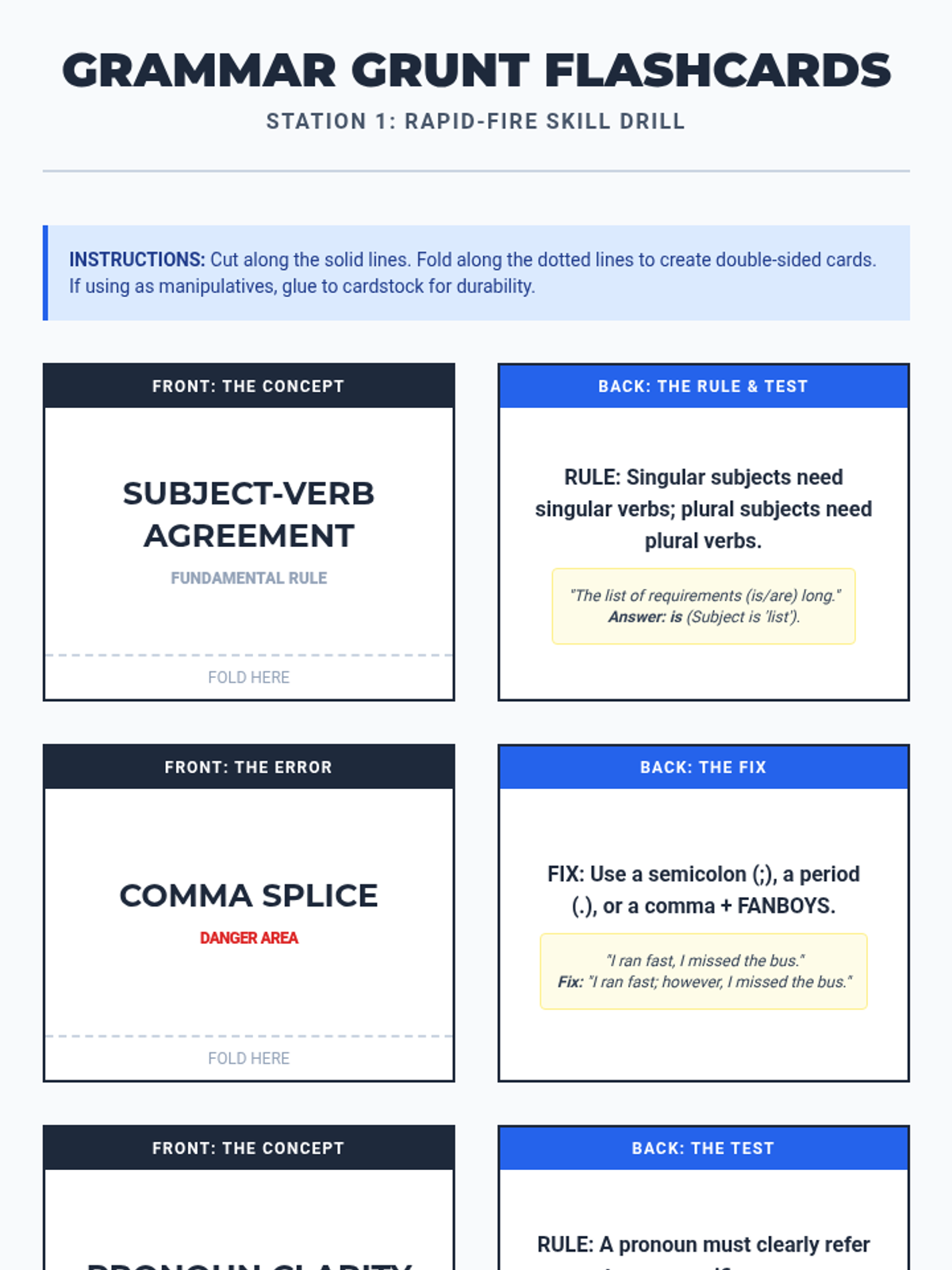
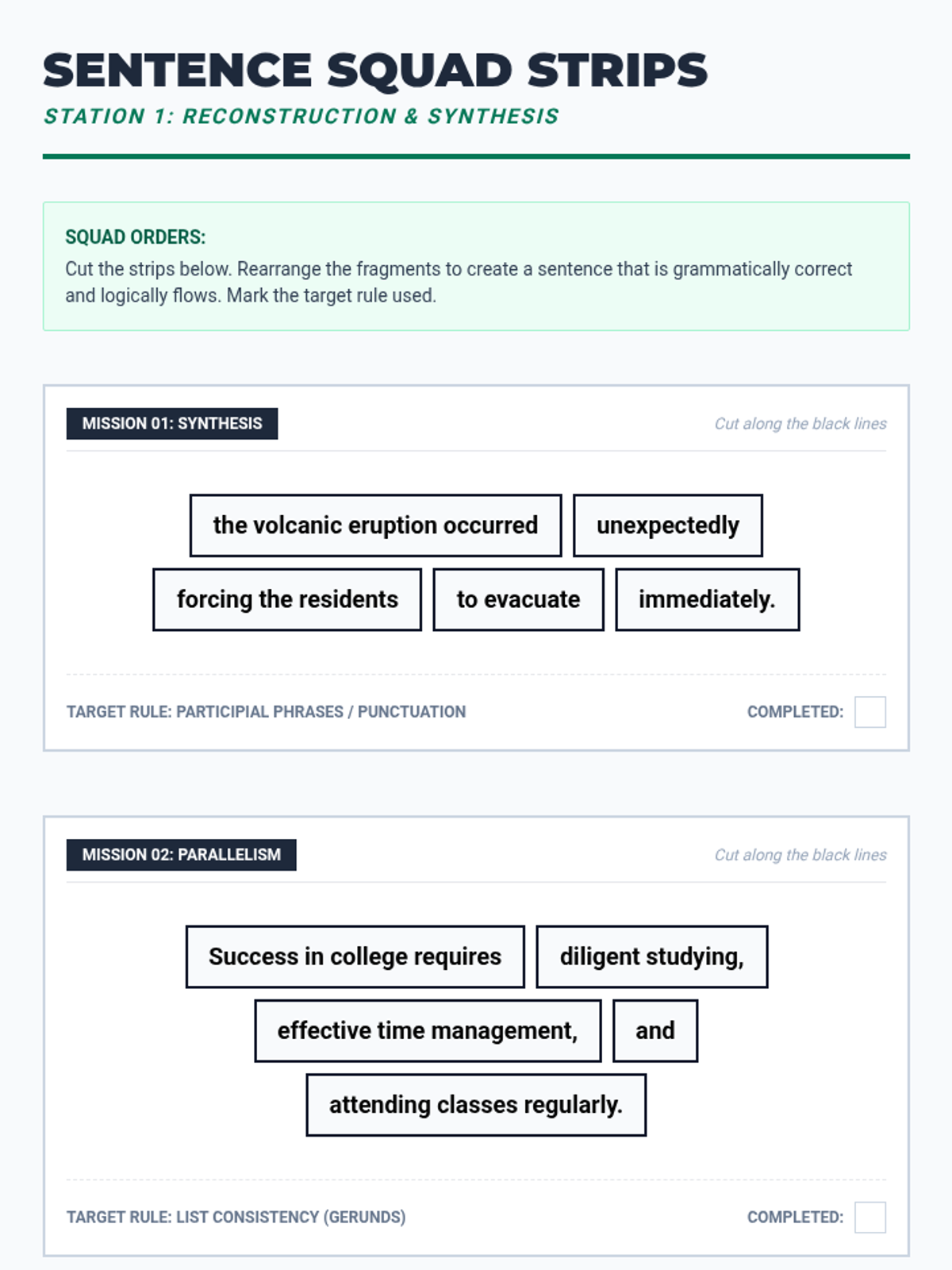
Sentence structure fundamentals, subject-verb agreement, and precise usage of parts of speech including pronouns, conjunctions, and adjectives. Targets technical accuracy through mastery of capitalization, punctuation, spelling, and verb mood.
A comprehensive unit covering Gregor Samsa's physical and emotional decay through five sequential 'Case Files'. Students analyze symbols, characterization, theme, and conflict as Gregor's humanity is further eroded and the family hierarchy shifts.
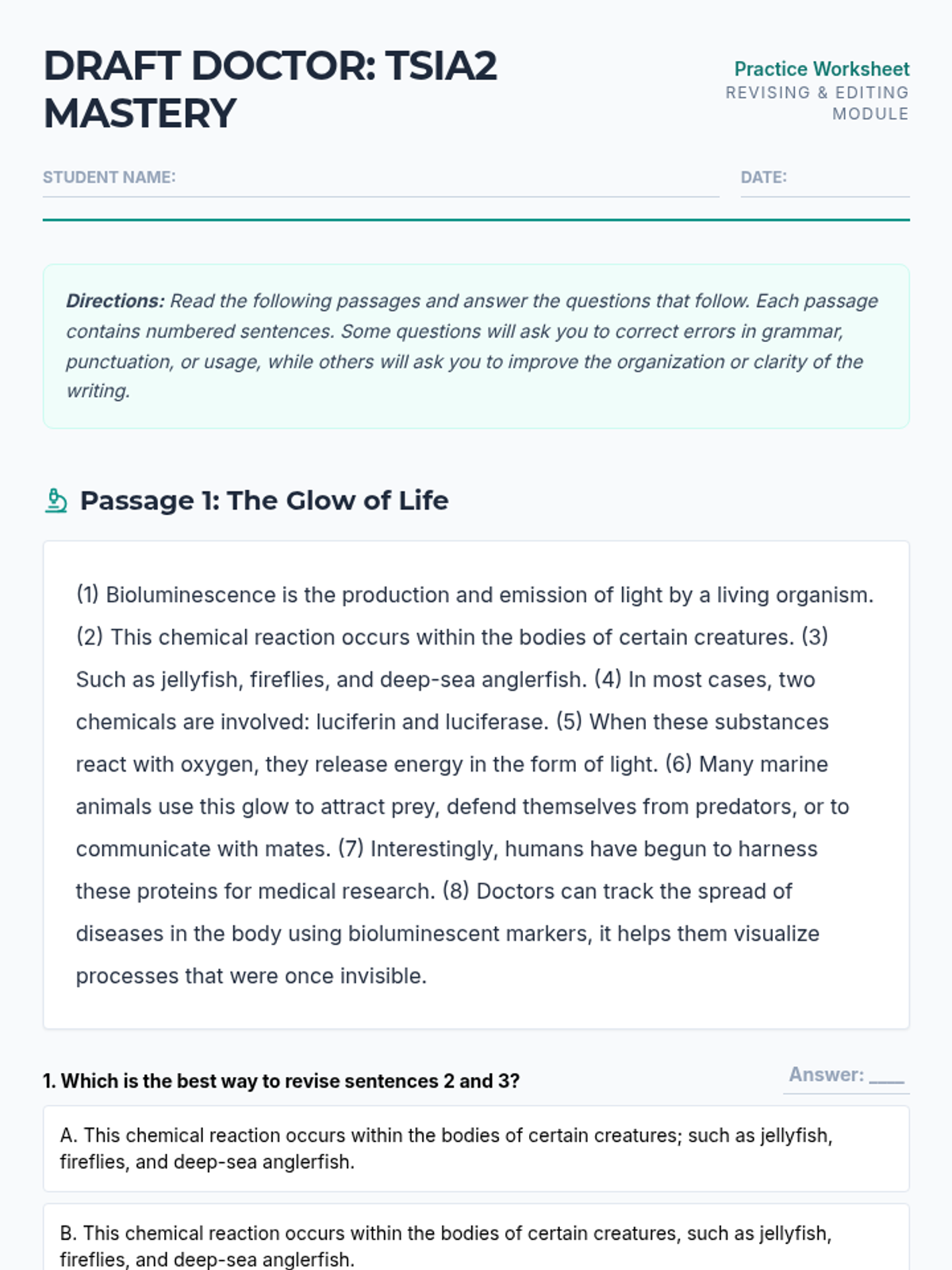
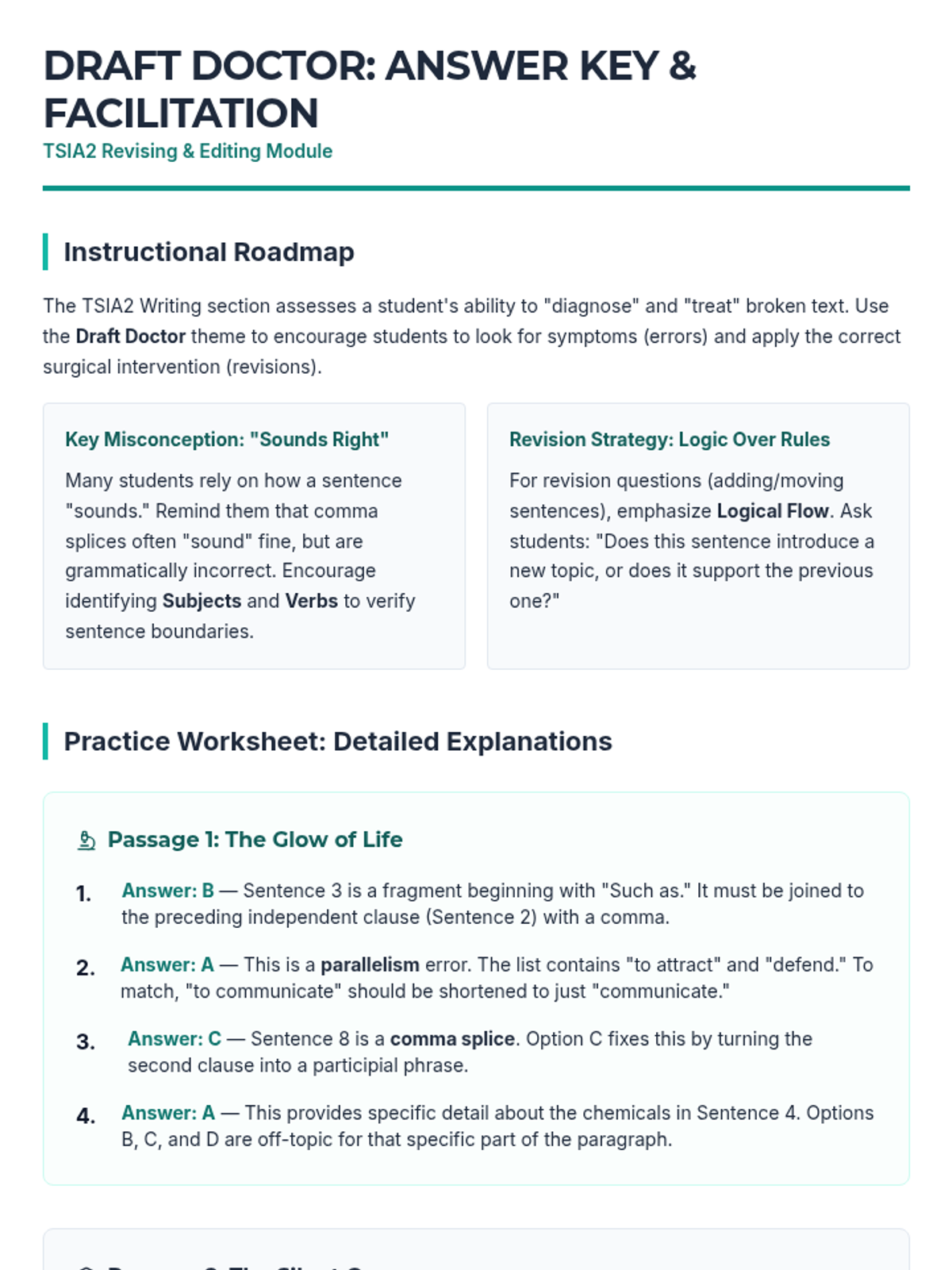
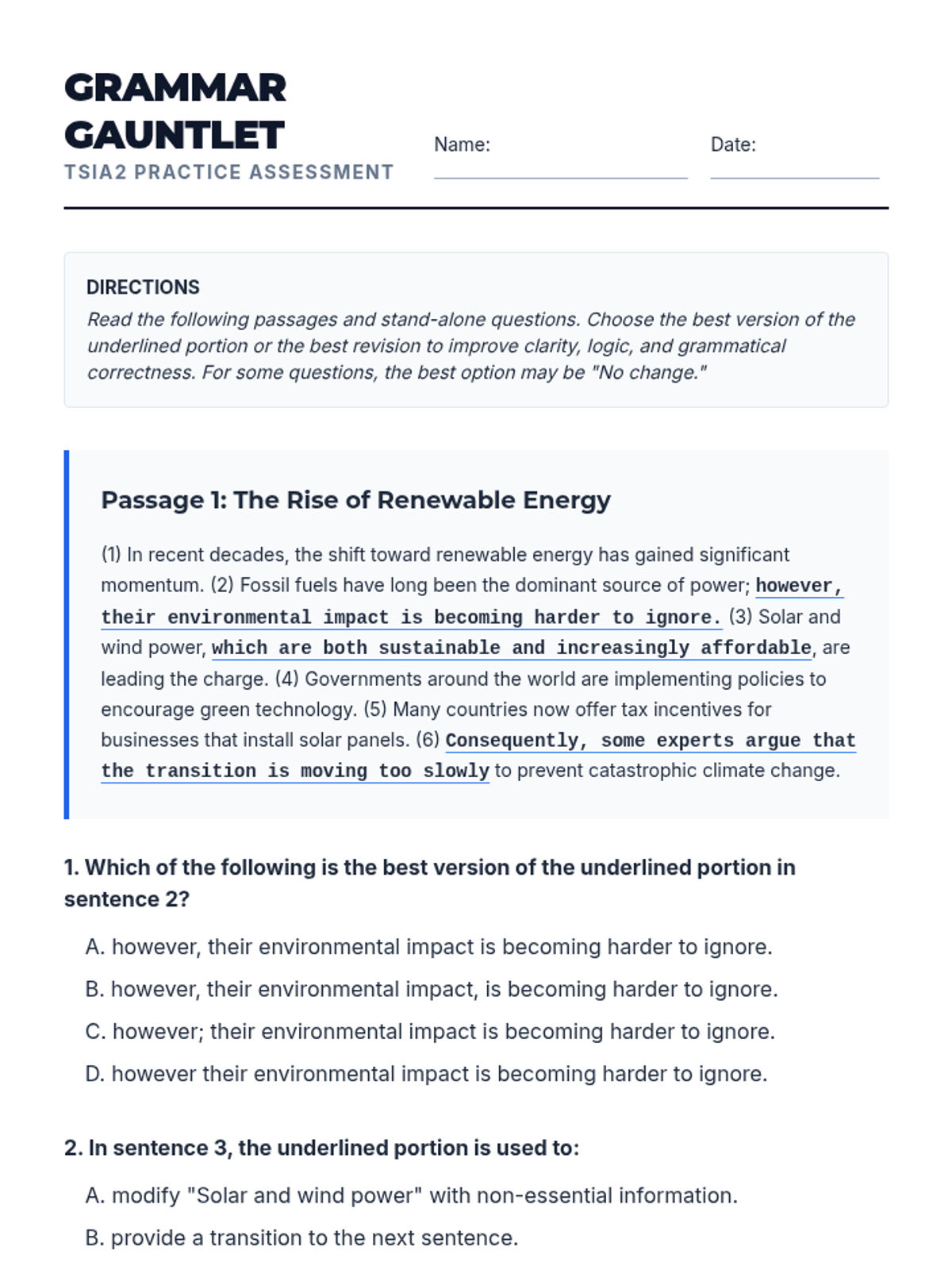
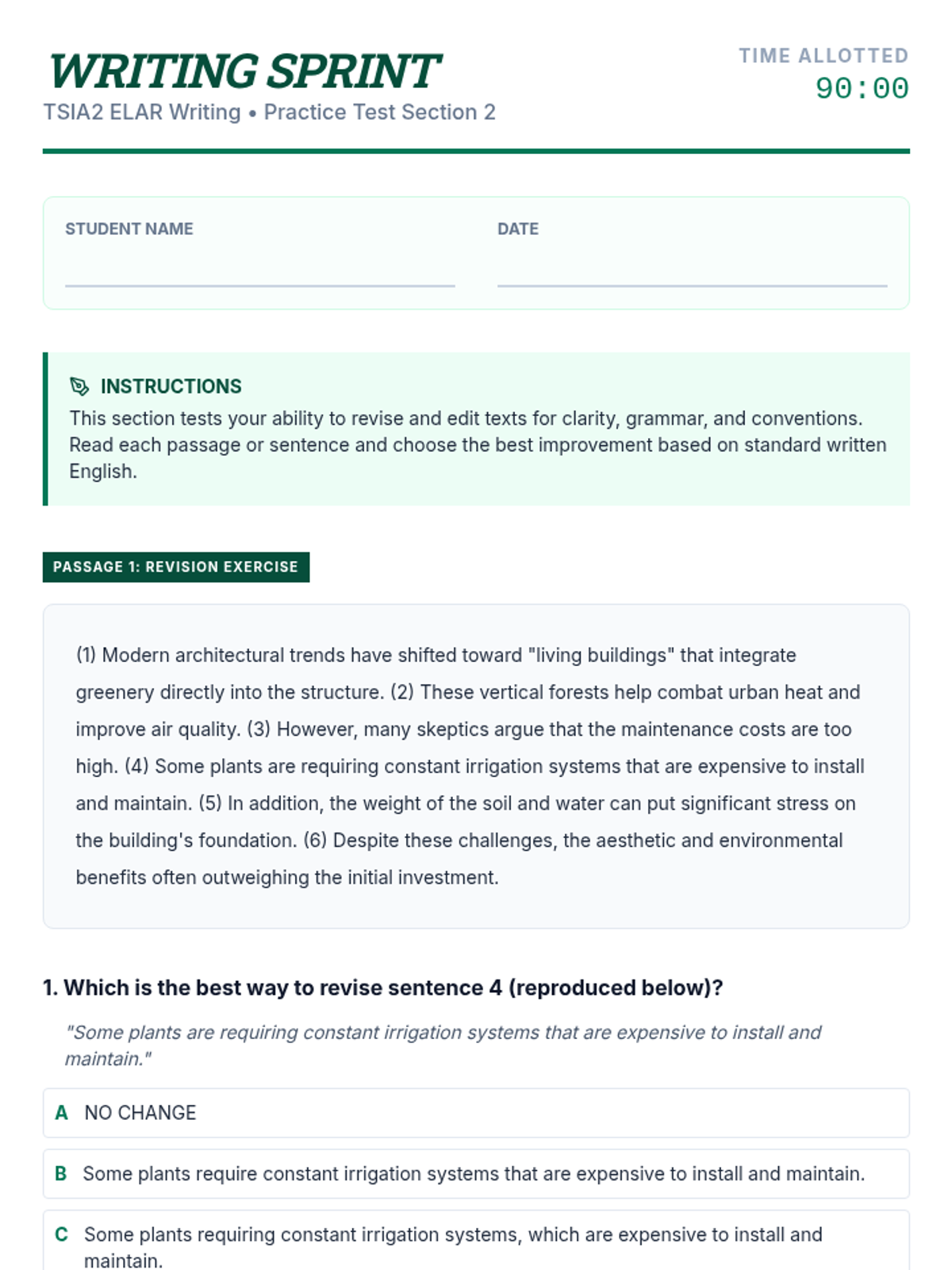
A comprehensive prep lesson for the TSIA2 Writing section, covering sentence structure, agreement, punctuation, and revision strategies across multiple passage genres.
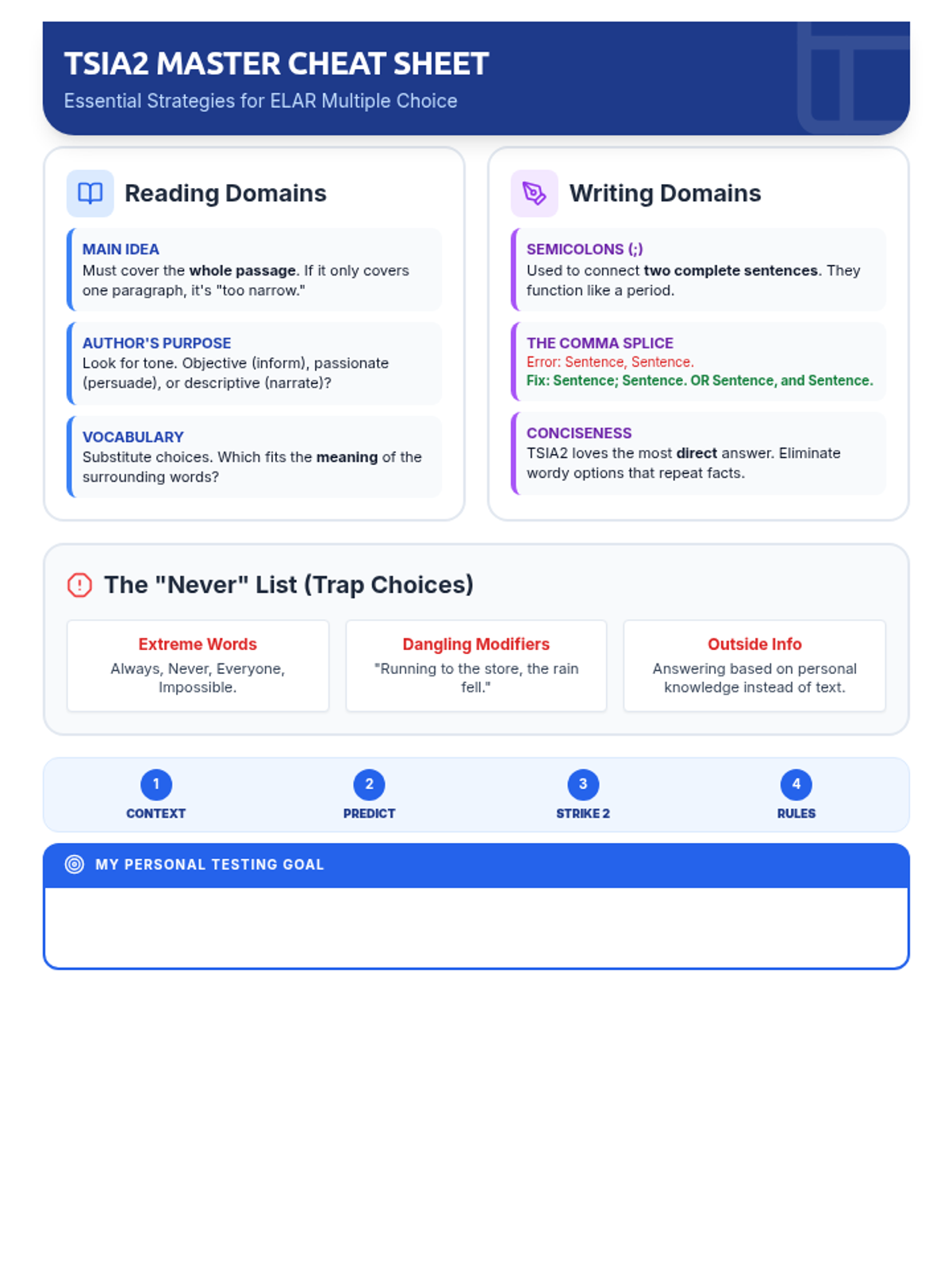
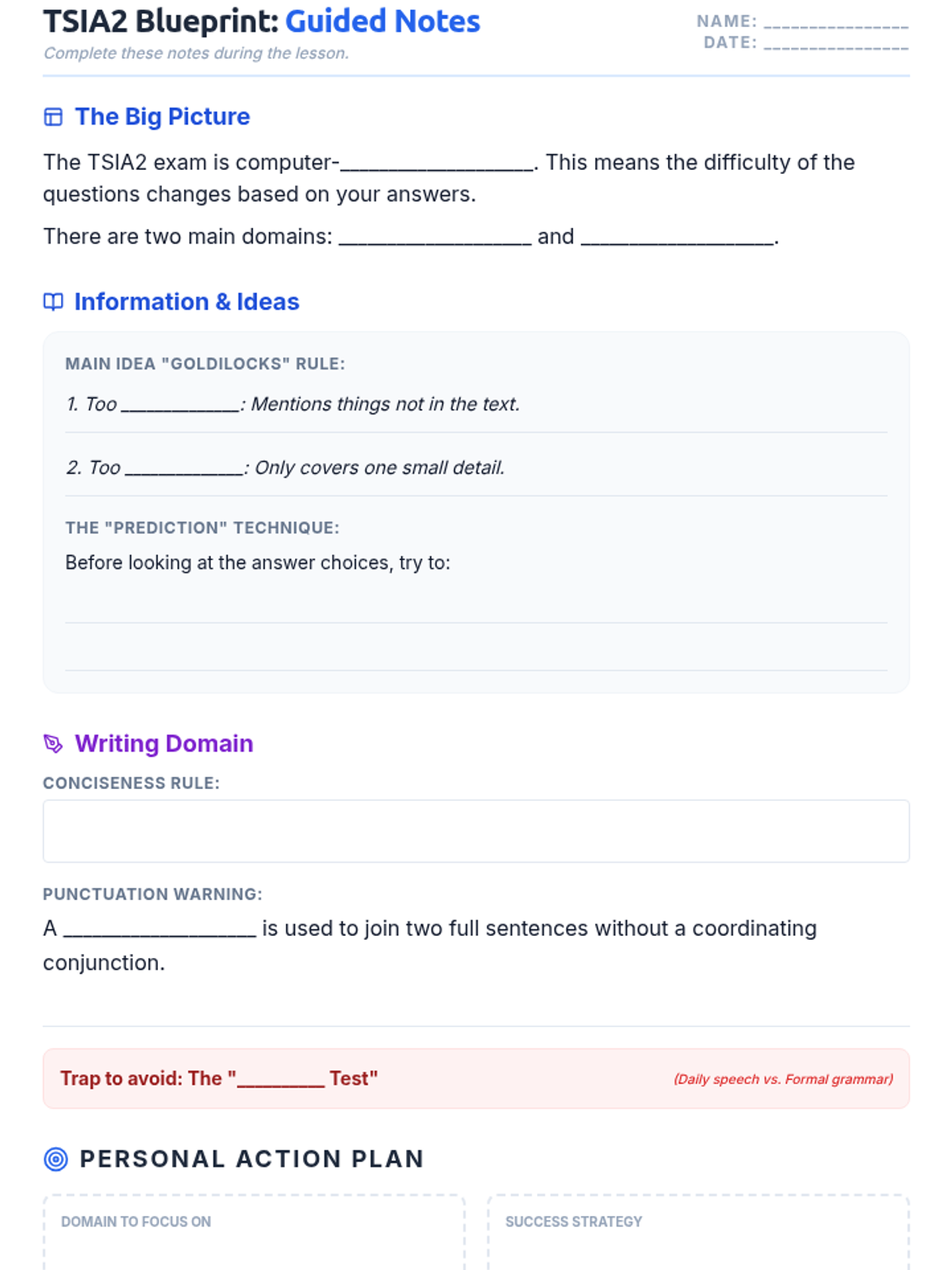
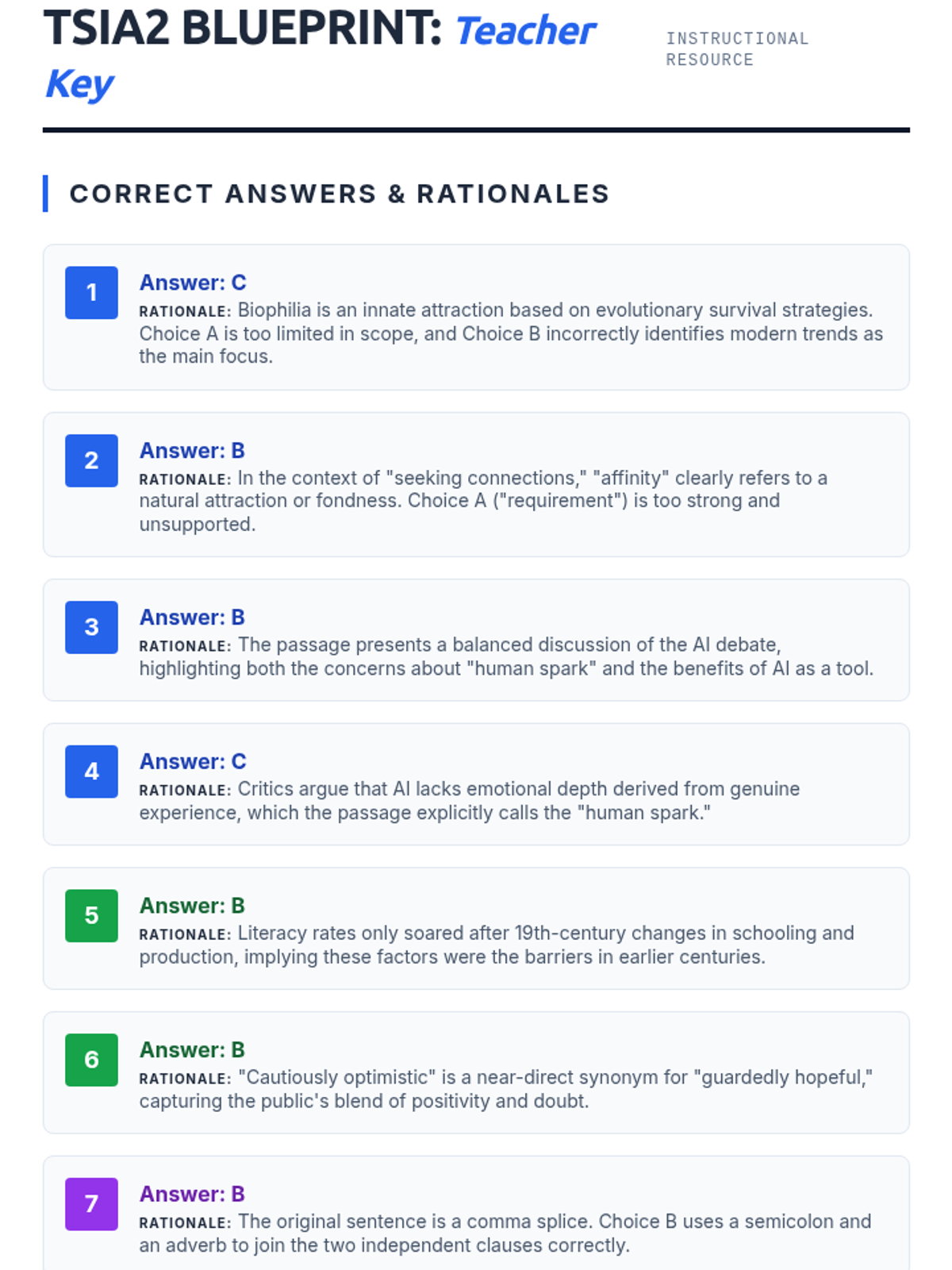
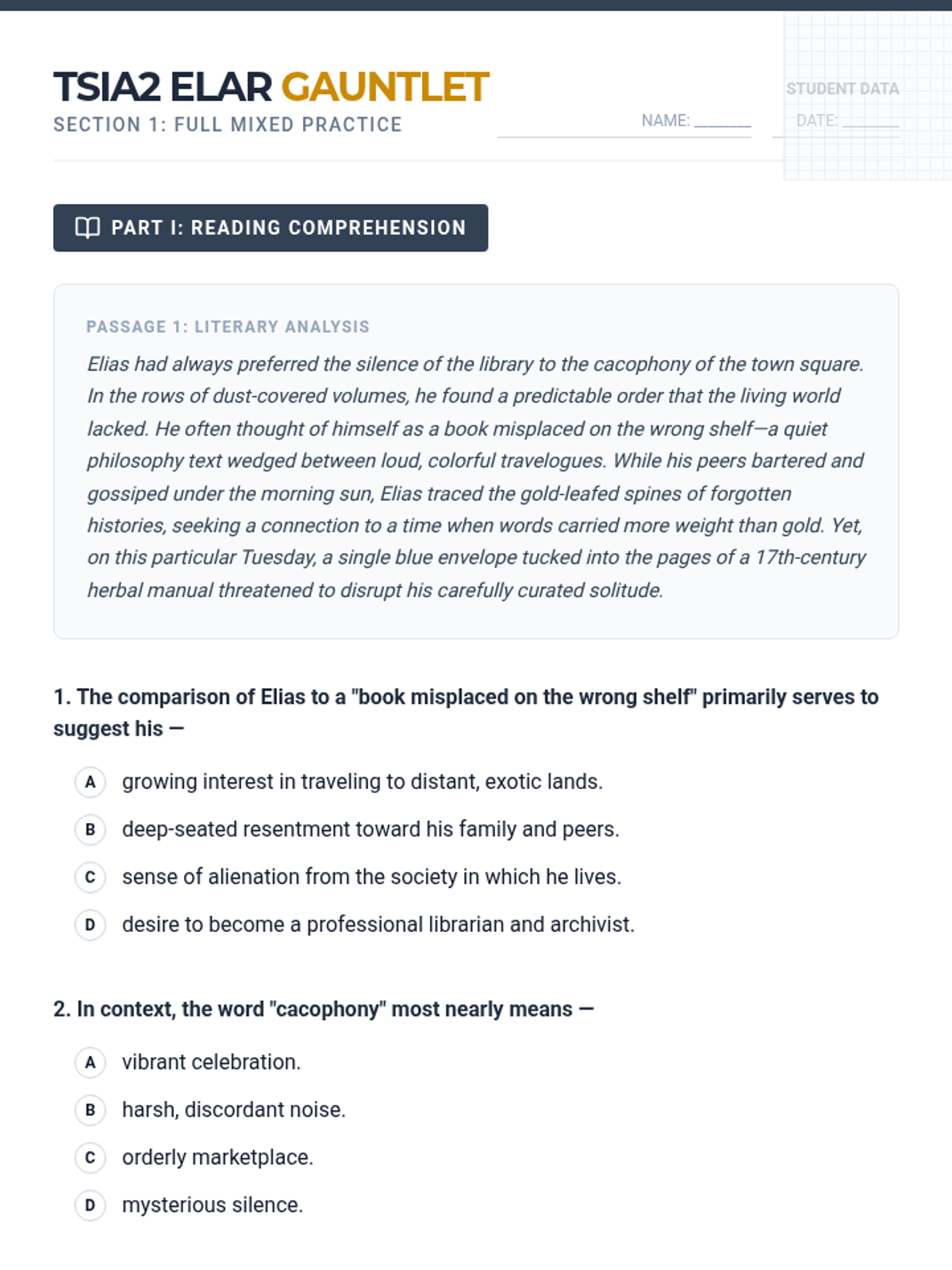
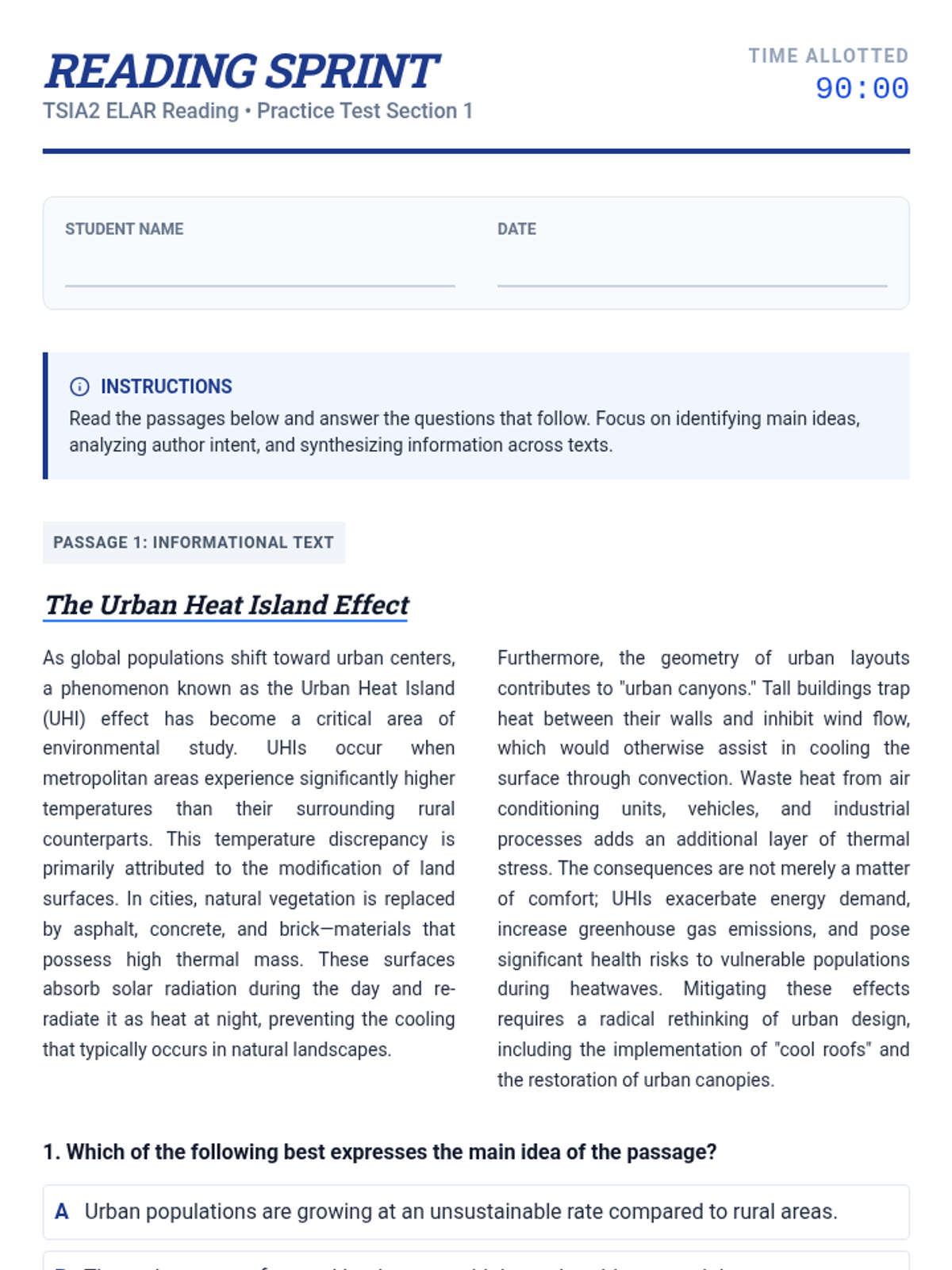
A comprehensive prep lesson for the TSIA2 ELAR exam, focusing on reading comprehension, sentence revision, and information/ideas strategies.
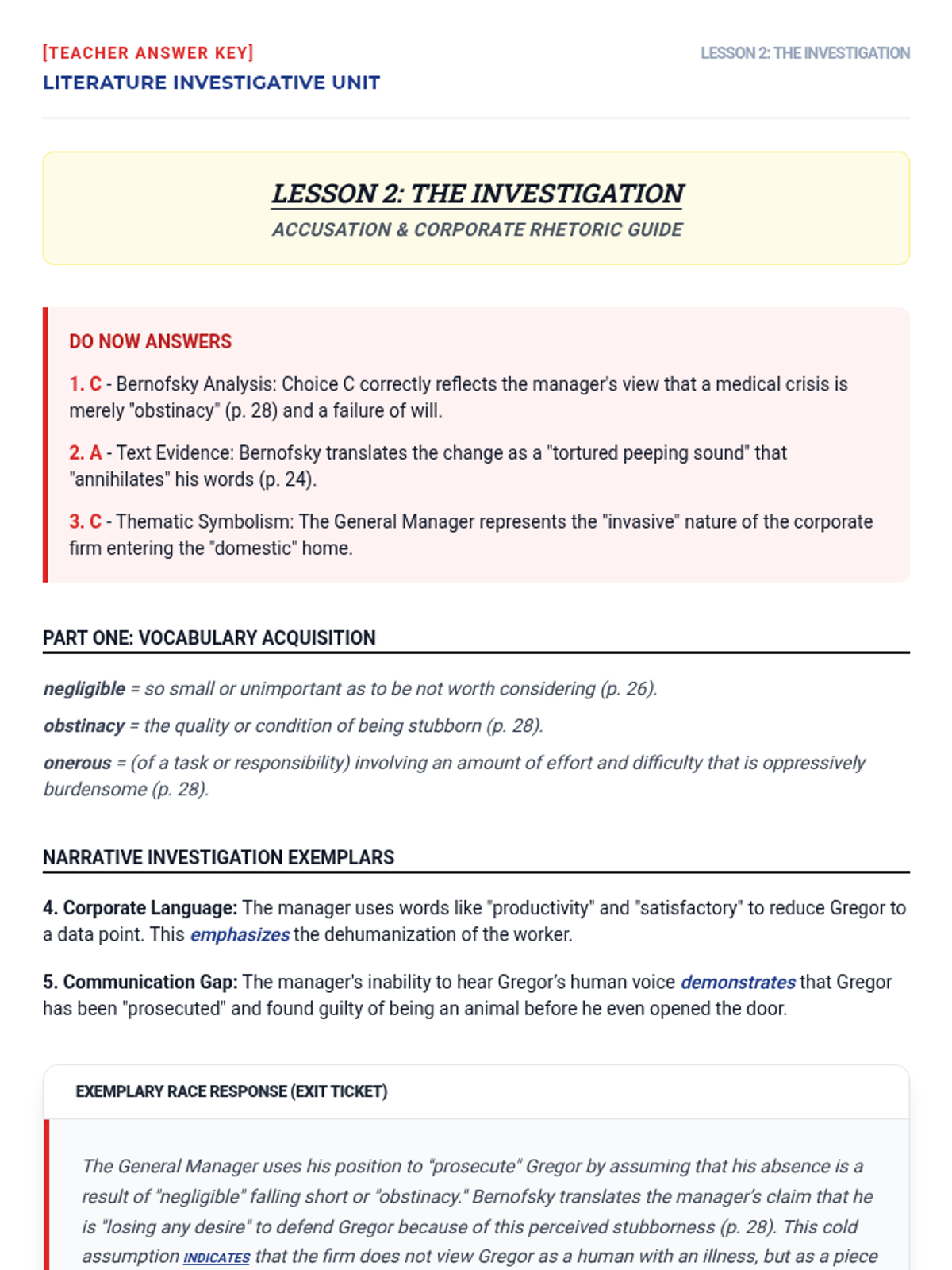
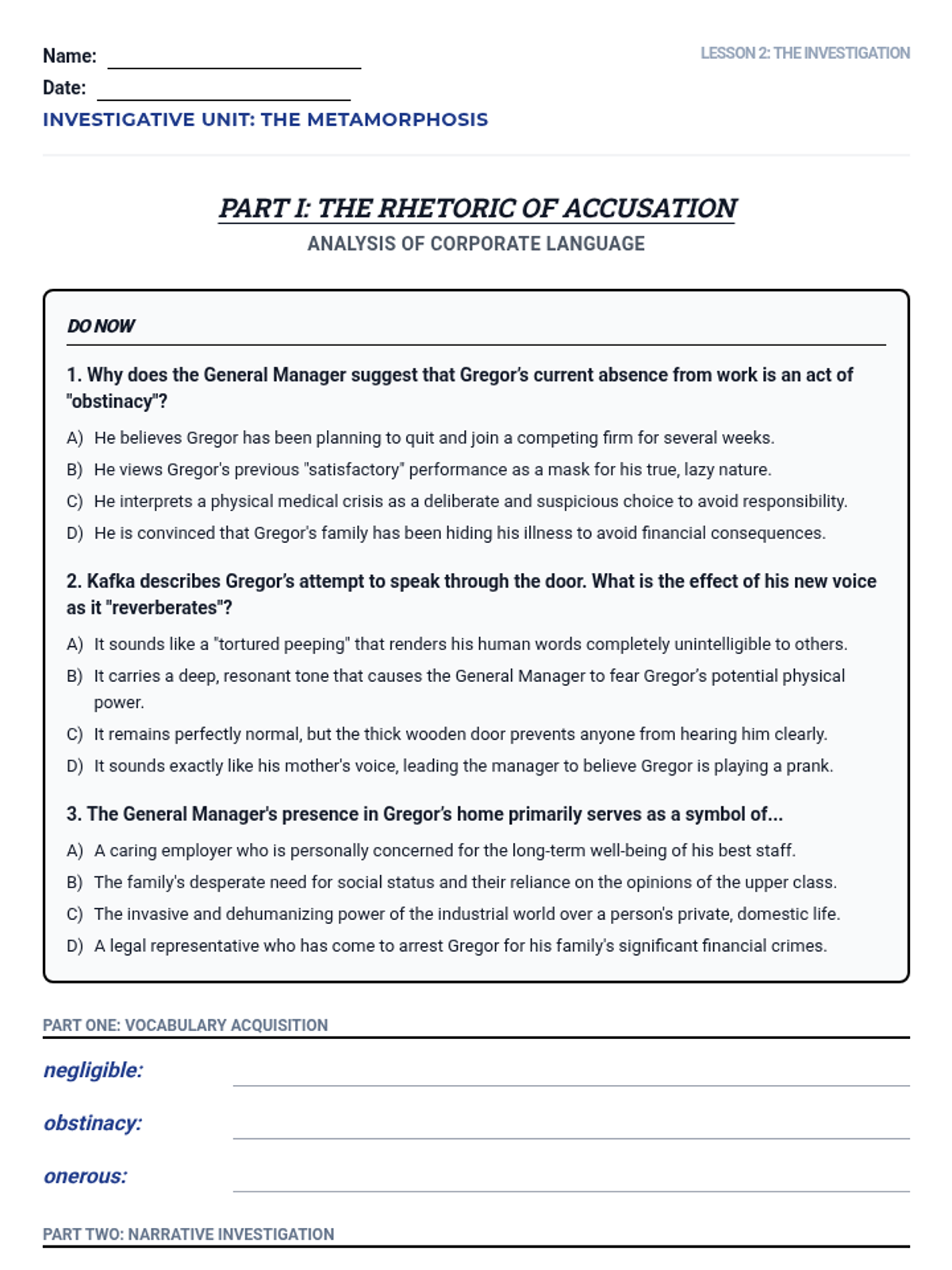
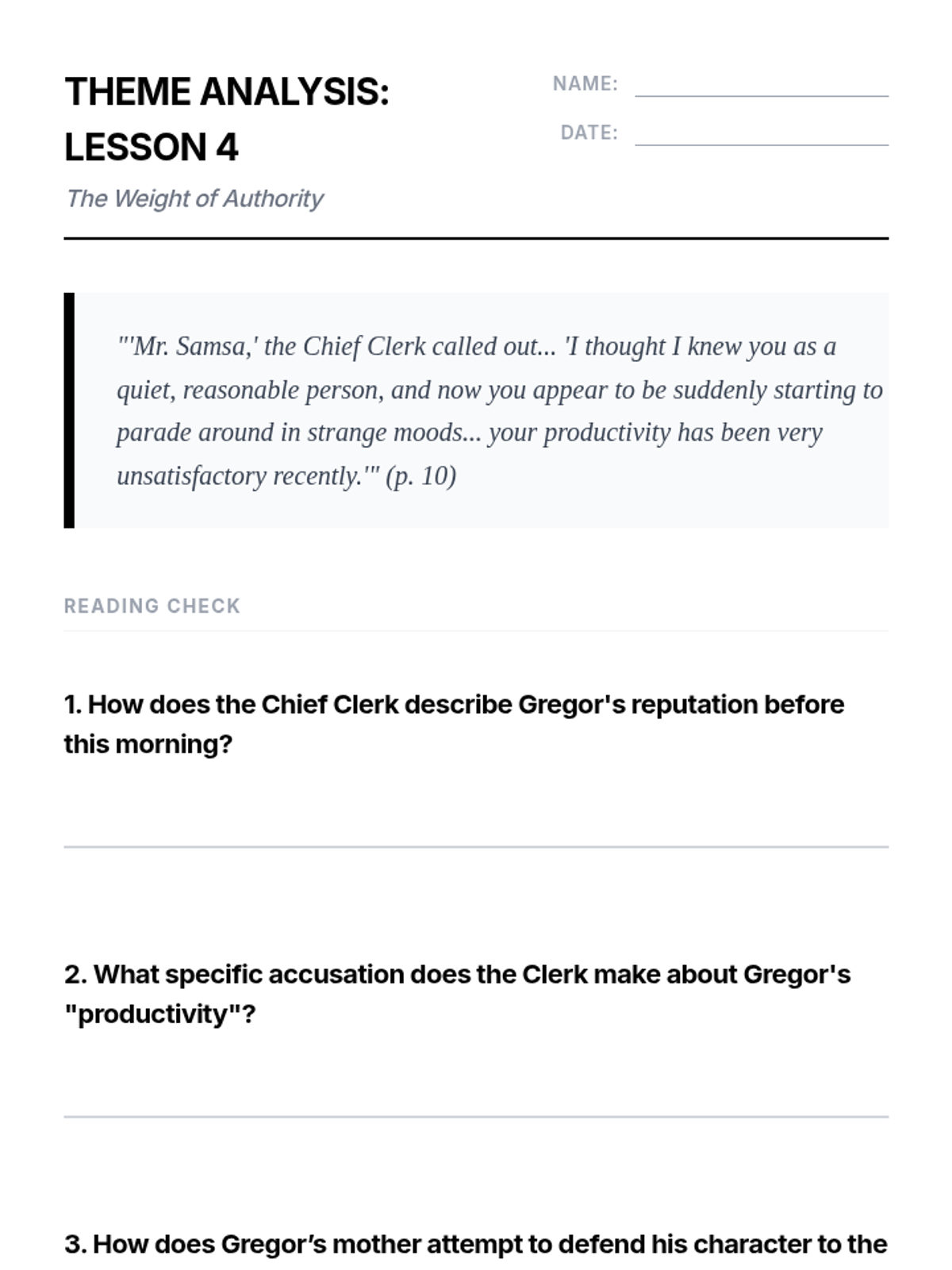
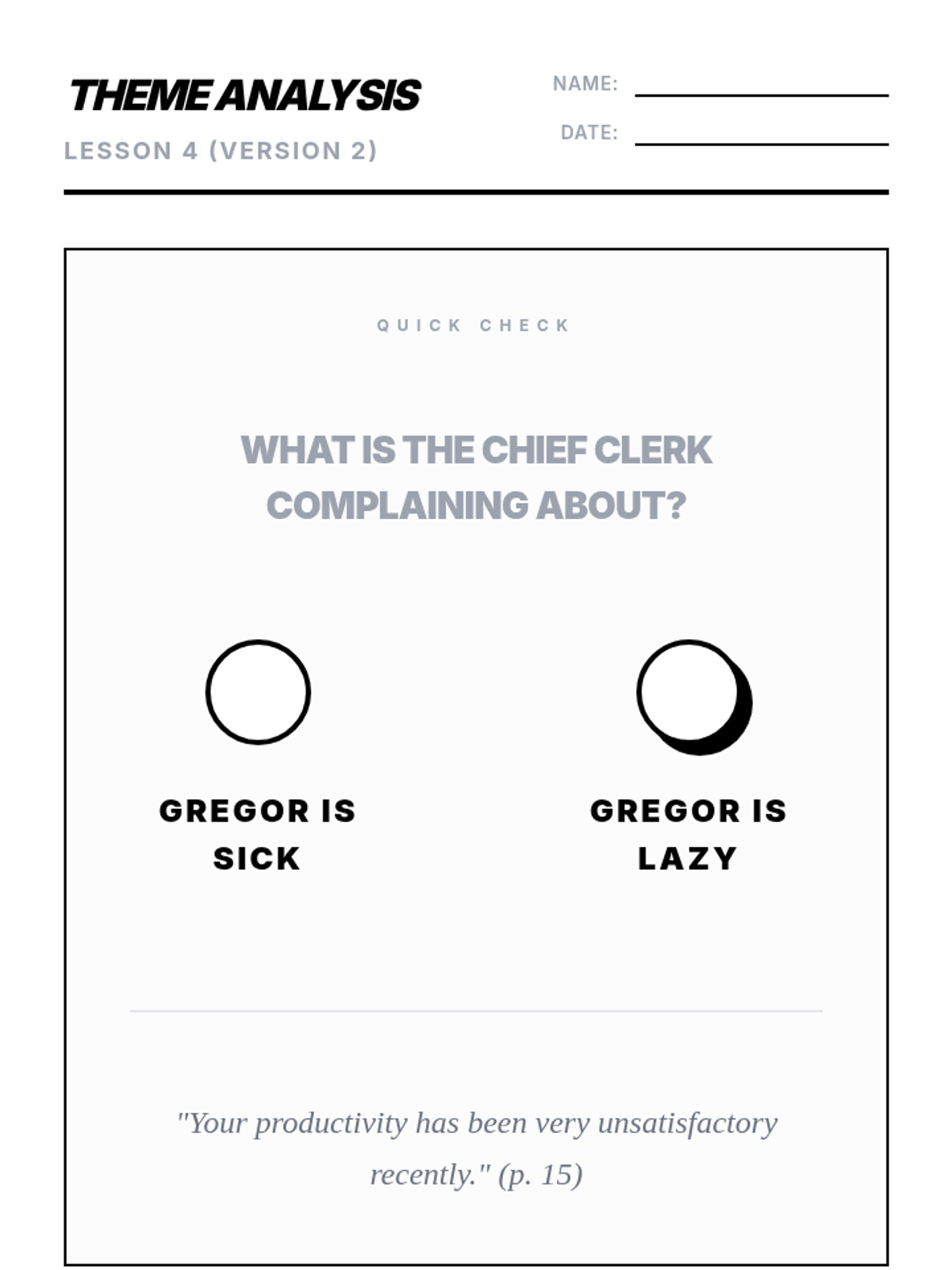
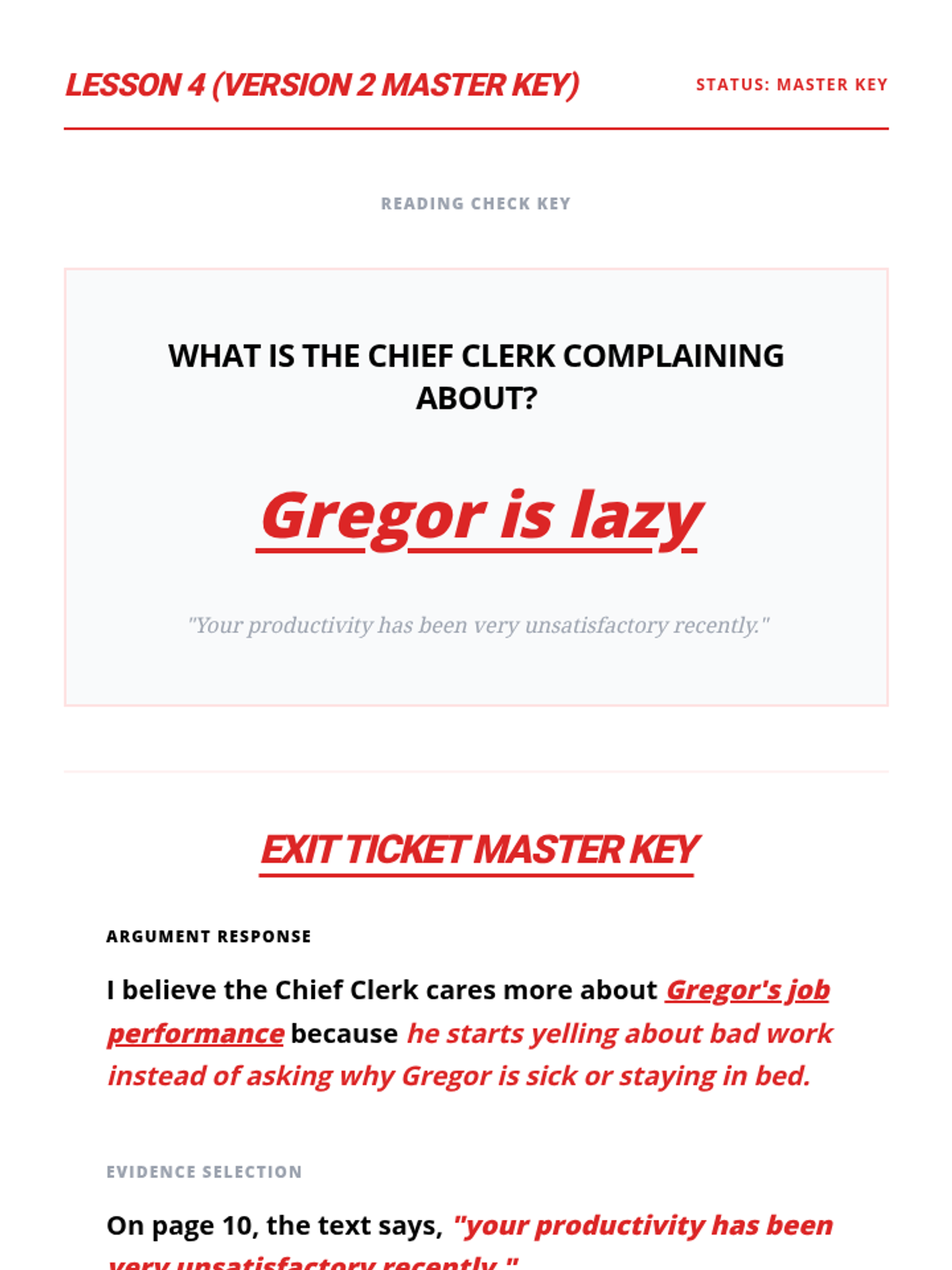
Students analyze the Chief Clerk's dialogue and how he uses corporate language to minimize Gregor's humanity and maximize his perceived 'laziness'.
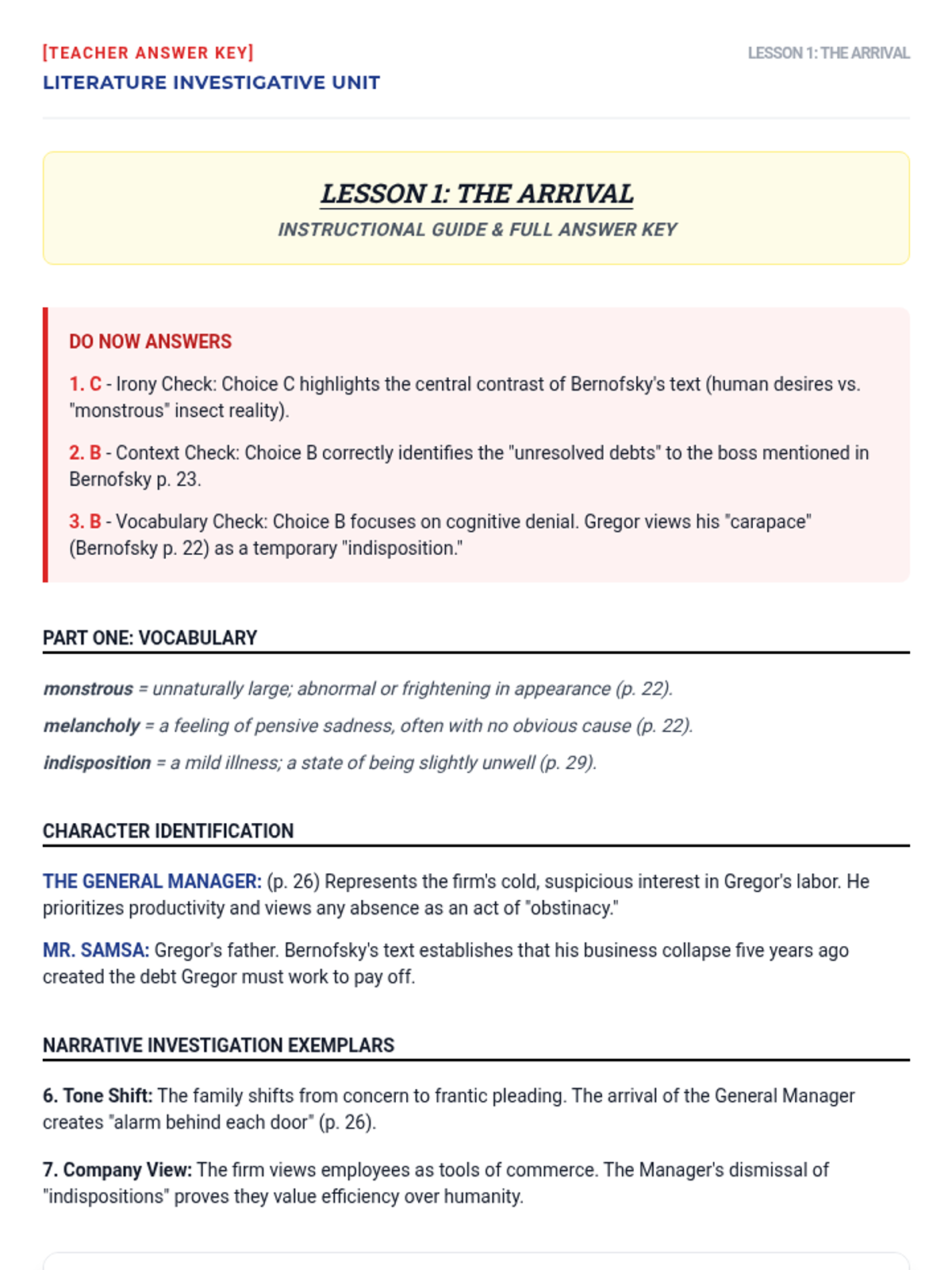
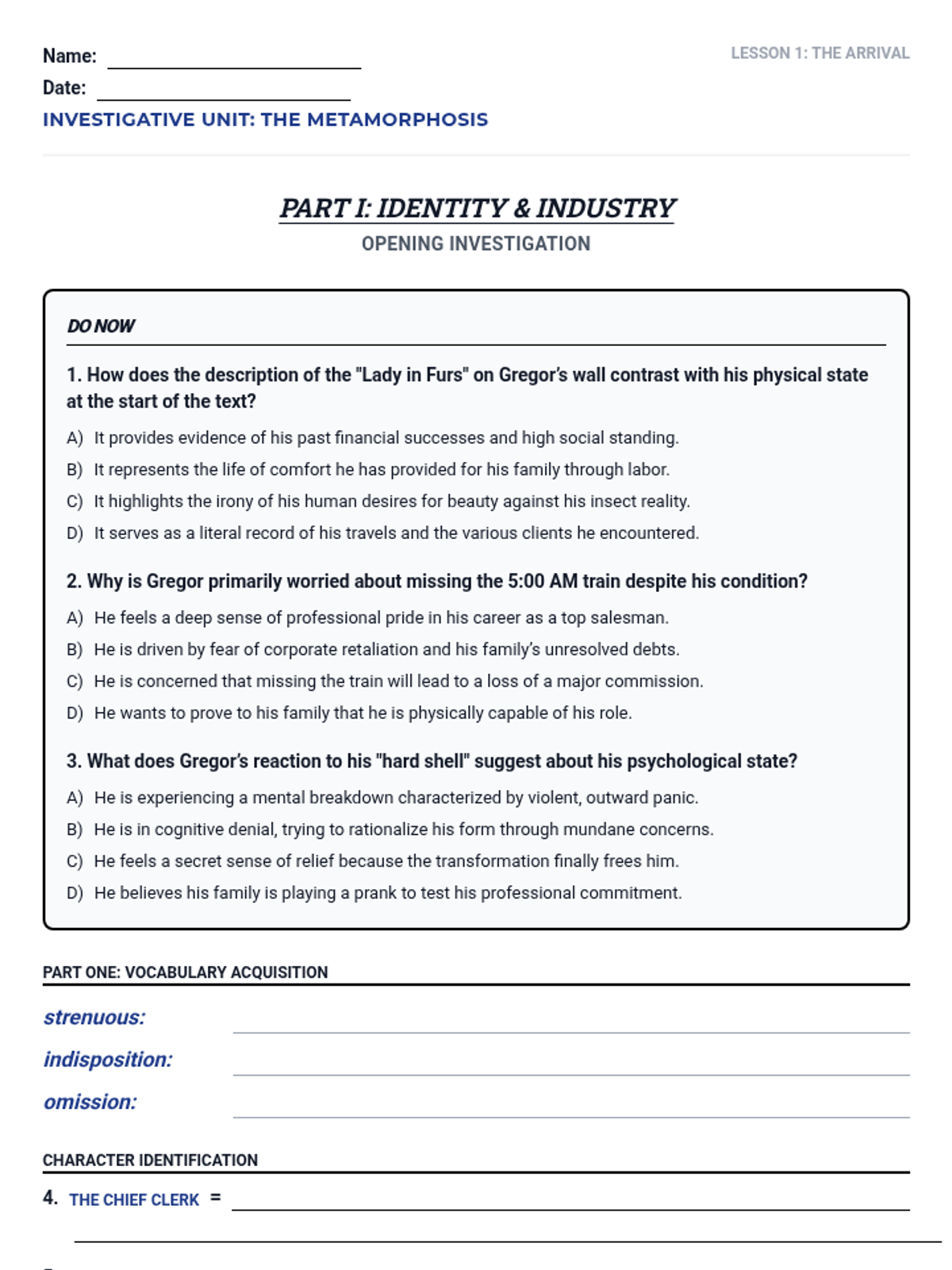
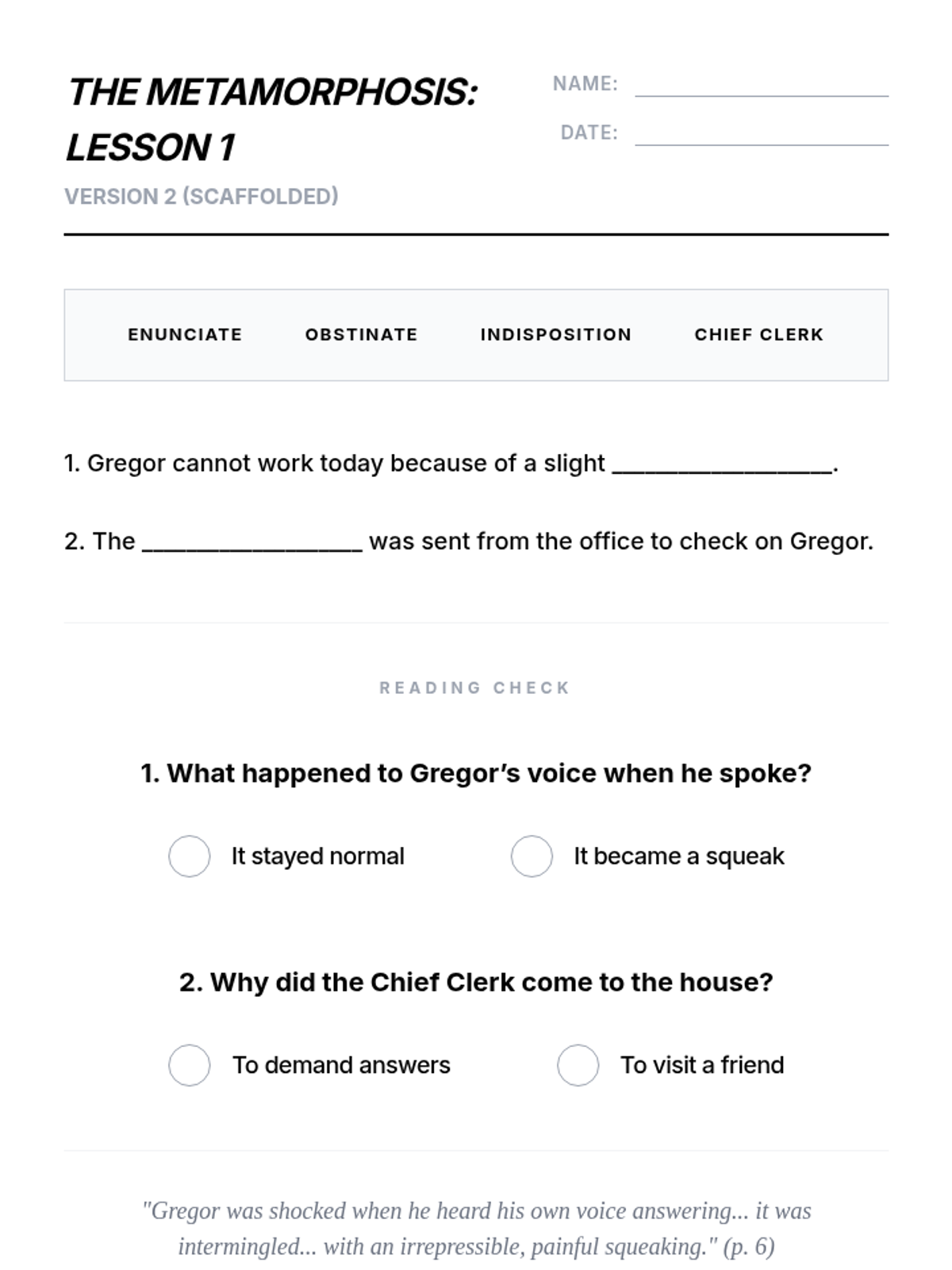
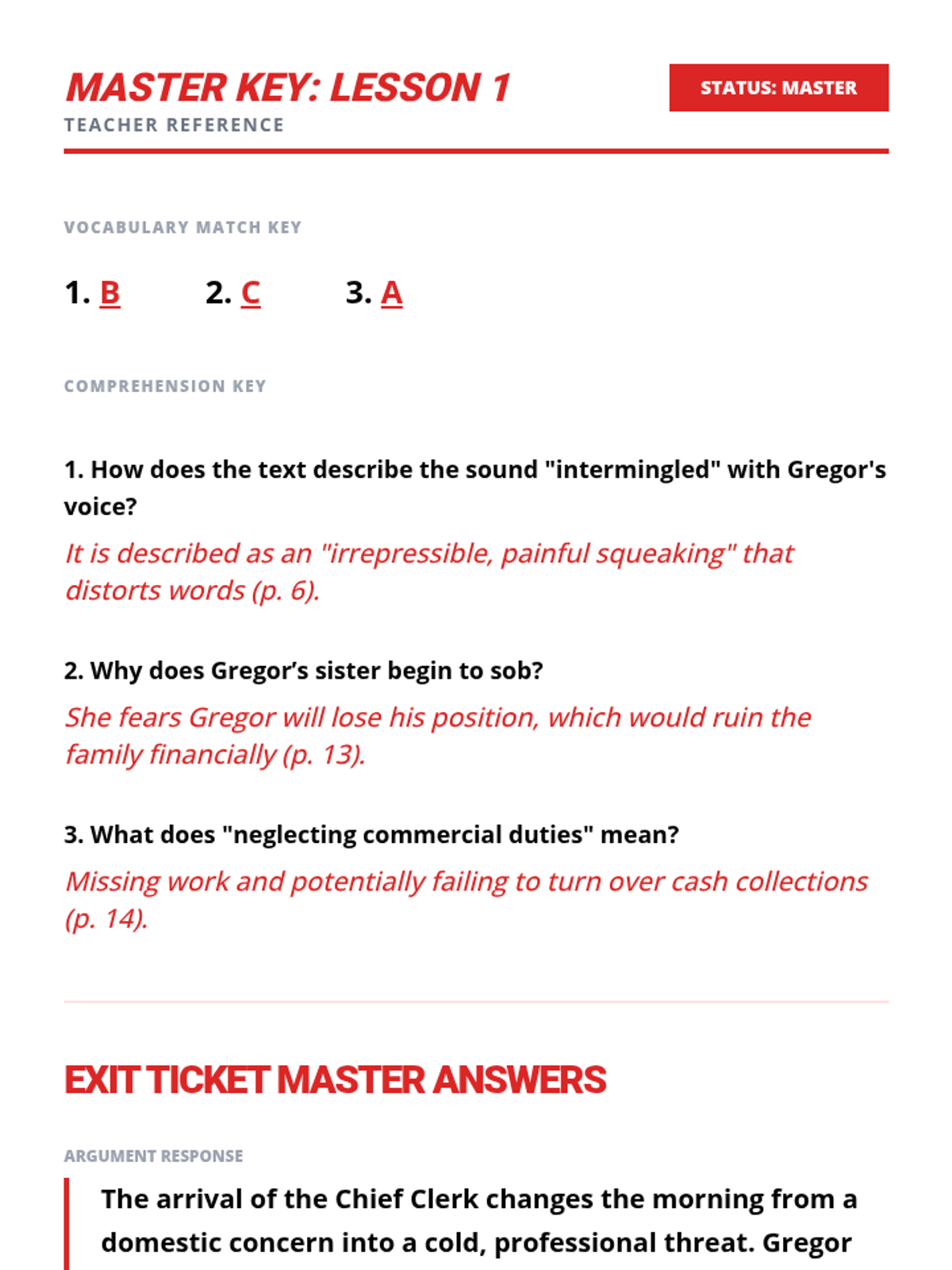
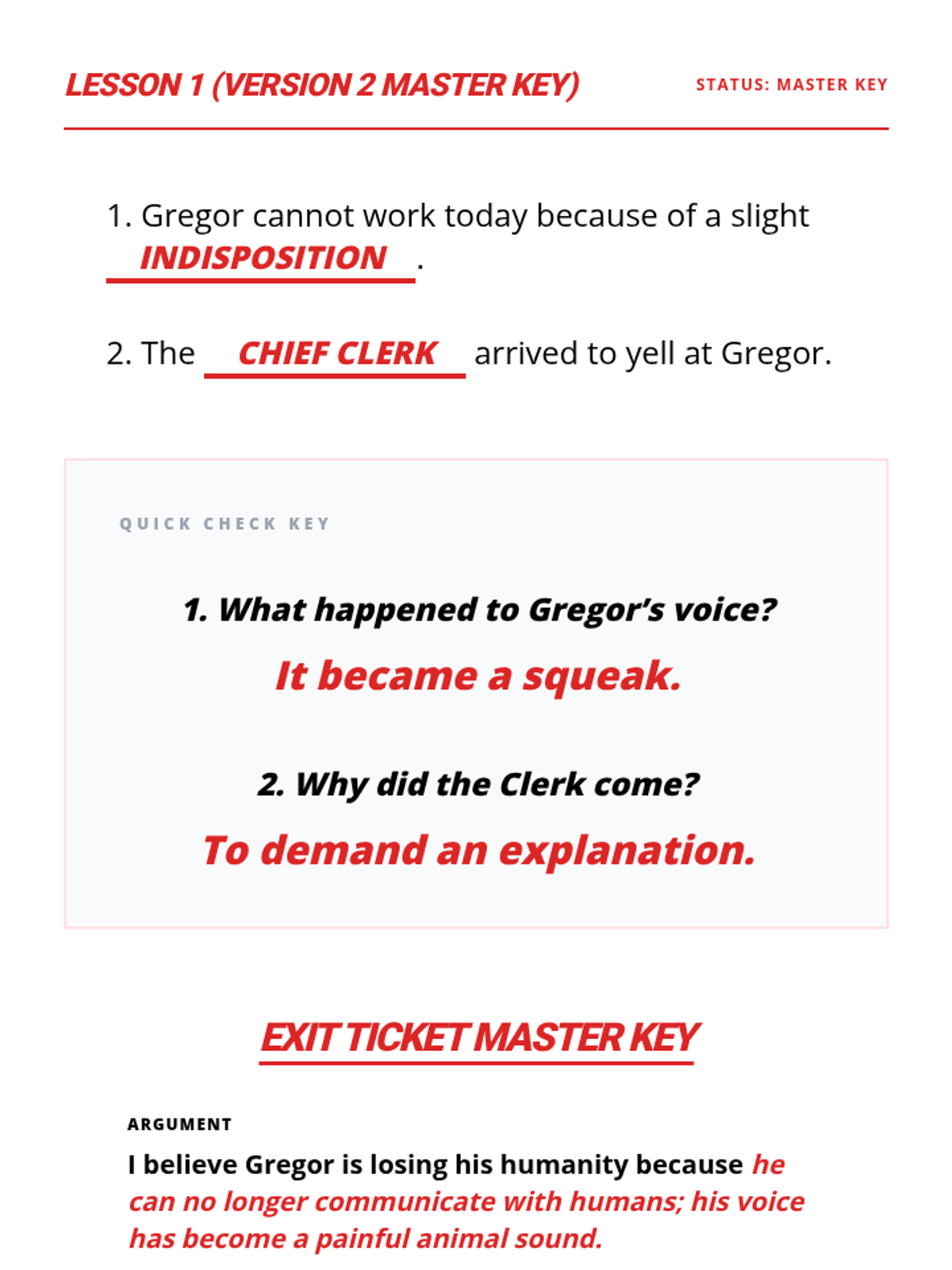
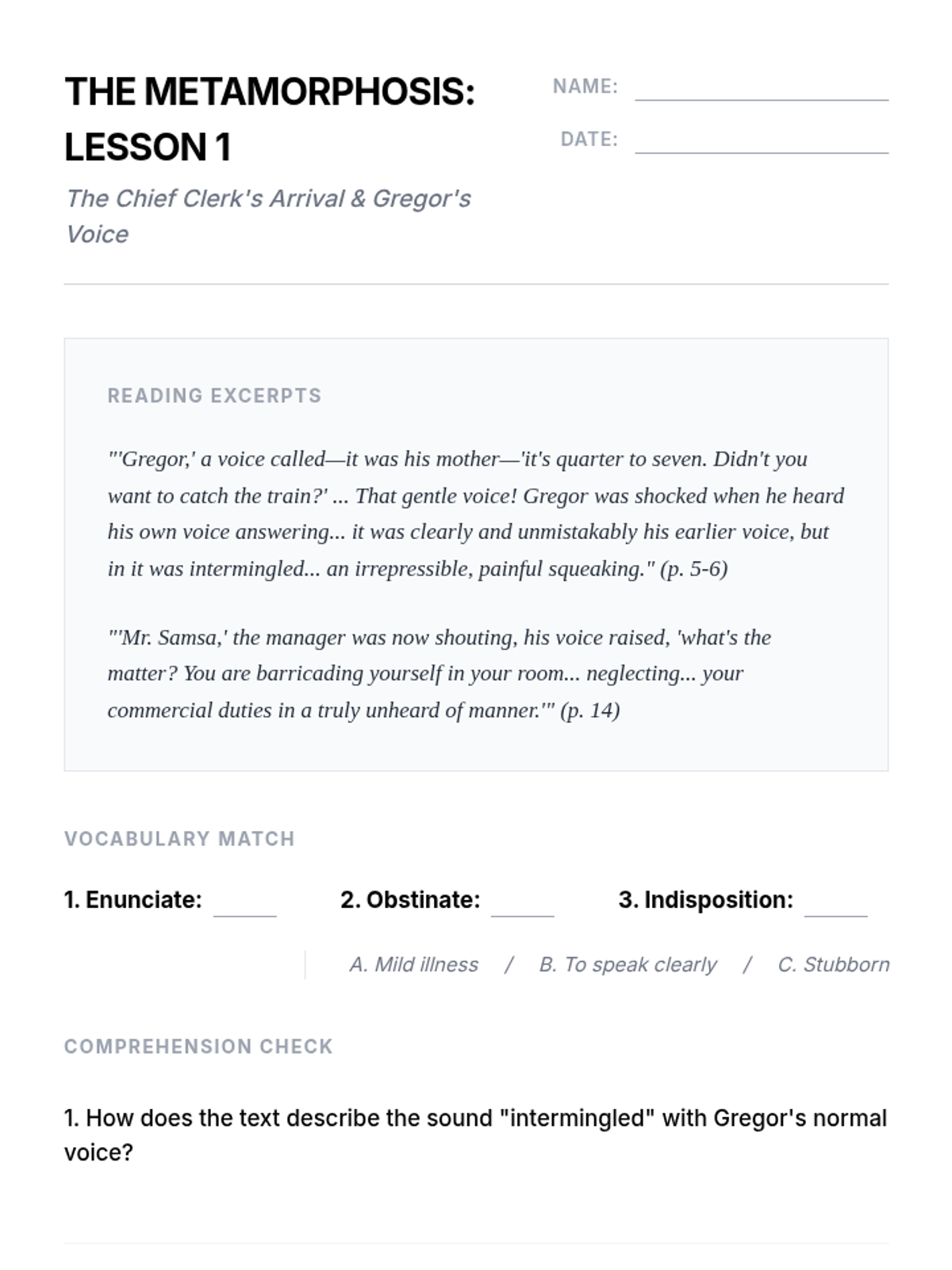
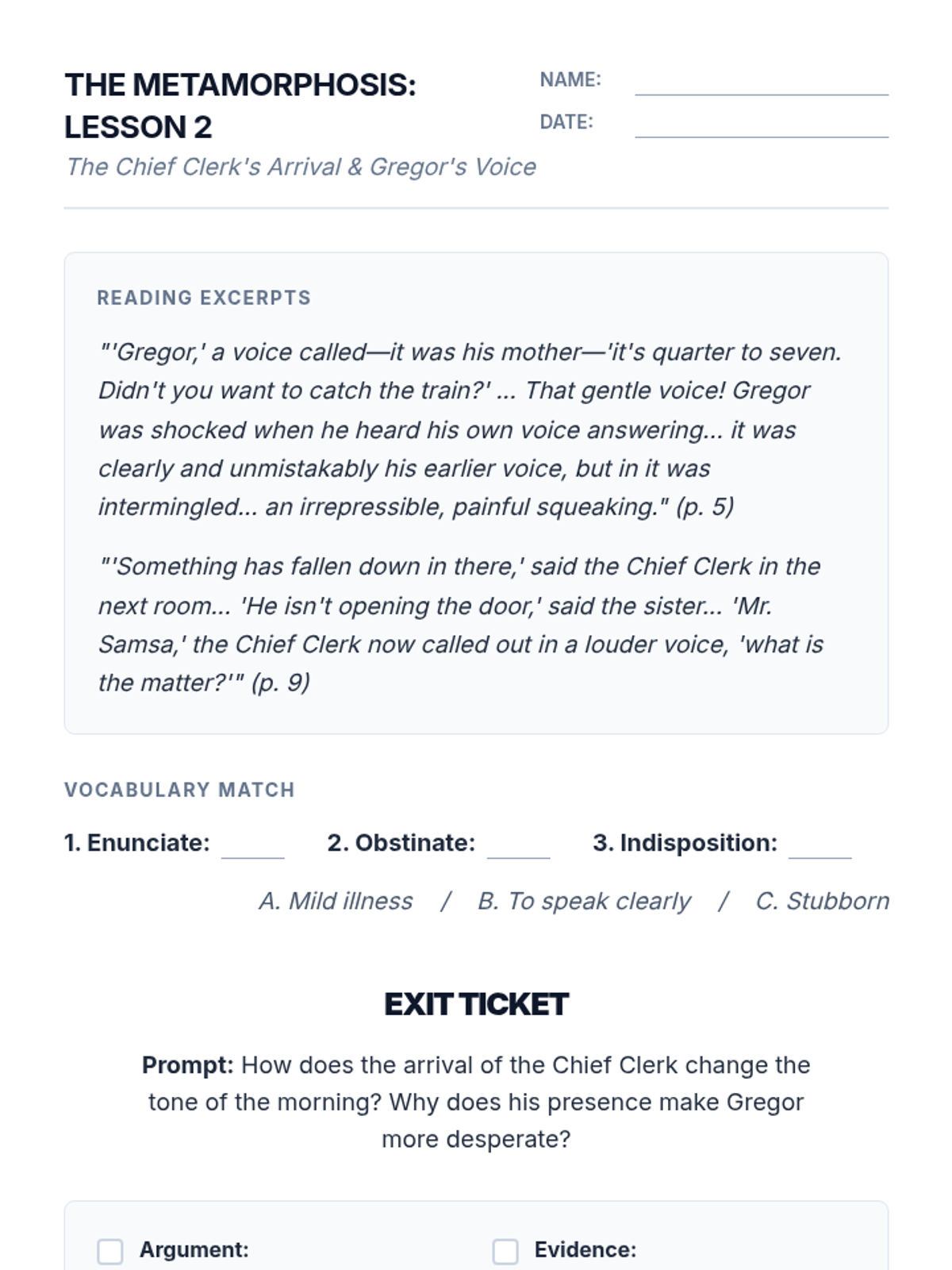
Students analyze the arrival of the Chief Clerk and the immediate shift from familial concern to corporate suspicion. Focus on the theme of 'The Firm' as a dehumanizing force.
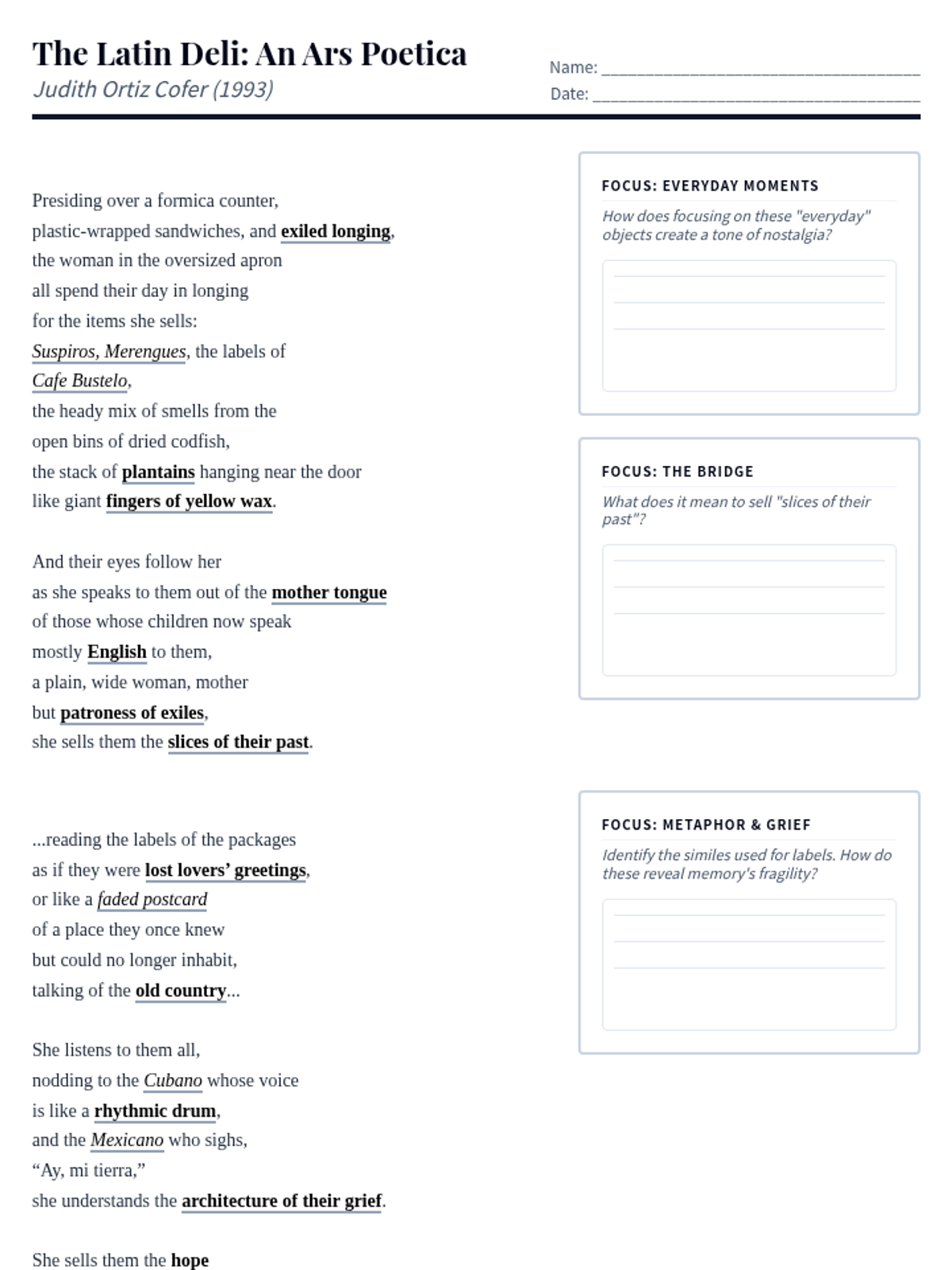
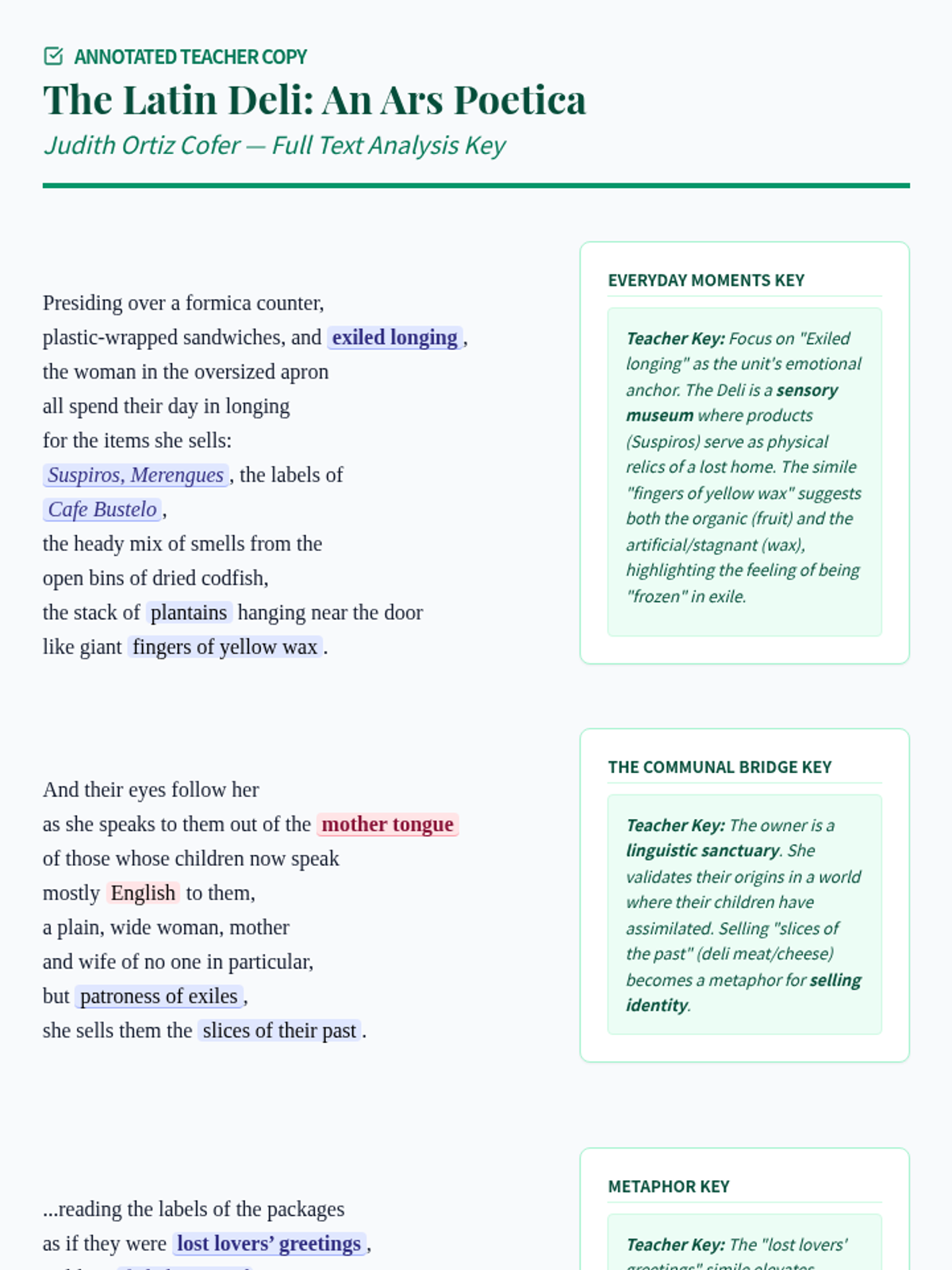
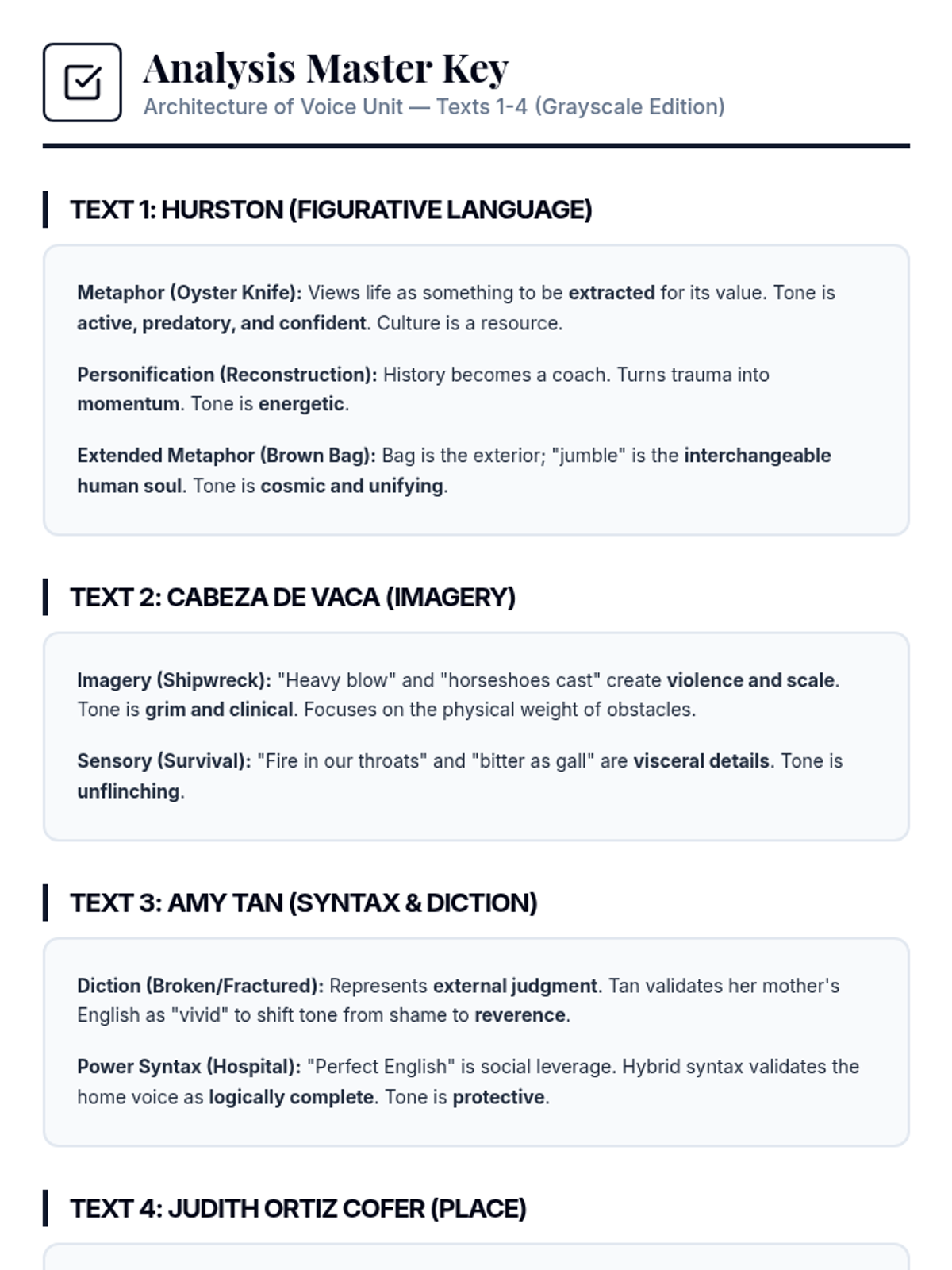
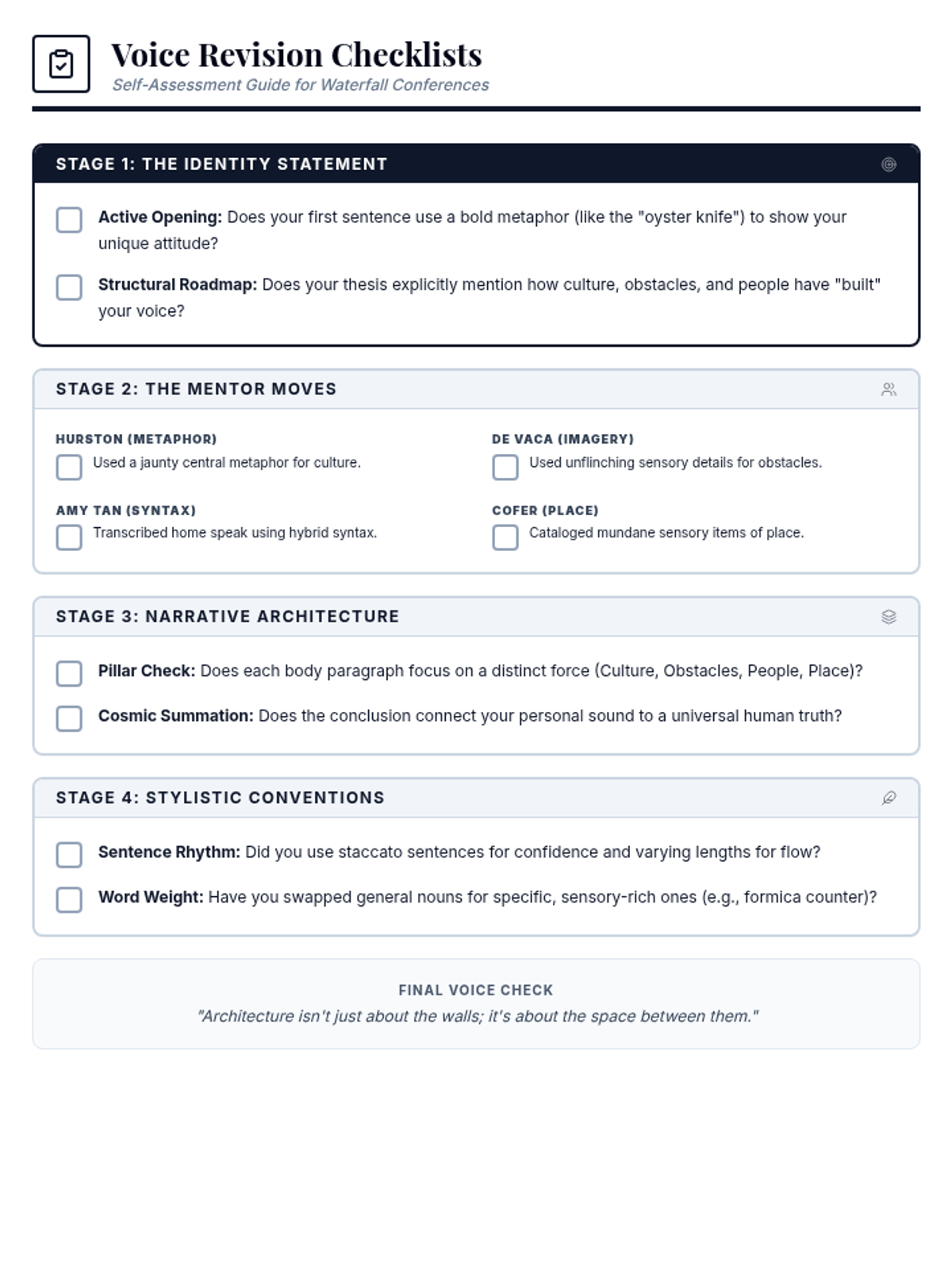
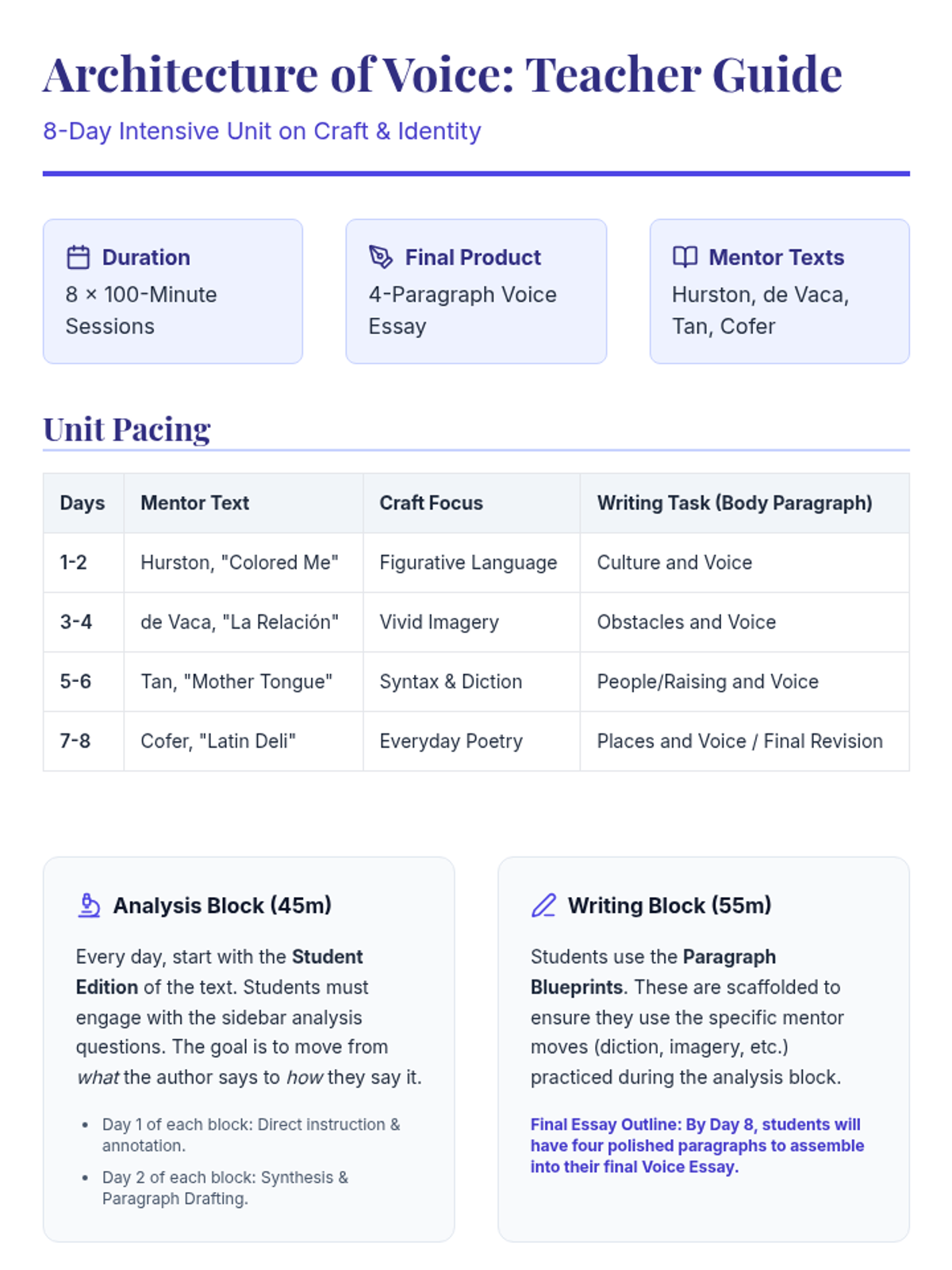
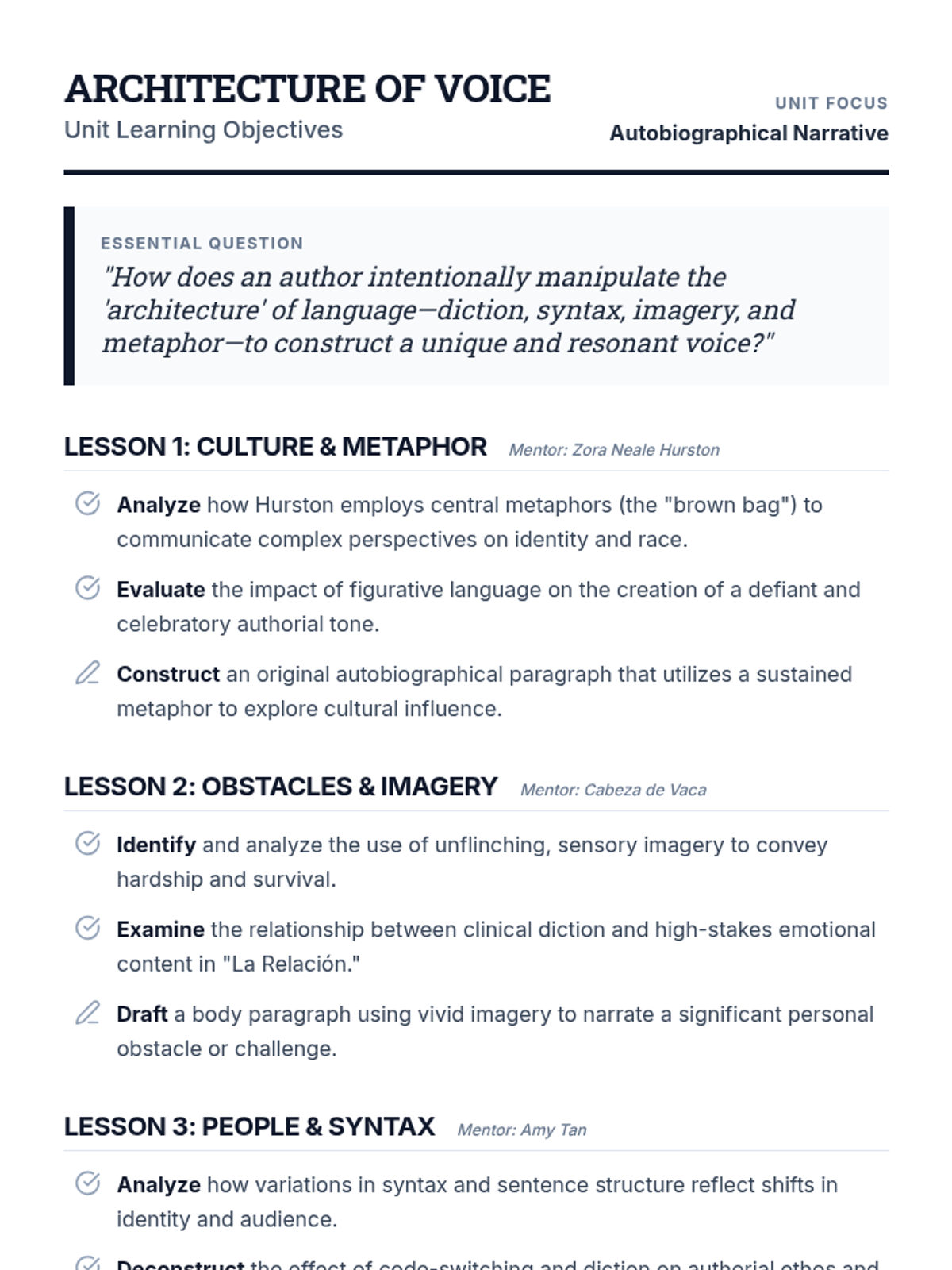
Examine Judith Ortiz Cofer's 'The Latin Deli,' focusing on the poetry of everyday moments. Students draft a final body paragraph on how specific places have shaped their voice and finalize their full essay.
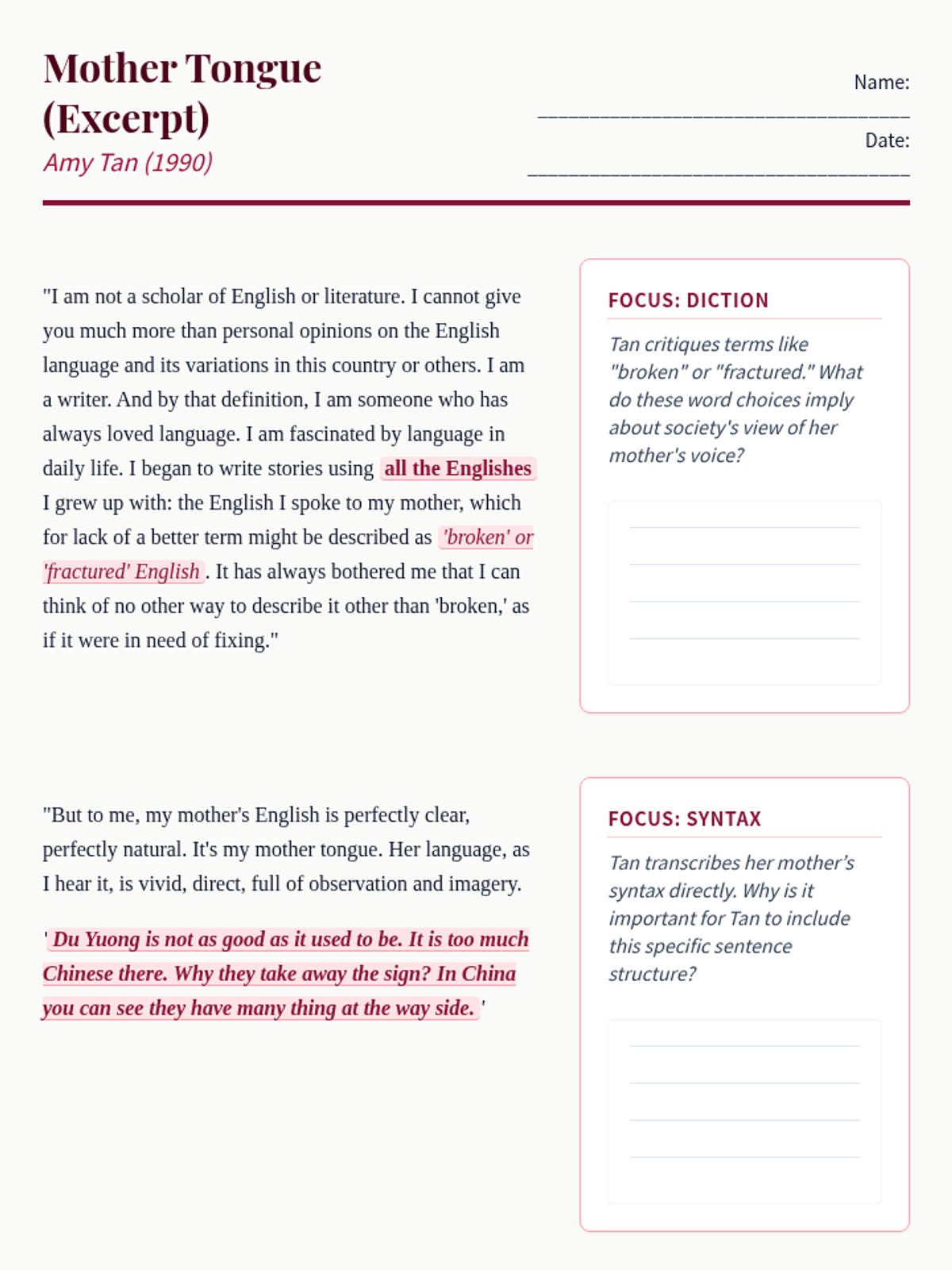
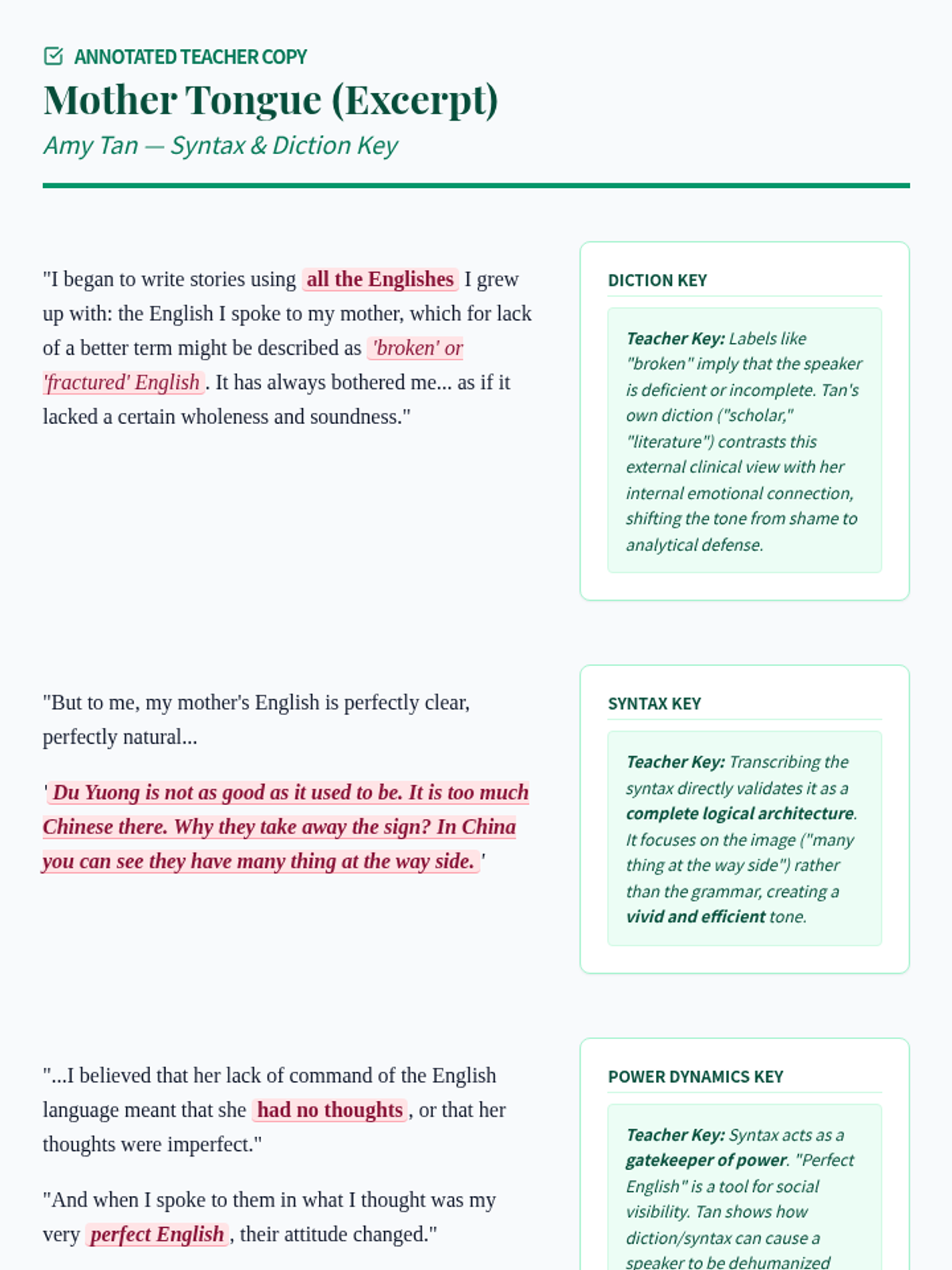
Study Amy Tan's 'Mother Tongue' and her mastery of syntax and diction to explore complex identity. Students draft a body paragraph on how the people they were raised by have shaped their voice.
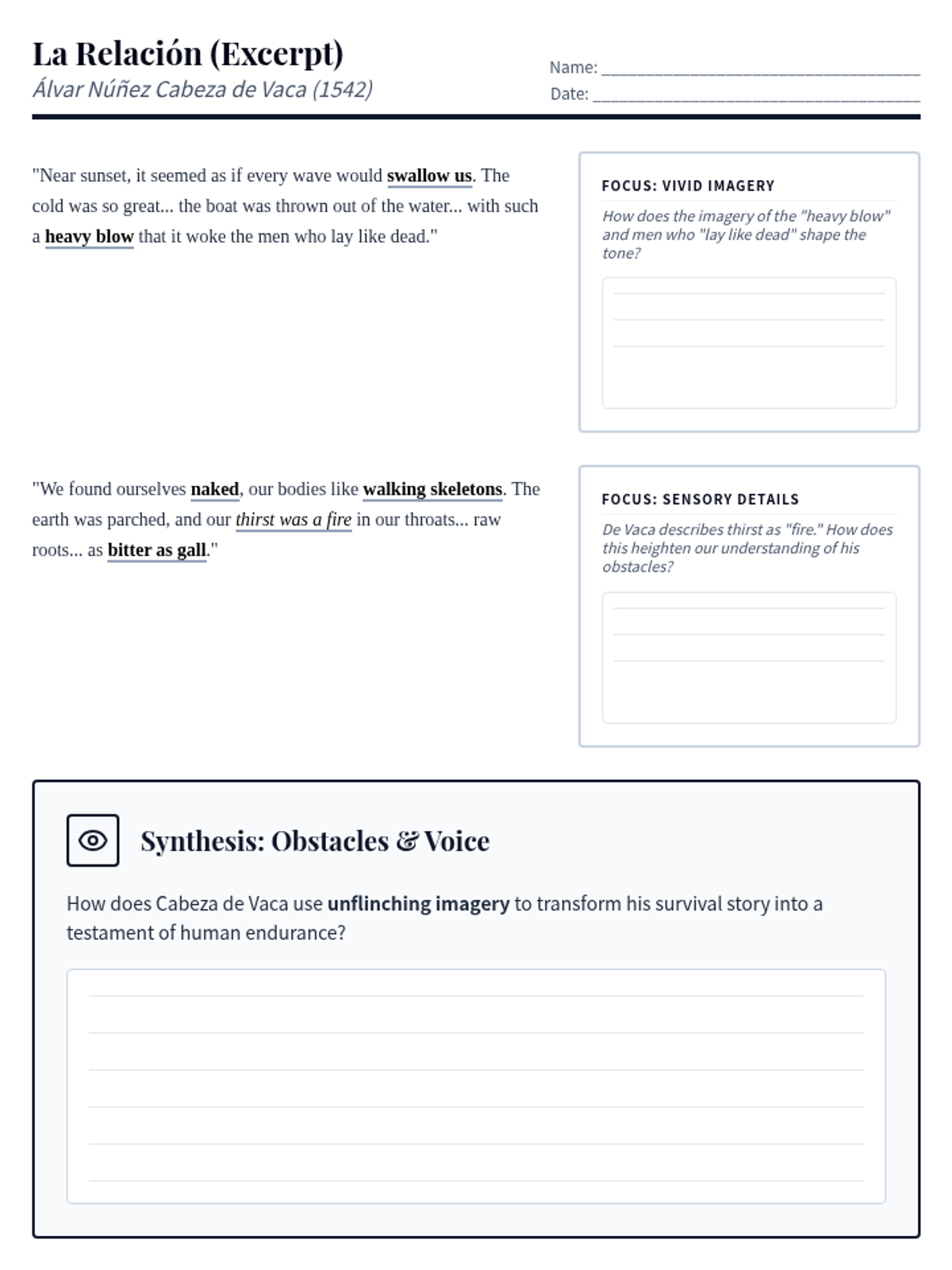
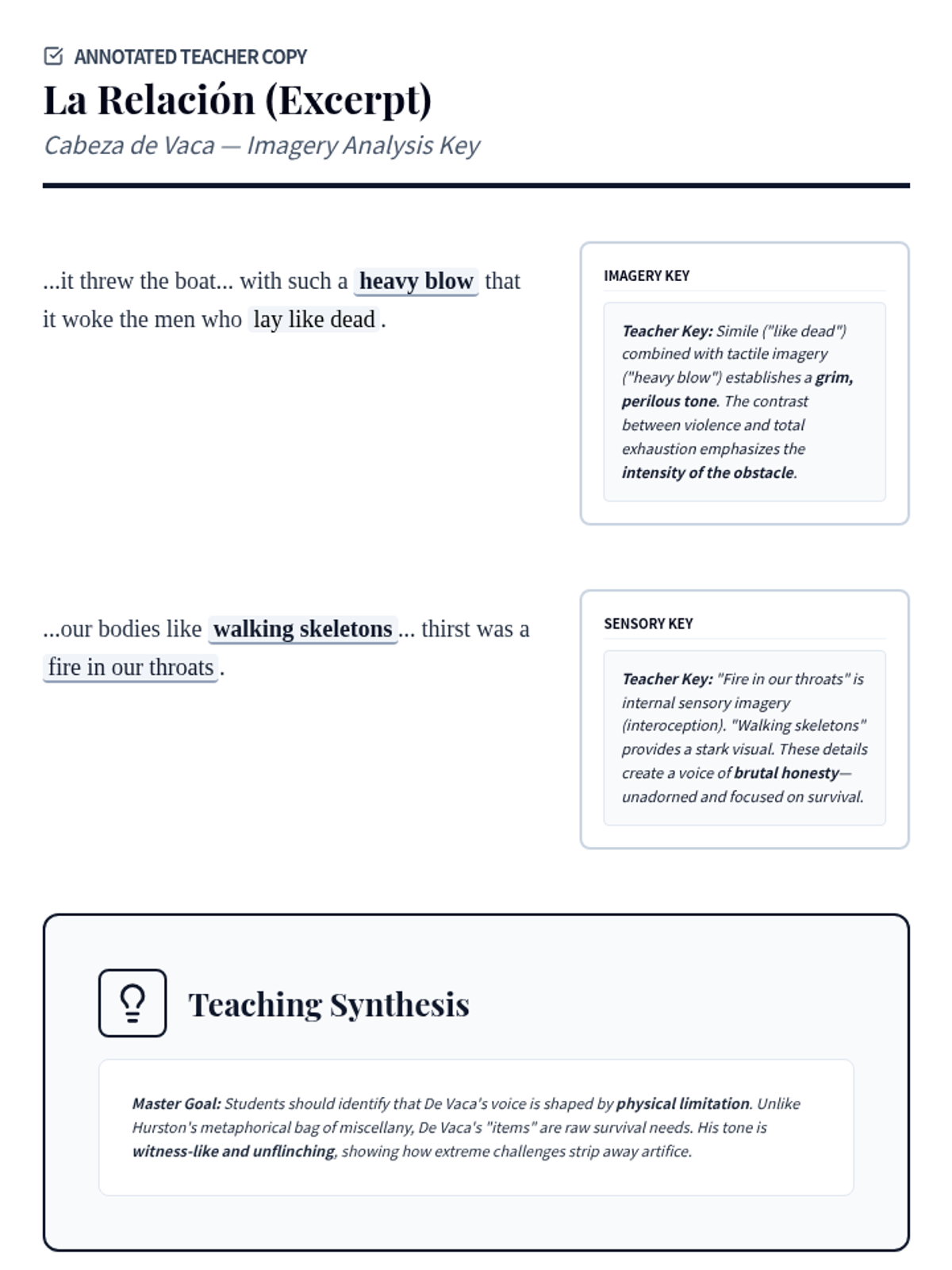
Analyze Cabeza de Vaca's 'La Relación,' focusing on his use of vivid imagery to convey survival. Students draft a body paragraph on how obstacles and challenges have shaped their voice.
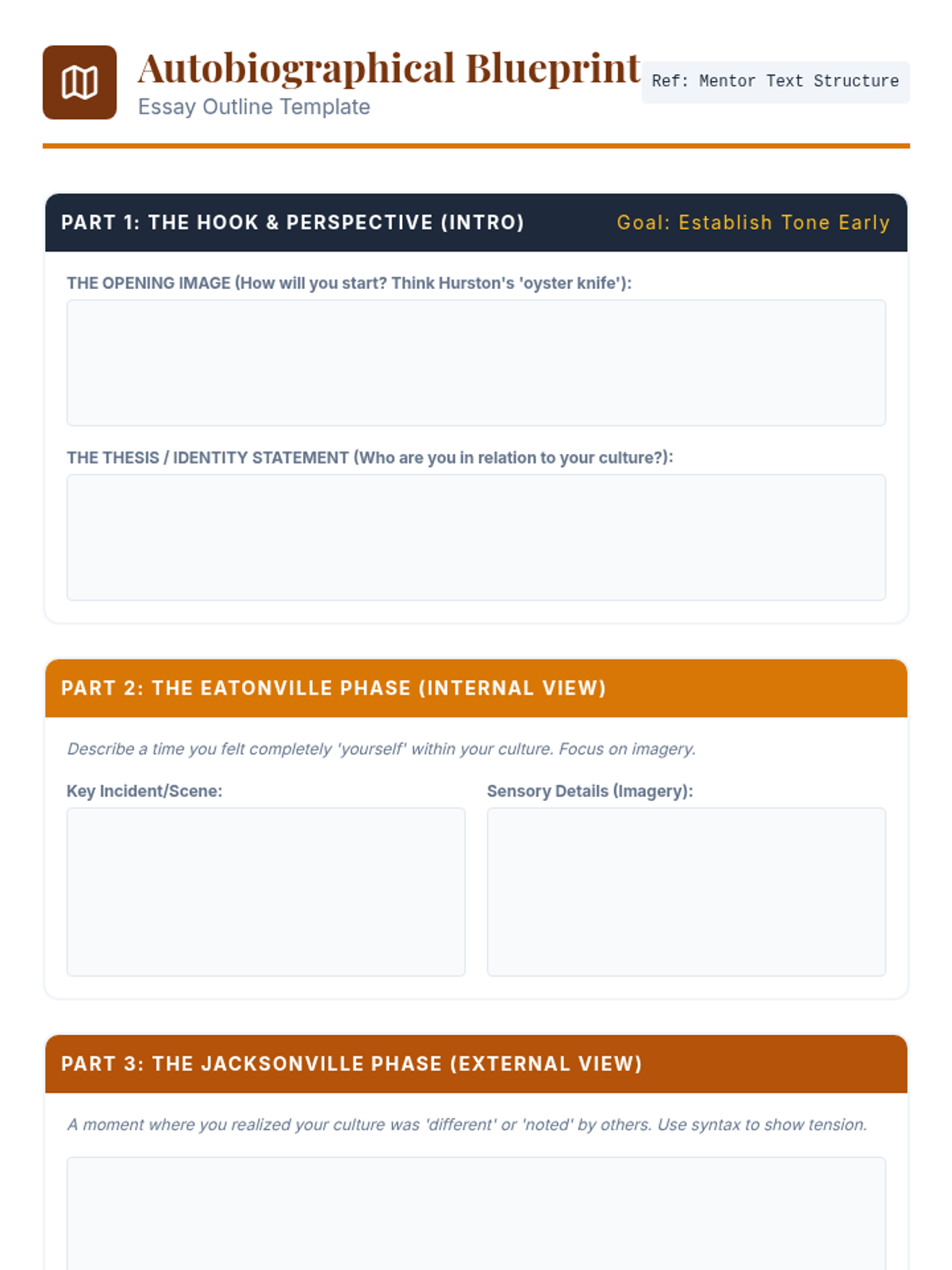
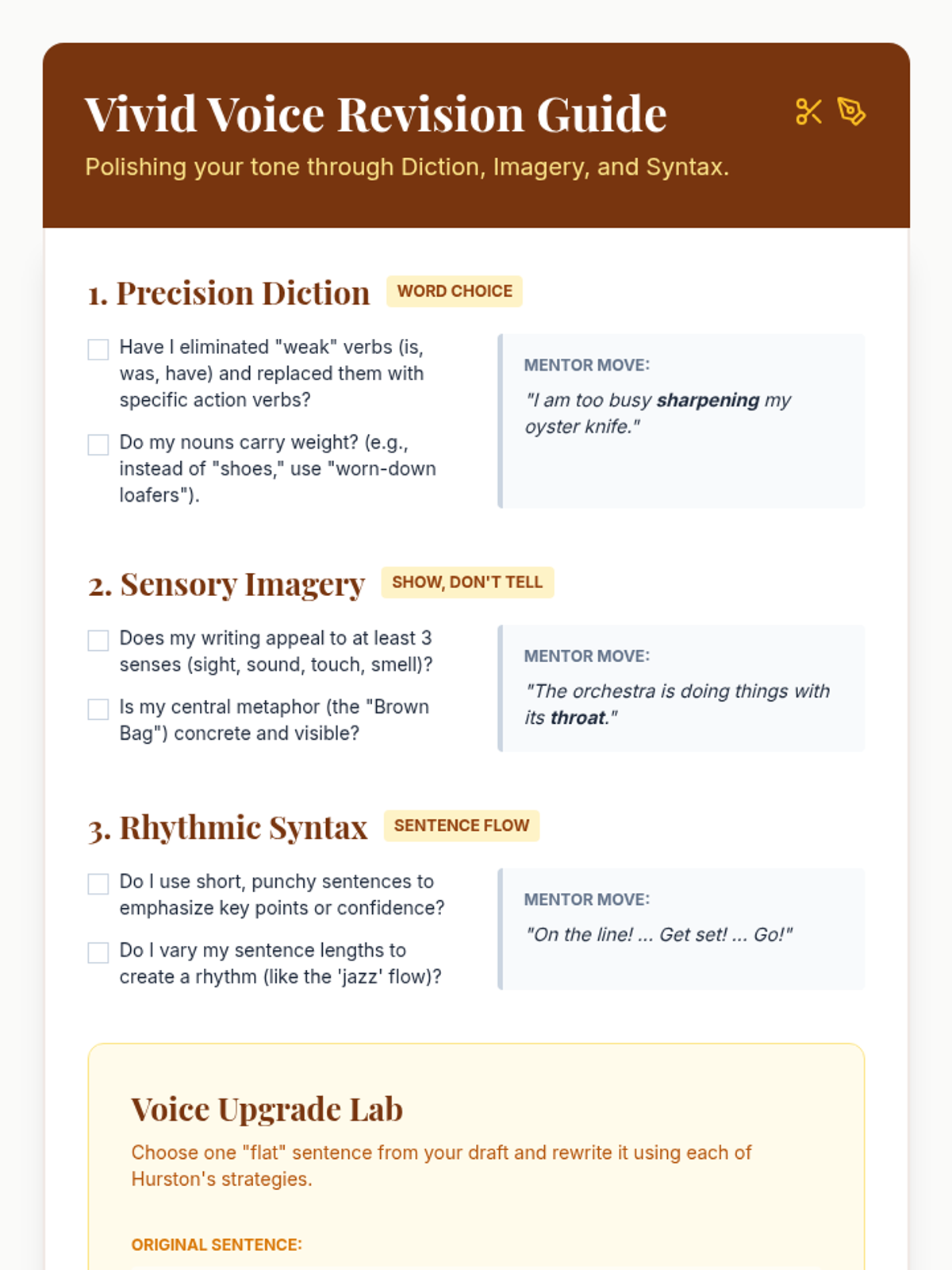
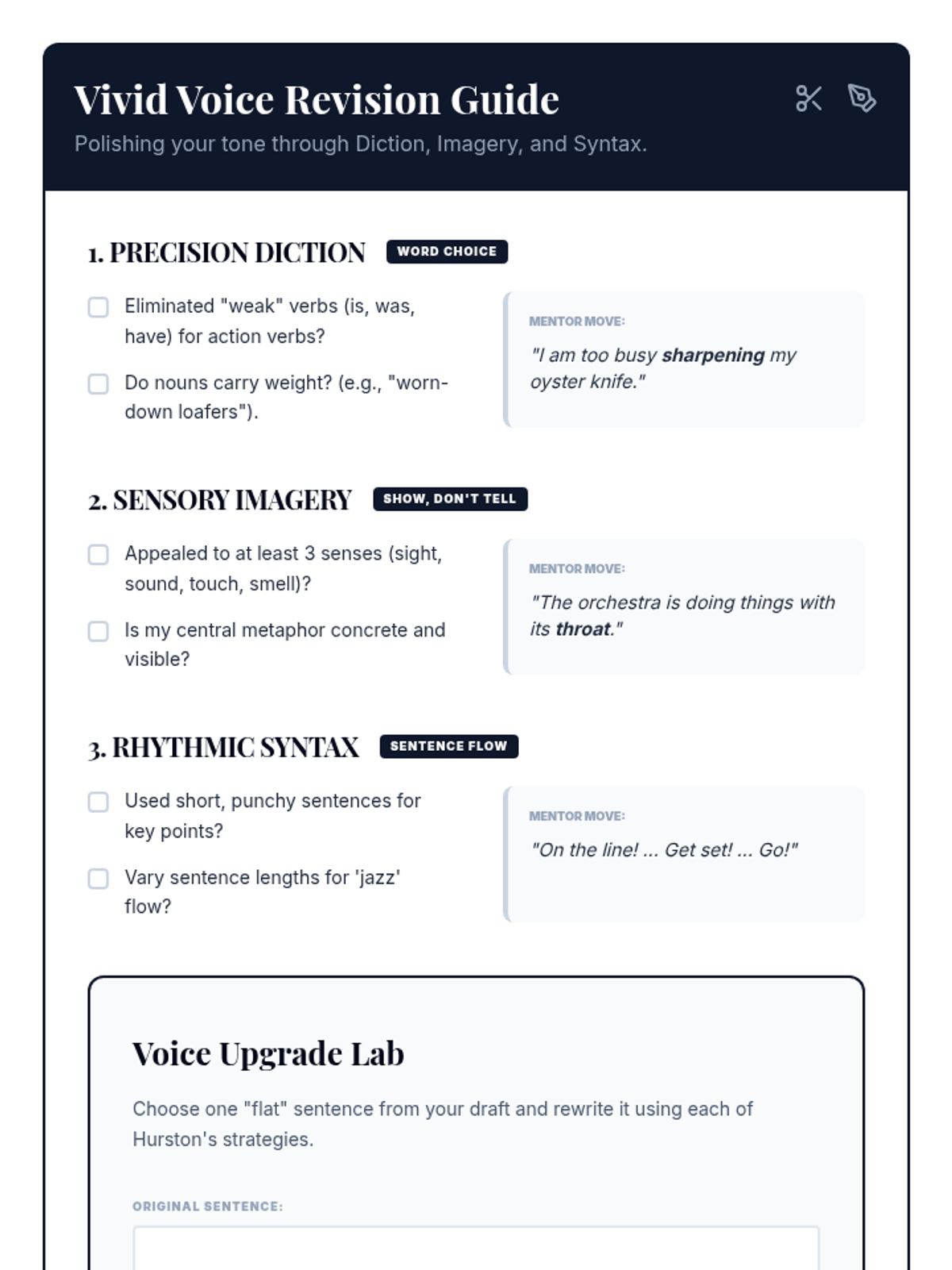
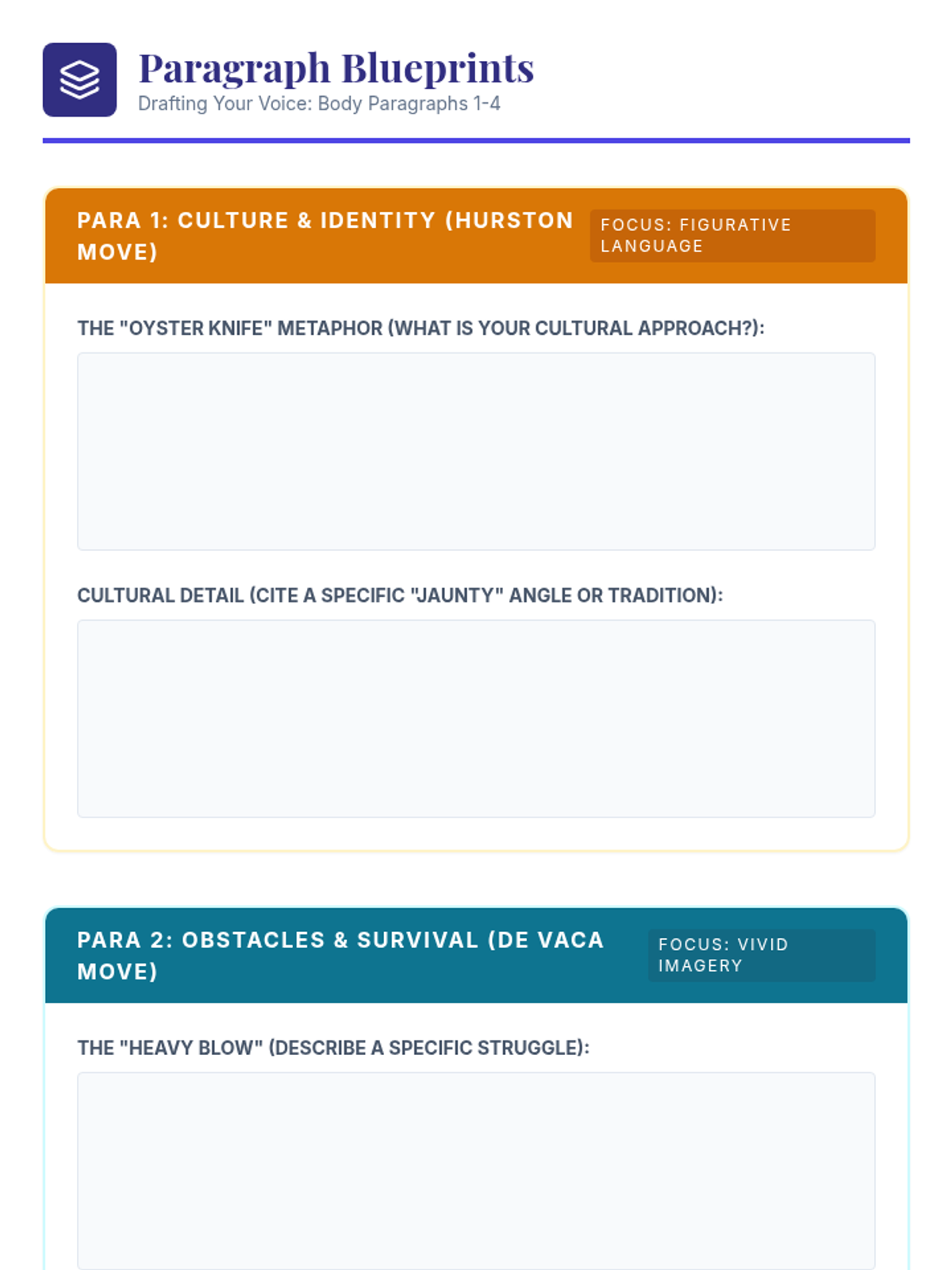
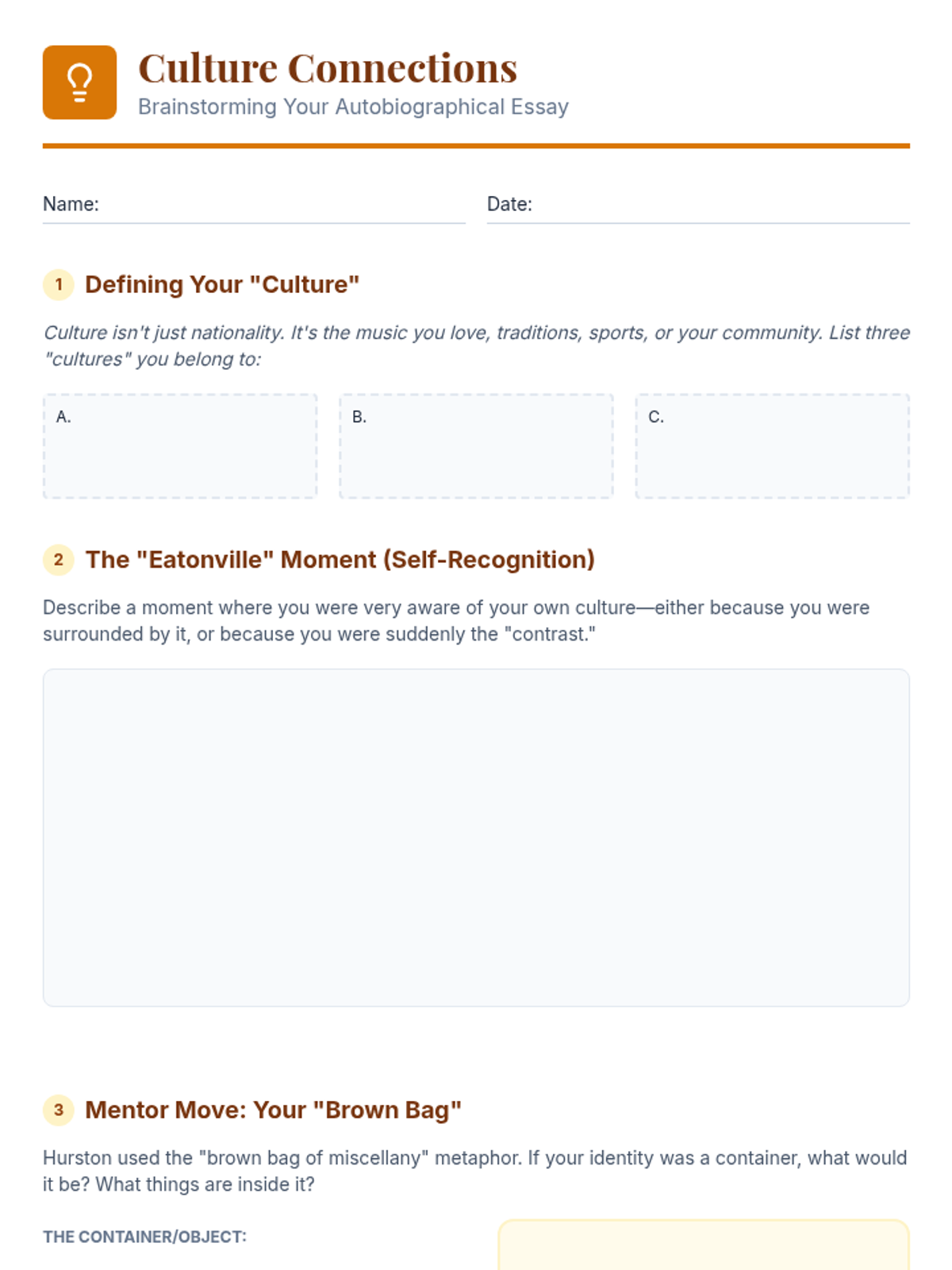
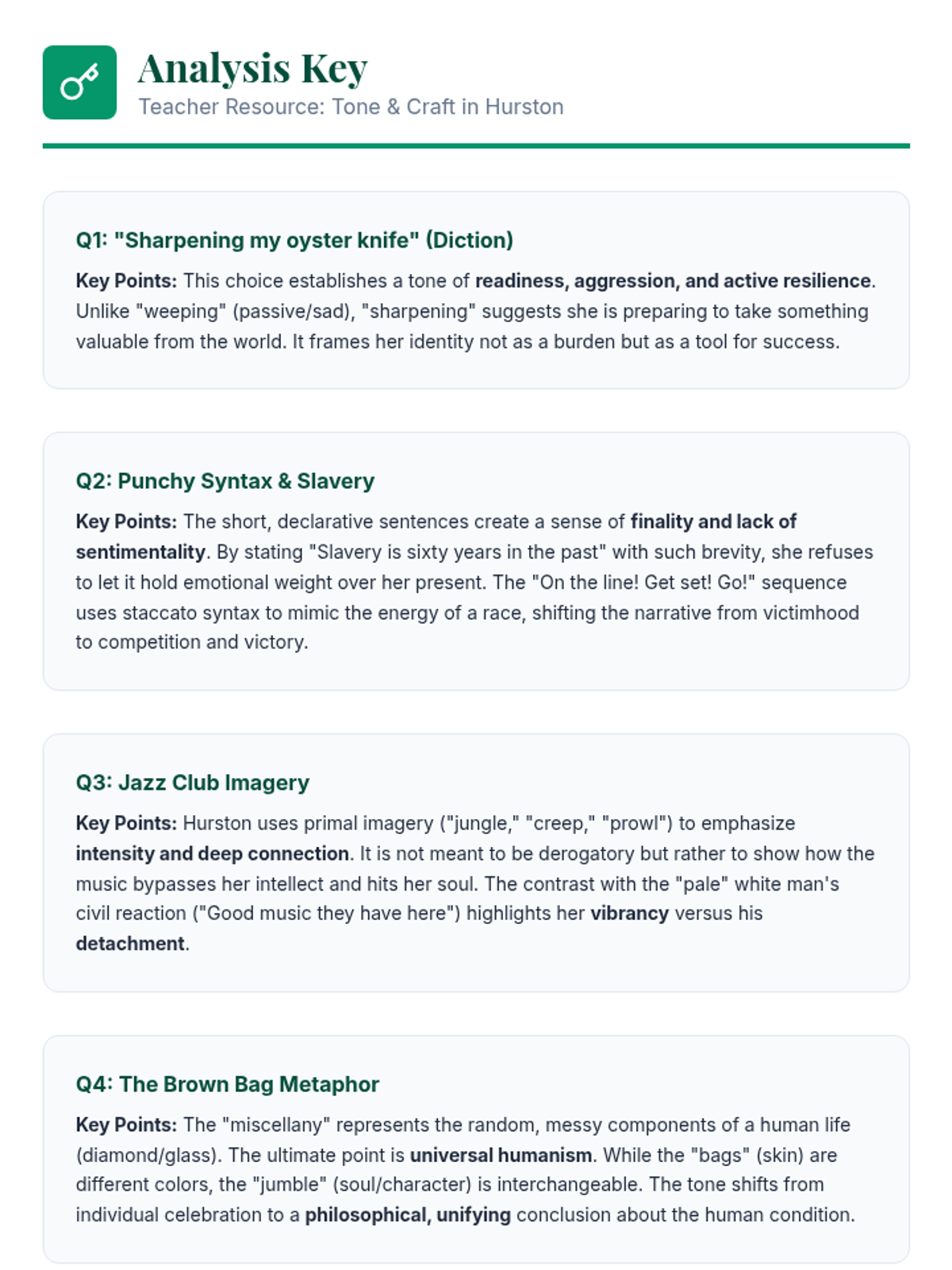
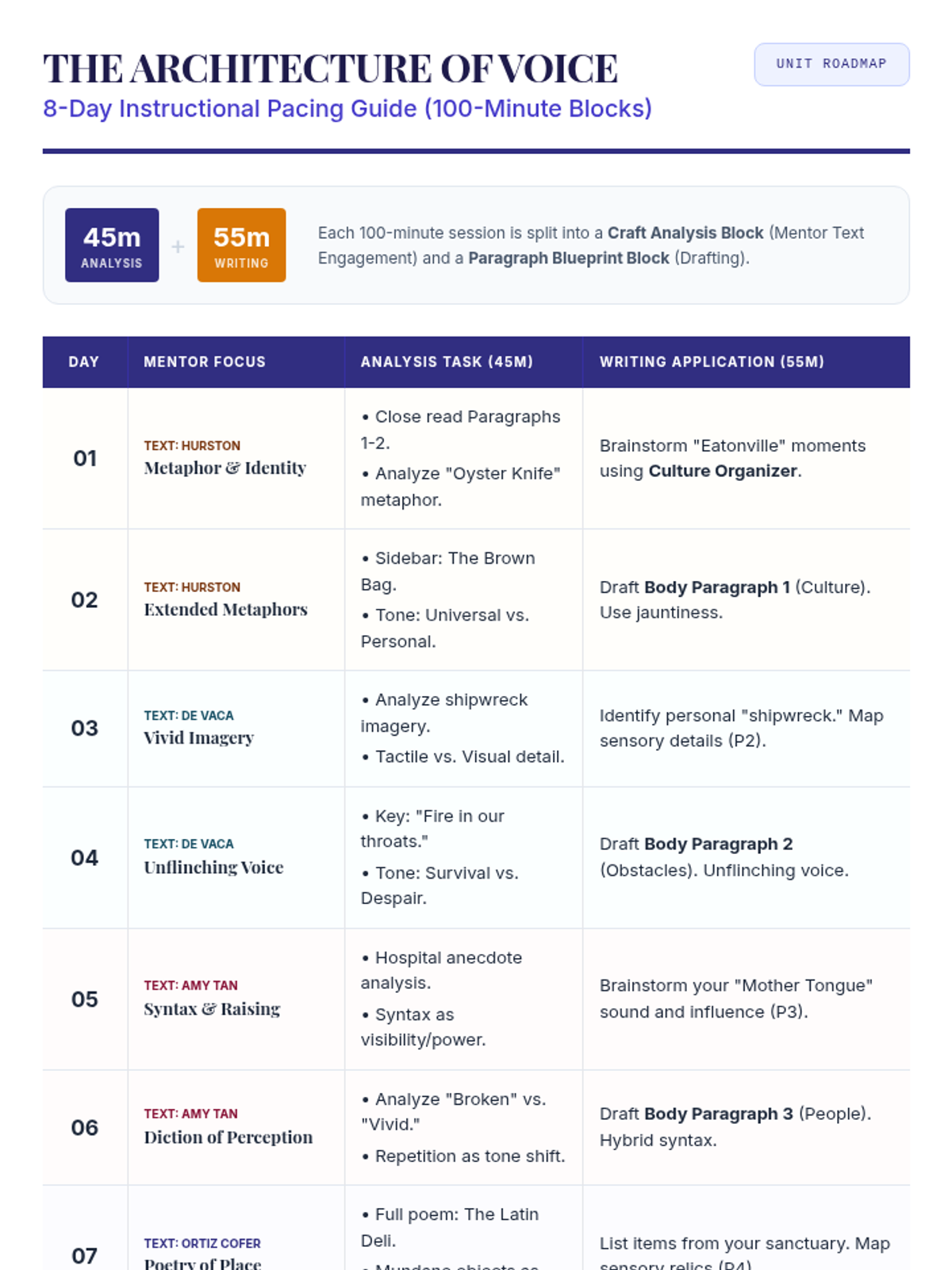
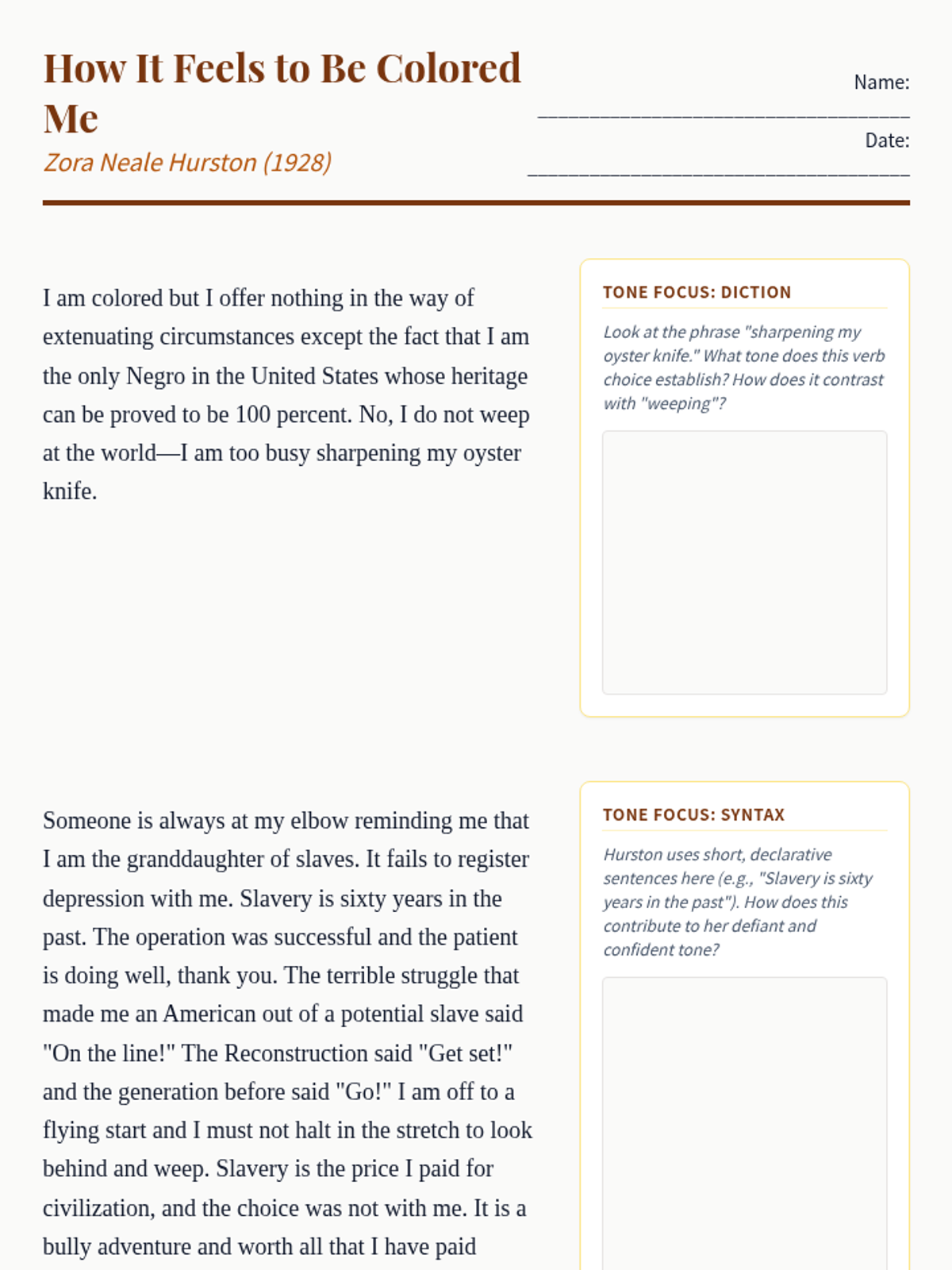
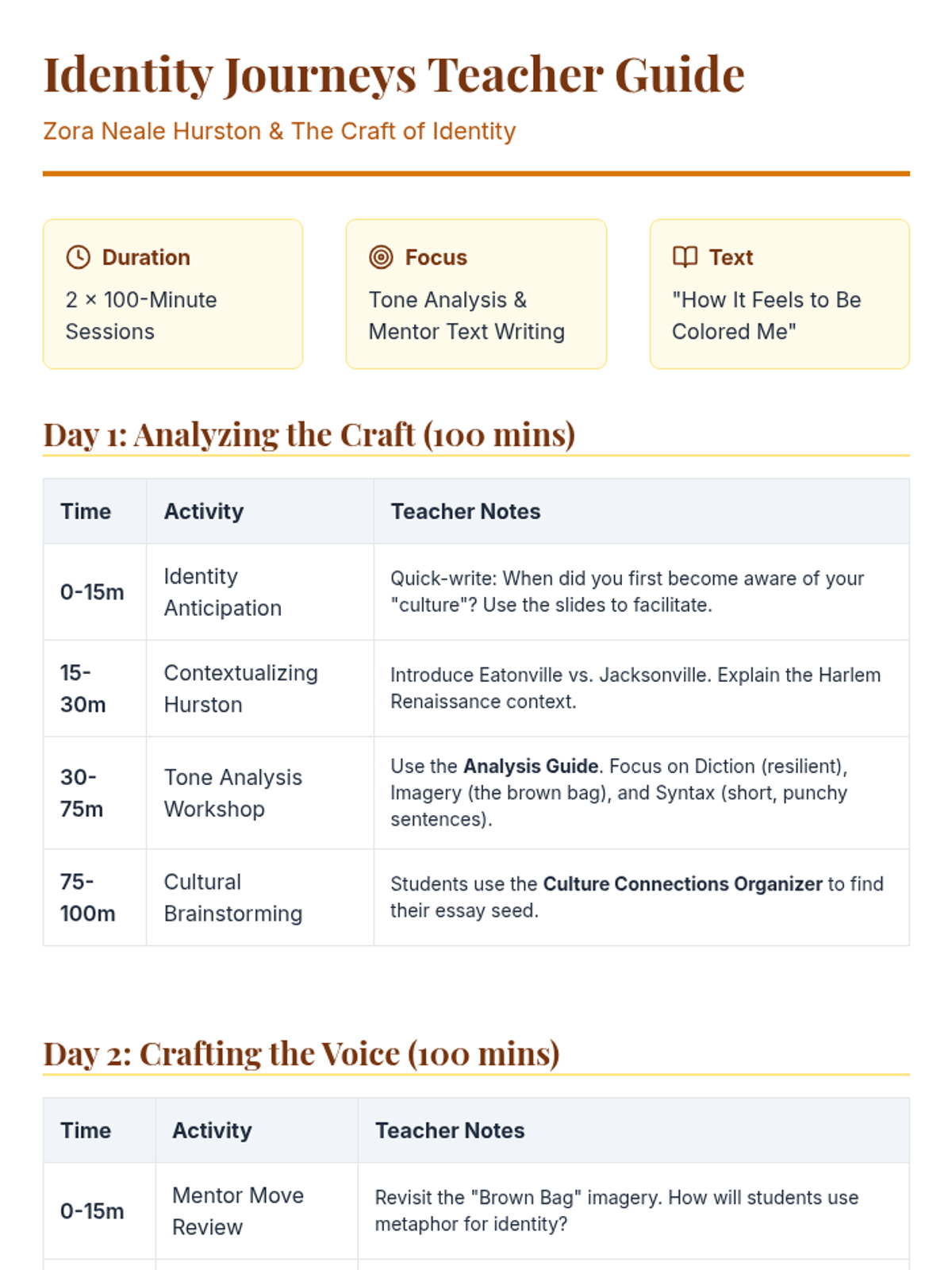
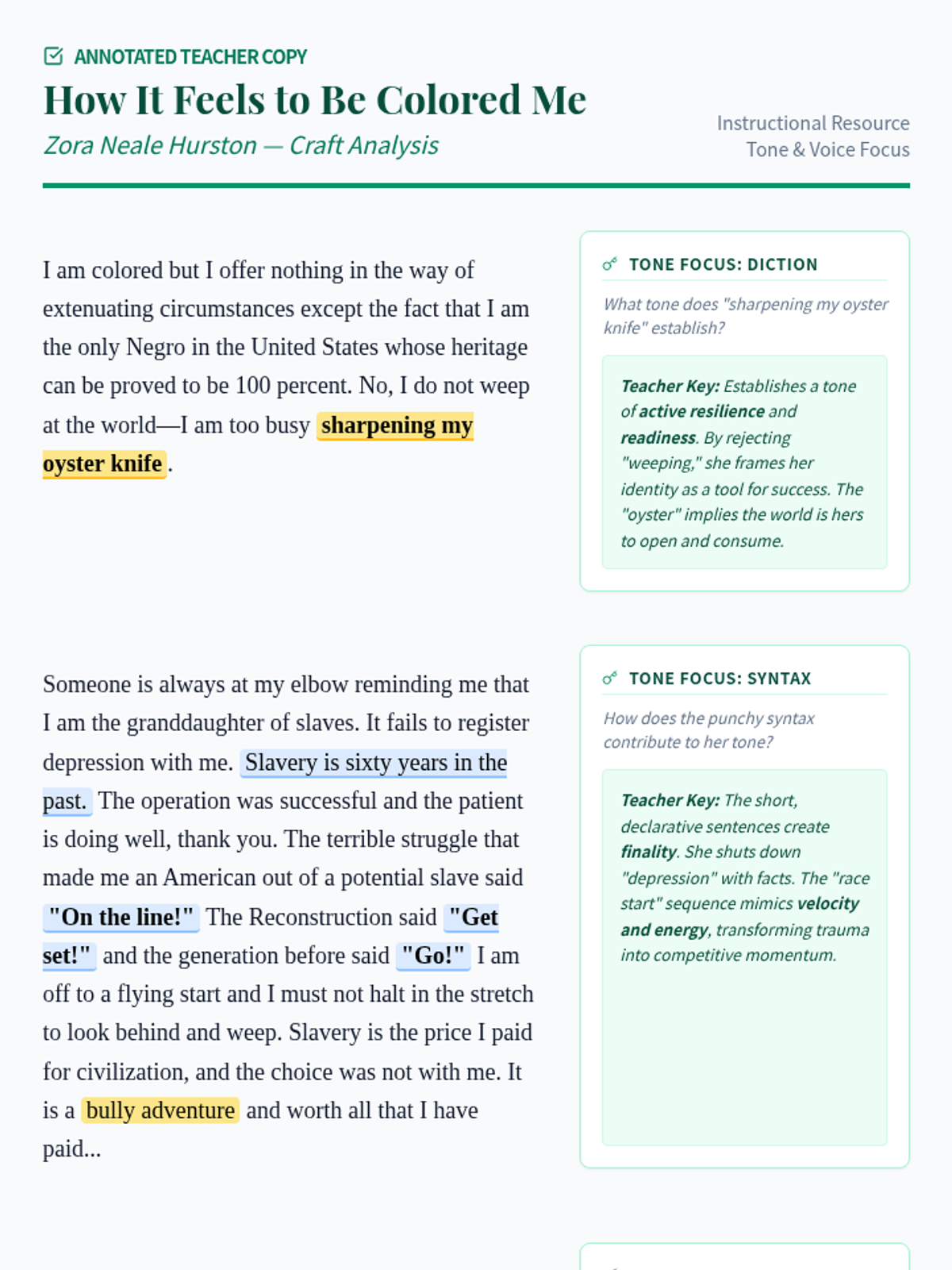
Focus on Zora Neale Hurston's 'How It Feels to Be Colored Me' and her use of figurative language to create a defiant, celebratory tone. Students draft their first body paragraph on how culture has shaped their personal voice.
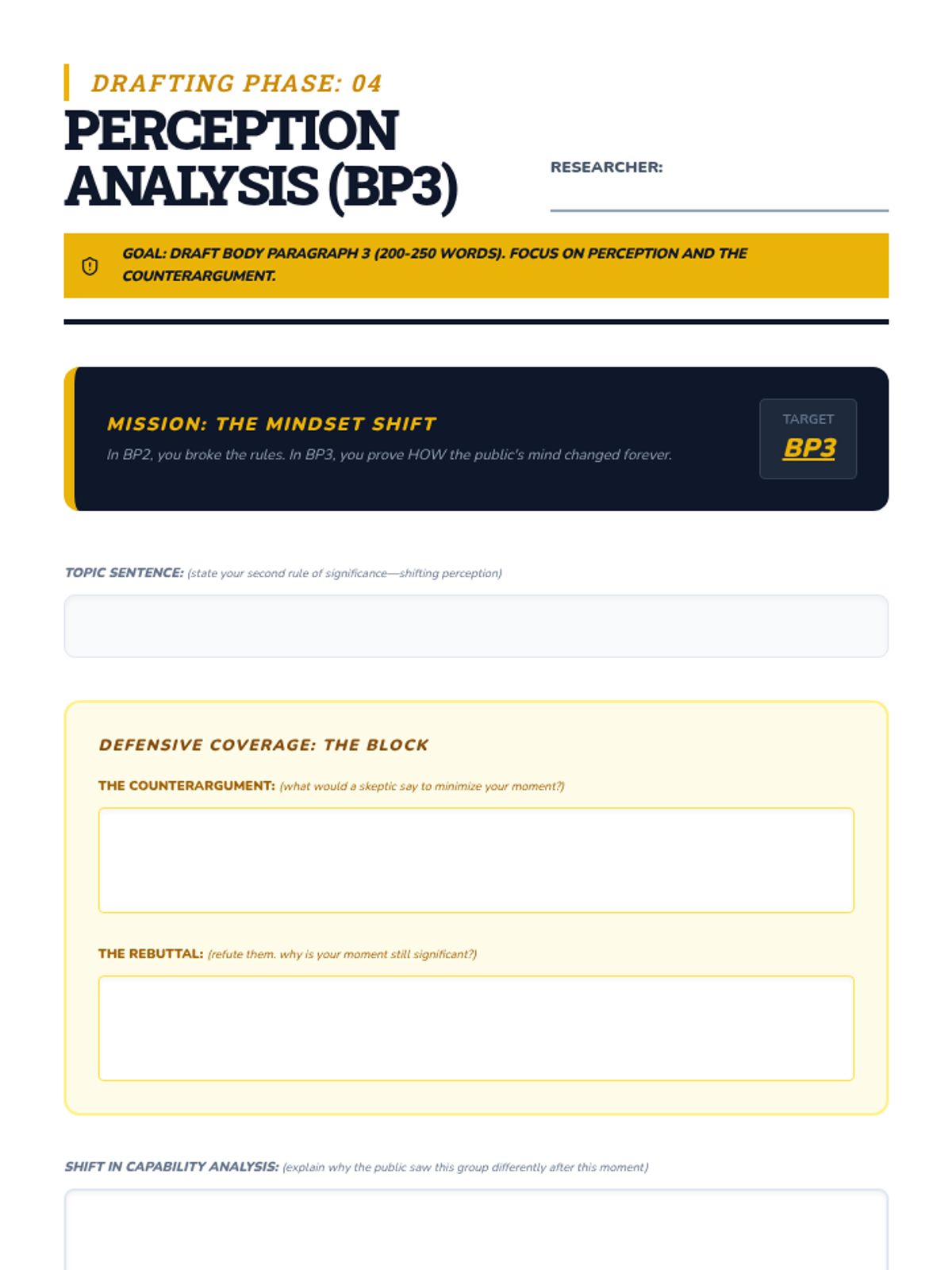
Drafting the third body paragraph, focusing on shifts in public perception and mastering the counterargument/rebuttal.
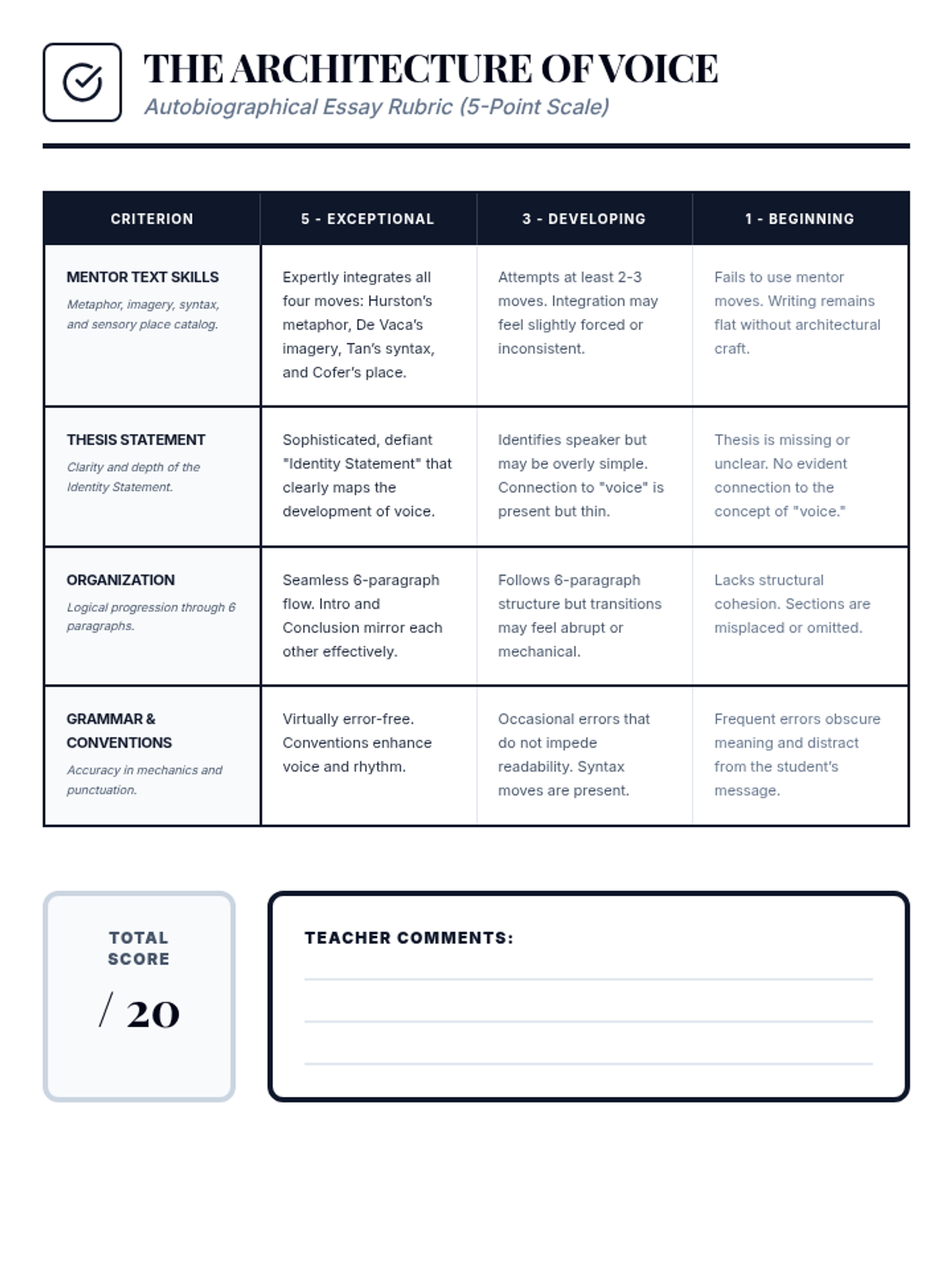
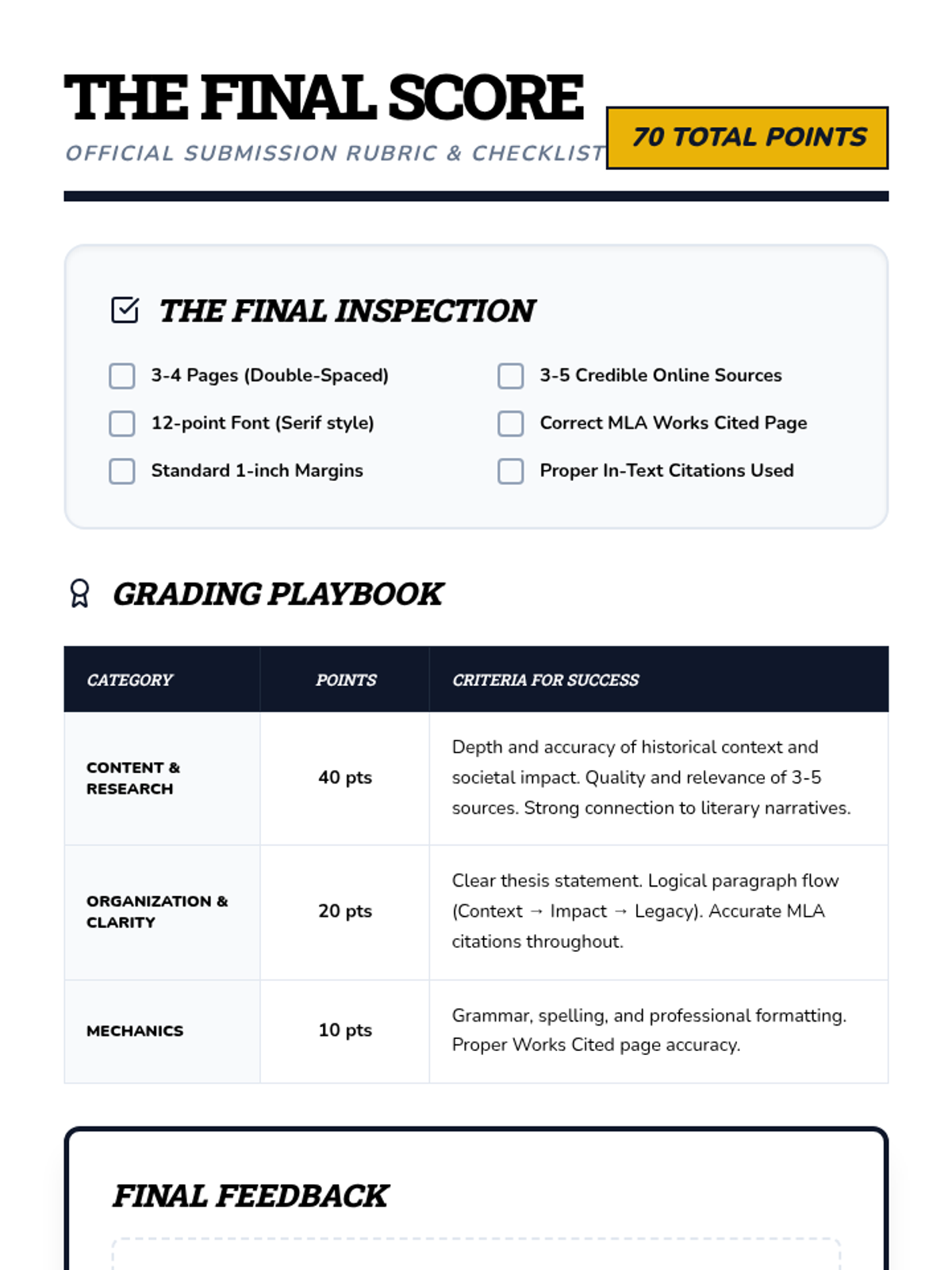
Drafting the final introduction and conclusion (bookending the paper), peer reviewing the full paper, and final polishing using the rubric.
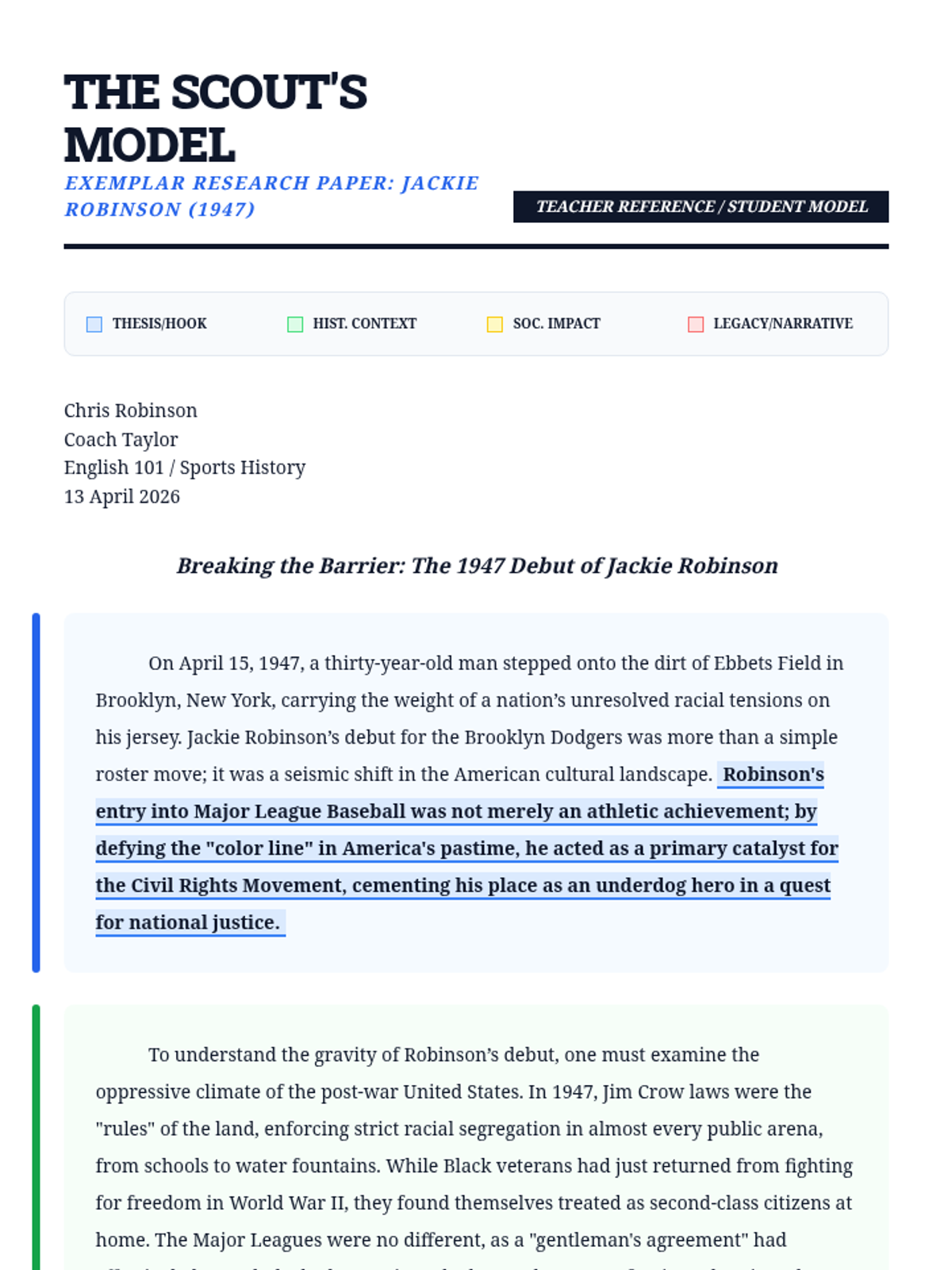
Drafting the second body paragraph, focusing on institutional changes and the breaking of systemic barriers.
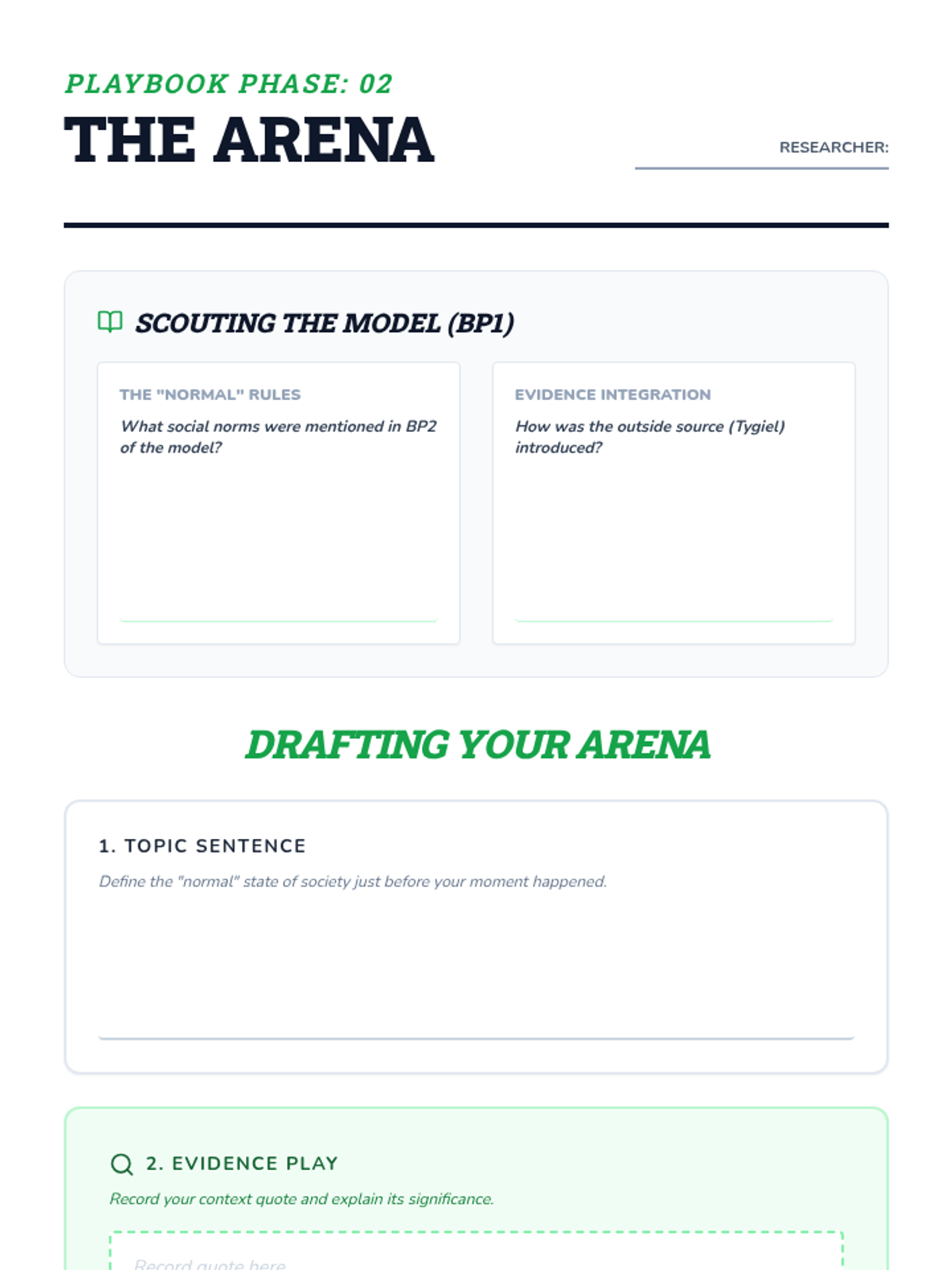
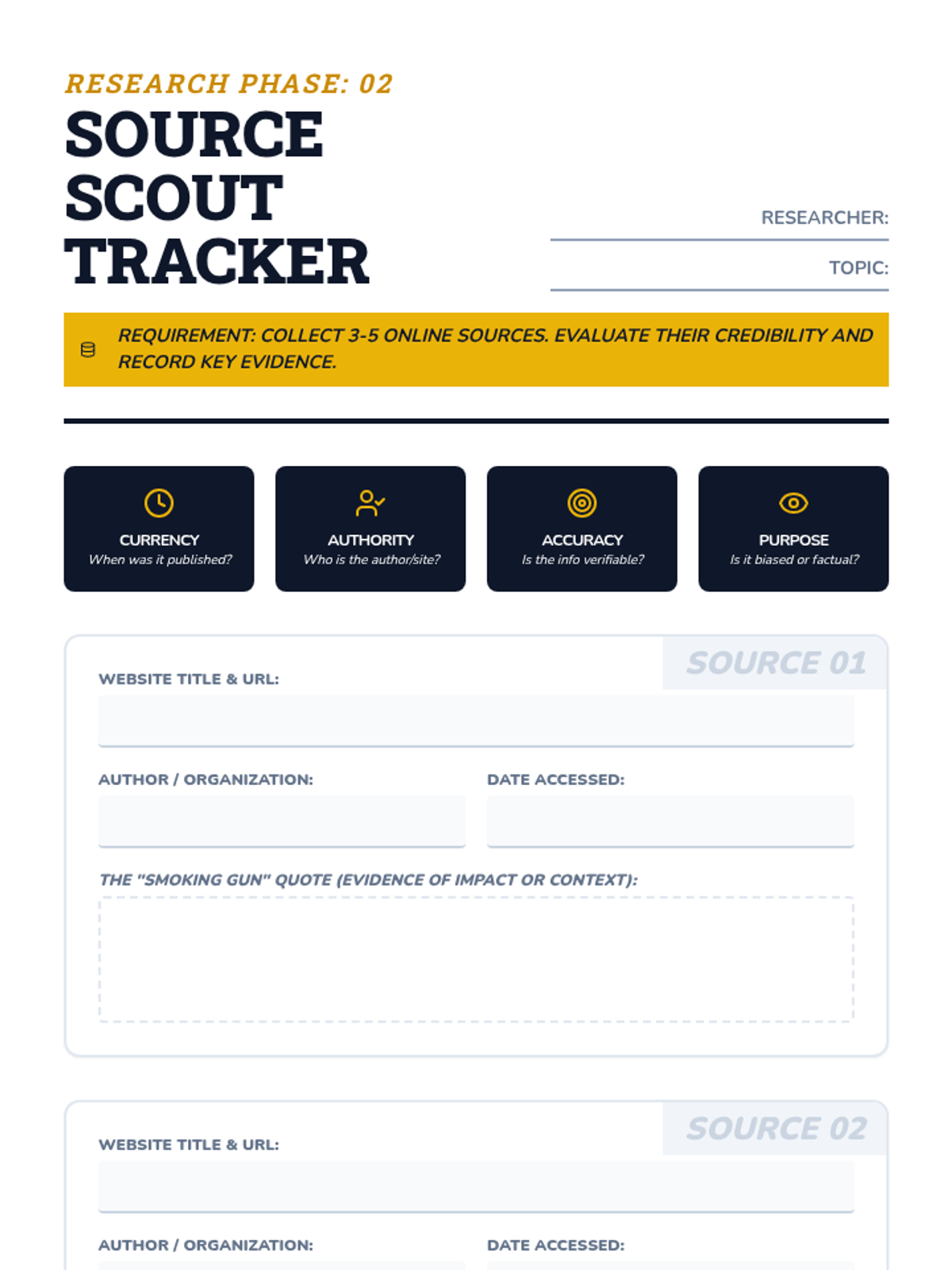
Students research and draft their first body paragraph, focusing on the historical context of their sports moment.
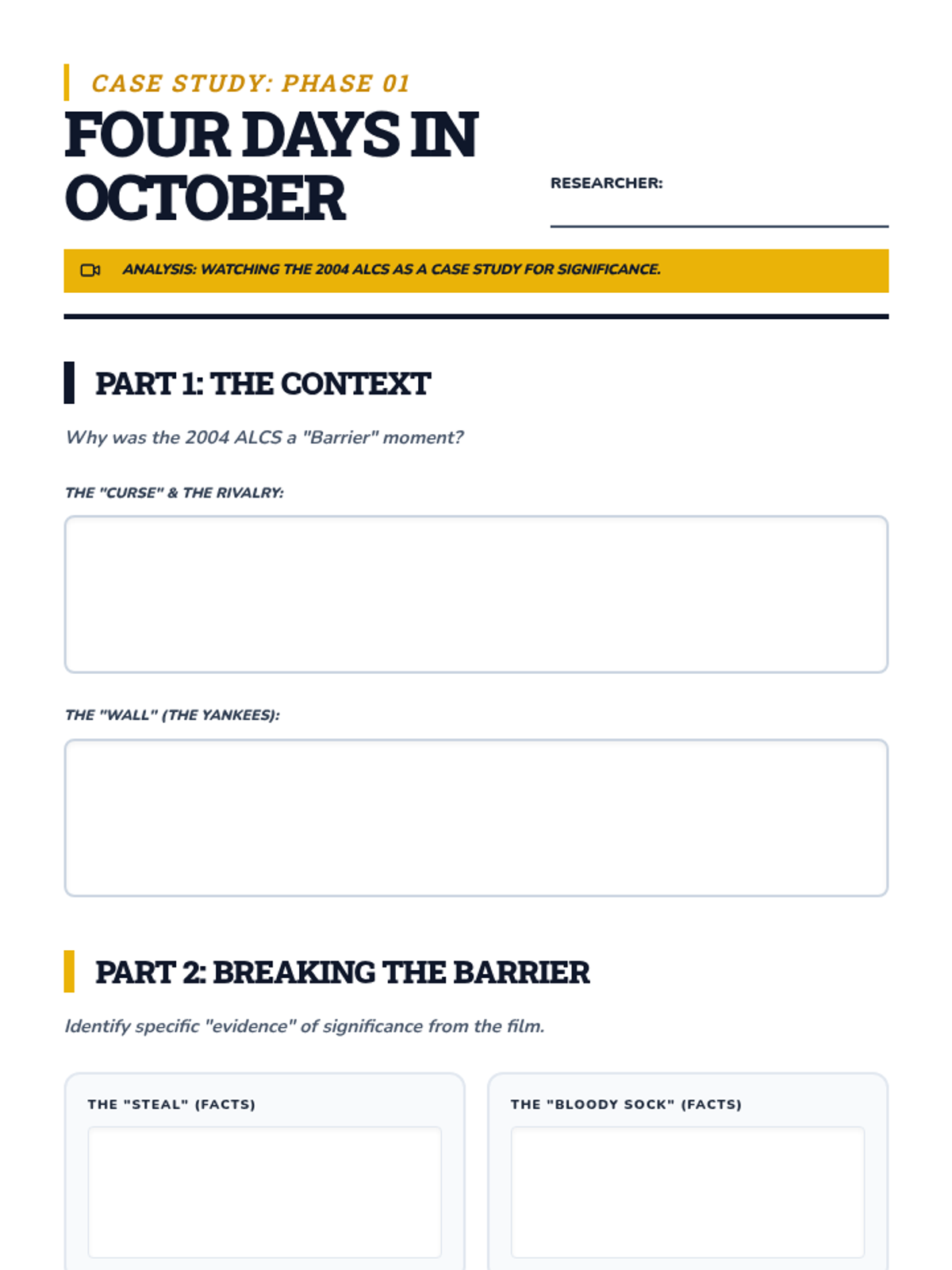
Brainstorming significant moments, defining specific criteria for "significance," and analyzing the 'Four Days in October' 30 for 30 documentary as a case study.
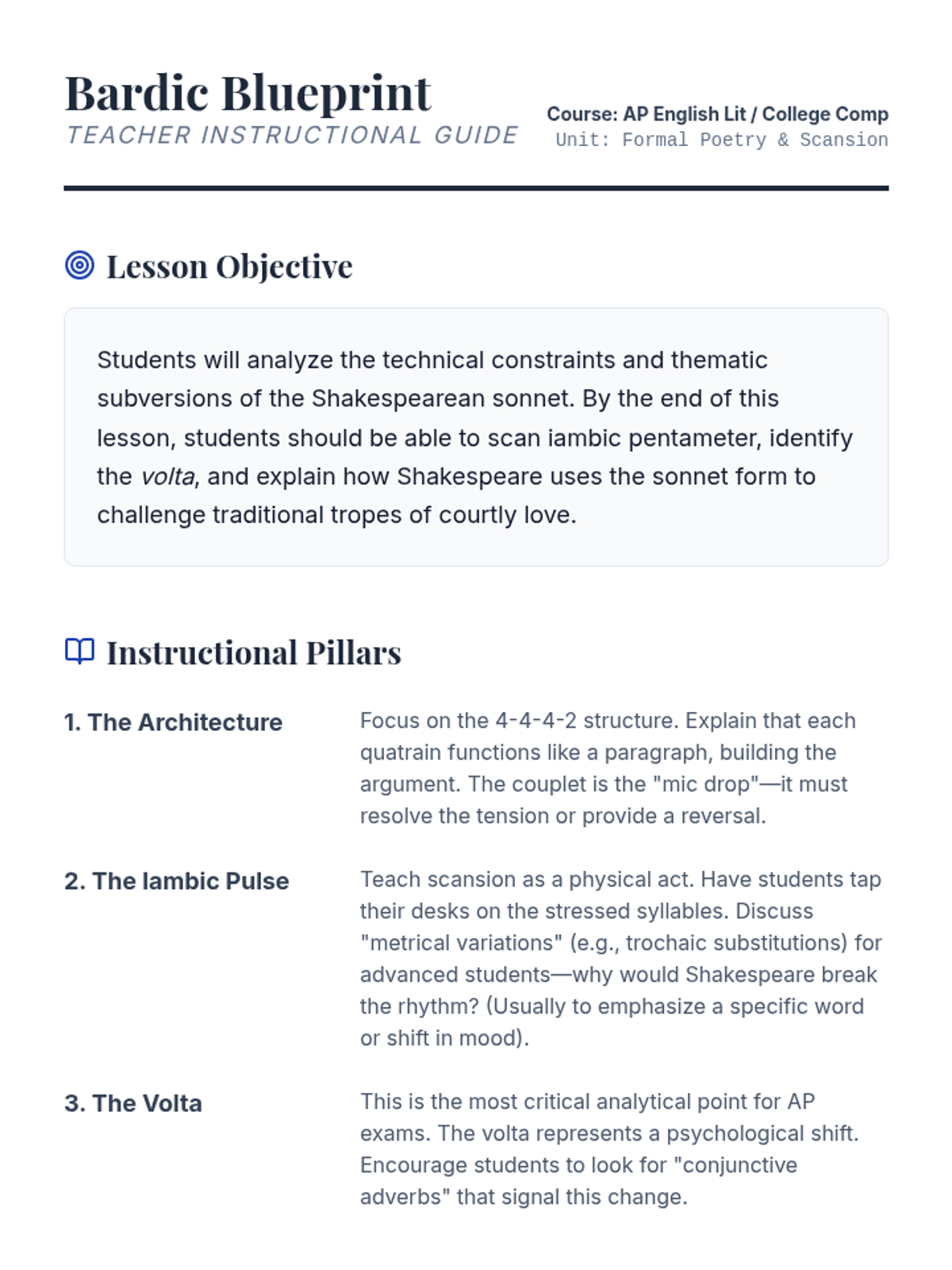
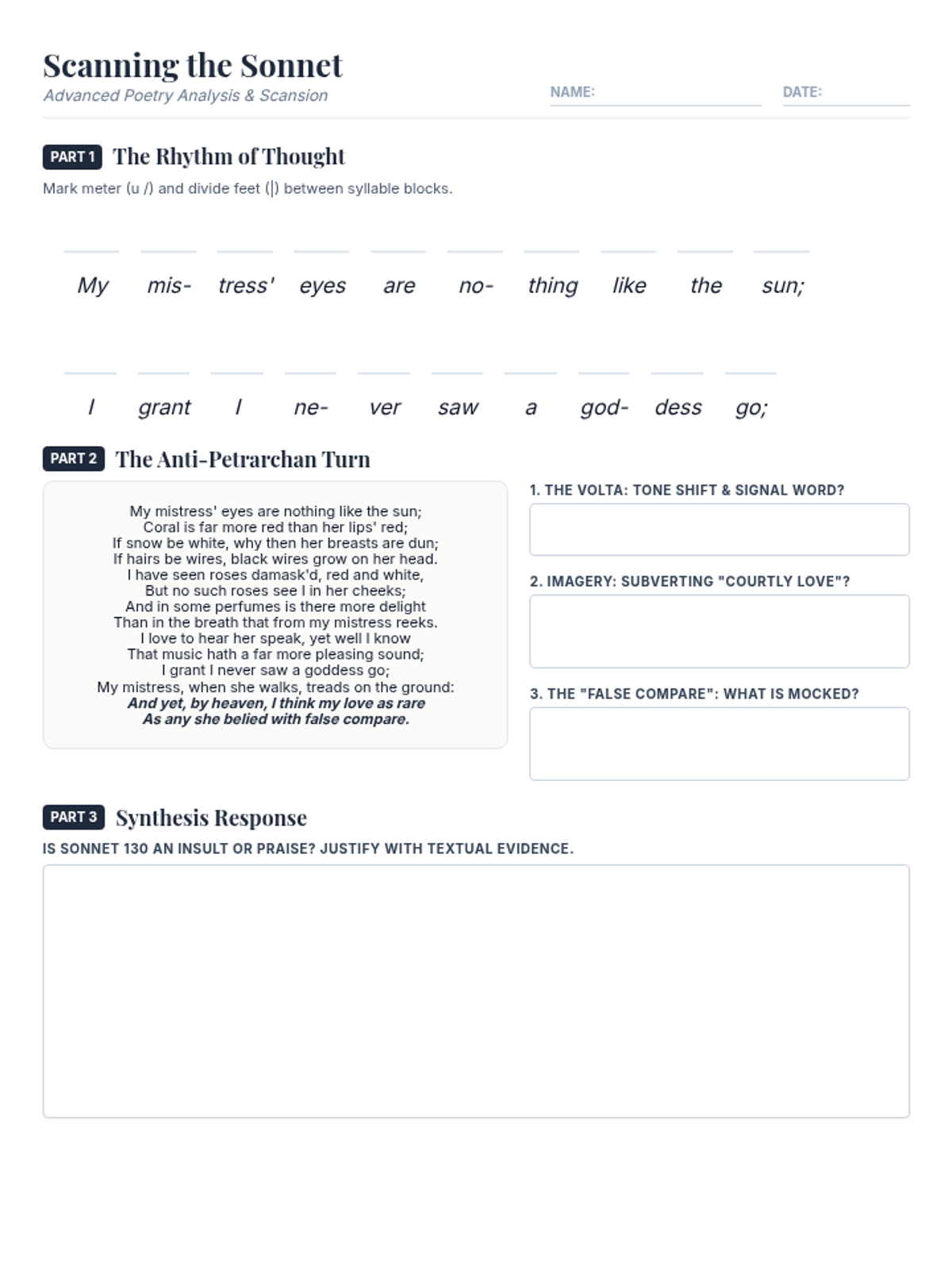
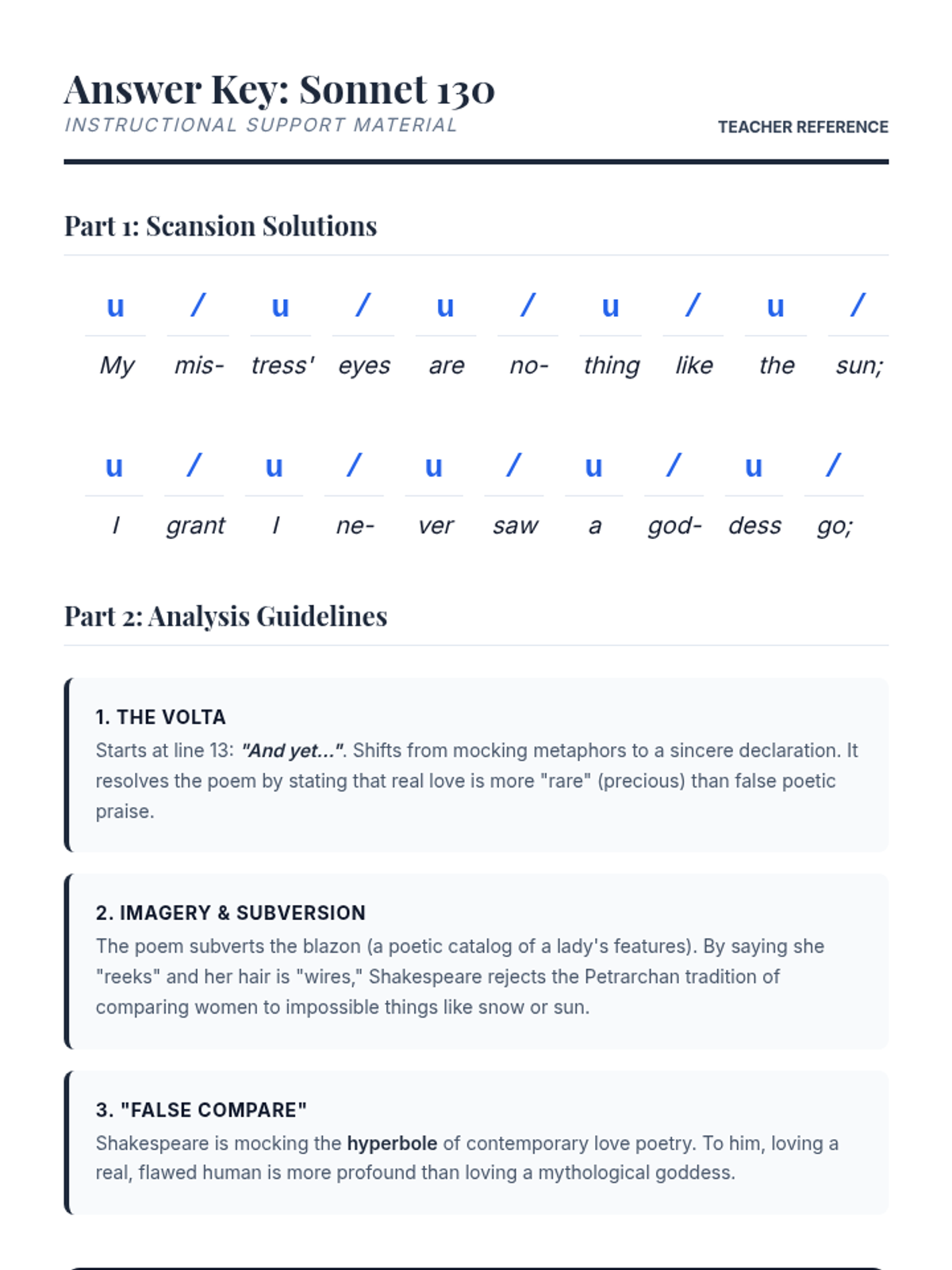
An advanced exploration of the Shakespearean sonnet, focusing on iambic pentameter, rhyme schemes, and the structural 'volta'. This lesson challenges students to analyze the subversion of courtly love tropes in Sonnet 130.
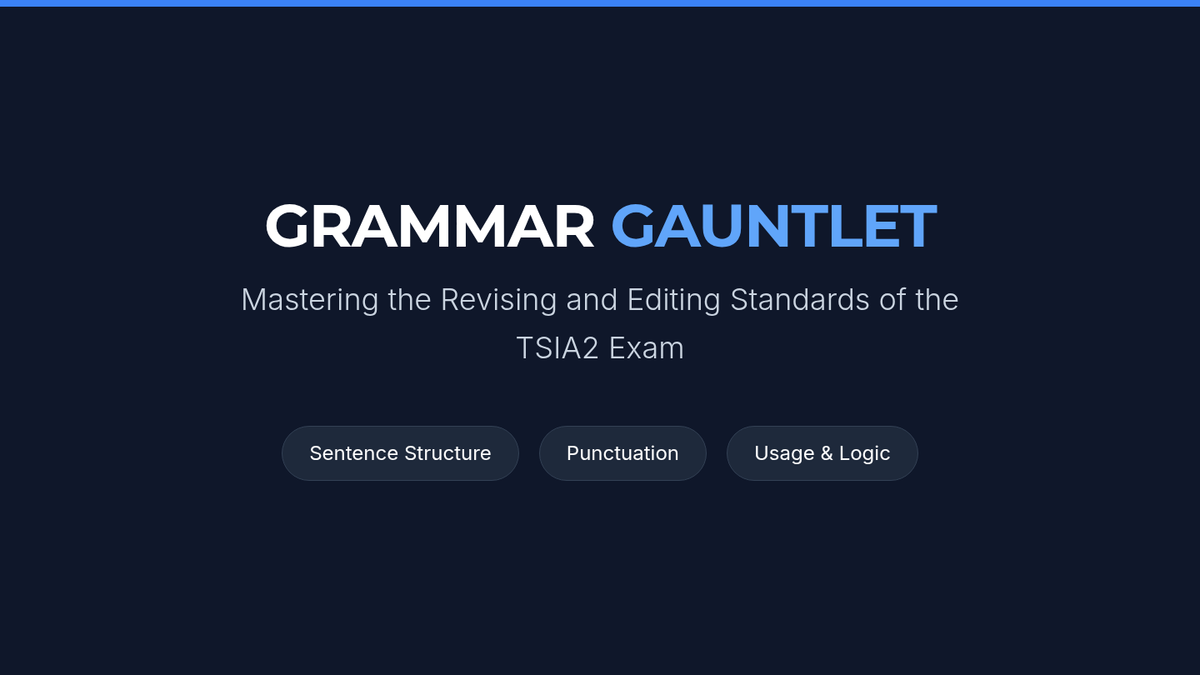
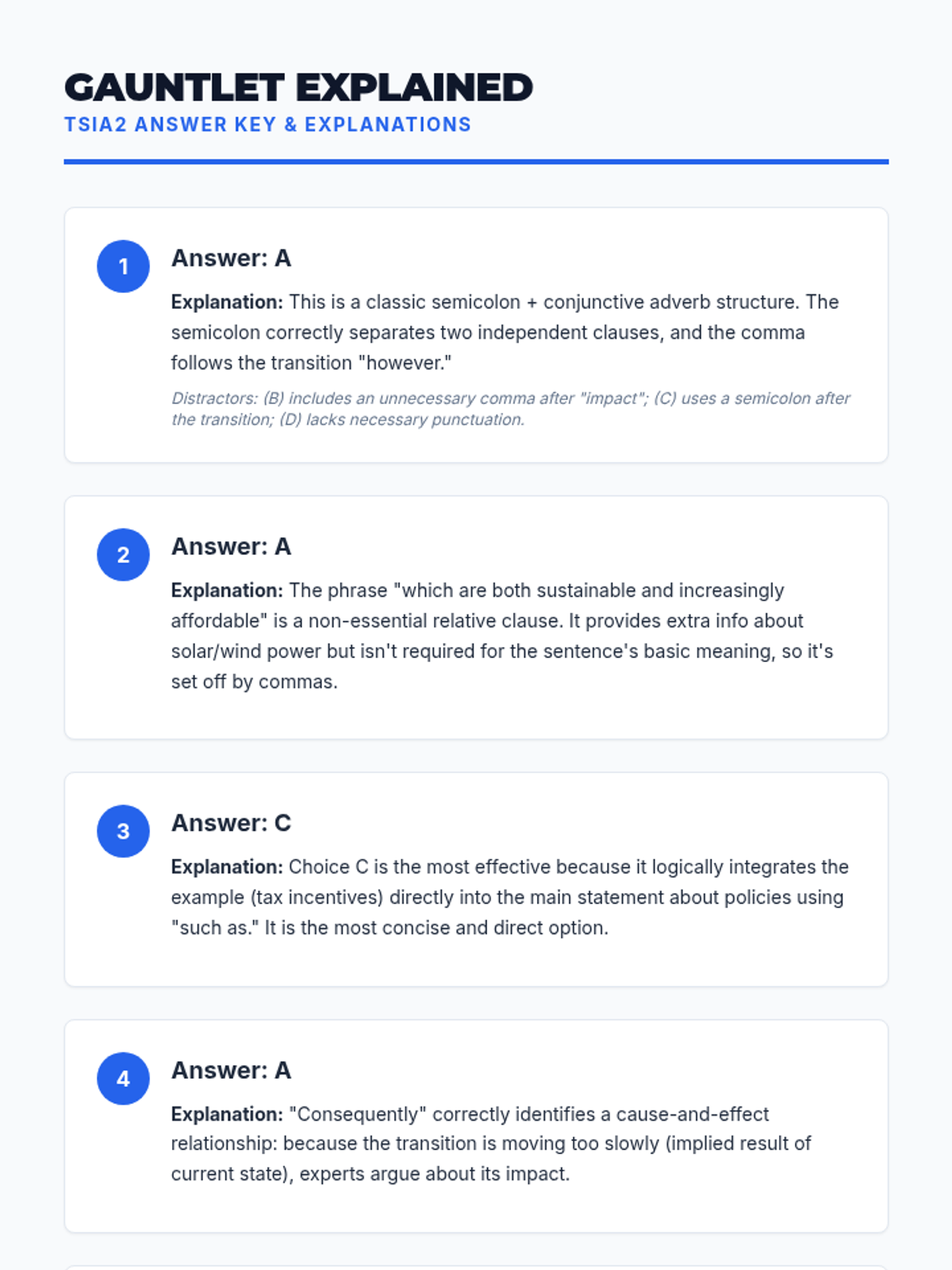
A comprehensive lesson covering TSIA2 grammar standards, including sentence structure, punctuation, agreement, and logical diction. Includes instructional slides, a 20-question practice exam, and a detailed explanation key.
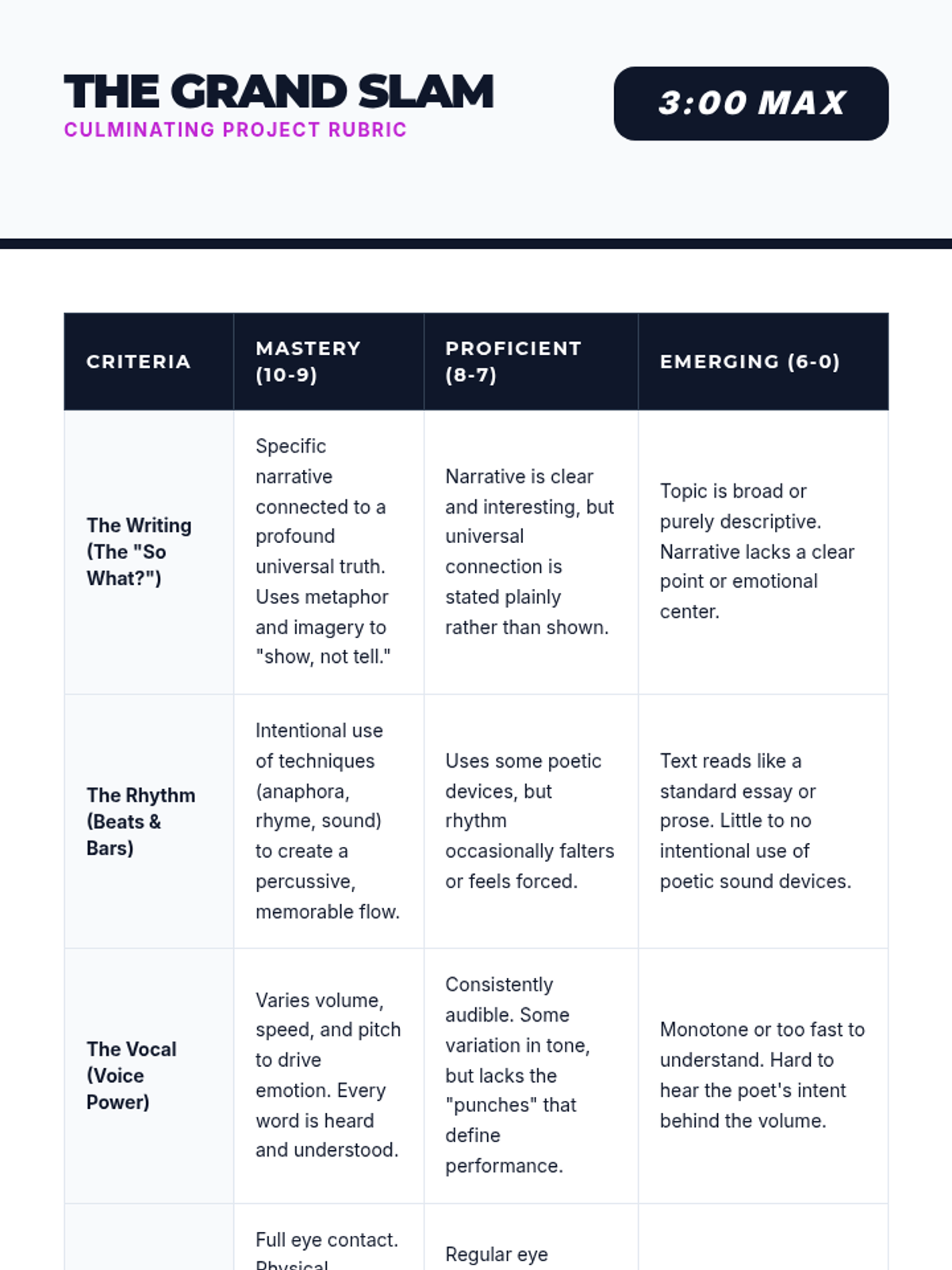
The culminating event: a class-wide slam competition with audience judges, followed by a written reflection on the journey of voice.
Guiding students through the process of choosing a personal topic, finding their unique voice, and drafting a 3-minute slam poem using the techniques learned.
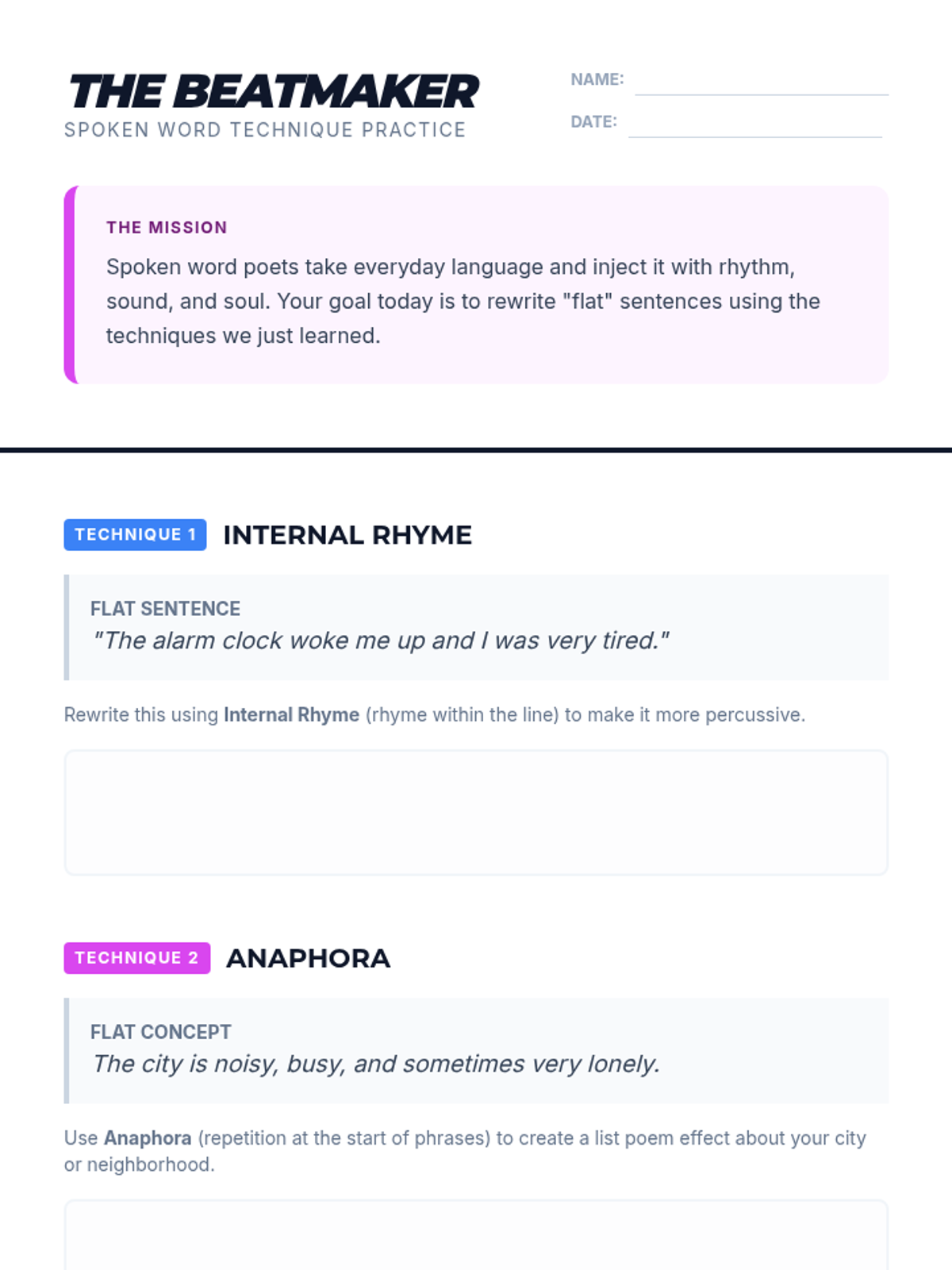
Focusing on the literary and performance techniques that give slam poetry its rhythm, including internal rhyme, repetition, and the 'beat' of the spoken word.
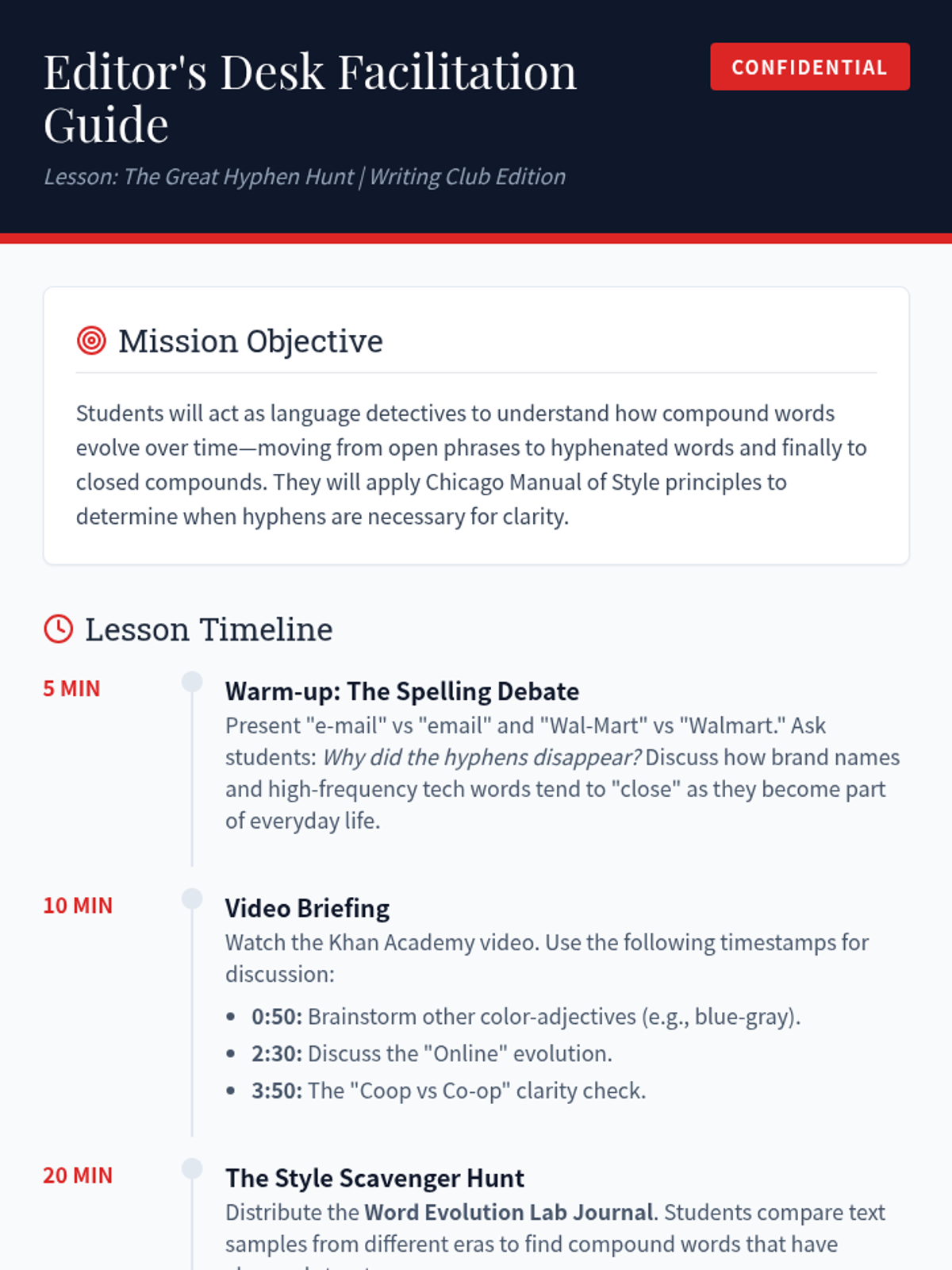
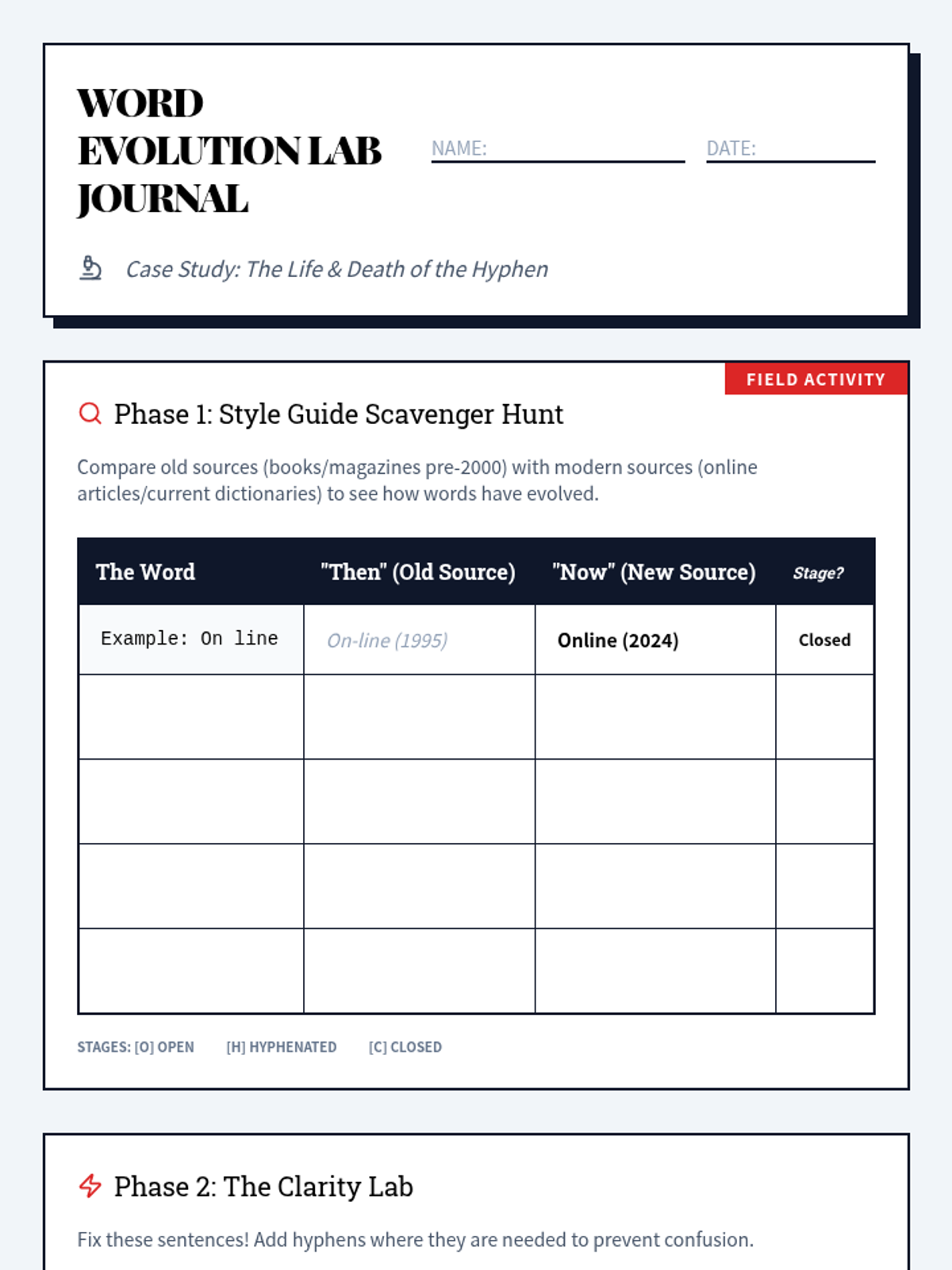
A creative lesson for Writing Club focused on the evolution of compound words and the stylistic rules of hyphenation, featuring a 'Then vs. Now' scavenger hunt.
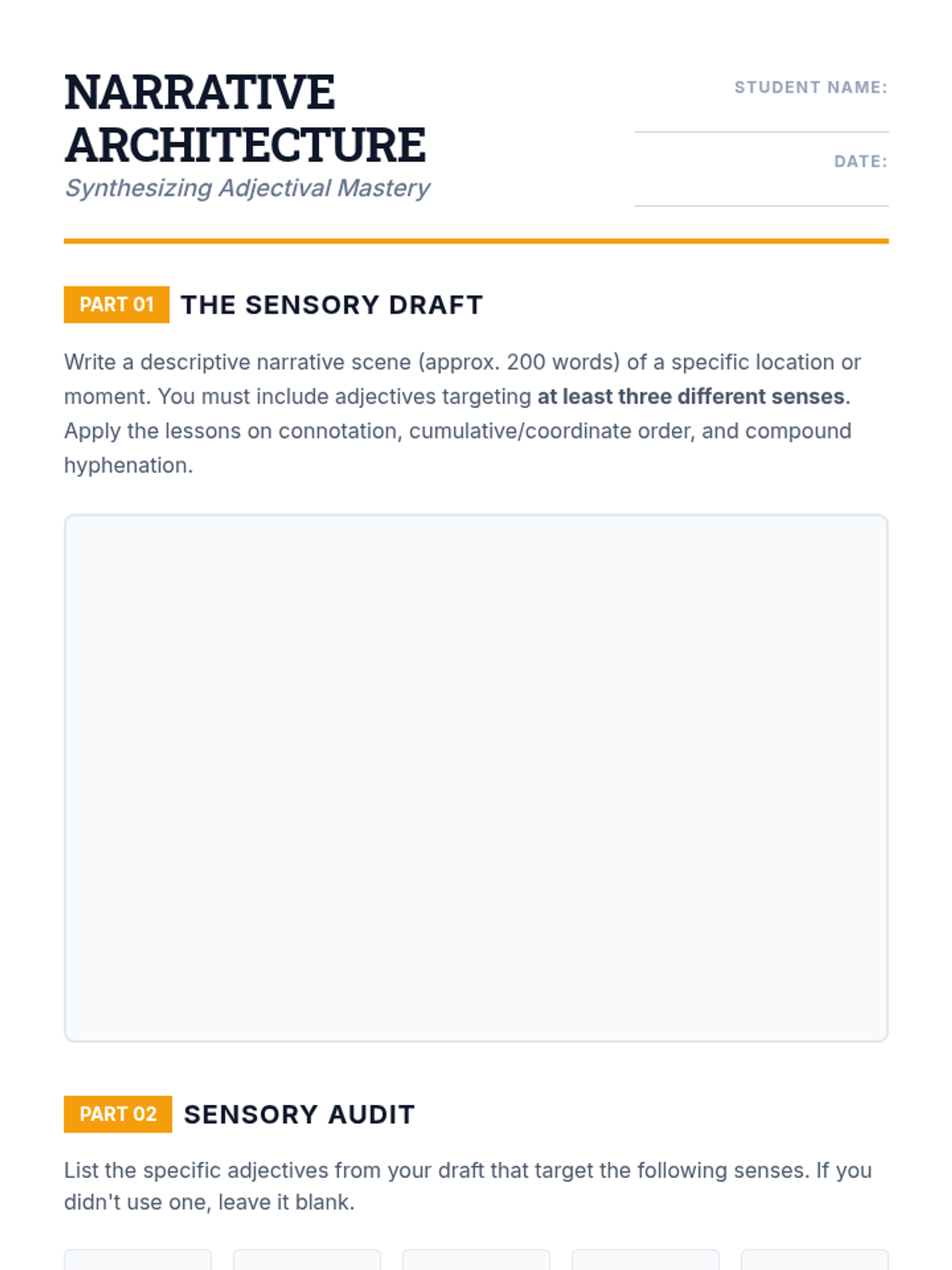
The culminating lesson focuses on applying nuanced modification to narrative writing. Students practice multi-sensory description and engage in a peer review process that evaluates the effectiveness and placement of adjectives in their own creative work.
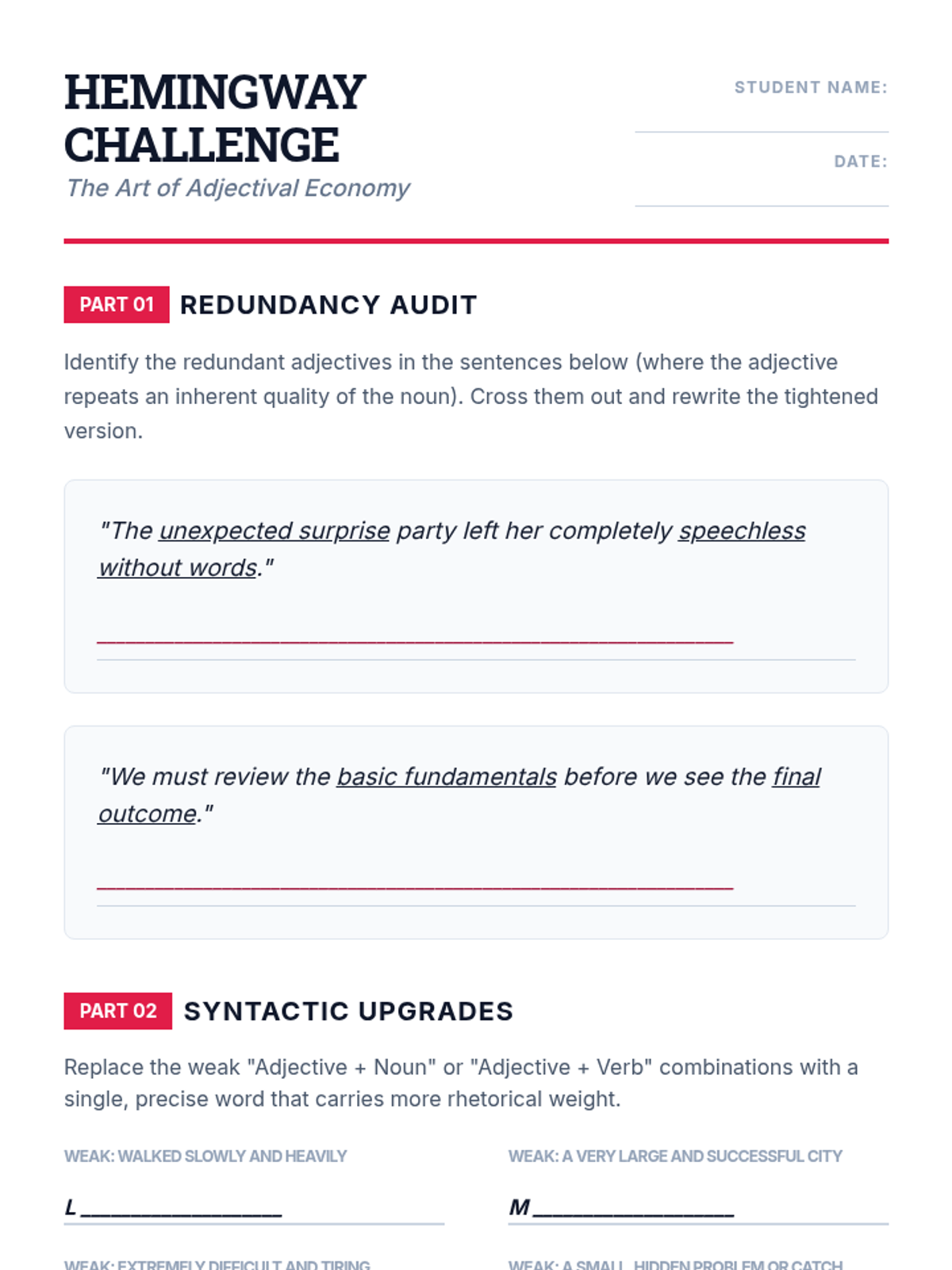
Students learn to tighten their writing by identifying and removing redundant adjectives in favor of stronger nouns and verbs. The lesson addresses 'purple prose' and emphasizes rhetorical precision, particularly for word-count-restricted academic and professional writing.
Focusing on clarity and professional style, this lesson teaches the rules for hyphenating compound adjectives. Students analyze how punctuation prevents ambiguity (avoiding 'crash blossoms') and practice condensing wordy phrases into sleek compound modifiers.
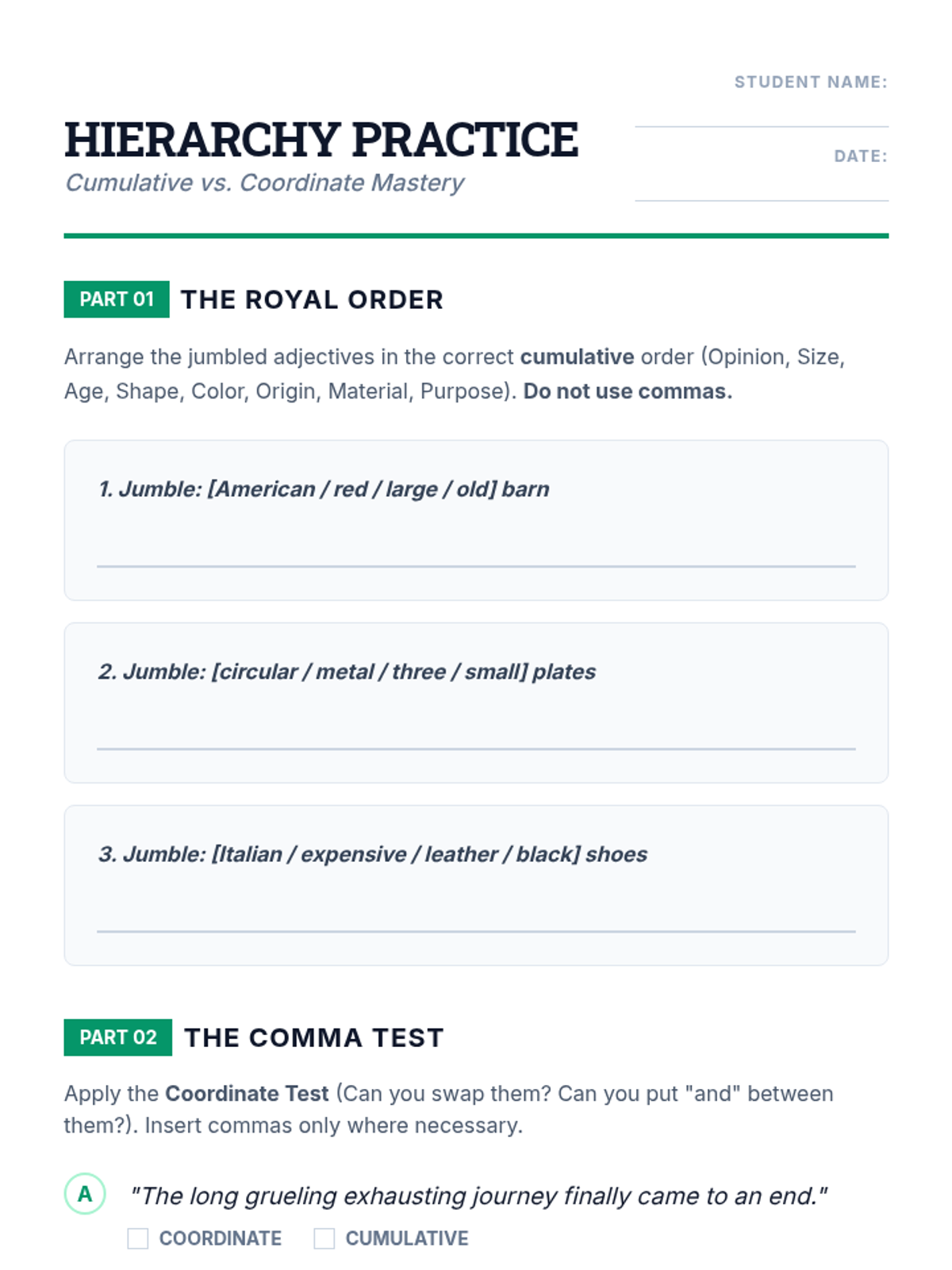
This lesson covers the syntax of multiple modifiers, focusing on the 'Royal Order of Adjectives' and the distinction between cumulative and coordinate adjectives. Students learn and apply the specific comma rules required for dense descriptive sentences.
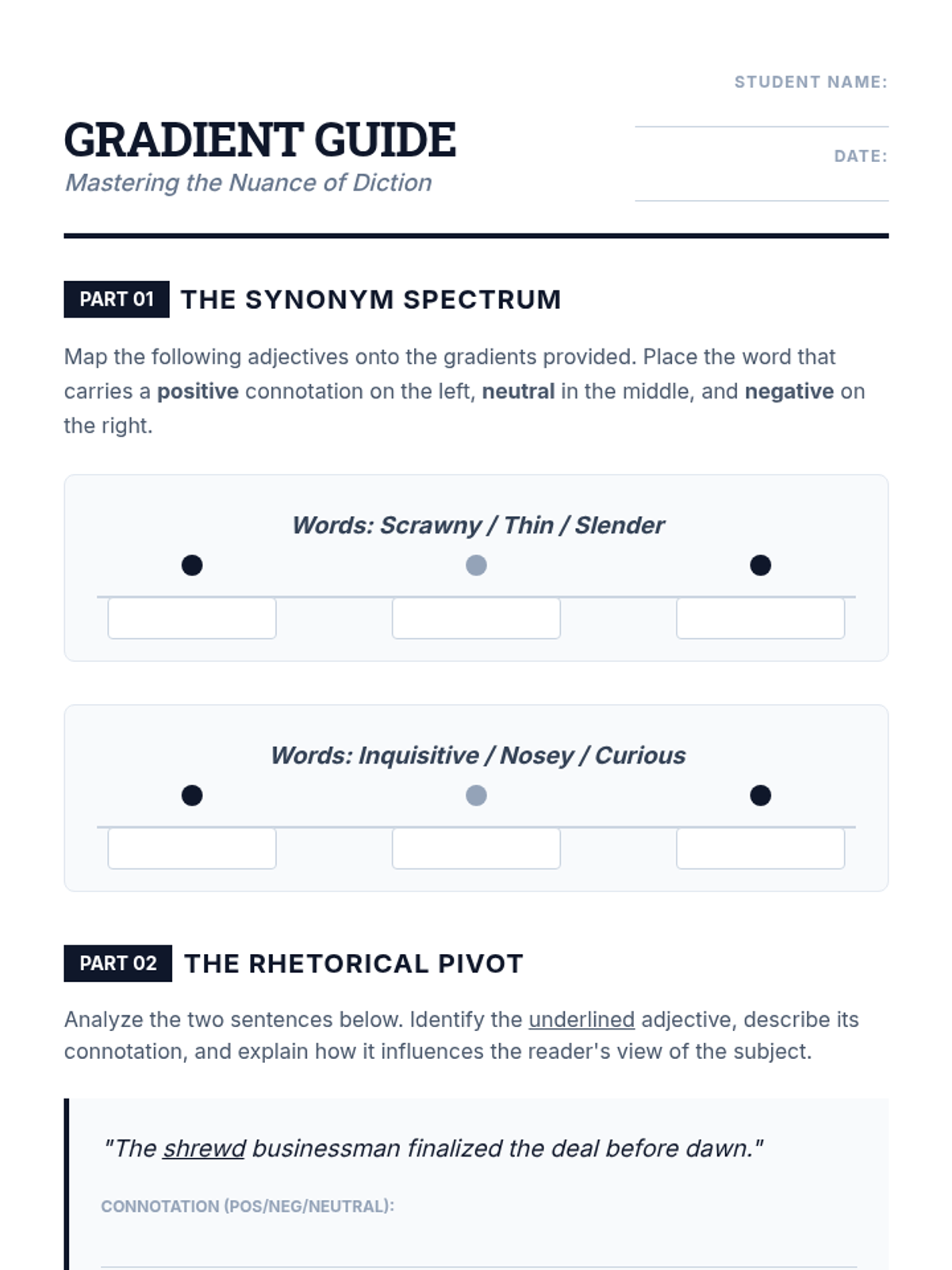
Students explore how adjective choice influences tone and bias by analyzing 'loaded' descriptors in editorials and literary fiction. The lesson focuses on the gradient of meaning between synonyms and practicing precise vocabulary selection to shift the mood of a passage.
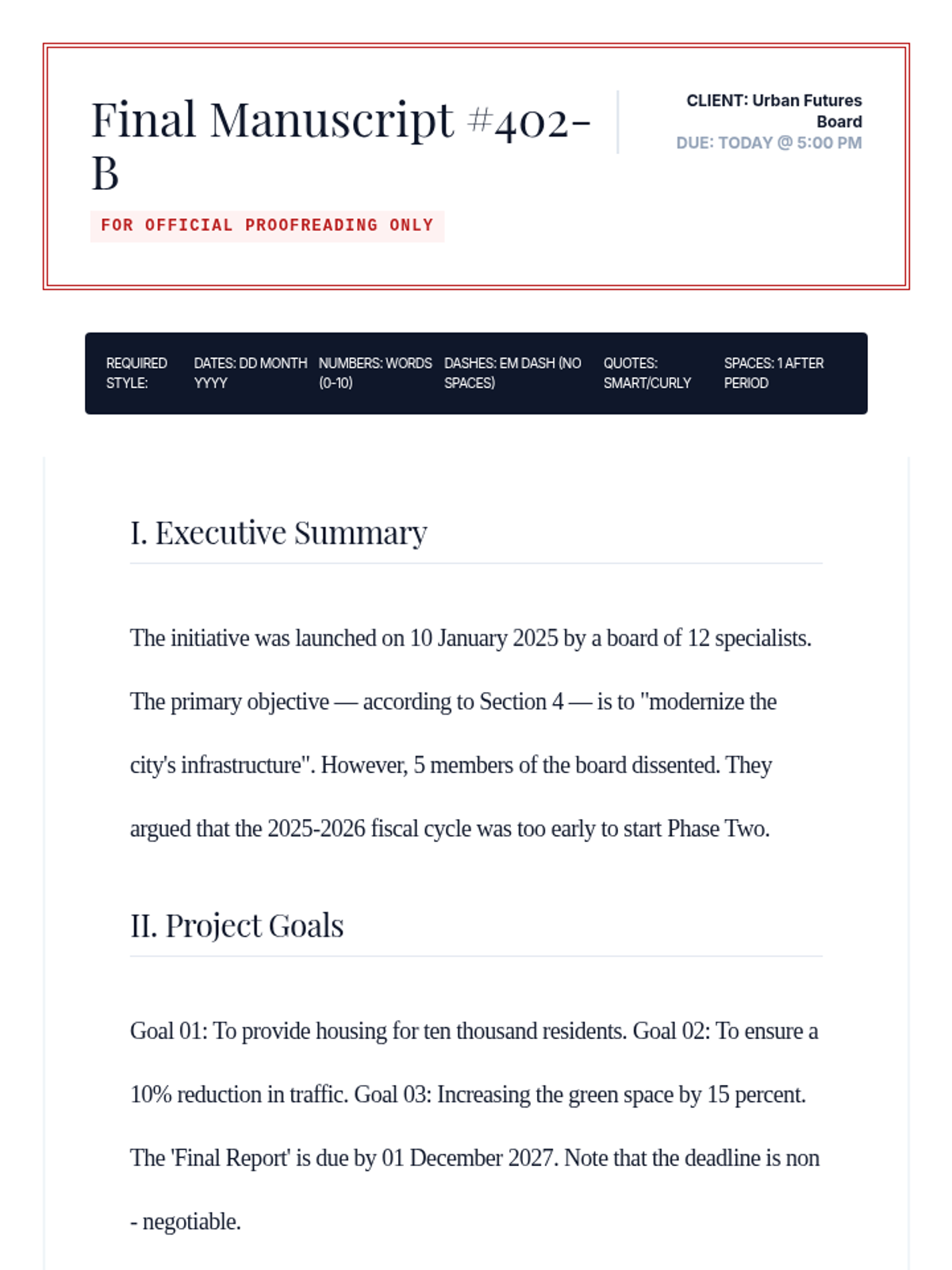
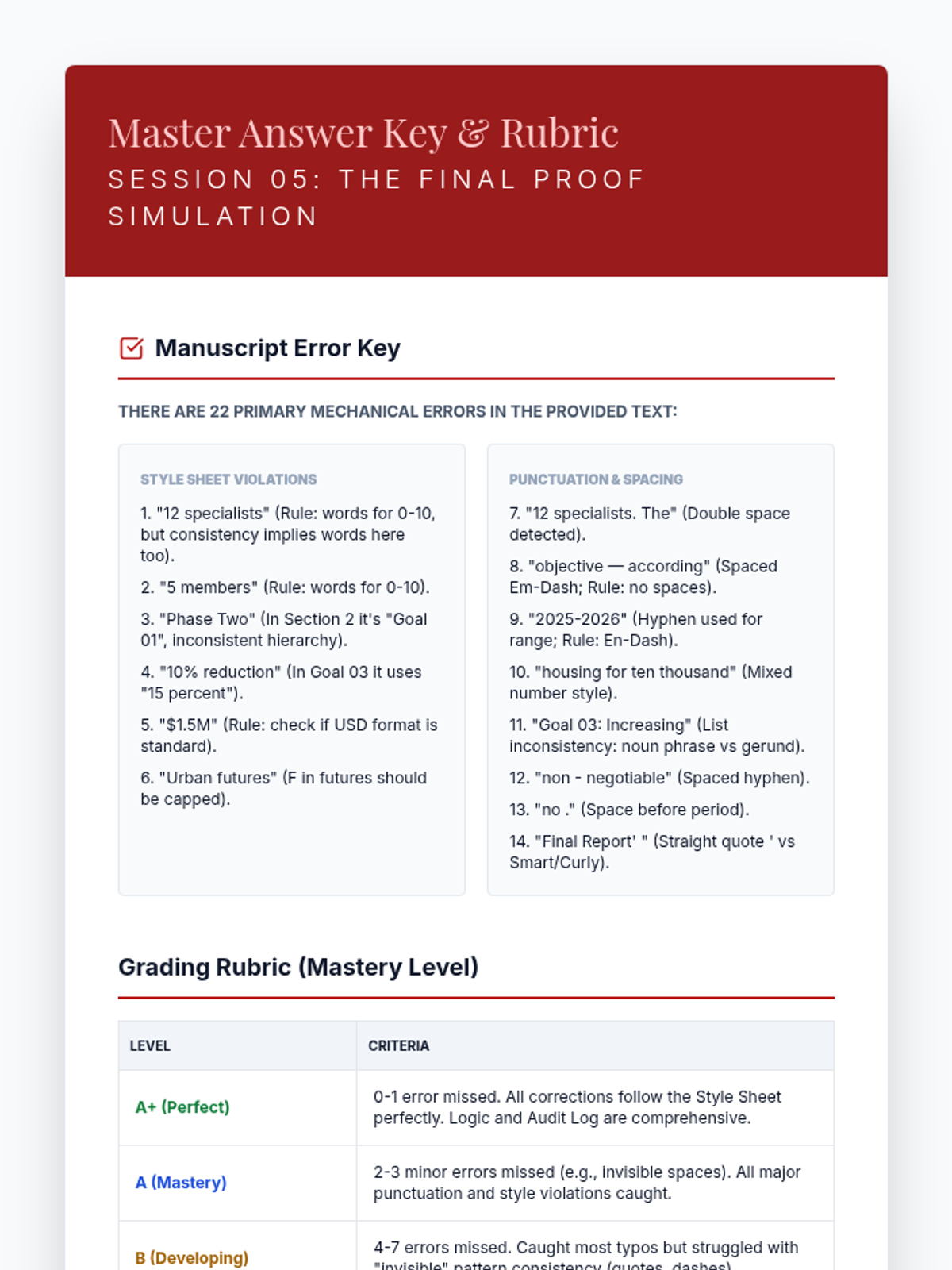
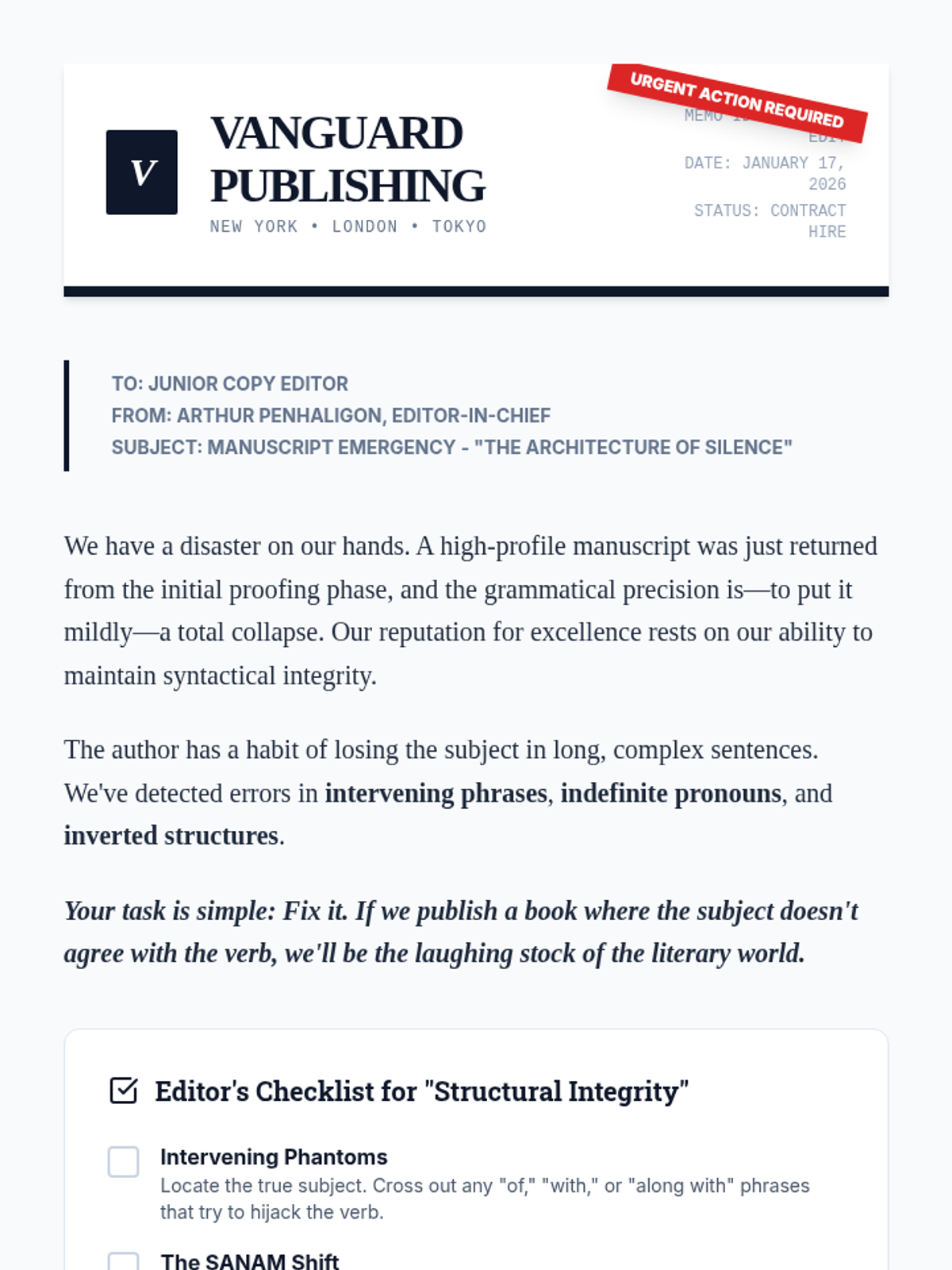
The capstone simulation. Students act as senior editors facing a publication deadline. They must finalize a high-stakes manuscript by applying all learned systematic techniques to eliminate 50+ subtle formatting errors.
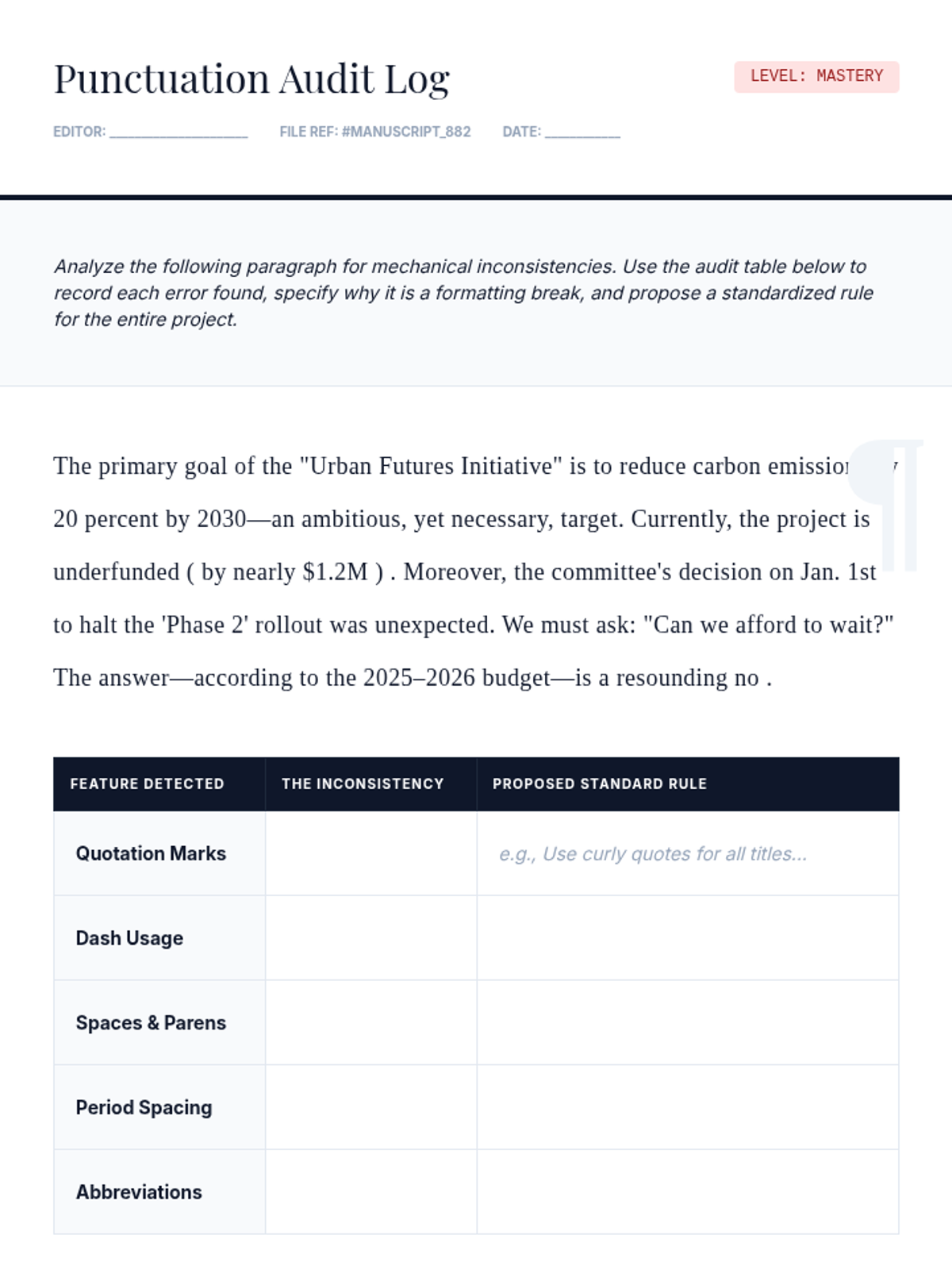
Students conduct a detailed 'punctuation audit' to standardize micro-mechanics. They focus on identifying and correcting 'invisible' errors like smart vs. straight quotes, dash types, and kerning-adjacent spacing issues.
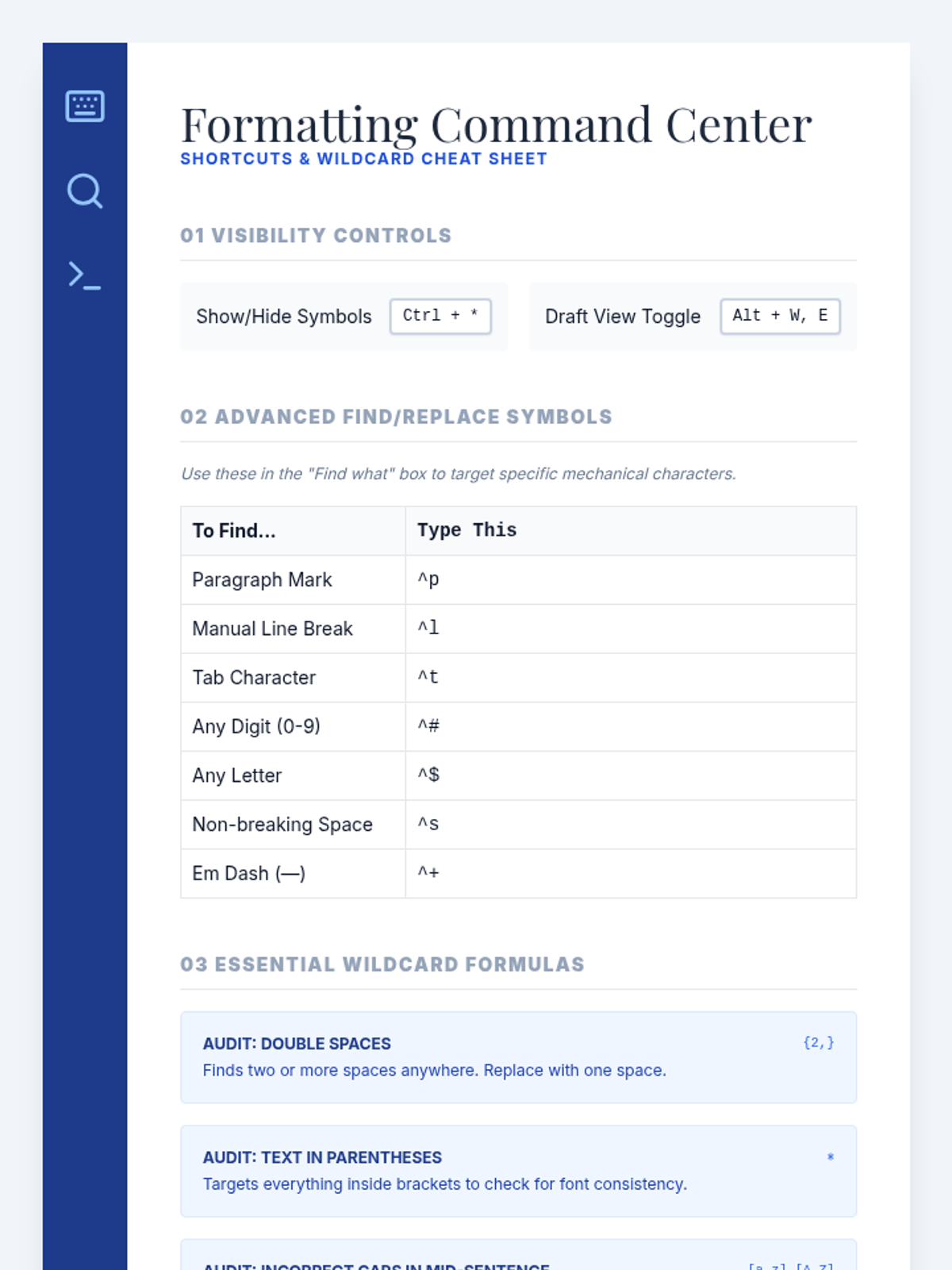
Students master digital tools to automate formatting audits. They learn to use advanced Word processor features like Find/Replace wildcards and non-printing characters to standardize large documents efficiently.
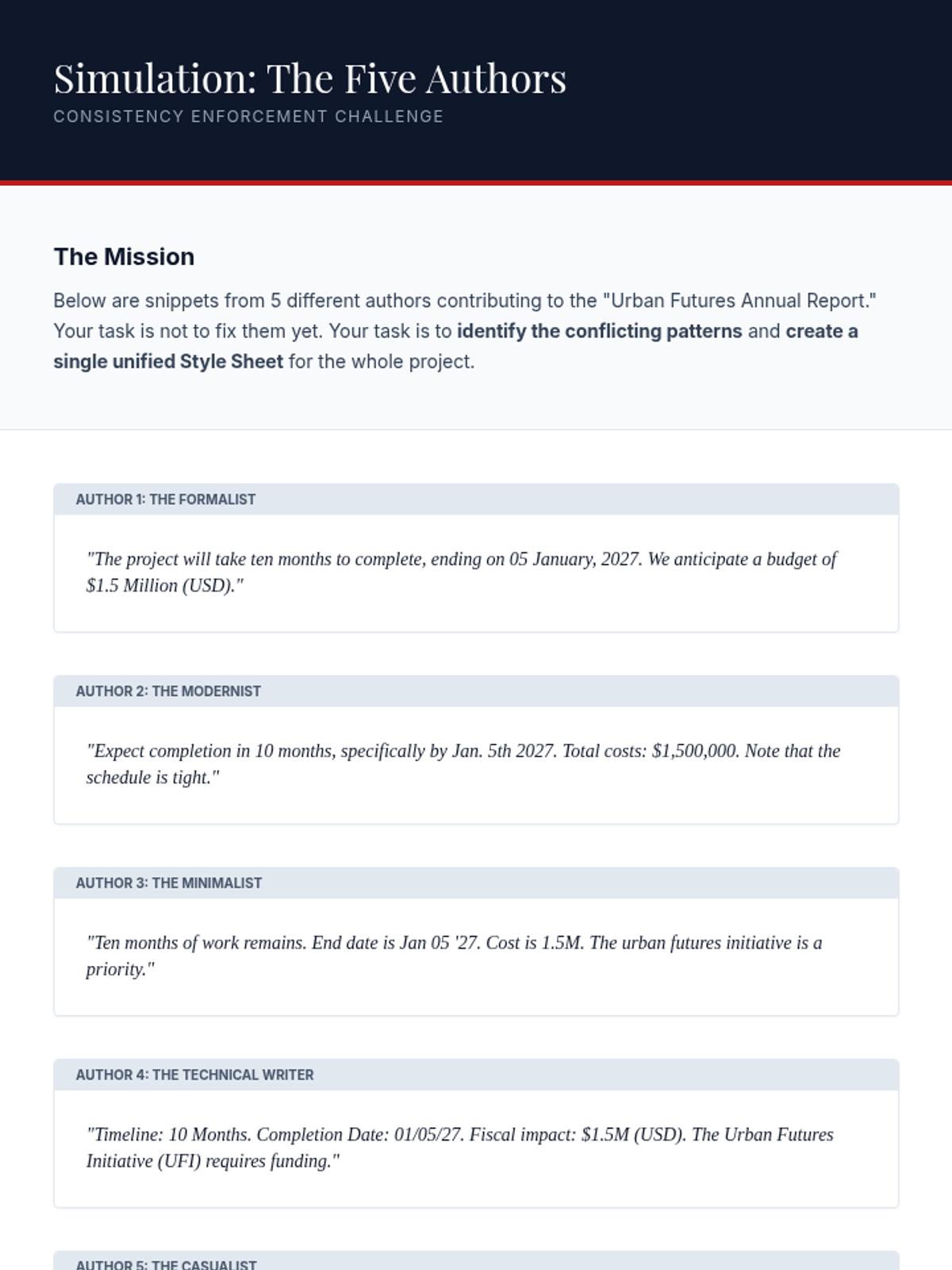
Students learn to create and implement document-specific style sheets to ensure mechanical consistency across complex, multi-author documents. This lesson emphasizes decision-tracking and systematic enforcement.
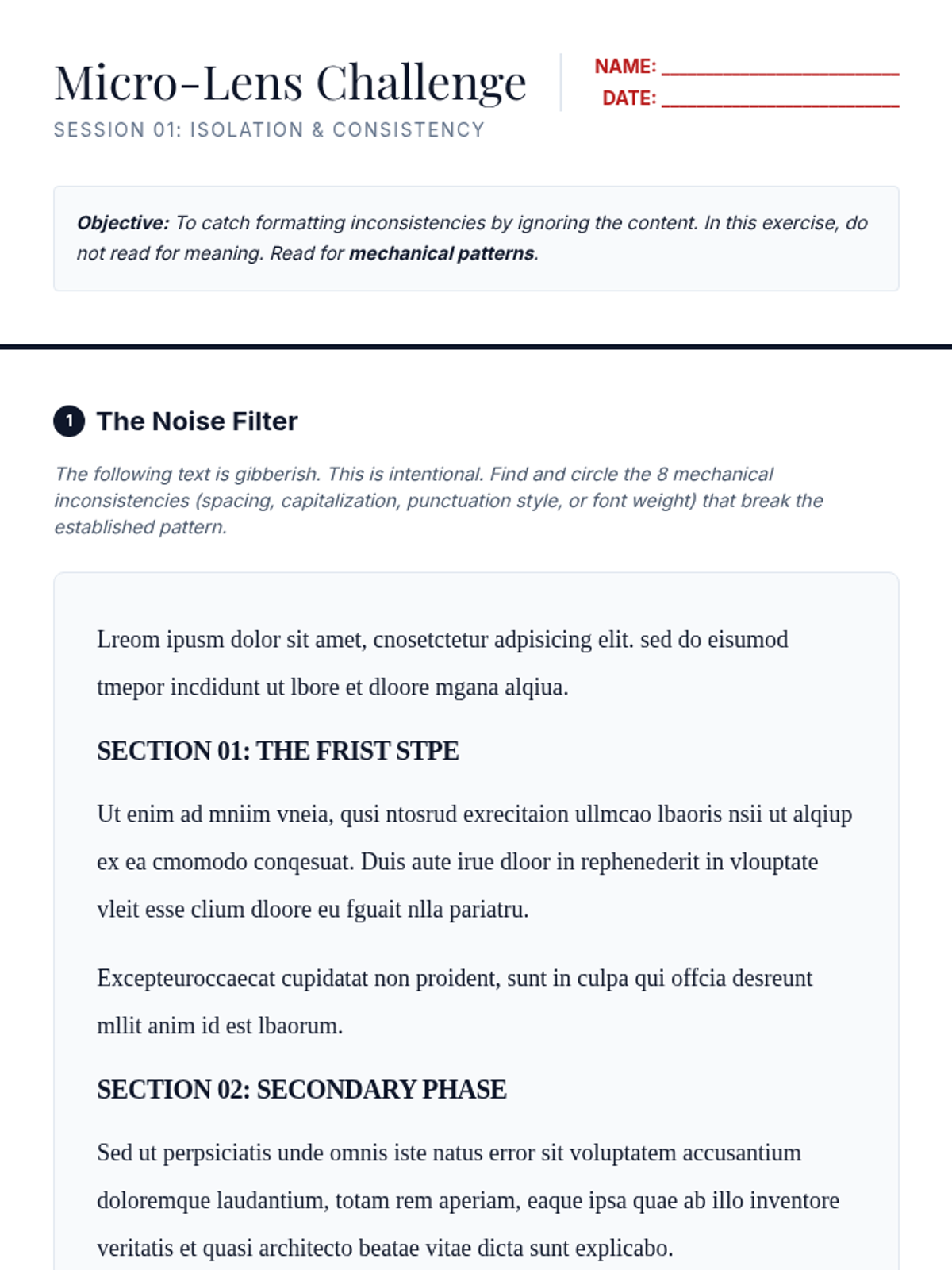
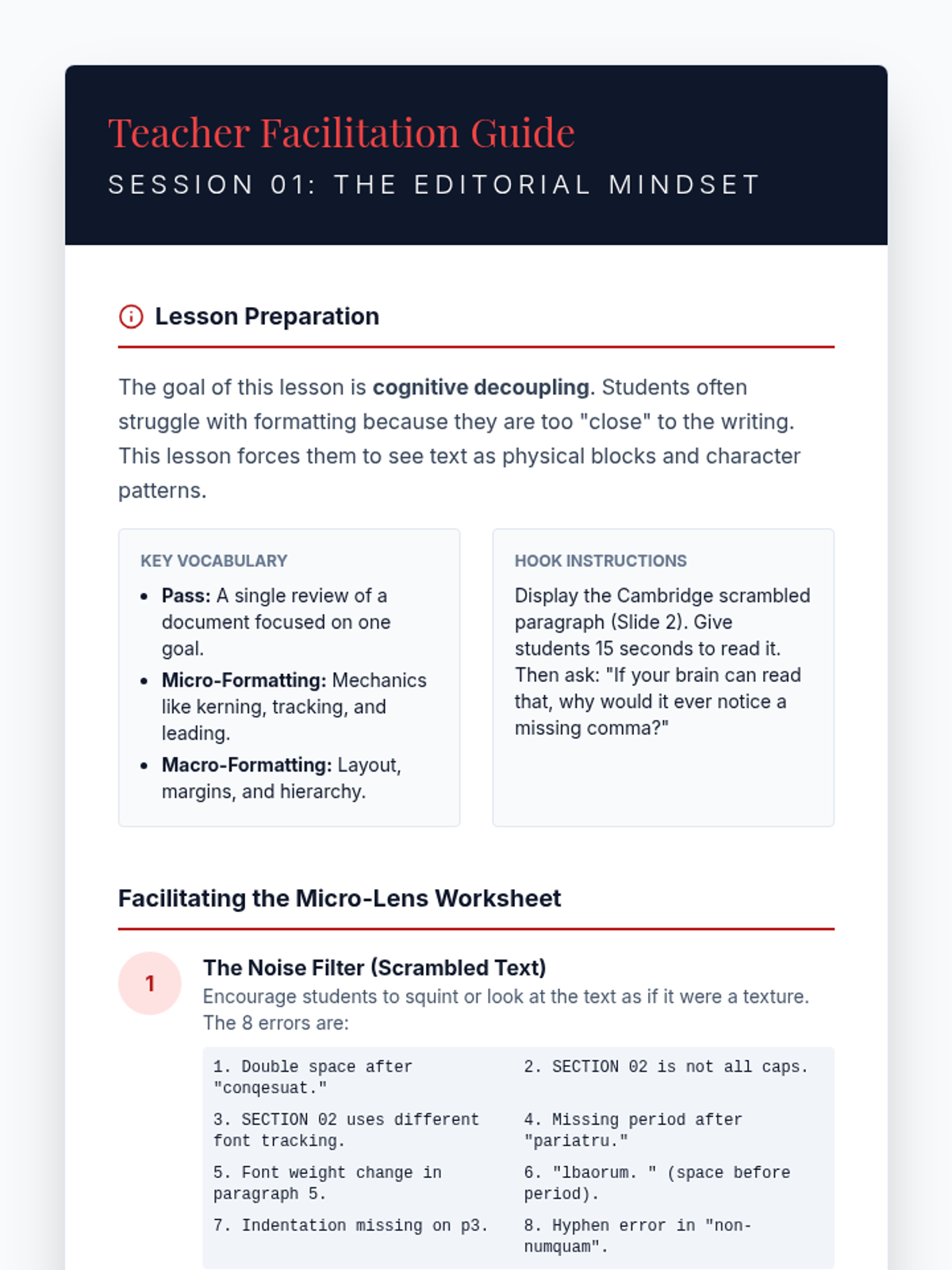
Students learn to separate content from mechanics, developing the 'Editorial Mindset' required to catch visual inconsistencies. They practice isolating specific formatting elements during dedicated 'micro' passes.
Mastering the visual mechanics of dialogue and quotations, including paragraph breaks and punctuation placement within academic and creative contexts.
Covers the logic of hyphenating compound adjectives to prevent ambiguity and ensure clarity in complex descriptive phrases.
Navigates complex rules for title case, professional titles, and geographic regions to ensure consistency in formal undergraduate writing.
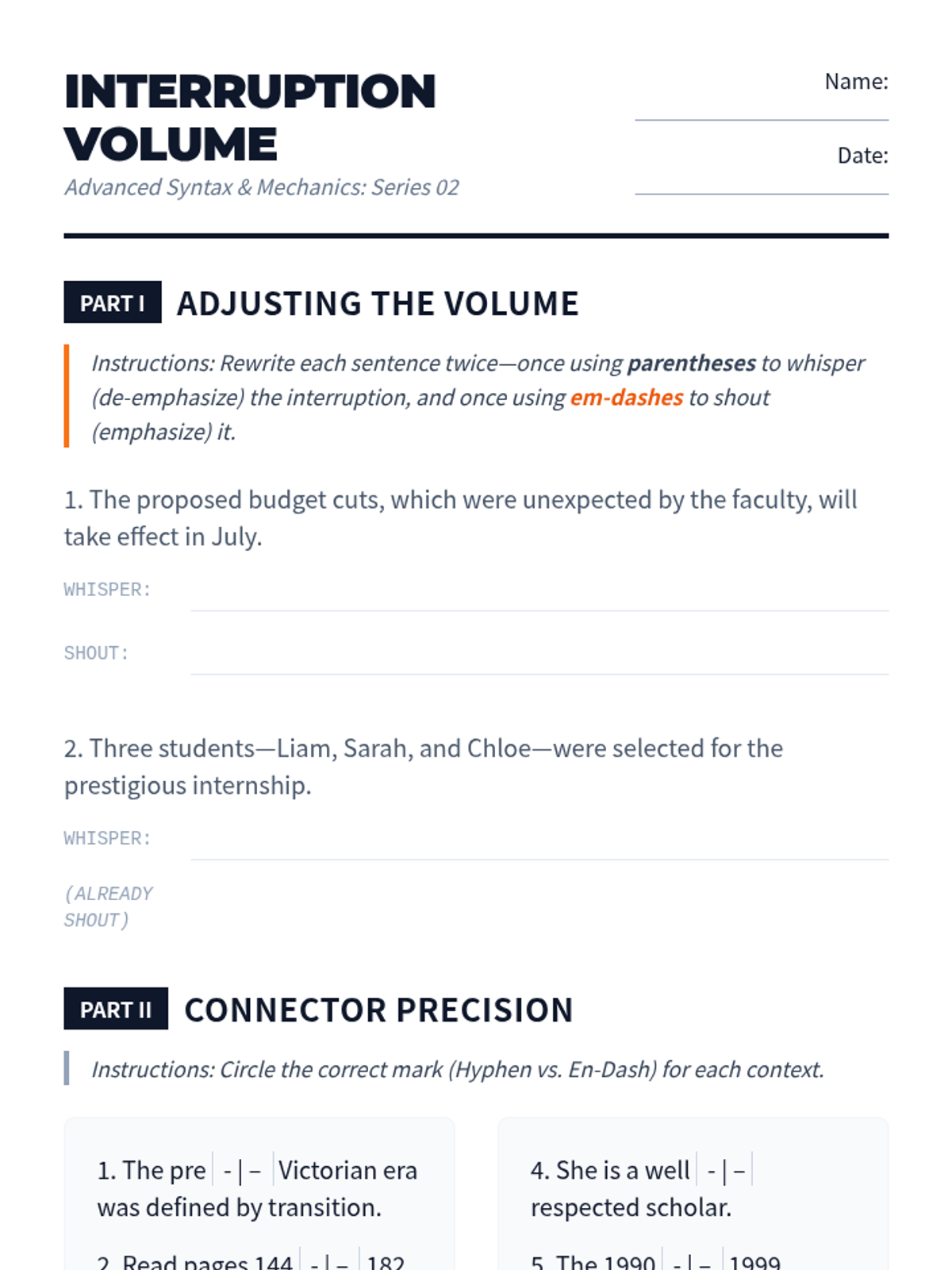
Focuses on the em-dash, en-dash, and parentheses as visual markers of interruption and explanation, exploring their rhetorical weight and mechanical differences.
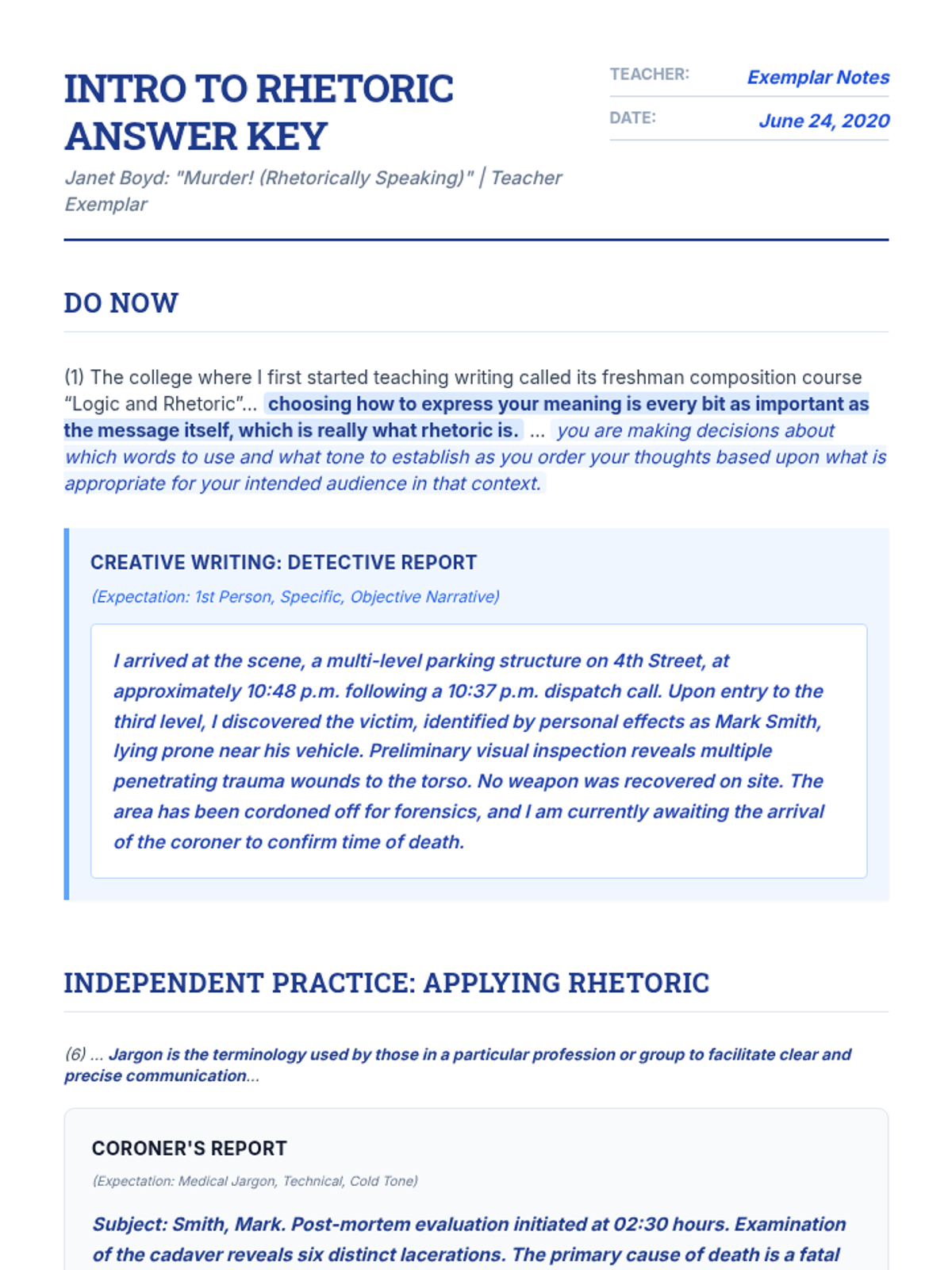
An introductory lesson on rhetoric through Janet Boyd's "Murder! (Rhetorically Speaking)", where students explore how audience, context, and genre shape rhetorical choices.
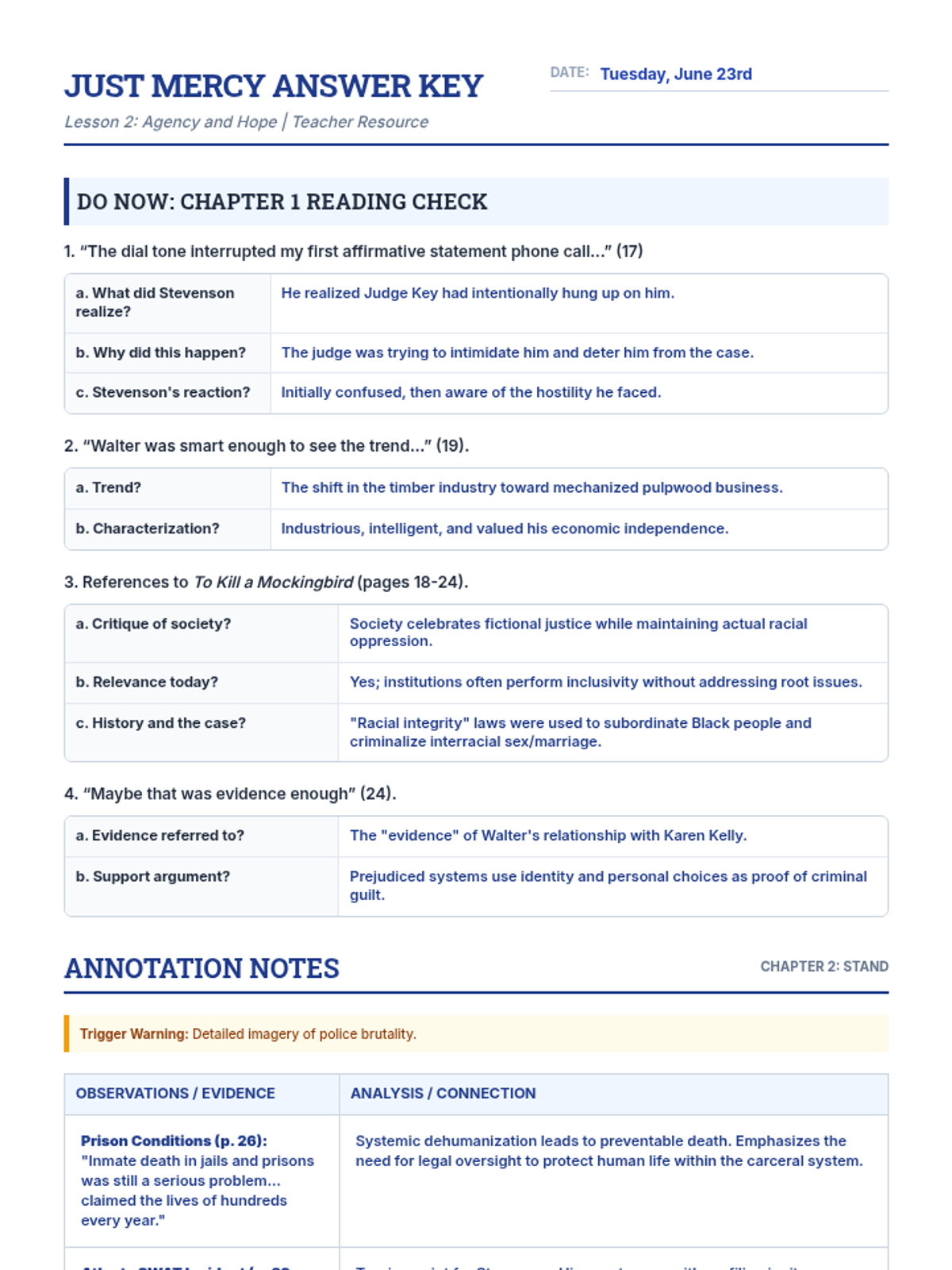
This lesson analyzes Chapter 2 of Just Mercy, focusing on how Stevenson develops his argument about individual agency and the inciting of change through knowledge and hope.
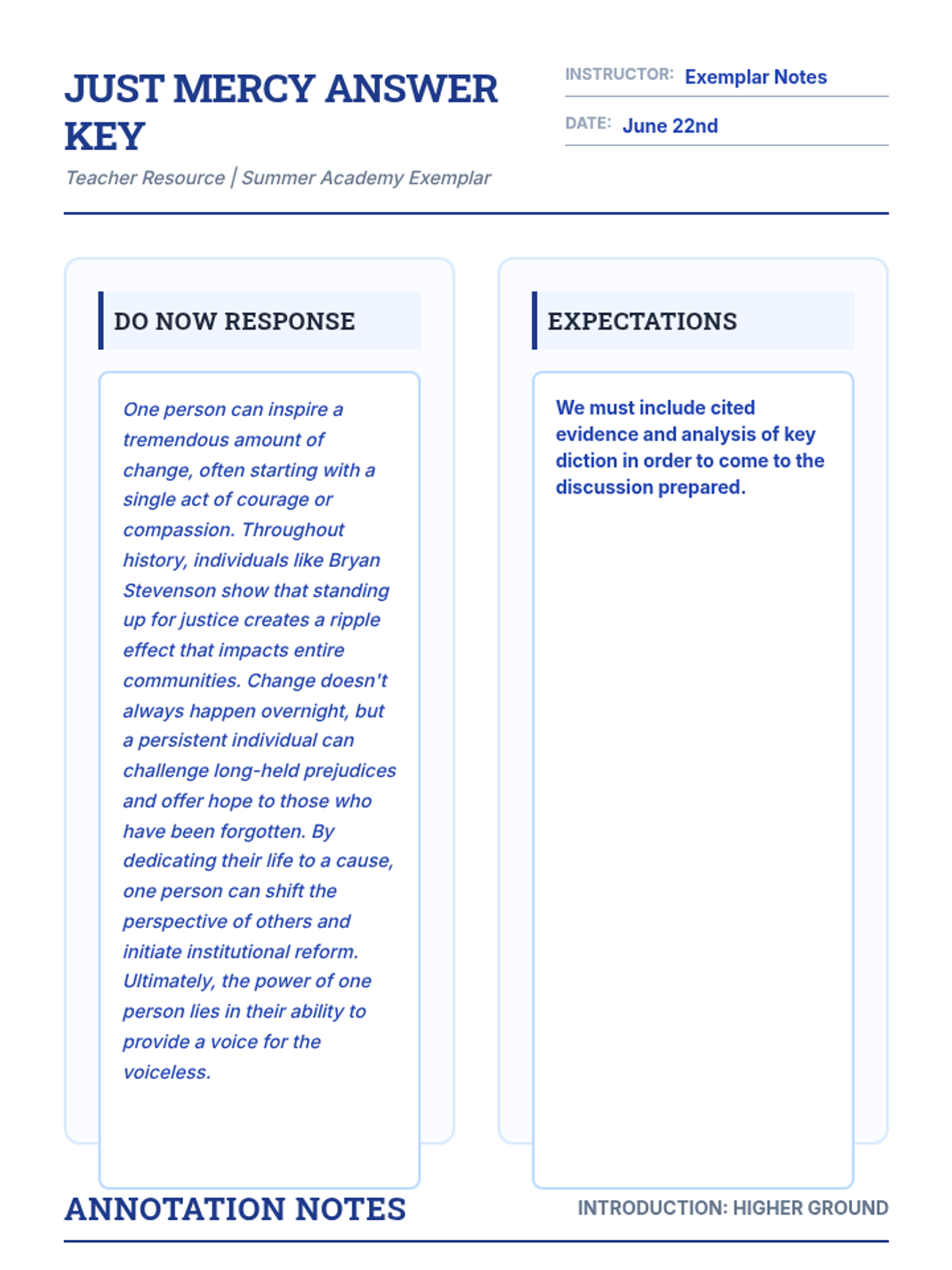
An introductory lesson on Just Mercy by Bryan Stevenson, focusing on characterization, systemic injustice, and the power of hope in the Introduction and Chapter 1.
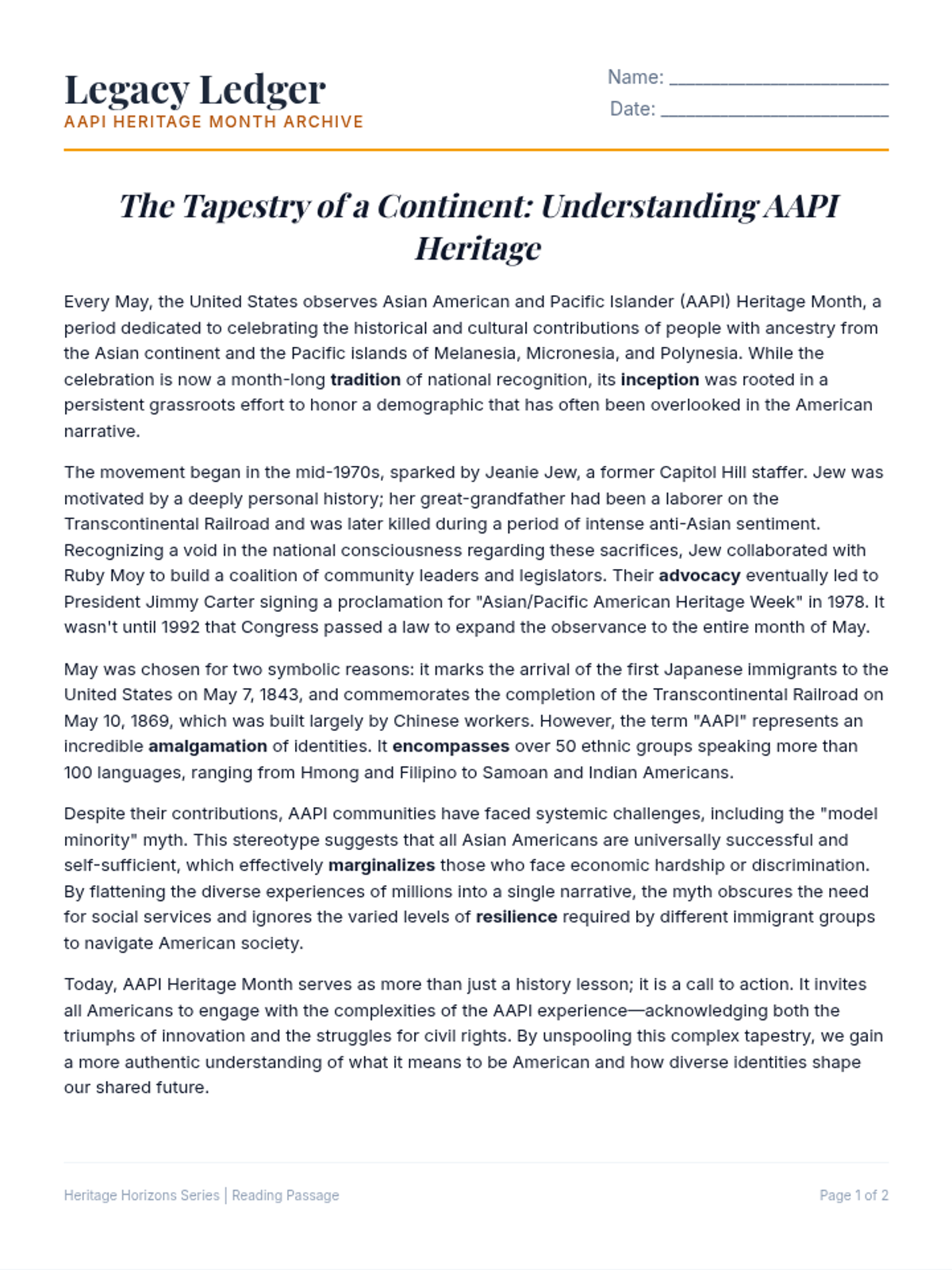
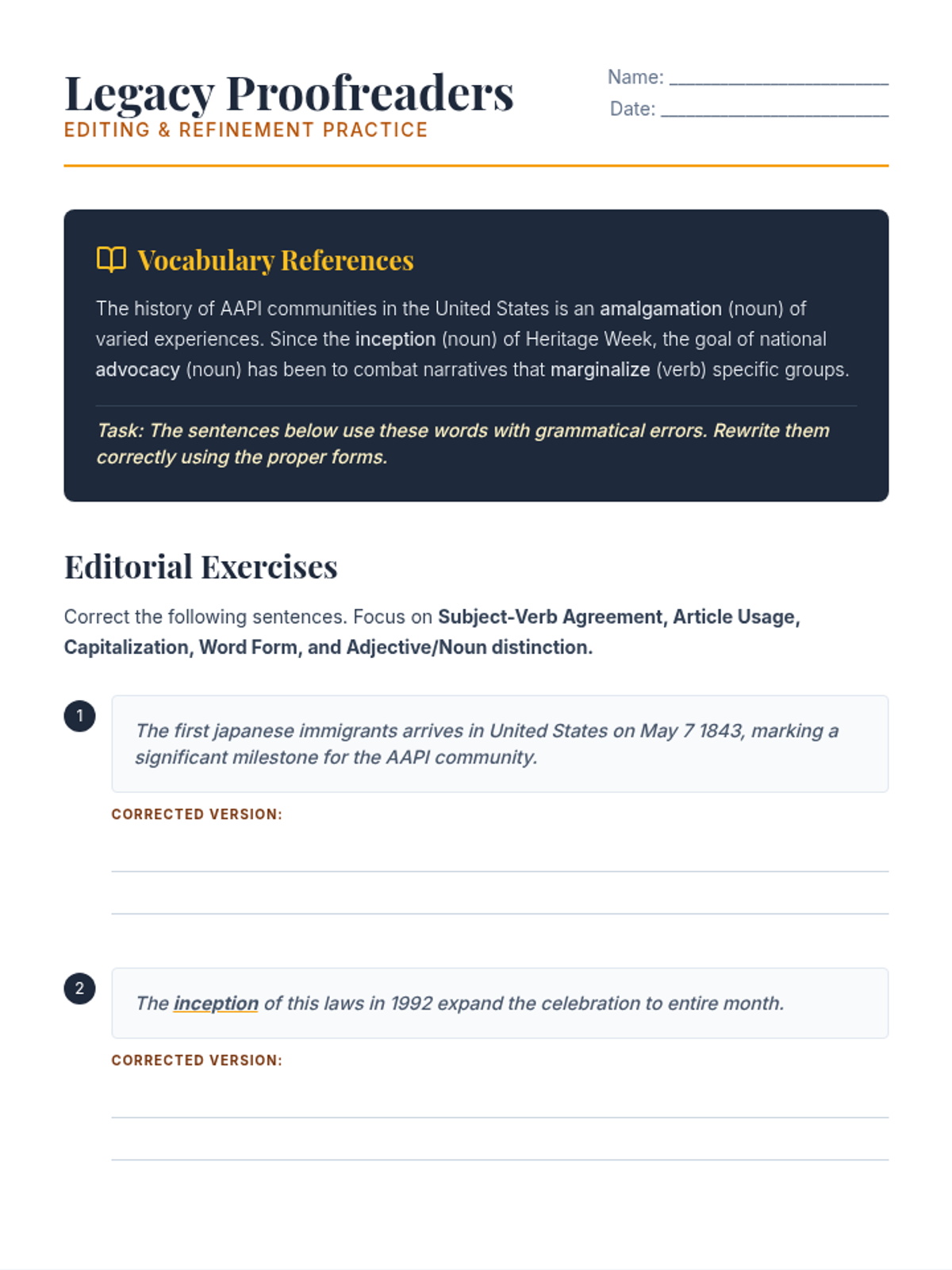
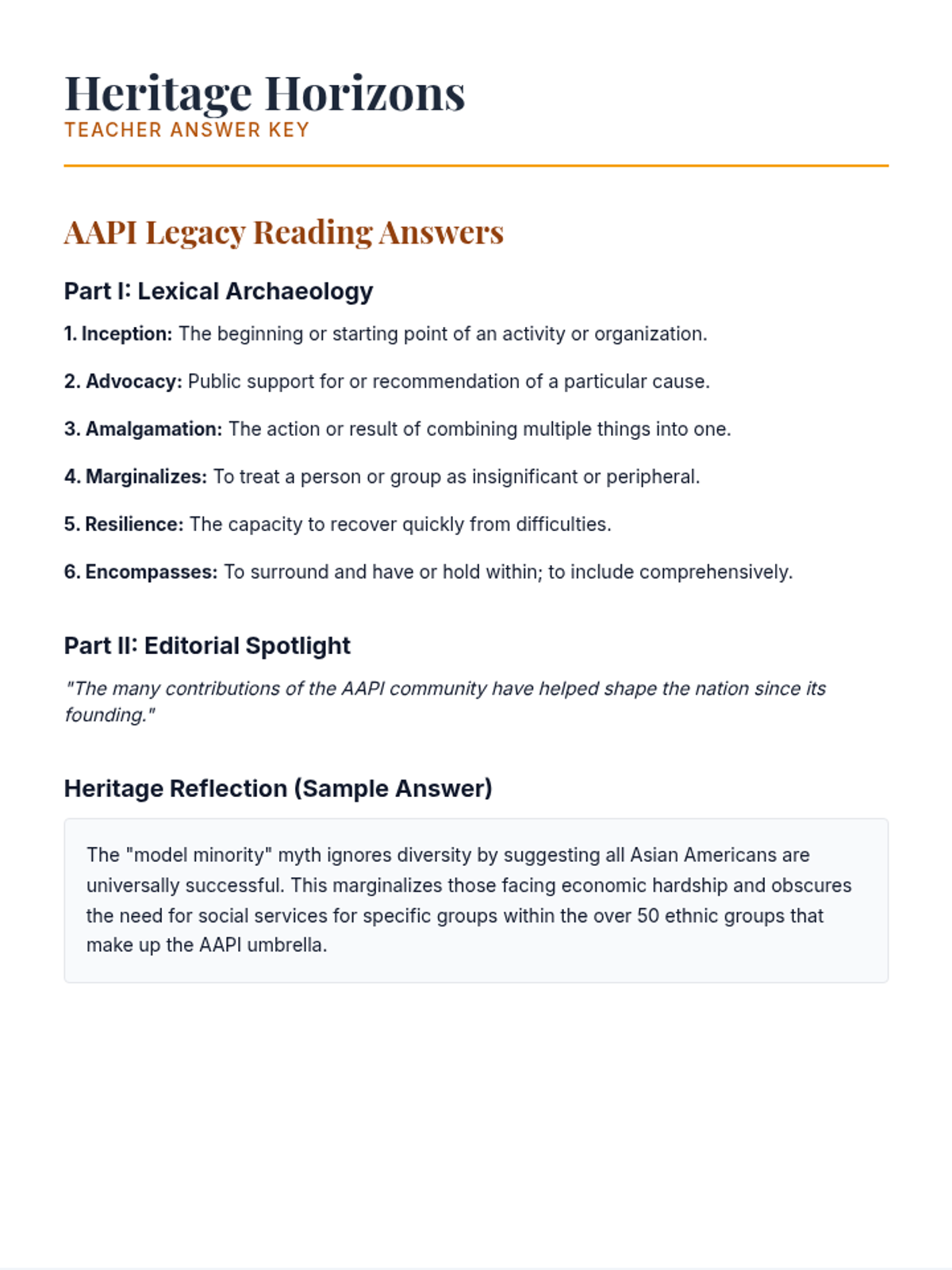
A comprehensive lesson for advanced ESL students exploring the history, significance, and diverse narratives of Asian American and Pacific Islander Heritage Month.
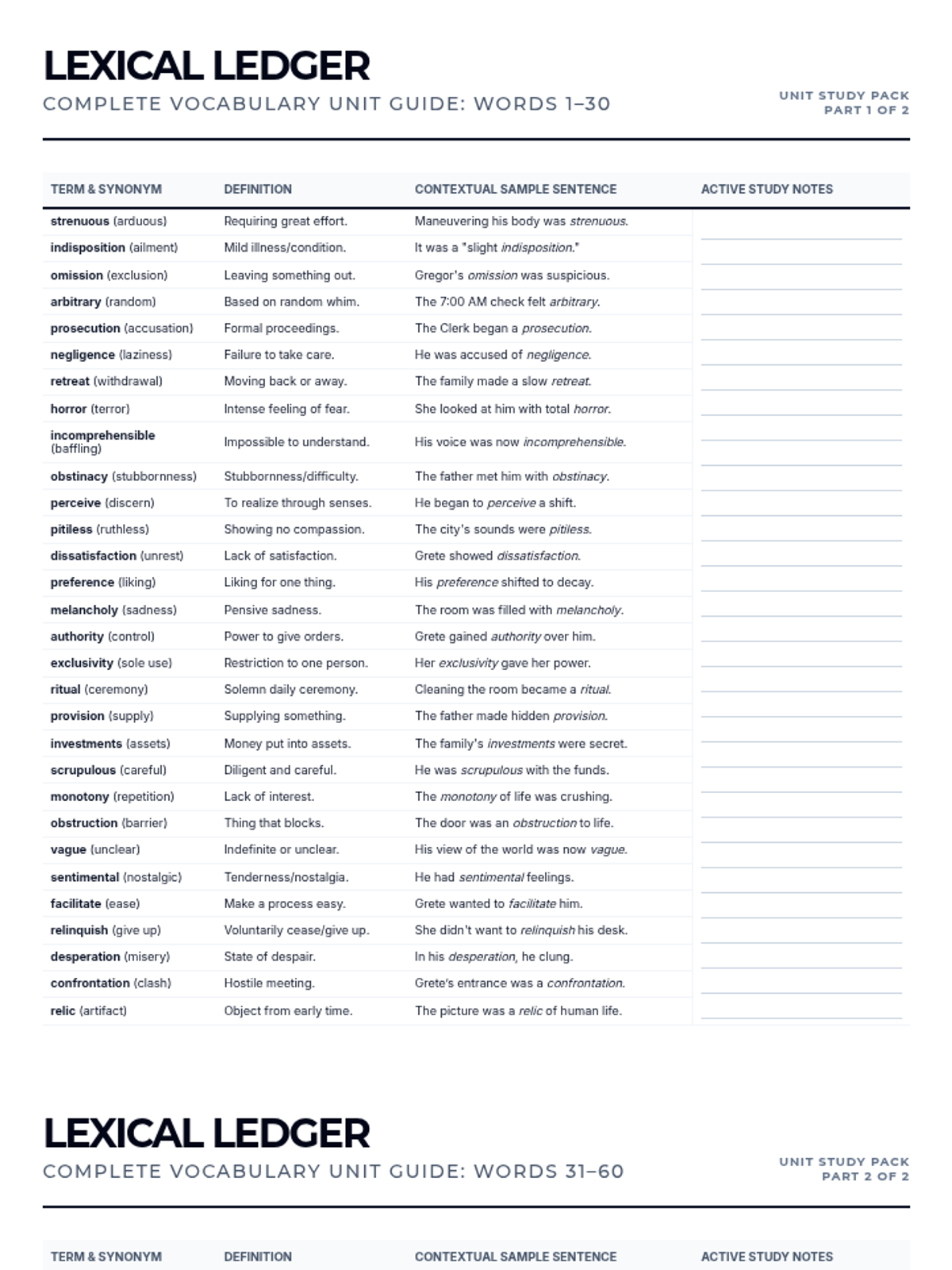
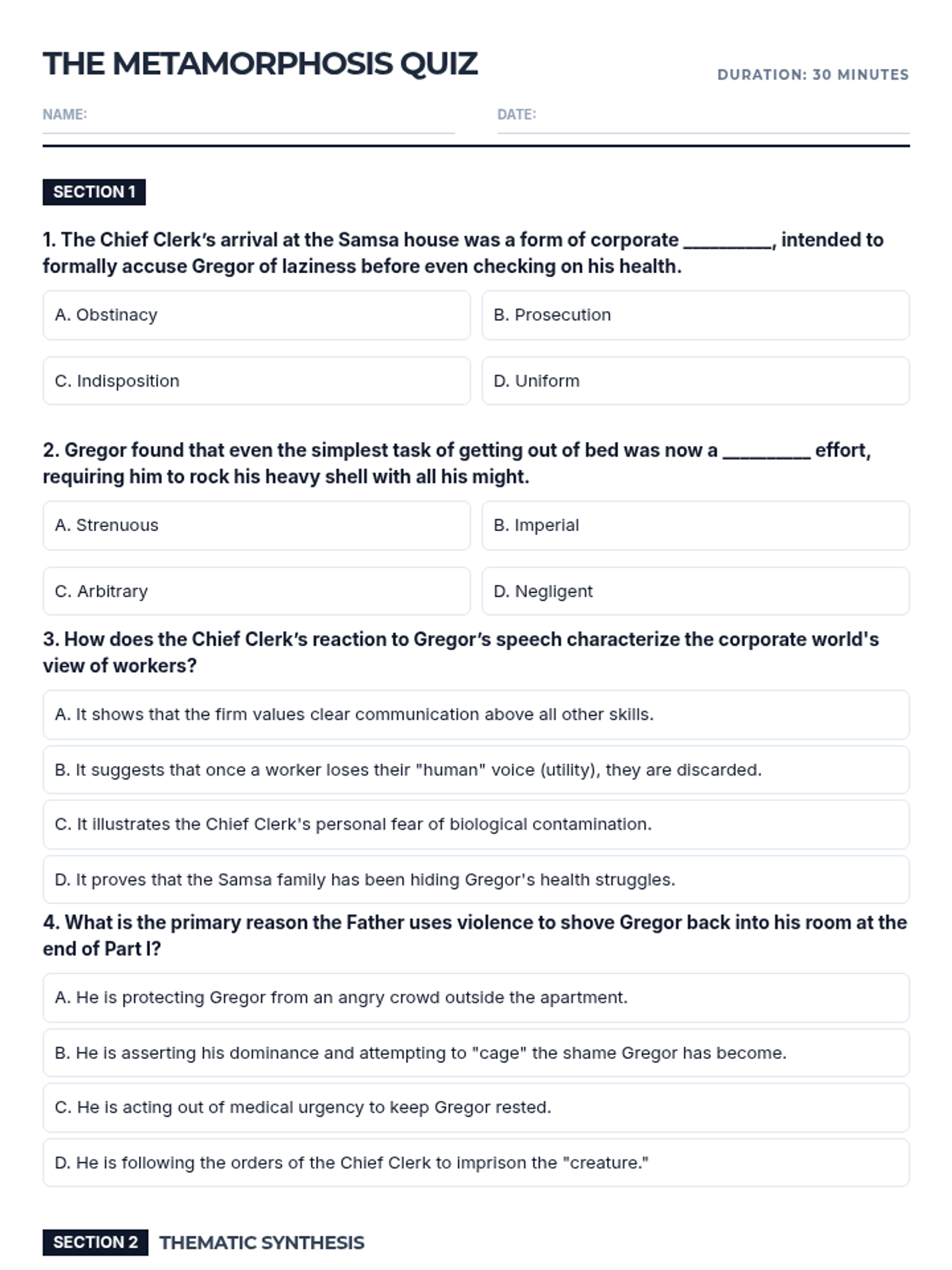
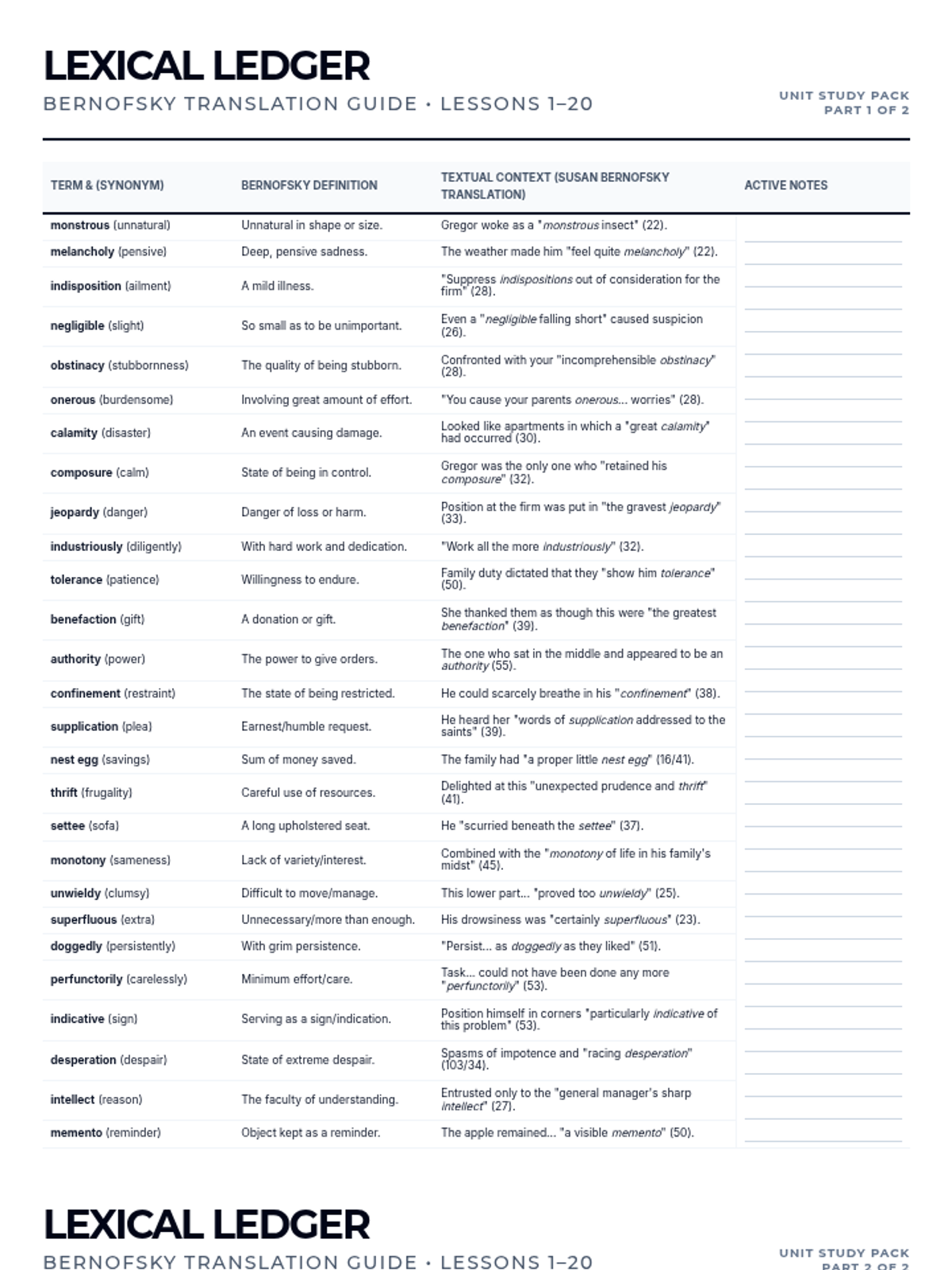
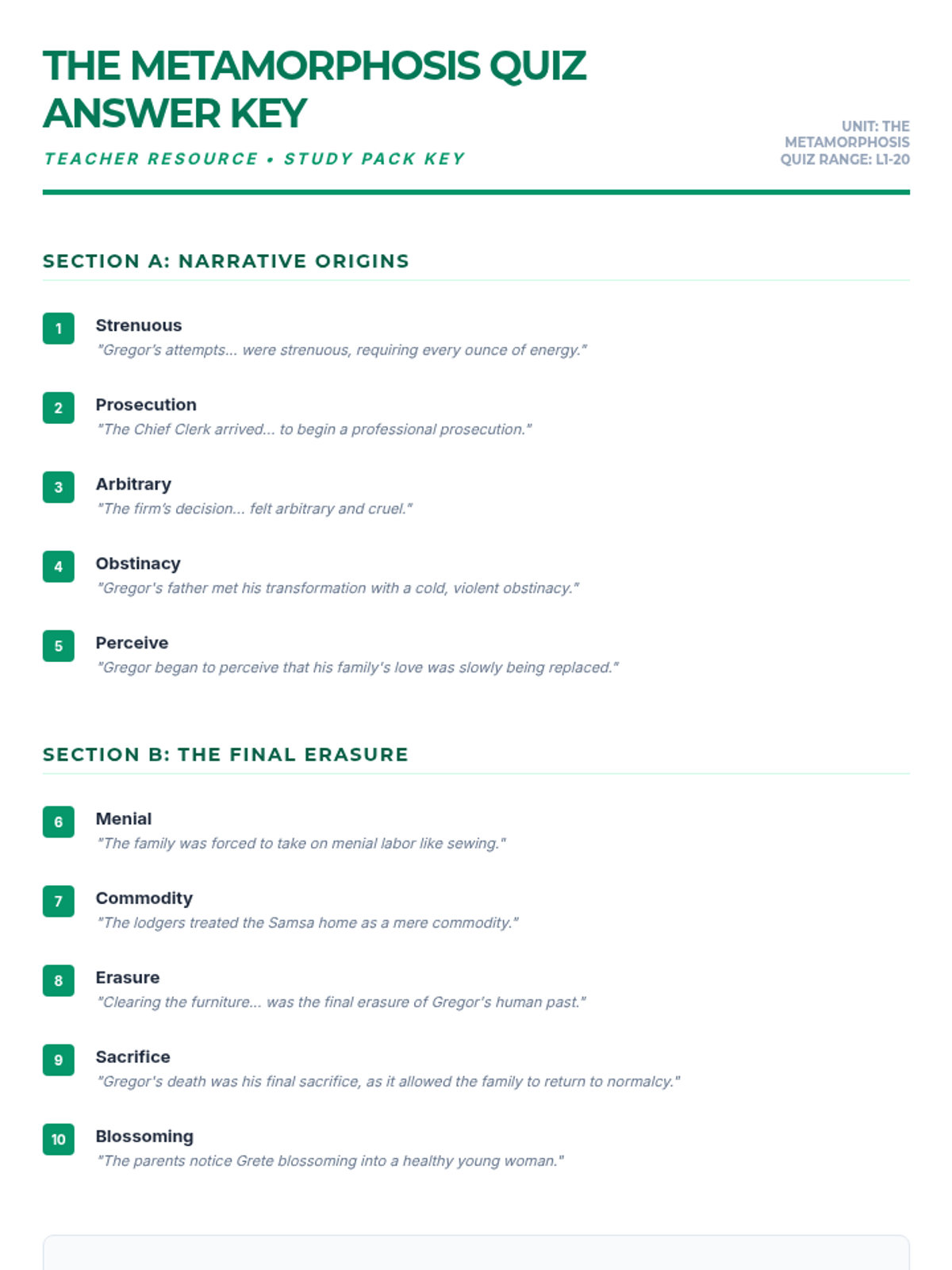
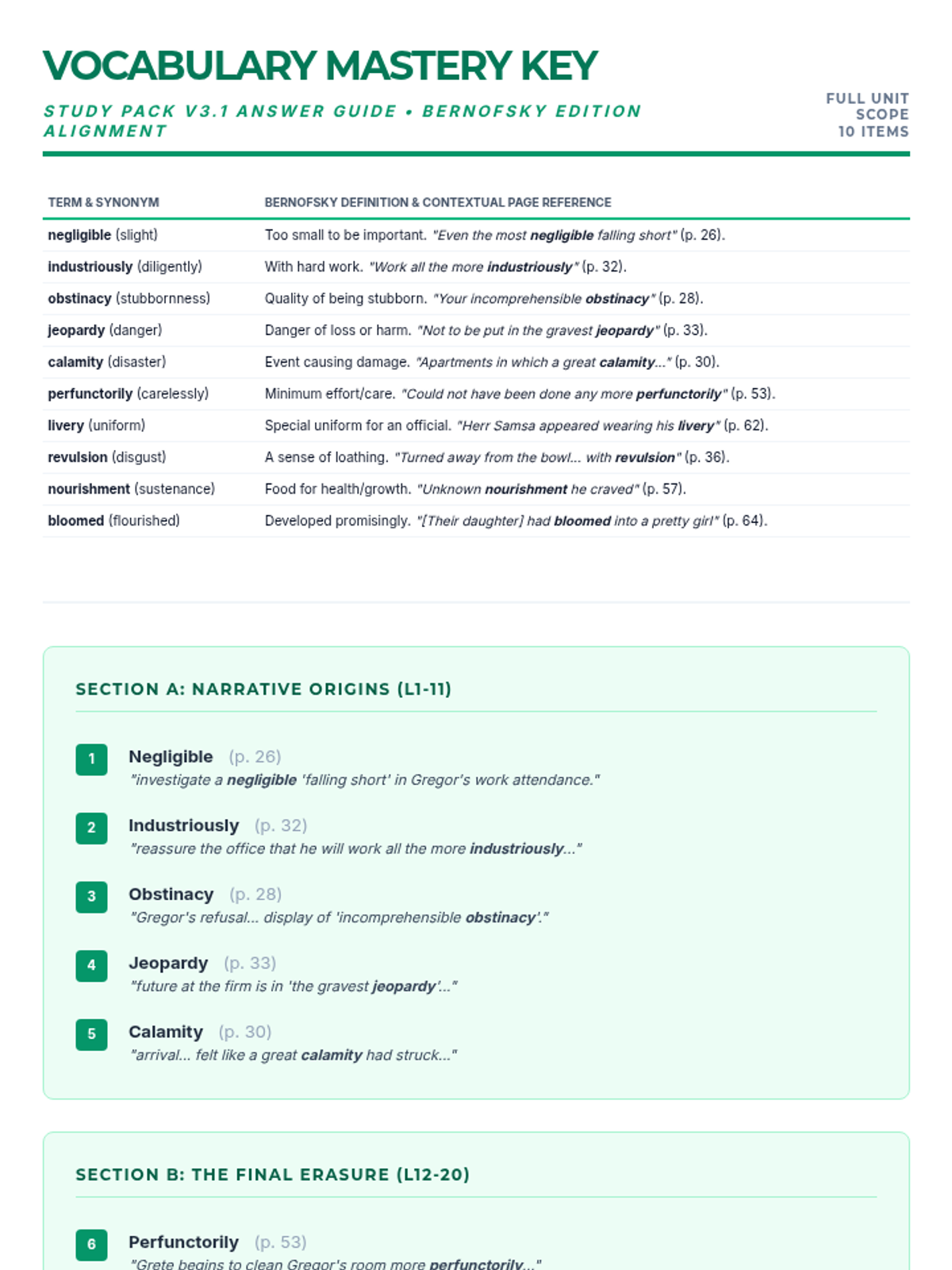
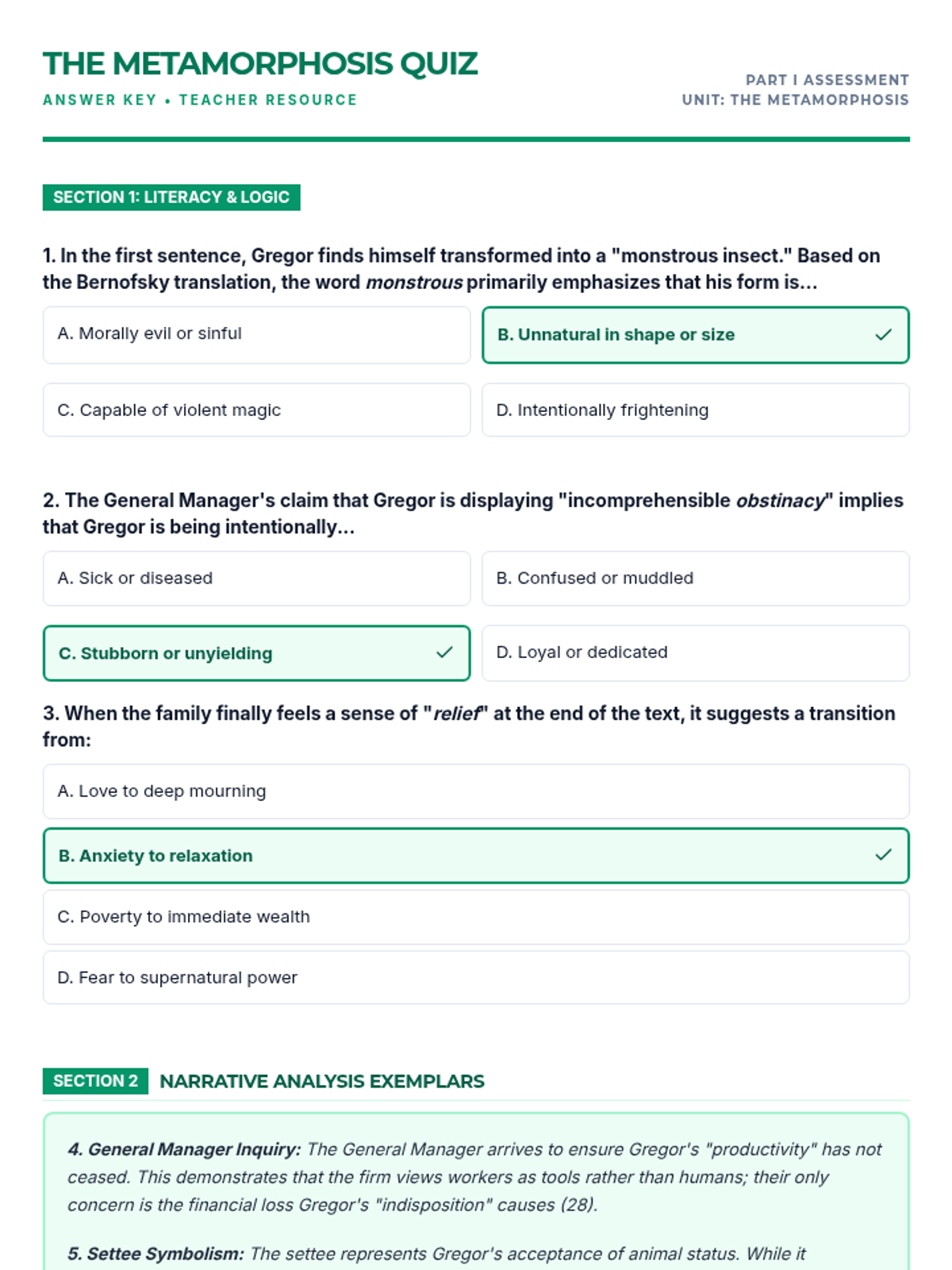
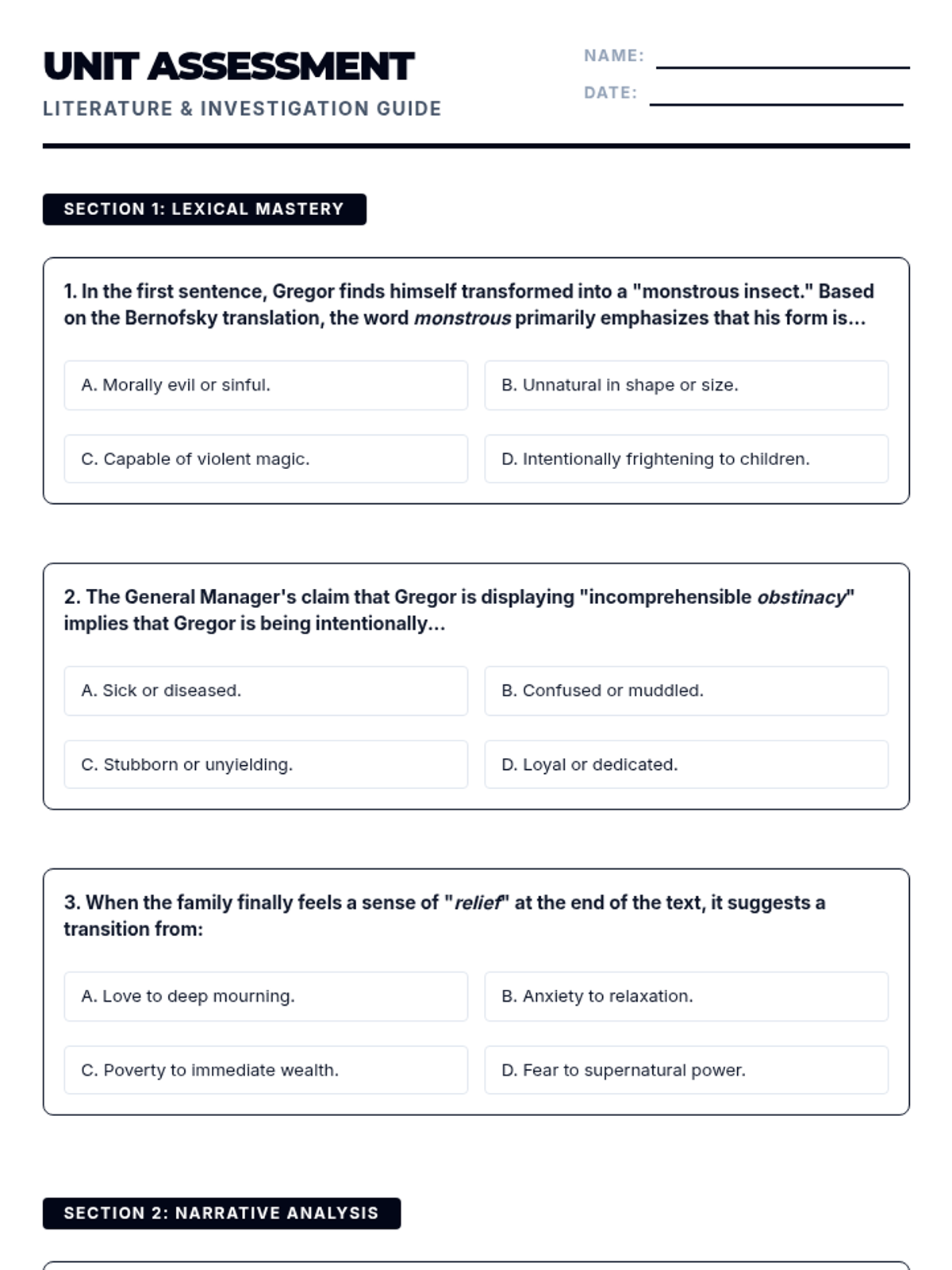
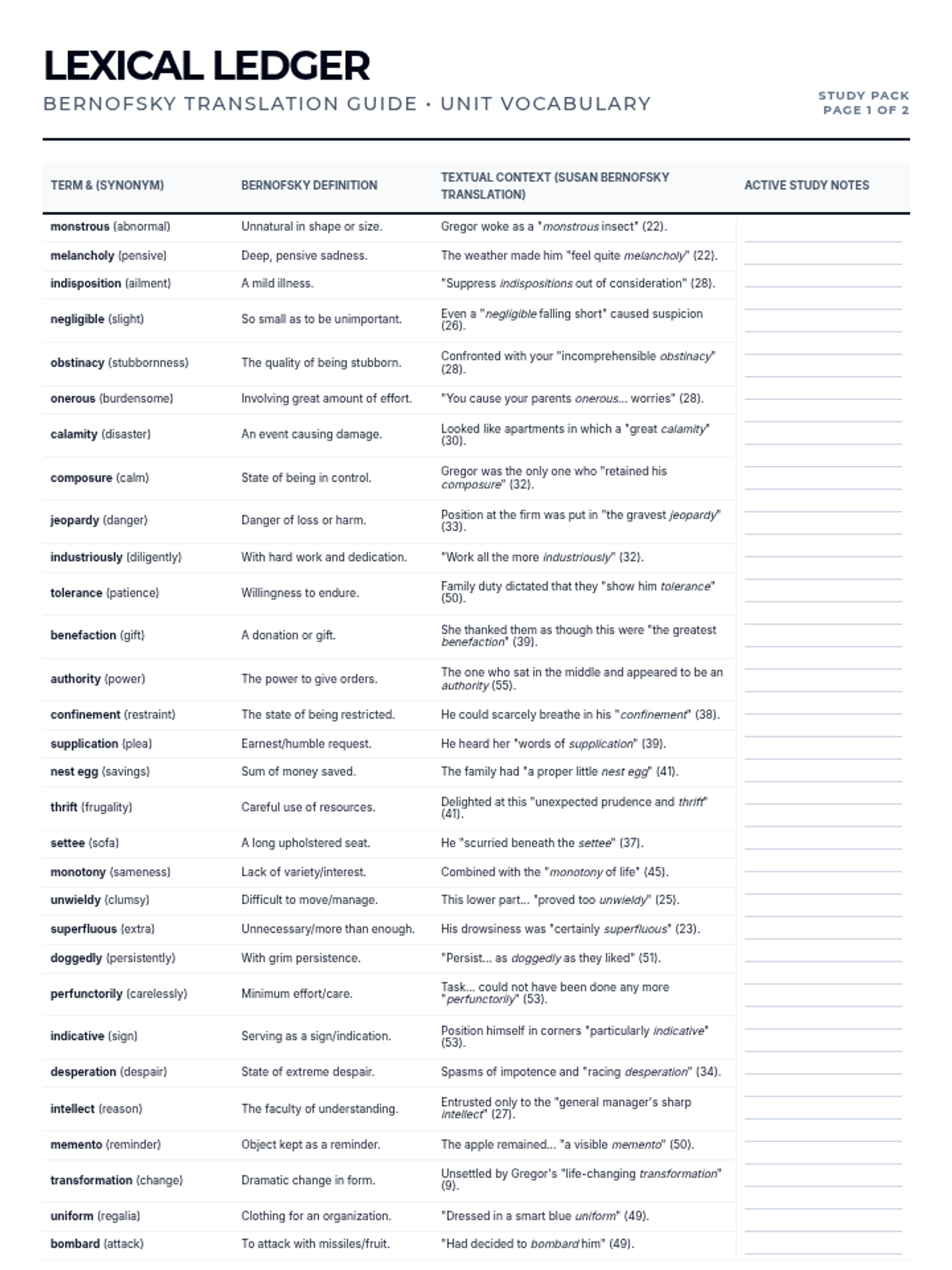
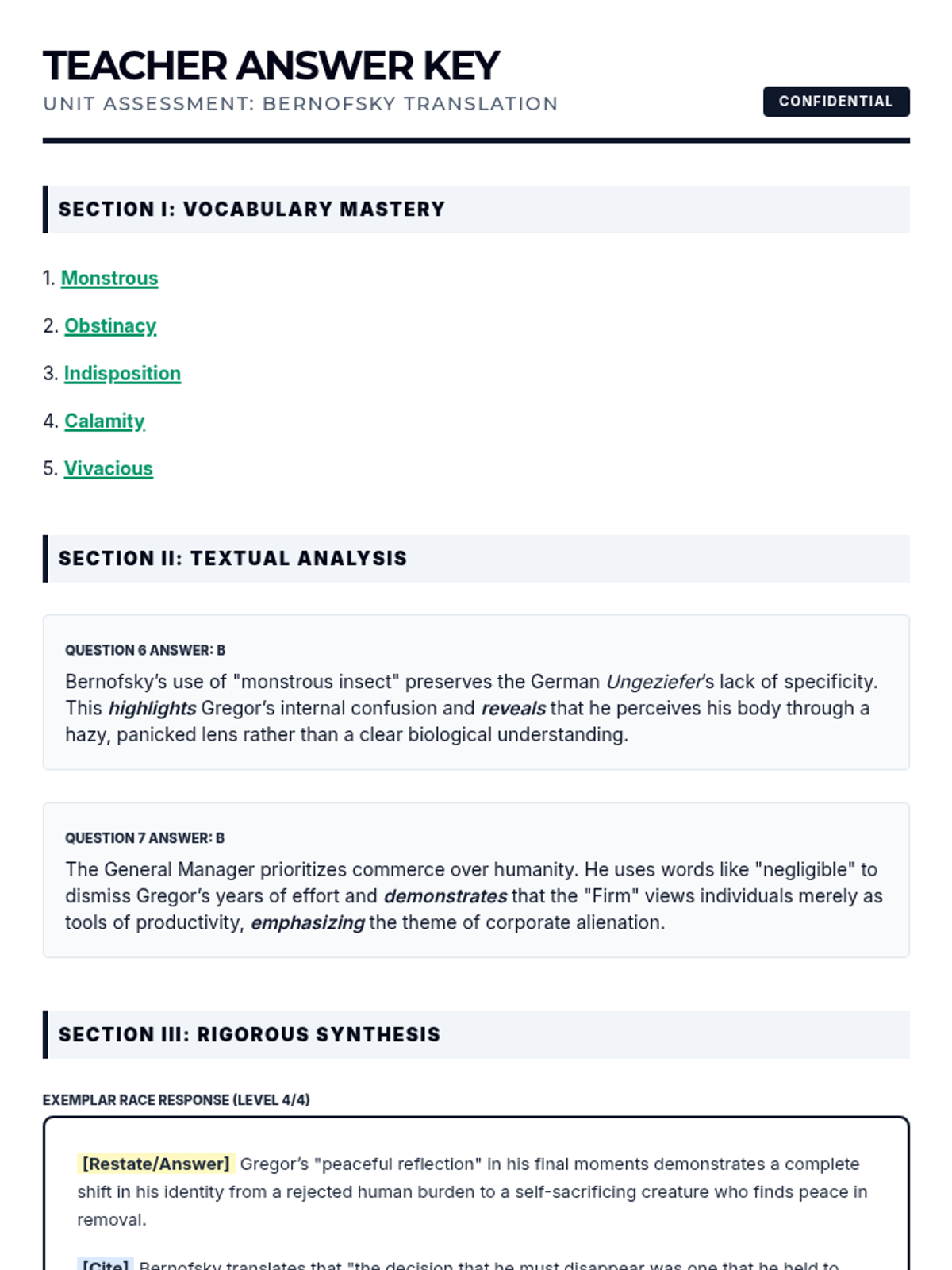
A summative assessment for the first third of the novel. Evaluates student mastery of vocabulary from Lessons 1-11, character motivation, and the central theme of corporate alienation through a mix of multiple choice, short answer, and a rigorous RACE response.
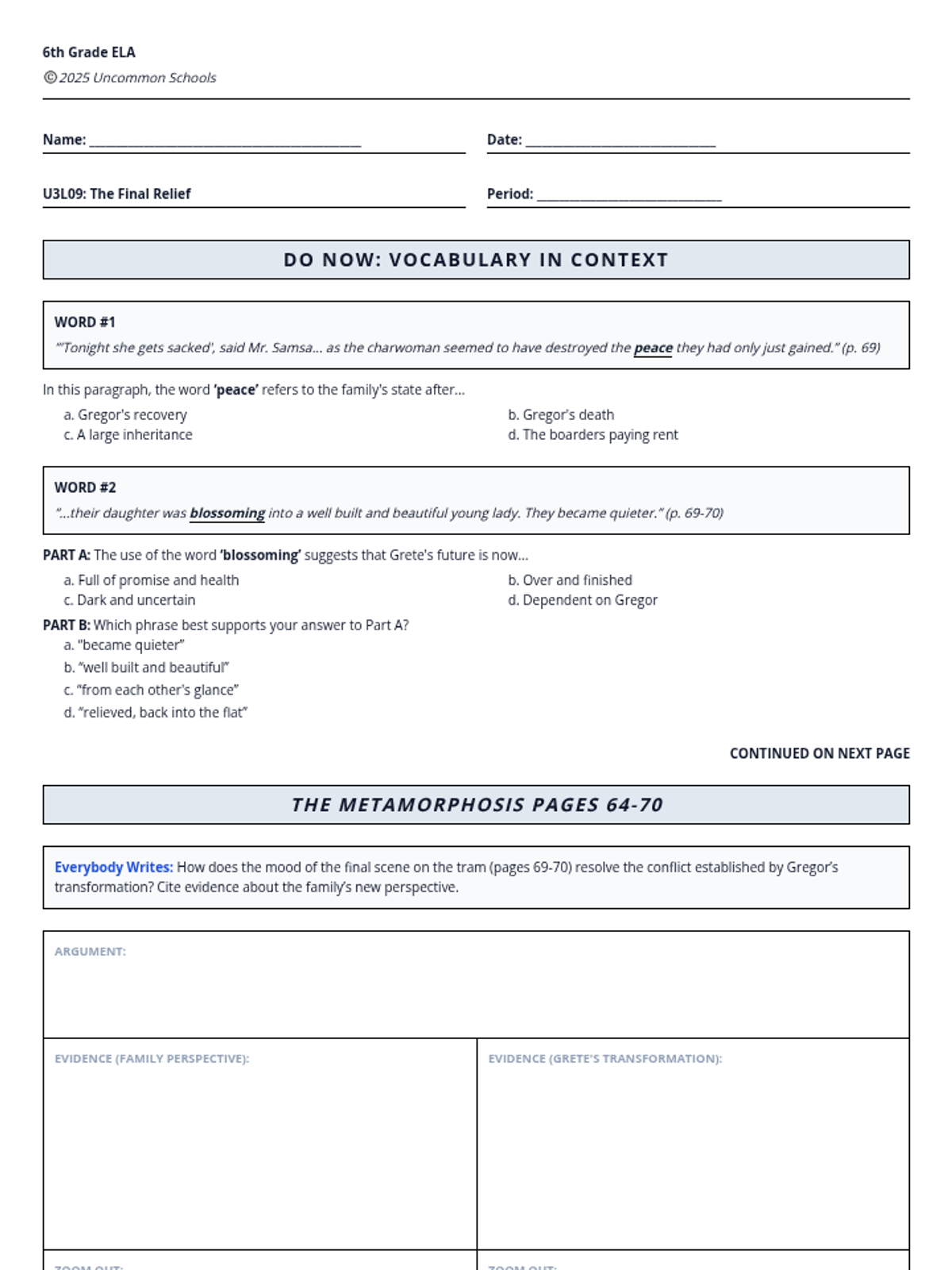
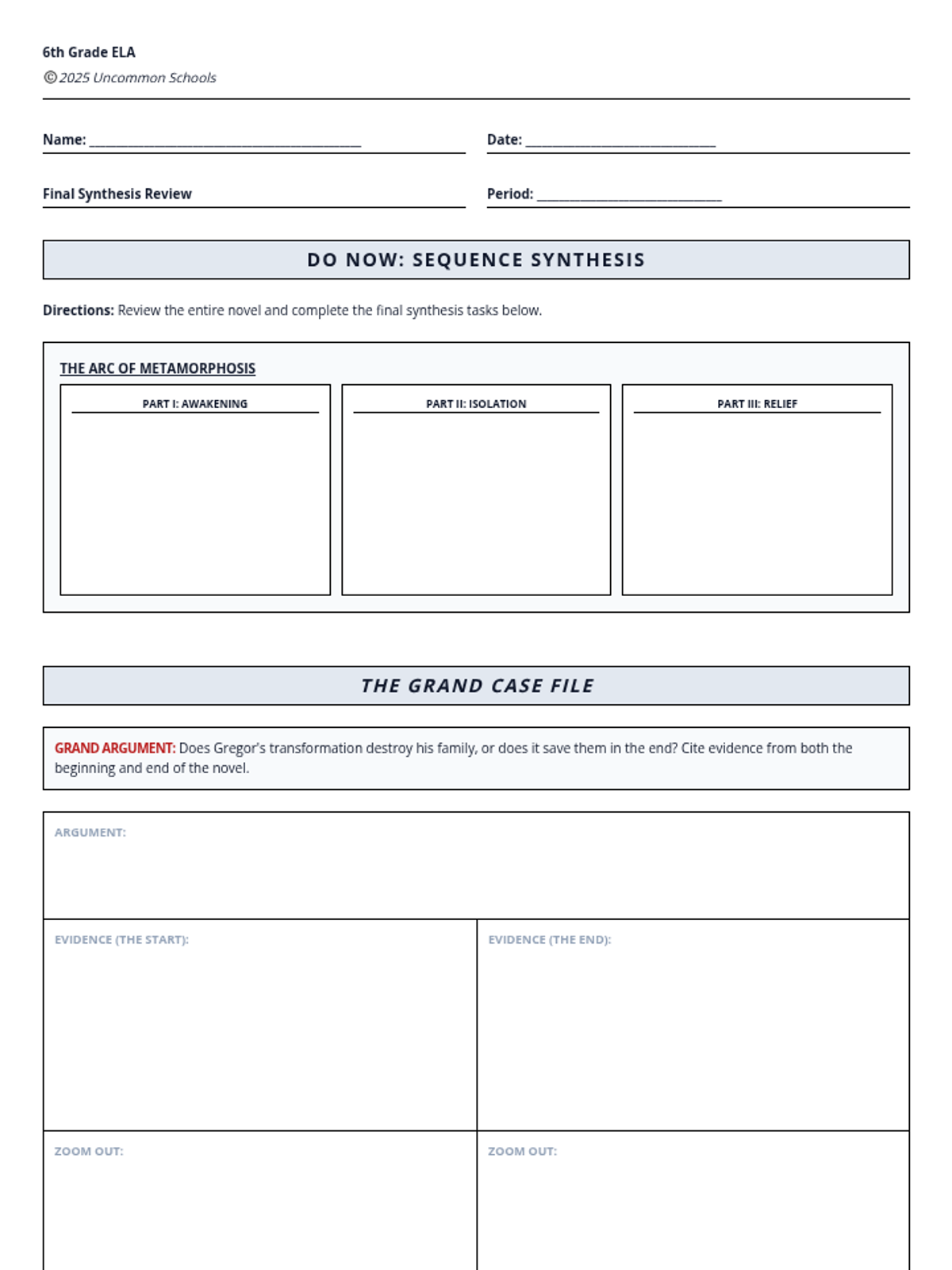
The family's recovery and the transition to a new source of productivity (Grete). Synthesis of the unit's themes.
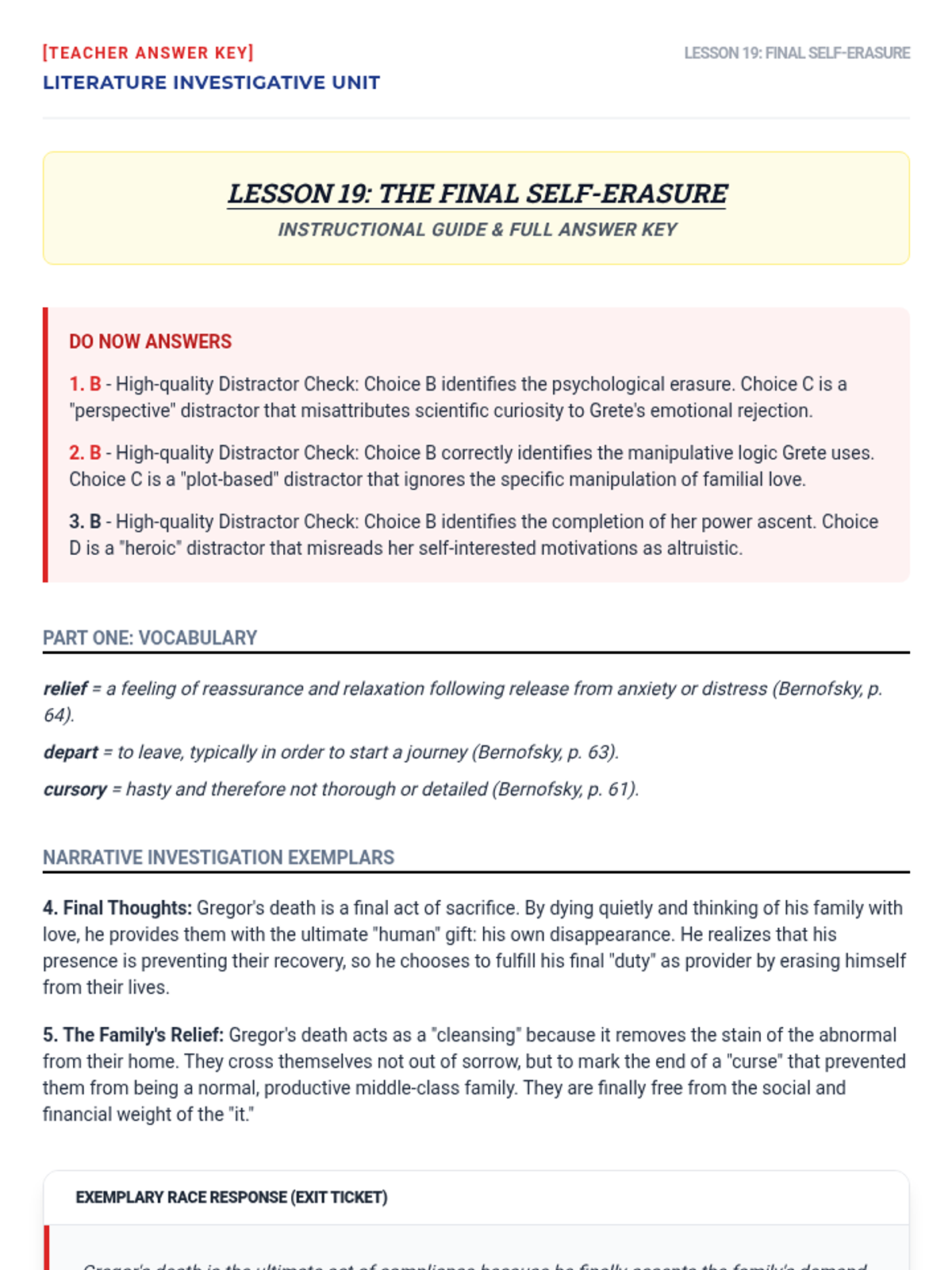
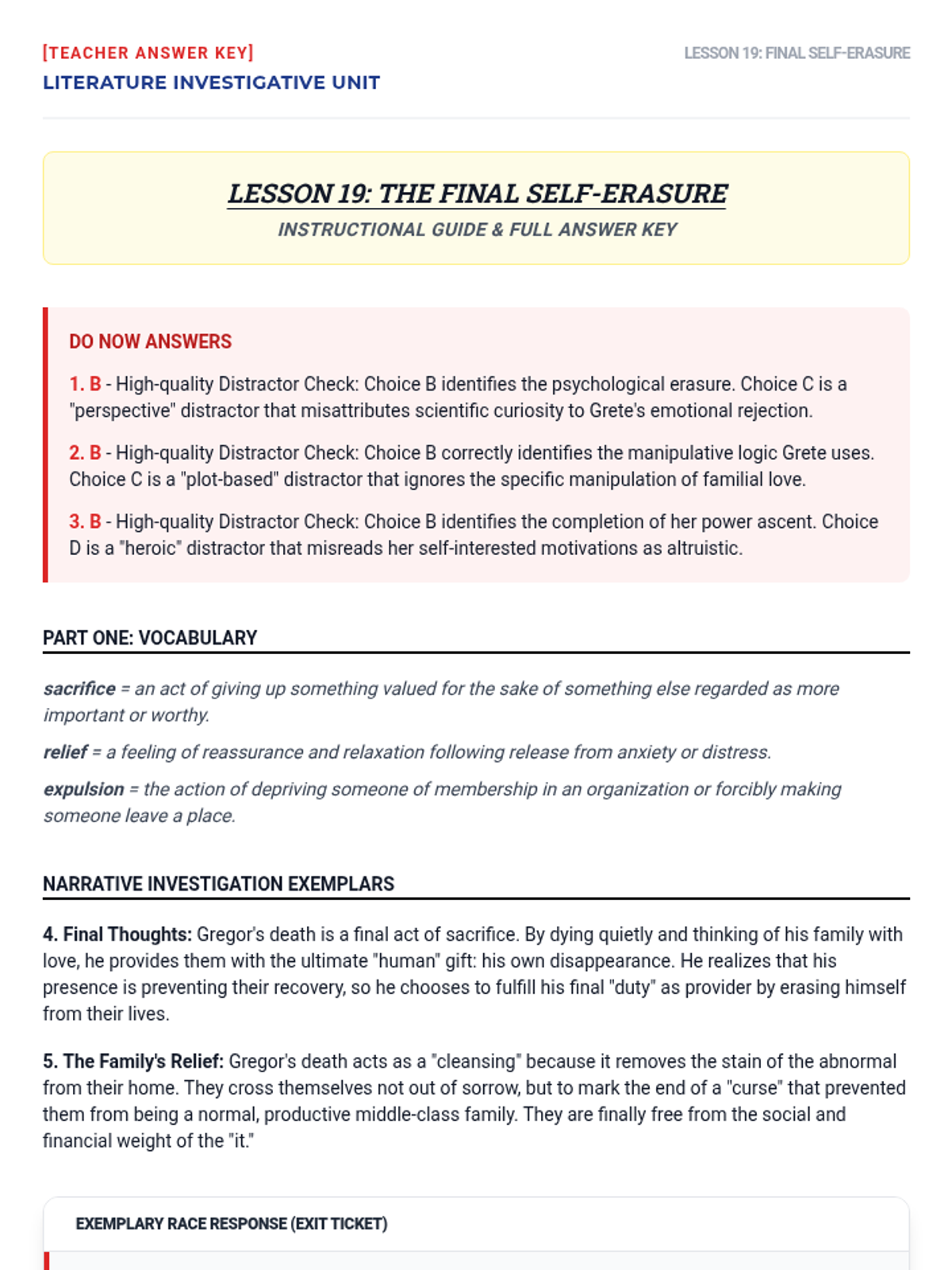
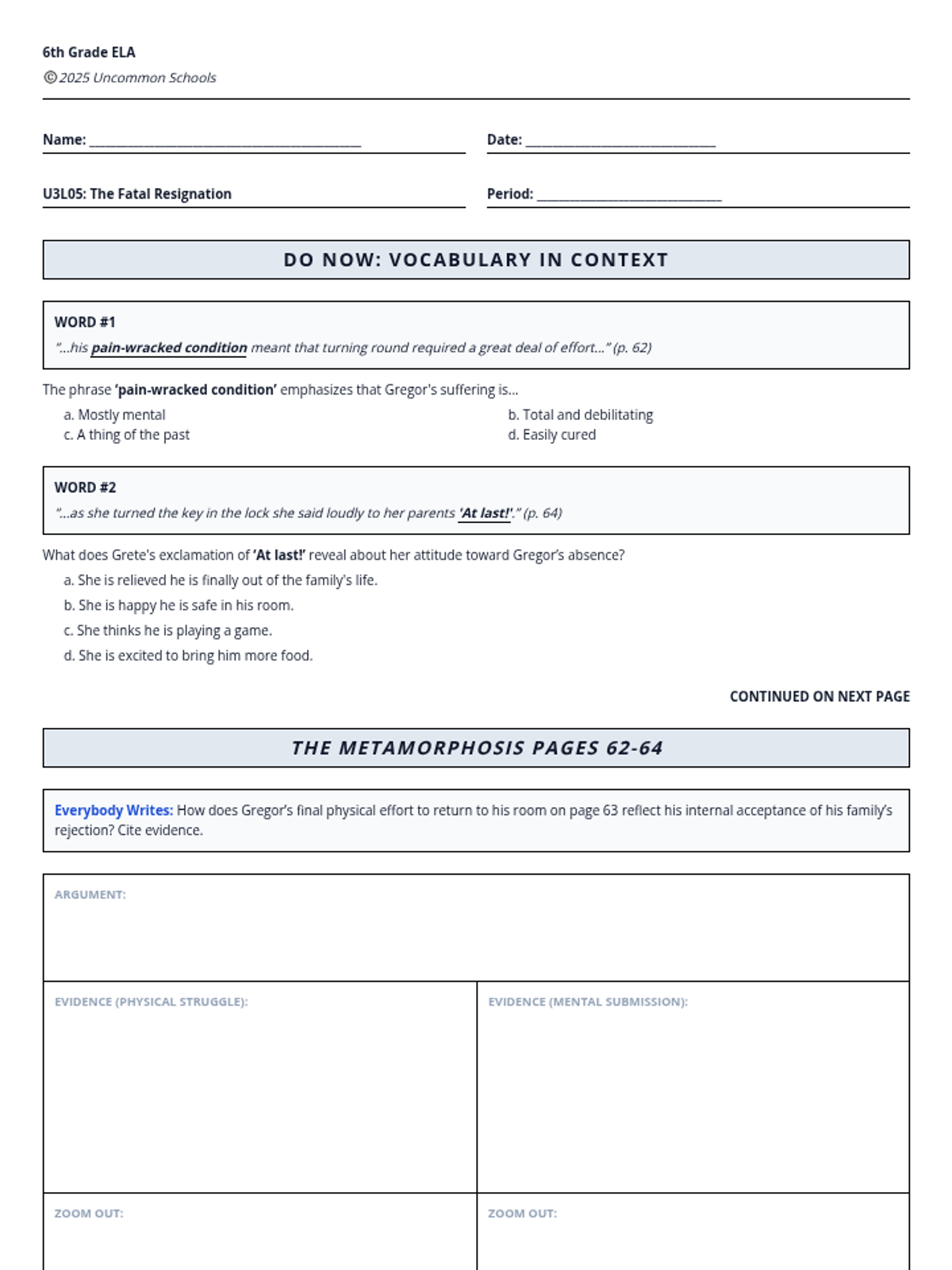
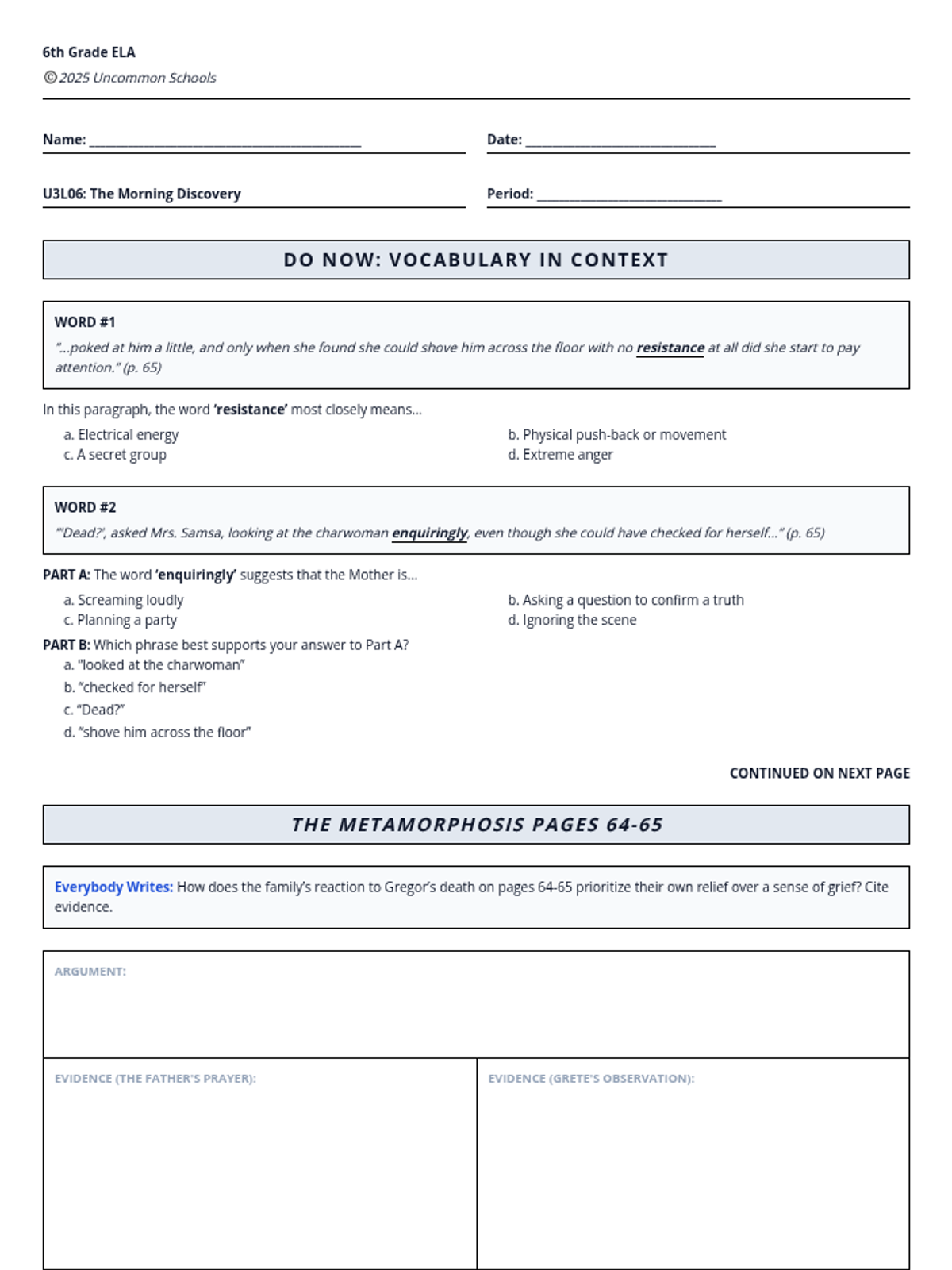
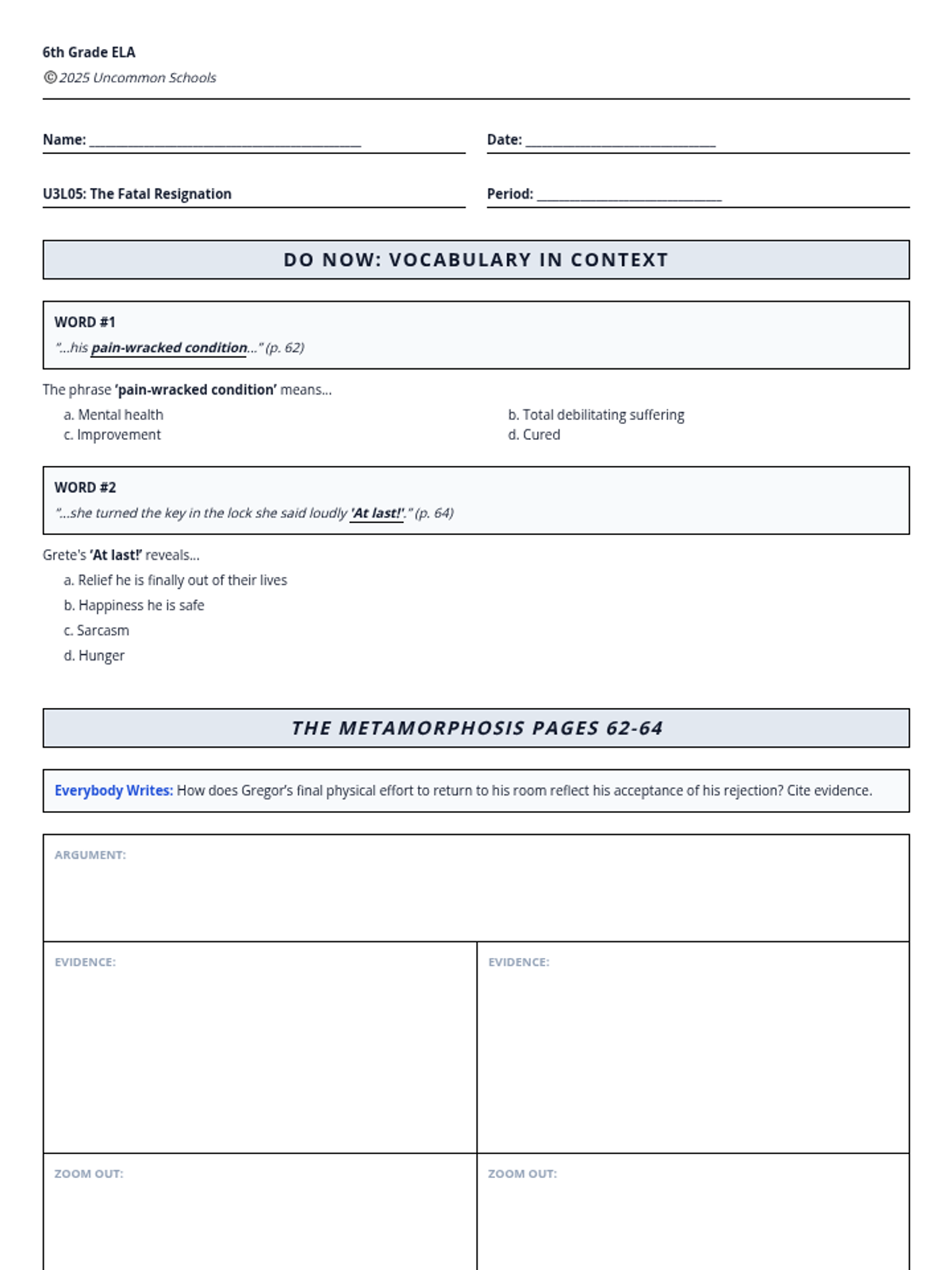
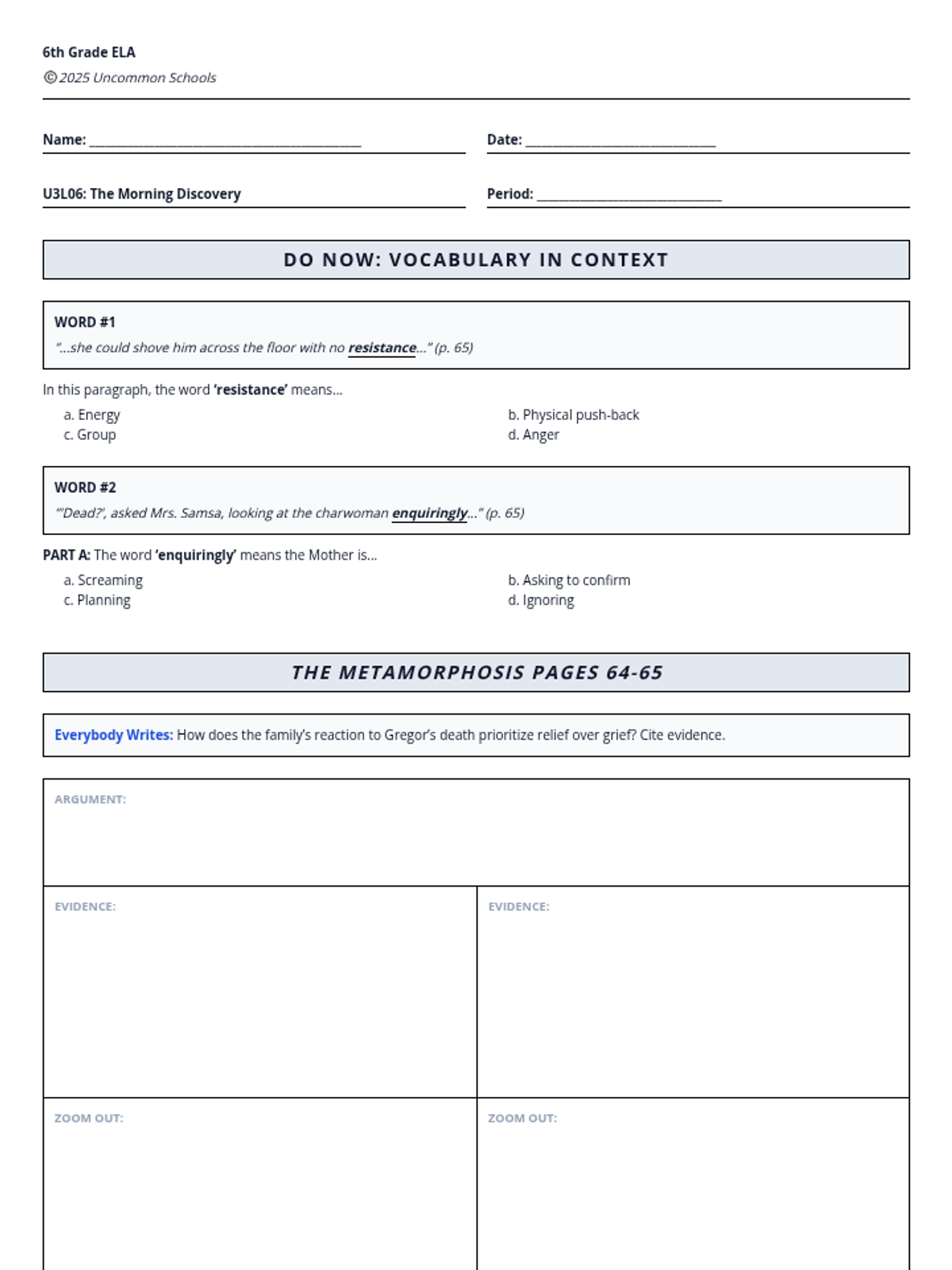
Gregor's death and self-sacrifice. Analysis of the relief of the family and the 'cleansing' of the home.
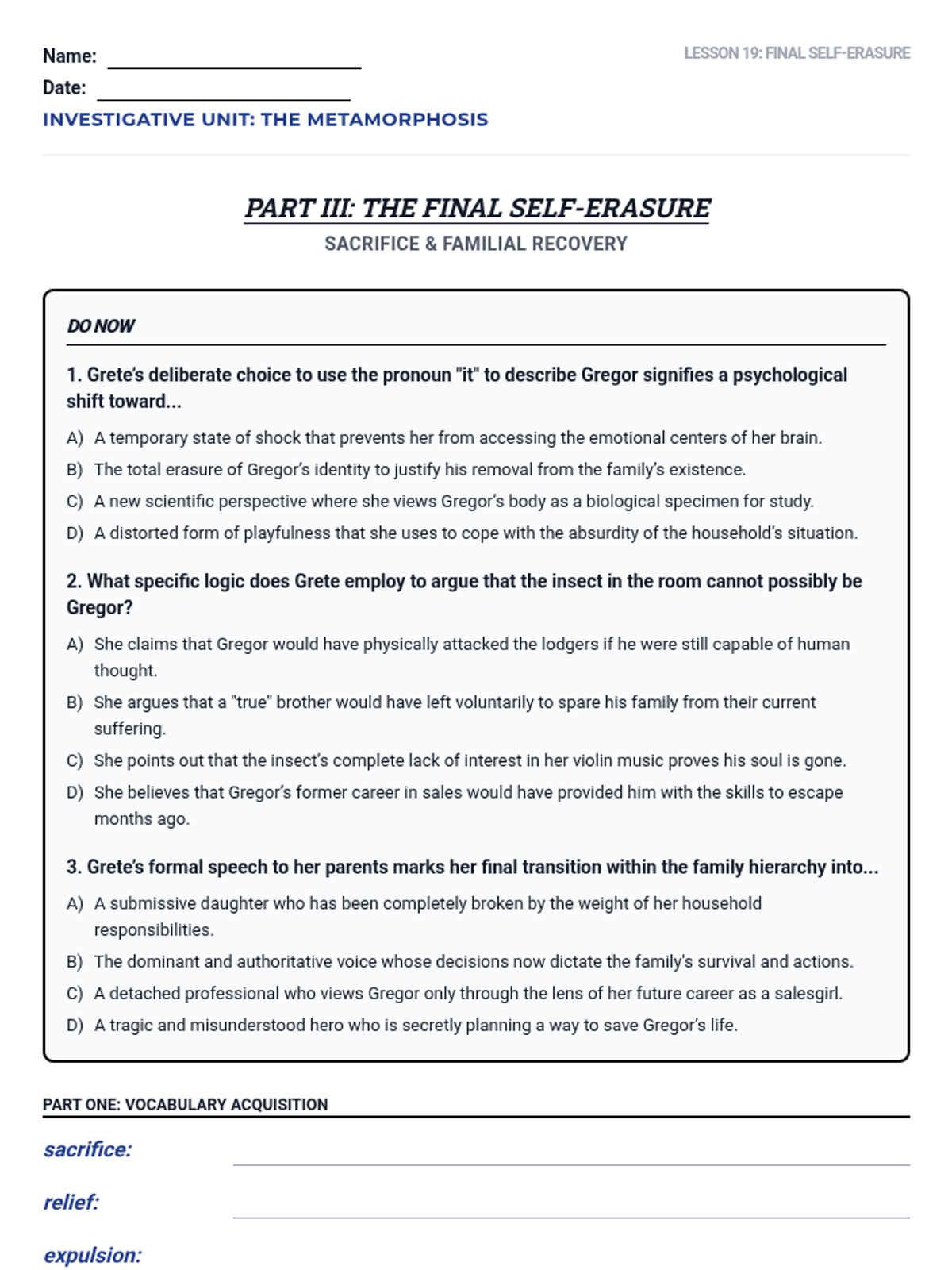
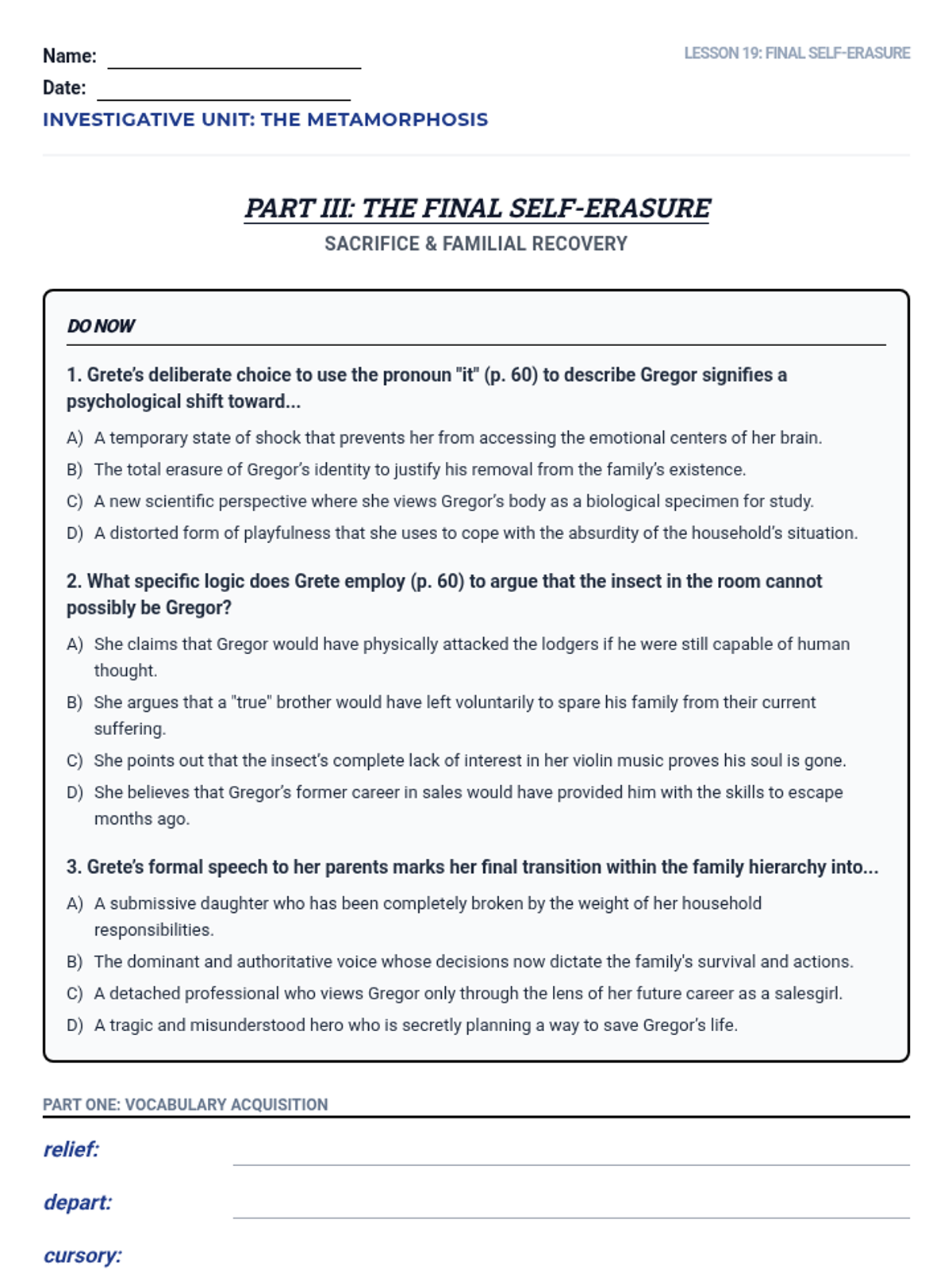
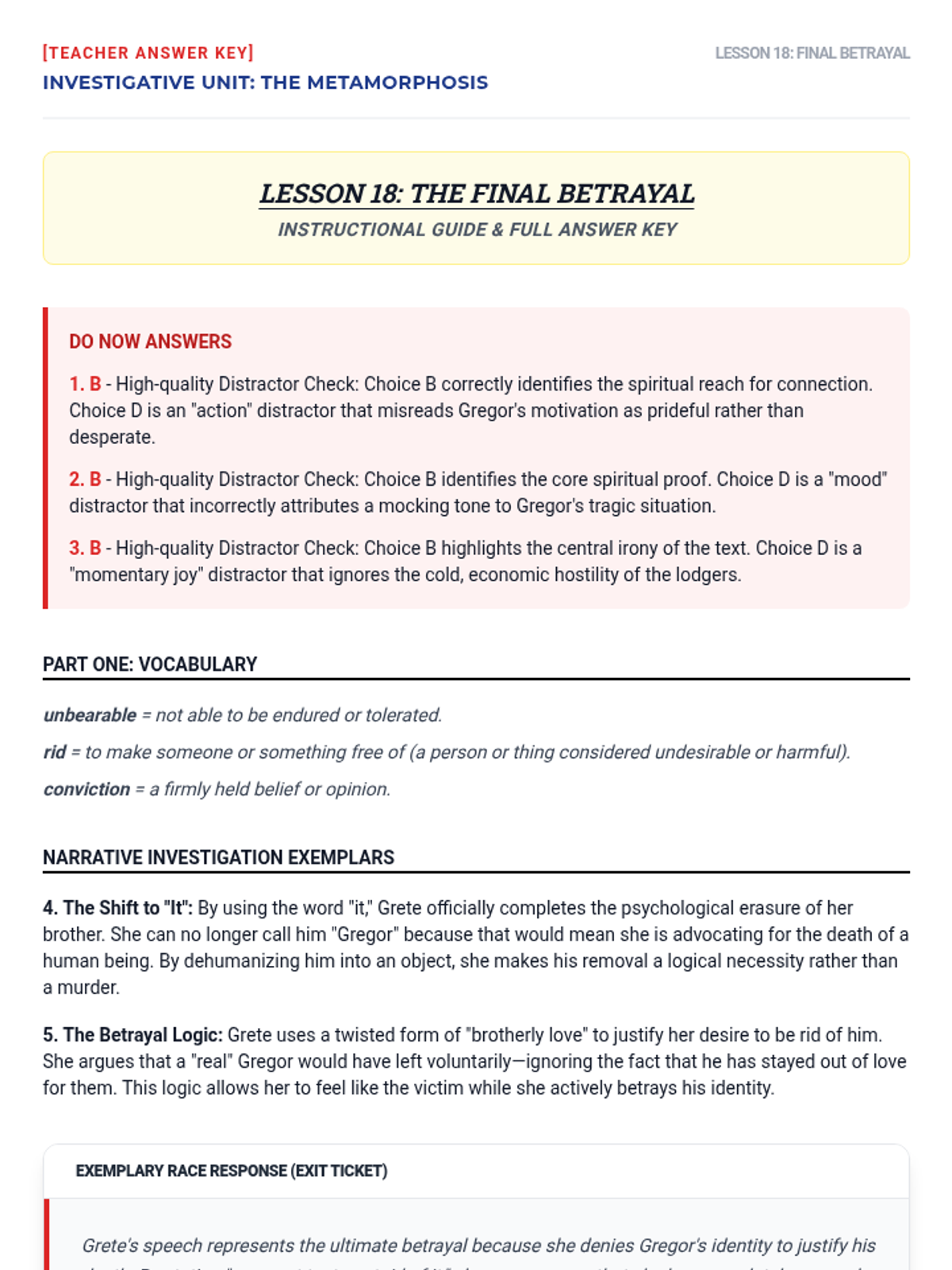
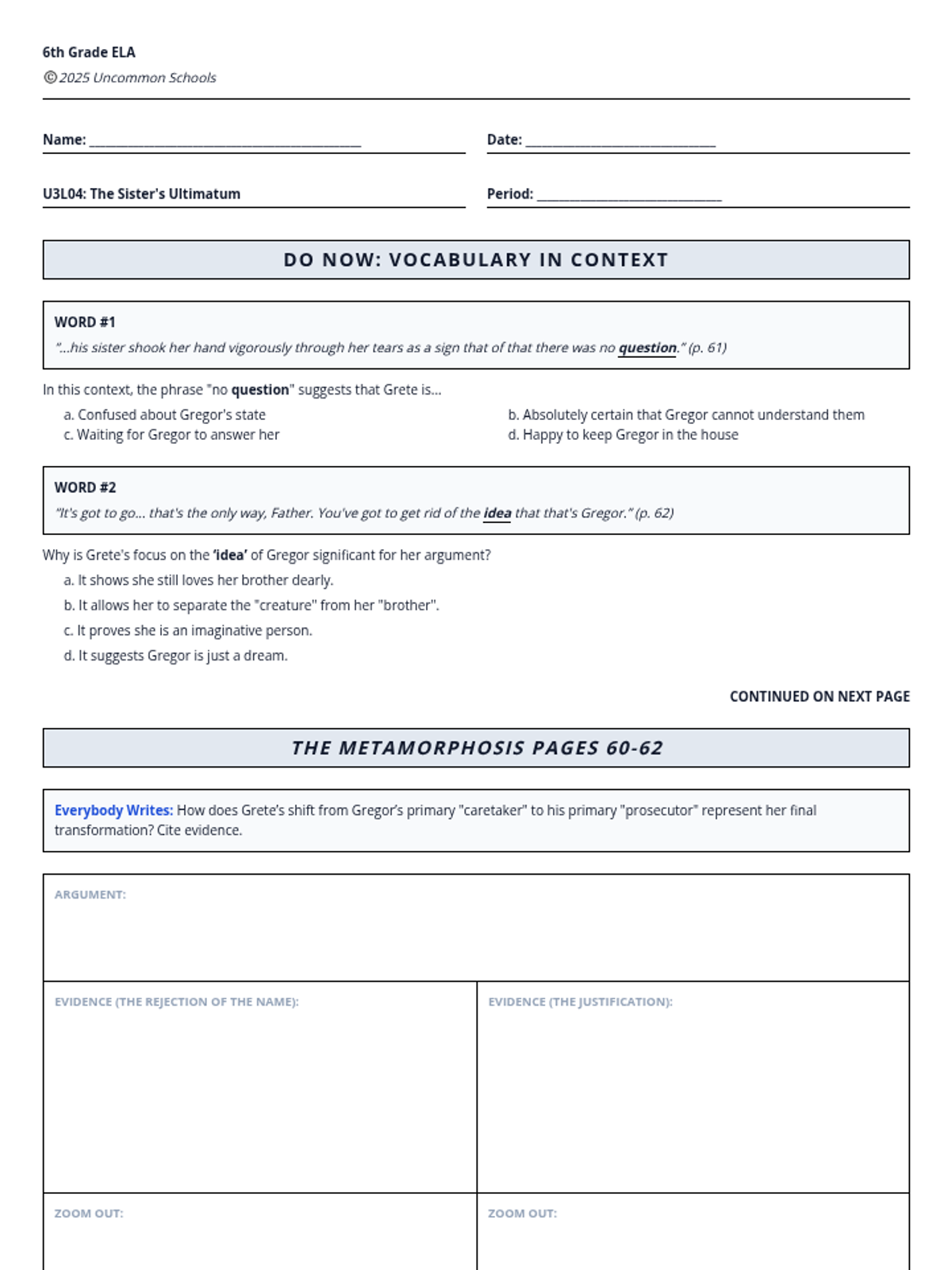
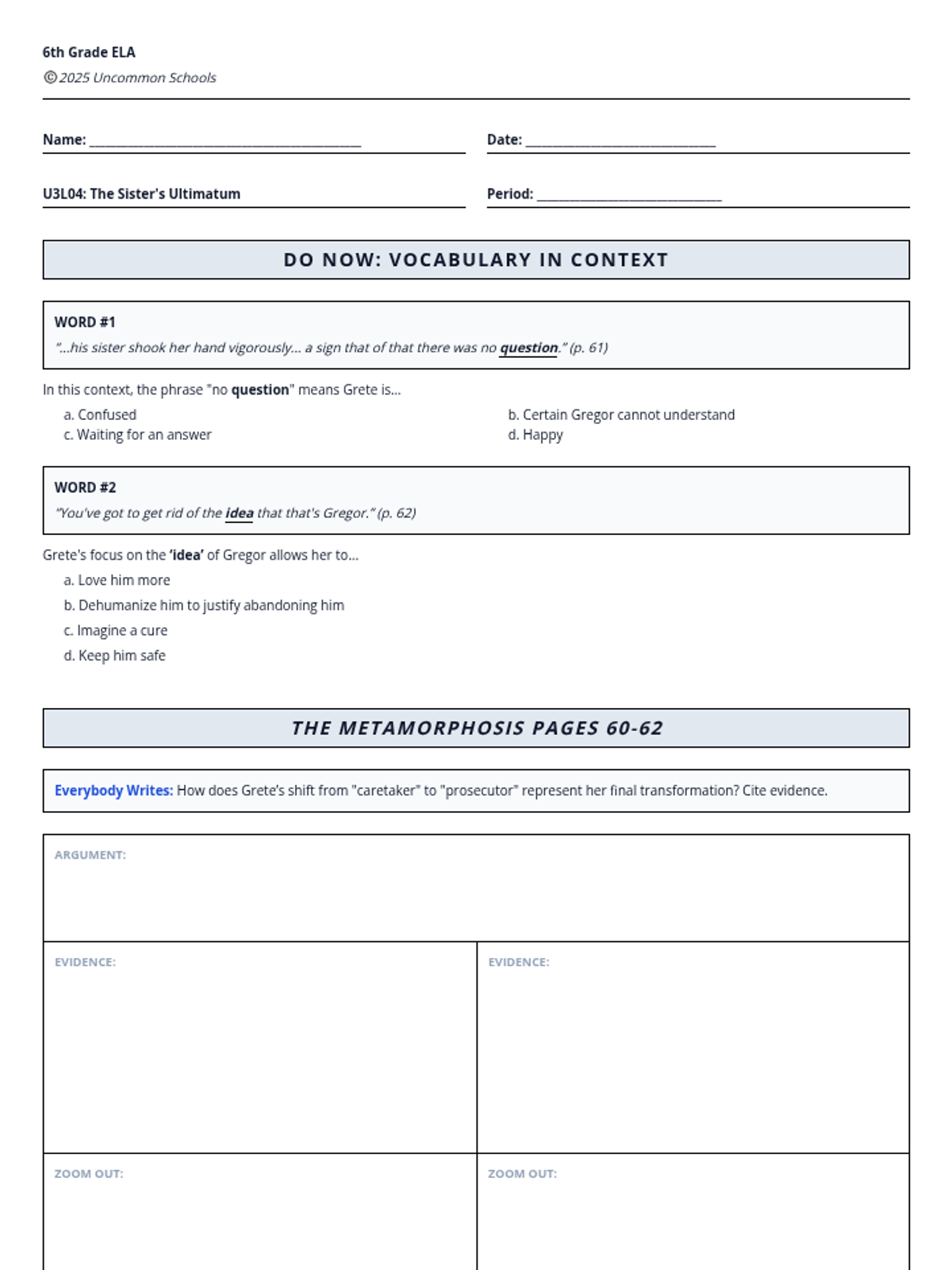
Grete's formal rejection of Gregor's identity. Analysis of the shift from sibling love to the necessity of his removal.
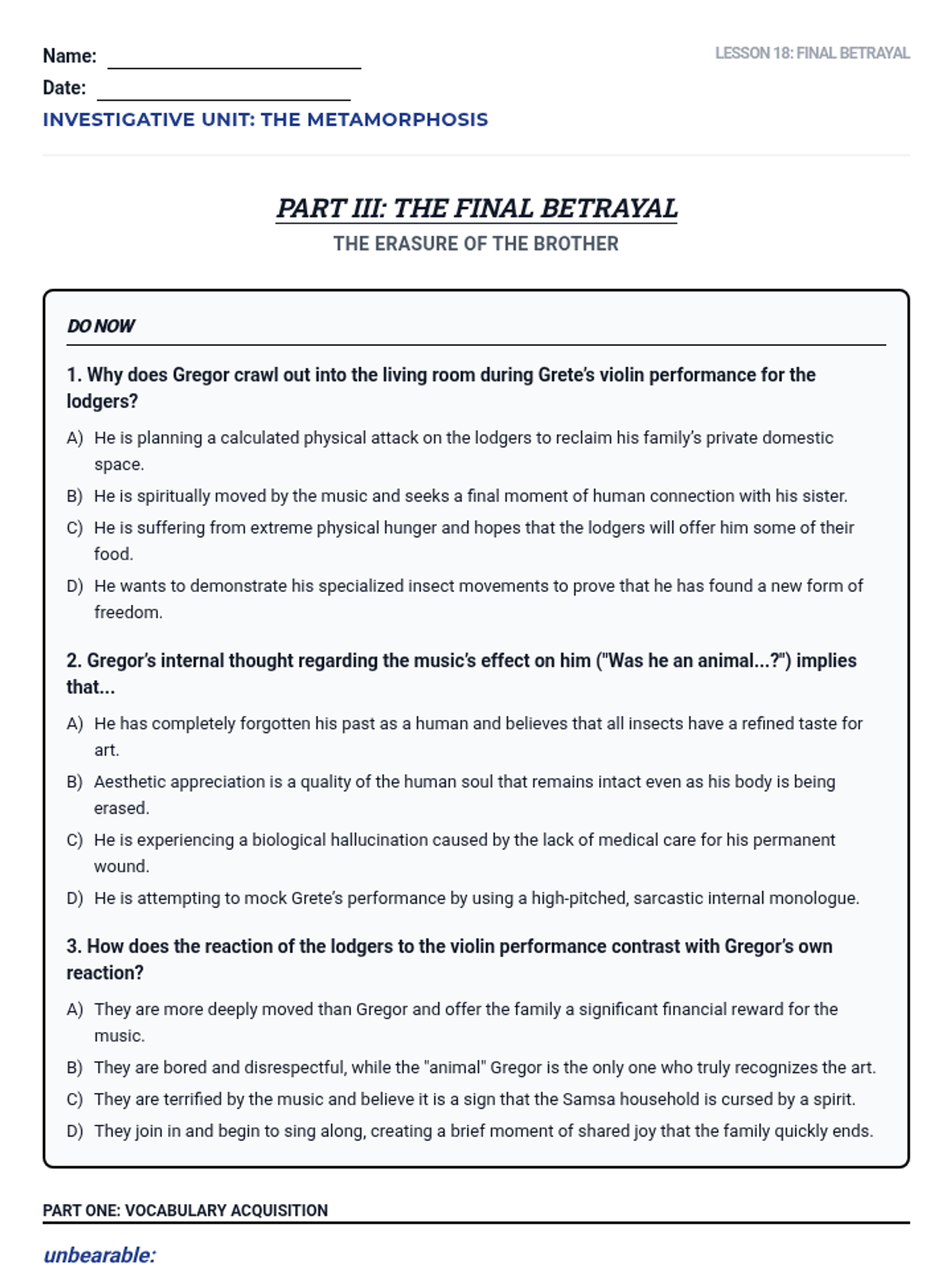
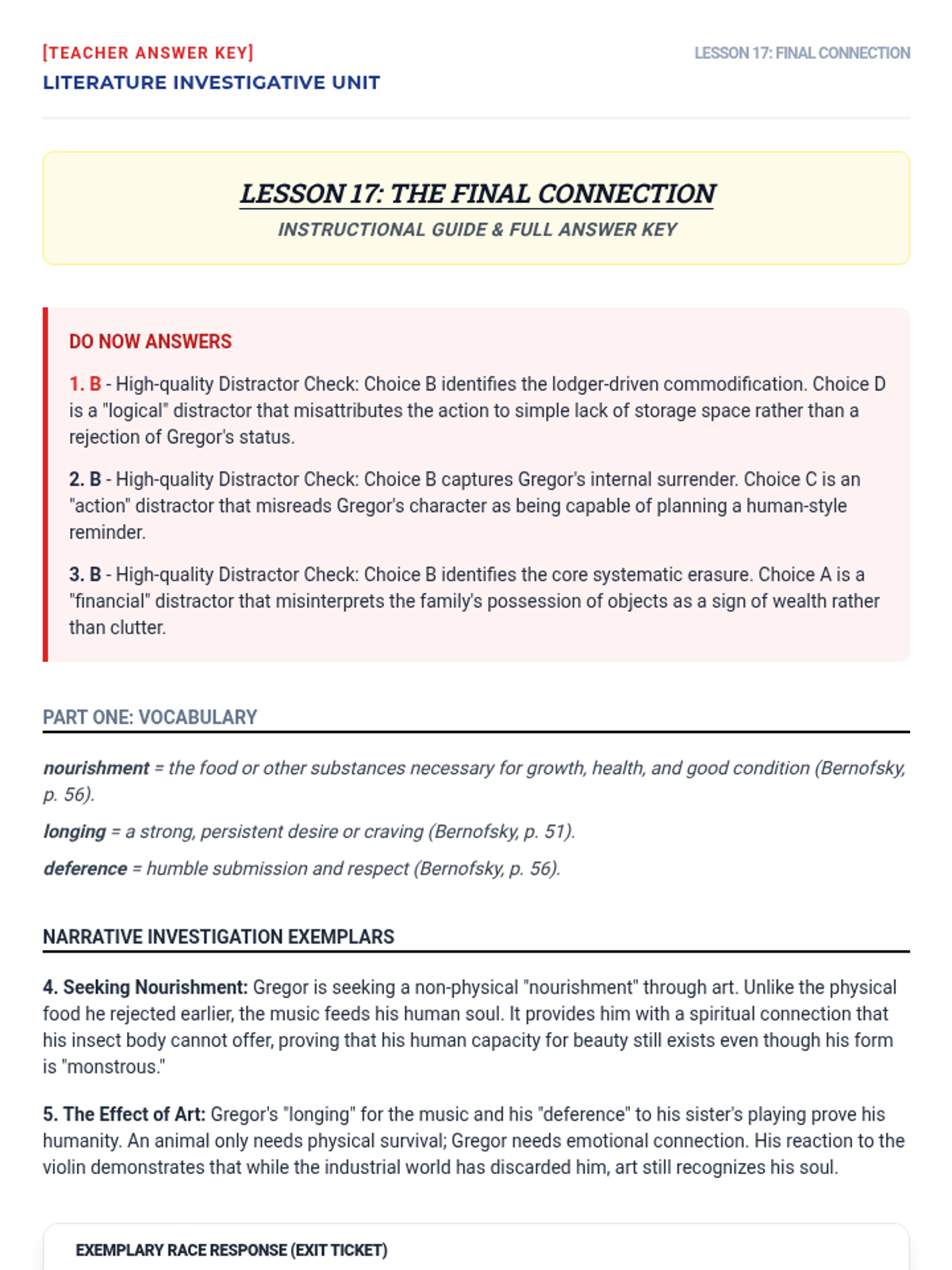
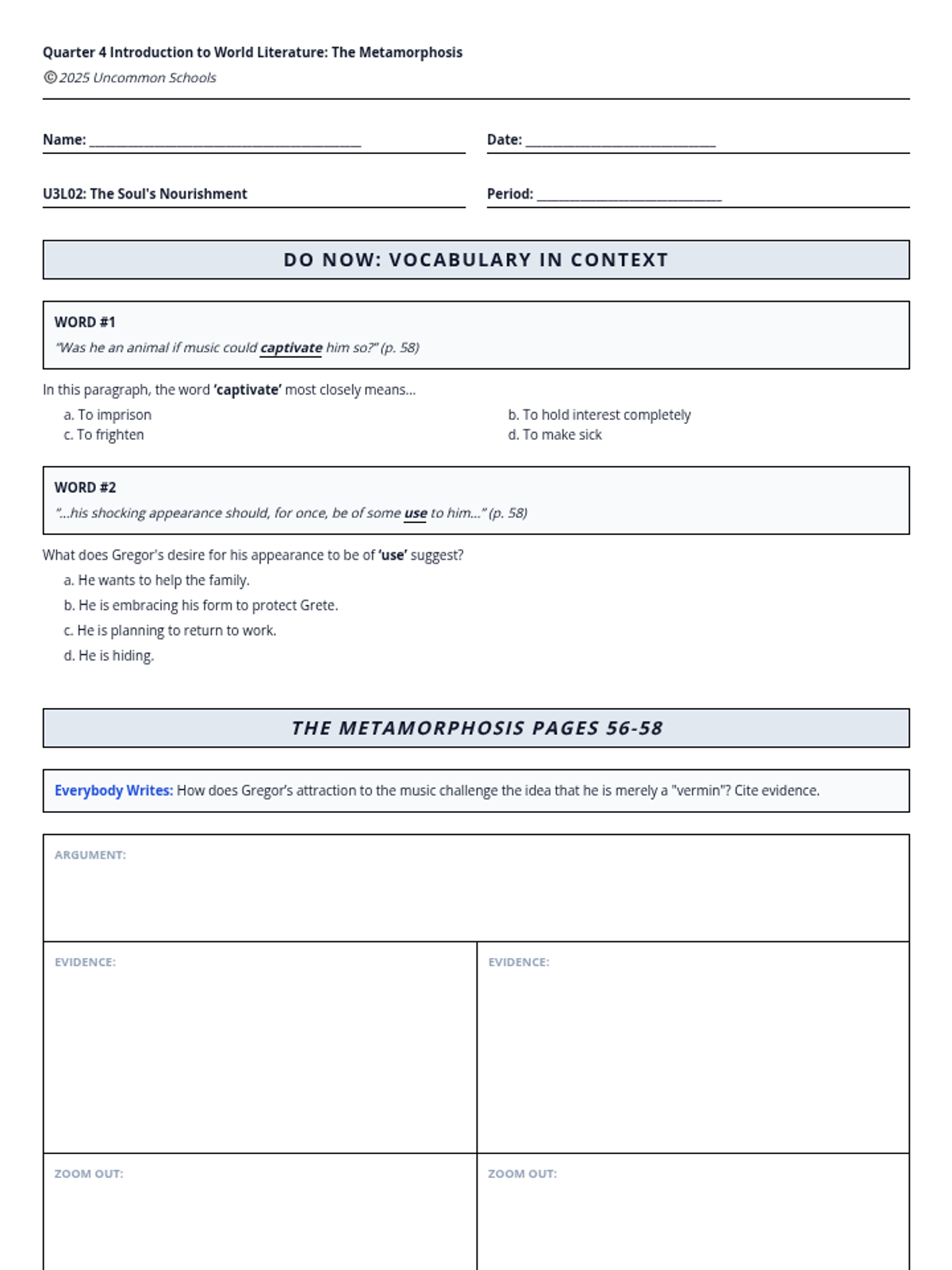
Gregor's reaction to Grete's violin performance. Themes of art, human connection, and the final reach for his human spirit.
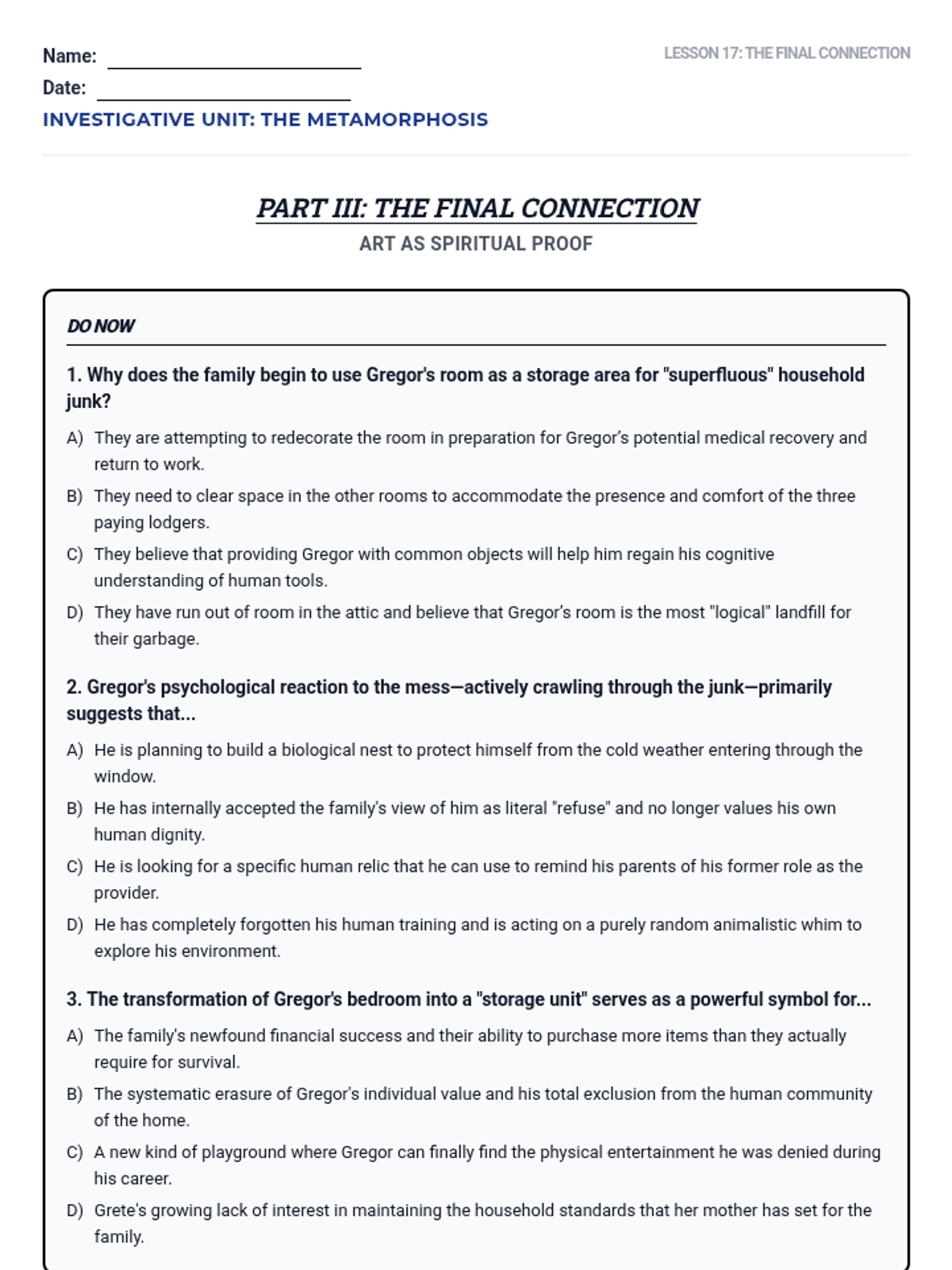
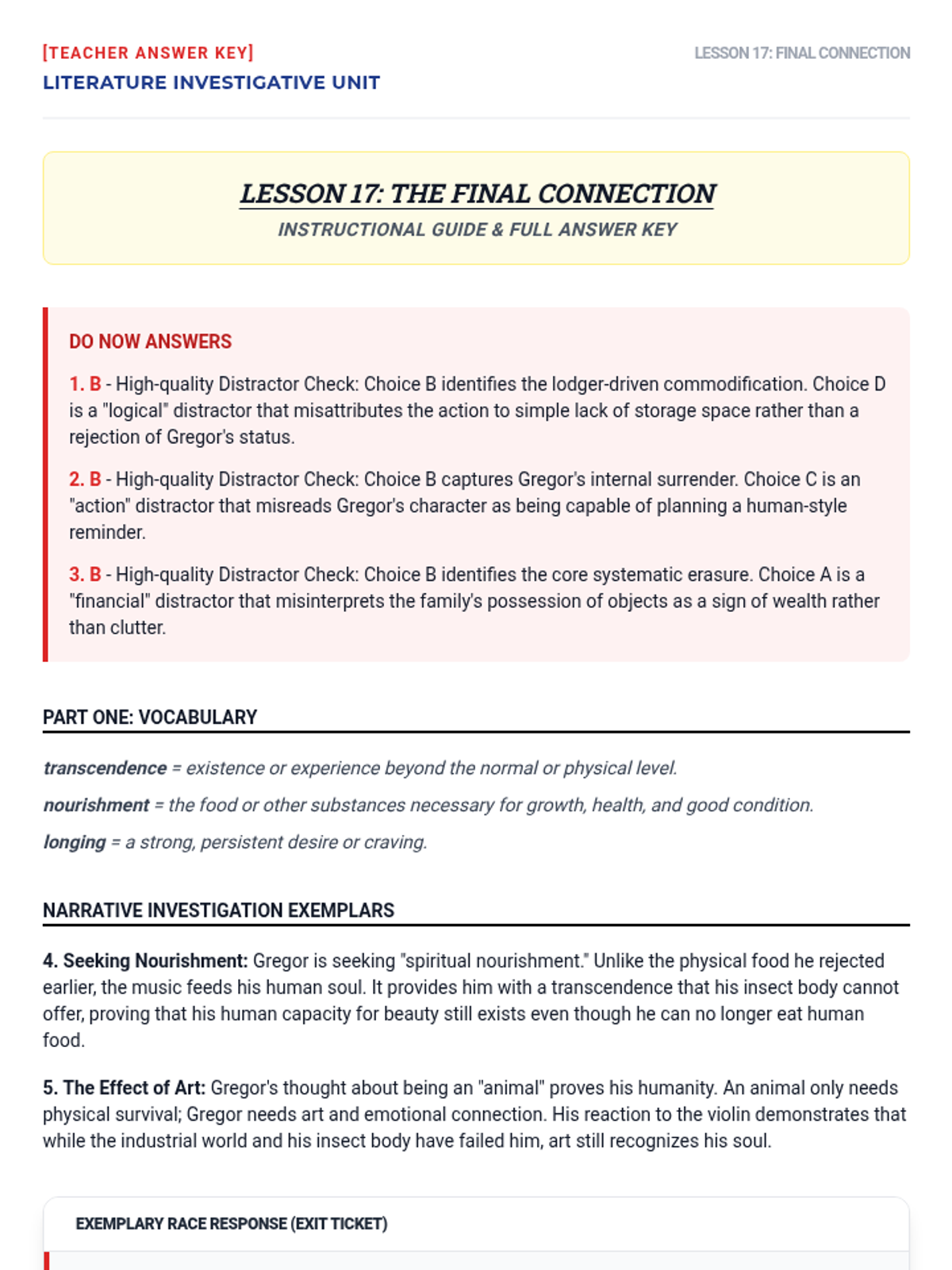
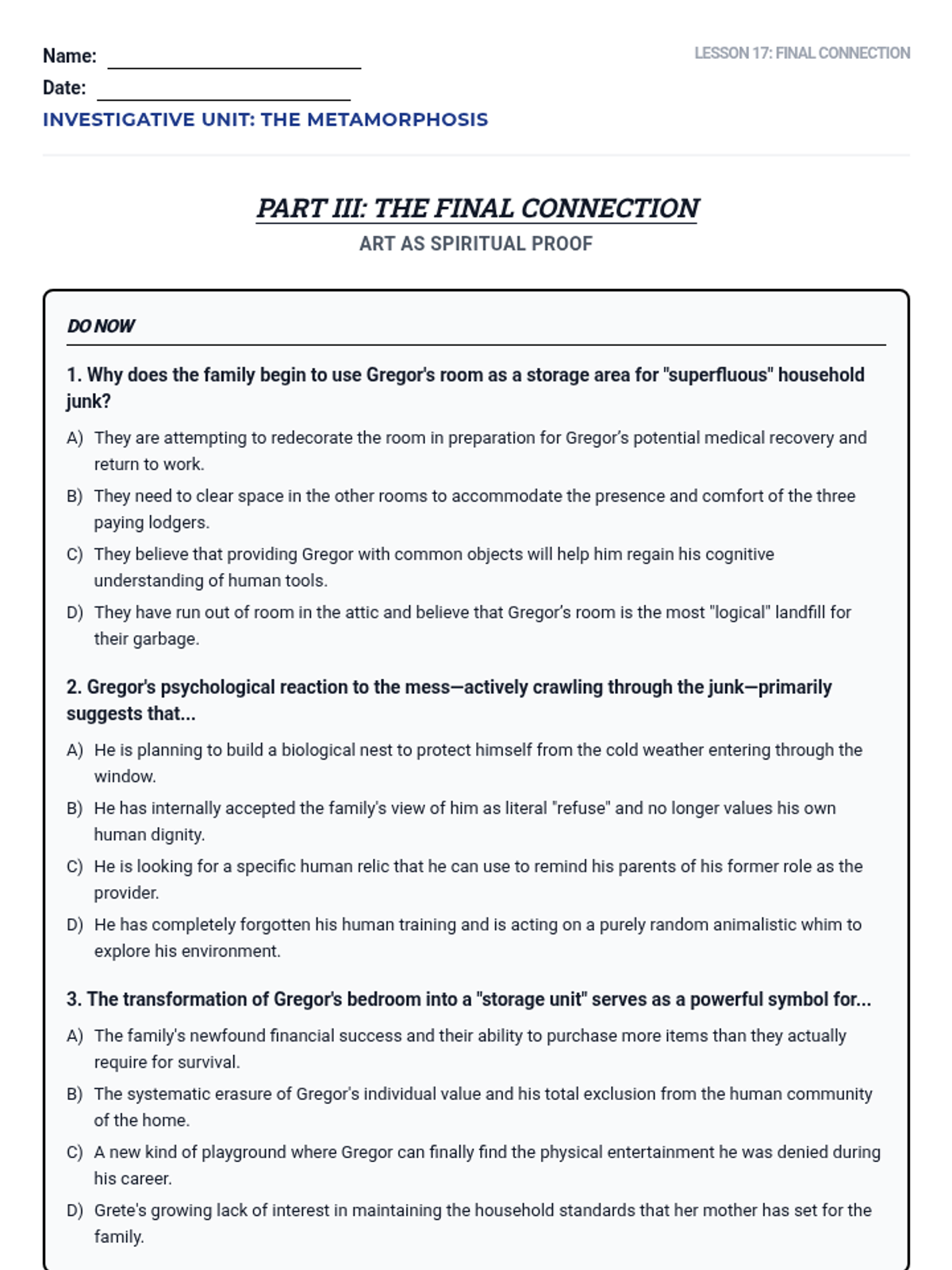
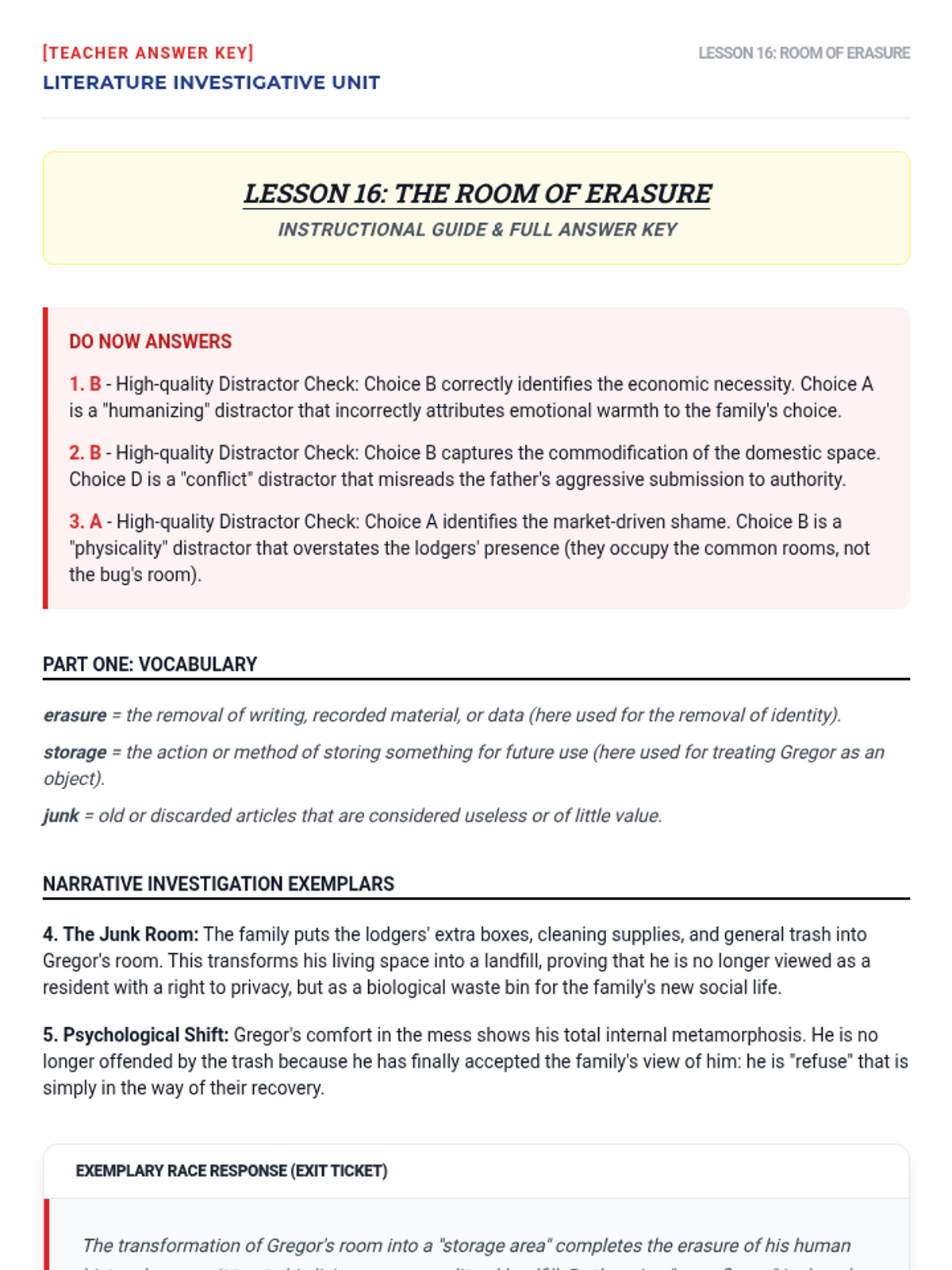
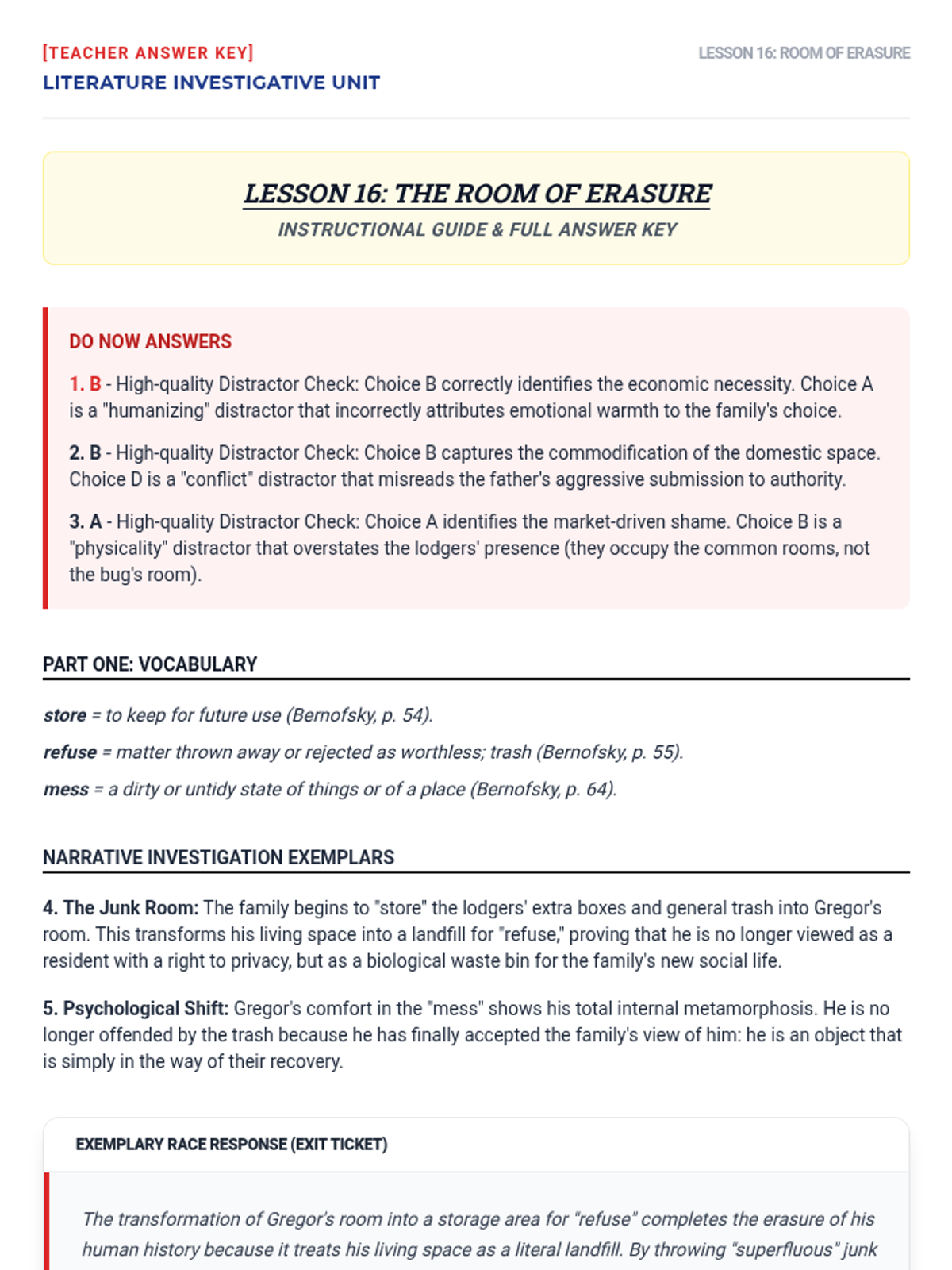
Gregor's room becomes a storage area for trash. Analysis of the complete erasure of his human space and history.
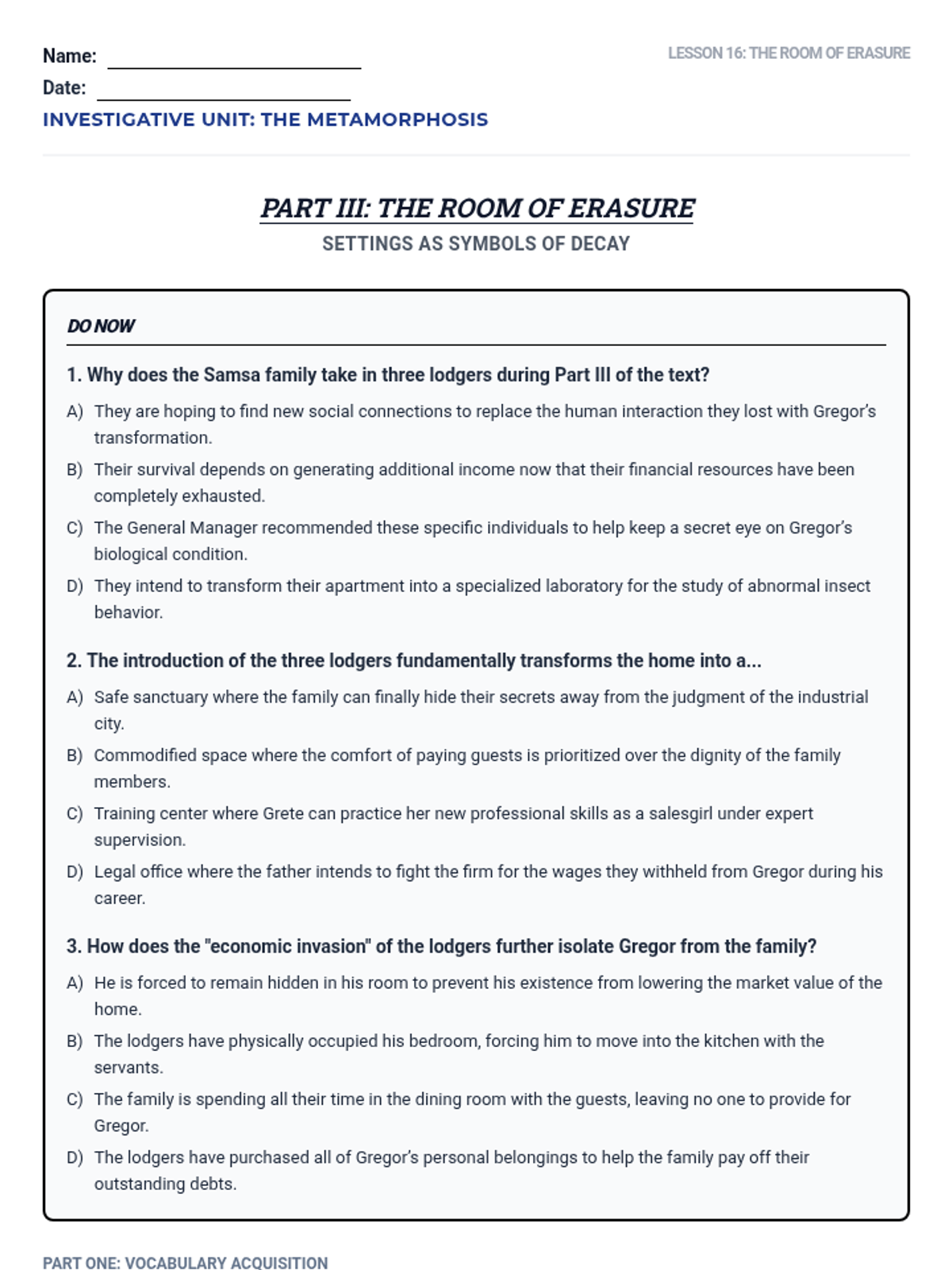
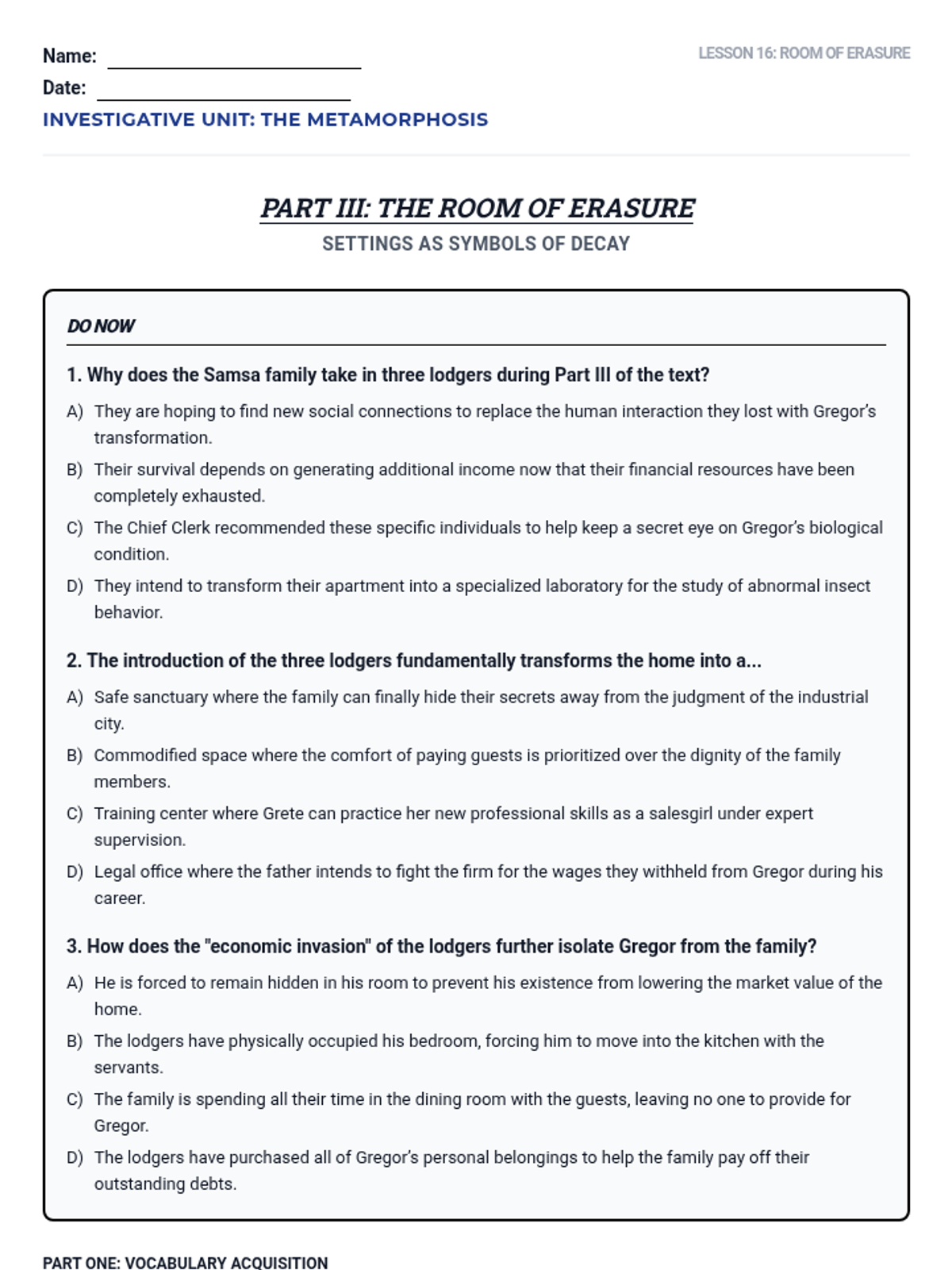
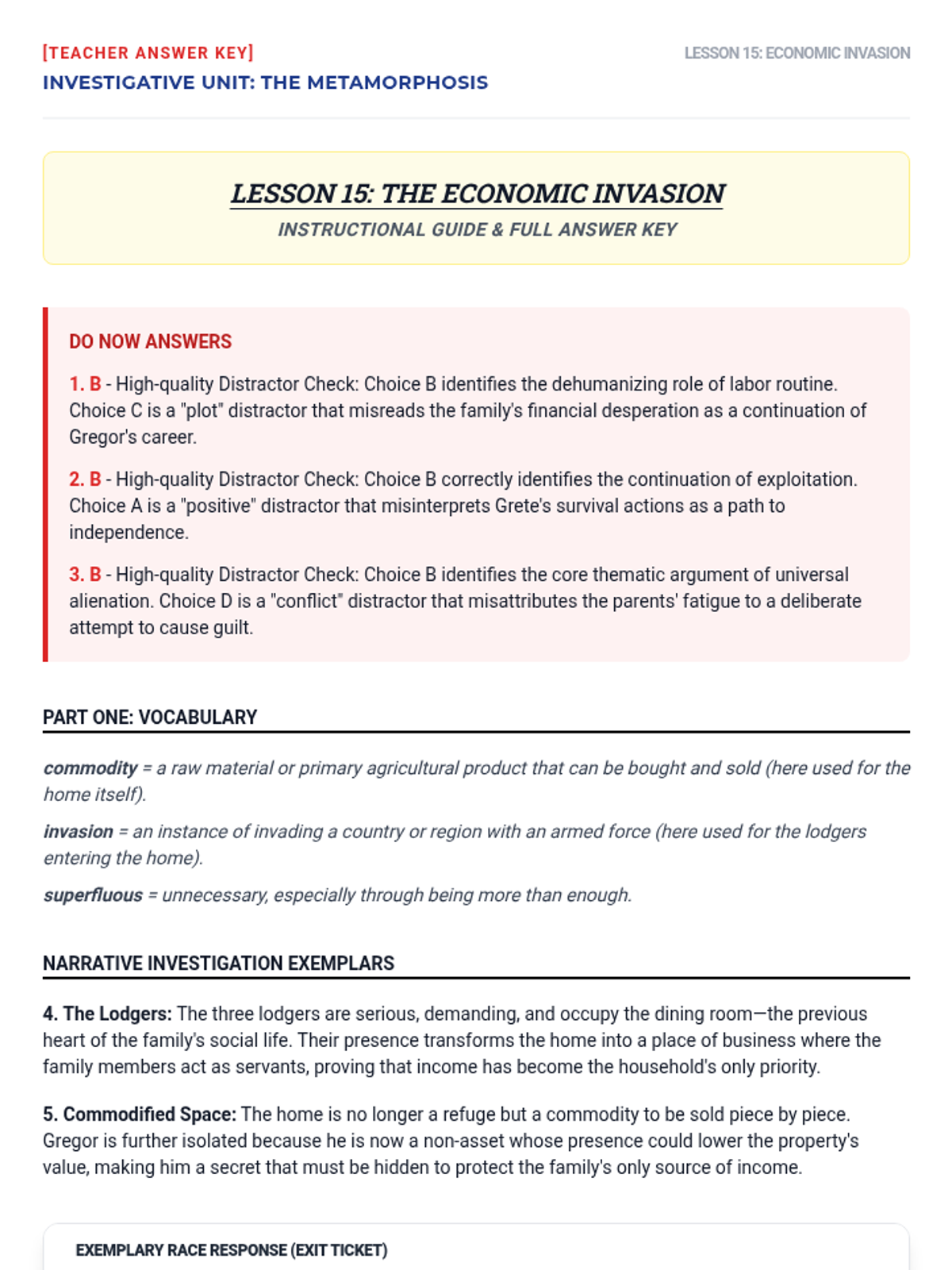
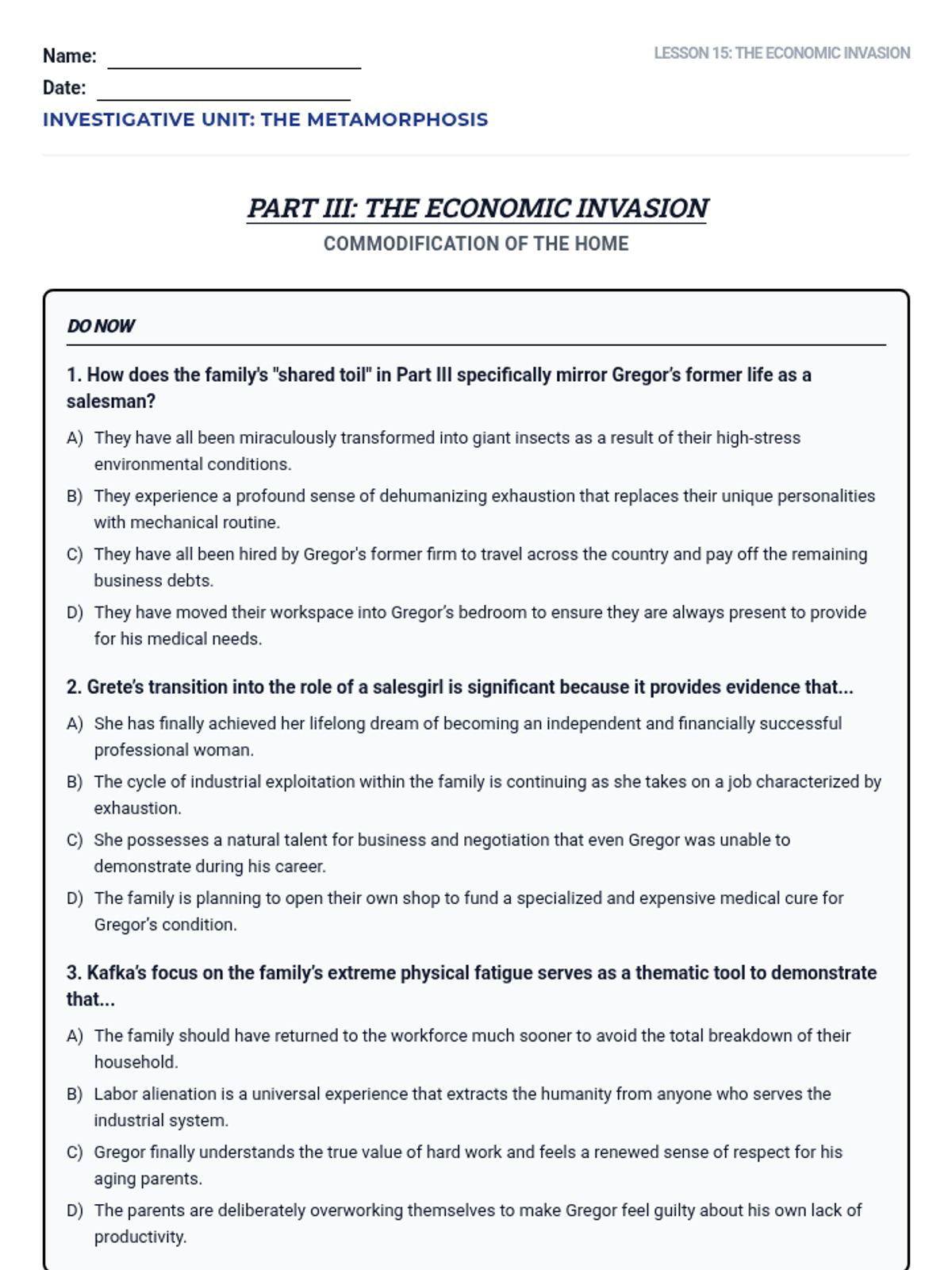
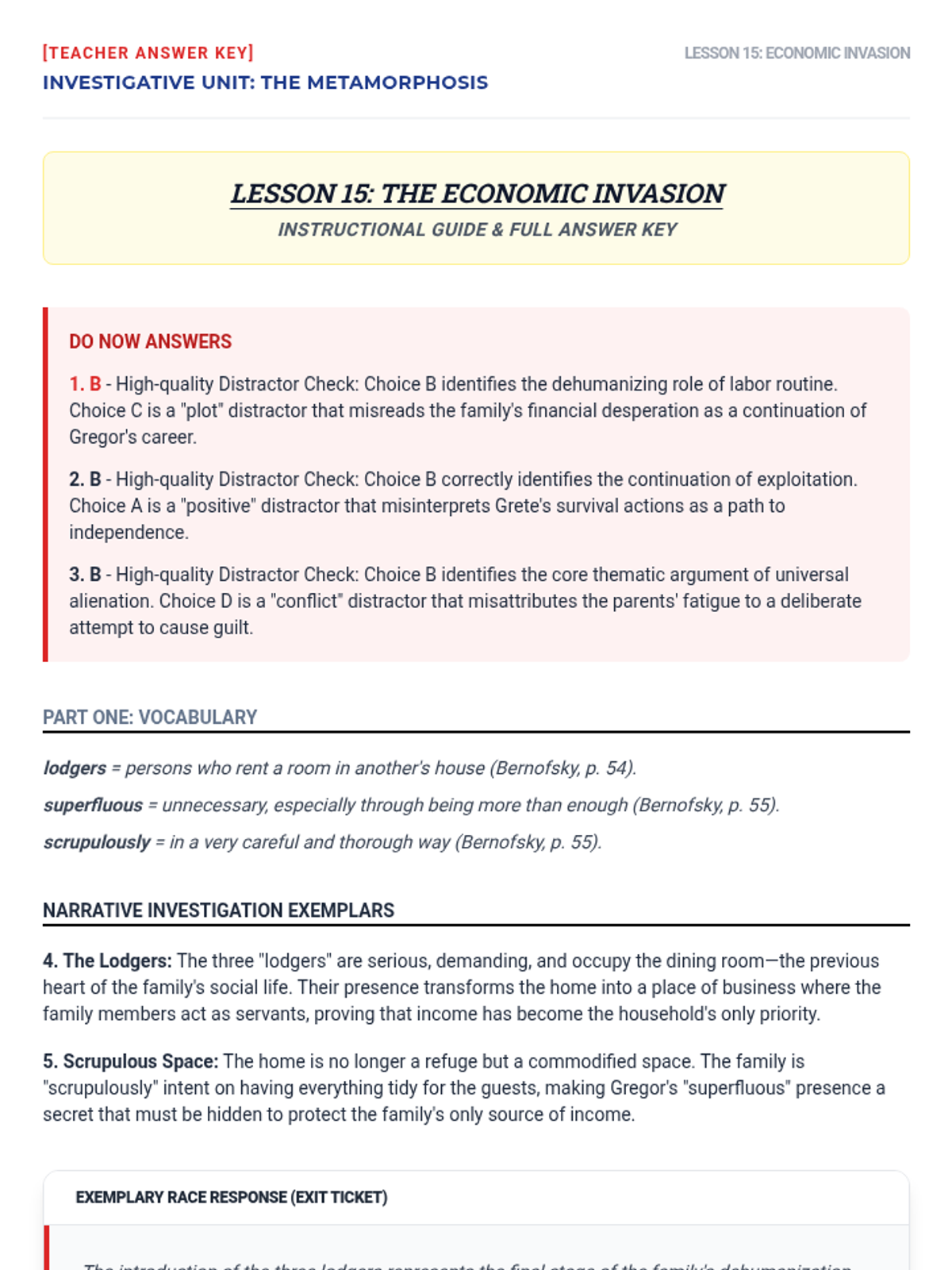
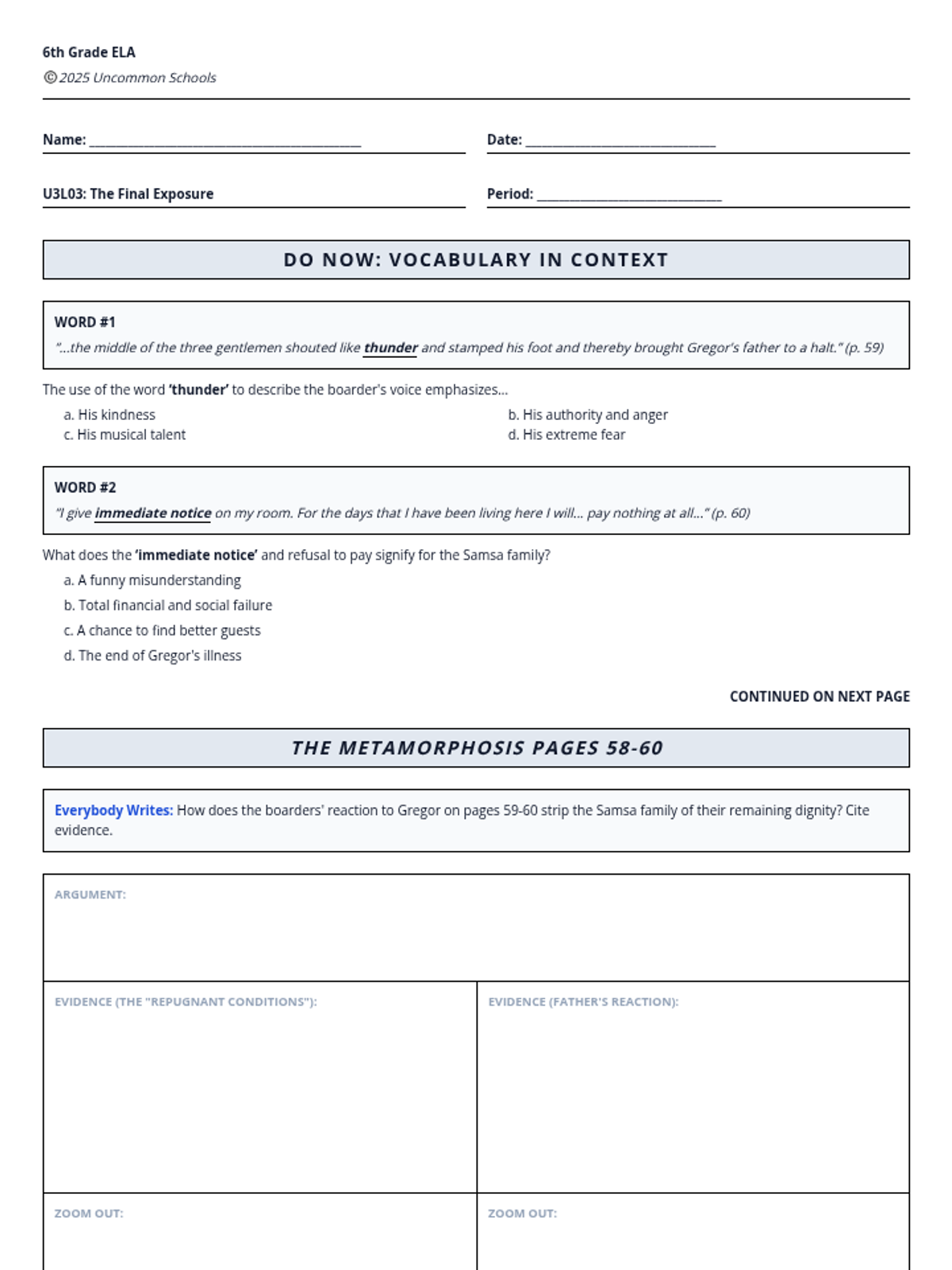
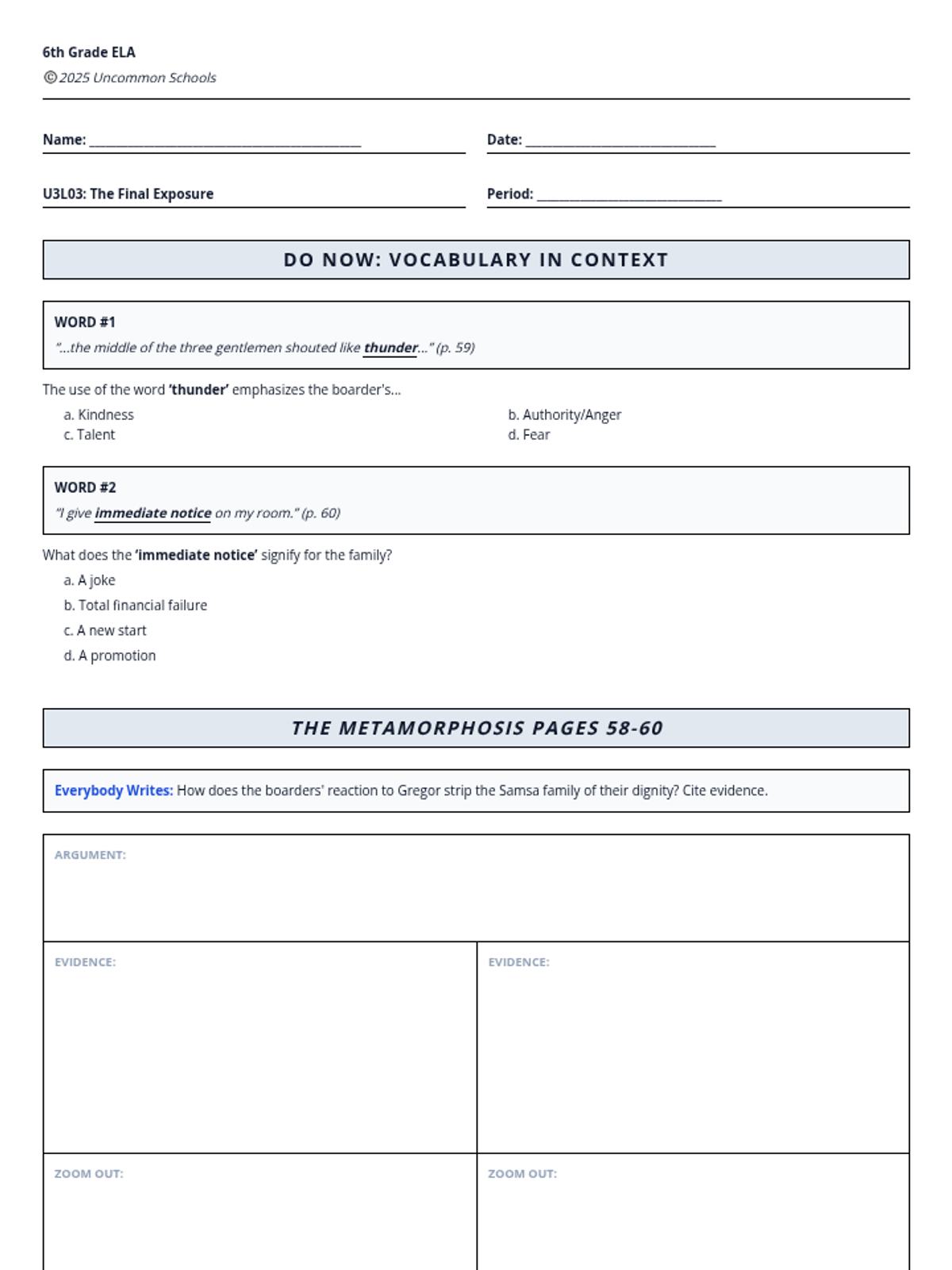
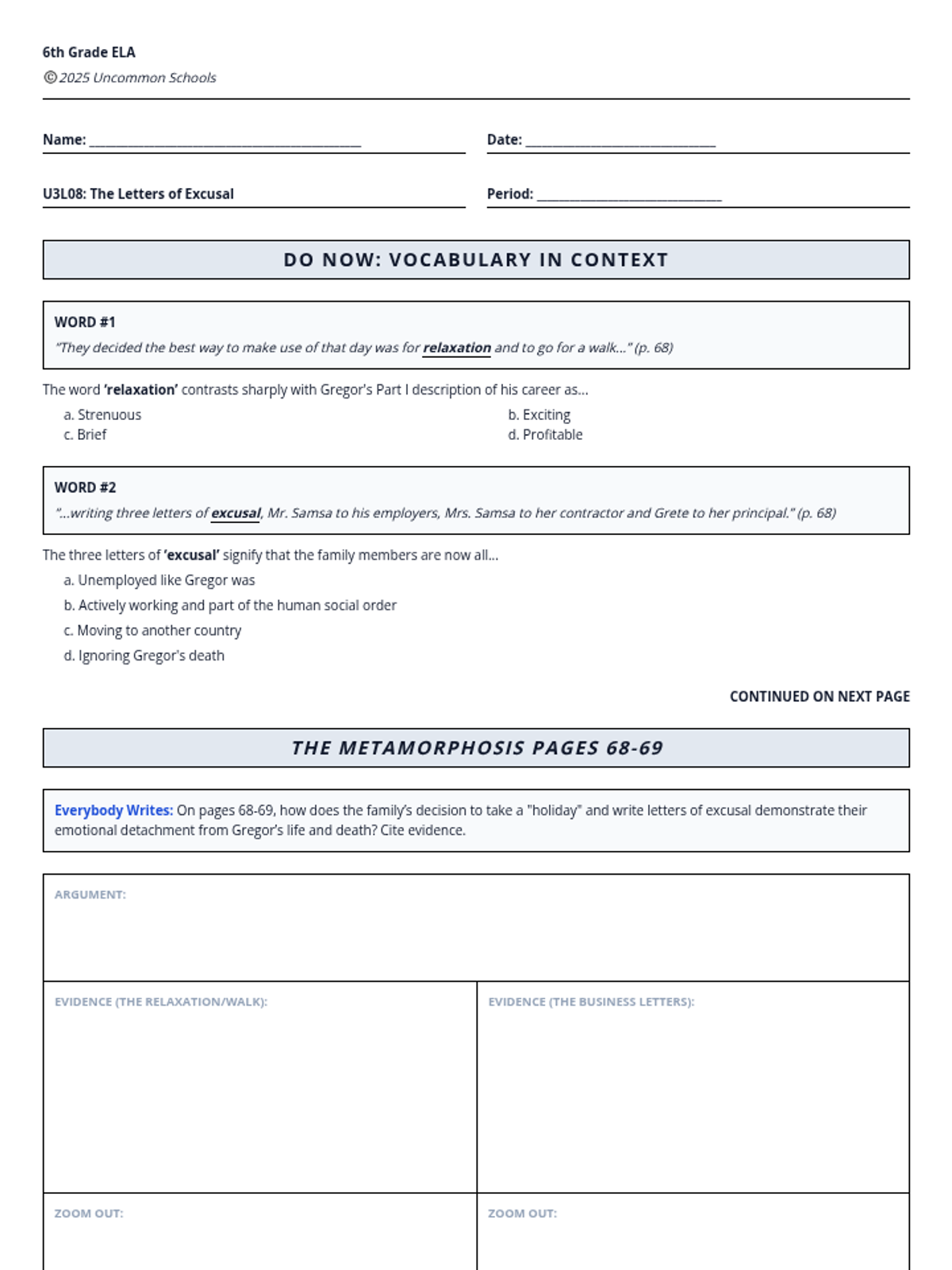
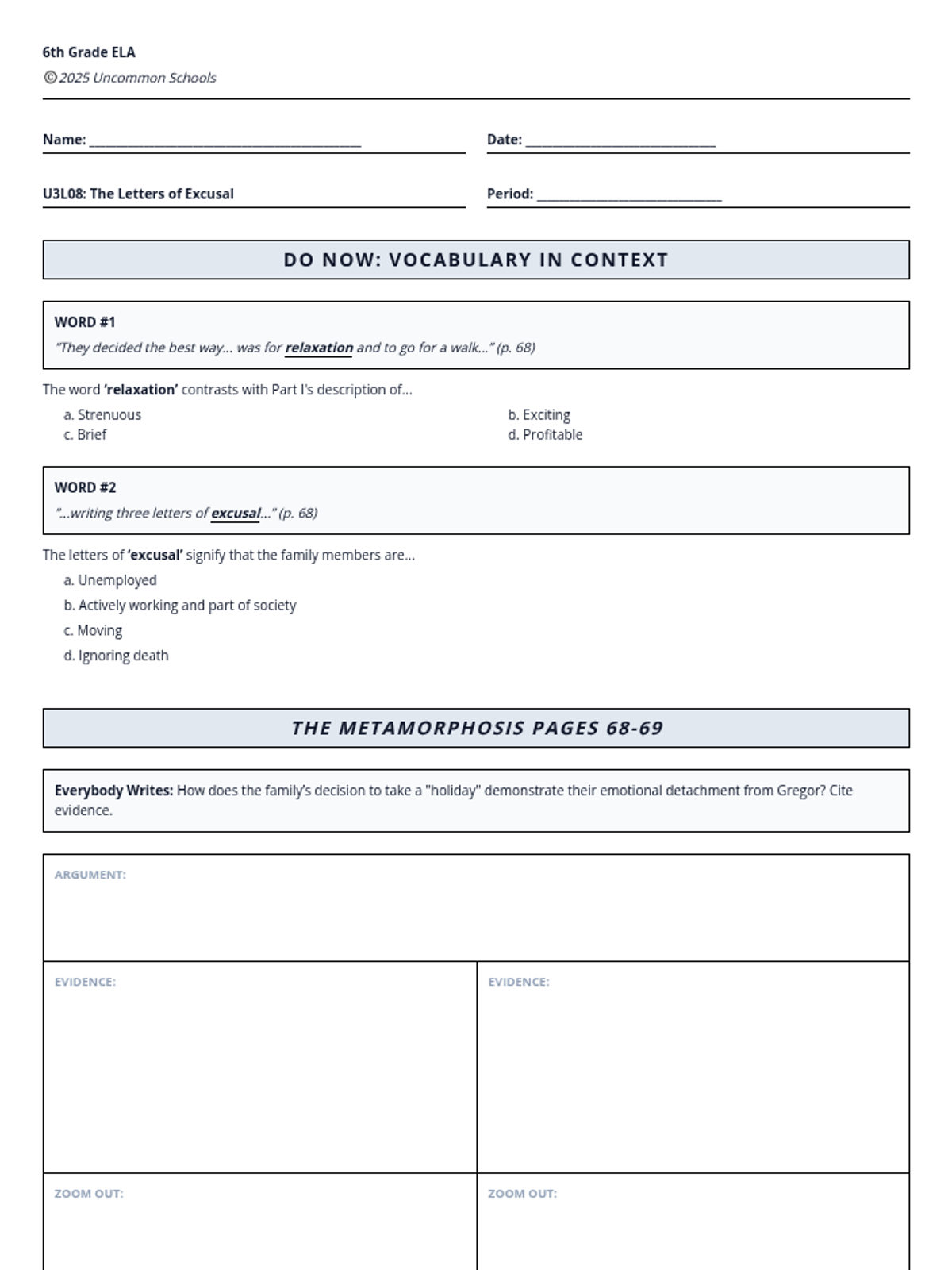
The introduction of the three lodgers. Analysis of the home as a commodified space and Gregor's further displacement.
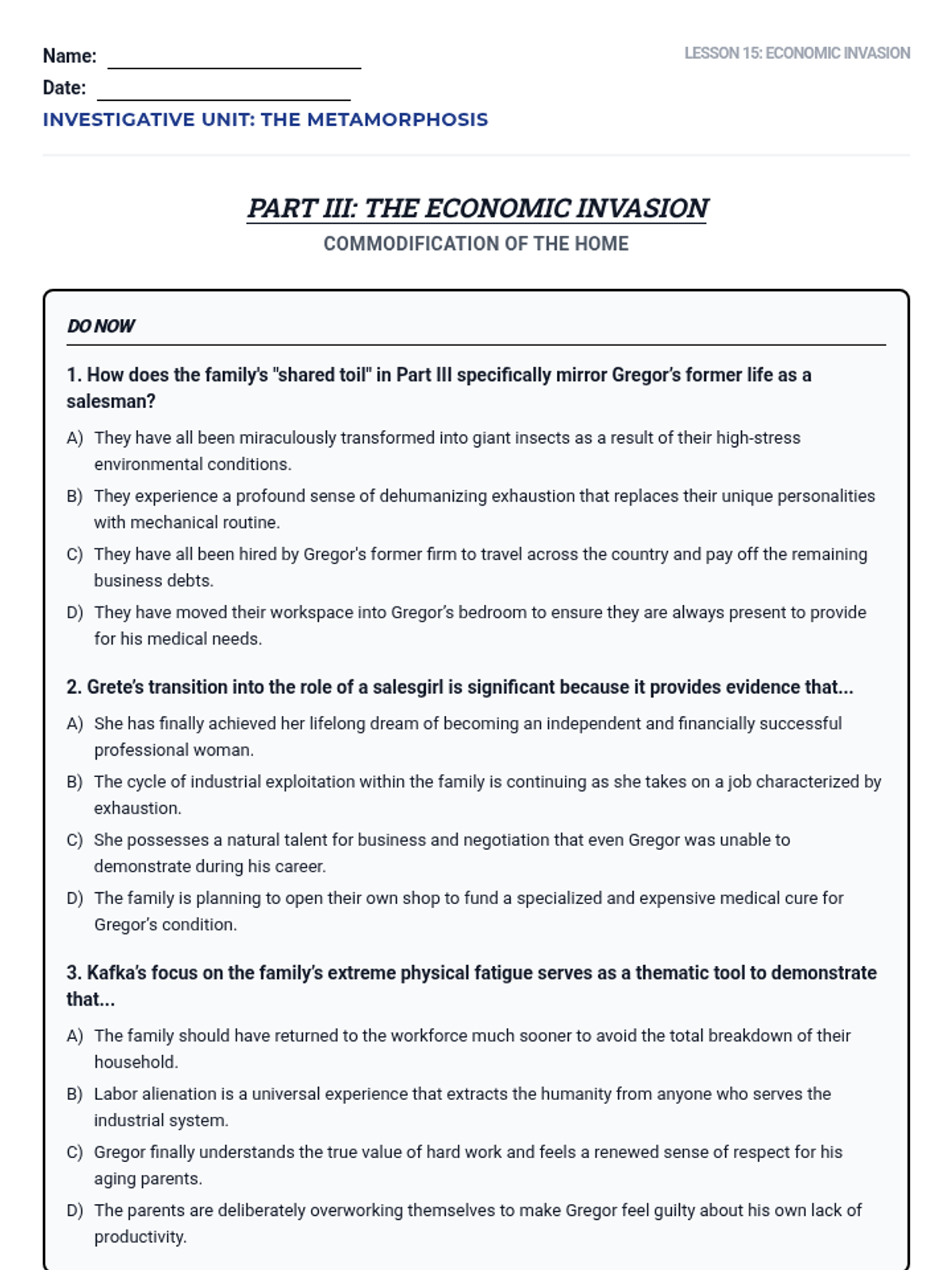
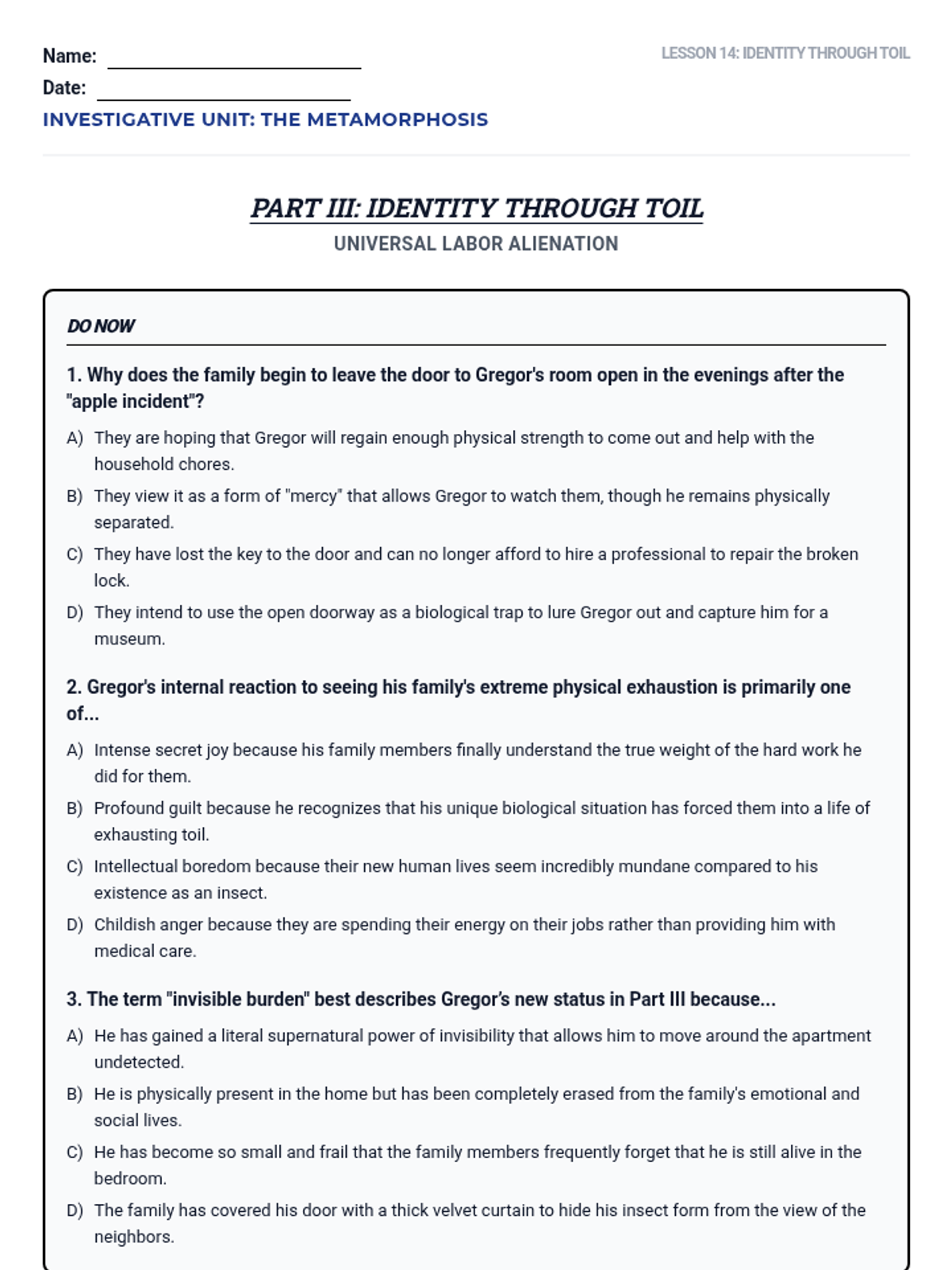
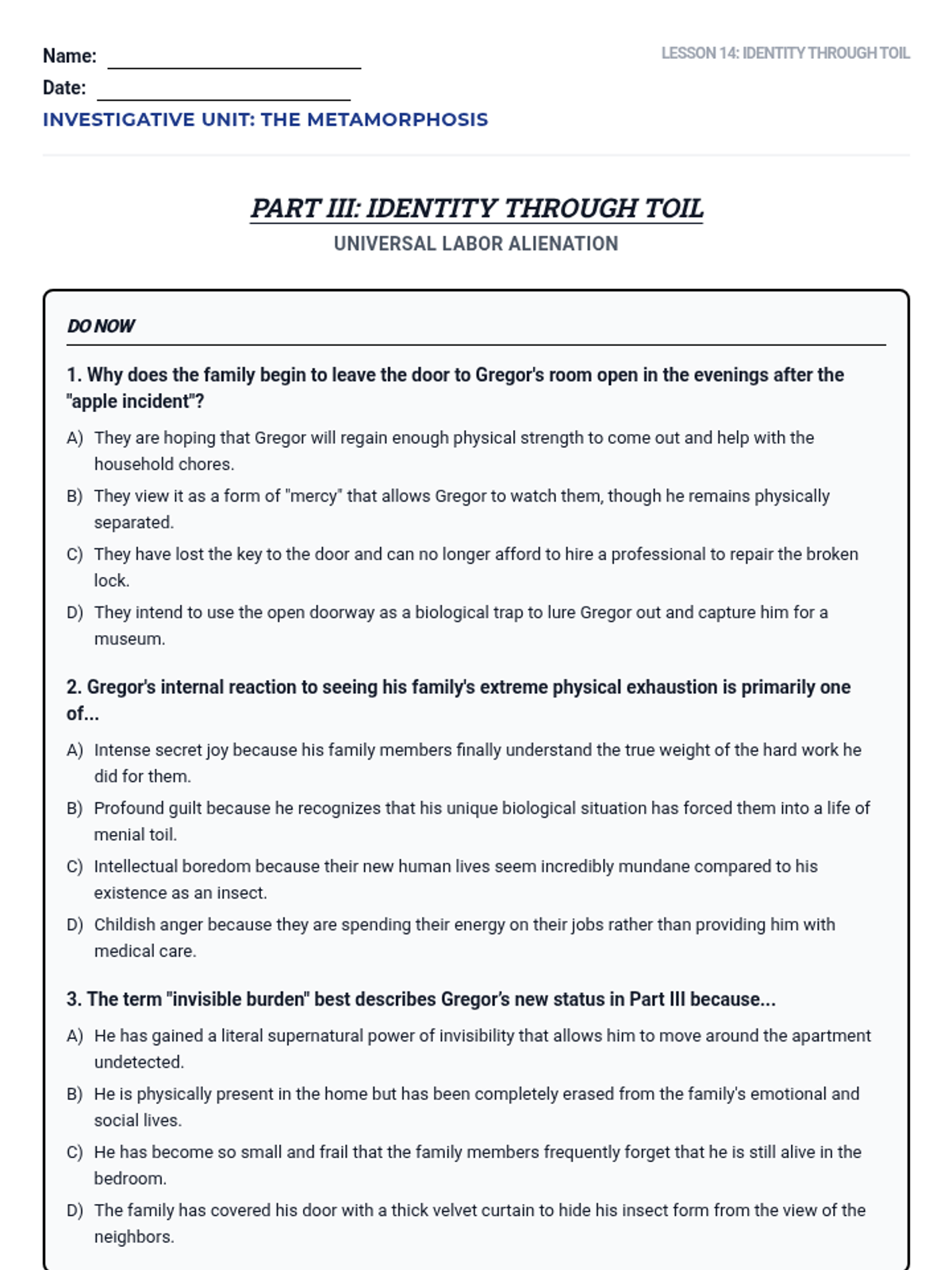
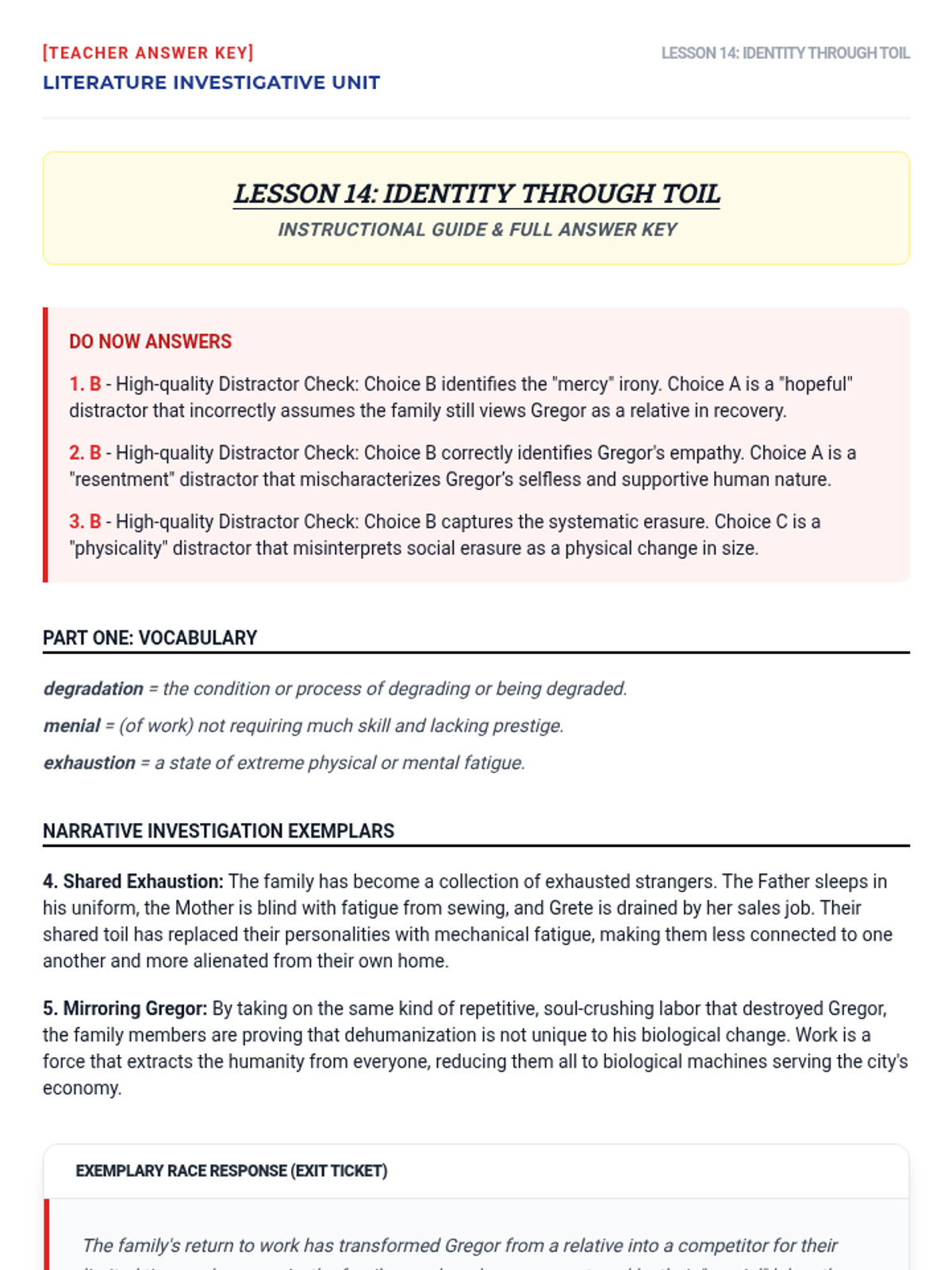
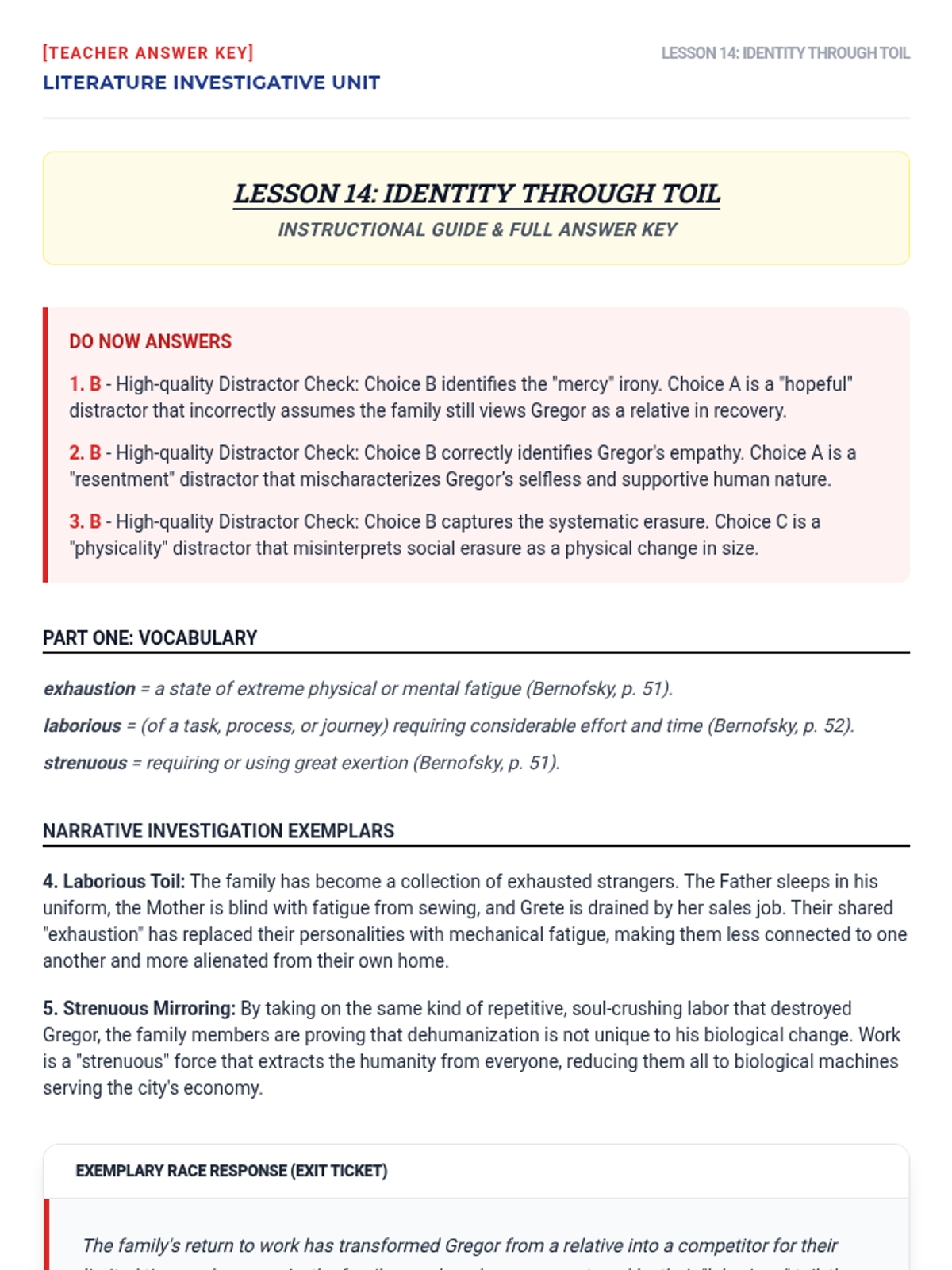
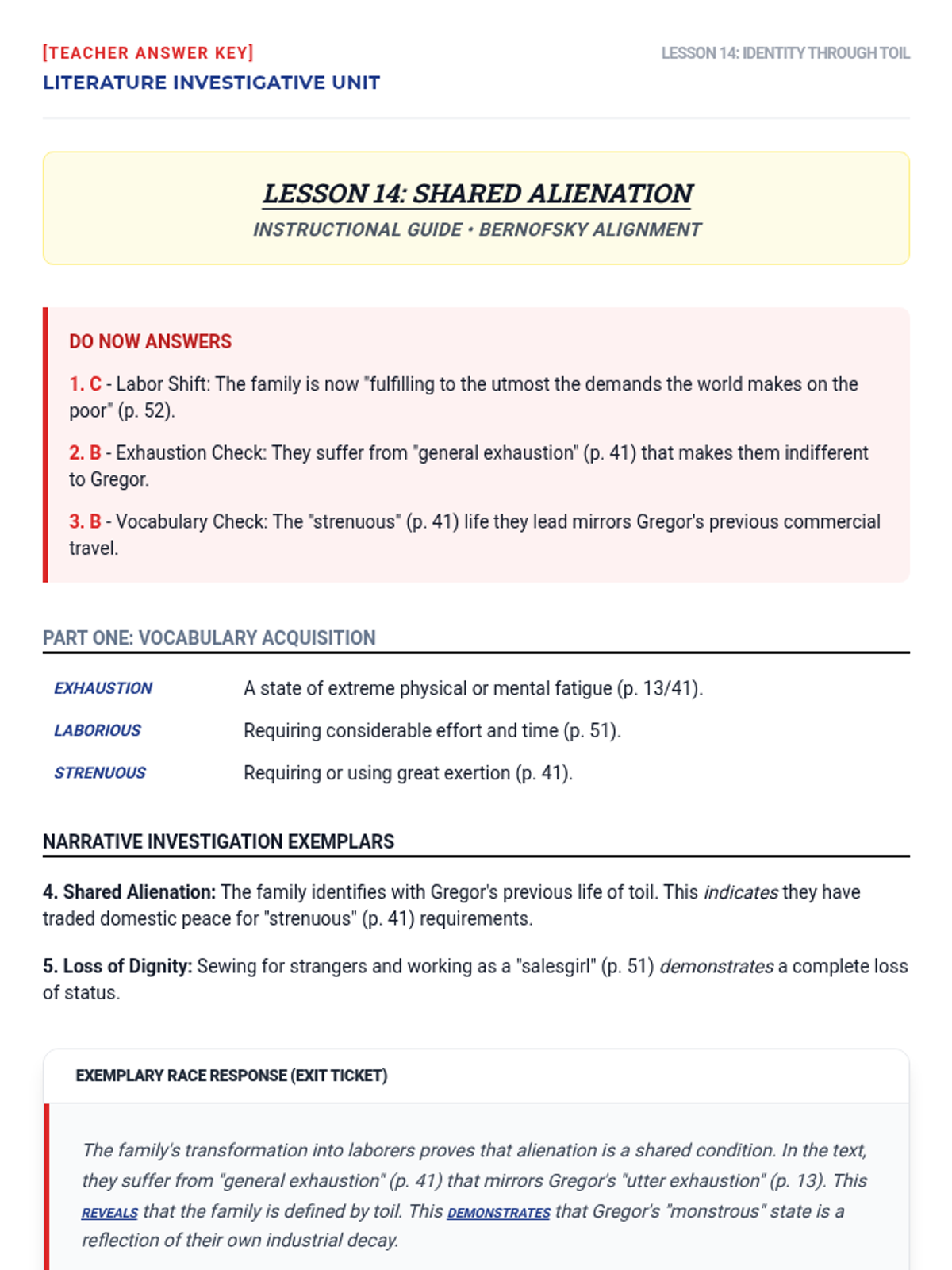
Analysis of the family taking on menial labor. Themes of exhaustion, loss of dignity, and the shared alienation of the working class.
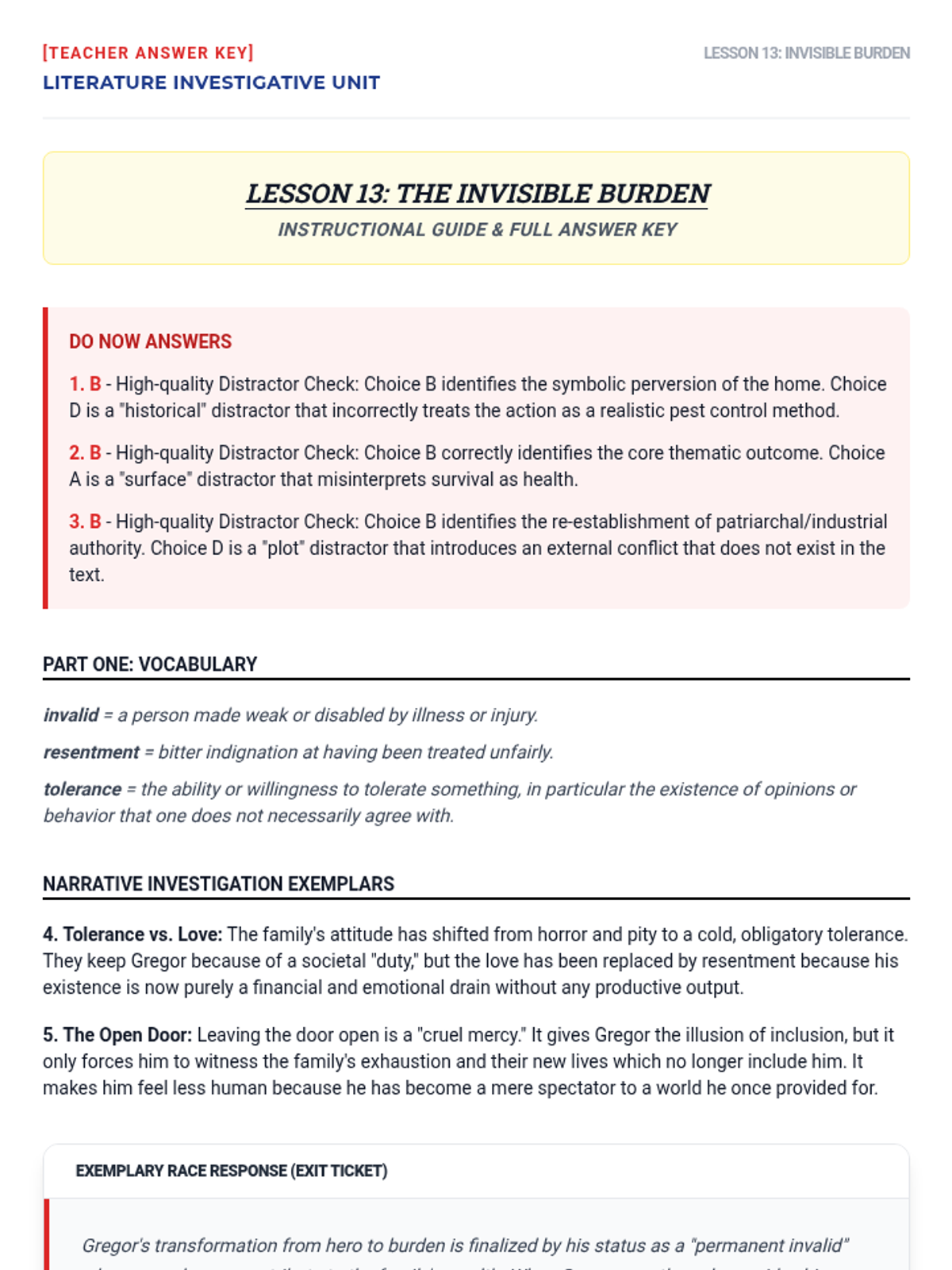
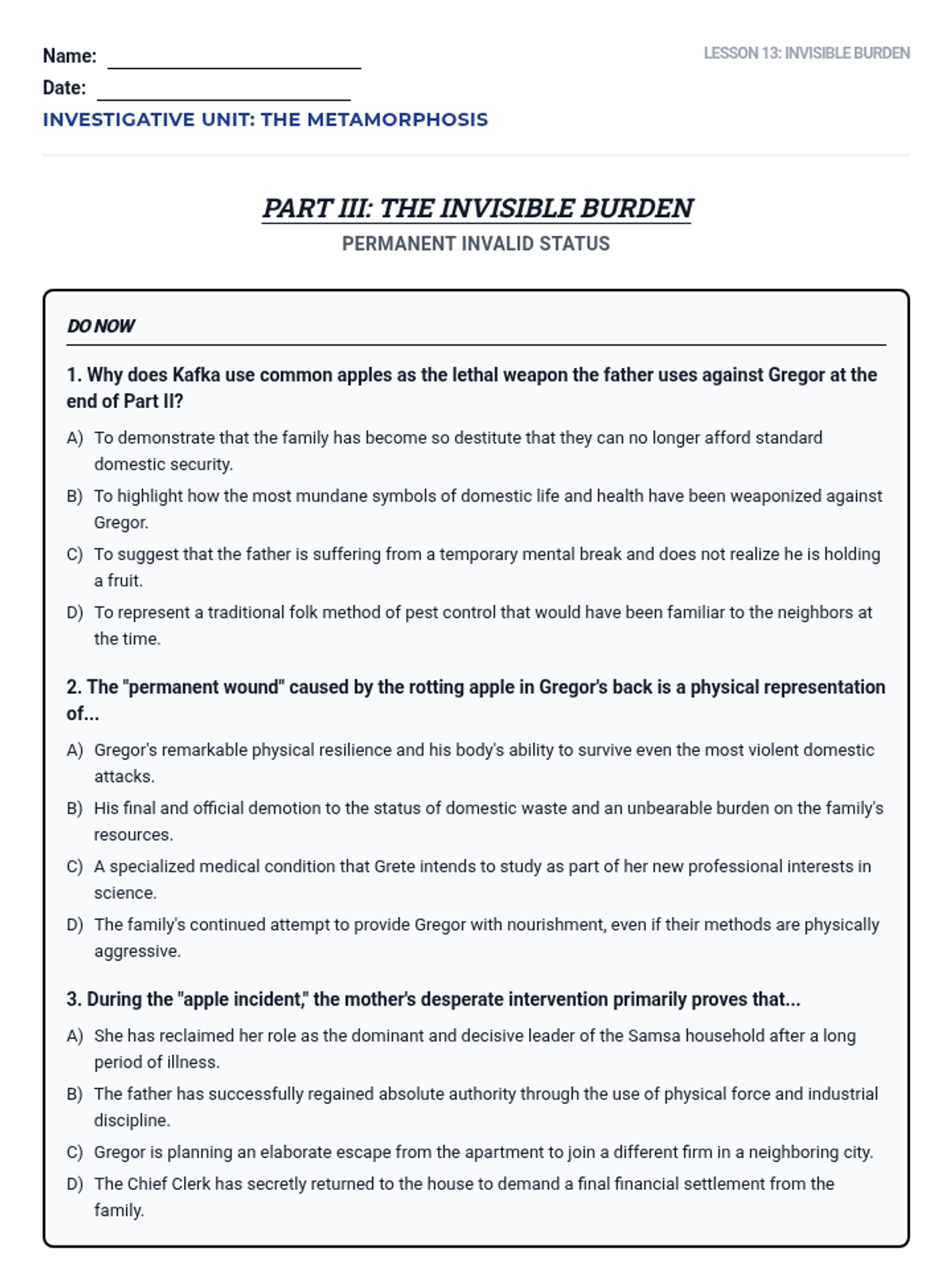
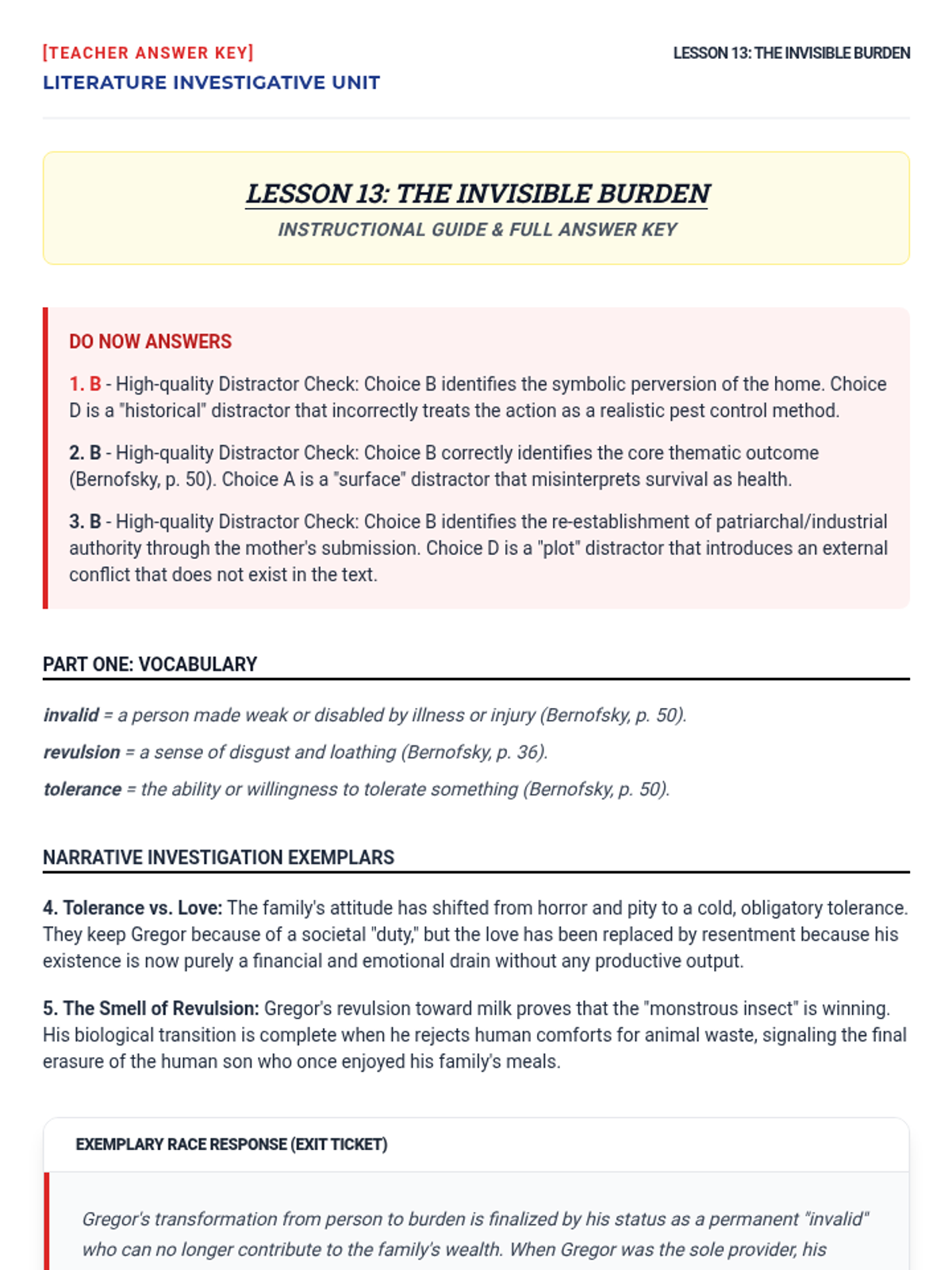
Gregor as a permanent invalid. Analysis of the family's growing resentment and the physical reminder of his non-productive status.
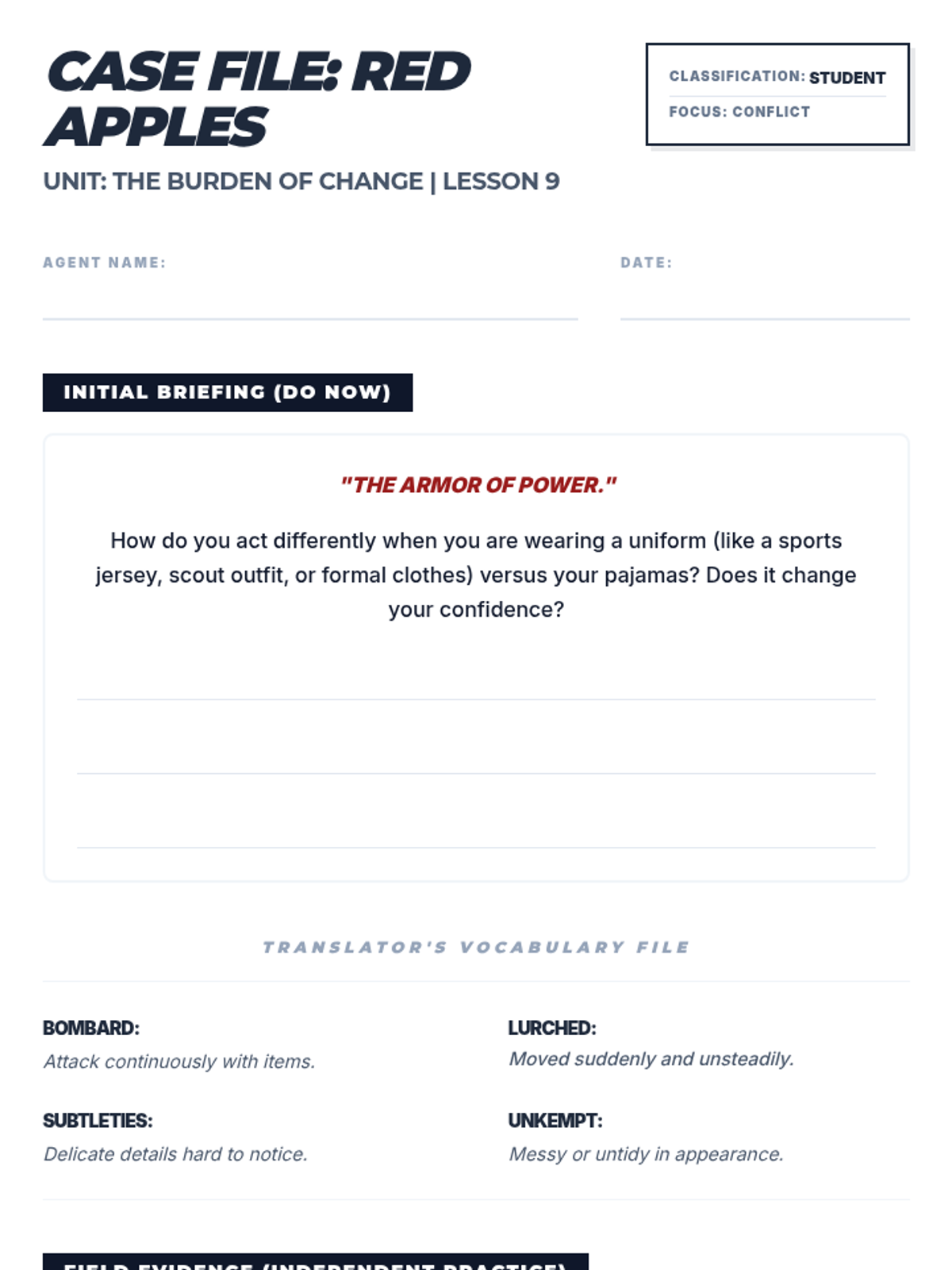
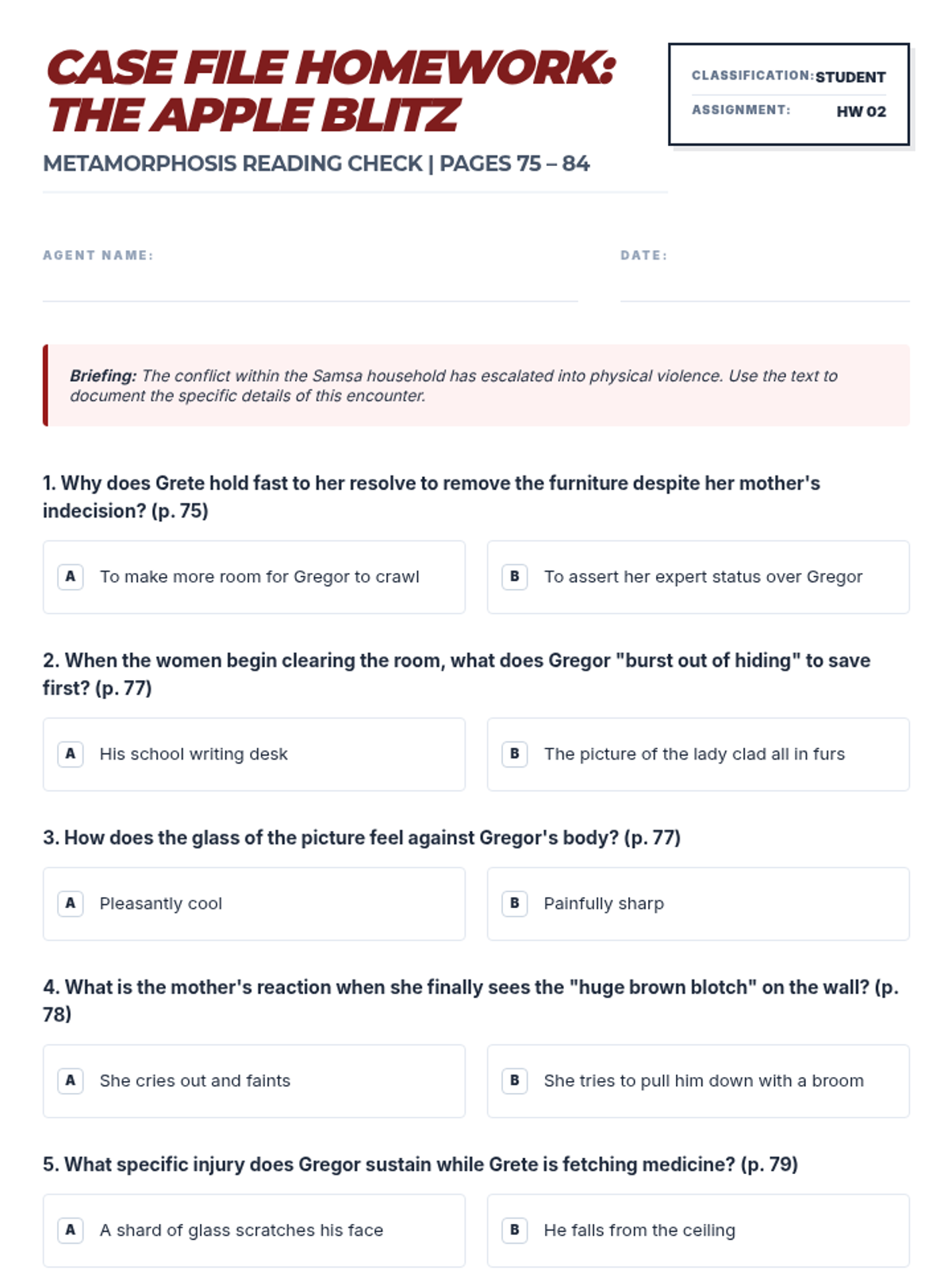
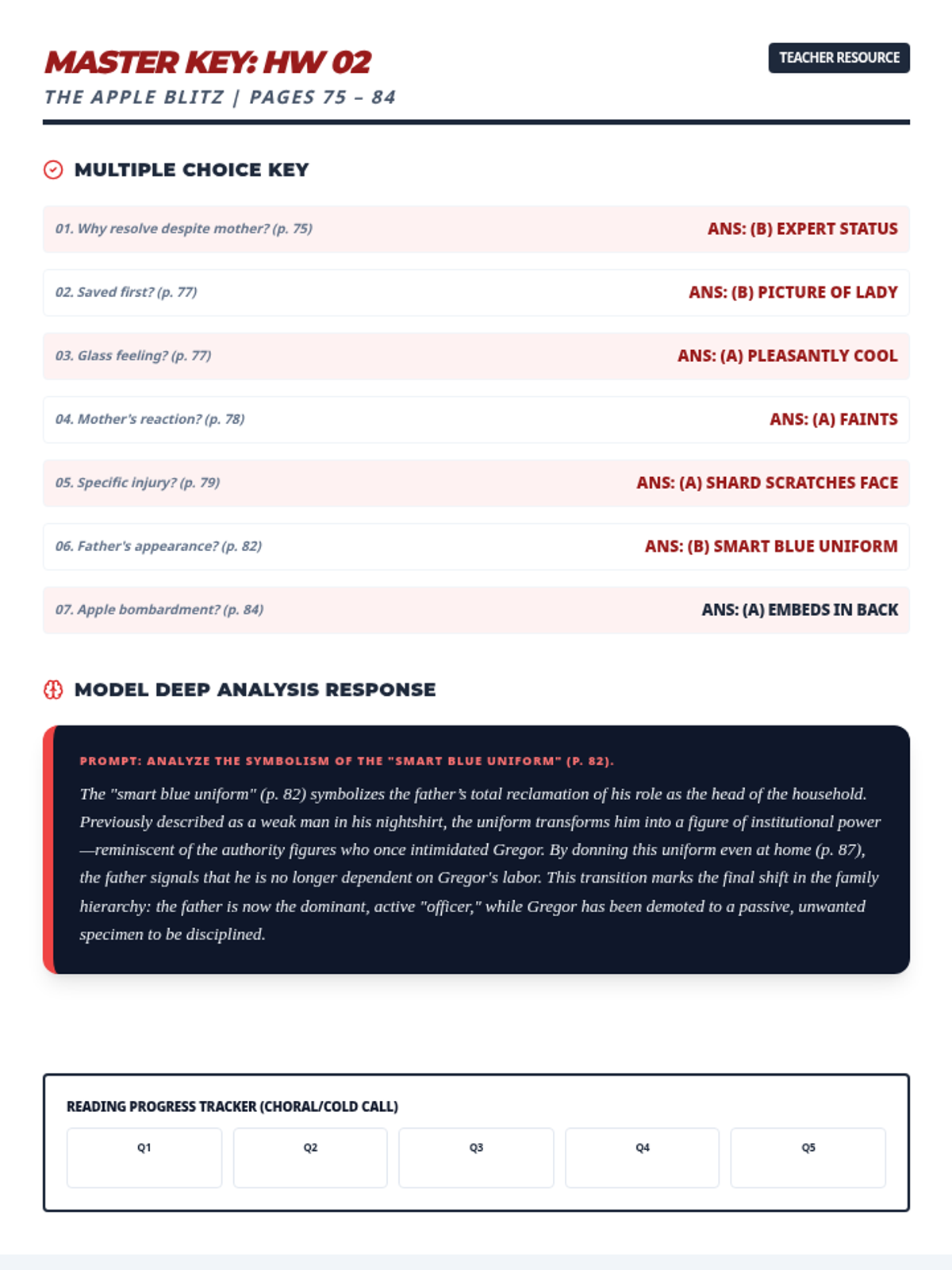
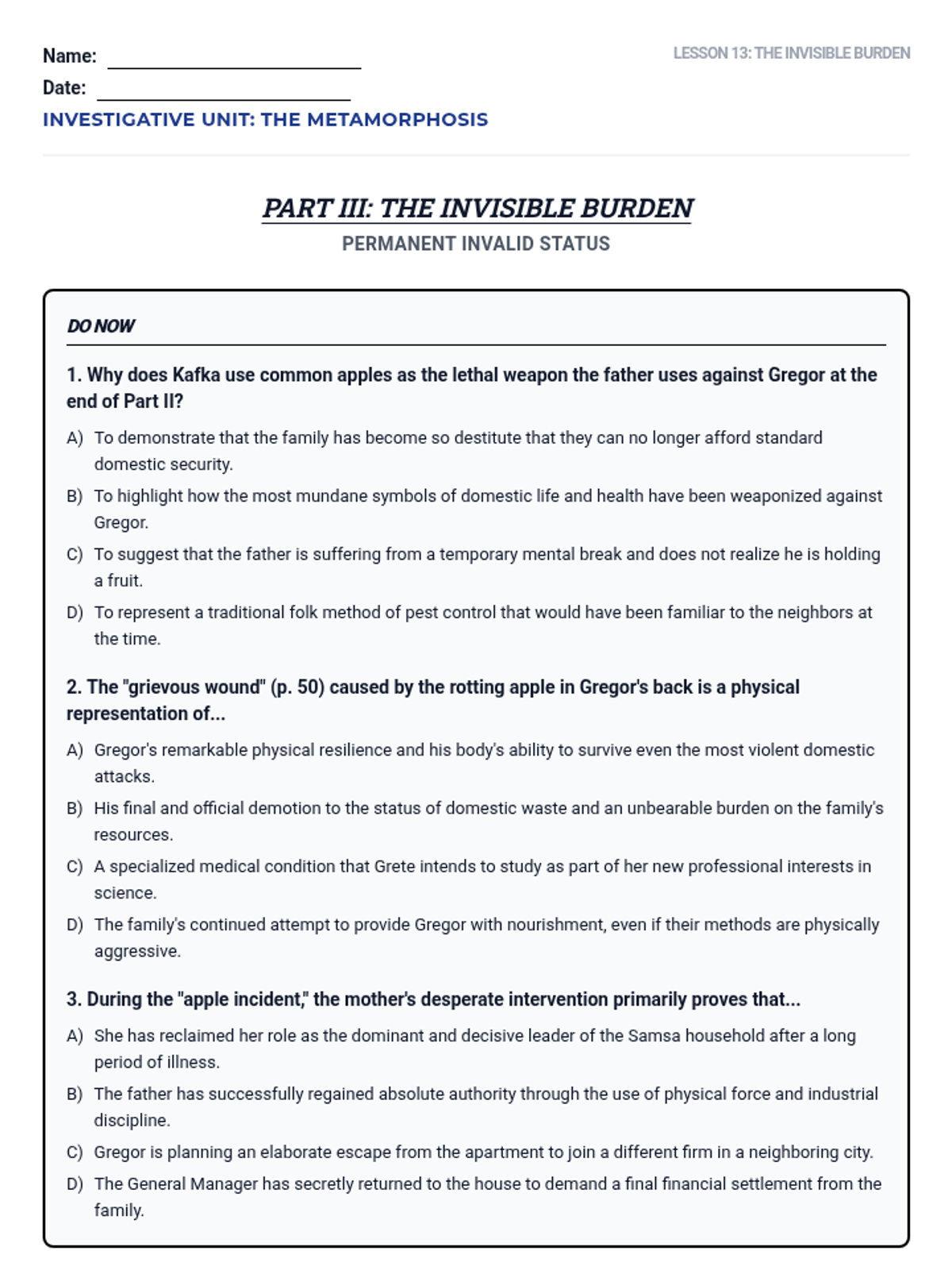
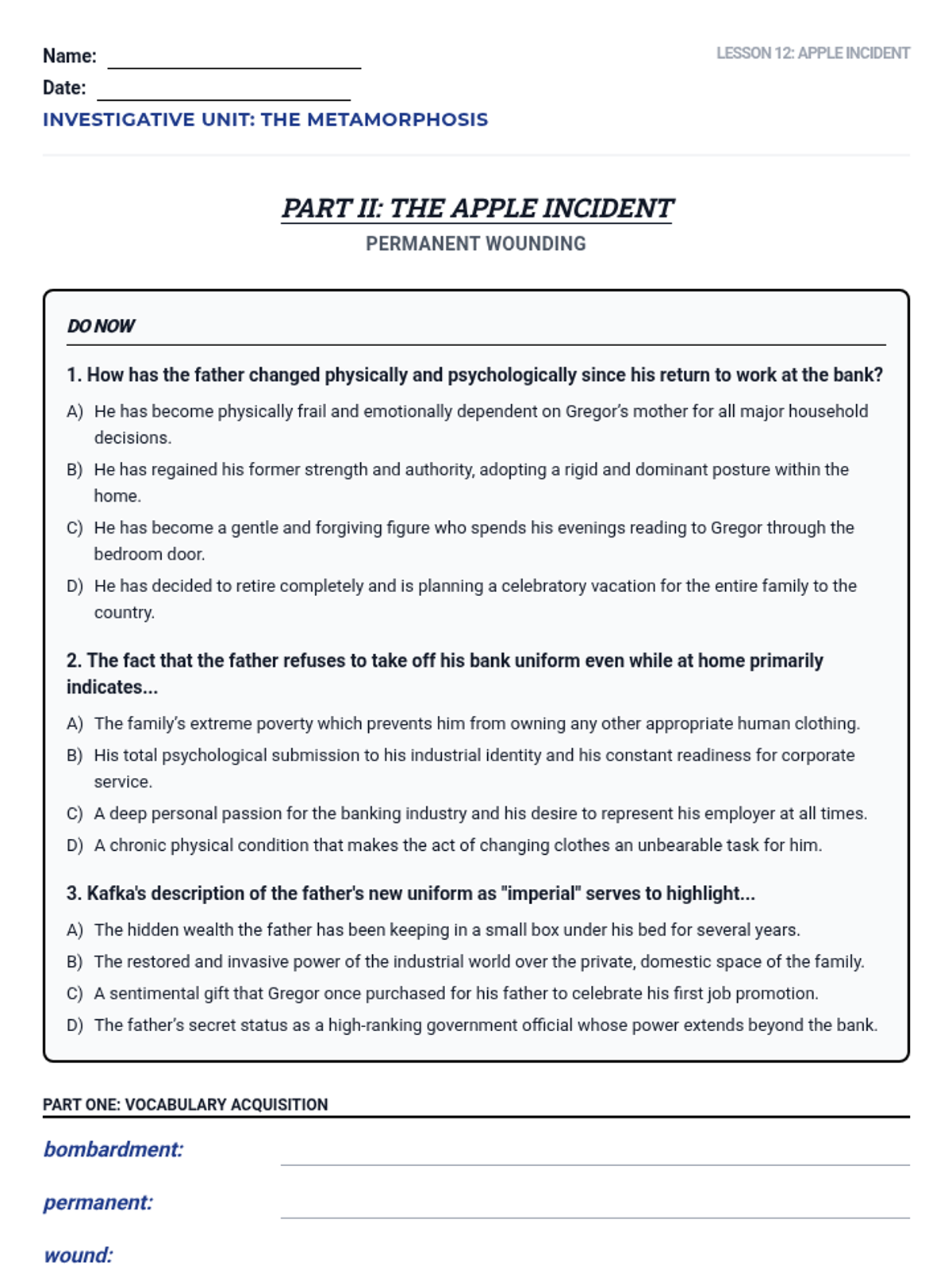
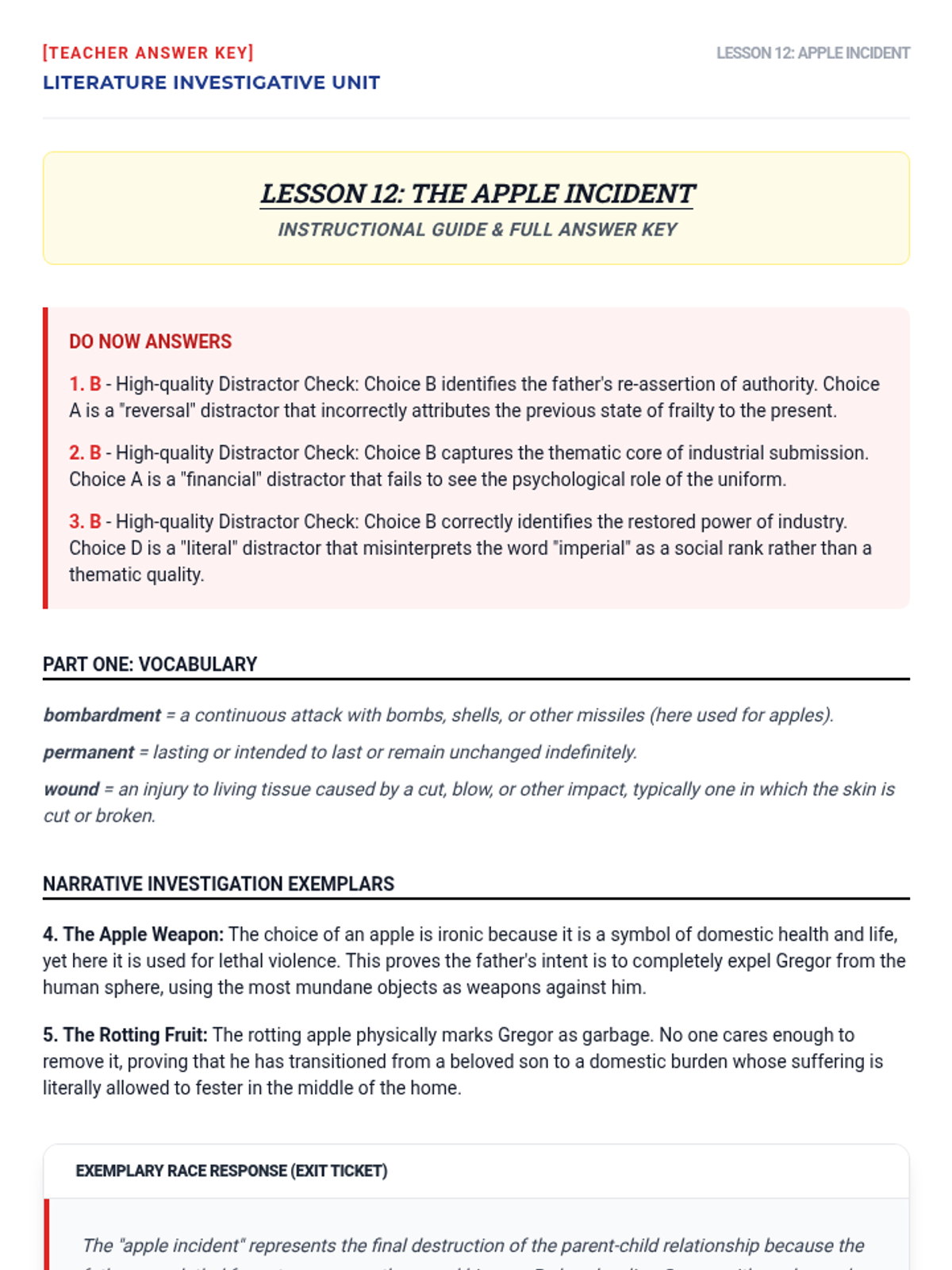
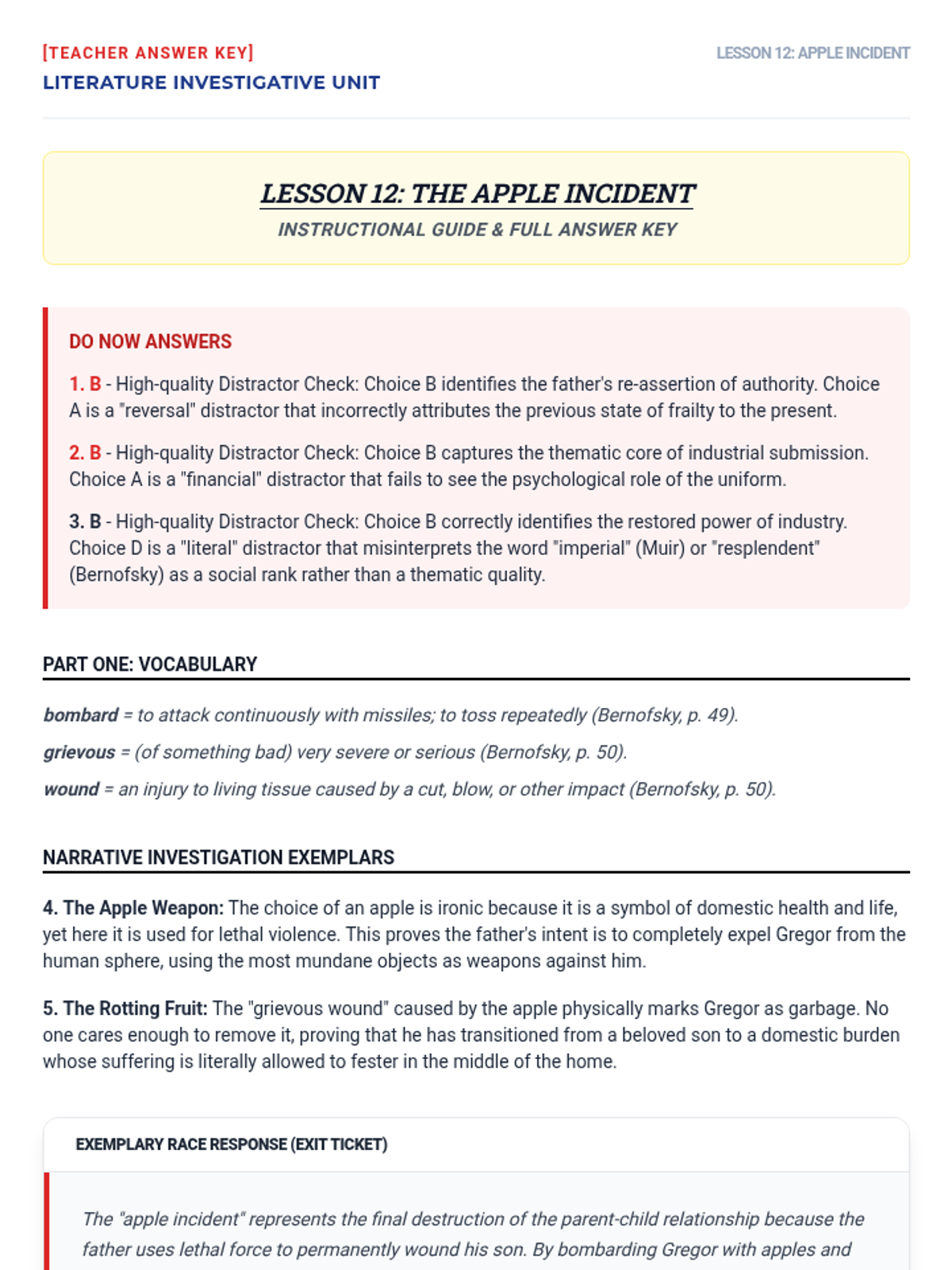
The father's violent attack with apples. Analysis of the apple as a symbol of permanent wounding and the transition from son to 'burden'.
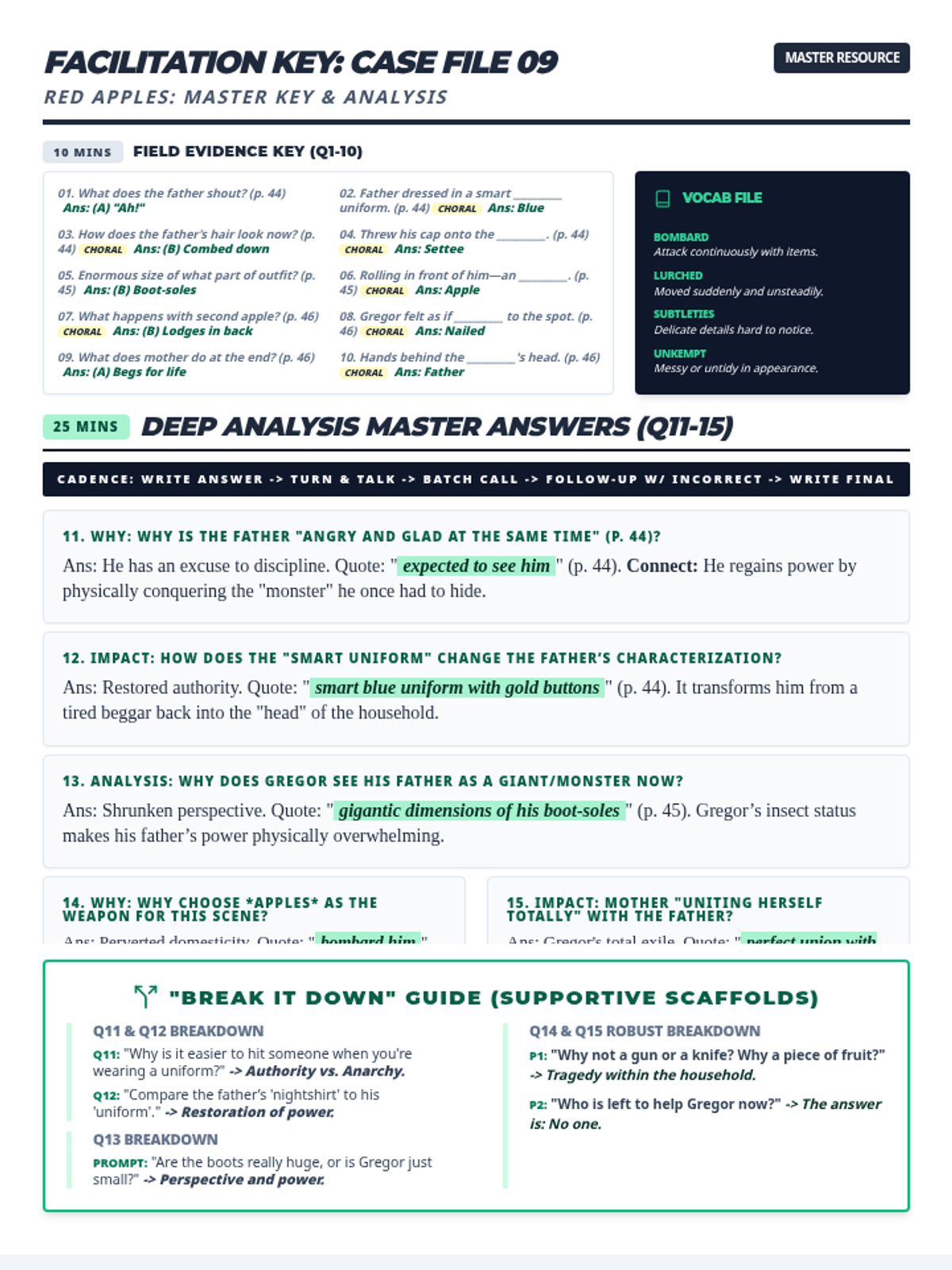
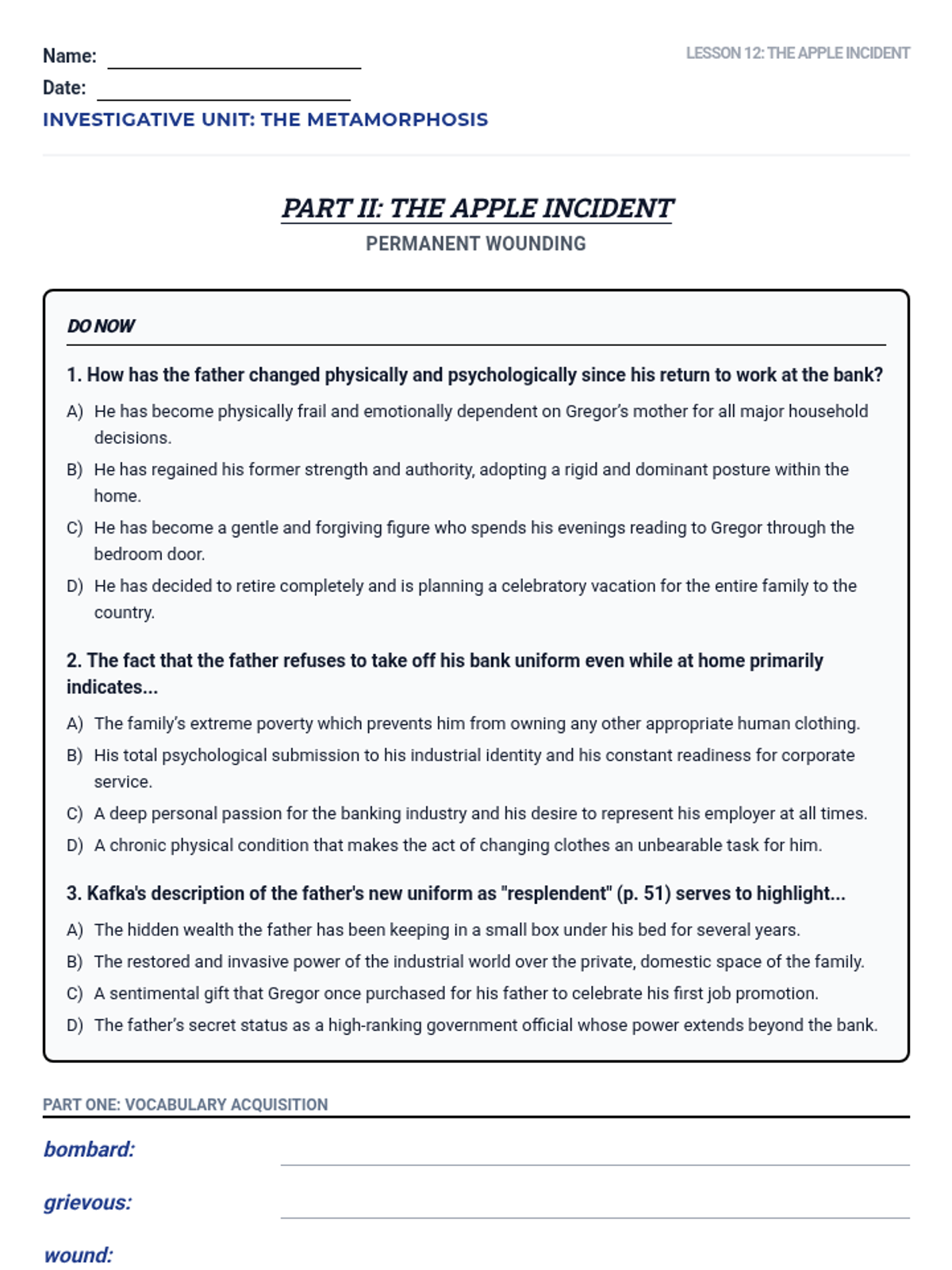
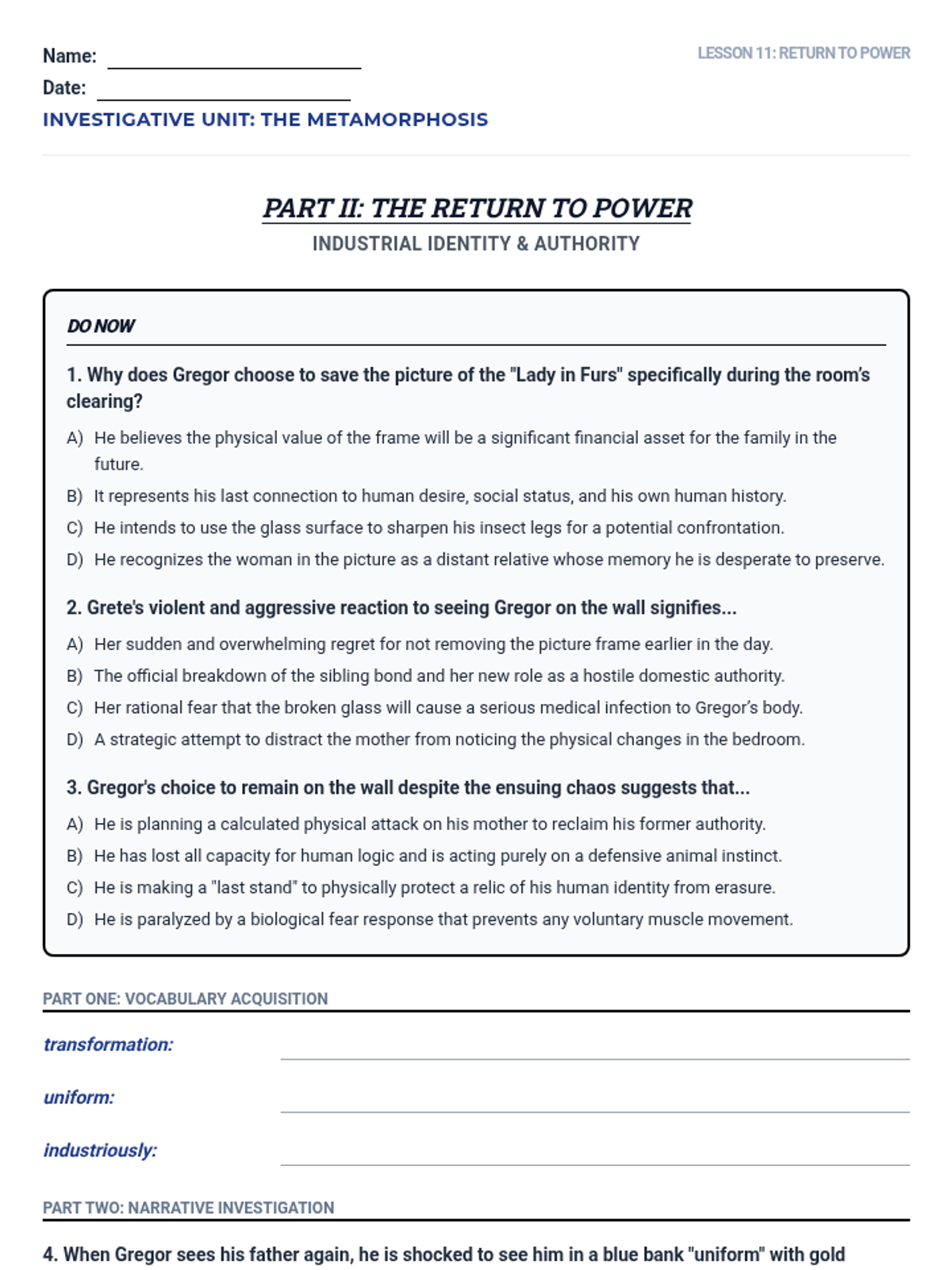
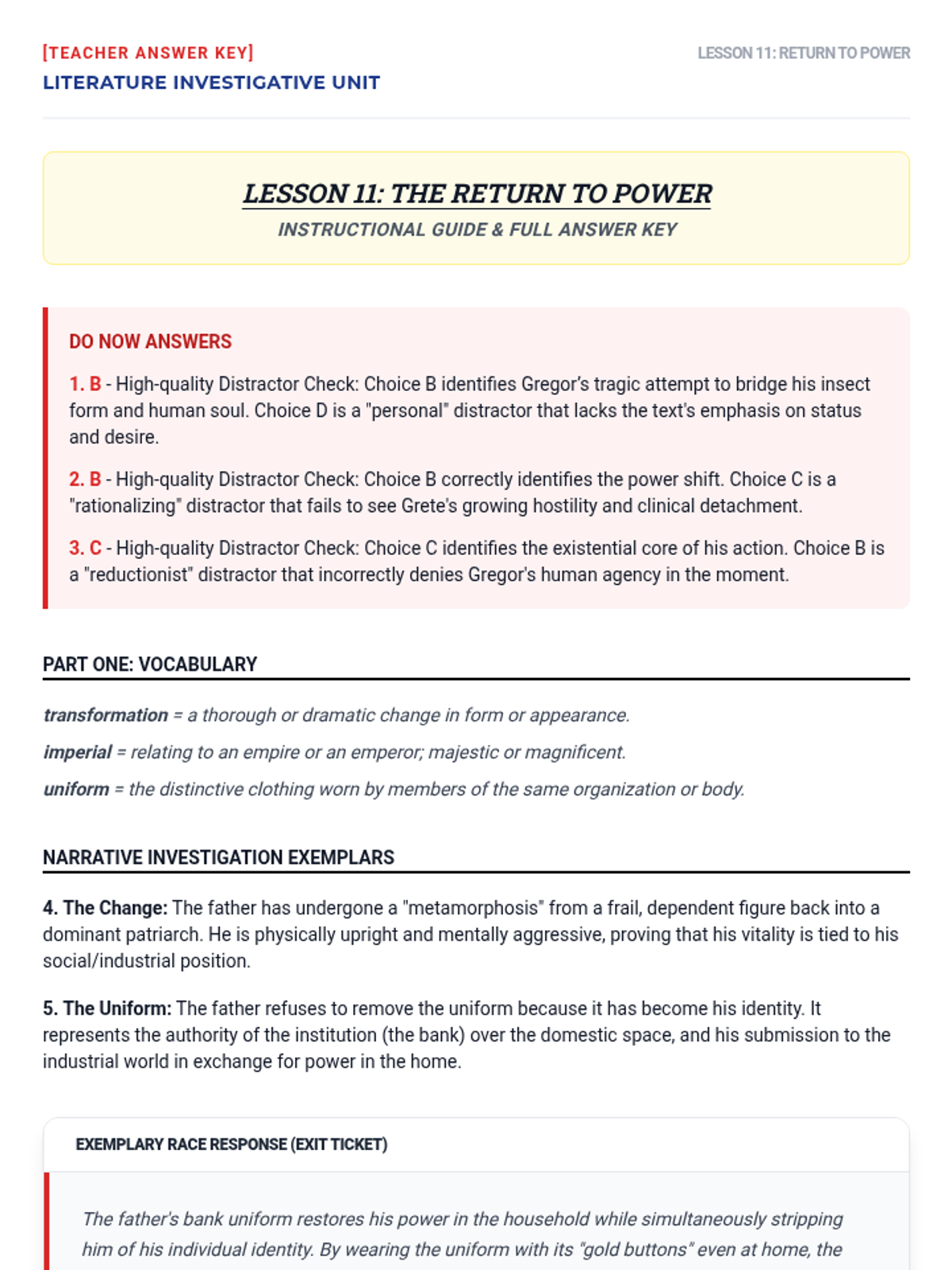
Analysis of the father's return to work and his transformation through the bank uniform. Themes of restored authority and industrial identity.
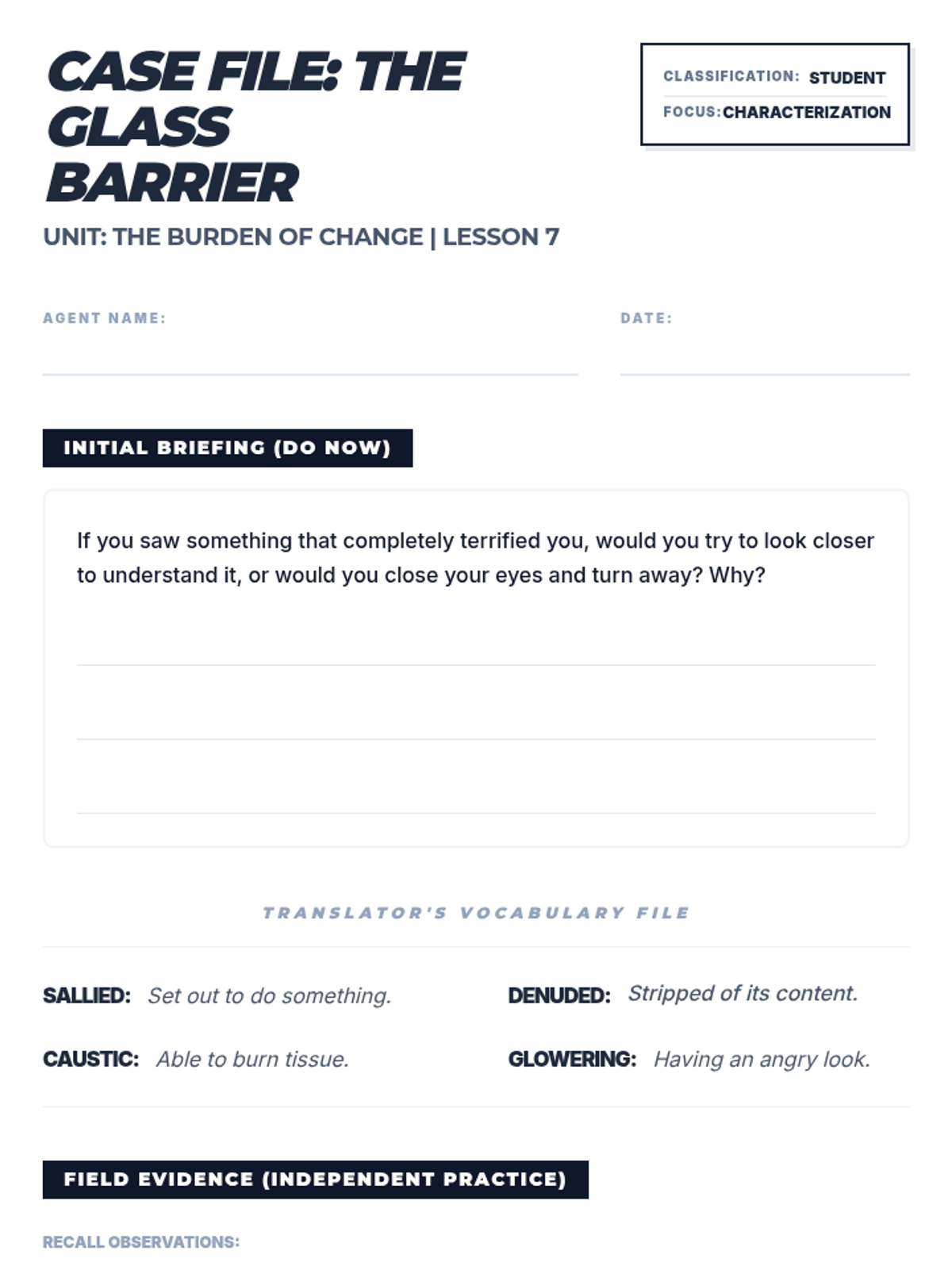
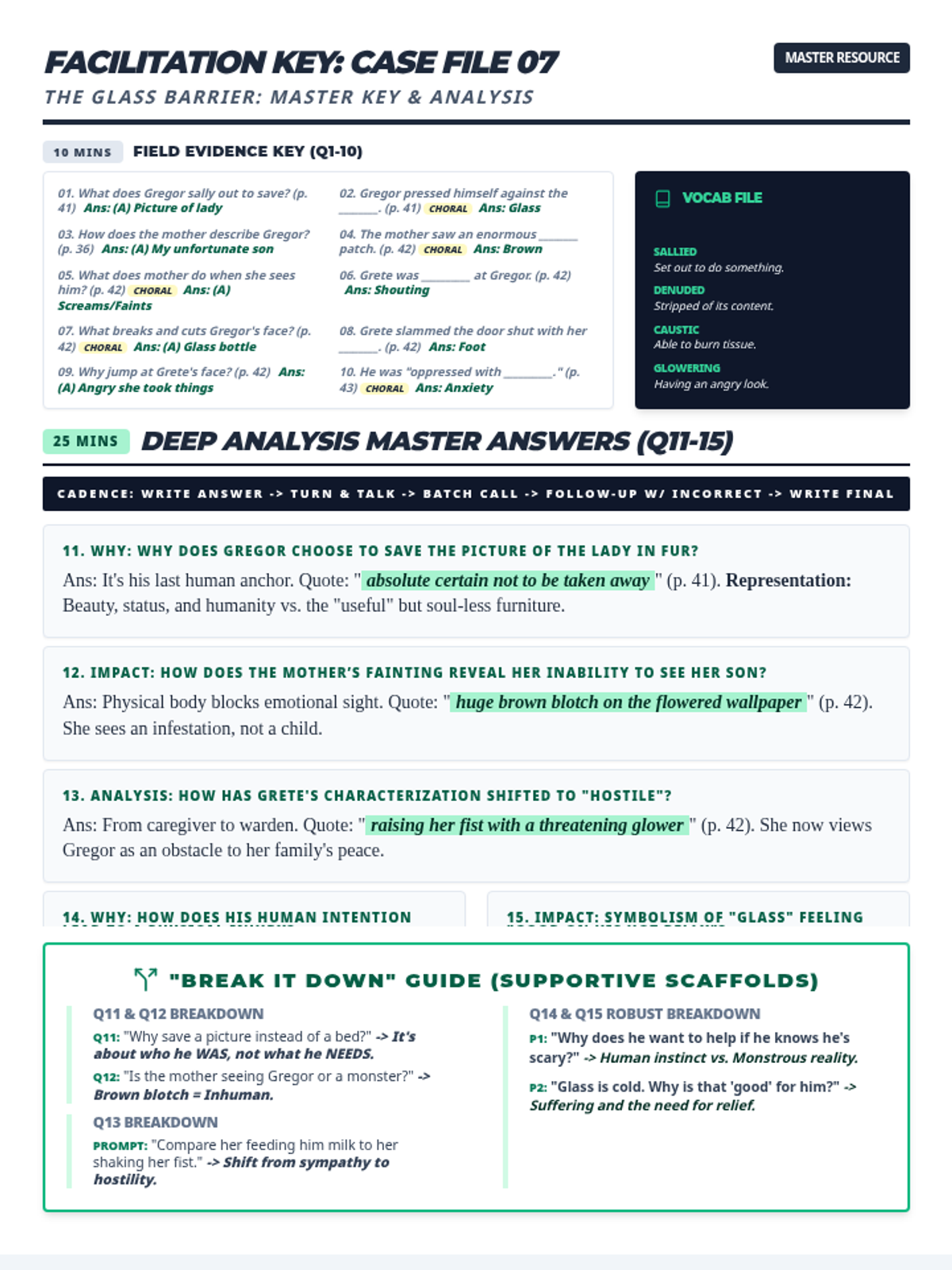
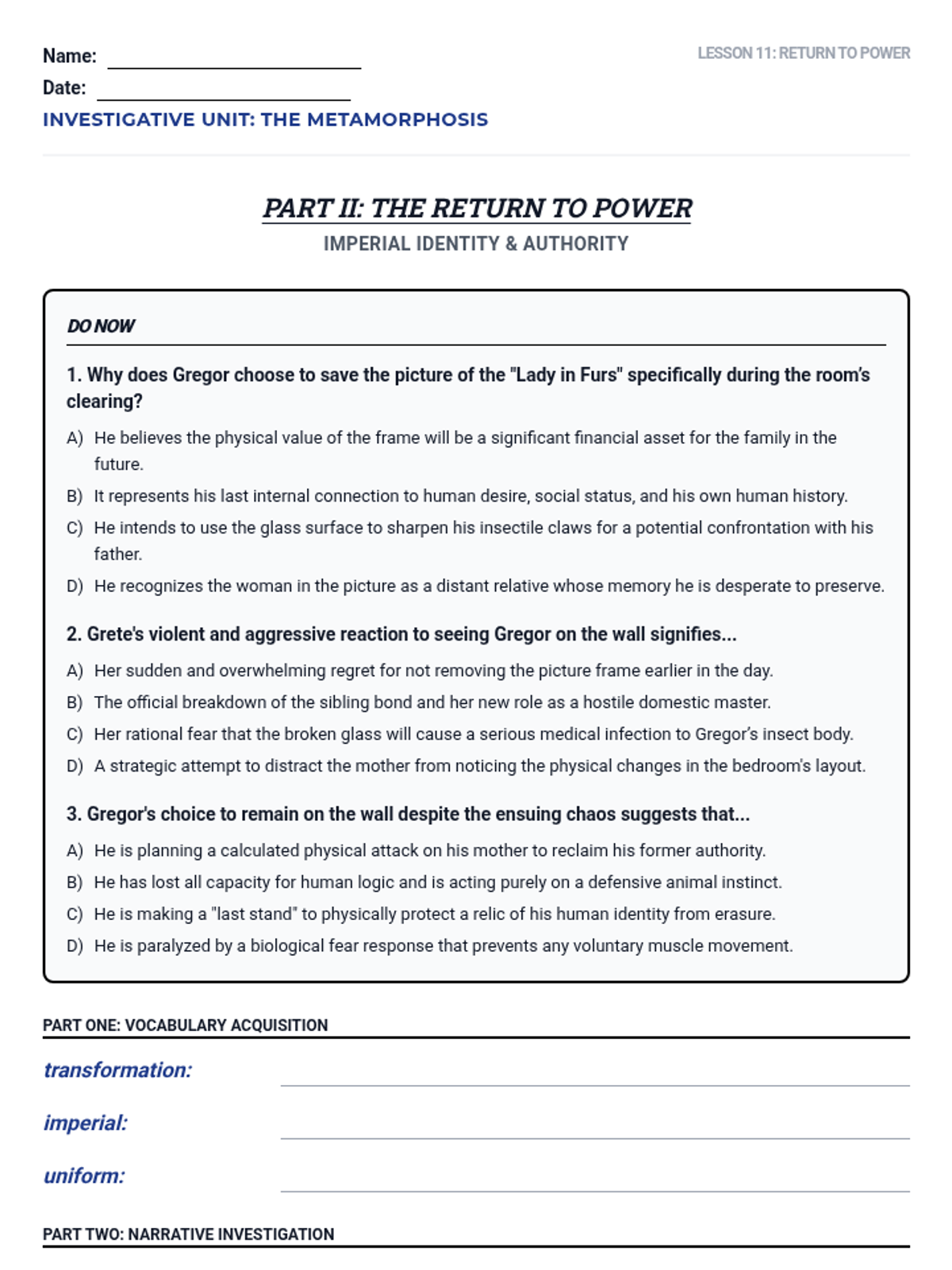
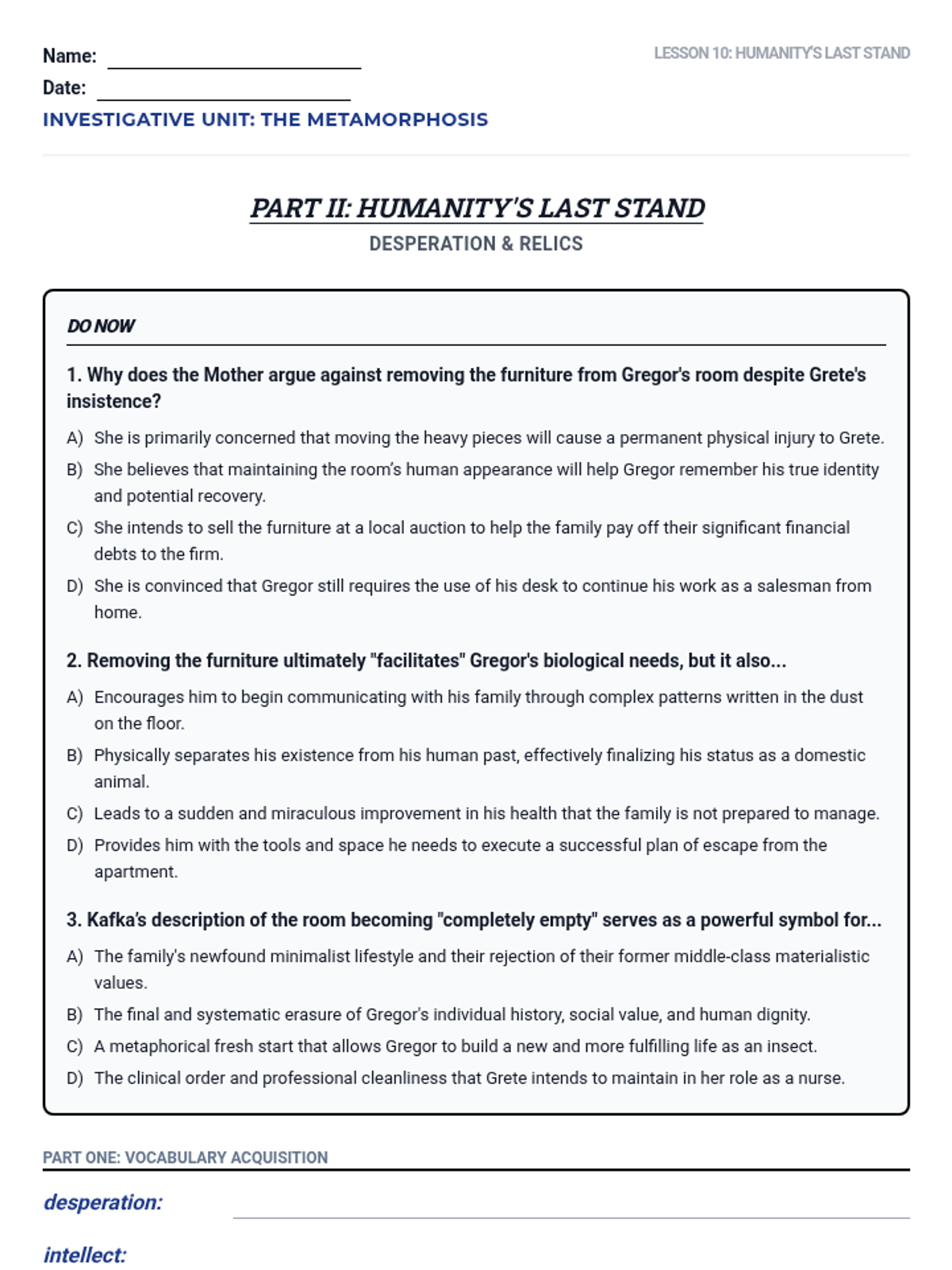
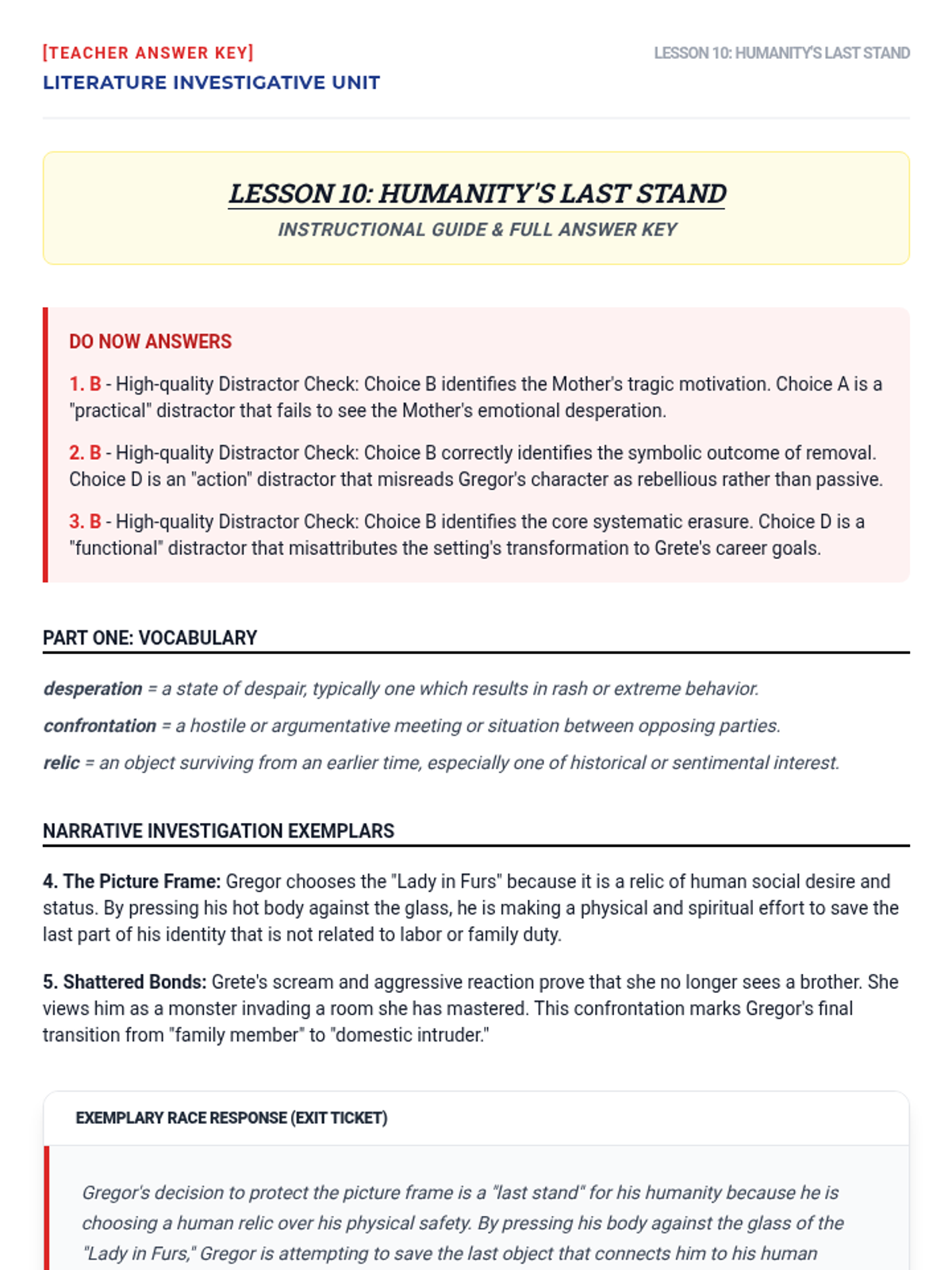
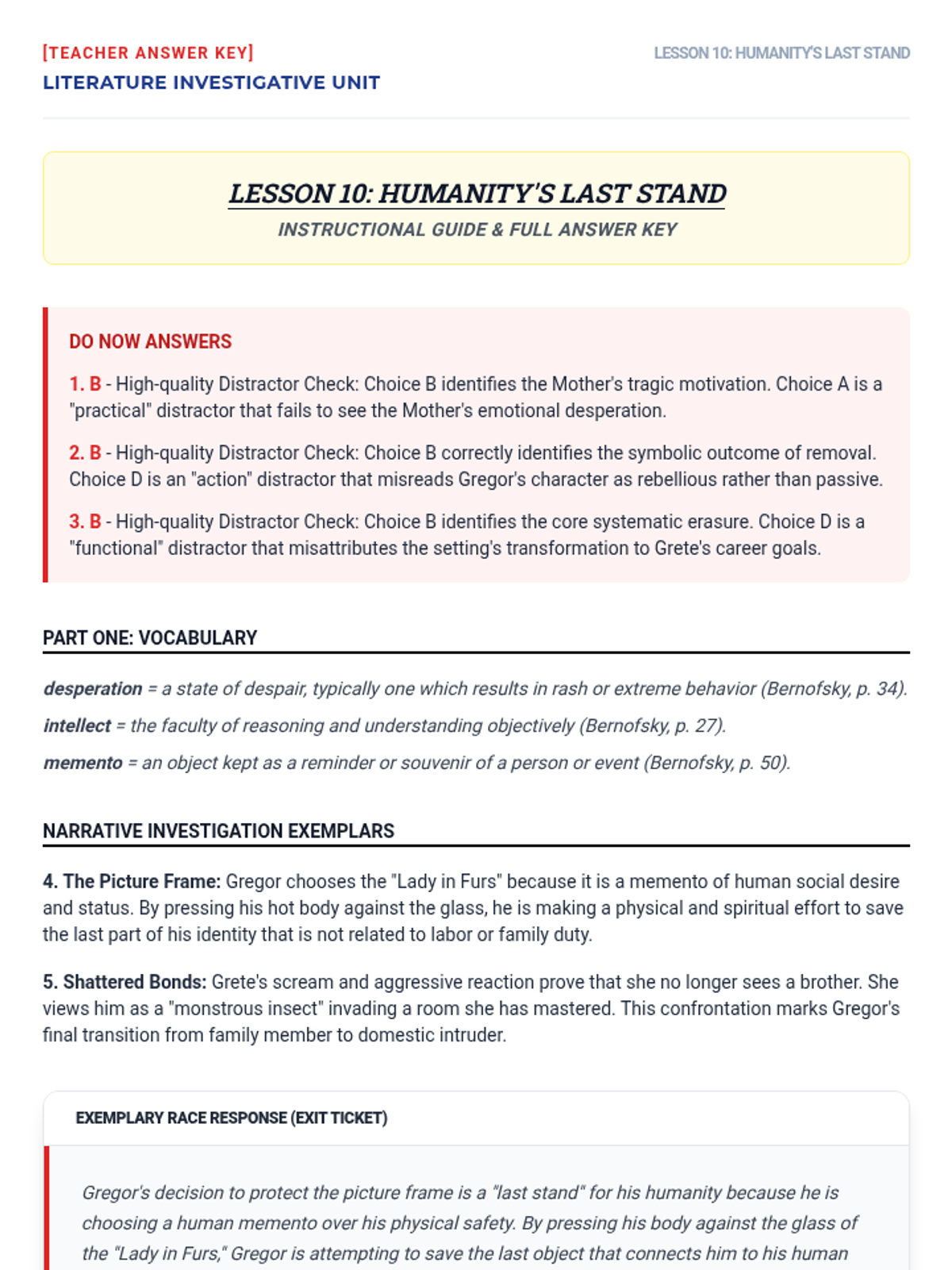
Gregor's desperate attempt to save his human identity by protecting the picture frame. Focus on the direct confrontation with Grete.
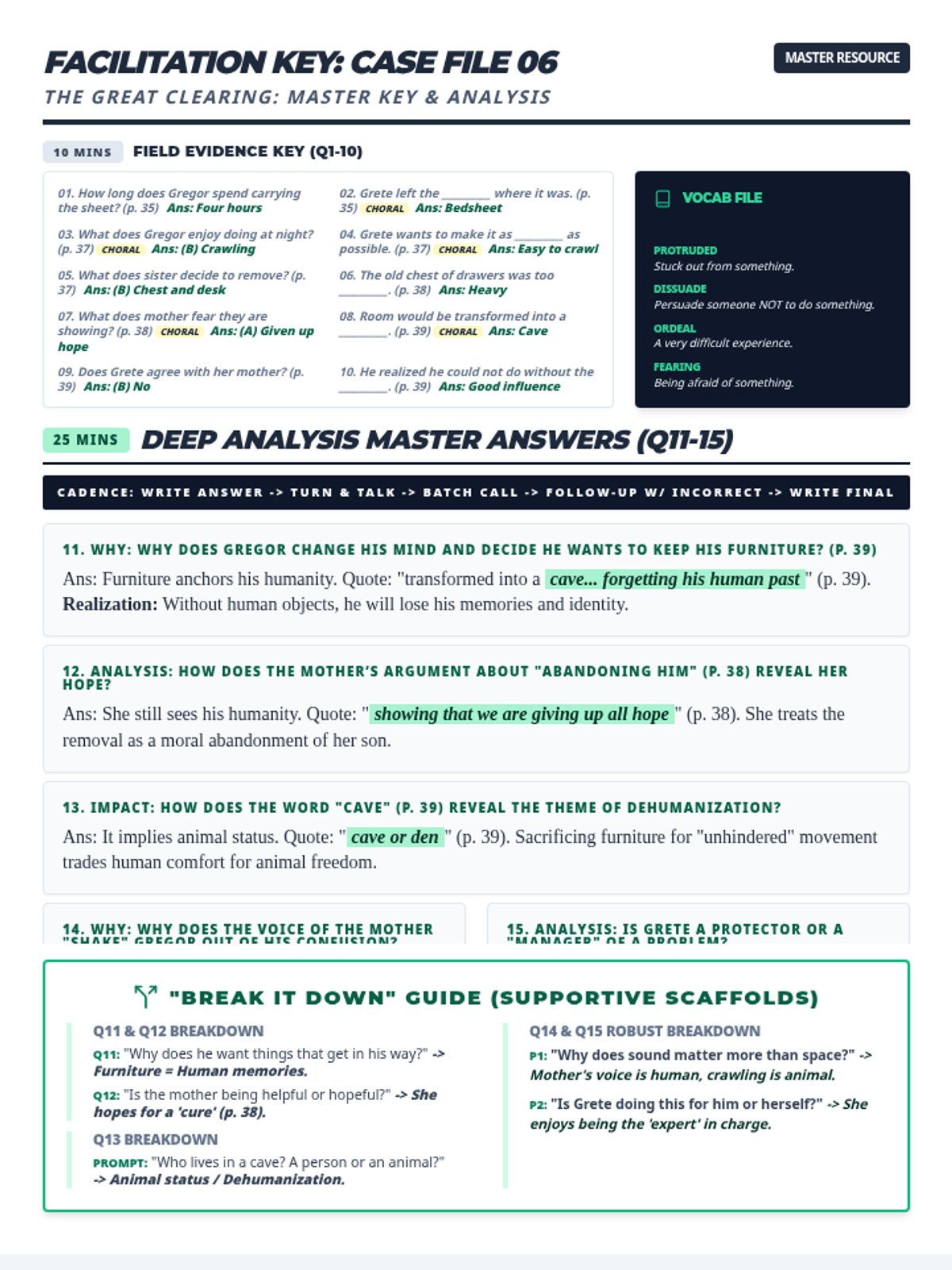
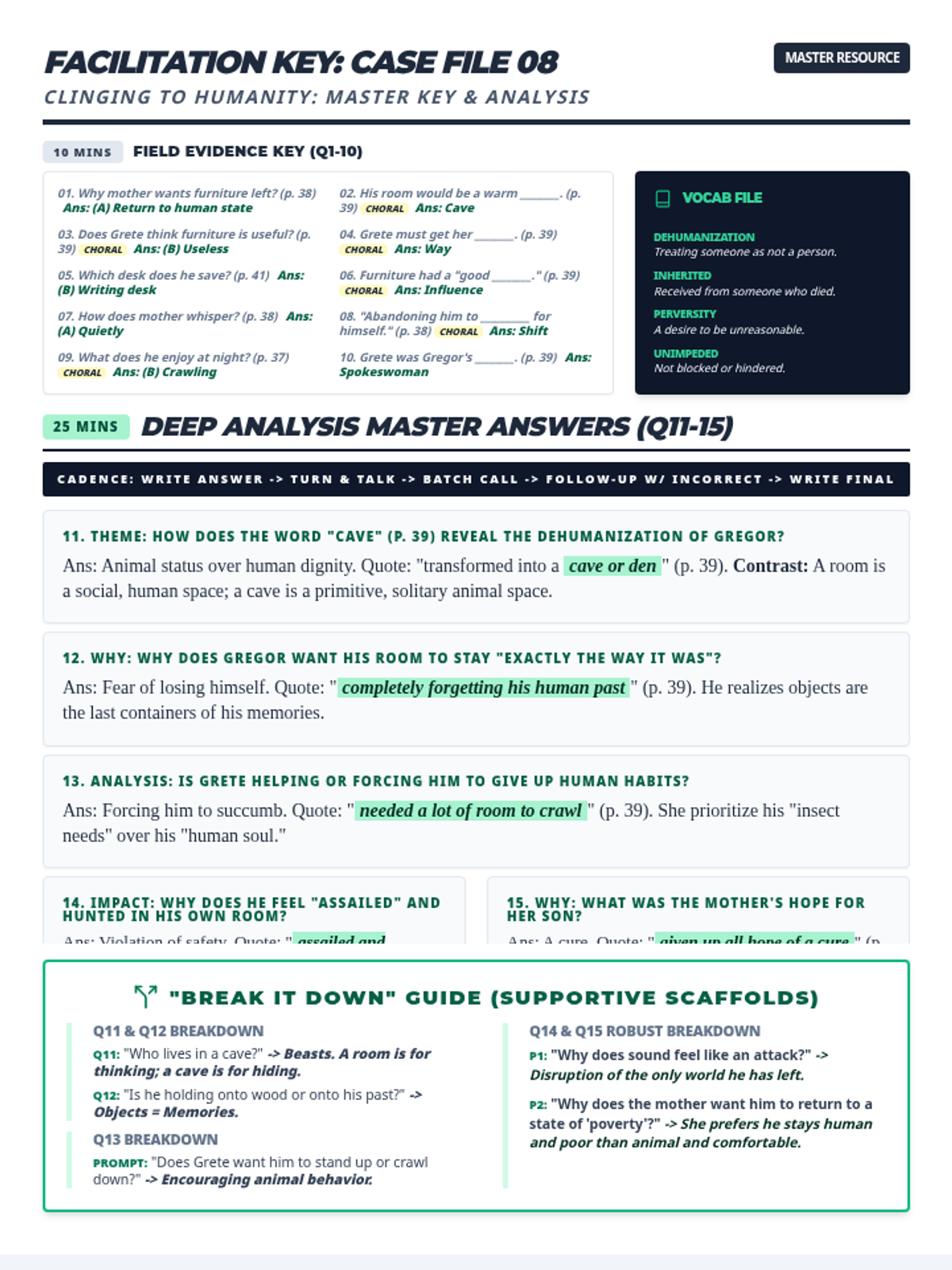
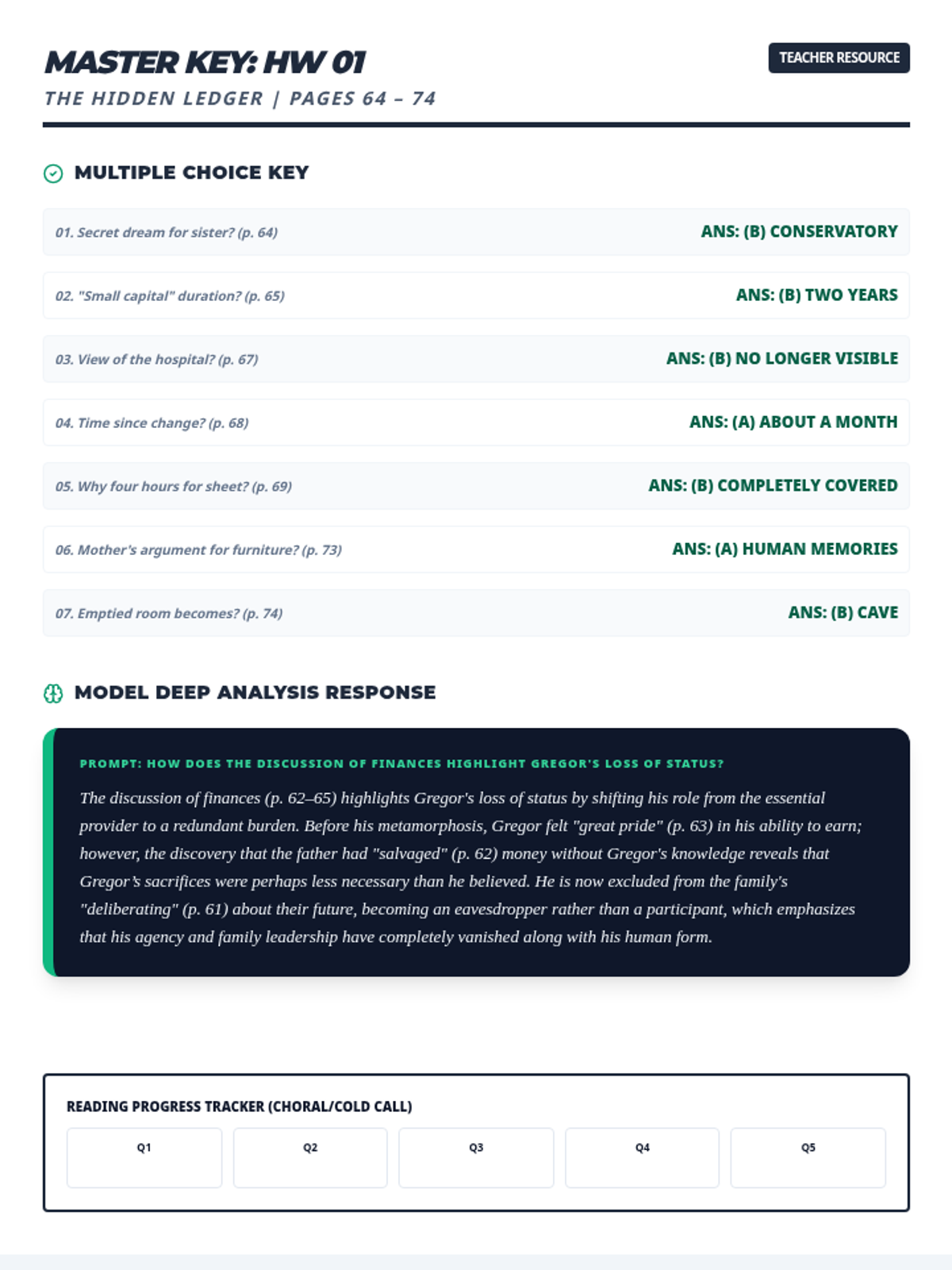
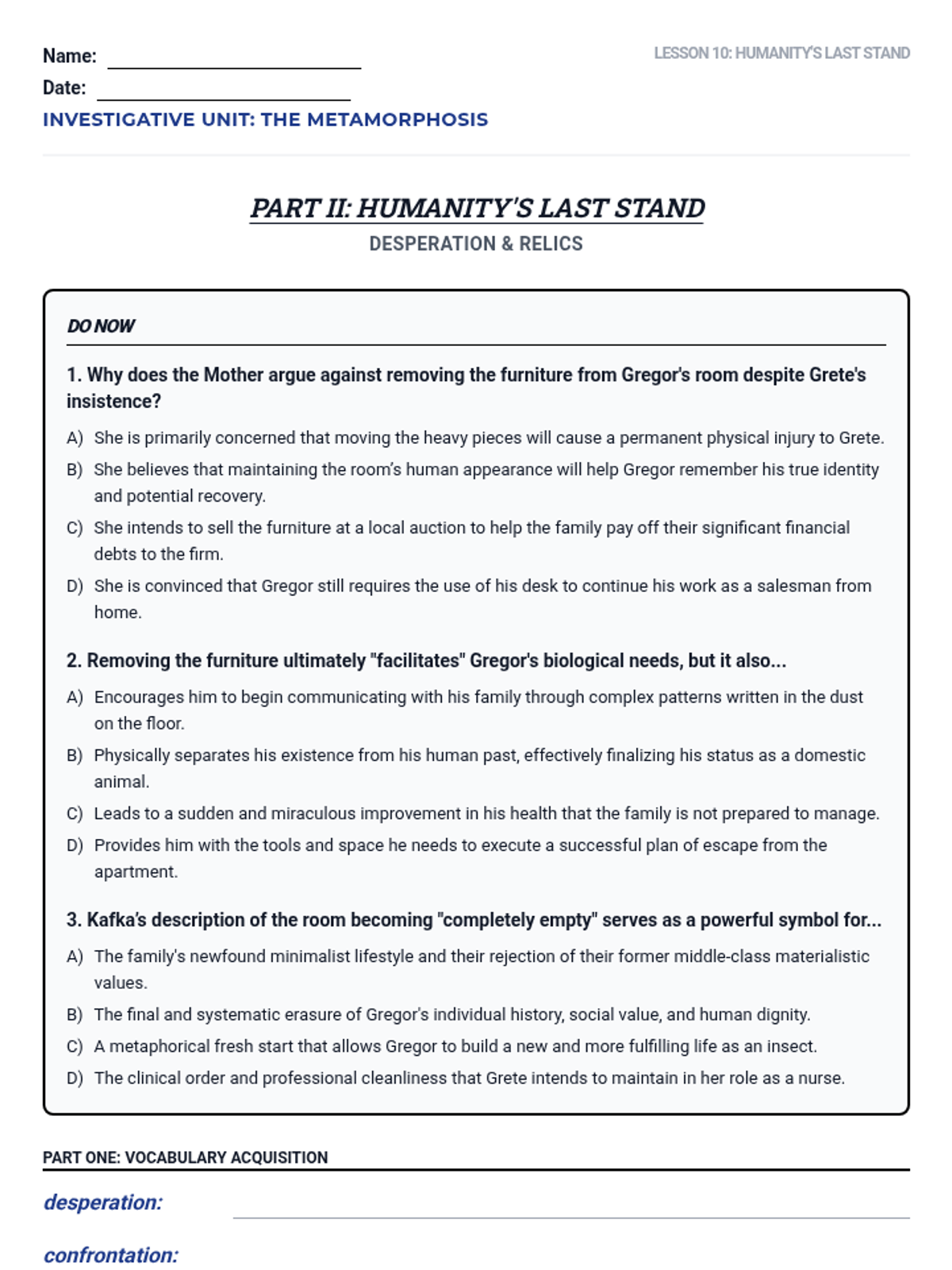
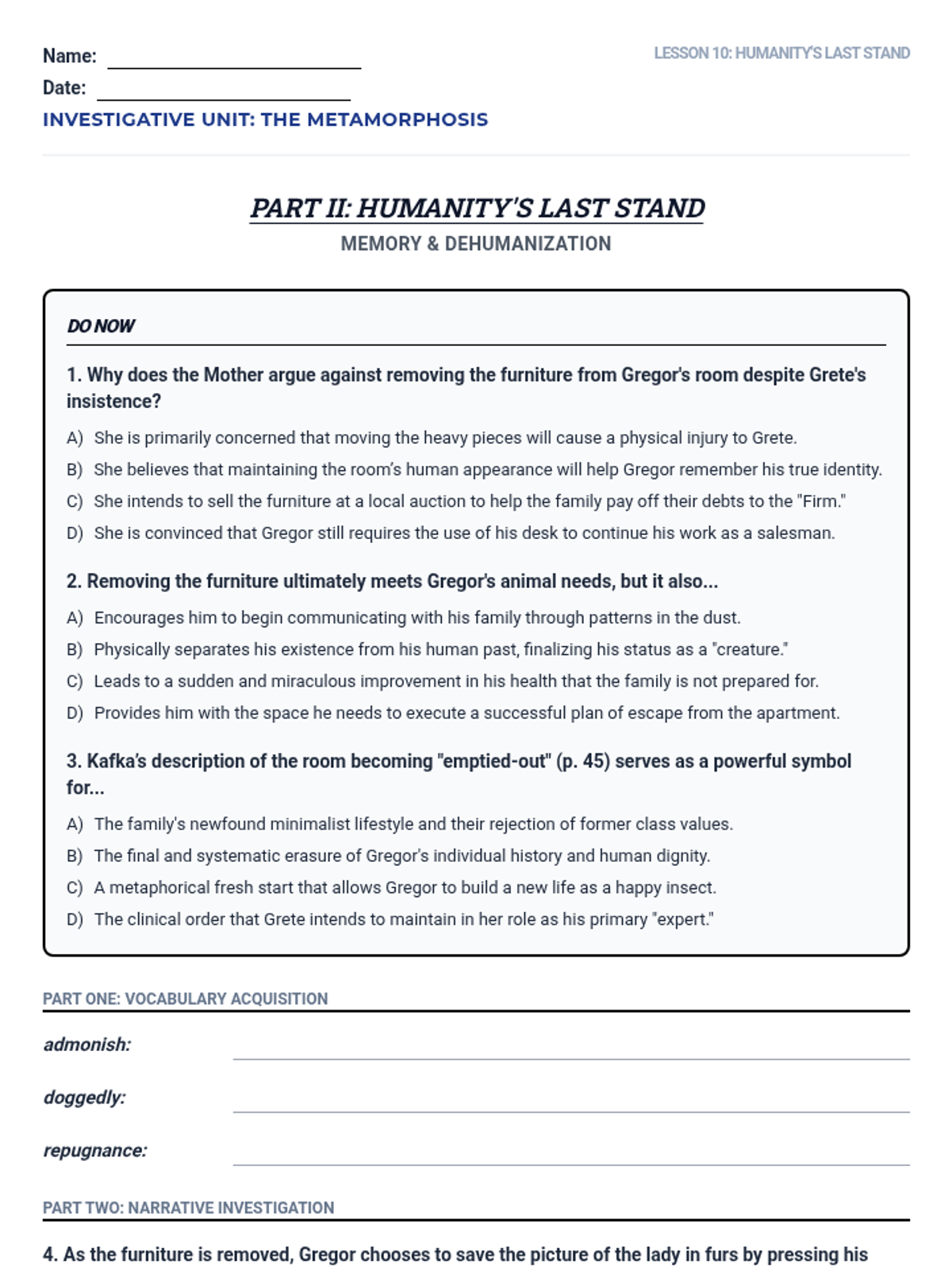
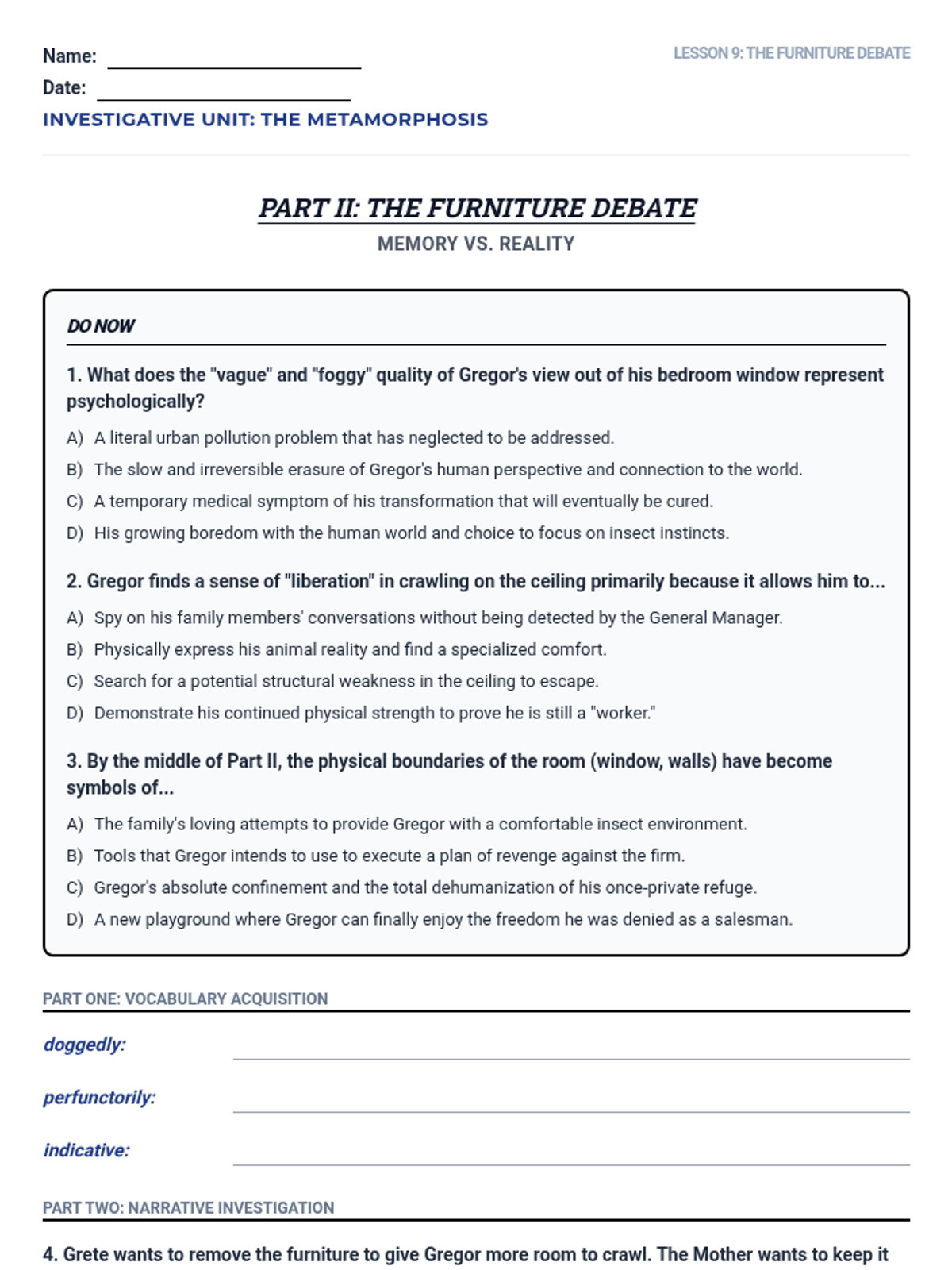
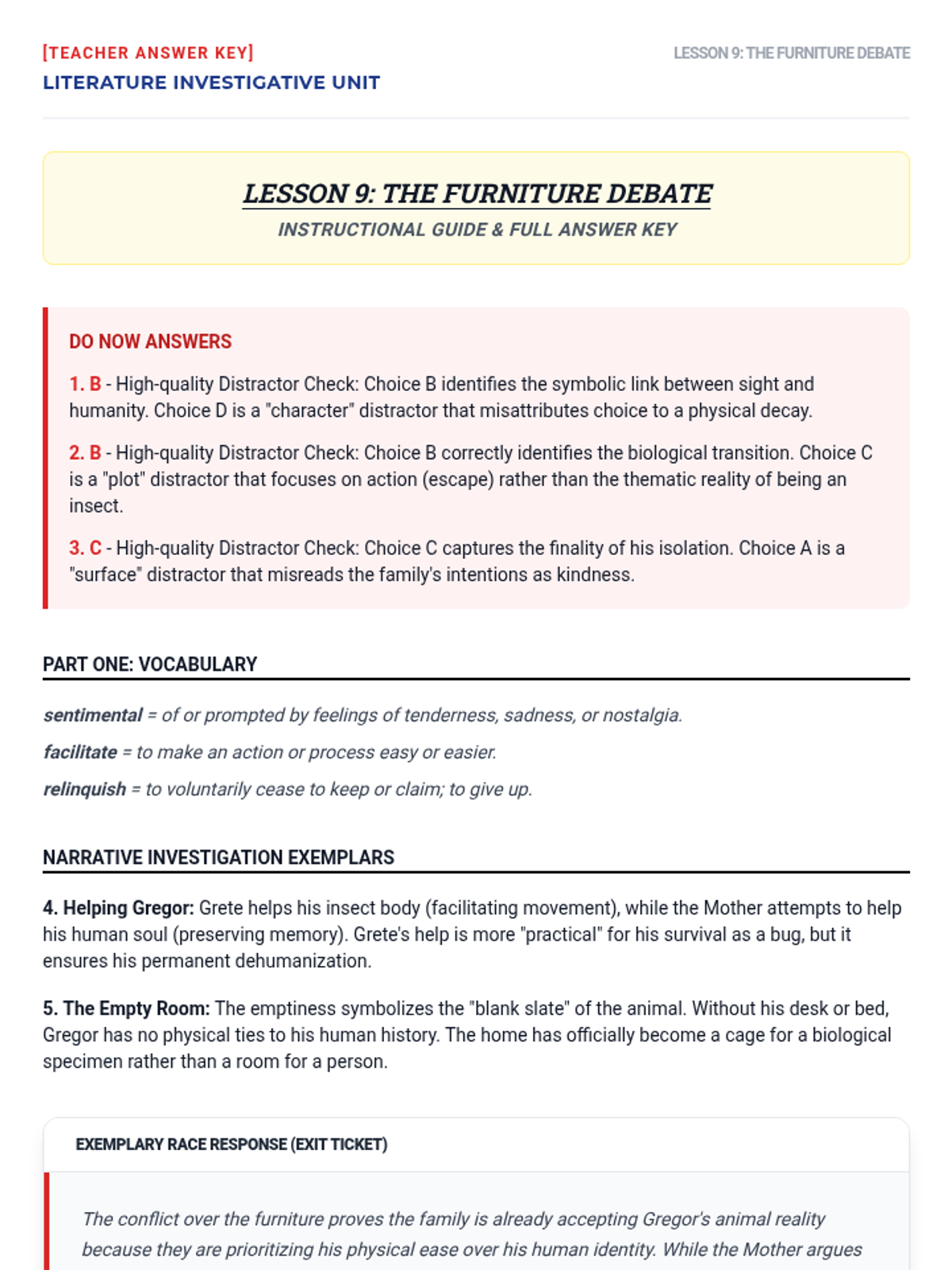
The conflict between Grete and the Mother over removing Gregor's furniture. Themes of preserving human memory vs. accepting animal reality.
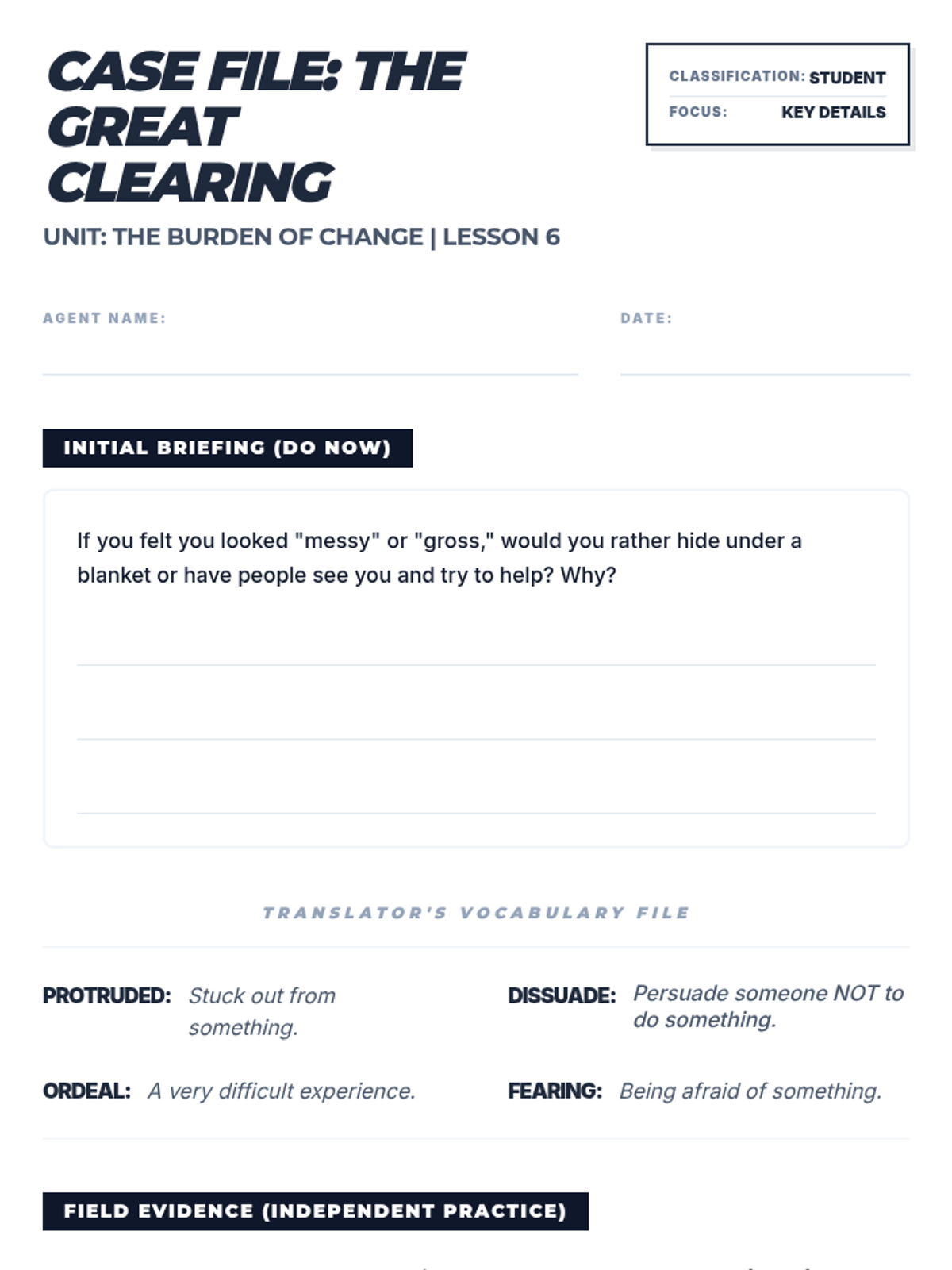
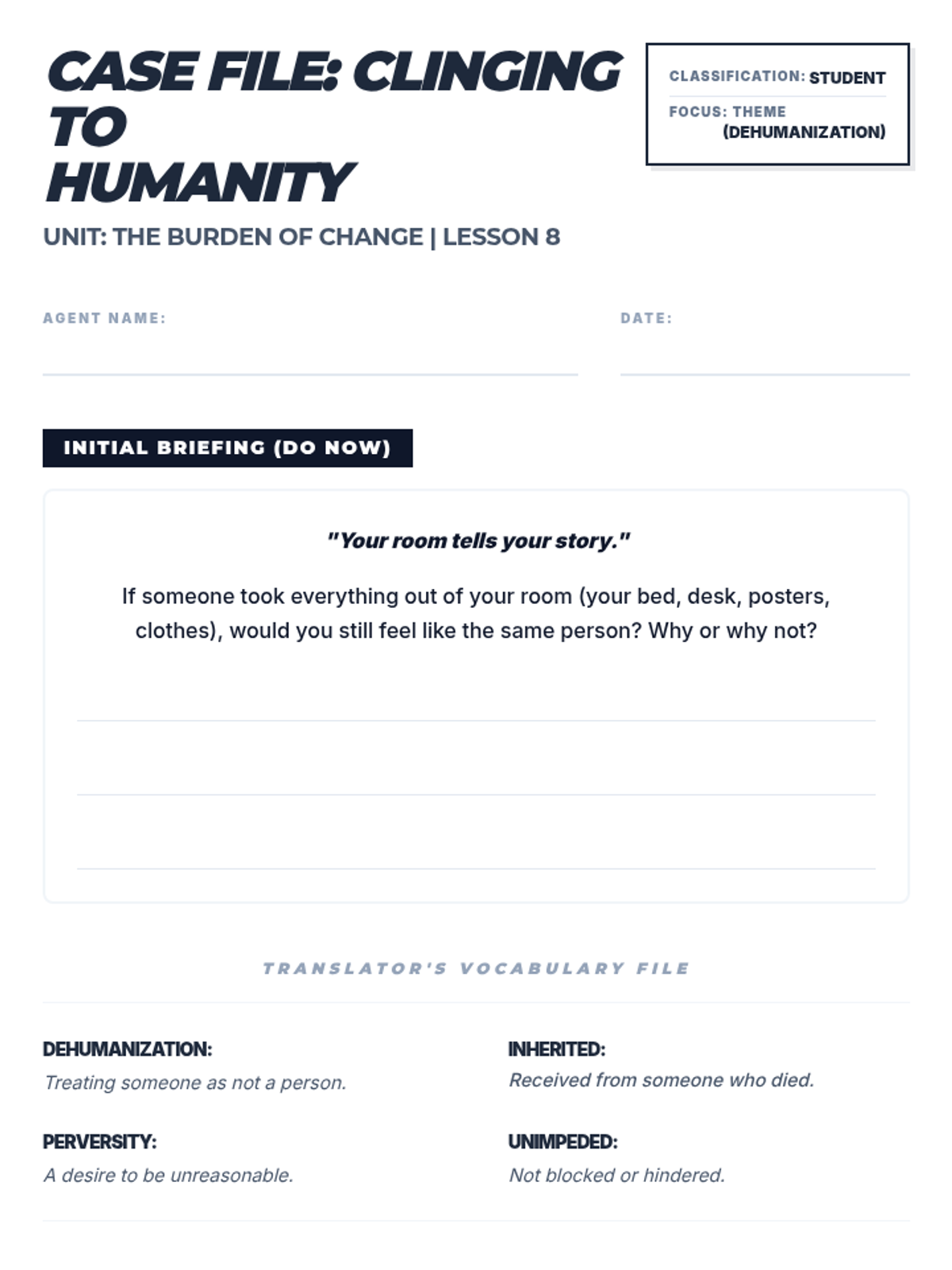
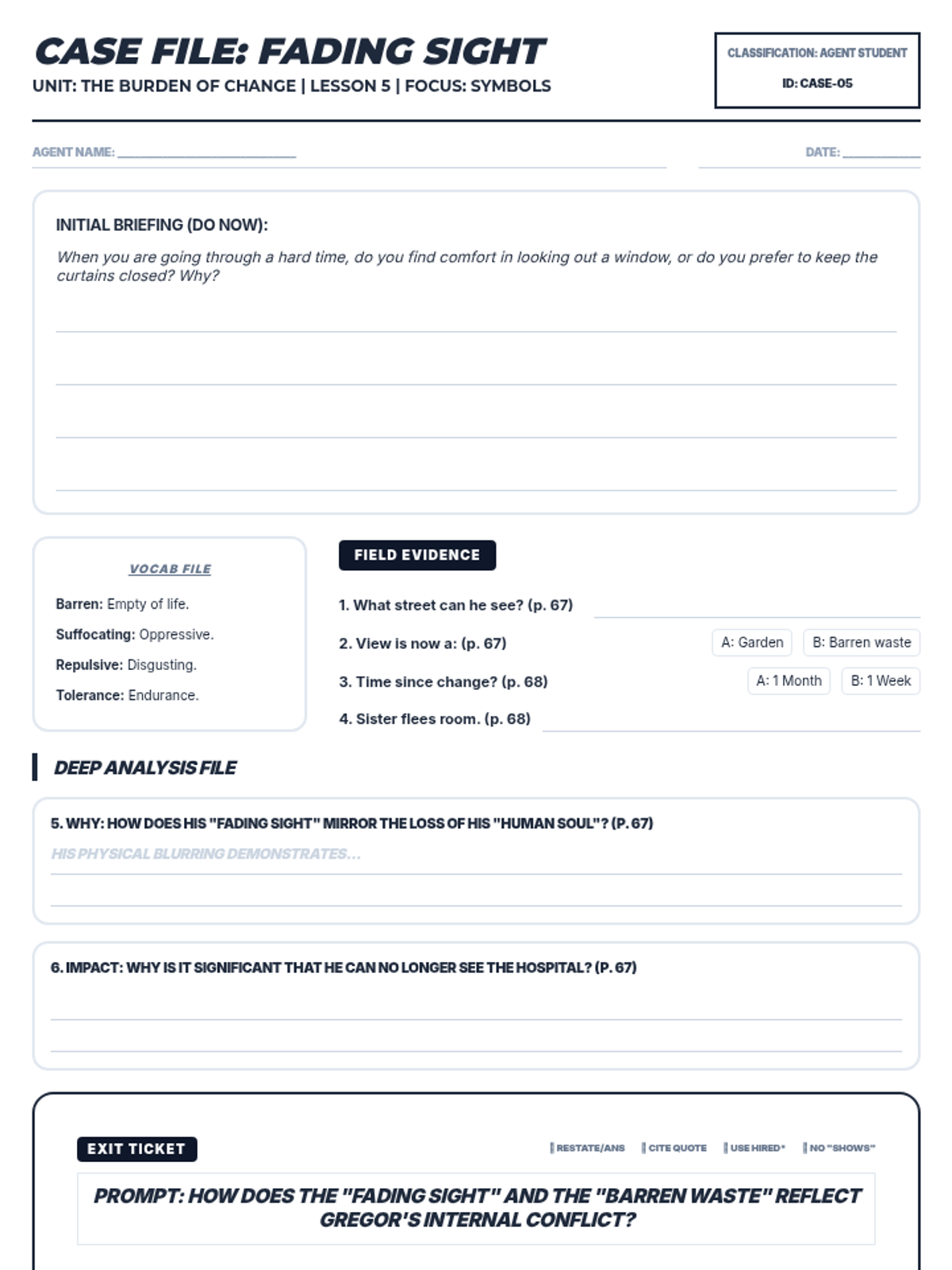
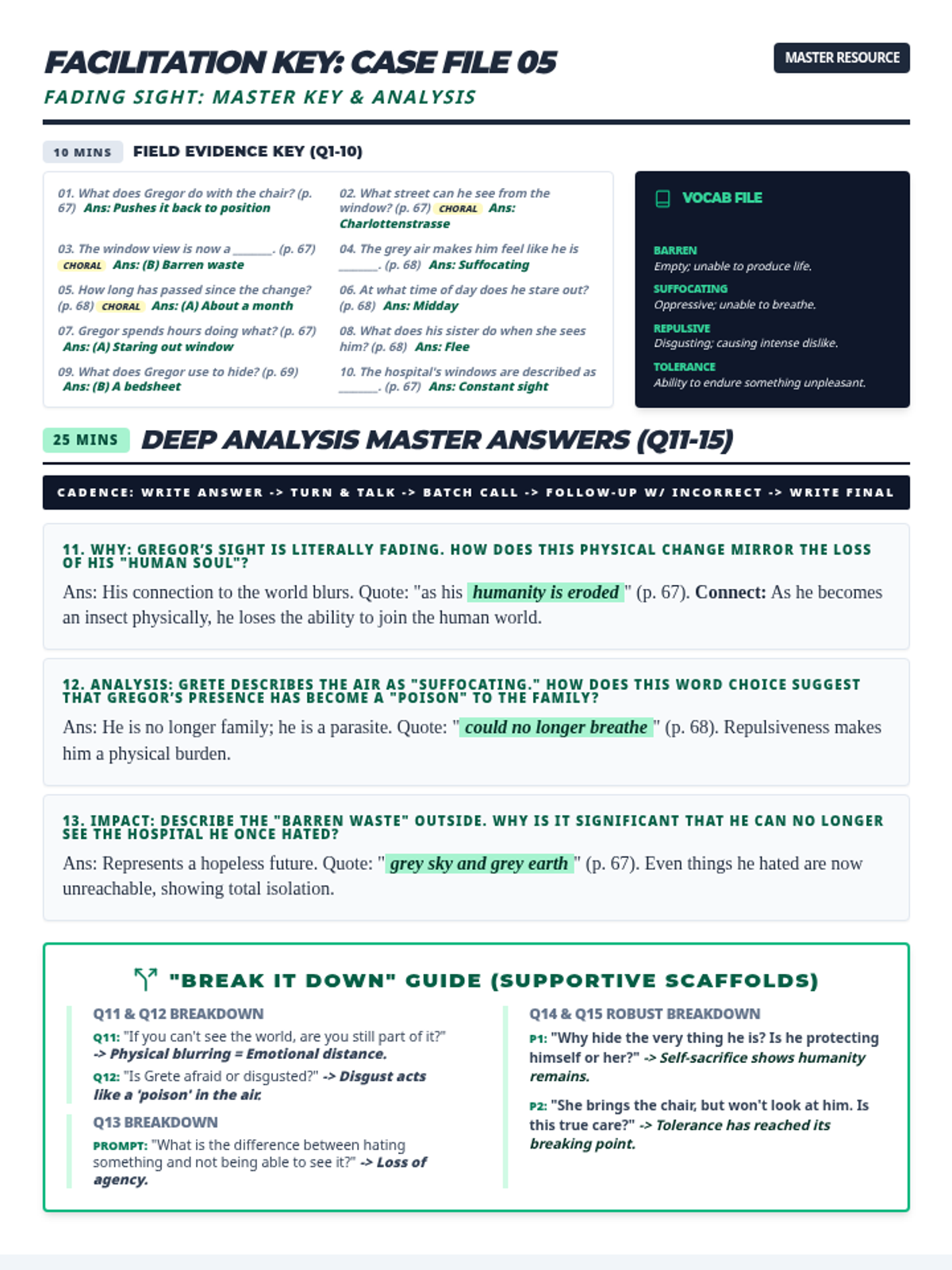
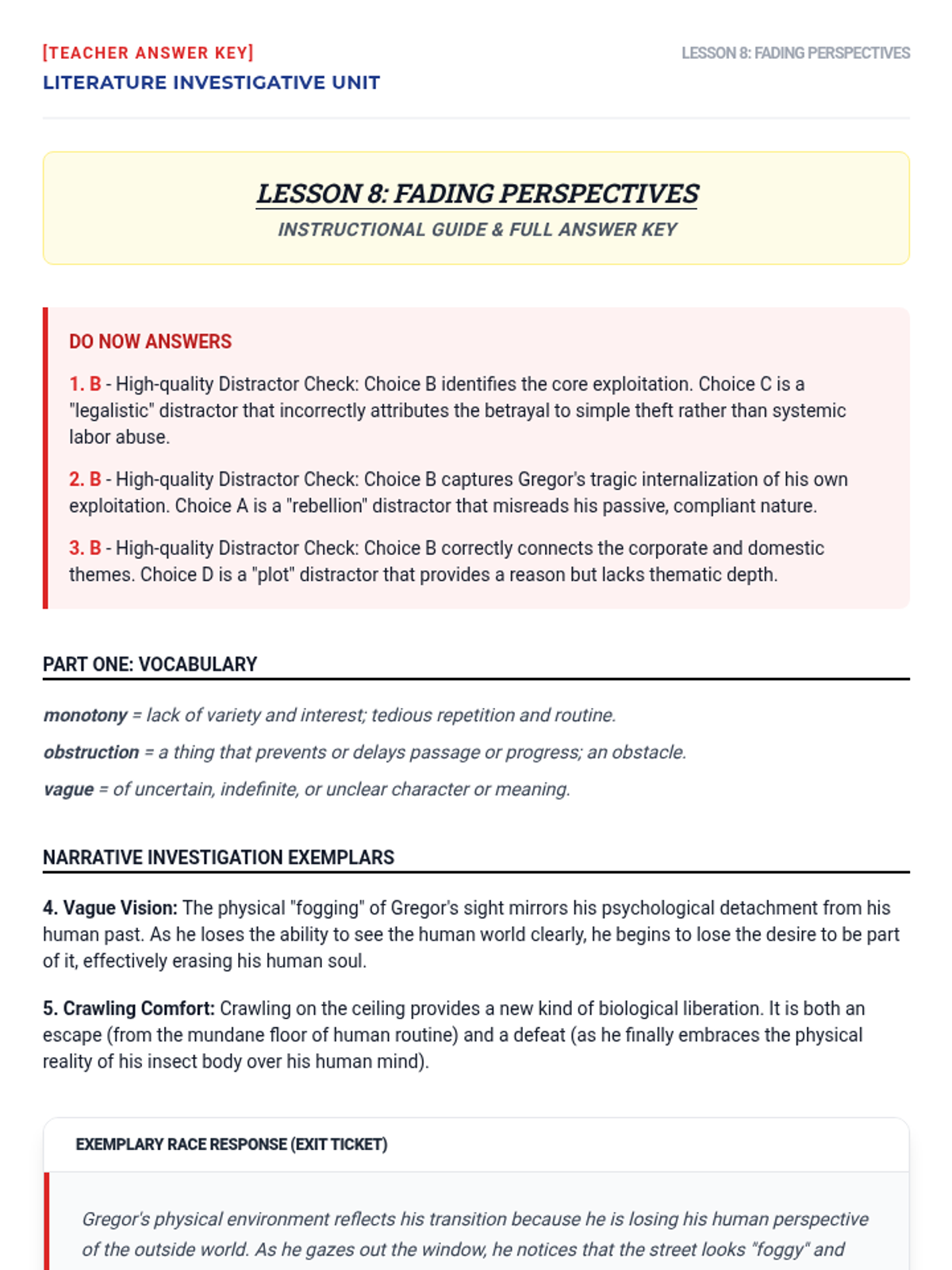
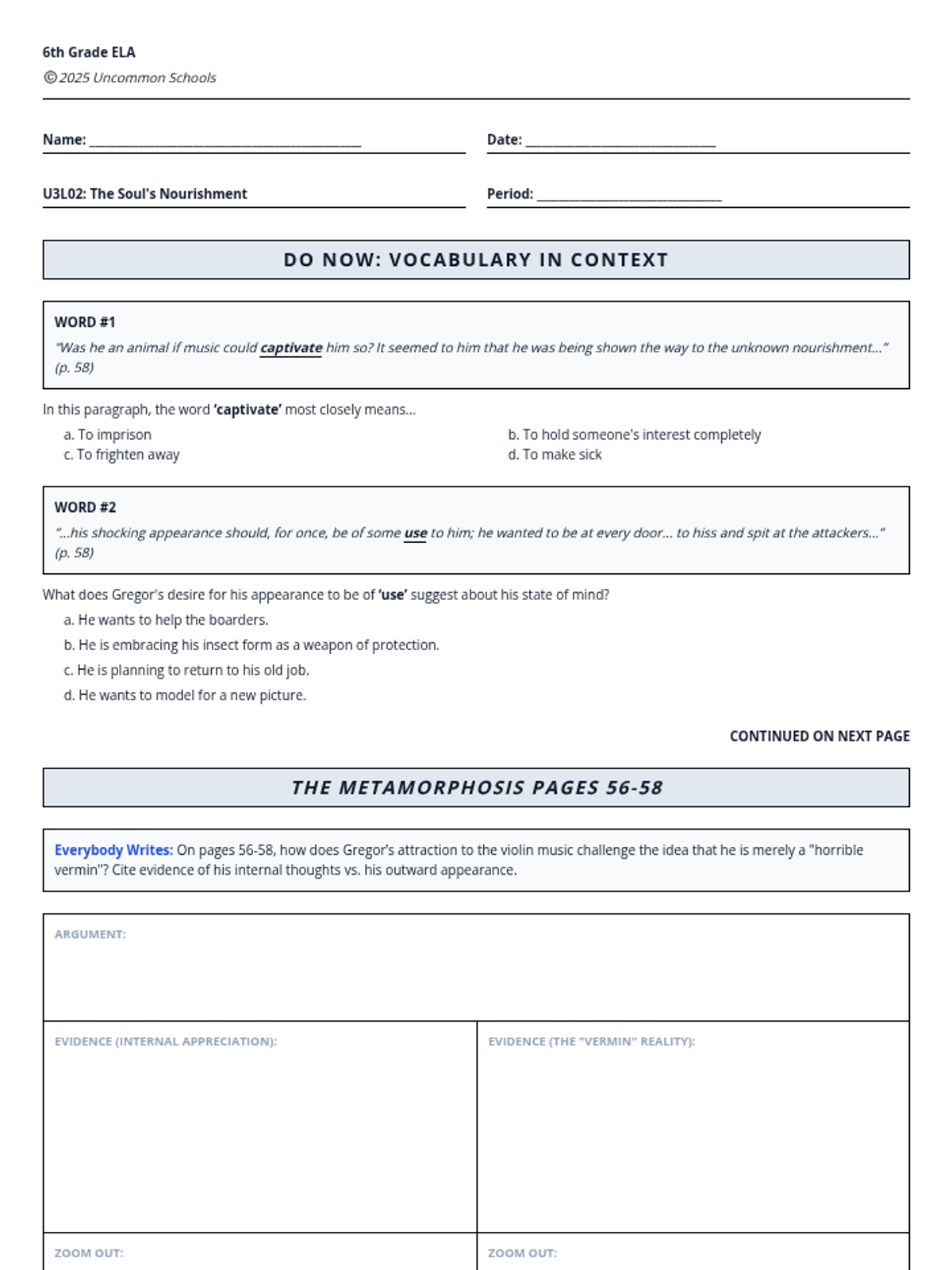
Students analyze Gregor's fading perception of the human world through his window view and his growing physical comfort in animalistic behaviors.
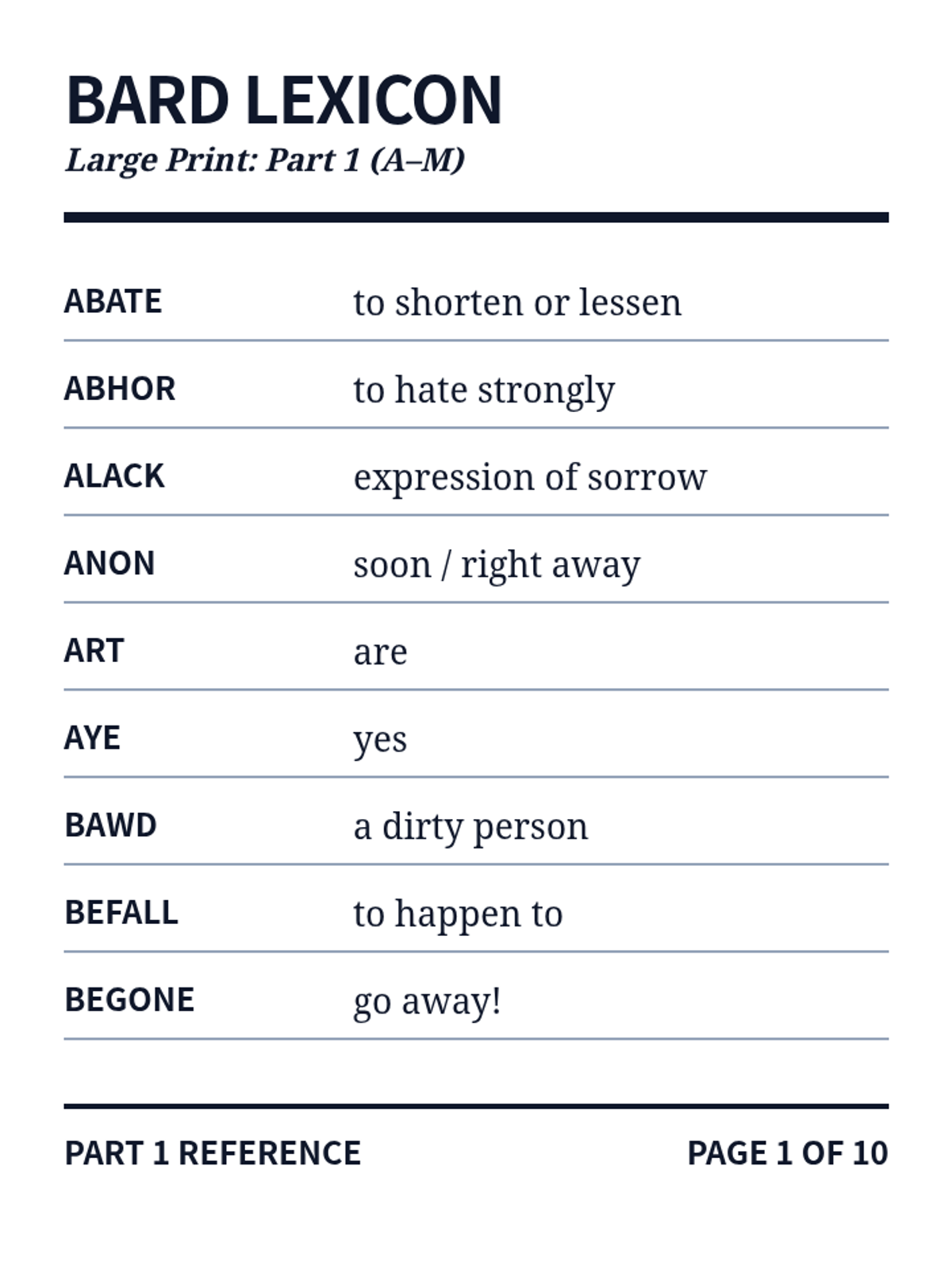
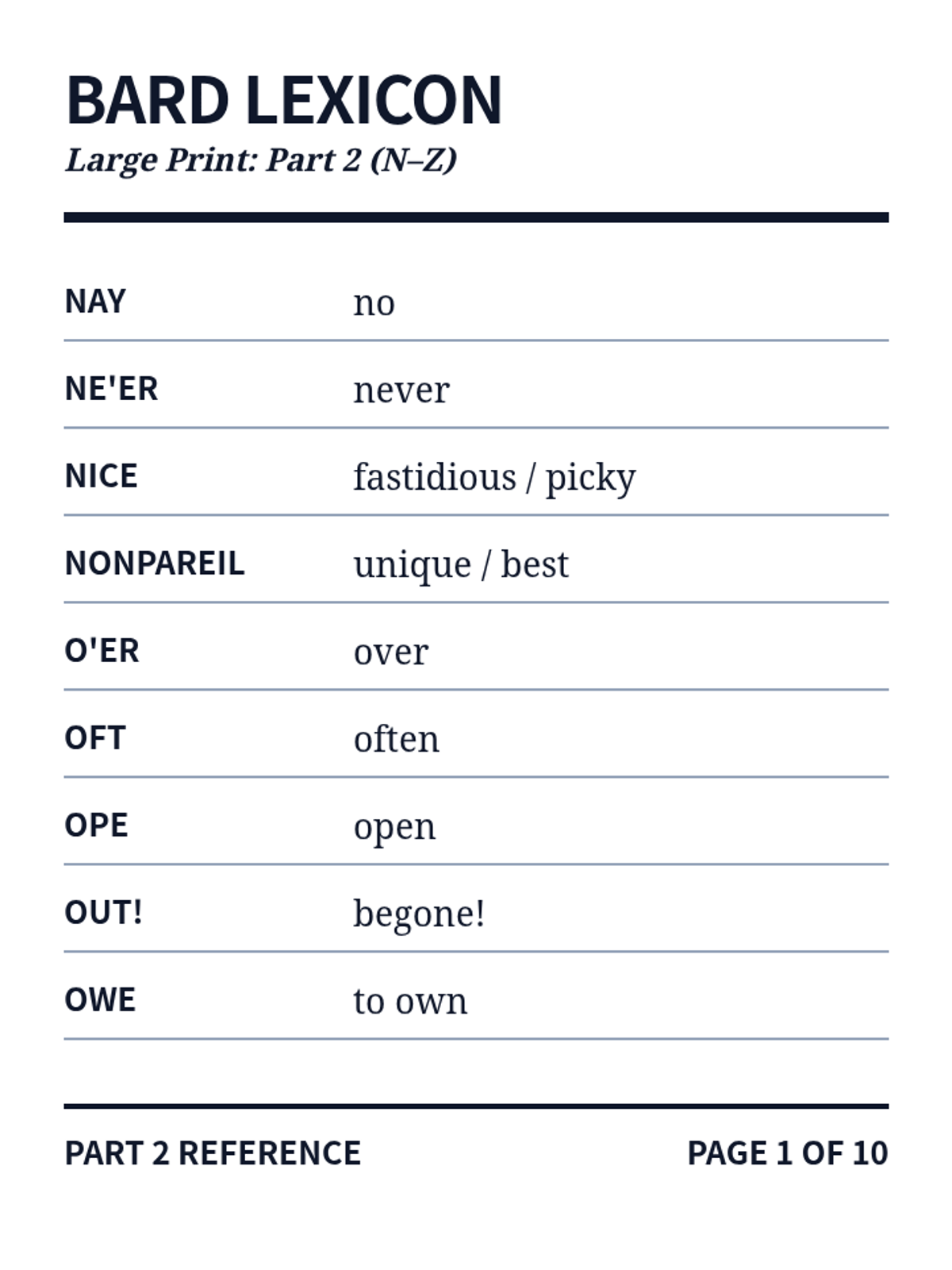
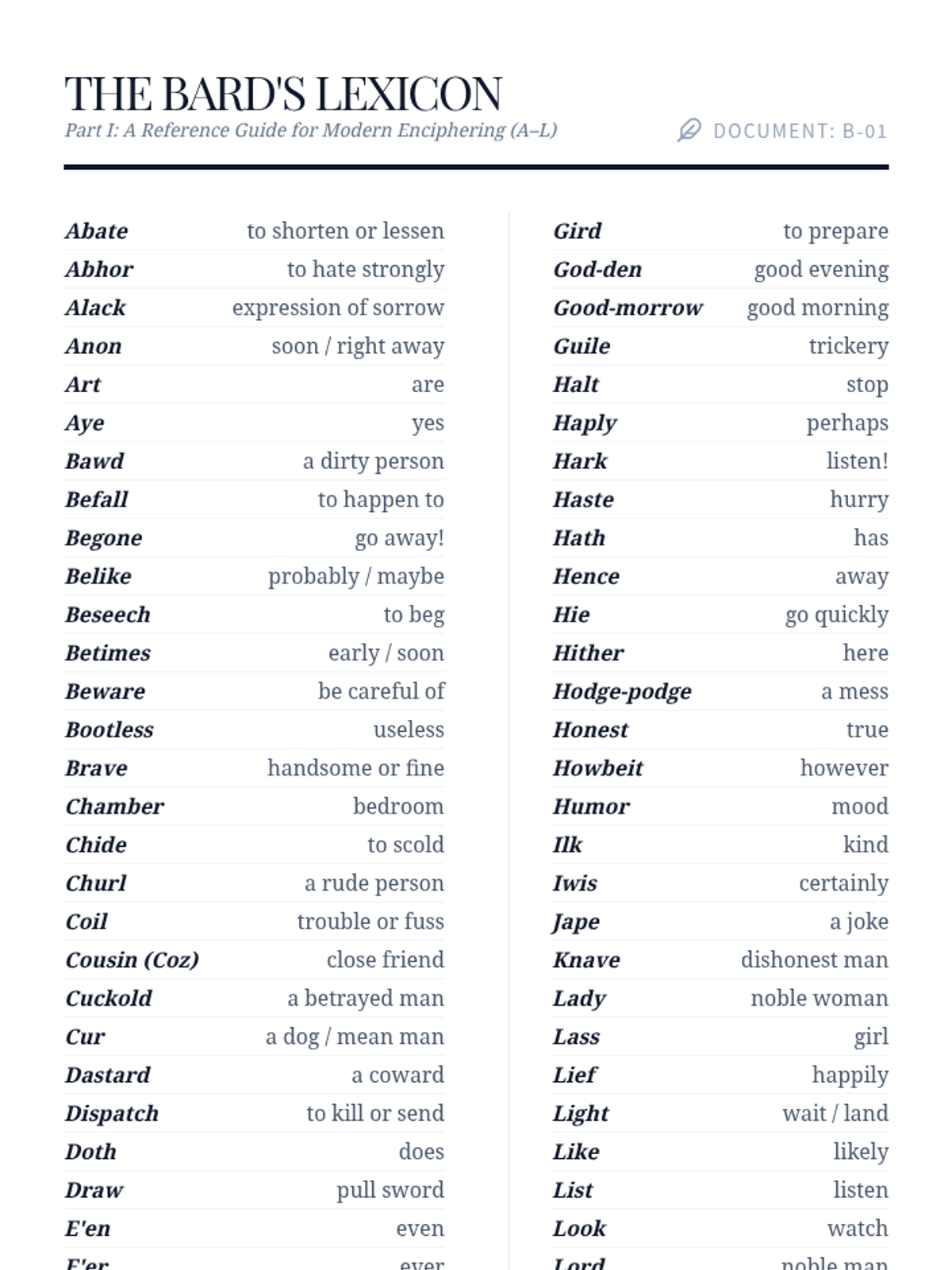
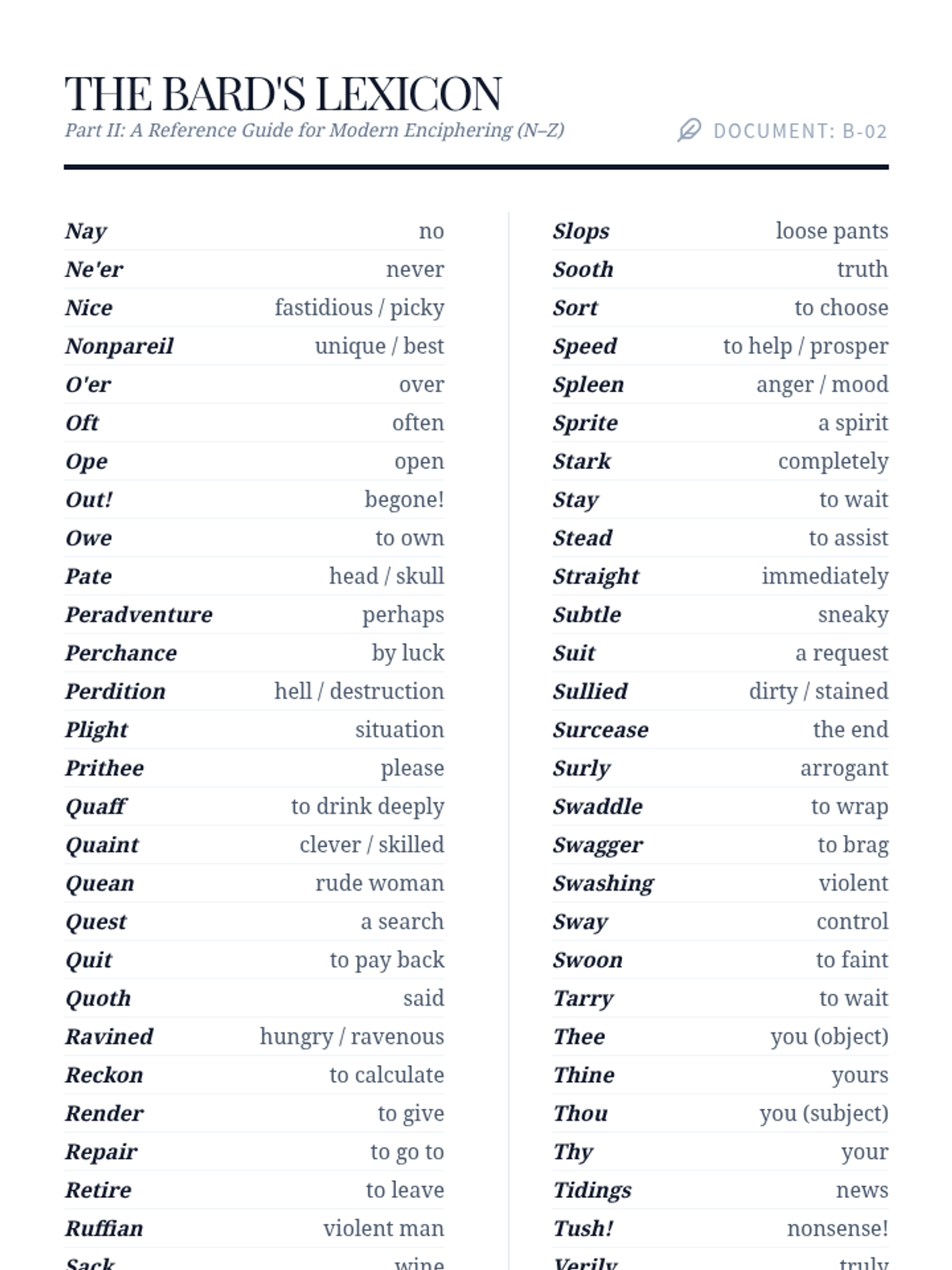
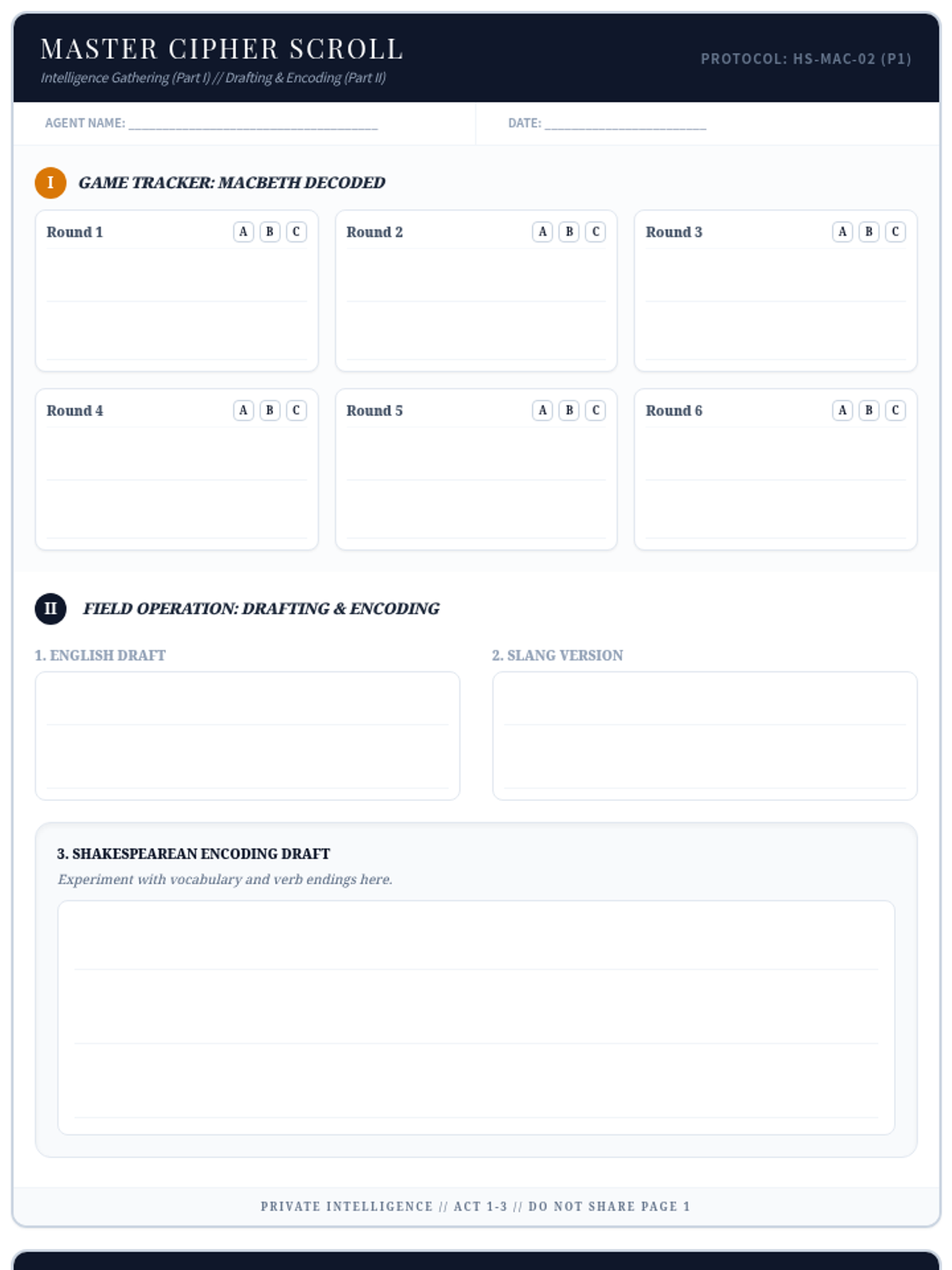
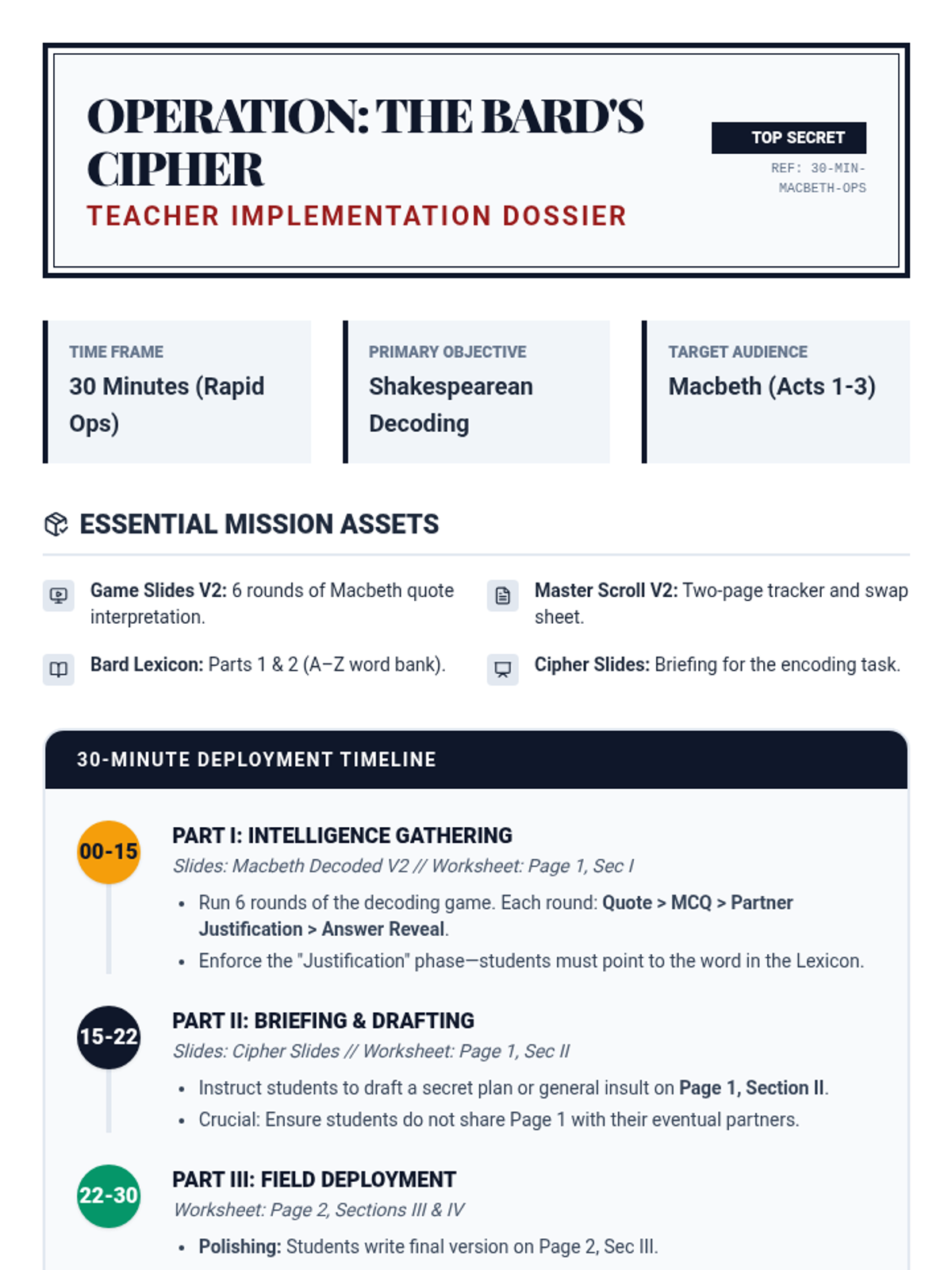
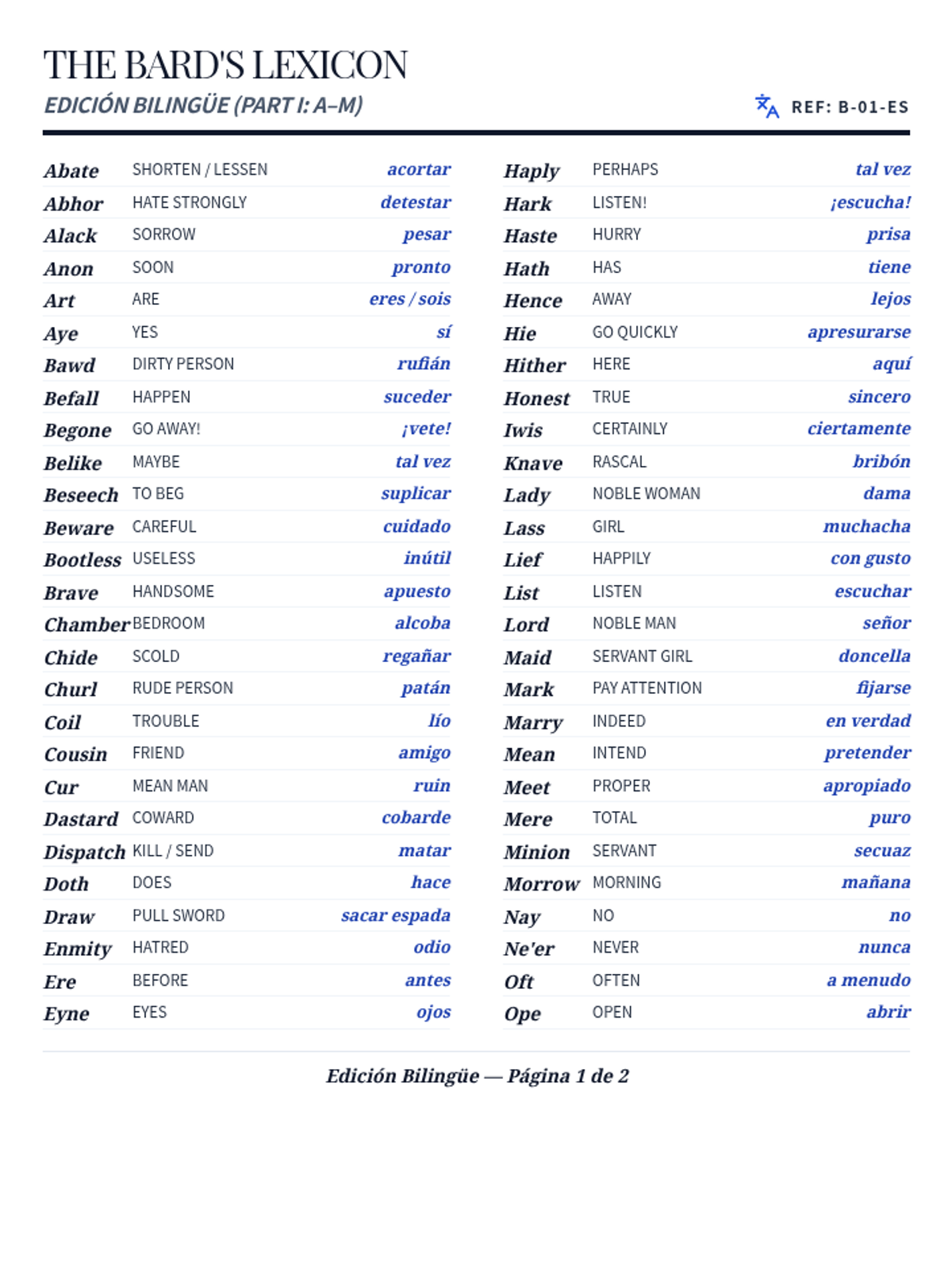
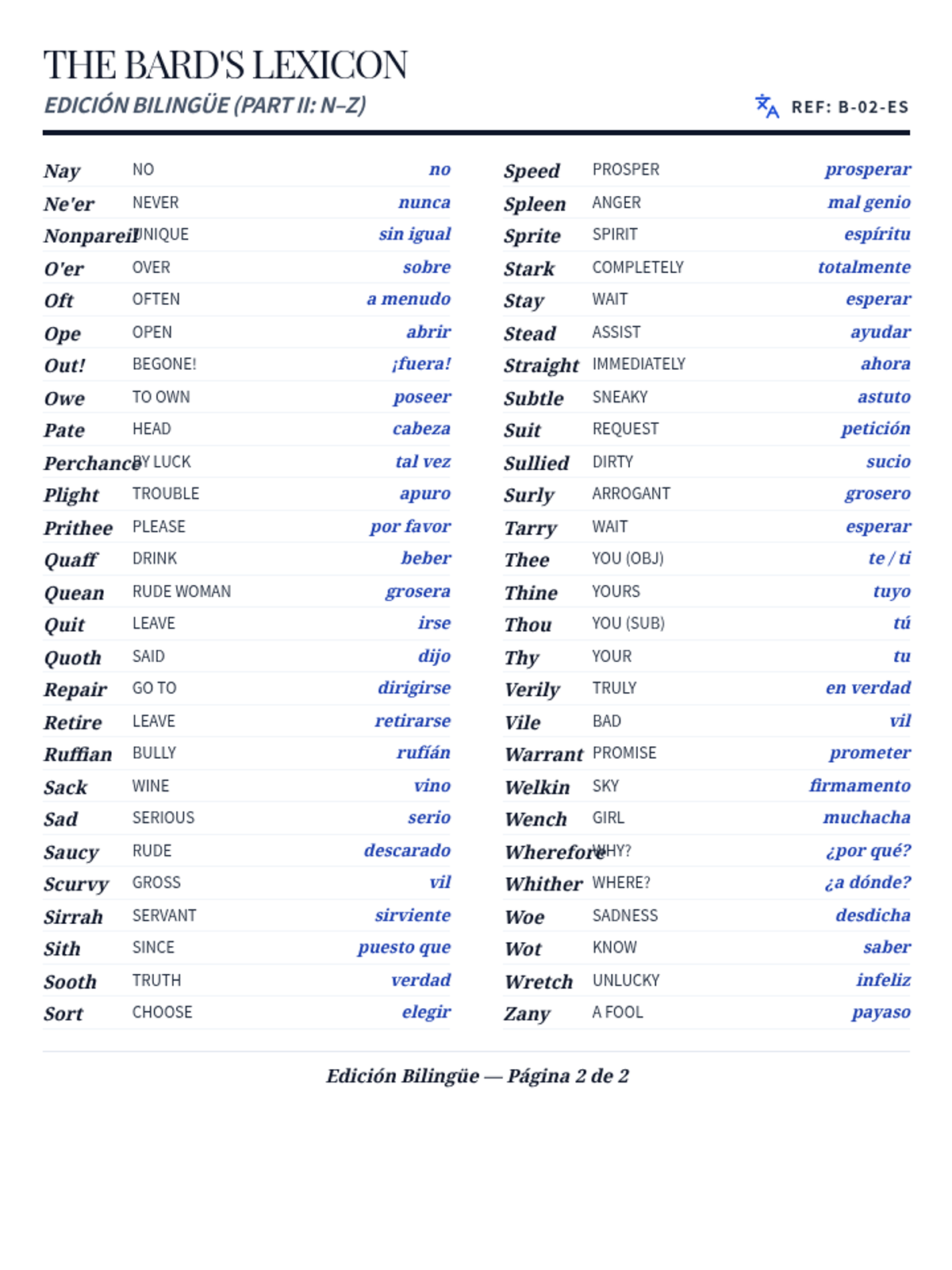
A comprehensive vocabulary resource and introductory lesson to help Spanish-speaking students decode the archaic language of Shakespeare's Macbeth.
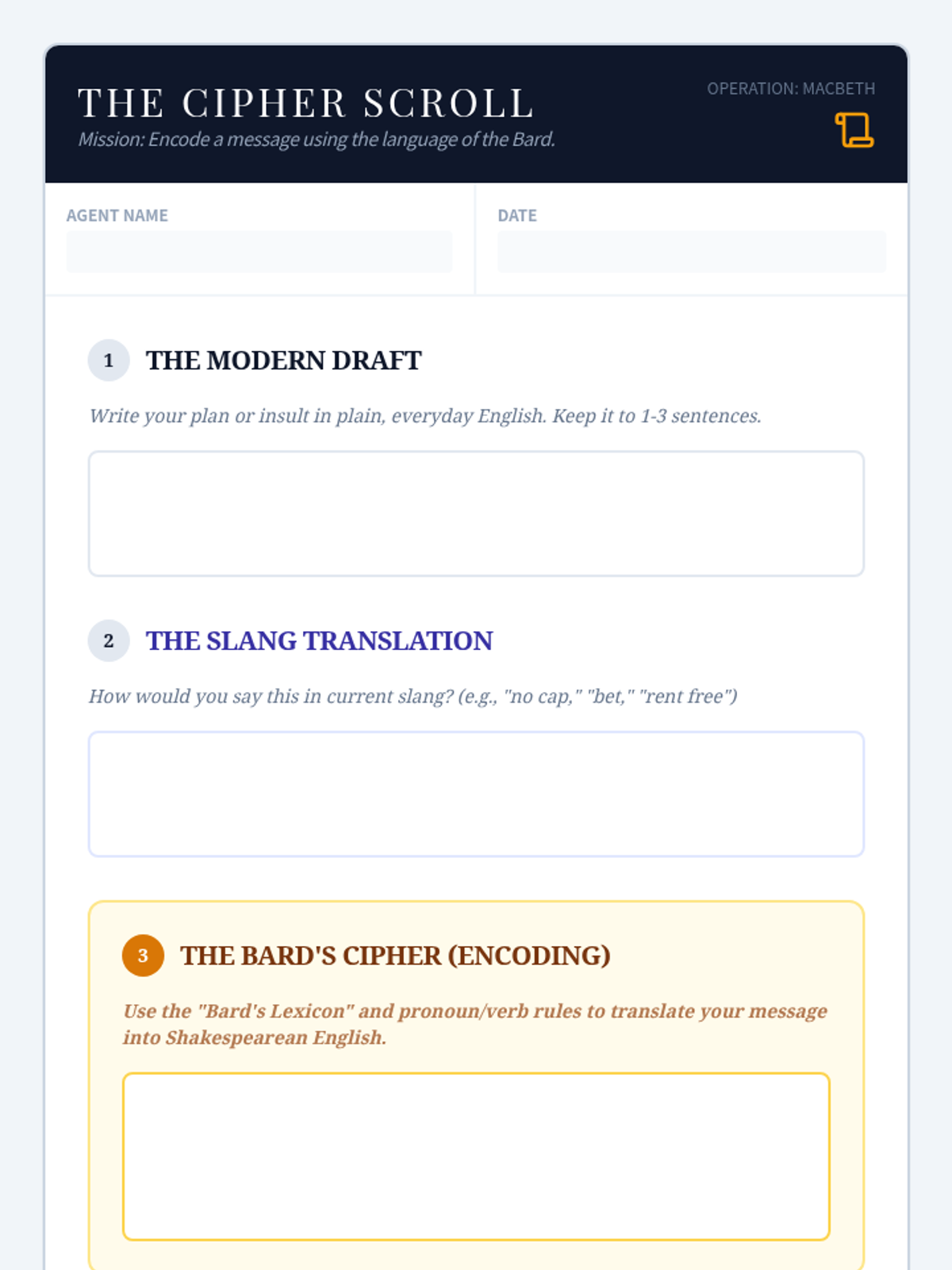
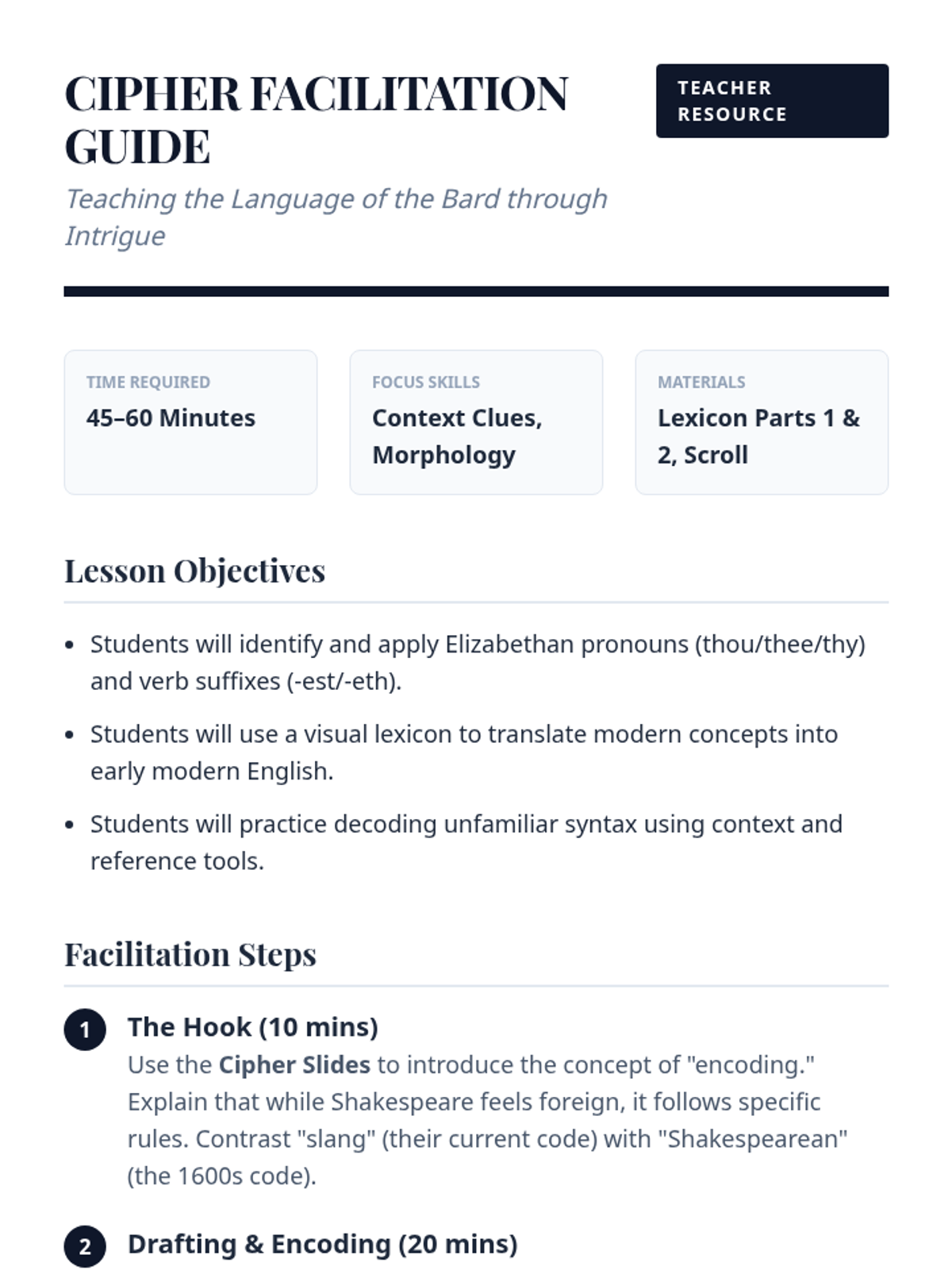
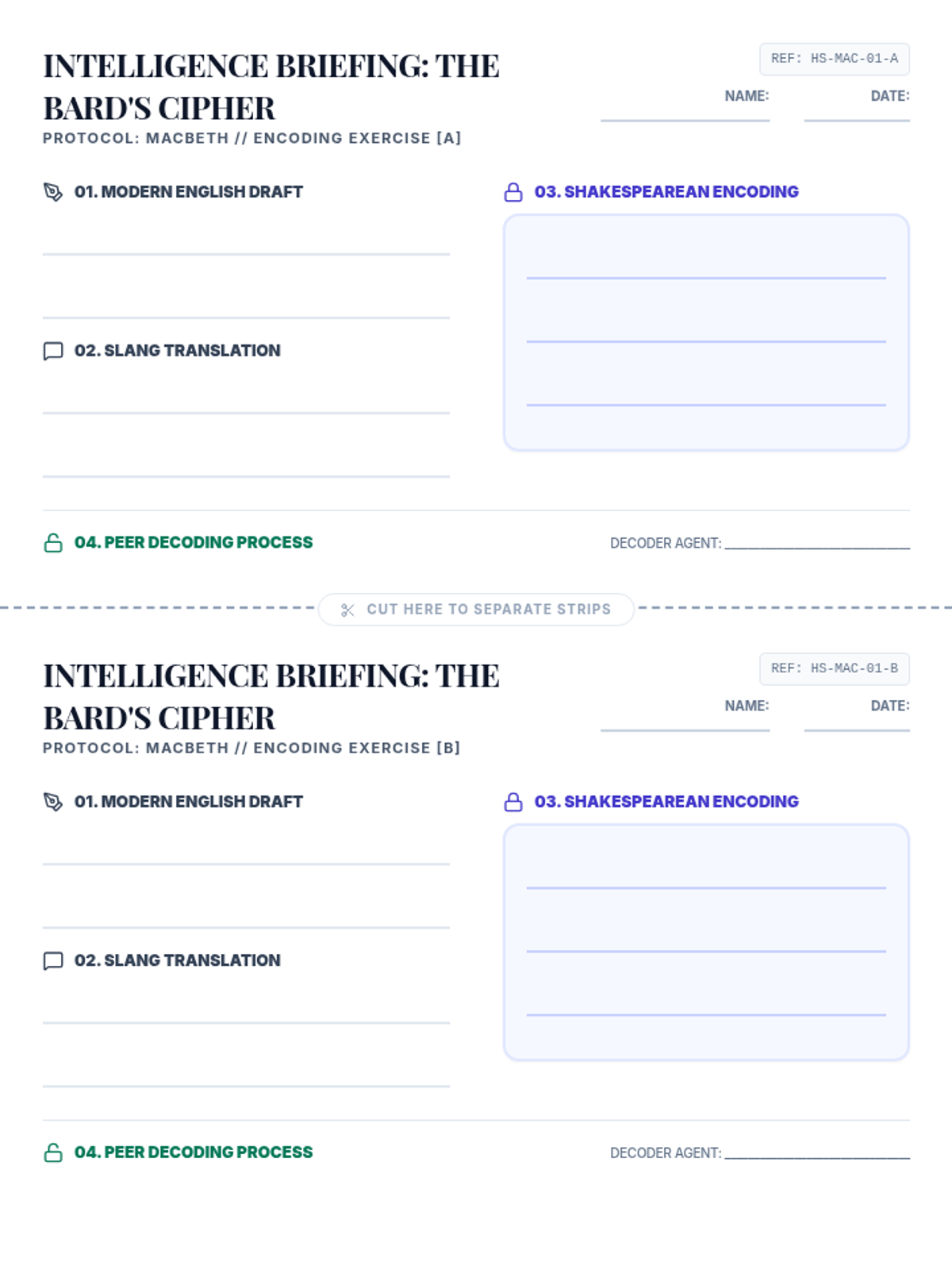
A hands-on activity where students learn to decode and encode Shakespearean language by writing secret messages or insults, then swapping them with peers to translate.
The final week of drills providing high-rigor mixed practice to simulate the full range of the TSIA2 Writing section.
The third week of drills introducing more nuanced grammar rules and mixed practice scenarios.
The second week of drills focusing on organizational flow and complex sentence combining techniques.
The first week of TSIA2 preparation focusing on the fundamental rules of punctuation, grammar, and sentence structure through daily three-question drills.
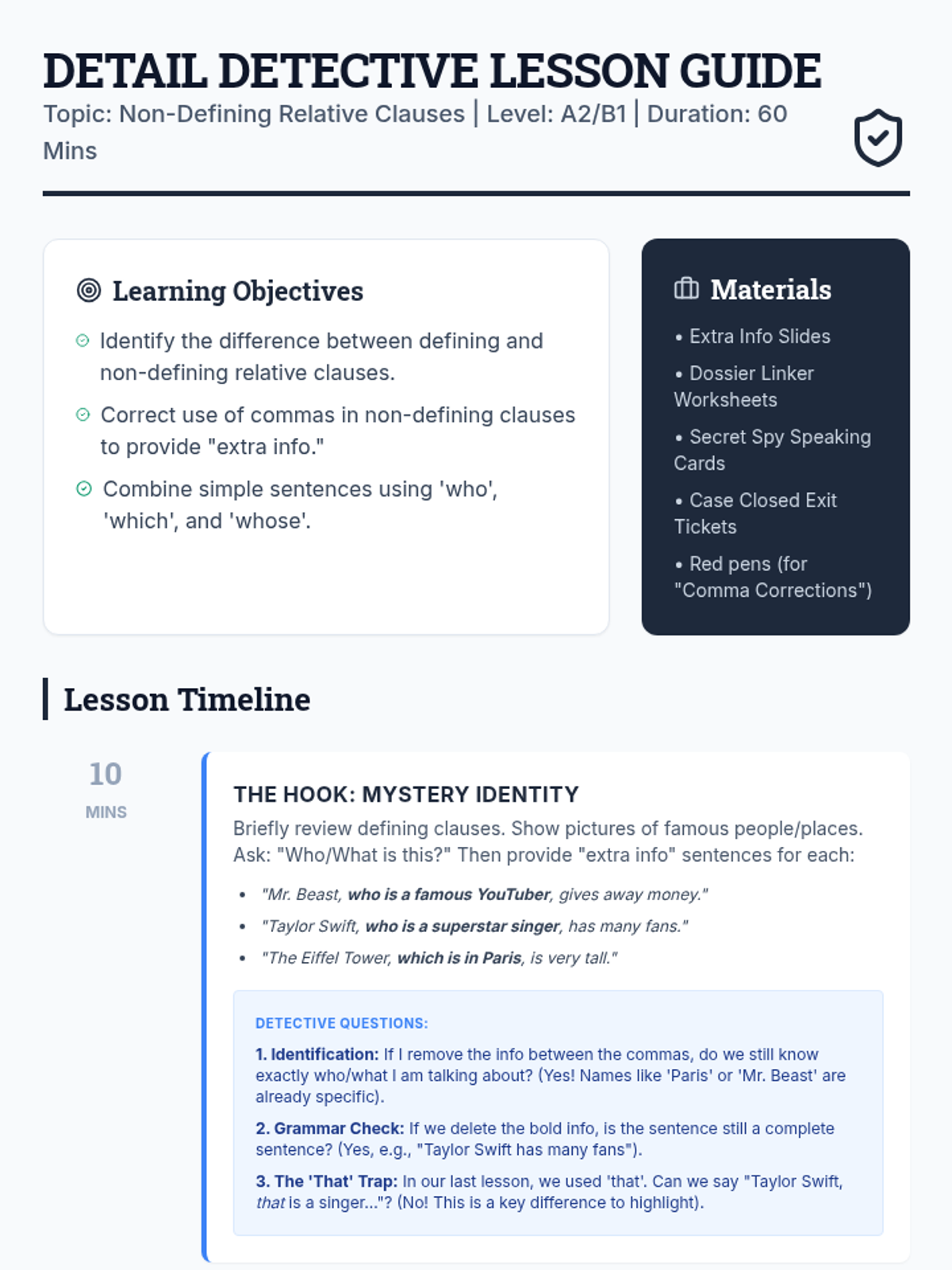
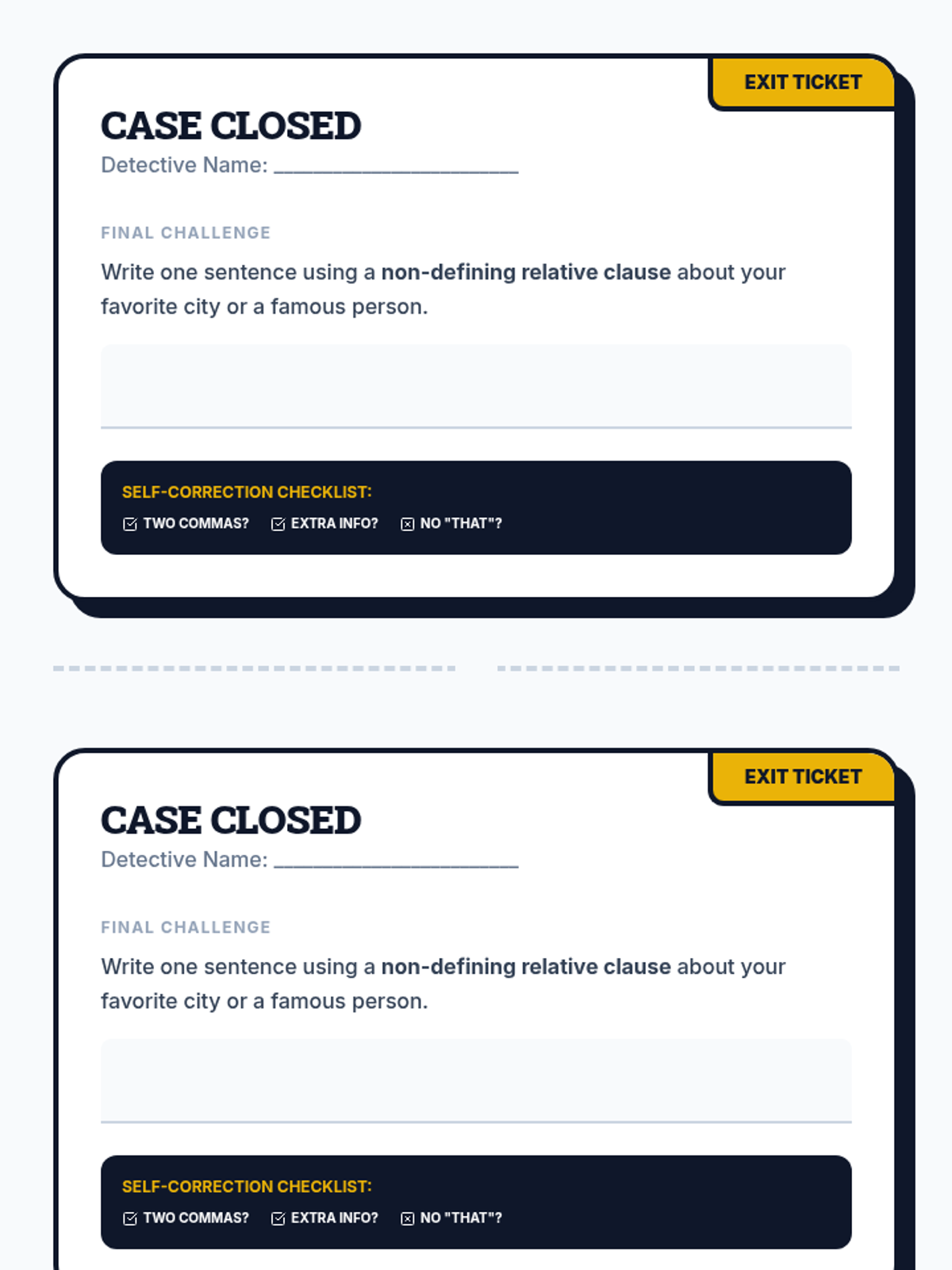
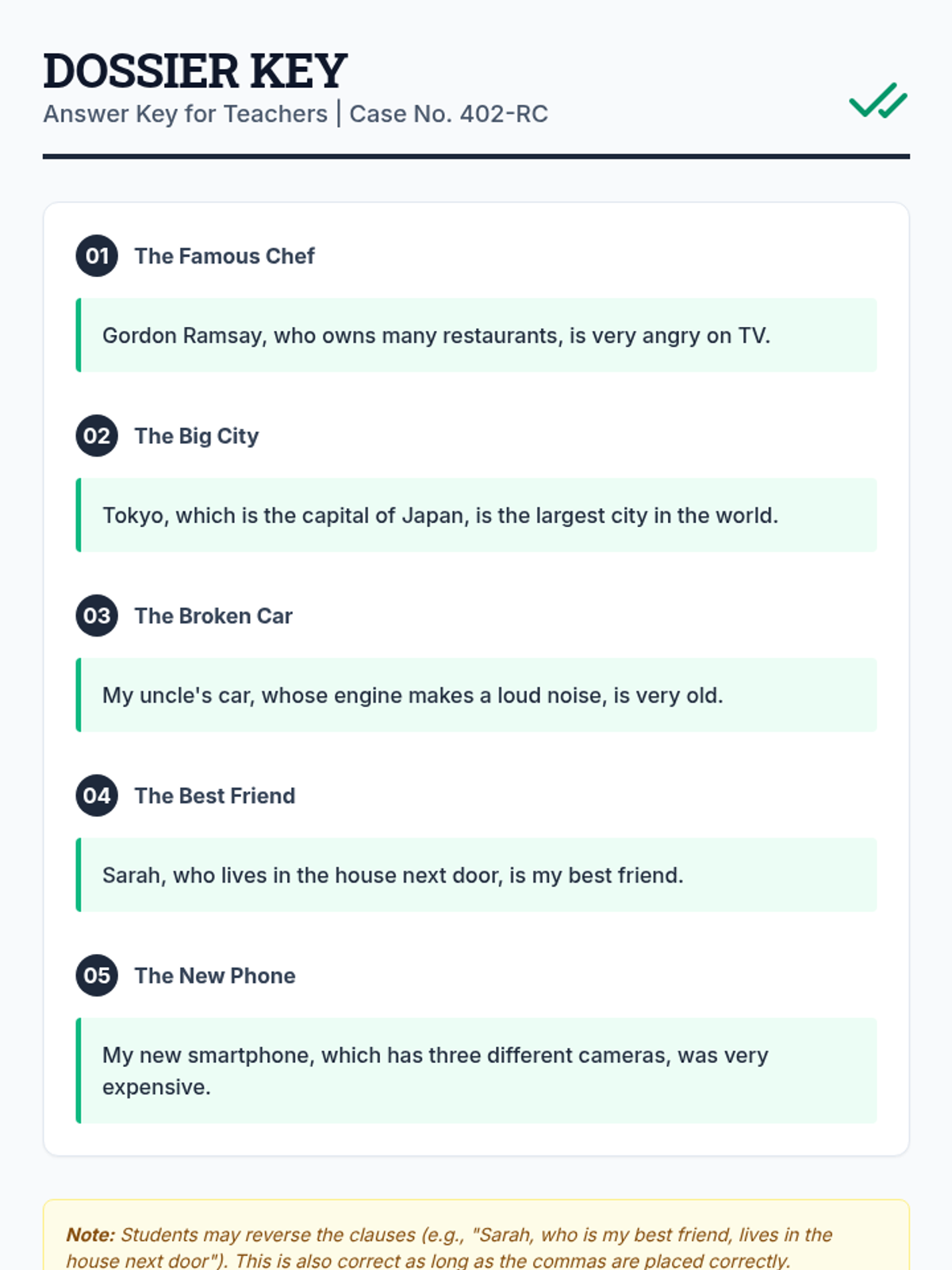
A 60-minute ESL lesson for A2 students focused on non-defining relative clauses through a 'Detail Detective' theme, featuring sentence combining, speaking cards, and comma mastery.
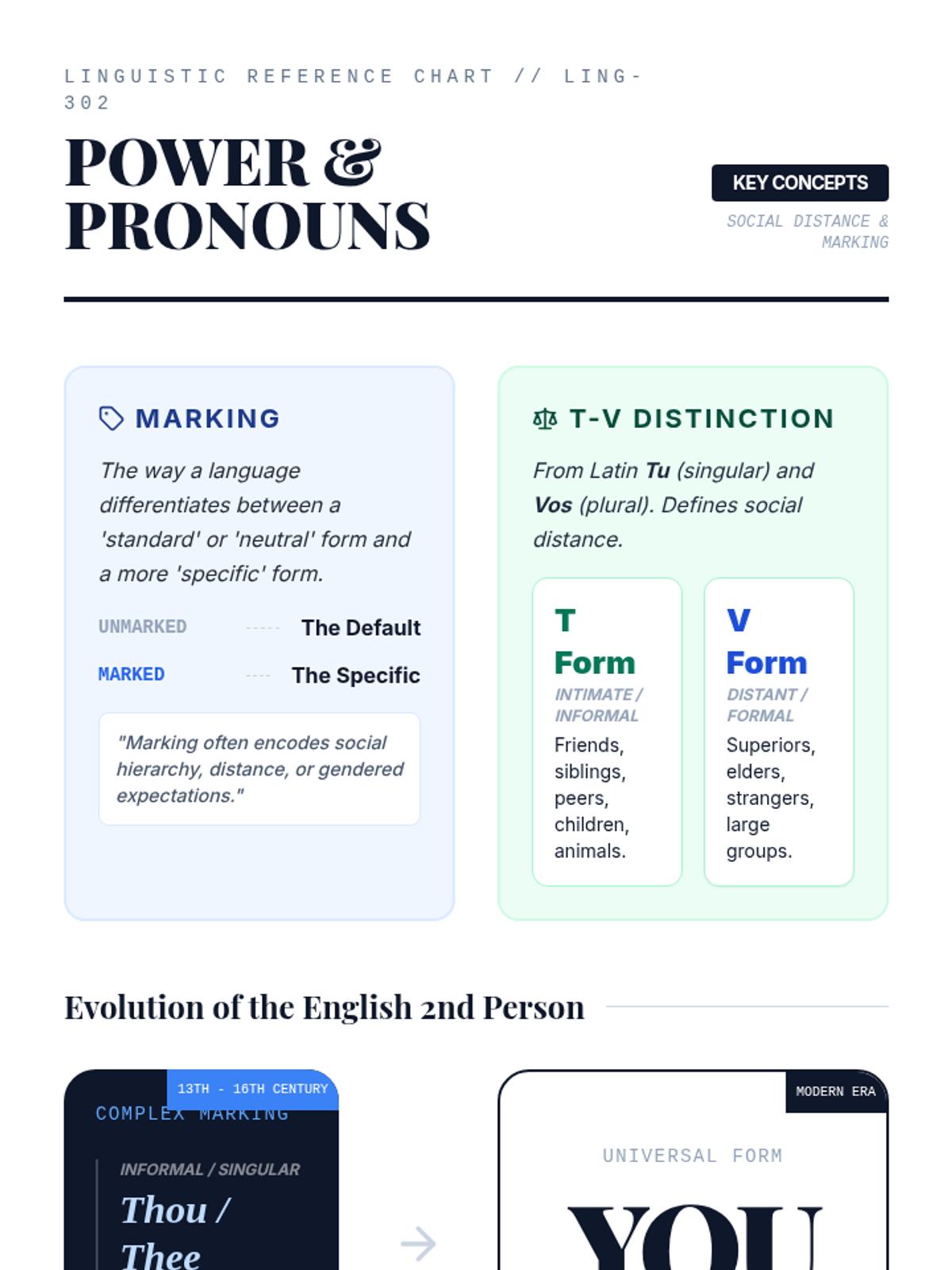
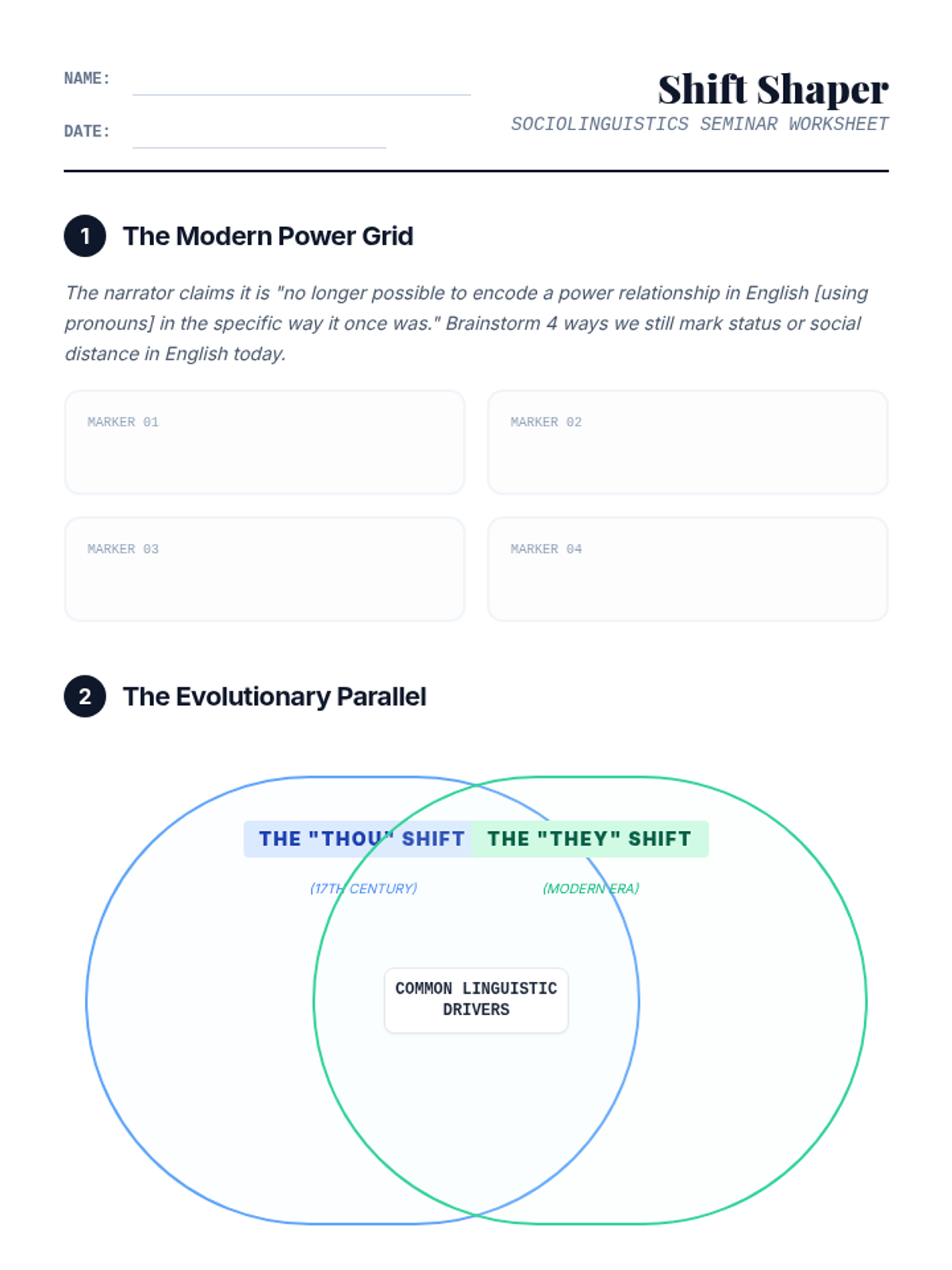
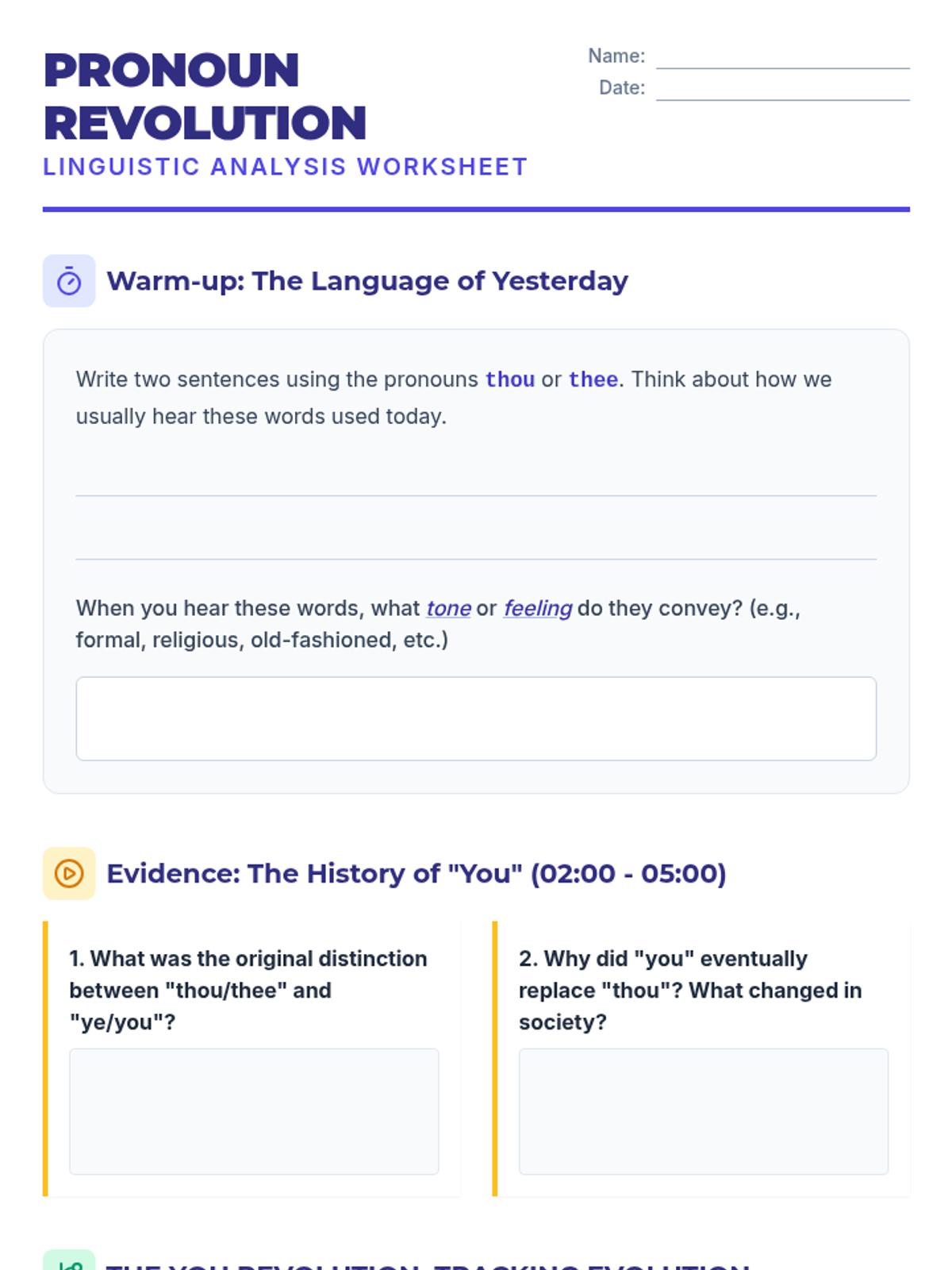
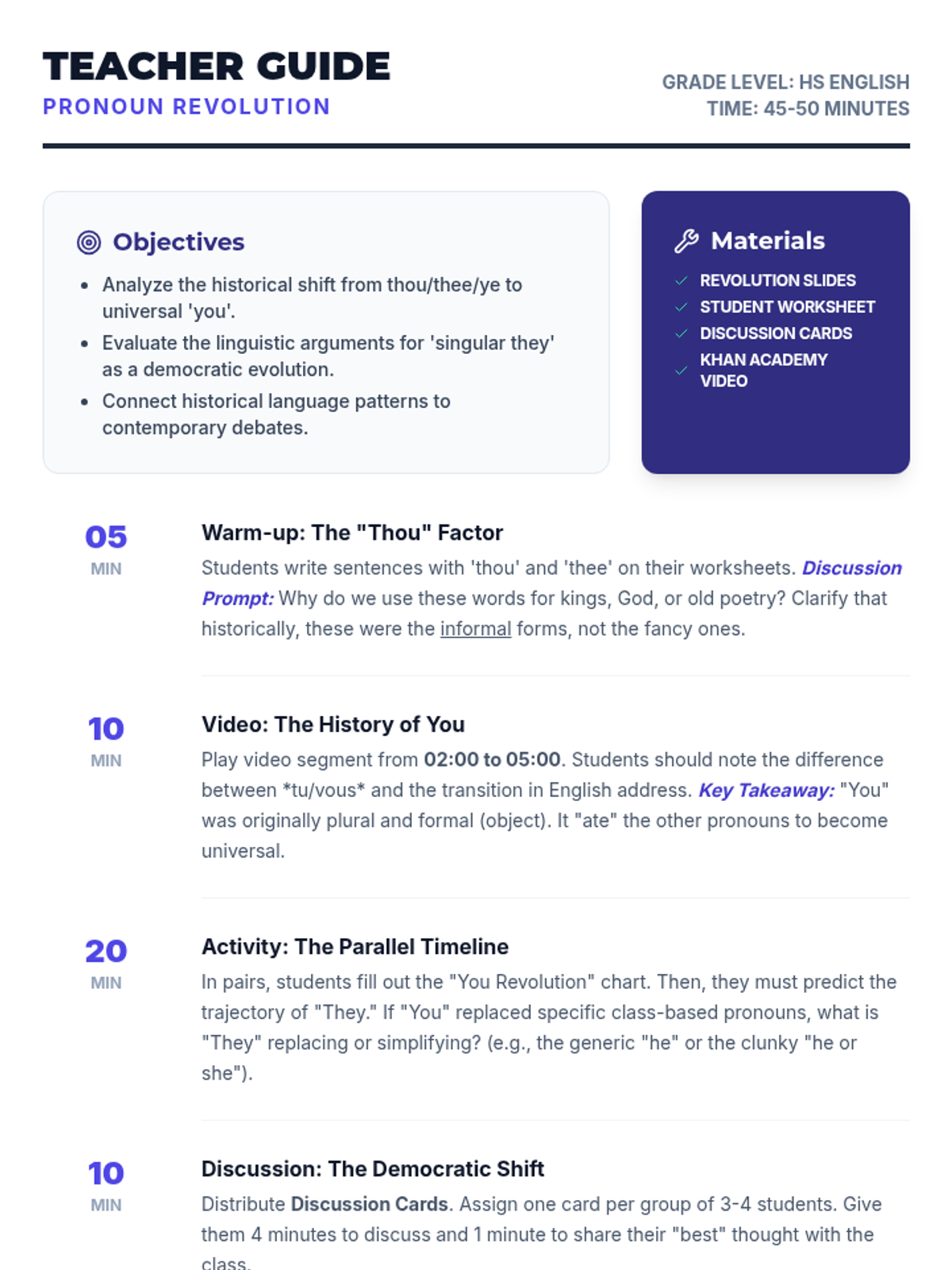
An 11th-12th grade linguistics lesson exploring the T-V distinction, the historical evolution of English pronouns, and how social class and power are encoded (or decoded) in modern grammar. Students analyze the shift from 'Thou' to 'You' and compare it to the modern 'Singular They' movement.
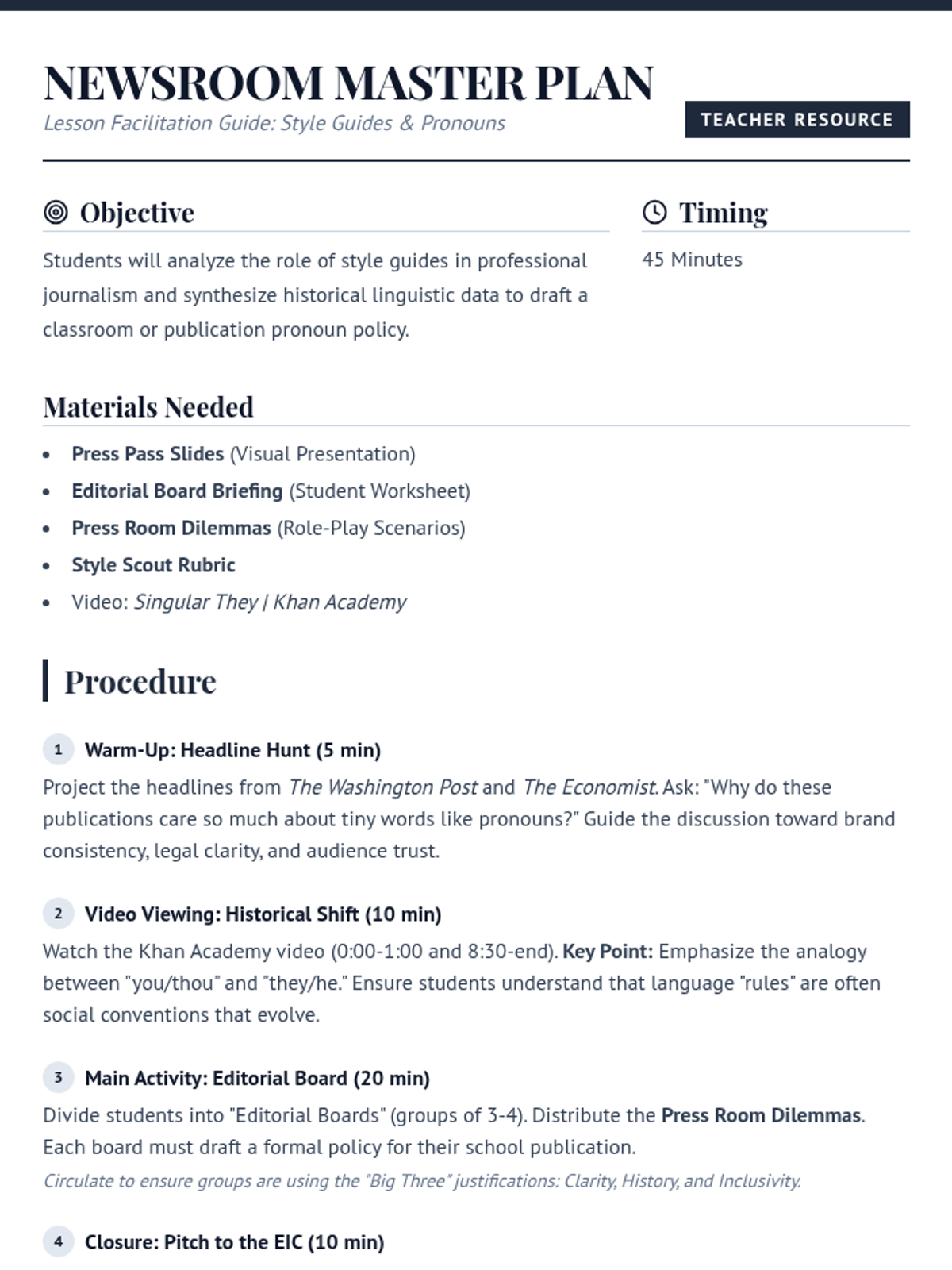
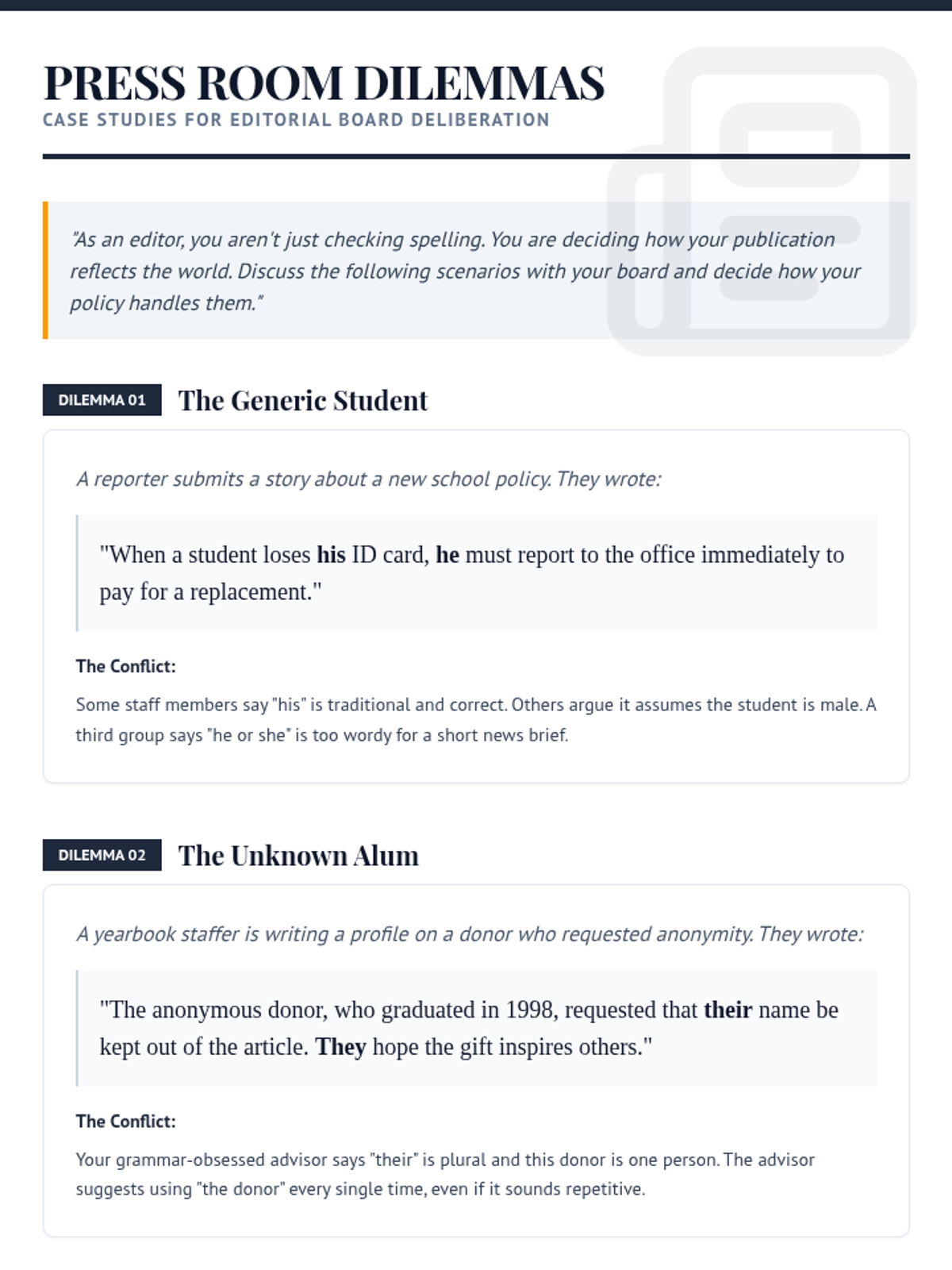
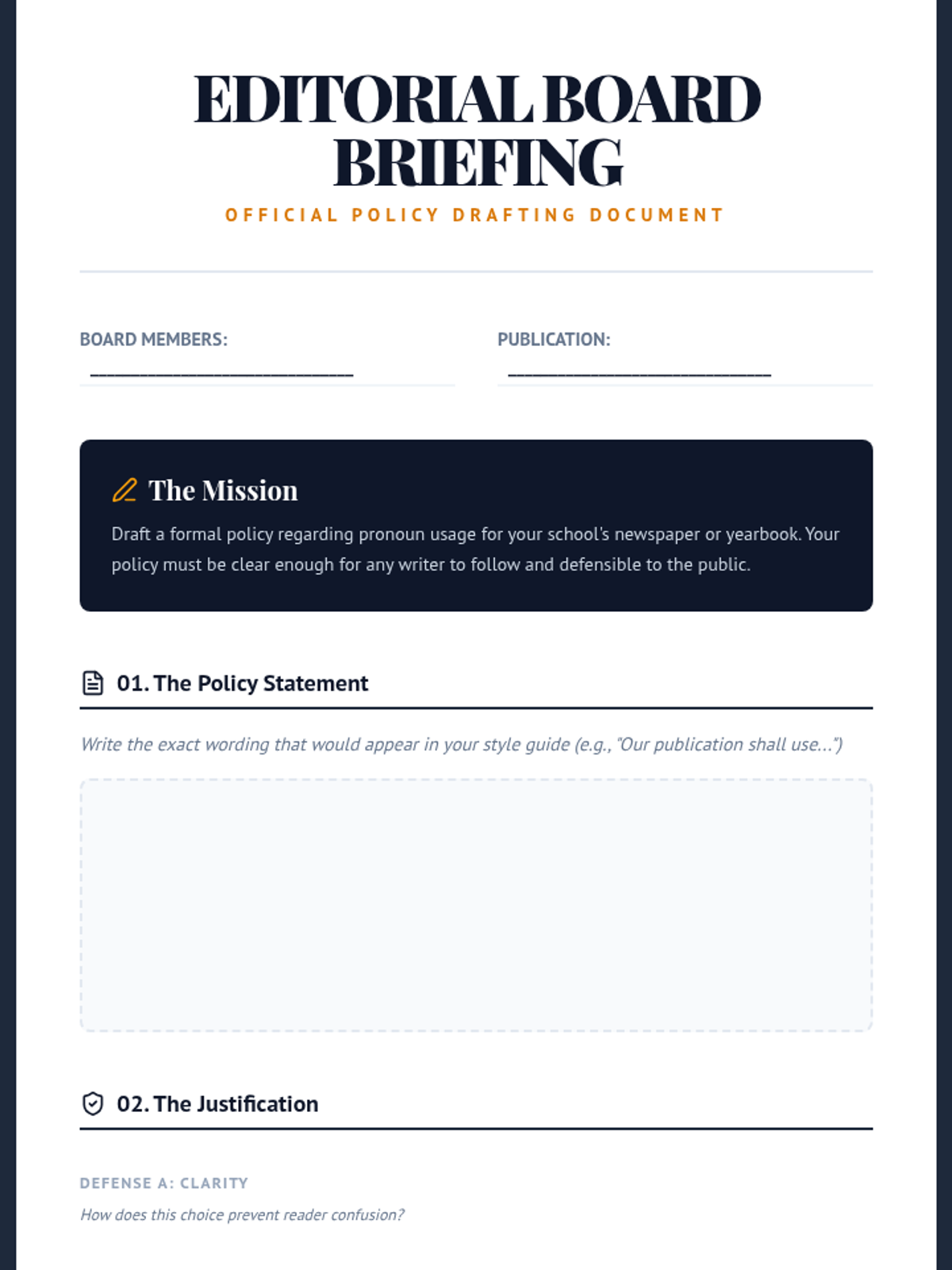
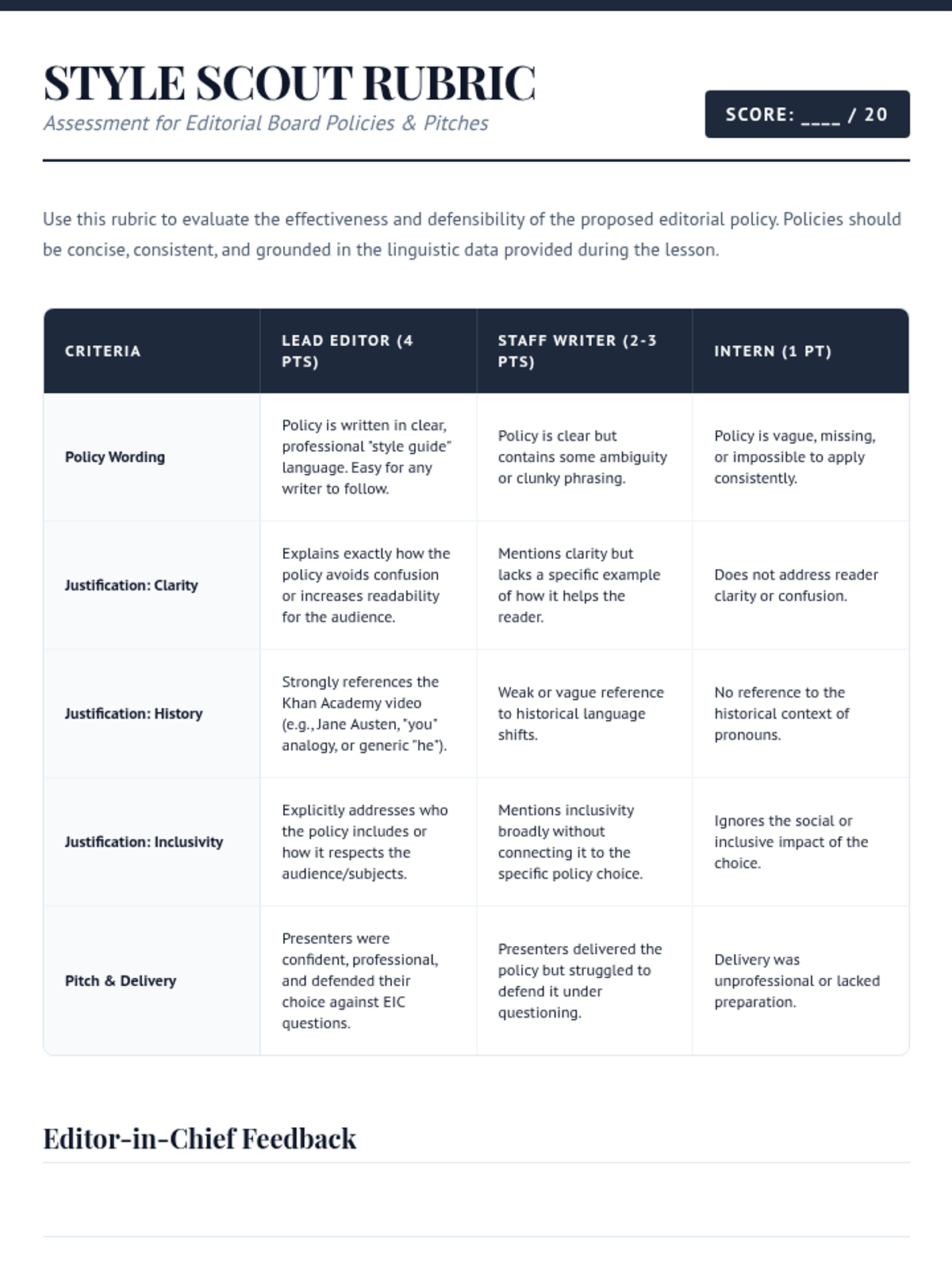
This lesson explores the history and utility of style guides in journalism, focusing on the evolution of pronouns. Students analyze the transition from 'generic he' to 'singular they' and collaborate to draft a formal style policy for their own publication.
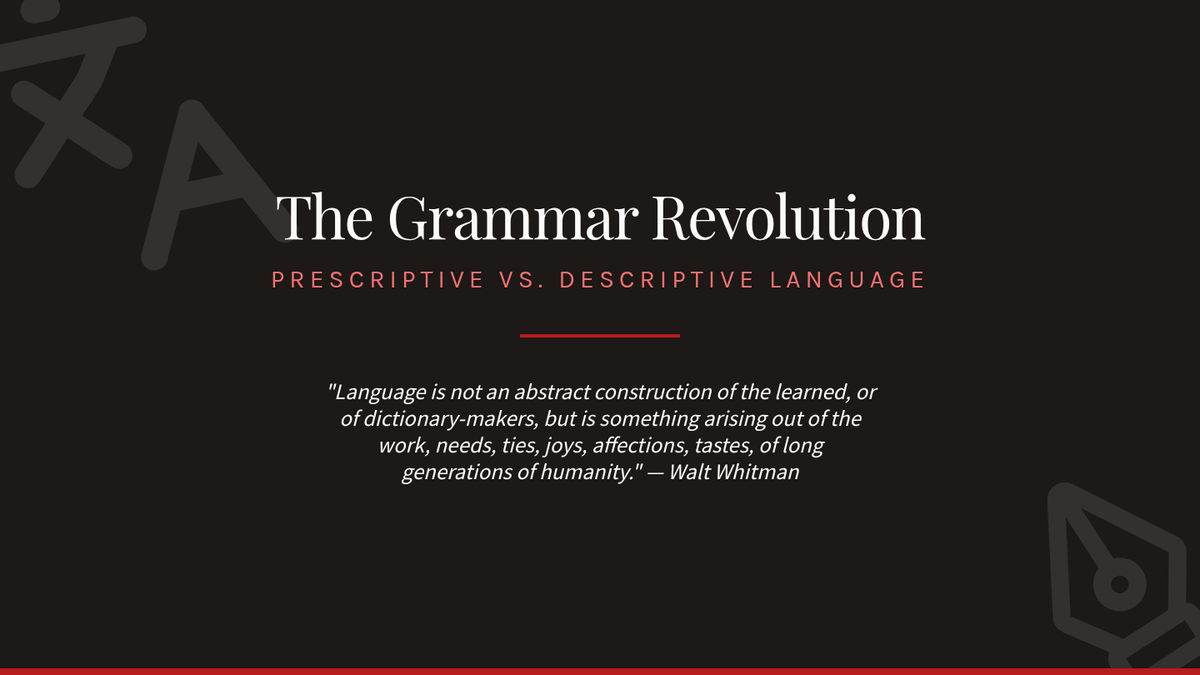
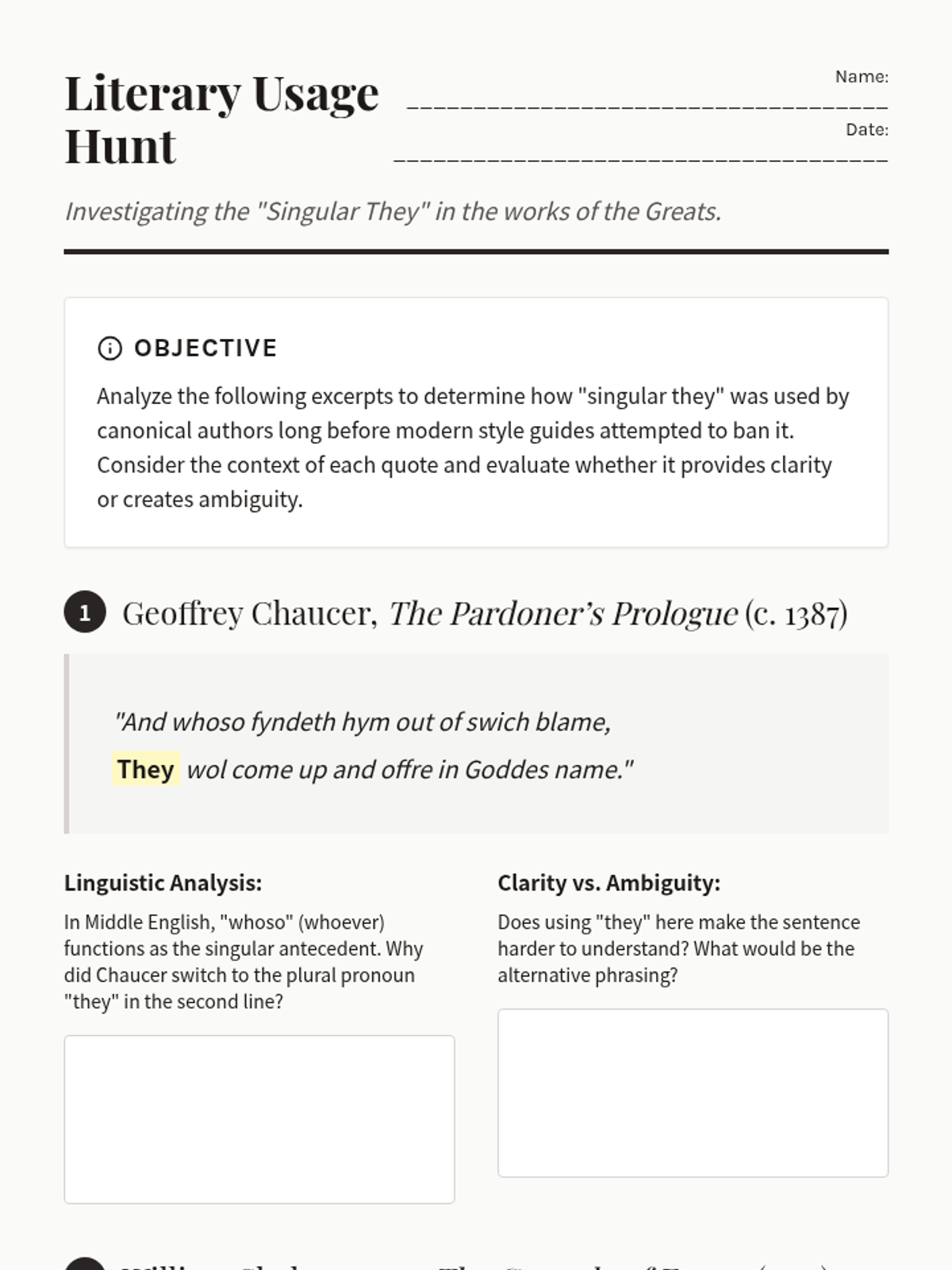
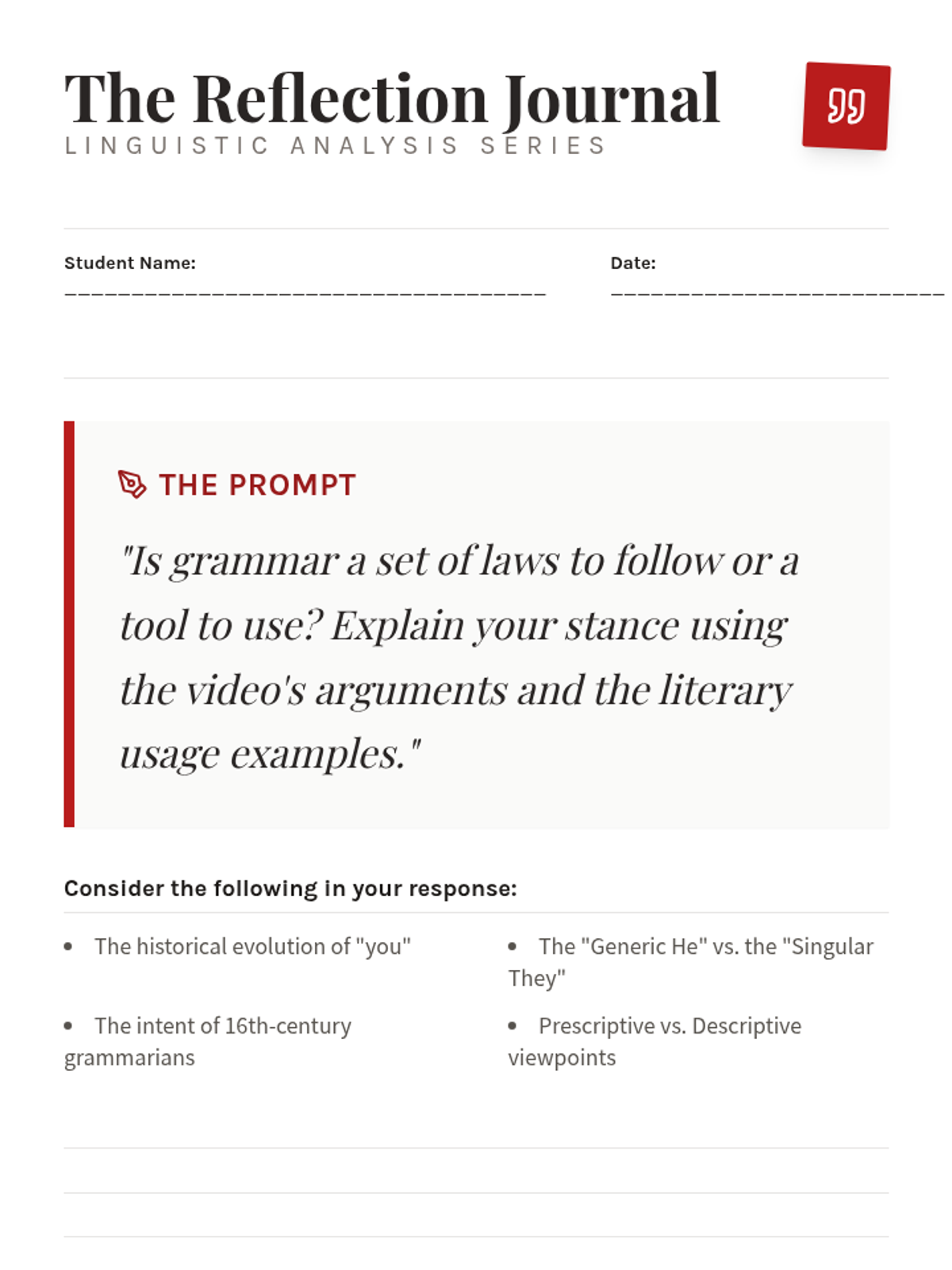
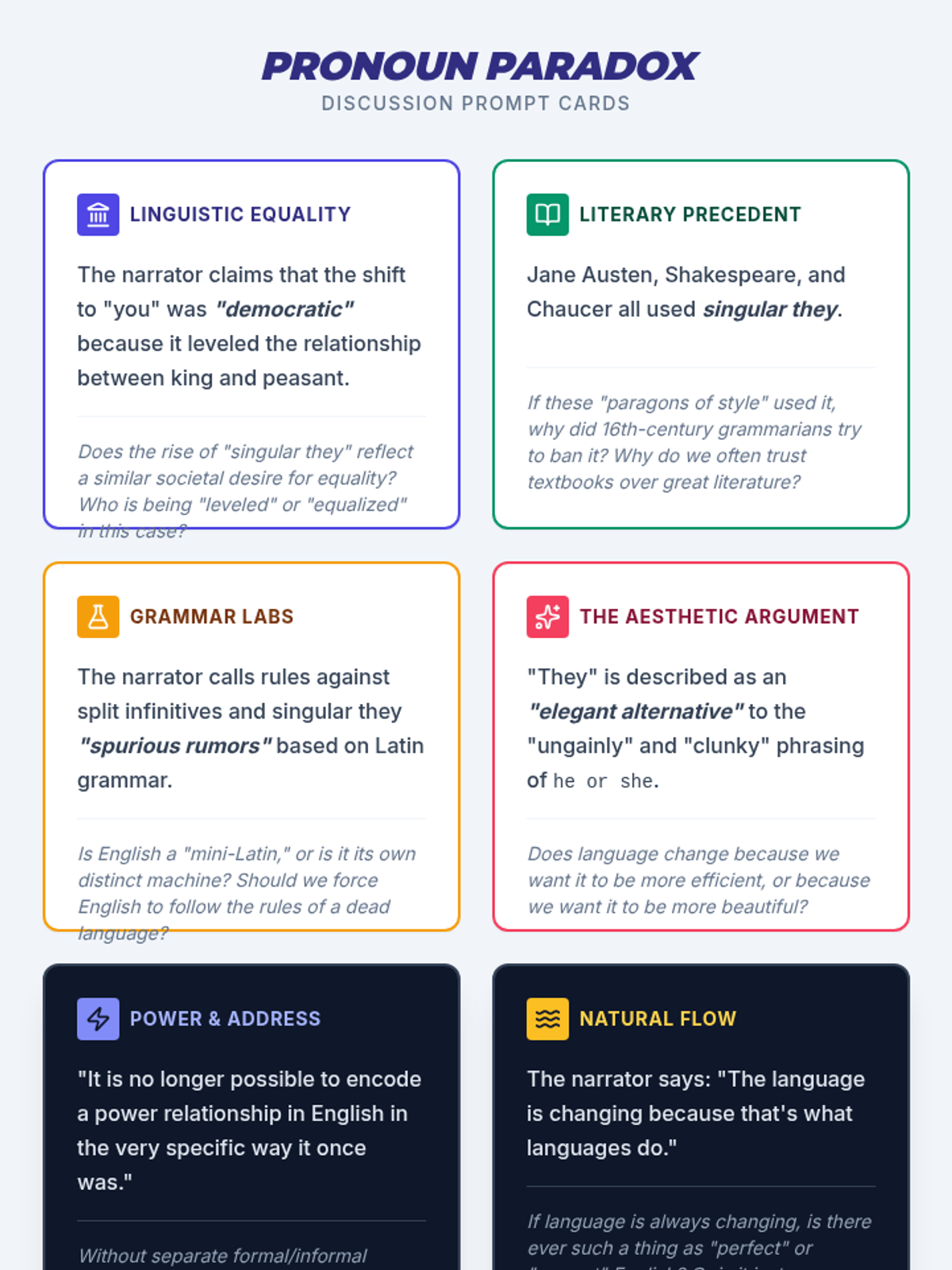
A High School Literature/AP English lesson exploring the conflict between prescriptive and descriptive grammar through the history of 'singular they' and the 'generic he'. Students analyze literary excerpts from Chaucer, Shakespeare, and Austen to evaluate how language evolves despite artificial rules.
A linguistics-focused lesson examining the historical shift of 'you' from a formal plural to a universal pronoun, drawing parallels to the modern evolution of the singular 'they'. Students analyze language as a living, democratic tool using historical evidence and literary precedent.
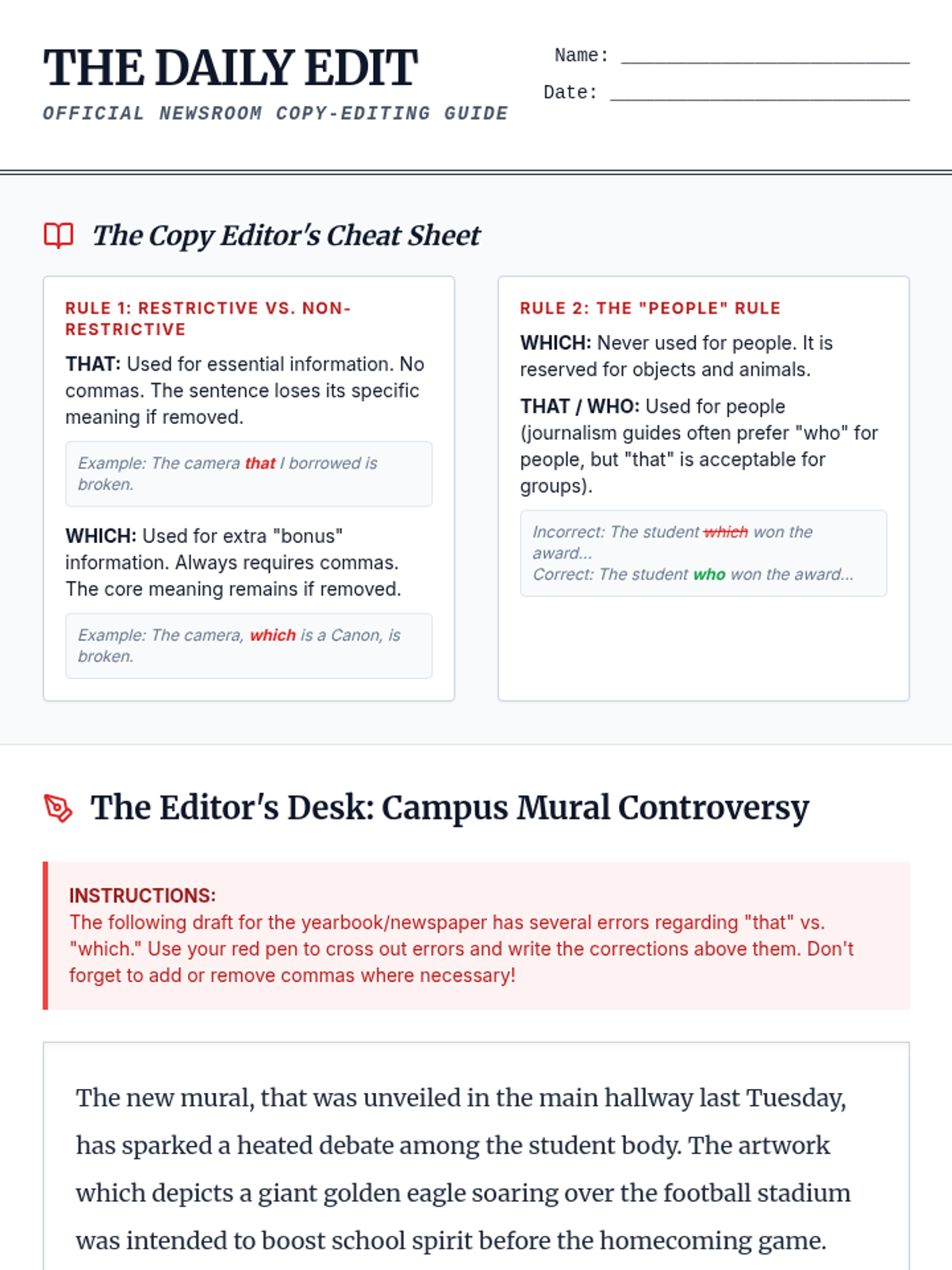
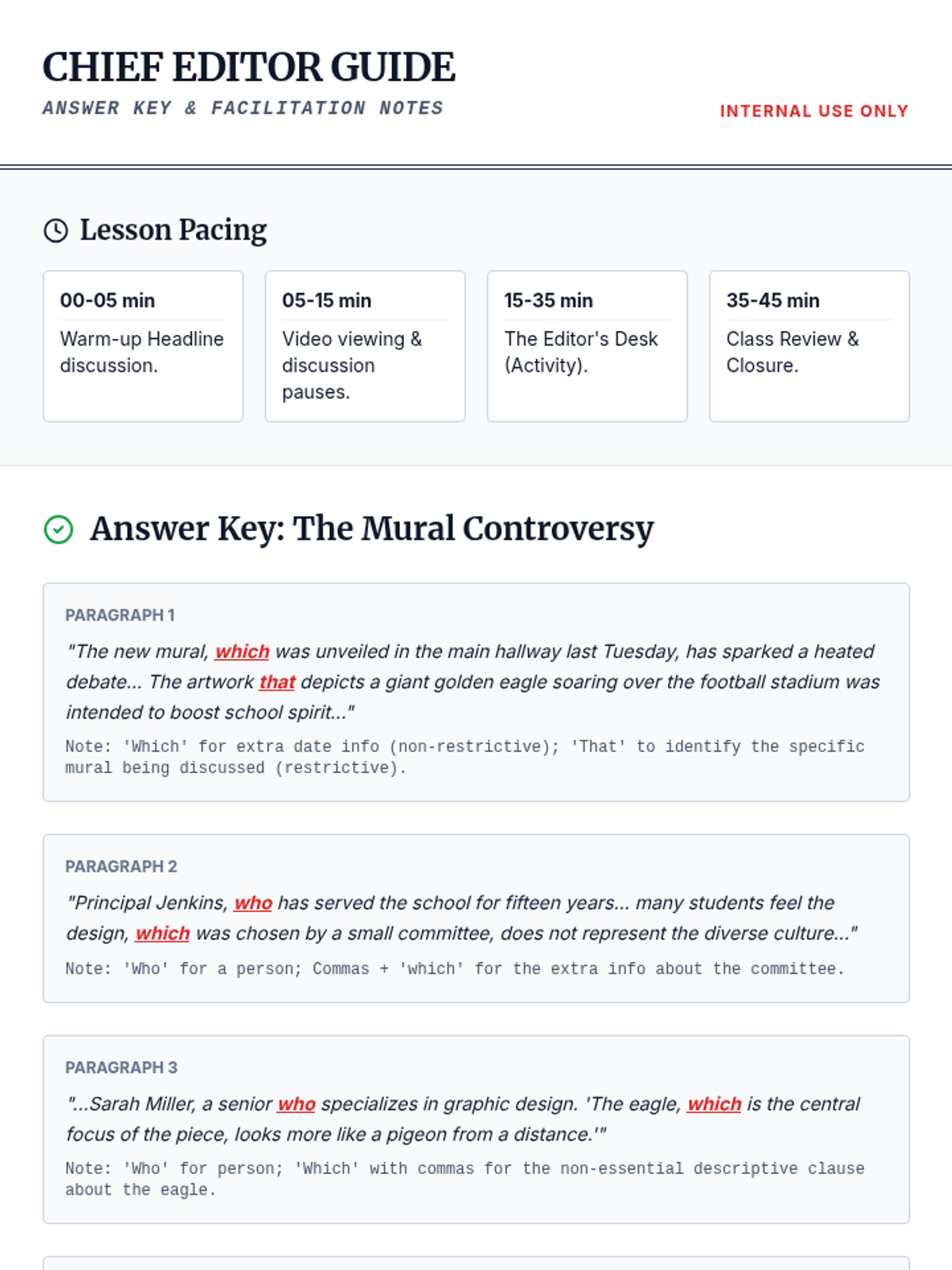
A journalism-focused lesson on the grammatical nuances of 'that' versus 'which,' teaching students to use restrictive and non-restrictive clauses to improve reporting clarity.
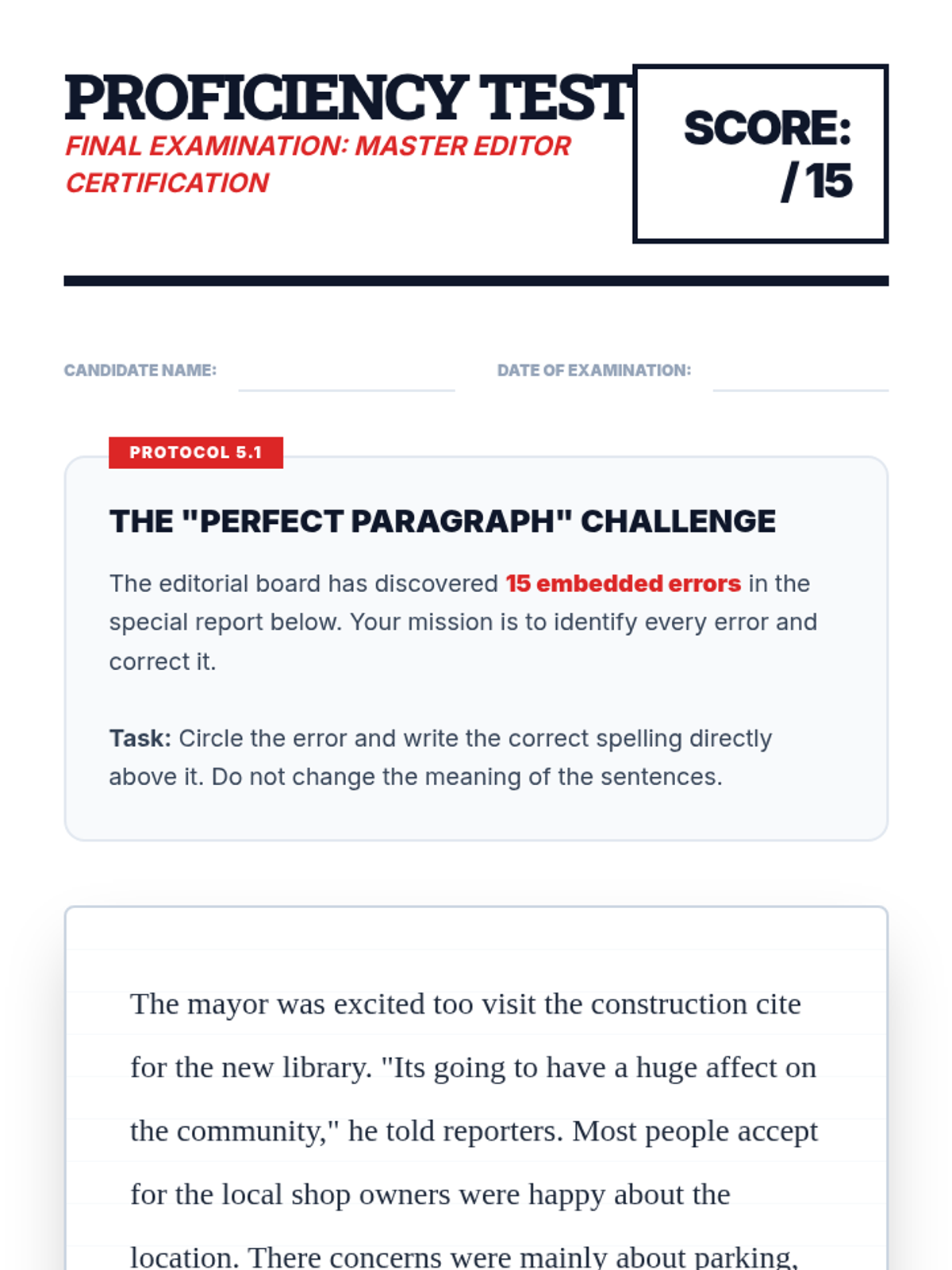
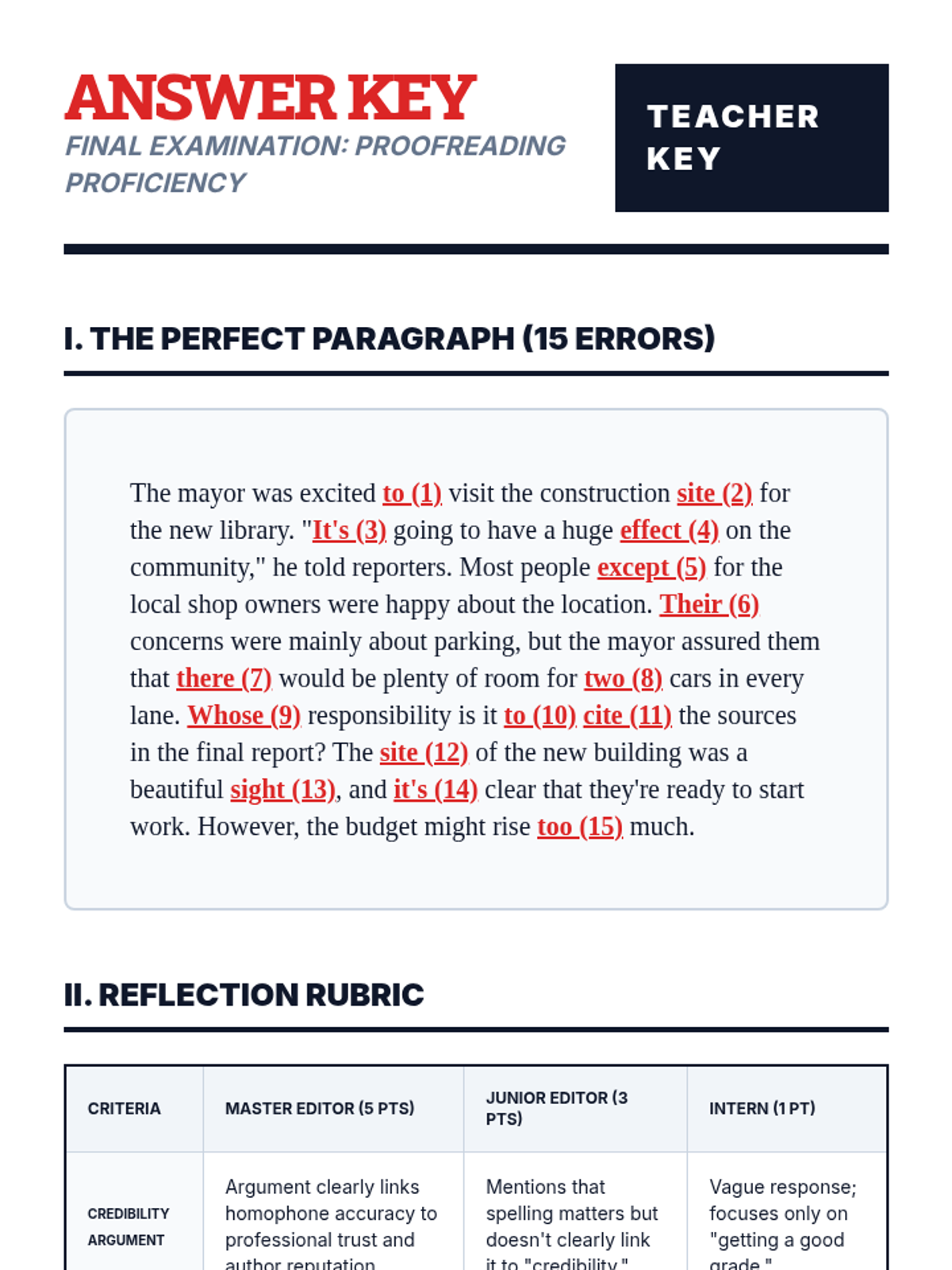
A final proofreading assessment where students must find and correct multiple errors in a dense text.
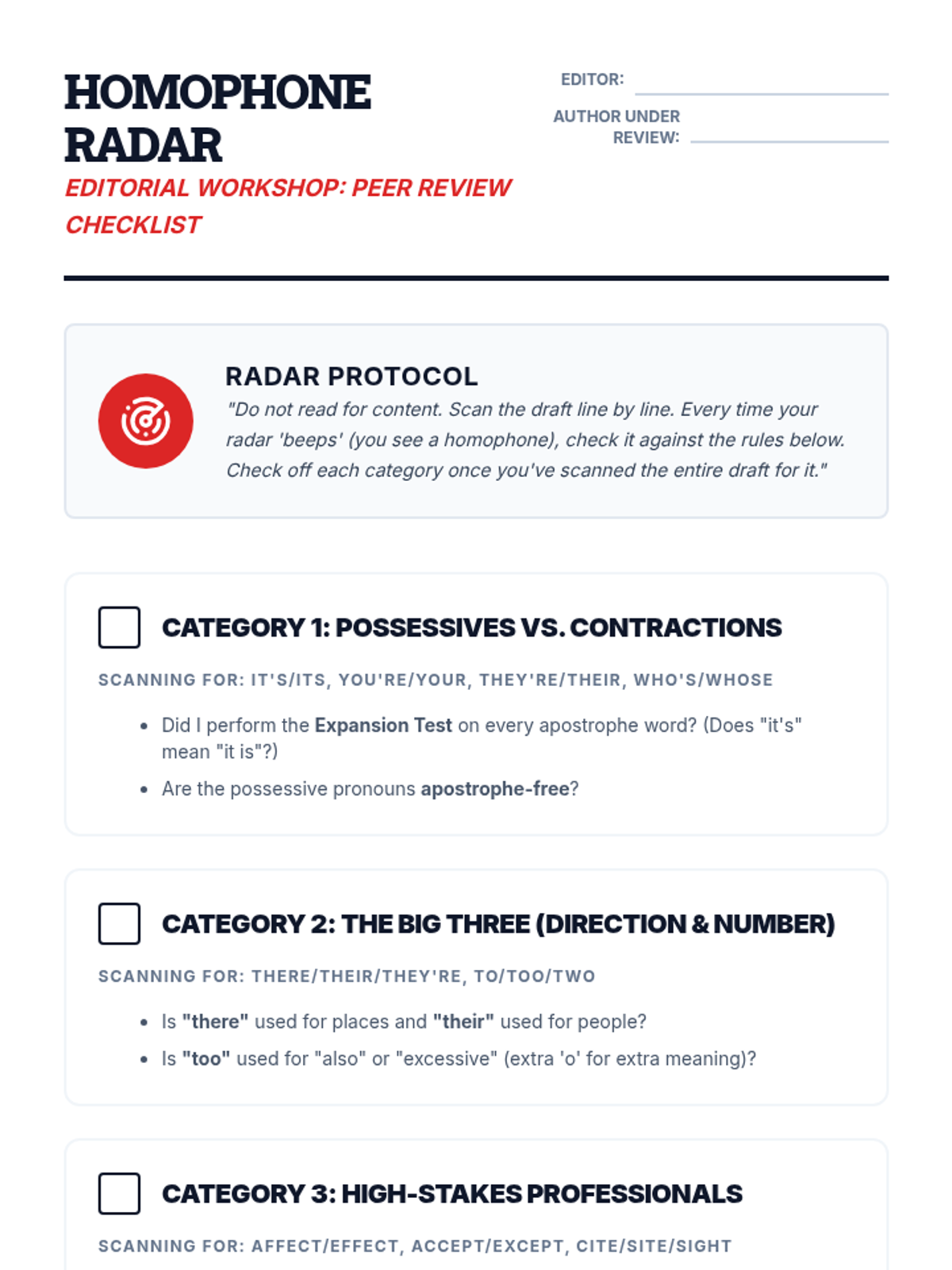
Students apply their skills to peer work using a 'Homophone Radar' checklist in an editorial workshop setting.
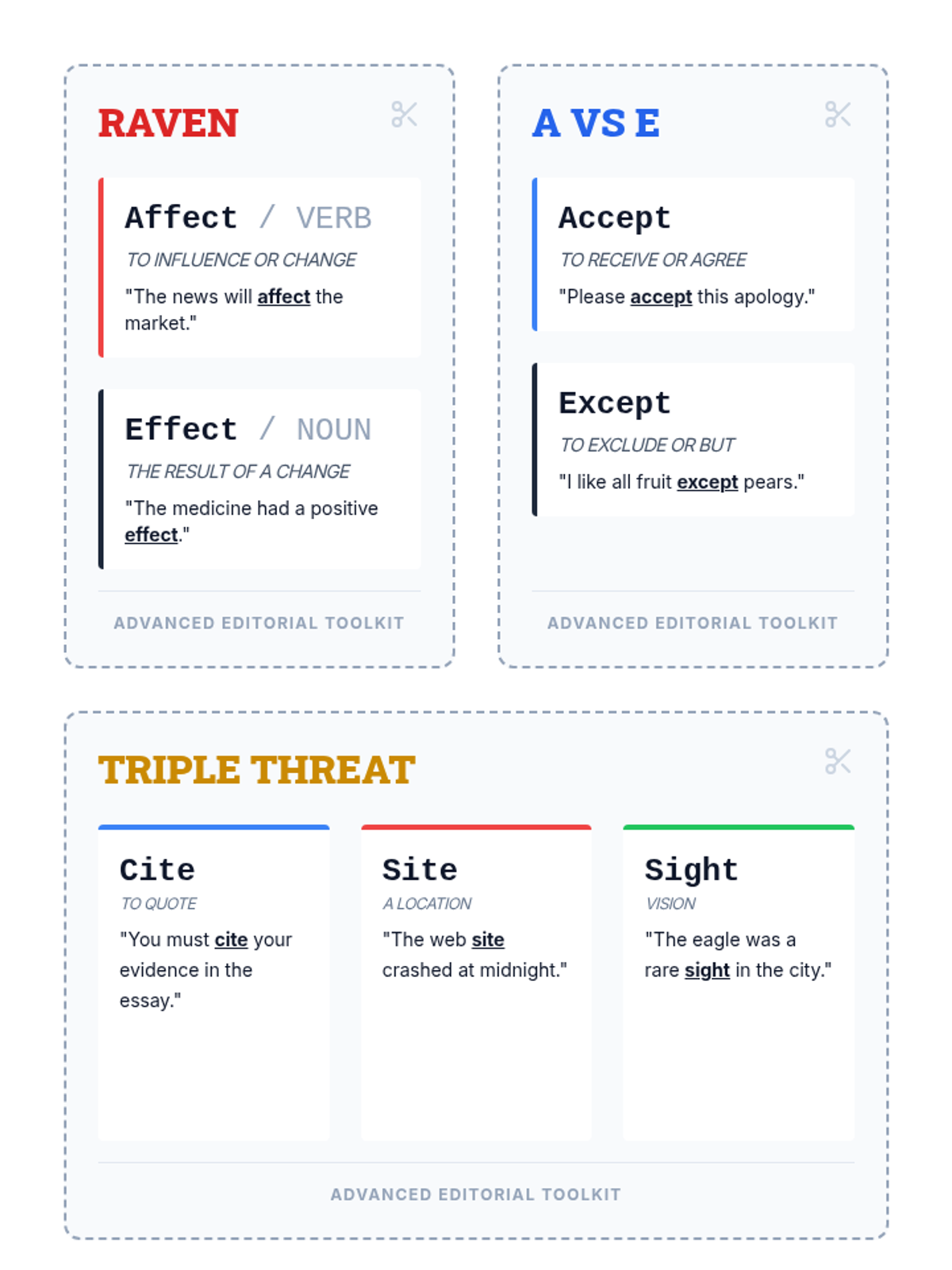
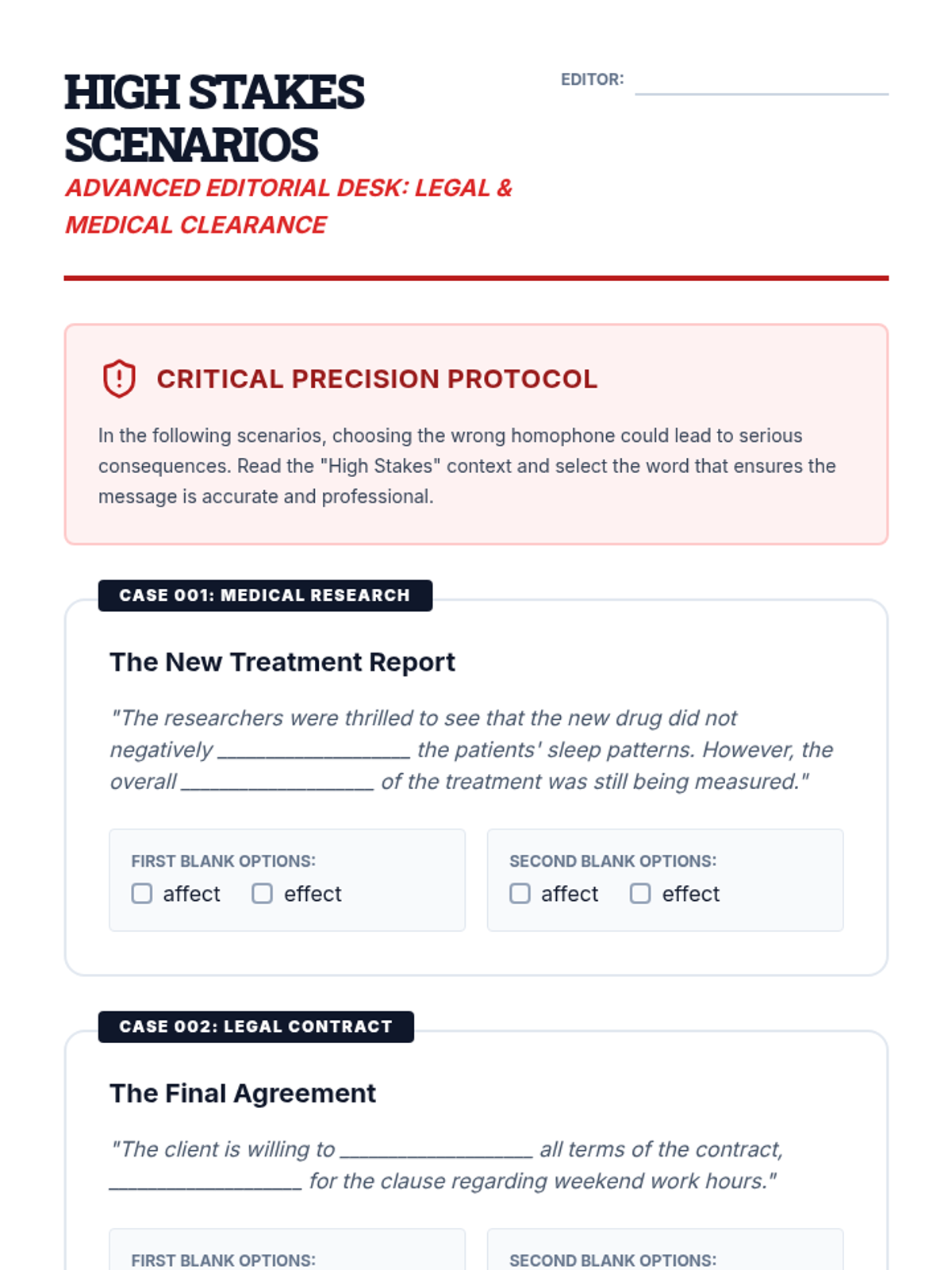
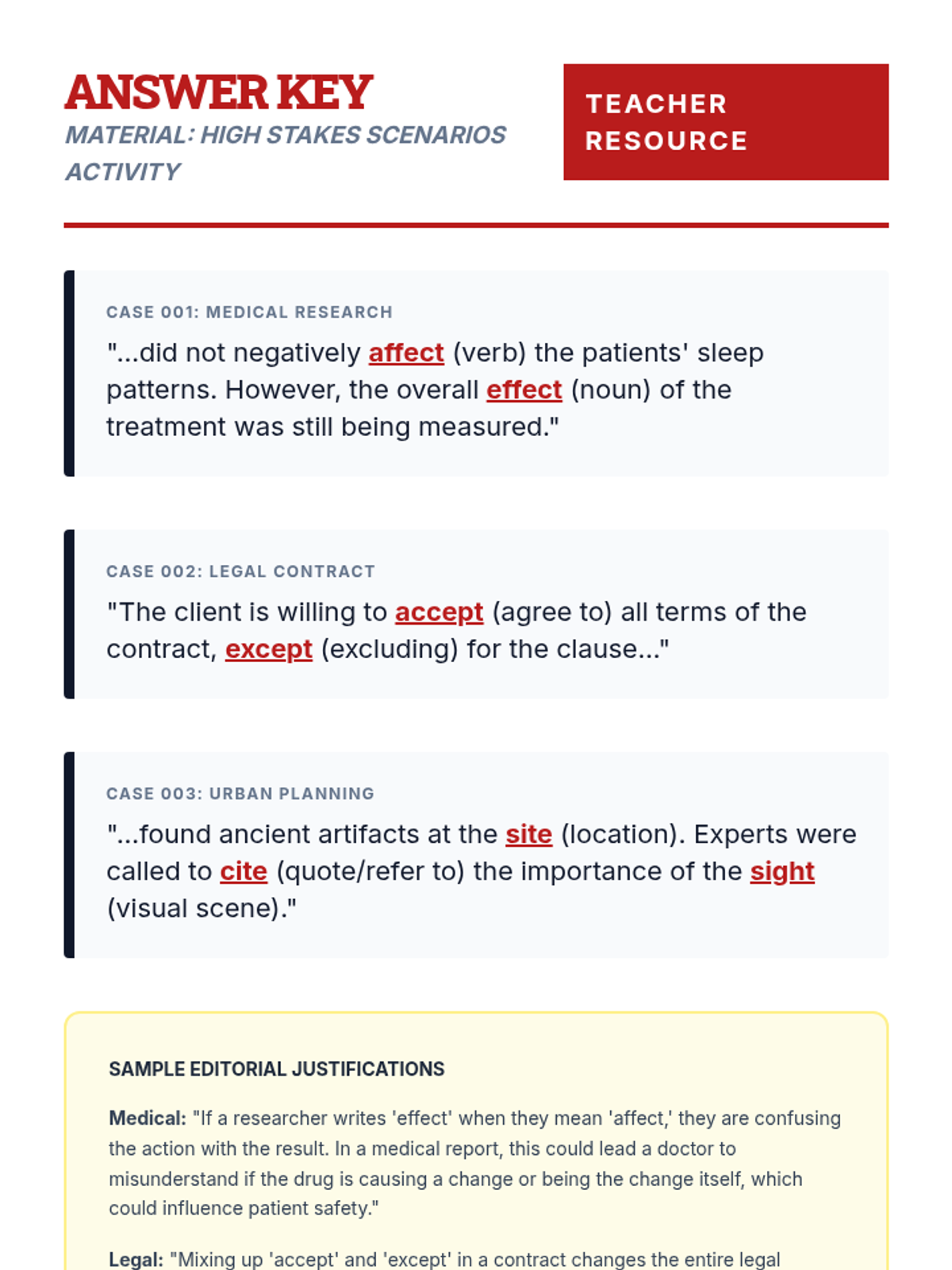
Students tackle advanced pairs like 'accept/except' and 'affect/effect' through high-stakes scenario analysis.
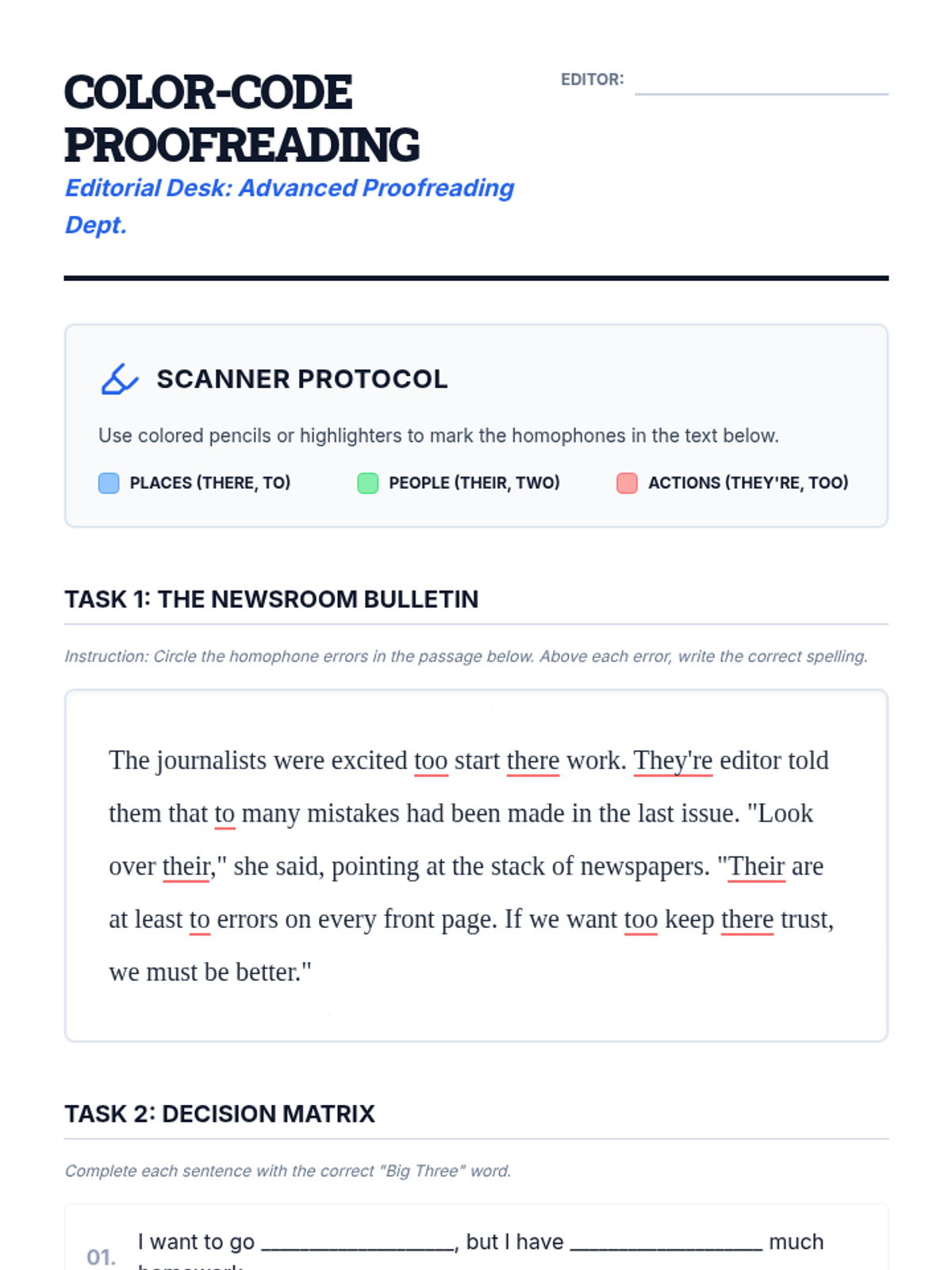
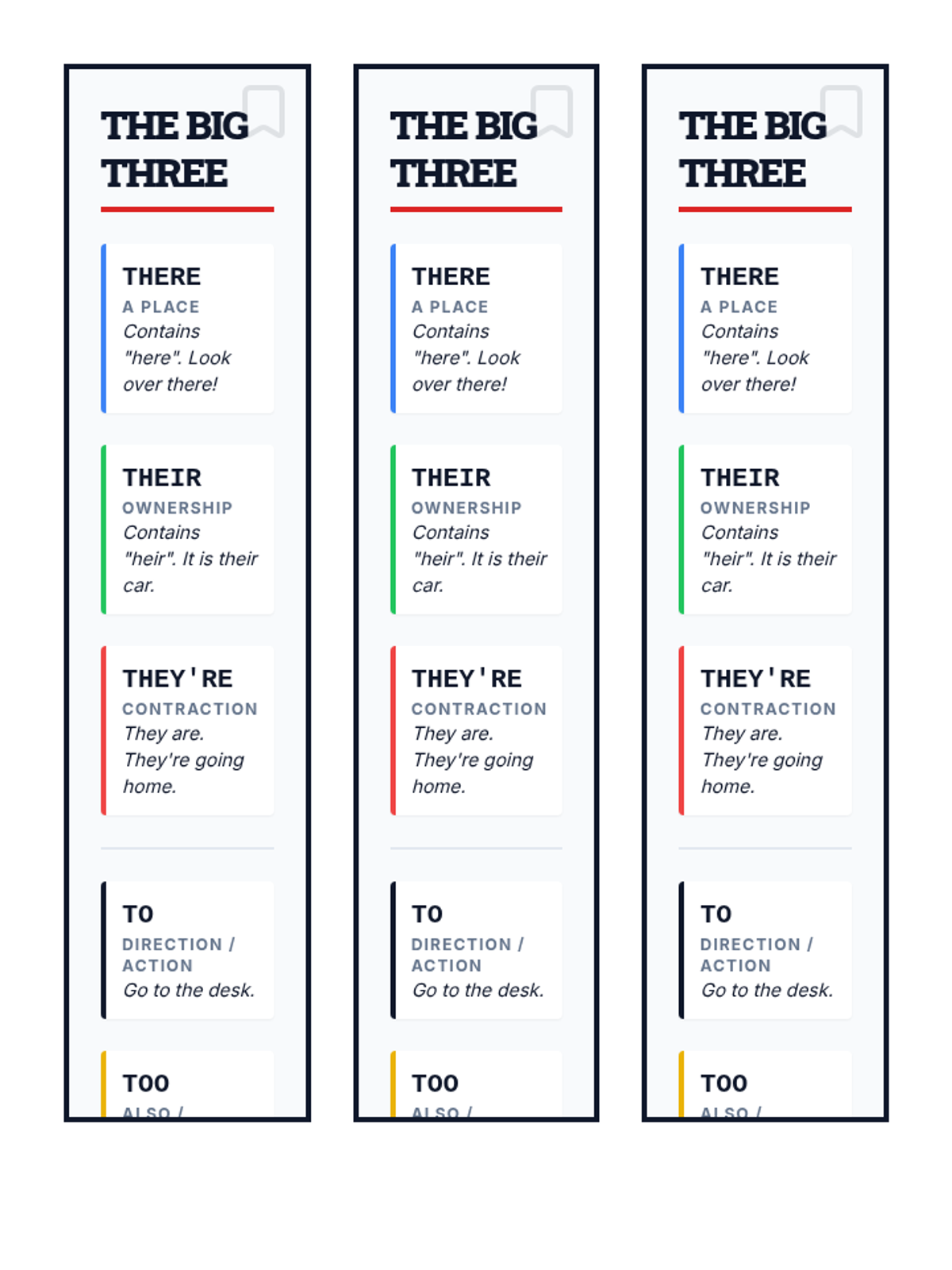
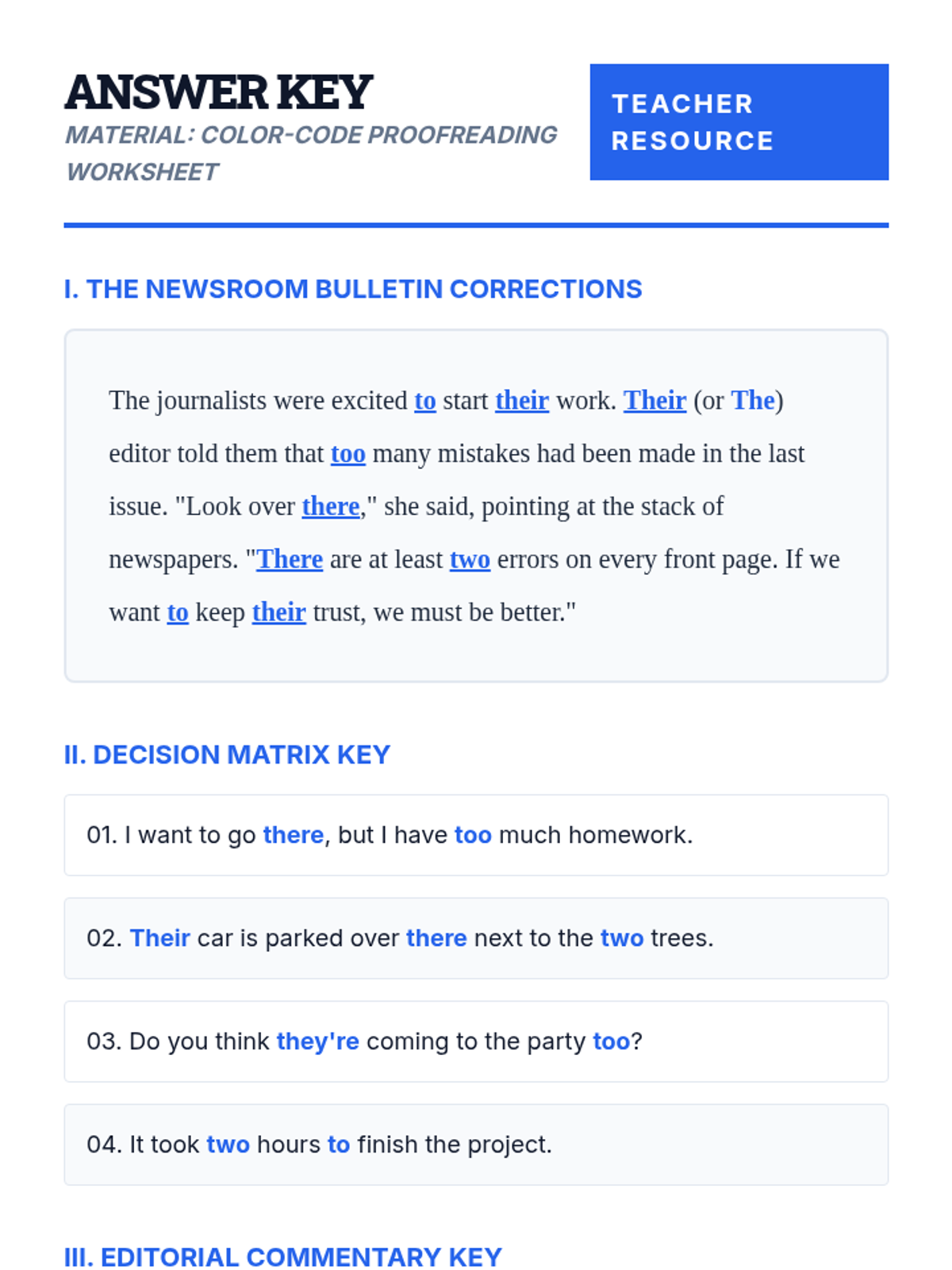
A focused drill on 'there/their/they're' and 'to/two/too' using color-coding strategies and real-world 'fails'.
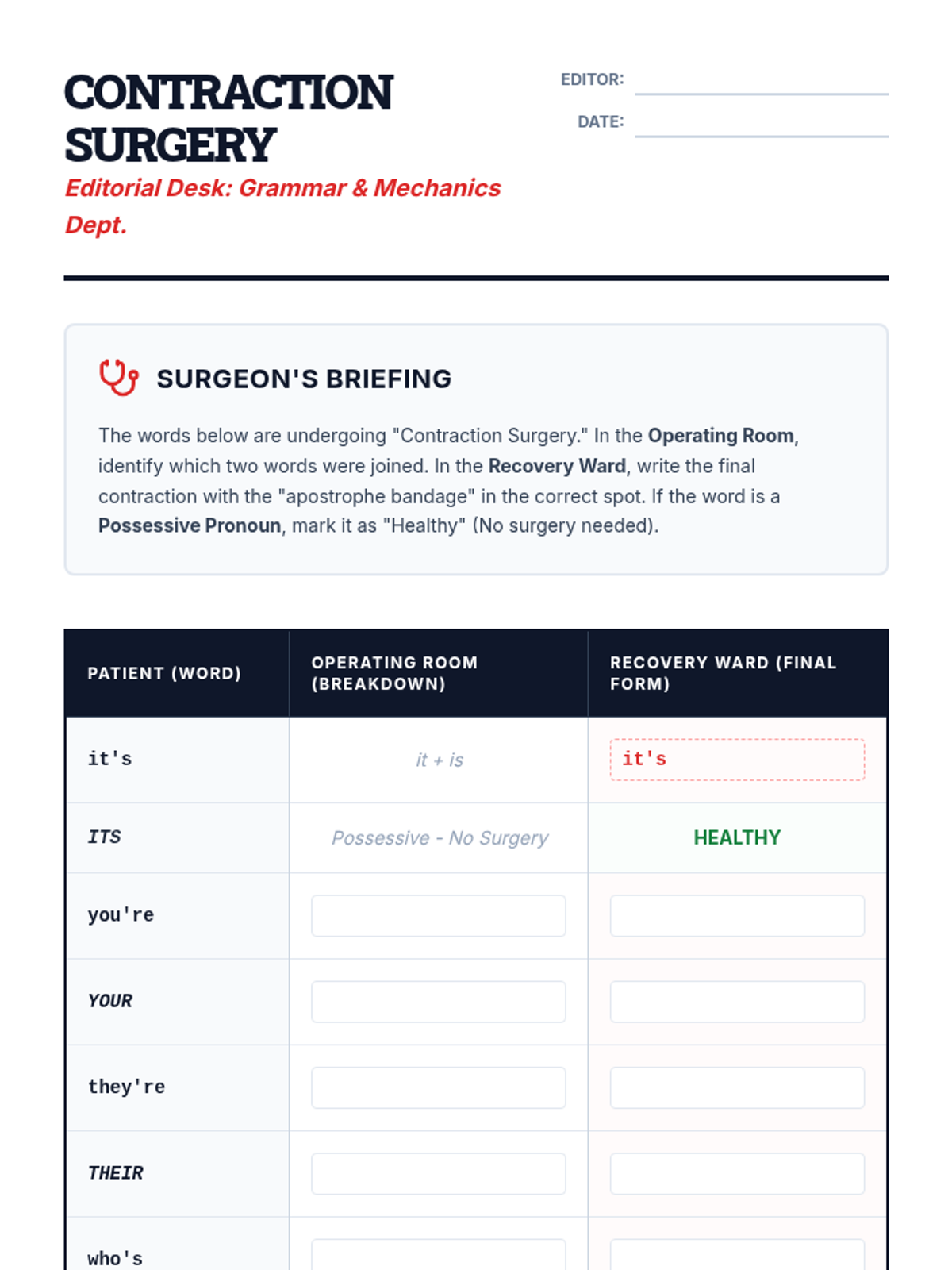
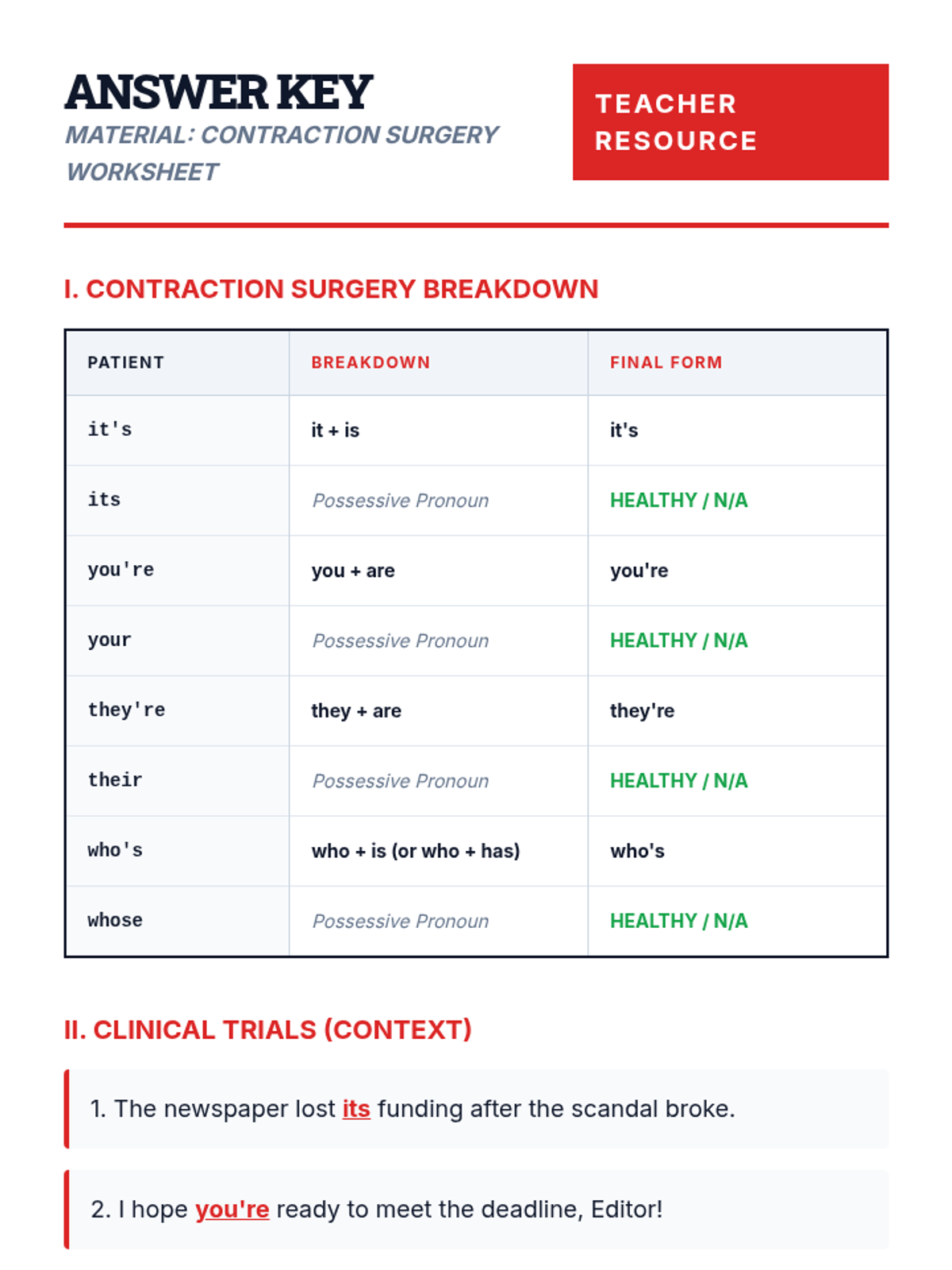
Students deconstruct the grammar behind common homophones, specifically focusing on the apostrophe's role in contractions versus possessive pronouns.
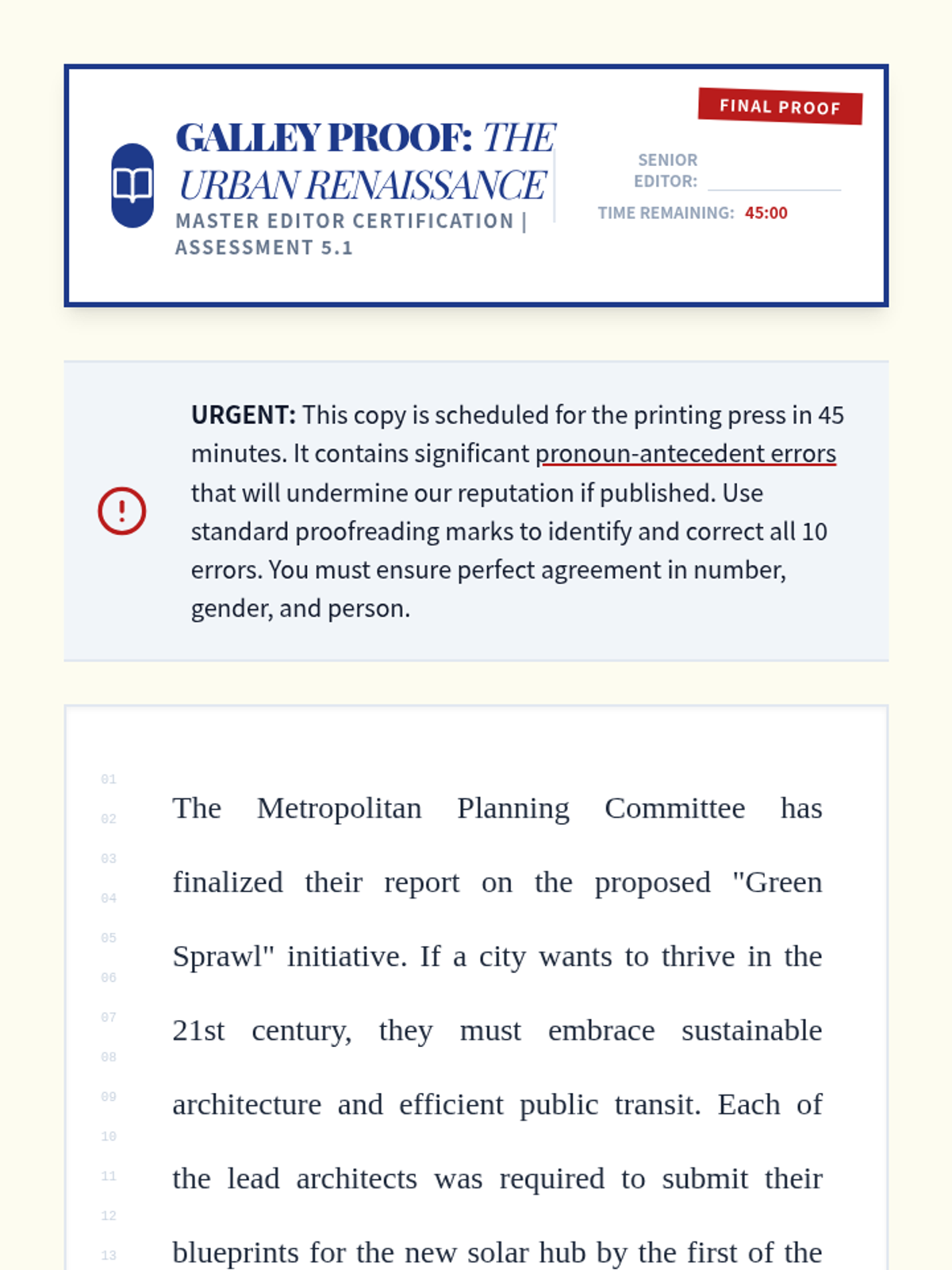
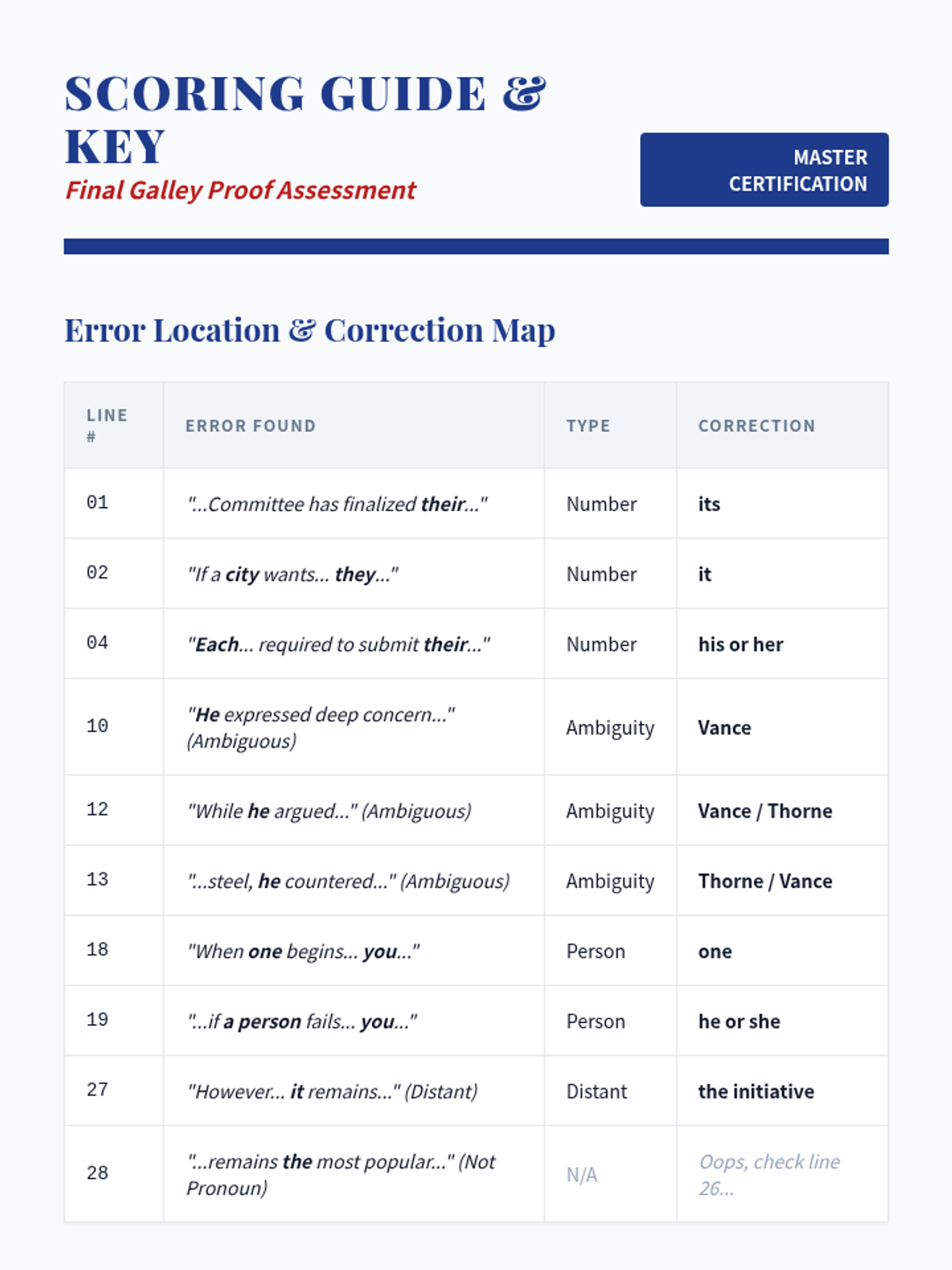
Students receive a full-length article containing a mix of all error types covered. They must produce a clean 'galley proof' with 100% accuracy in pronoun-antecedent agreement.
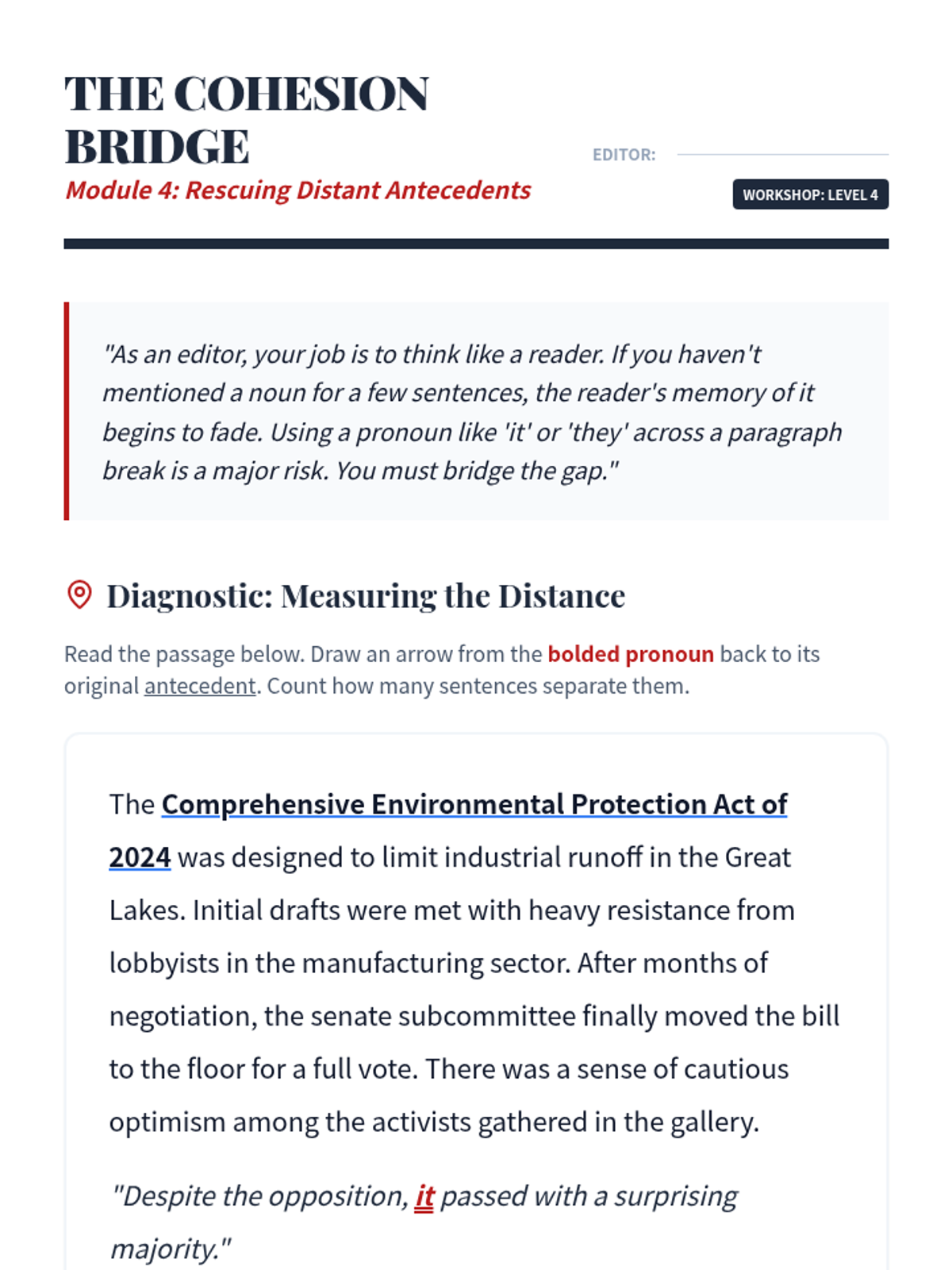
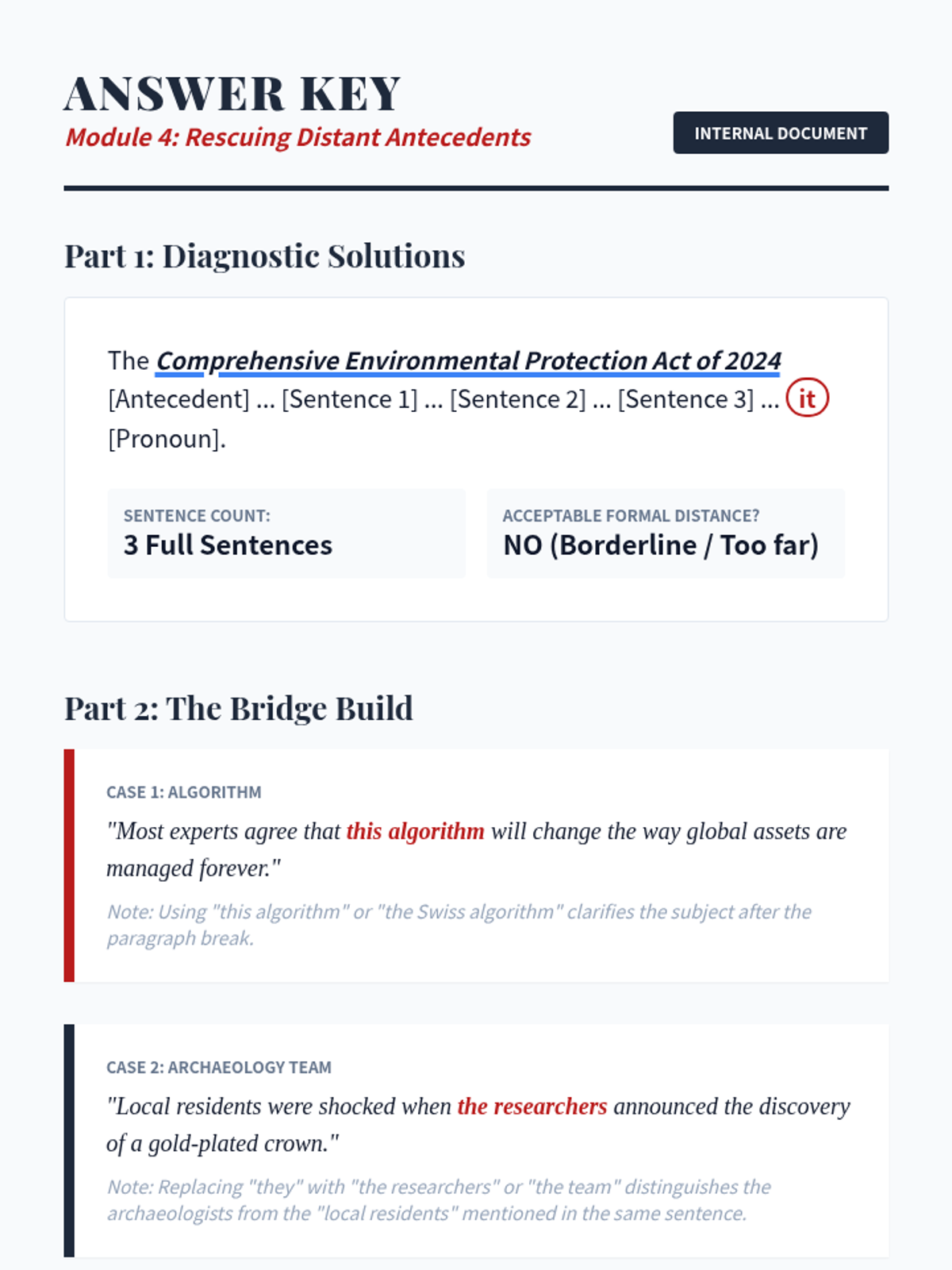
Students edit texts where the antecedent and pronoun are separated by several sentences or a paragraph break. They learn to re-establish the noun reference to aid reader memory and maintain agreement.
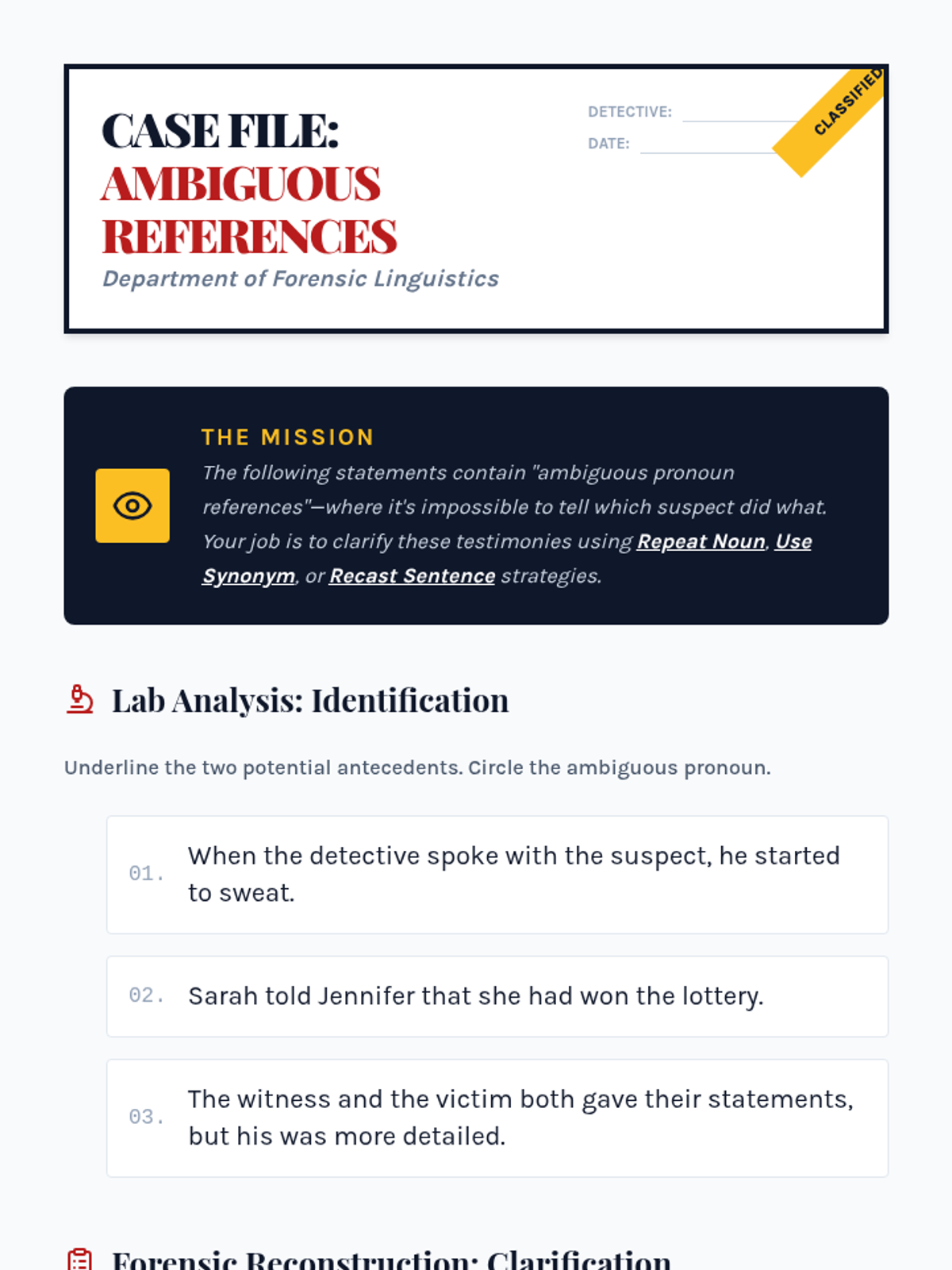
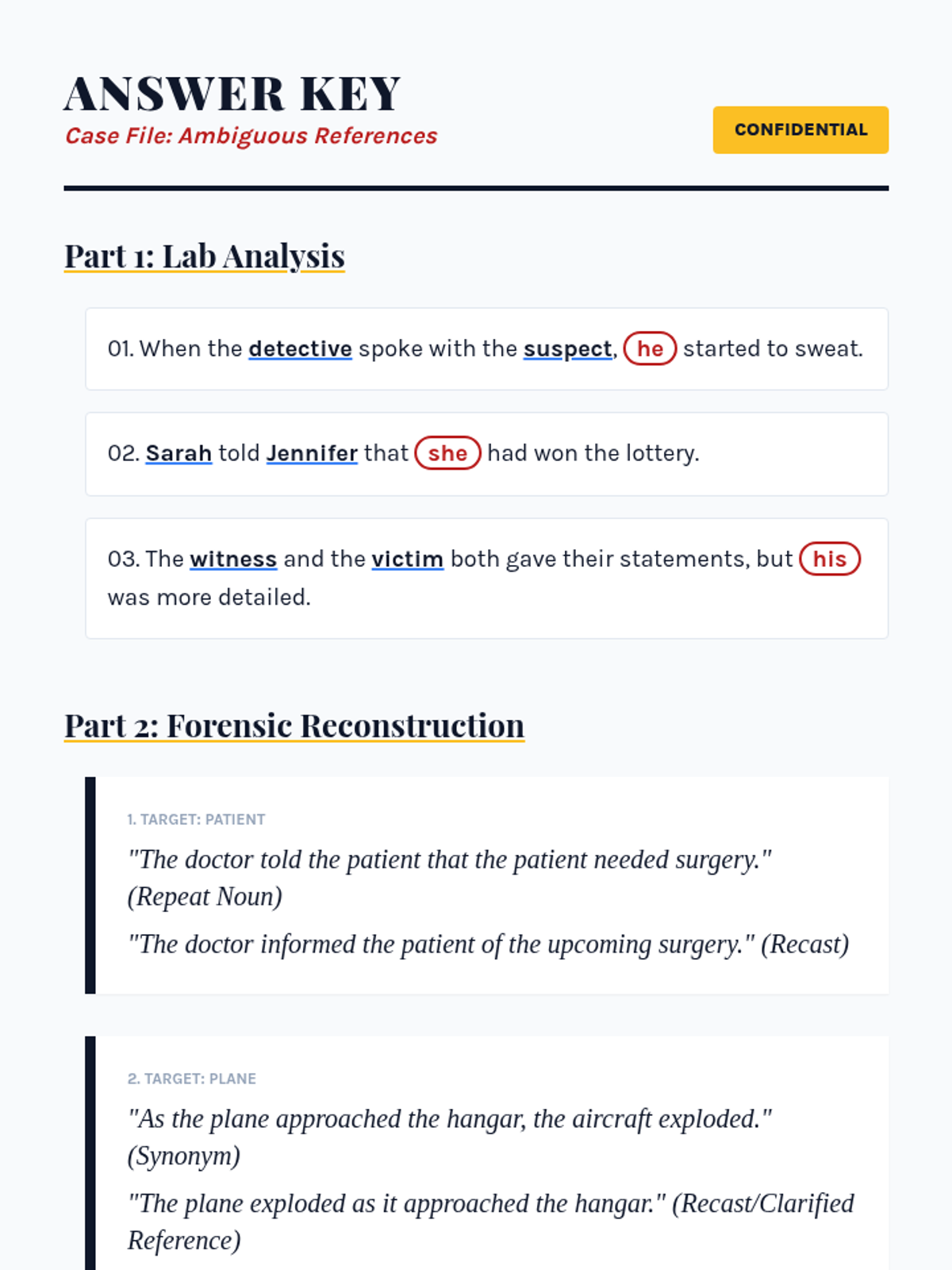
Students work with dense paragraphs containing multiple subjects of the same gender/number. They practice clarifying sentences so that 'he' or 'she' clearly refers to the intended person, using names or recasting where necessary.
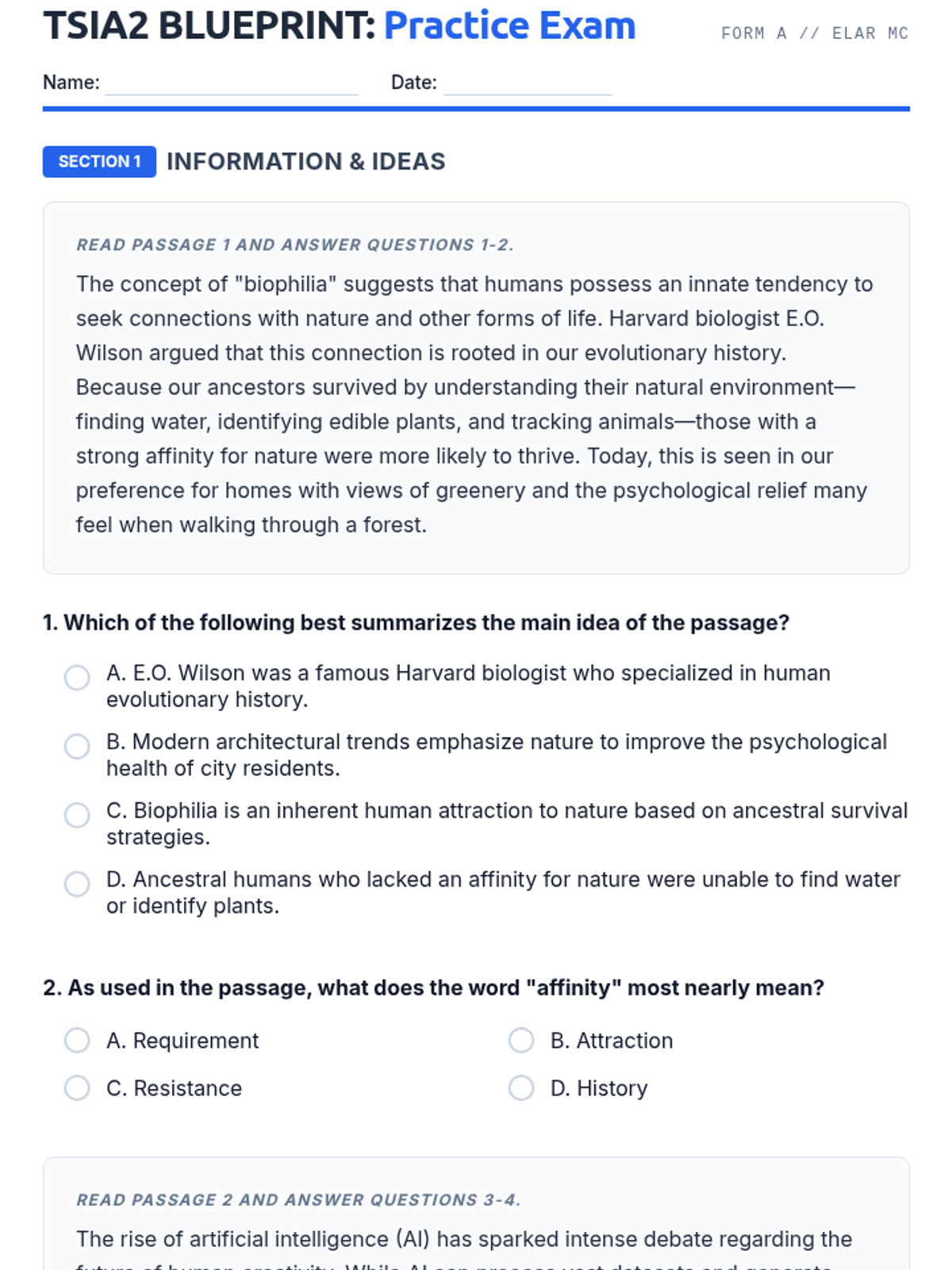
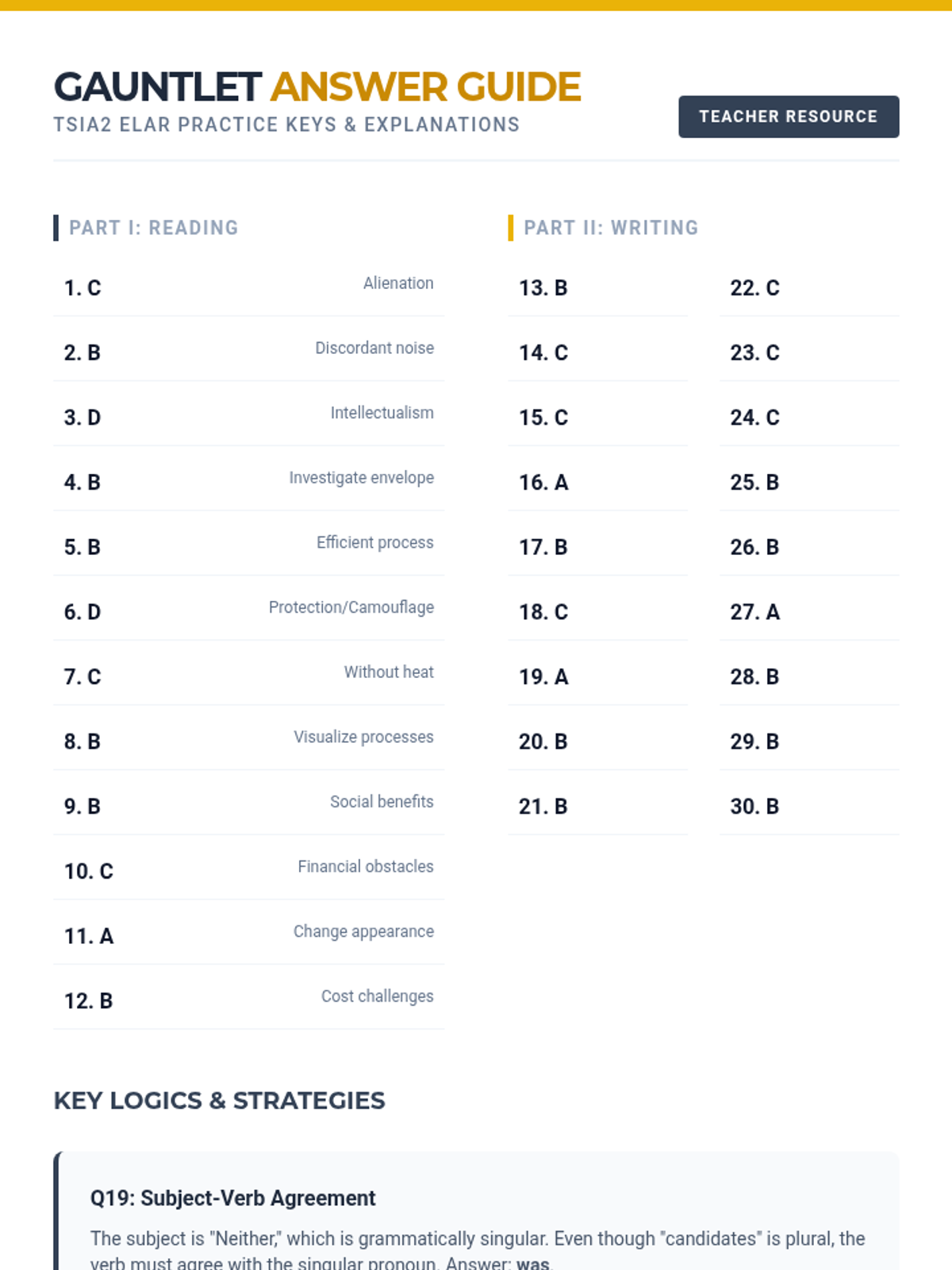
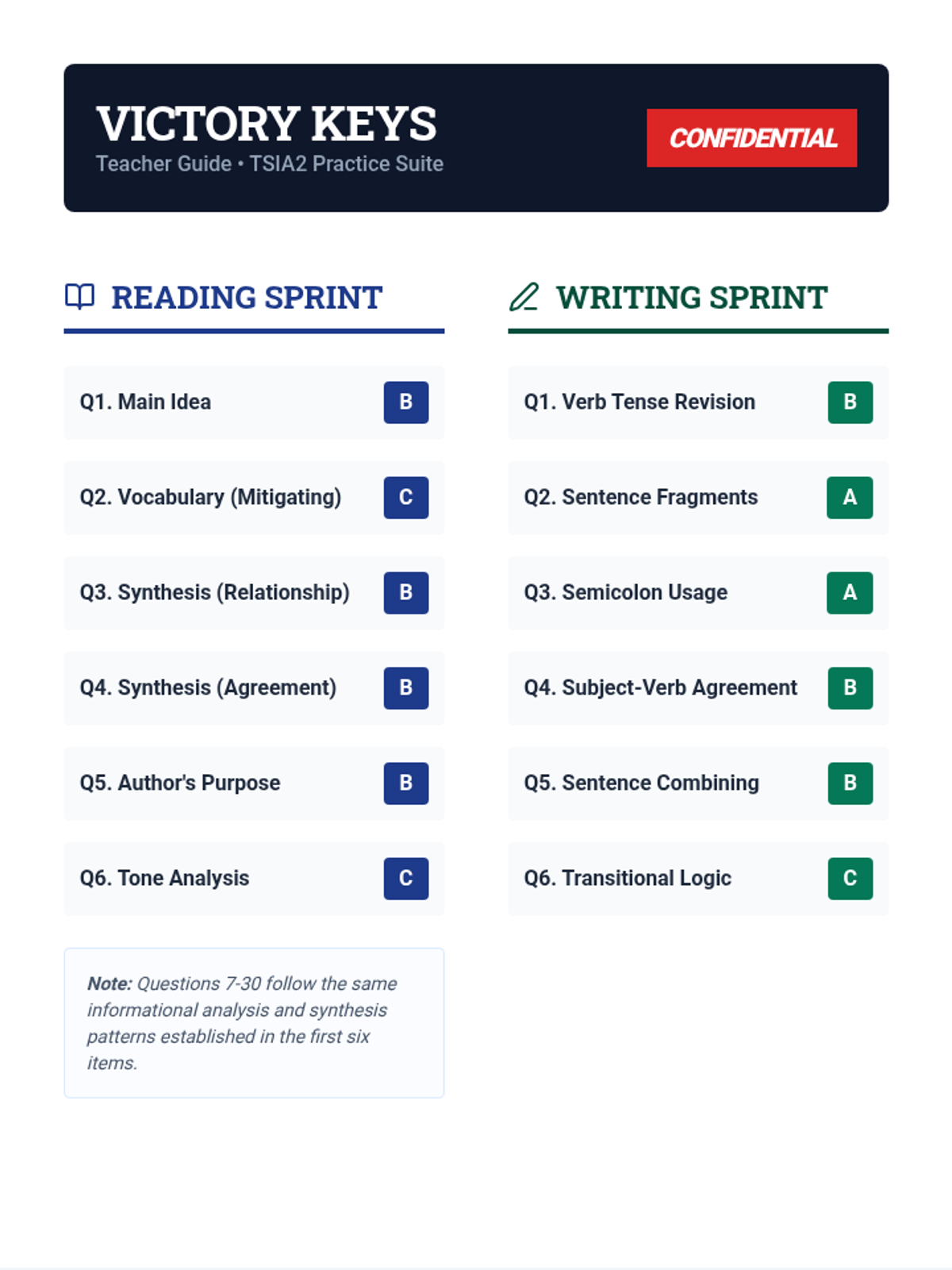
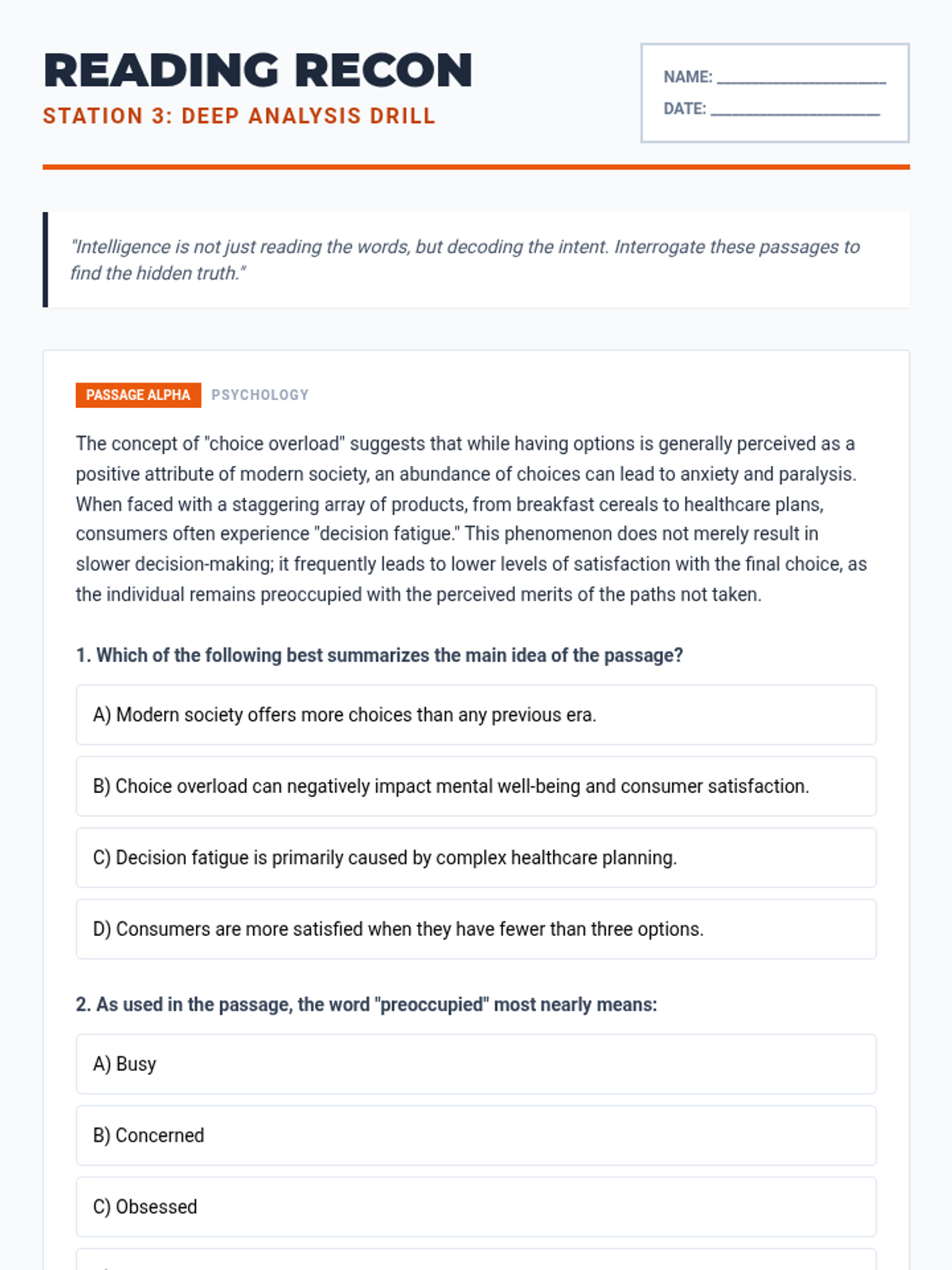
A comprehensive prep lesson for the TSIA2 ELAR section, covering reading comprehension, text analysis, and sentence-level writing skills. Includes a high-impact review presentation and a full 30-question practice exam with answer key.
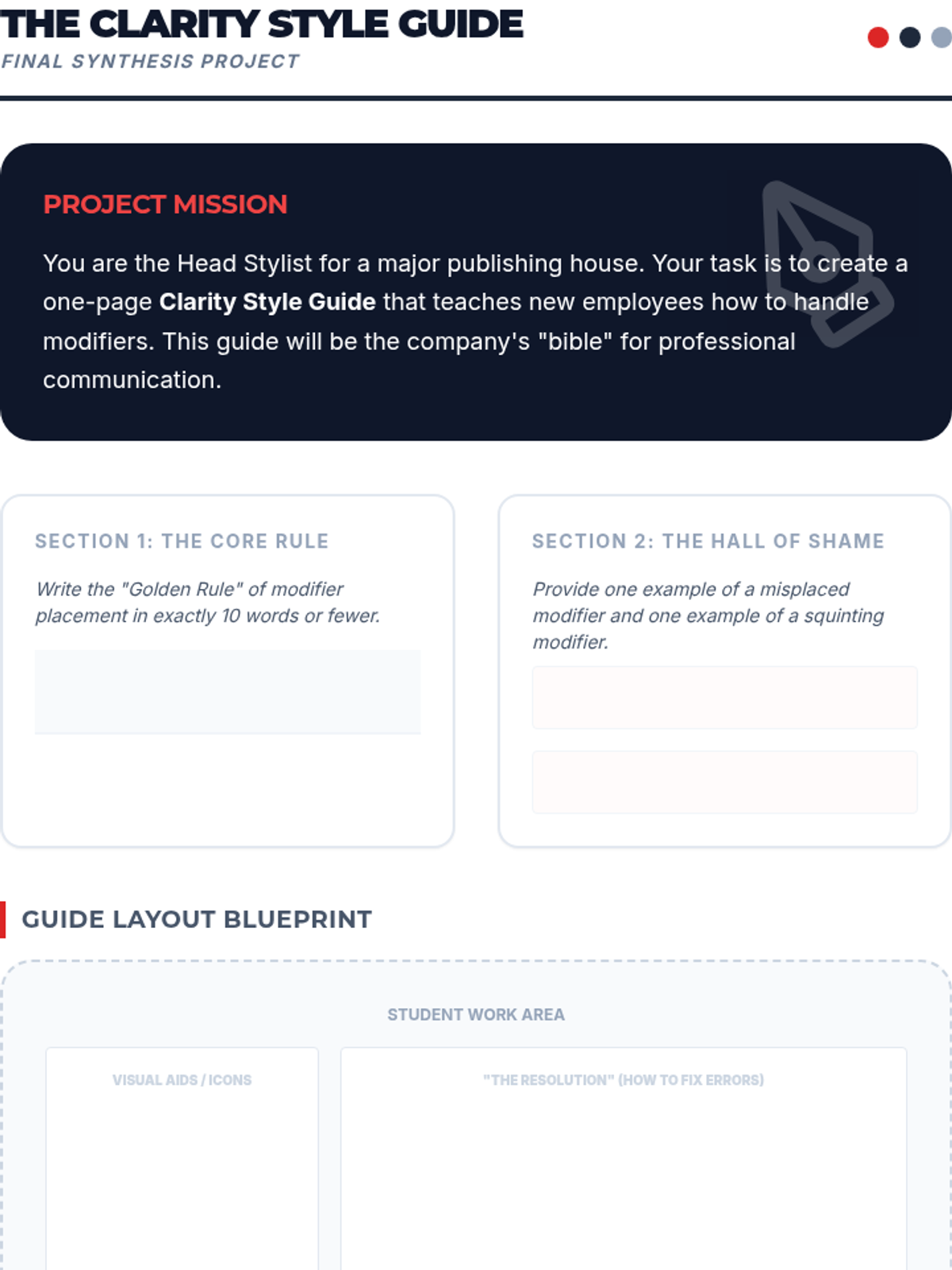
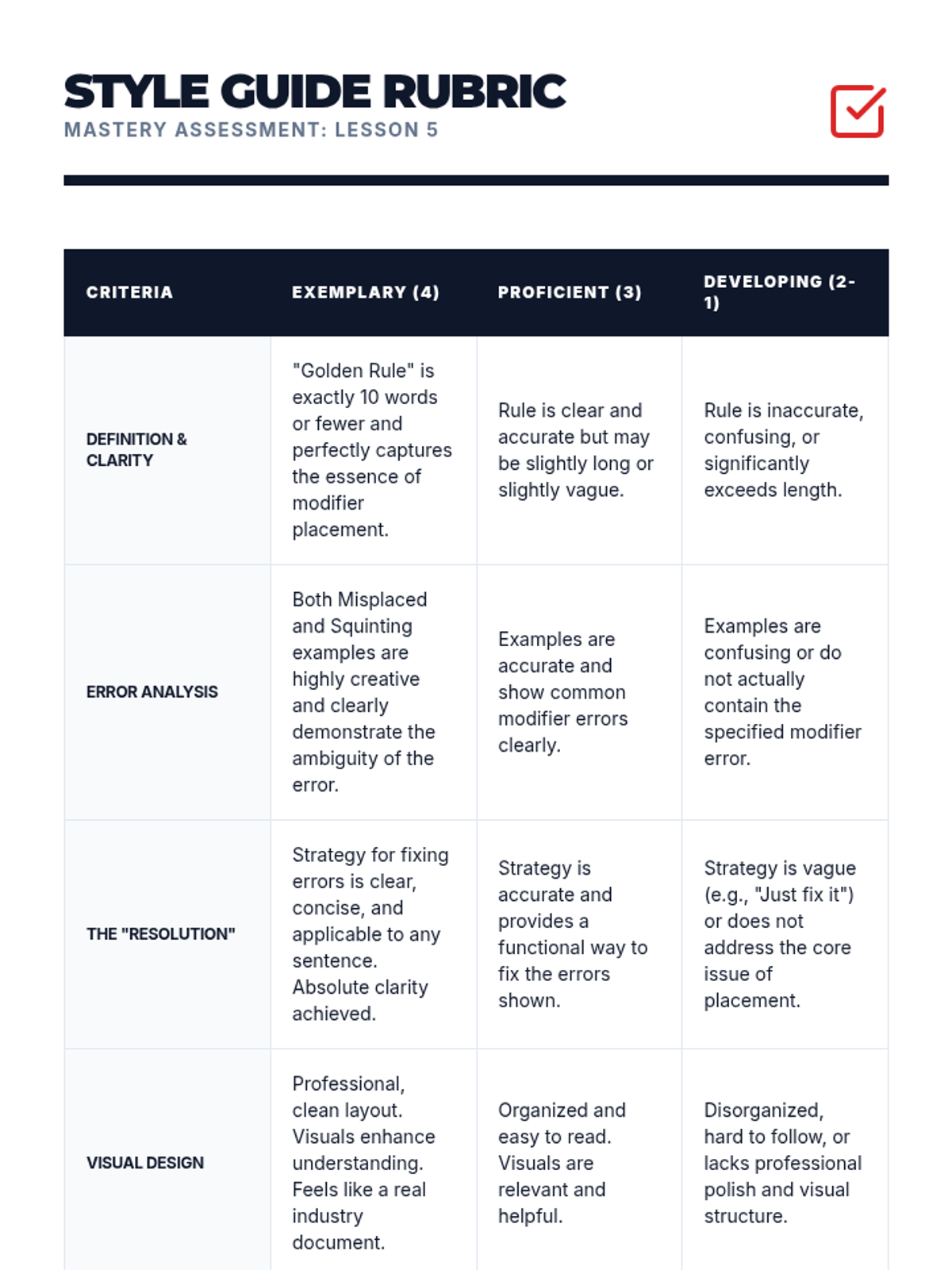
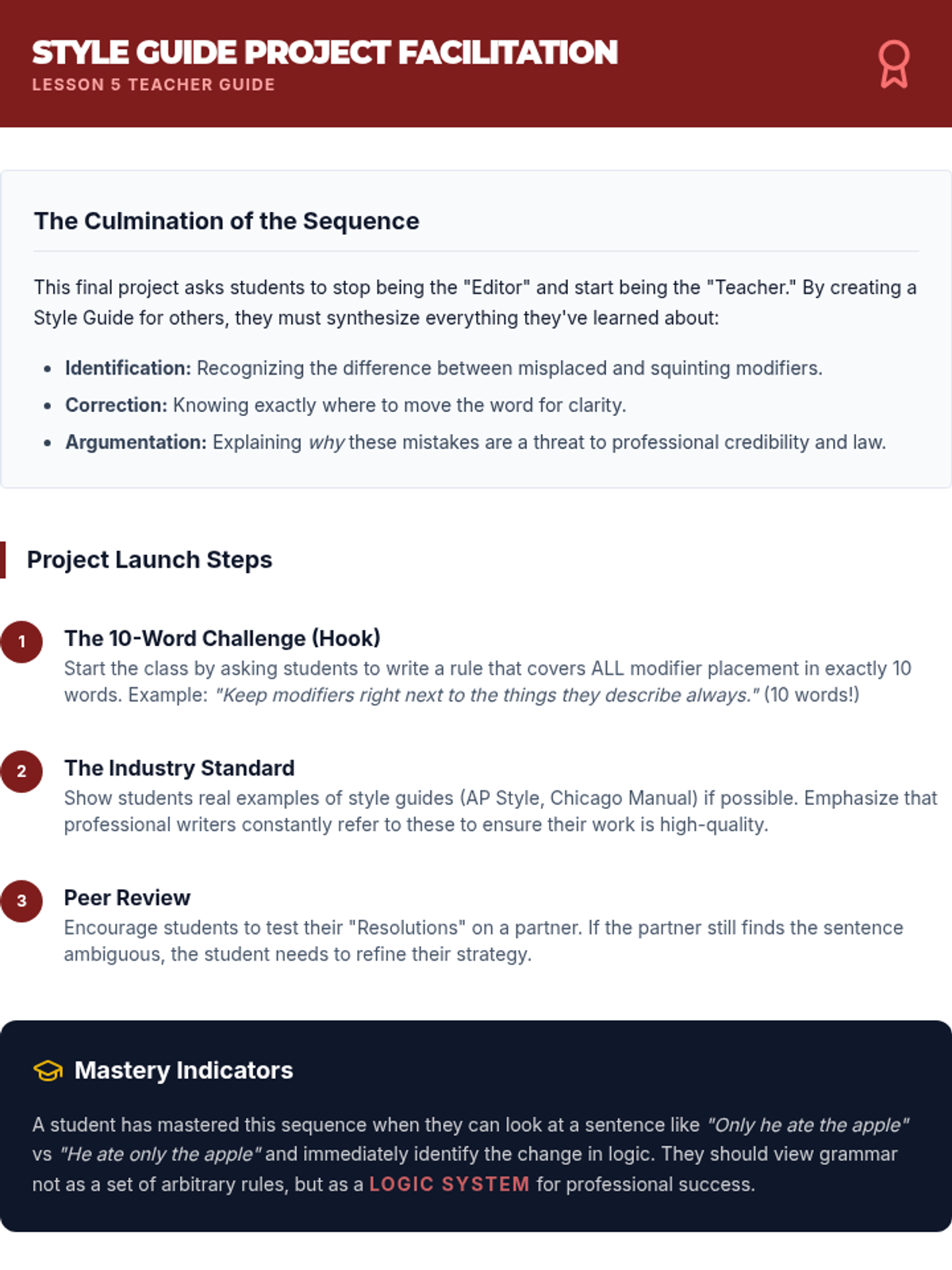
Students synthesize their knowledge to create a professional style guide for clear modifier placement.
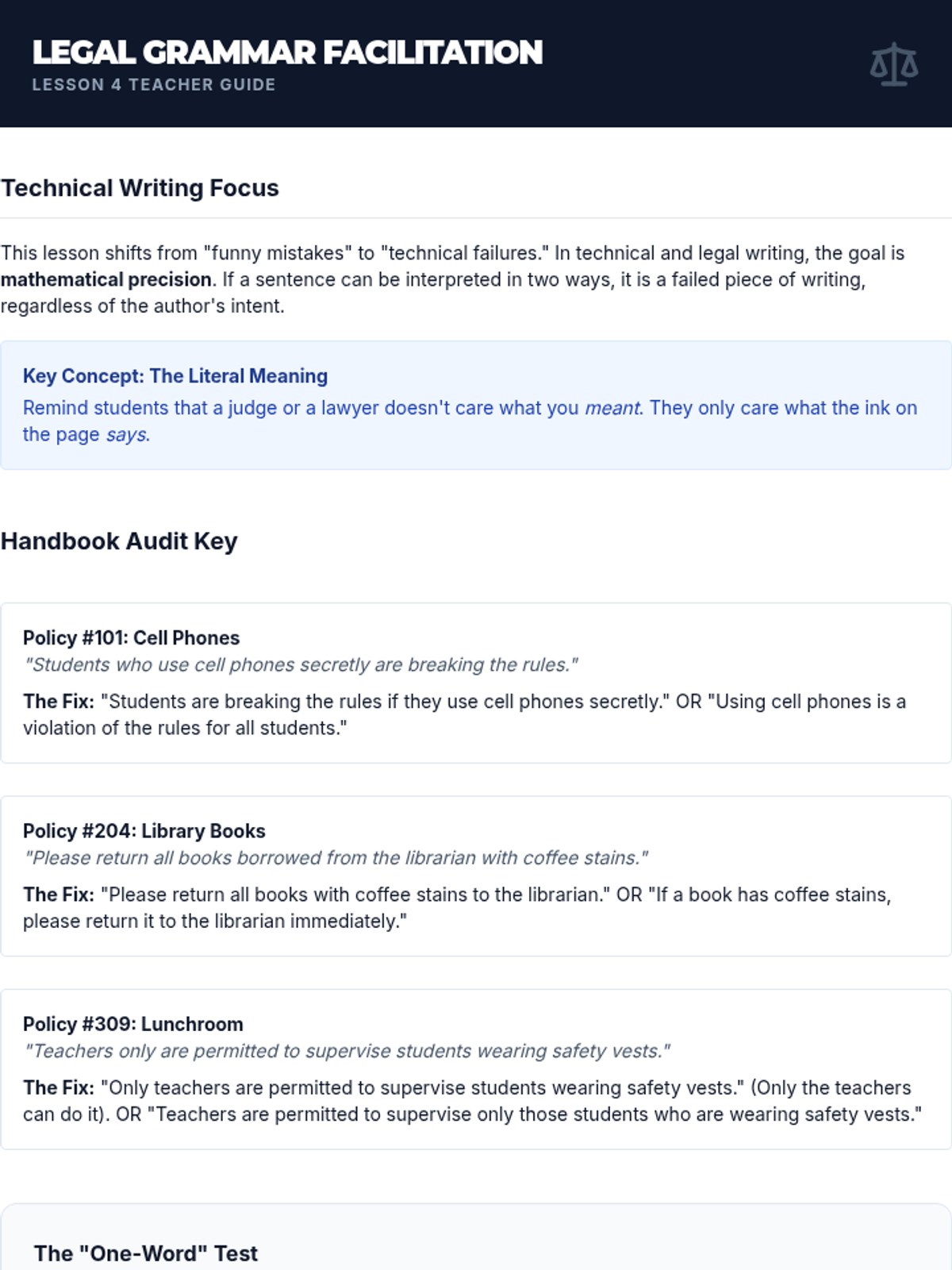
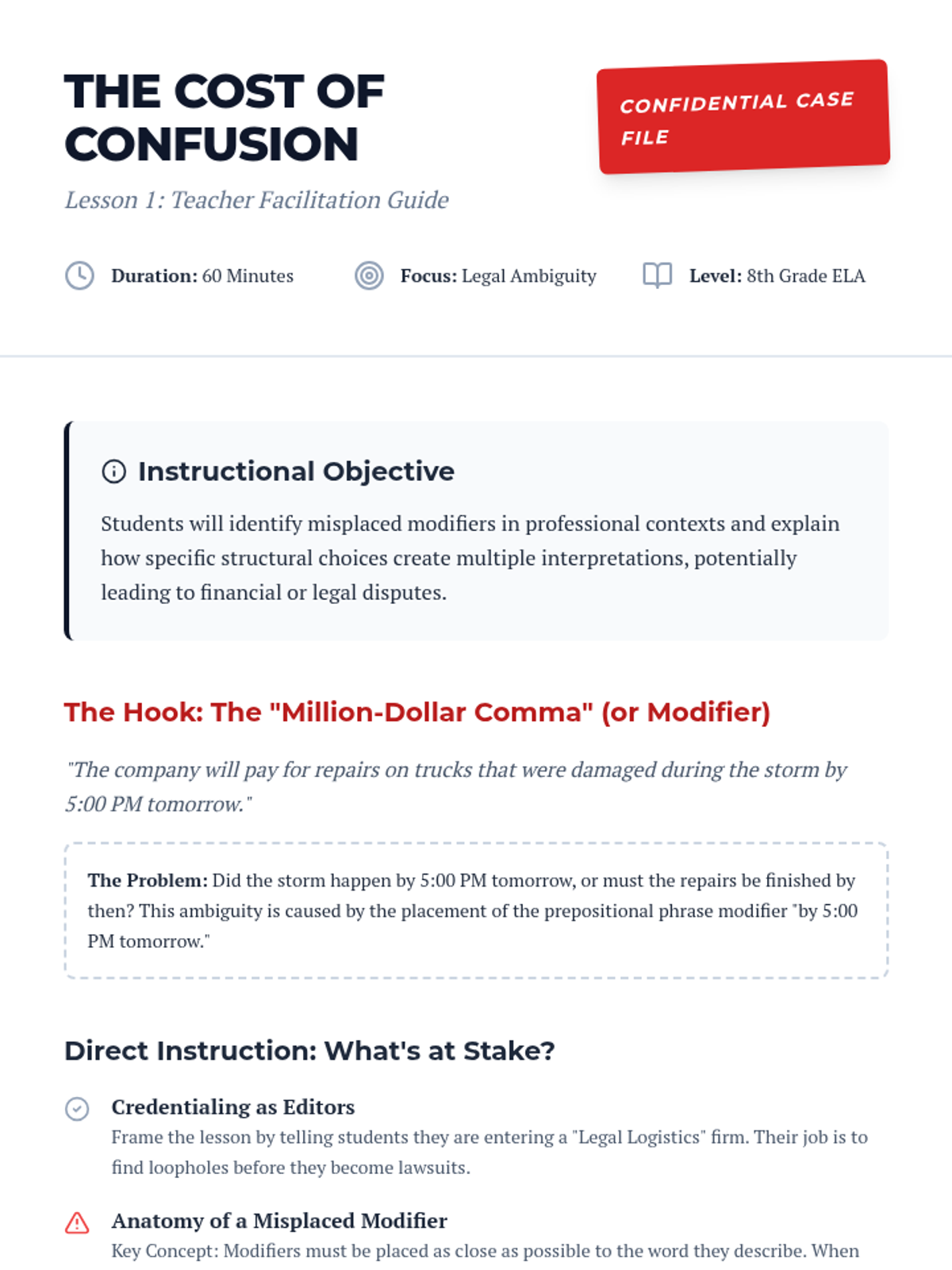
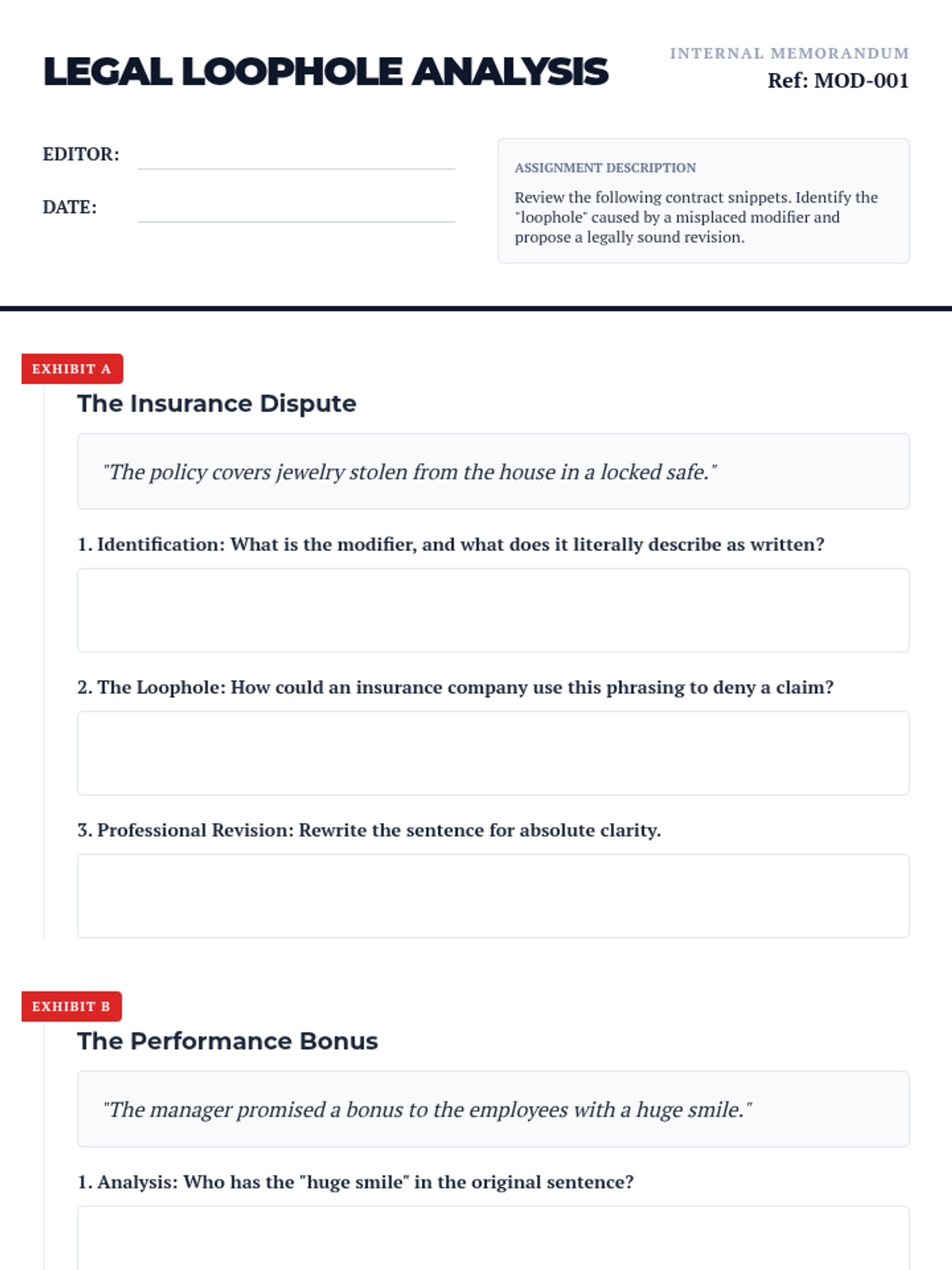
Students explore how grammar errors can lead to legal loopholes by rewriting school policies and analyzing mock contracts.
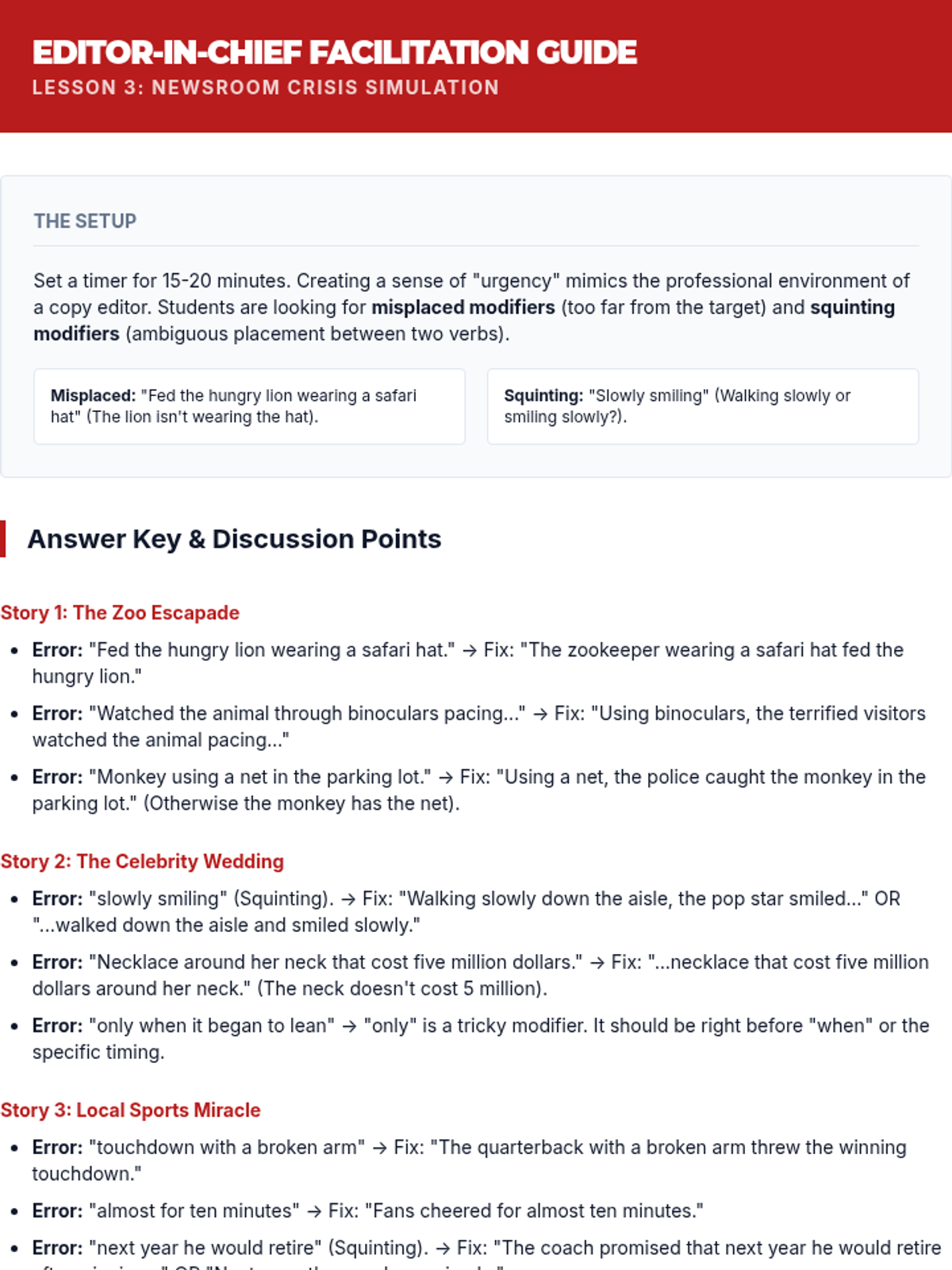
A newsroom simulation where students edit a frantic breaking news script filled with modifier errors under a deadline.
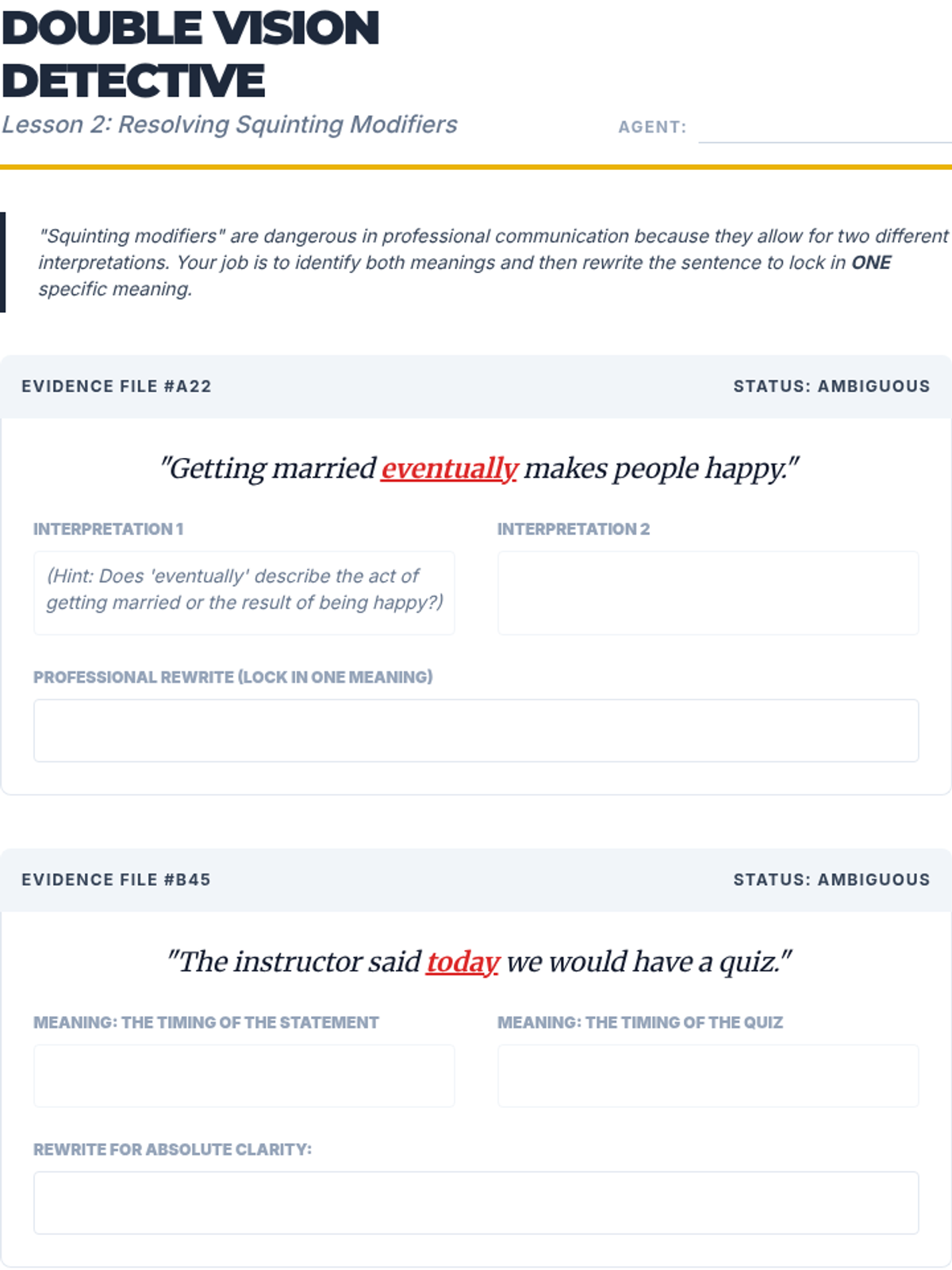
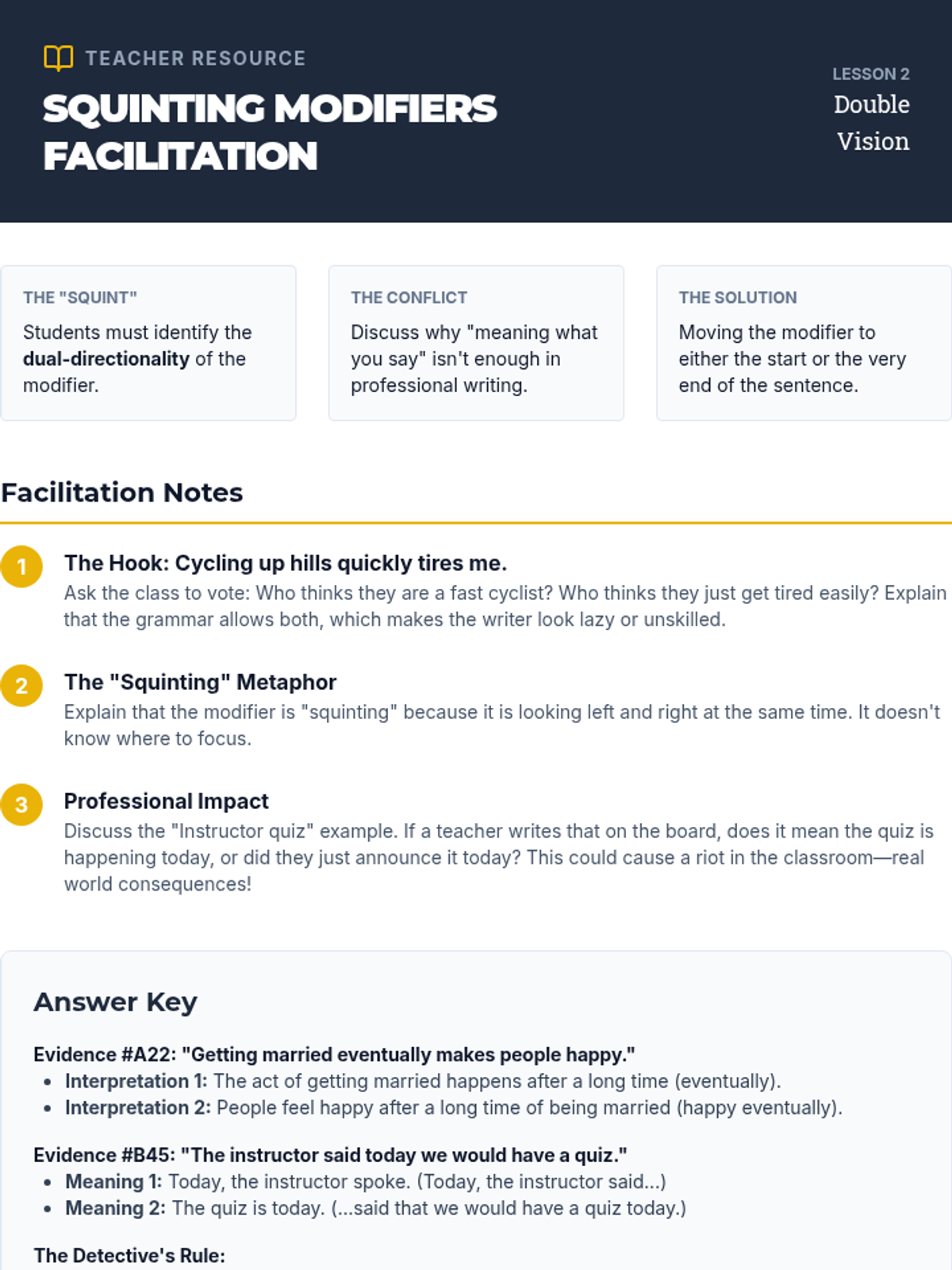
Focuses on 'squinting modifiers'—words that sit between two actions and create double meanings—and how to resolve them for absolute clarity.
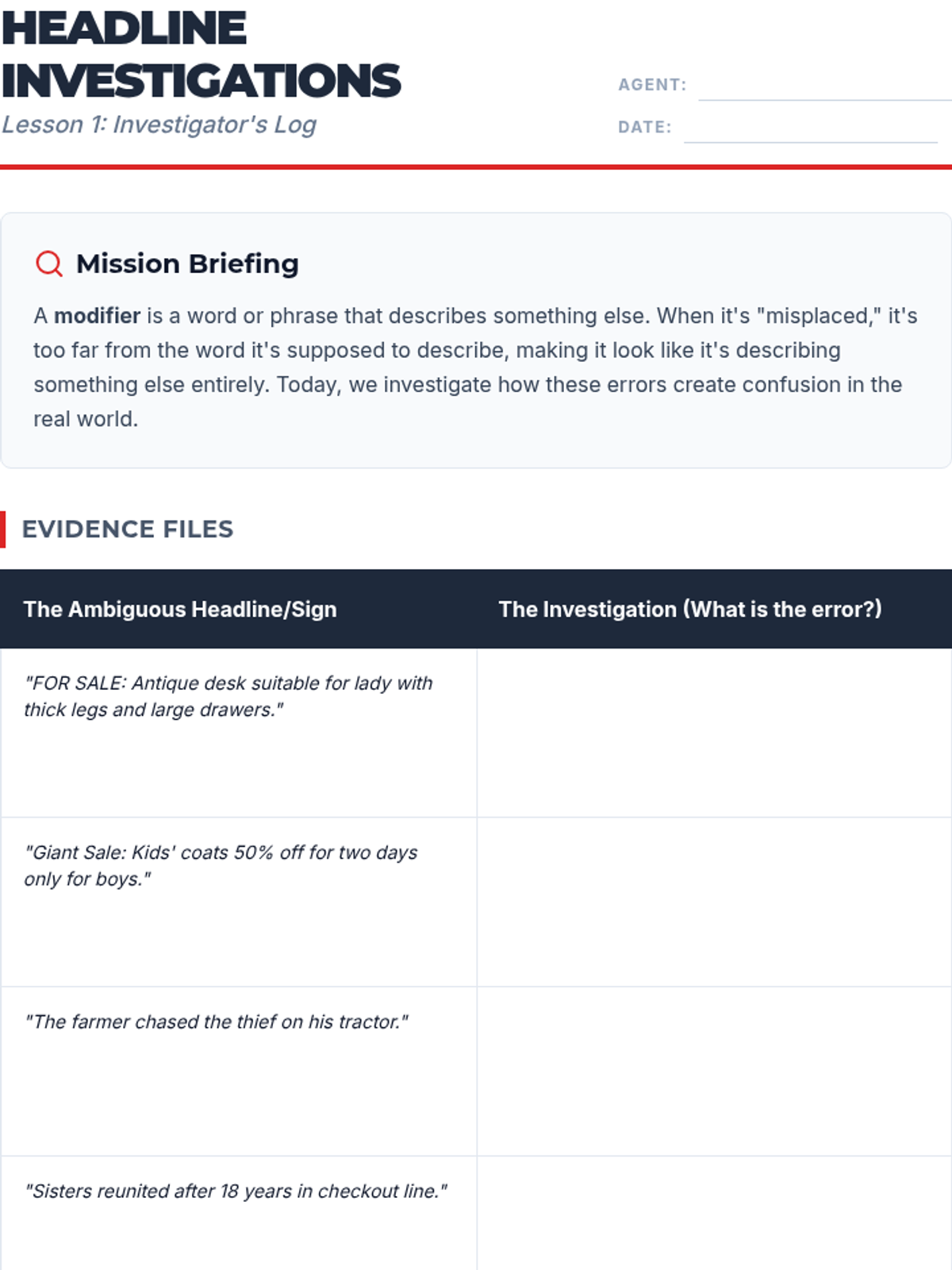
Students analyze real-world examples of headlines and signage where misplaced modifiers create hilarious or confusing unintended meanings.
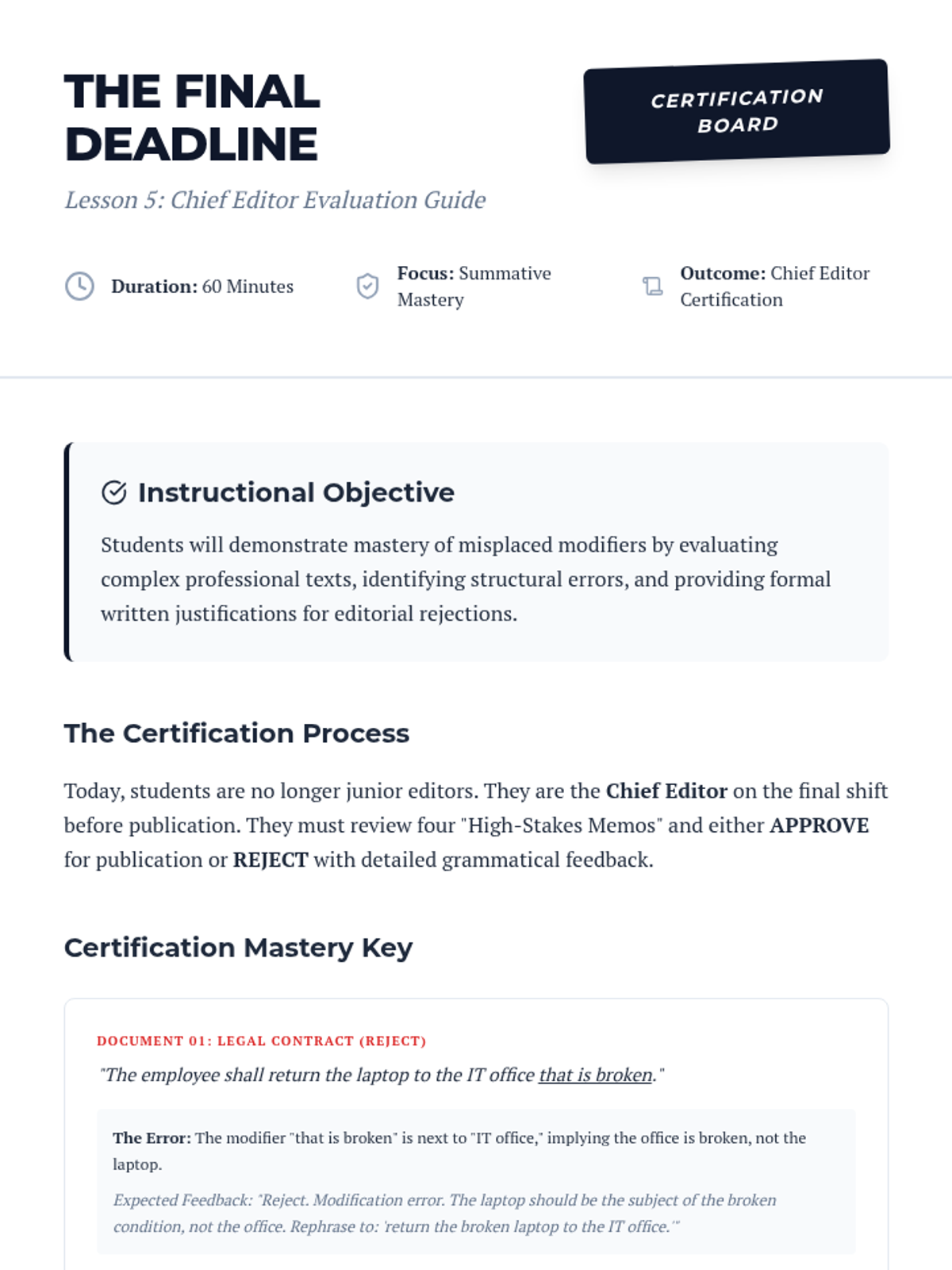
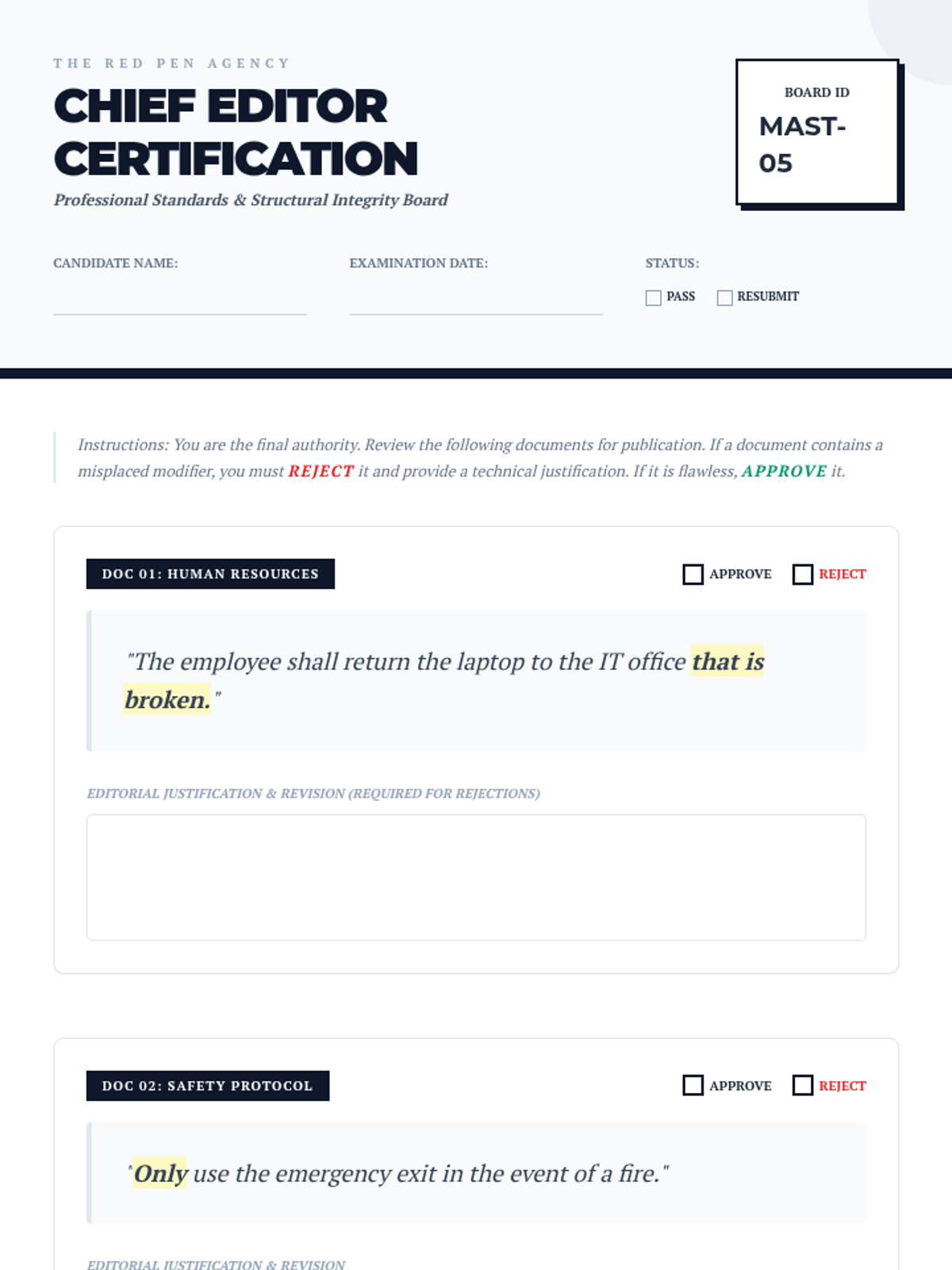
A final simulation where students approve or reject documents for publication. They must explain their grammatical reasoning to earn their 'Chief Editor' certification.
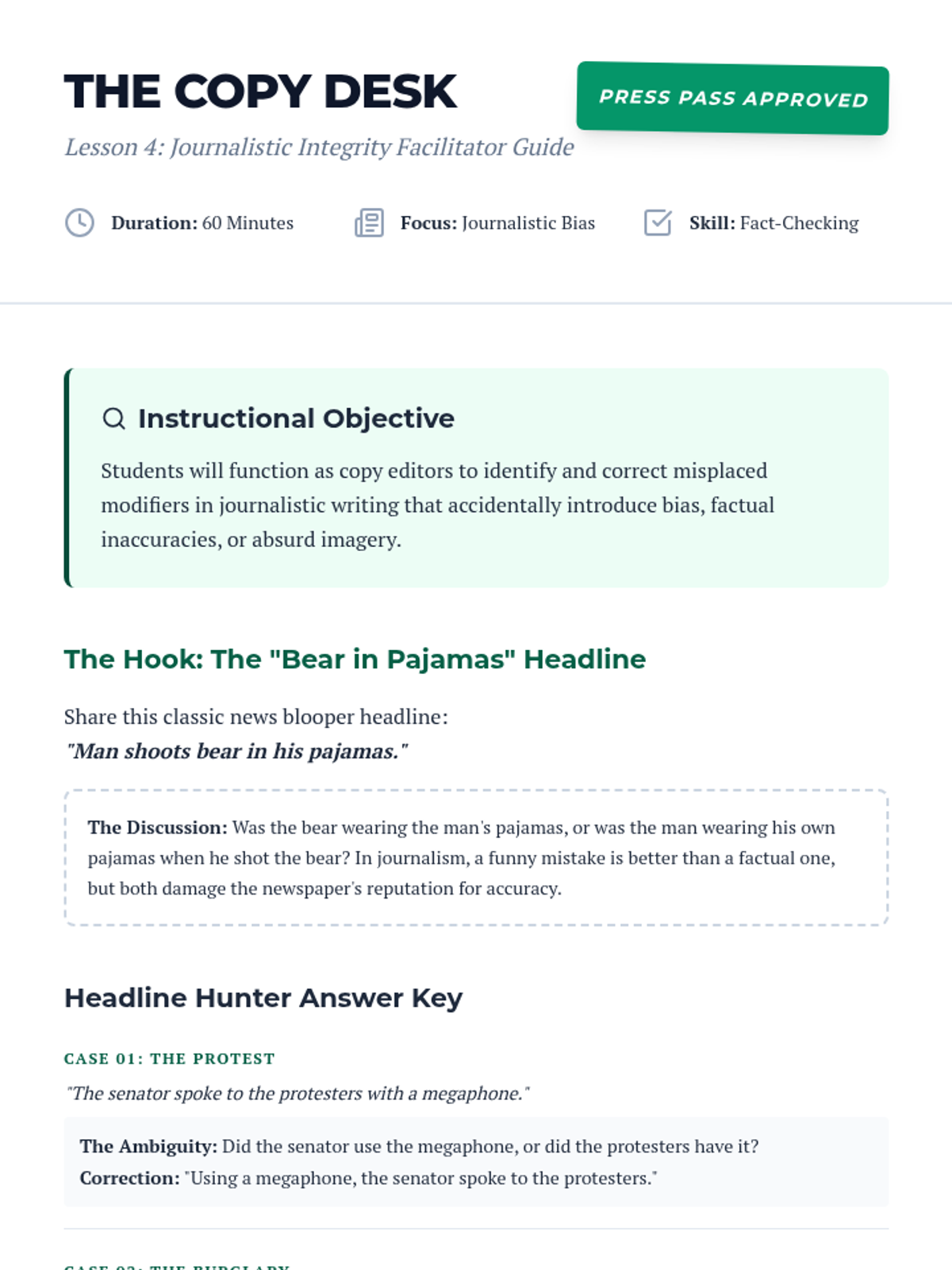
Acting as copy editors, students review news snippets for modifiers that accidentally imply bias or factually incorrect narratives. They focus on maintaining journalistic integrity through grammar.
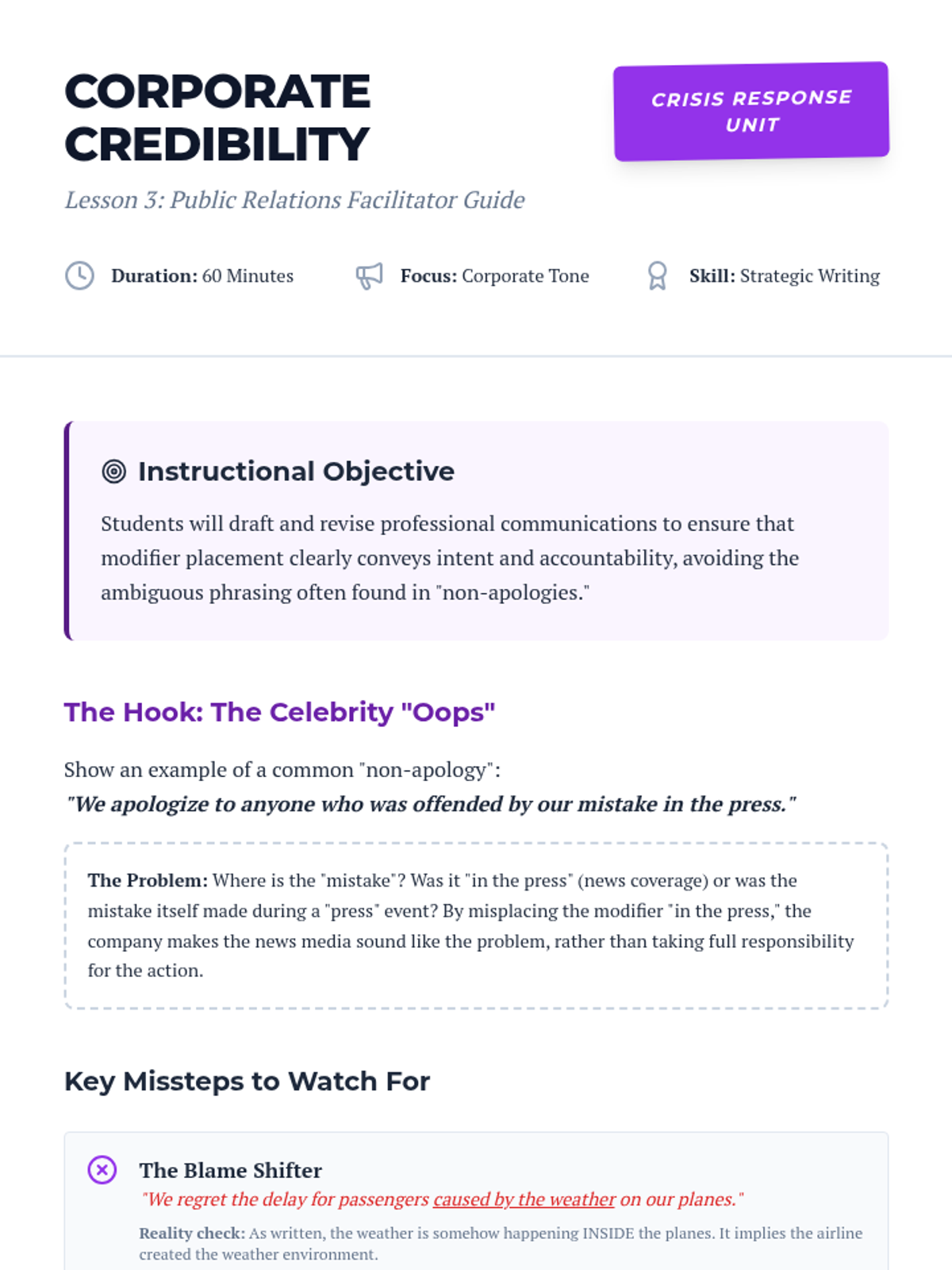
Students draft formal press releases for a fictional company, ensuring modifier placement accepts responsibility clearly. They analyze how structure affects tone and corporate credibility.
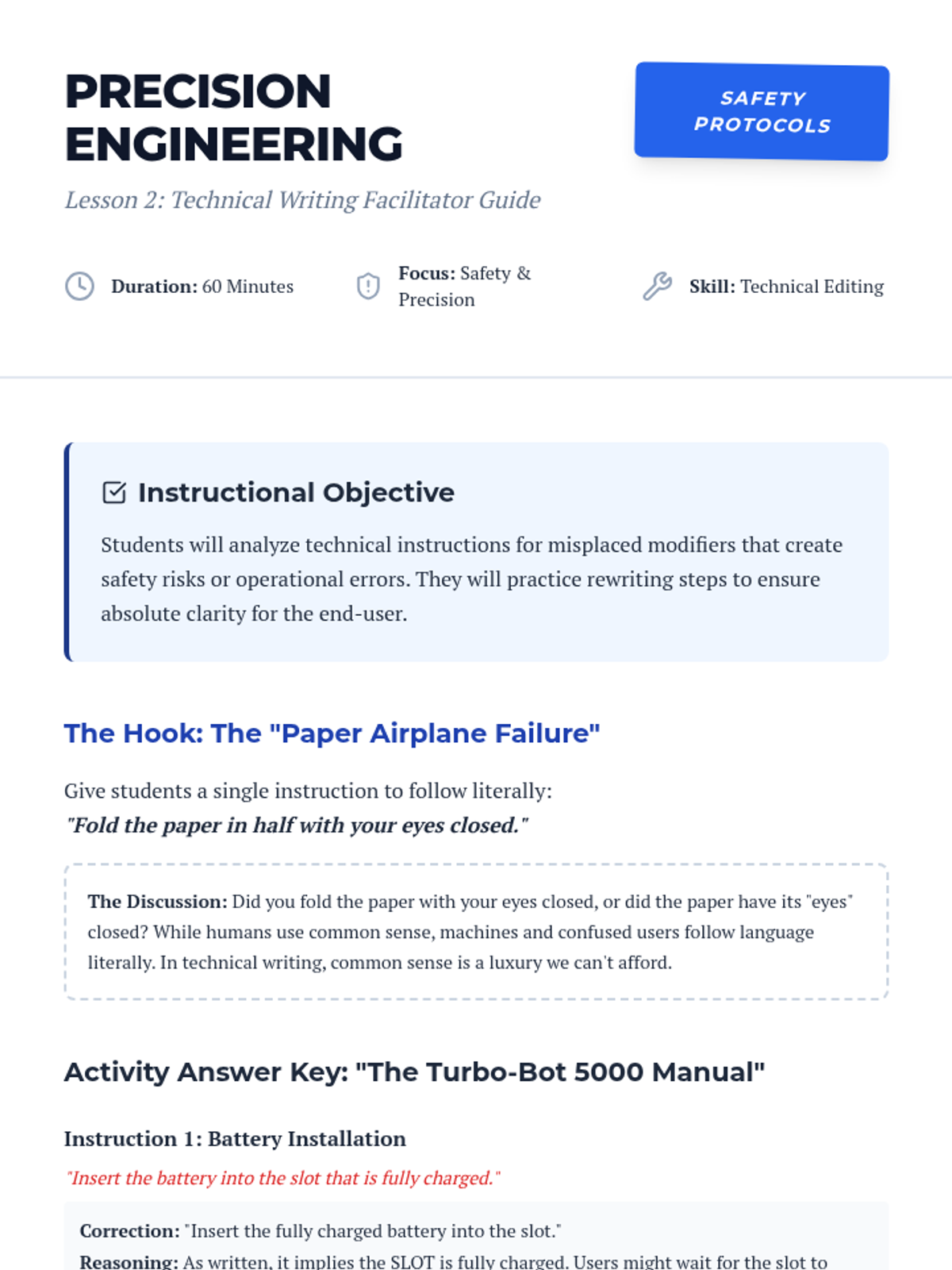
Students review poorly written assembly instructions, identifying where modifiers lead to safety hazards. They rewrite technical steps for absolute precision to prevent product failure.
Students analyze case studies of legal contracts where misplaced modifiers created financial loopholes. They identify how placement changes meaning and practice revising high-stakes sentences.
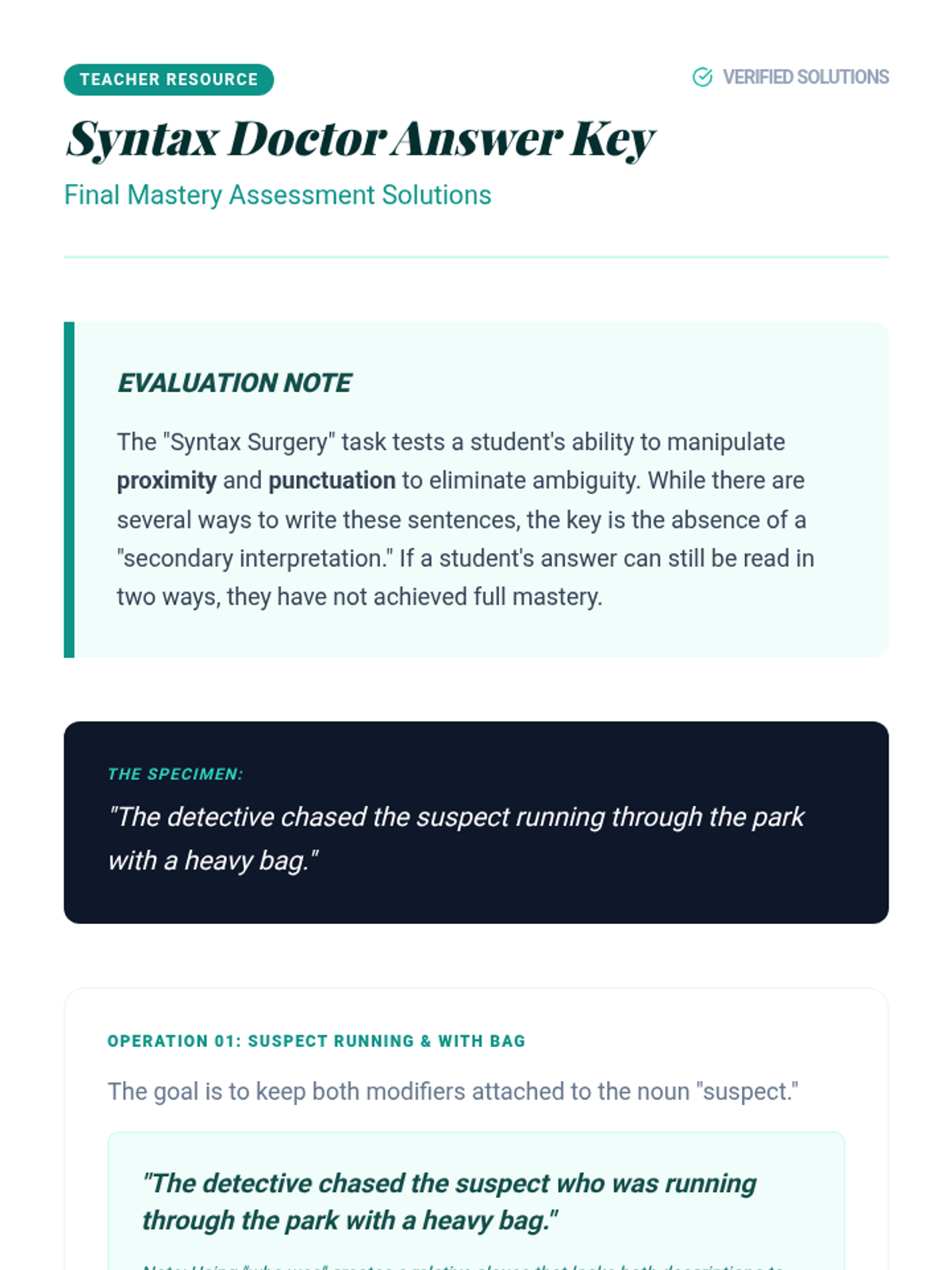
Students demonstrate mastery by manipulating complex paragraphs to yield multiple distinct meanings through modifier placement alone.
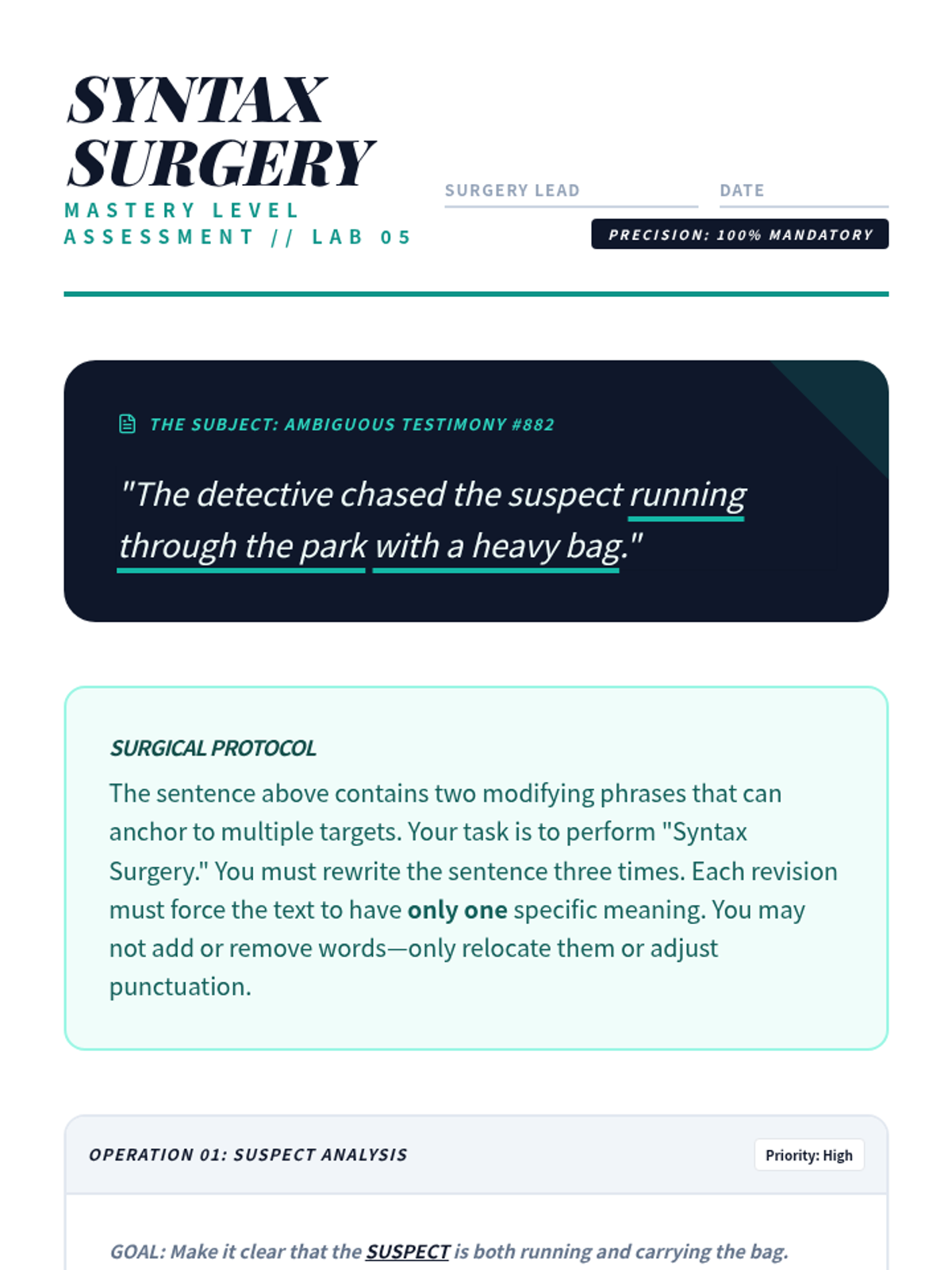
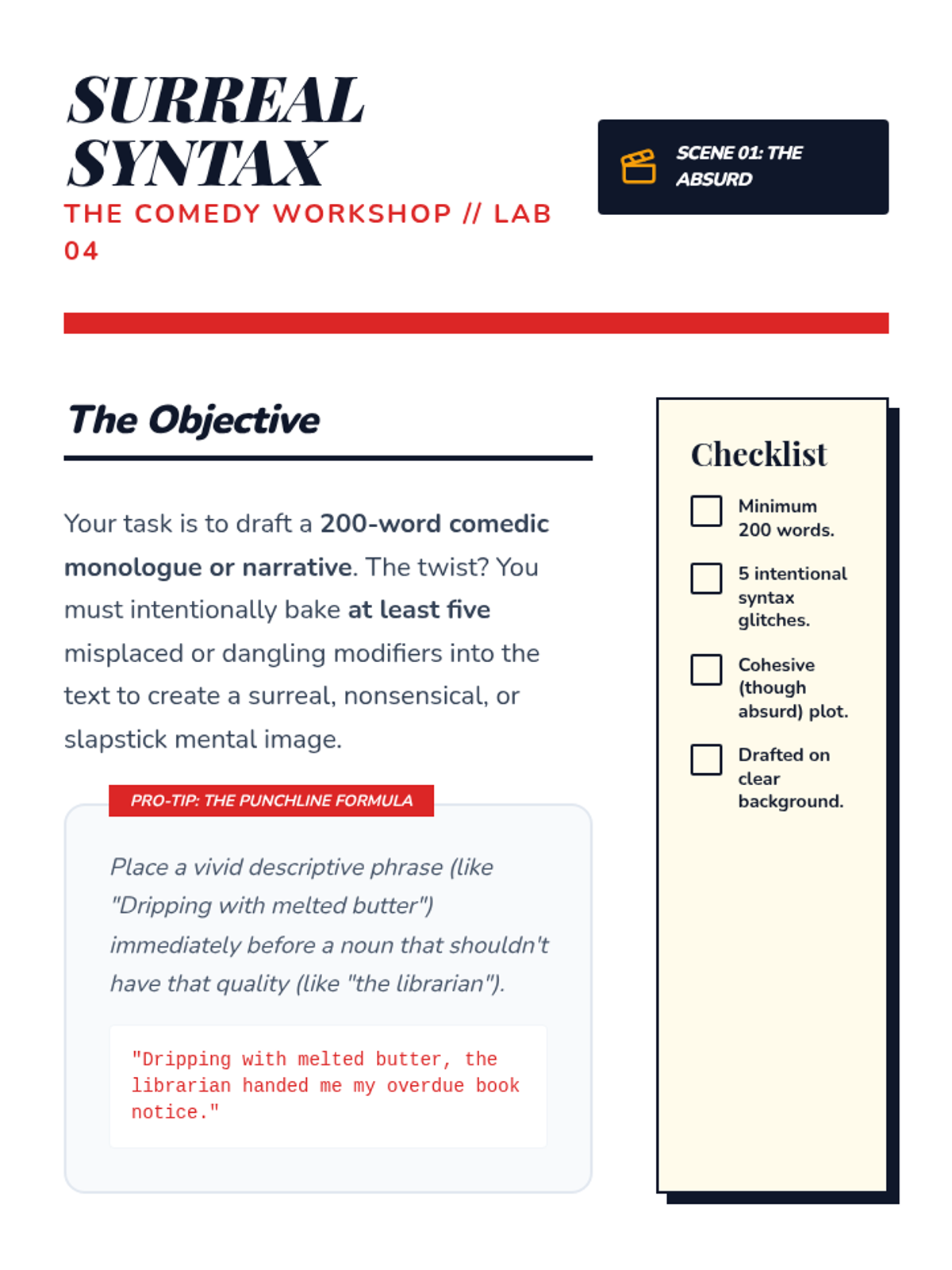
Students intentionally use misplaced modifiers to create surreal humor, then reverse-engineer their work to understand the mechanics of syntactic ambiguity.
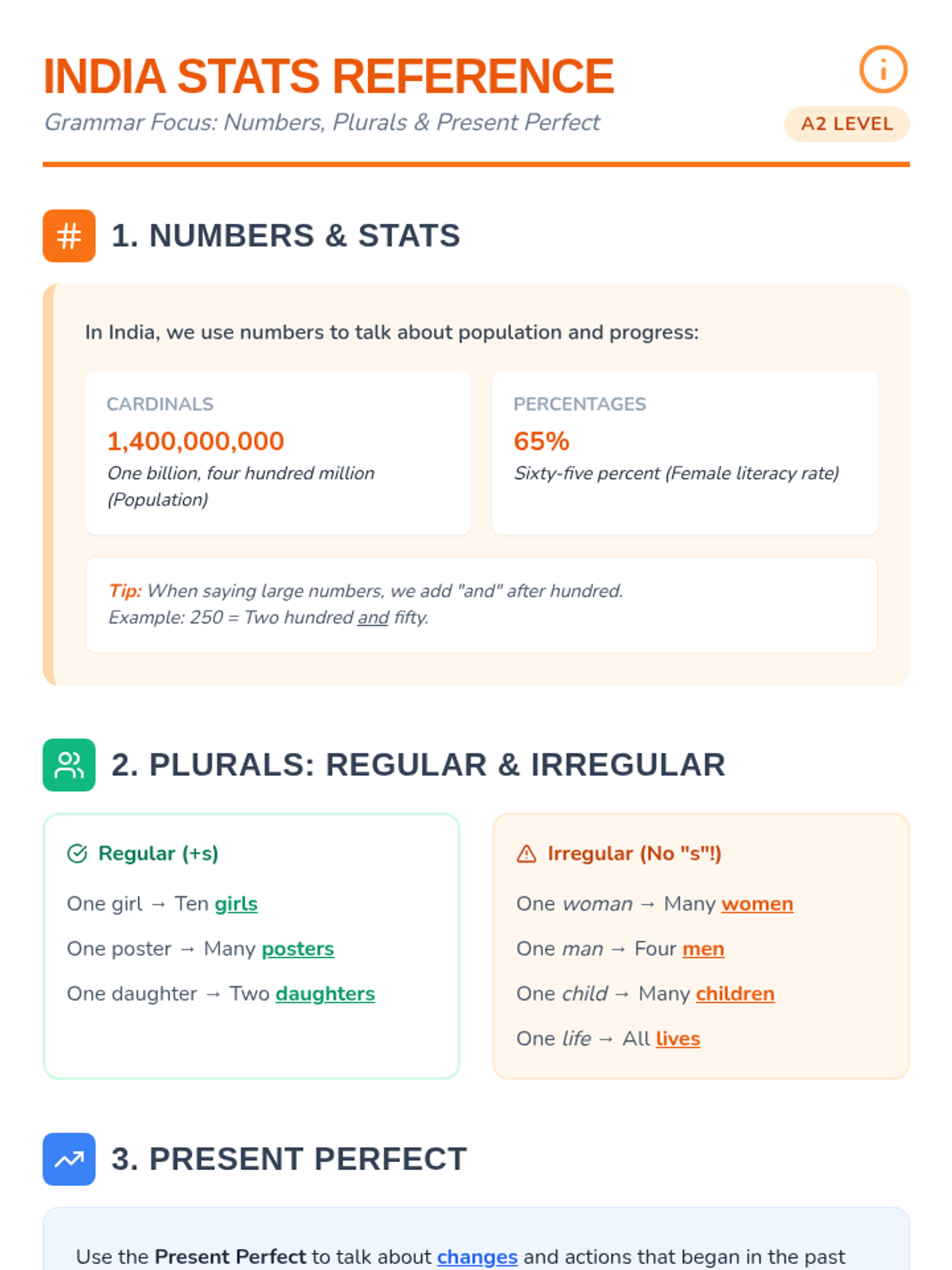
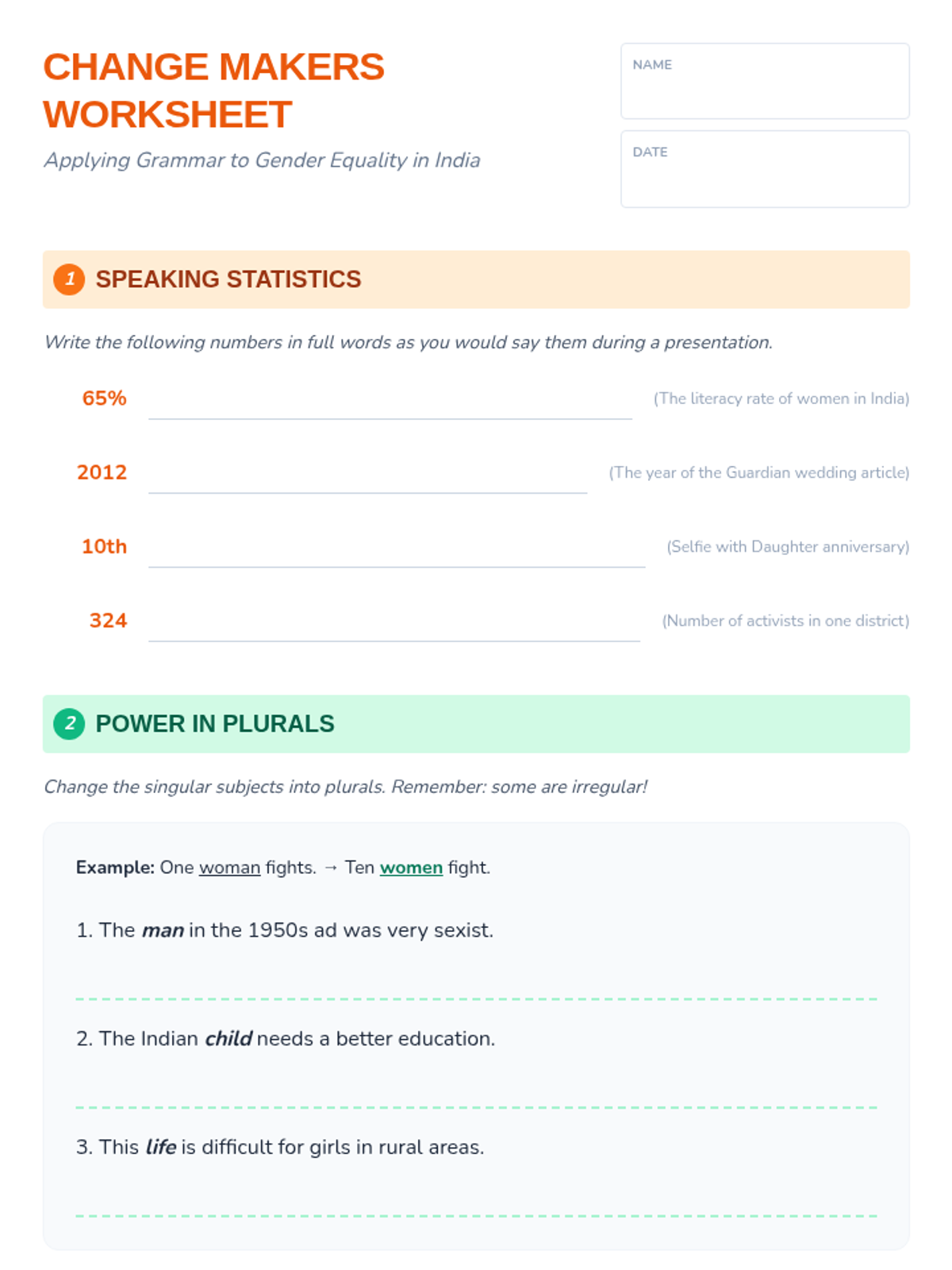
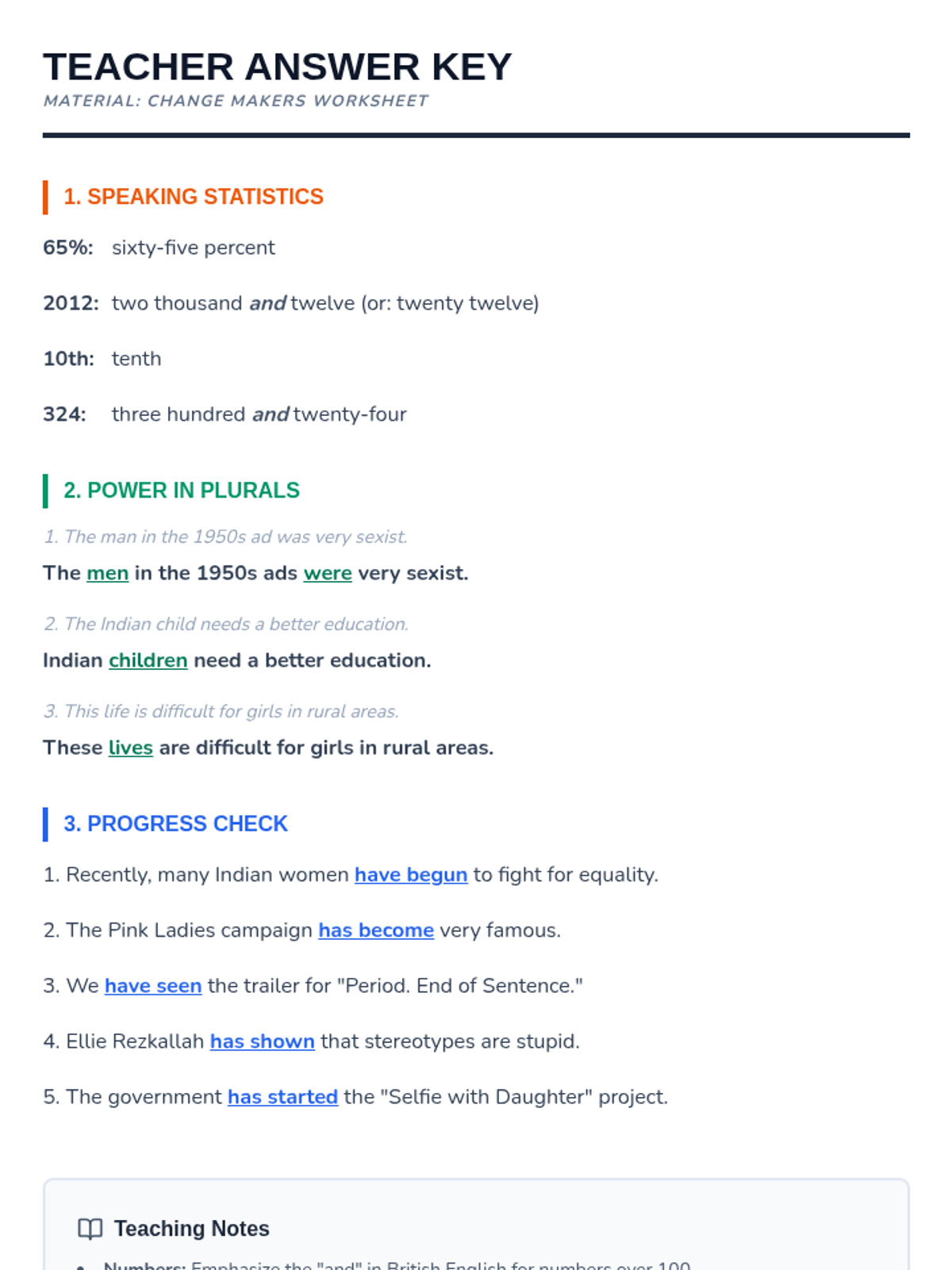
A grammar-focused lesson revising numbers, plural nouns, and the present perfect within the context of gender equality in India.
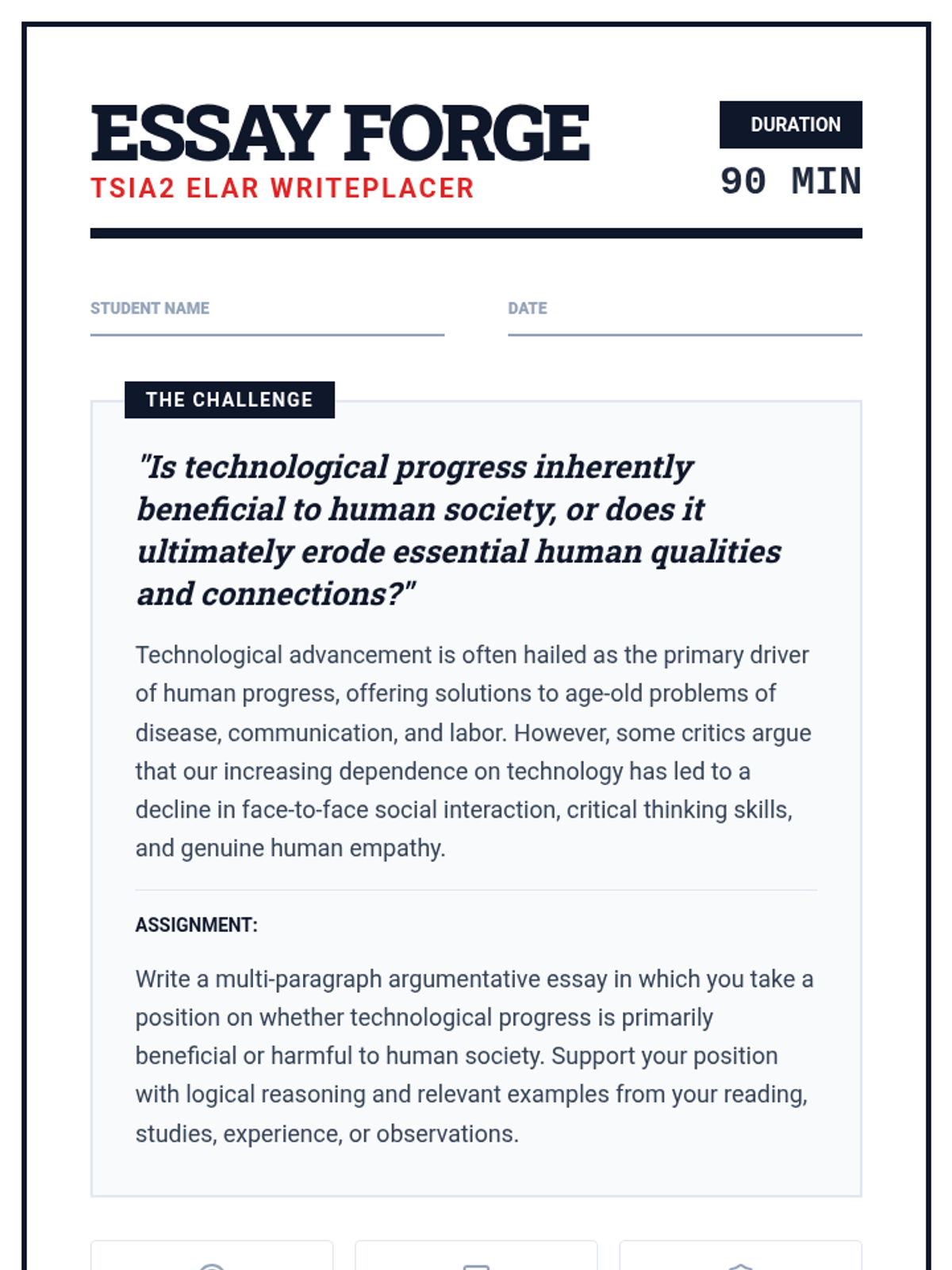
A comprehensive practice suite for the TSIA2 English Language Arts and Reading (ELAR) assessment, focusing on informational analysis, synthesis, writing conventions, and argumentative essay drafting.
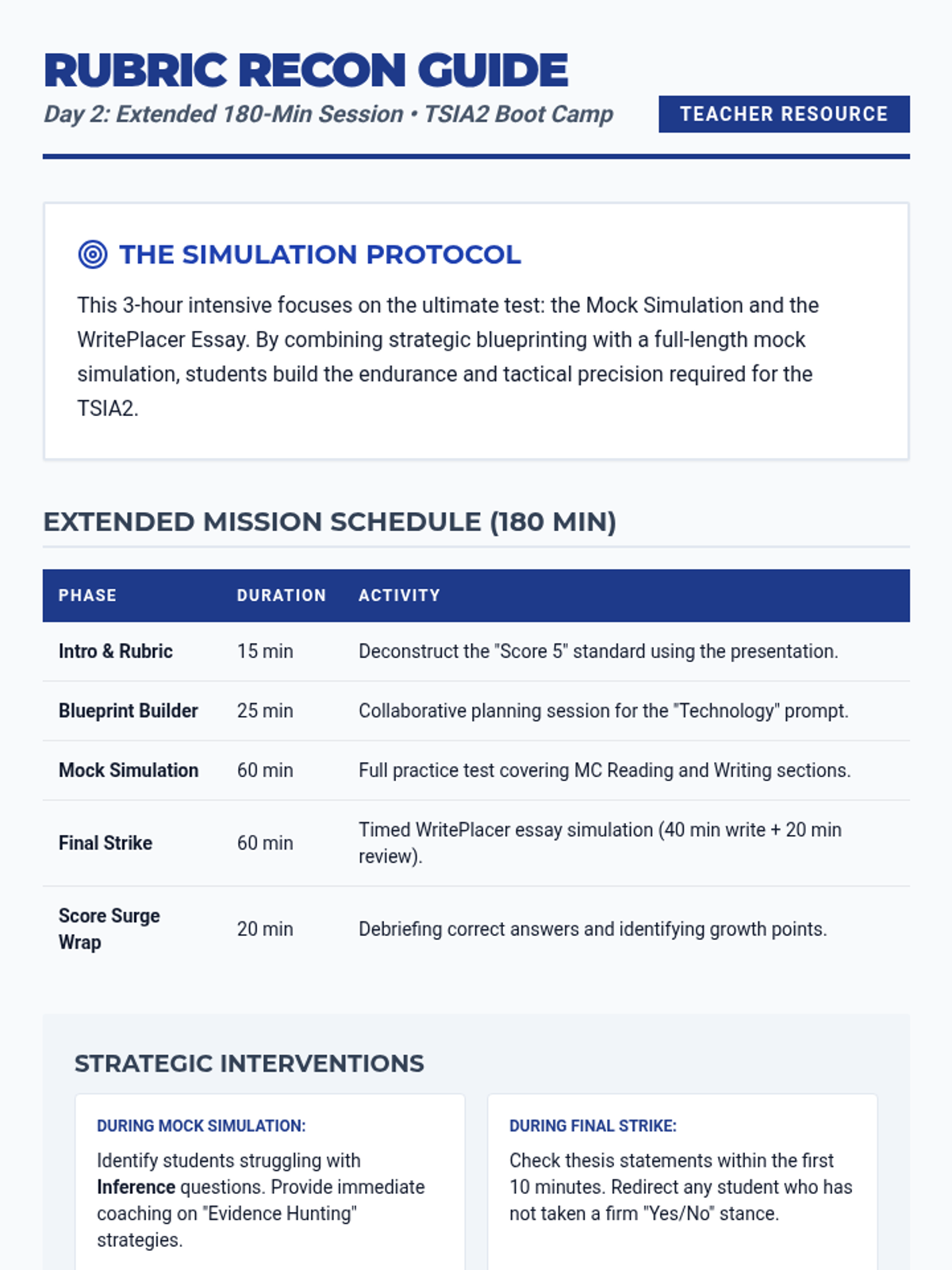
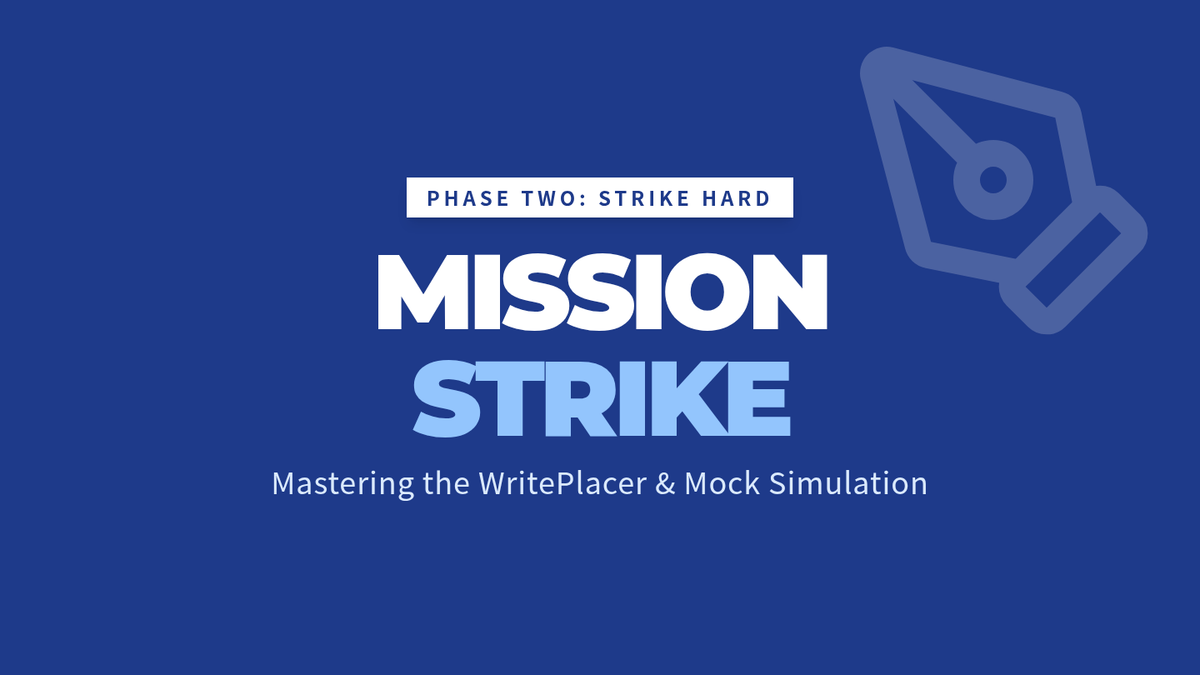
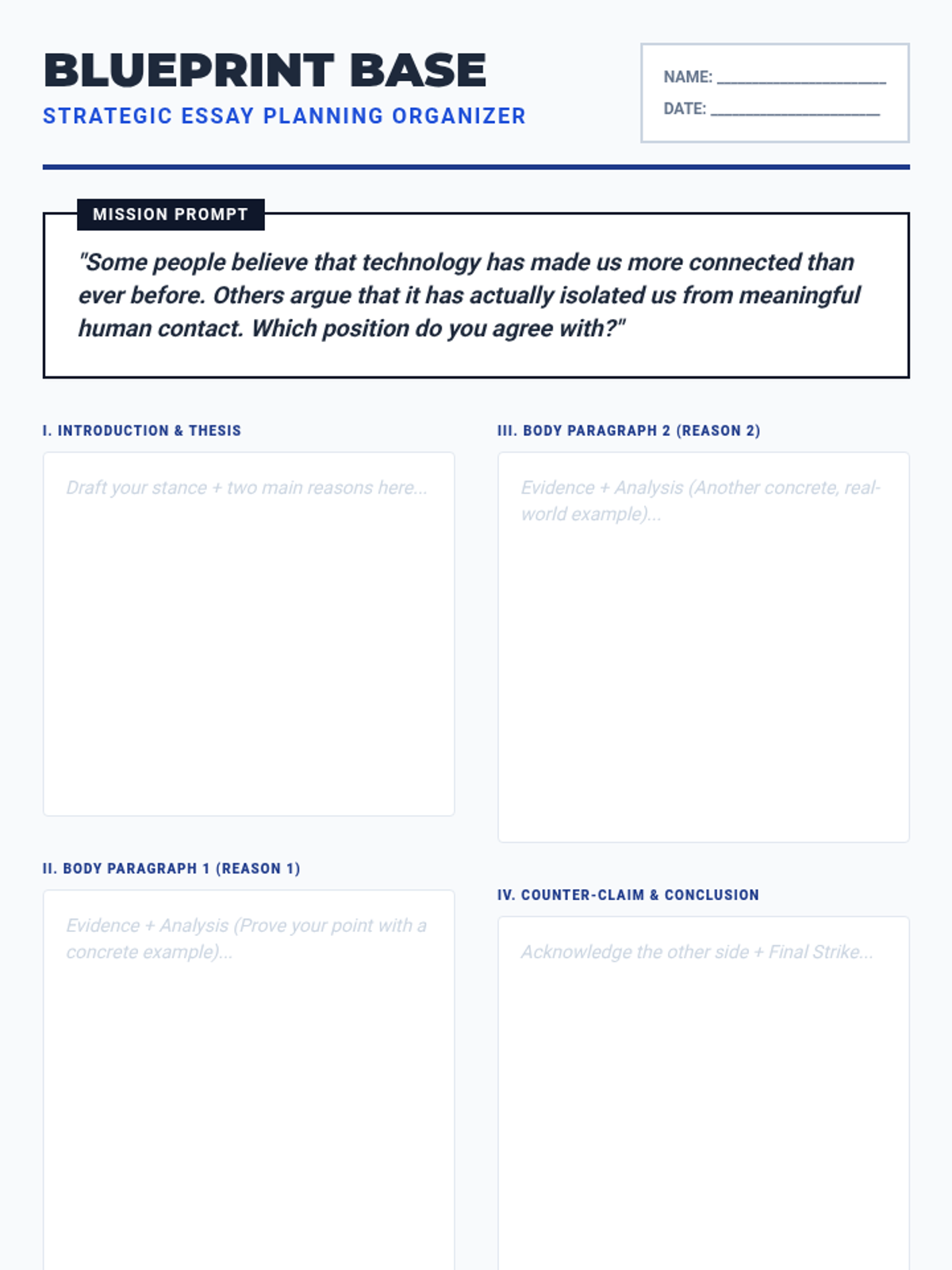
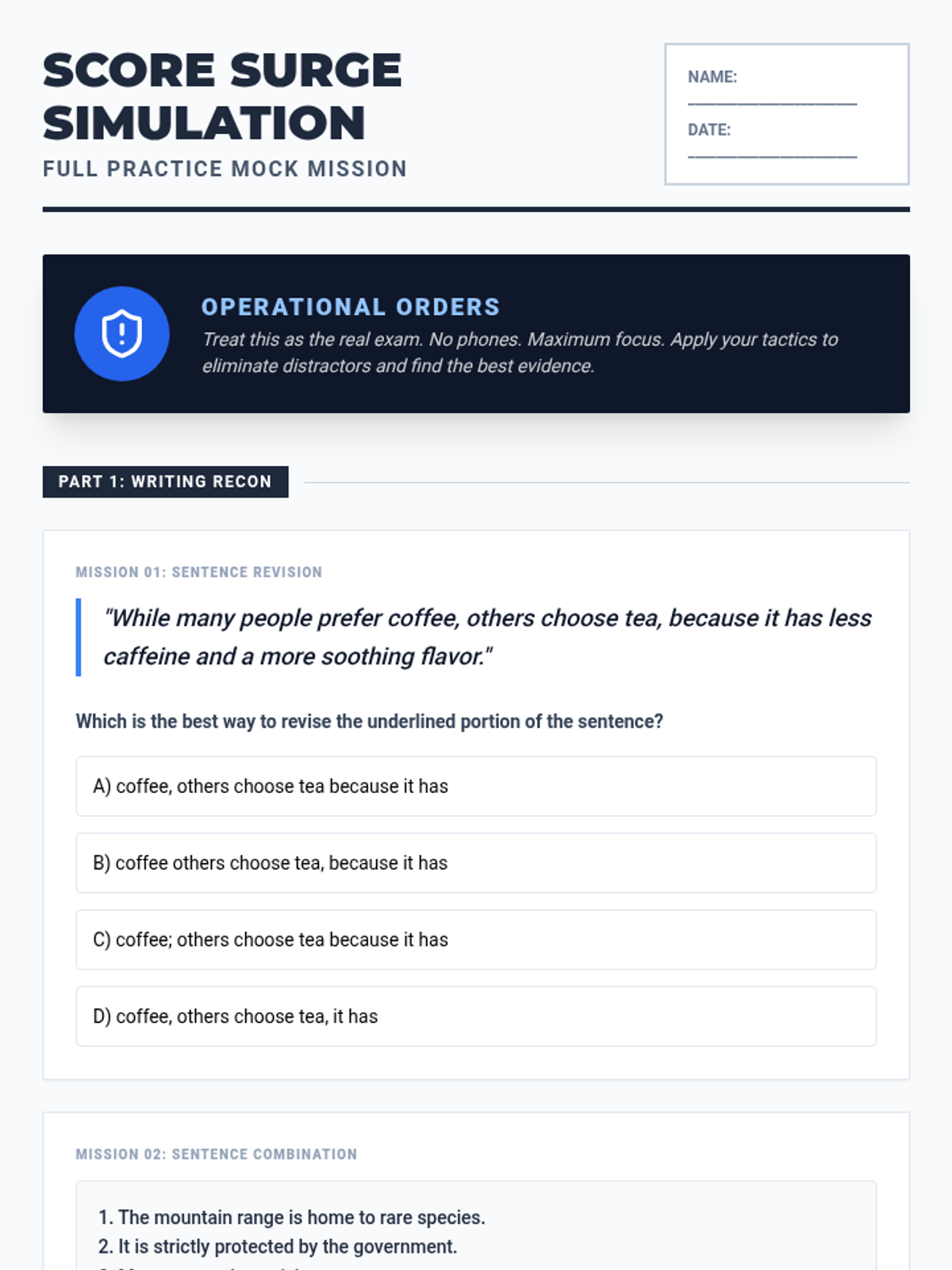
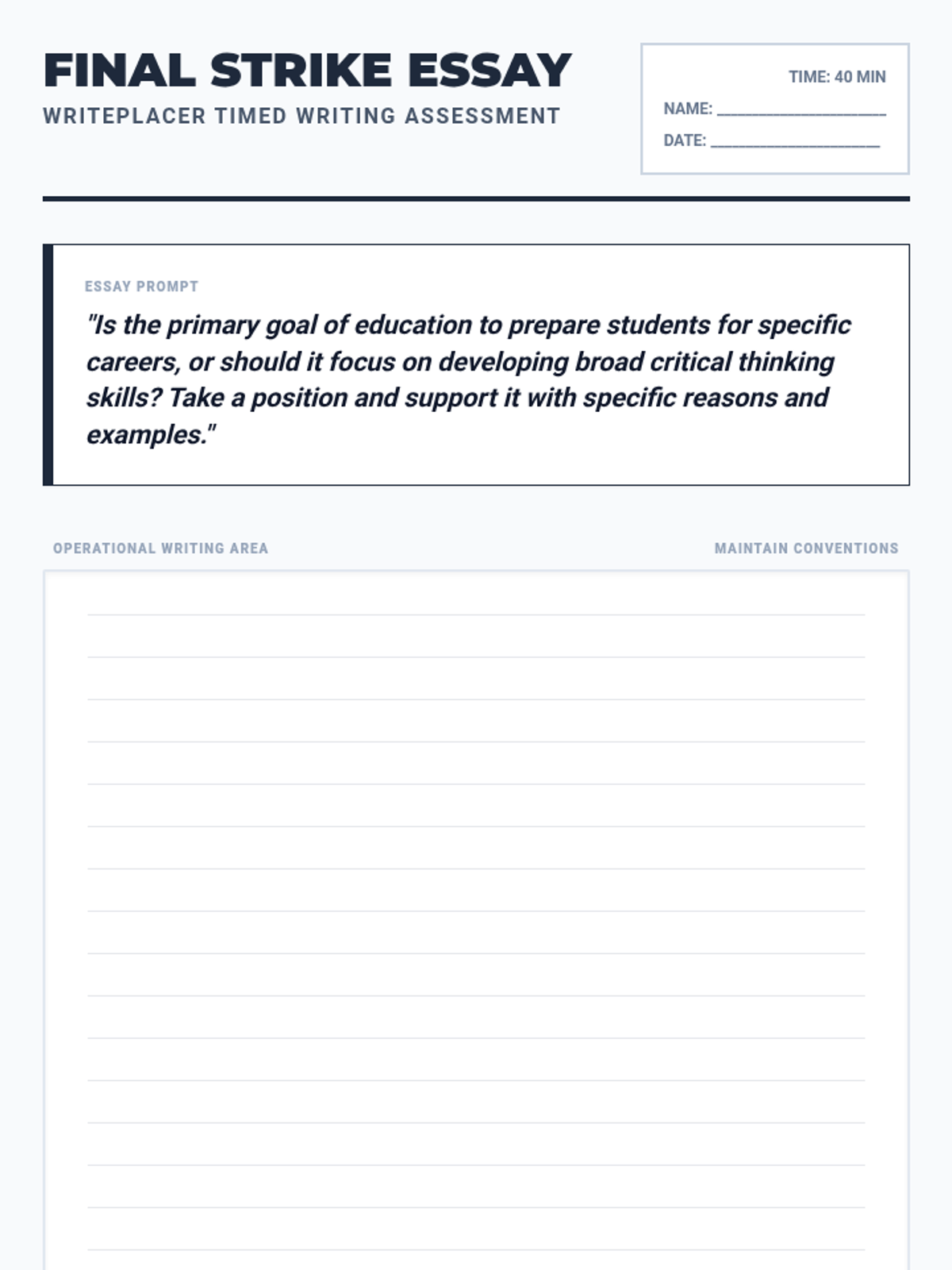
A 180-minute writing and simulation workshop, including structural blueprinting, a full-scale mock practice test, and the Final Strike timed essay.
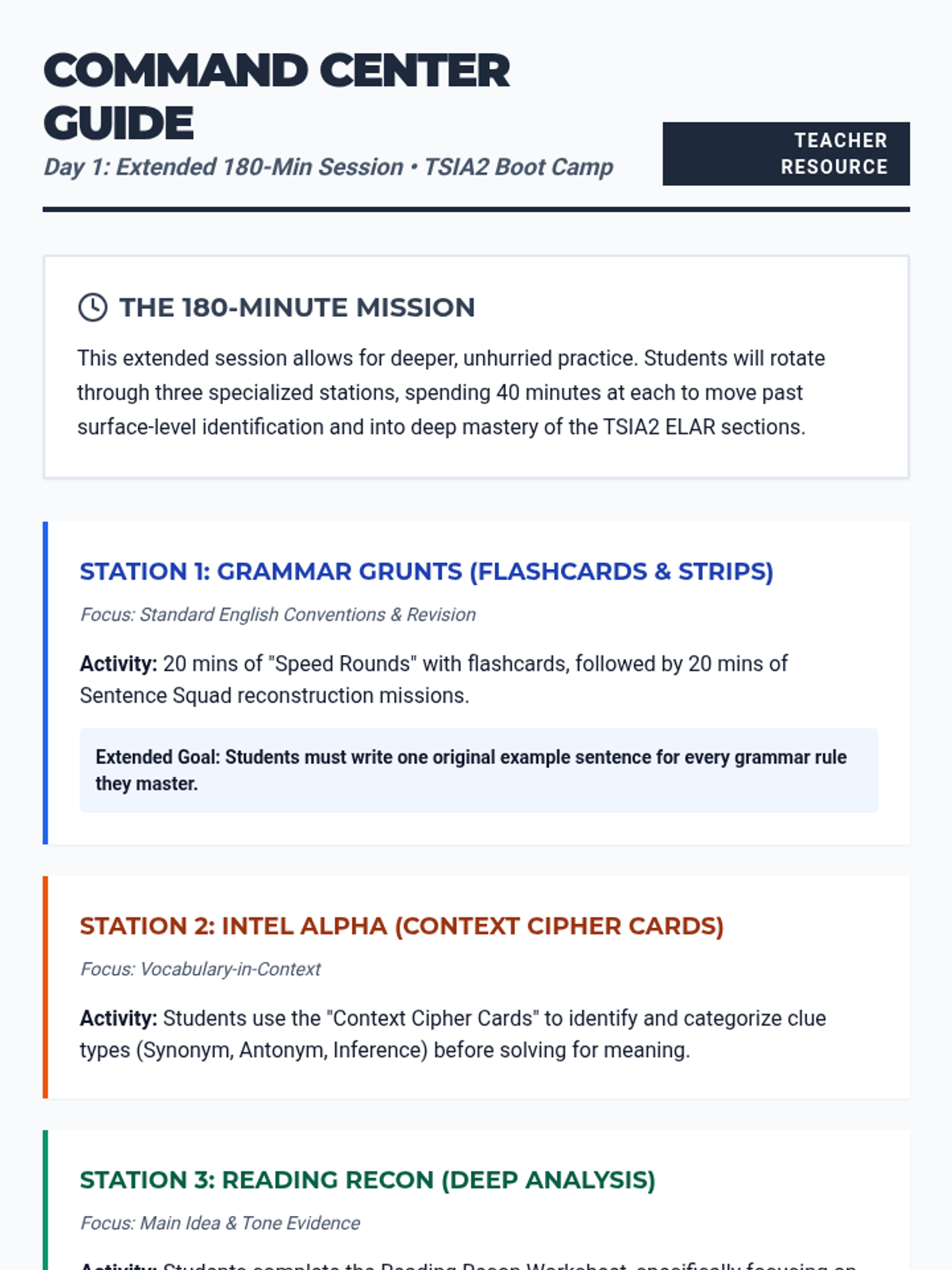
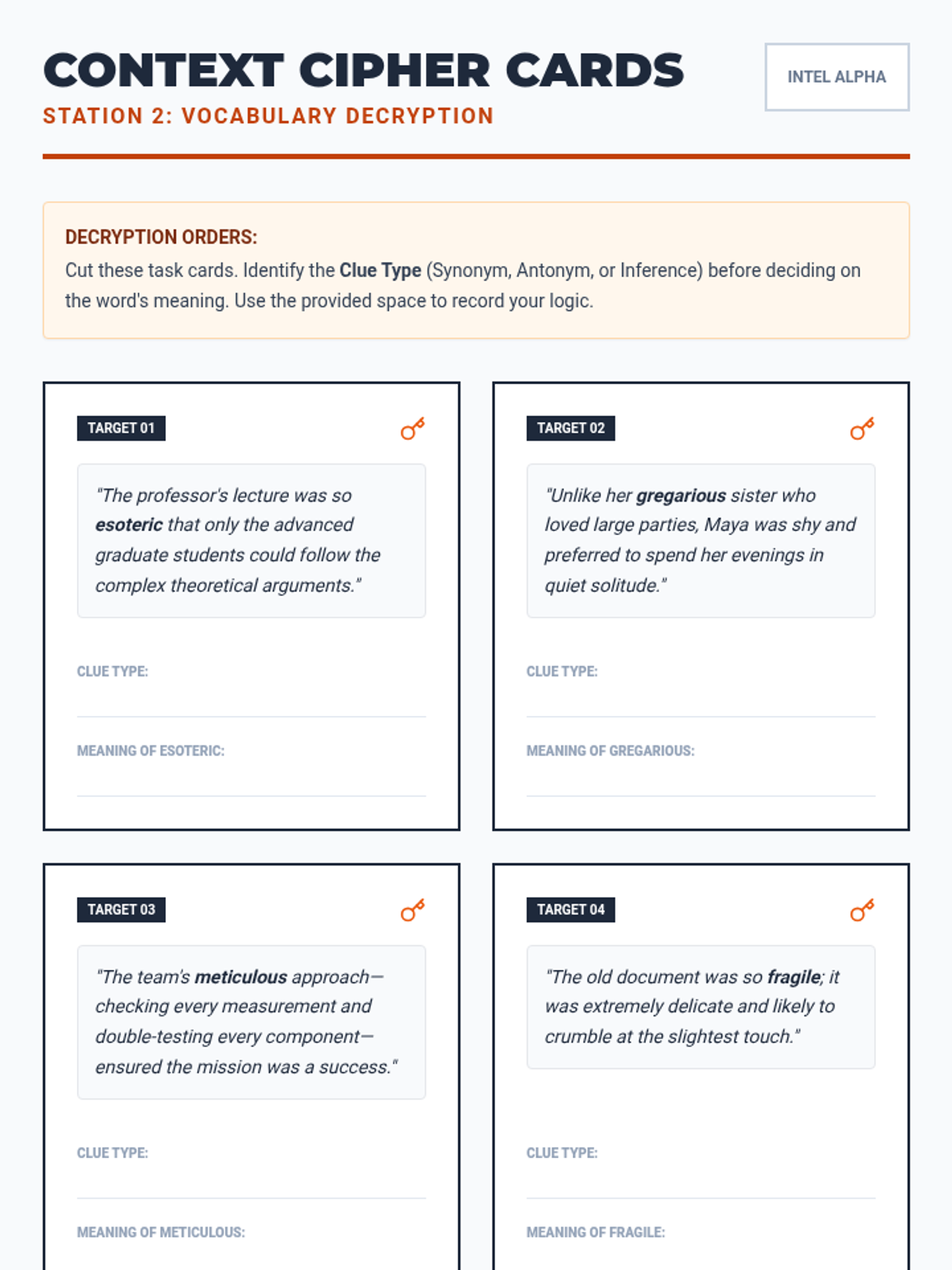
A high-intensity 180-minute session rotating through three 40-minute stations focused on sentence structure, vocabulary decryption, and dense text analysis.
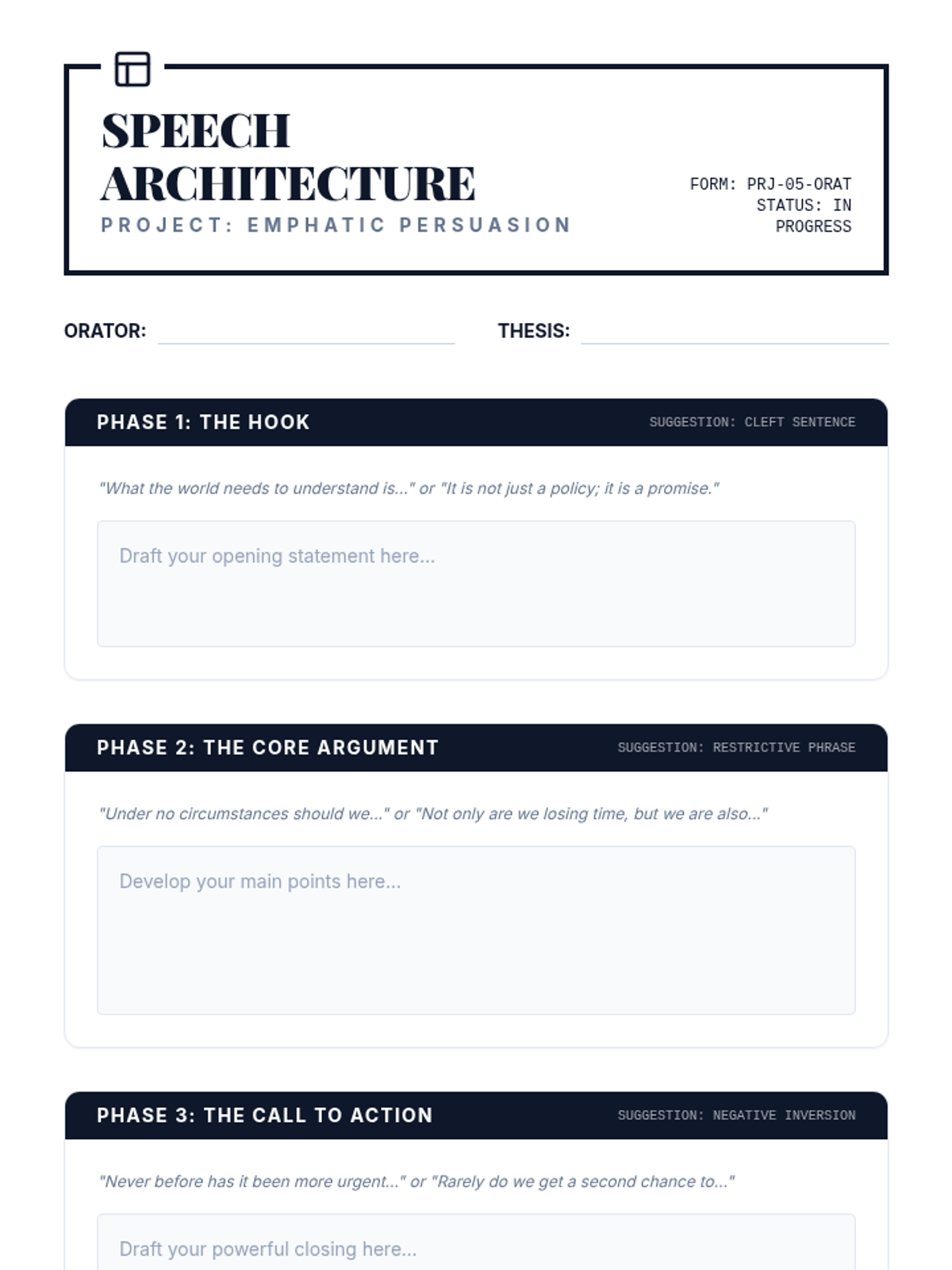
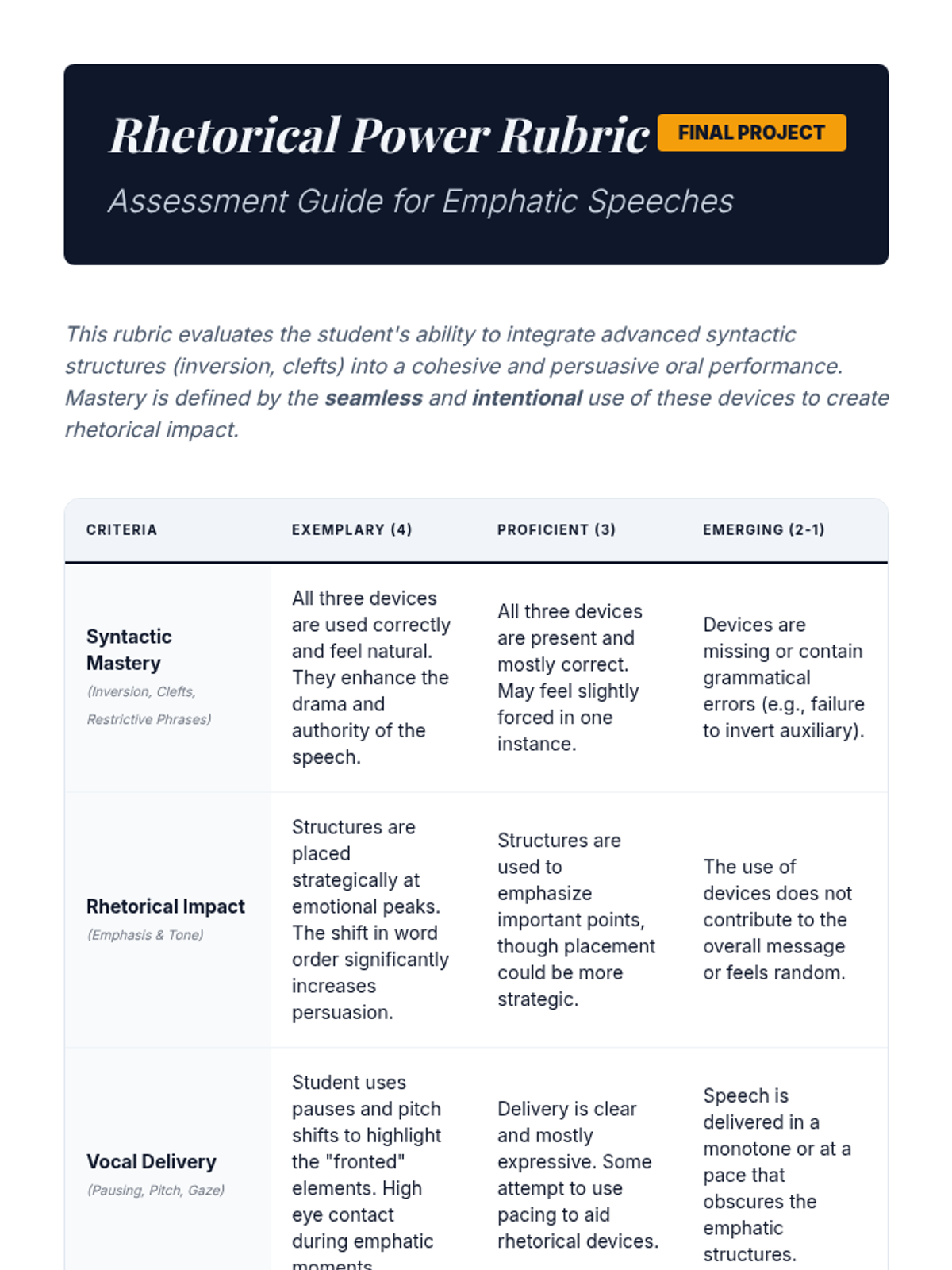
Students apply their knowledge by drafting and performing a short speech that utilizes emphatic structures to move an audience.
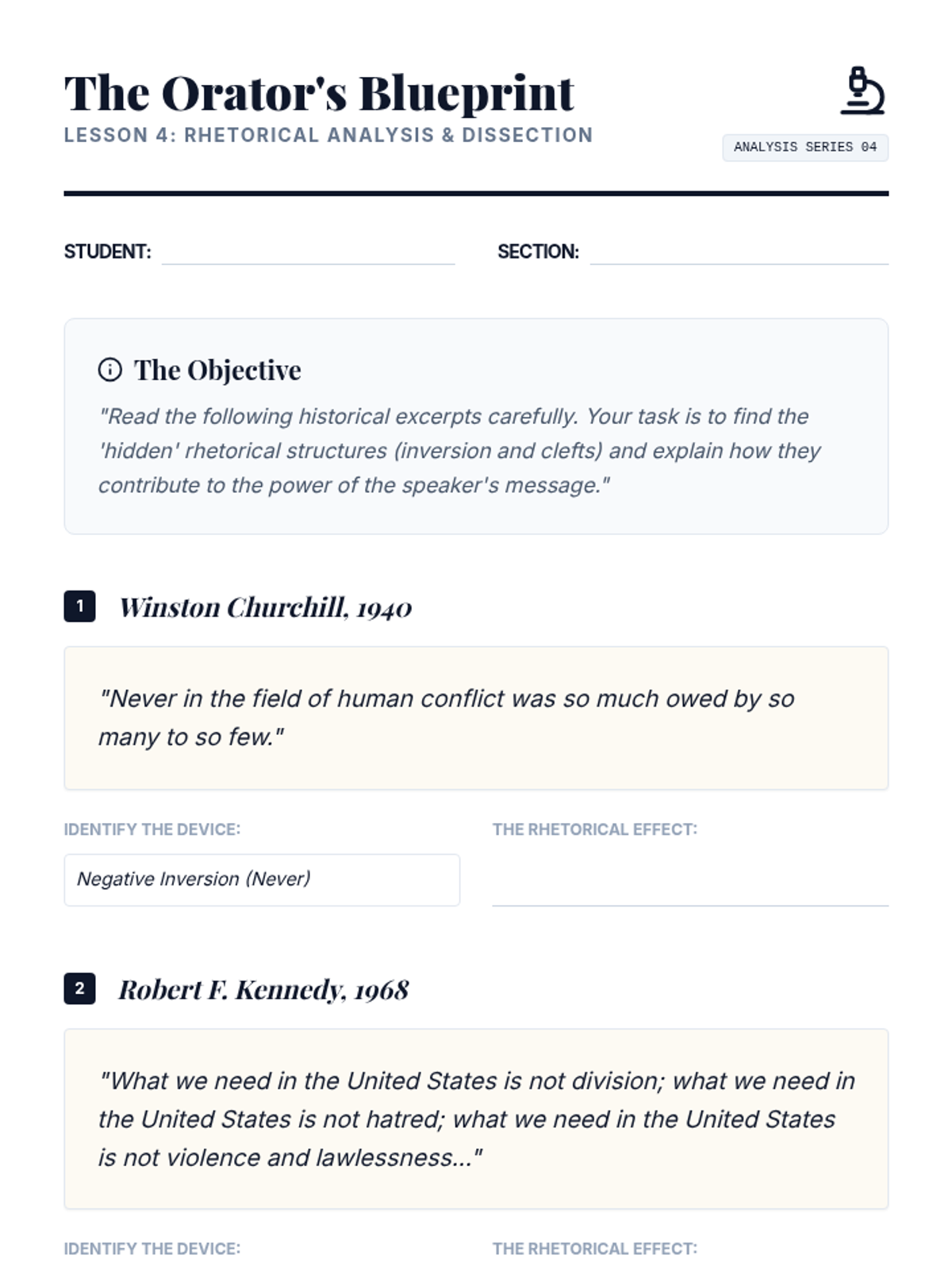
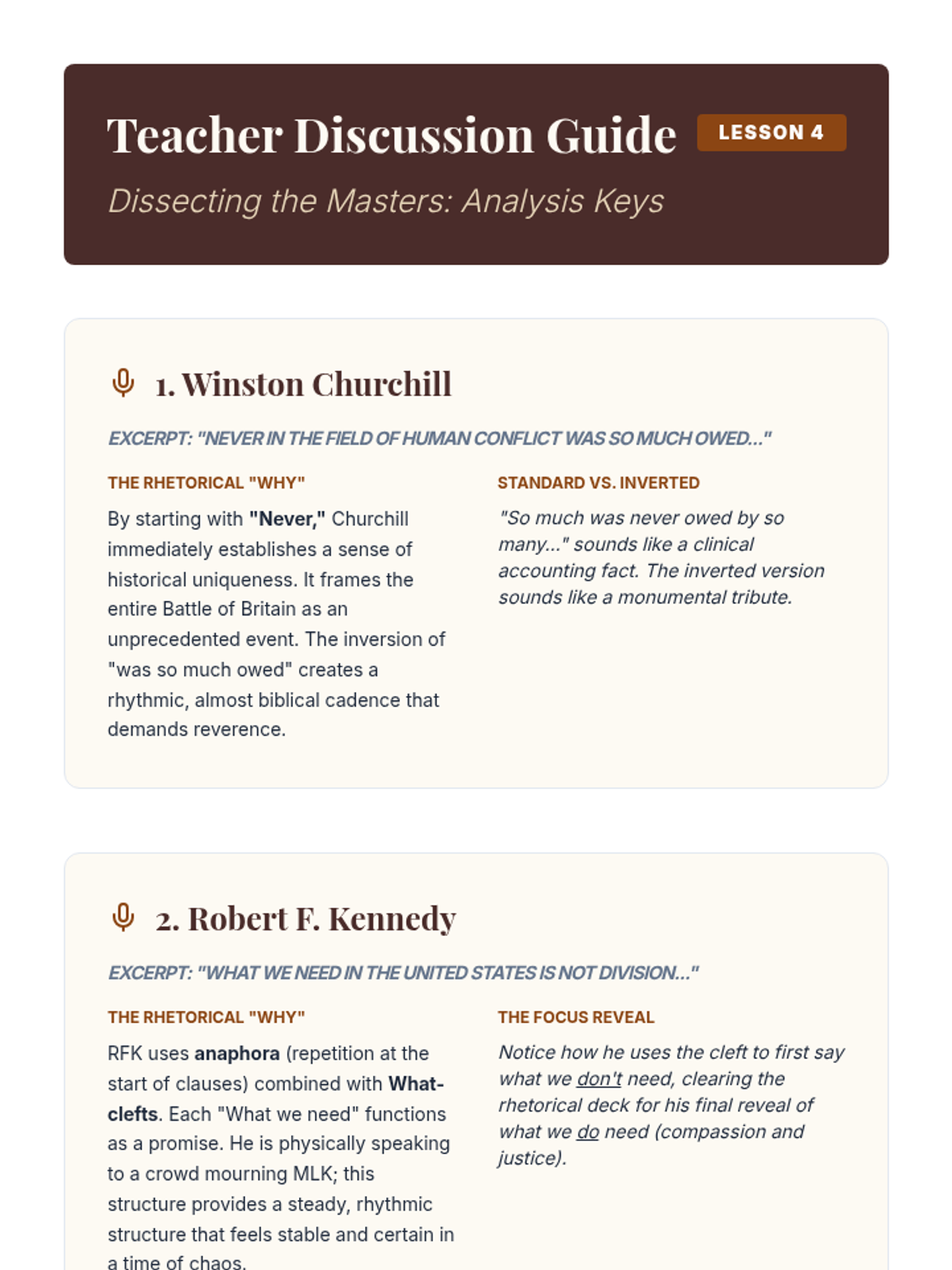
Analyzing historical speeches to see how inversion and emphasis create rhythm, tension, and persuasive power.
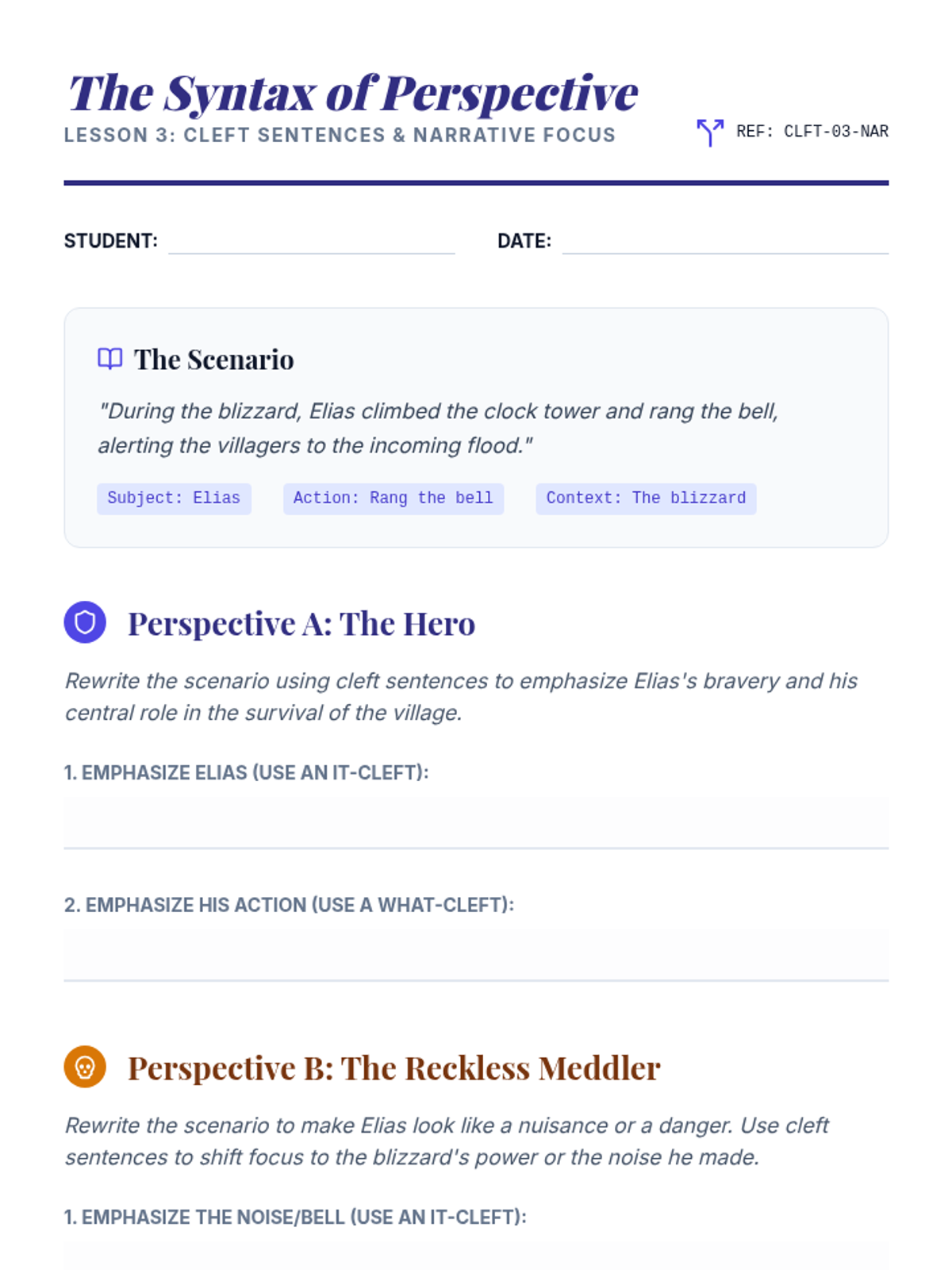
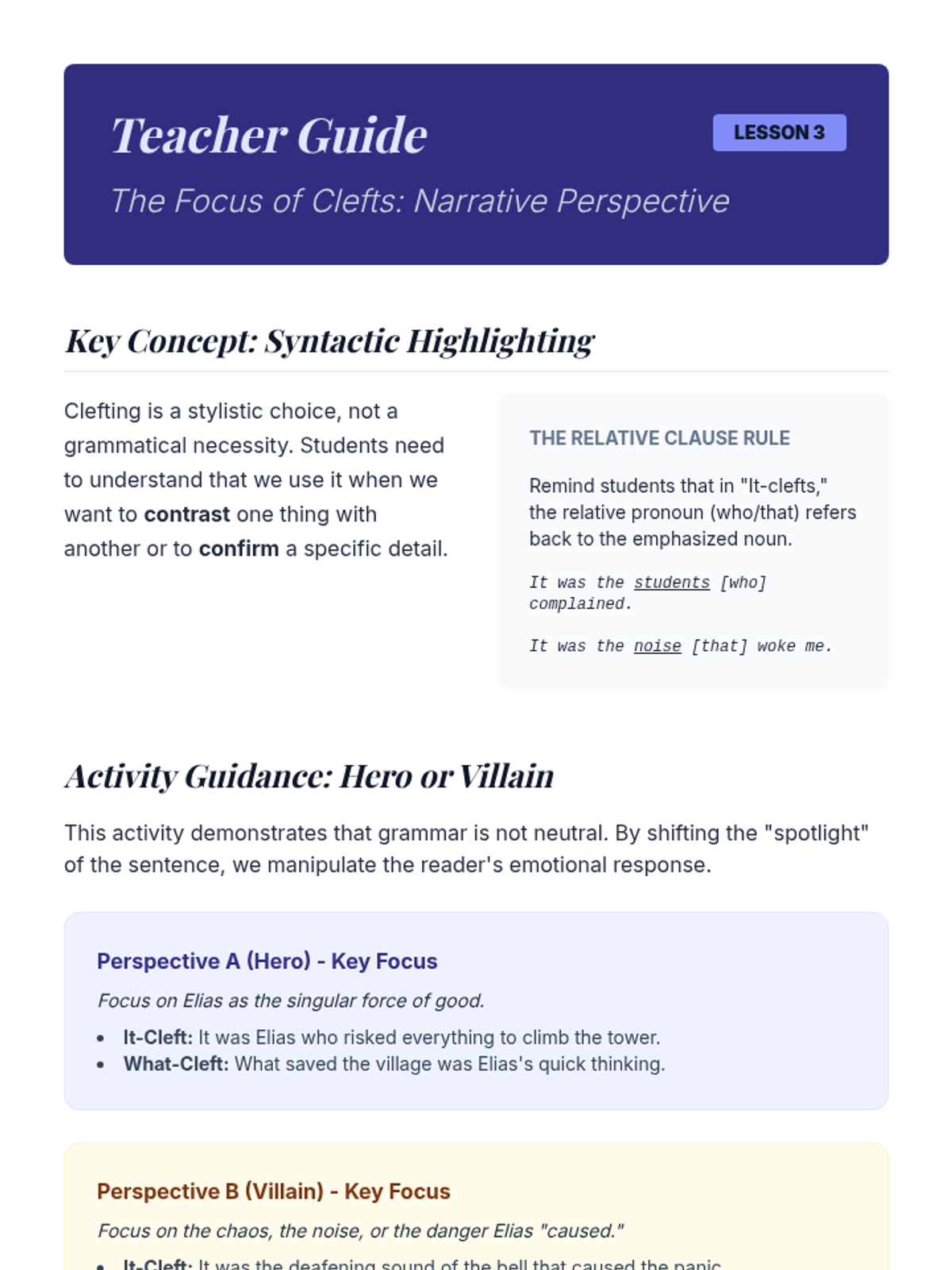
Students master the use of 'It' and 'What' cleft sentences to shift focus and highlight specific information within a narrative or argument.
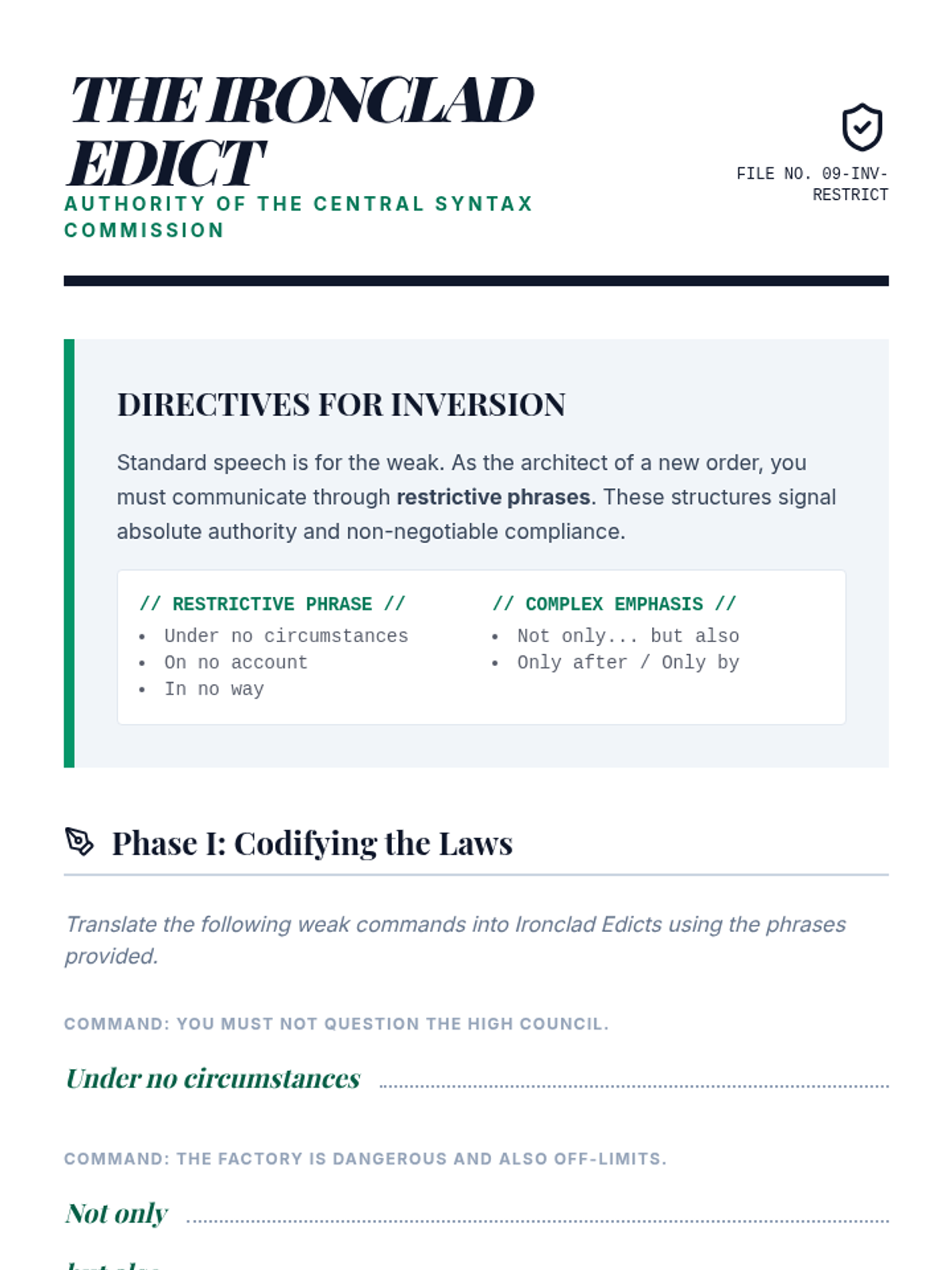
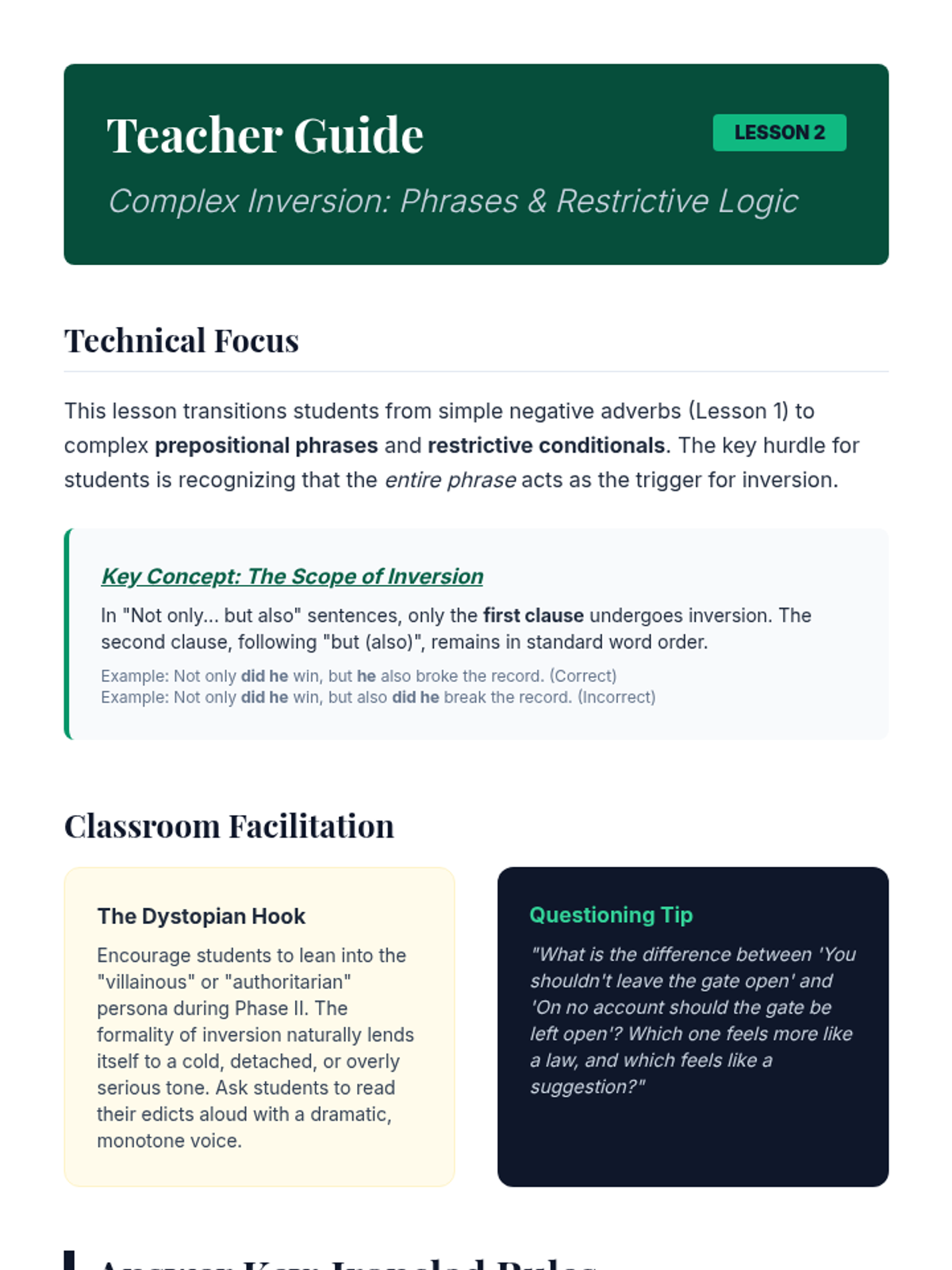
Expanding inversion to complex phrases like 'Under no circumstances' and 'Not only... but also', focusing on subject-verb agreement and formal tone.
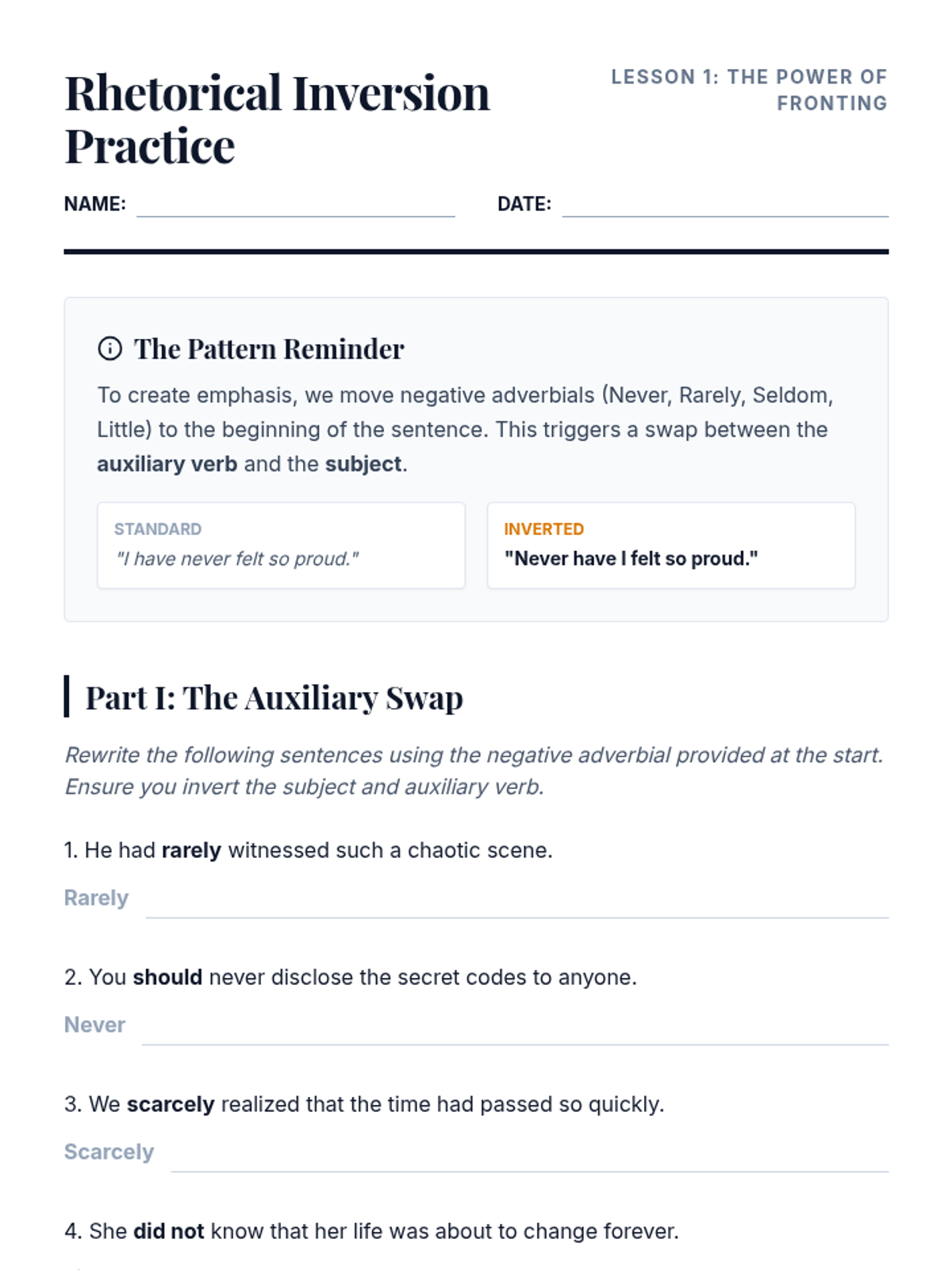
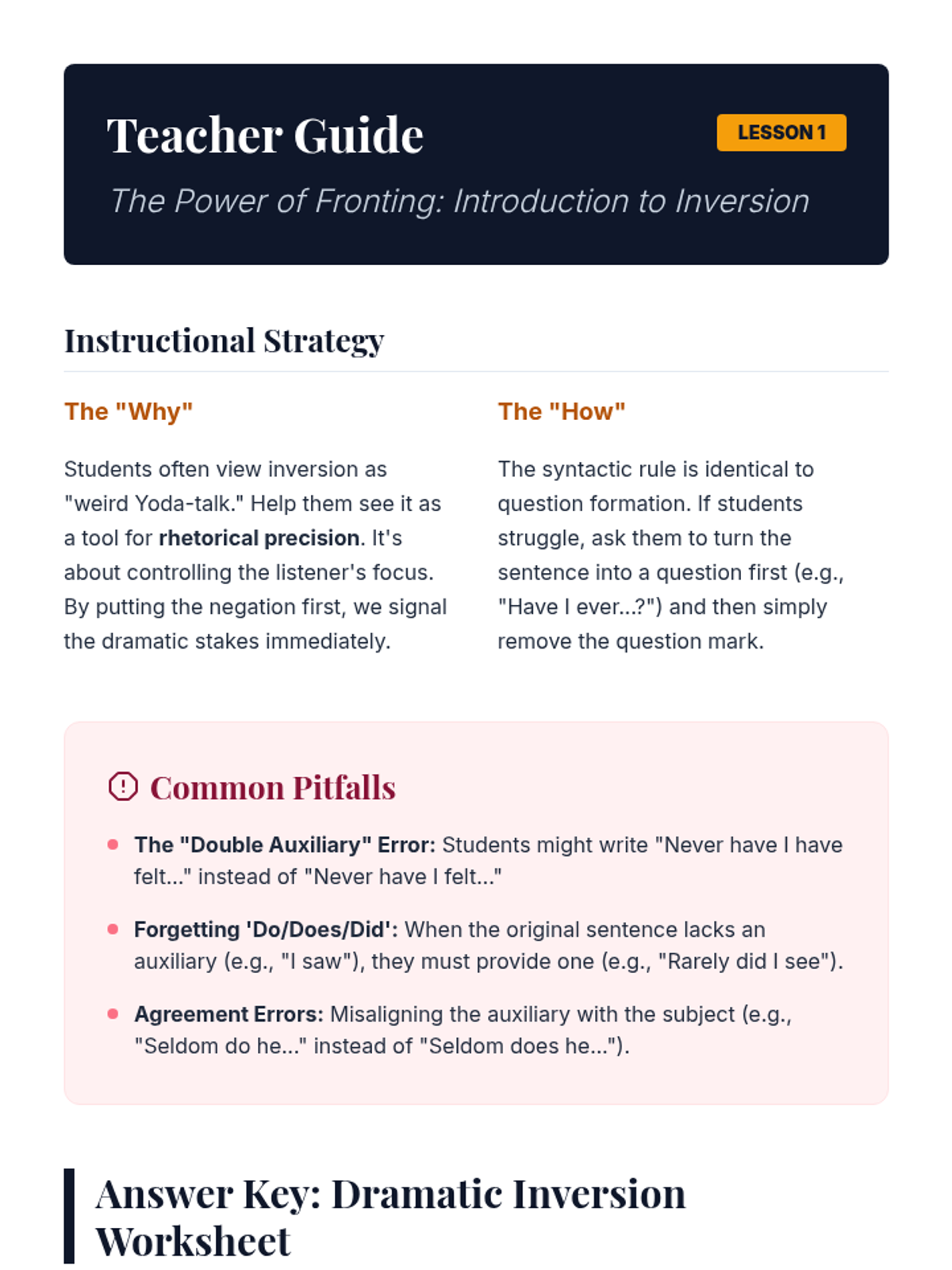
Students learn to use negative adverbials like 'Never' and 'Seldom' at the start of sentences to create dramatic emphasis, mastering the auxiliary verb inversion.
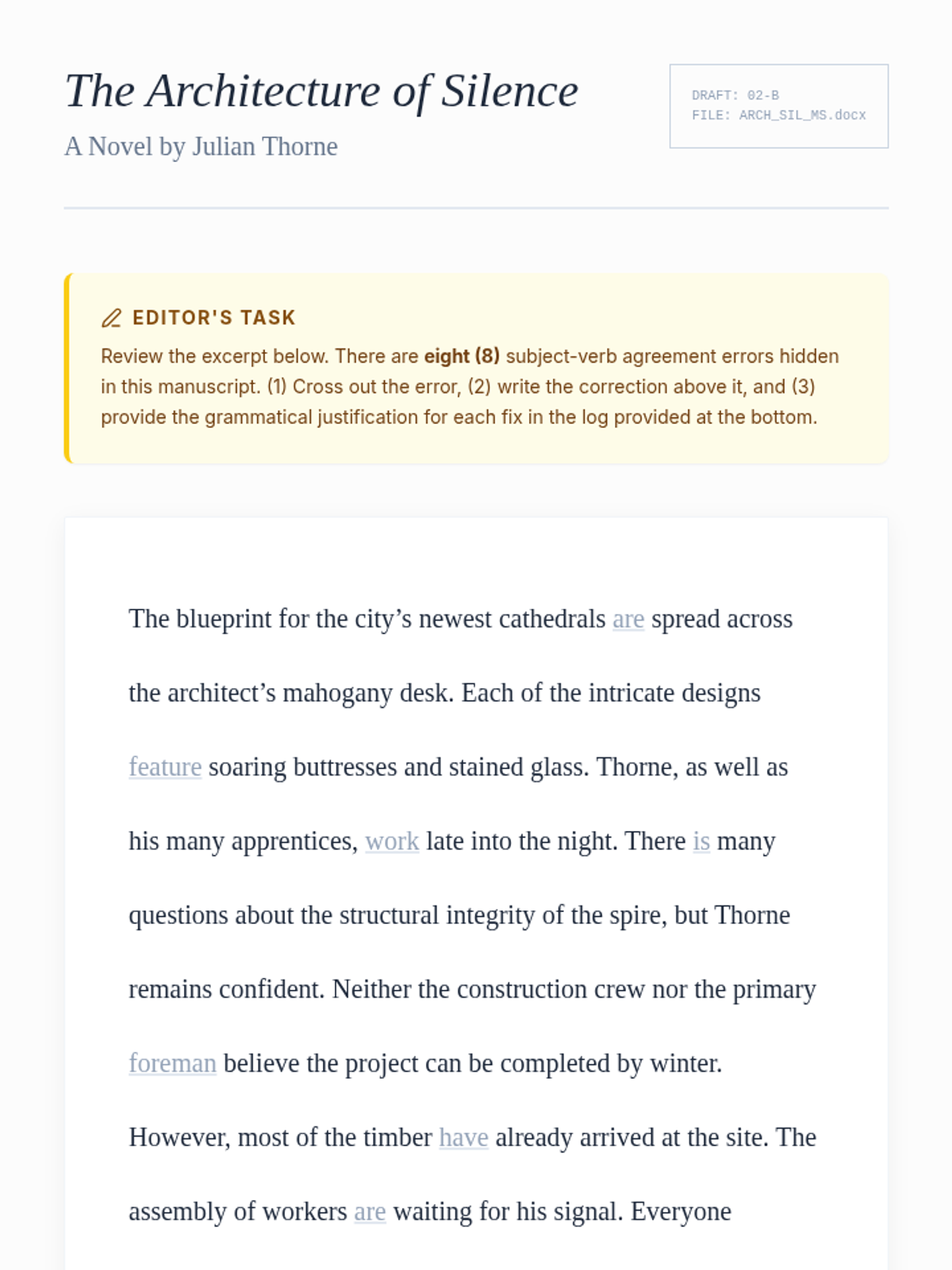
Students assume the role of professional editors at a publishing house. They are given a 'manuscript' filled with advanced agreement errors and must correct them, providing grammatical justifications for their changes.
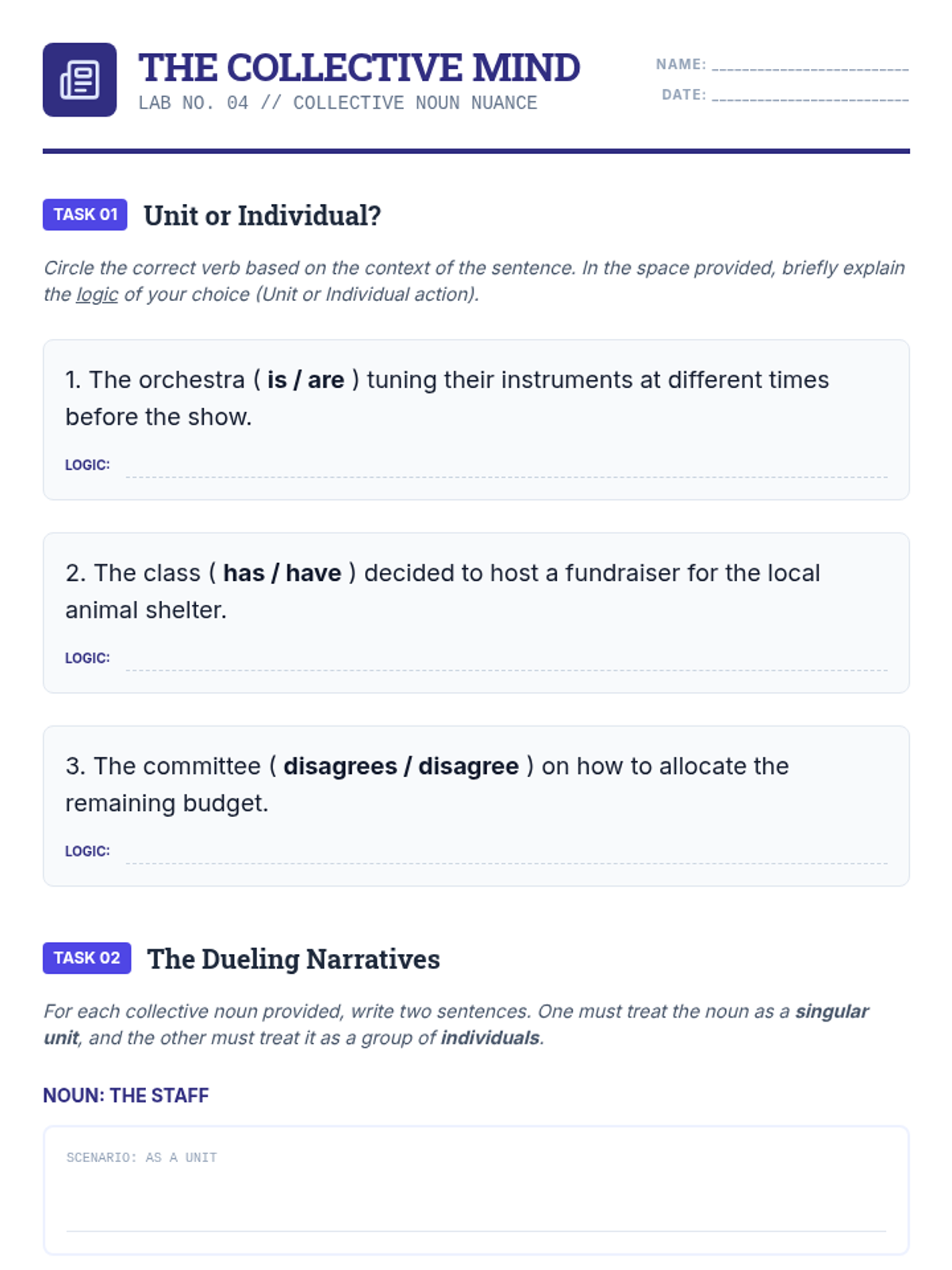
Students explore the nuance of collective nouns (team, jury, family) acting as a single unit versus individuals acting separately. They write sentences demonstrating both usages to prove mastery of the concept.
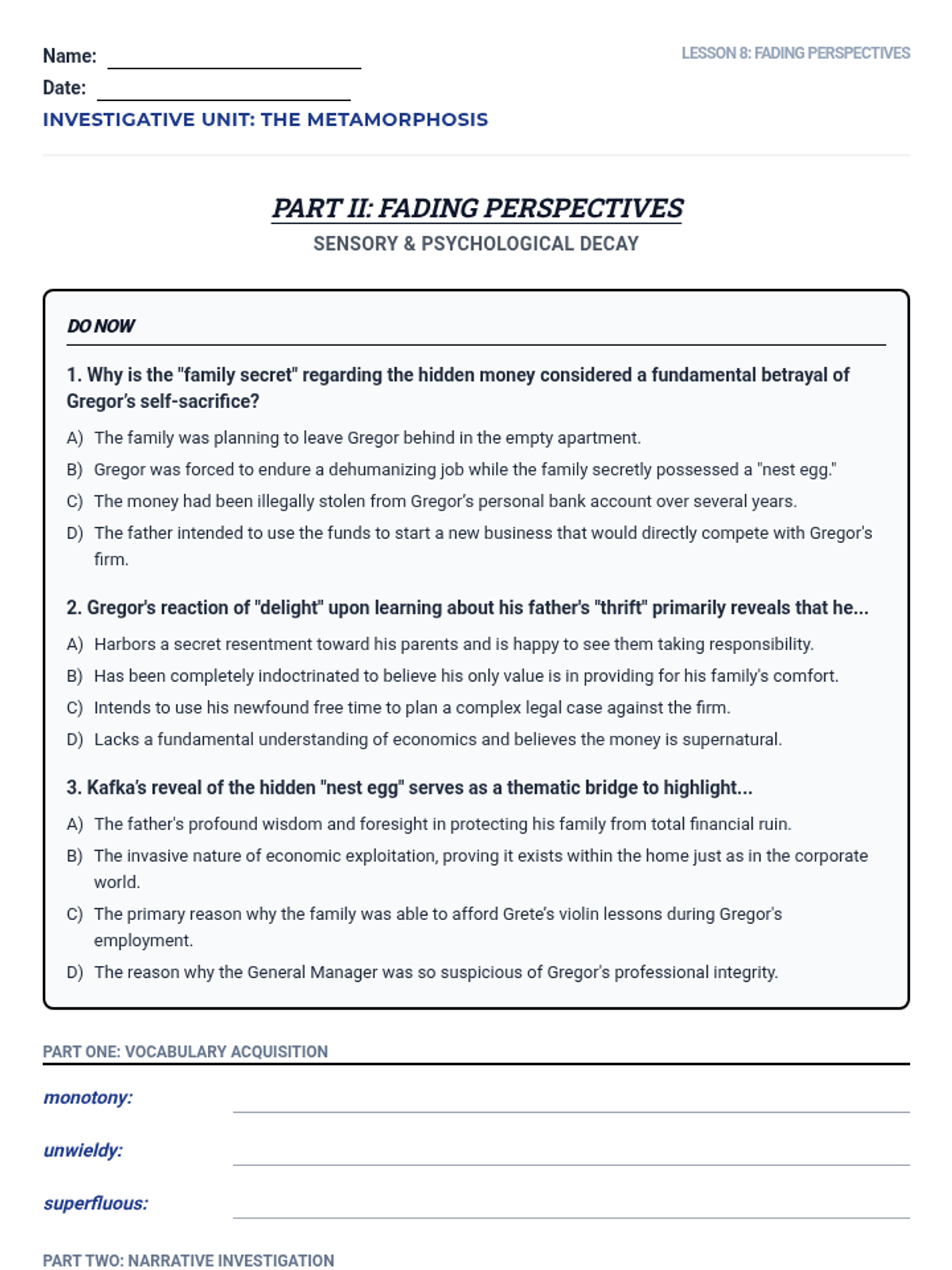
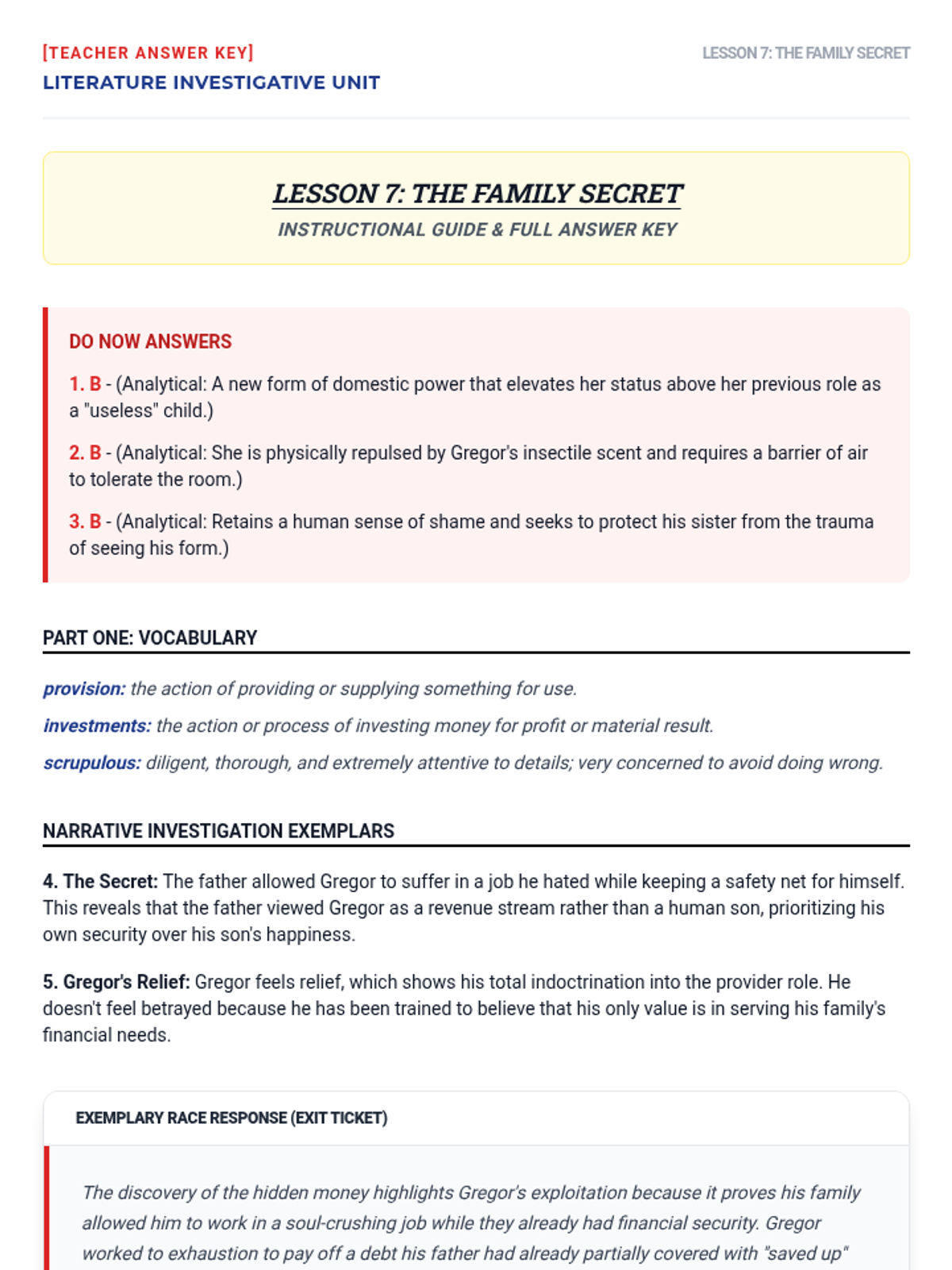
Analysis of the father's hidden financial assets and the betrayal of Gregor's role as the sole provider. Themes of economic exploitation.
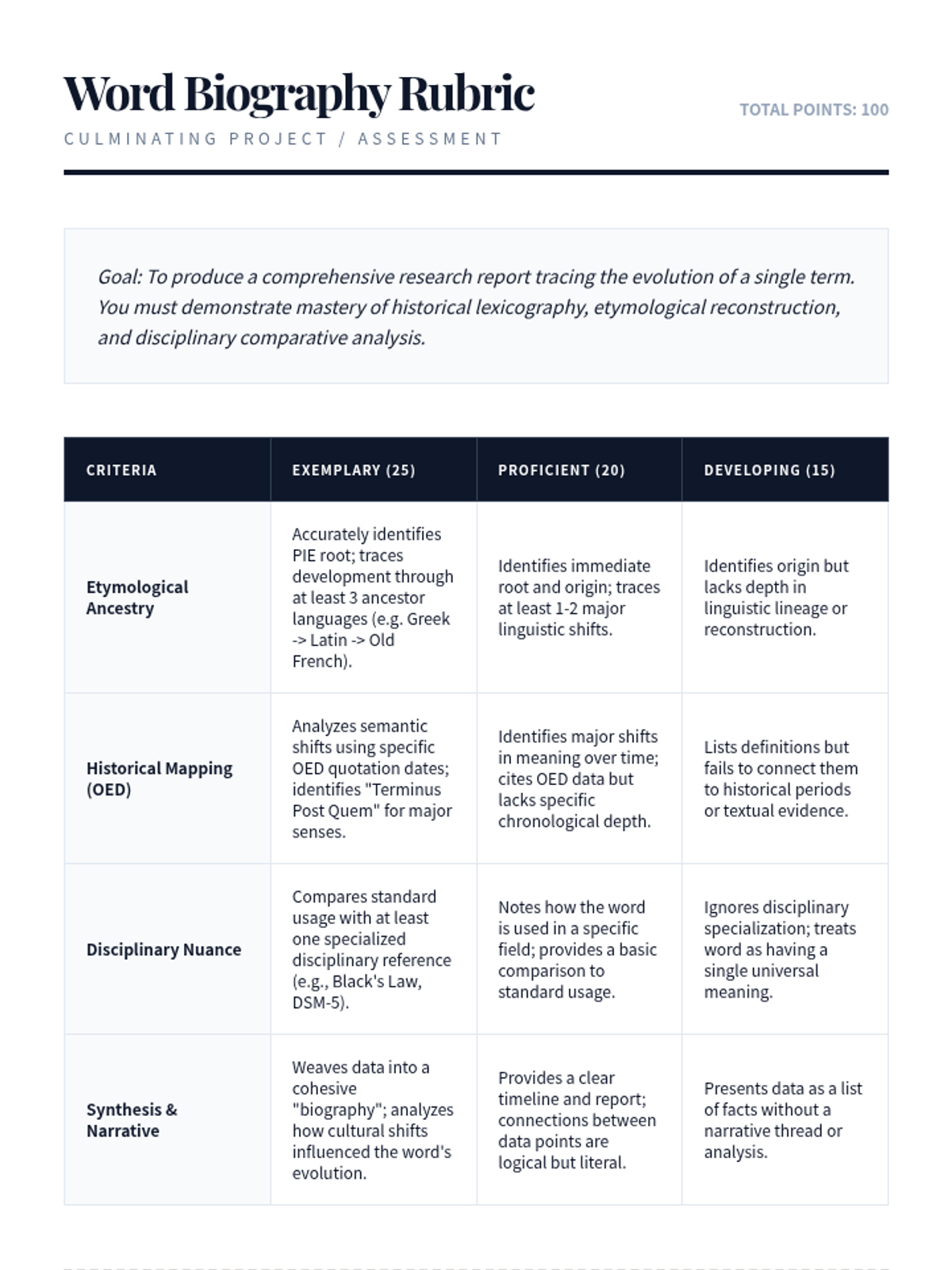
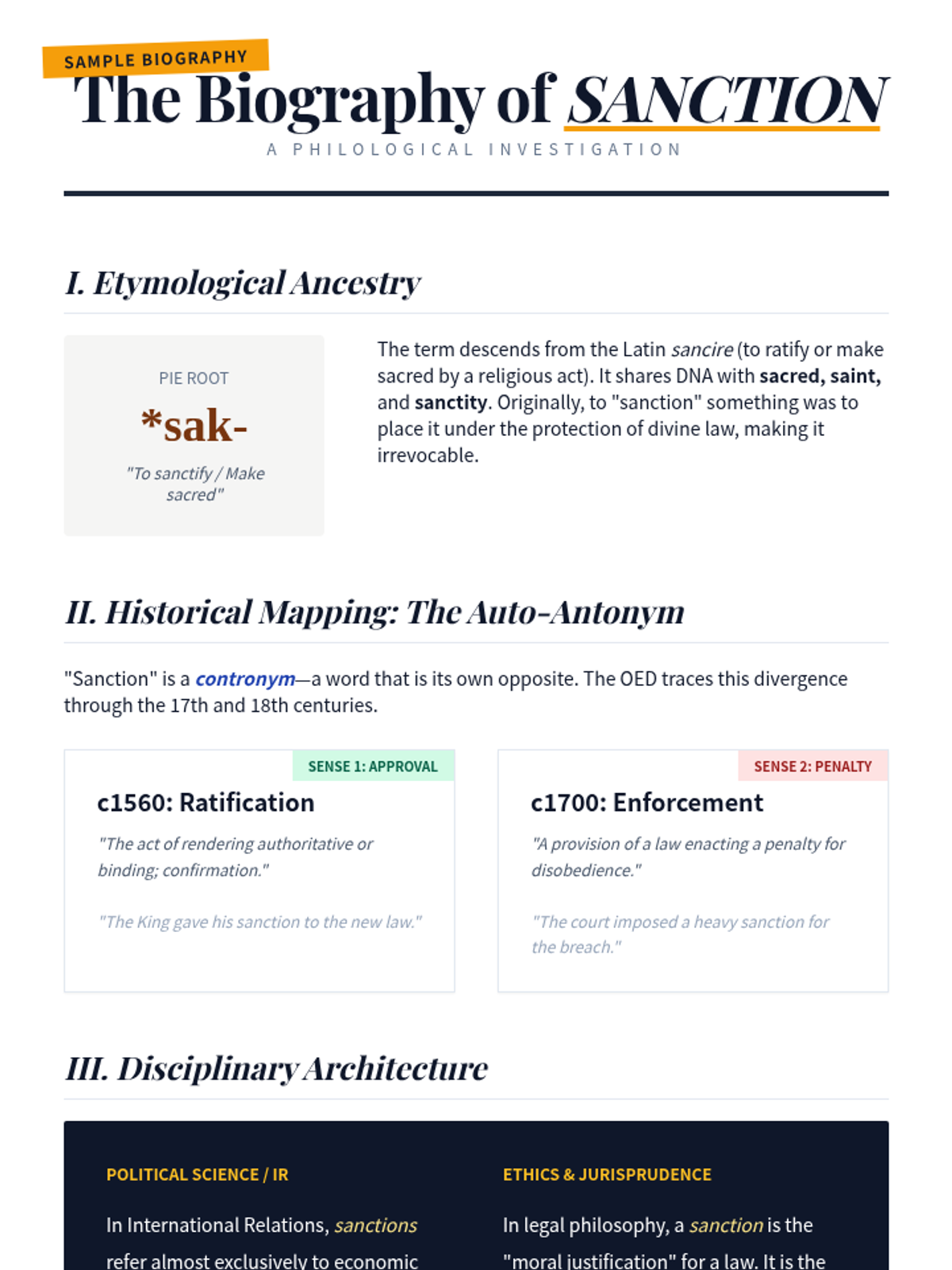
A culminating workshop where students synthesize their research skills to draft a comprehensive word biography using various reference tools.
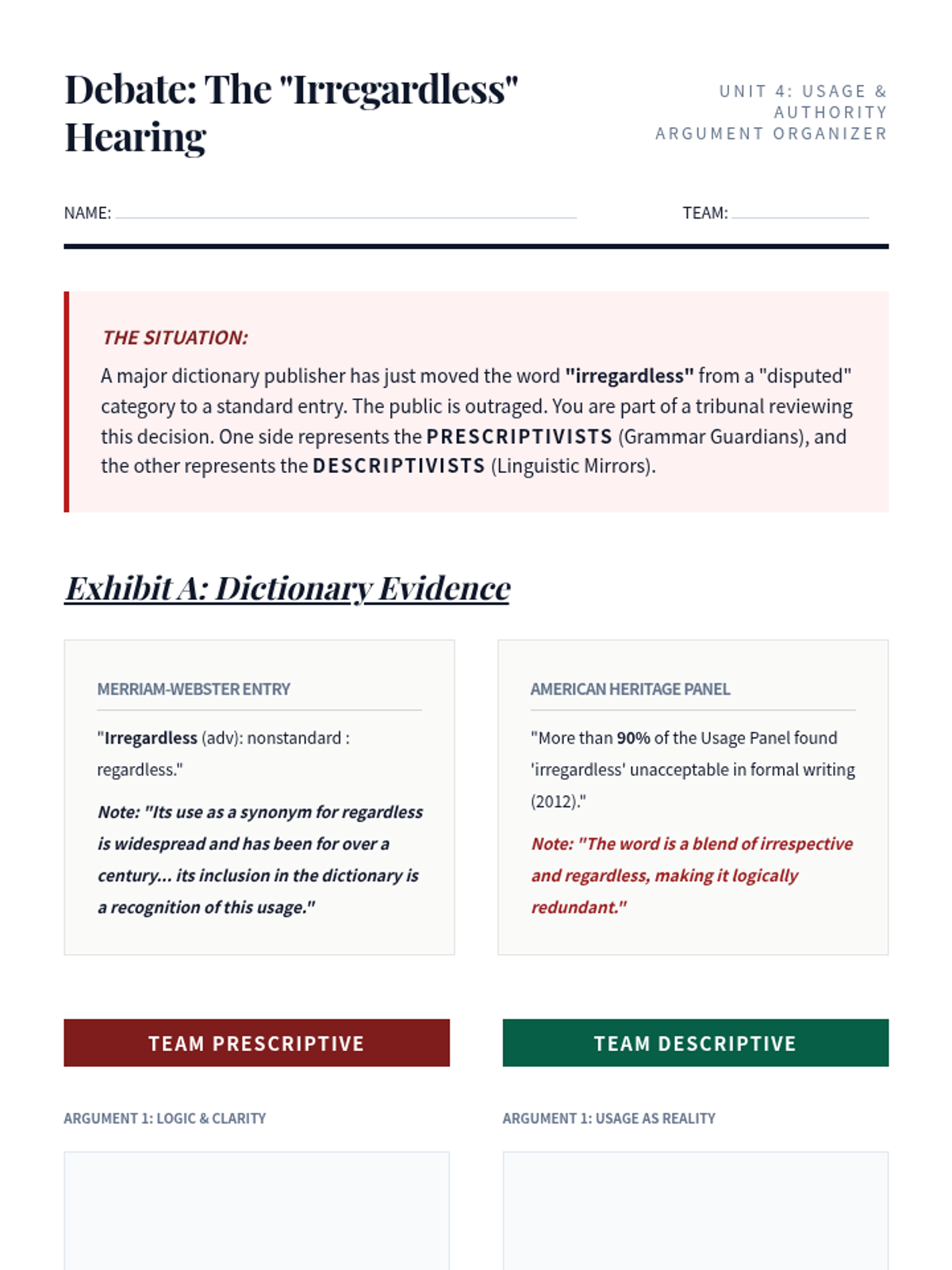
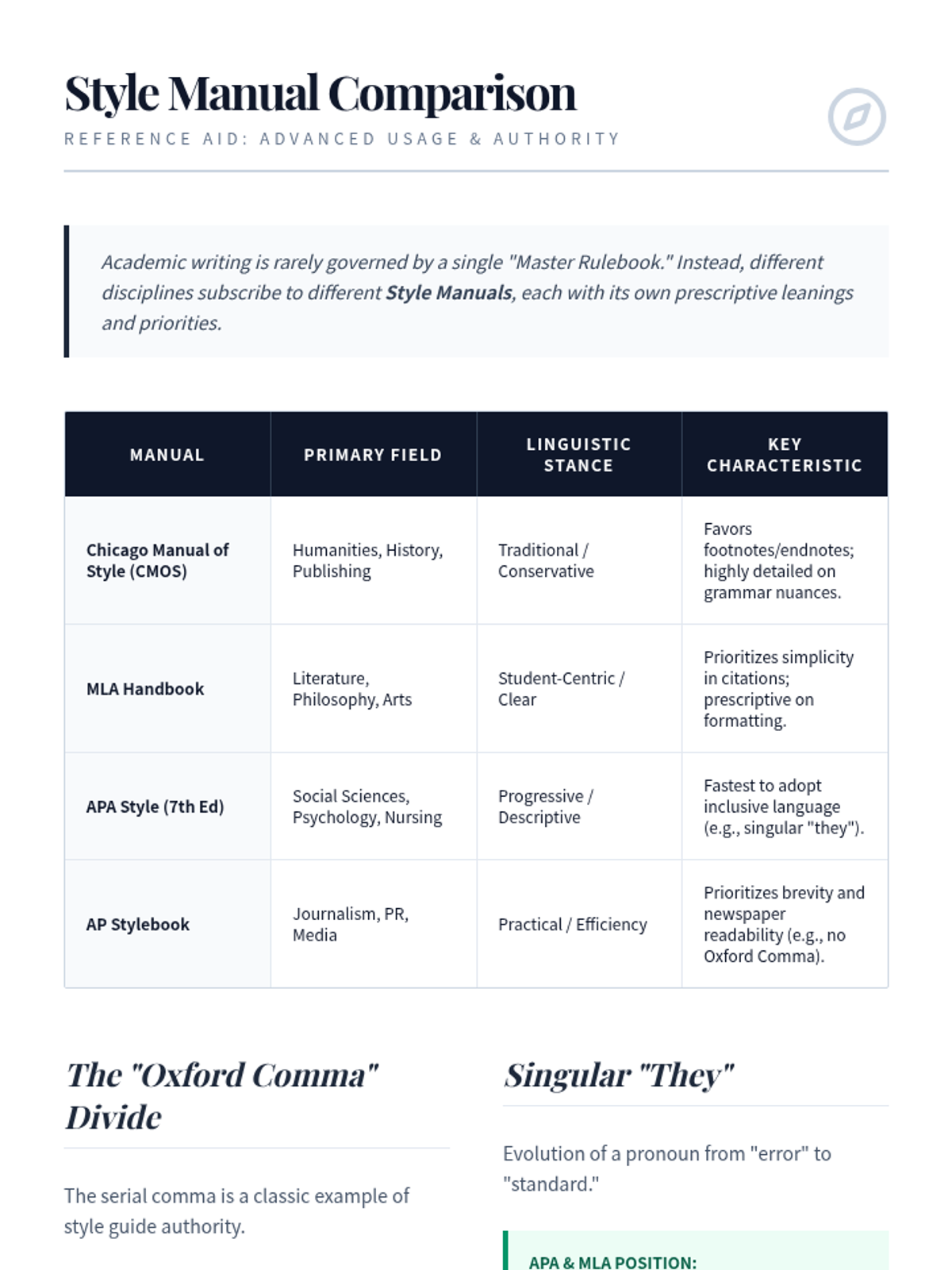
Examines the debate between descriptivism and prescriptivism through usage guides and style manuals, critiquing how 'standard' English is codified.
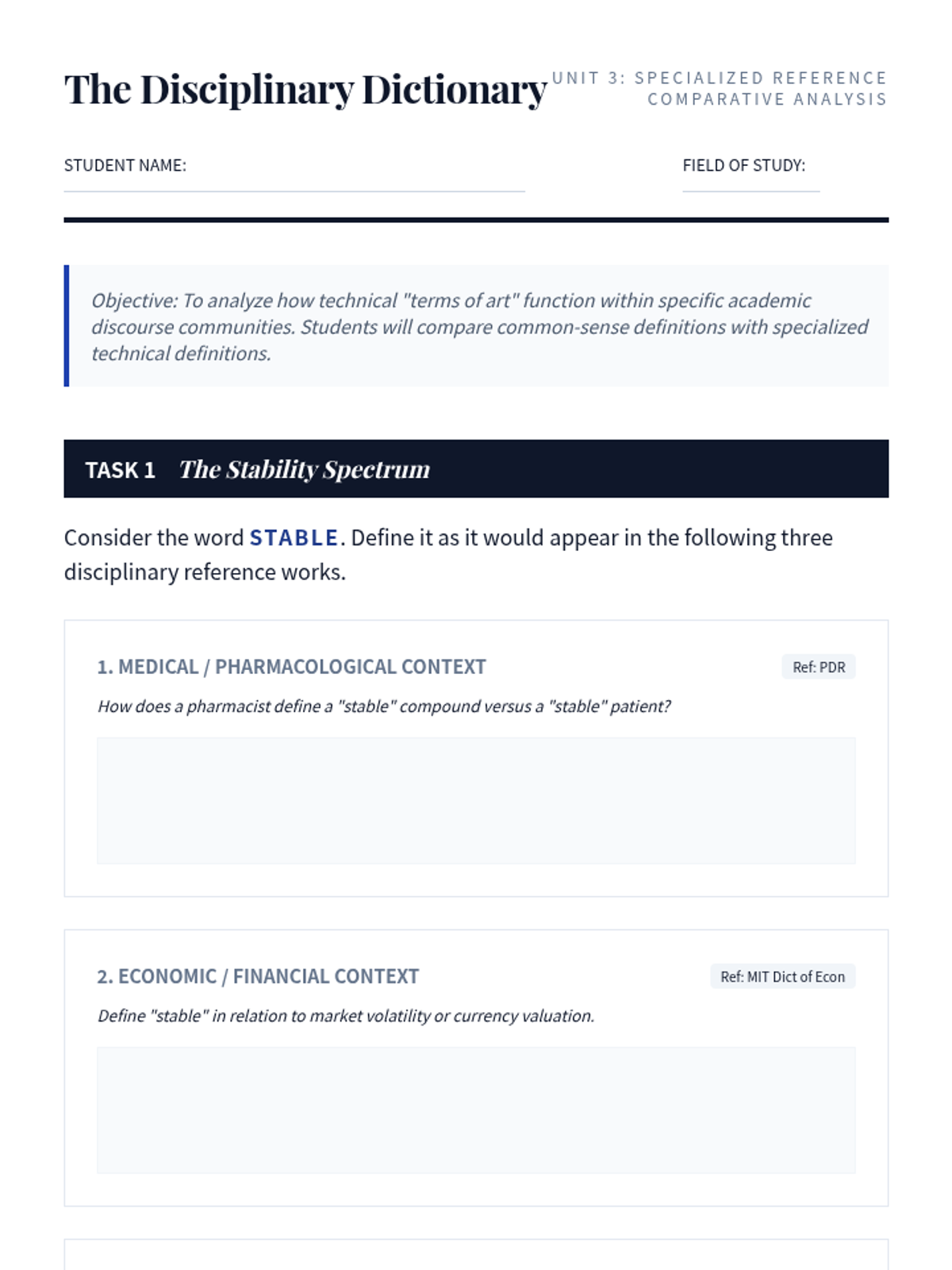
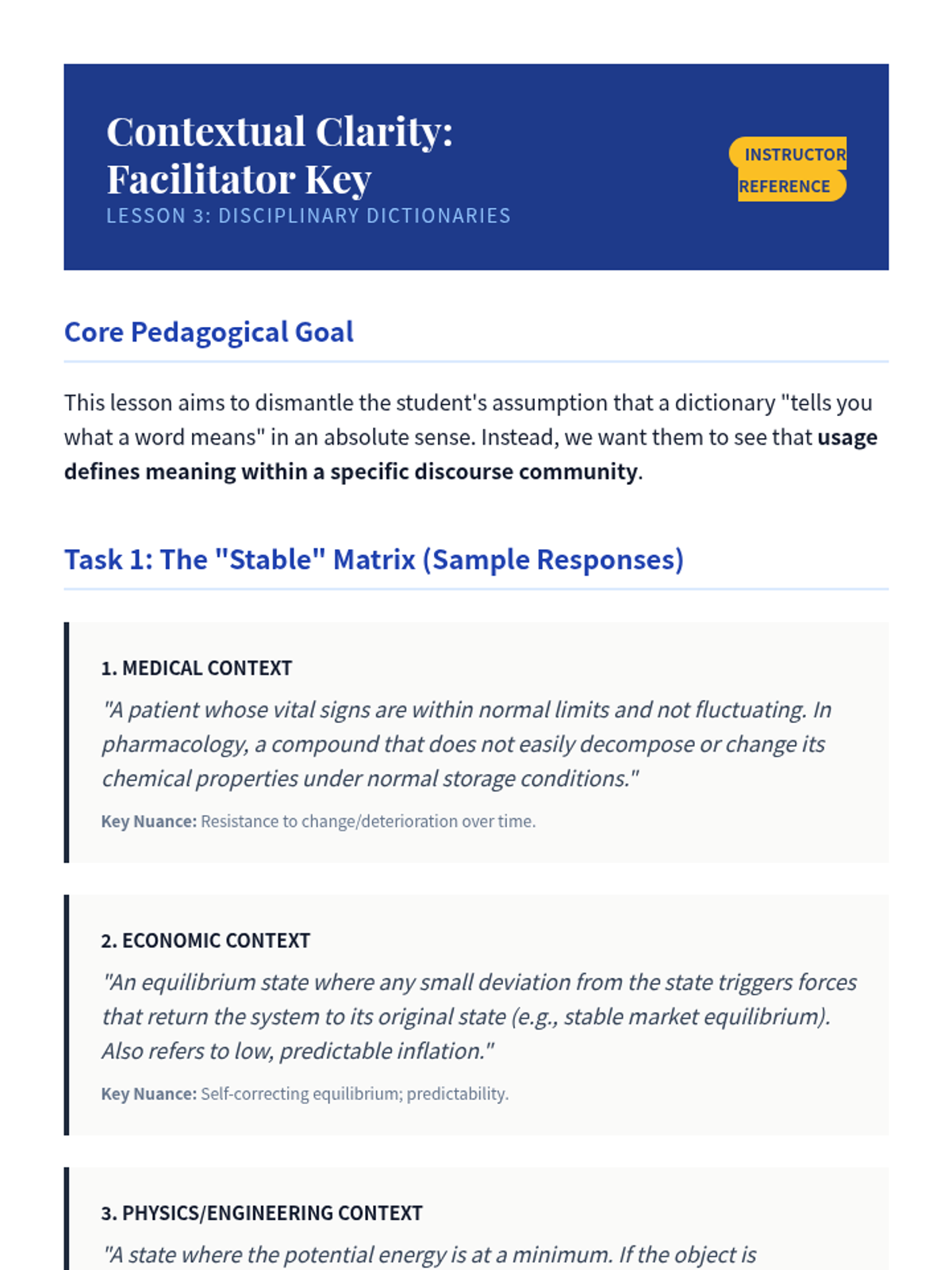
Analyzes how specialized fields define terms differently, comparing legal, medical, and scientific reference works to understand contextual polysemy.
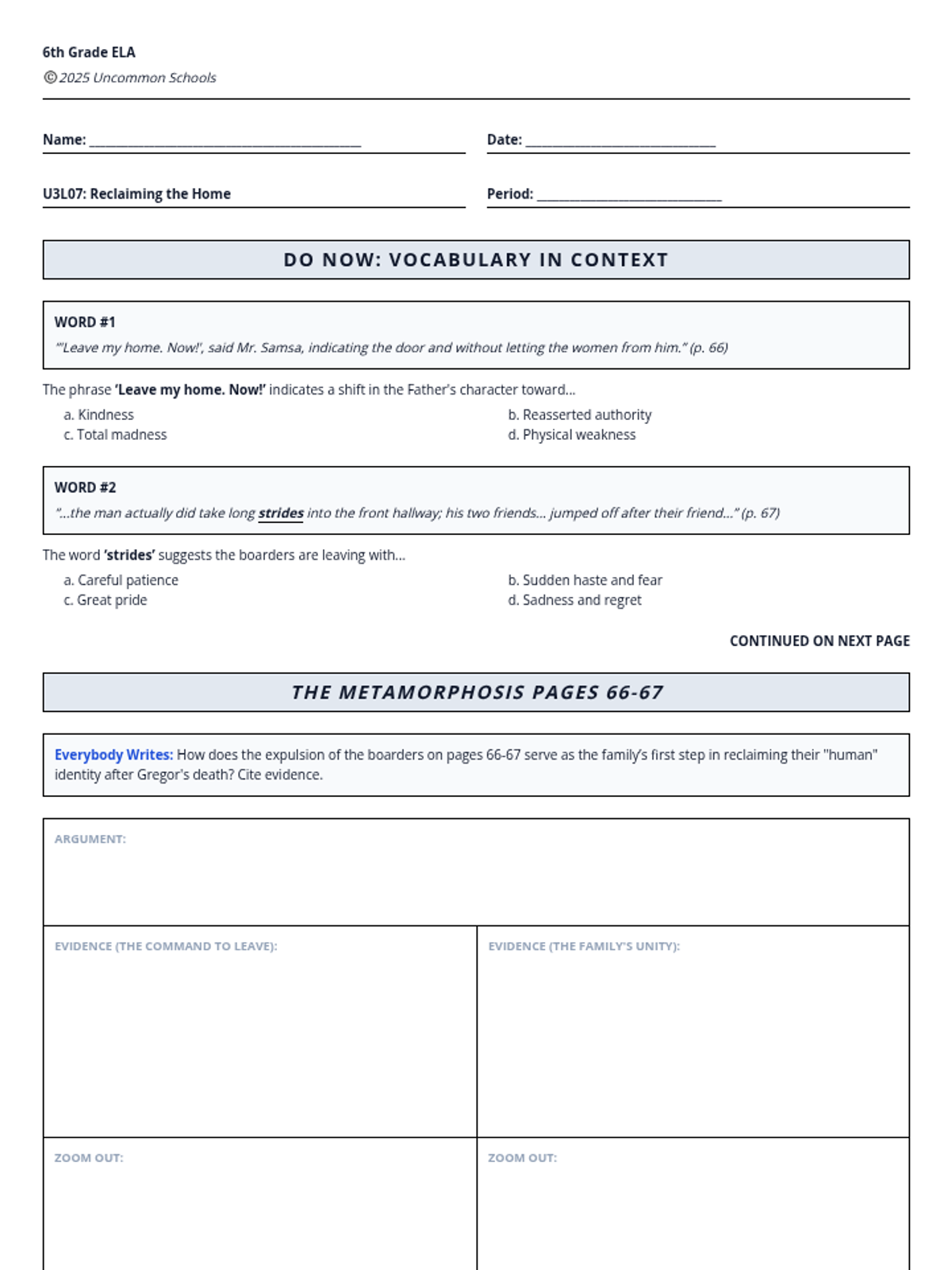
Analyzes the family's final rejection of Gregor and his subsequent physical and mental decline.
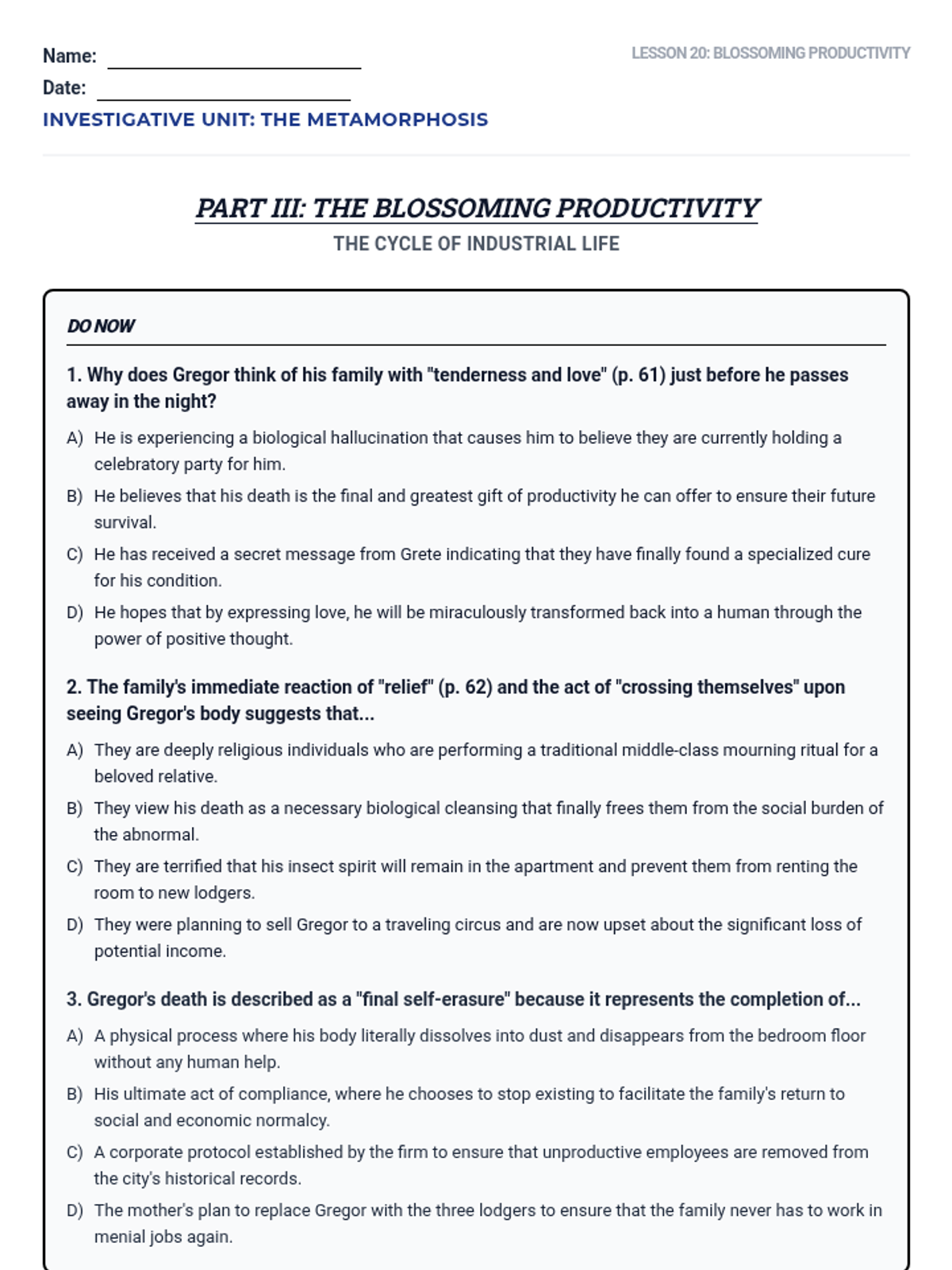
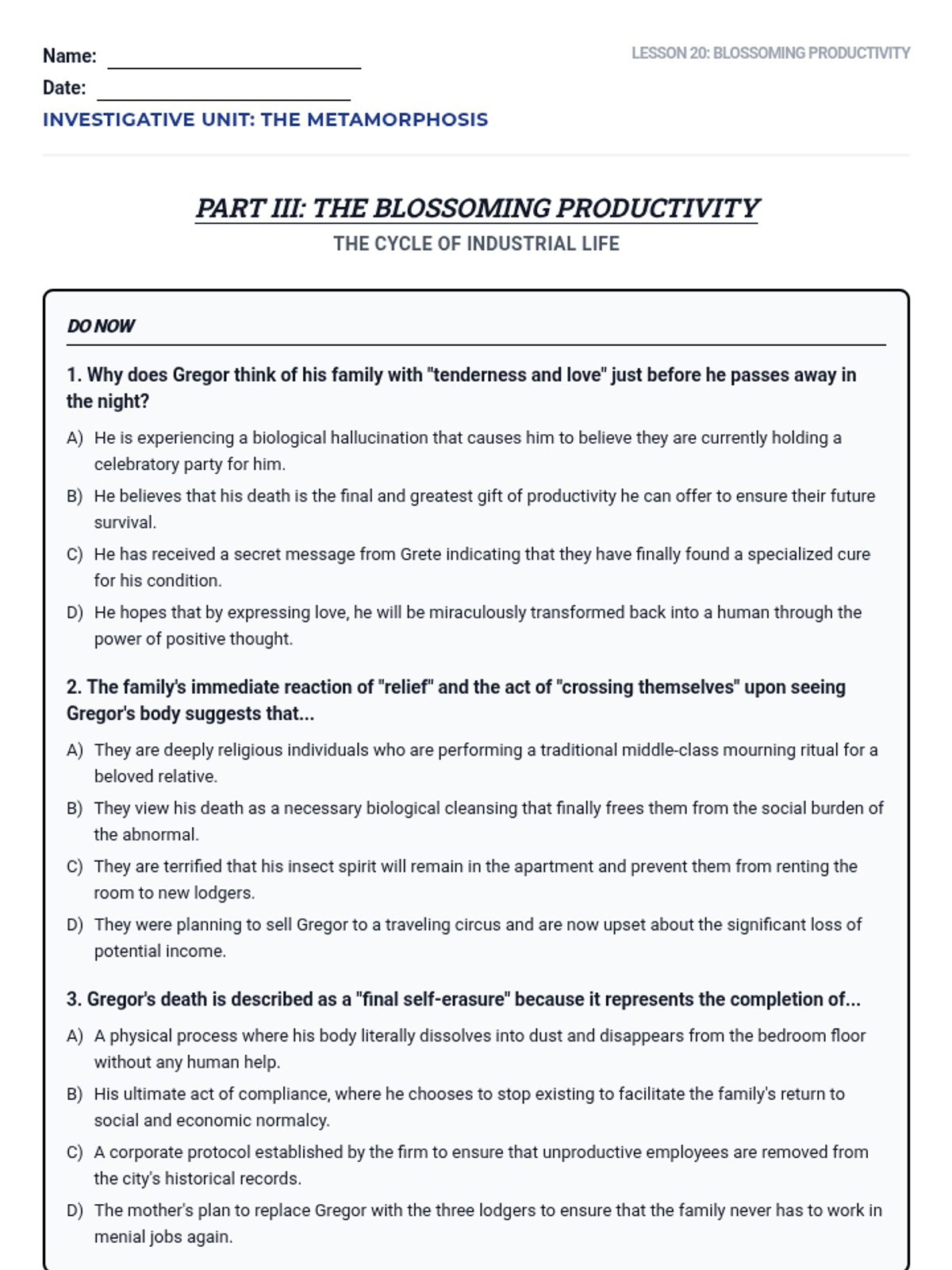
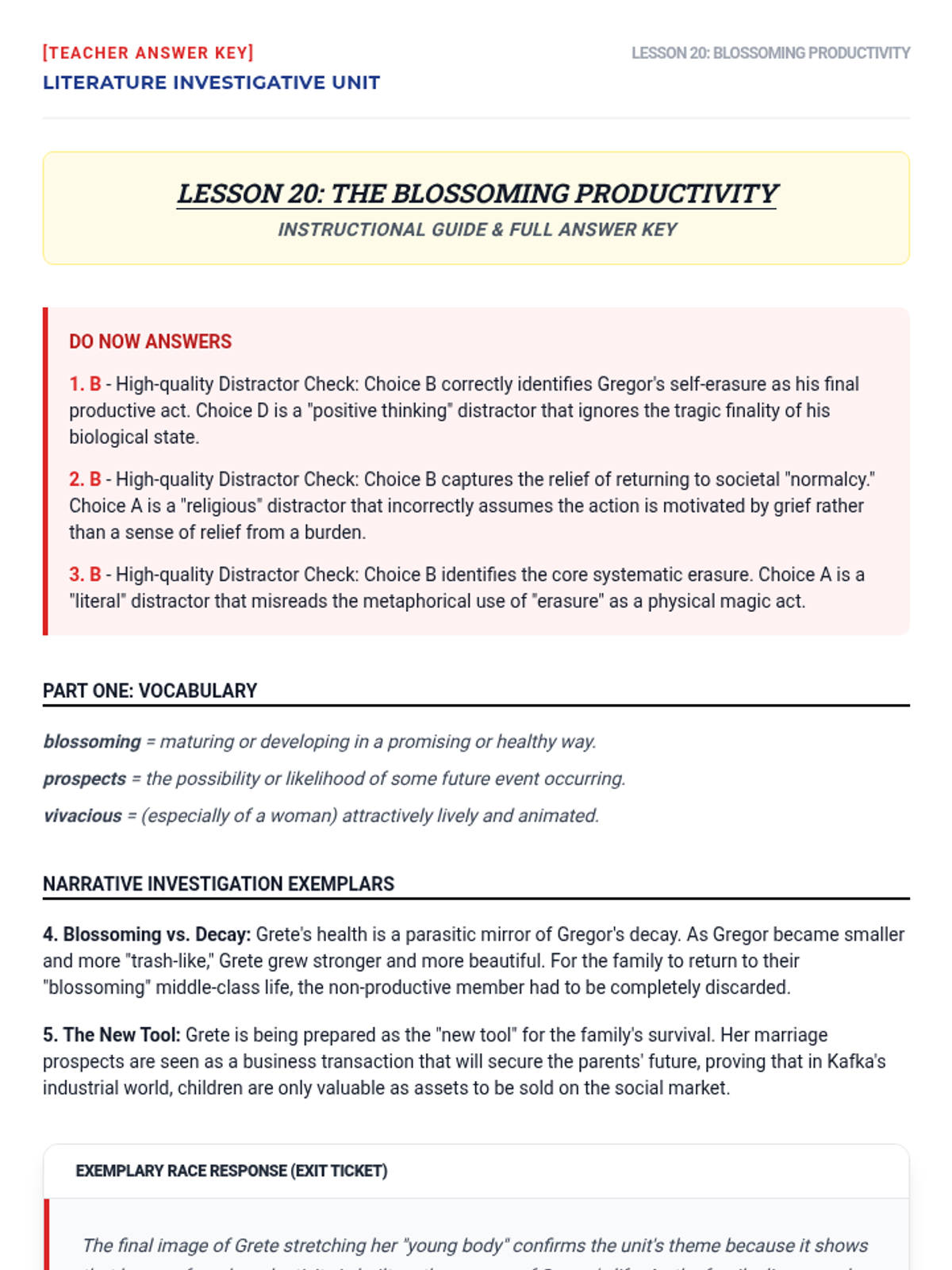
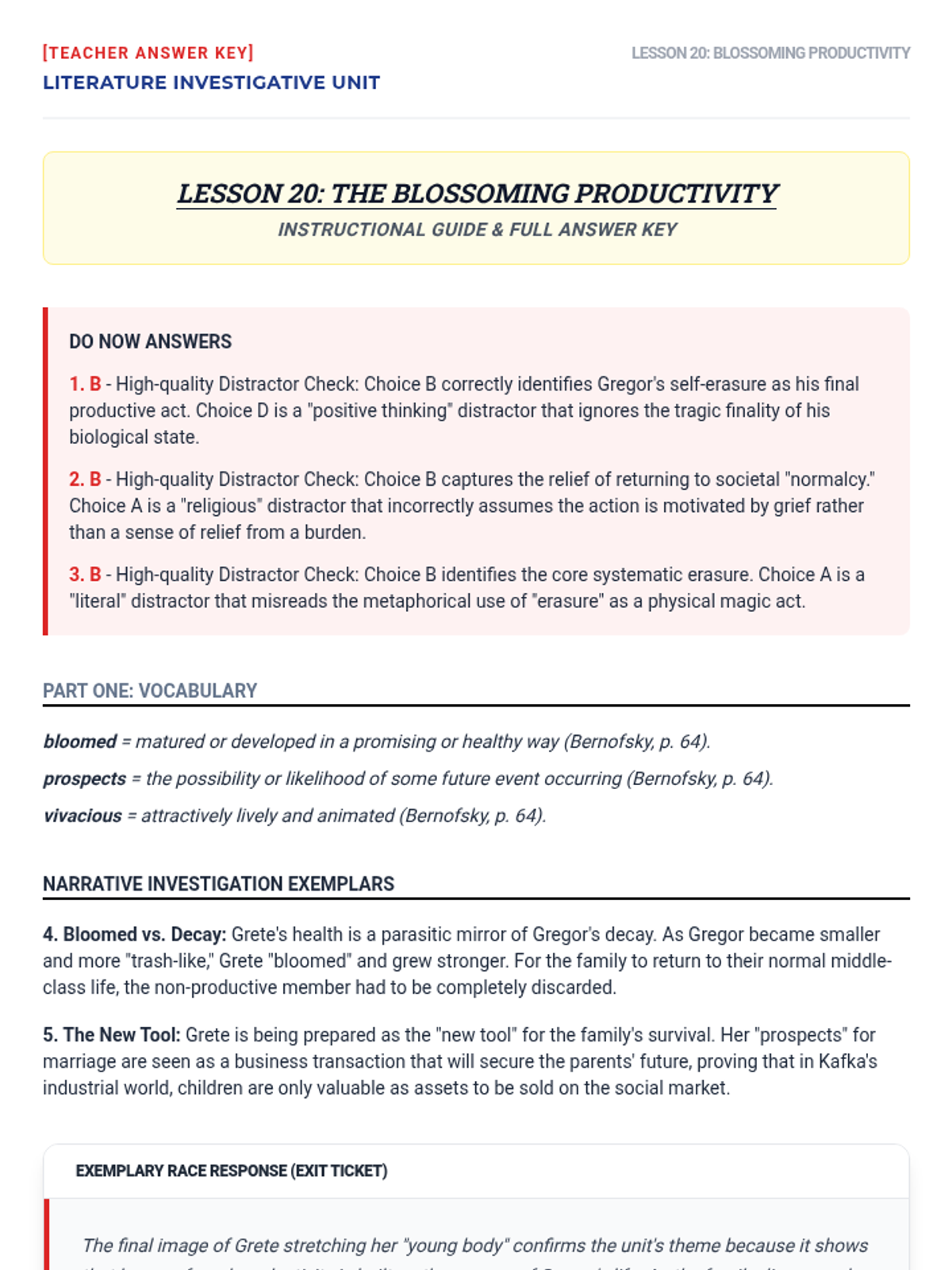
Focuses on Gregor's death and the family's ultimate relief and transformation after his passing.
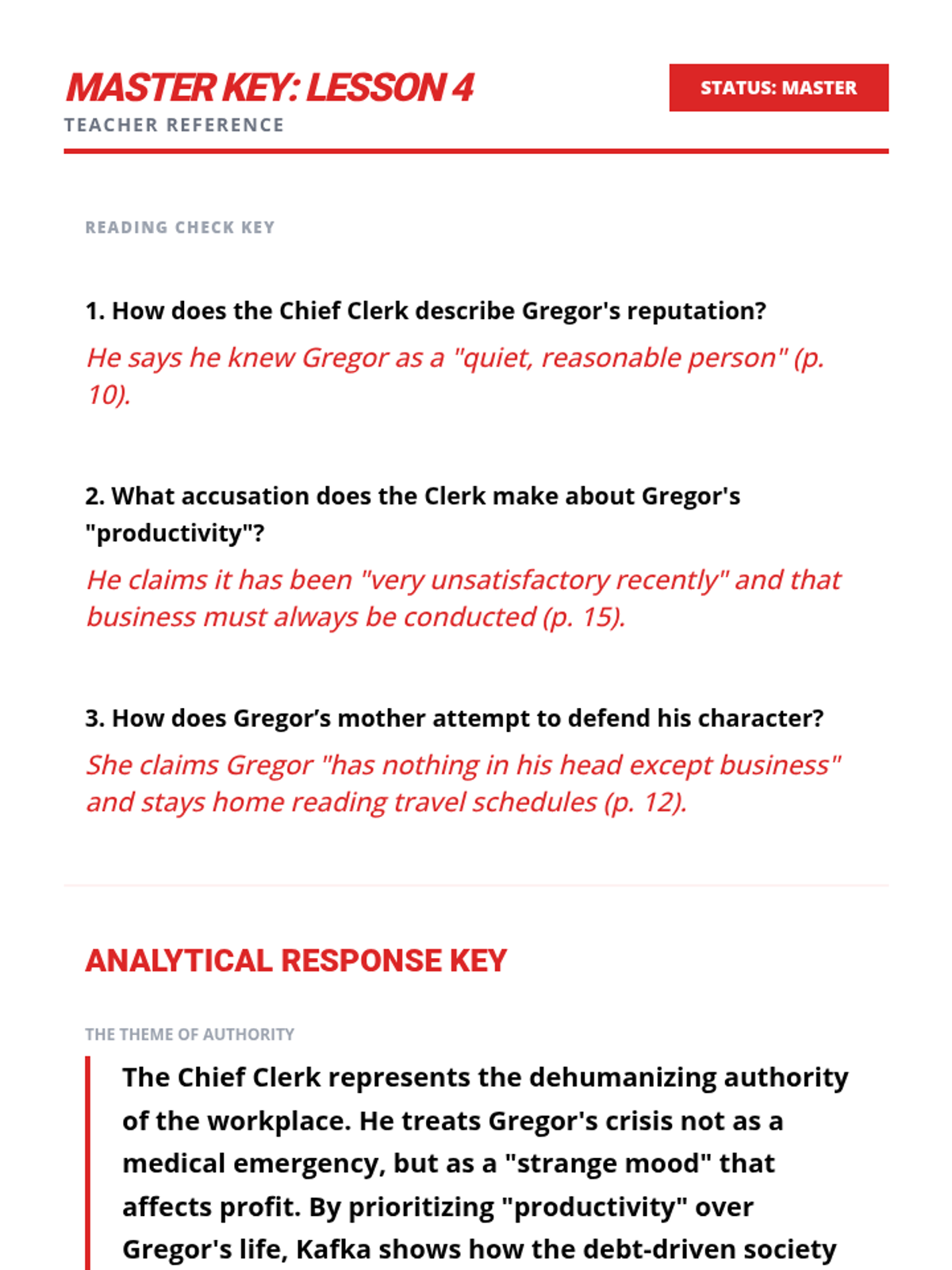
Students analyze how Kafka uses the Chief Clerk's arrival to explore the theme of authority and the dehumanizing nature of debt and labor.
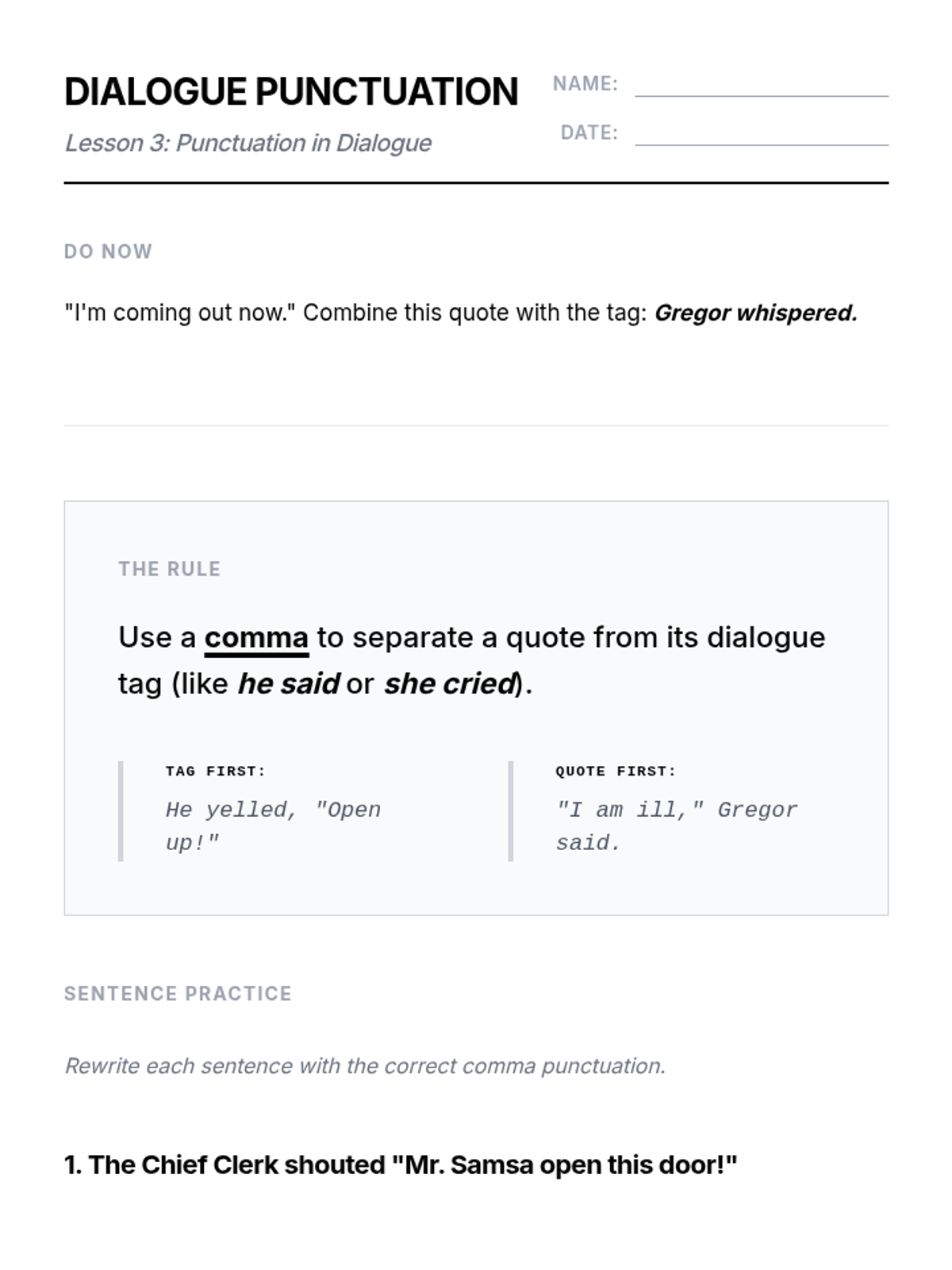
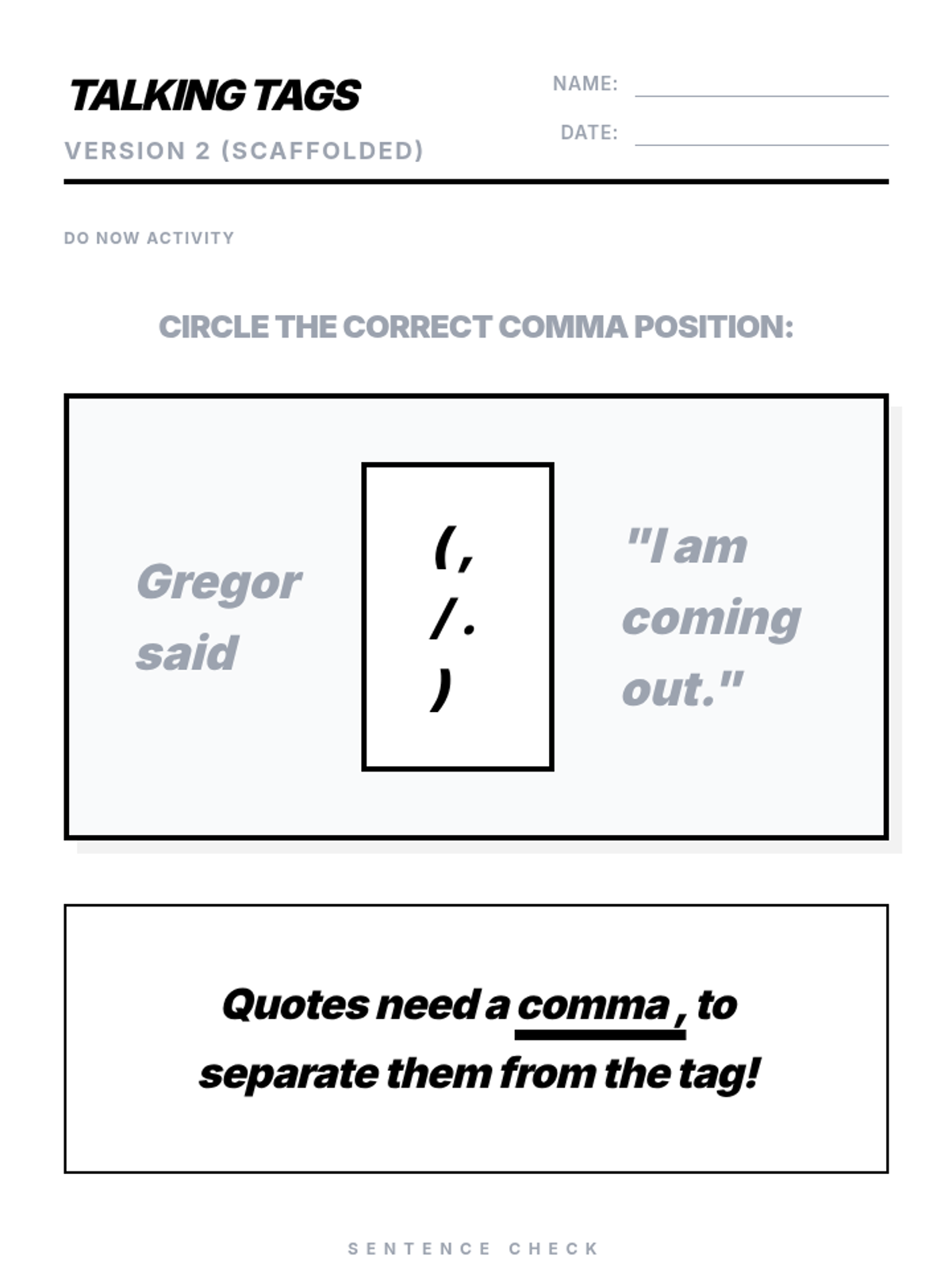
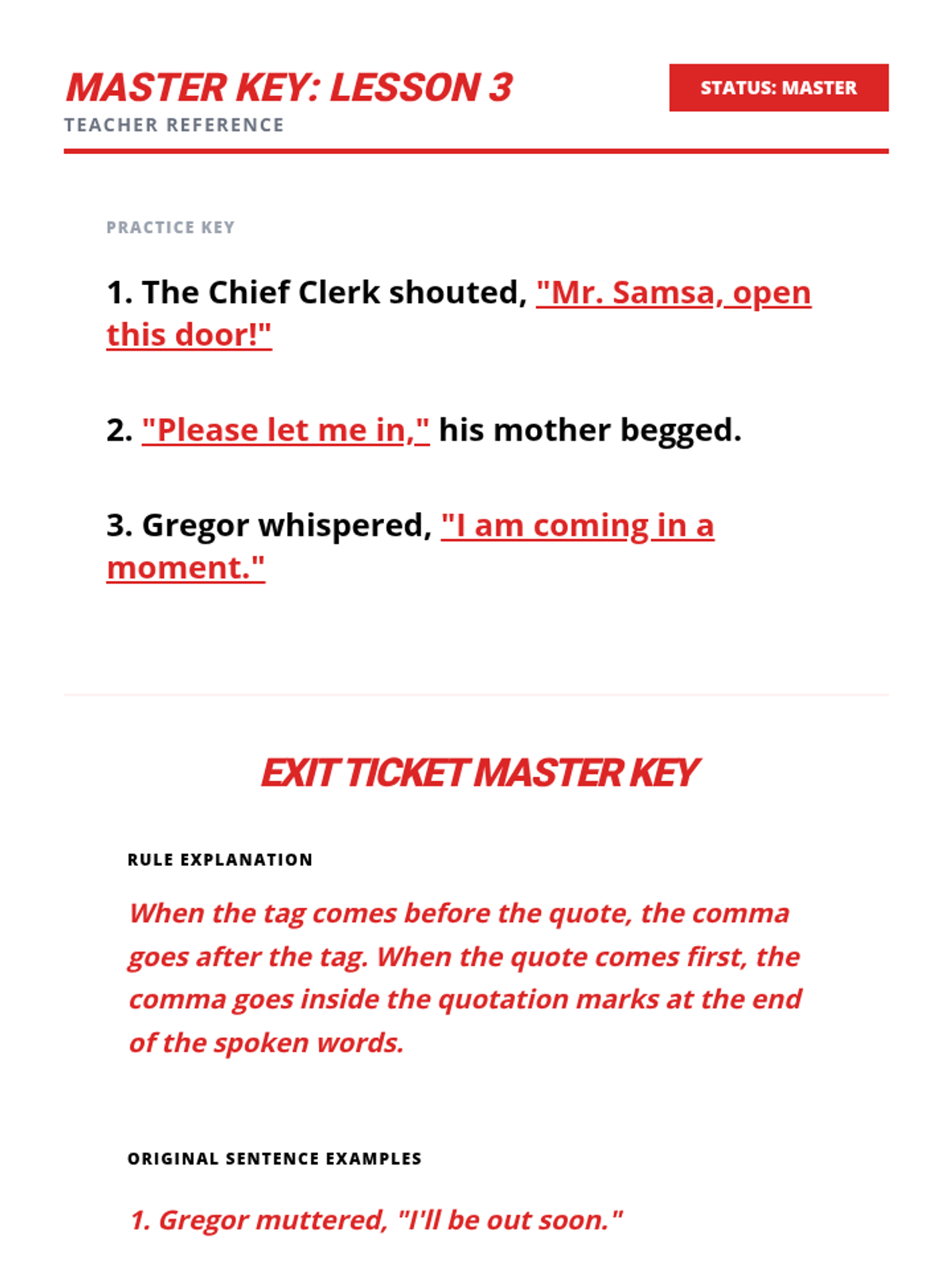
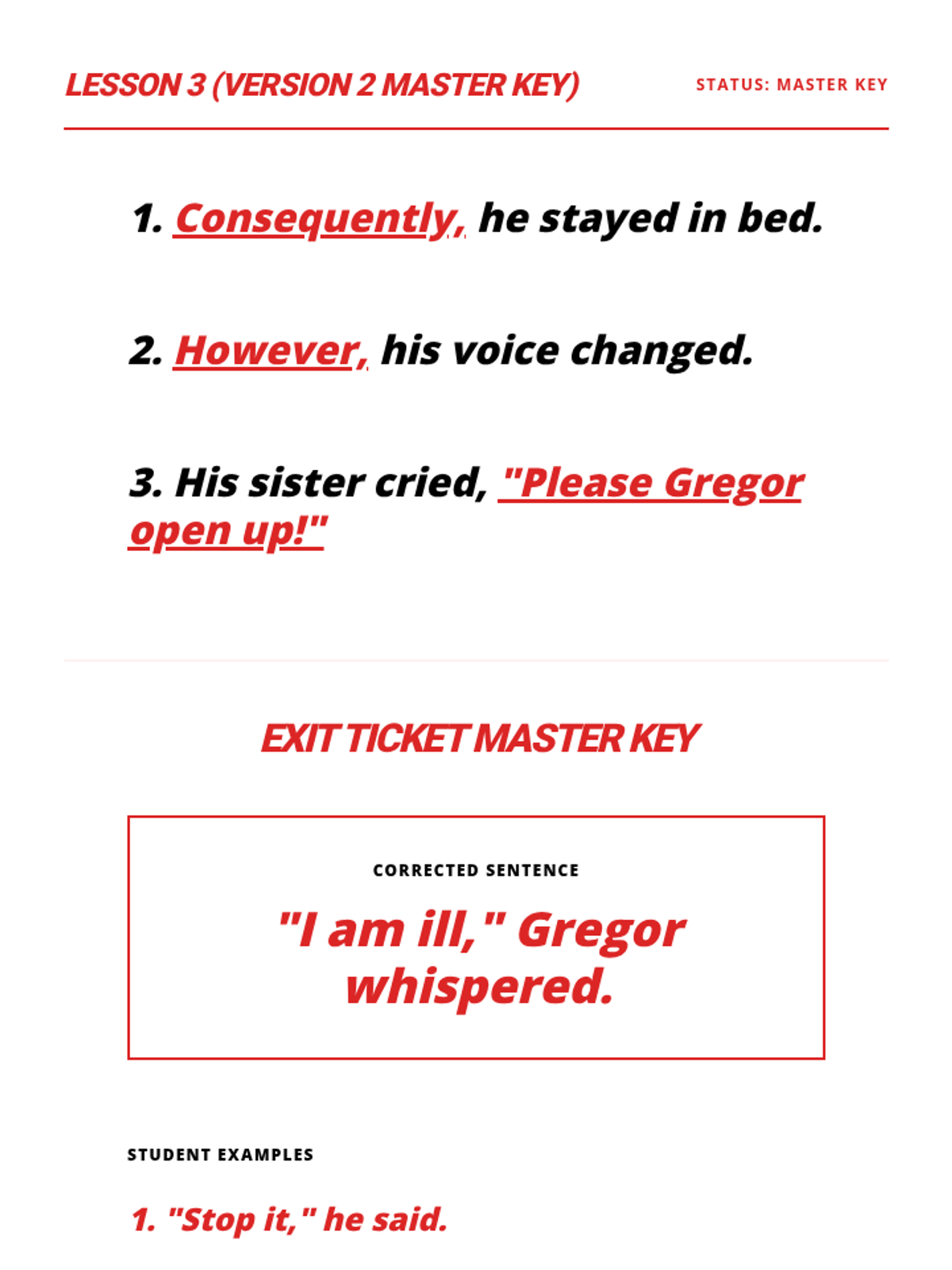
Students master the use of commas with dialogue tags to punctuate the tense conversation between Gregor, his family, and the Chief Clerk.
Students analyze the arrival of the Chief Clerk and Gregor's deteriorating communication as the pressure to work intensifies.
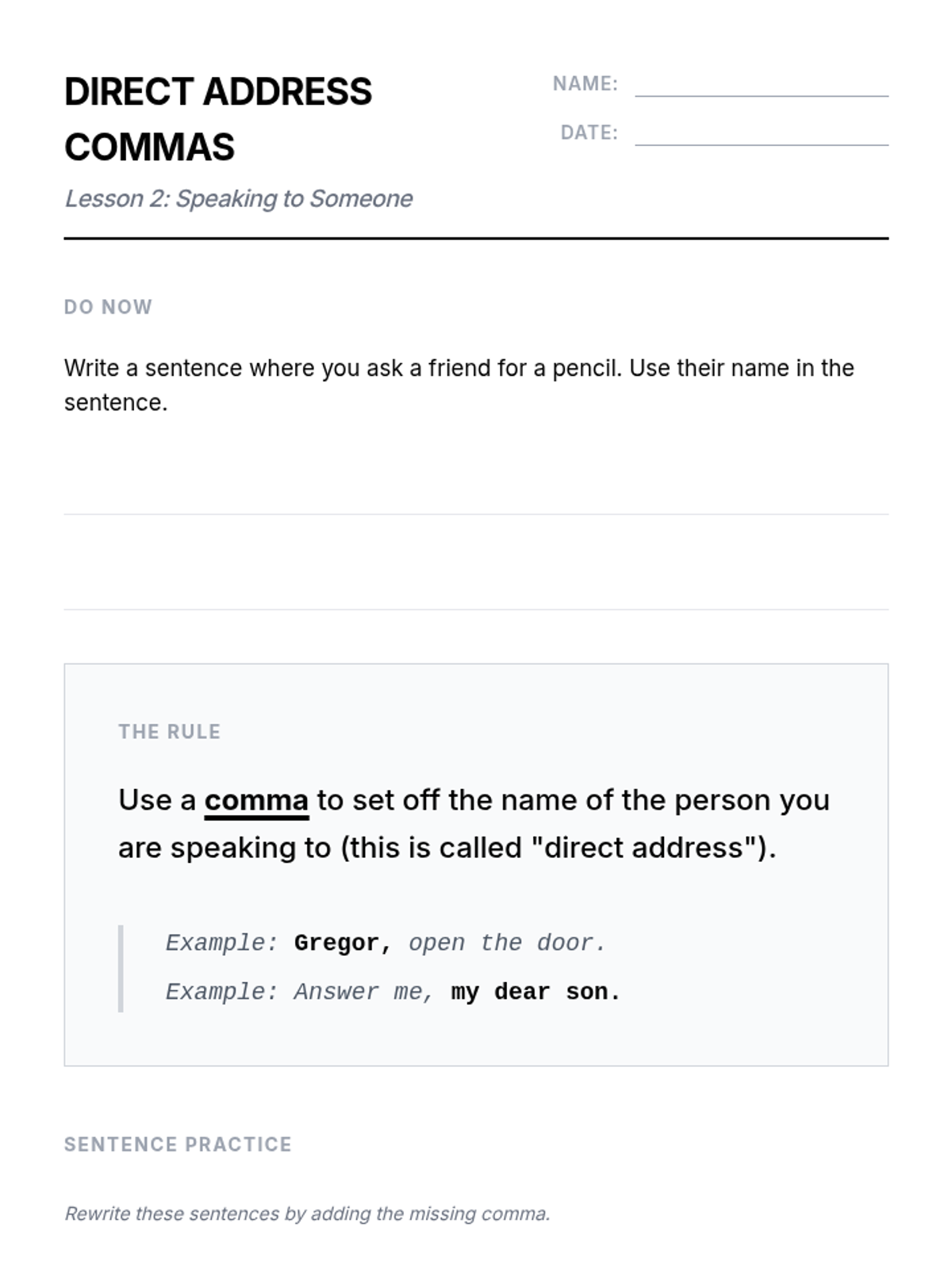
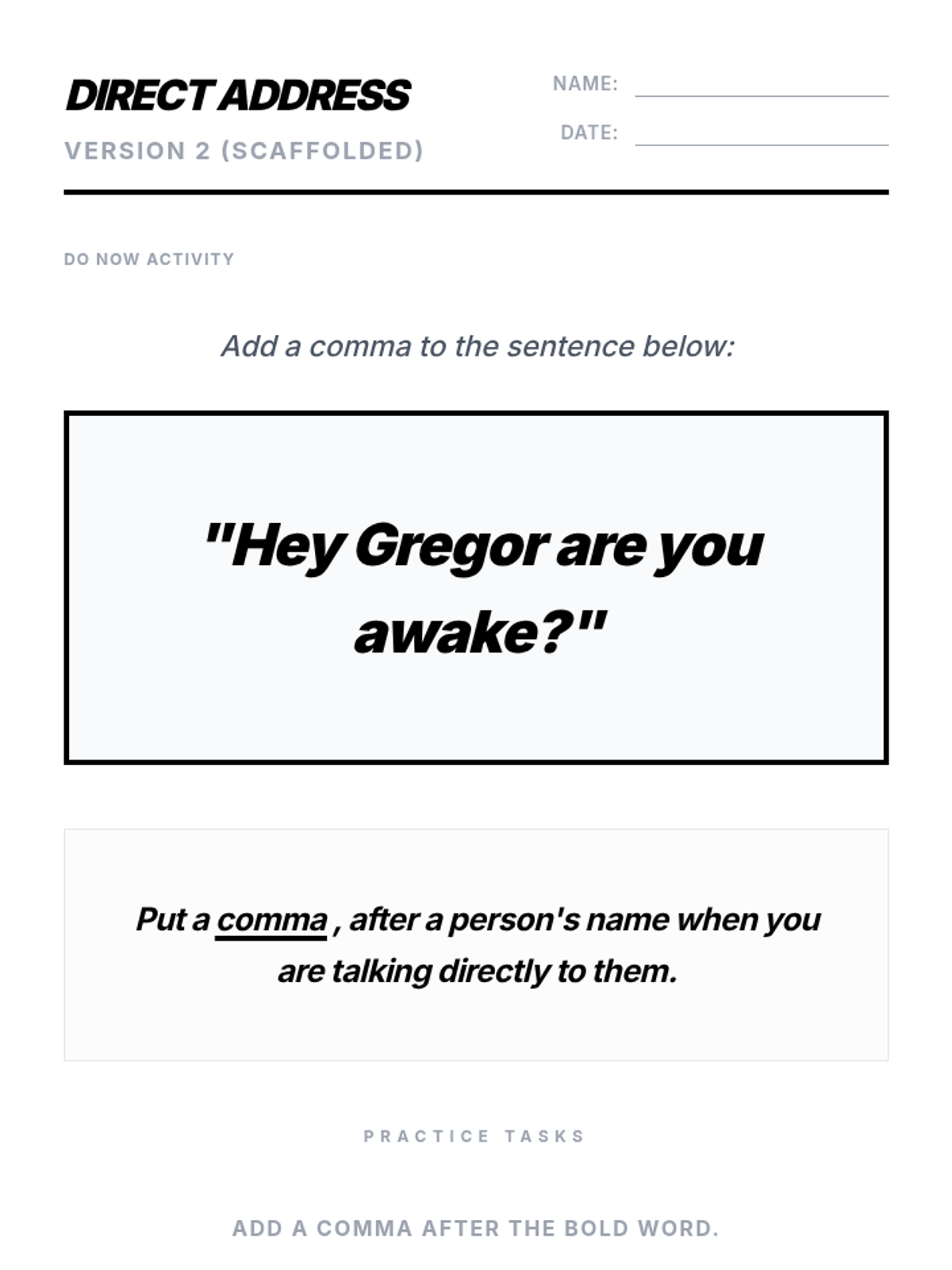
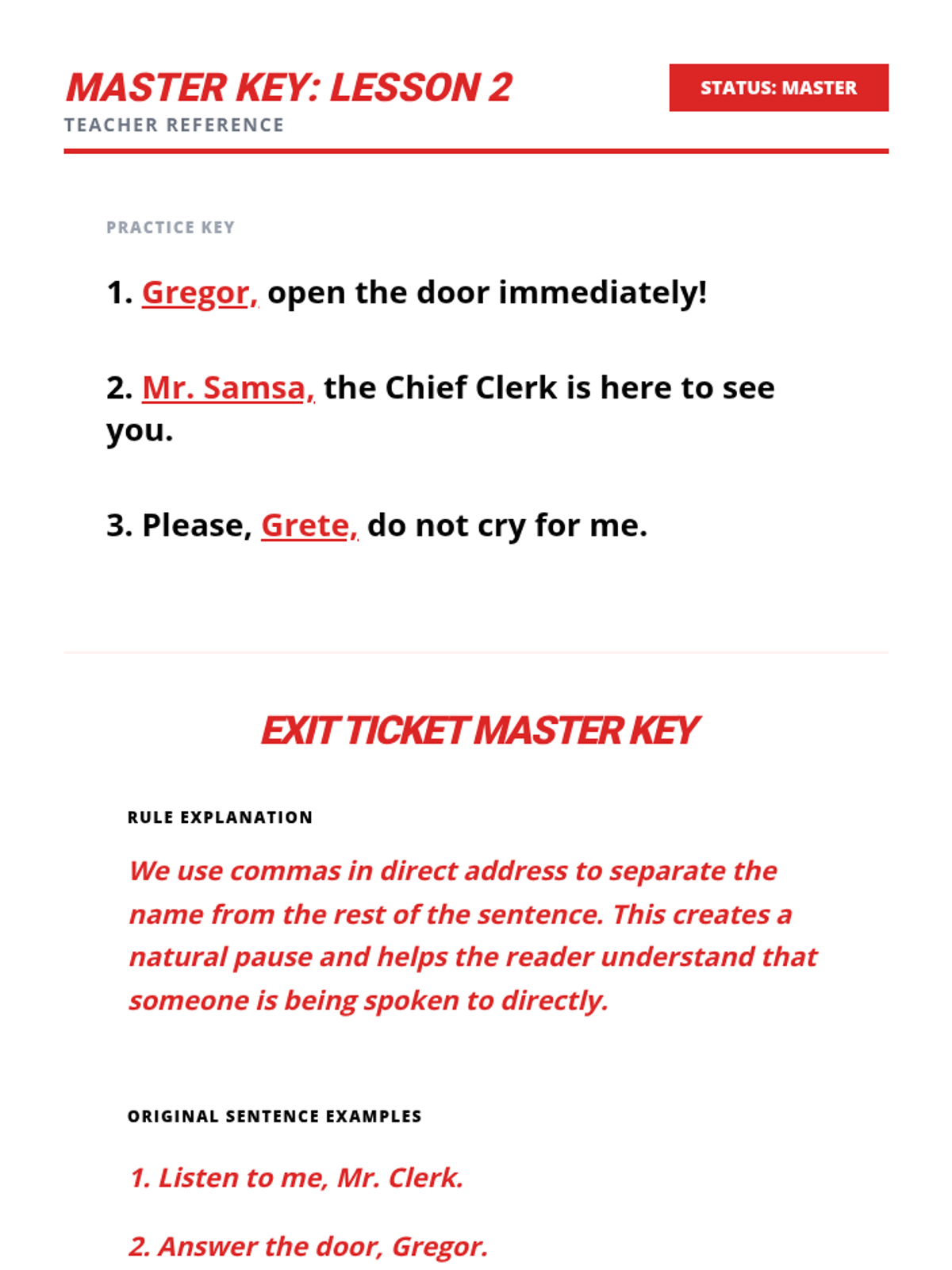
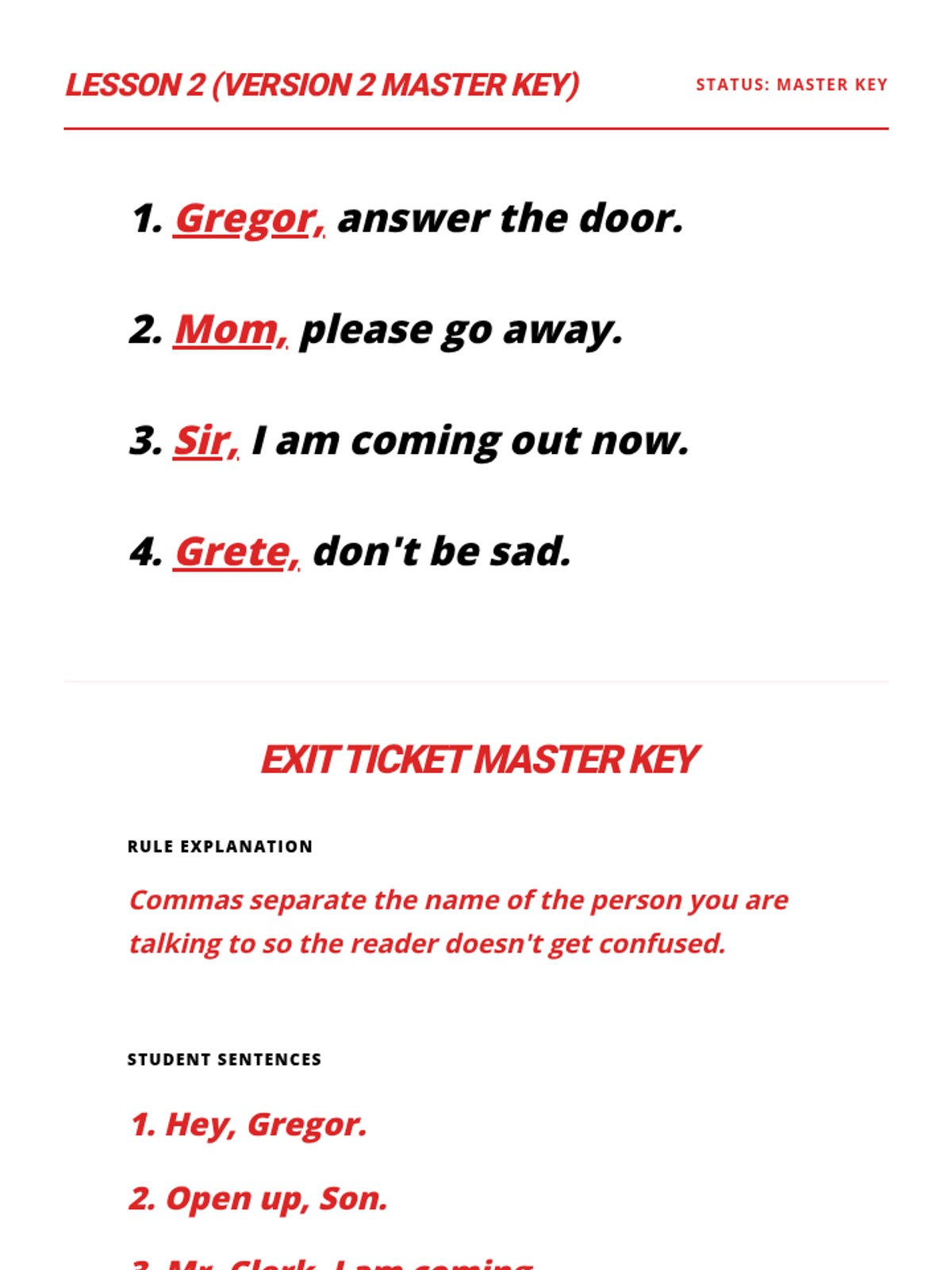
Students learn to use commas to set off names in direct address, using dialogue from the family's attempts to communicate with Gregor.
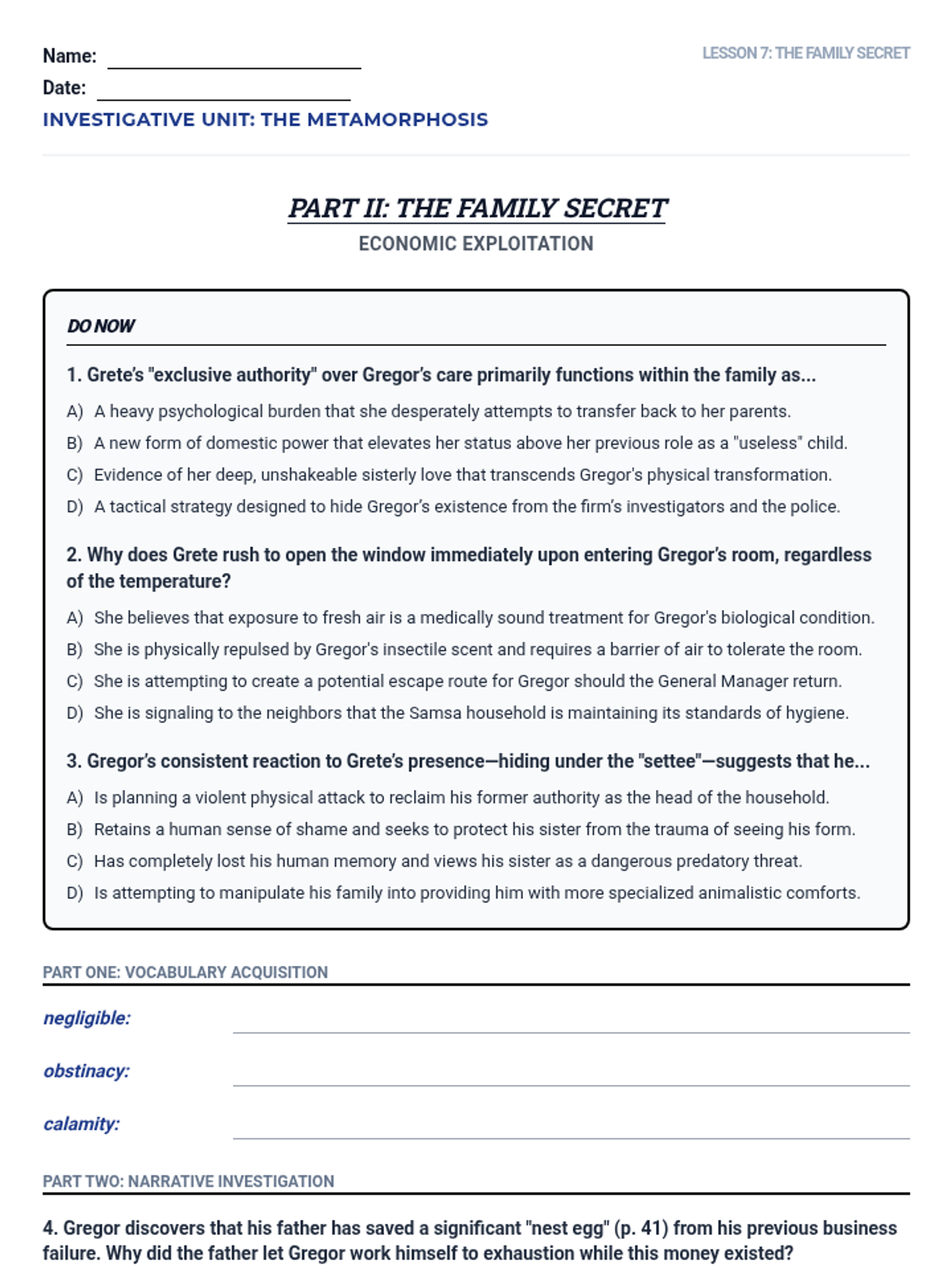
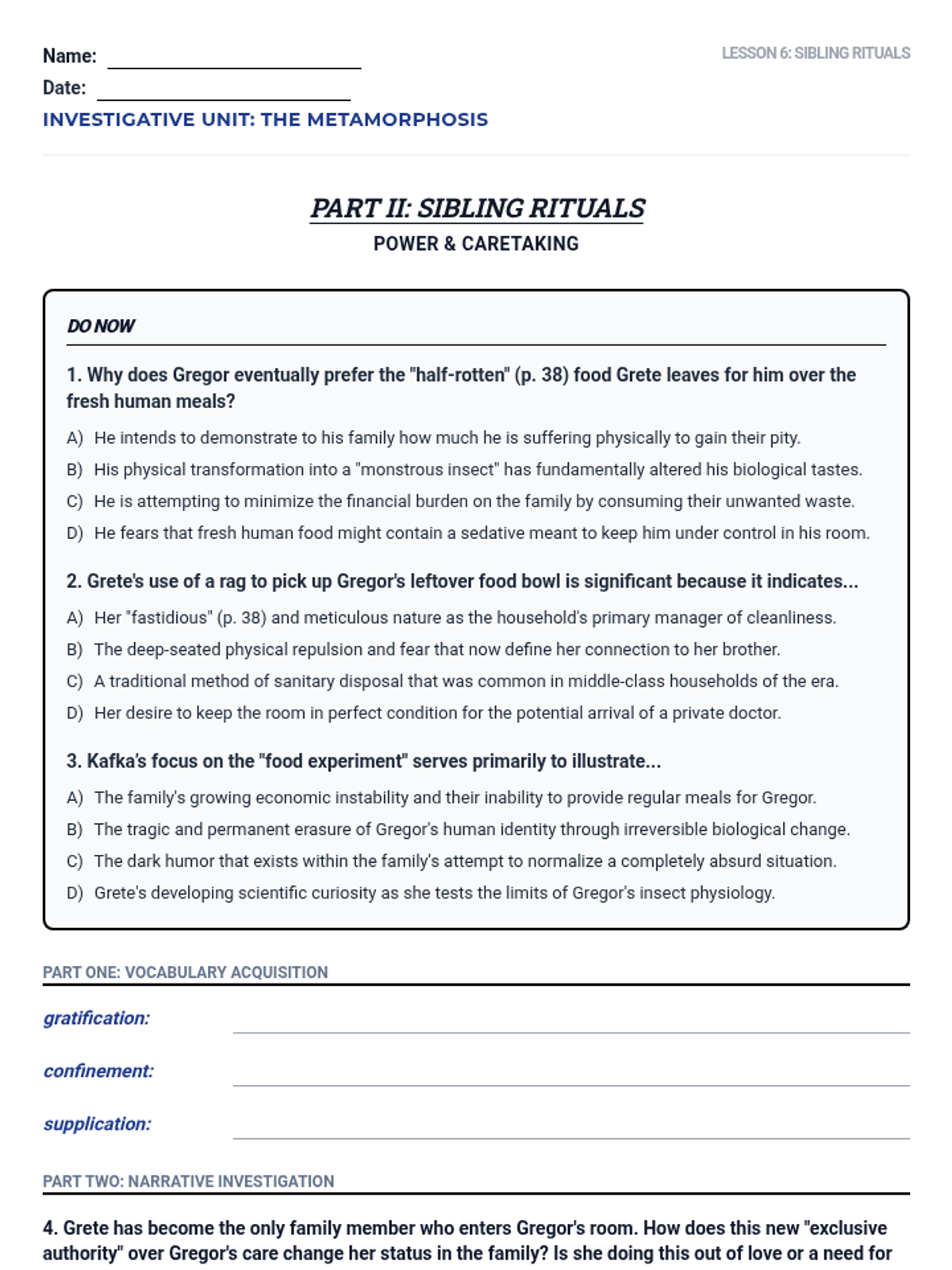
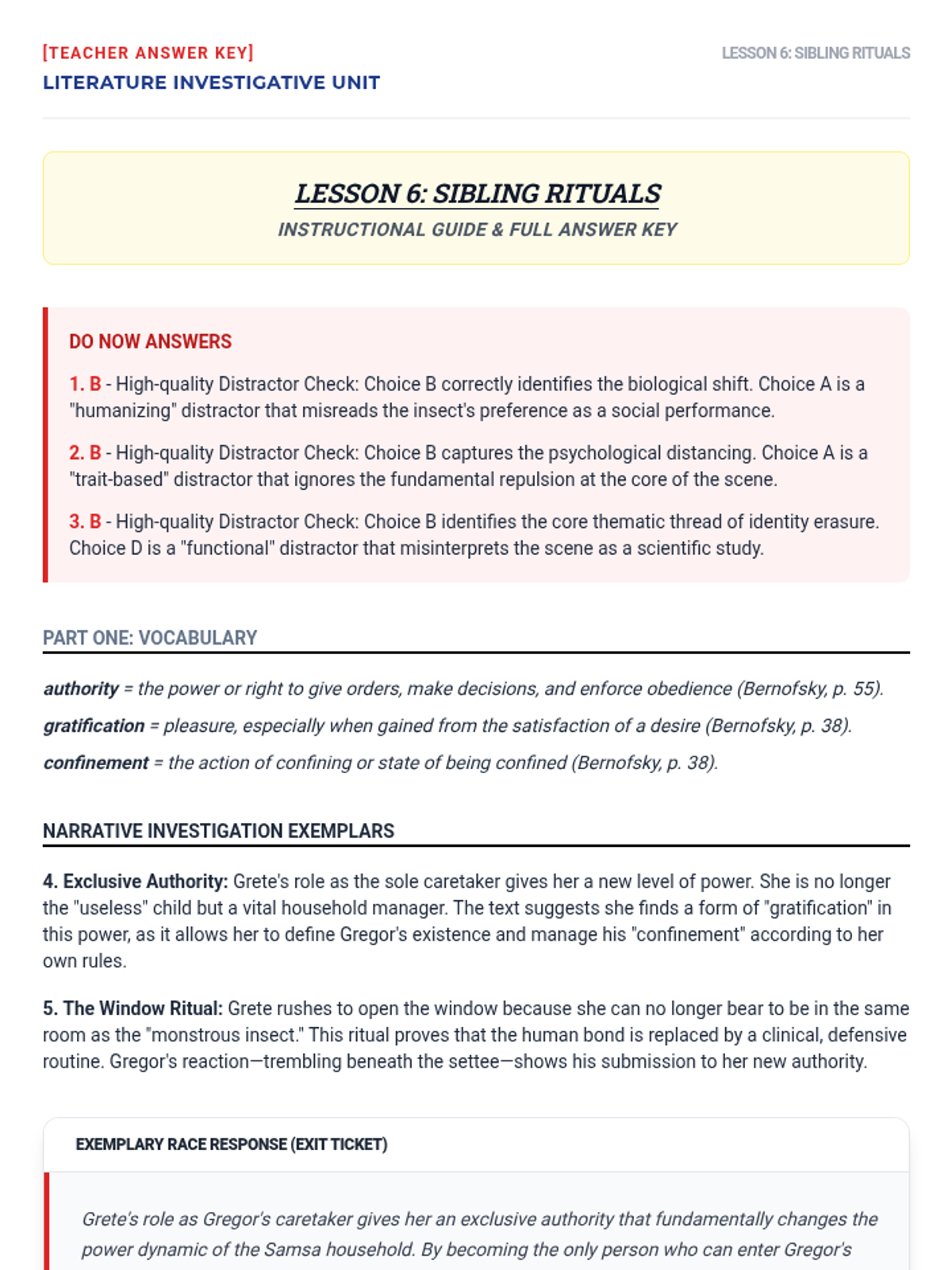
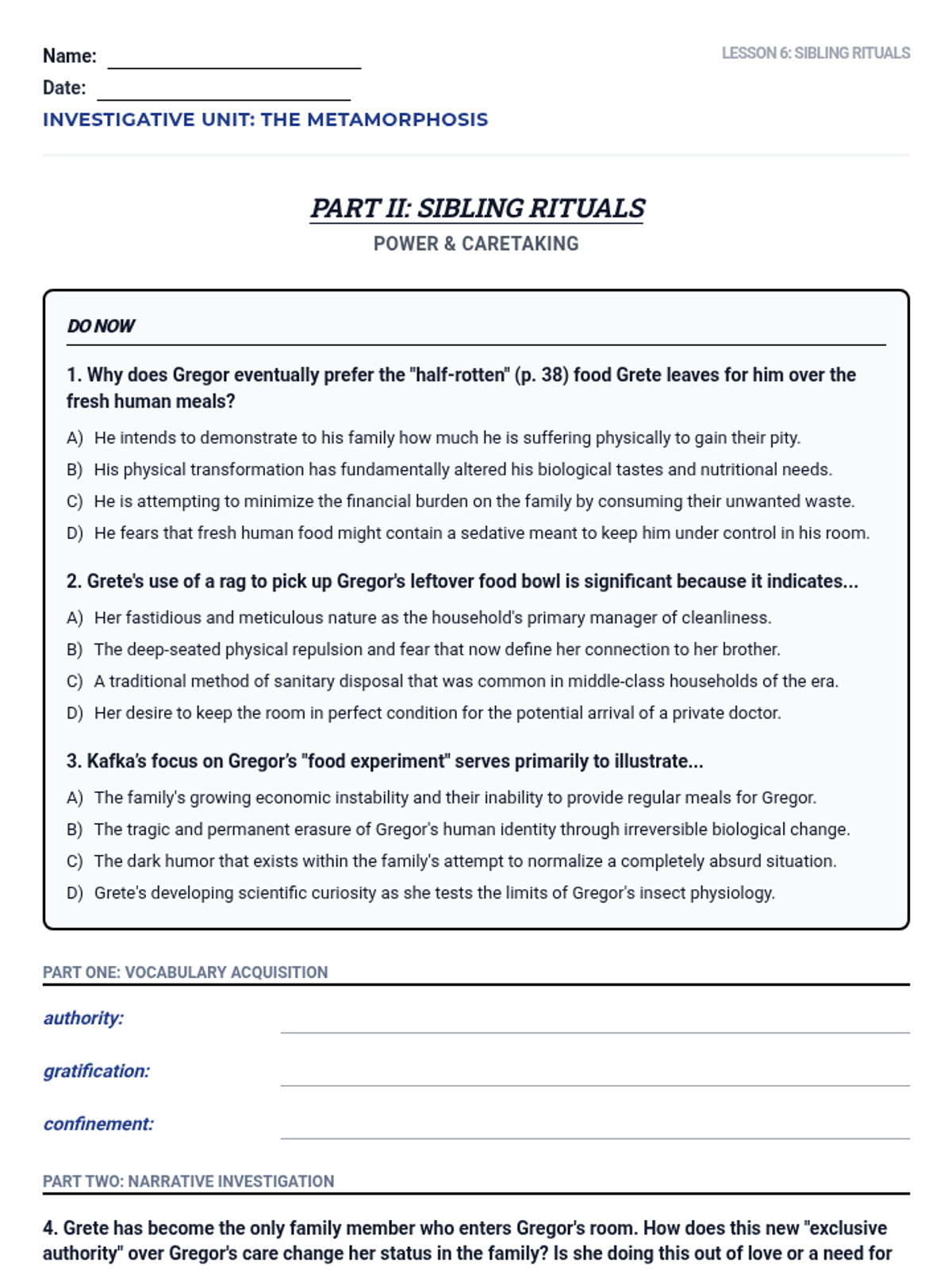
Students examine the changing power dynamic between Gregor and Grete, focusing on her new ritualistic authority as his sole caretaker.
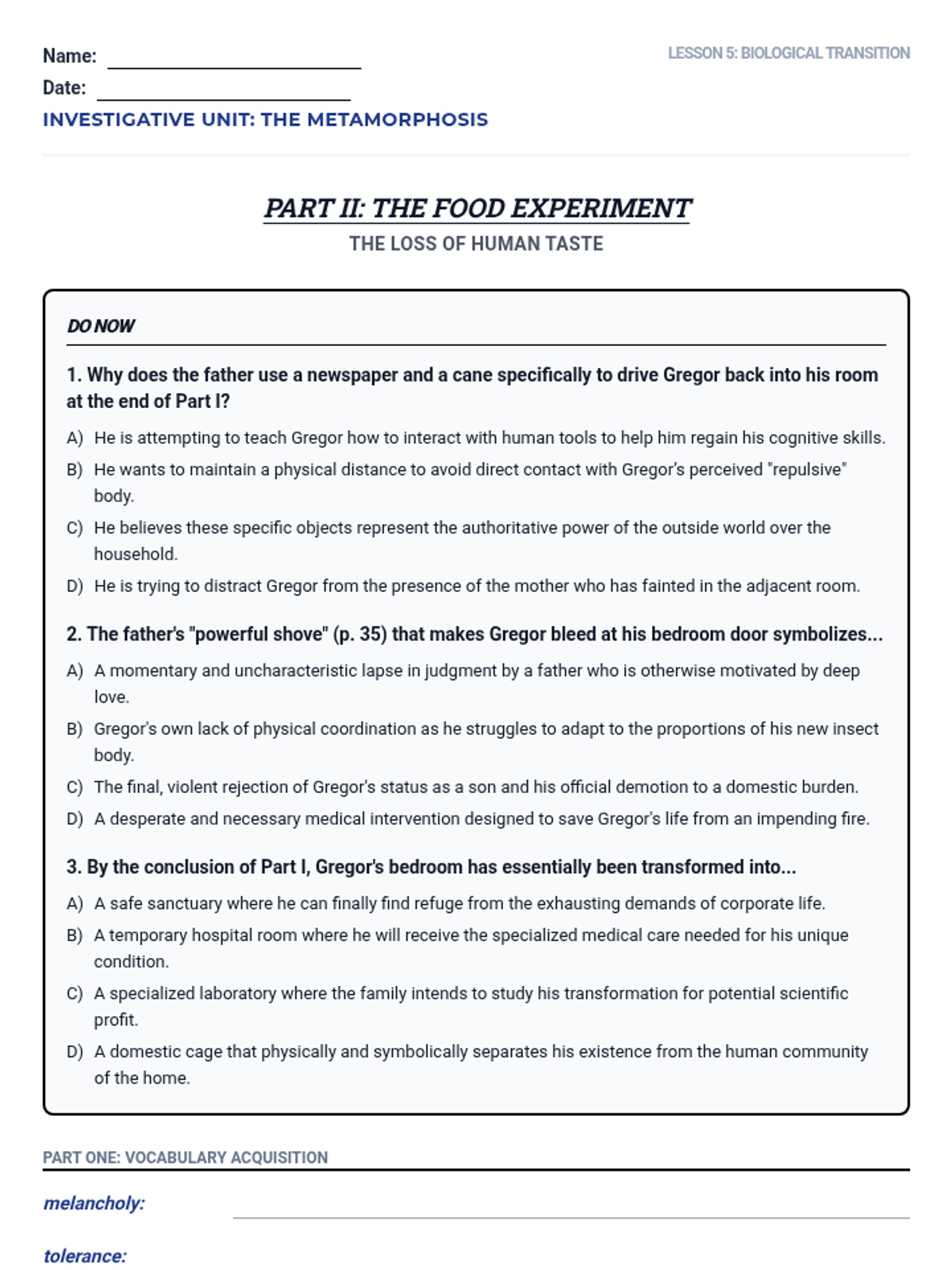
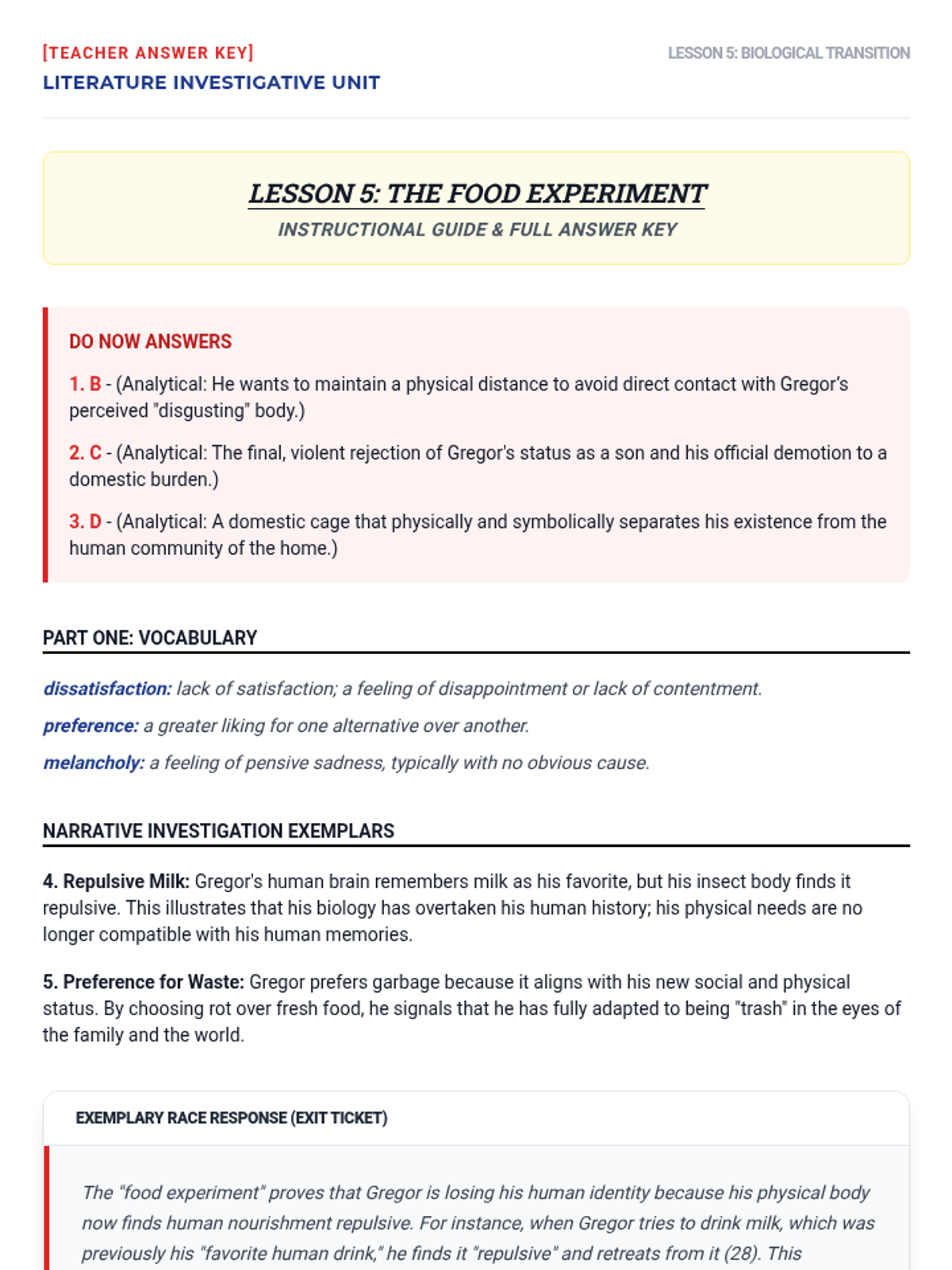
Part II begins with Gregor's physical transition, focusing on his change in taste and the shift from human food to animal waste as a symbol of dehumanization.
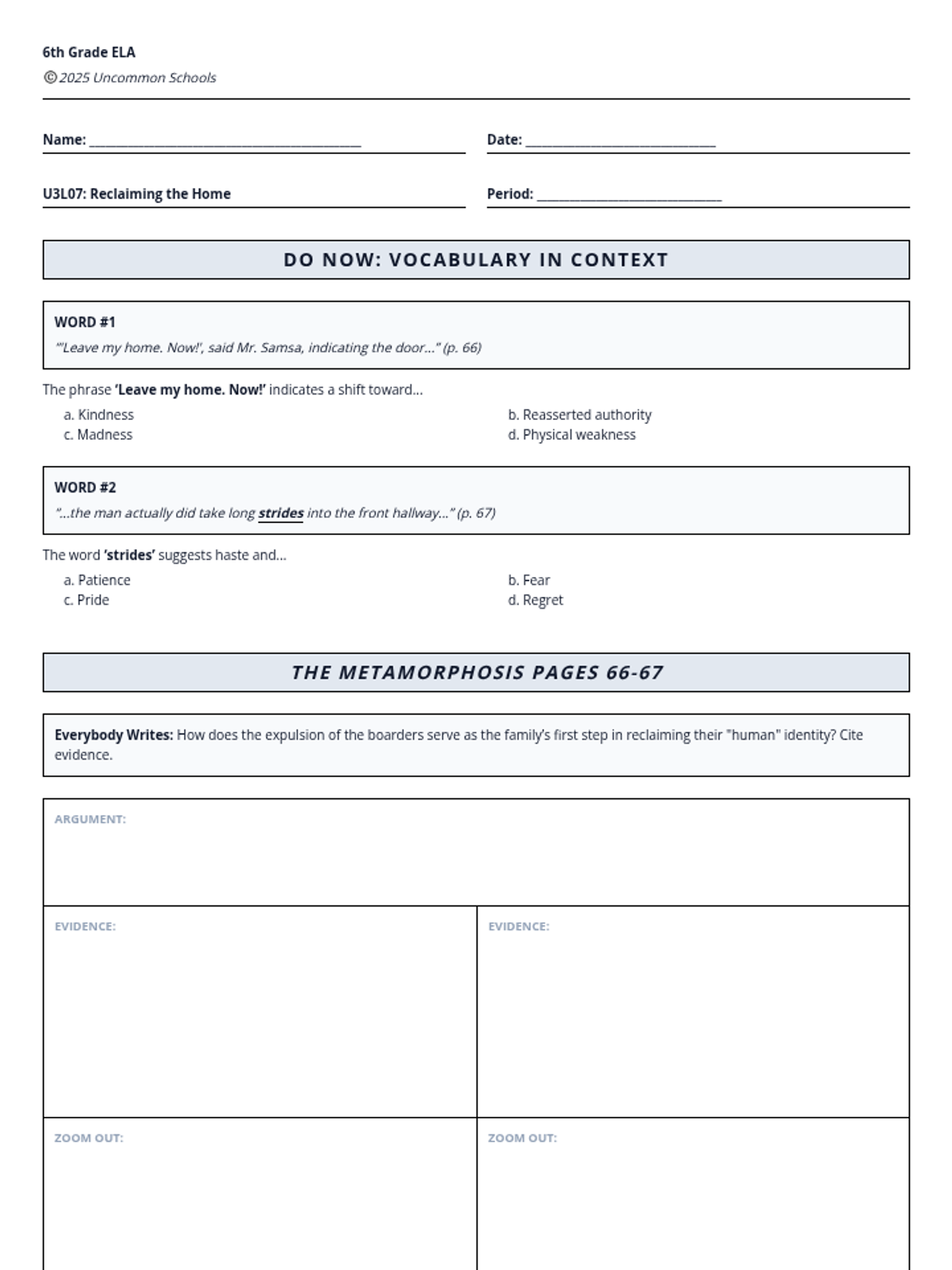
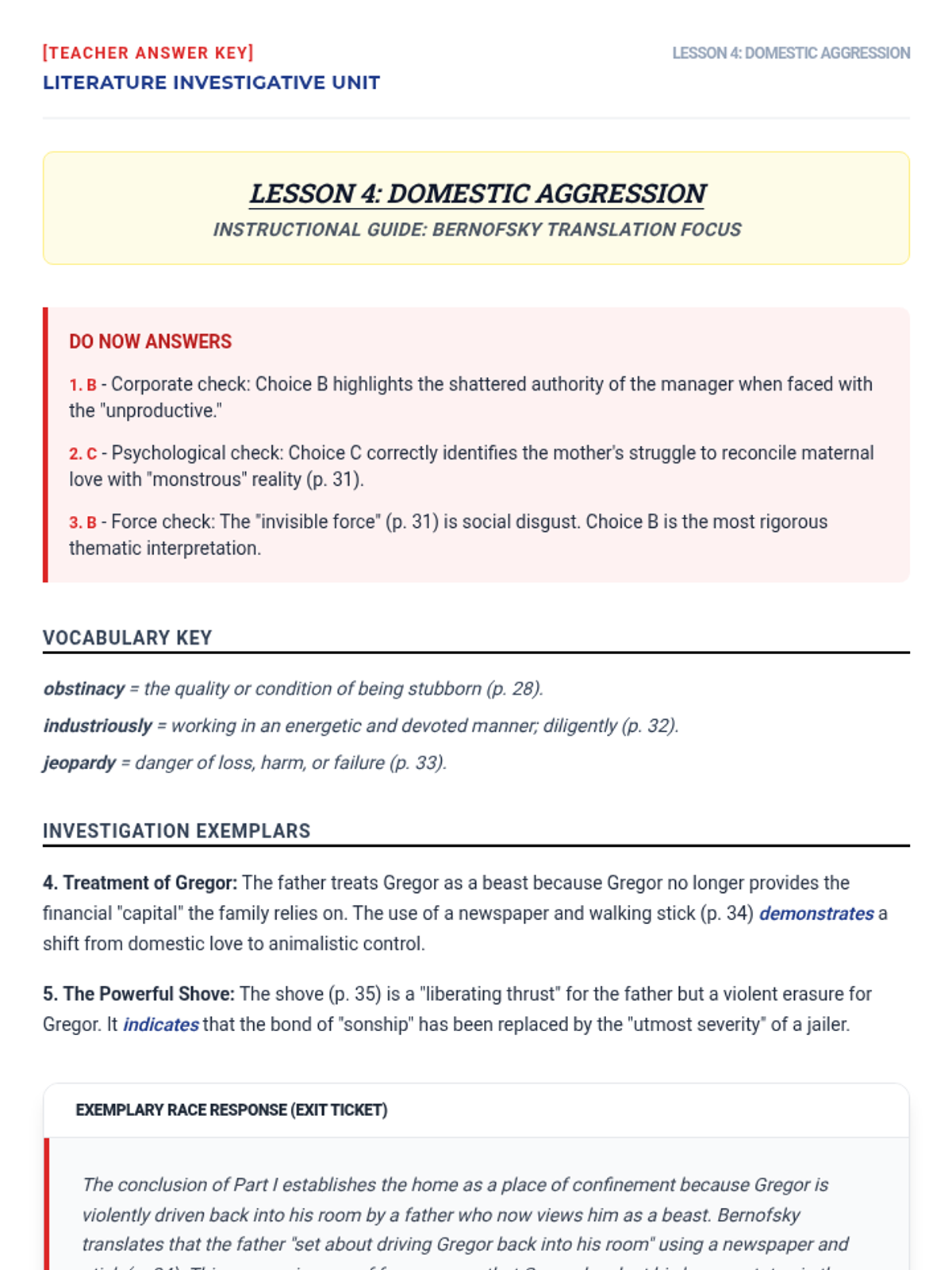
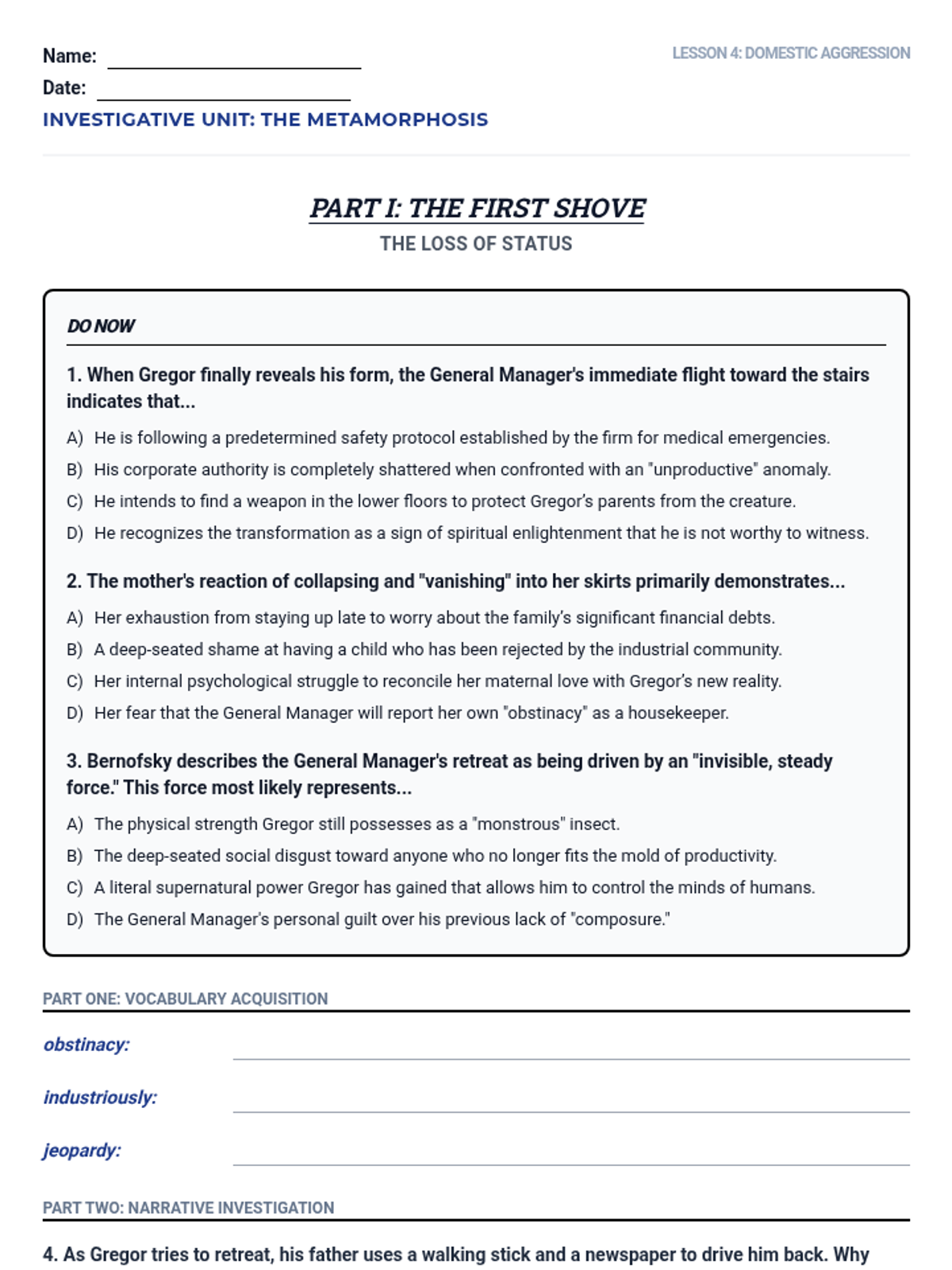
Students analyze the violent conclusion to Part I, focusing on the father's use of force to cage Gregor. Themes of domestic aggression and the loss of familial status.
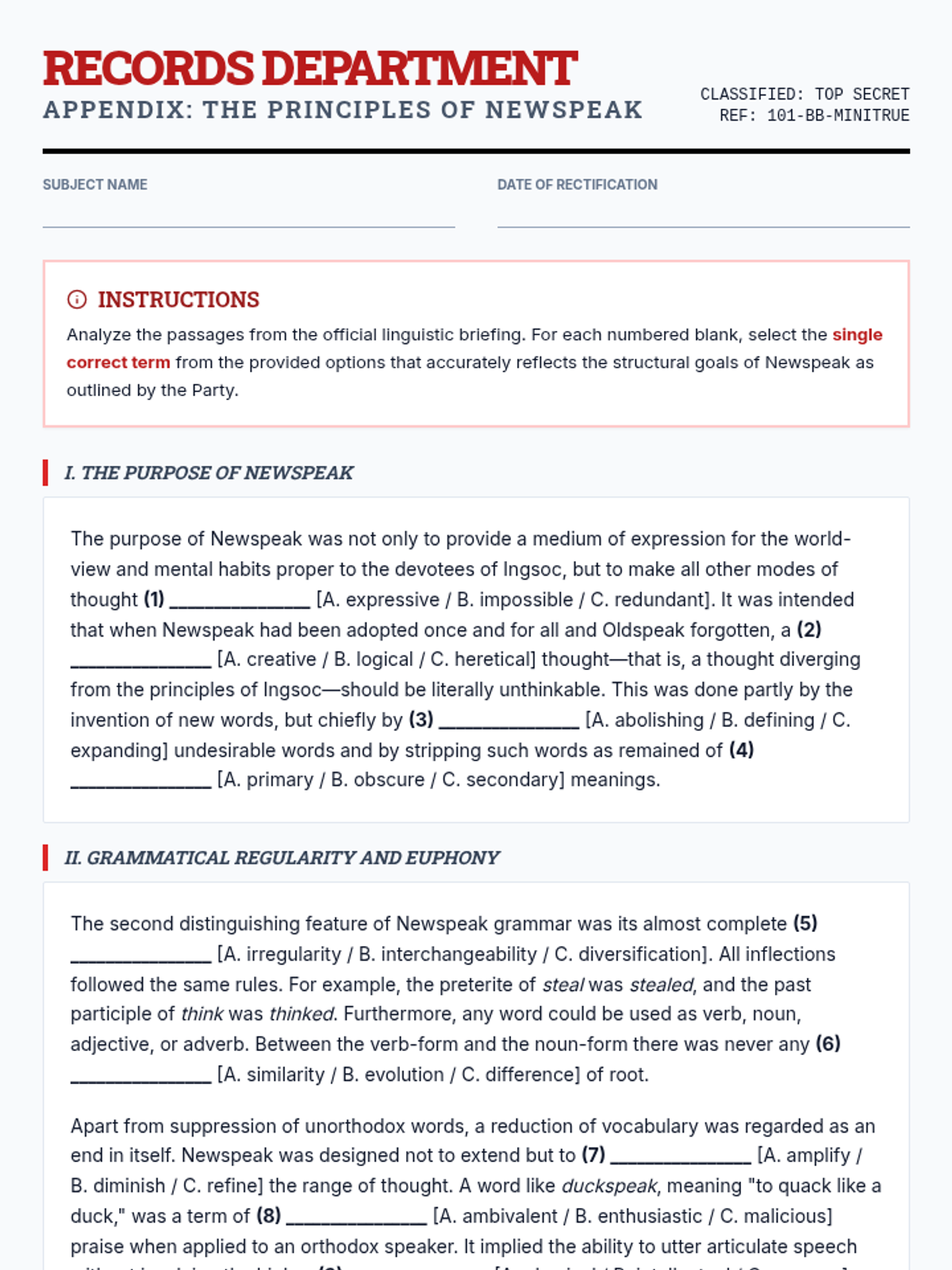
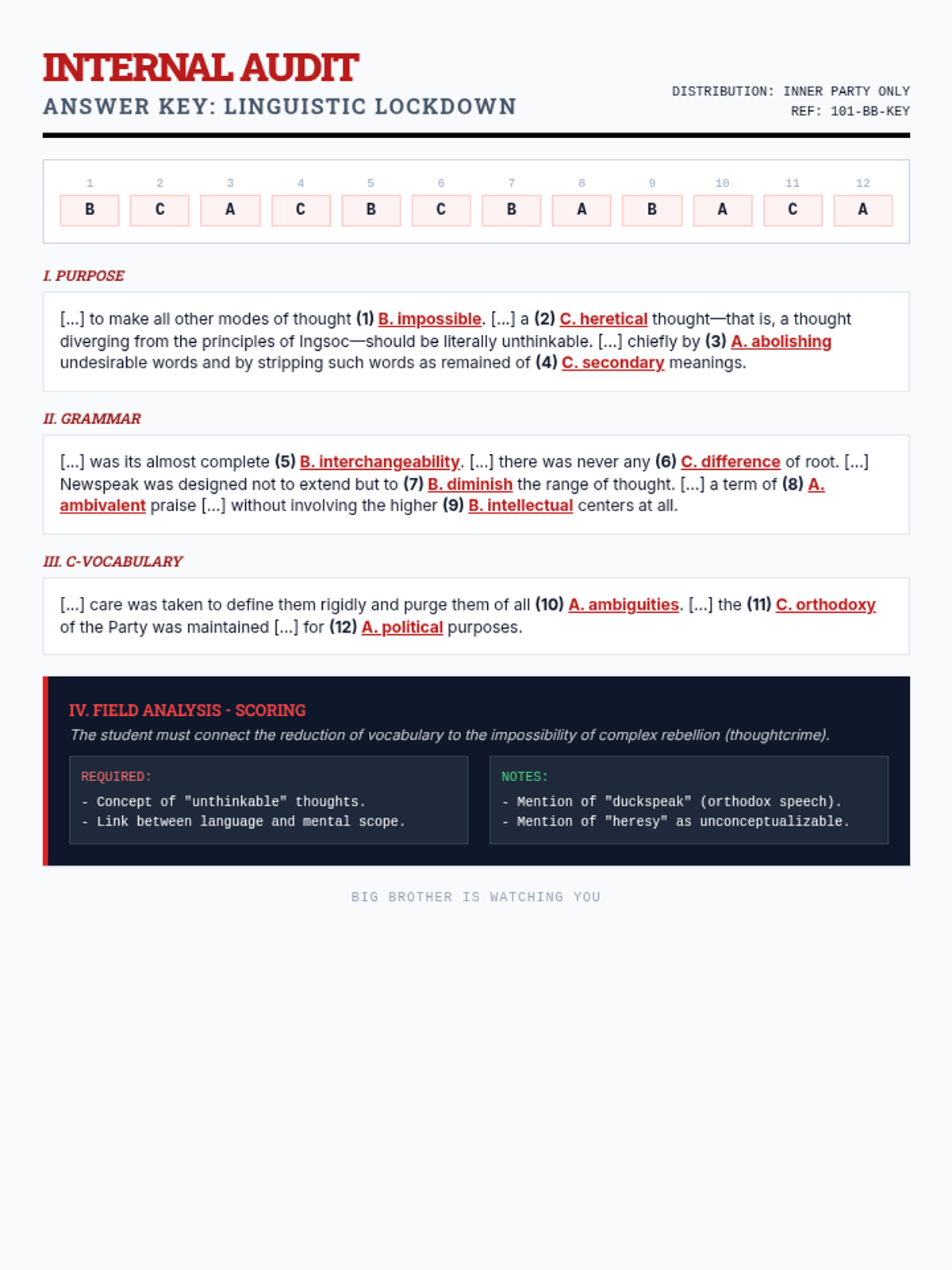
A deep dive into the linguistic control mechanisms of Oceania, focusing on the vocabulary and structural goals of Newspeak as described in George Orwell's 1984.
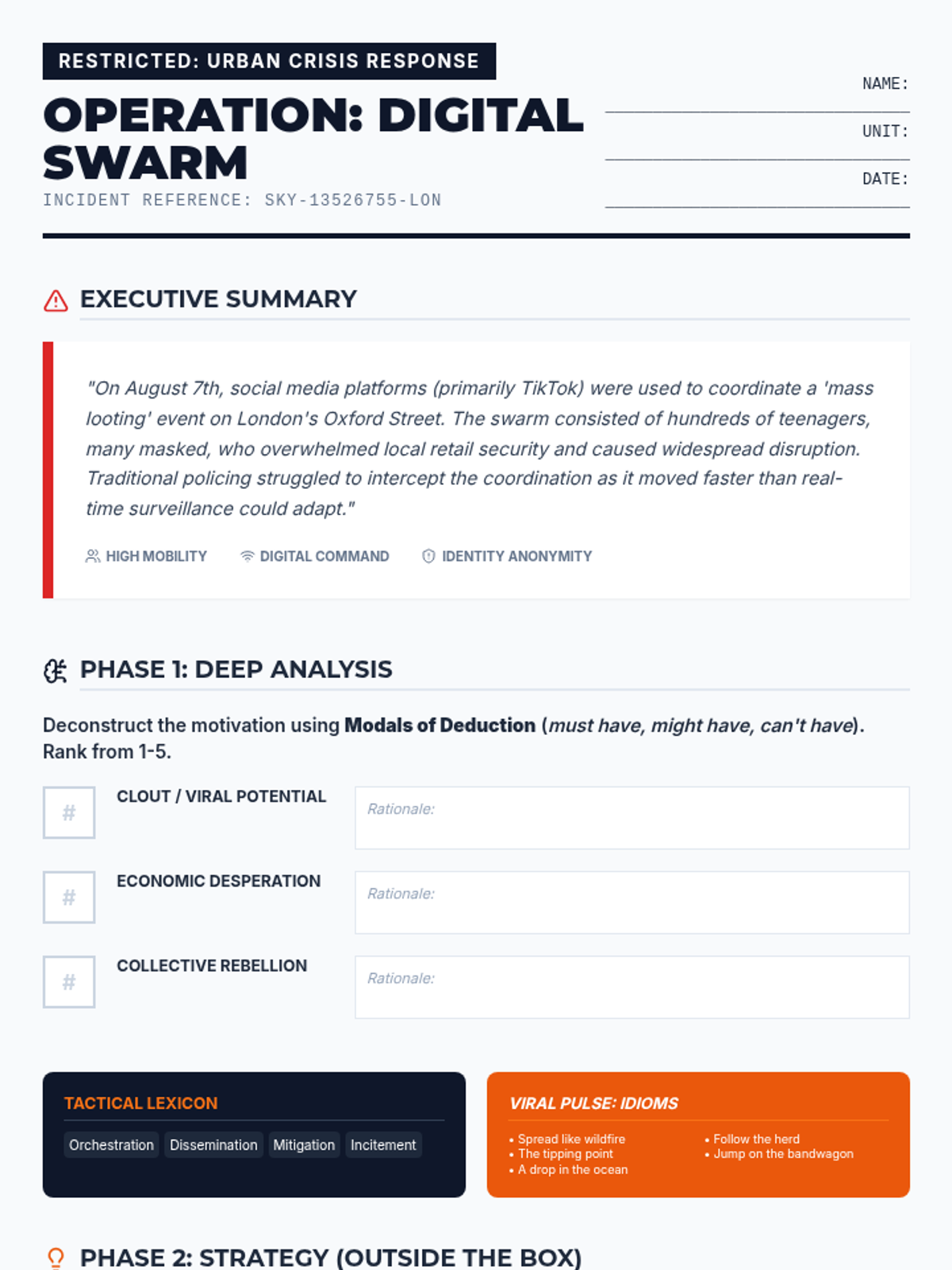
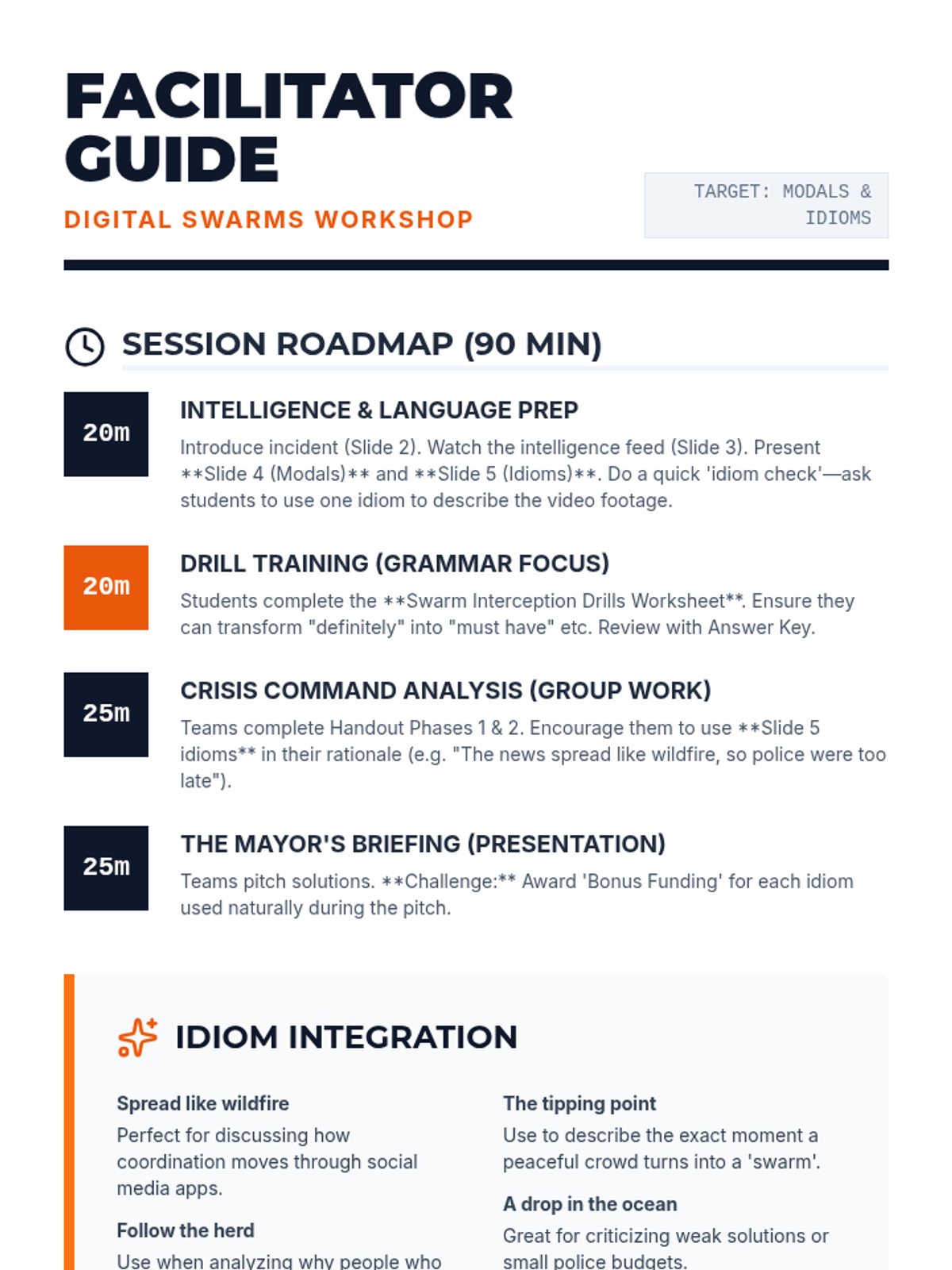
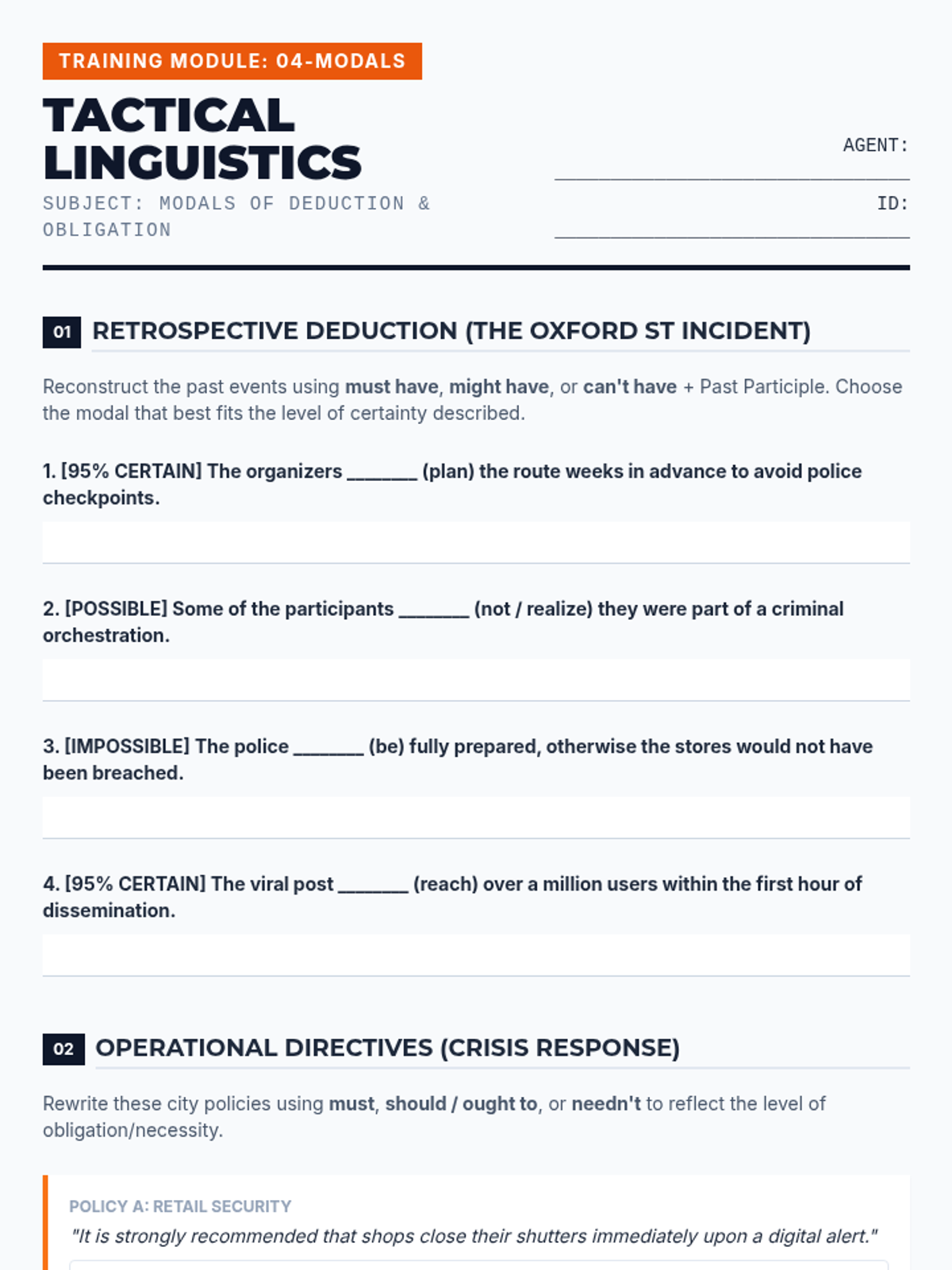
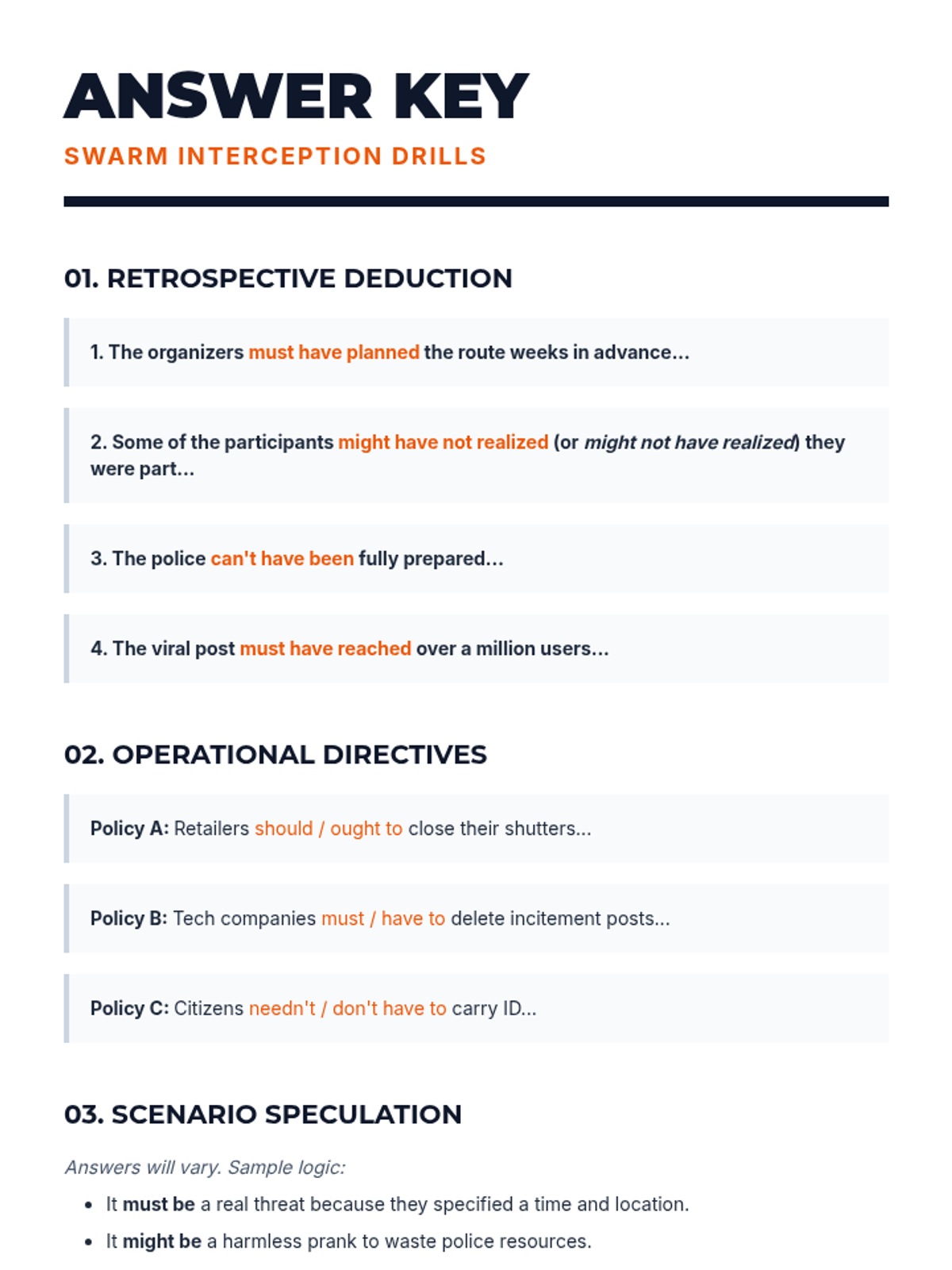
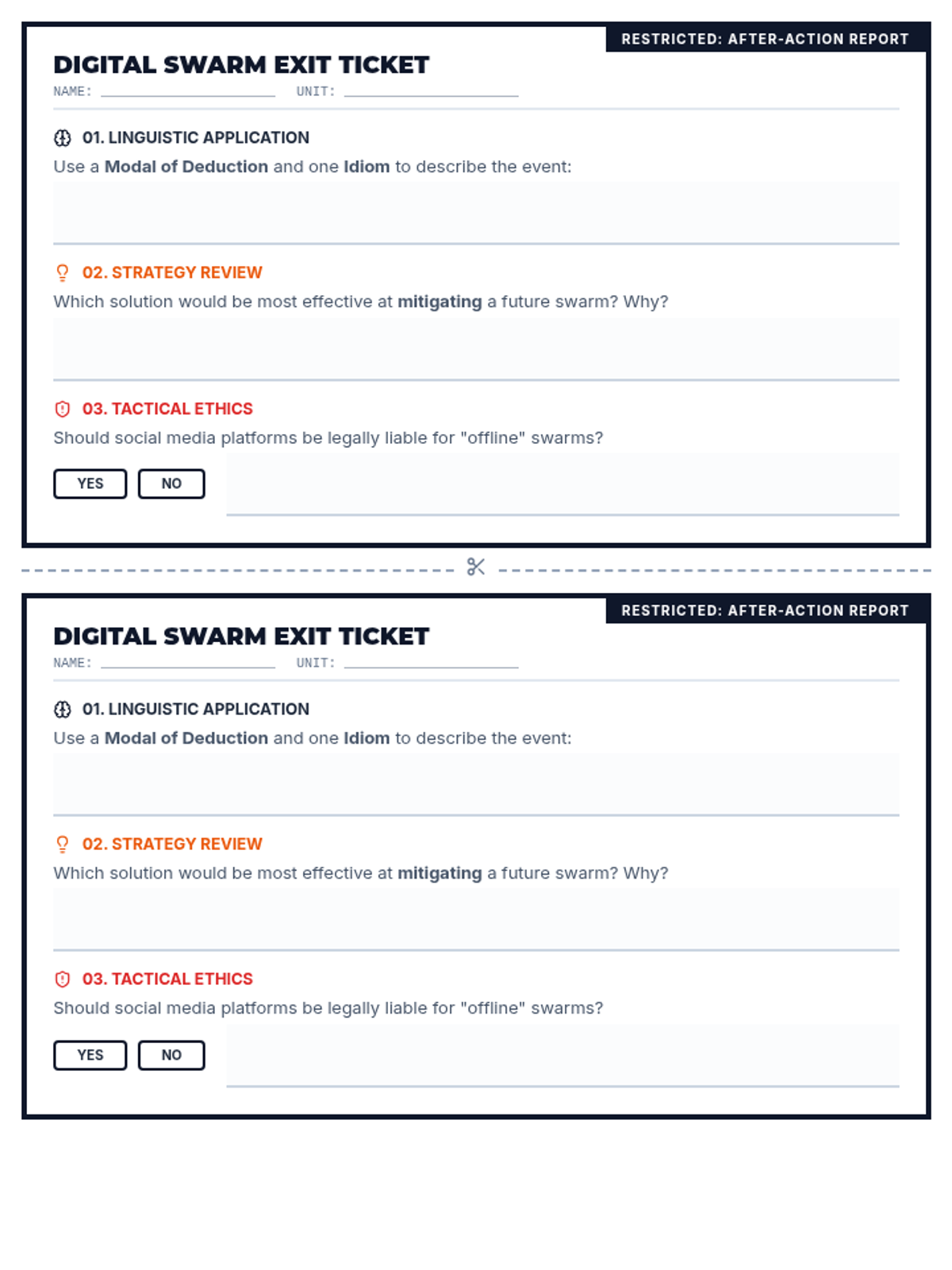
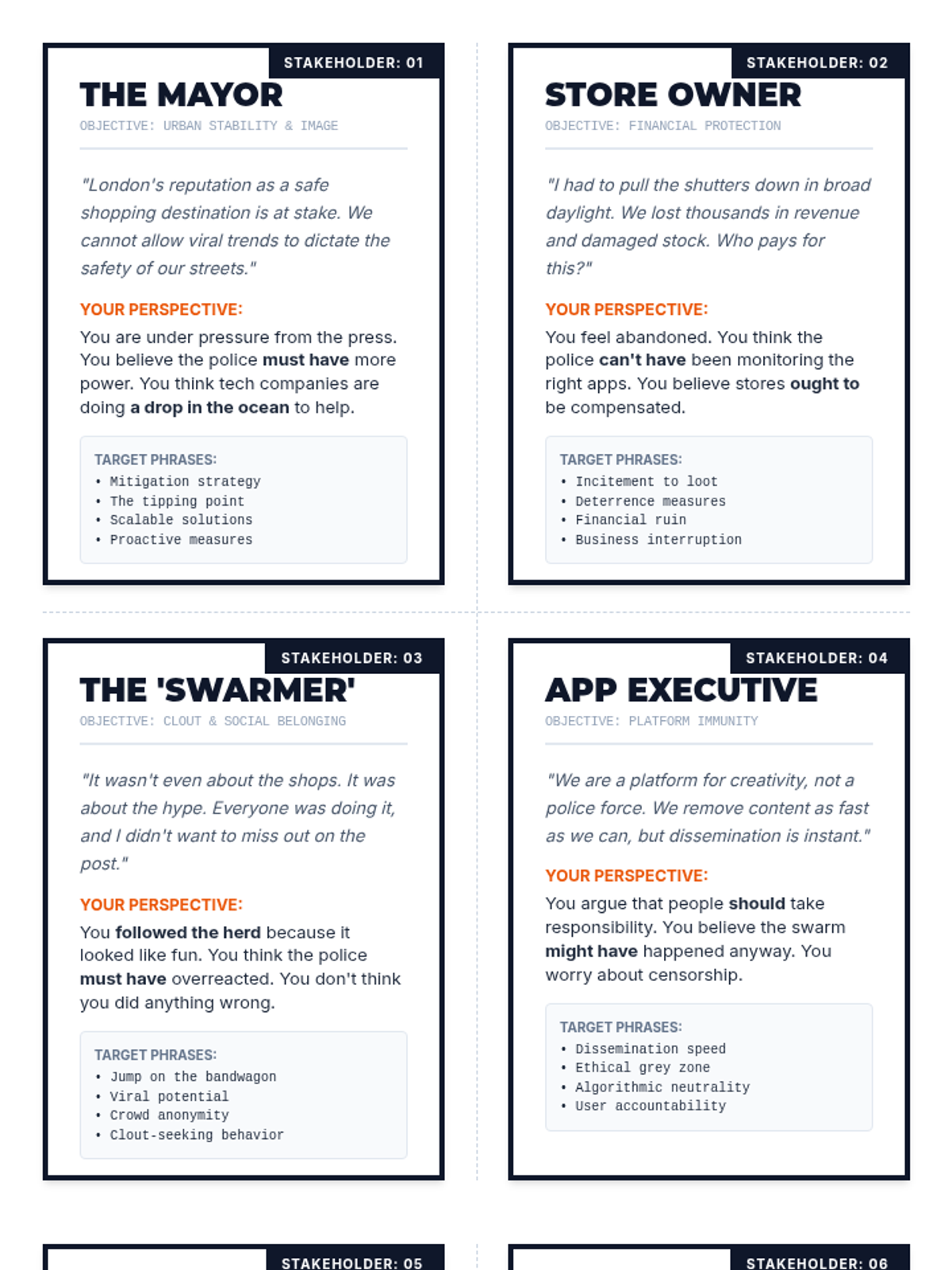
A problem-solving workshop for B2+ students based on social media flash mobs. Students act as a city's 'Digital Response Team' to design innovative solutions for urban chaos triggered by viral trends.
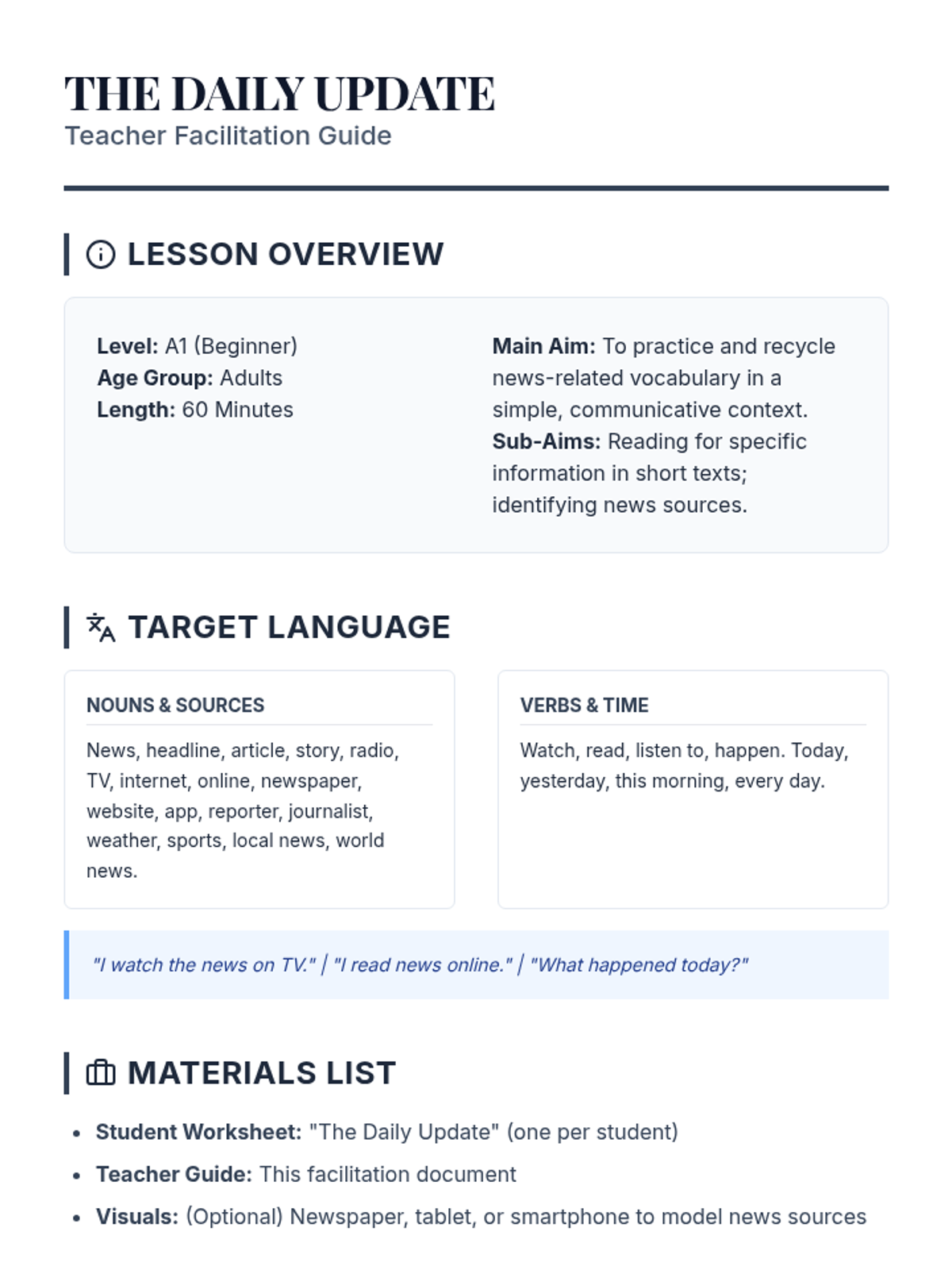
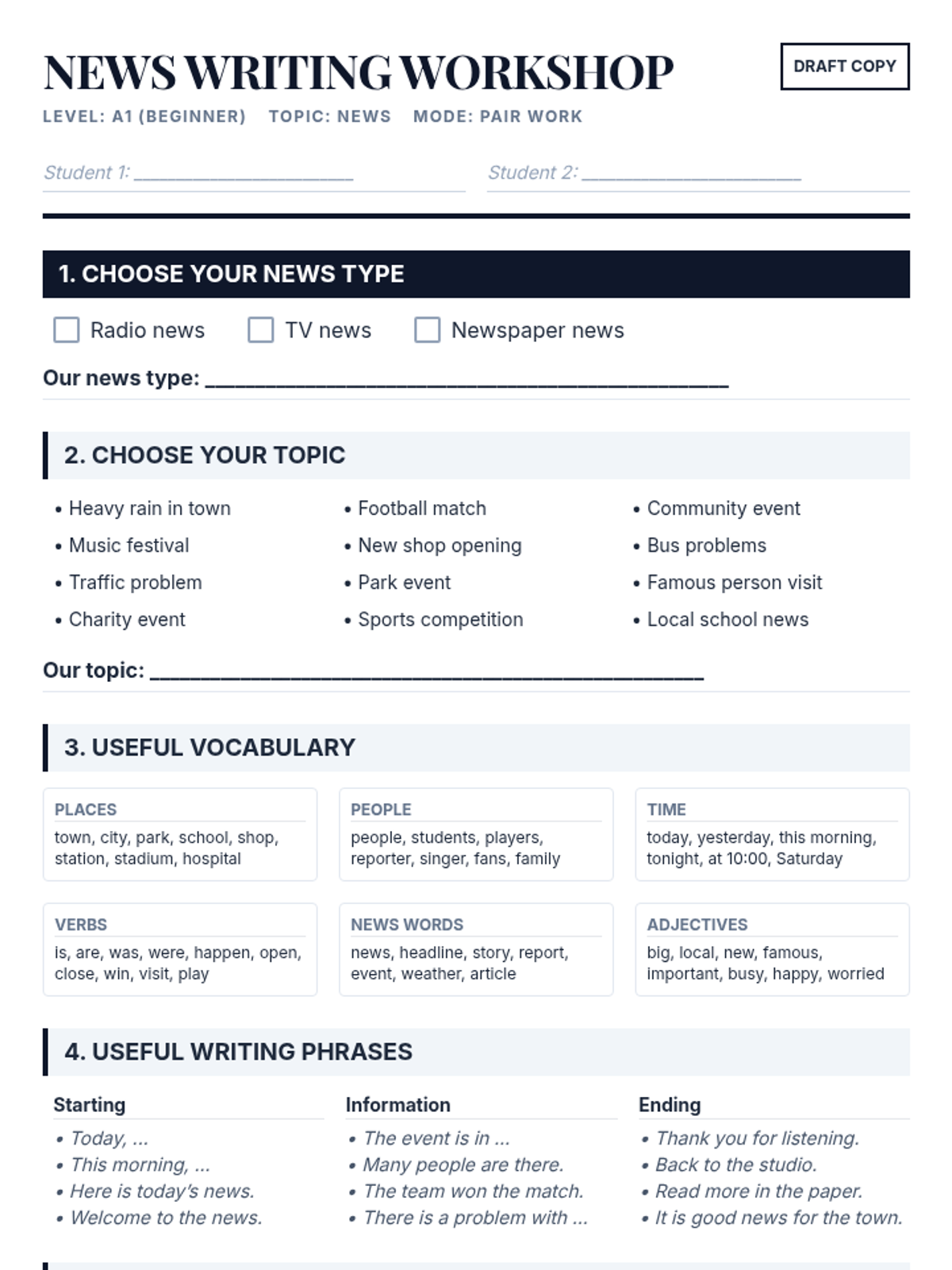
A 60-minute communicative lesson for A1 adult learners focused on news vocabulary, habits, and simple news reports. Includes a step-by-step teacher guide and a clean, professional student worksheet.
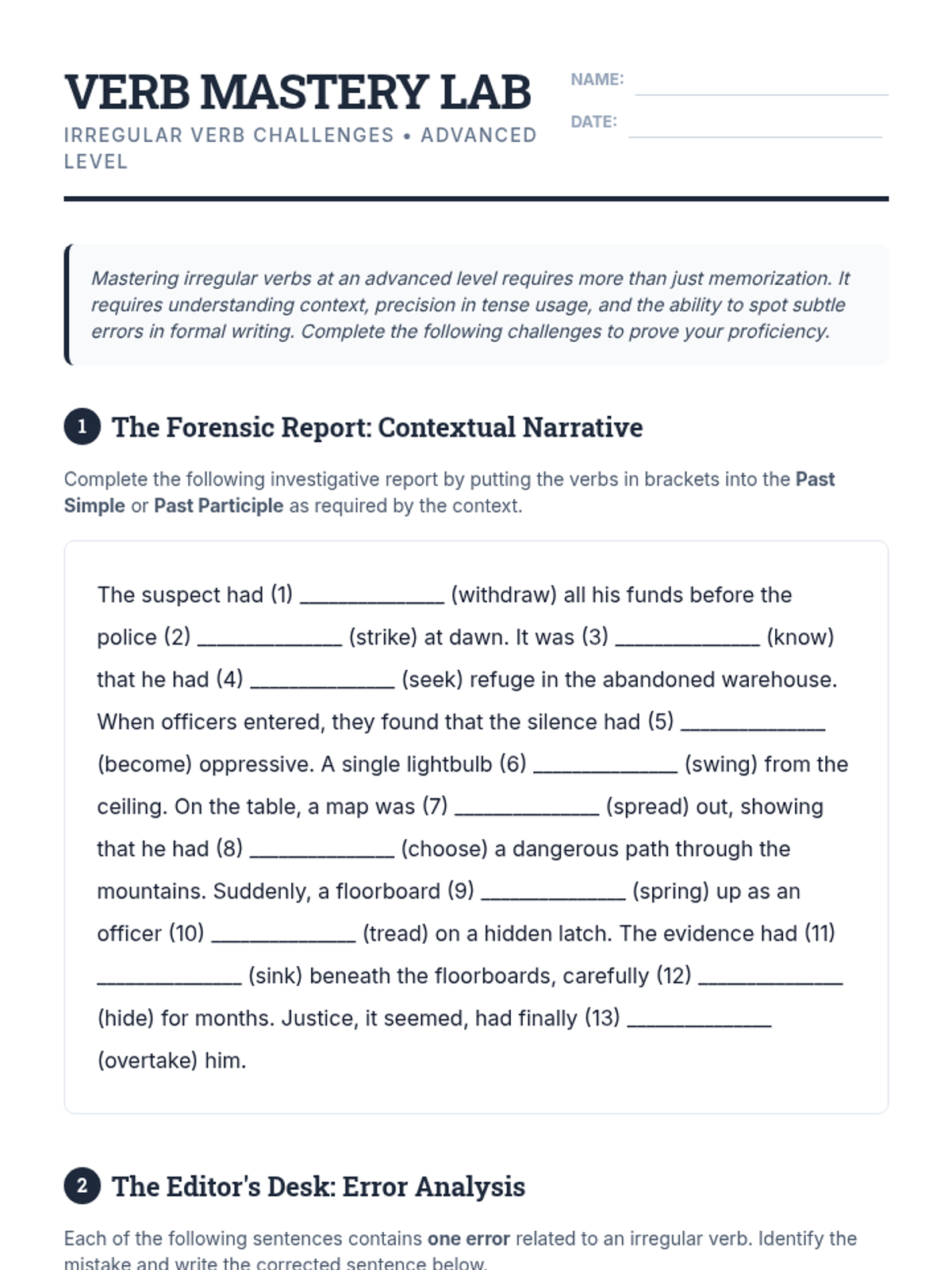
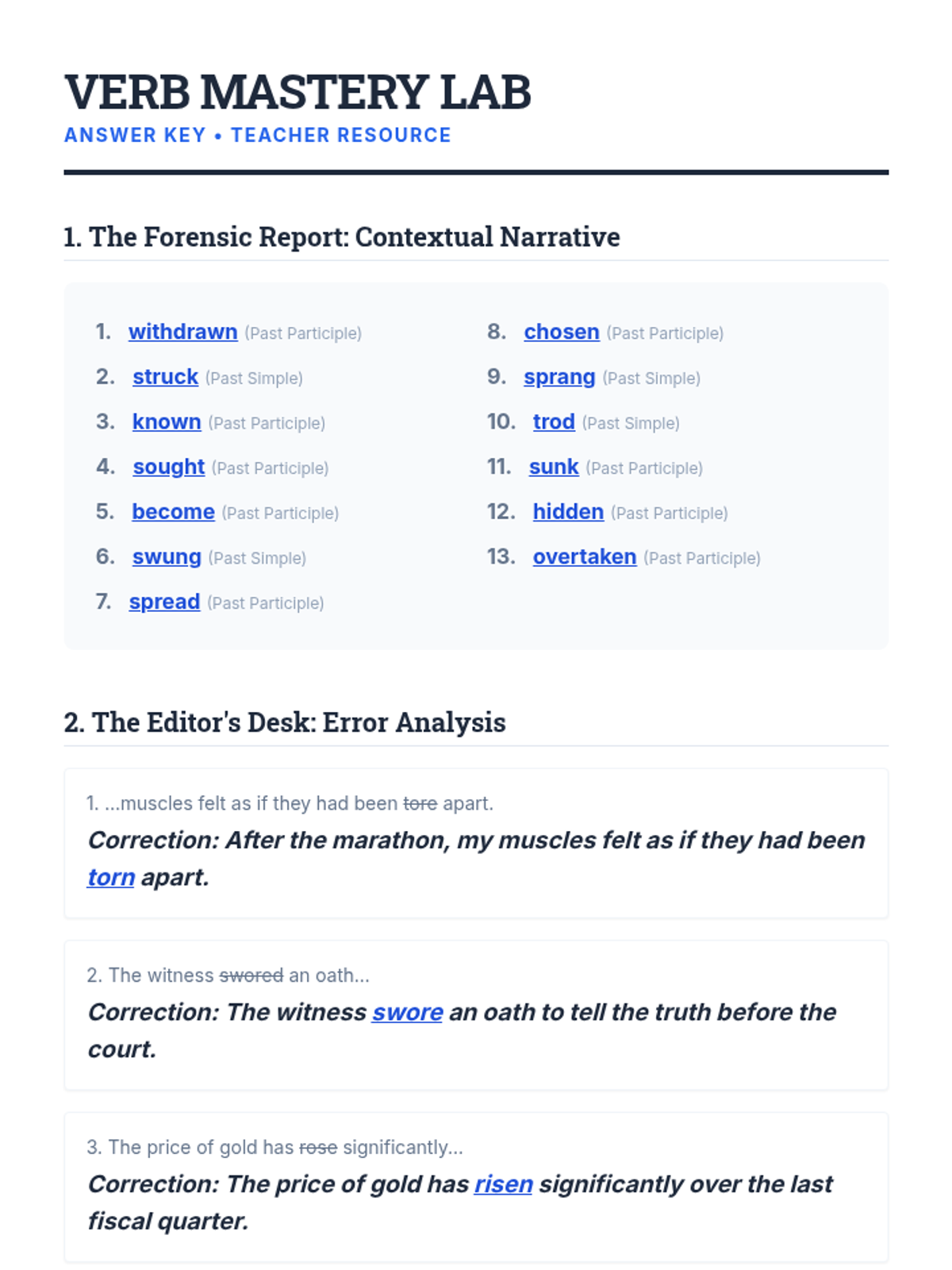
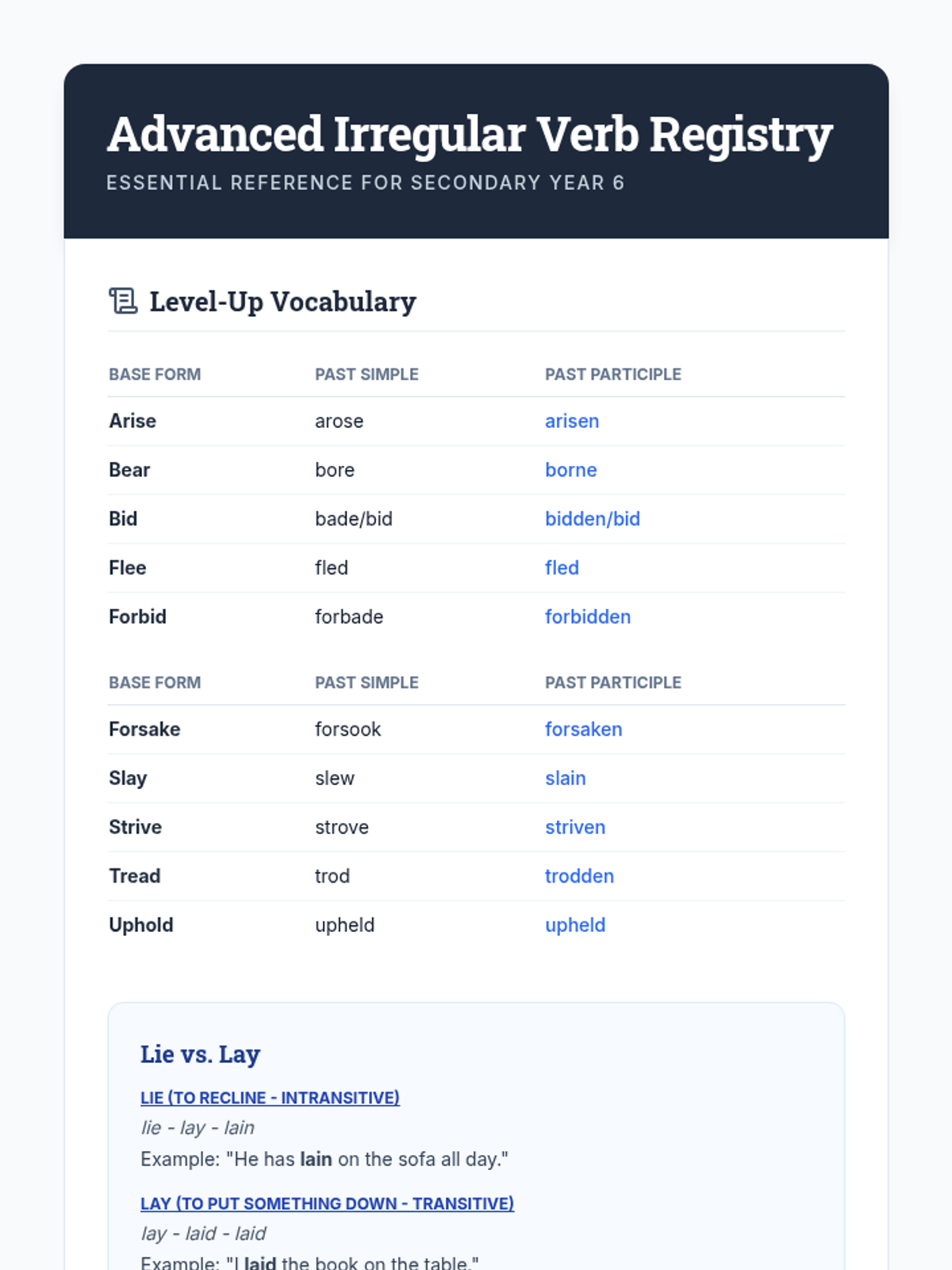
A comprehensive practice module for advanced secondary students to master irregular English verbs through contextual narratives, error analysis, and sentence transformations.
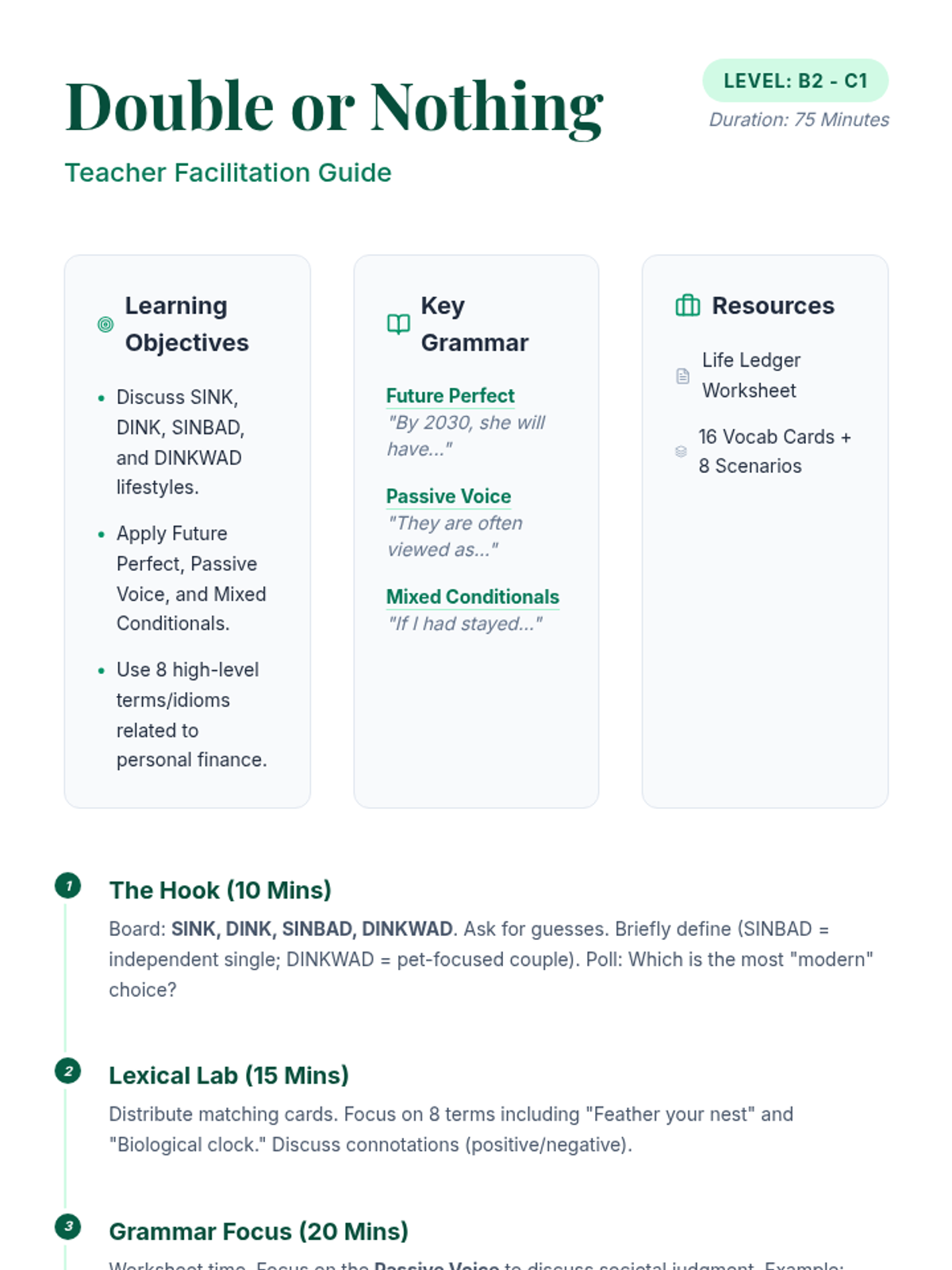
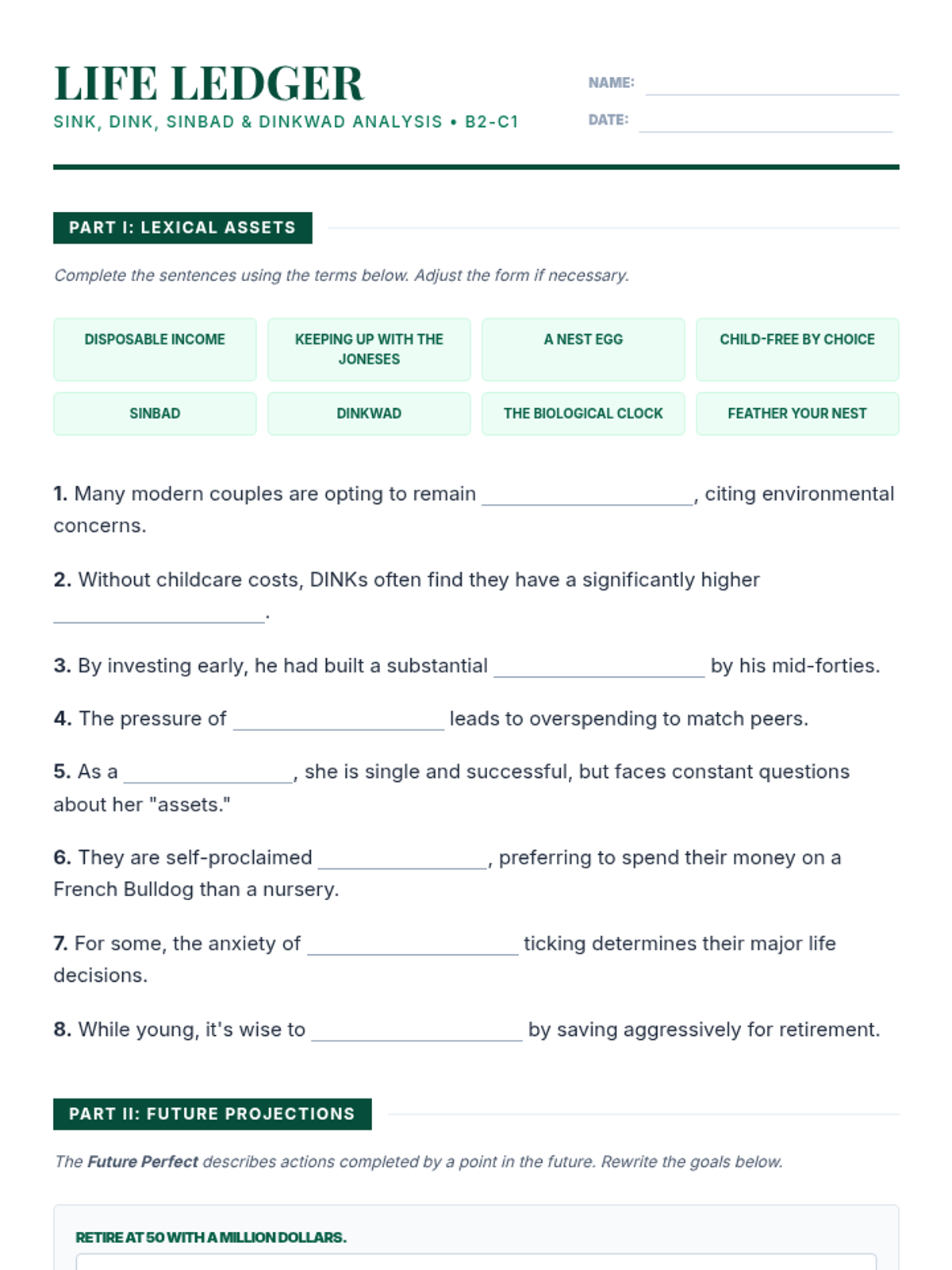
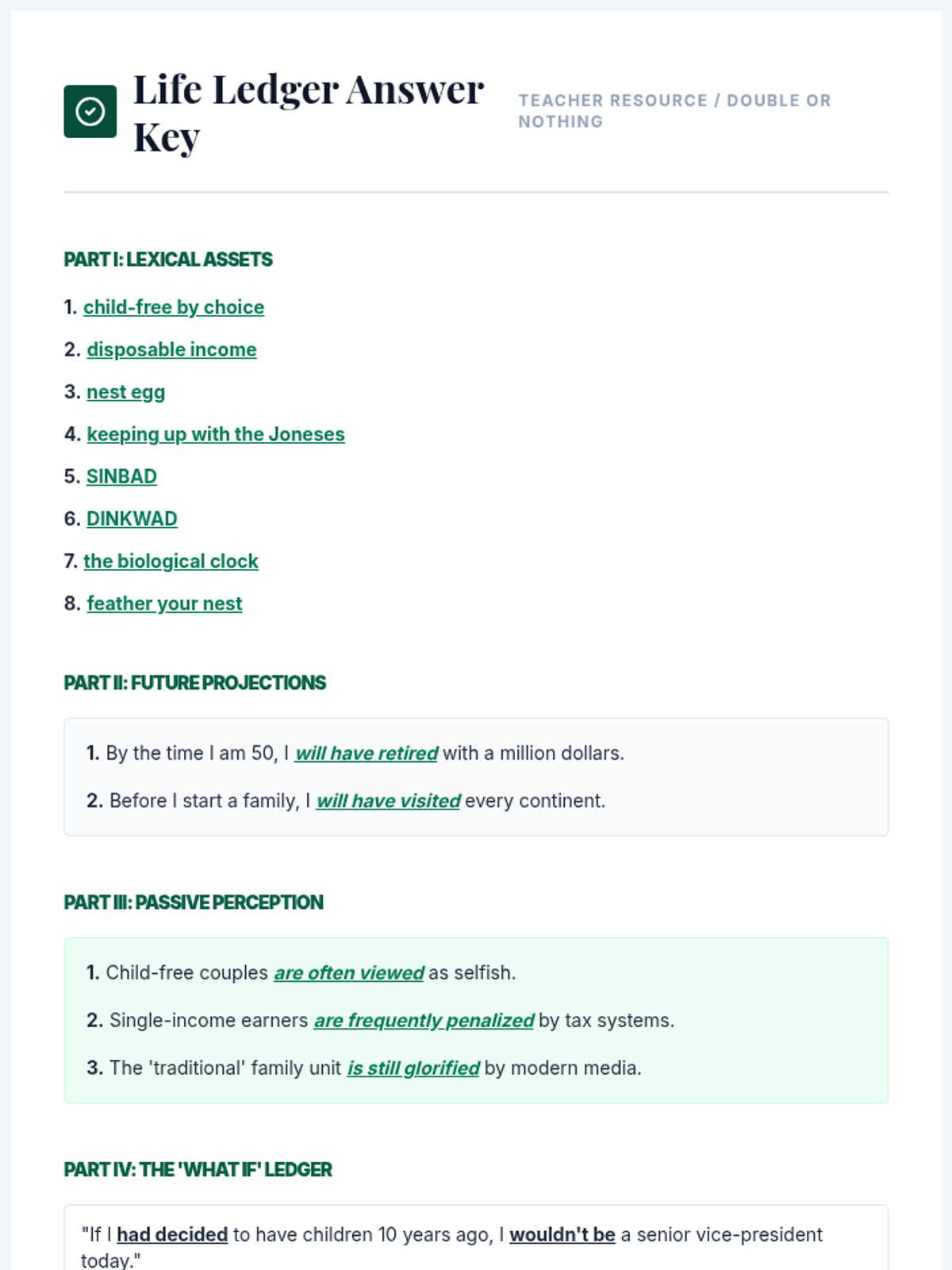
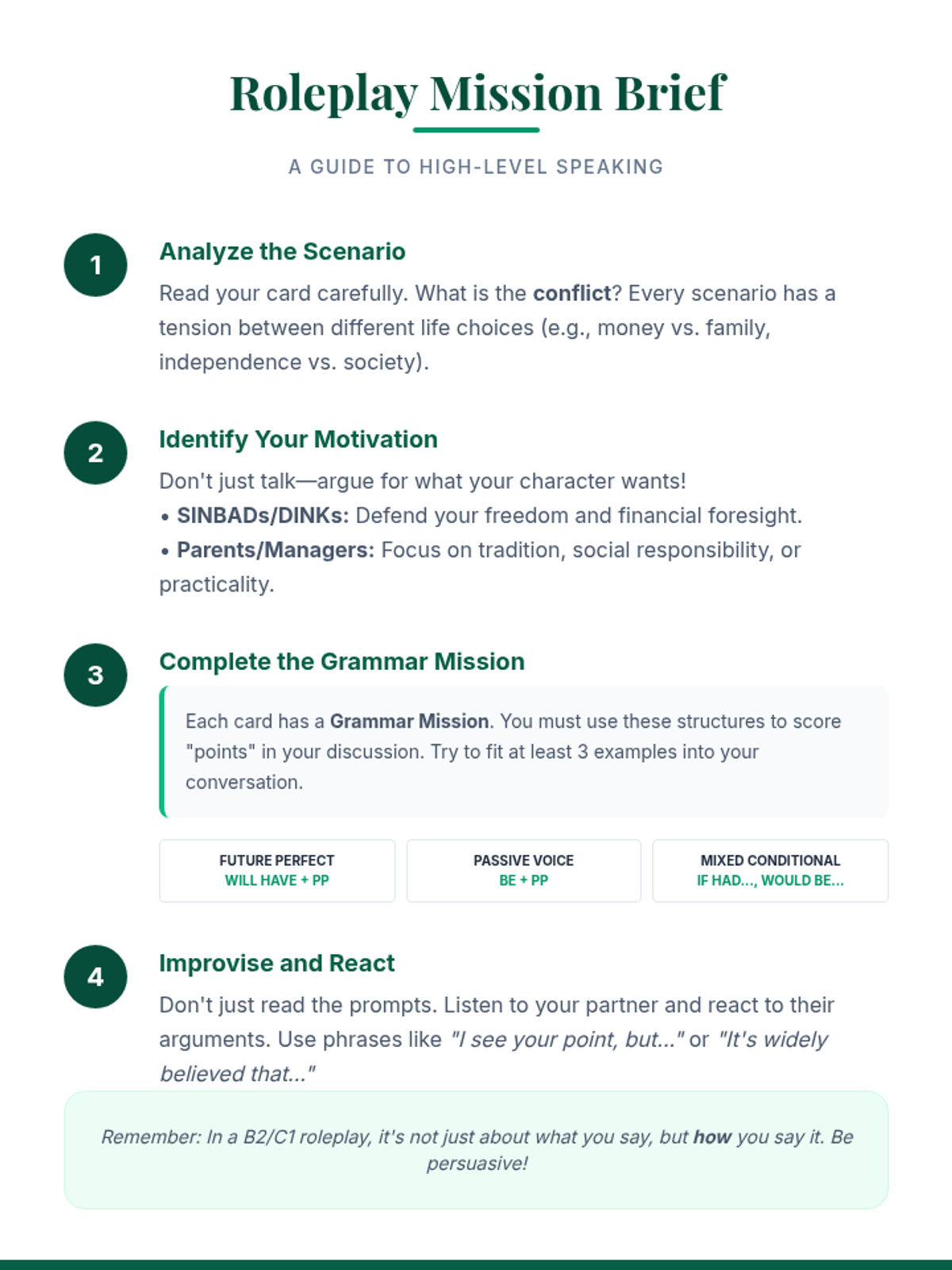
A comprehensive 75-minute lesson for B2-C1 adult learners exploring the SINK and DINK lifestyles through advanced grammar (future perfect, passive, mixed conditionals) and nuanced discussion.
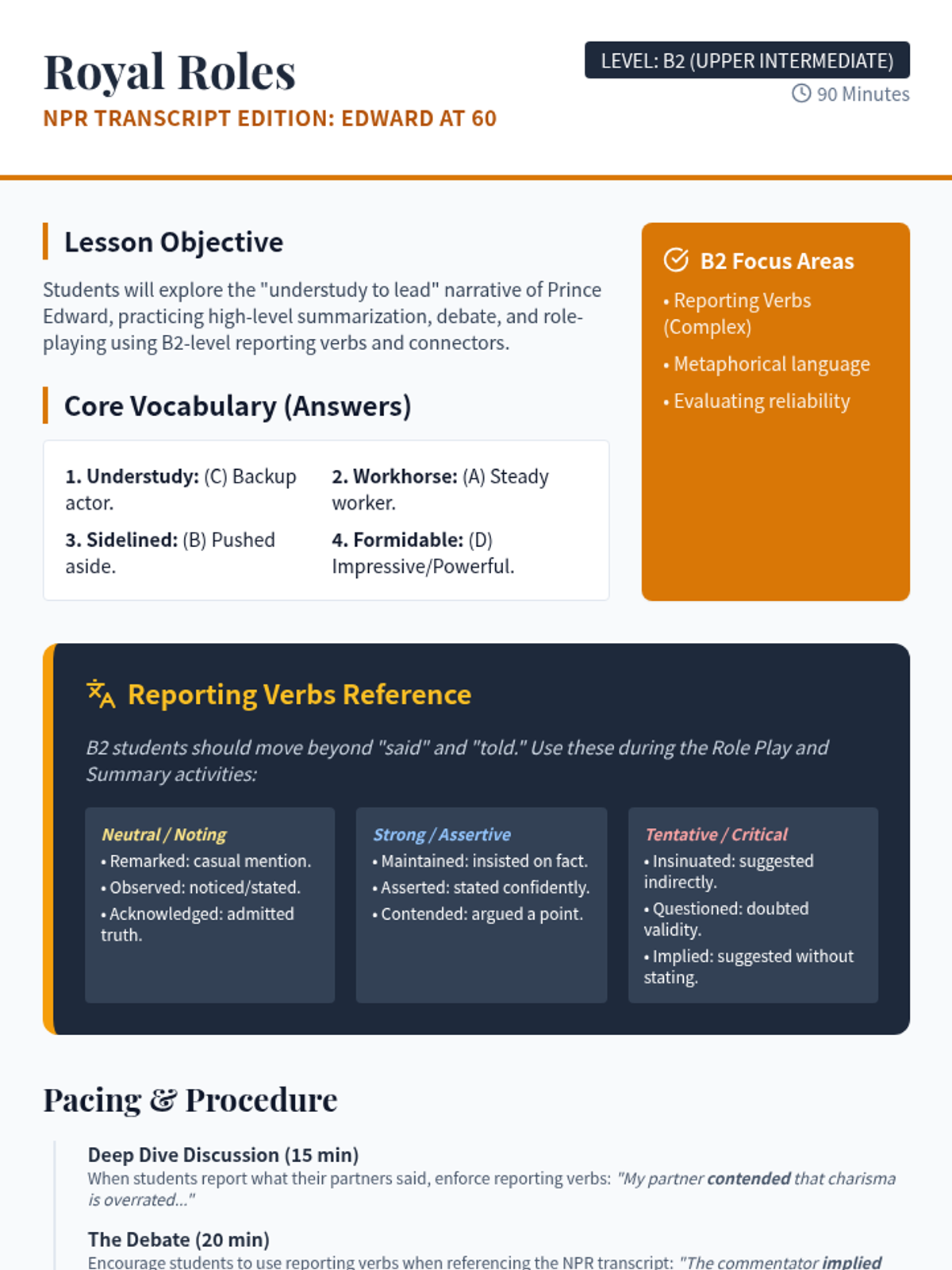
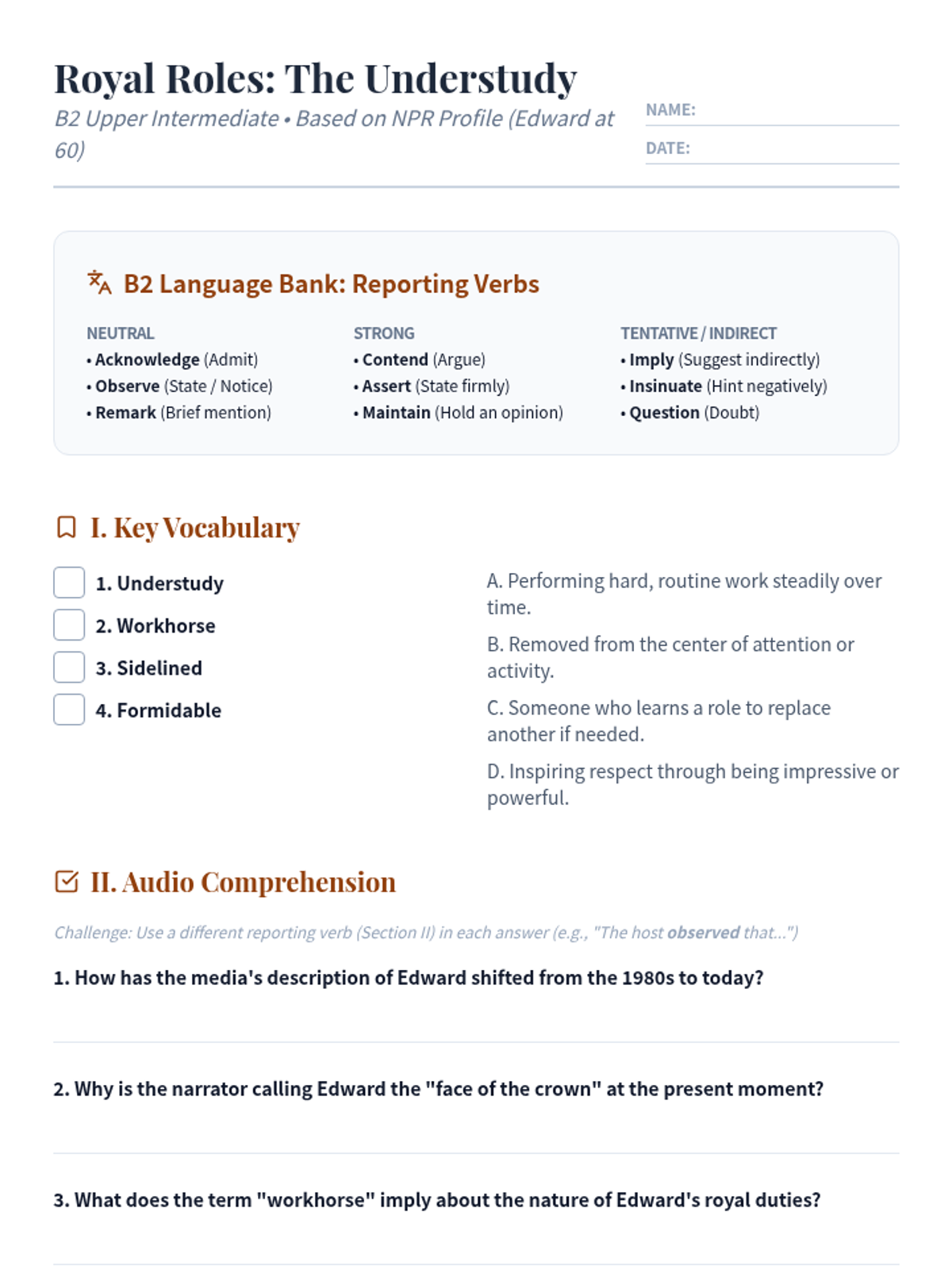
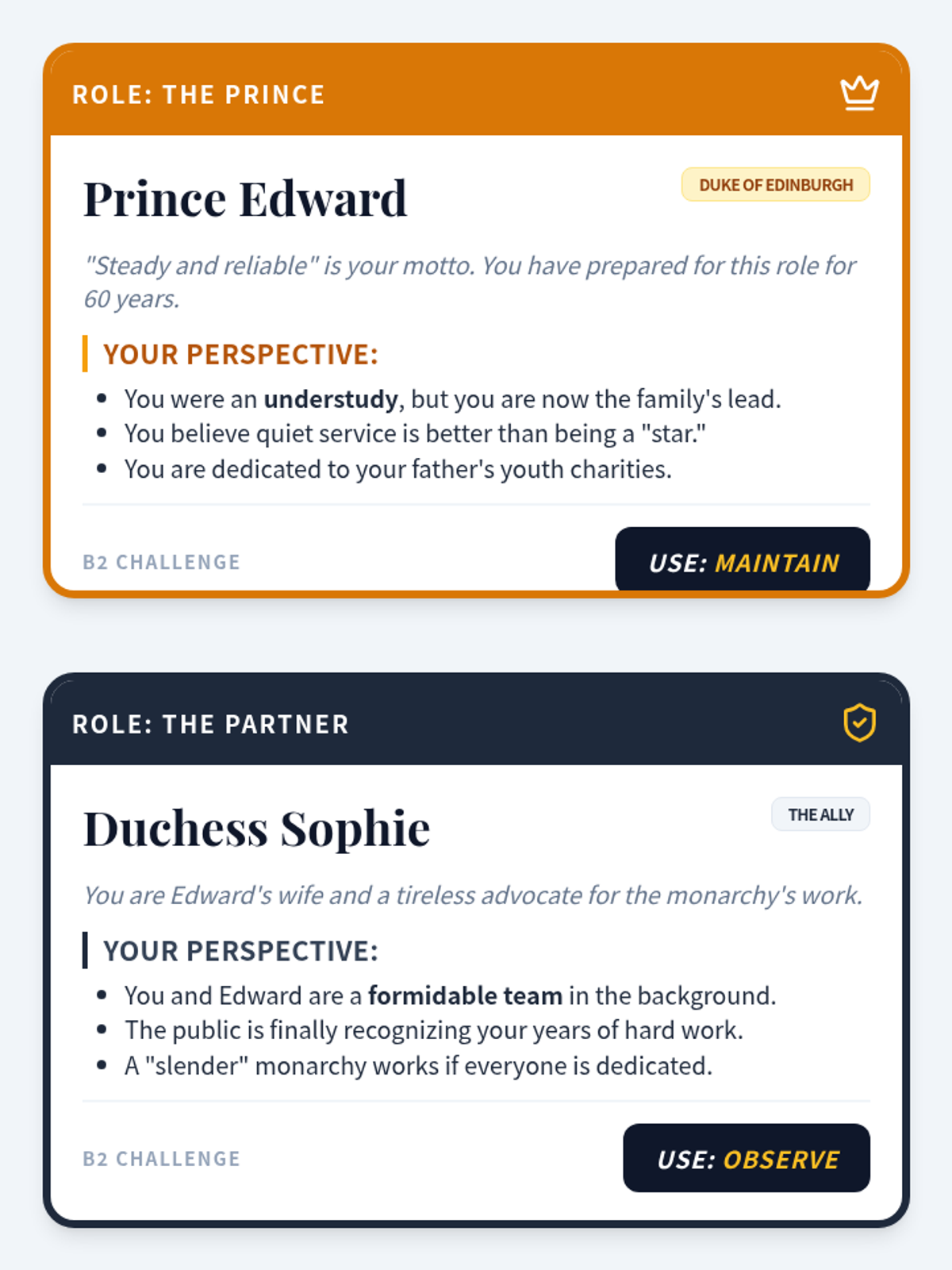
A 90-minute B2-level English lesson focused on the life and public role of Prince Edward, Duke of Edinburgh, featuring listening comprehension and intensive speaking activities.
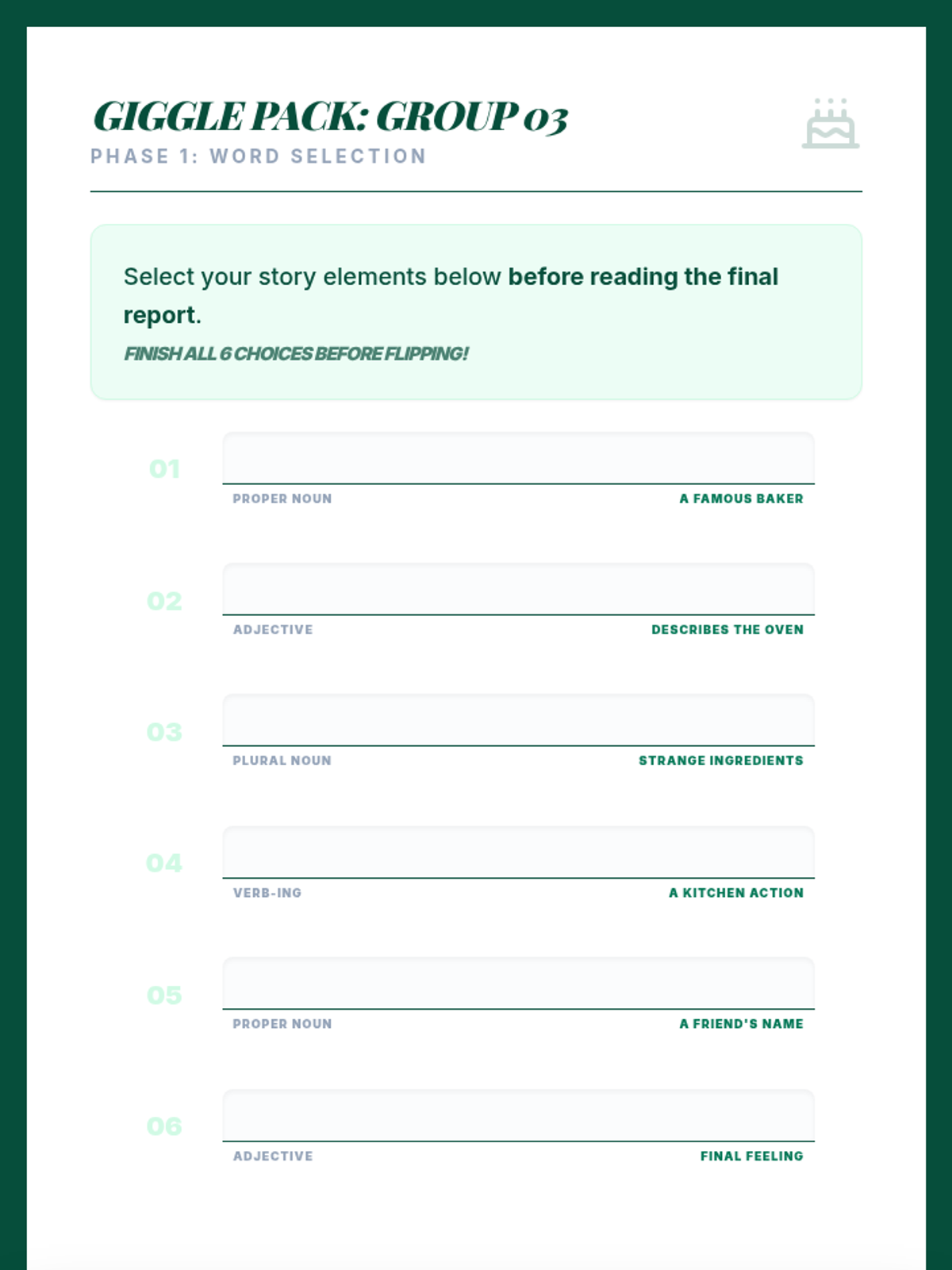
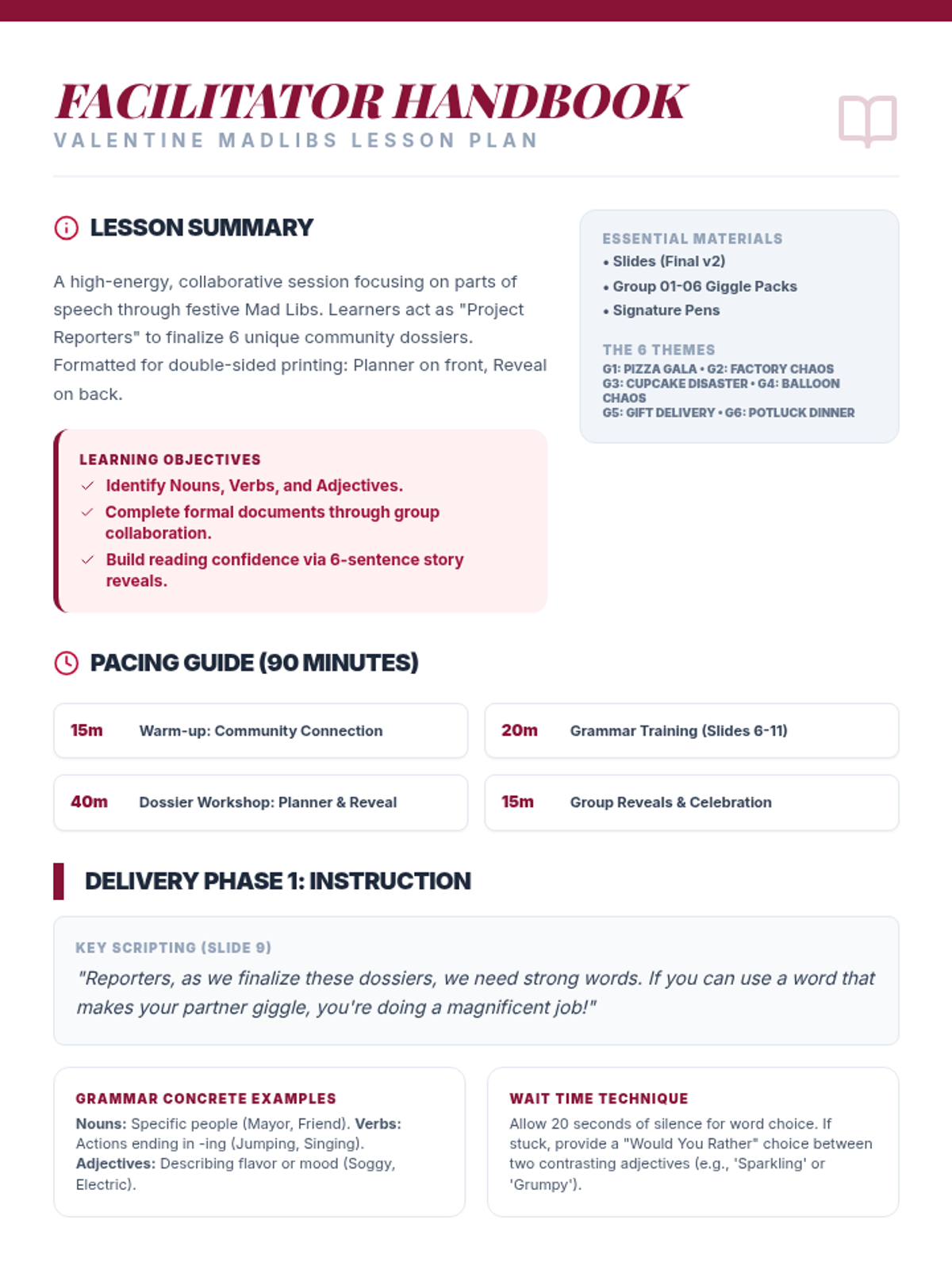
A high-energy, collaborative lesson focusing on parts of speech through funny Valentine's Day themed Mad Libs. All romantic content has been replaced with themes of friendship and celebration.
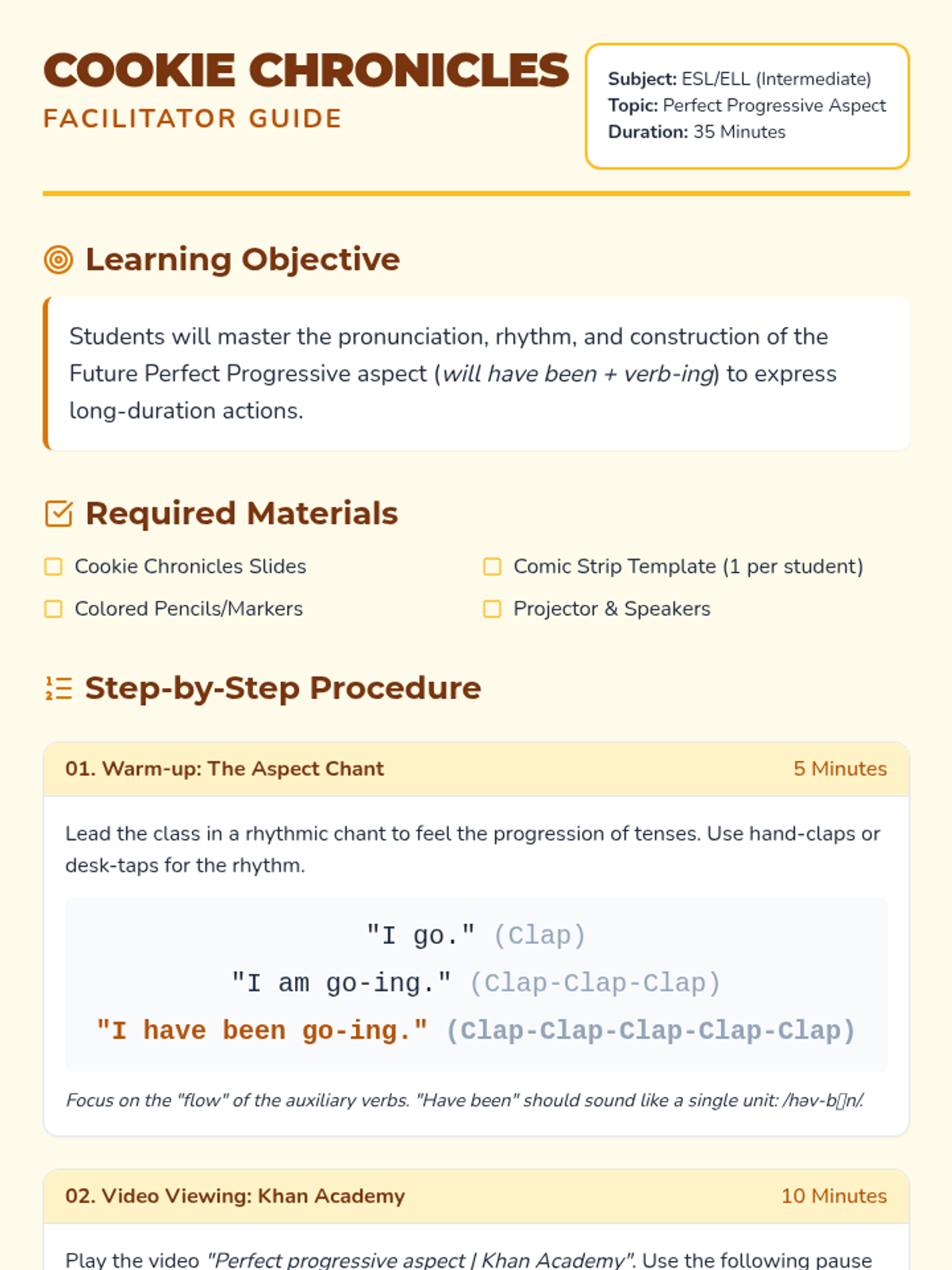
An intermediate ESL lesson focusing on the pronunciation and rhythm of the perfect progressive aspect, using a humorous 'Cookie Chronicles' theme and a Khan Academy video.
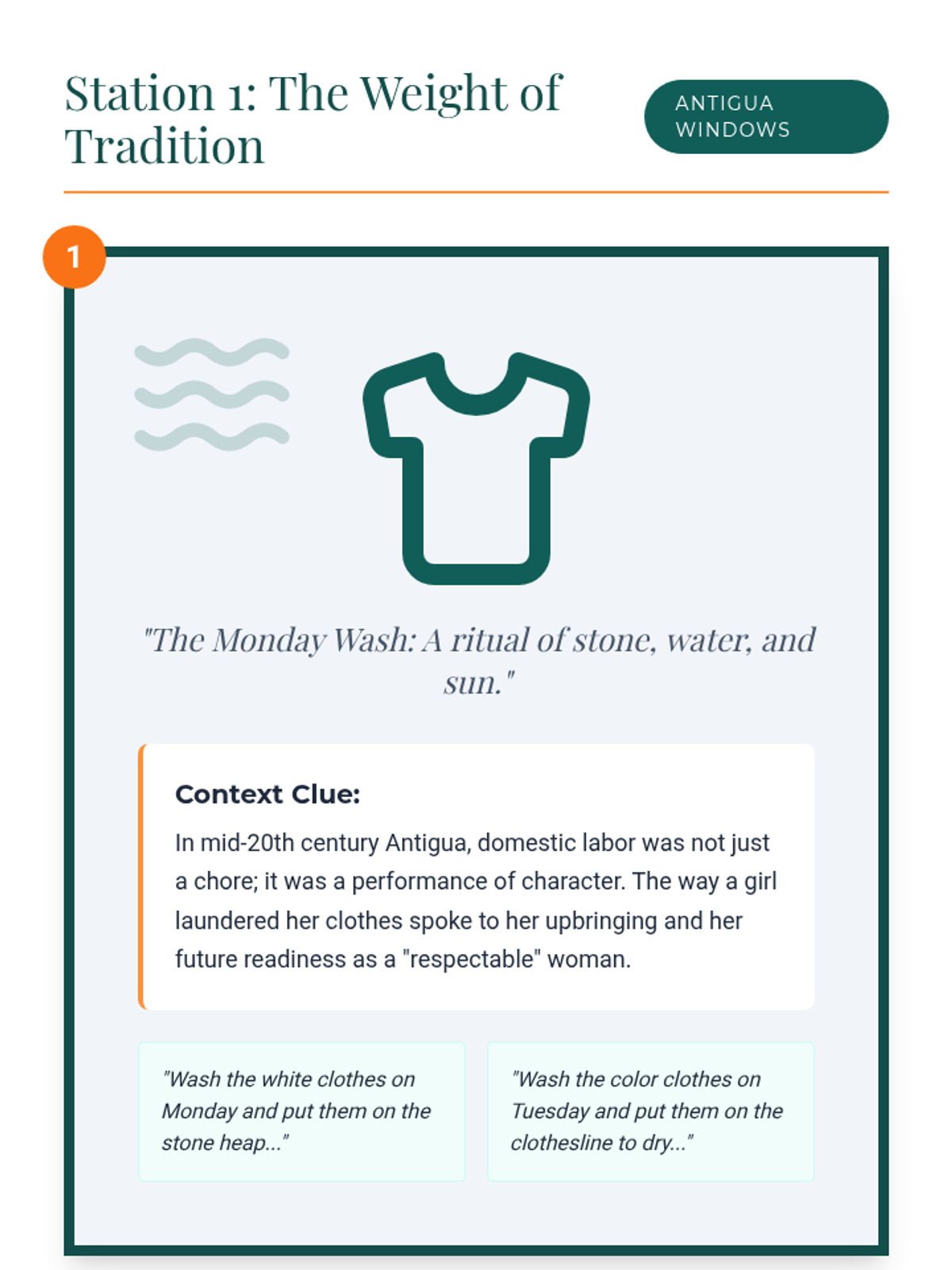
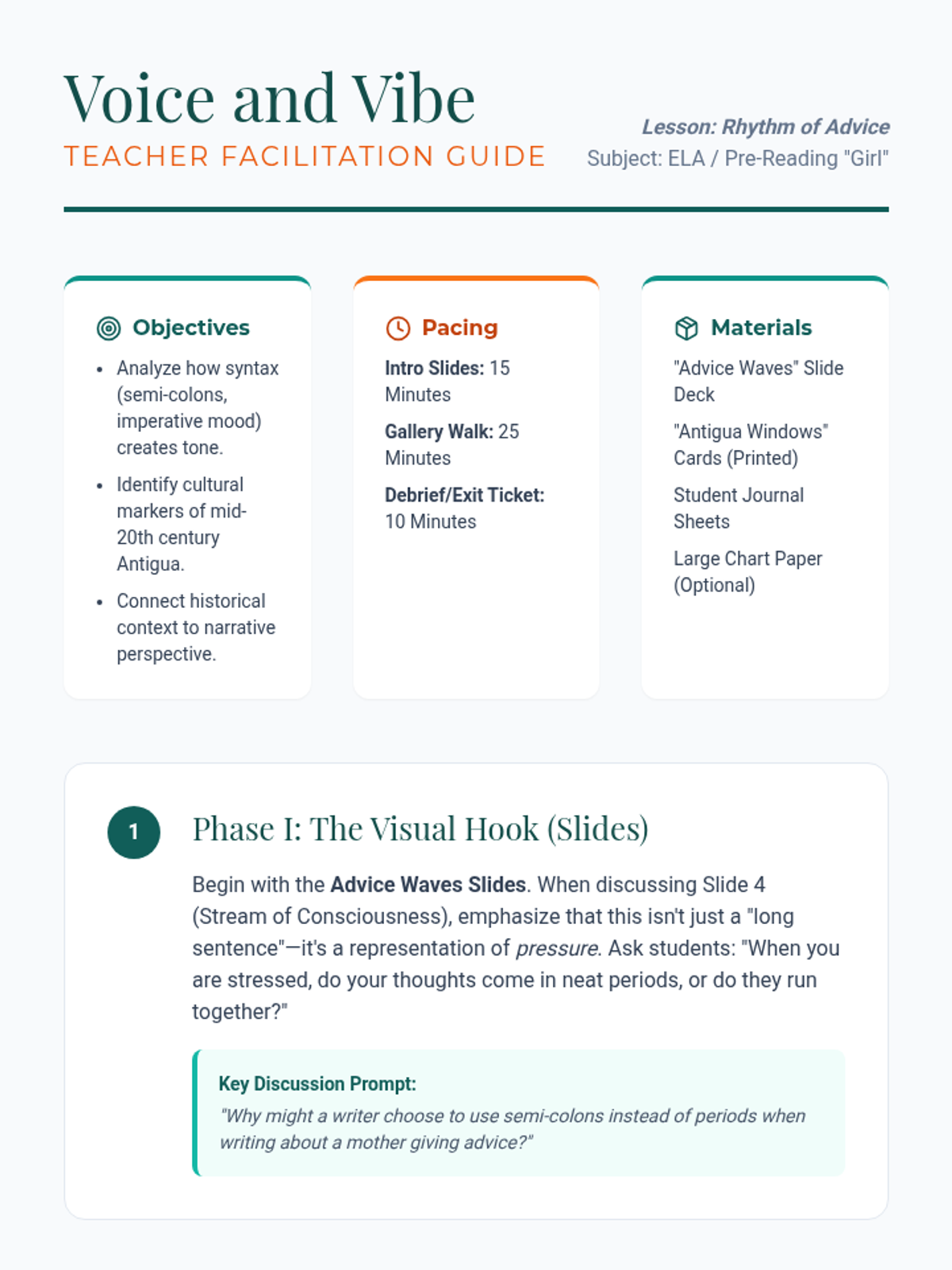
A pre-reading exploration of Jamaica Kincaid's 'Girl' focusing on the rhythmic syntax of stream of consciousness and the cultural landscape of mid-20th century Antigua. Students analyze visual cues of Antiguan life and learn about the unique structural choices that define the story's voice.
An introductory lesson on mixed conditionals (Type 1: Past Action/Present Result and Type 2: Present State/Past Result) using imaginative and 'anything is possible' scenarios.
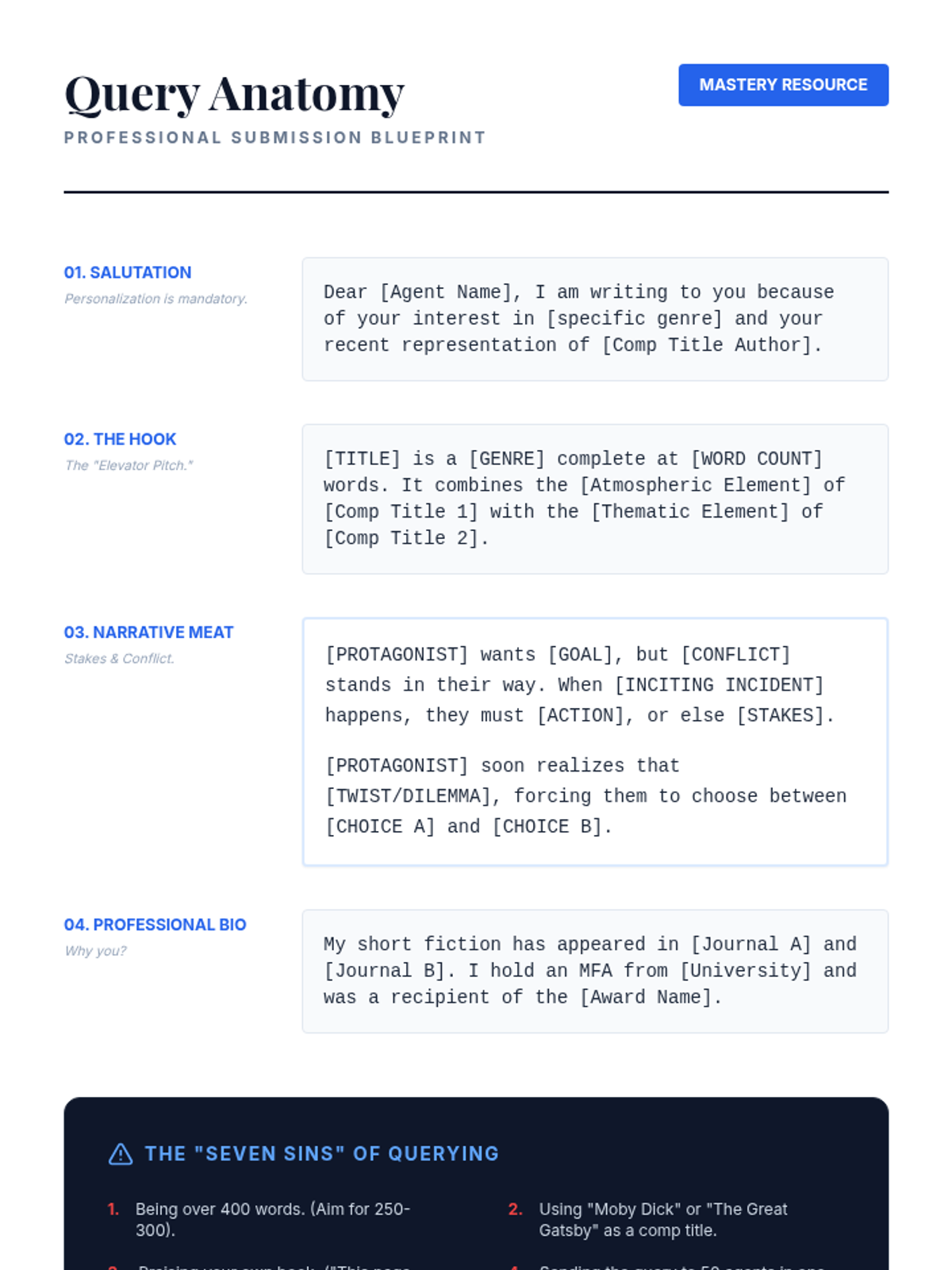
The sequence concludes with the business of writing. Students research literary journals, draft professional query letters, and write synopses. They learn to identify the appropriate 'market' for their specific voice and style.
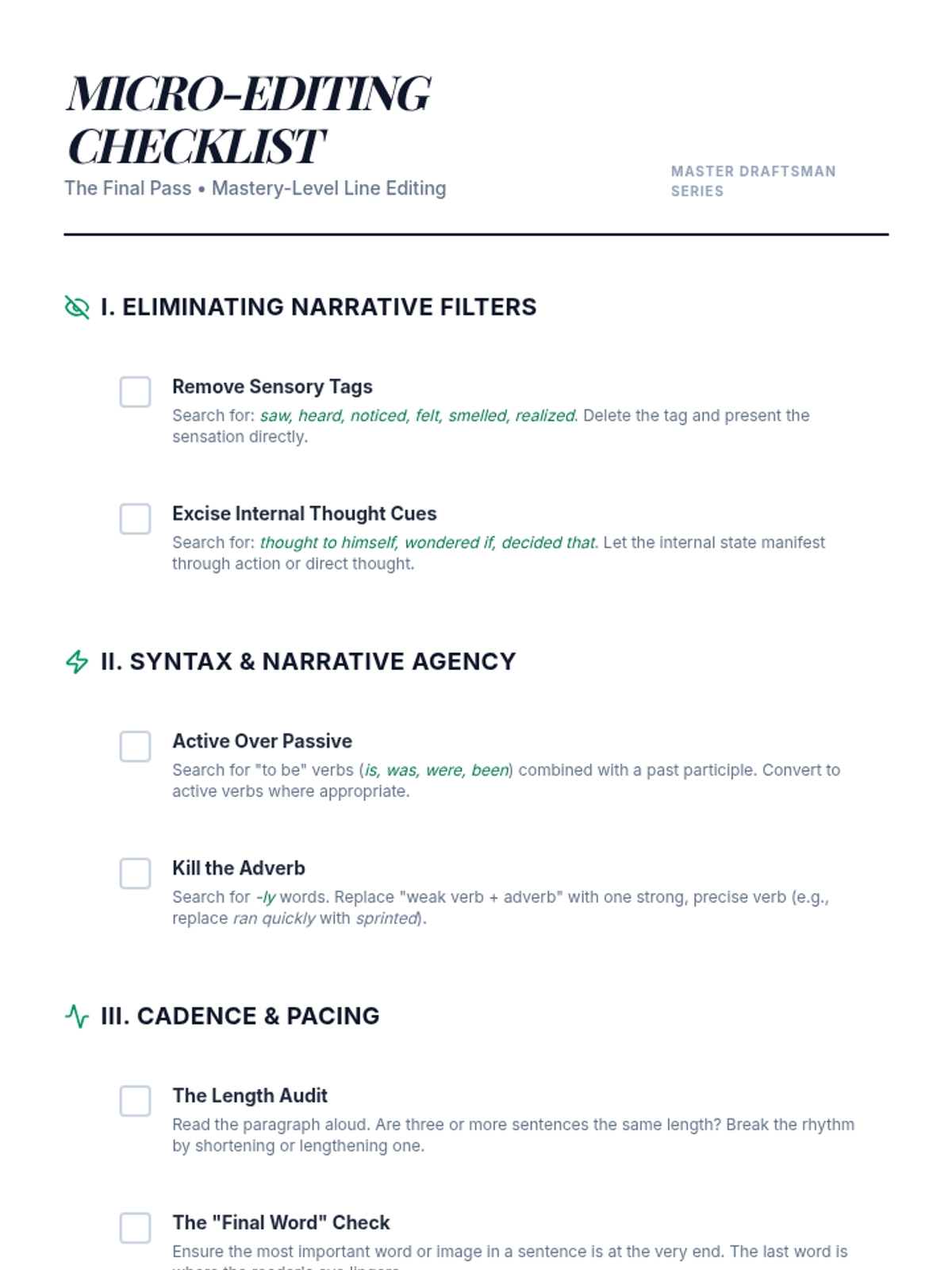
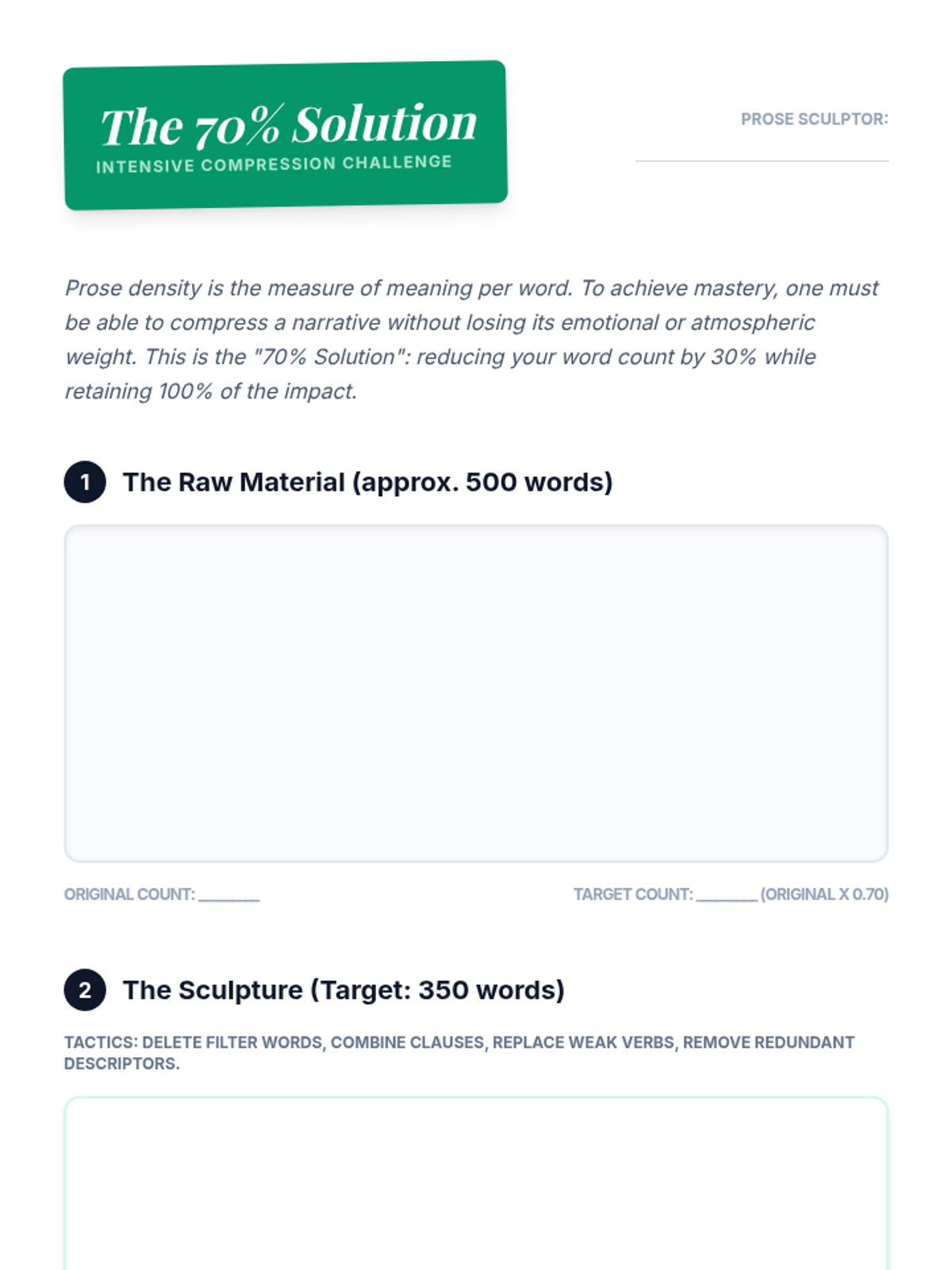
Once the structure is solid, students zoom in to the sentence level. They hunt for passive voice, filter words, and weak verbs. This technical workshop focuses on tightening prose for rhythm and clarity.
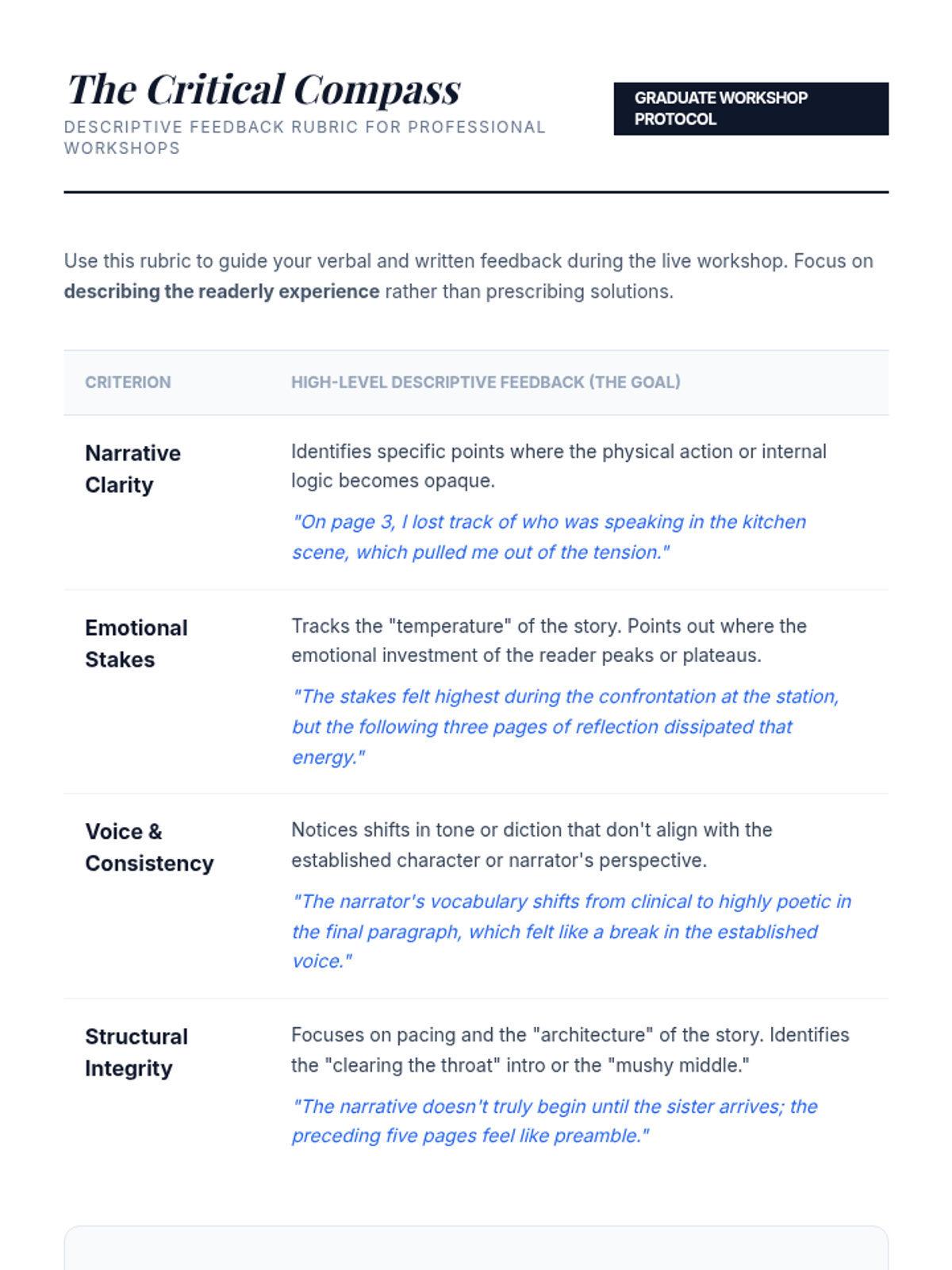
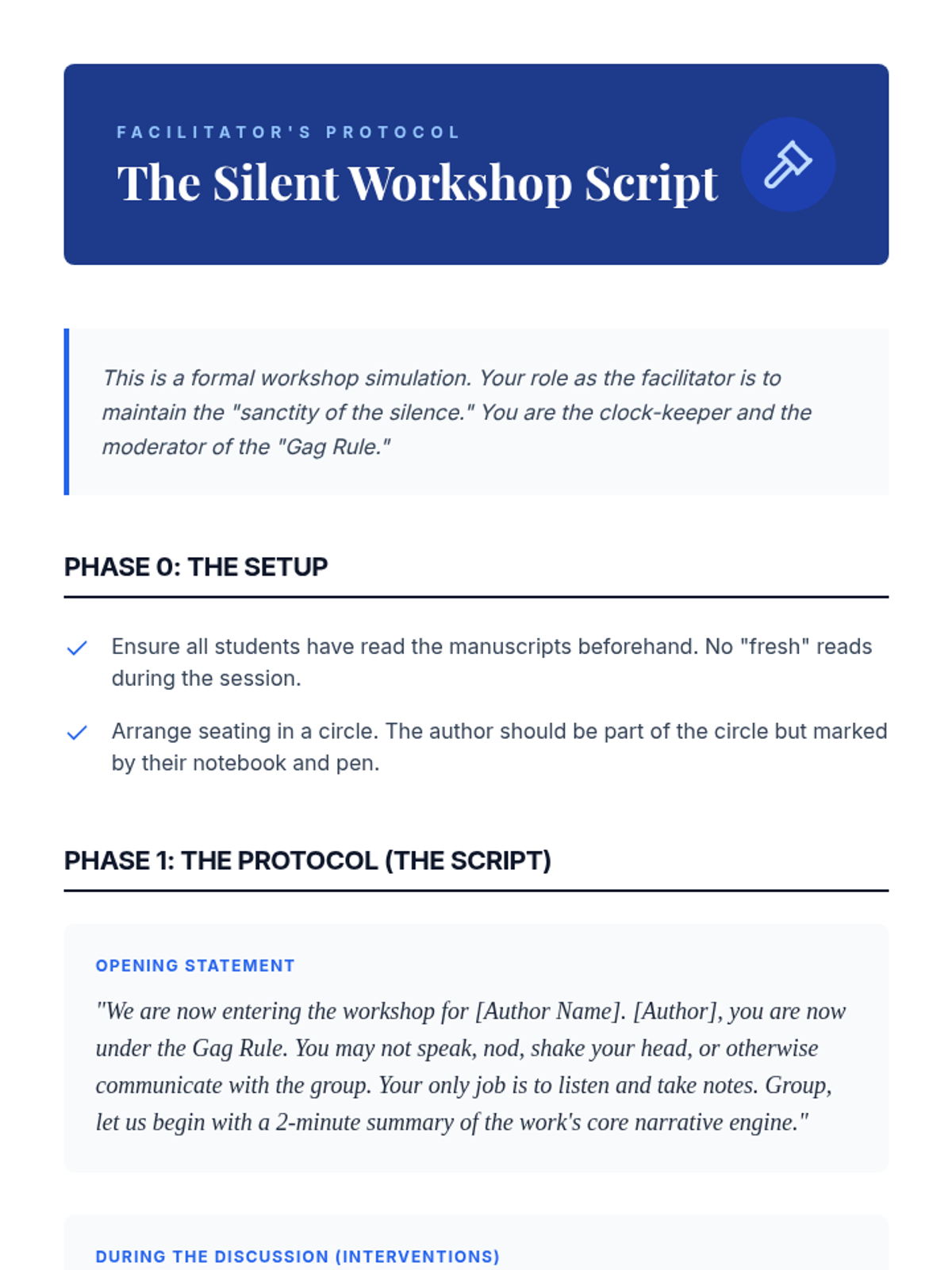
In this immersive simulation of a formal writers' workshop, students submit work for peer review while adhering to strict rules of silence (the author cannot speak). The focus is on descriptive rather than prescriptive feedback.
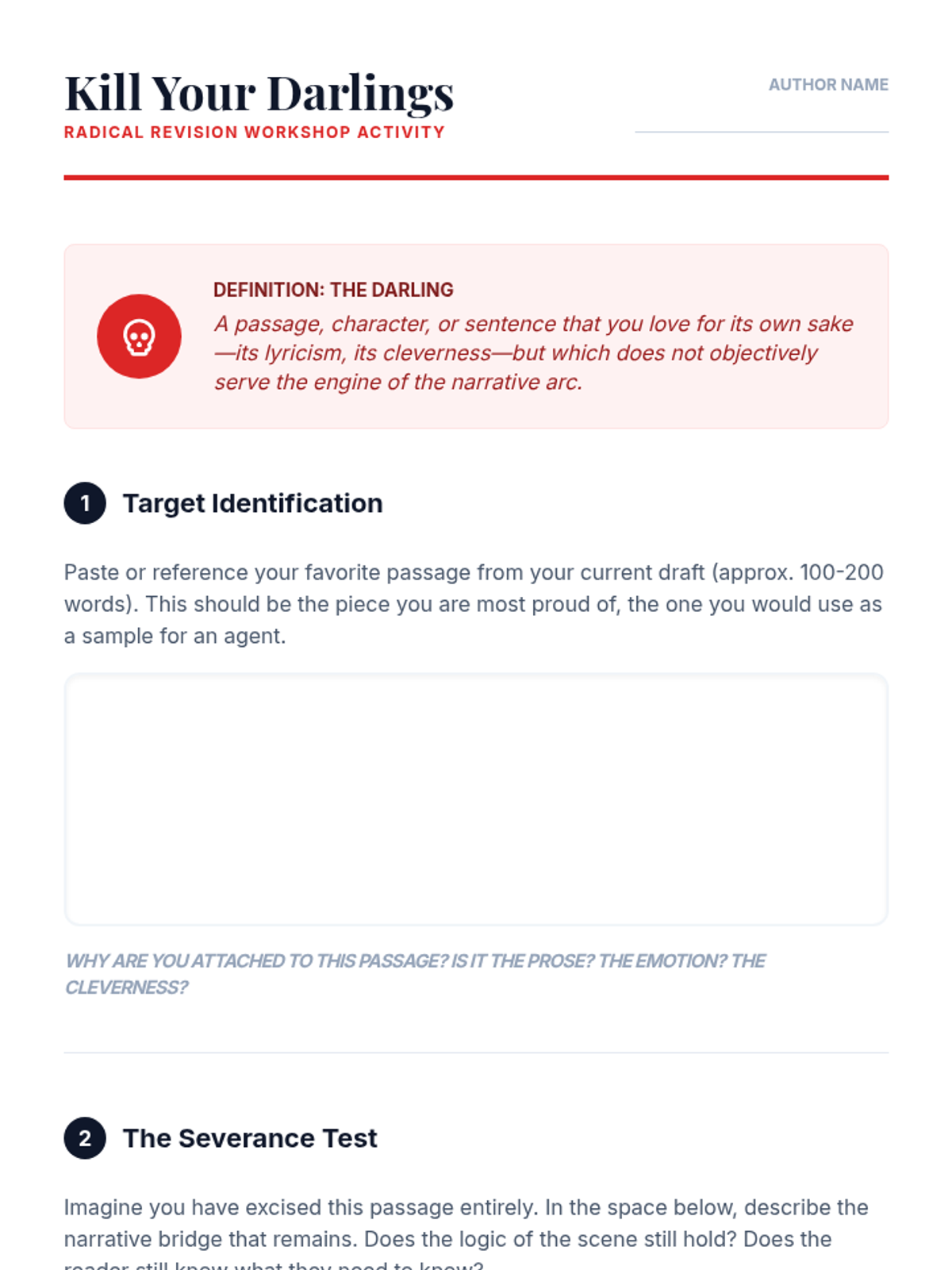
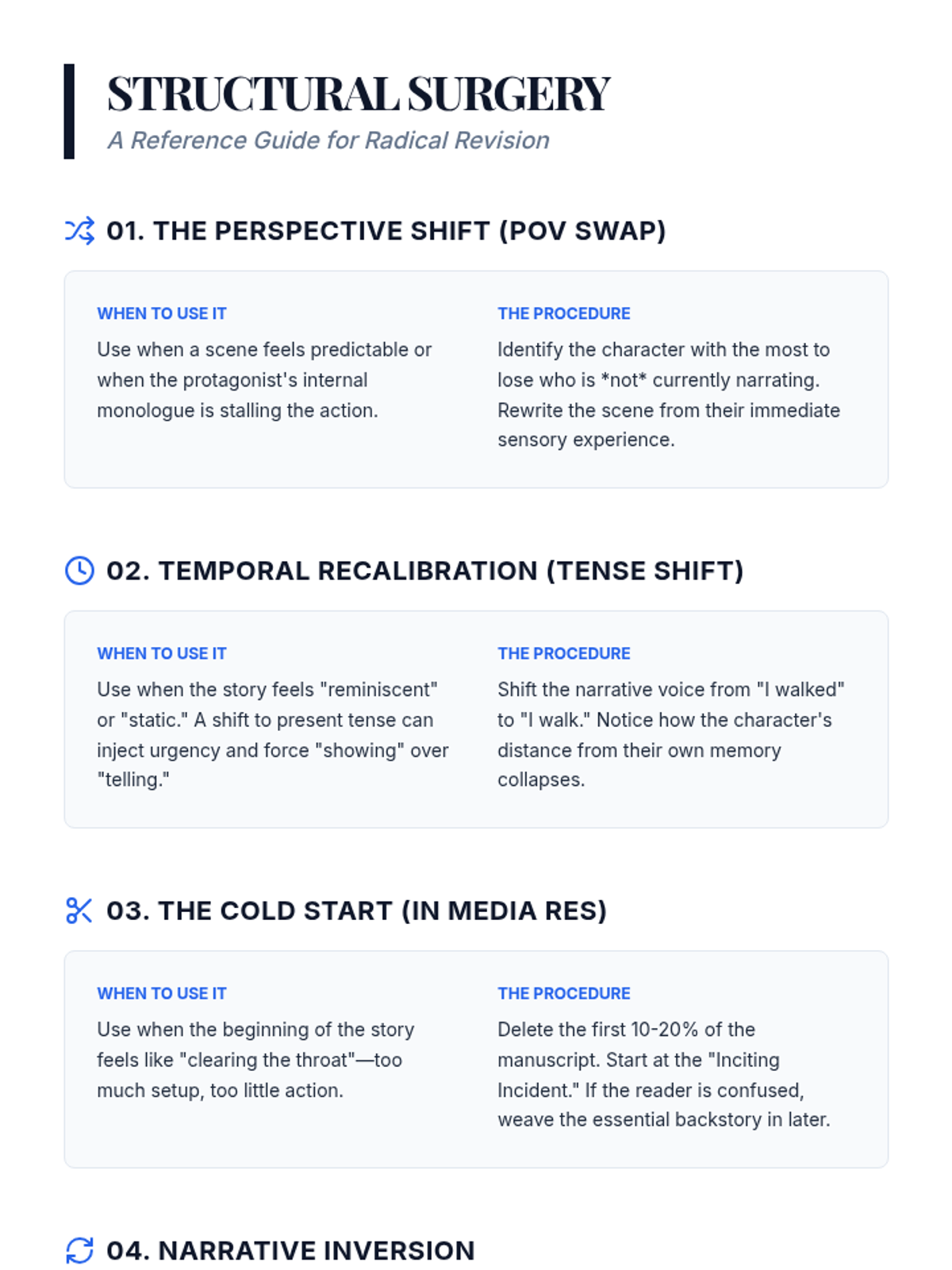
Moving beyond proofreading, this lesson demands large-scale changes. Students are tasked with rewriting scenes from different perspectives or tenses to detach from the original draft and discover its potential.
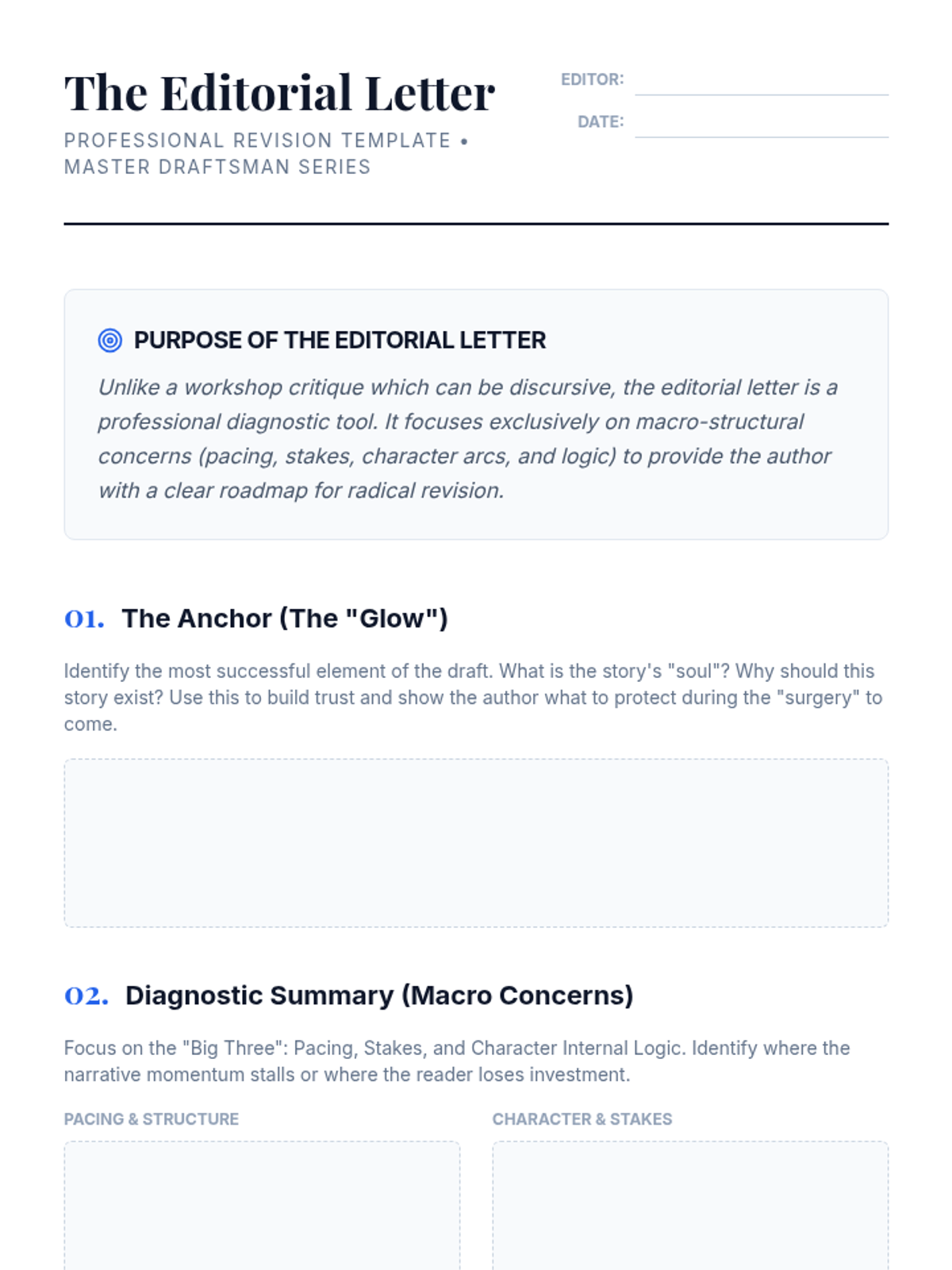
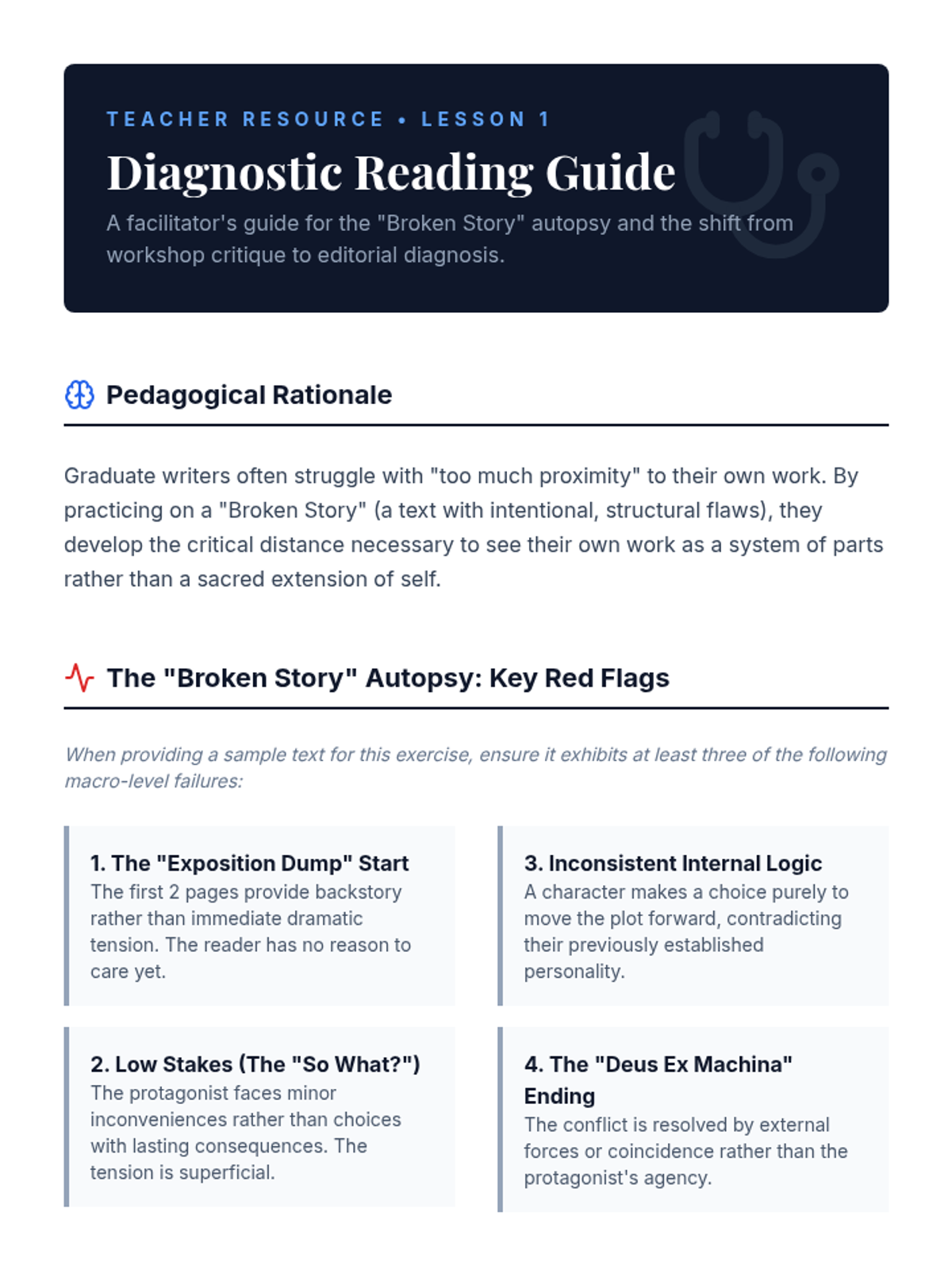
Students transition from writers to editorial diagnosticians, learning to identify structural issues and draft professional editorial letters.
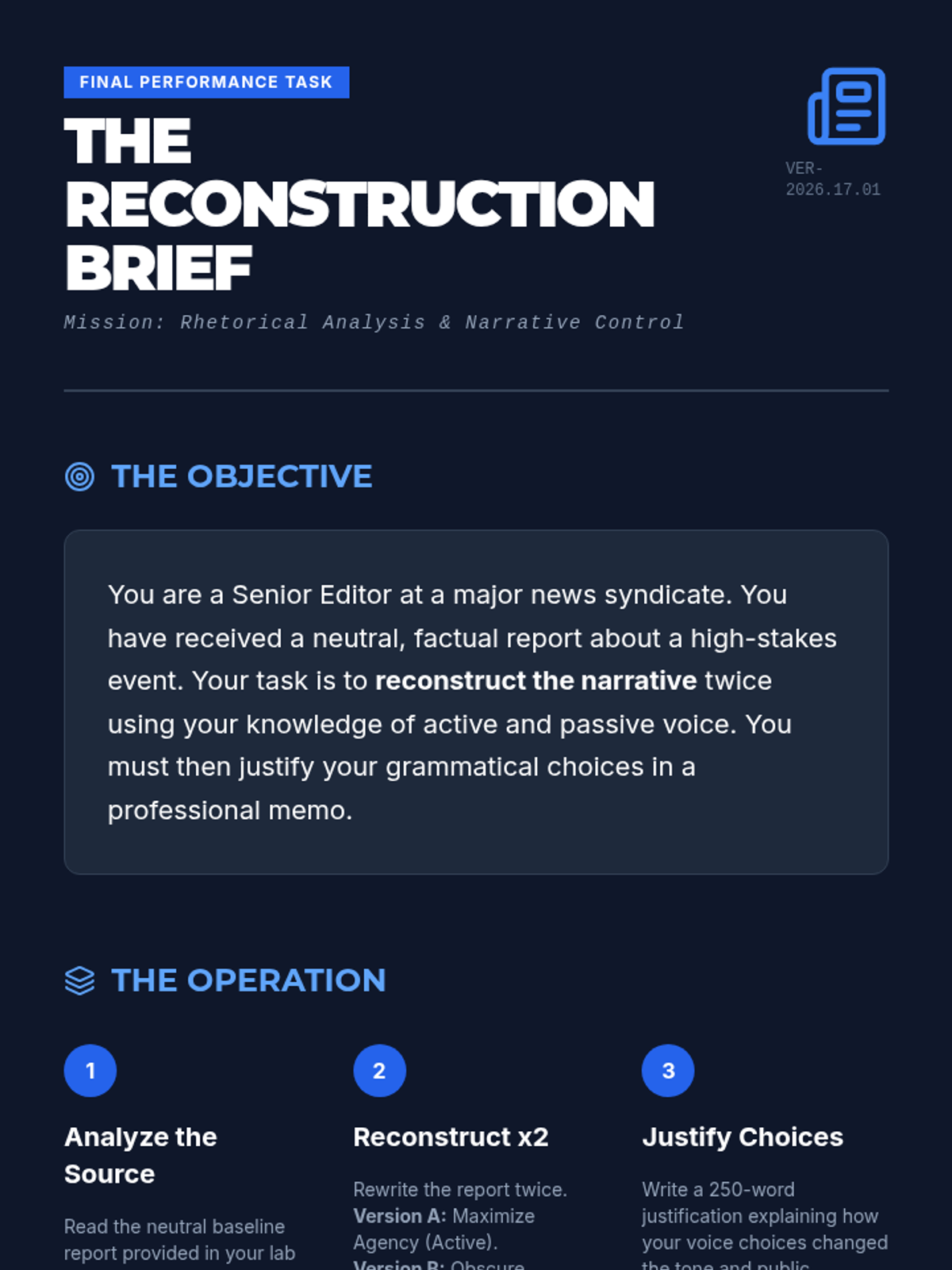
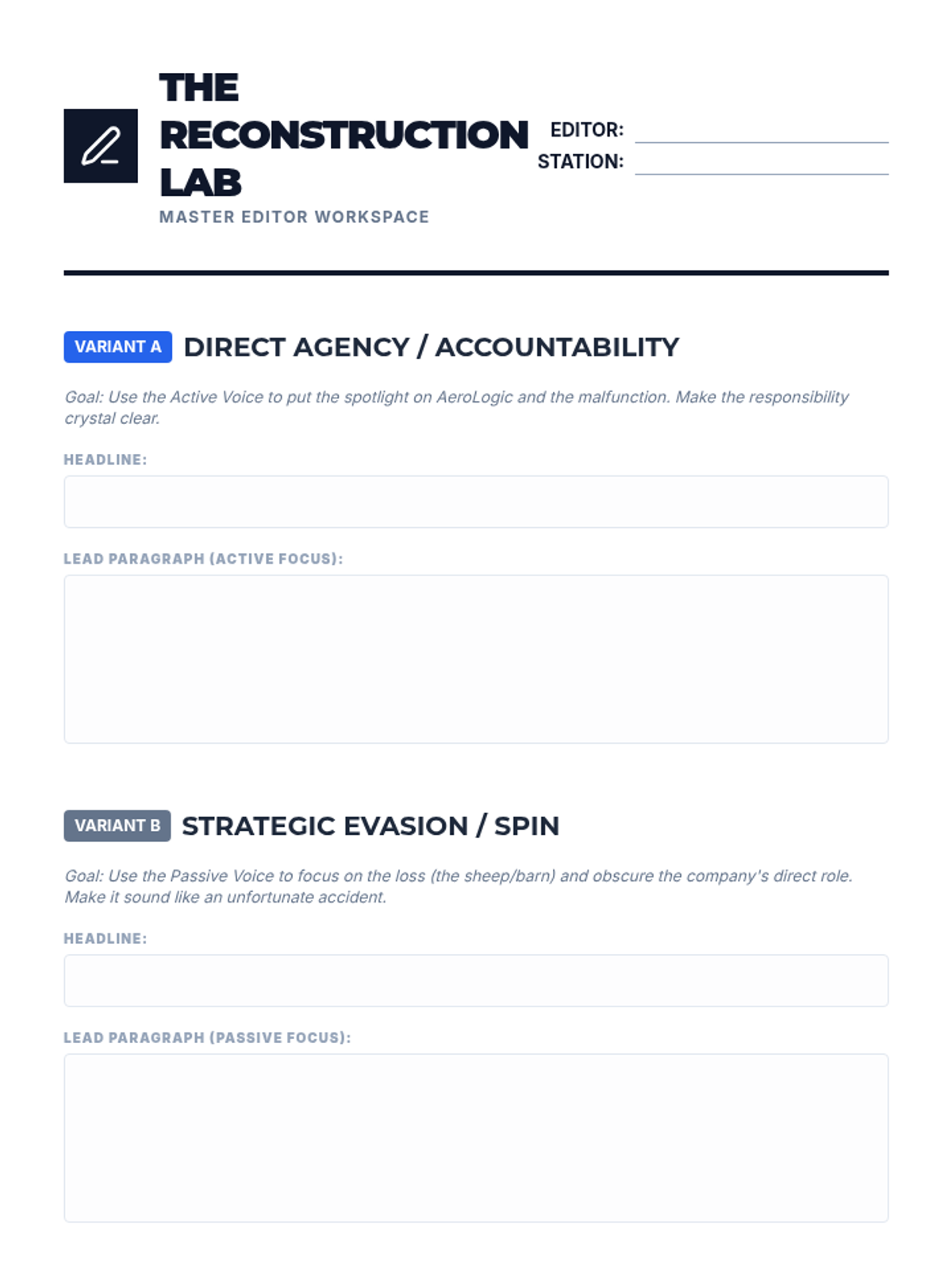
A culminating project where students apply their knowledge to reconstruct news reports and justify their grammatical choices through a rhetorical lens.
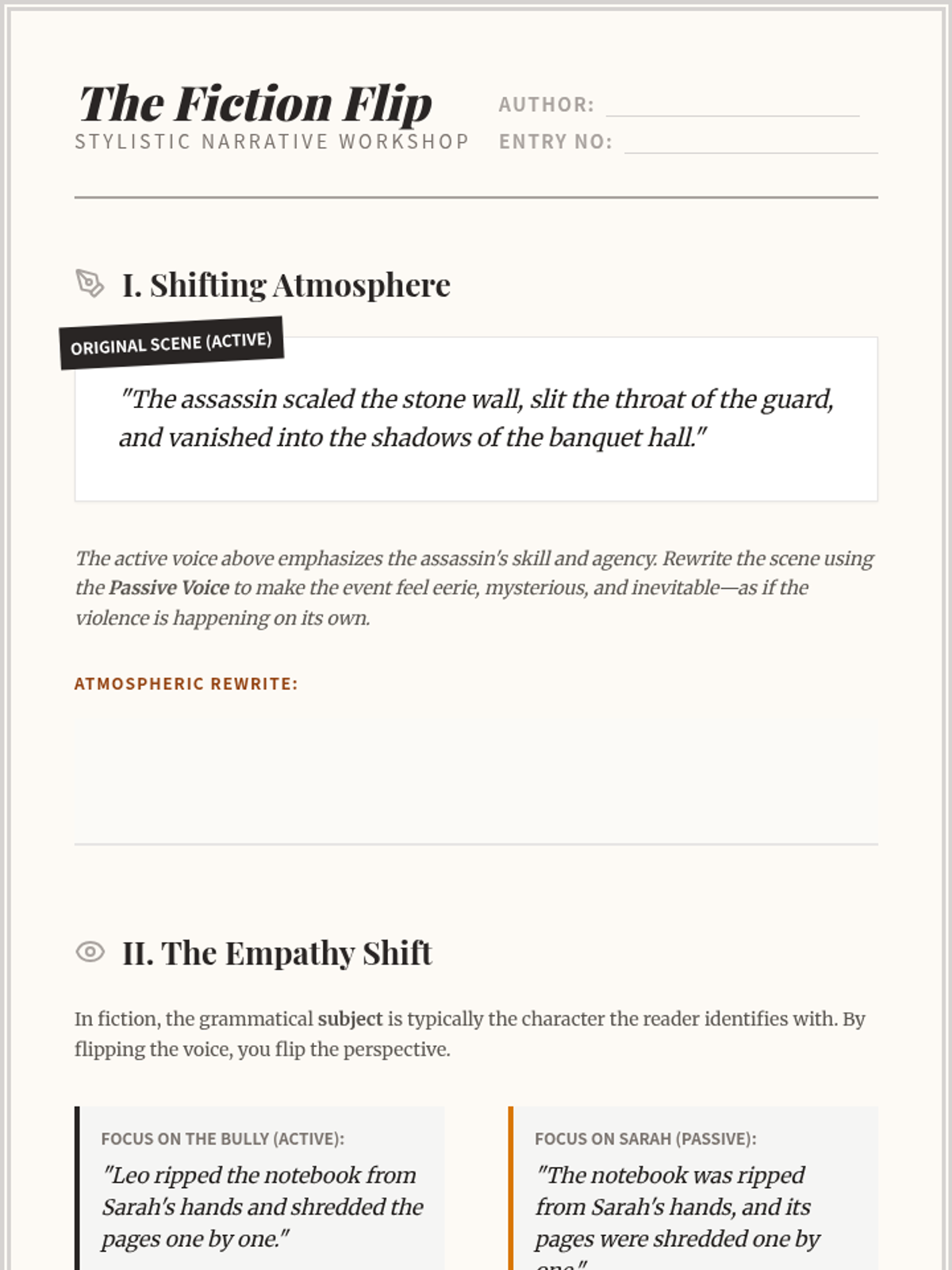
Analyzing how authors use grammatical voice to control pacing, establish character perspective, and create emotional effects in narrative fiction.
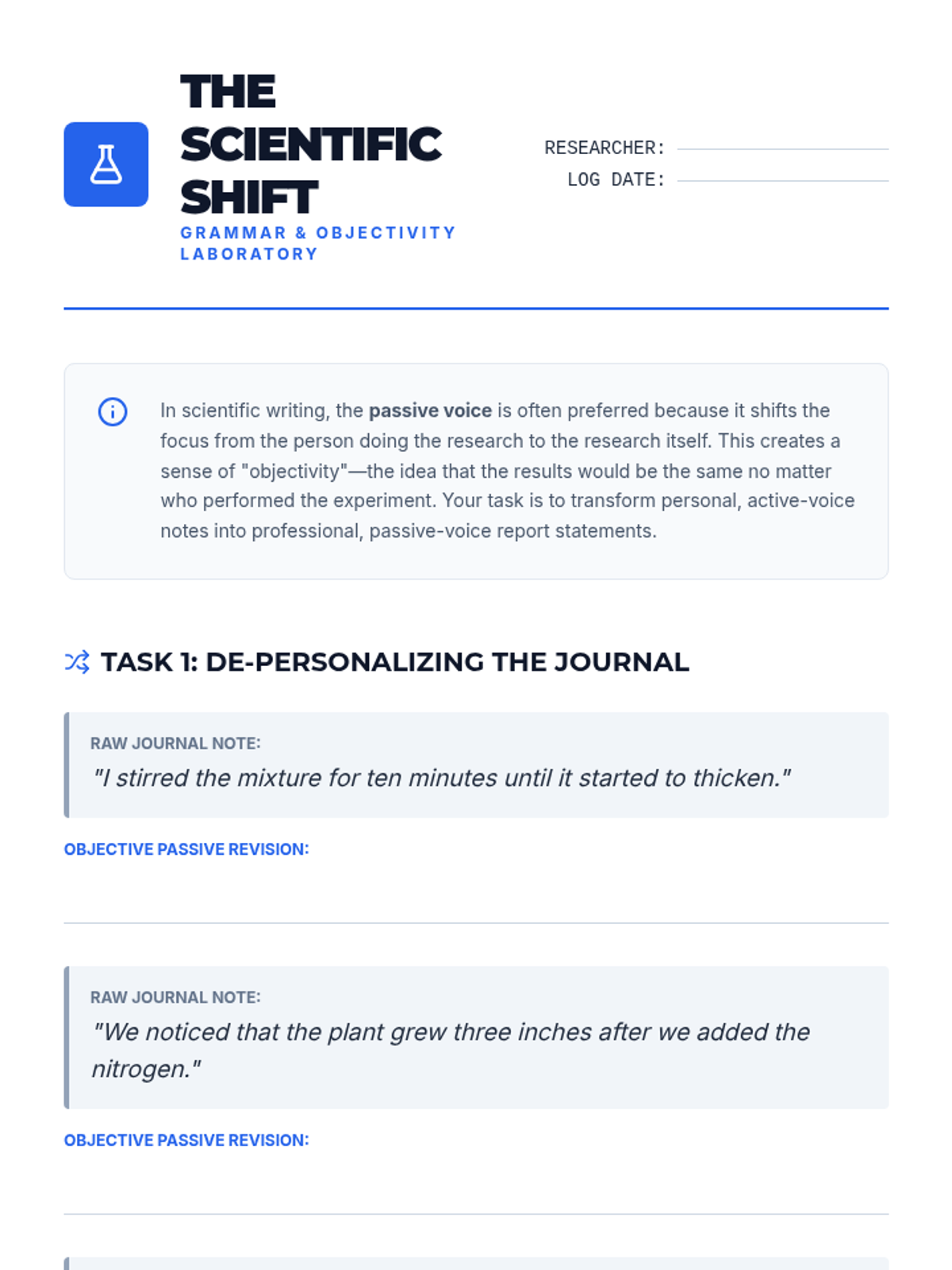
Exploring the stylistic necessity of passive voice in scientific and technical contexts to maintain objectivity and focus on processes.