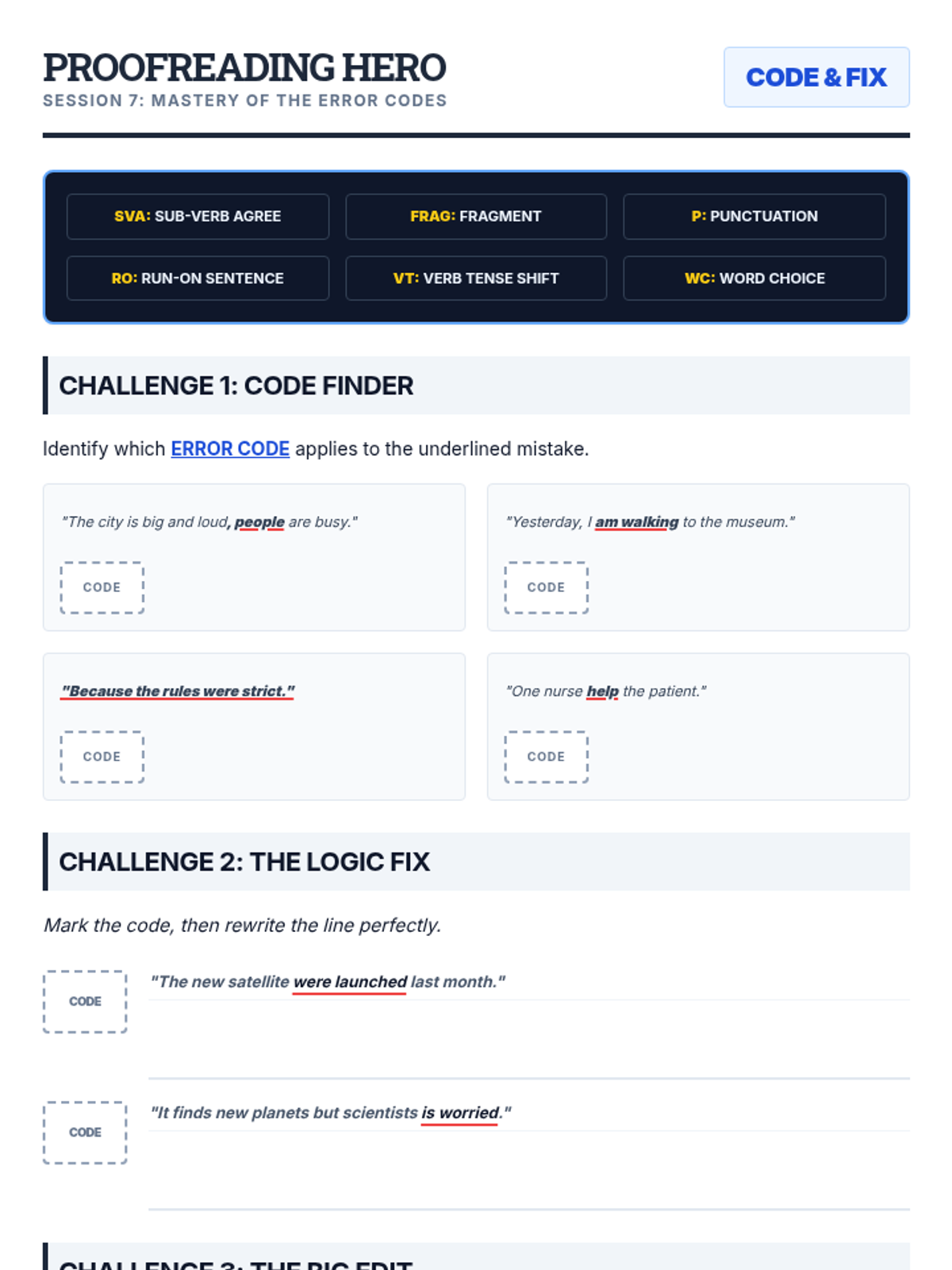
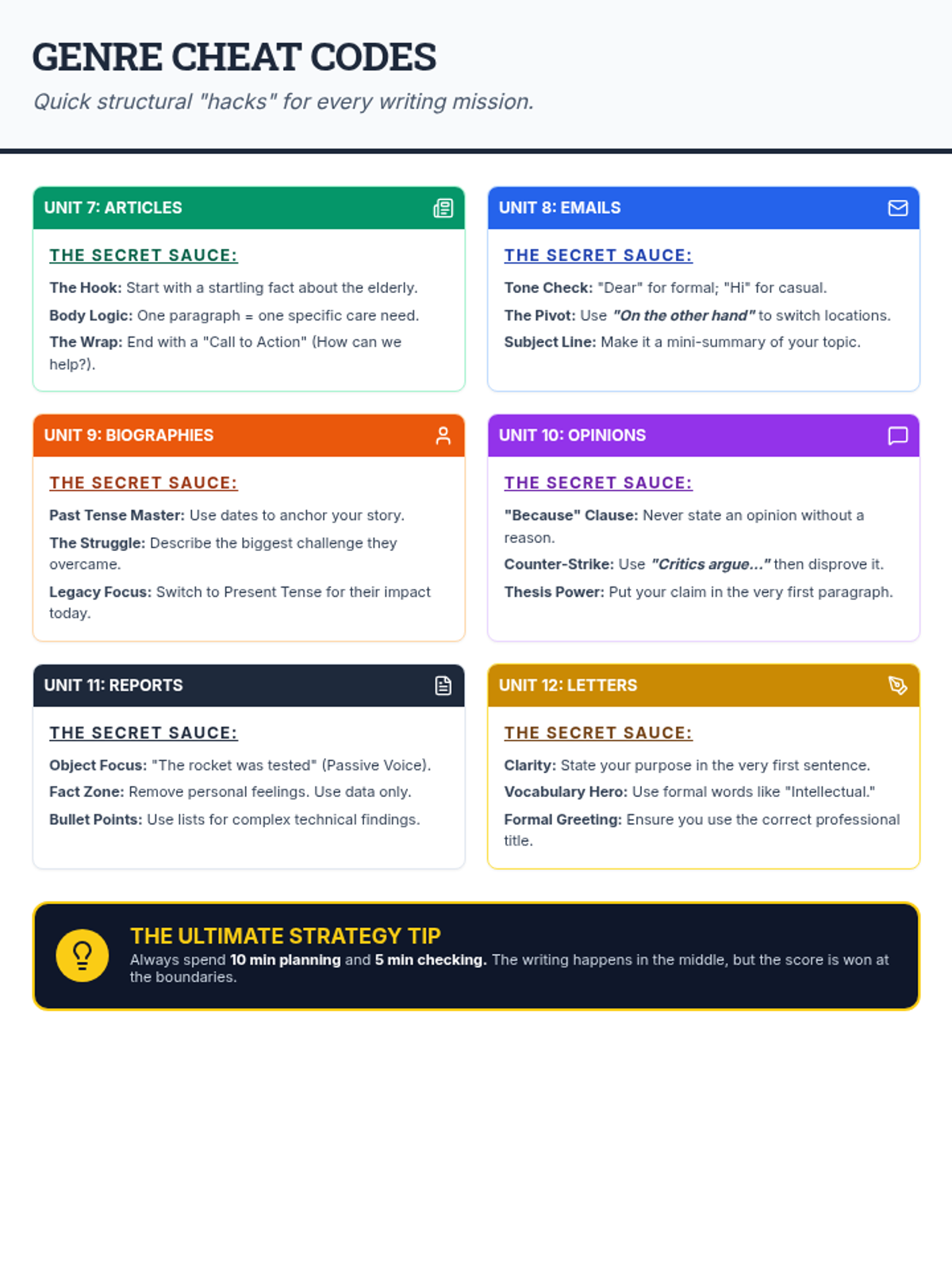
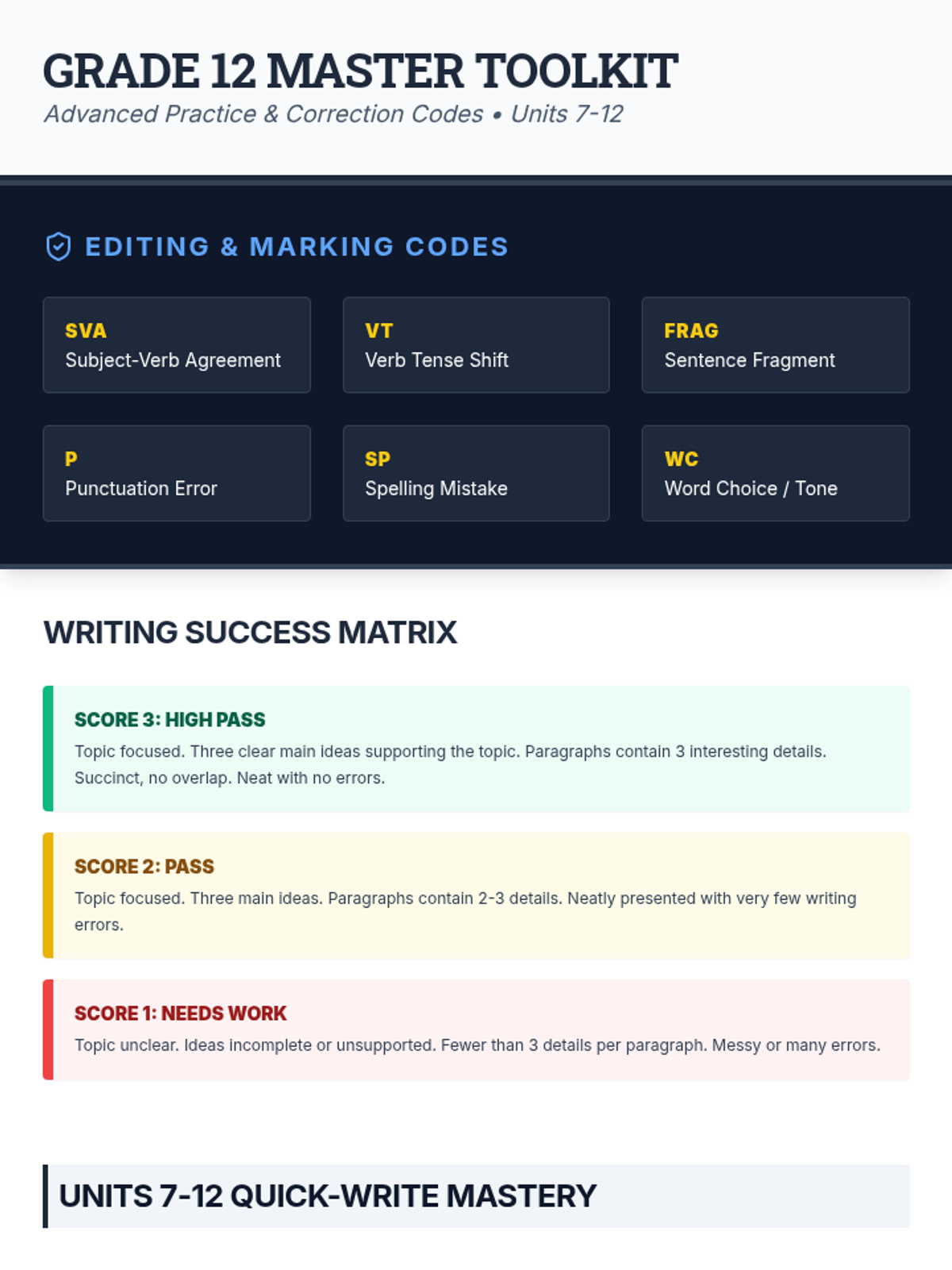
Sentence structure fundamentals, subject-verb agreement, and precise usage of parts of speech including pronouns, conjunctions, and adjectives. Targets technical accuracy through mastery of capitalization, punctuation, spelling, and verb mood.
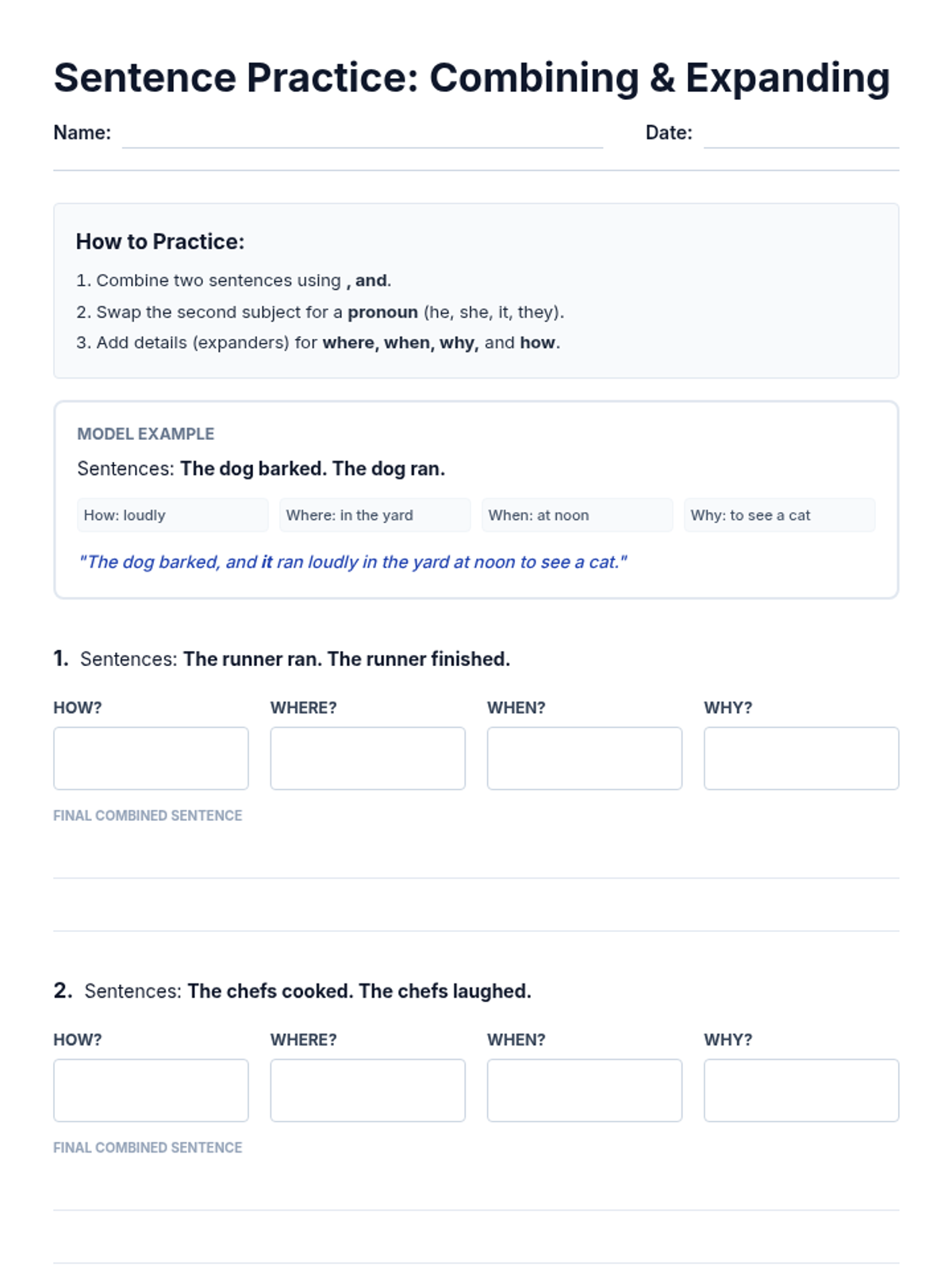
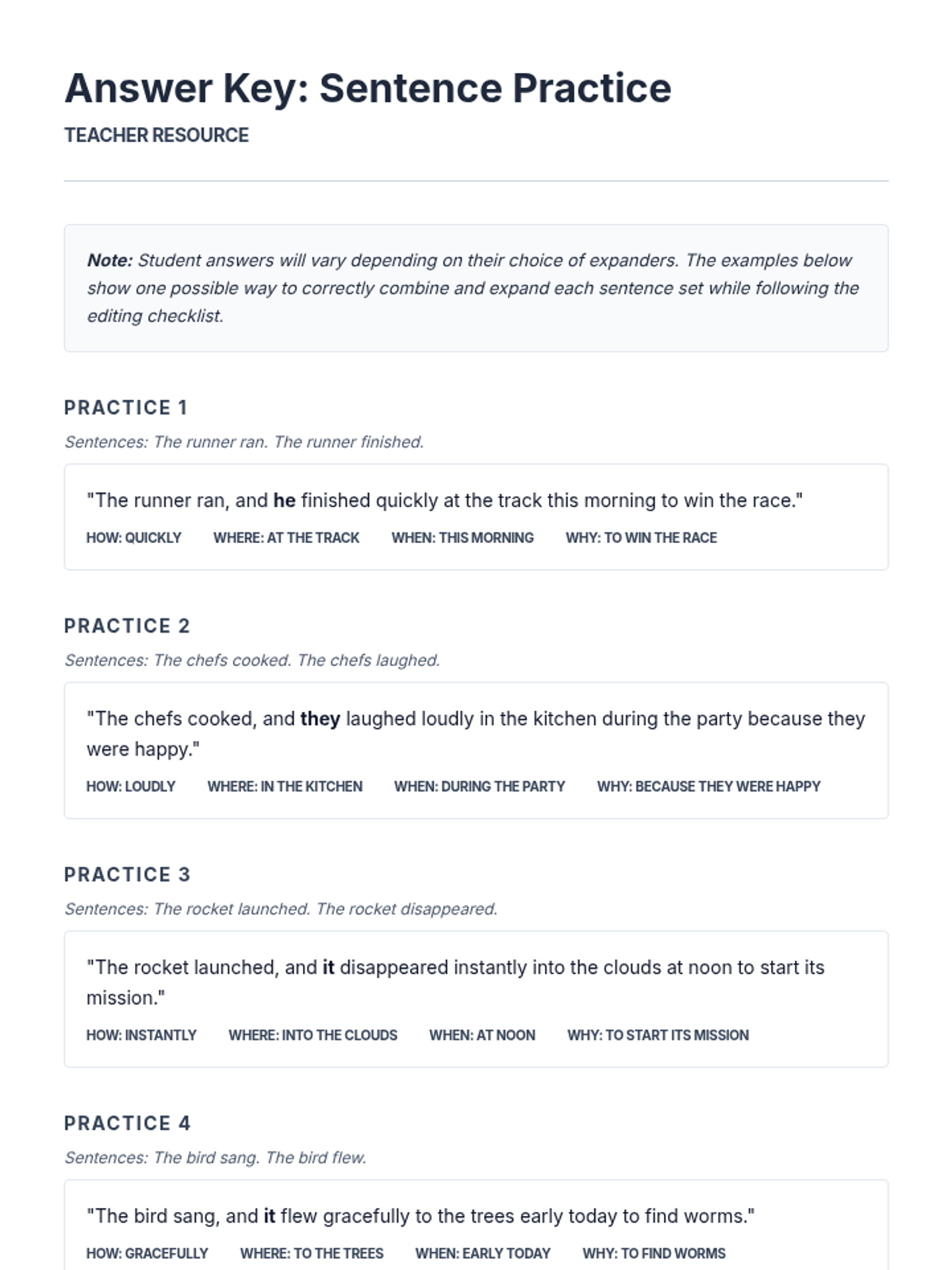
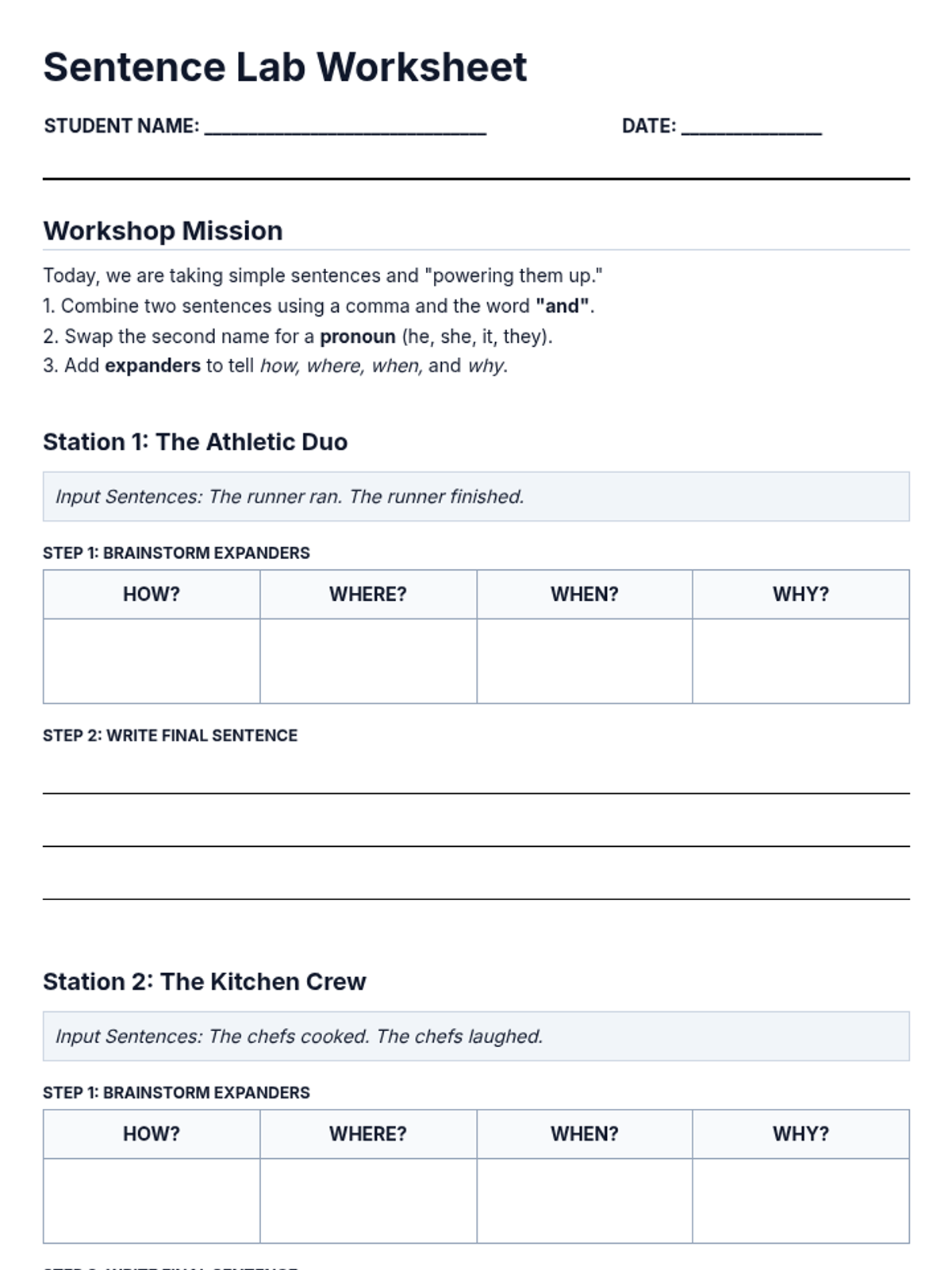
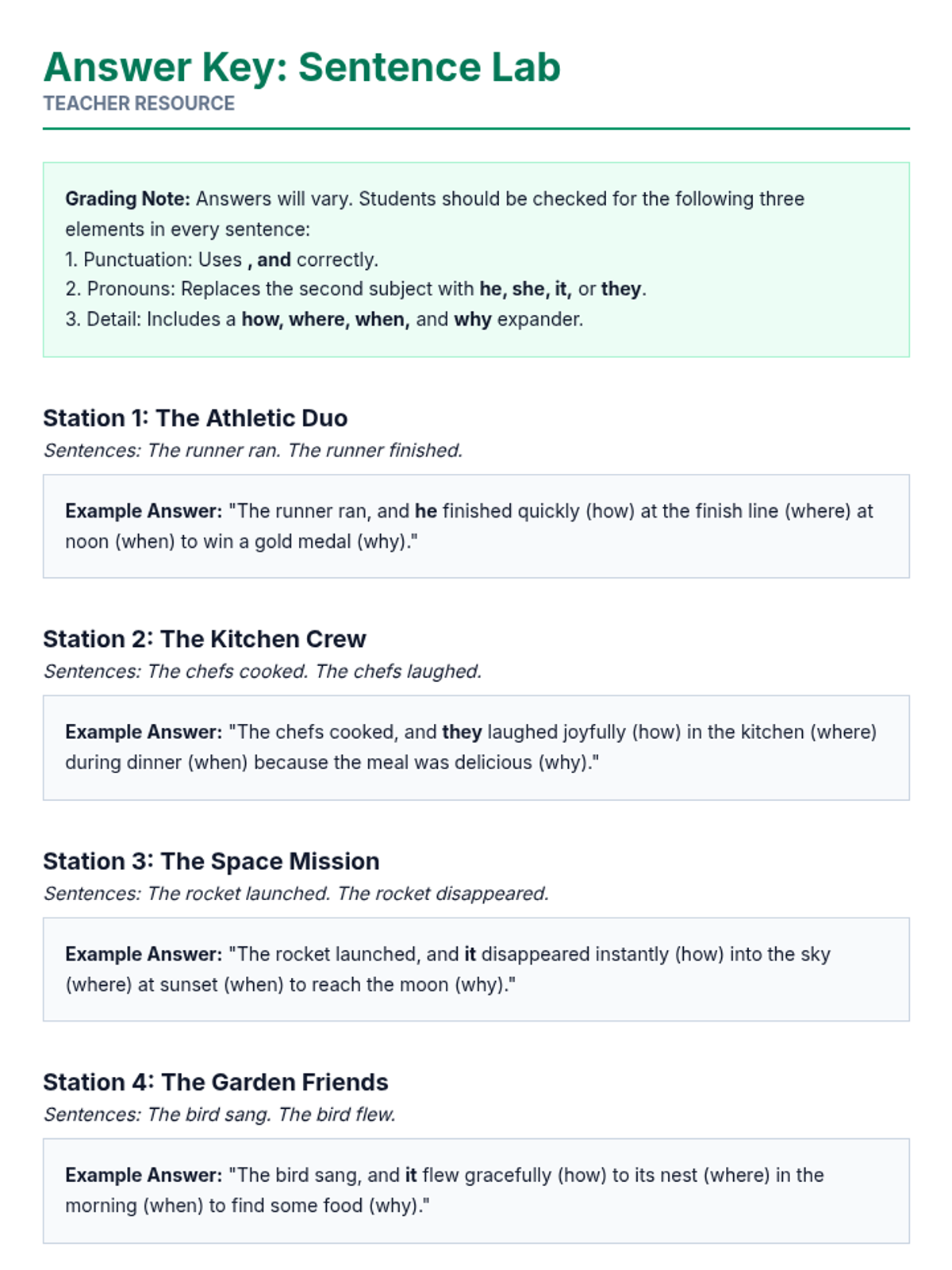
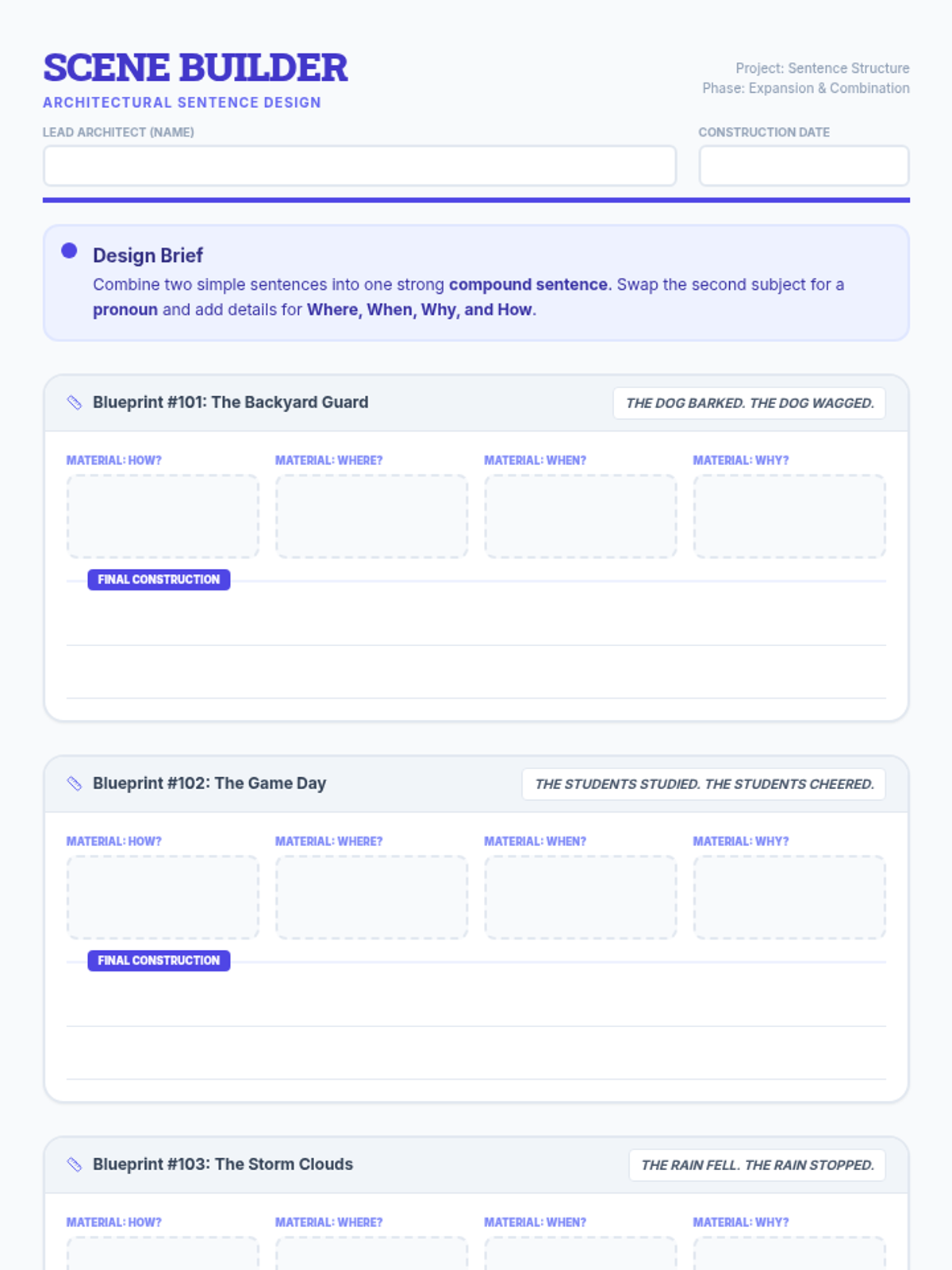
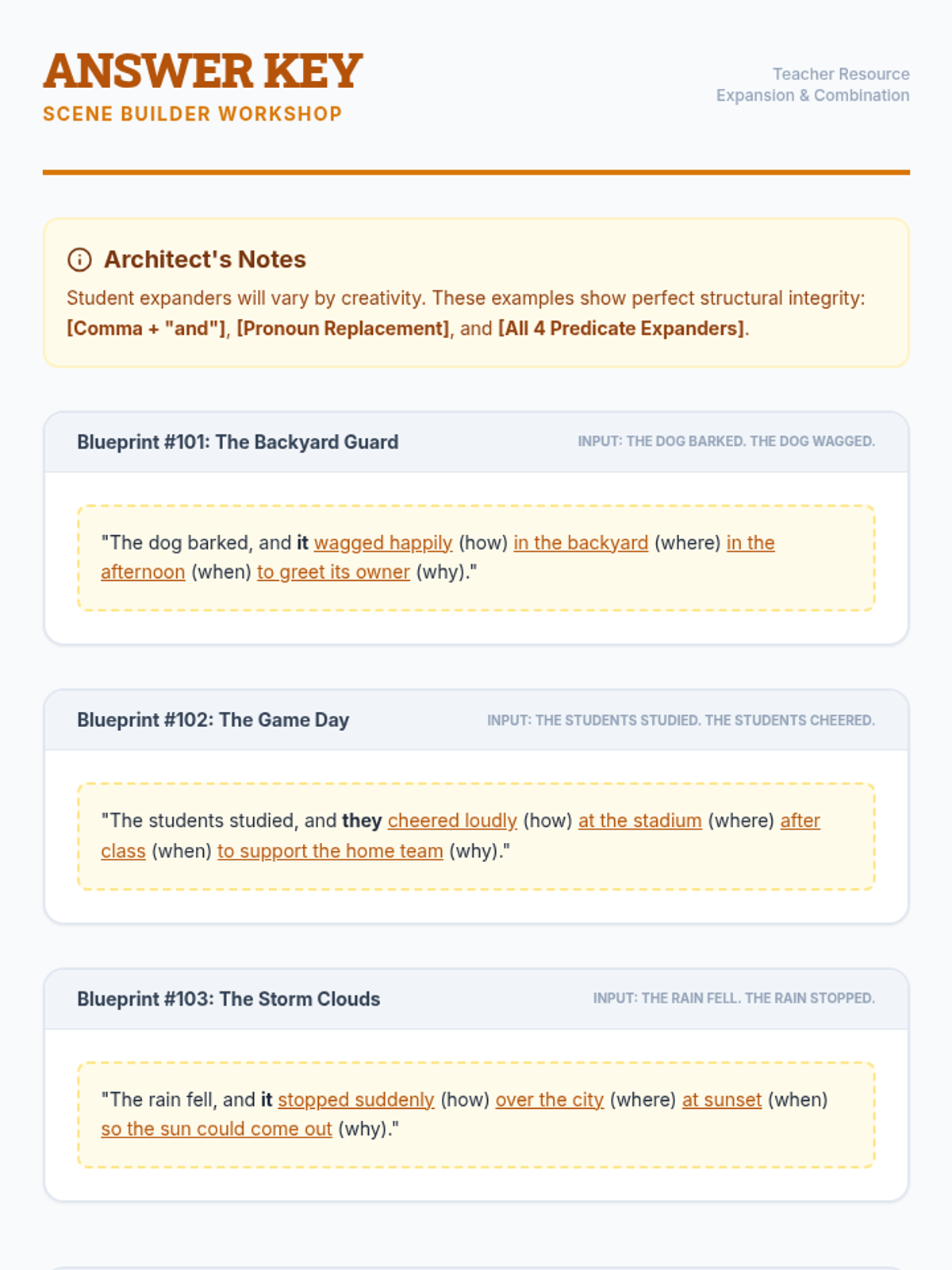
Students practice combining simple sentences with the same subjects into compound sentences using pronouns and adding descriptive predicate expanders (where, when, why, and how).
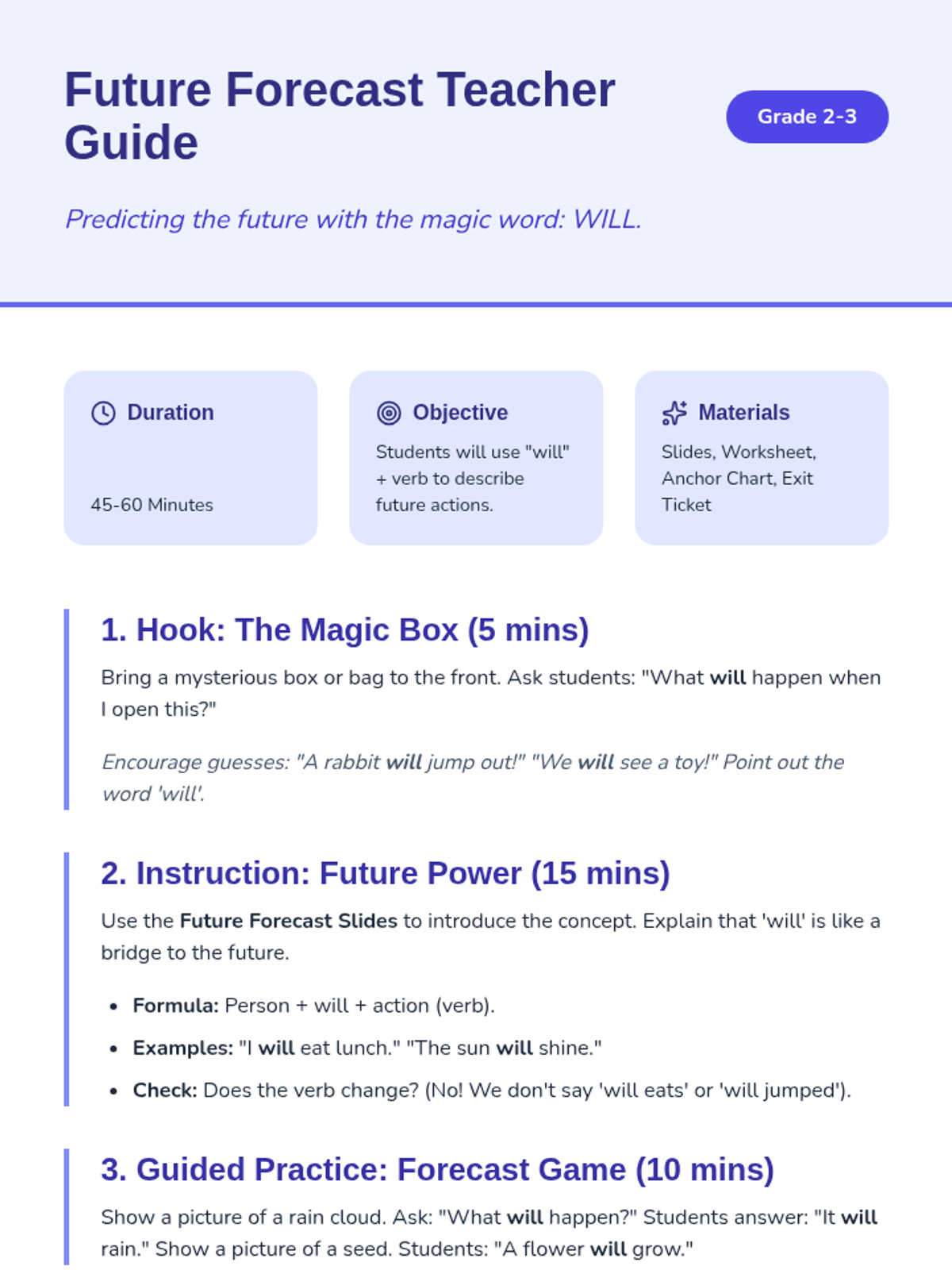
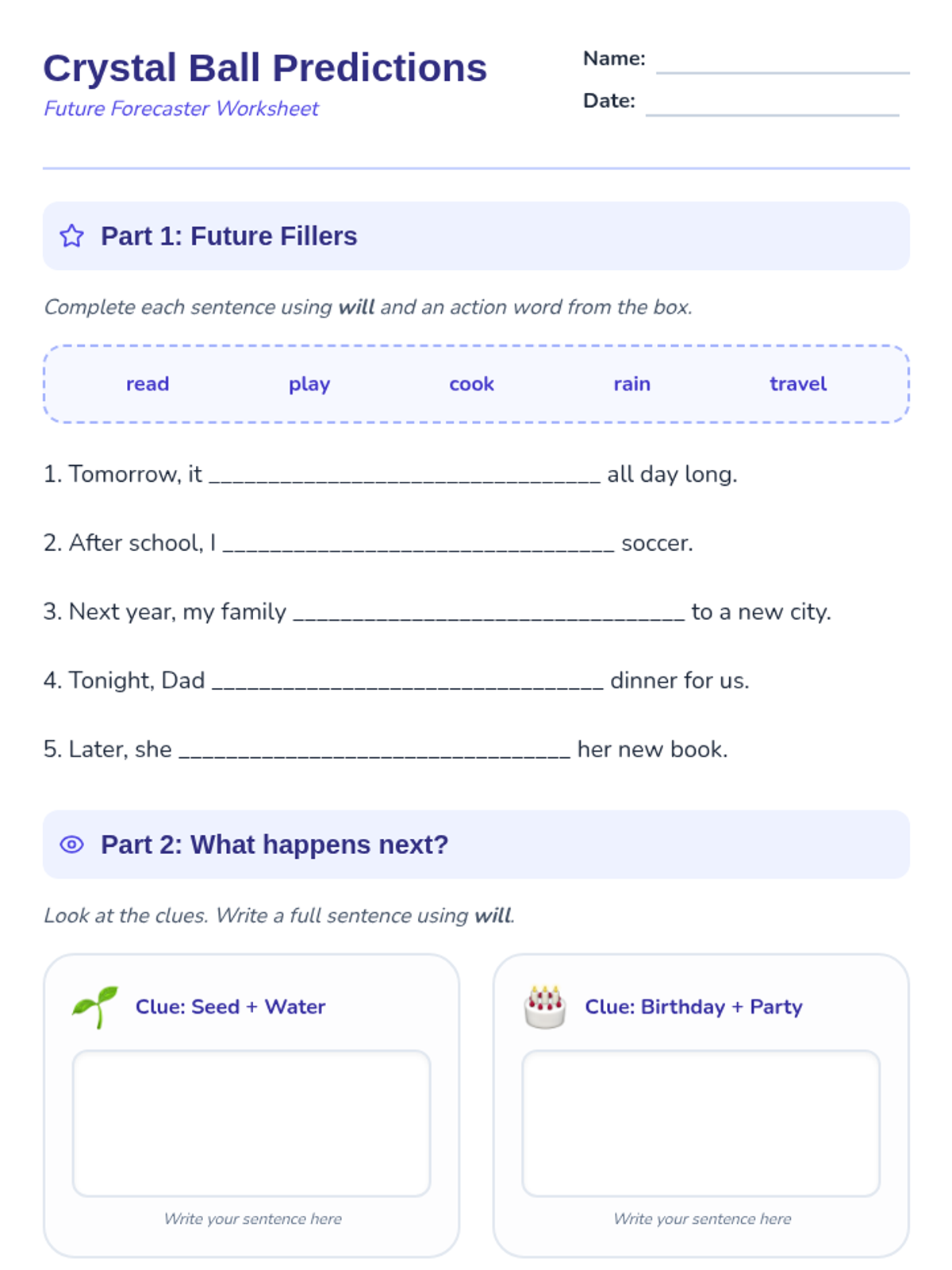
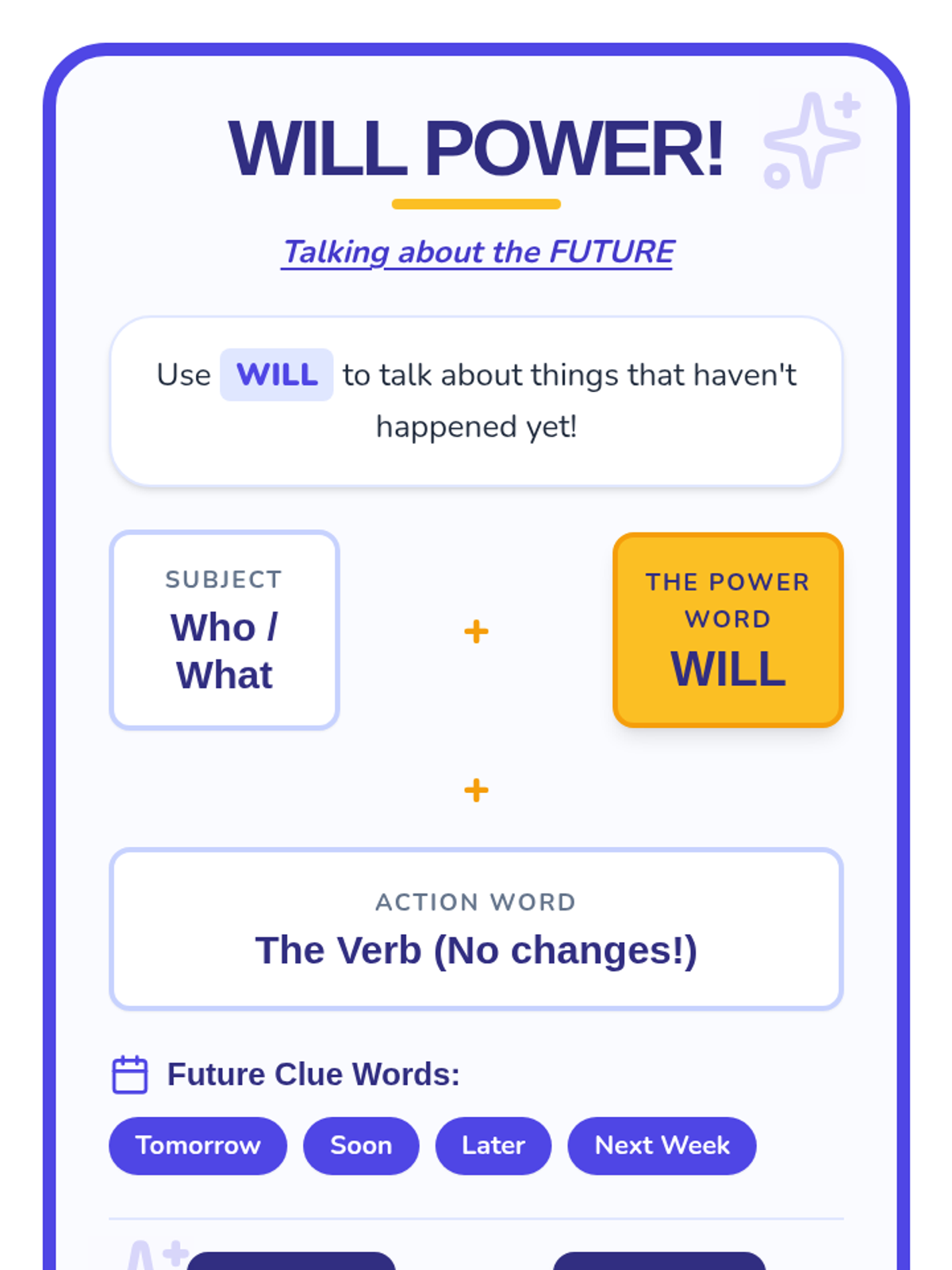
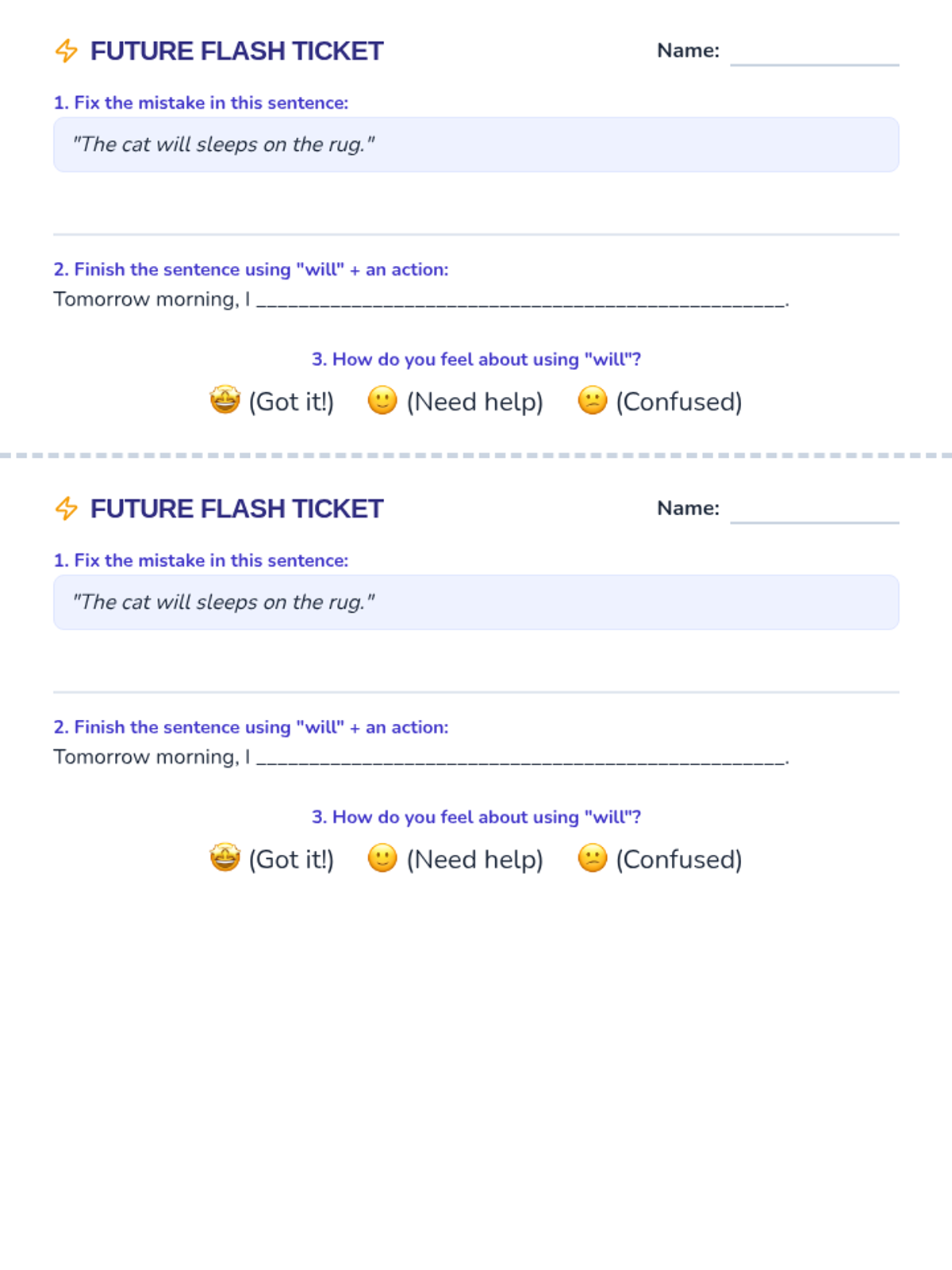
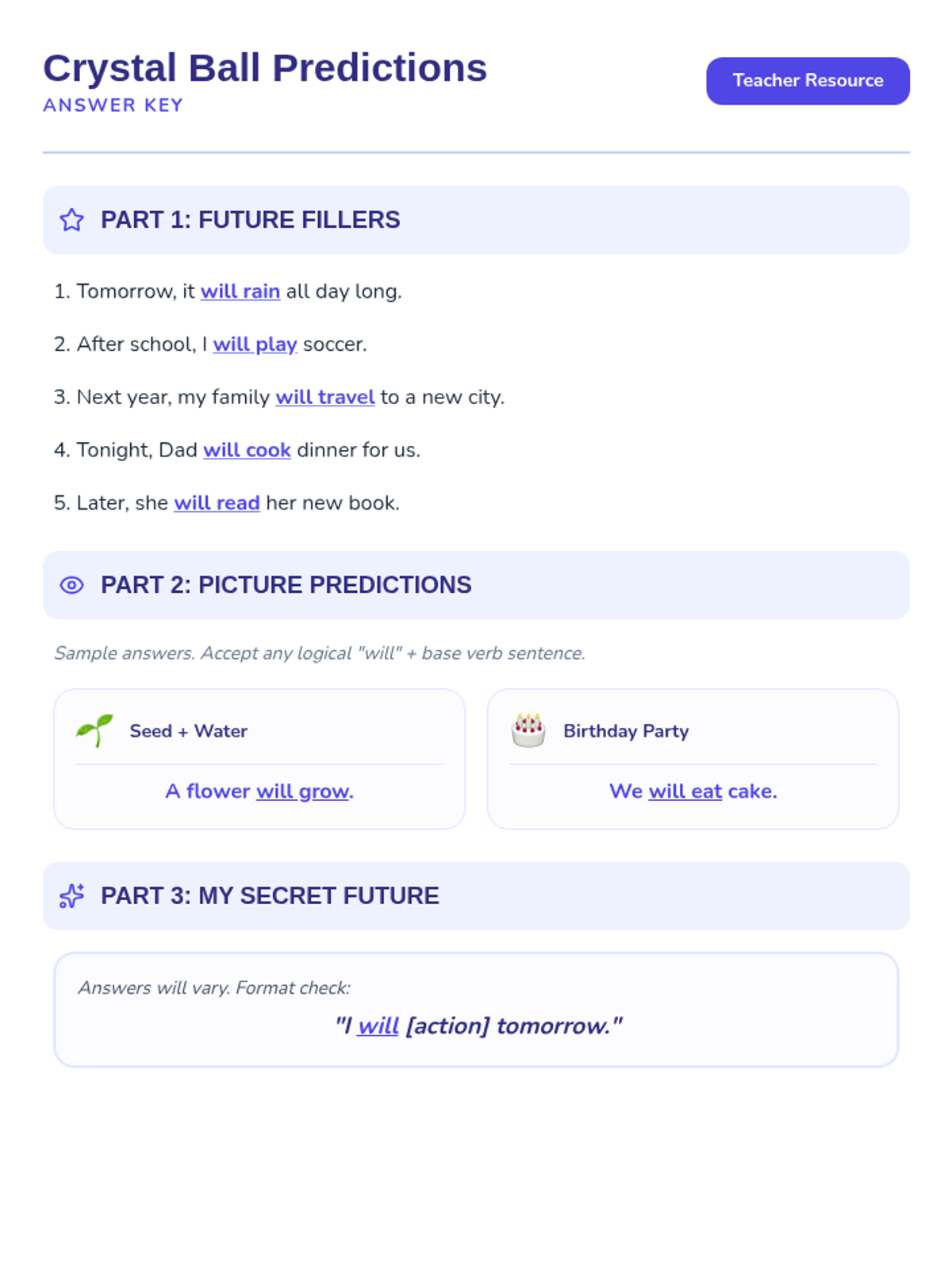
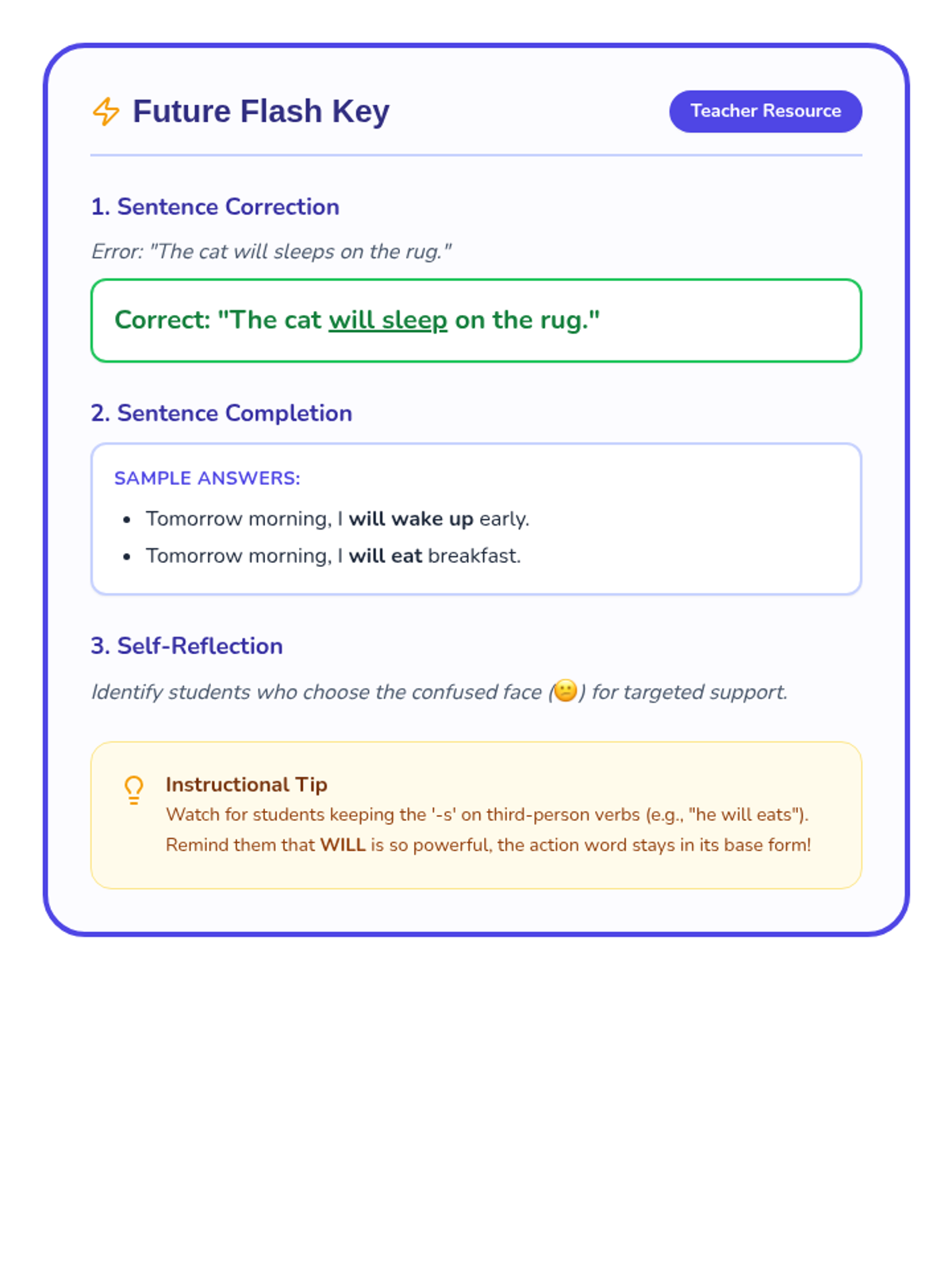
A magical introduction to using 'will' for future tense, where students become 'Future Forecasters' to predict what happens next.
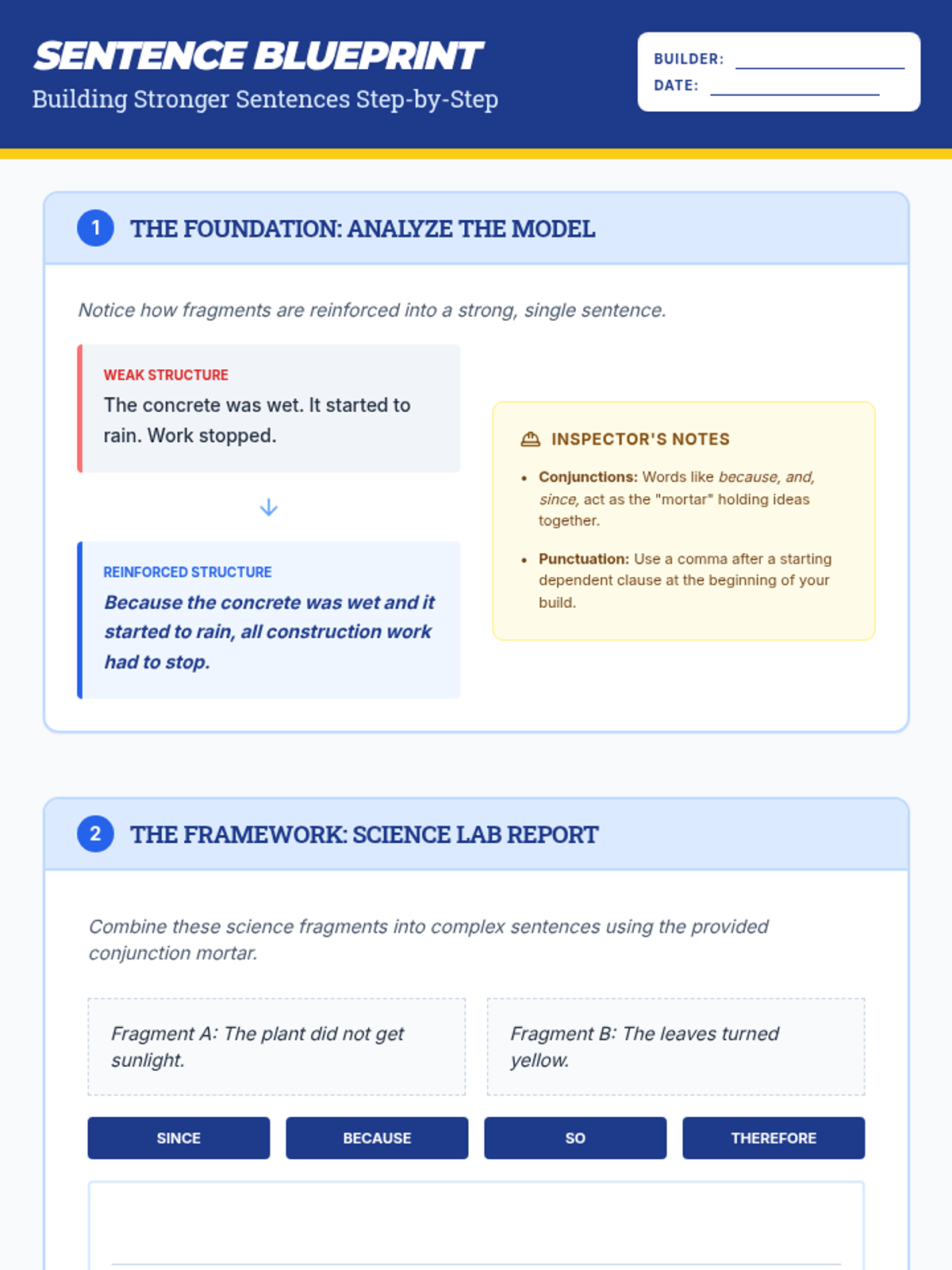
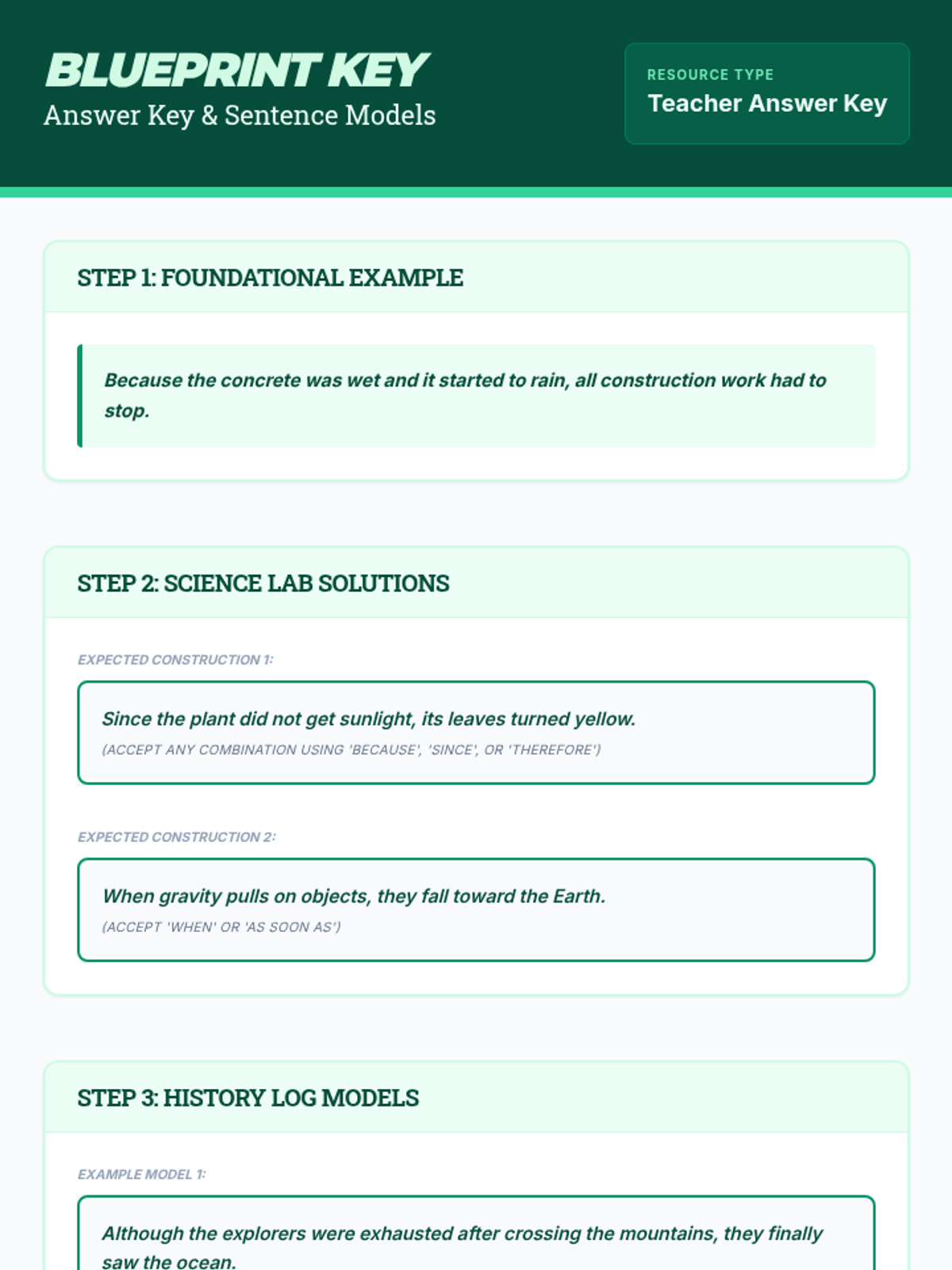
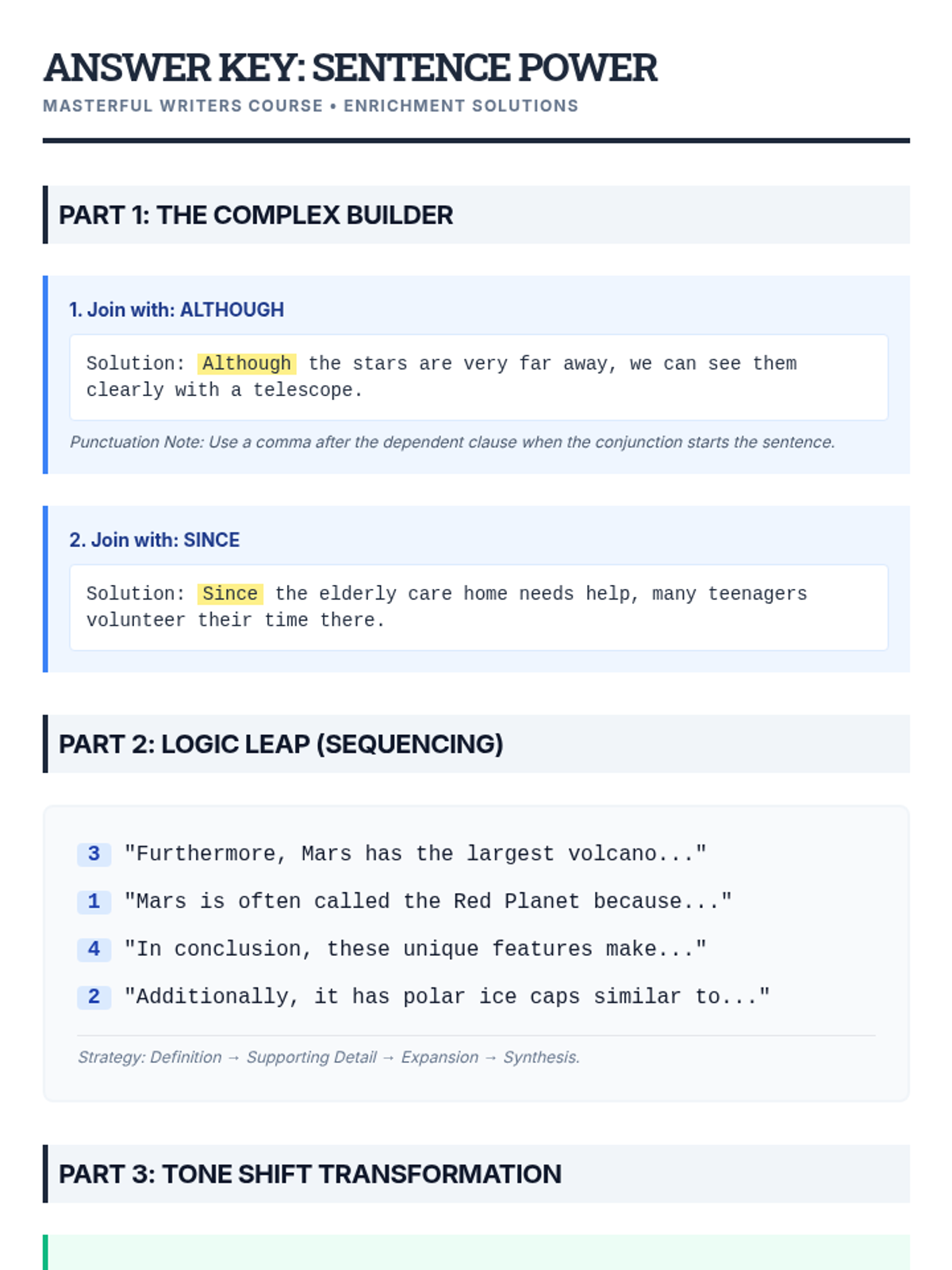
A lesson focused on sentence construction, teaching students to transform fragments and simple sentences into sophisticated compound and complex sentences using a construction-themed framework.
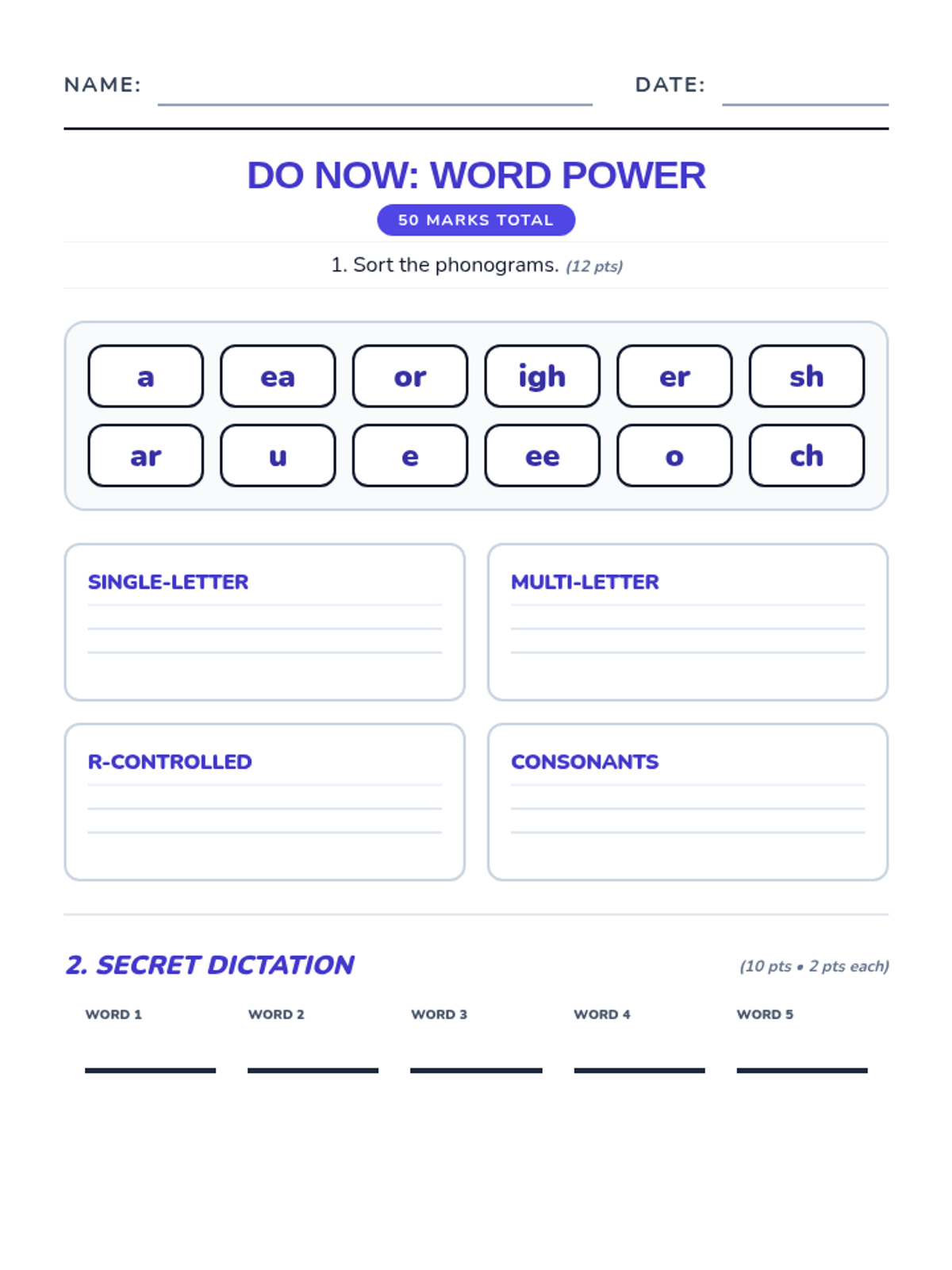
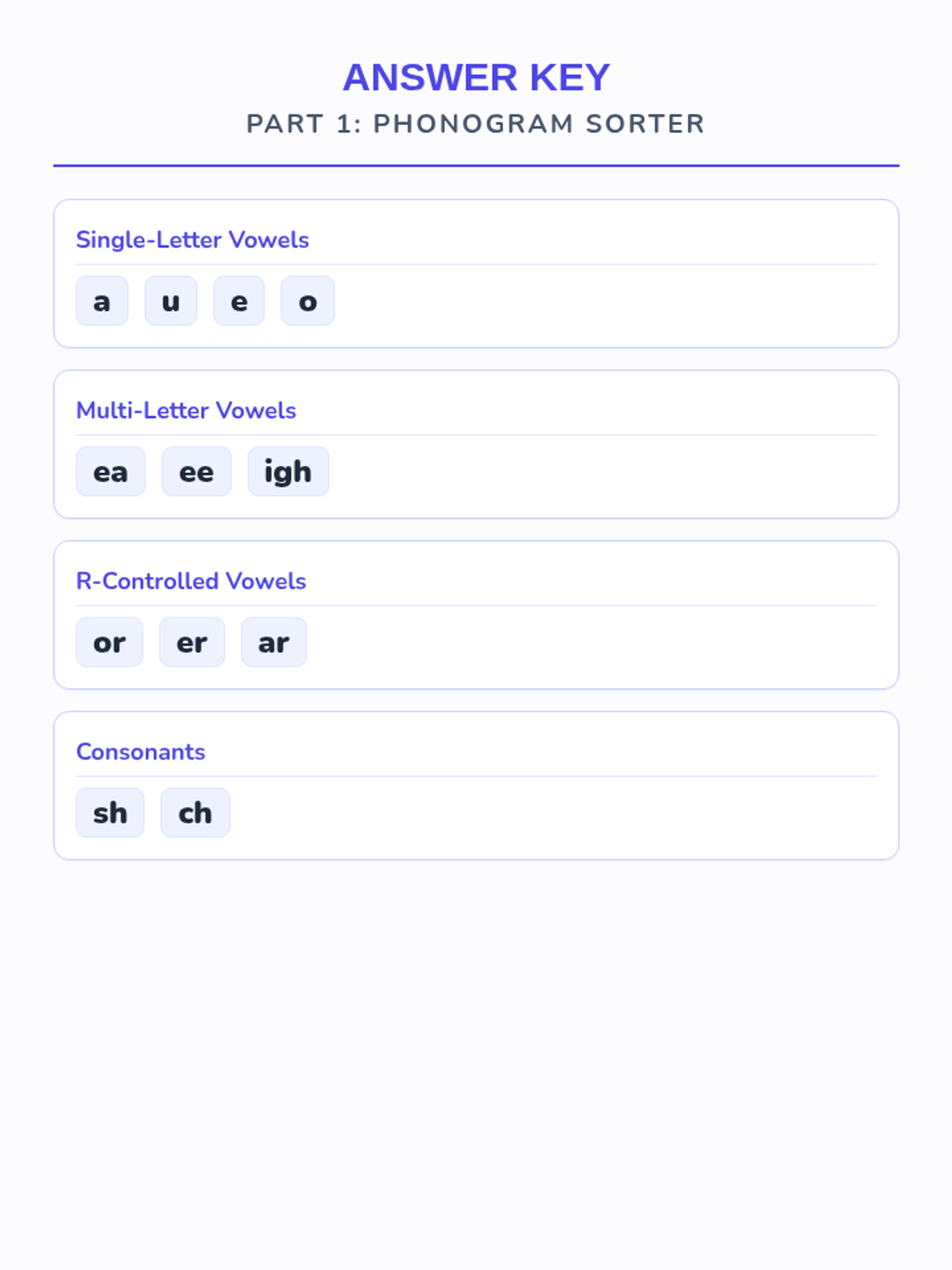
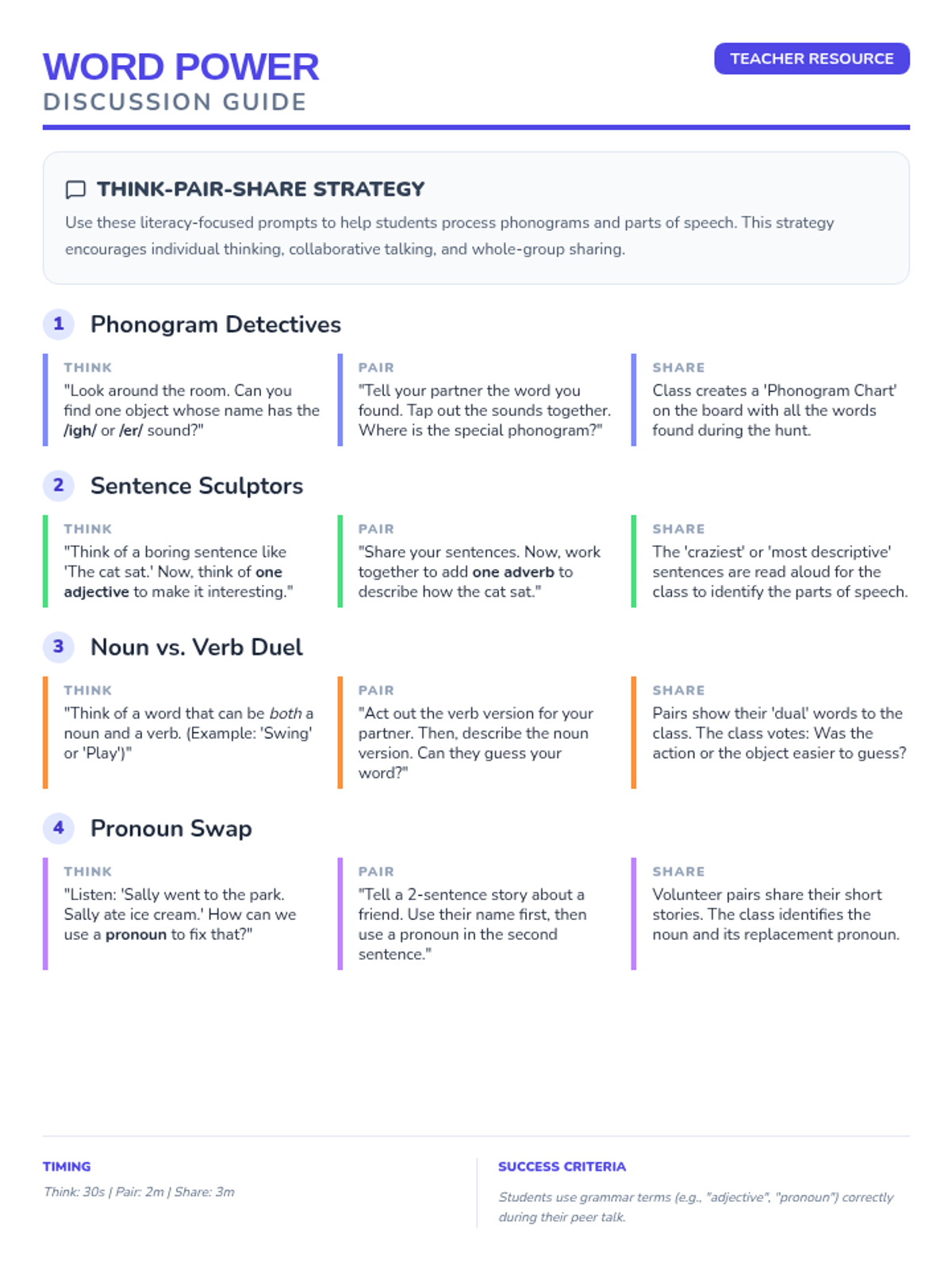
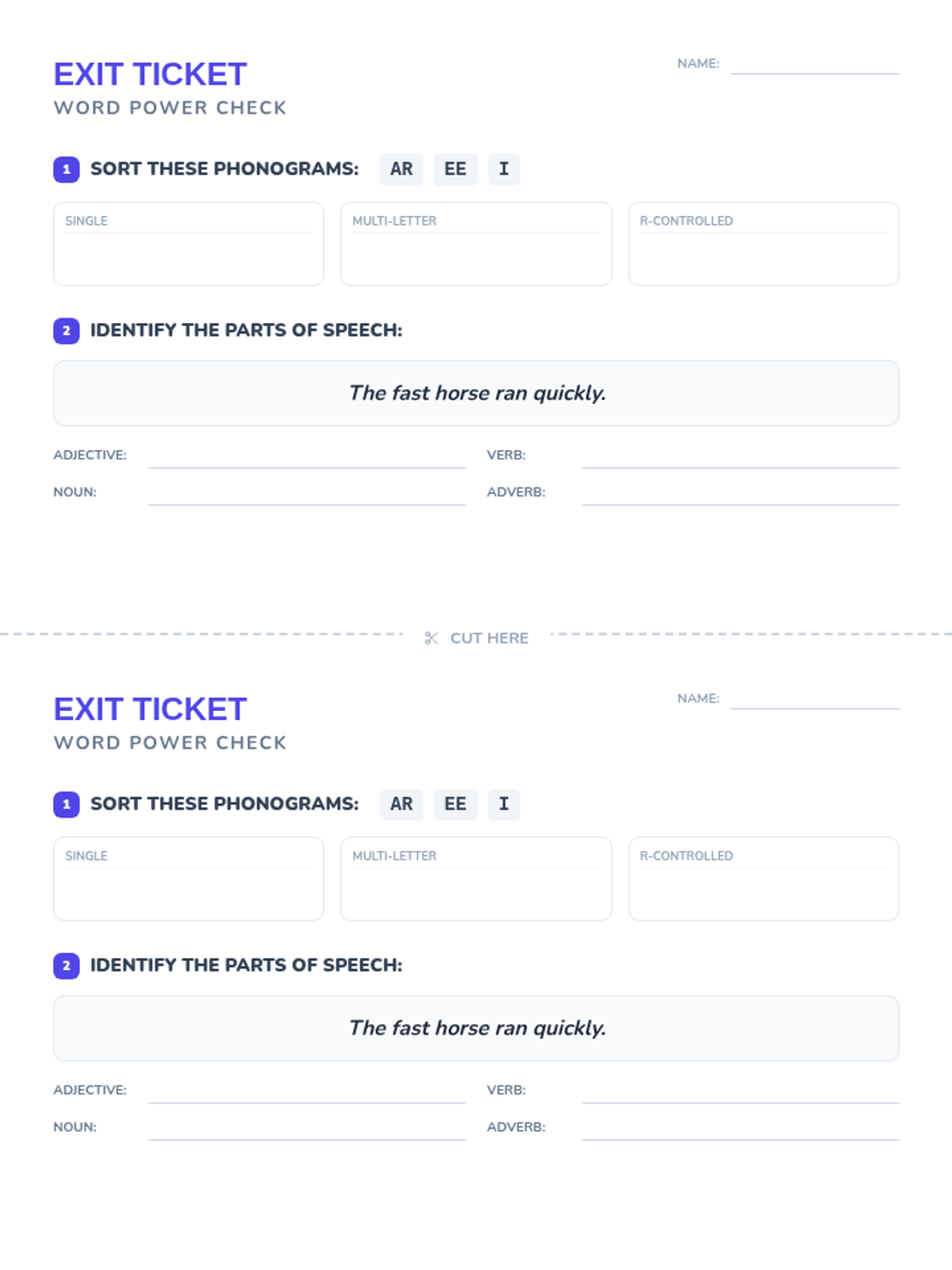
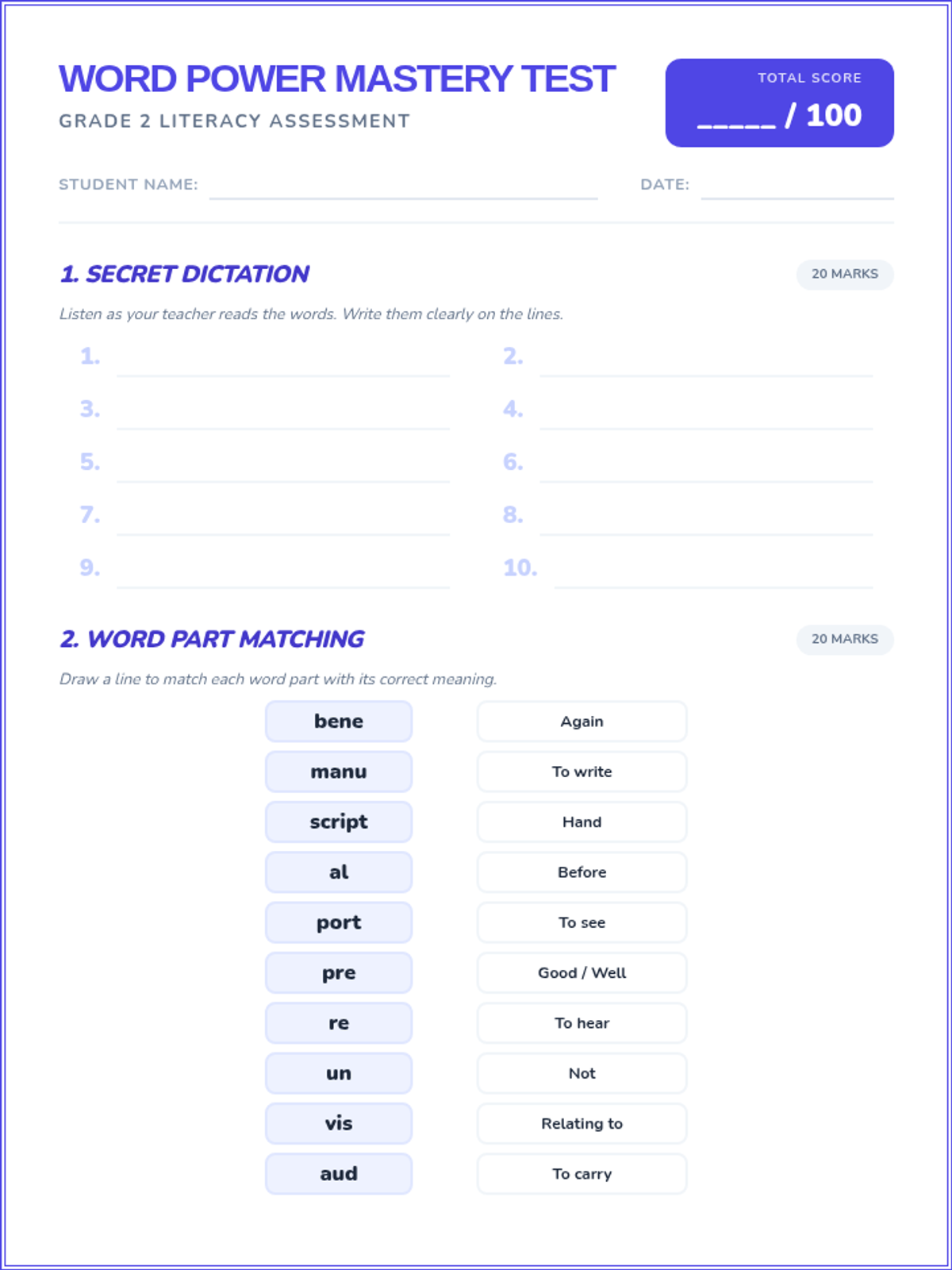
A two-part foundational literacy lesson focusing on phonogram categorization and identifying parts of speech in simple sentences.
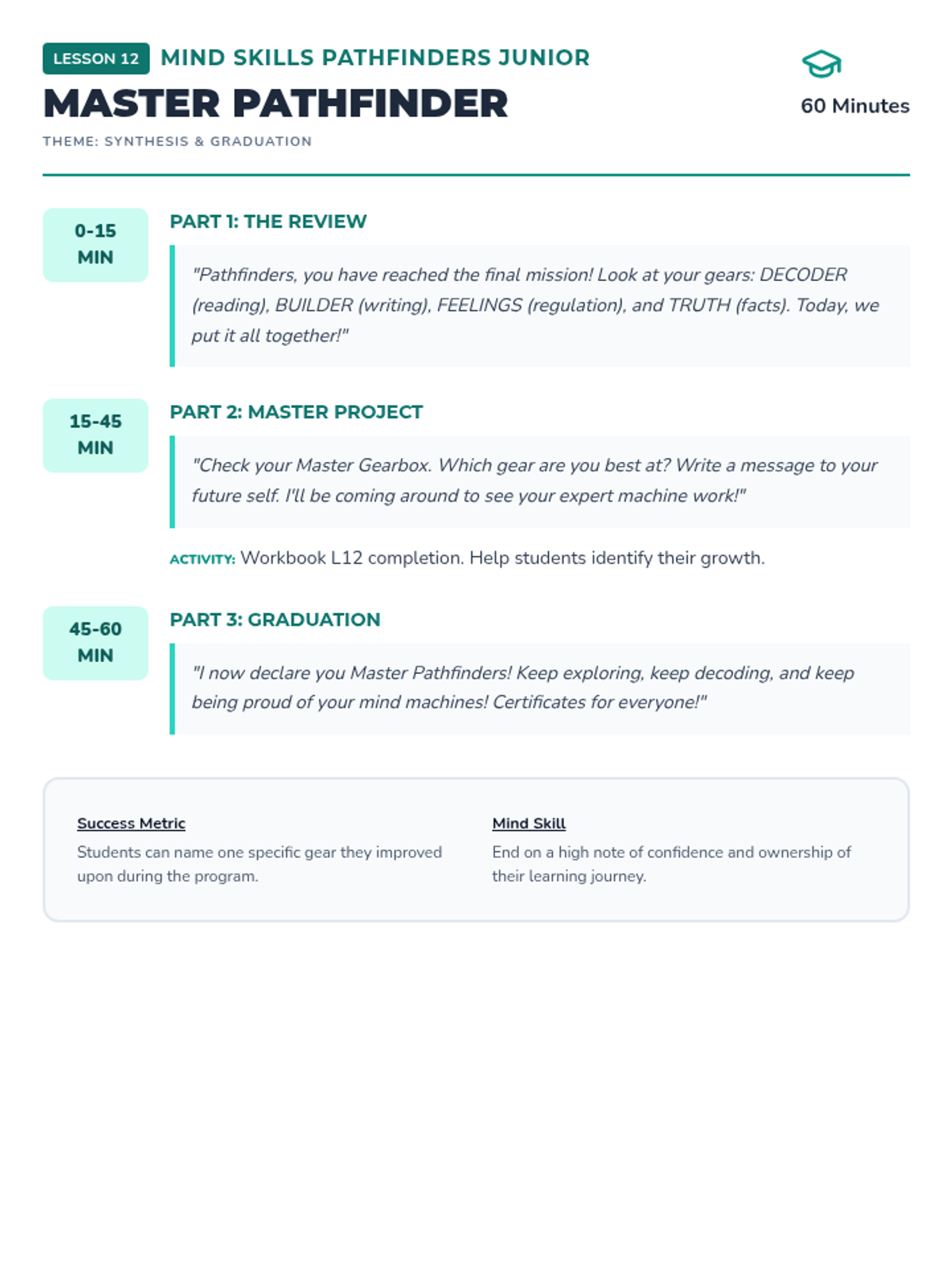
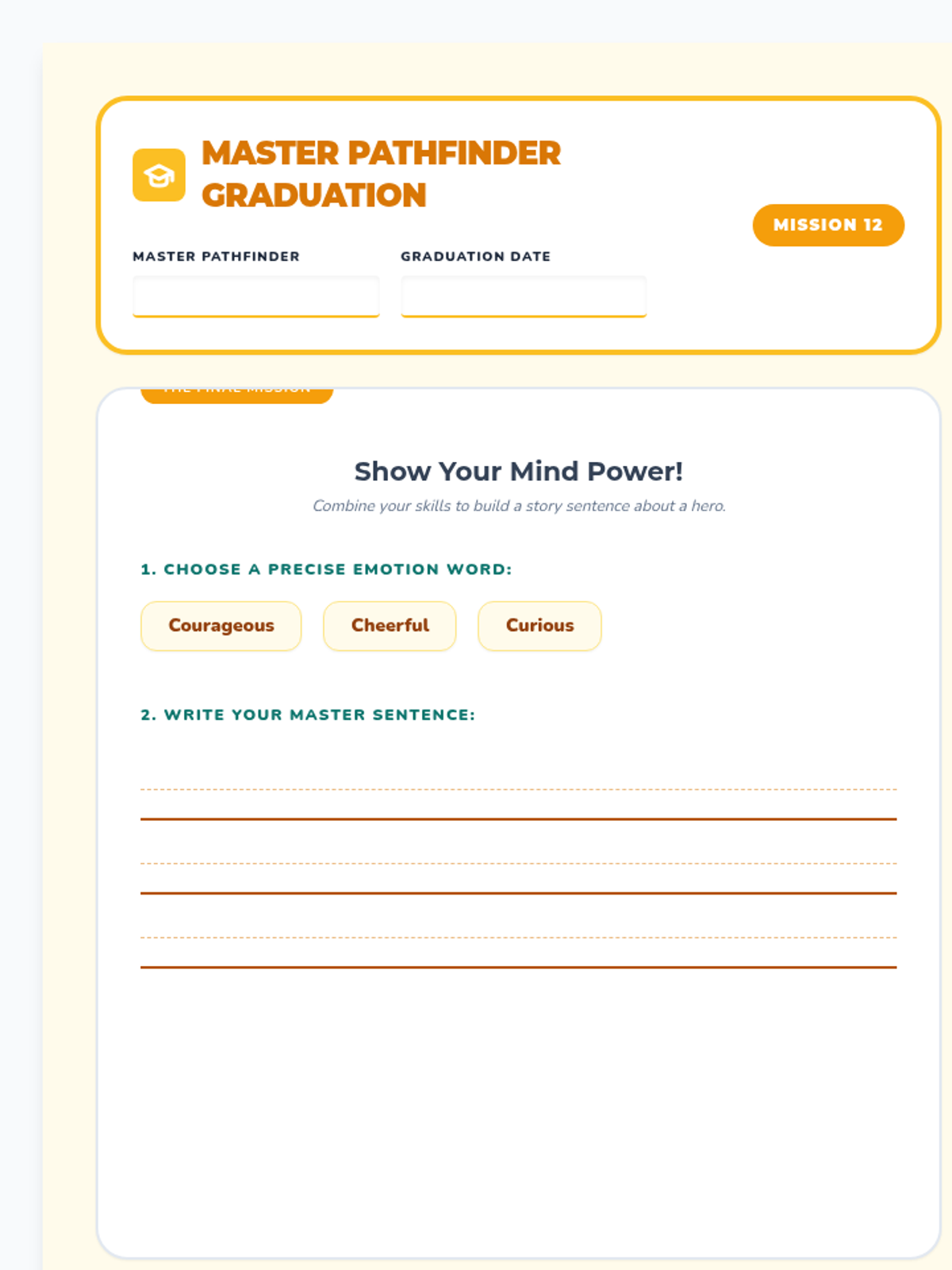
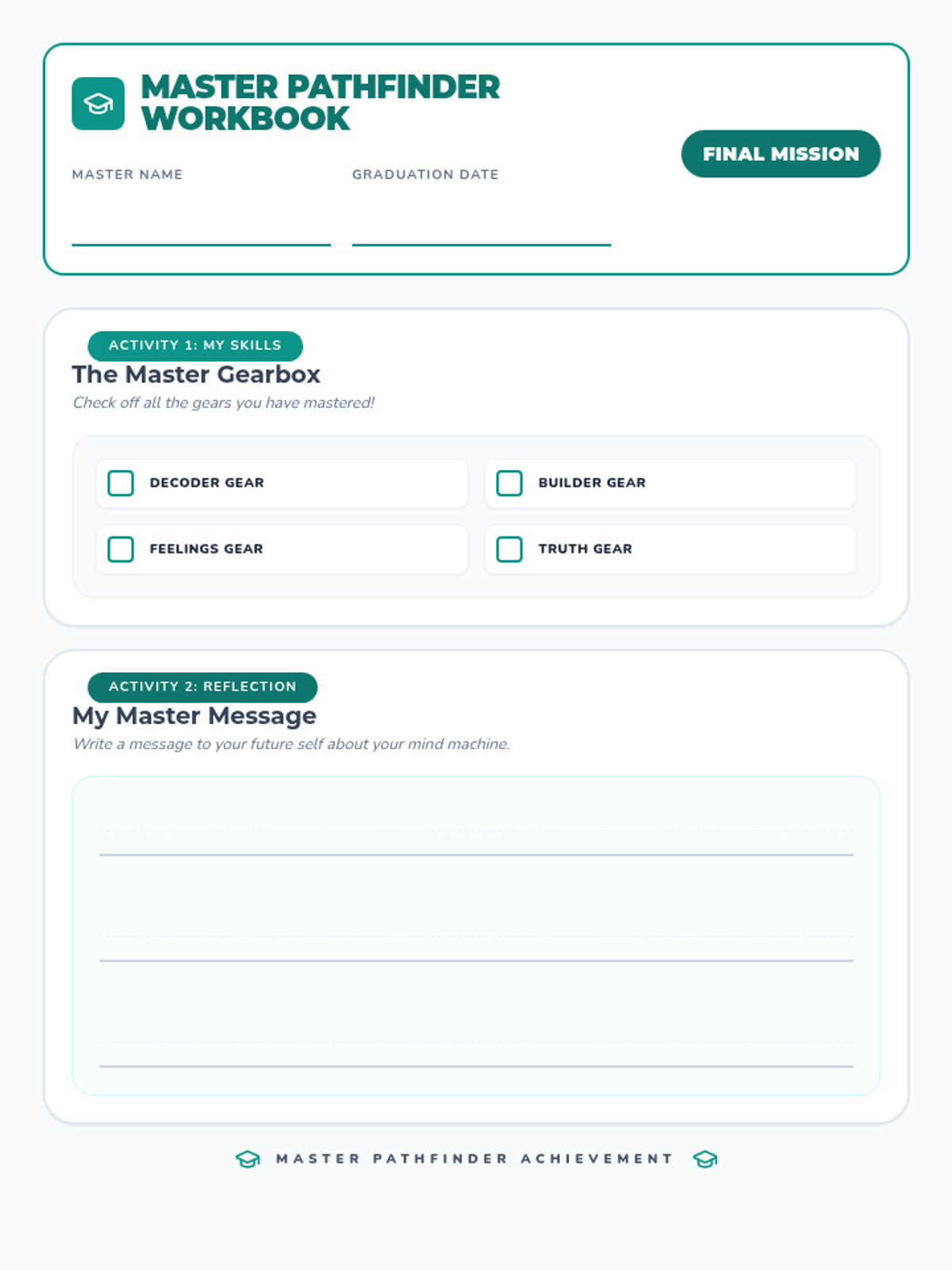
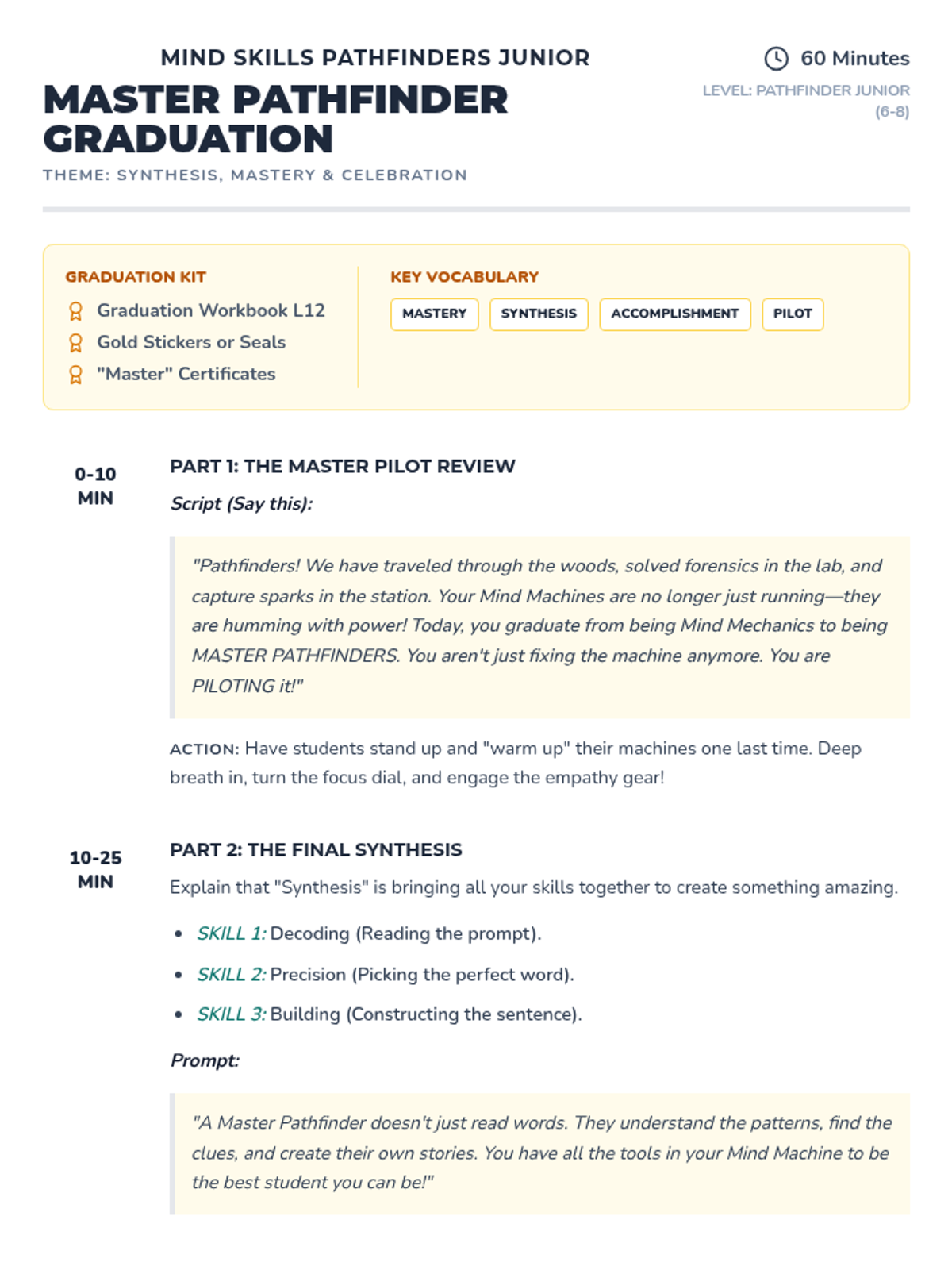
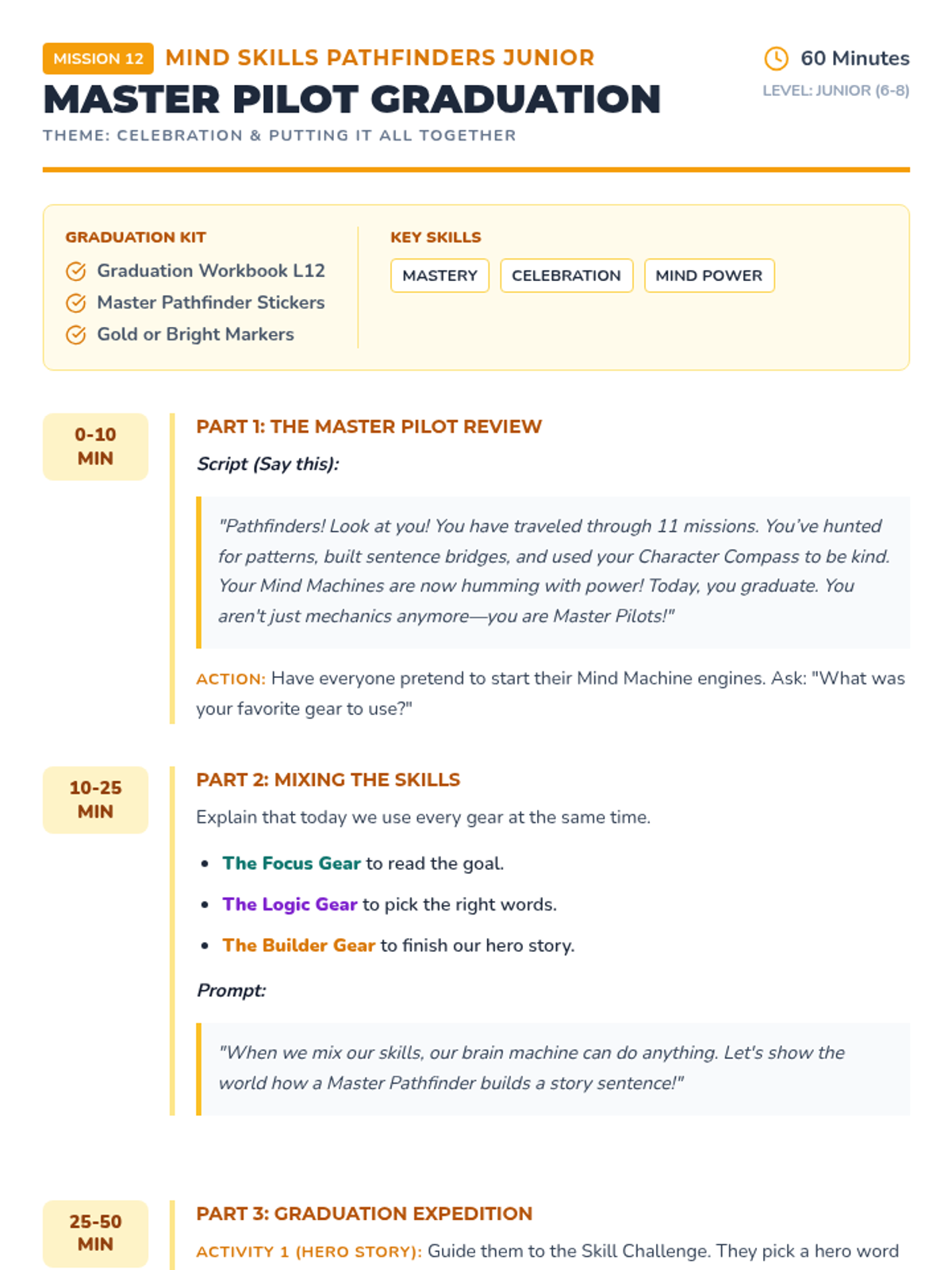
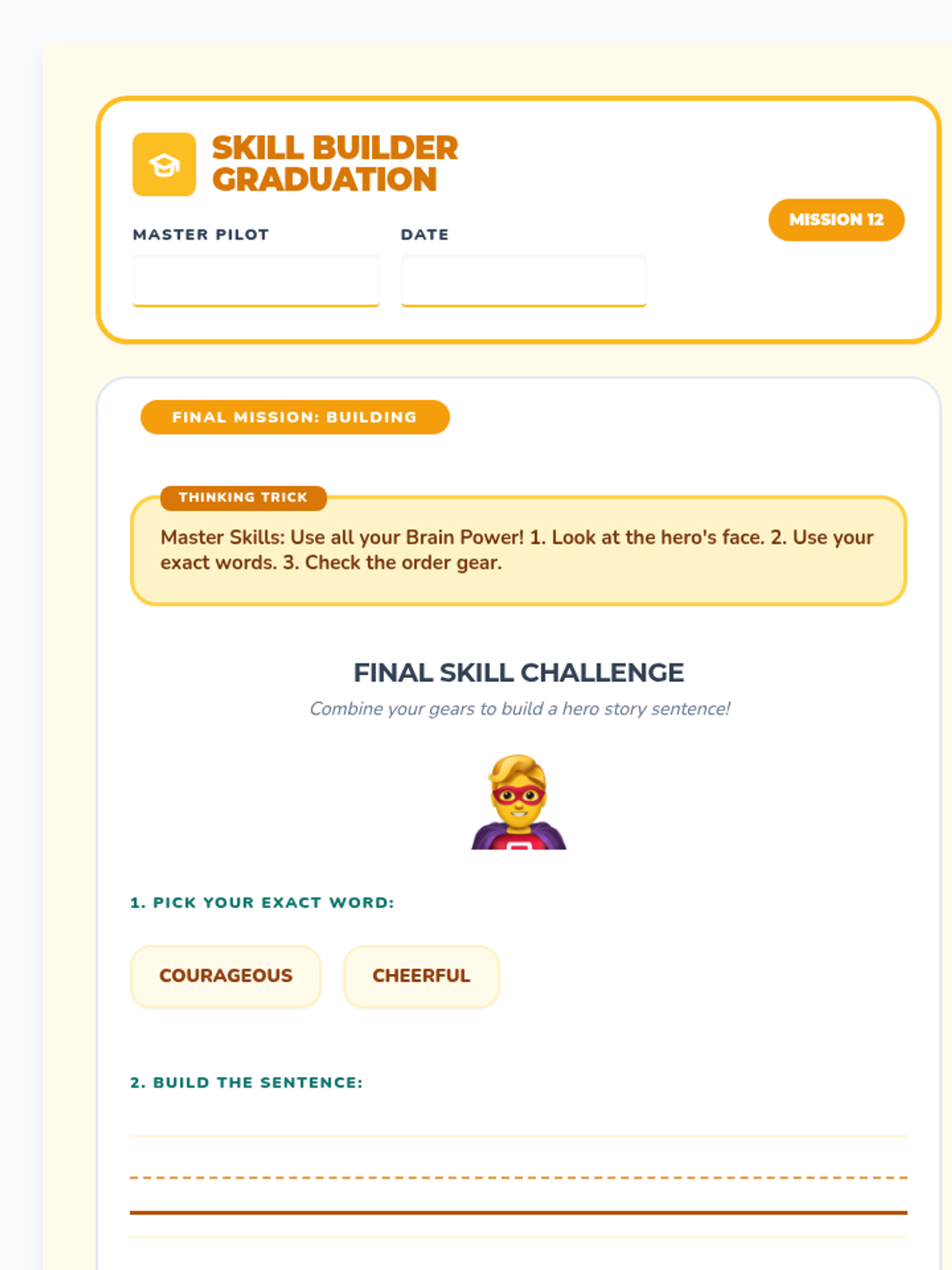
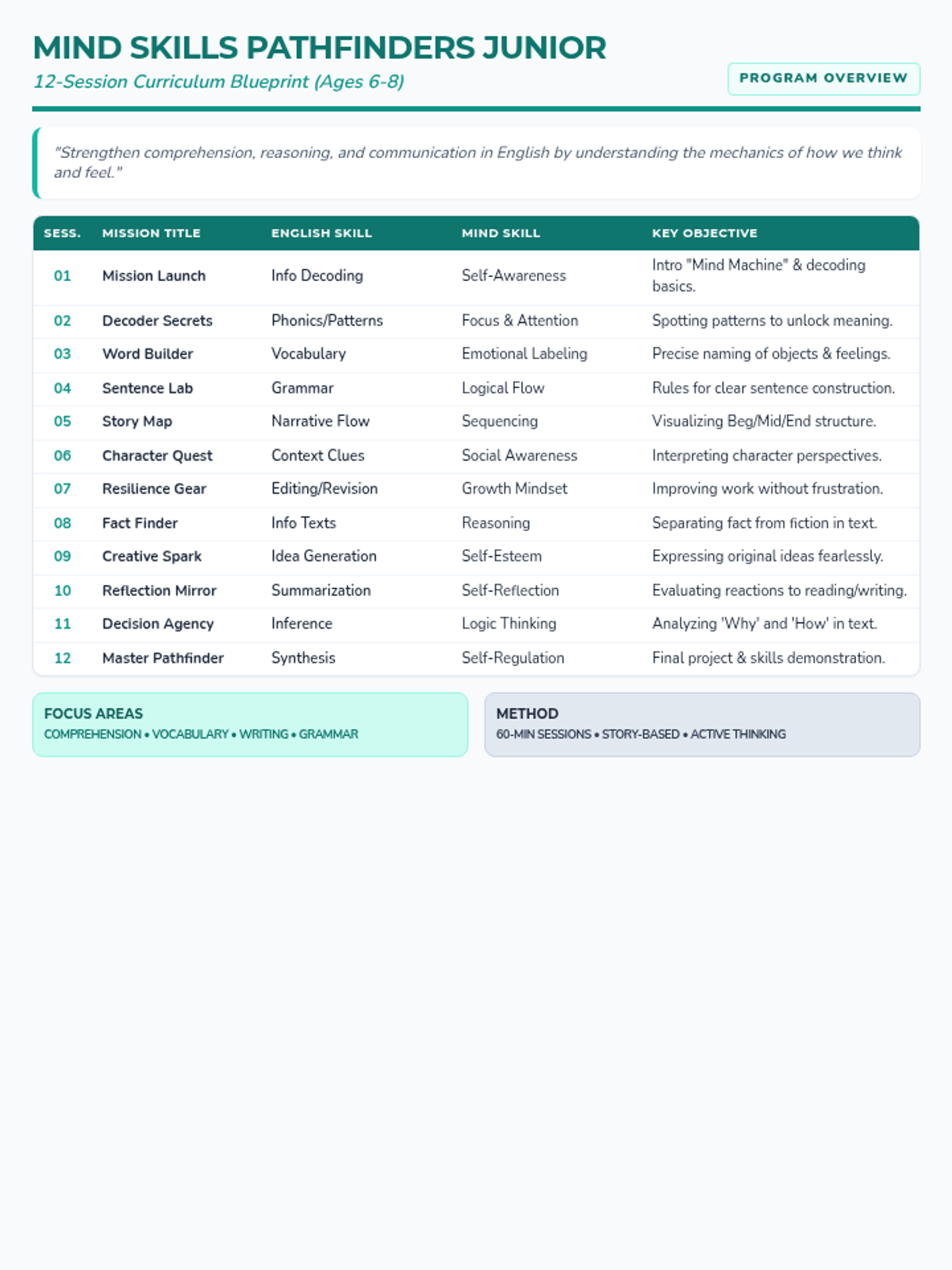
A celebratory final session where students demonstrate their 'Master Pathfinder' skills and receive recognition for their growth in thinking and English.
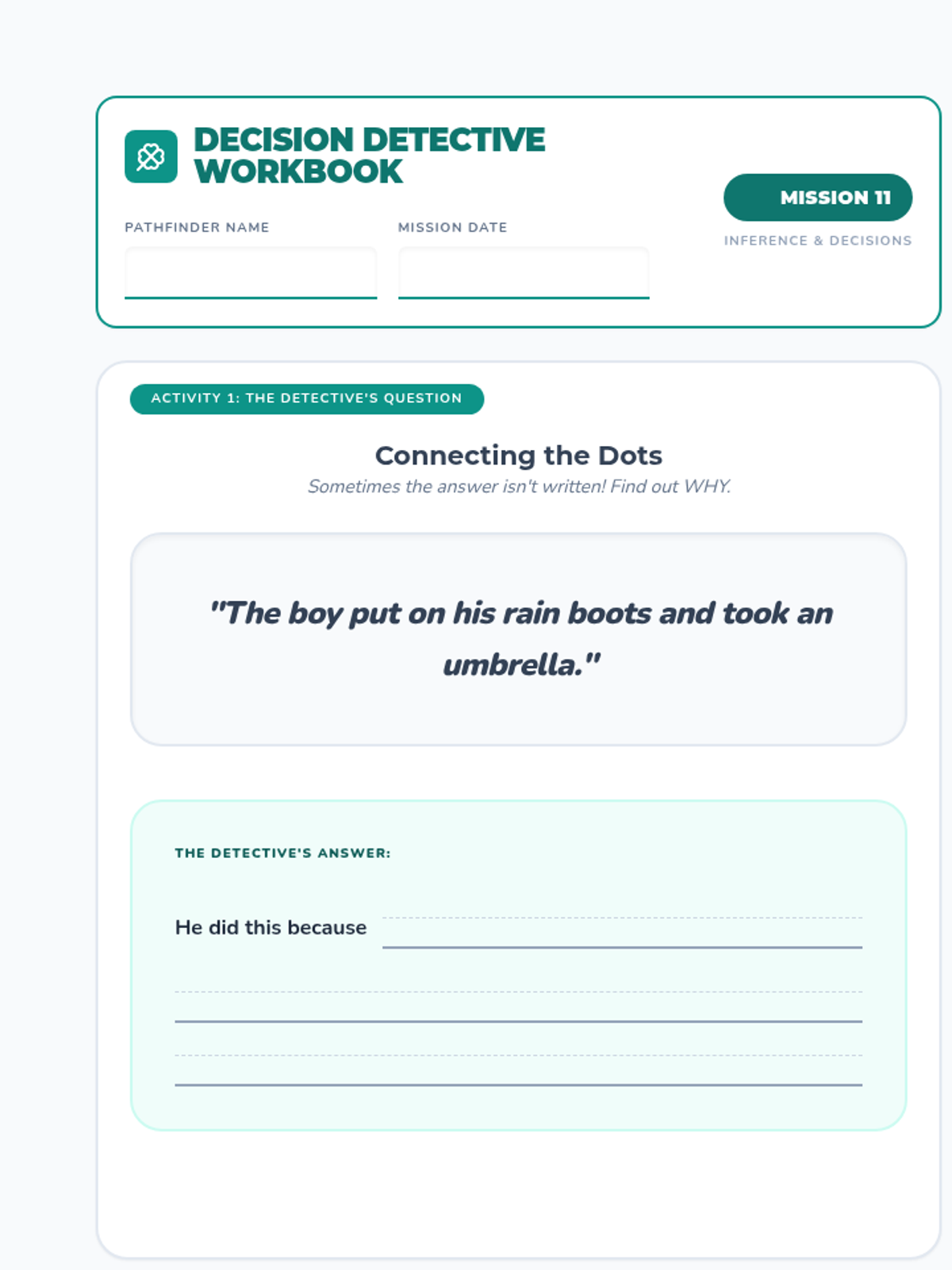
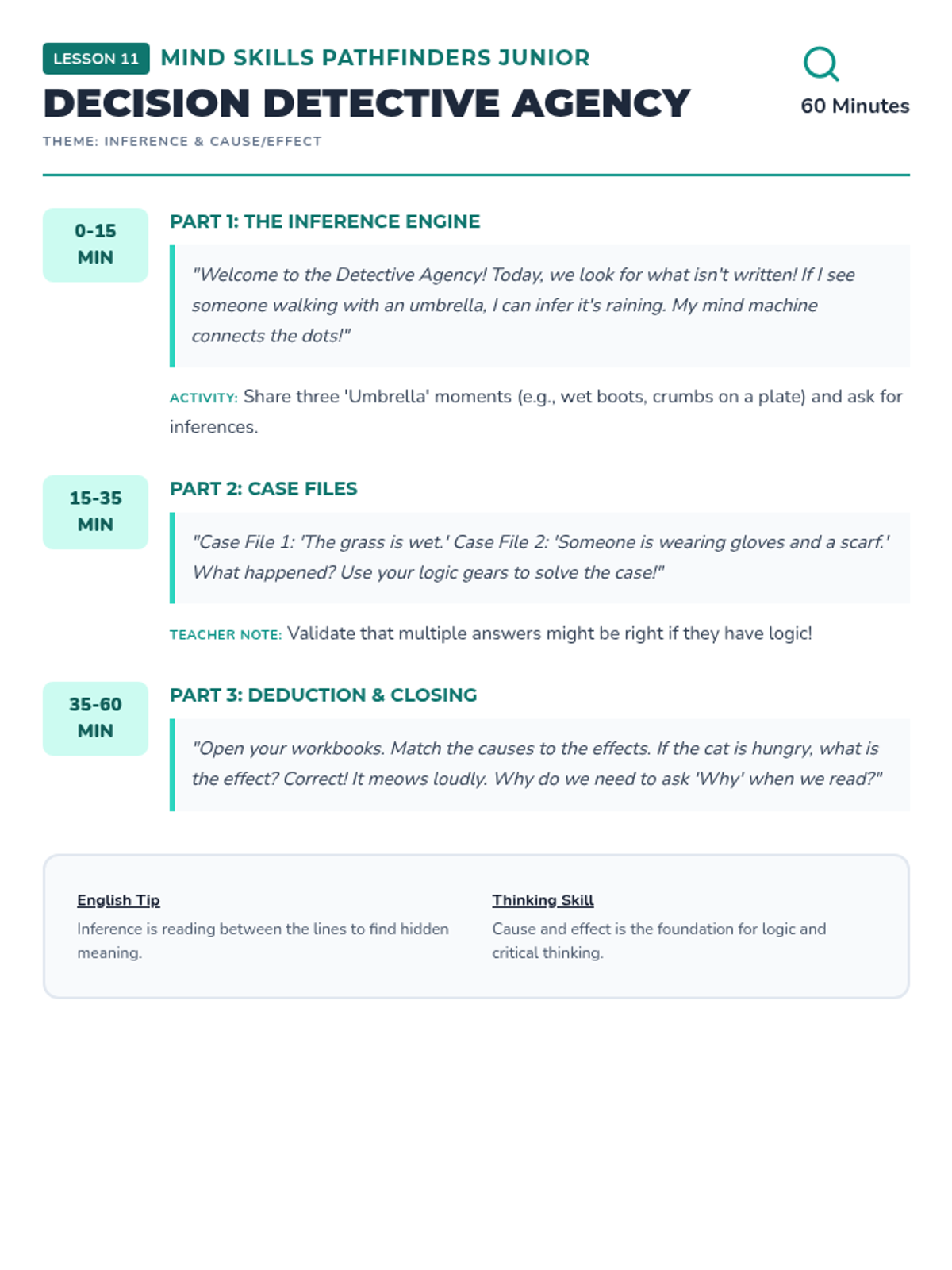
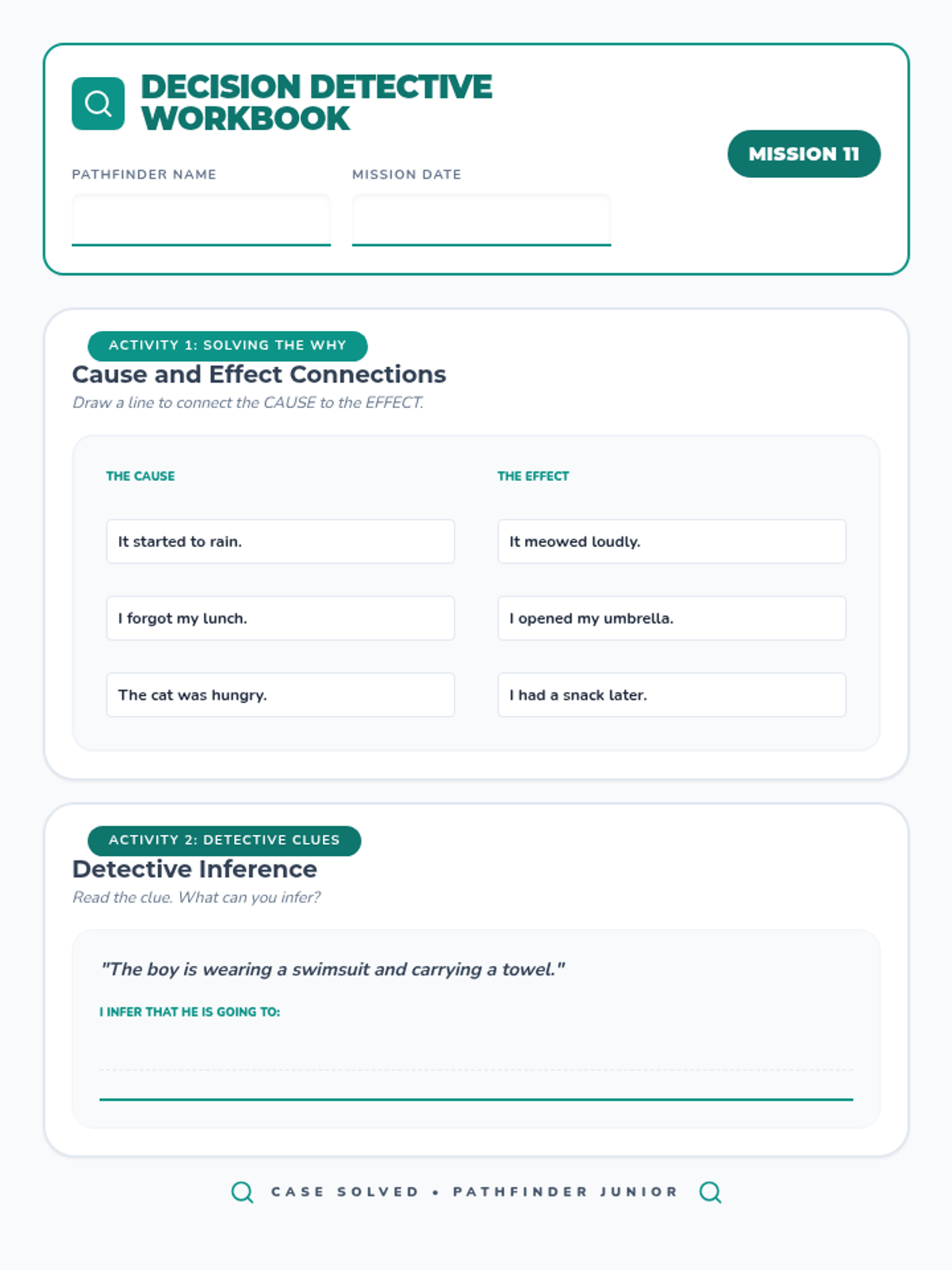
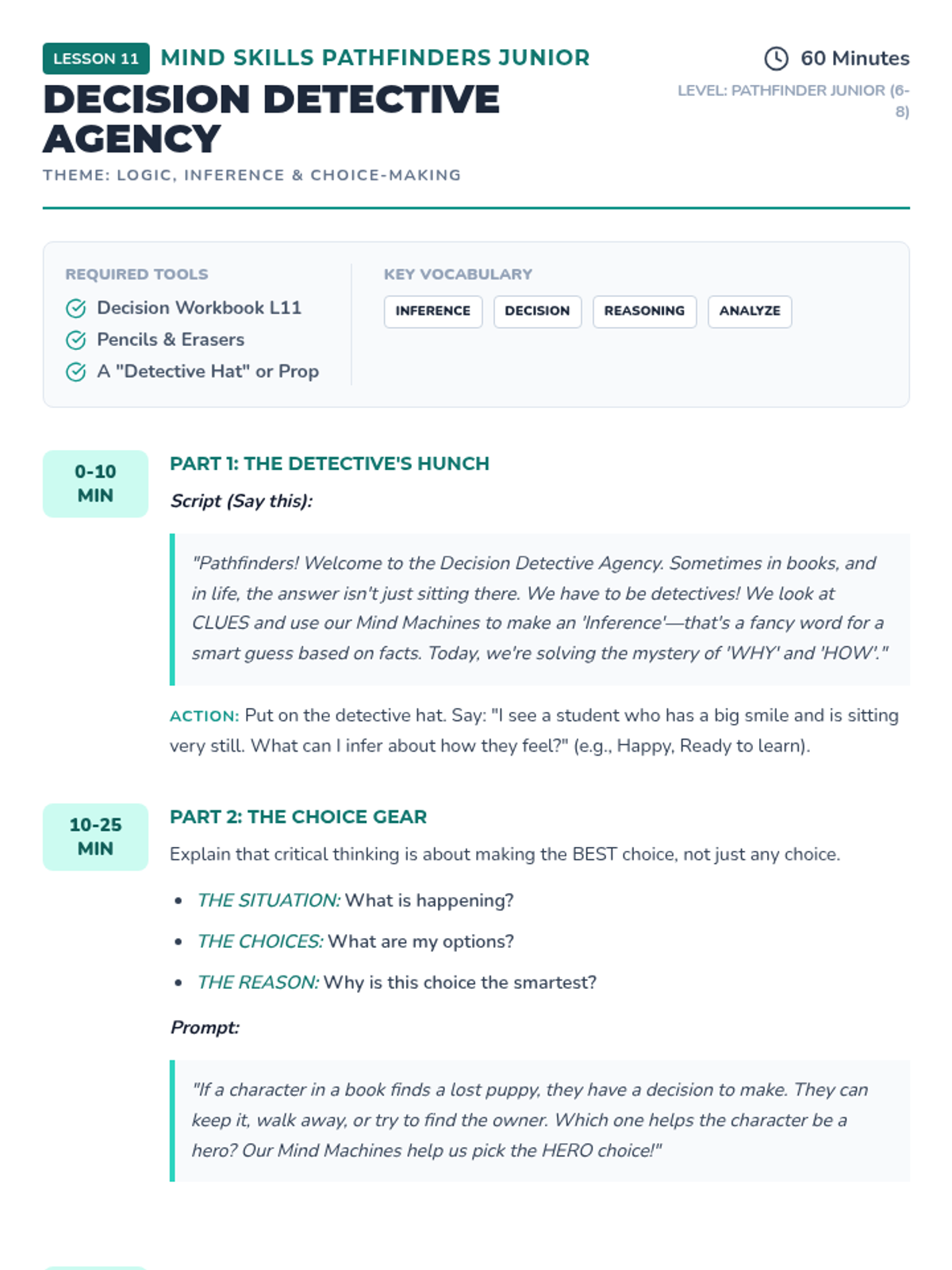
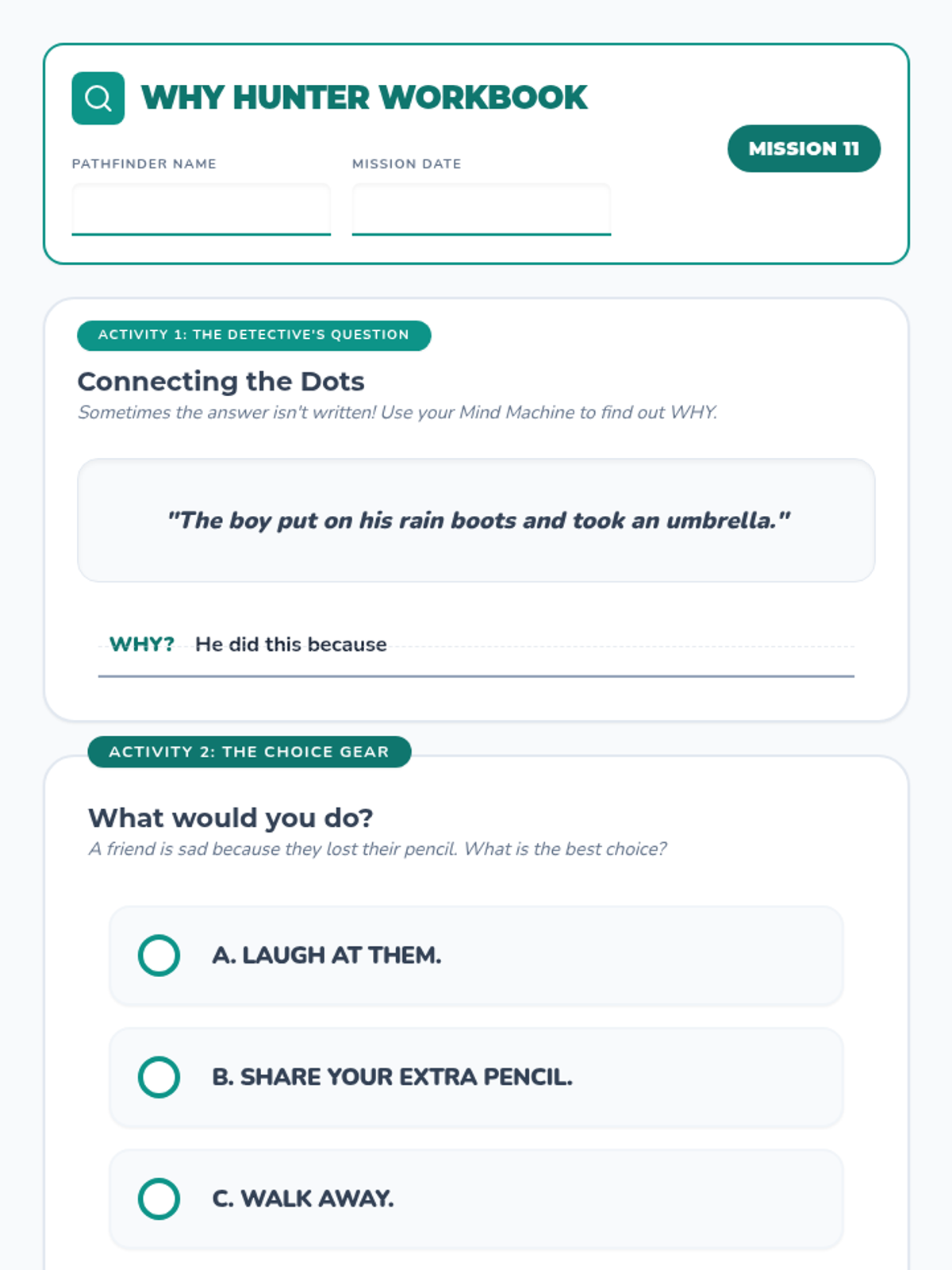
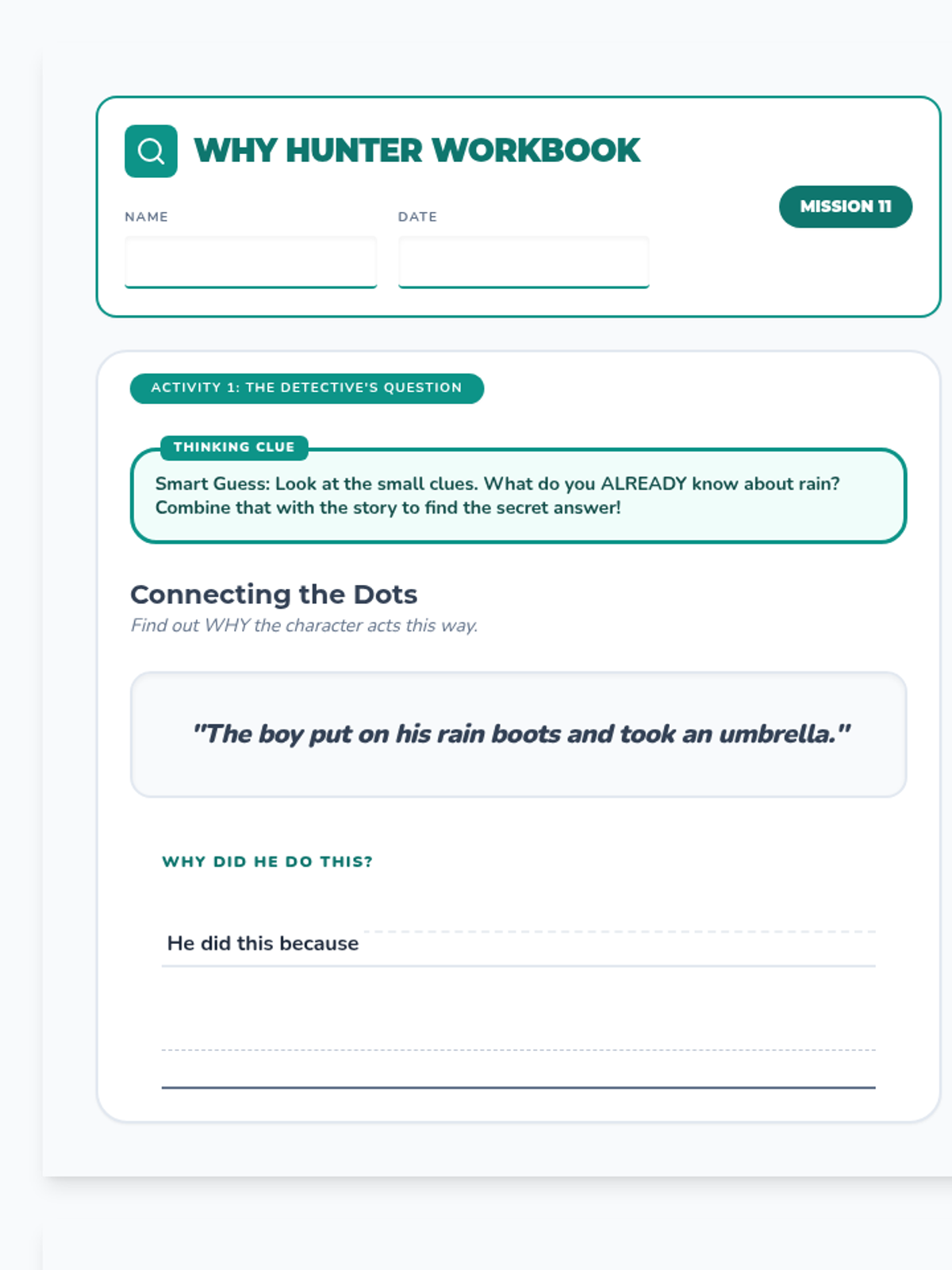
Focuses on logic and decision-making by asking 'why' and 'how' questions about texts to understand cause and effect.
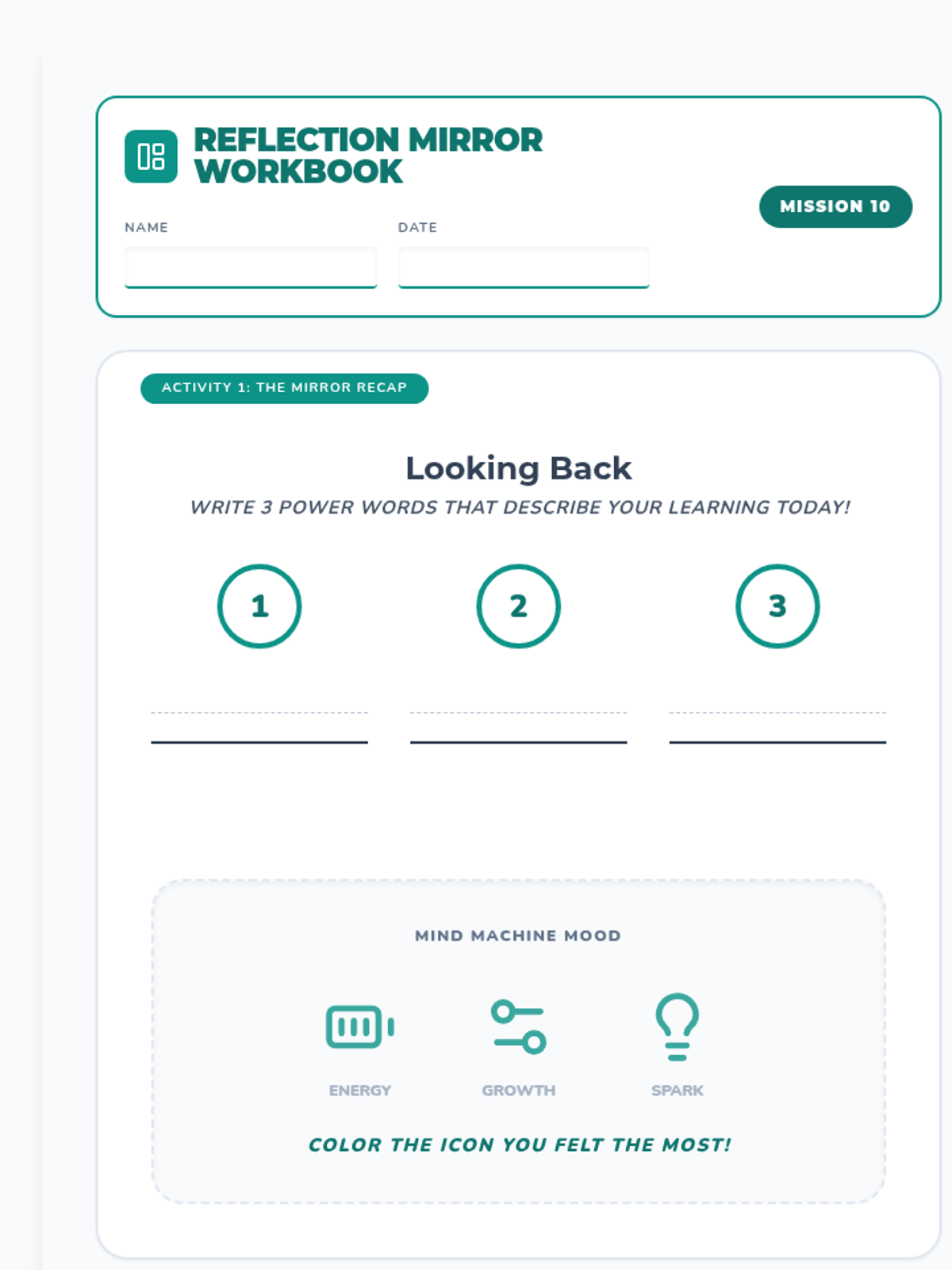
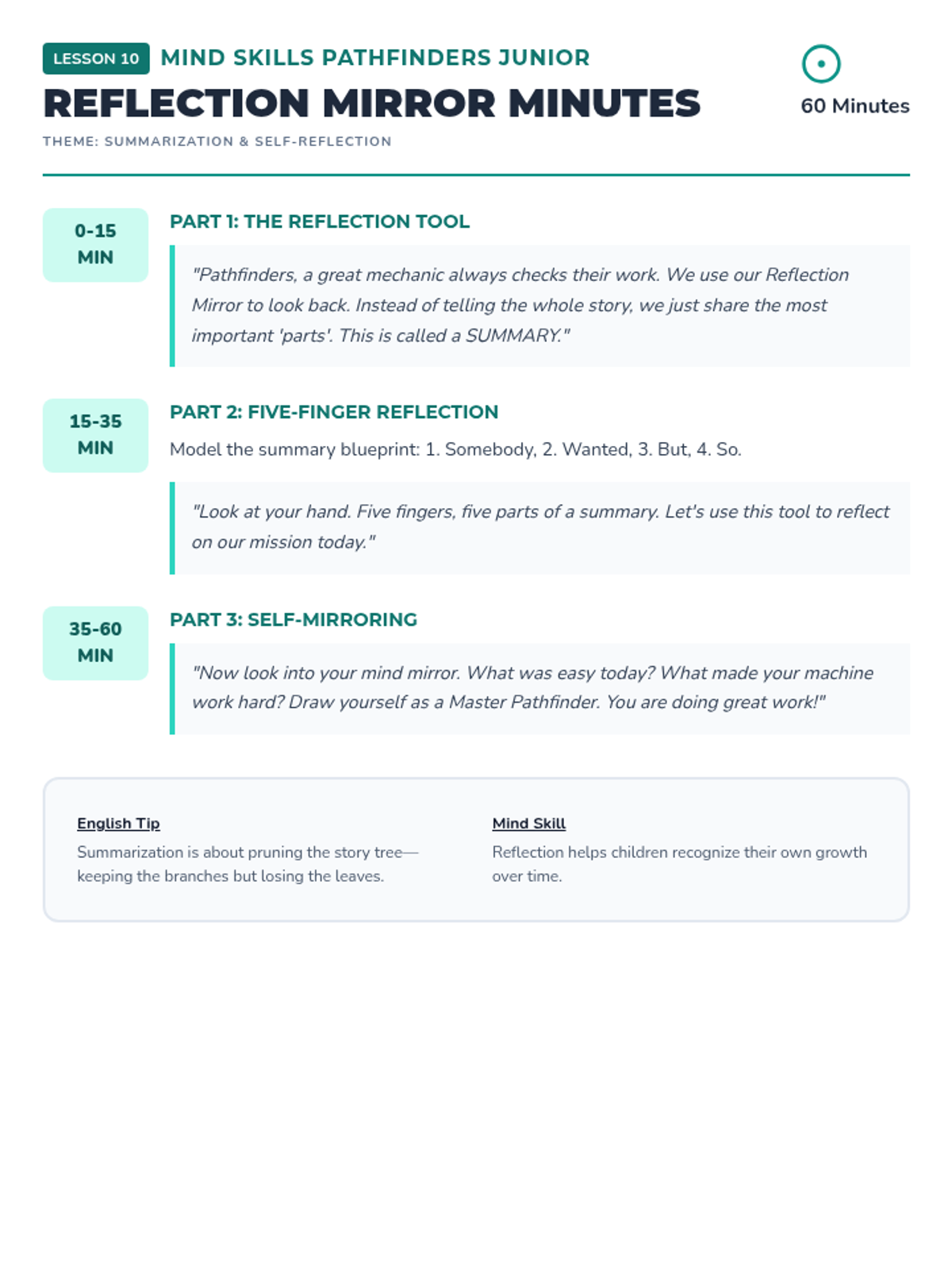
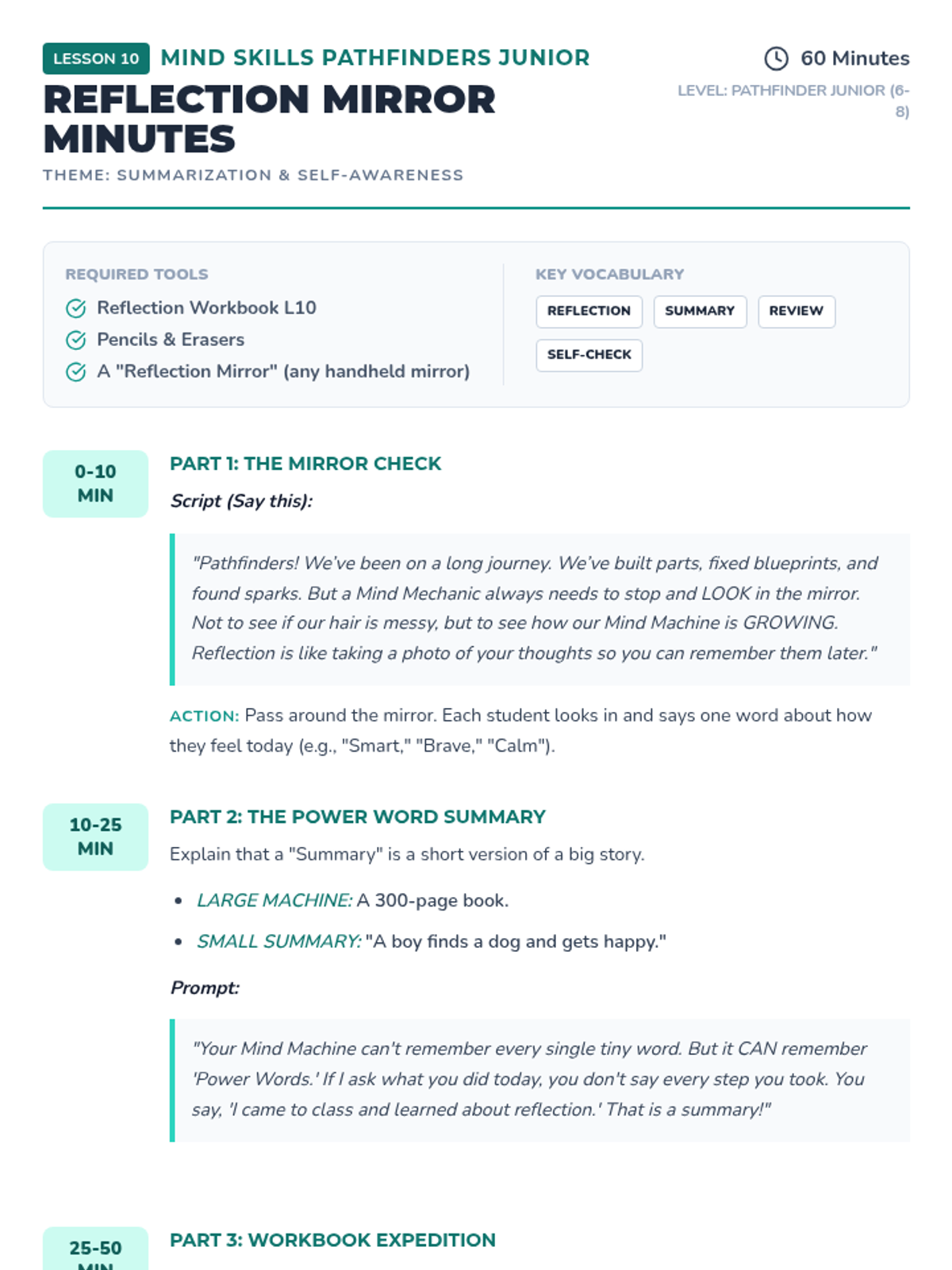
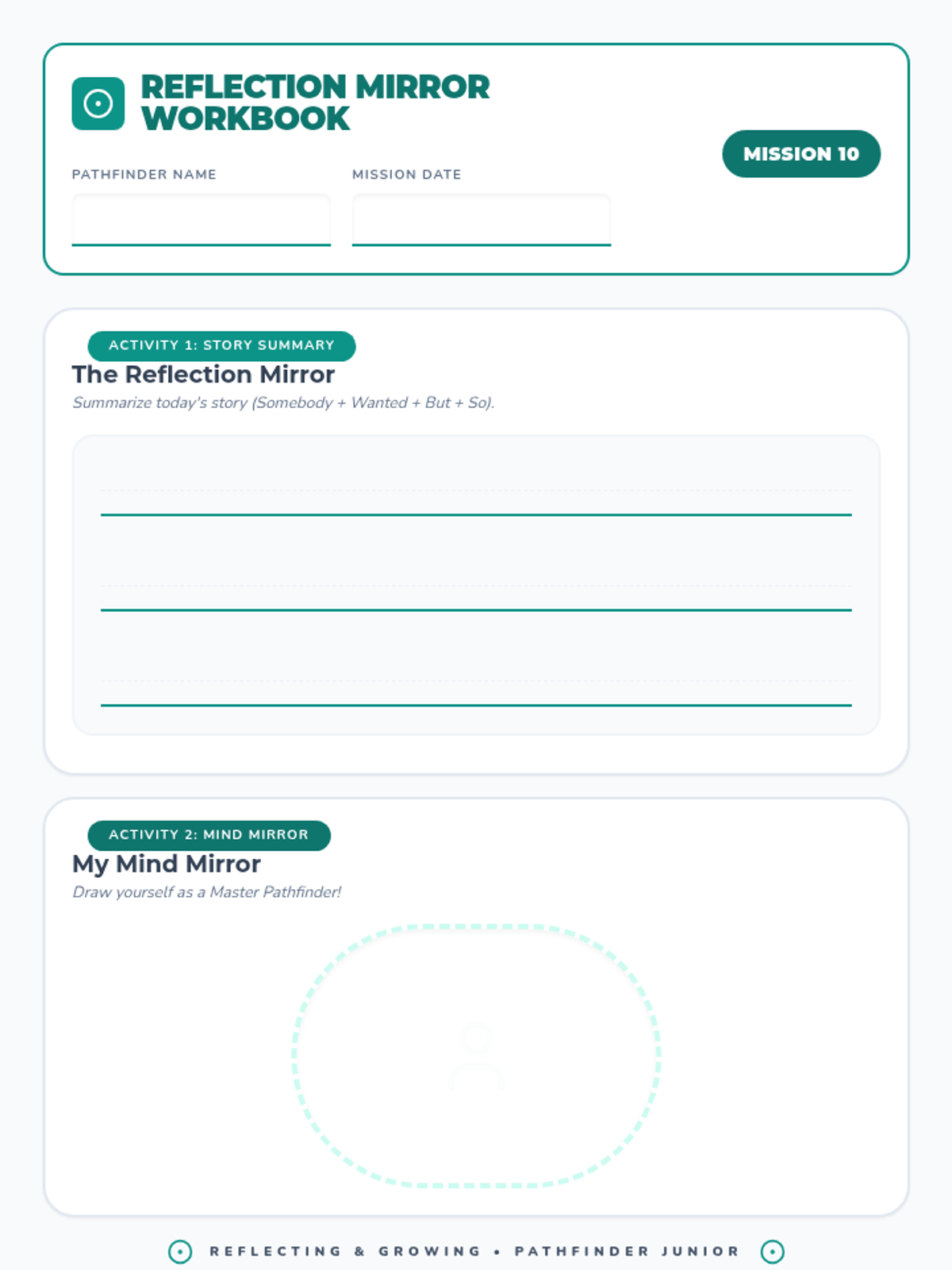
Deepens self-awareness through journaling and reflection, helping students recognize their own reactions and thoughts while reading and writing.
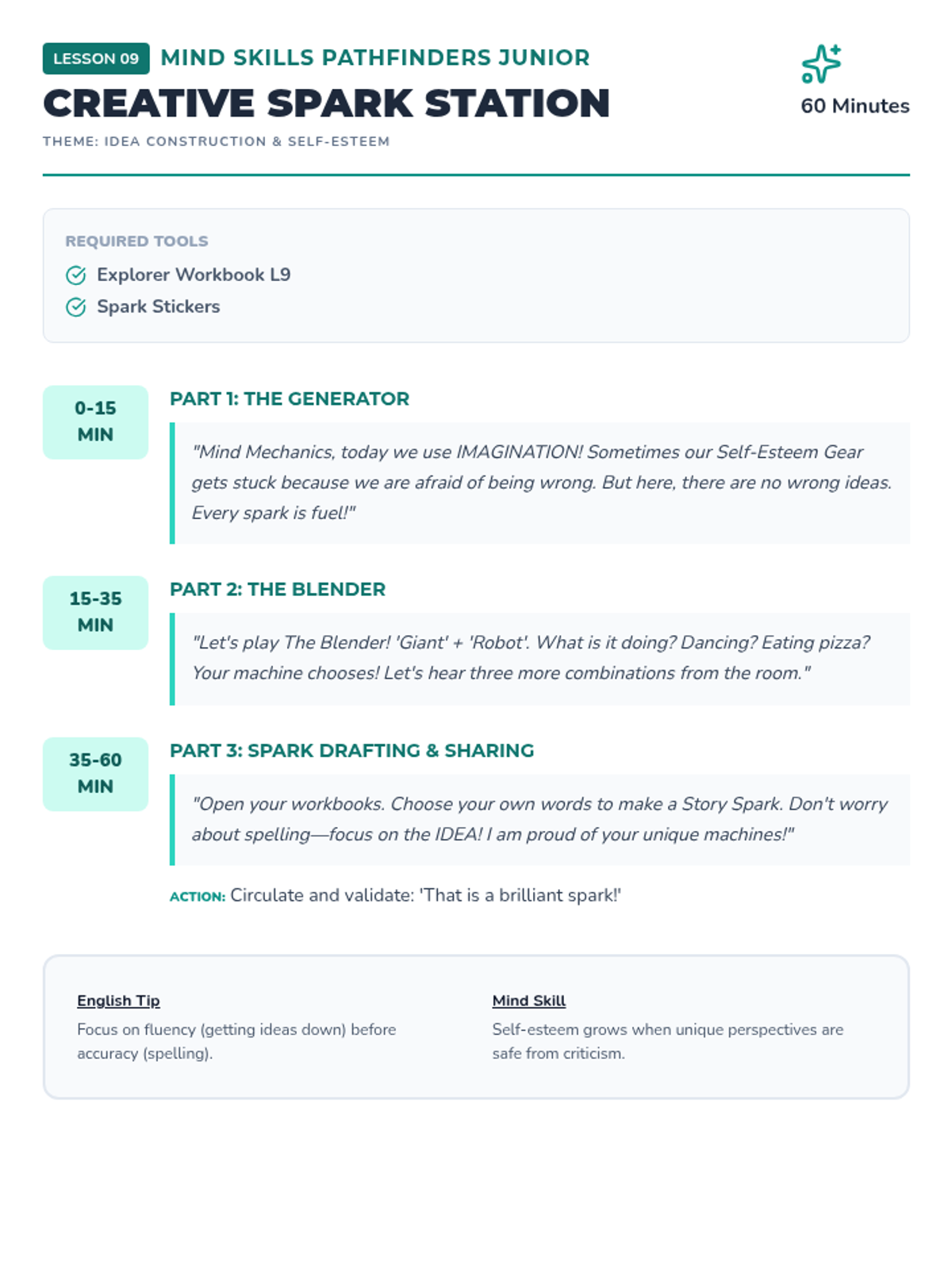
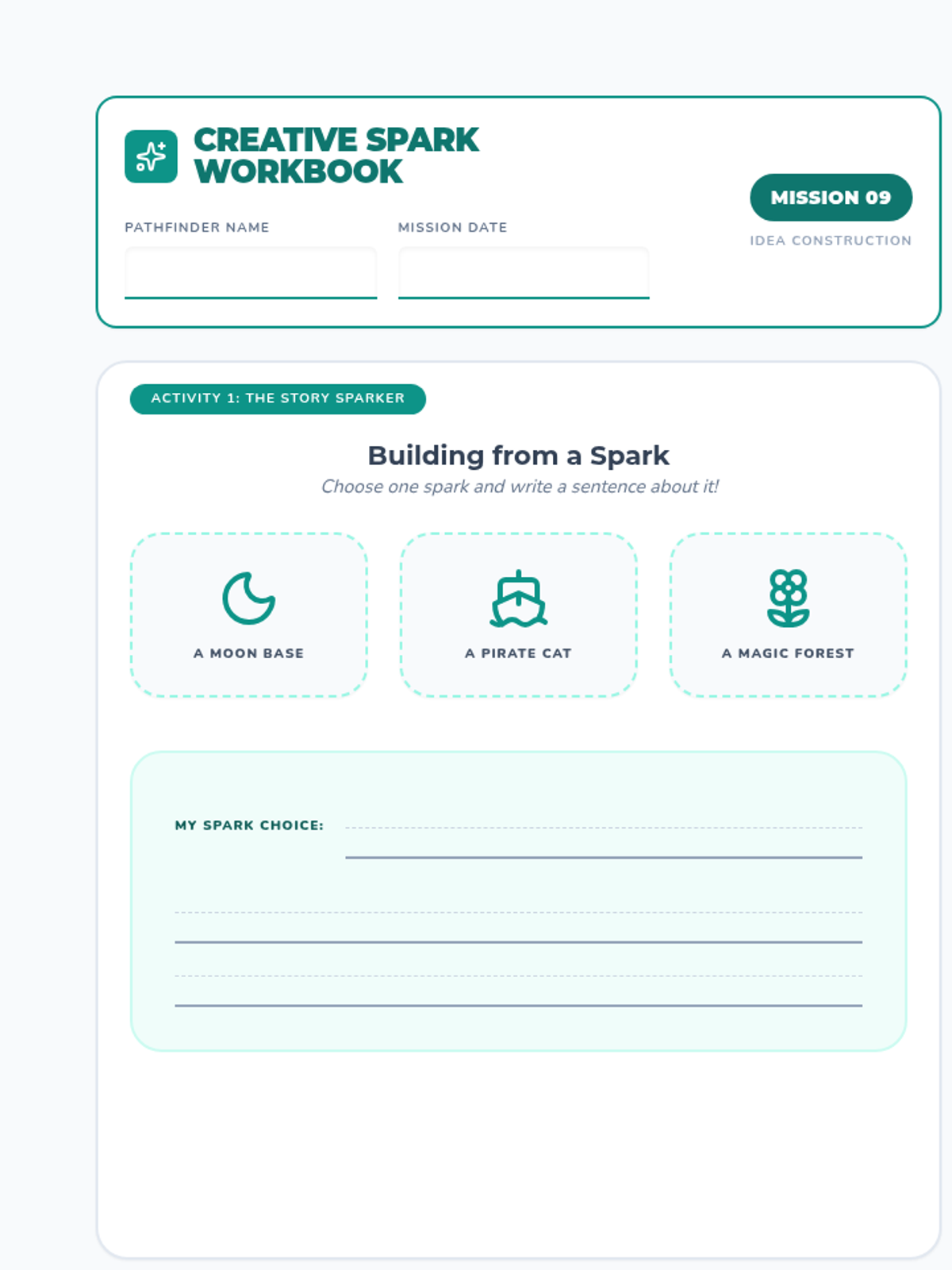
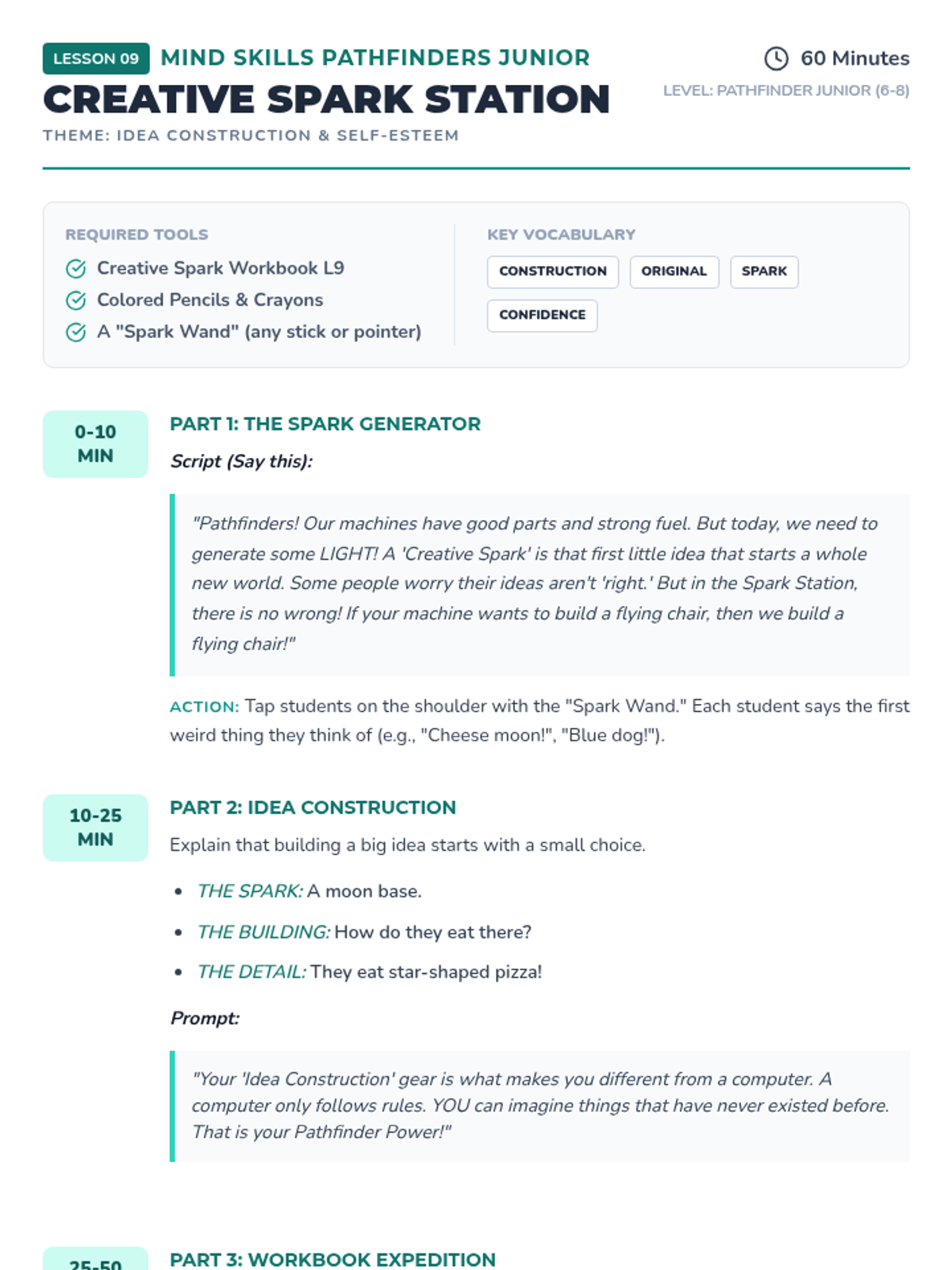
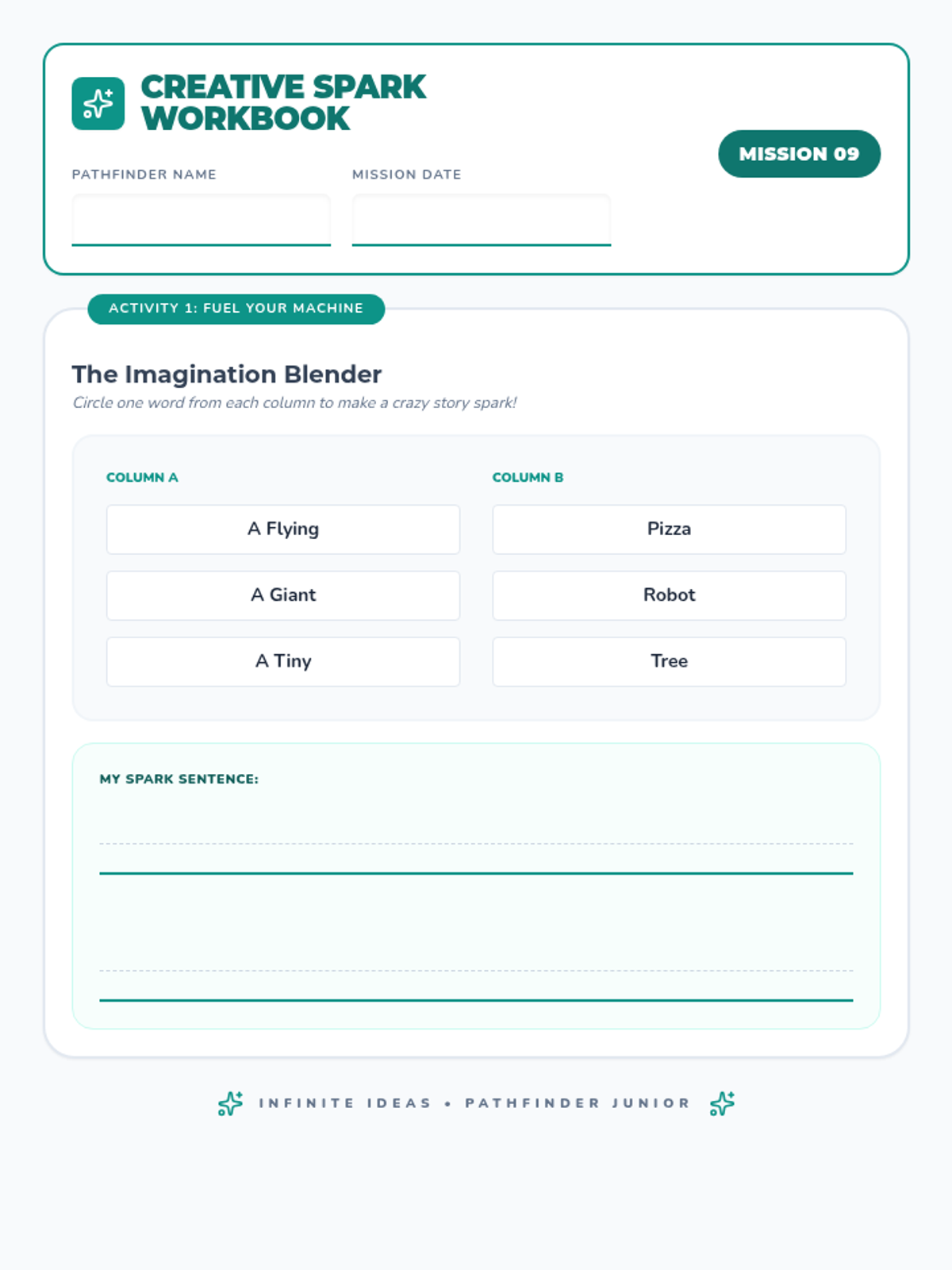
Encourages idea construction and creative writing, showing students how to fuel their mind machines with imagination to create original stories.
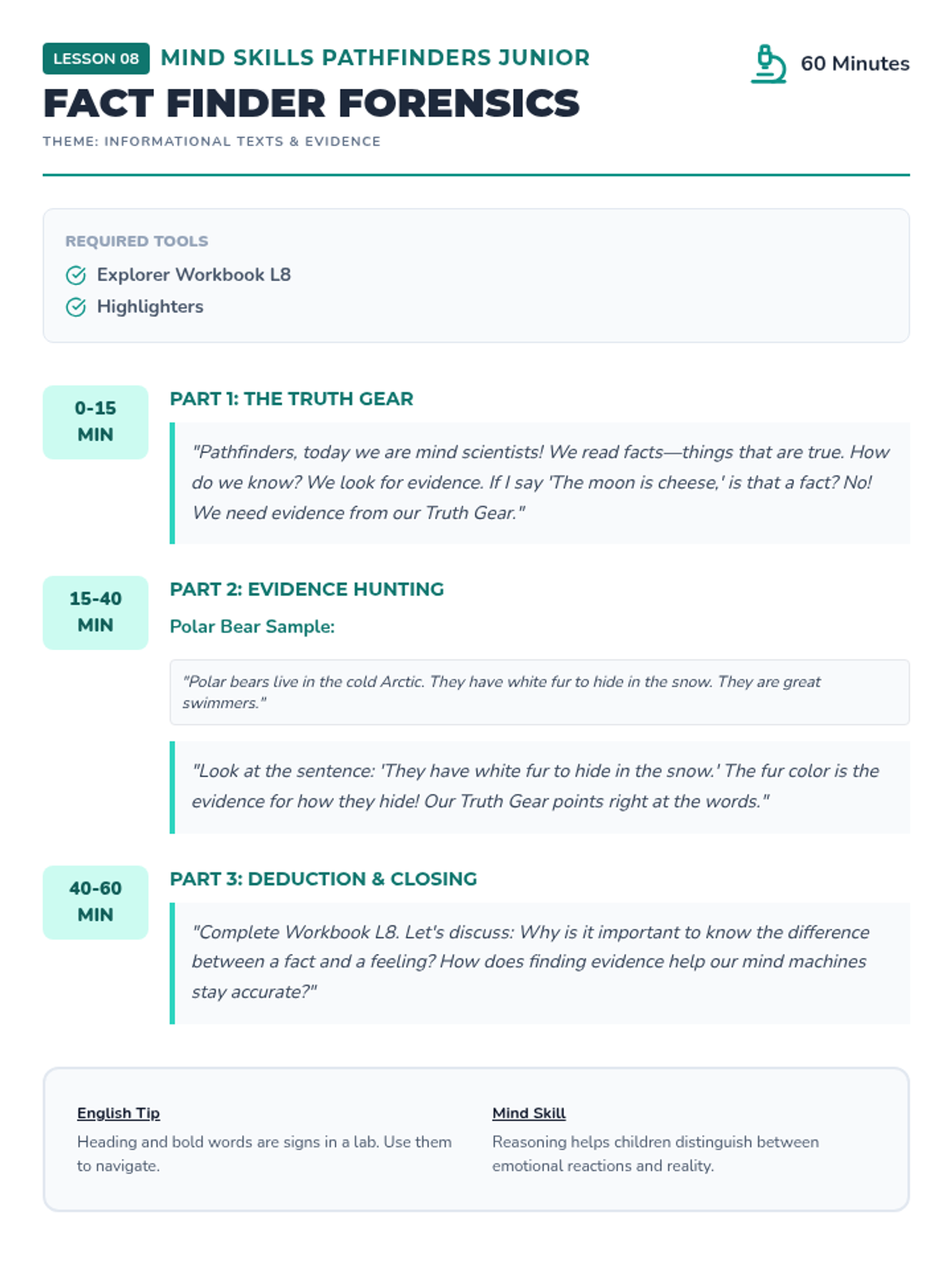
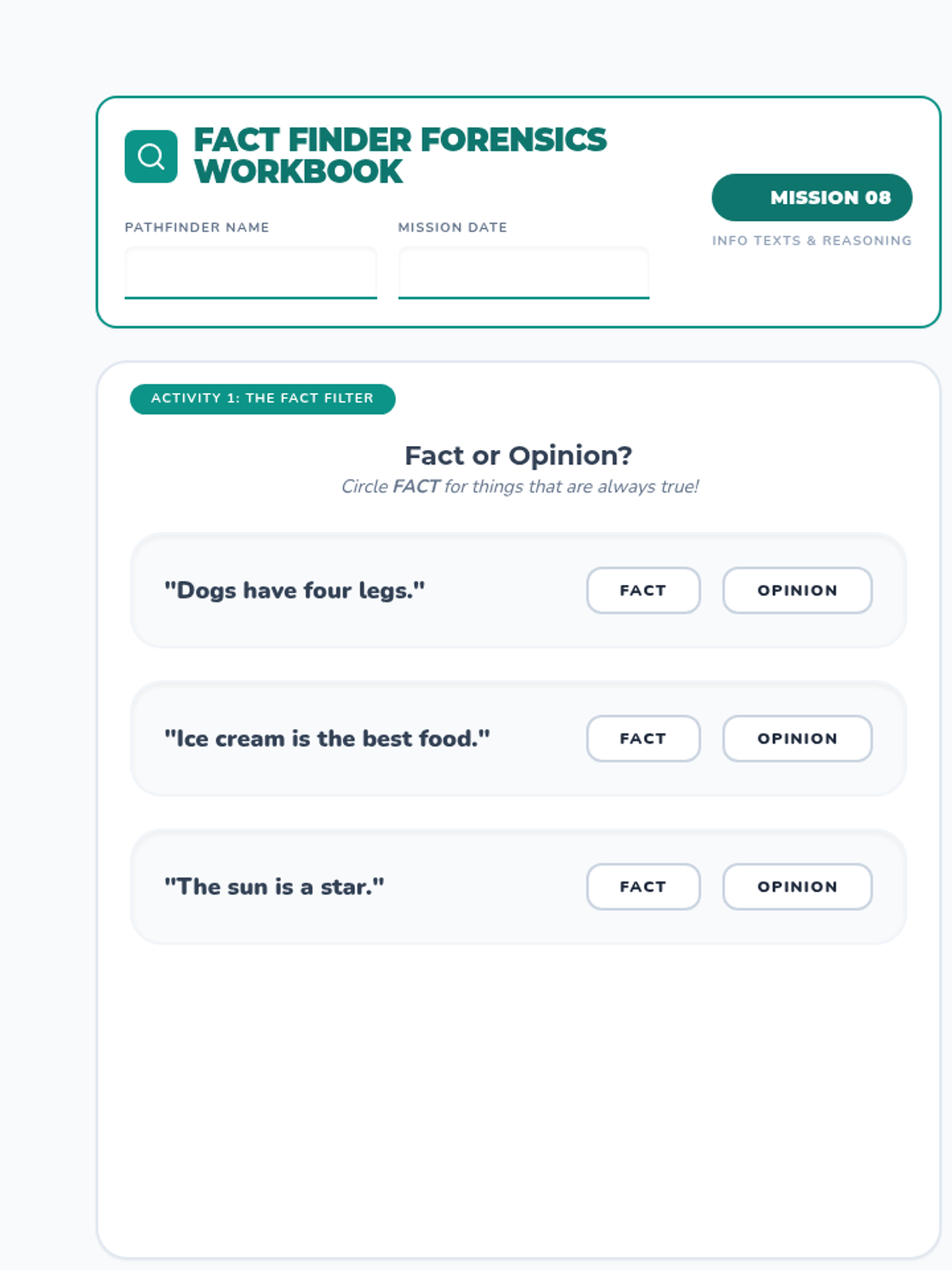
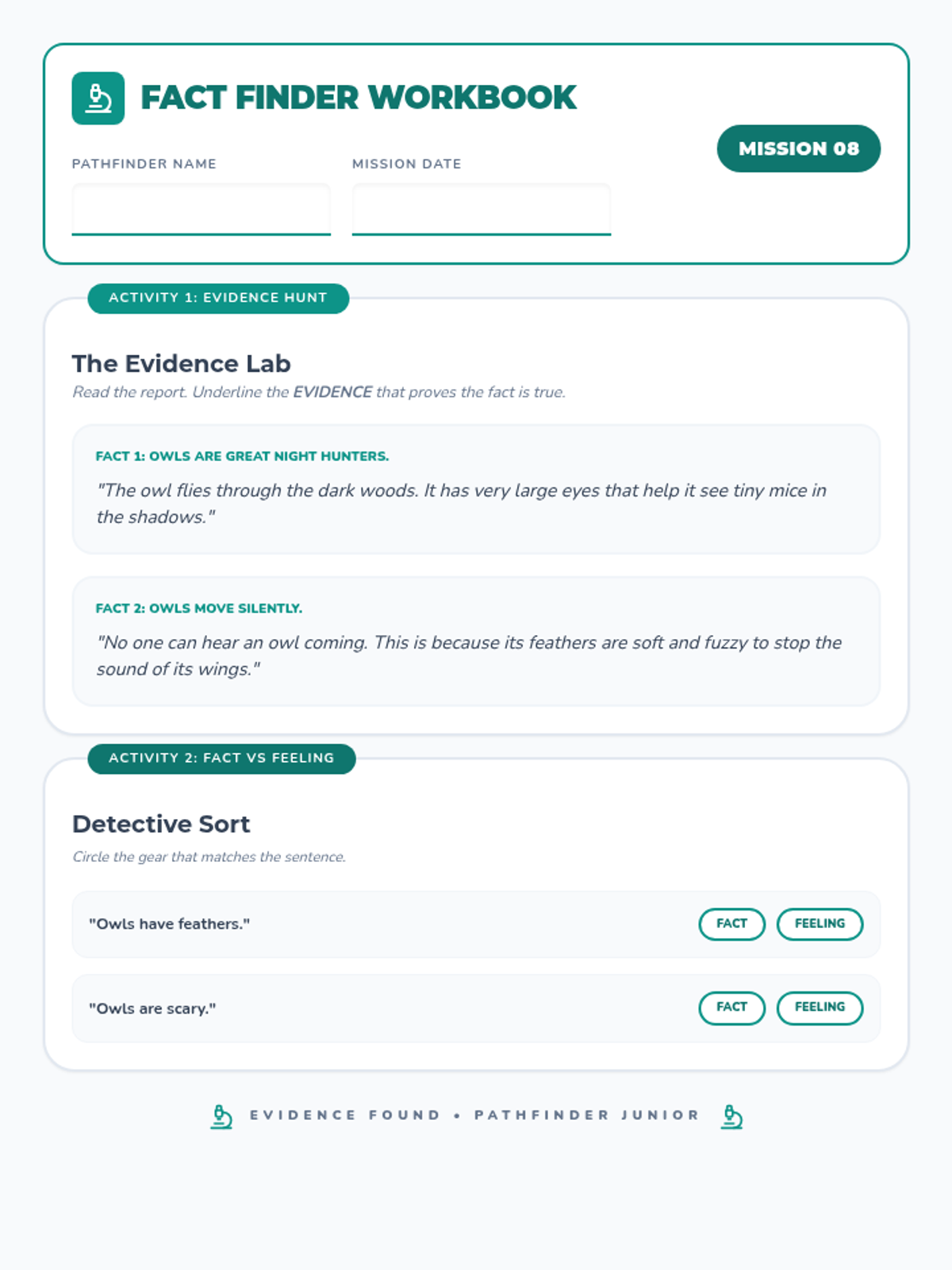
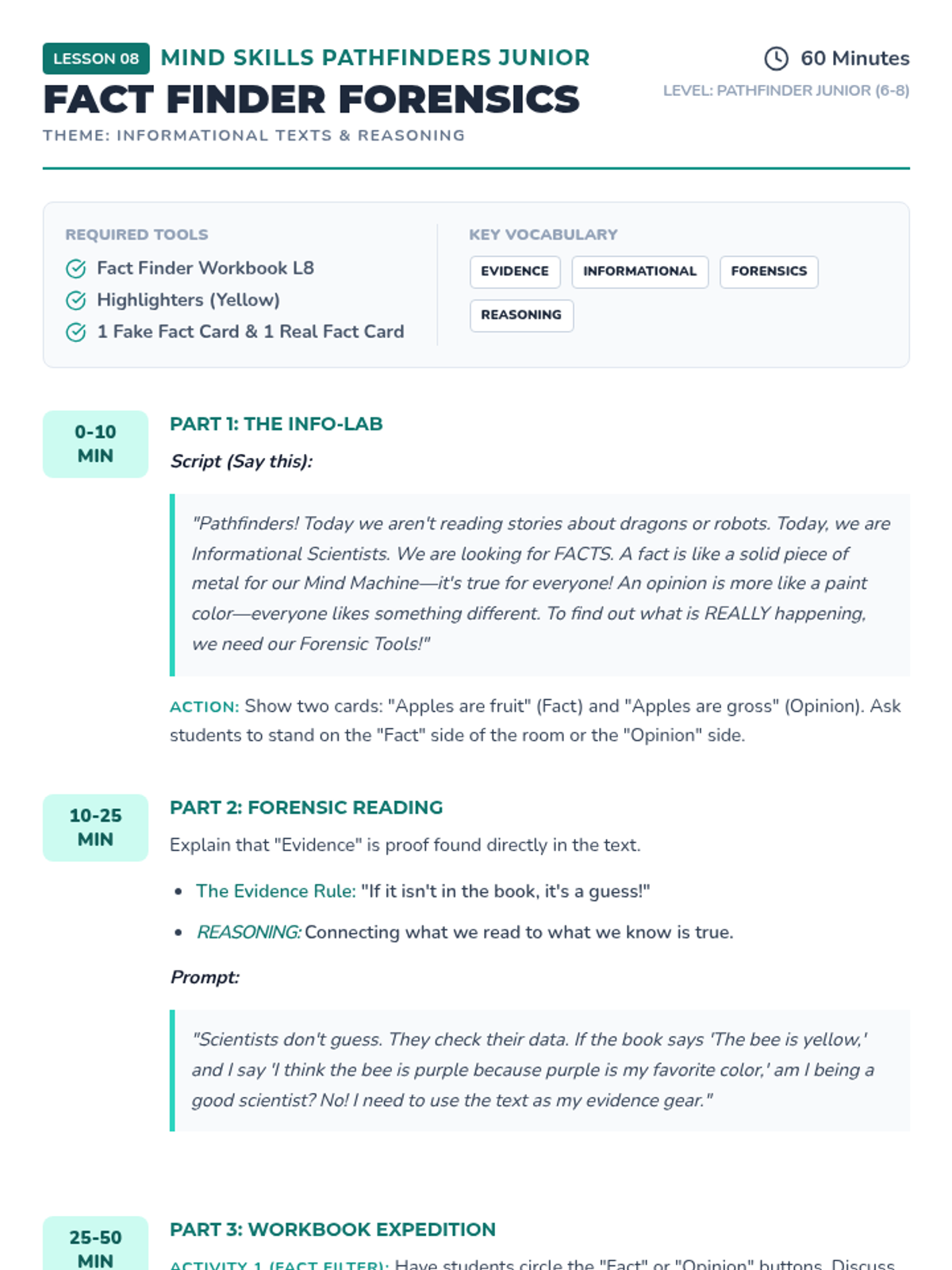
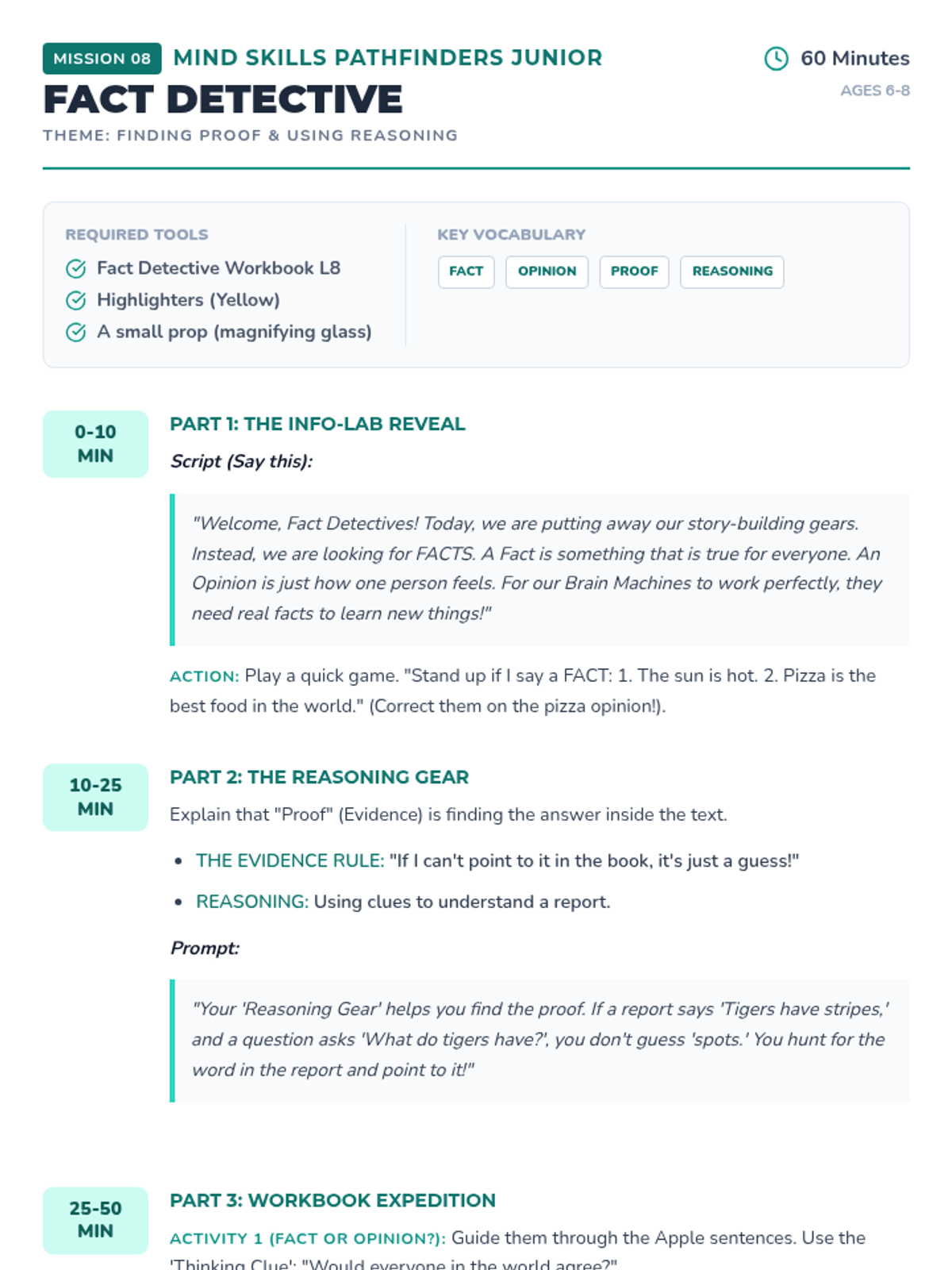
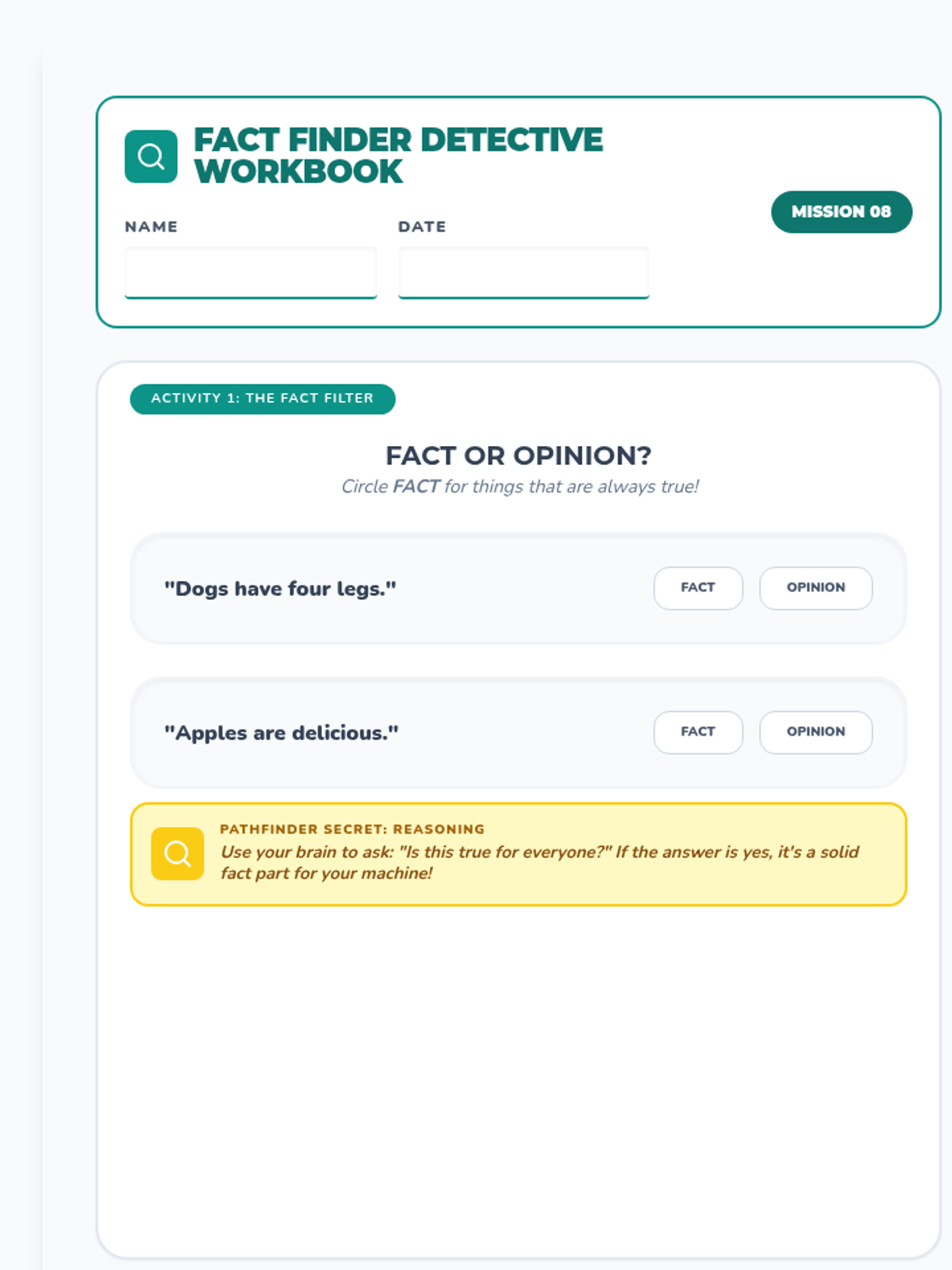
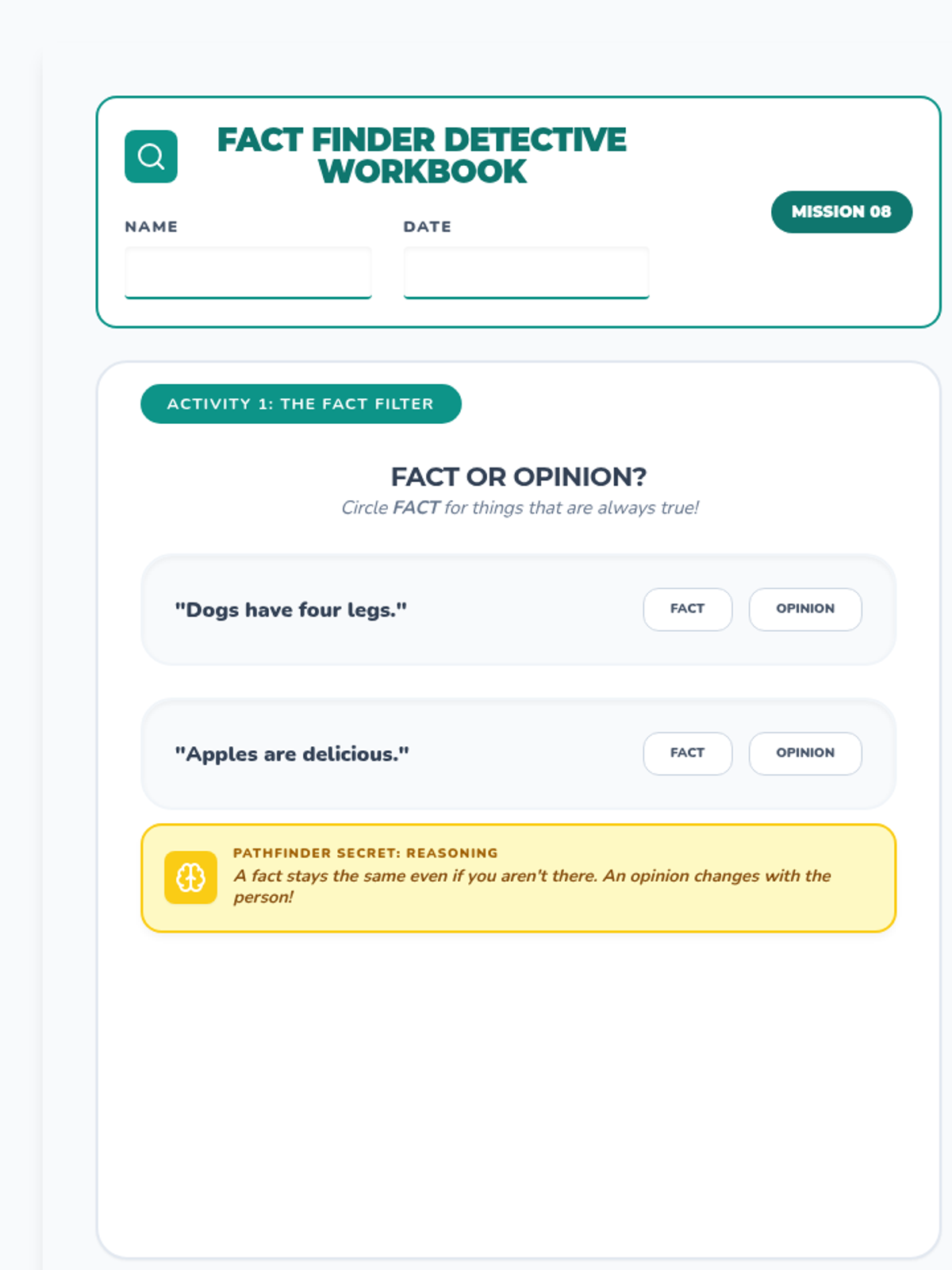
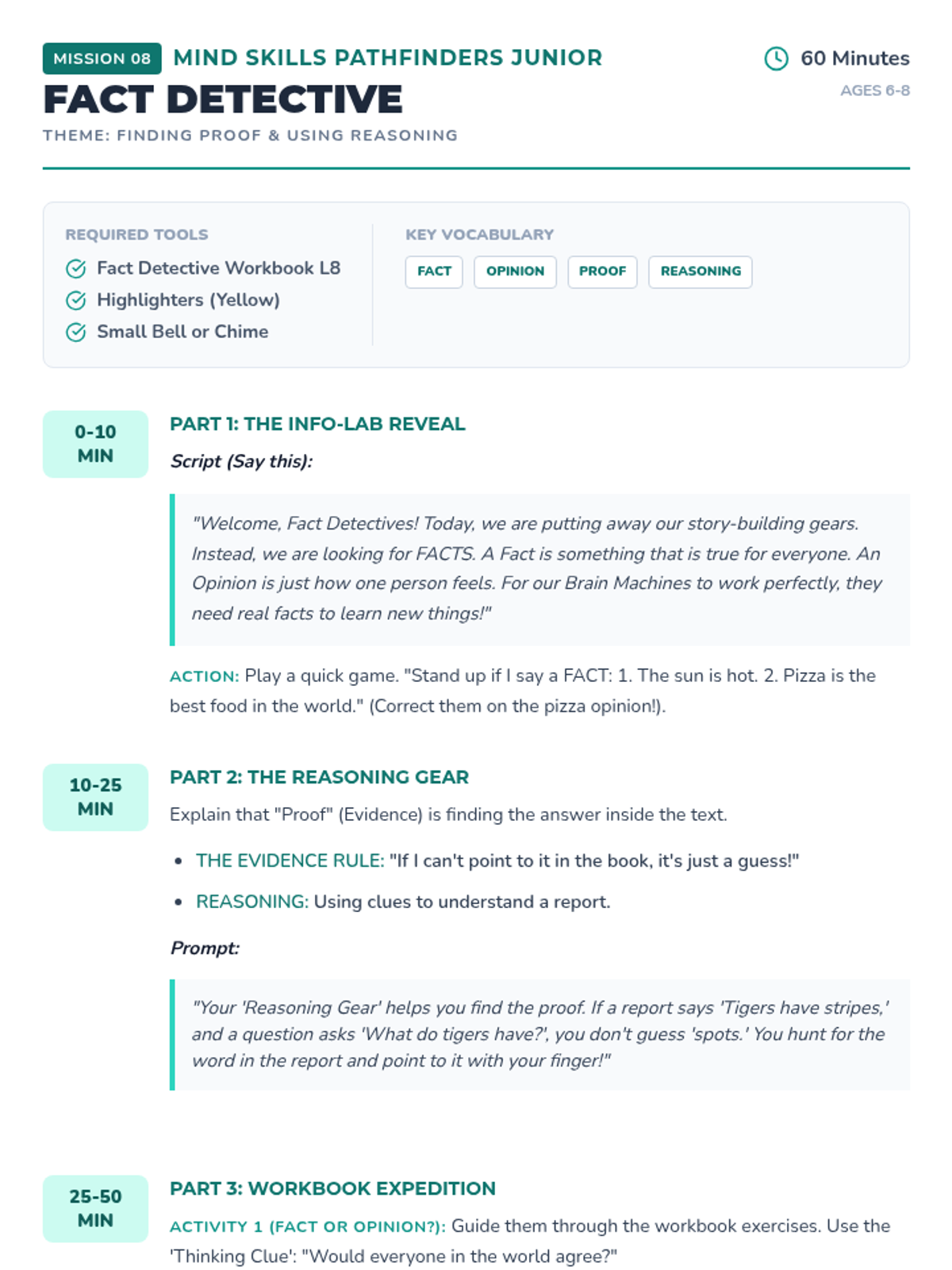
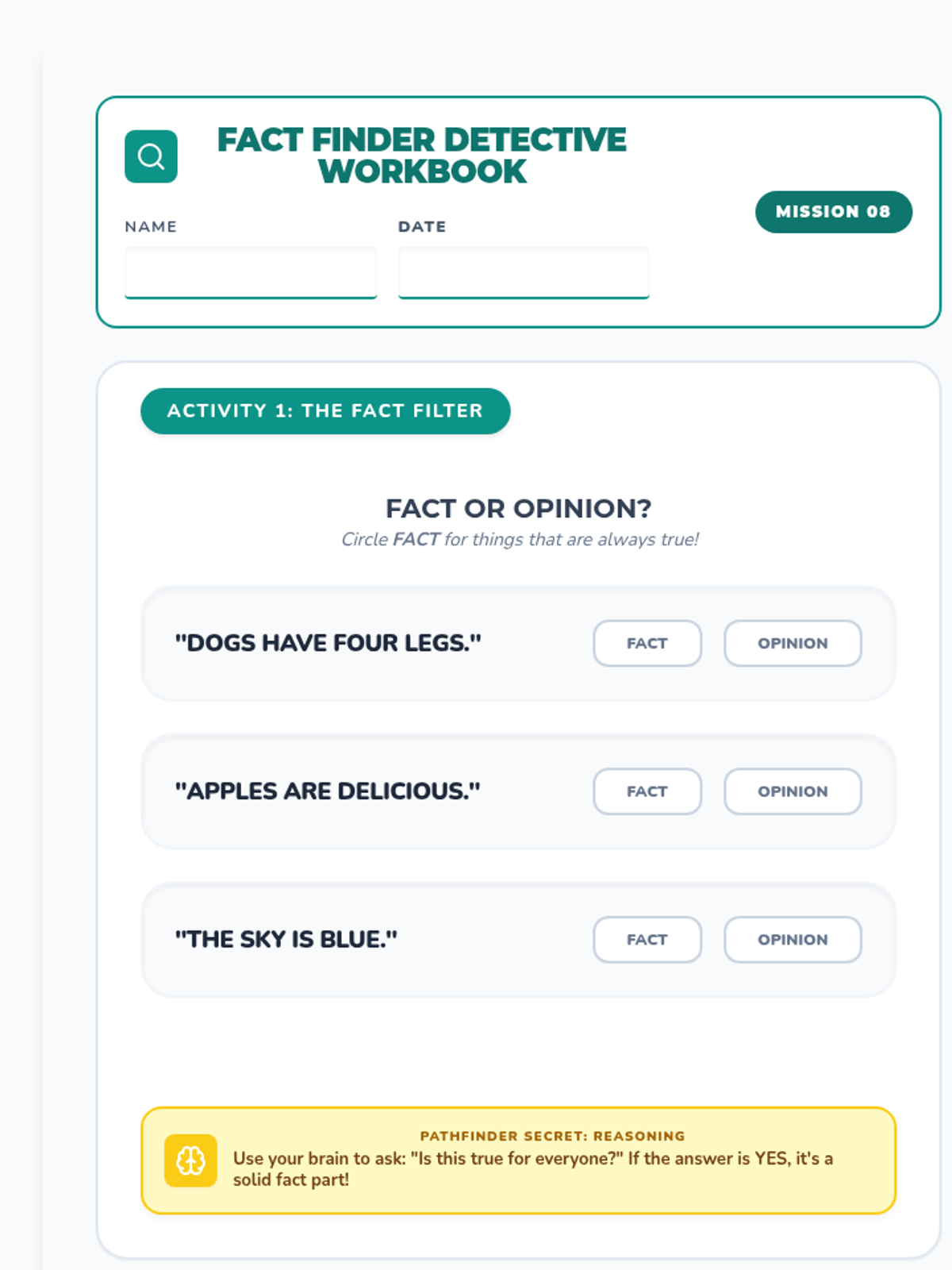
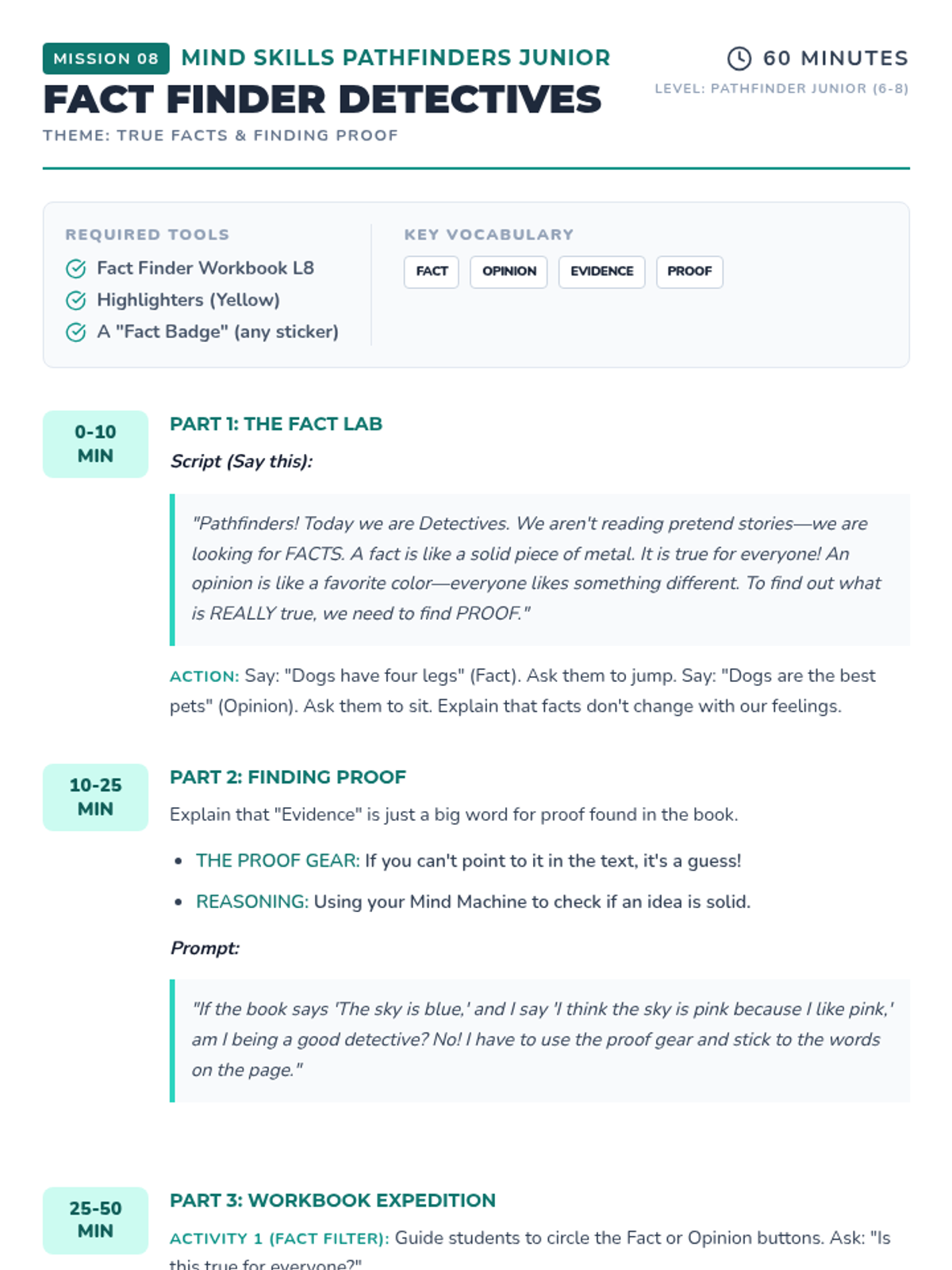
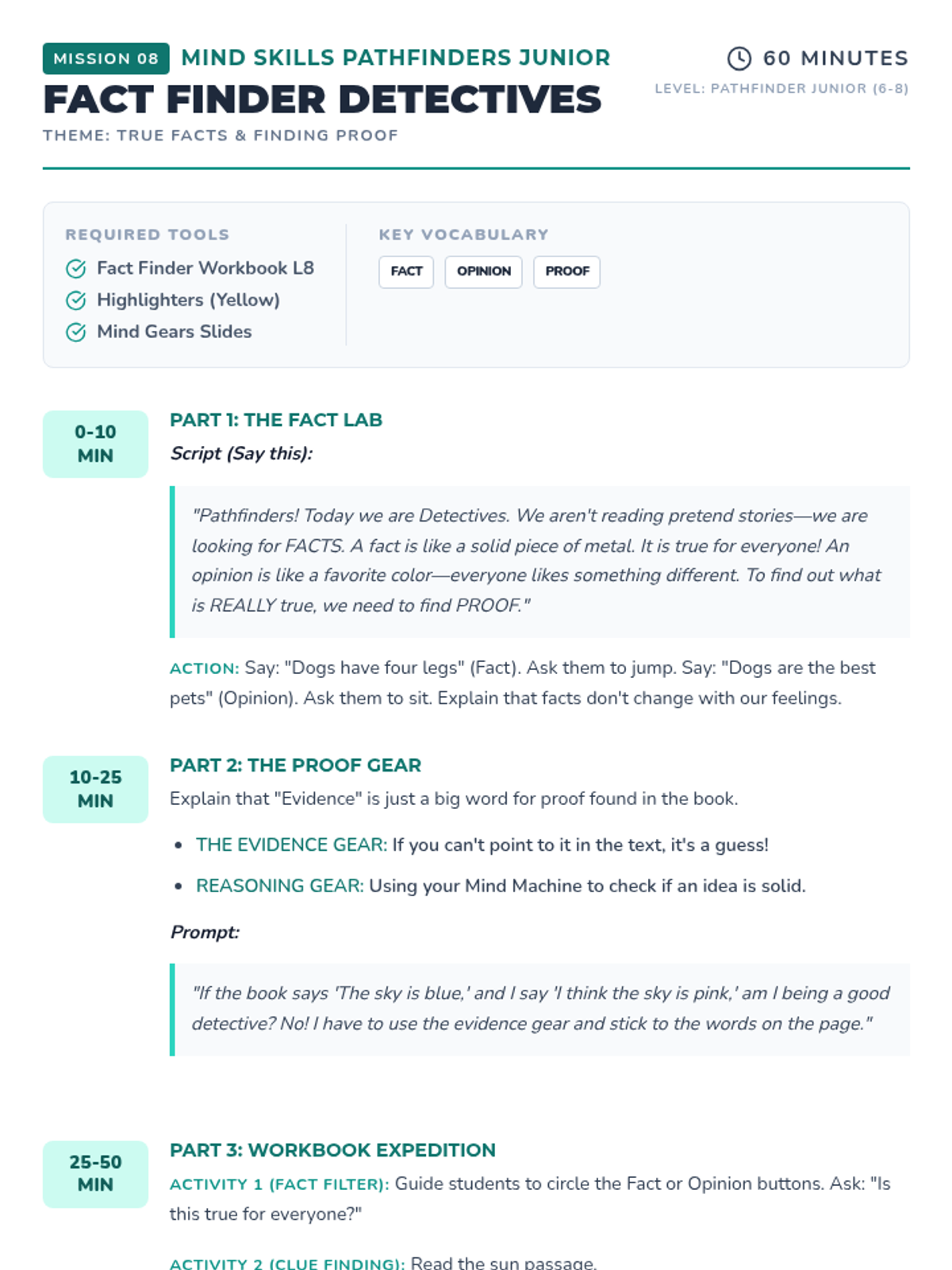
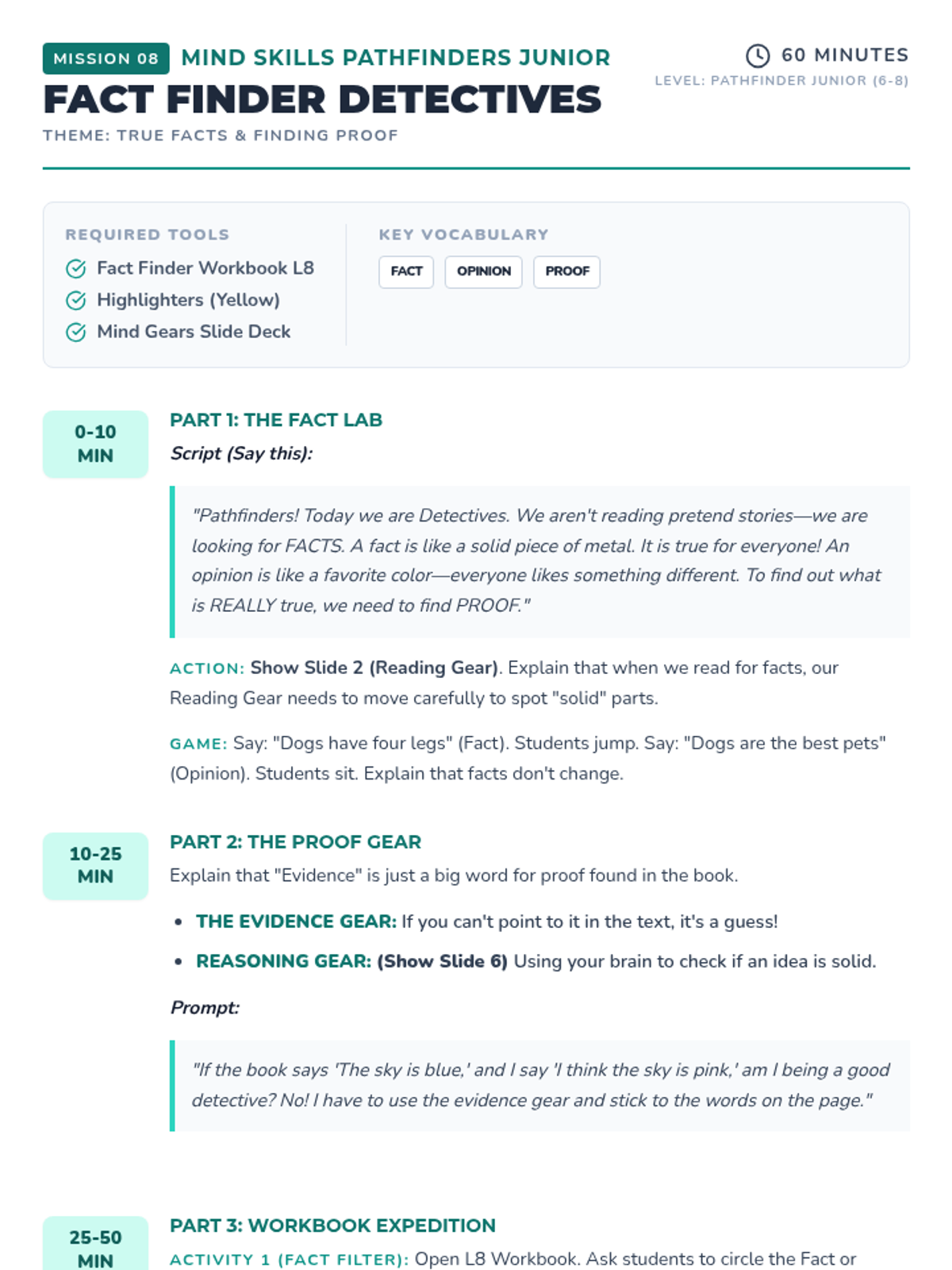
Develops information decoding skills by teaching students to search for facts and evidence within a text, much like a forensic scientist.
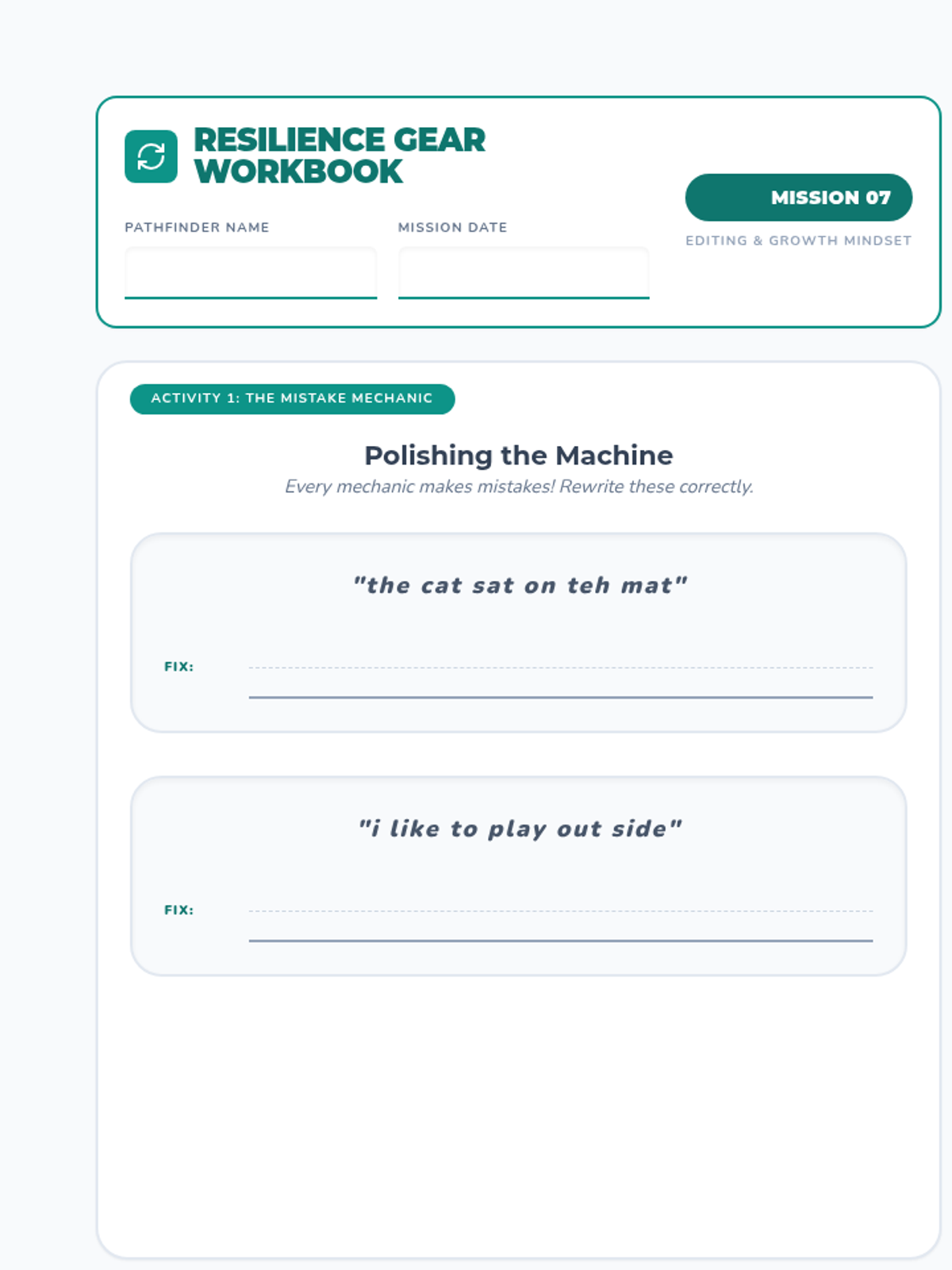
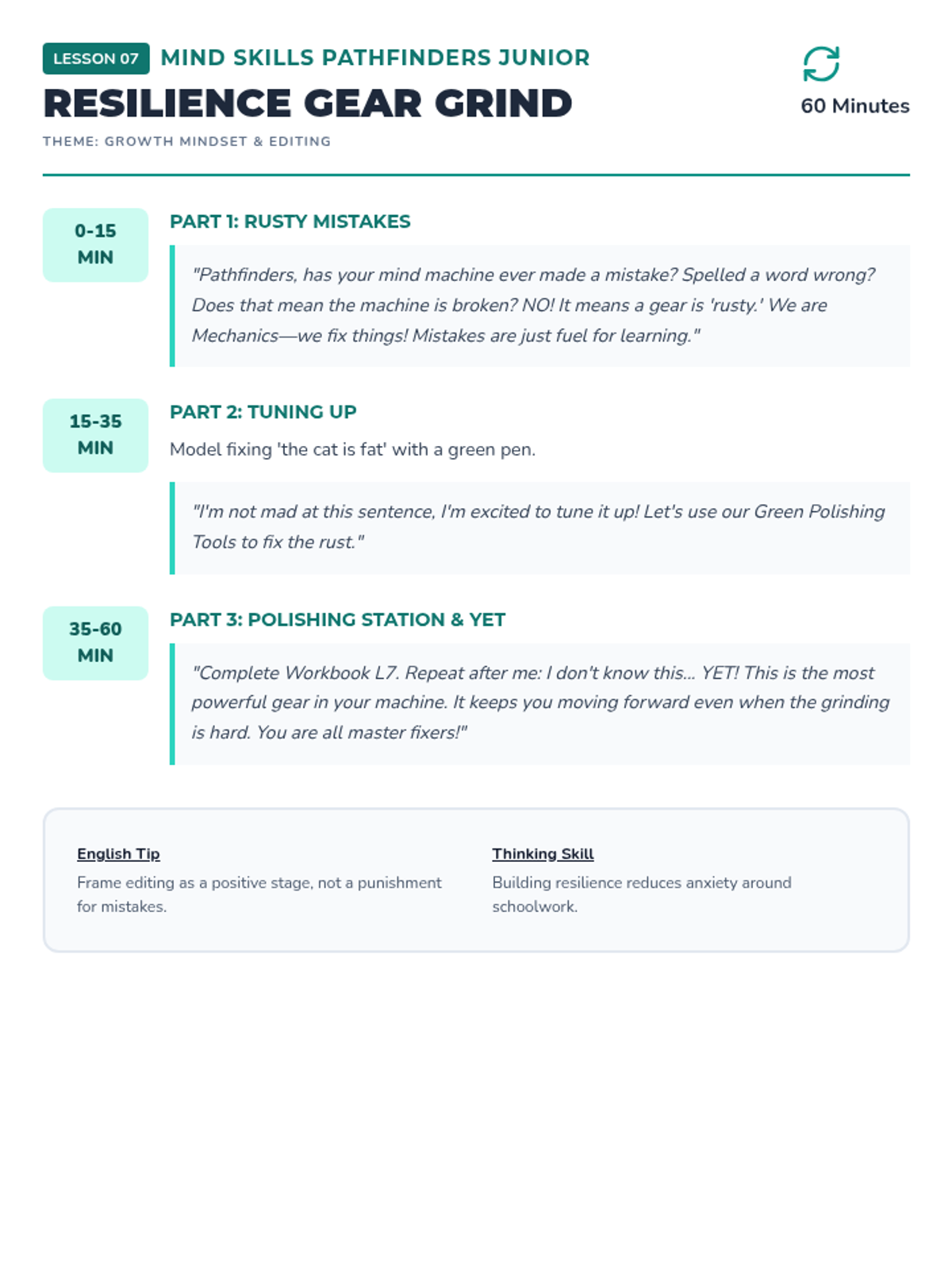
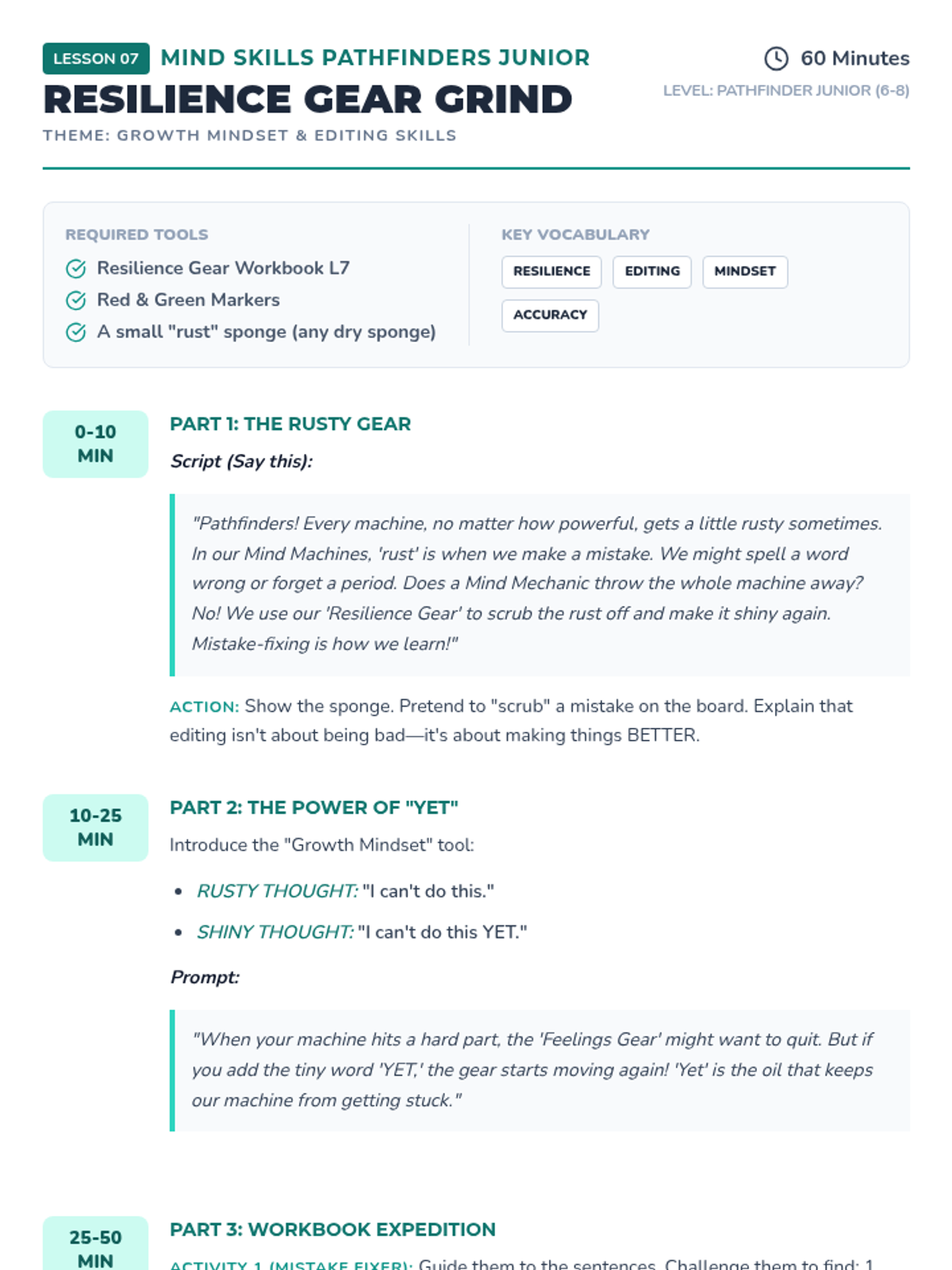
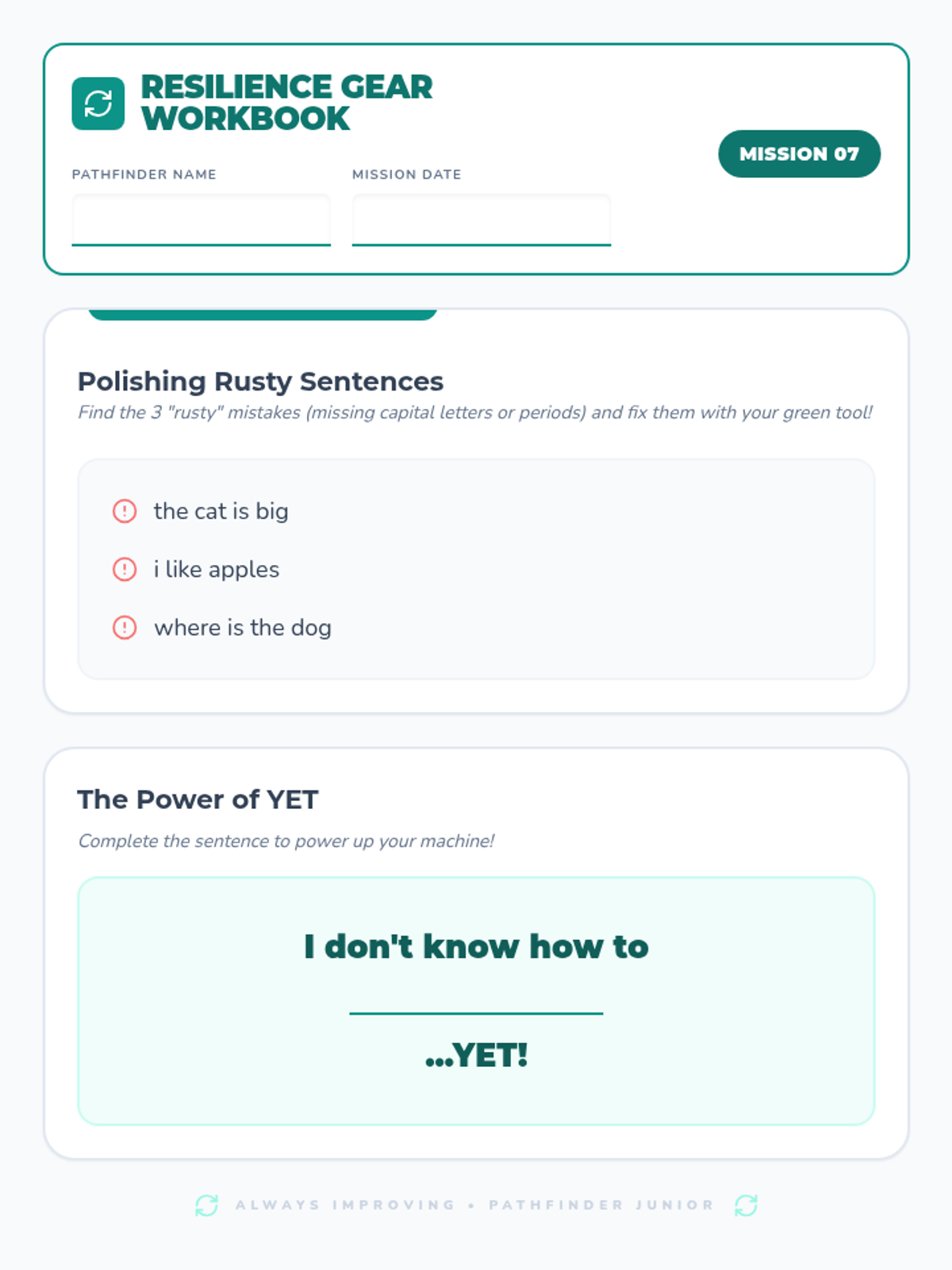
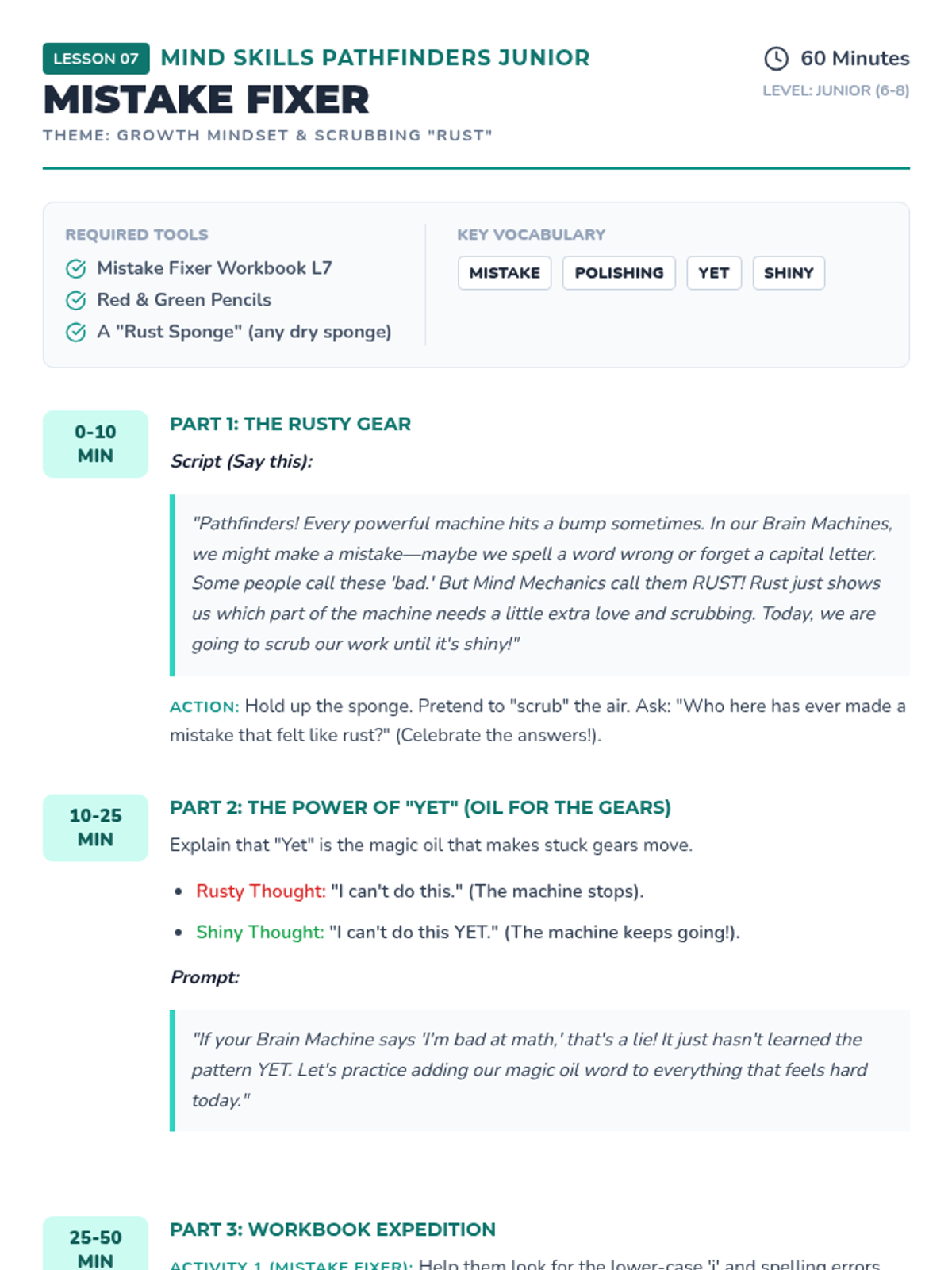
Introduces the growth mindset by comparing resilience to a gear that helps us keep moving forward even when we encounter 'rusty' mistakes.
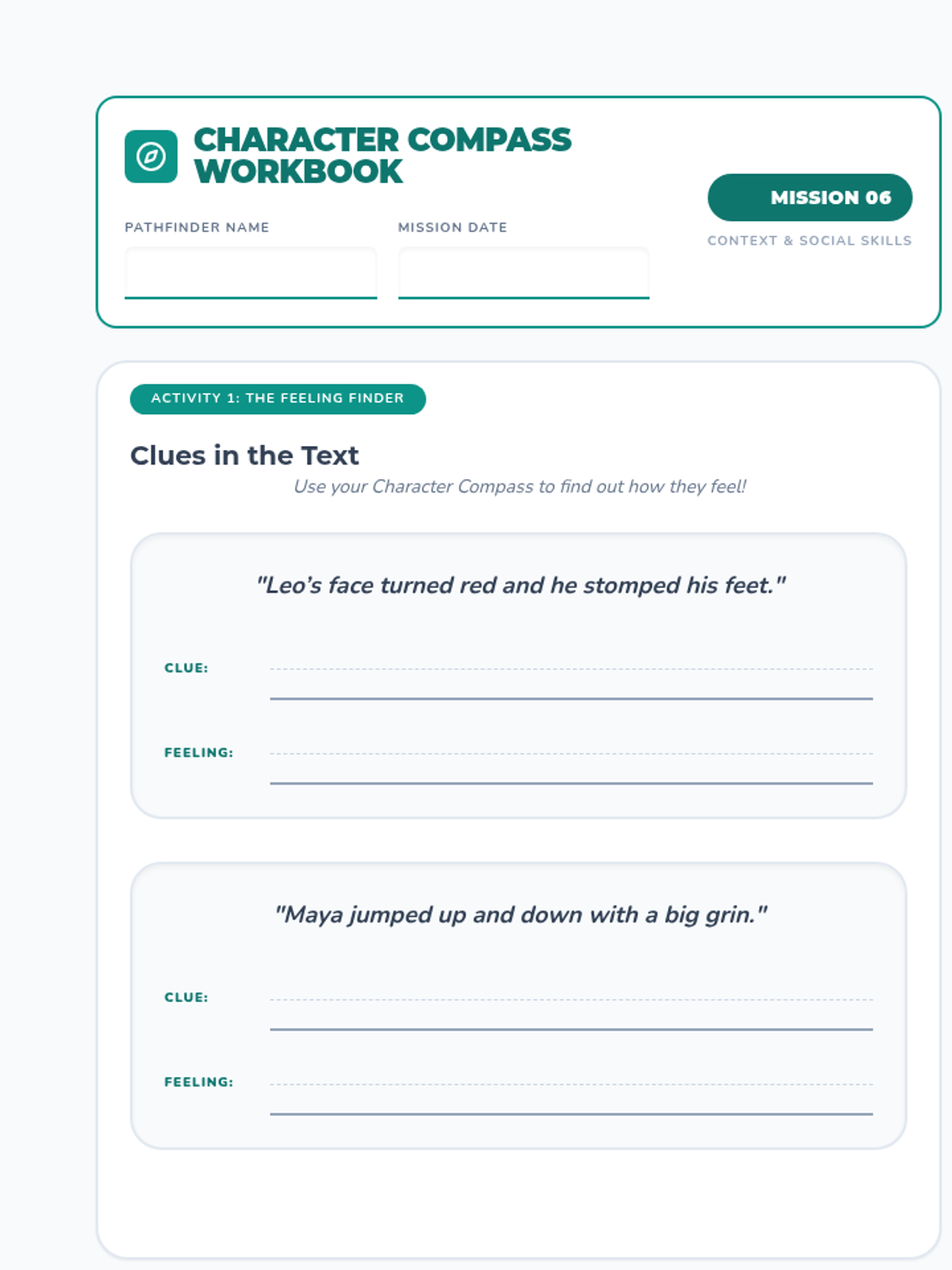
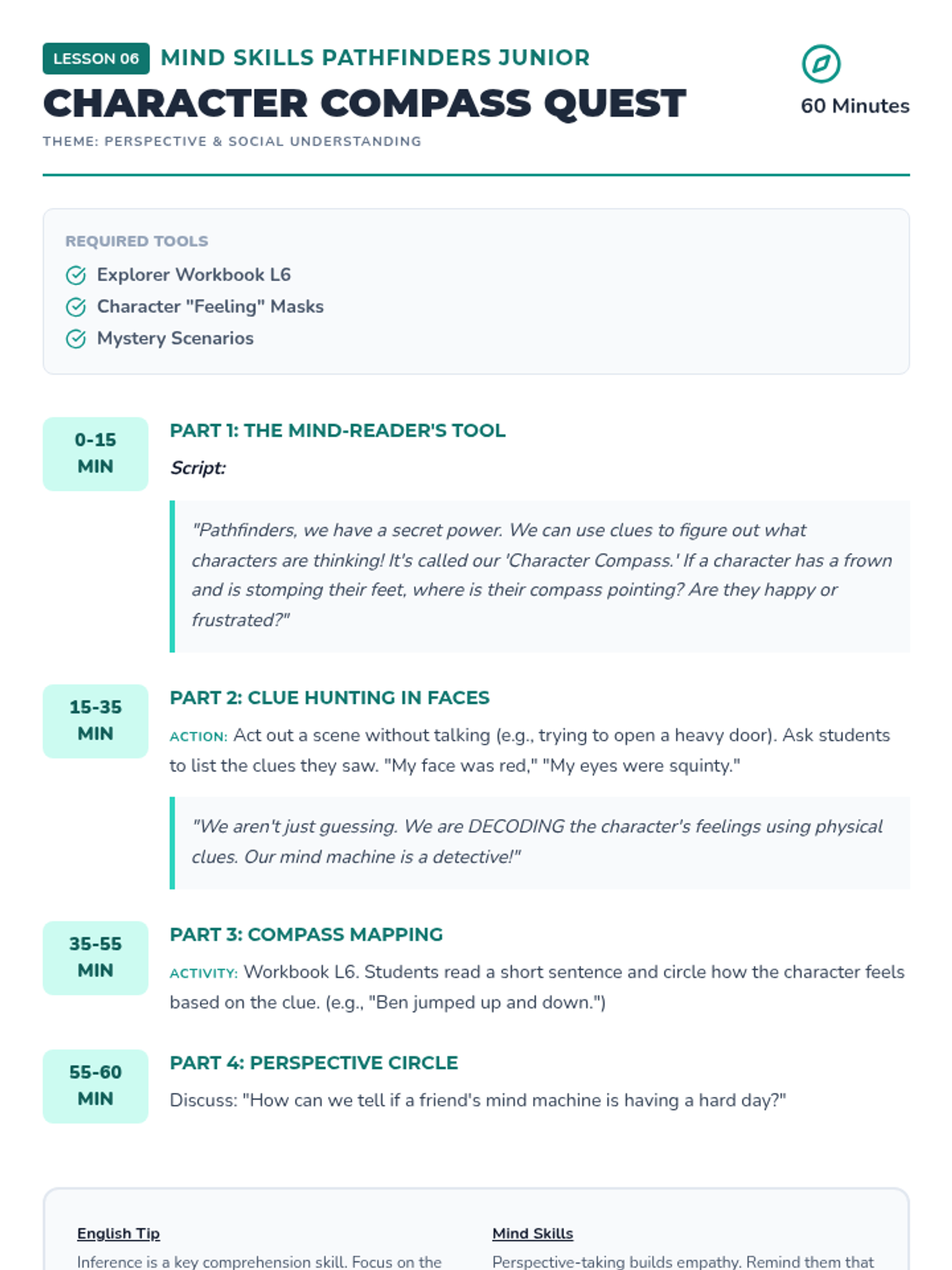
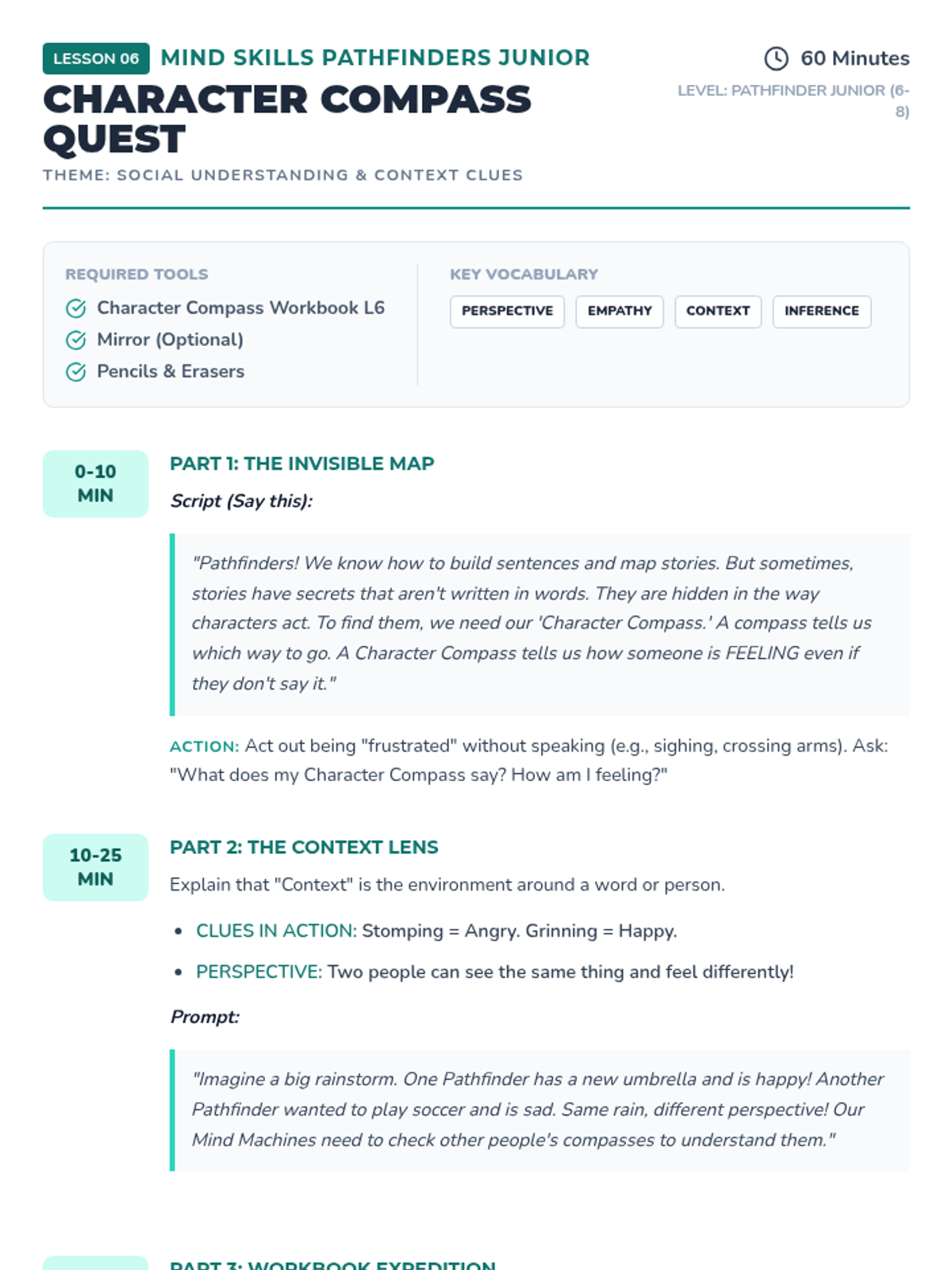
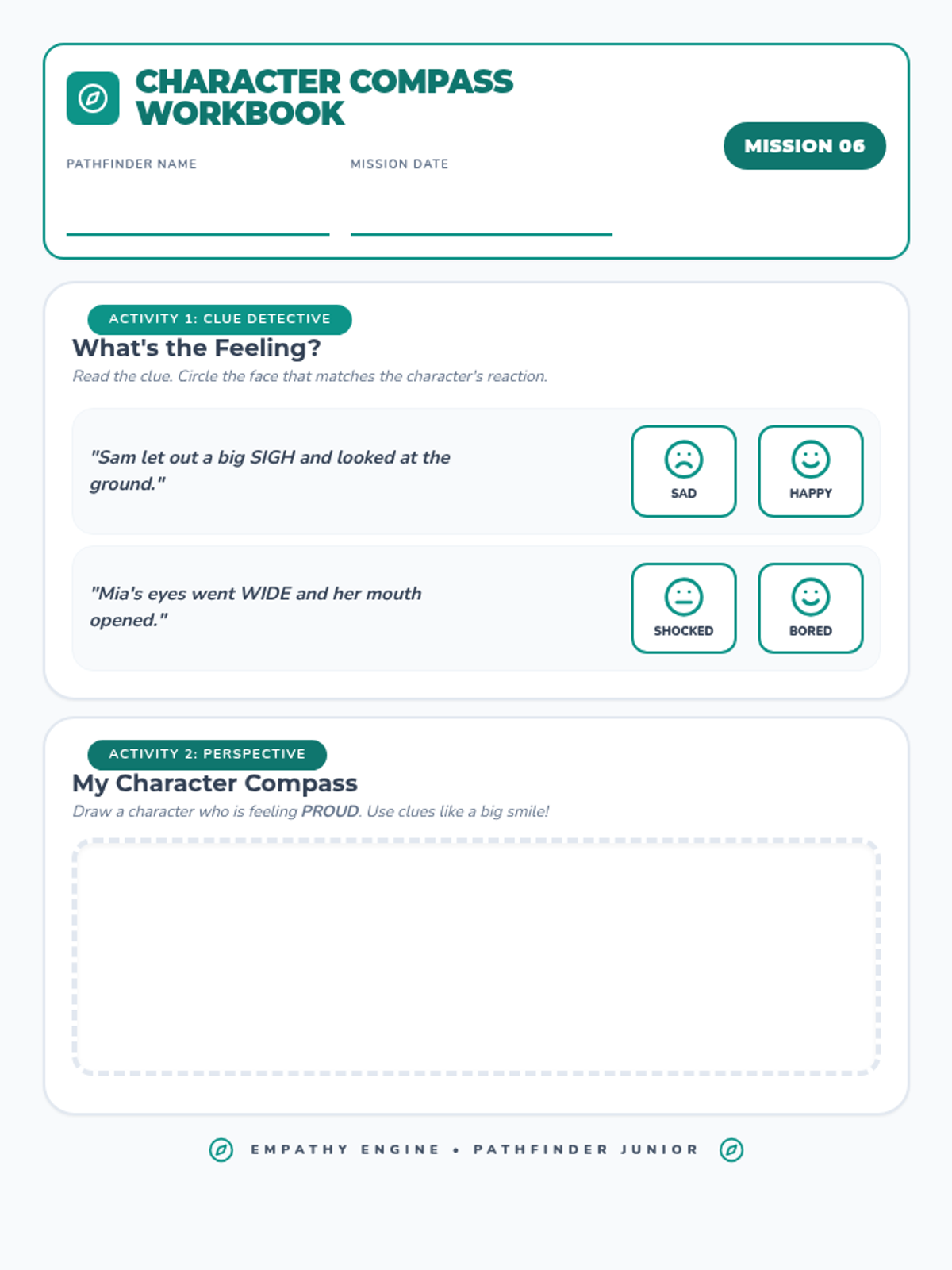
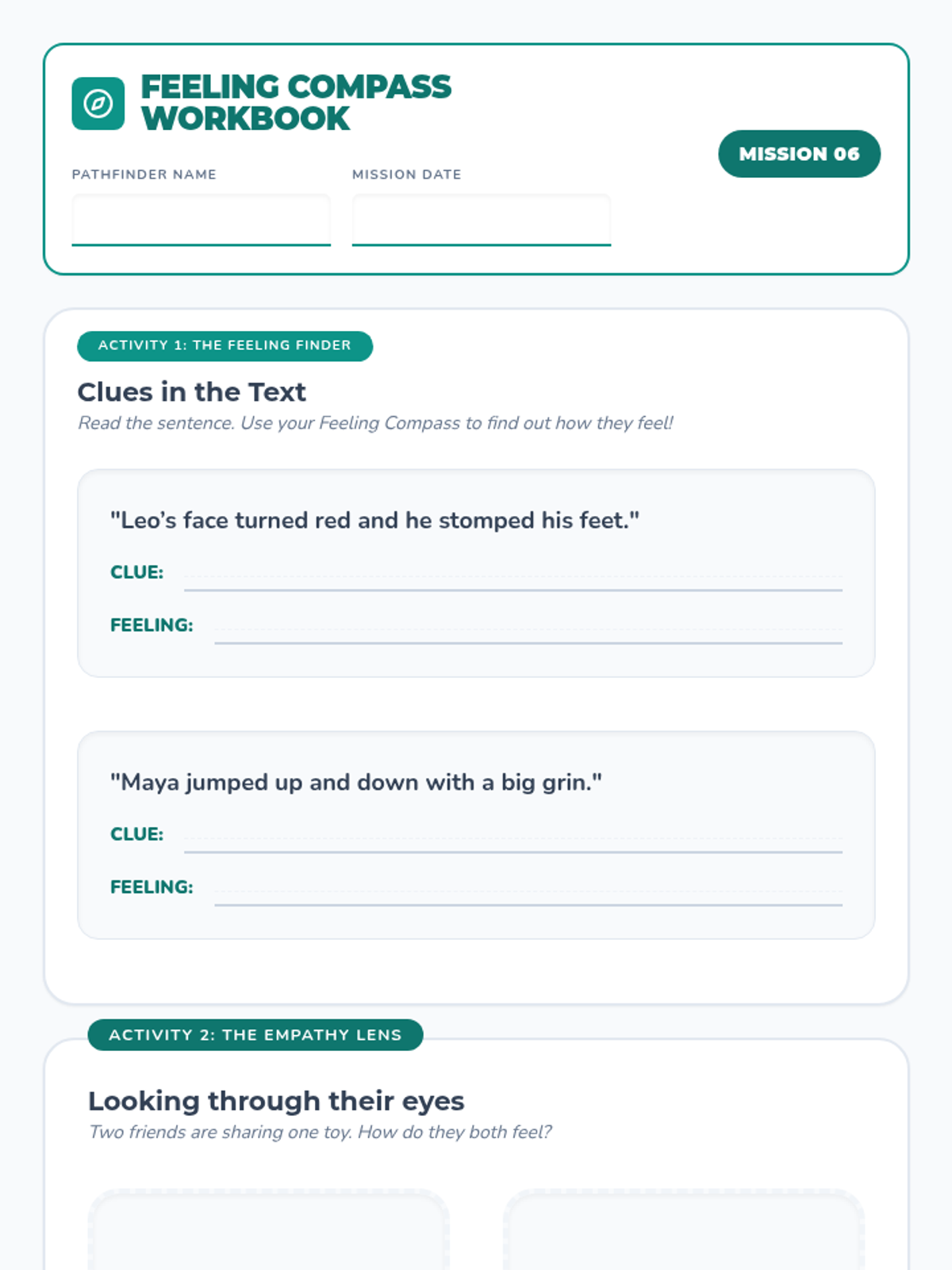
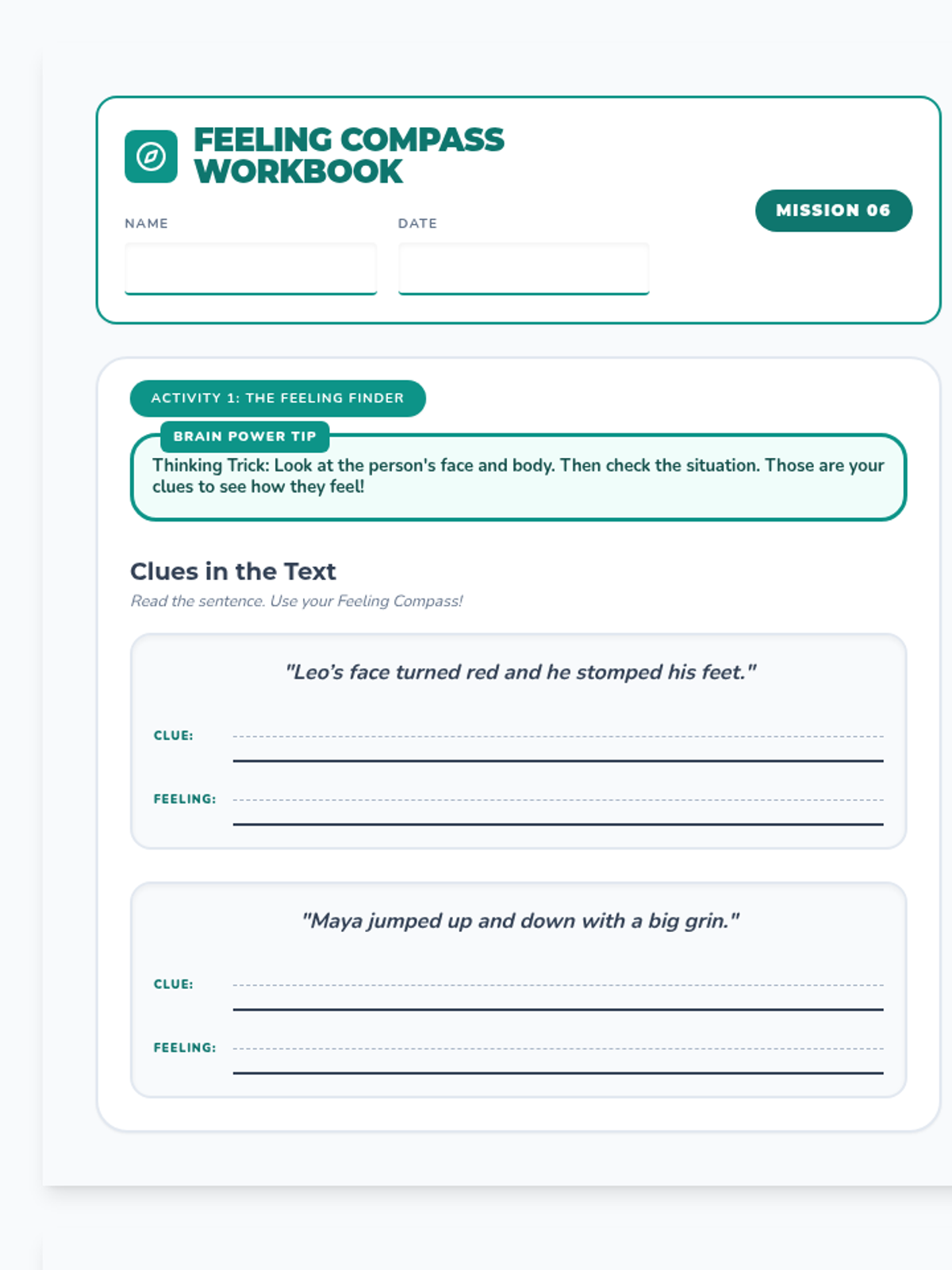
Explores social understanding by teaching students how to use their 'internal compass' to interpret character feelings and perspectives in texts.
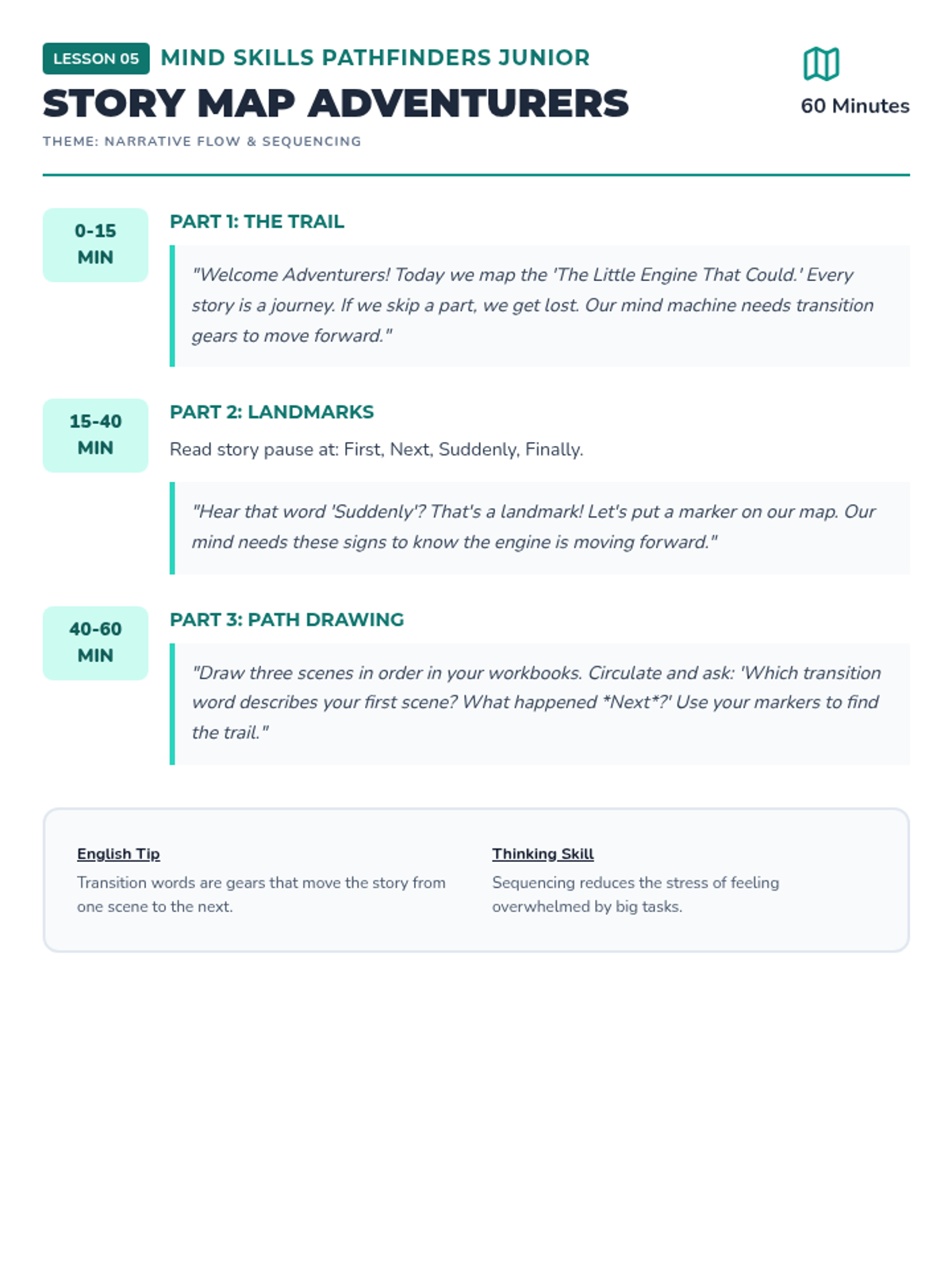
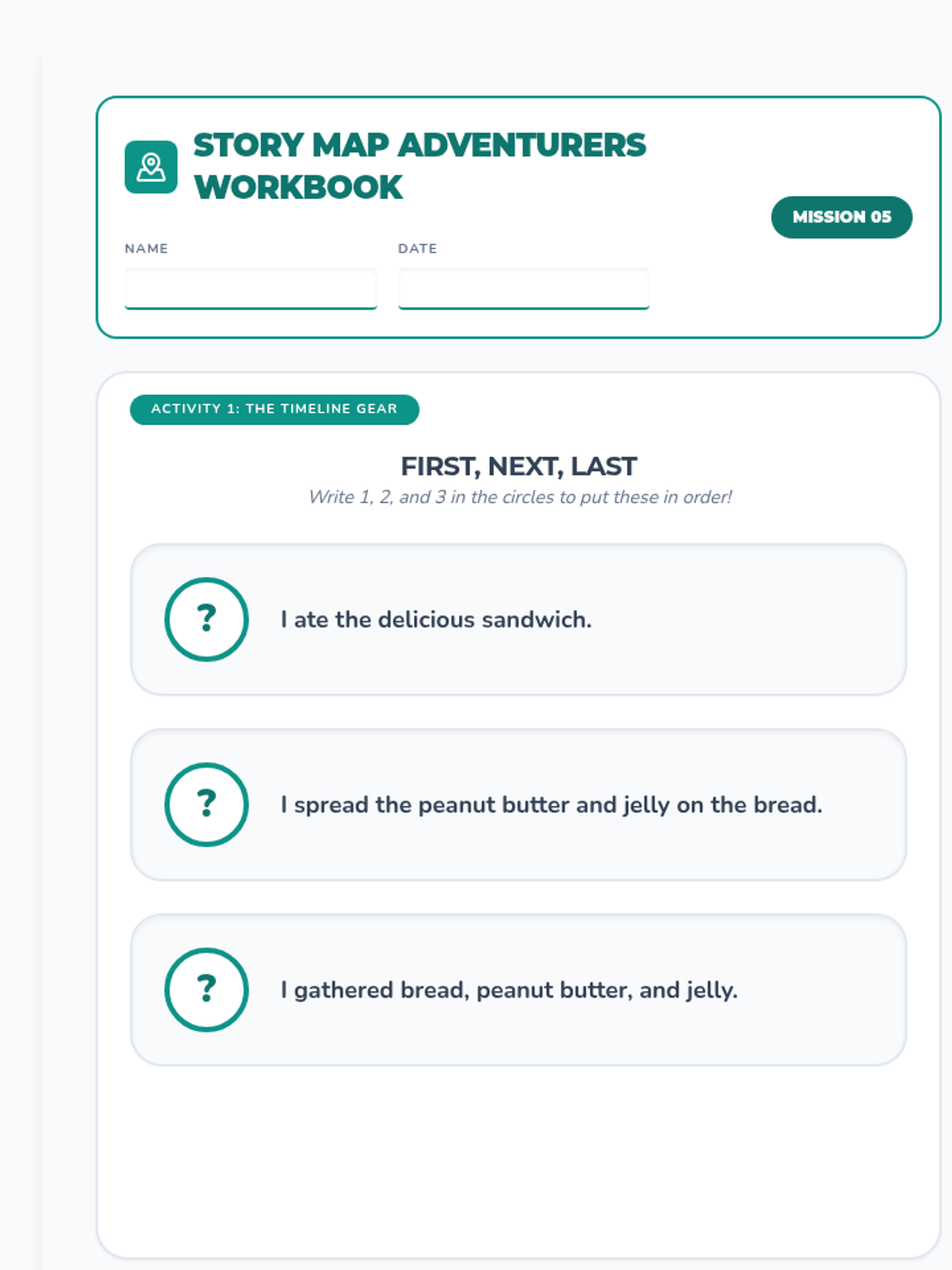
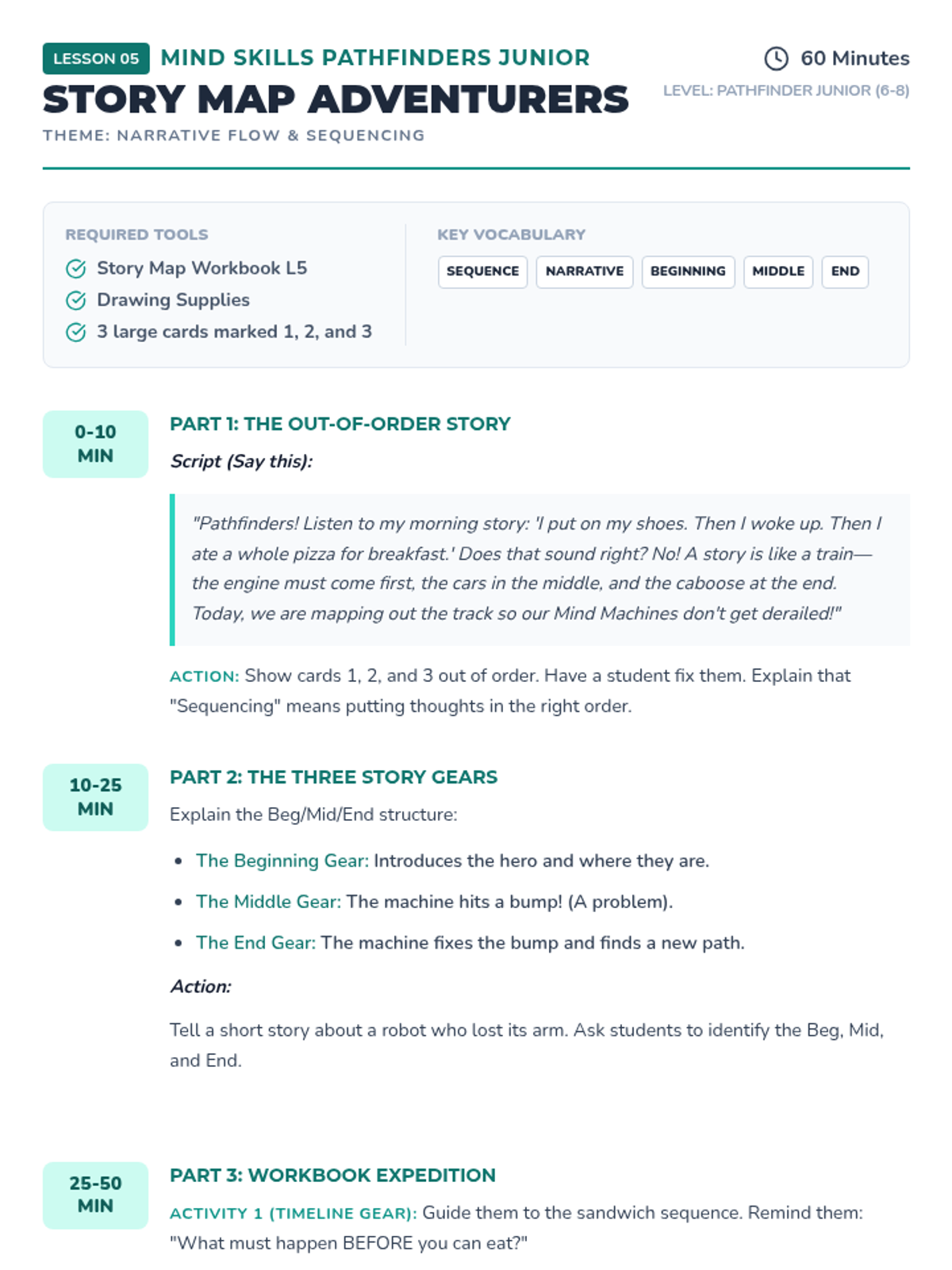
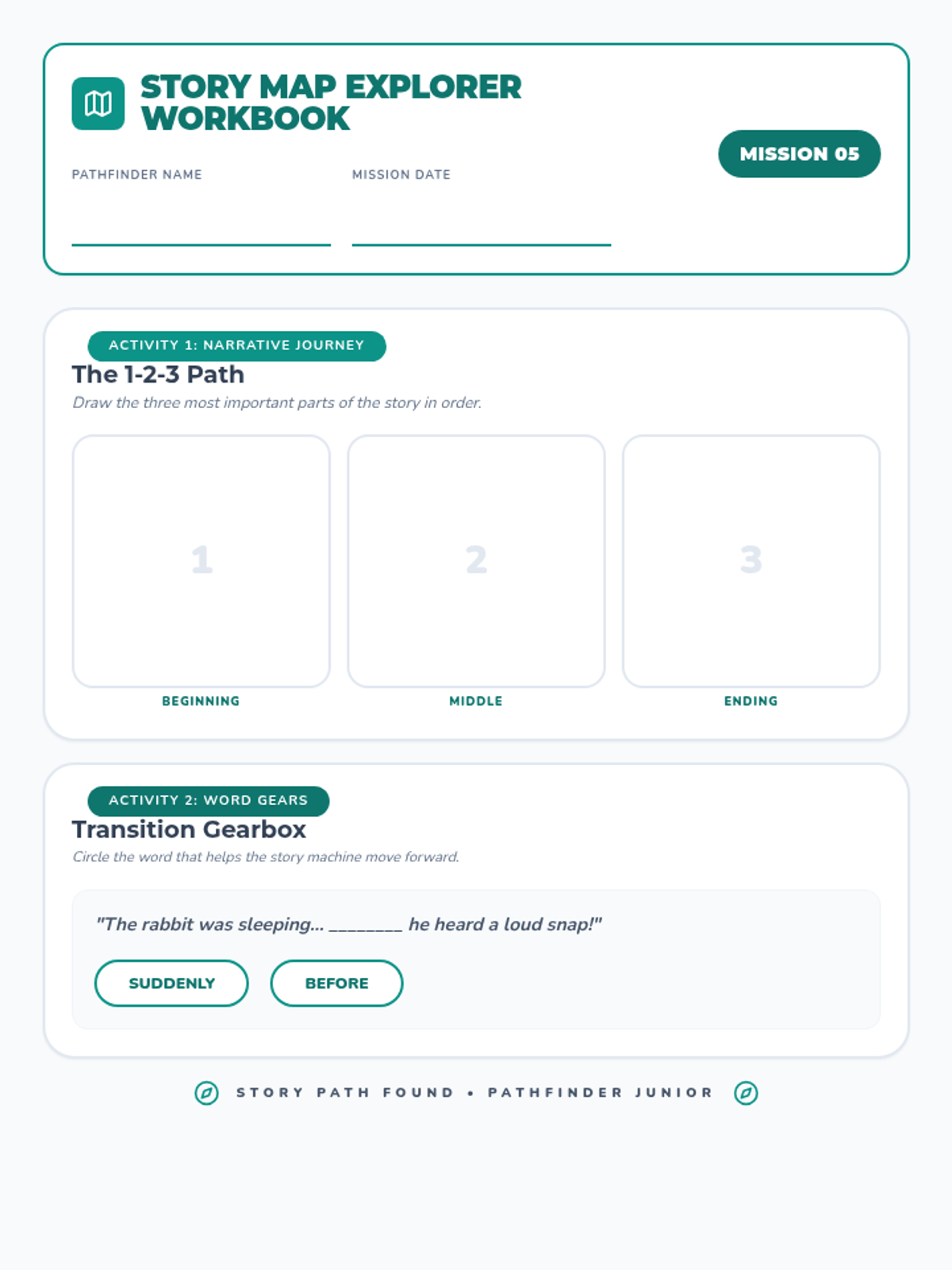
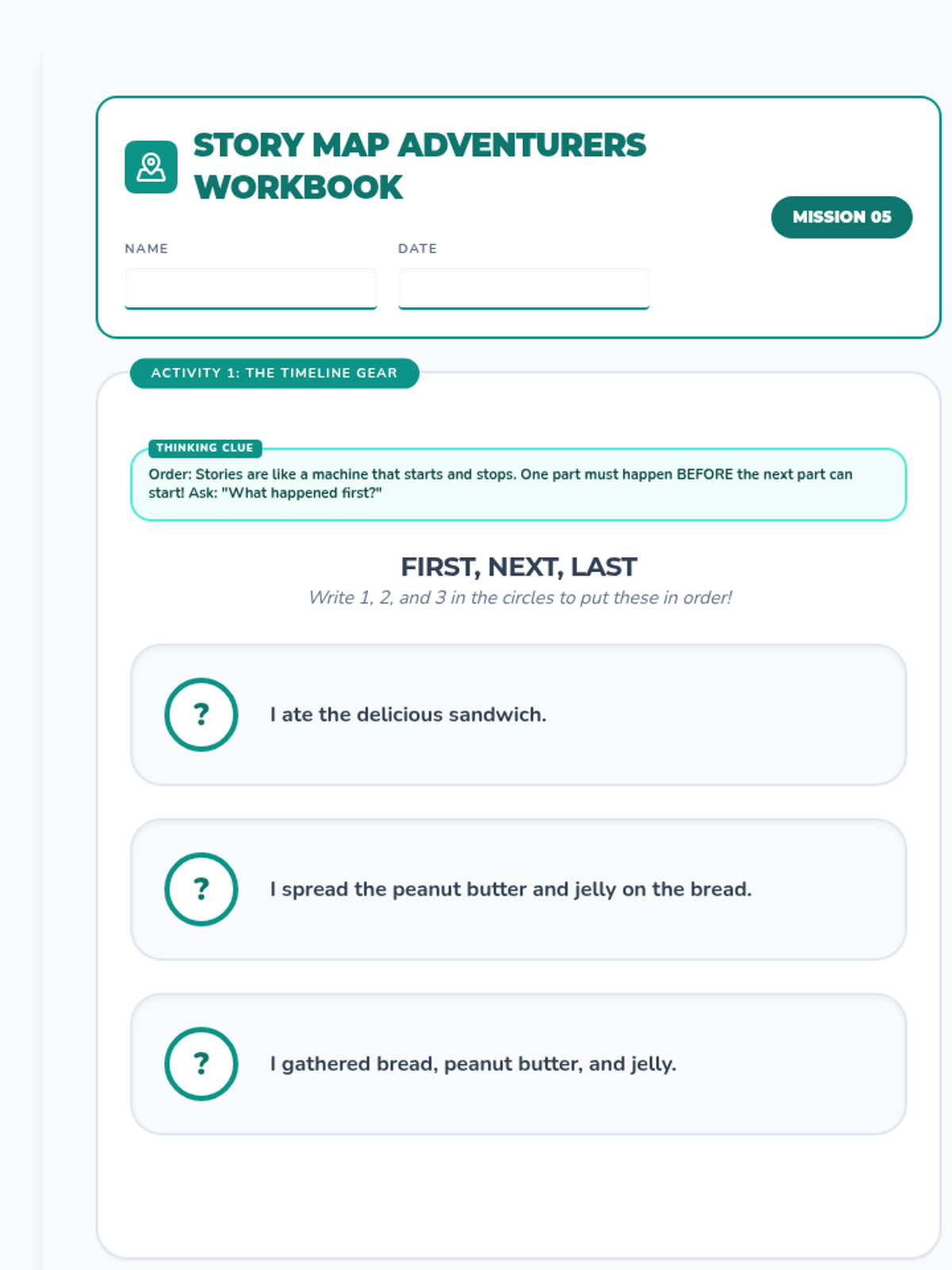
Uses story mapping to help students visualize narrative flow and understand how different parts of a story connect to form a whole.
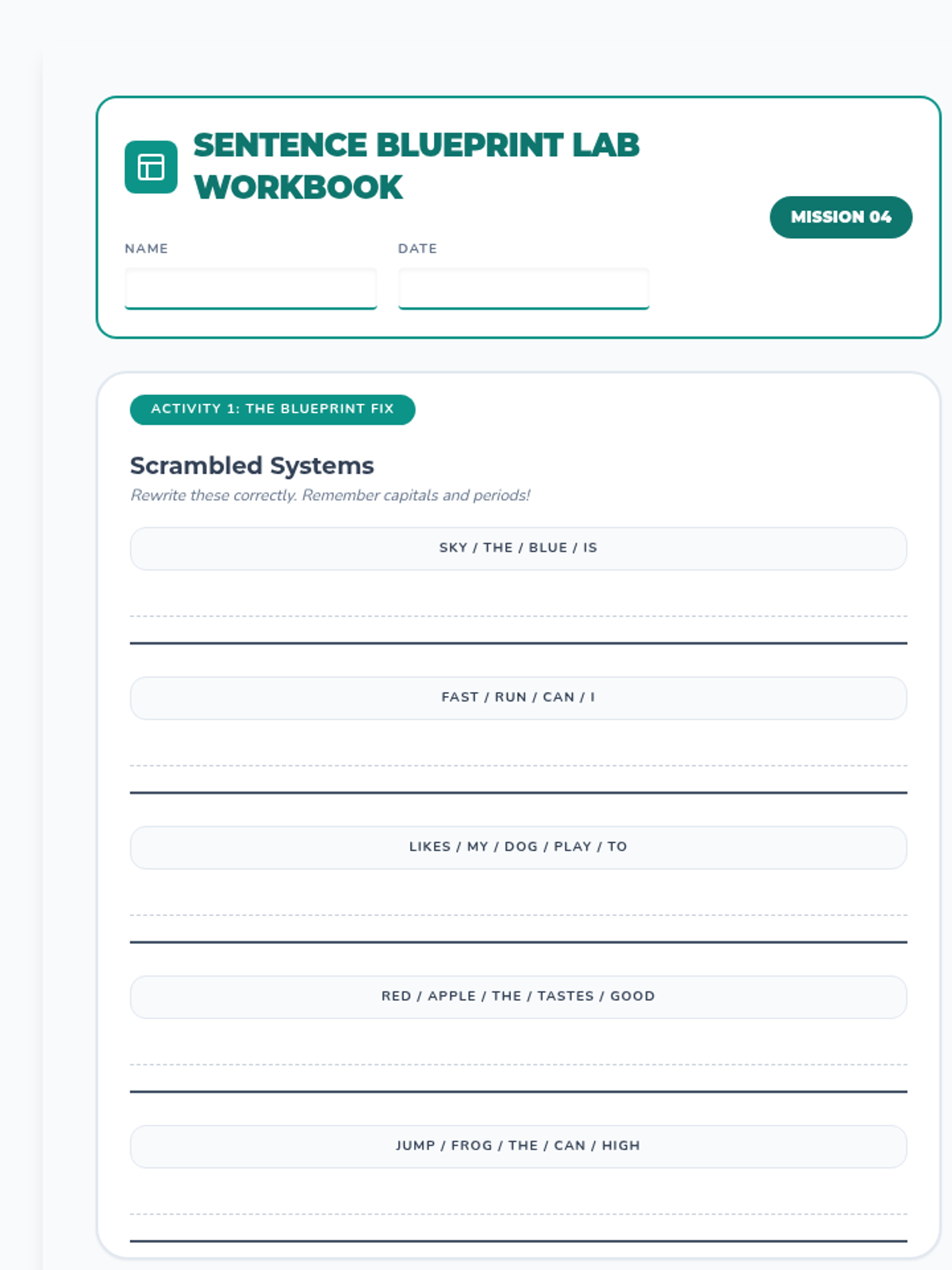
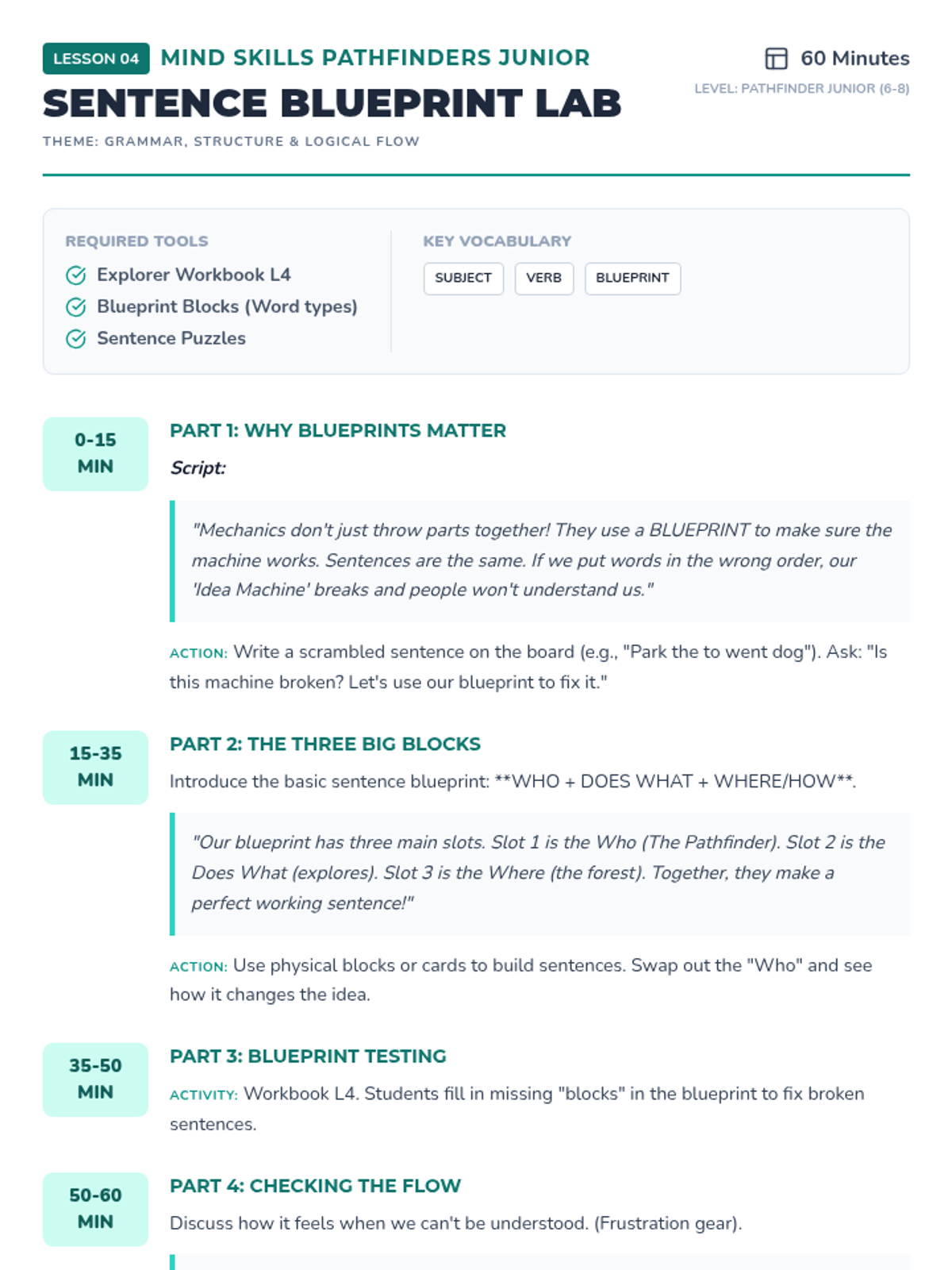
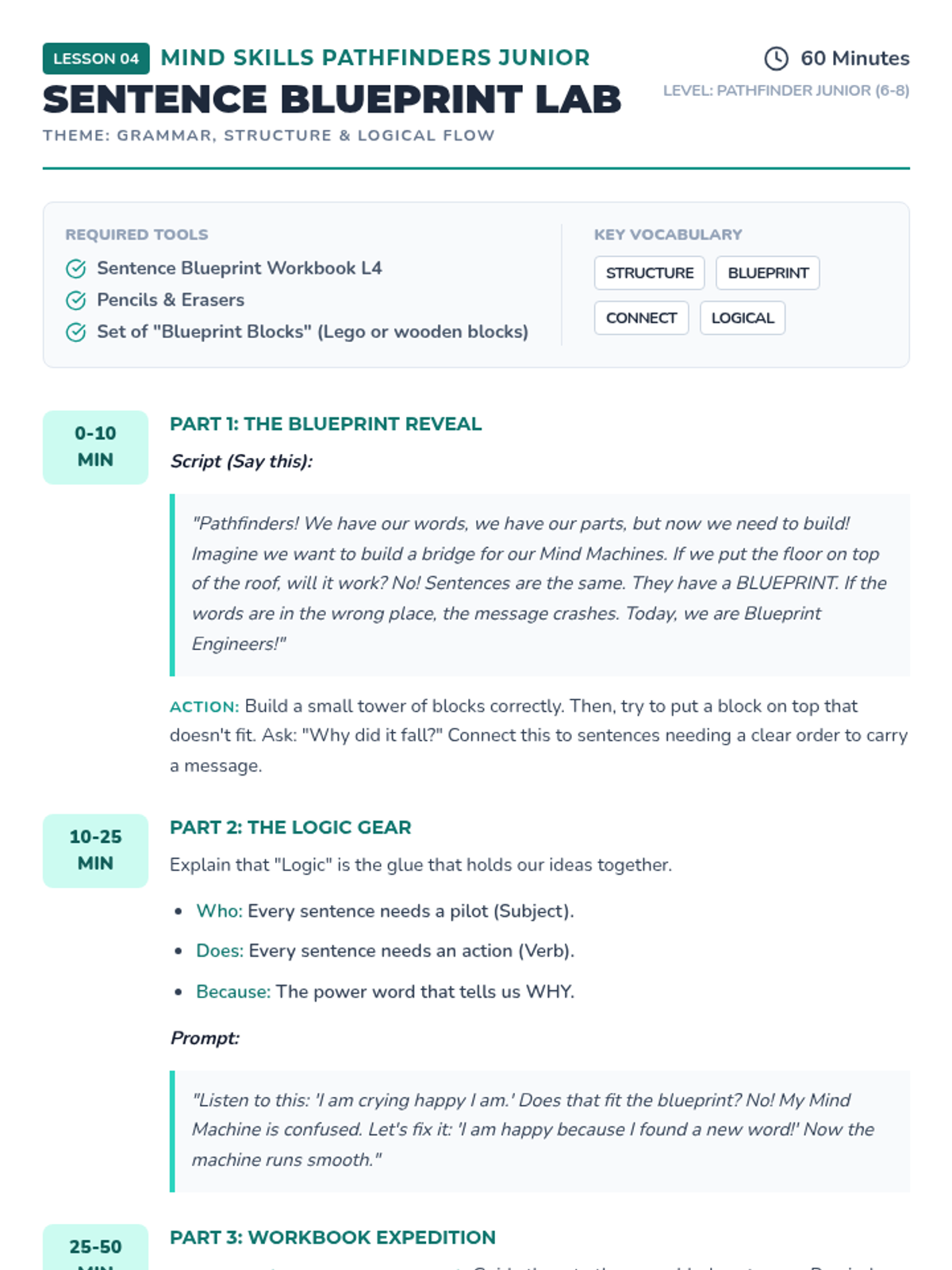
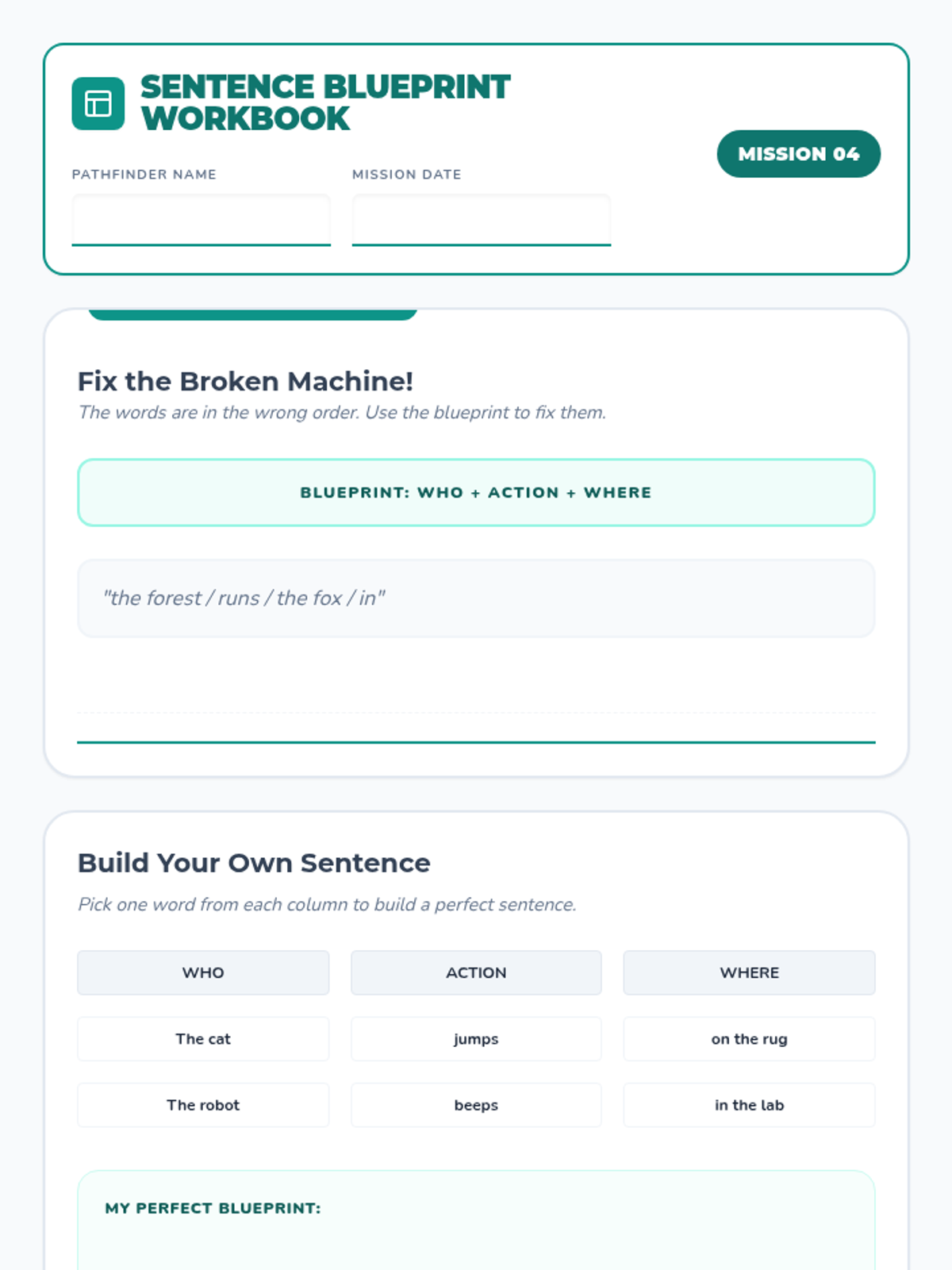
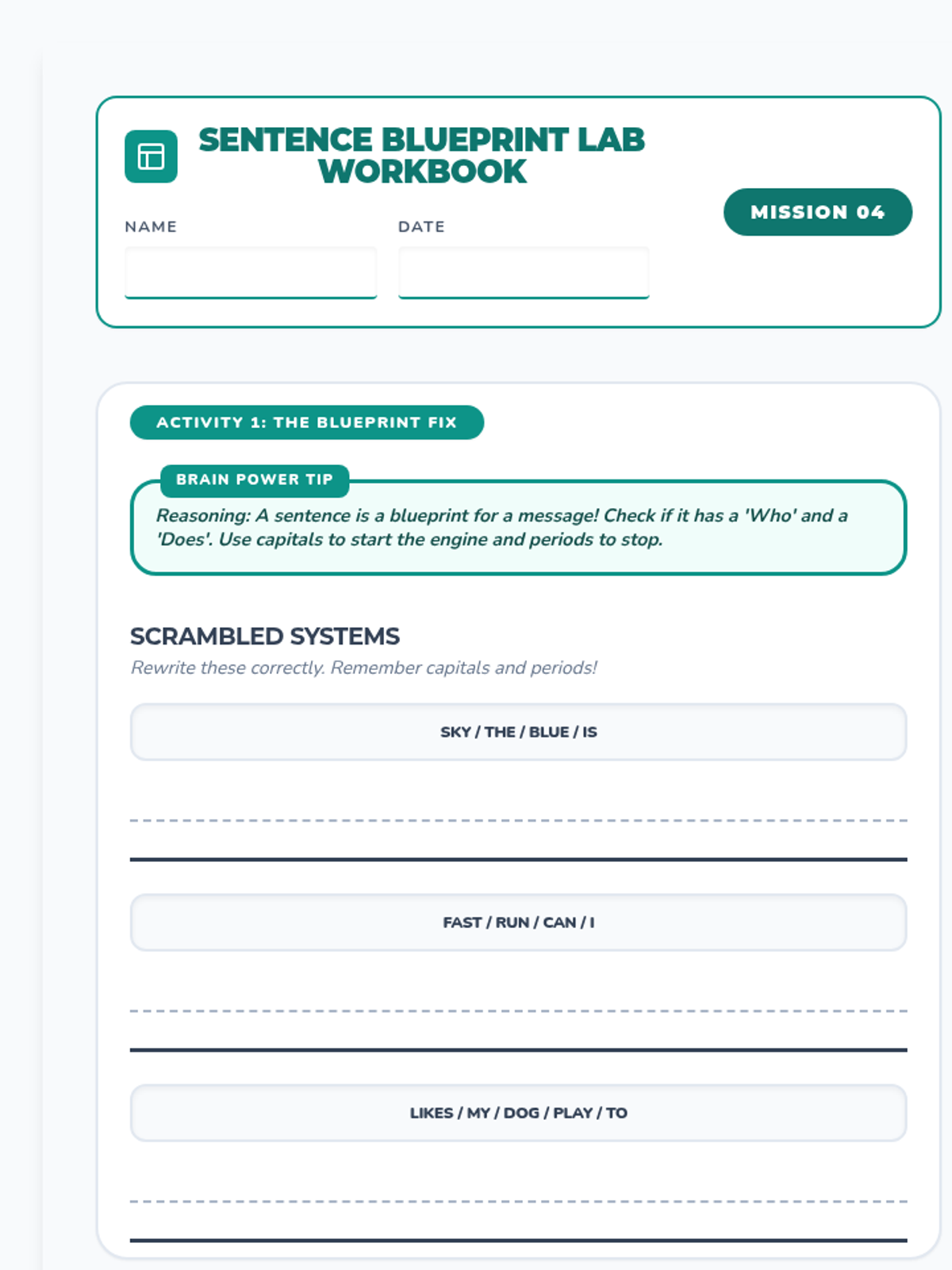
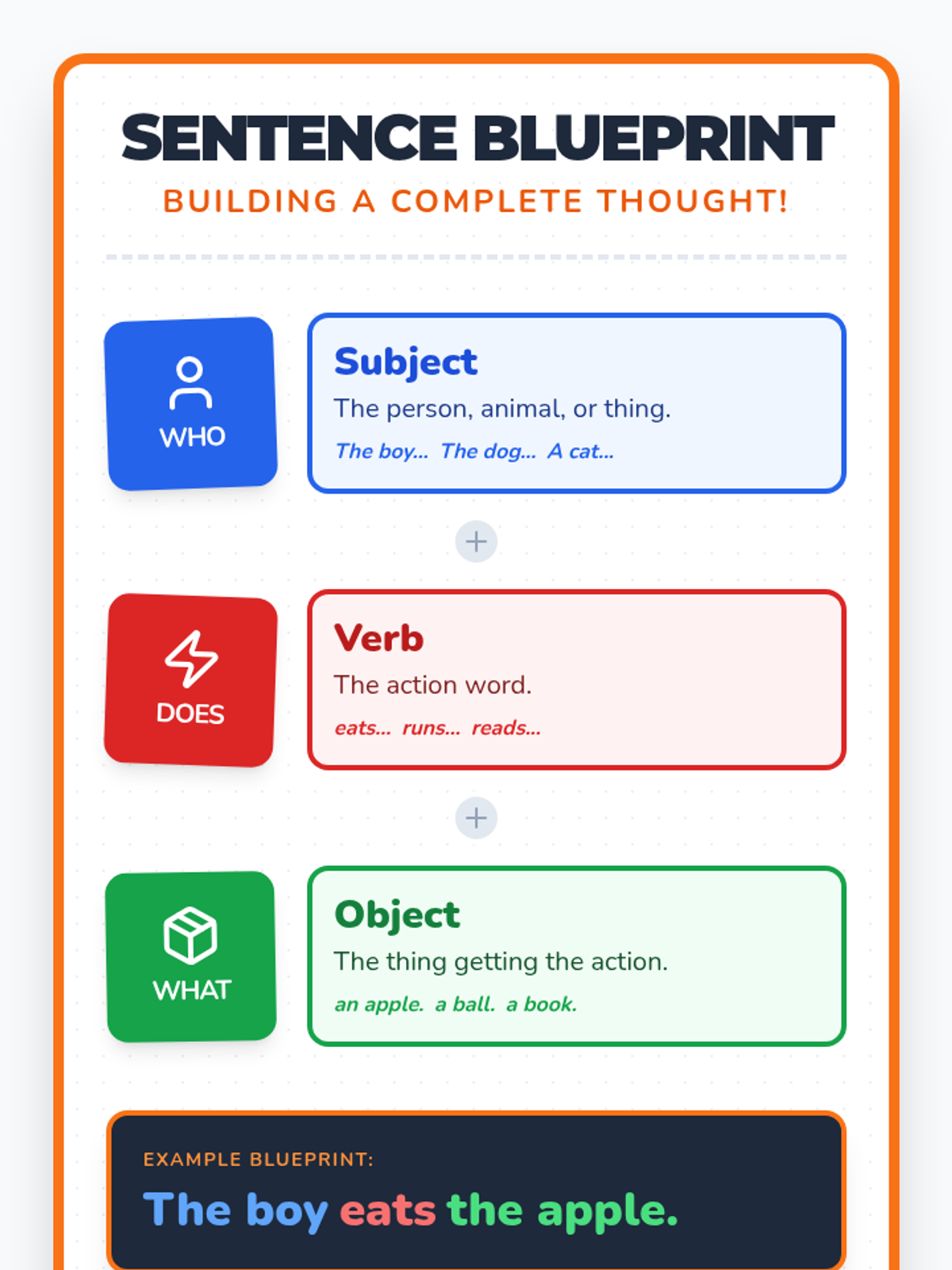
Teaches basic grammar and sentence structure as the 'blueprints' that help us express ideas clearly so others can understand our thoughts.
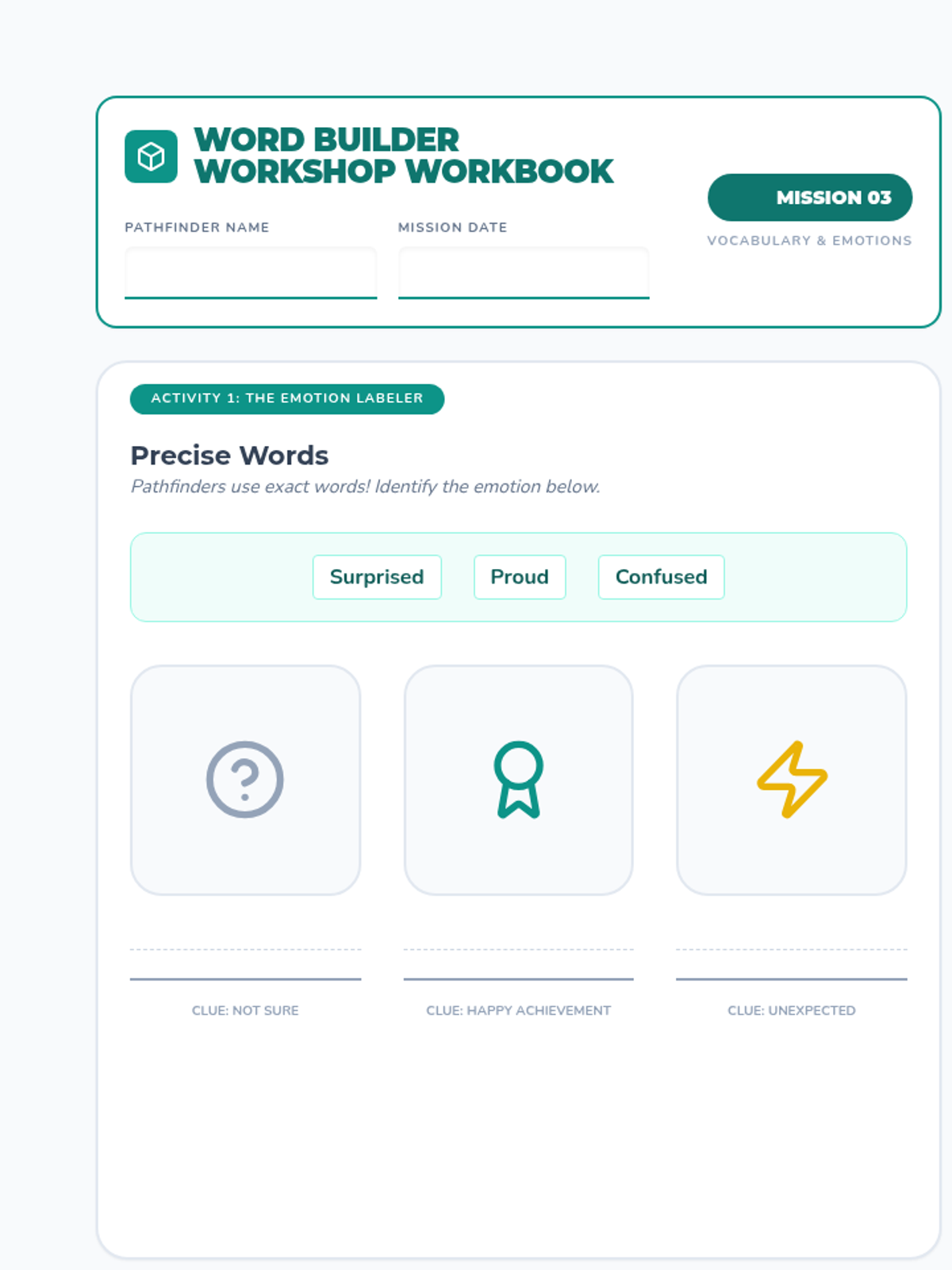
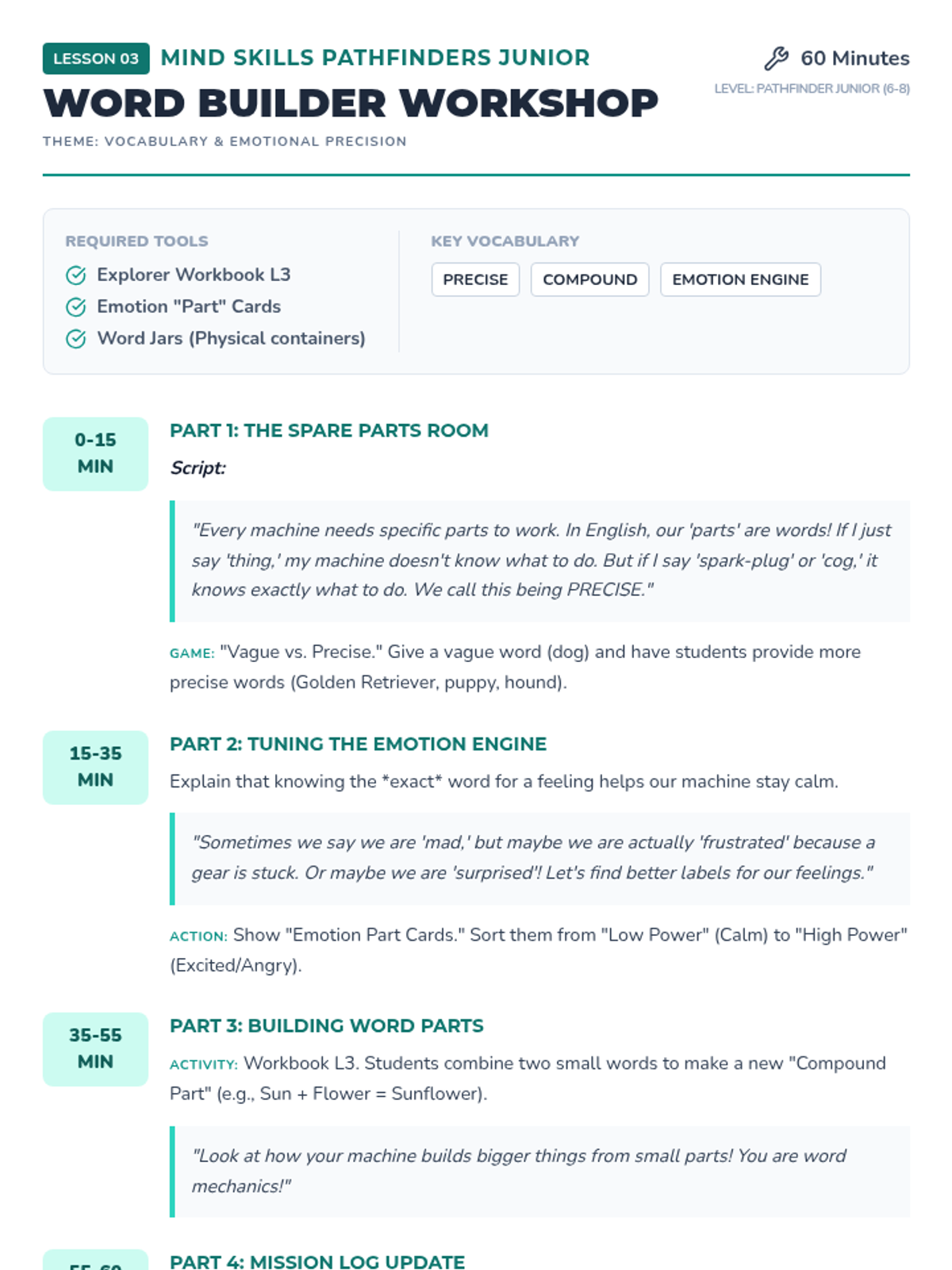
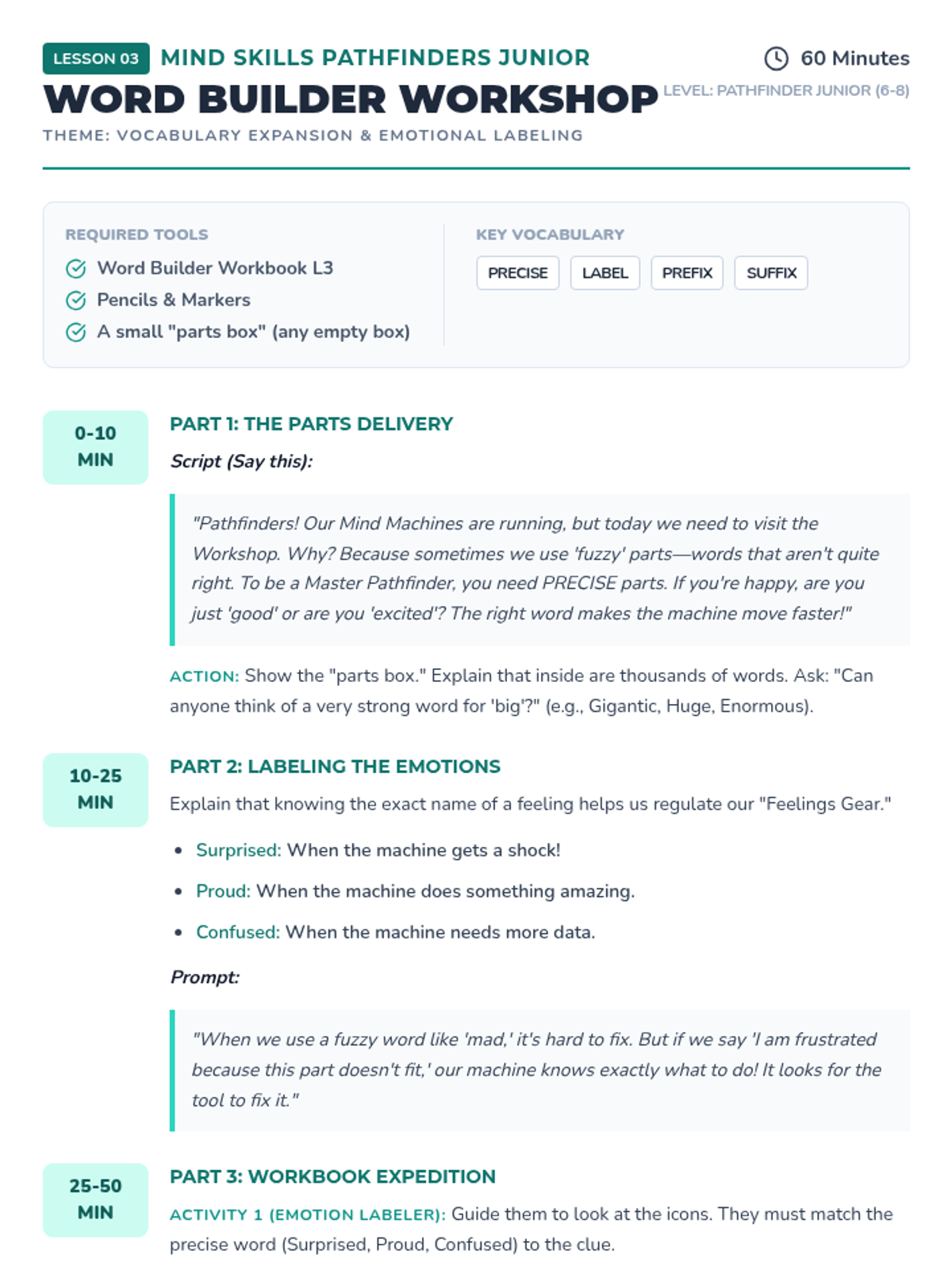
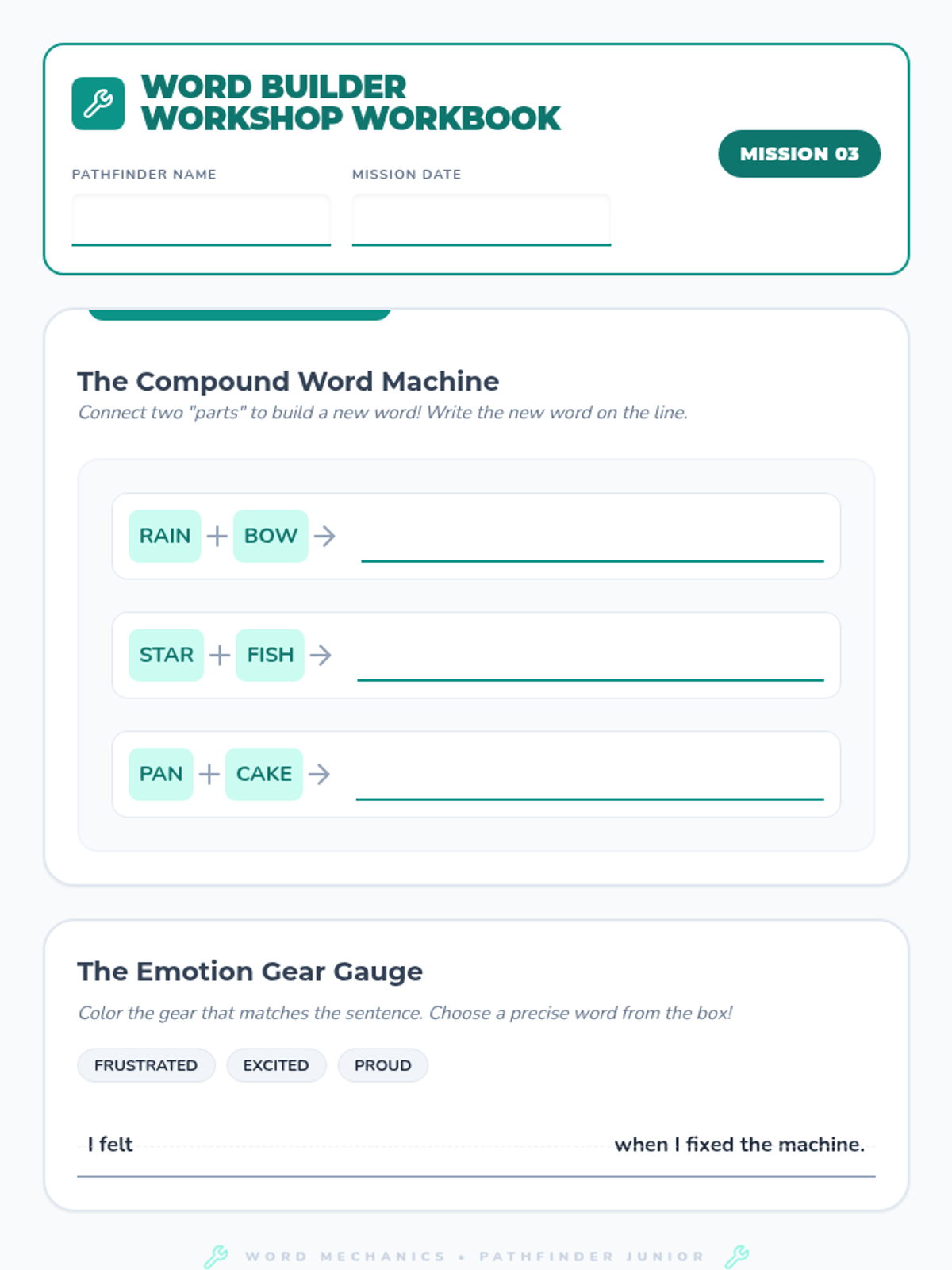
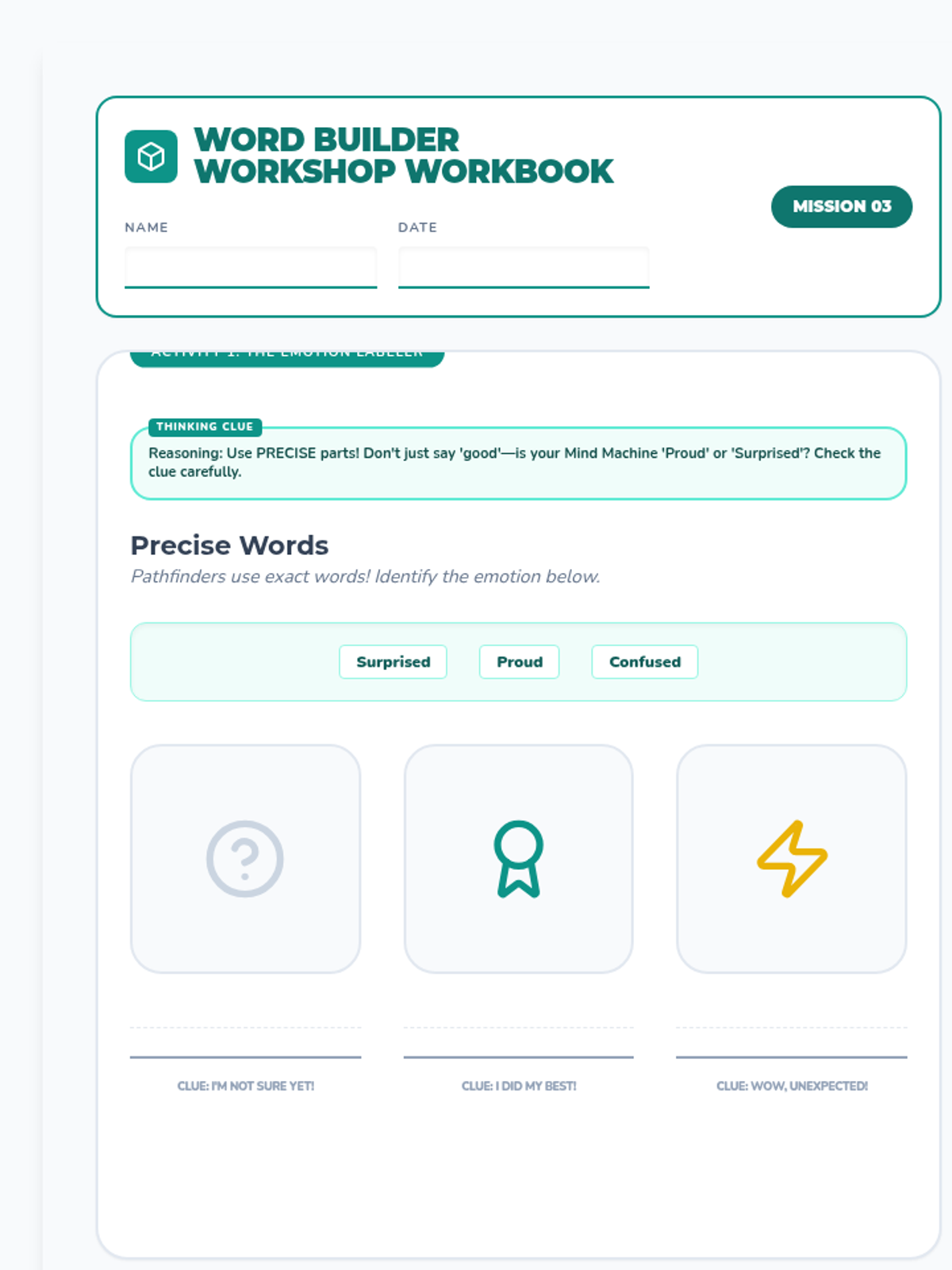
Introduces vocabulary building through the lens of 'parts' for our mind machines, focusing on labeling emotions and objects with precision.
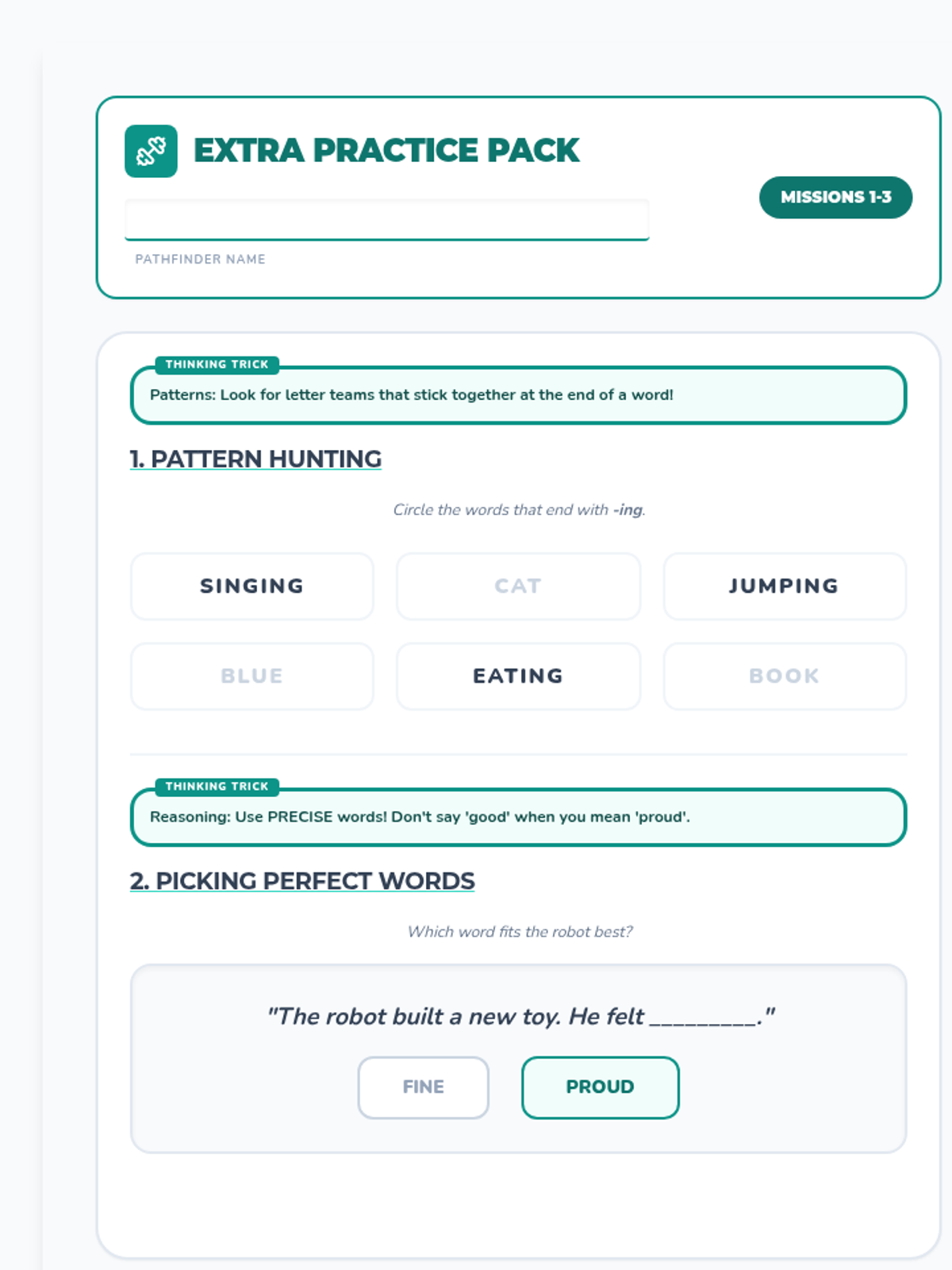
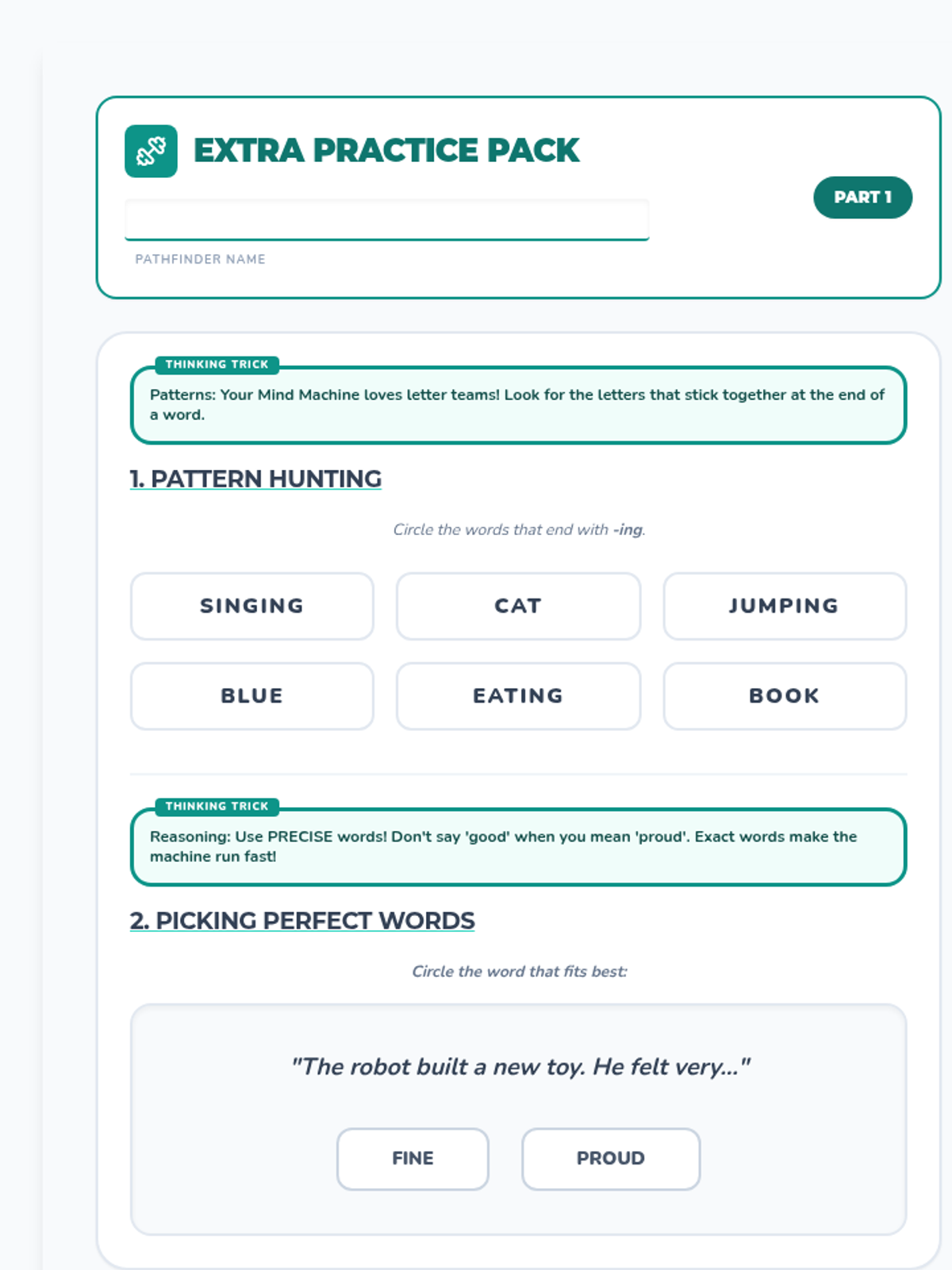
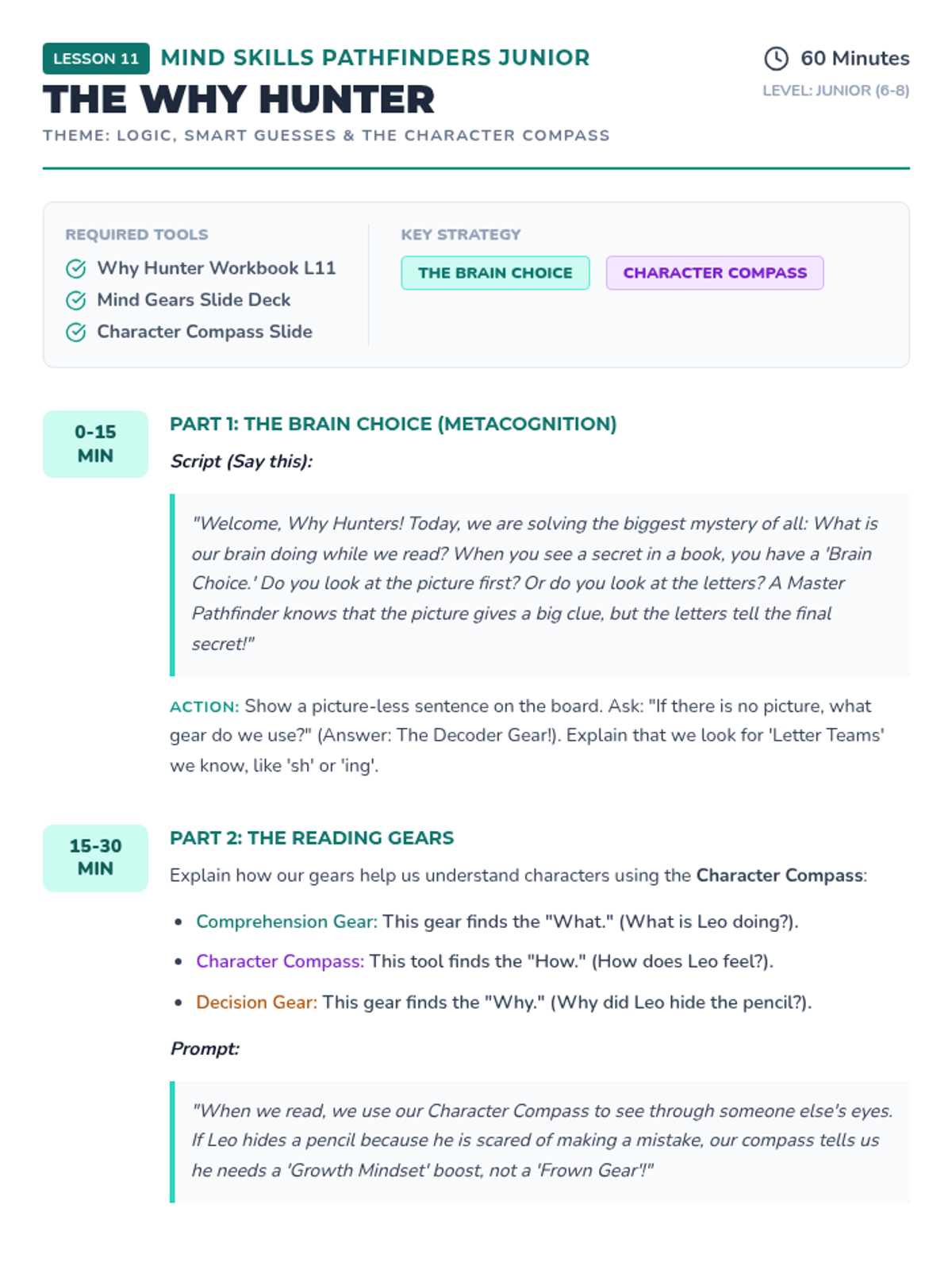
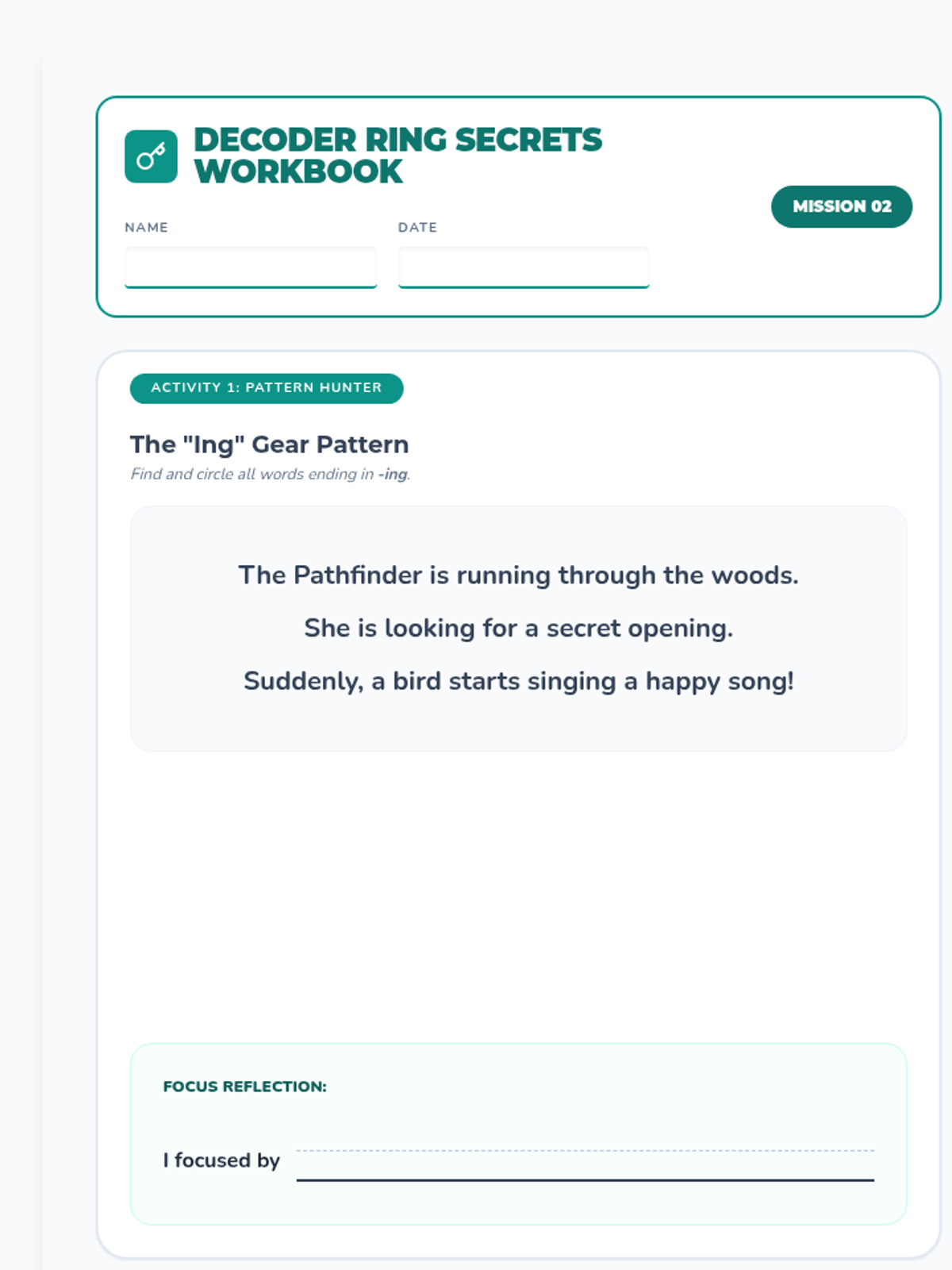
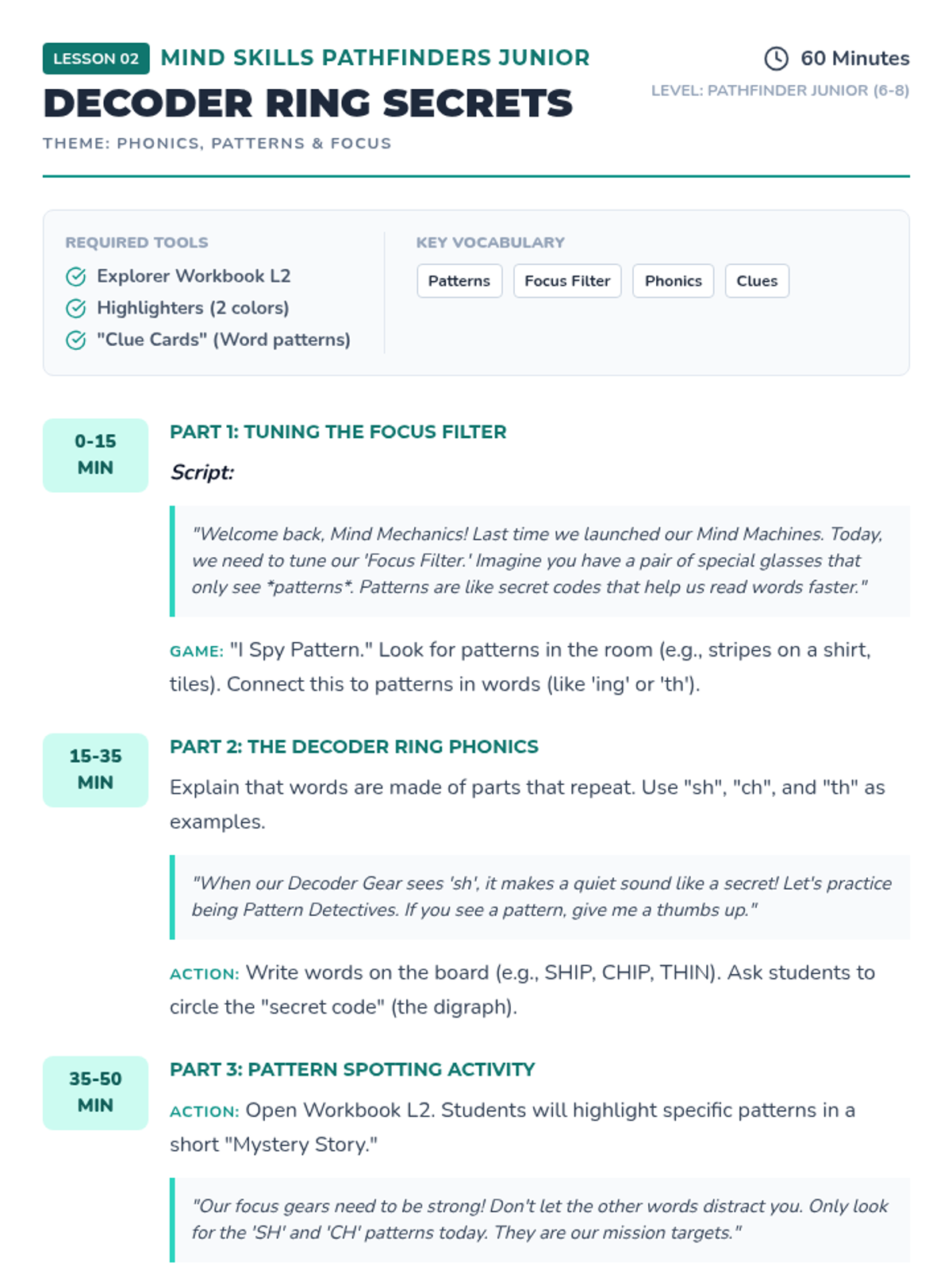
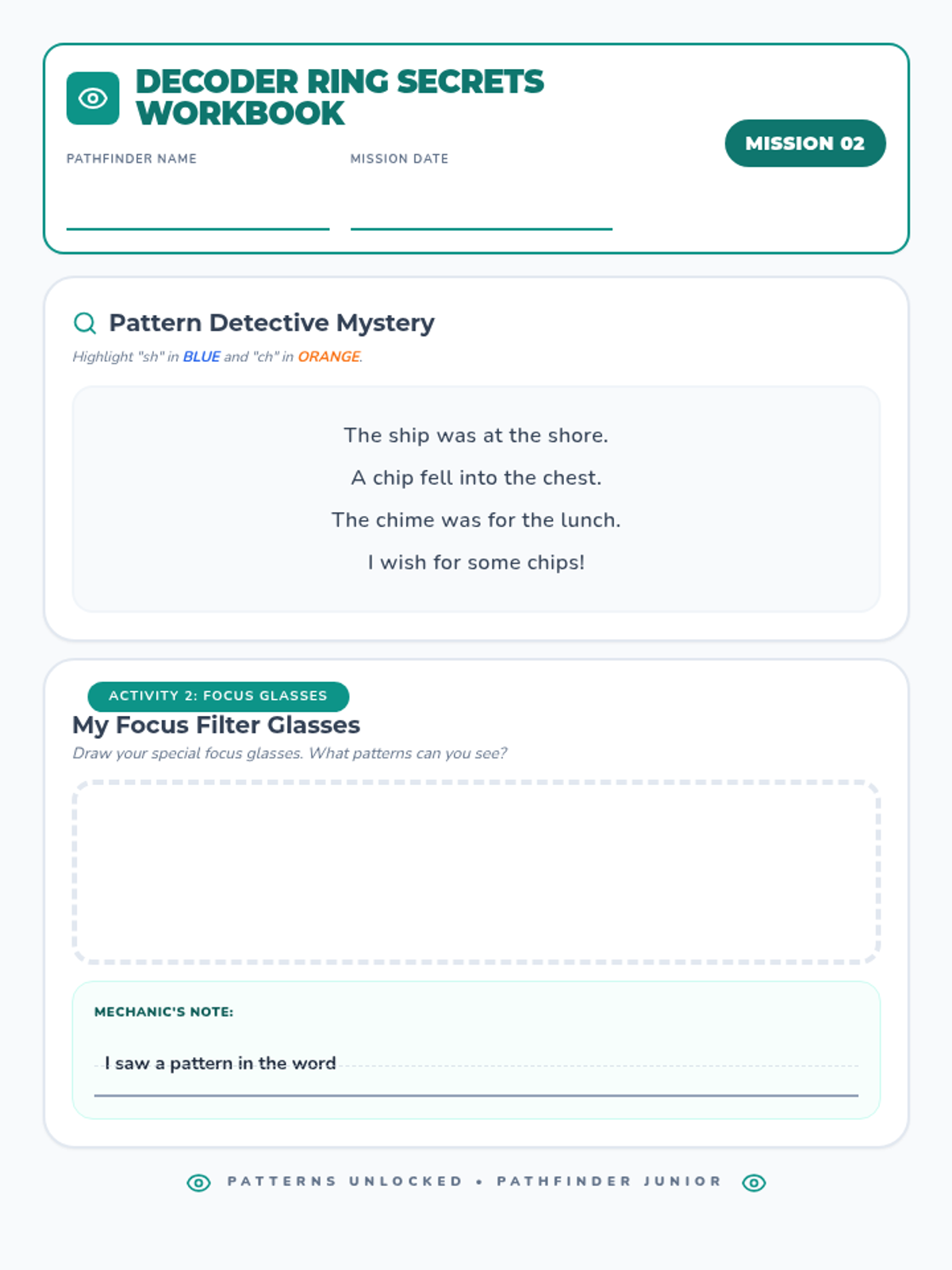
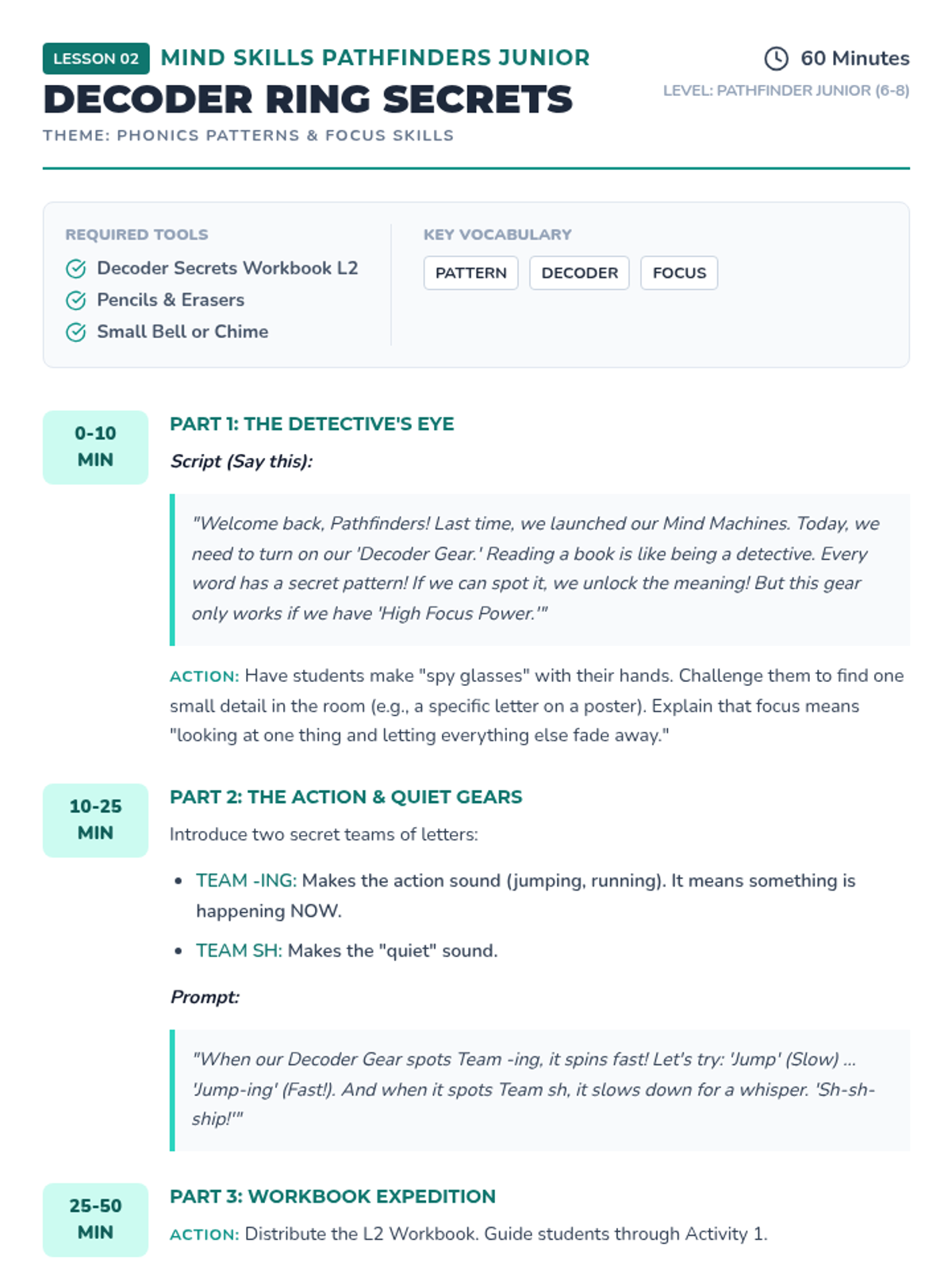
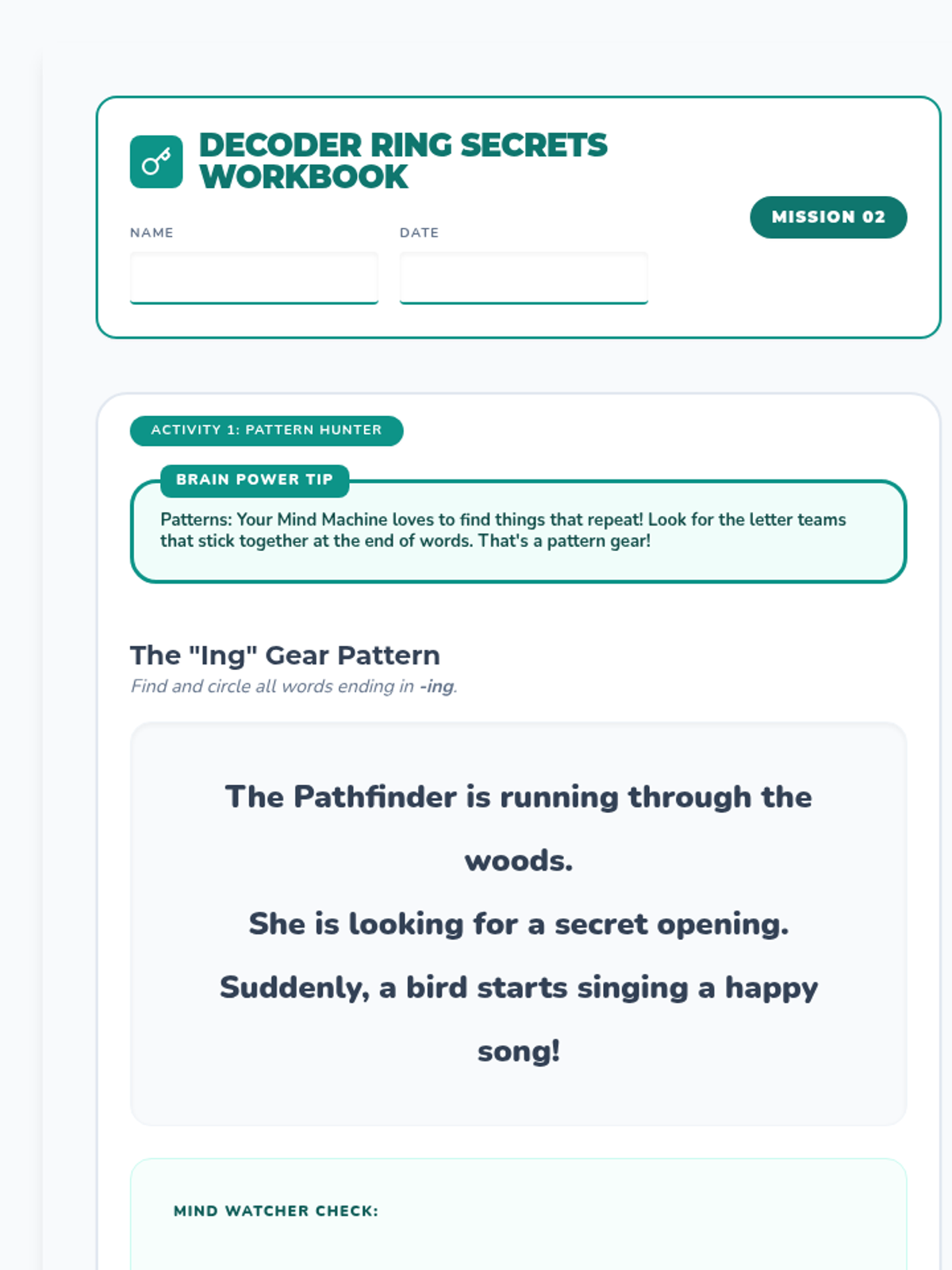
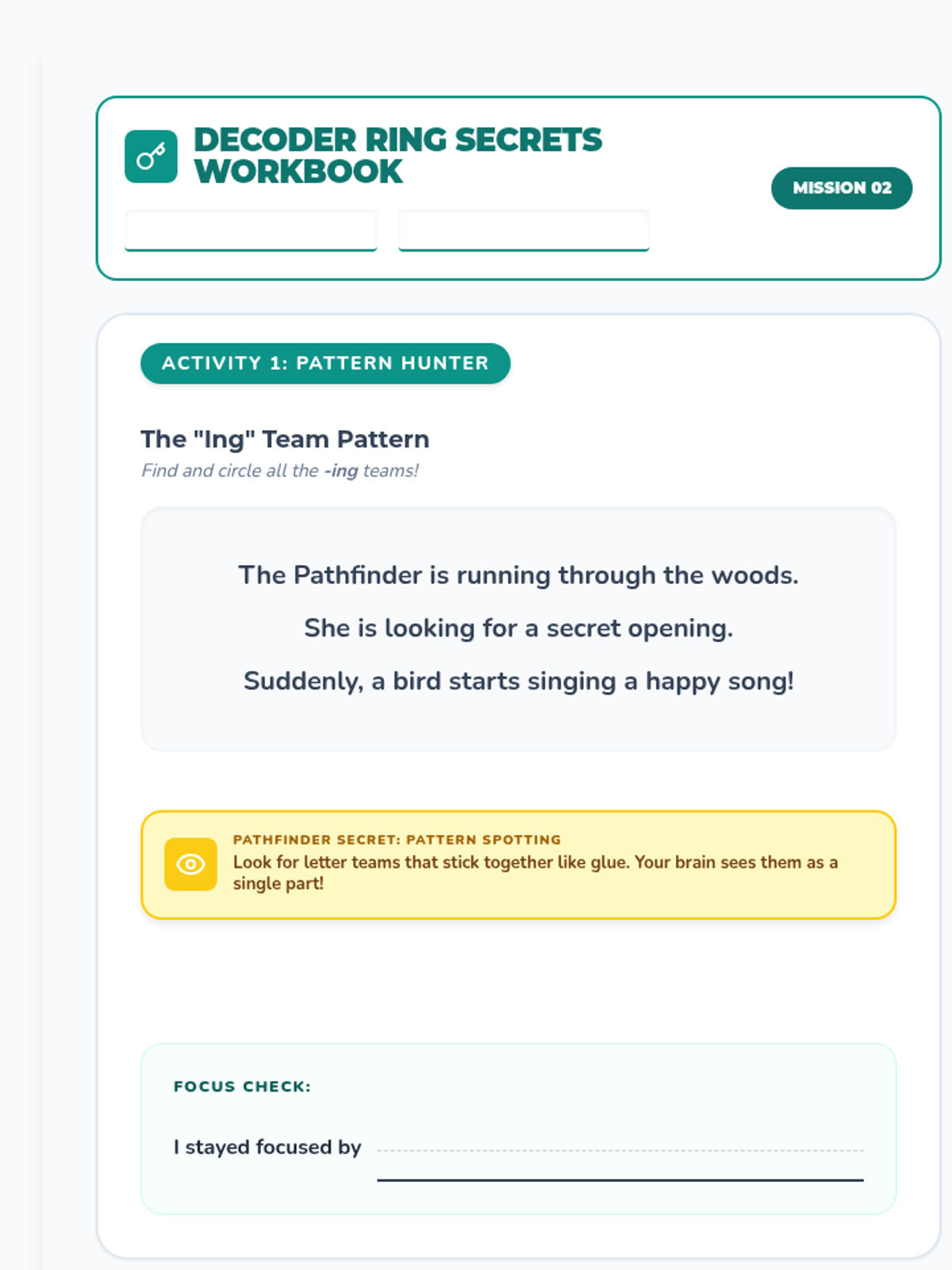
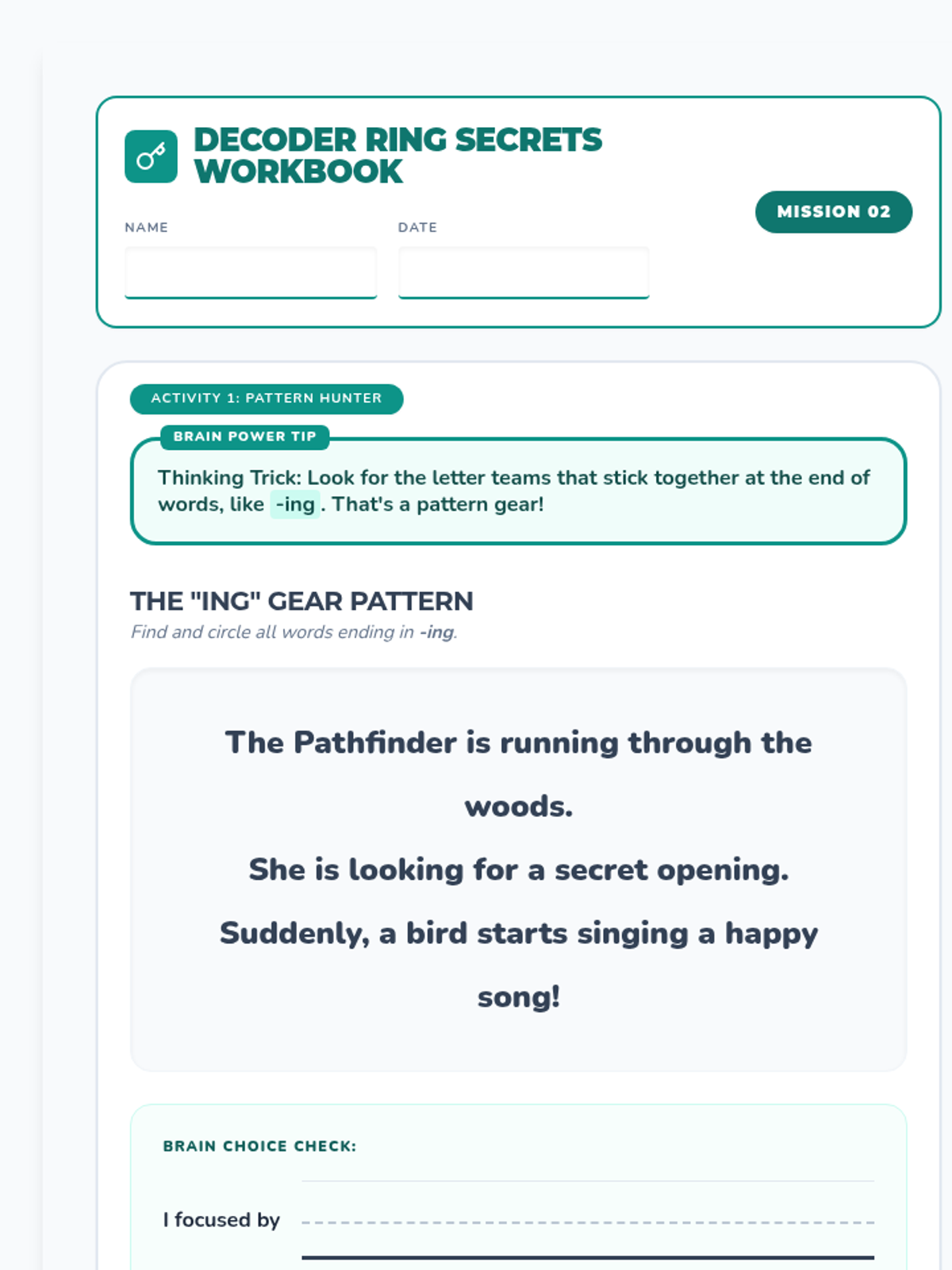
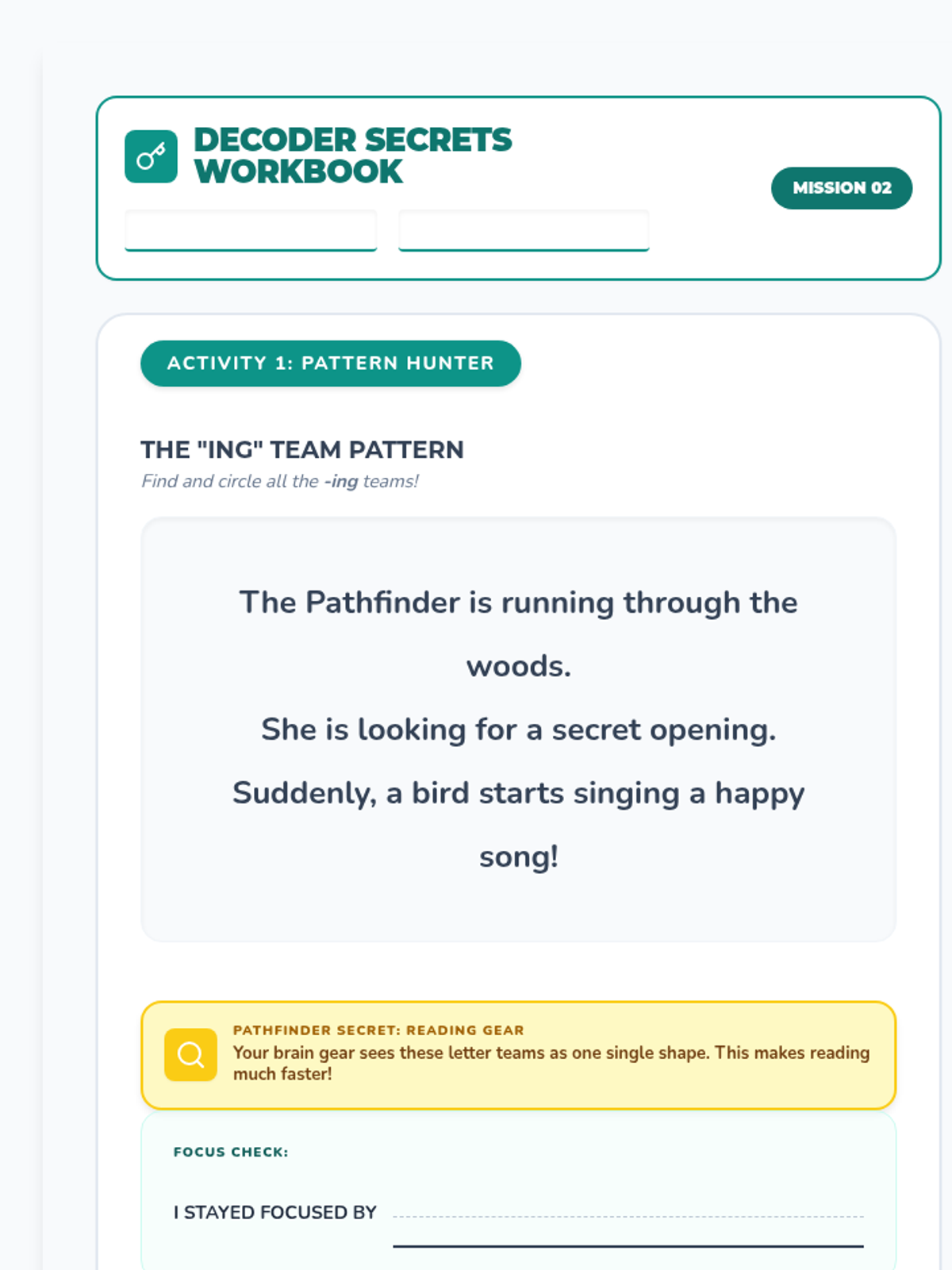
Focuses on phonics and pattern spotting in text, teaching students that reading is a form of detective work where we look for clues to unlock meaning.
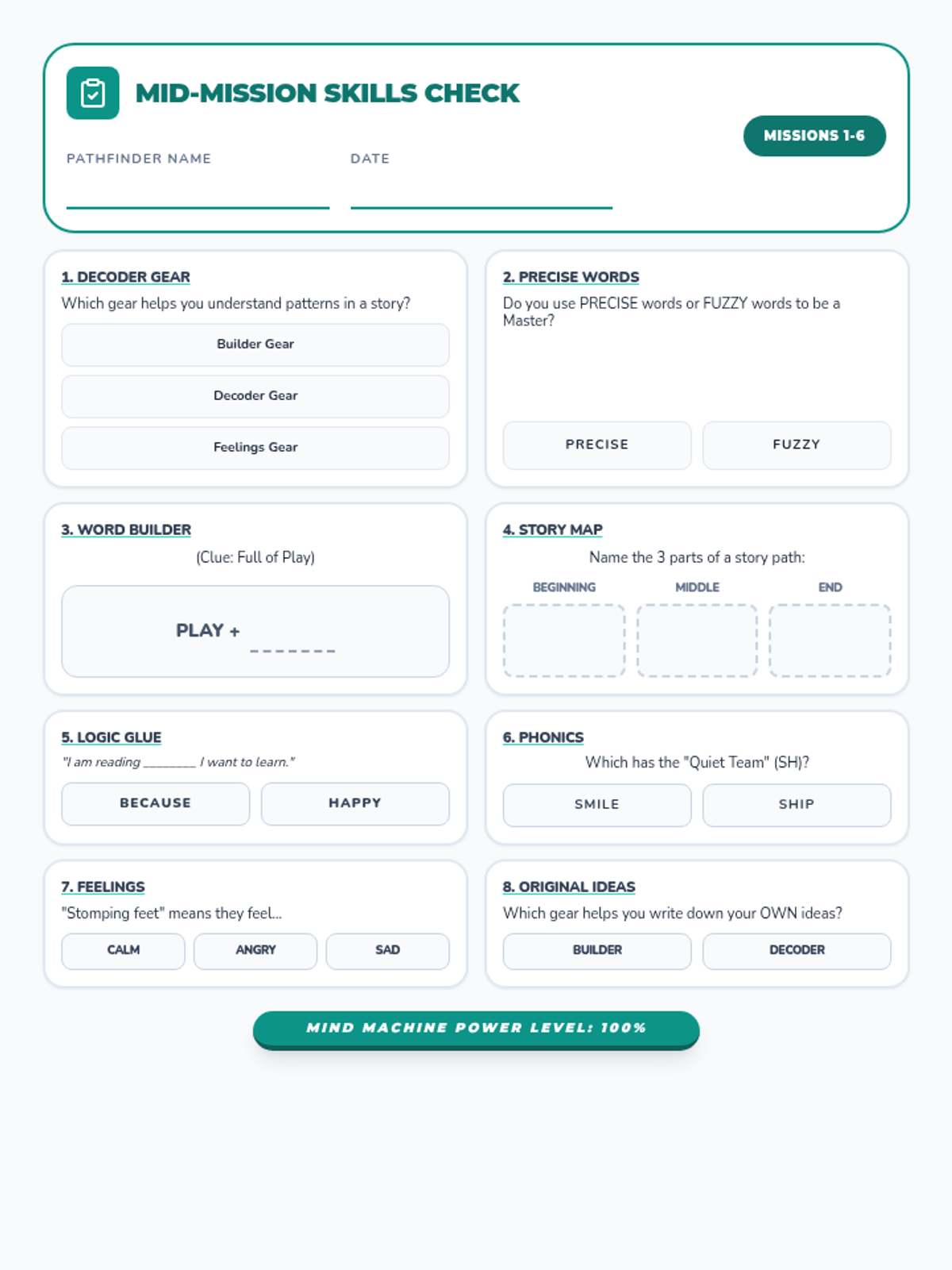
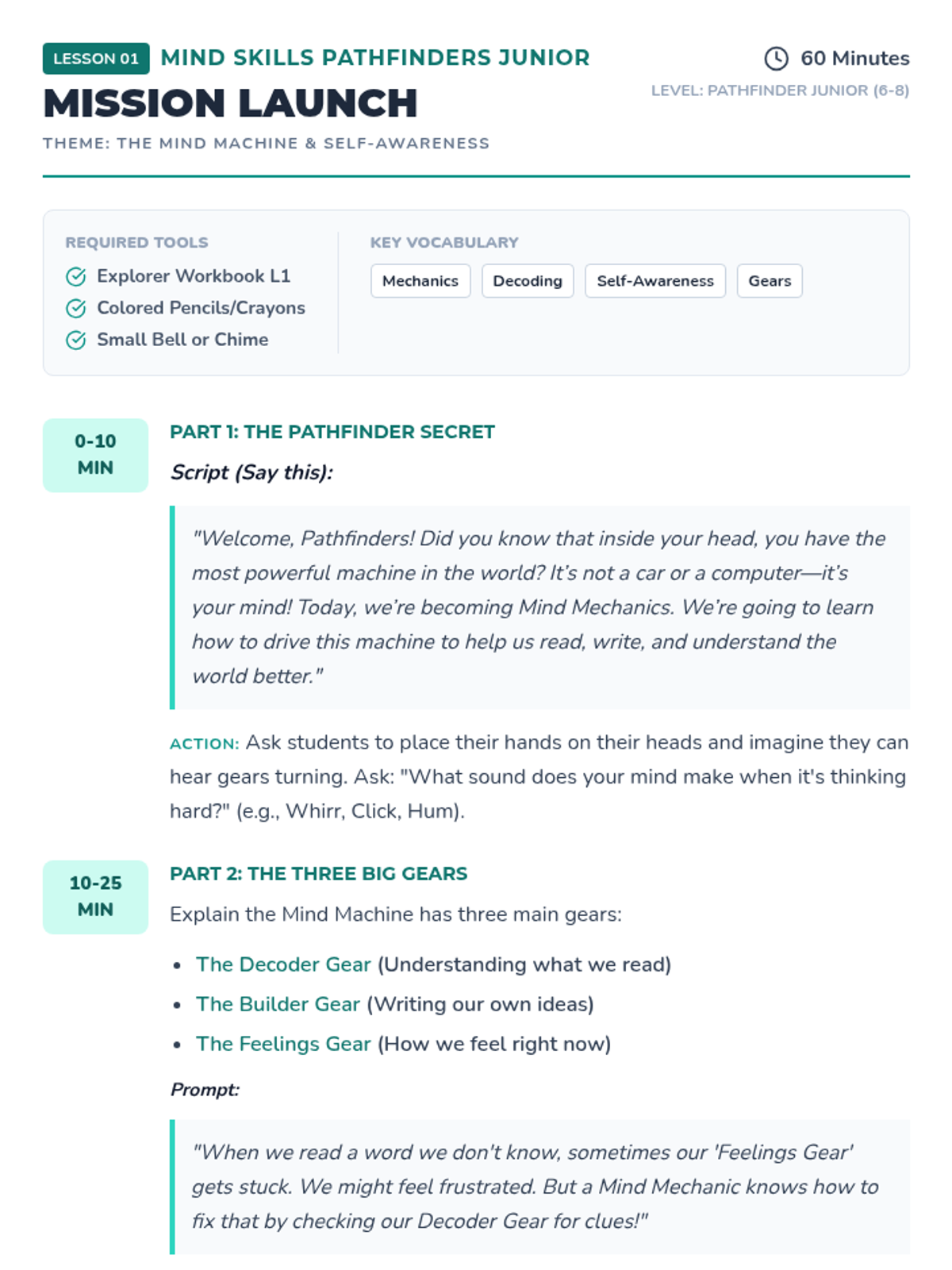
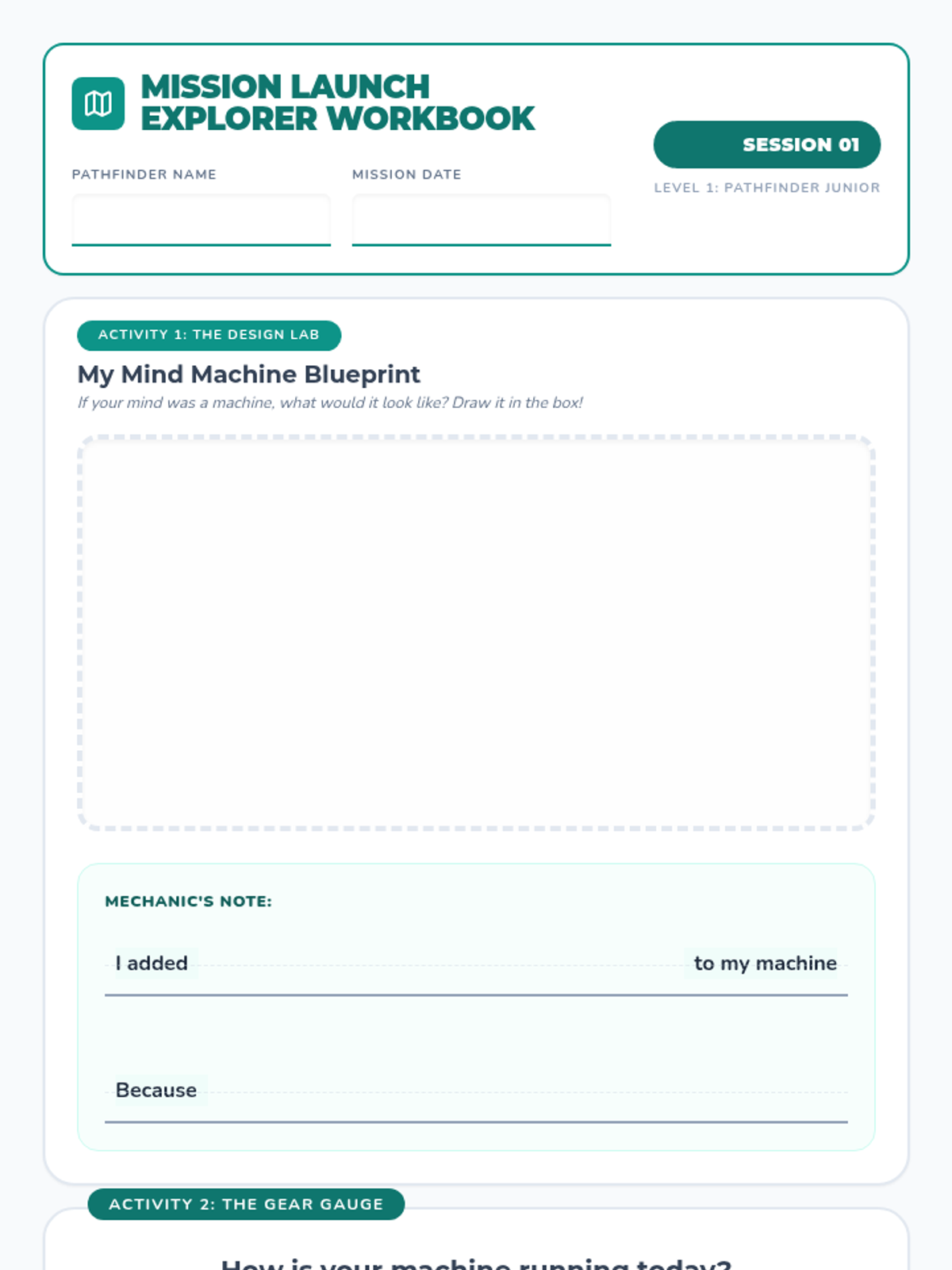
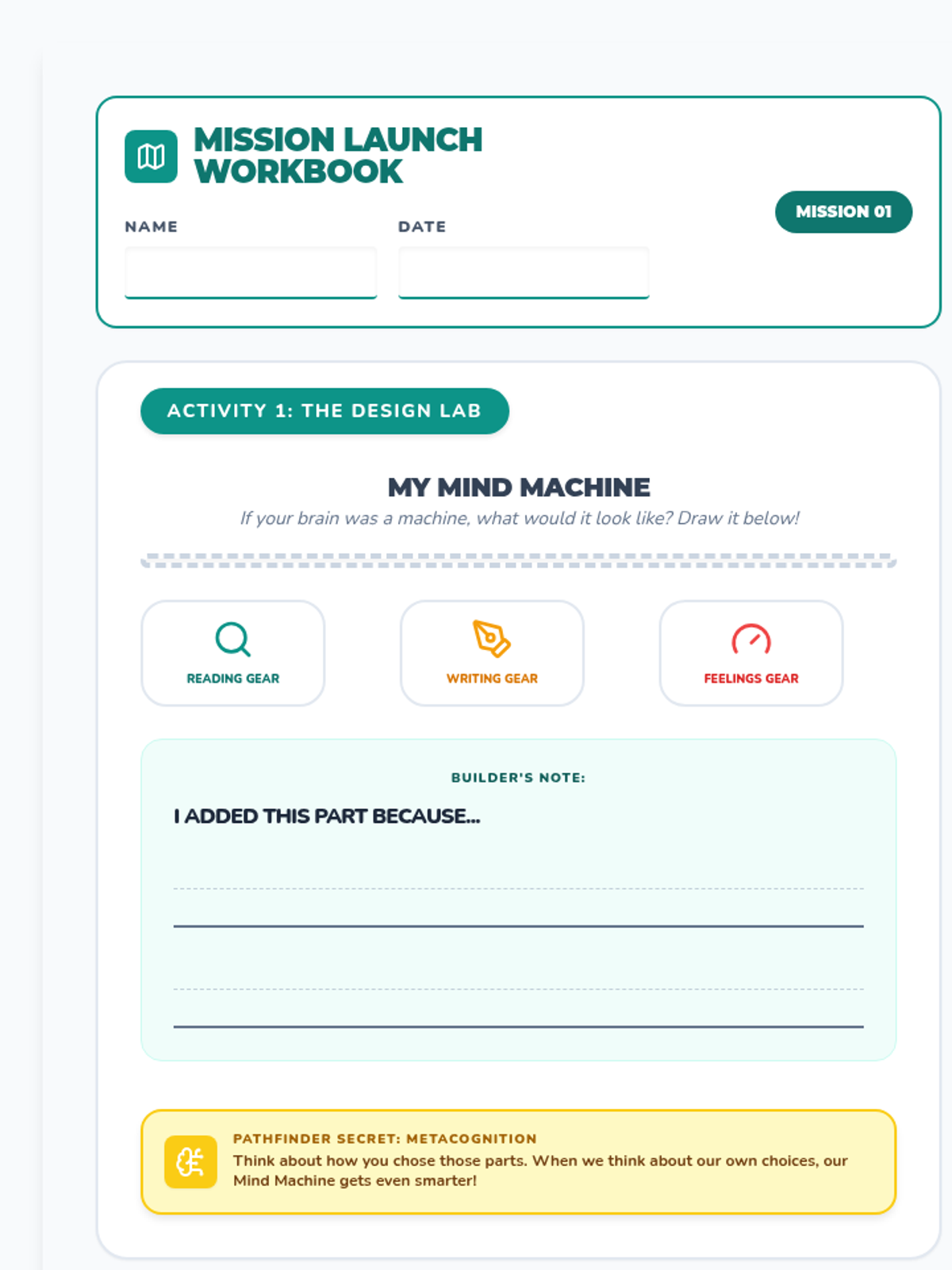
An introductory lesson where students become 'Pathfinders,' learning that their minds are like incredible machines with gears they can control. Focuses on self-awareness and the basics of how we decode stories.
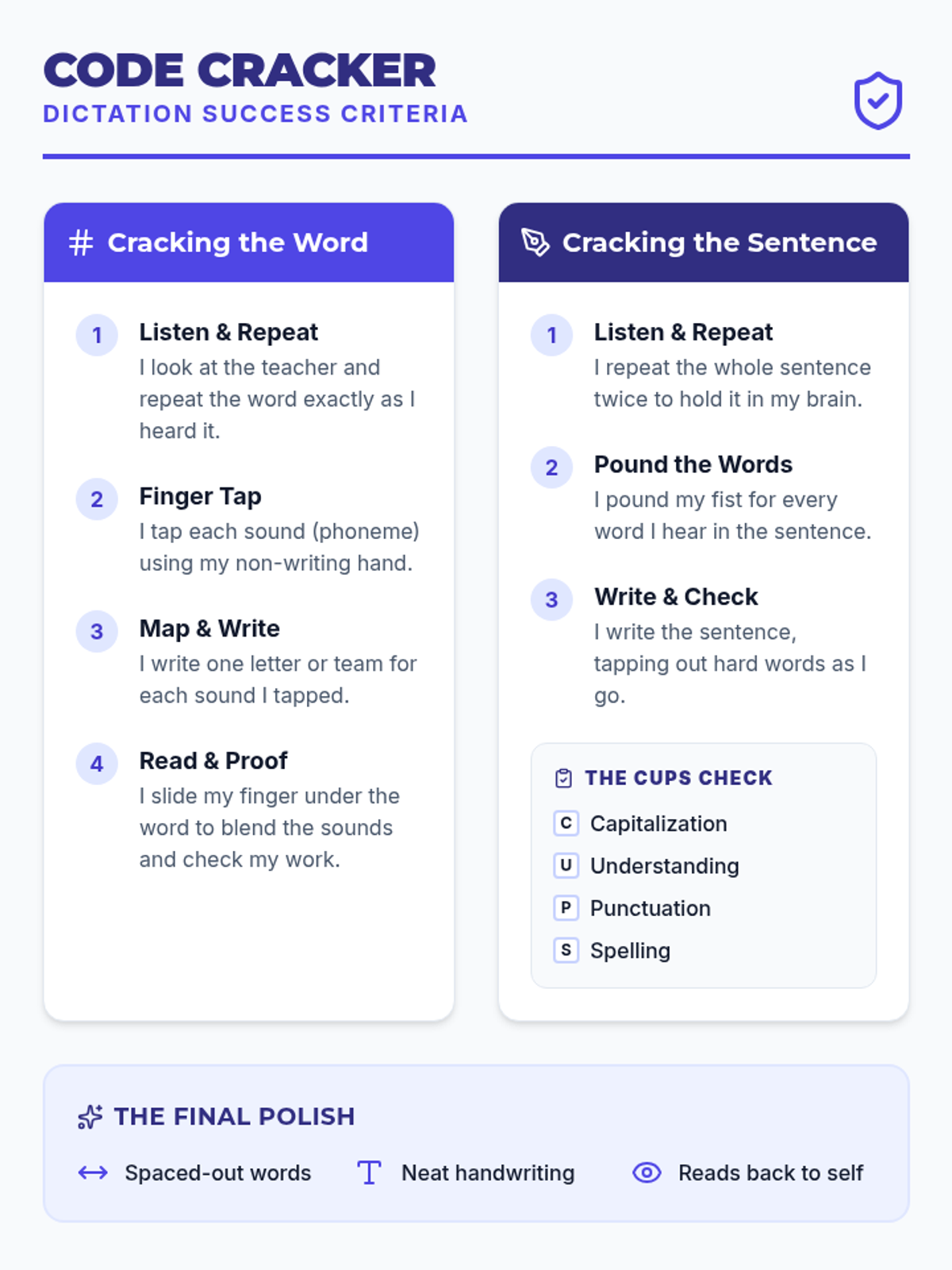
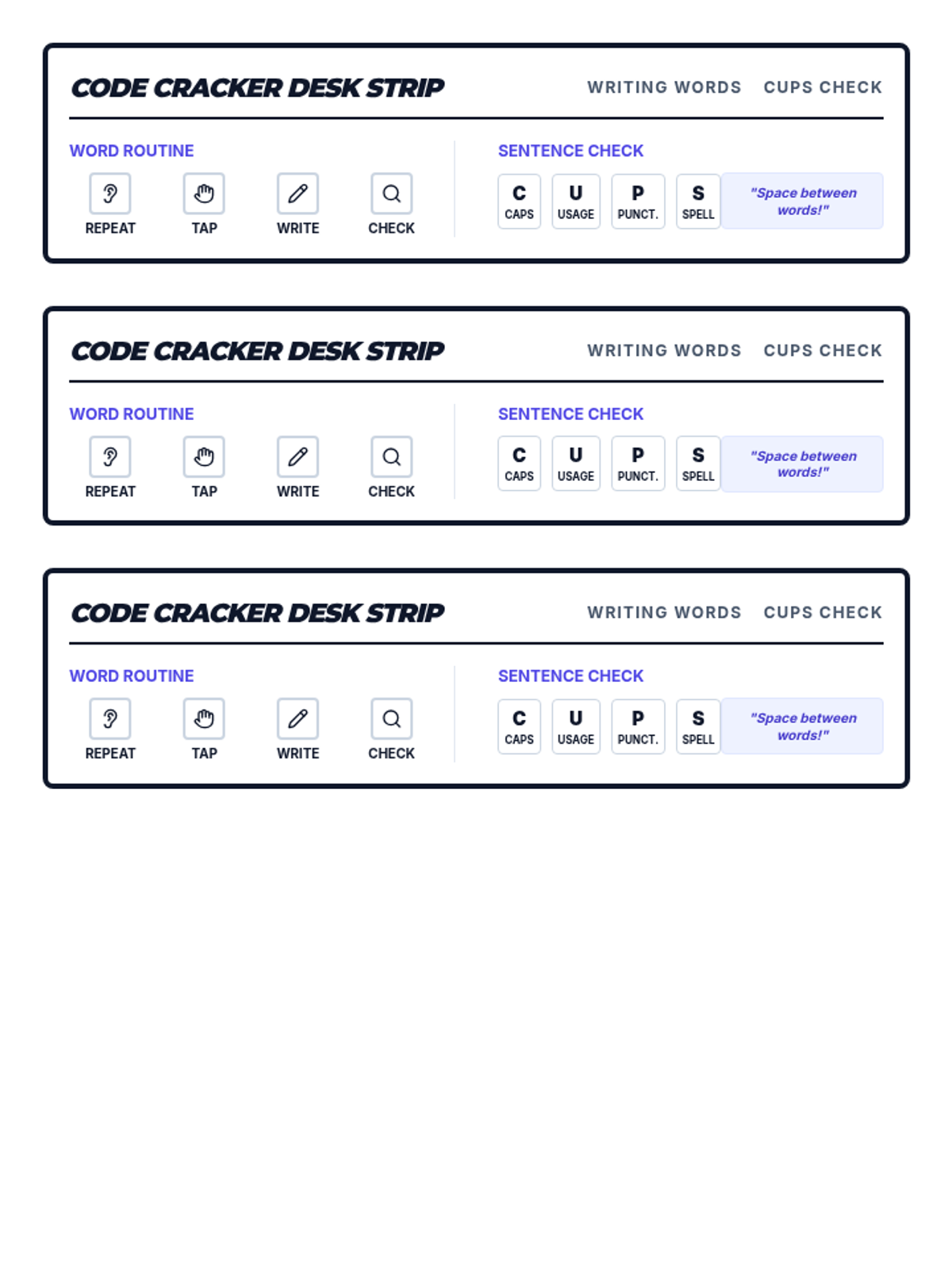
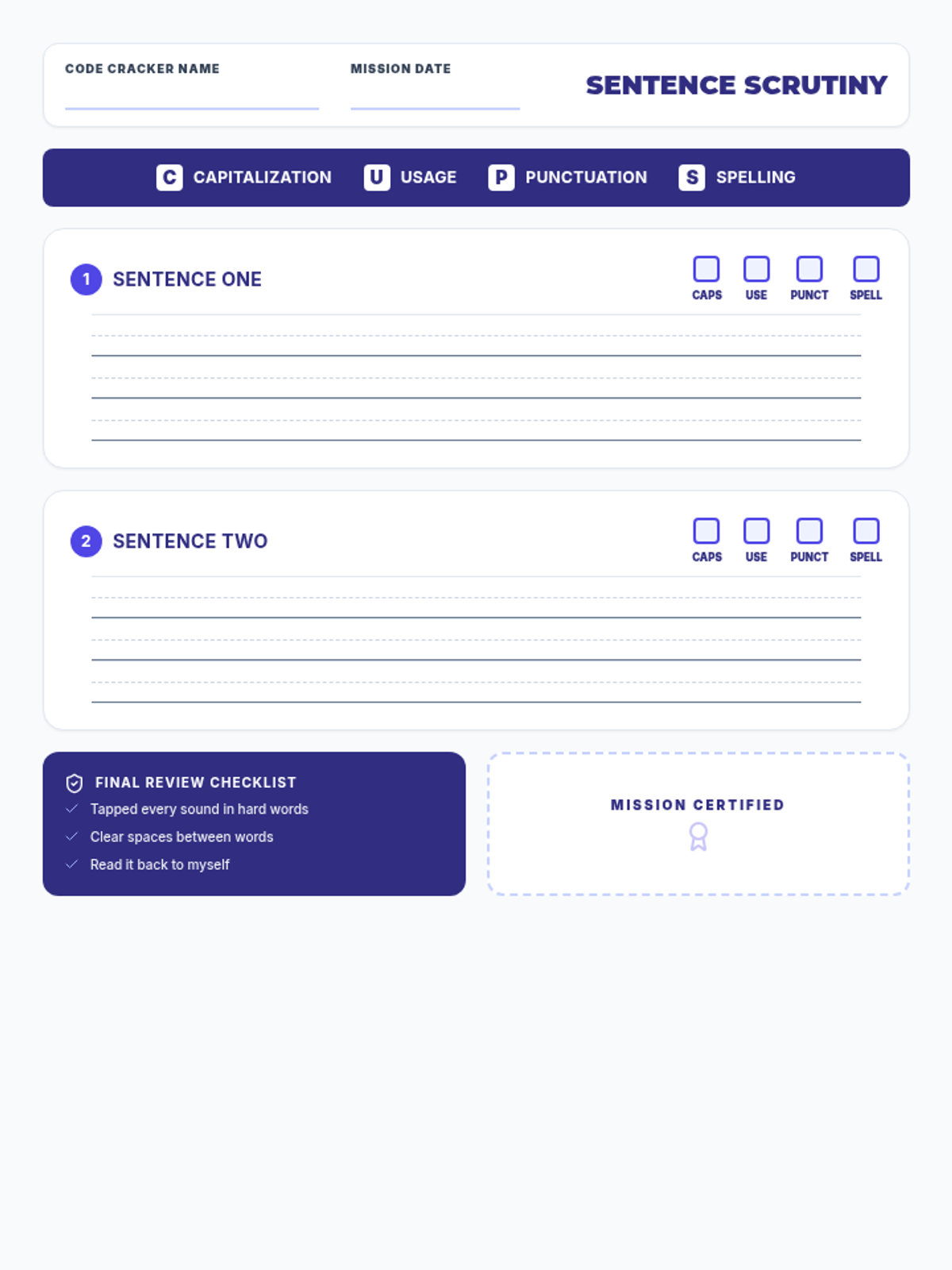
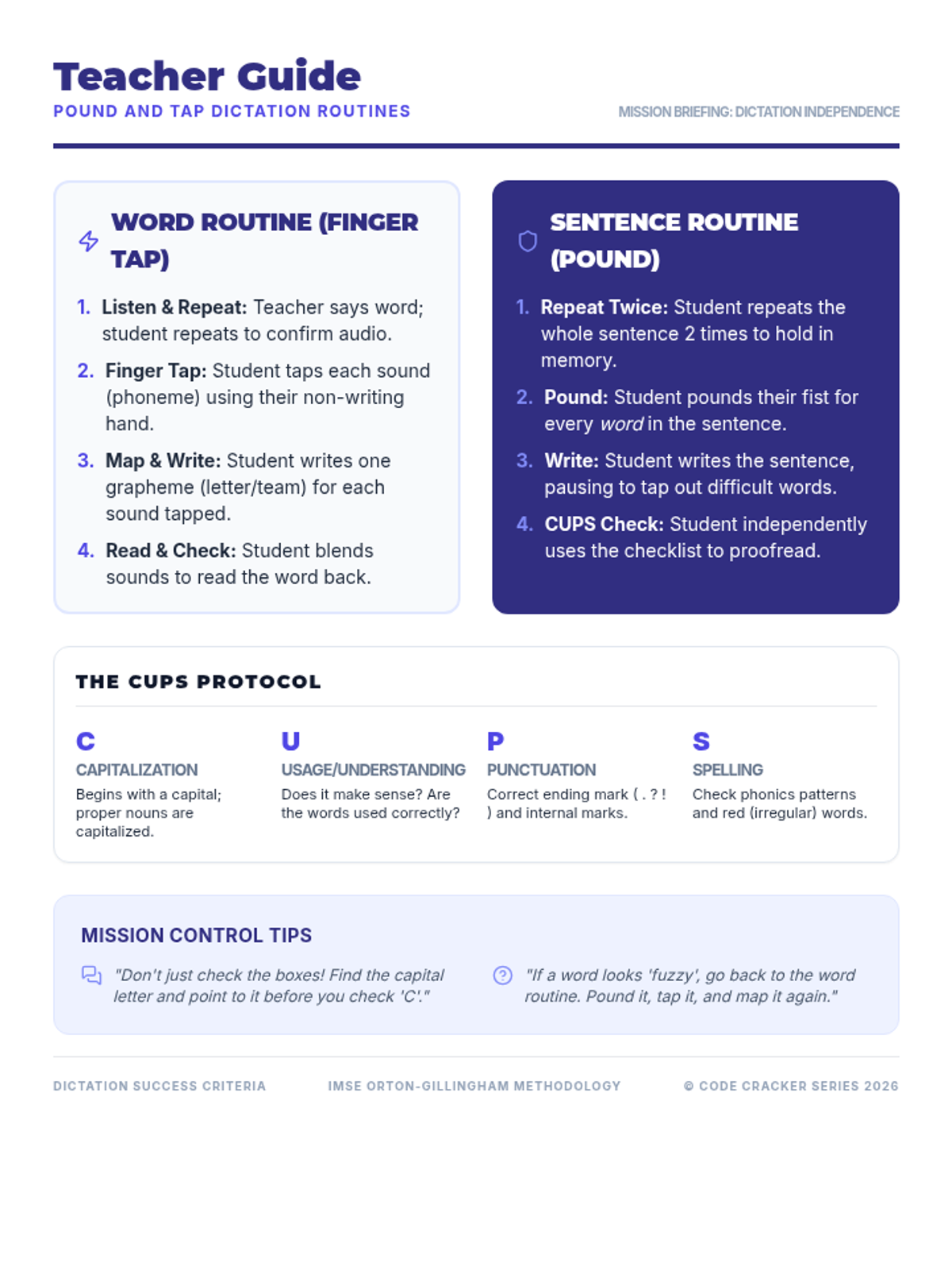
A toolkit of success criteria and structured practice materials for IMSE Orton-Gillingham dictation routines, focusing on word mapping and sentence conventions.
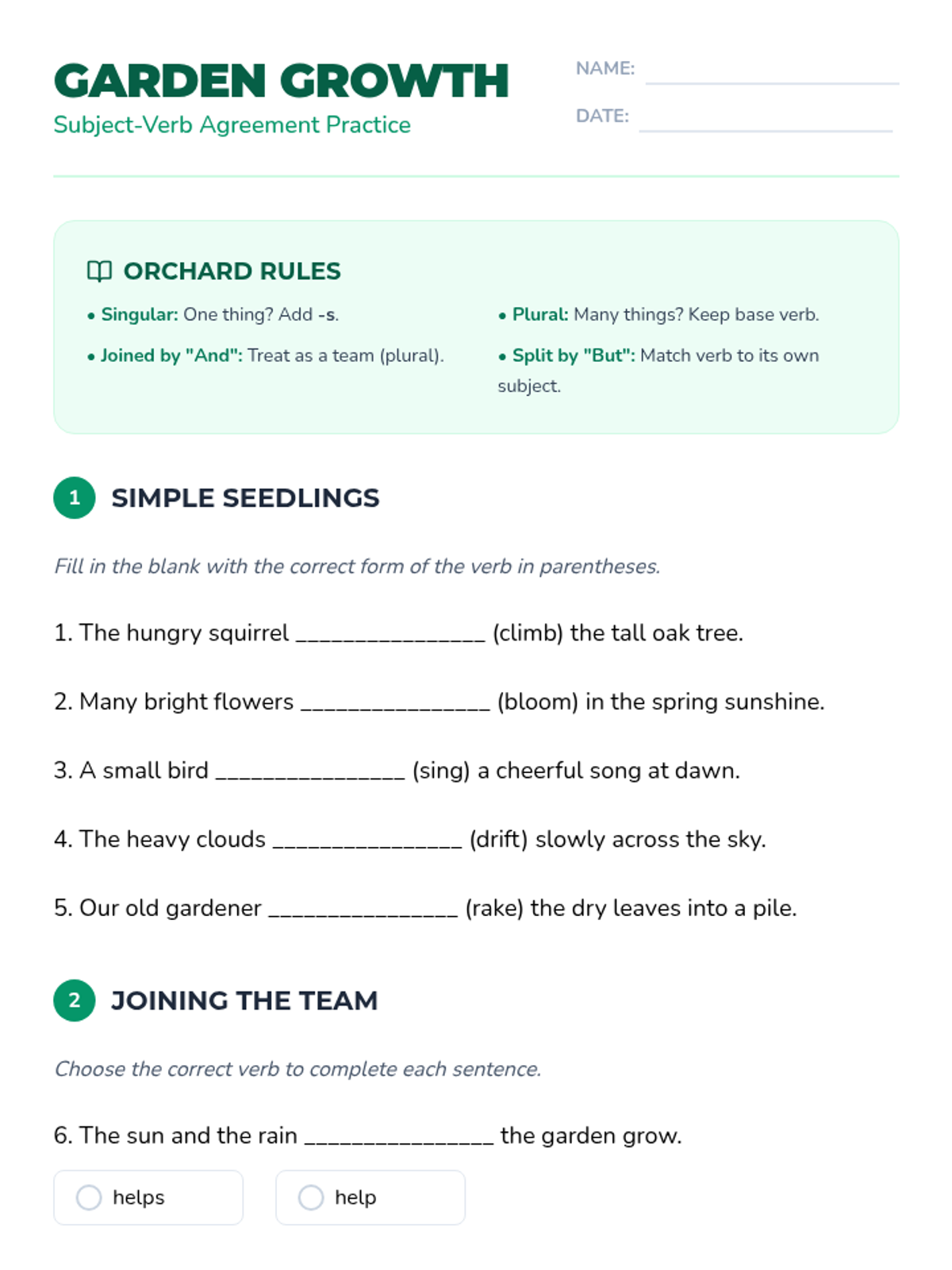
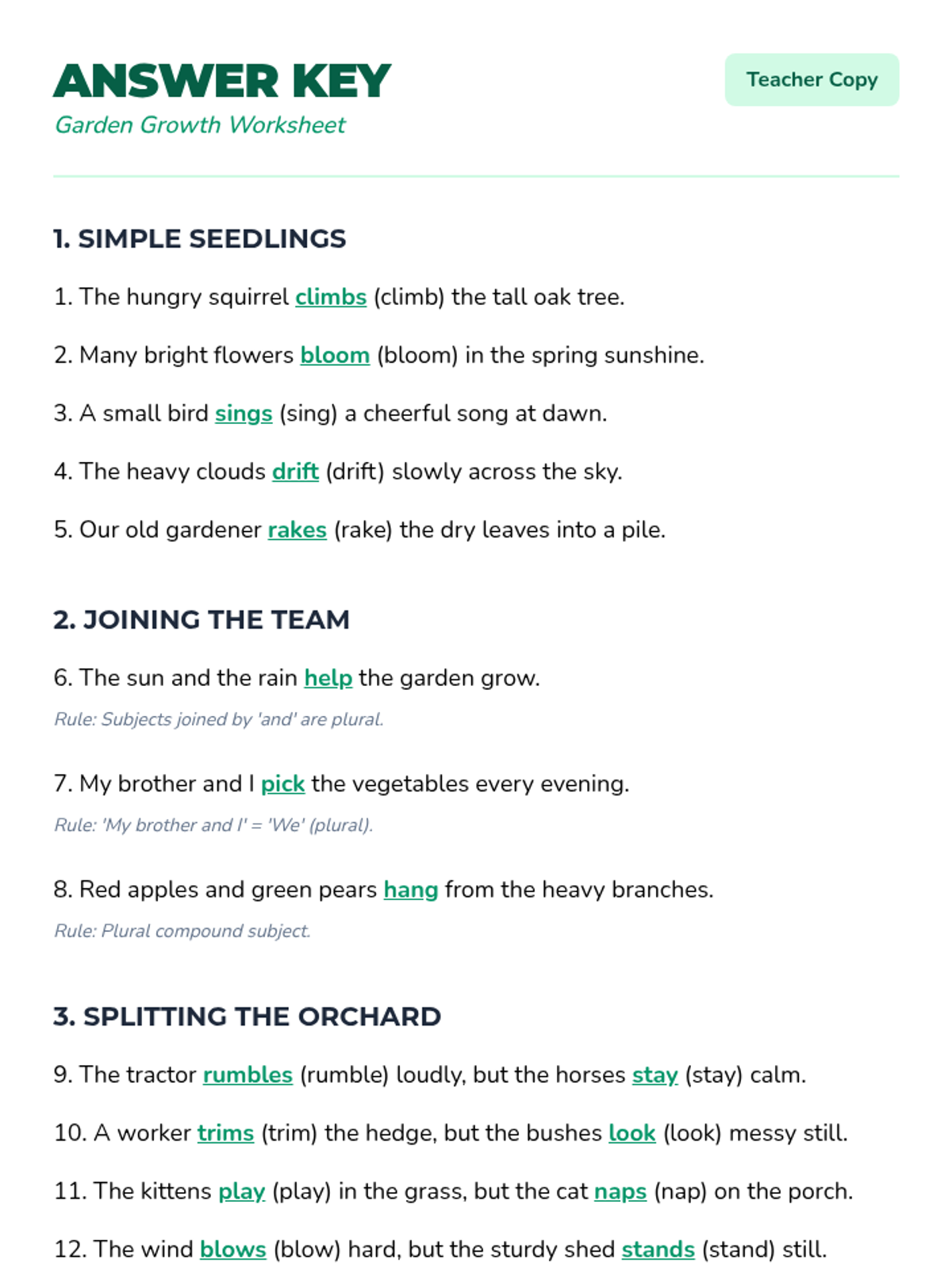
A comprehensive lesson on subject-verb agreement featuring simple sentences and compound sentences using 'and' and 'but'. Includes instructional slides, a practice worksheet, and an answer key.
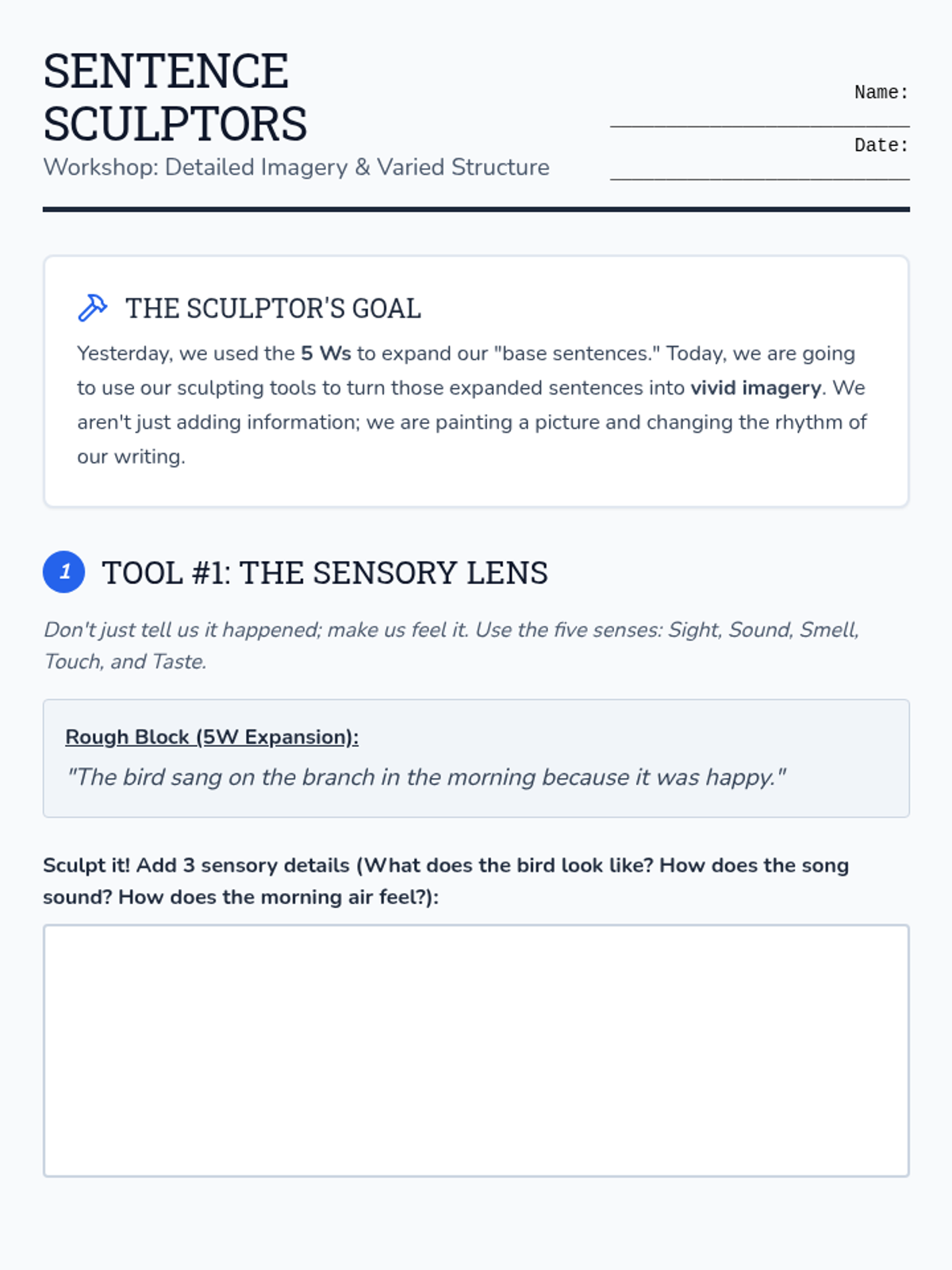
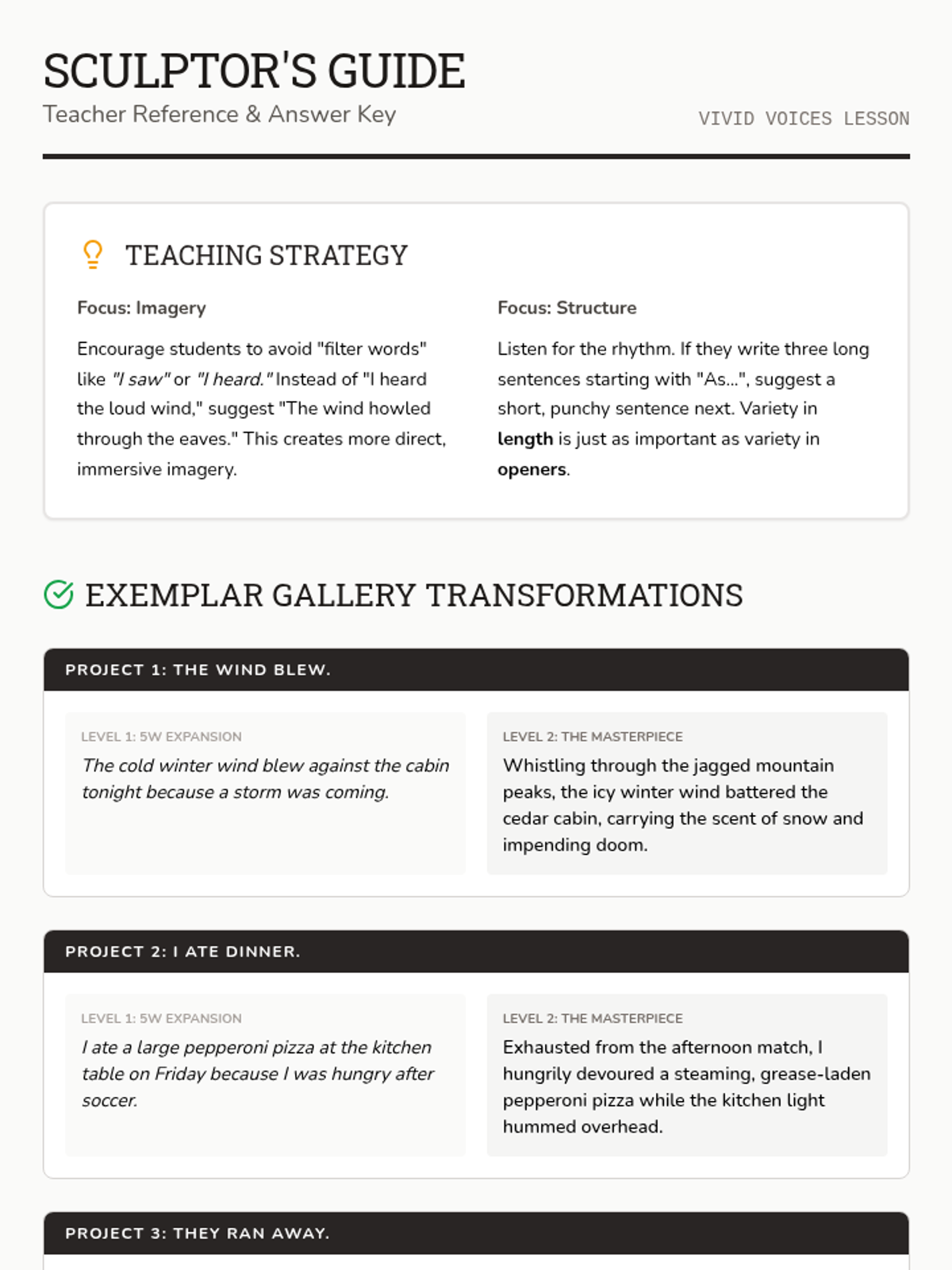
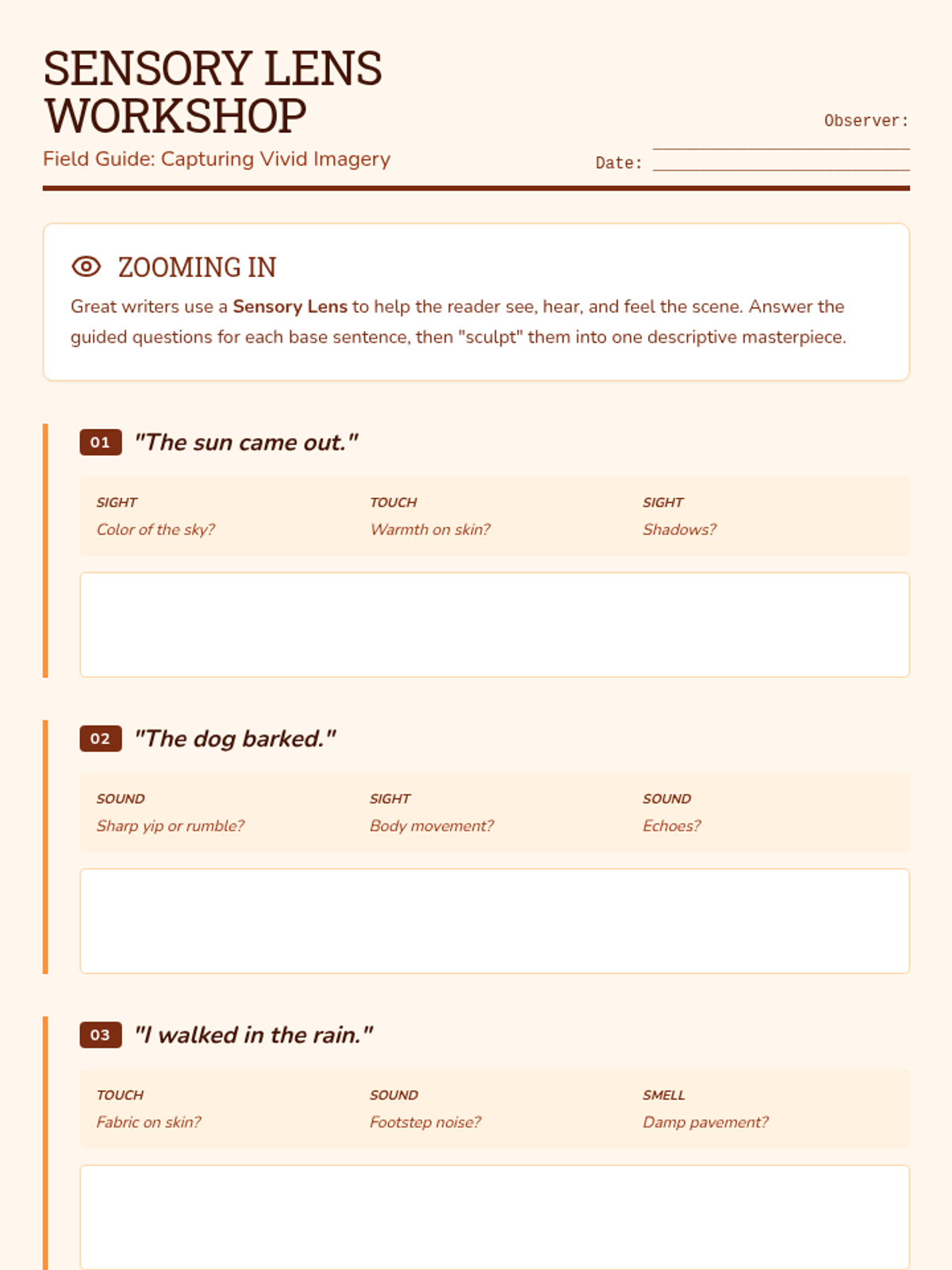
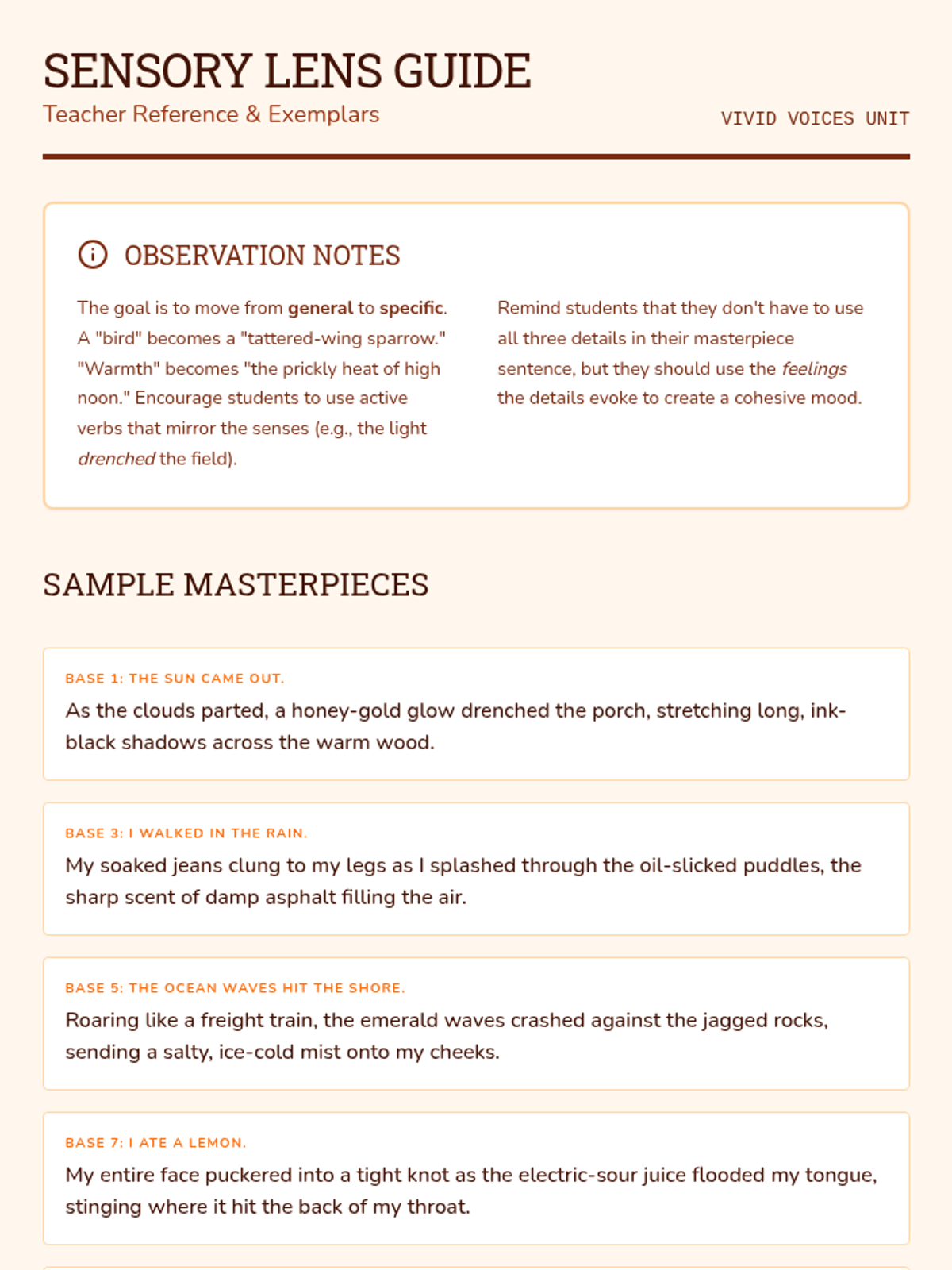
A lesson focused on transforming basic sentences into vivid, descriptive narratives using sensory imagery and varied sentence structures. Students build on their 5W foundation to 'sculpt' their writing into professional-quality prose.
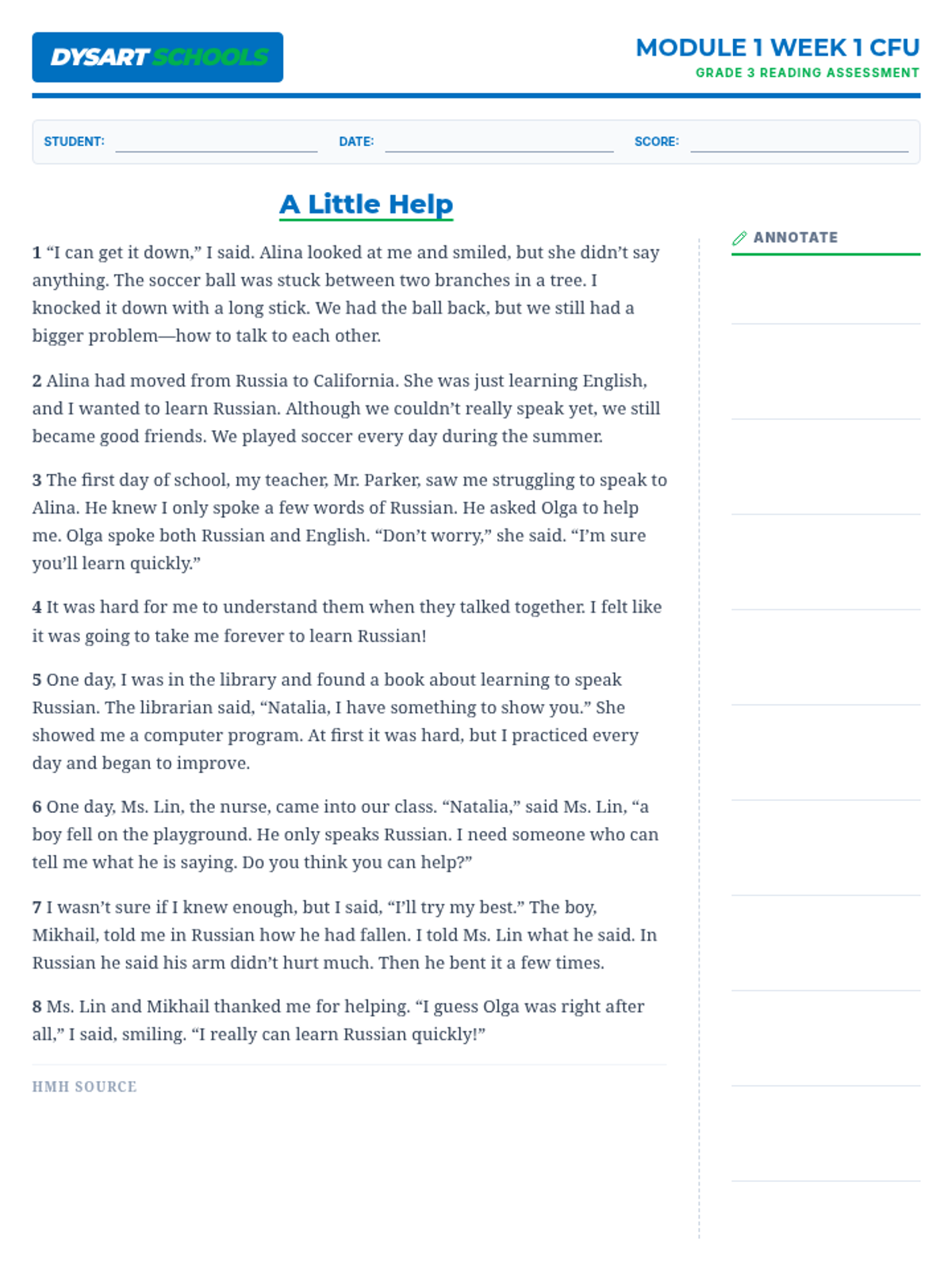
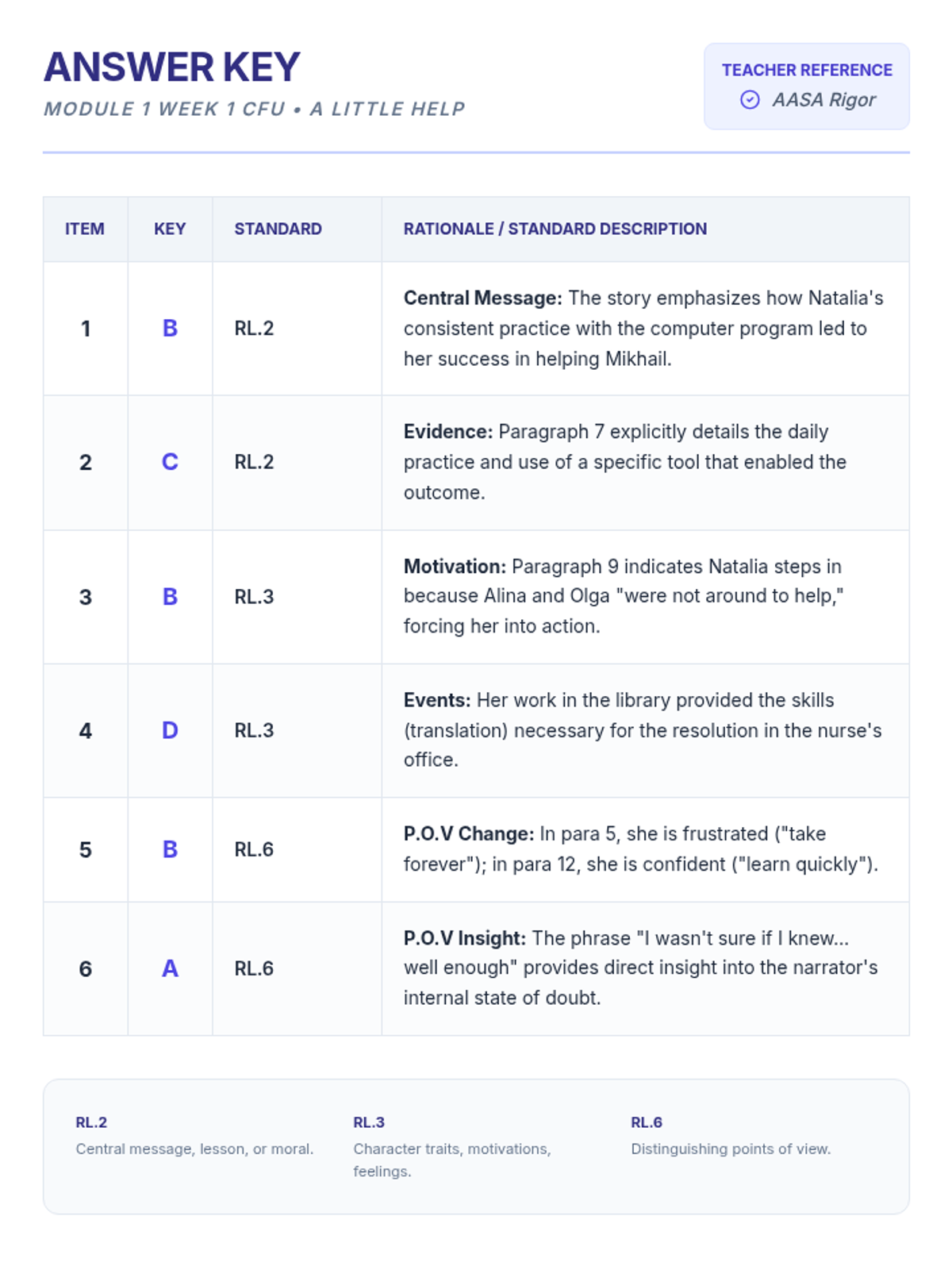
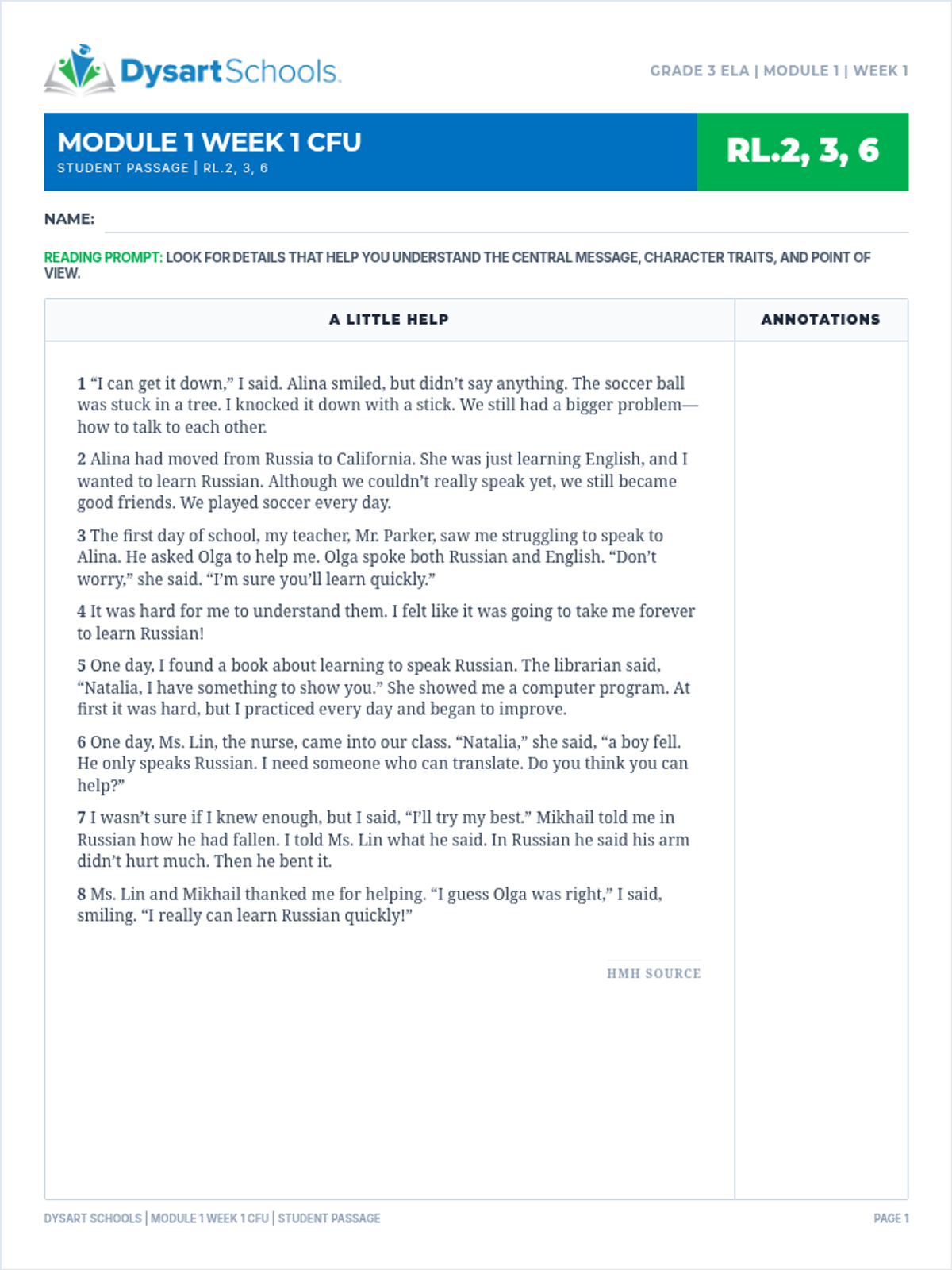
A lesson focused on analyzing character traits, determining central messages, and distinguishing points of view using the story 'A Little Help'. Students practice applying RL.2, RL.3, and RL.6 standards through standards-aligned multiple-choice questions.
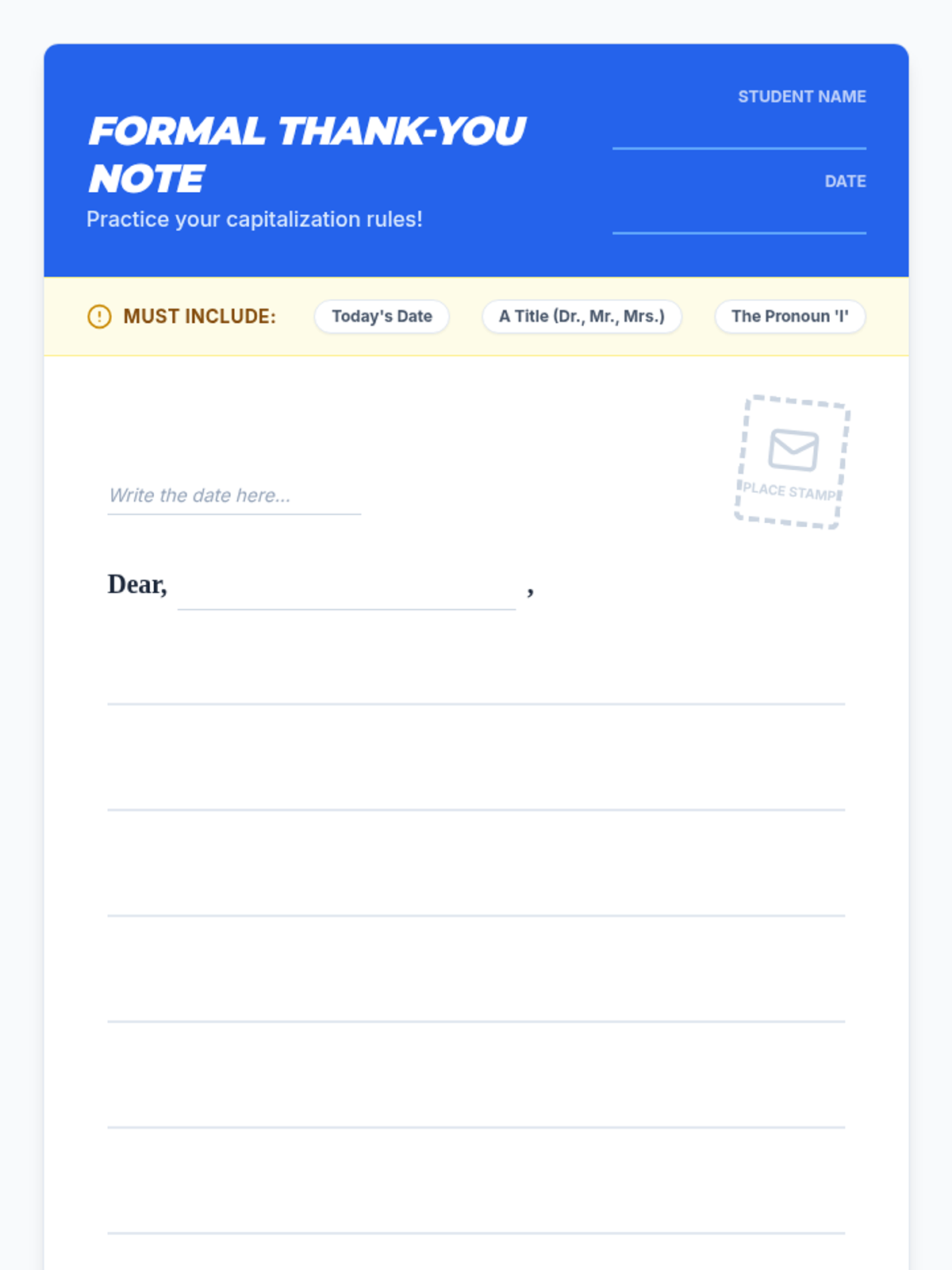
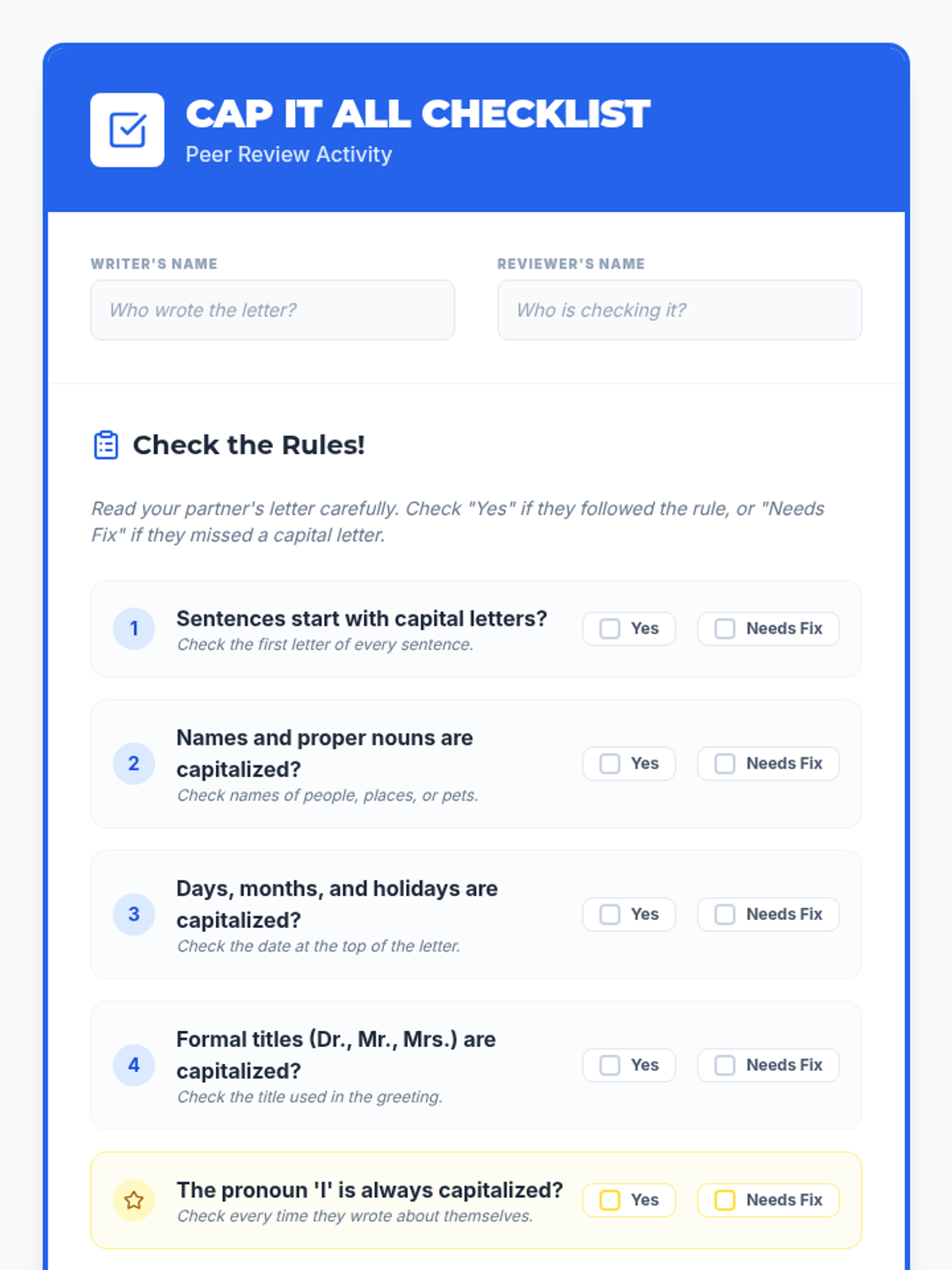
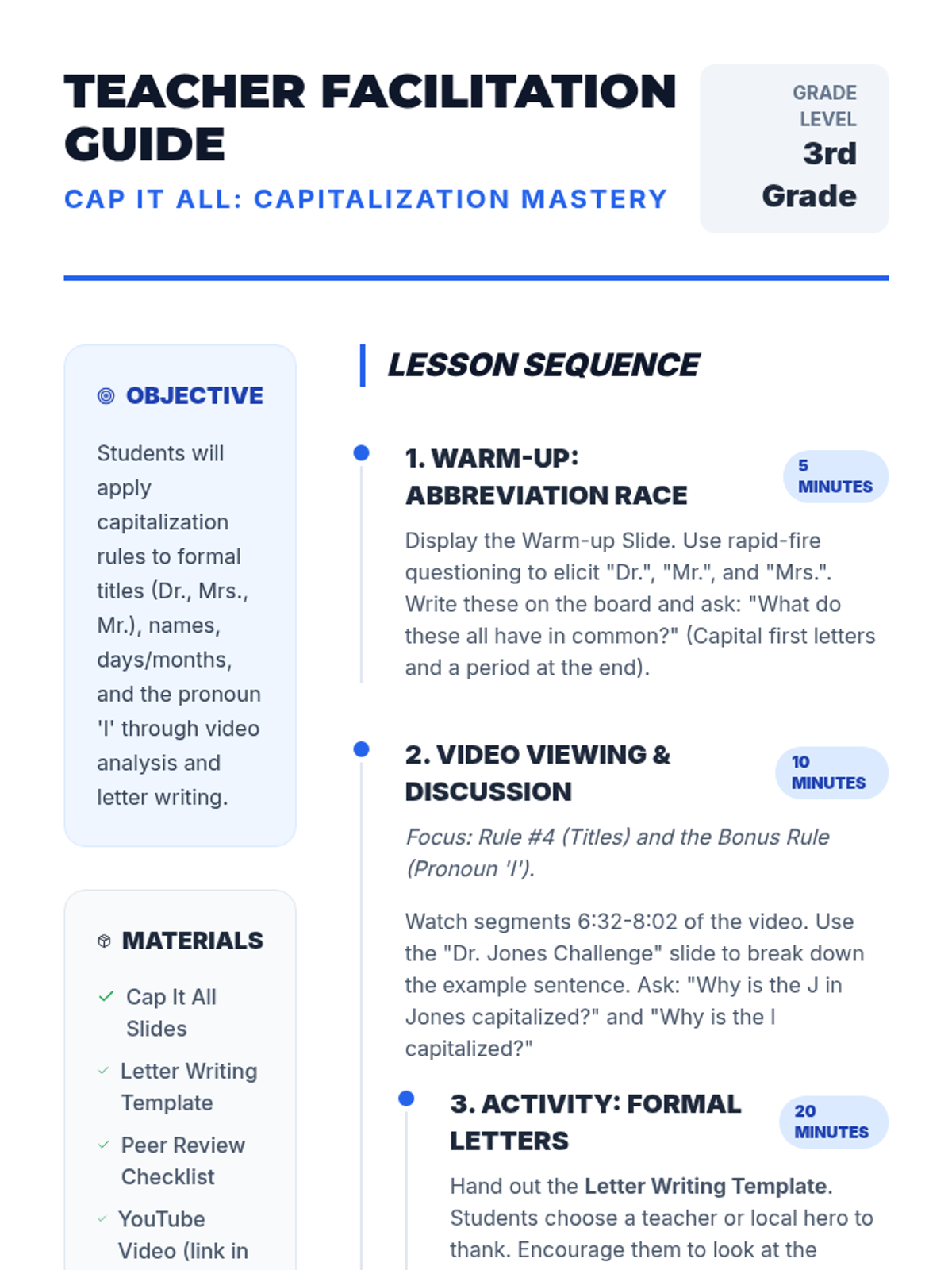
A grammar lesson for 3rd graders focused on mastering capitalization rules for titles (Dr., Mr., Mrs.) and the pronoun 'I' through video analysis and formal letter writing.
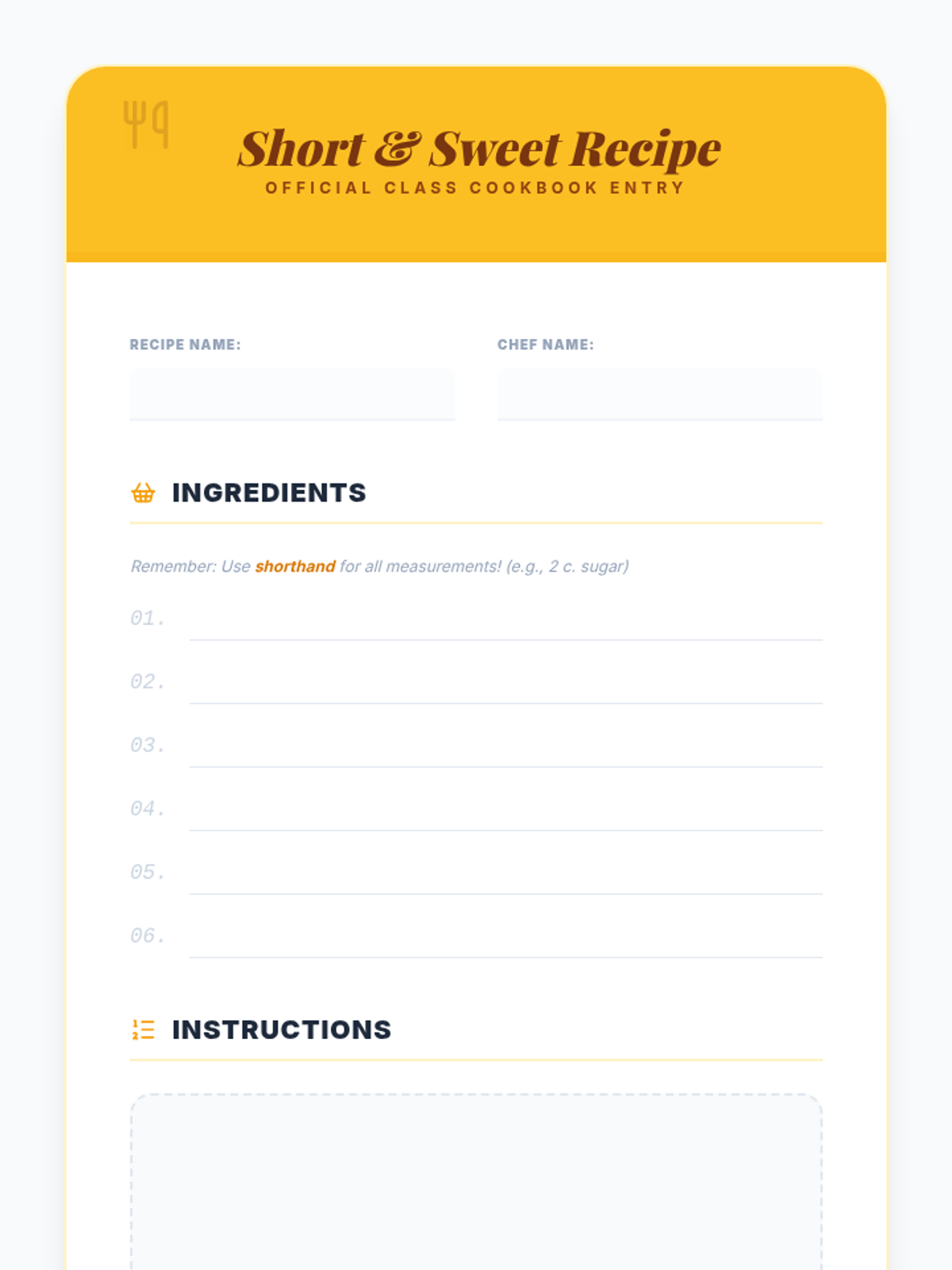
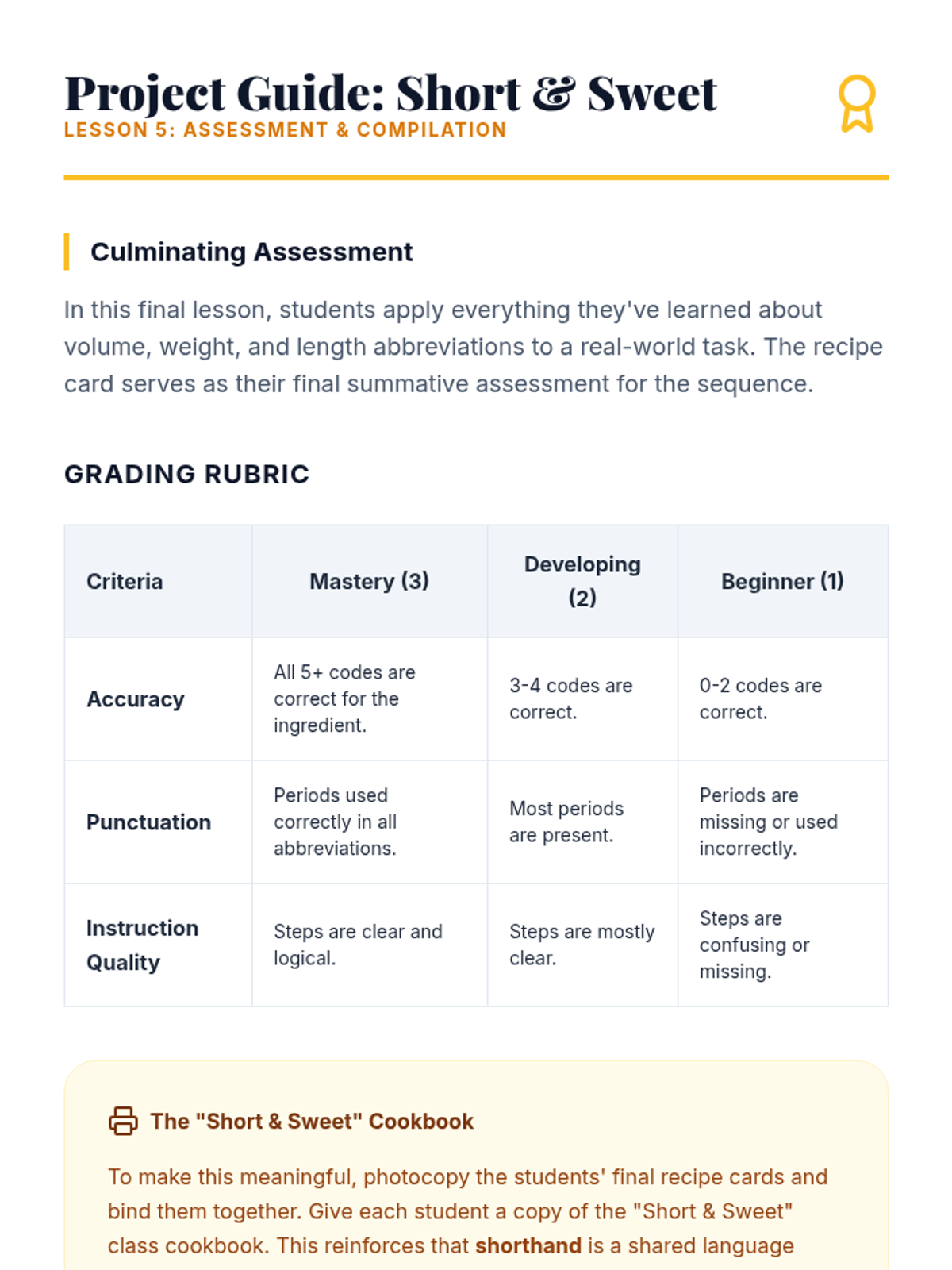
Students bring a favorite simple recipe from home (or imagine one) and write it out on an official recipe card, ensuring all quantities use the correct abbreviation and punctuation.
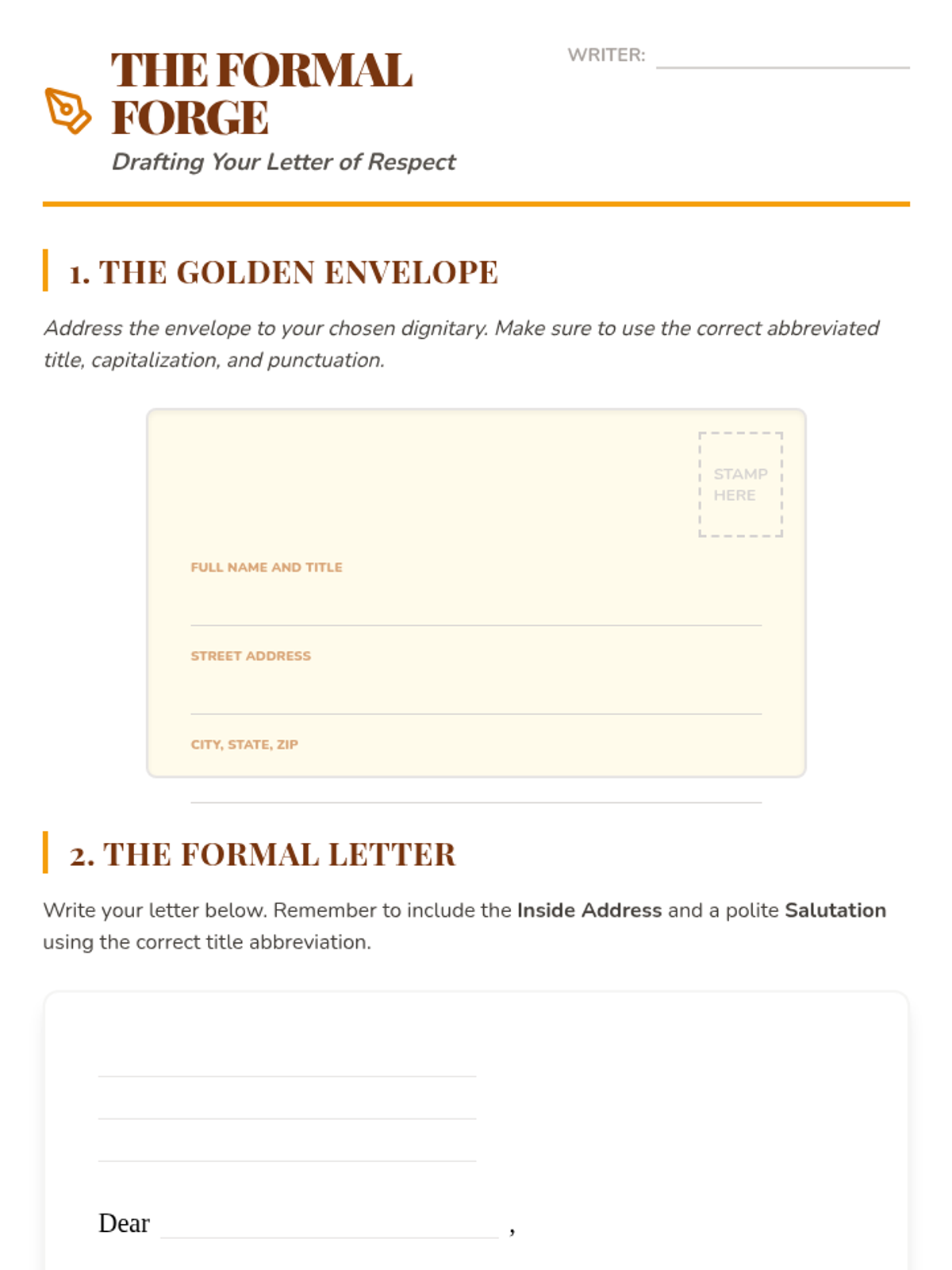
Students draft a formal letter to a real or fictional person of authority (e.g., the school Principal or a local Mayor). They must correctly use the recipient's title in the inside address and salutation.
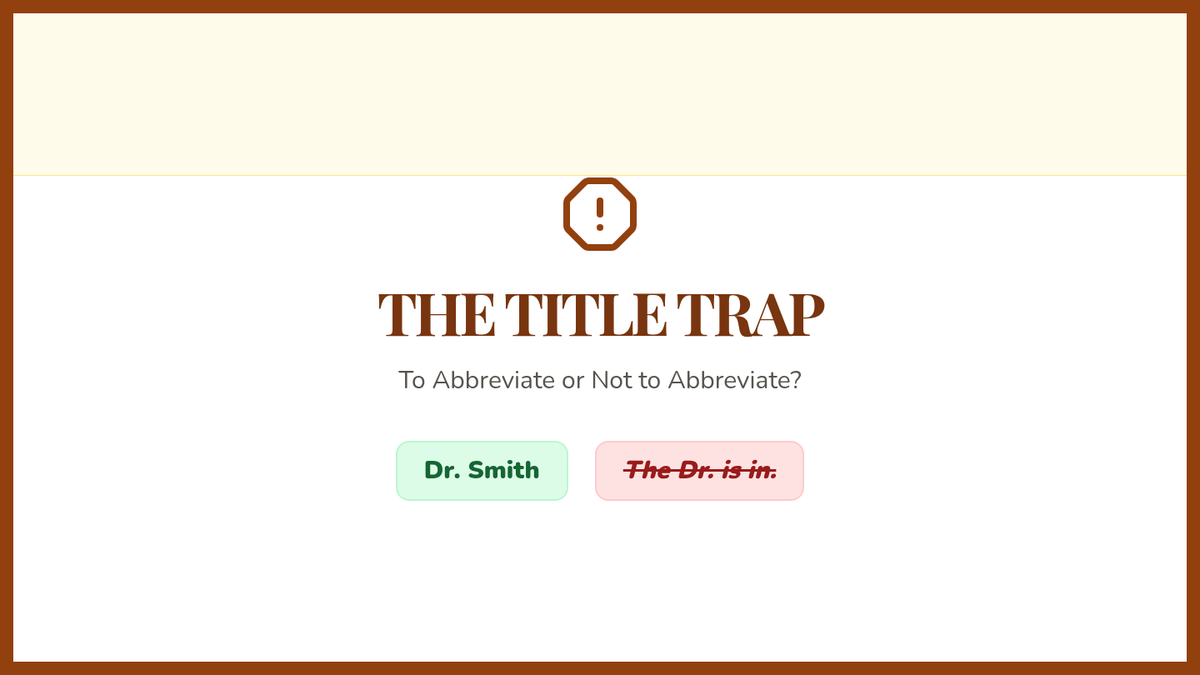
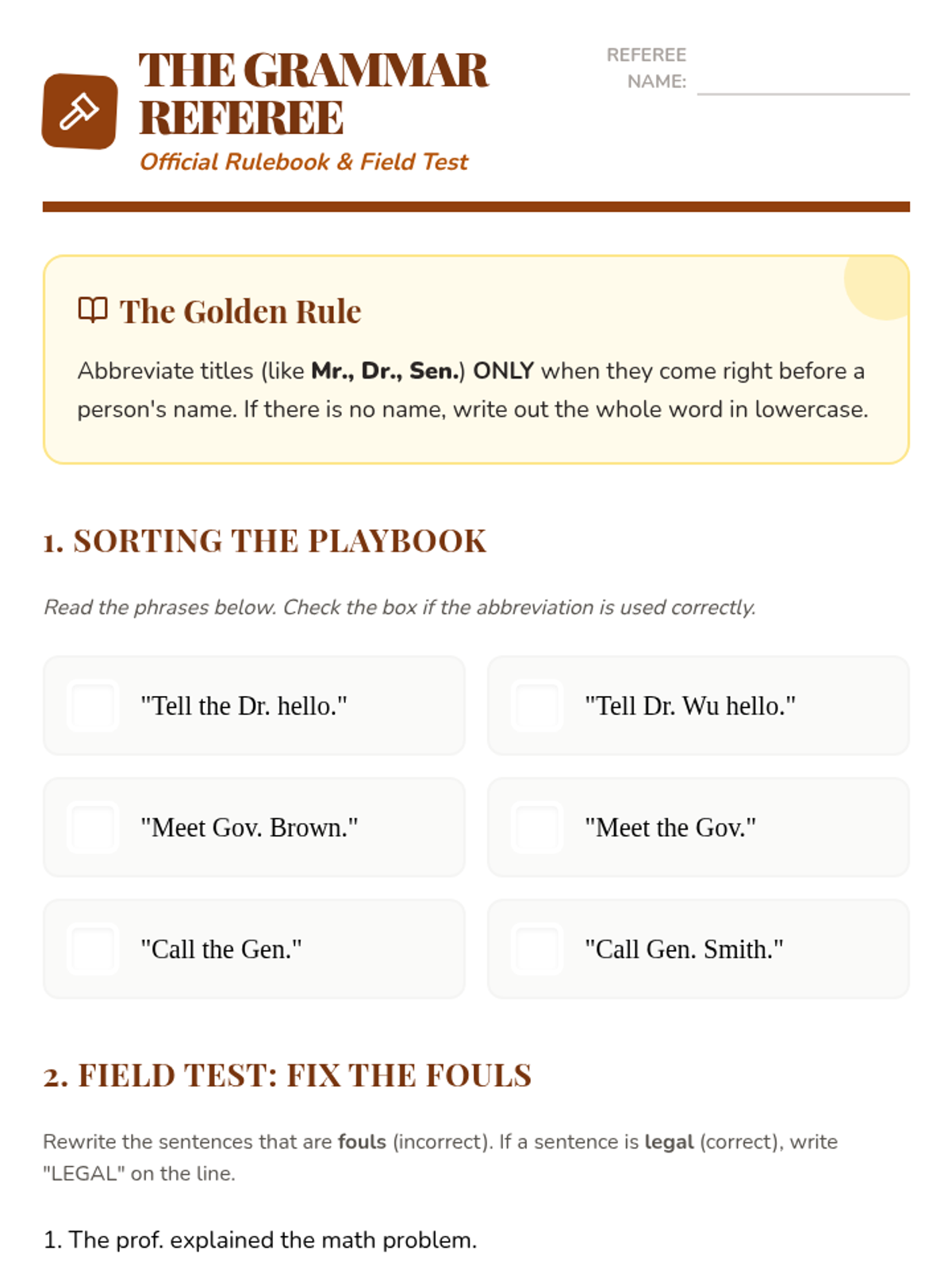
This lesson focuses on the rule that titles are usually only abbreviated when they appear before a name (e.g., 'Dr. Smith' vs. 'The doctor is here'). Students practice sorting sentences into correct and incorrect usage.
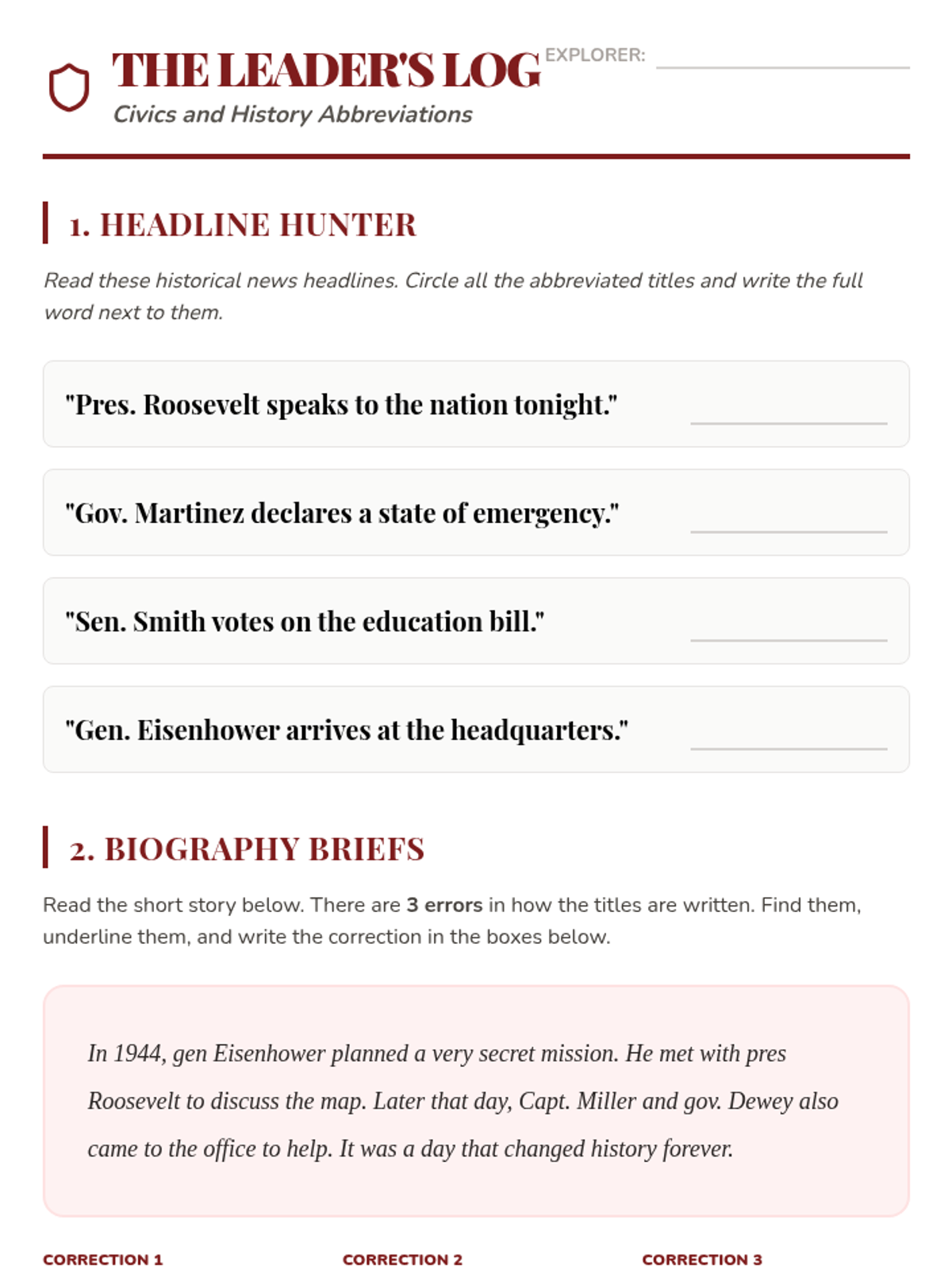
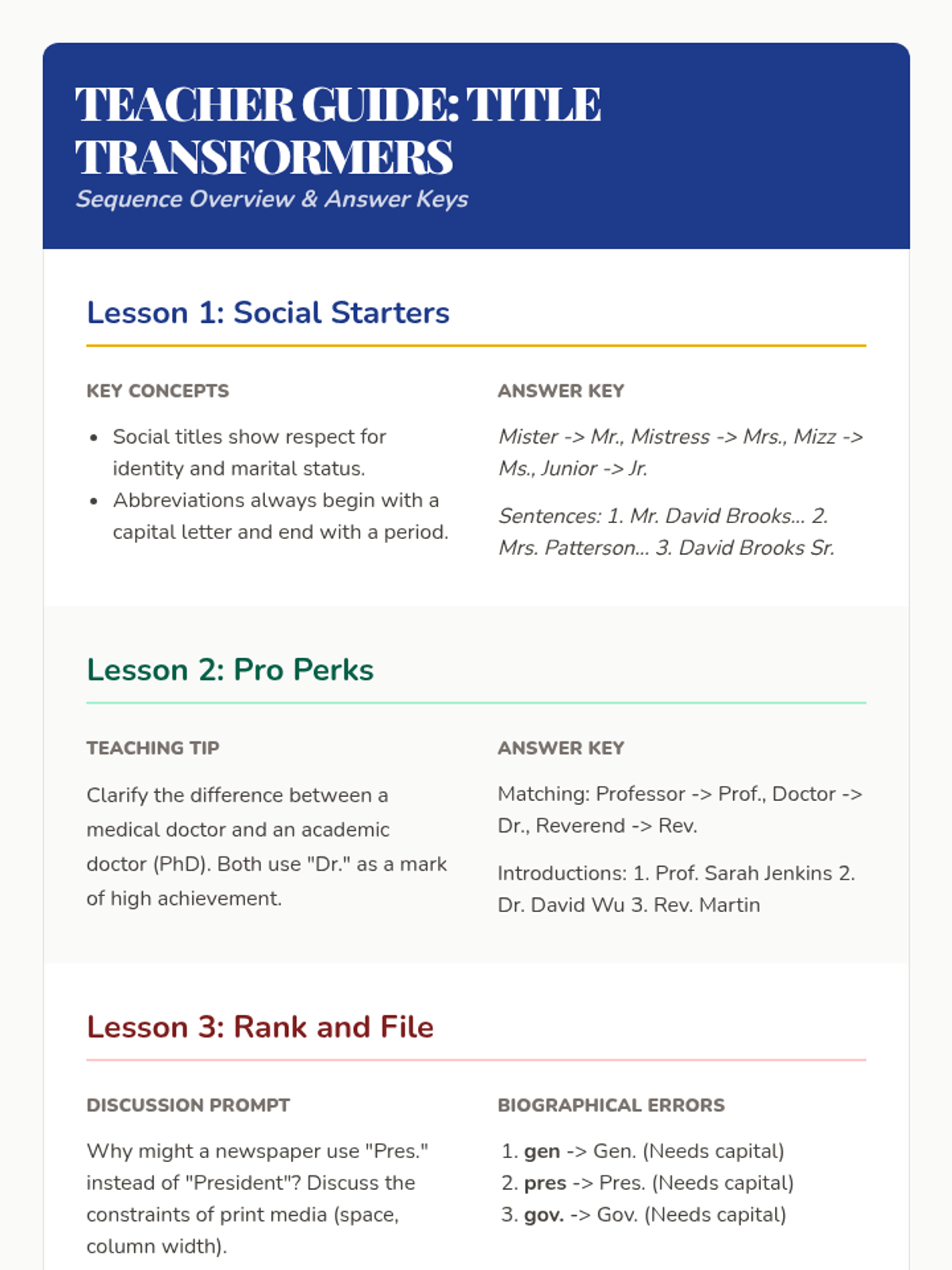
Students explore titles used in civics and history, such as Pres., Gov., Sen., Gen., and Capt. They read short biographical blurbs and identify these abbreviations, discussing why titles are often shortened in news and history books.
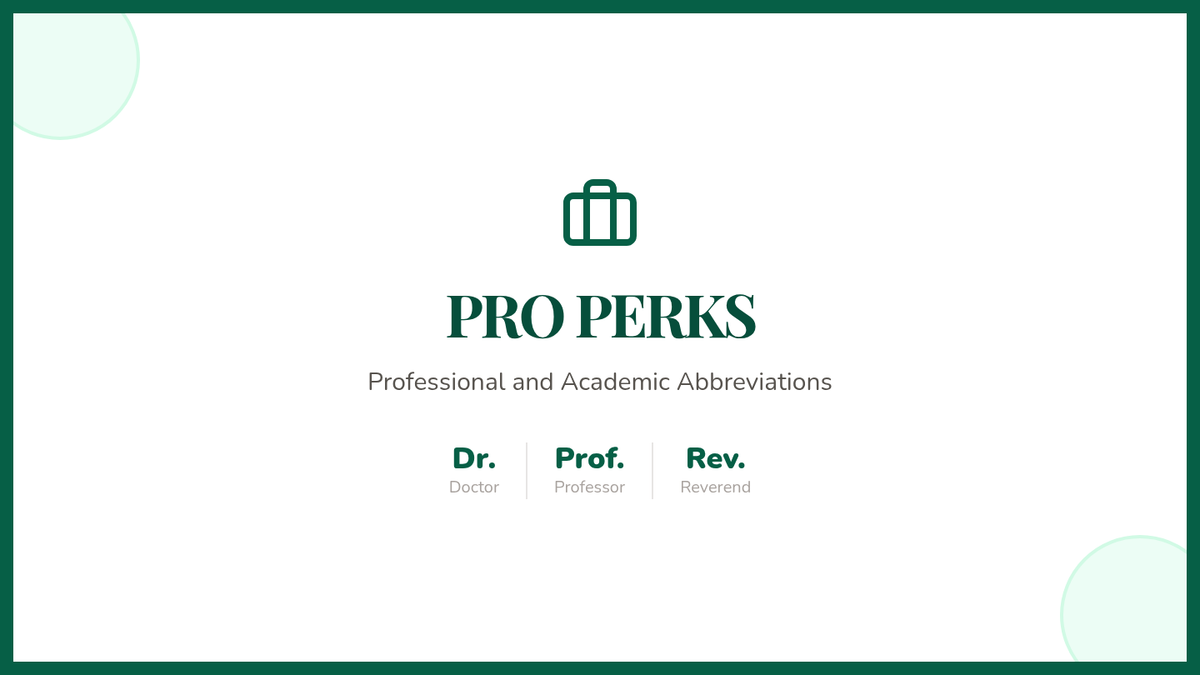
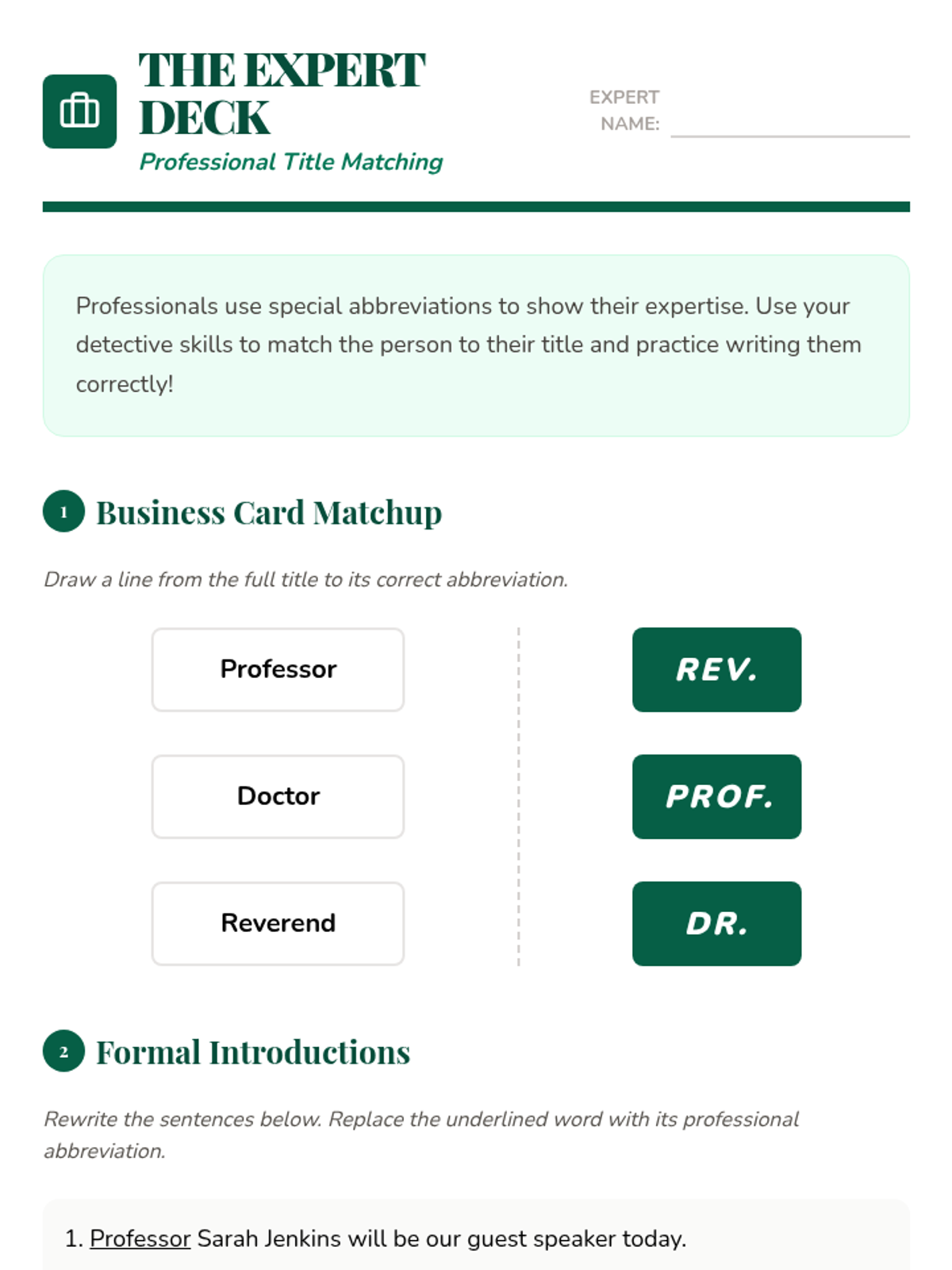
The lesson introduces professional titles such as Dr. (Doctor), Prof. (Professor), and Rev. (Reverend). Students match professionals to their titles and practice writing sentences introducing these figures.
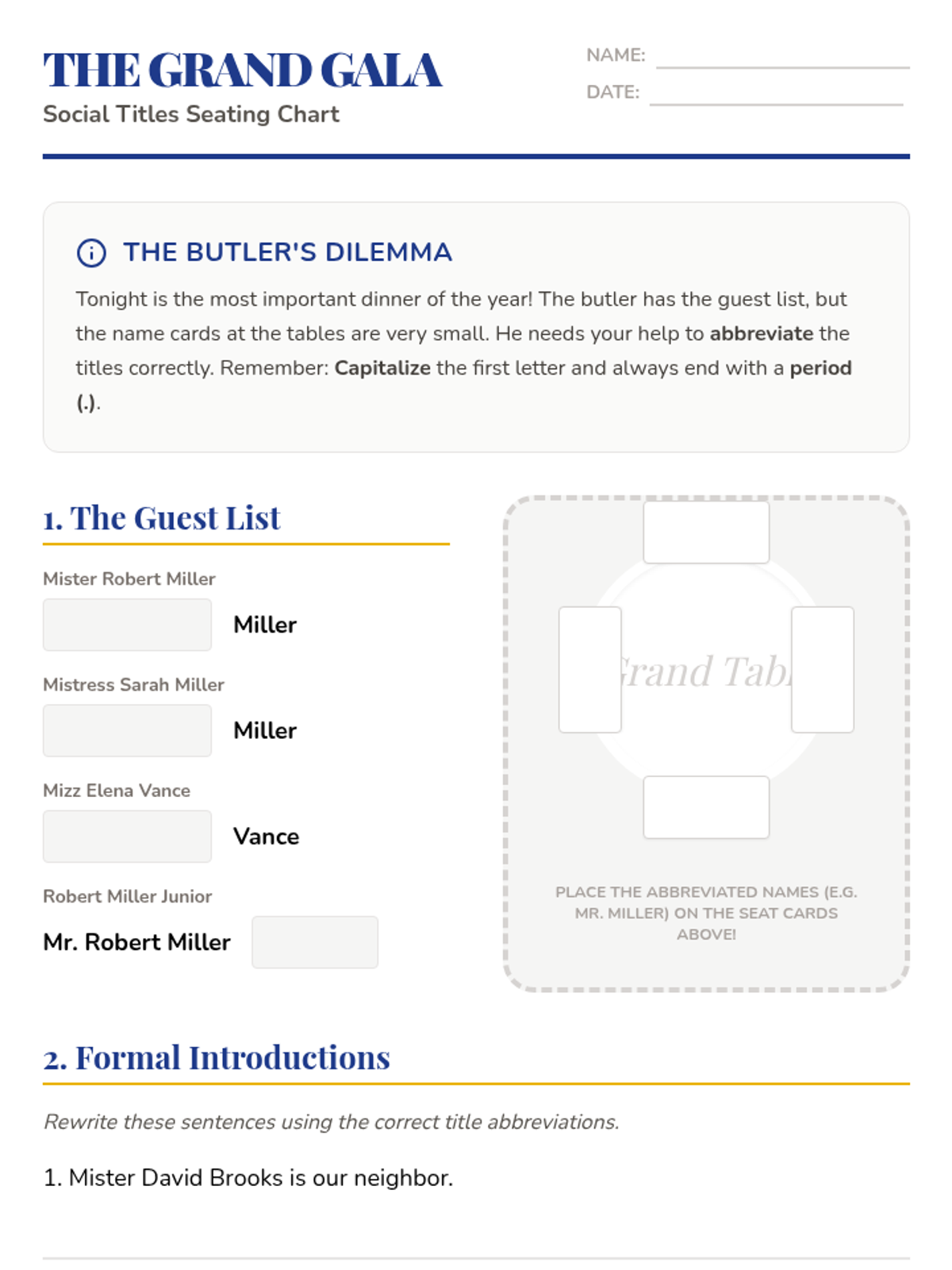
Students learn the standard social titles (Mr., Mrs., Ms., Jr., Sr.) and the rules for their use. Discussion focuses on the importance of the period and the capital letter to show respect.
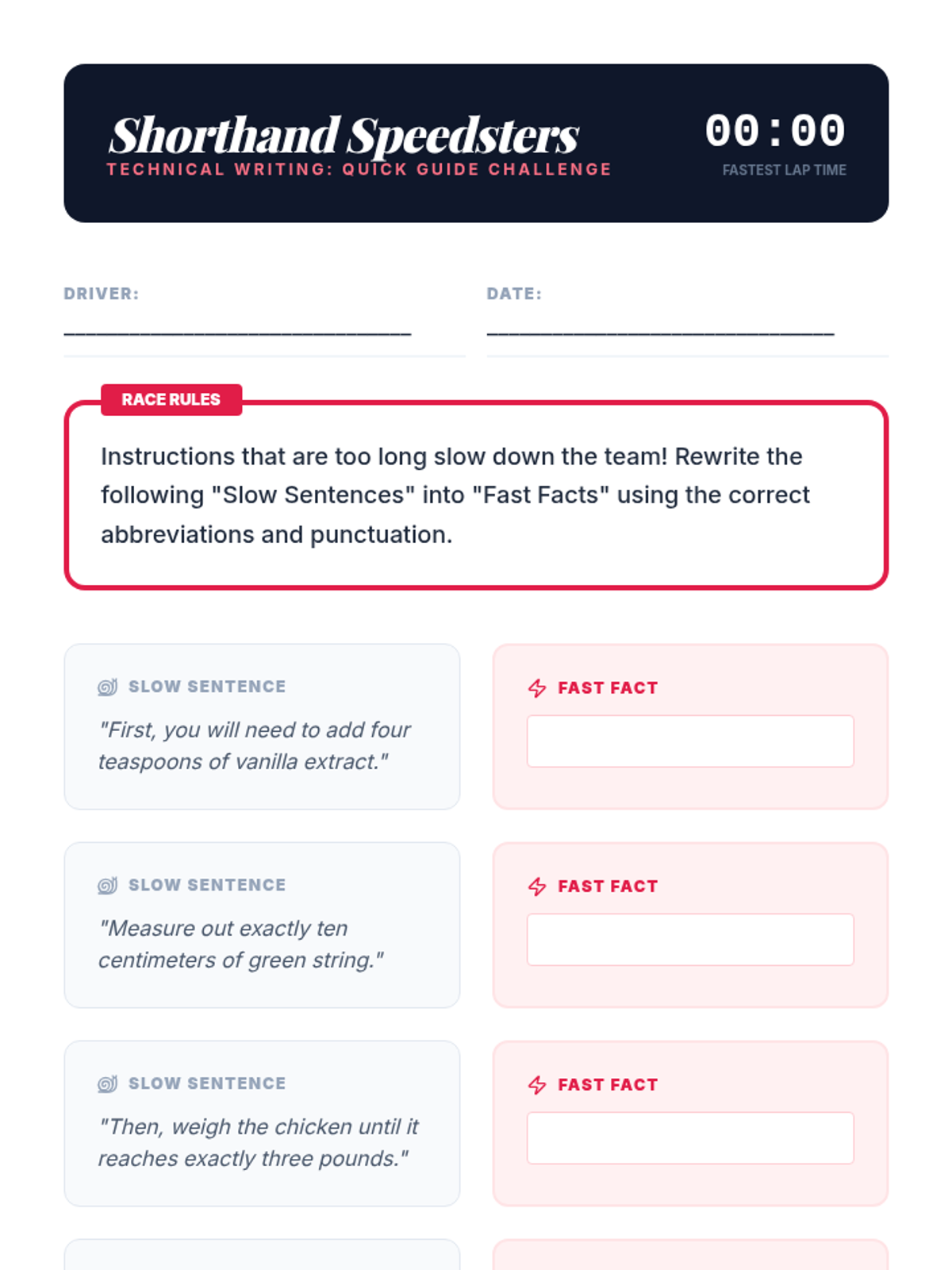
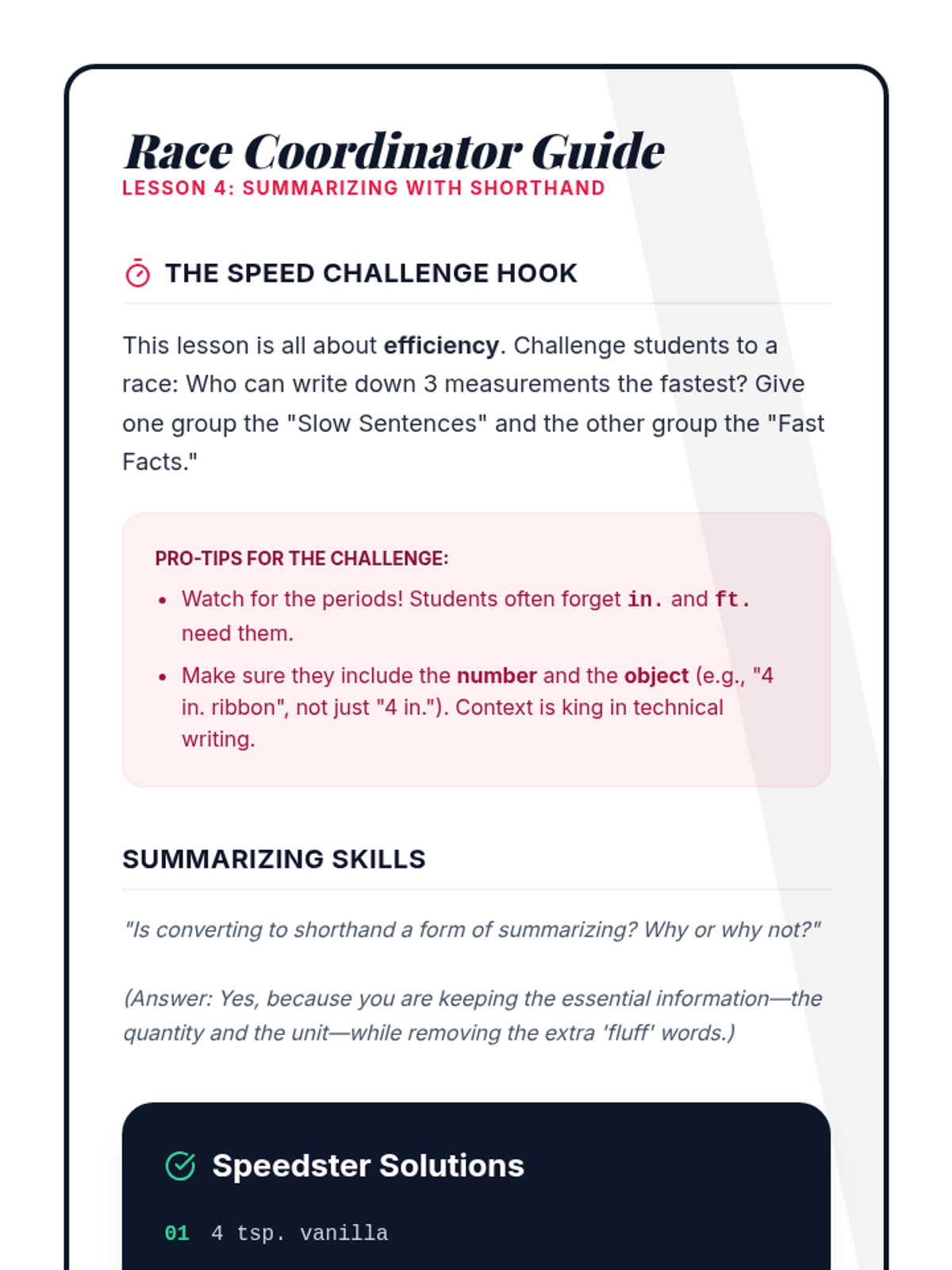
Students are given a set of instructions written out fully (e.g., 'Take five inches of ribbon') and must rewrite them using standard abbreviations to create a 'Quick Guide.'
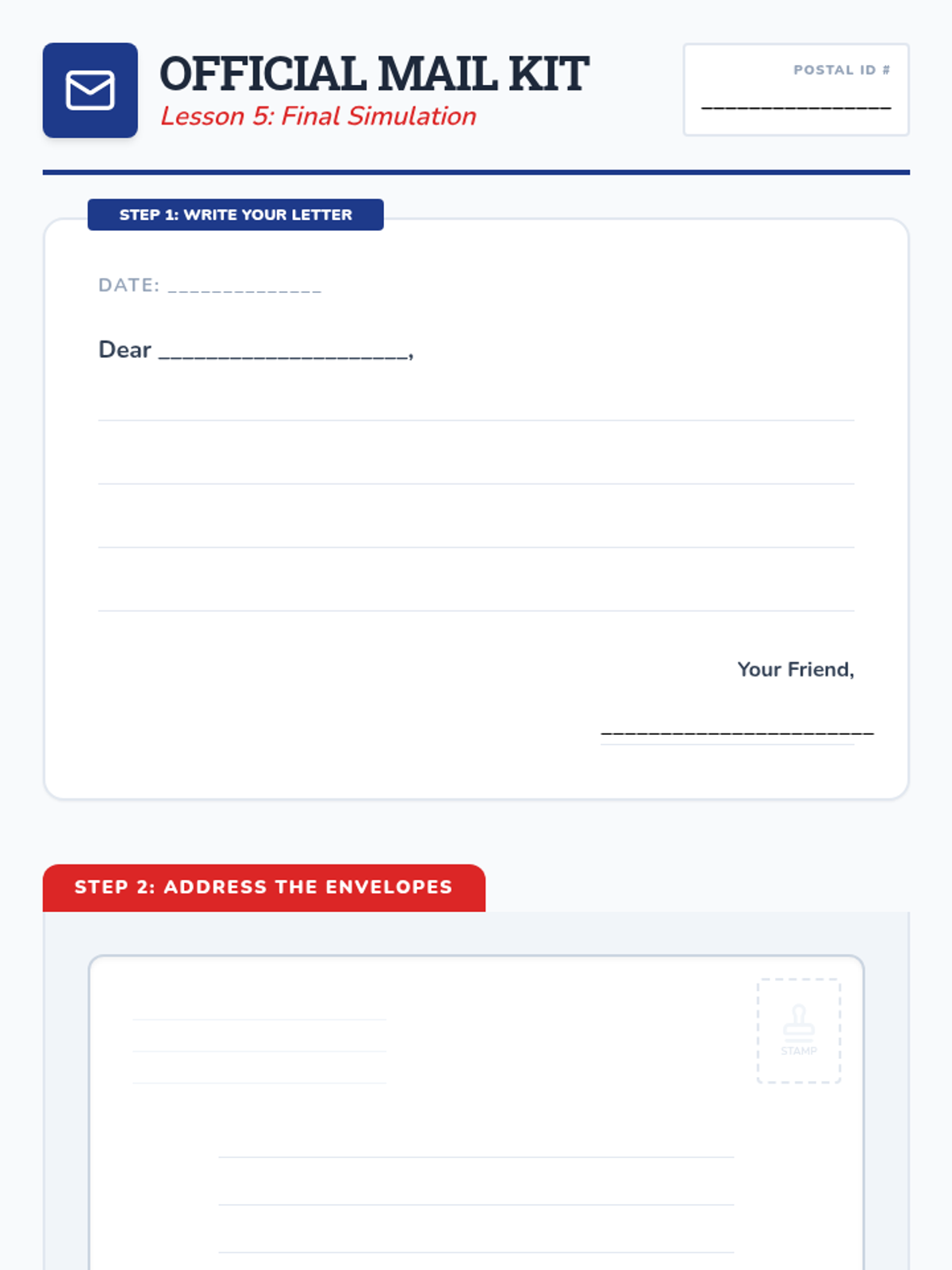
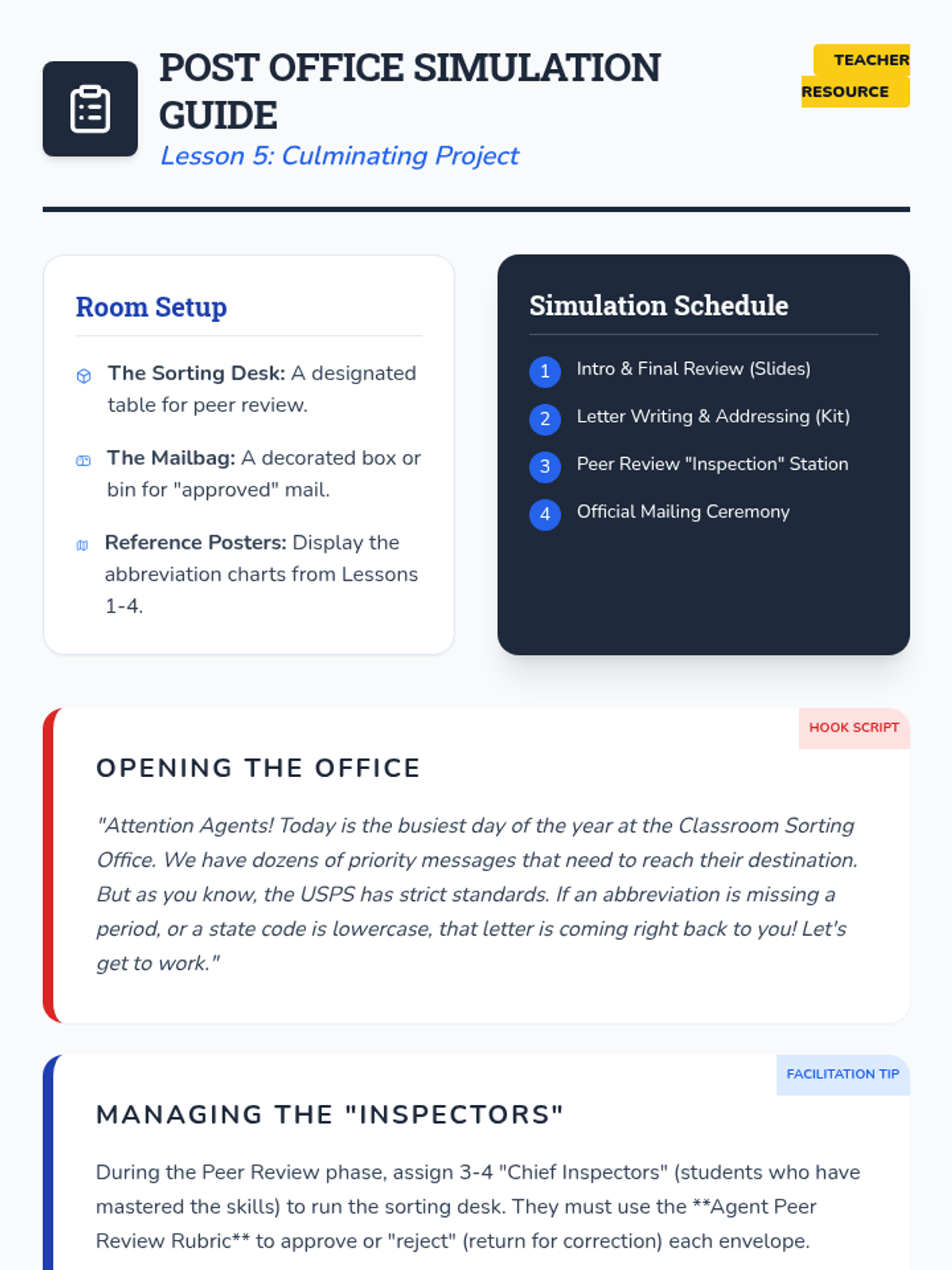
In this culminating lesson, students address envelopes for a class letter exchange, peer-reviewing for accuracy before 'mailing' them in the classroom post office.
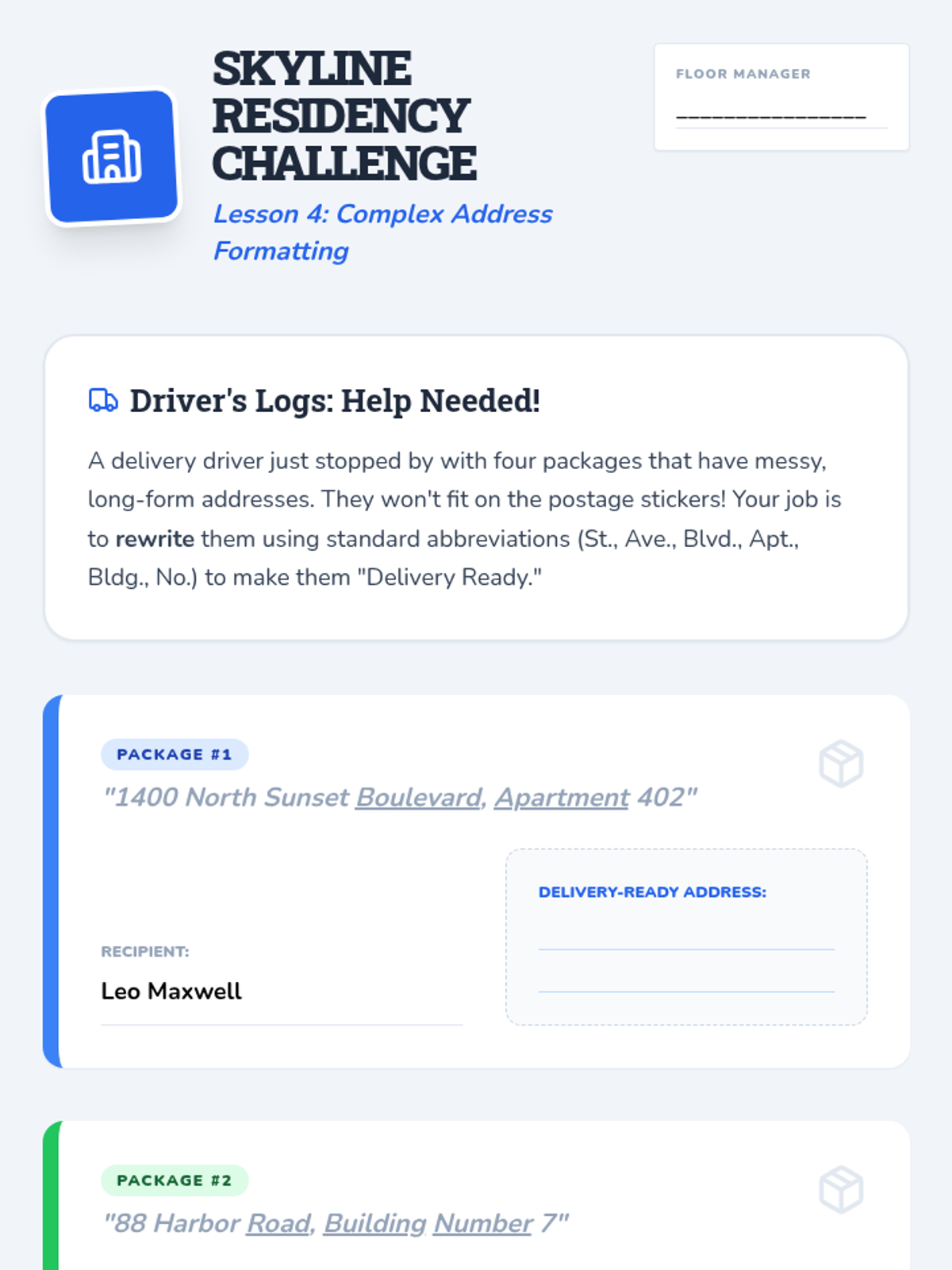
Students learn to handle secondary address units like Apartment, Building, and Number, practicing complex address formatting for clarity.
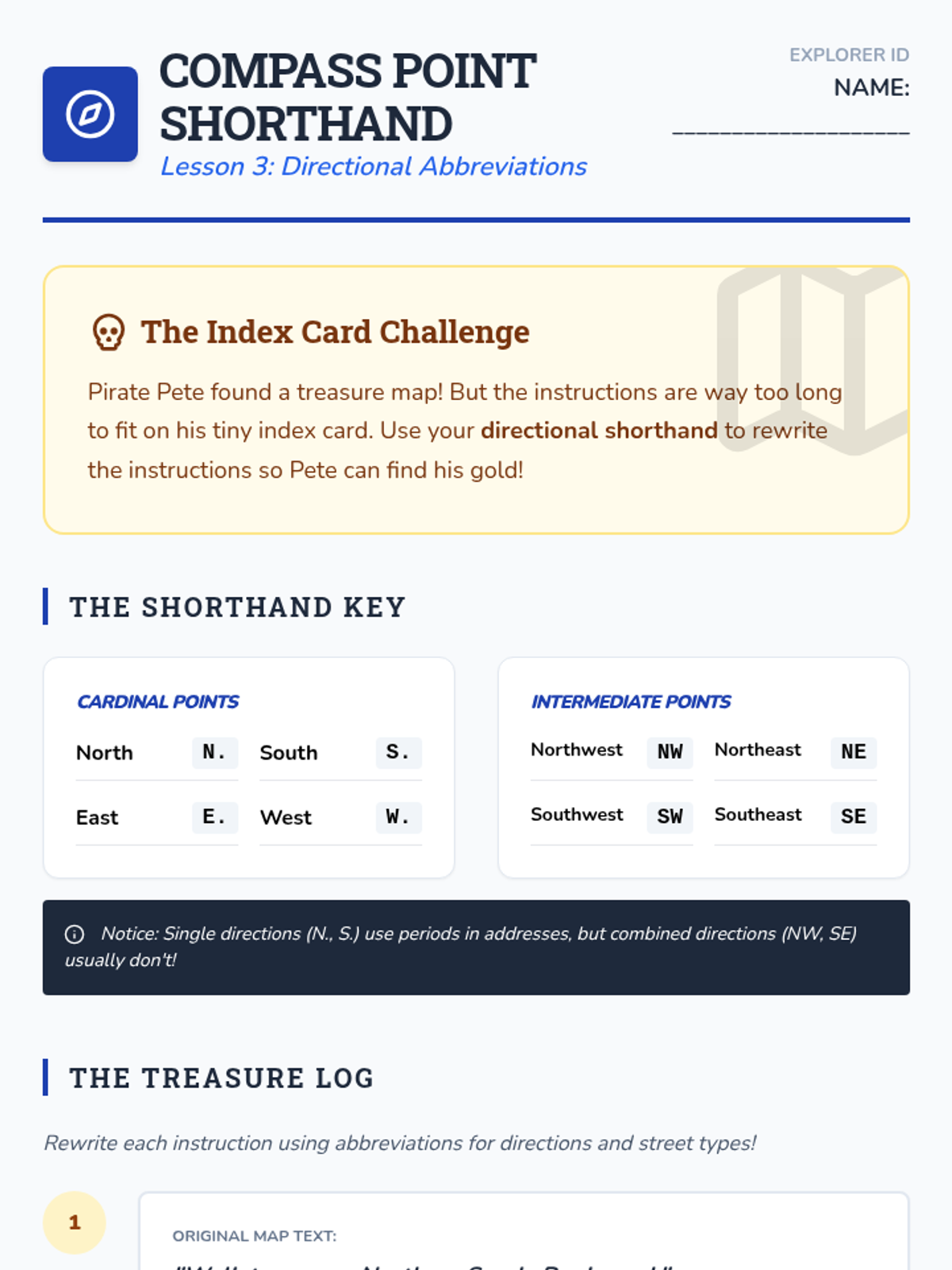
Students explore cardinal directions and how they appear in addresses and on maps, practicing abbreviations for N, S, E, W and compound directions.
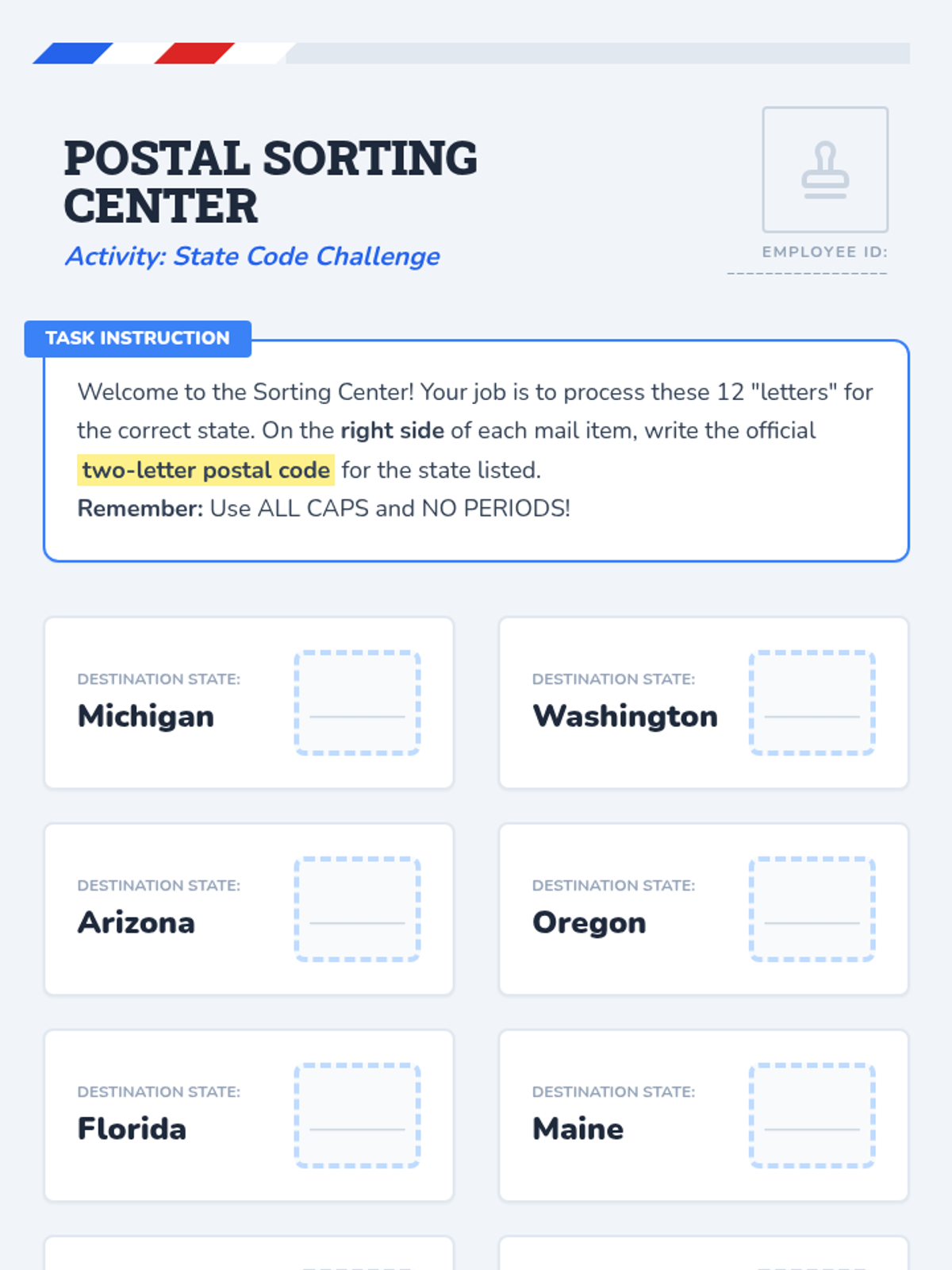
This lesson differentiates between traditional state abbreviations and the two-letter capitalized postal codes used today, focusing on capitalization and lack of periods.
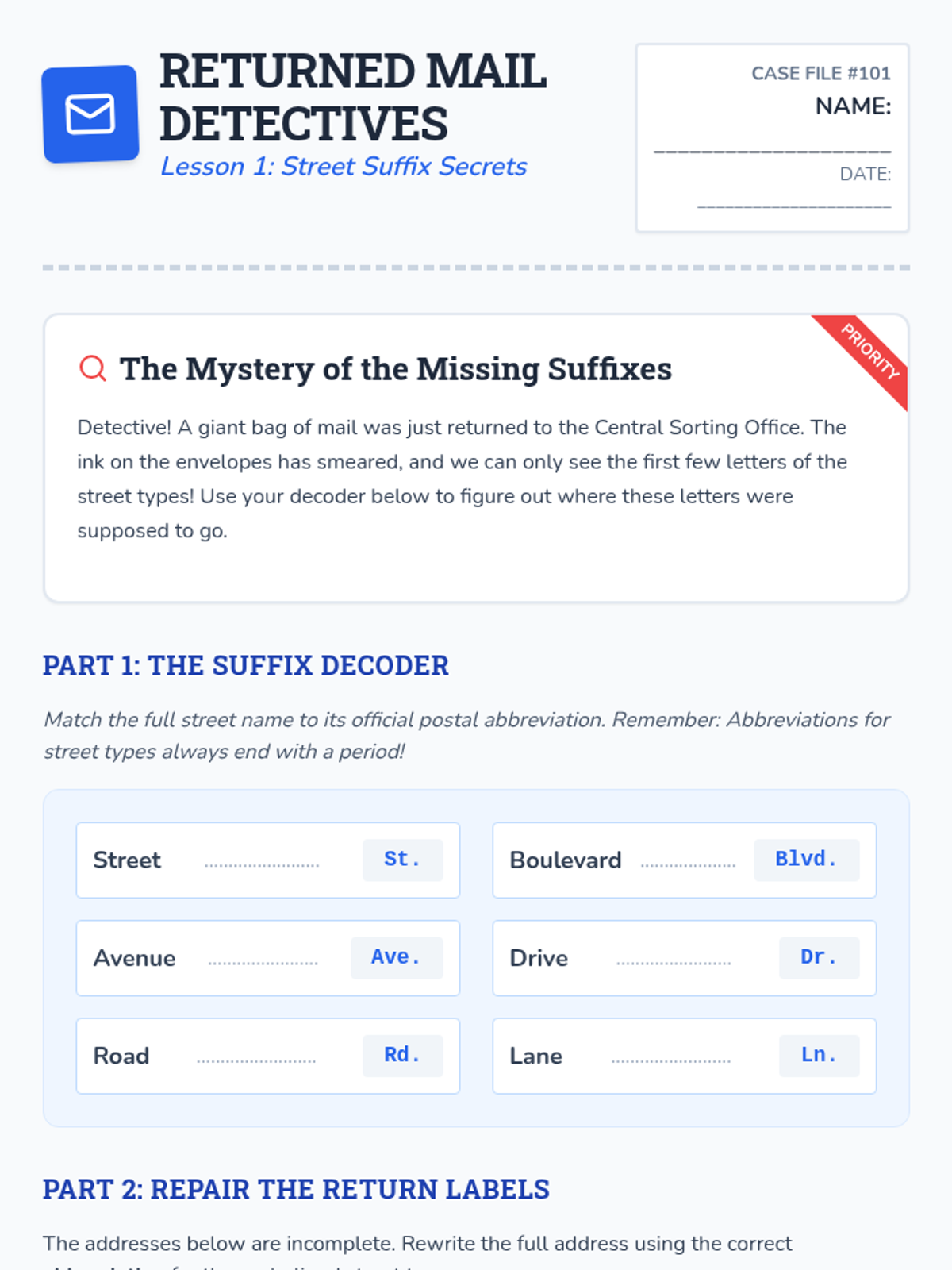
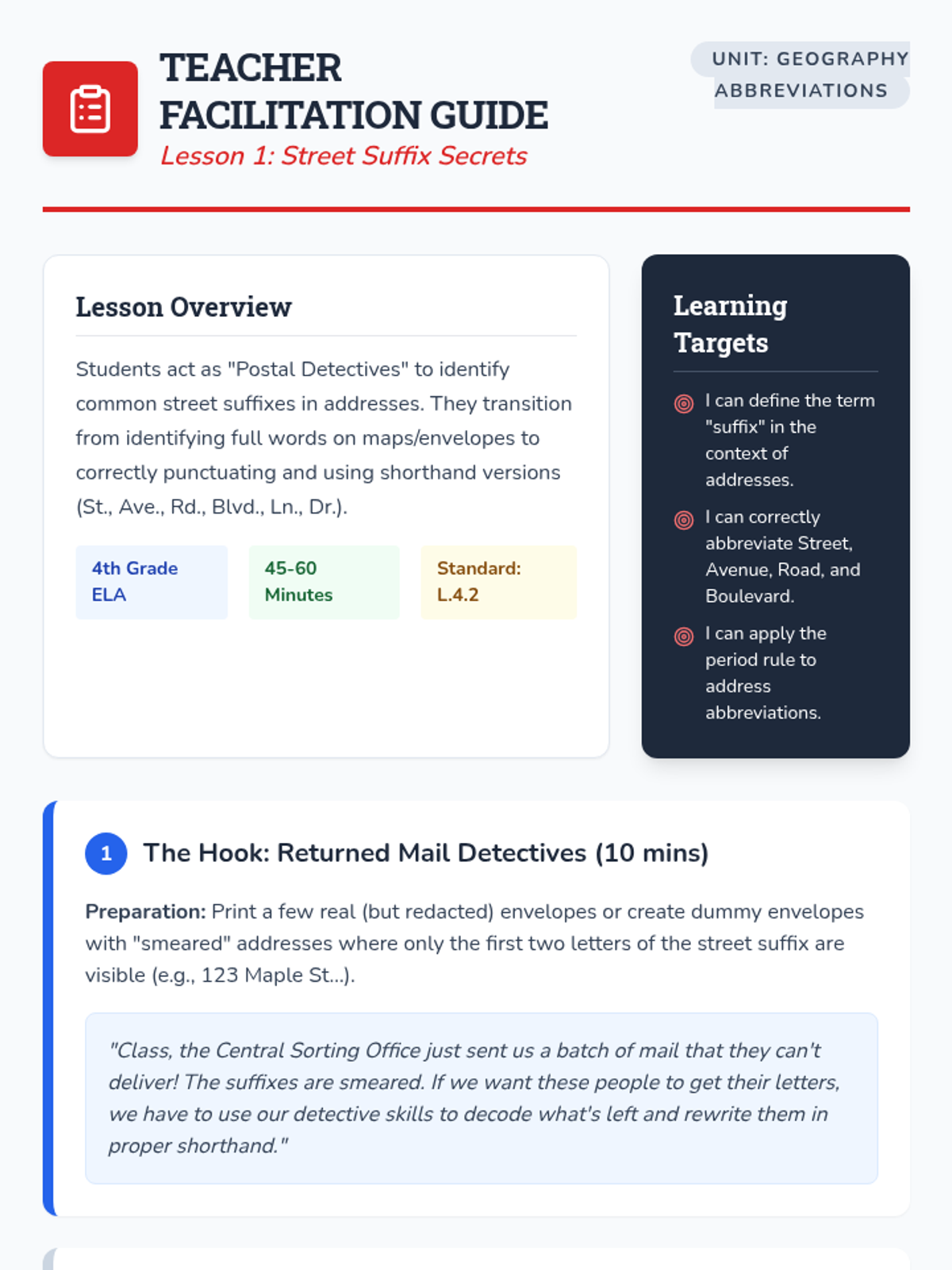
Students examine real envelopes and maps to identify common endings for road names, creating a reference chart matching full words to their abbreviations.
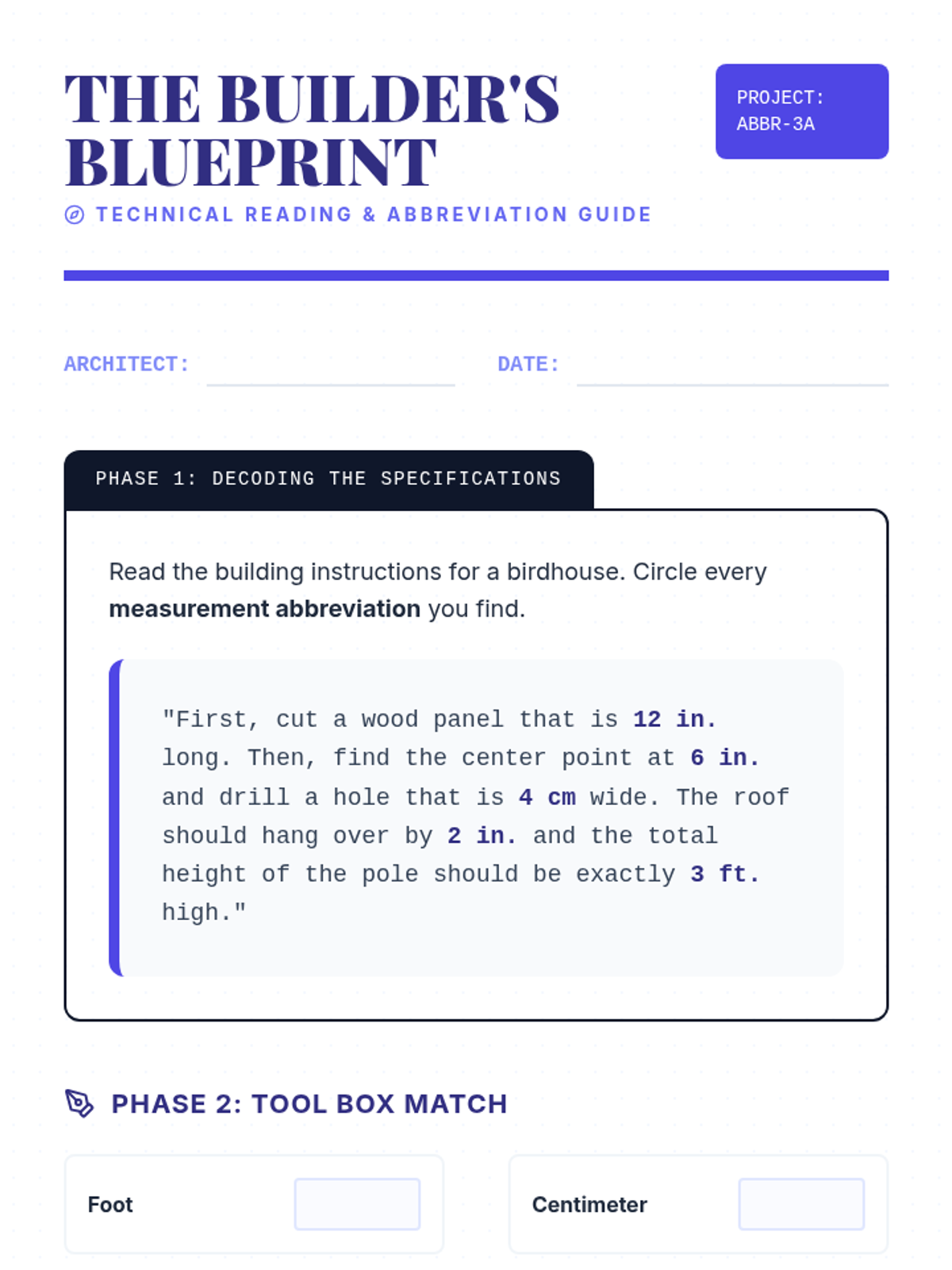
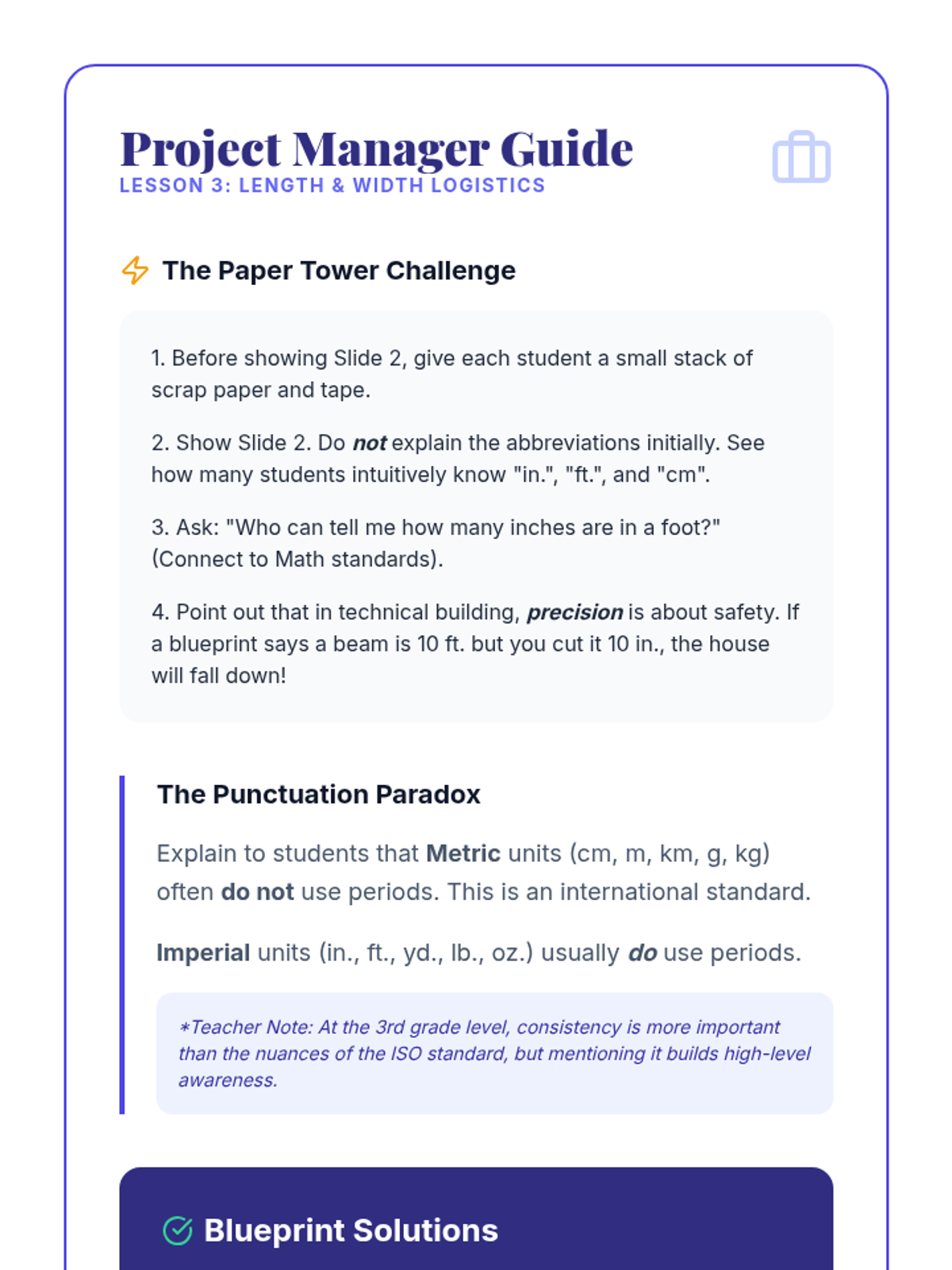
Moving to construction/craft contexts, students identify abbreviations for inch (in.), foot (ft.), yard (yd.), and centimeter (cm). They practice reading simple assembly instructions.
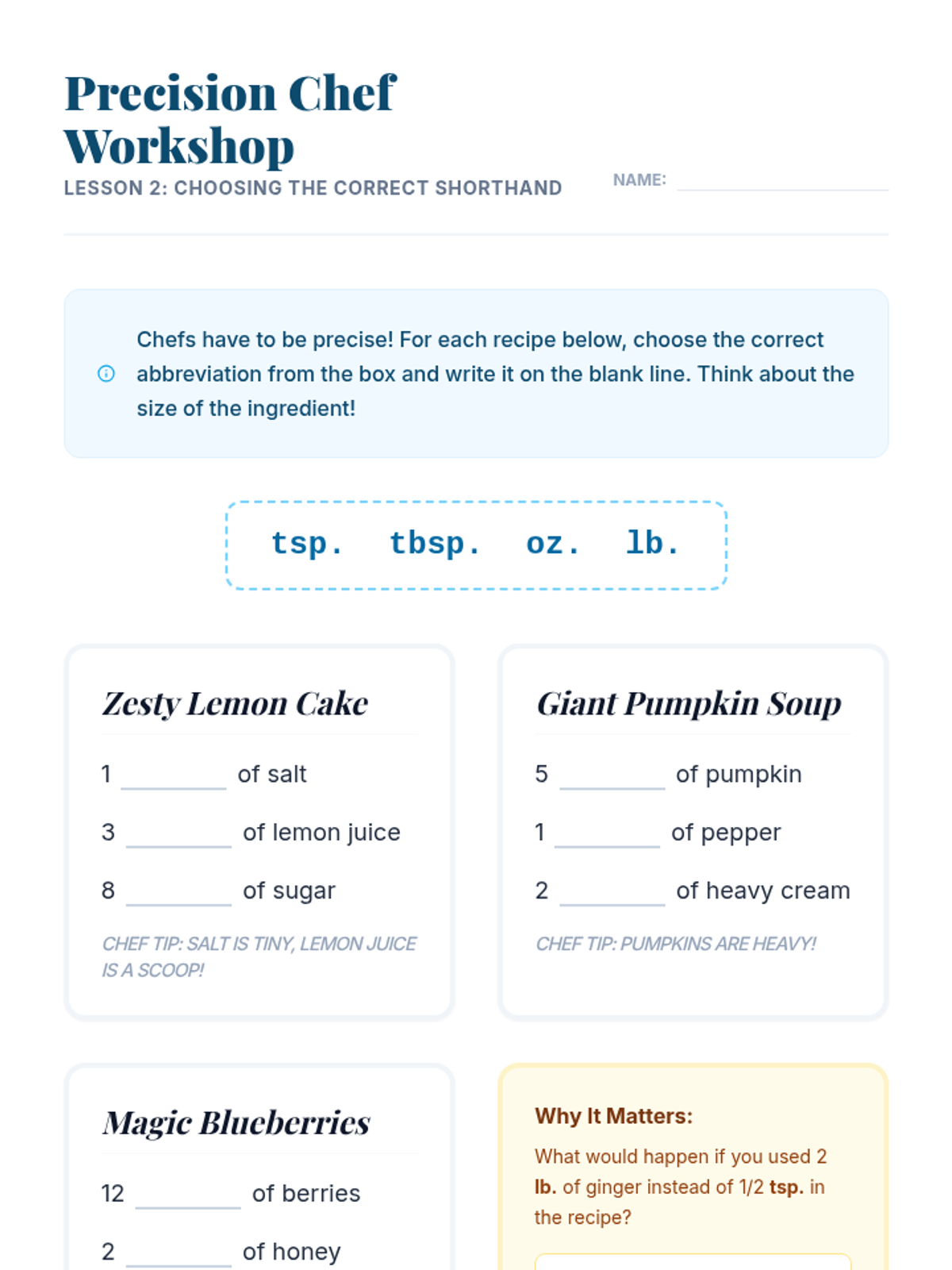
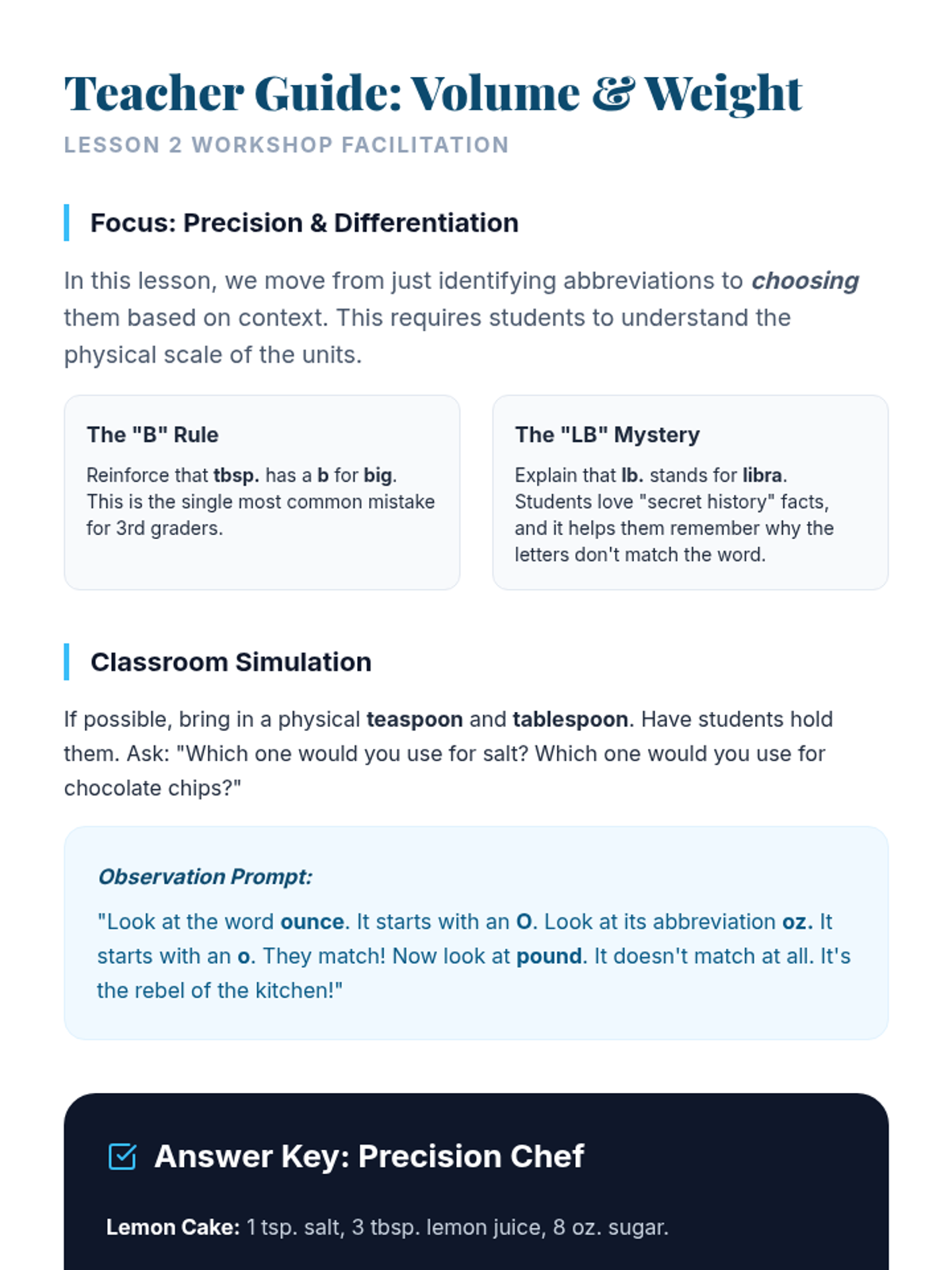
A focused workshop on distinguishing similar abbreviations: teaspoon (tsp.) vs. tablespoon (tbsp.), and ounces (oz.) vs. pounds (lb.). Students complete fill-in-the-blank recipe cards to practice precision.
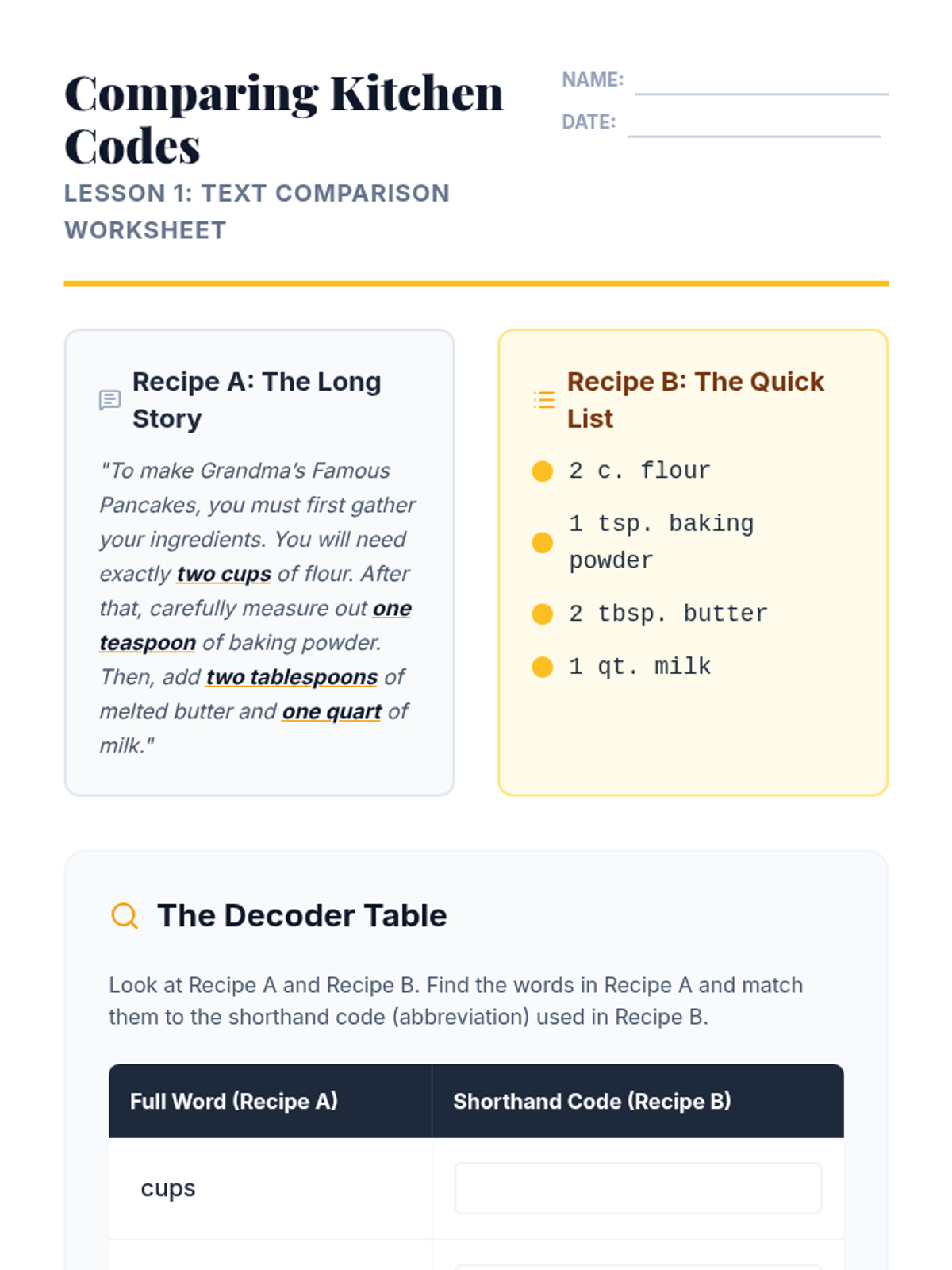
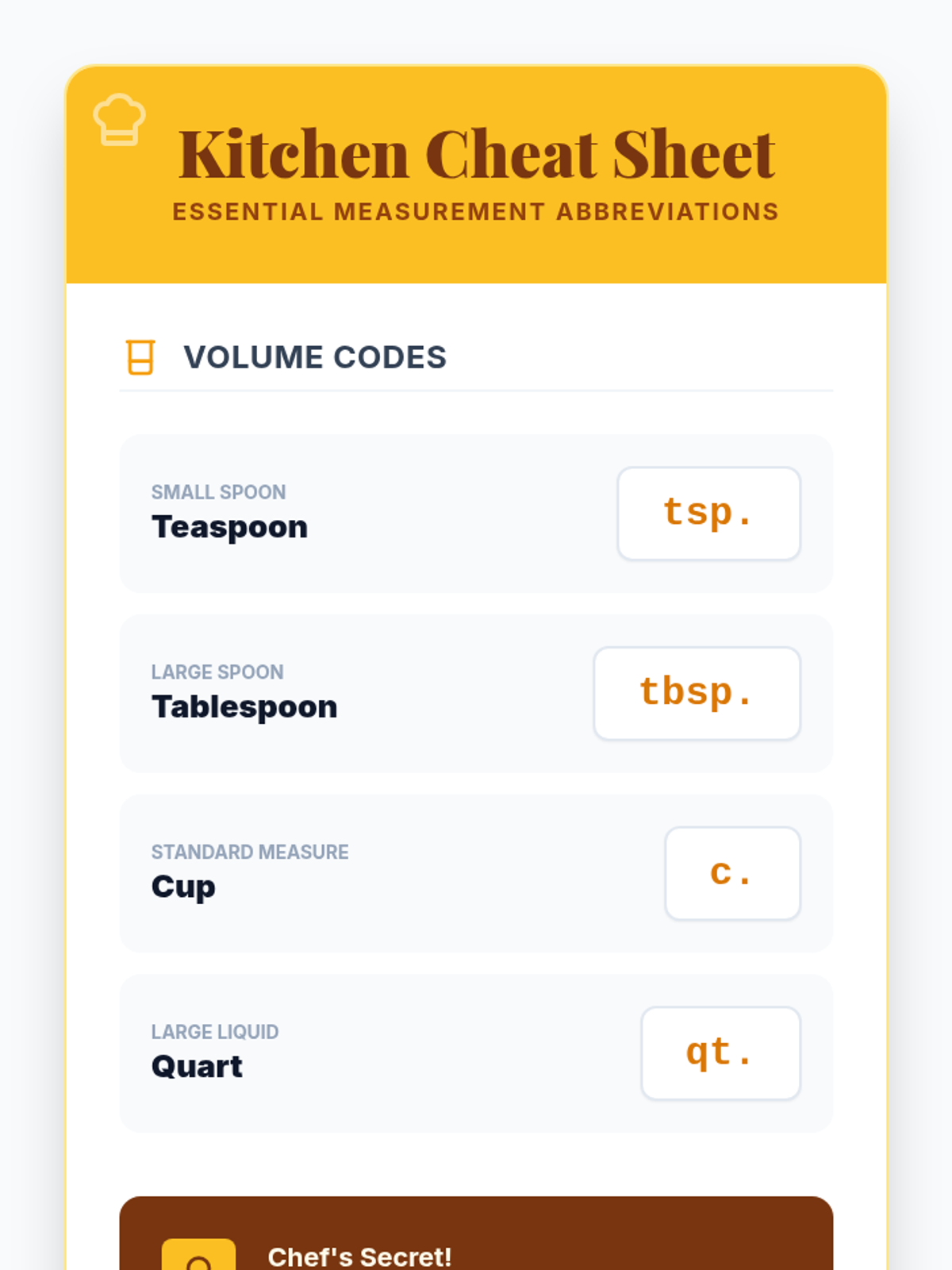
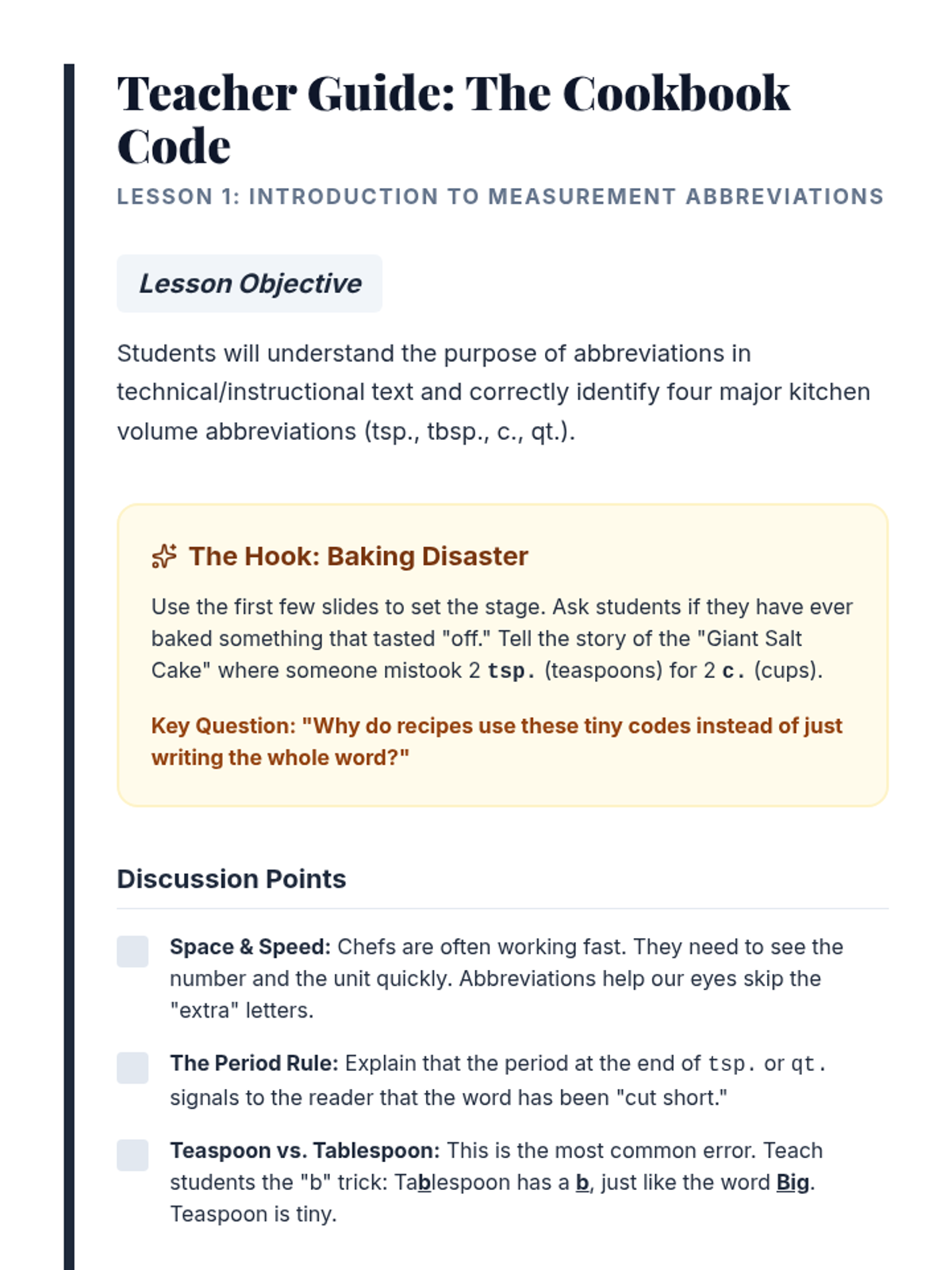
Students compare narrative recipes with standard formats to identify common measurement abbreviations (tsp., tbsp., c., qt.) and understand their purpose in technical writing.
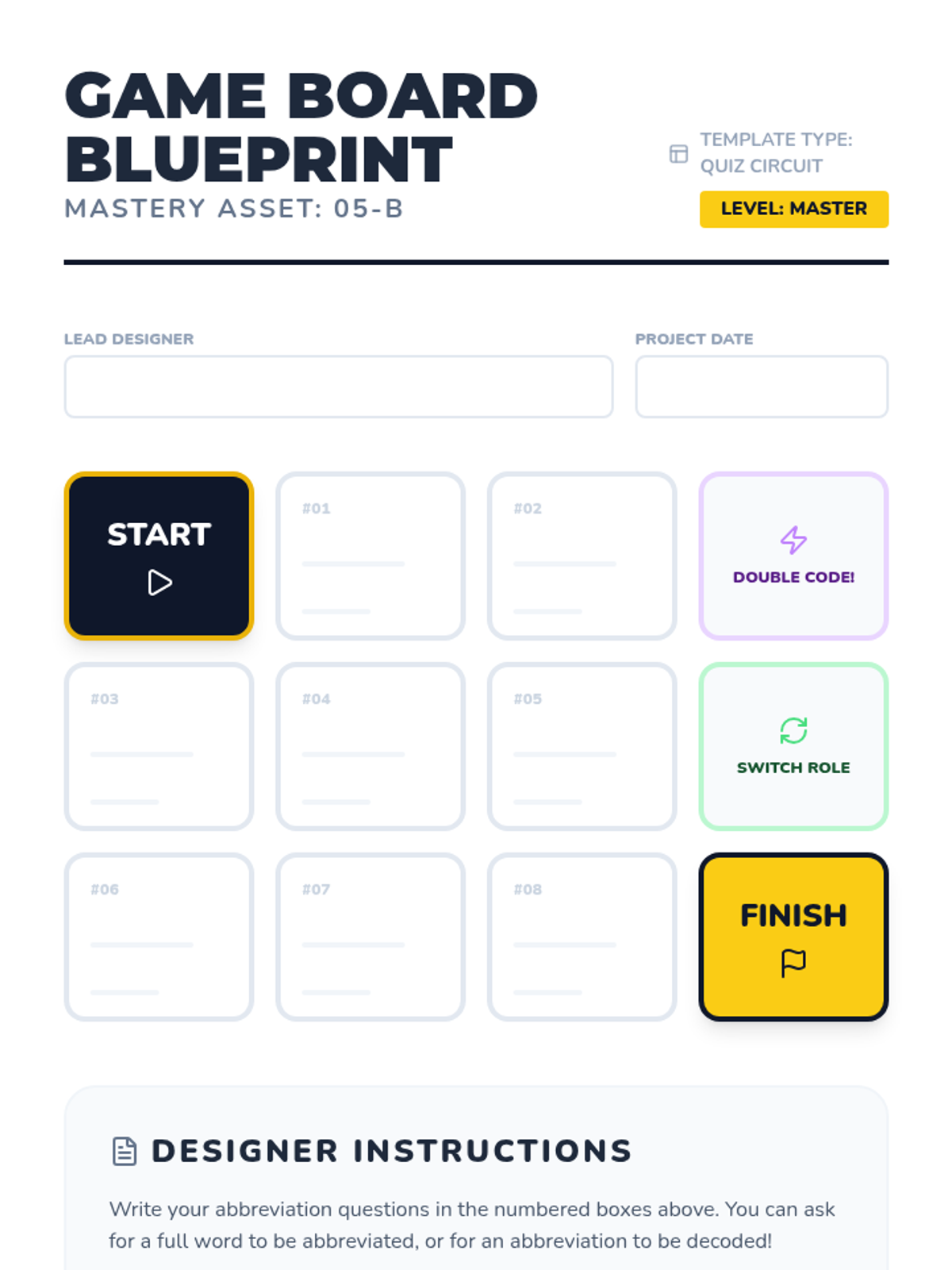
Students demonstrate mastery by designing their own abbreviation games and quiz boards for their peers.
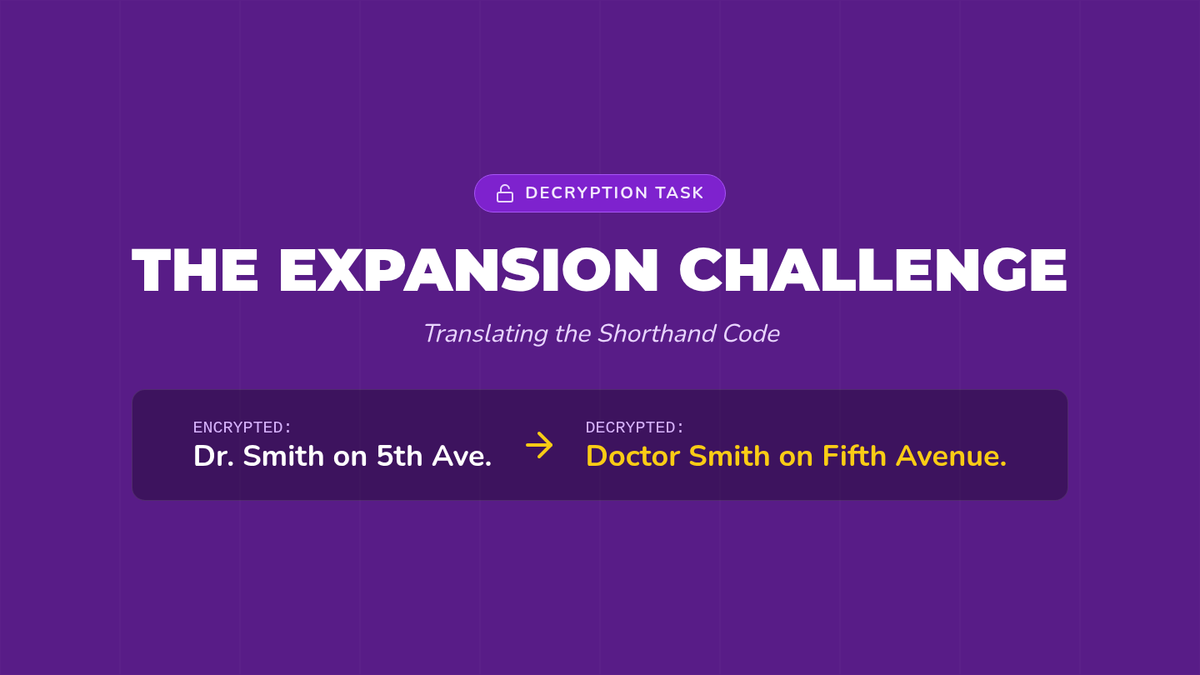
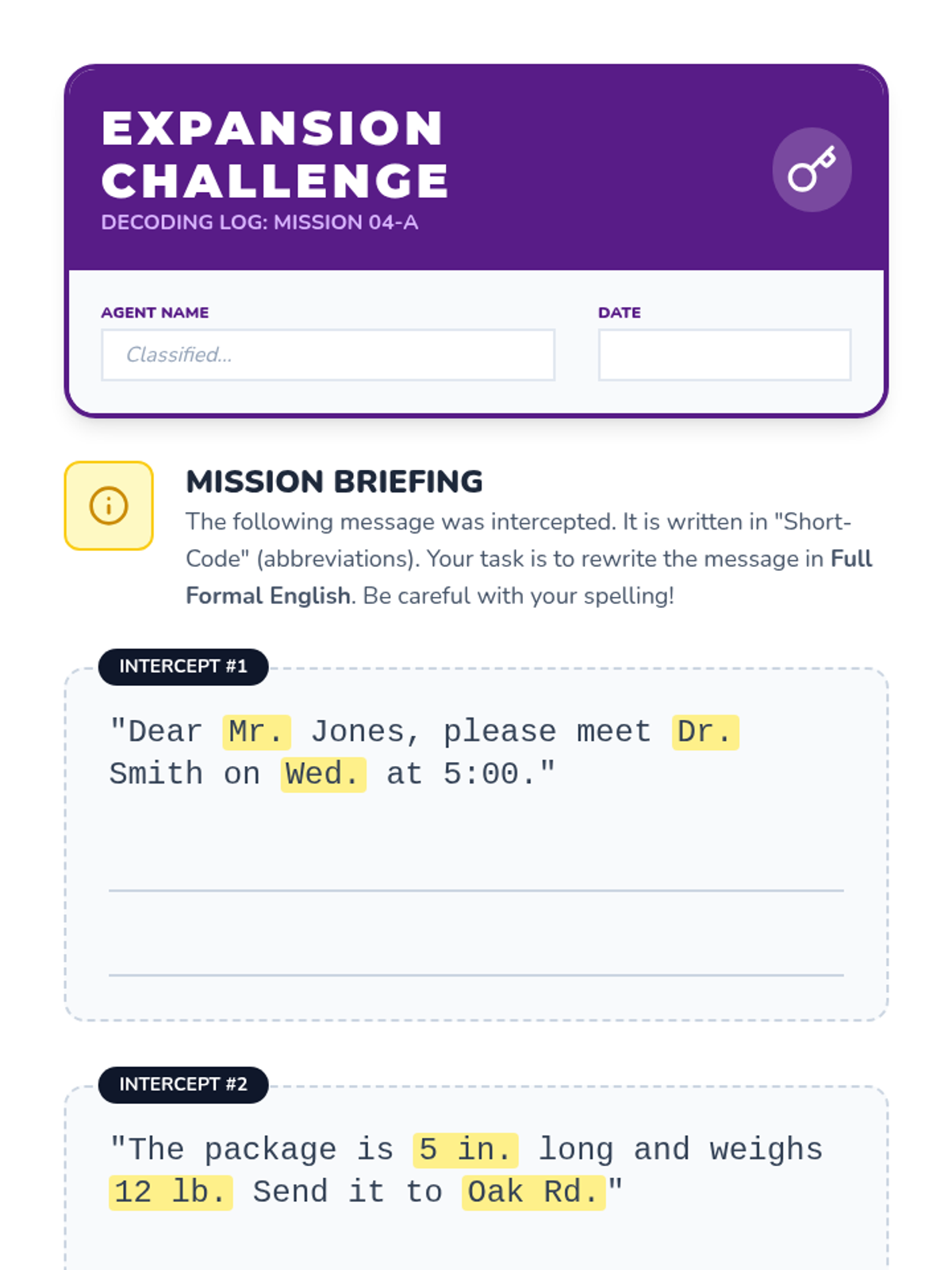
Students practice decoding texts filled with abbreviations, expanding them back into full formal speech and writing.
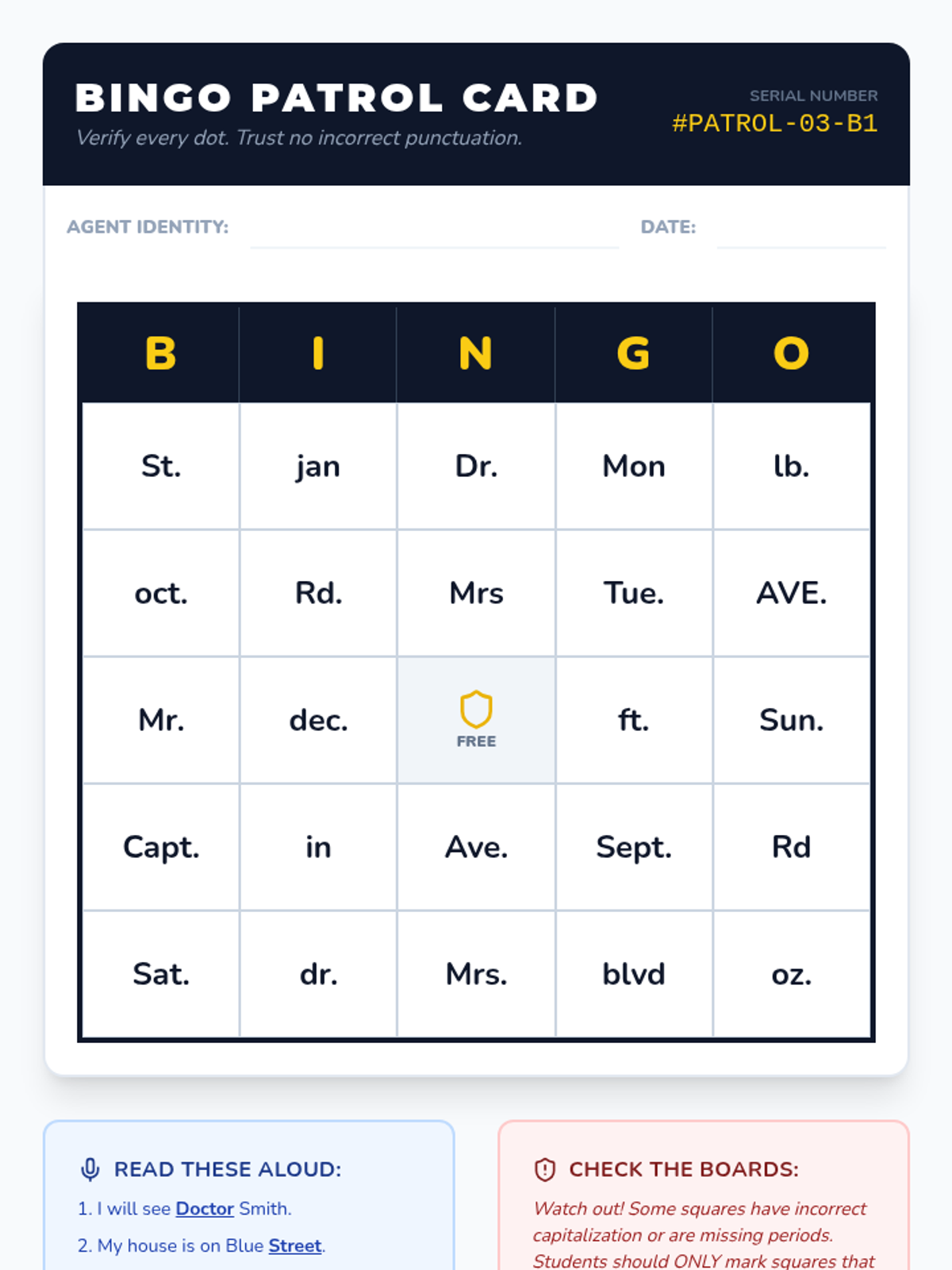
A high-stakes Bingo game focusing on the critical role of punctuation in abbreviations.
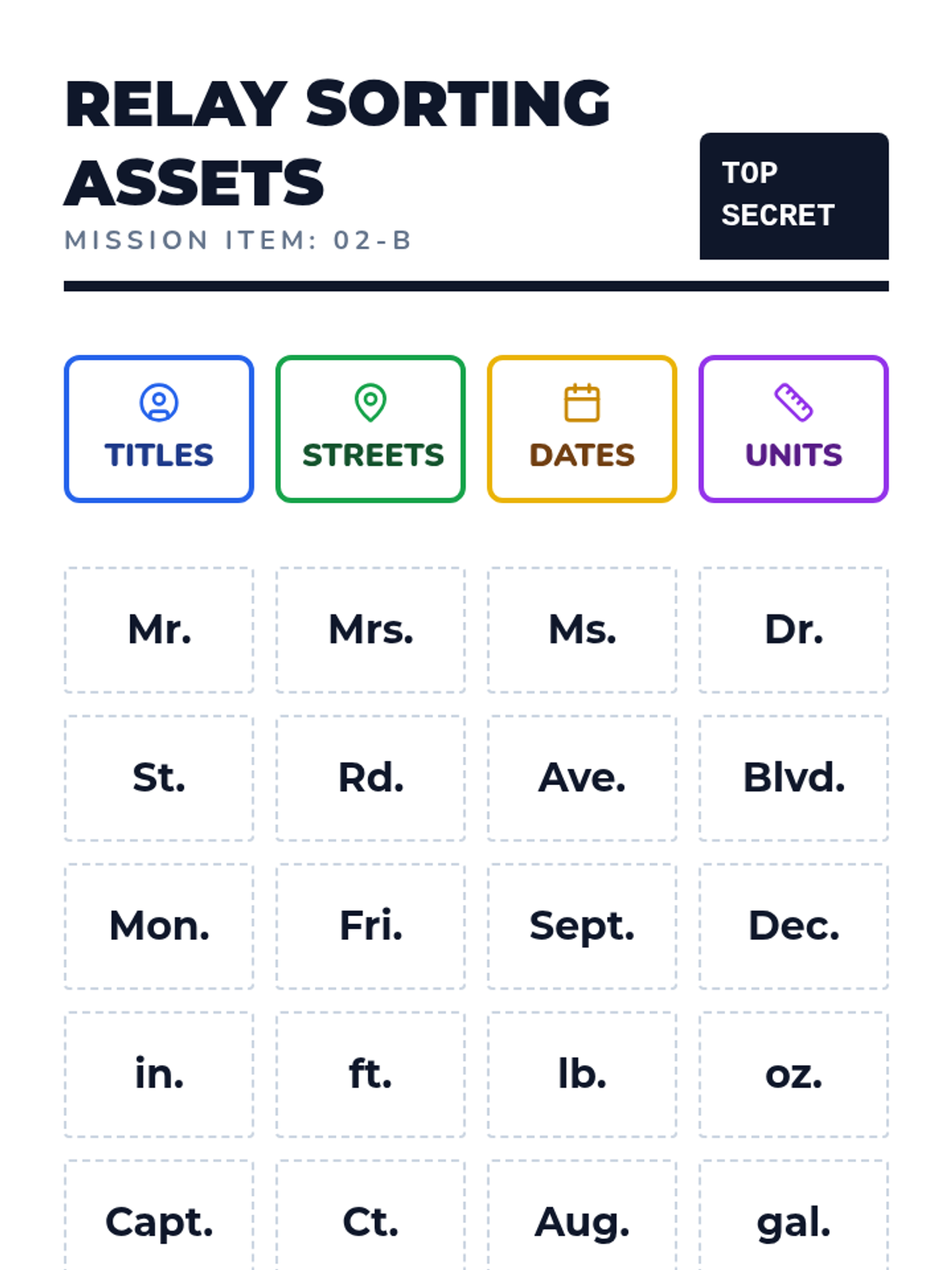
Teams race to sort abbreviations into logical categories like Titles, Streets, and Dates, reinforcing organizational rules.
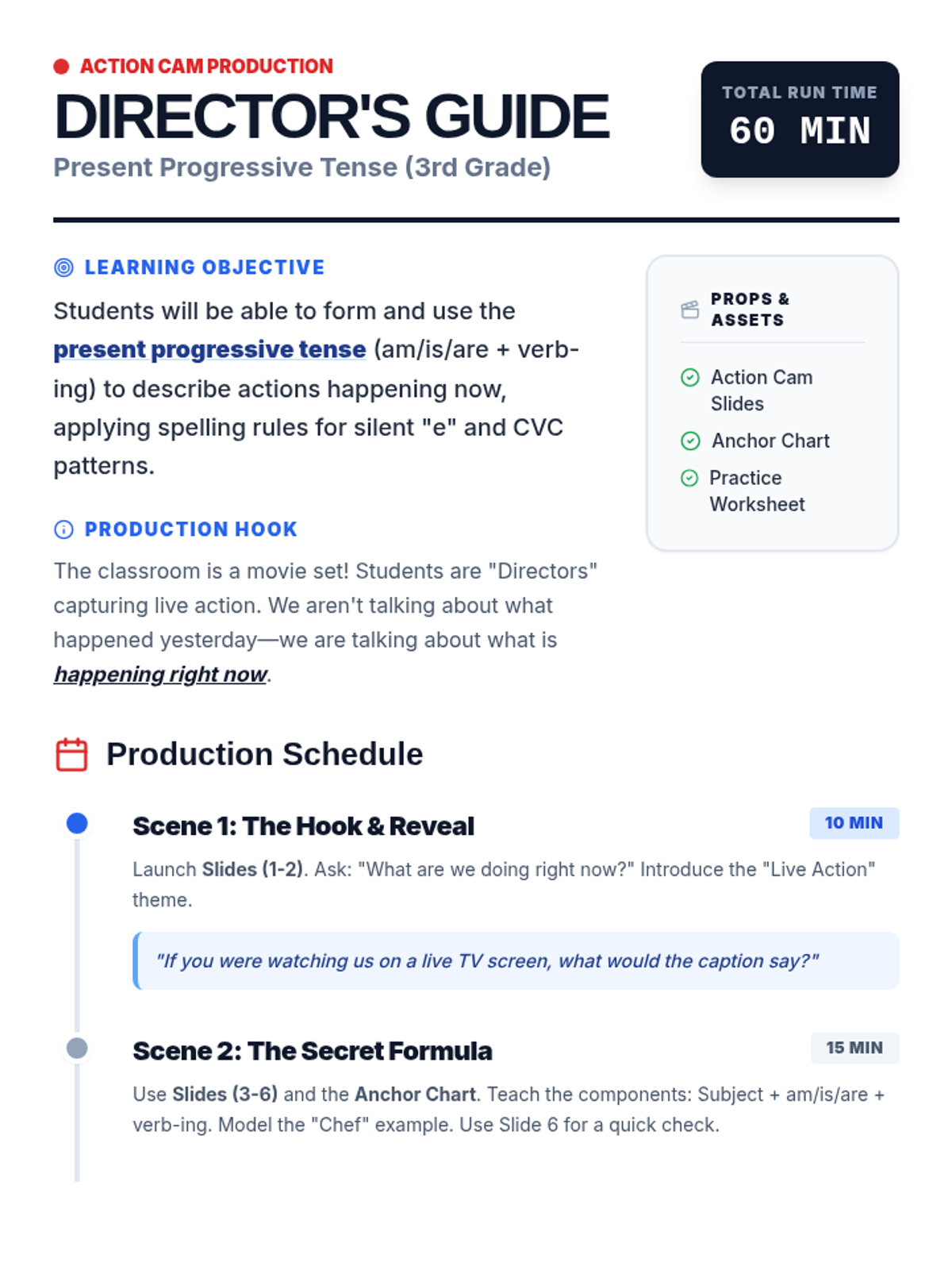
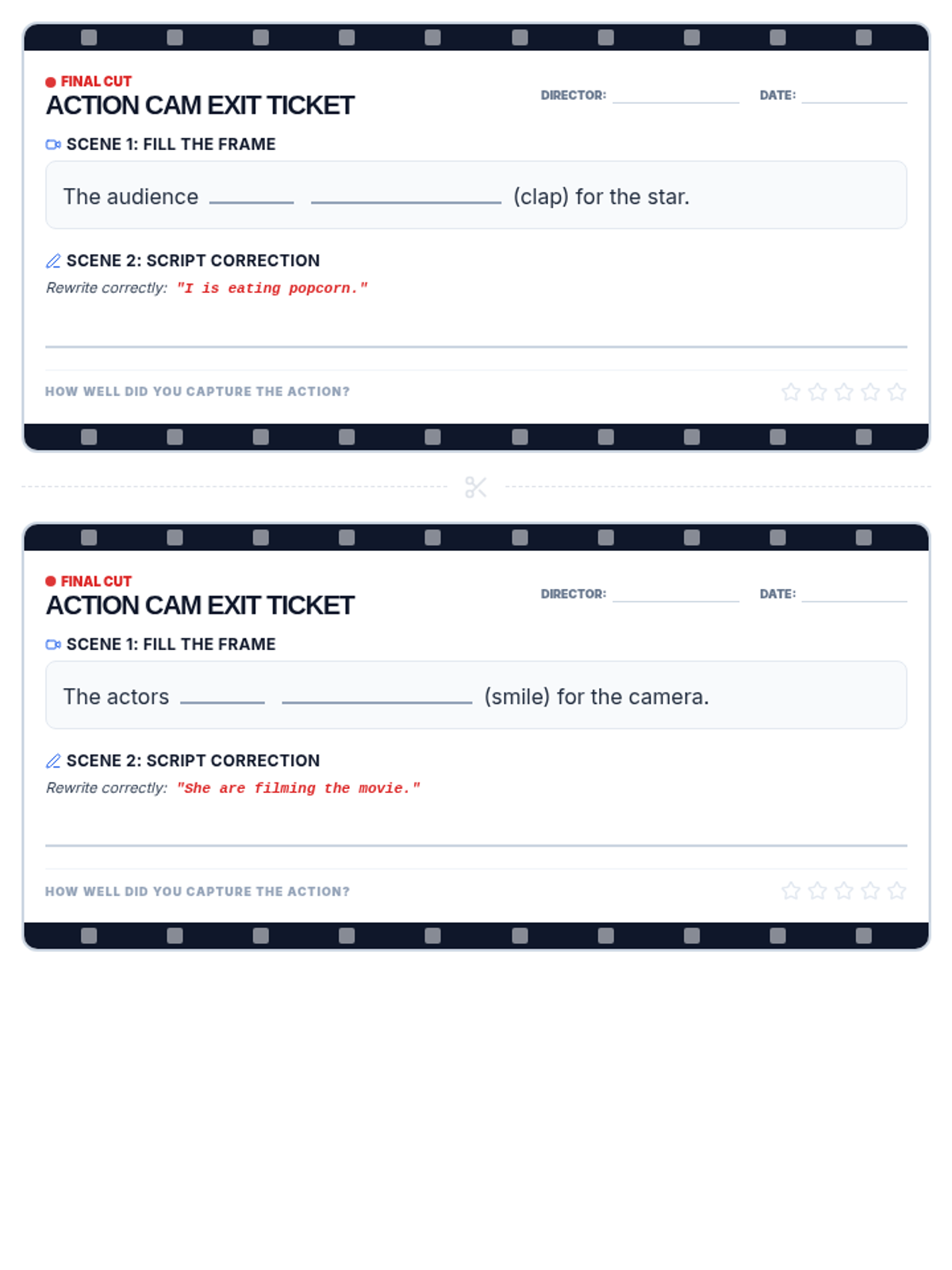
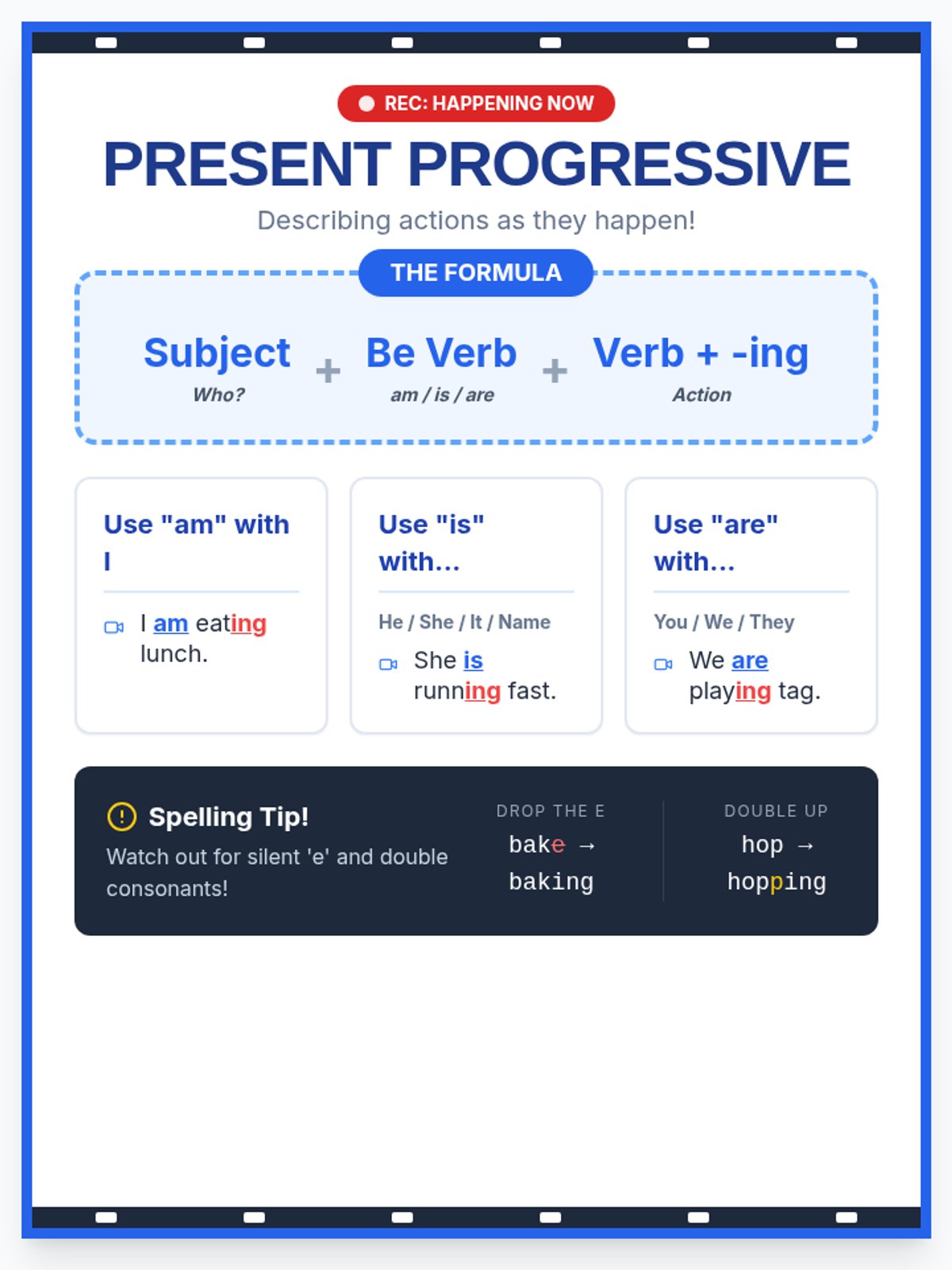
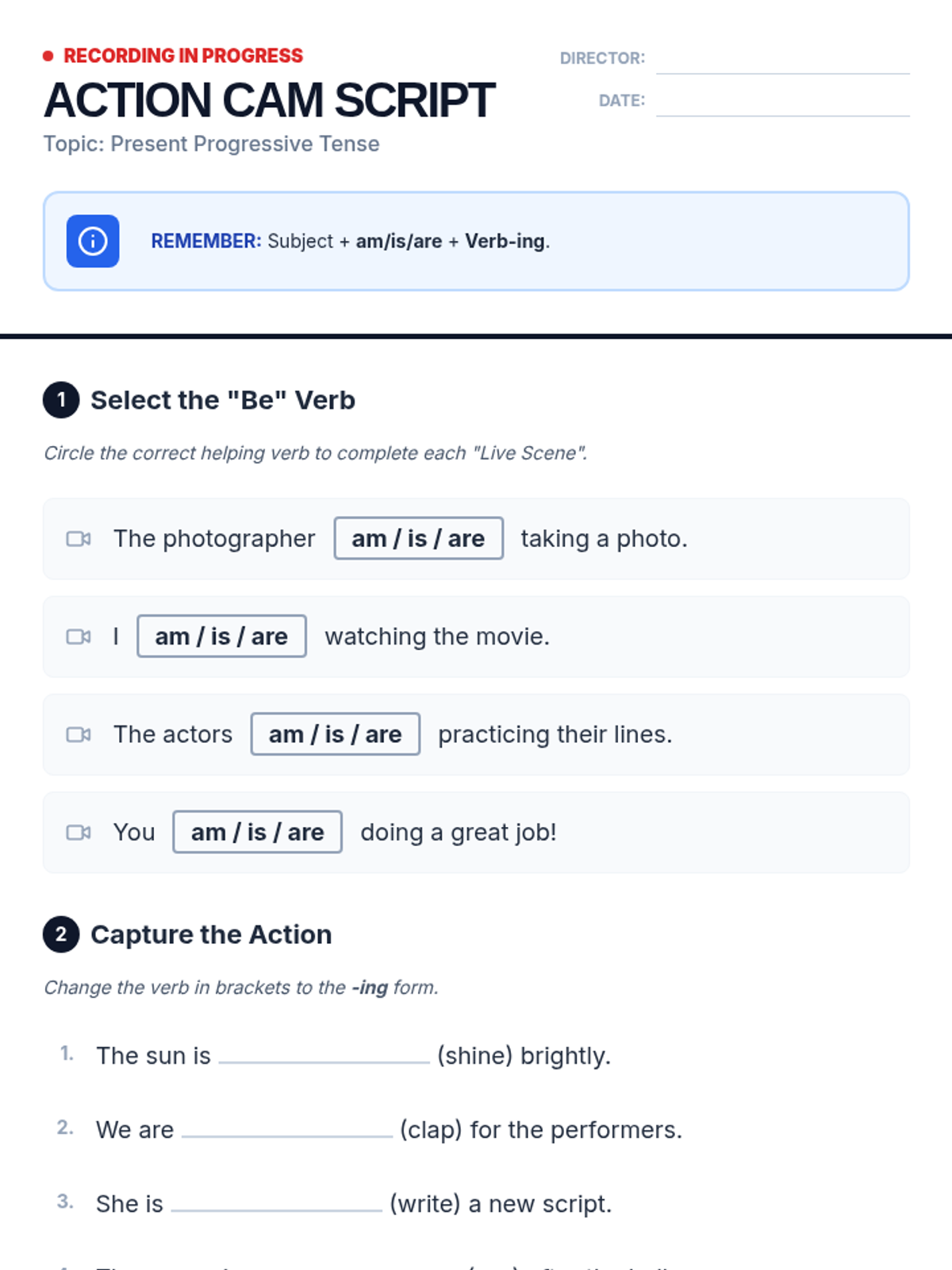
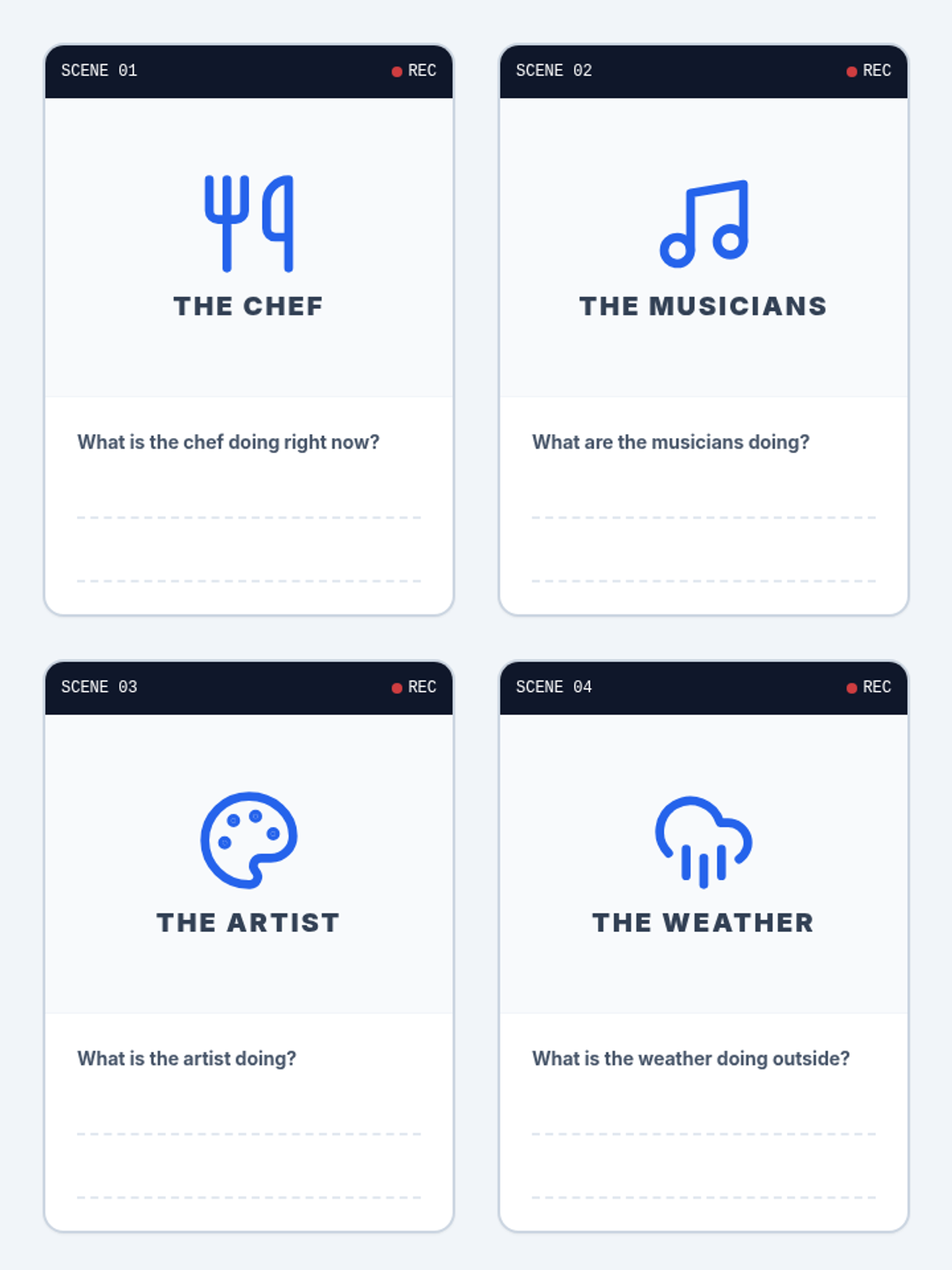
A lesson focused on using the present progressive tense to describe actions happening in the moment, themed around capturing live action with a camera.
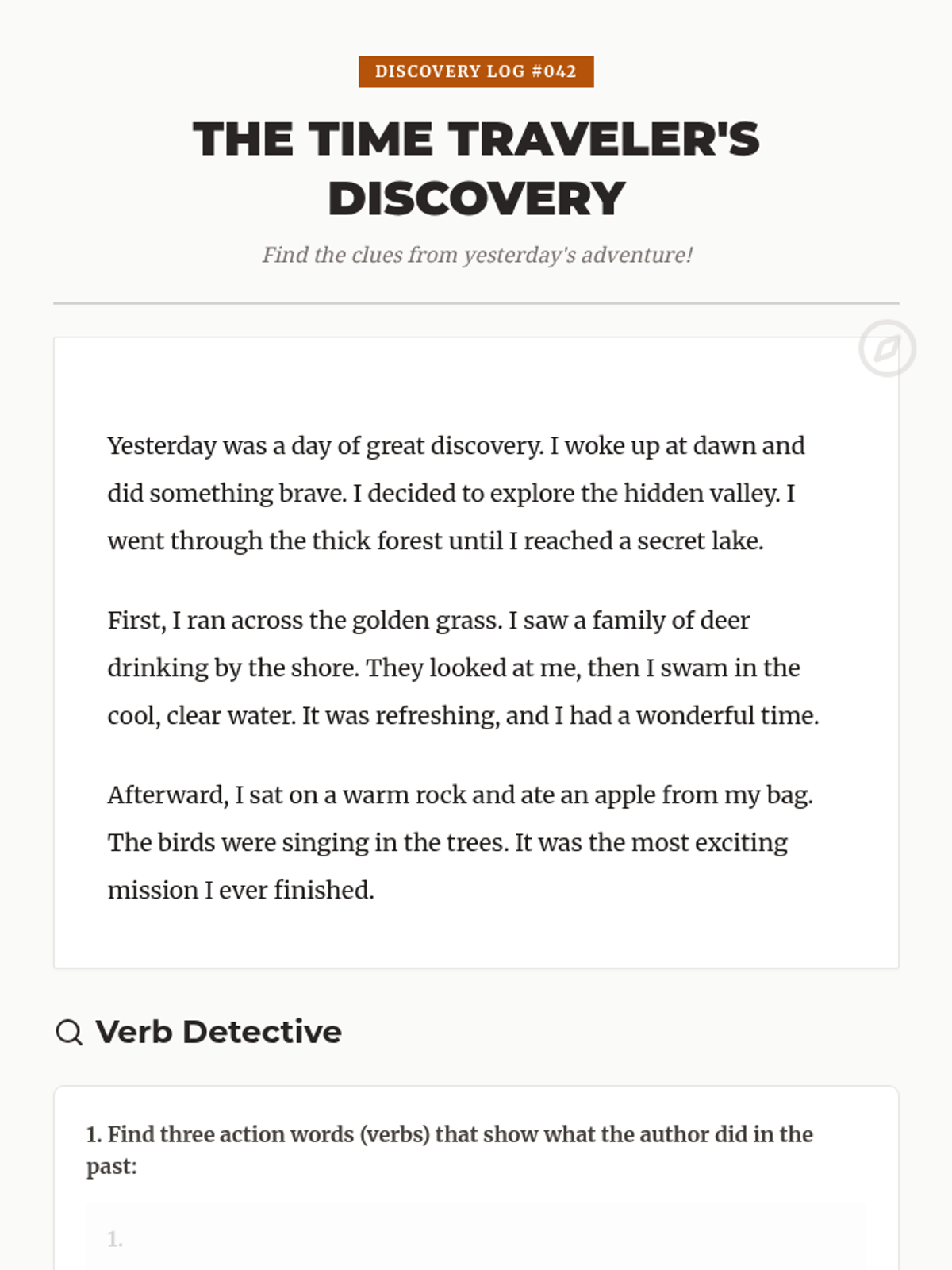
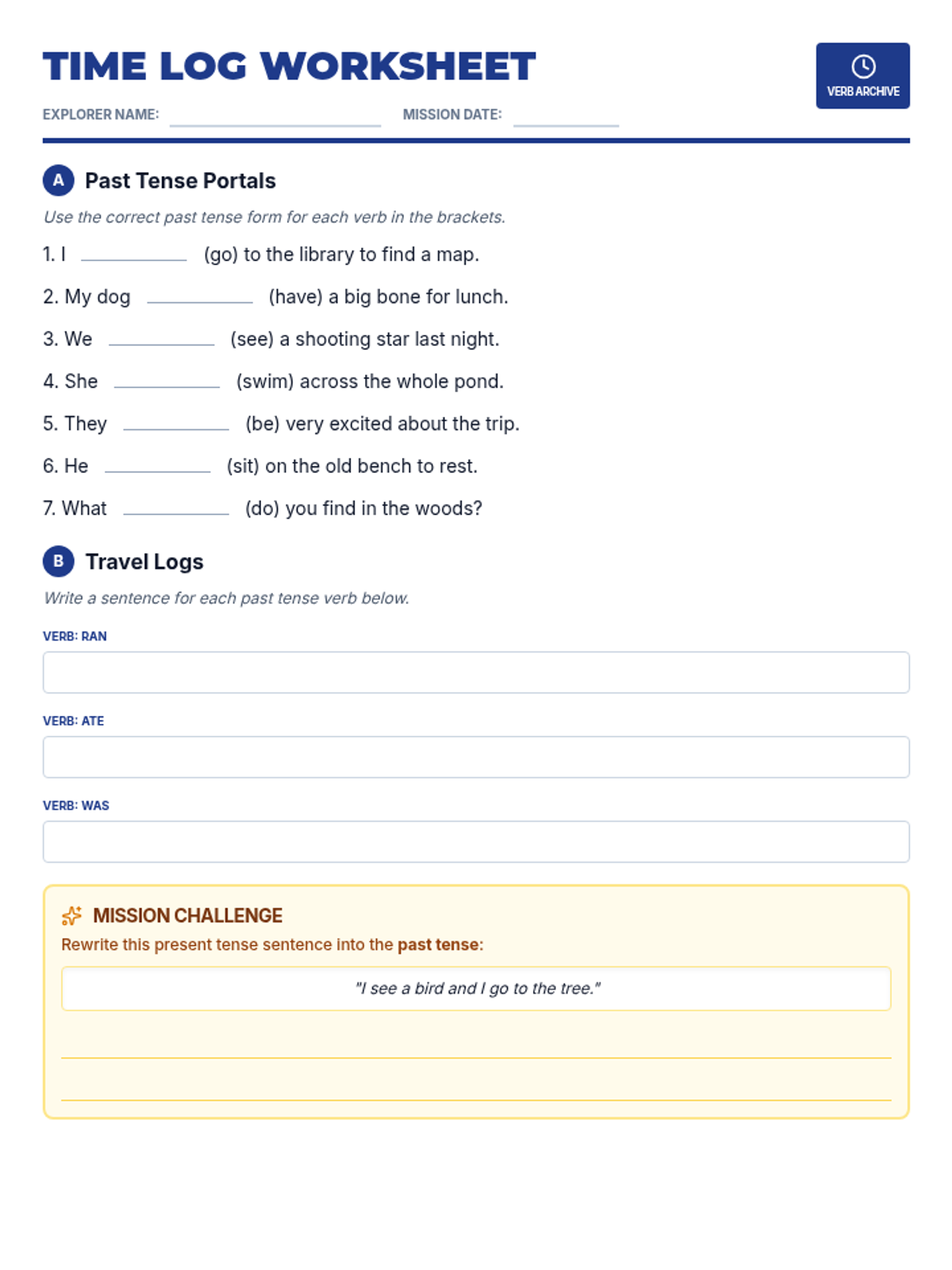
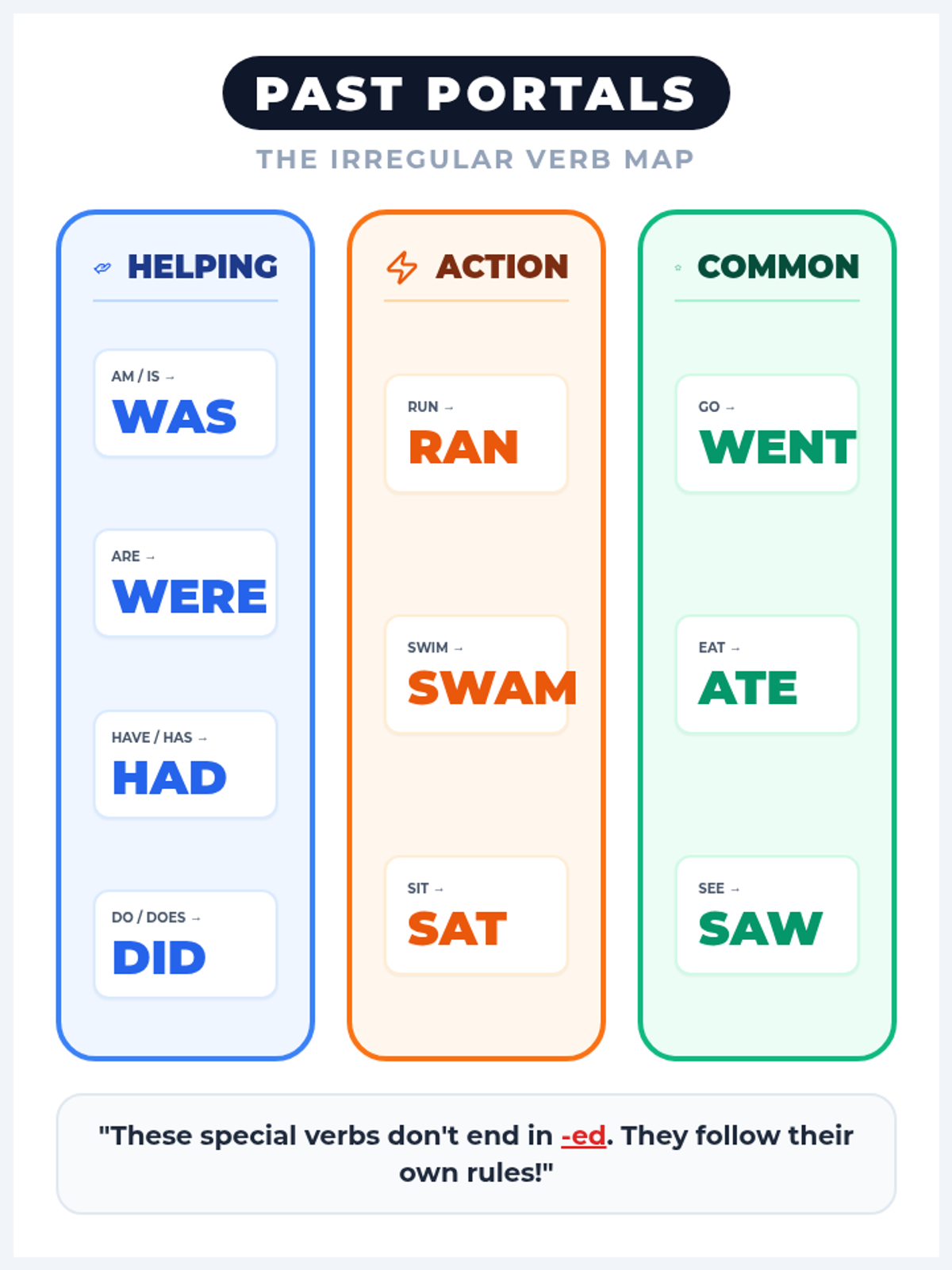
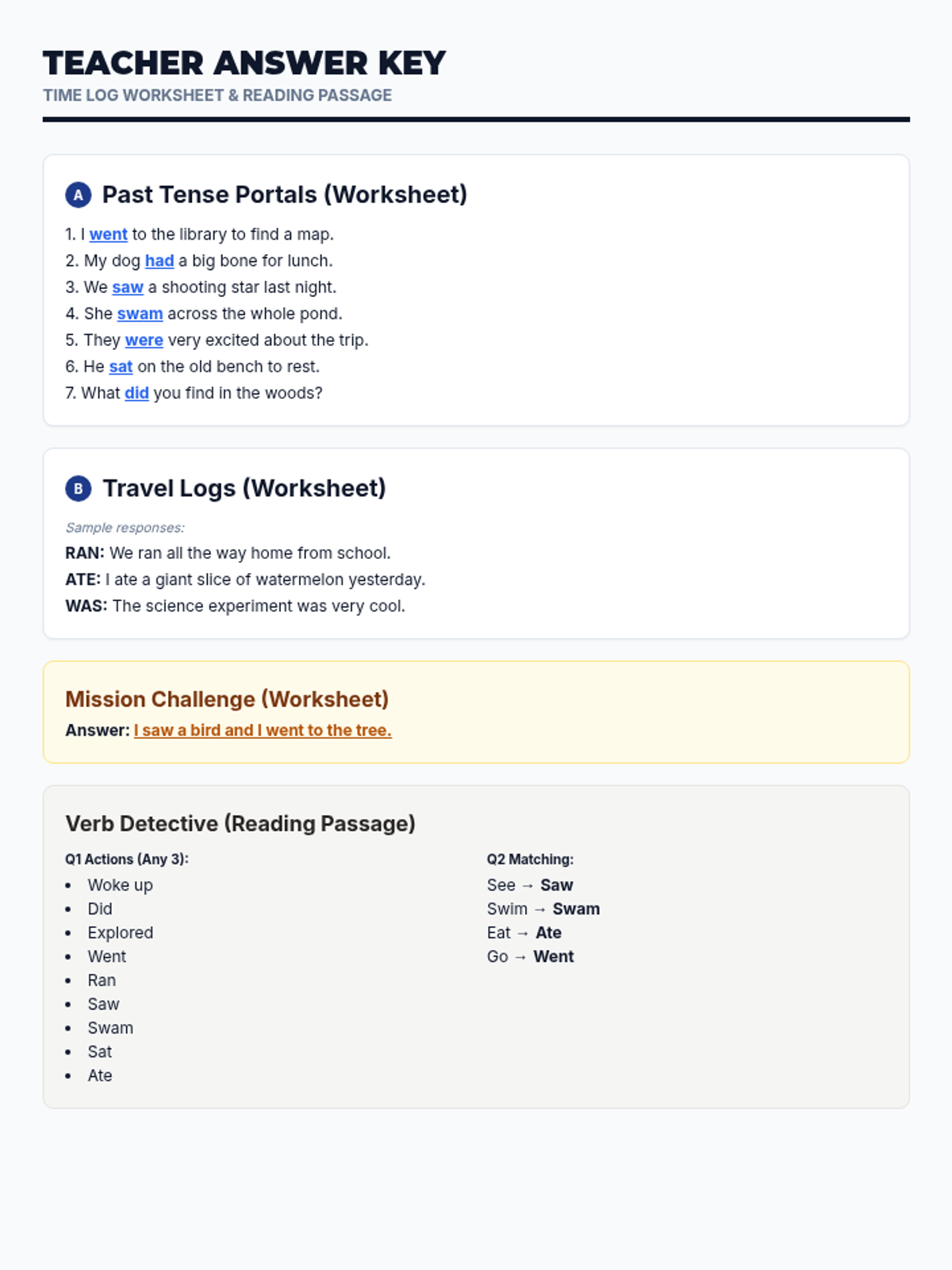
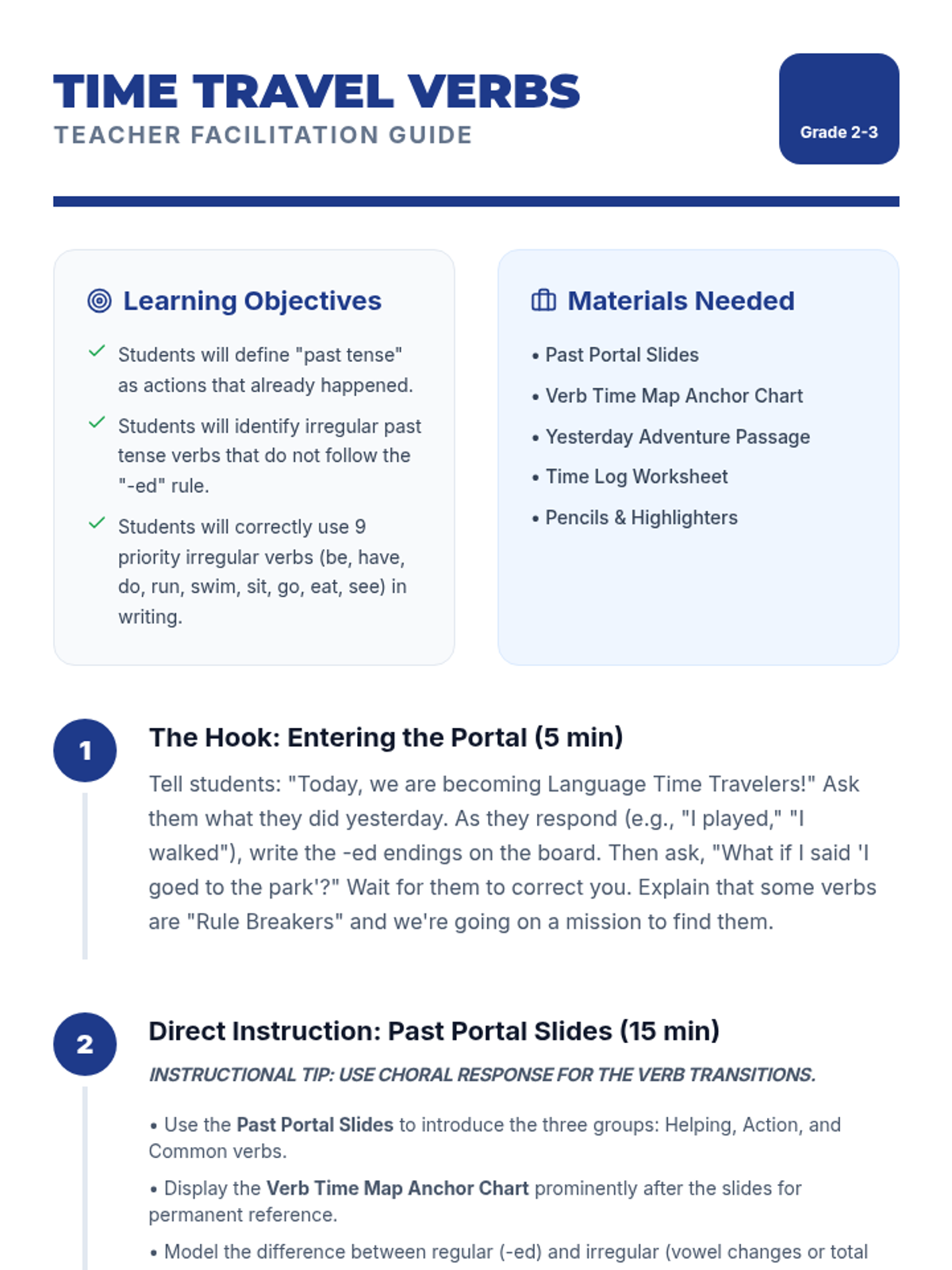
A comprehensive lesson on simple past tense verbs focusing on common irregular forms (be, have, do, run, swim, sit, go, eat, see) for 2nd and 3rd grade students. Includes visual instruction, reading practice, and application activities.
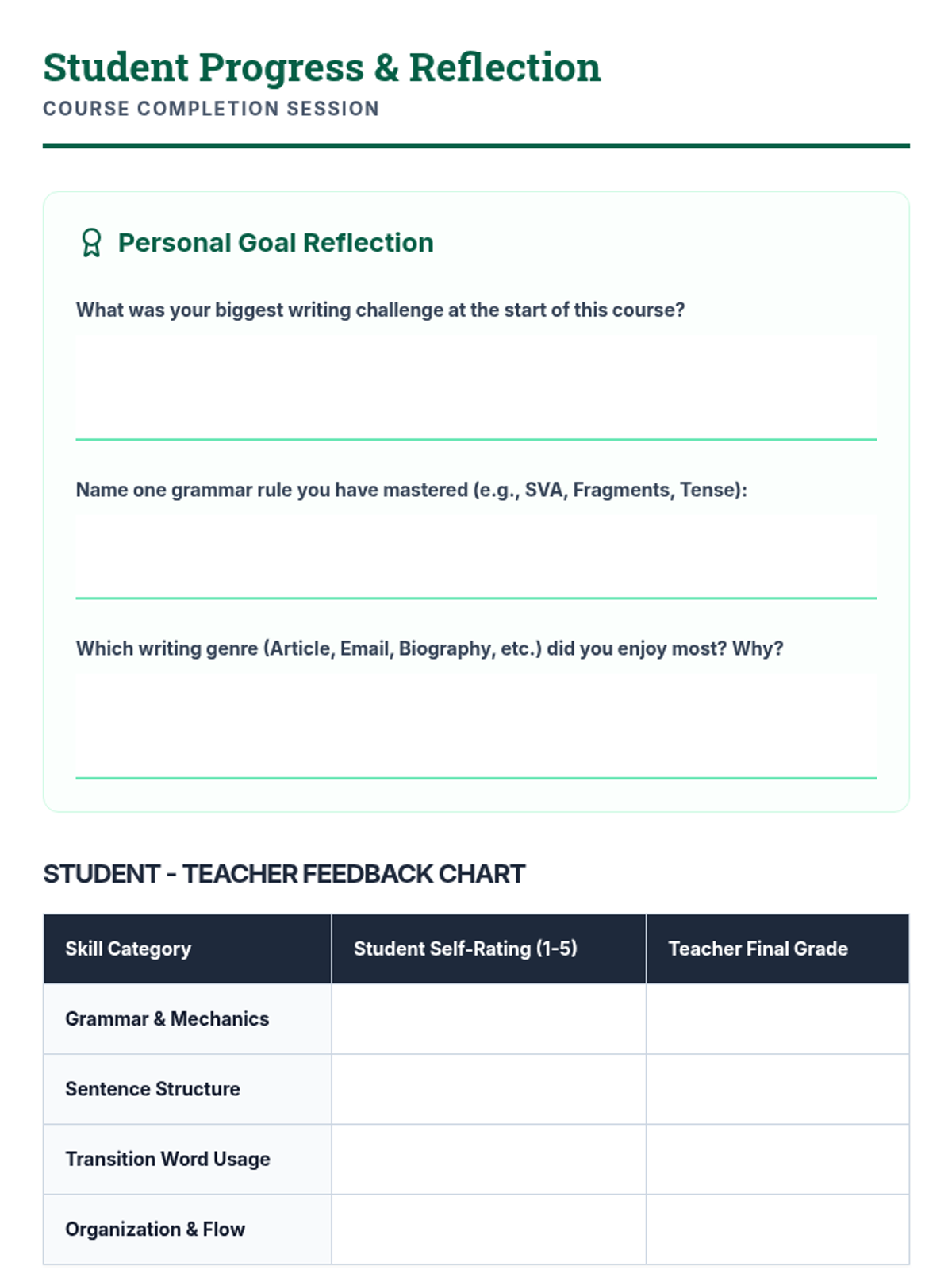
A final evaluation and reflection session including the final assessment, feedback charts, and student-teacher goal reviews.
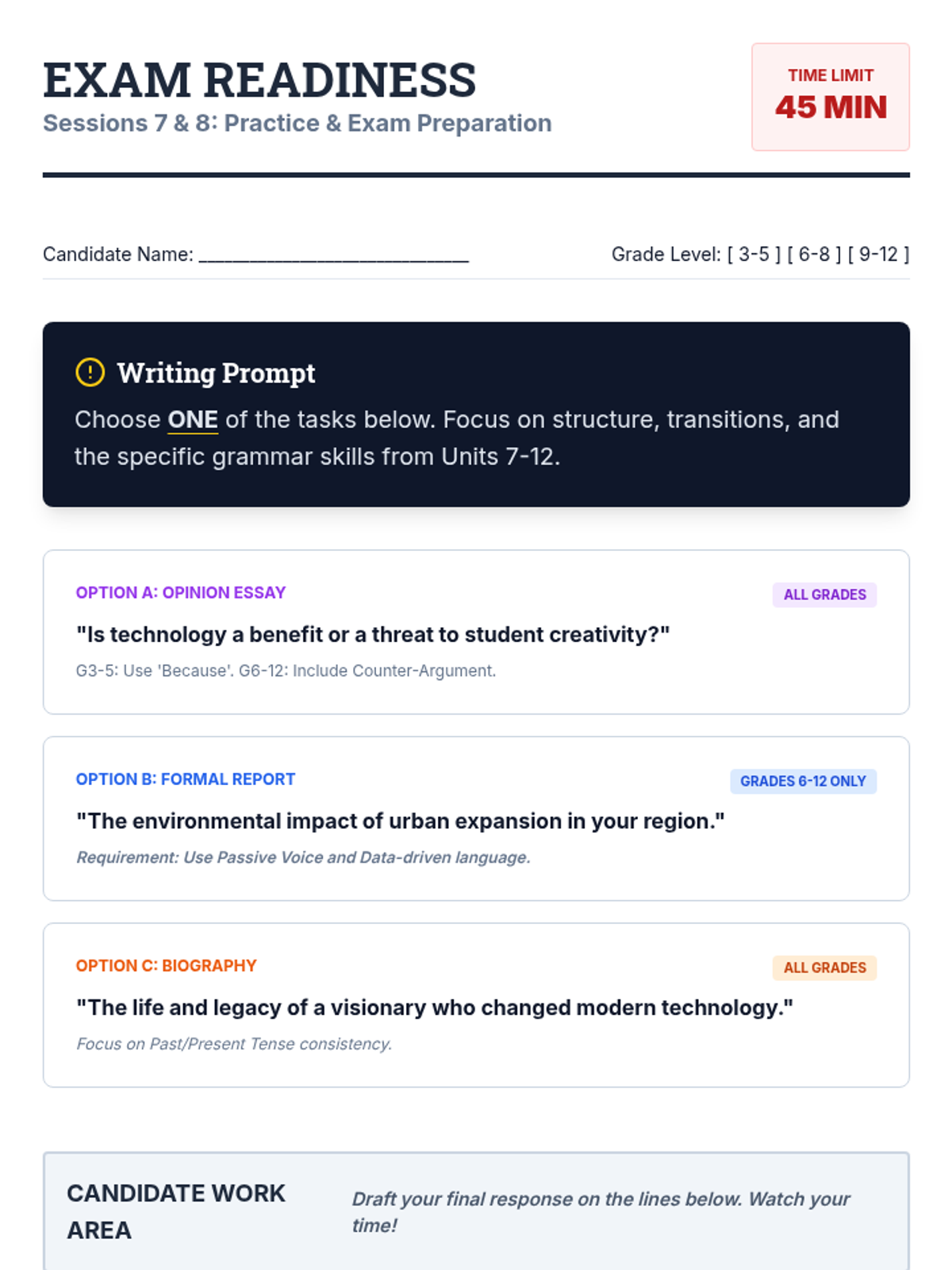
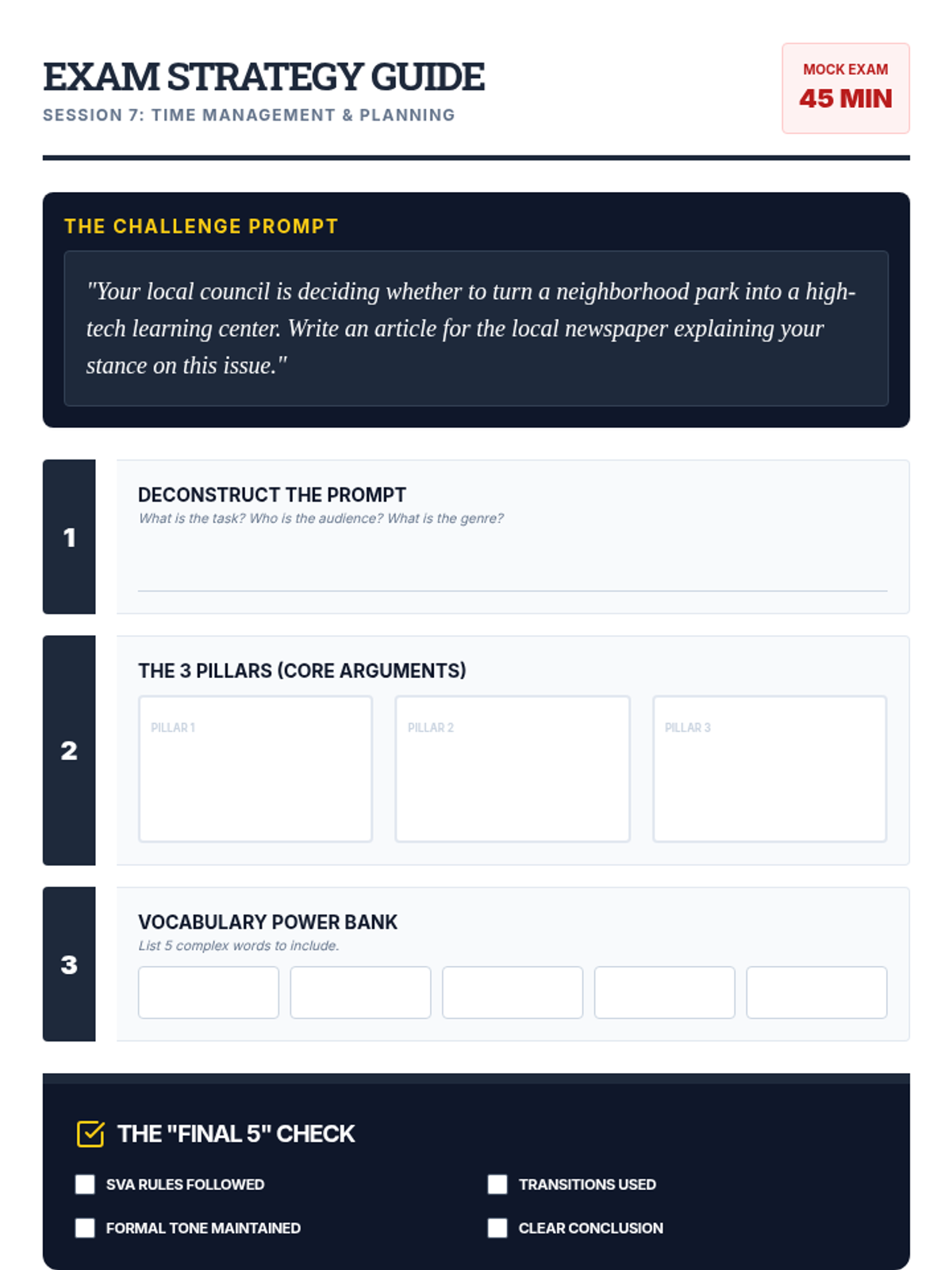
Provides timed writing practice and mock exam conditions to build stamina and review structural clarity.
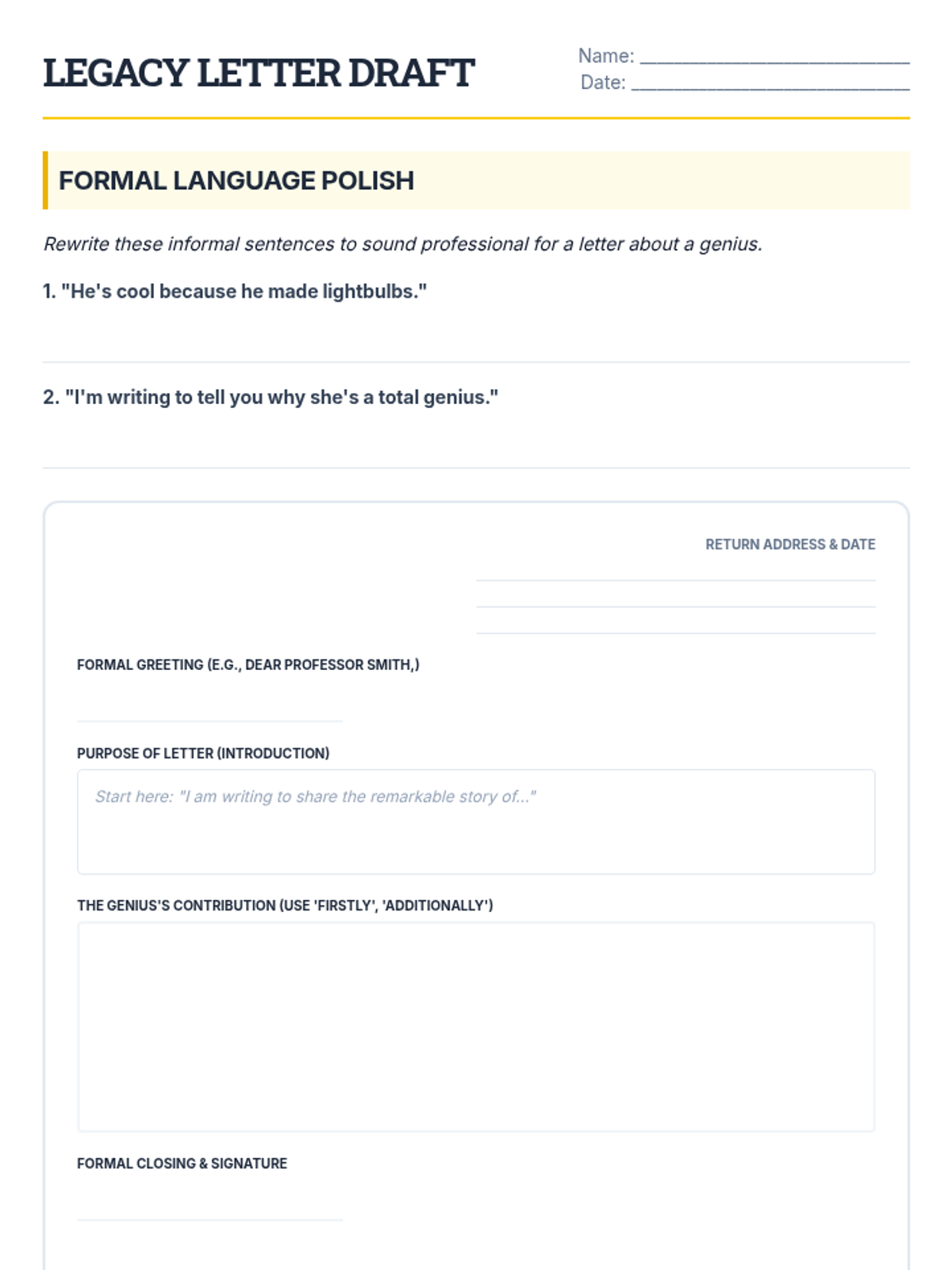
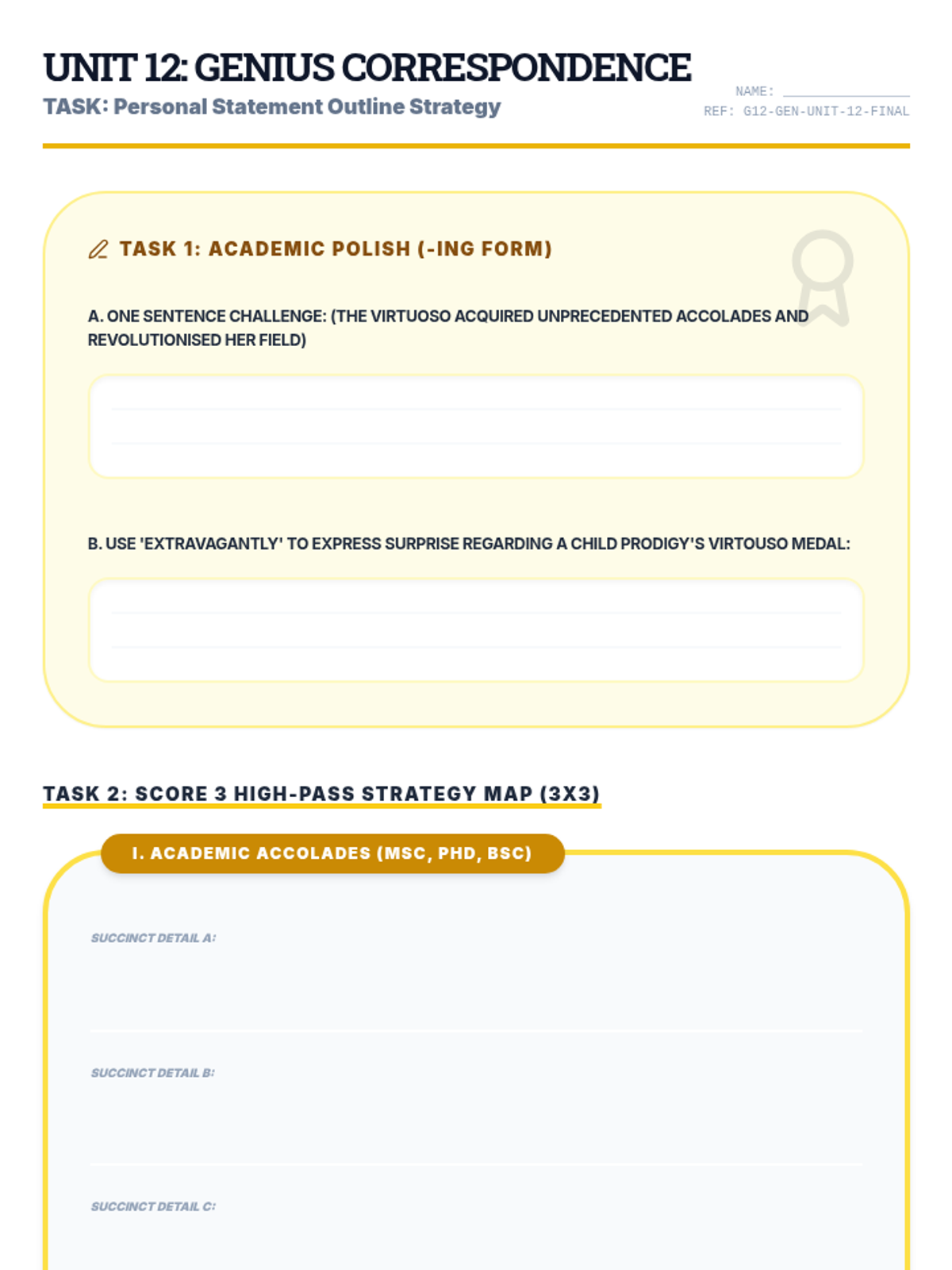
Practices formal letter writing focused on the achievements of geniuses, reinforcing formal tone and structural transitions.
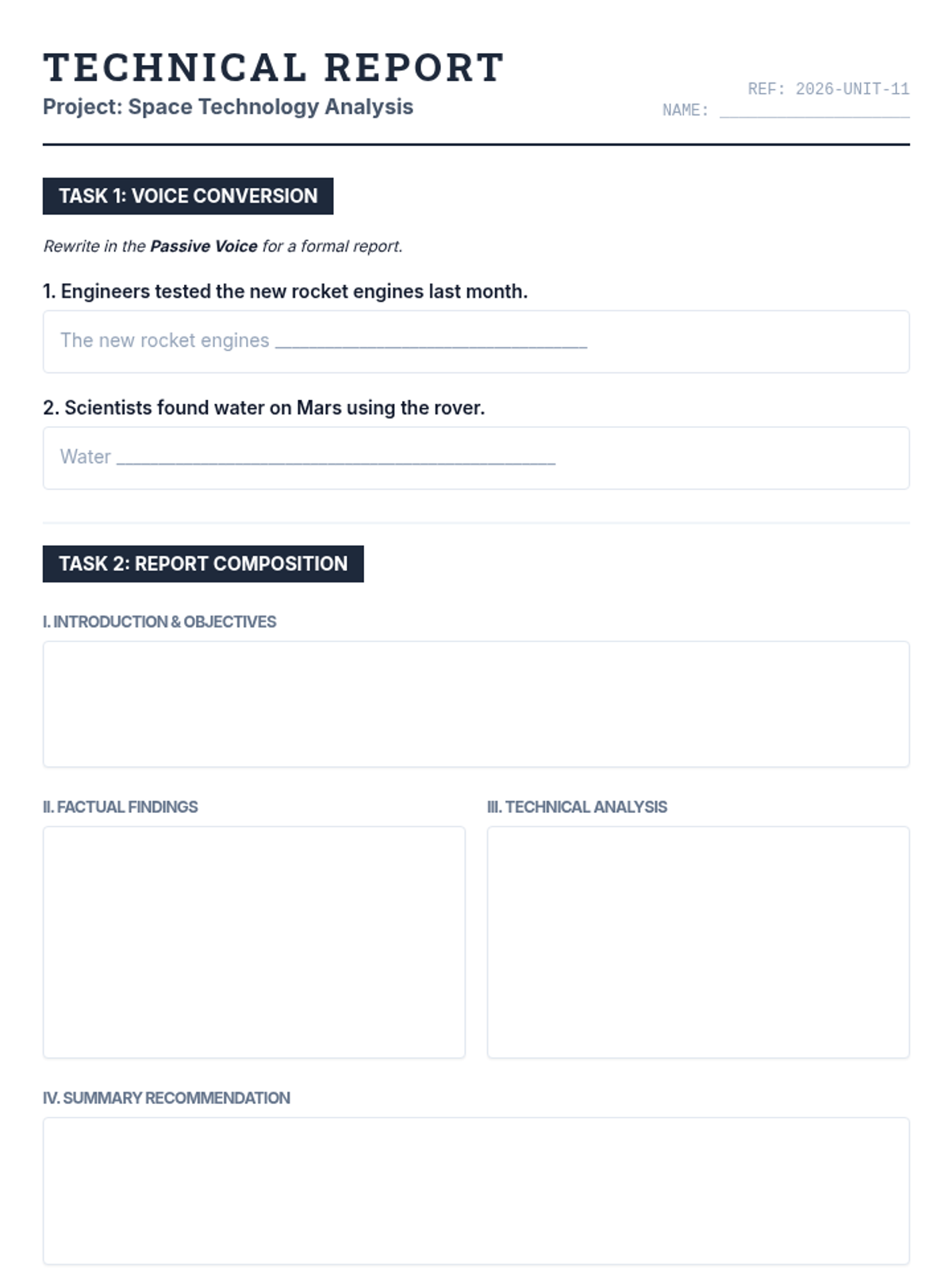
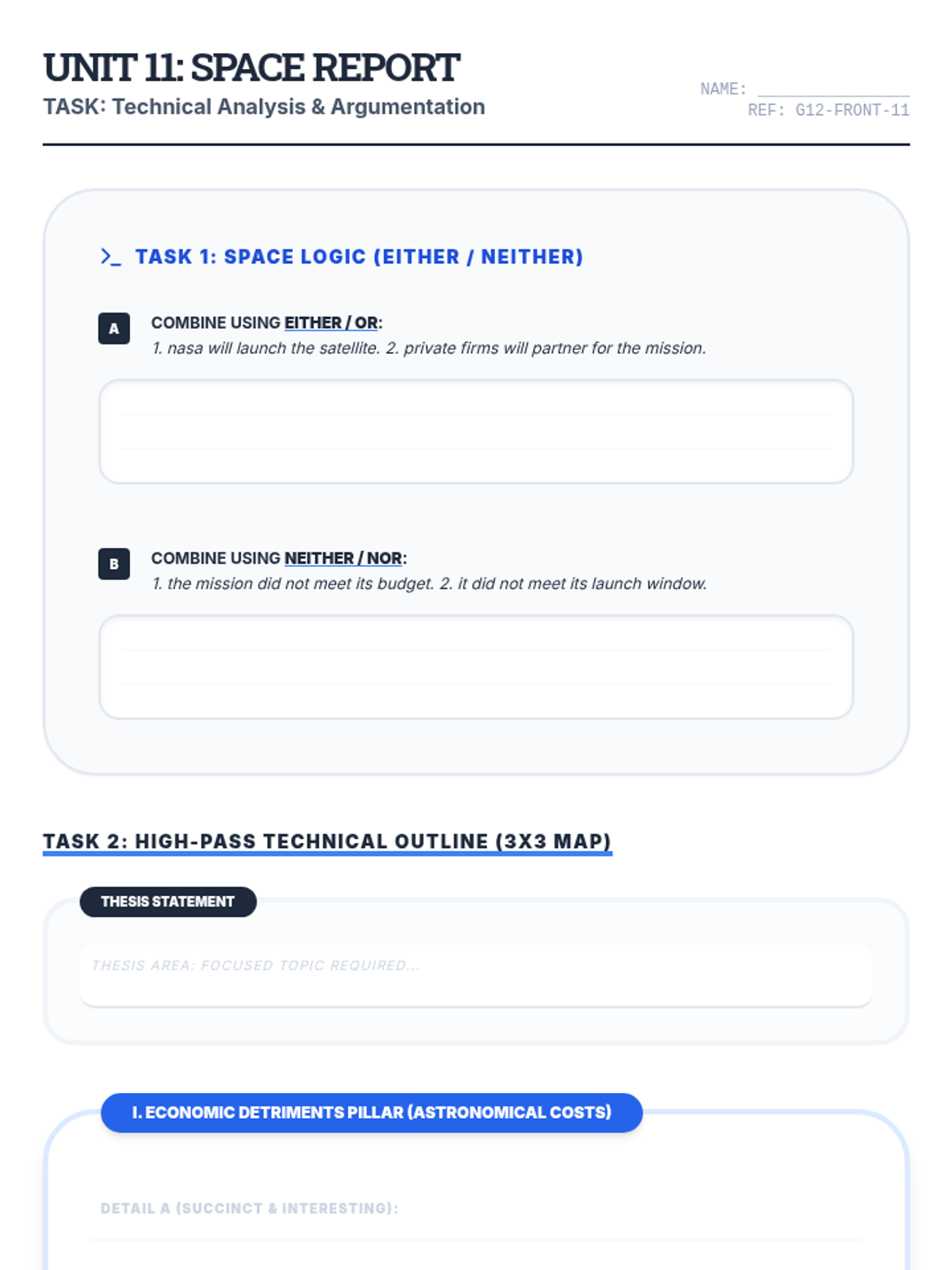
Introduces formal report writing on space technology, emphasizing passive vs. active voice and data-driven analysis.
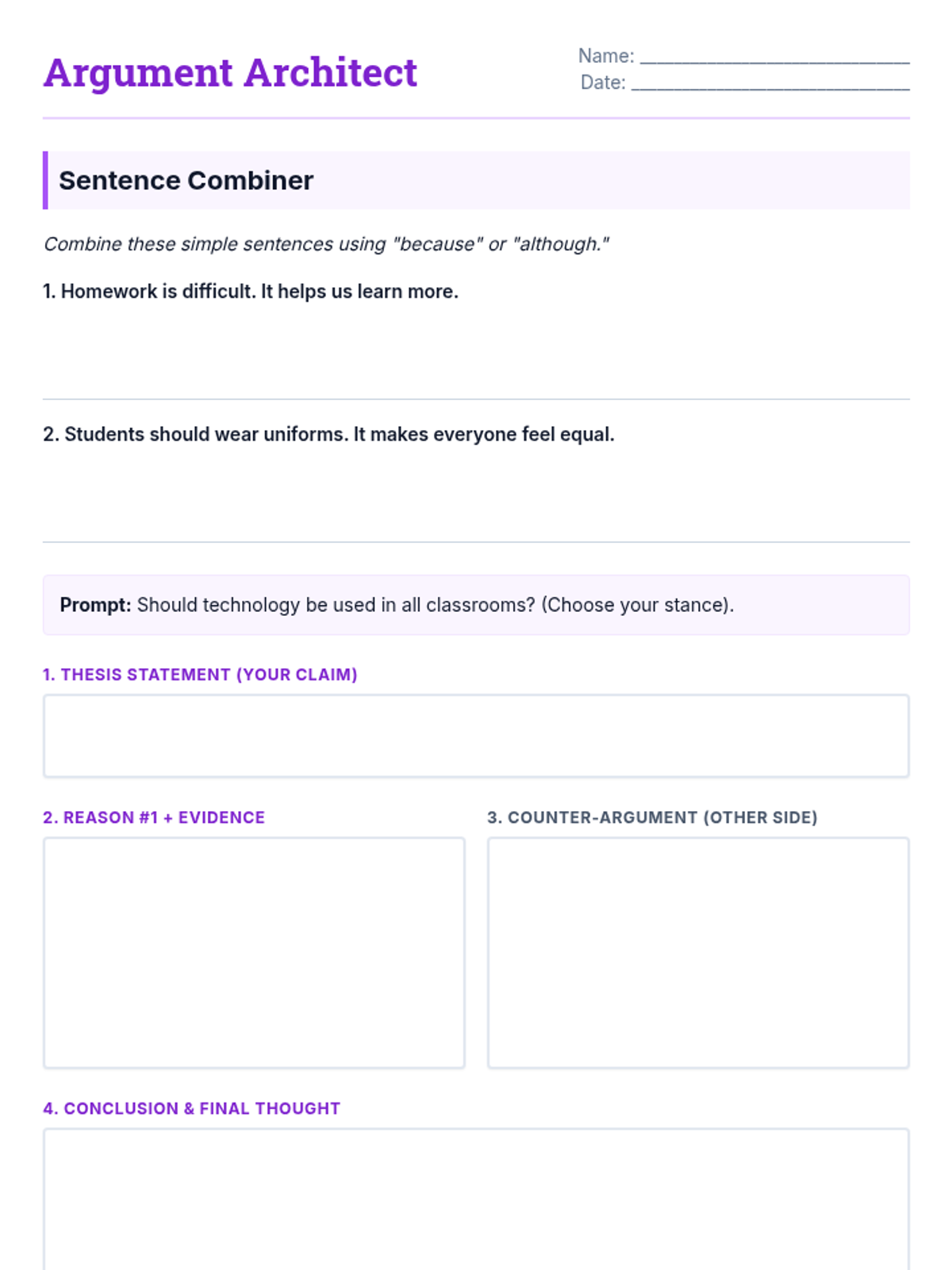
Develops argumentative skills through opinion essays on debatable topics, focusing on conjunctions, counter-arguments, and persuasive transitions.
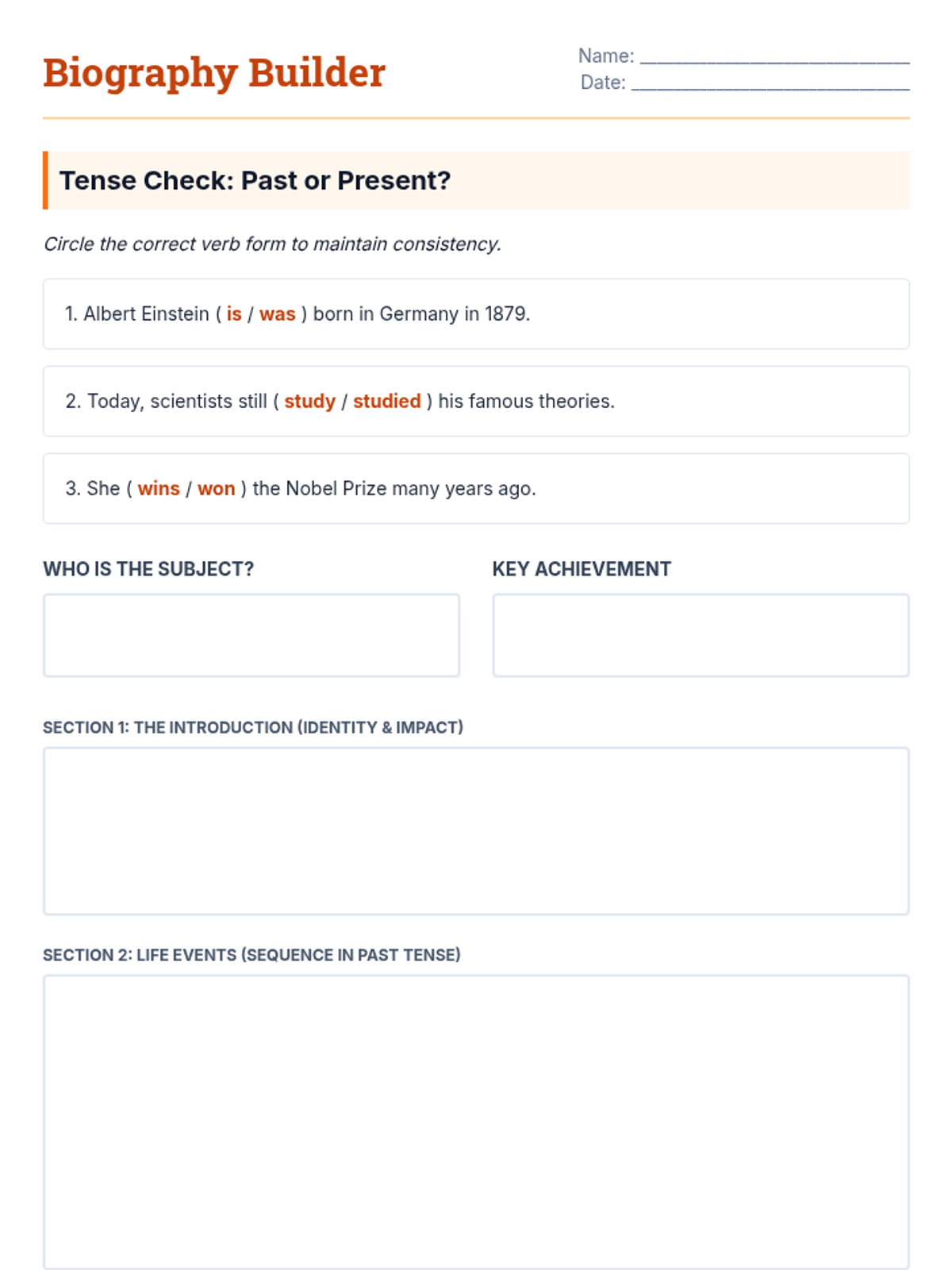
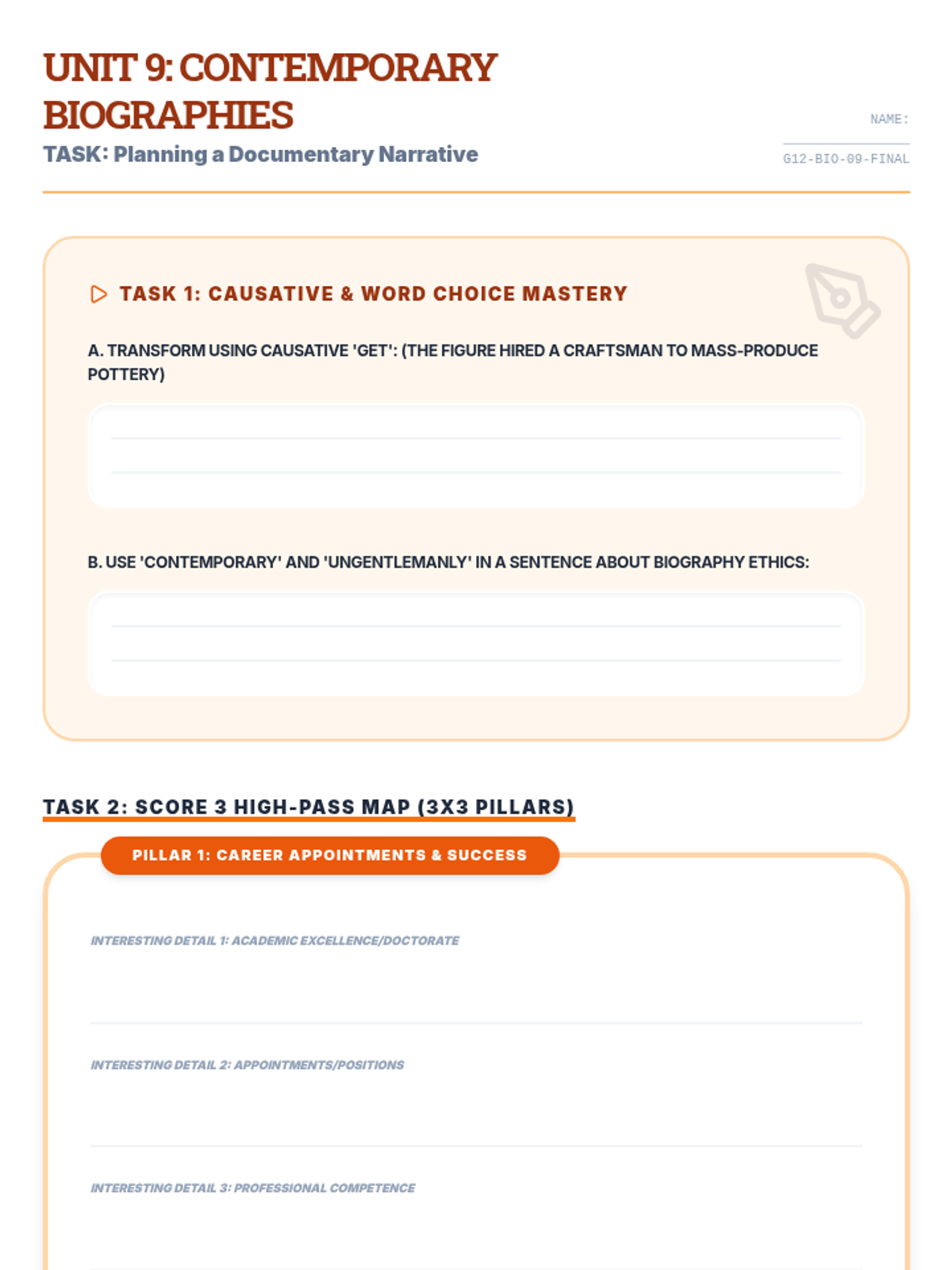
Explores the lives of historical figures through biography writing, emphasizing tense consistency and logical life-event sequencing.
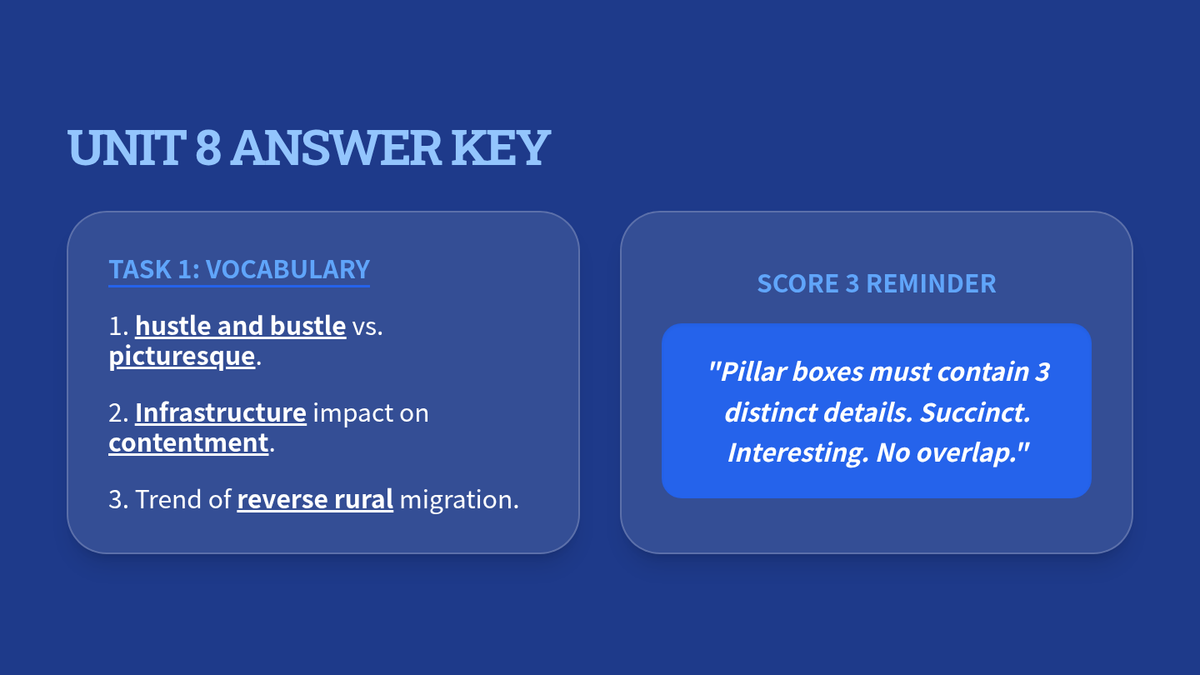
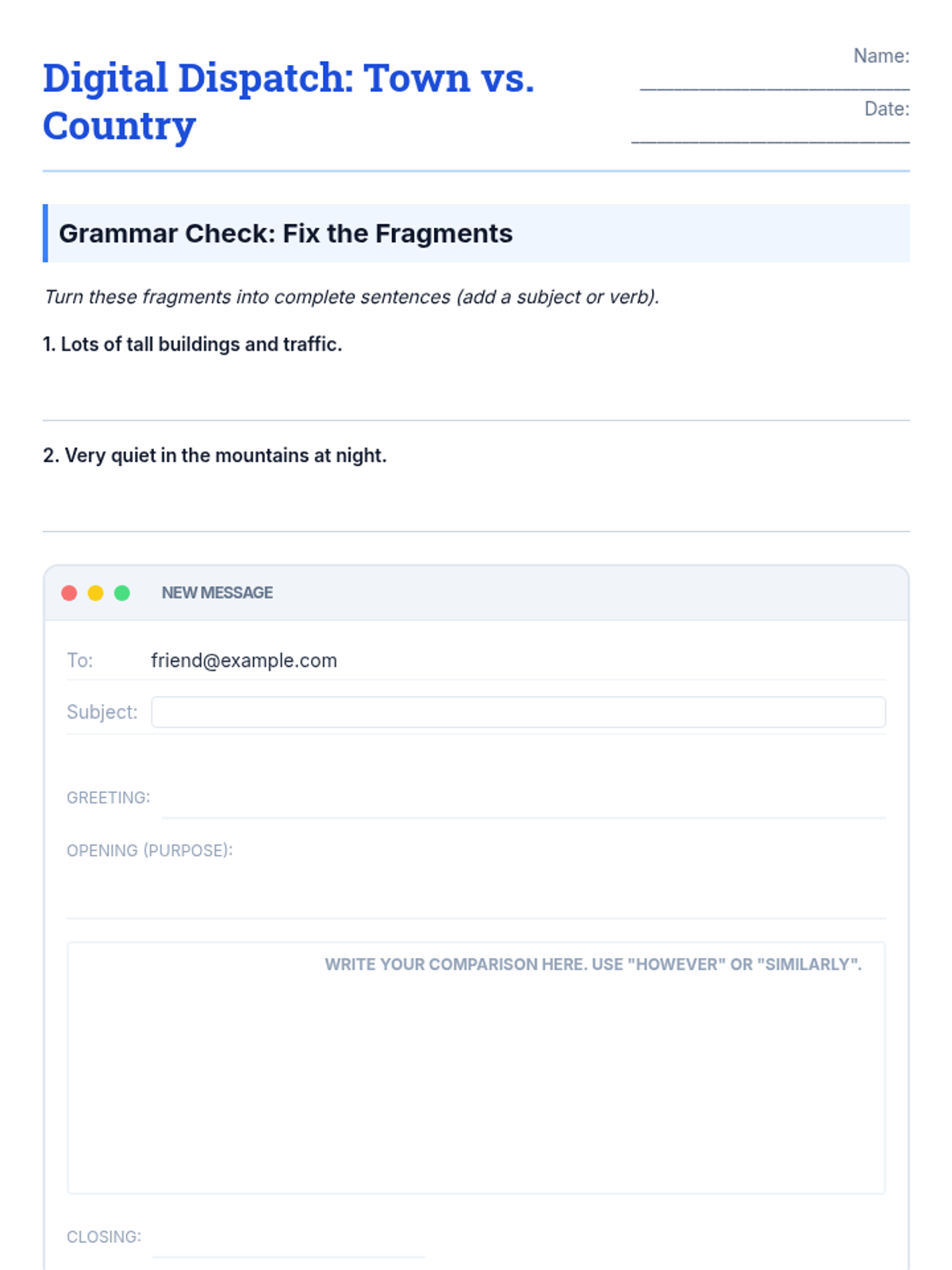
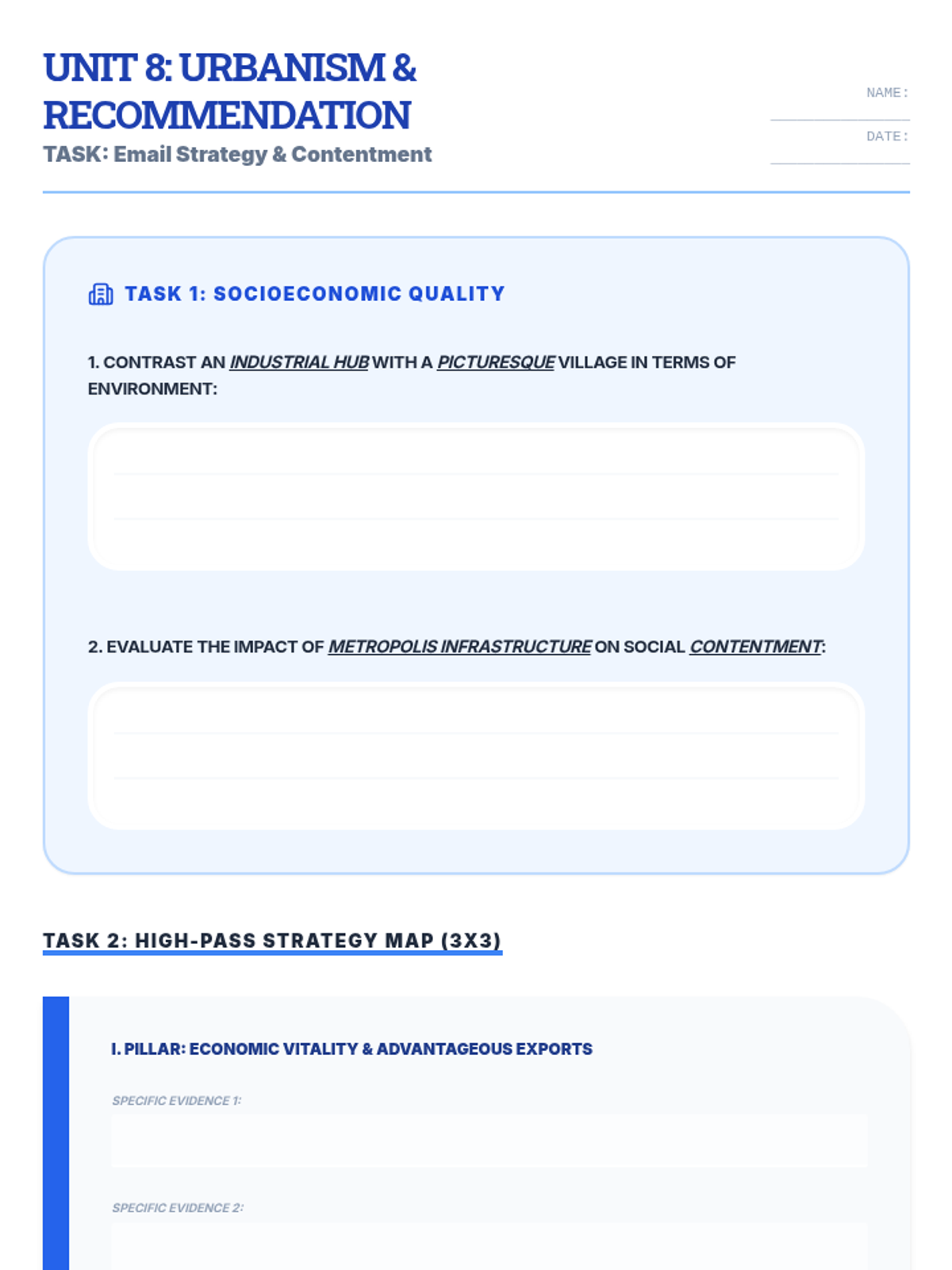
Teaches email etiquette and structure through a comparison of urban and rural life, focusing on sentence fragments and transitional words for comparison.
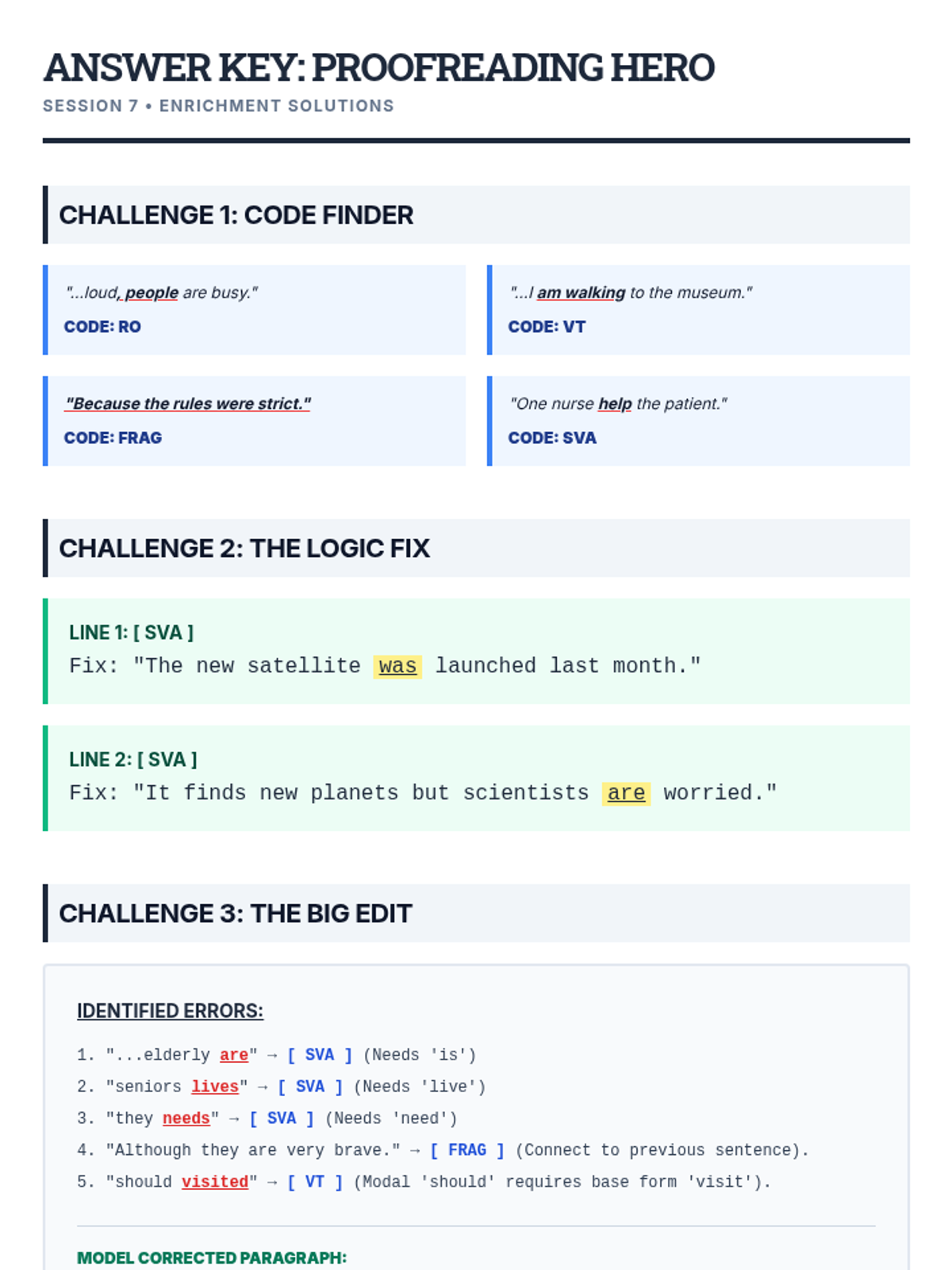
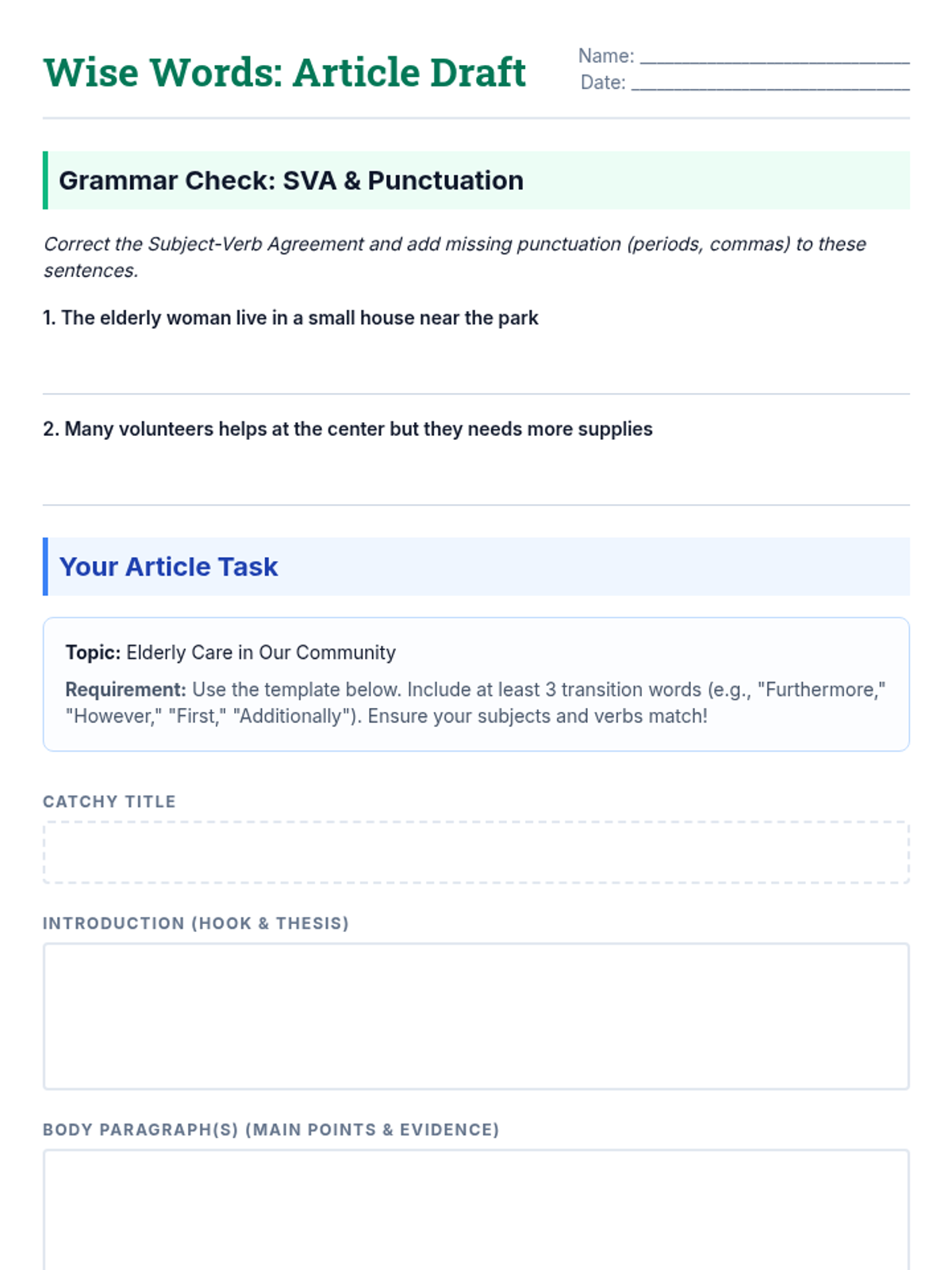
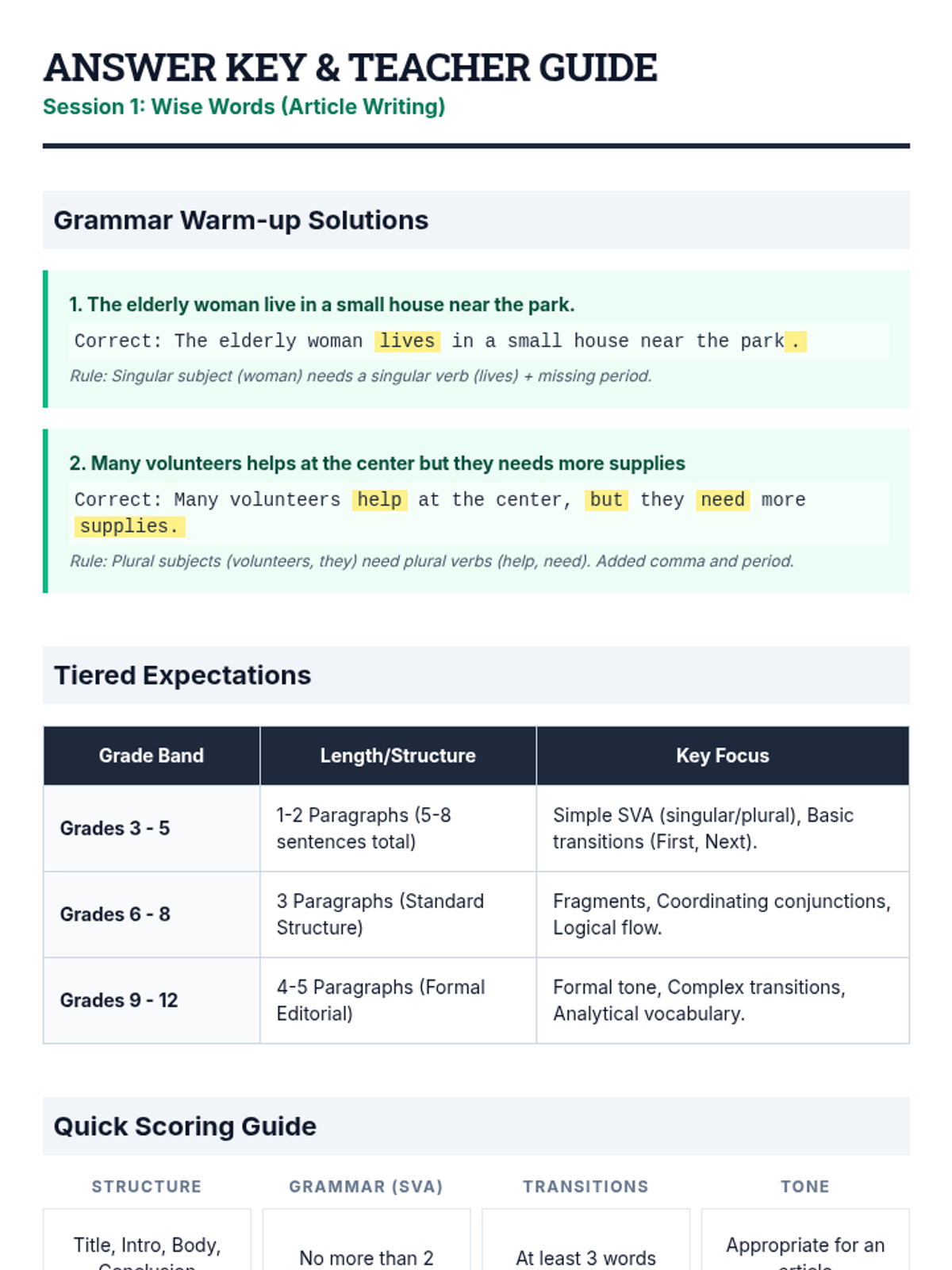
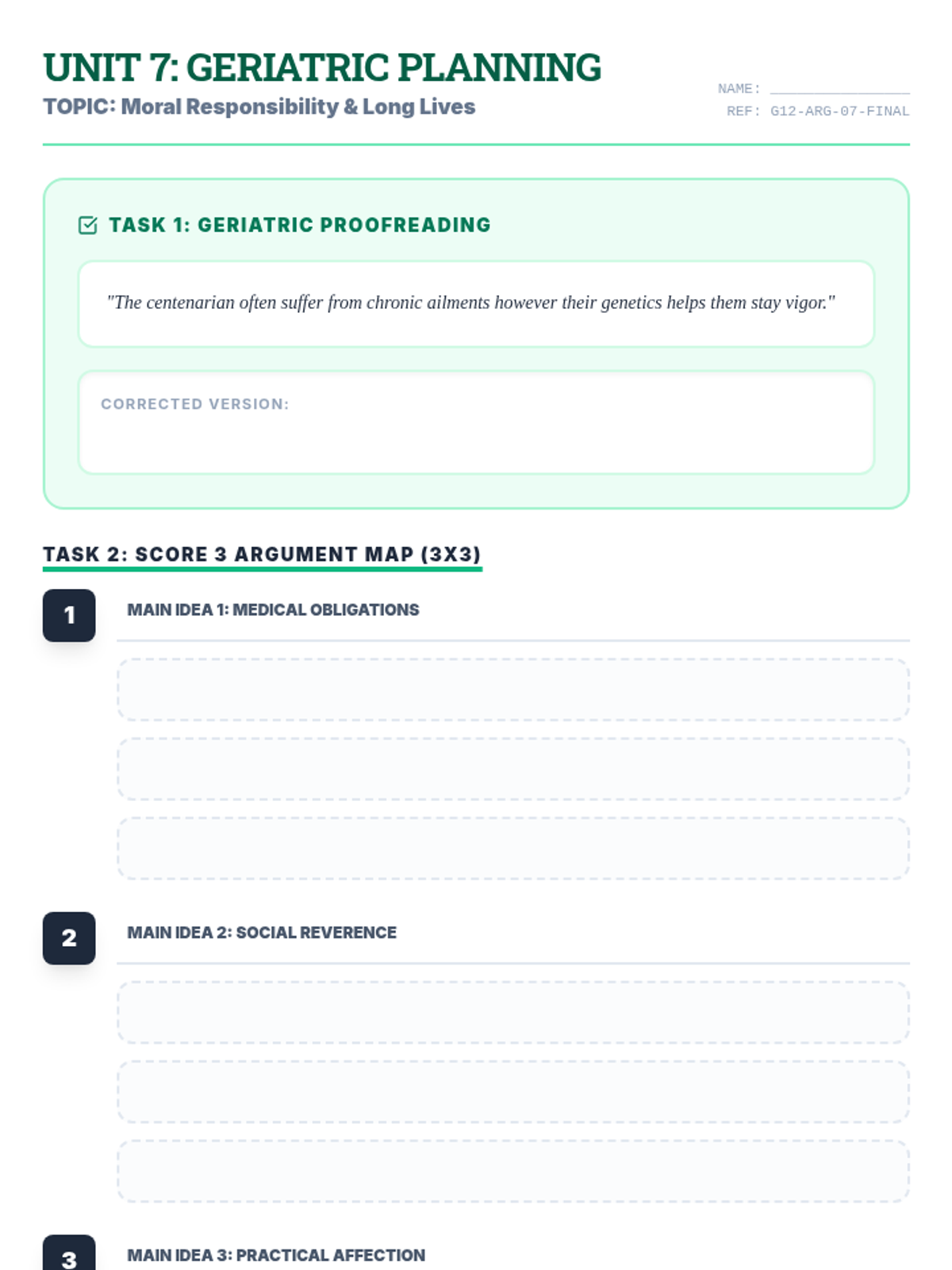
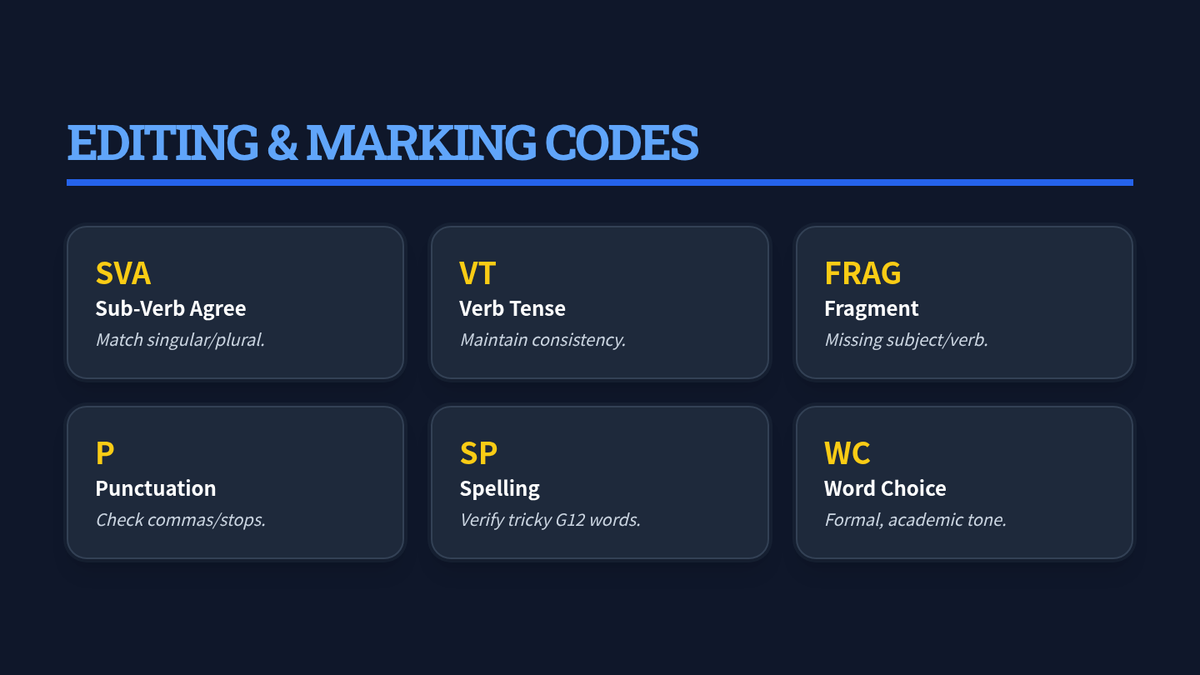
Focuses on writing articles about elderly care, teaching subject-verb agreement, punctuation, and article structure with tiered difficulty for elementary to high school levels.
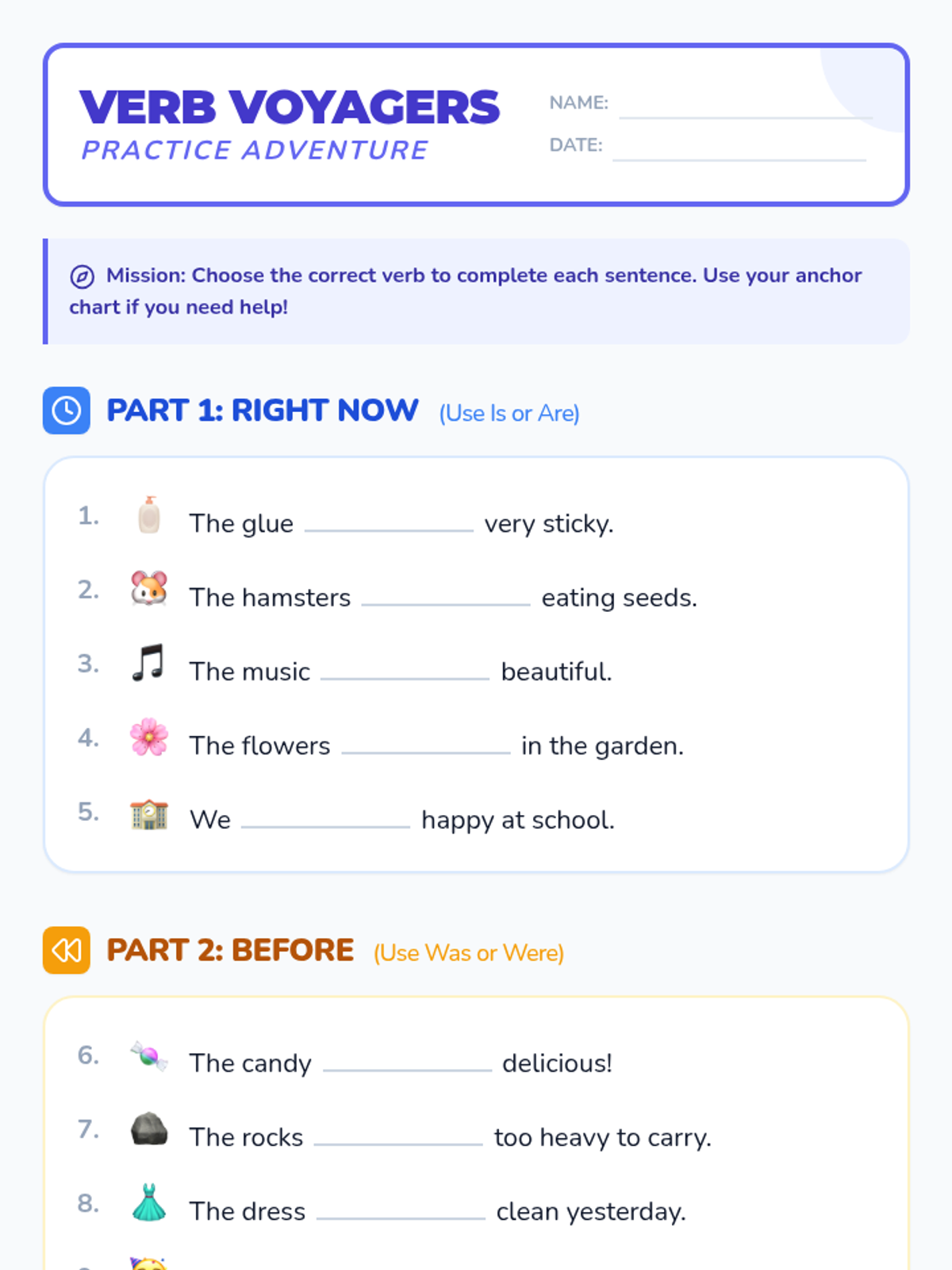
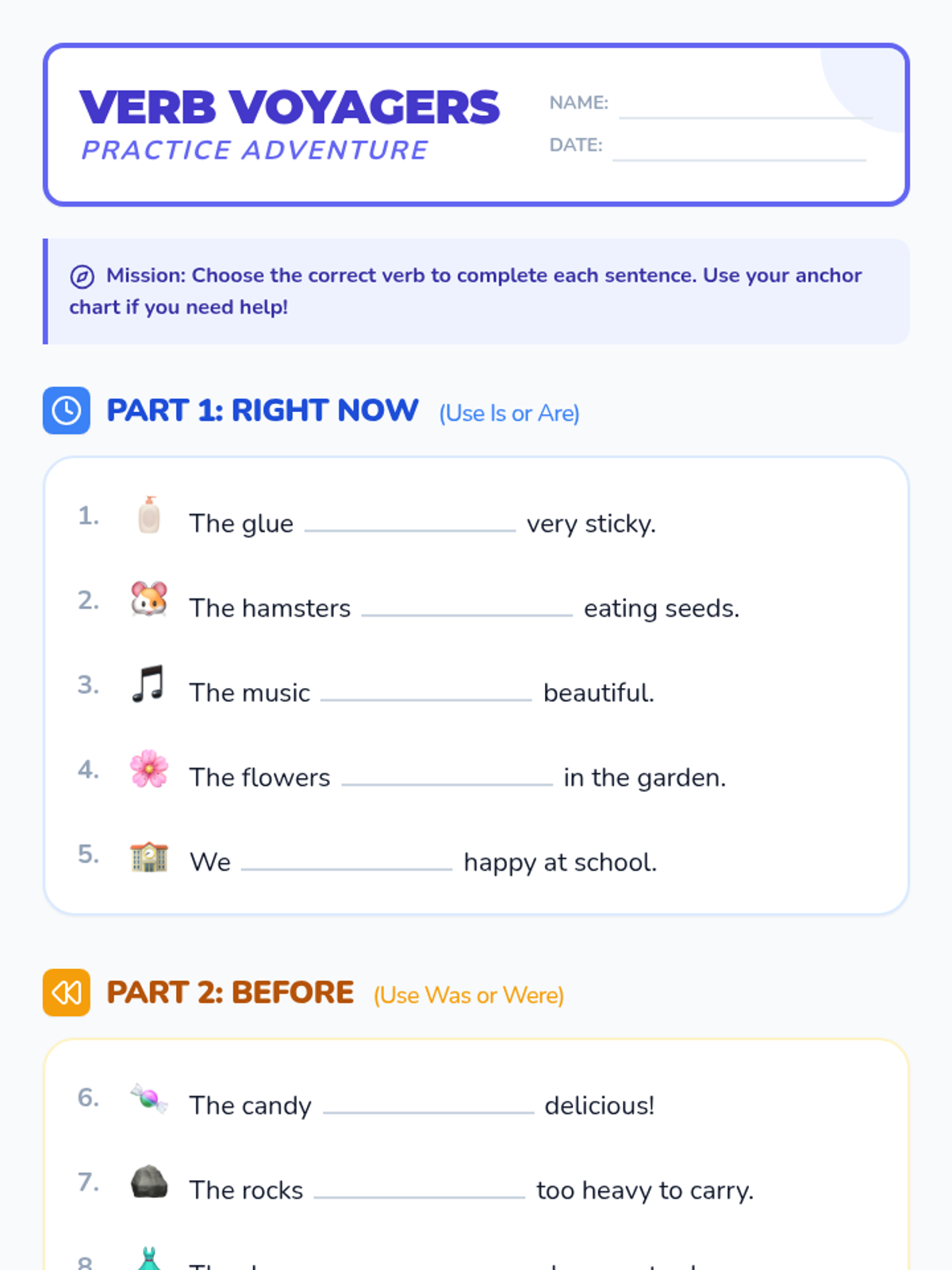
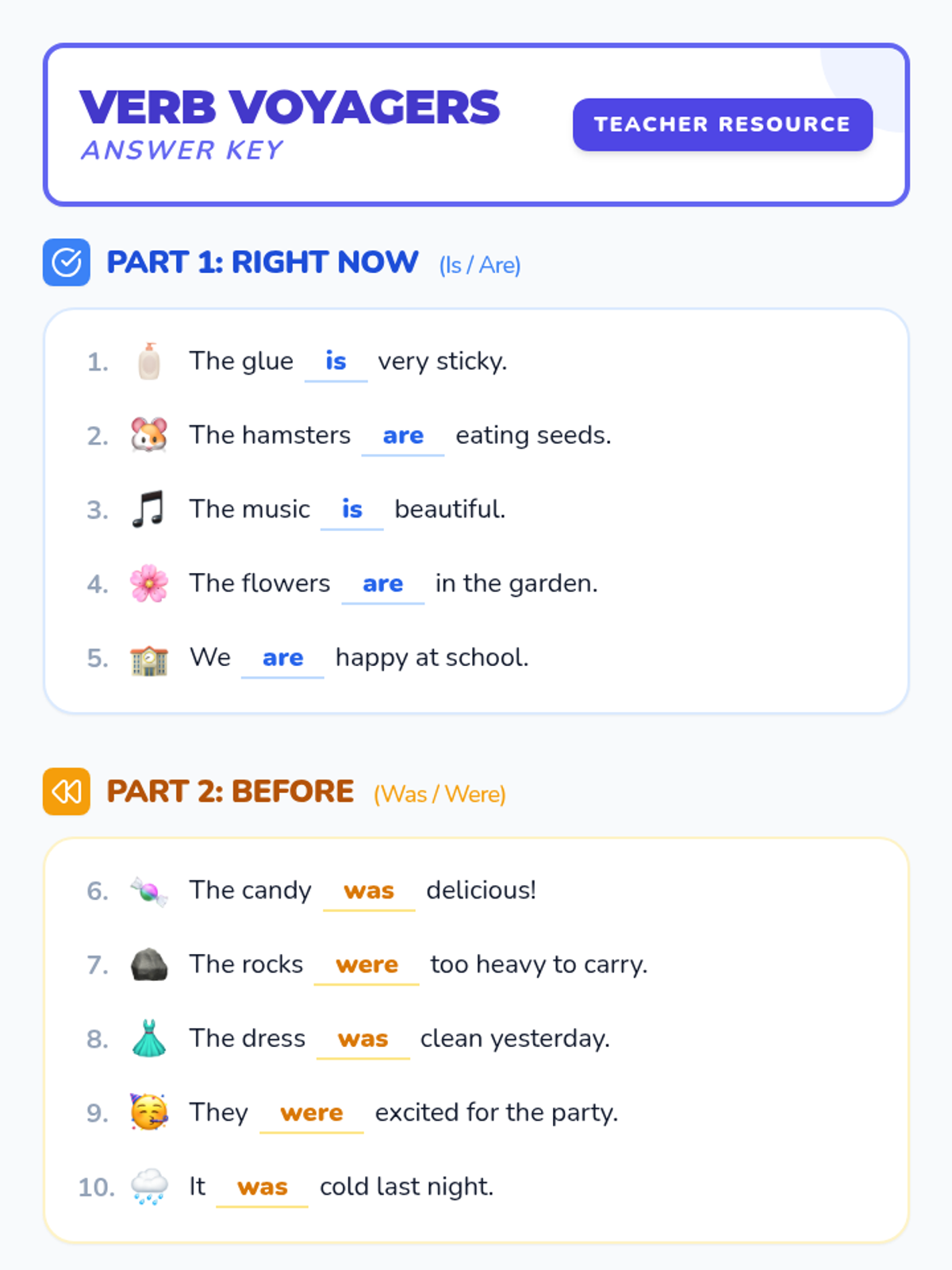
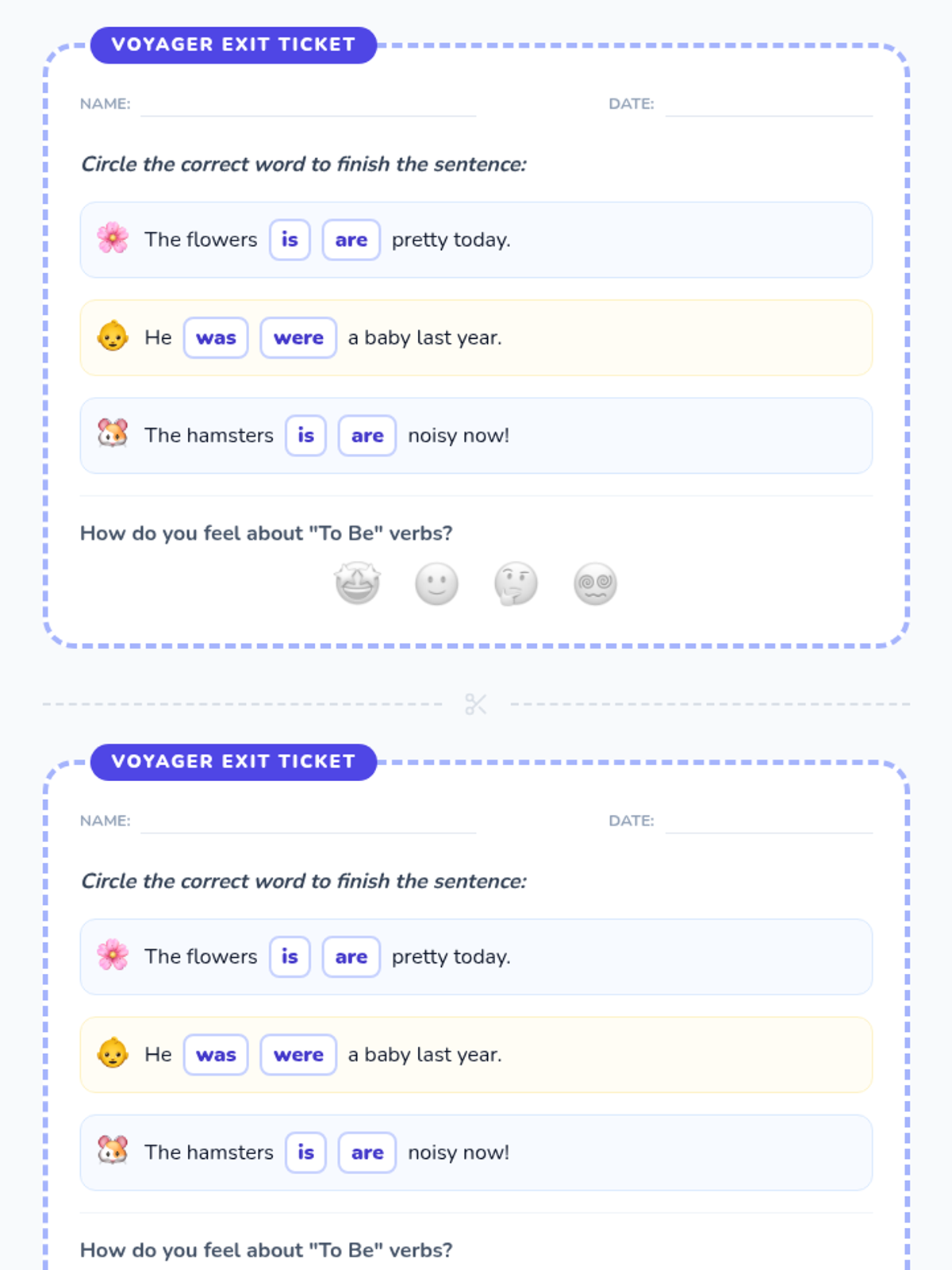
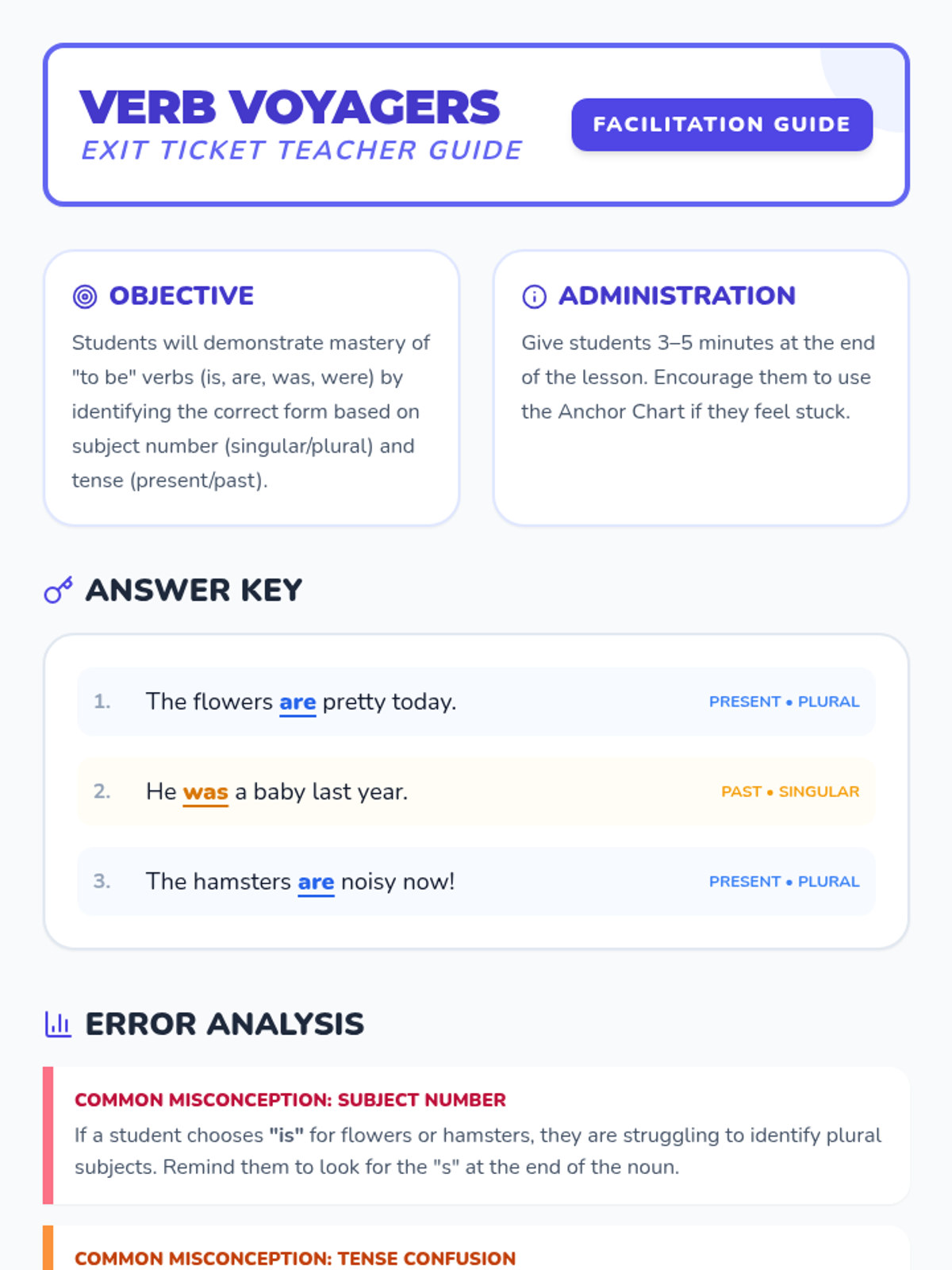
A lesson focused on helping 3rd grade ESL students master the use of 'to be' verbs in present (is, are) and past (was, were) tenses using relatable nouns and pronouns.
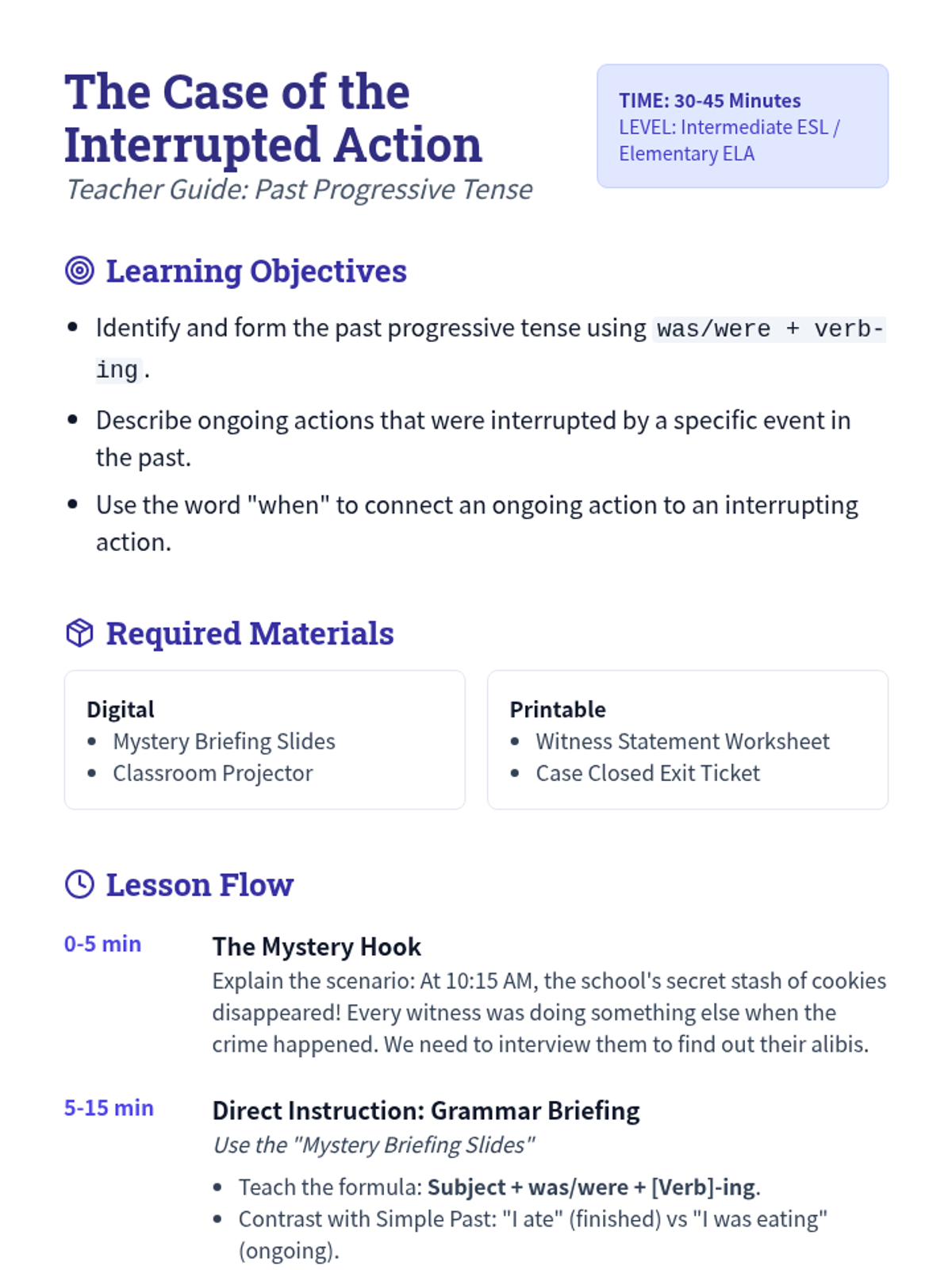
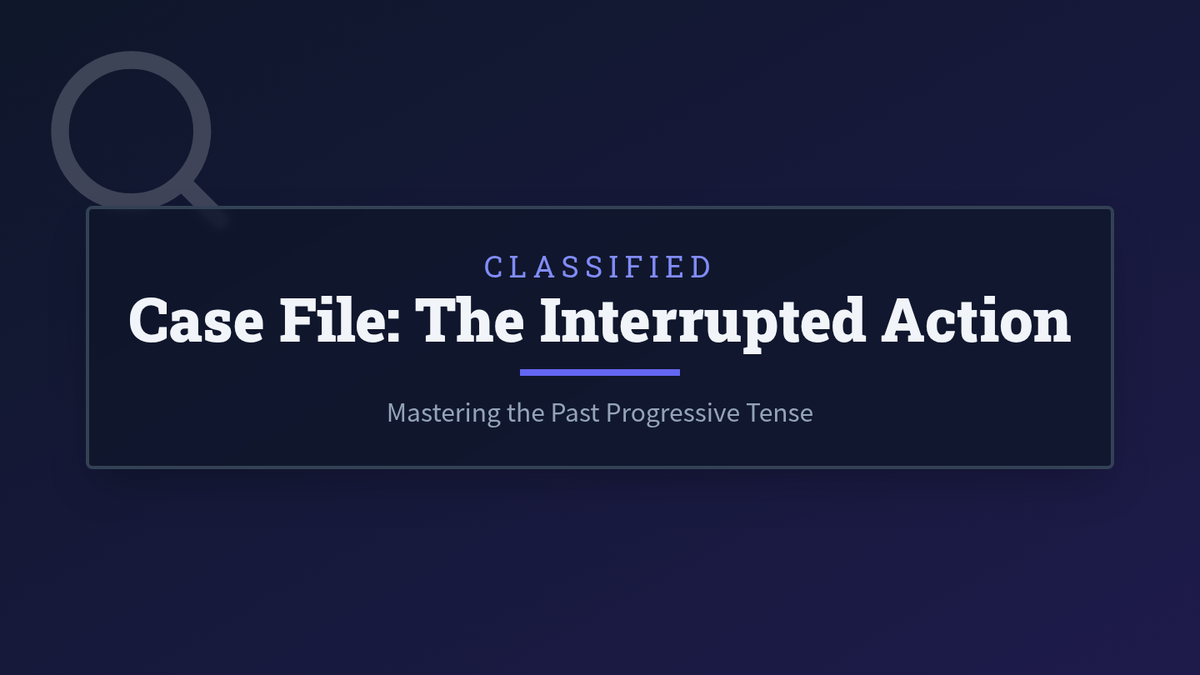
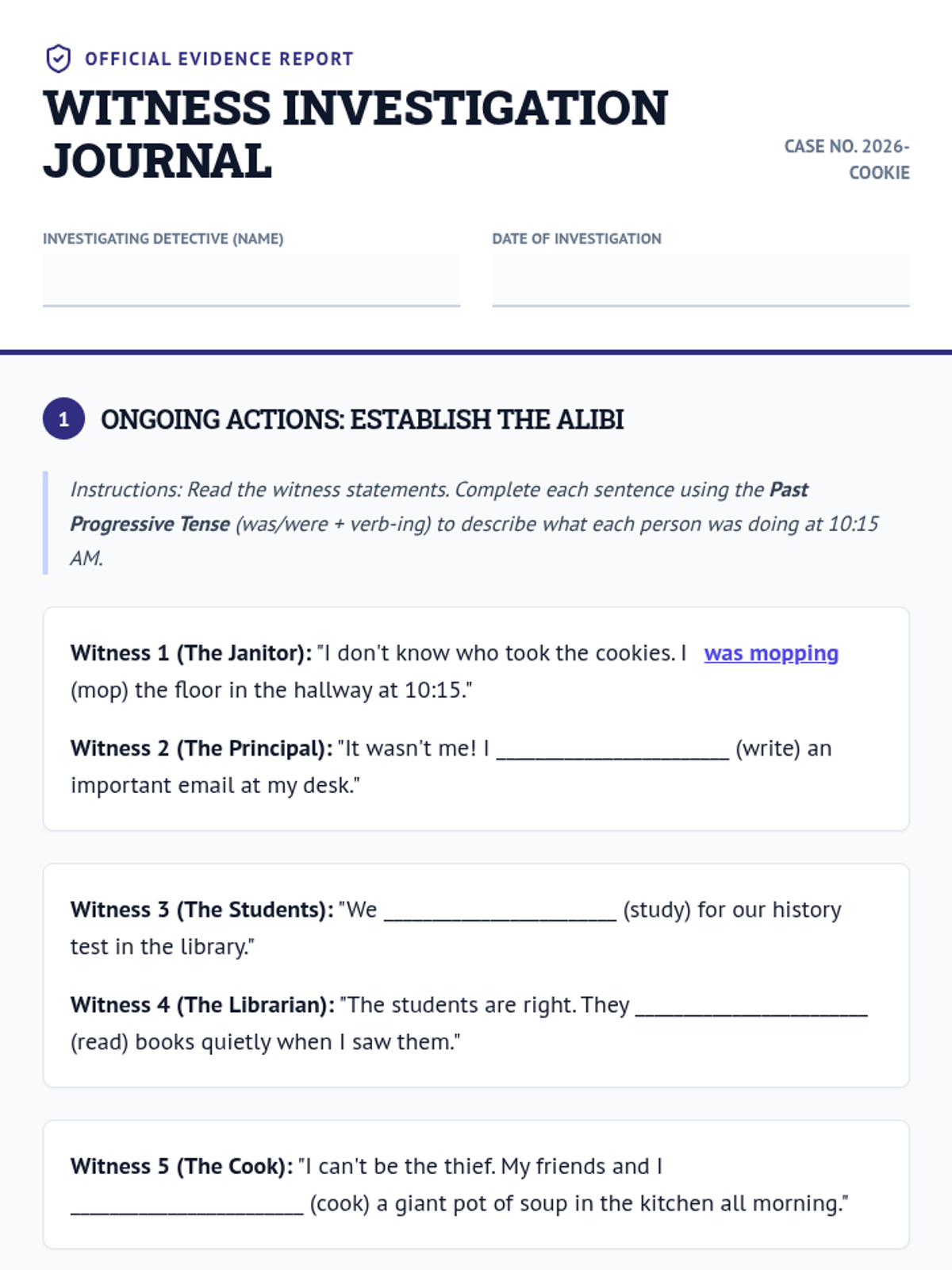
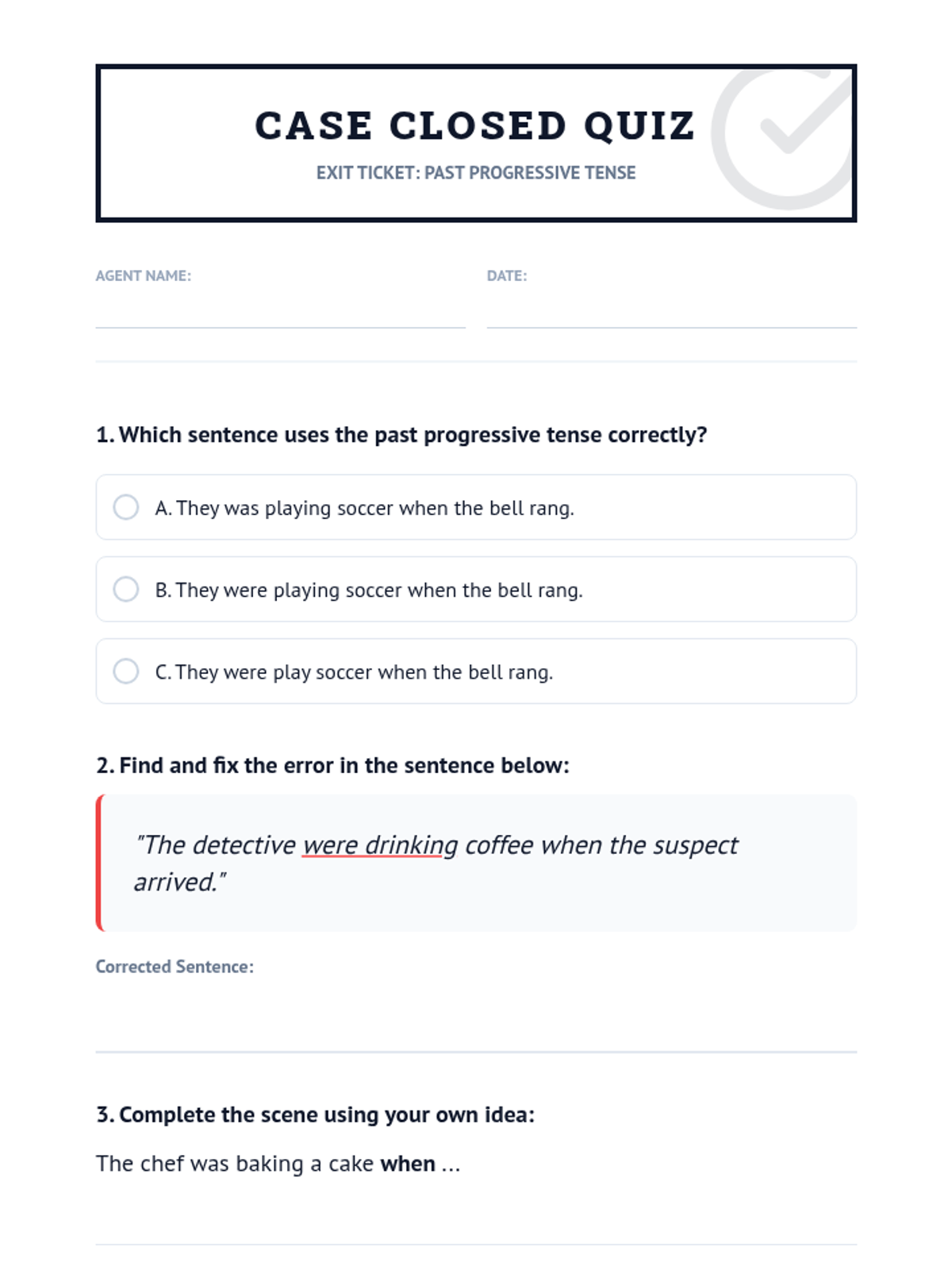
A lesson on the past progressive tense (was/were + verb-ing) focused on describing ongoing and interrupted actions in the past through a detective mystery theme.
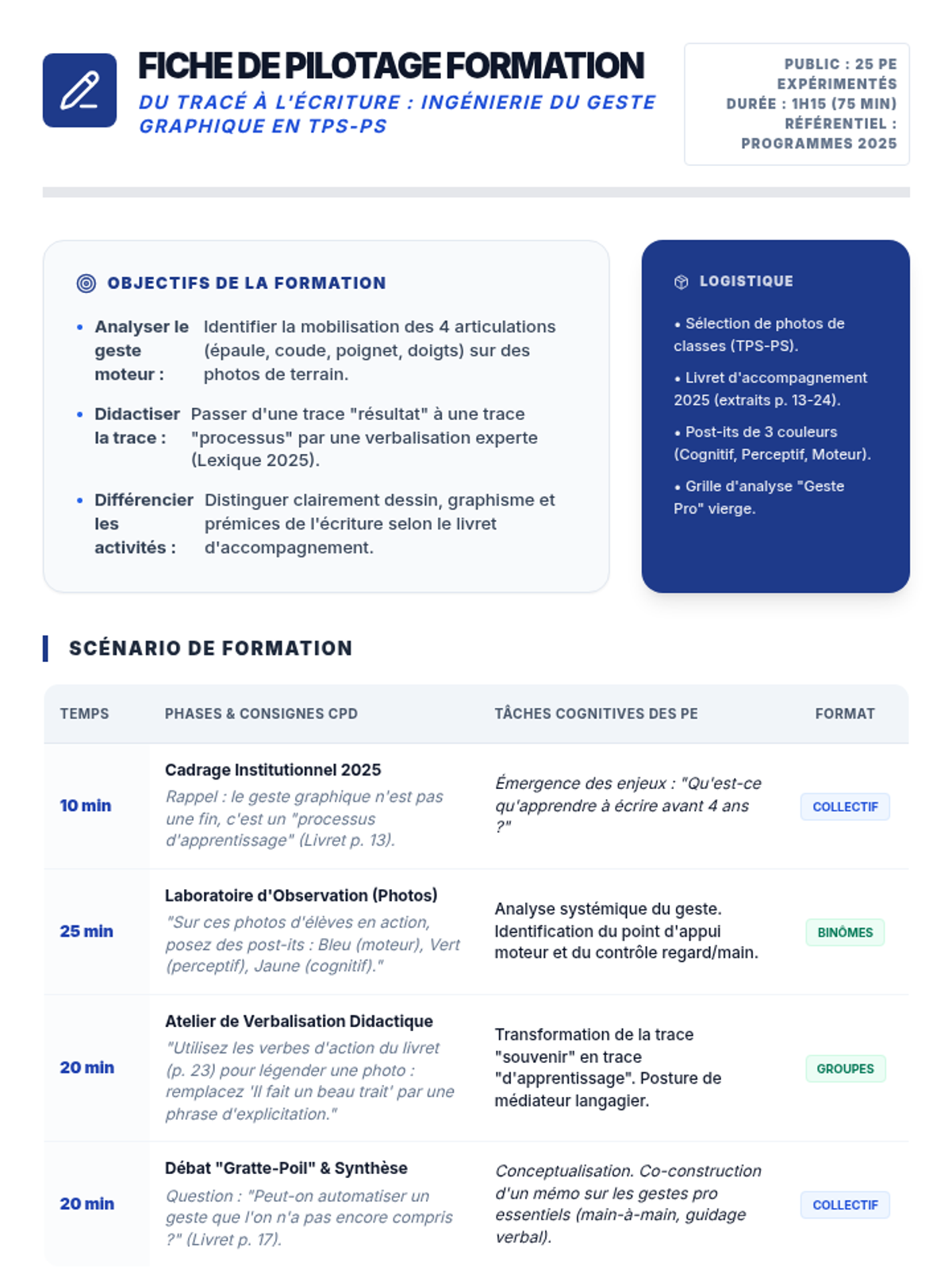
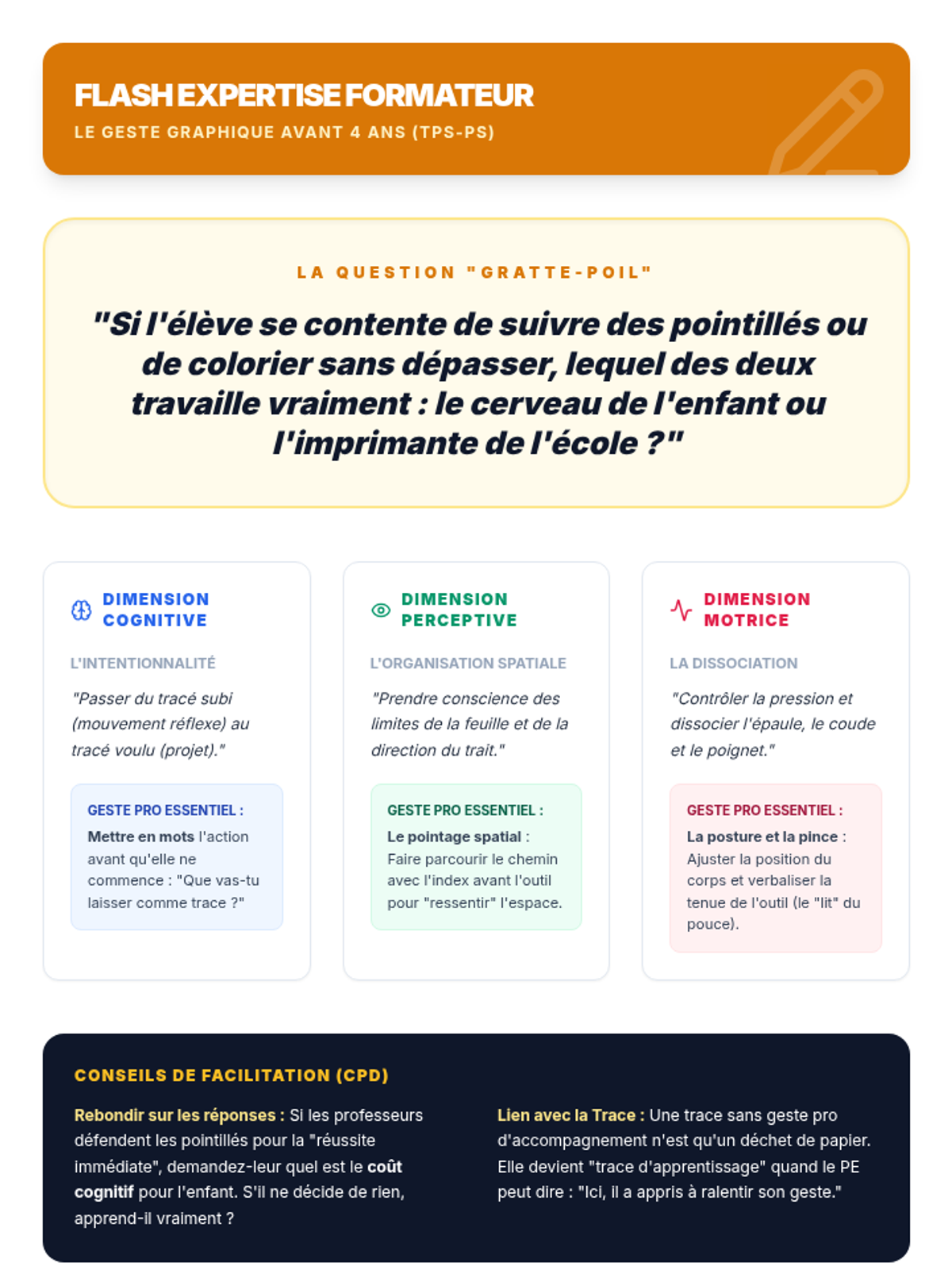
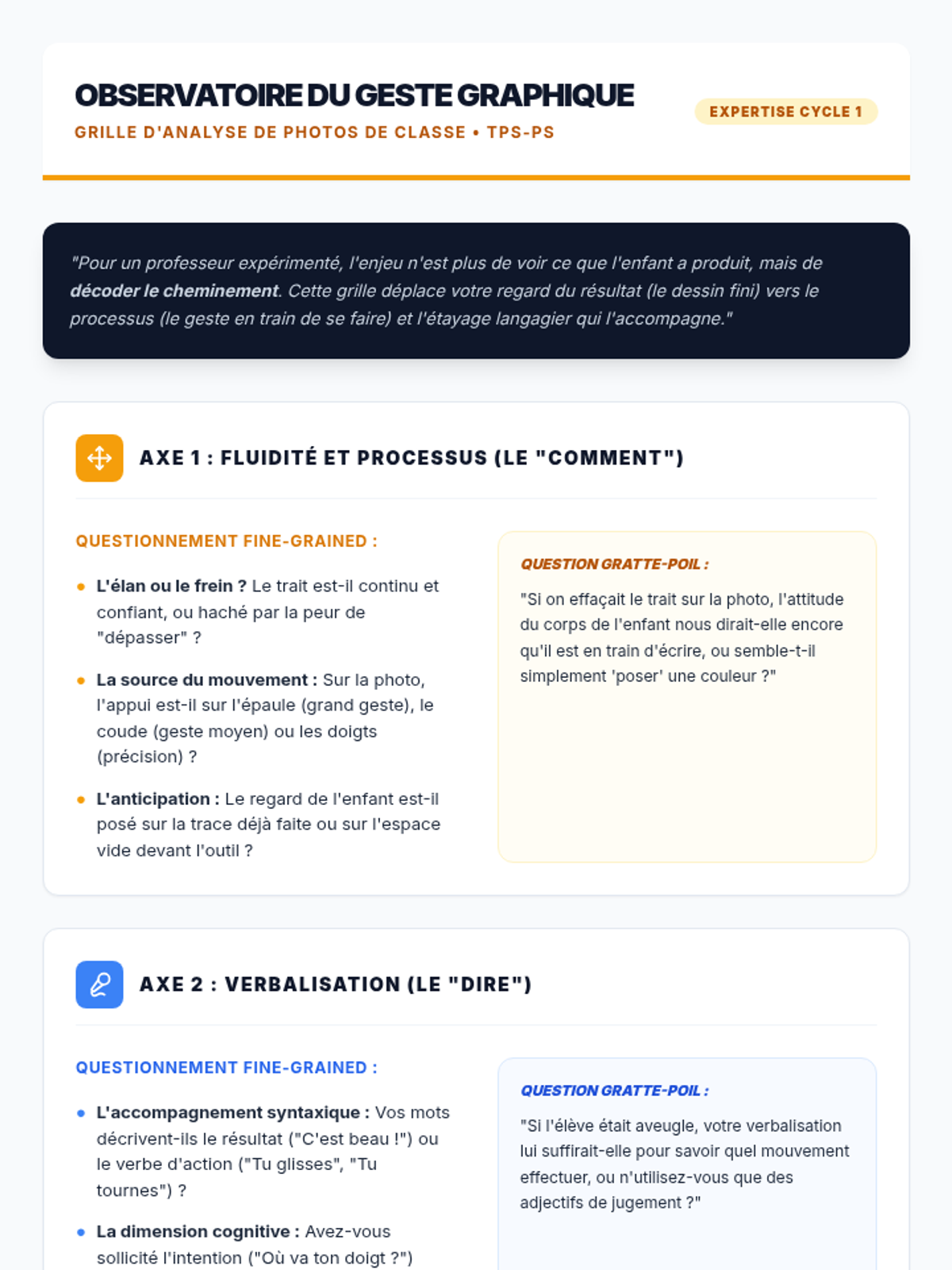
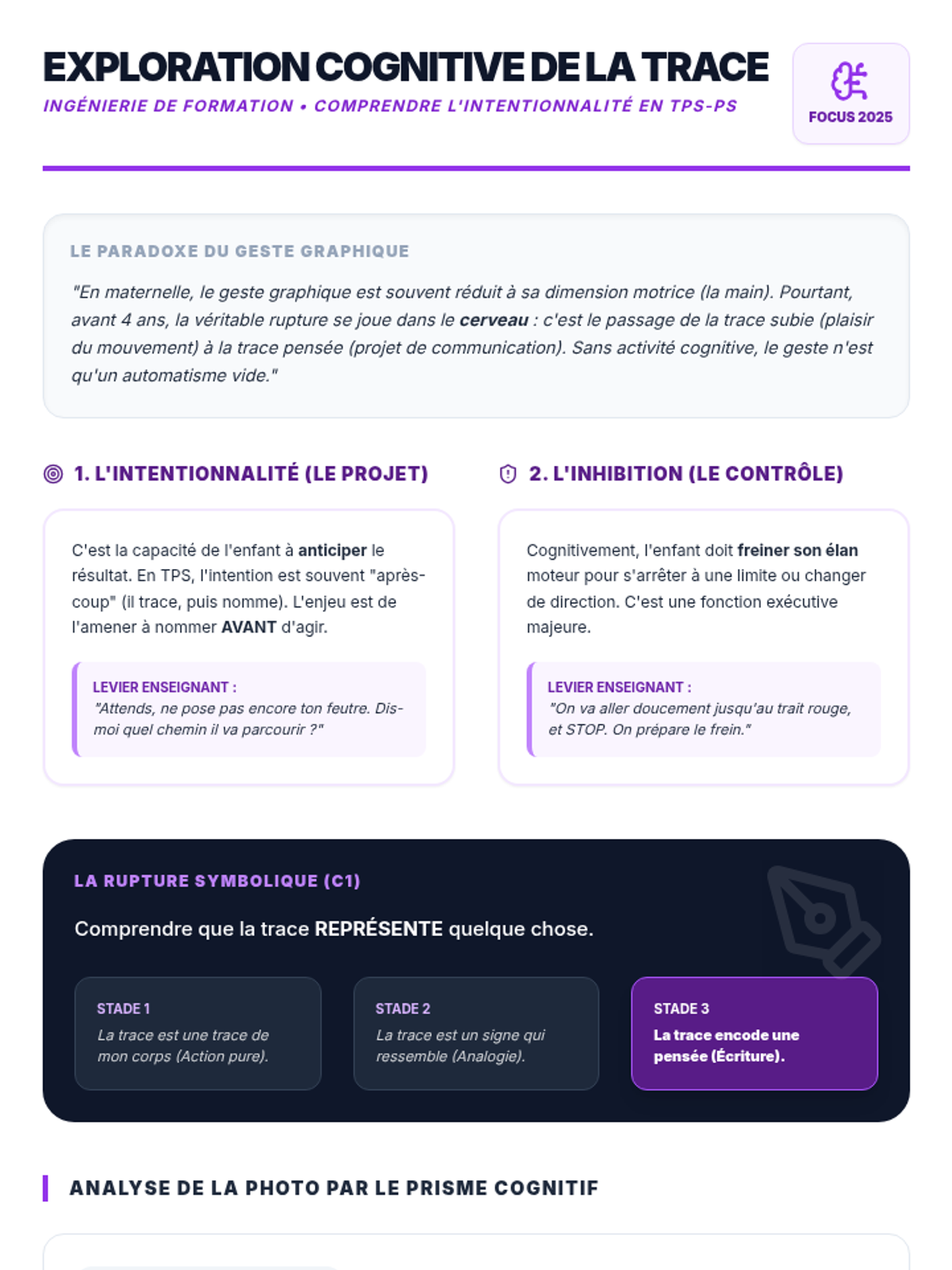
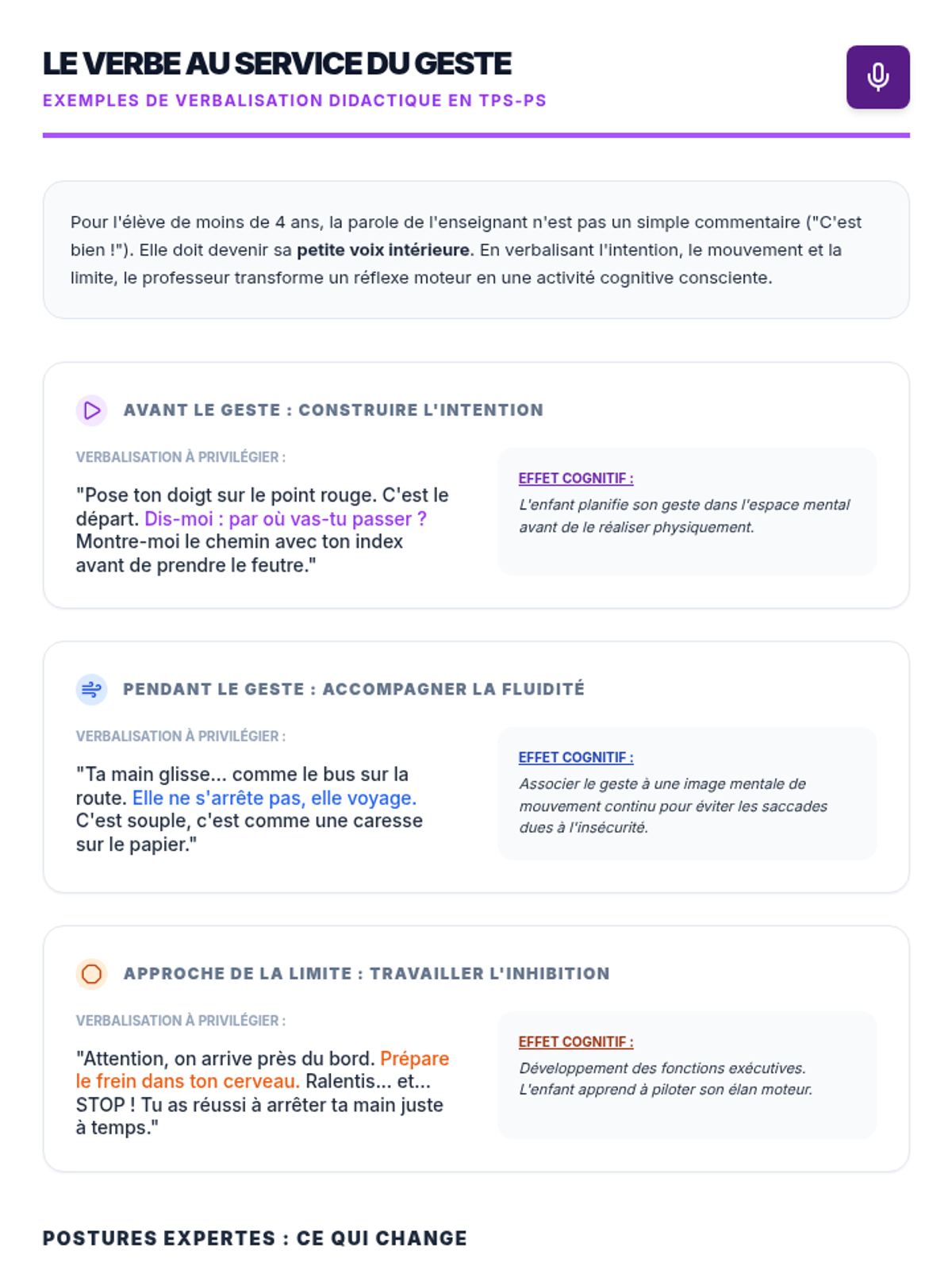
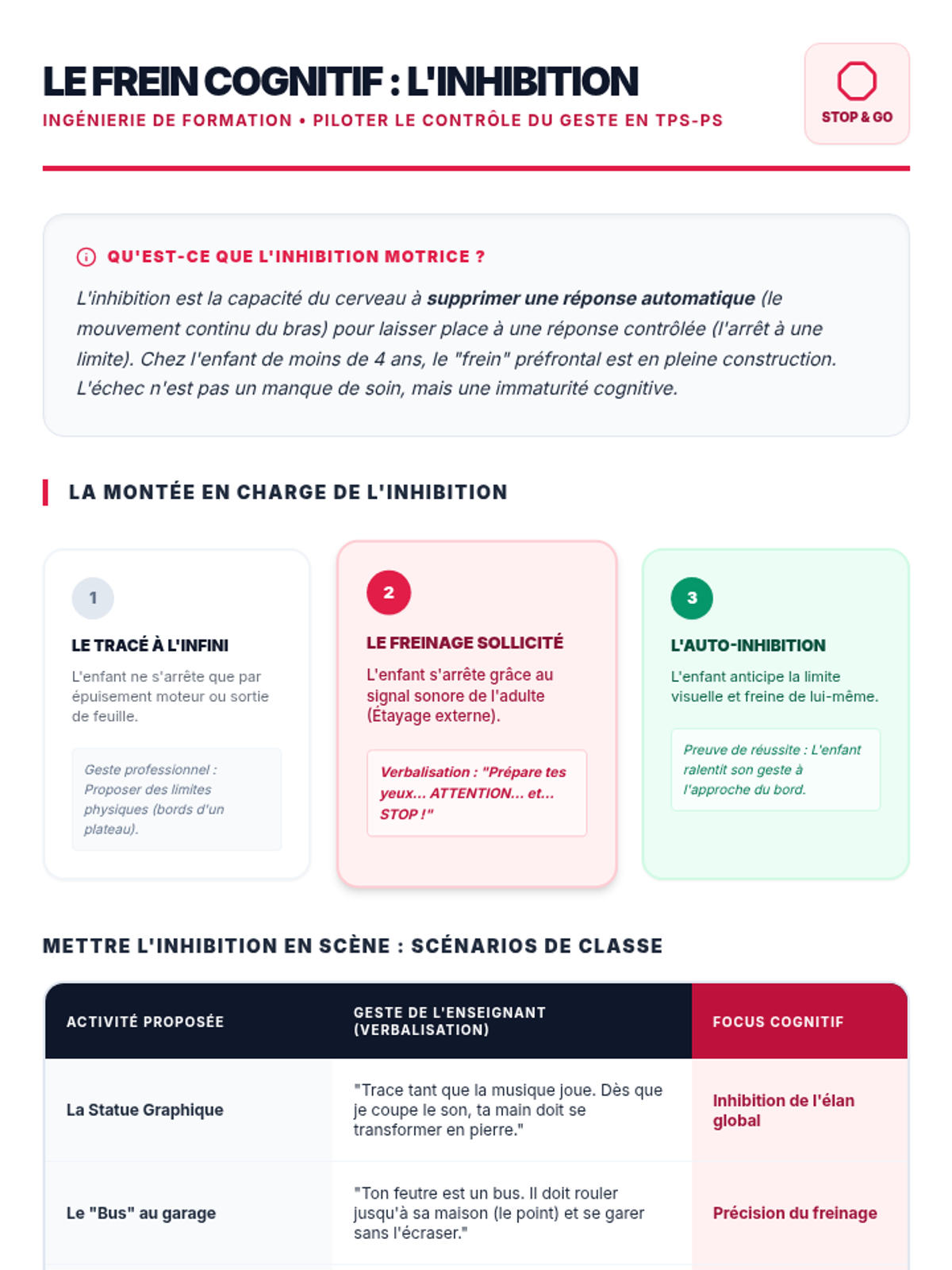
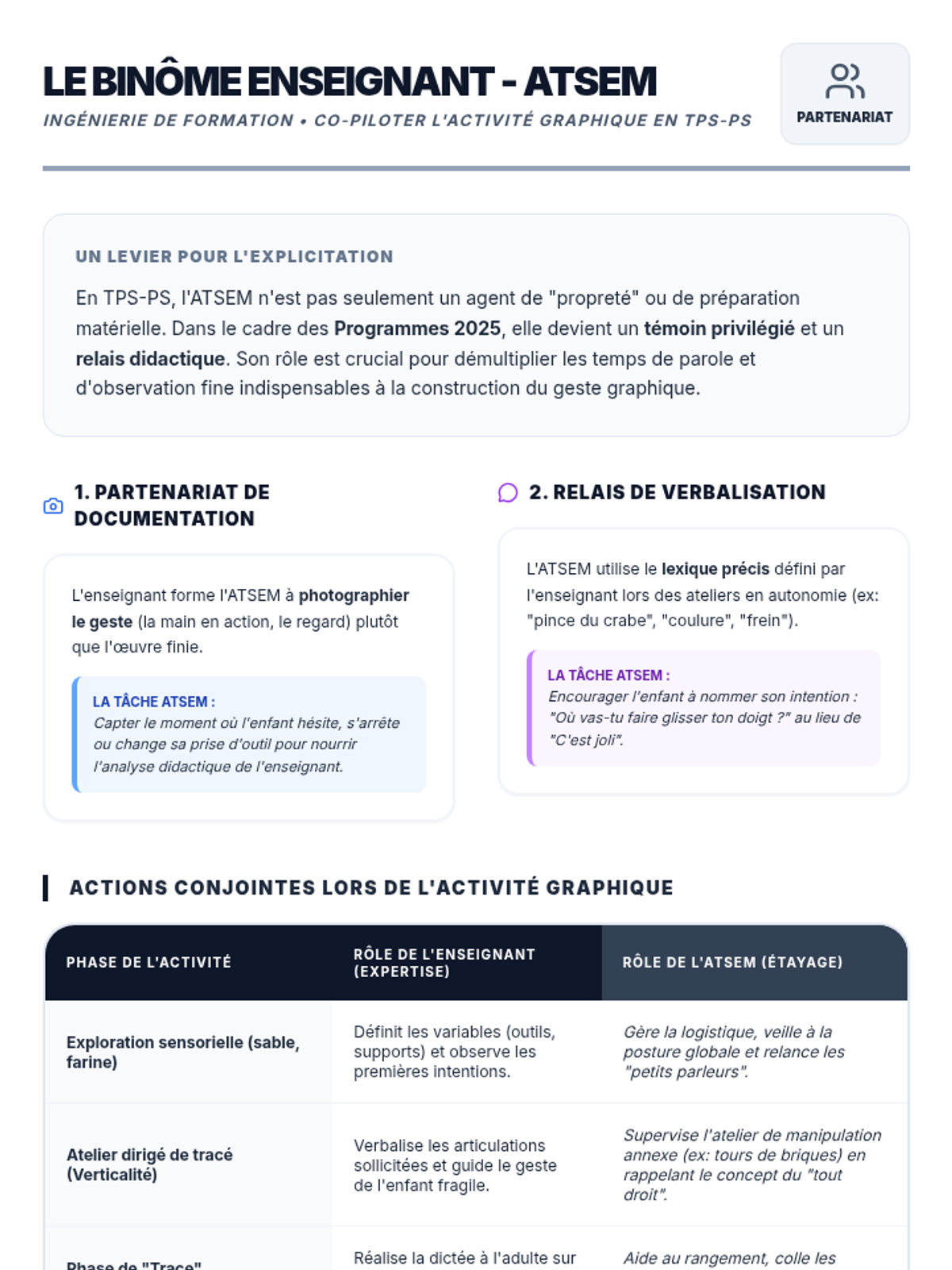
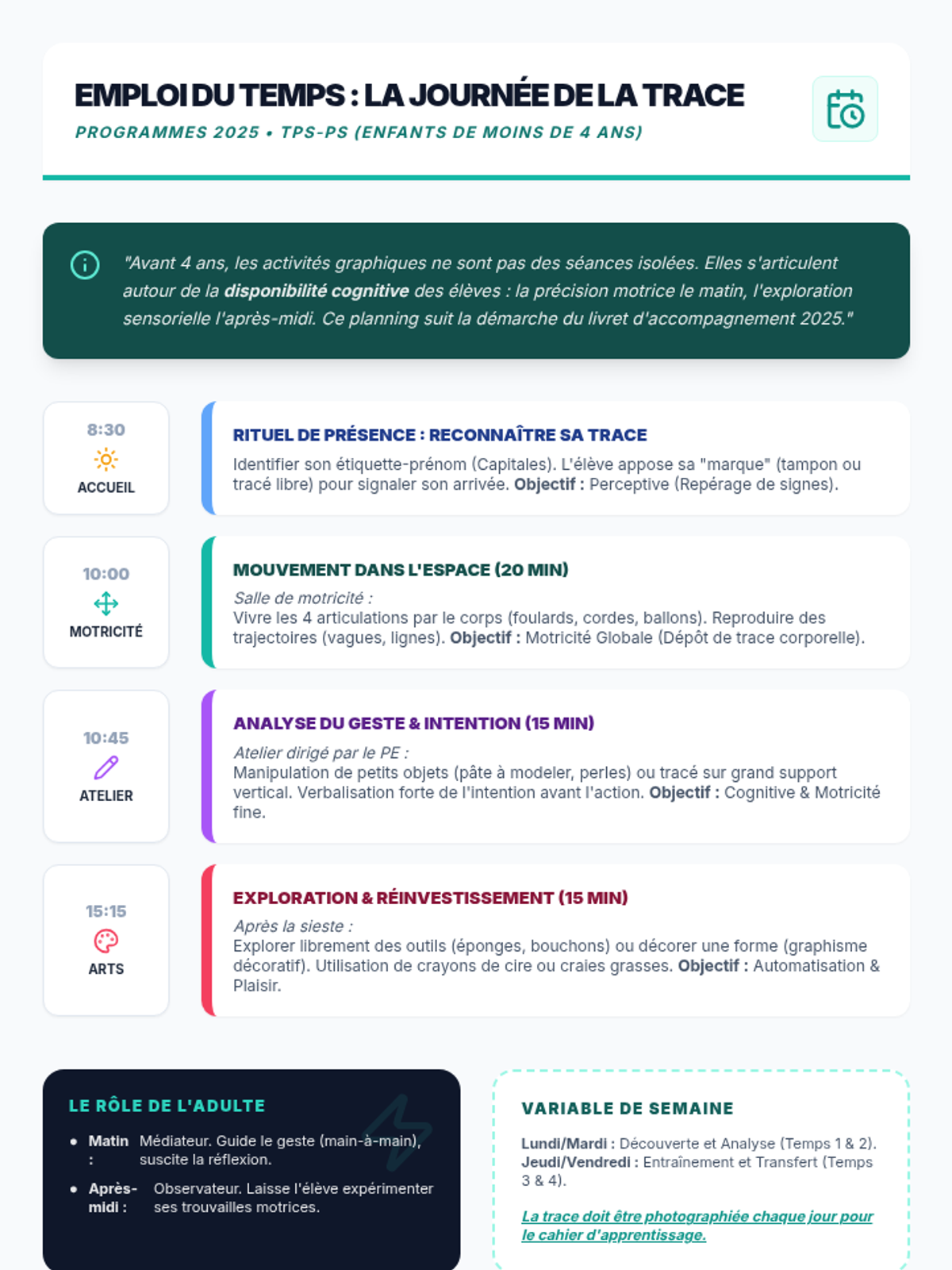
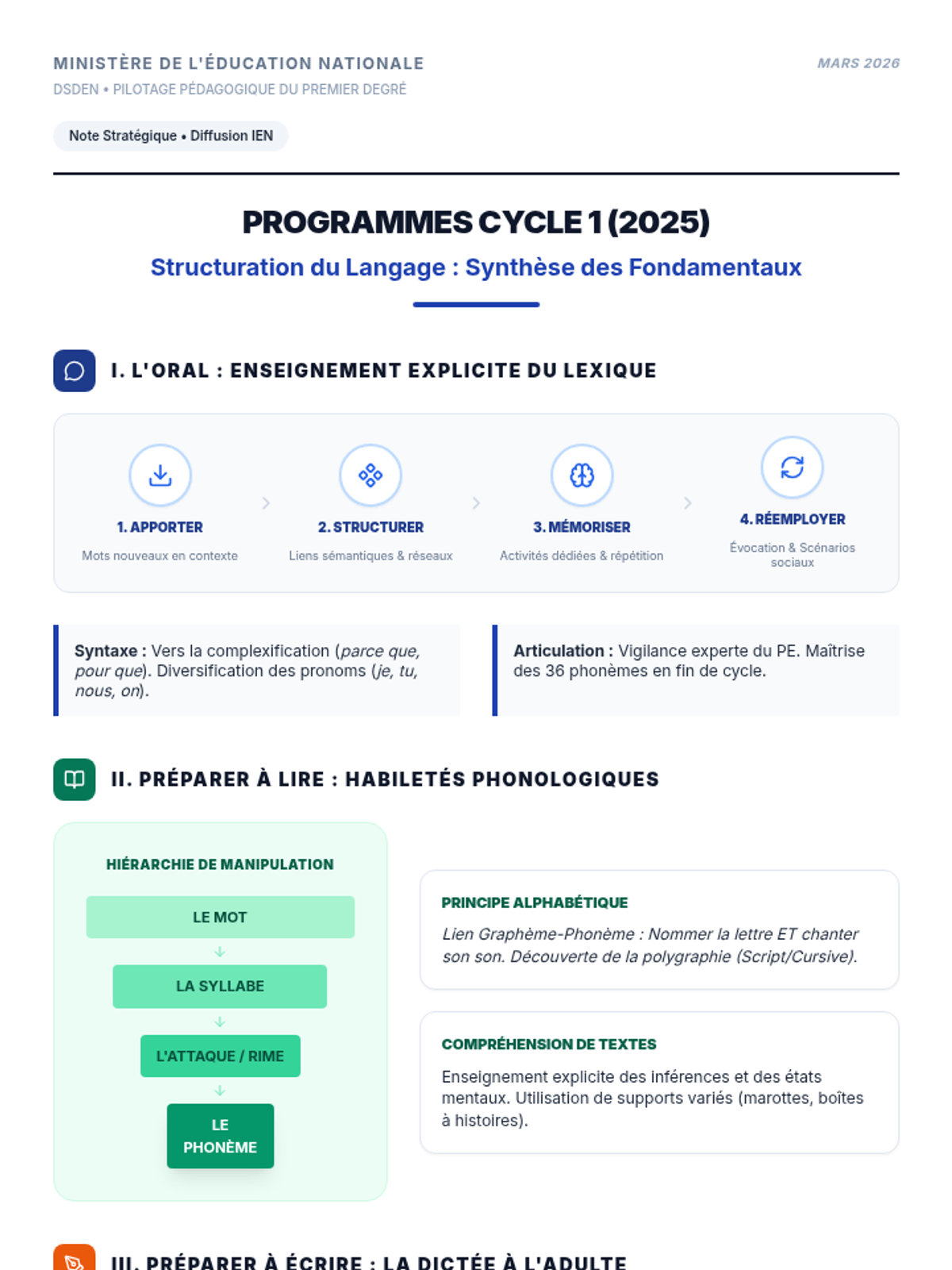
Cette formation pour les professeurs de TPS-PS vise à professionnaliser la conception des "traces" d'activités (cahiers de vie, affichages). En s'appuyant sur les photos de classe et les guides 2025, les enseignants apprennent à rendre les apprentissages explicites pour les élèves et les familles.
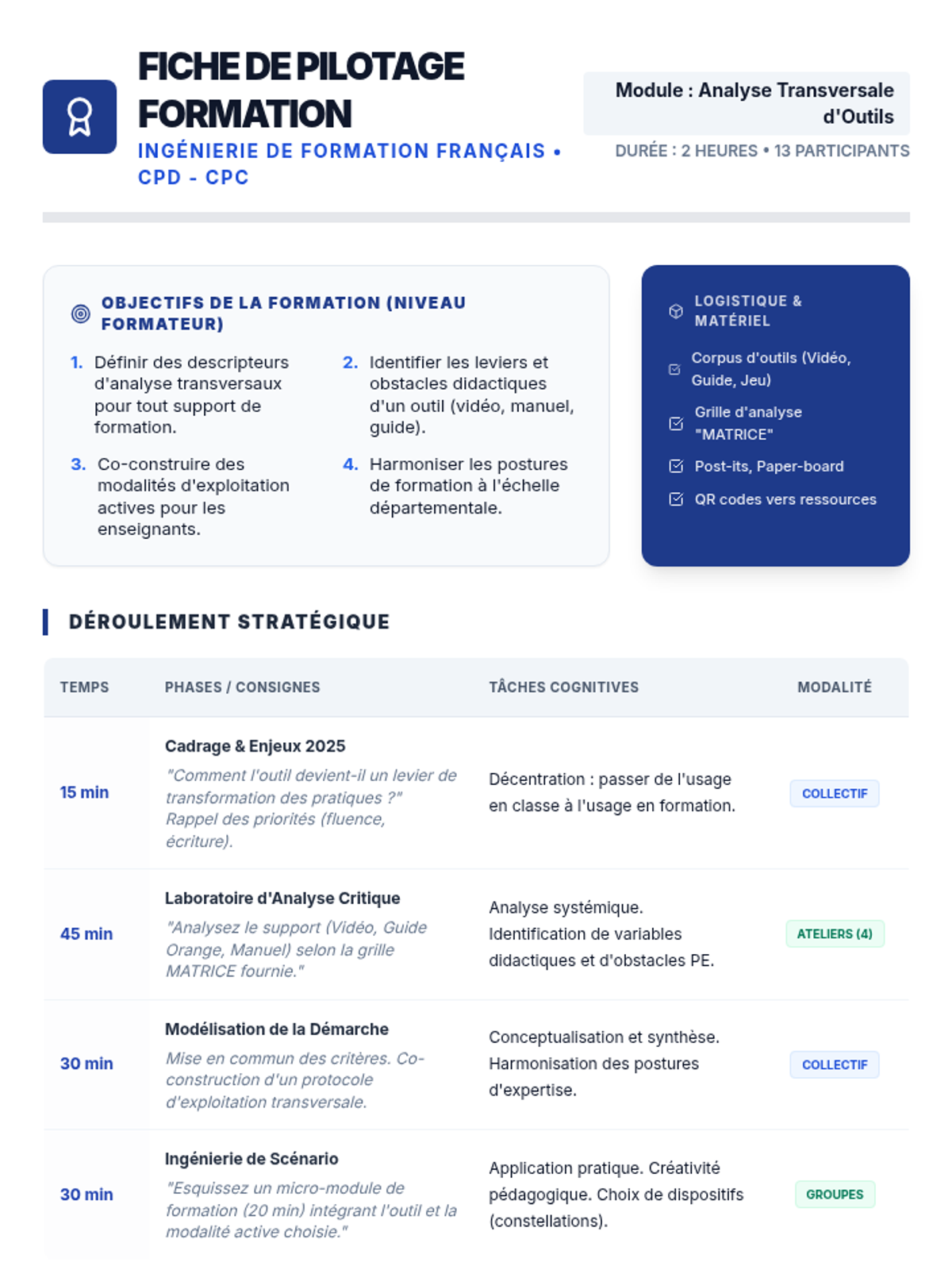
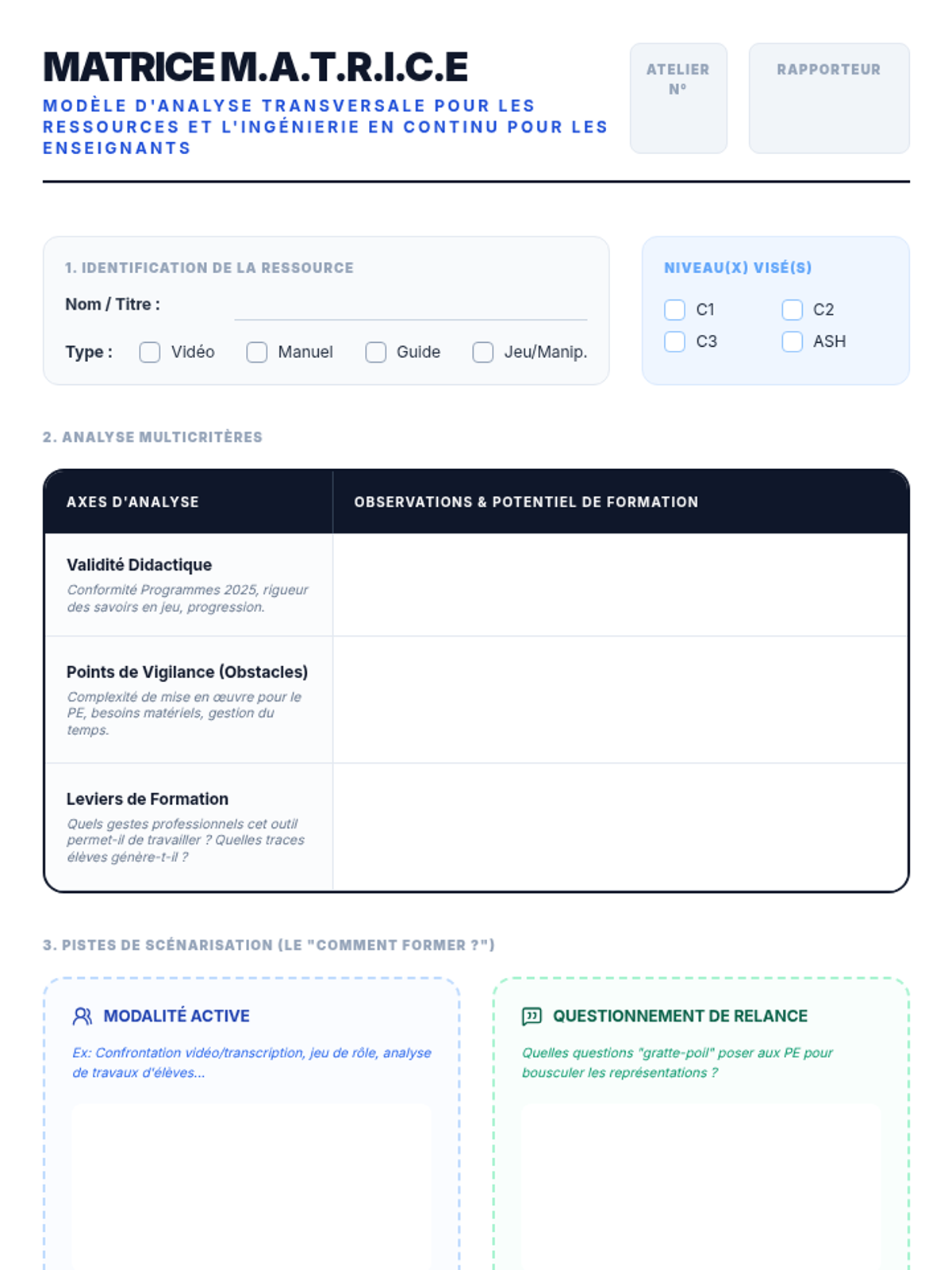
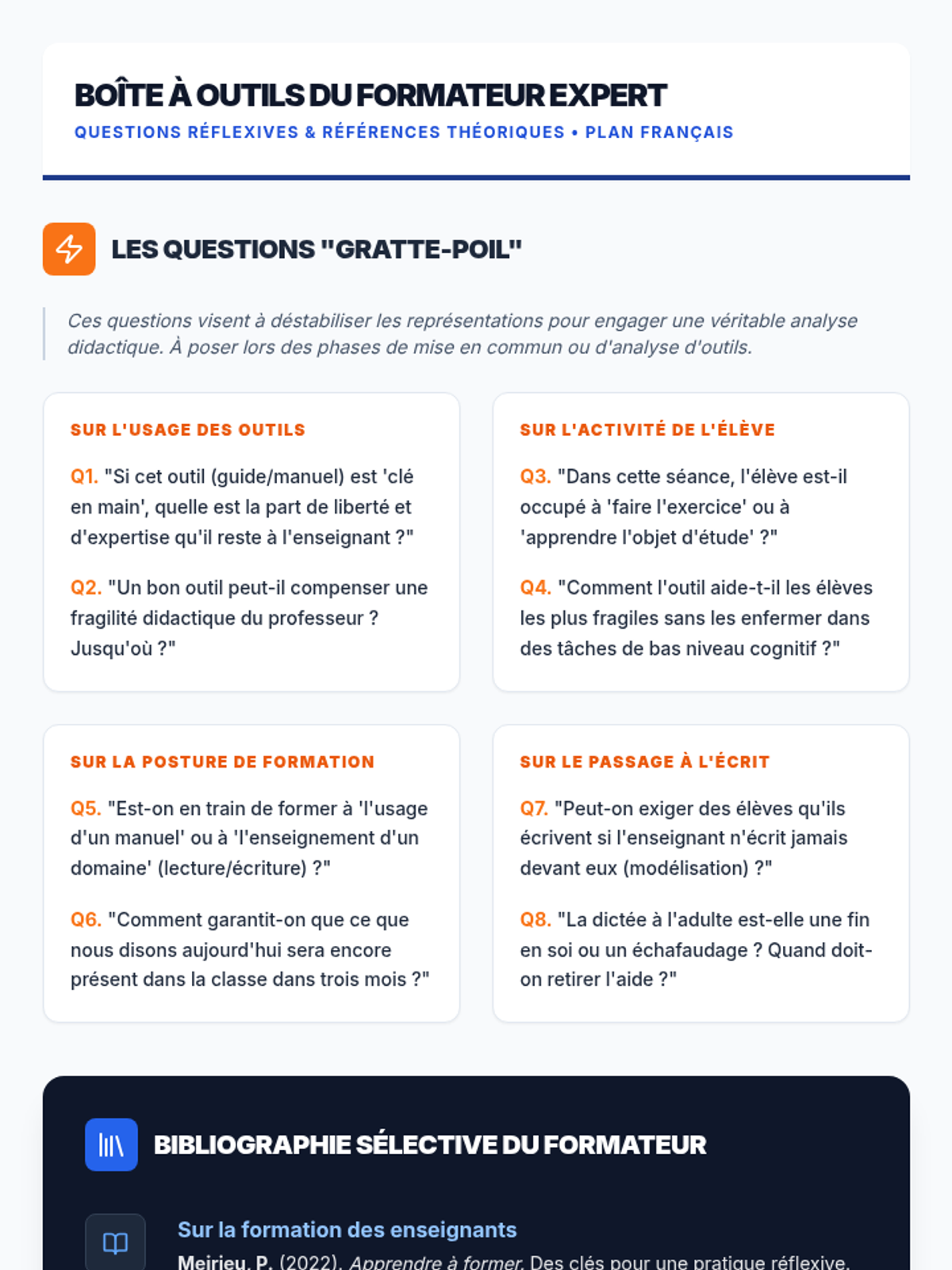
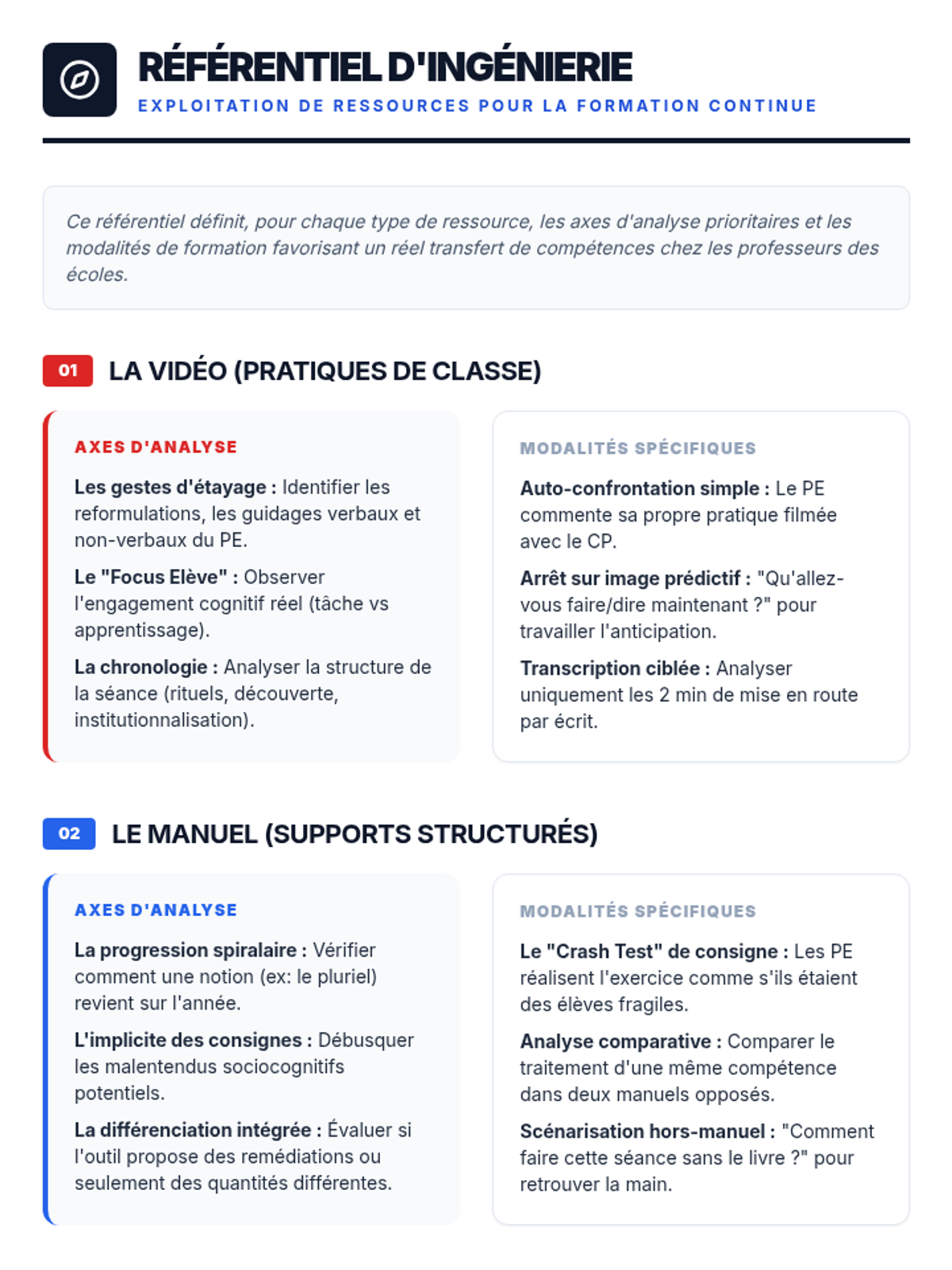
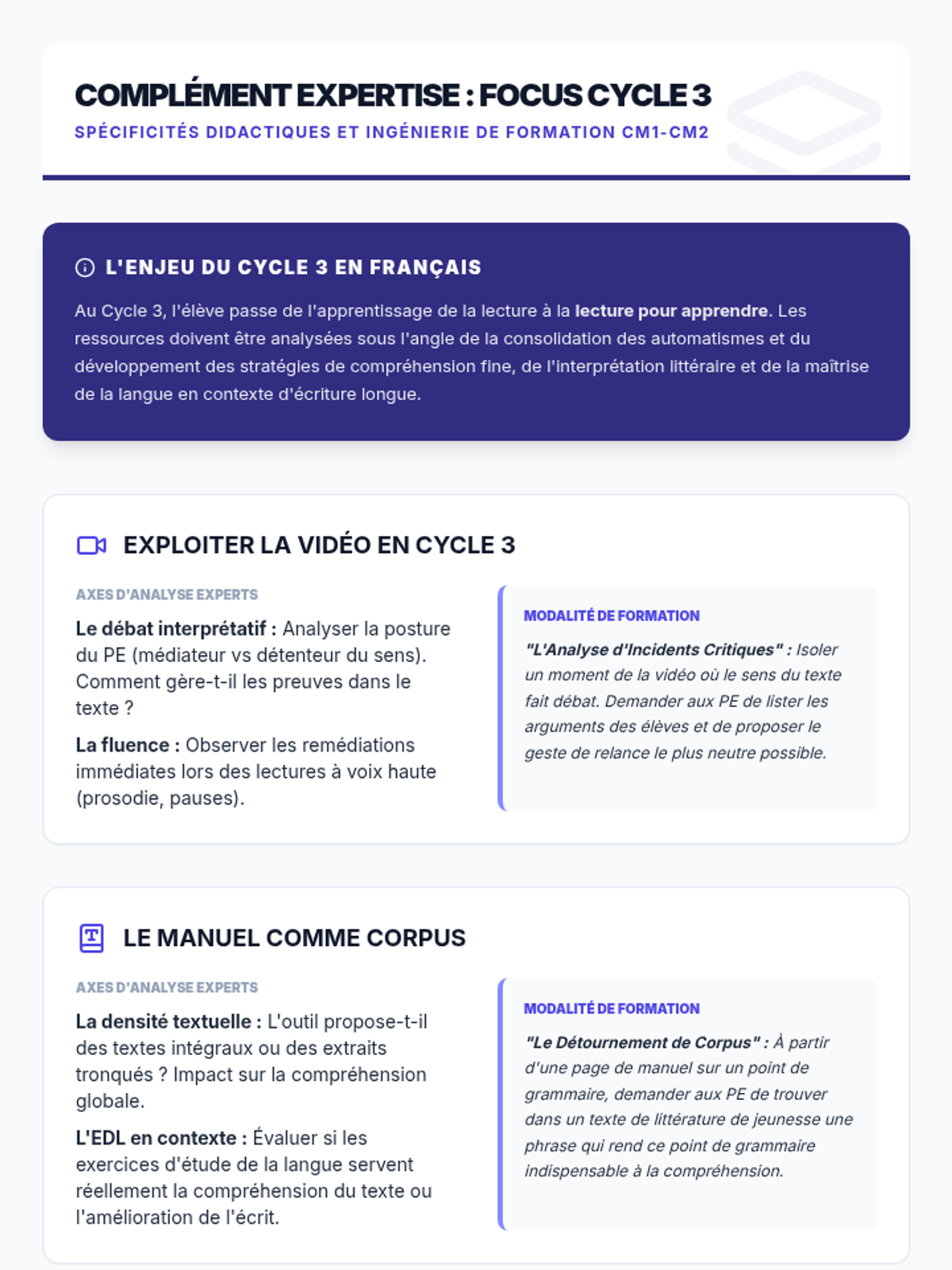
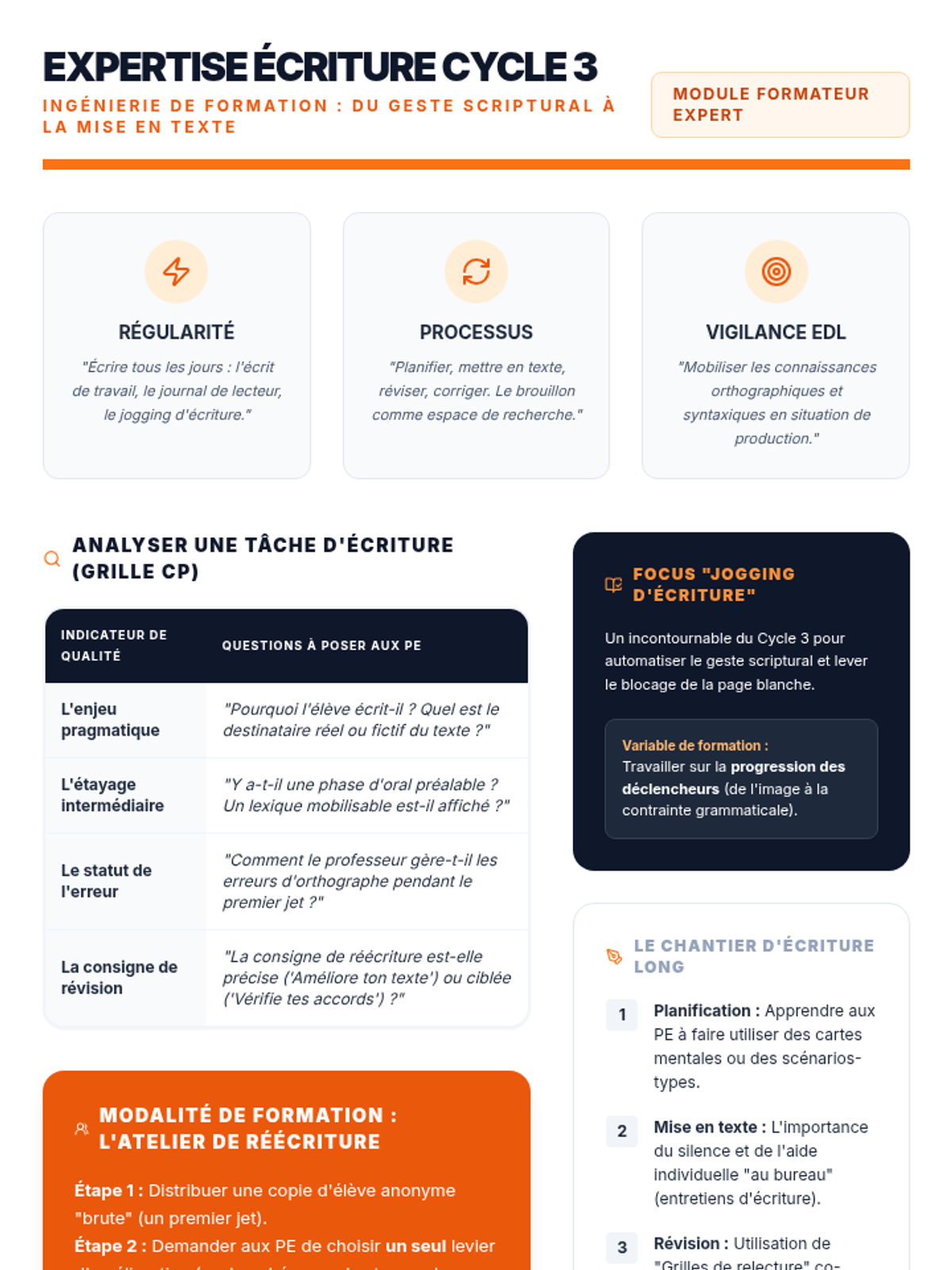
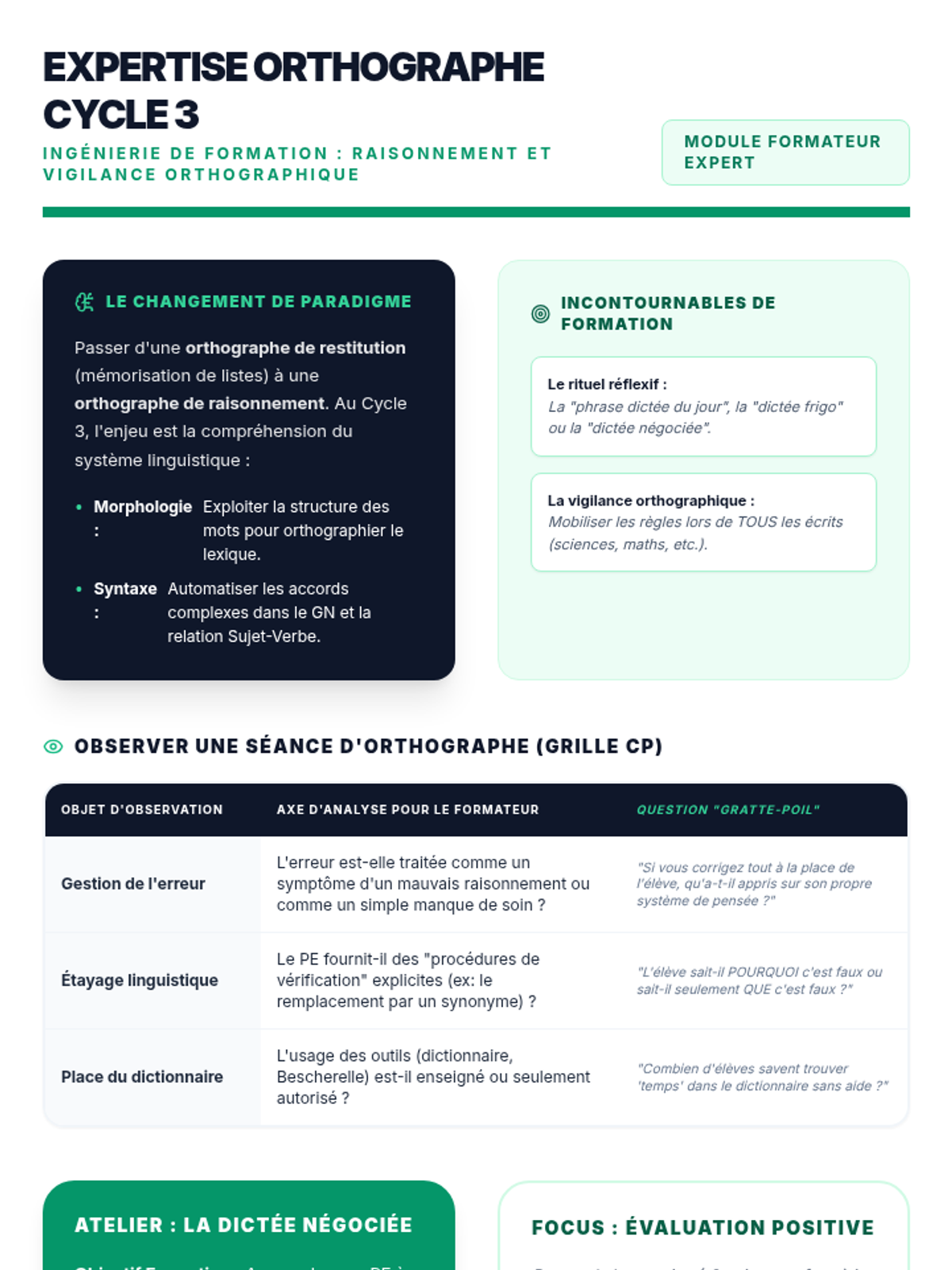
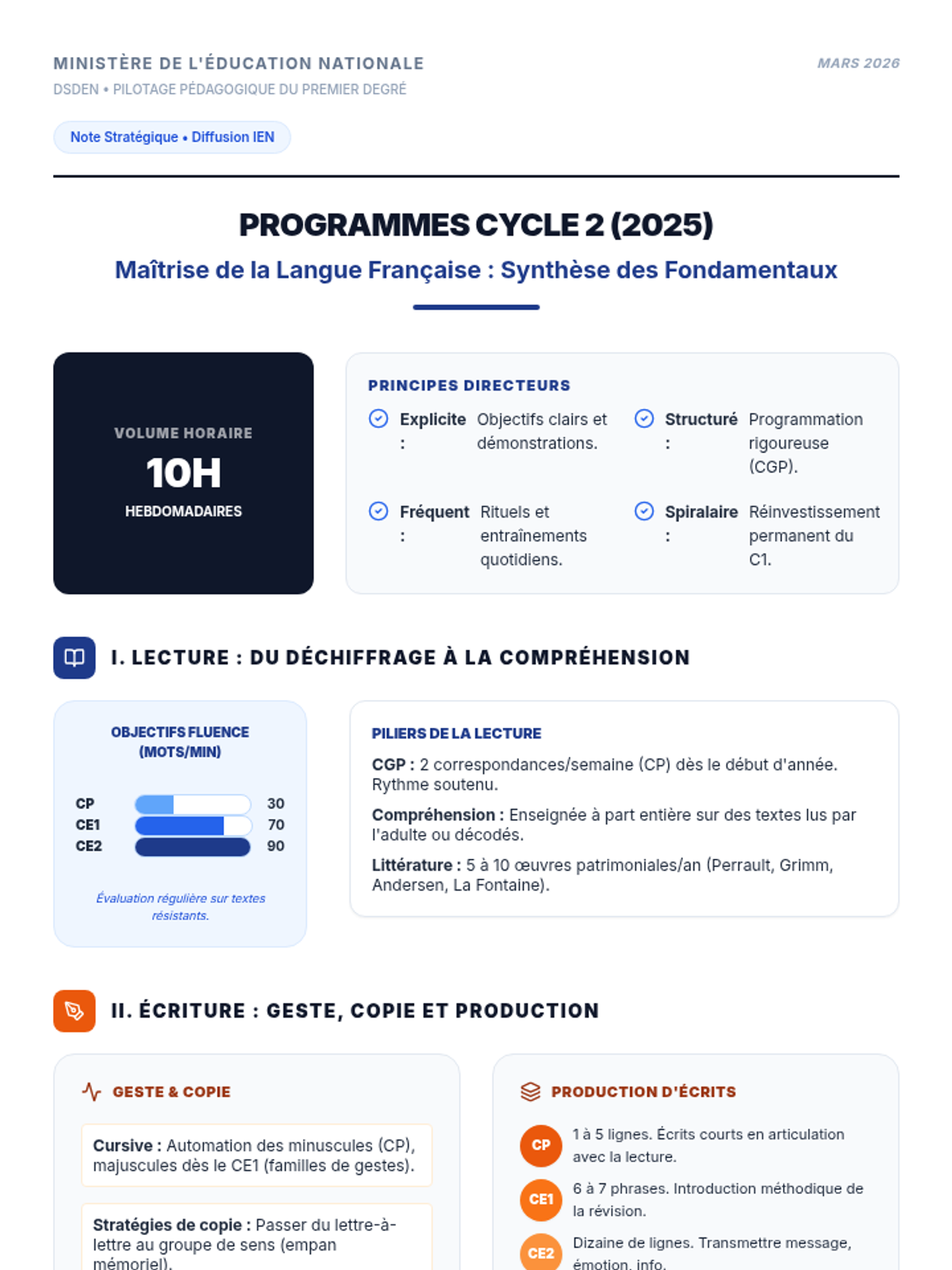
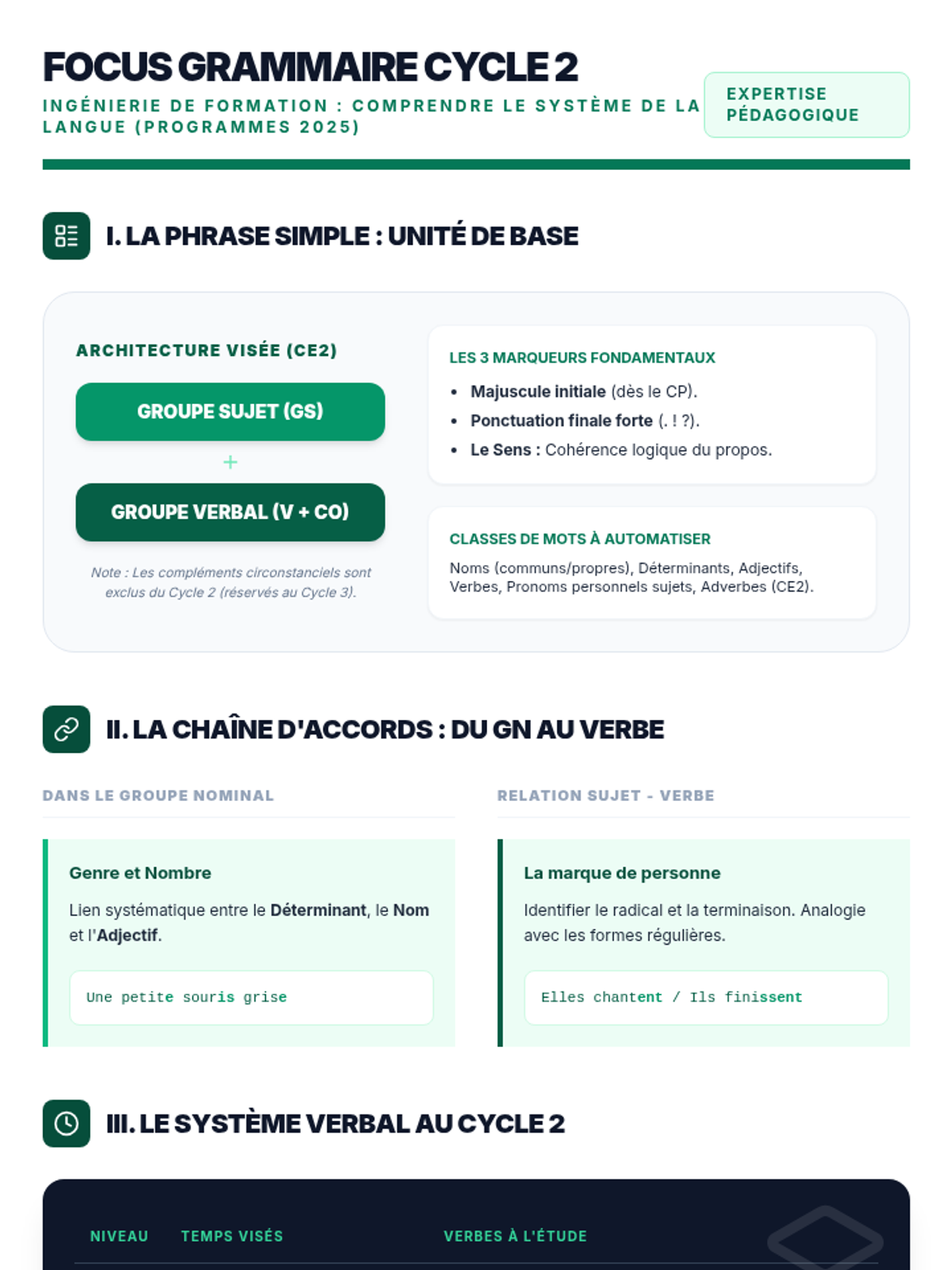
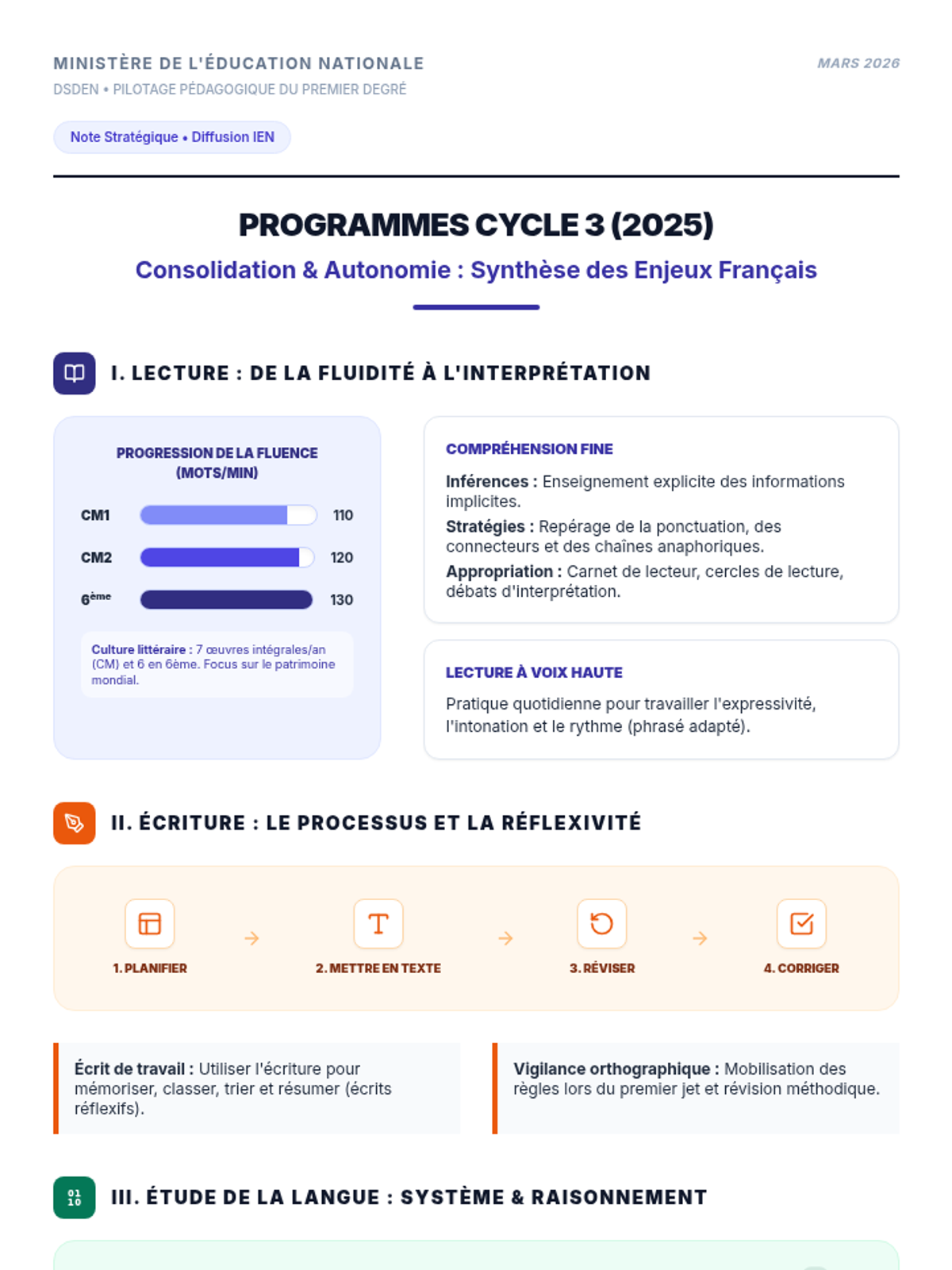
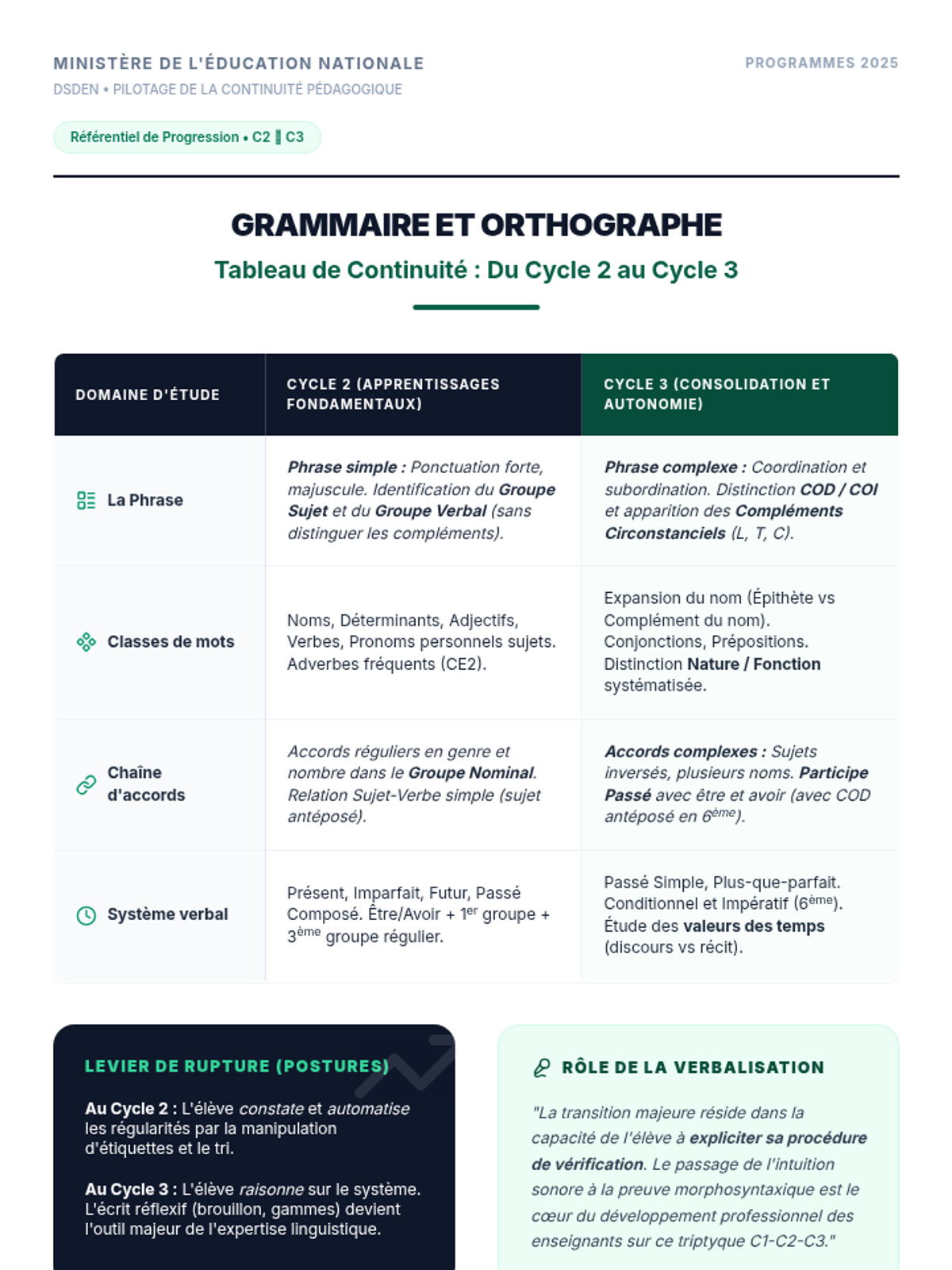
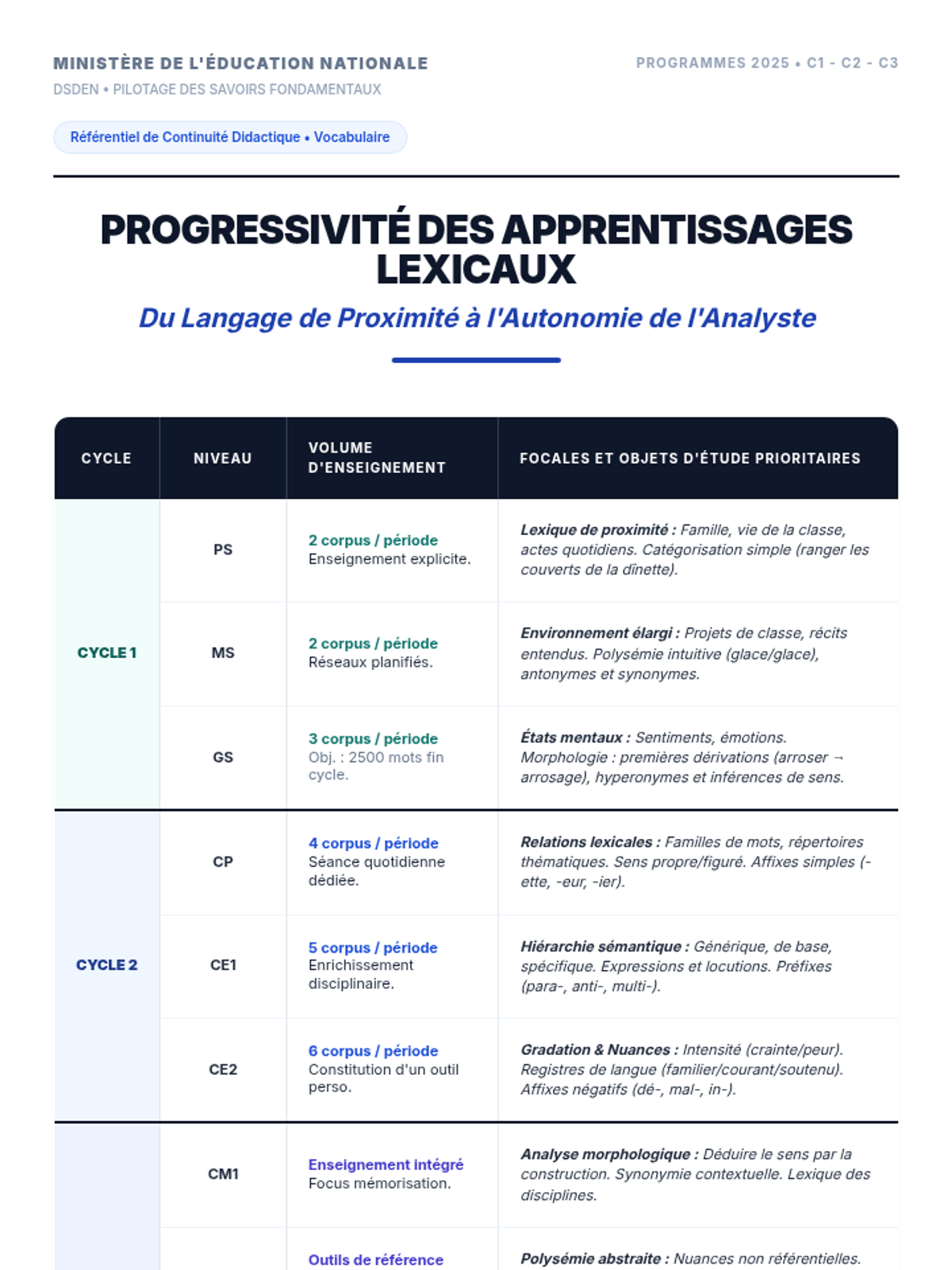
Cette formation vise à outiller les conseillers pédagogiques pour l'analyse et l'exploitation de ressources diverses (vidéos, manuels, guides) dans le cadre de la formation continue des professeurs des écoles en français, conformément aux orientations stratégiques nationales.
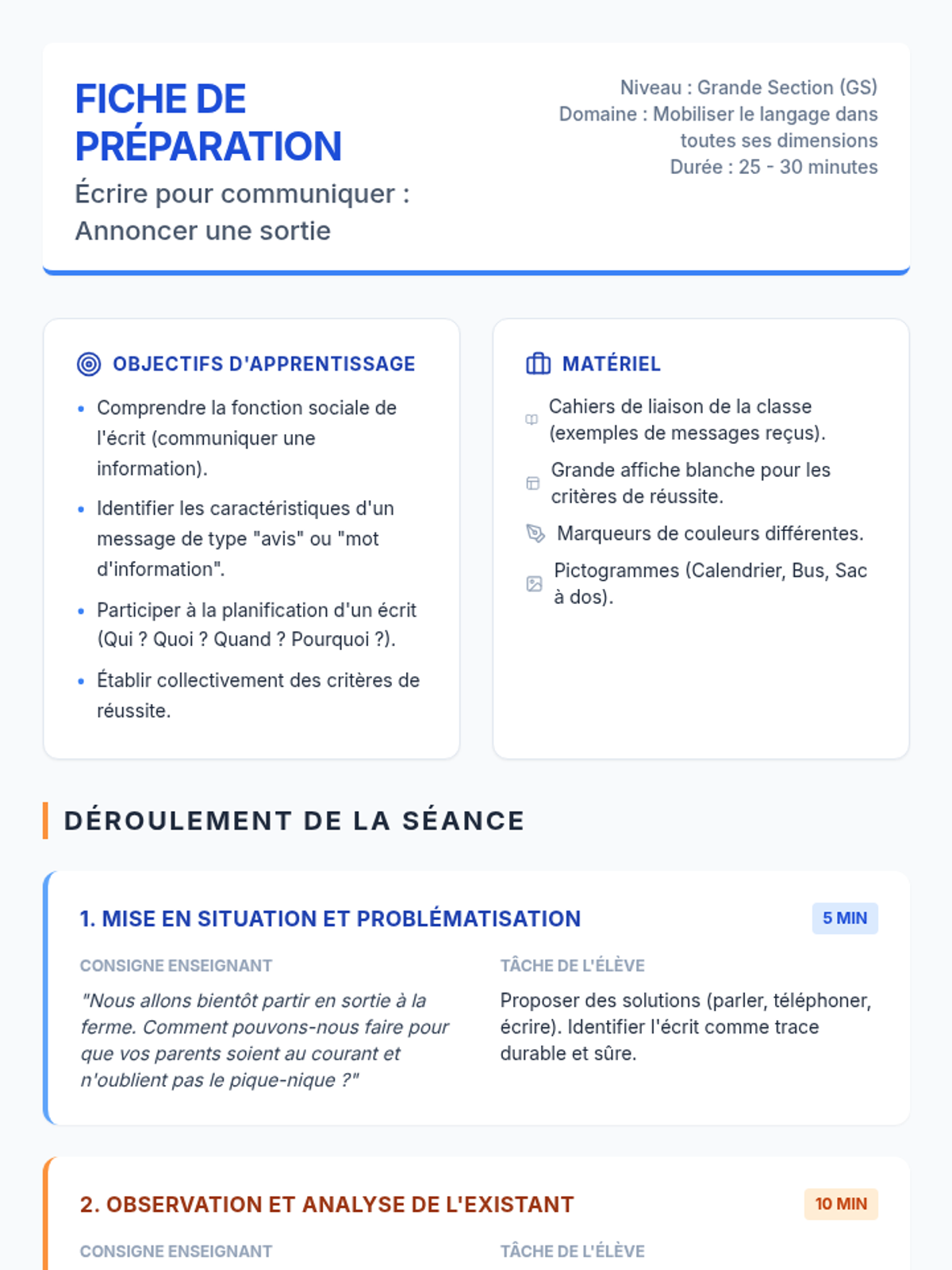
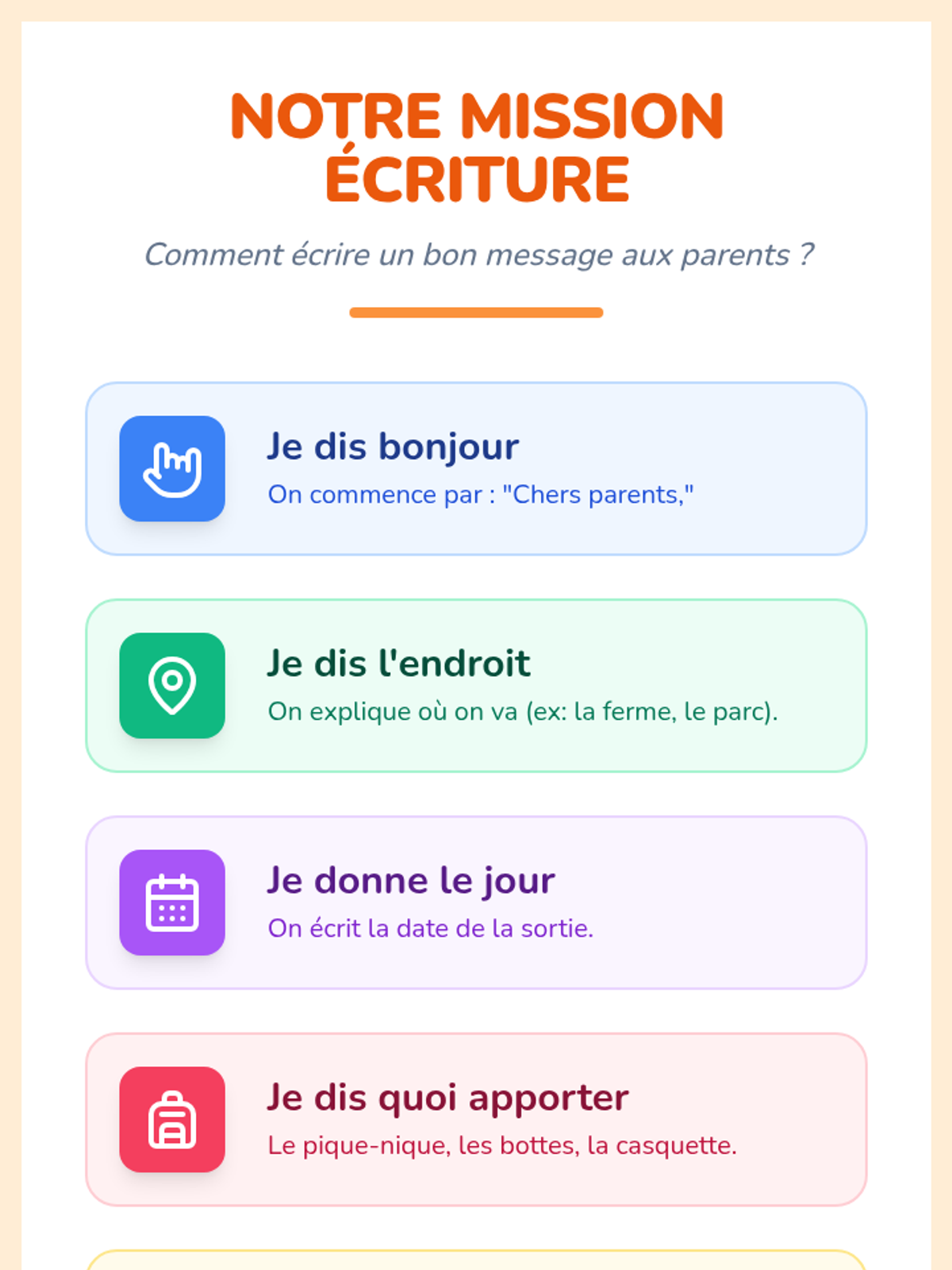
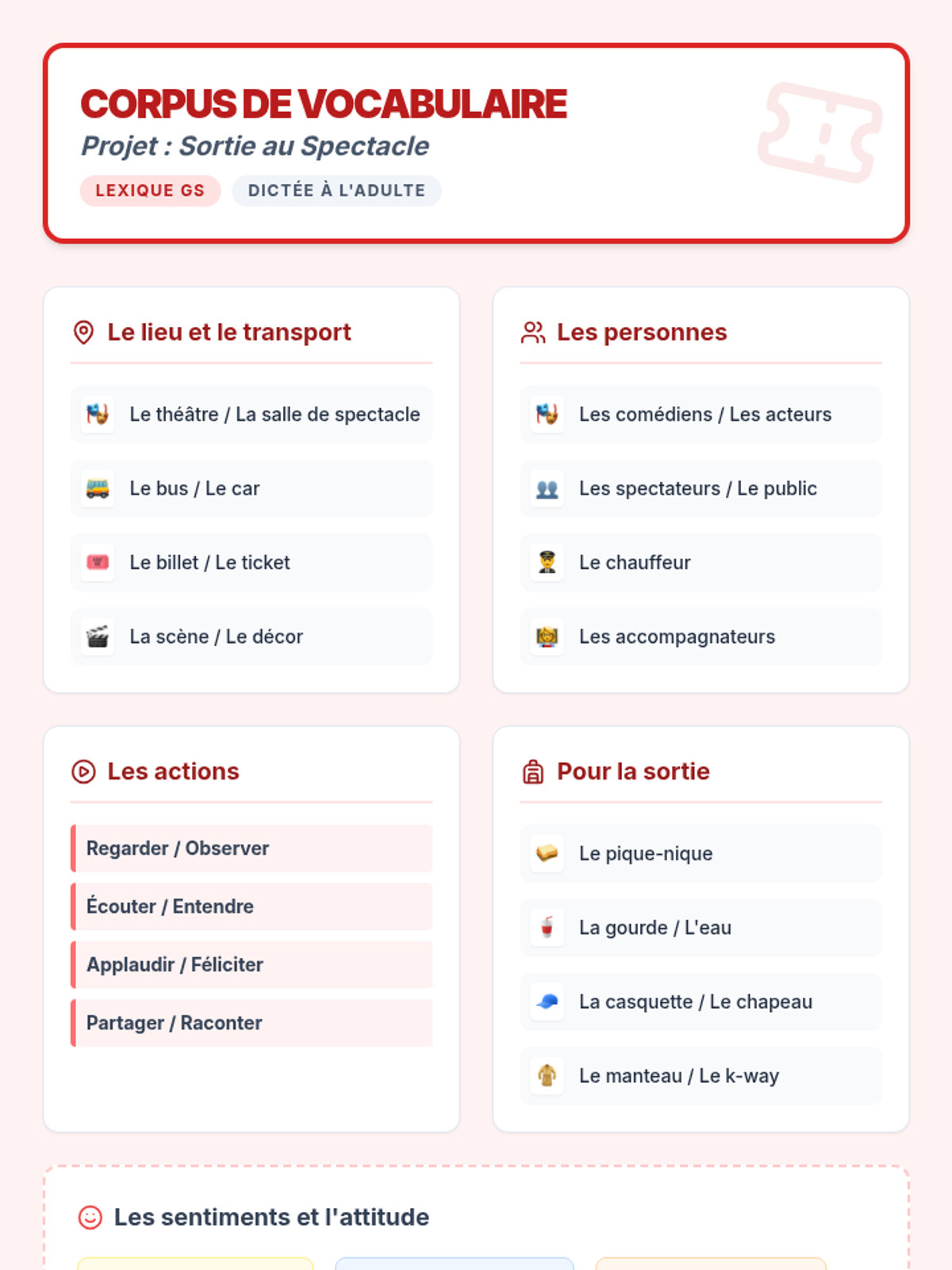
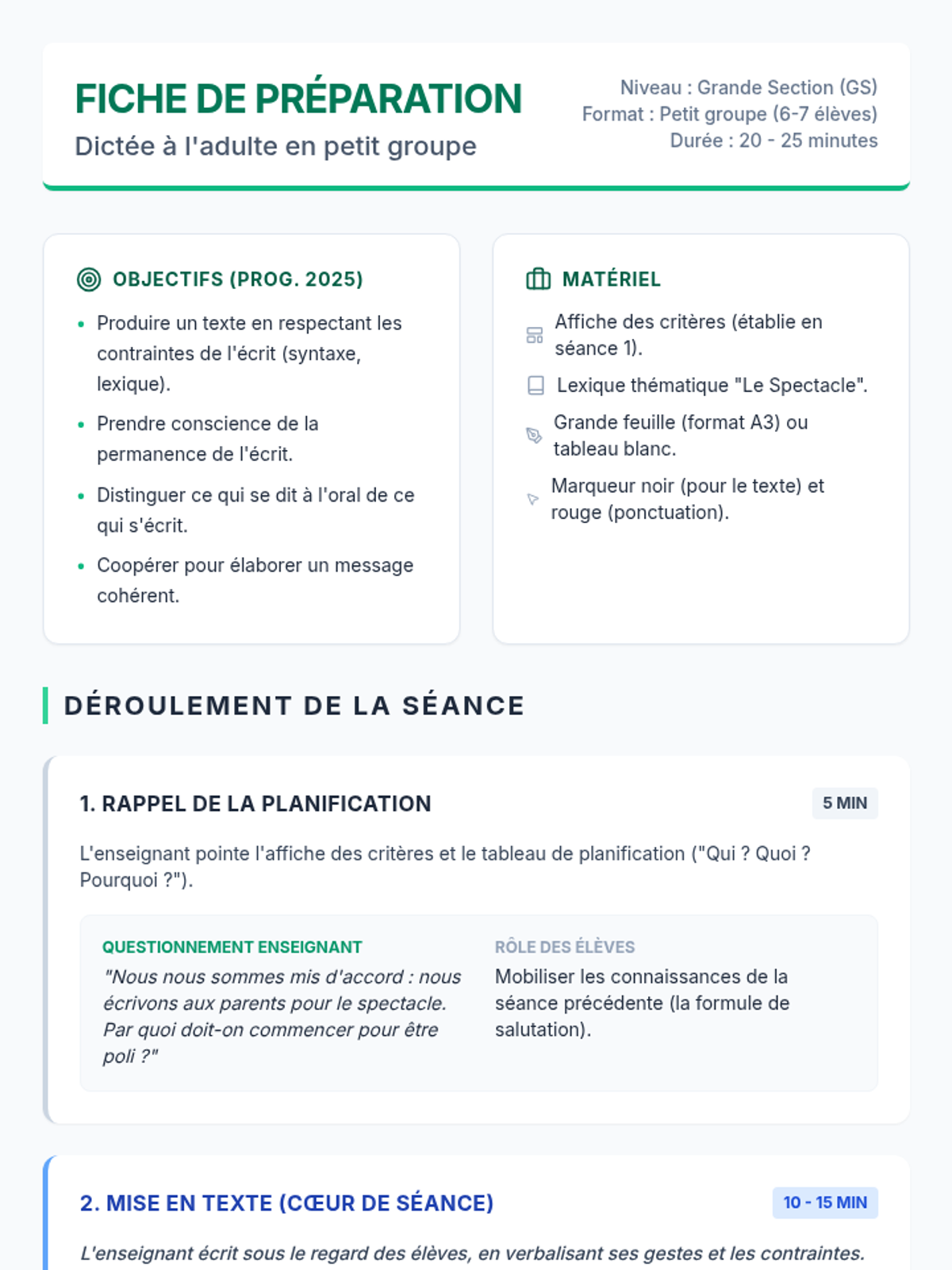
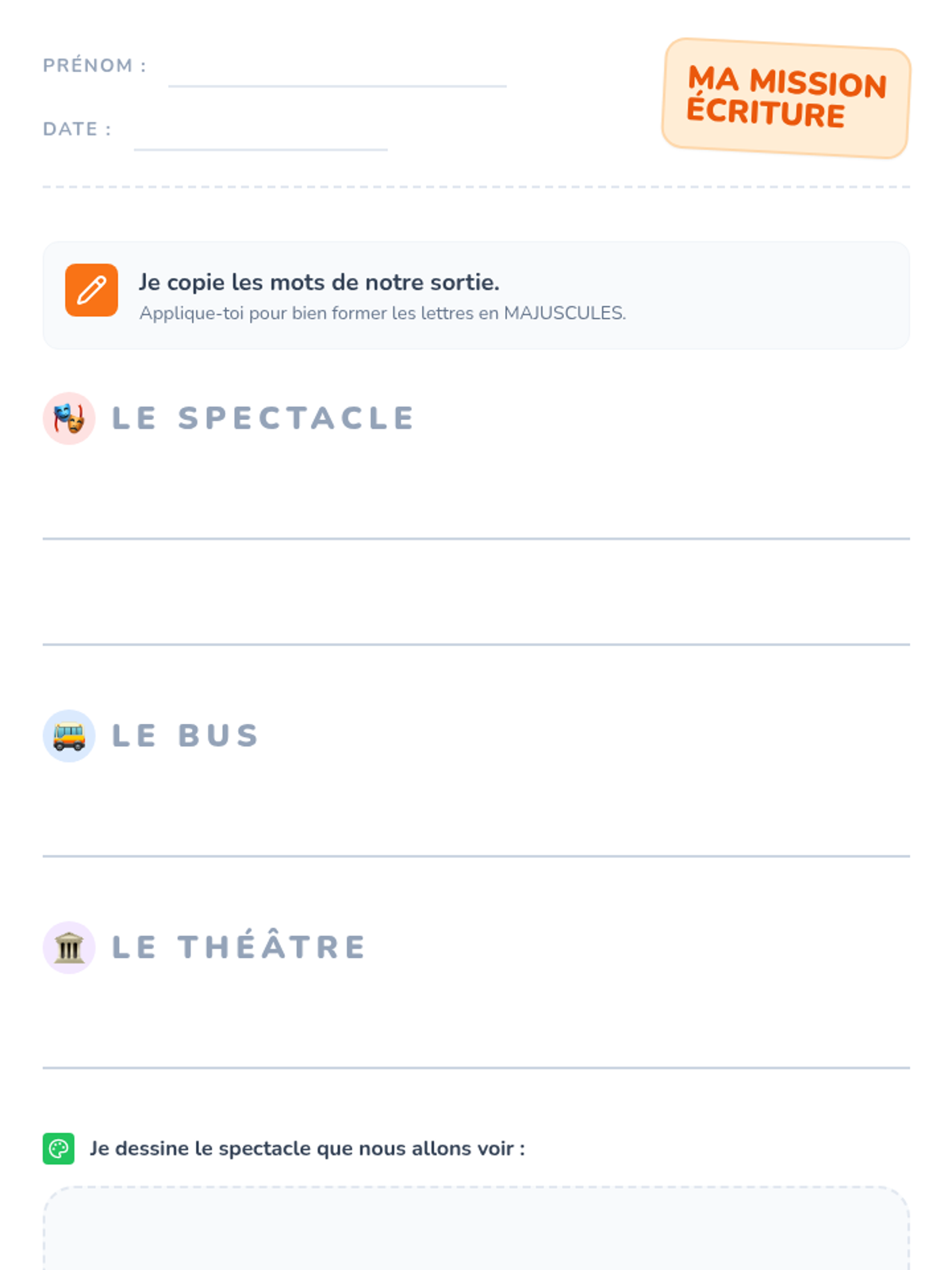
Cette leçon vise à introduire un projet d'écriture authentique en Grande Section : rédiger un message aux parents pour annoncer une sortie scolaire. Elle s'appuie sur l'observation de messages existants pour définir des critères de réussite et initier la planification selon les programmes 2025.
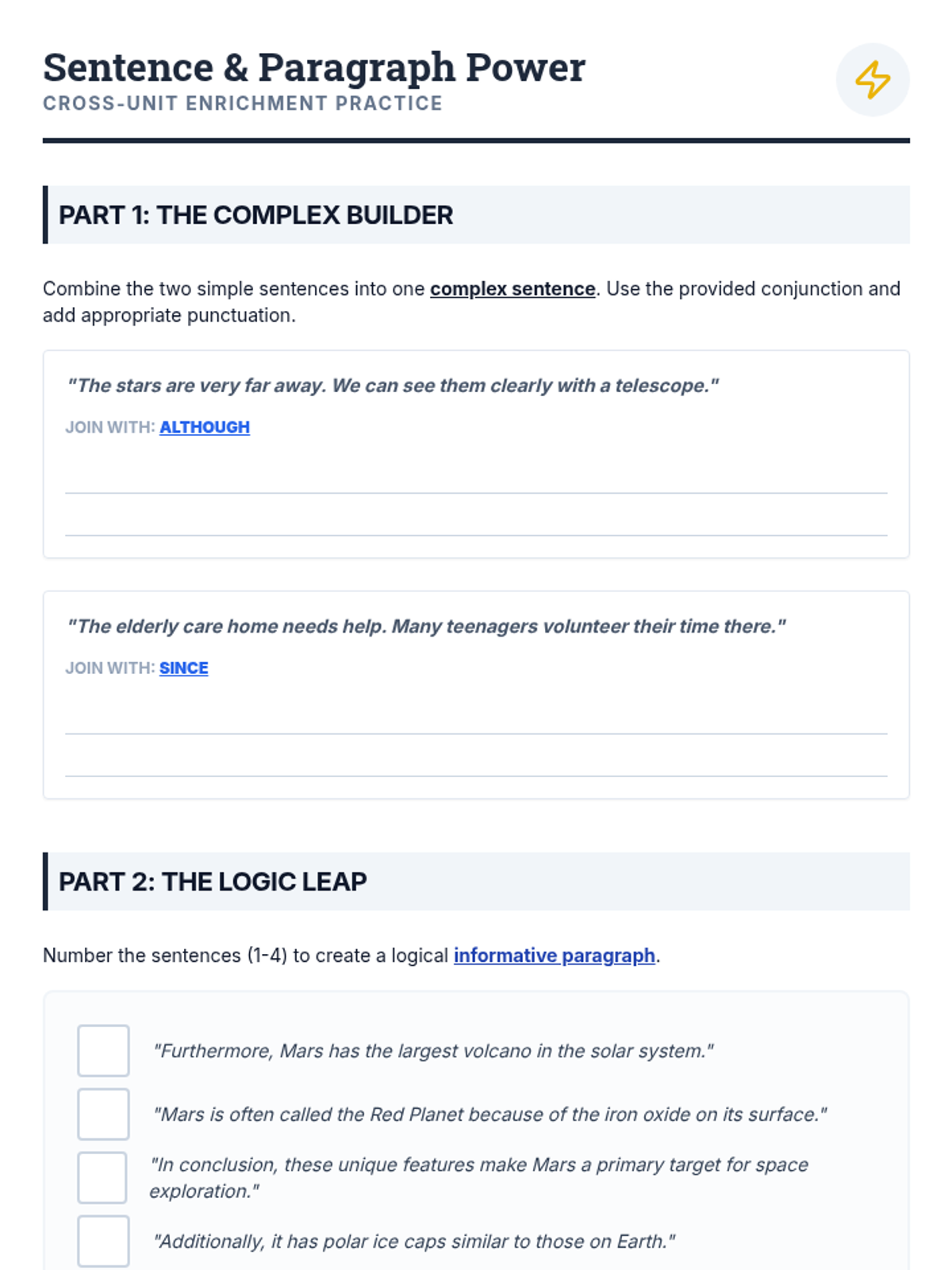
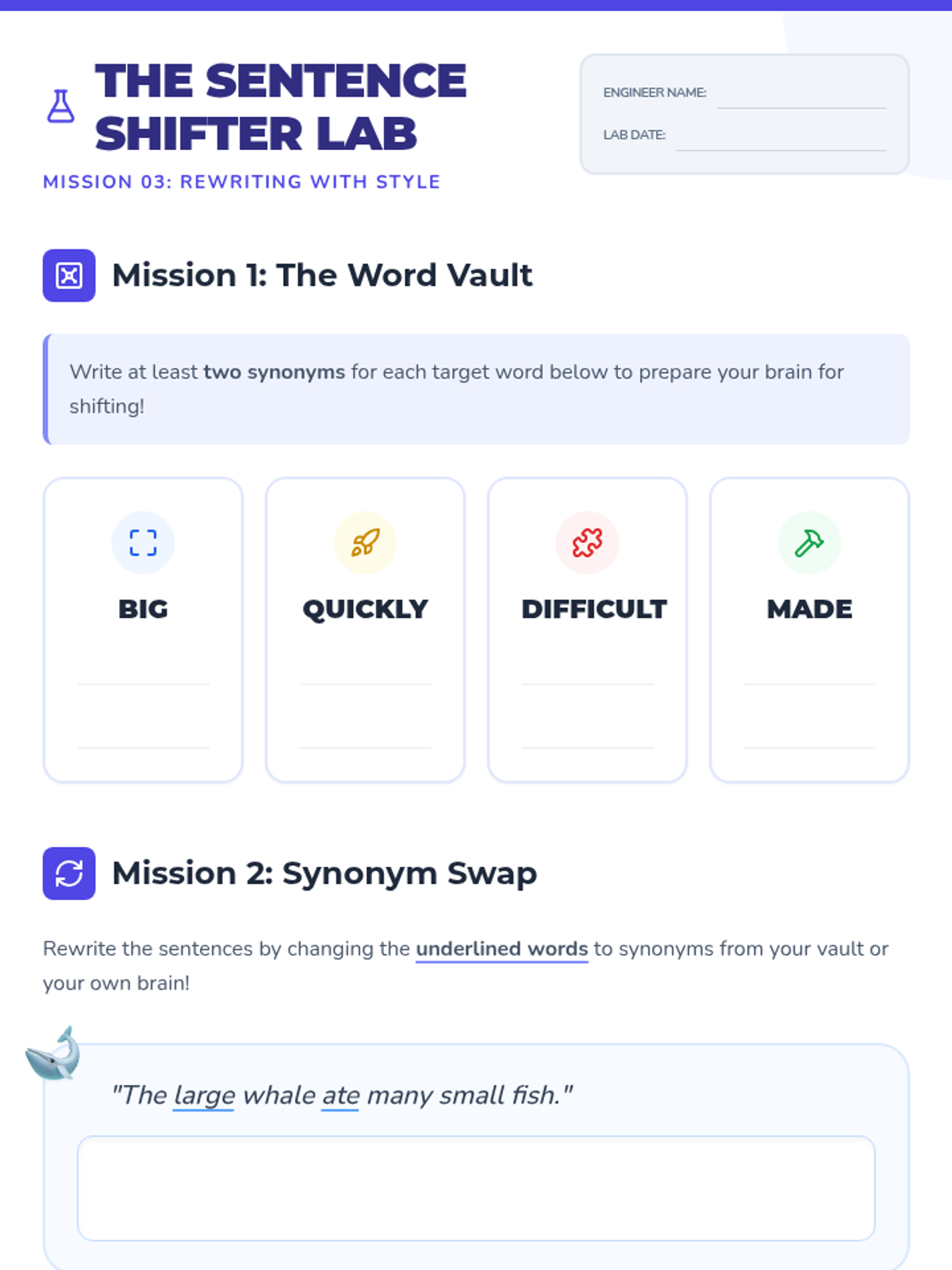
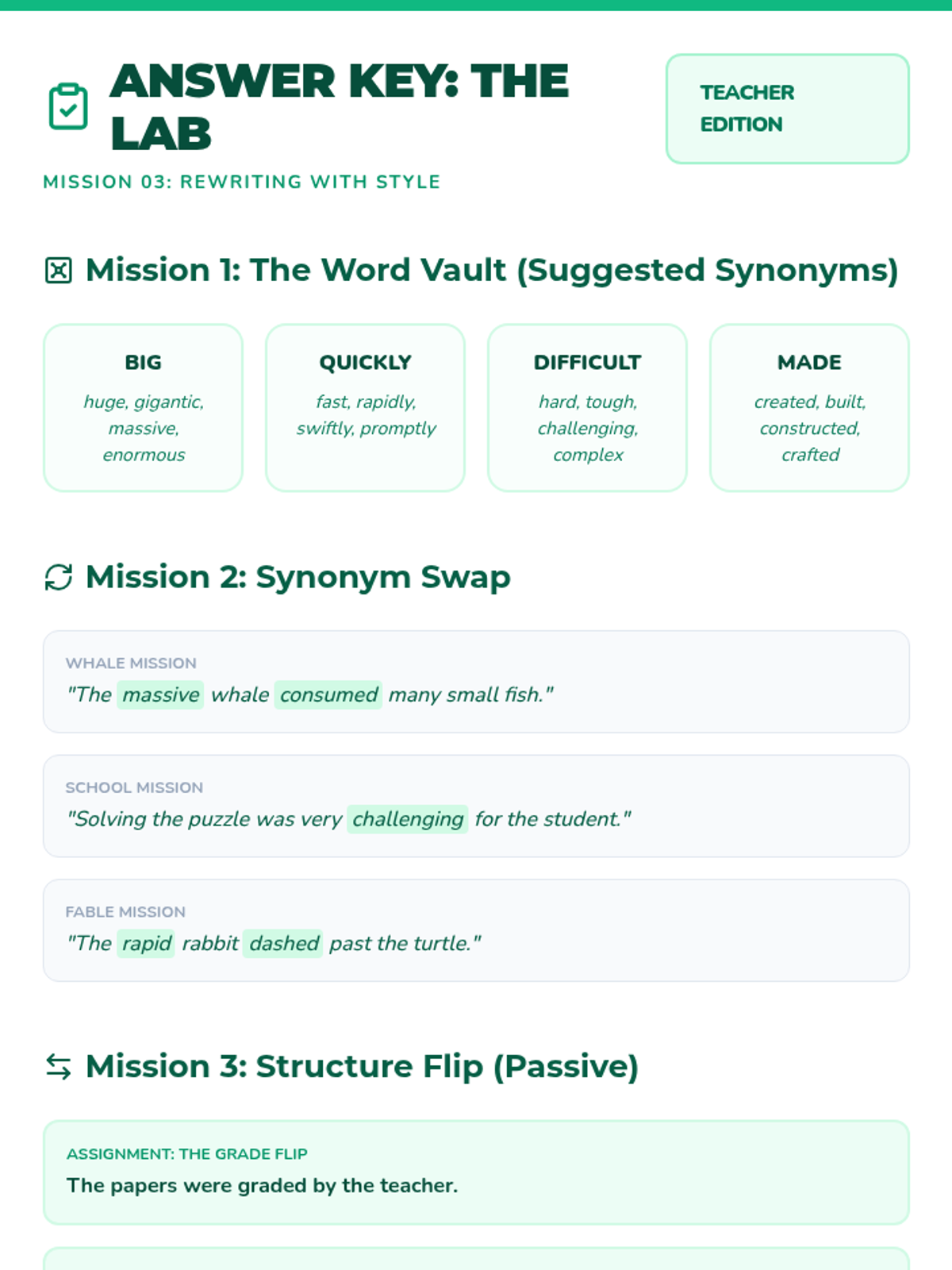
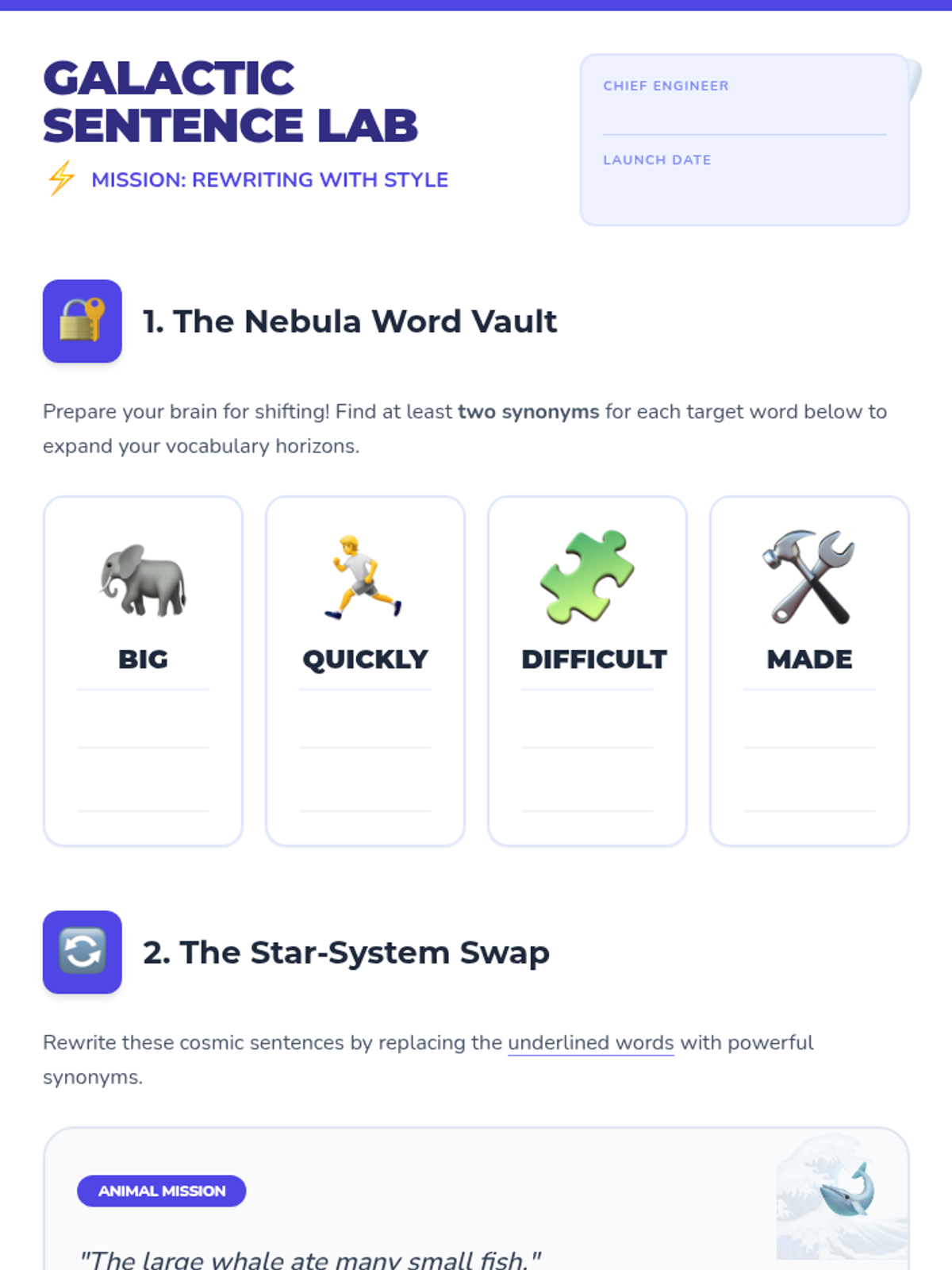
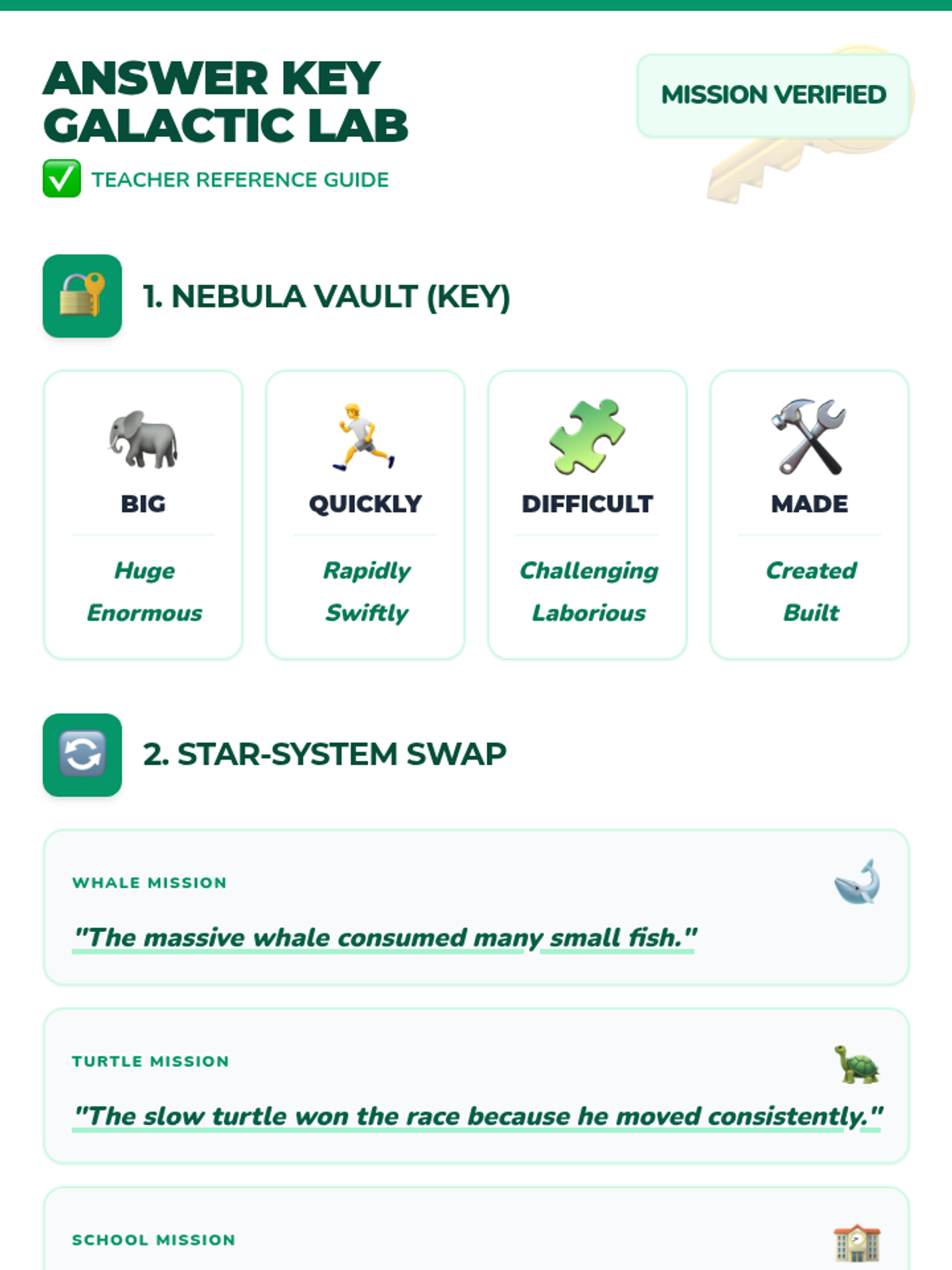
A visual, high-engagement workshop for students to practice sentence manipulation. Students explore synonyms to enhance vocabulary and master the 'Active to Passive' voice flip through space, school, and fable-themed missions.
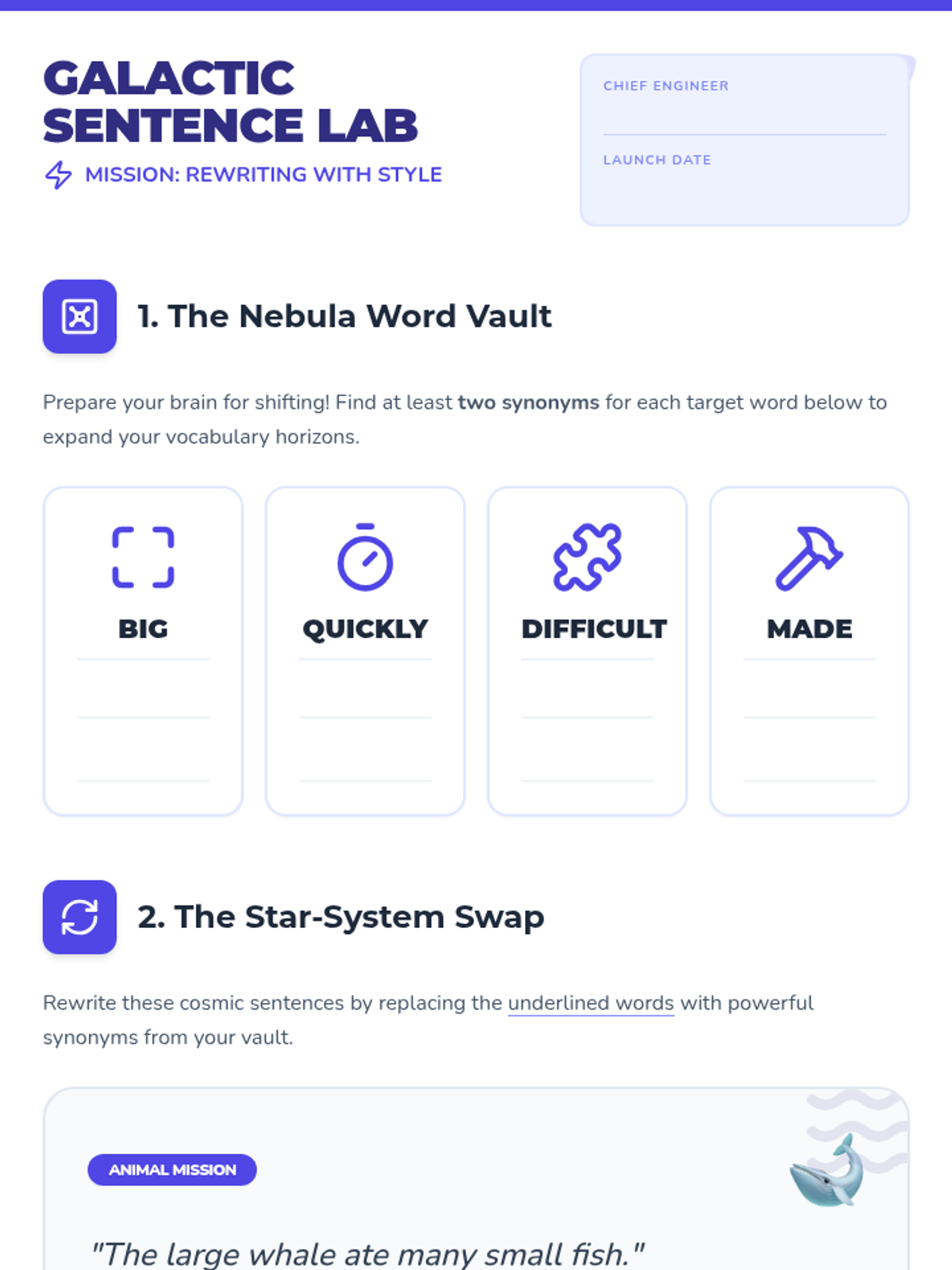
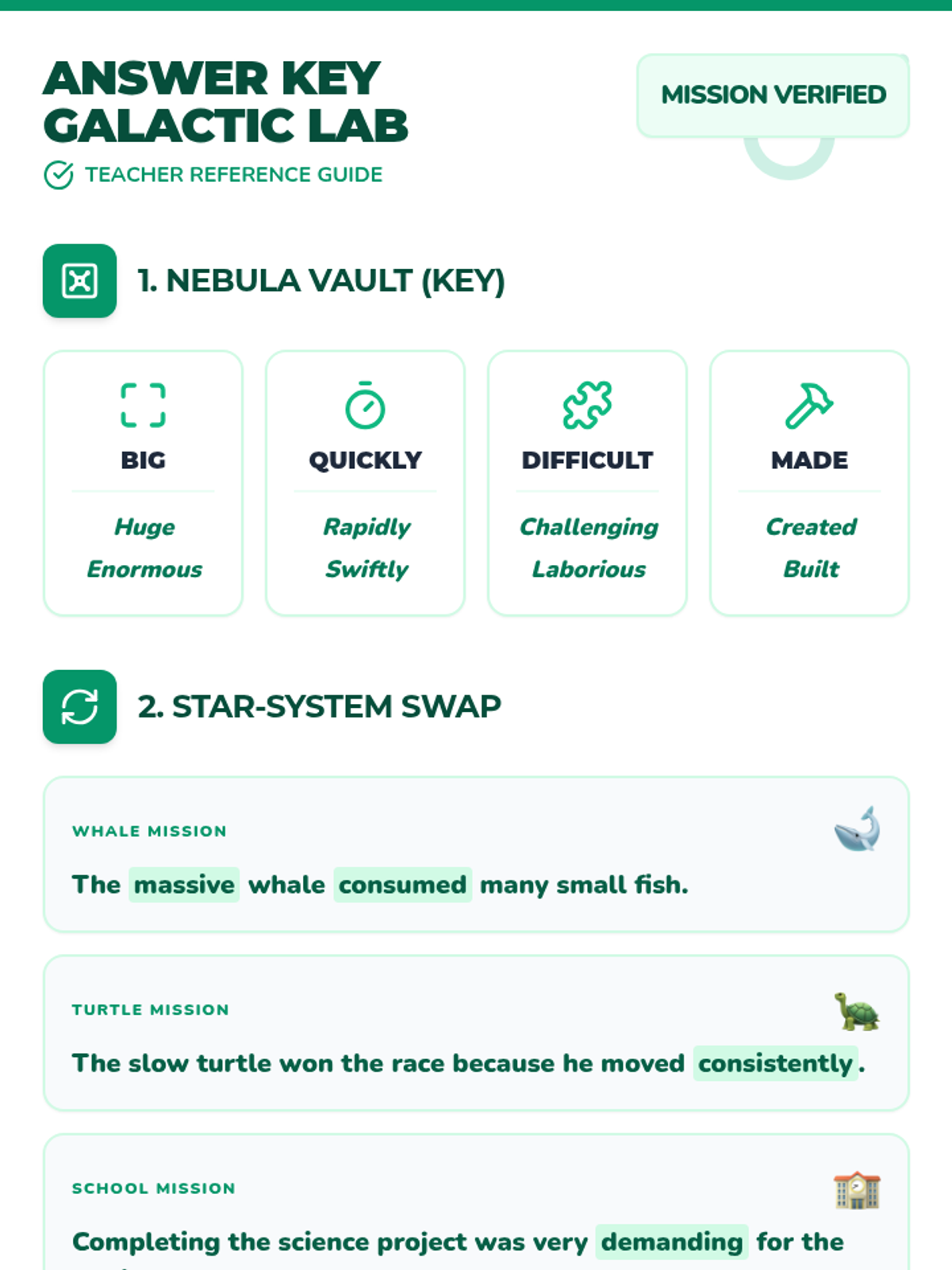
A visual, space-themed workshop focused on enhancing writing through synonyms and sentence structure transformations. Students explore the 'Galactic Sentence Lab' to practice vocabulary variety and active/passive voice flips.
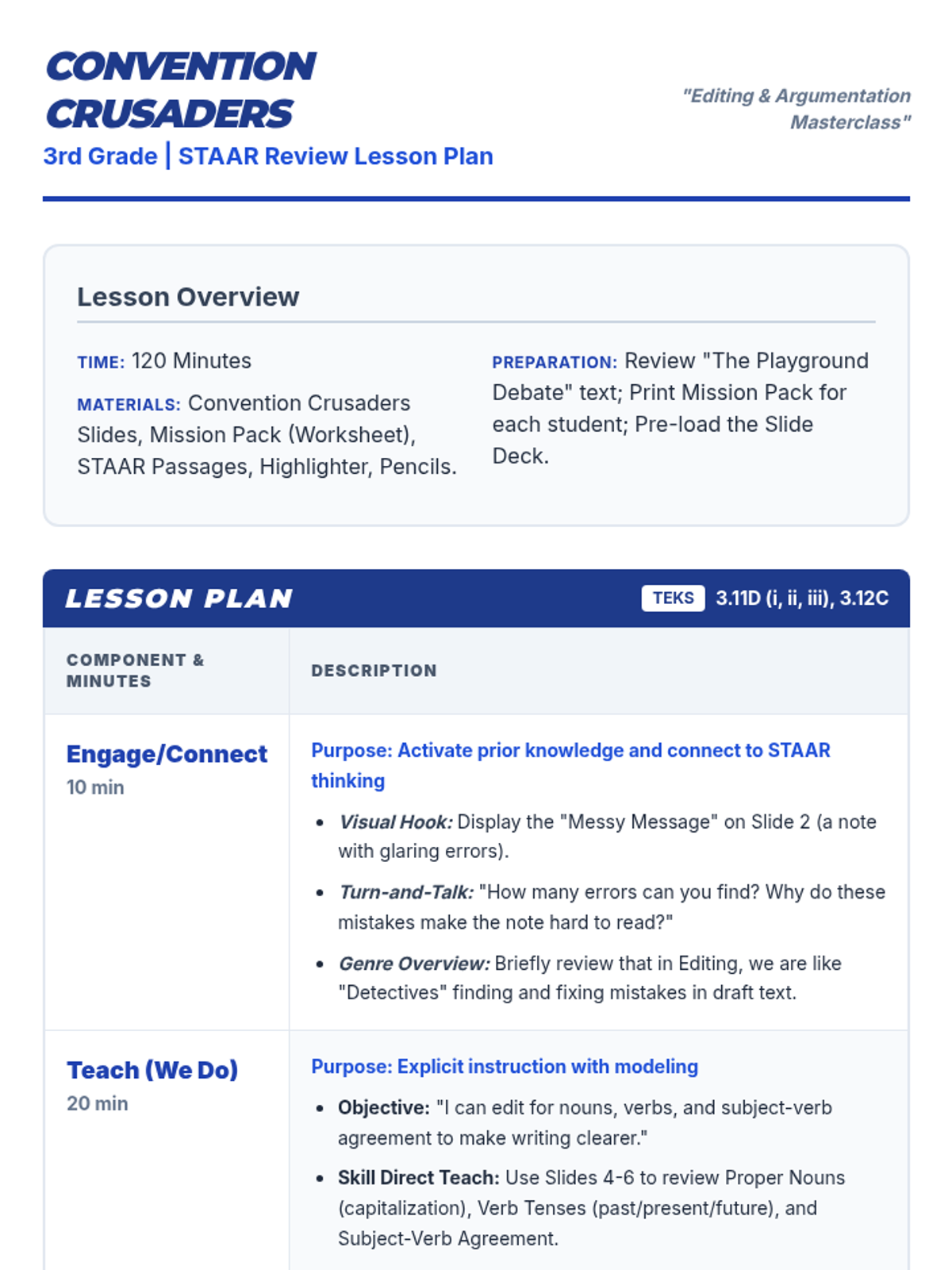
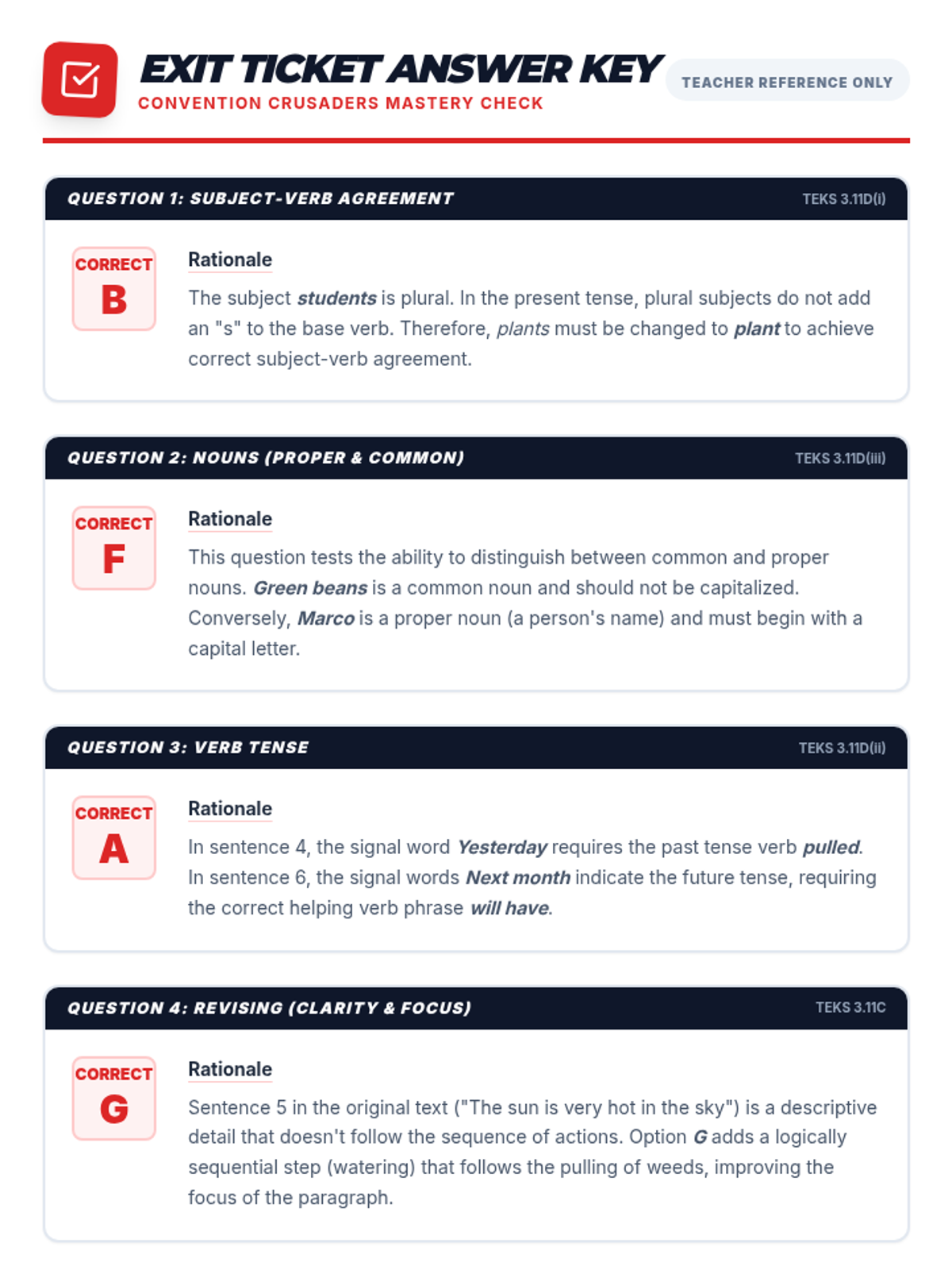
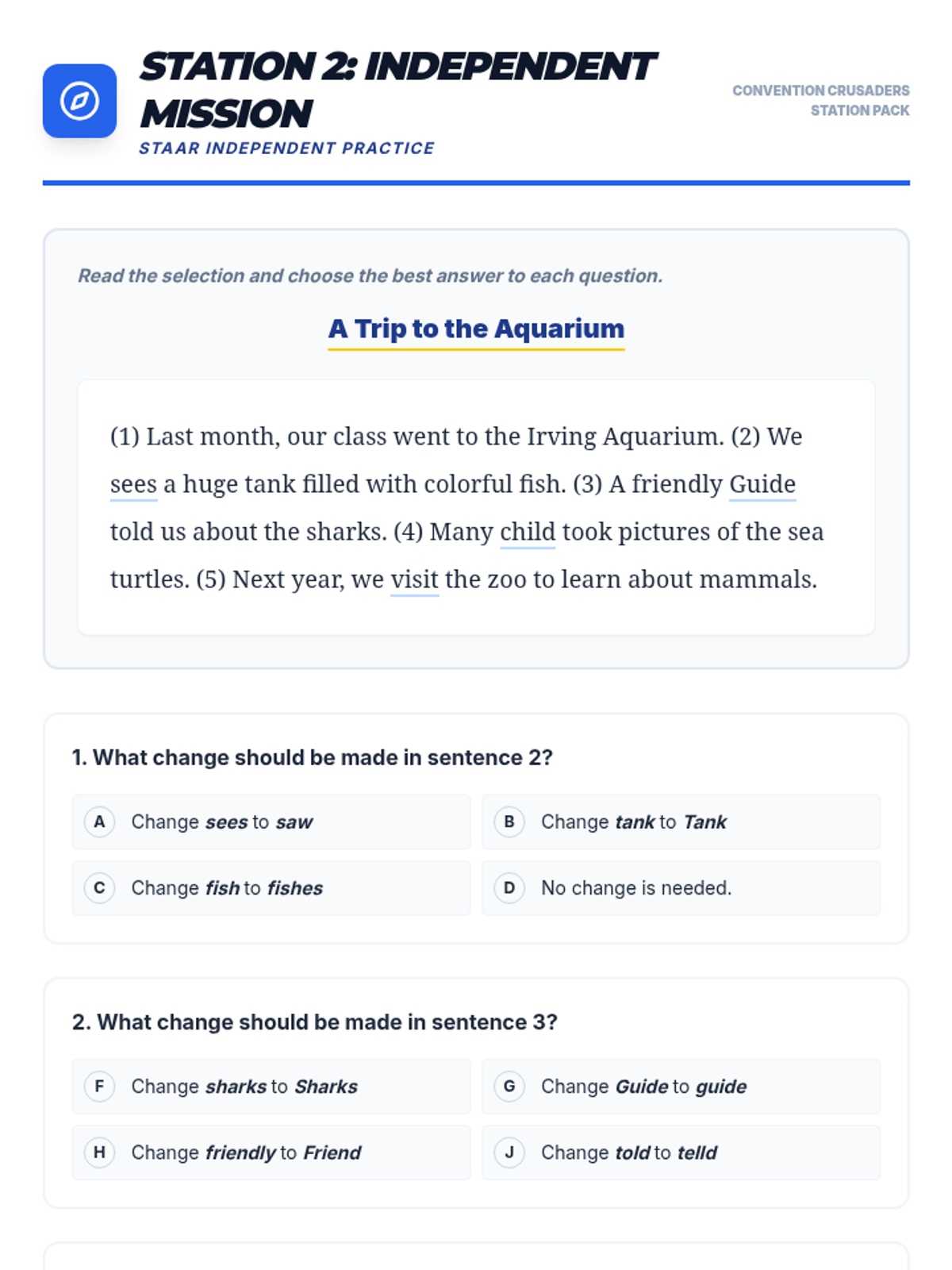
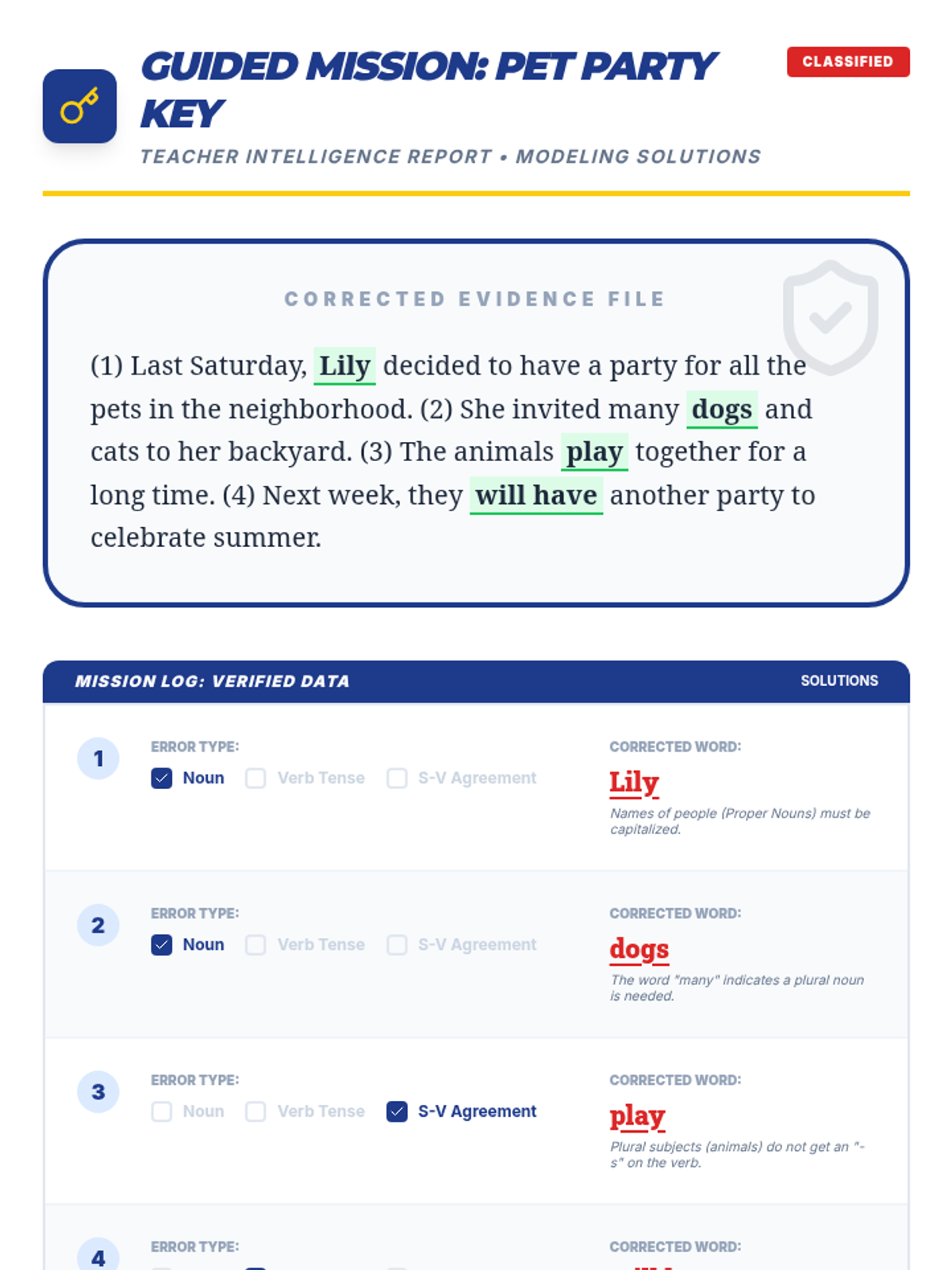
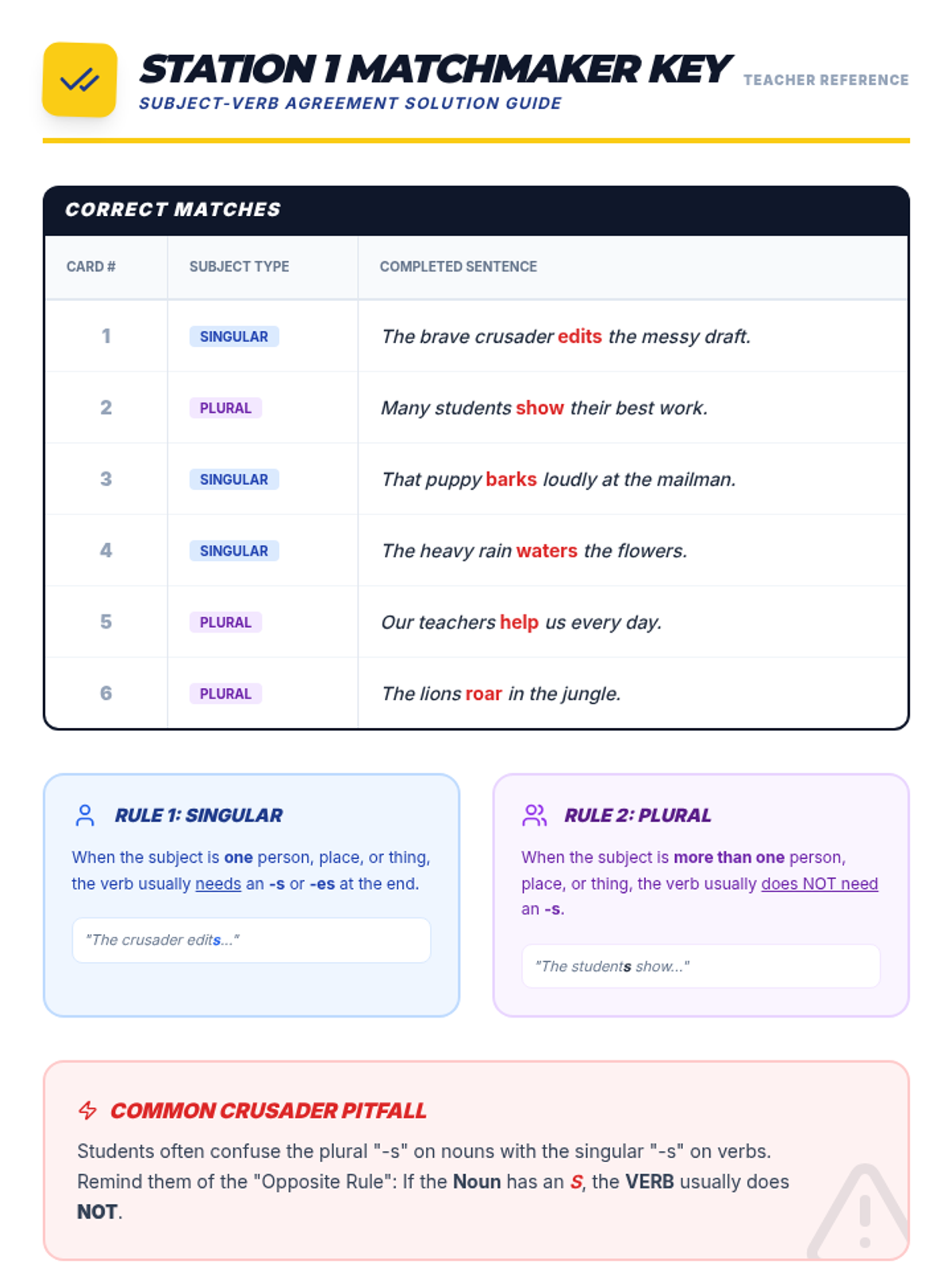
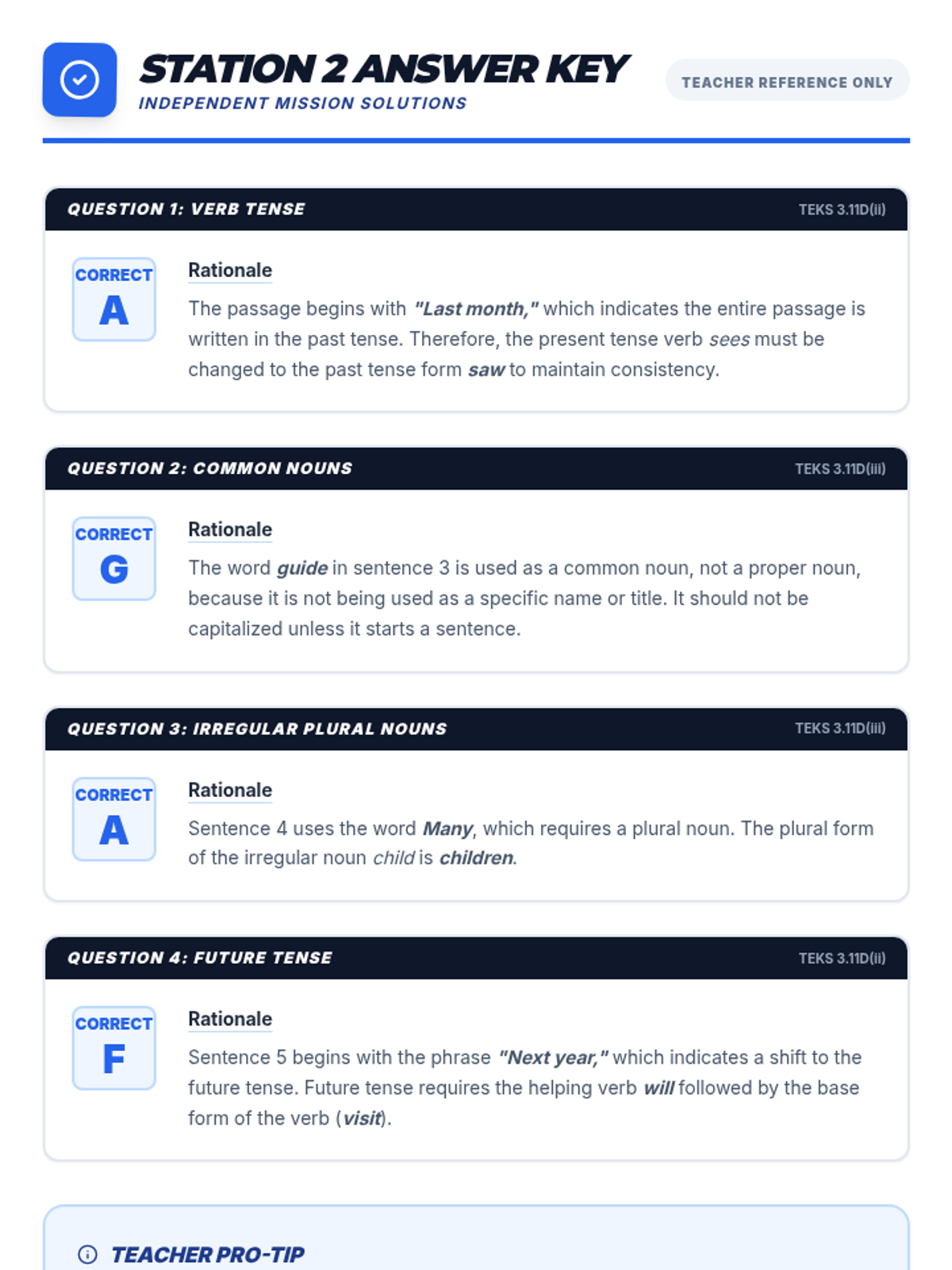
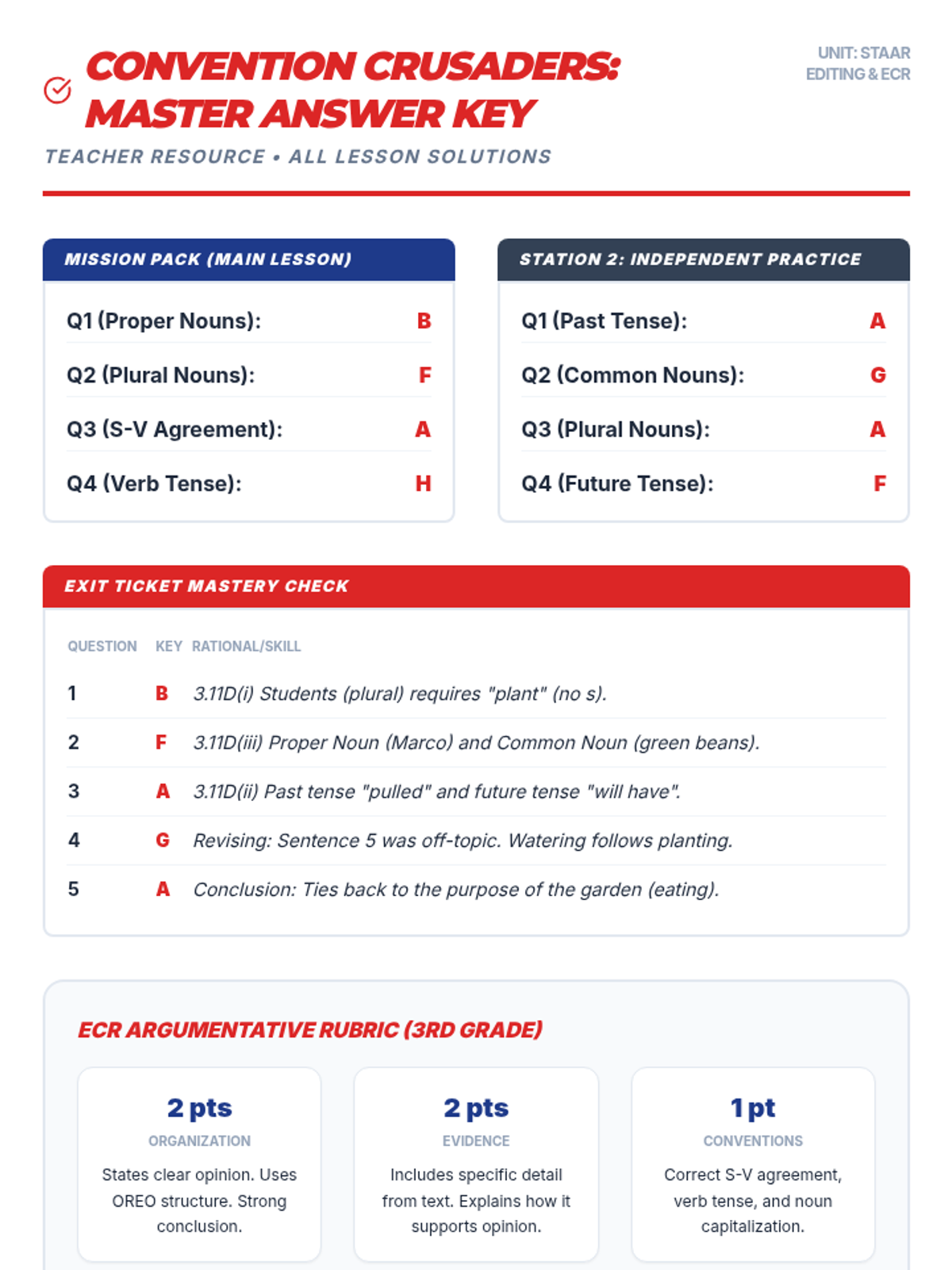
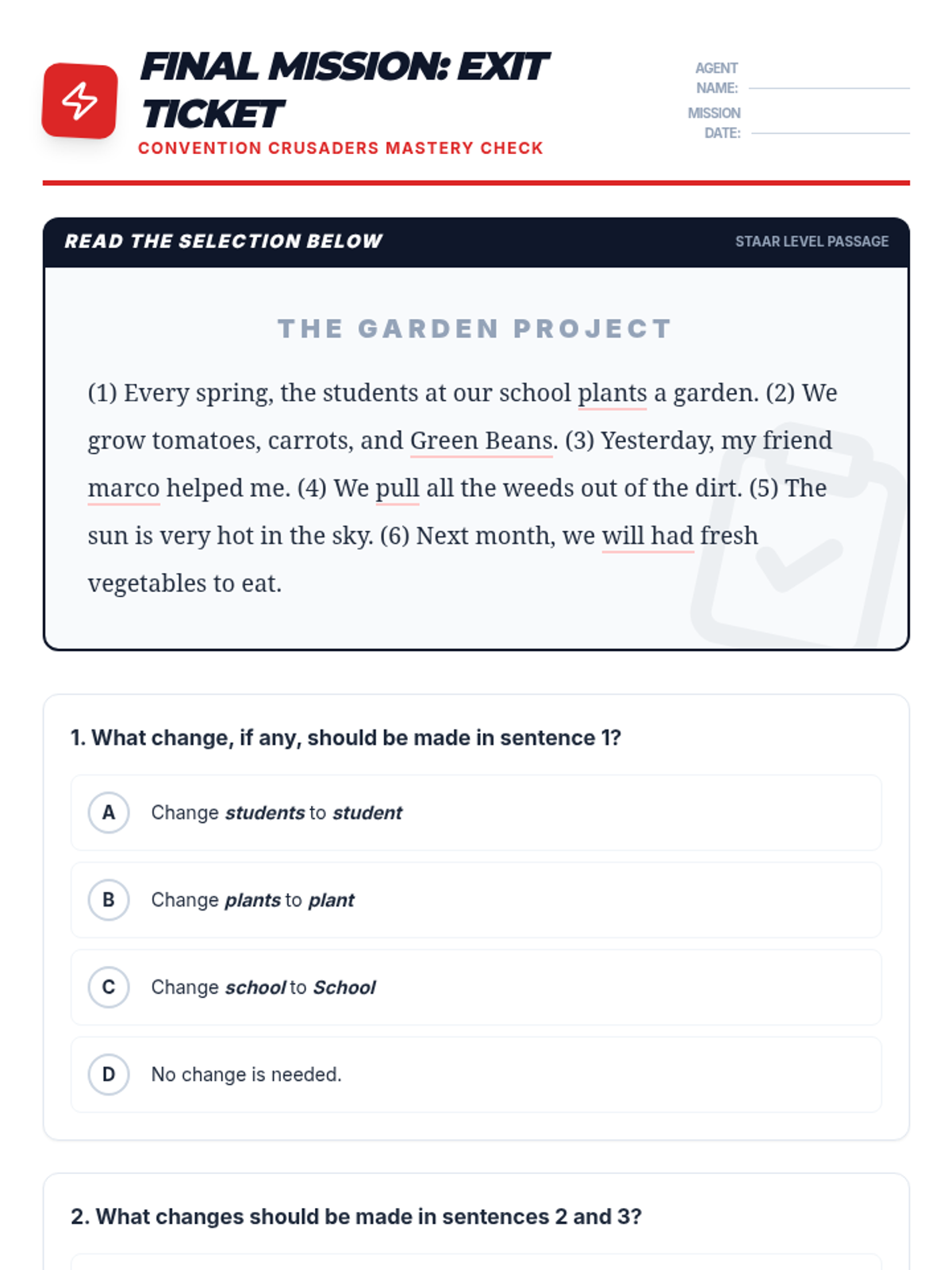
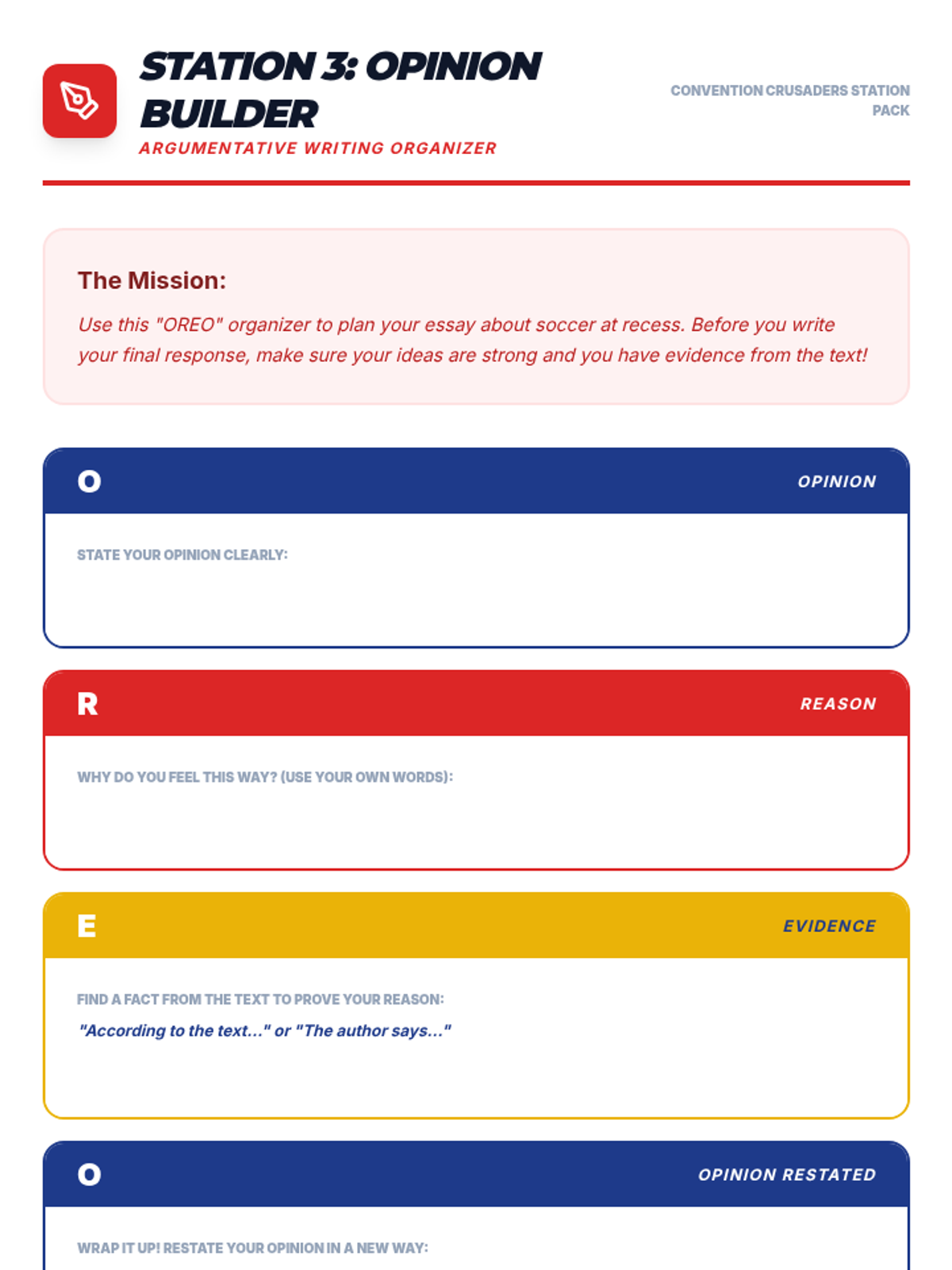
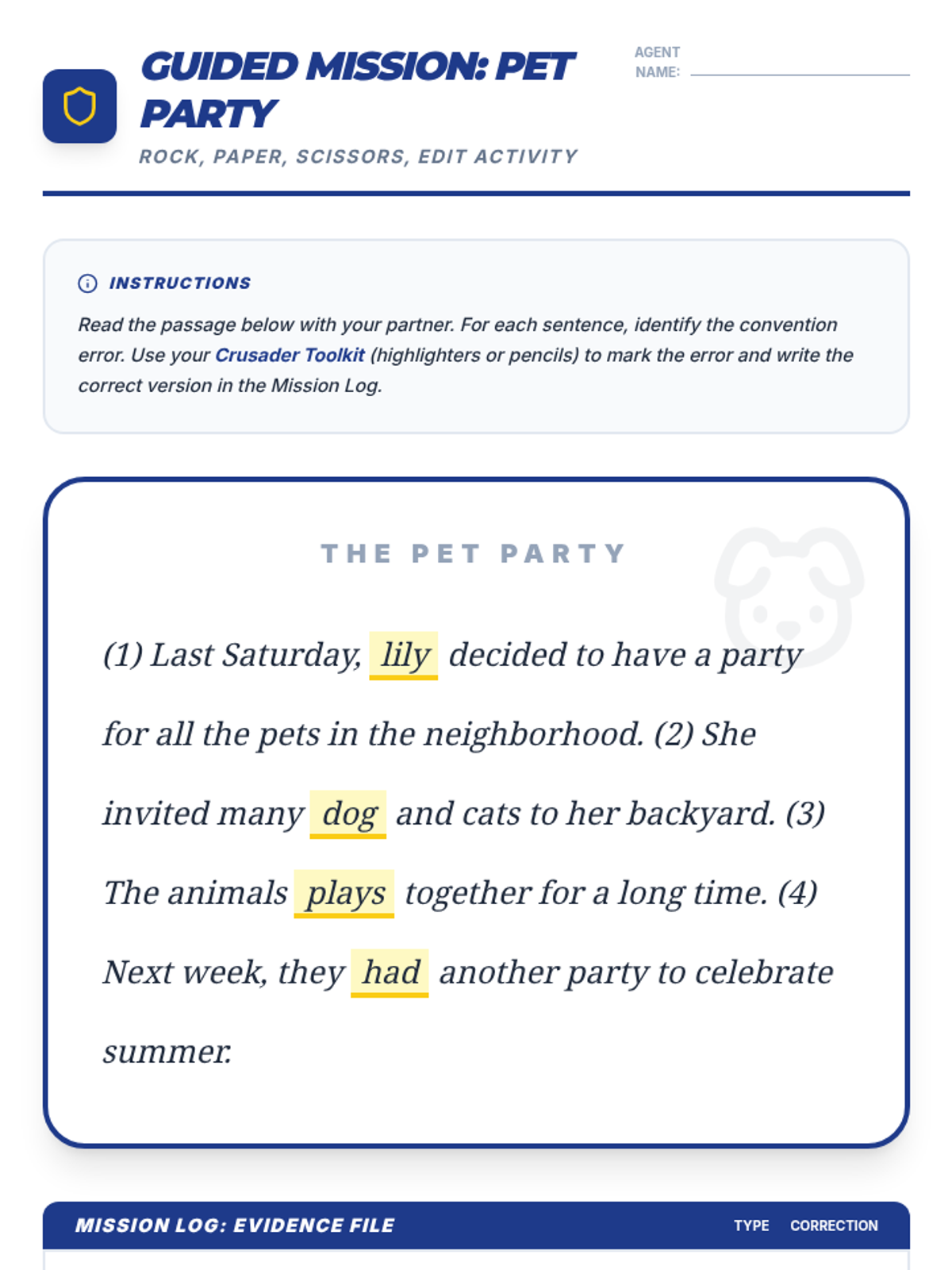
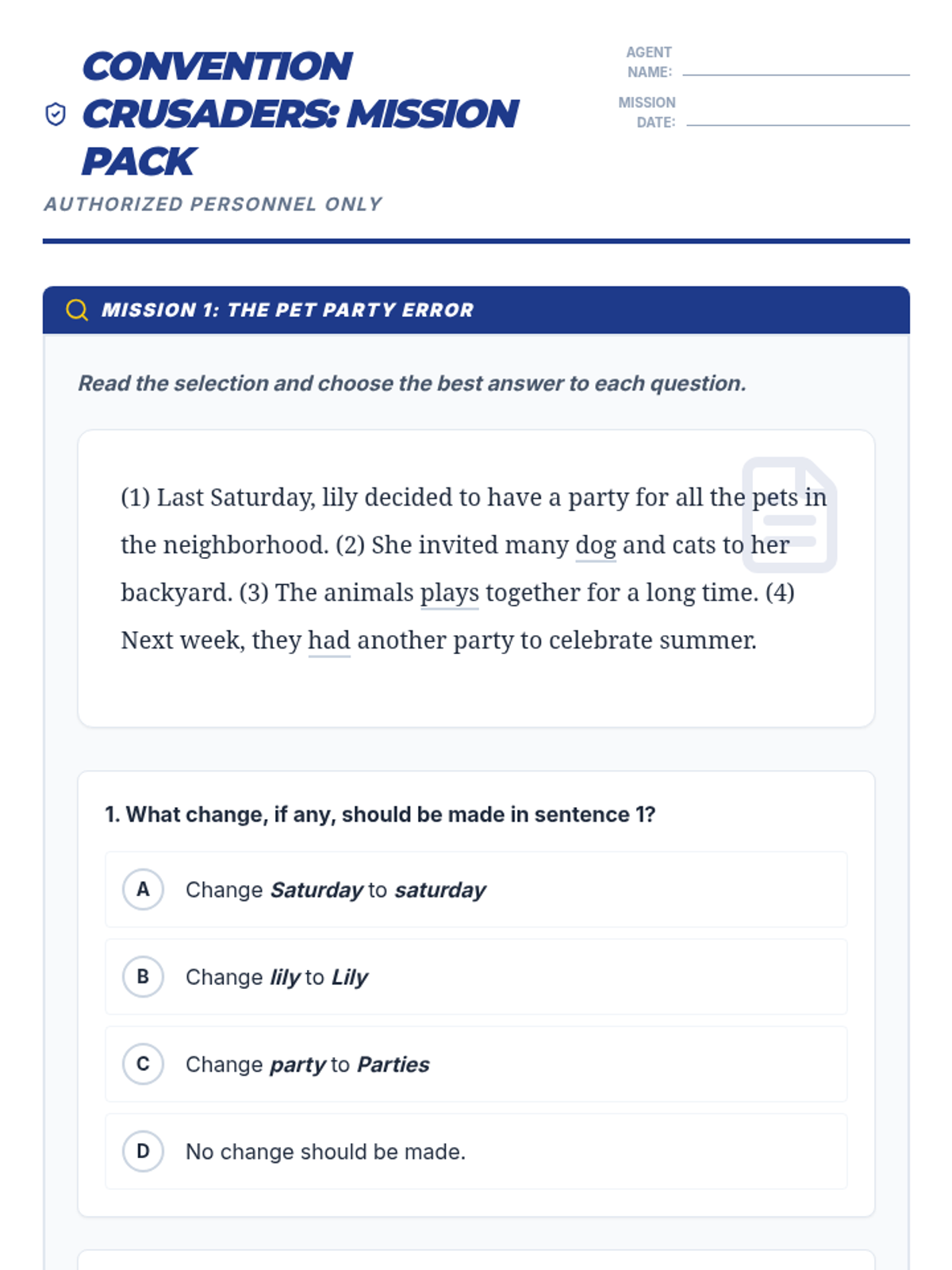
A comprehensive 3rd-grade STAAR review lesson focused on editing for standard English conventions (subject-verb agreement, verb tenses, and nouns) and composing argumentative ECR responses based on grade-level texts.
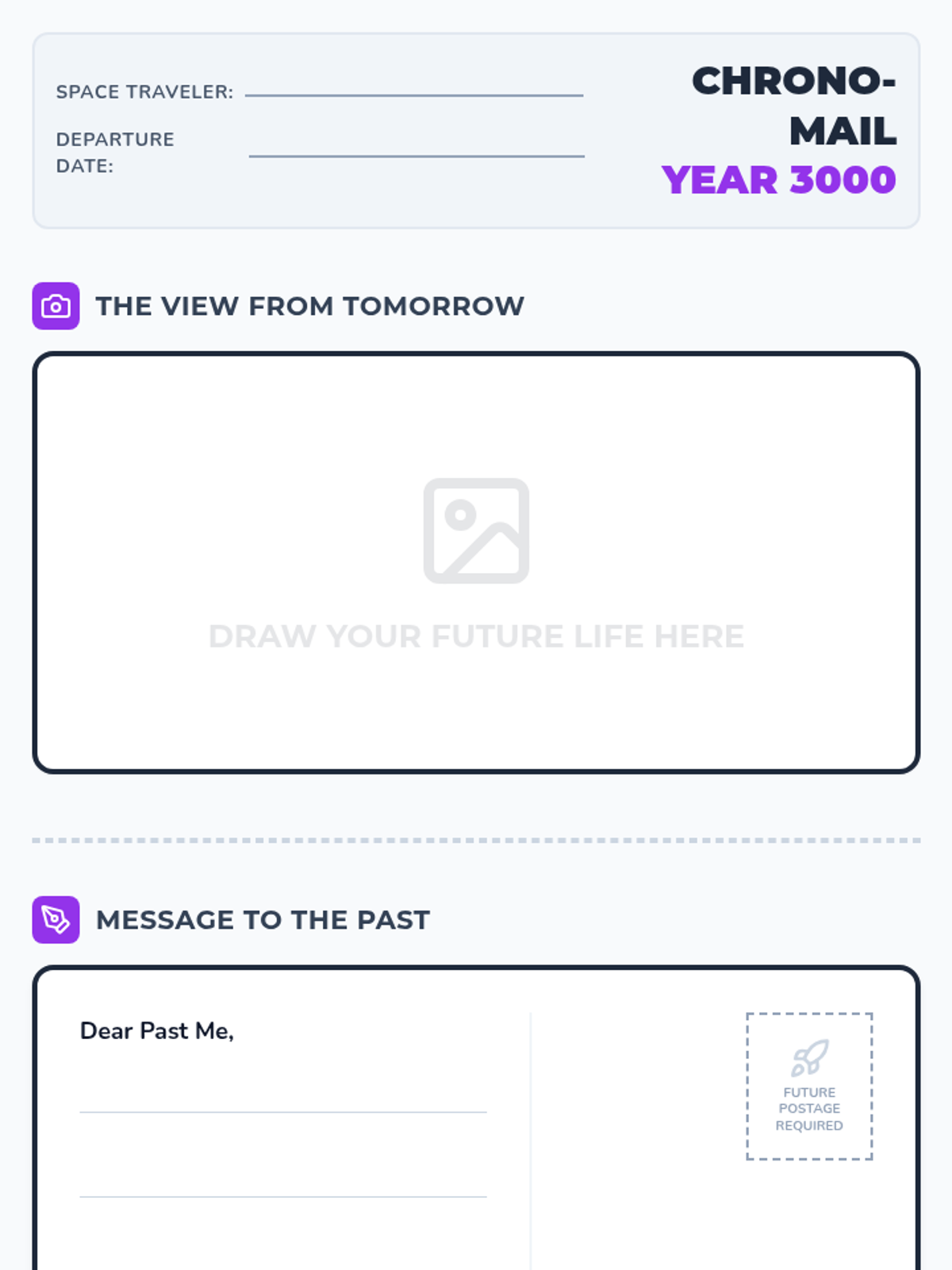
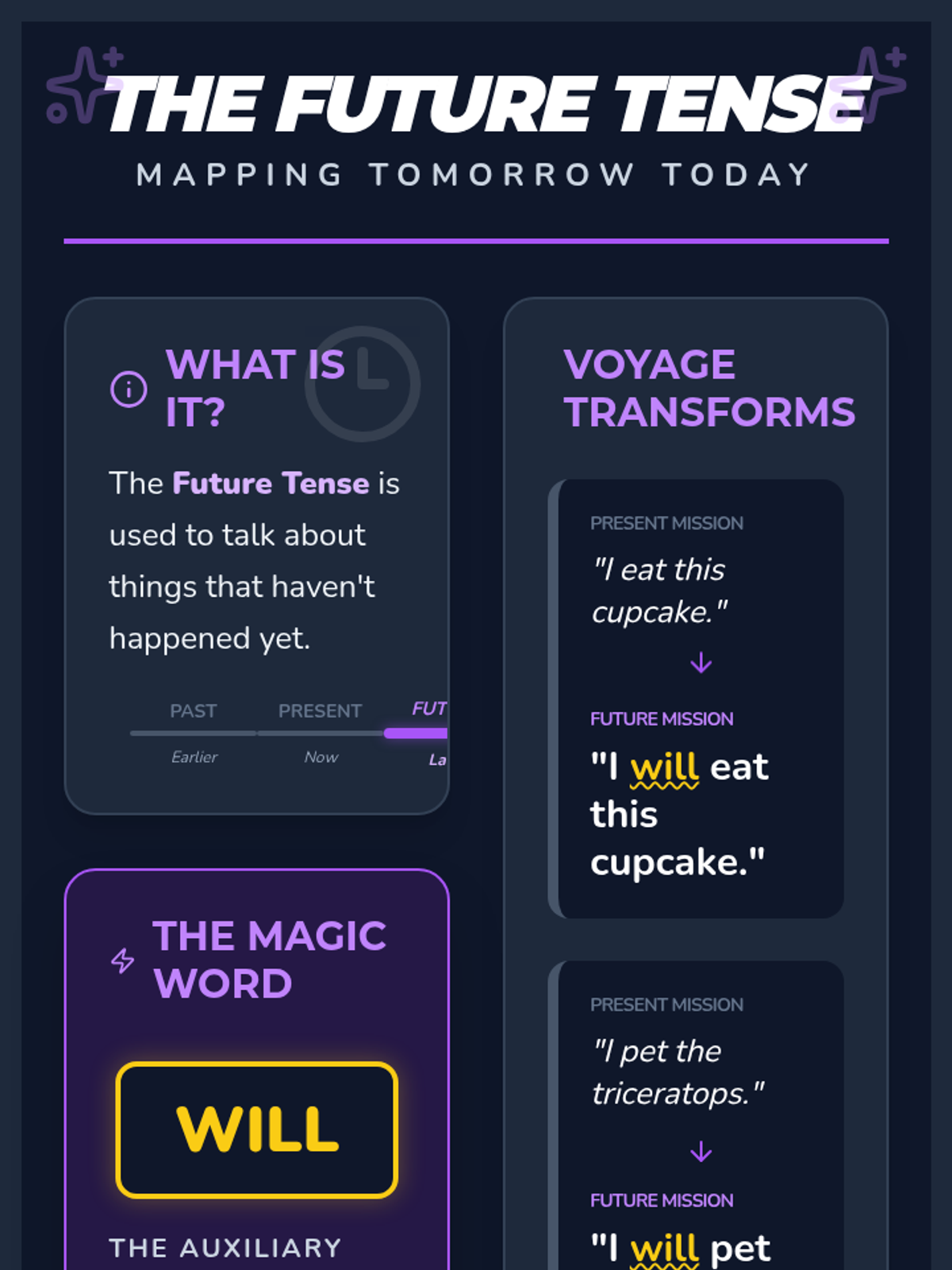
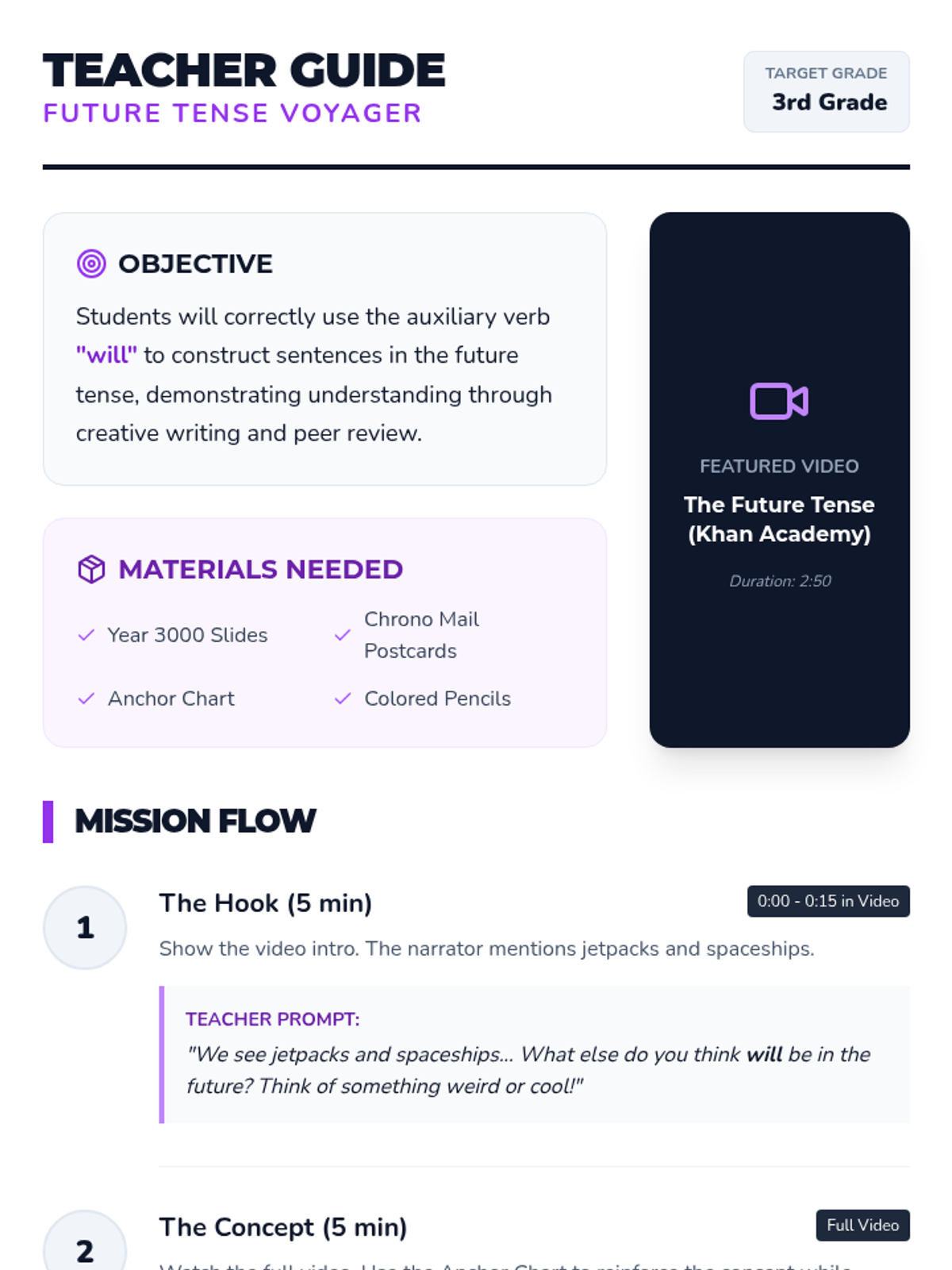
A 3rd-grade grammar lesson introducing the future tense using the auxiliary verb 'will' through a retro-futuristic creative writing activity. Students watch a Khan Academy video and then write postcards from the year 3000 to practice their new skills.
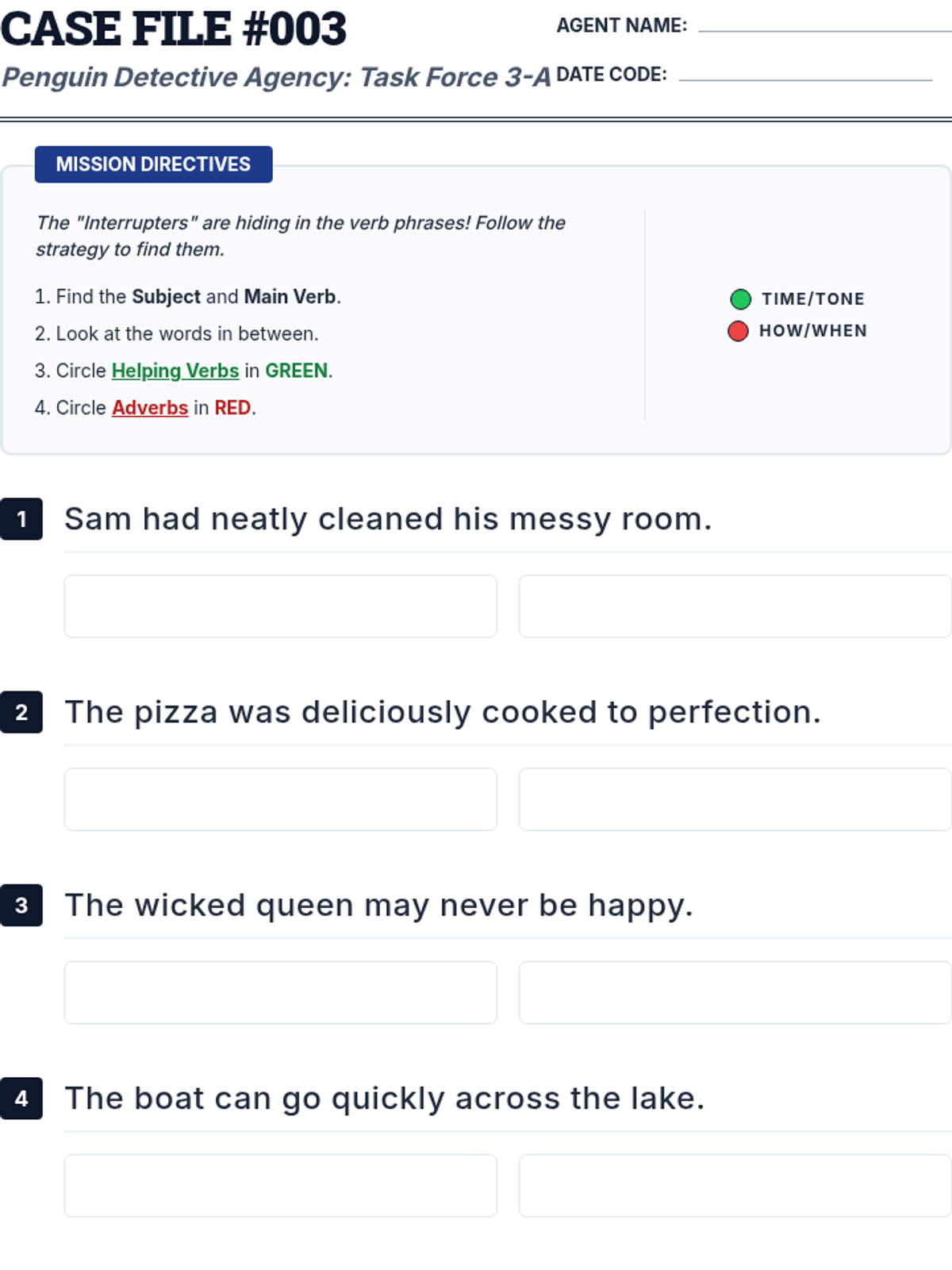
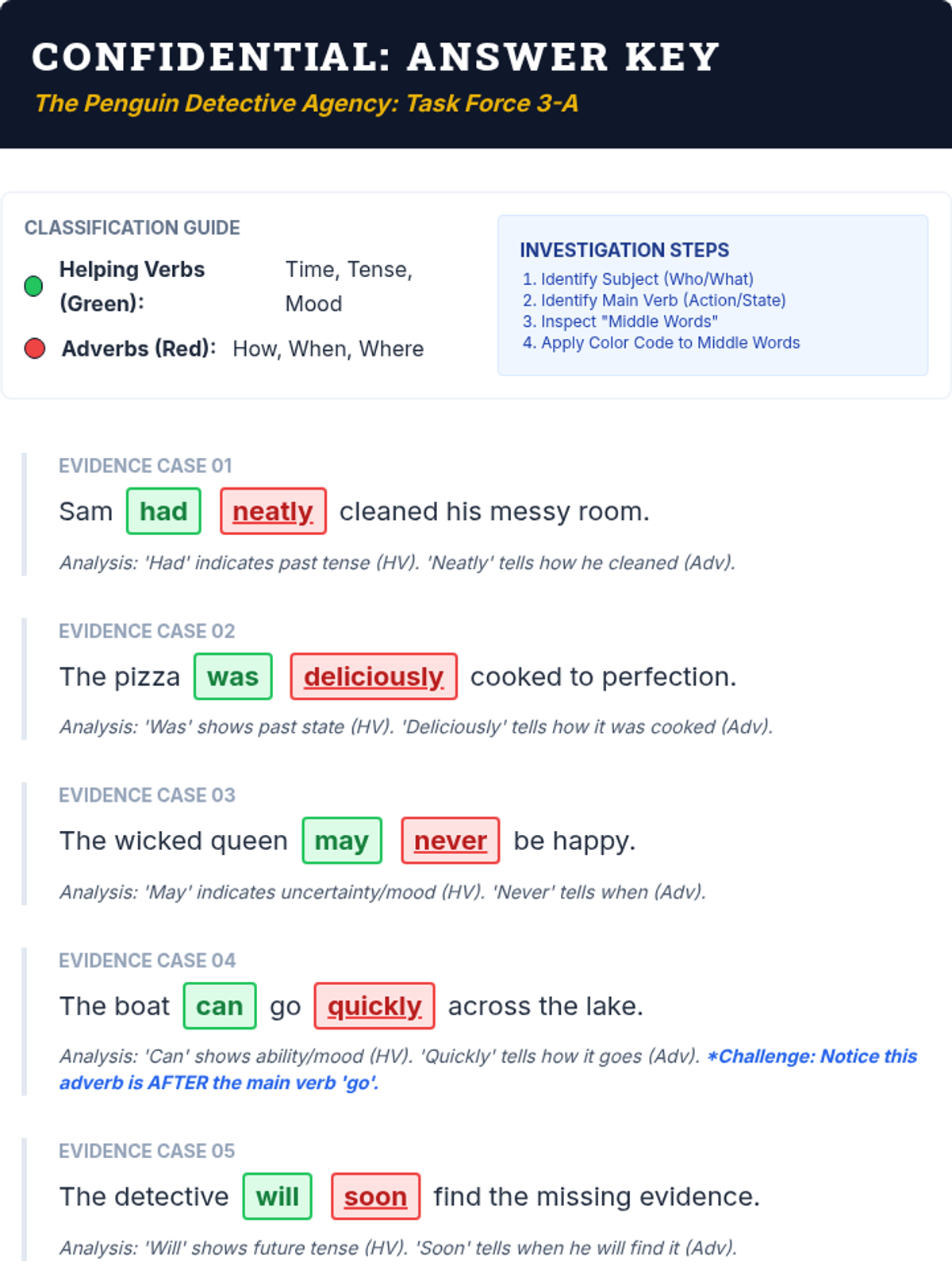
A detective-themed lesson where students investigate 'interrupter' adverbs that split verb phrases, using color-coding and physical movements to differentiate between helping verbs and adverbs.
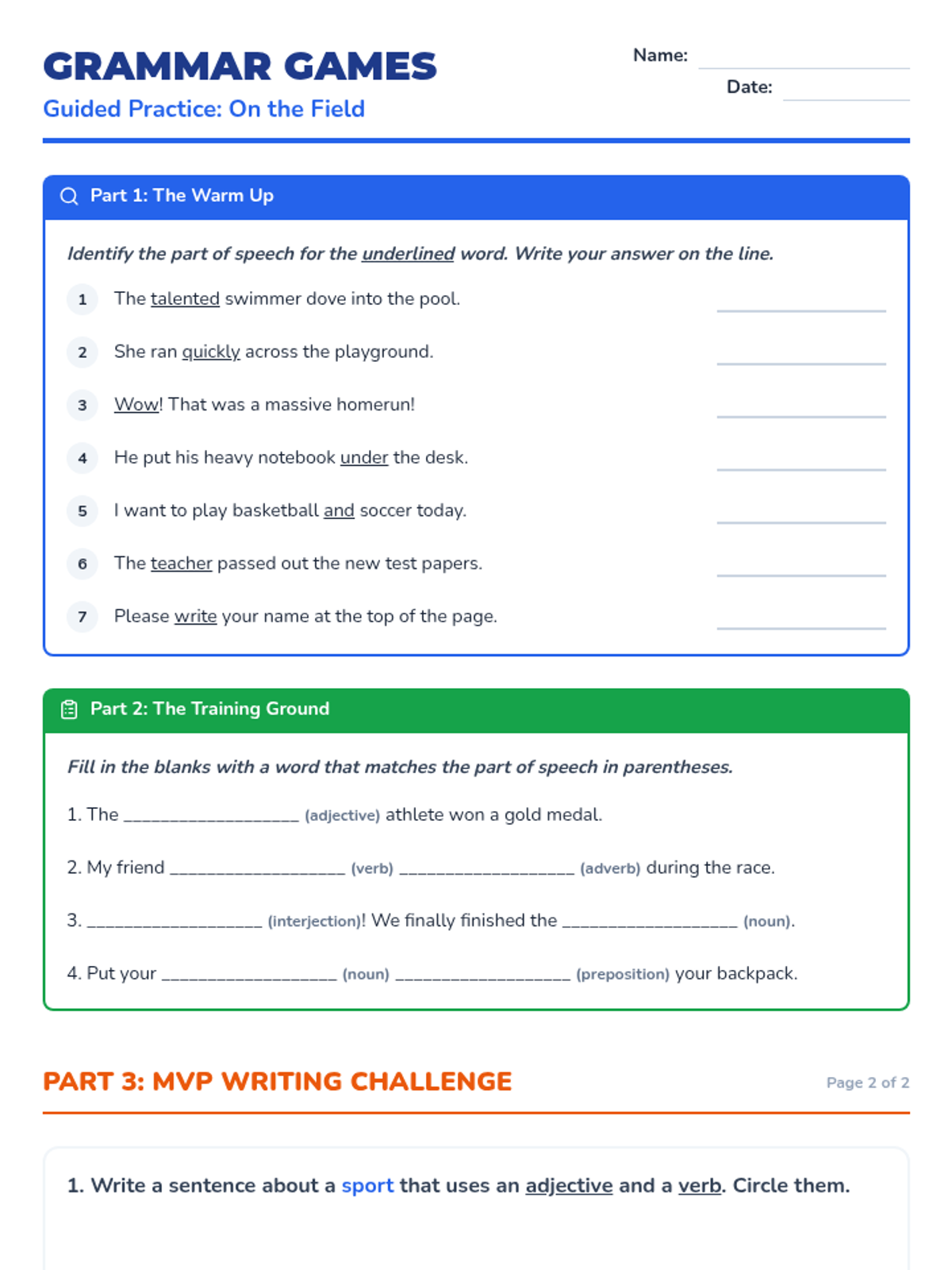
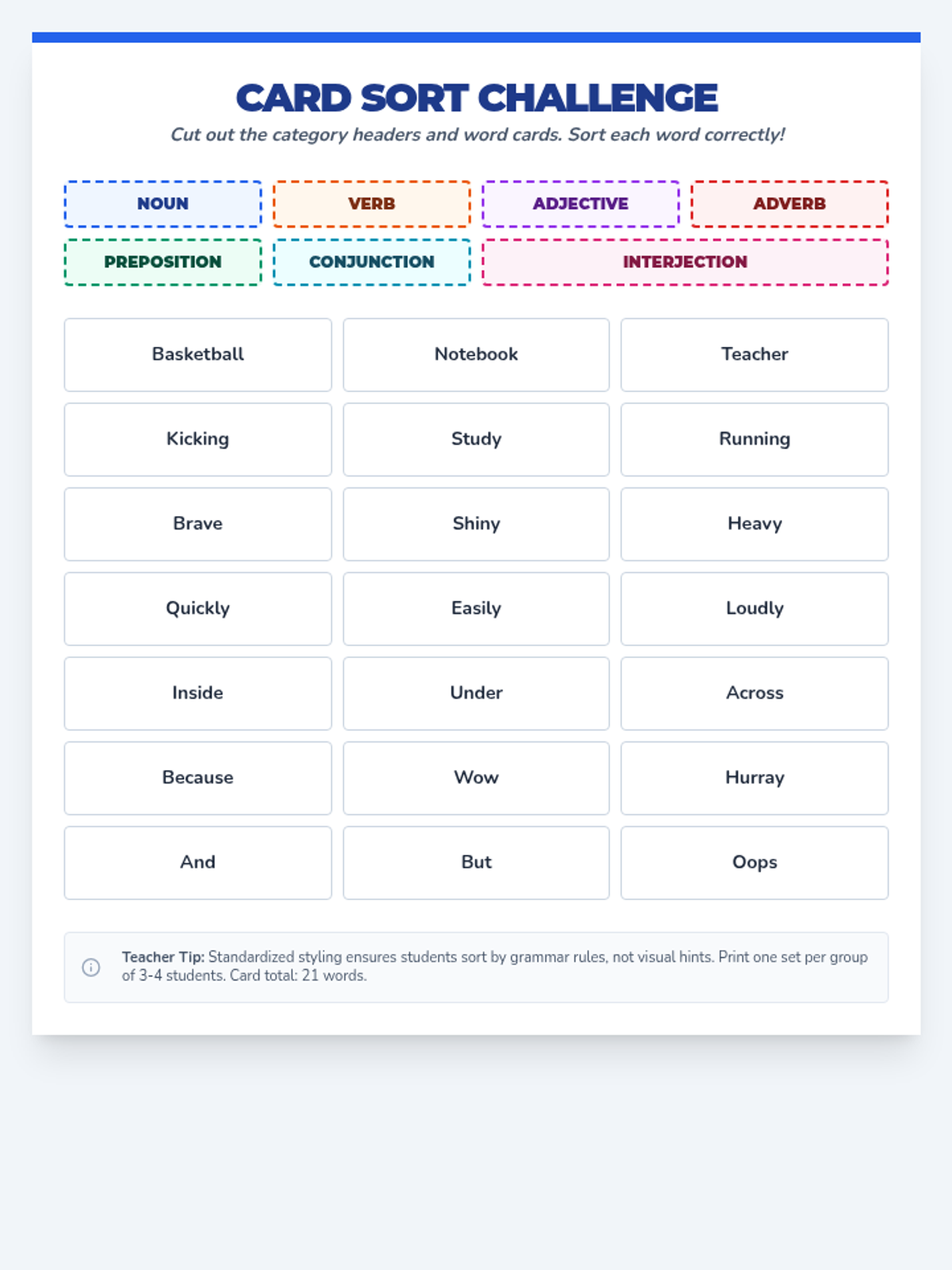
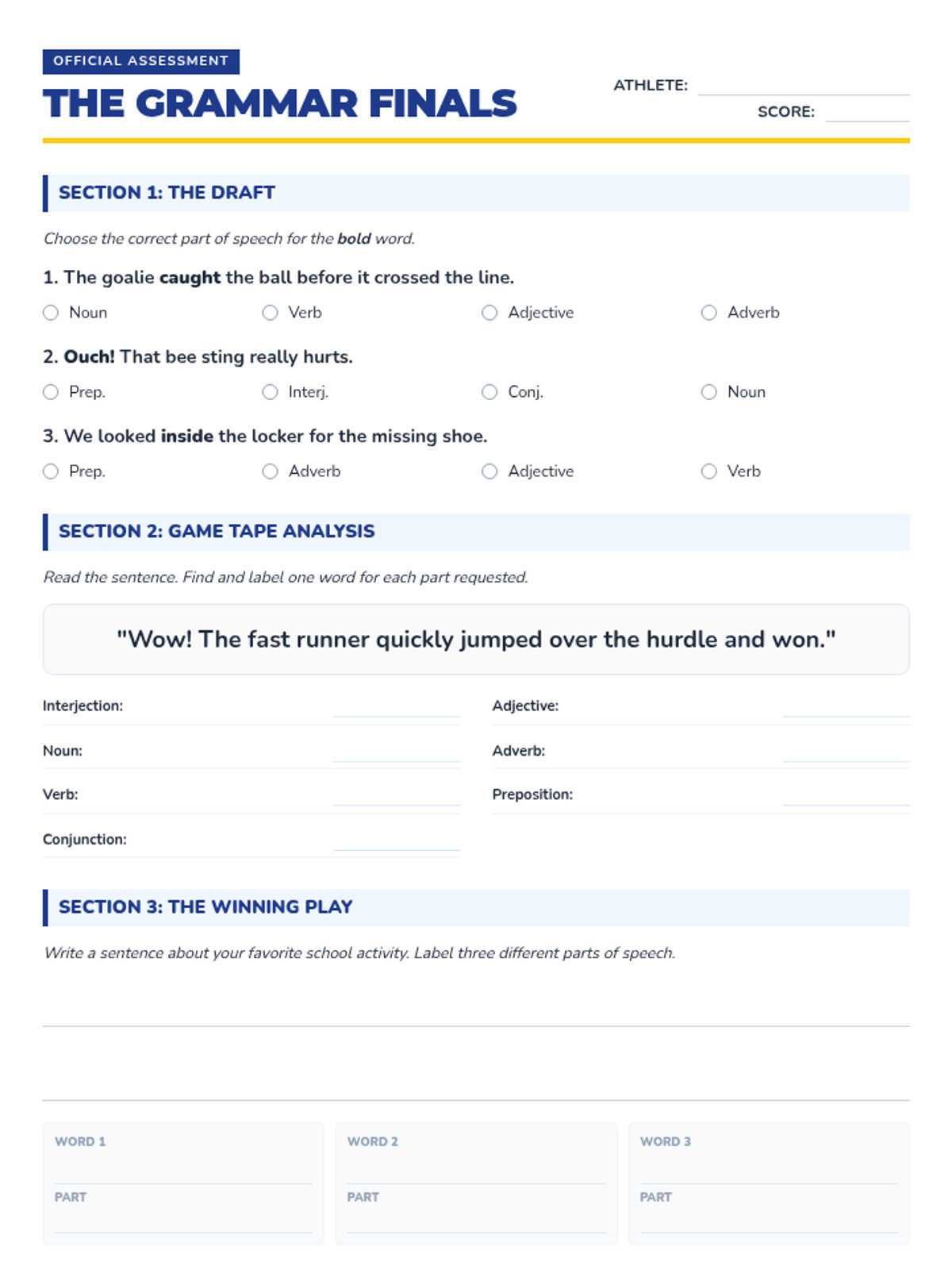
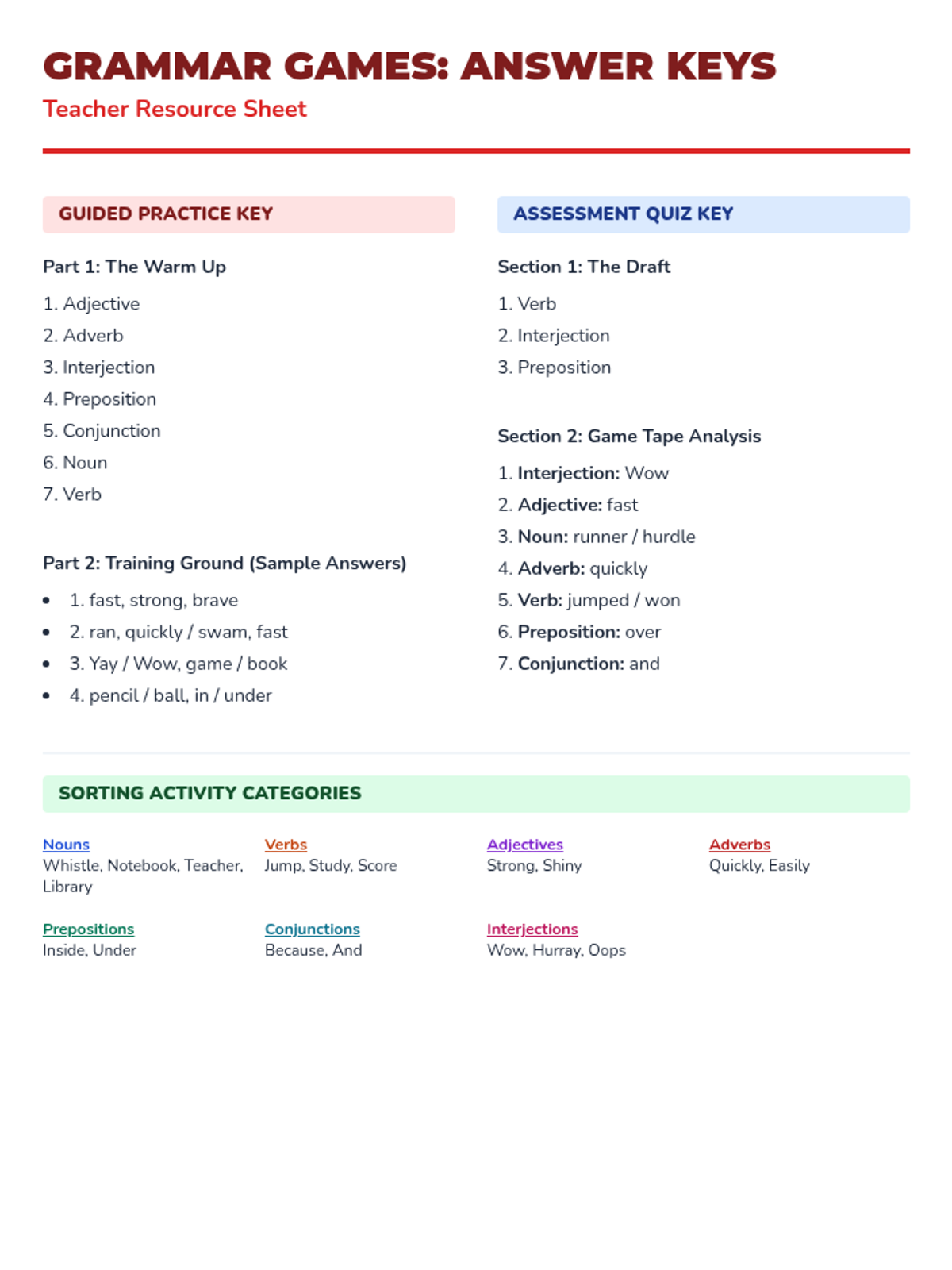
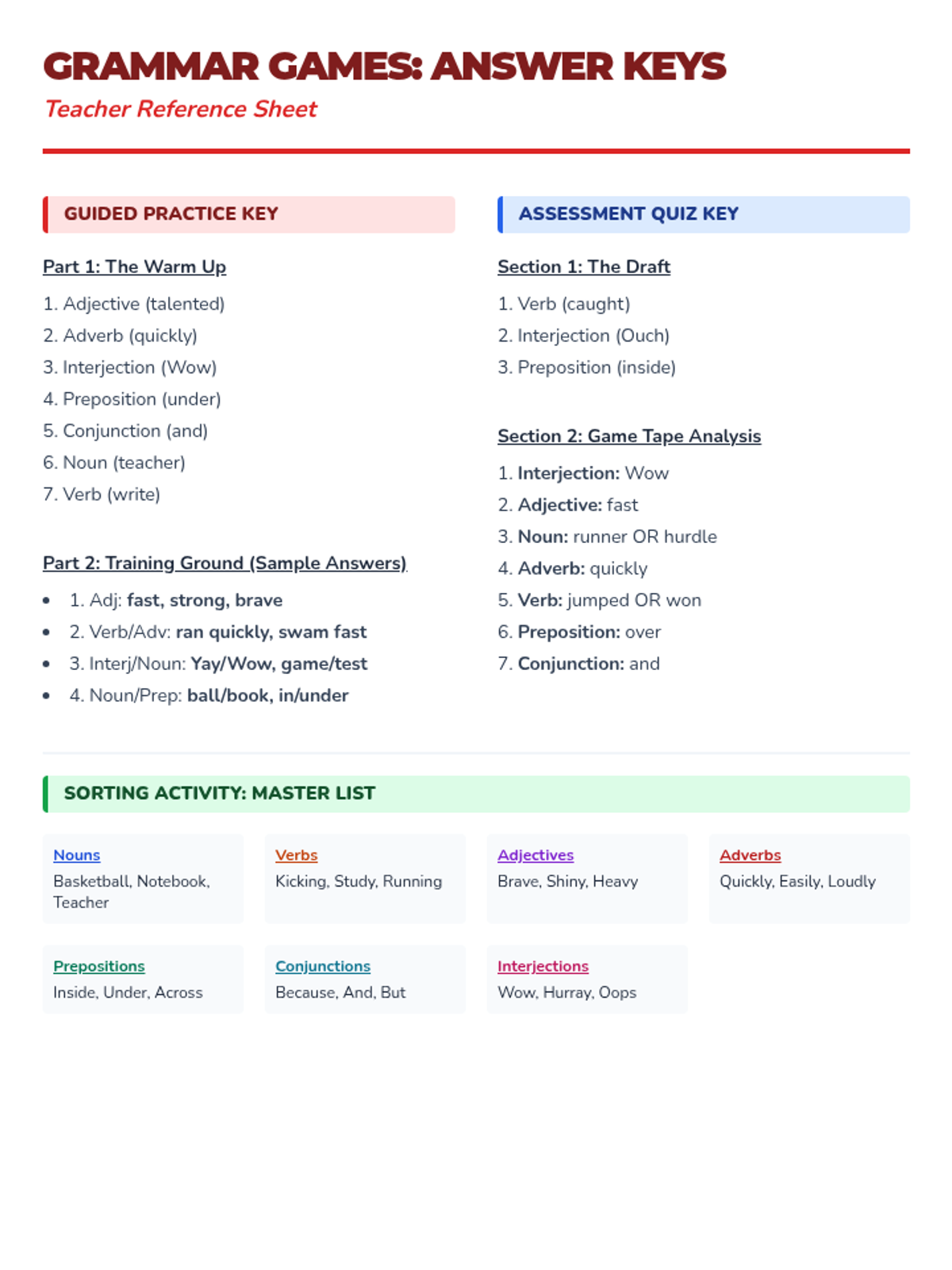
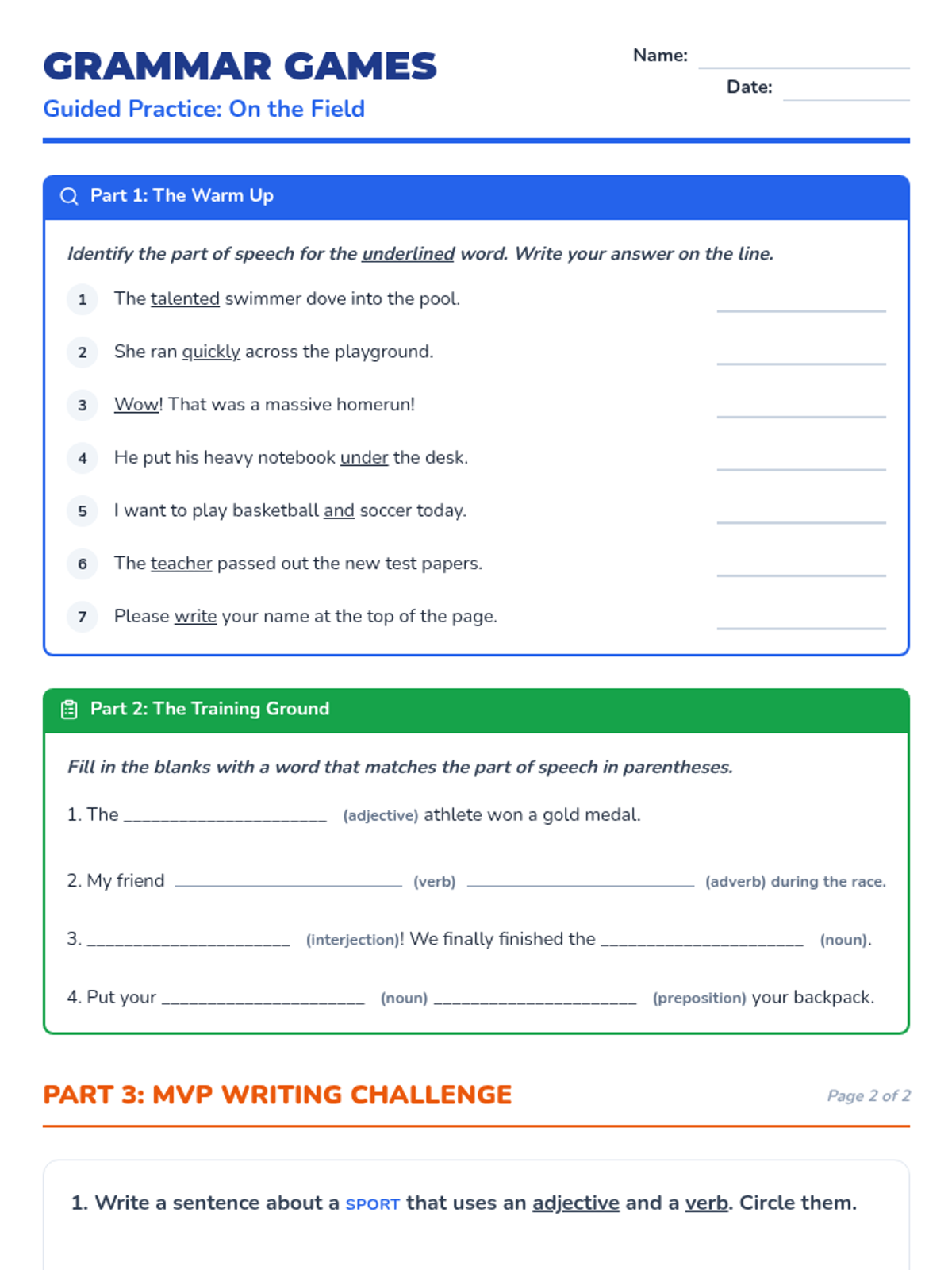
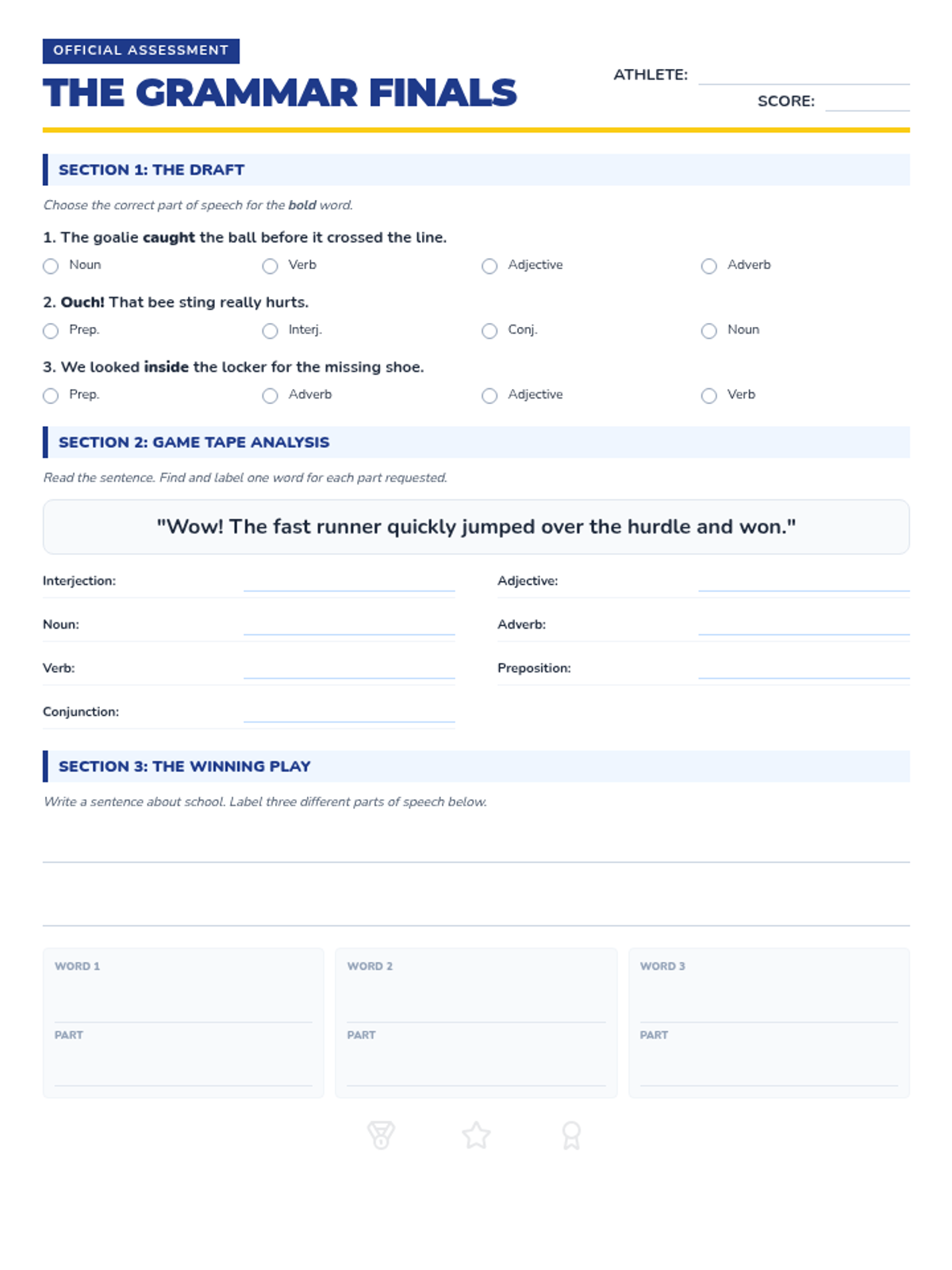
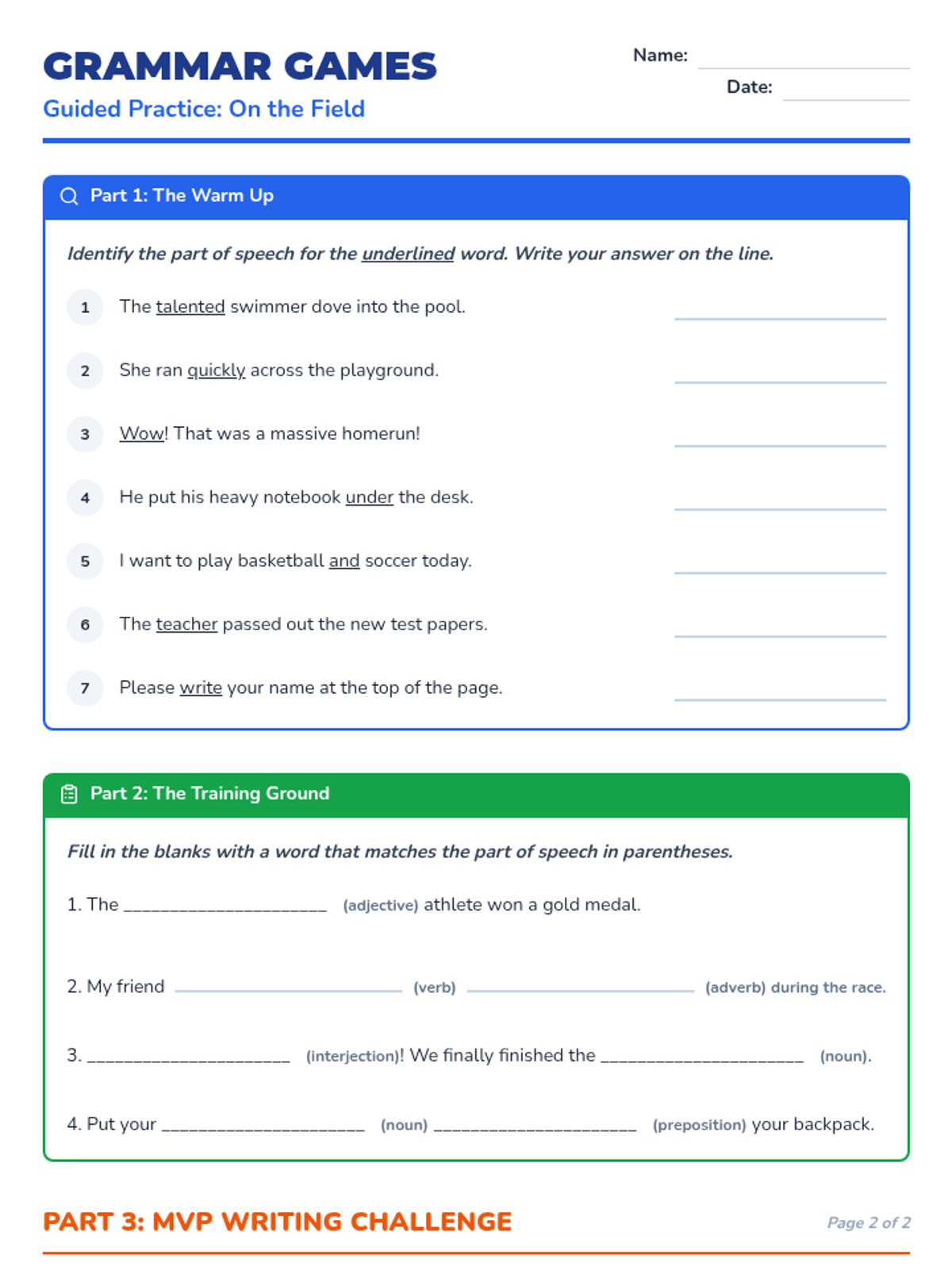
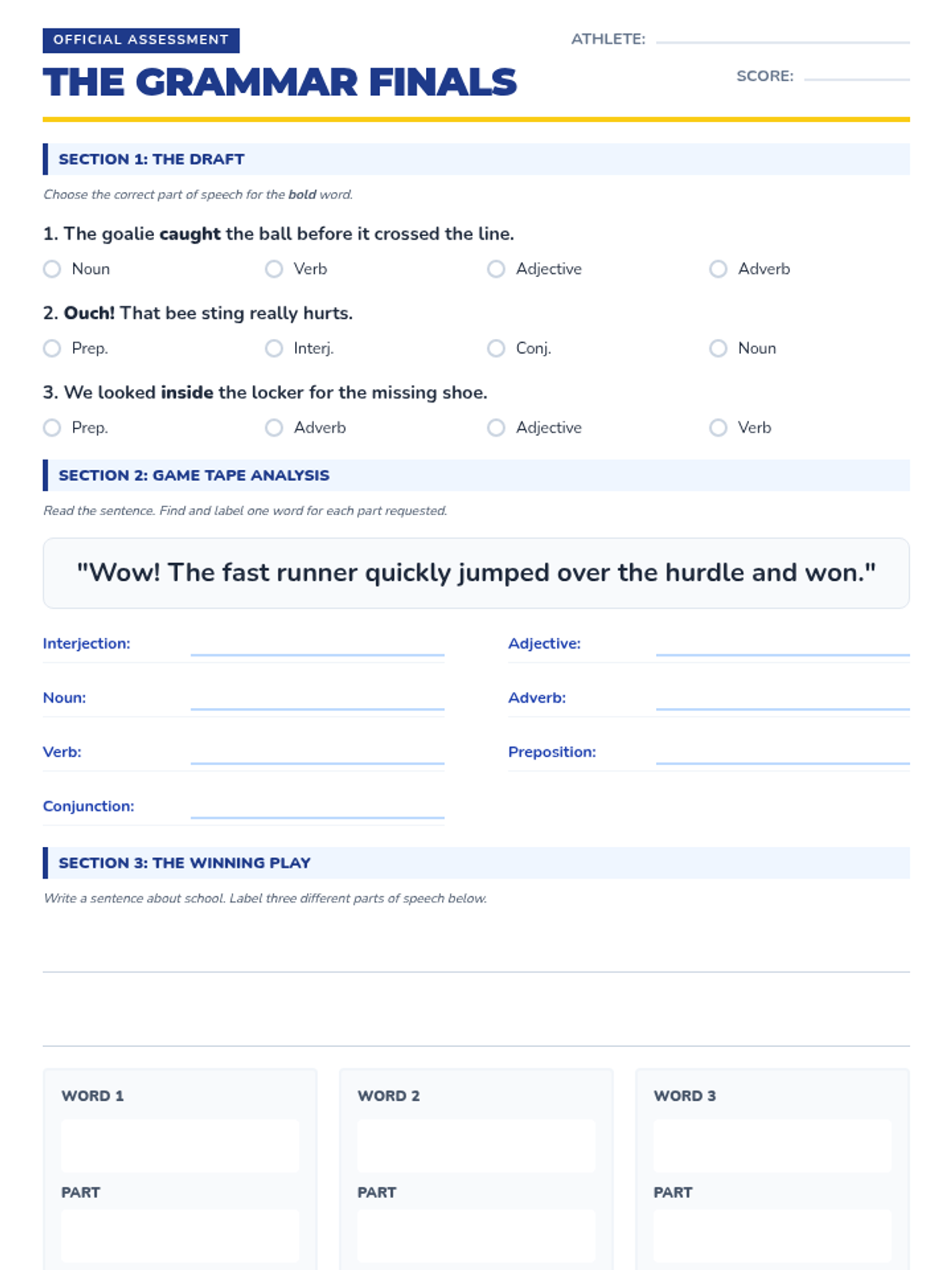
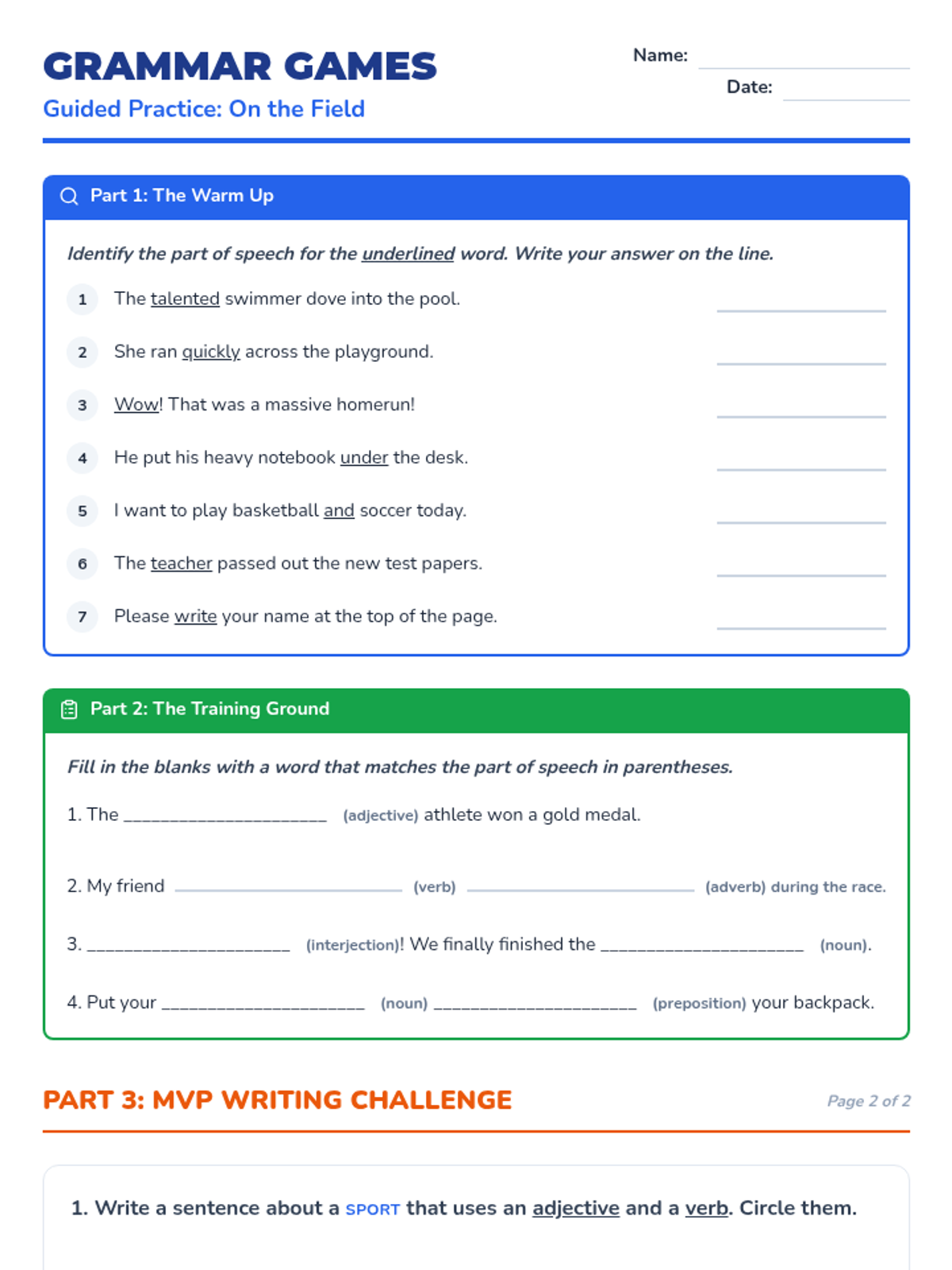
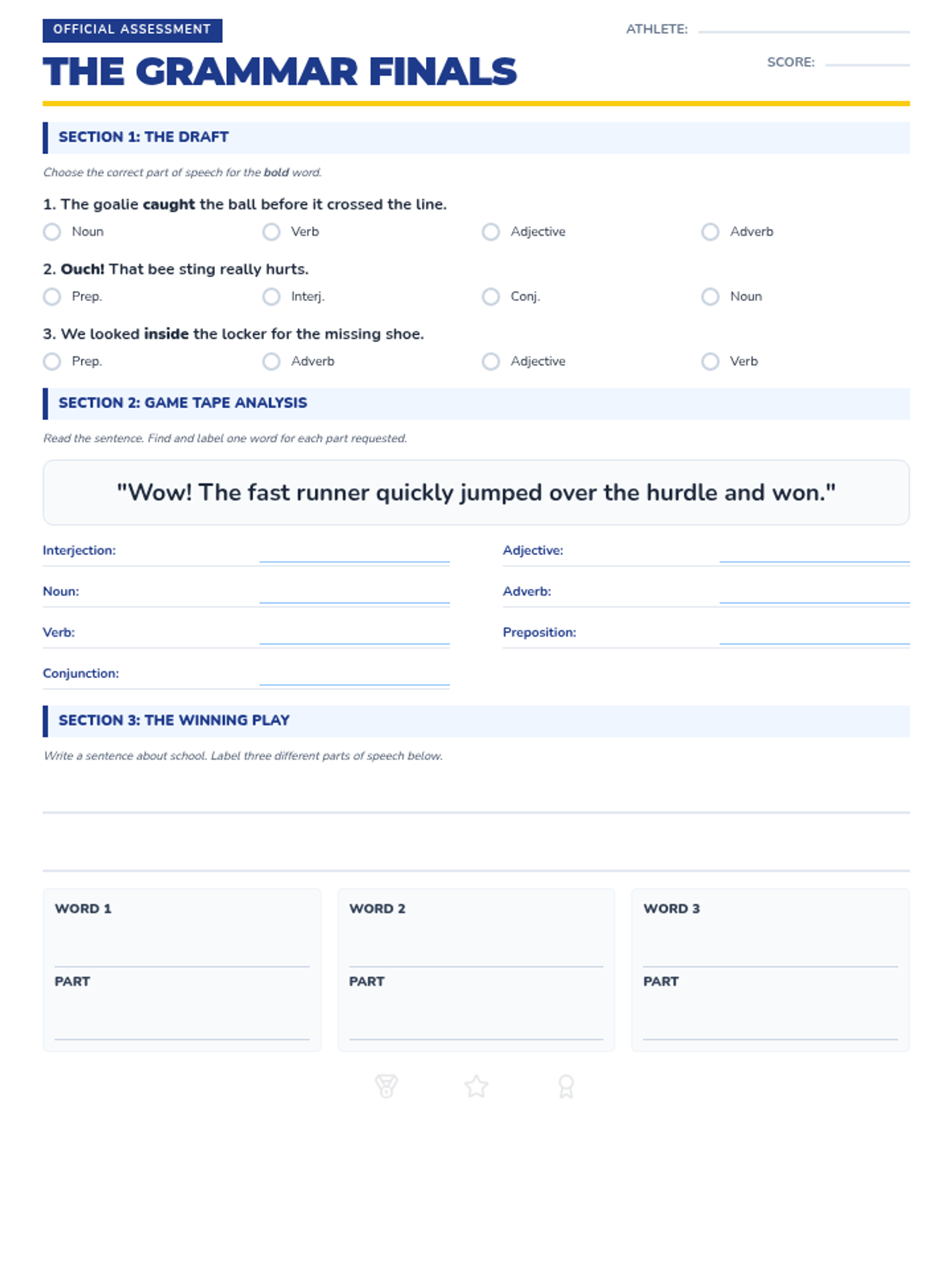
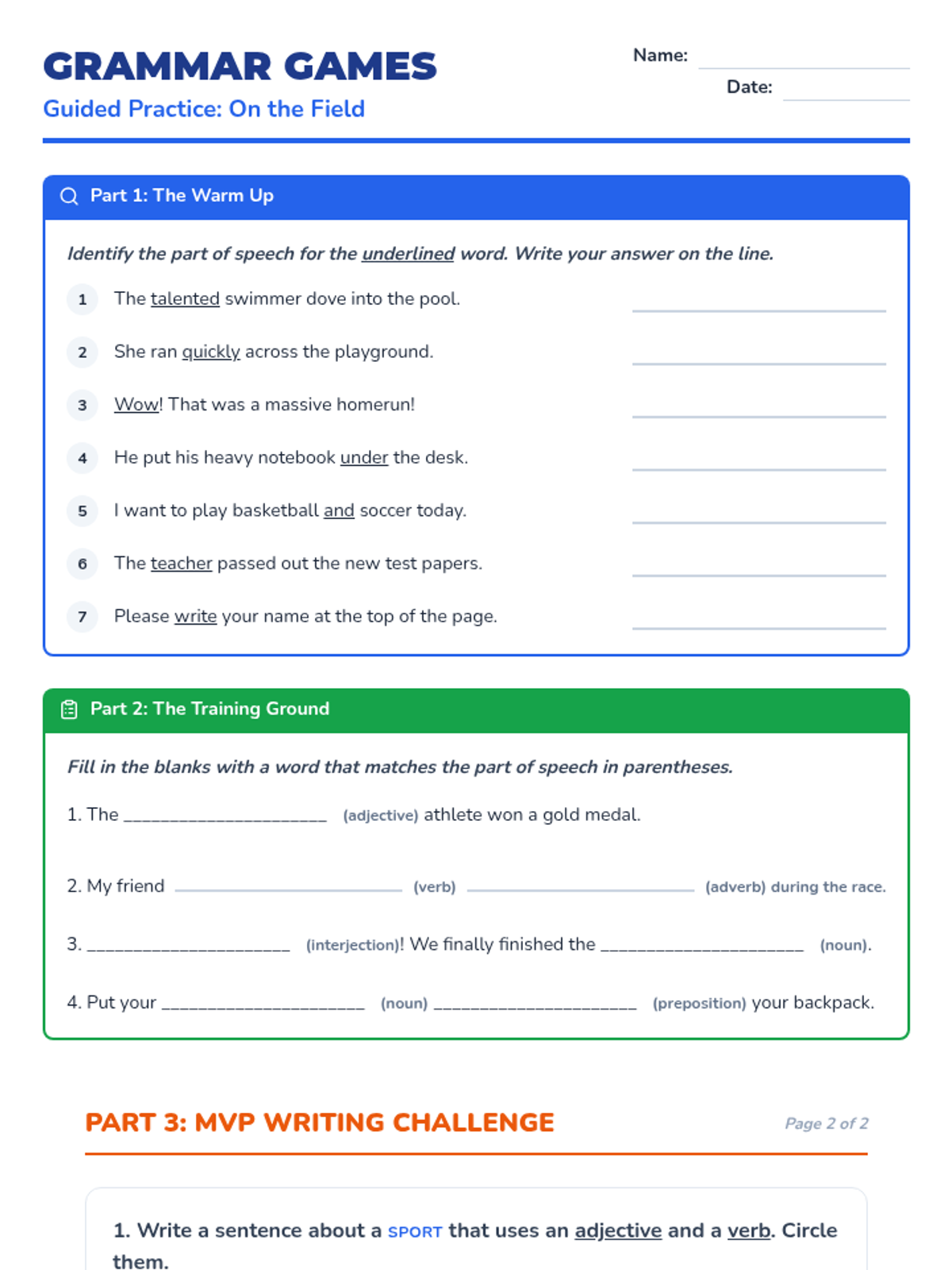
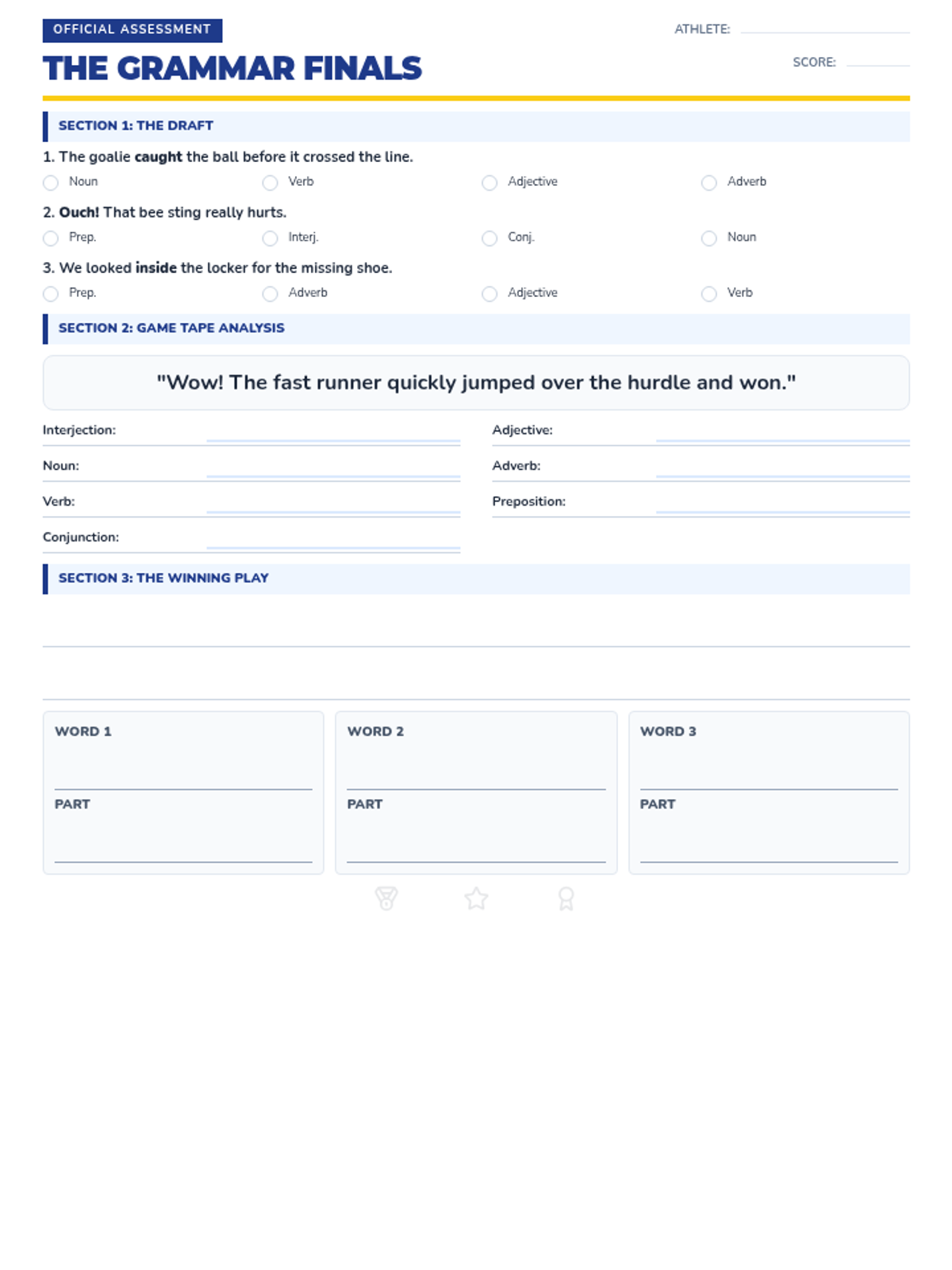
A lesson focusing on identifying nouns, verbs, adjectives, adverbs, prepositions, conjunctions, and interjections using athletic and academic contexts.
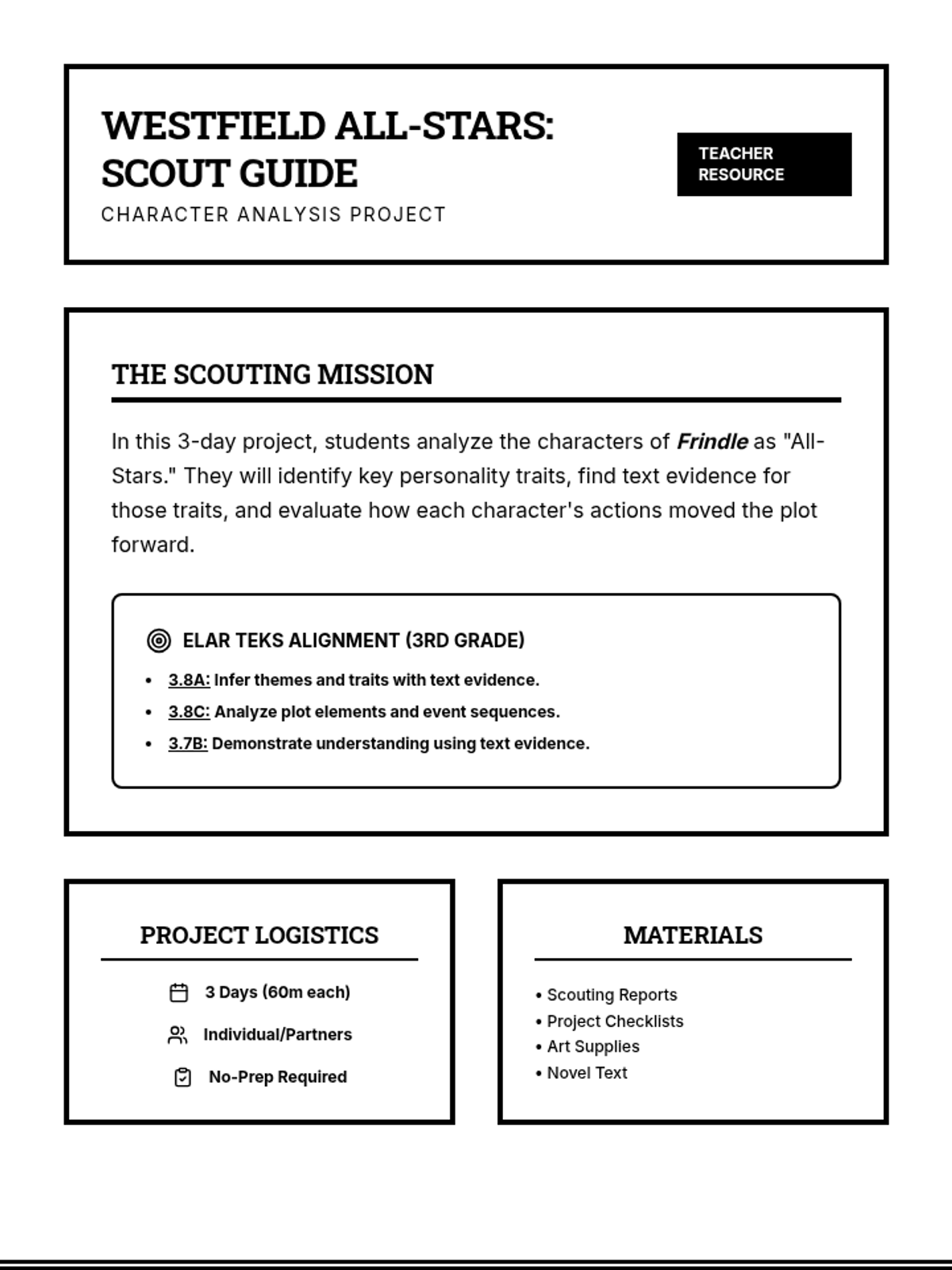
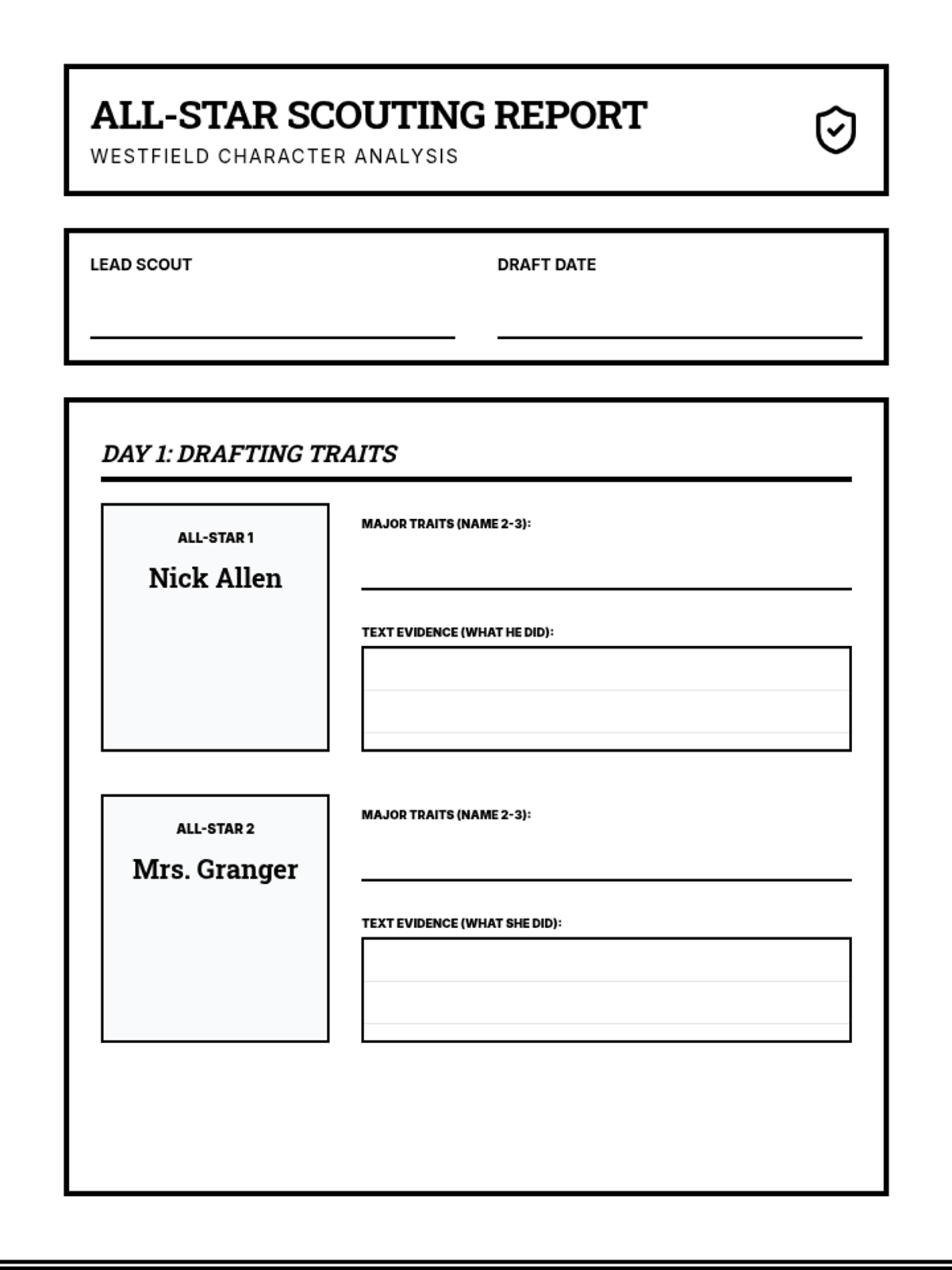
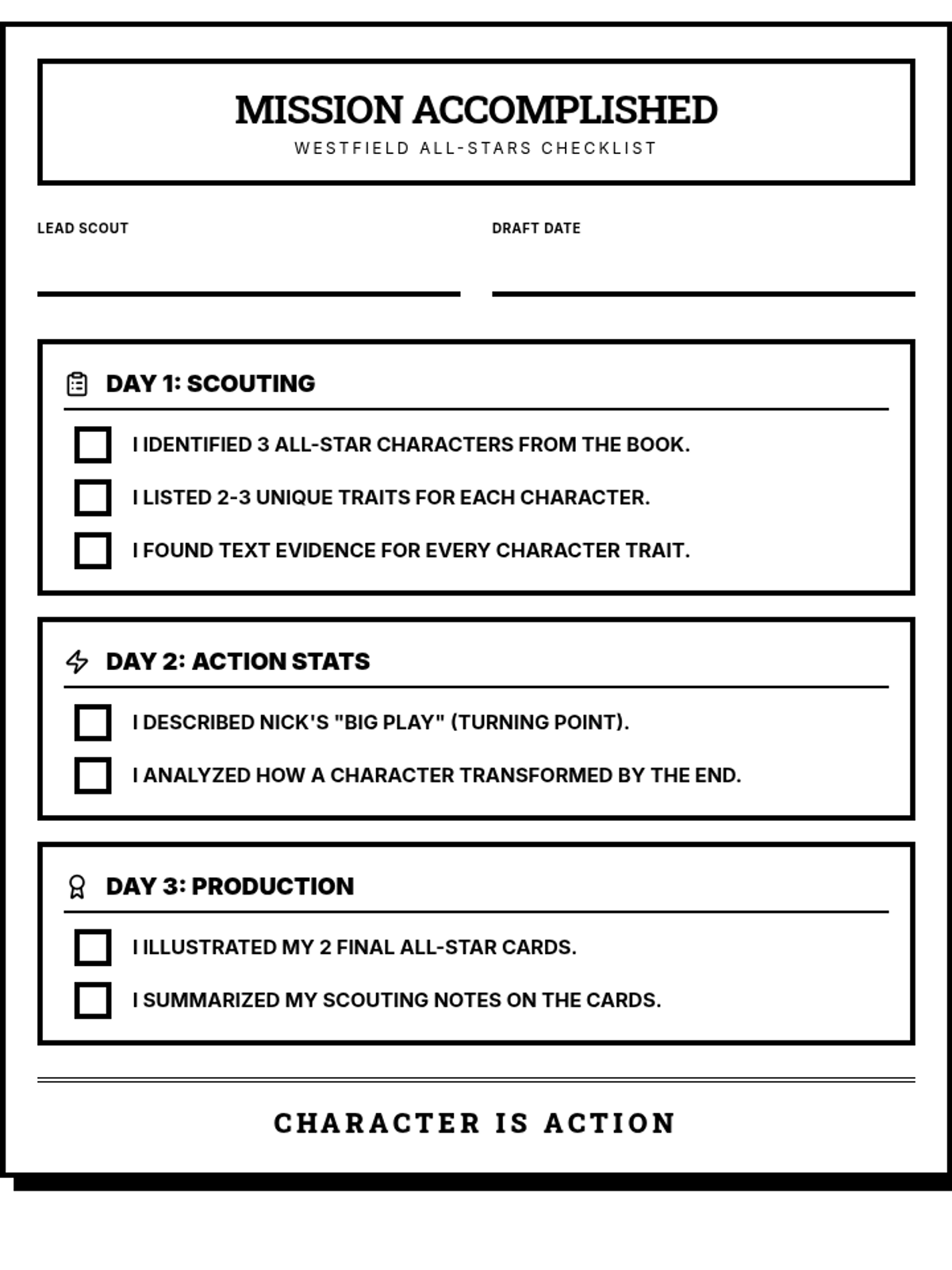
A 3-day post-reading project where students analyze character traits (3.8A) and plot influence (3.8C) by creating a collection of 'Westfield All-Star' character trading cards.
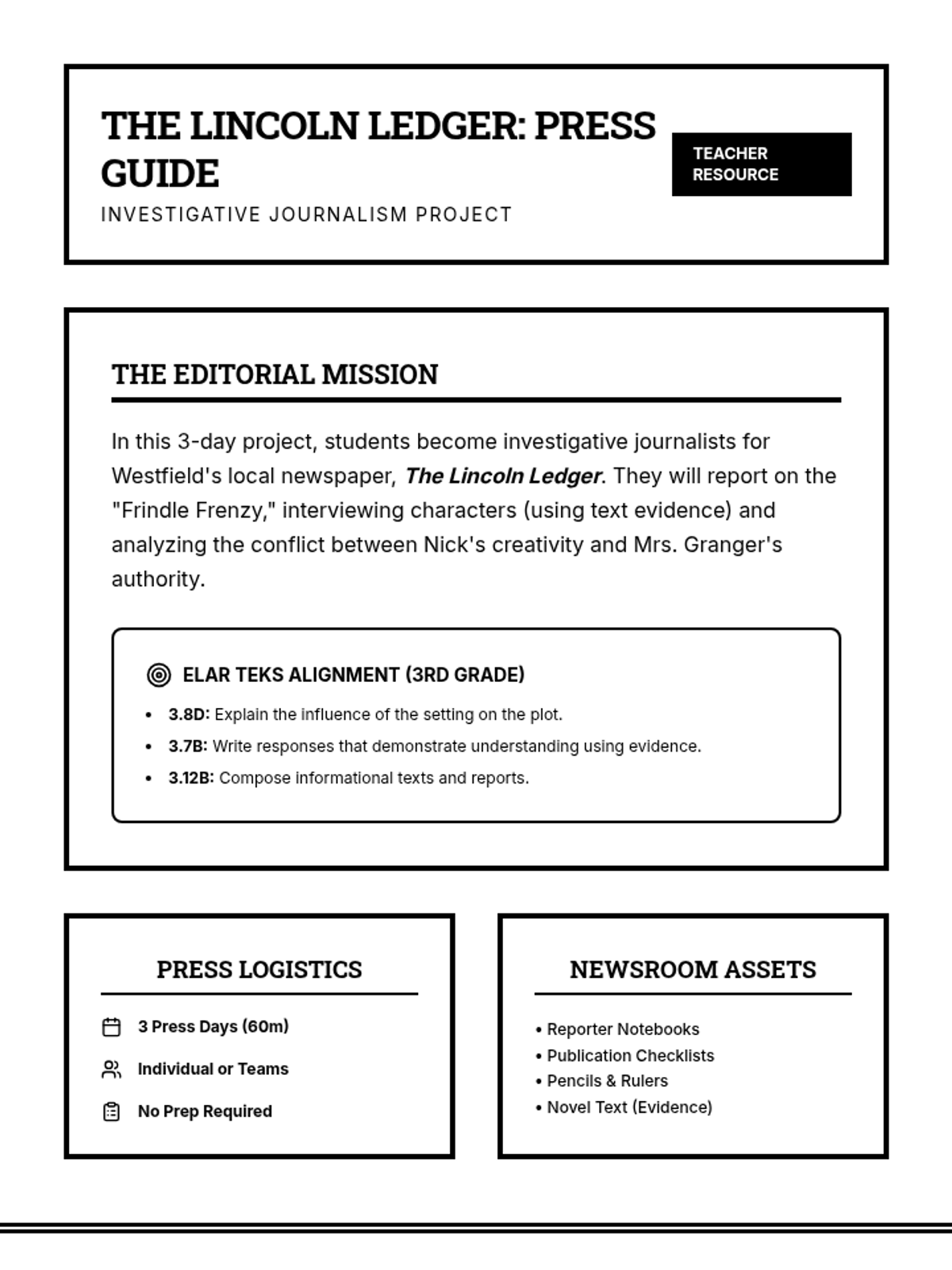
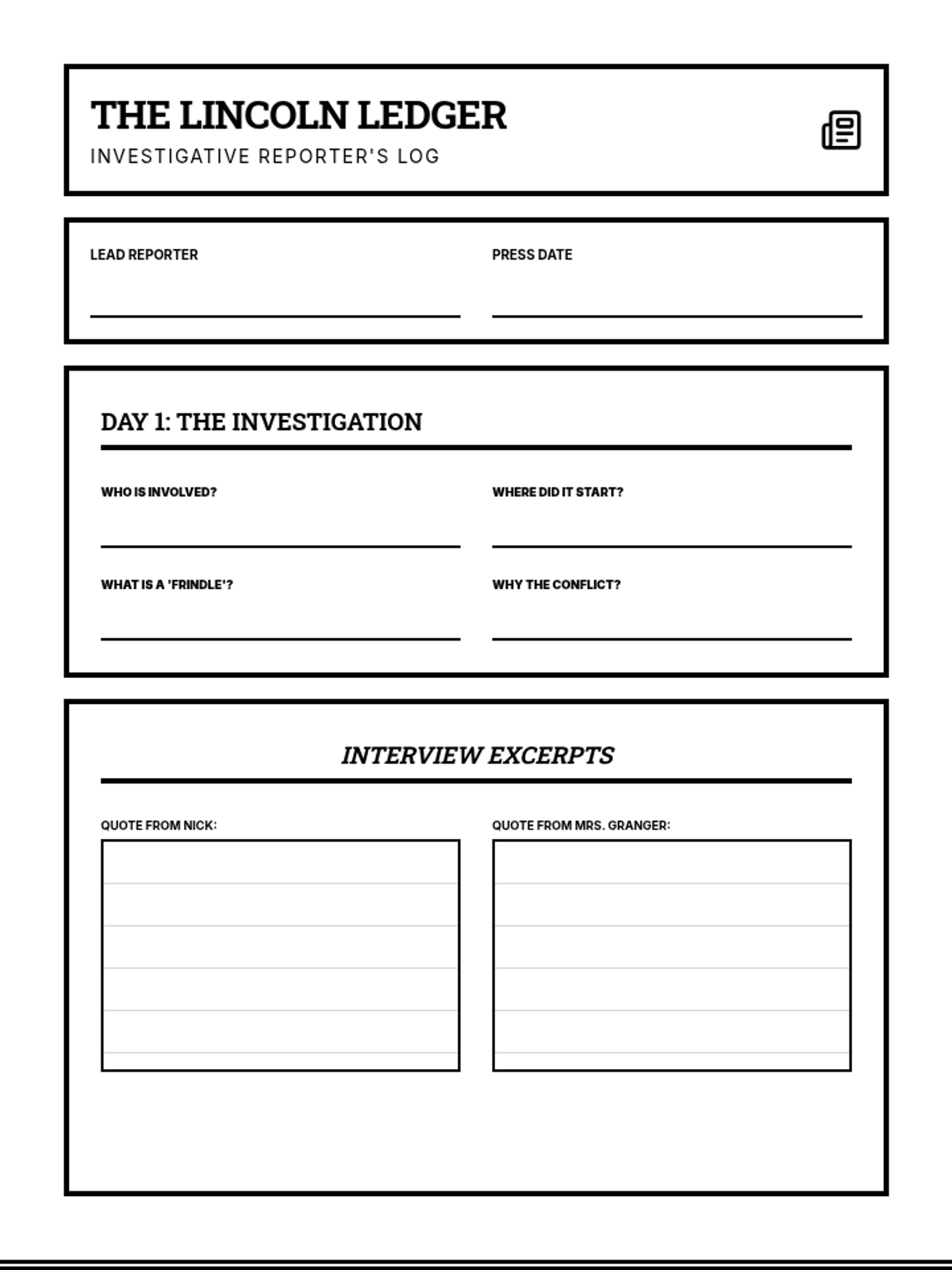
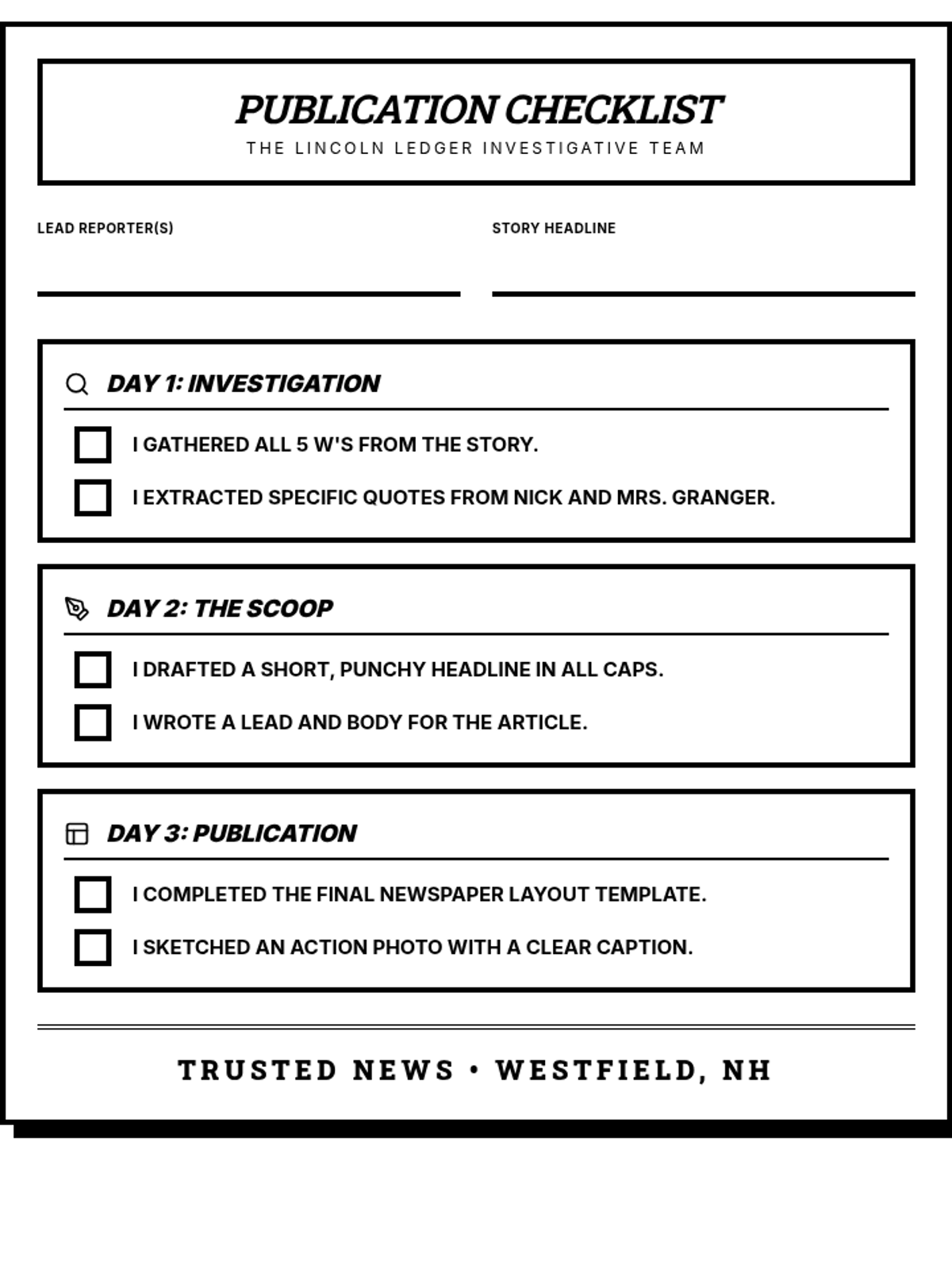
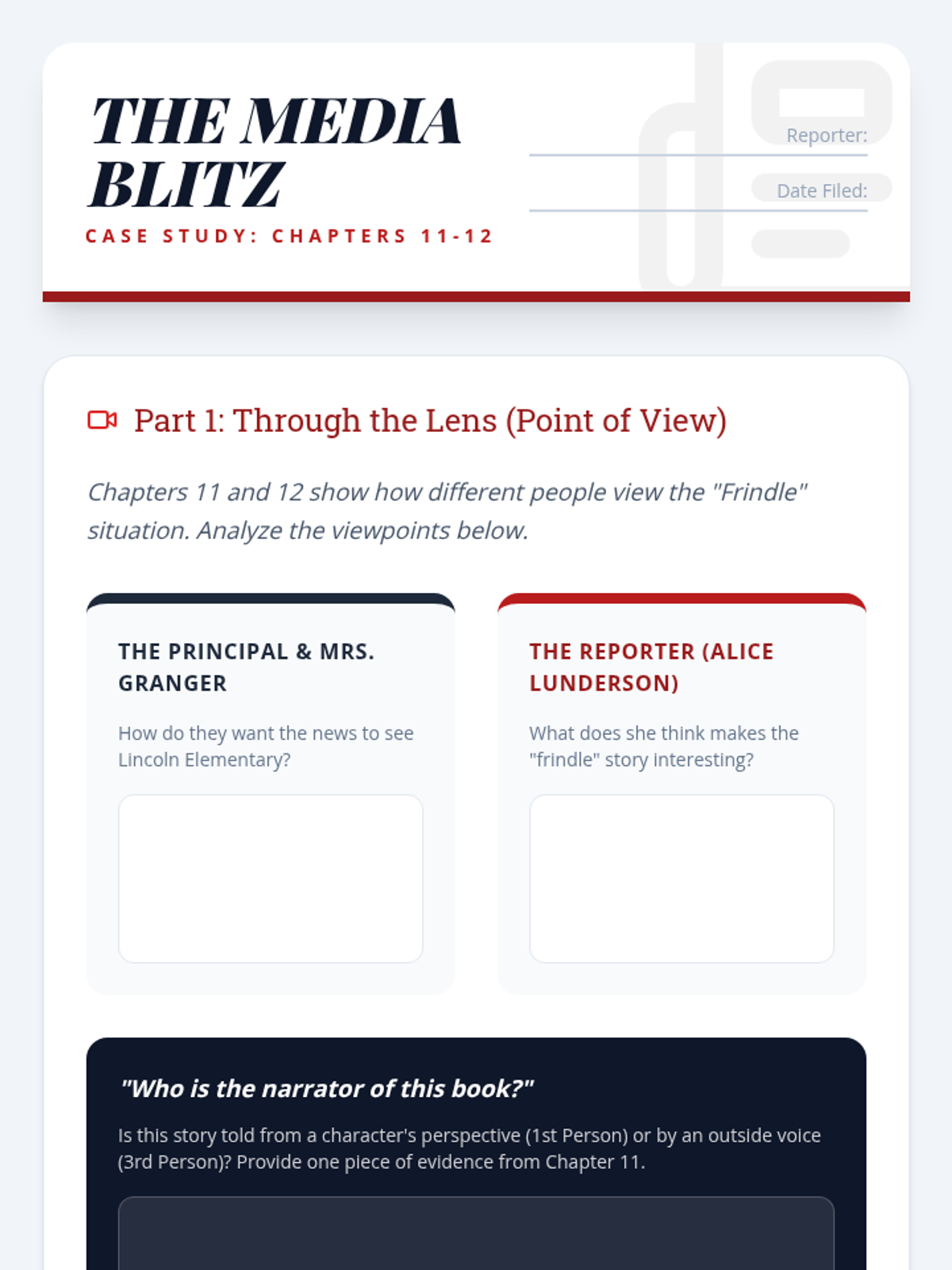
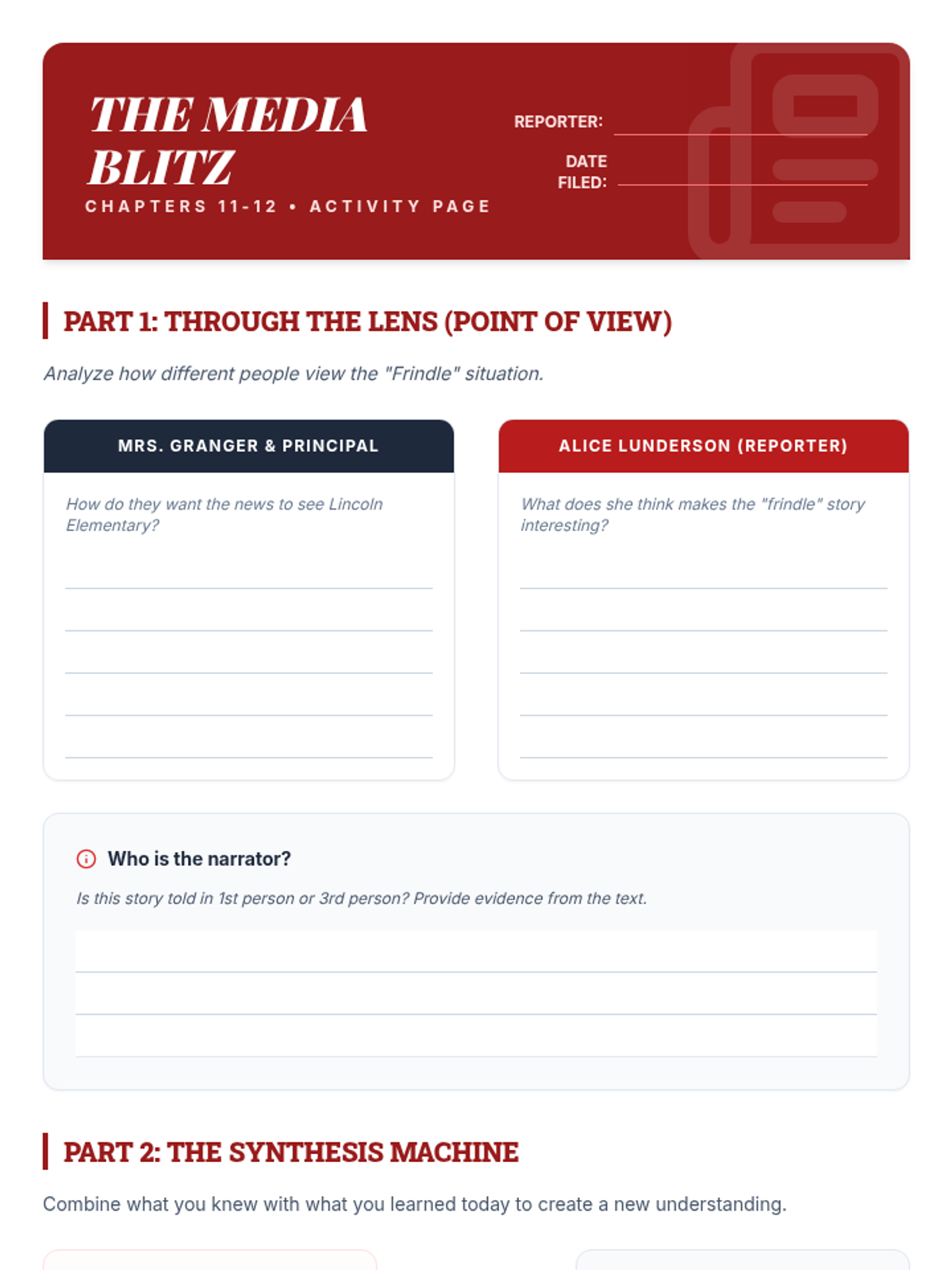
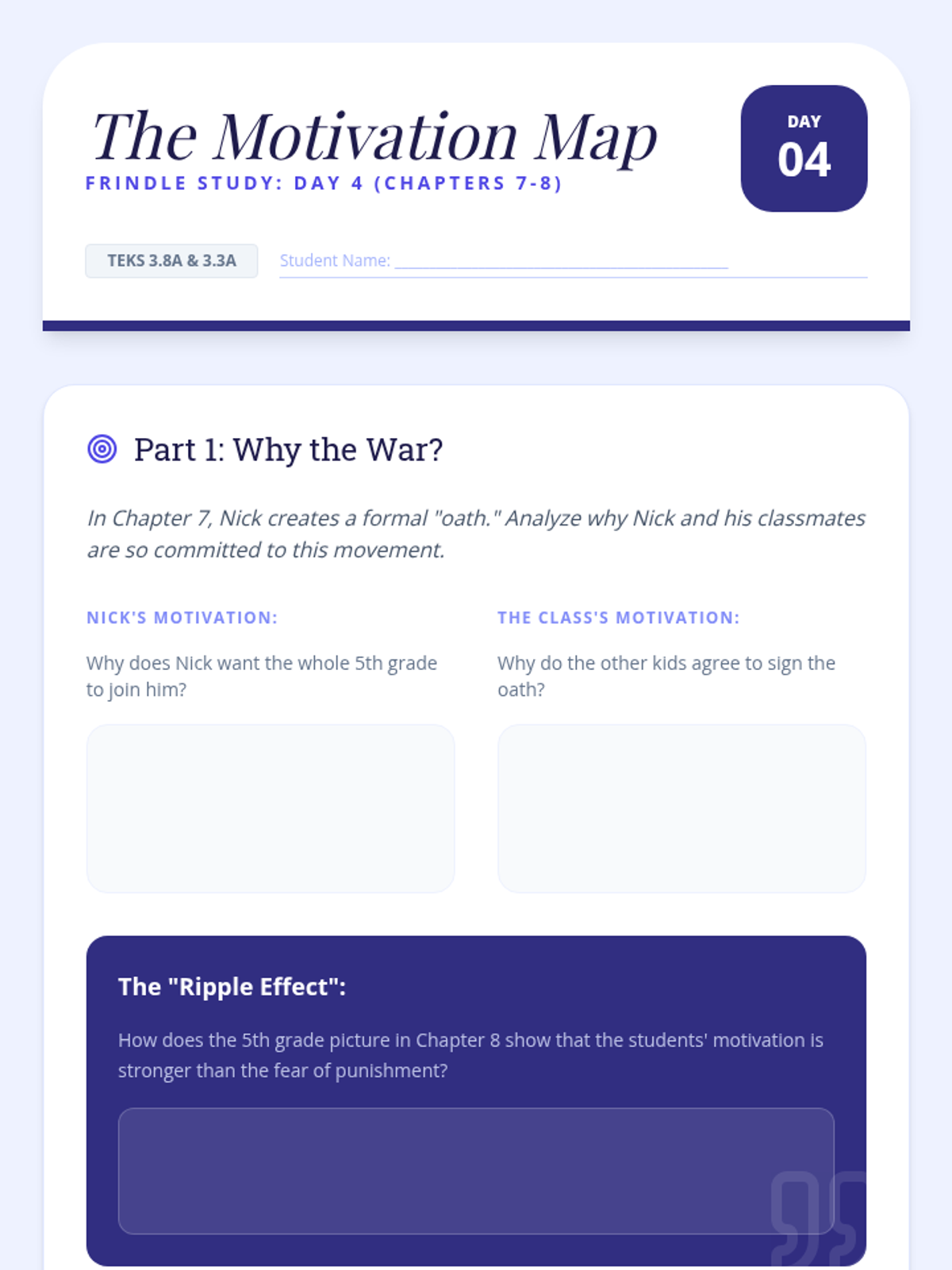
A 3-day post-reading project where students become investigative journalists for 'The Lincoln Ledger,' covering the national sensation of the word 'frindle' and the 'war' between Nick and Mrs. Granger.
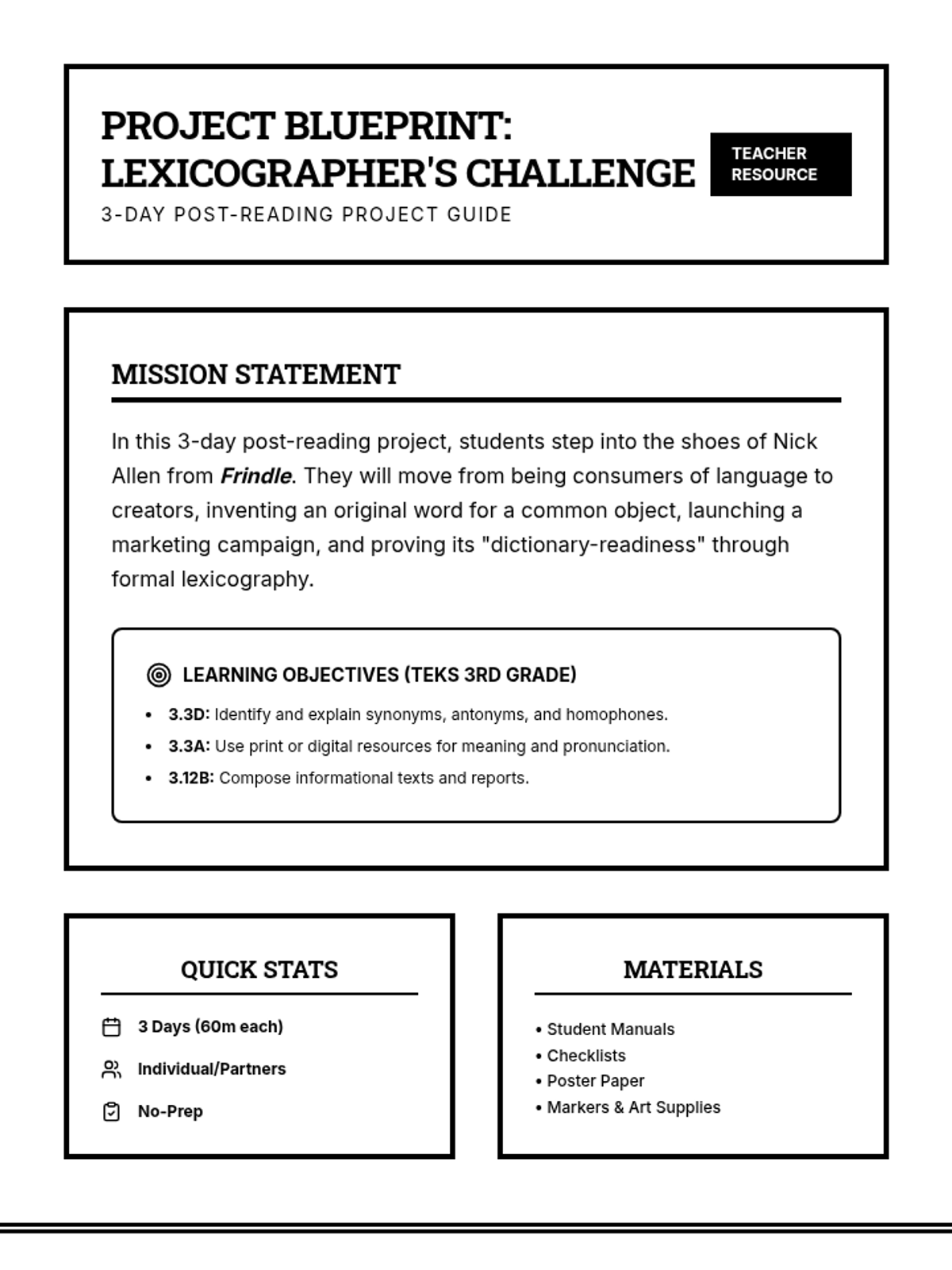
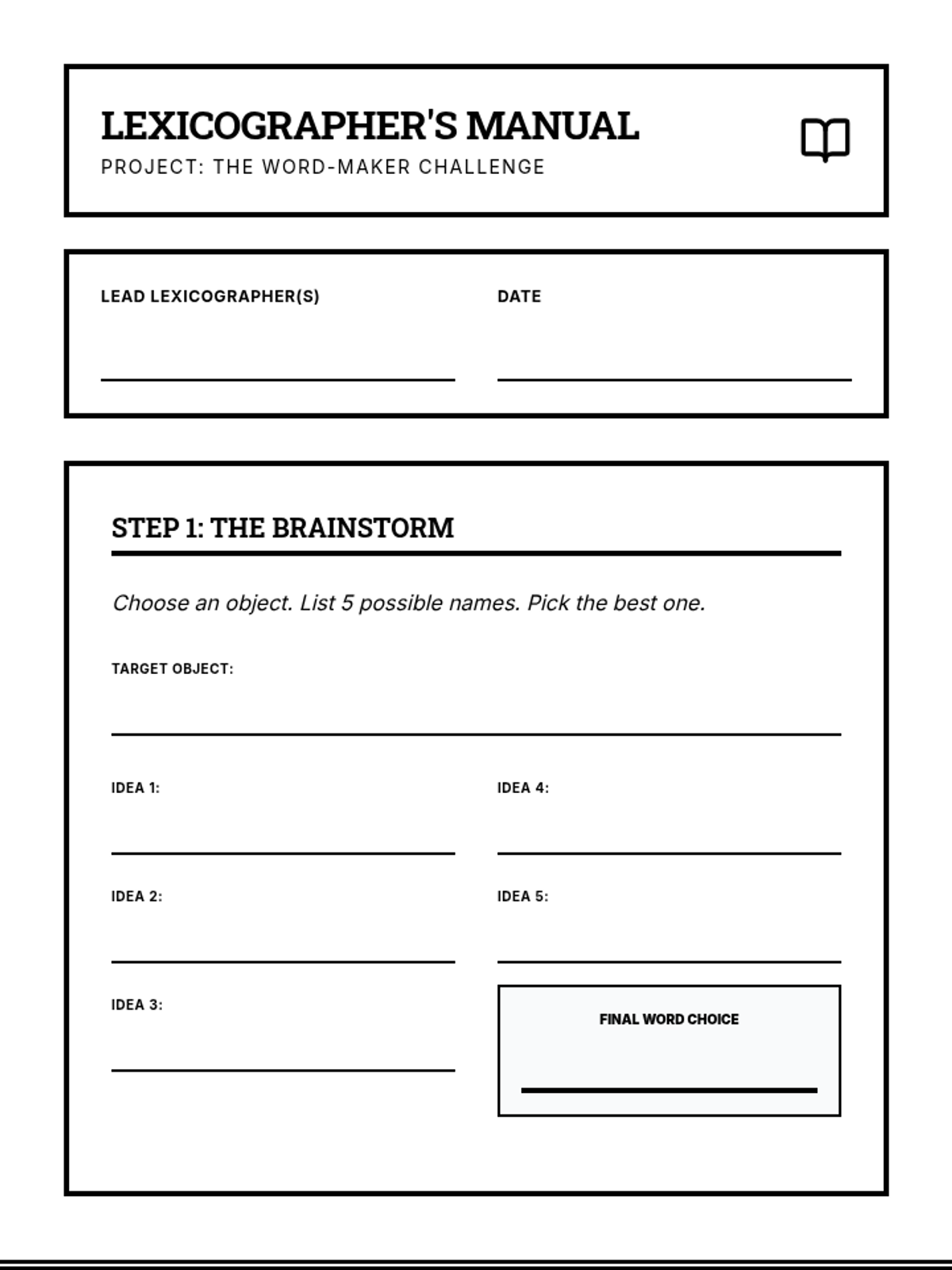
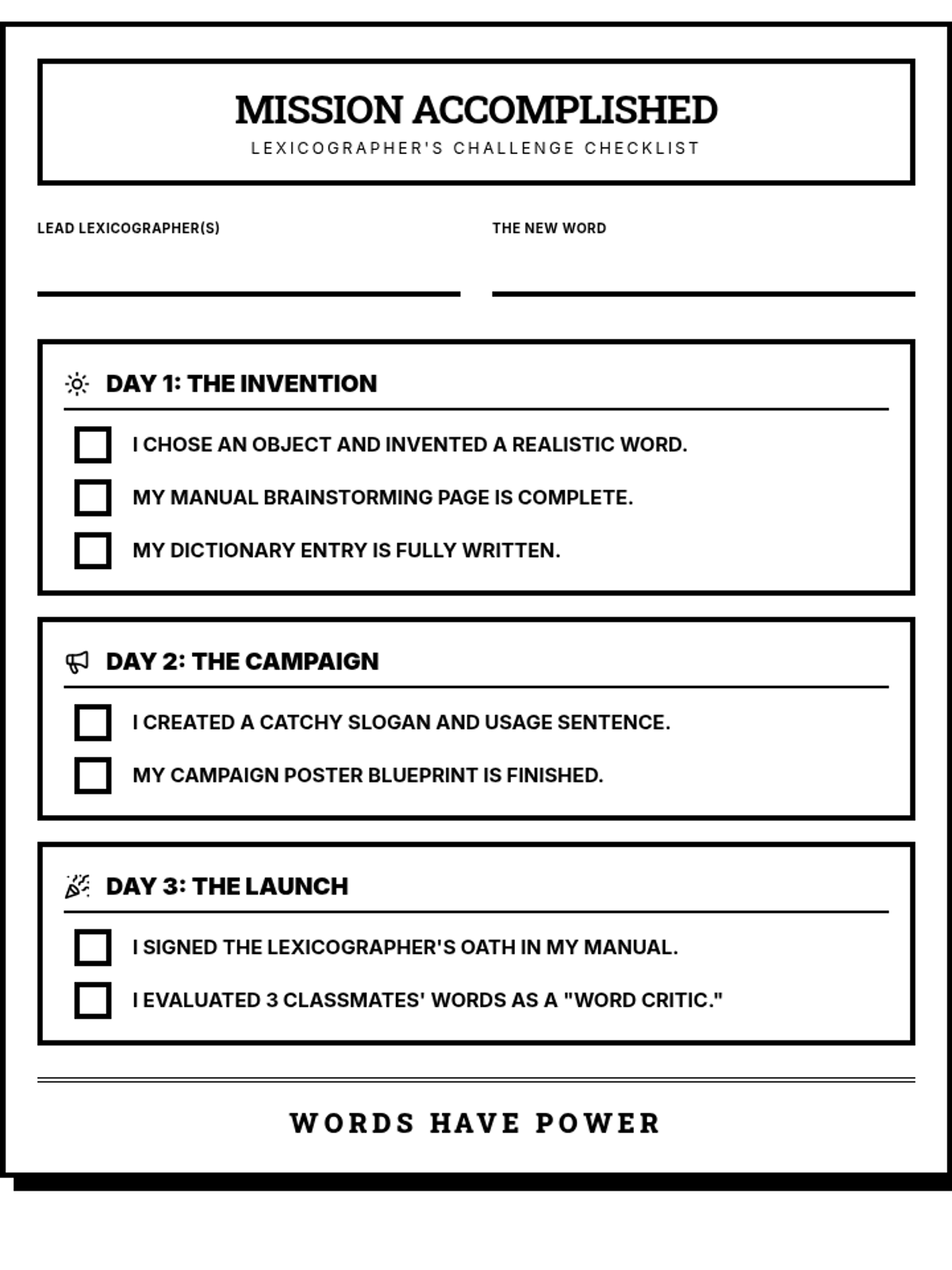
A 3-day post-reading project where students follow in Nick Allen's footsteps to invent their own word, create a marketing campaign, and document its 'dictionary-readiness'.
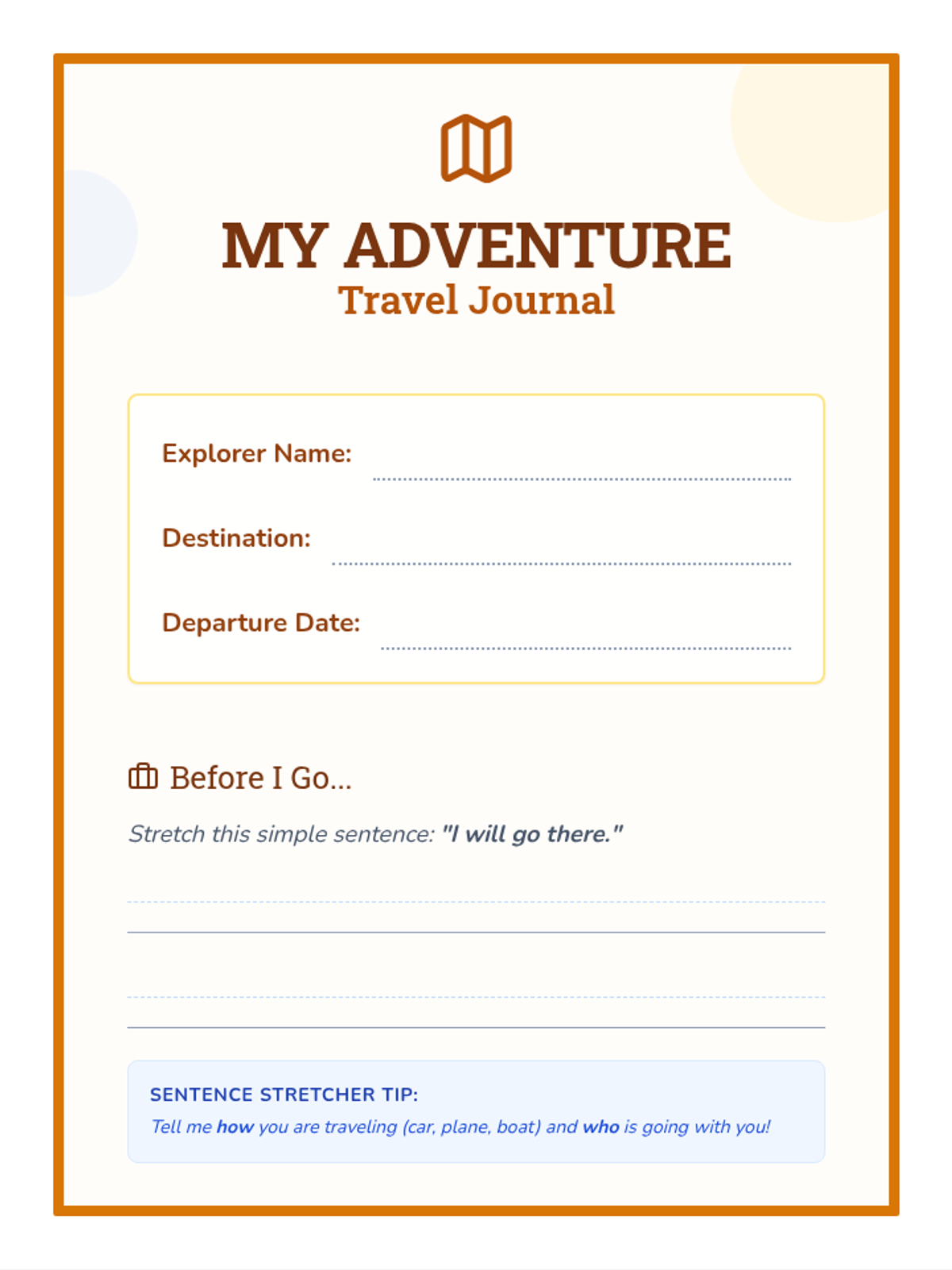
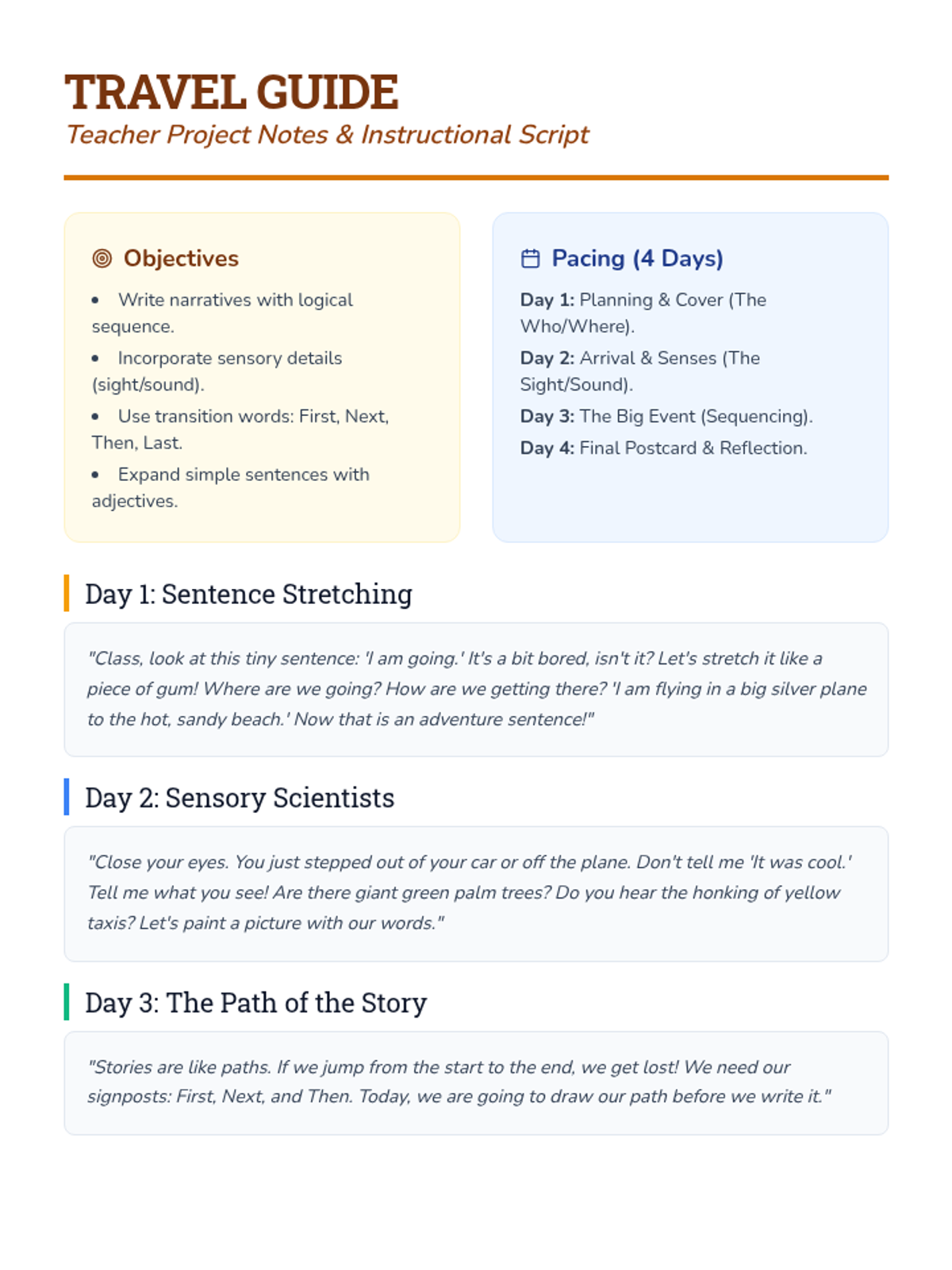
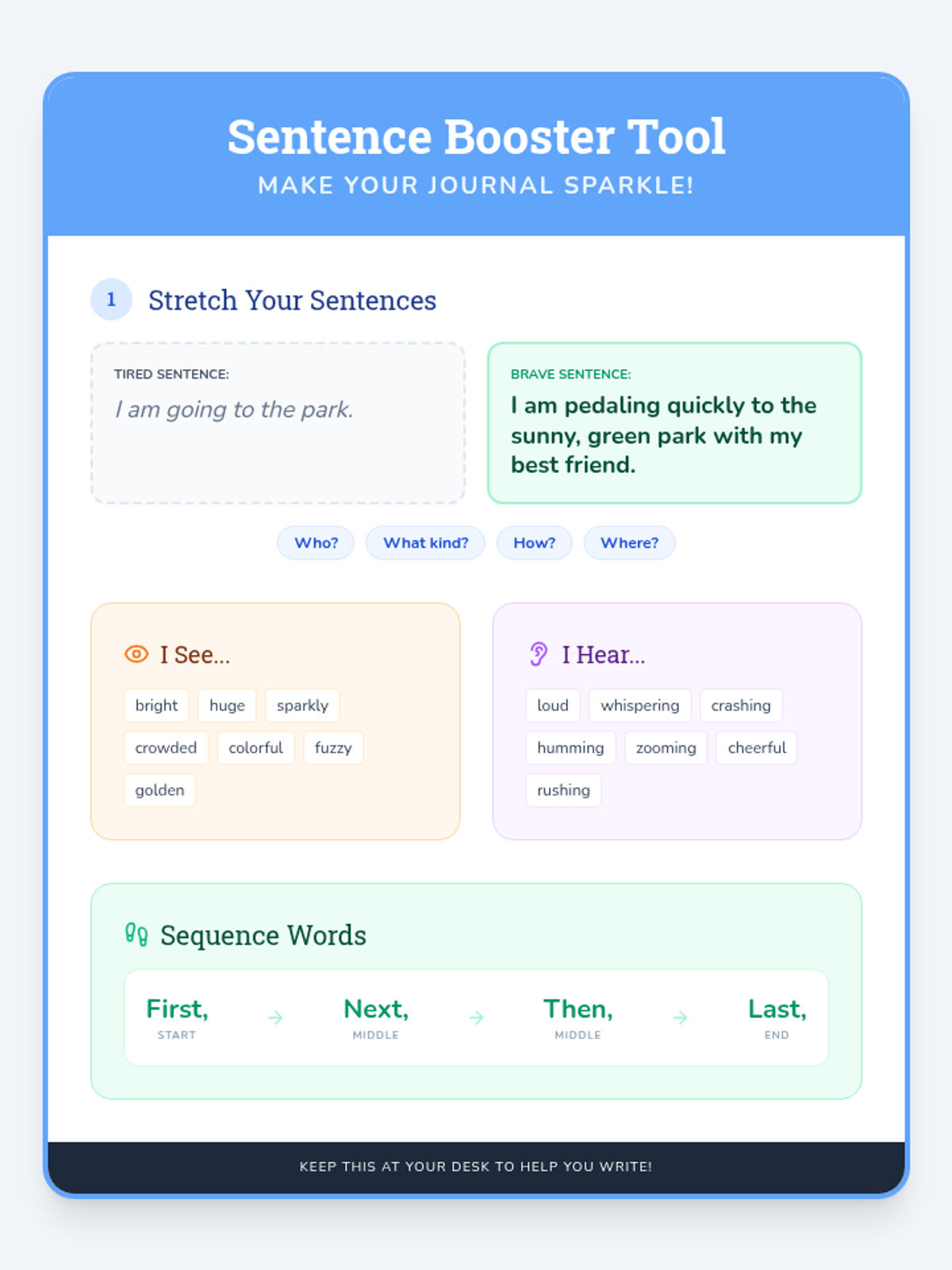
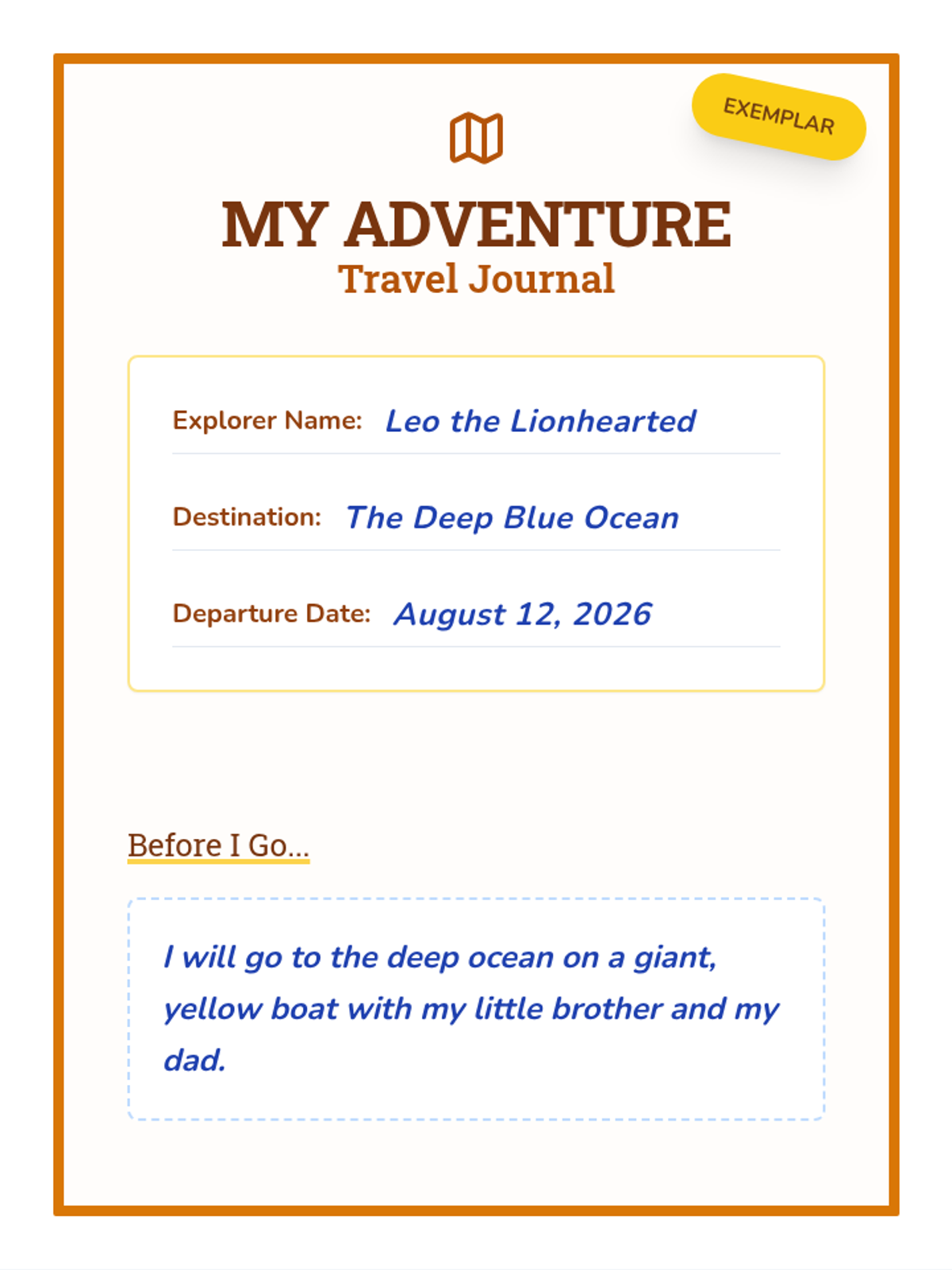
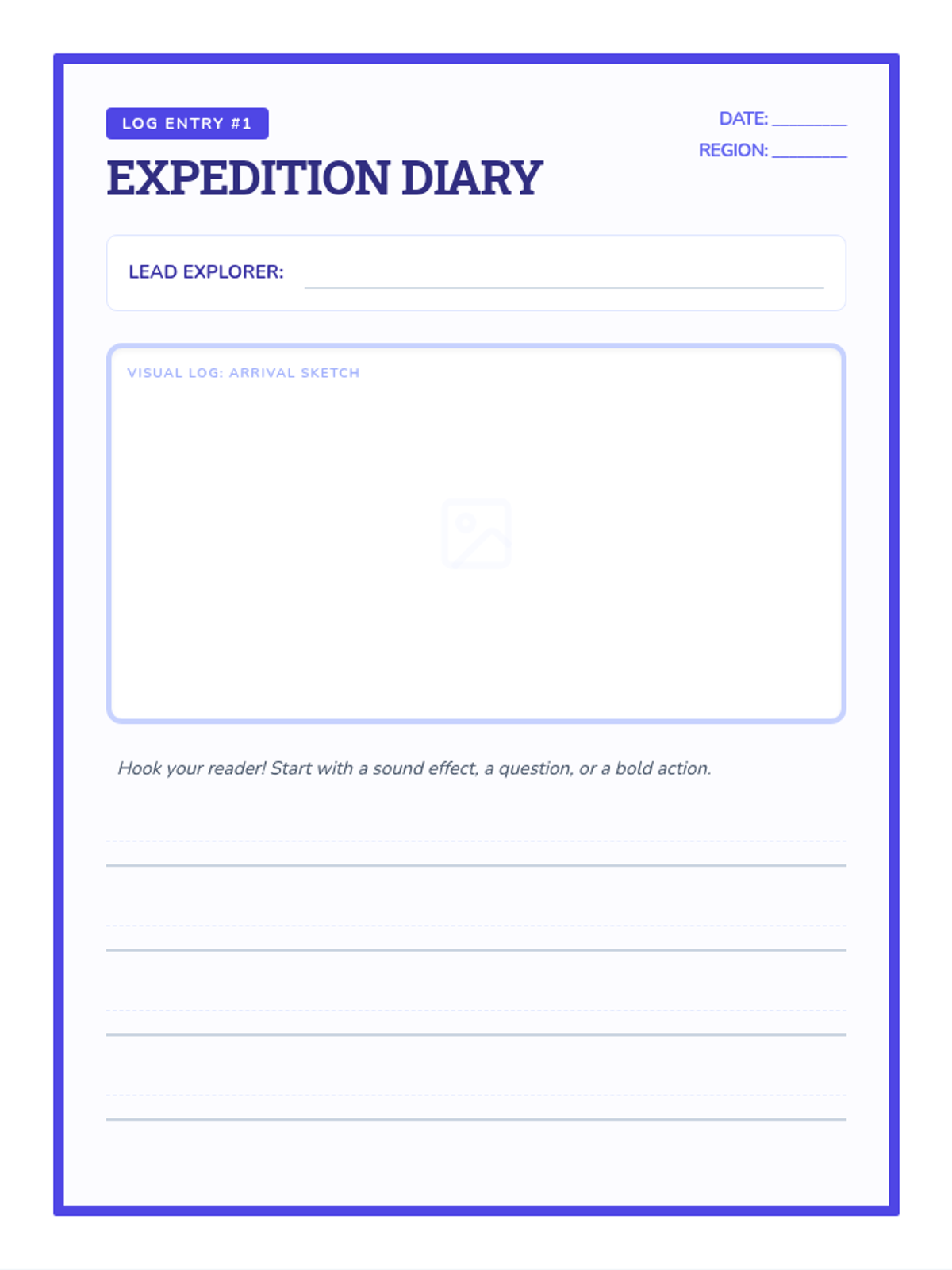
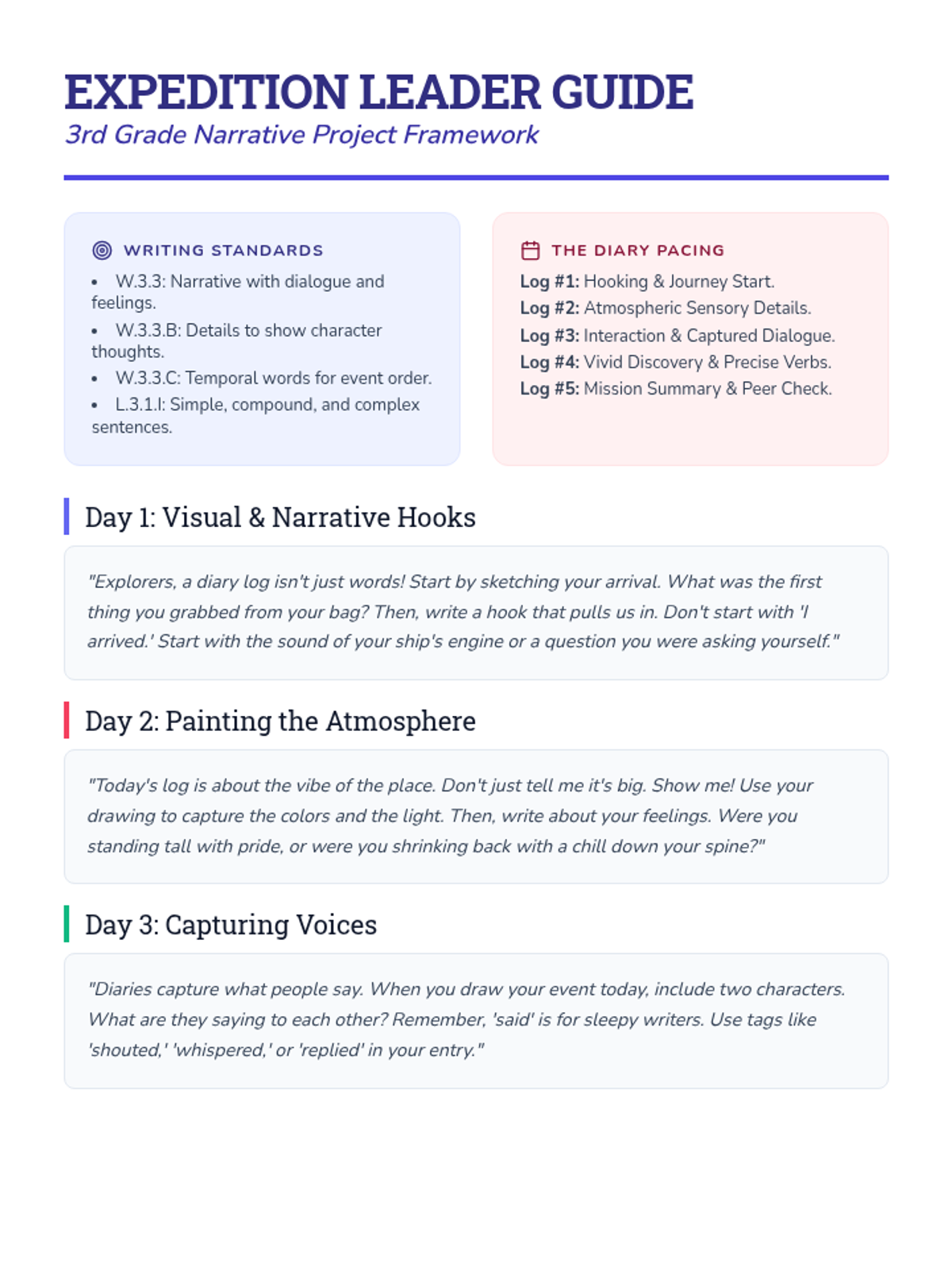
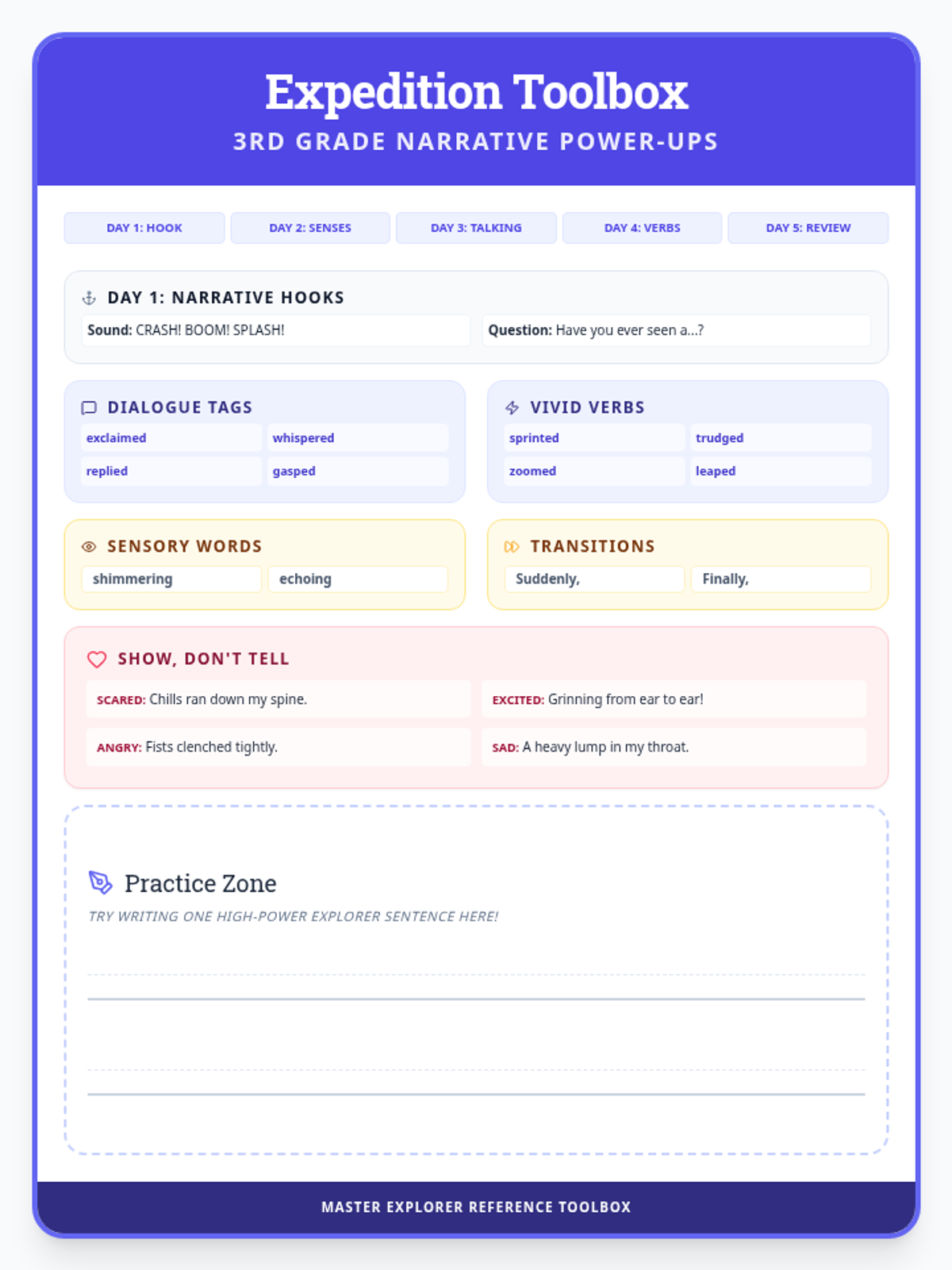
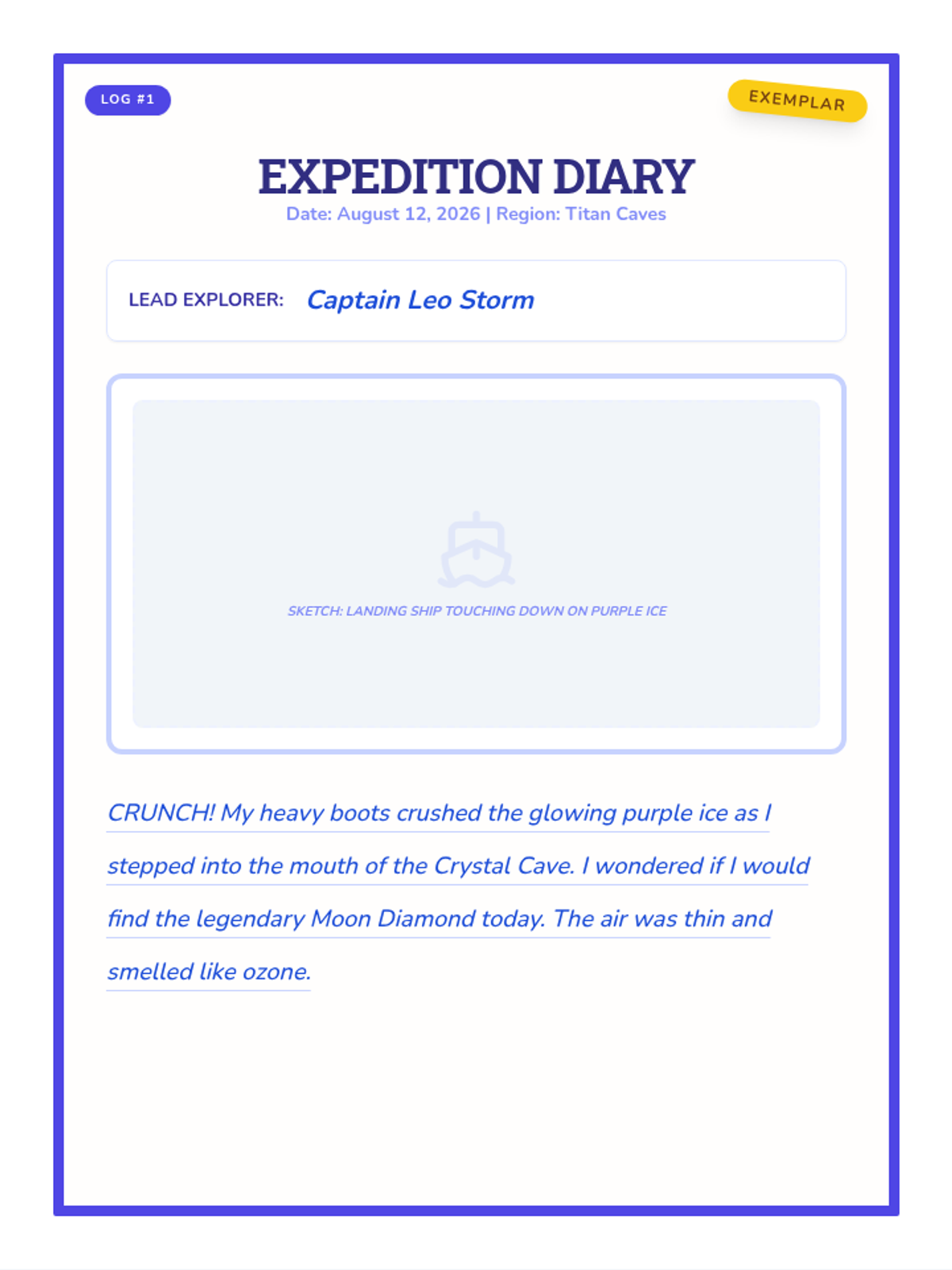
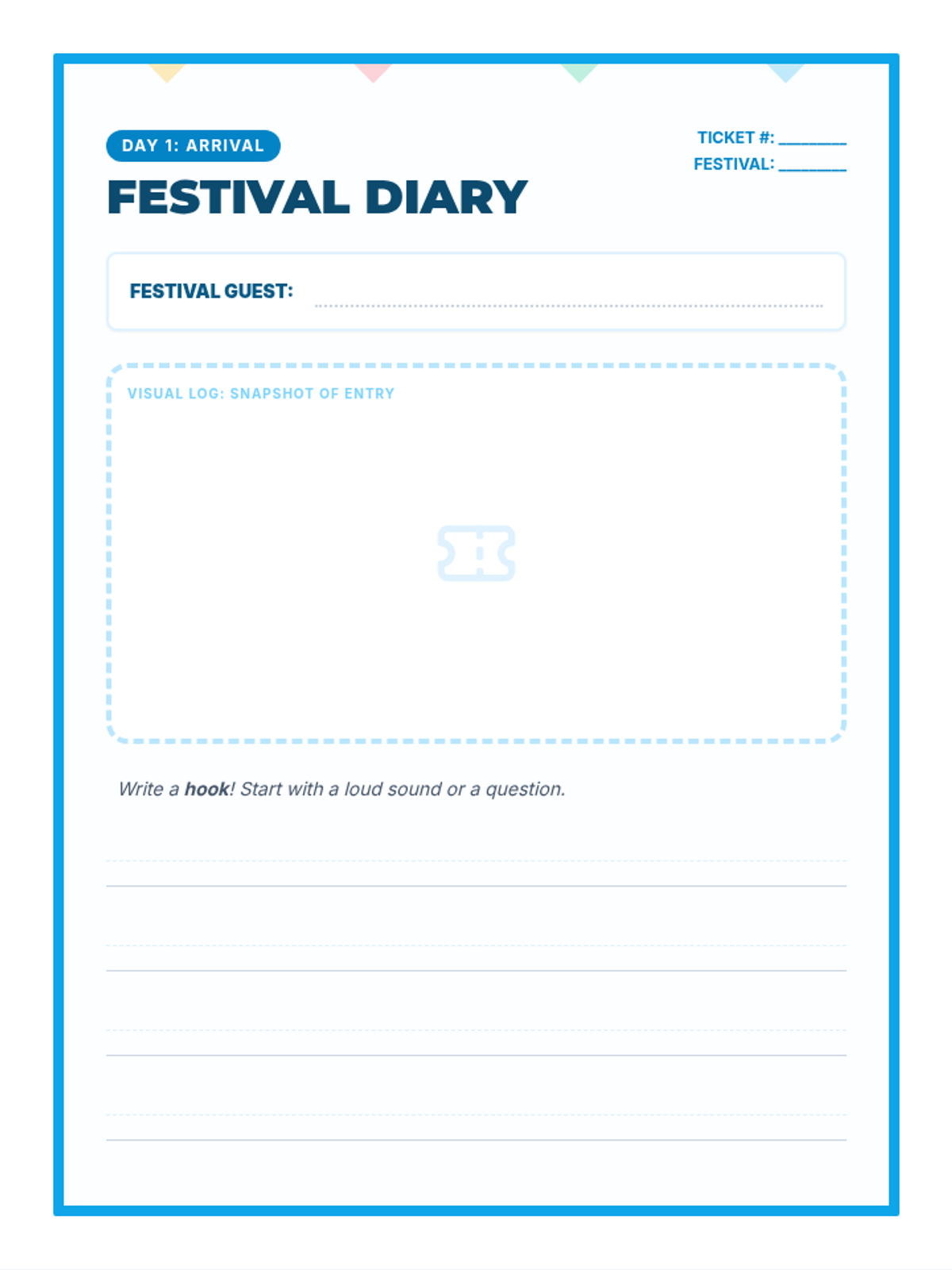
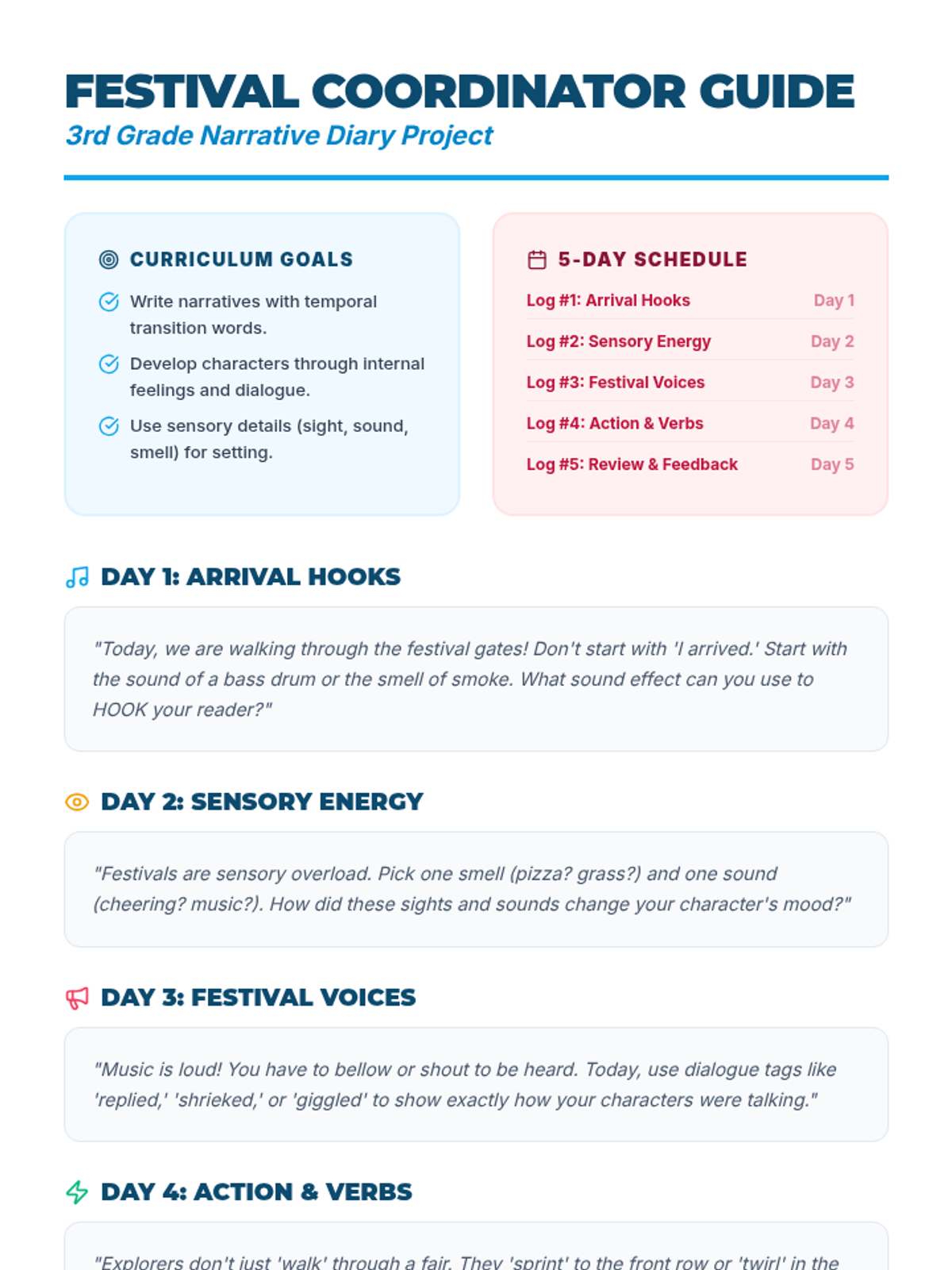
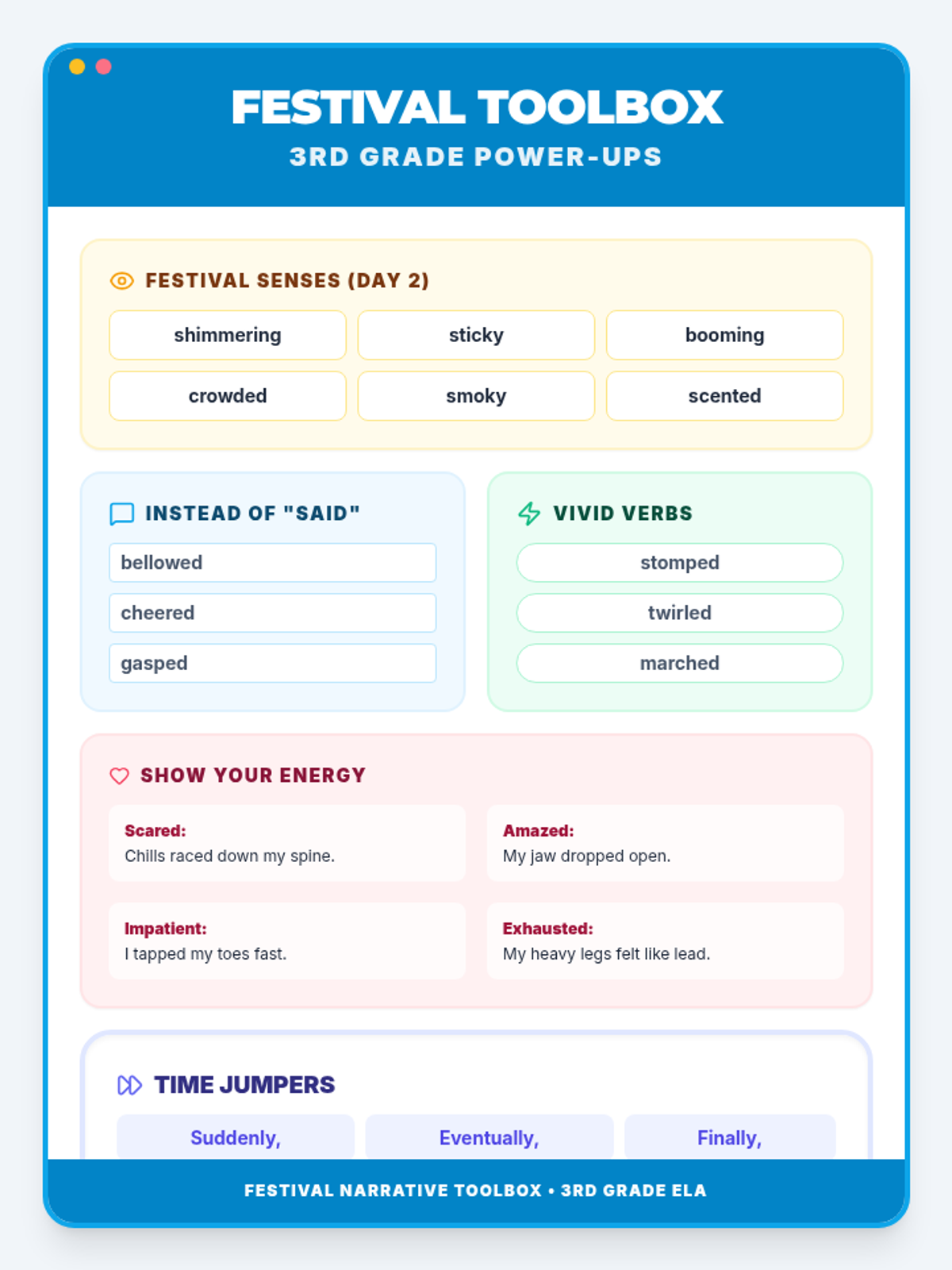
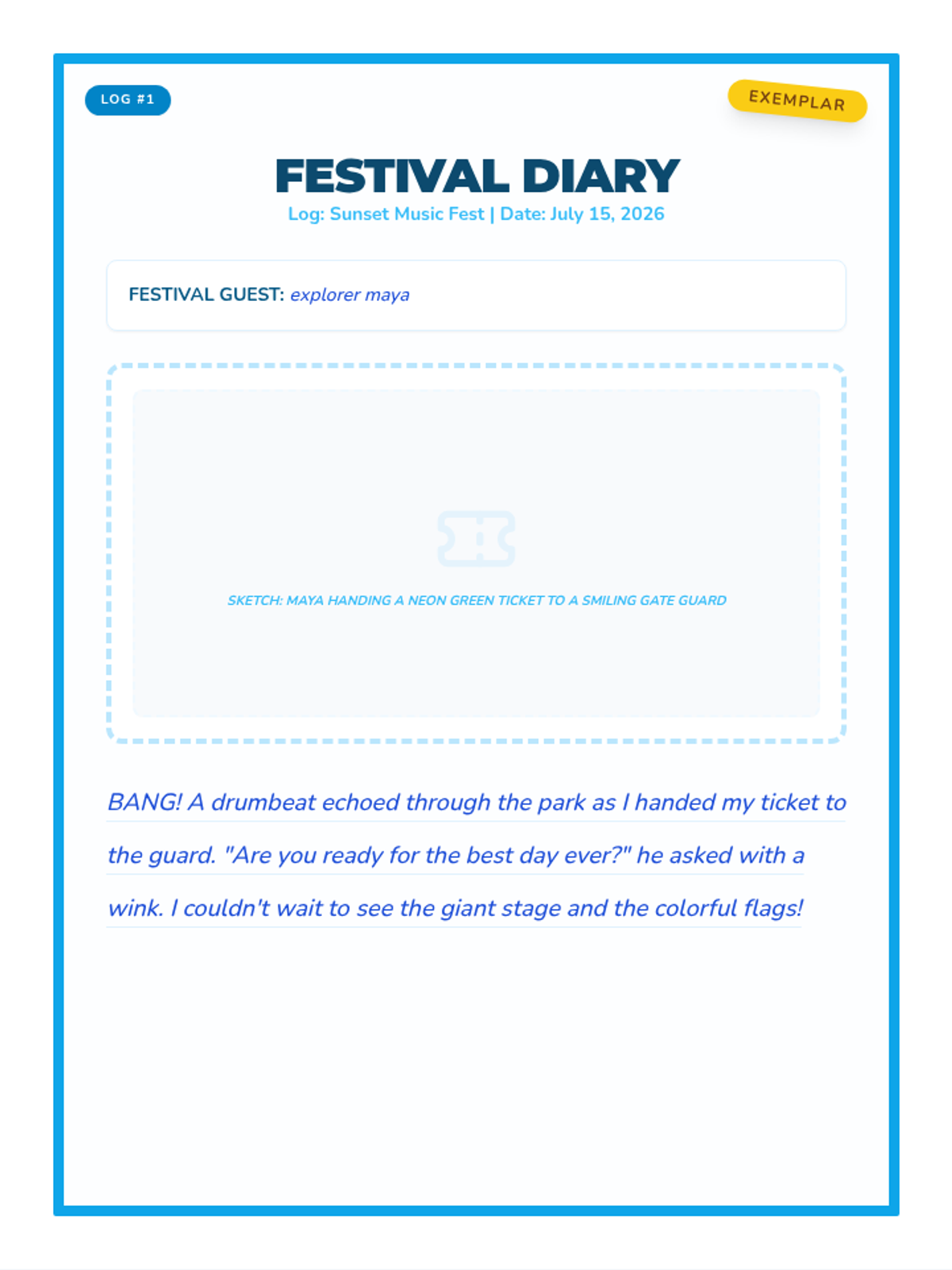
A multi-day ELA project for 2nd graders to practice narrative writing, sensory details, and sentence expansion through a creative travel journal format.
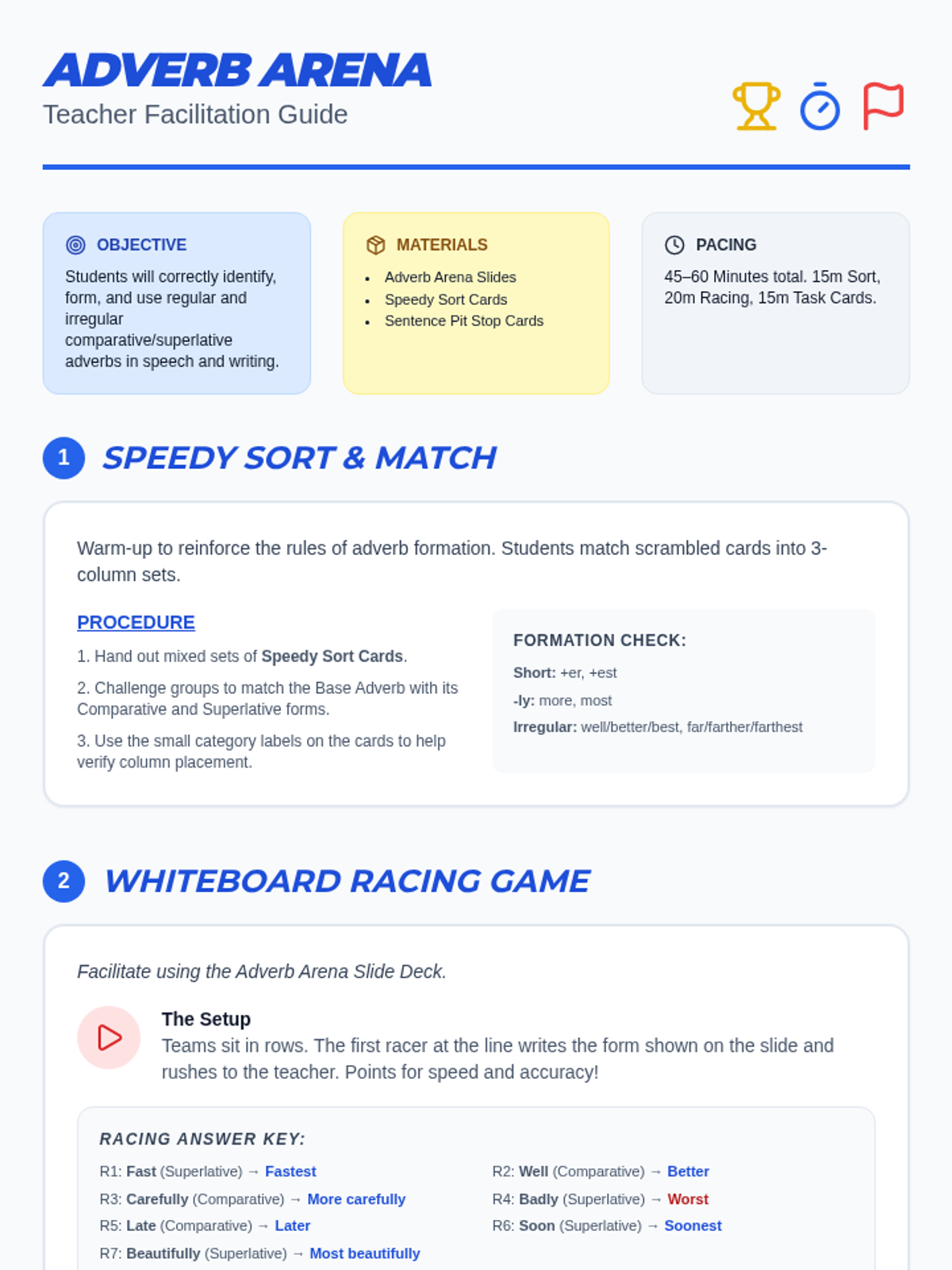
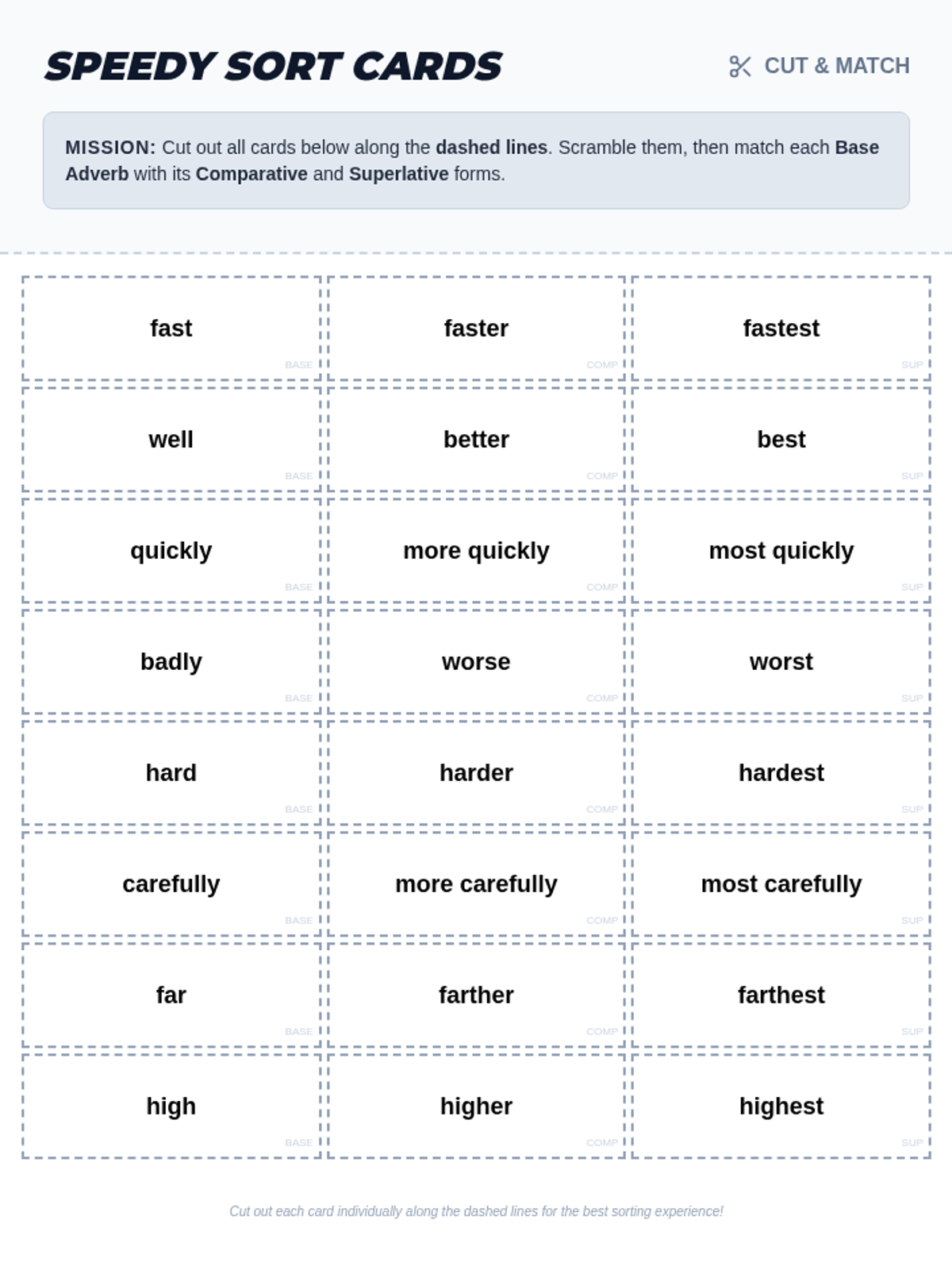
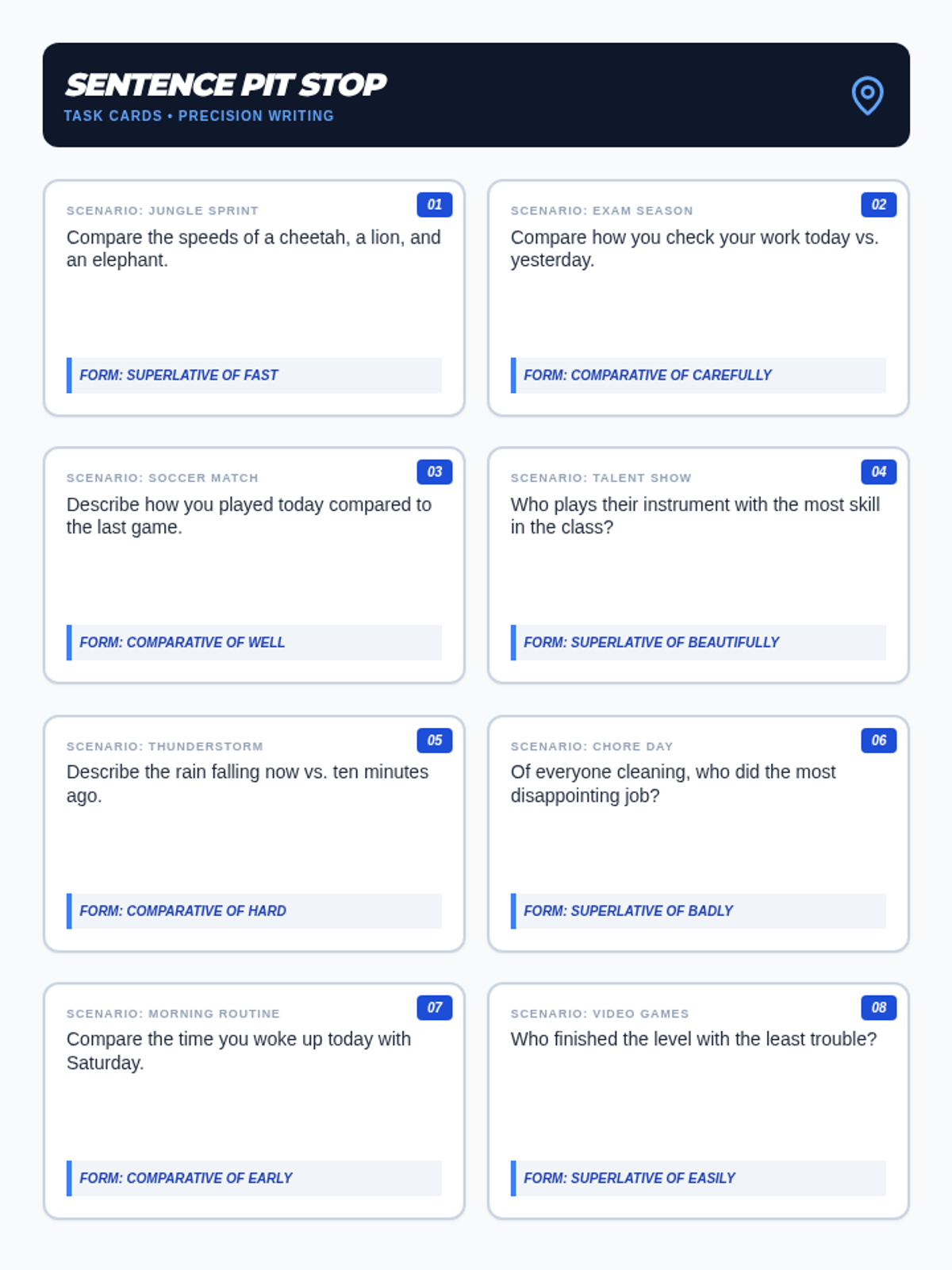
A high-energy set of activities designed to master comparative and superlative adverbs through movement, sorting, and creative sentence construction.
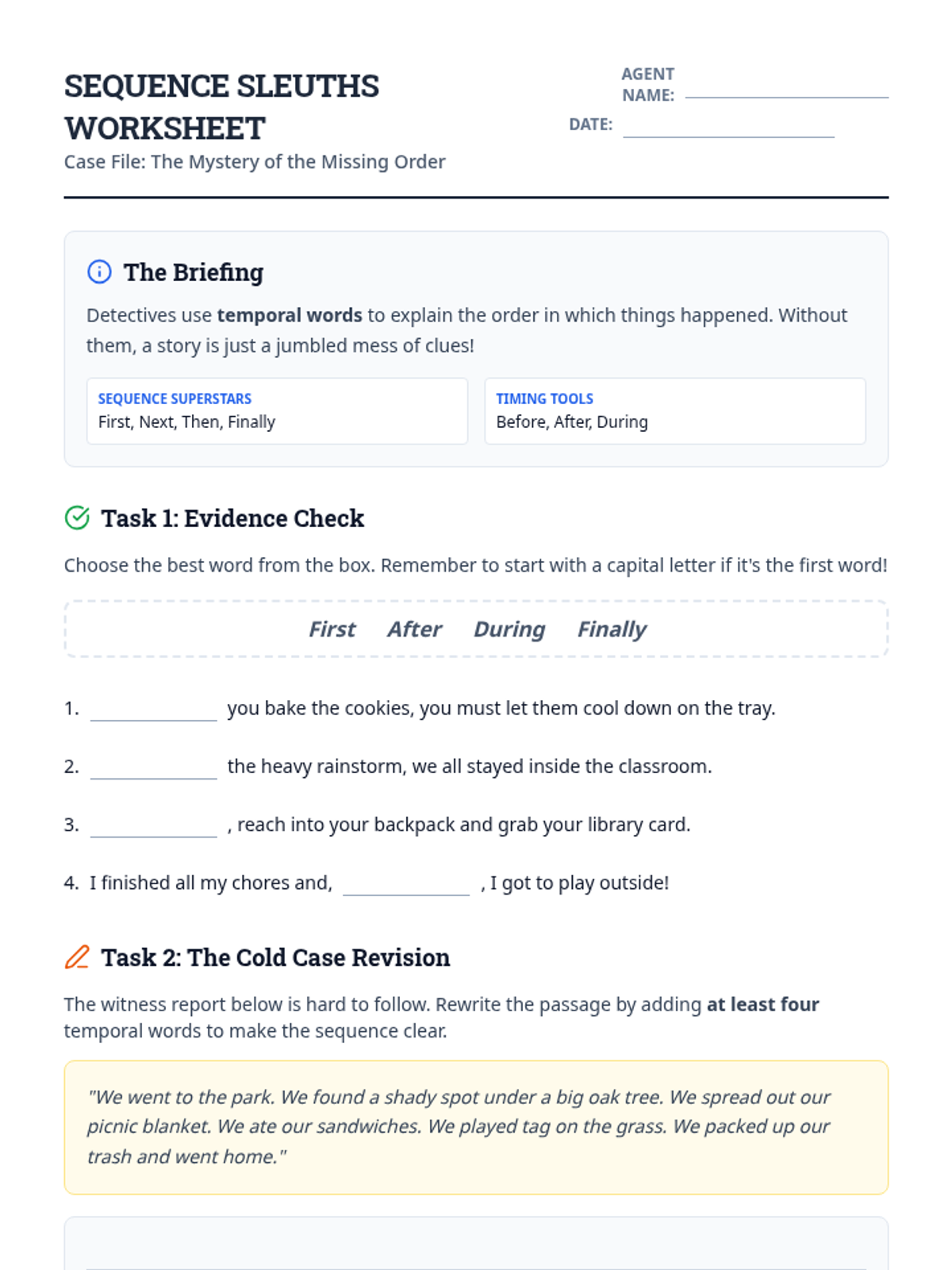
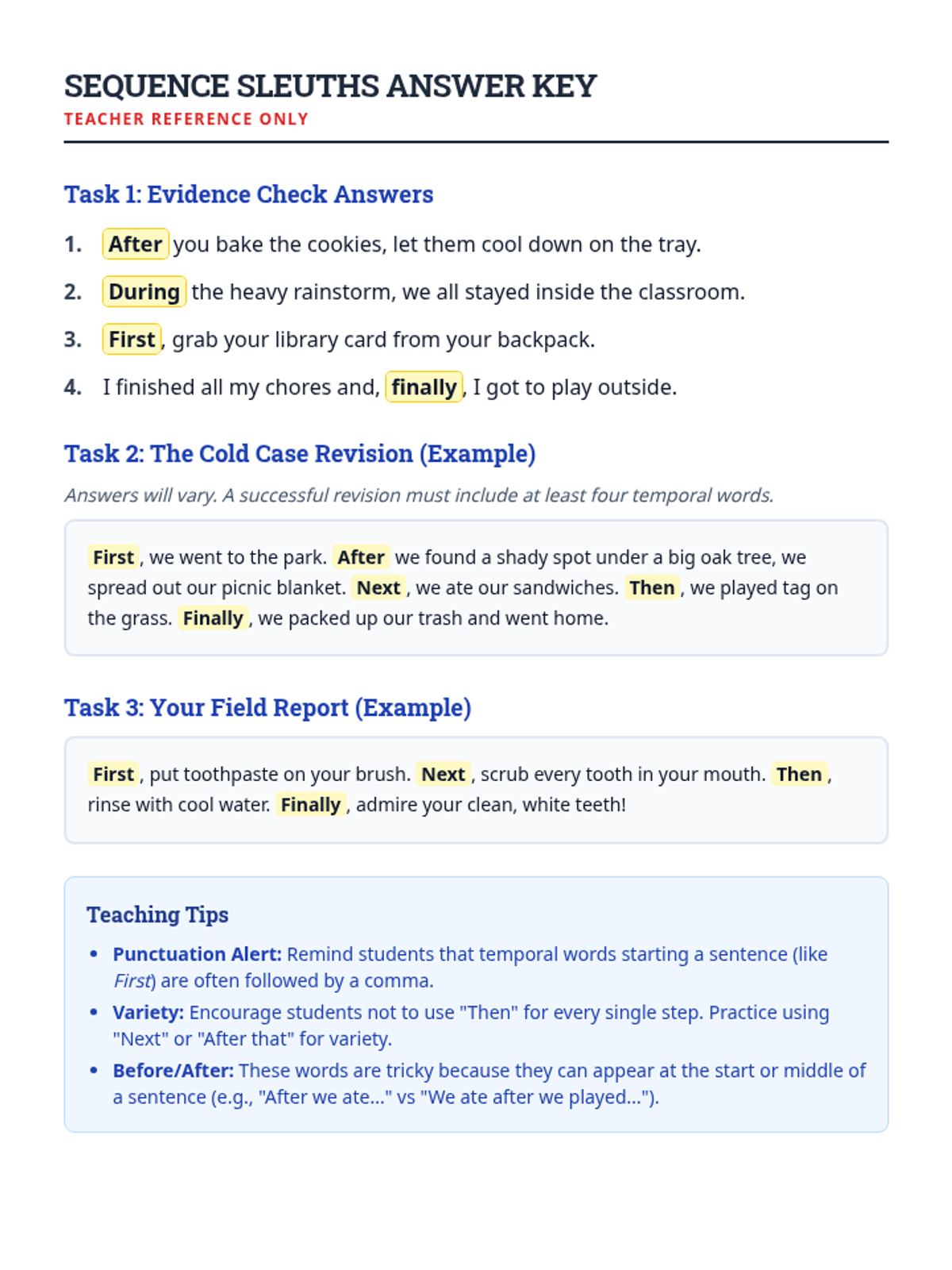
In this lesson, students become "Time Detectives" to investigate the order of events. They learn to identify and use temporal words like 'first', 'next', 'then', and 'finally', along with 'before', 'after', and 'during', to improve the flow and clarity of their writing.
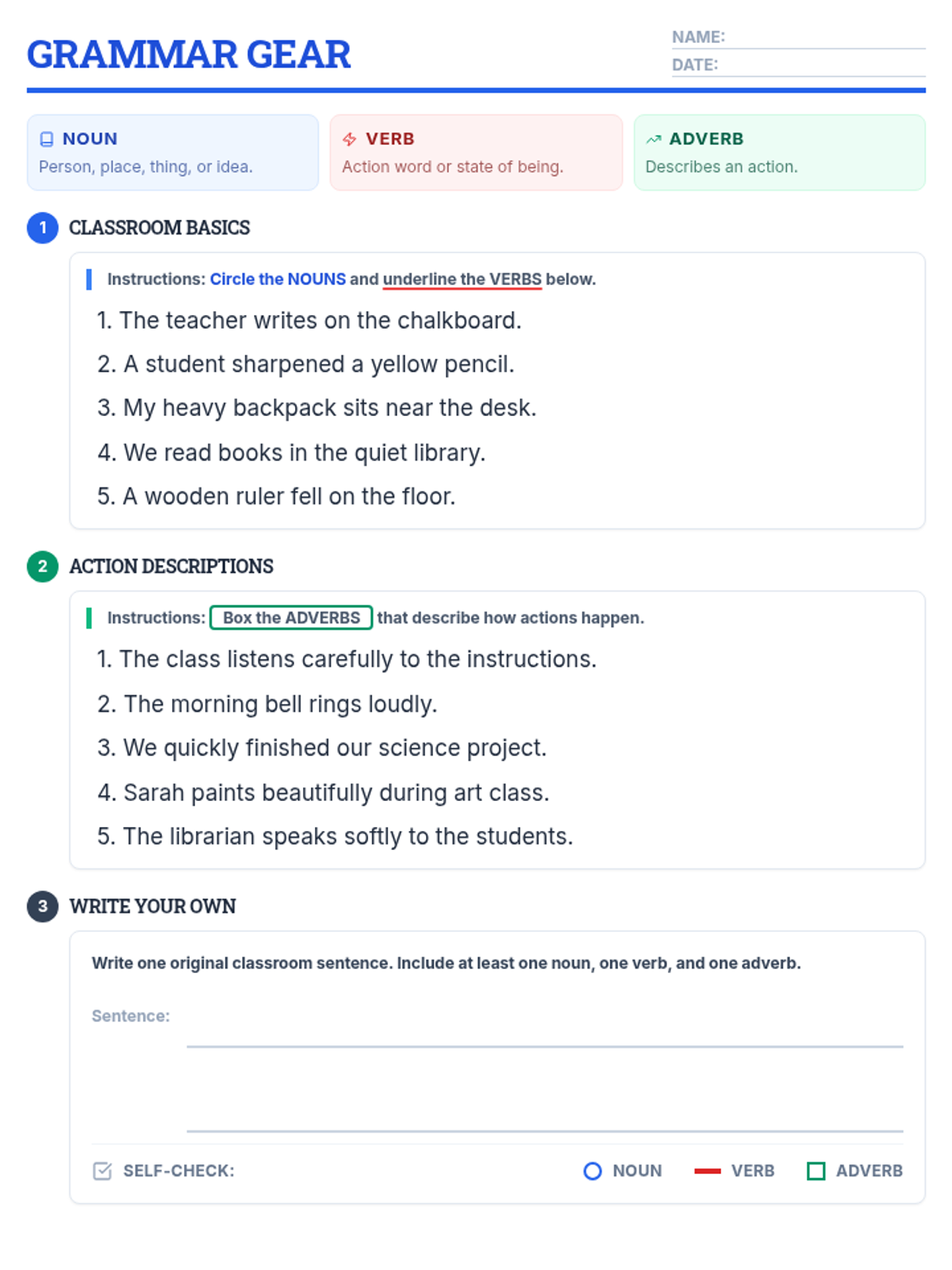
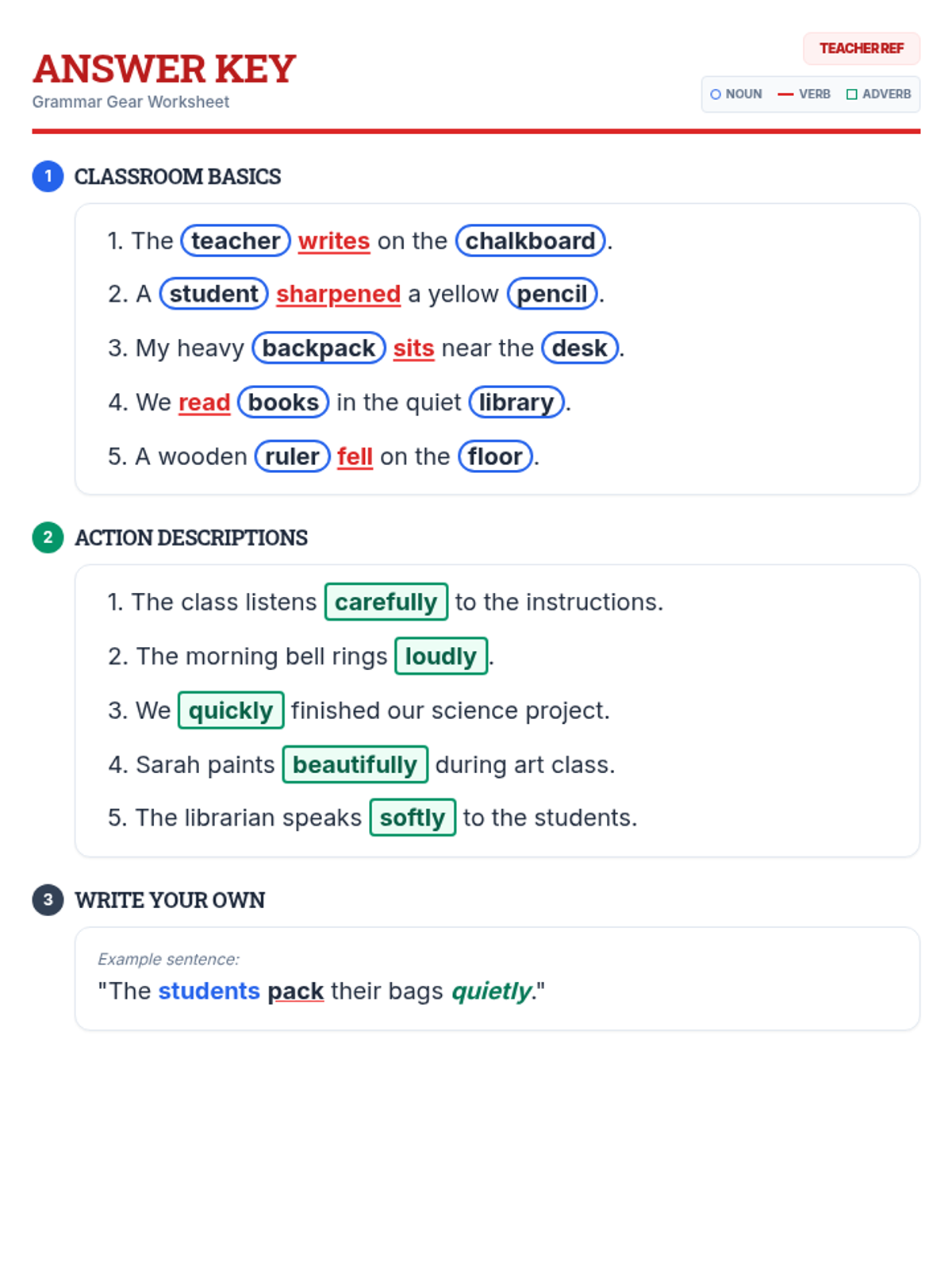
A focused lesson on identifying nouns, verbs, and adverbs using classroom-themed sentences. Students practice identifying parts of speech through circling and underlining activities.
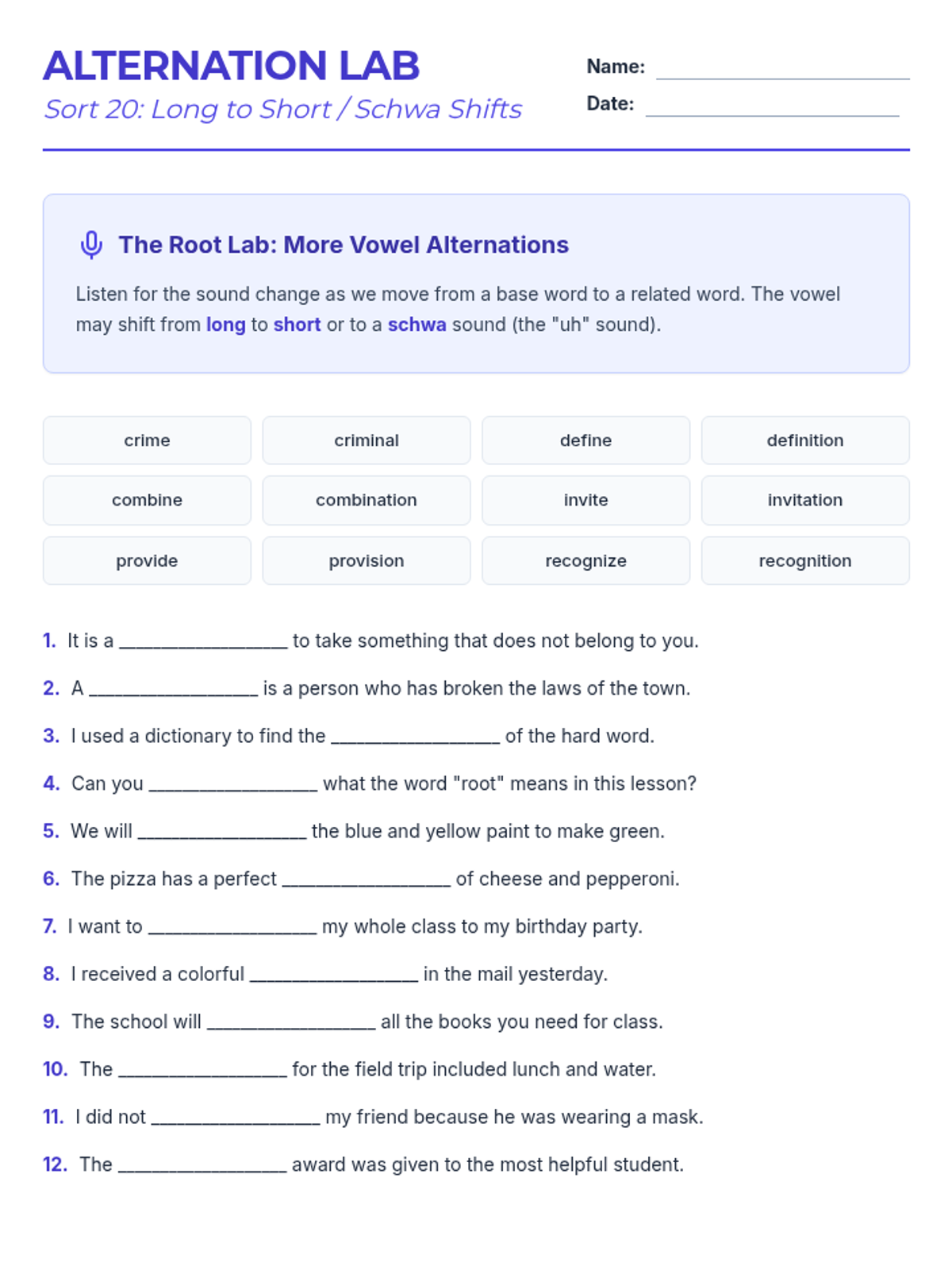
Focusing on vowel alternations where a long vowel sound shifts to a short vowel or a schwa sound (the "uh" sound) when a suffix is added.
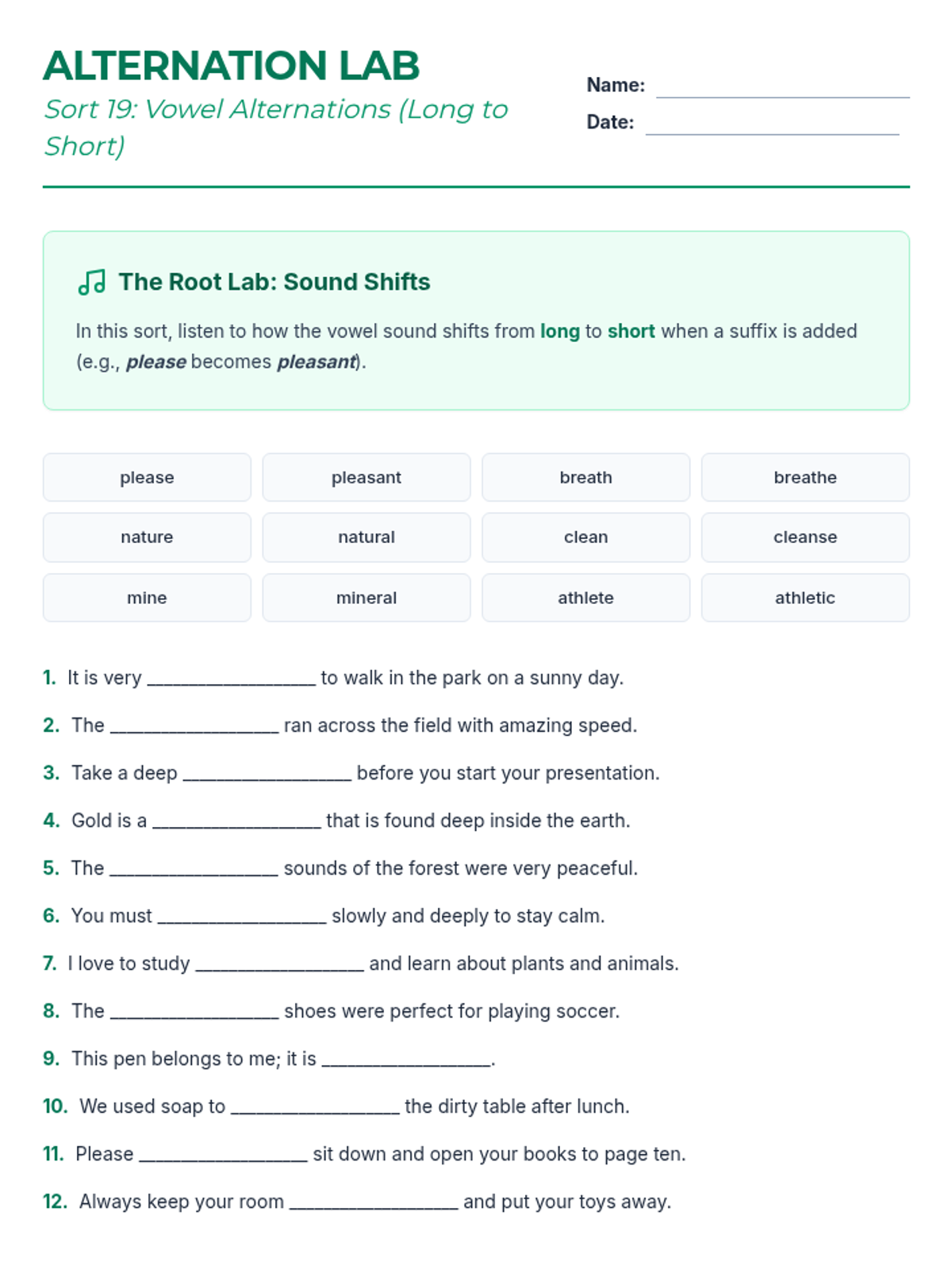
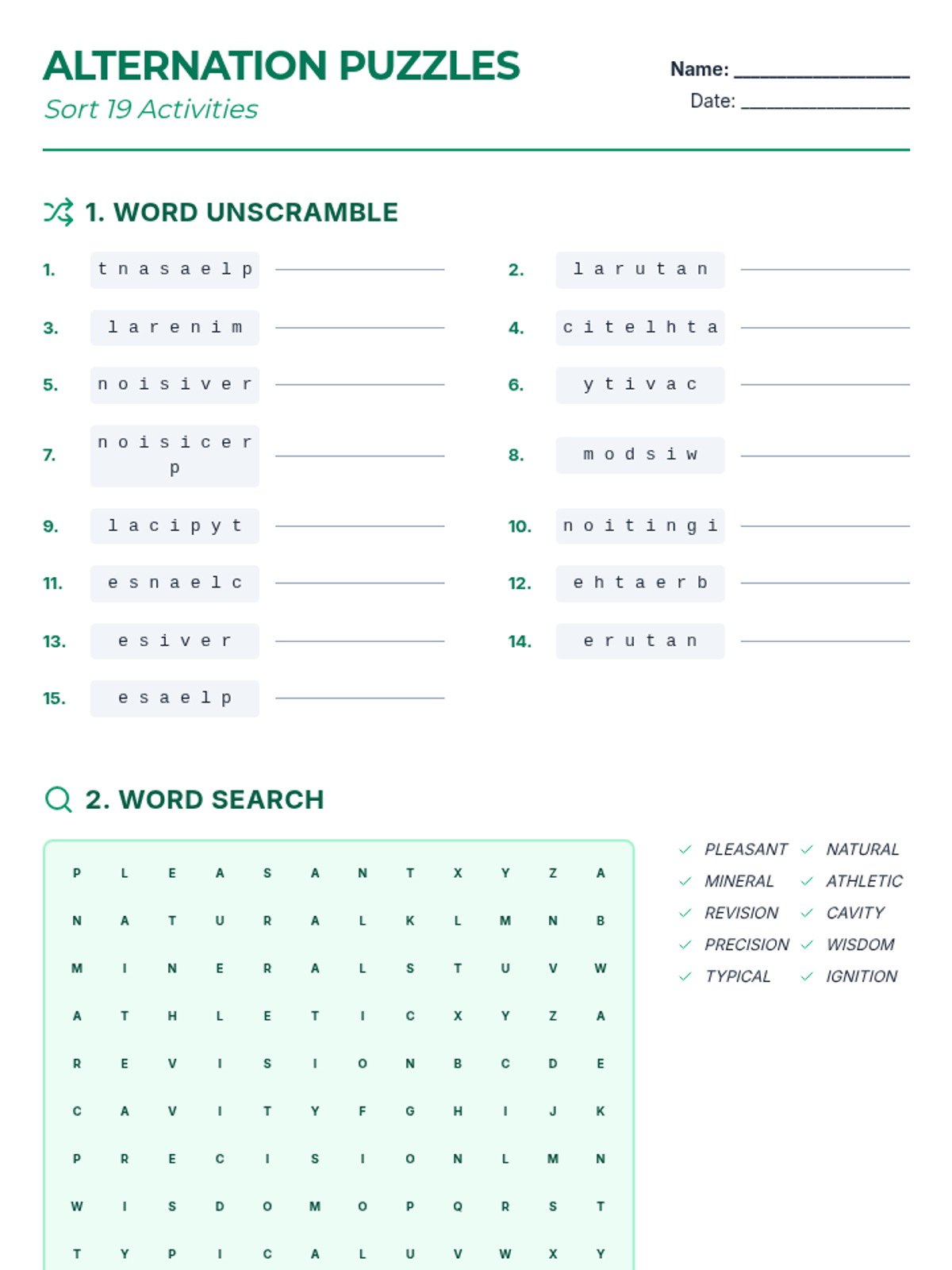
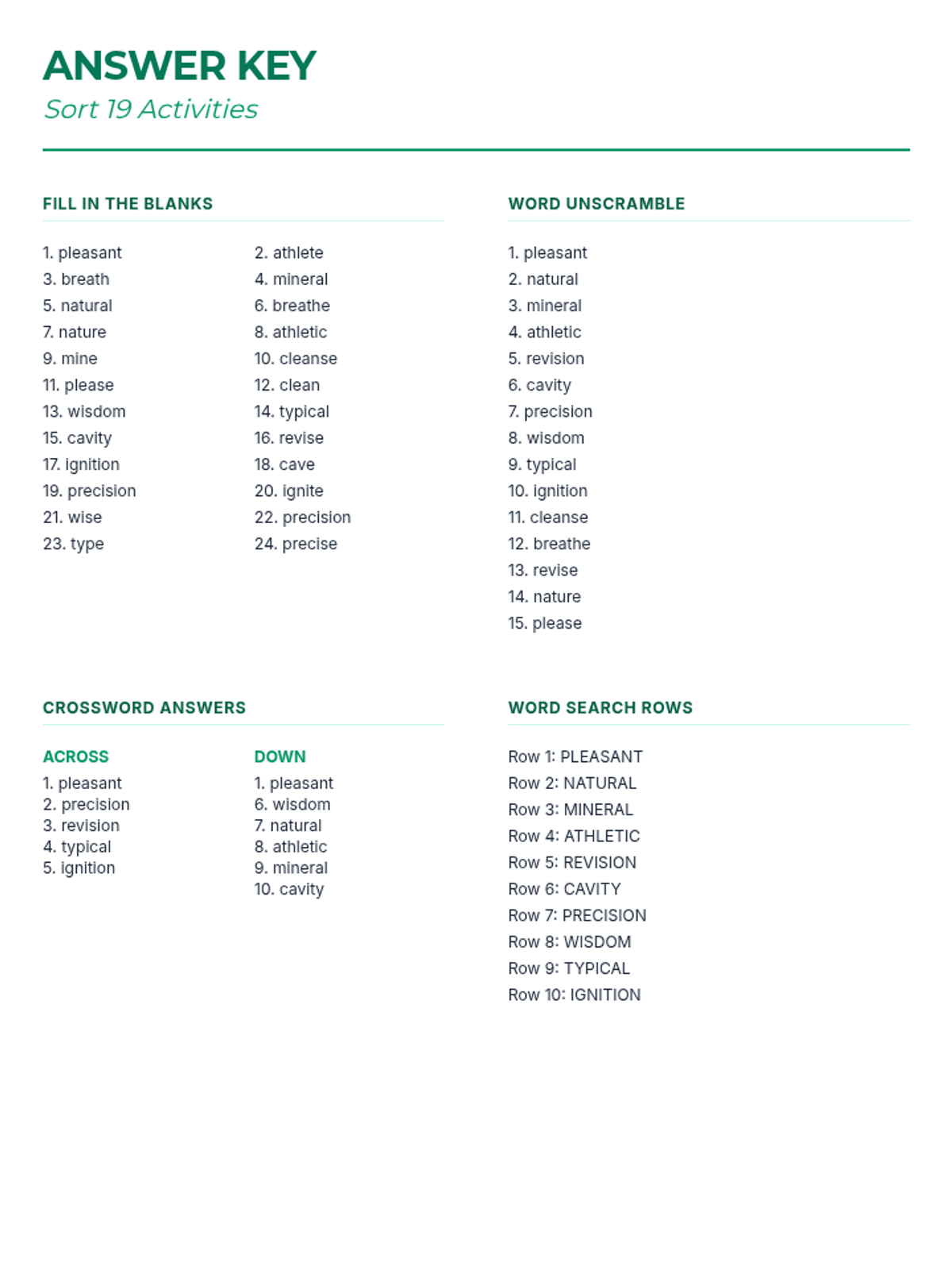
Introduction to vowel alternations where a long vowel sound shifts to a short vowel sound when a suffix is added (e.g., please becomes pleasant).
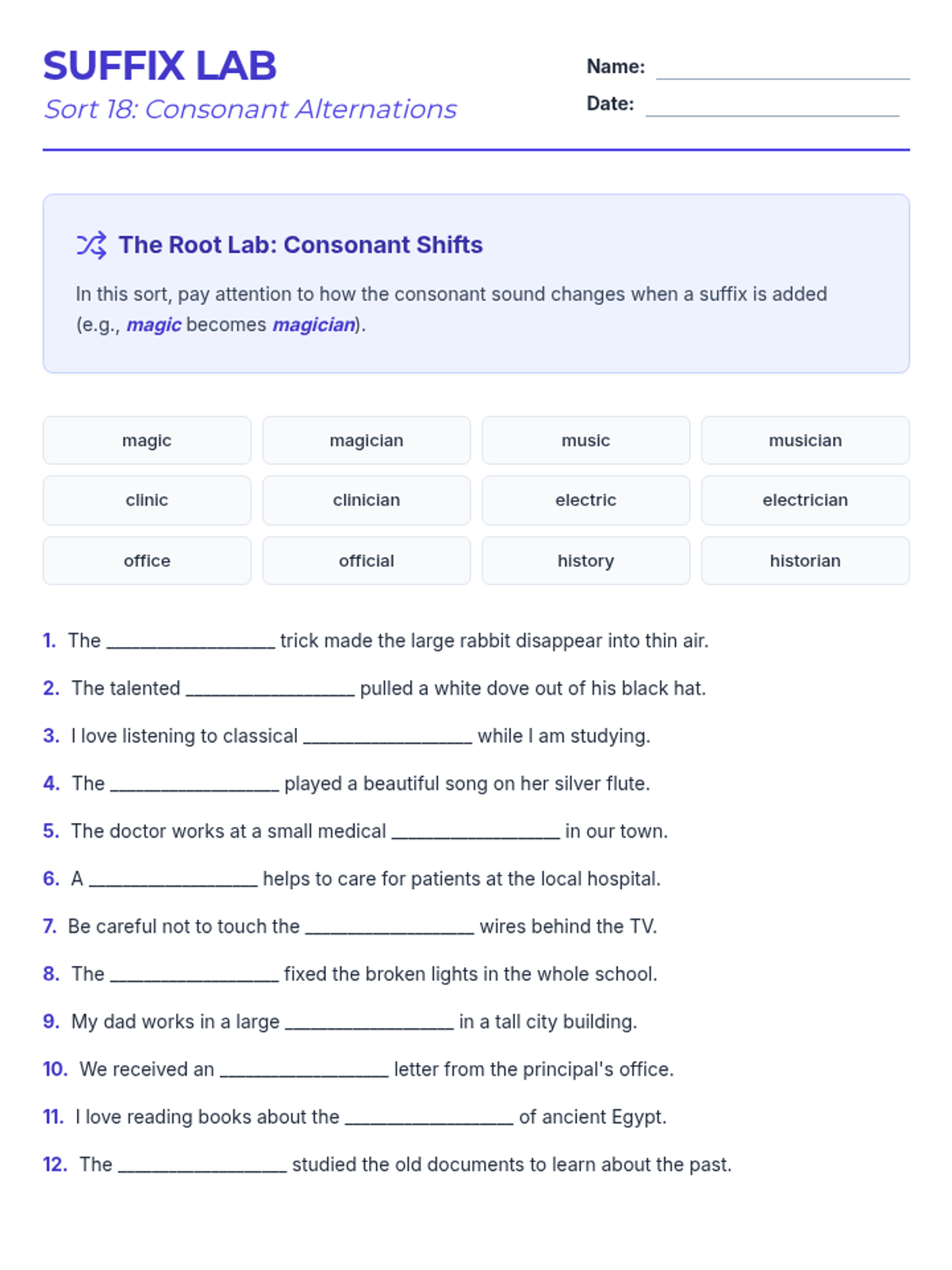
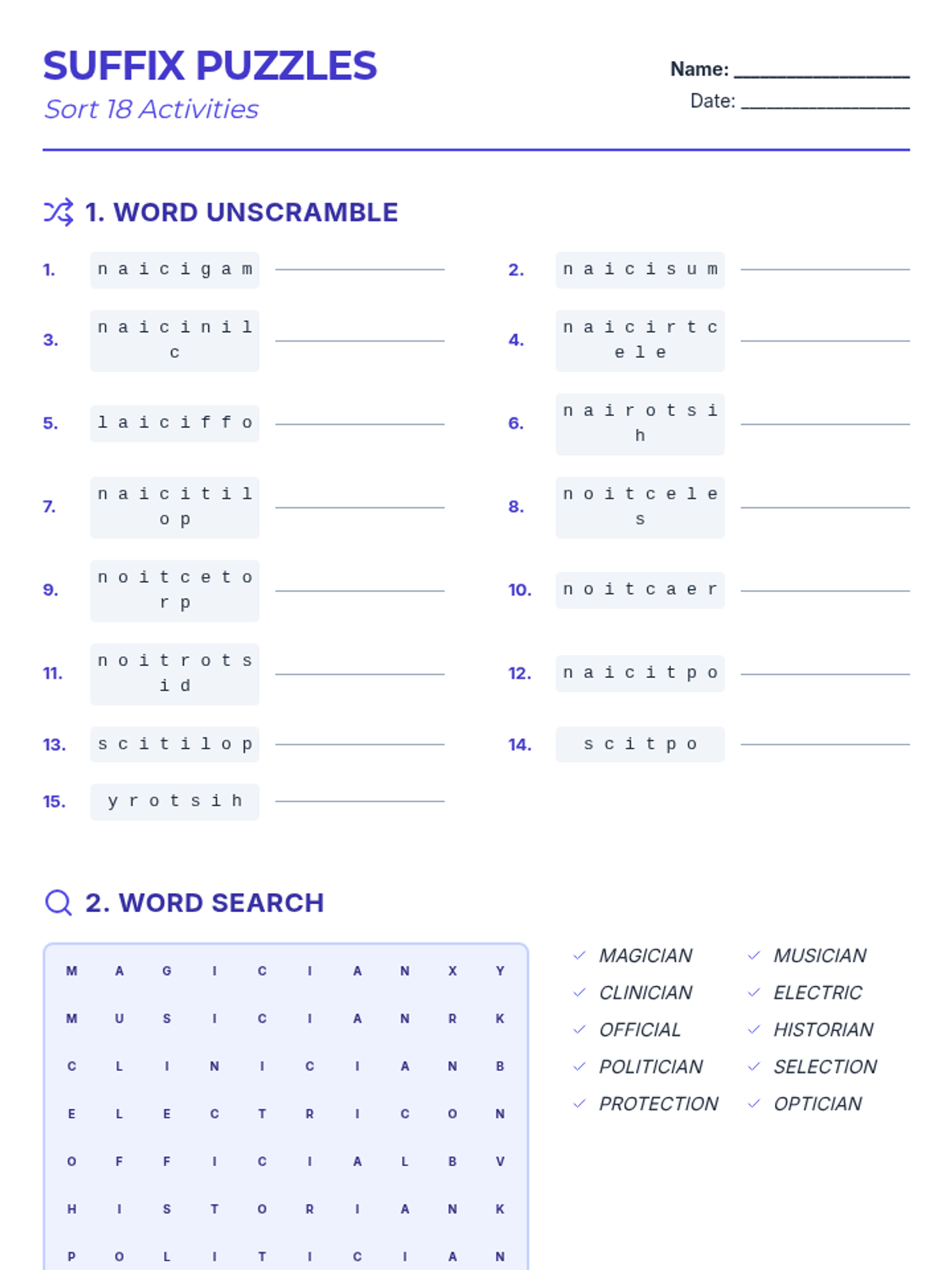
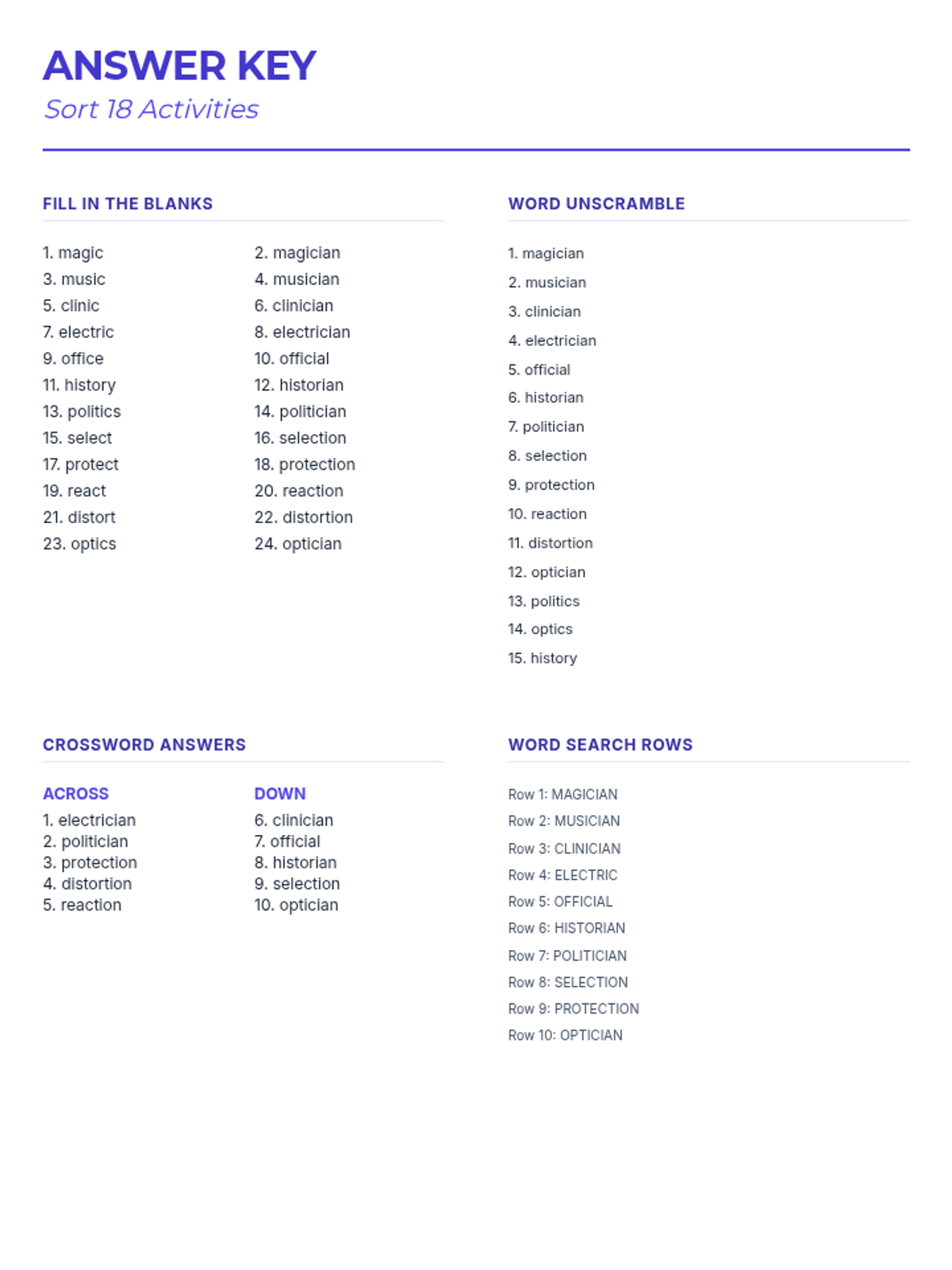
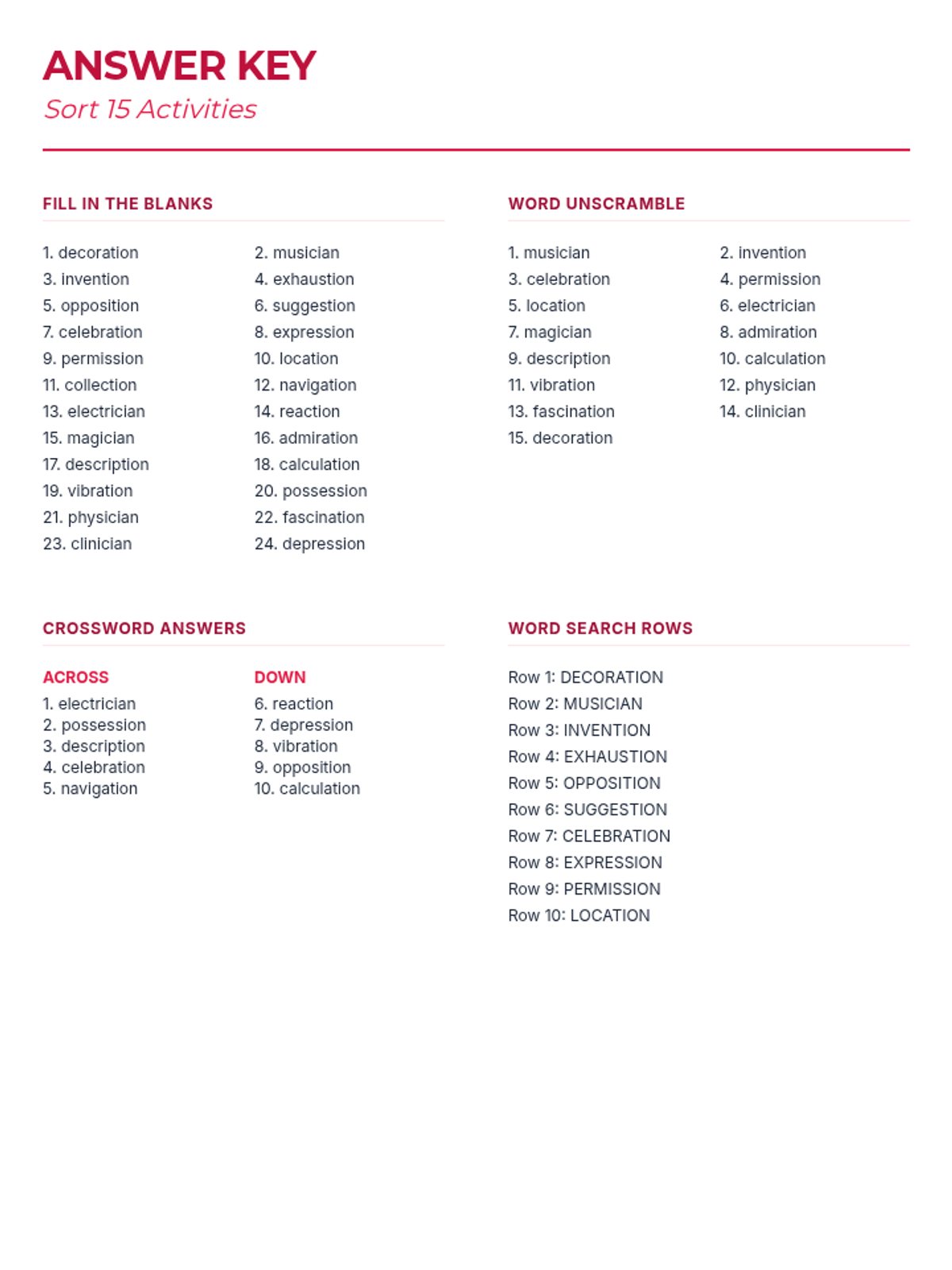
Focusing on consonant sound changes when a suffix is added (e.g., magic becomes magician).
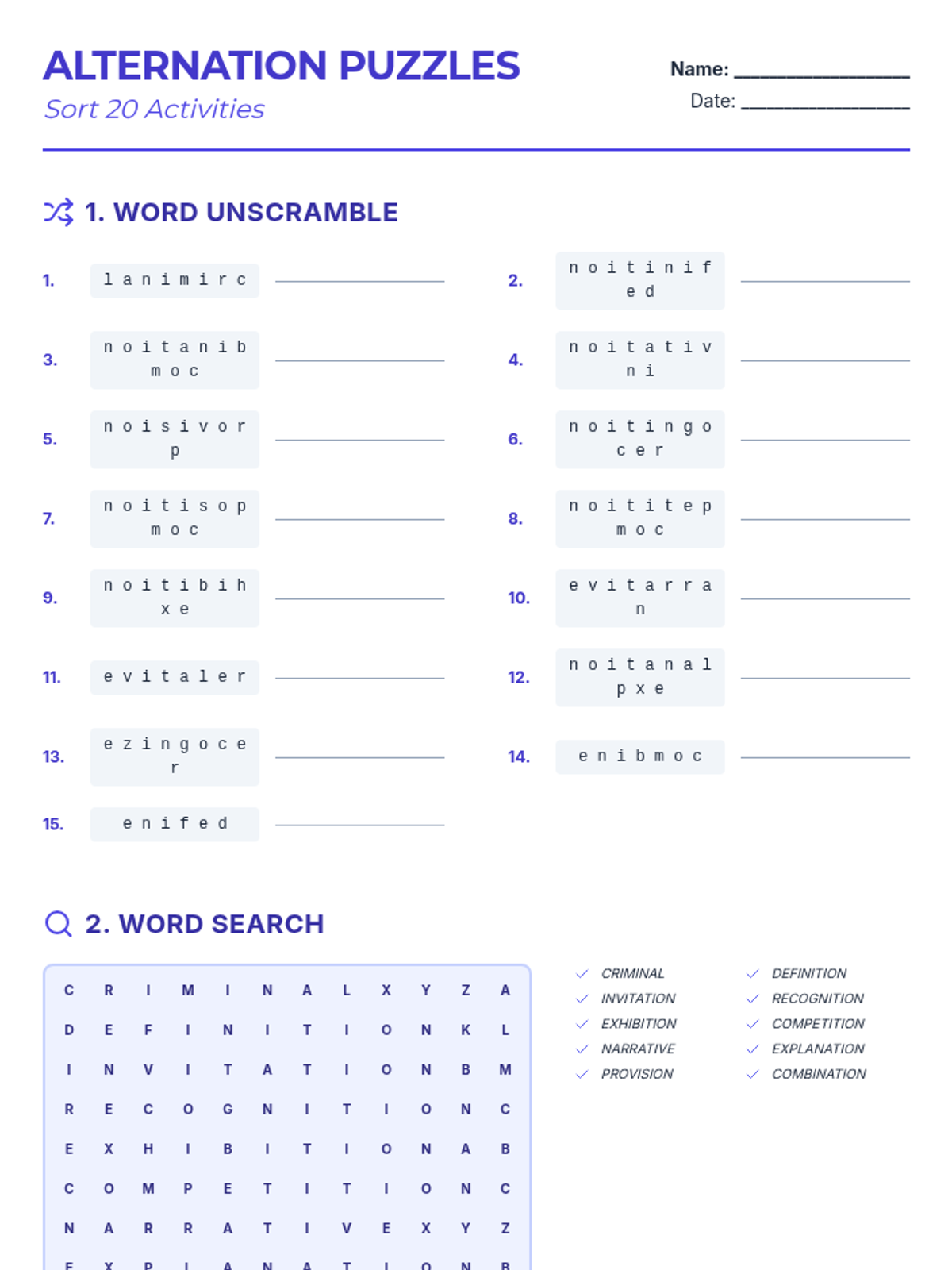
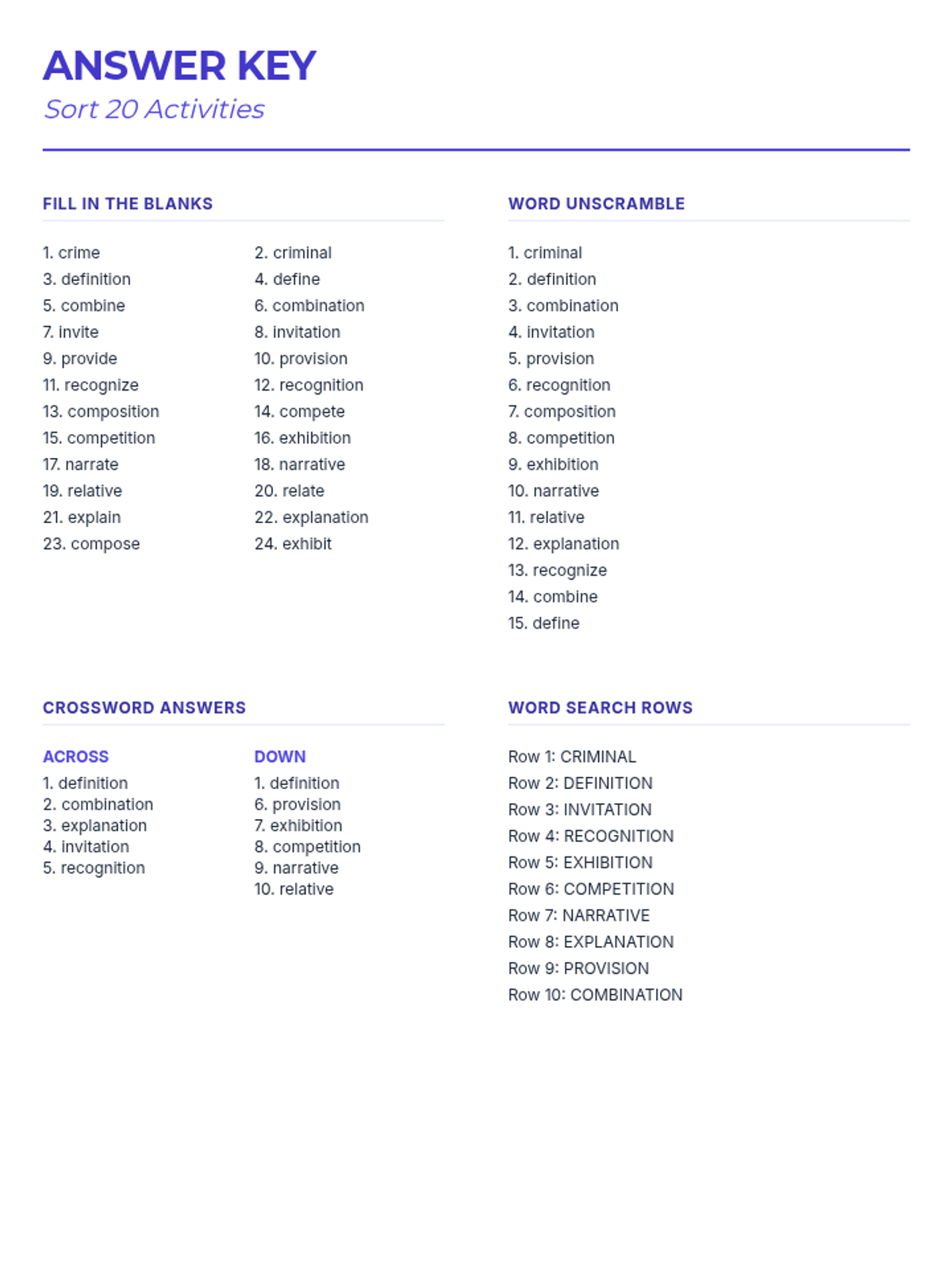
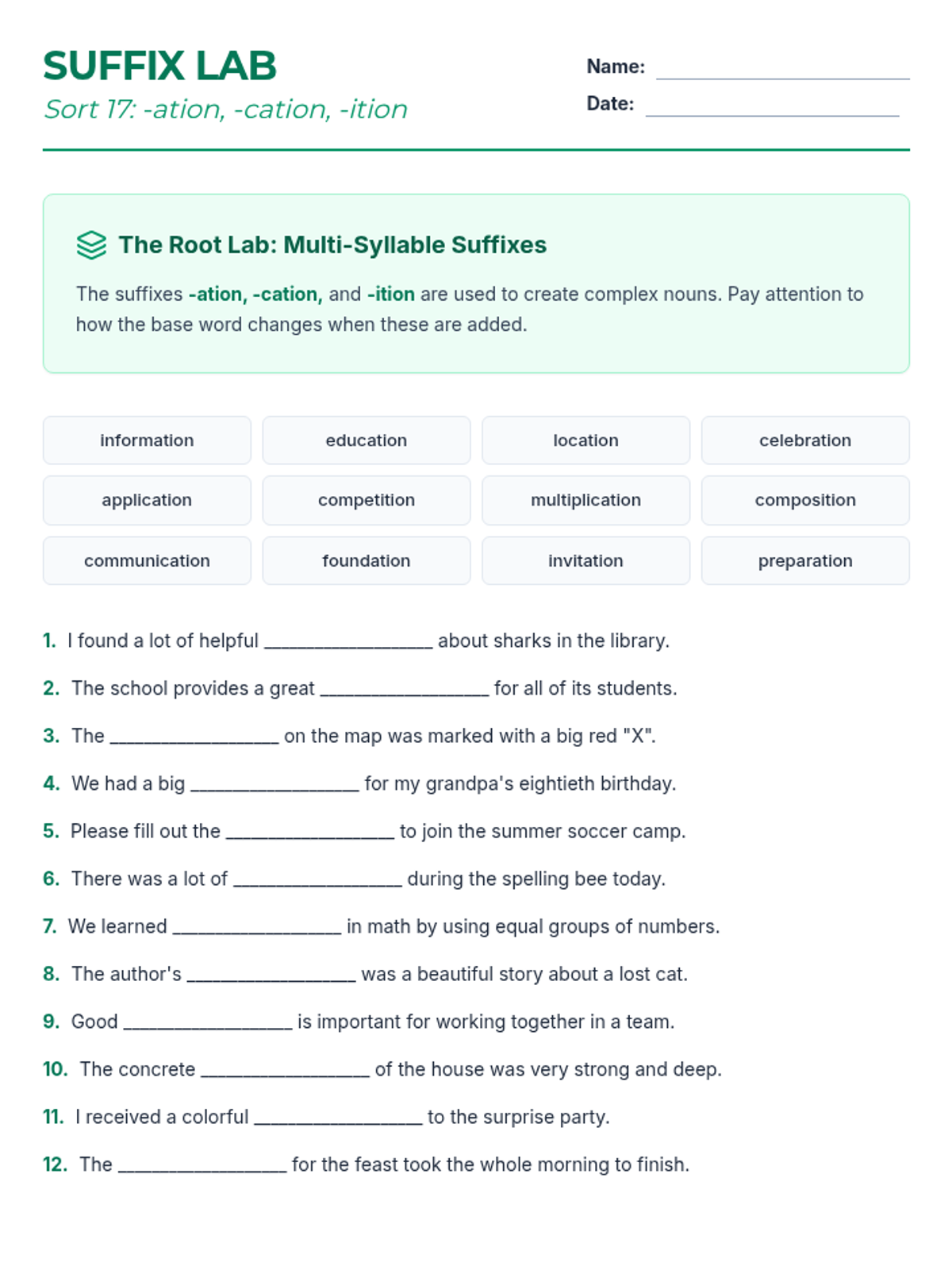
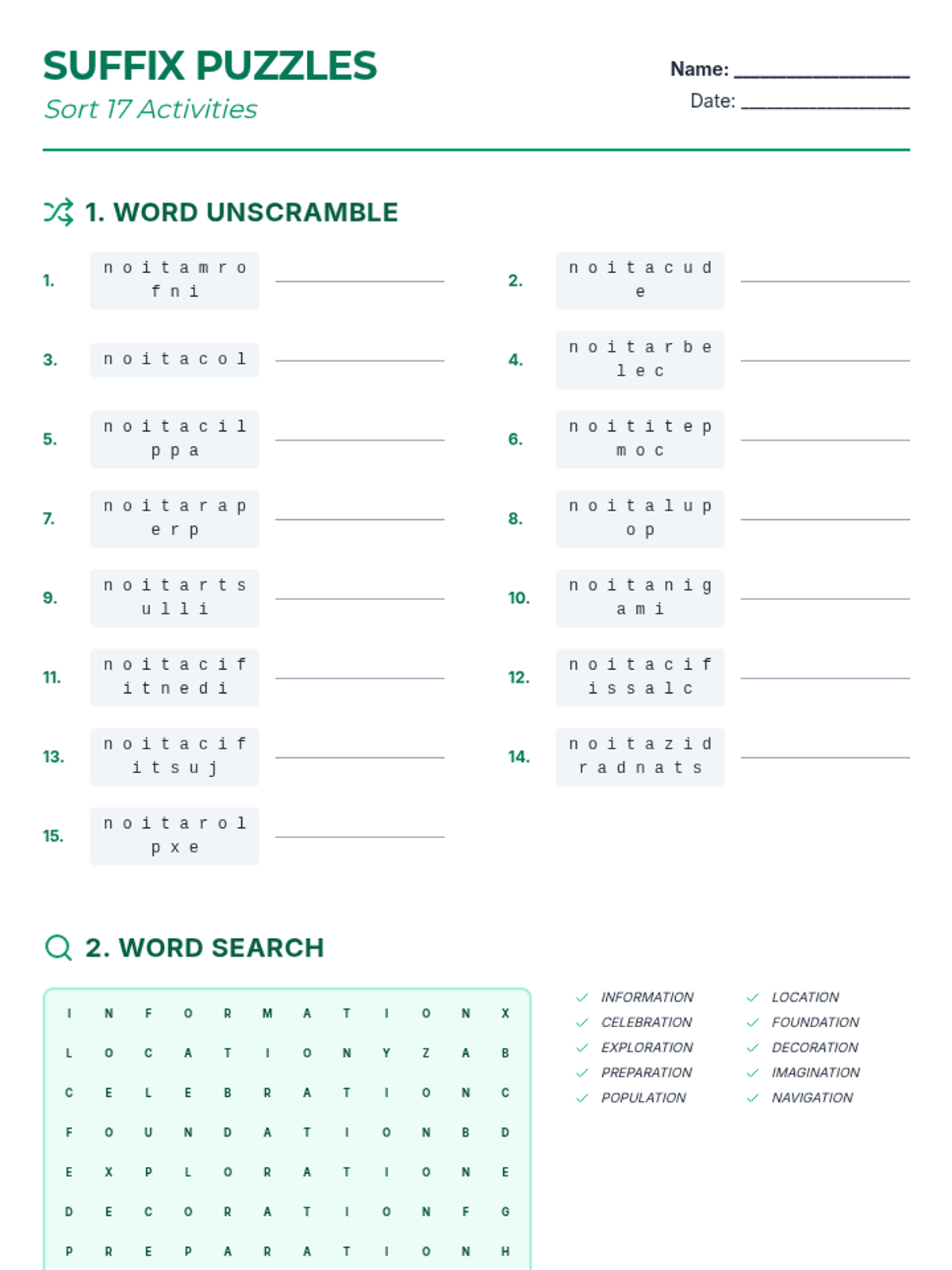
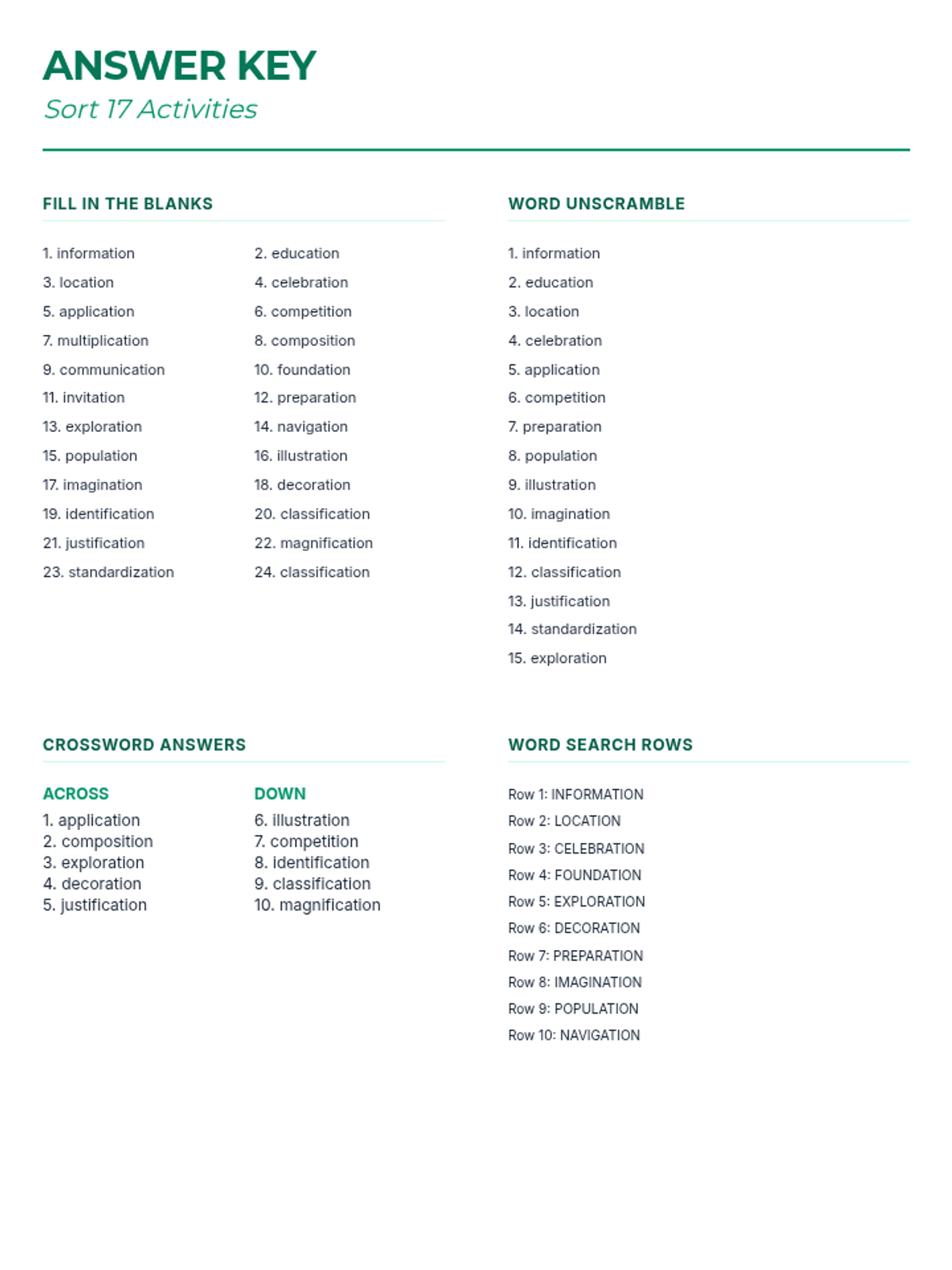
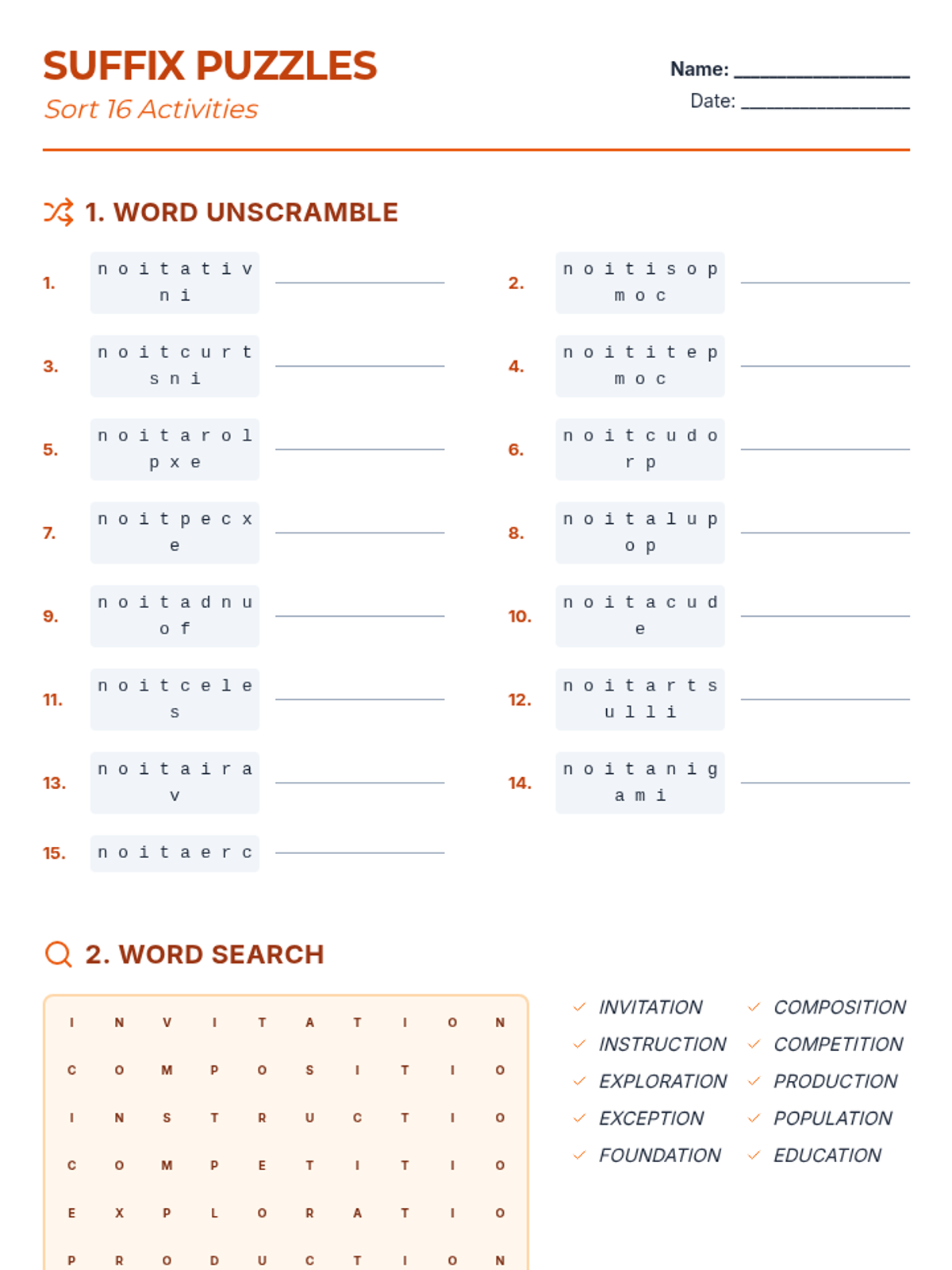
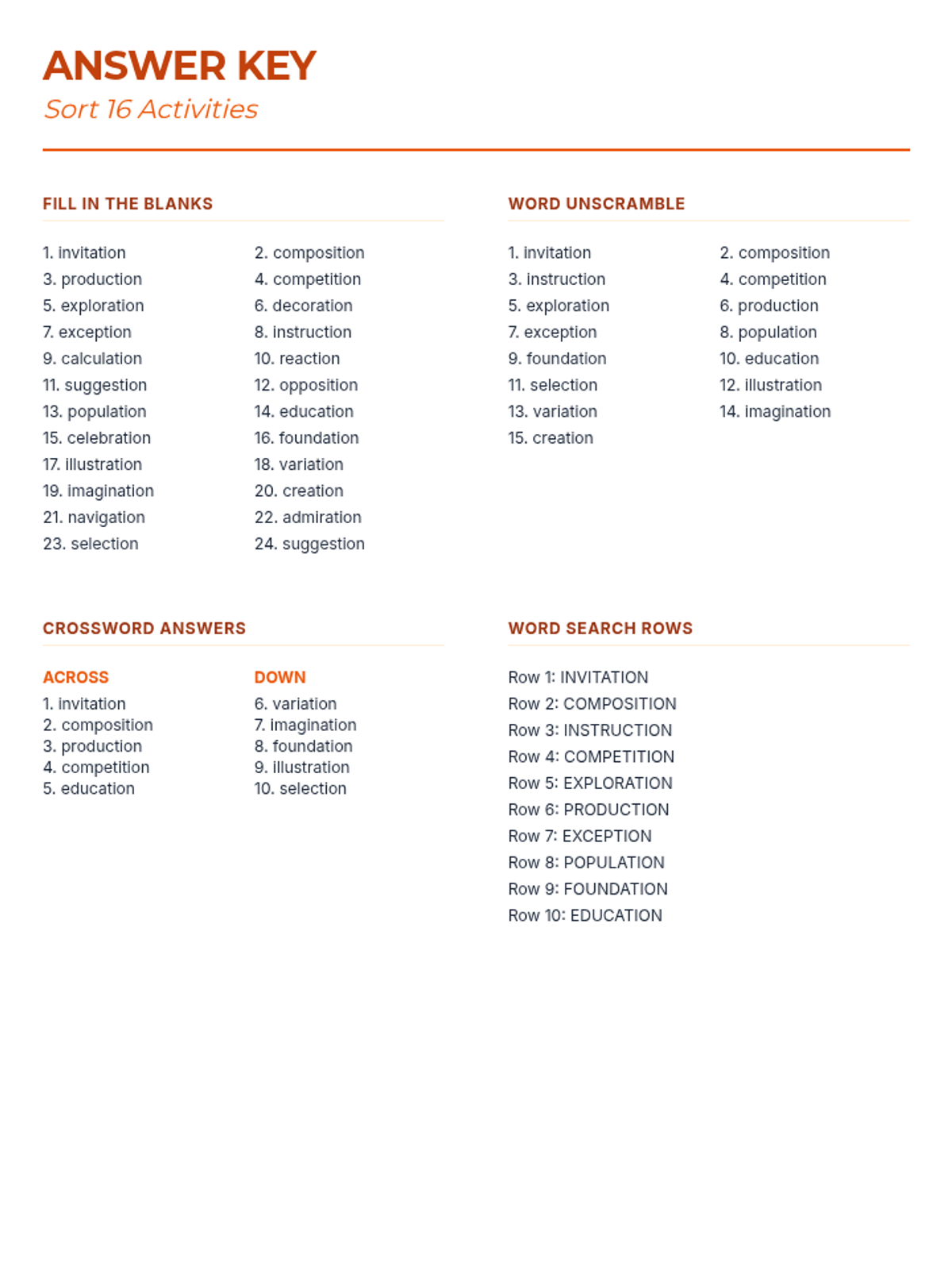
Introduction to multi-syllable suffixes -ation, -cation, and -ition used to create complex nouns.
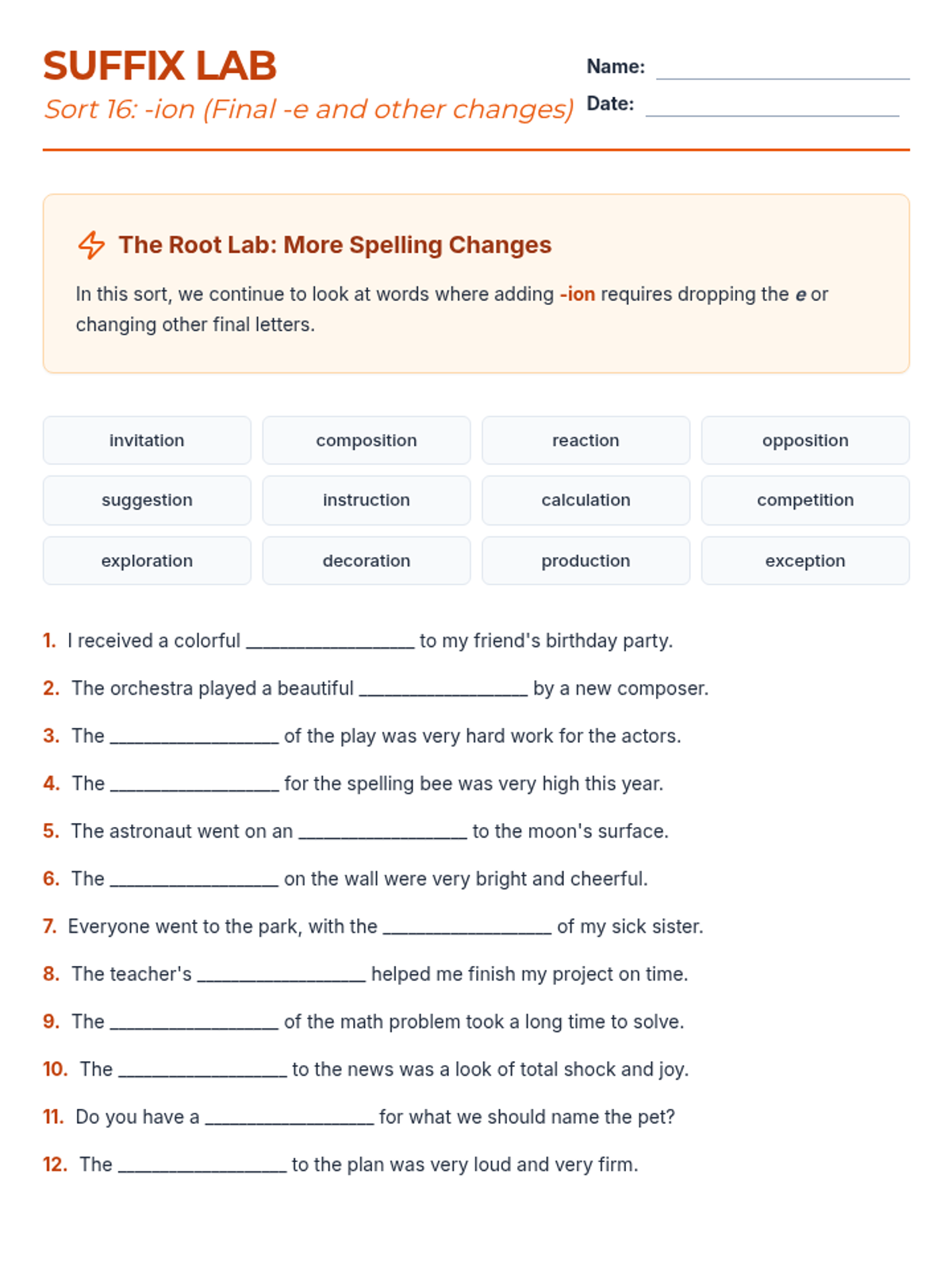
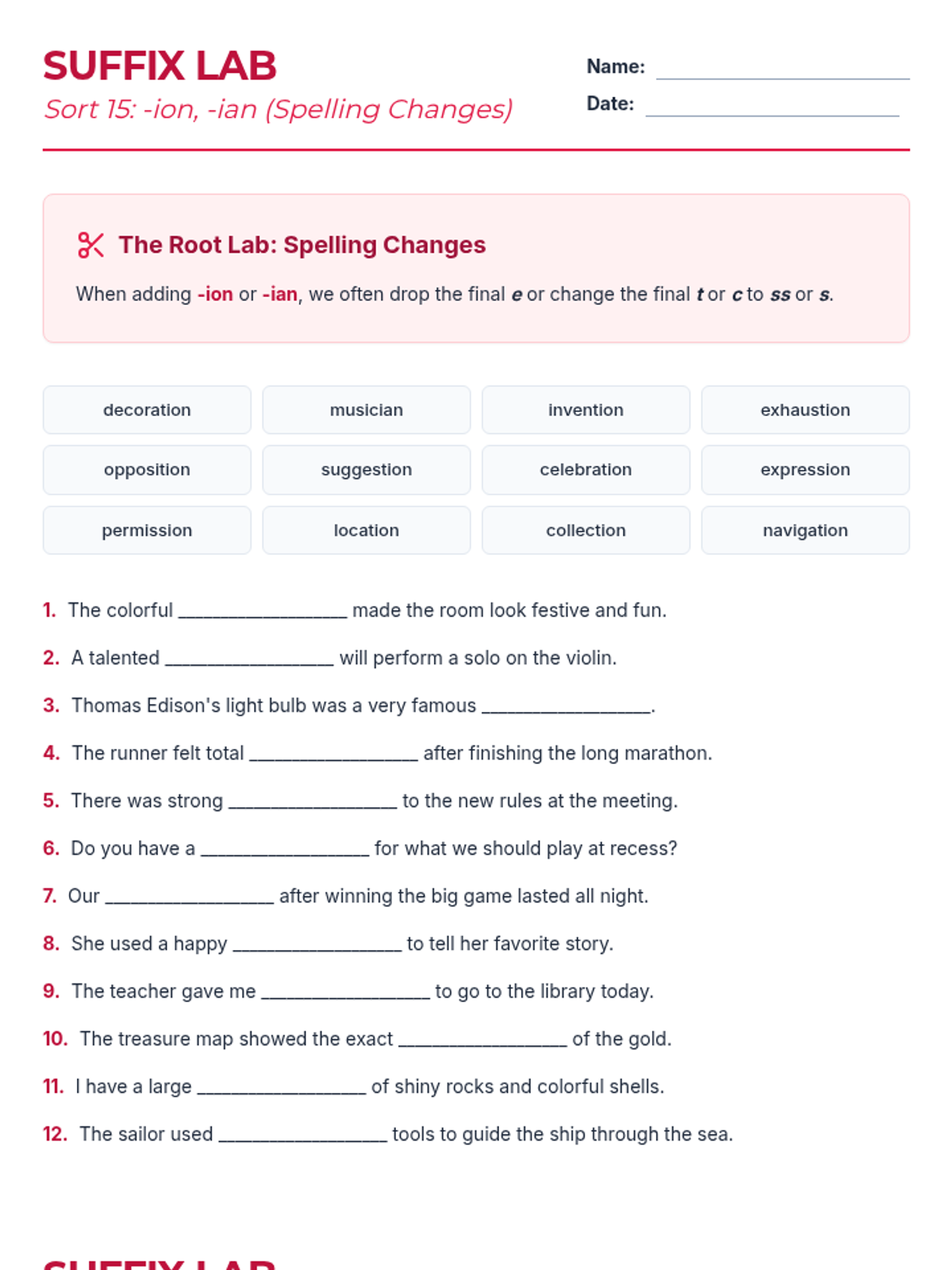
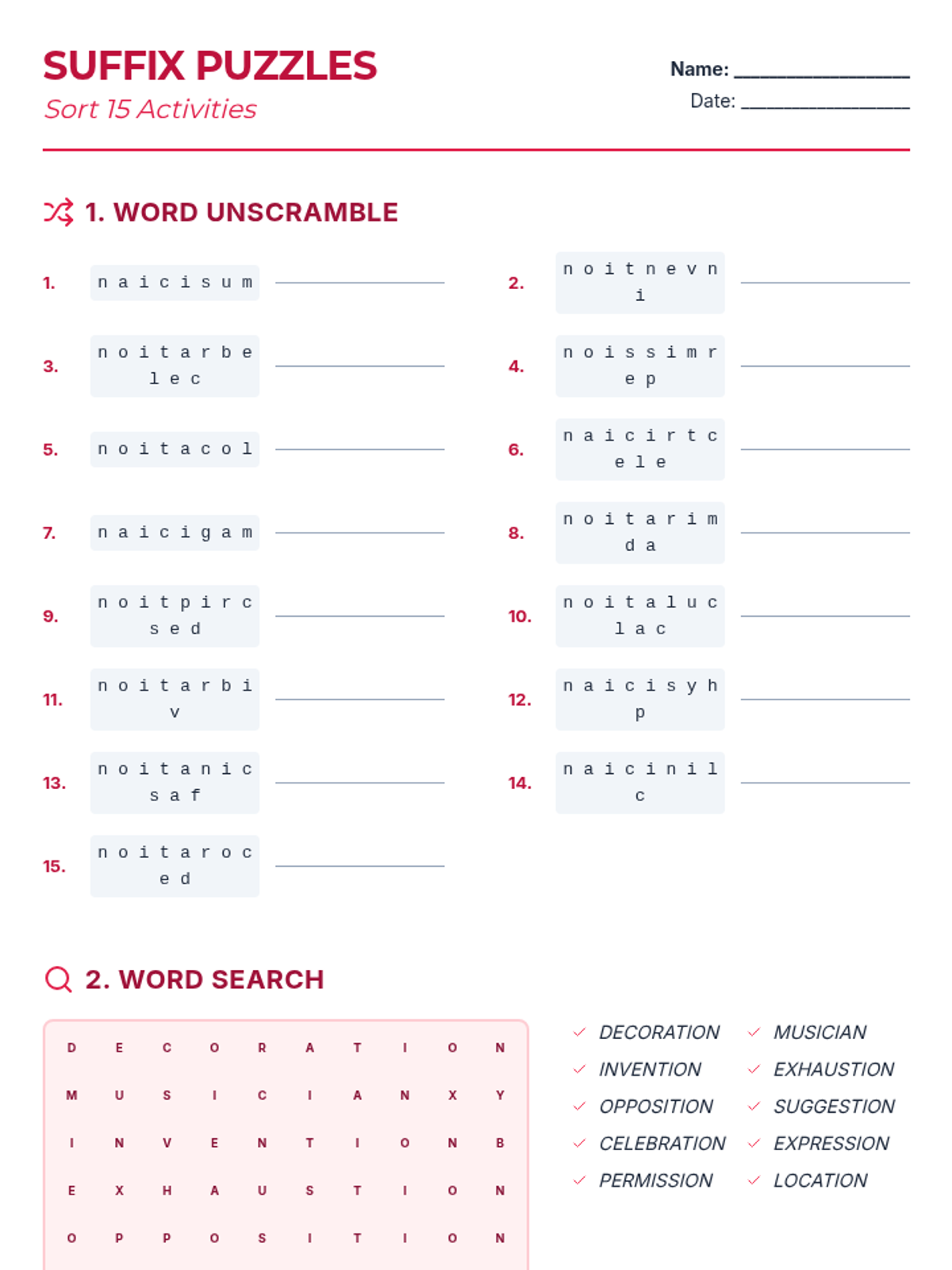
In this sort, we continue to look at words where adding -ion requires dropping the e or changing other final letters.
When adding -ion or -ian, we often drop the final e or change the final t or c to ss or s.
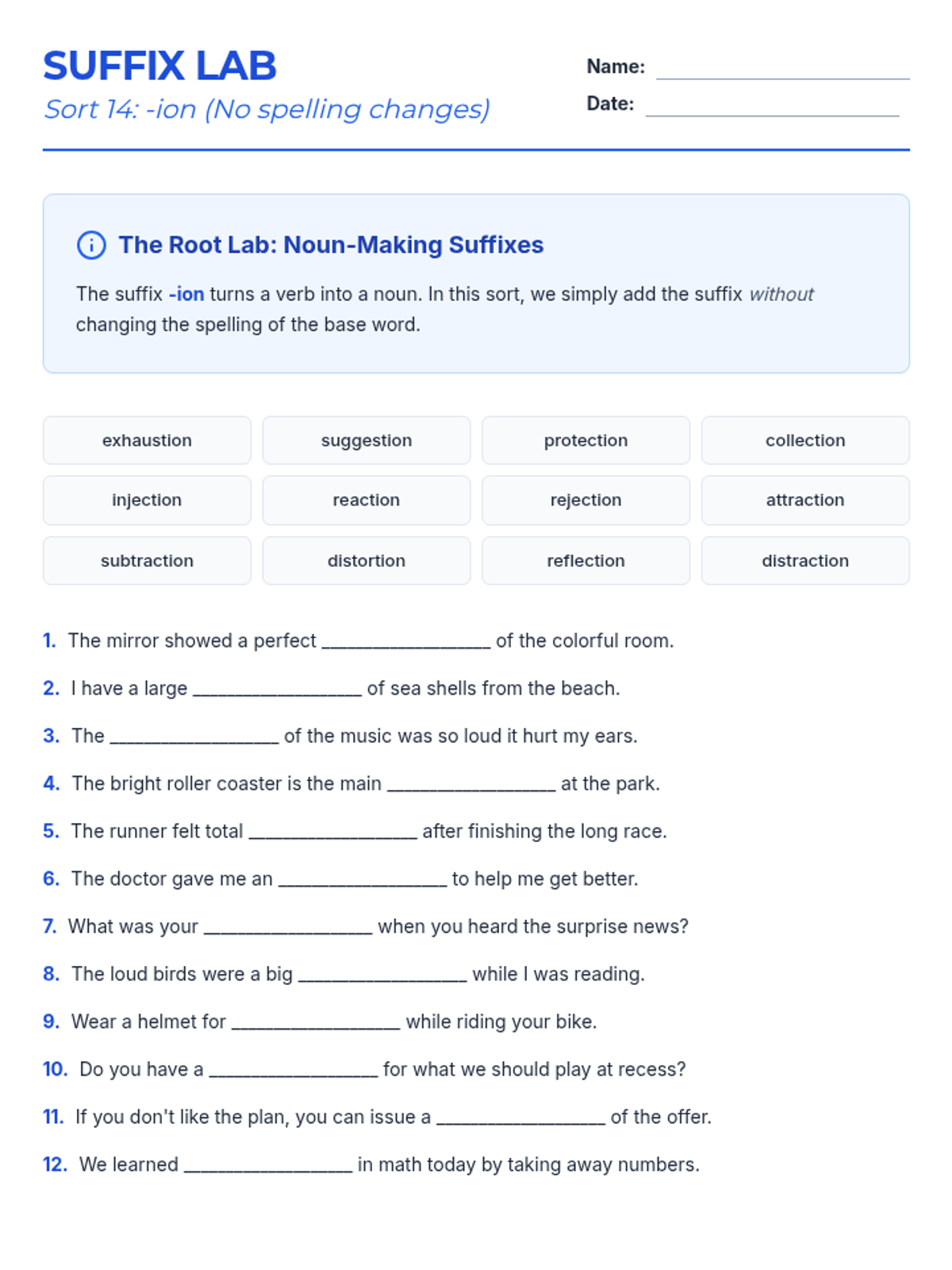
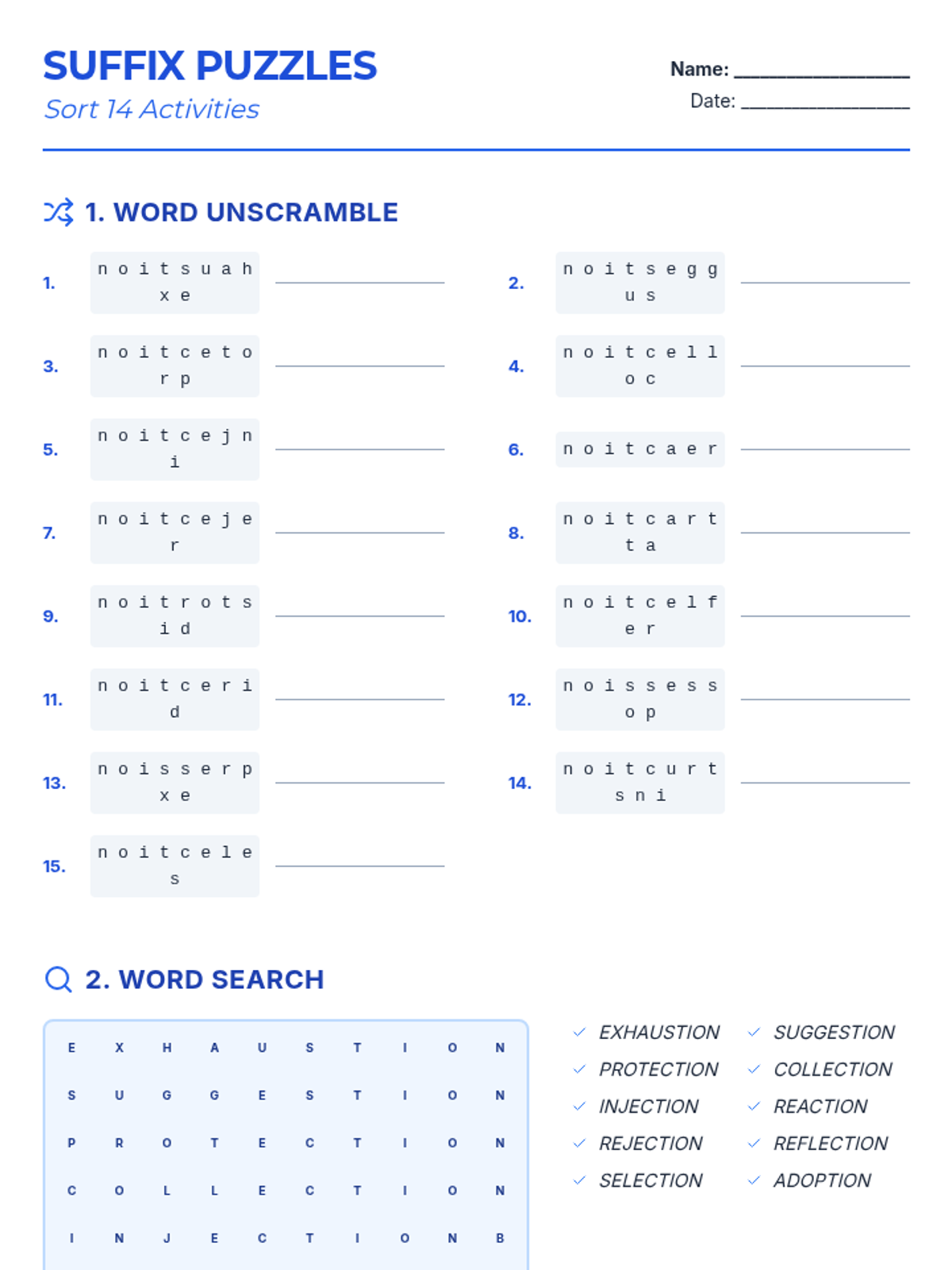
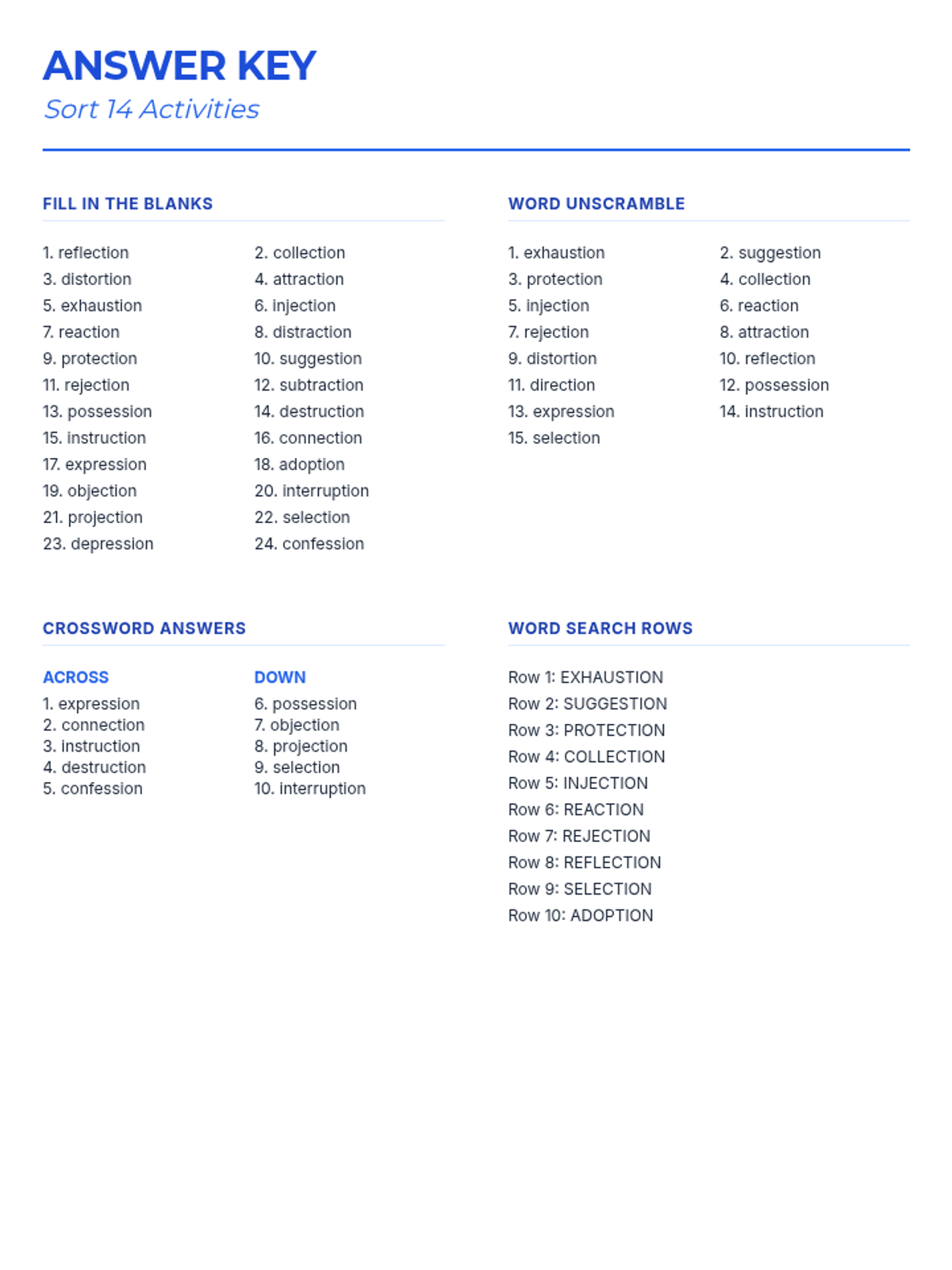
The suffix -ion turns a verb into a noun without changing the spelling of the base word.
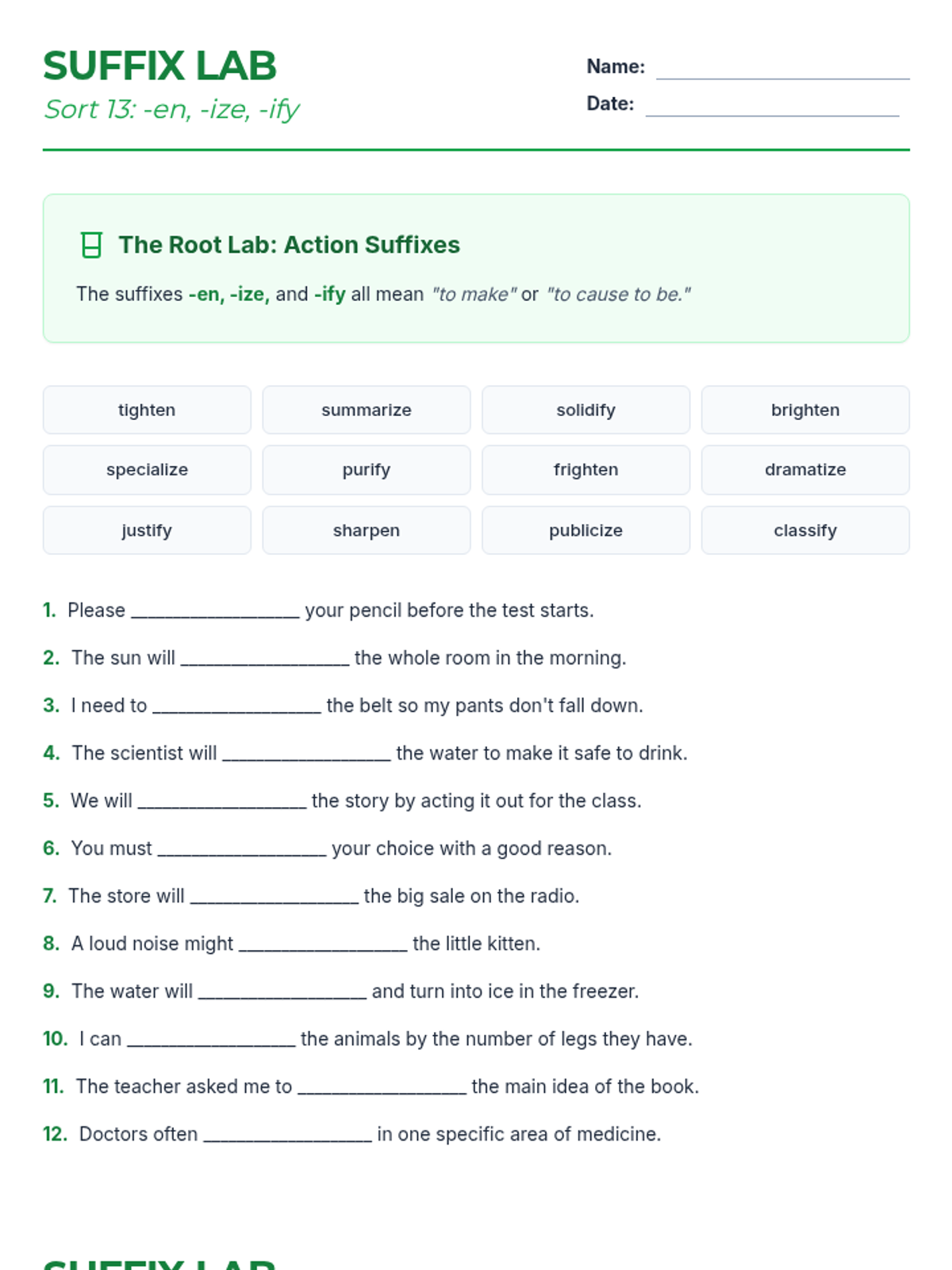
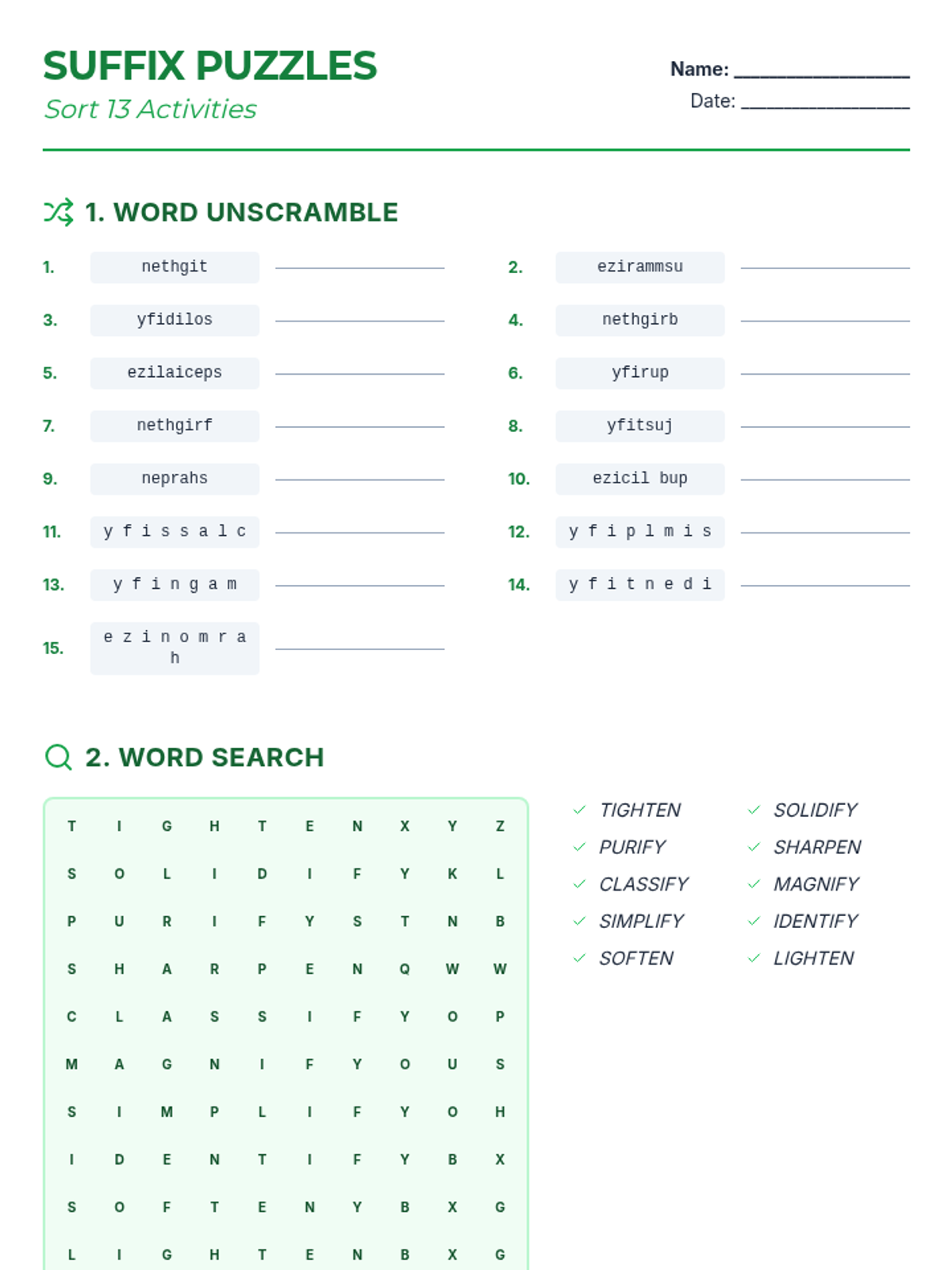
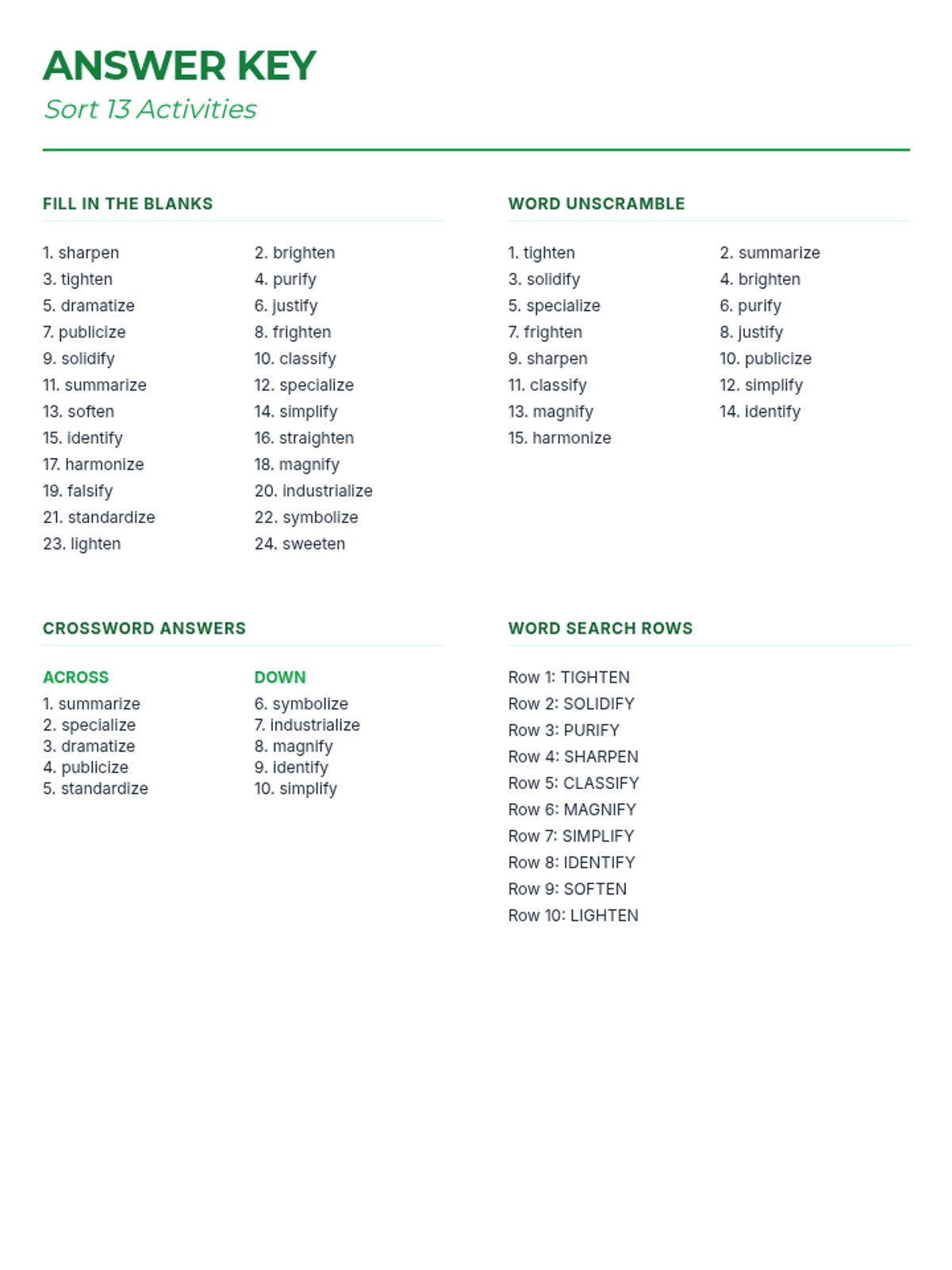
Introduction to action suffixes -en, -ize, and -ify, which mean "to make" or "to cause to be."
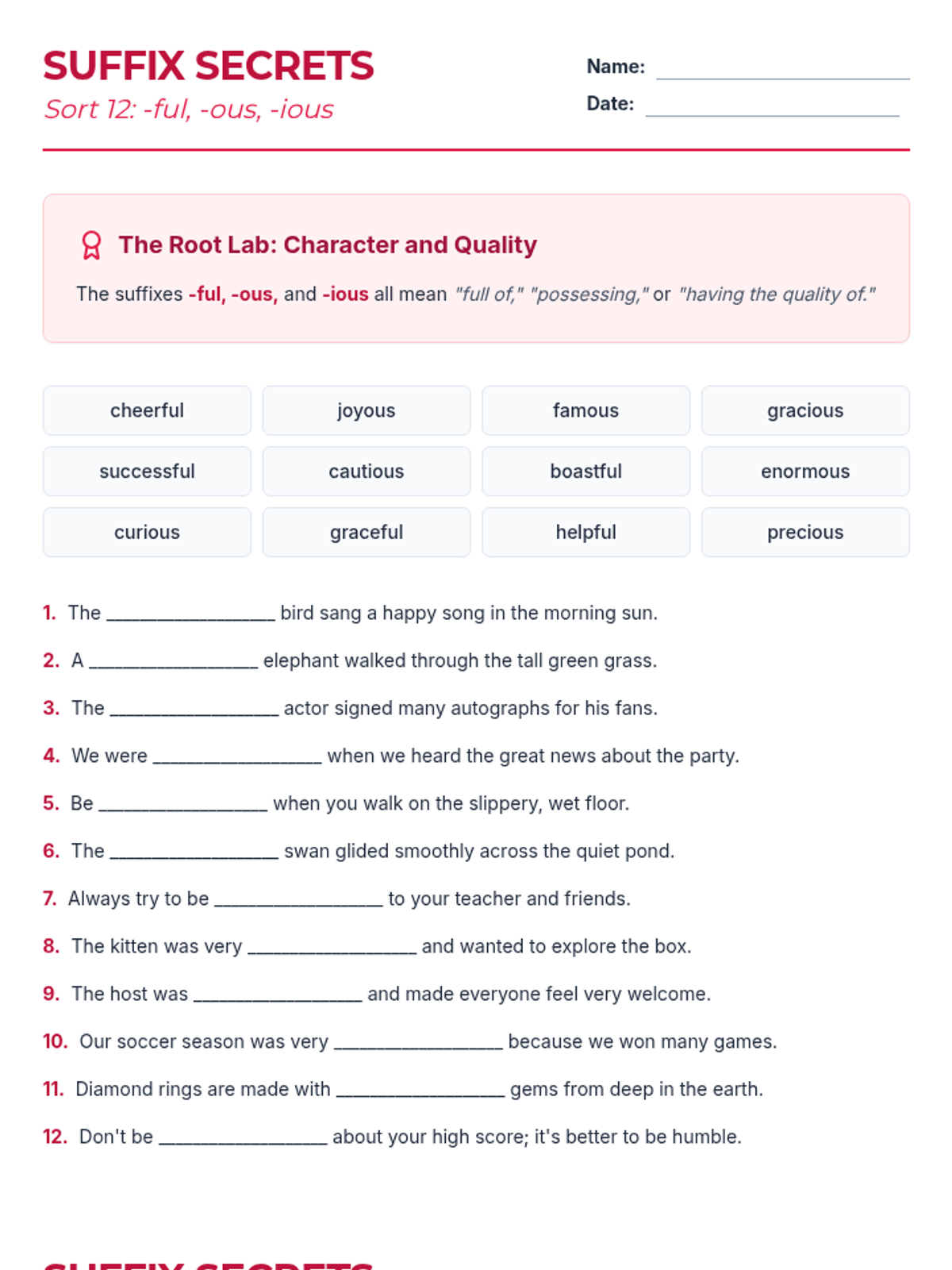
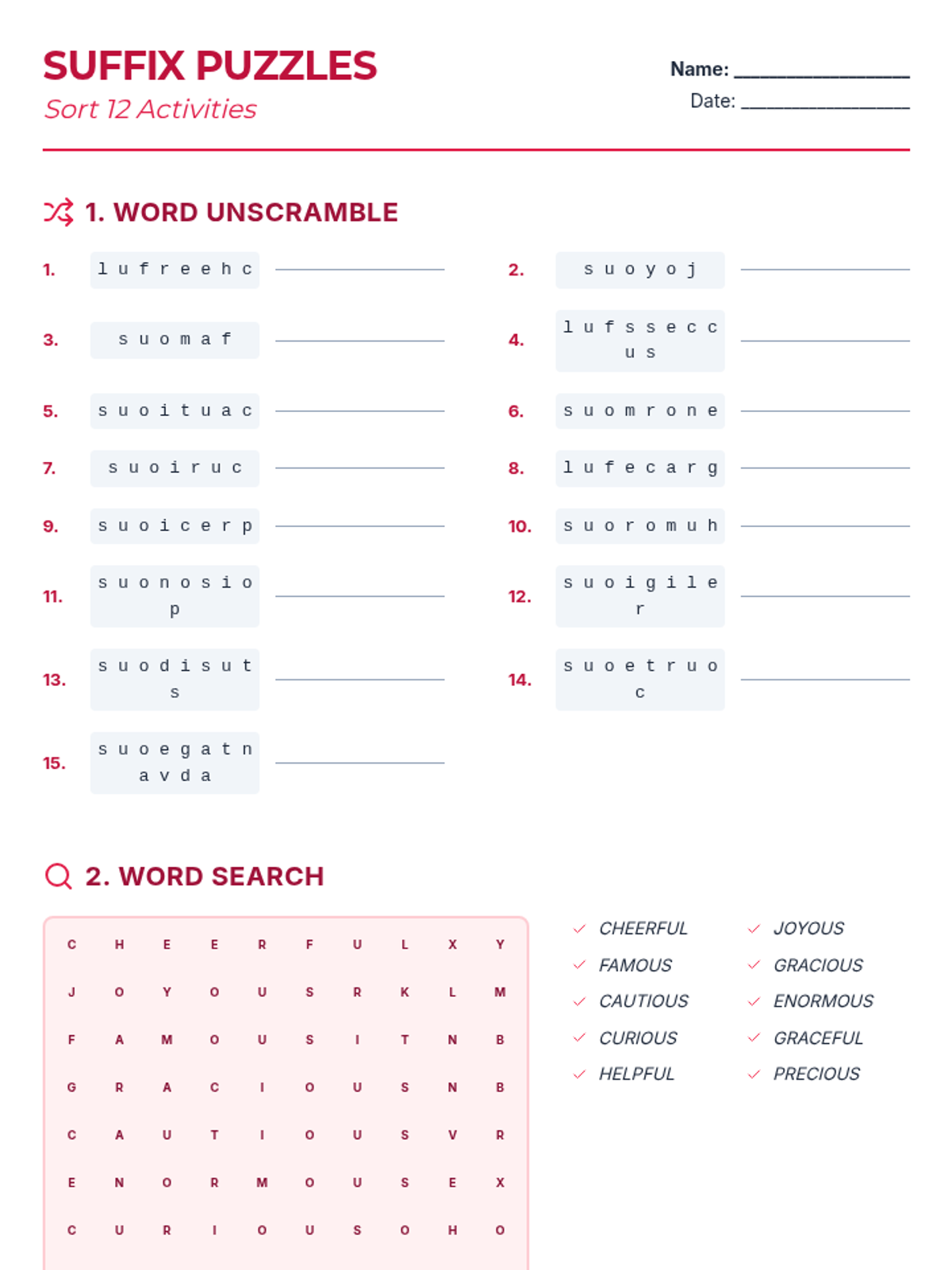
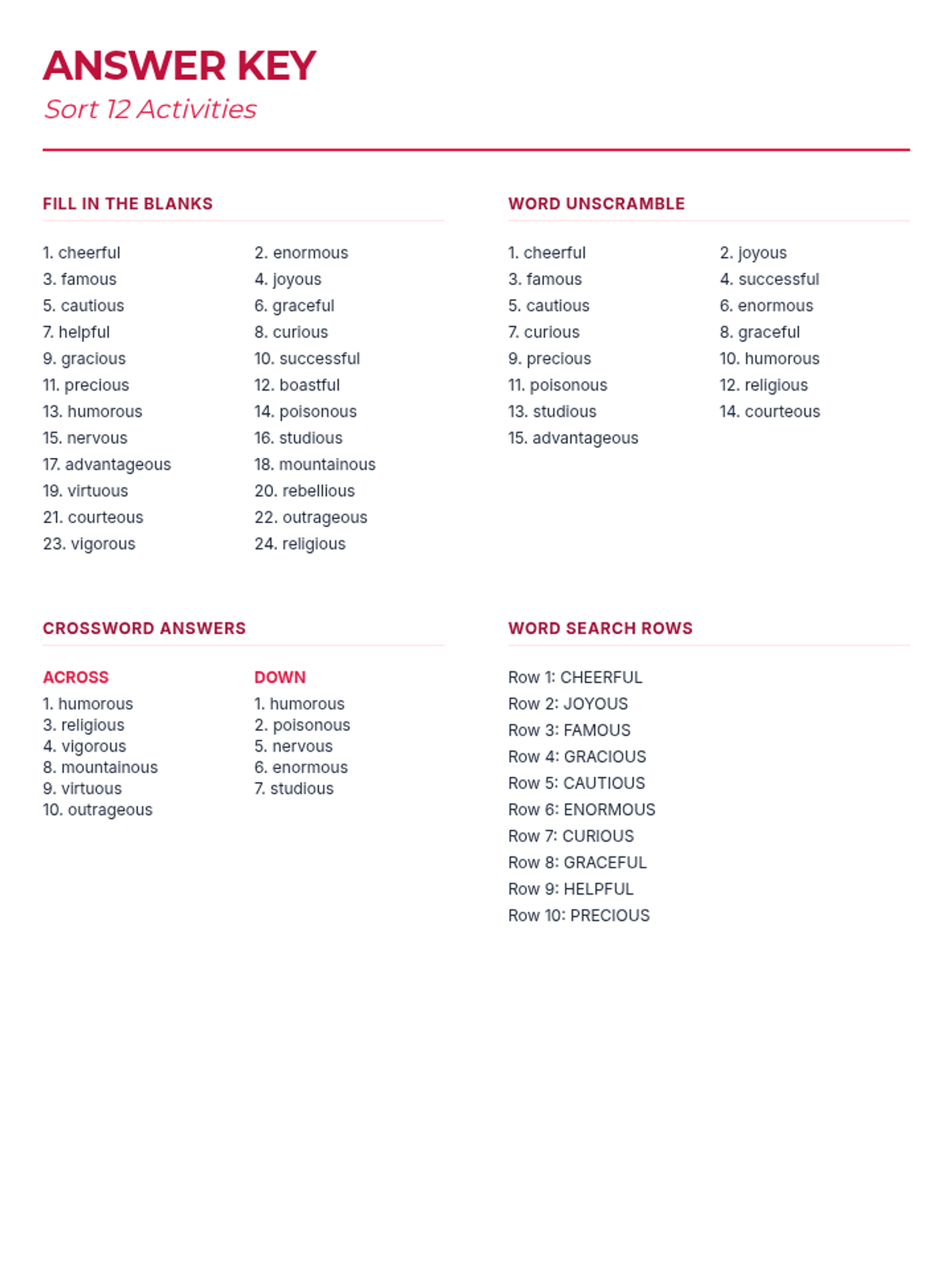
Mastering character and quality suffixes: -ful, -ous, and -ious, meaning "full of" or "possessing."
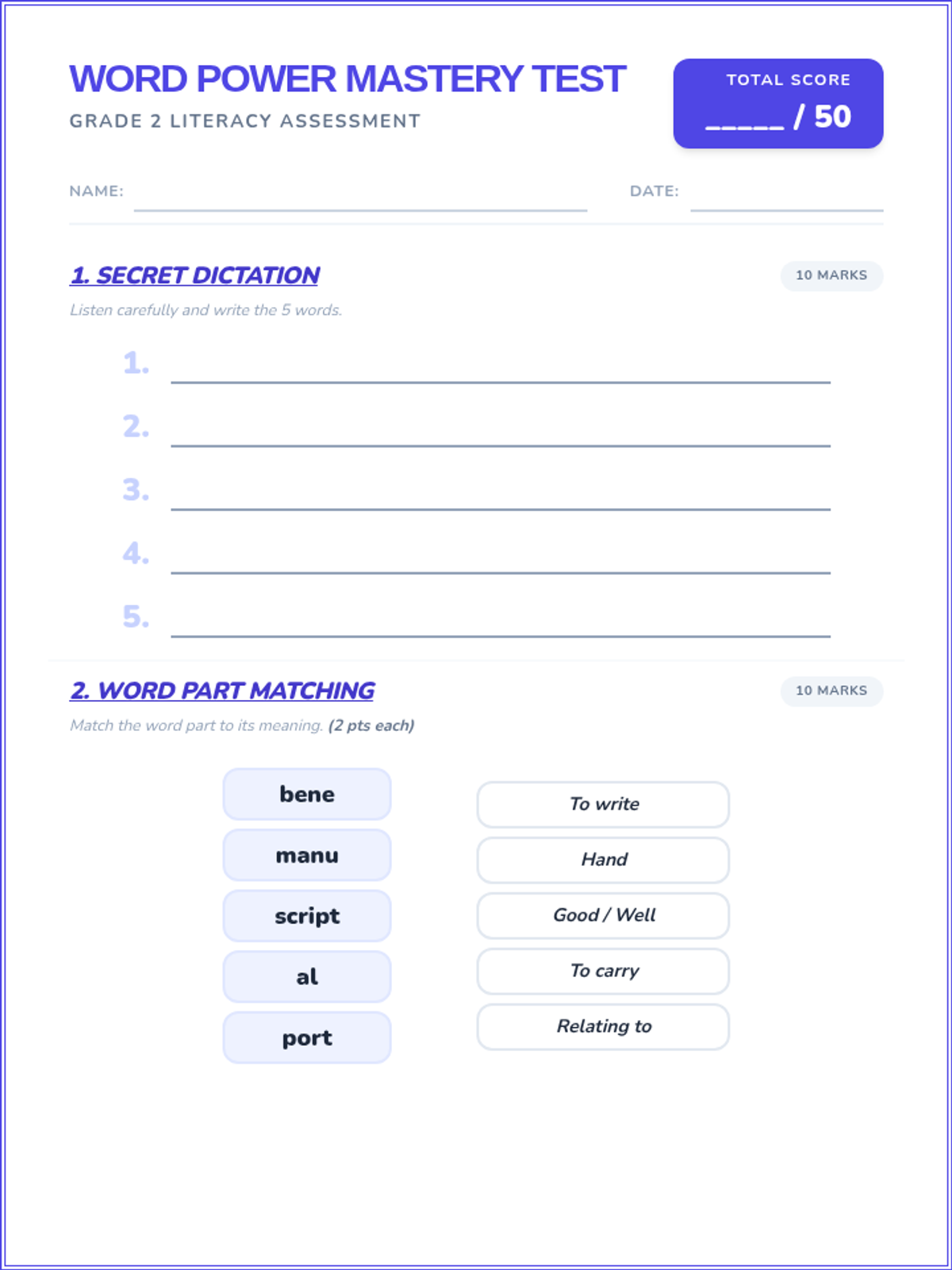
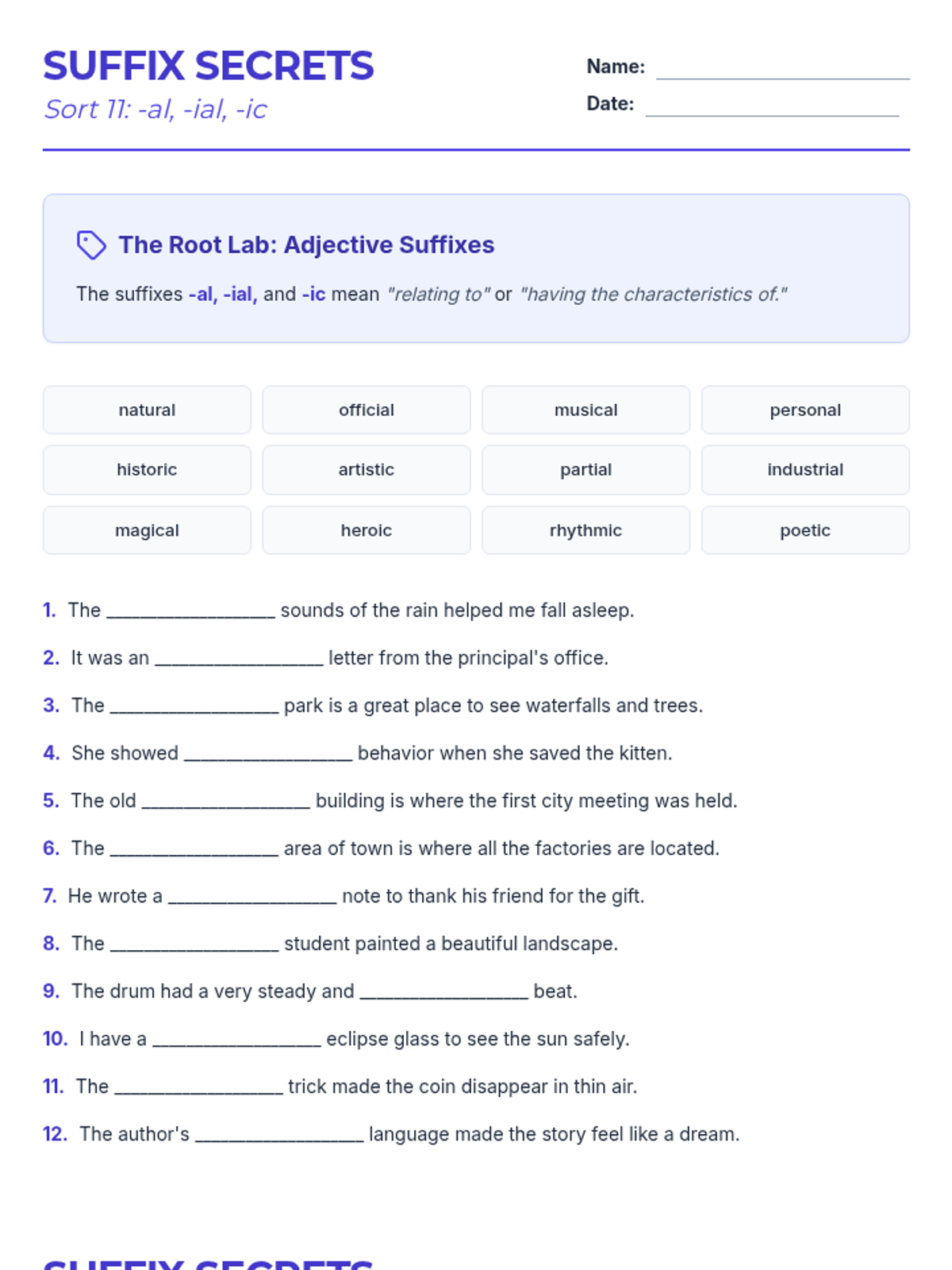
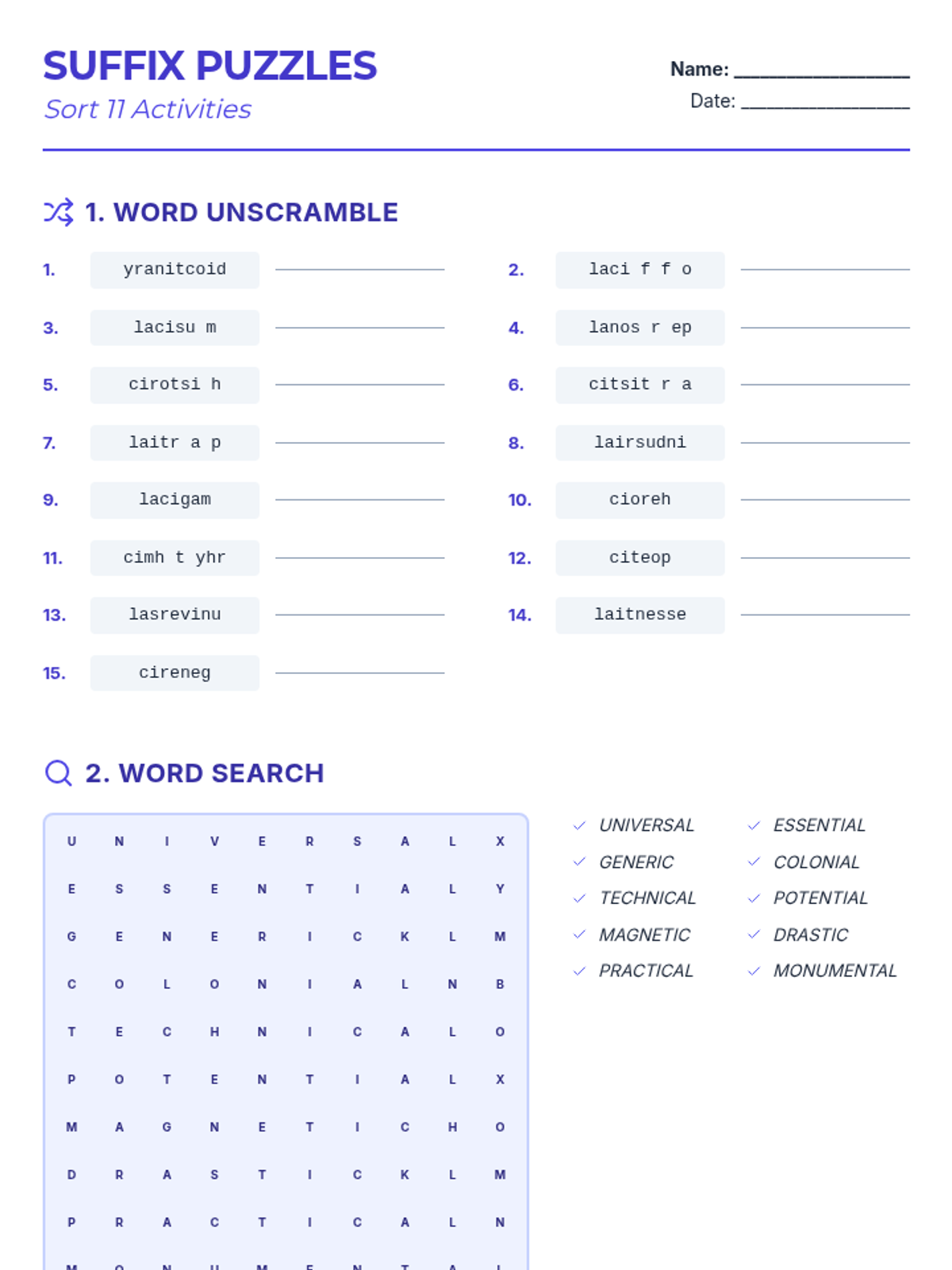
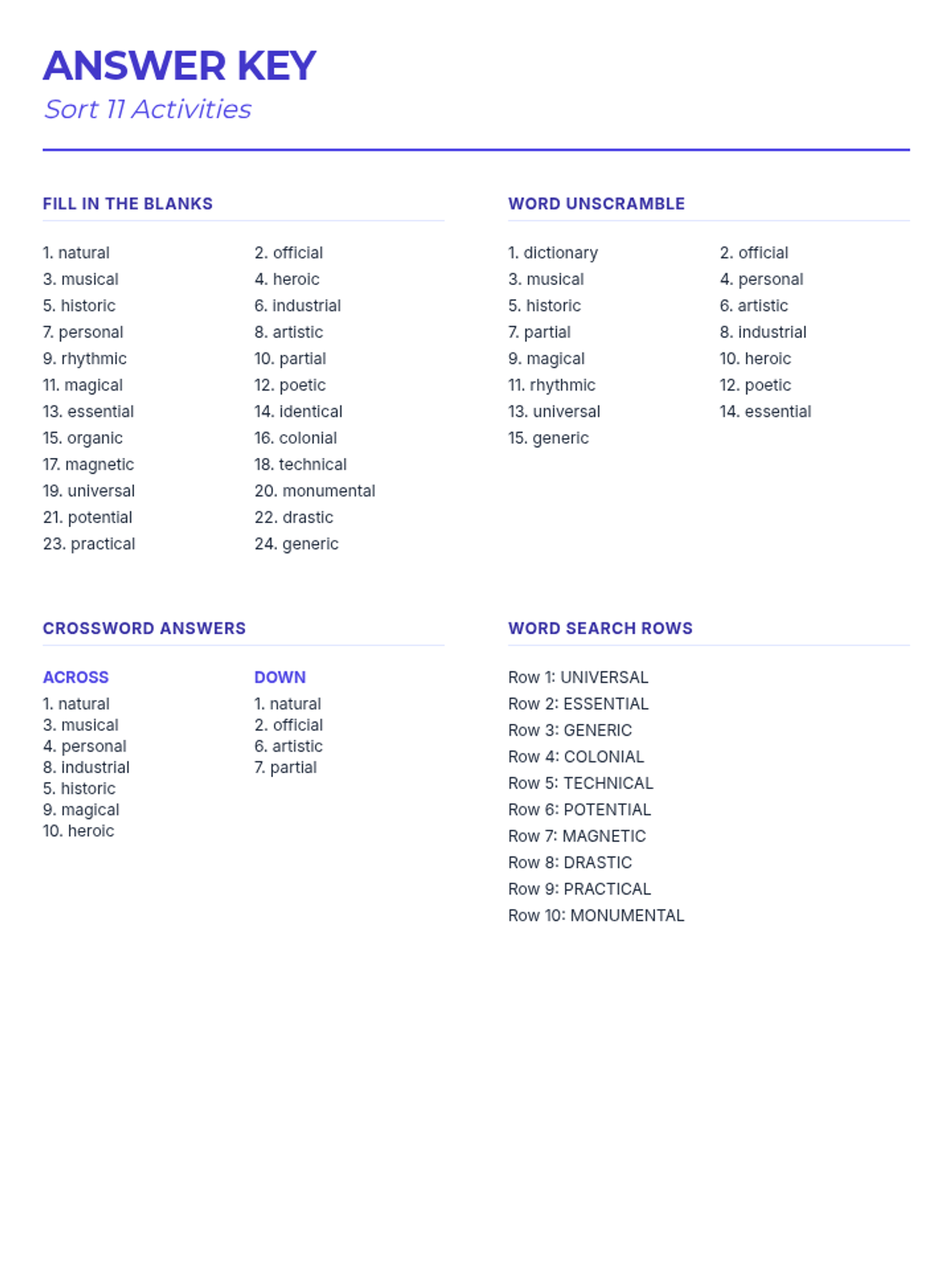
Mastering the adjective suffixes -al, -ial, and -ic, meaning "relating to" or "having the characteristics of."
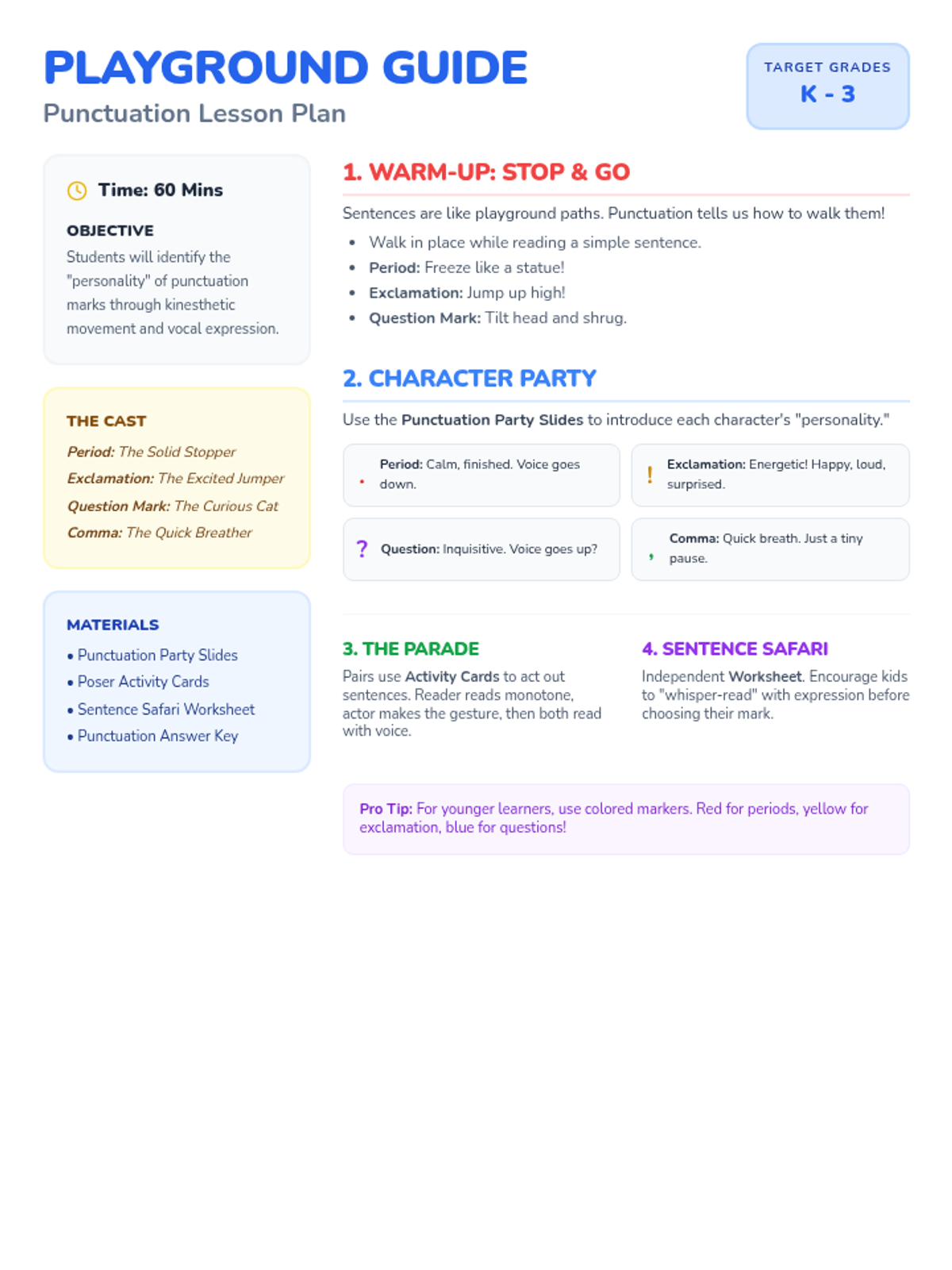
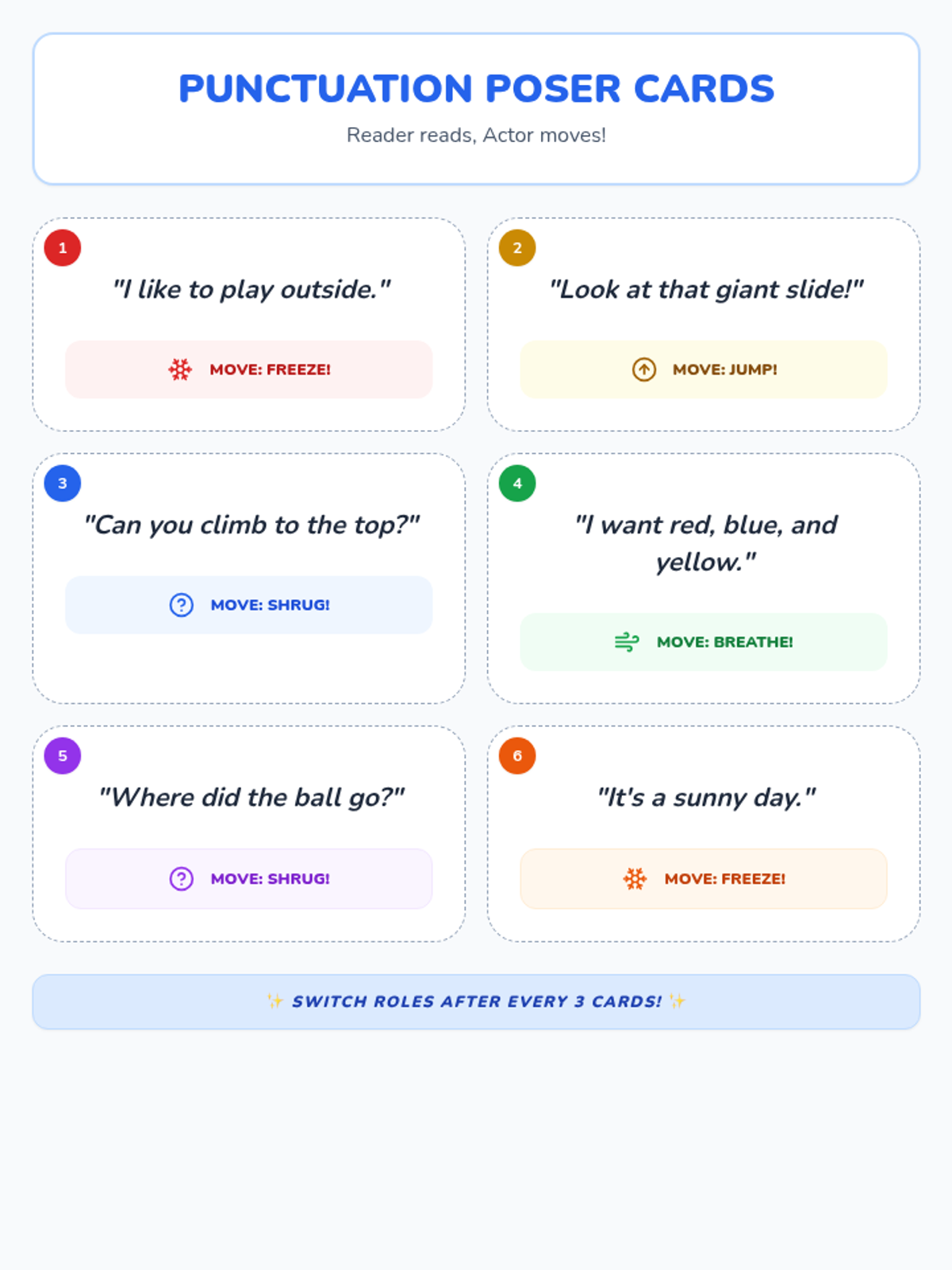
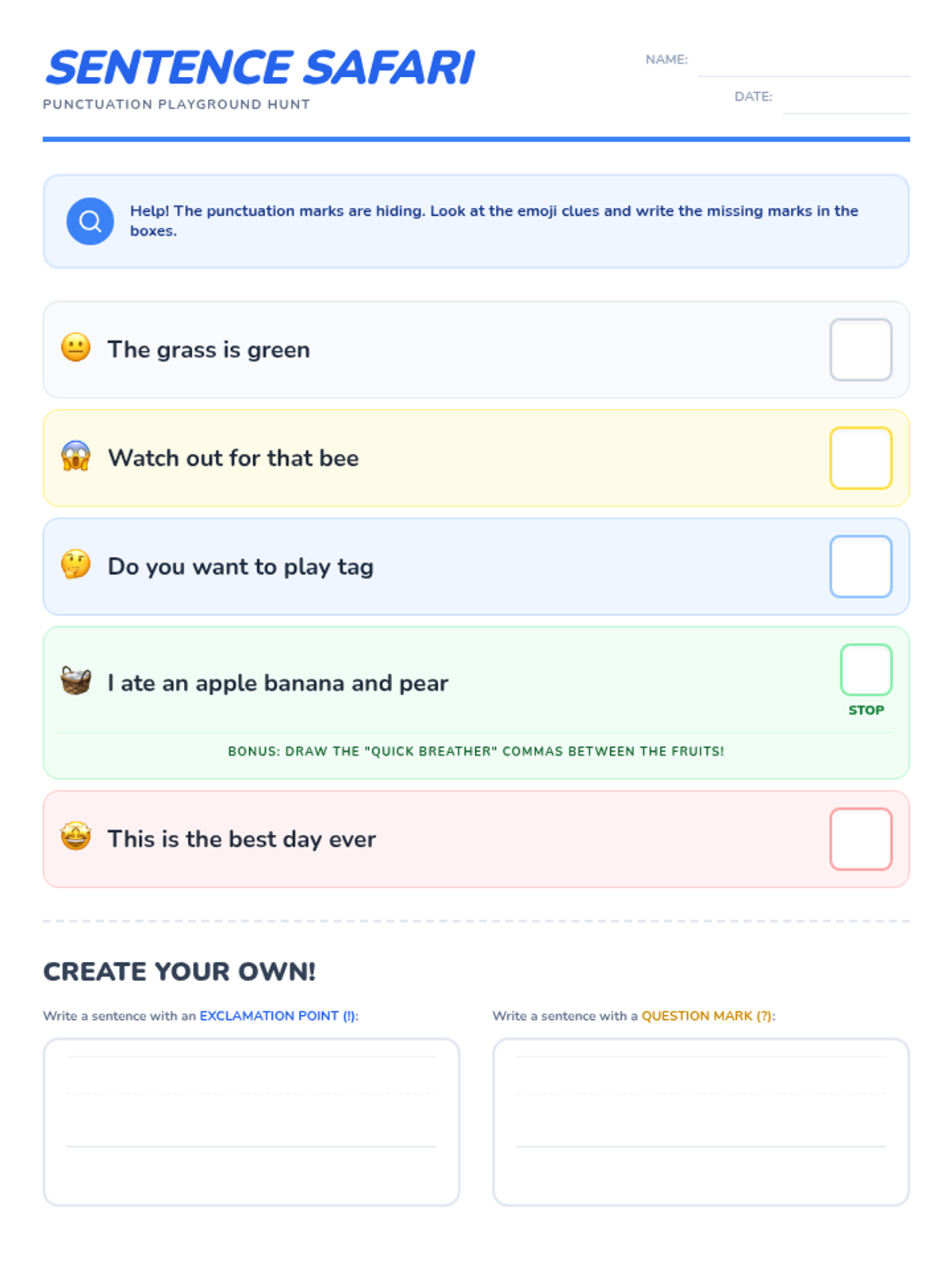
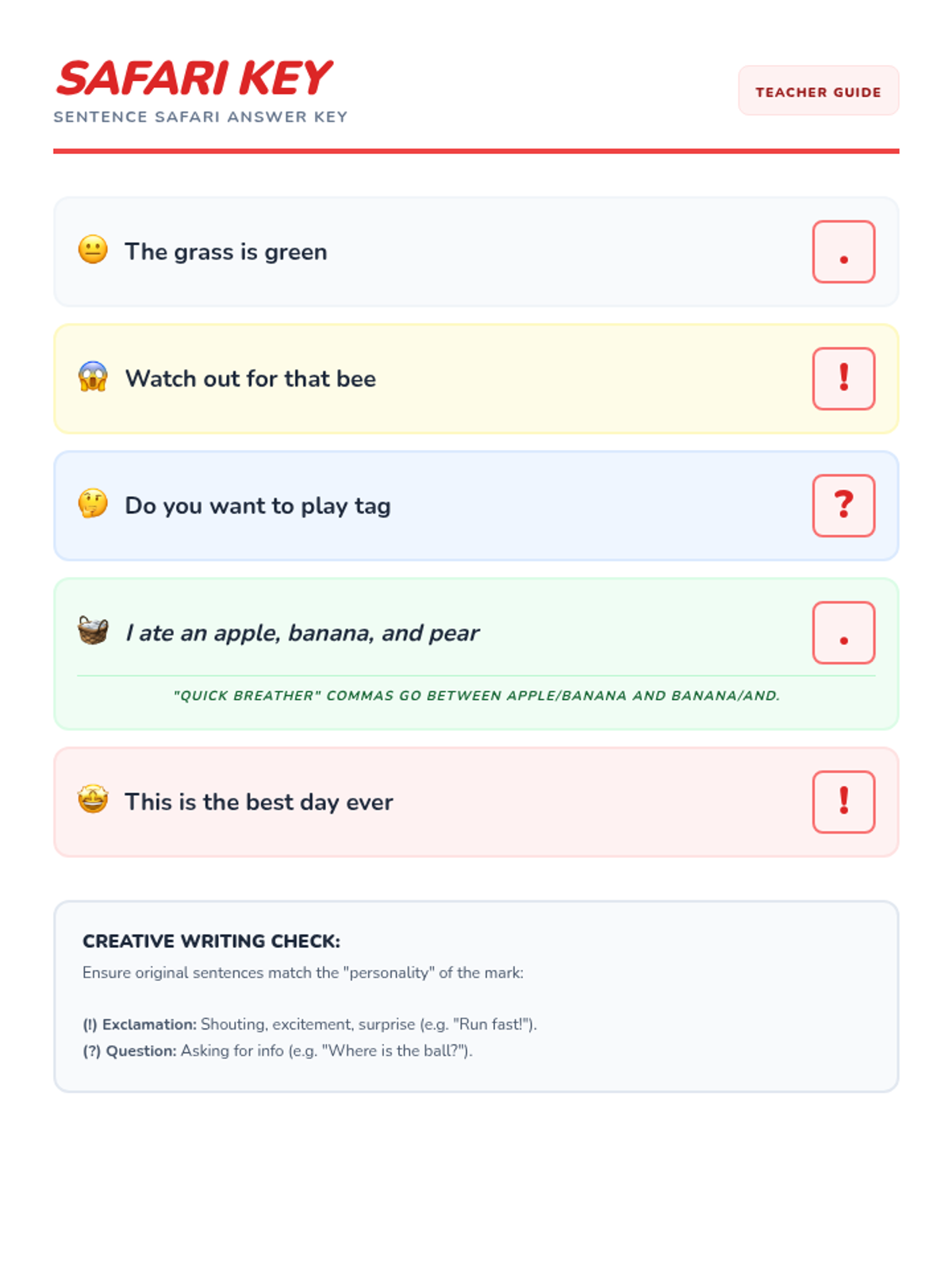
A lively, kinesthetic lesson where K-3 students personify punctuation marks through movement and creative writing to understand how they shape the voice of a sentence.
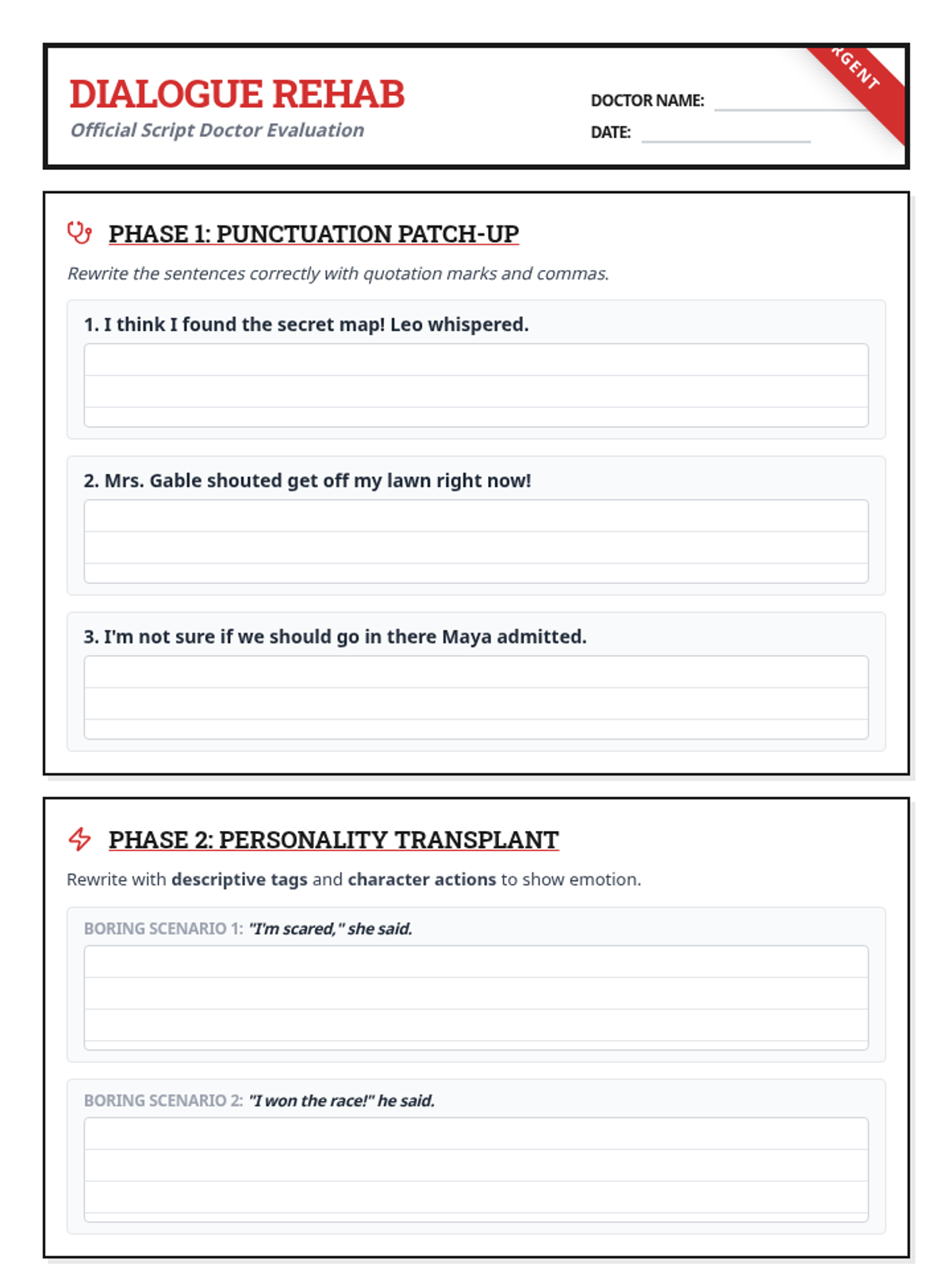
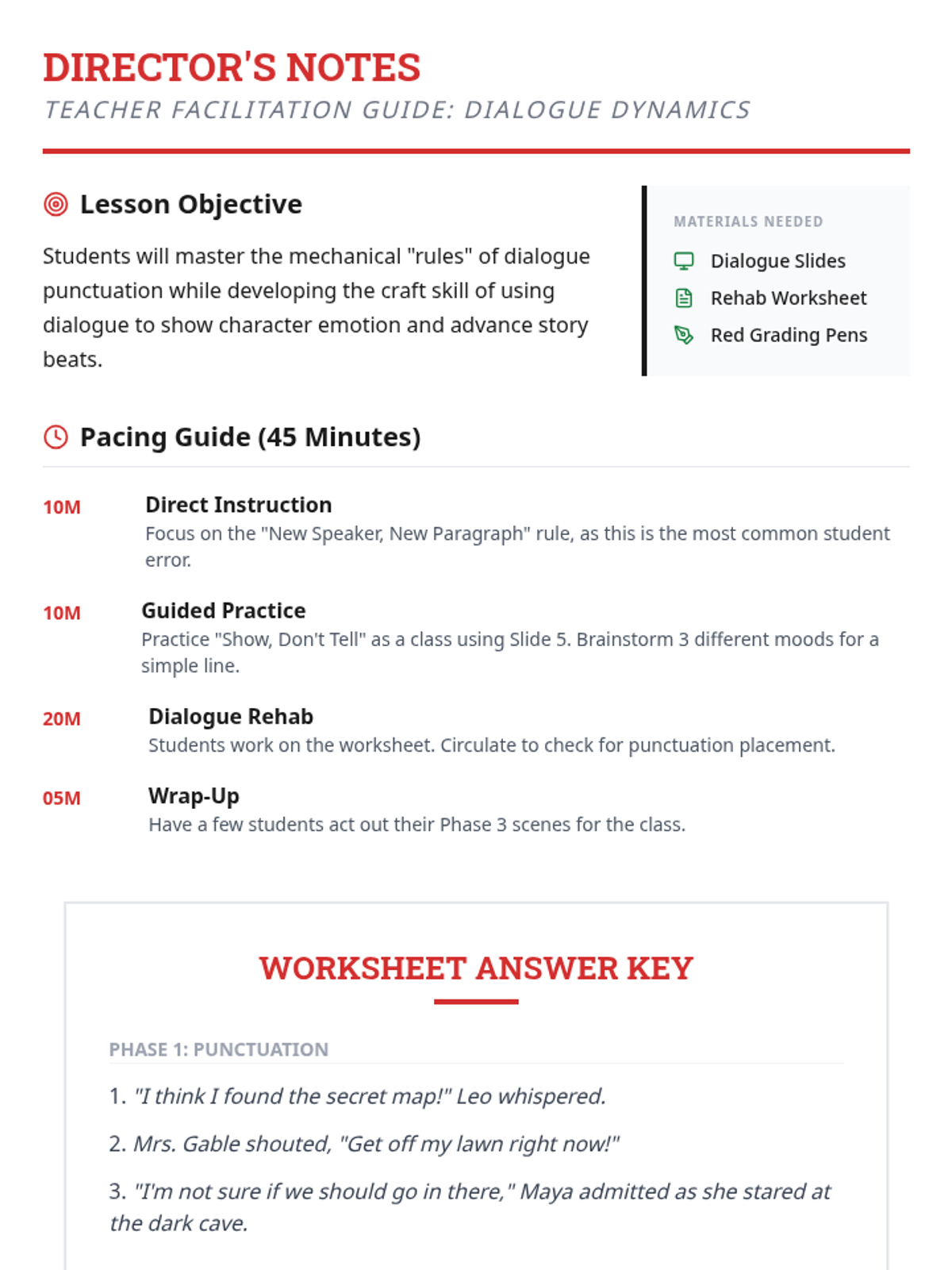
A mini-lesson focused on the mechanics and craft of writing dialogue to enhance storytelling. Students learn punctuation rules and how to use dialogue to reveal character and advance the plot.
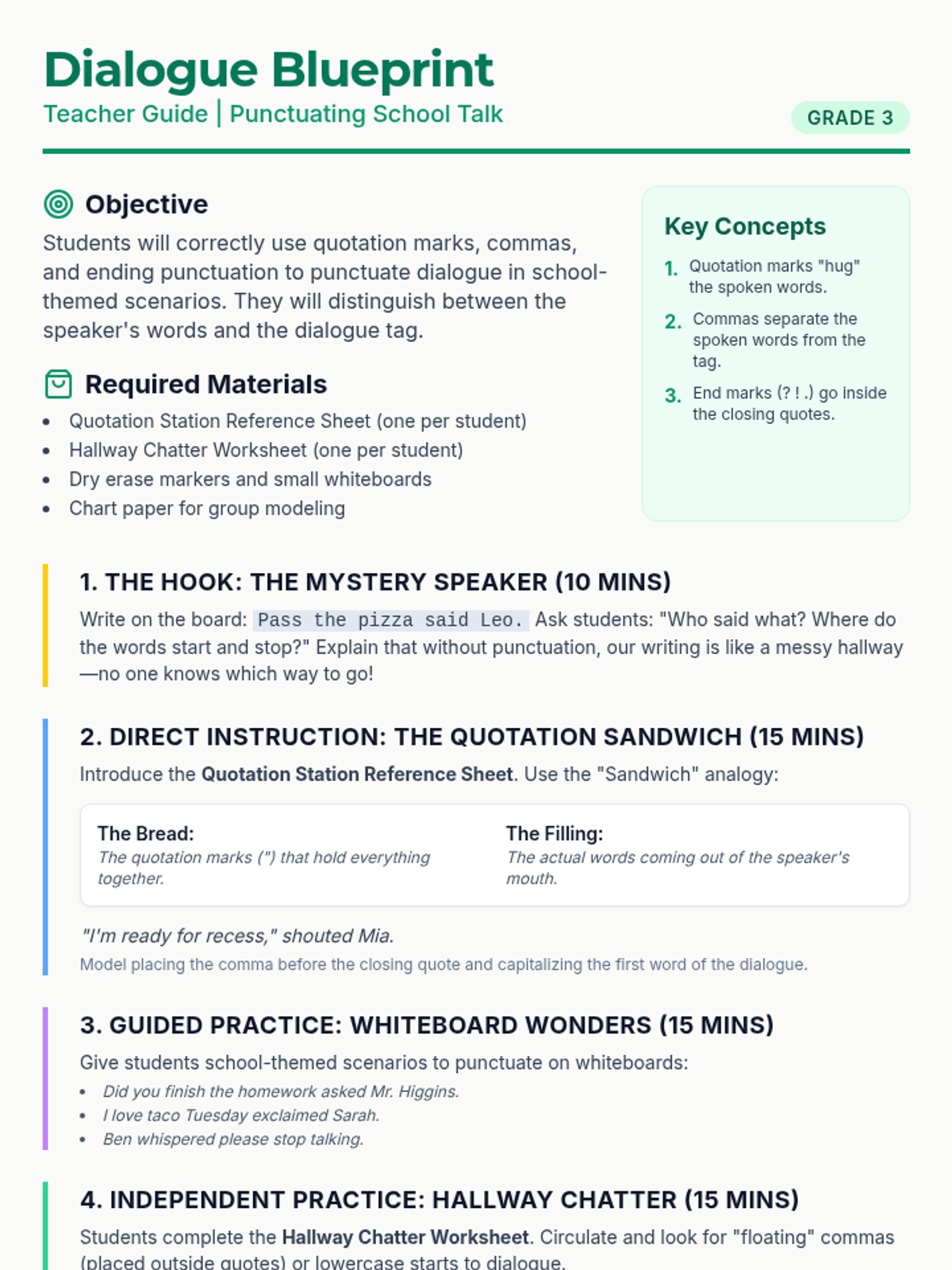
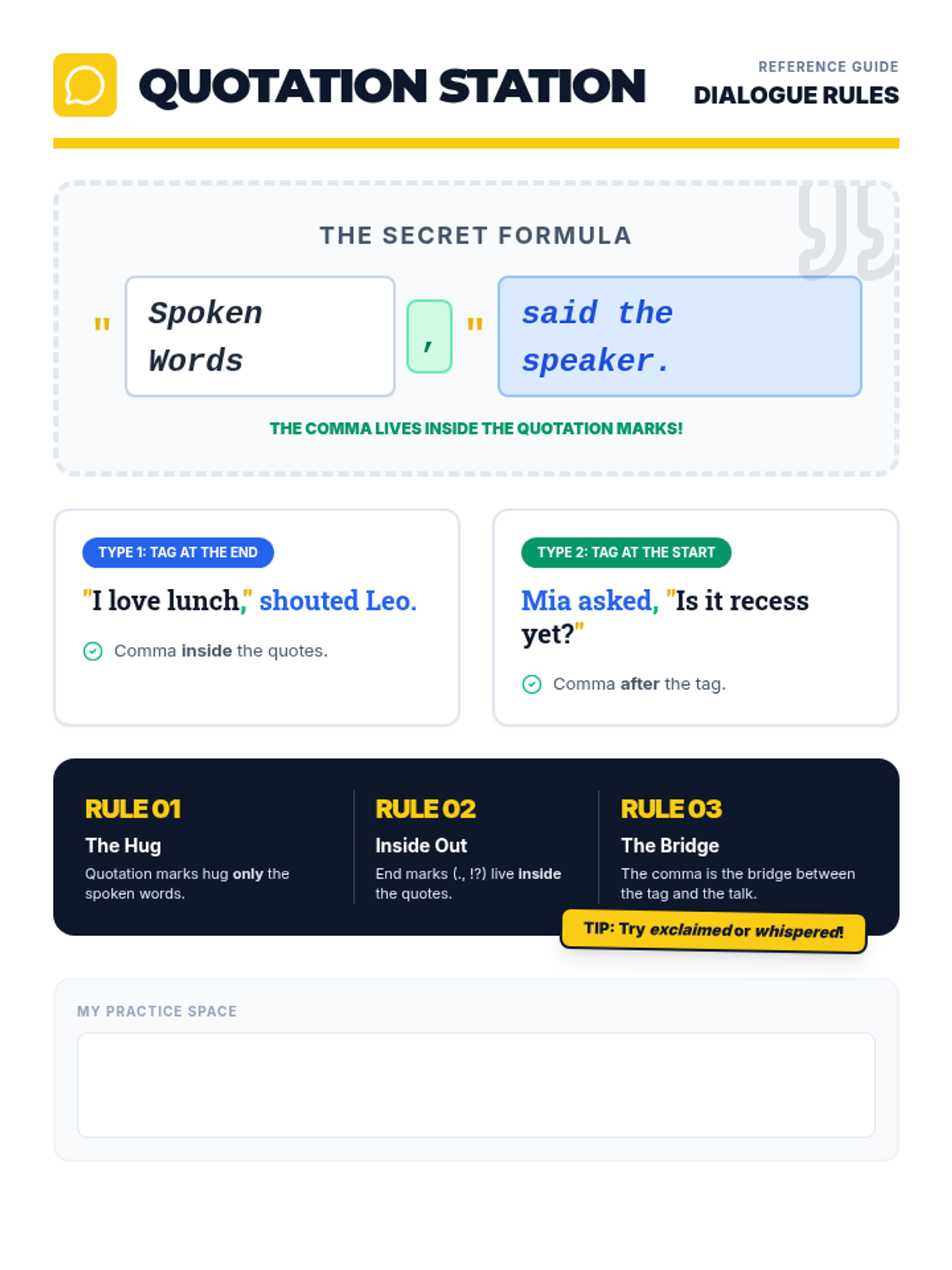
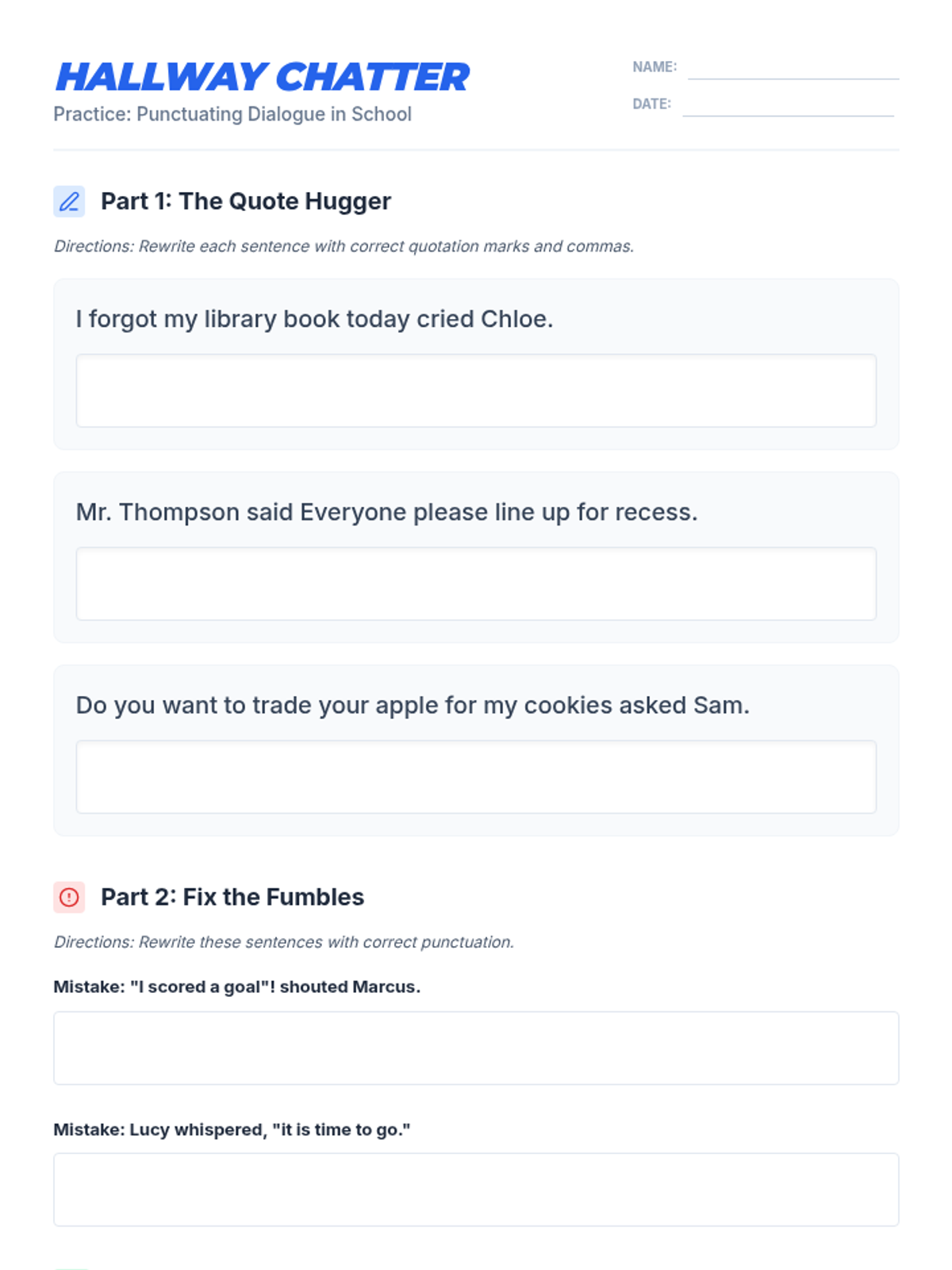
A comprehensive lesson for 3rd graders on mastering dialogue punctuation through relatable school-based scenarios. Students learn to use quotation marks, commas, and end marks correctly in their writing.
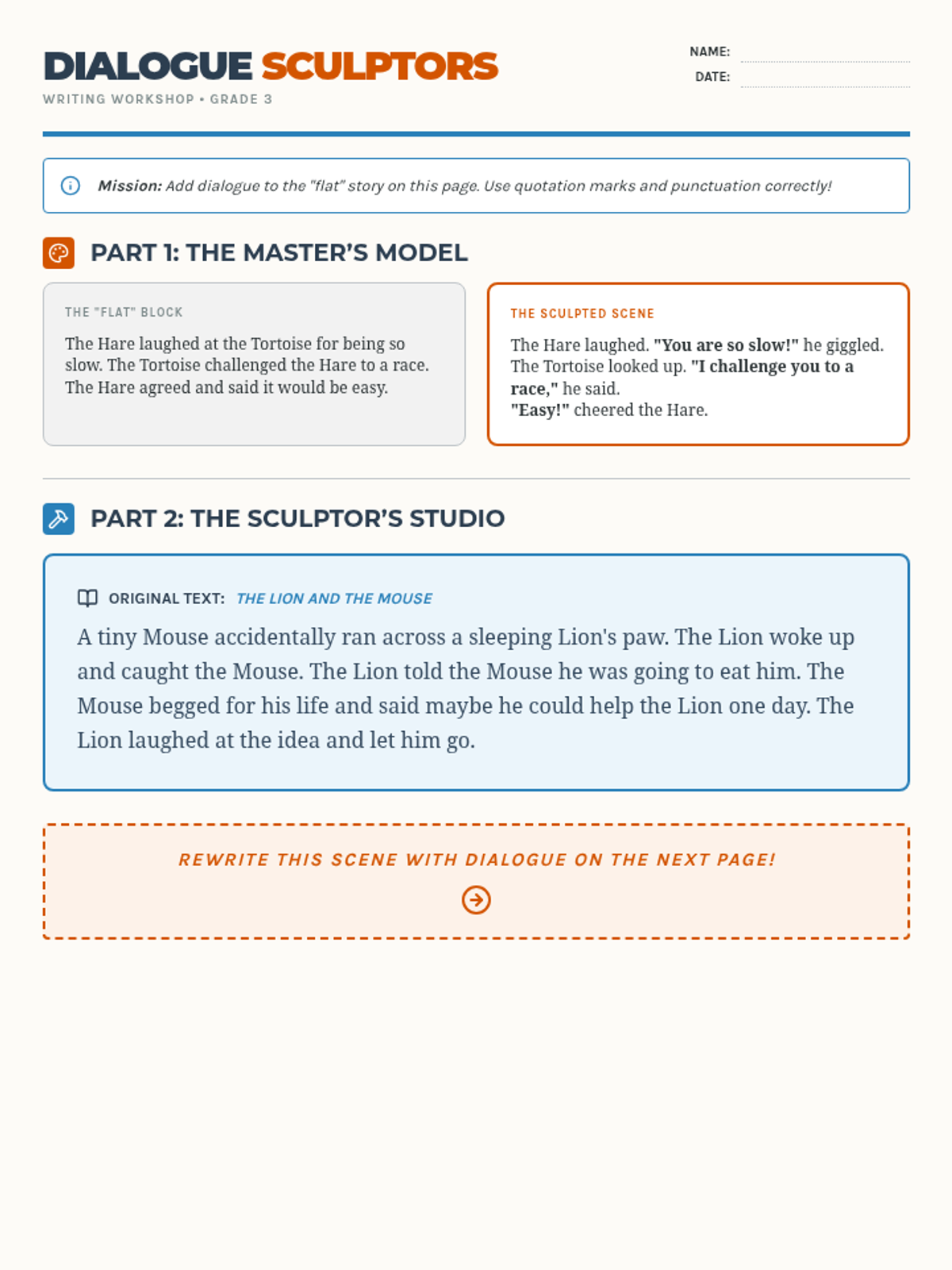
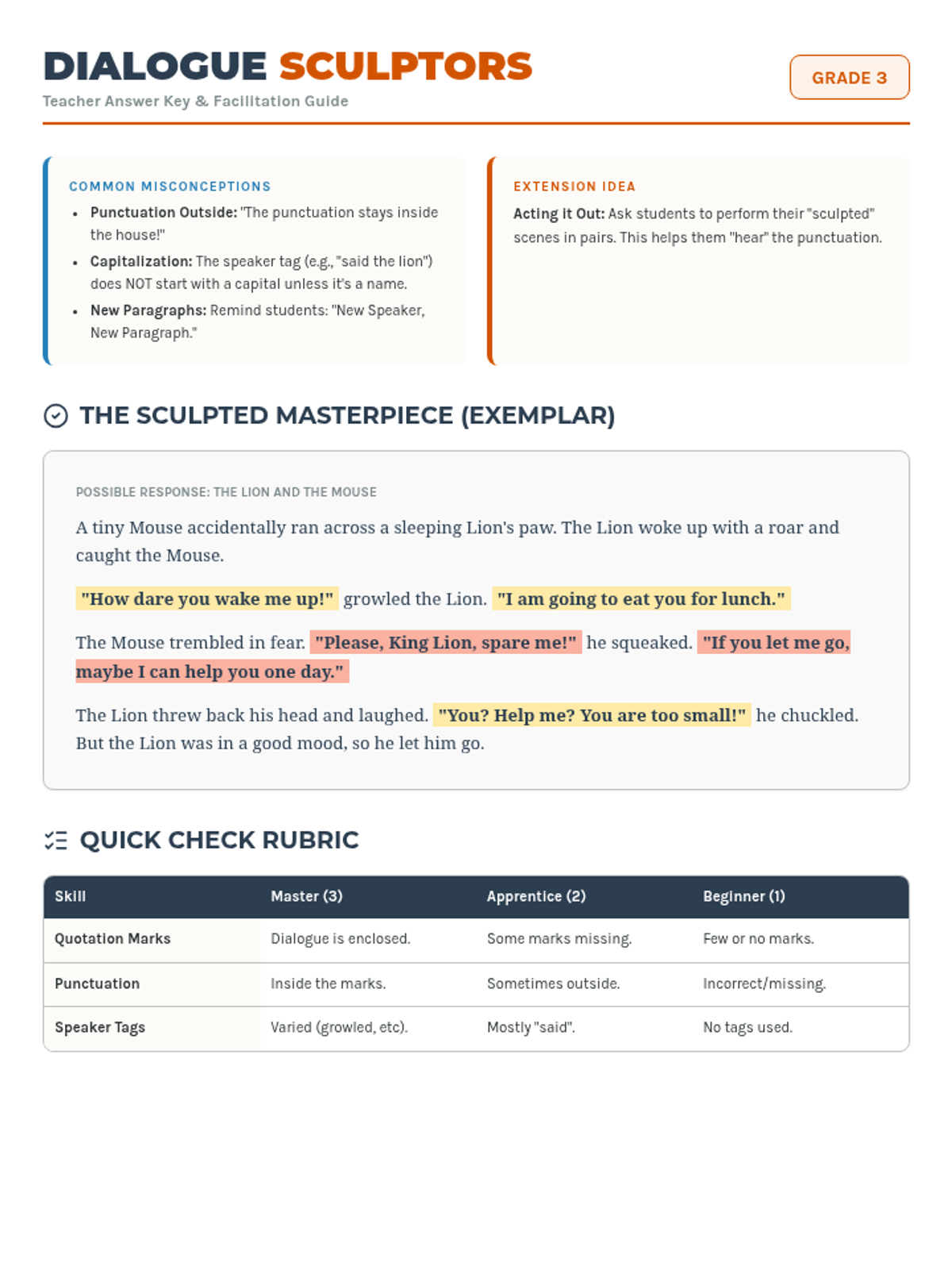
A writing lesson for 3rd graders focused on punctuation and quotation marks, using the metaphor of 'sculpting' dialogue to bring stories to life. Students practice adding speech to classic fables to transform flat scenes into dynamic masterpieces.
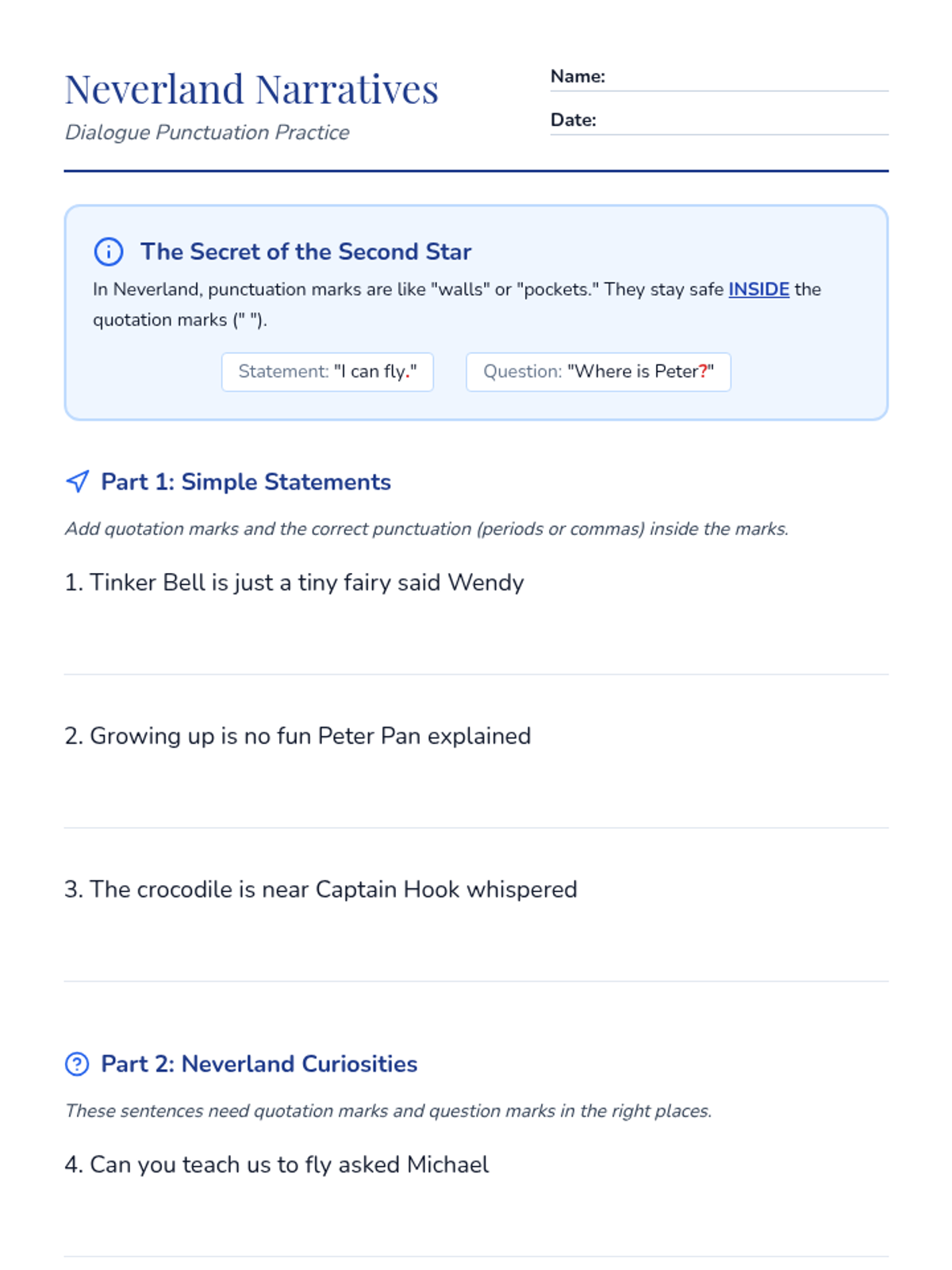
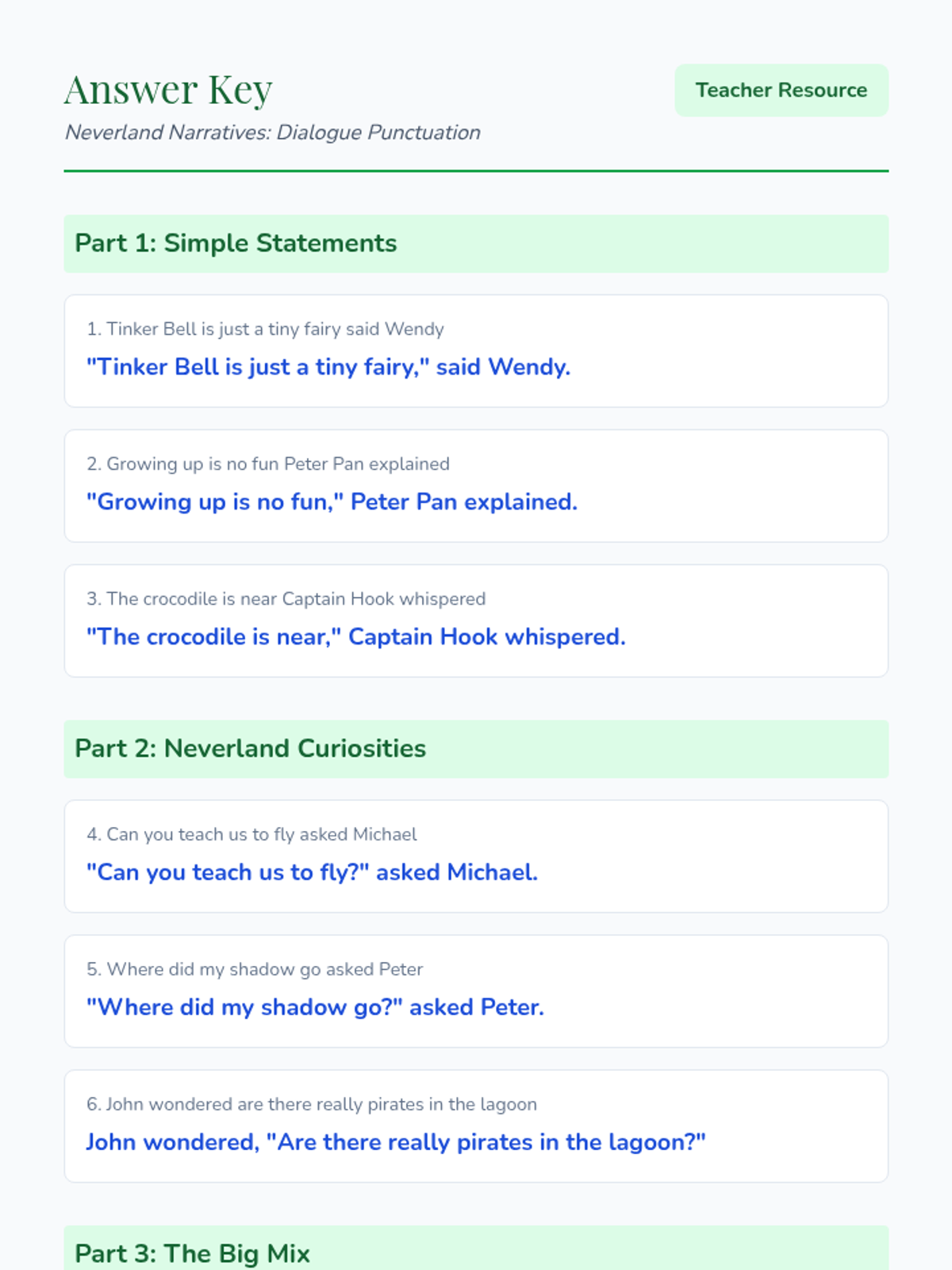
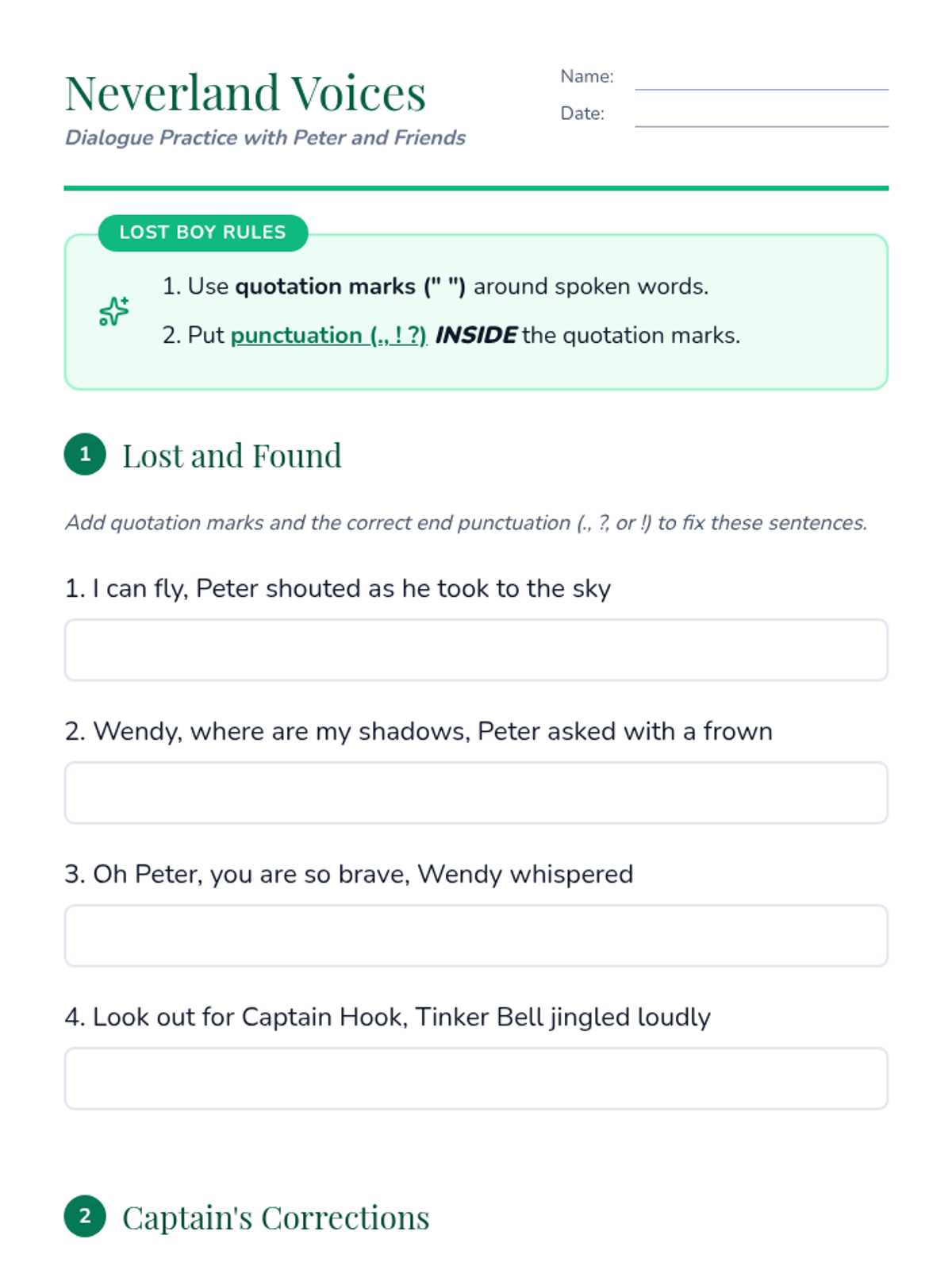
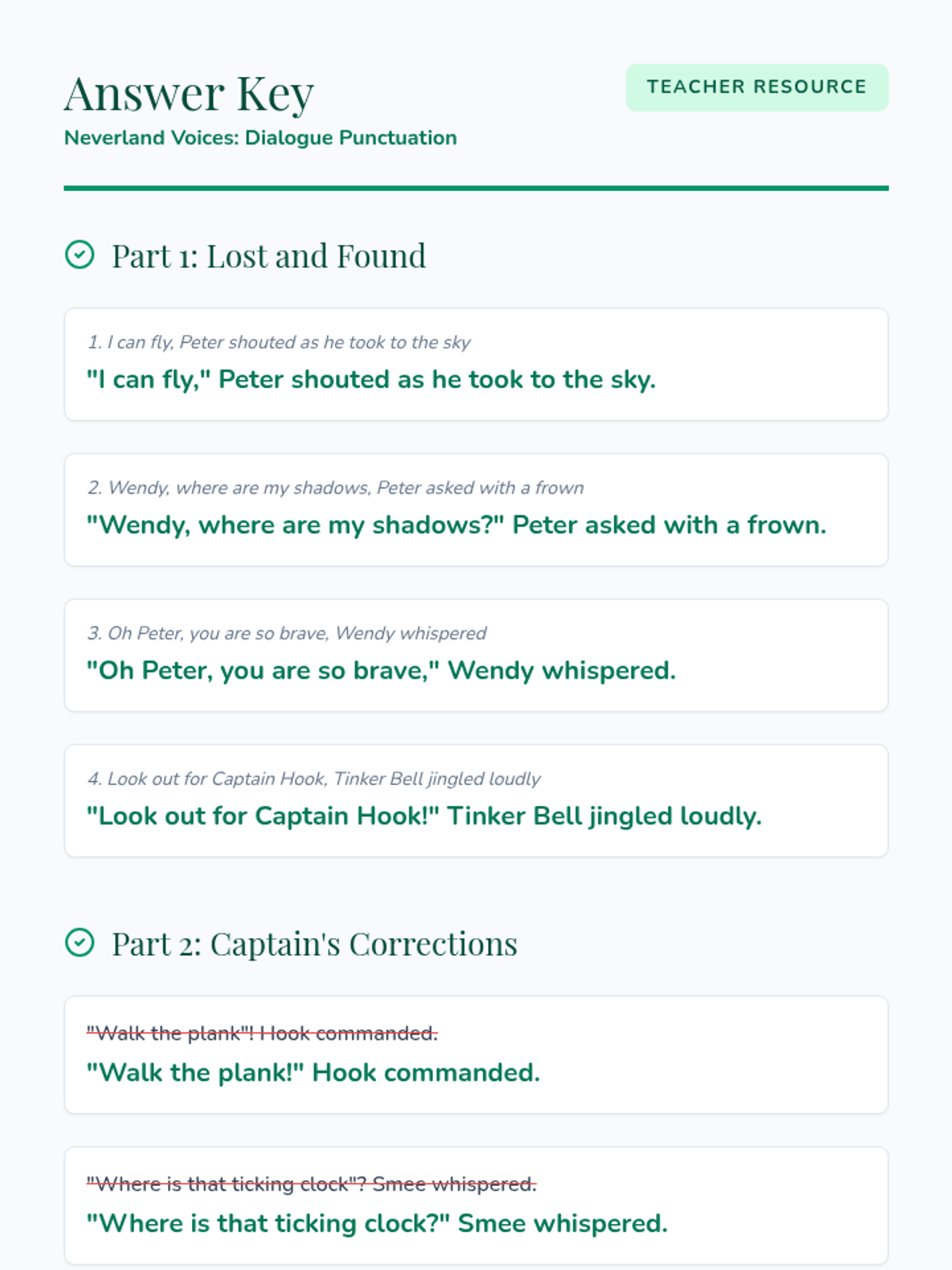
A lesson for third graders on punctuating dialogue correctly, focusing on keeping punctuation inside quotation marks, themed around the world of Peter Pan.
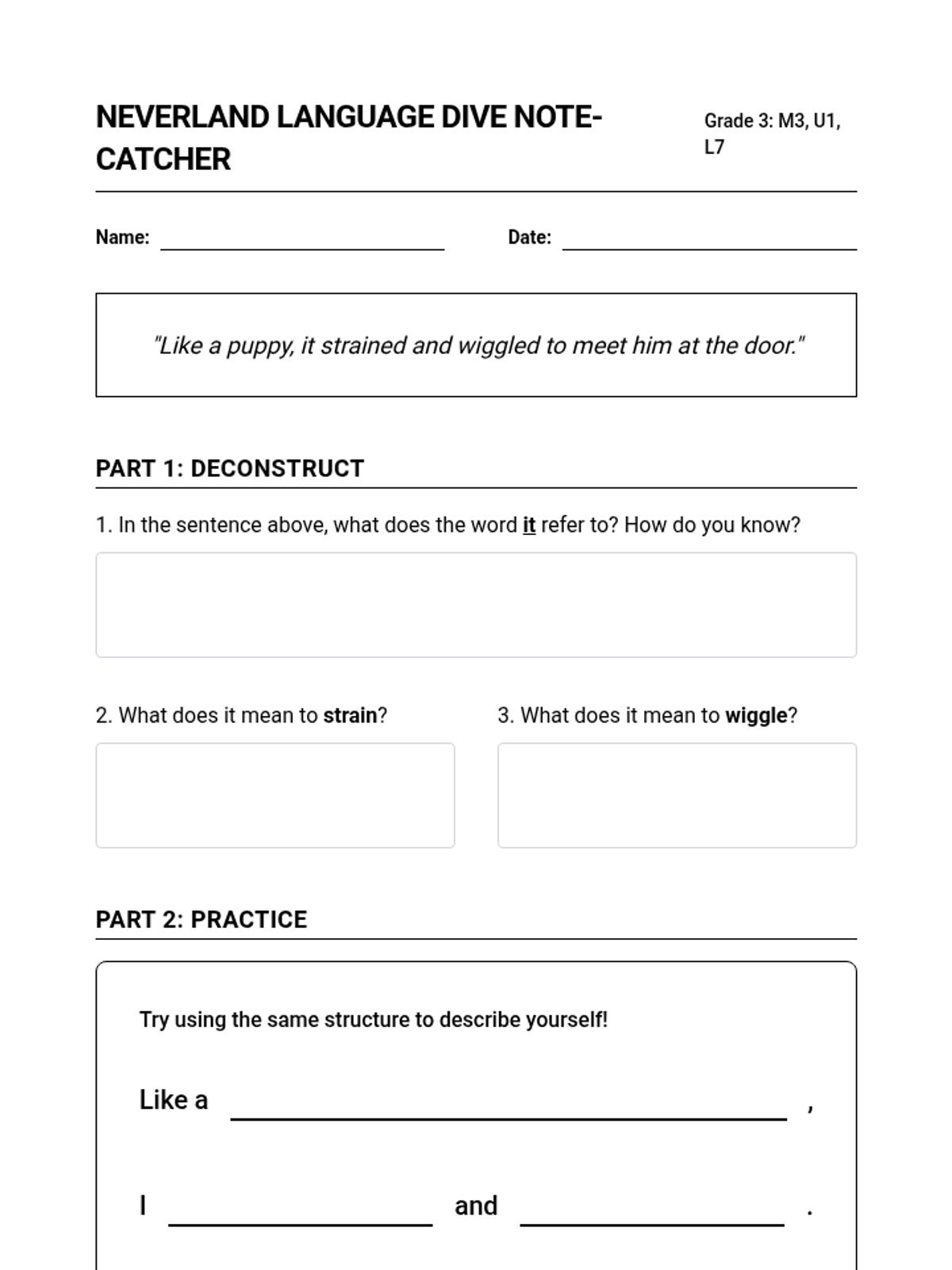
A lesson on punctuating dialogue correctly using quotation marks and end punctuation, set in the magical world of Neverland with Peter Pan and friends.
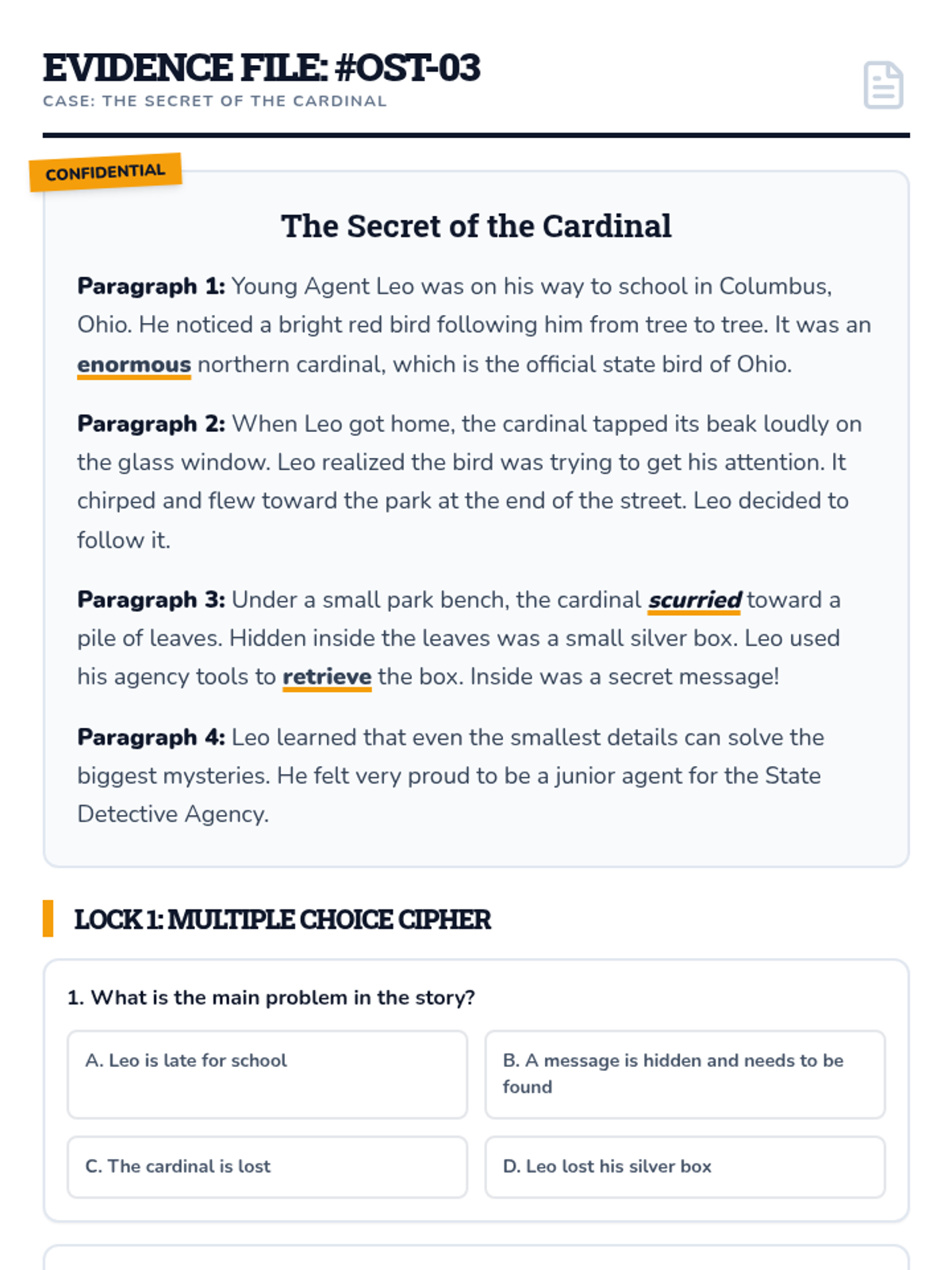
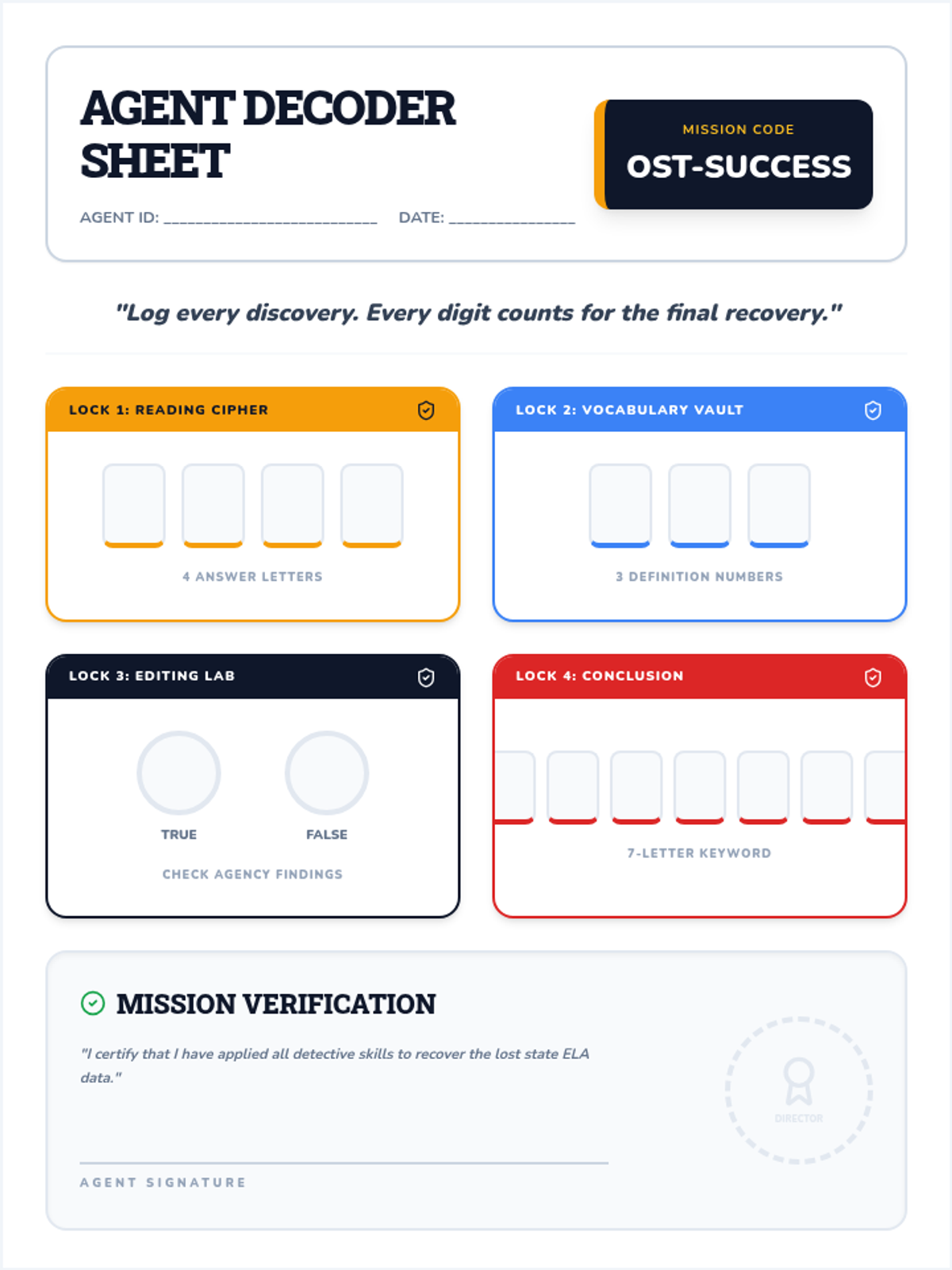
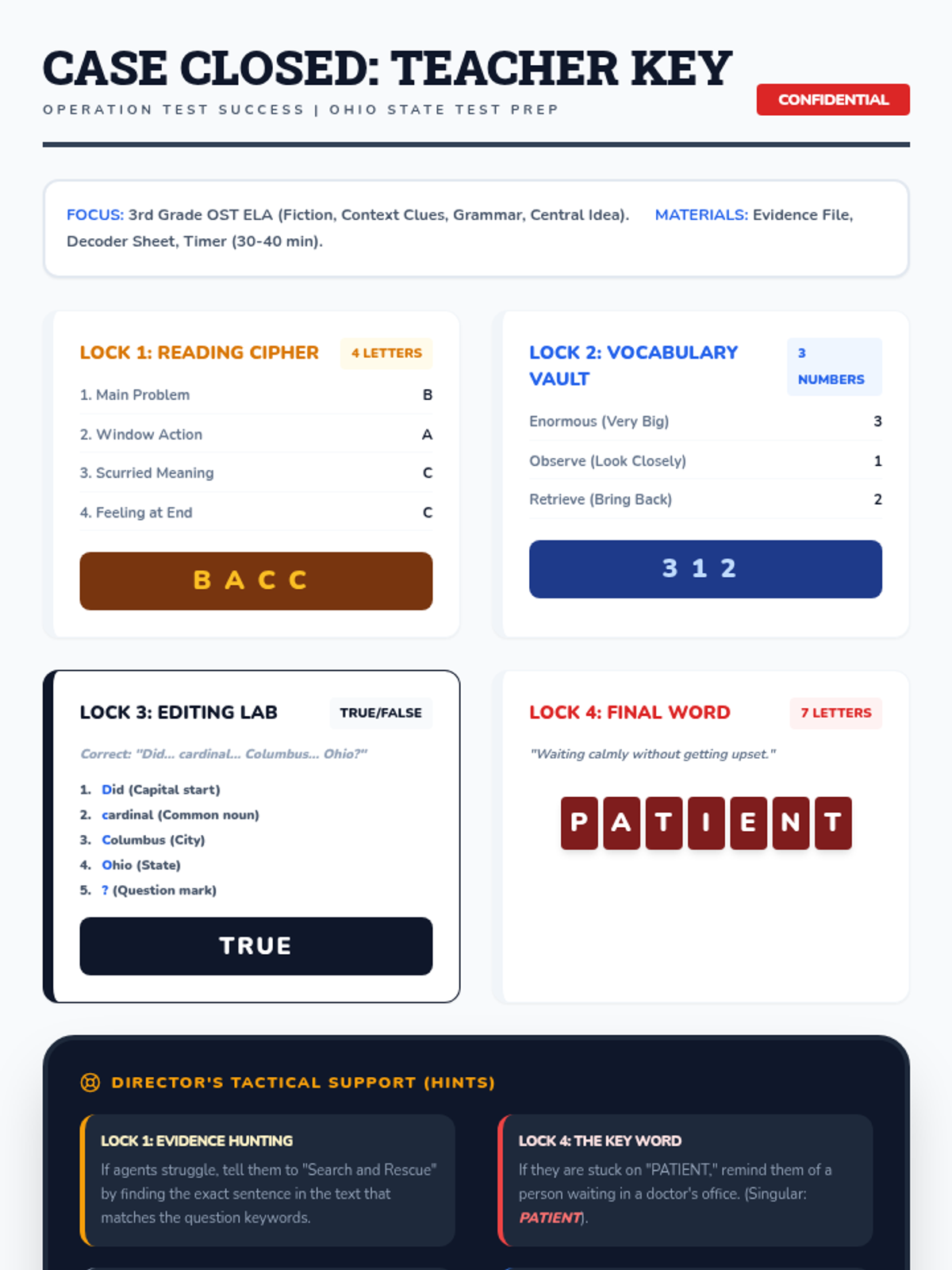
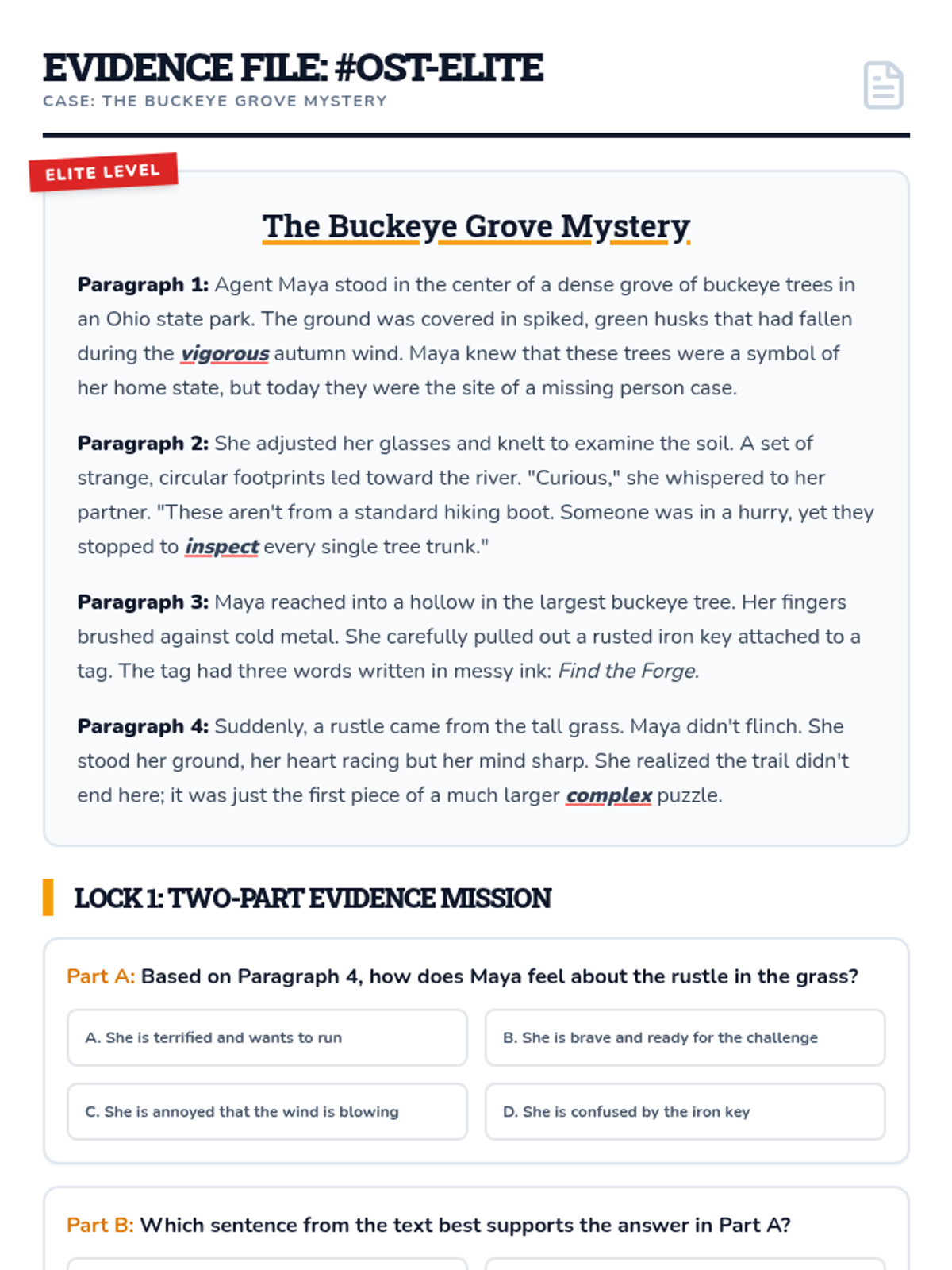
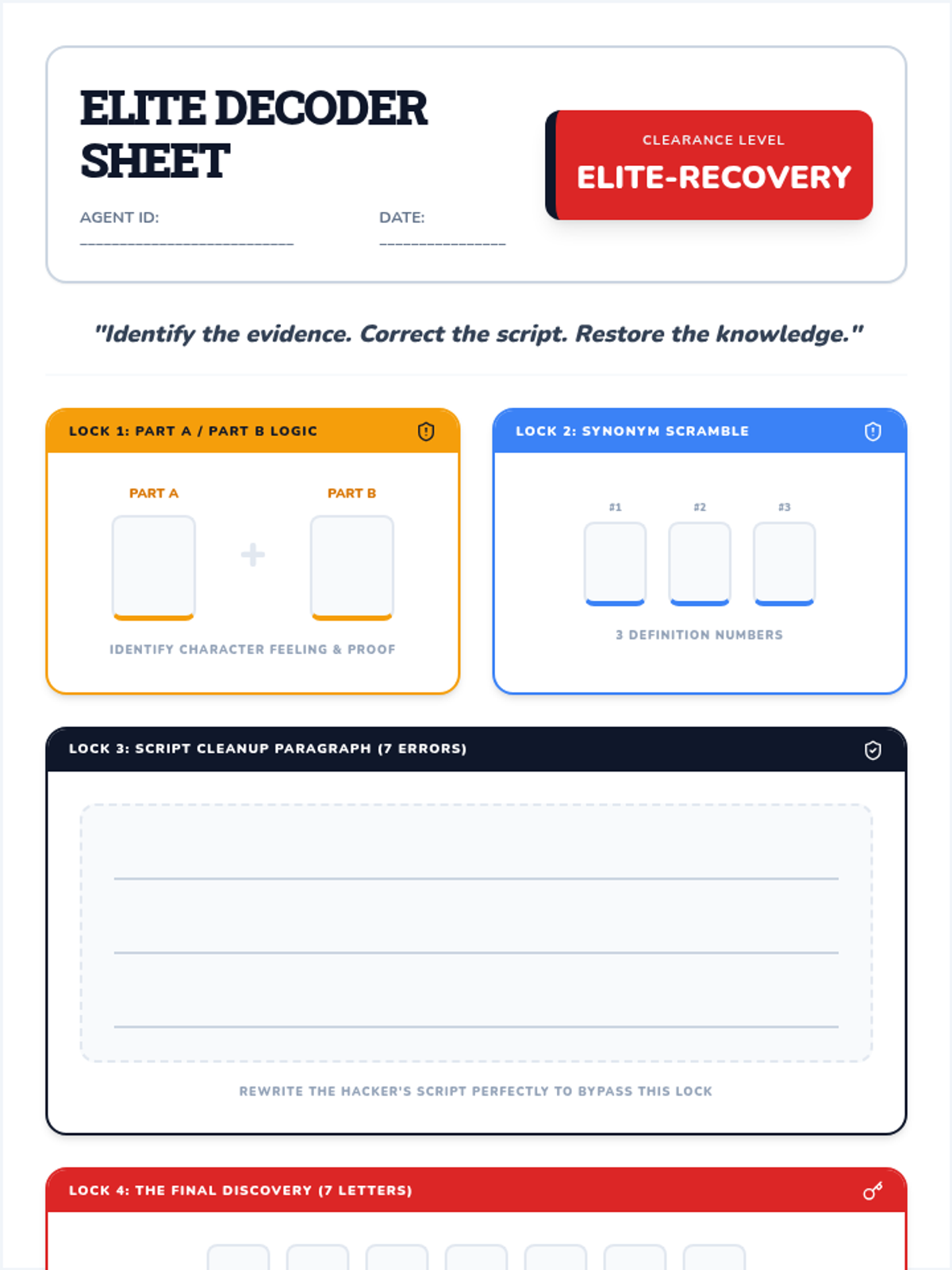
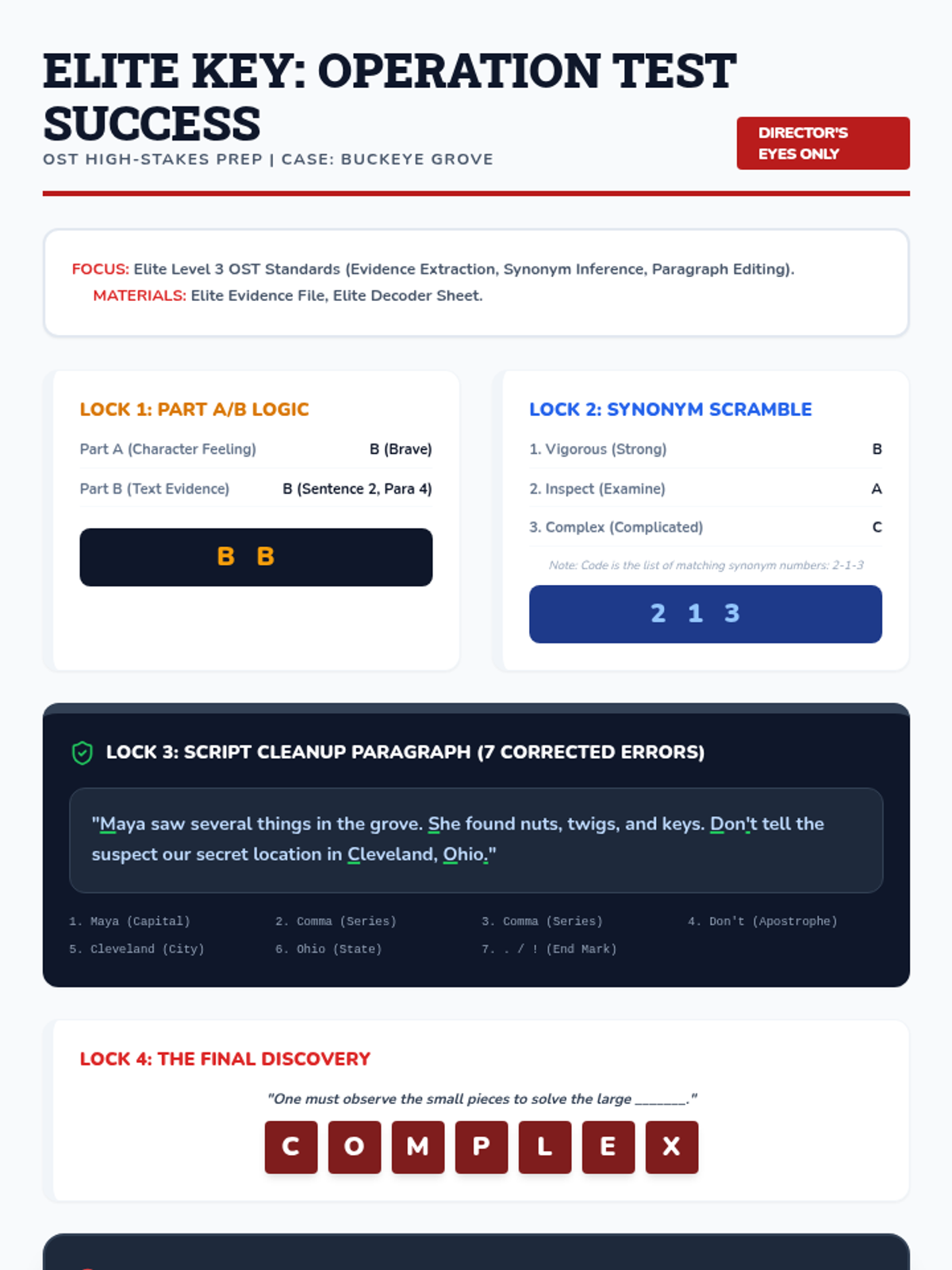
A high-stakes, detective-themed escape room designed to prepare 3rd-grade students for the Ohio State Test (OST) in English Language Arts. Students solve a series of 'locks' involving reading comprehension, vocabulary, and grammar to recover stolen agency data.
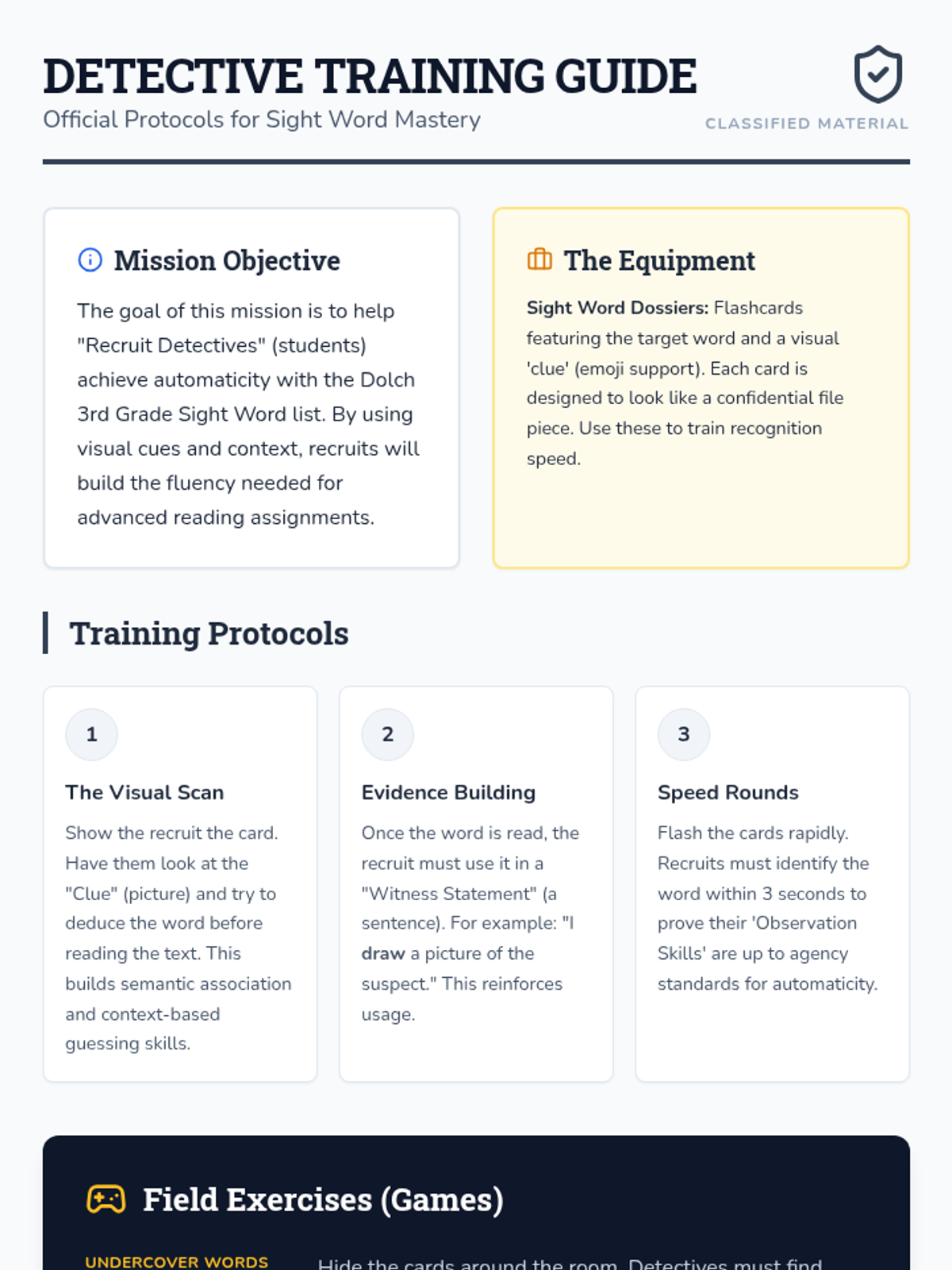
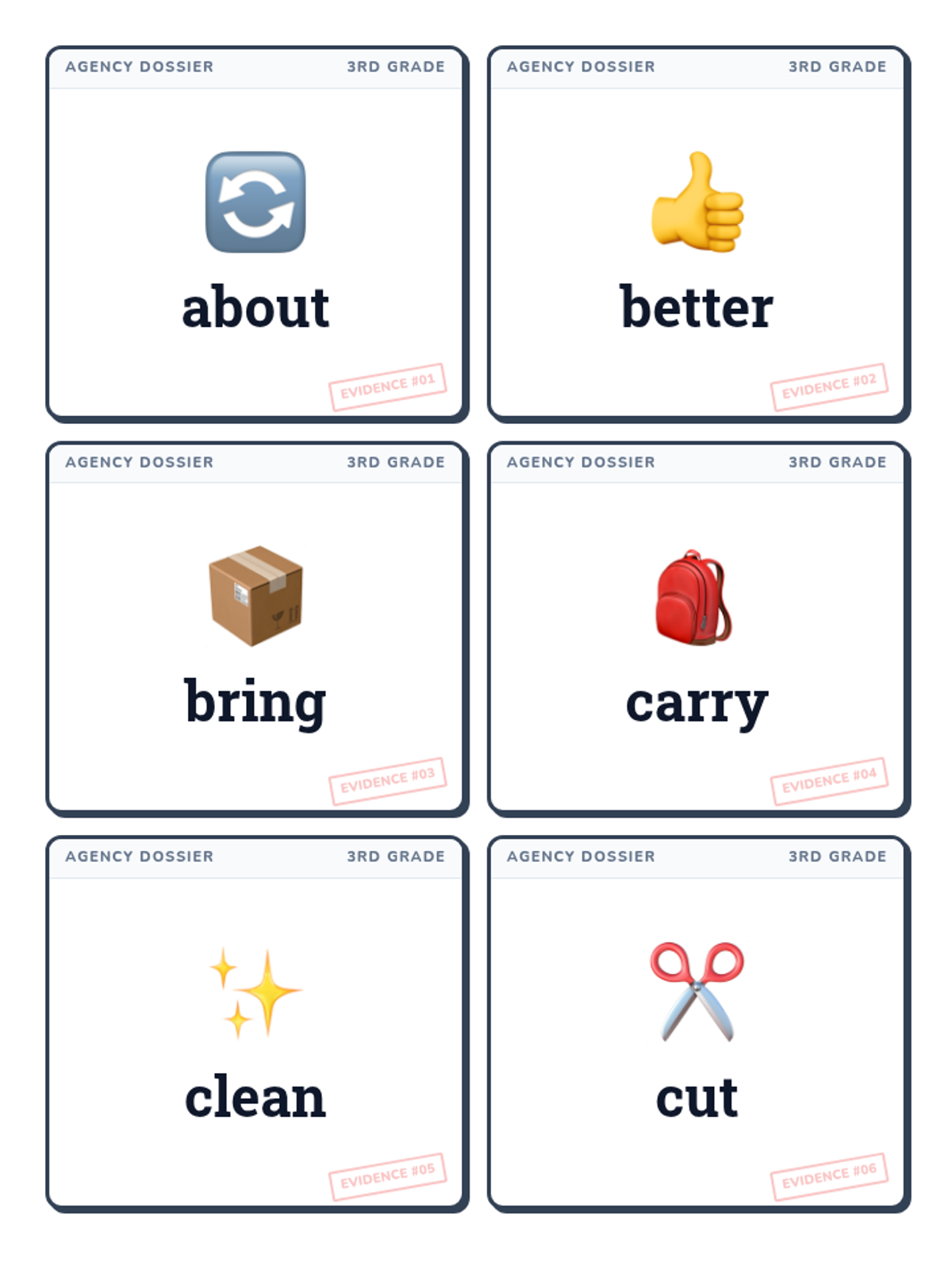
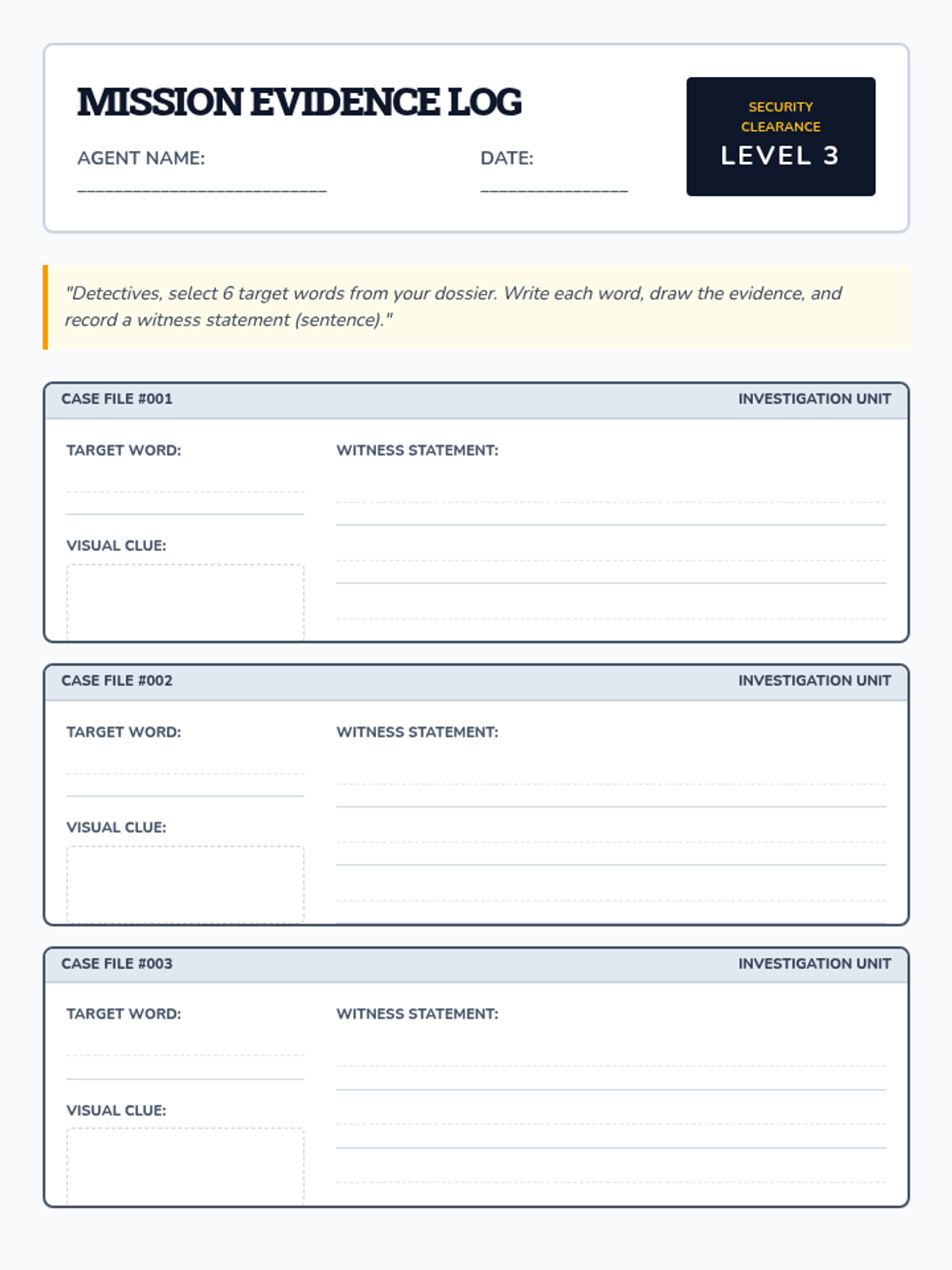
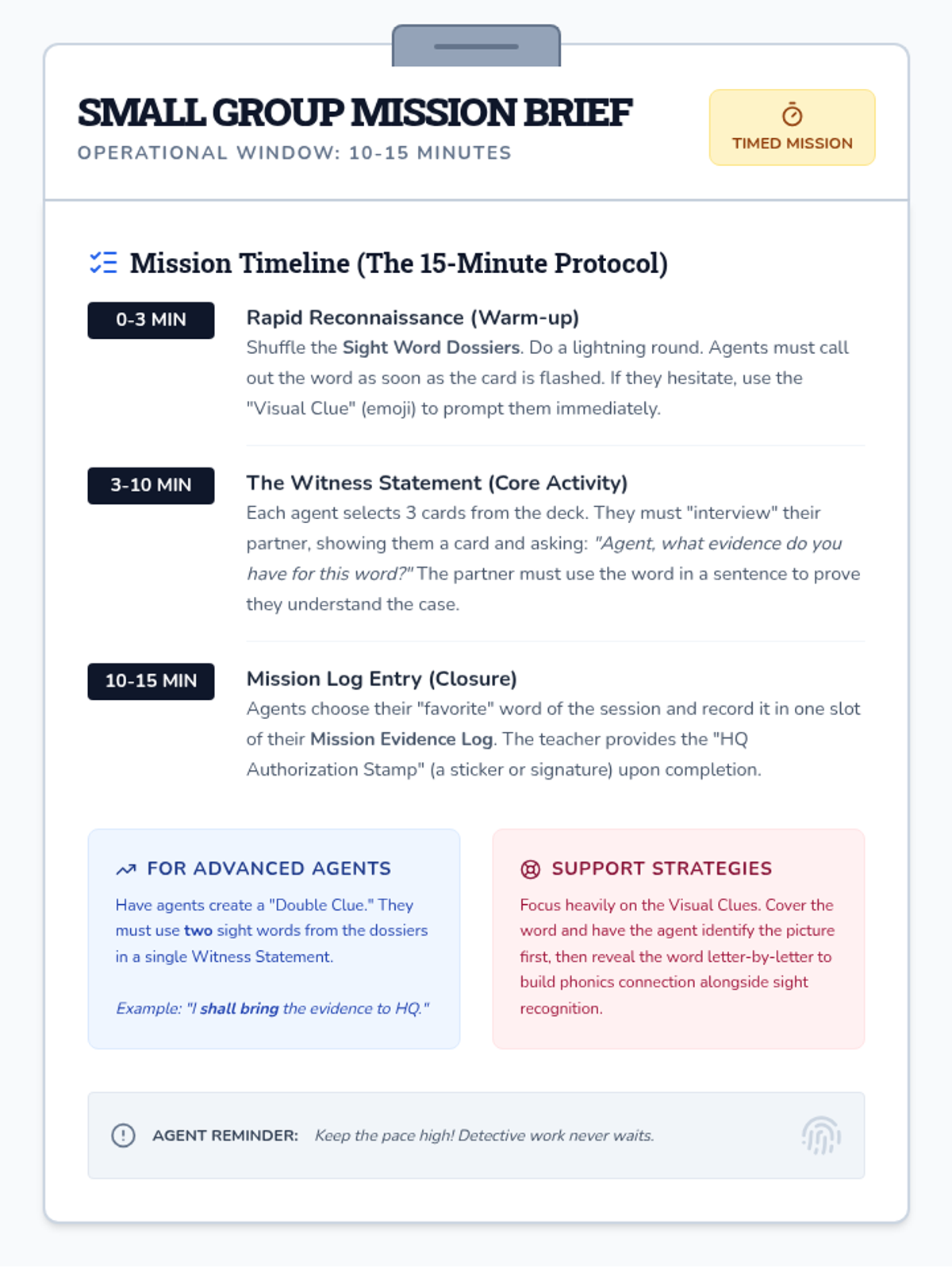
A fun, detective-themed lesson designed to help 3rd grade students master Dolch sight words through visual association and investigative play. Students use 'dossier' flashcards to identify and practice high-frequency words.
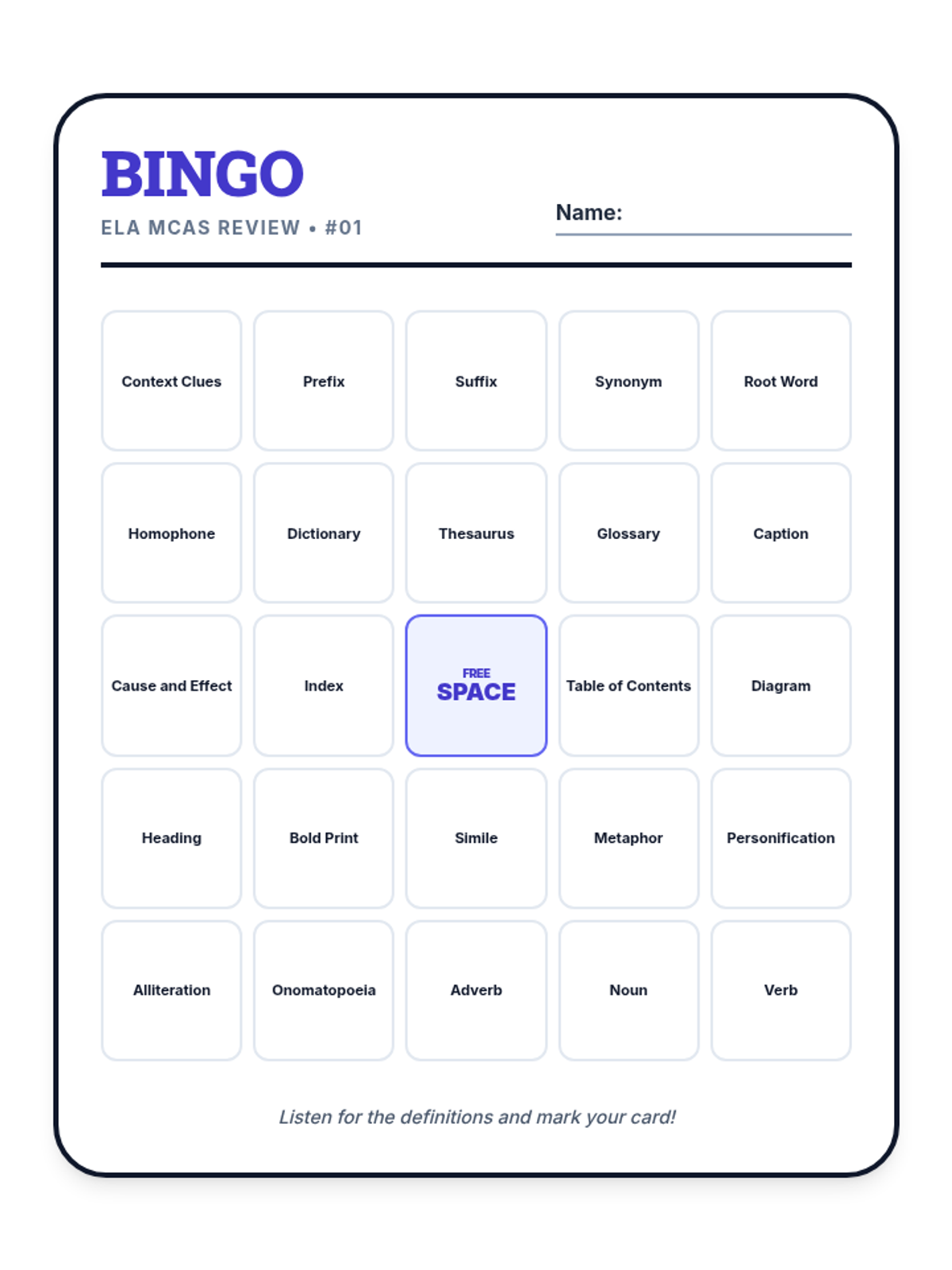
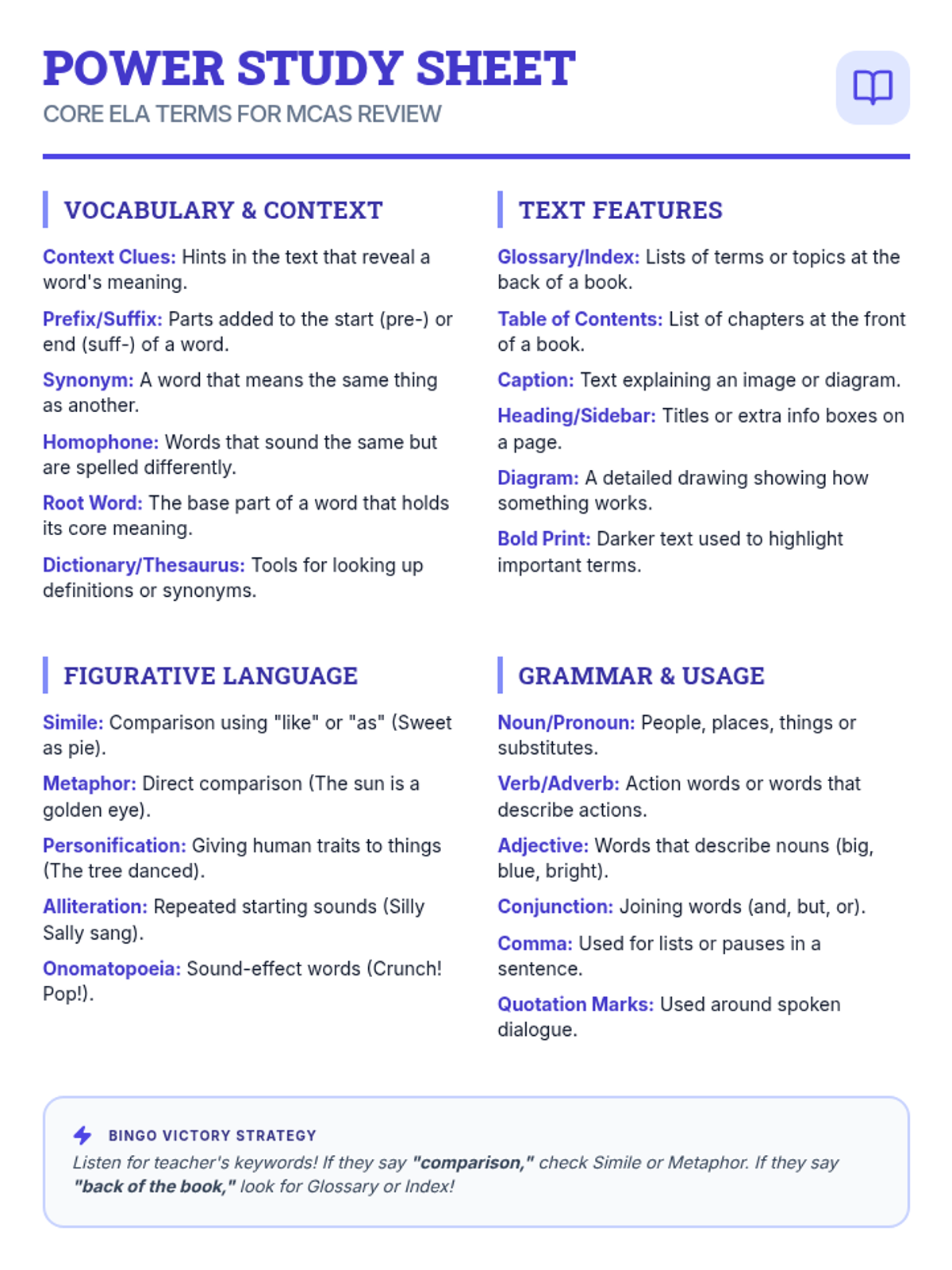
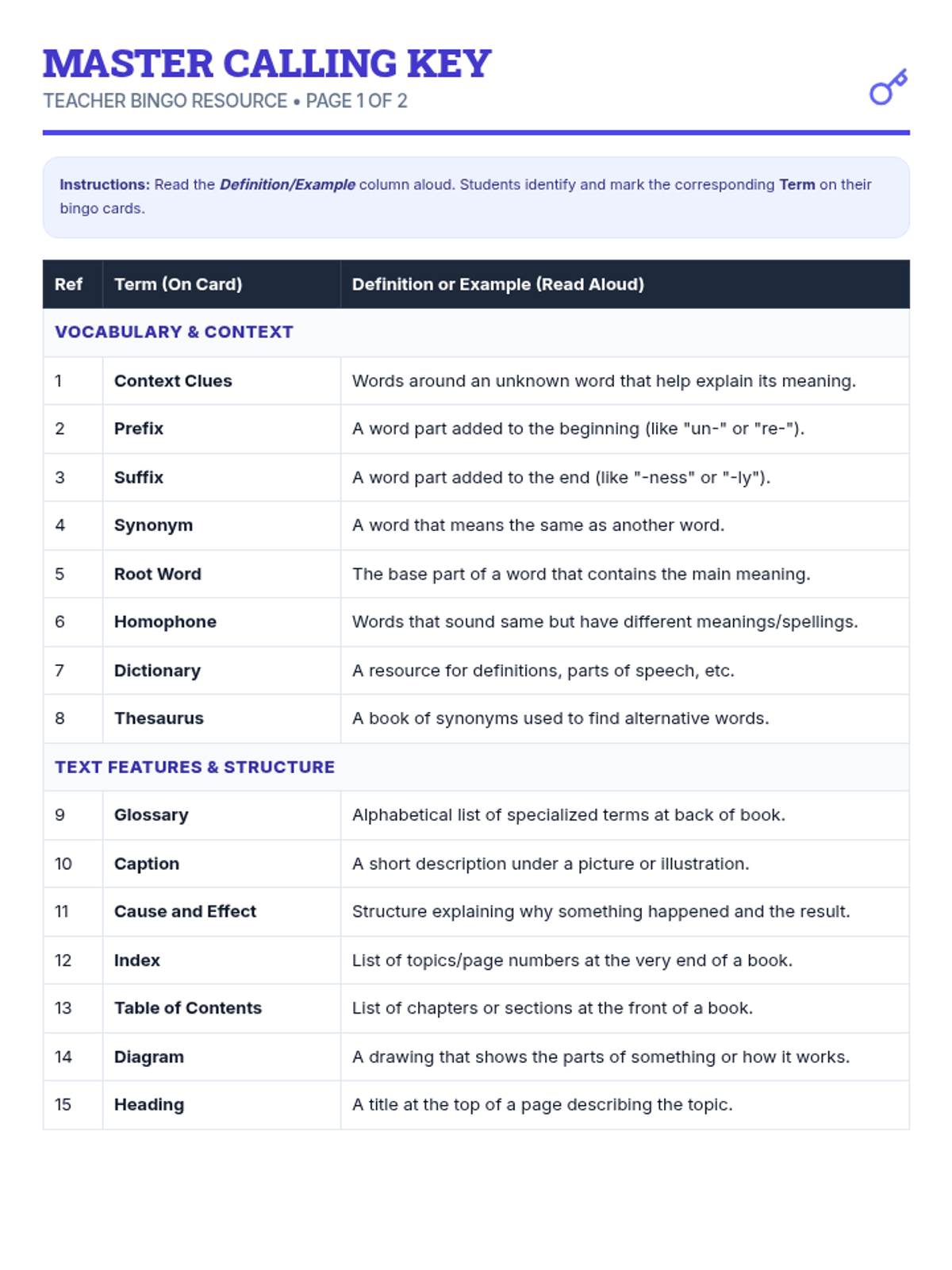
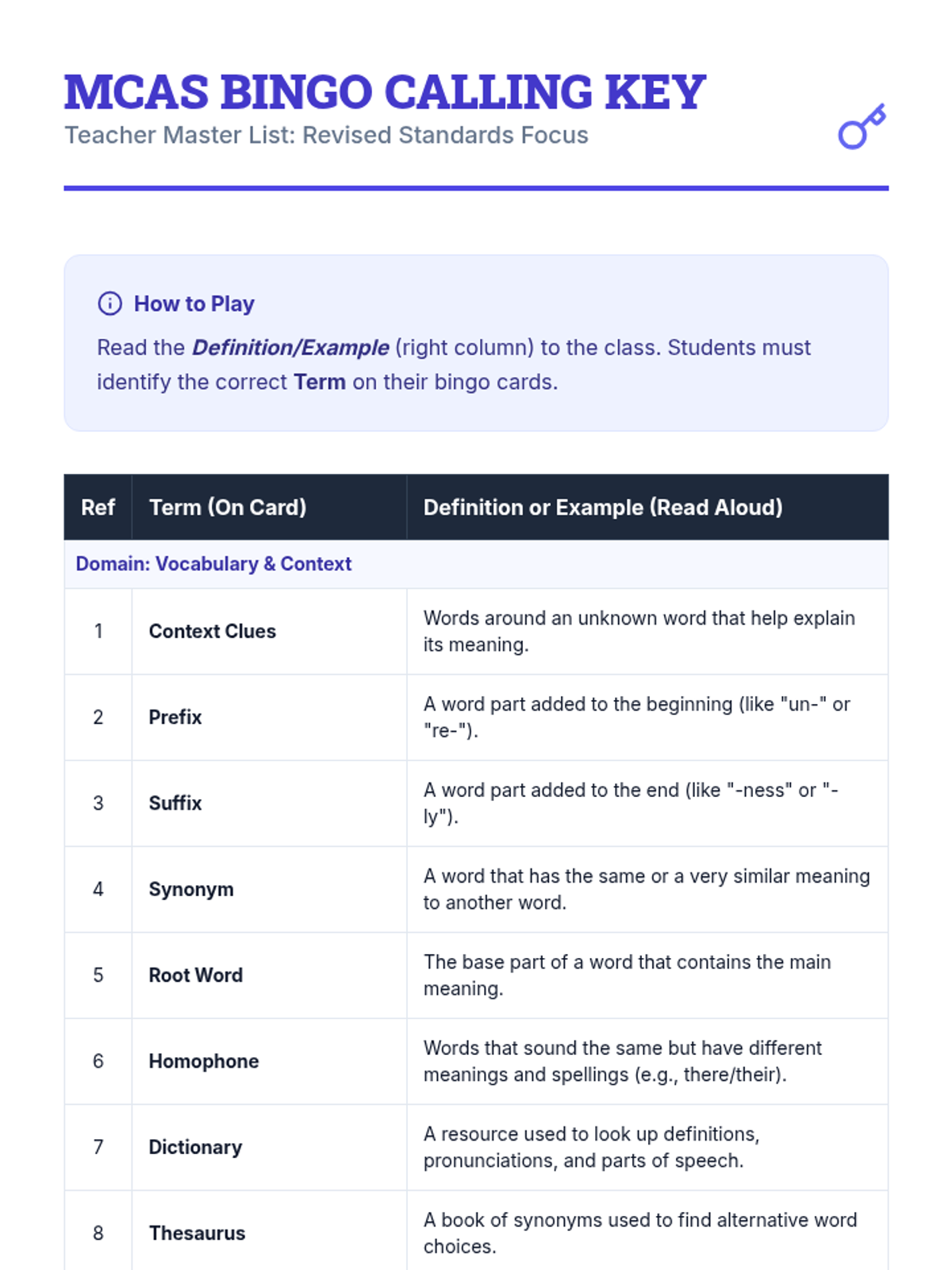
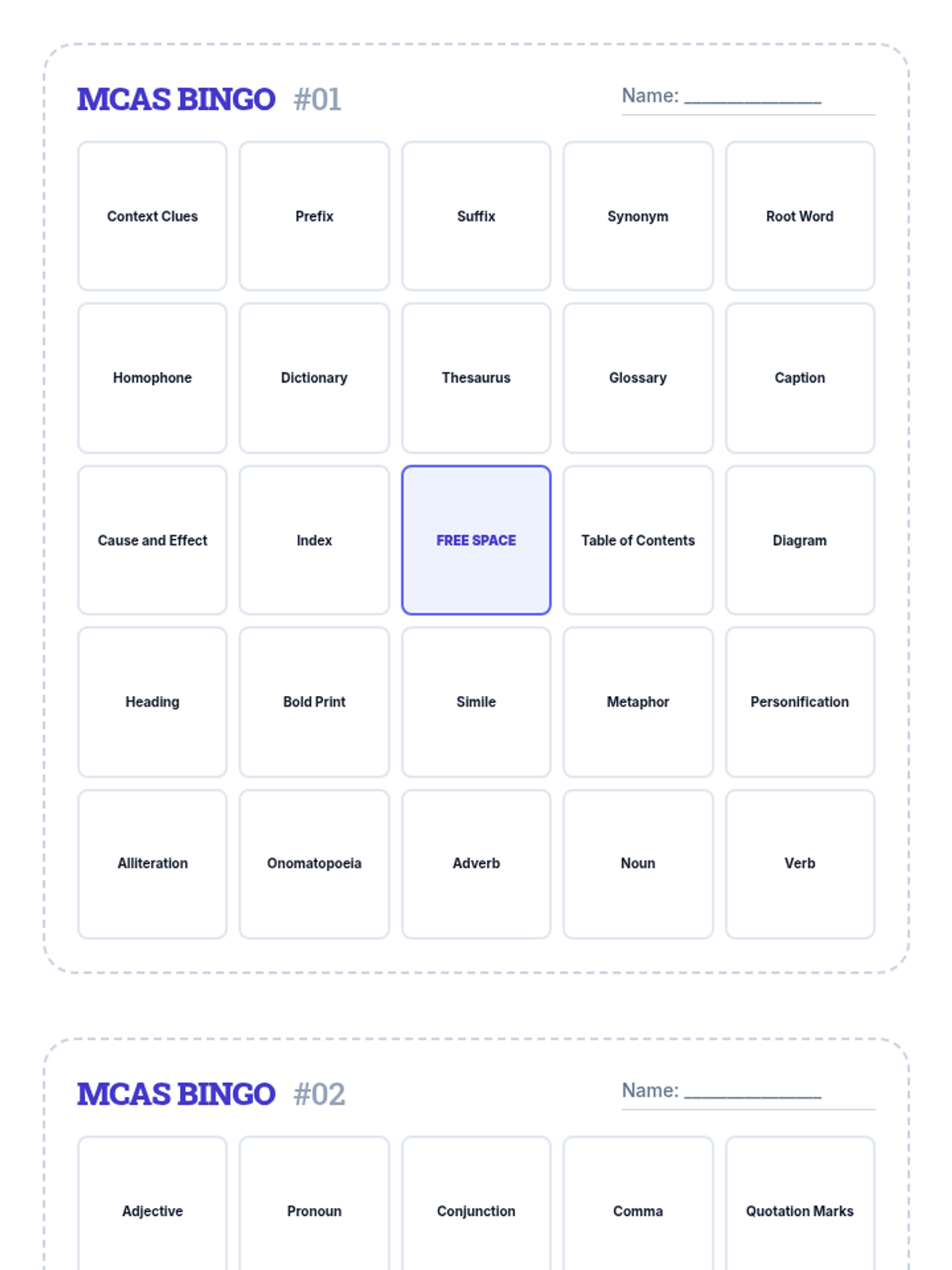
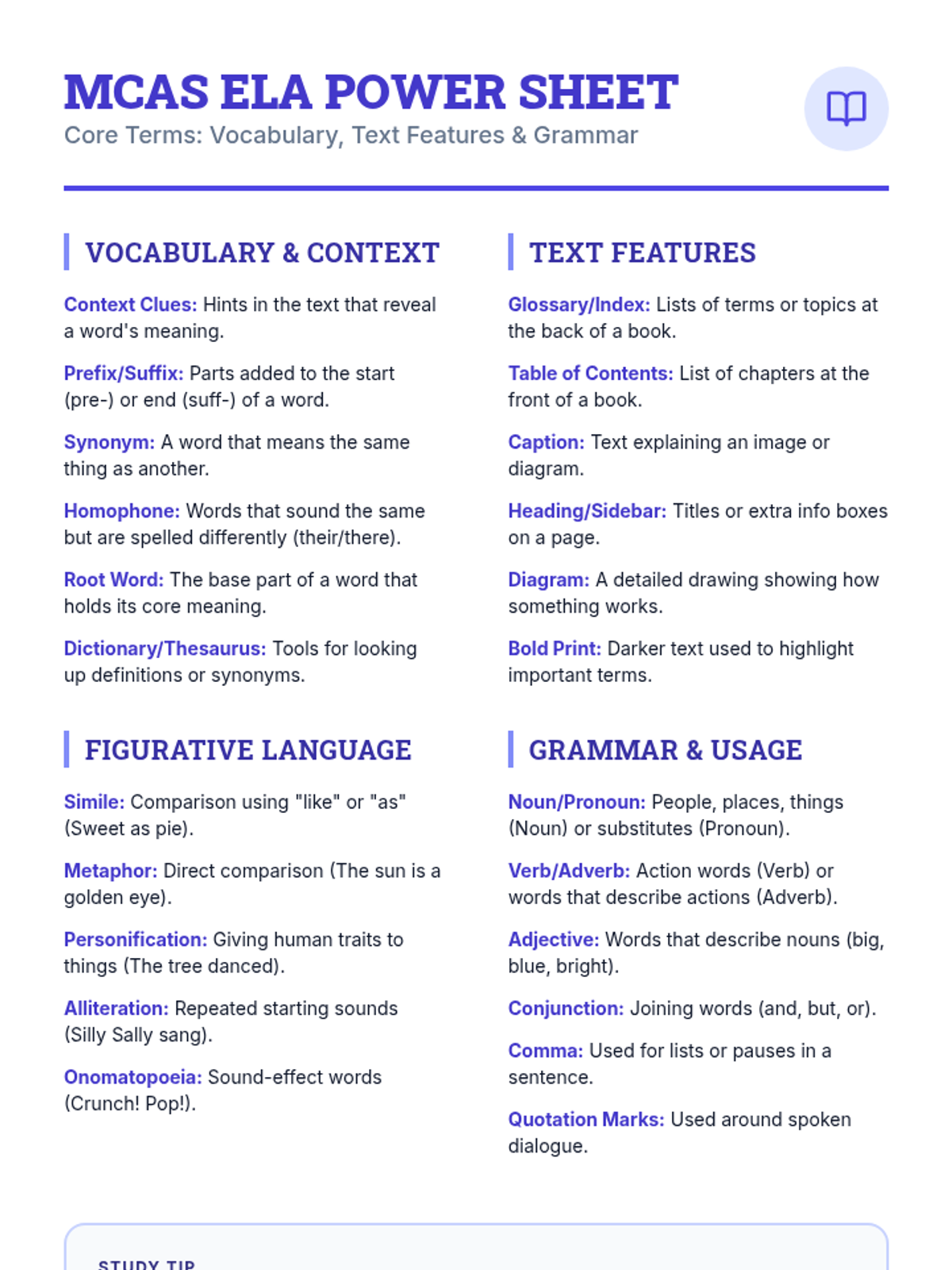
A comprehensive ELA review game designed to help students master MCAS standards through a competitive and engaging bingo format. The lesson covers vocabulary, literary elements, text structures, and grammar.
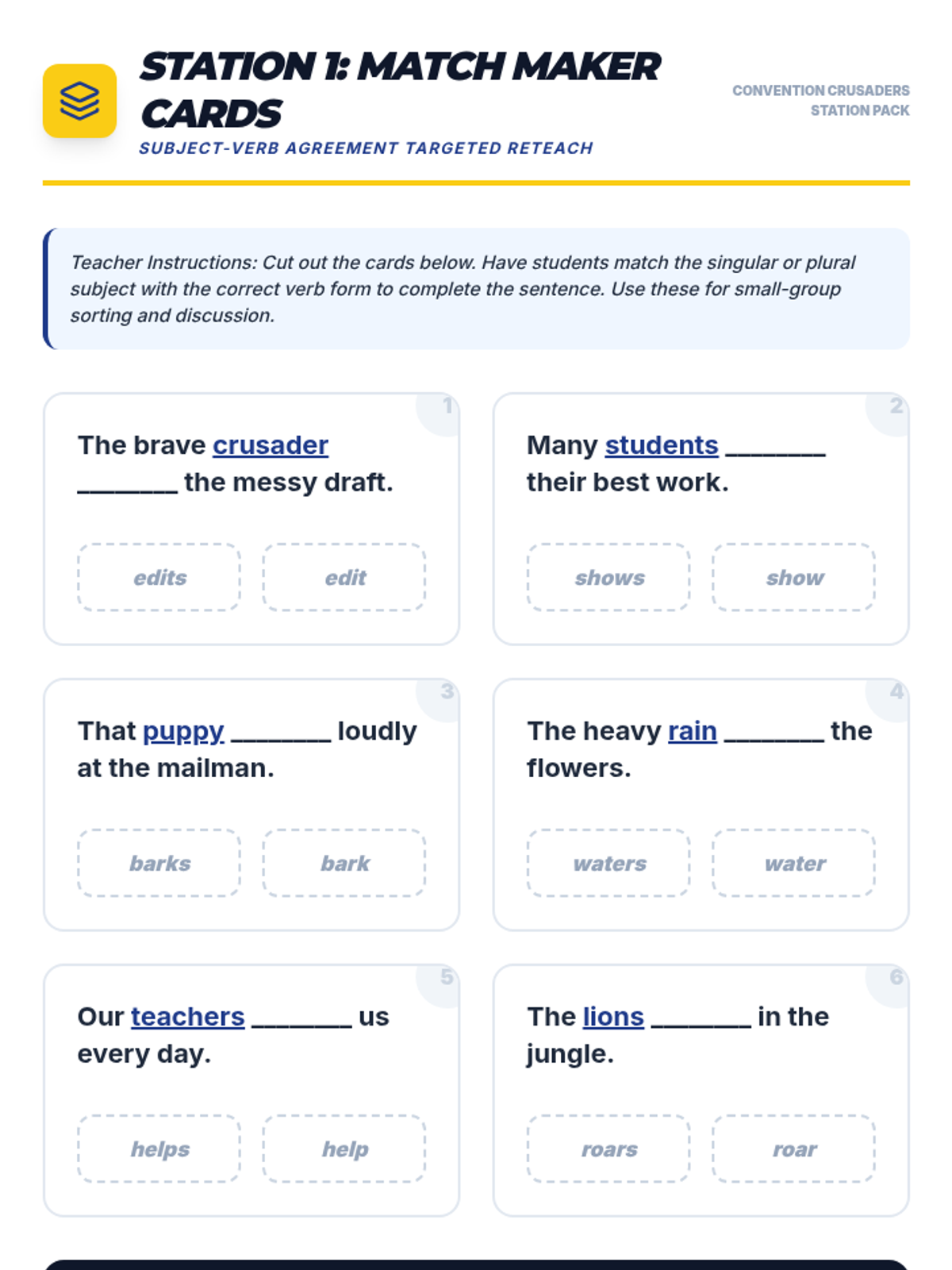
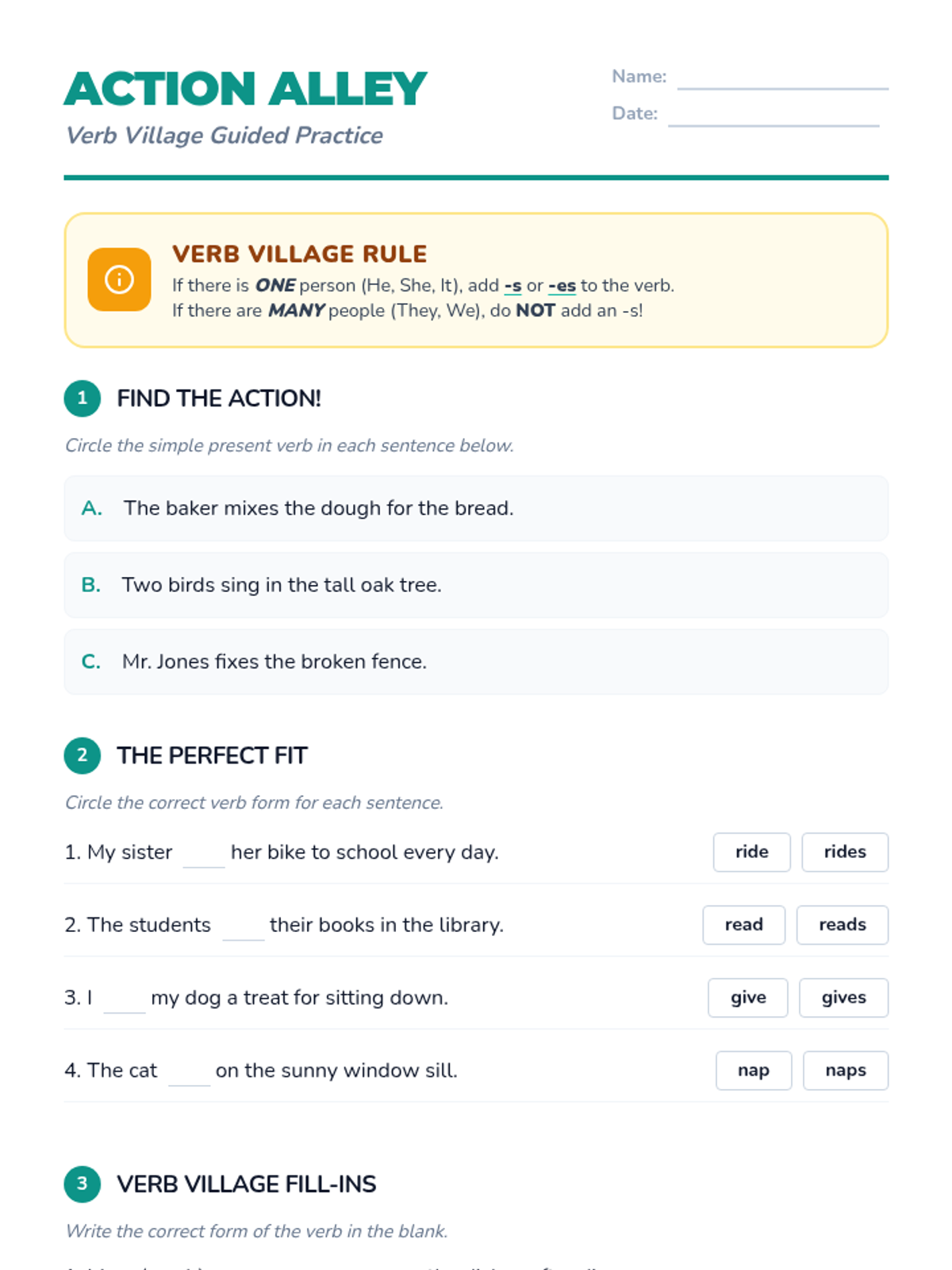
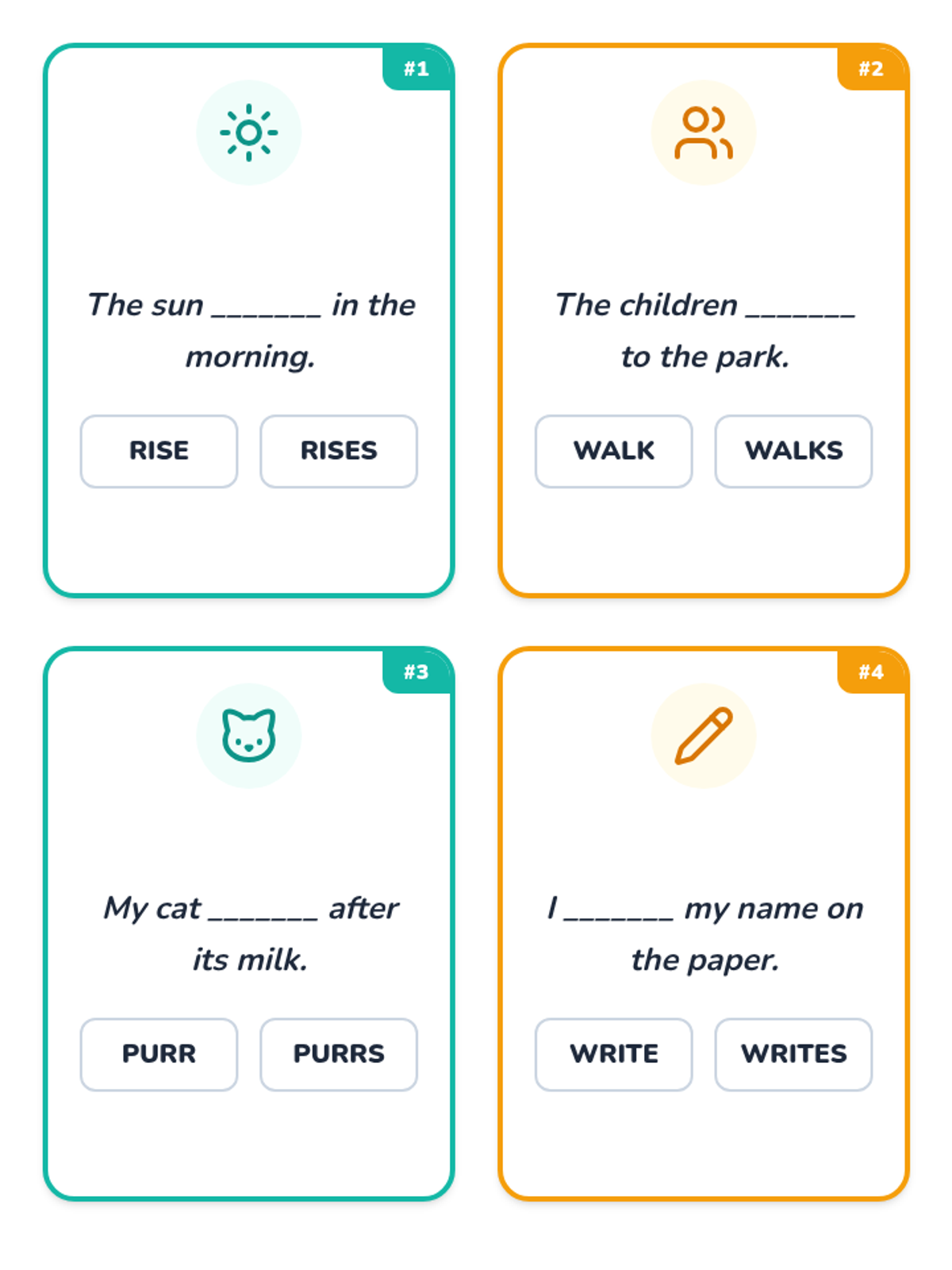
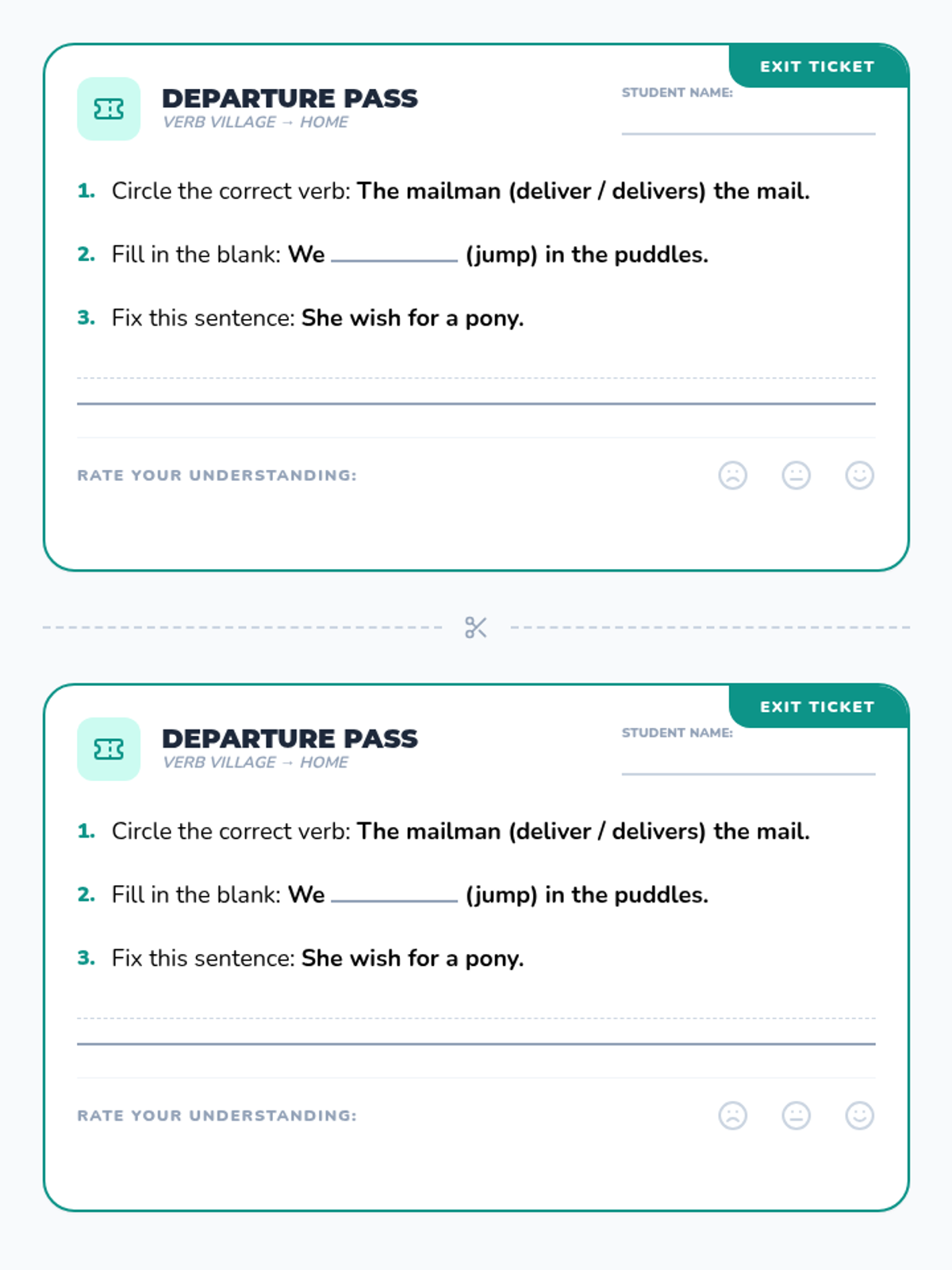
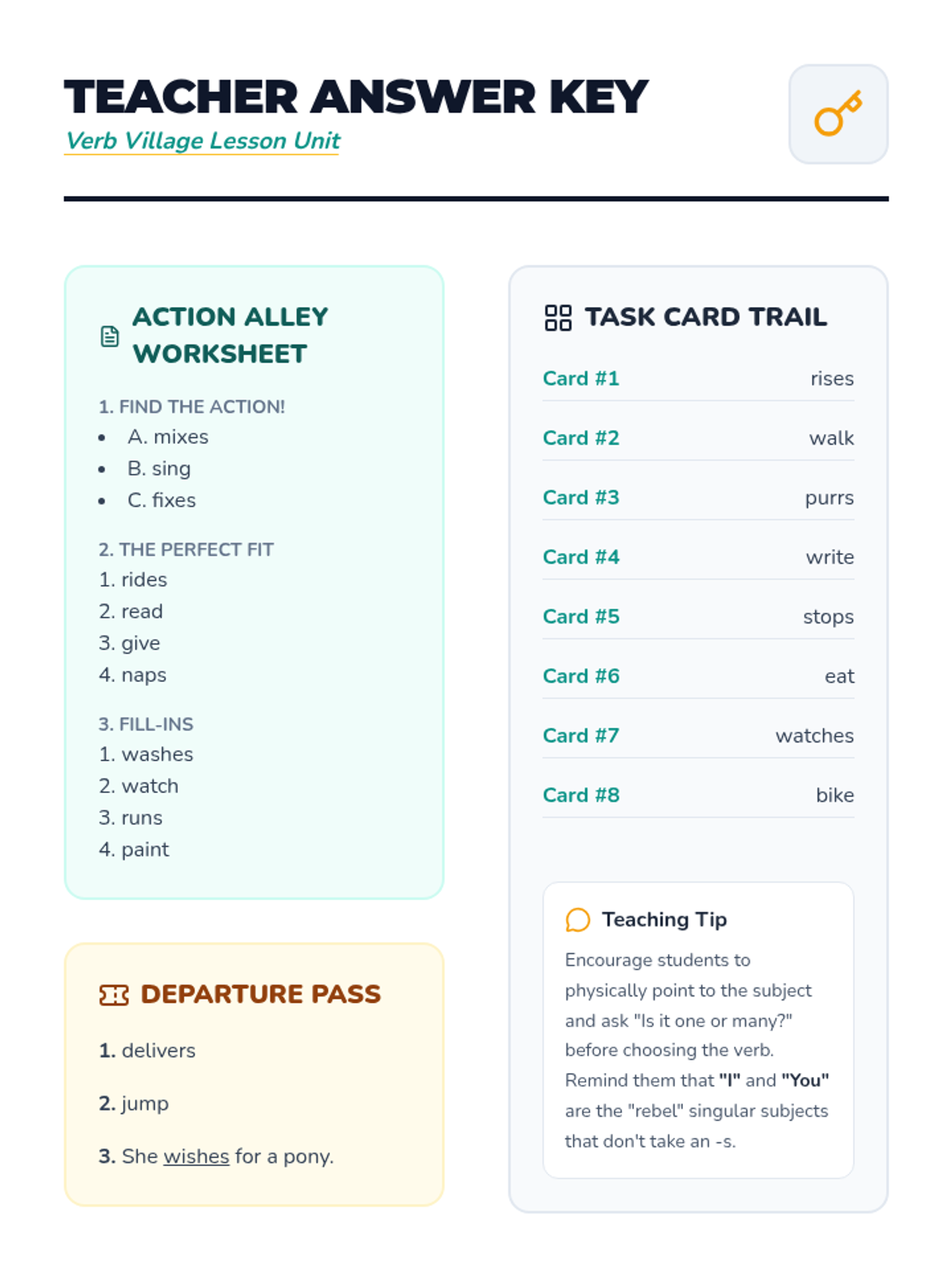
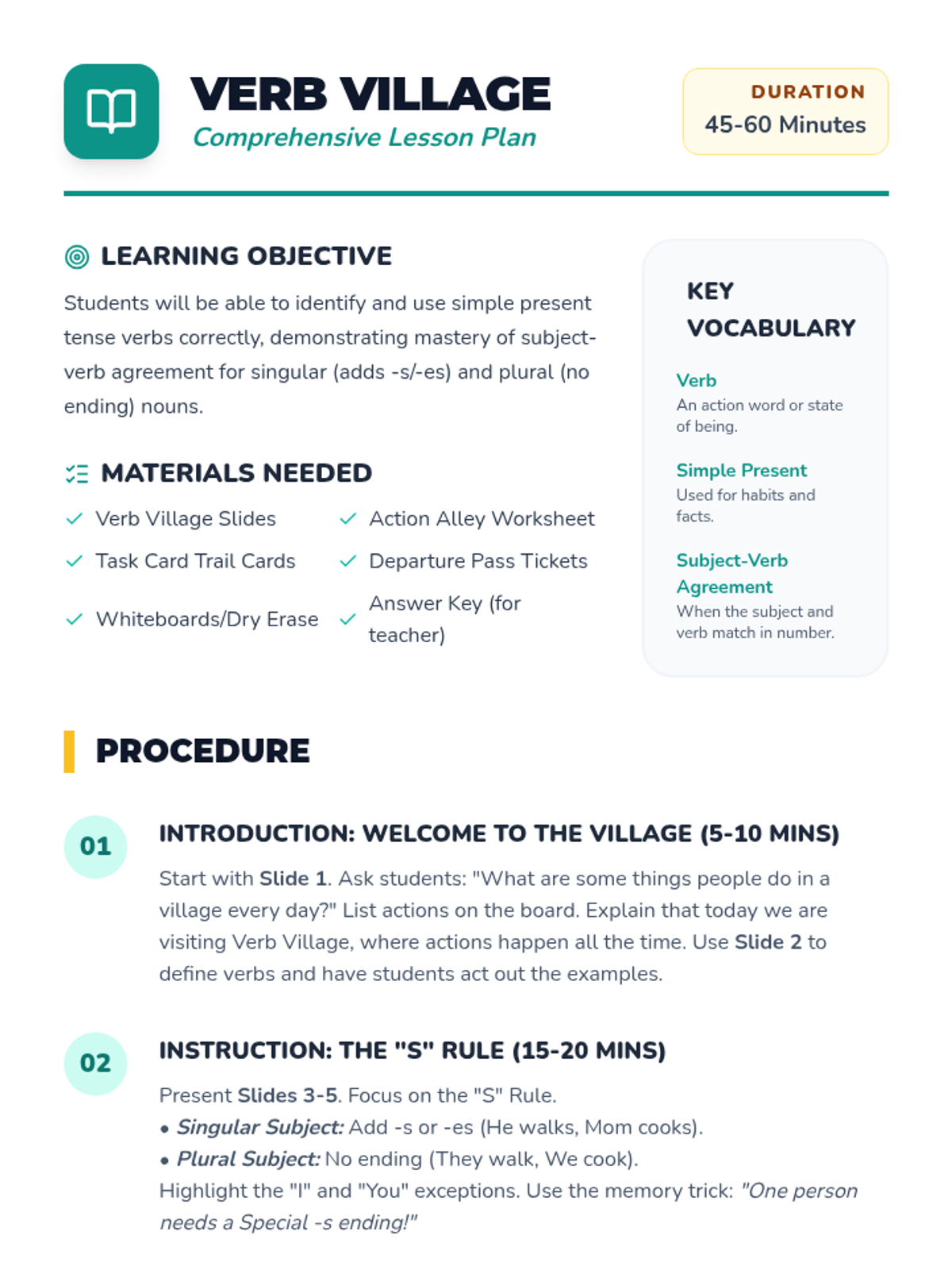
Students will learn to use simple present tense verbs correctly, focusing on subject-verb agreement for singular and plural nouns.
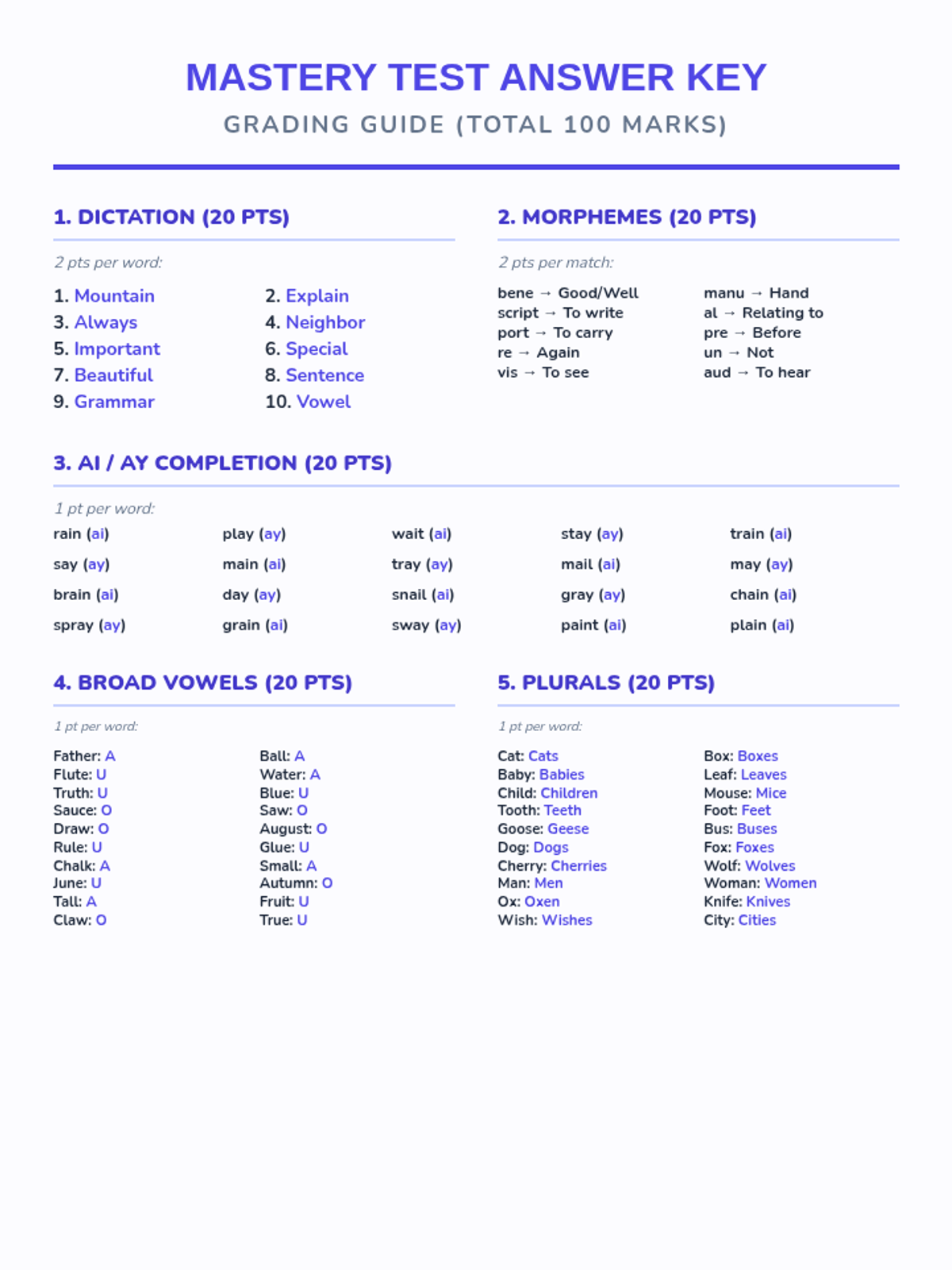
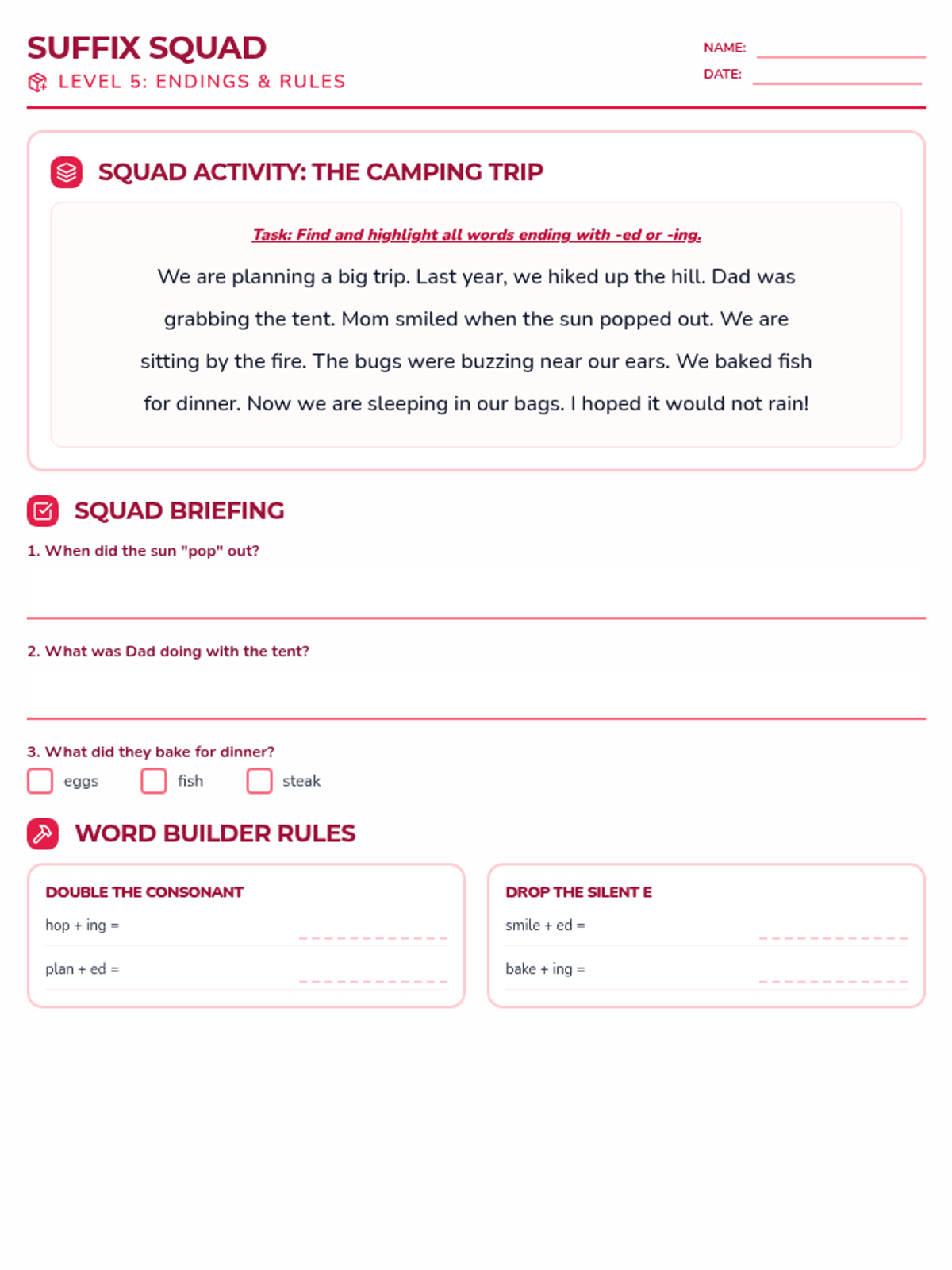
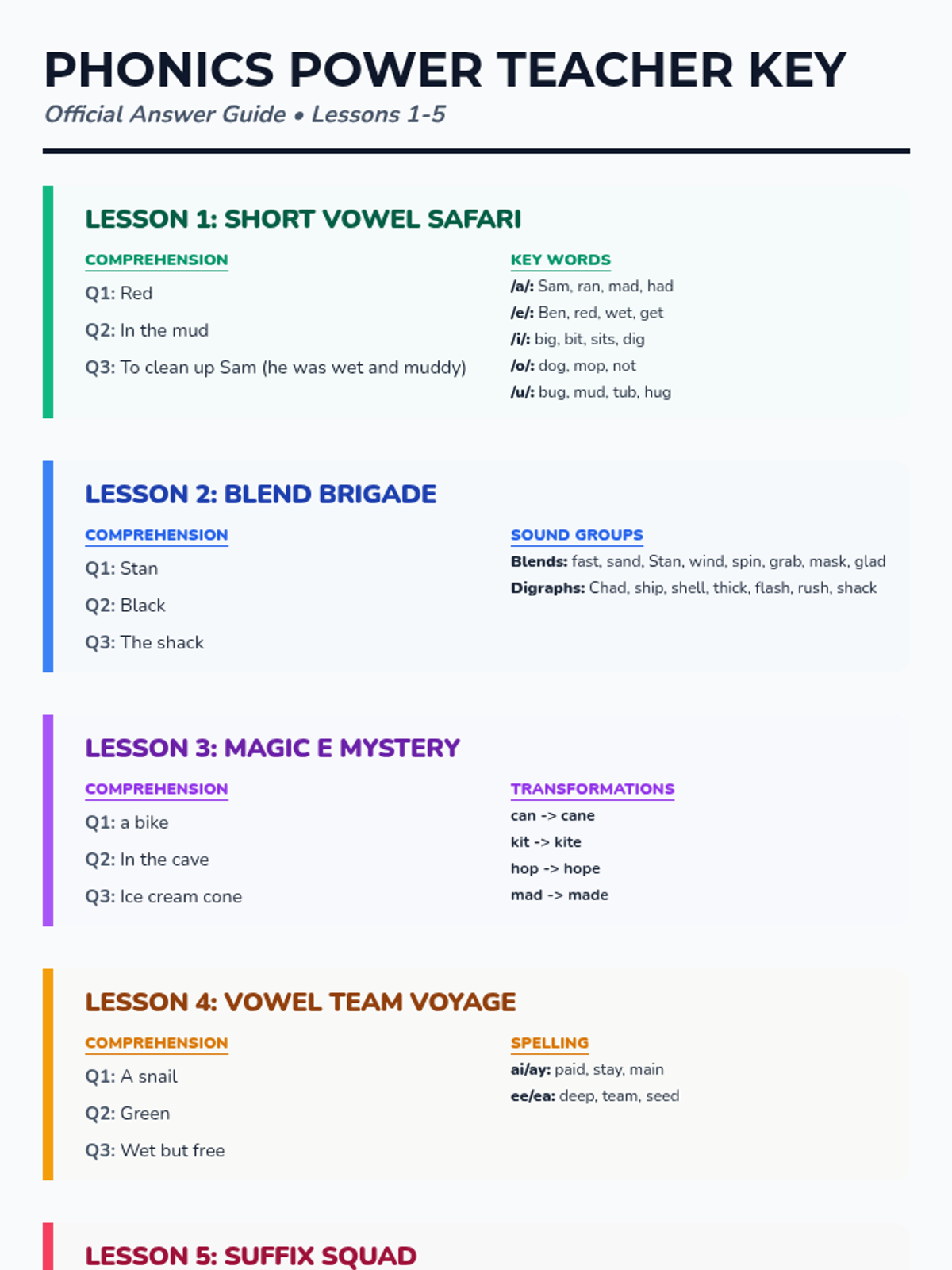
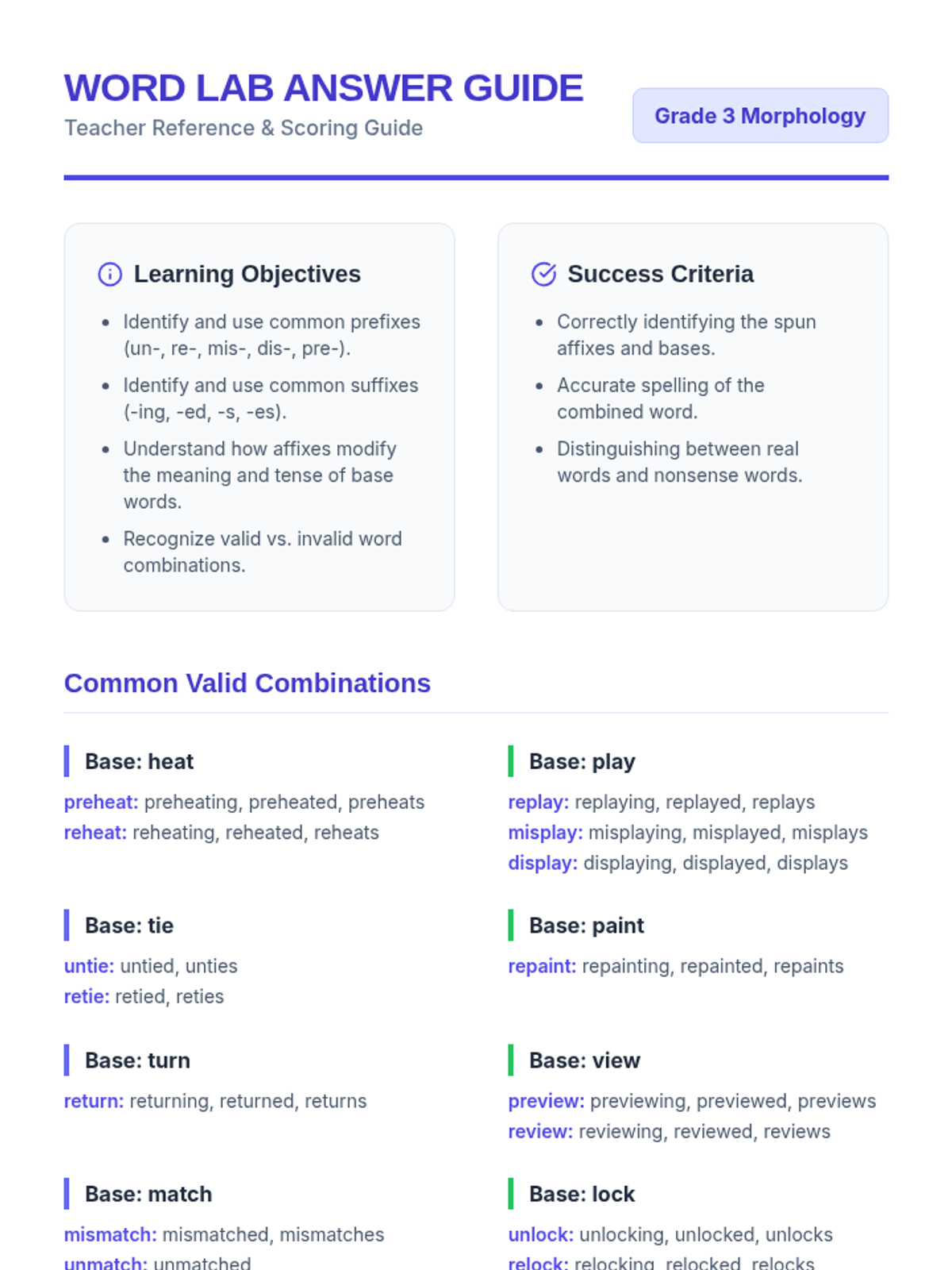
Applying common suffixes (-s, -es, -ed, -ing) and mastering spelling rules like doubling consonants and dropping the silent e.
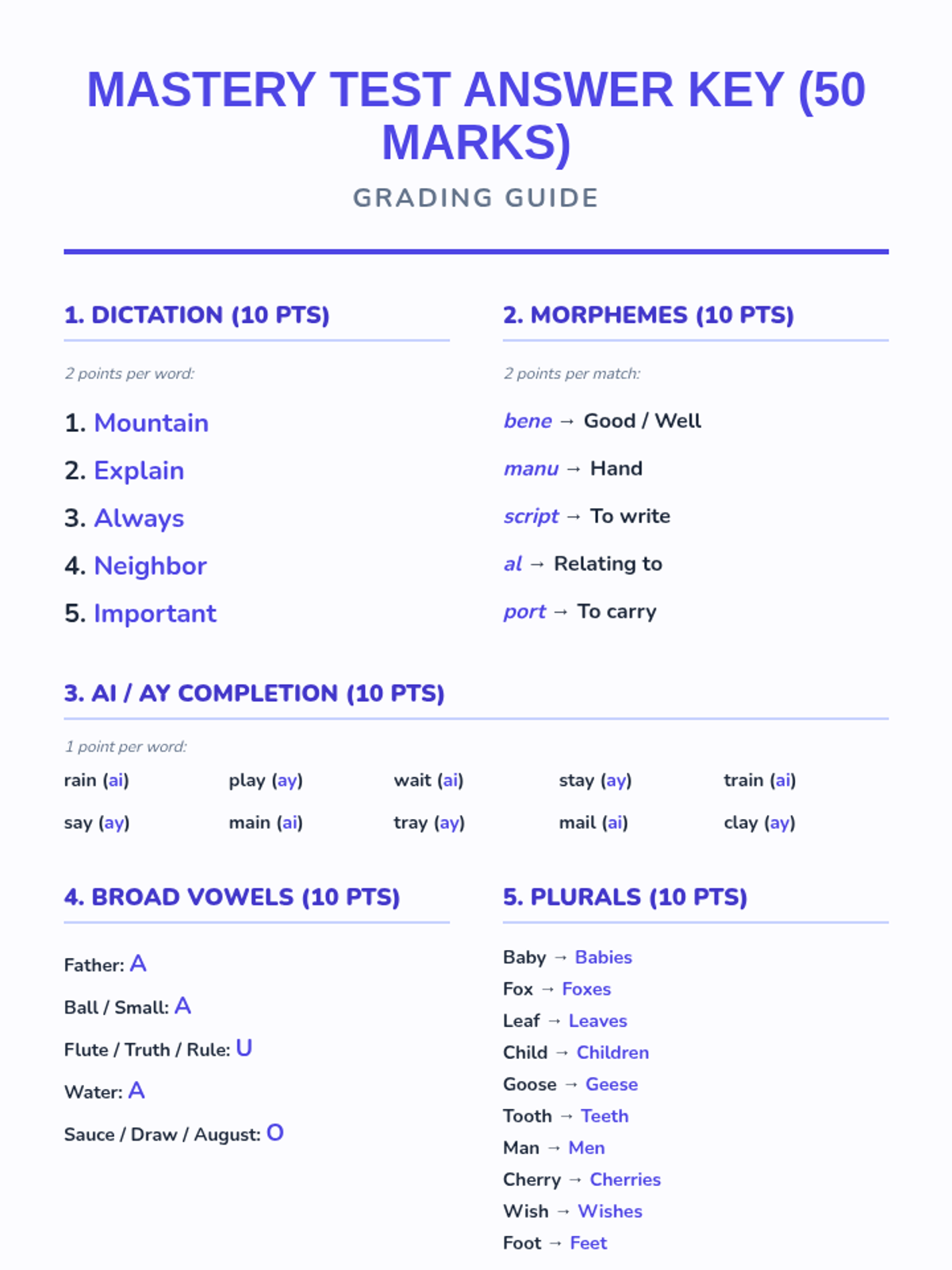
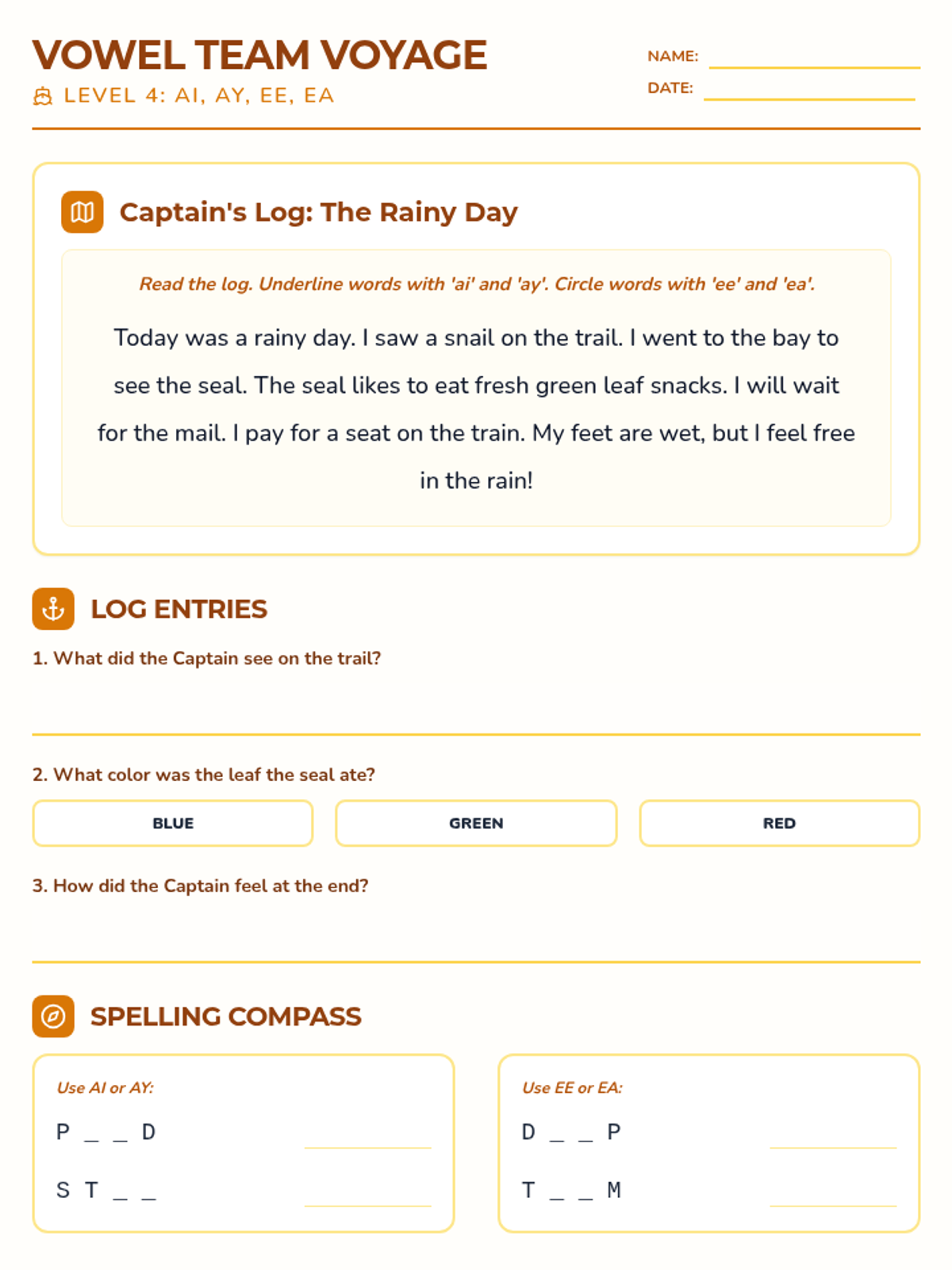
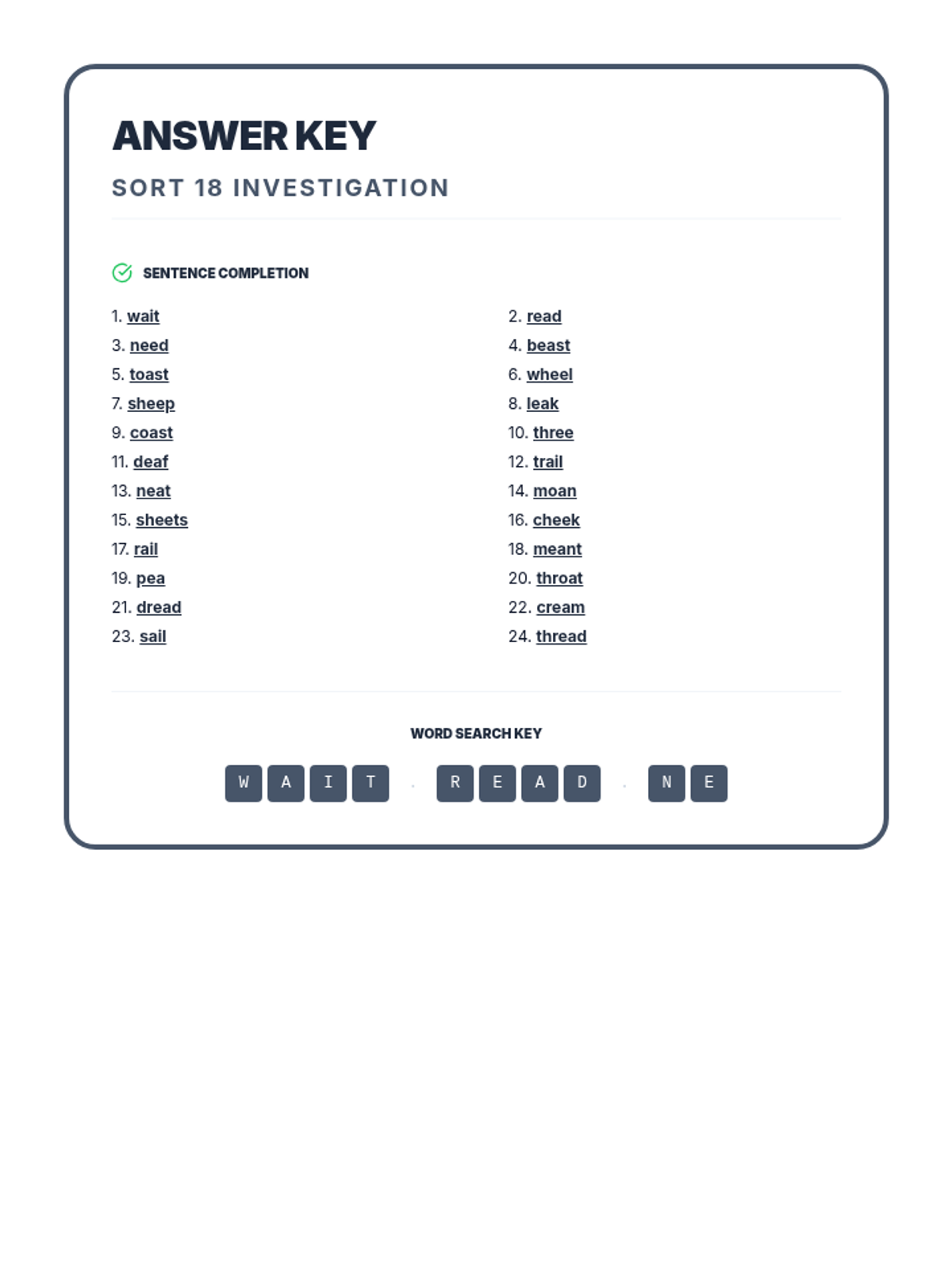
Exploring common vowel teams like ai, ay, ee, and ea, and understanding how vowel combinations create long vowel sounds.
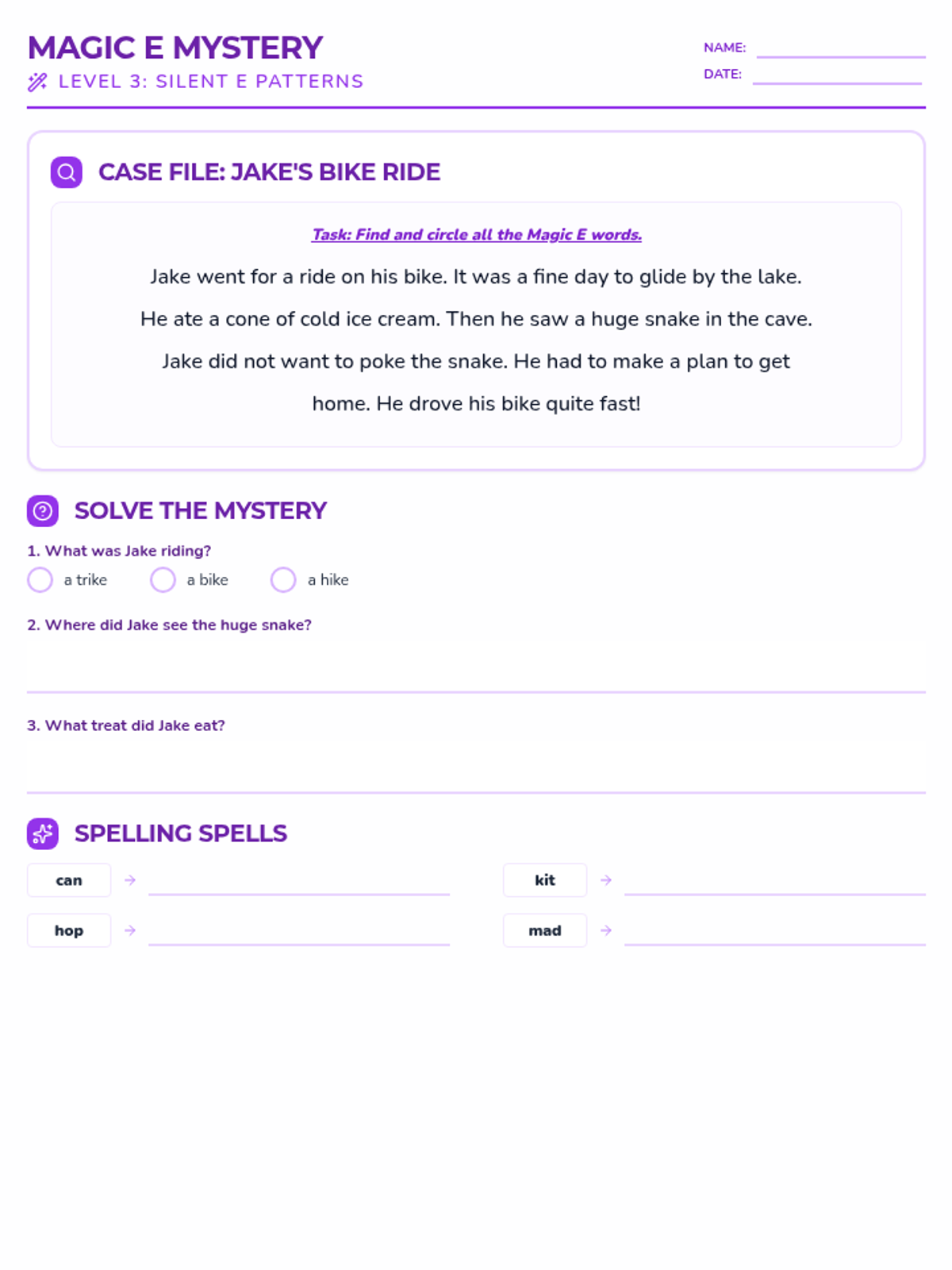
Learning the role of silent e in changing vowel sounds from short to long, focusing on common CVCE patterns.
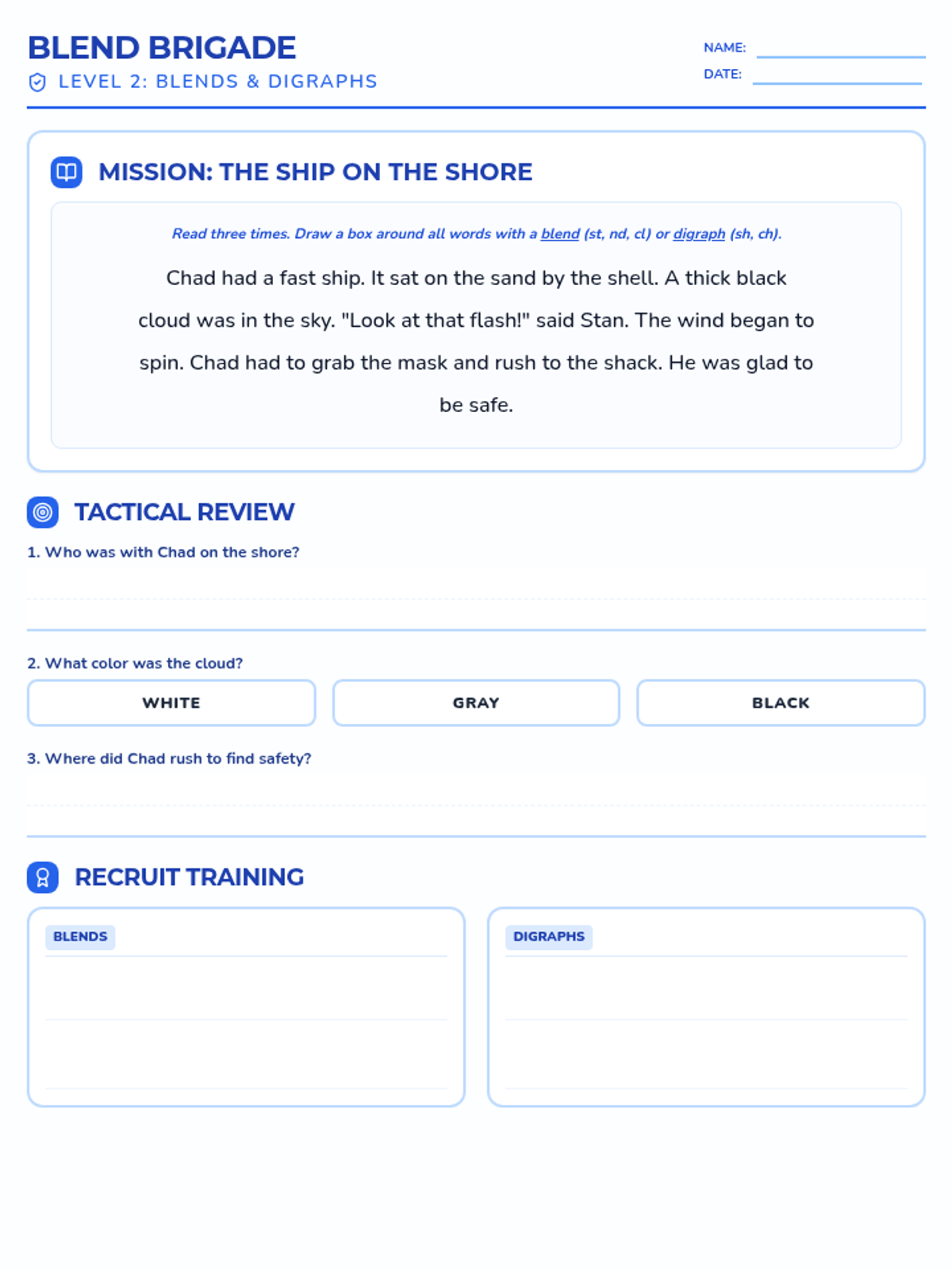
Developing proficiency with consonant blends (bl, st, fr) and digraphs (ch, sh, th, wh) to decode and spell more complex single-syllable words.
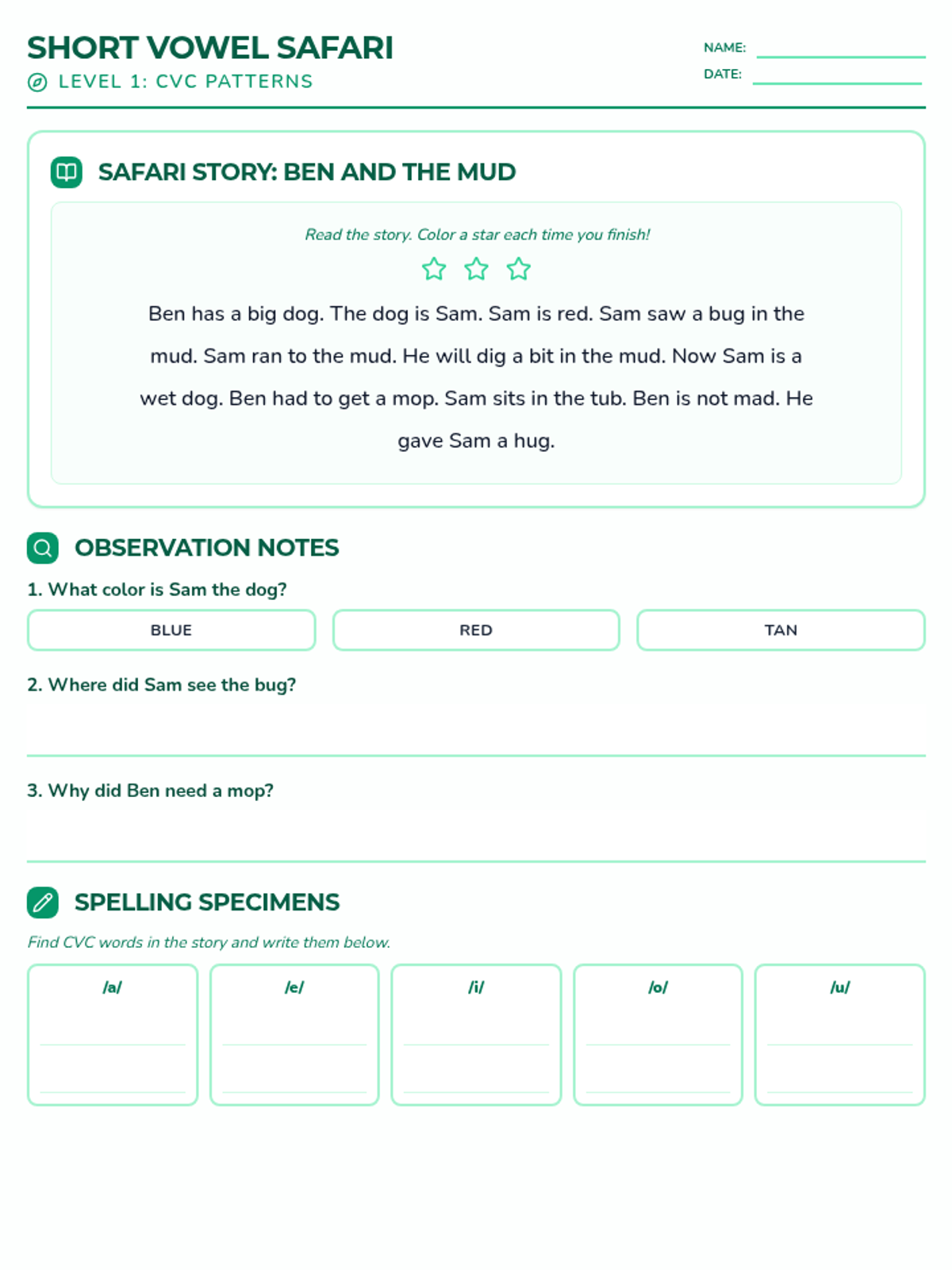
Mastering short vowel sounds (a, e, i, o, u) through CVC word construction, reading fluency with simple decodable text, and basic spelling patterns.
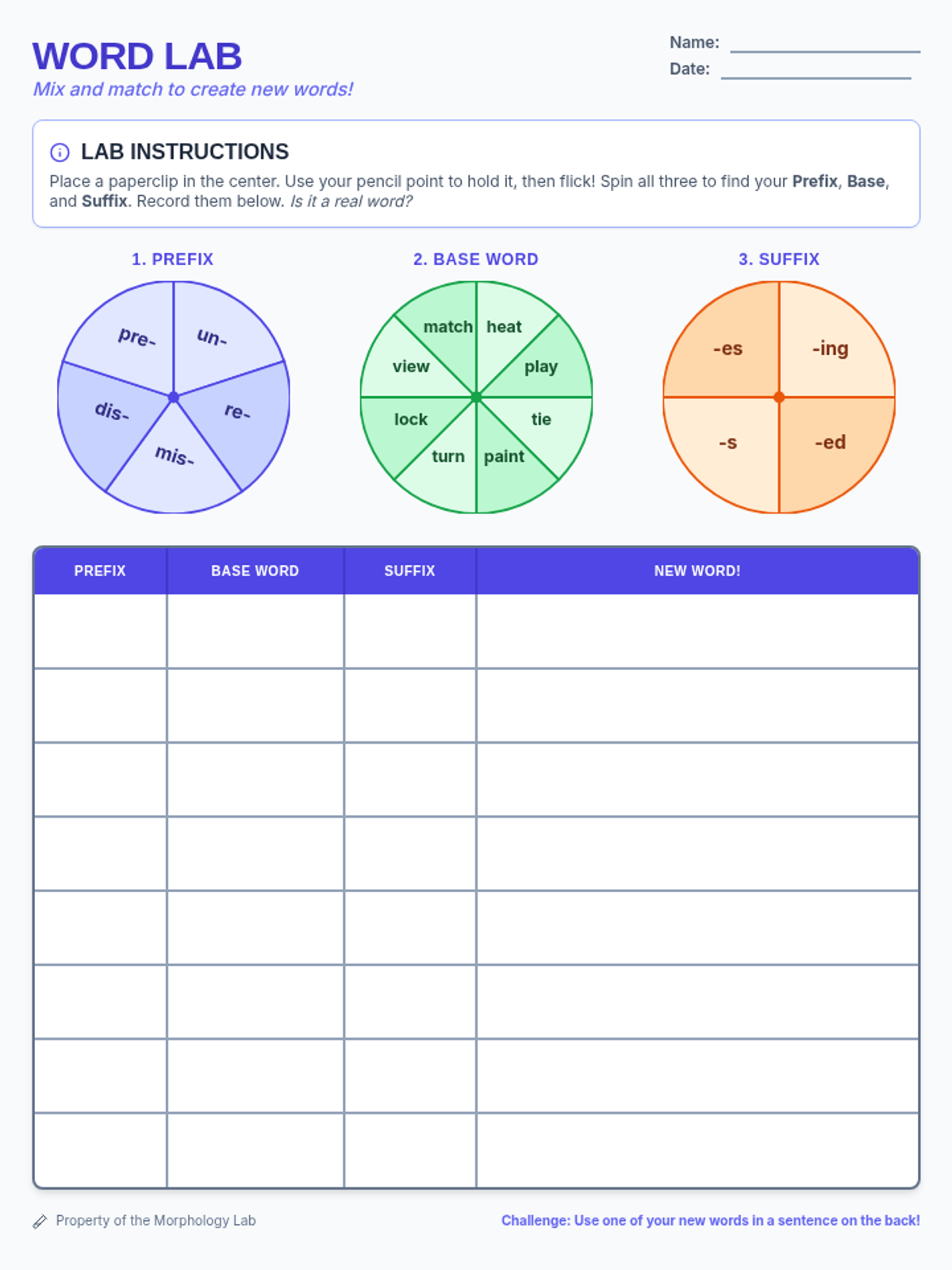
A fun, hands-on lesson for 3rd graders to explore morphology by spinning and combining prefixes, bases, and suffixes. Students learn how affixes change the meaning and tense of base words.
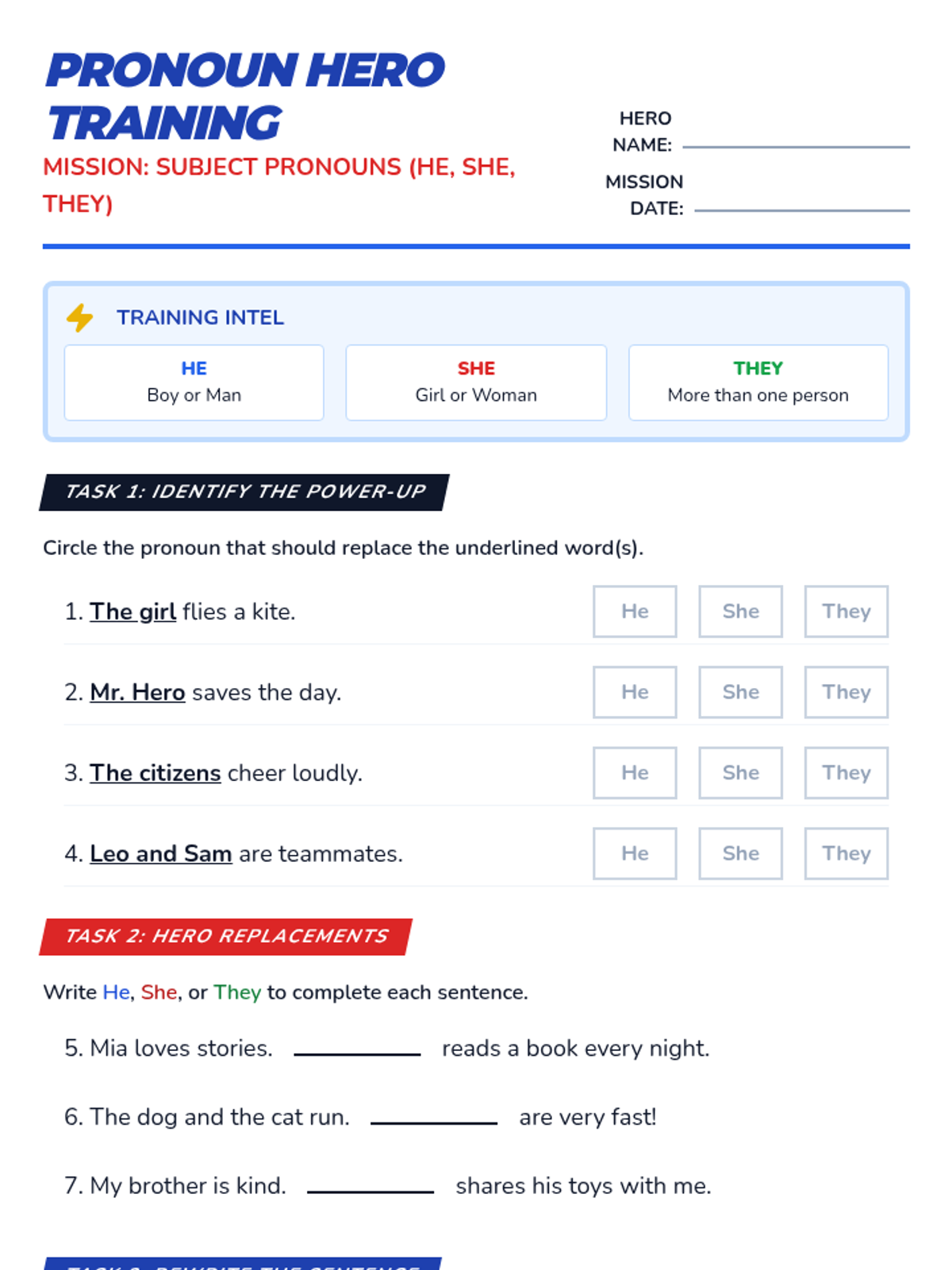
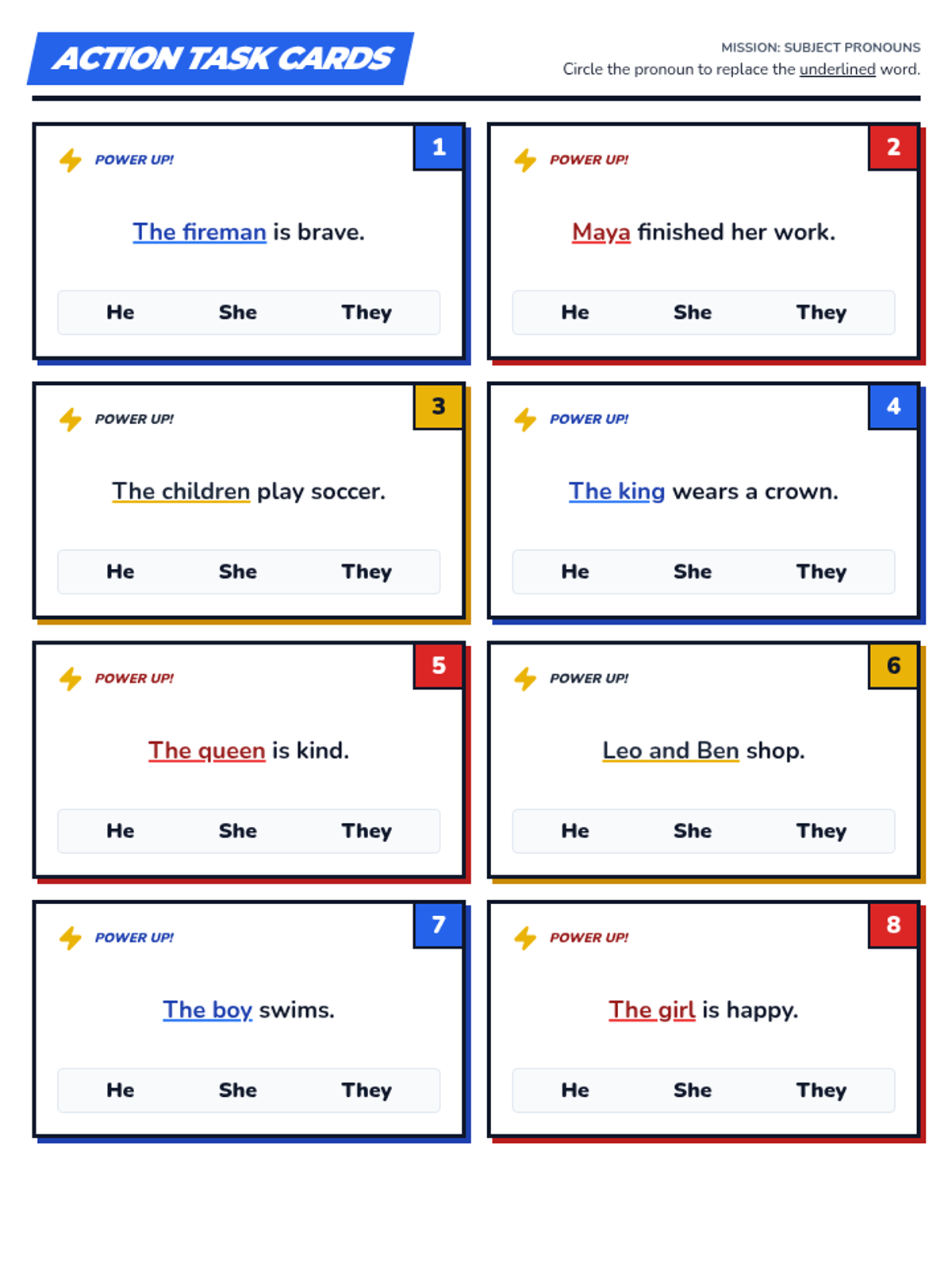
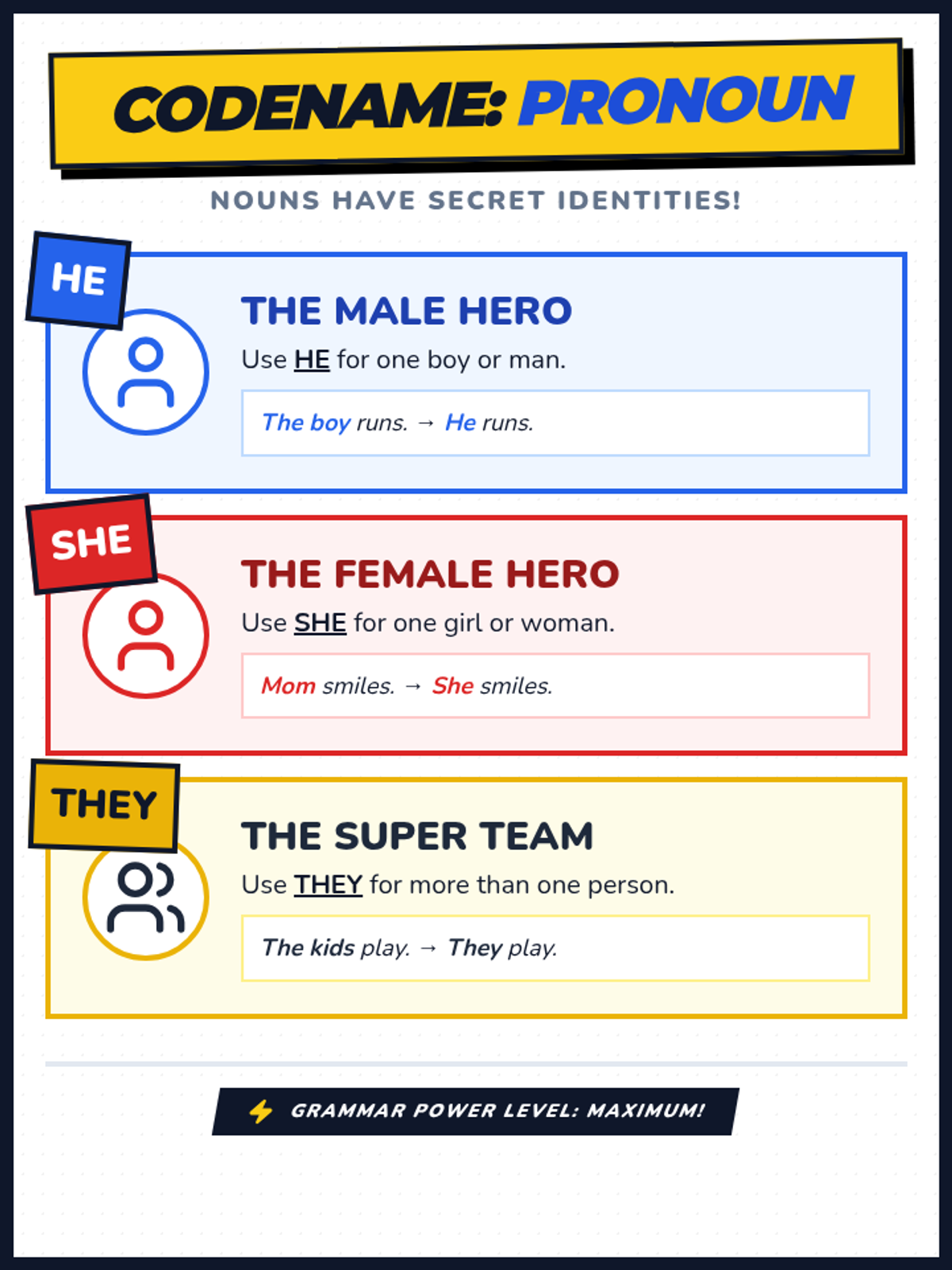
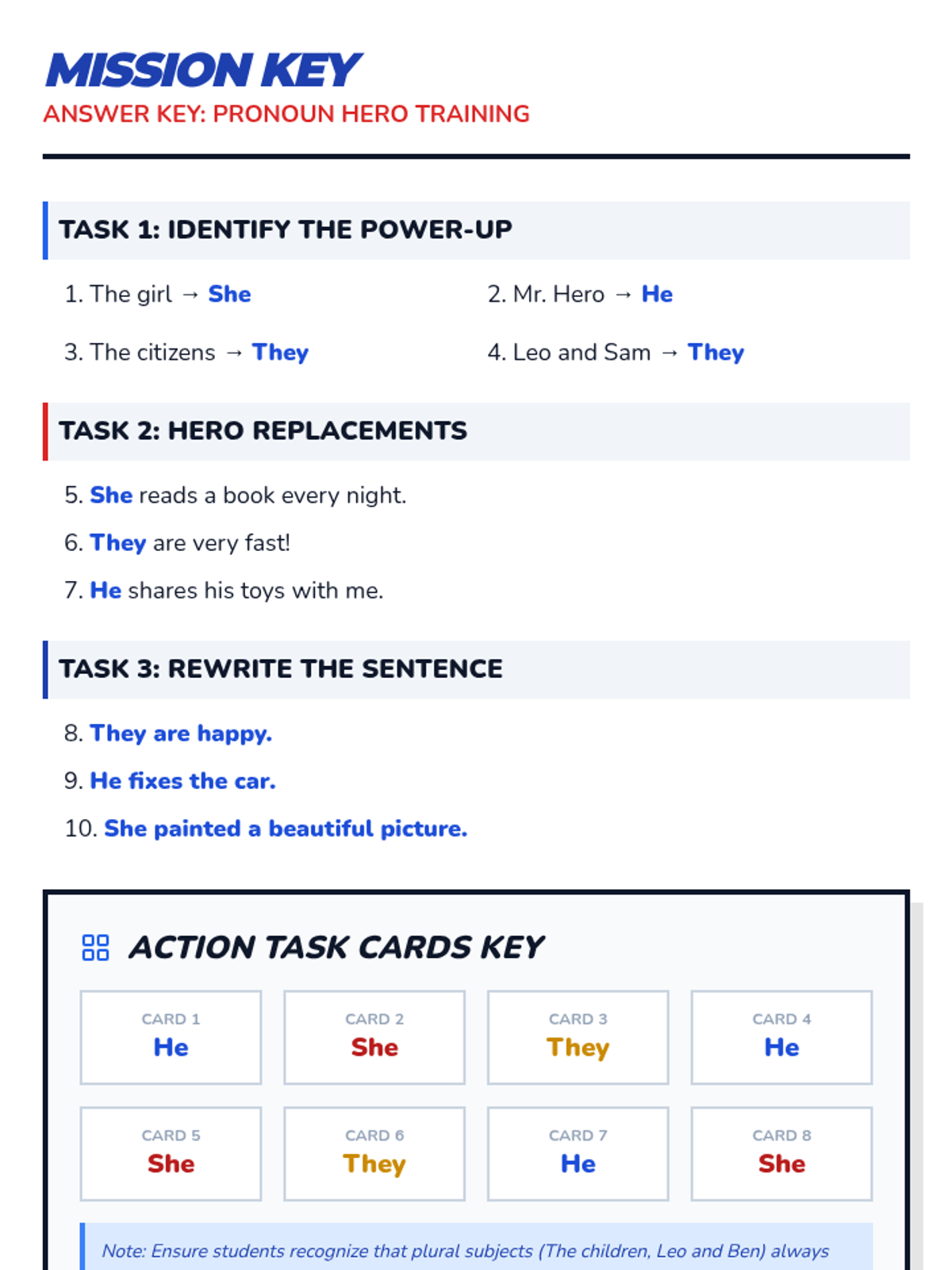
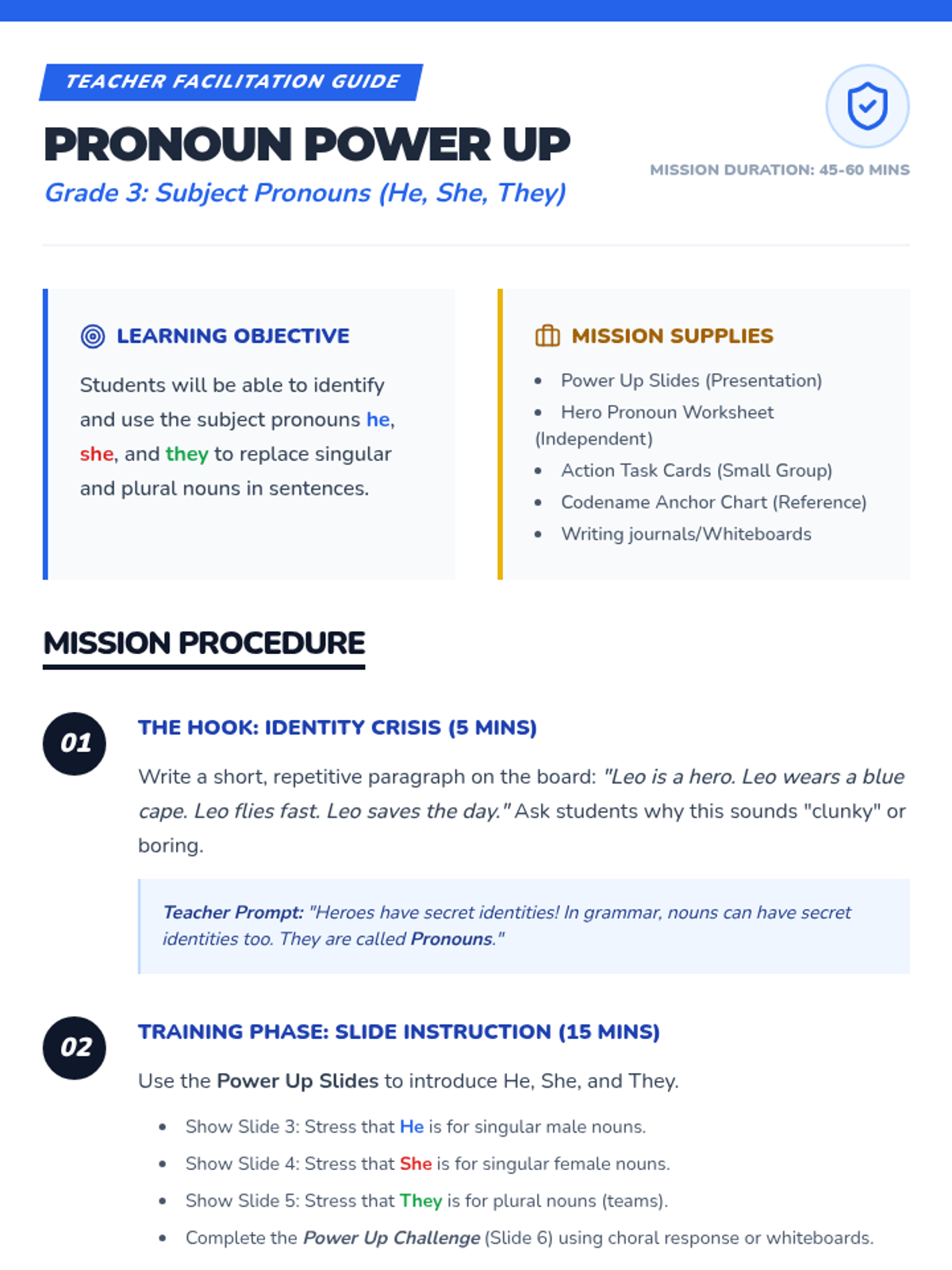
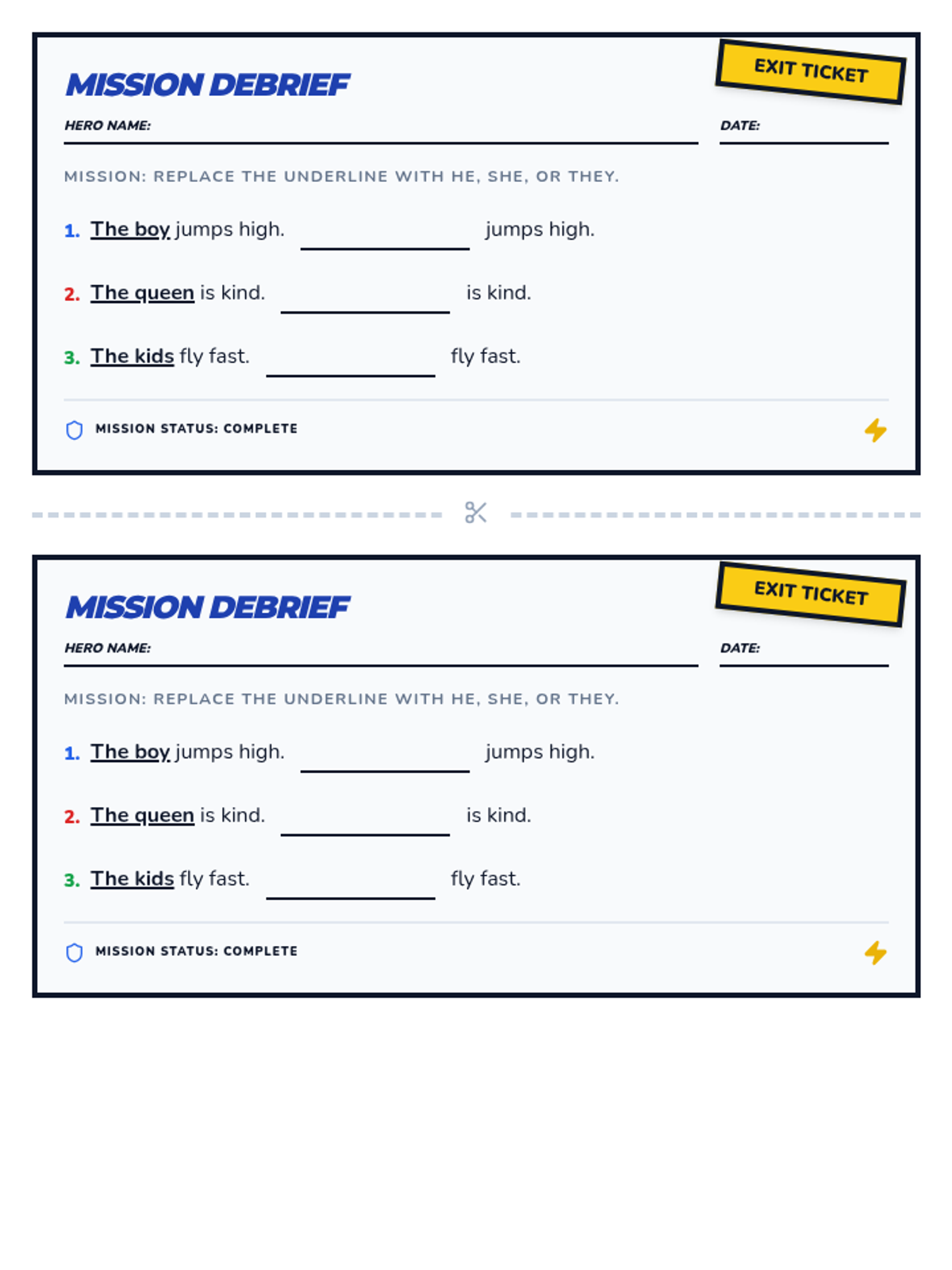
A superhero-themed lesson introducing subject pronouns (he, she, they). Students learn how these pronouns 'power up' sentences by replacing repetitive nouns.
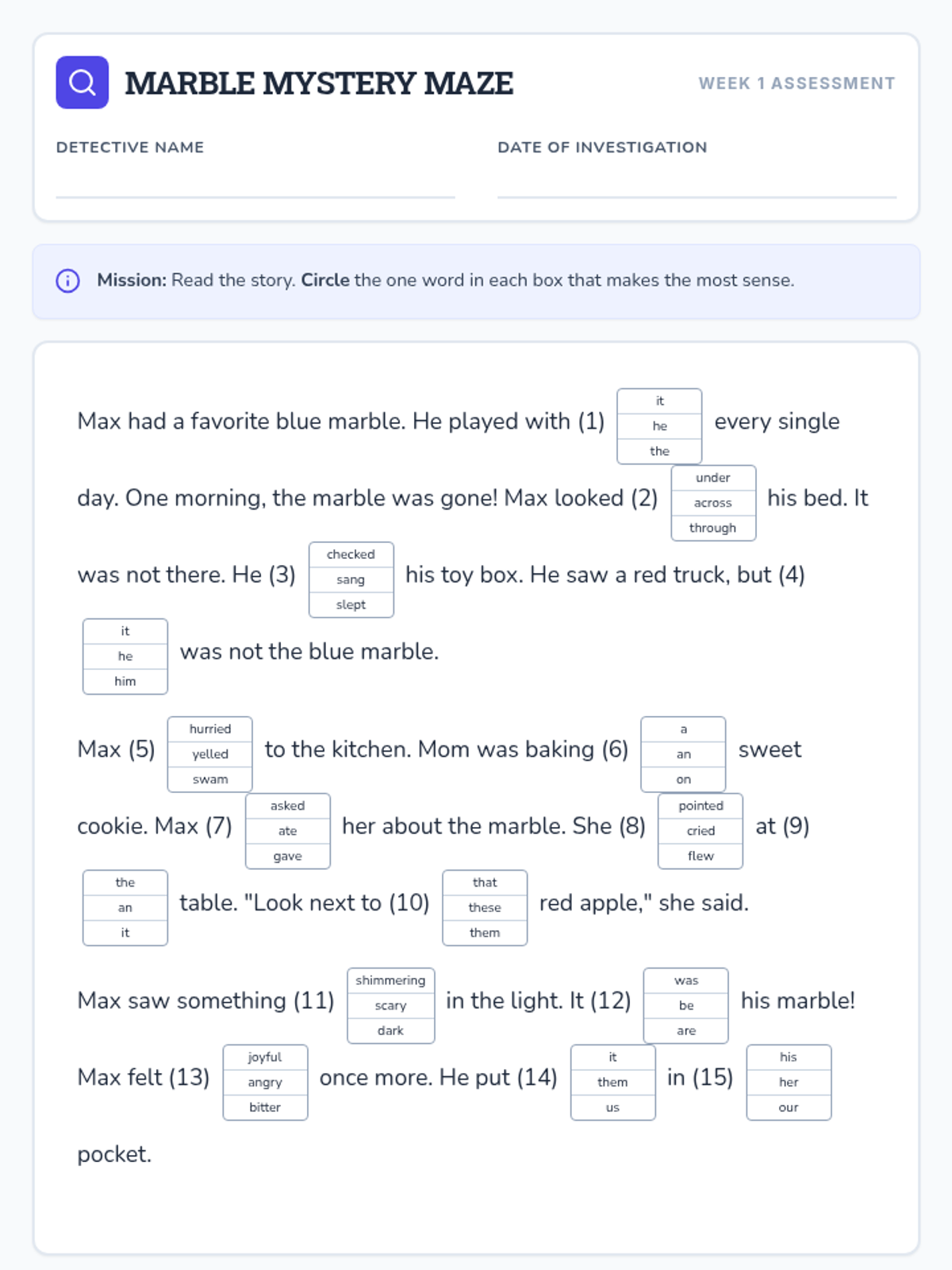
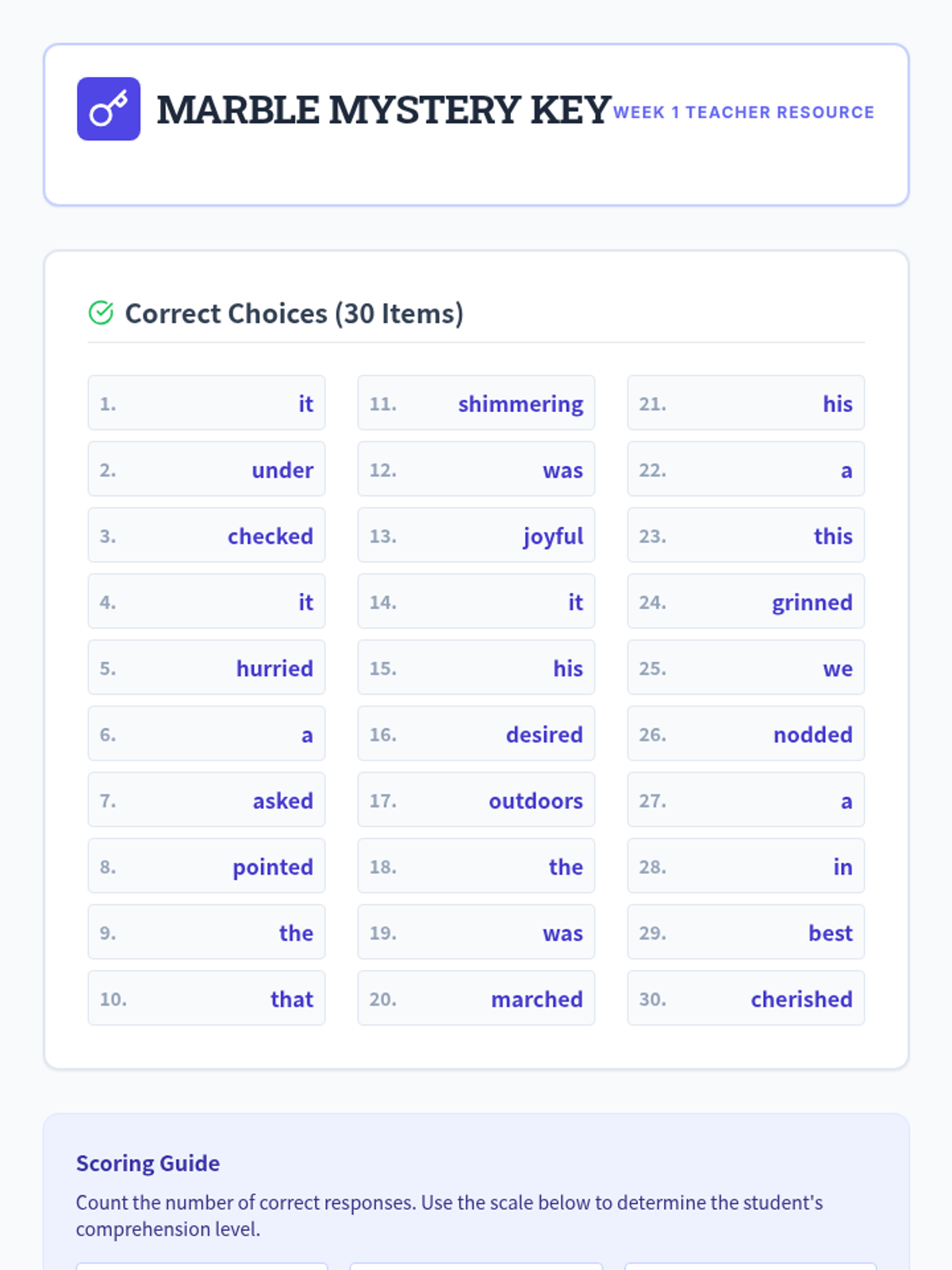
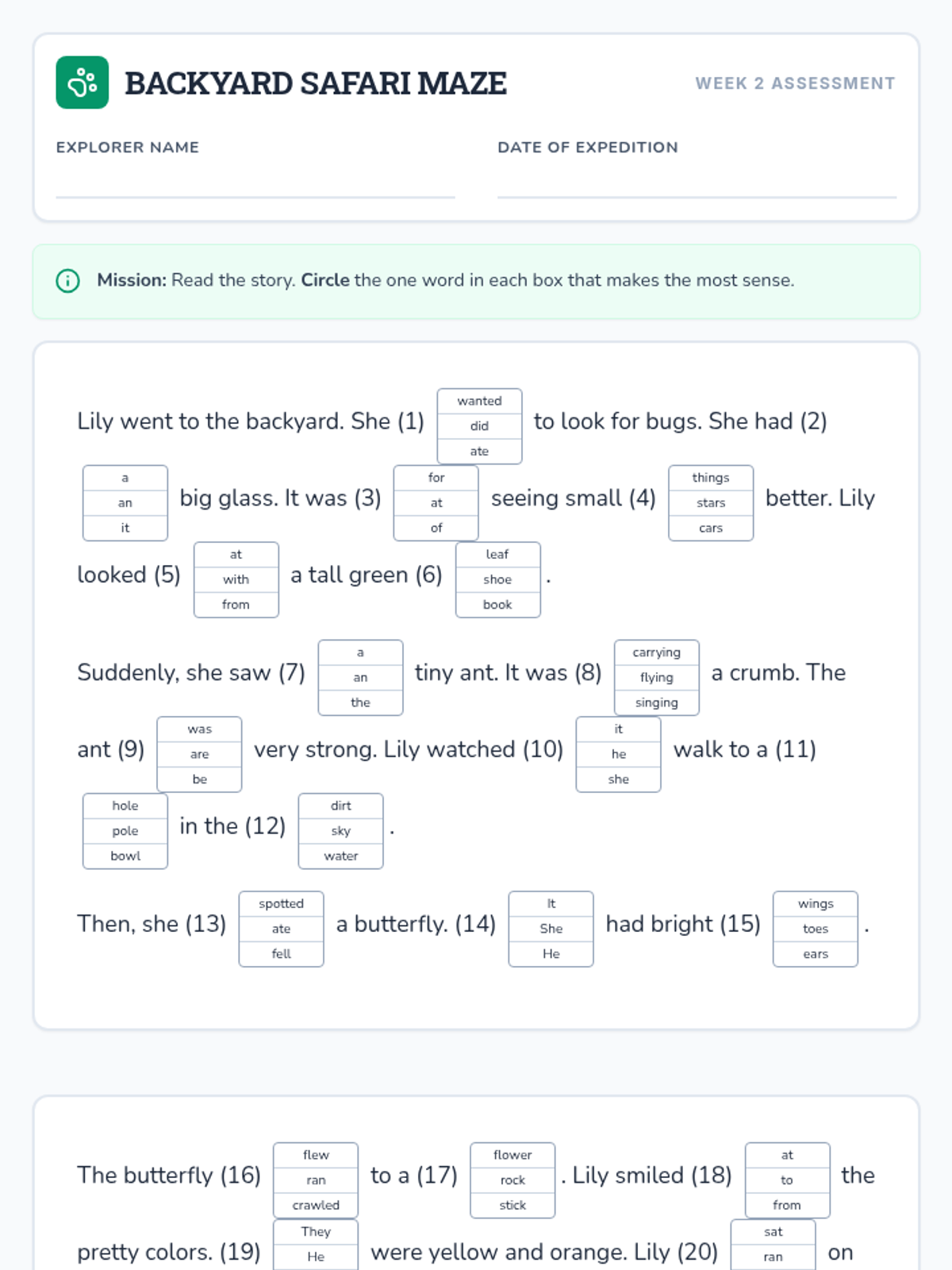
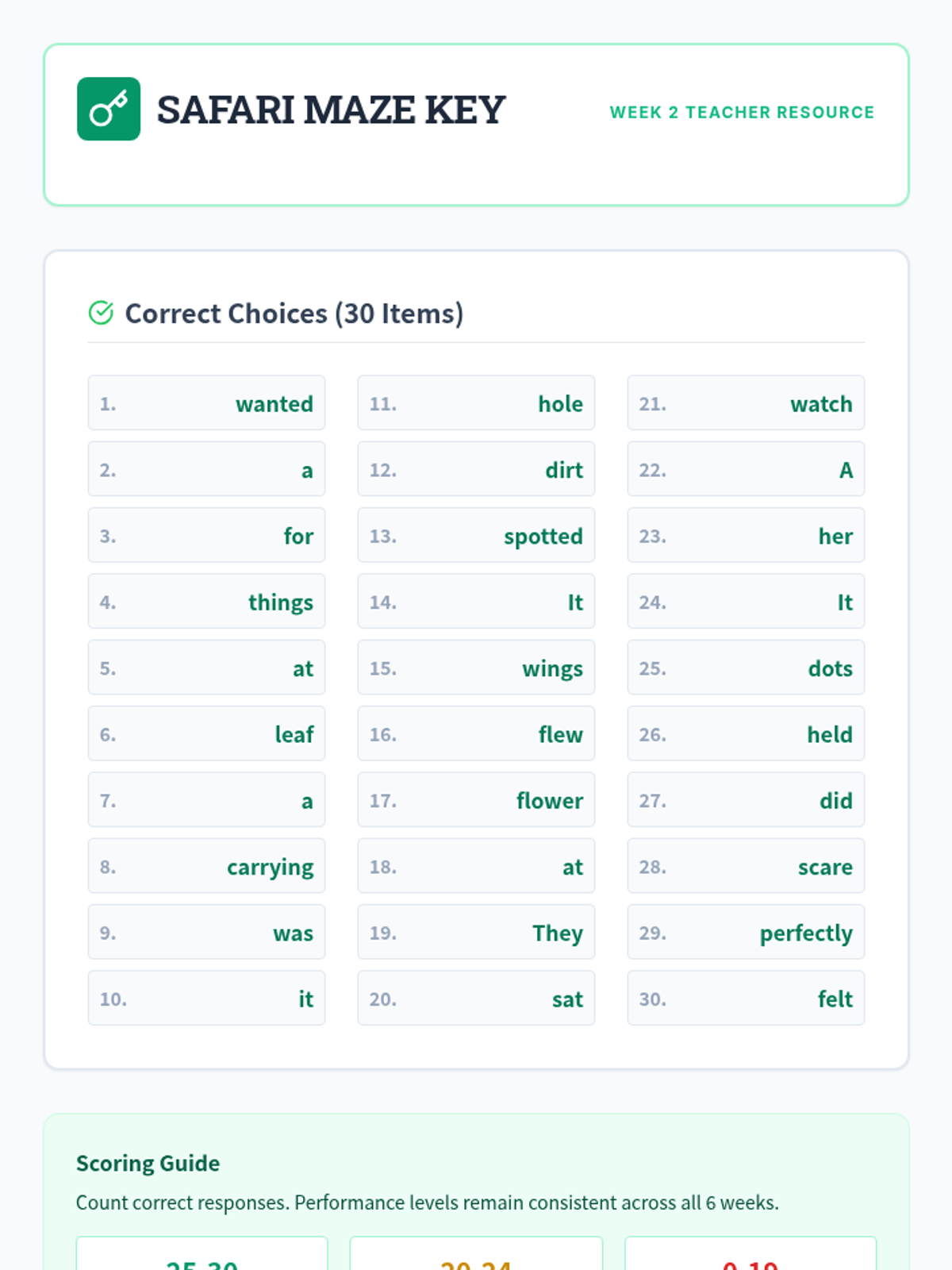
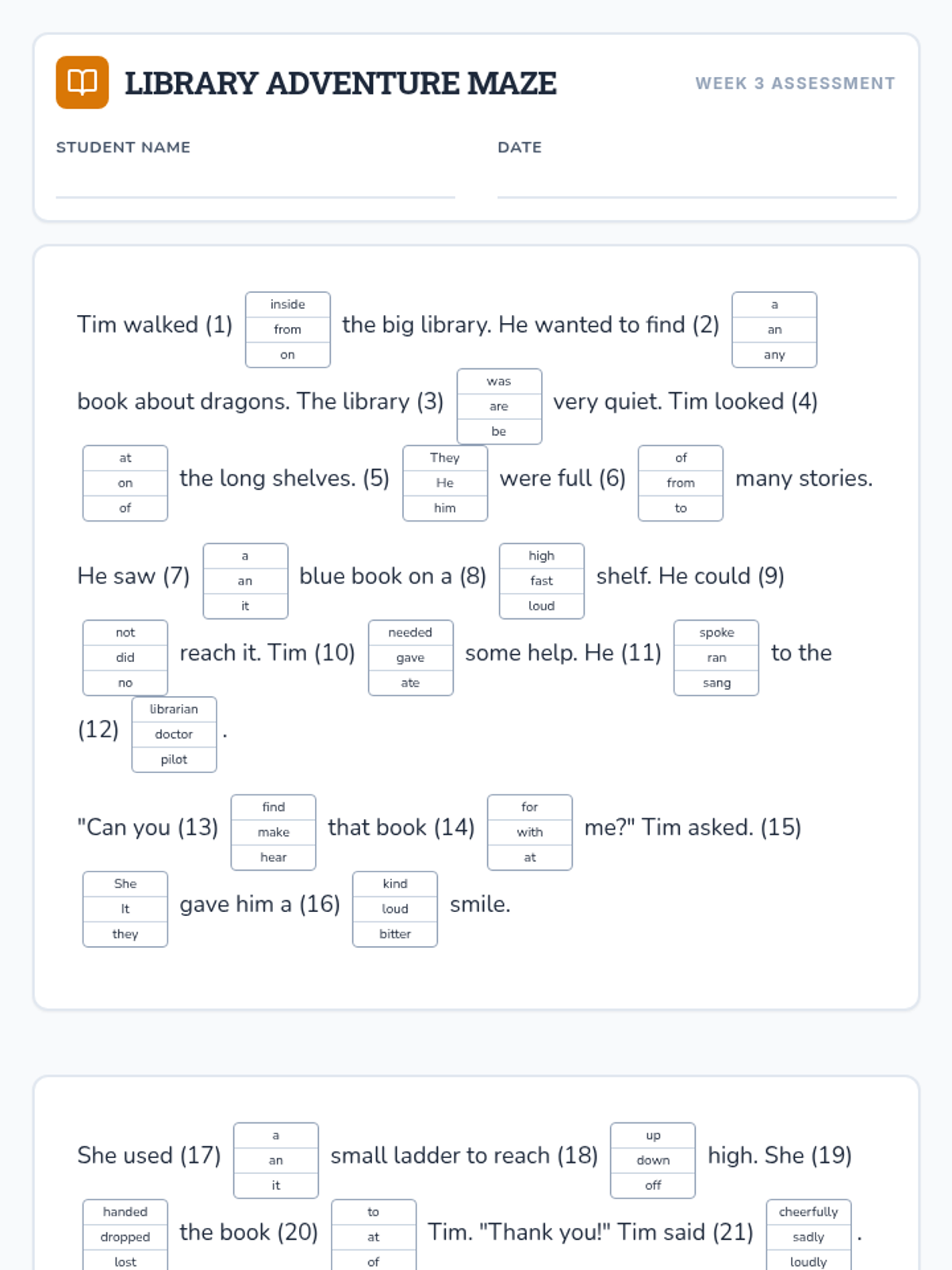
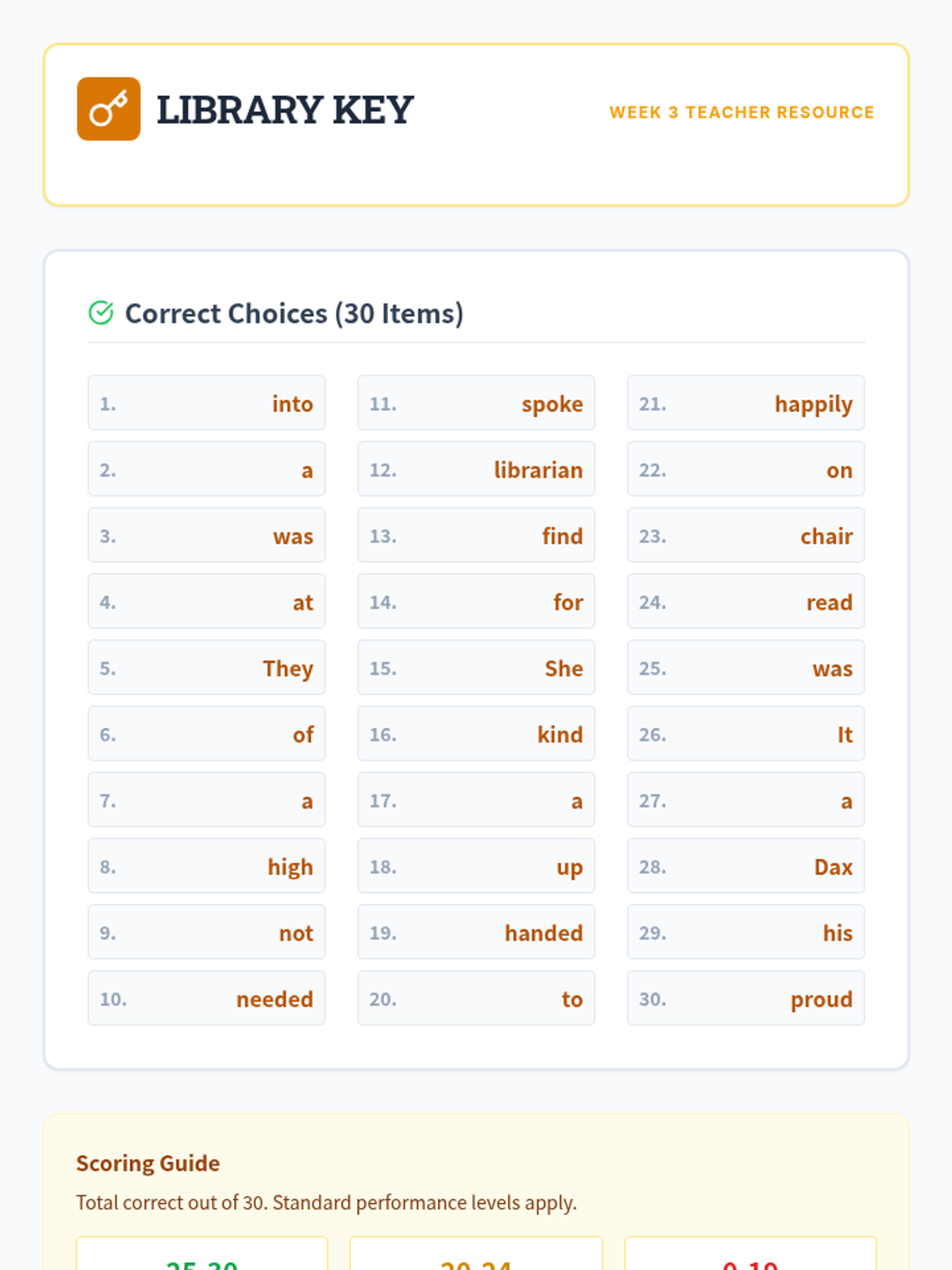
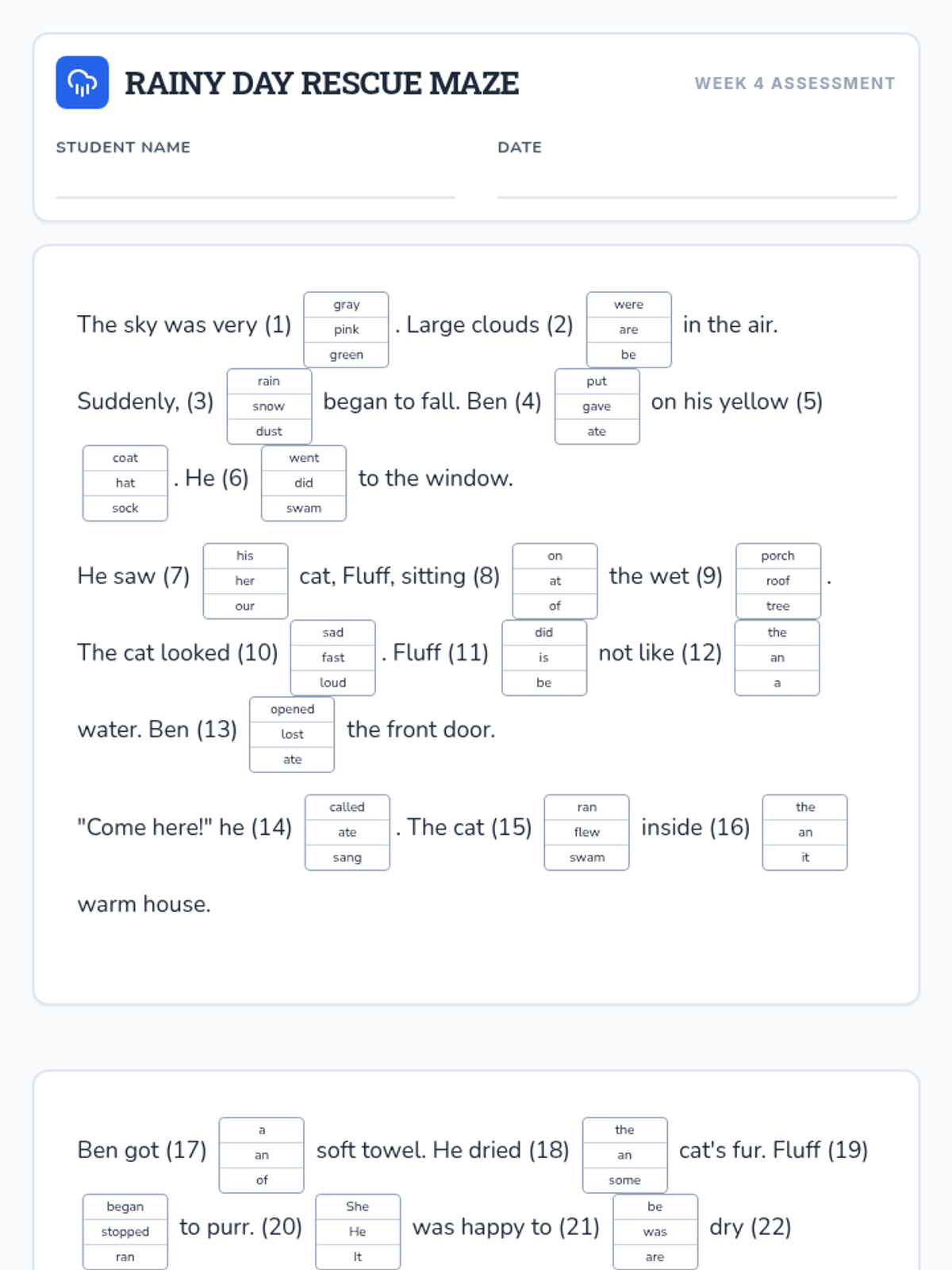
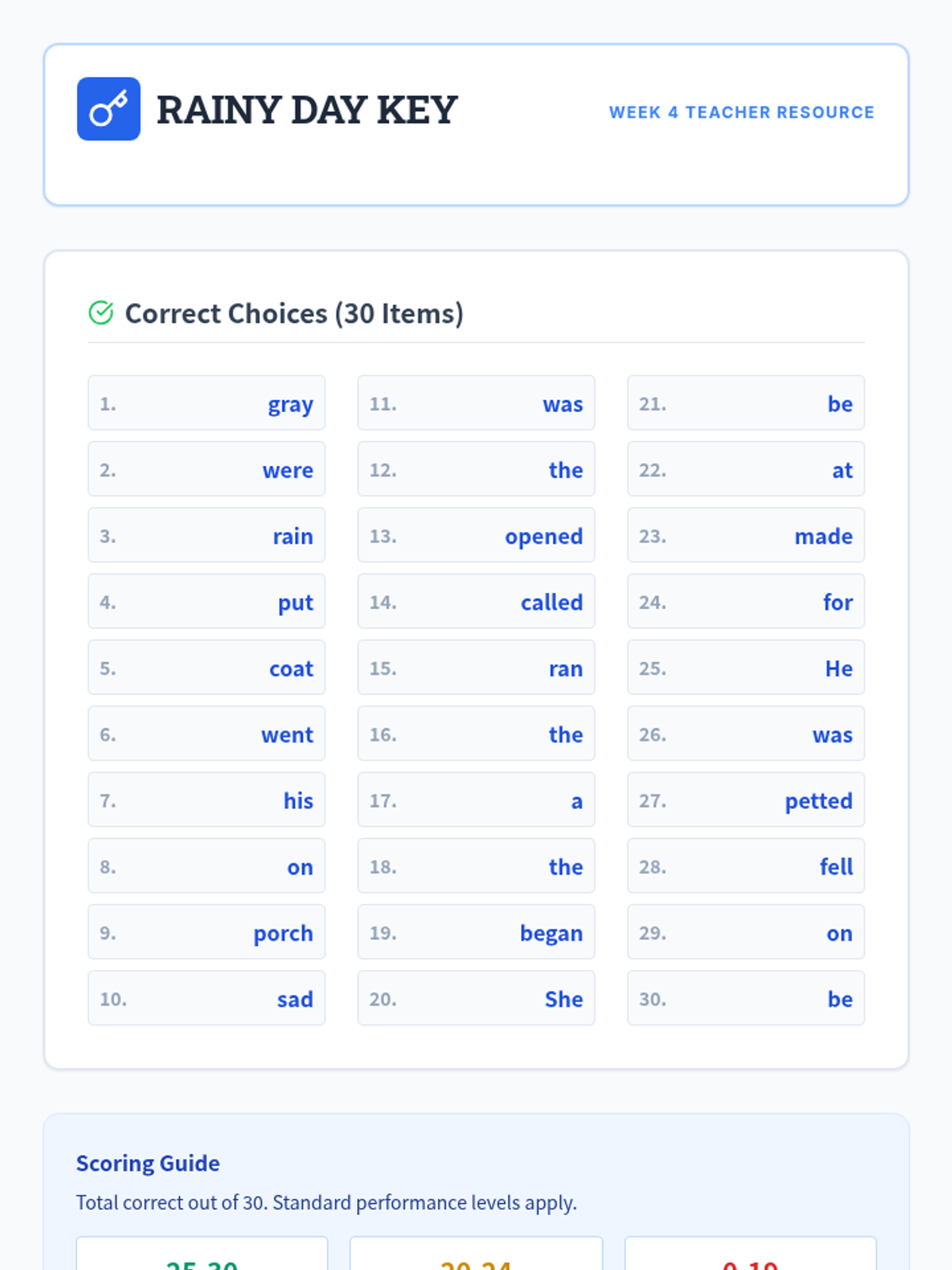
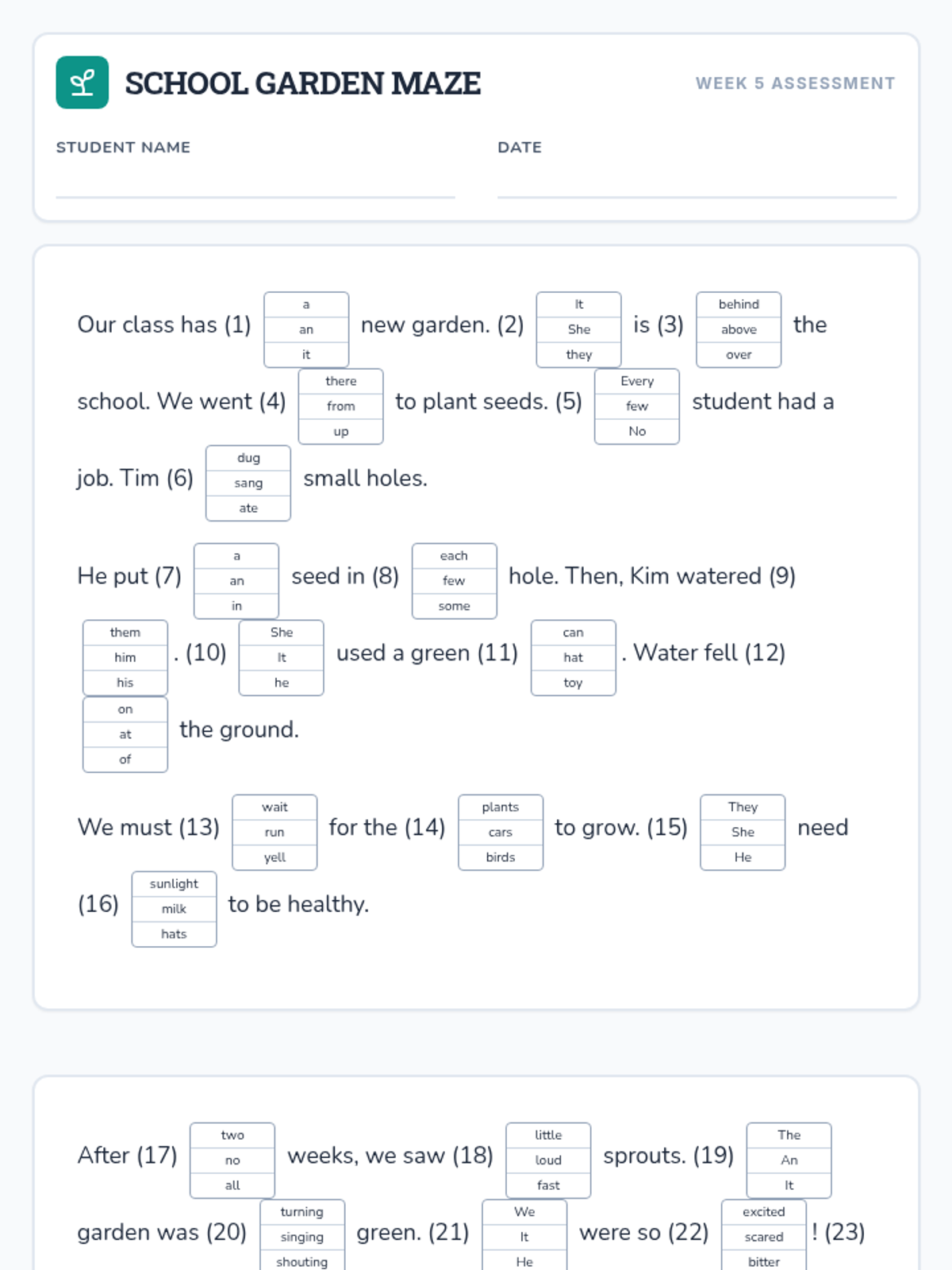
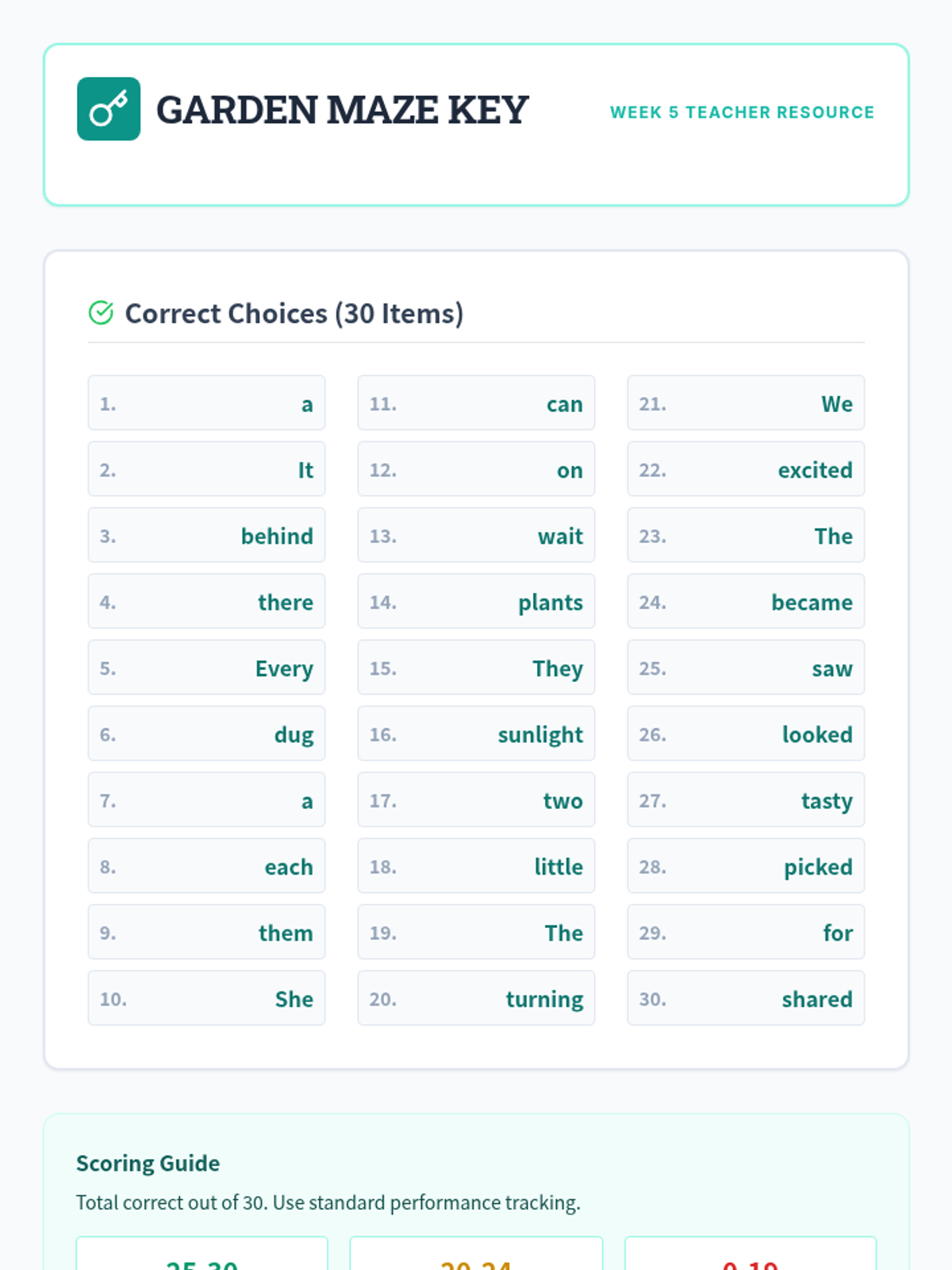
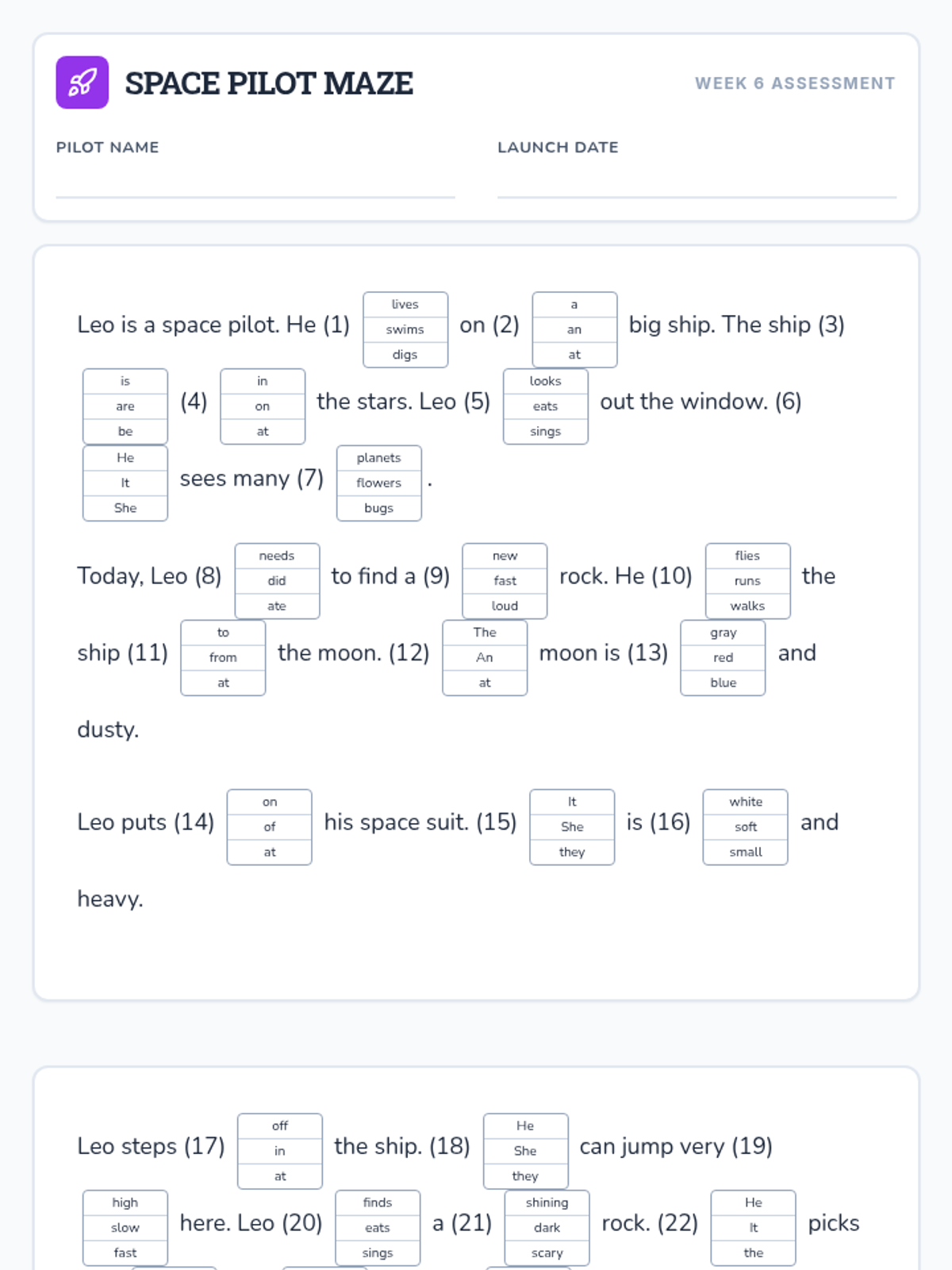
A reading intervention lesson focused on story comprehension using a maze assessment format, where students select the correct word to complete a narrative.
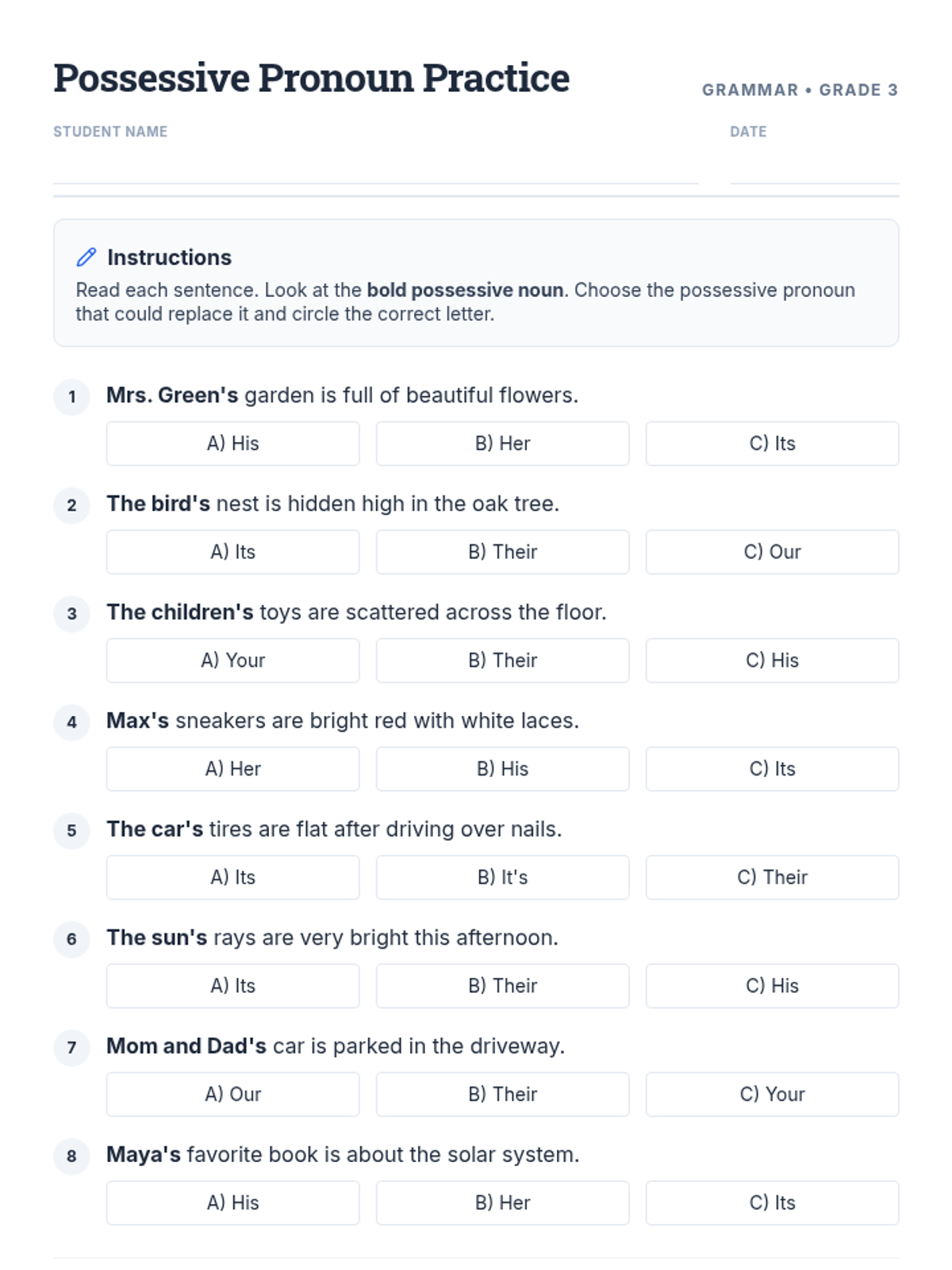
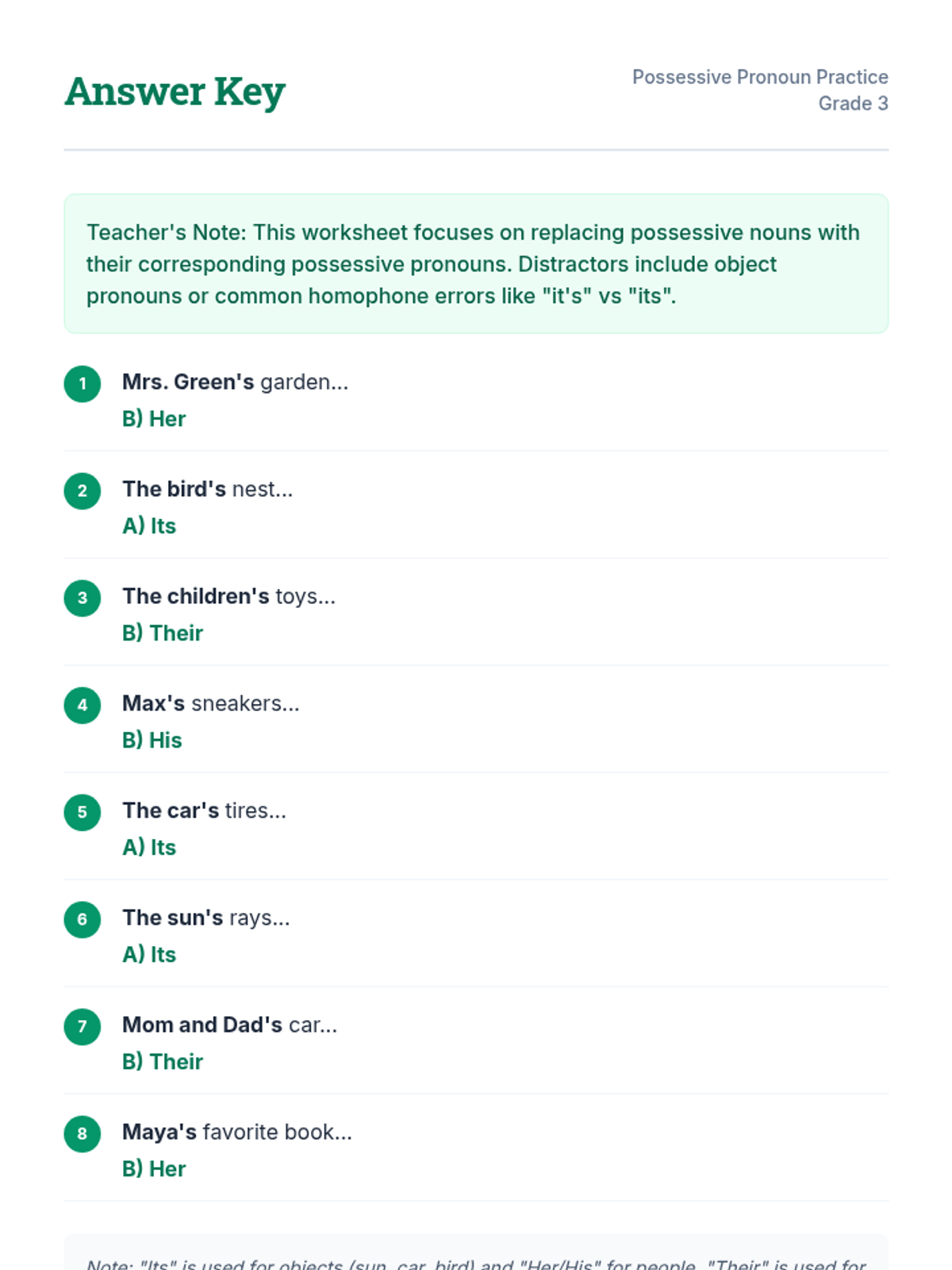
A concise practice session for third graders to master replacing possessive nouns with correct possessive pronouns through sentence-based exercises.
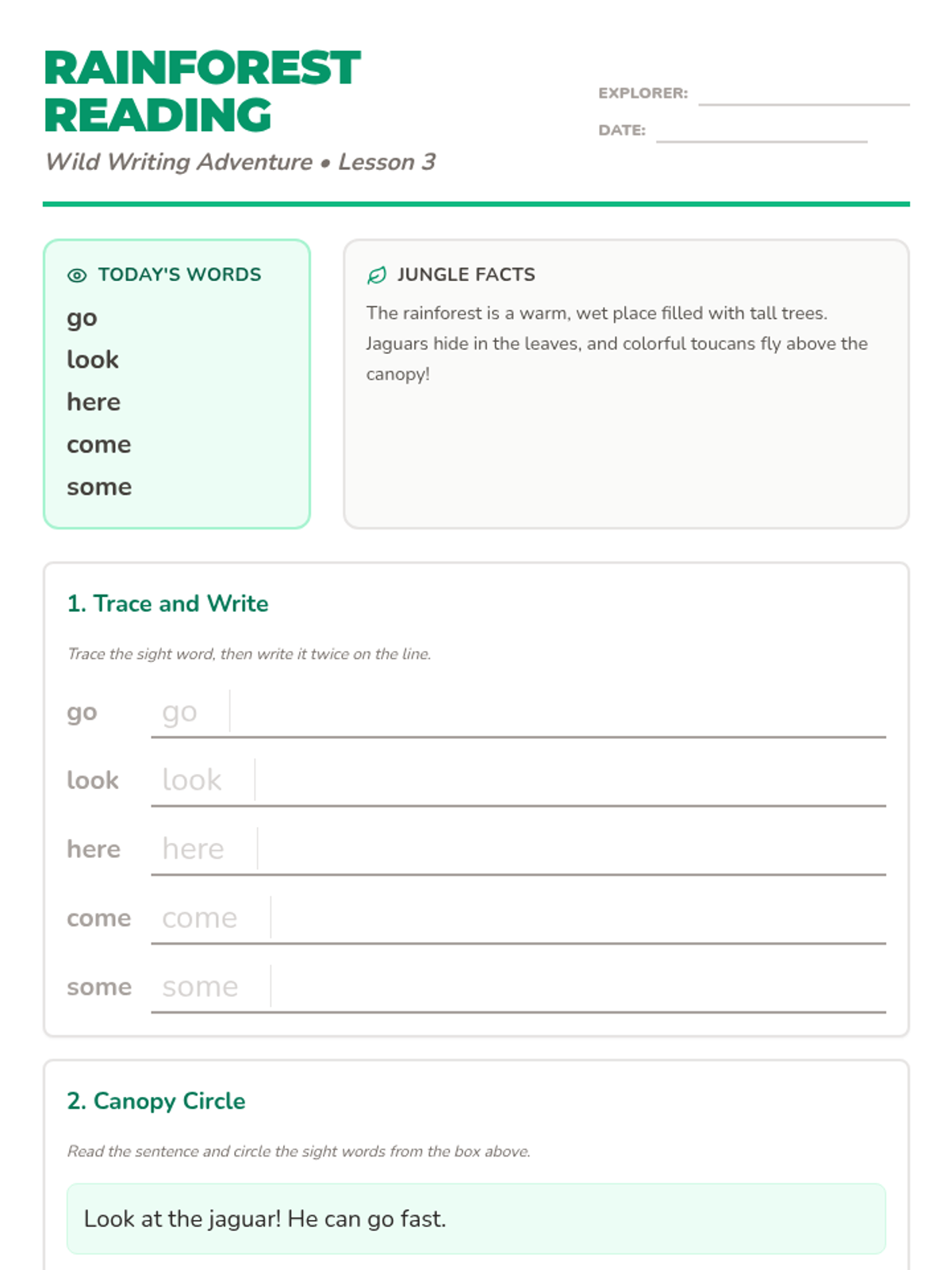
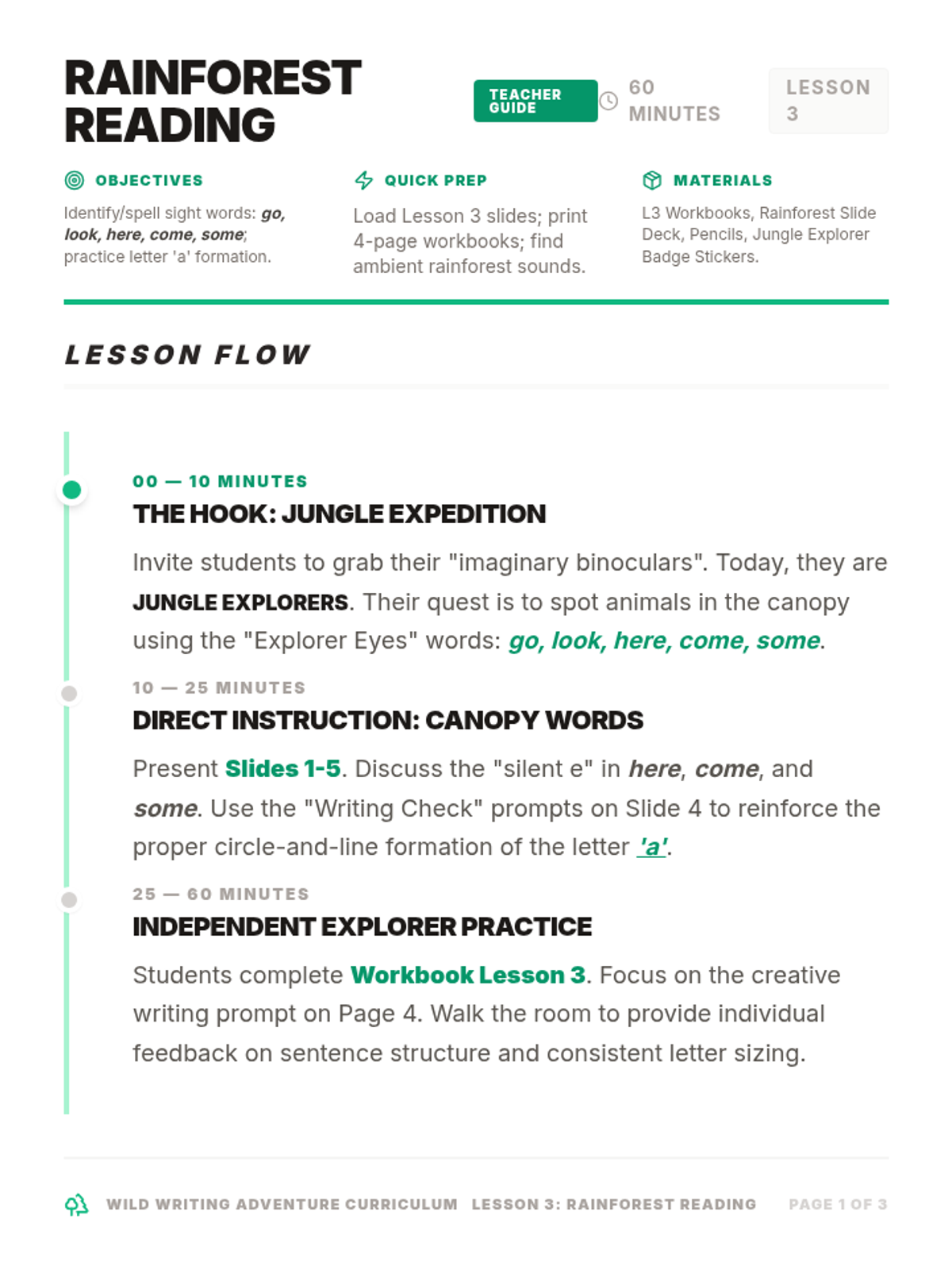
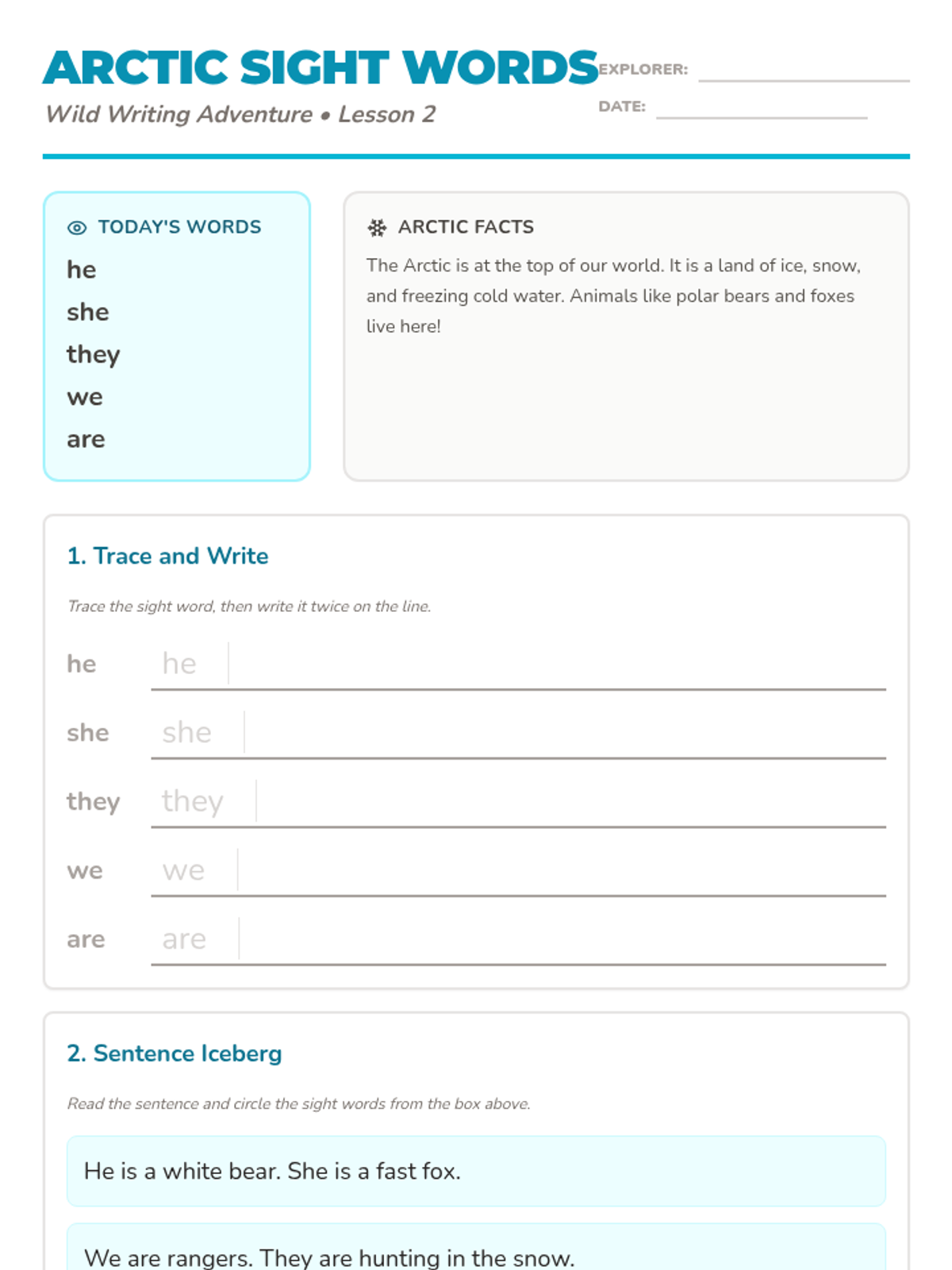
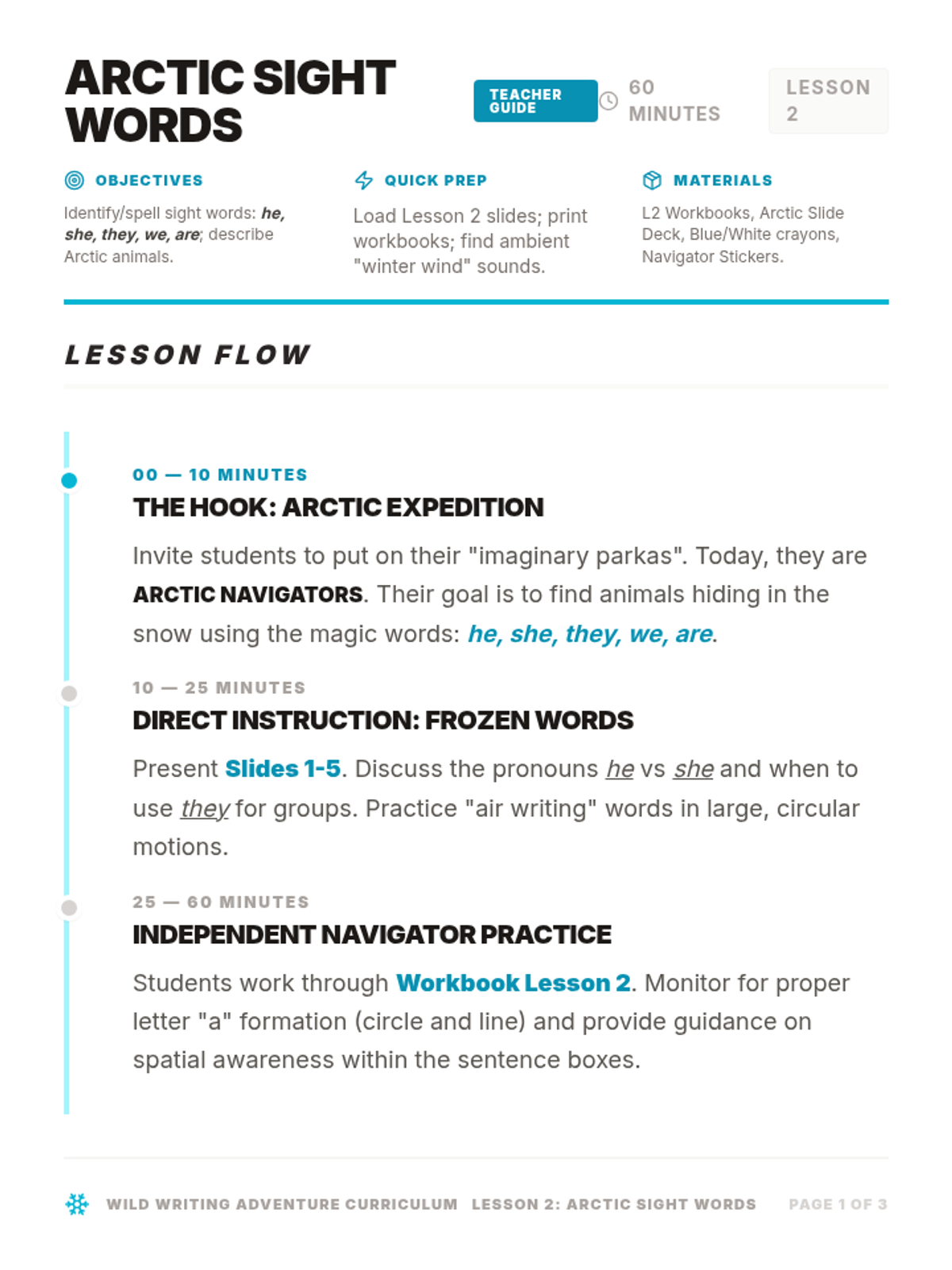
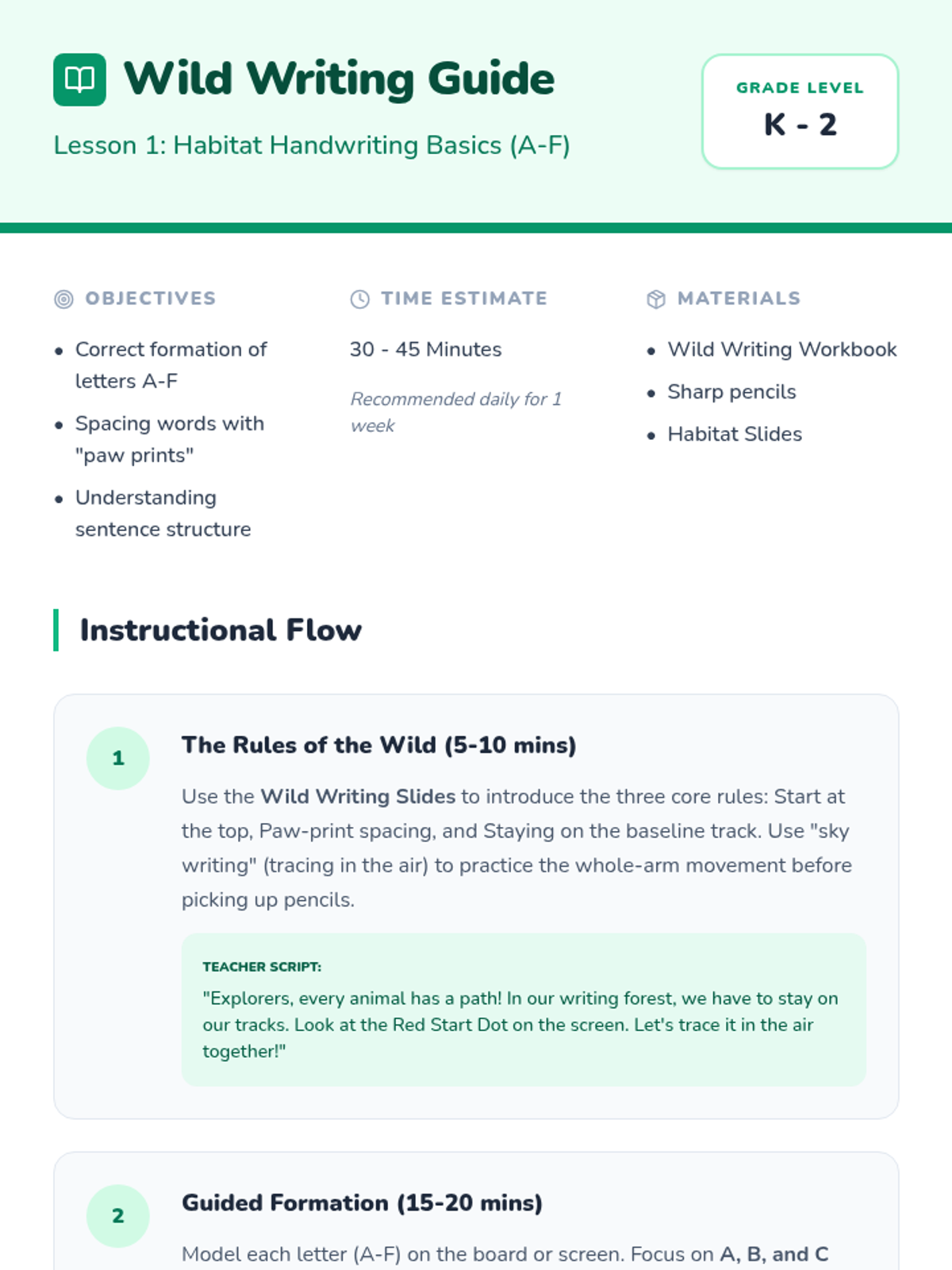
A high-level overview of the Wild Writing Adventure curriculum, including teacher guides, scope and sequence, and implementation strategies.
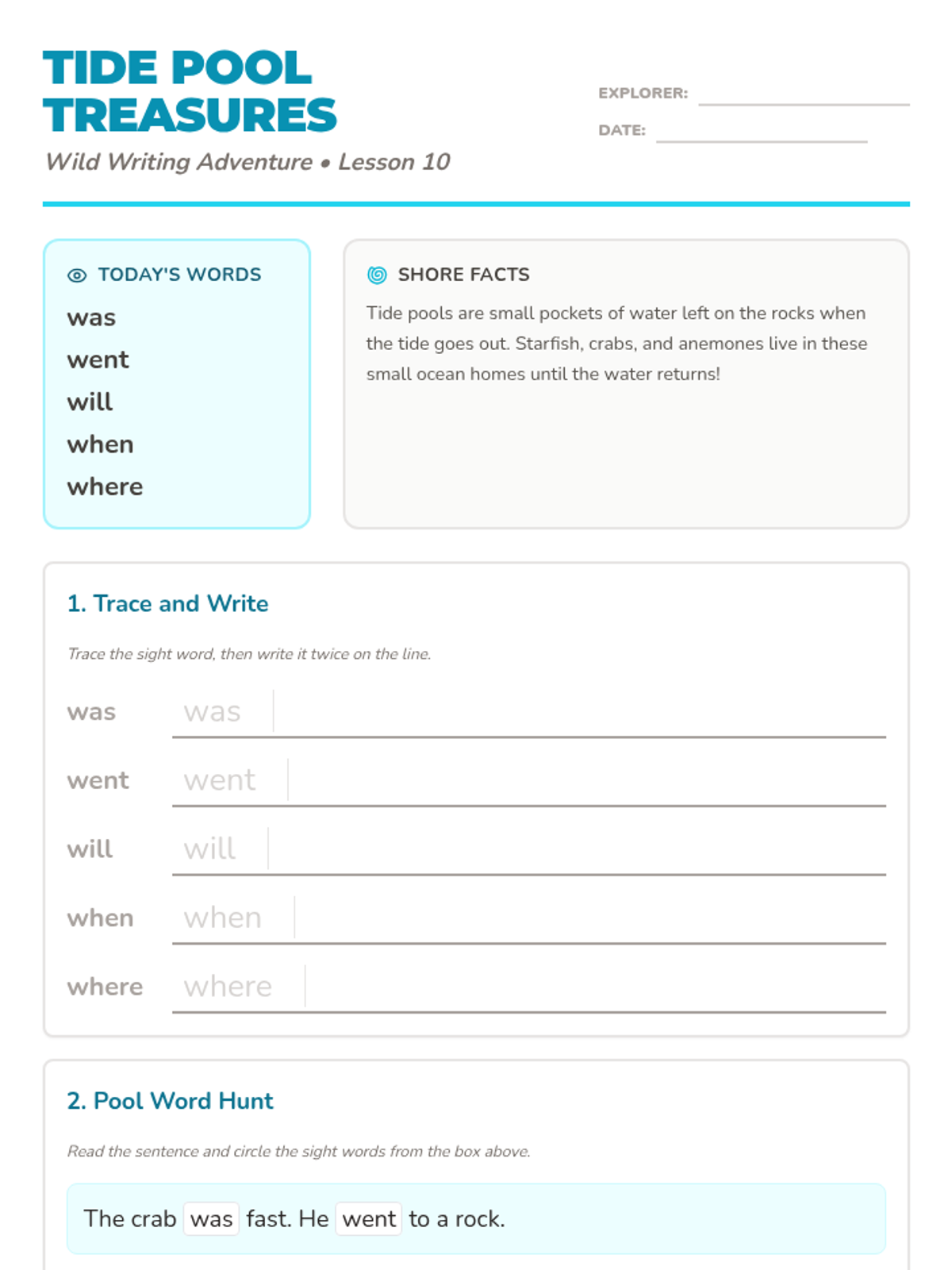
Explore the rocky shore to discover sight words while meeting starfish, crabs, and sea anemones in colorful tide pools.
Venture into the mysterious world of caves to master essential sight words while meeting bats, spiders, and salamanders.
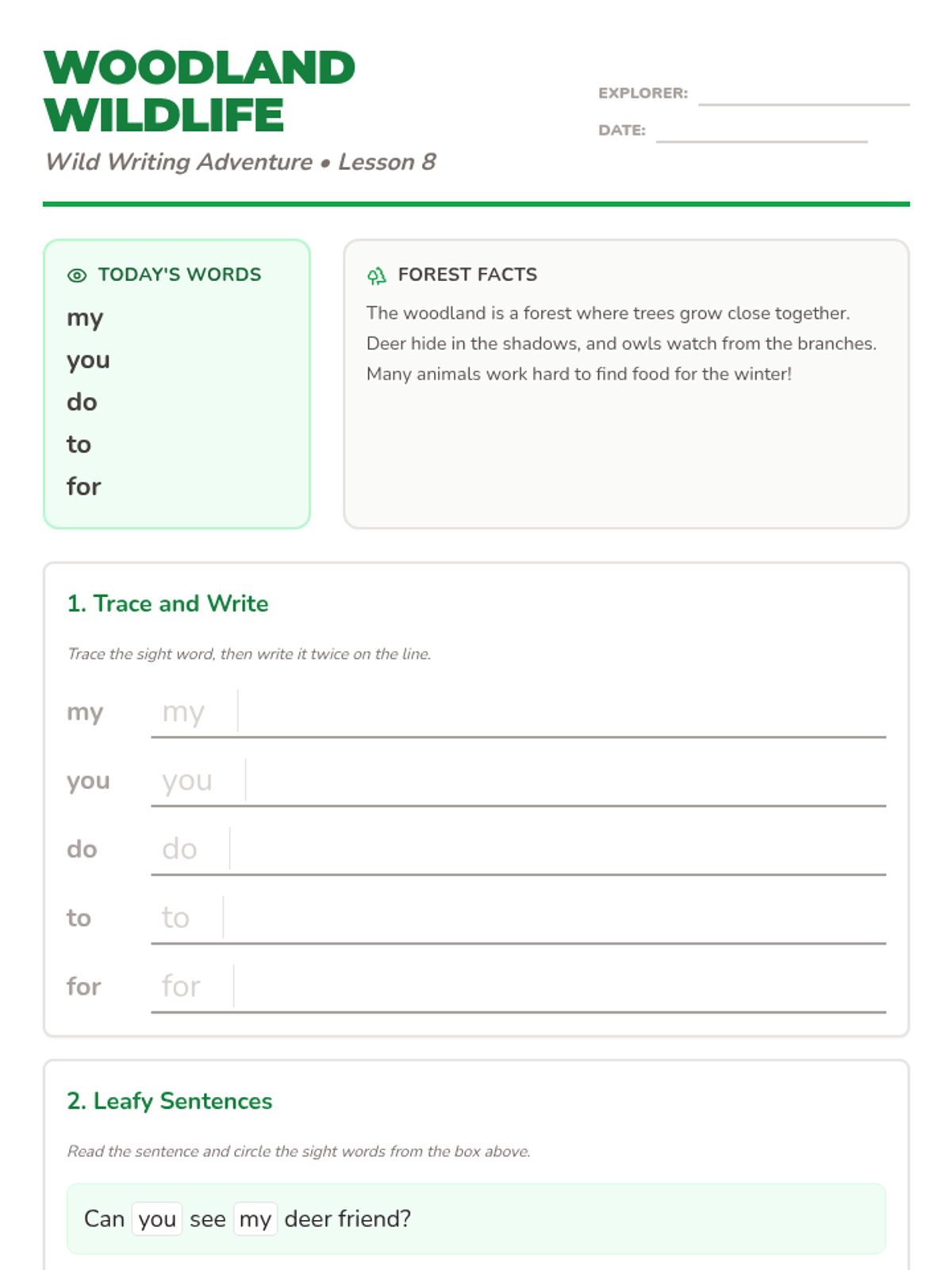
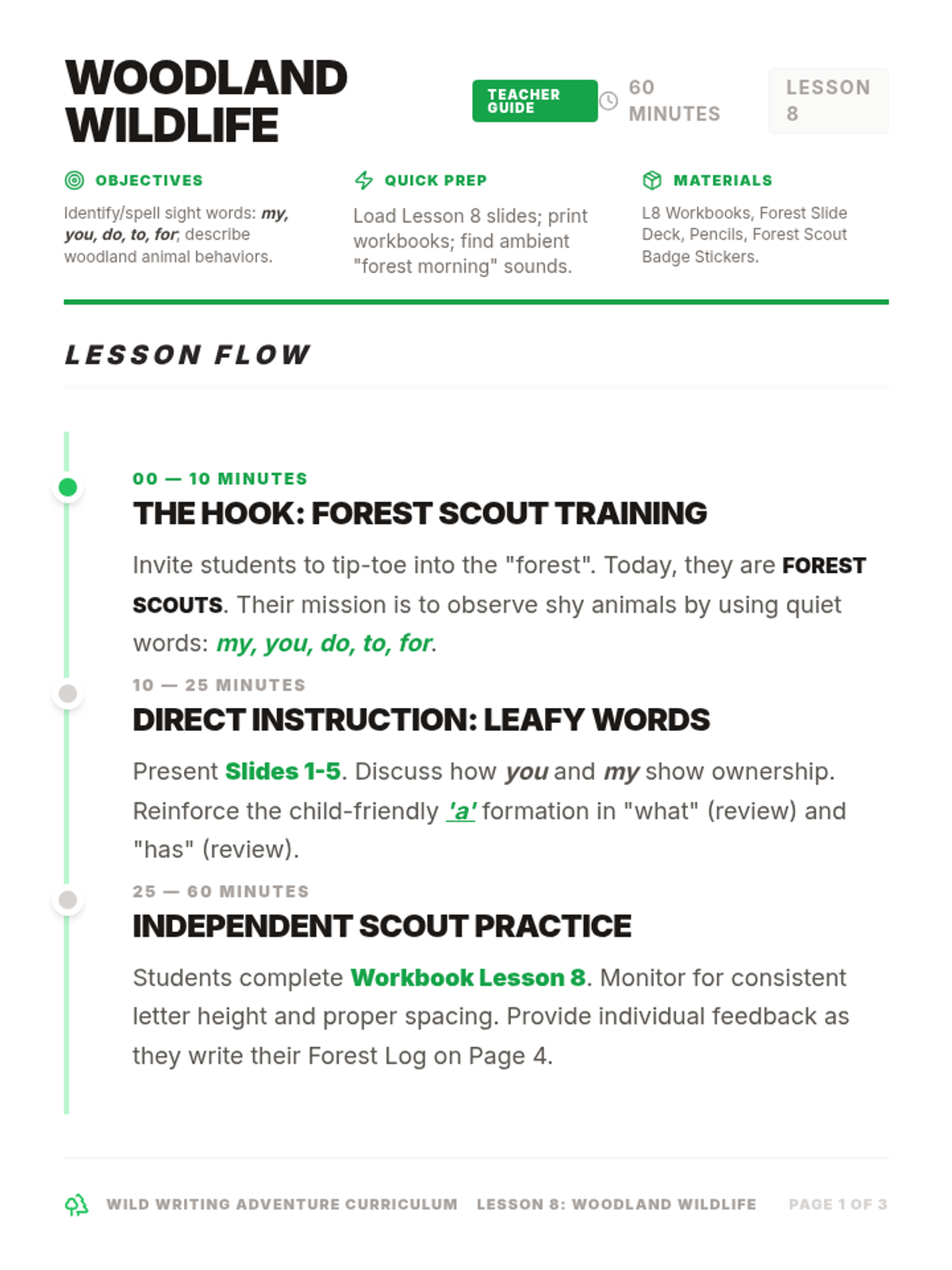
Explore the leafy woodland forest to master essential sight words while meeting graceful deer, wise owls, and busy woodpeckers.
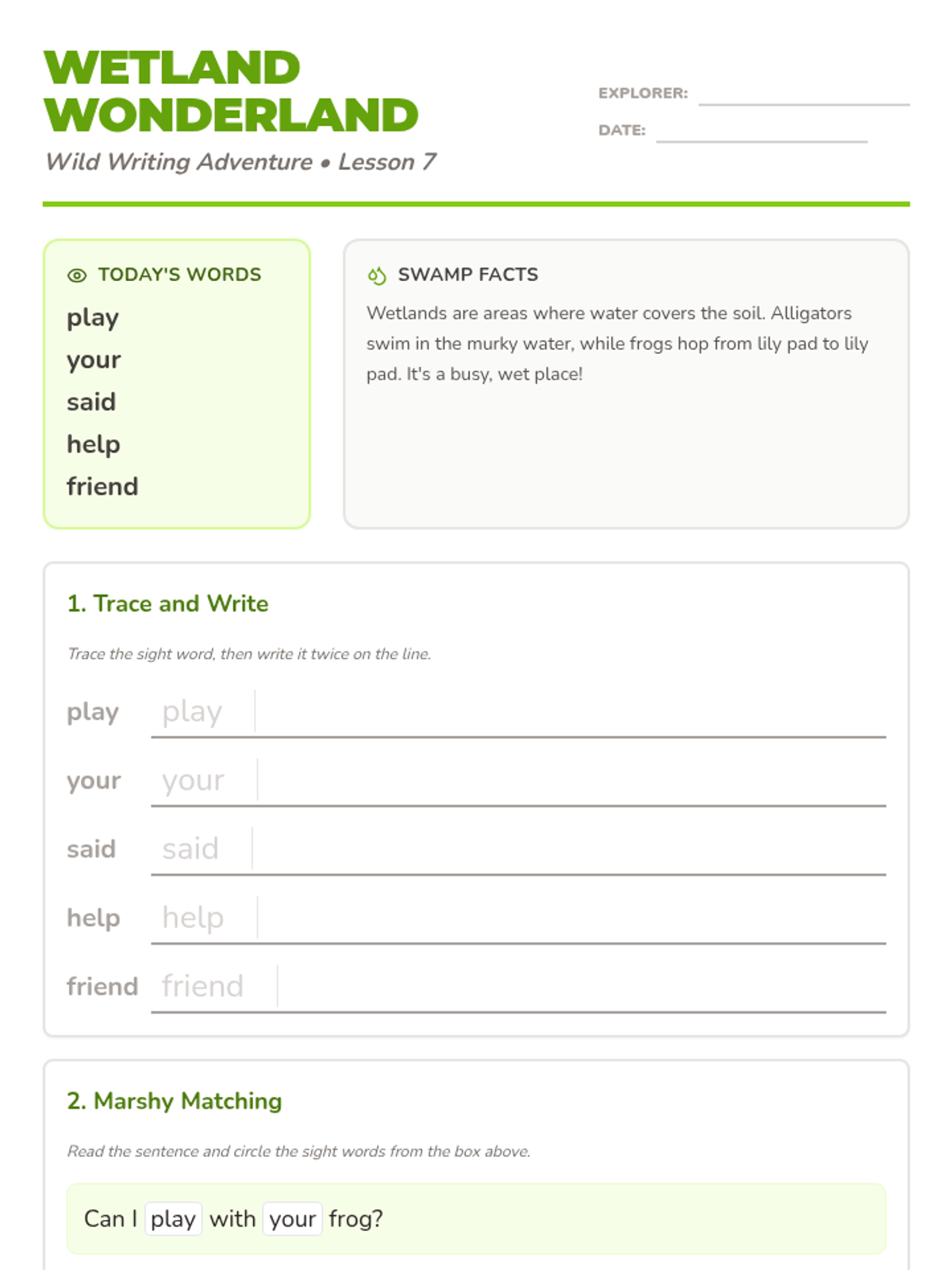
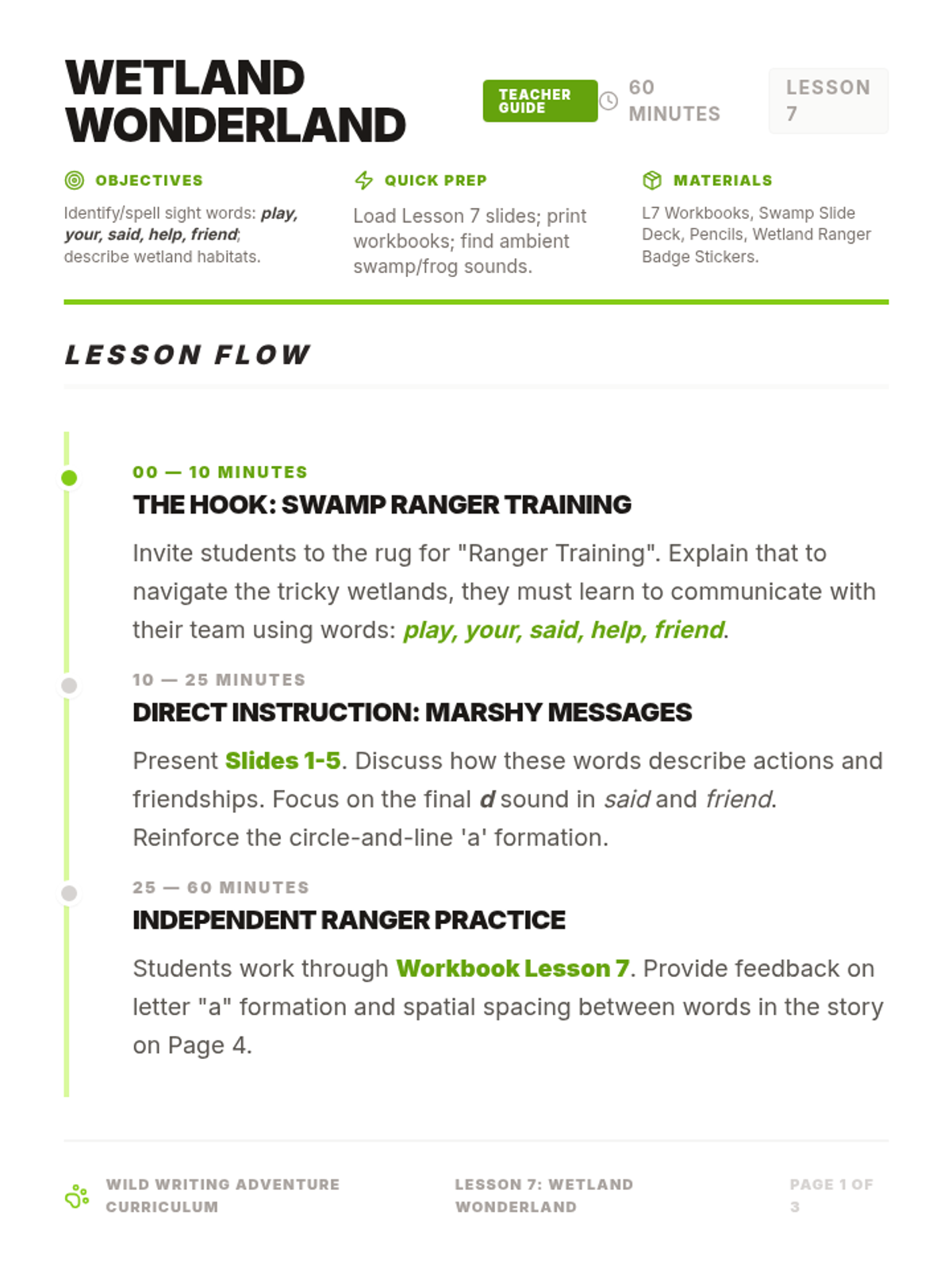
Squelch through the marshy wetlands to master descriptive sight words while spotting alligators, frogs, and dragonflies.
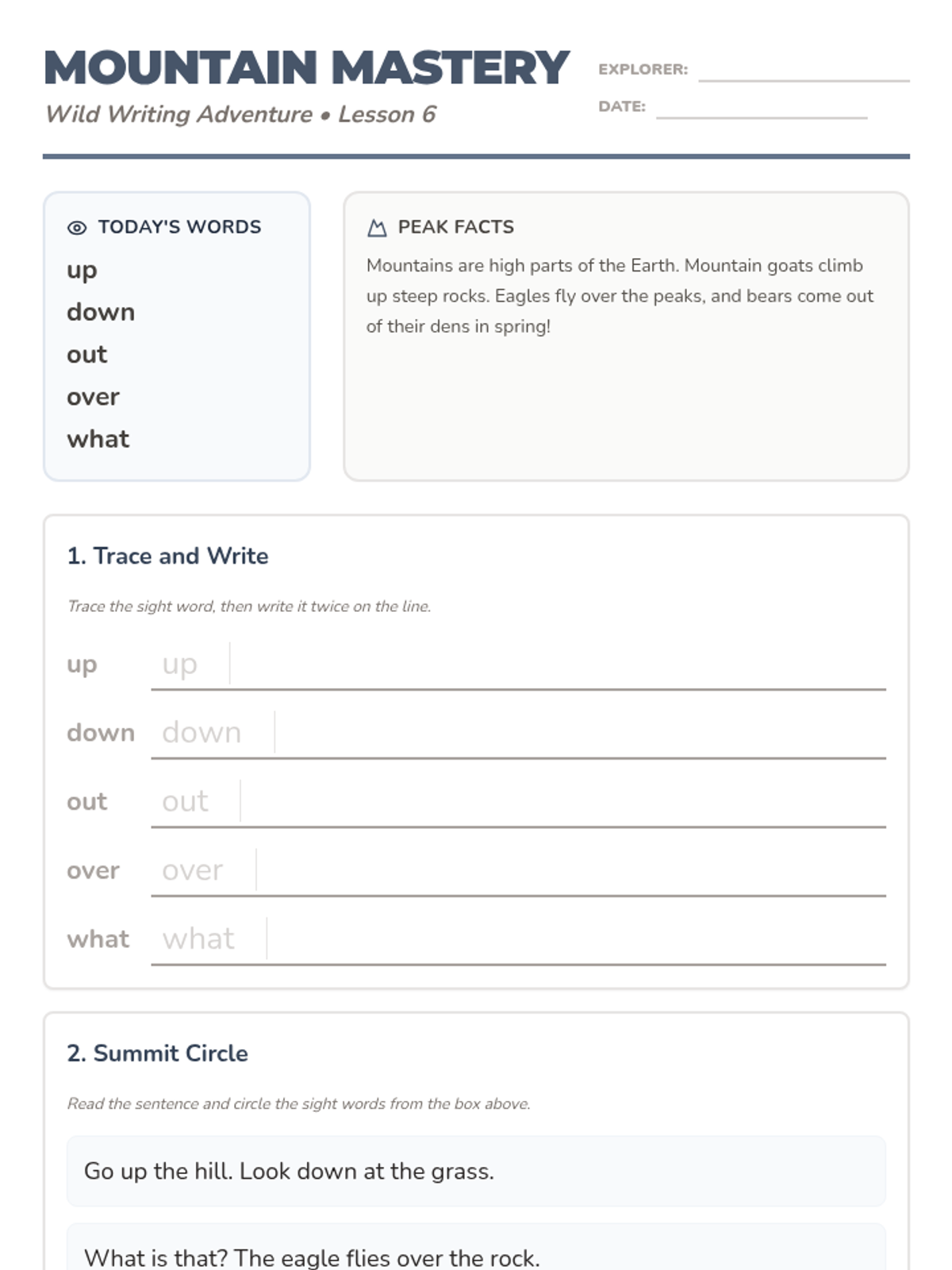
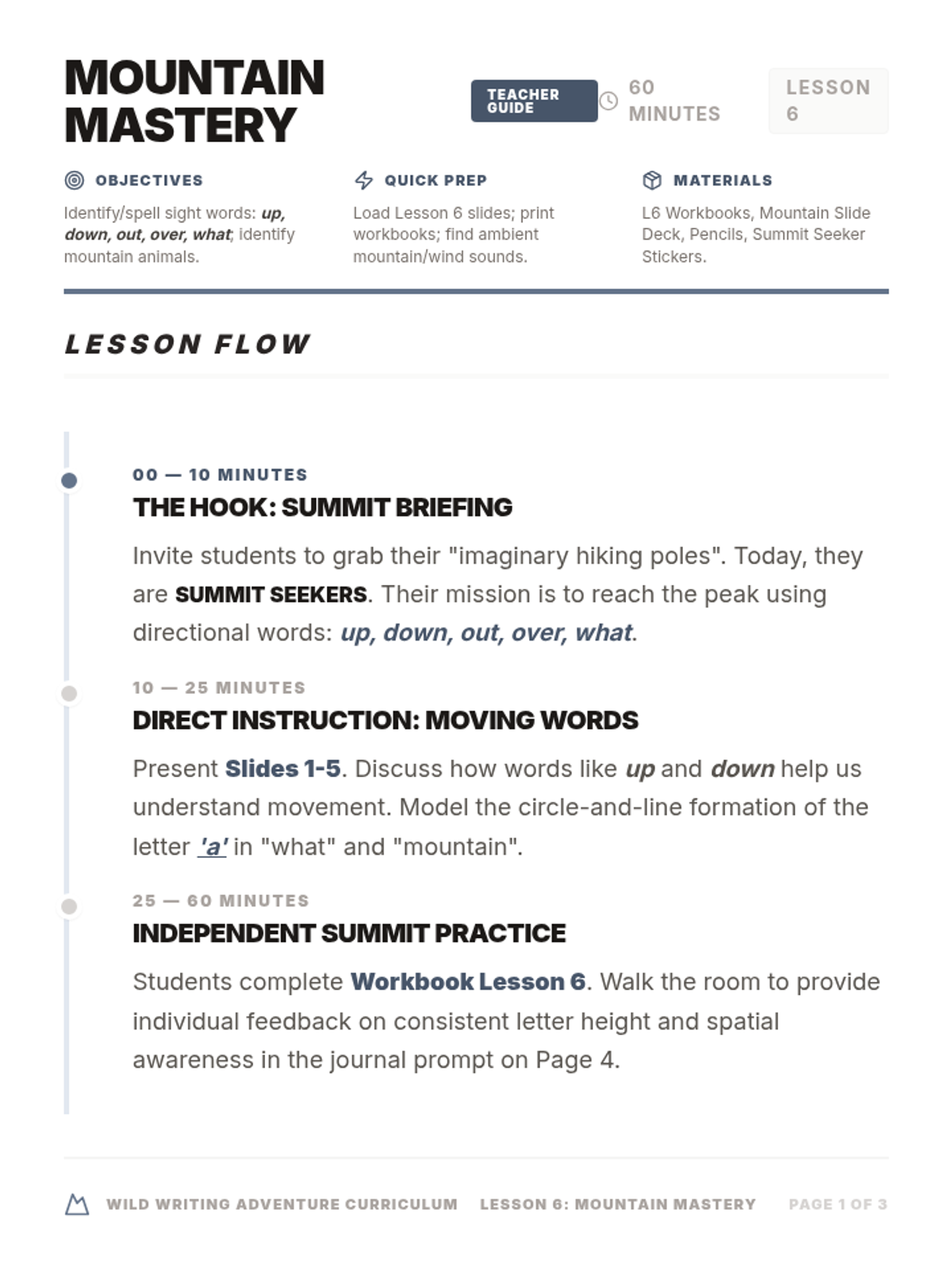
Climb to the highest peaks to master directional sight words while meeting mountain goats, eagles, and black bears.
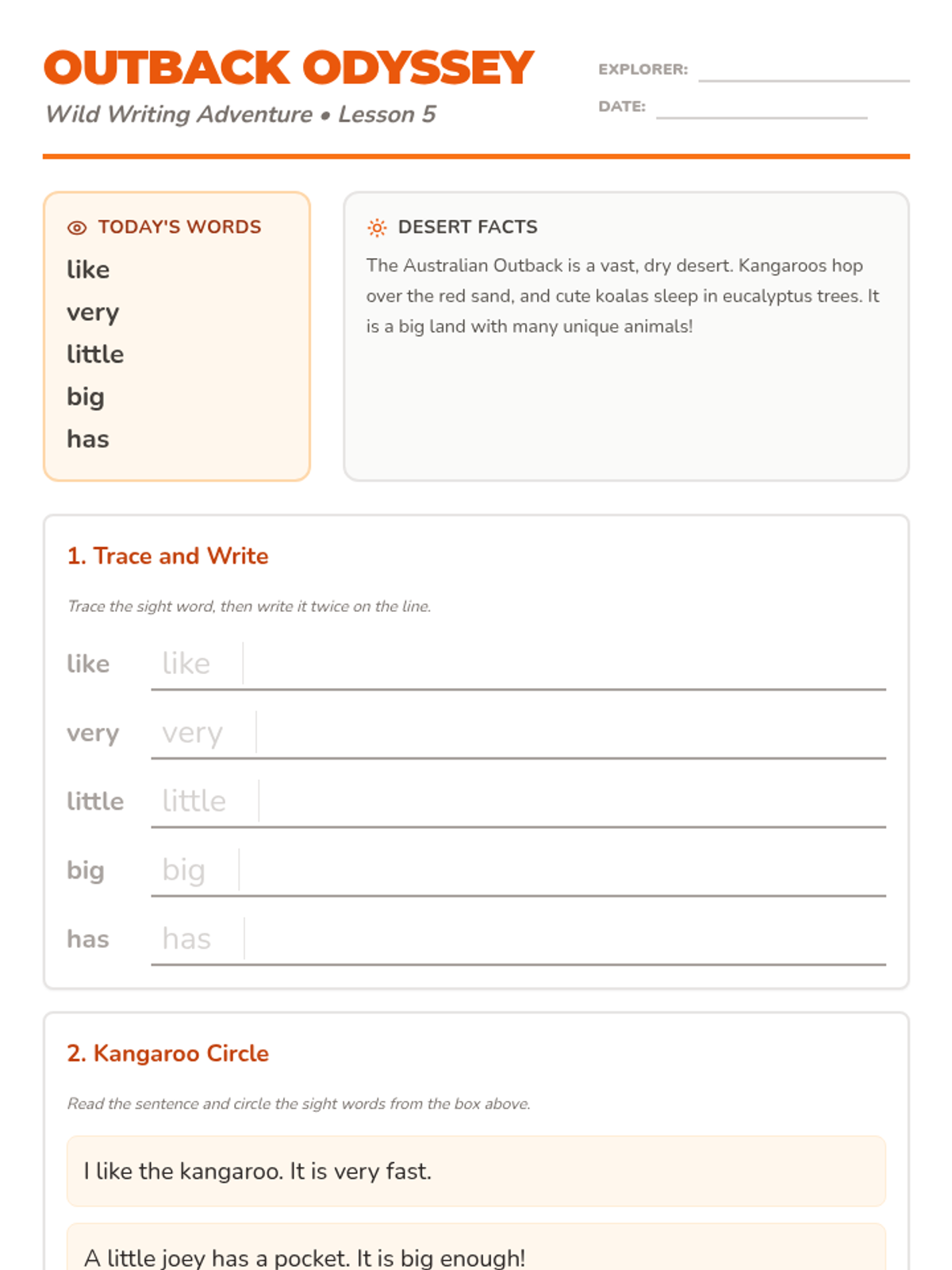
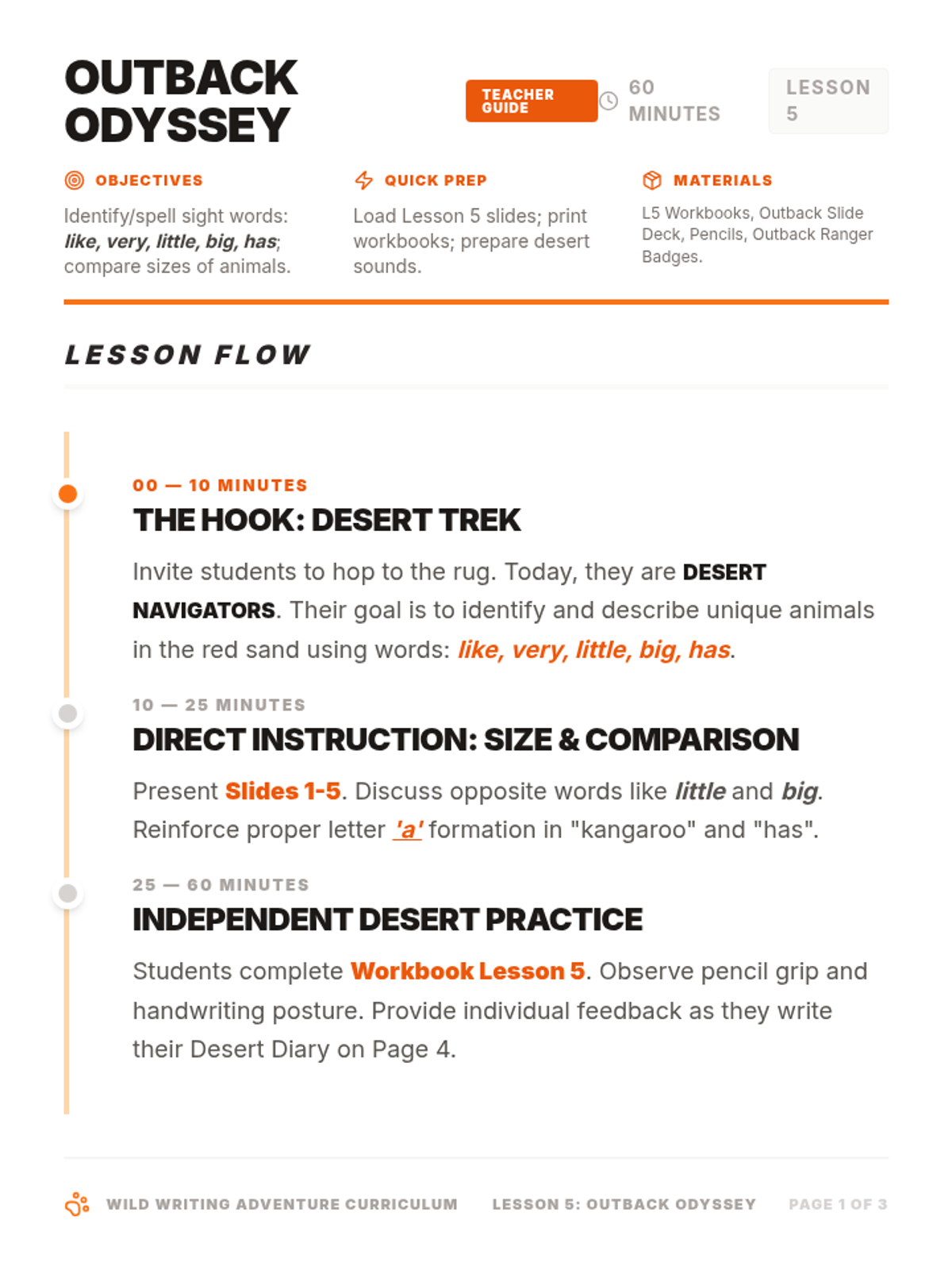
Hop through the sun-drenched Australian Outback to master new sight words while meeting kangaroos, koalas, and wombats.
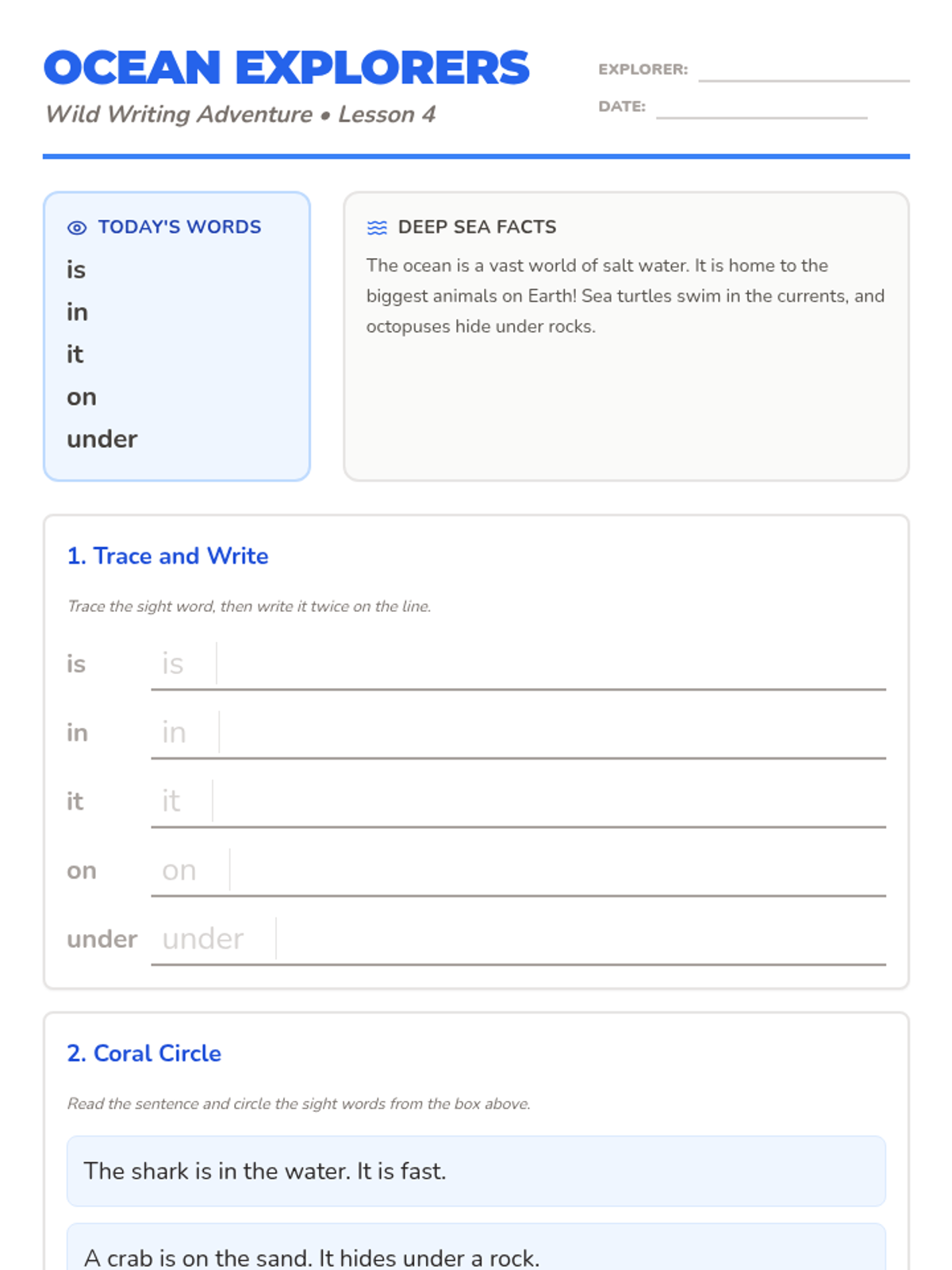
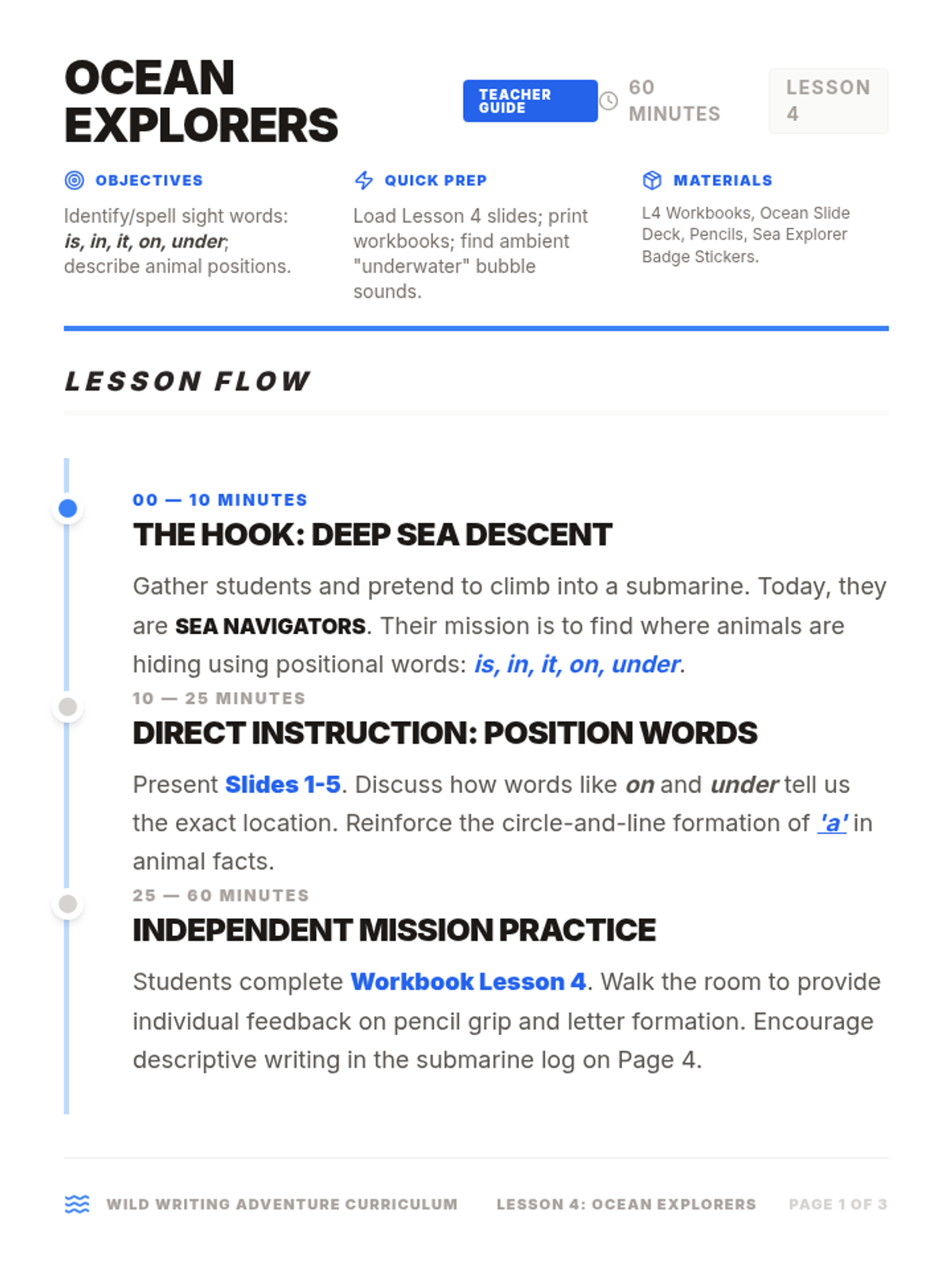
Dive into the deep blue ocean to master positional sight words while discovering sea turtles, sharks, and octopuses.
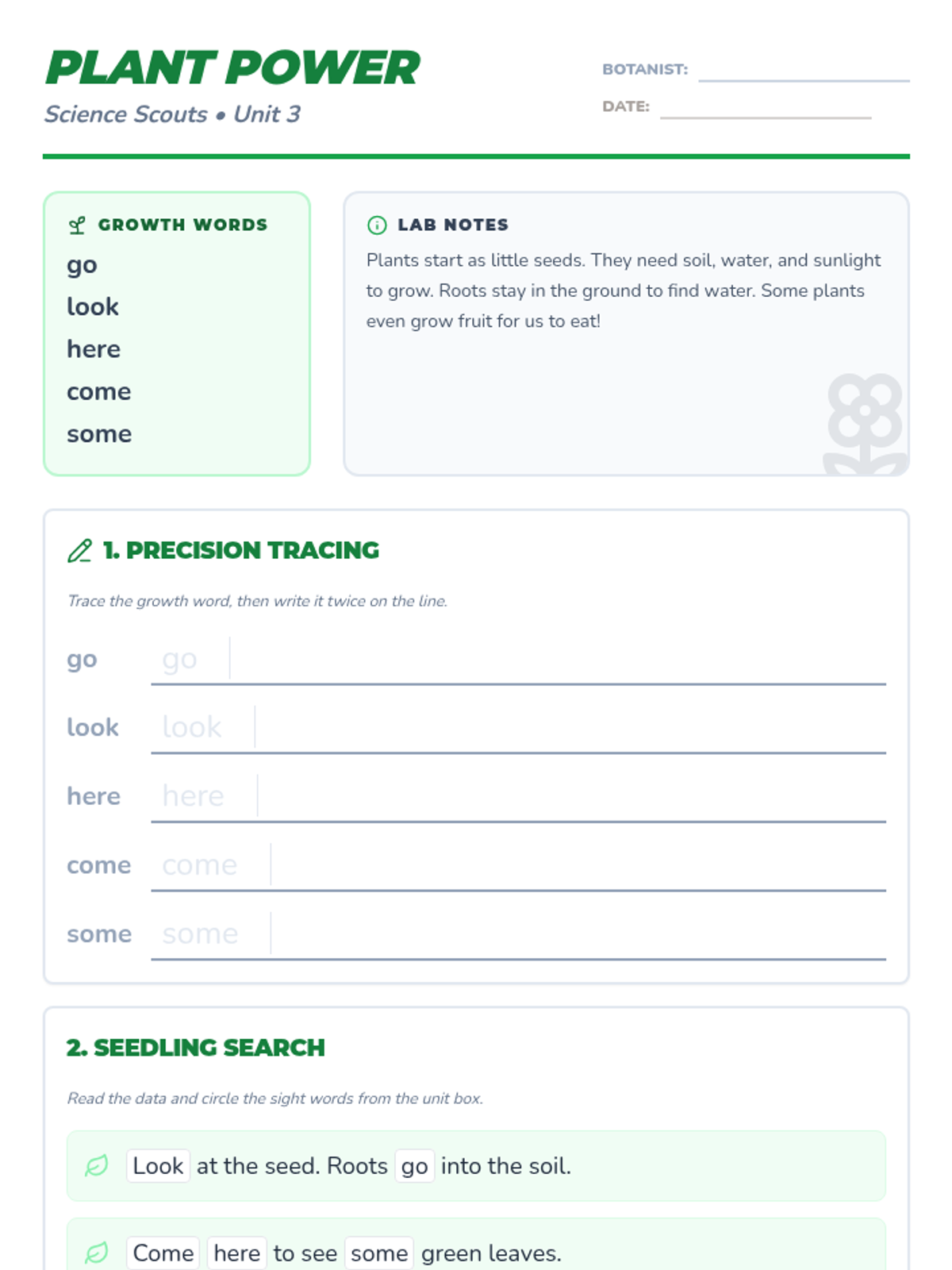
Investigate the life cycle of plants and the essentials for growth while mastering sight words and scientific observation.
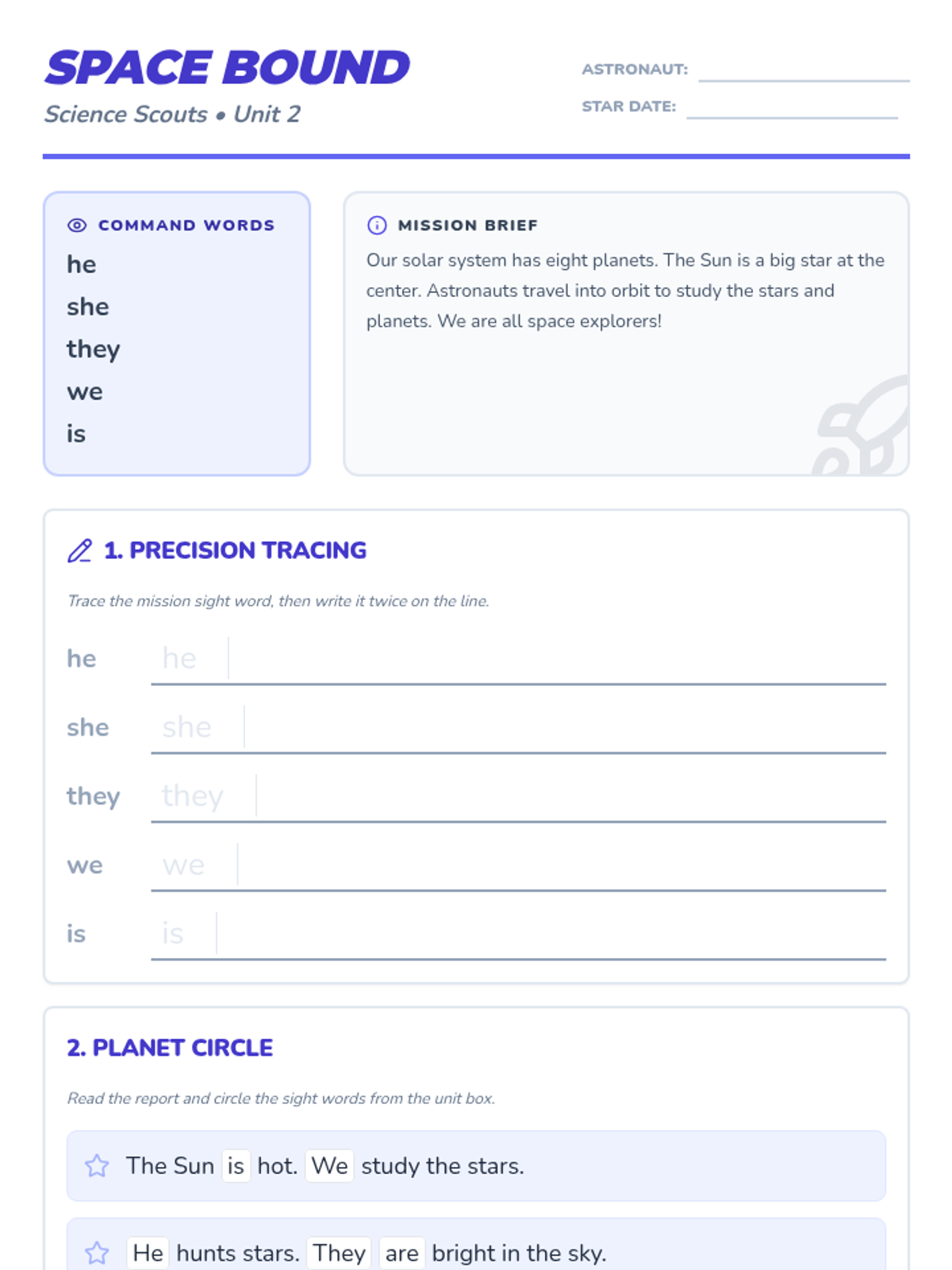
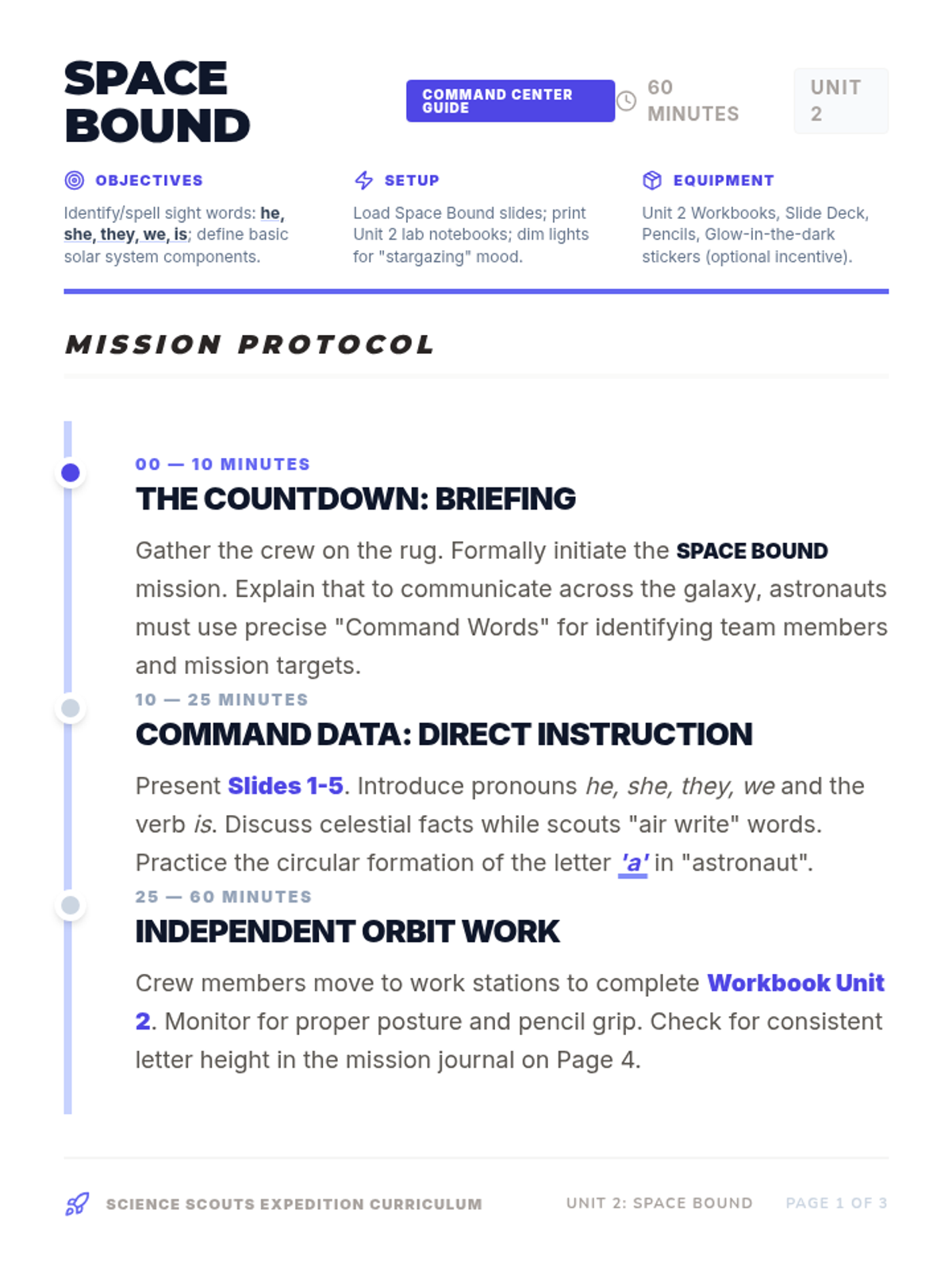
Launch into orbit to explore planets and stars while mastering high-frequency sight words and scientific terminology.
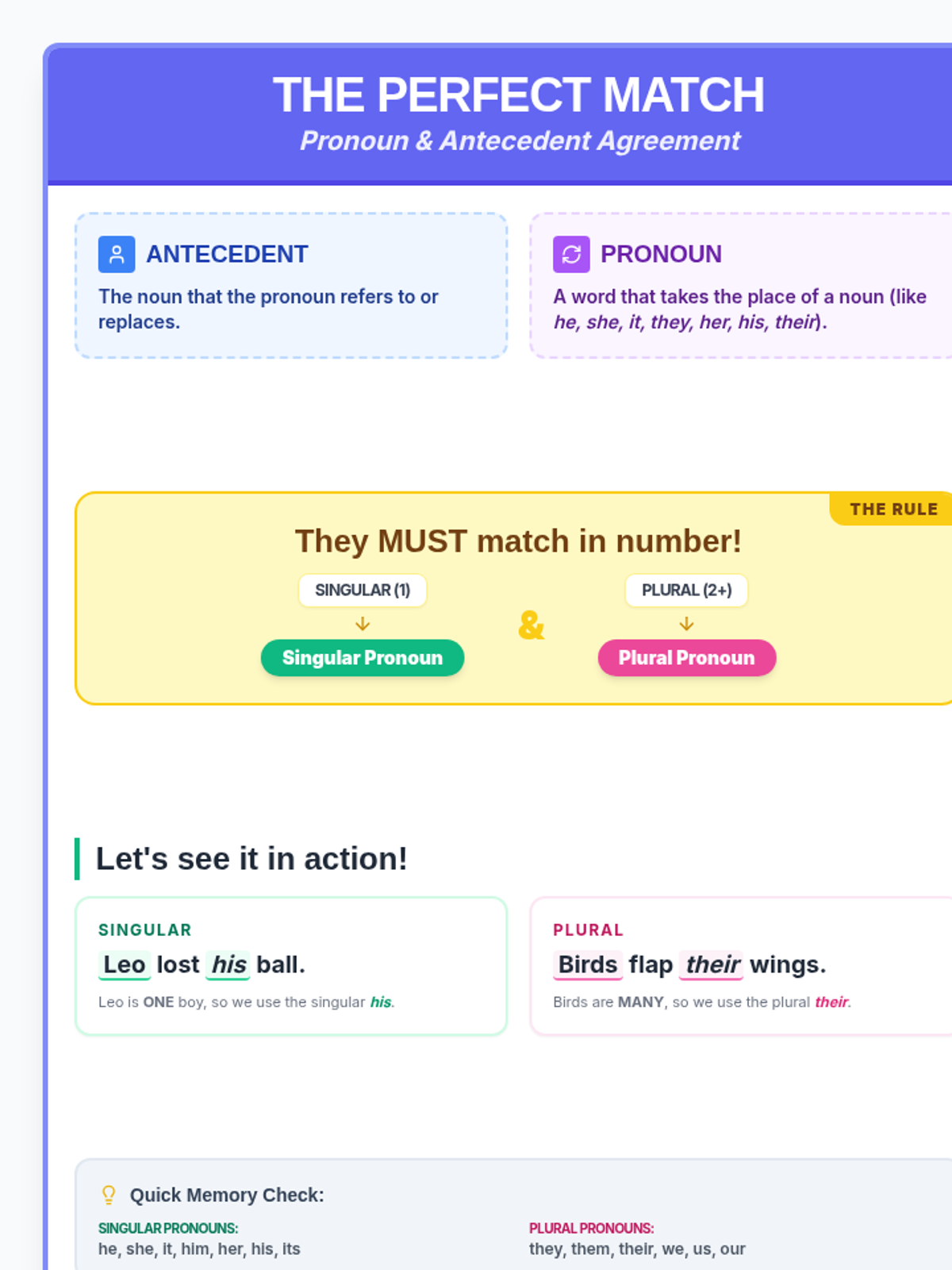
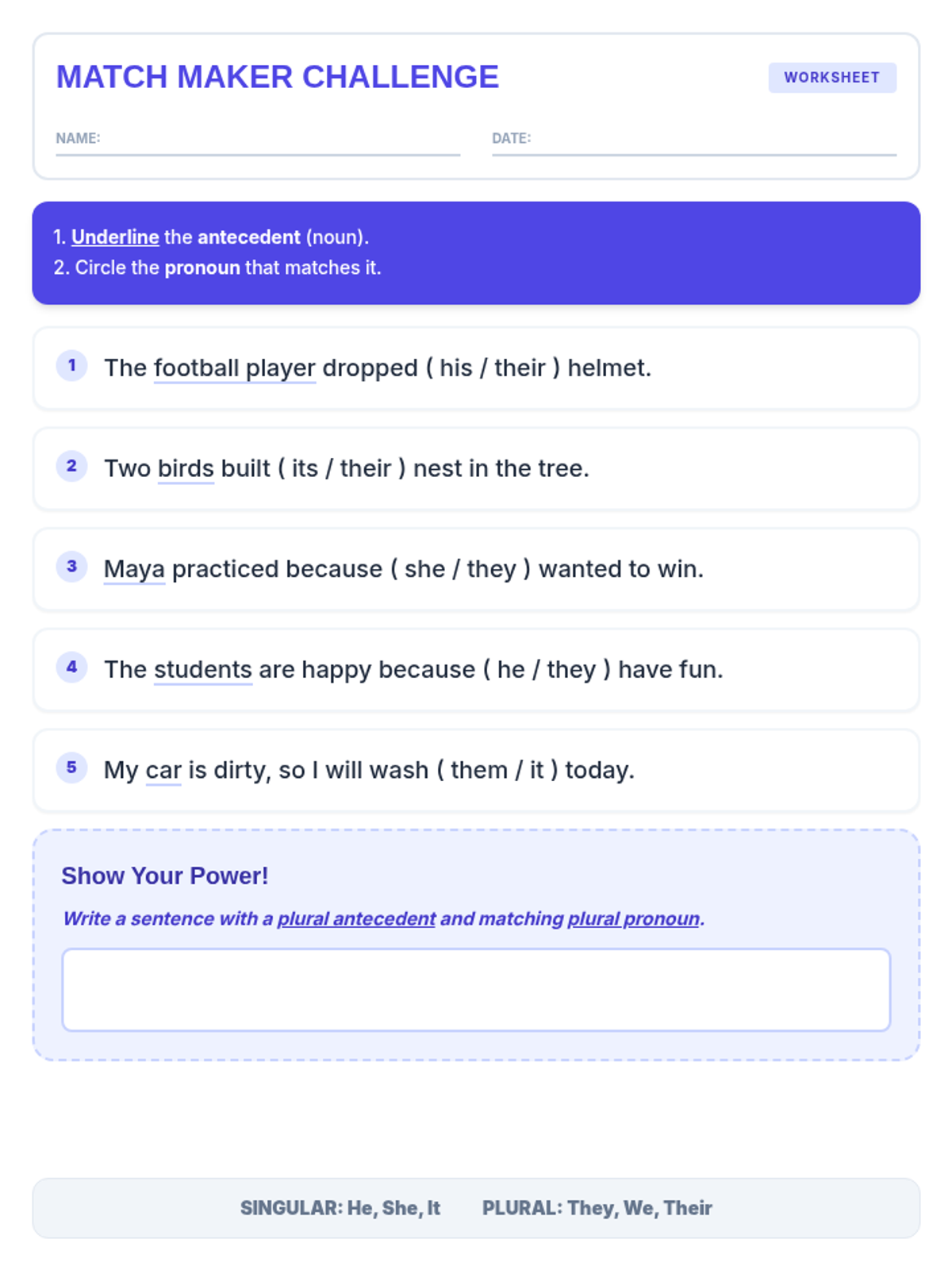
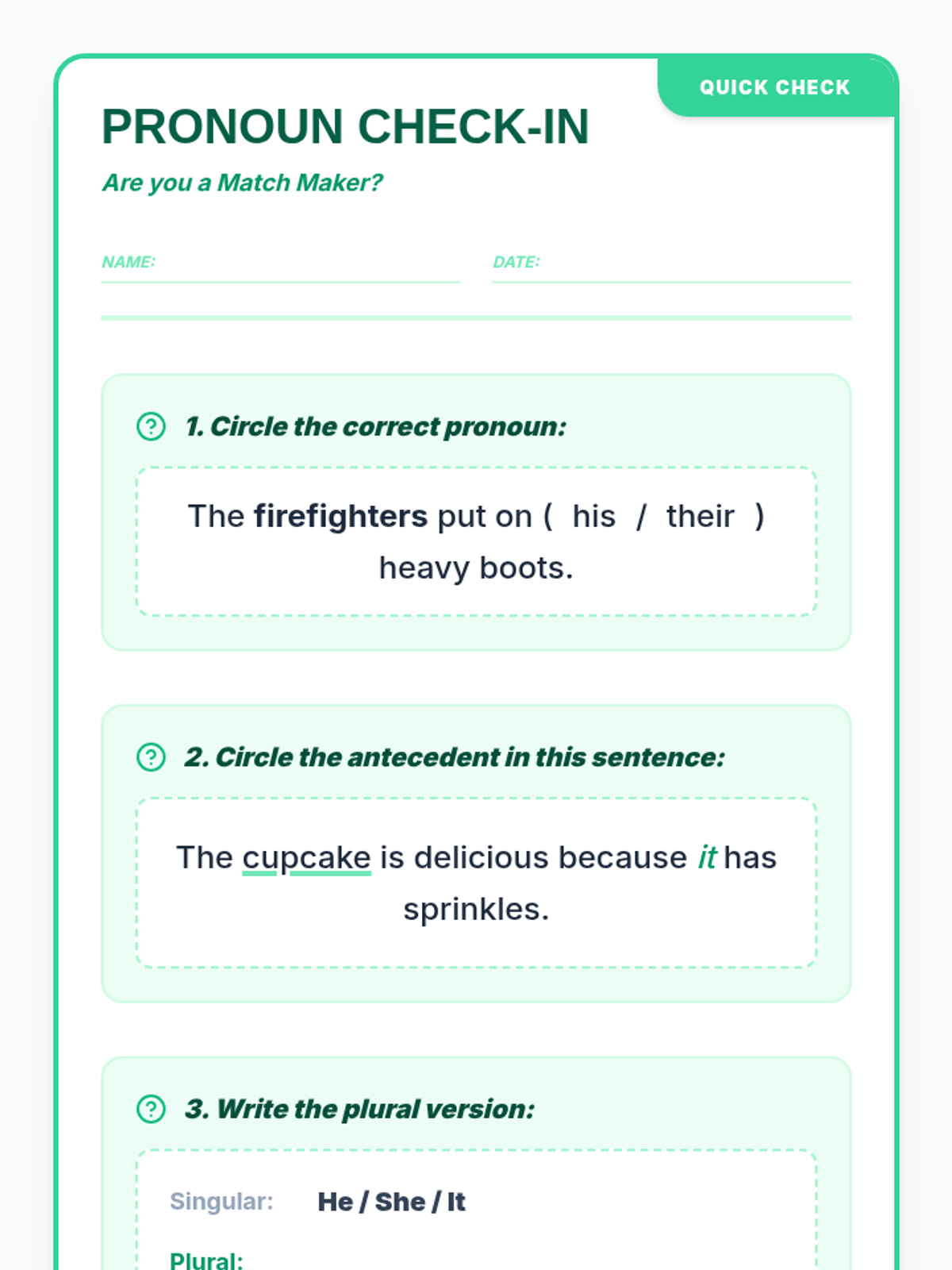
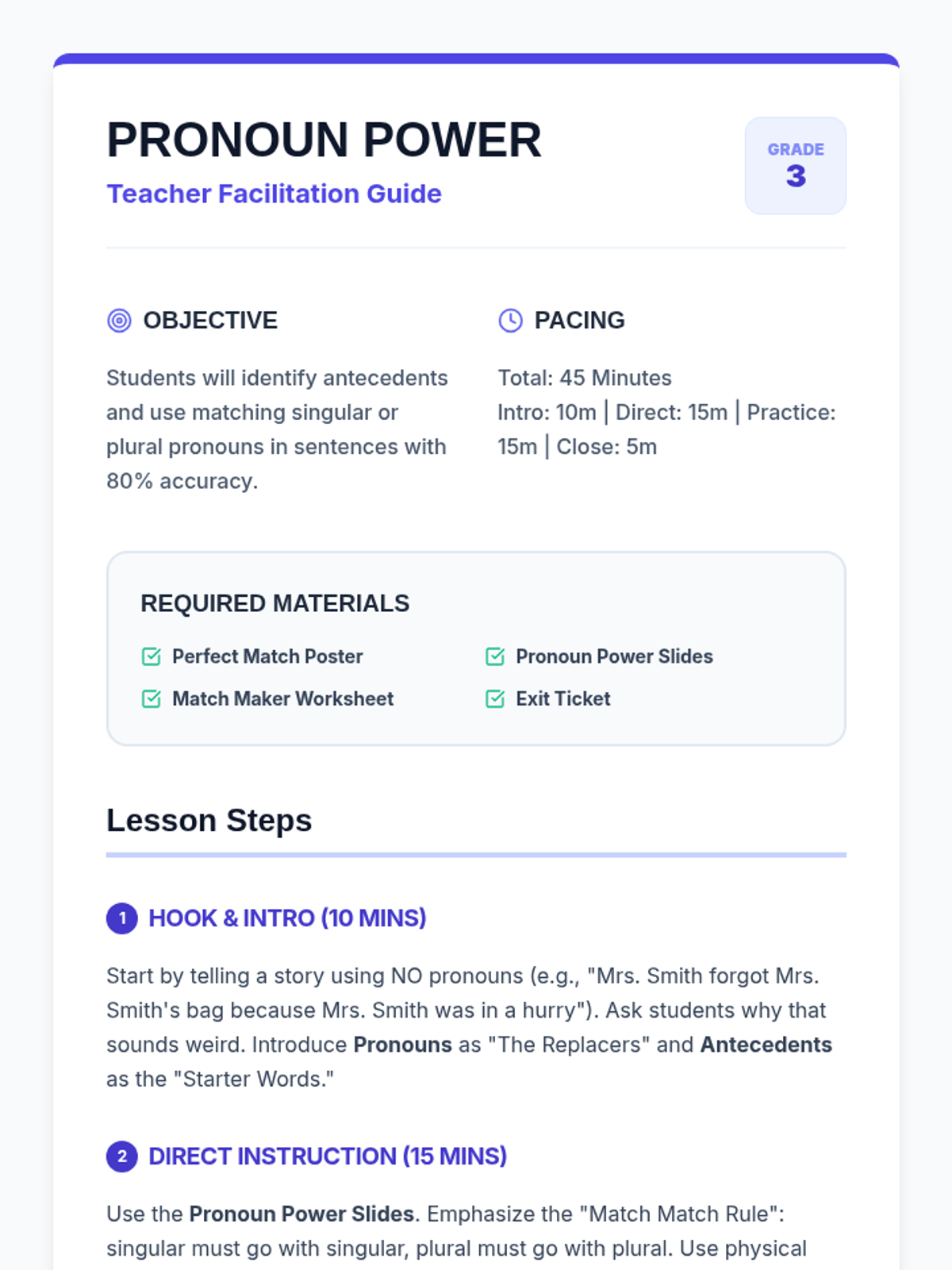
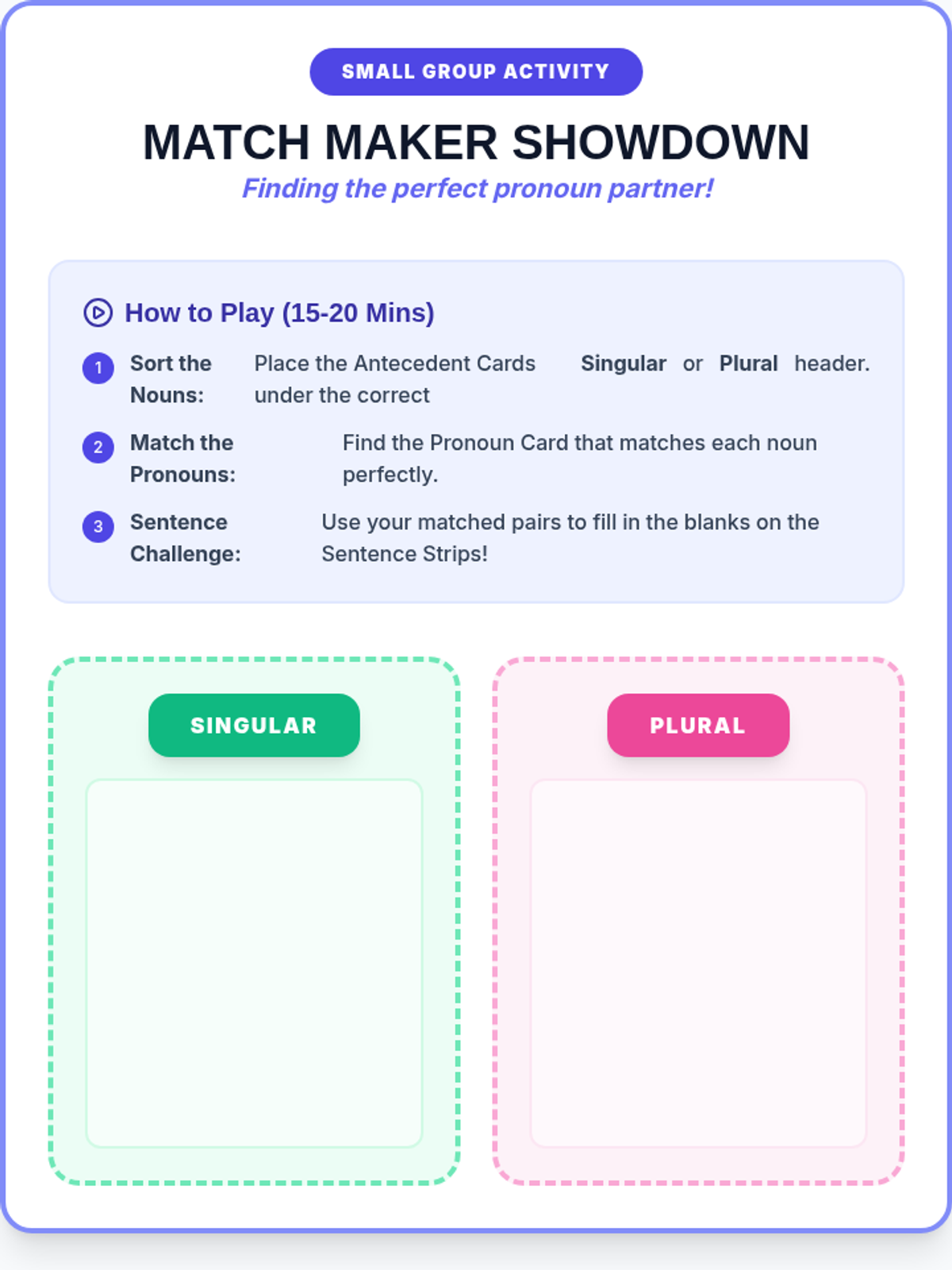
A lesson focused on teaching 3rd graders how to correctly match pronouns with their antecedents, focusing specifically on singular and plural agreement.
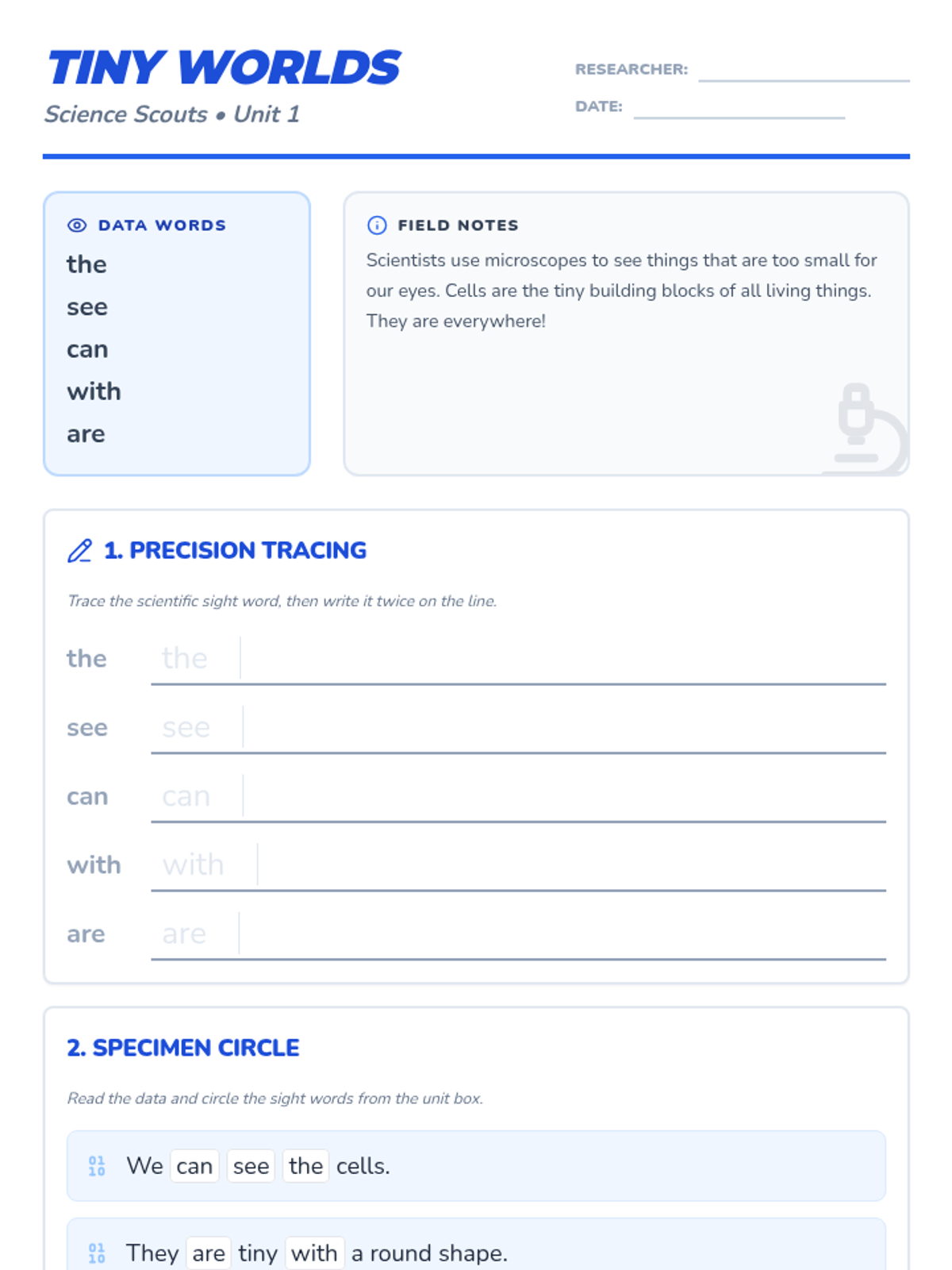
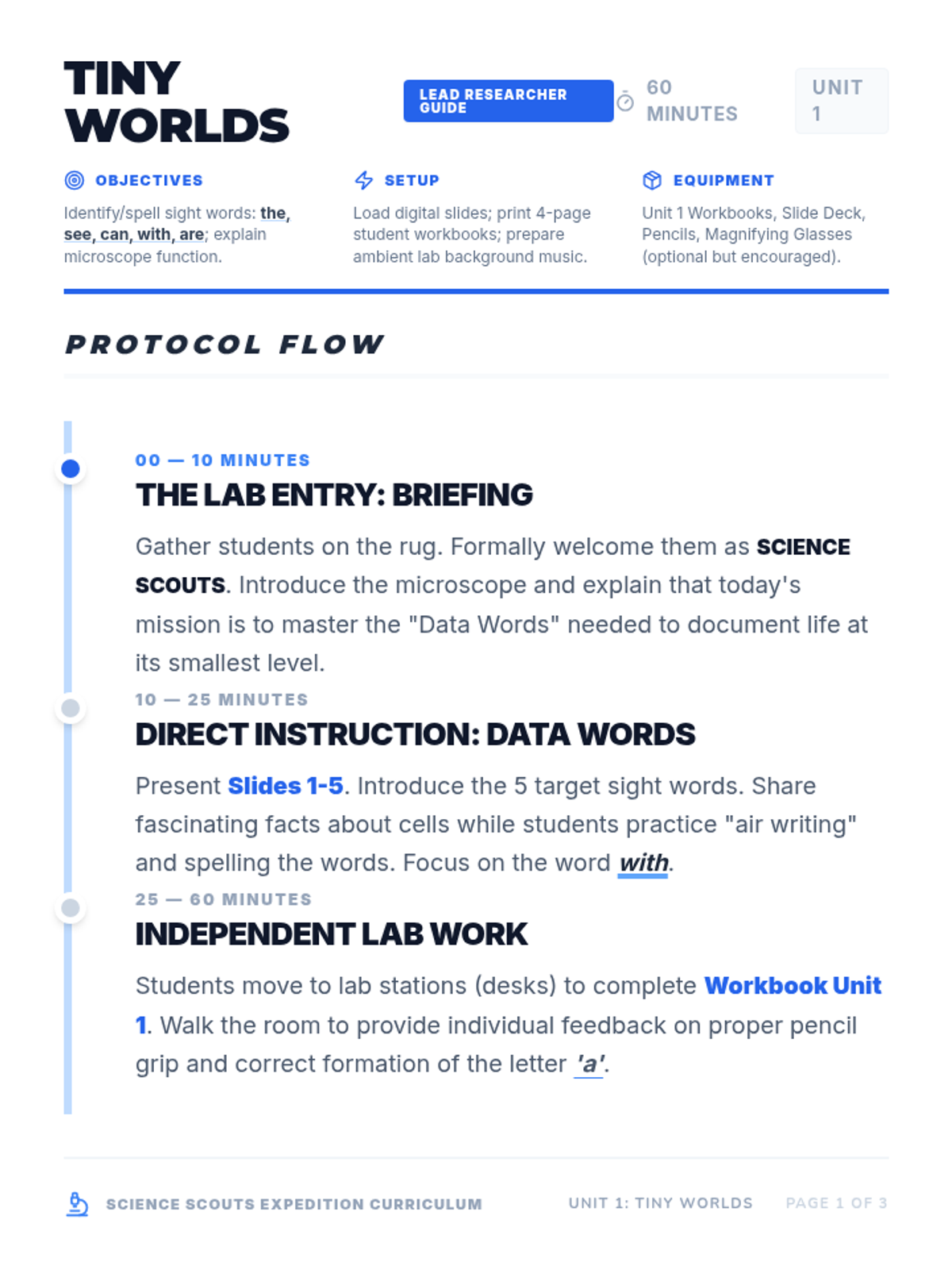
Dive into the invisible world of cells and microscopes to master essential sight words while discovering how scientists see tiny things.
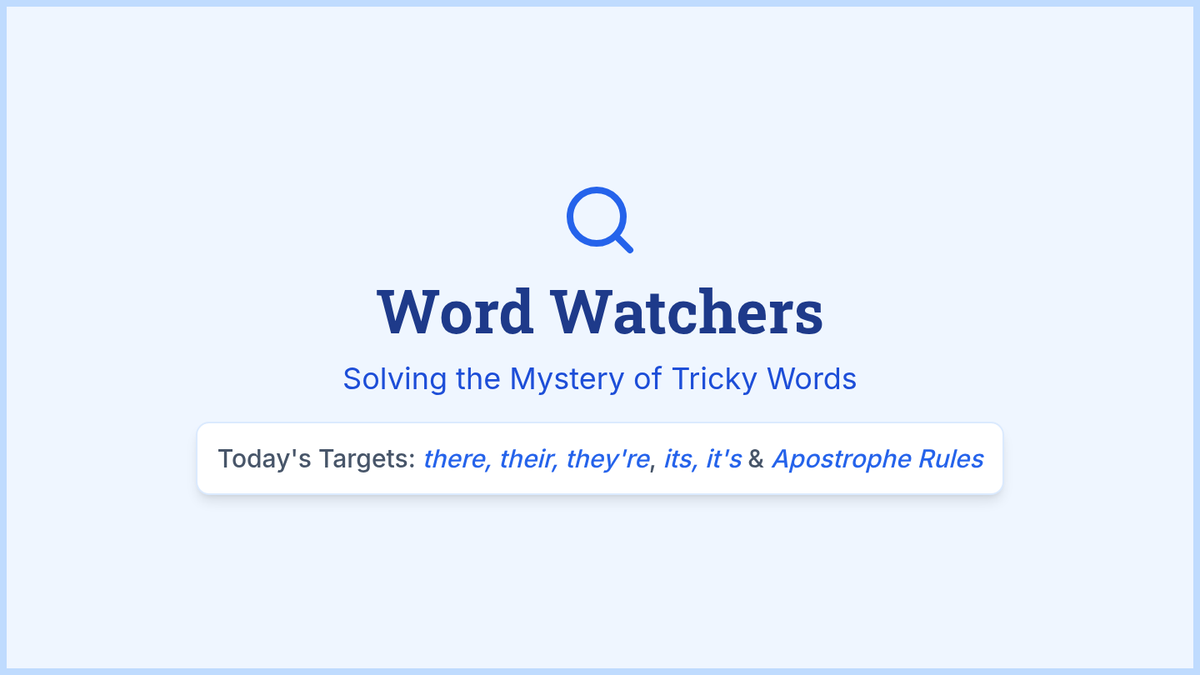
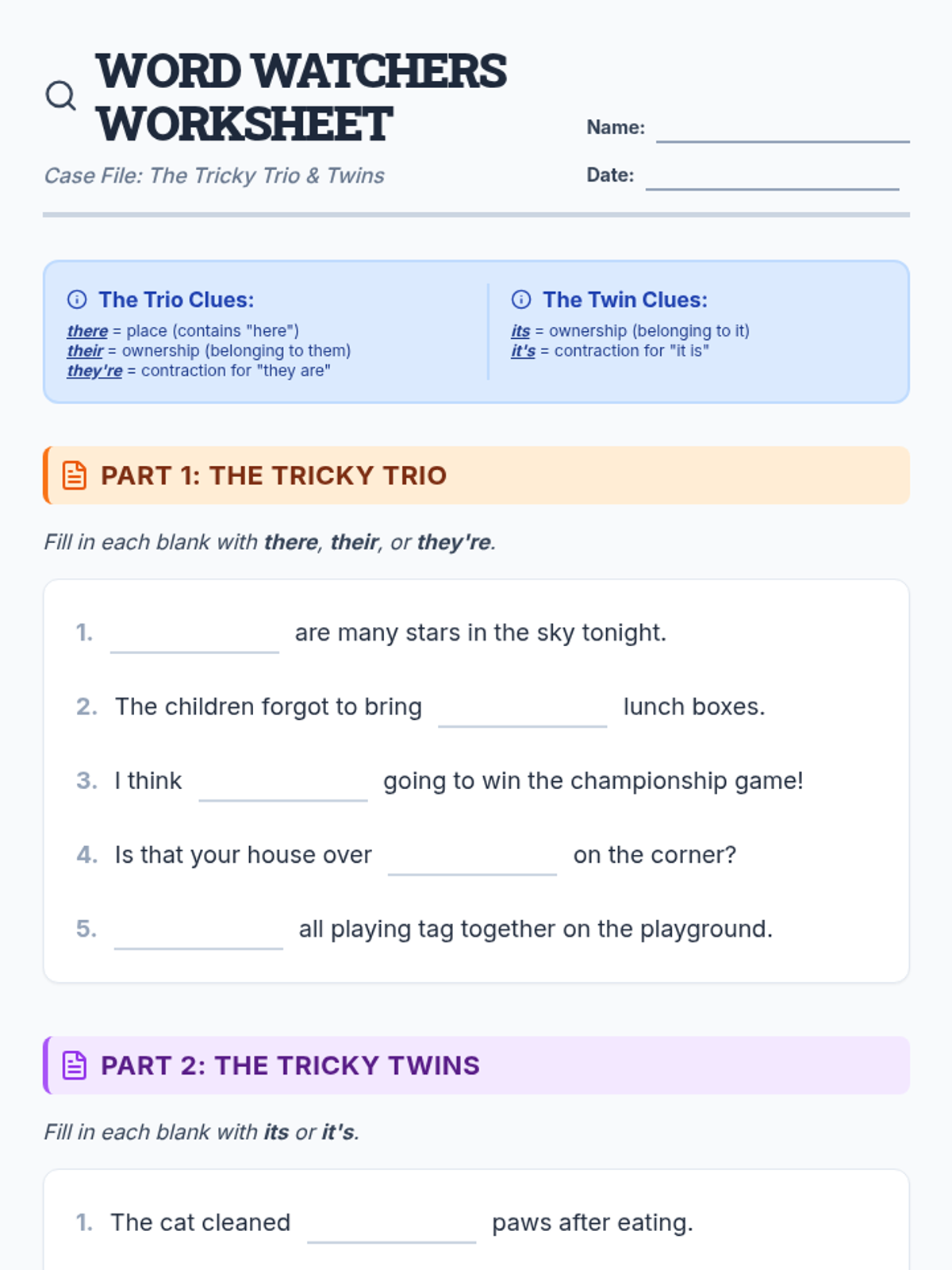
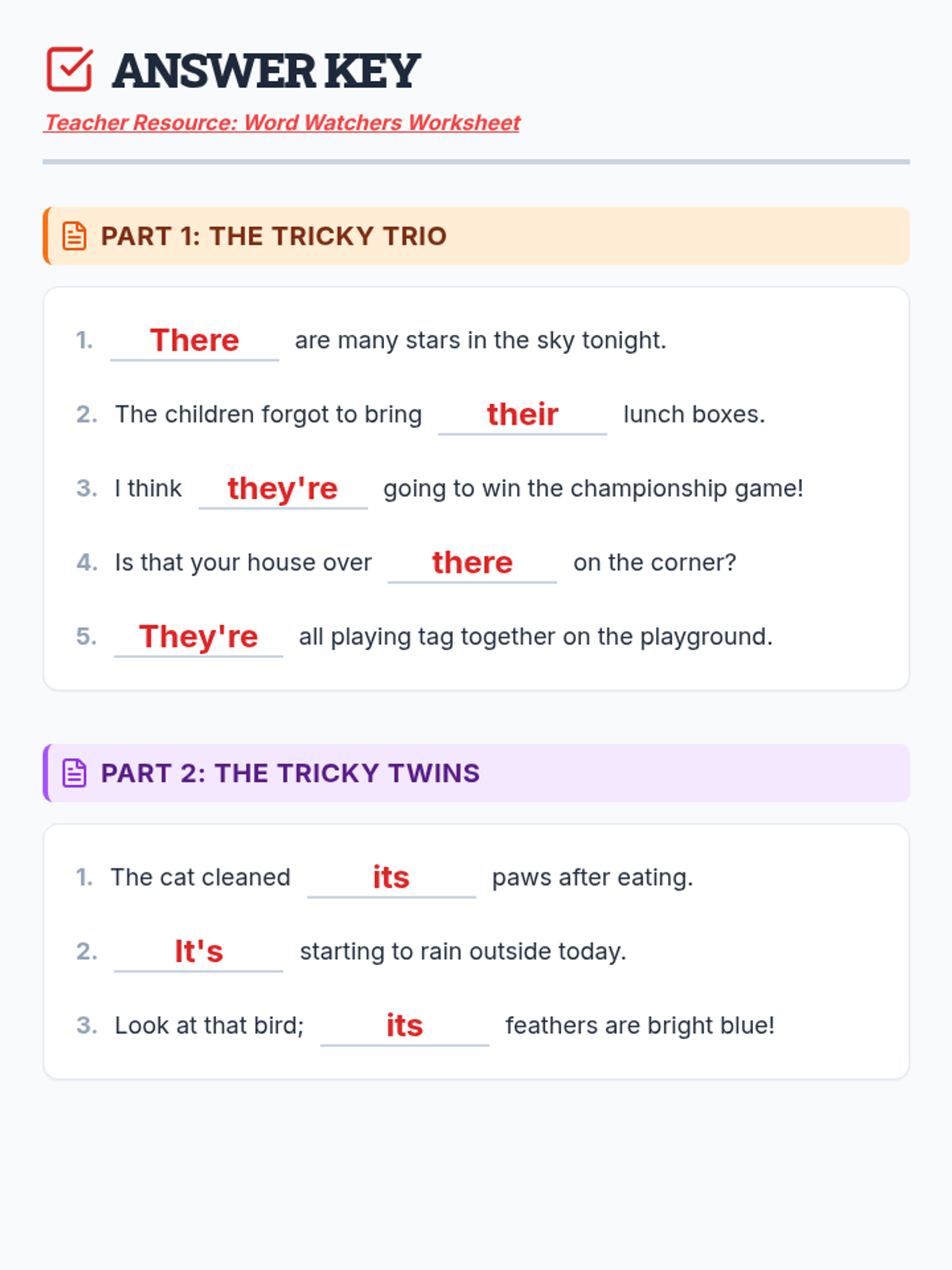
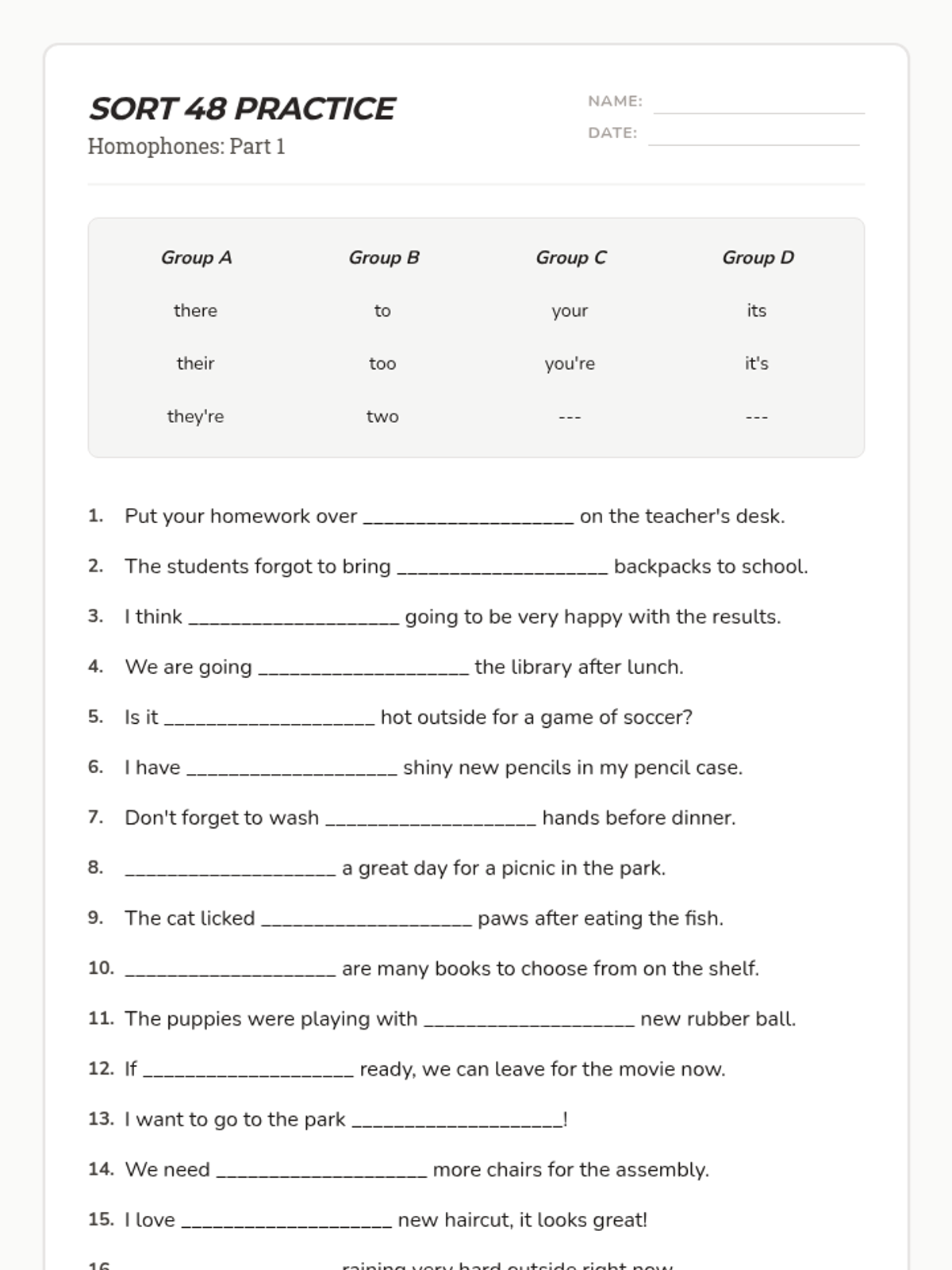
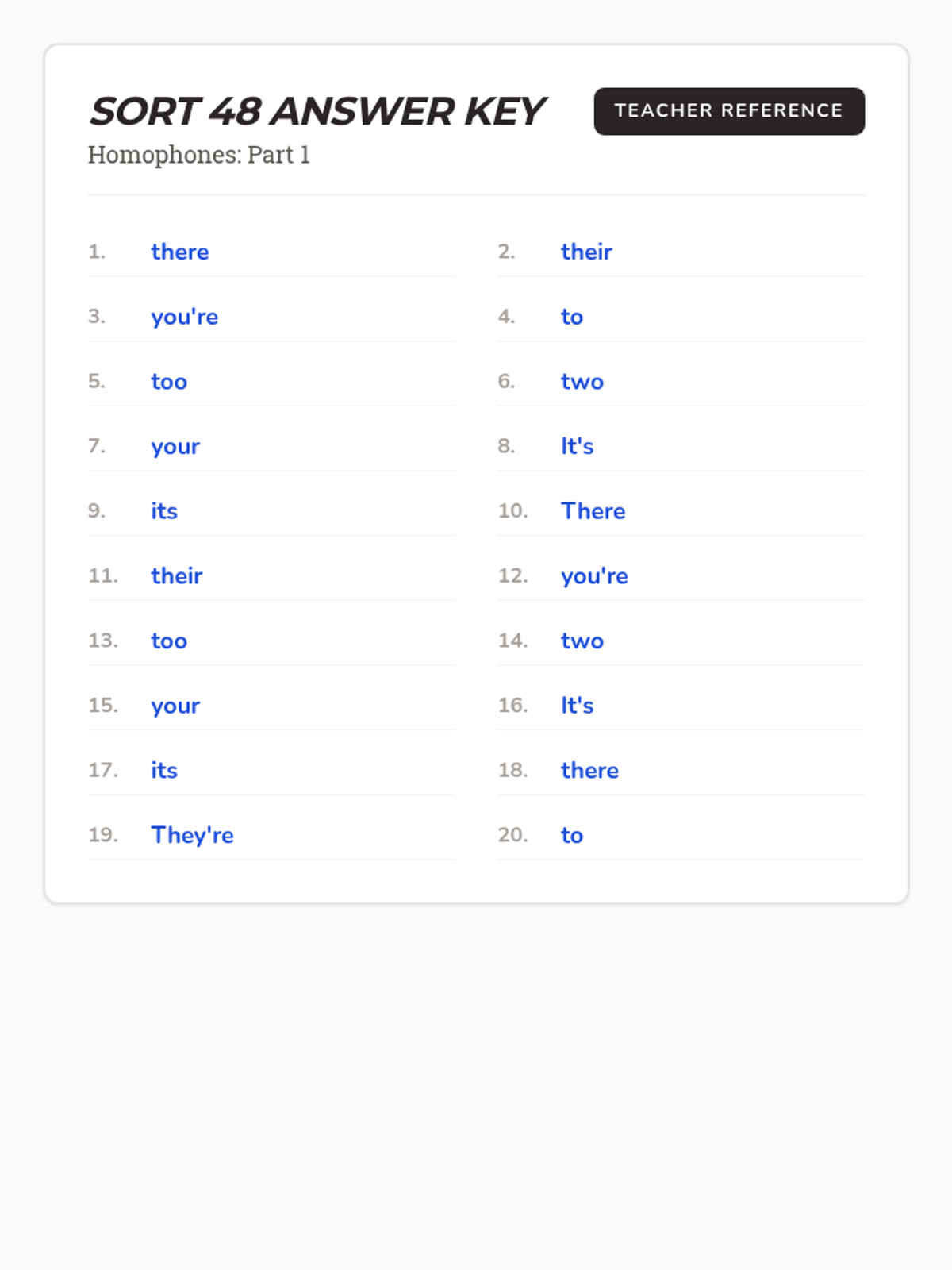
A lesson focused on distinguishing between common homophones and contractions: there/their/they're and its/it's for third-grade students. Includes visual aids and hands-on practice.
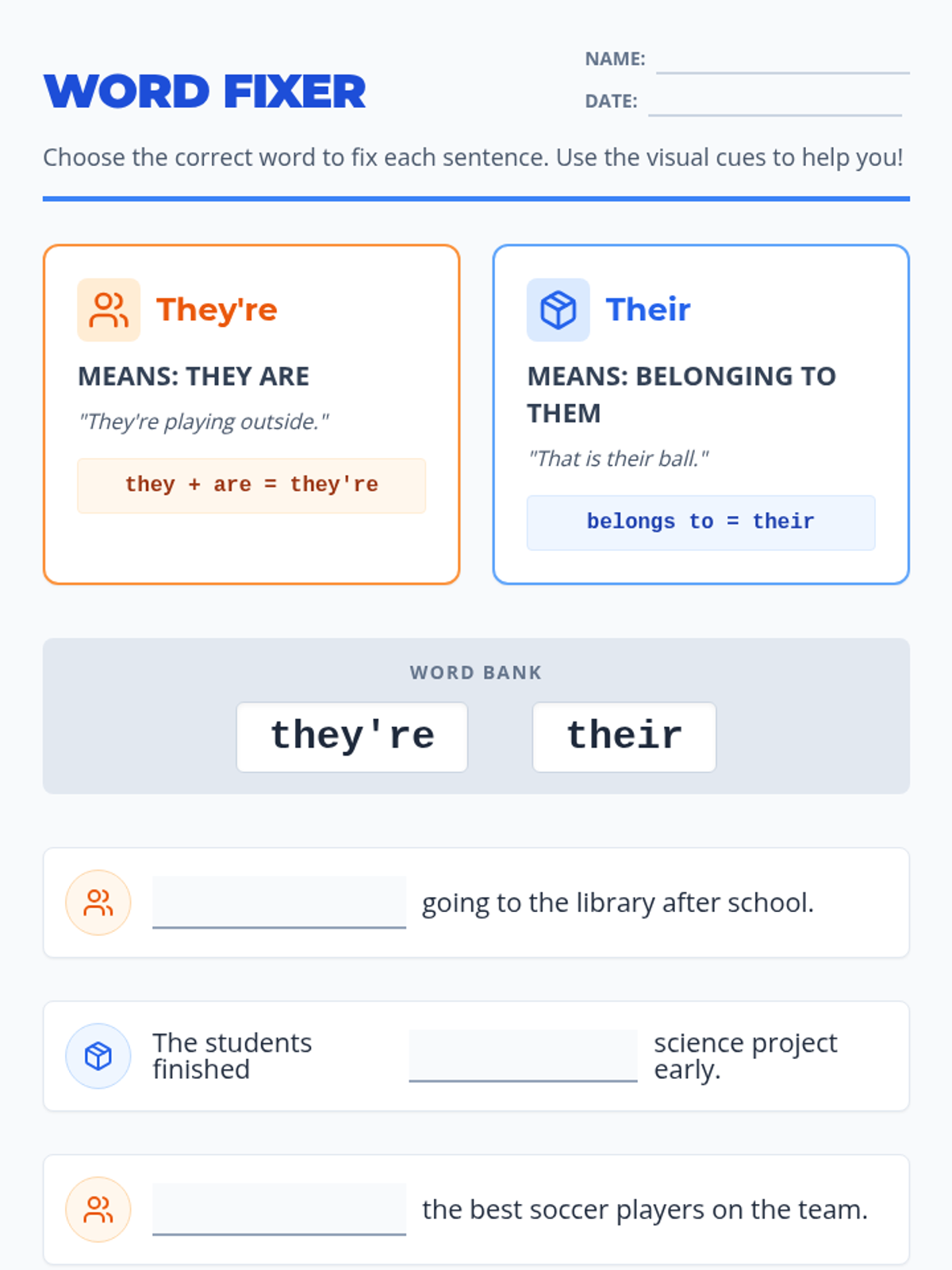
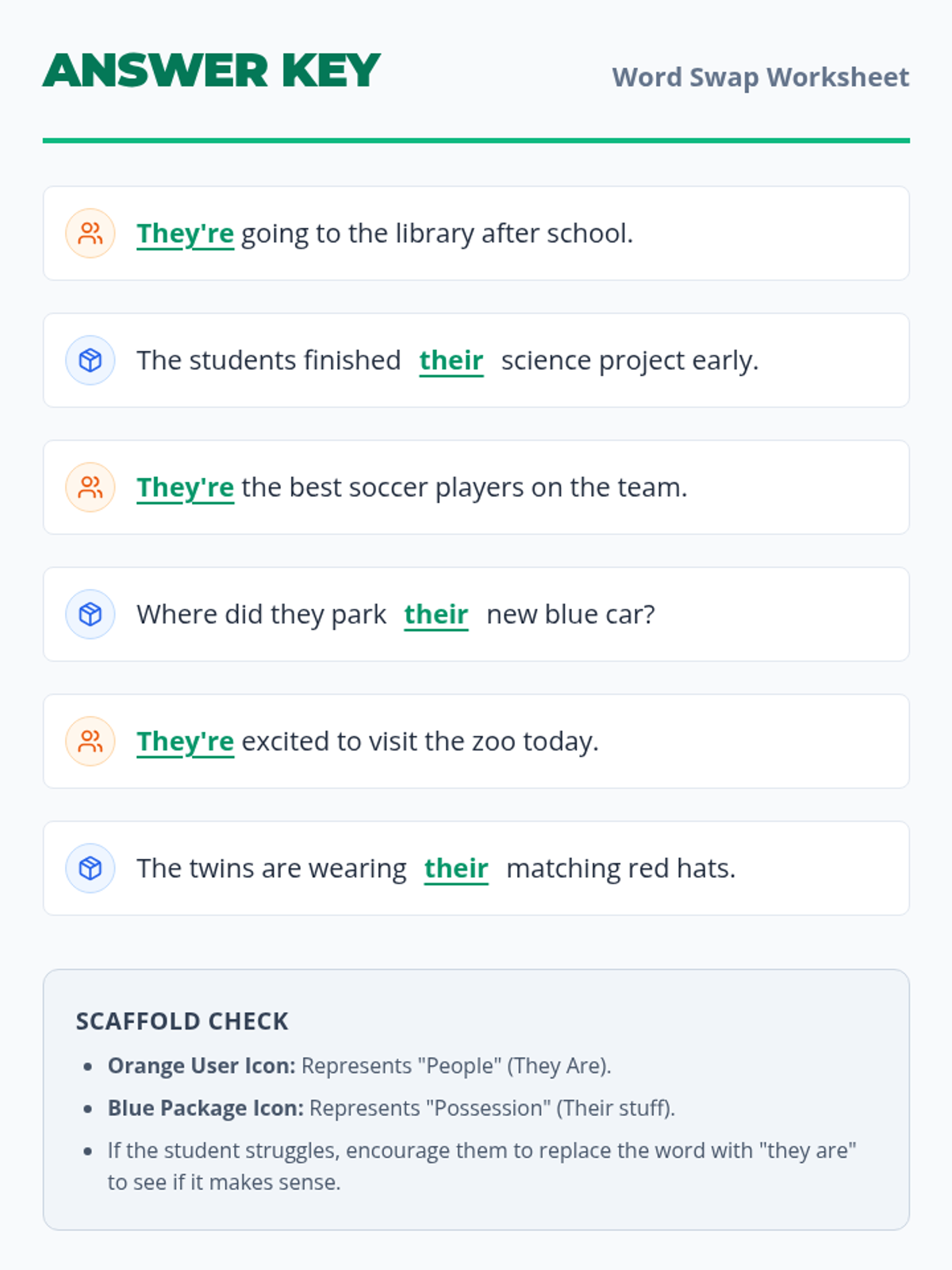
A lesson focused on distinguishing between the homophones 'they're' and 'their' using visual cues and contextual practice.
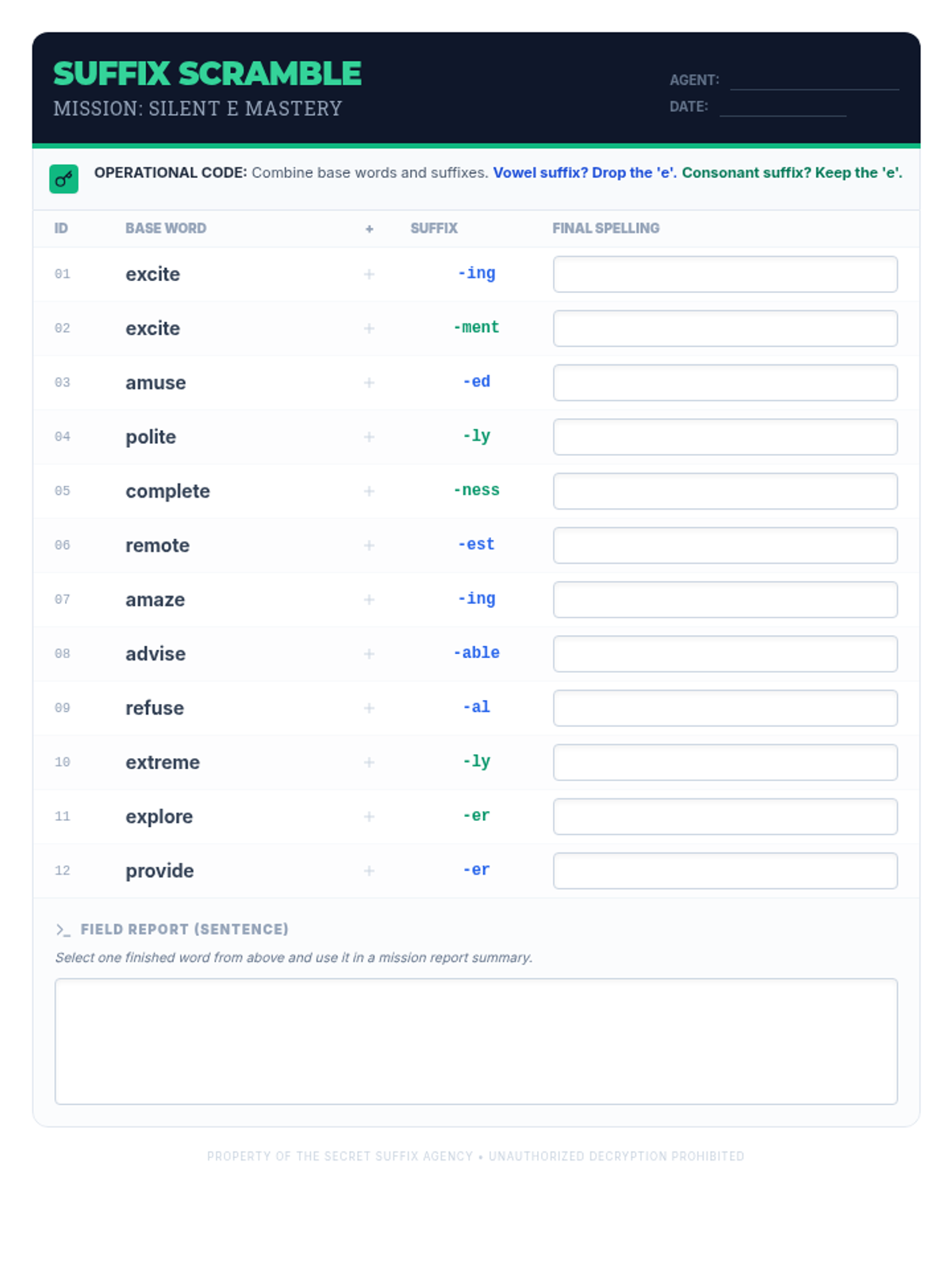
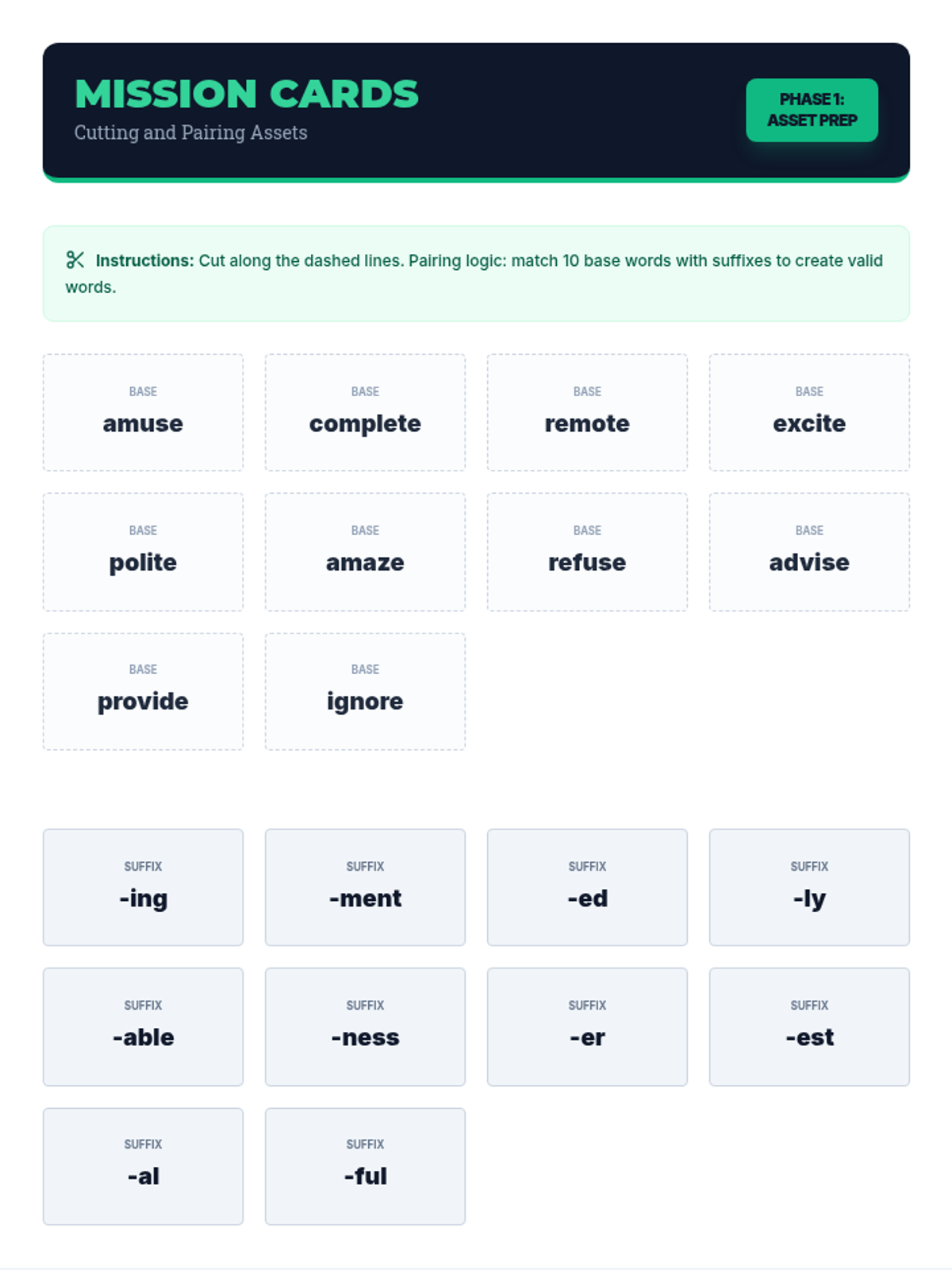
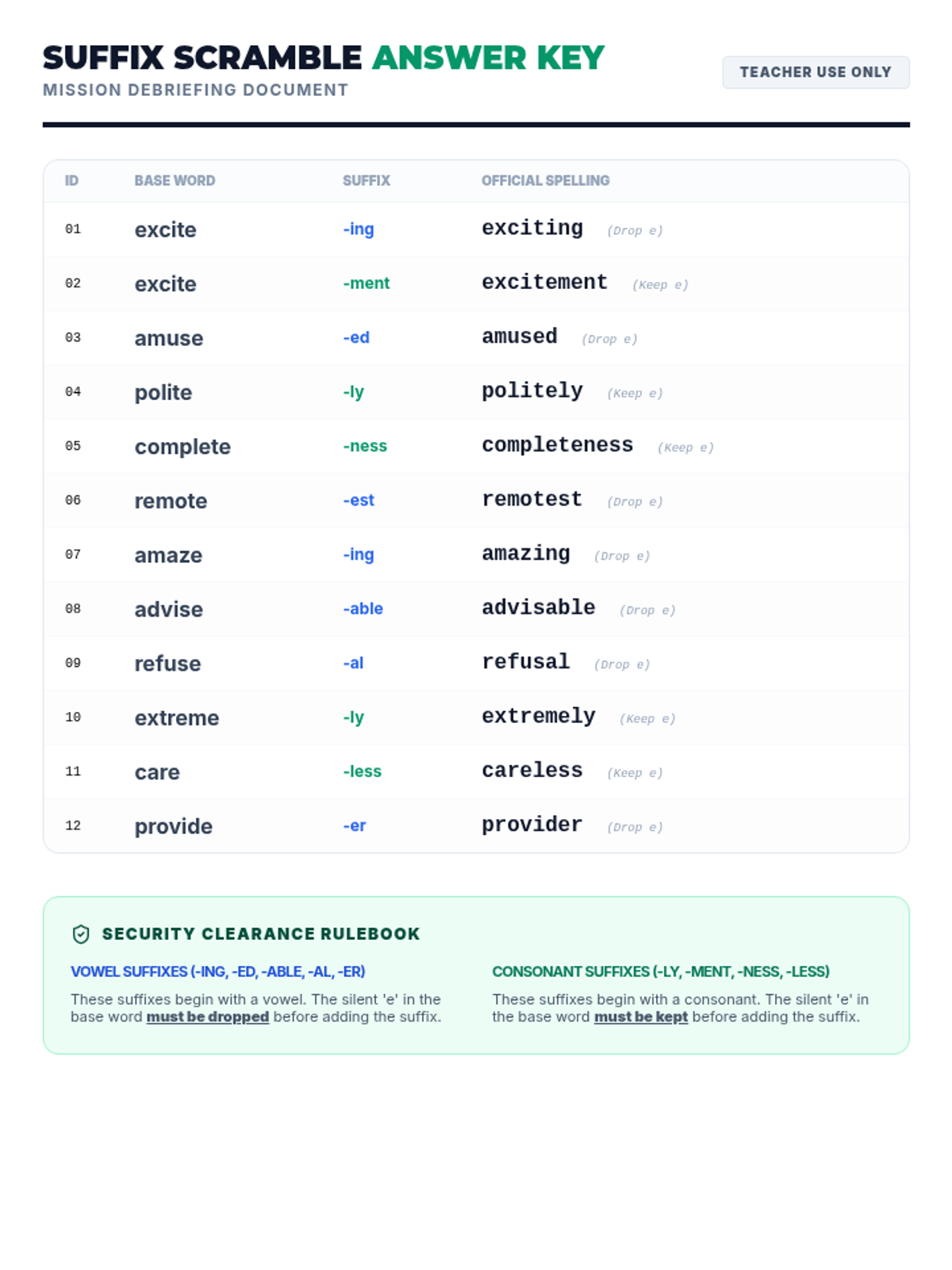
A comprehensive lesson on adding suffixes to multi-syllabic words ending in a silent 'e', focusing on the rules for dropping or keeping the 'e' based on the suffix type.
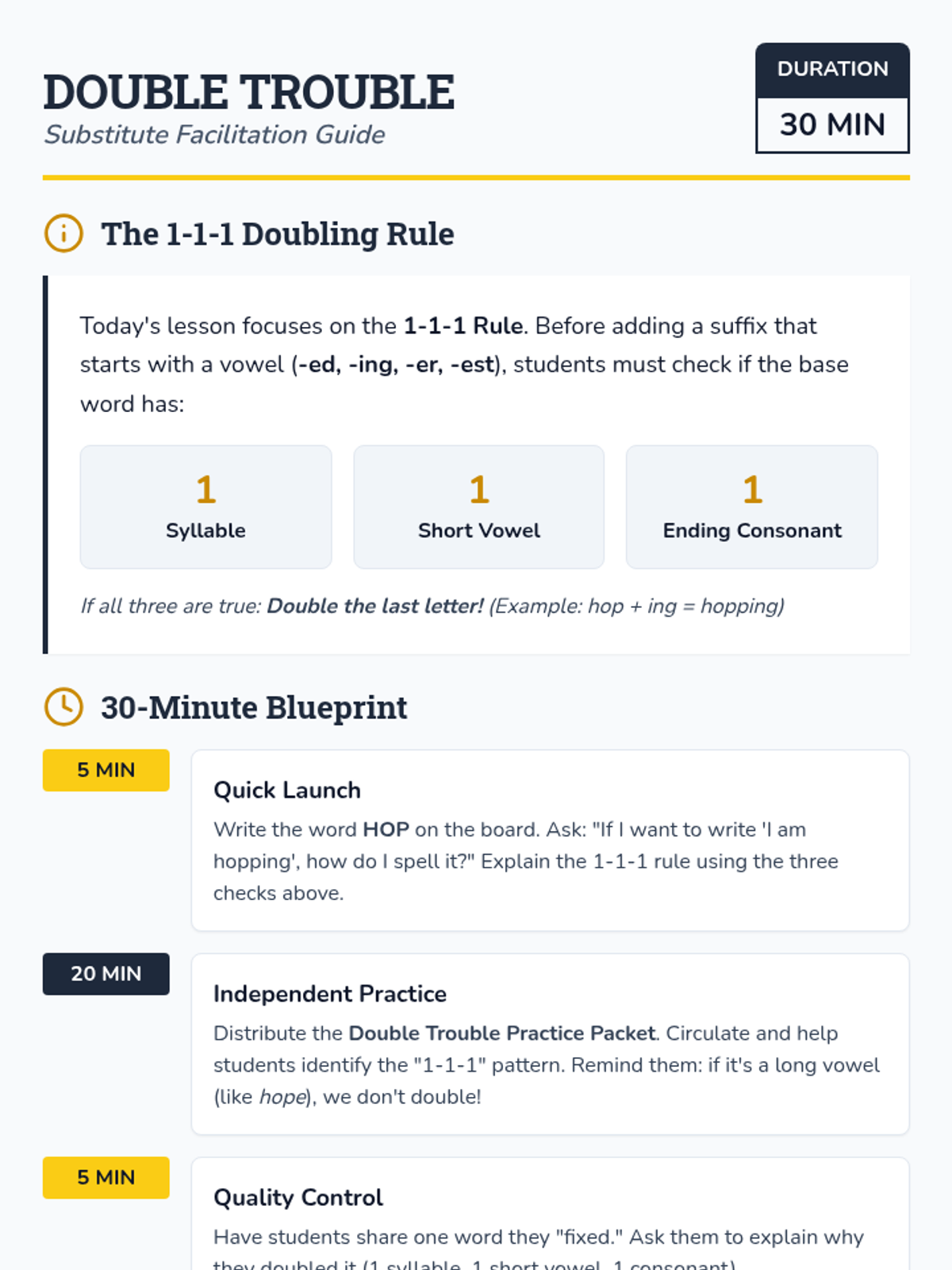
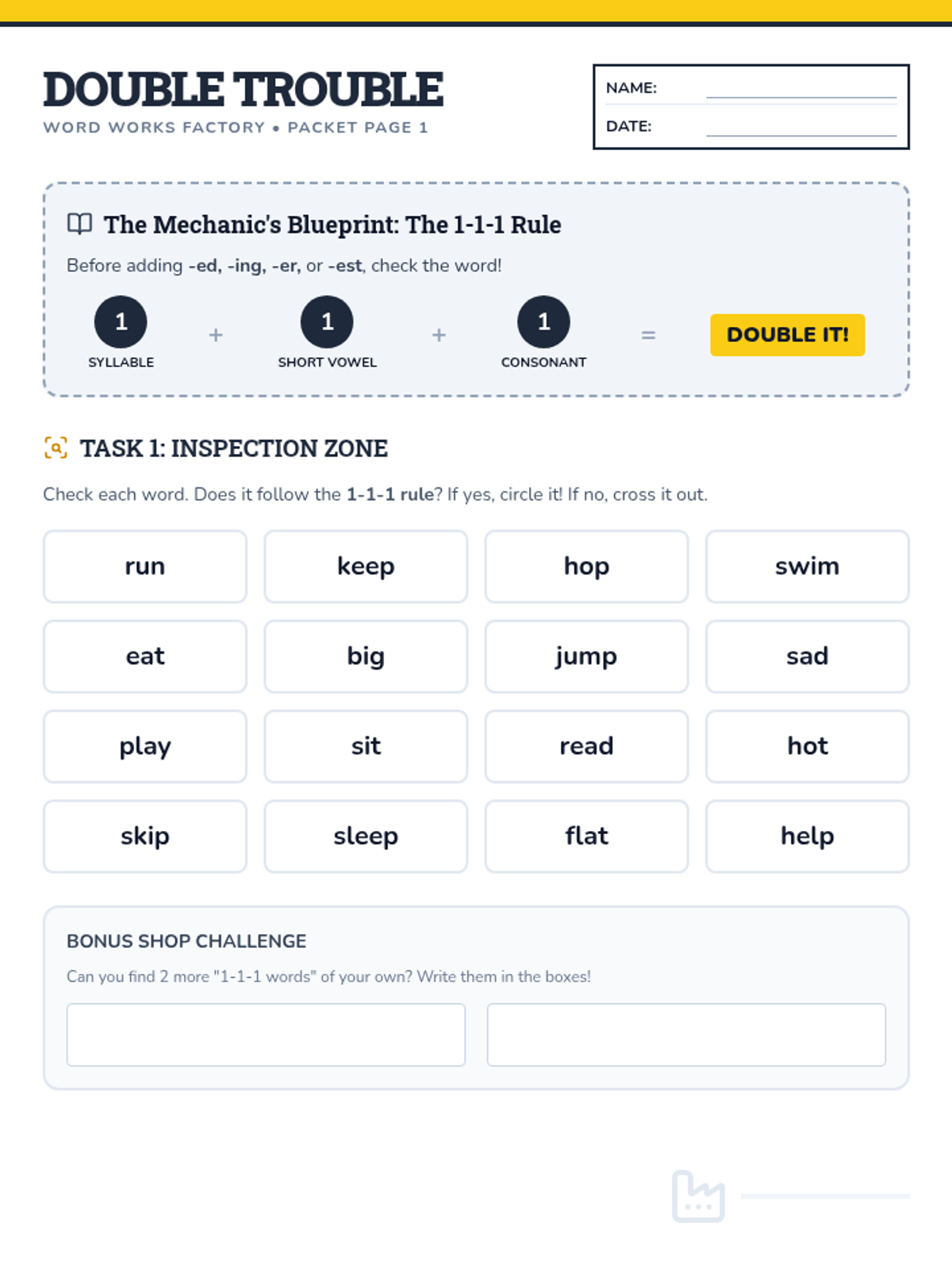
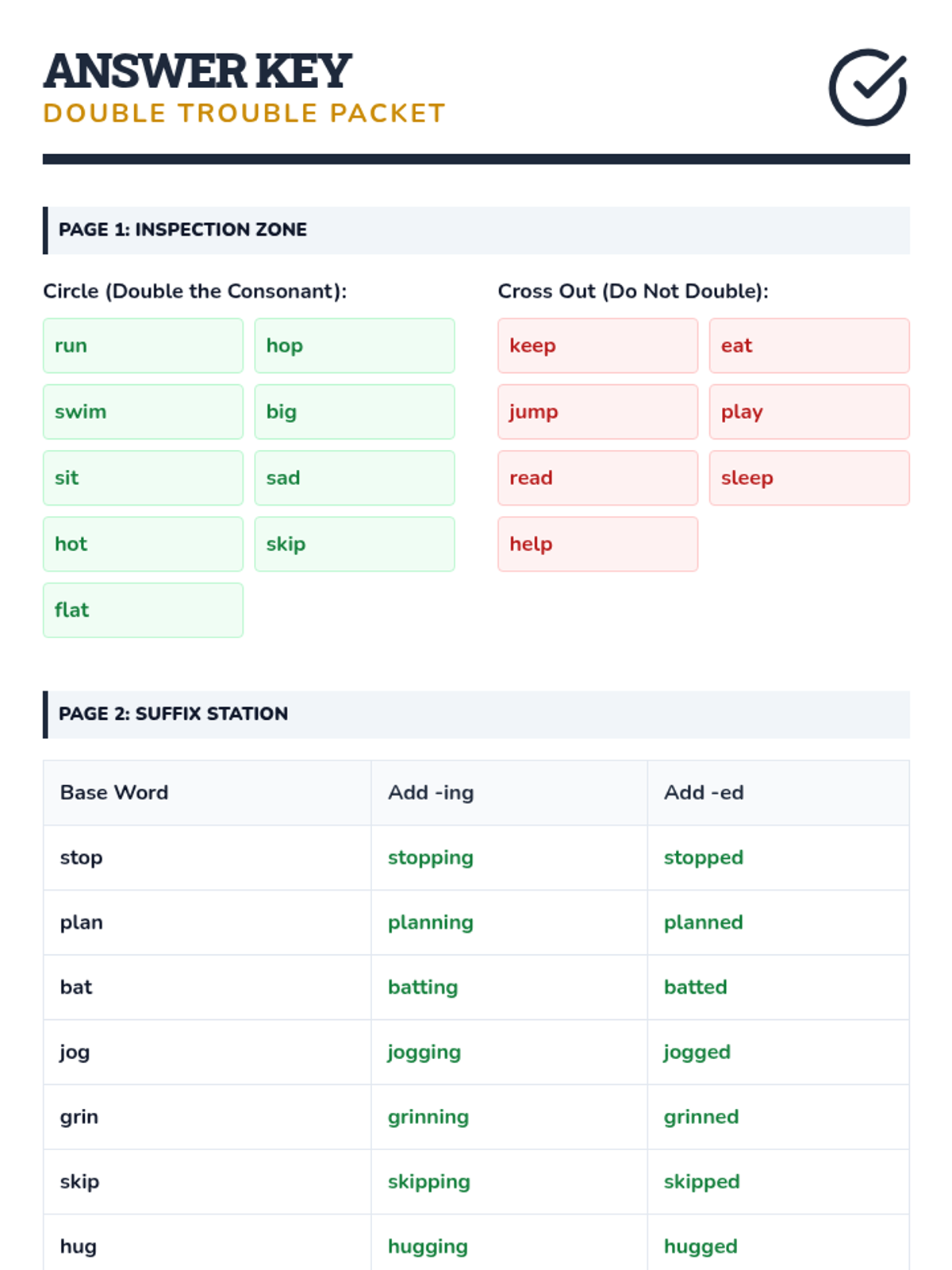
A quick-fire 30-minute sub plan focusing on the 1-1-1 doubling rule for suffixes -ed, -er, -est, and -ing. Students act as 'Word Mechanics' to fix words before they leave the factory.
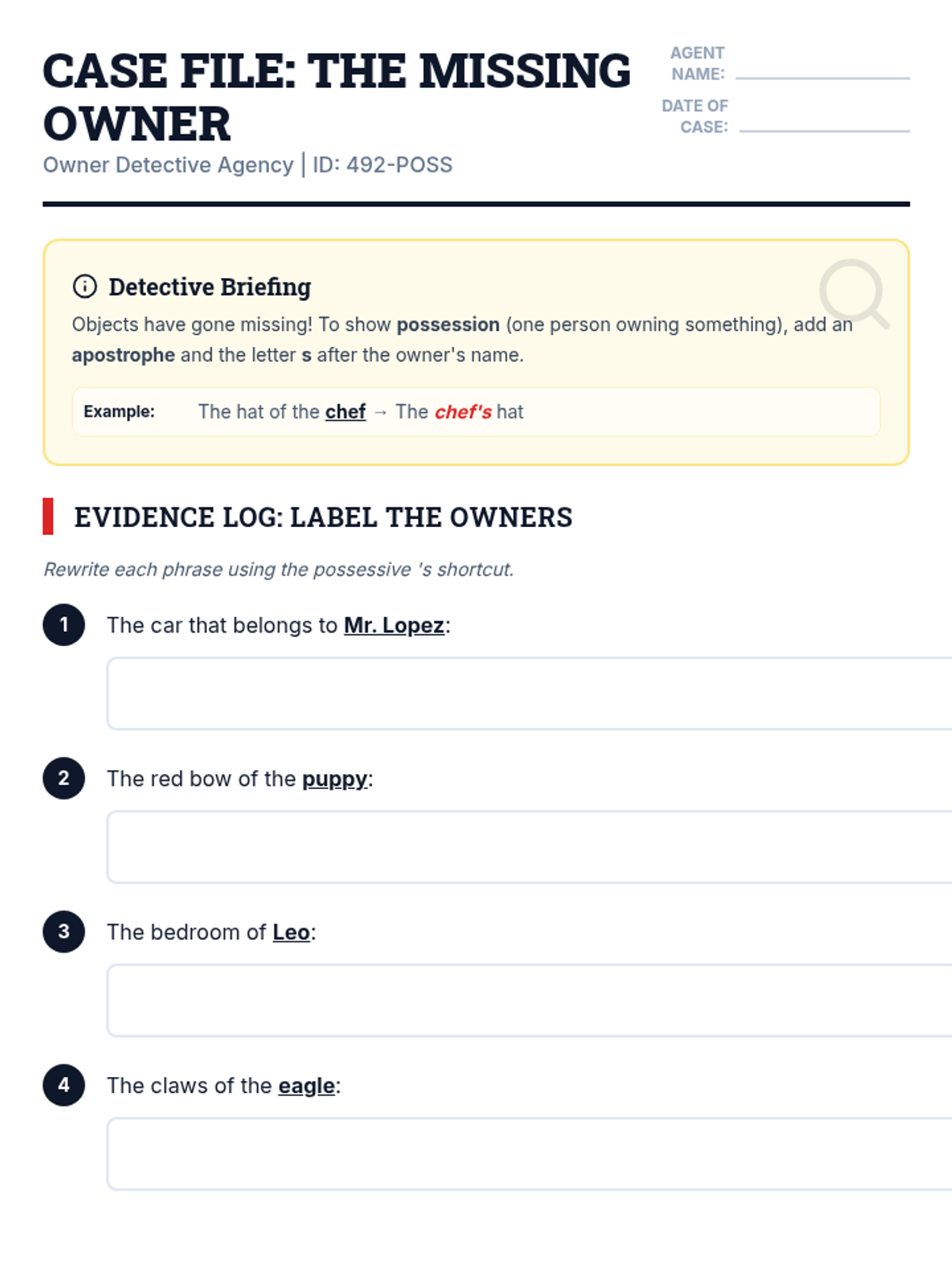
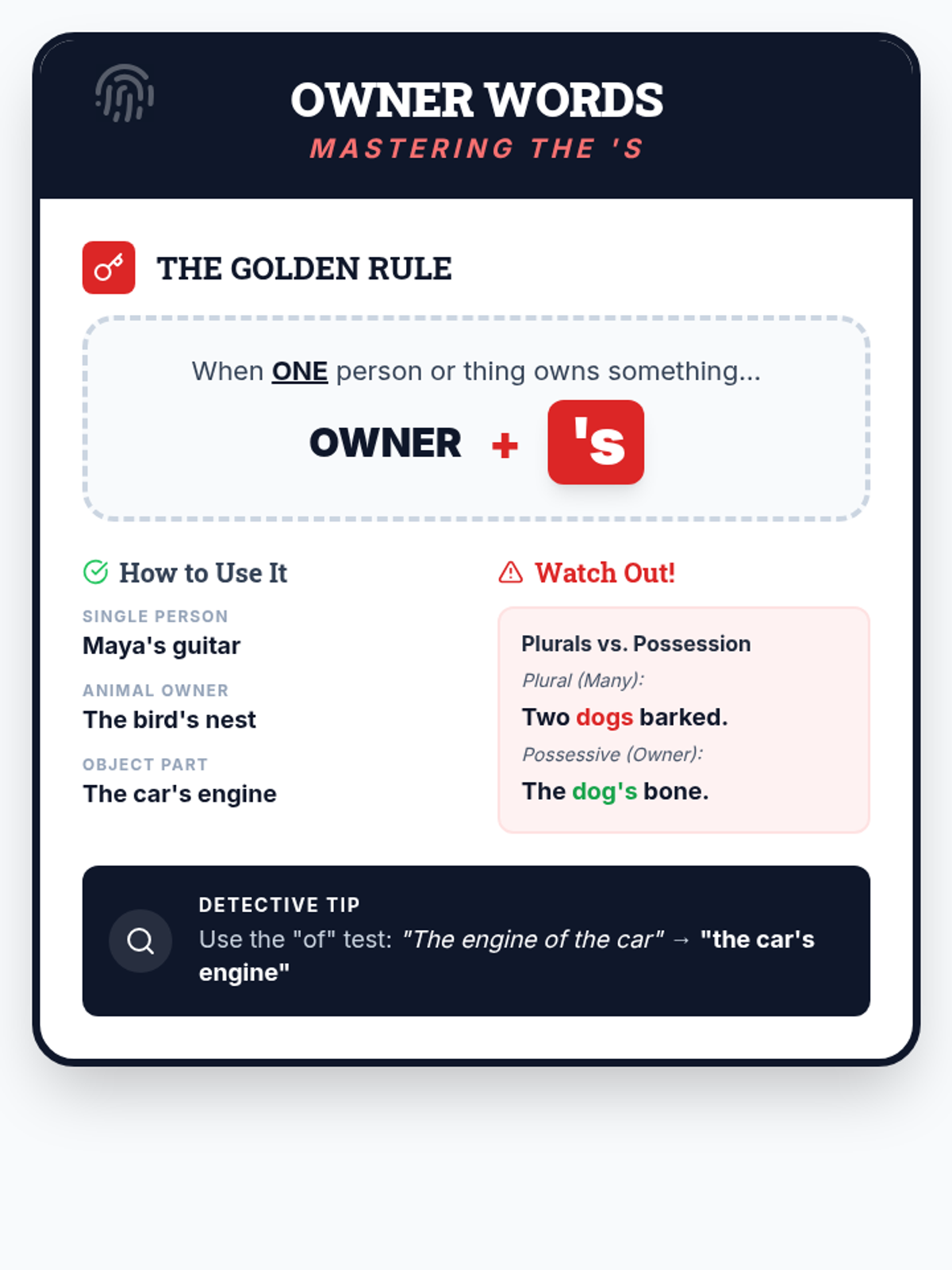
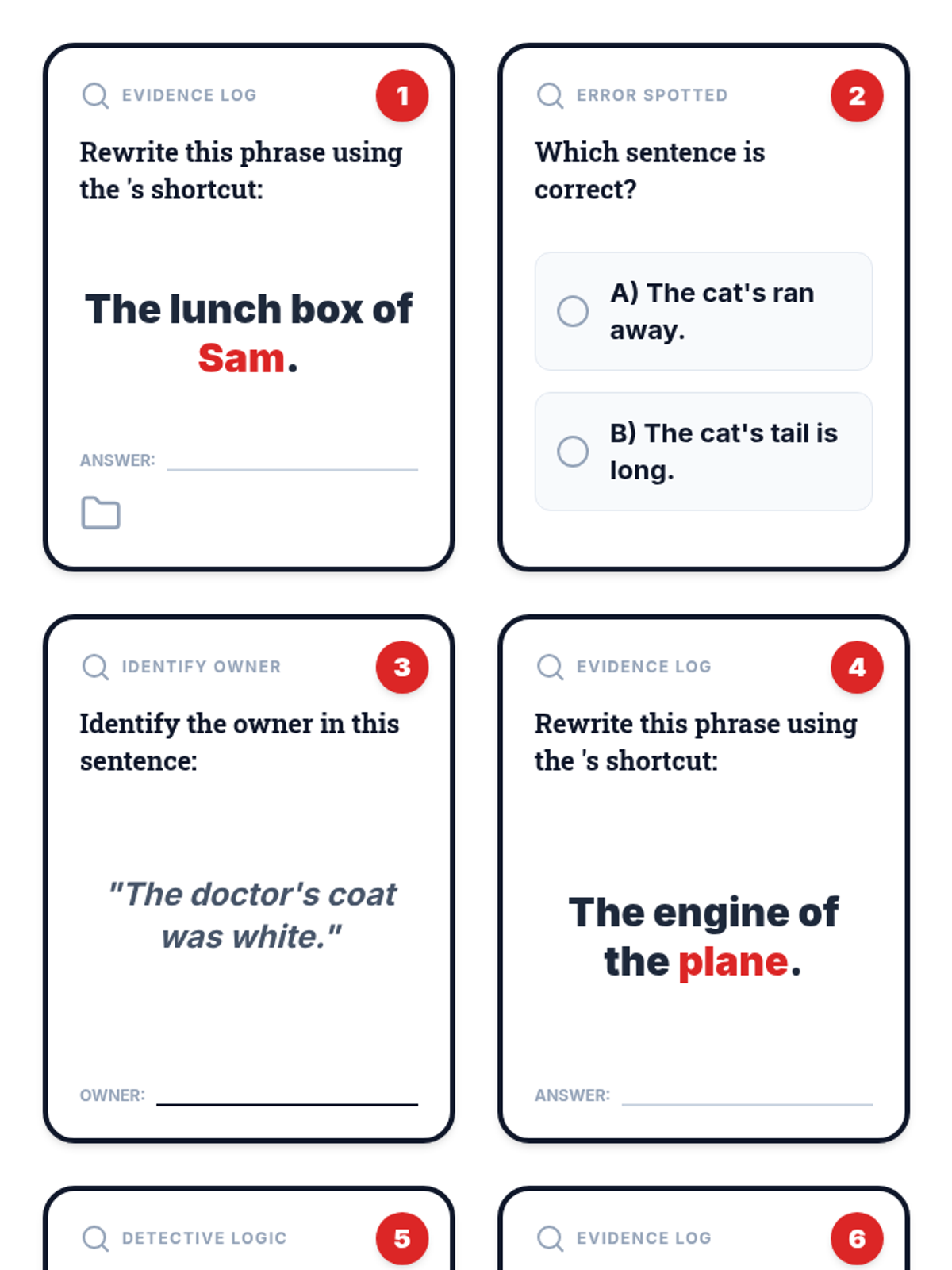
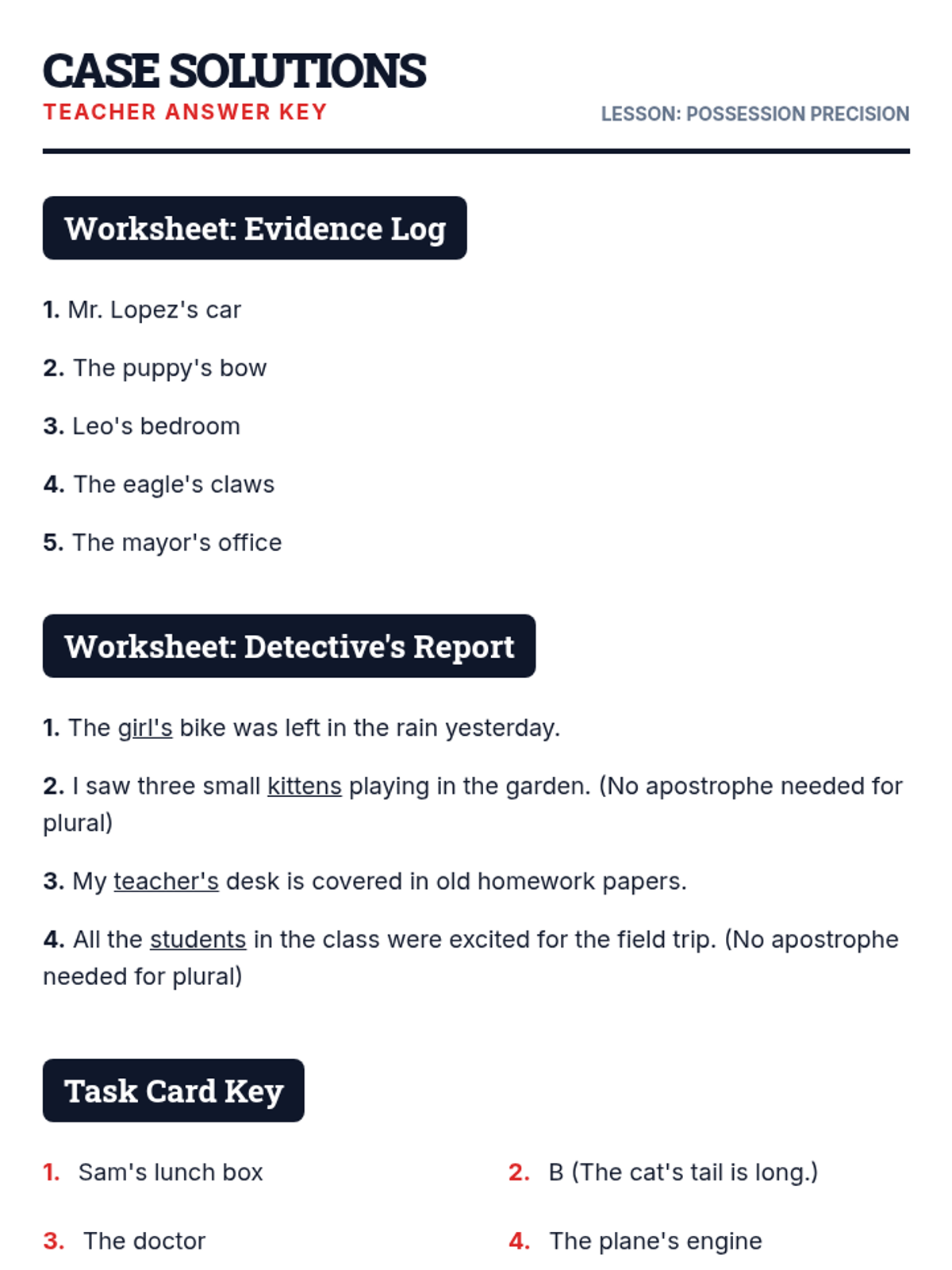
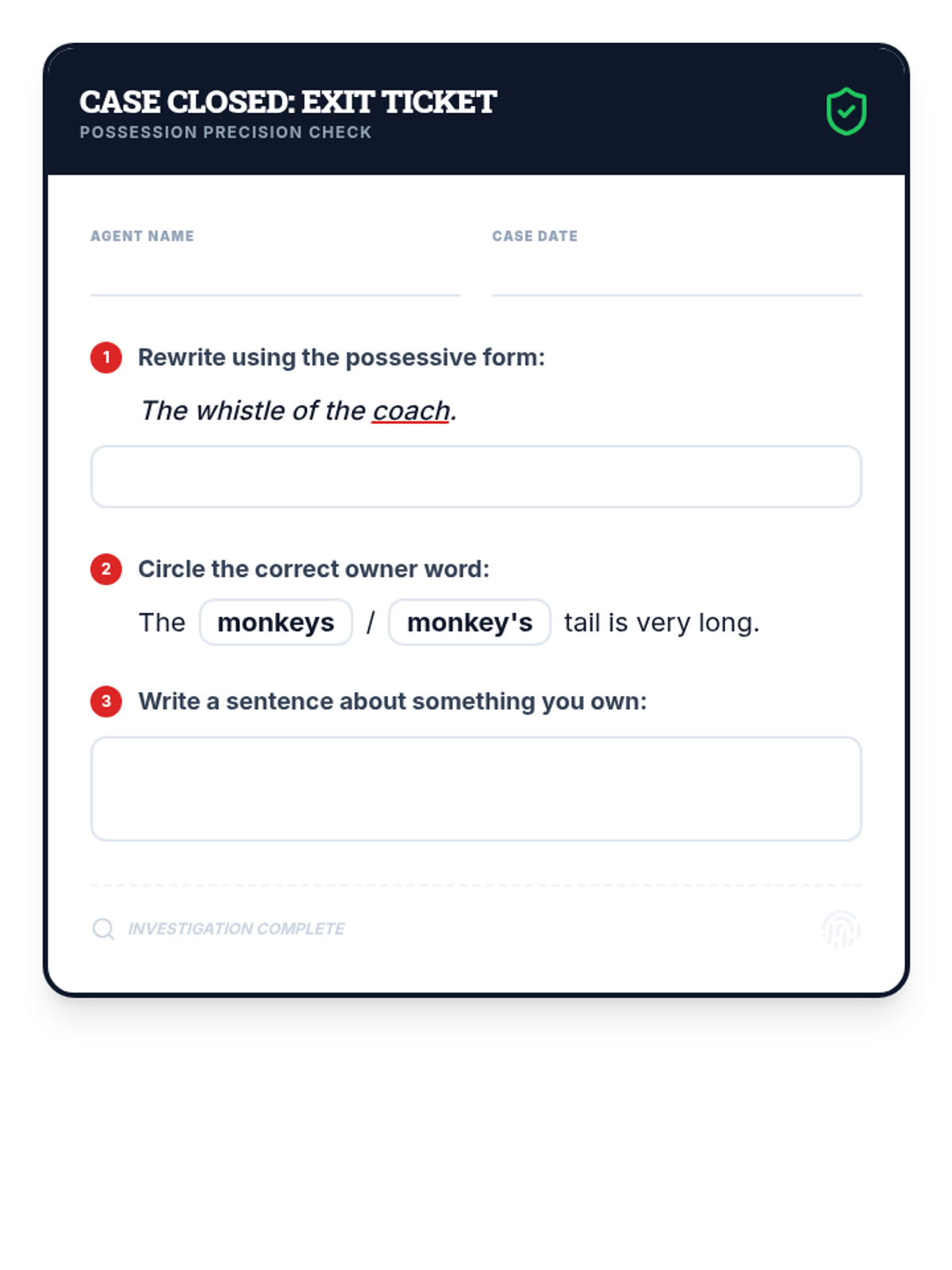
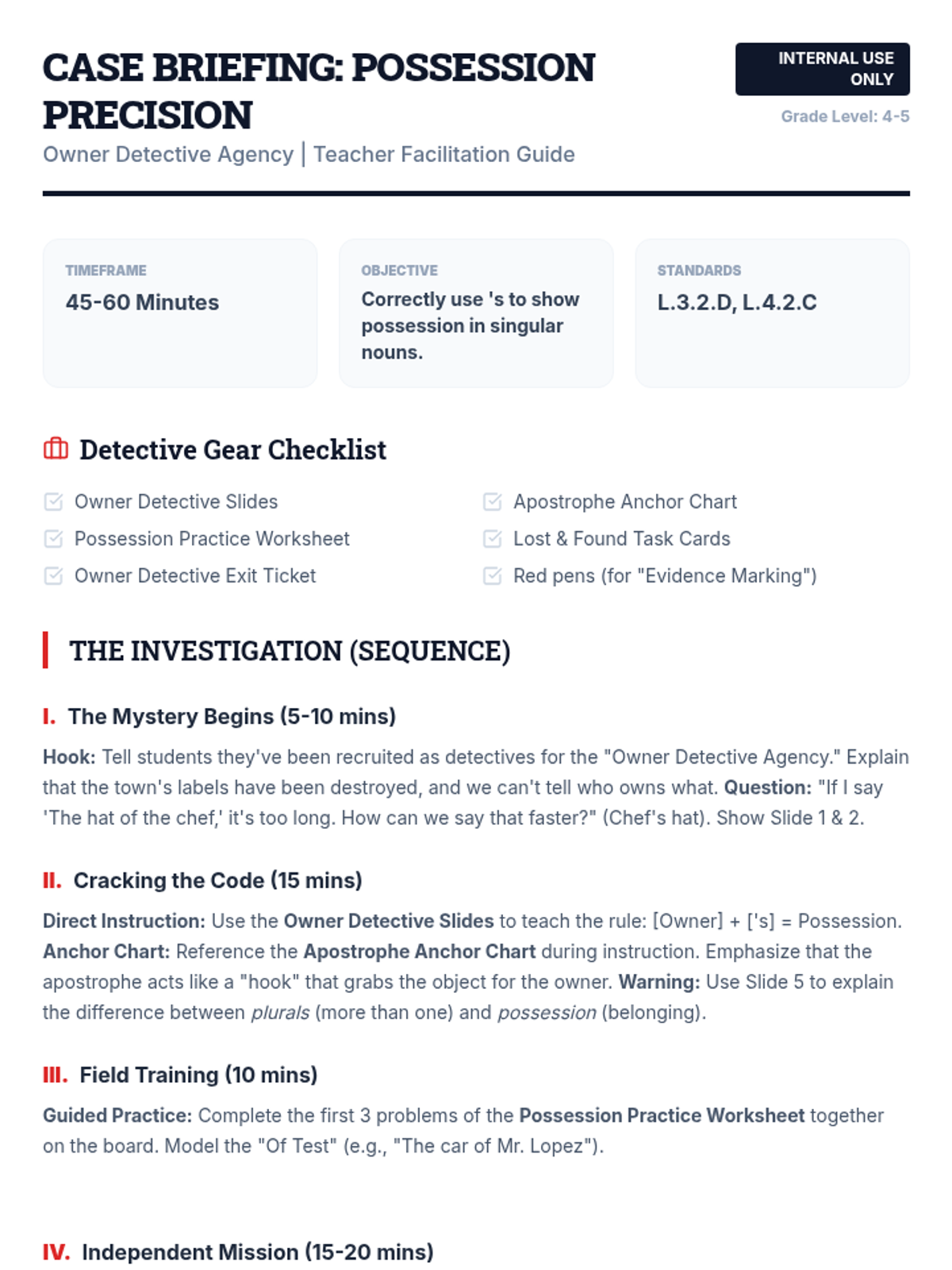
Students learn to identify owners and use 's correctly to show possession through guided practice and independent detective-themed activities.
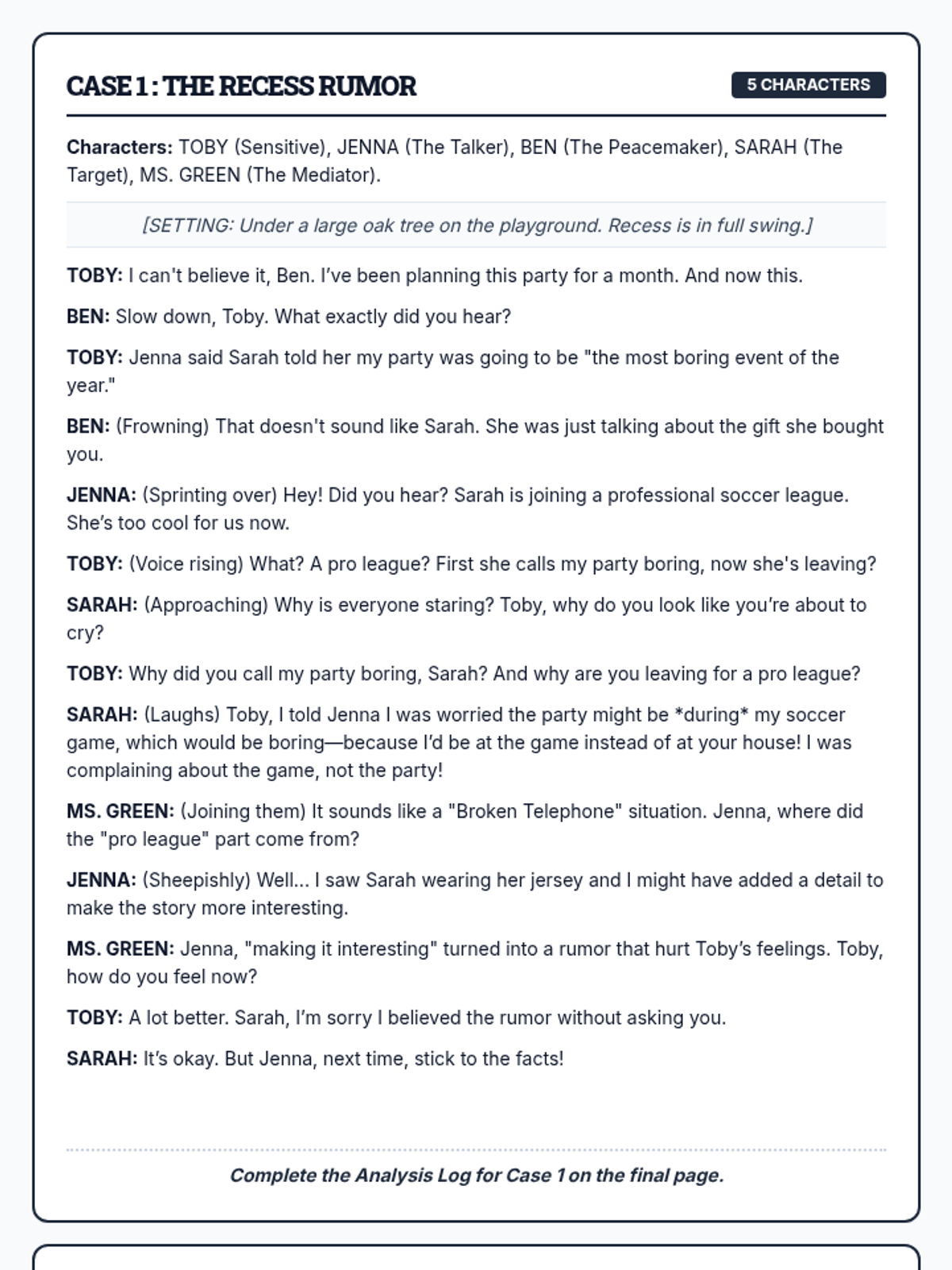
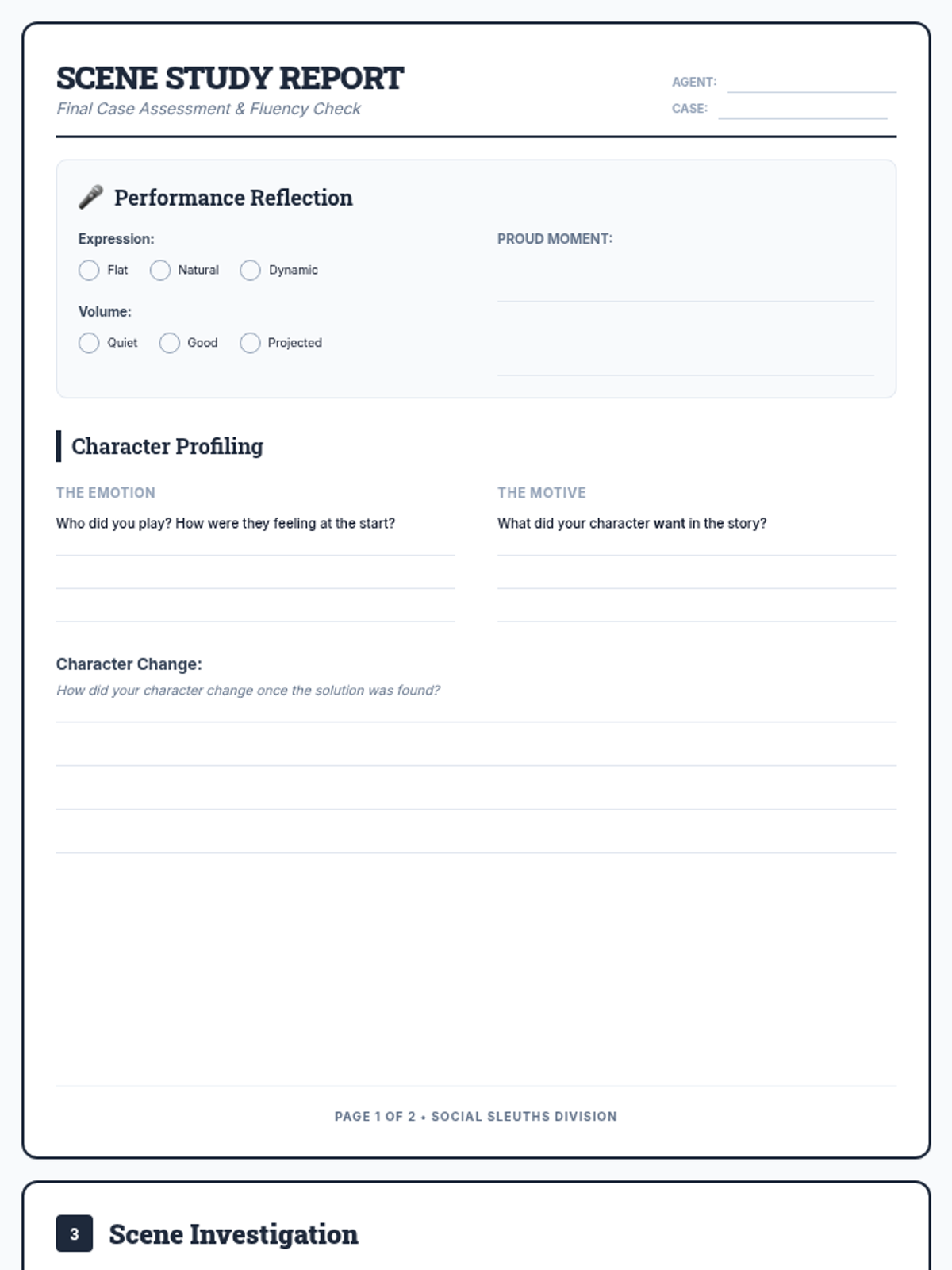
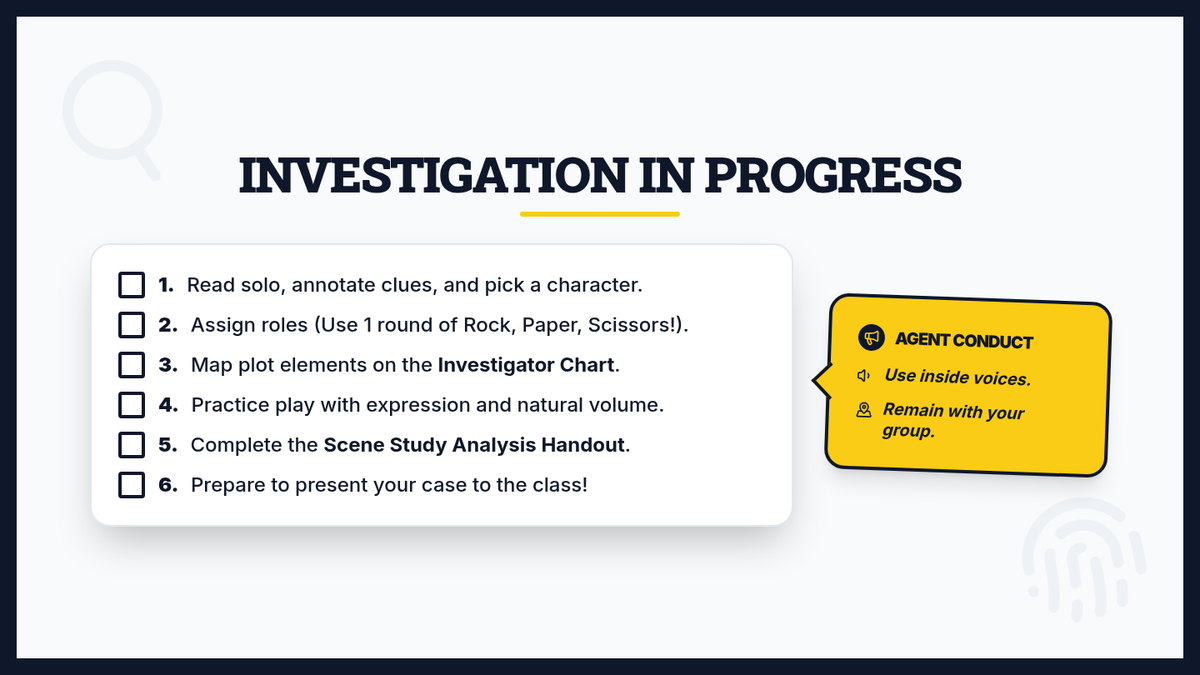
Students work in small groups to rehearse and perform mystery plays, analyzing their specific plot structures and reflecting on social-emotional themes.
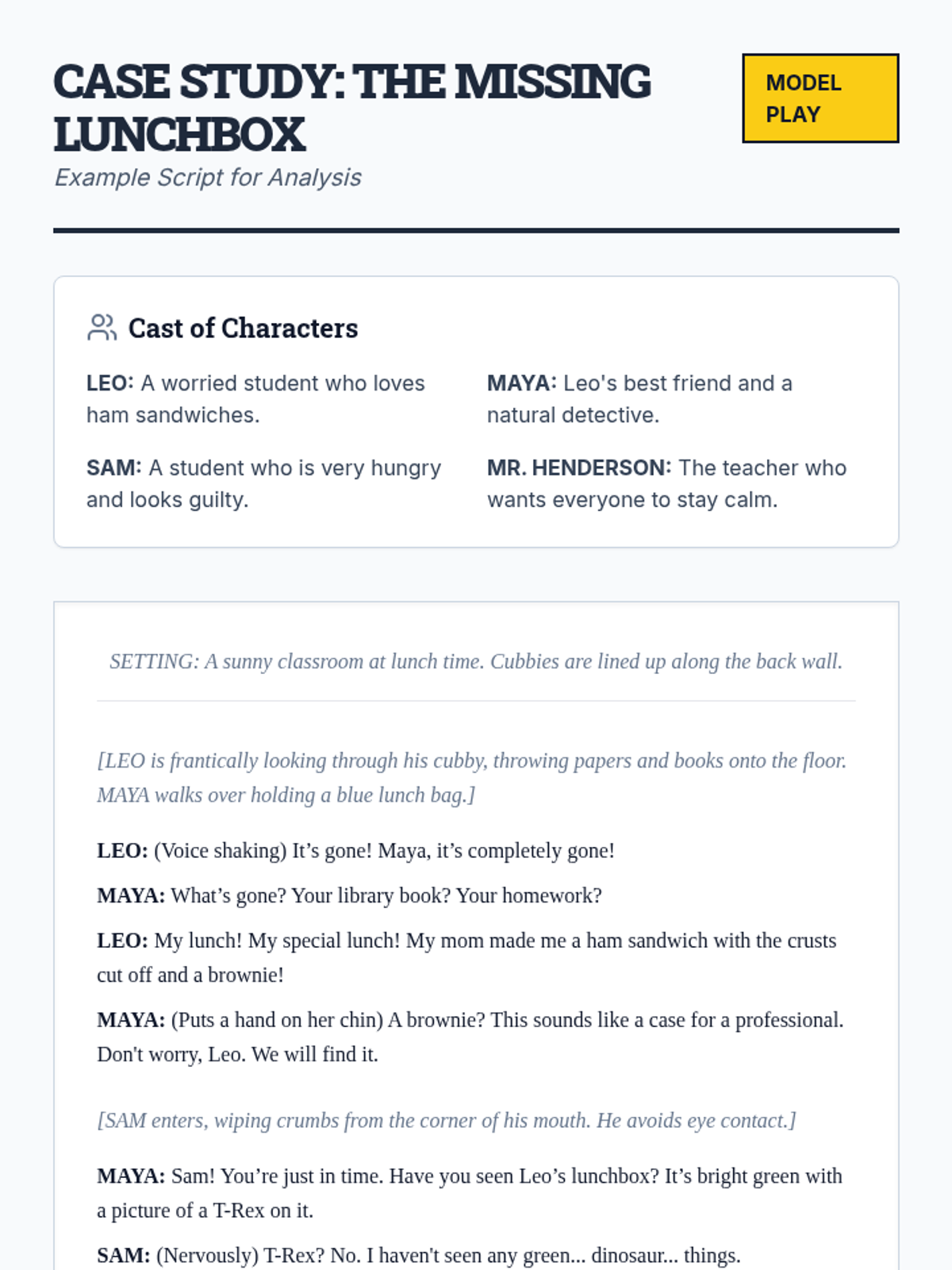
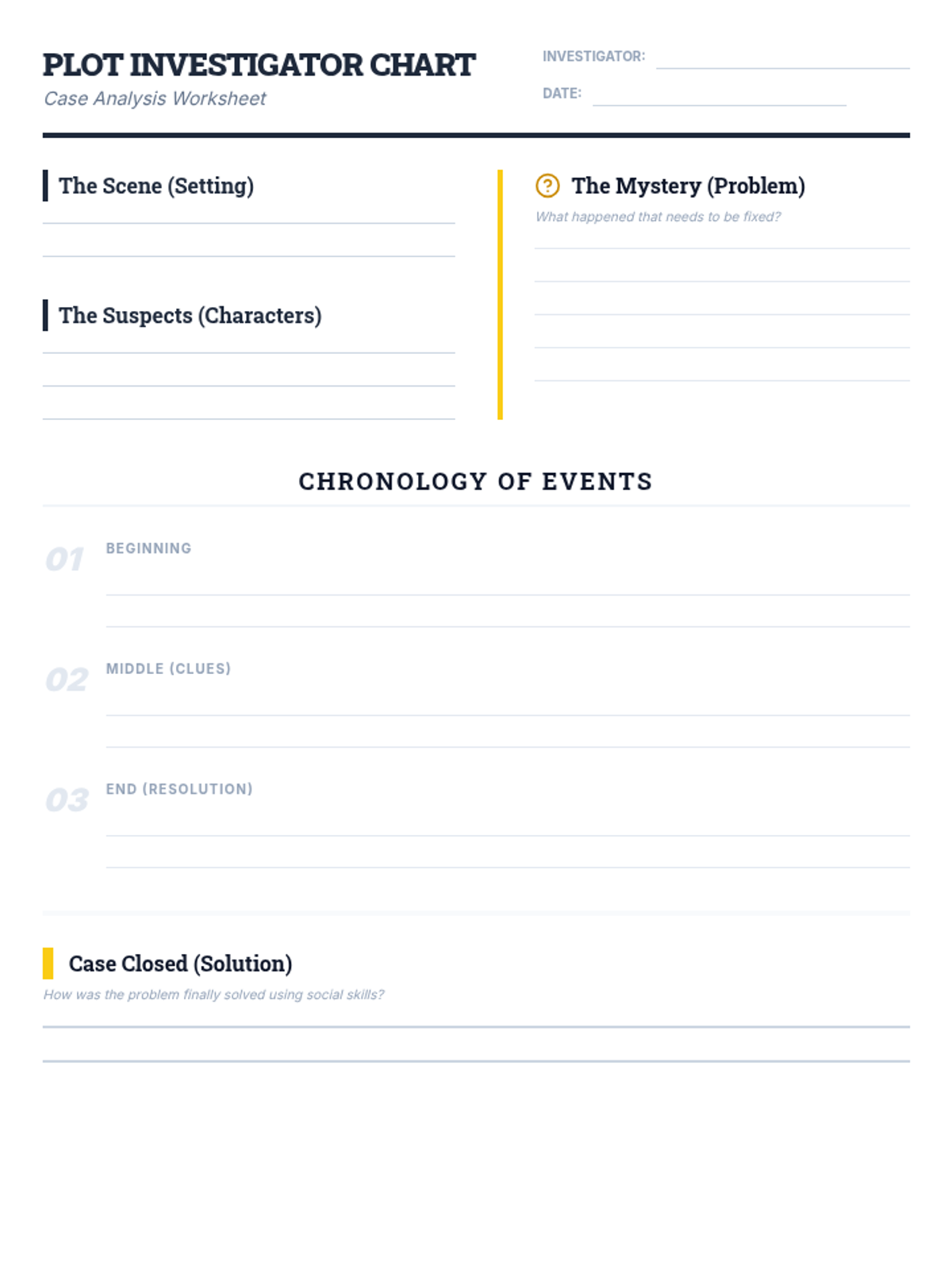
Students learn the fundamental components of a play script and use a model play to identify setting, characters, and plot structure.
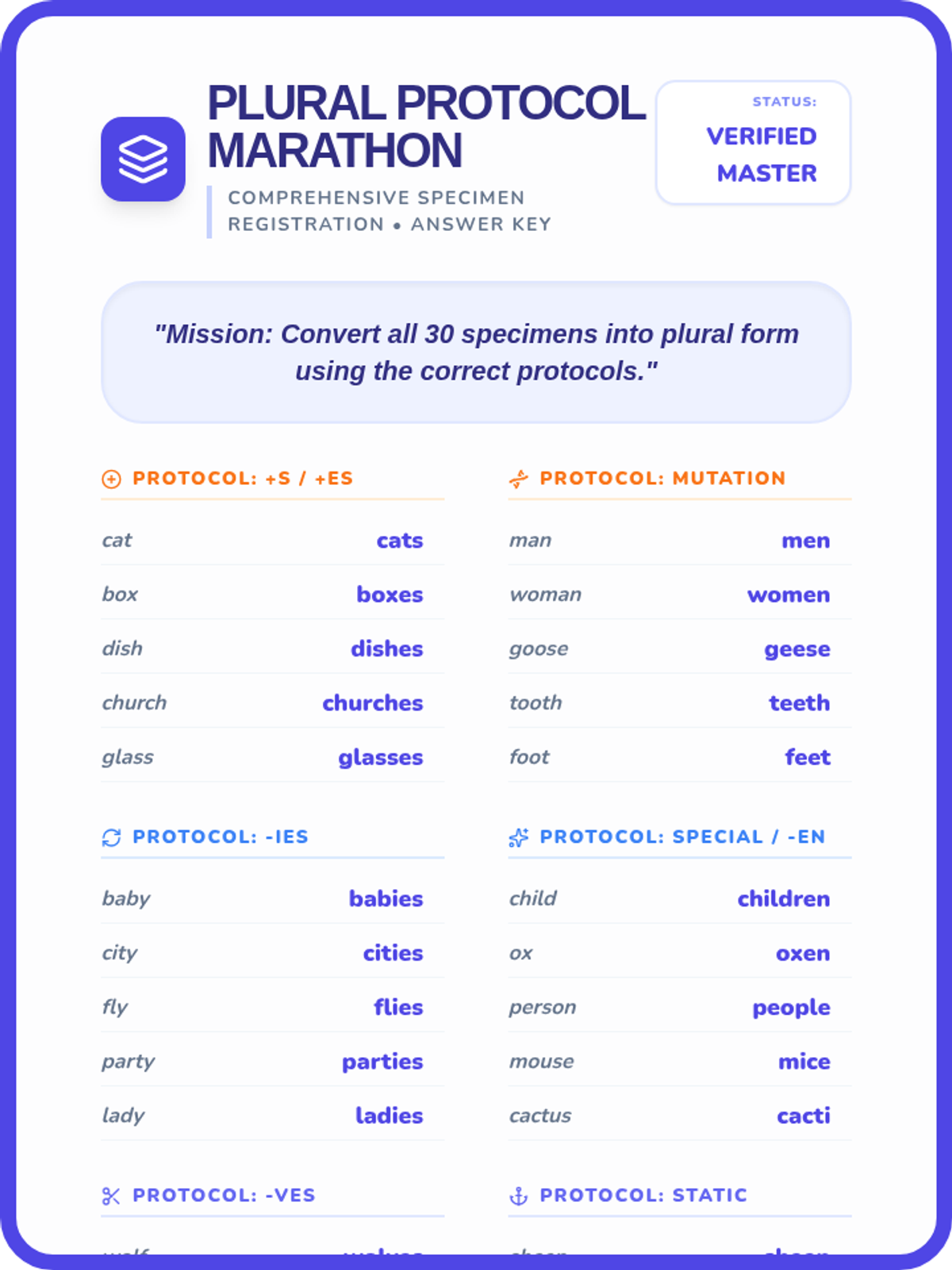
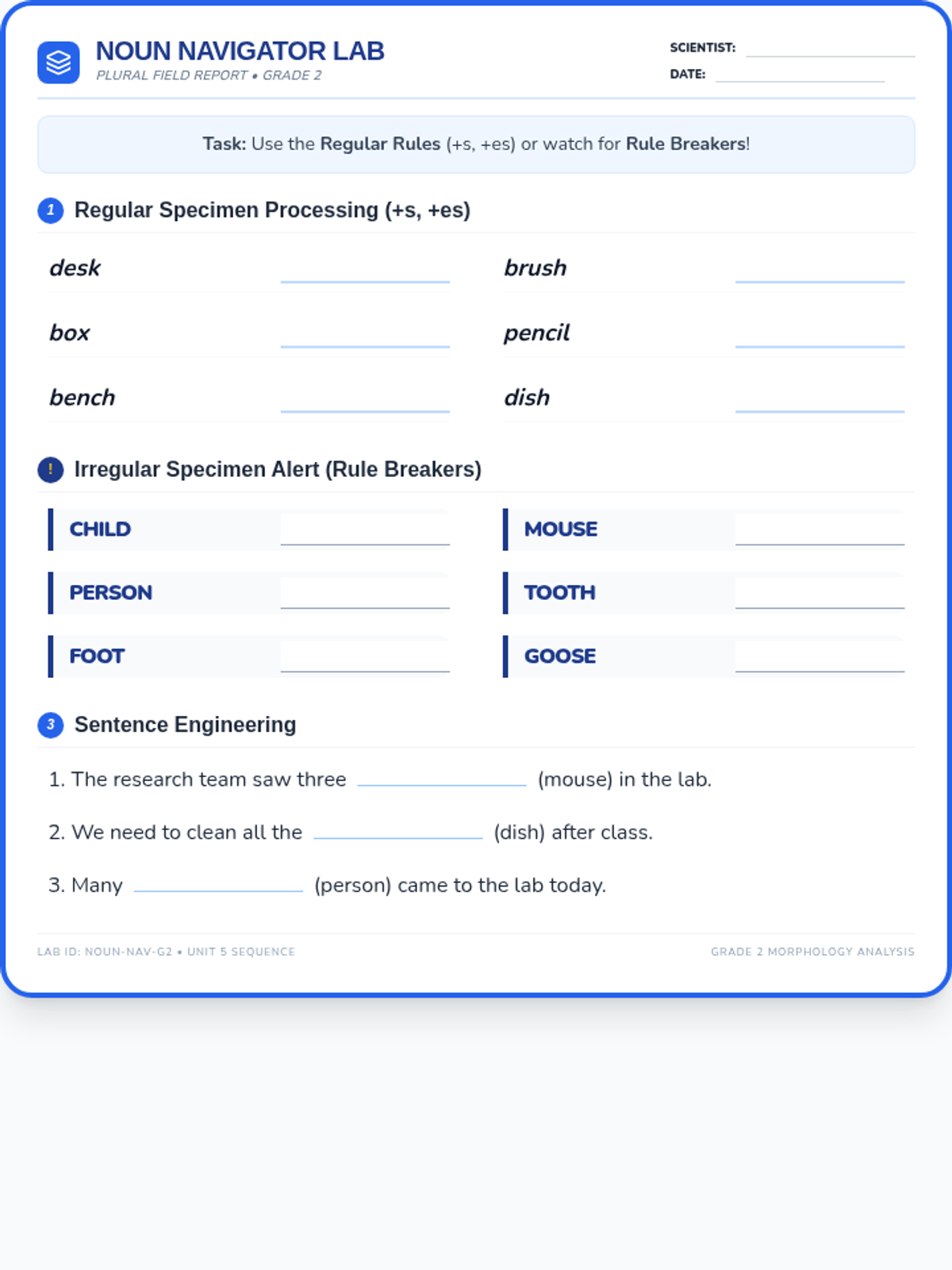
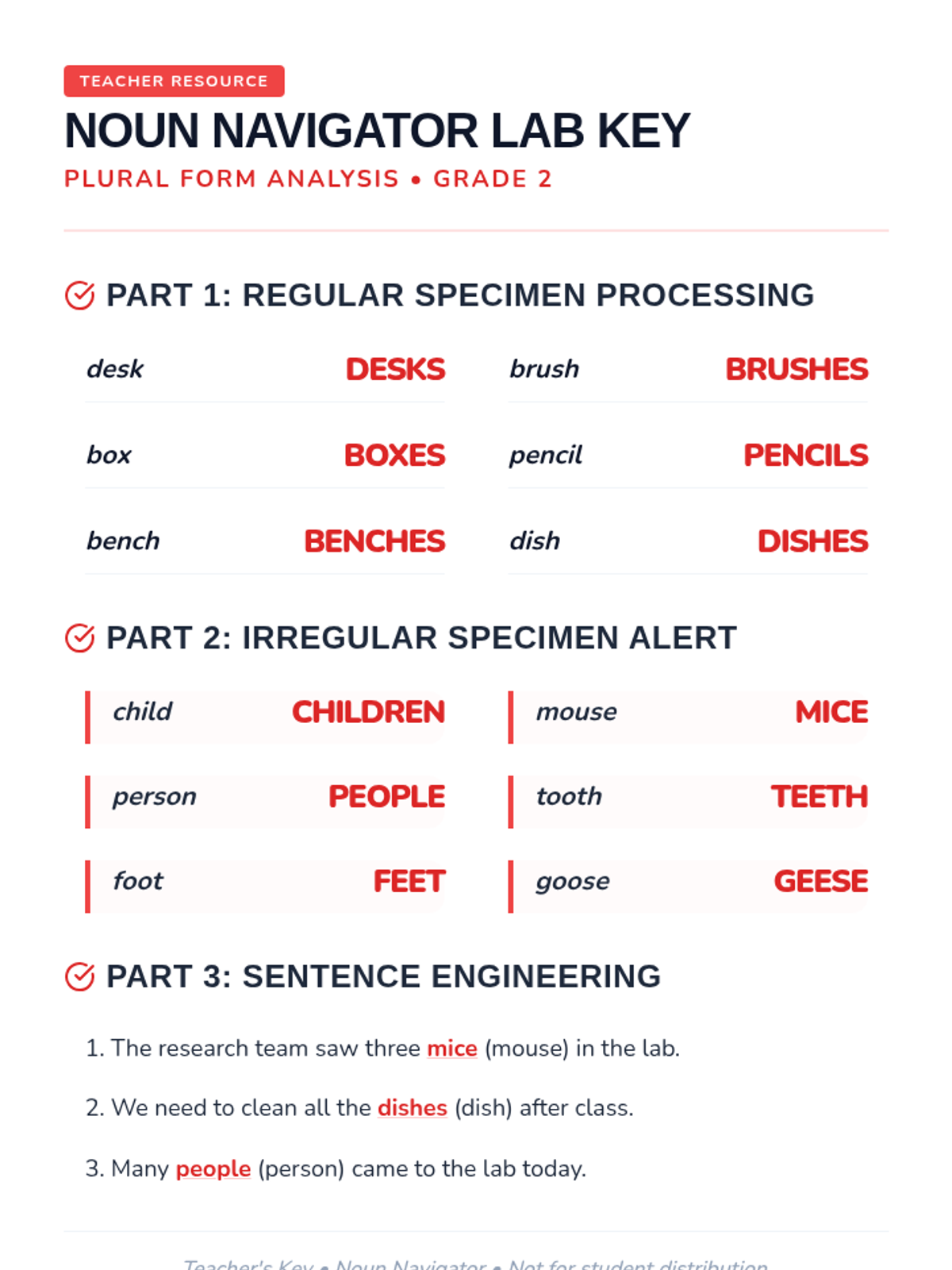
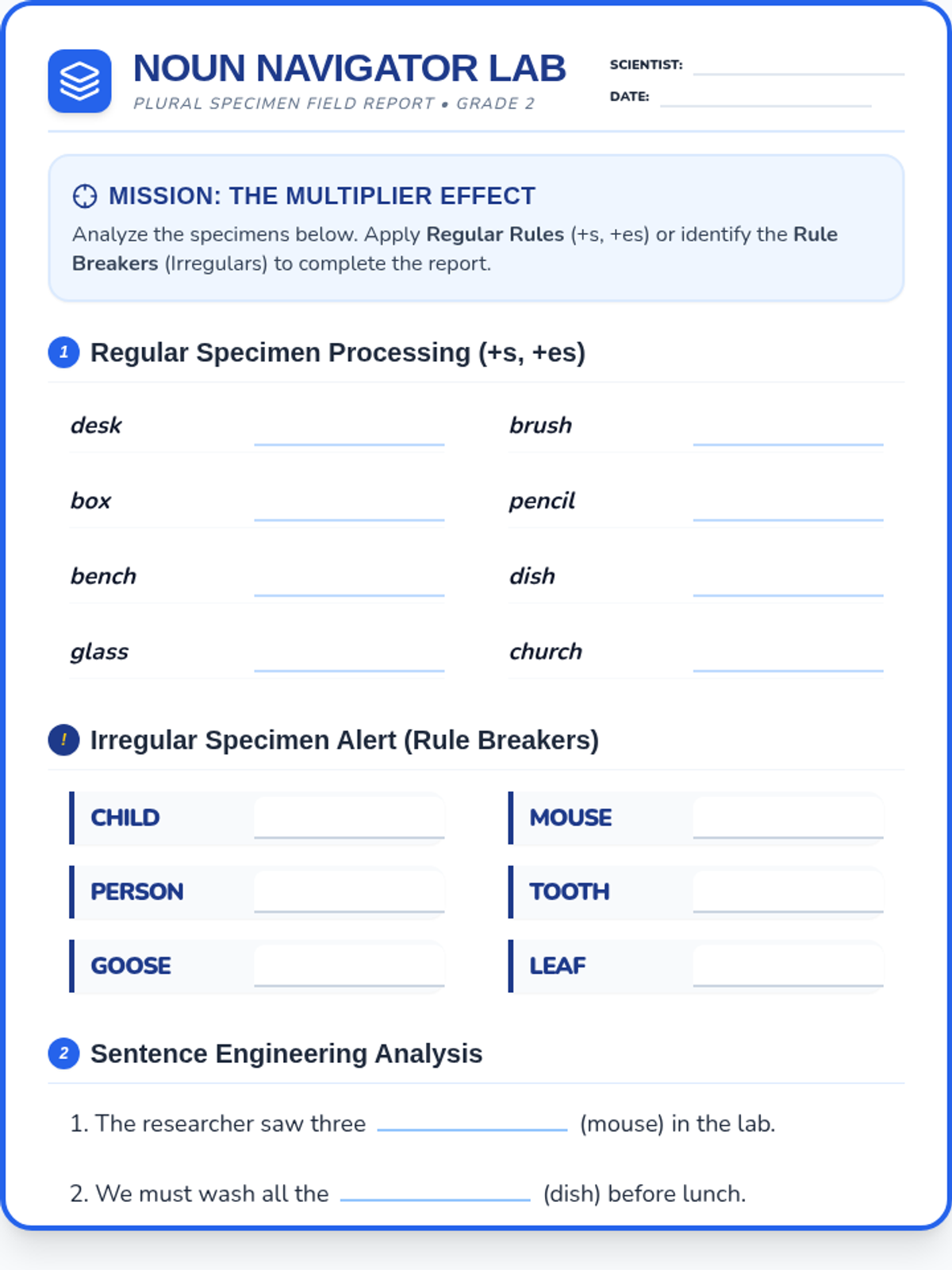
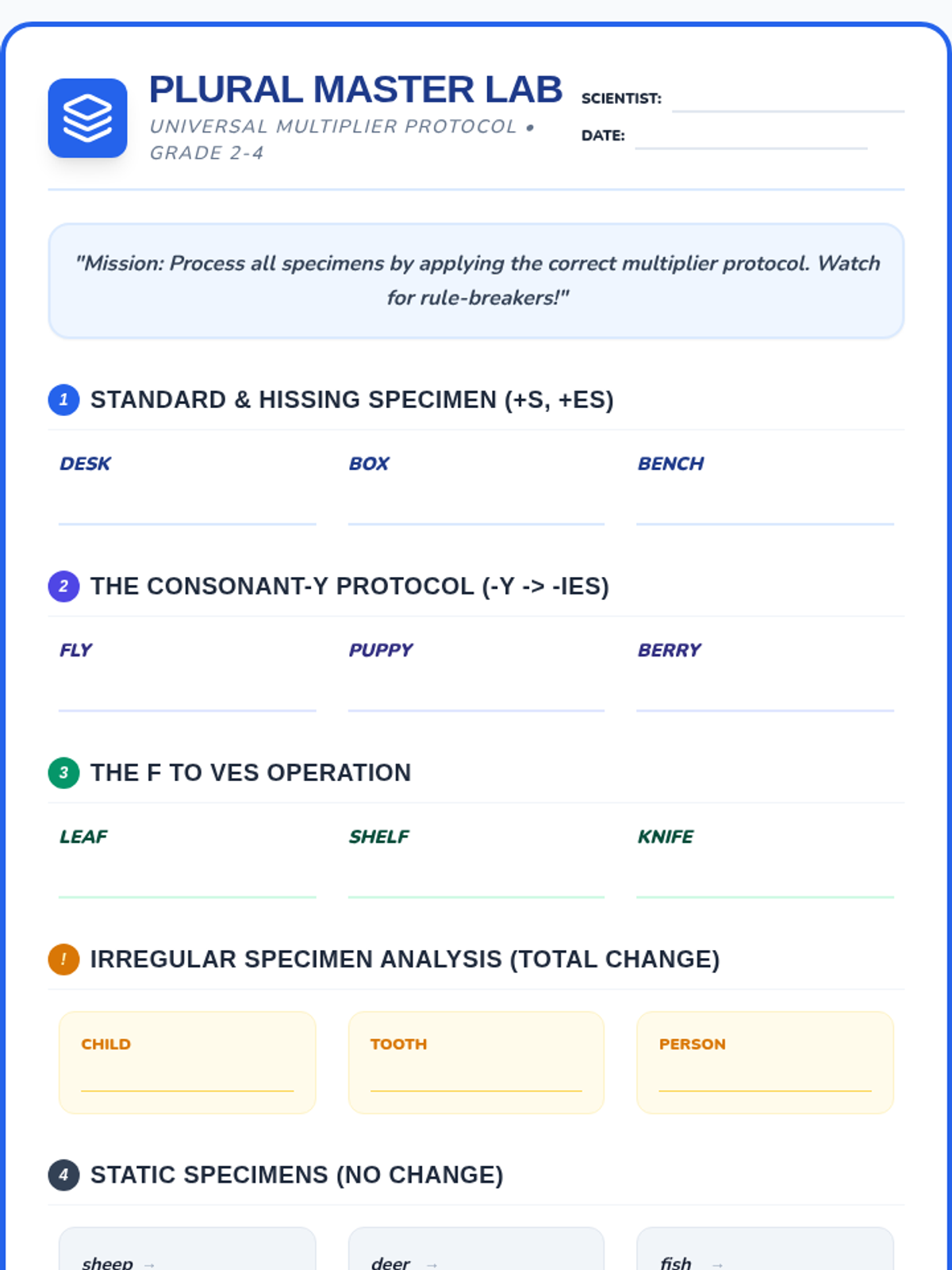
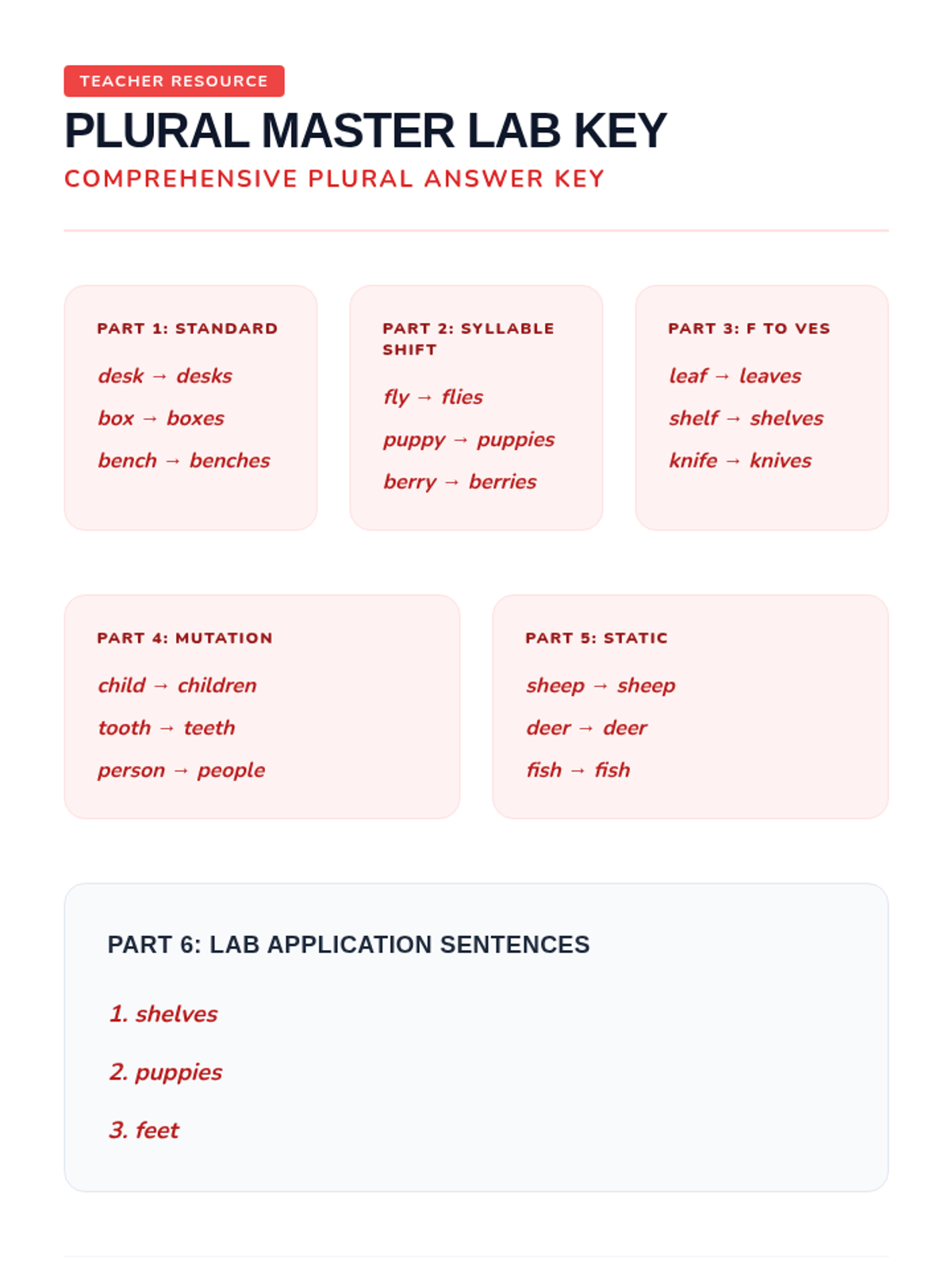
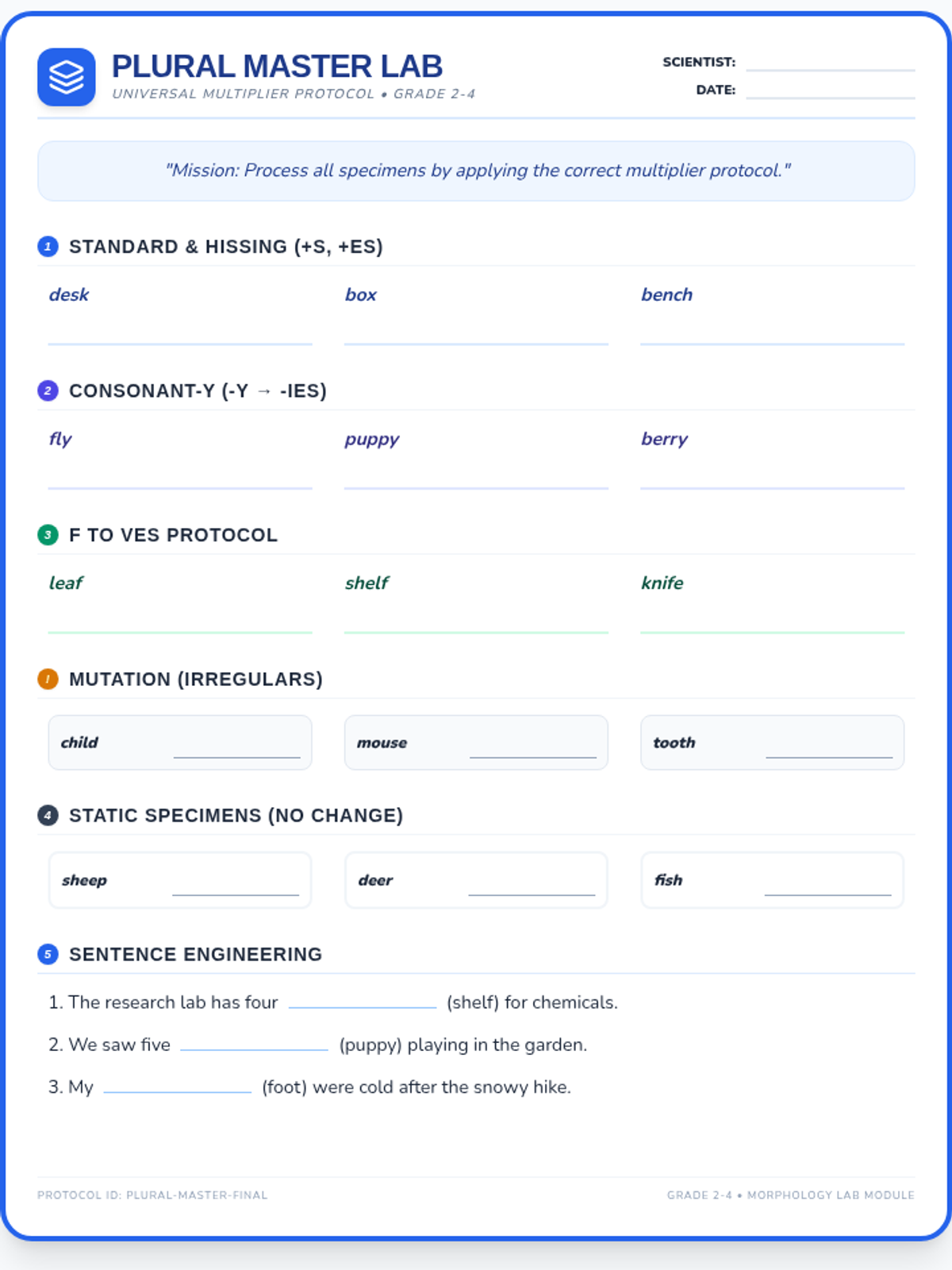
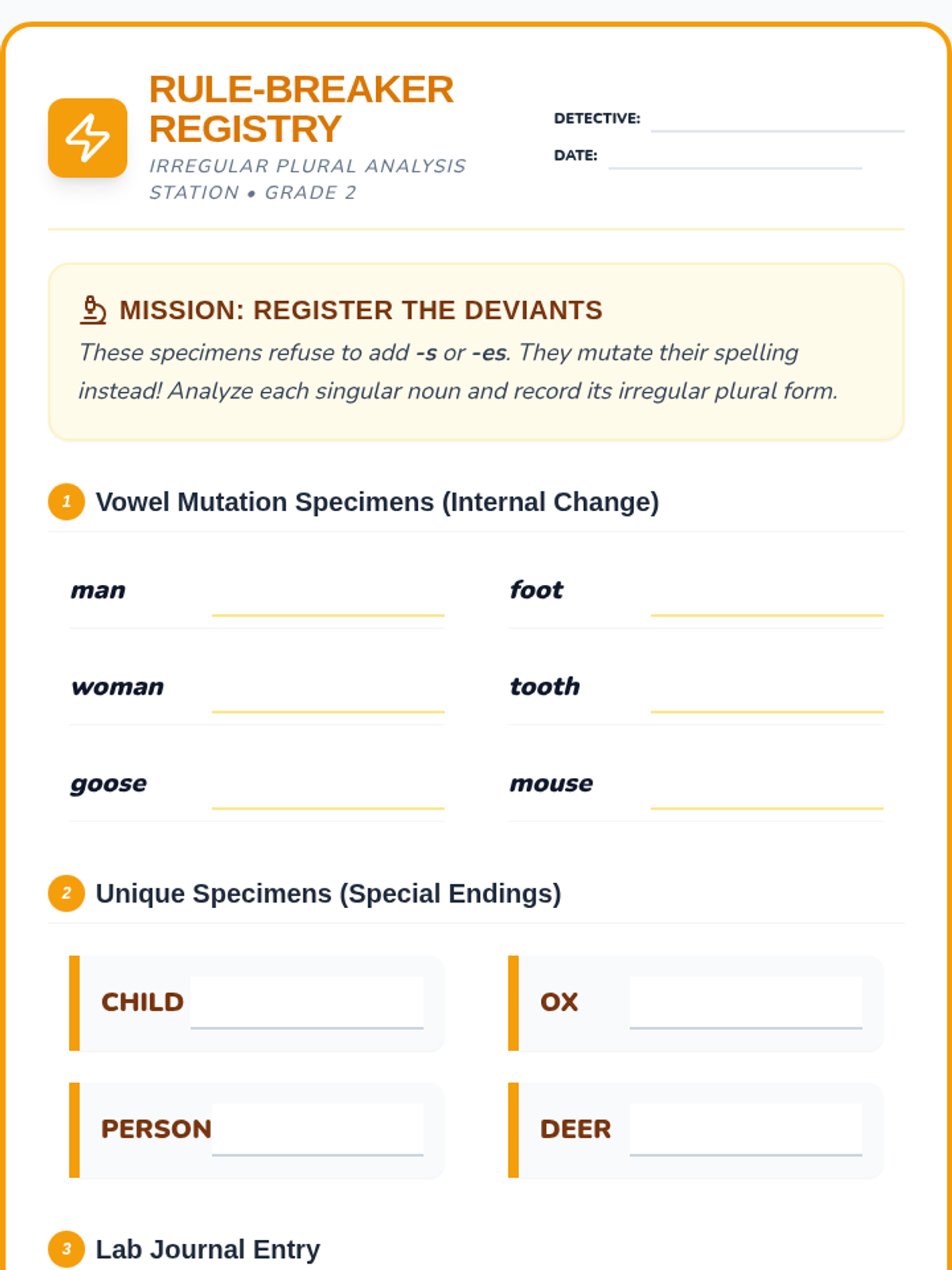
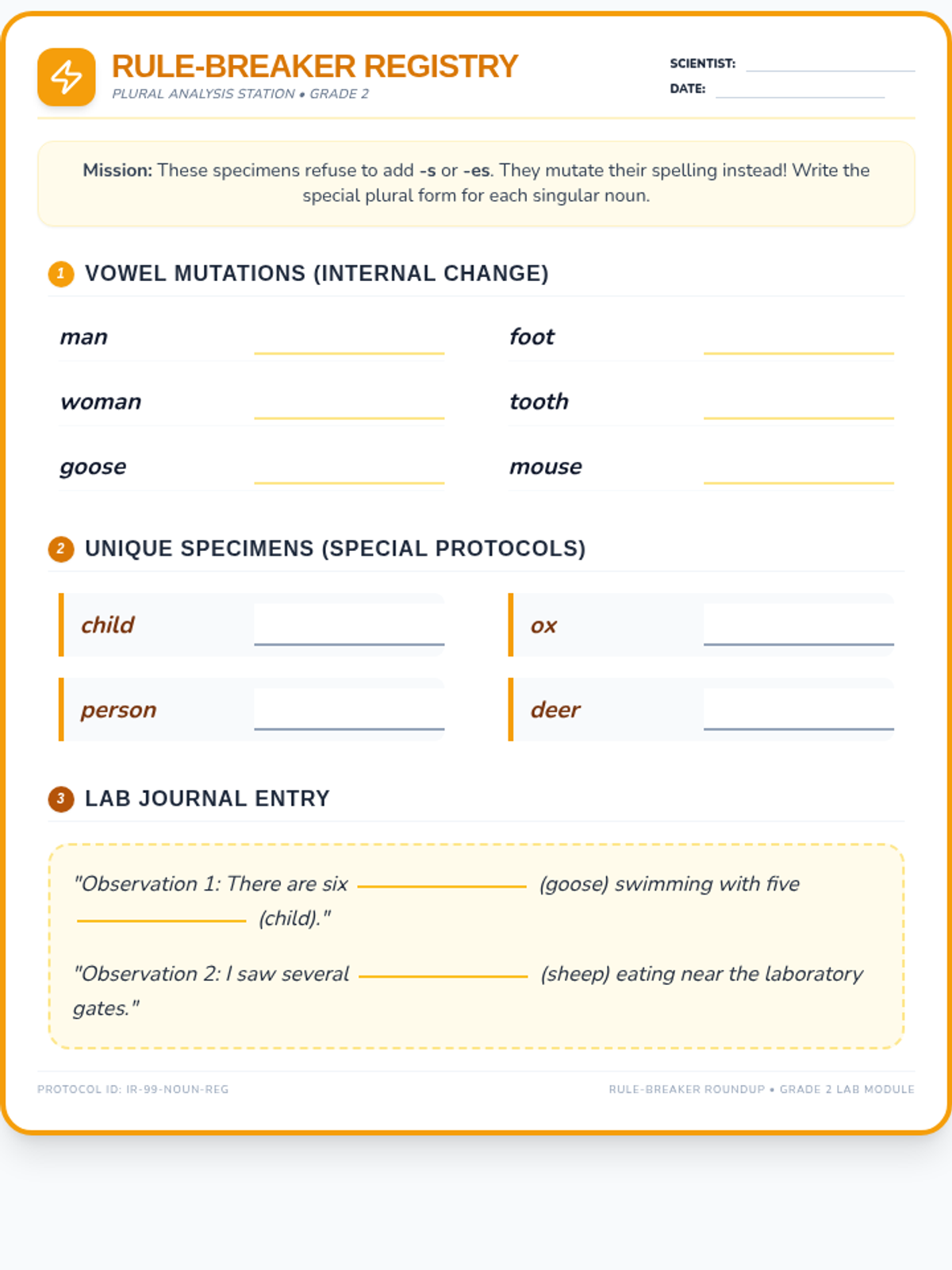
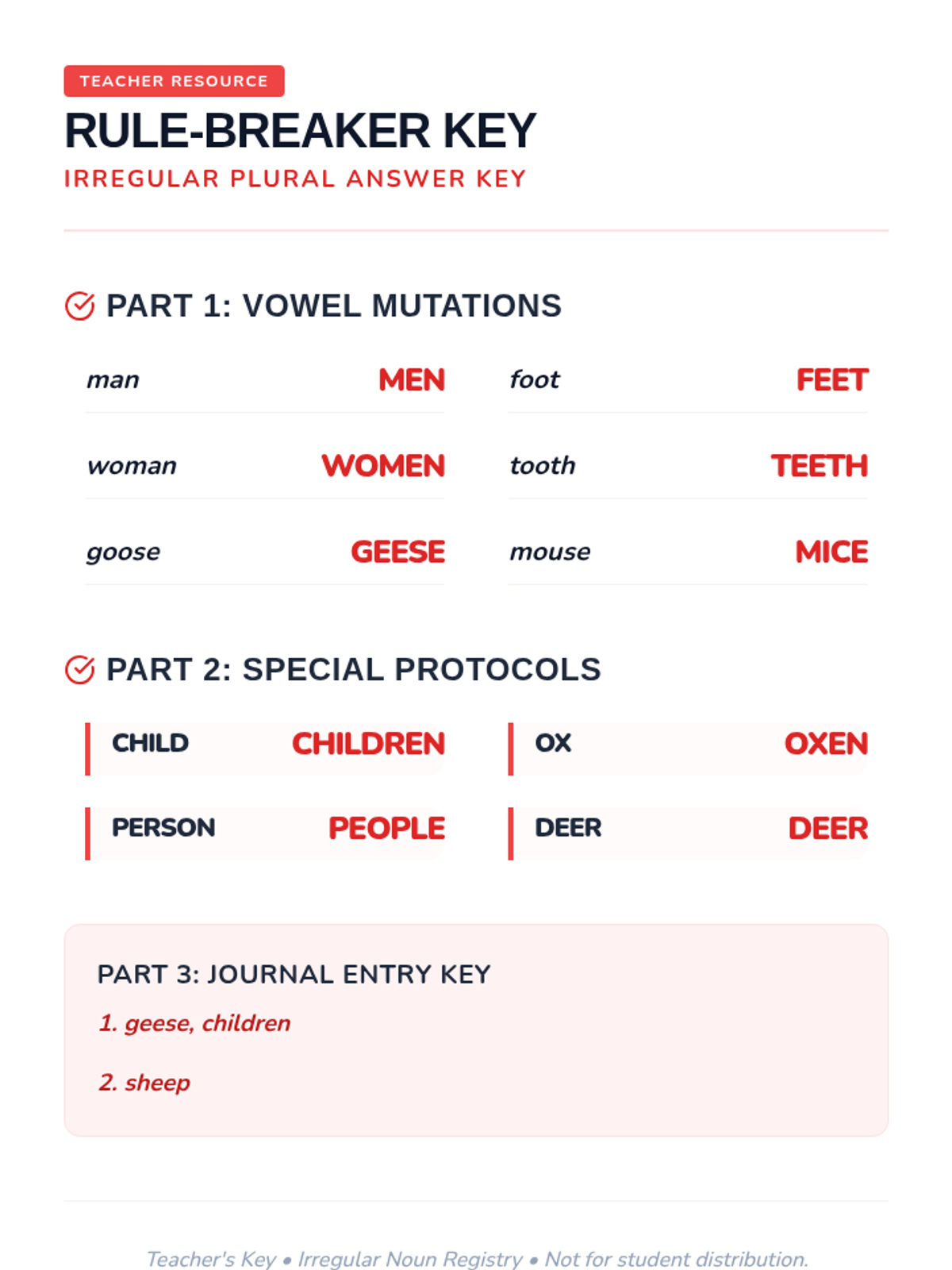
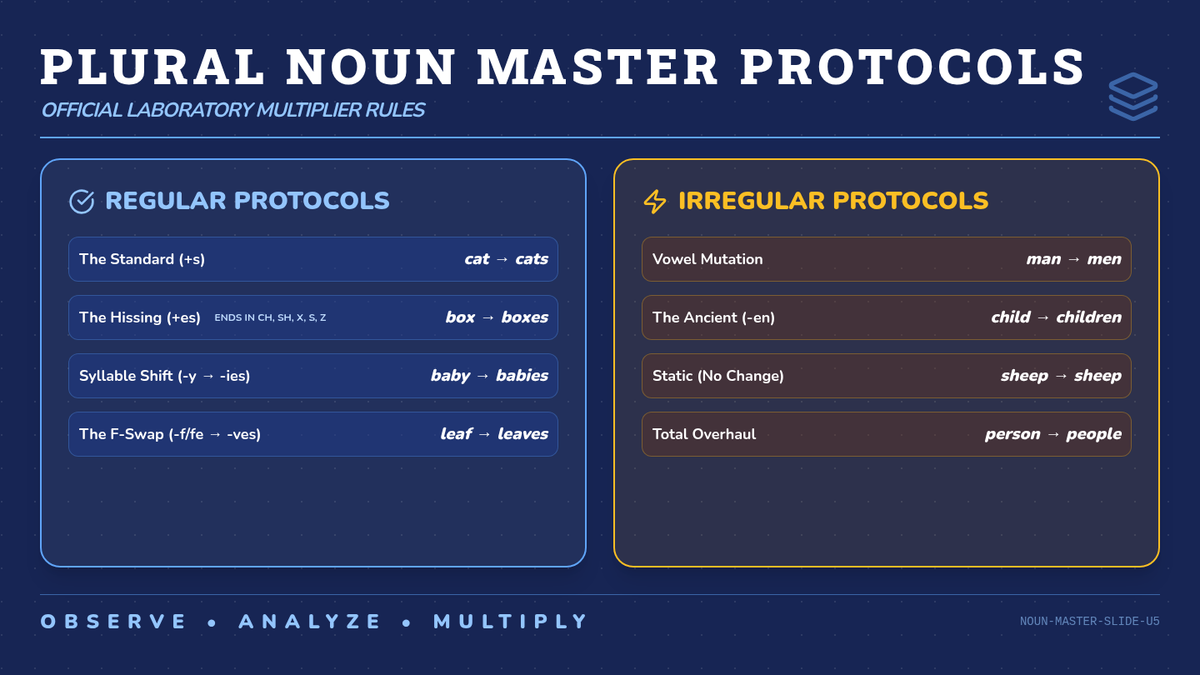
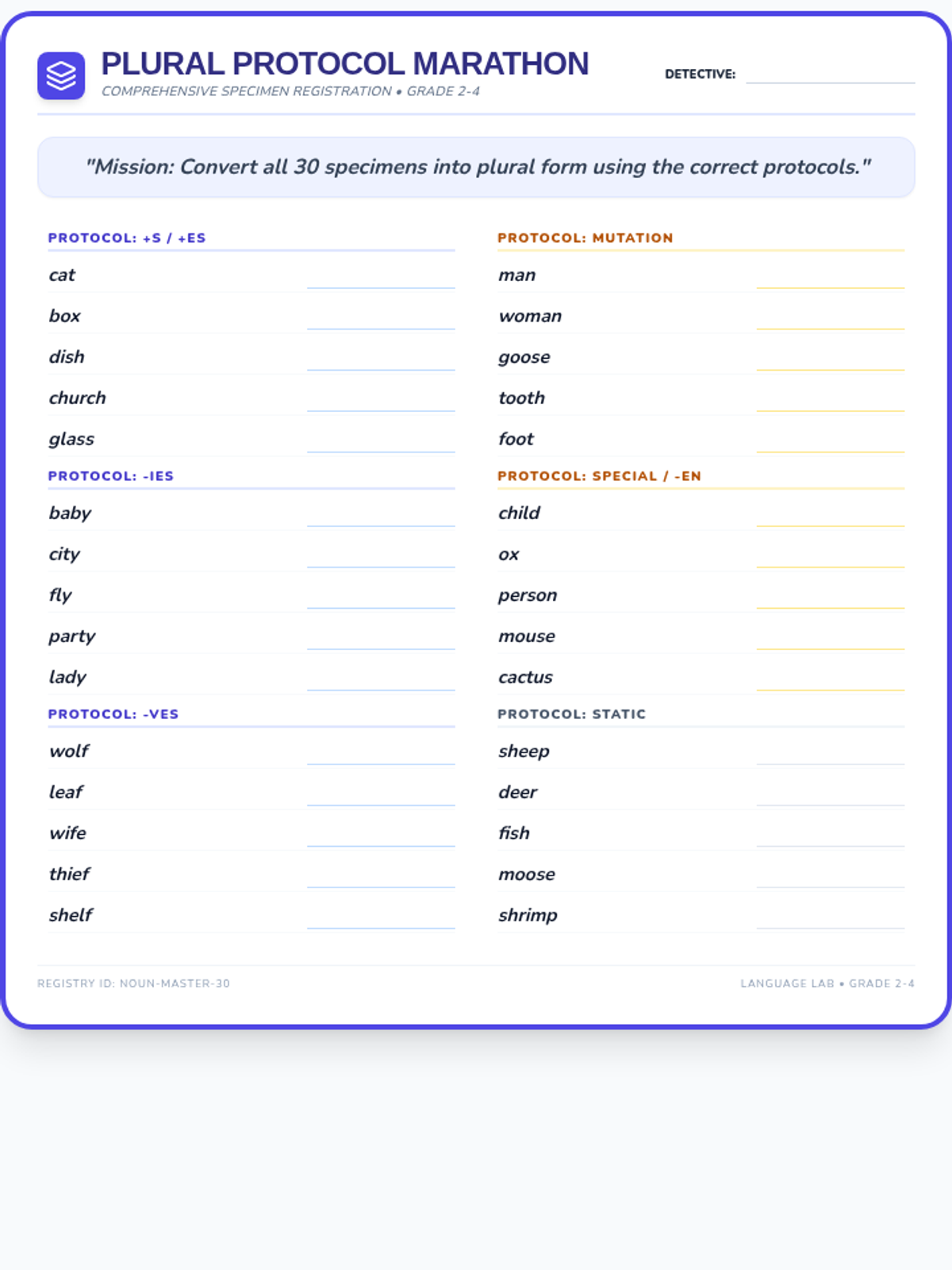
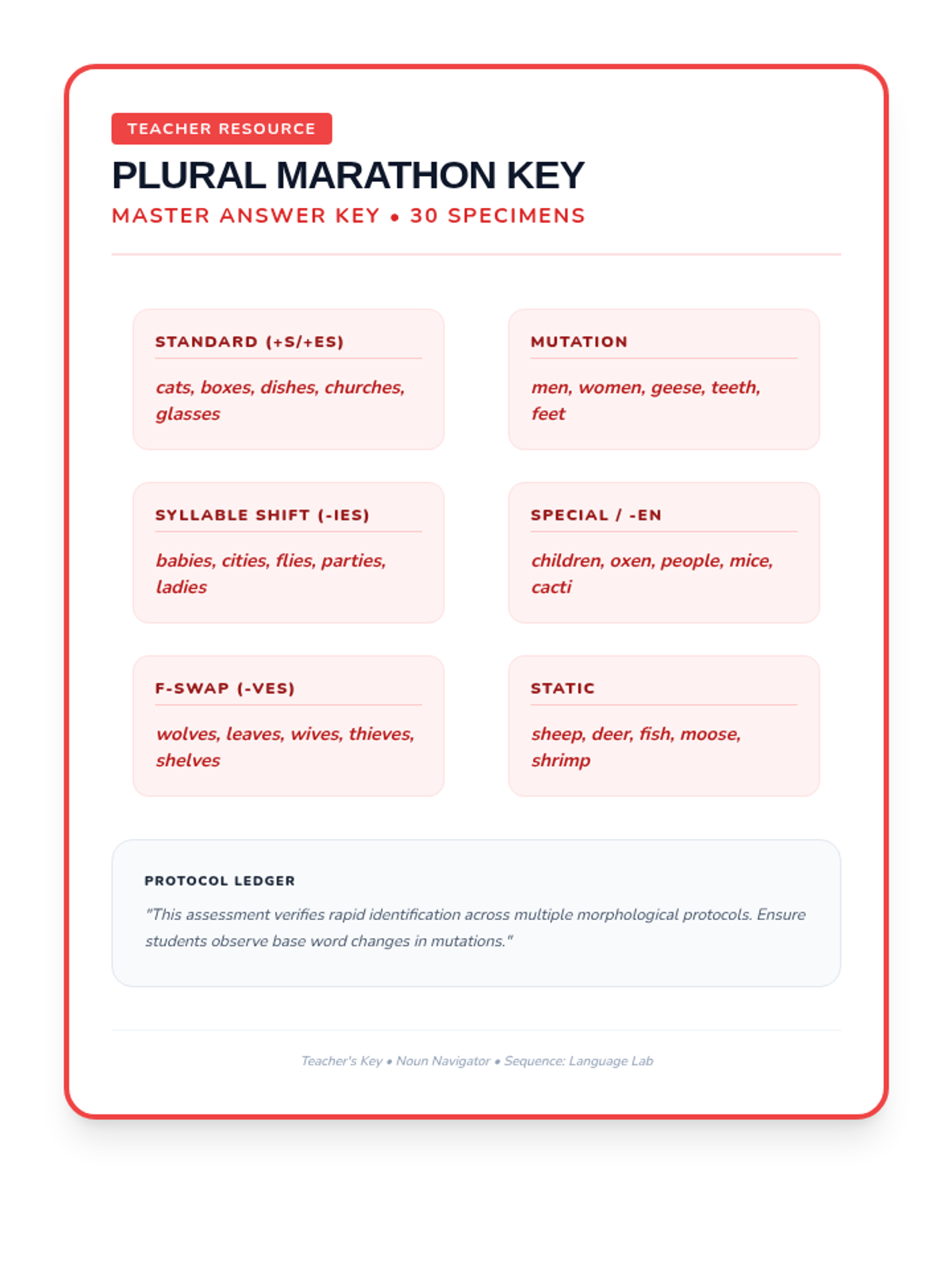
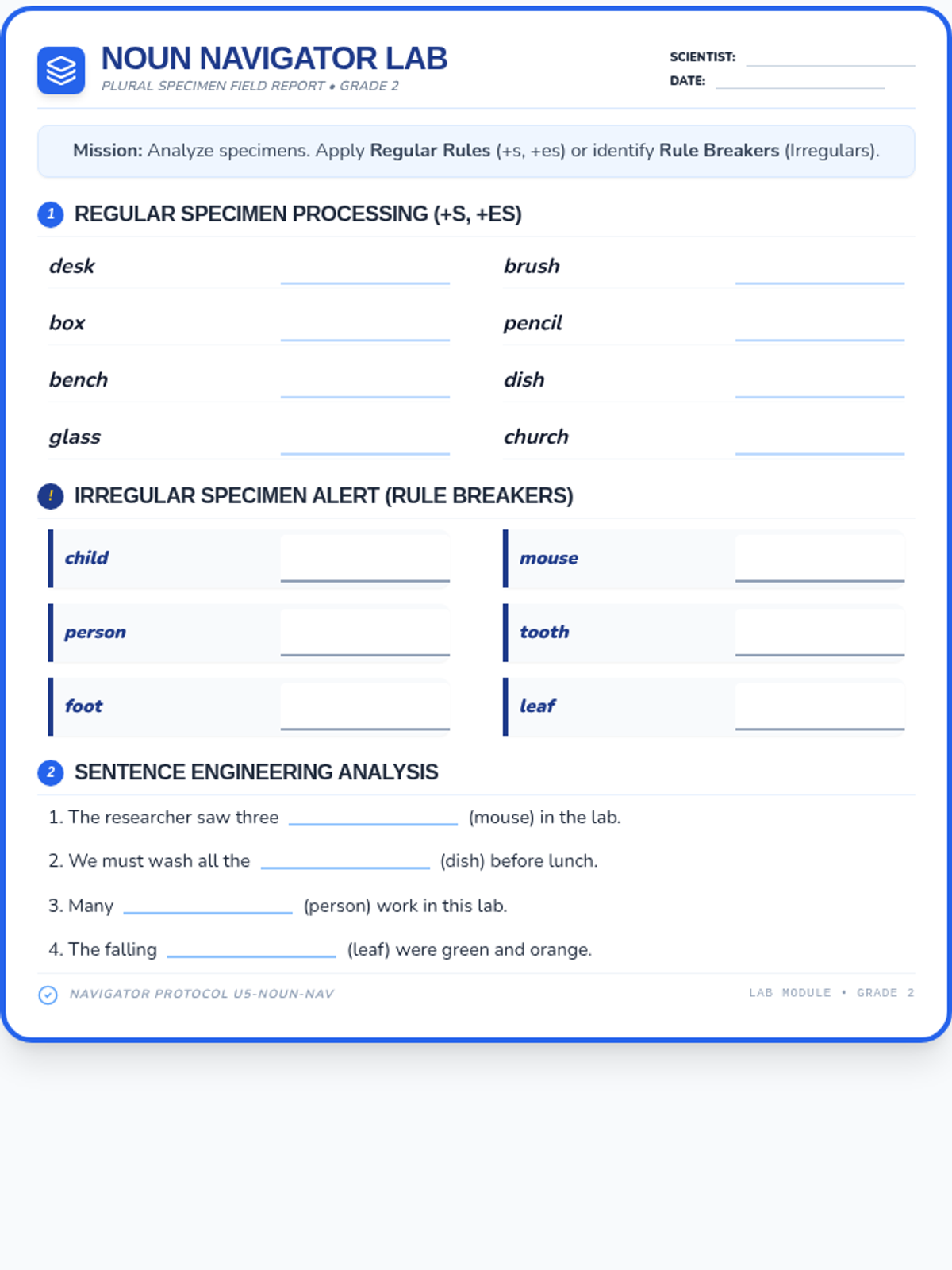
A lesson on identifying and forming plural nouns. Students learn the standard rules for regular plurals (-s, -es, -ies, -ves) and investigate 'rule-breaking' irregular nouns like mice, children, and people.
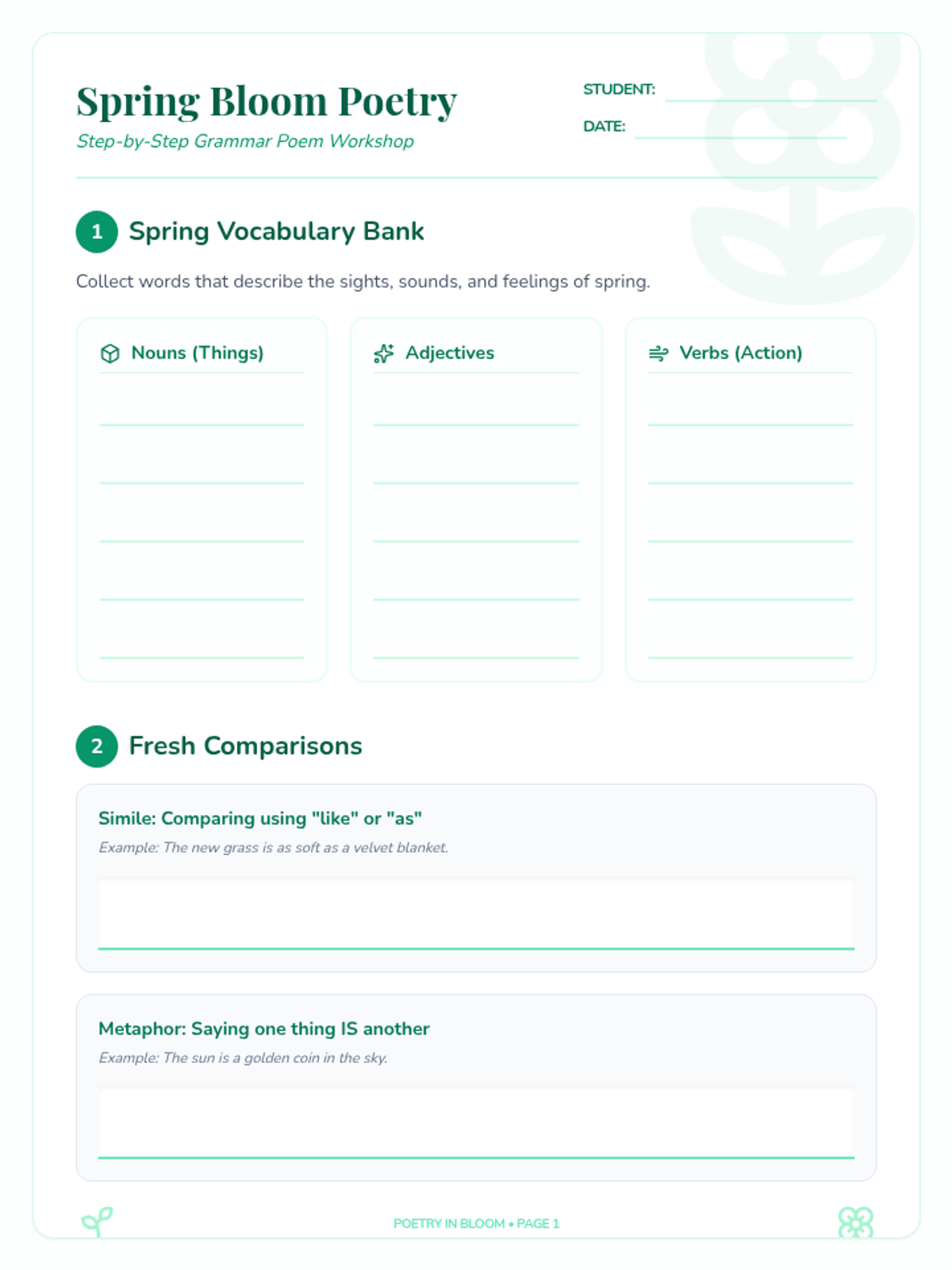
A guided poetry workshop where students use grammar concepts and figurative language to celebrate the arrival of spring.
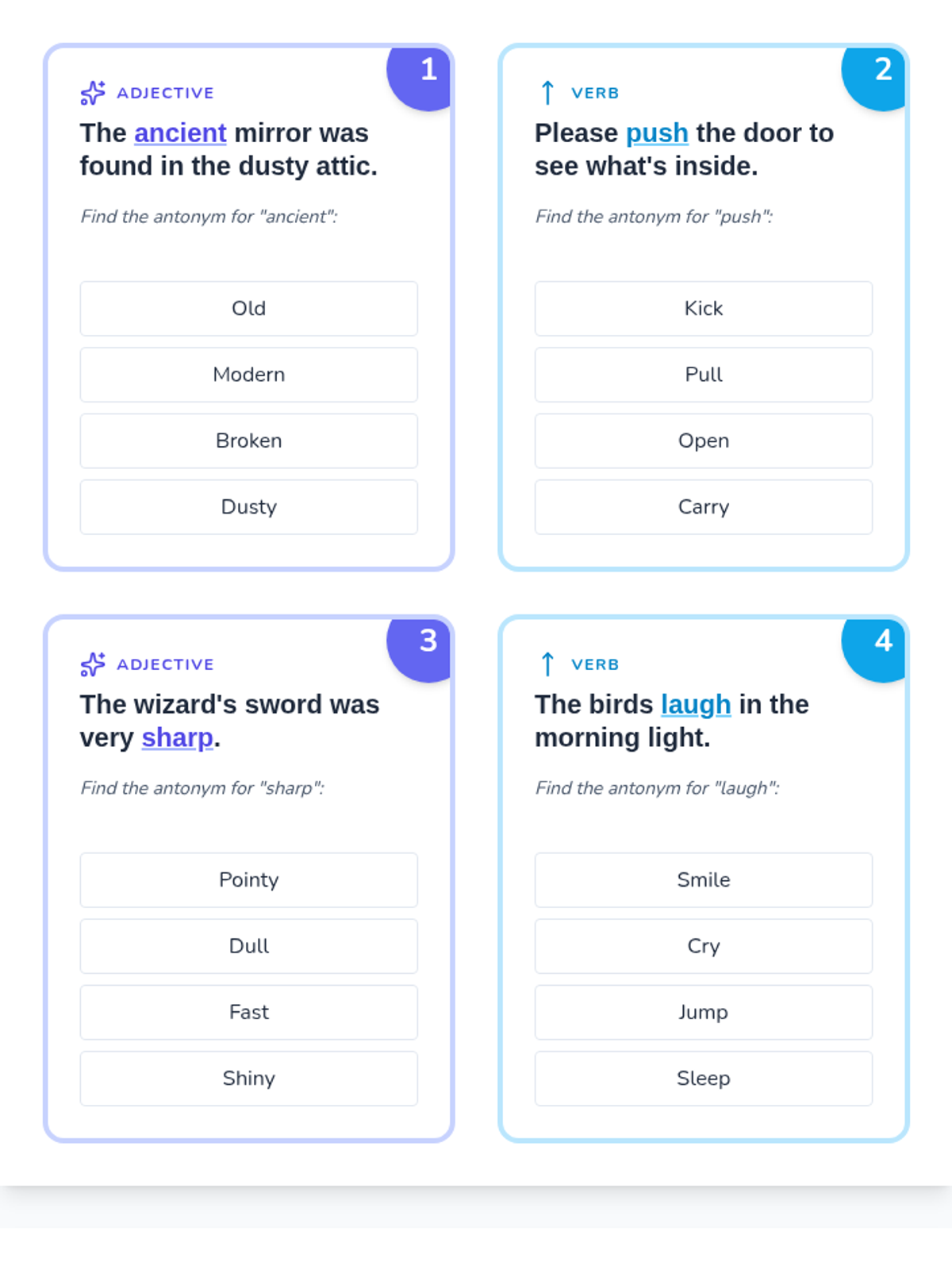
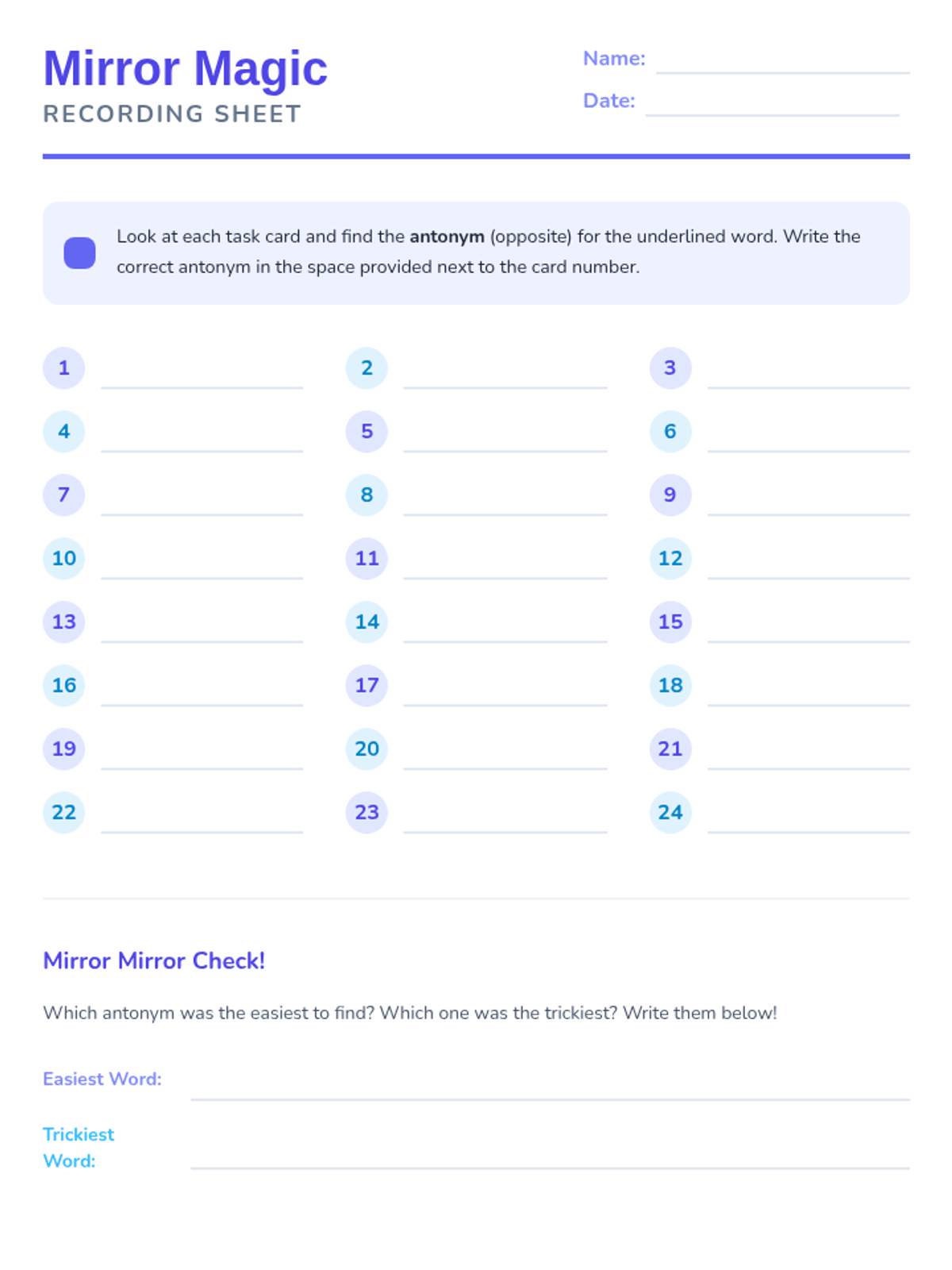
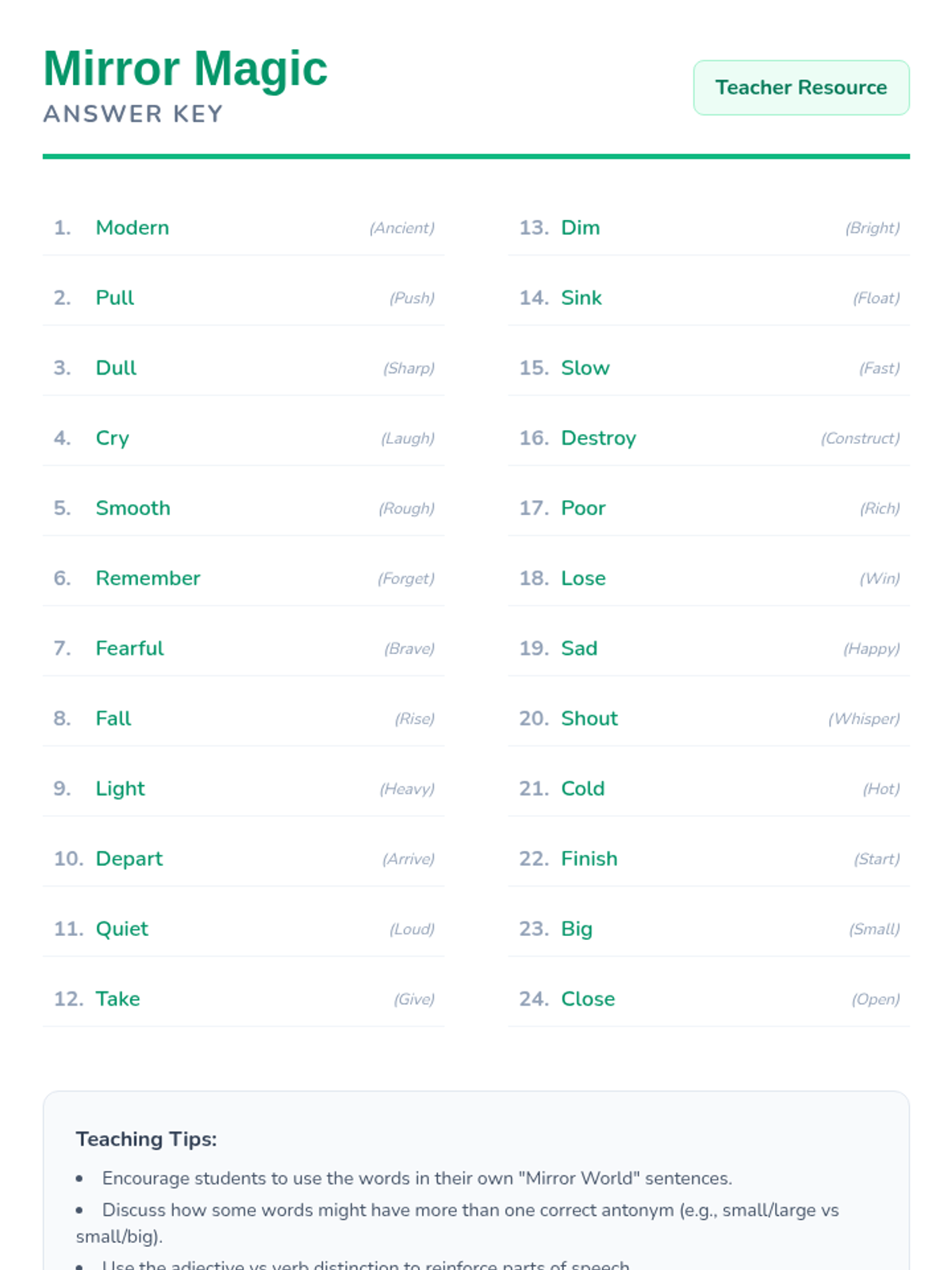
A set of engaging antonym task cards focusing on adjectives and verbs to help 3rd-grade students master word opposites through a magical mirror theme.
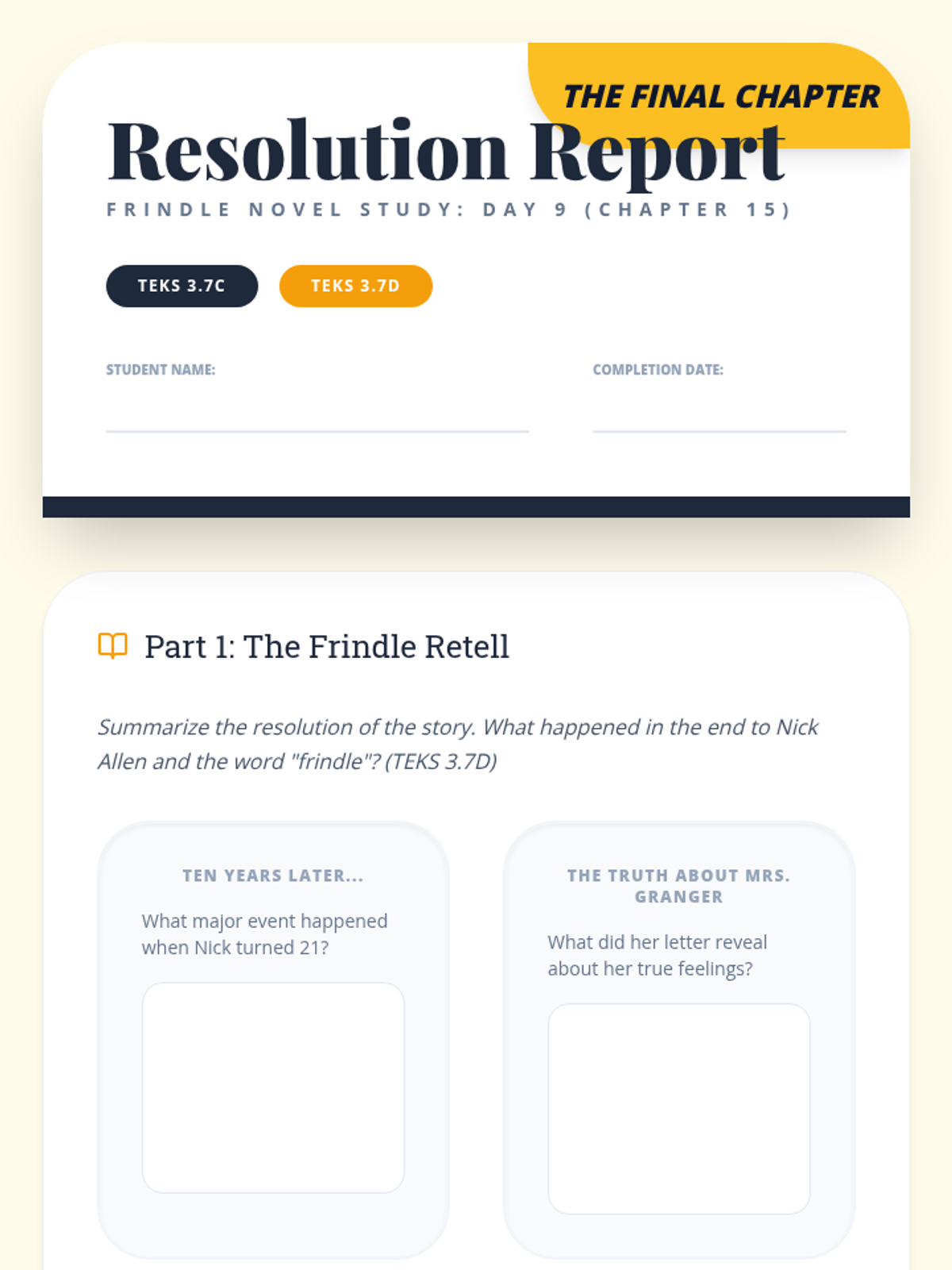
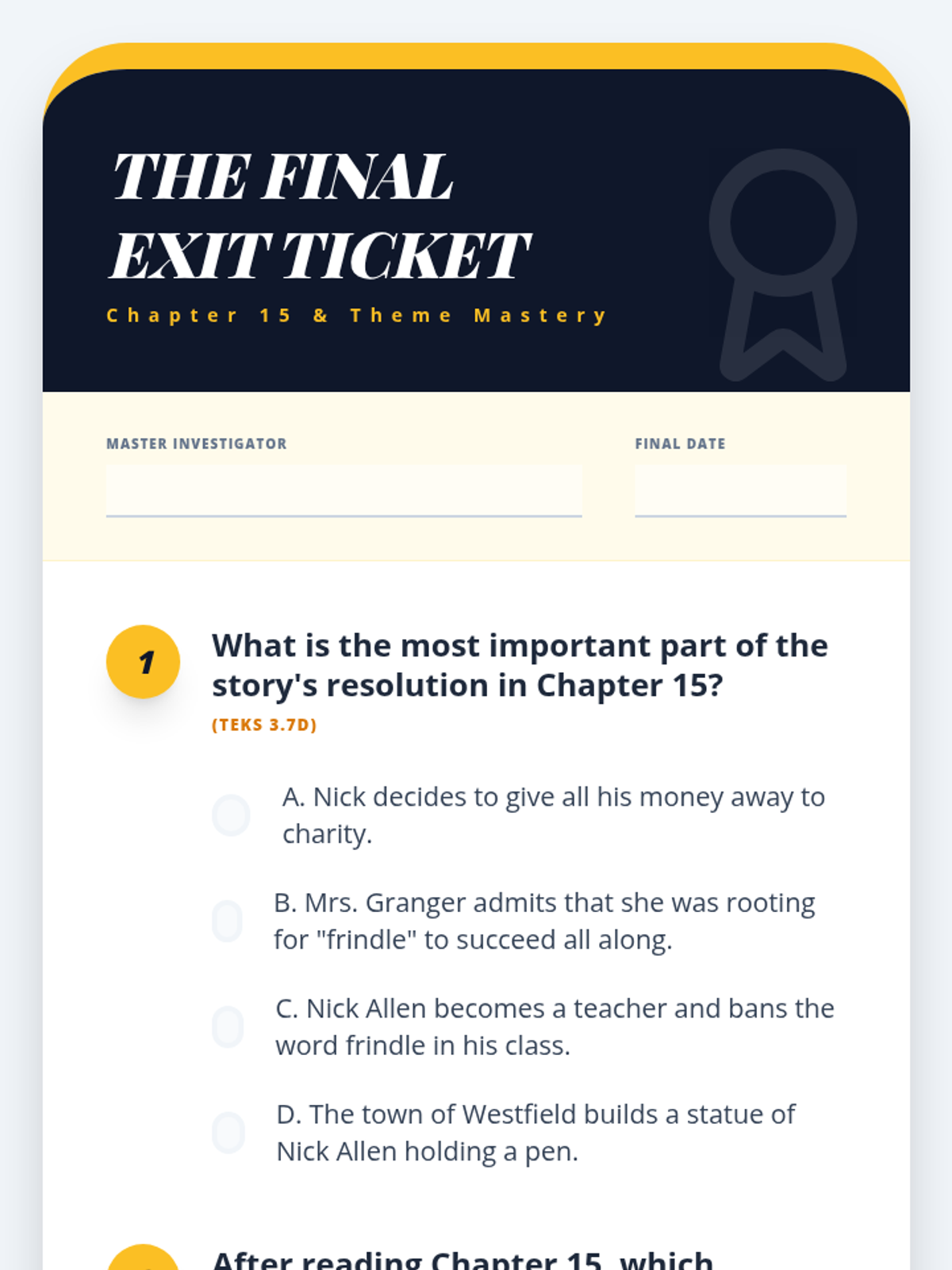
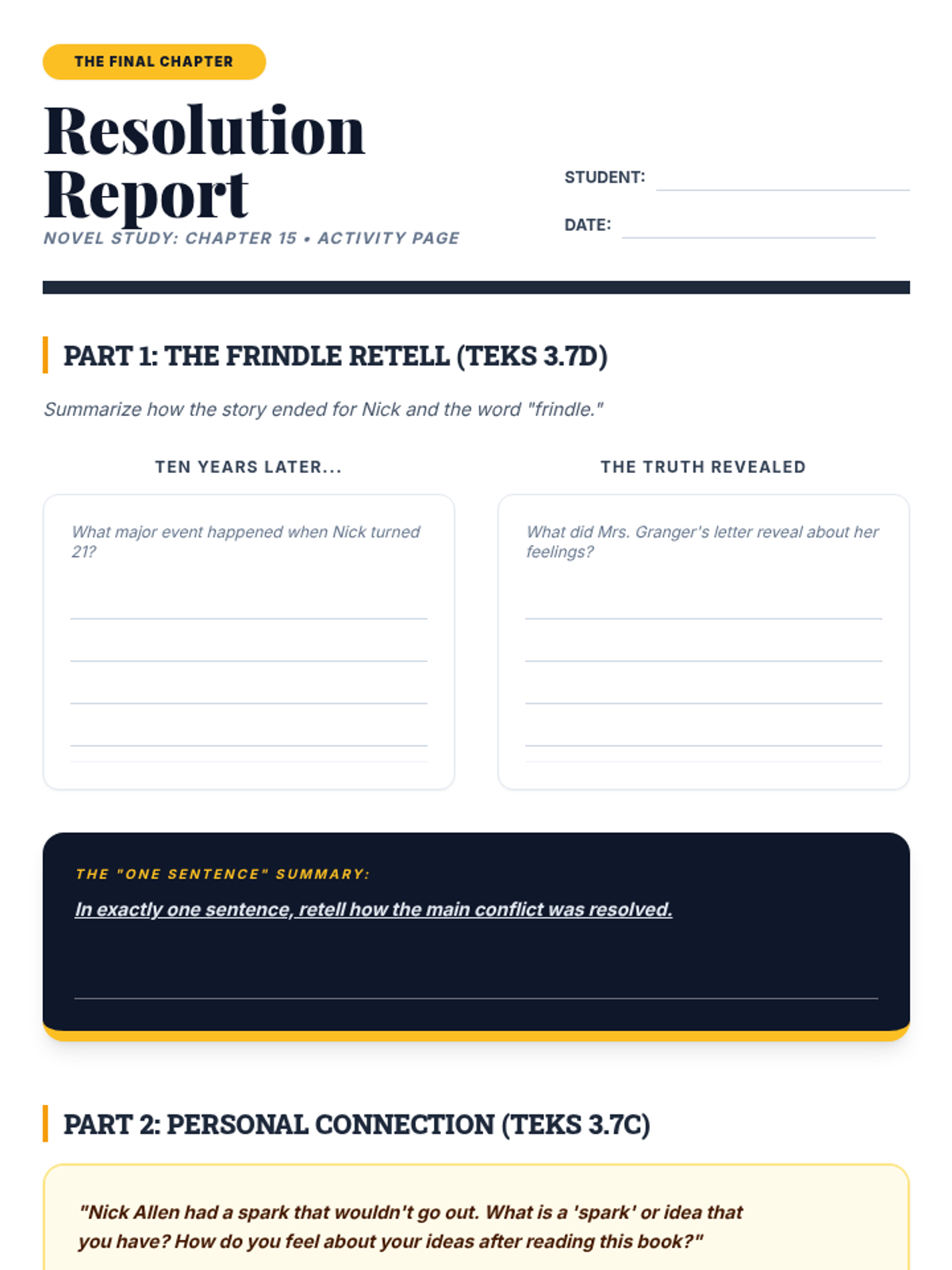
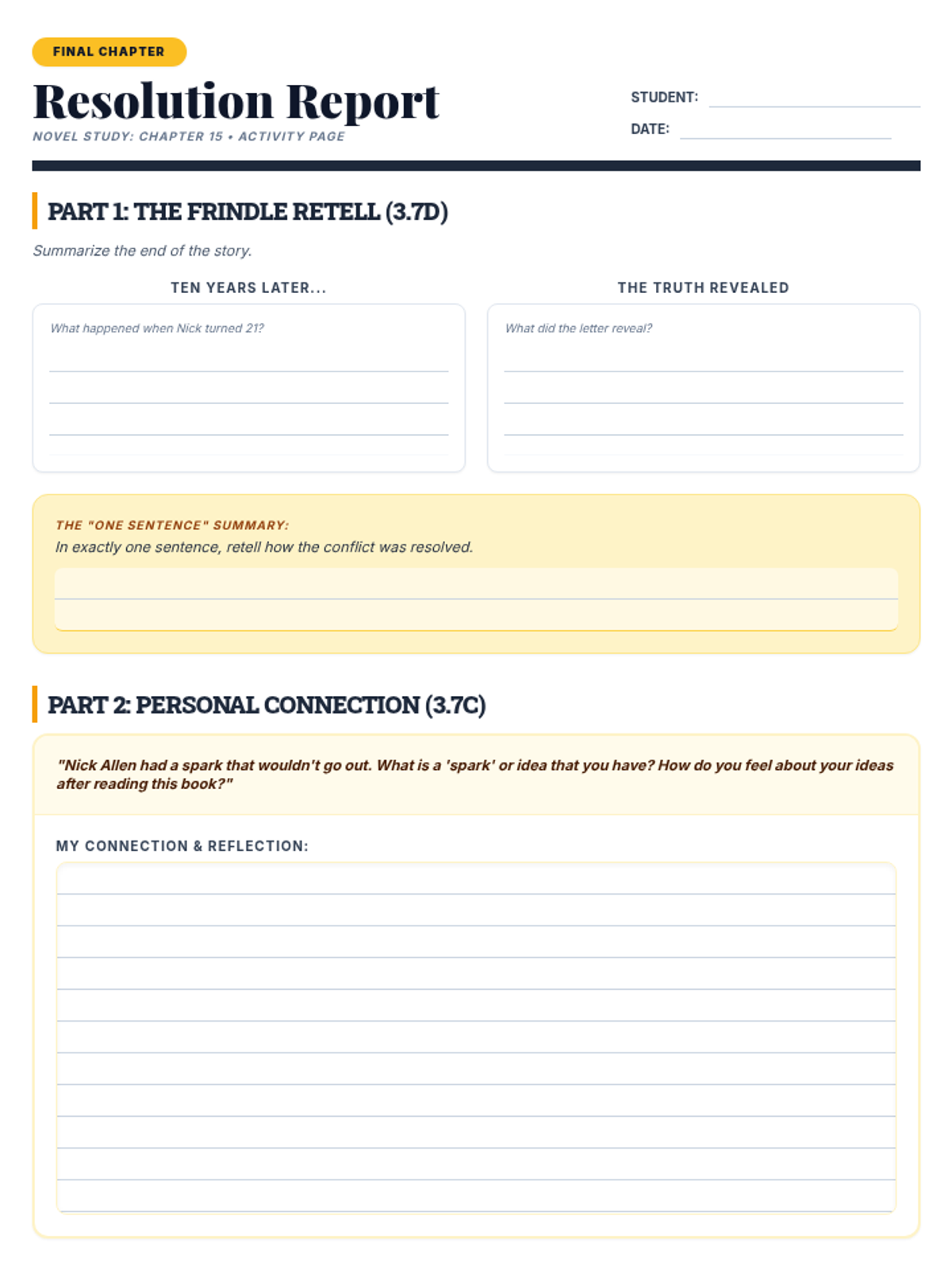
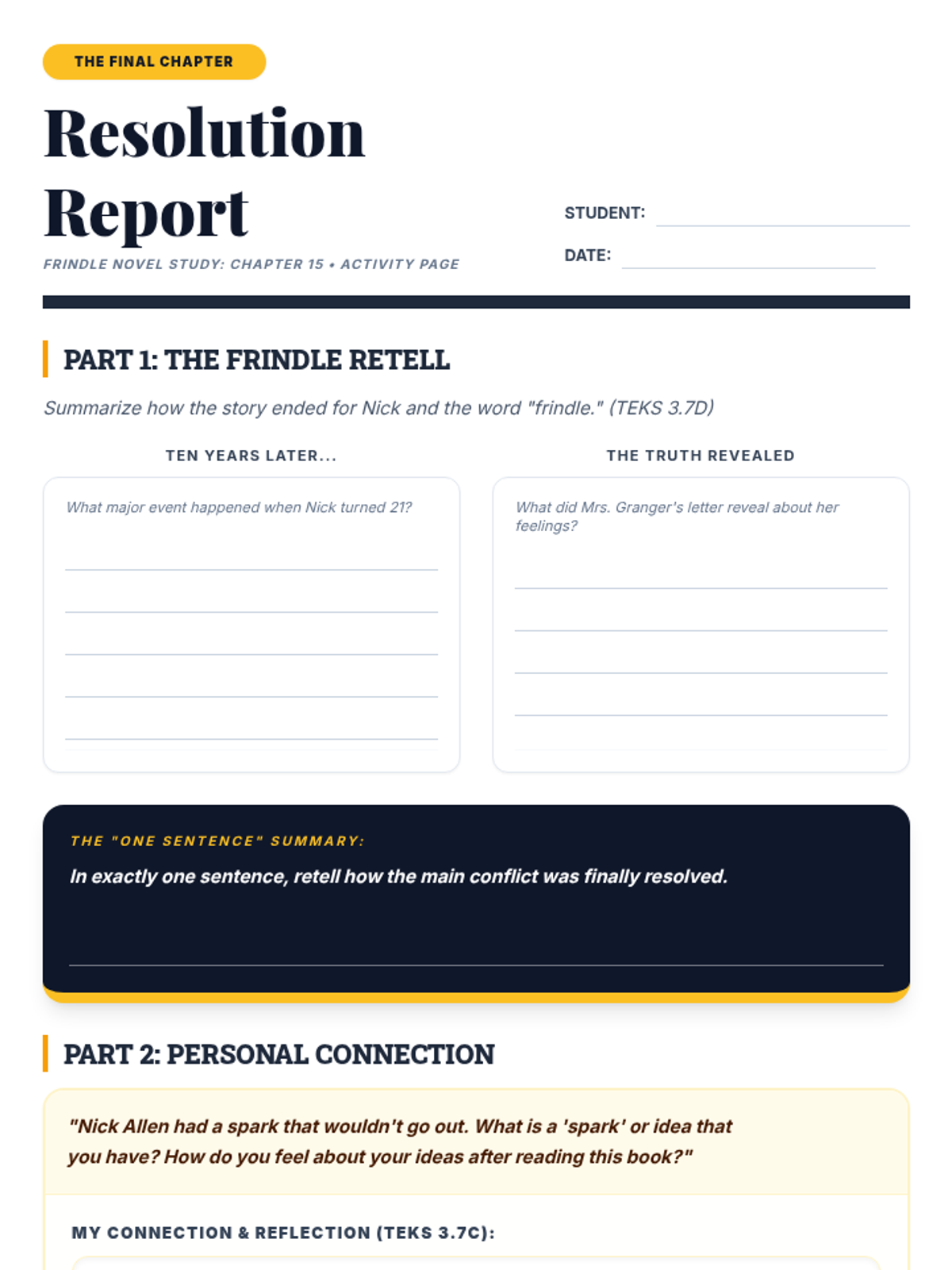
The final resolution and the lasting impact of the word 'frindle,' focusing on theme (3.7C) and retelling the story (3.7D).
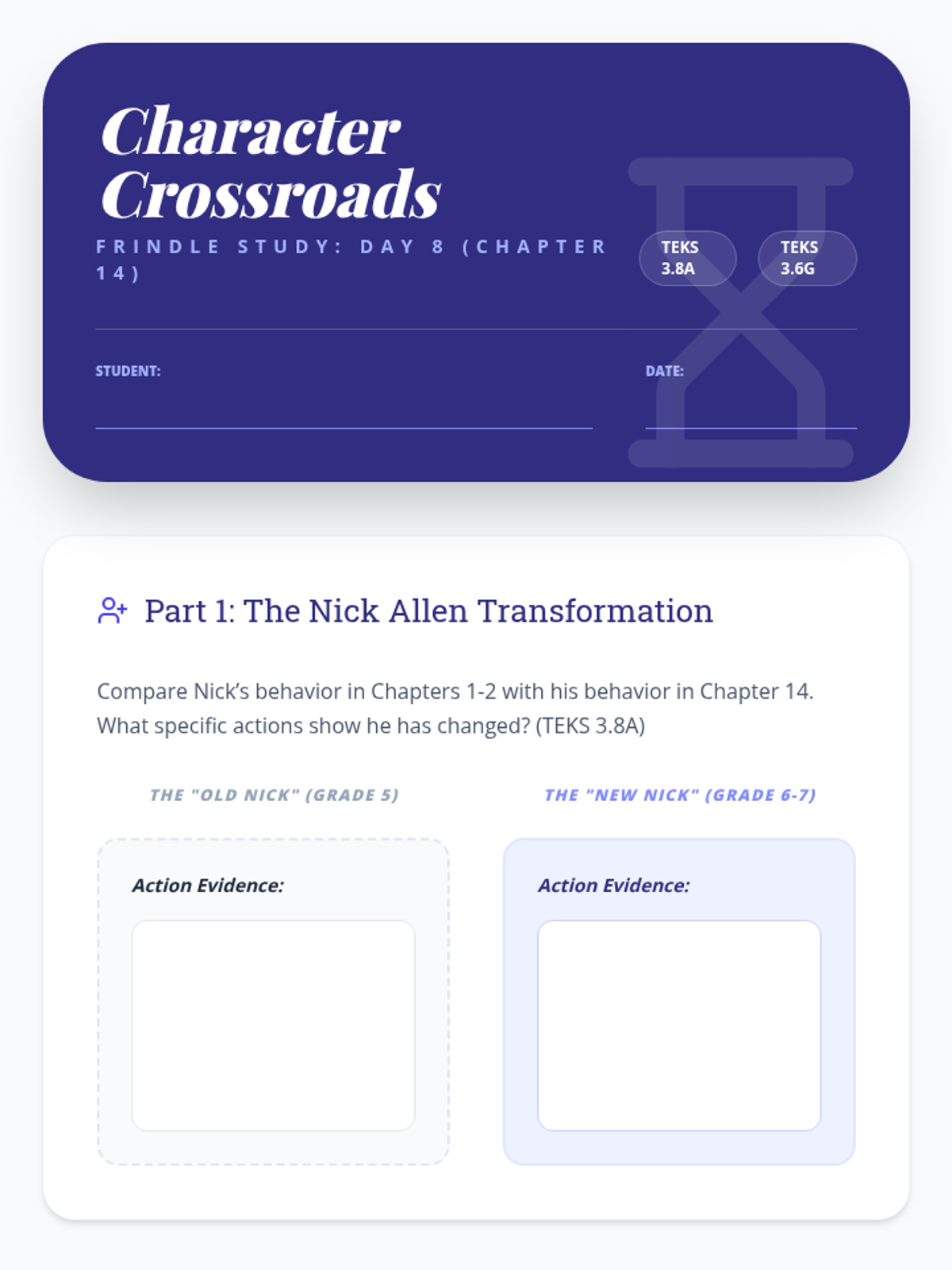
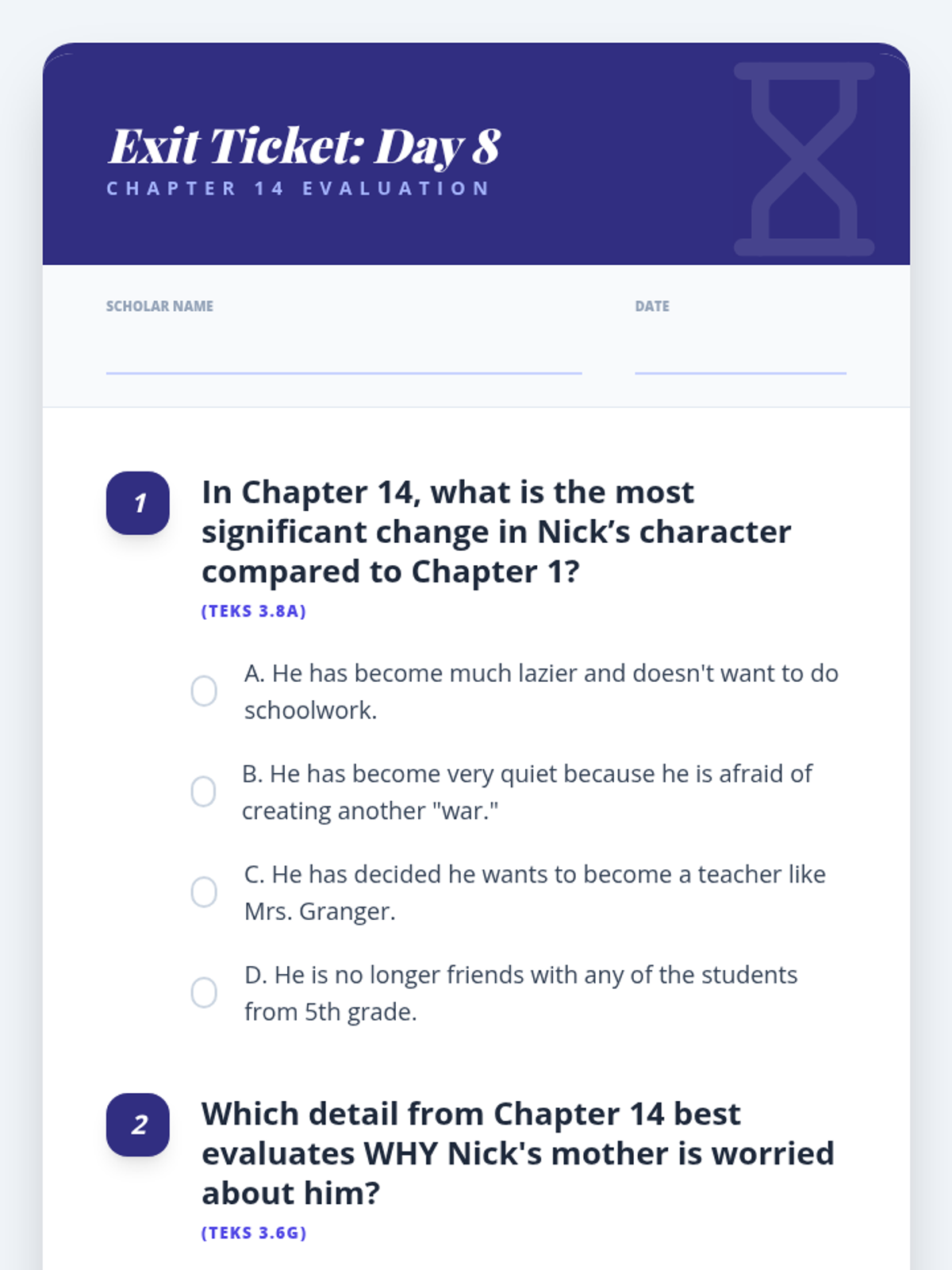
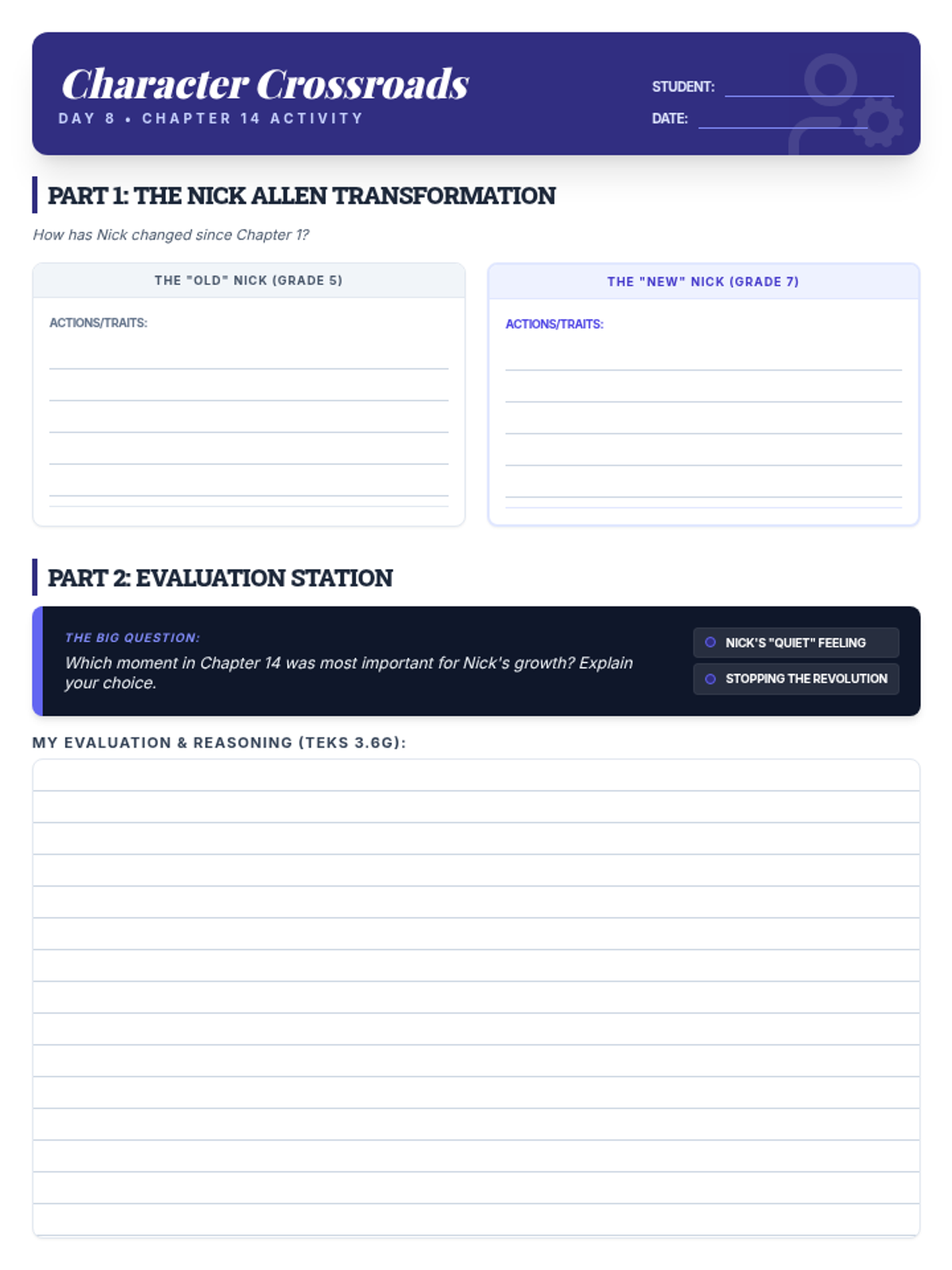
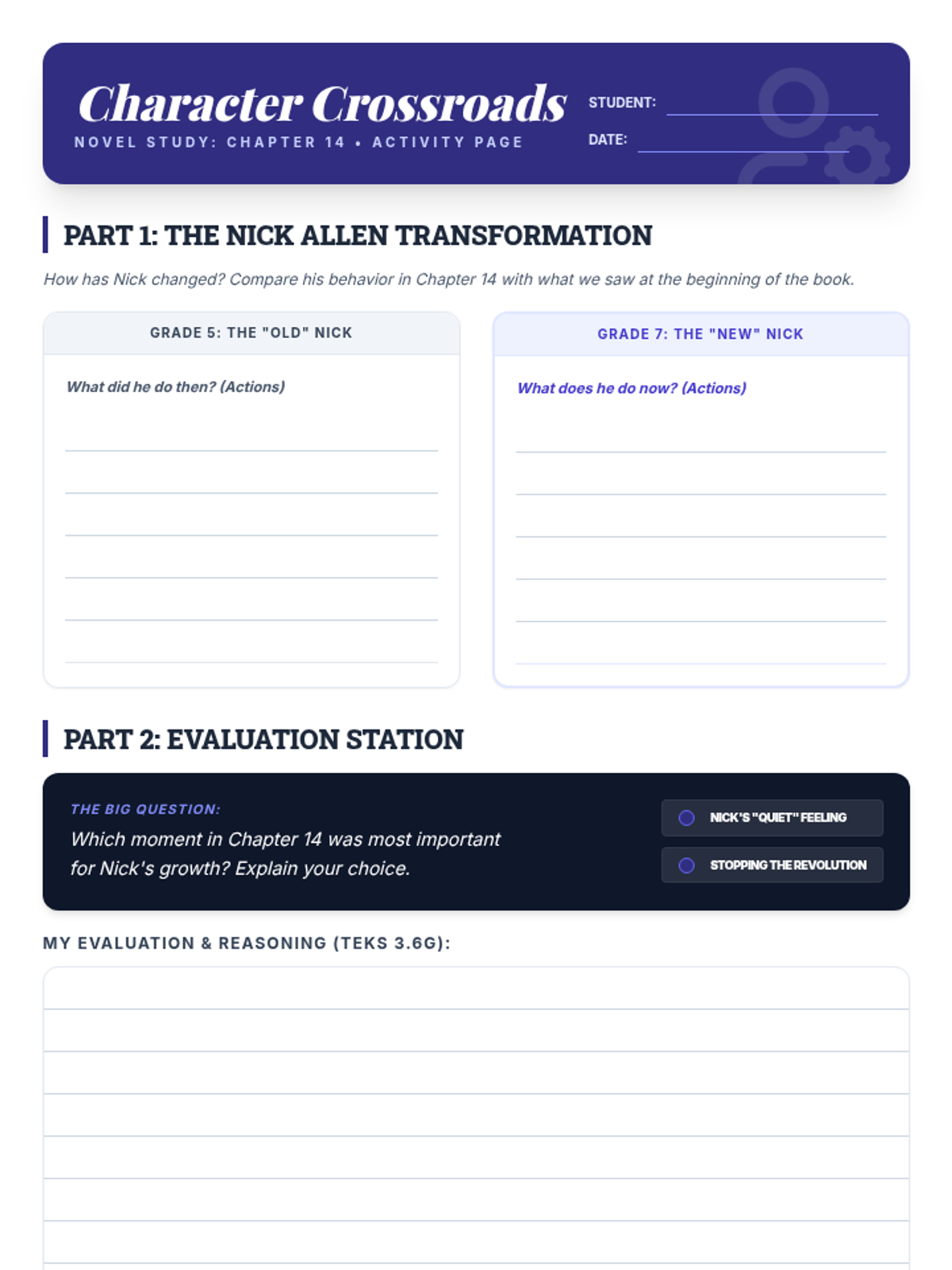
Analyzing how the characters and situation have evolved, focusing on character change (3.8A) and evaluating details (3.6G).
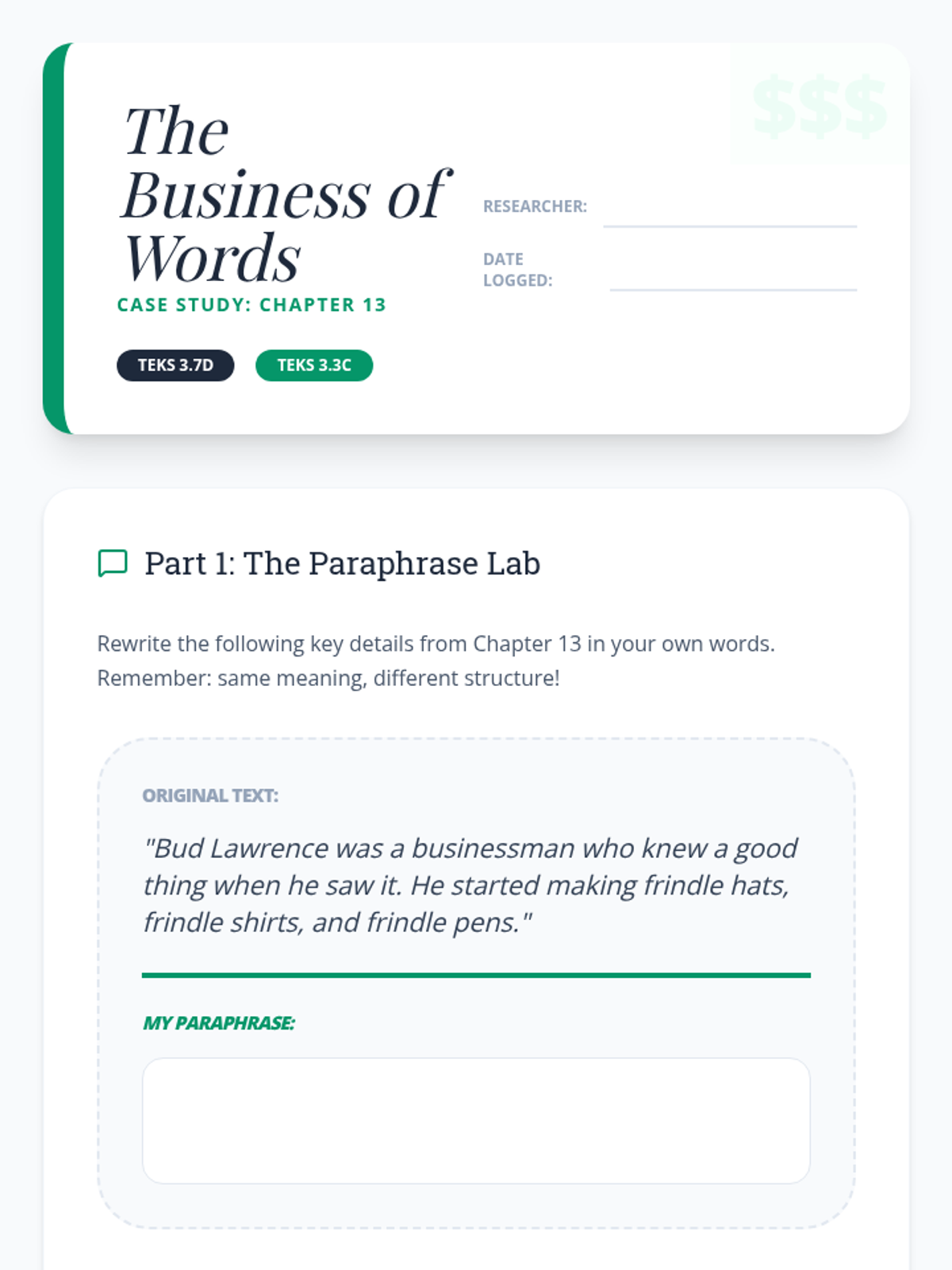
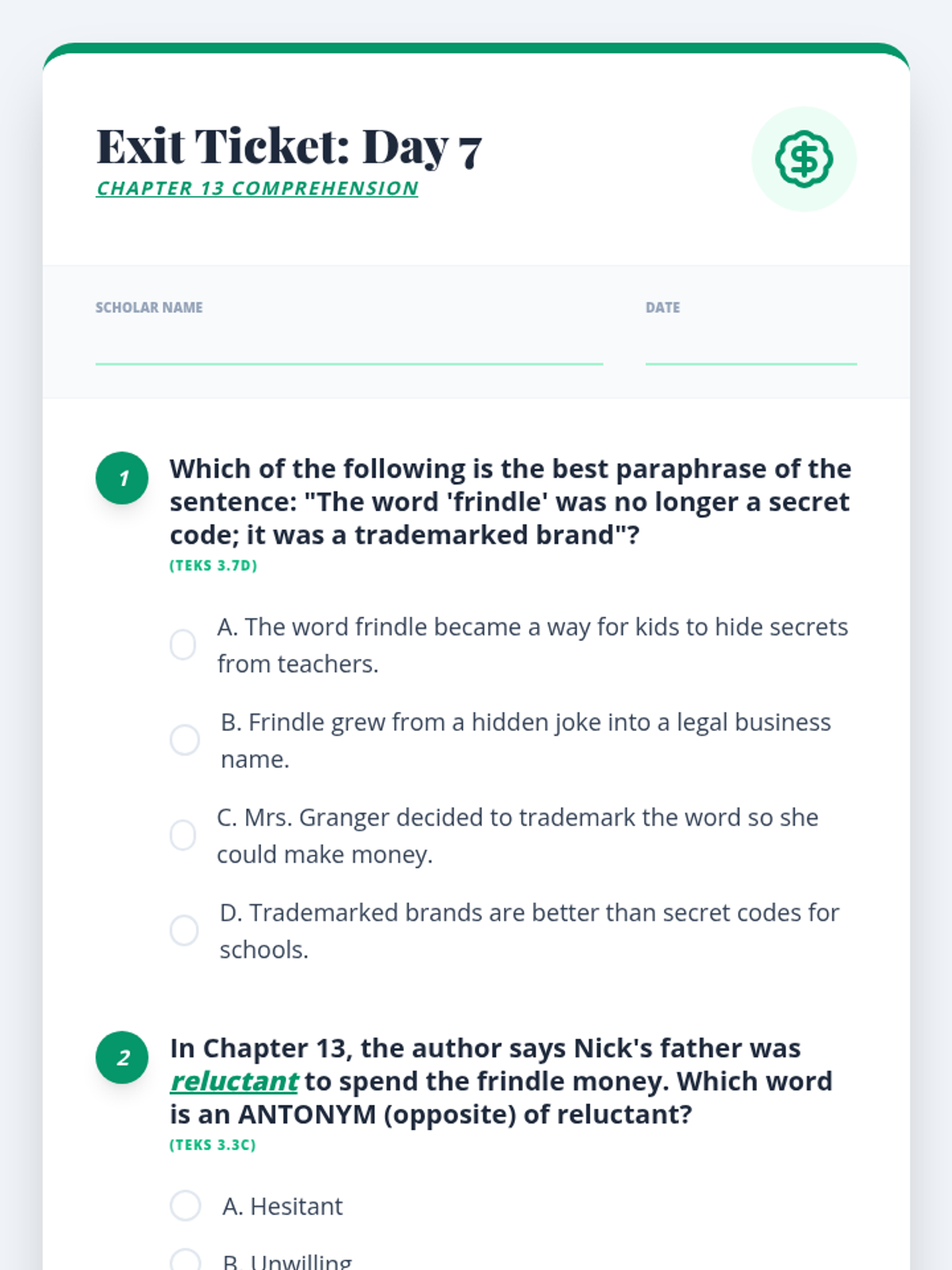
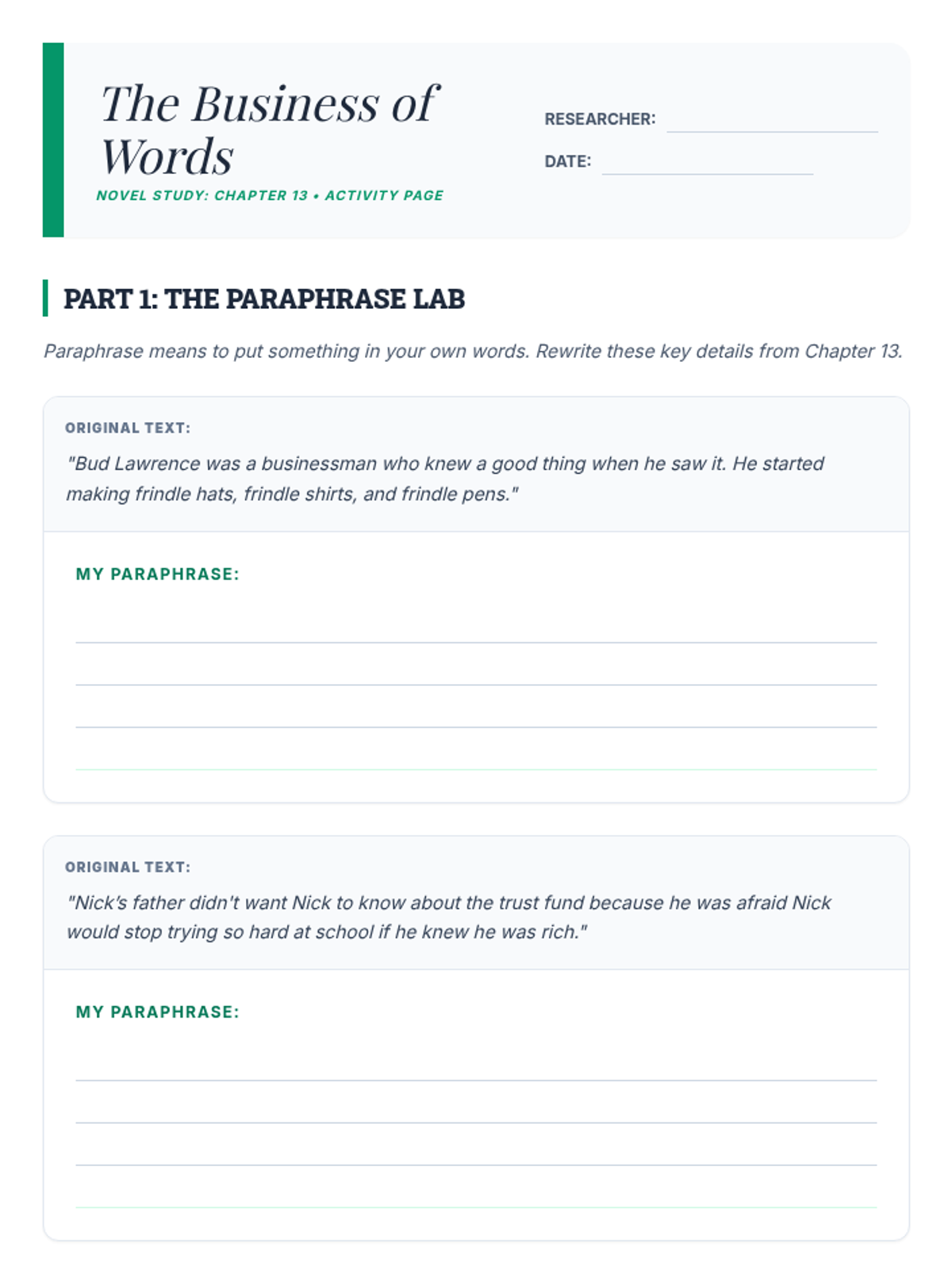
The impact of Nick's invention on his life and town, focusing on paraphrasing (3.7D) and using synonyms/antonyms (3.3C).
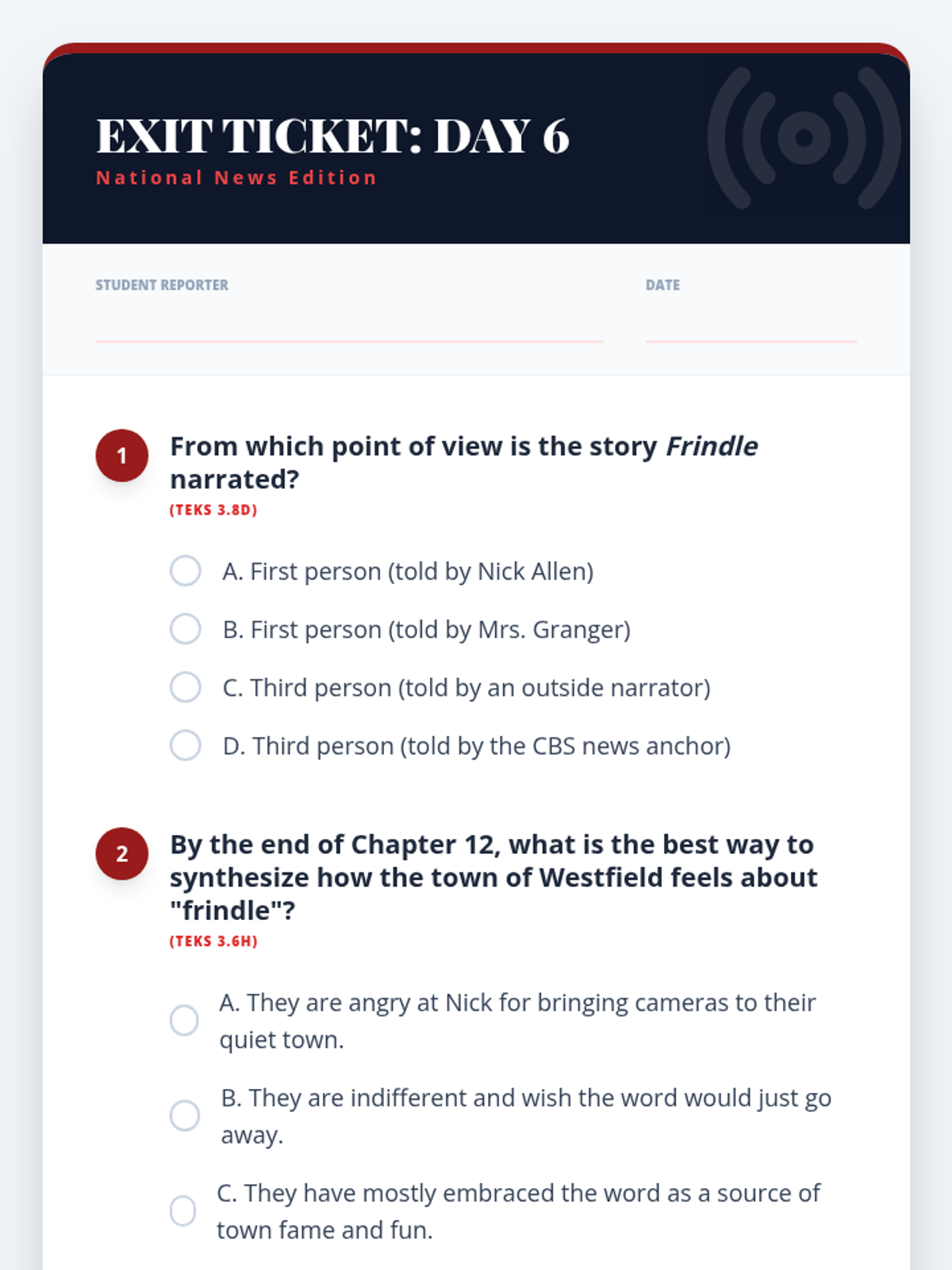
The story goes national, focusing on synthesizing information (3.6H) and identifying point of view (3.8D).
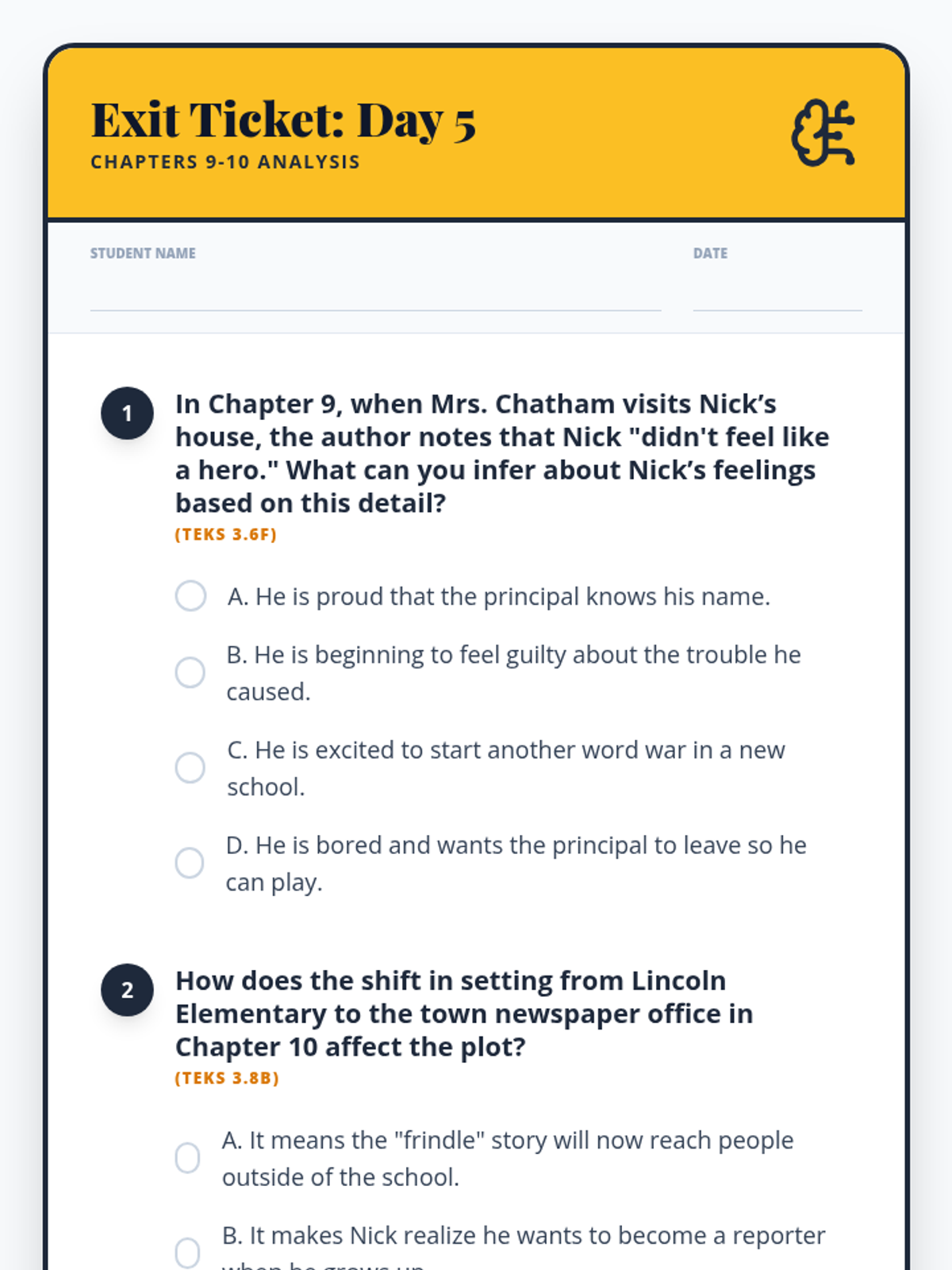
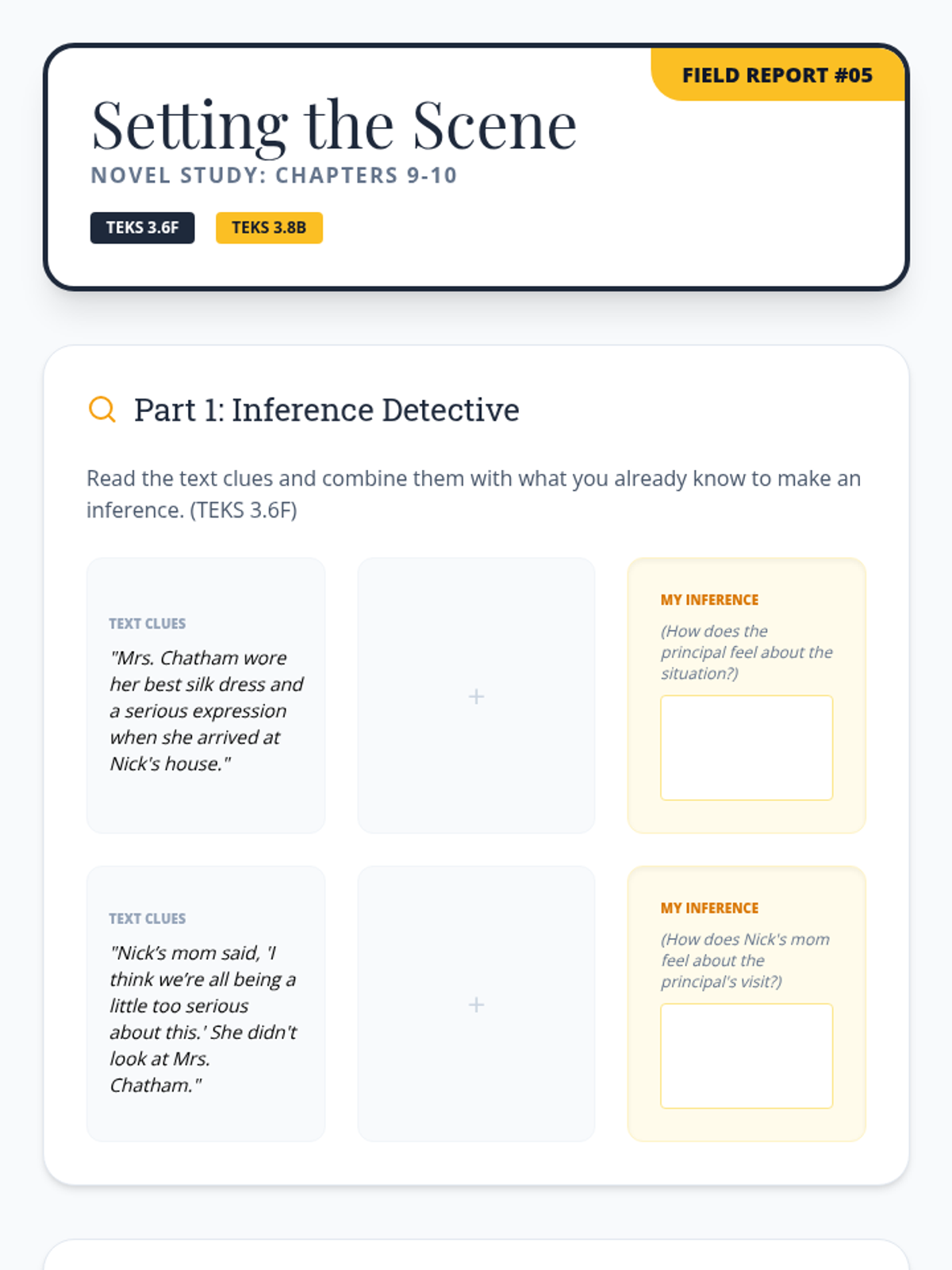
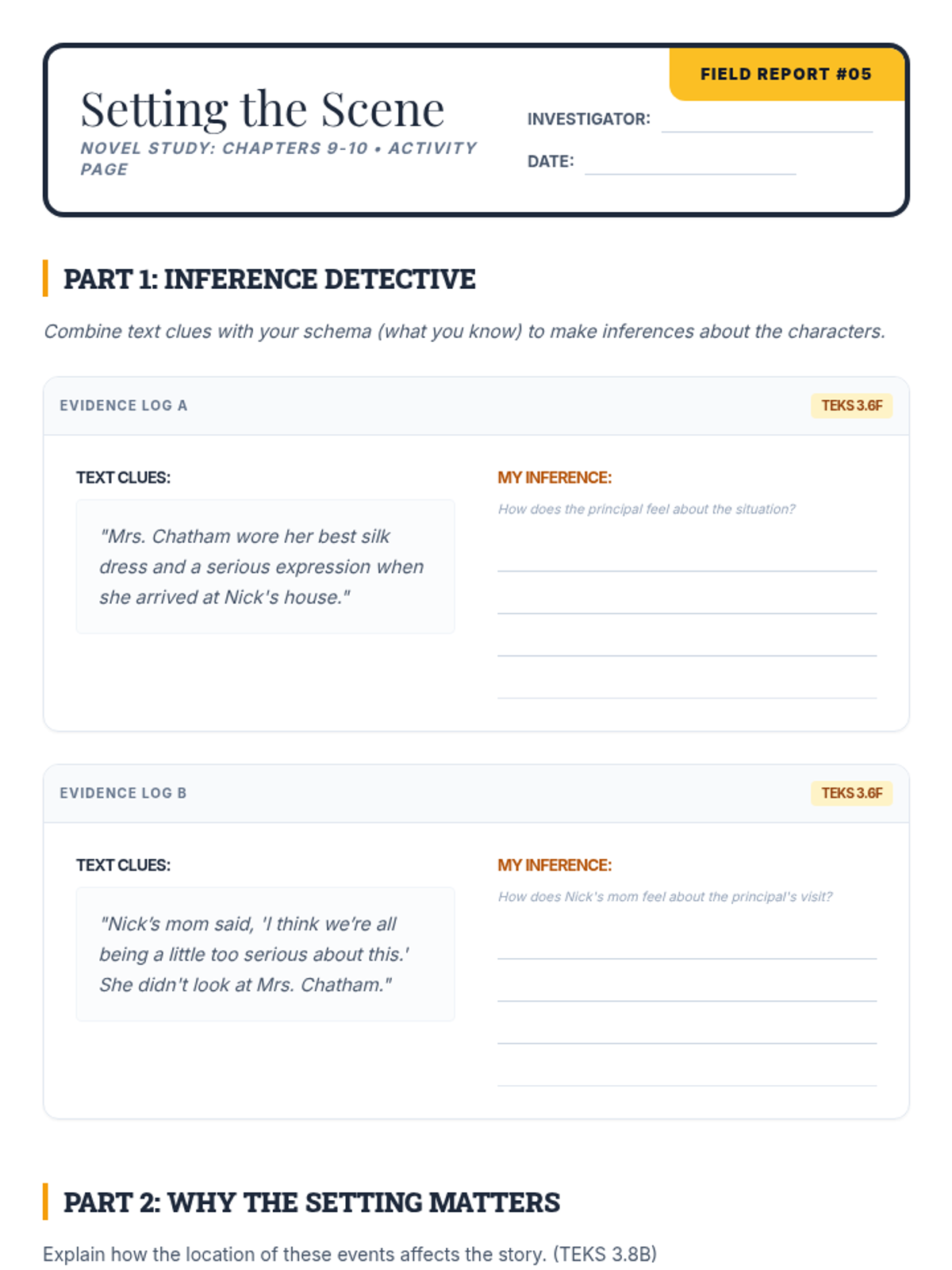
The frindle movement spreads through the school, focusing on making inferences (3.6F) and the impact of setting (3.8B).
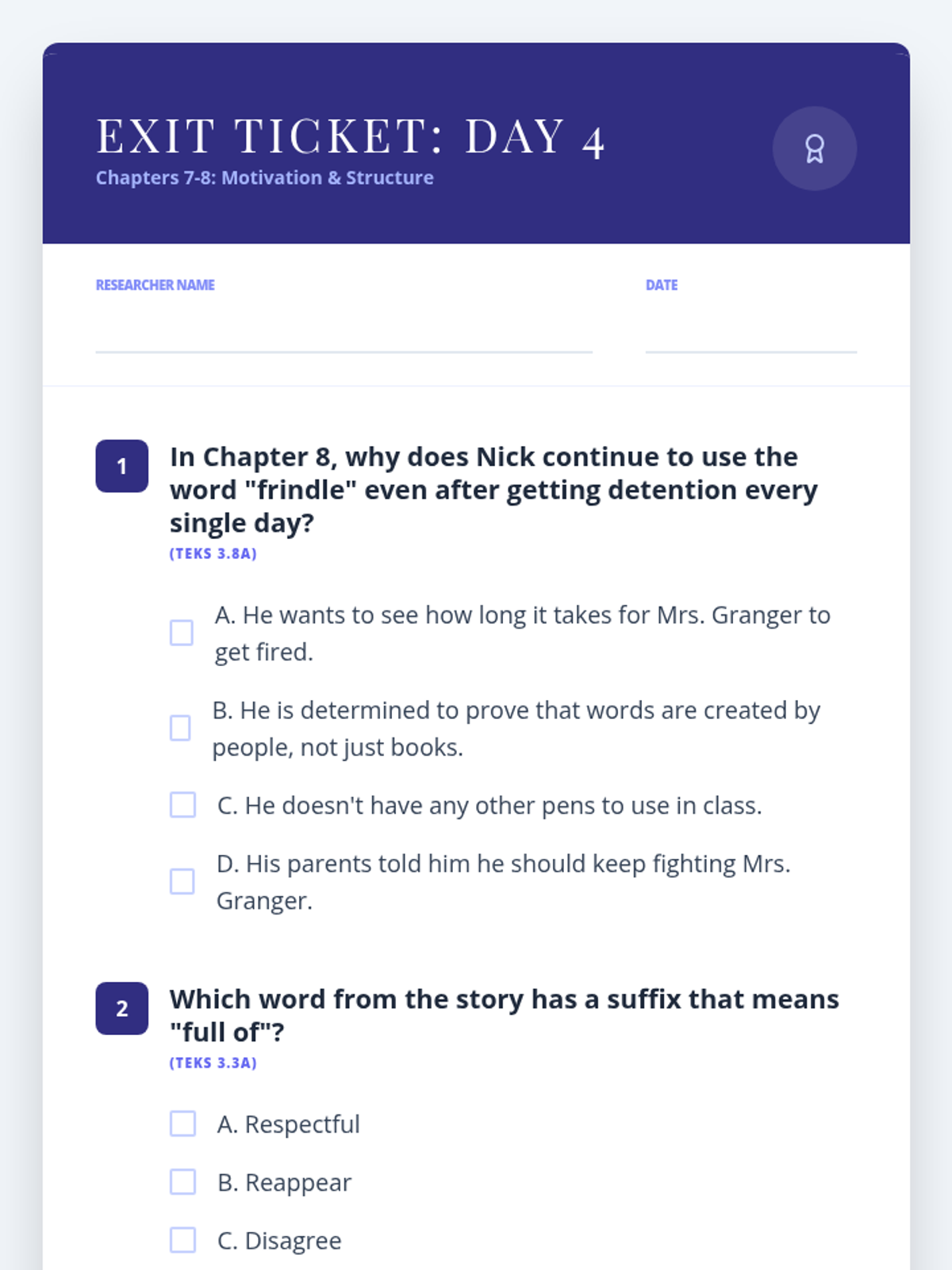
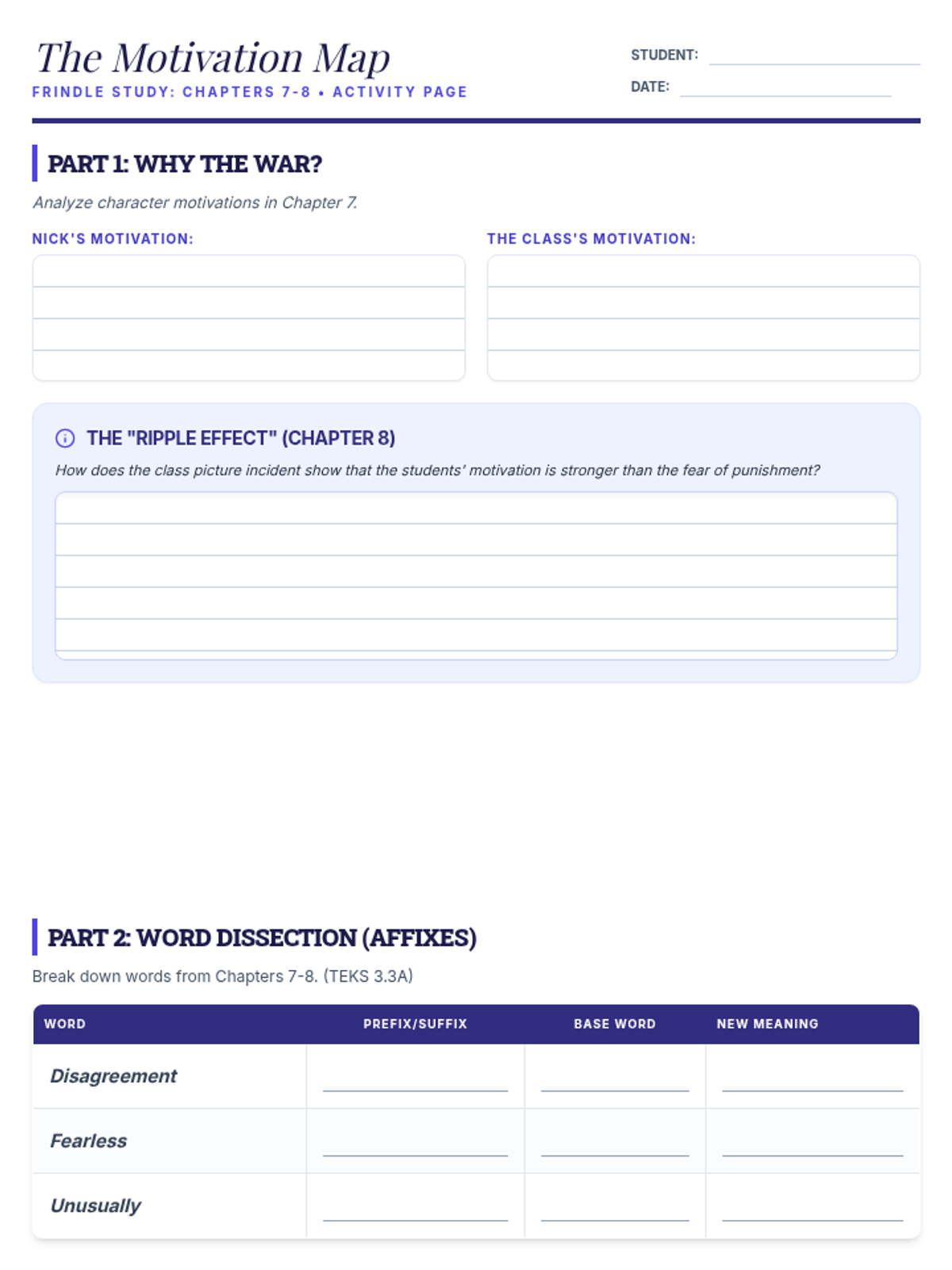
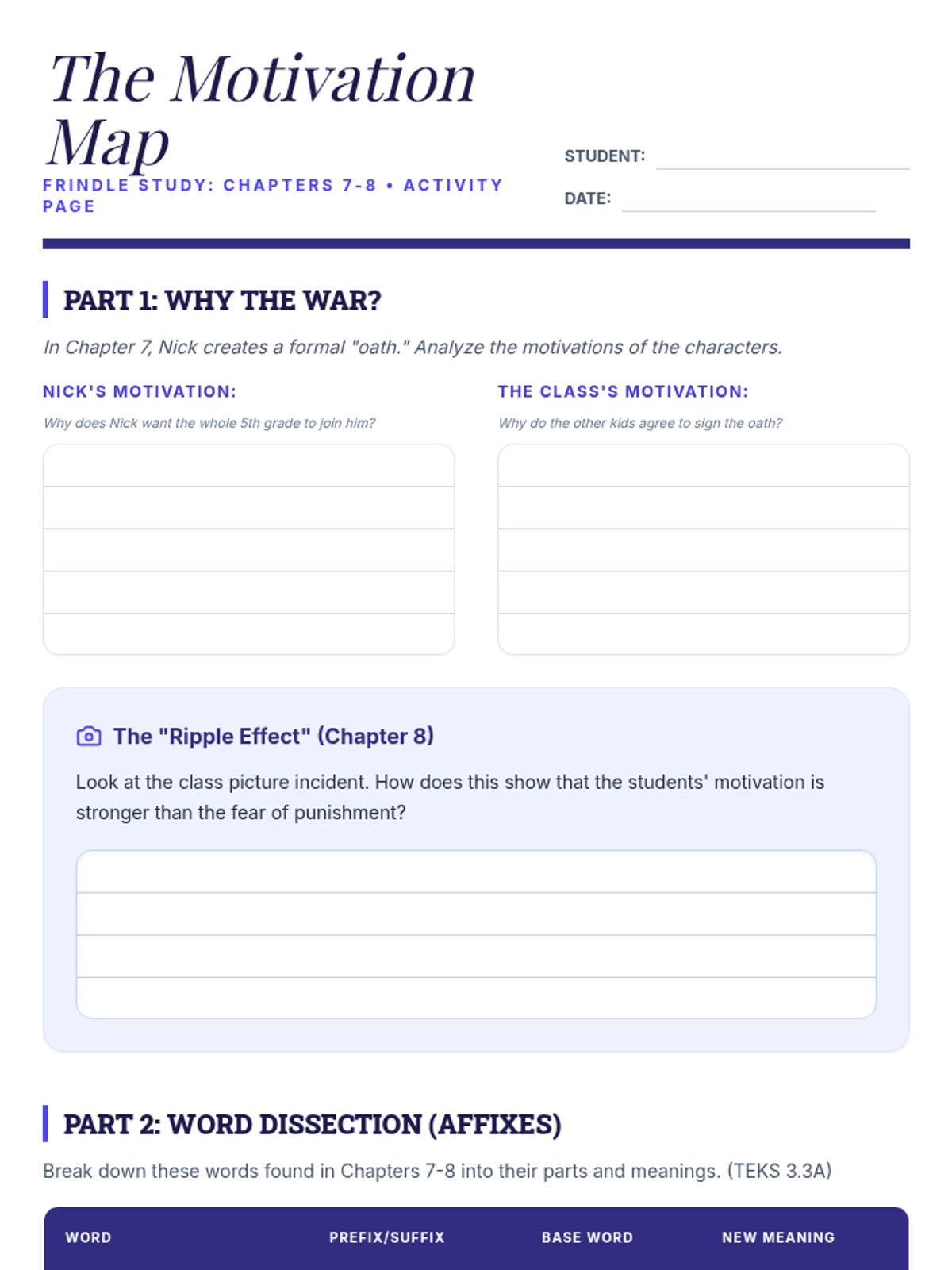
The word 'frindle' is born, focusing on character motivation (3.8A) and understanding word parts (3.3A).
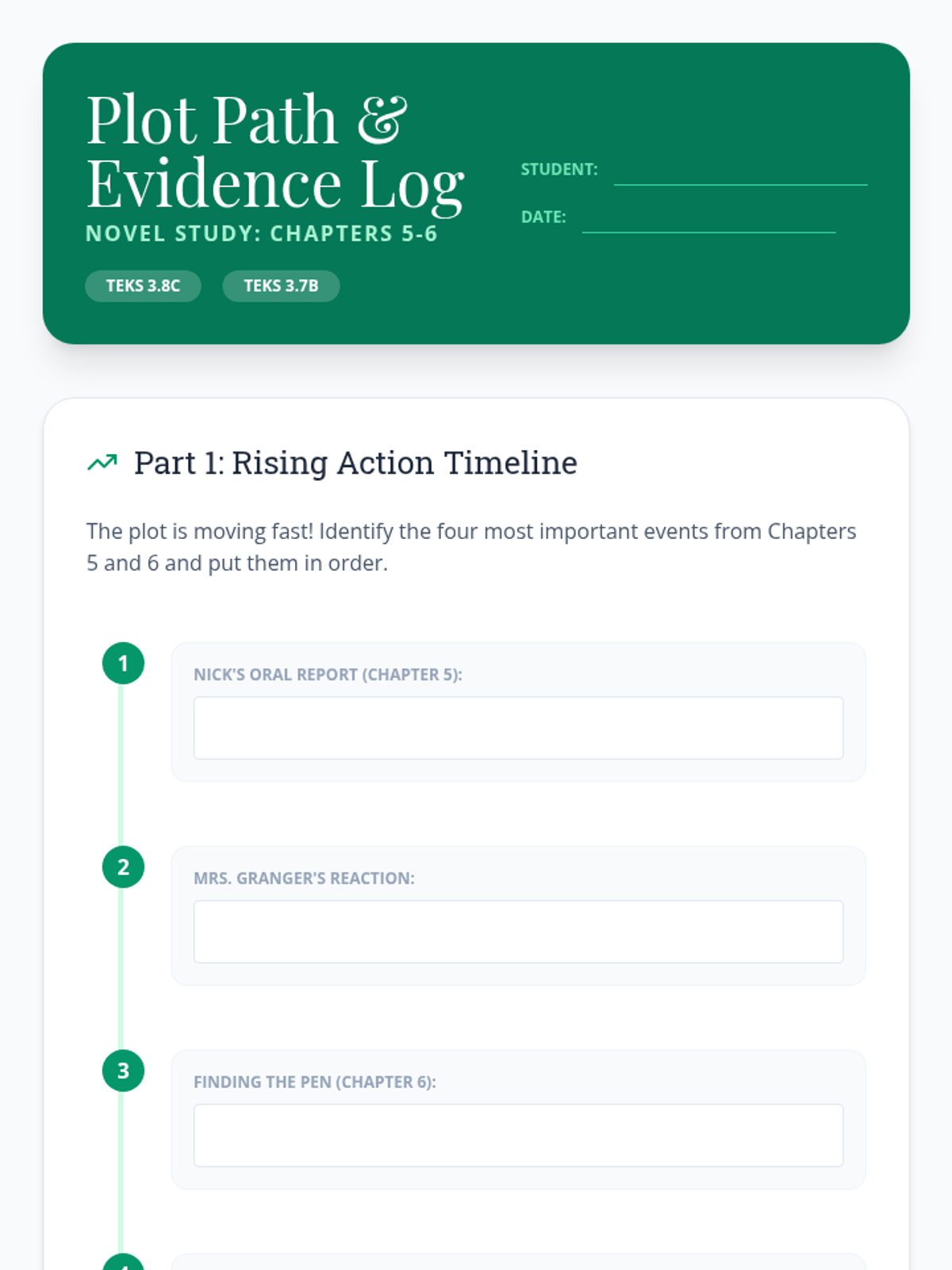
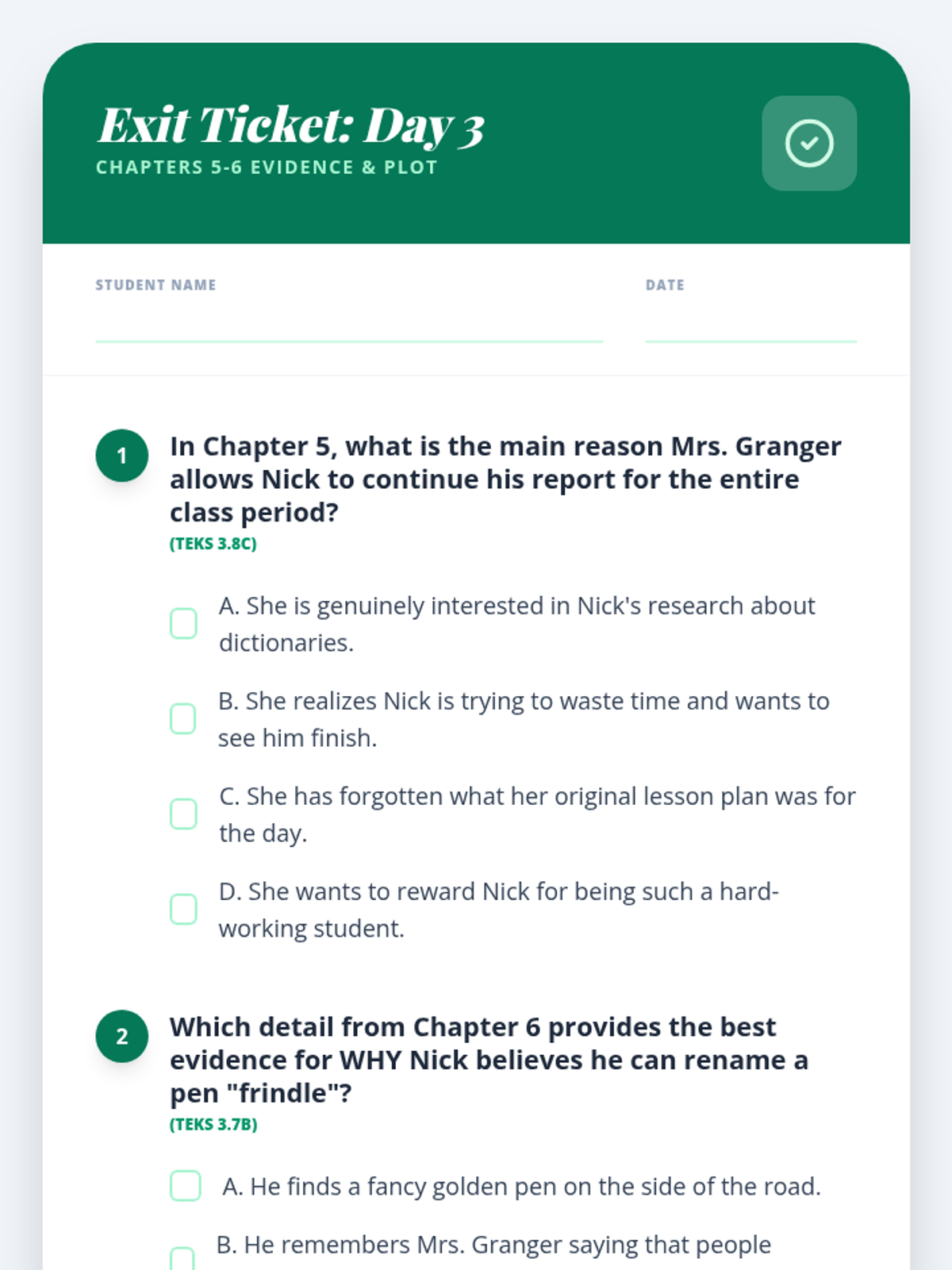
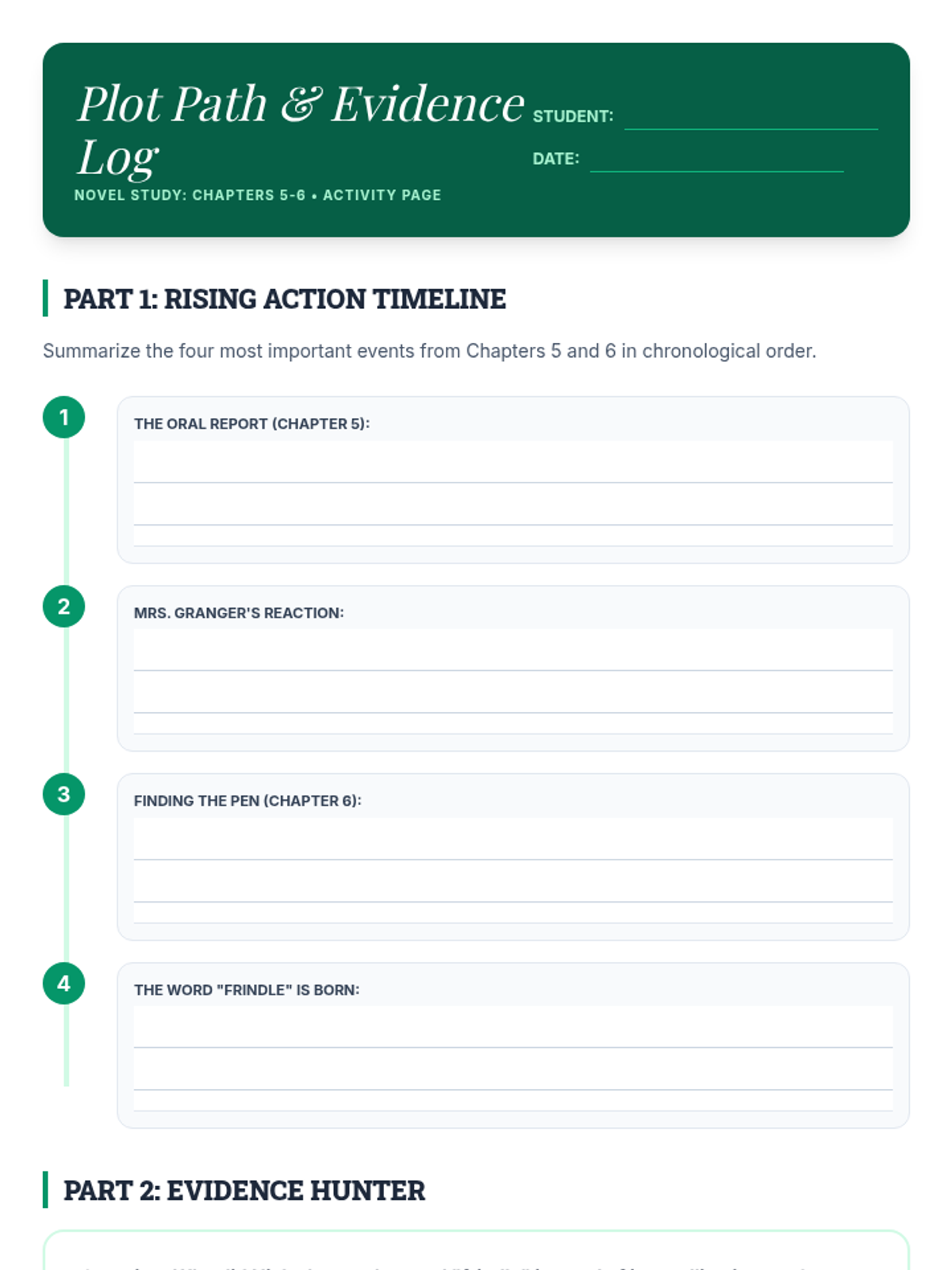
Nick's plan begins to take shape, focusing on plot events (3.8C) and supporting ideas with text evidence (3.7B).
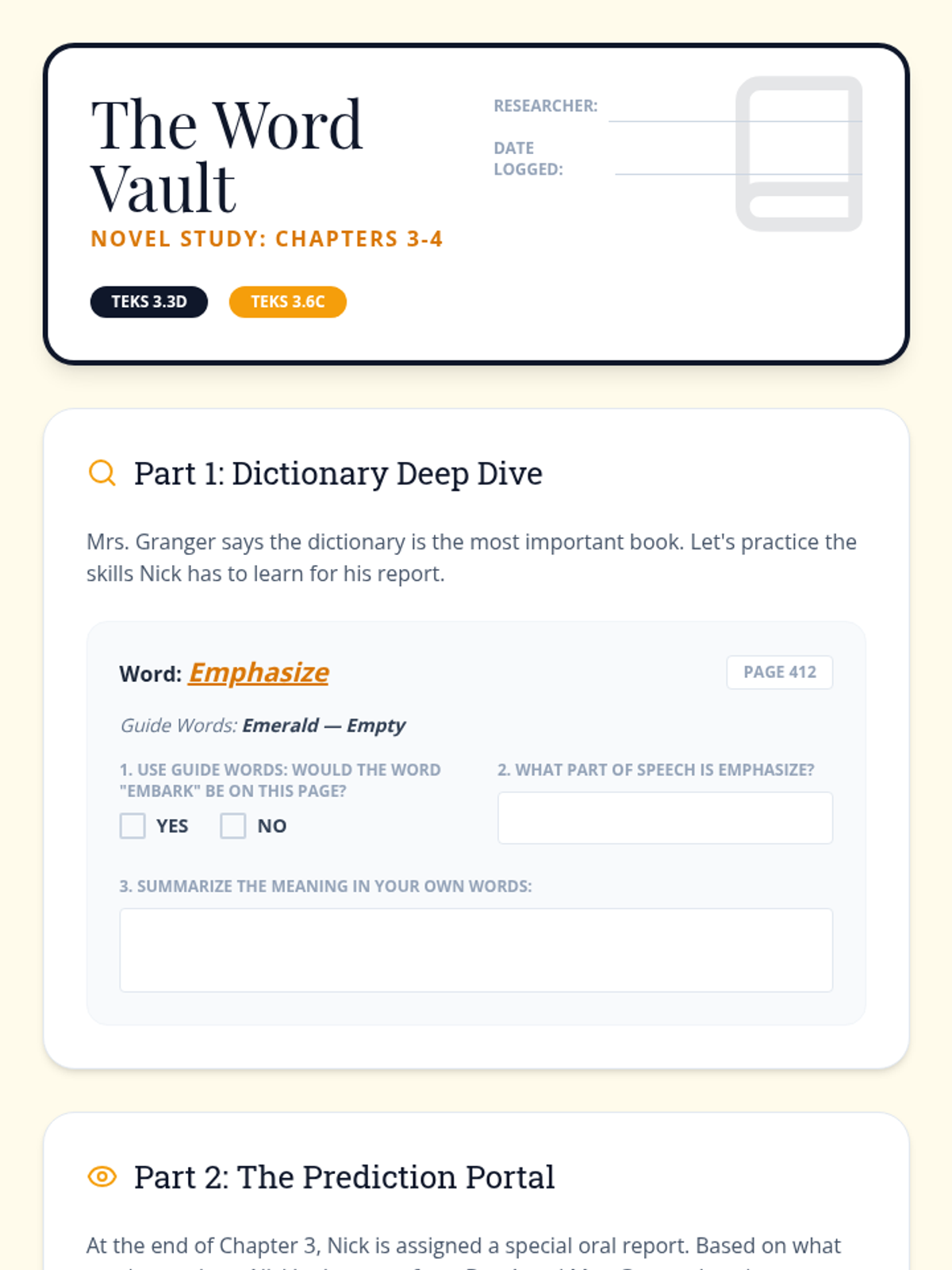
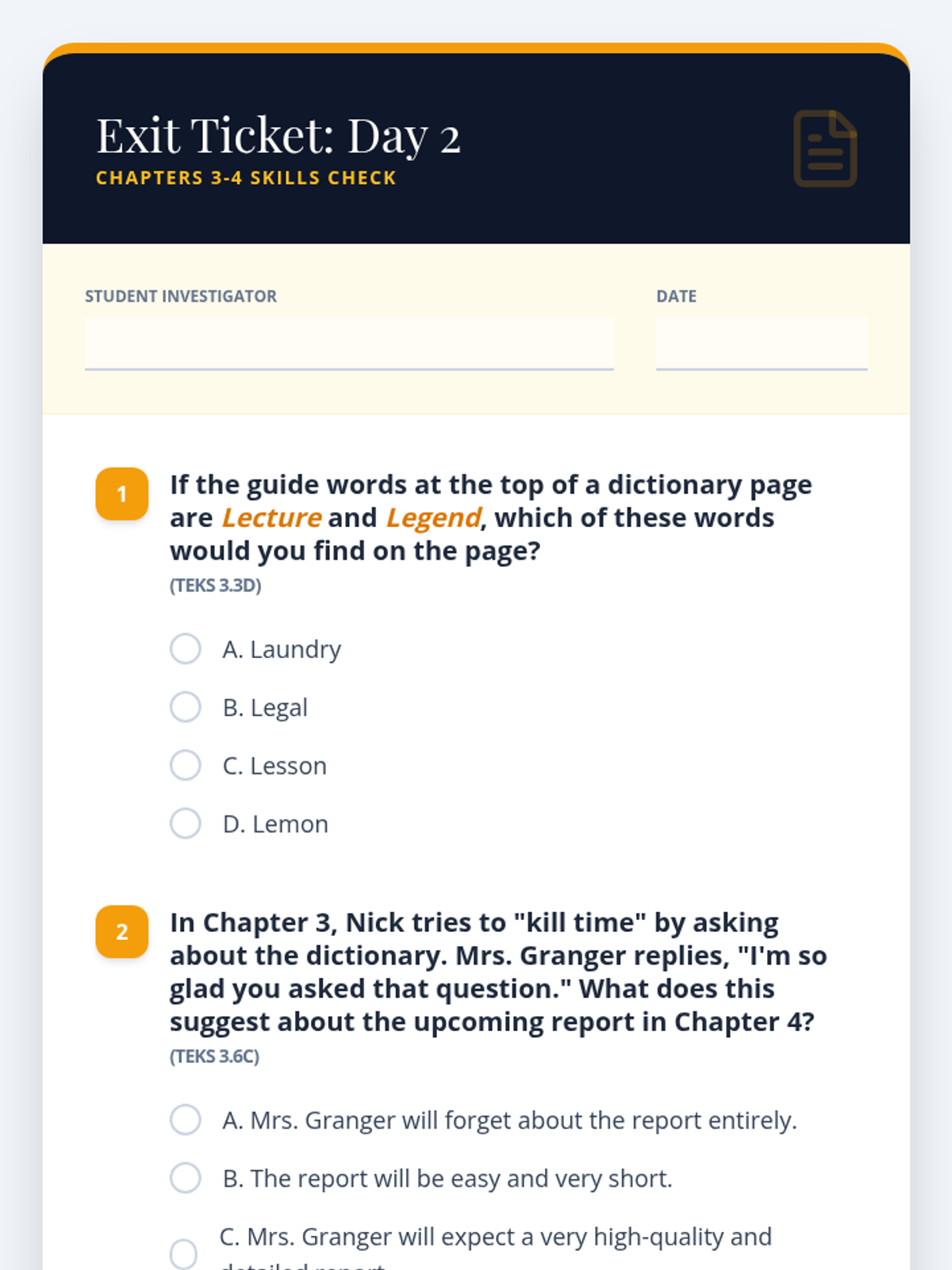
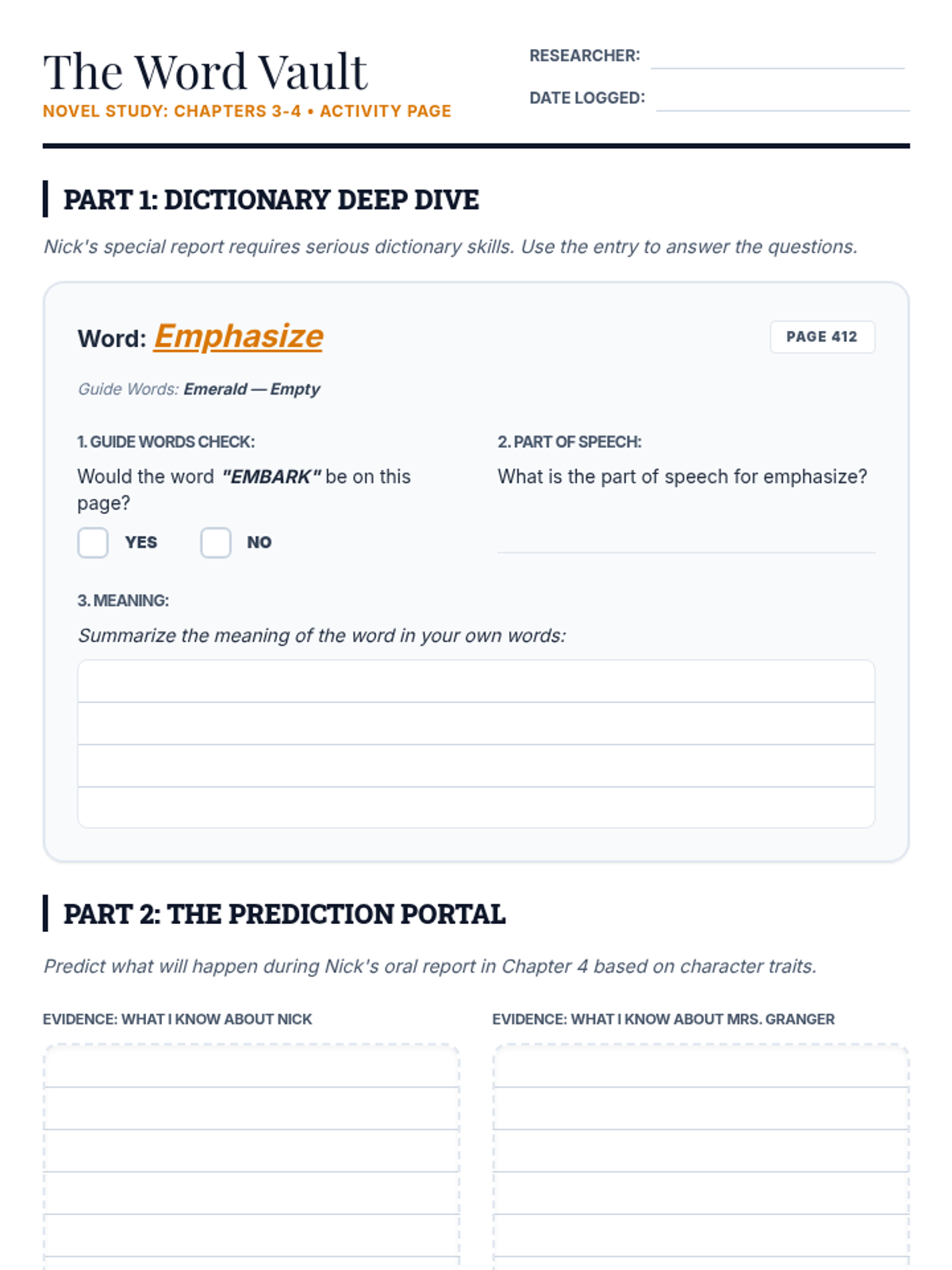
Exploring the world of dictionaries and the power of words, focusing on dictionary skills (3.3D) and making predictions (3.6C).
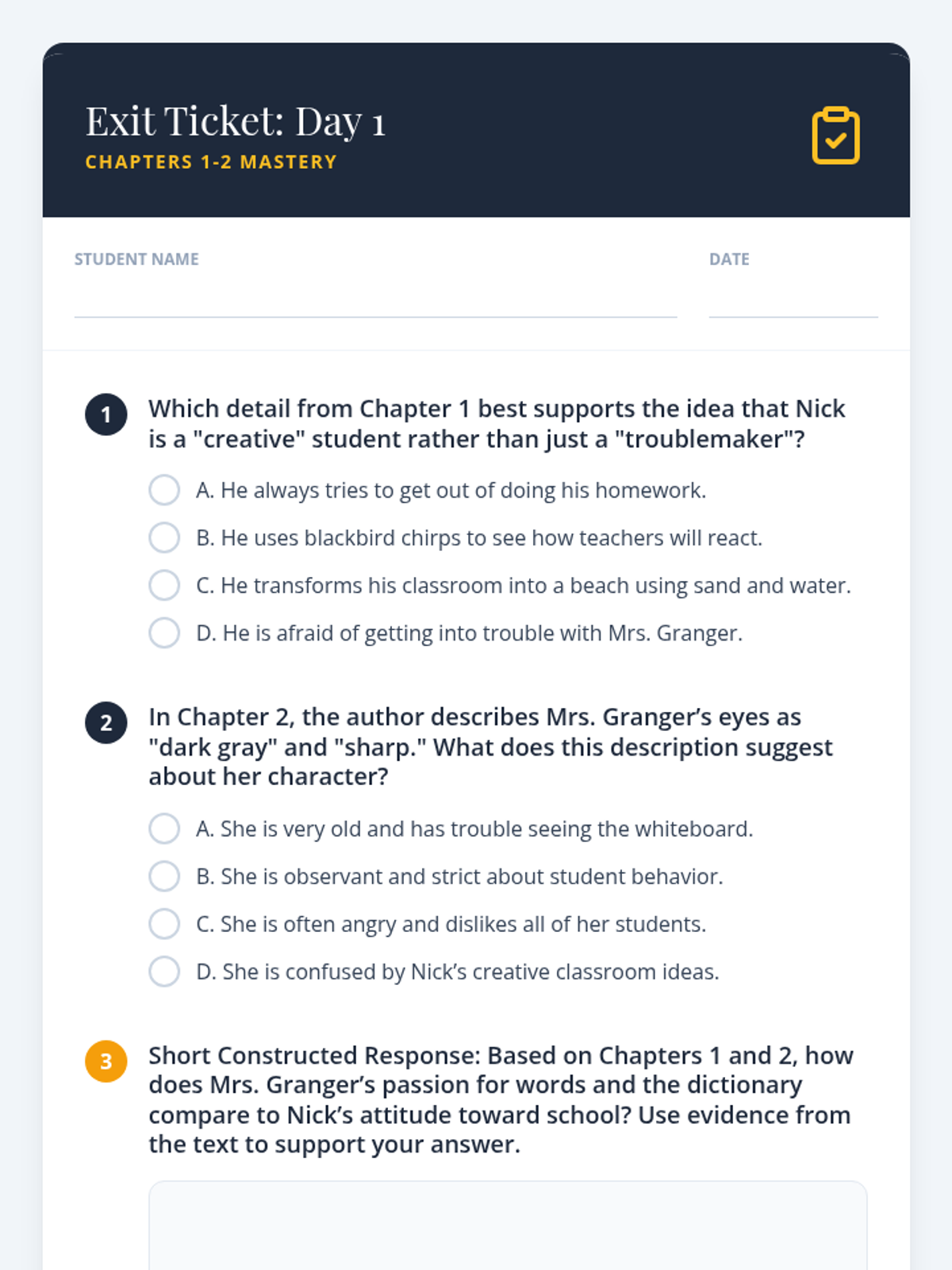
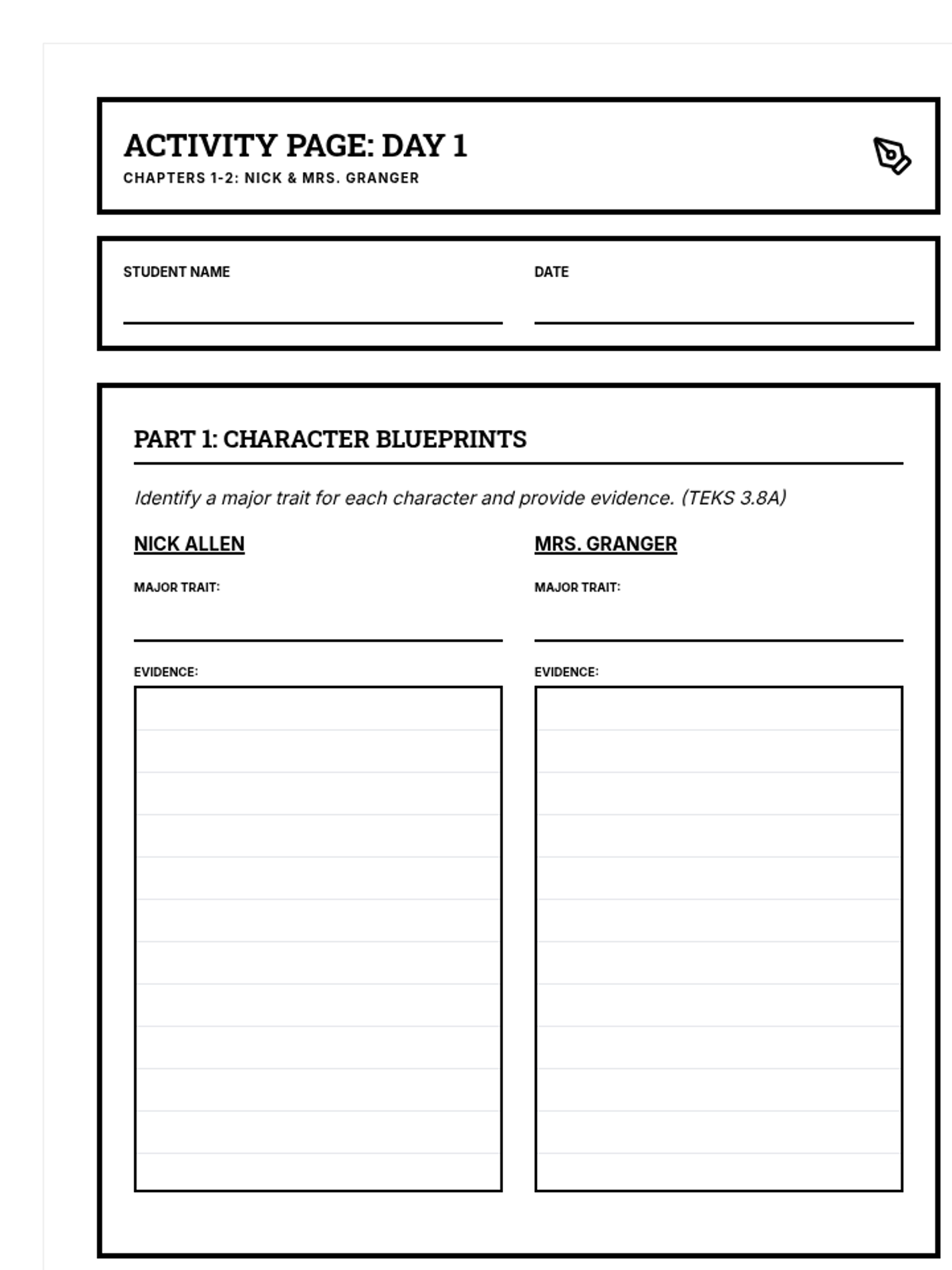
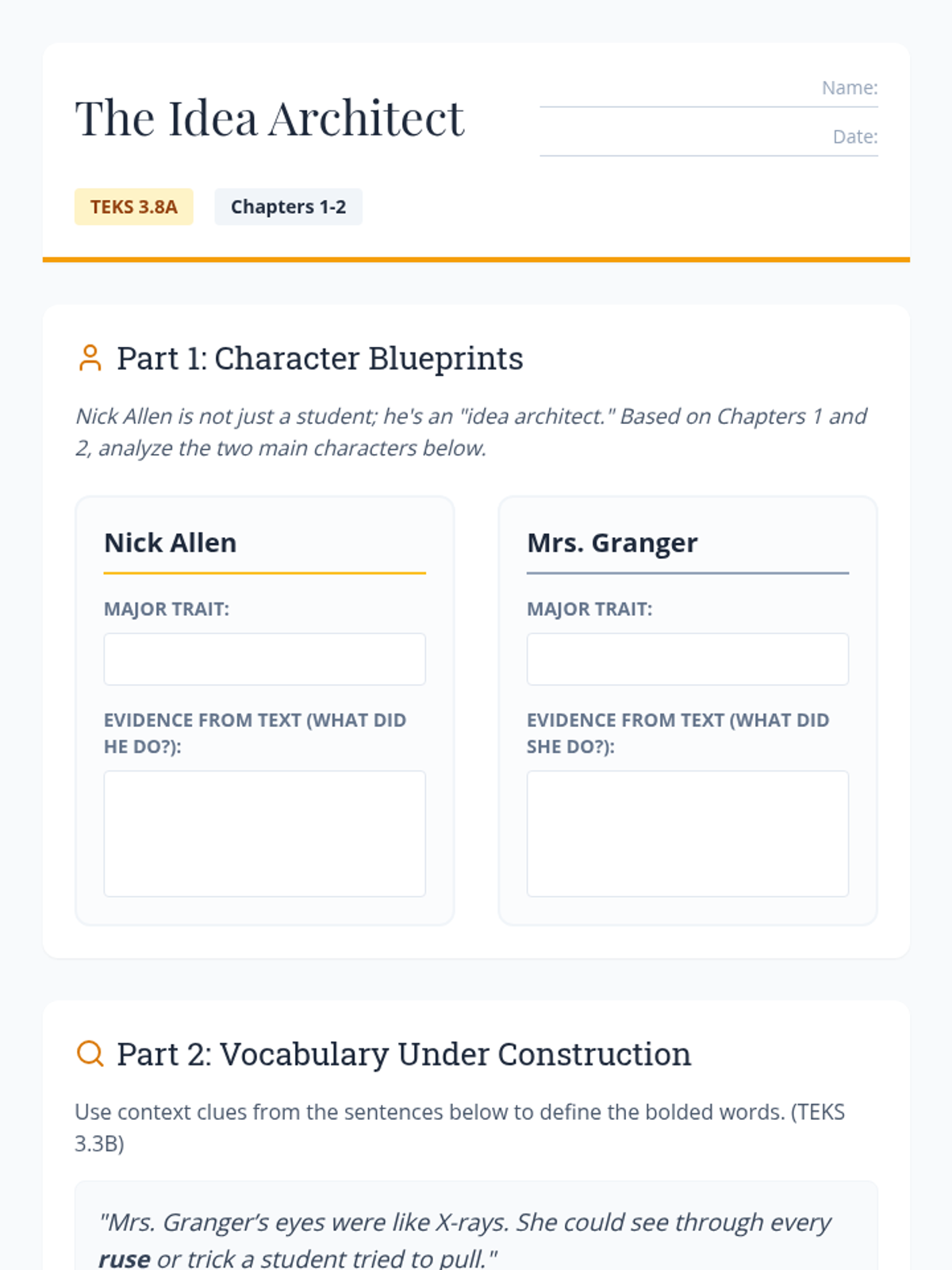
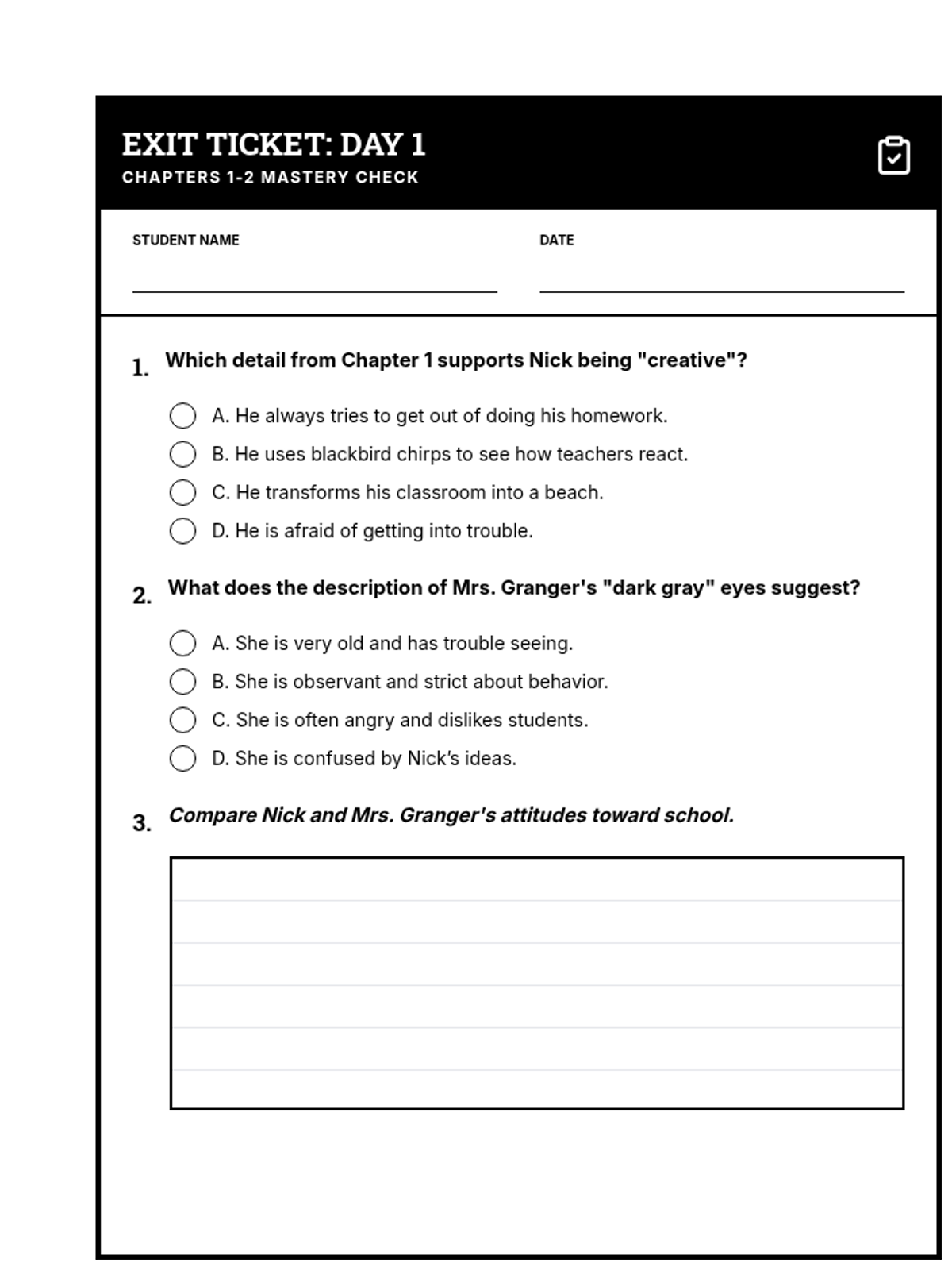
An introduction to Nick Allen and Mrs. Granger, focusing on character traits (3.8A) and using context clues (3.3B).
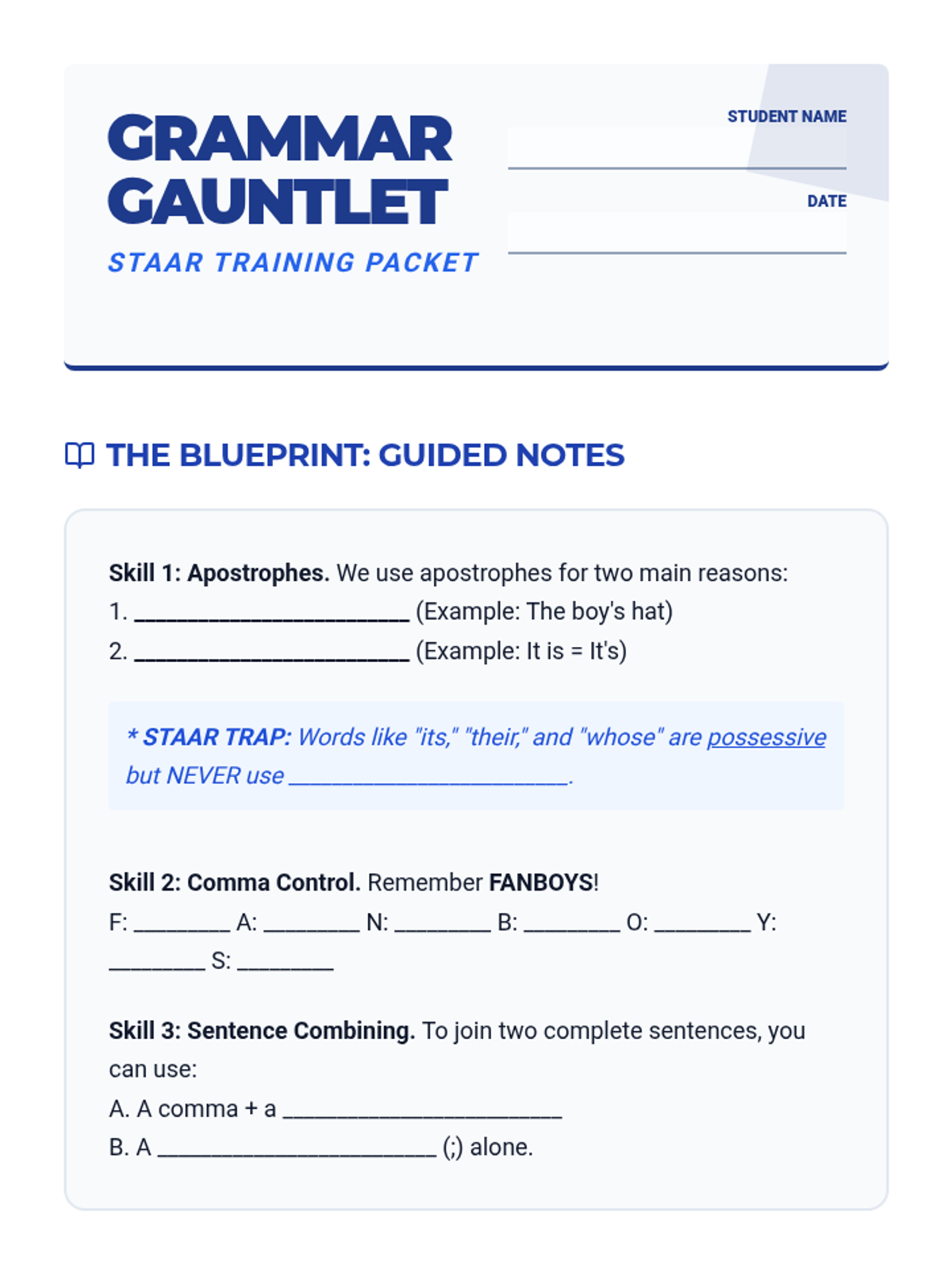
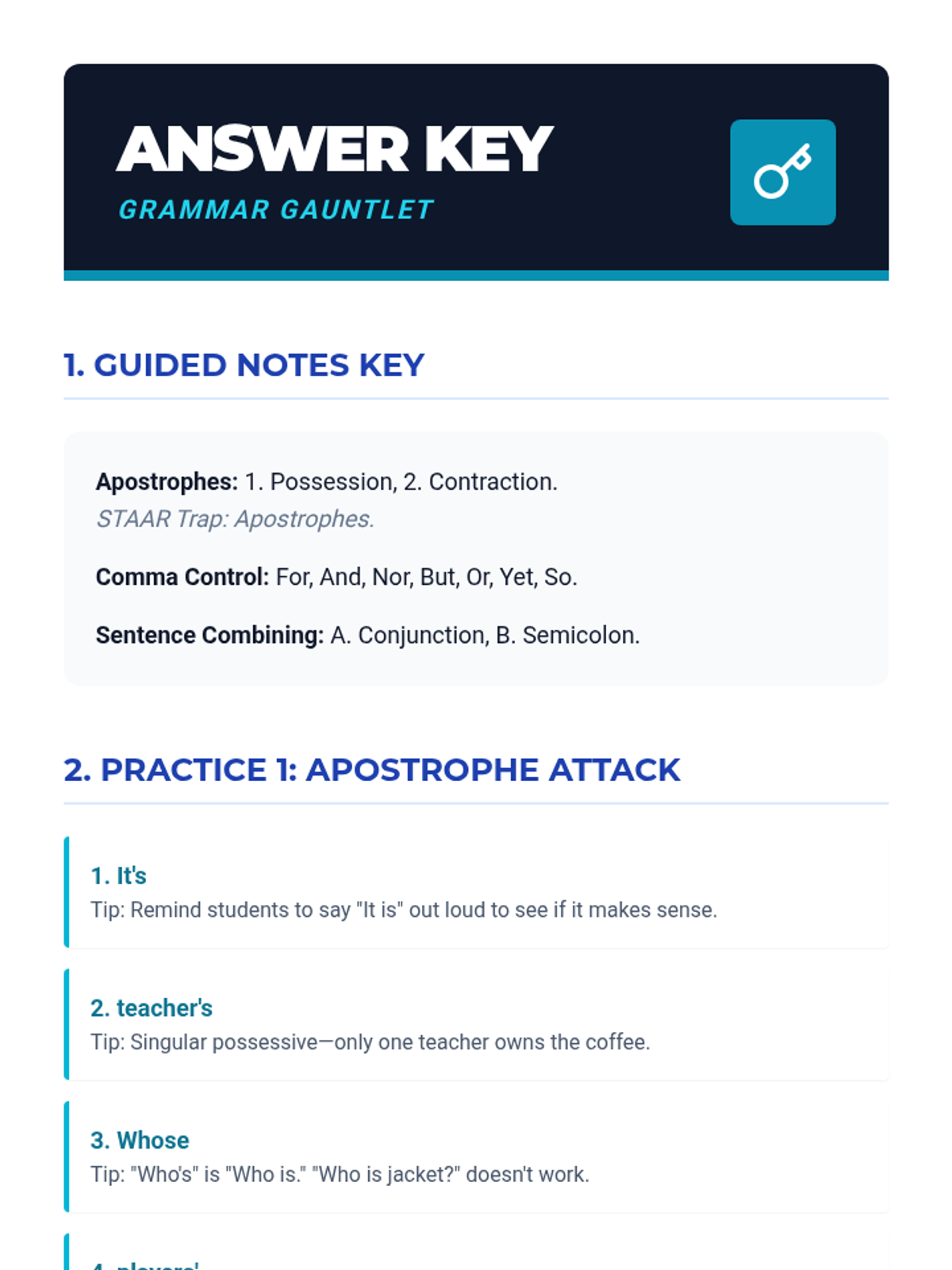
A high-impact tutoring session focused on STAAR writing skills, specifically targeting apostrophes, comma rules, and sentence combining through direct instruction and intensive practice.
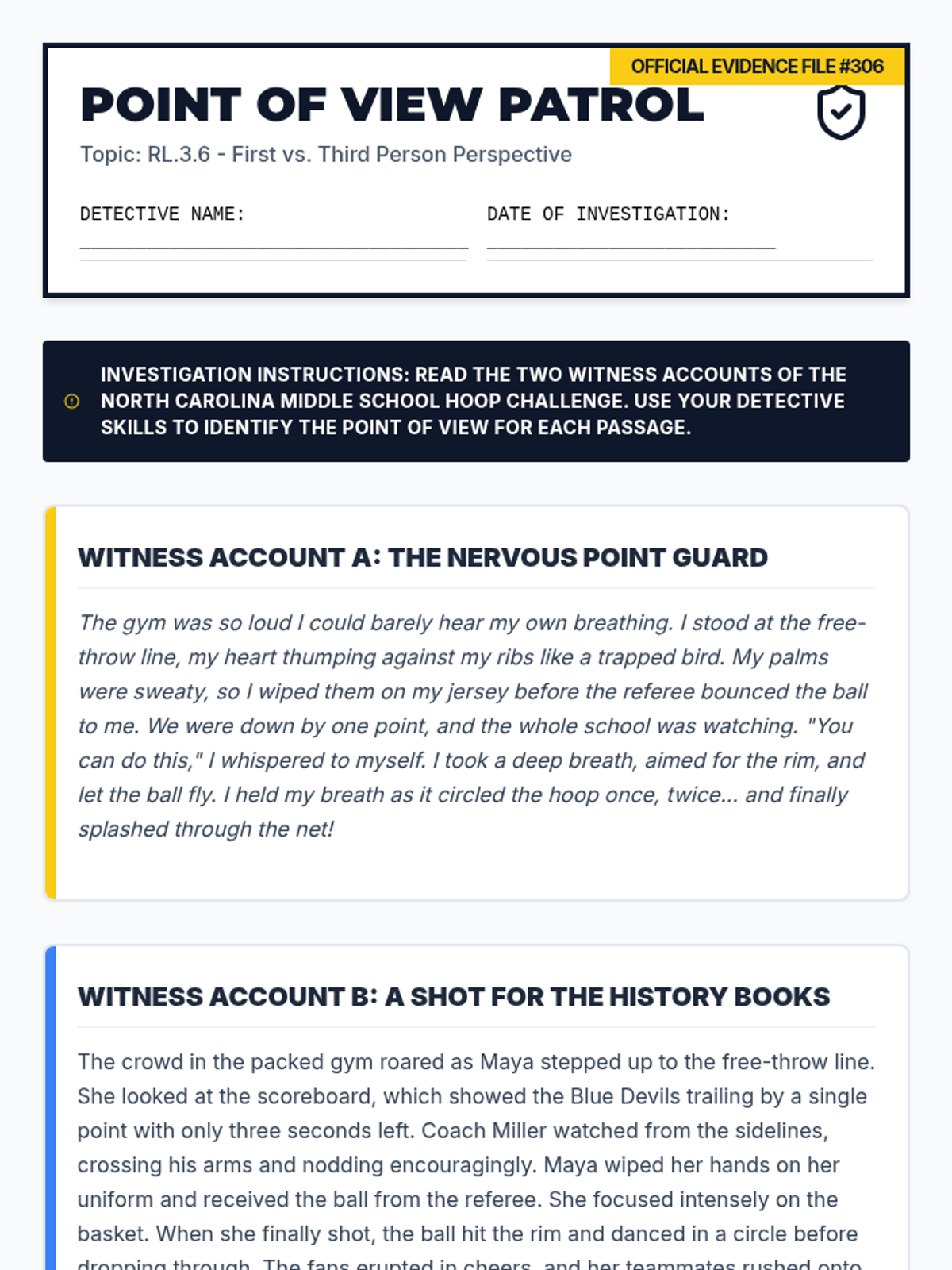
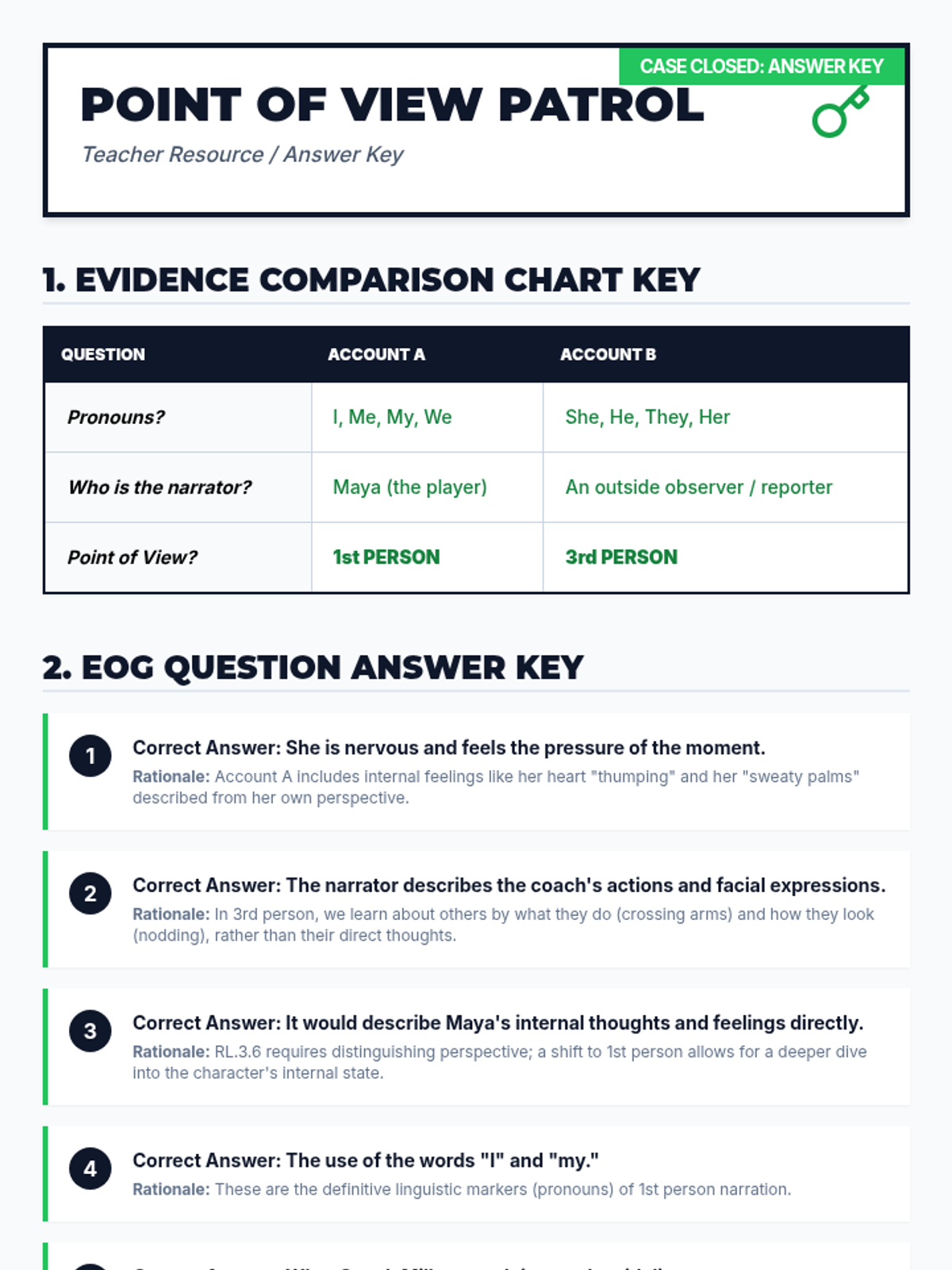
In this Grade 3 reading lesson, students become 'Point of View Patrol' detectives to distinguish between first-person and third-person narration. They will analyze paired passages about a North Carolina school basketball game, compare perspectives using a detective's evidence chart, and practice shifting points of view through a creative rewrite activity.
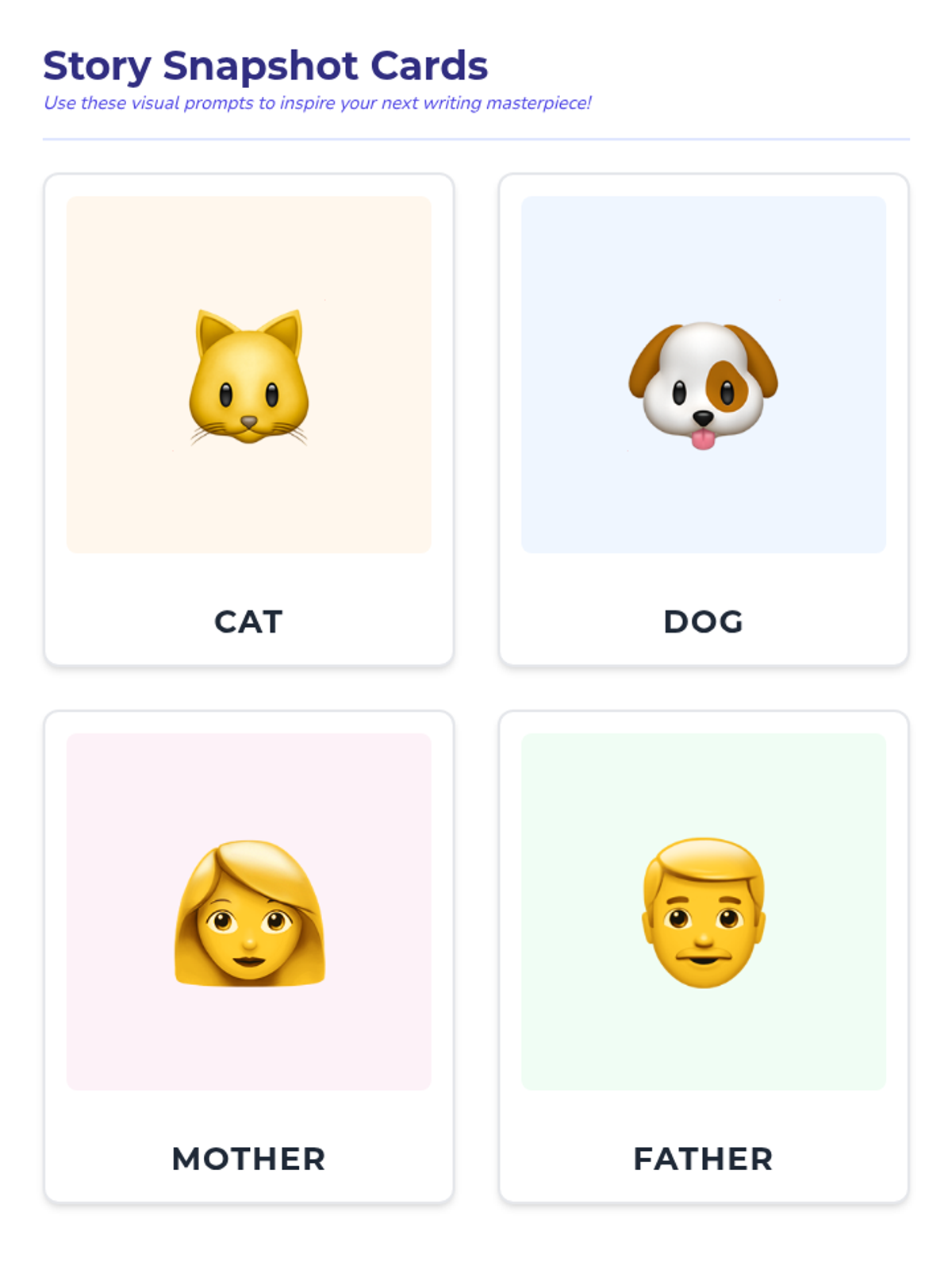
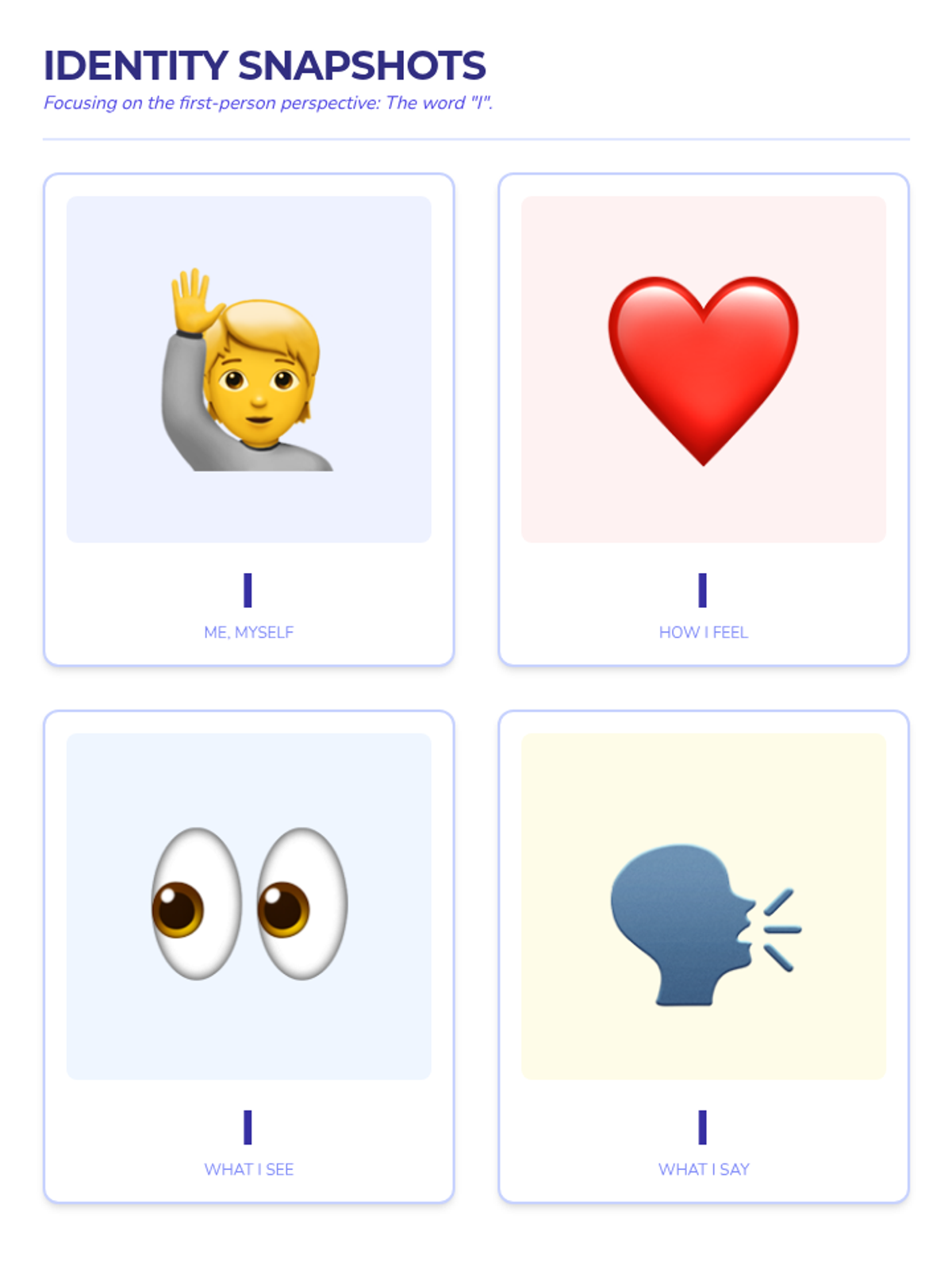
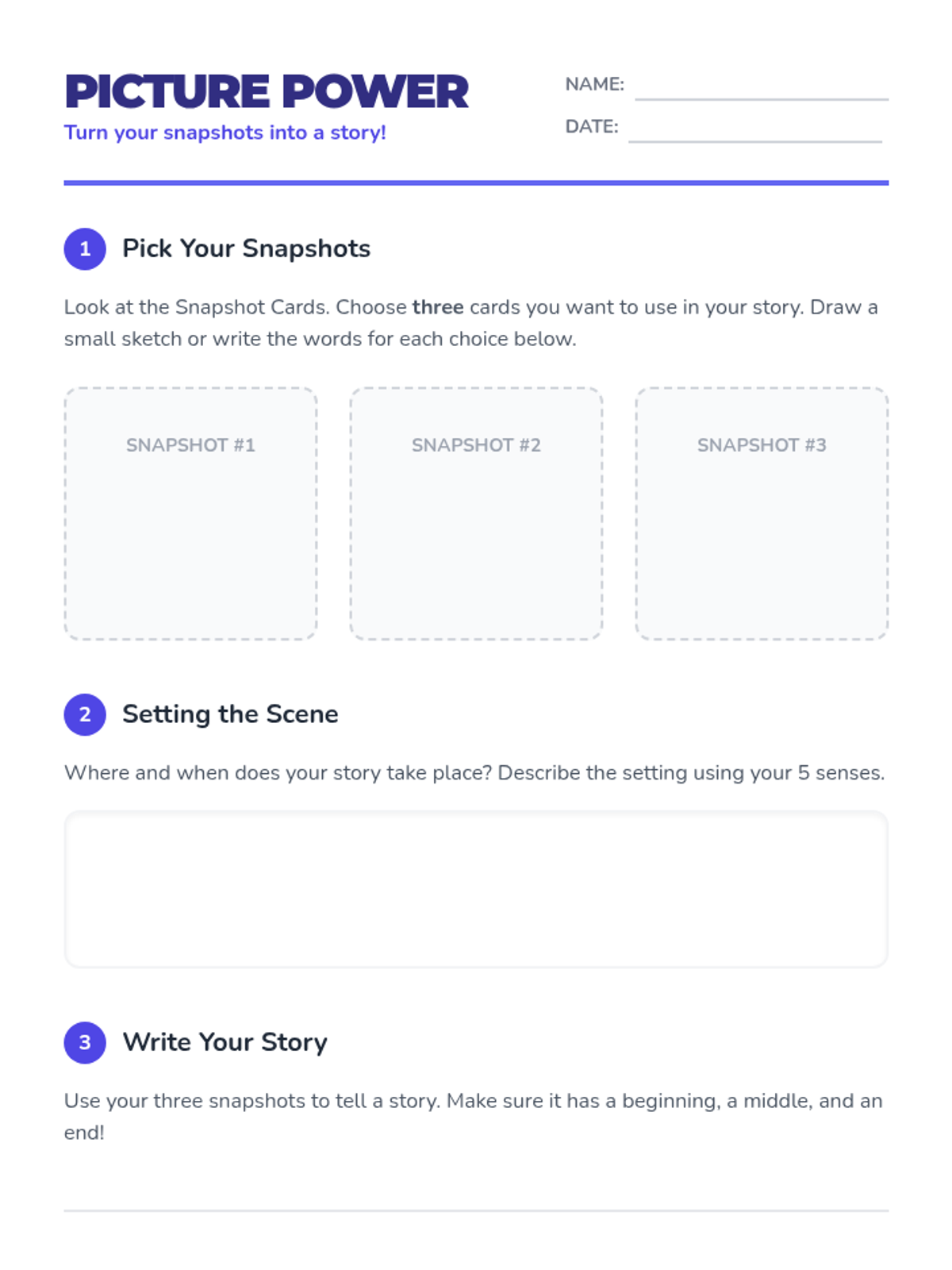
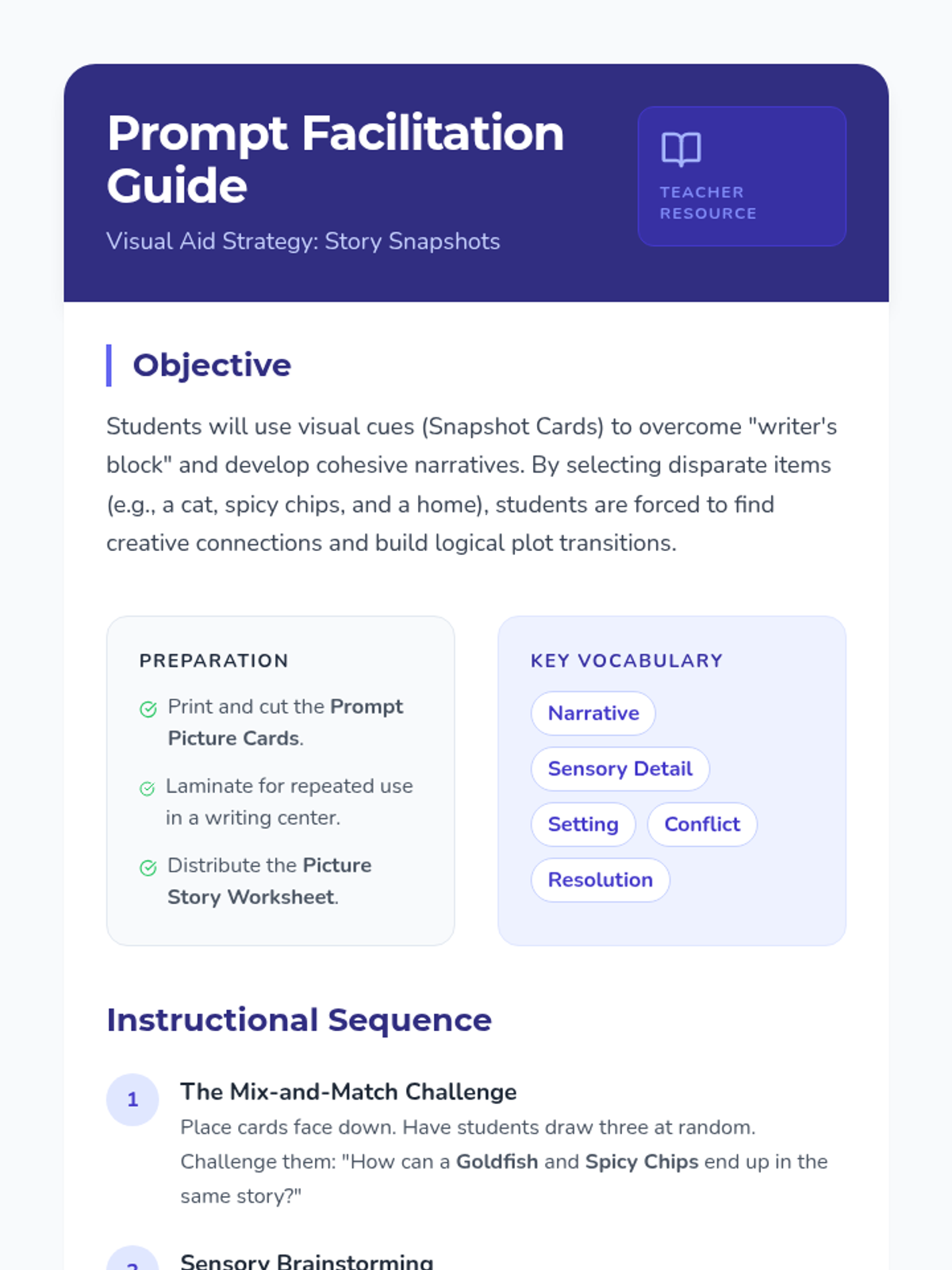
A lesson focused on using visual prompts to spark descriptive and narrative writing. Students use a set of visual cards to generate ideas, describe settings, and build characters for their stories.
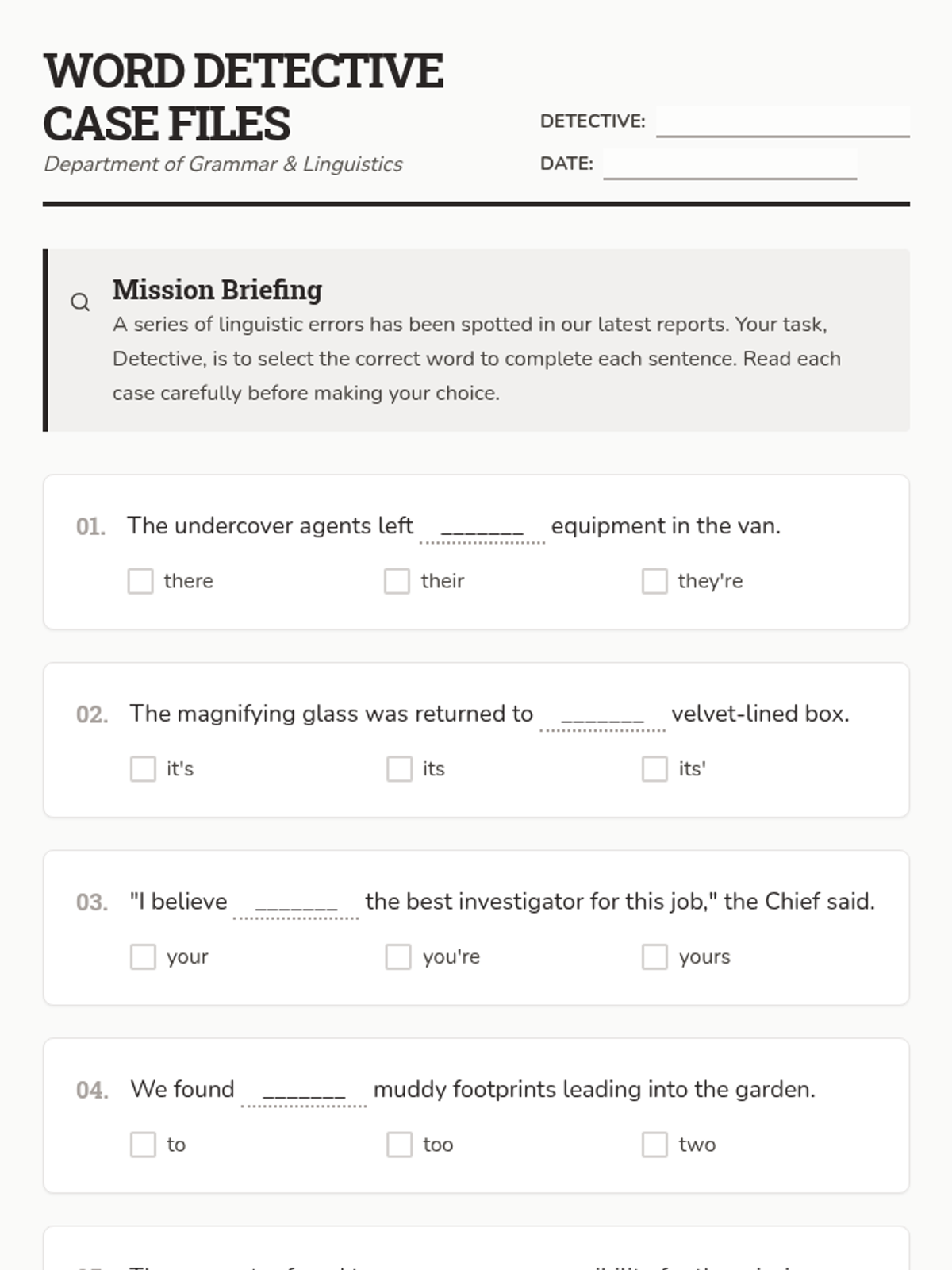
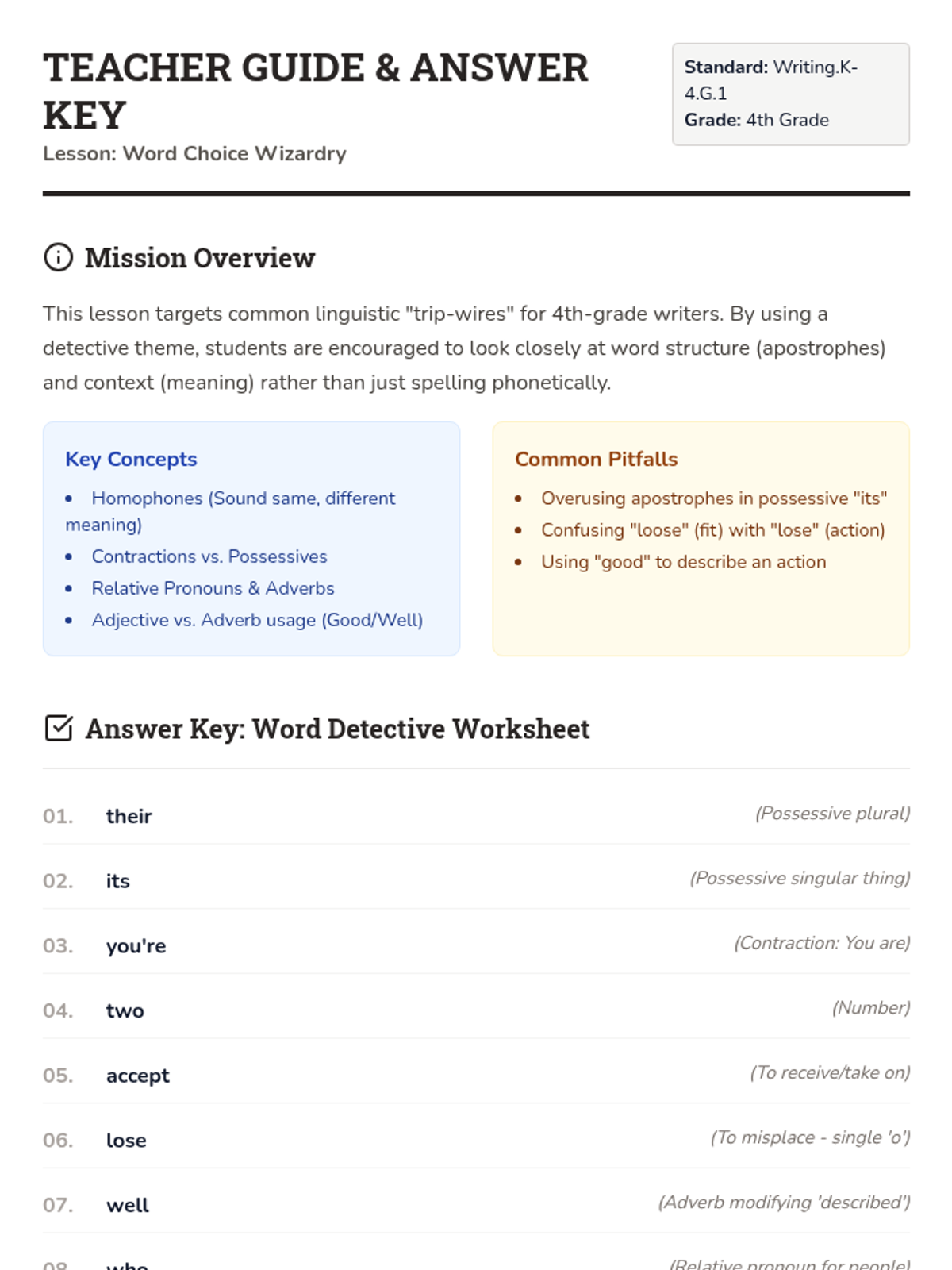
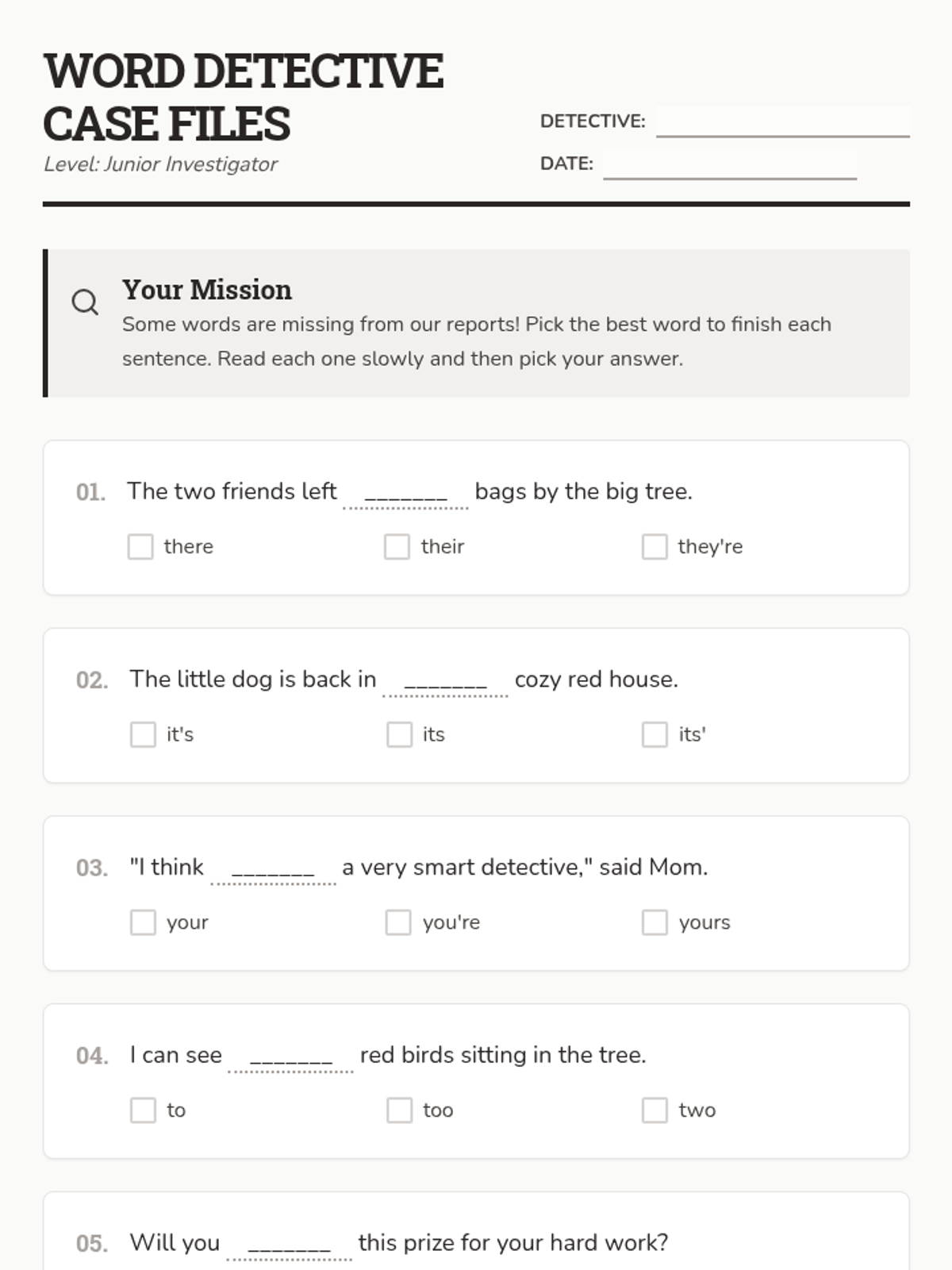
A lesson focused on common word usage errors, homophones, and frequently confused words for 4th-grade writers. Students practice identifying and using the correct words in context through detective-themed scenarios.
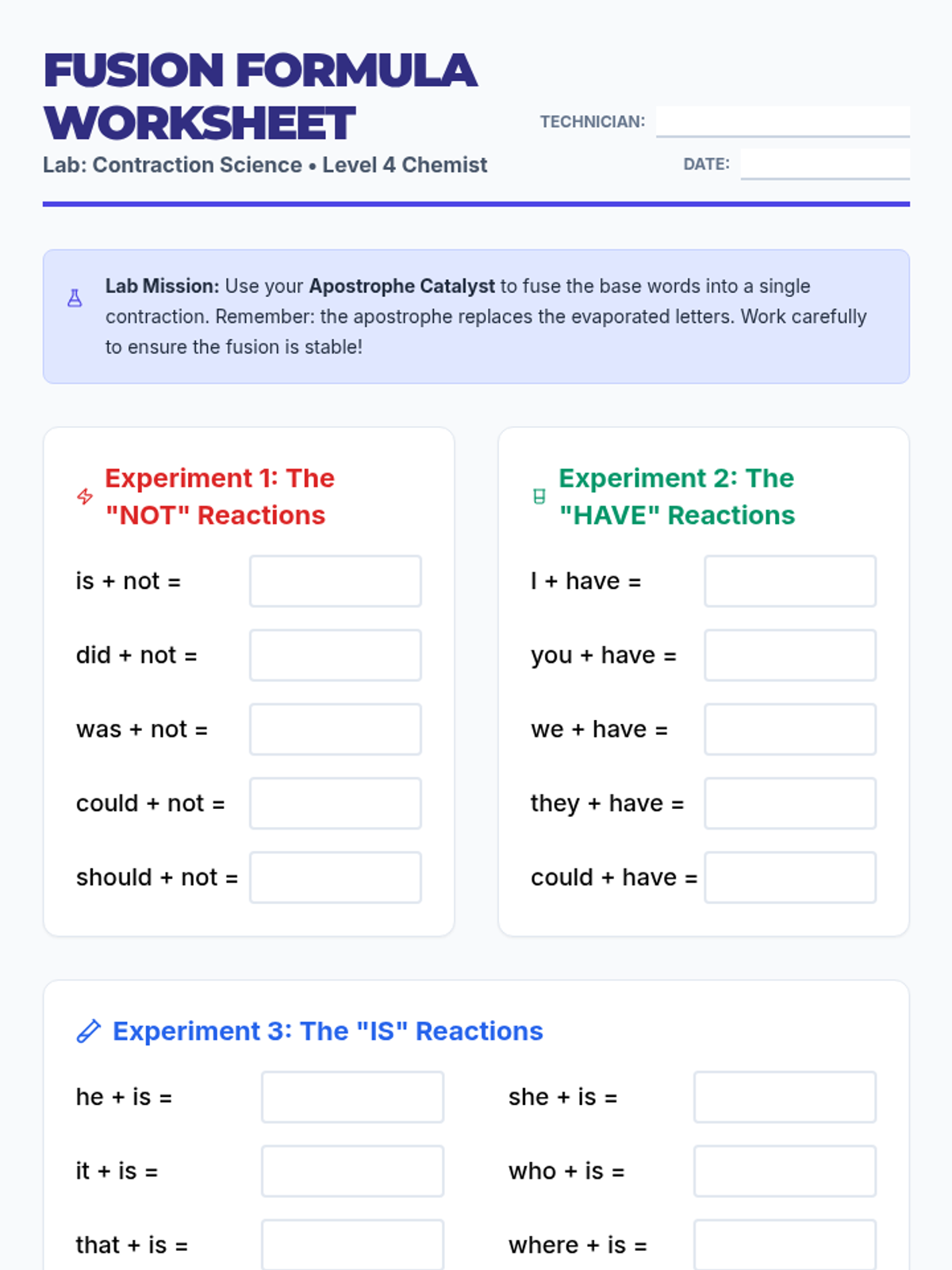
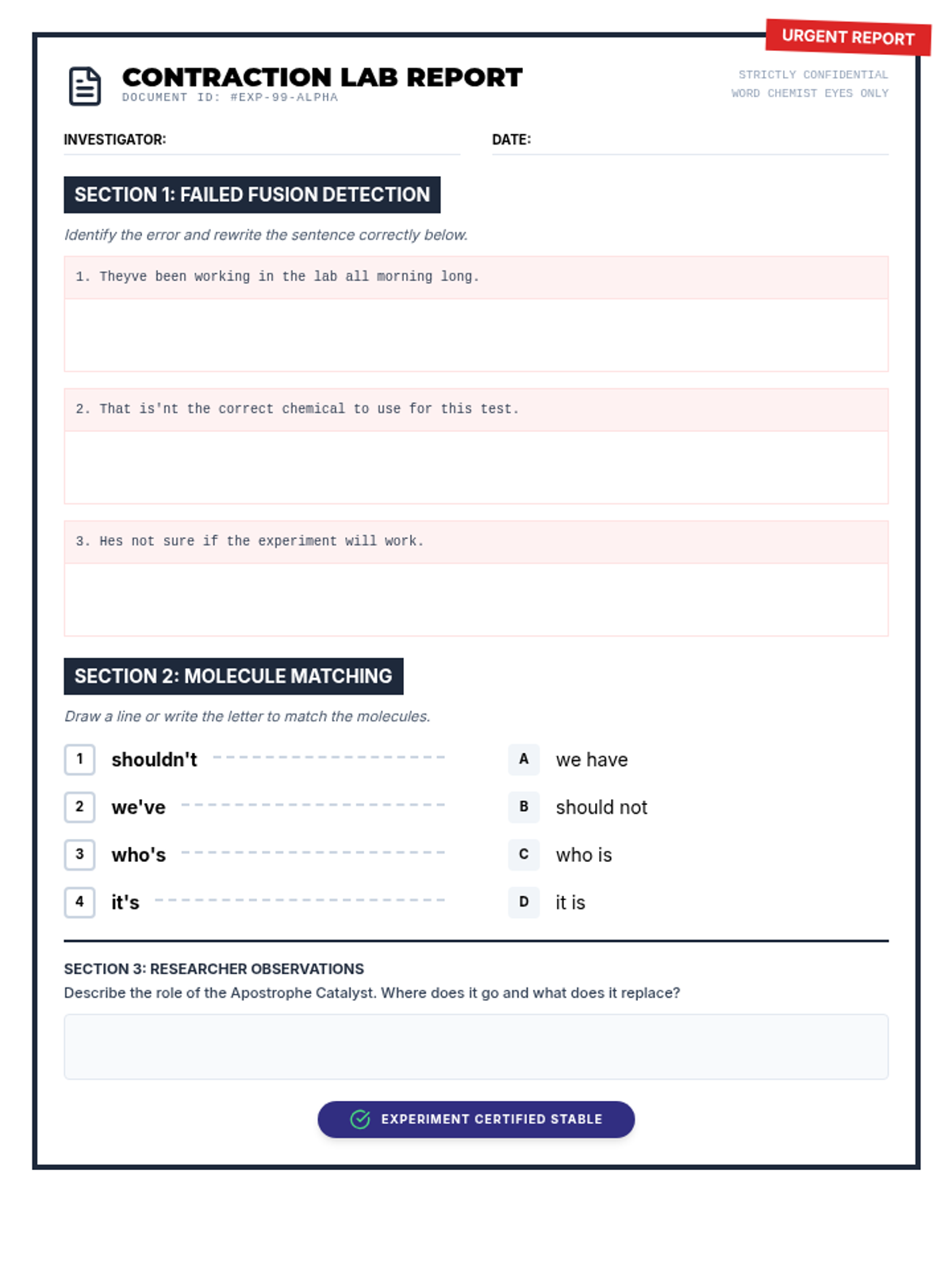
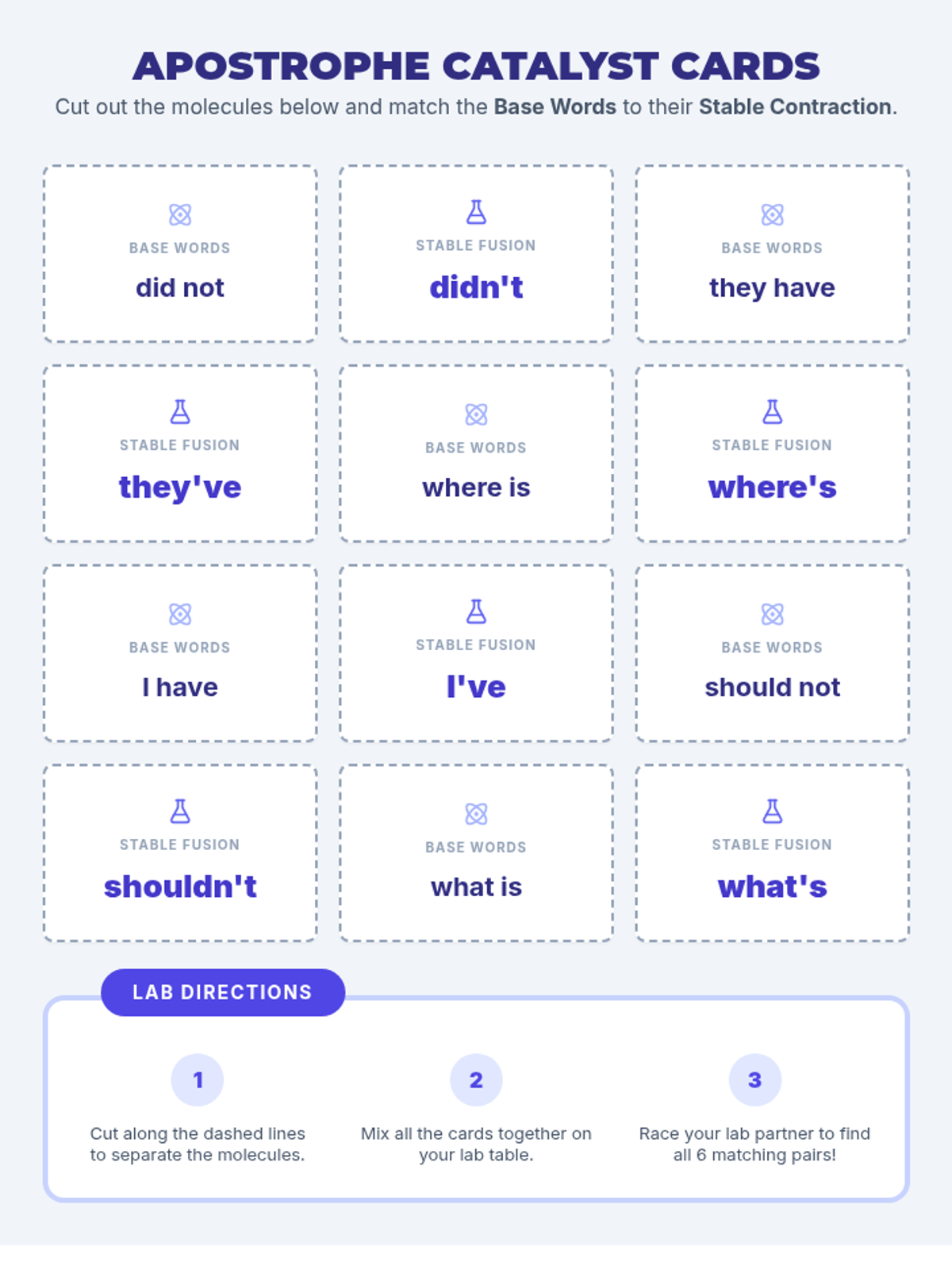
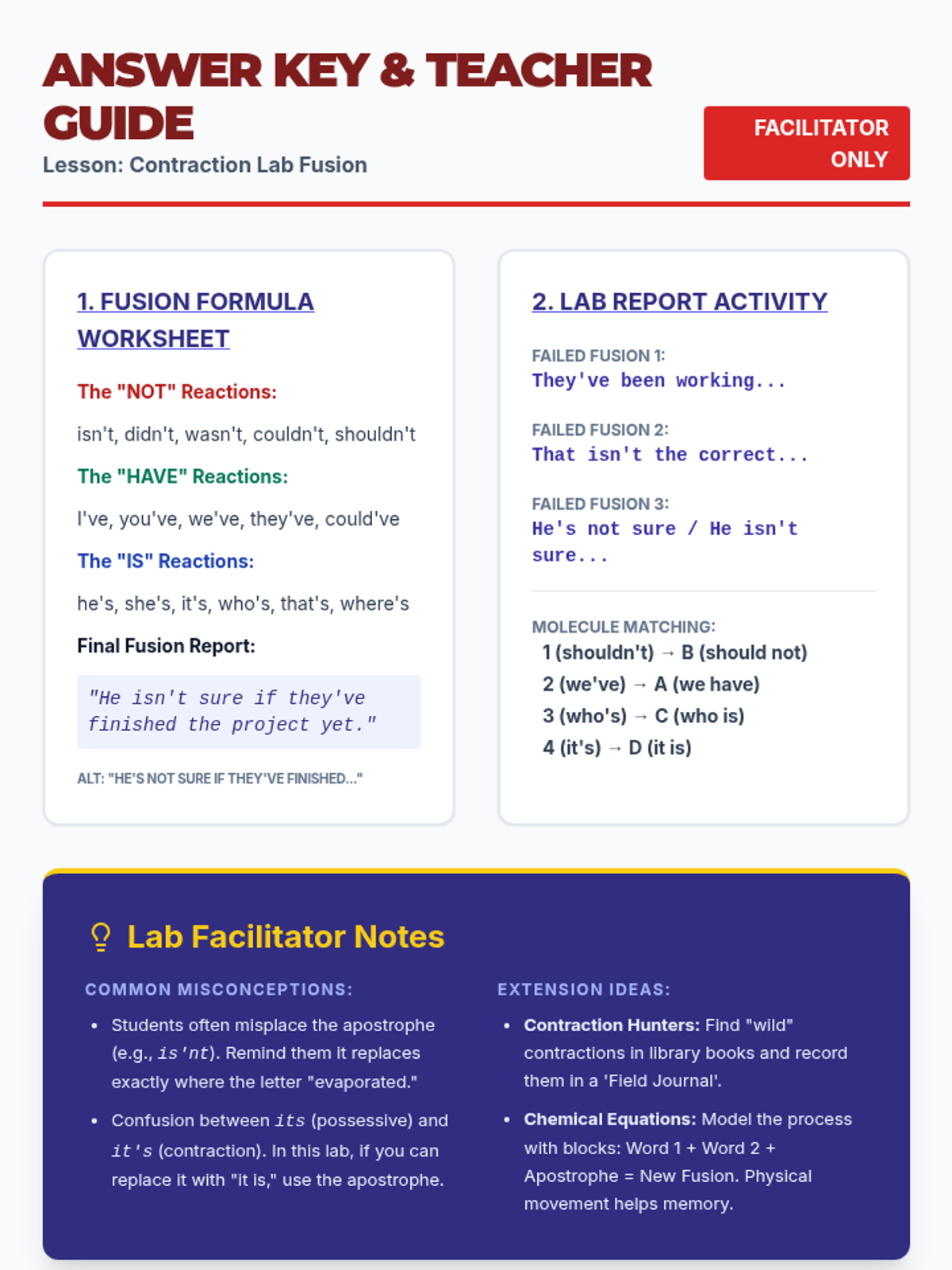
A high-energy, science-themed lesson where students become 'Word Chemists' to fuse words together using the power of the apostrophe. Focuses on contractions formed with 'not', 'have', and 'is'.
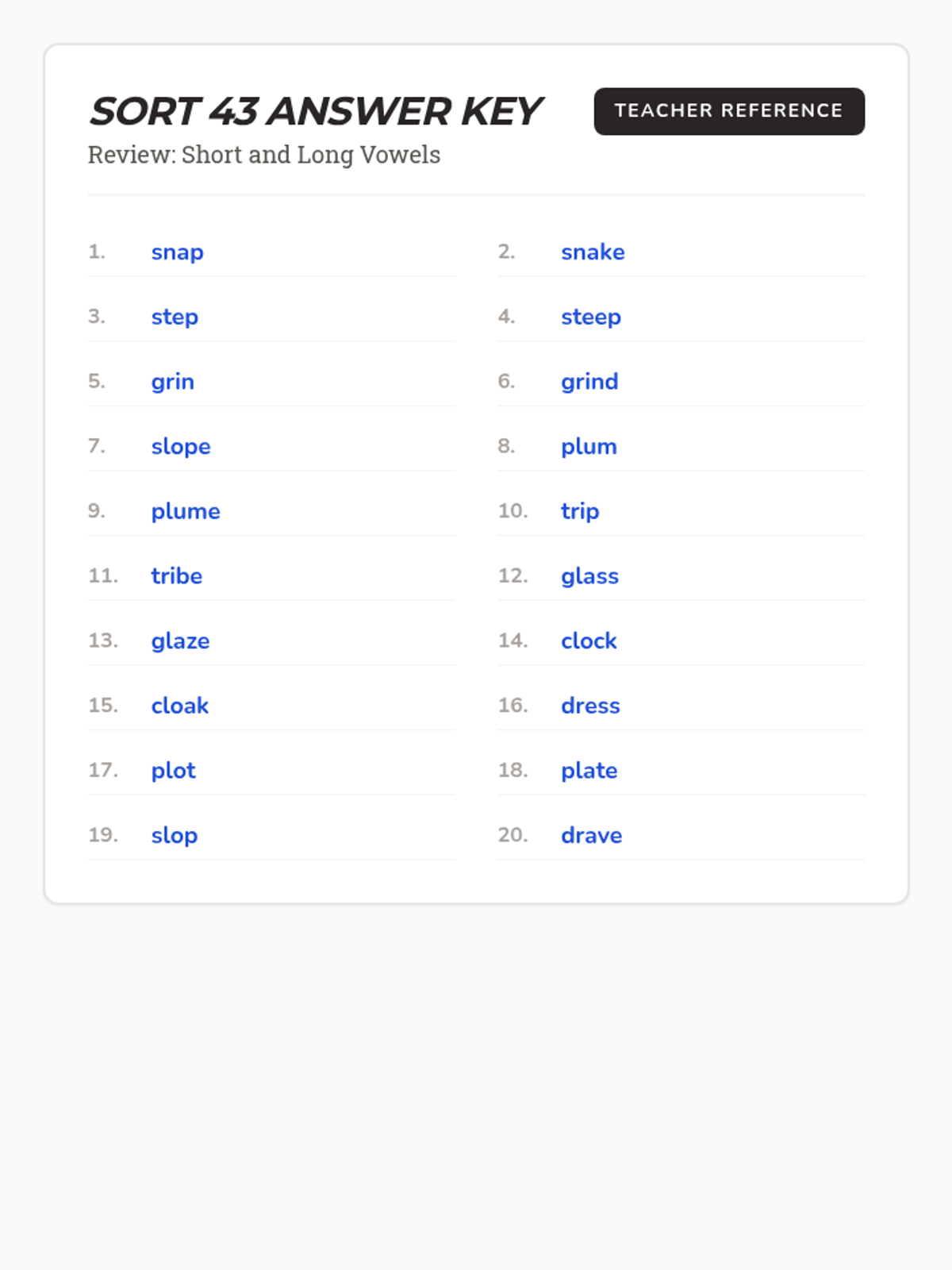
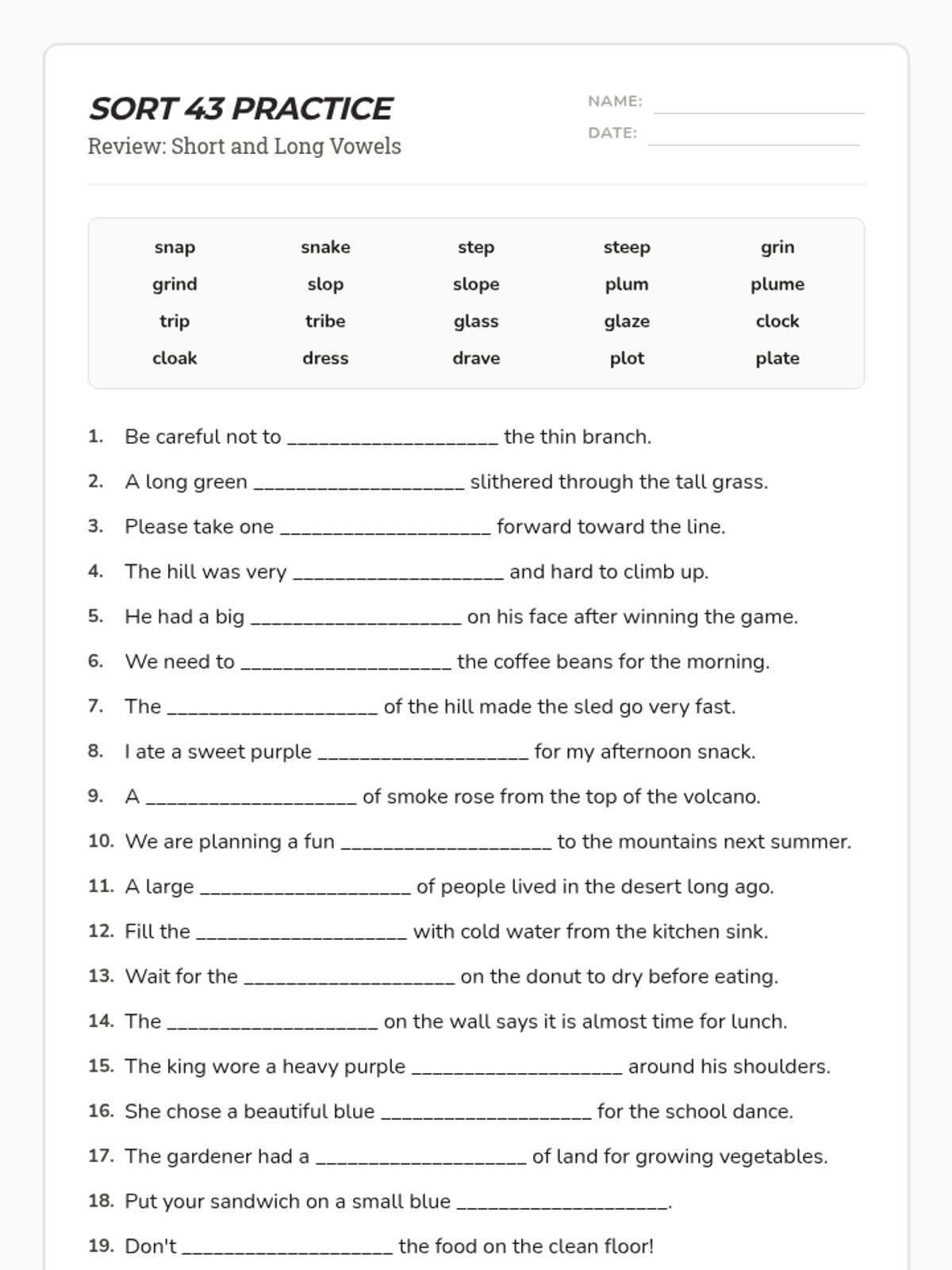
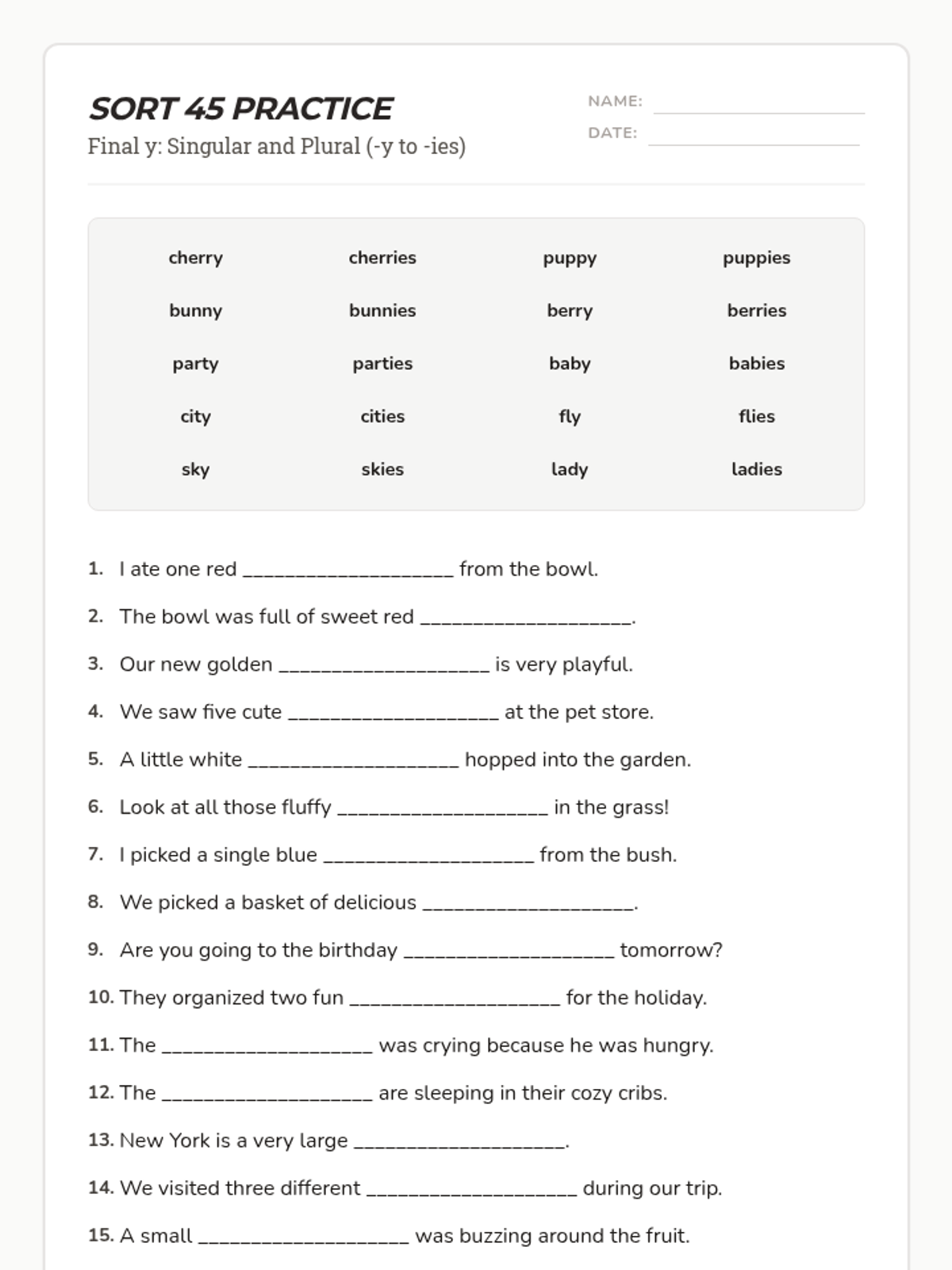
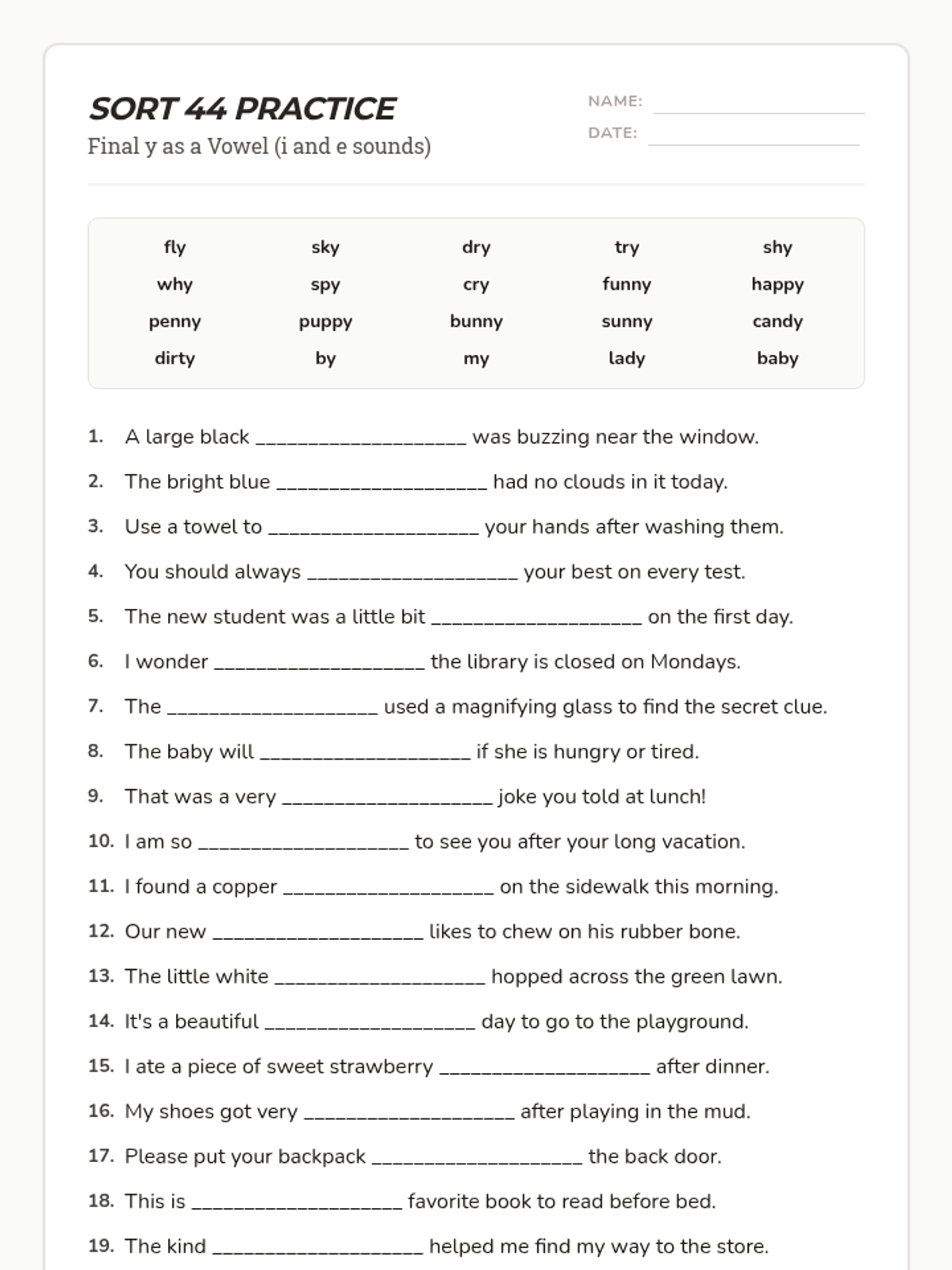
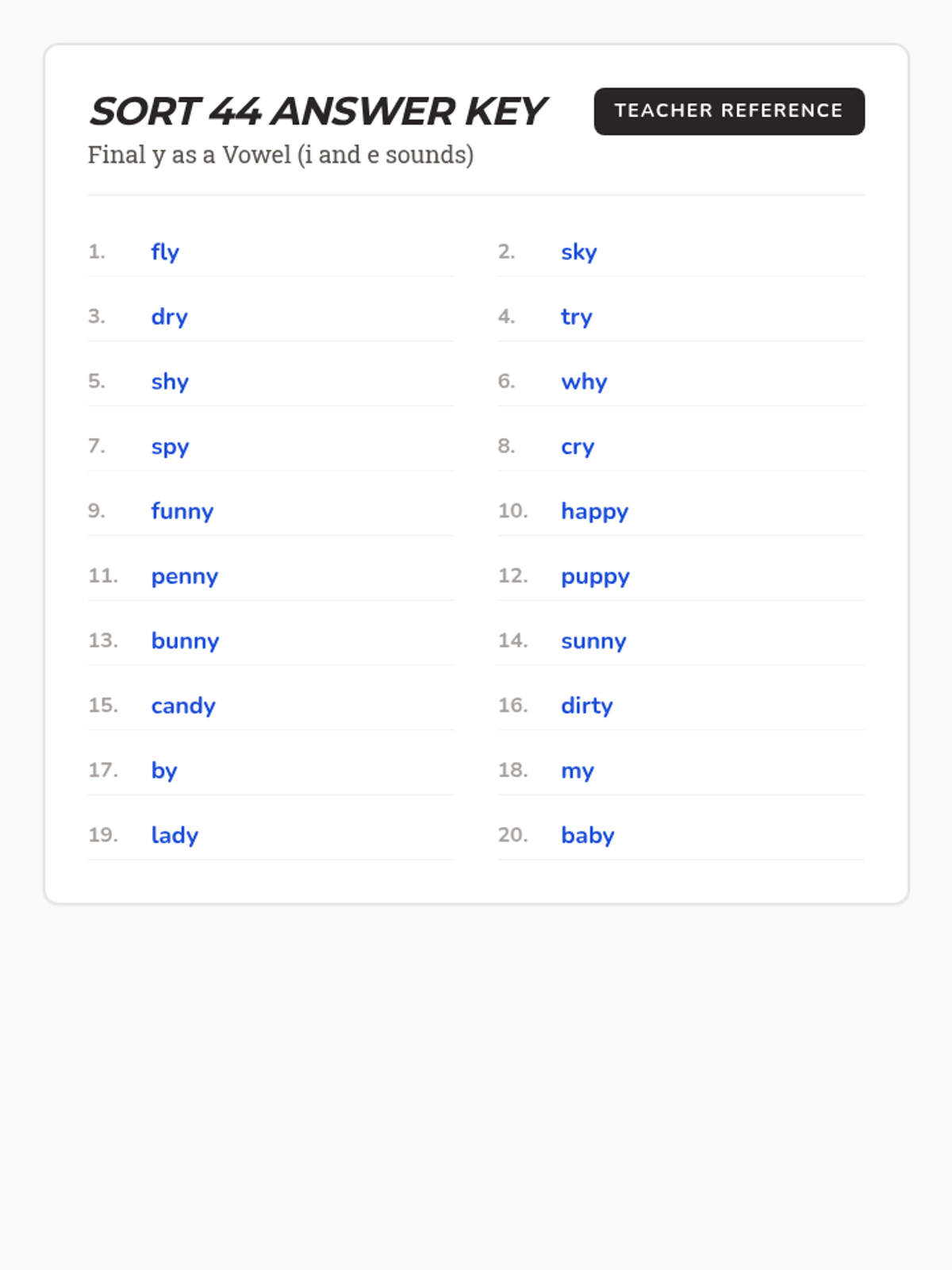
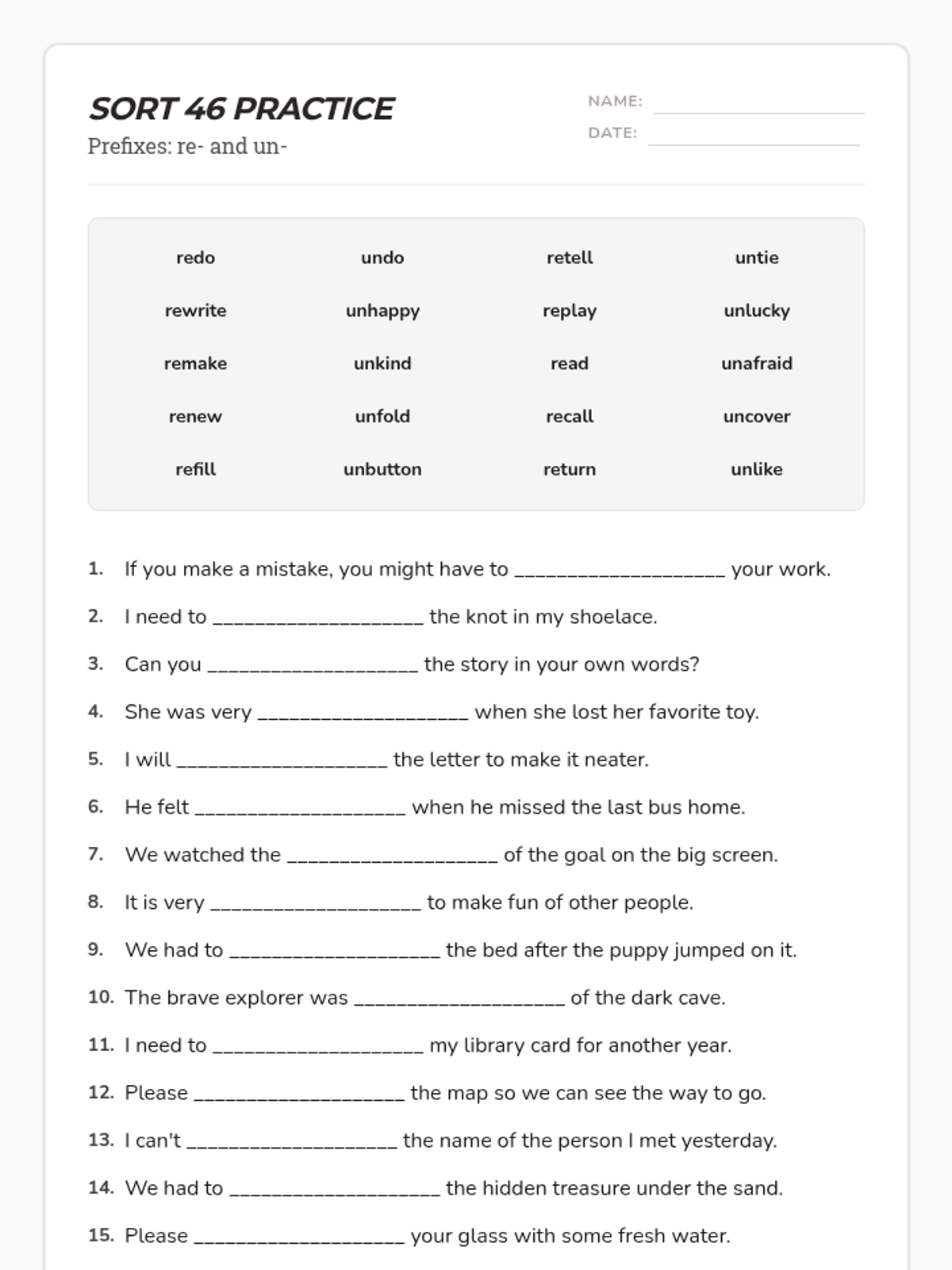
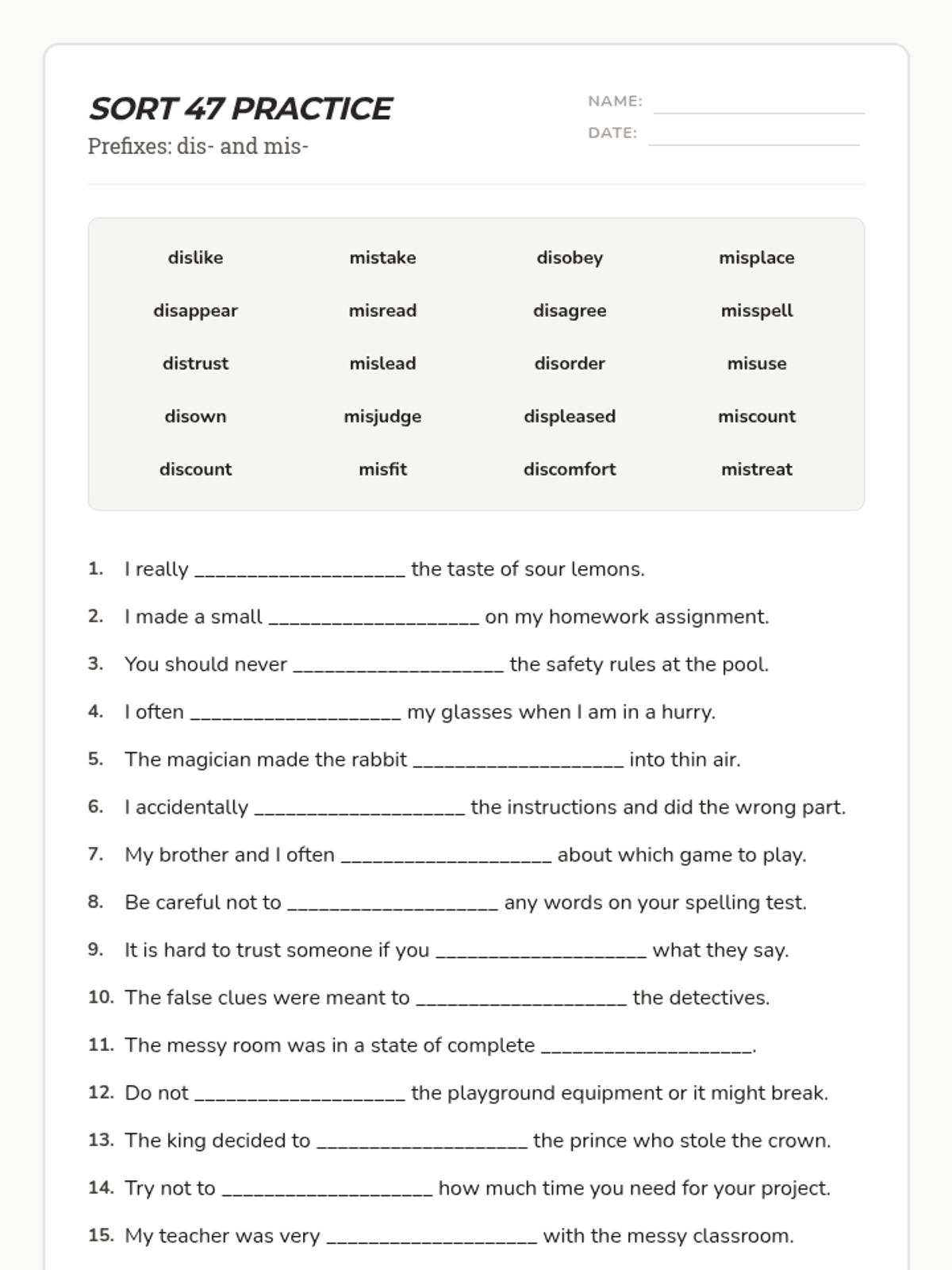
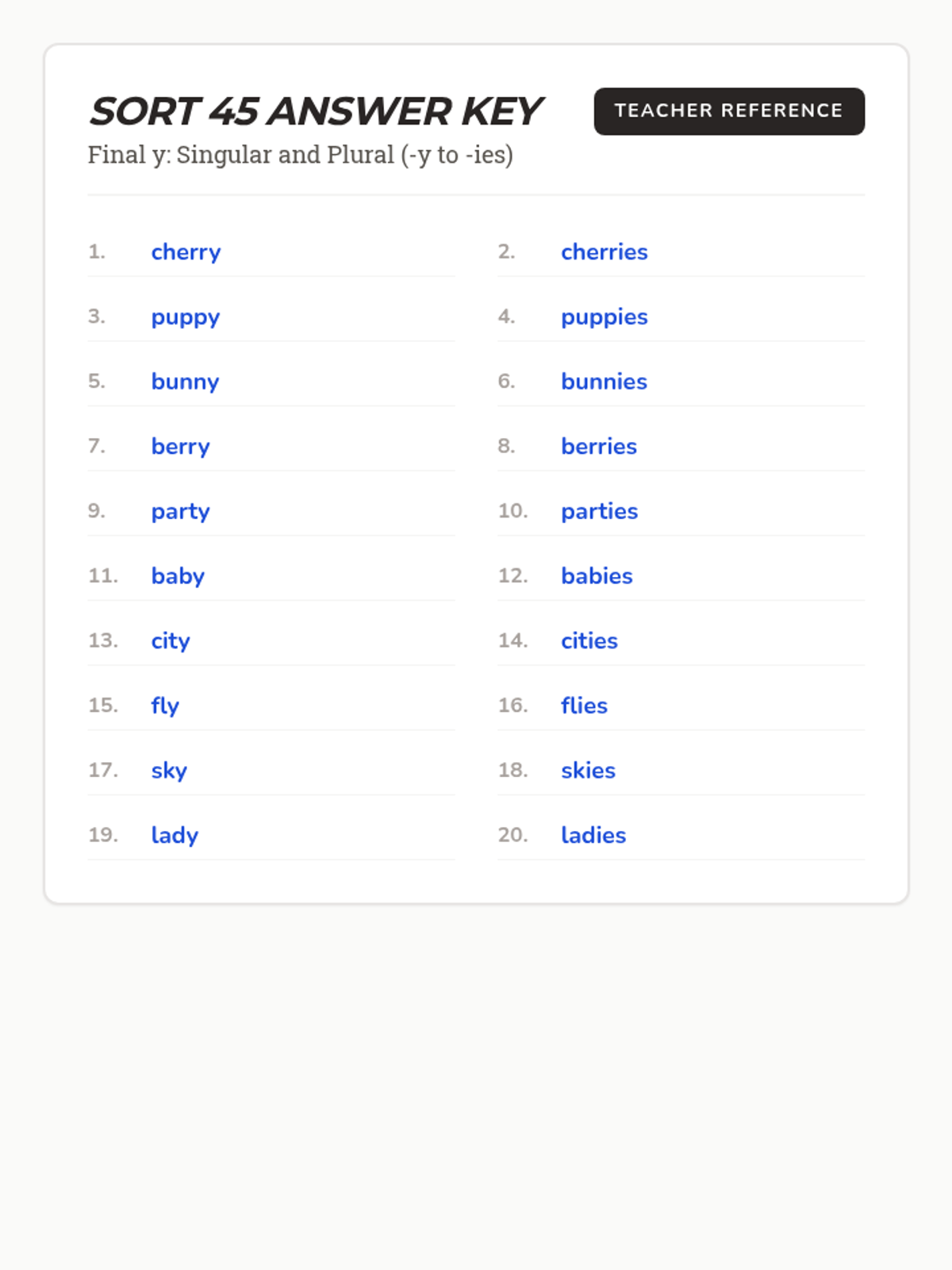
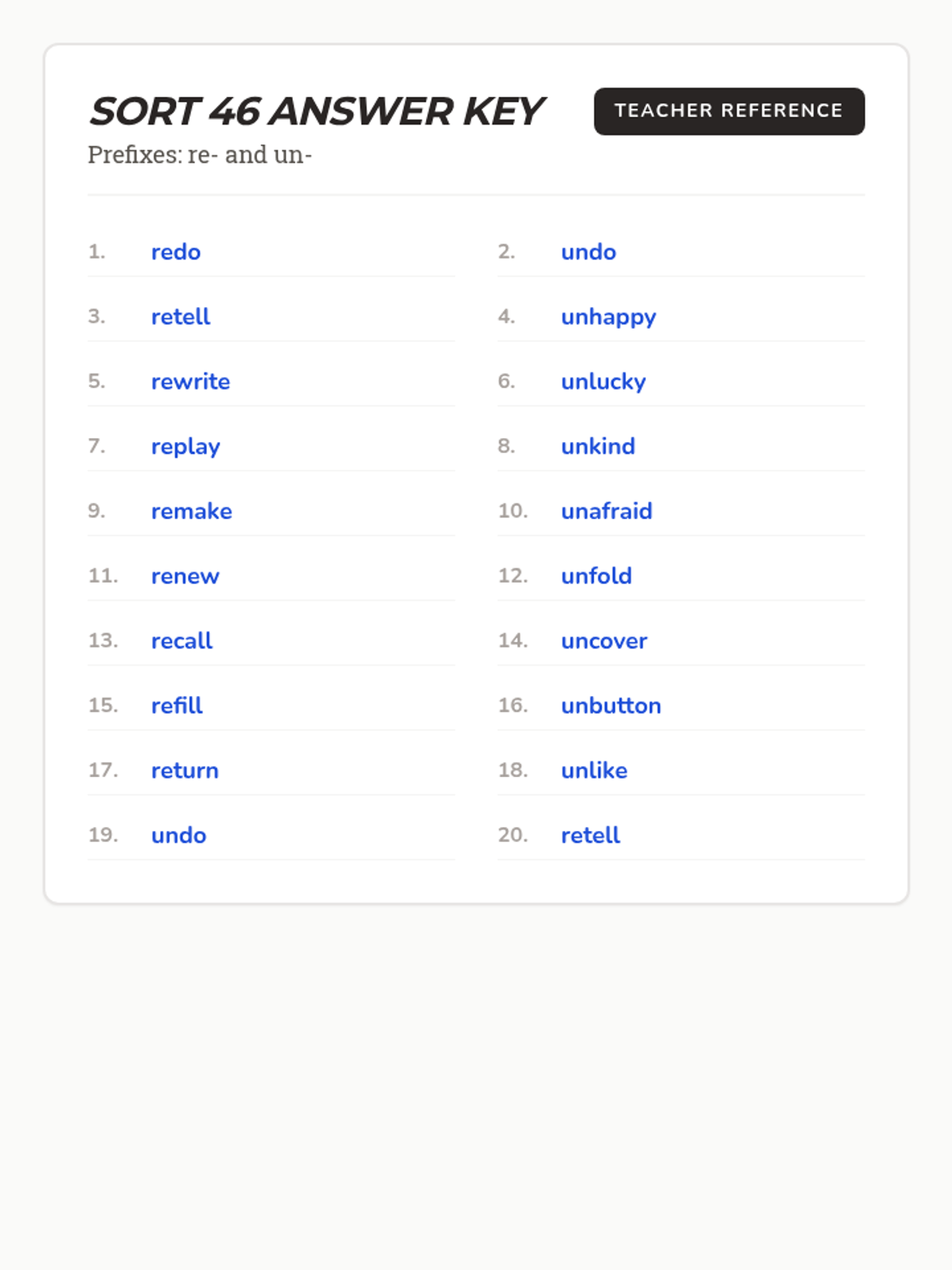
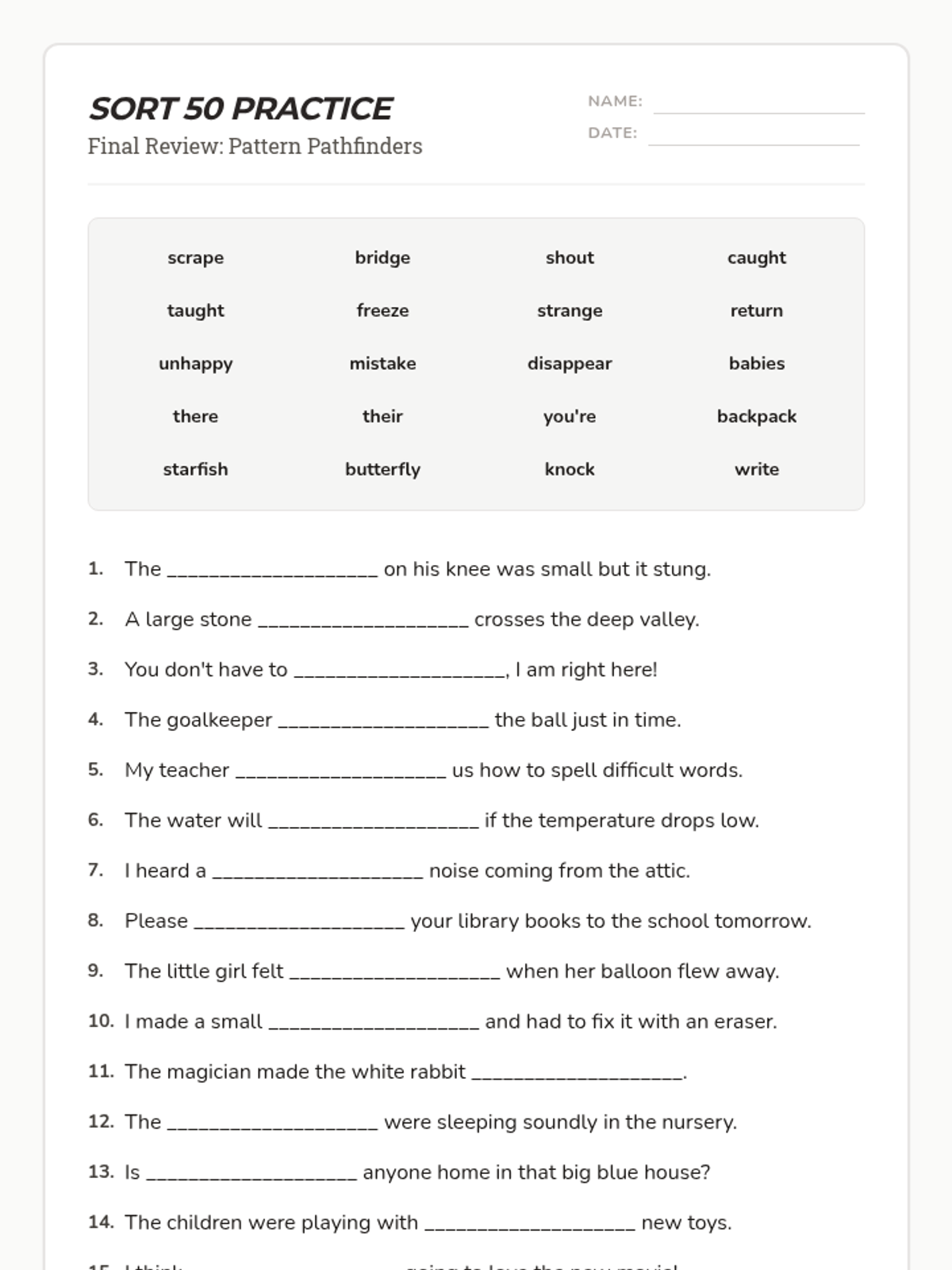
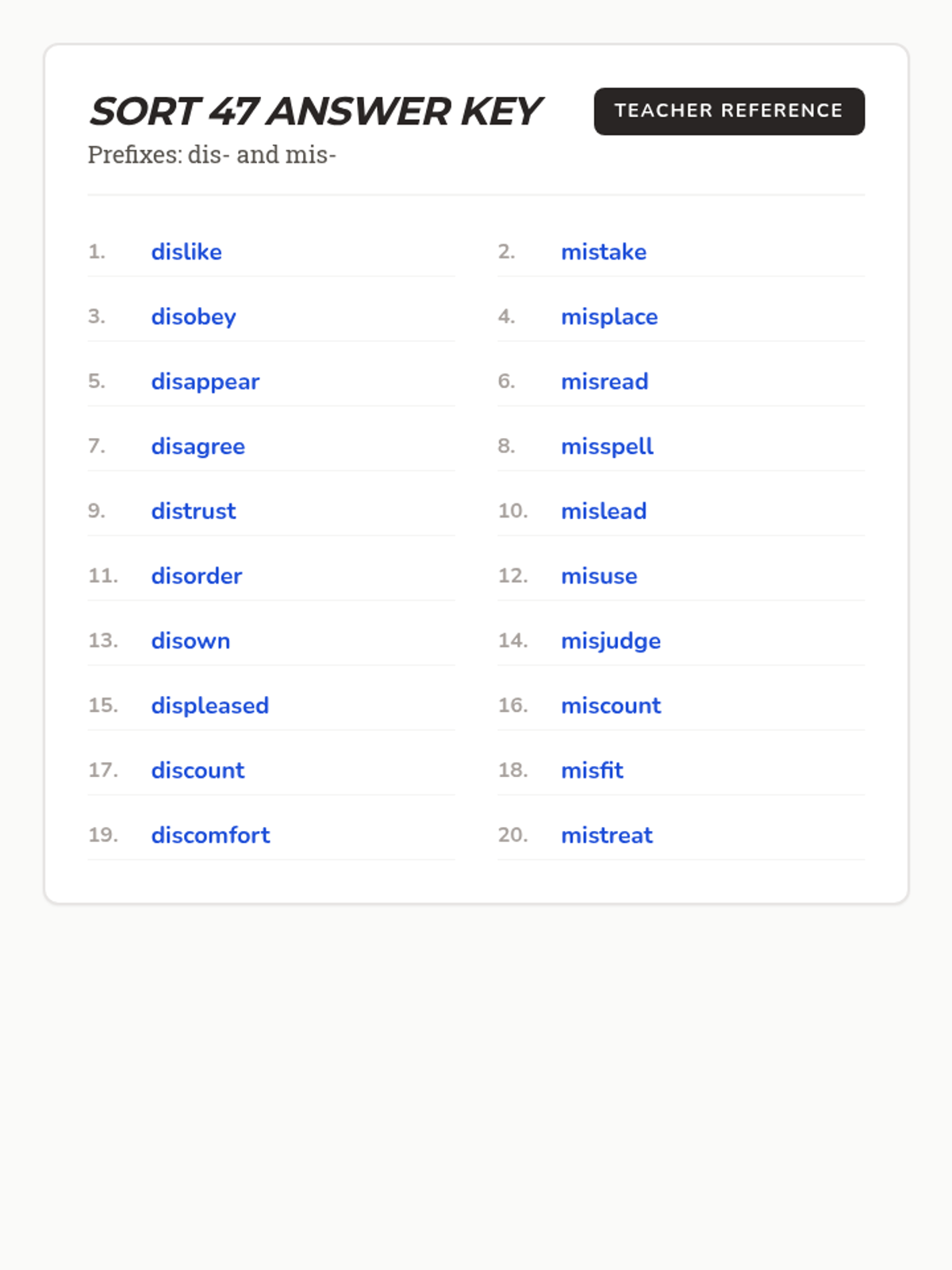
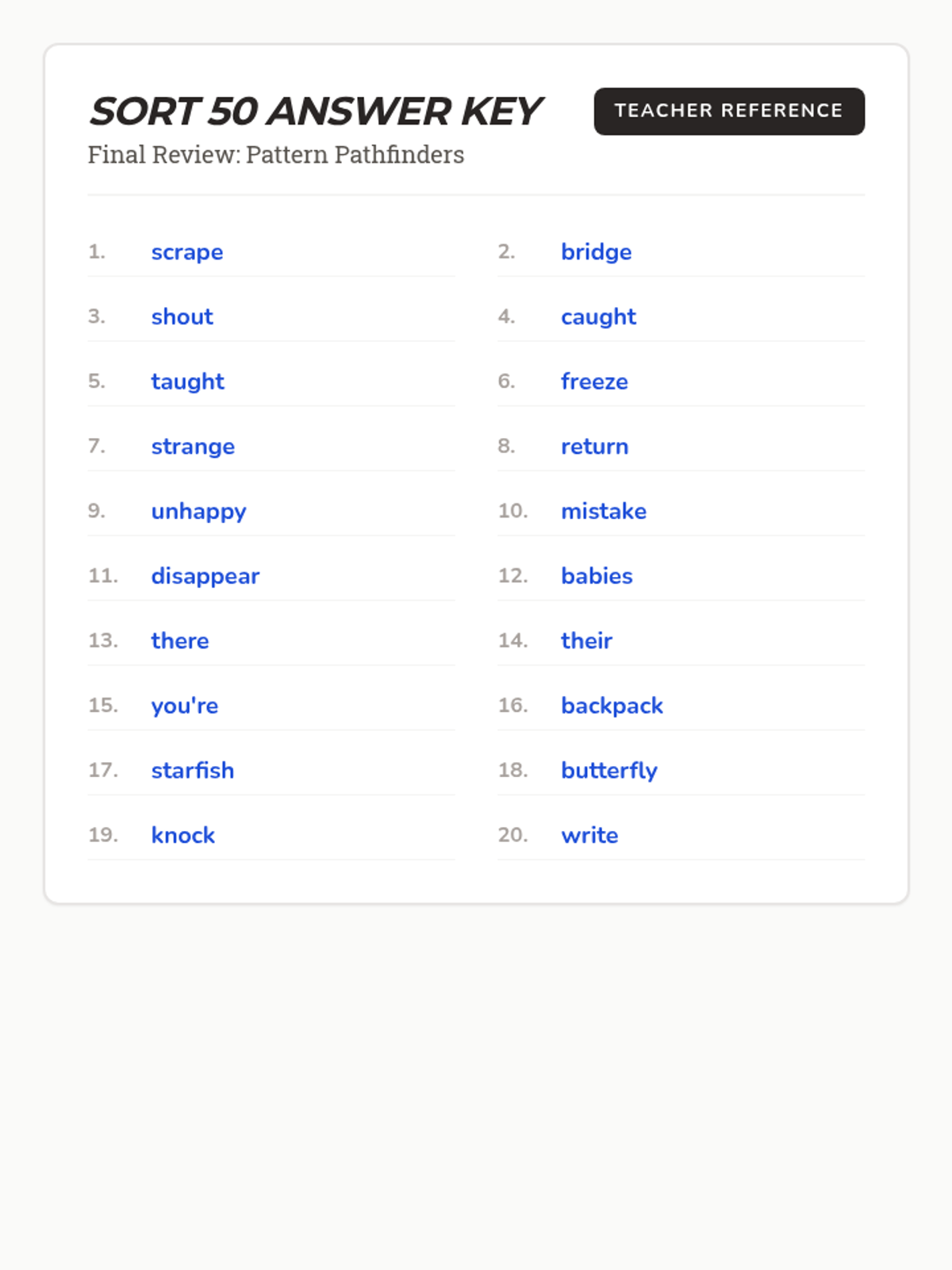
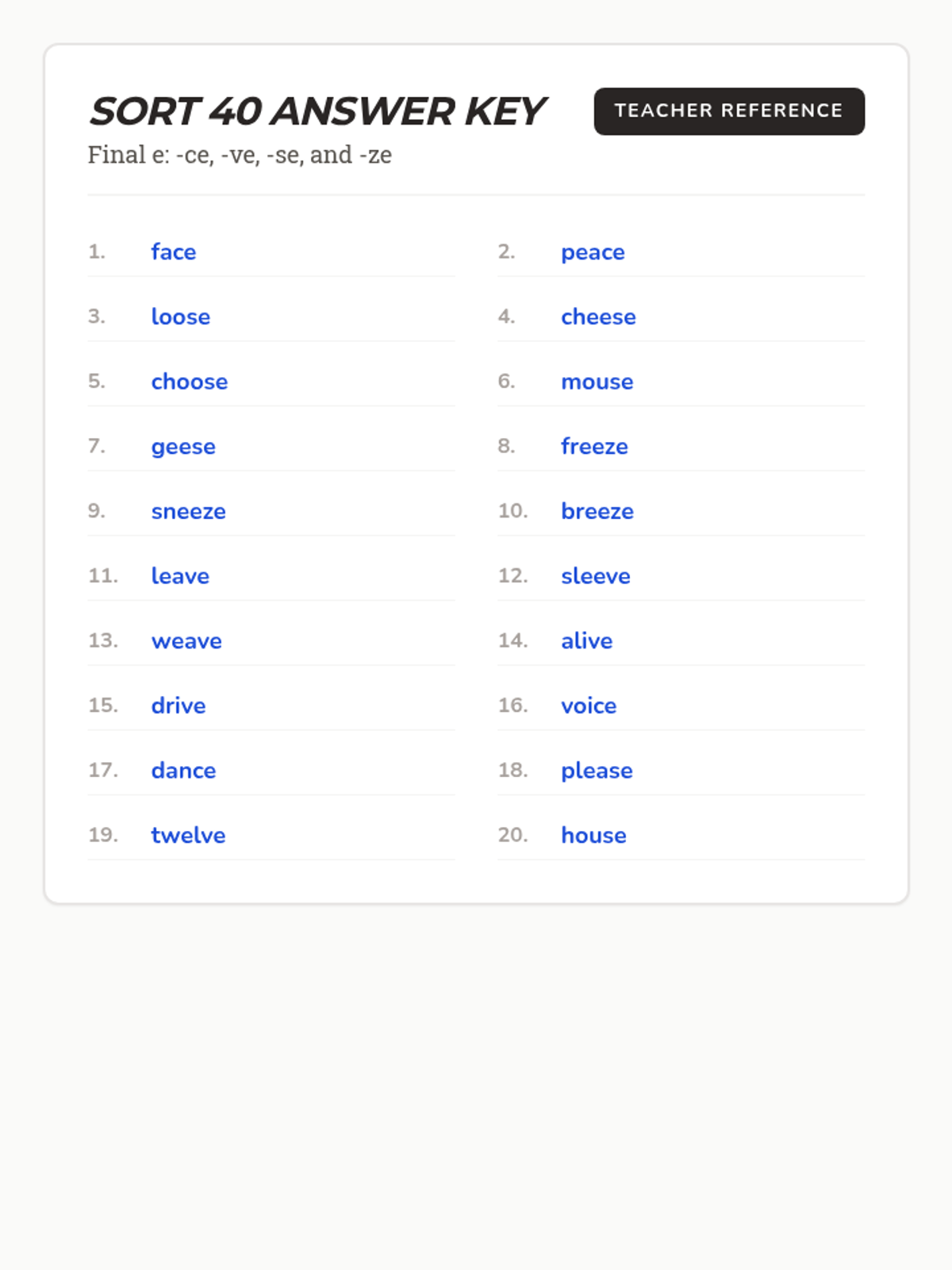
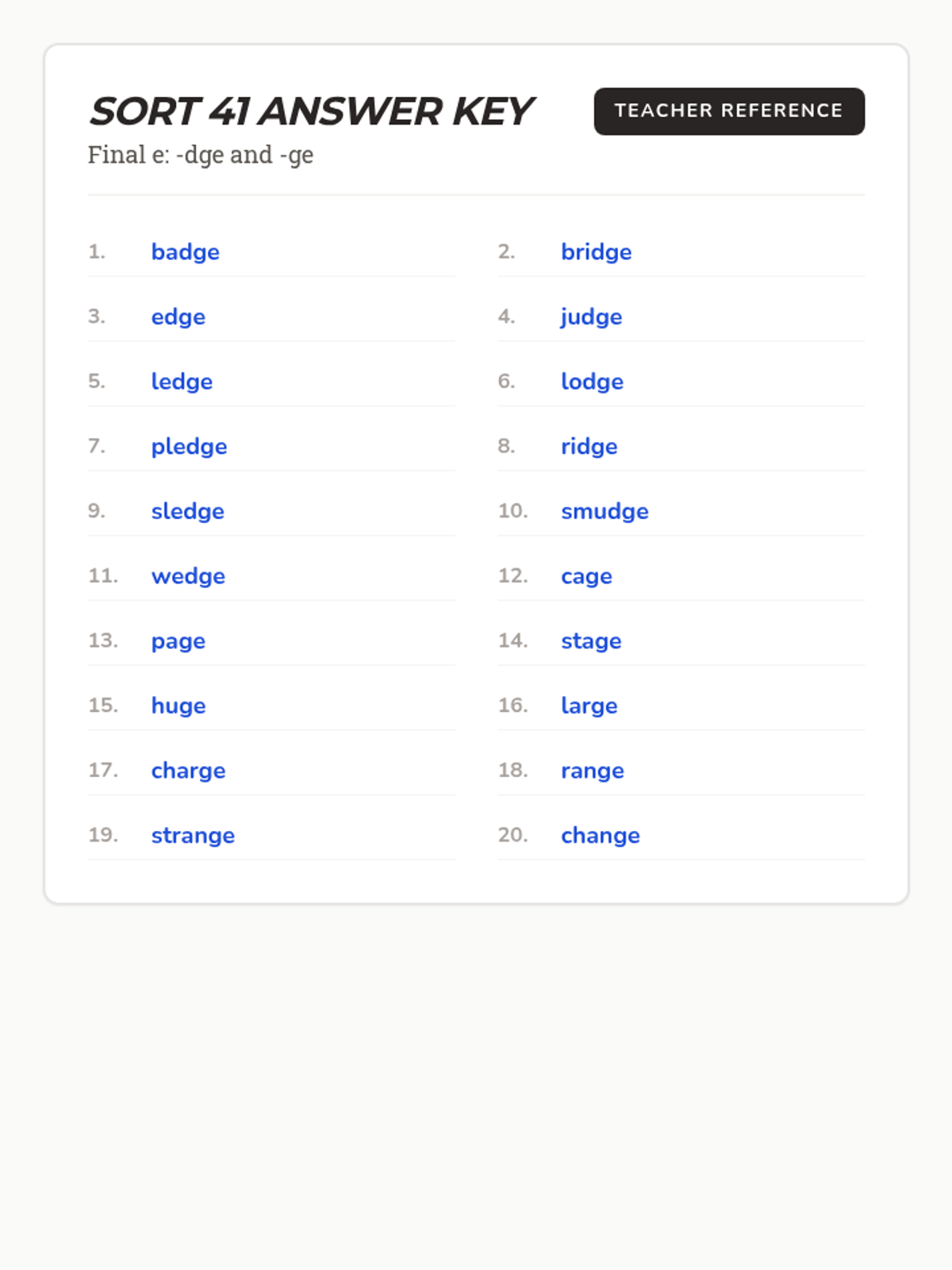
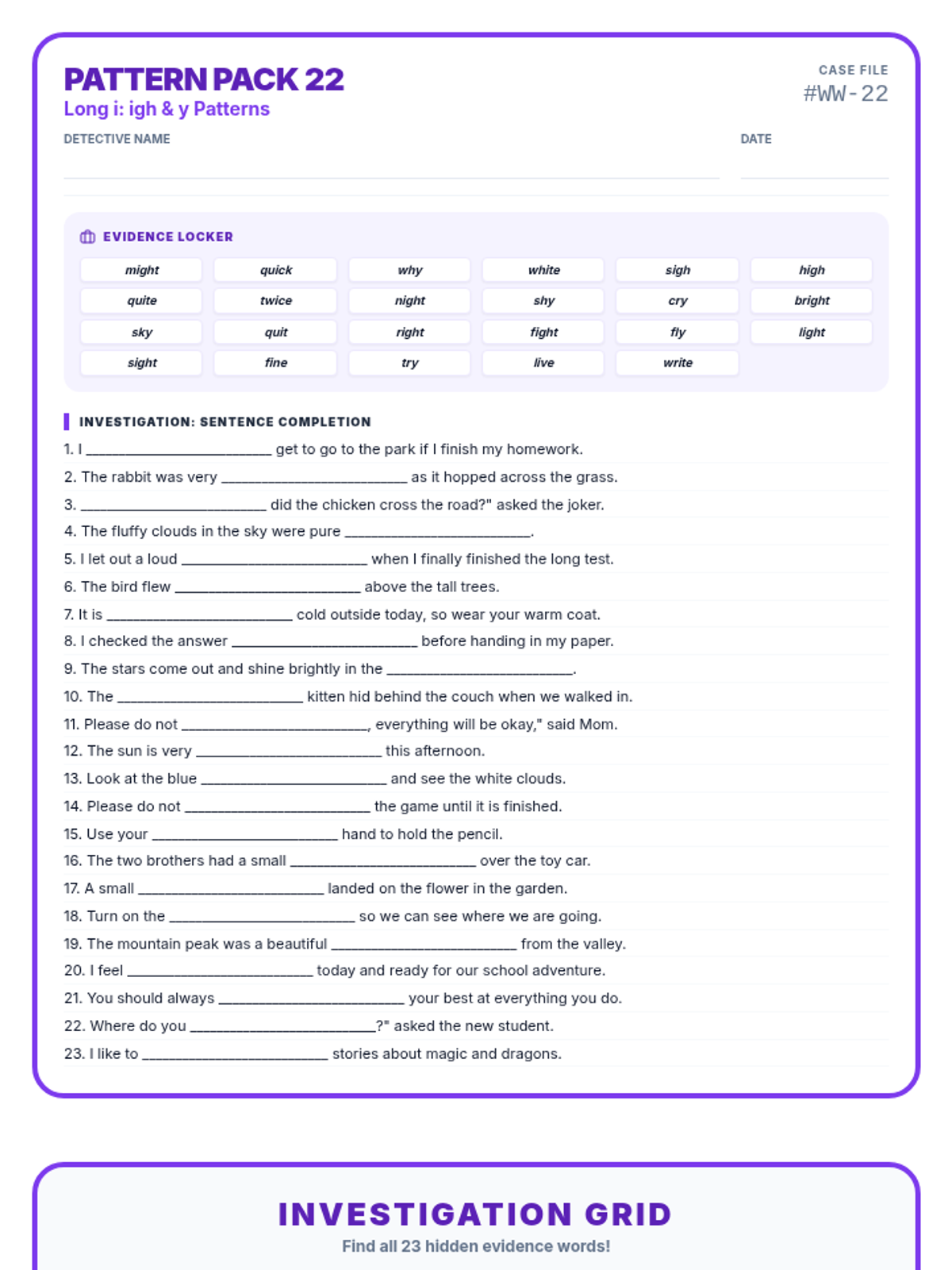
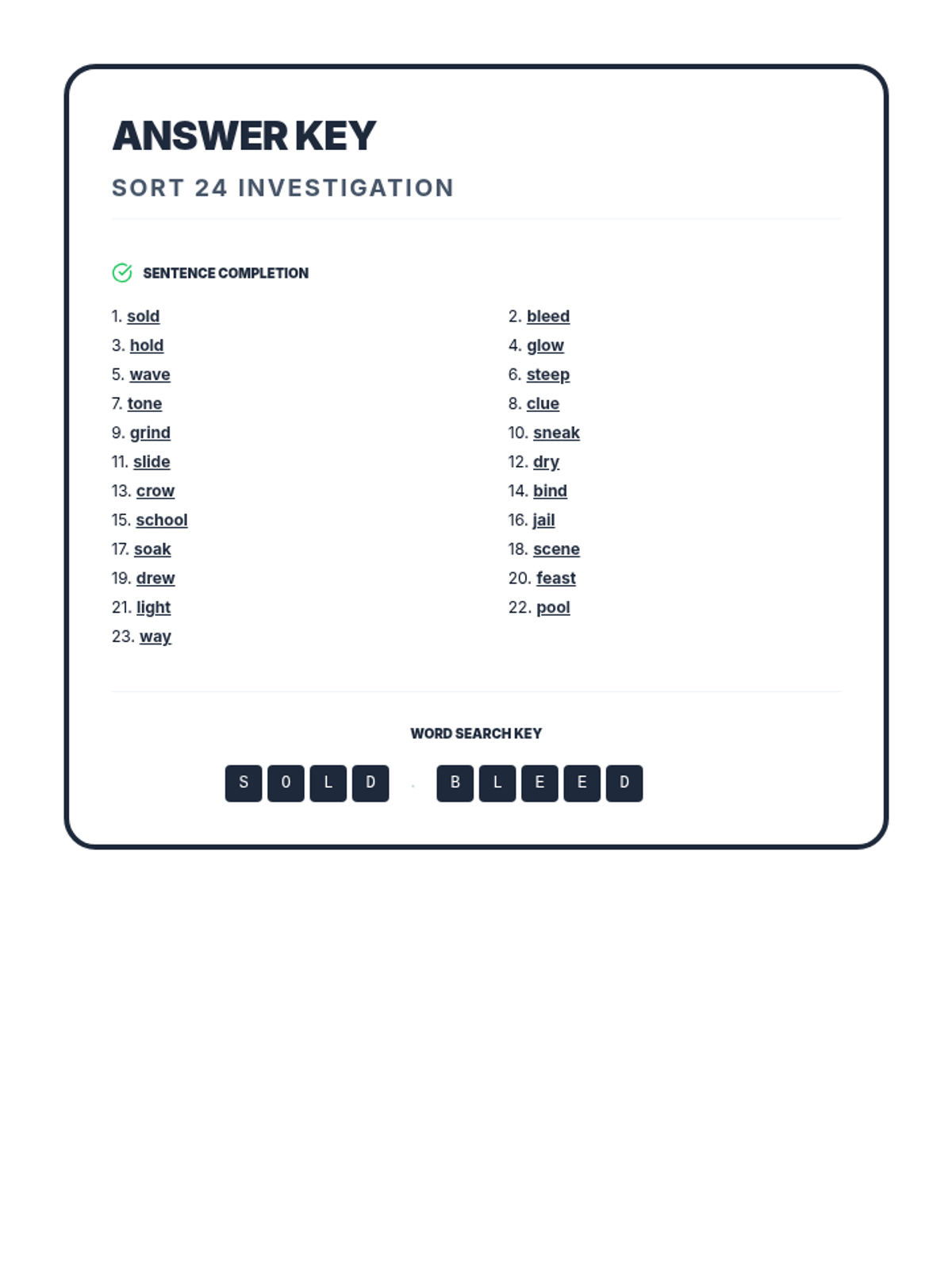
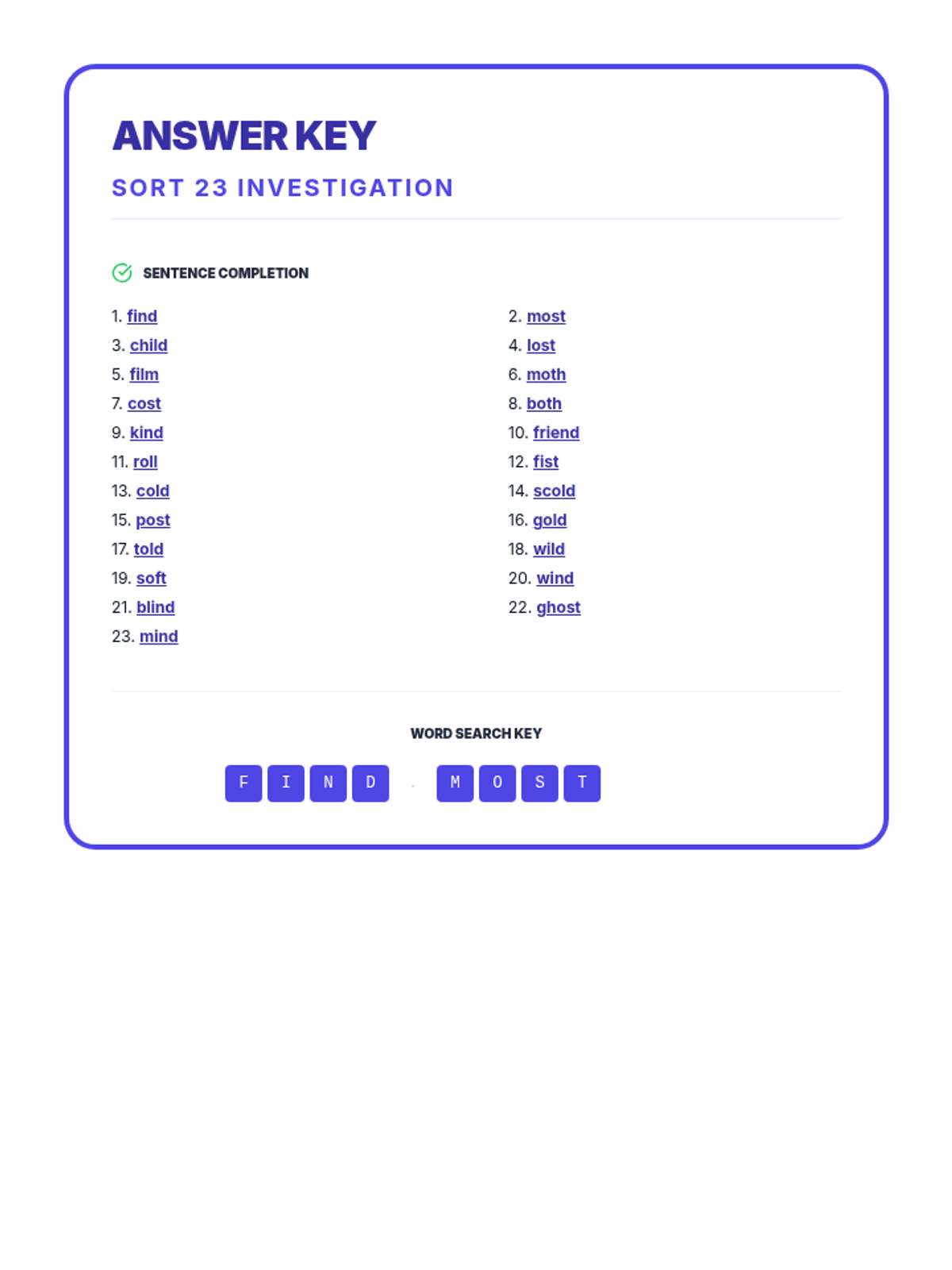
Covers final y as a vowel, plural endings with -ies, common prefixes (re-, un-, dis-, mis-), and a comprehensive review of patterns from Sorts 13-50.
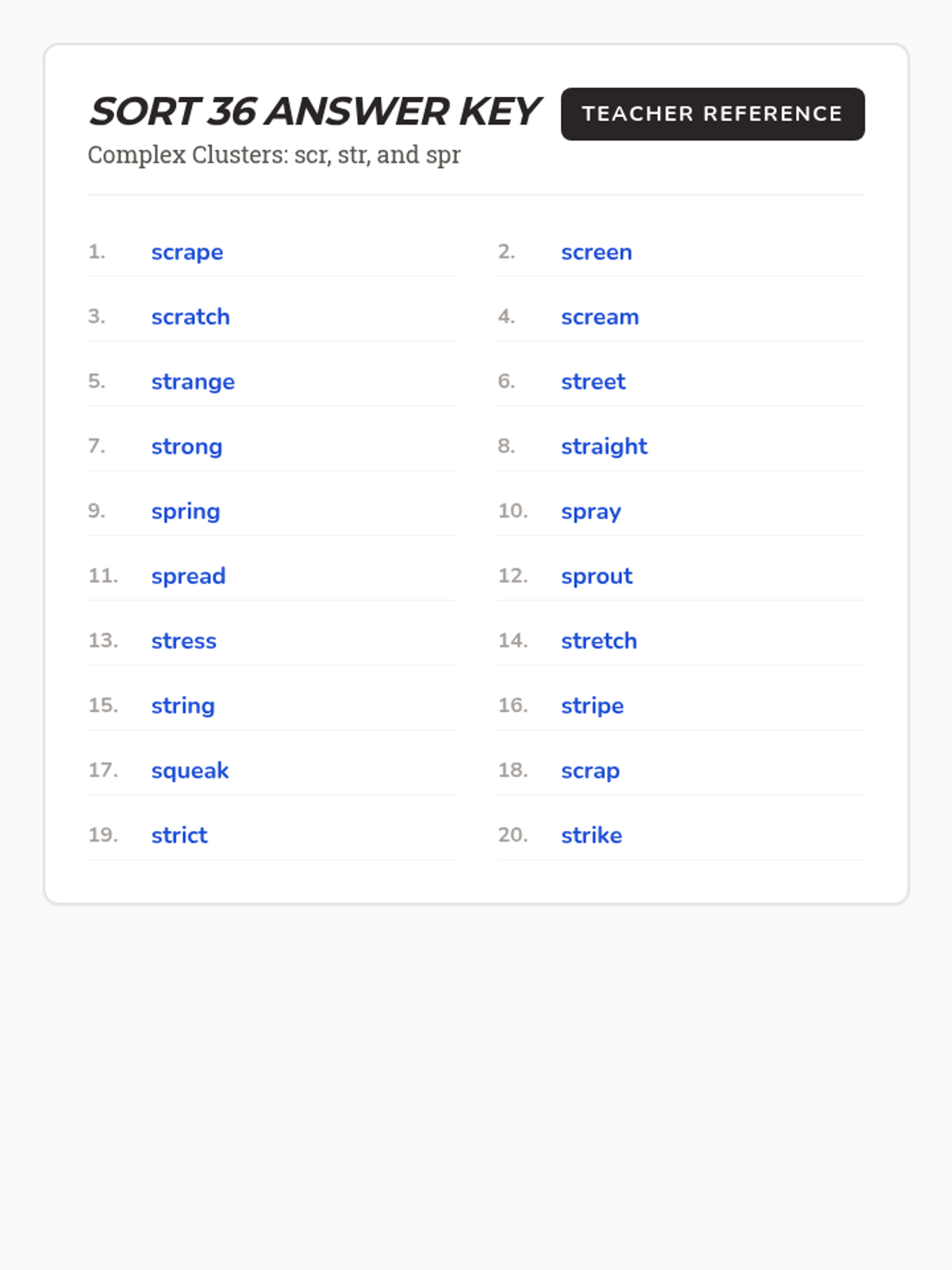
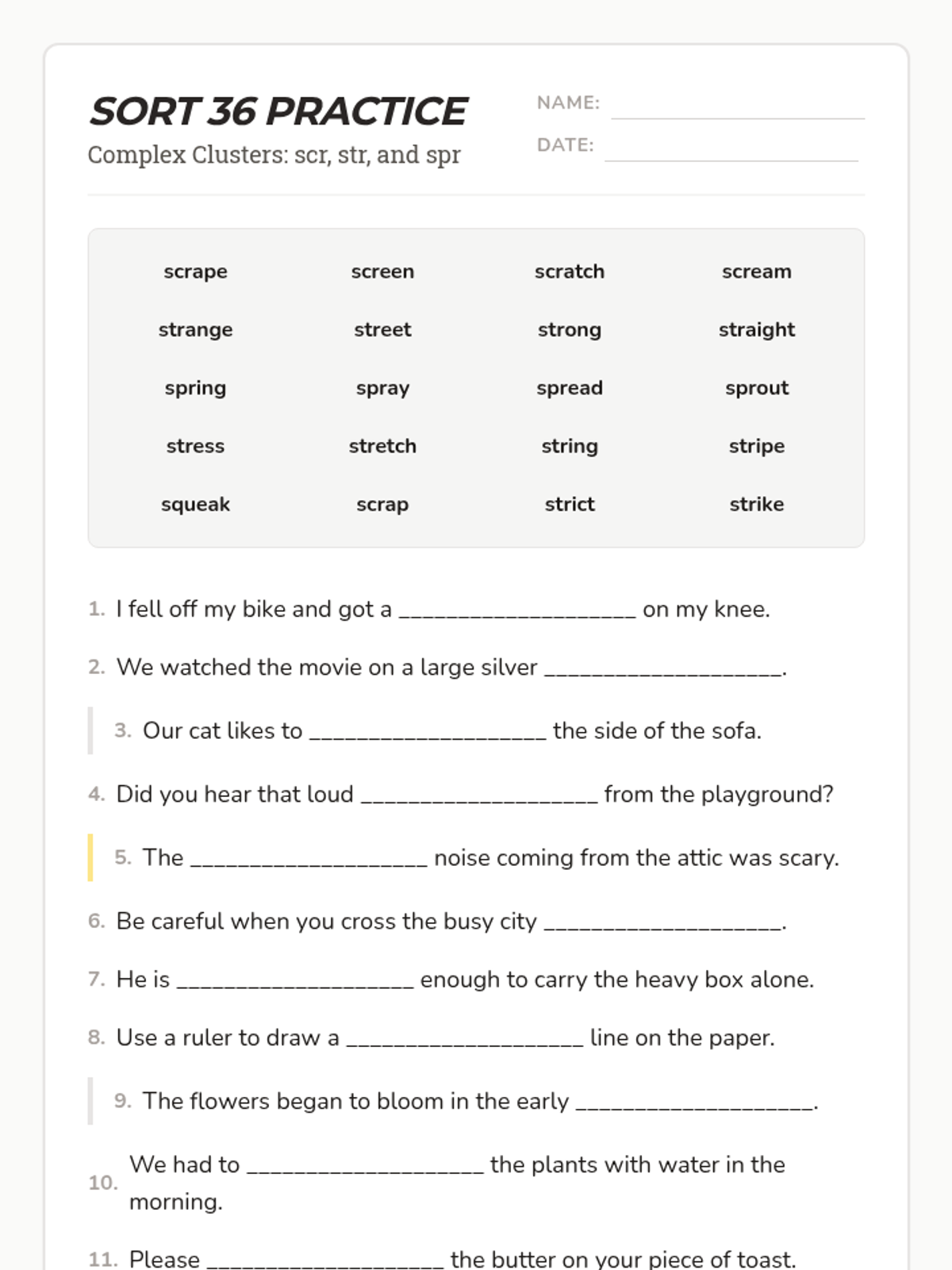
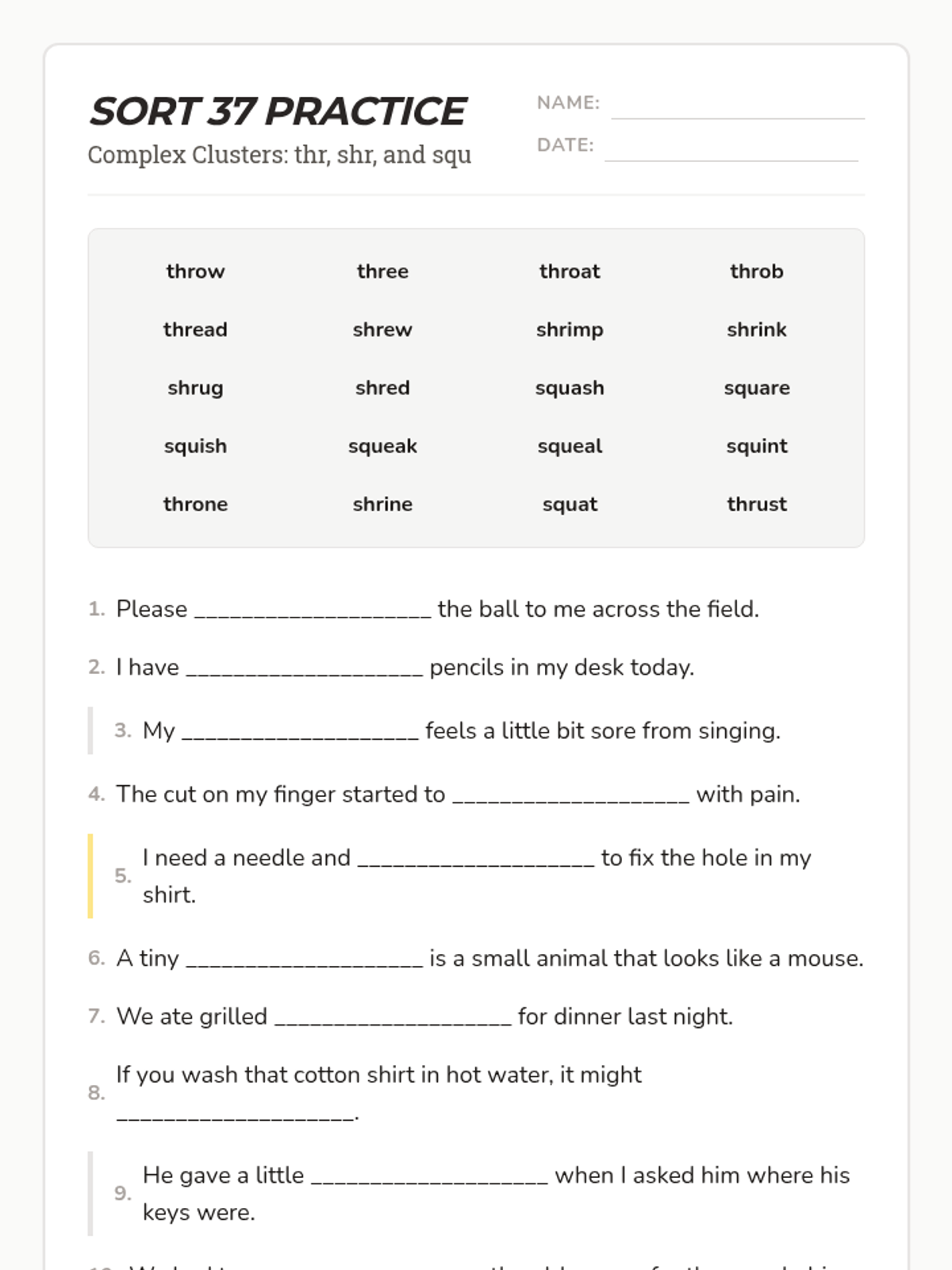
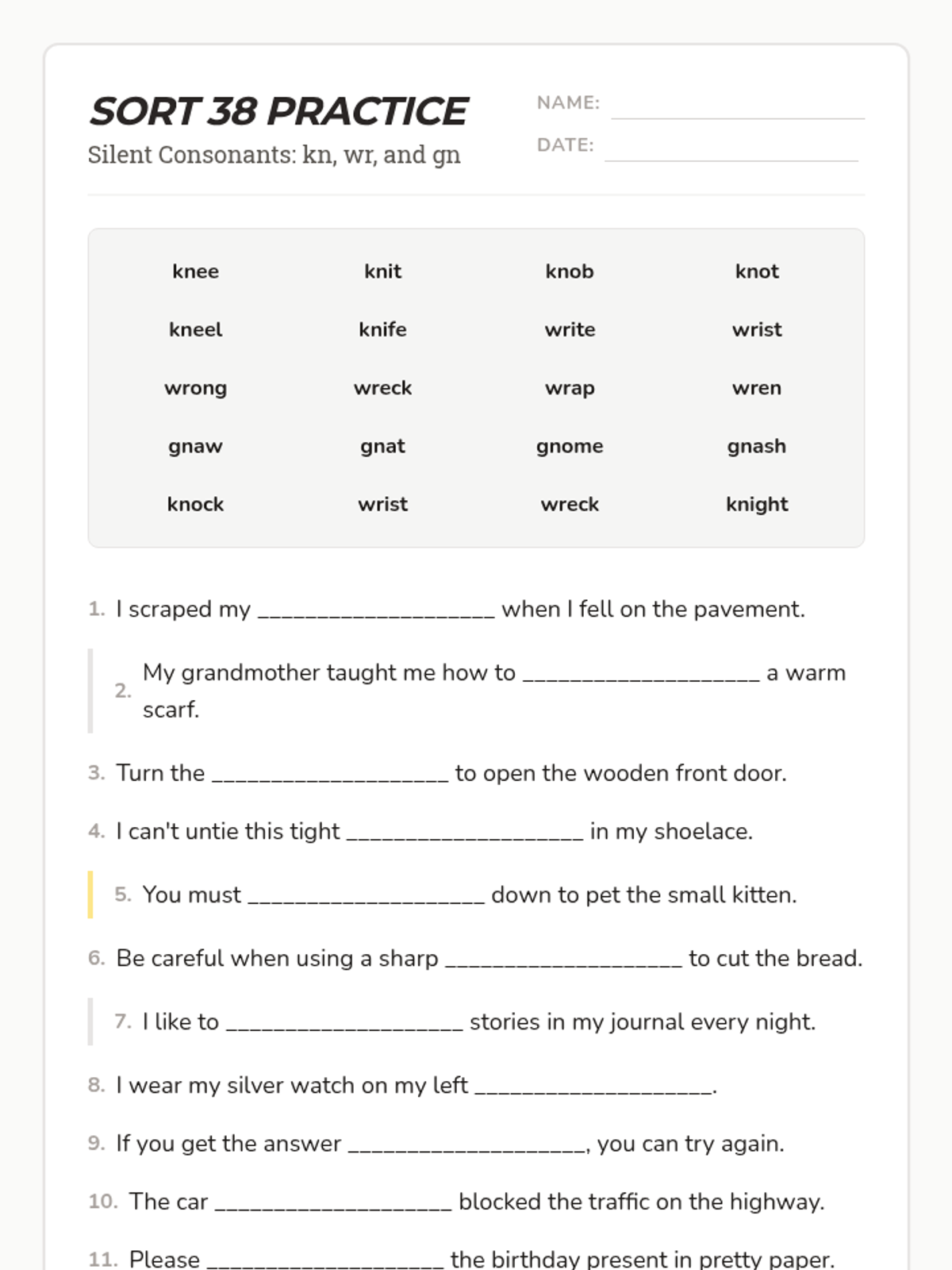
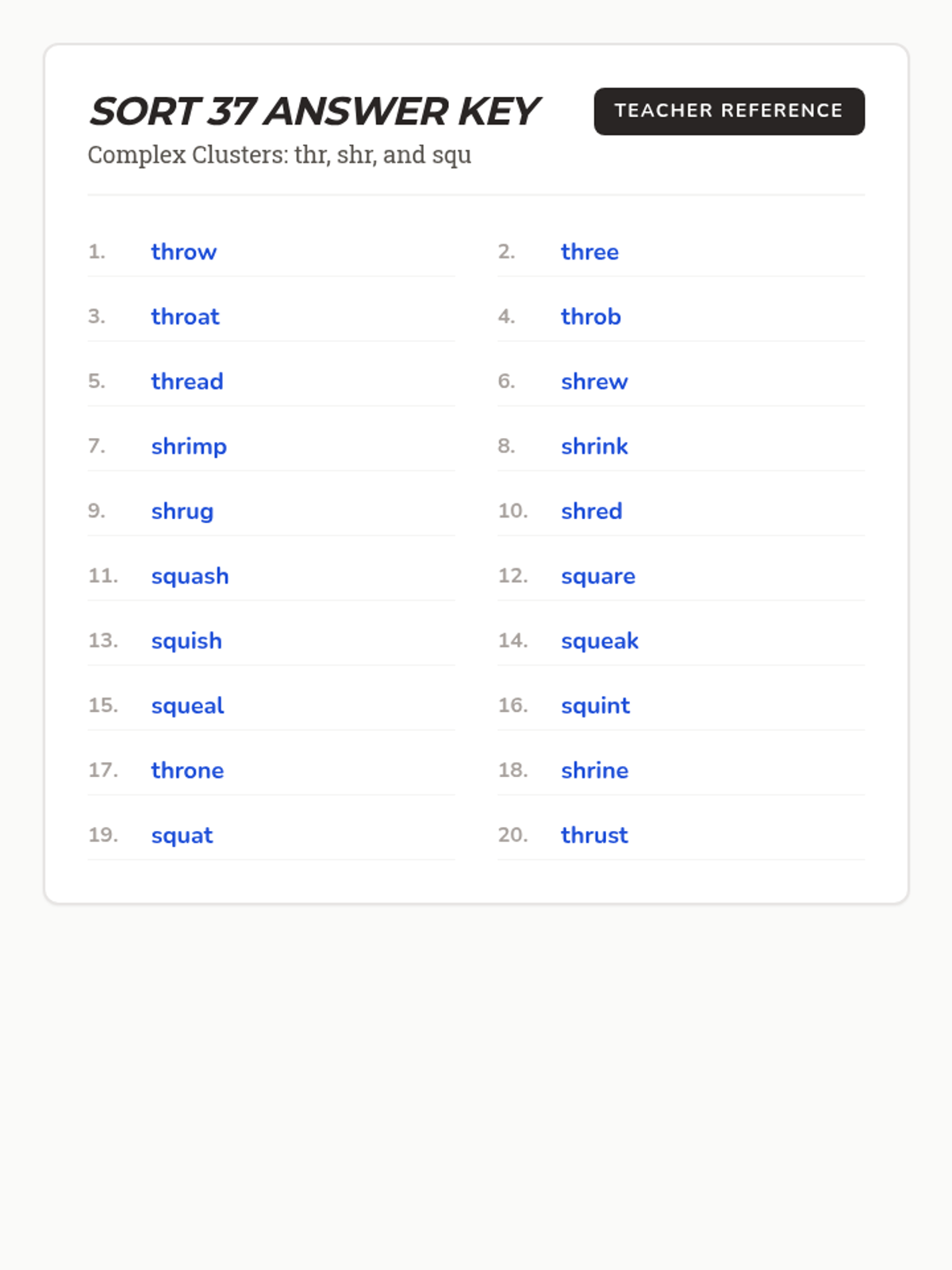
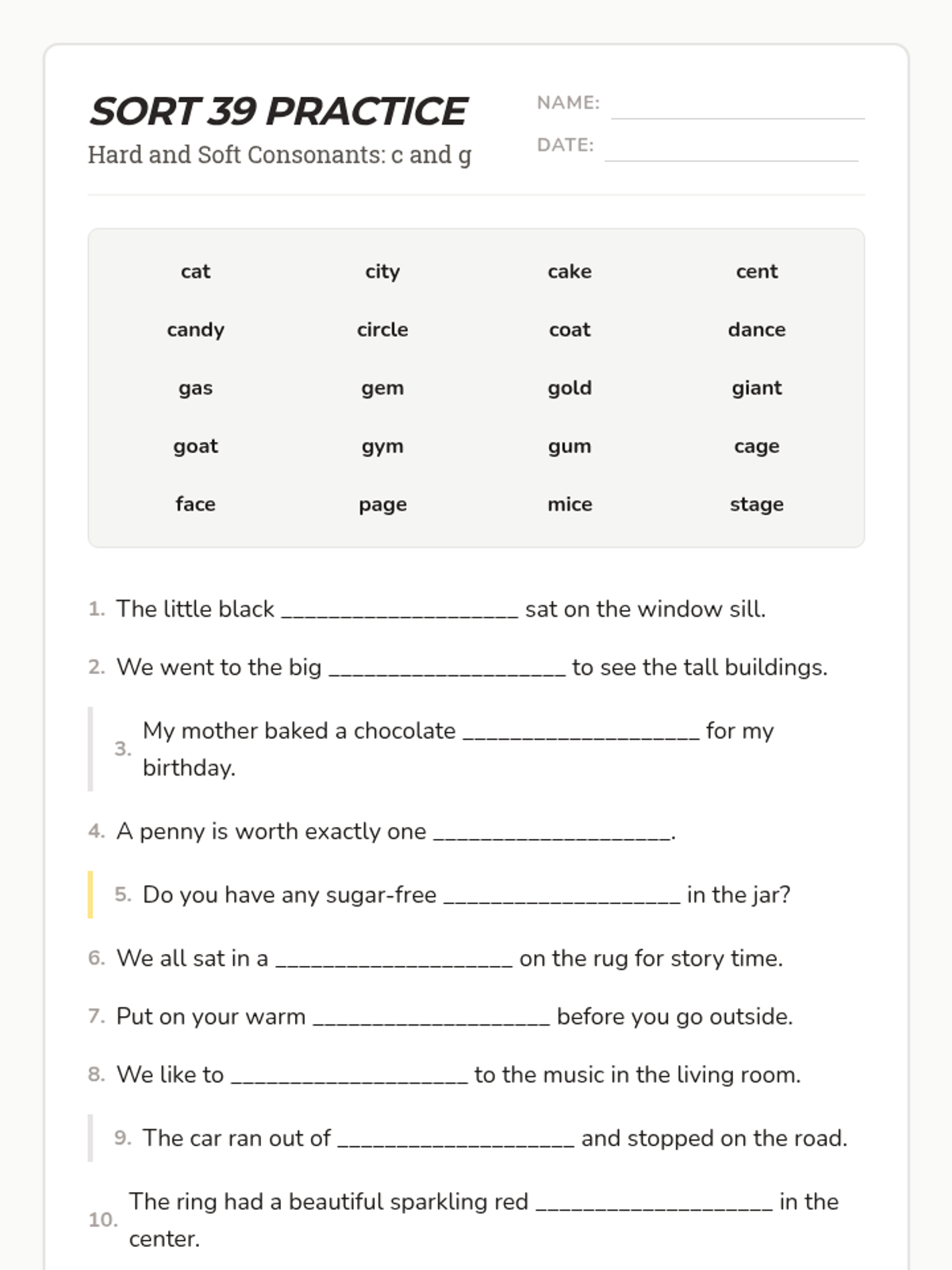
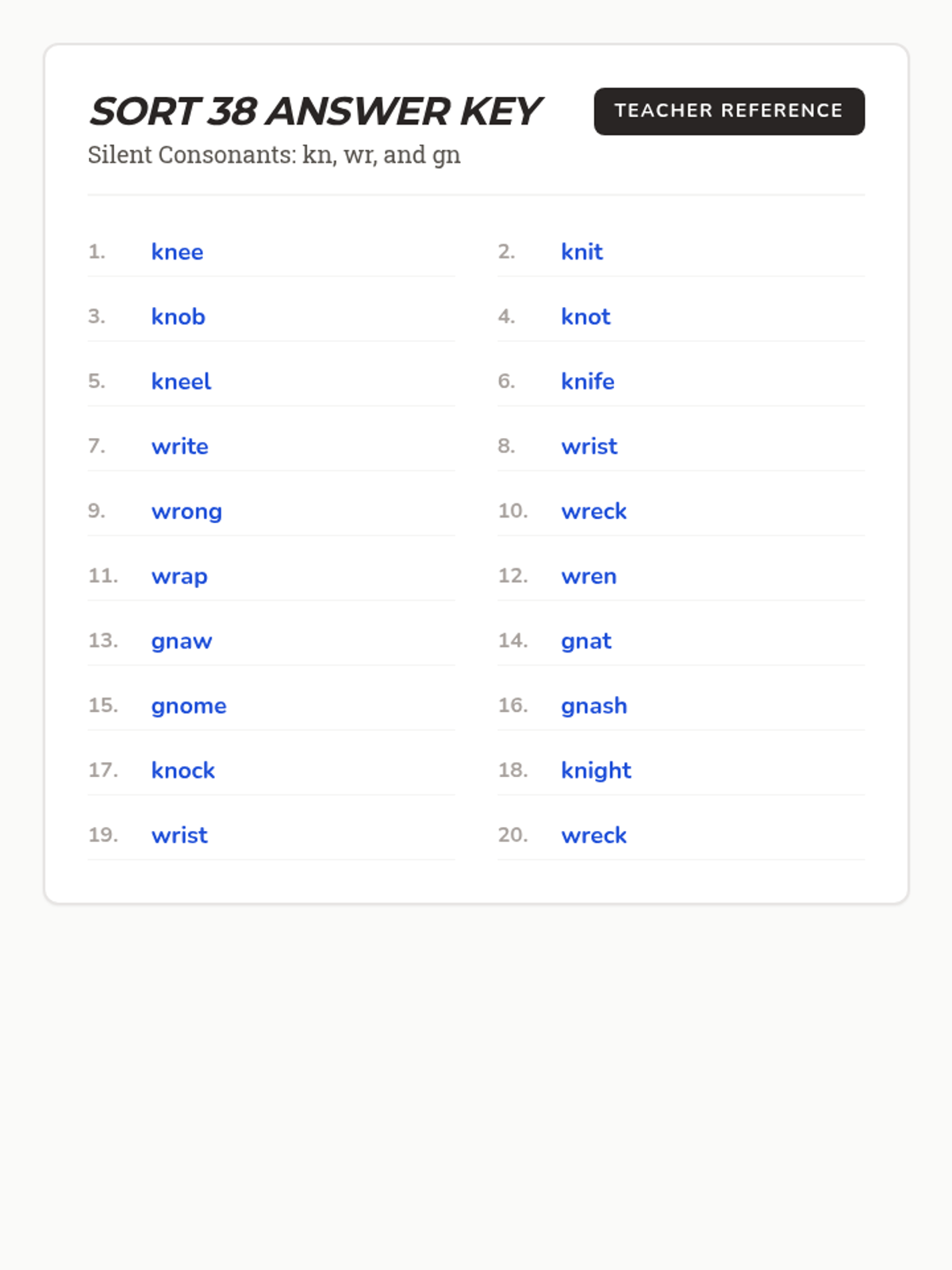
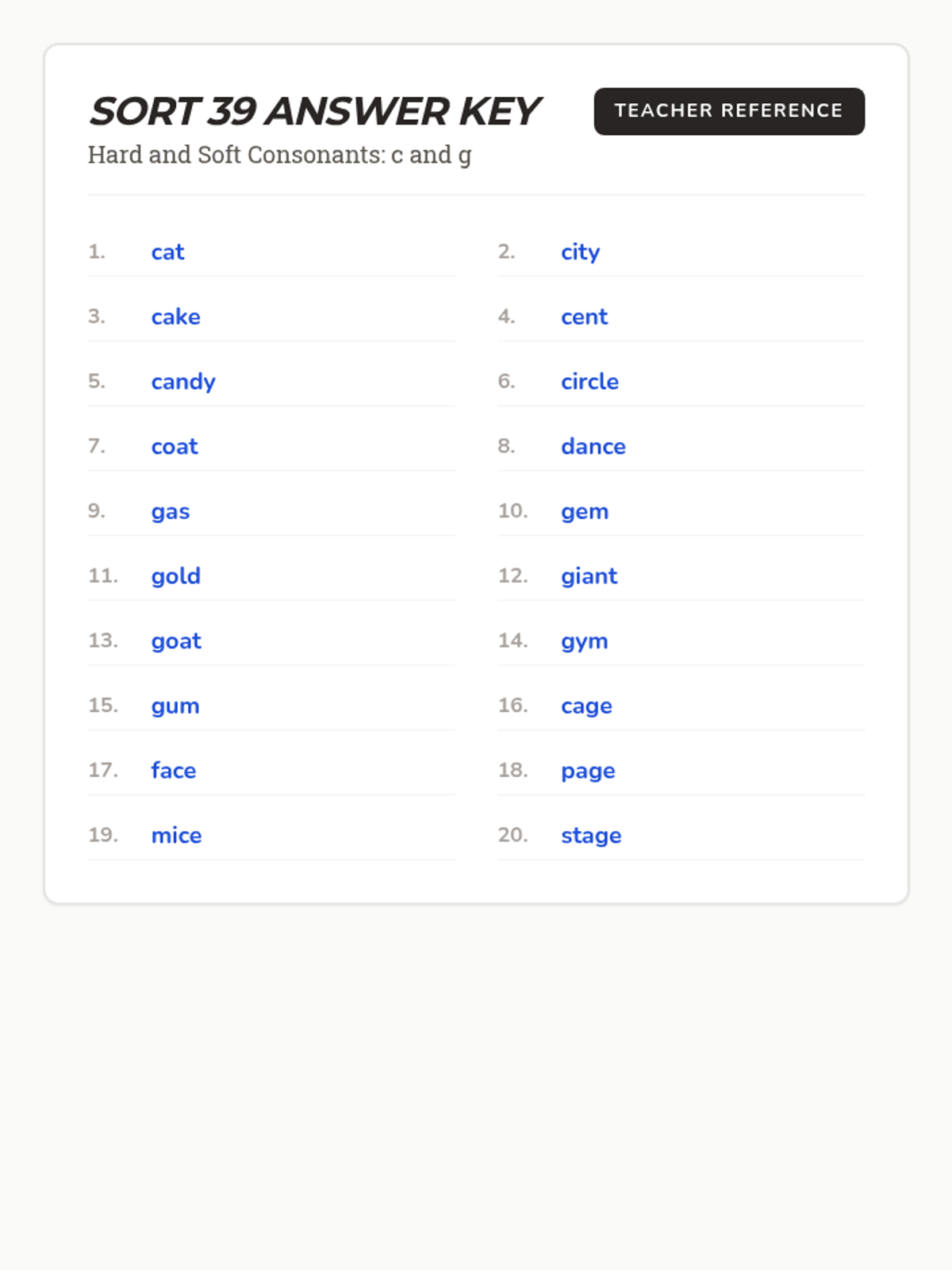
Focuses on complex consonant clusters including triple blends (scr, str, spr, thr, shr, squ), silent consonants (kn, wr, gn), and variations of hard/soft c and g. Students will practice these intricate spelling patterns through context.
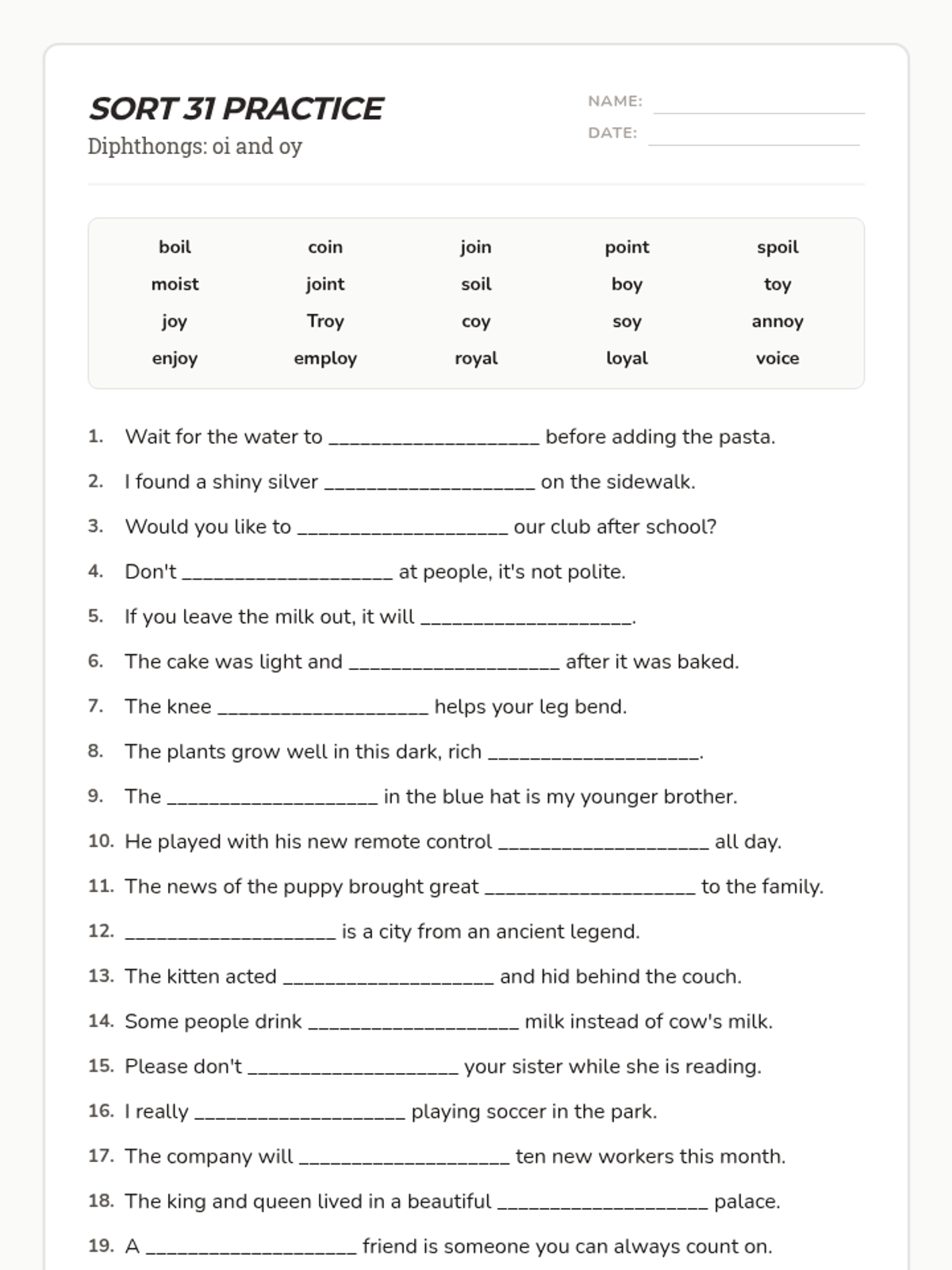
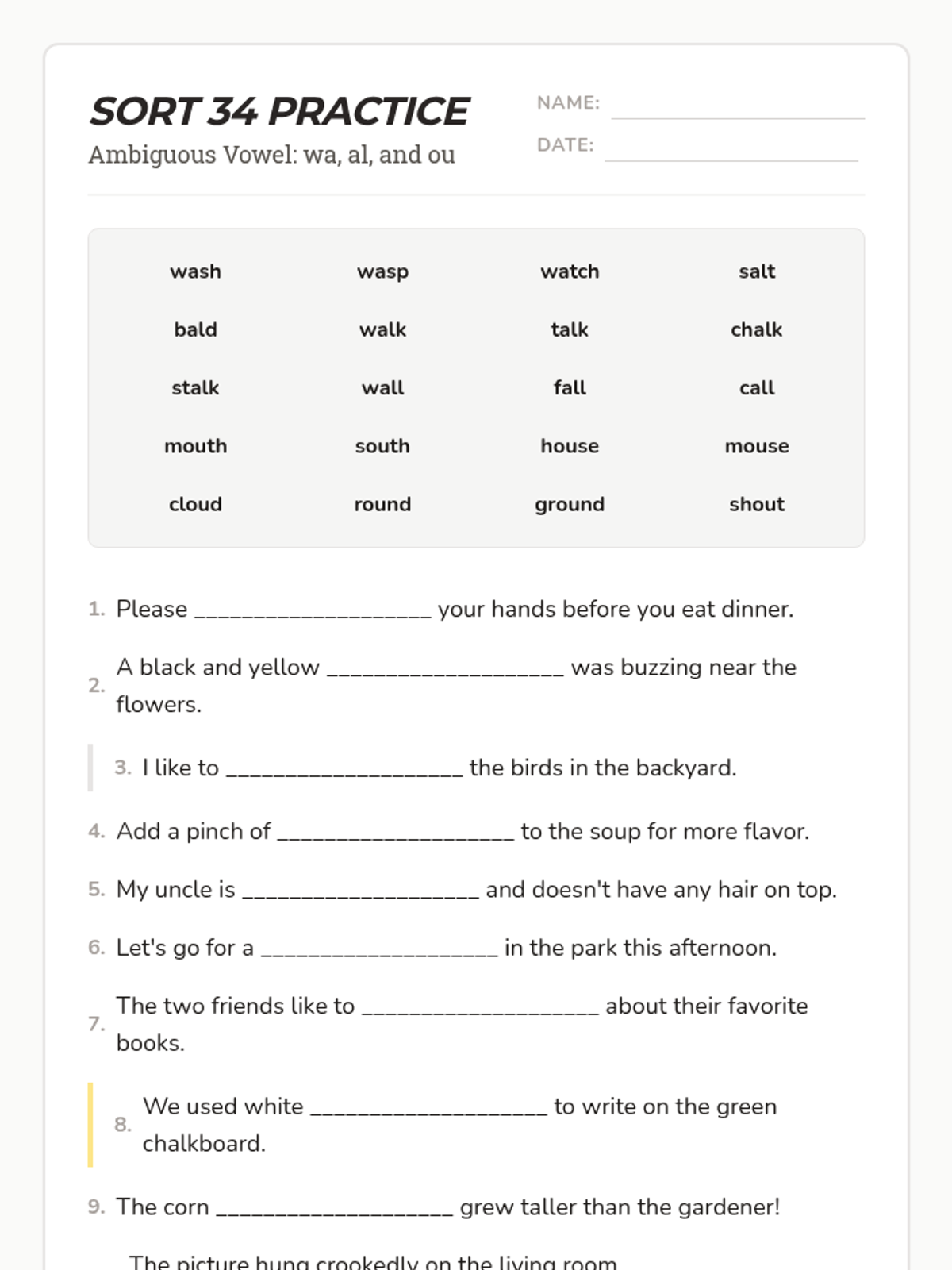
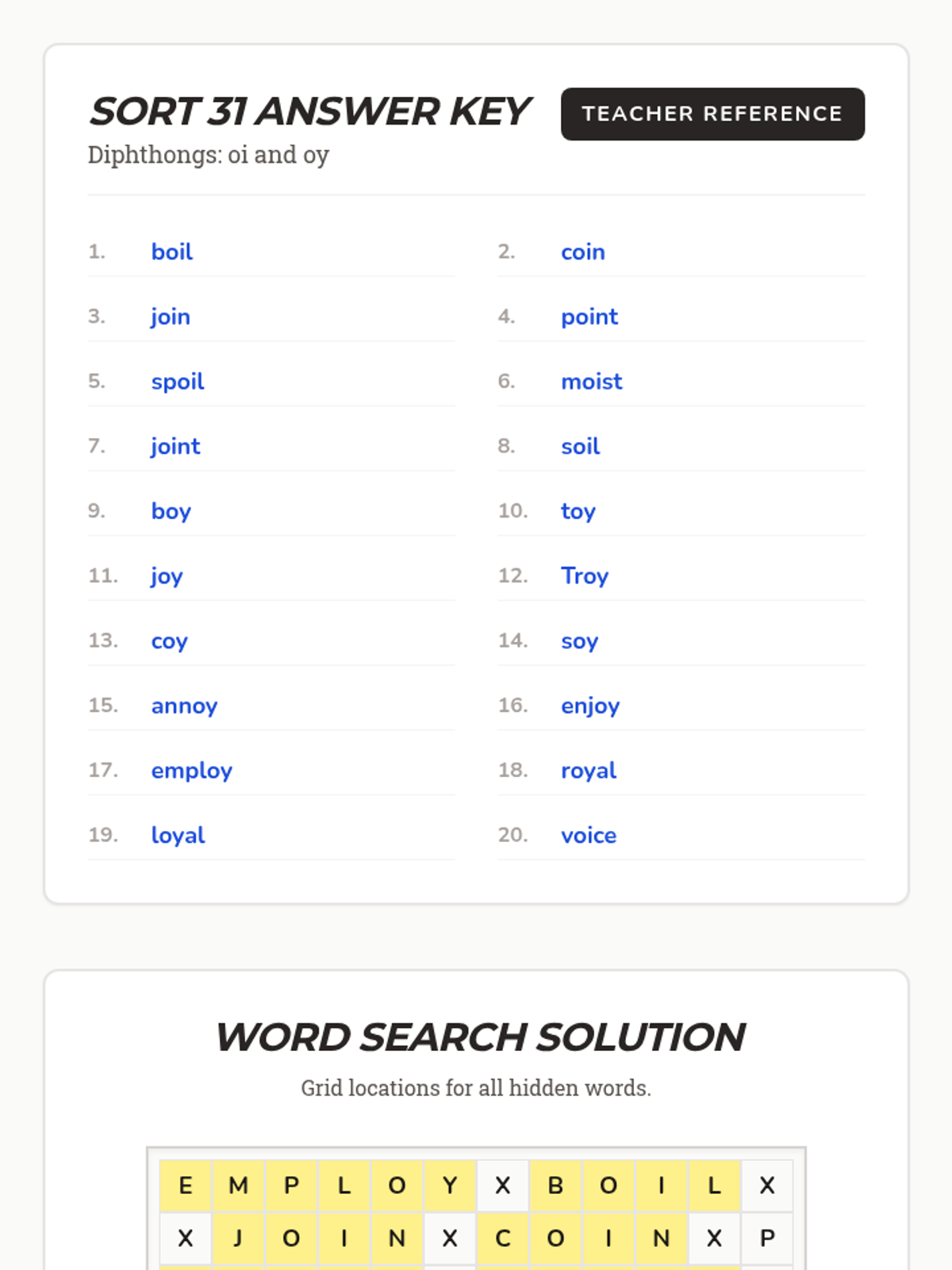
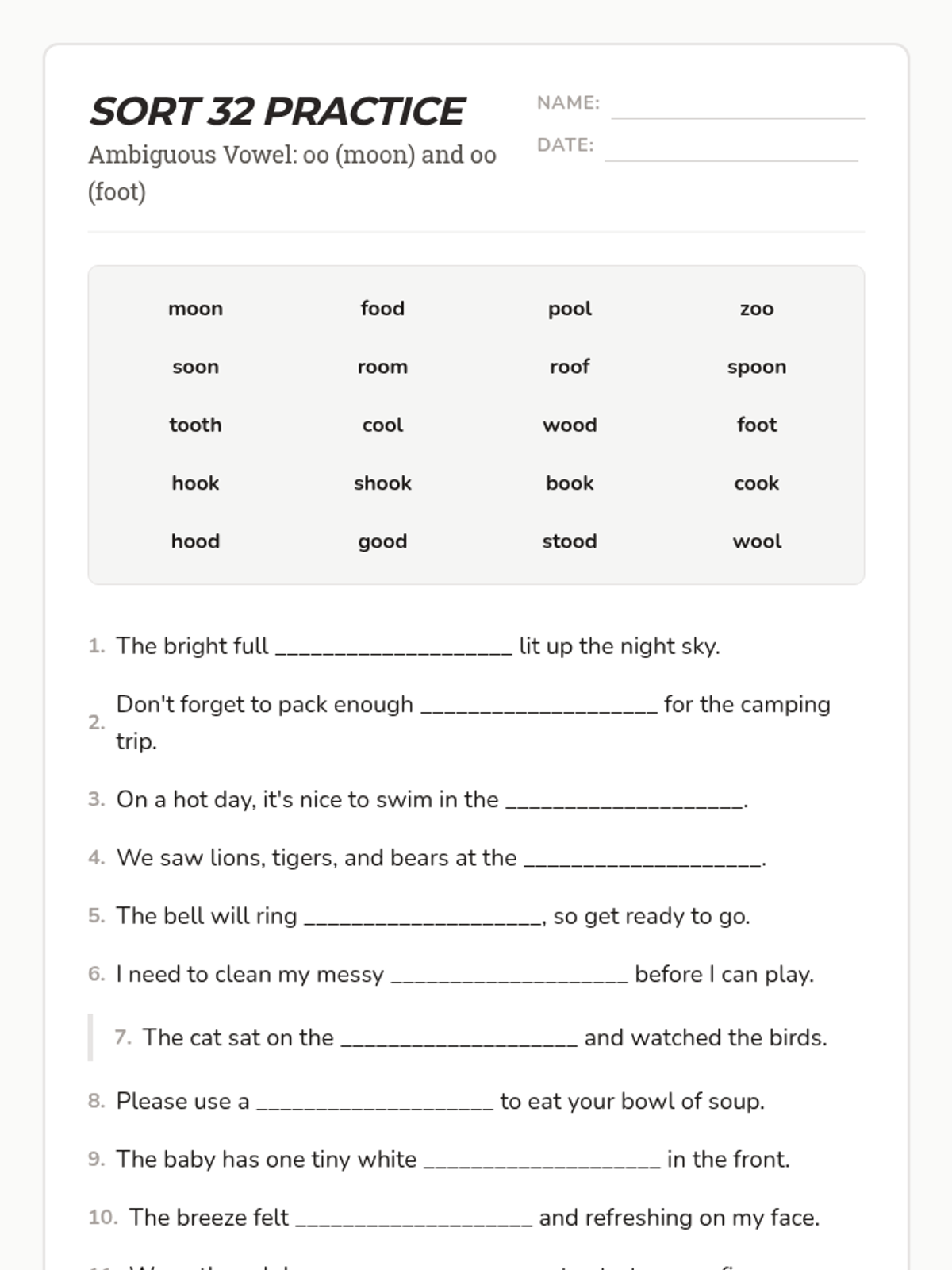
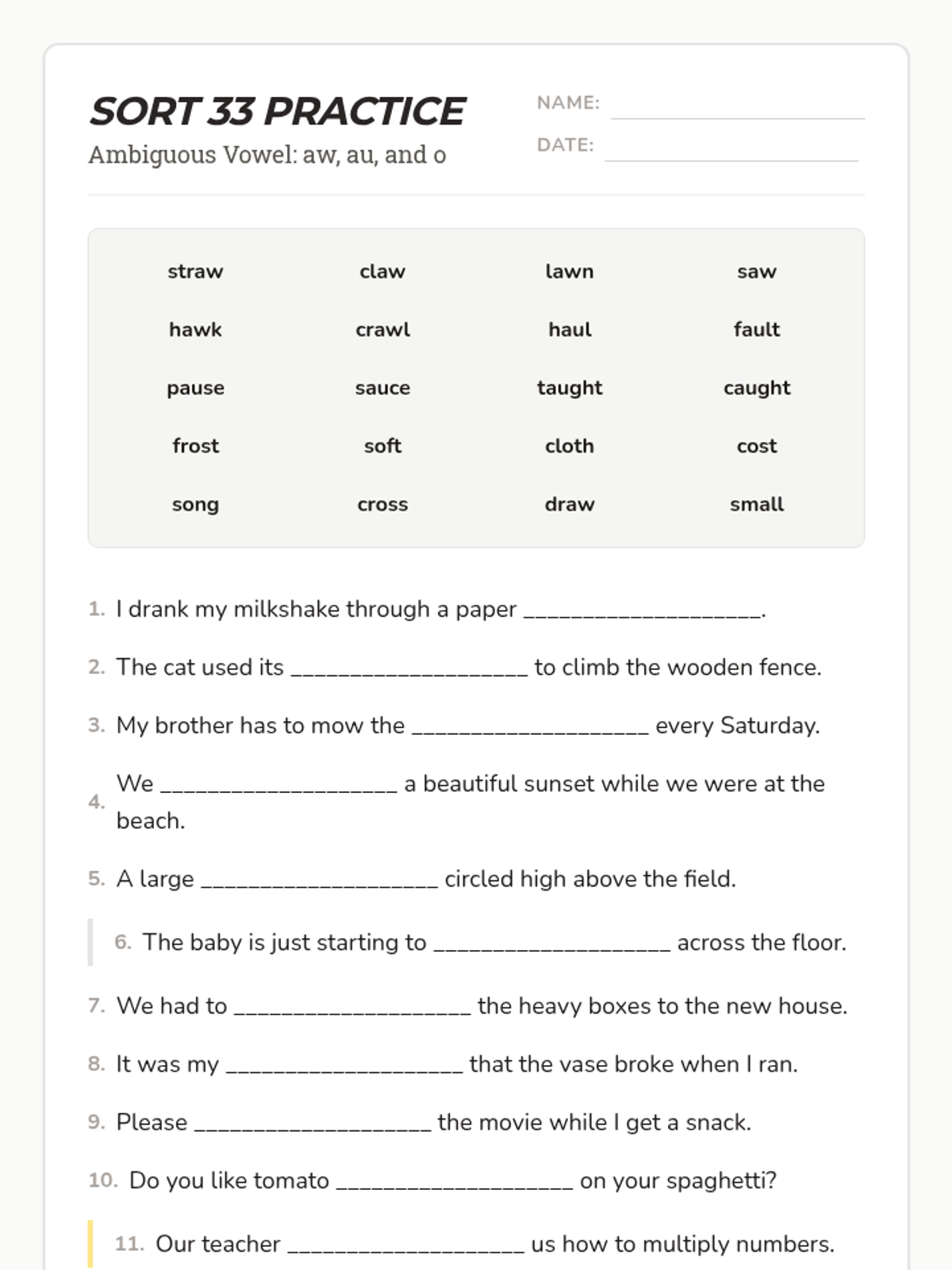
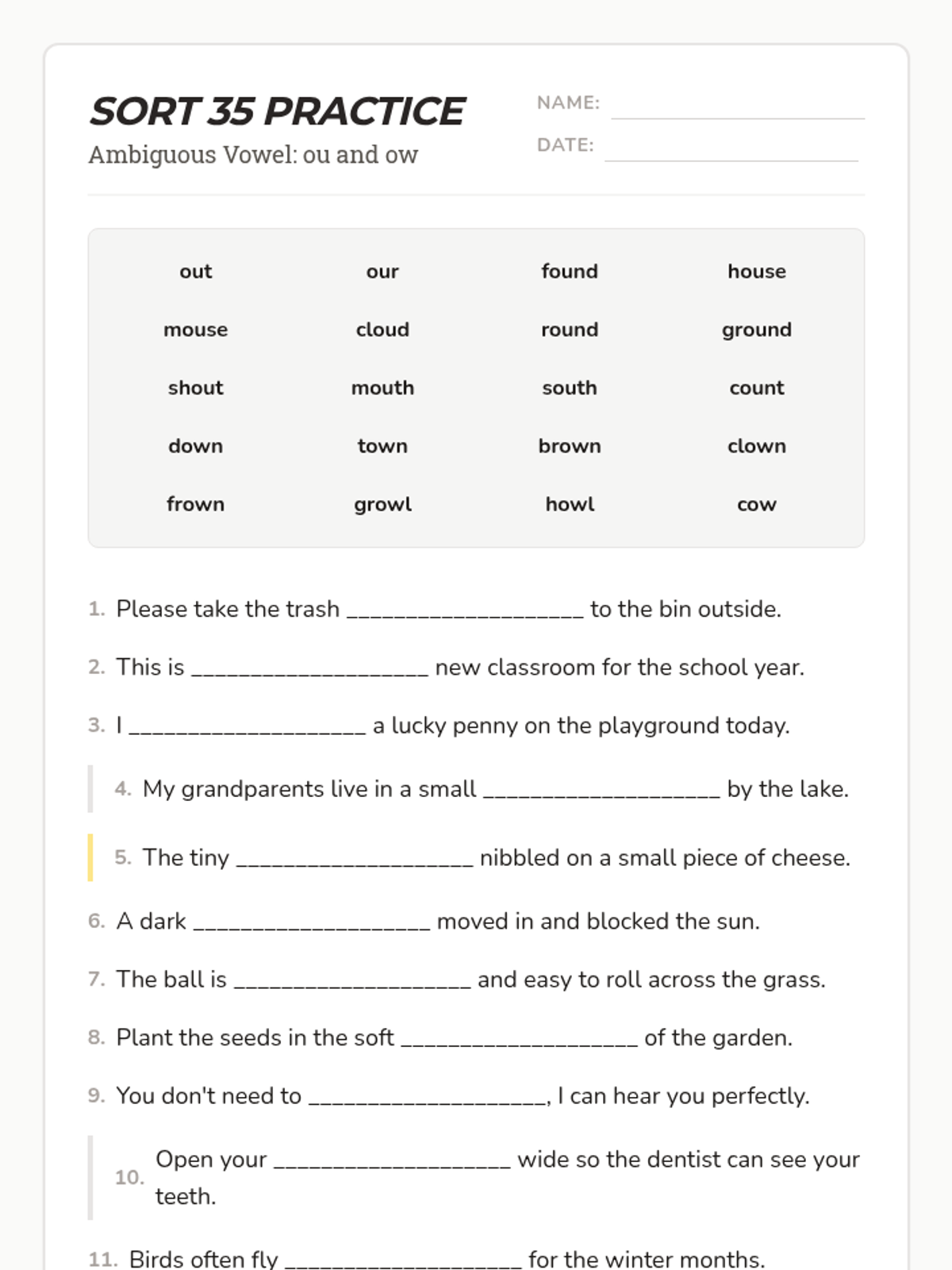
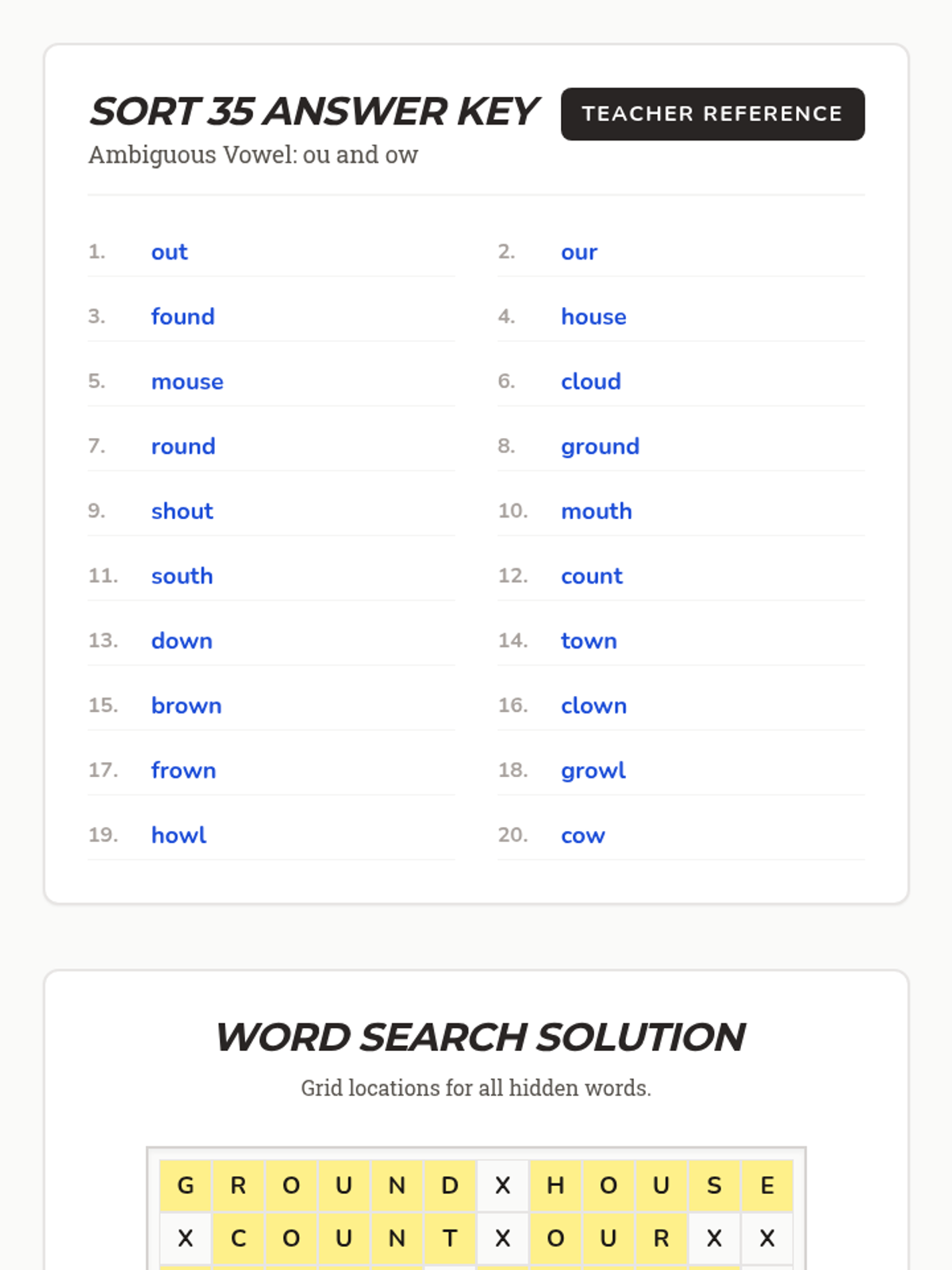
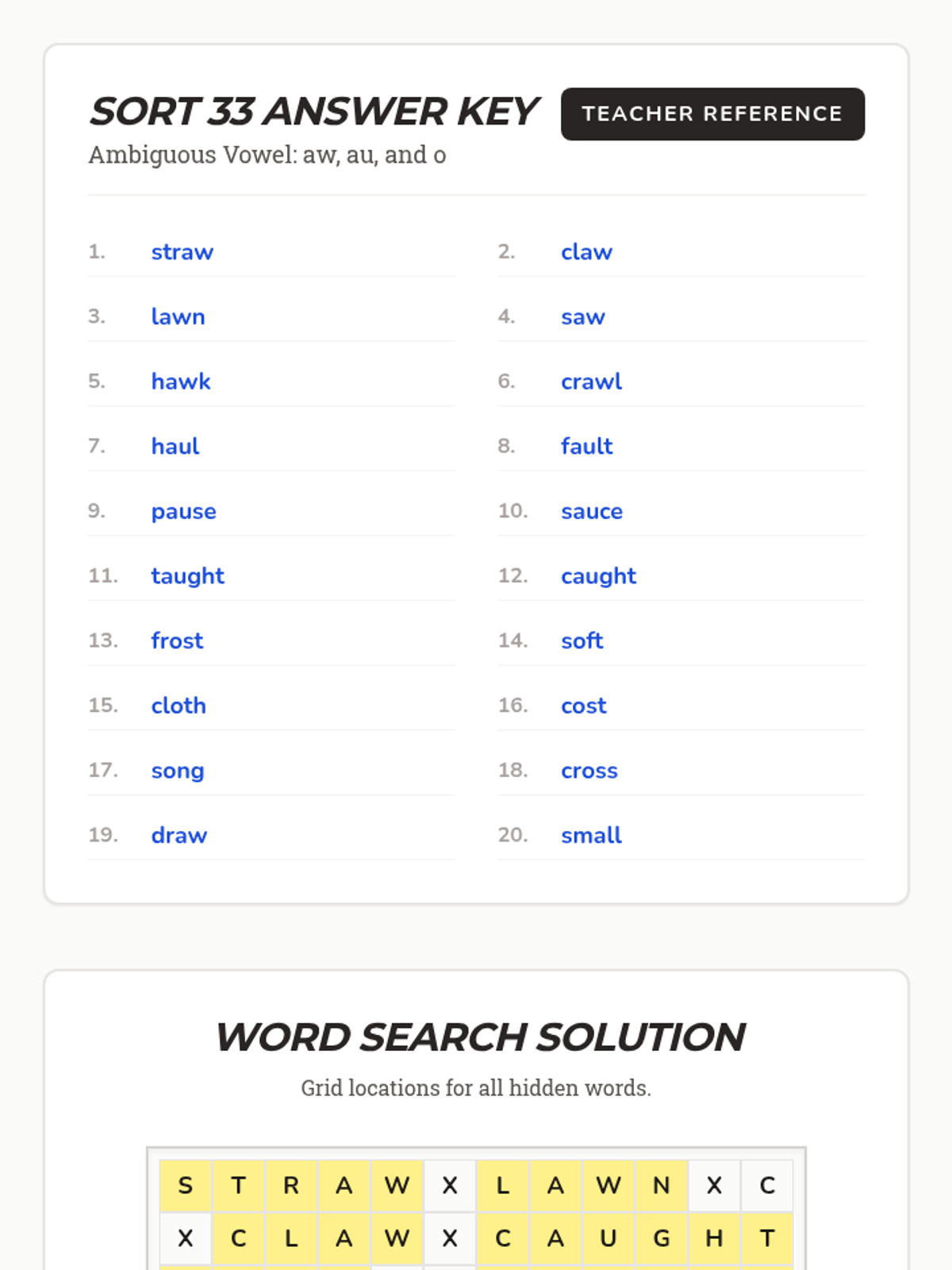
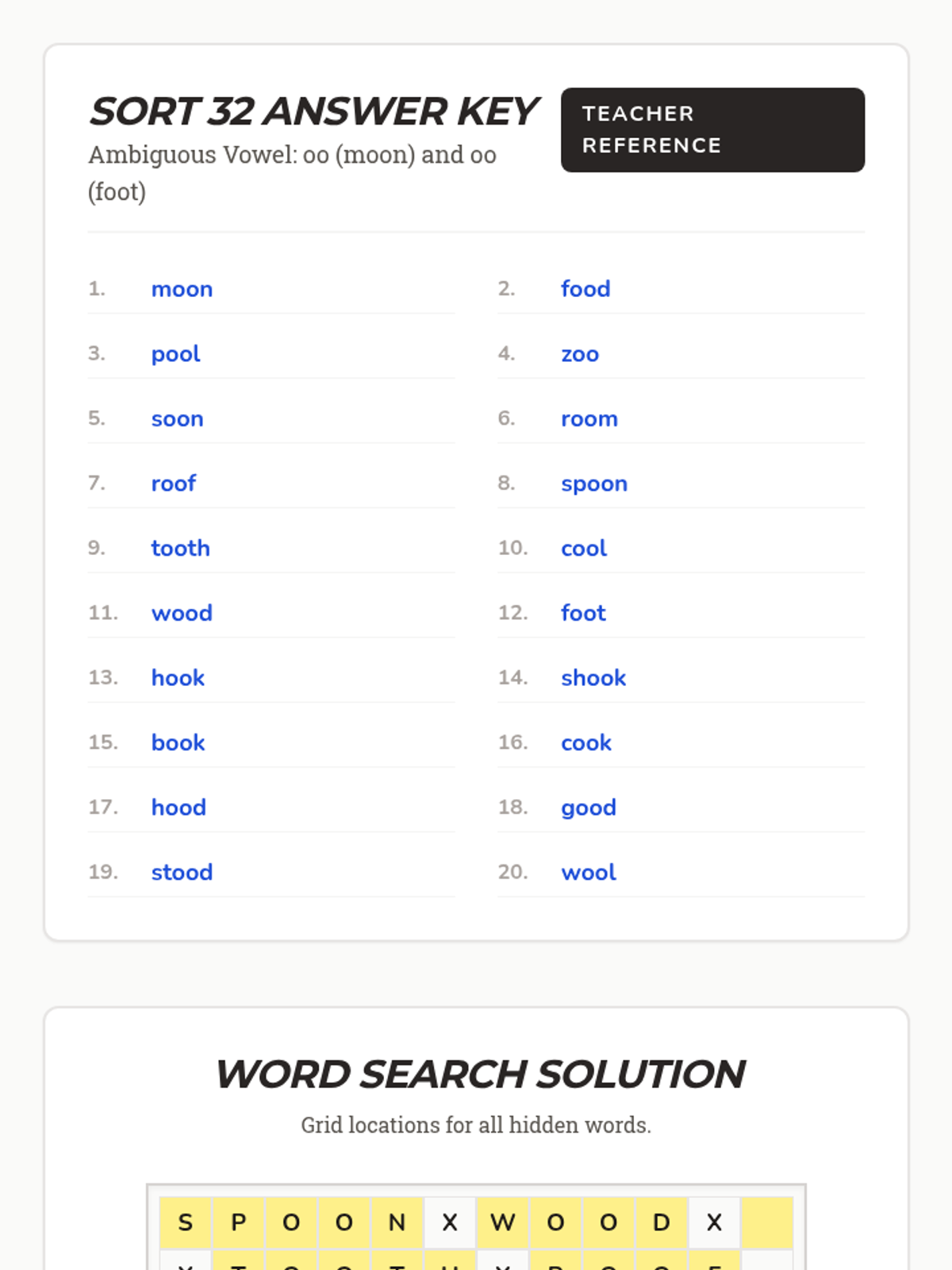
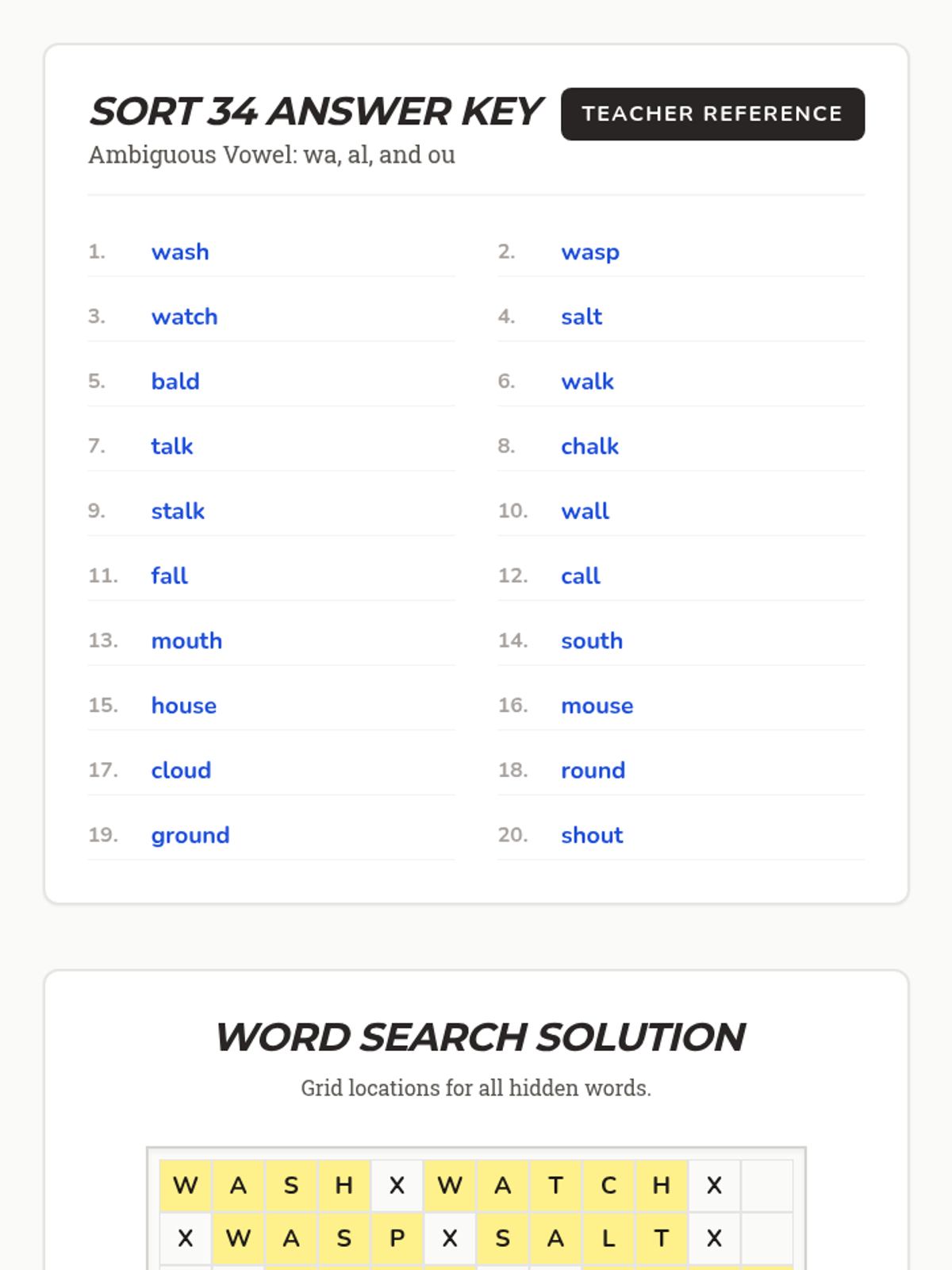
This lesson explores diphthongs and ambiguous vowel patterns including oi, oy, oo, aw, au, wa, al, and ou/ow. Students will practice identifying these sounds through context and word searches.
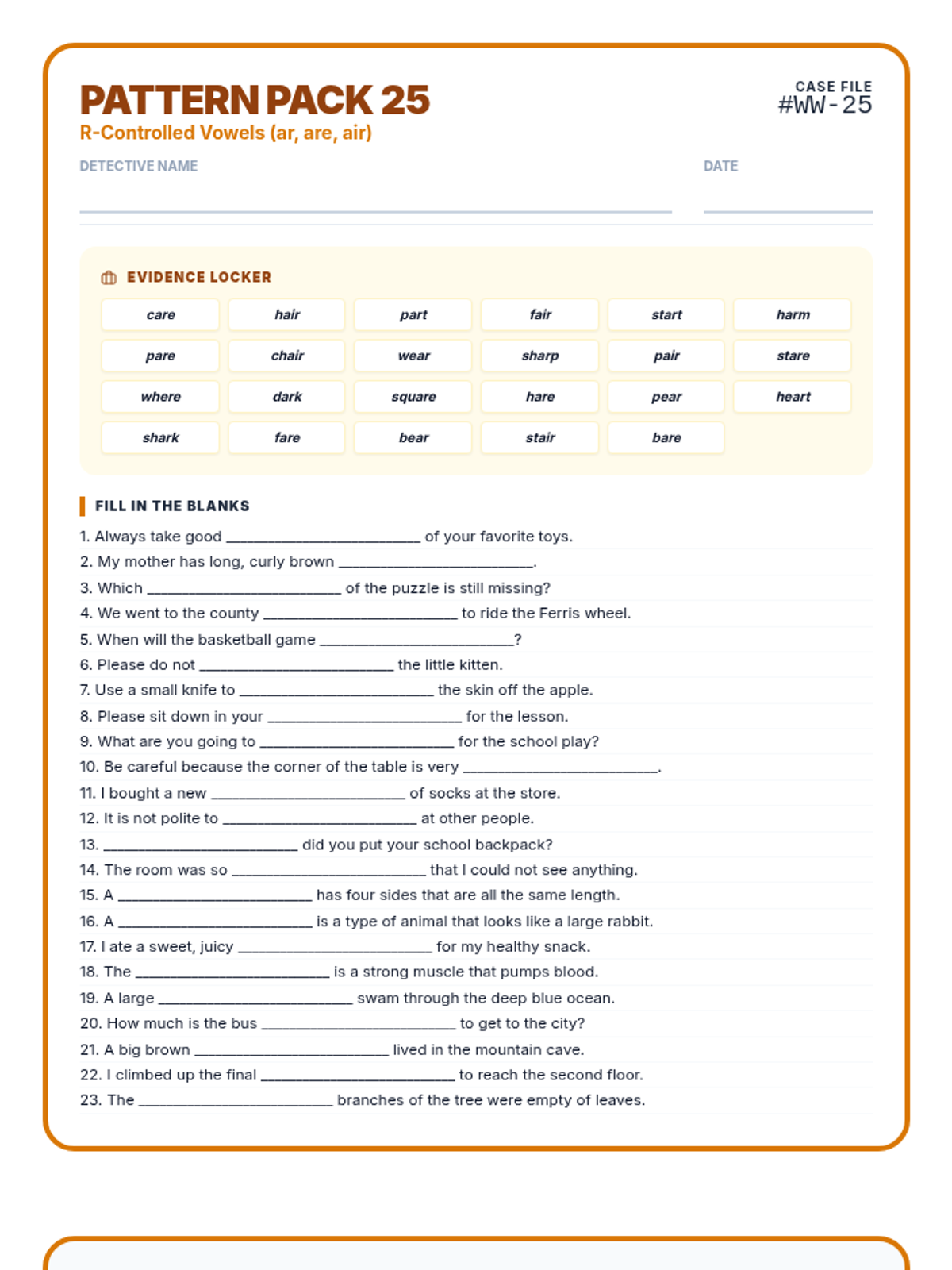
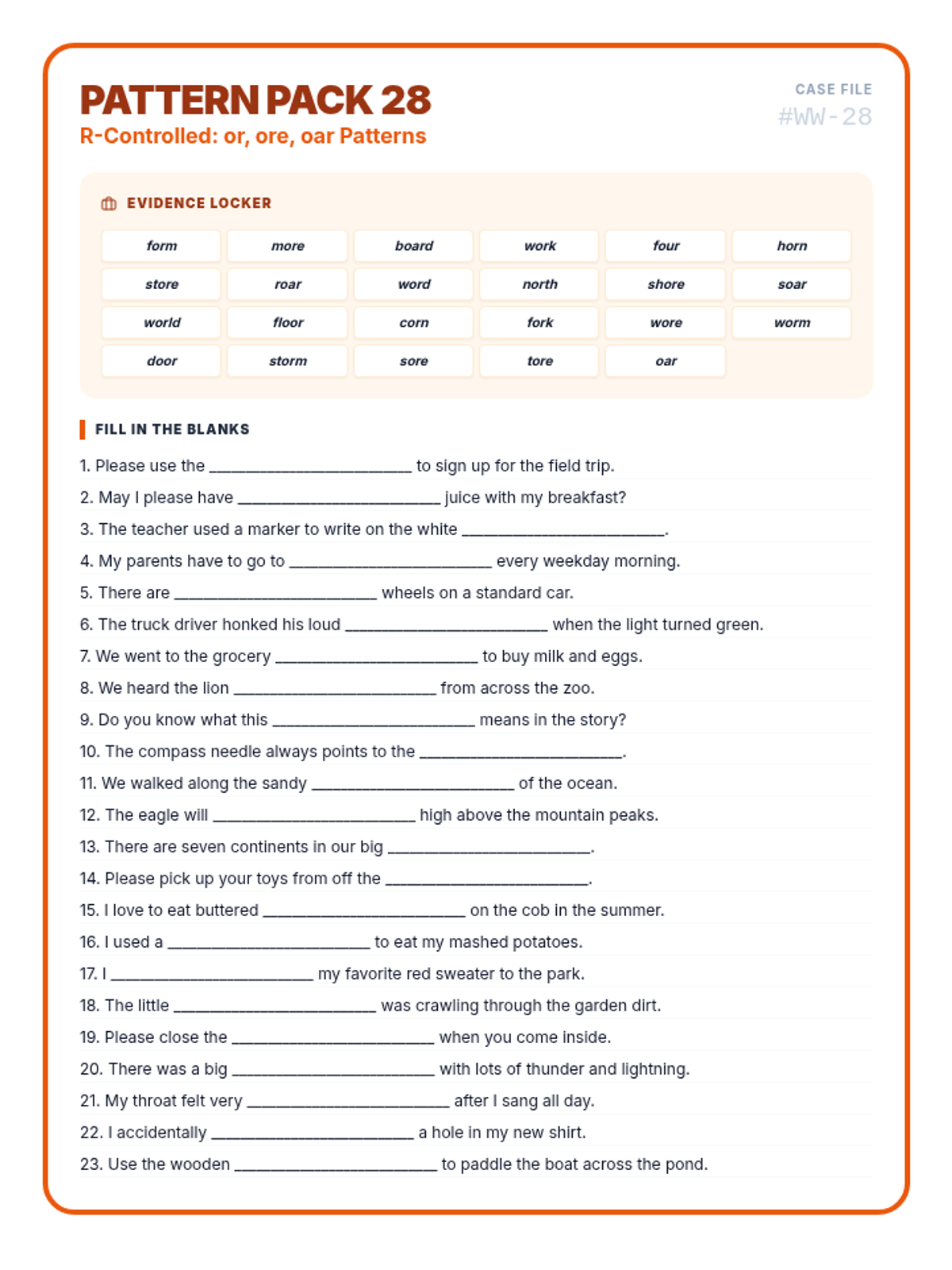
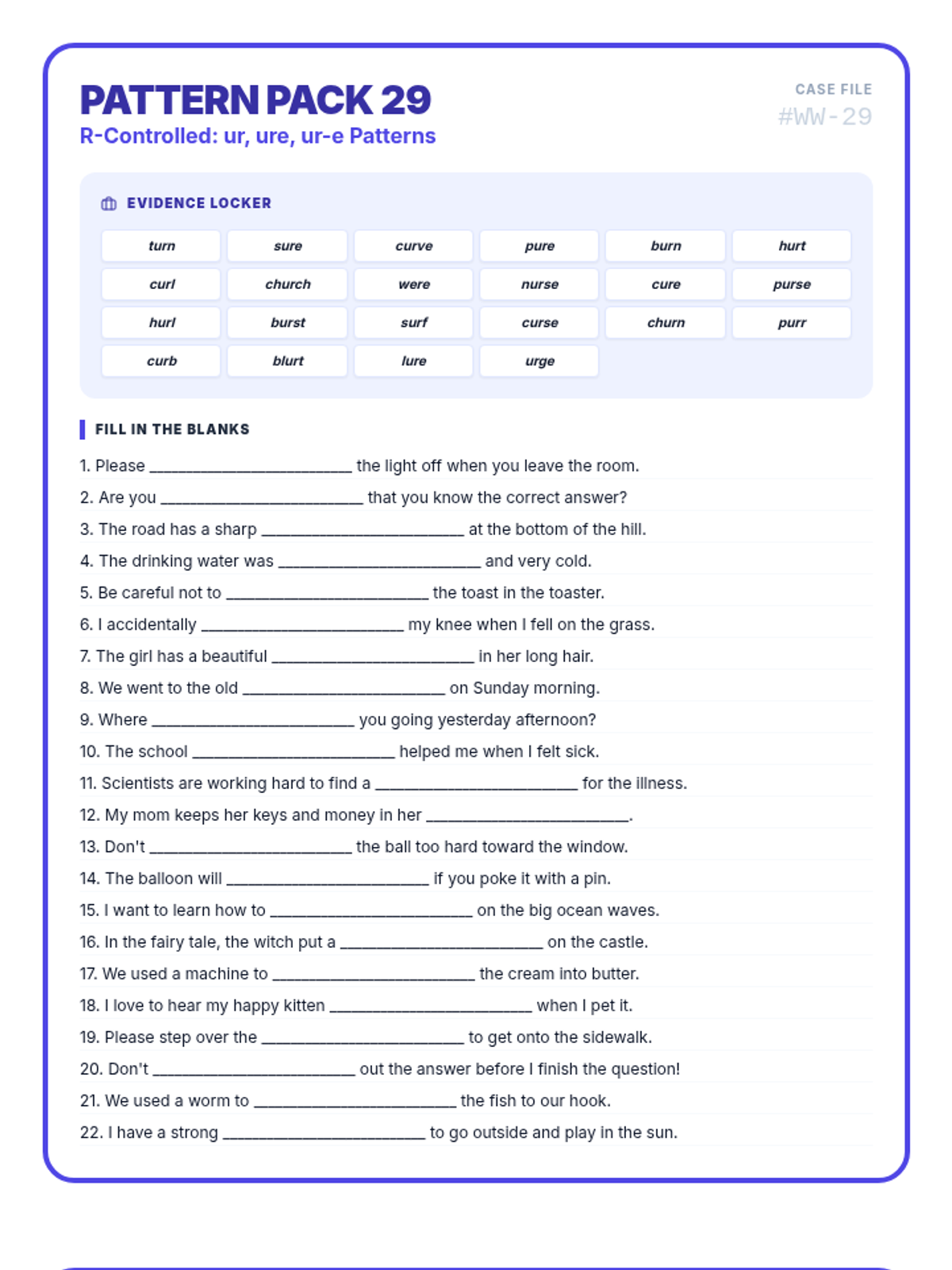
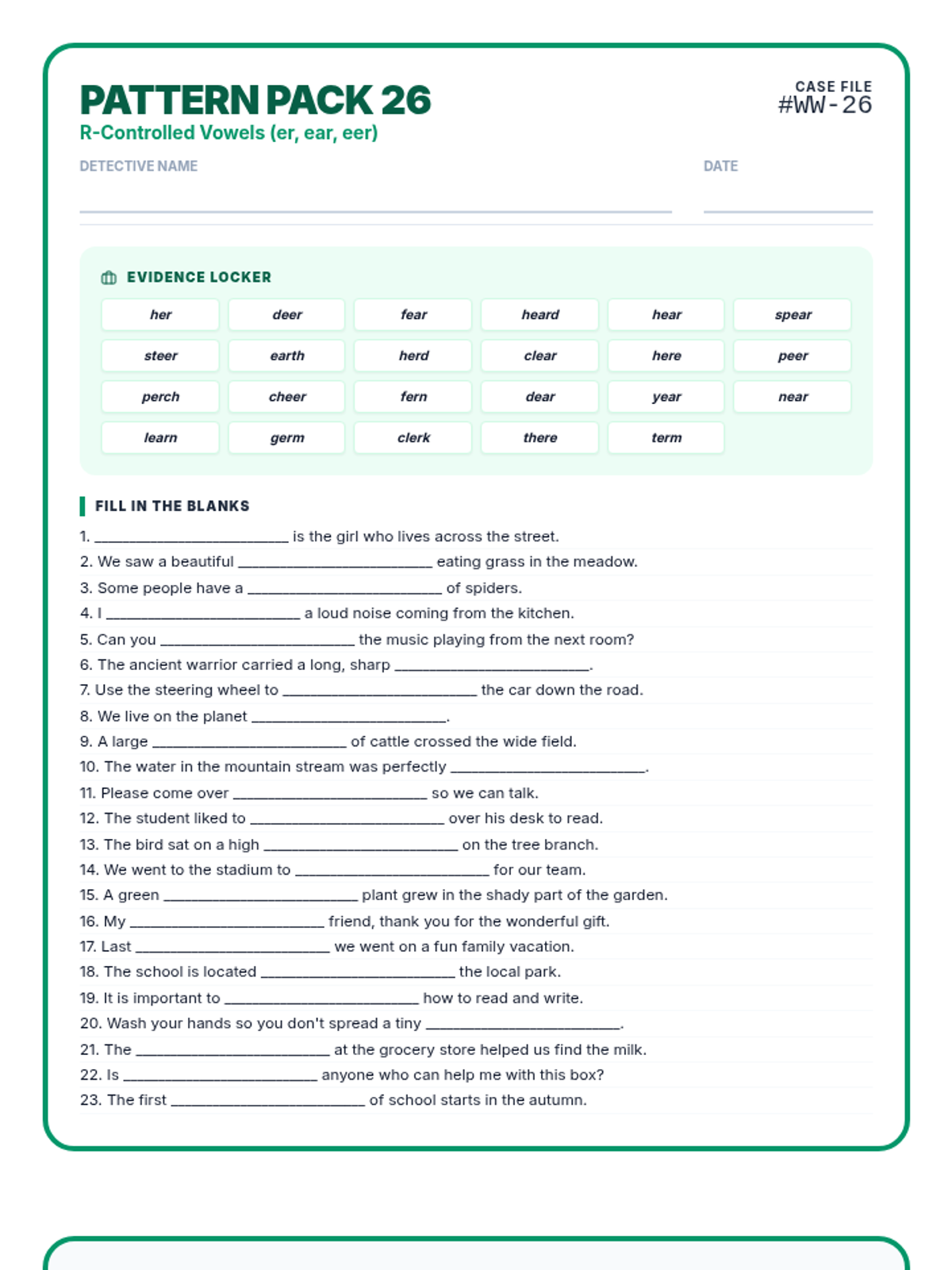
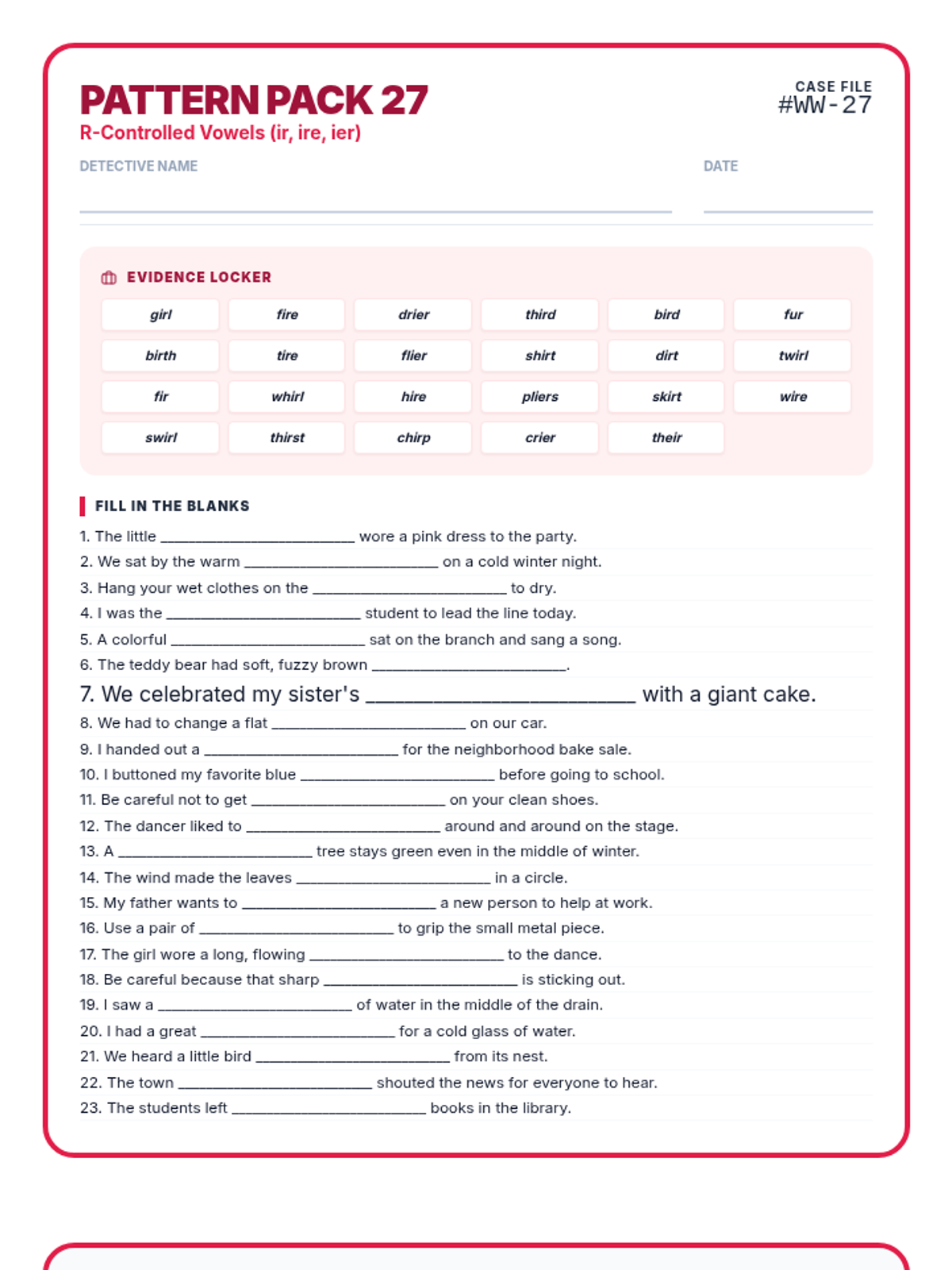
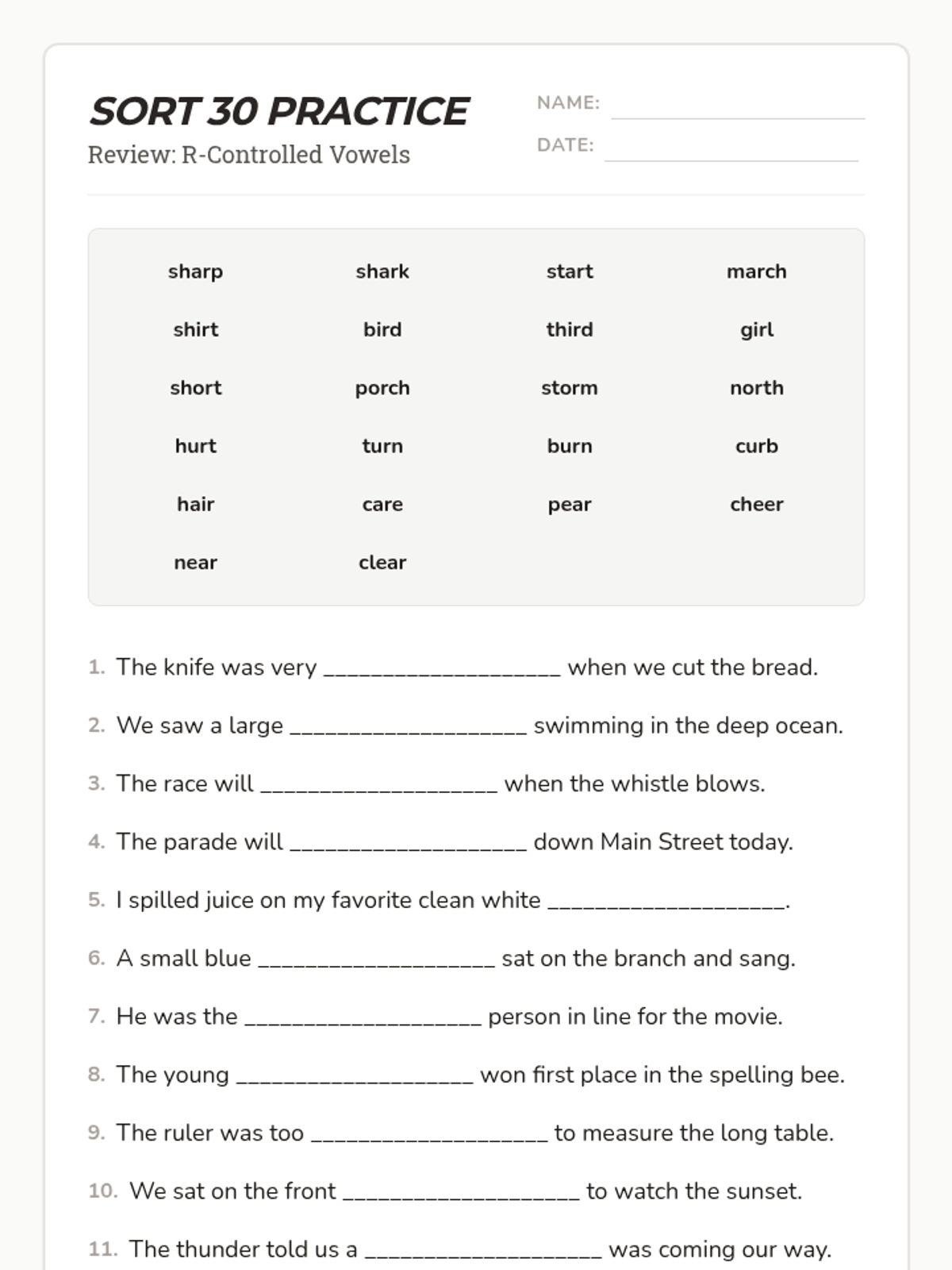
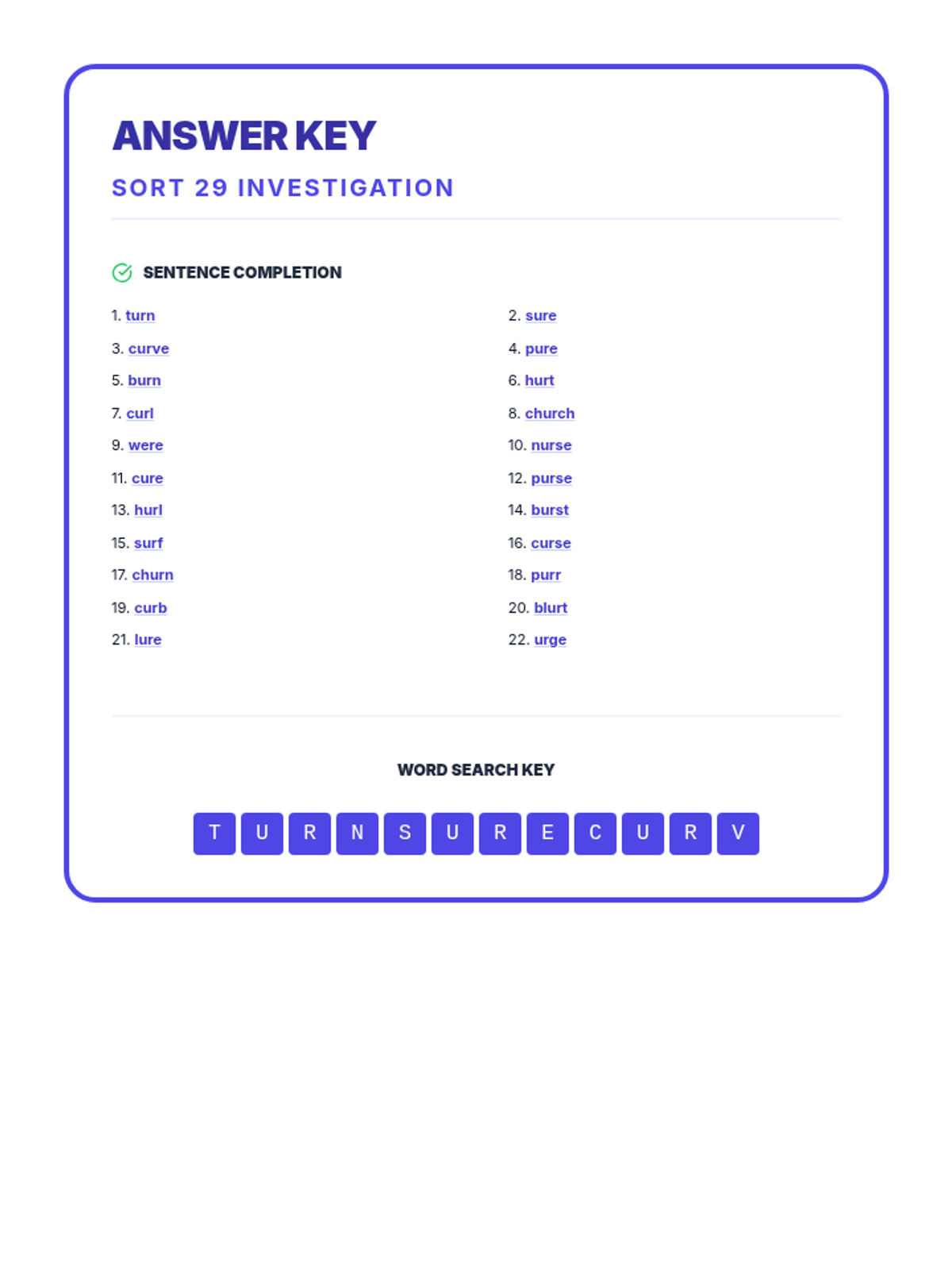
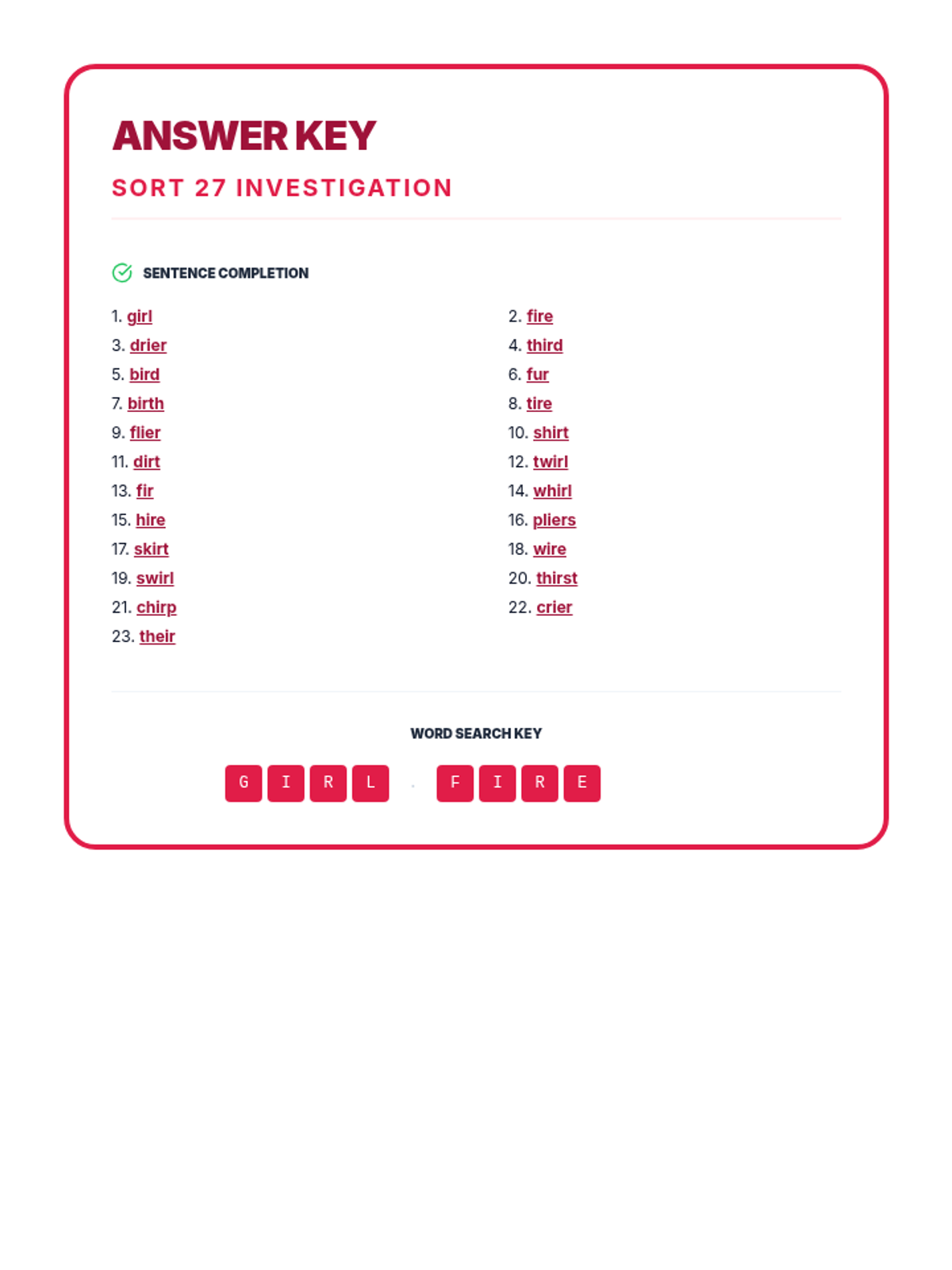
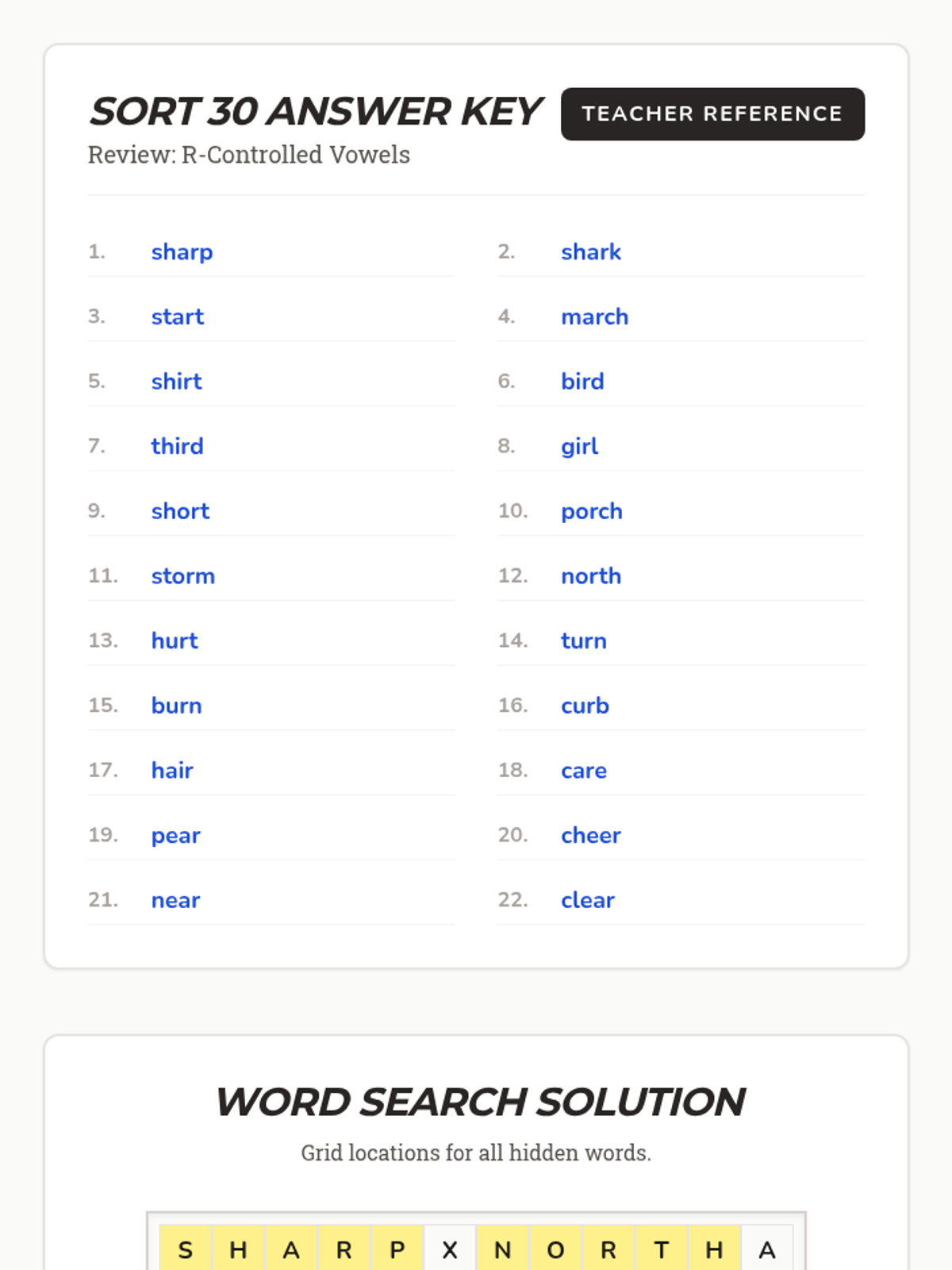
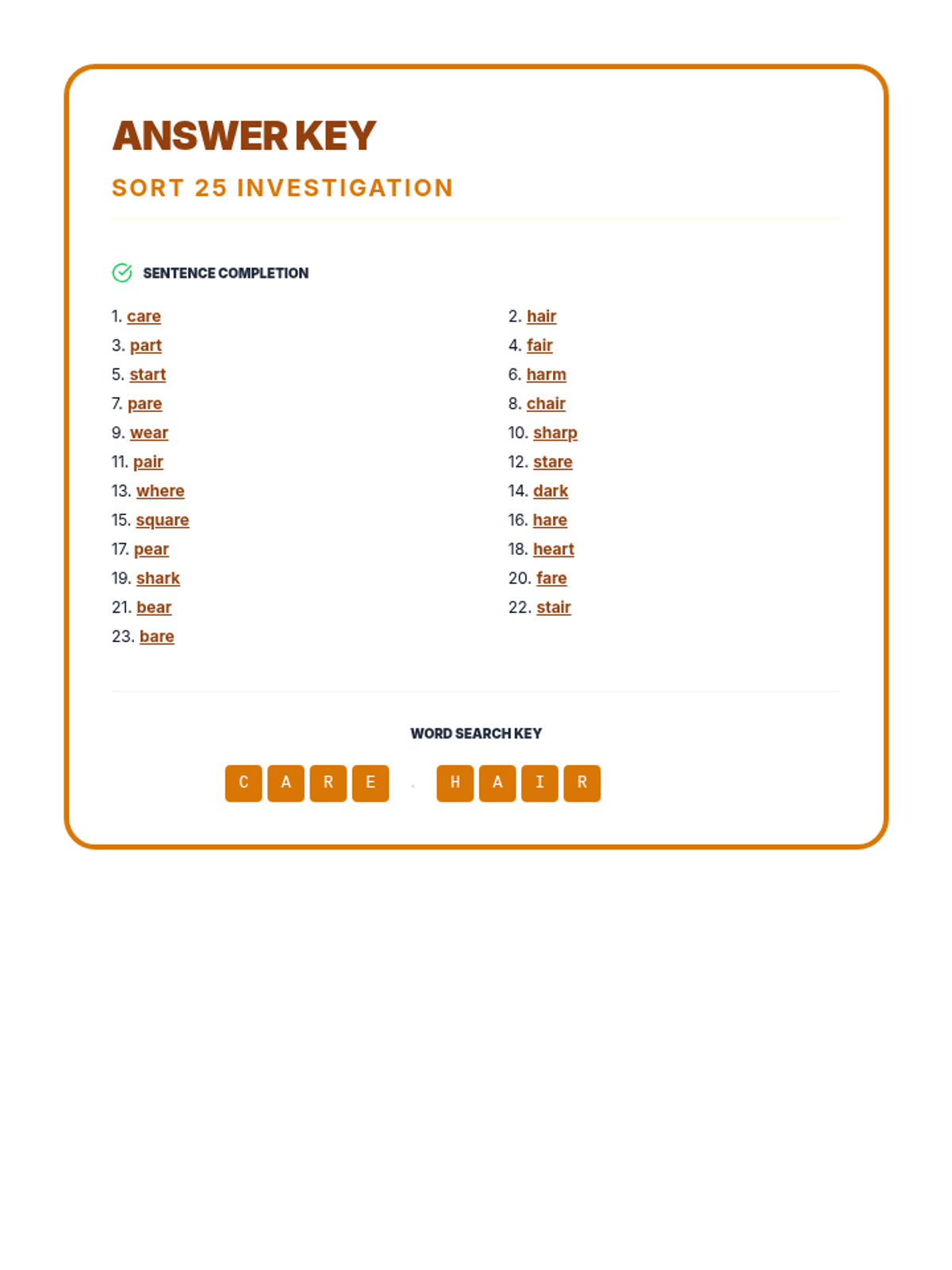
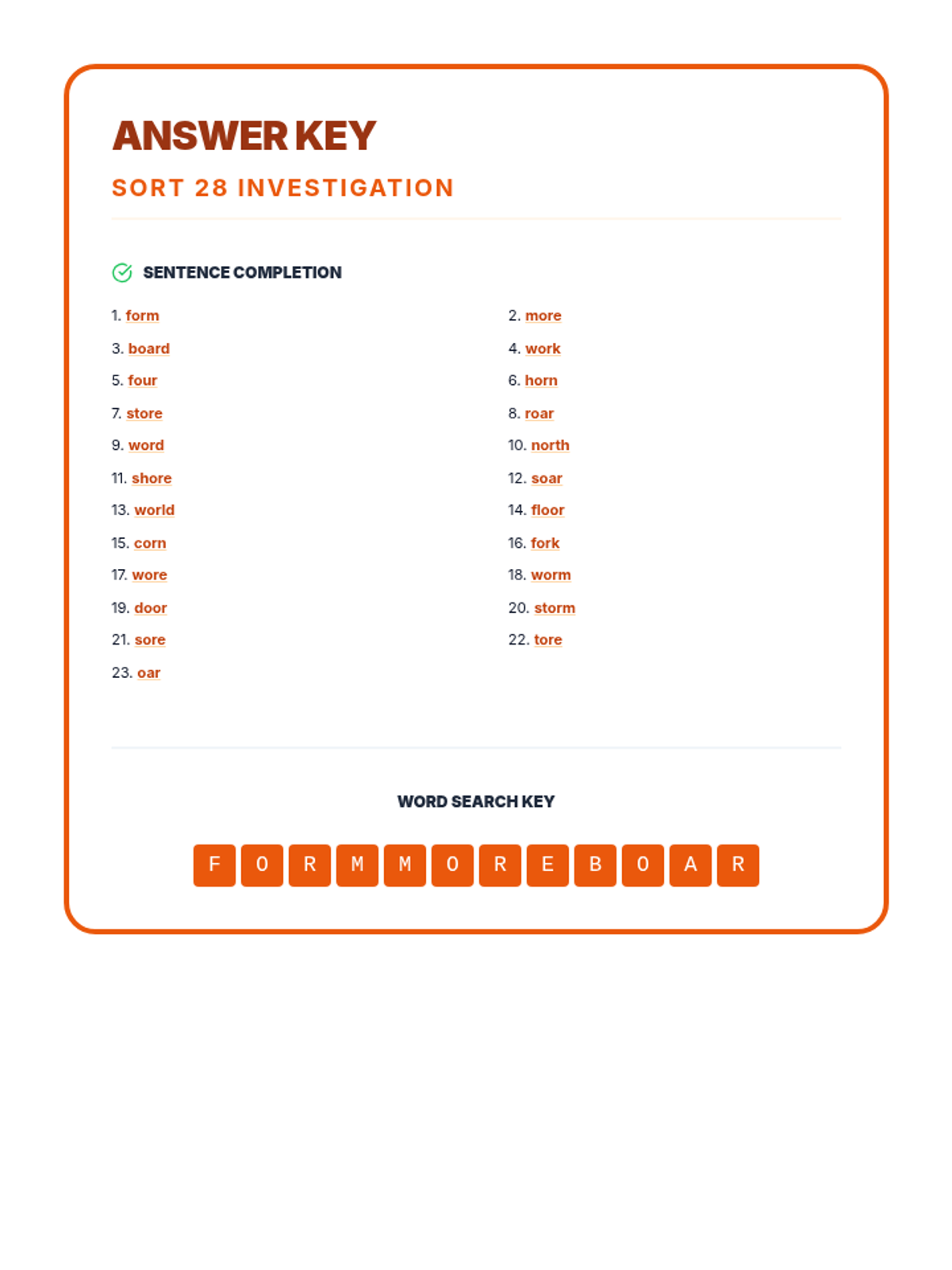
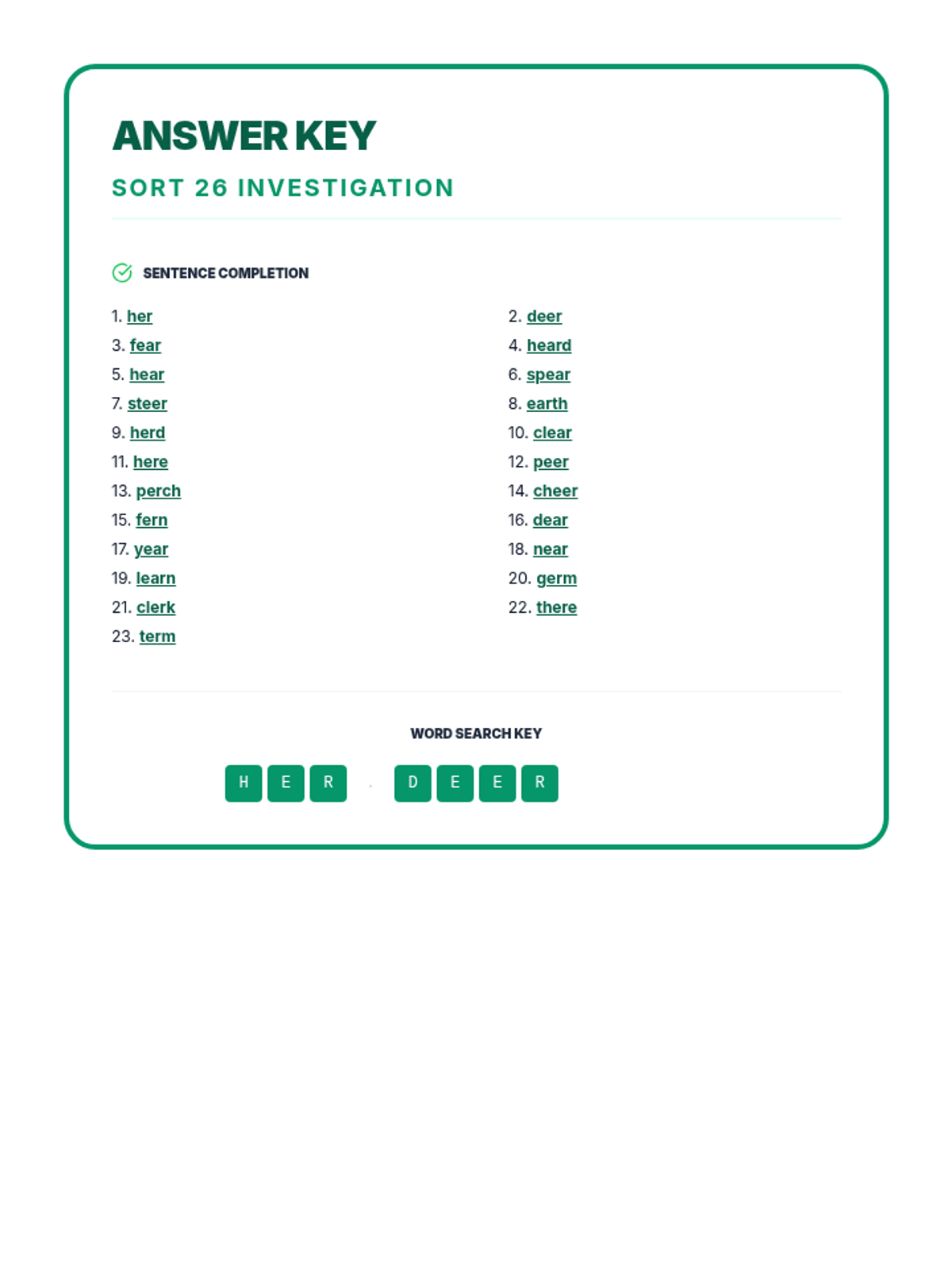
Investigation into r-controlled vowel patterns including ar, are, air, er, ear, eer, ir, ire, ier, or, ore, oar, and ur patterns.
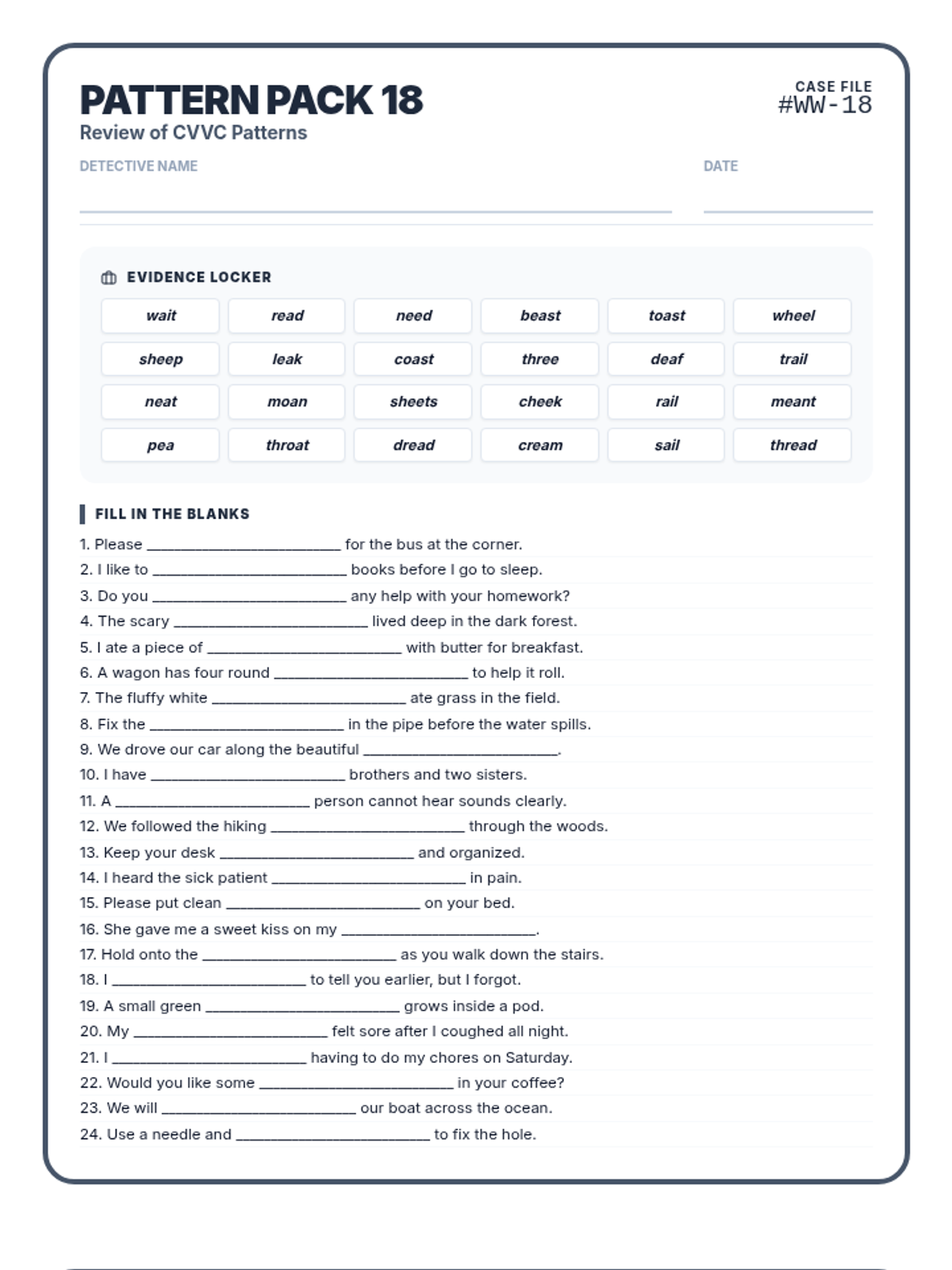
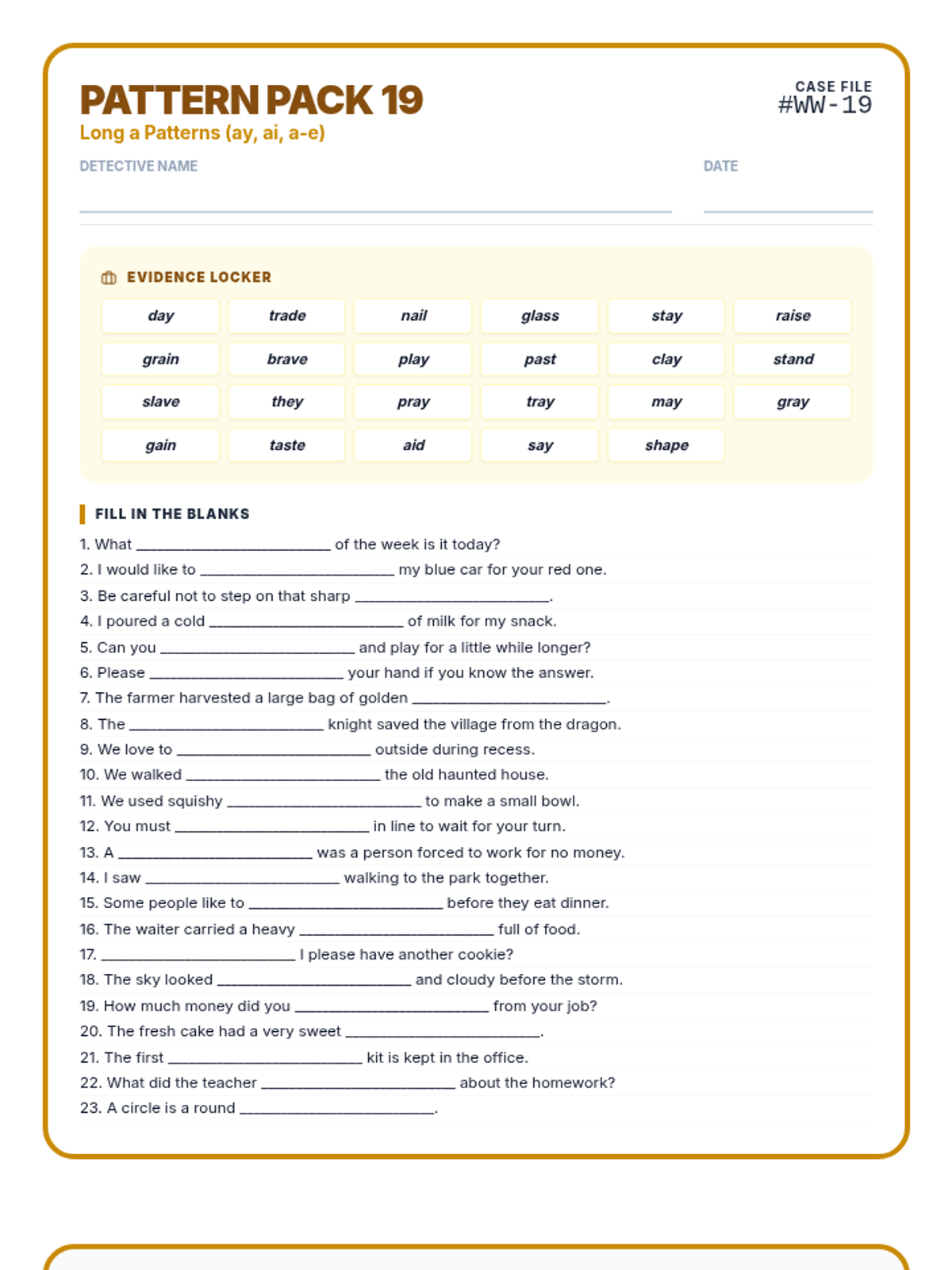
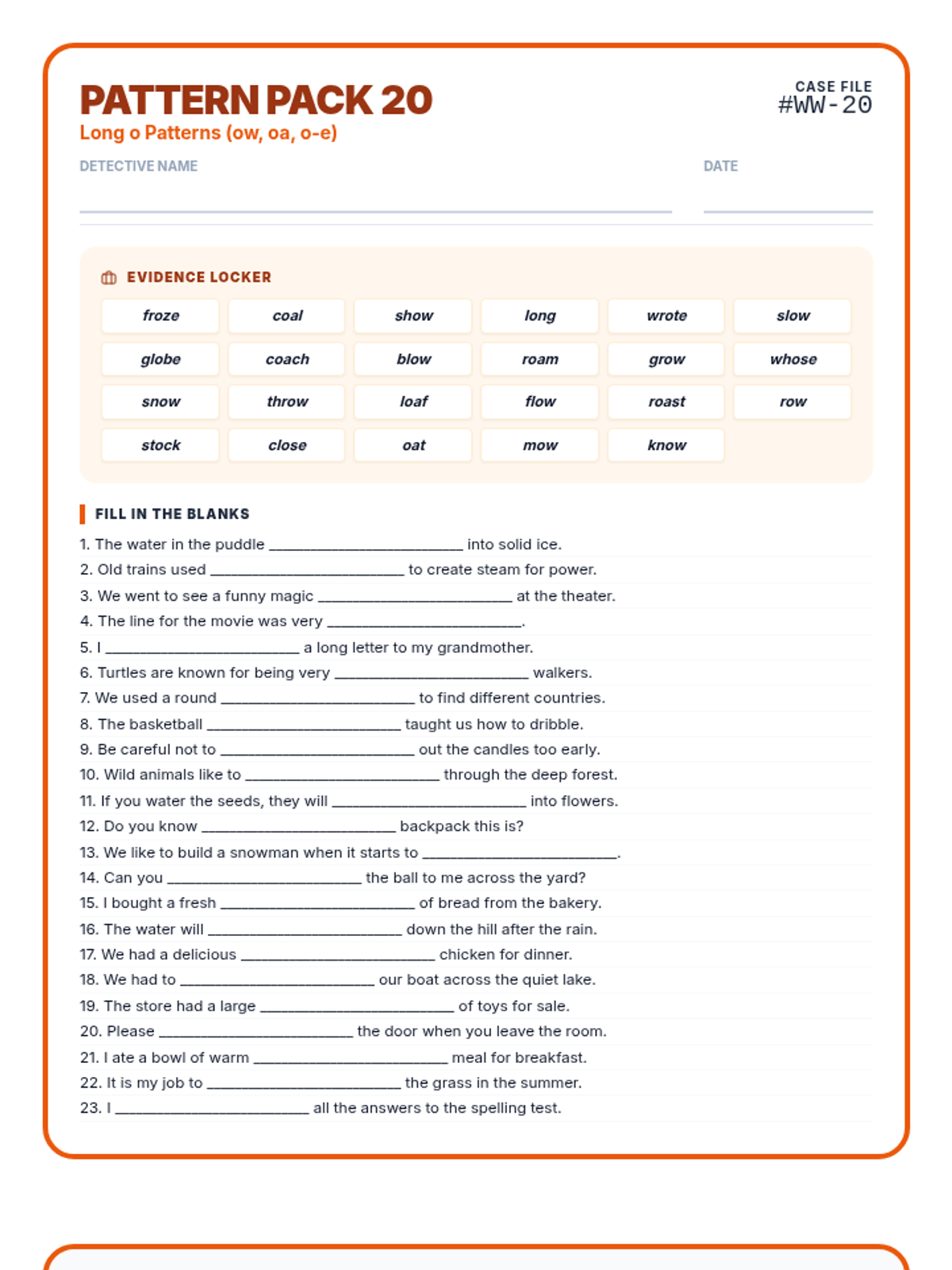
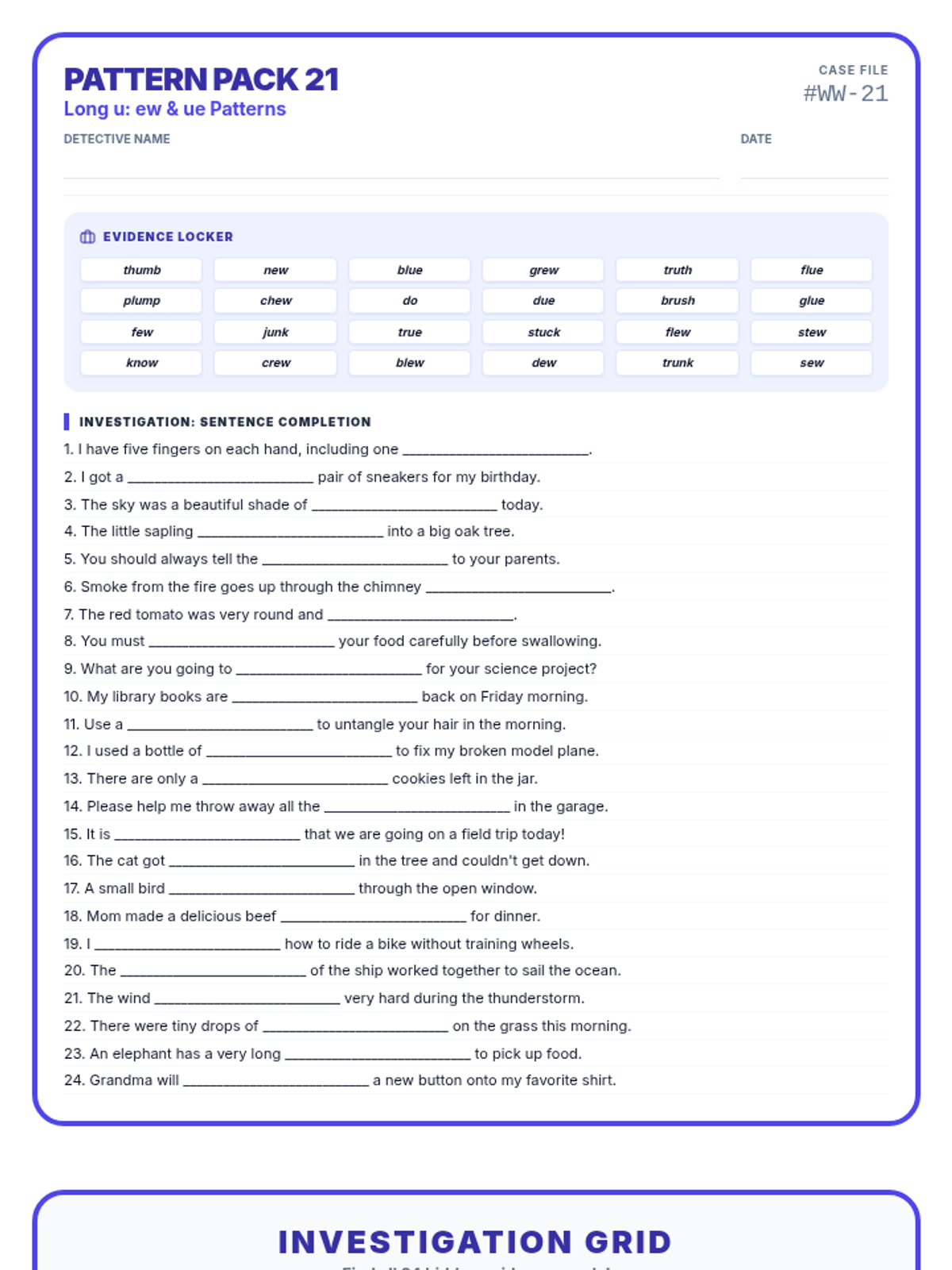
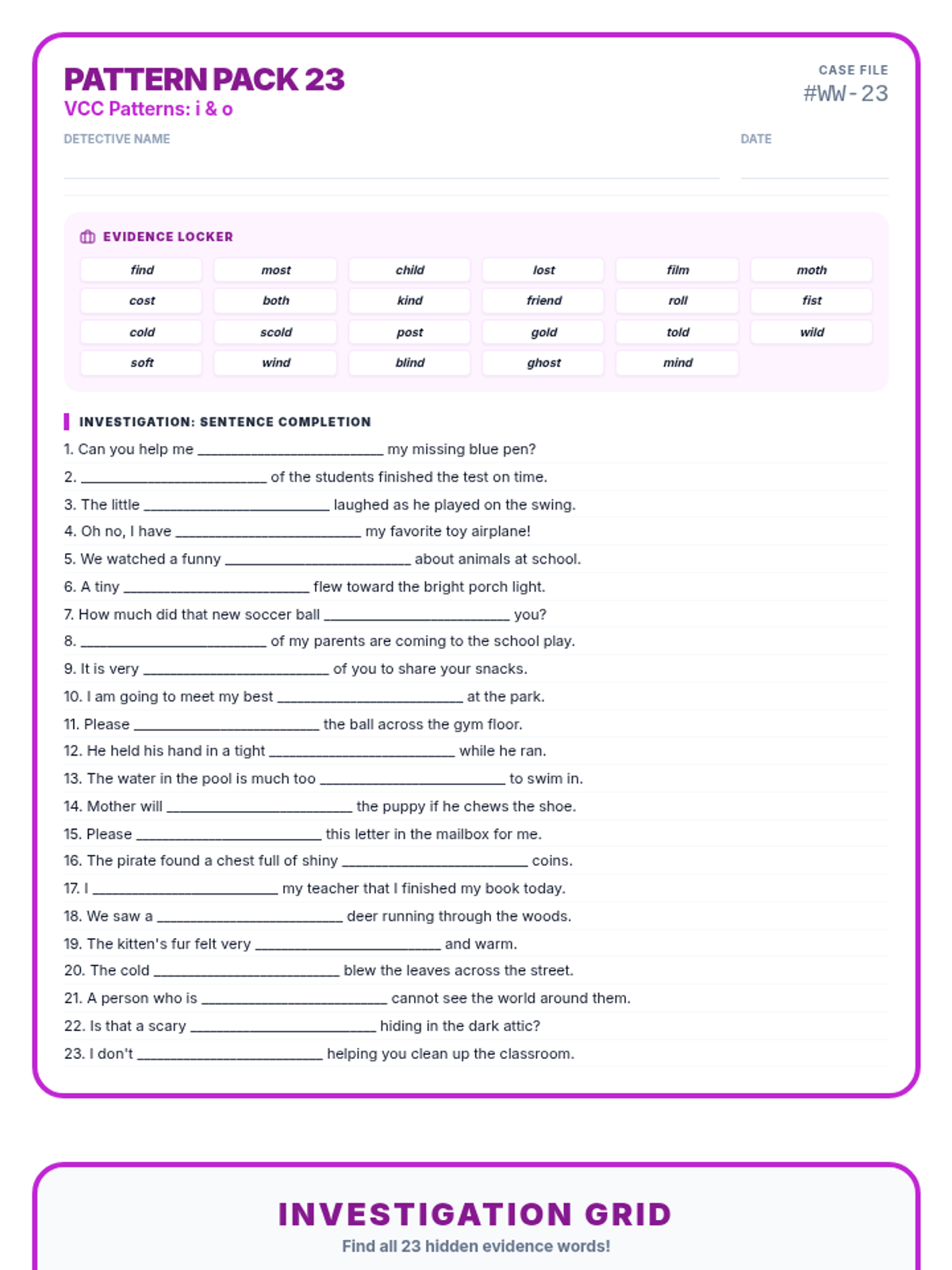
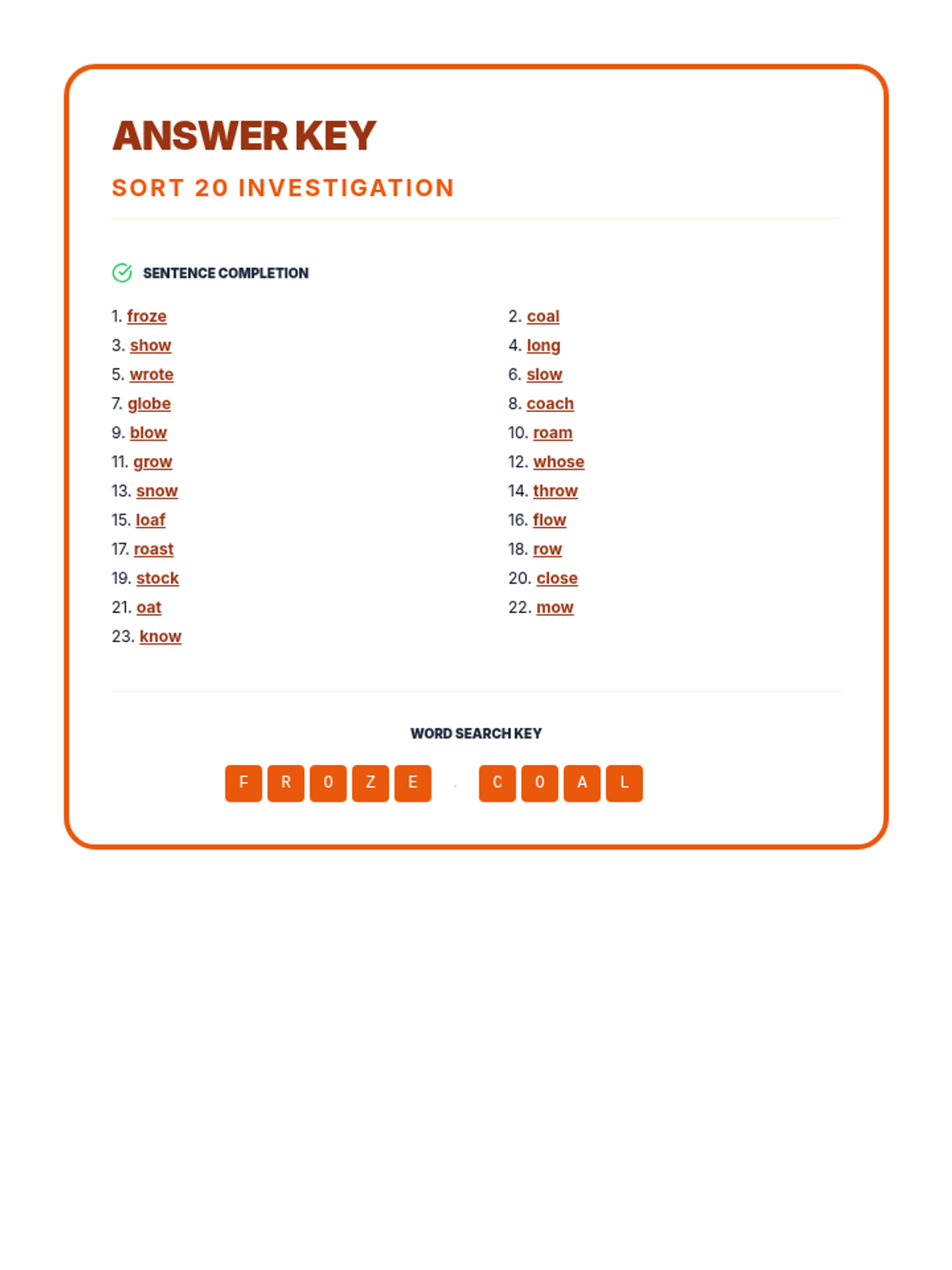
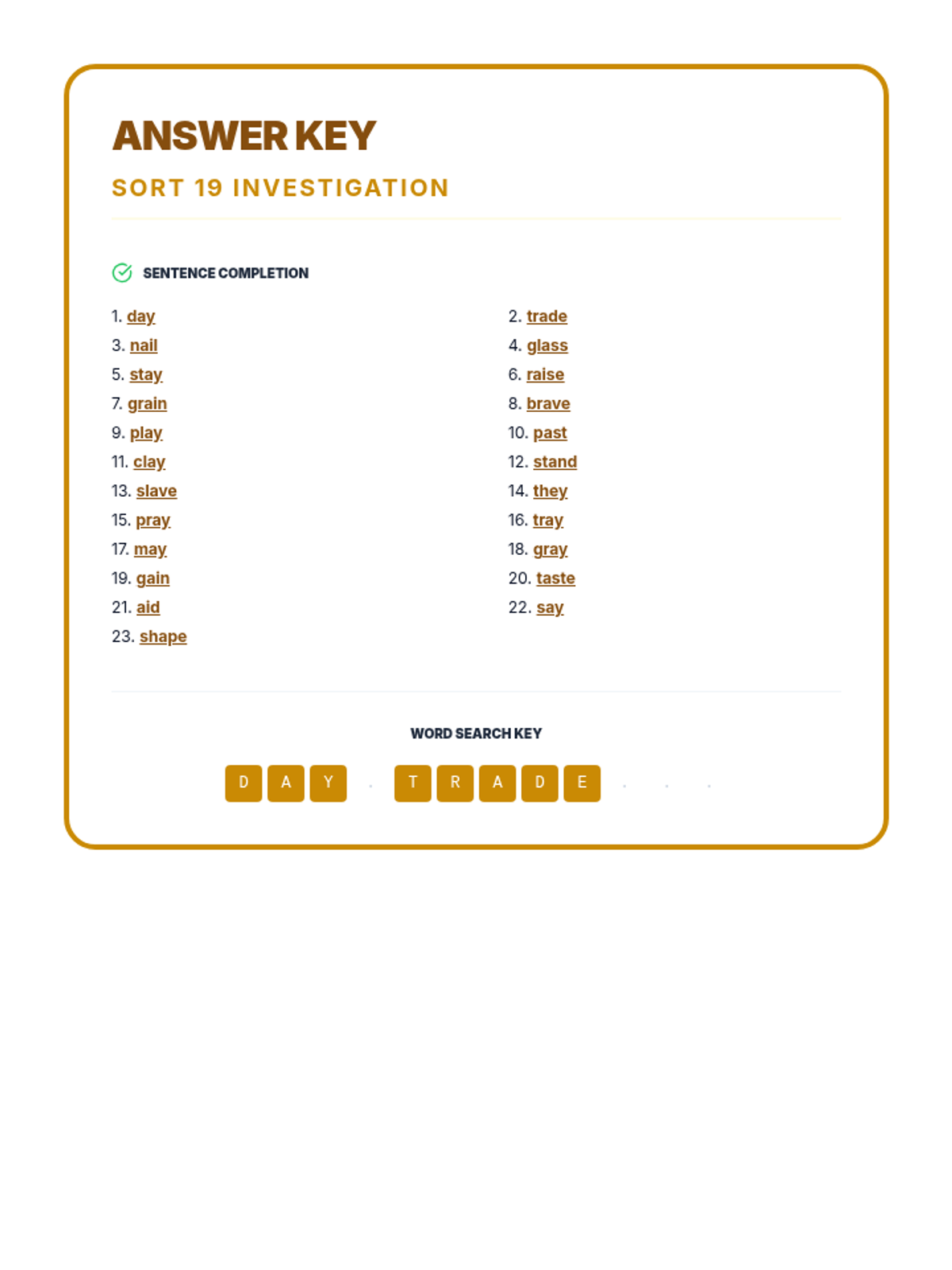
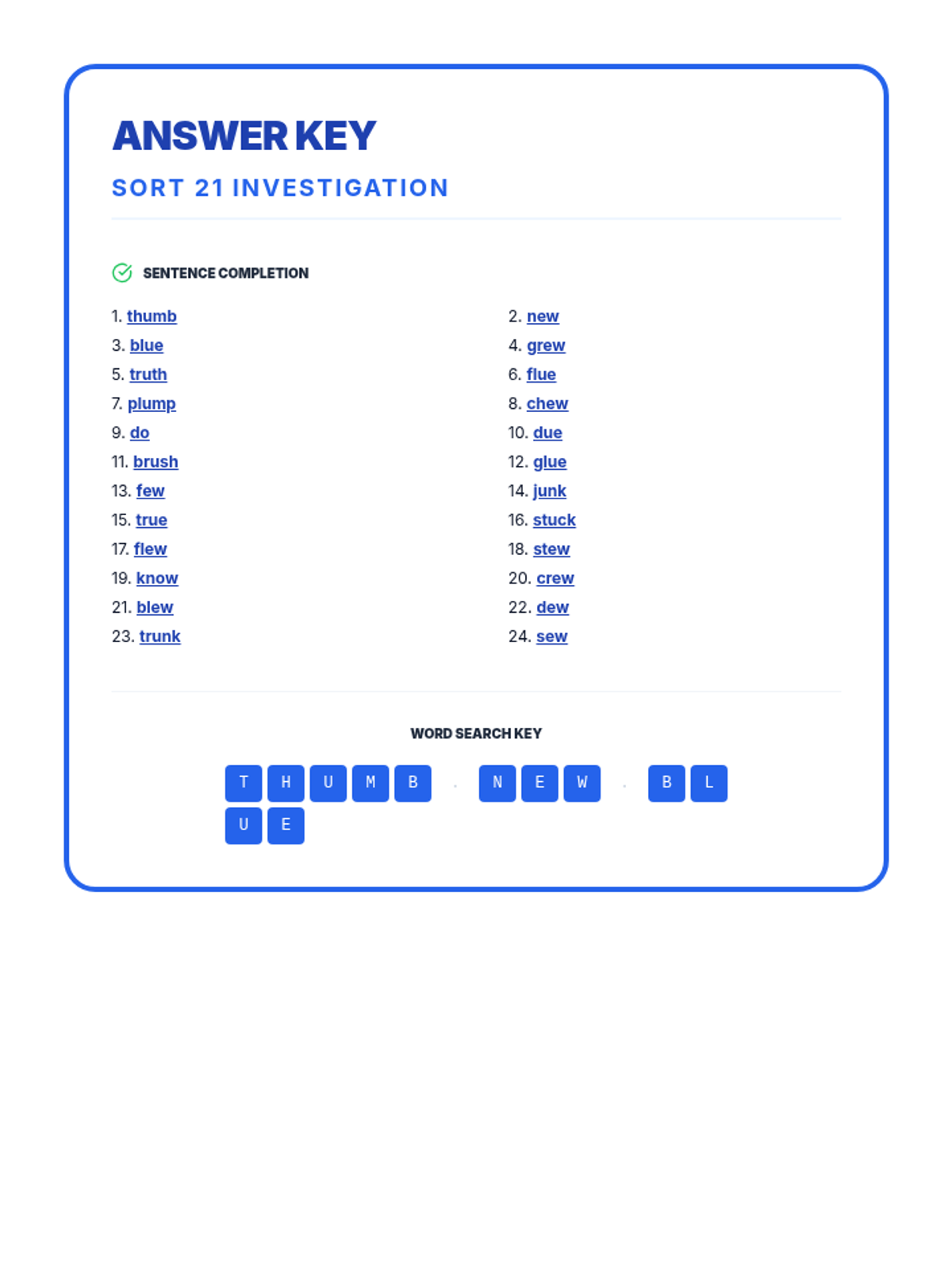
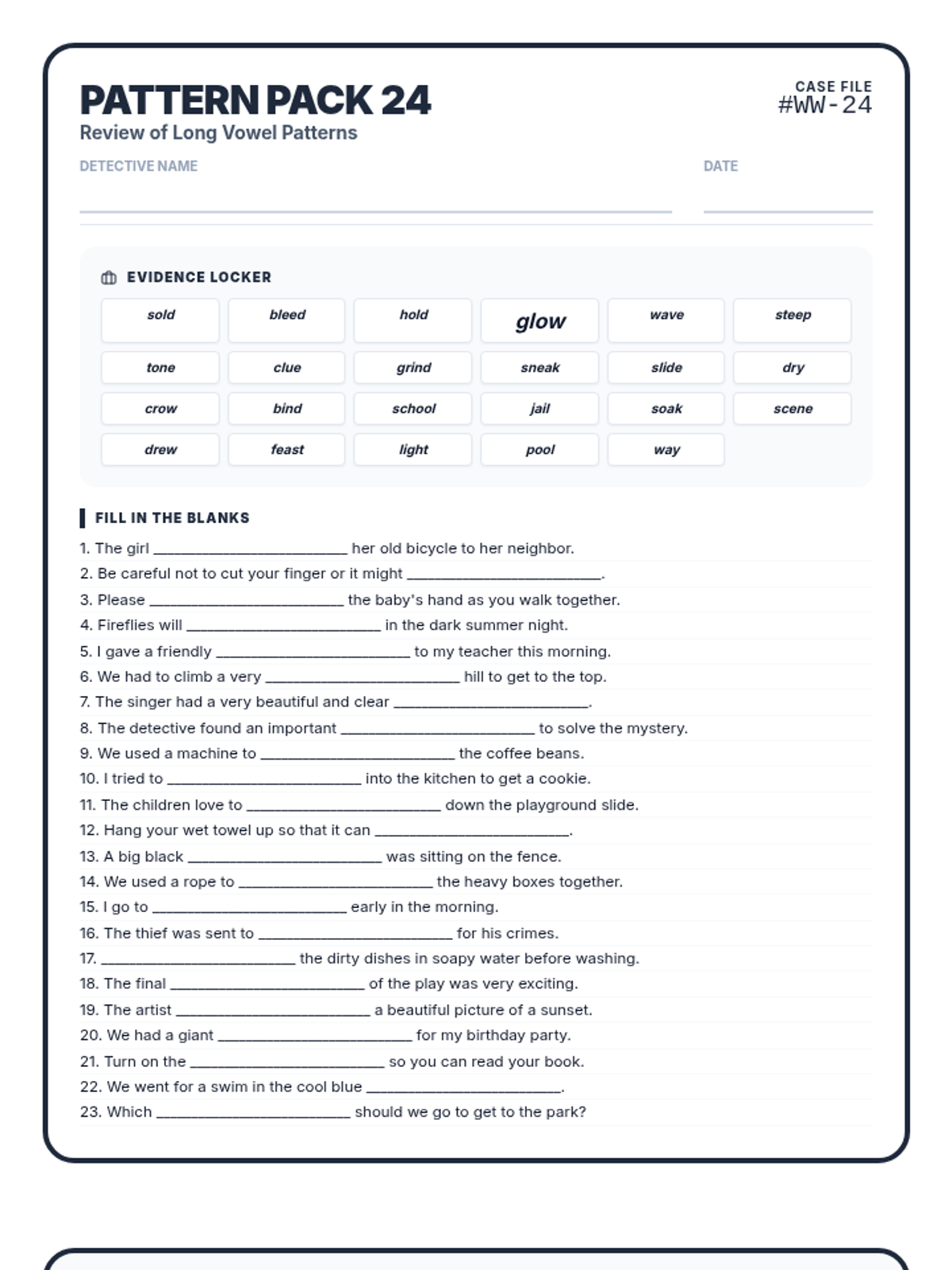
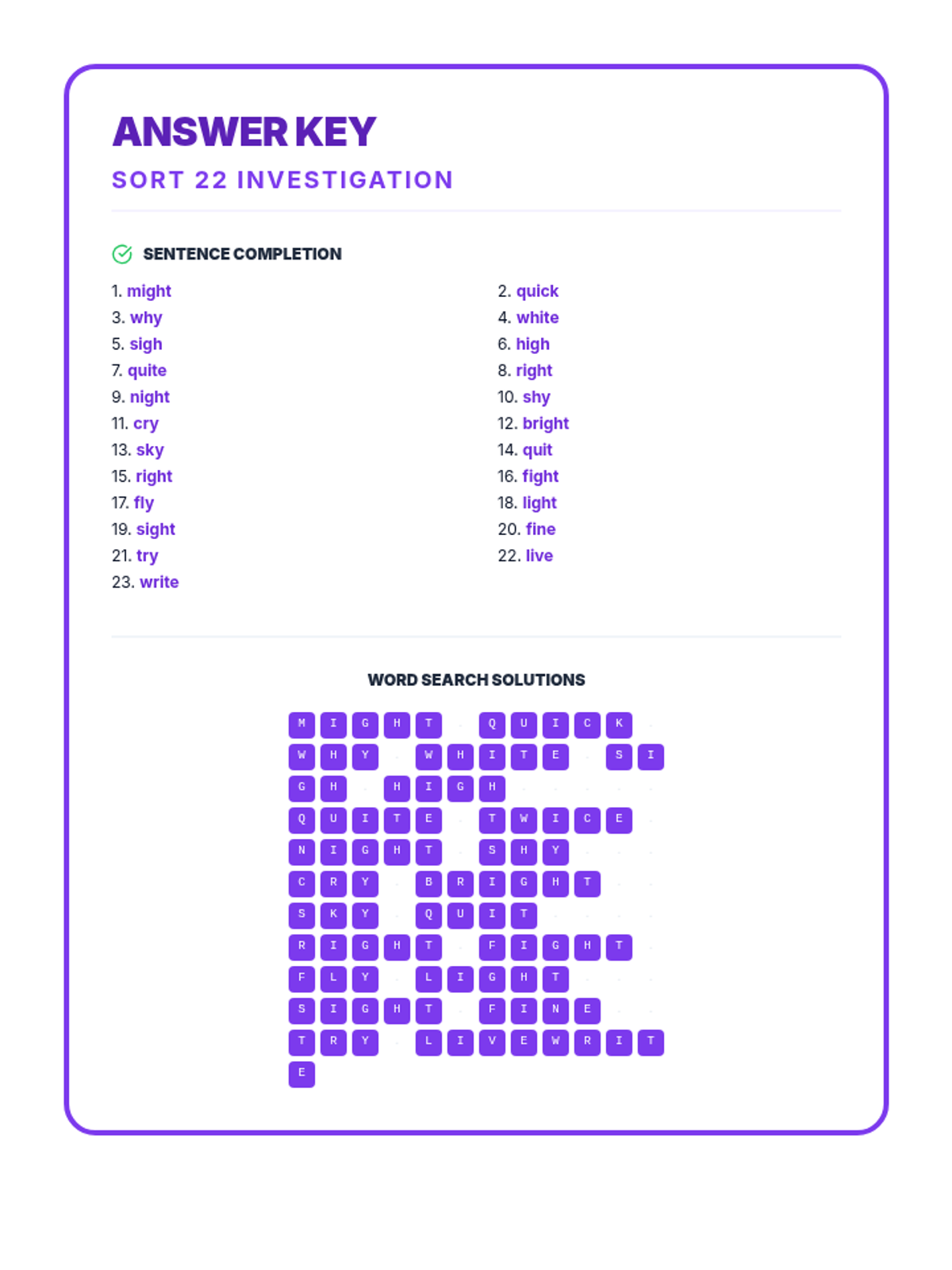
Review of CVVC patterns and introduction to open syllables with long a, o, u, and i patterns across Sorts 18-24.
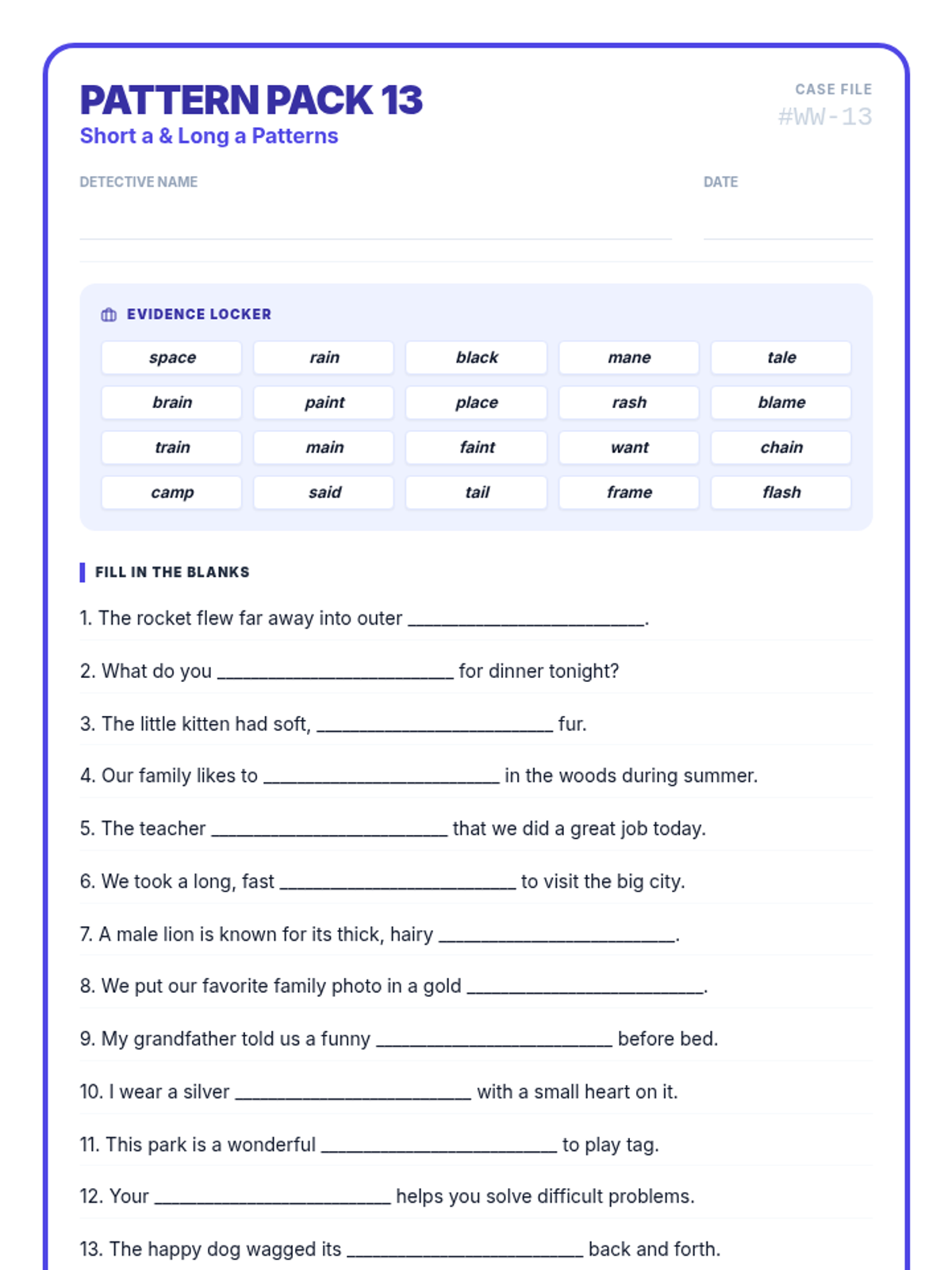
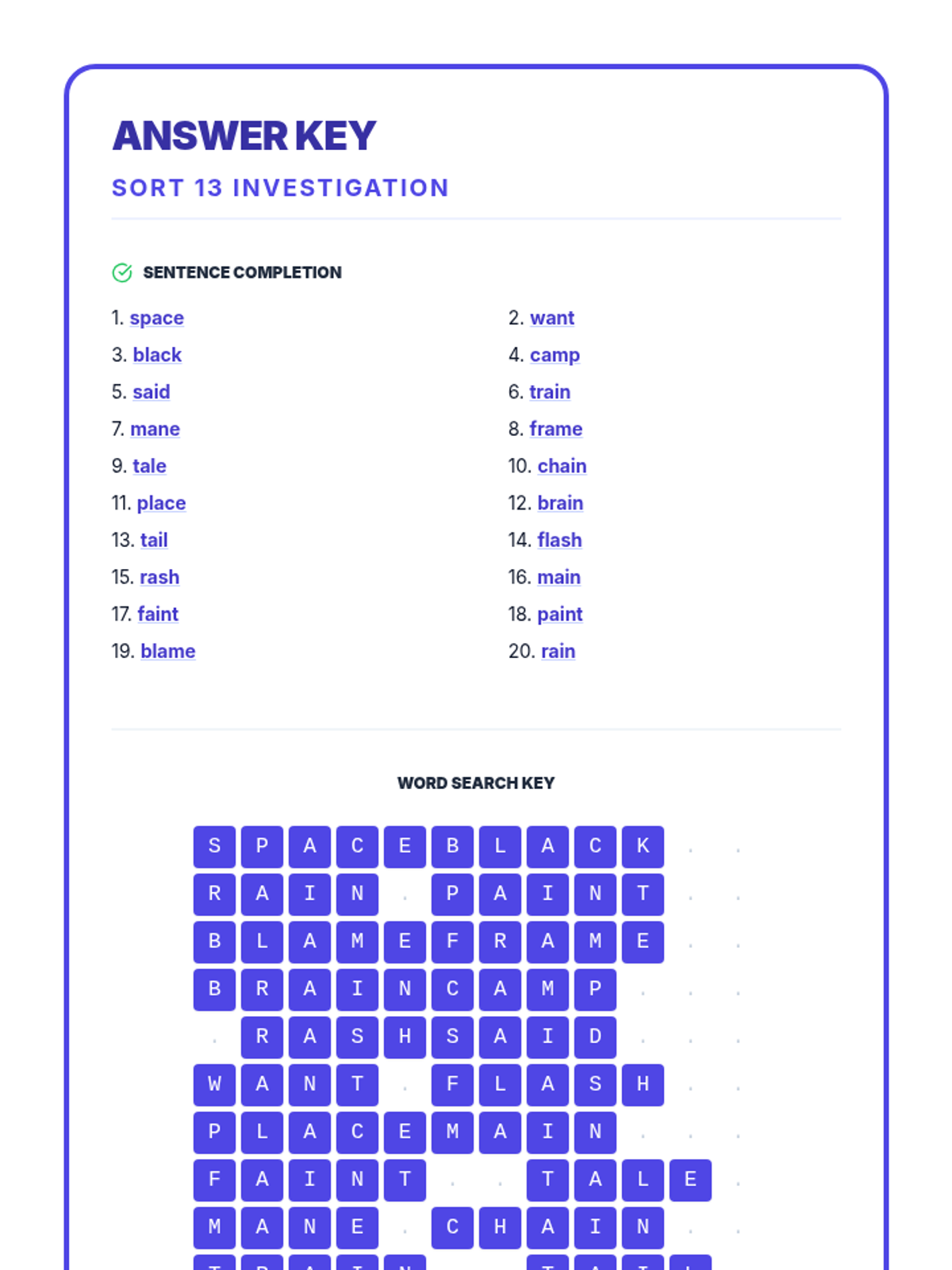
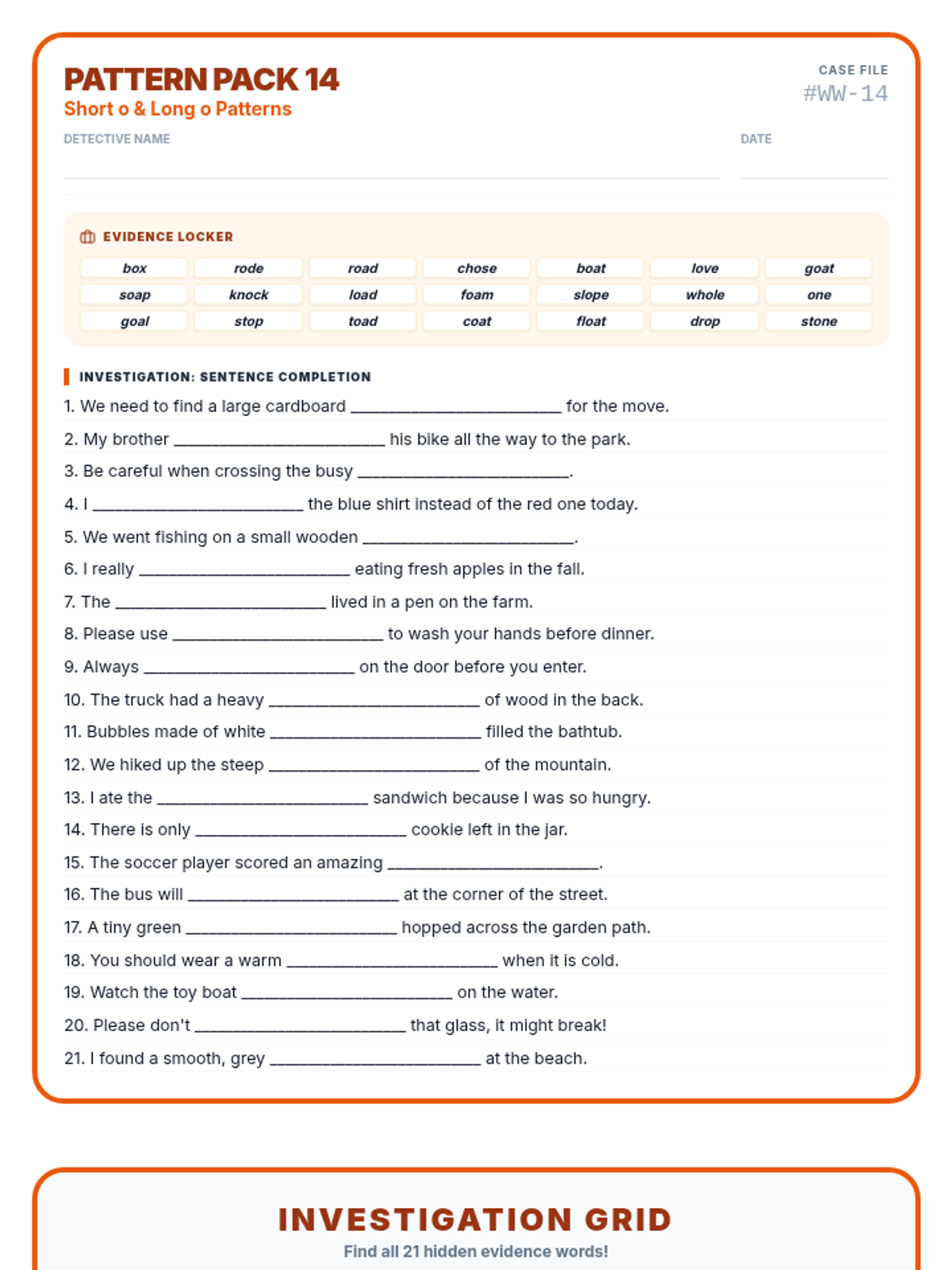
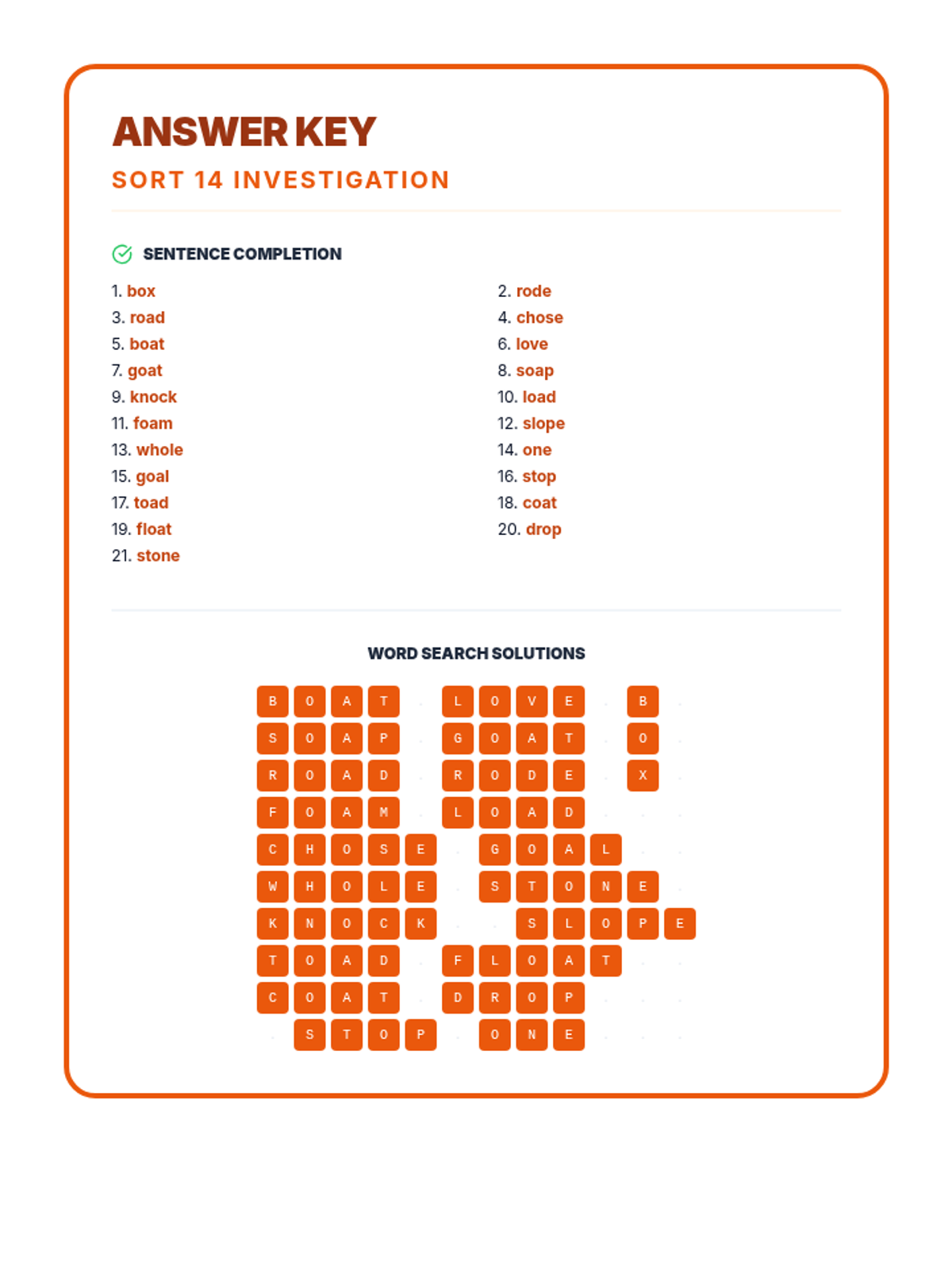
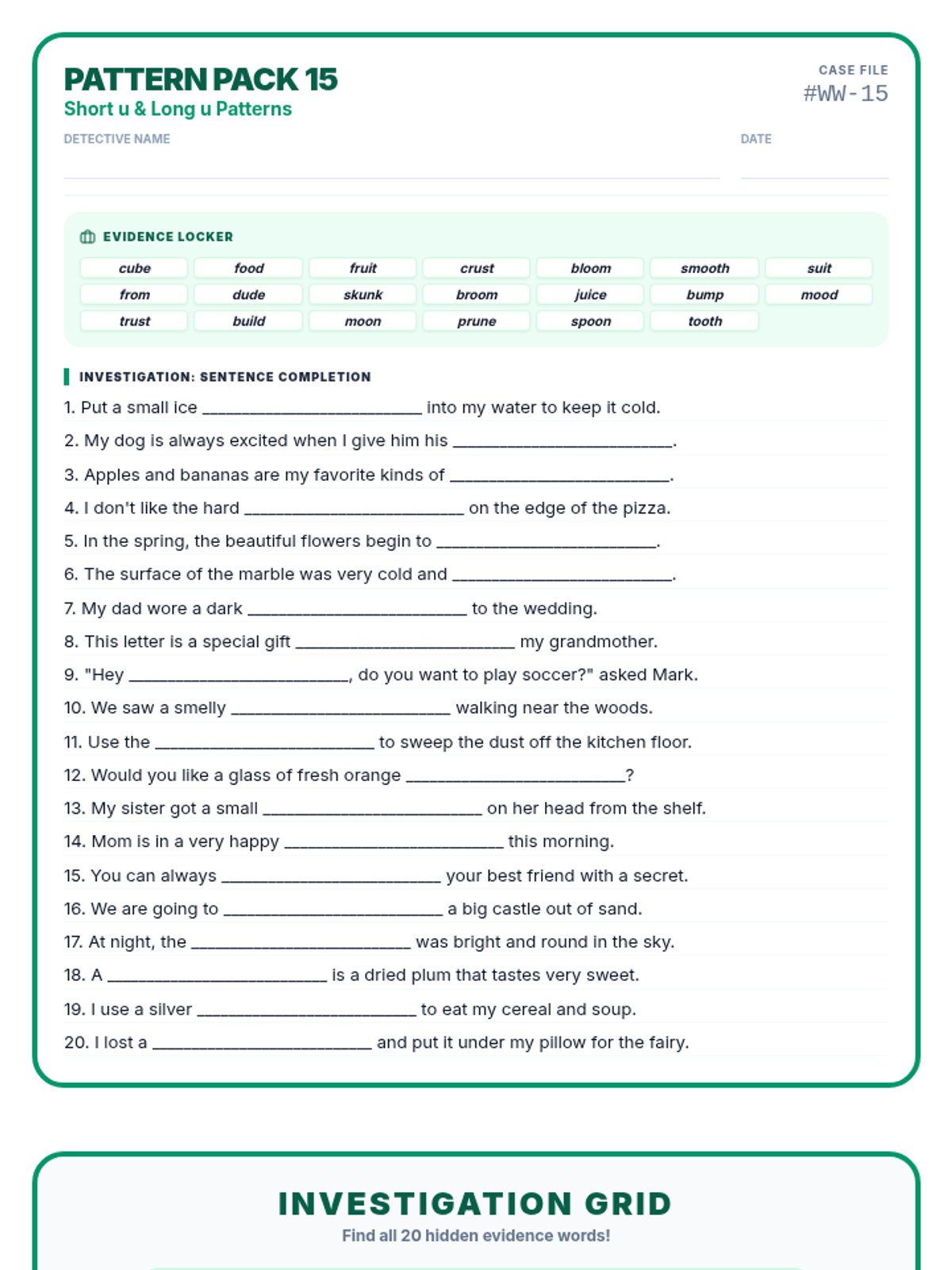
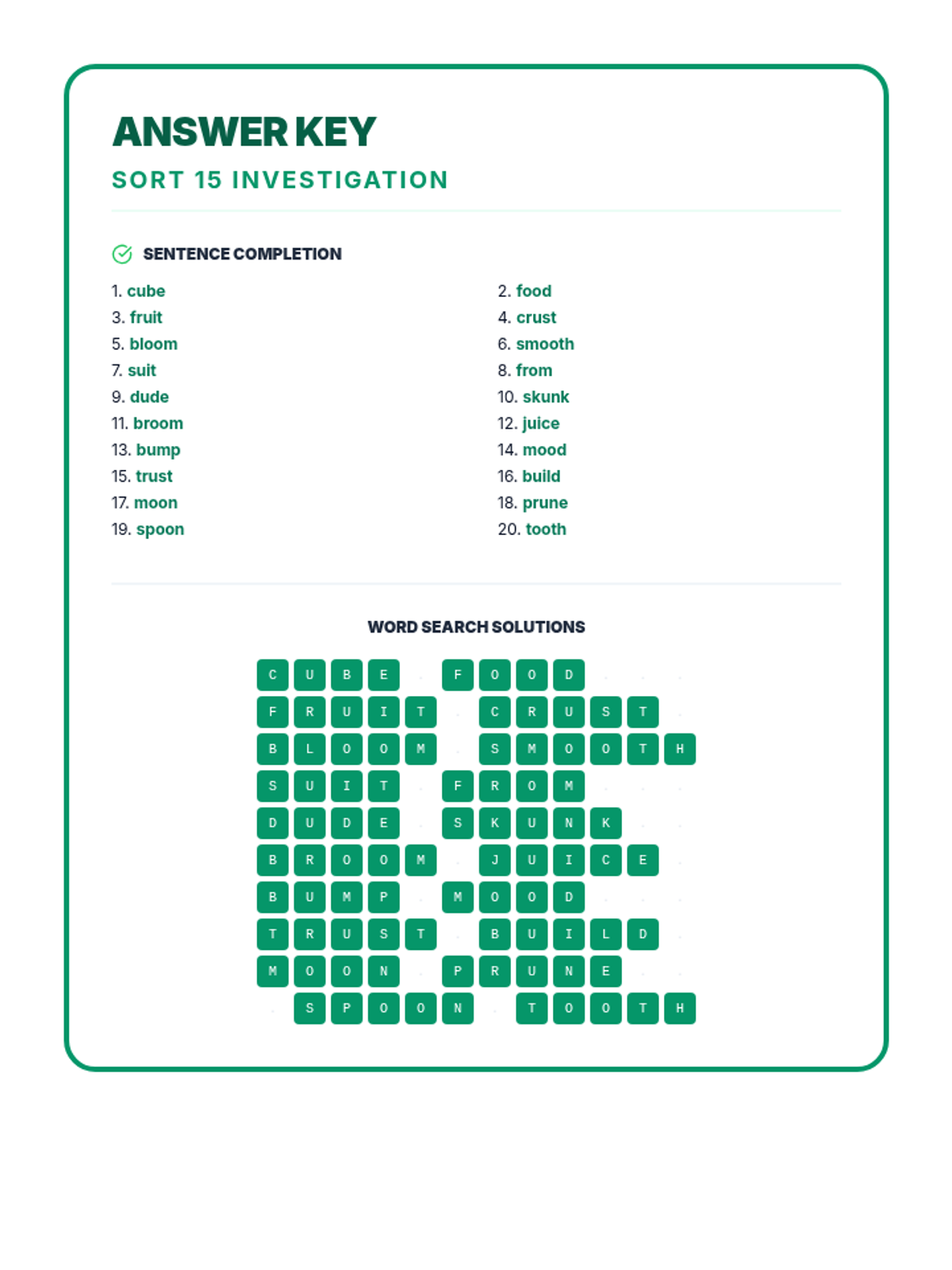
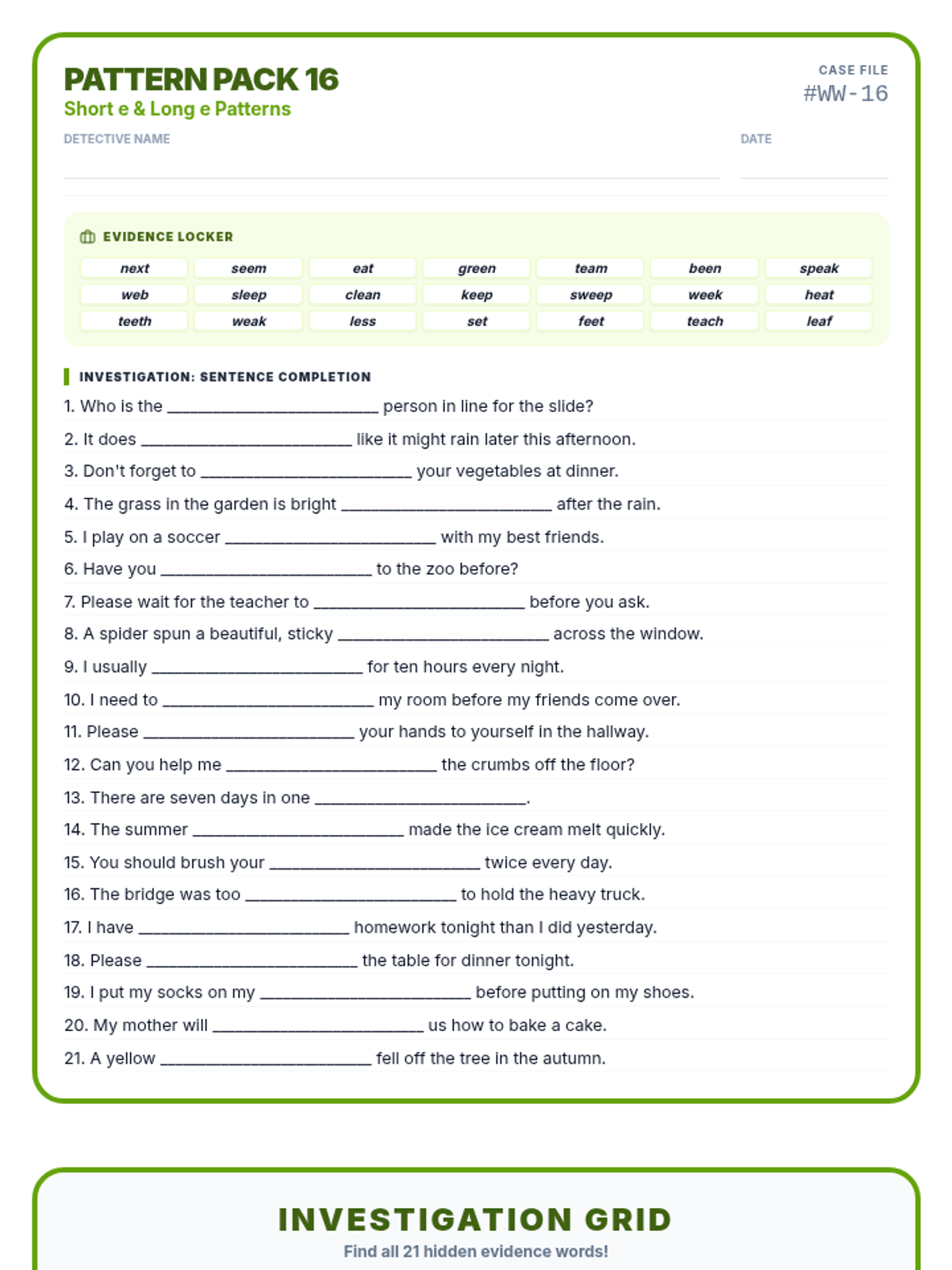
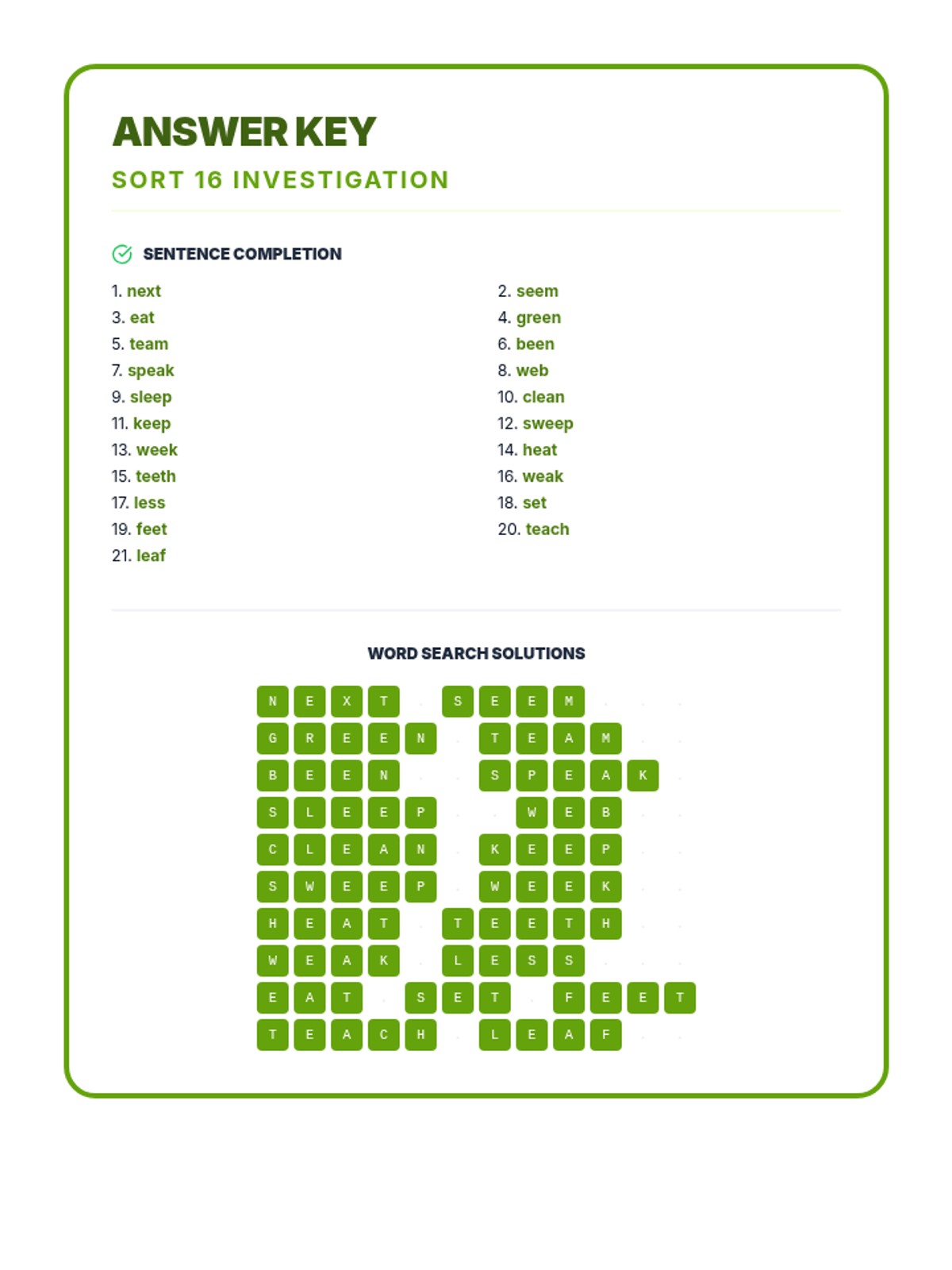
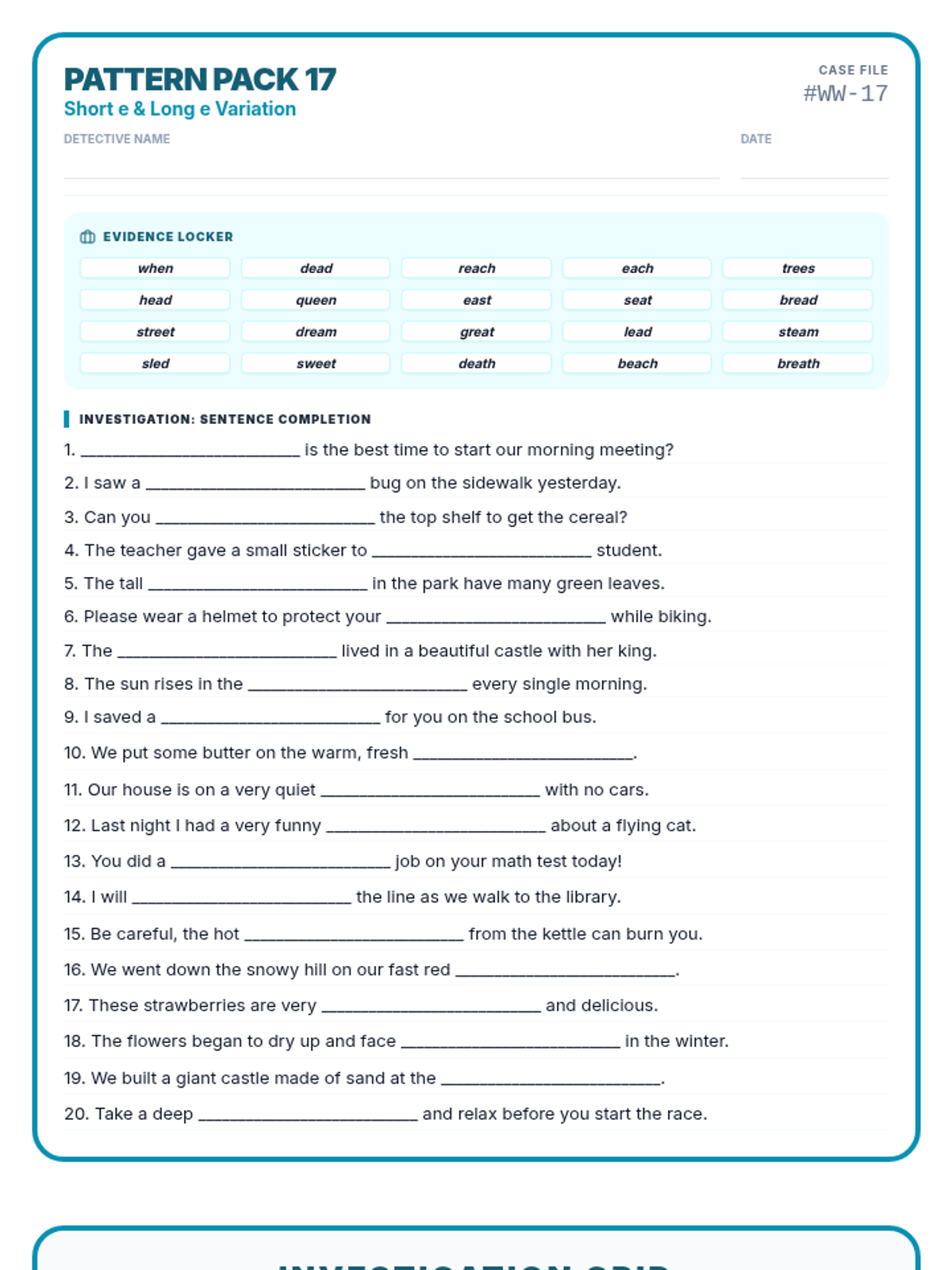
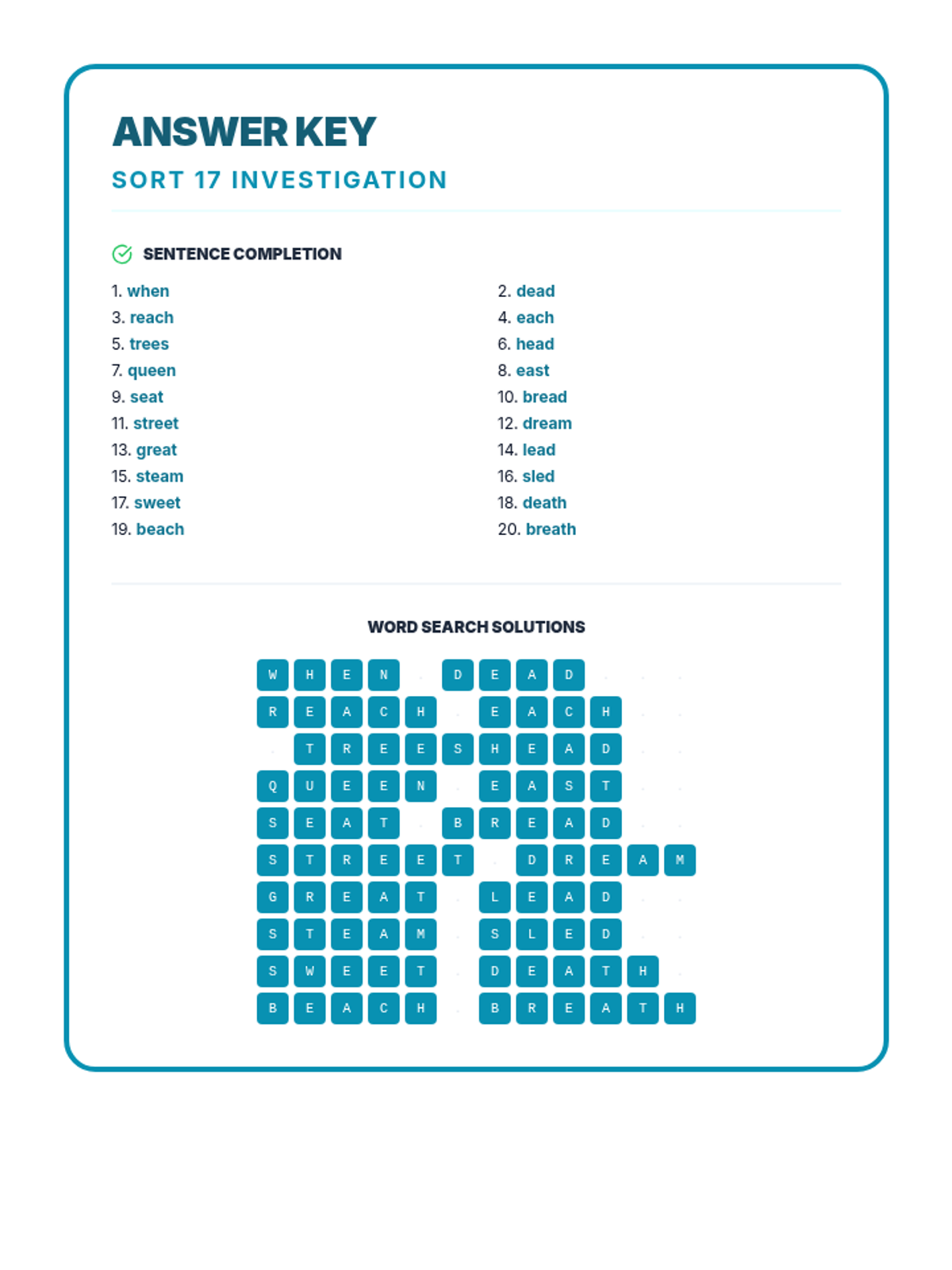
Foundational practice for Sorts 13-17, focusing on short and long vowel patterns including CVCe and CVVC for a, o, u, and e.
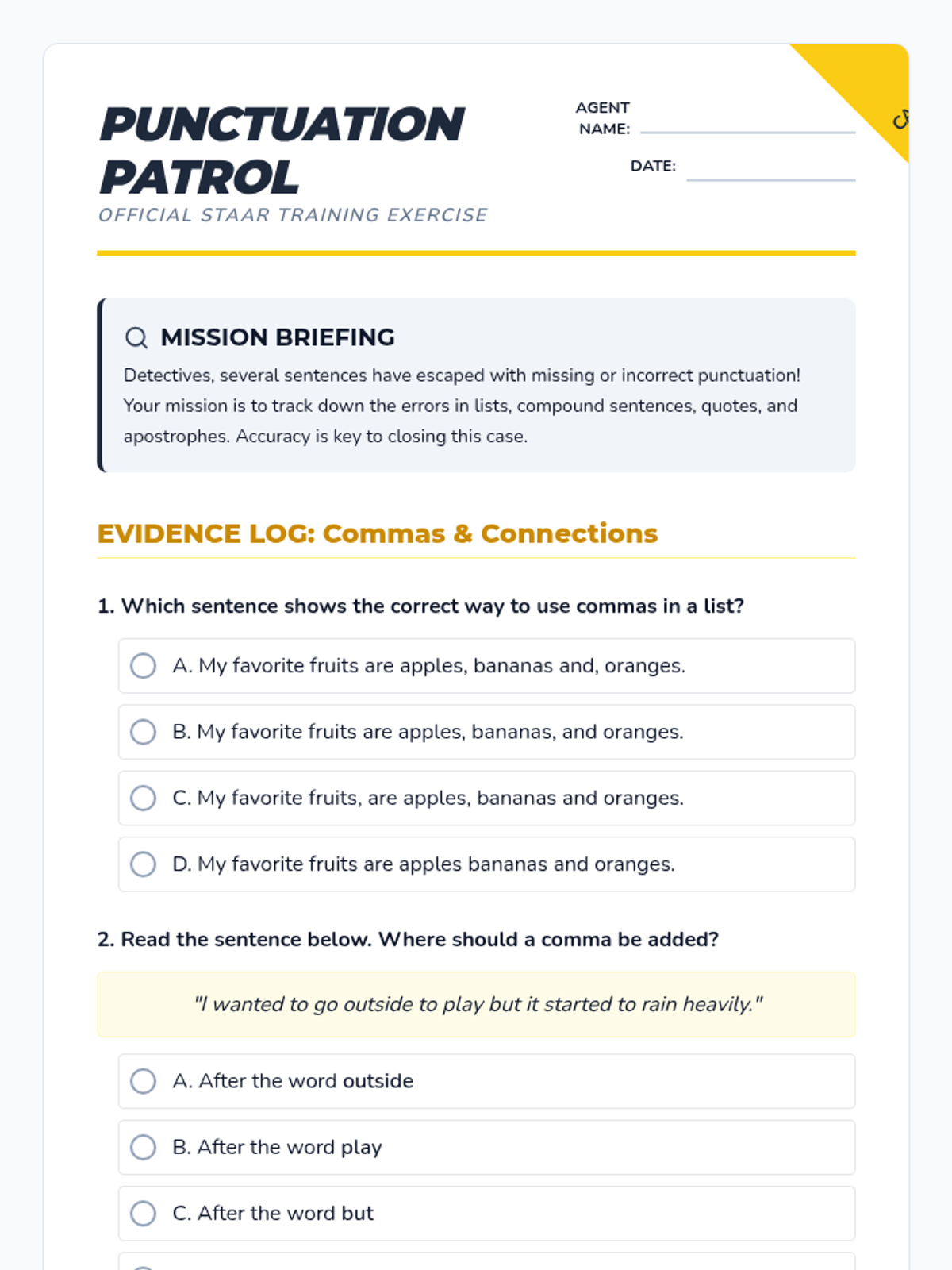
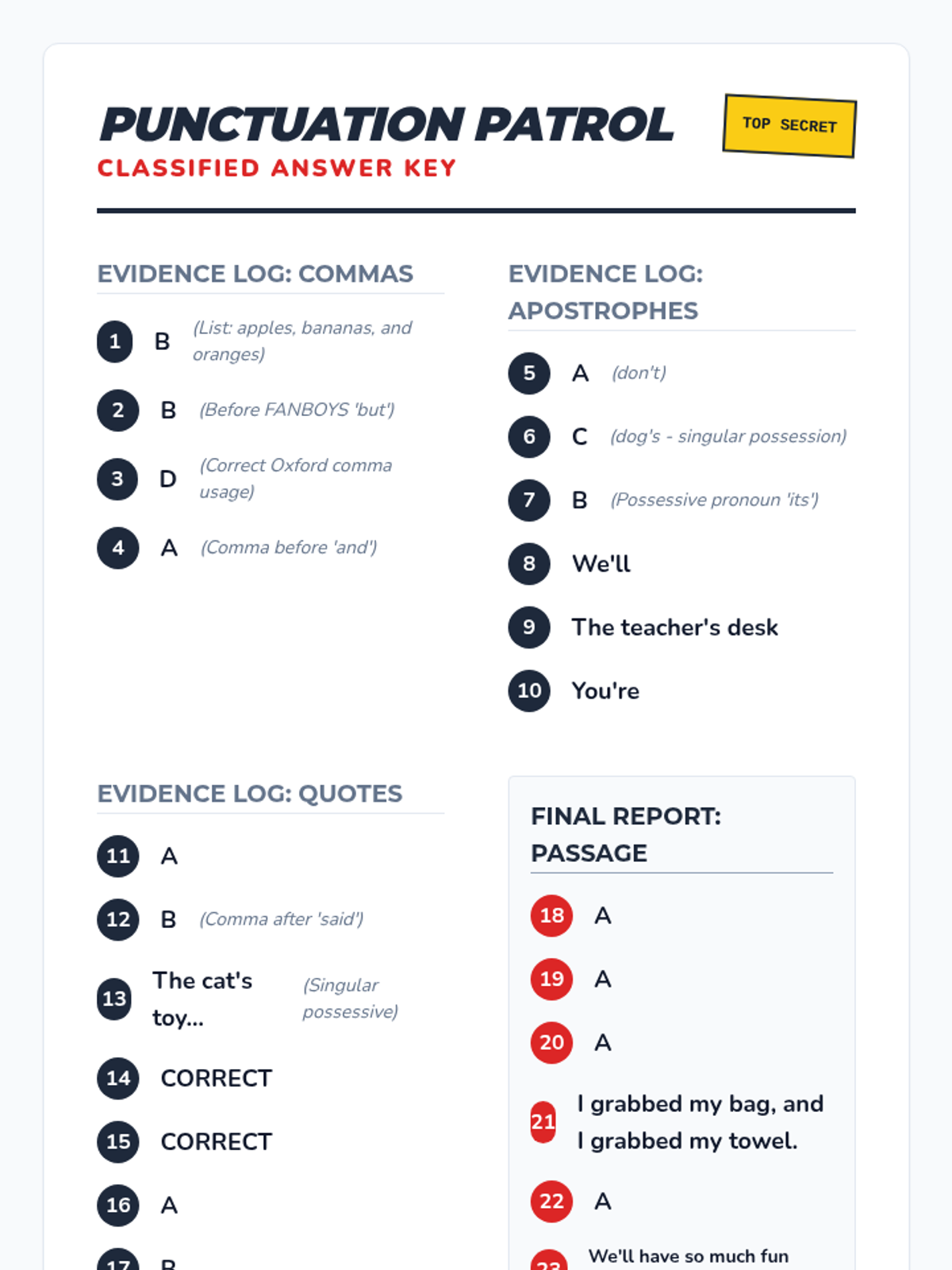
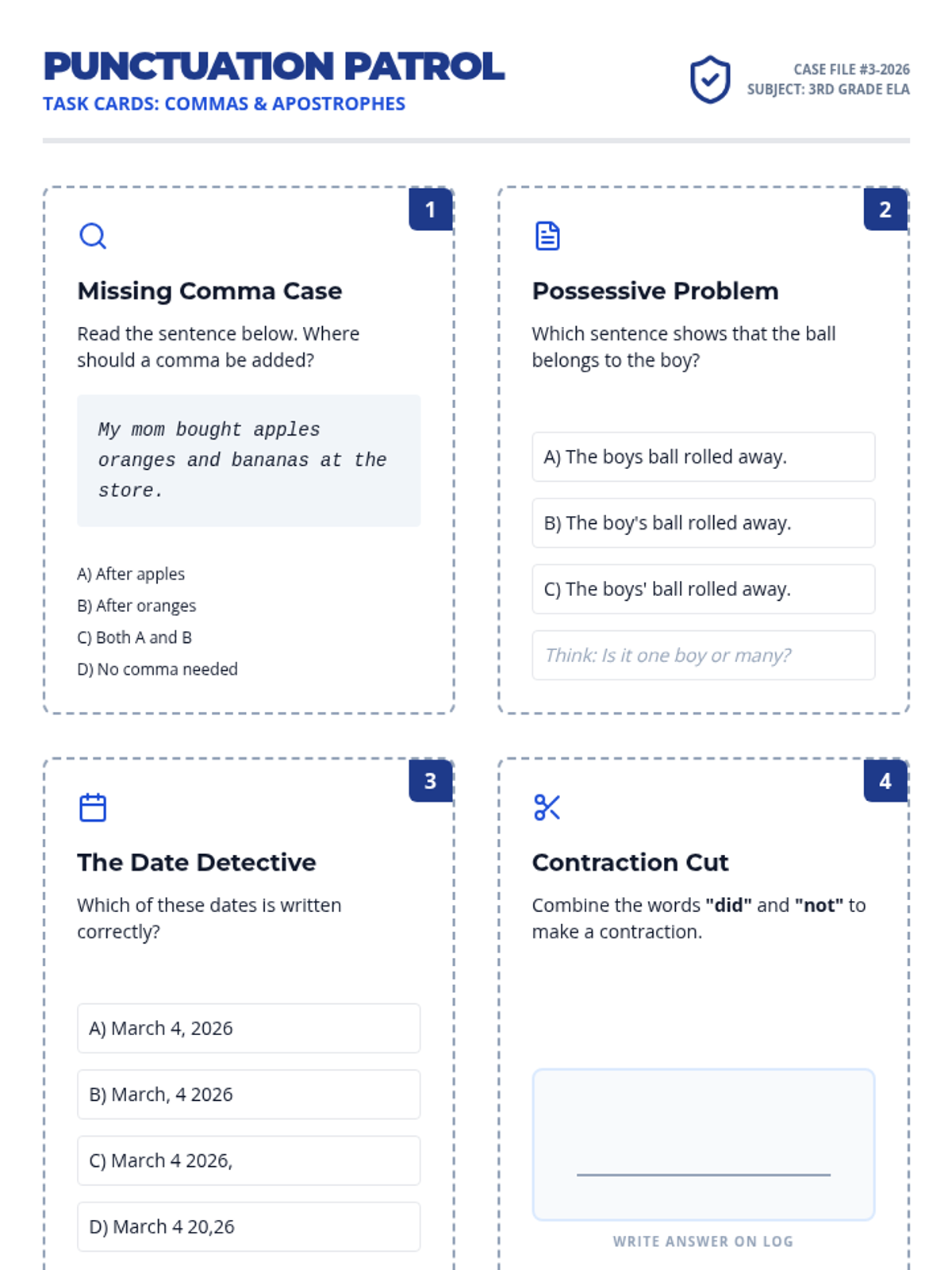
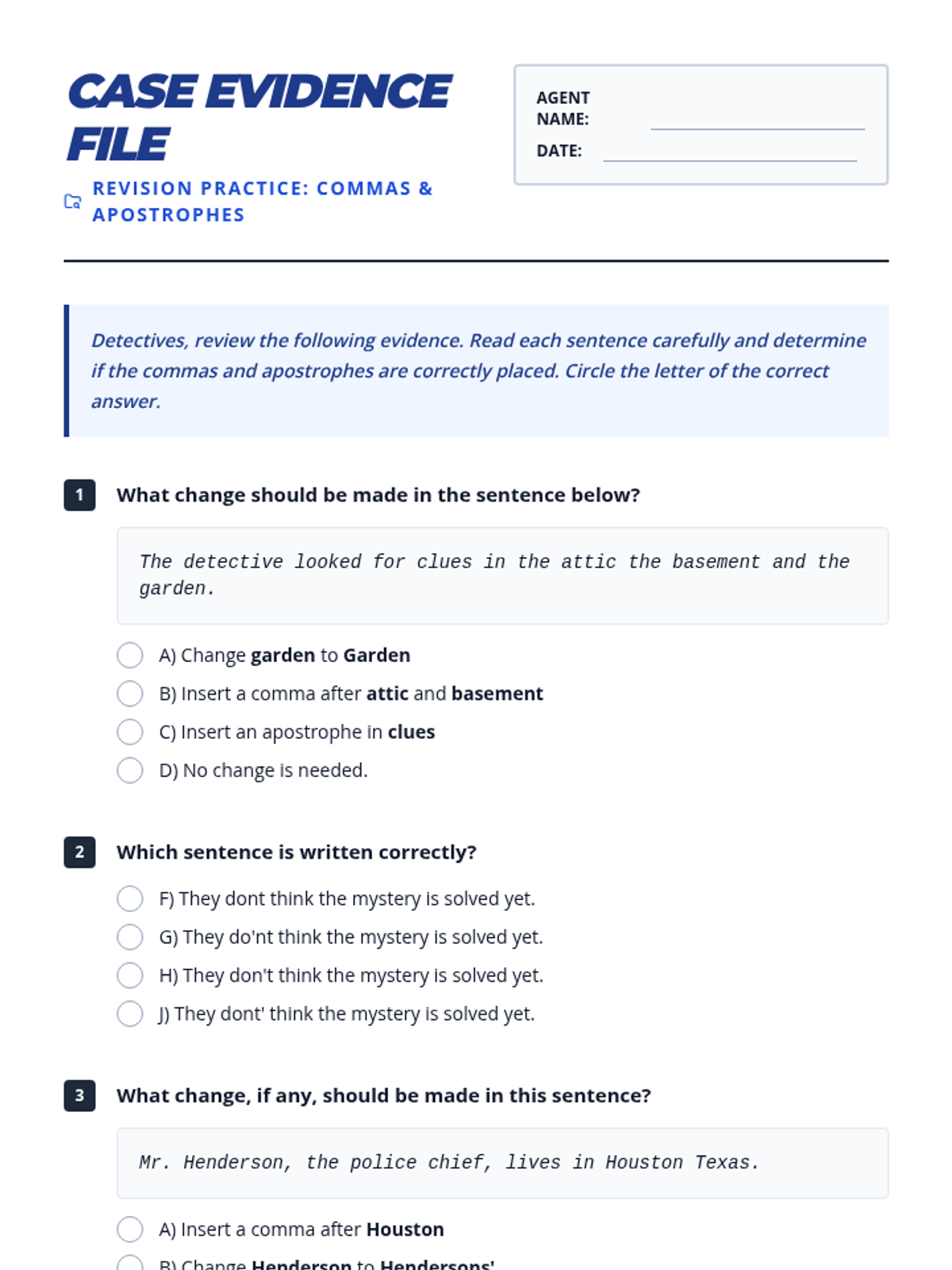
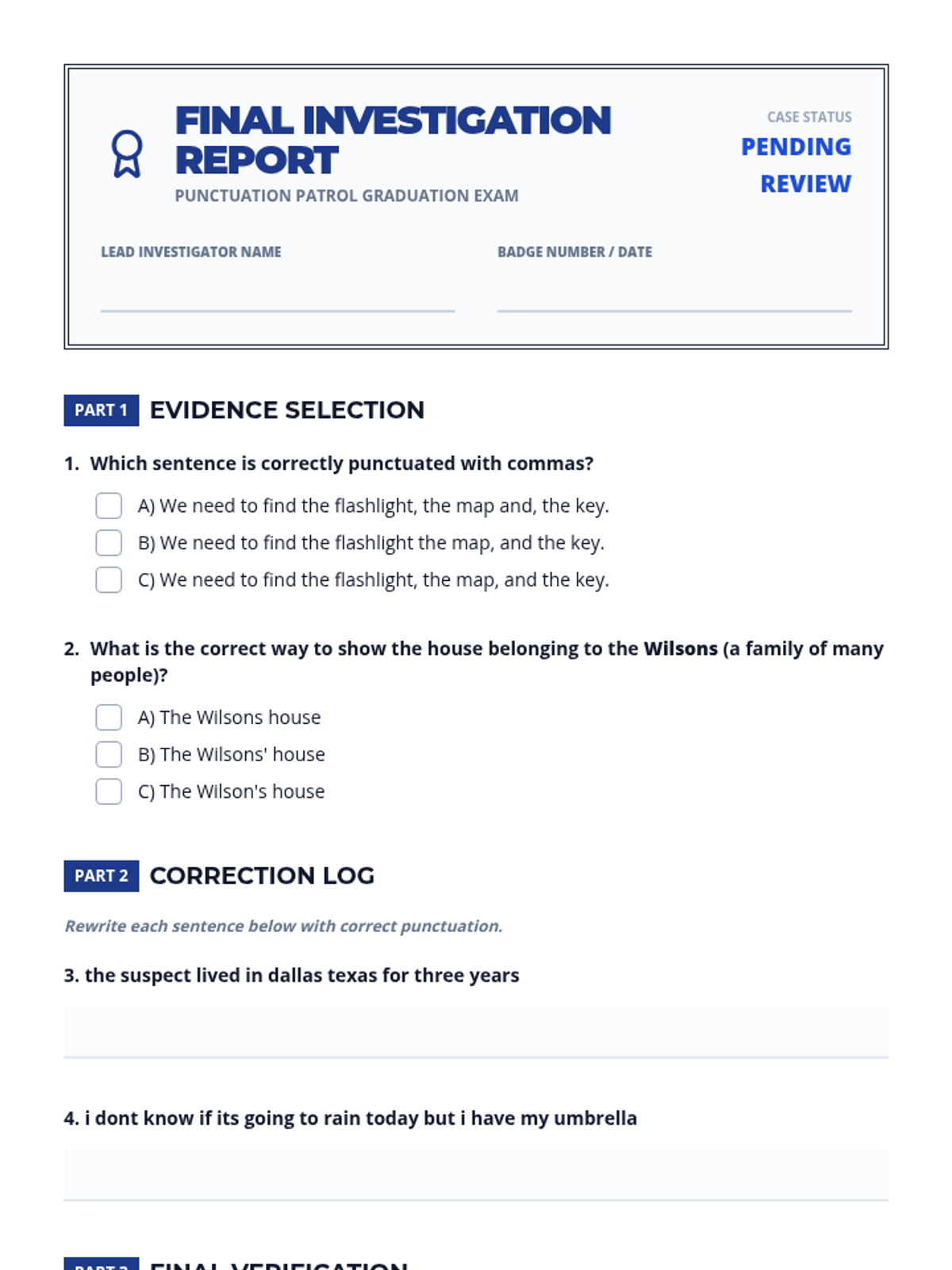
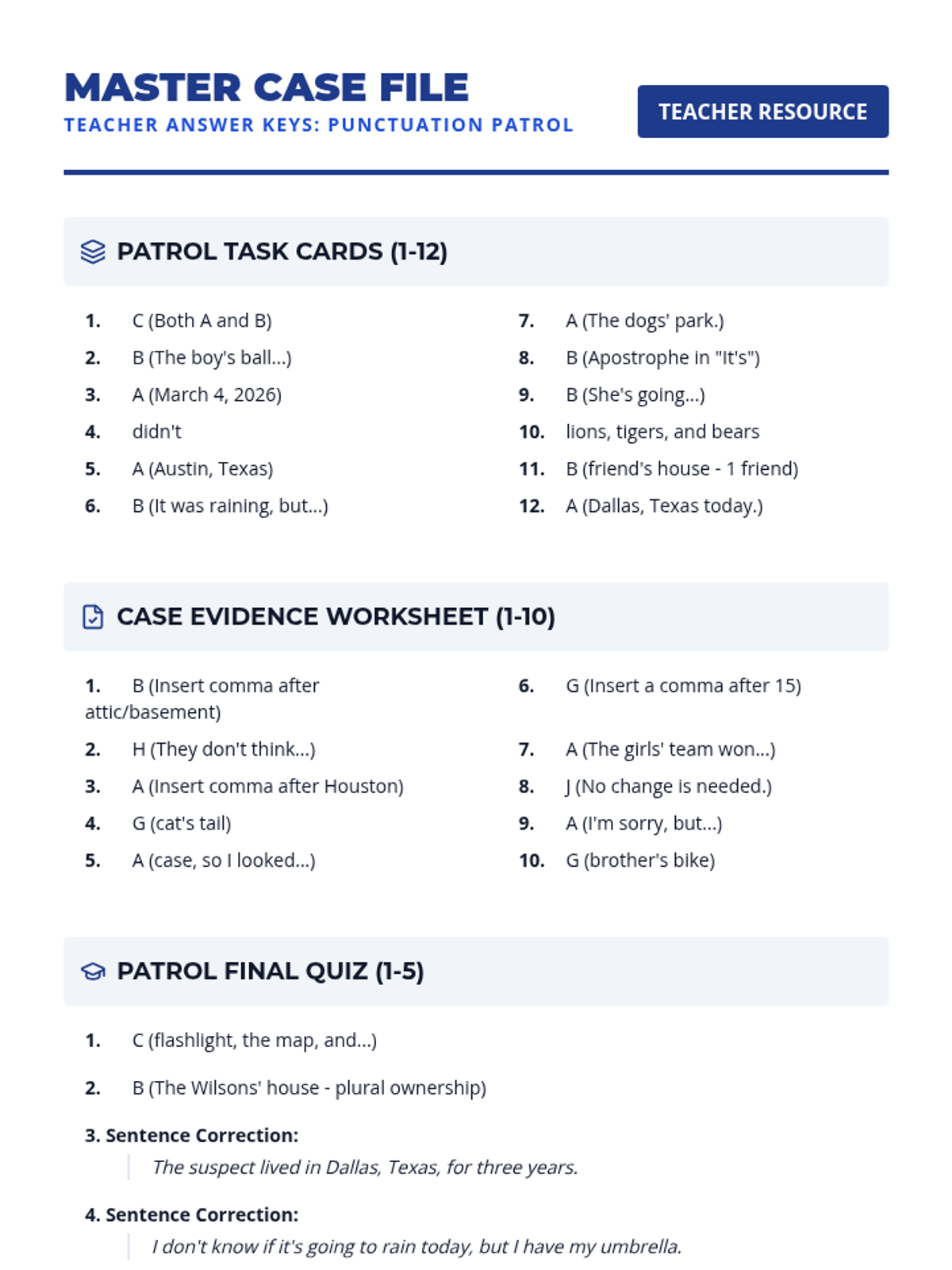
A comprehensive grammar lesson focused on punctuation rules tested in 3rd grade STAAR, including commas, apostrophes, and quotation marks. Students practice through error identification, multiple-choice questions, and short-passage editing.
A 3rd-grade grammar lesson focused on mastering commas and apostrophes through detective-themed practice activities aligned with STAAR standards.
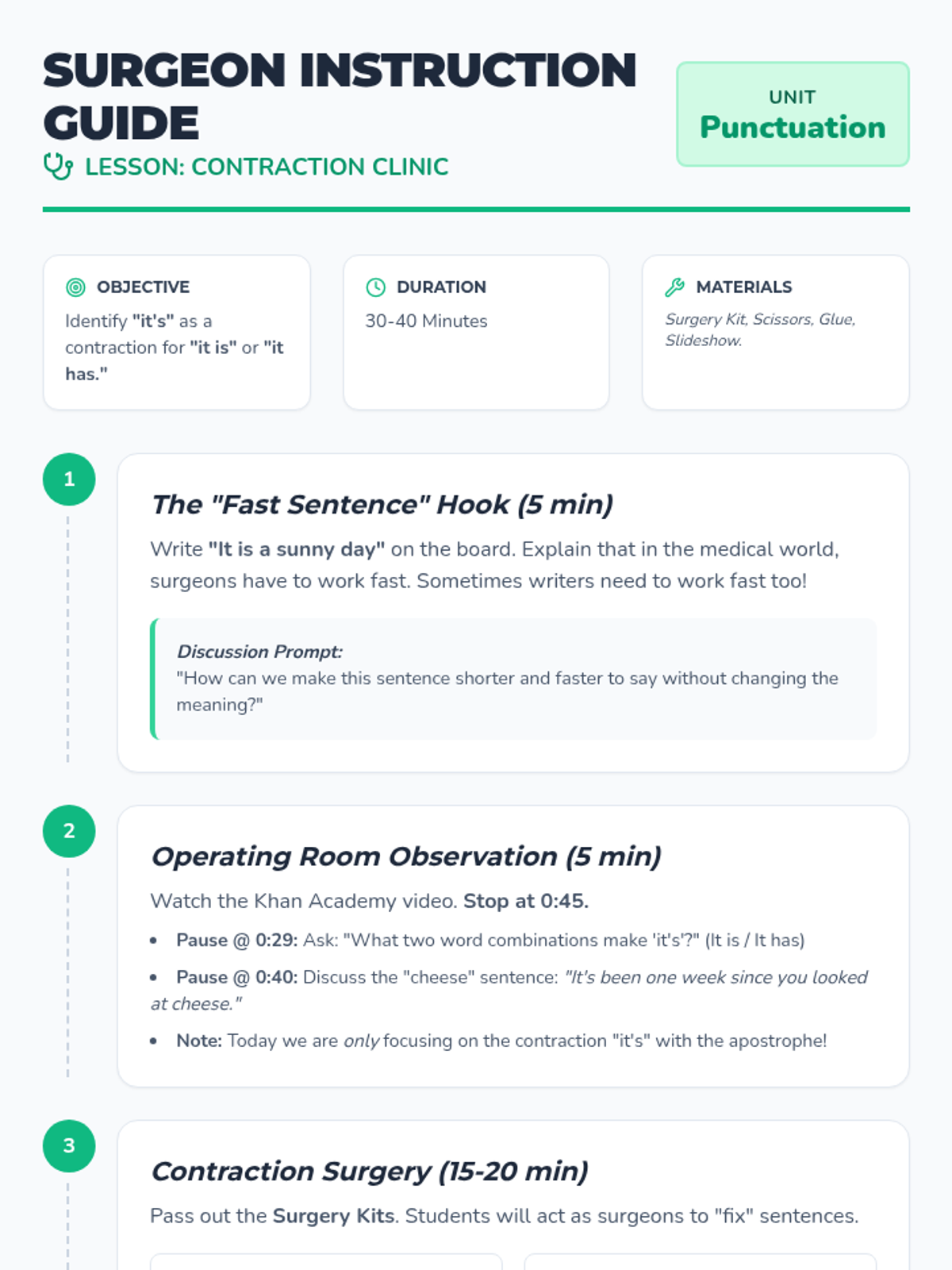
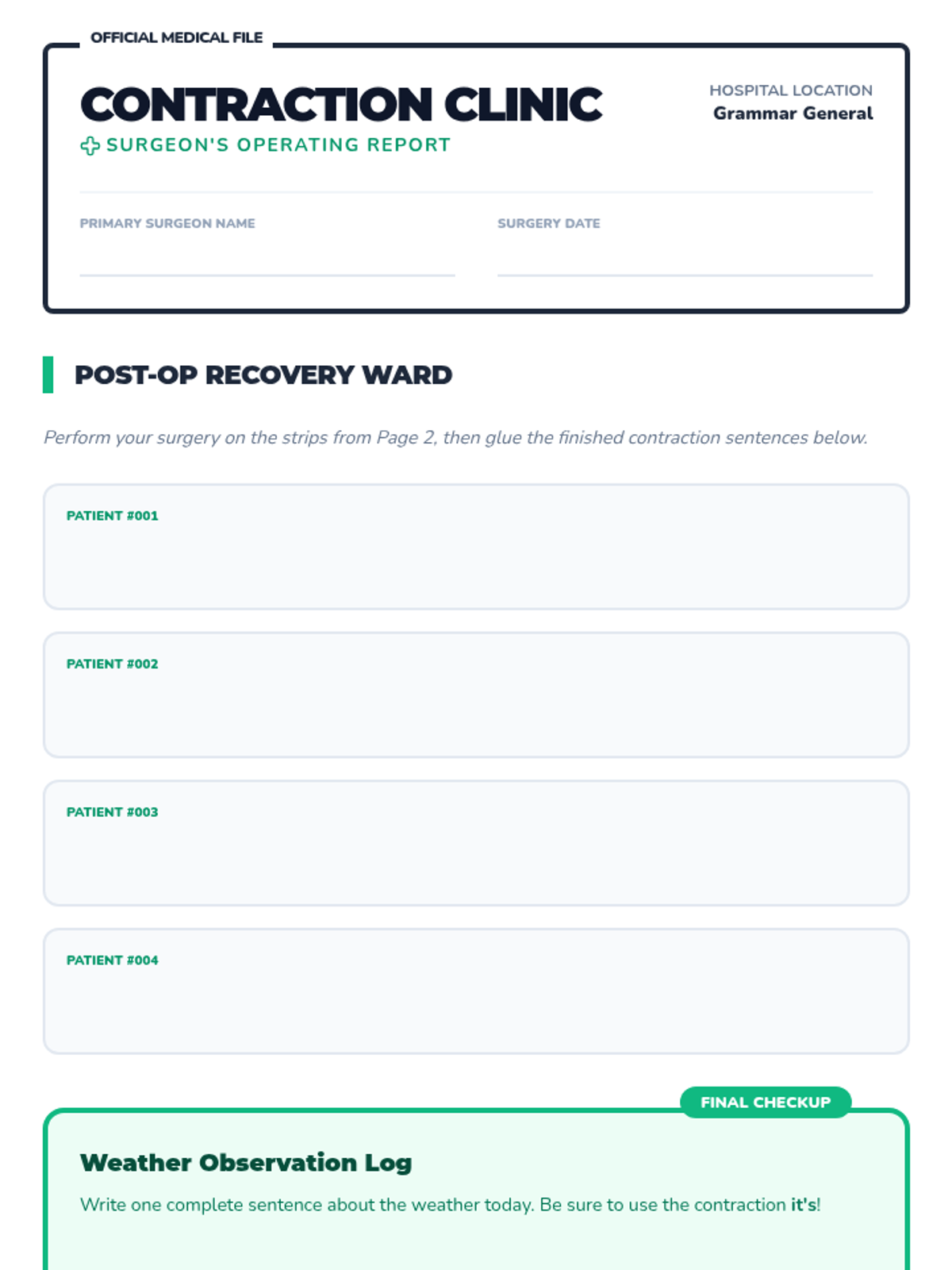
A medical-themed lesson for 3rd graders to master the contraction 'it's.' Students learn to identify 'it's' as a contraction for 'it is' or 'it has' through a 'Contraction Surgery' activity.
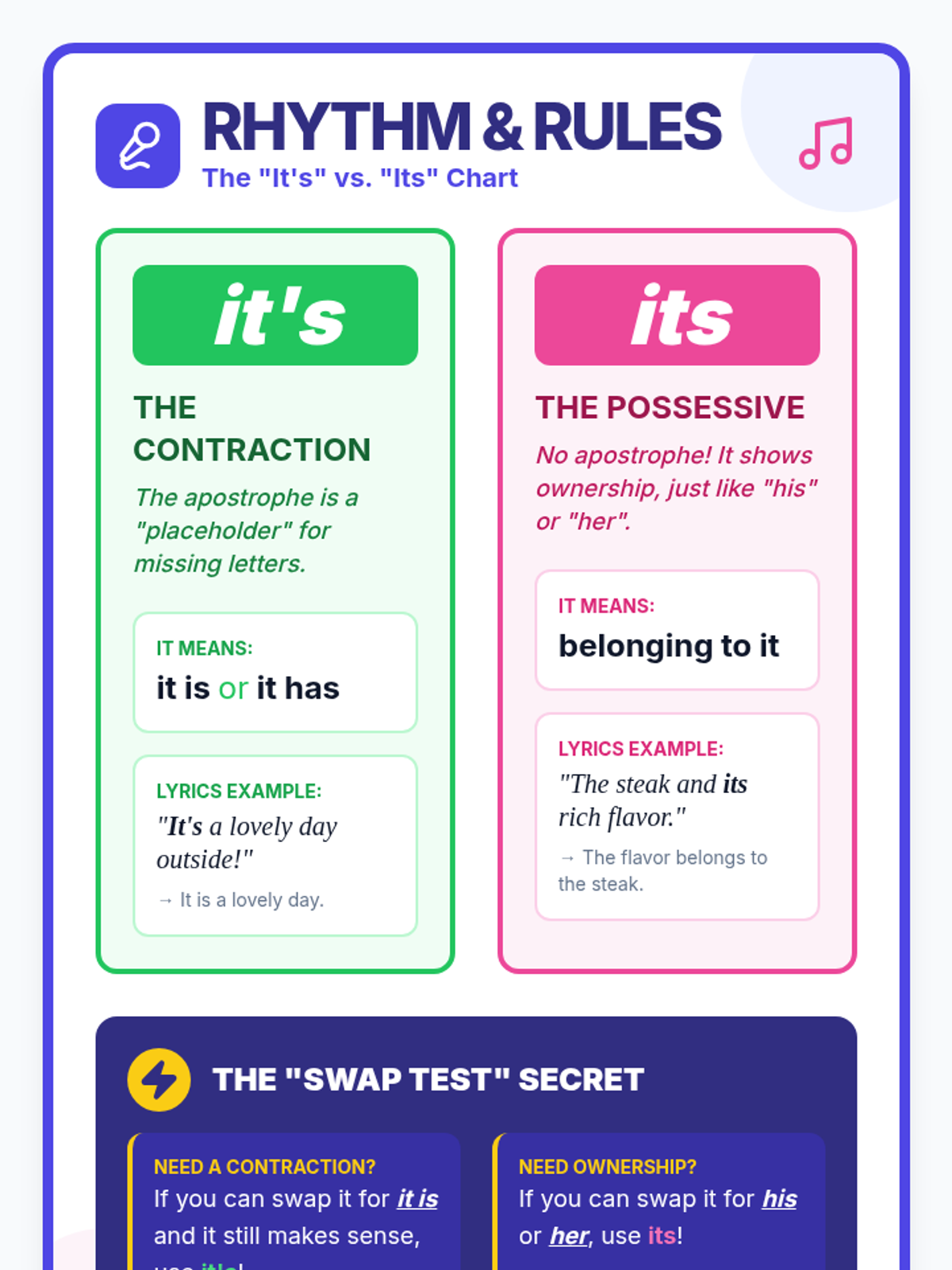
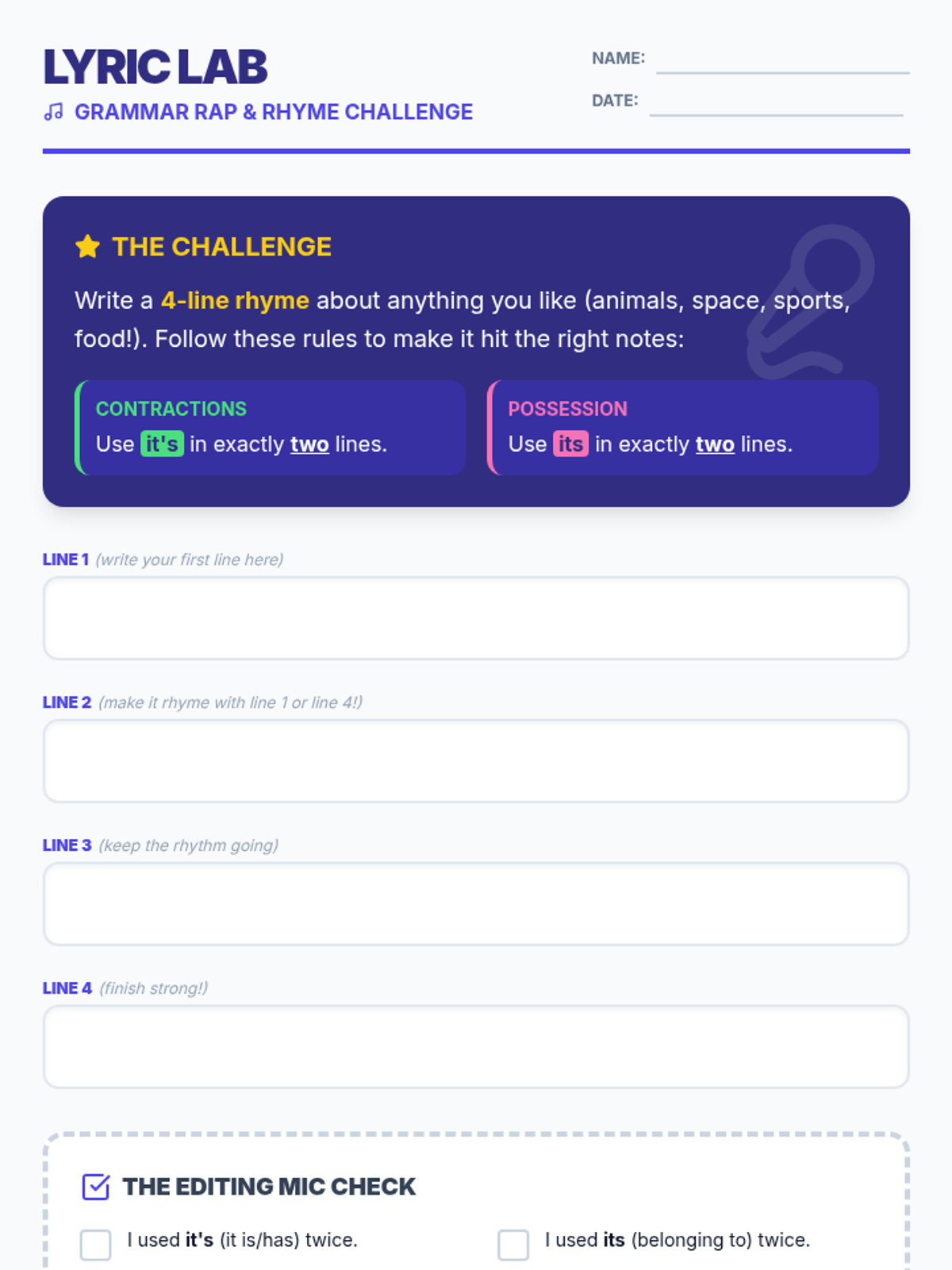
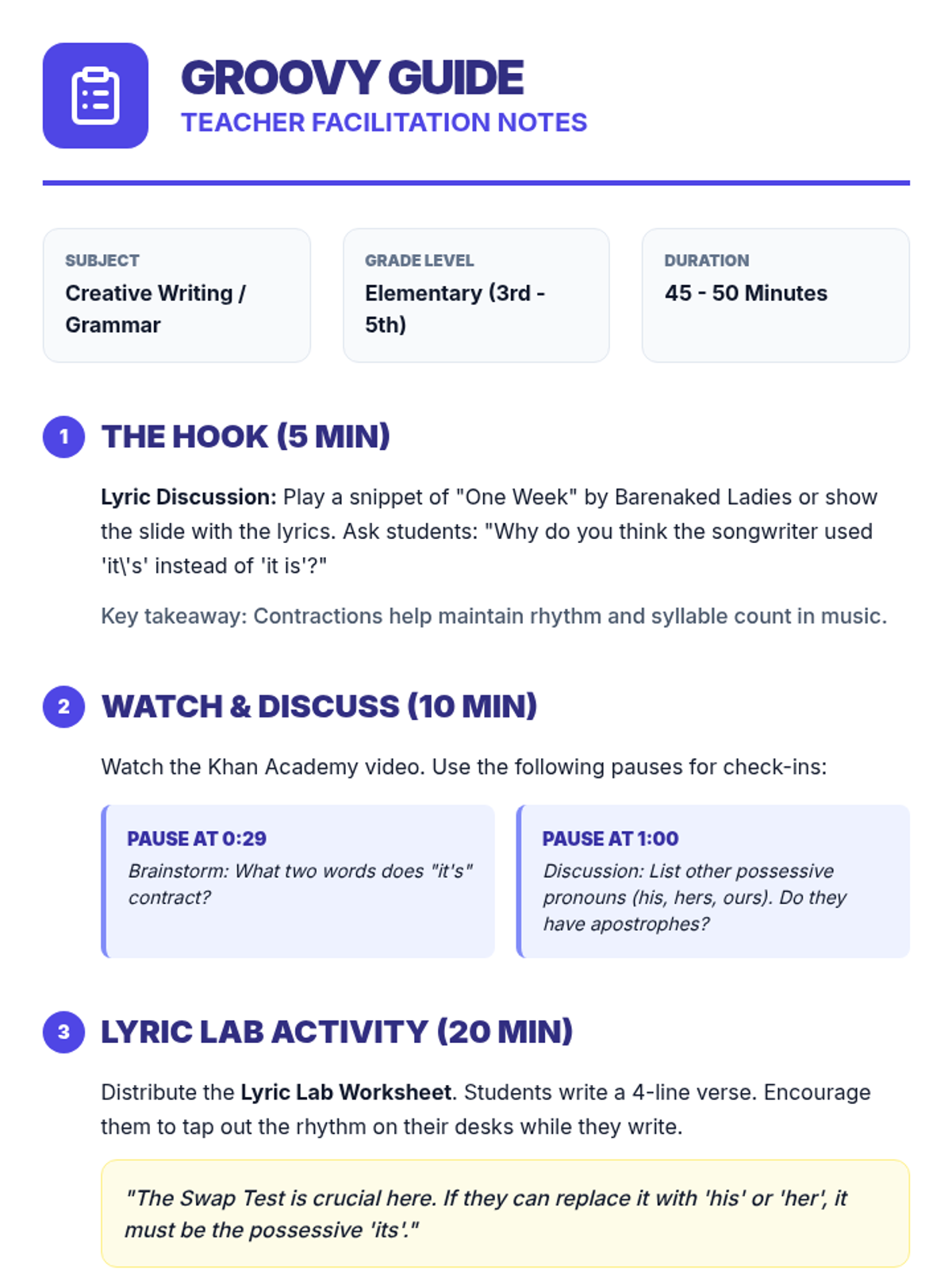
A creative writing lesson for elementary students focusing on the difference between 'it's' and 'its' through songwriting and rhyming. Students learn to distinguish between contractions and possessive pronouns using a music-inspired theme.
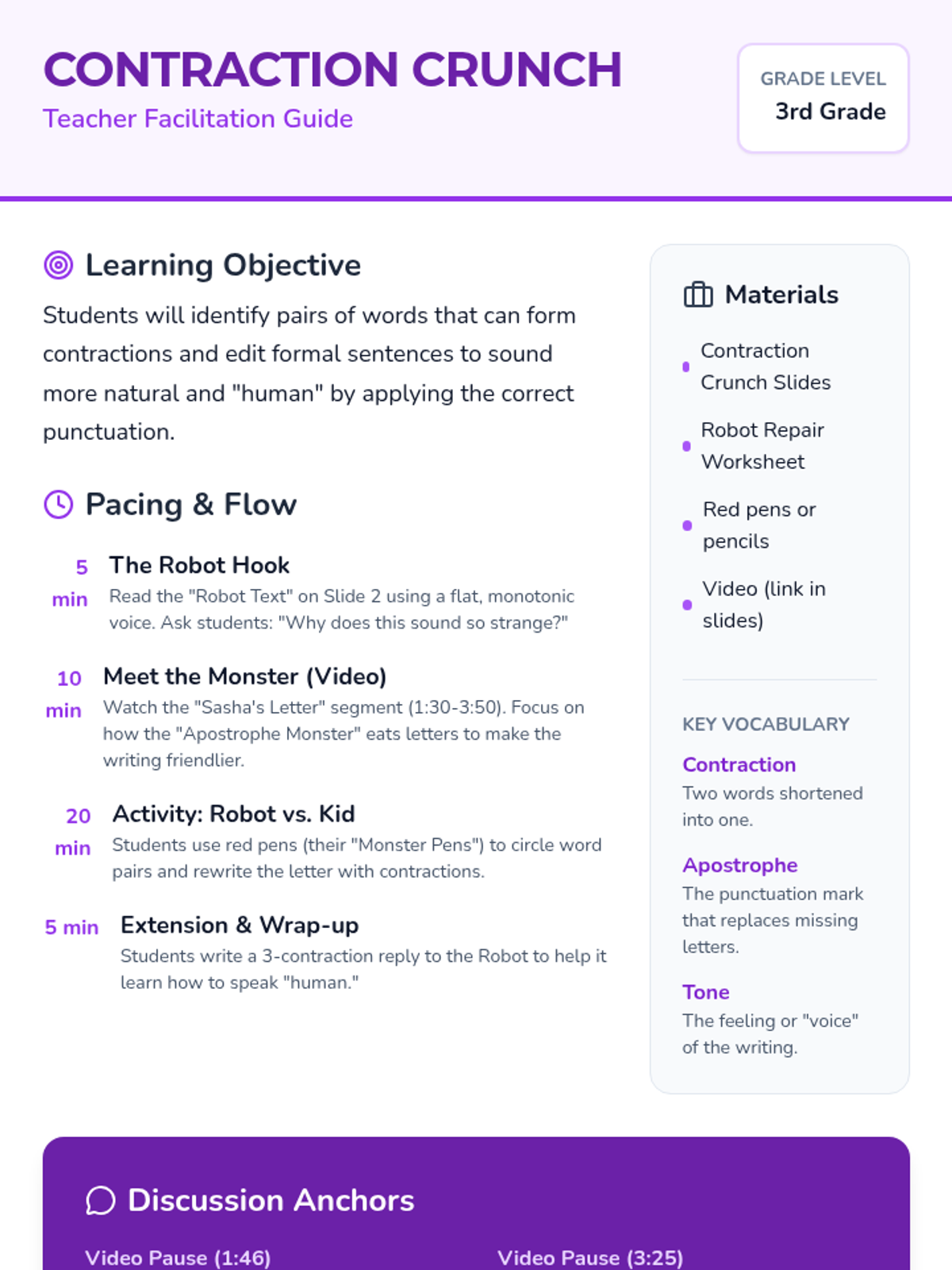
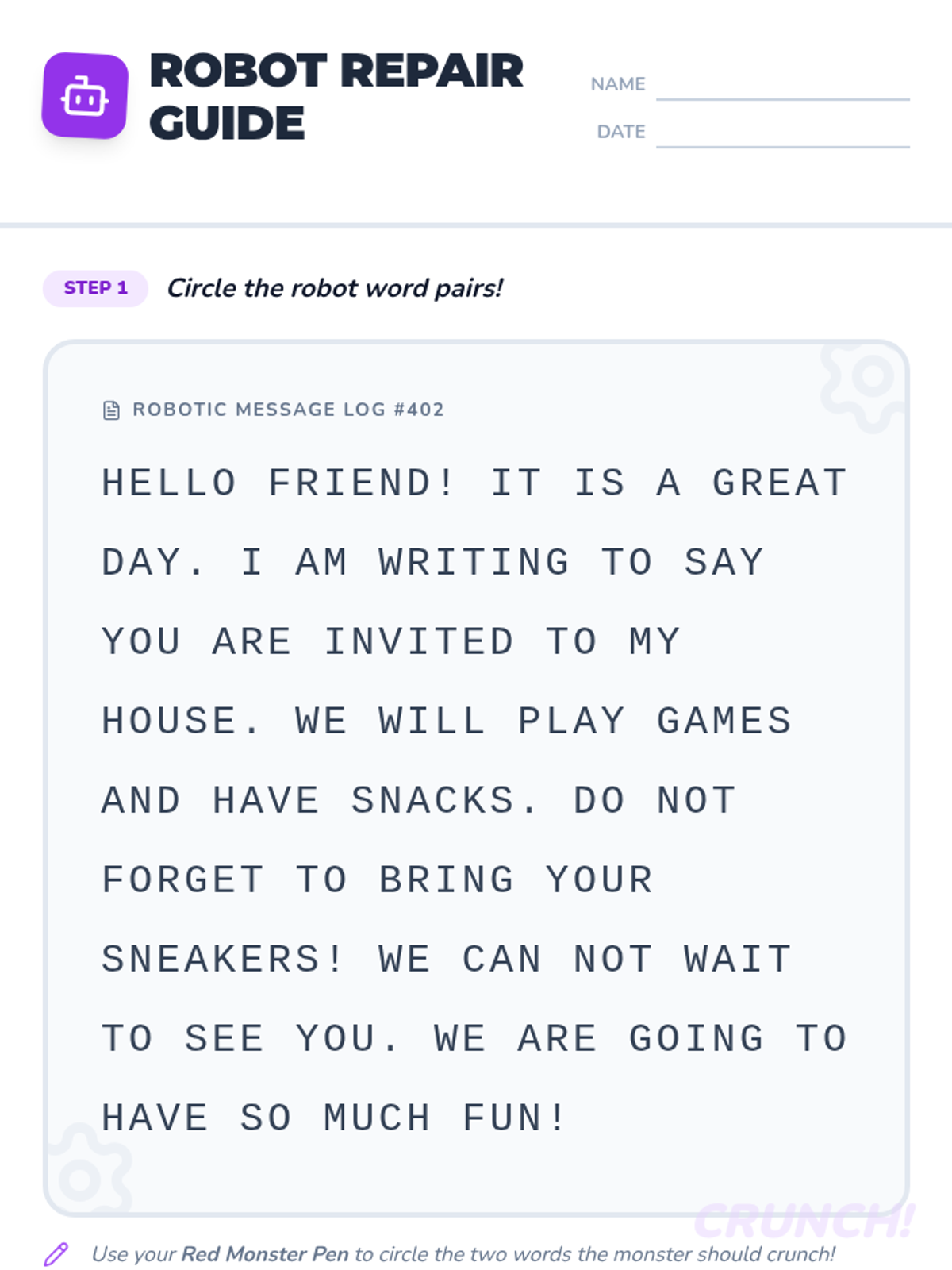
A 3rd-grade lesson focused on using contractions to transform formal, 'robotic' writing into natural, friendly language, featuring the 'Apostrophe Monster' from the Grammar Songs video.
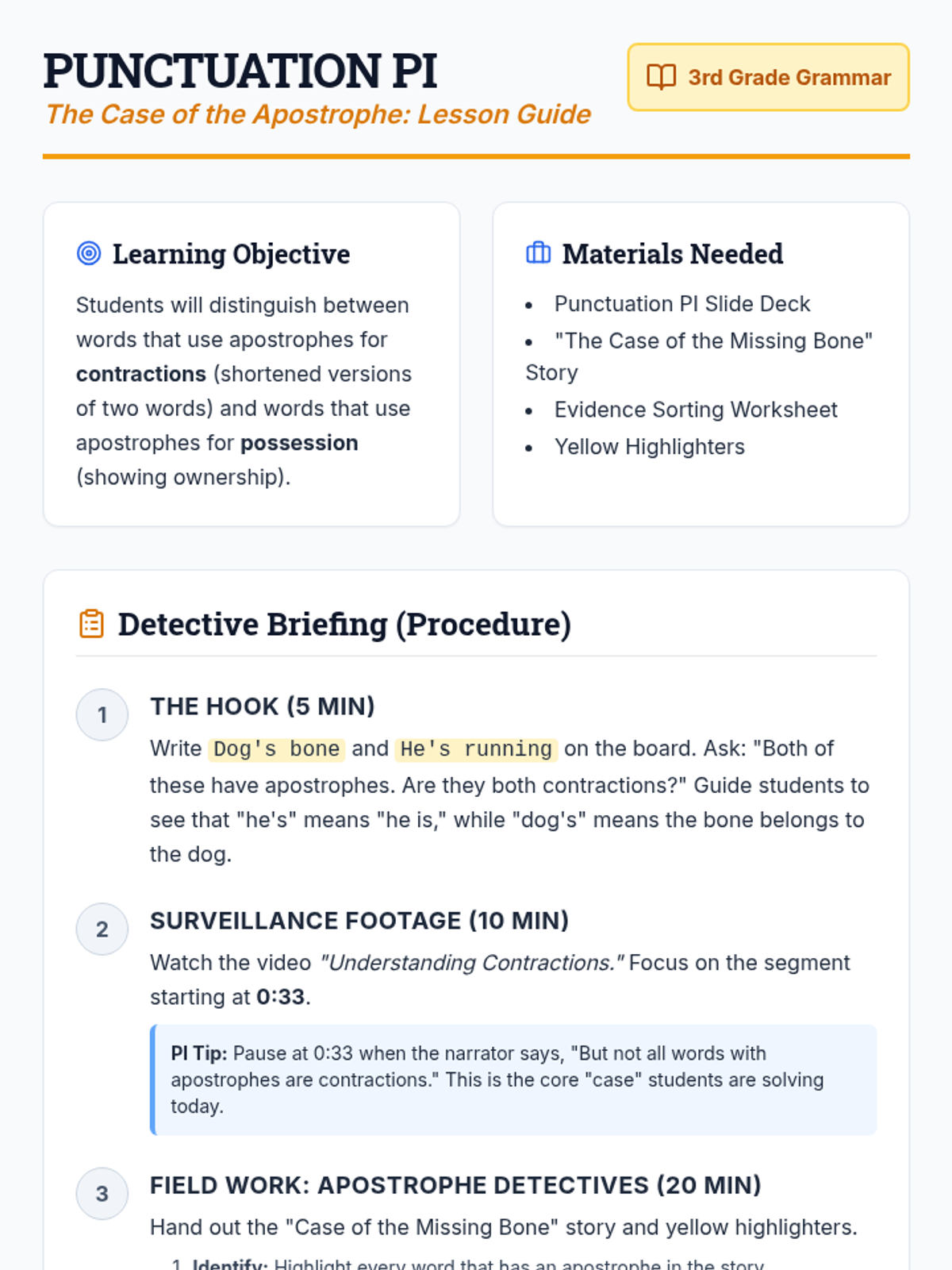
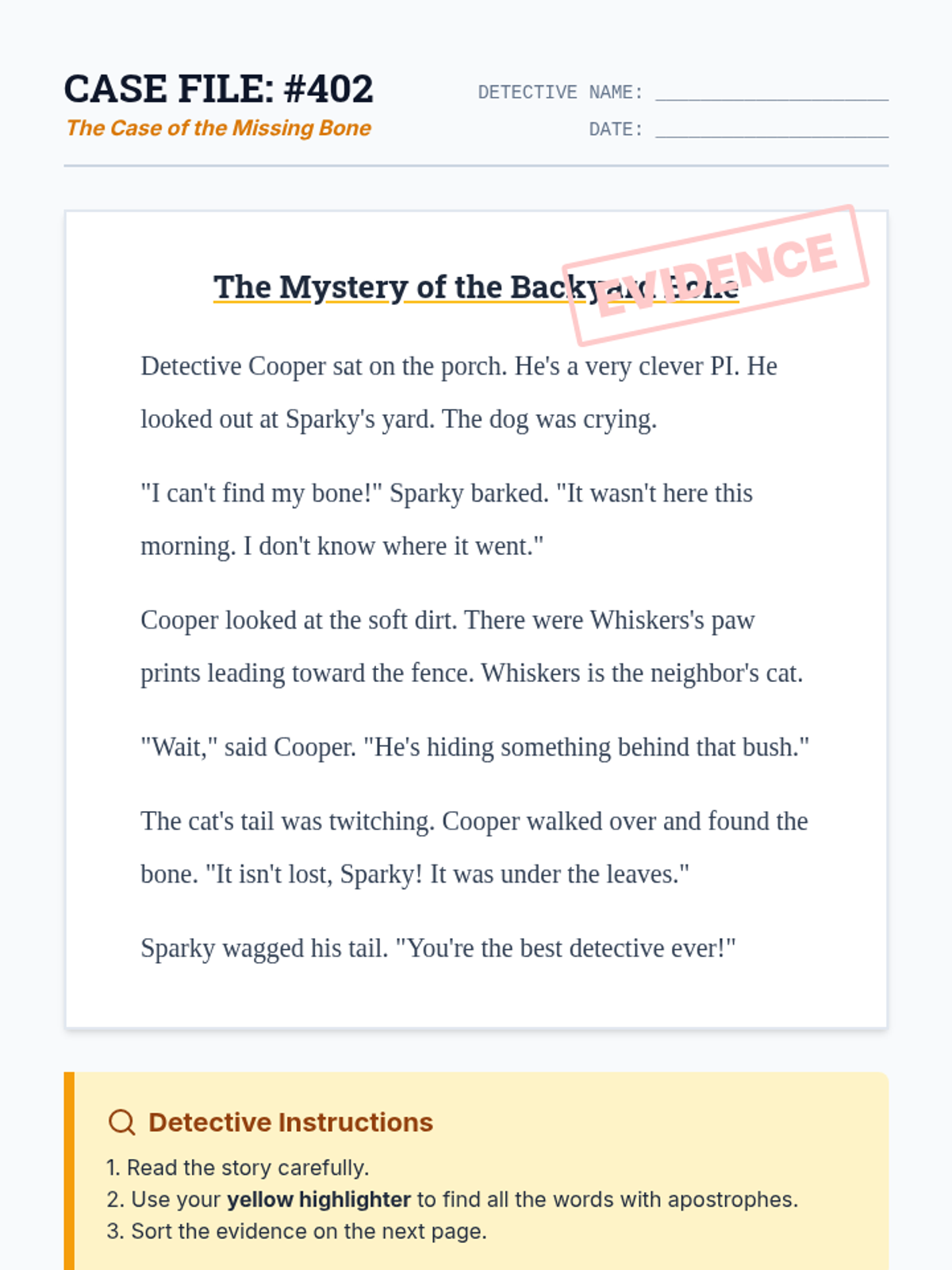
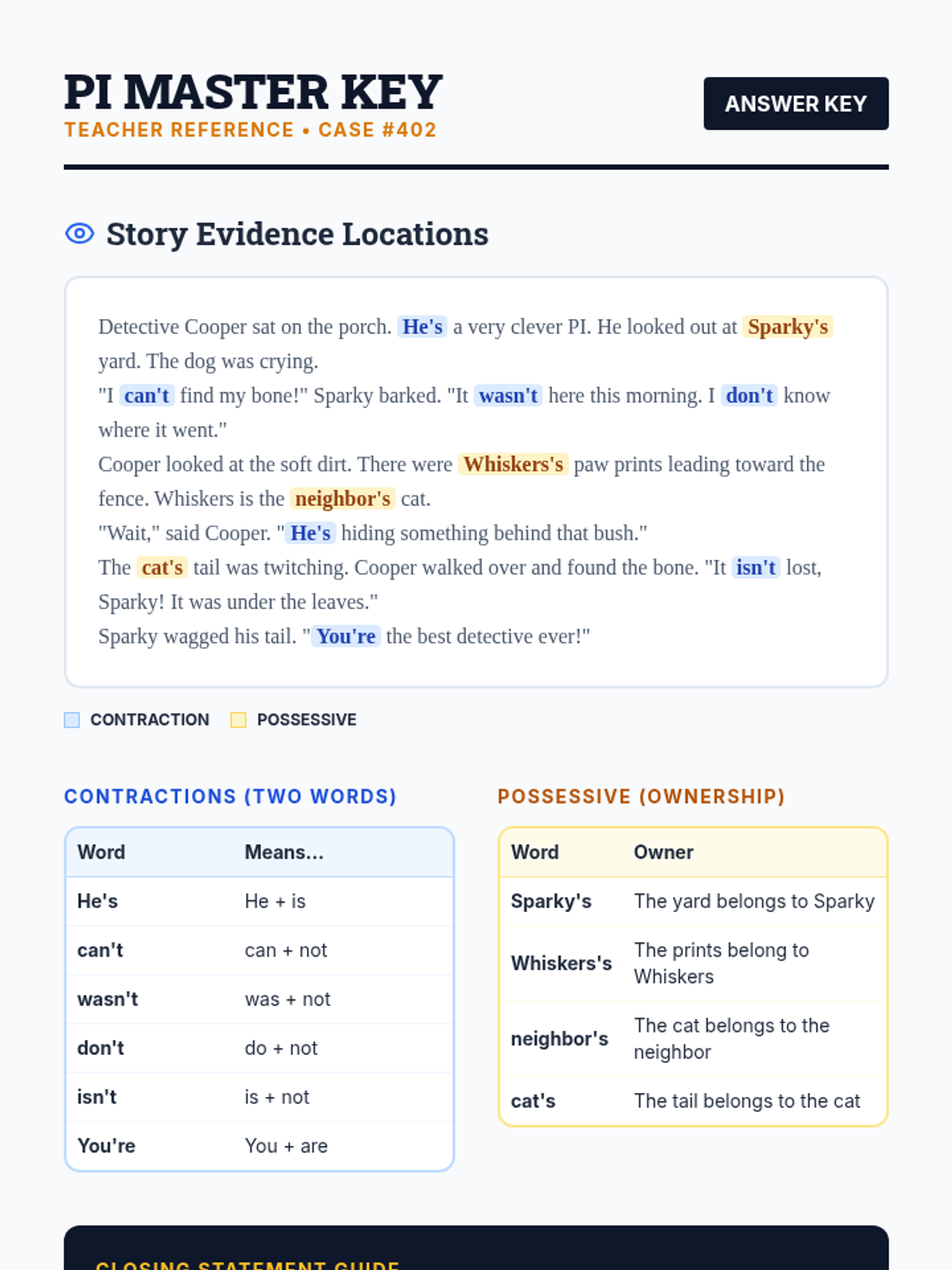
A 3rd-grade grammar lesson where students become 'Apostrophe Detectives' to distinguish between contractions (two words combined) and possessive apostrophes (showing ownership). The lesson uses a detective-themed narrative to engage students in analyzing punctuation within a short story.
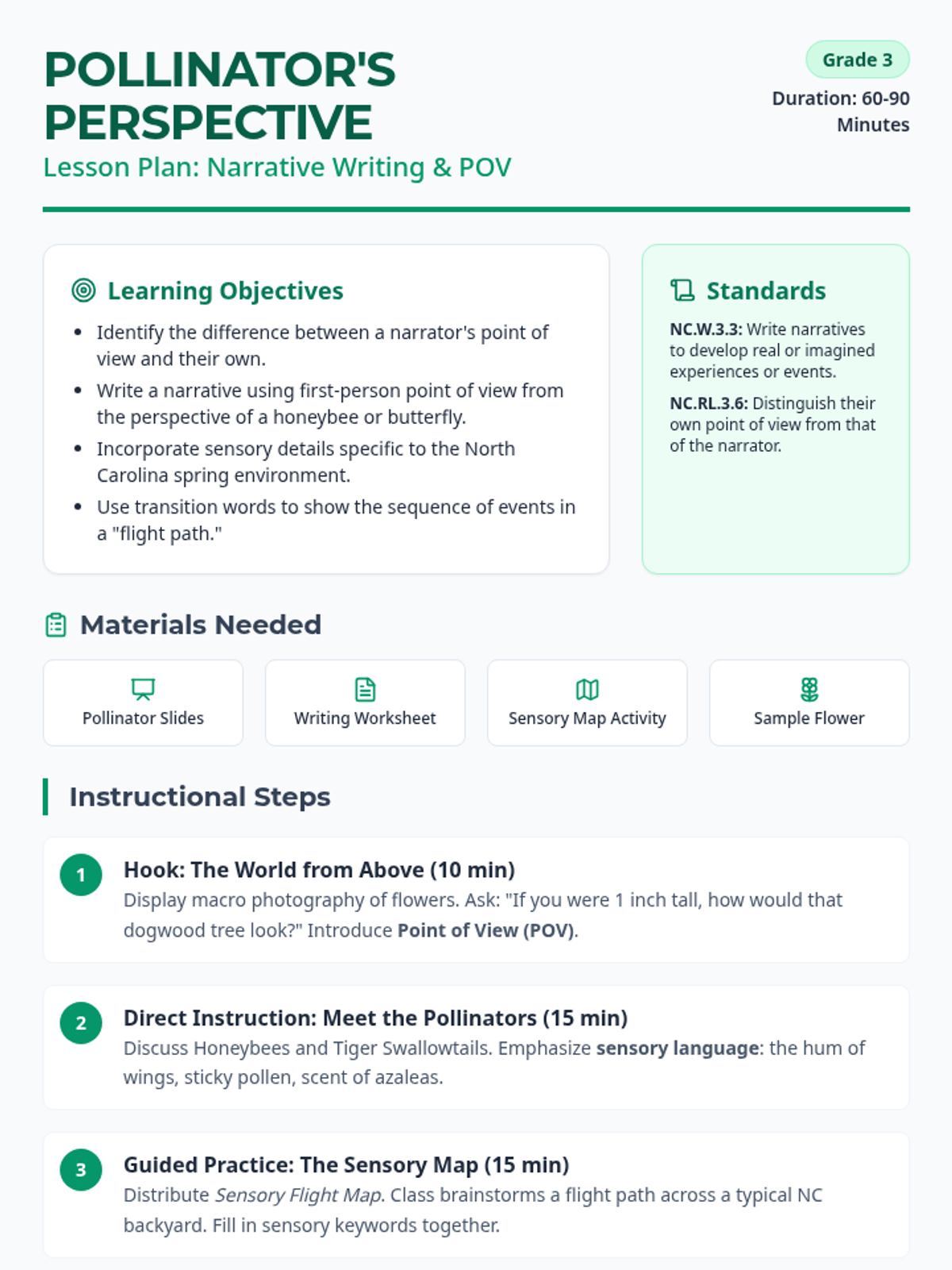
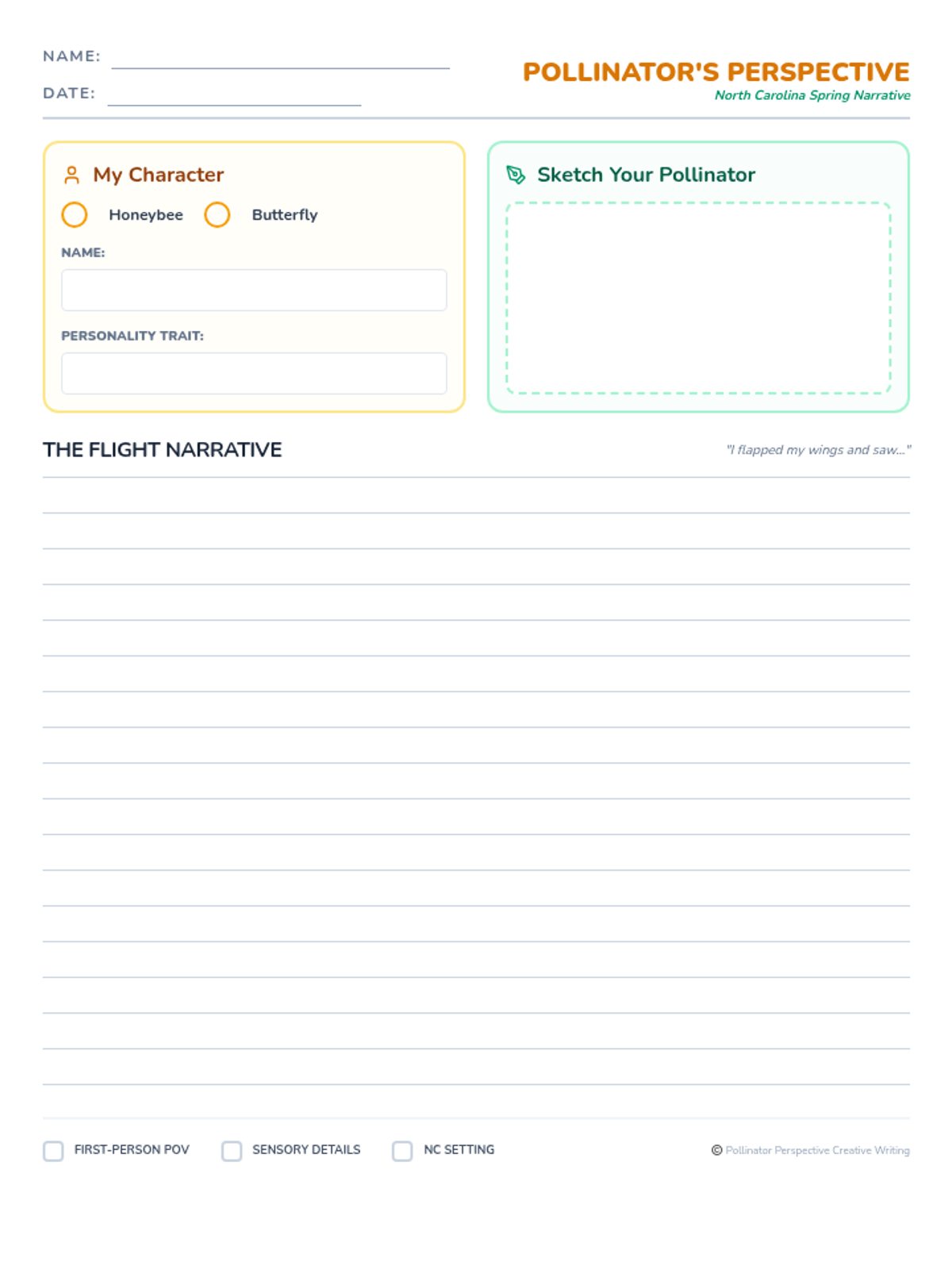
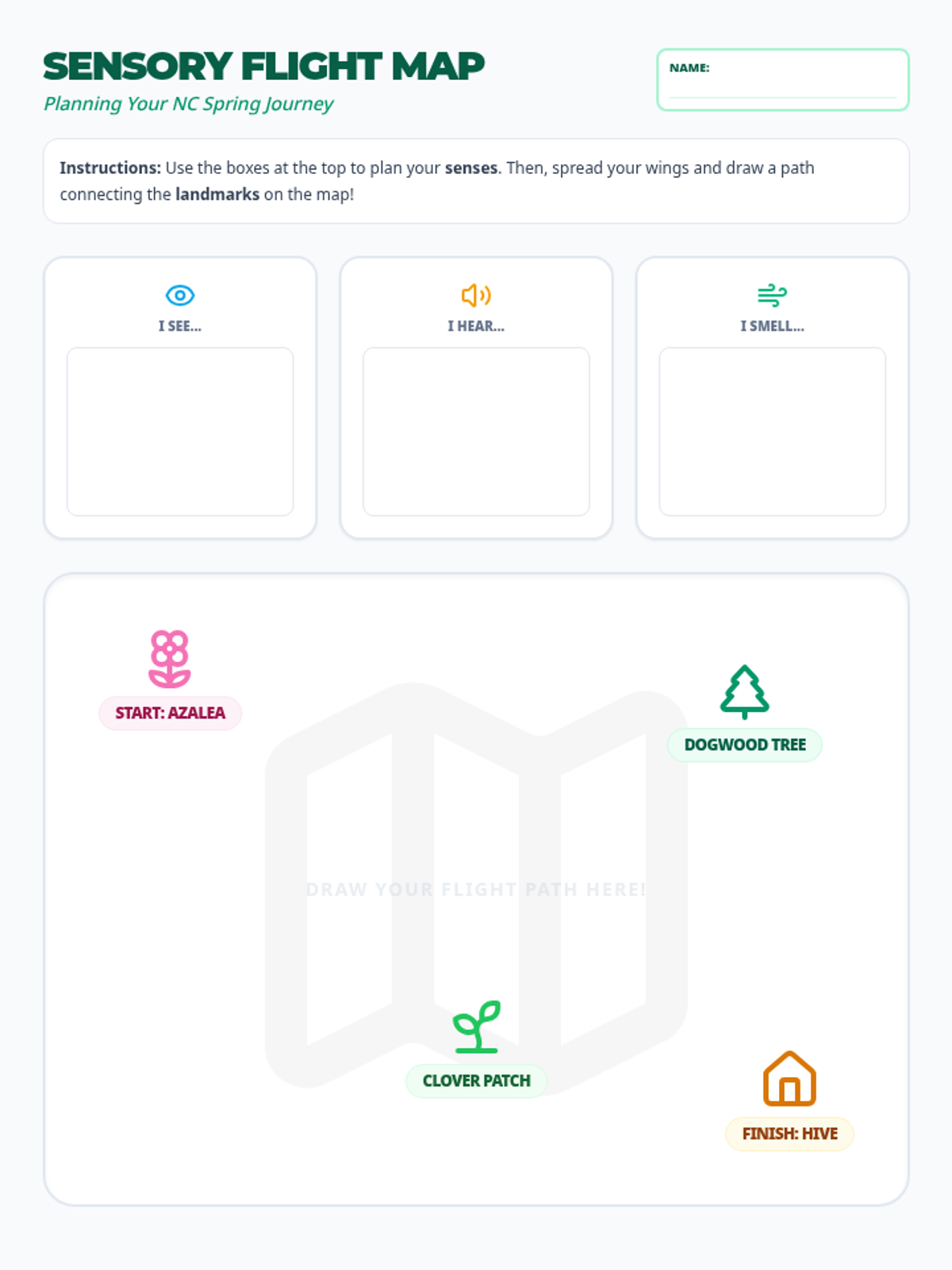
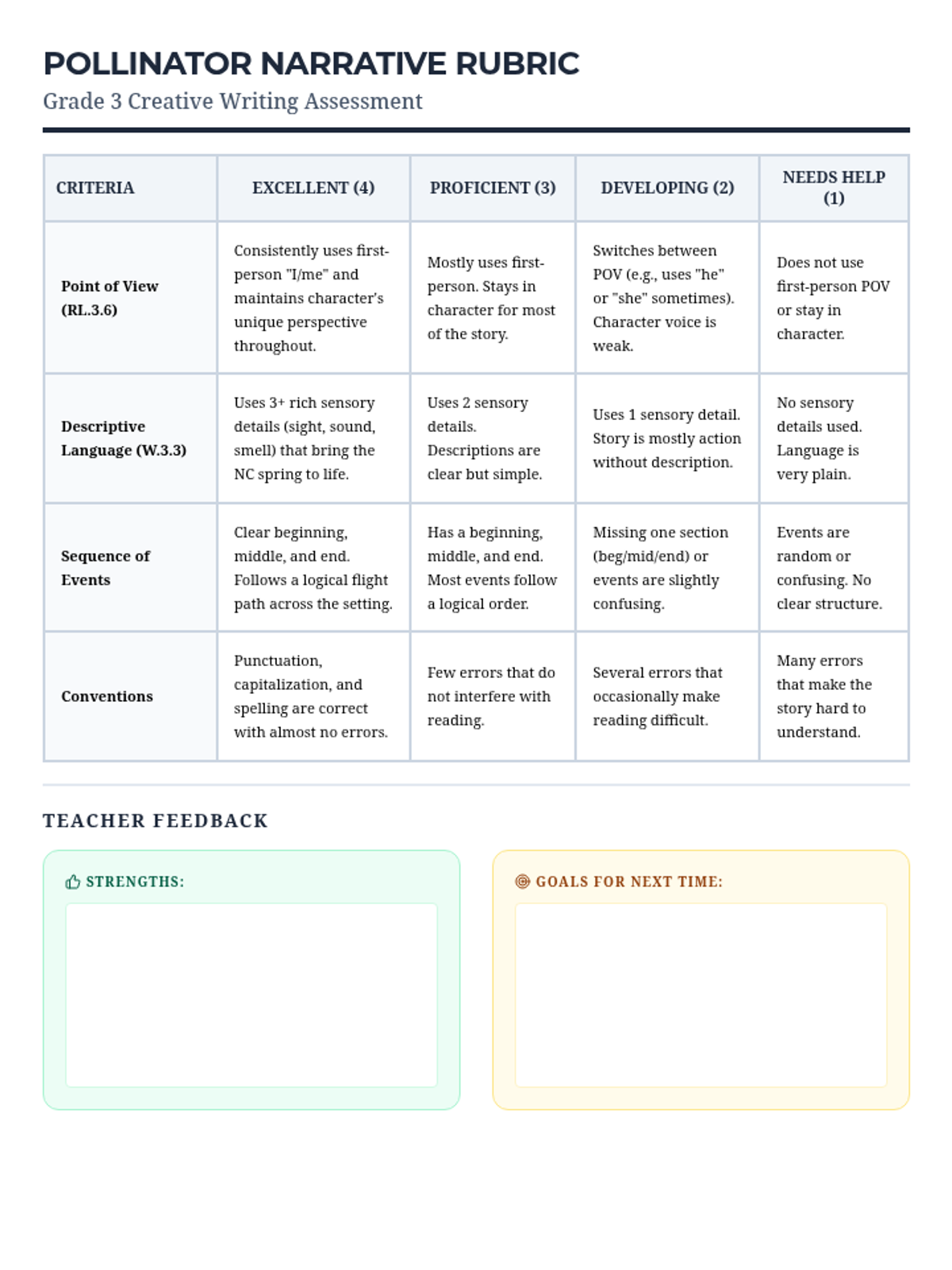
Students step into the wings of North Carolina's pollinators to write descriptive narratives from a unique point of view. This lesson combines biology and creative writing to master perspective and sensory language.
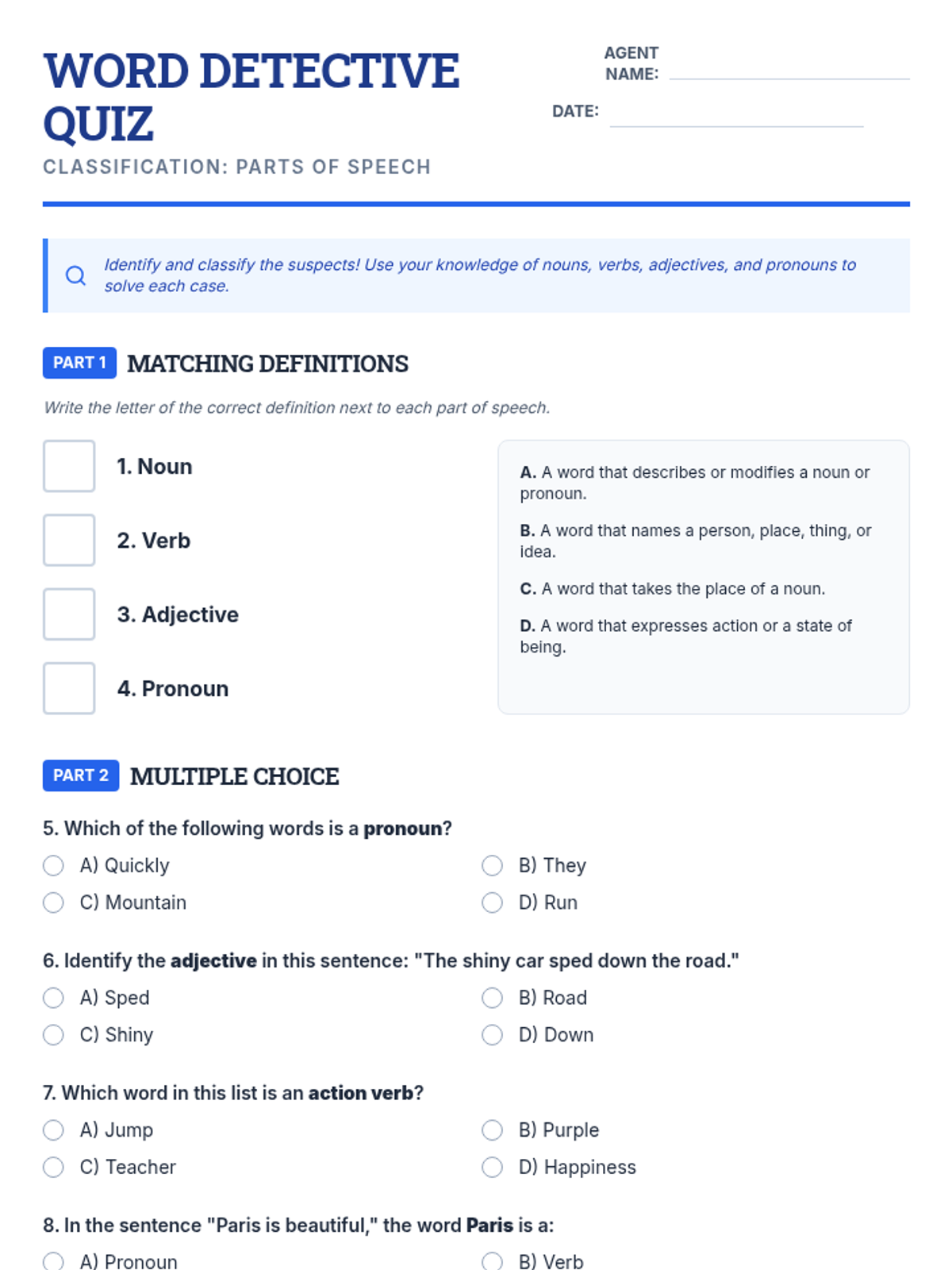
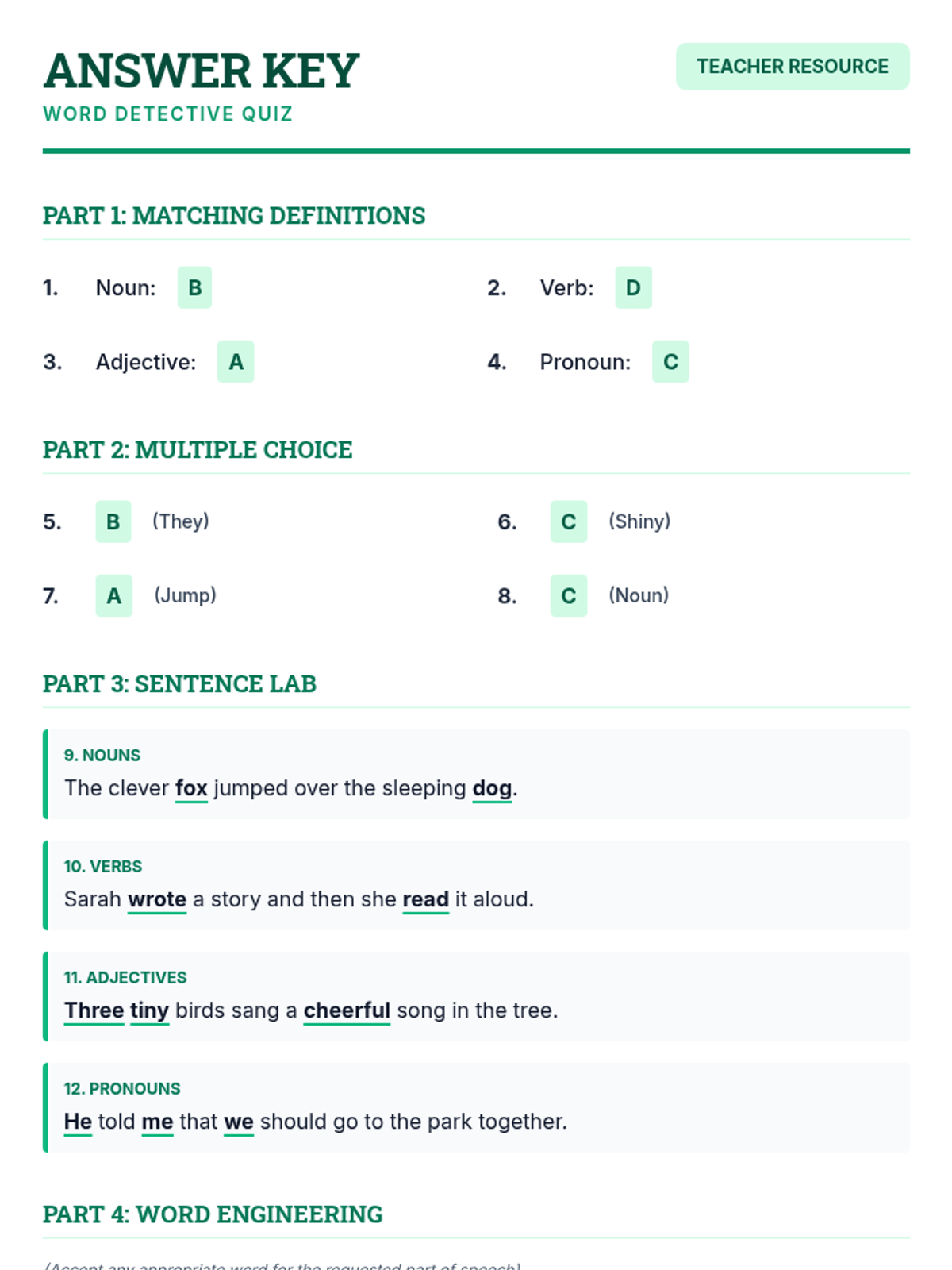
A comprehensive quiz covering the four foundational parts of speech: nouns, verbs, adjectives, and pronouns. Includes matching, multiple choice, identification, and creative fill-in-the-blank questions.
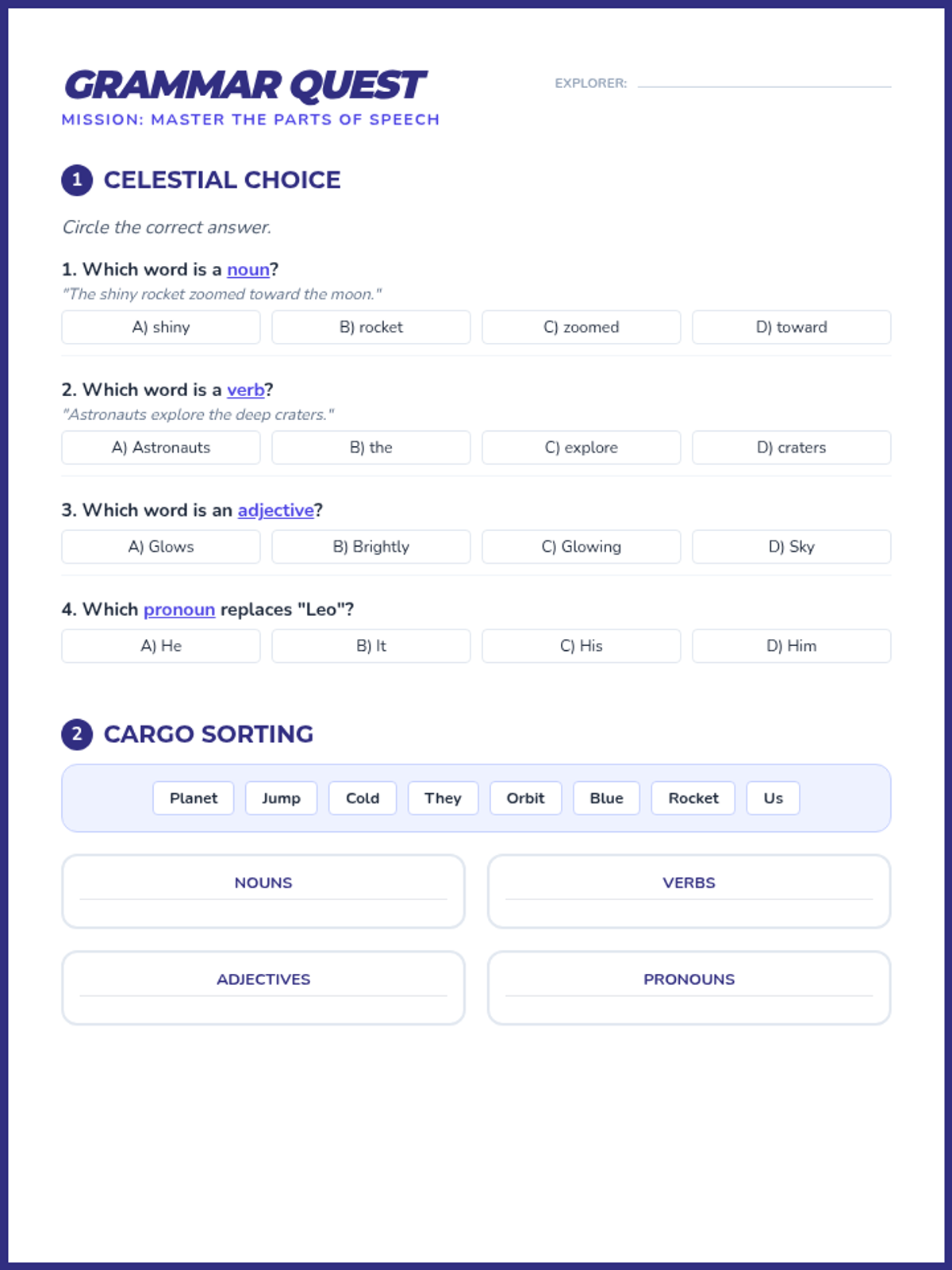
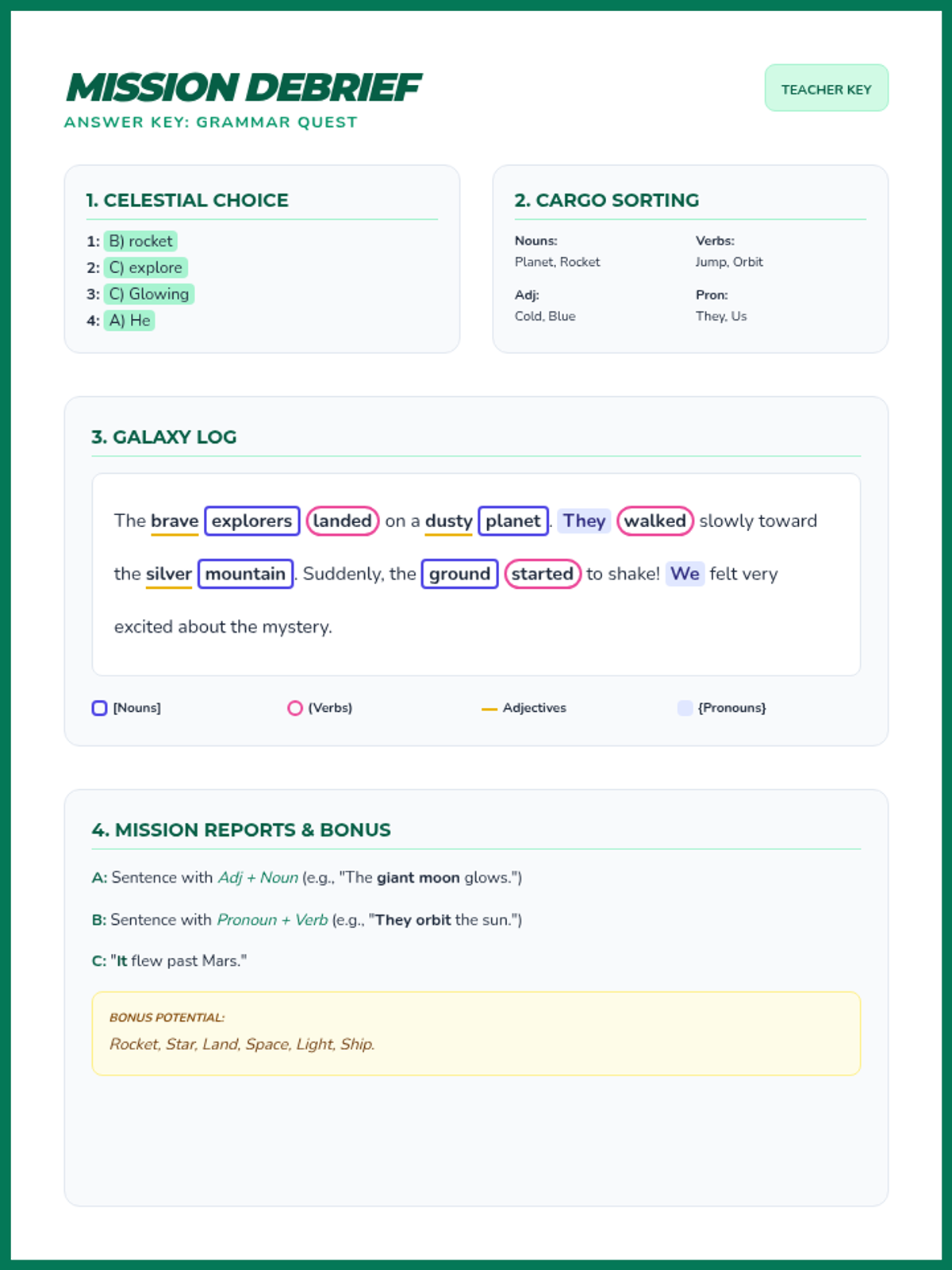
A comprehensive review and assessment of nouns, verbs, adjectives, and pronouns for 3rd-grade students, featuring a space-themed quest.
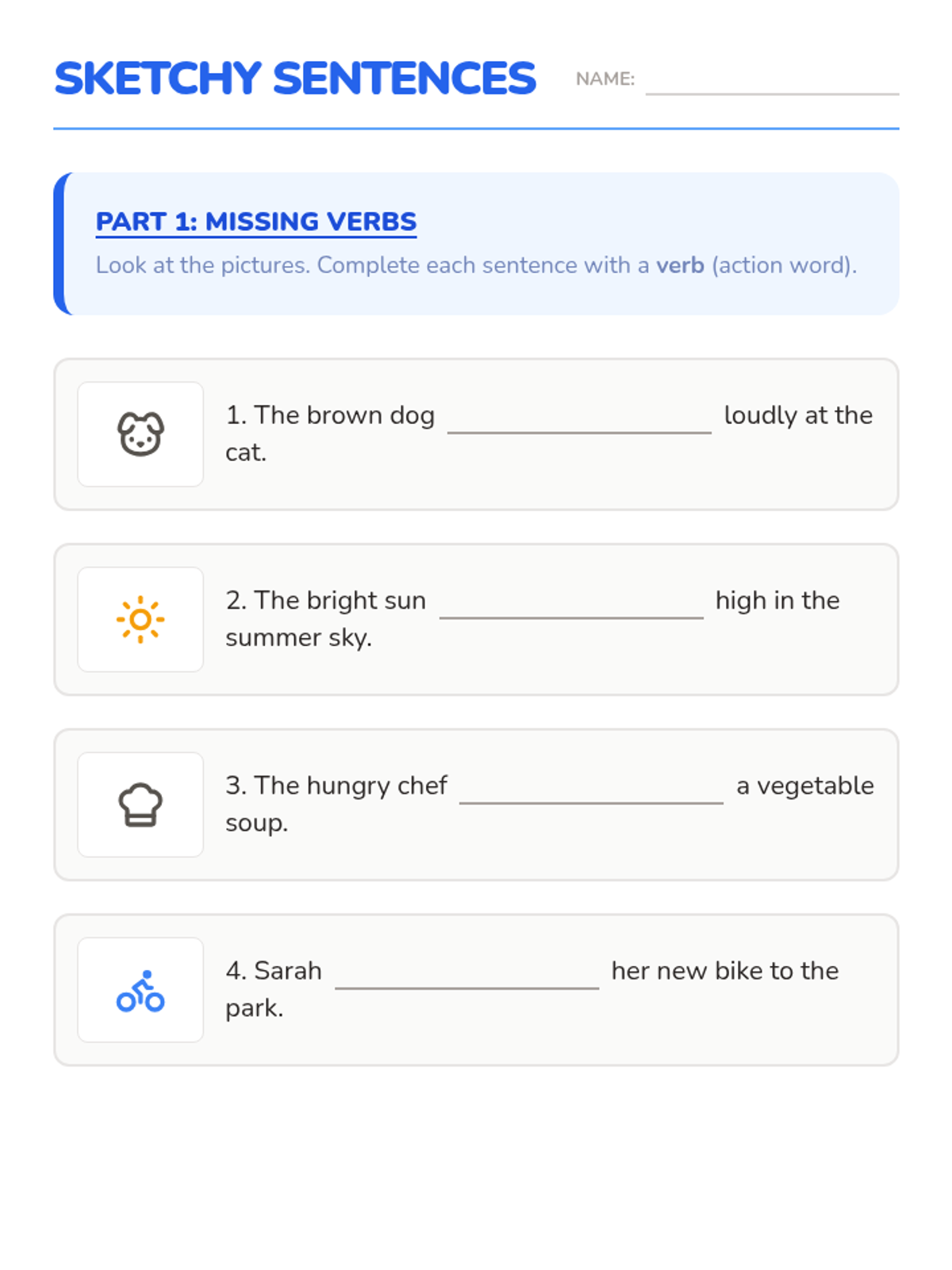
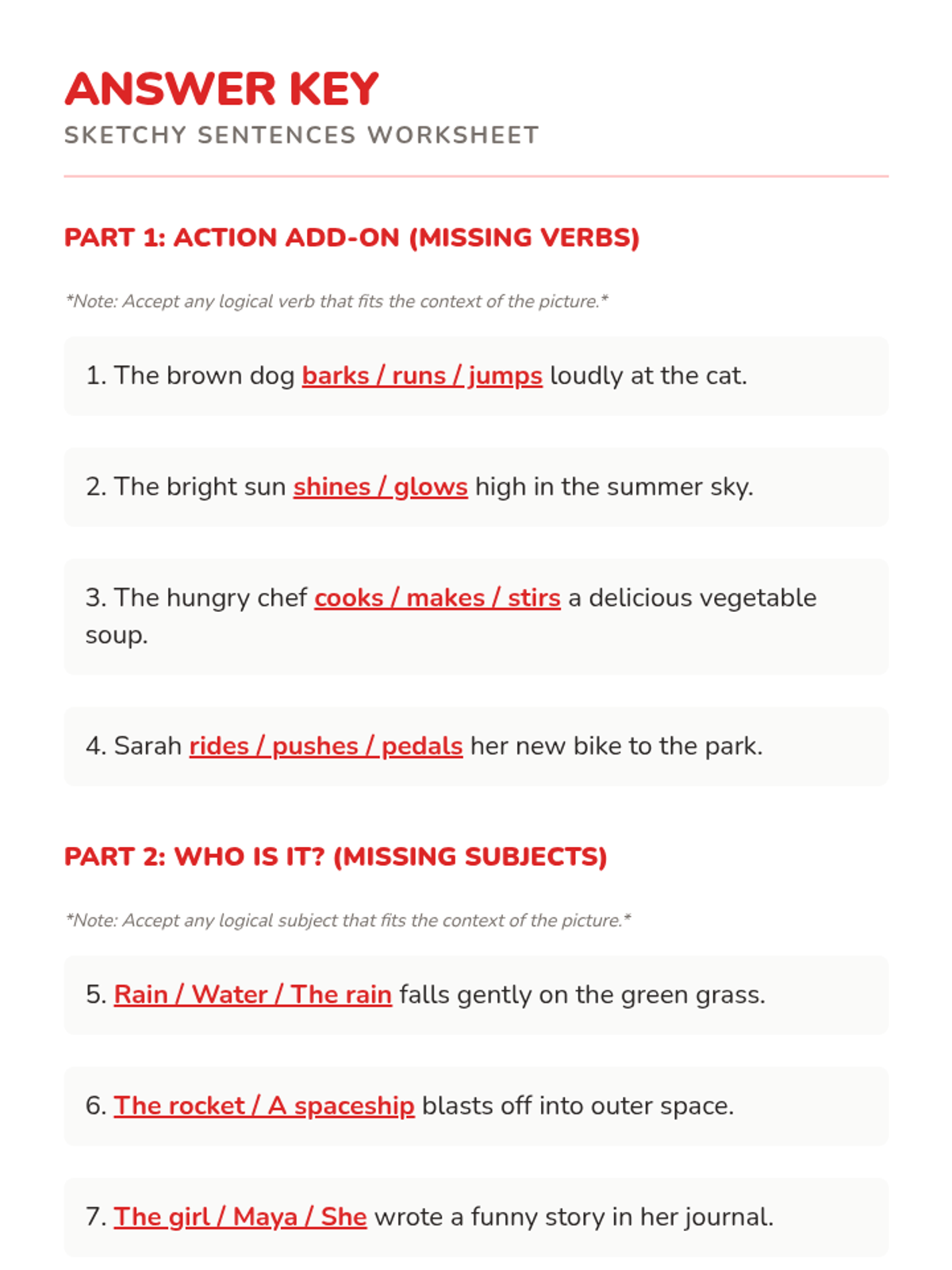
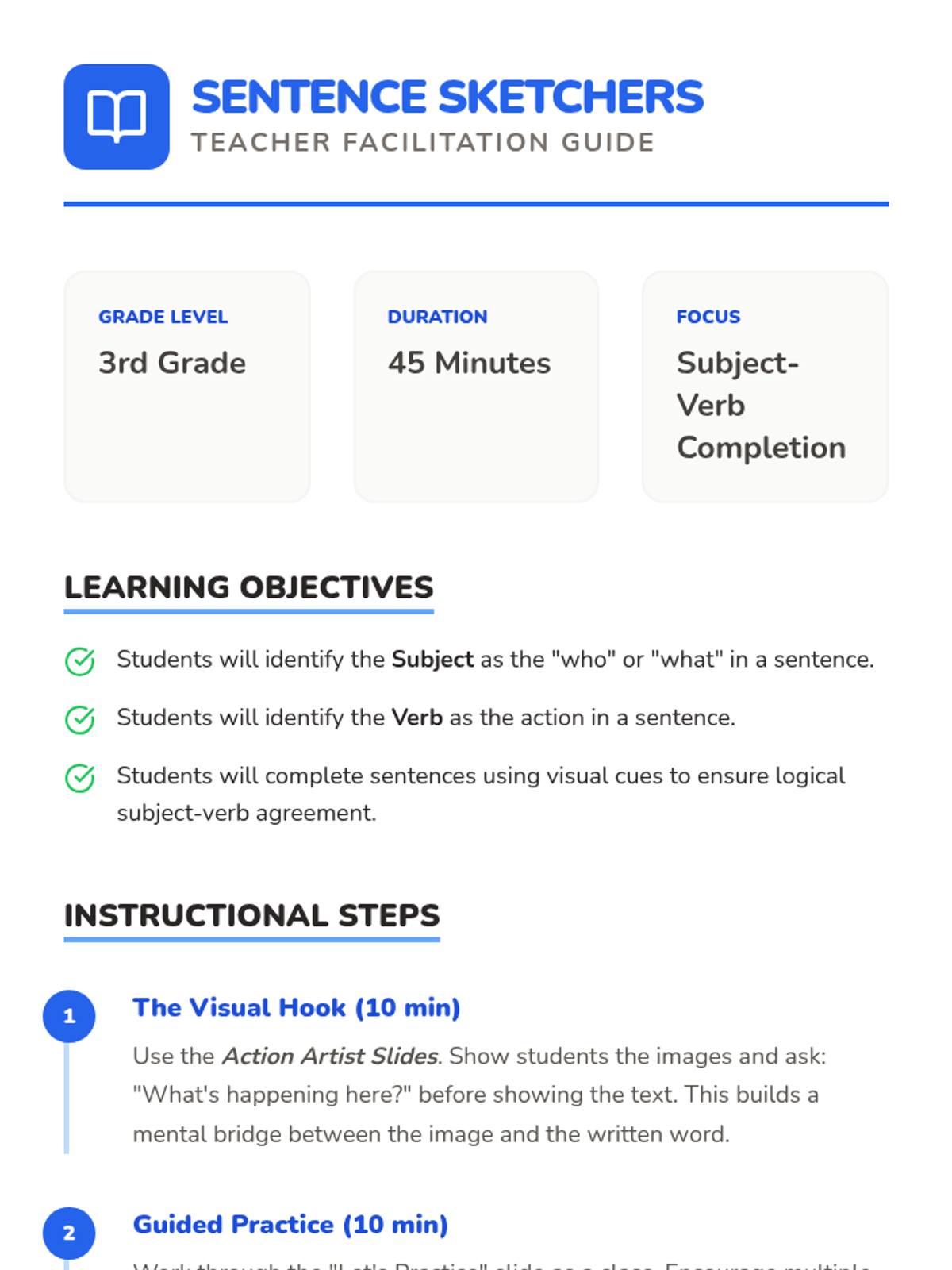
A lesson focused on building complete sentences by identifying and providing missing subjects or verbs, using visual prompts to spark creativity.
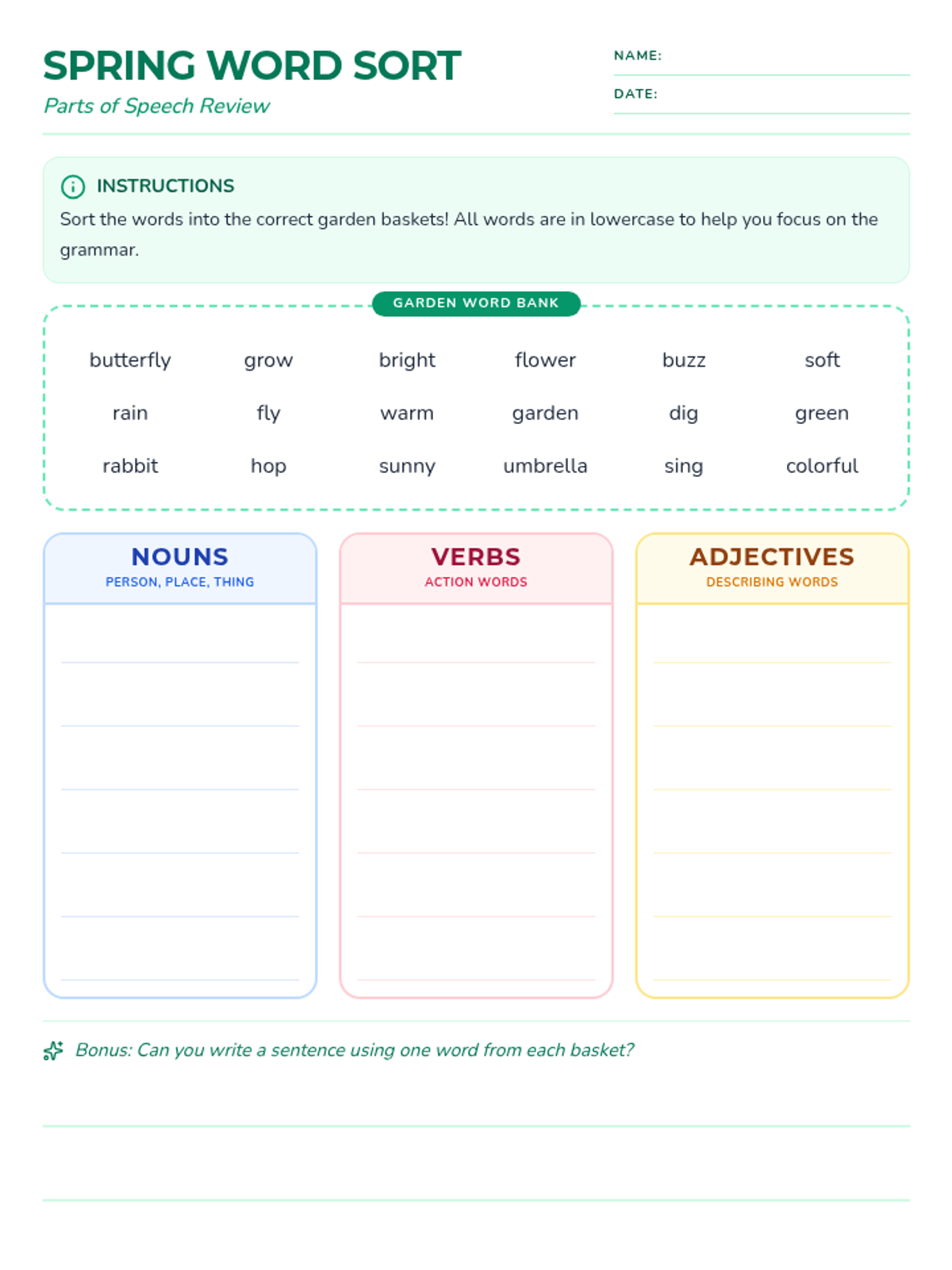
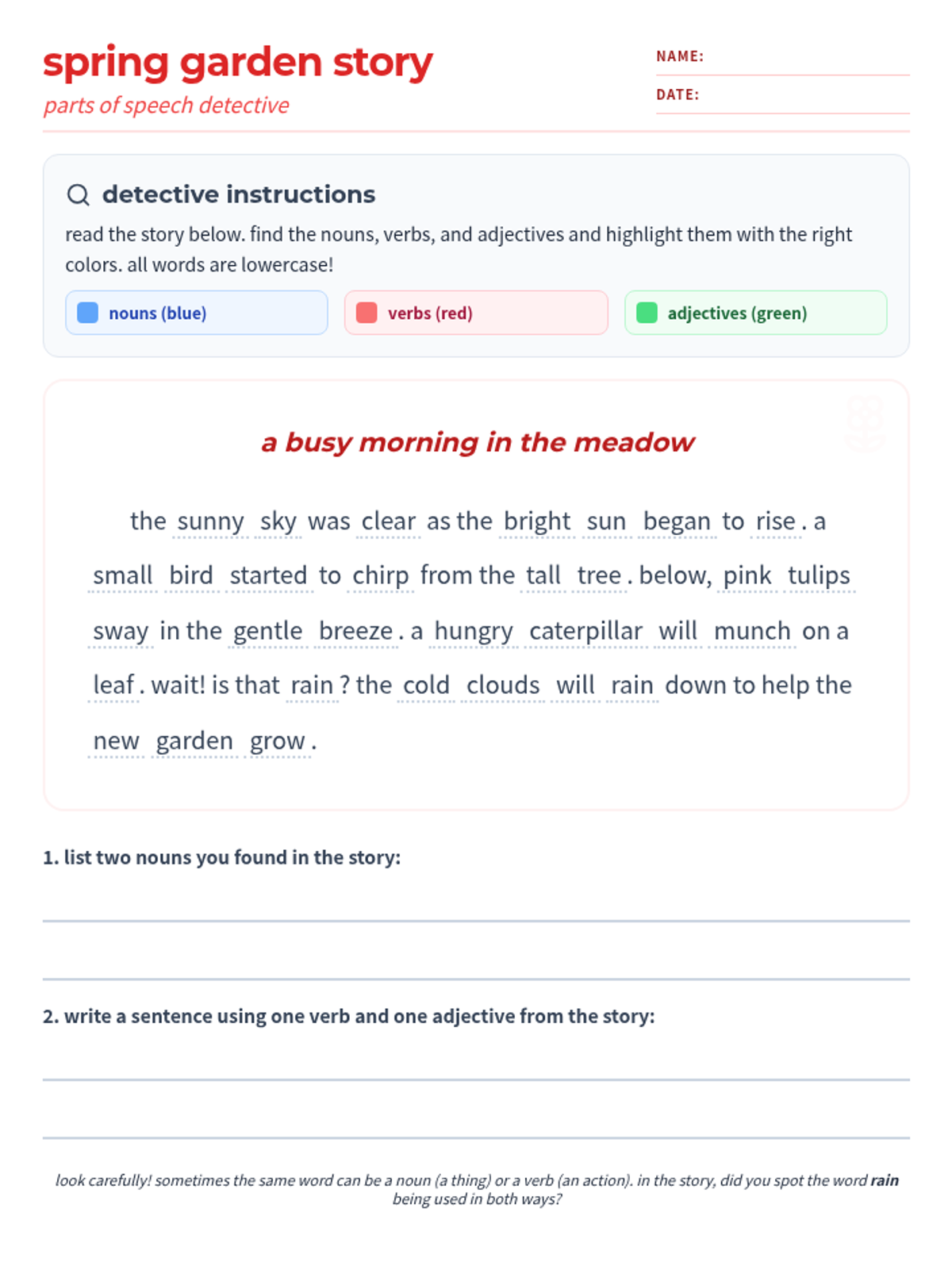
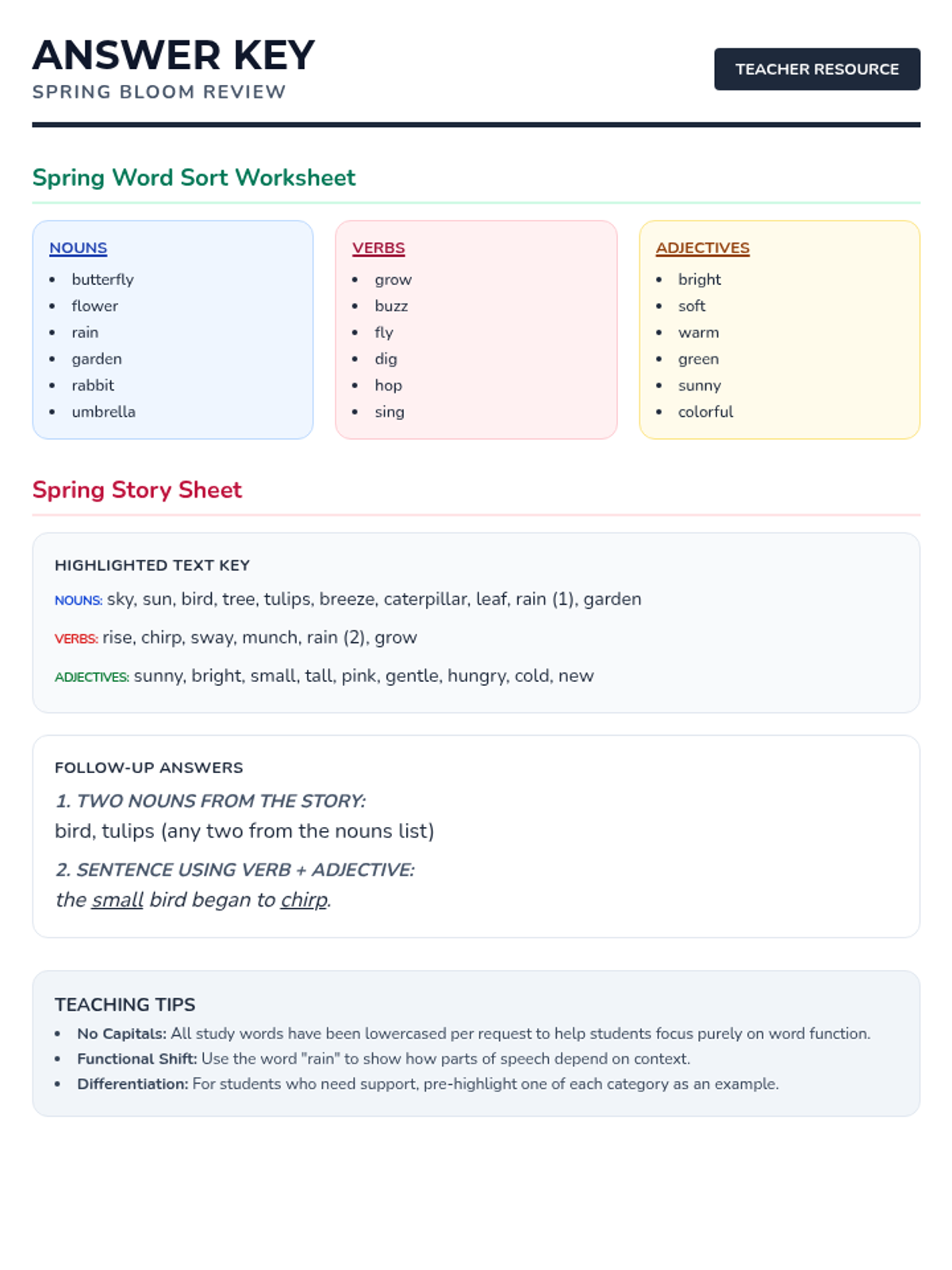
A comprehensive review of nouns, verbs, and adjectives for 3rd graders, set in a vibrant spring-themed context. Students will categorize words and identify parts of speech within a narrative passage.
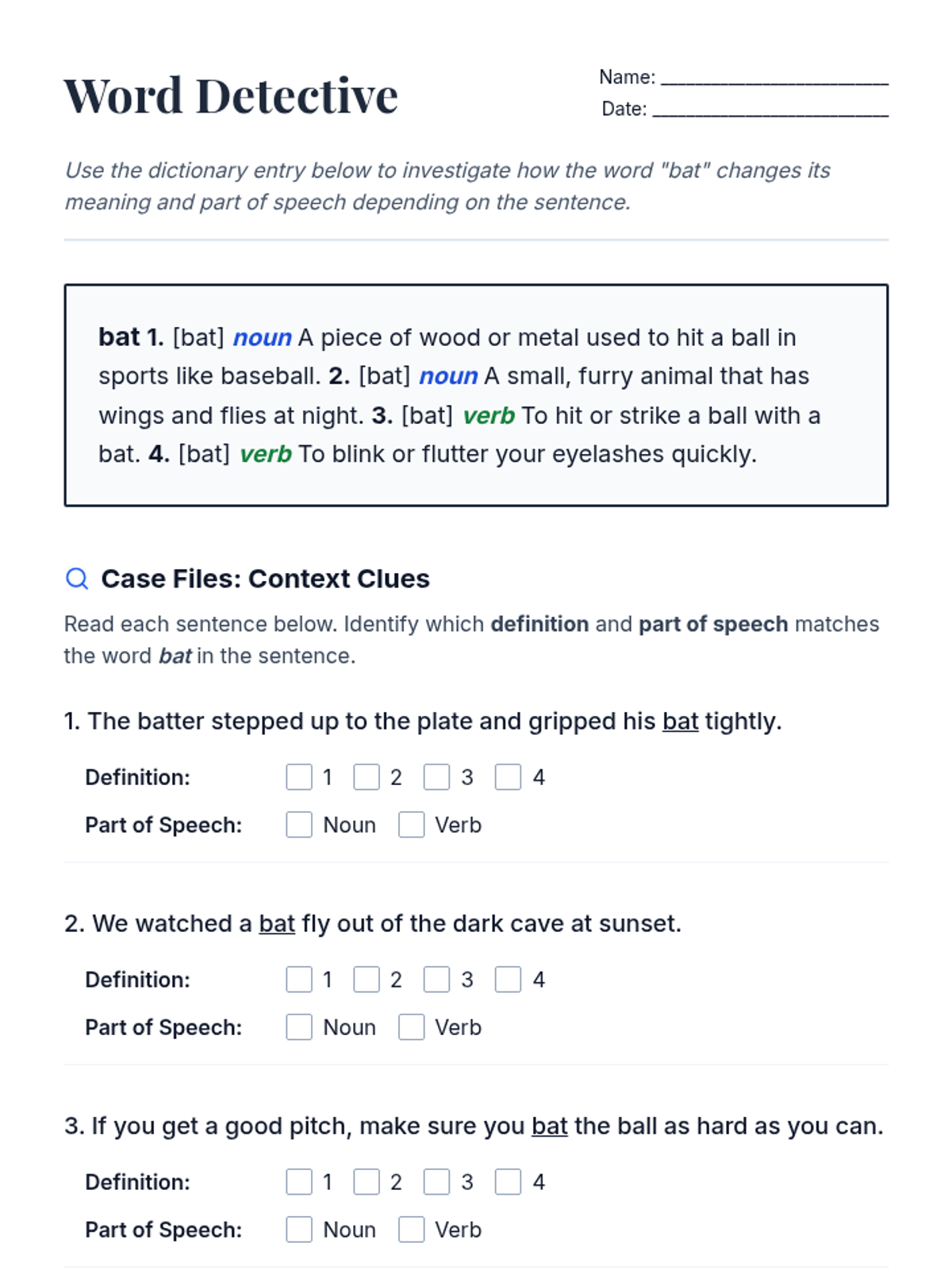
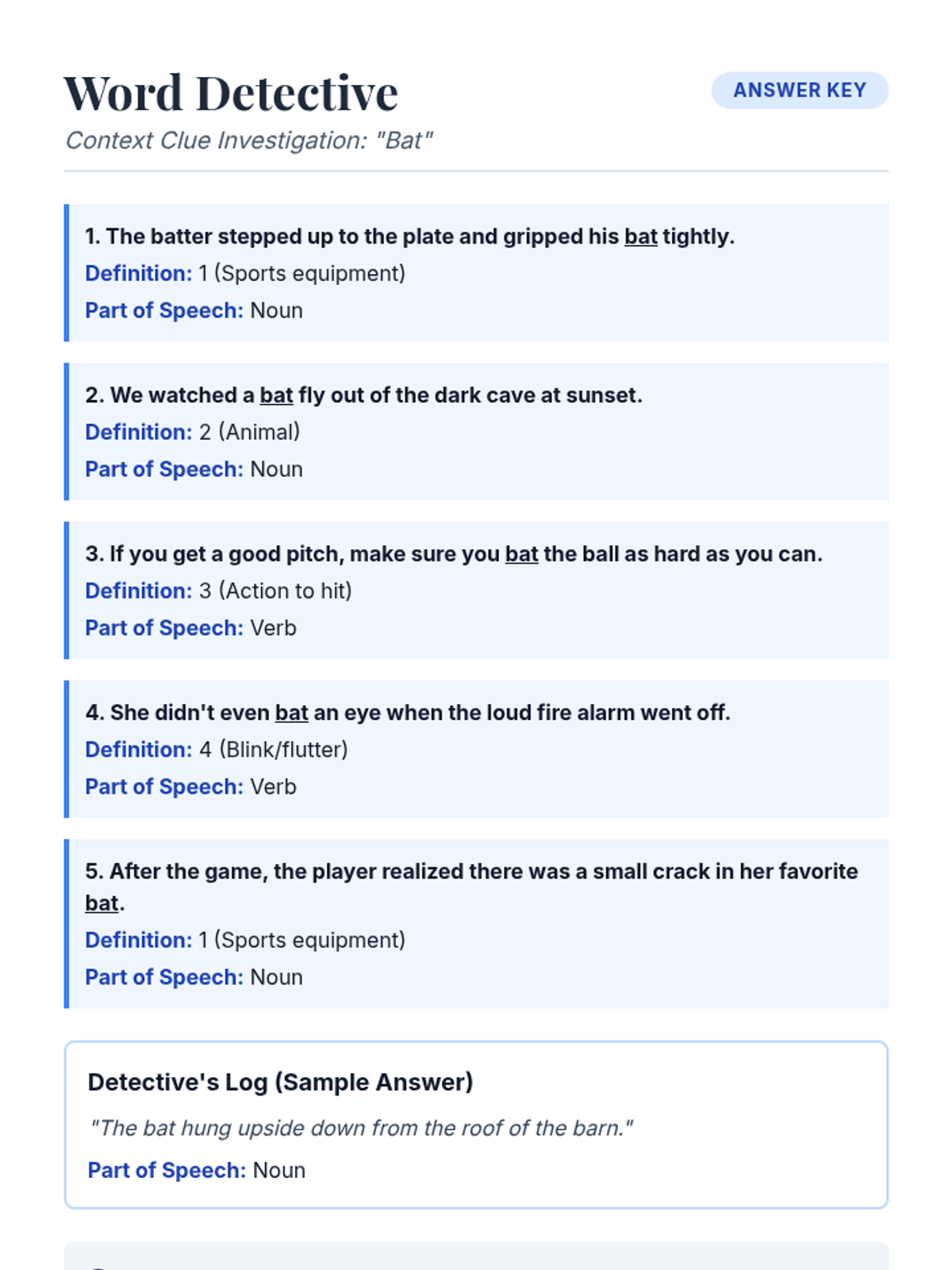
A lesson focused on using dictionary entries and context clues to identify the meaning of multiple-meaning words (homonyms).
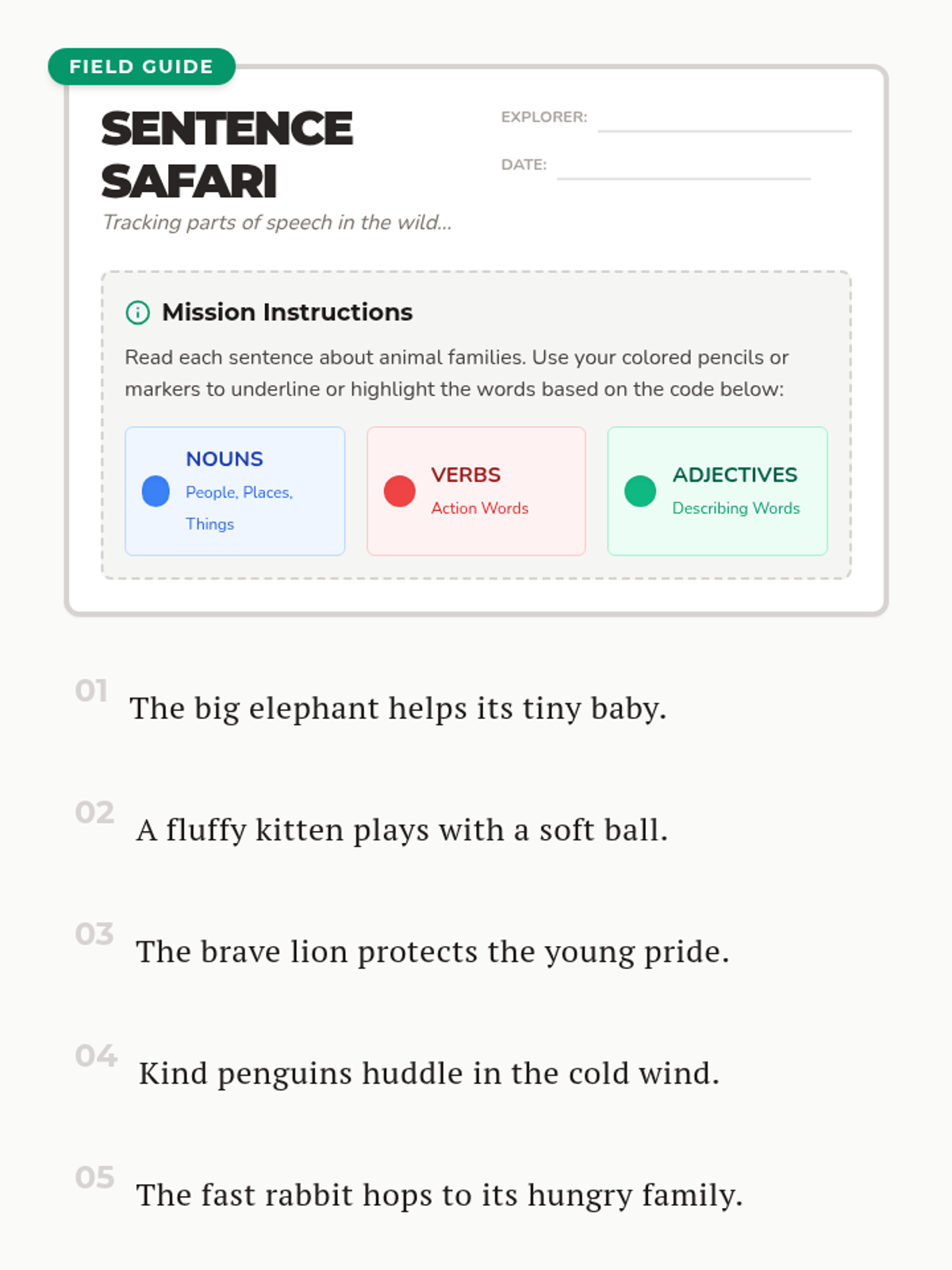
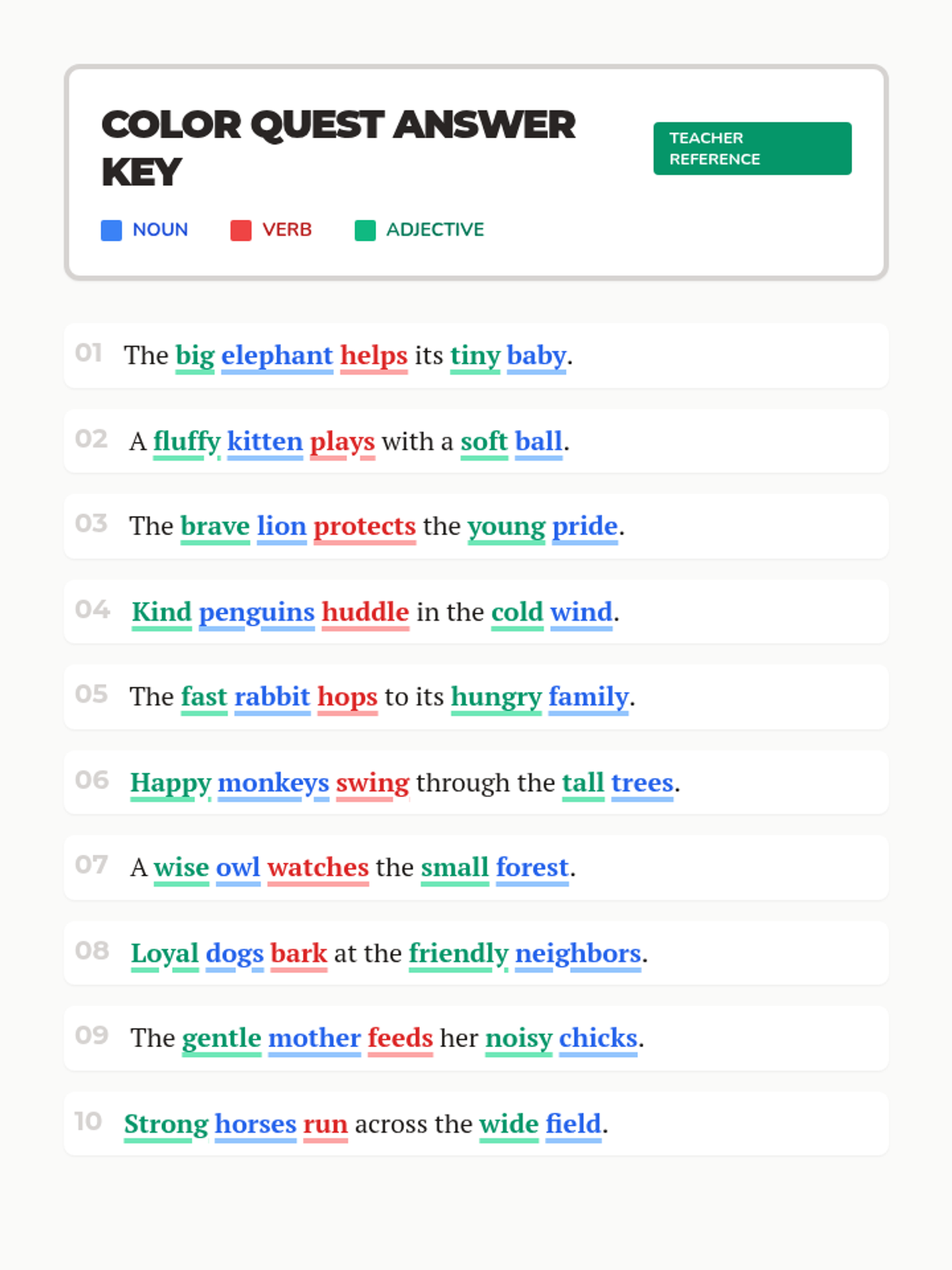
A hands-on lesson focusing on identifying parts of speech through color-coding within the context of animal families and their behaviors.
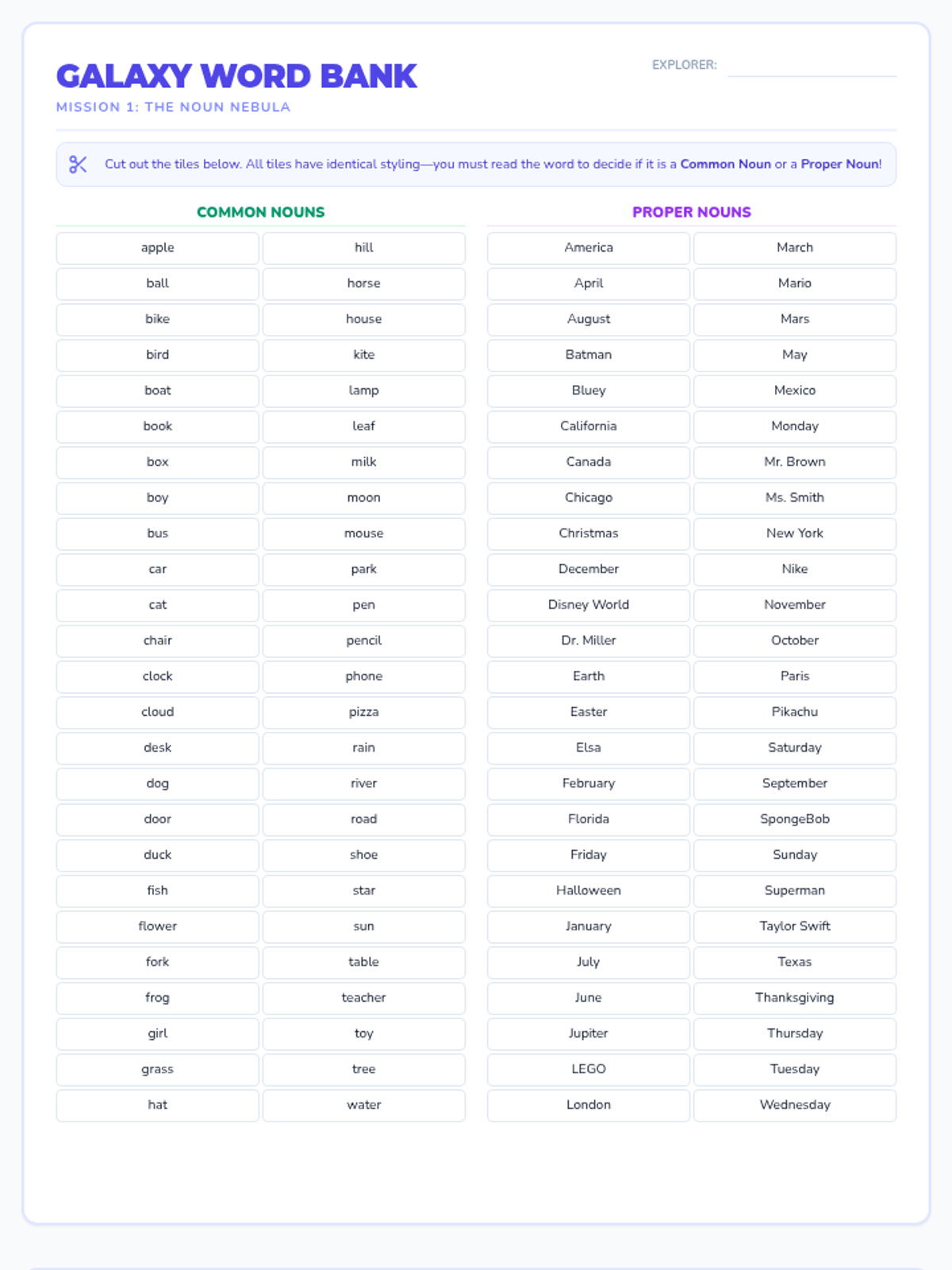
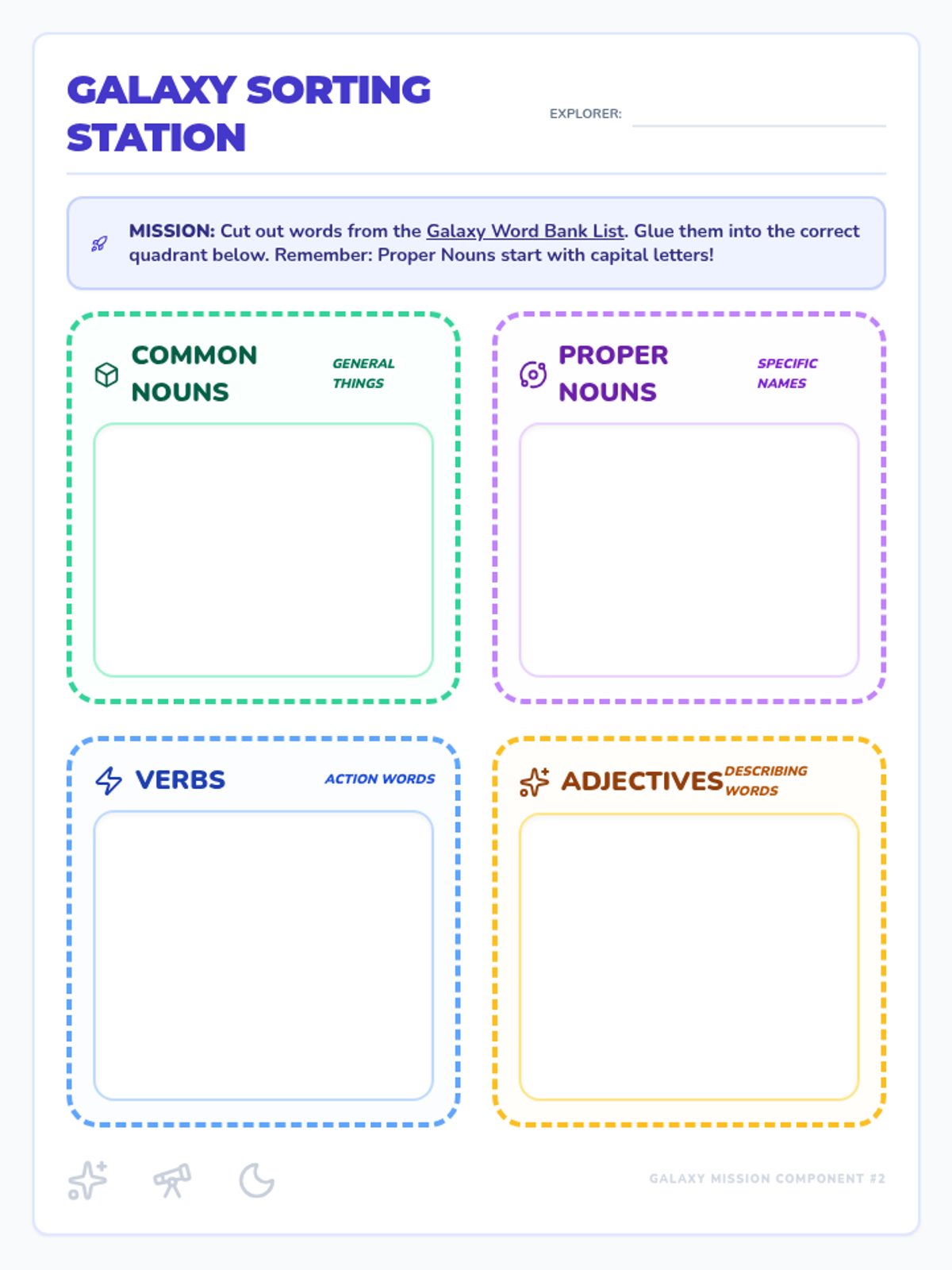
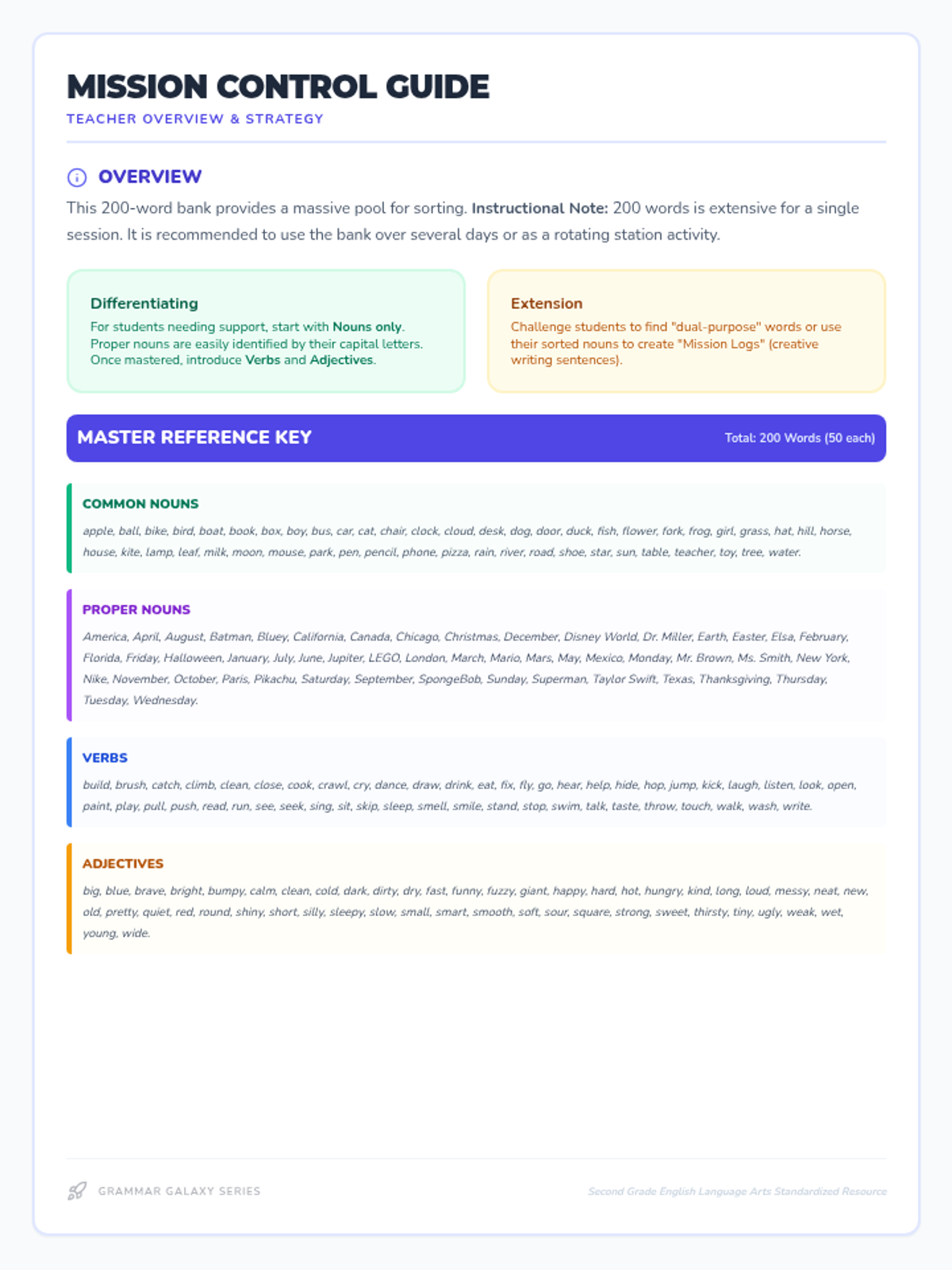
A comprehensive parts of speech sorting activity where students categorize 200 relatable words into adjectives, common nouns, proper nouns, and verbs.
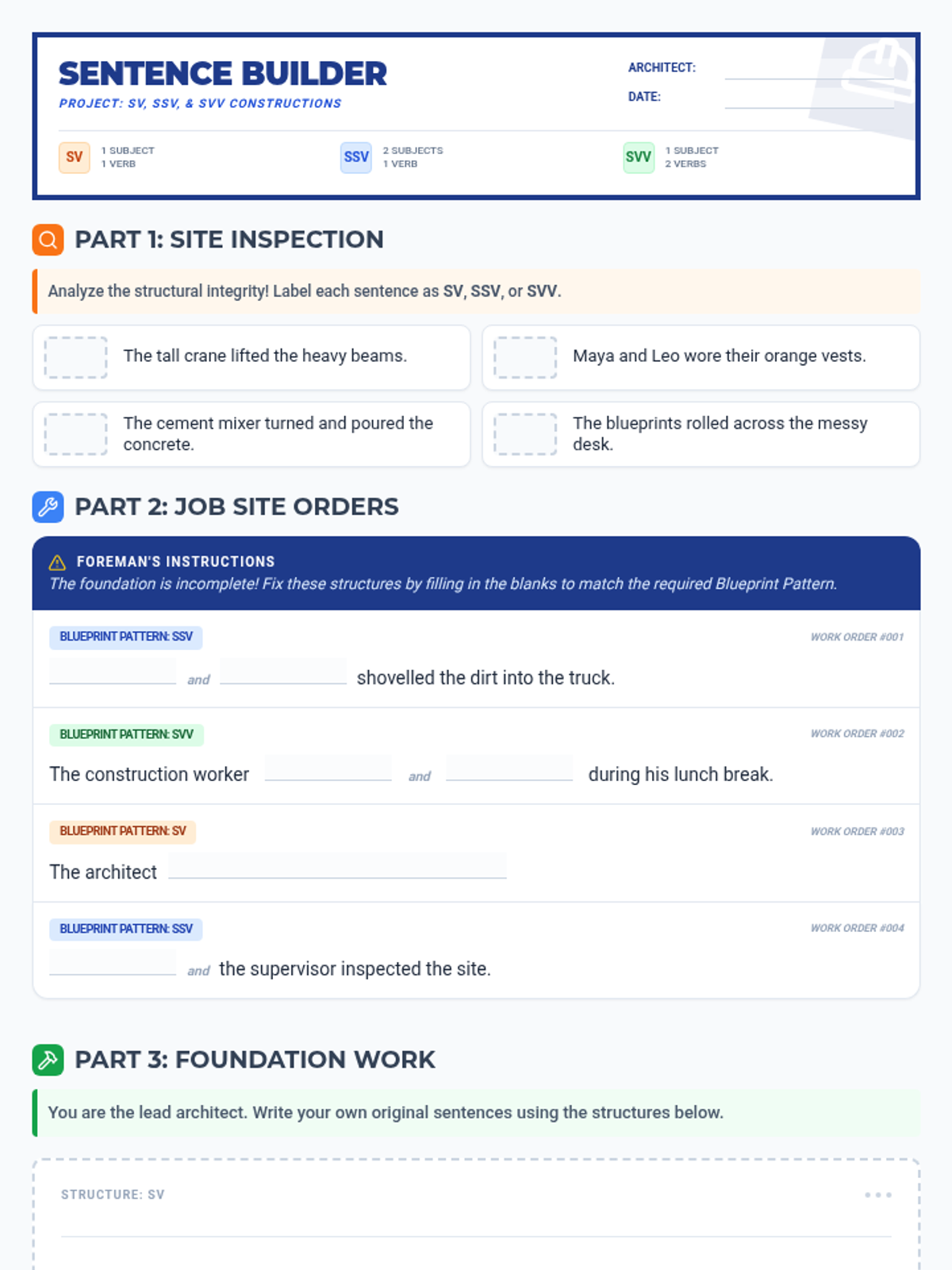
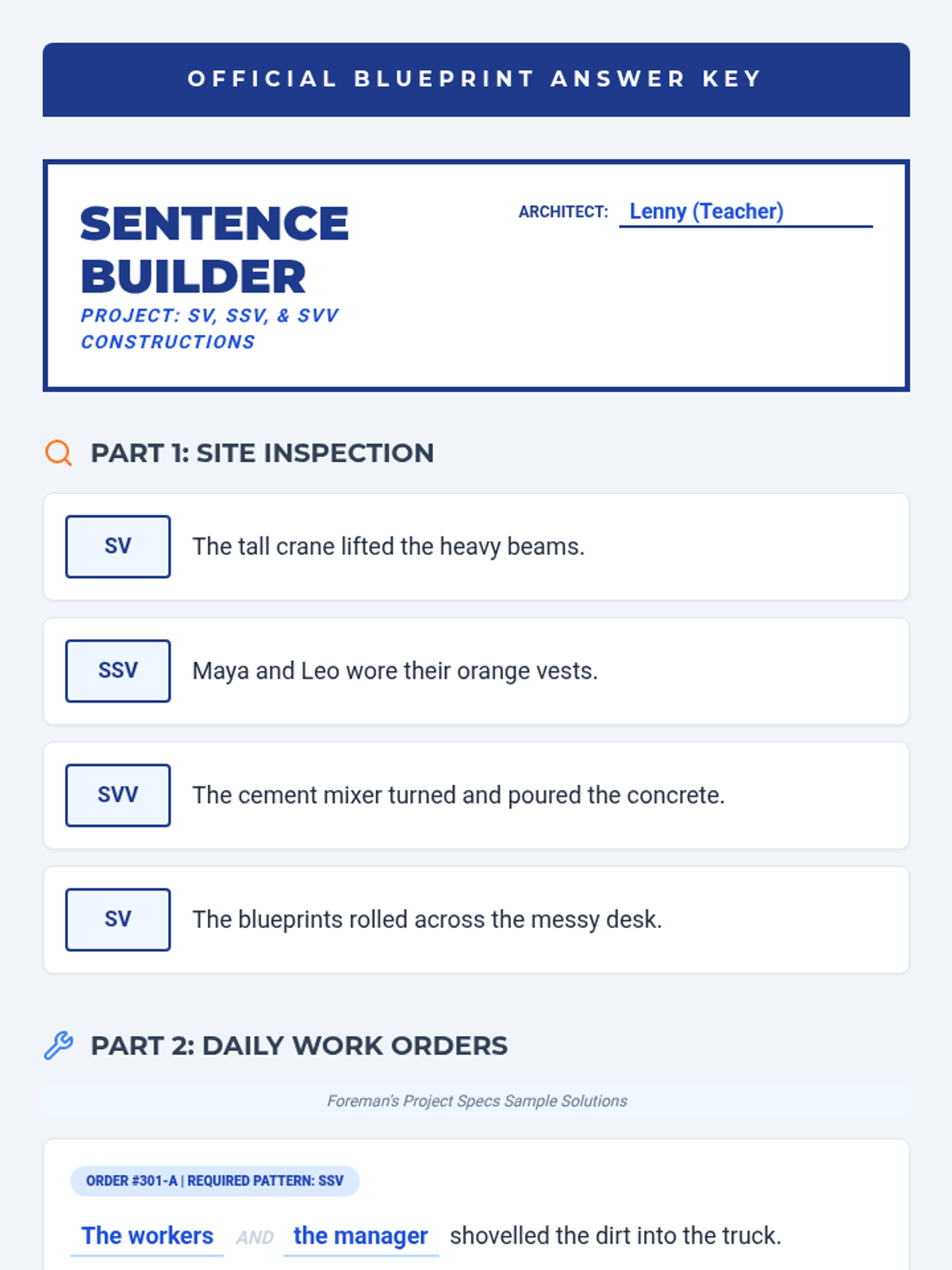
A lesson focused on mastering SV, SSV, and SVV sentence patterns through structured practice and construction-themed activities.
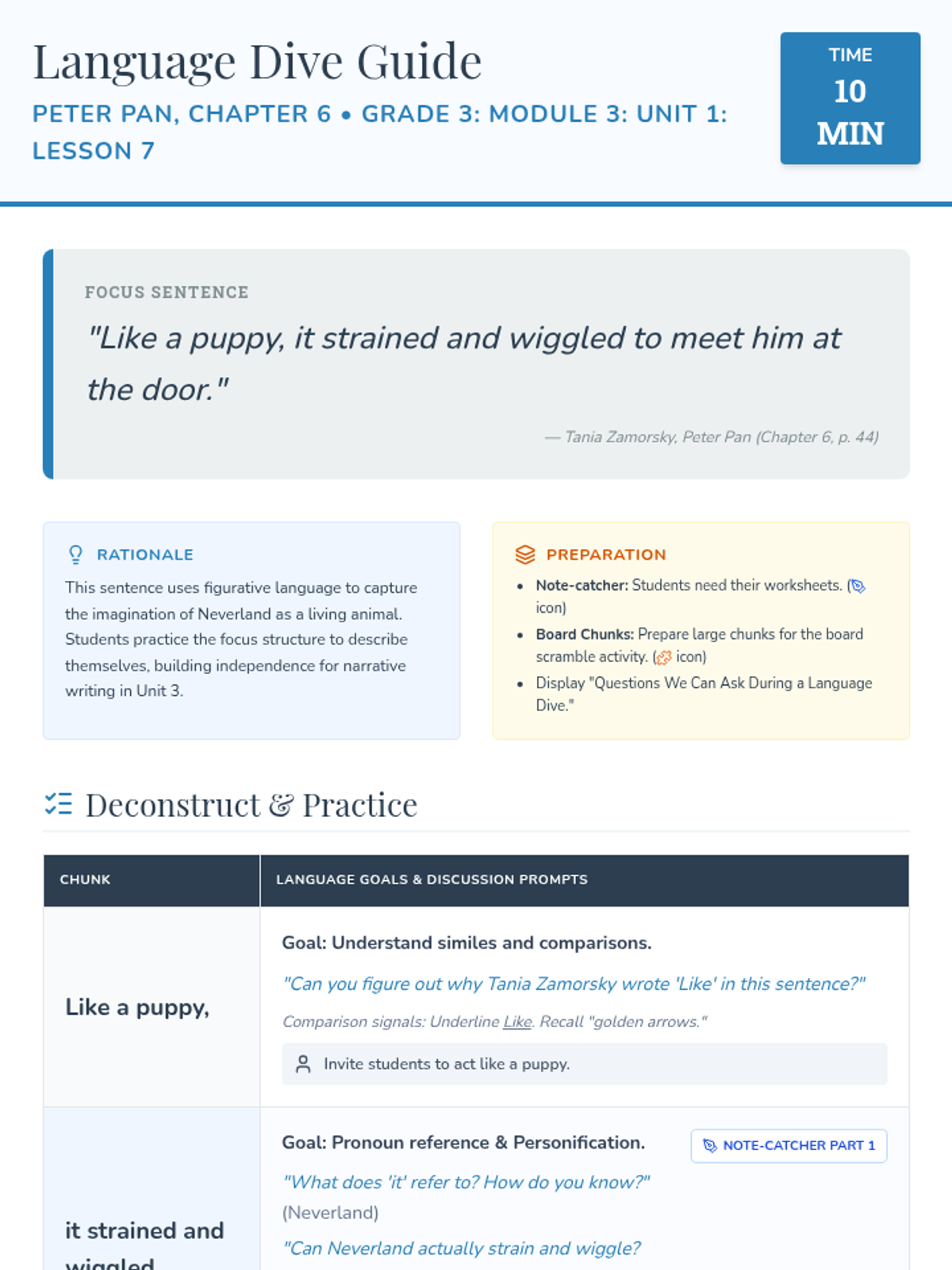
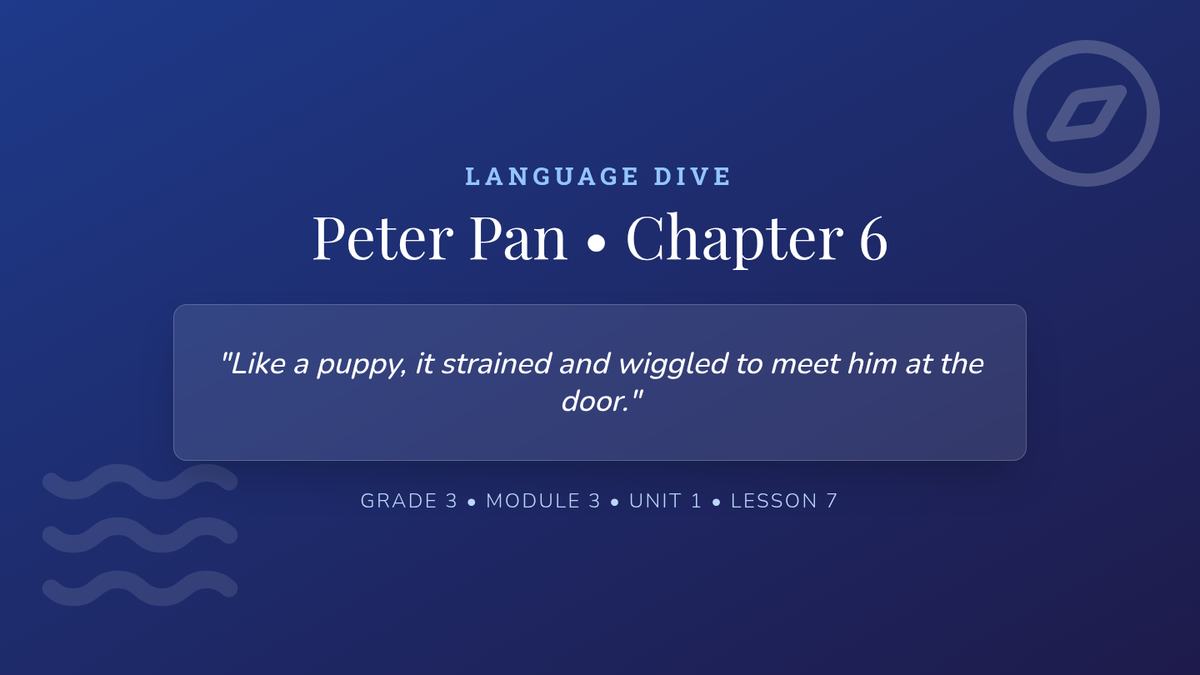
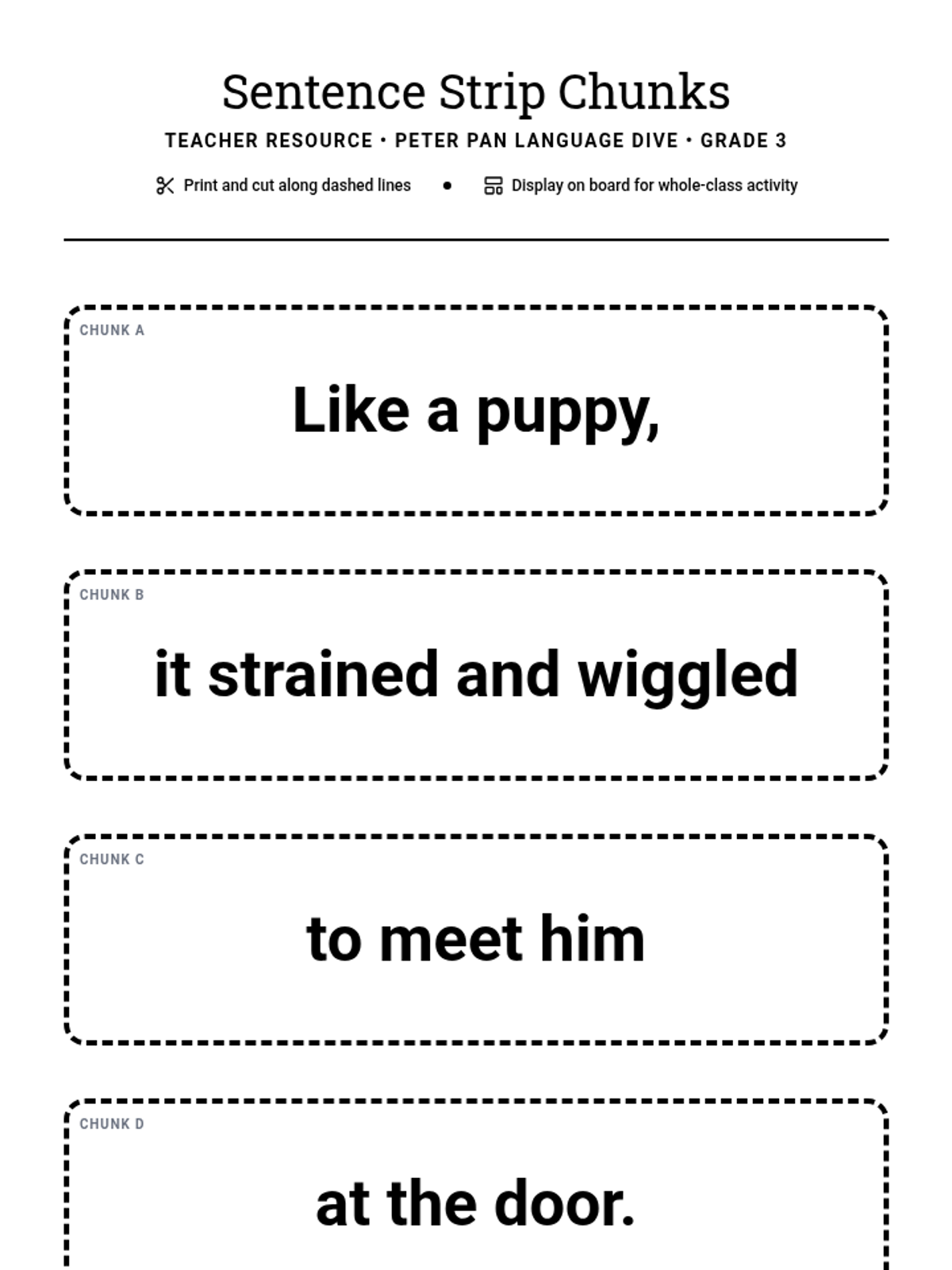
A deep dive into figurative language from Chapter 6 of Peter Pan, focusing on the personification of Neverland and the use of similes to enhance narrative descriptions.
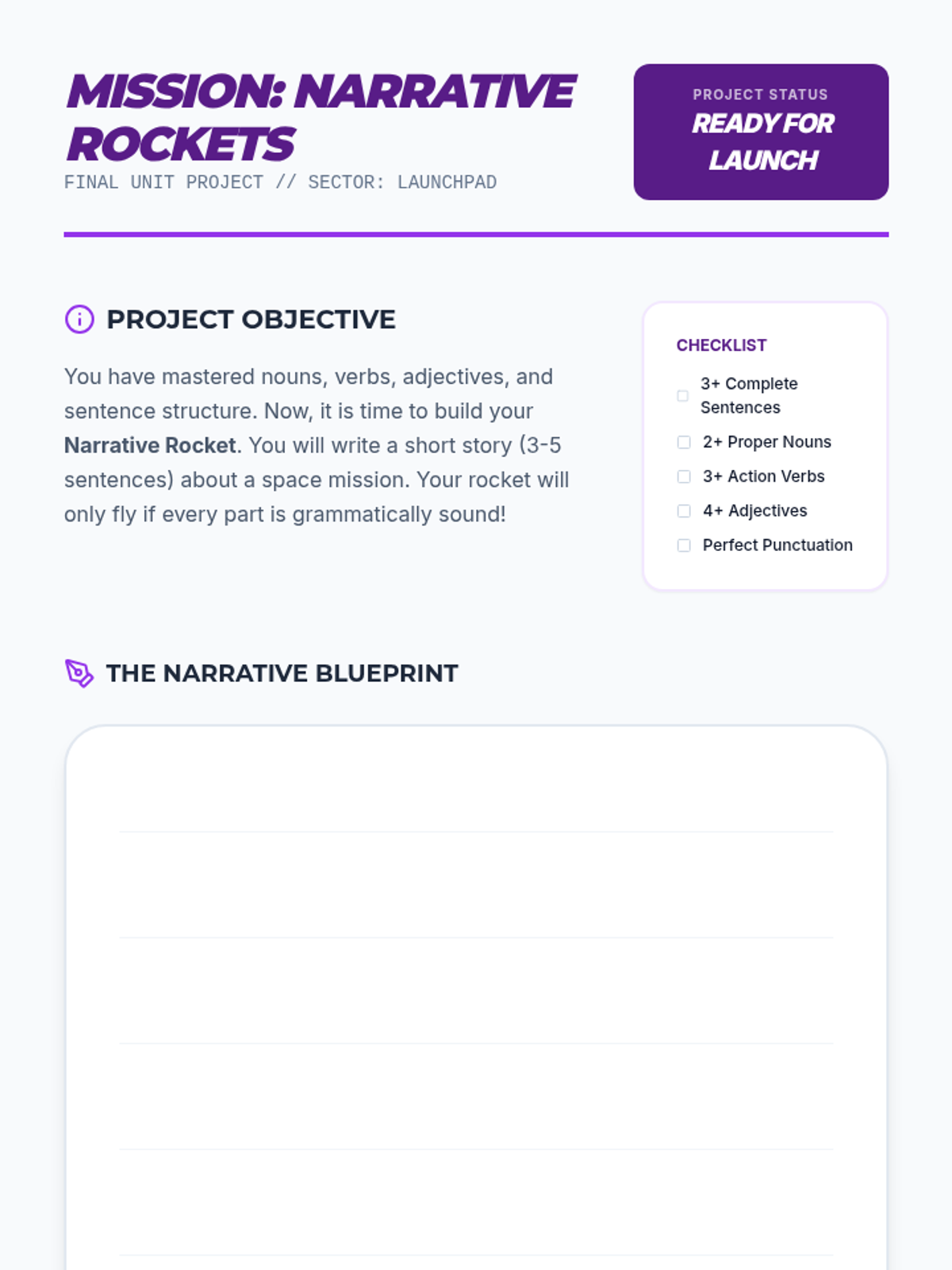
The final mission focuses on mastering punctuation 'portals' and launching the Narrative Rocket creative writing project.
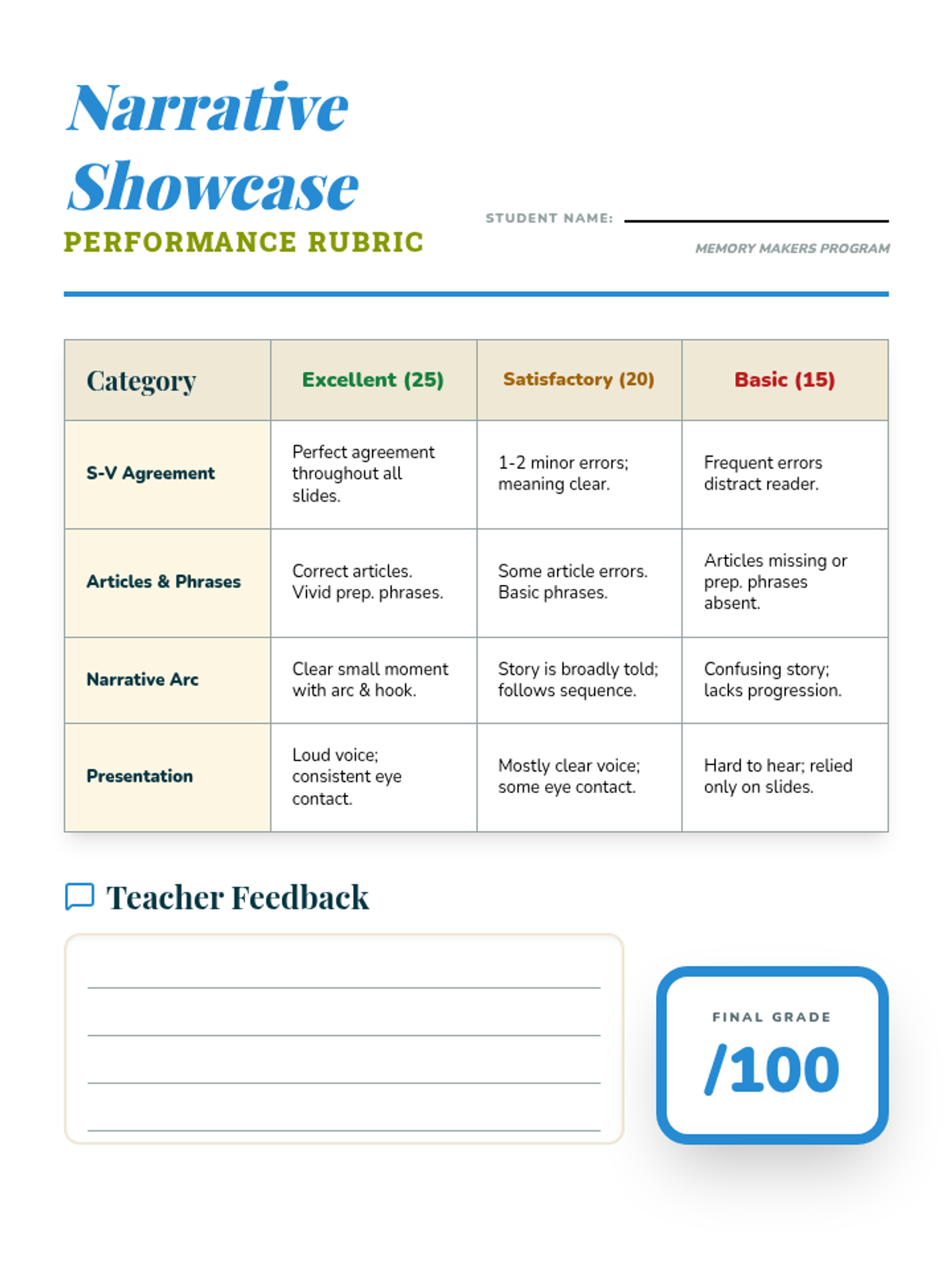
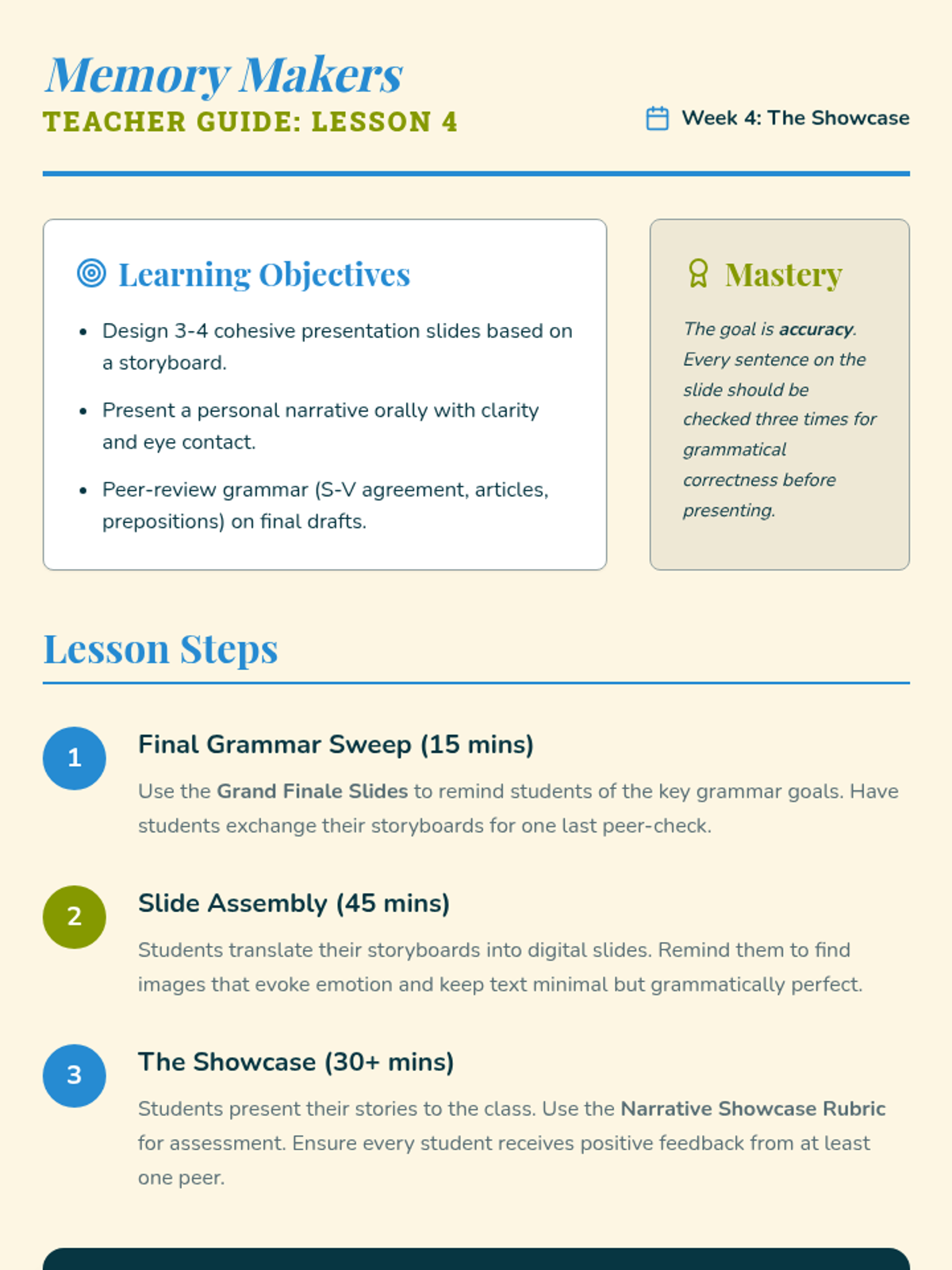
Prepares students for their final oral presentation, focusing on slide design, public speaking, and final grammar checks.
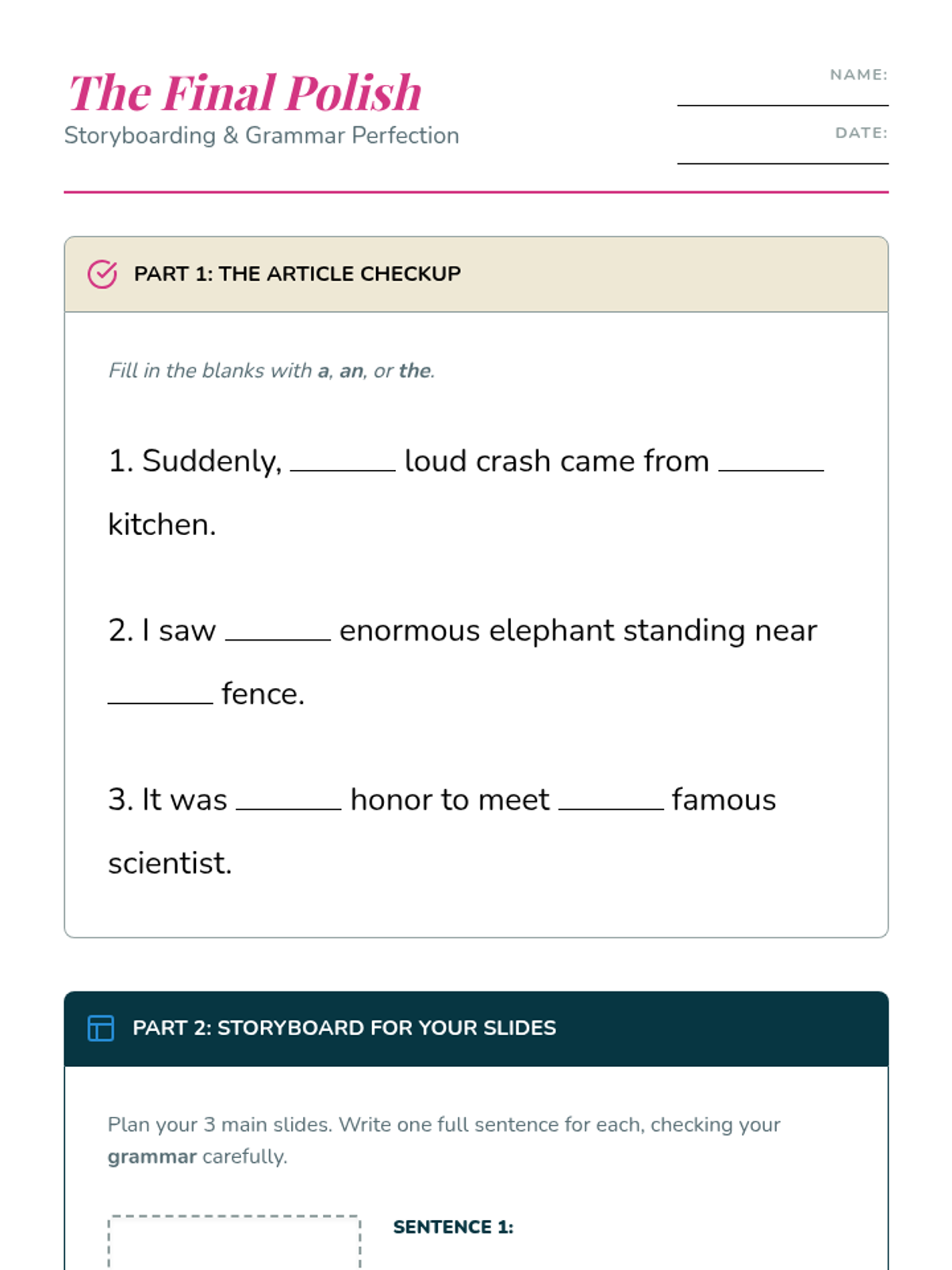
Refines the narrative structure and focuses on the precise use of articles (a, an, the) for clarity and flow.
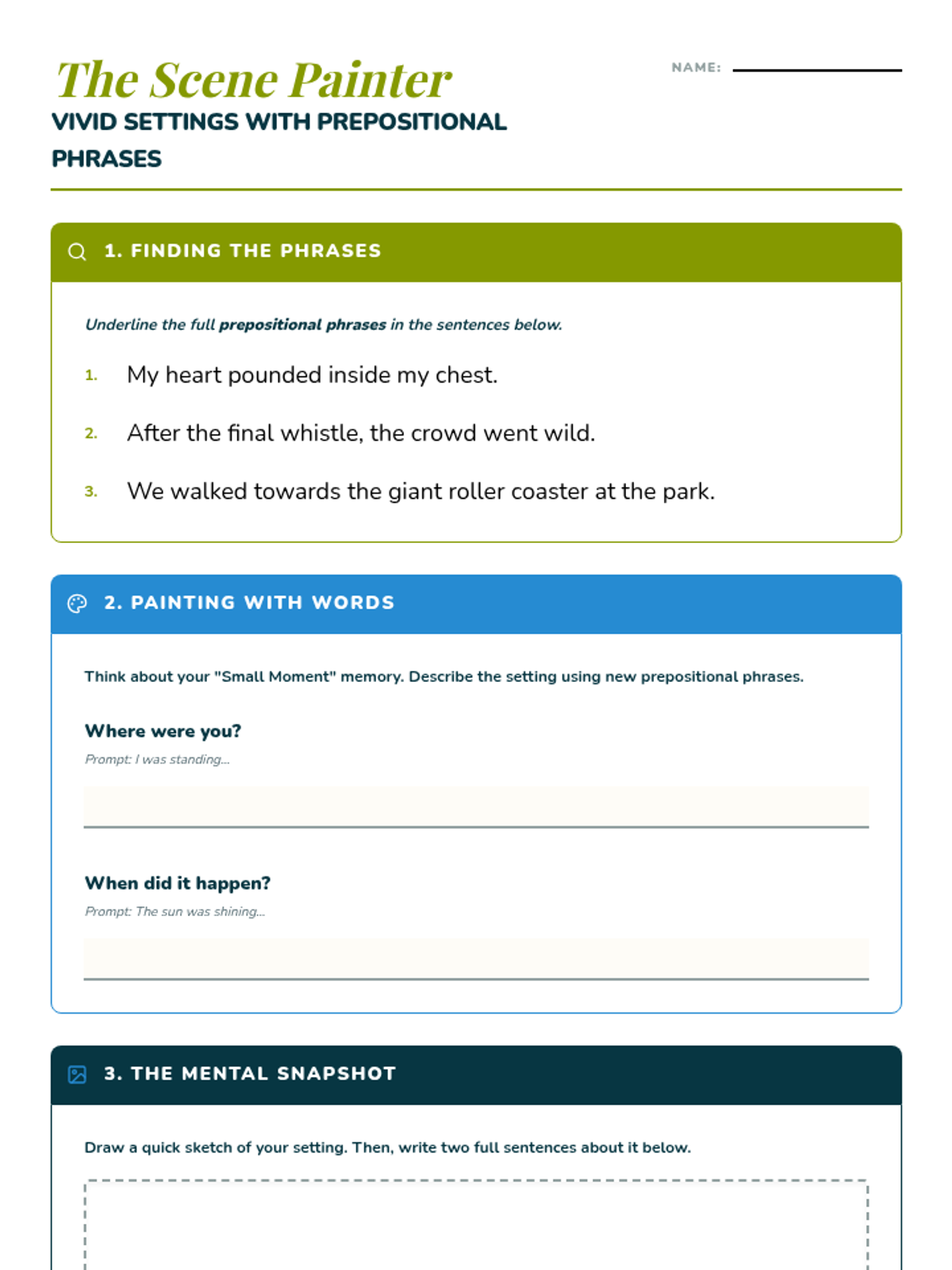
Explores setting and descriptive detail using prepositional phrases to ground narratives in a specific time and place.
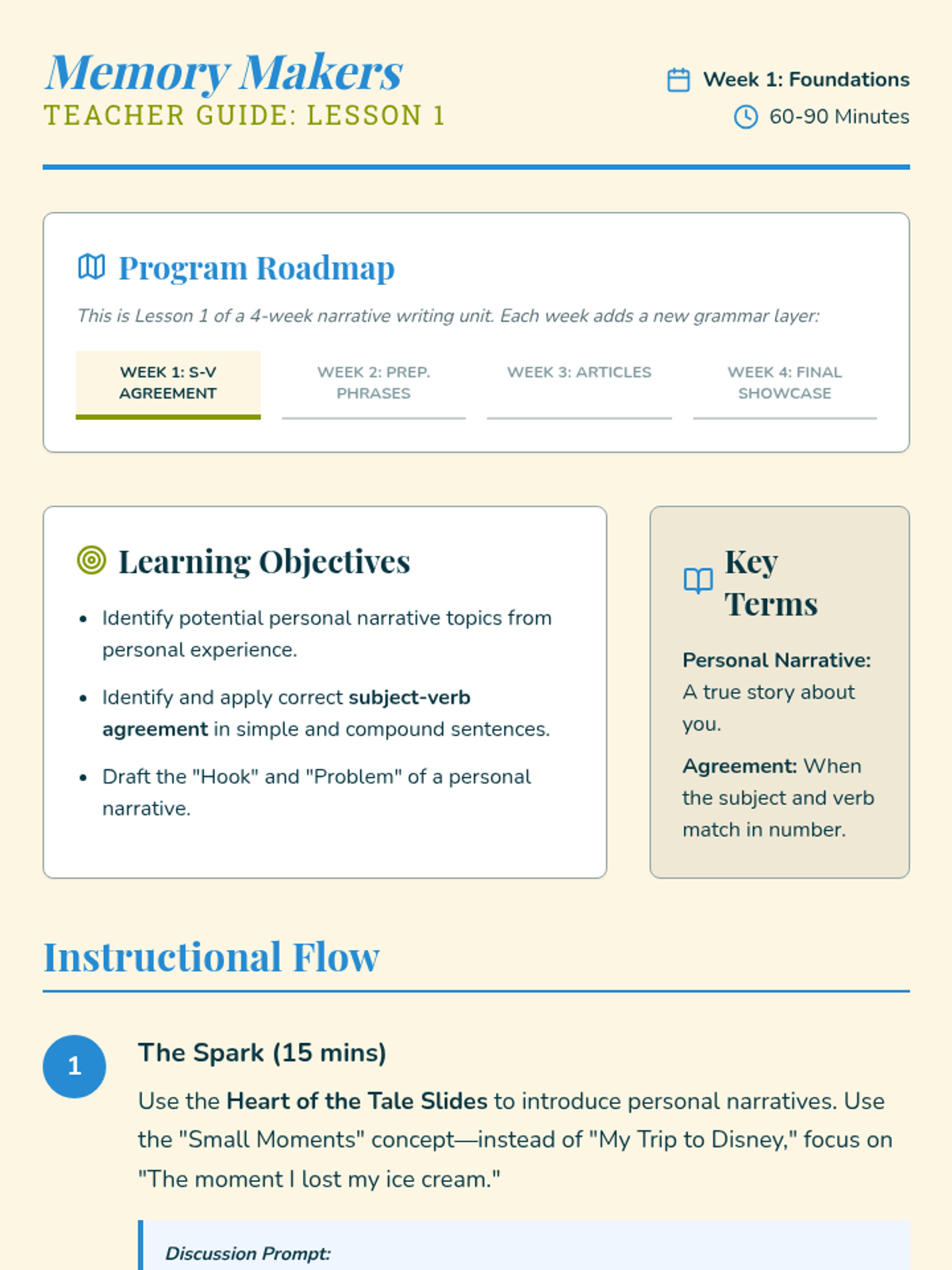
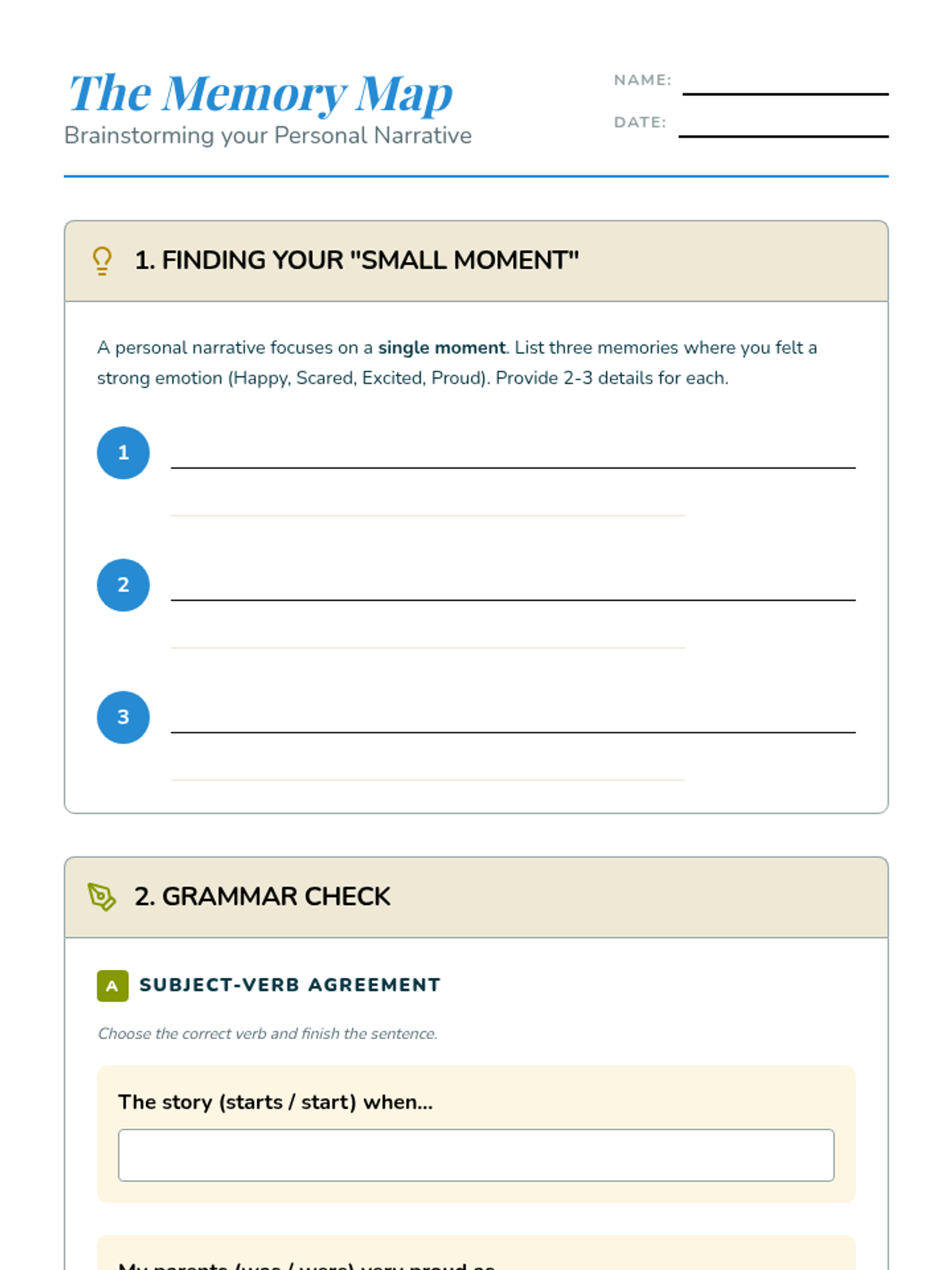
Focuses on identifying personal narrative topics and mastering subject-verb agreement to ensure clear story foundations.
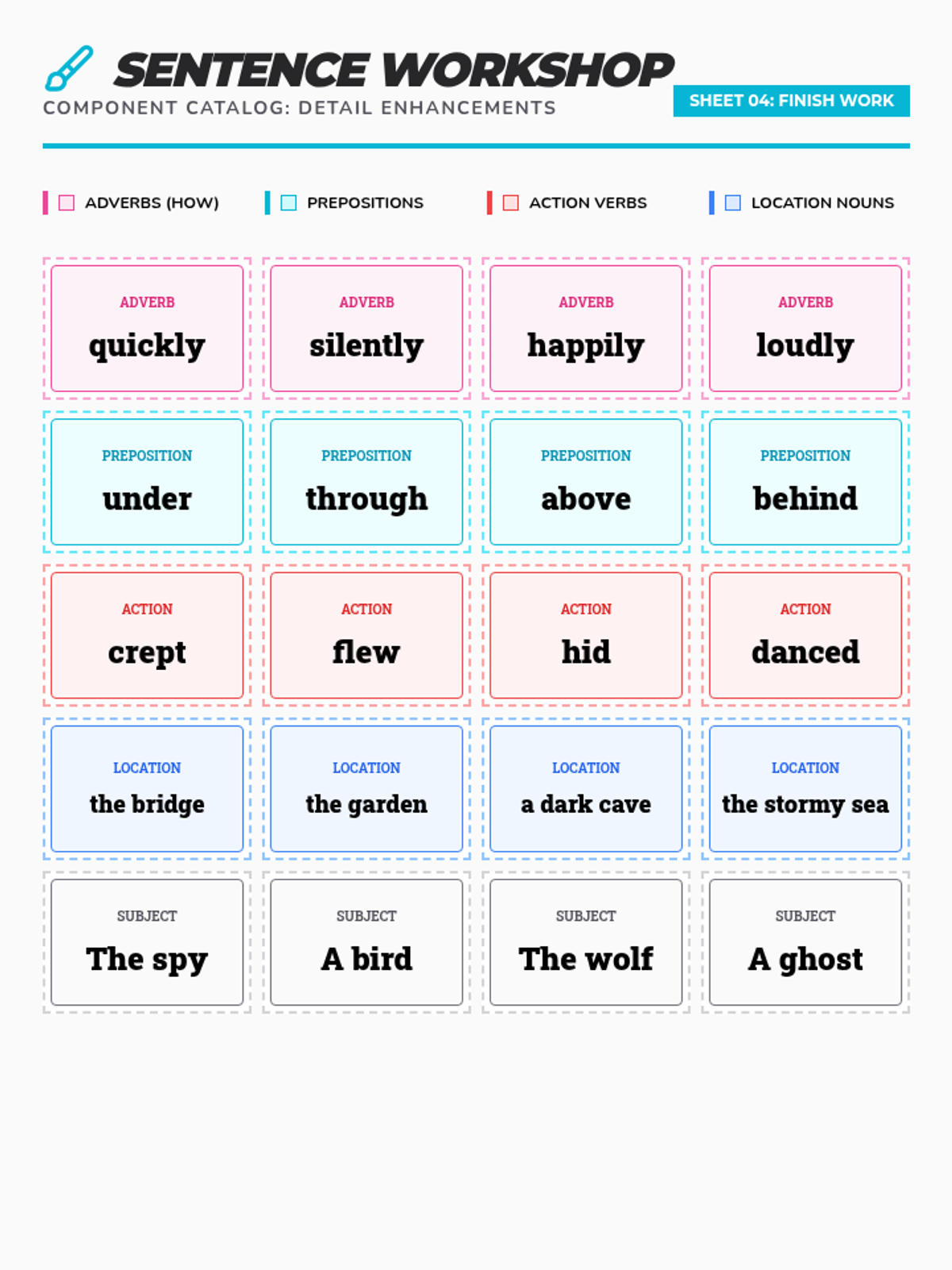
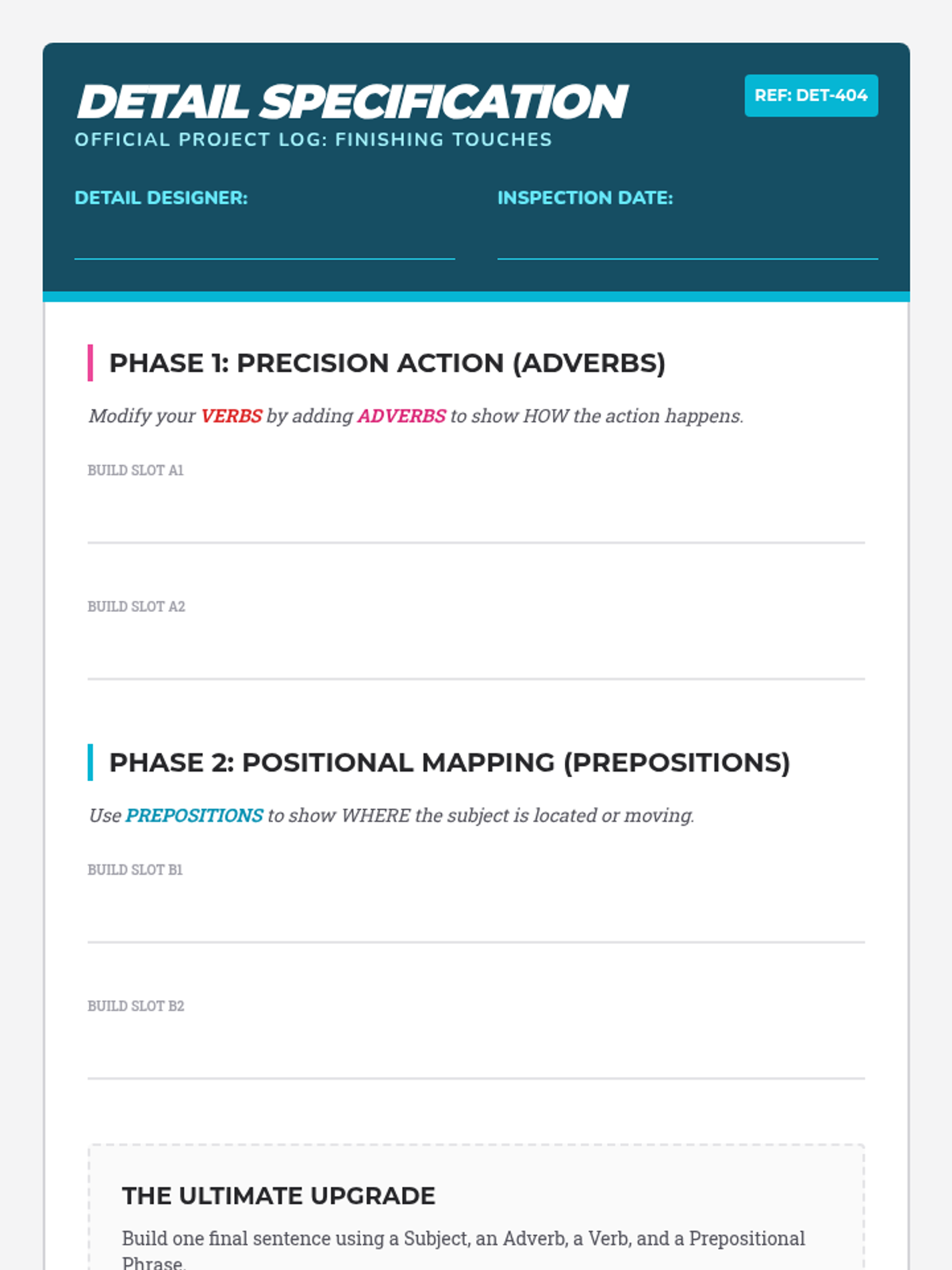
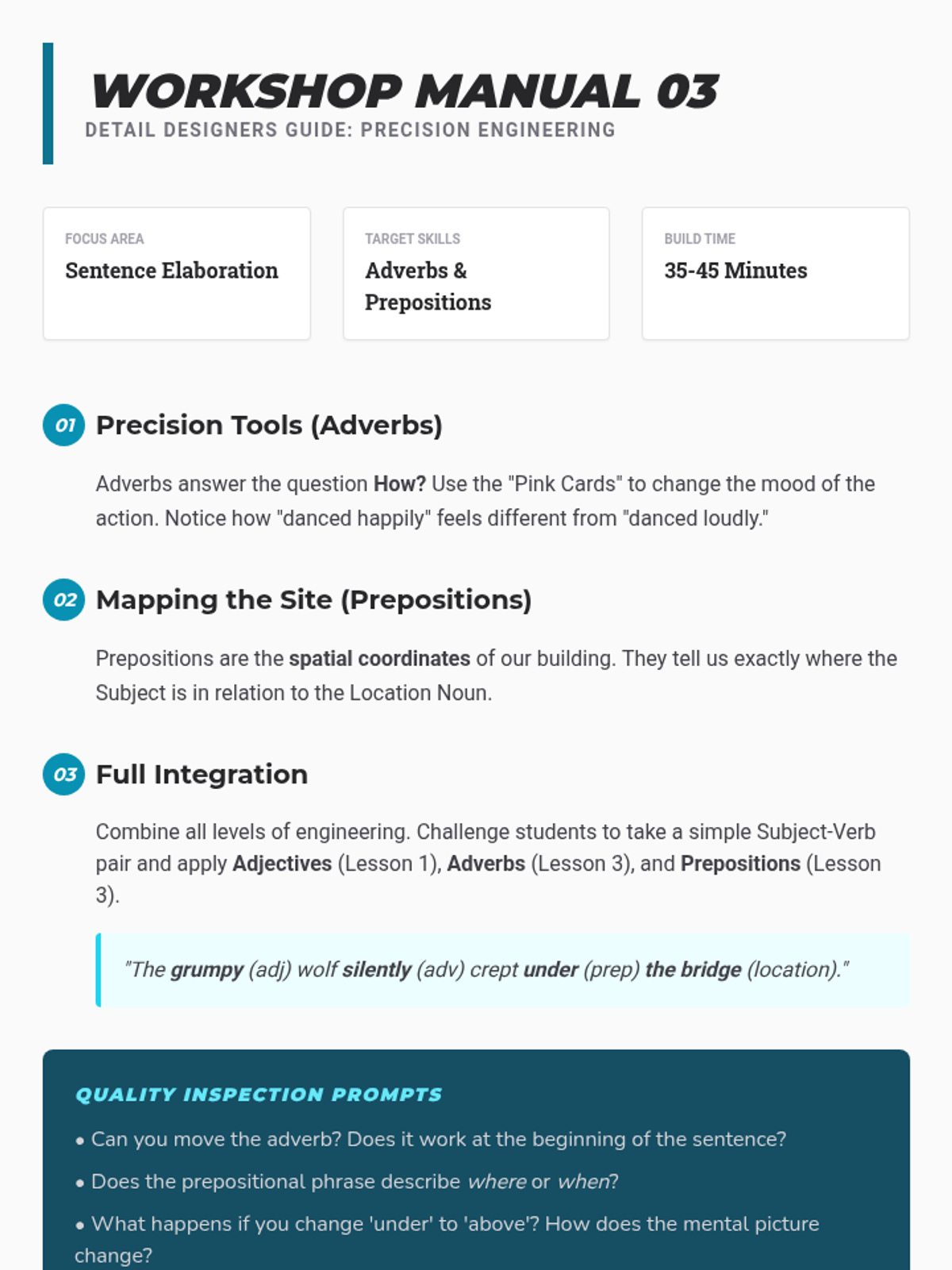
A workshop focused on enhancing sentence detail using adverbs and prepositional phrases to specify how, when, and where actions take place.
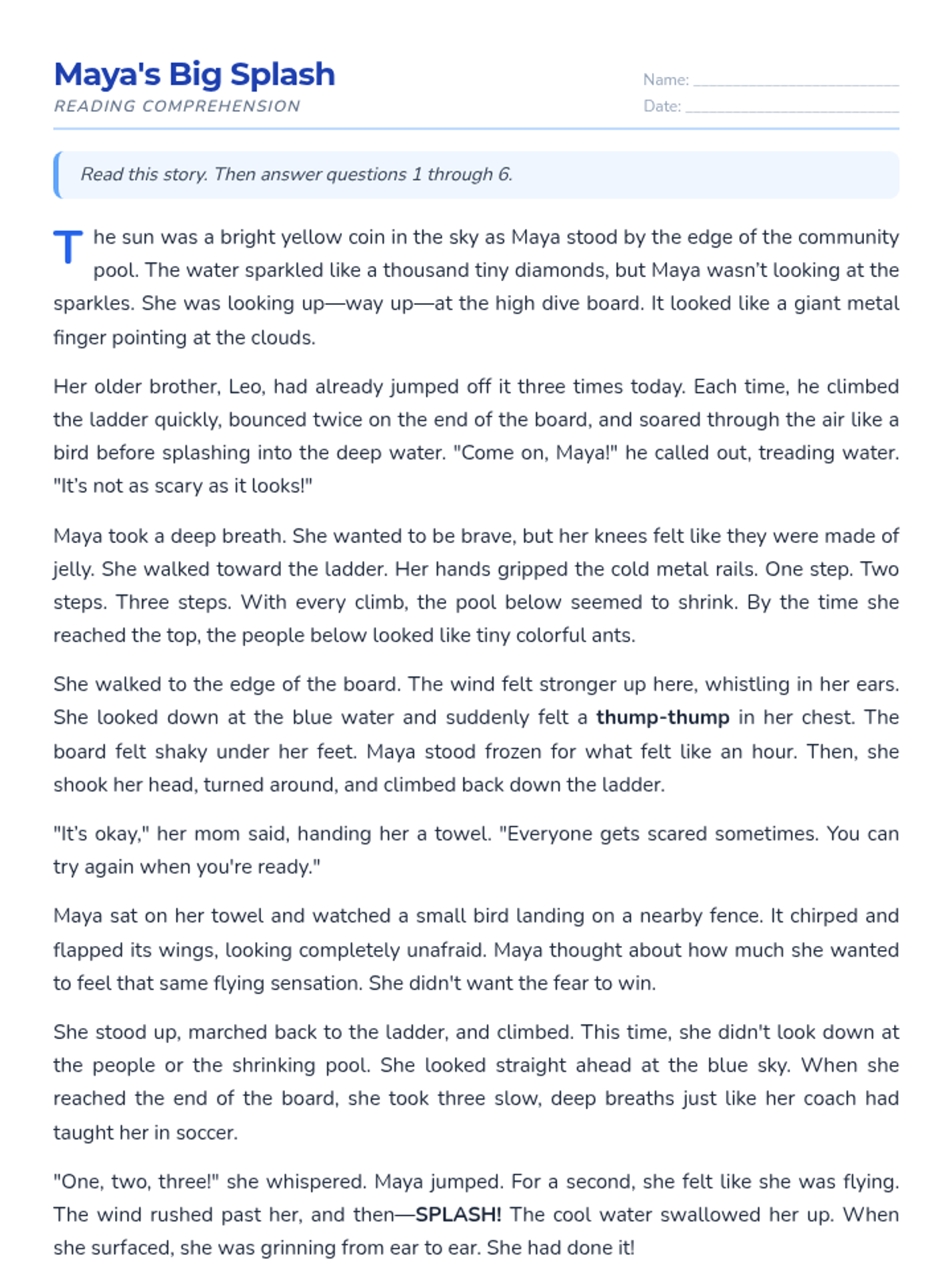
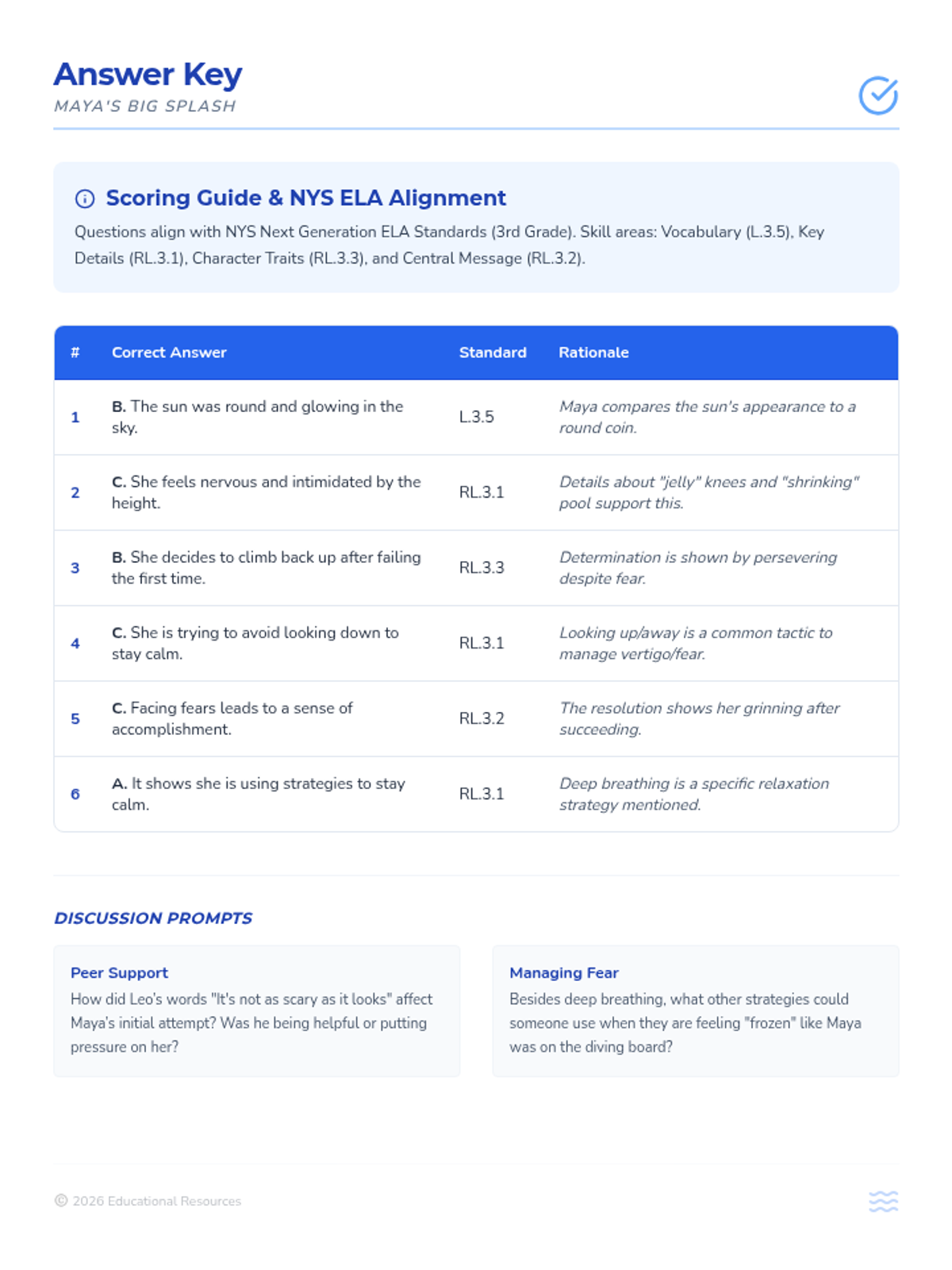
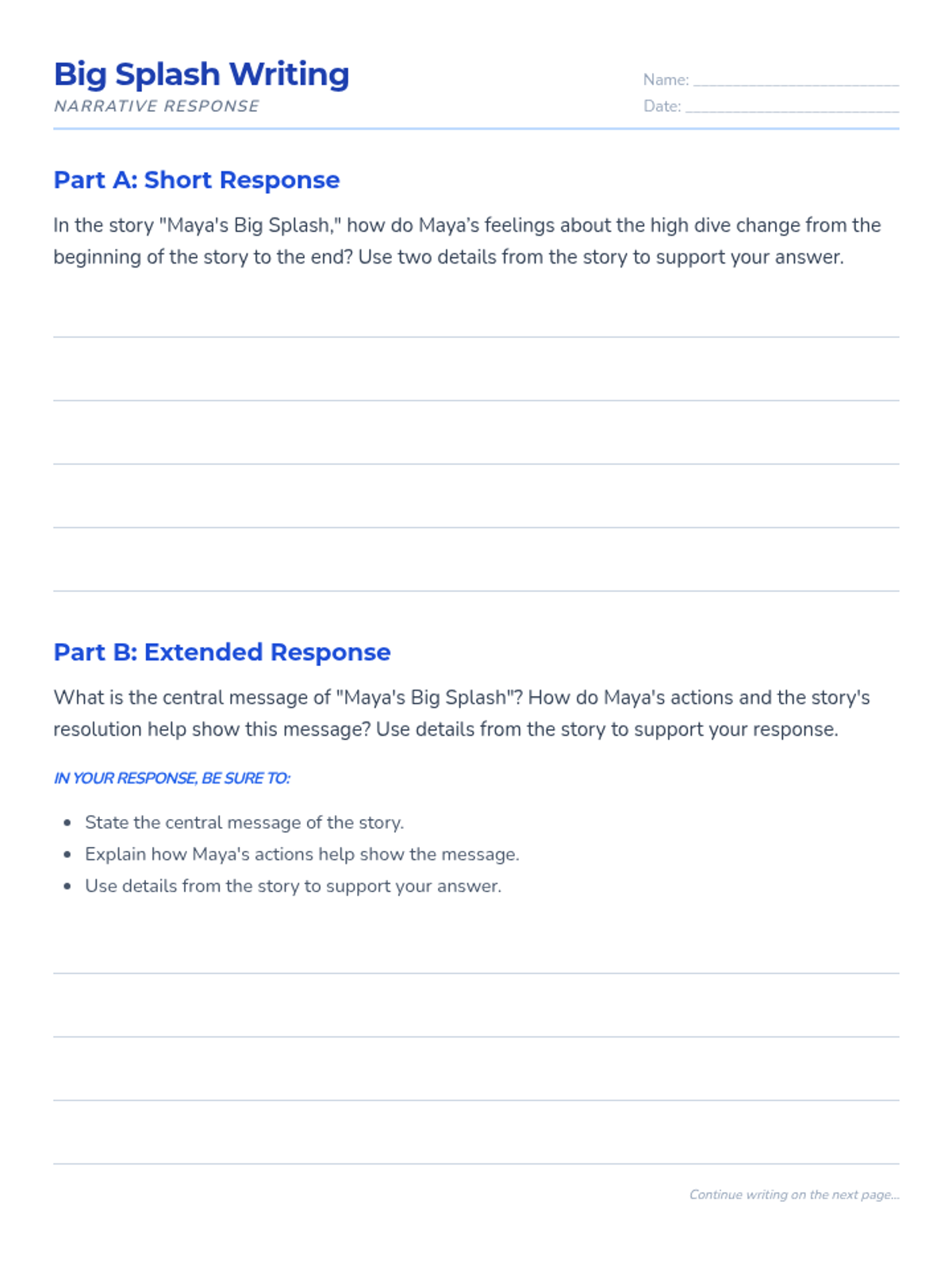
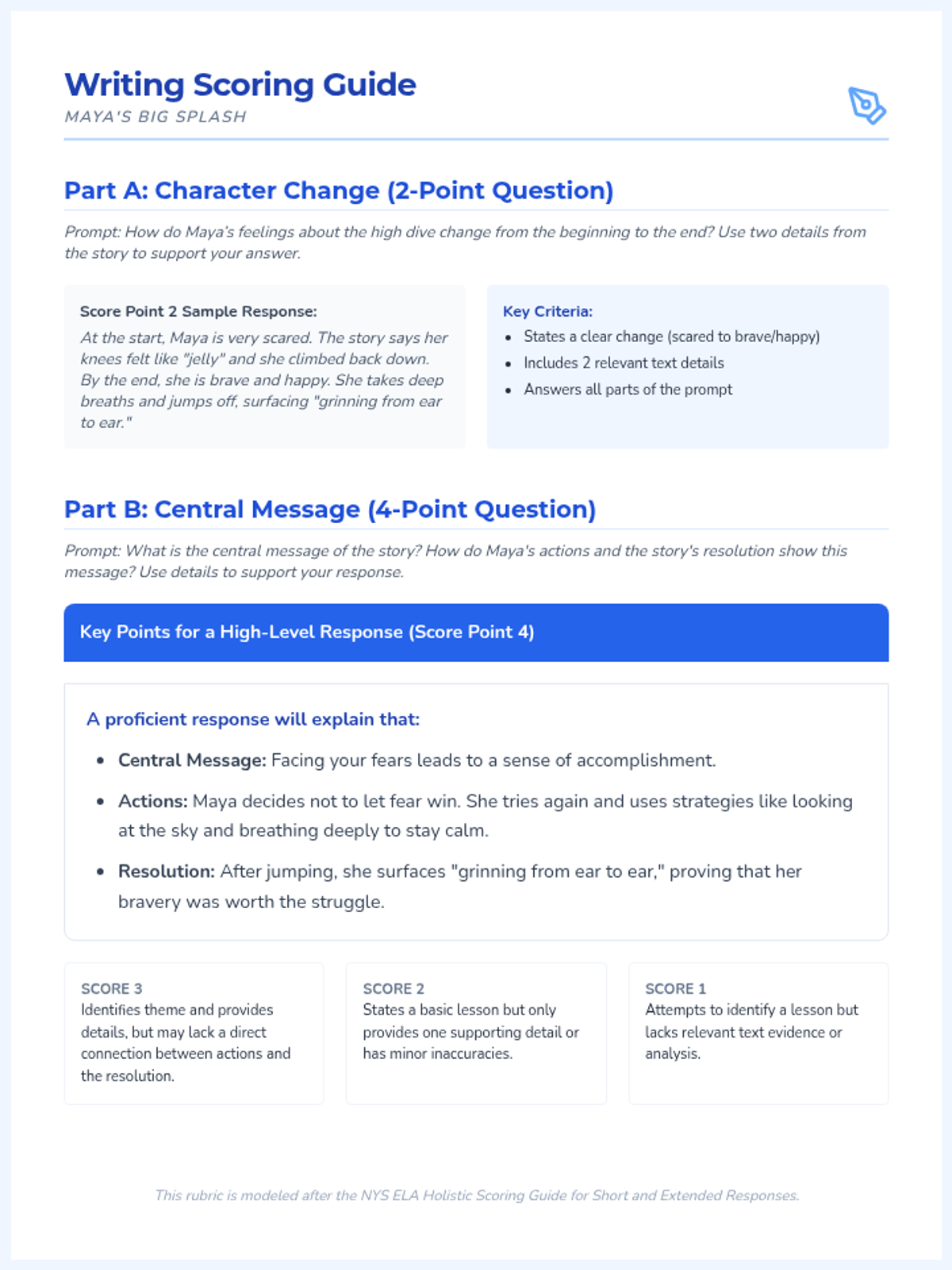
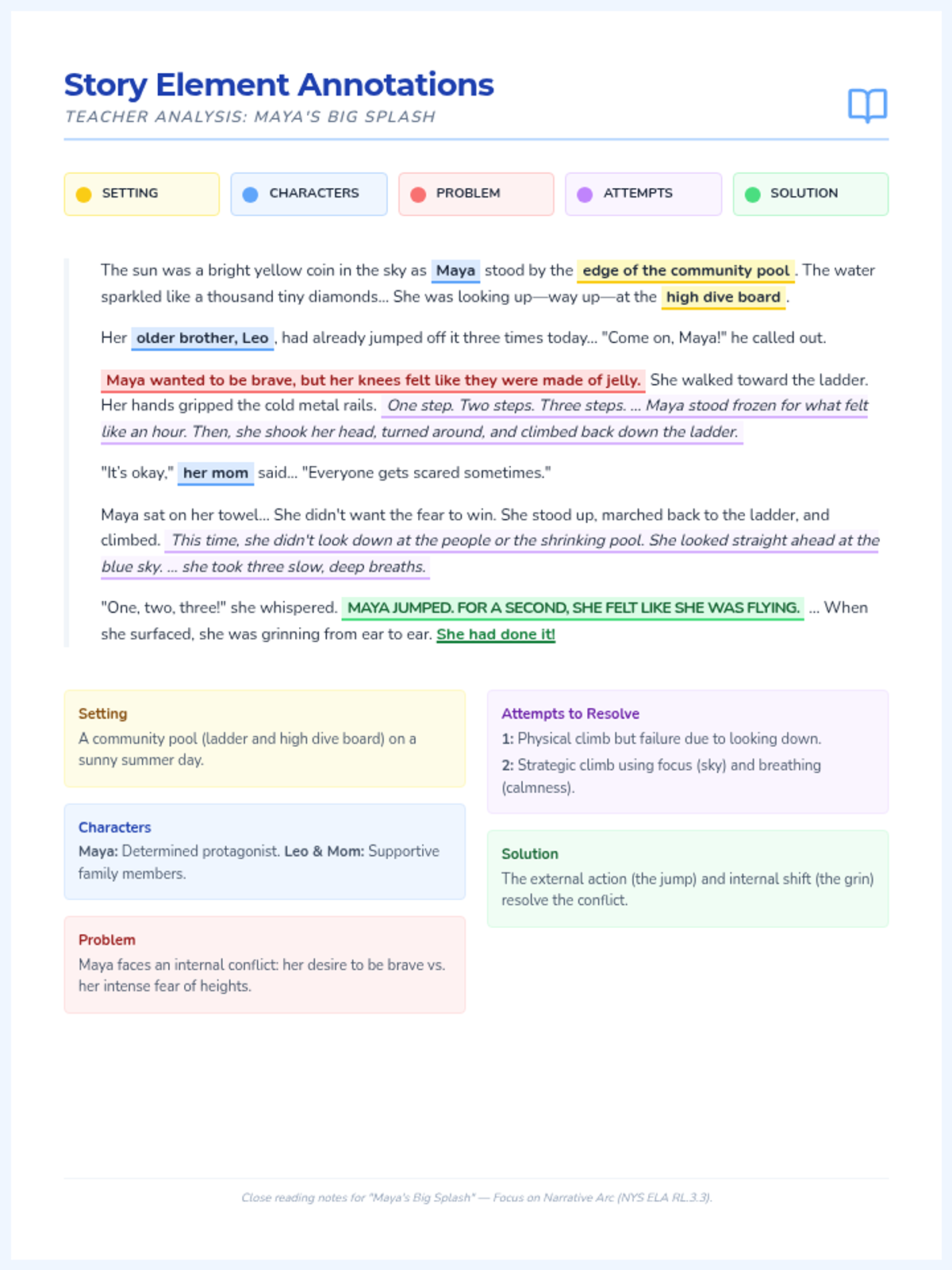
A 3rd-grade ELA lesson focused on reading a narrative passage and answering comprehension questions in the style of the NYS ELA exam. Students explore the theme of overcoming a challenge through the story of a girl facing her fear of the high dive.
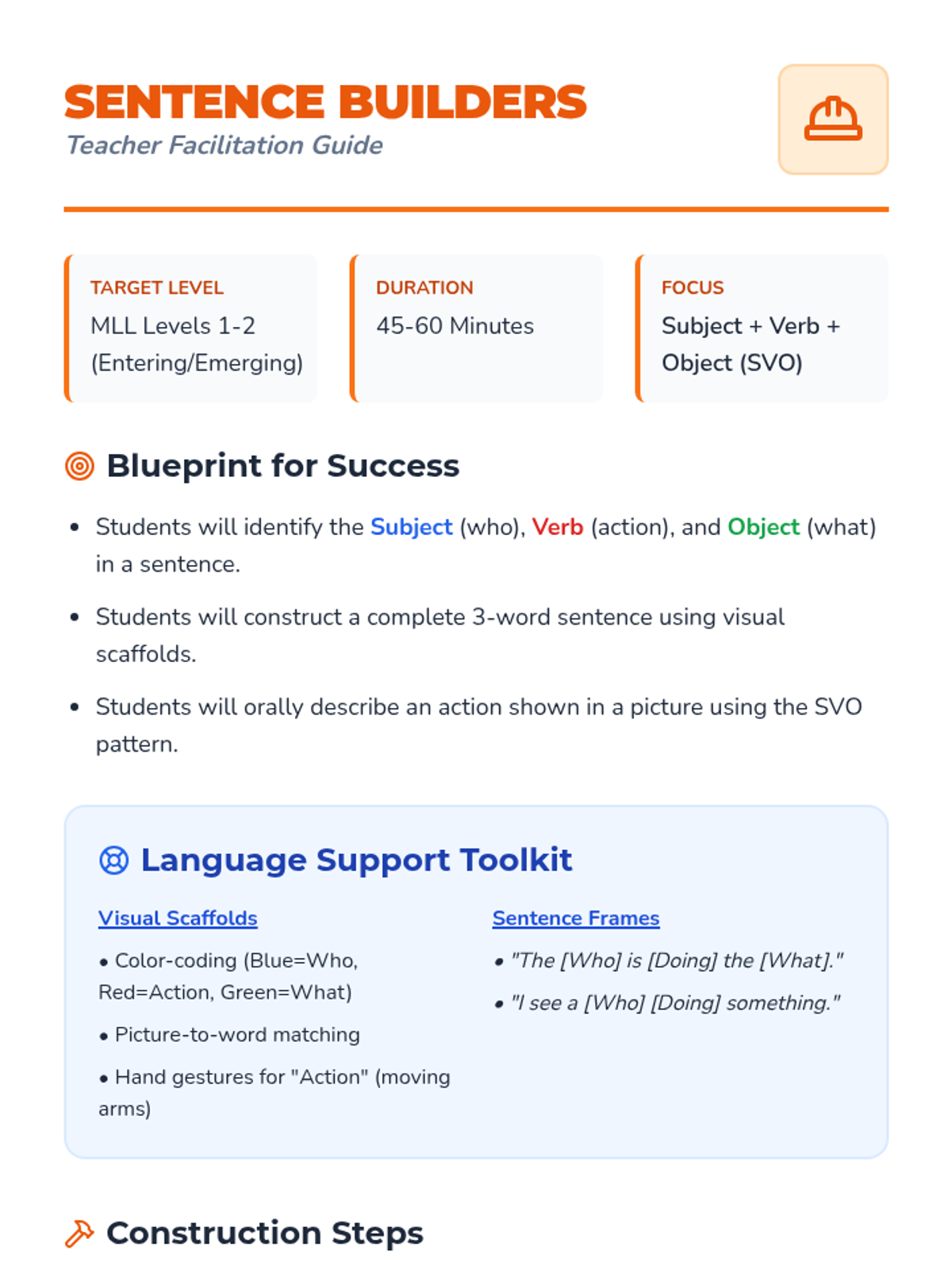
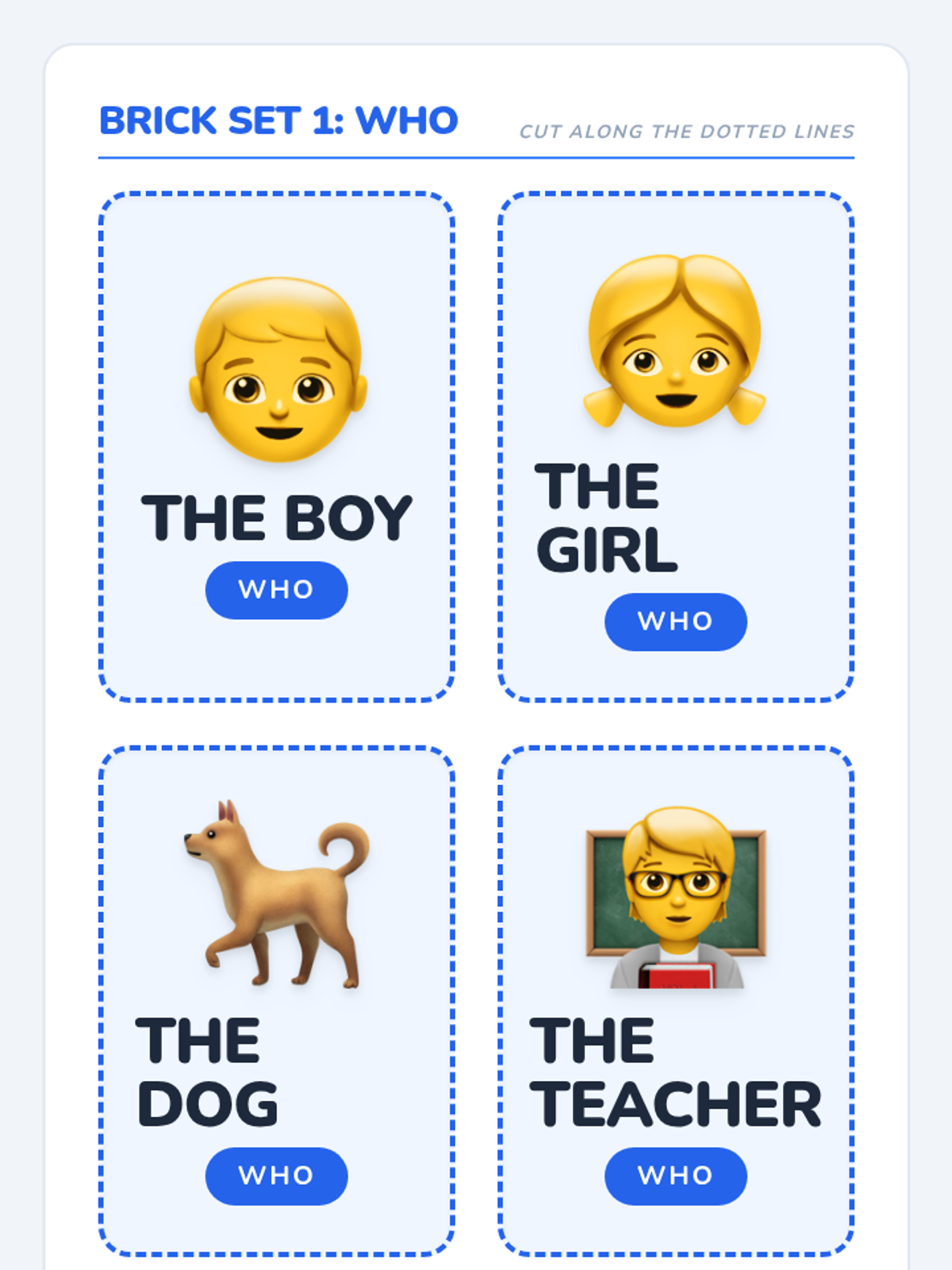
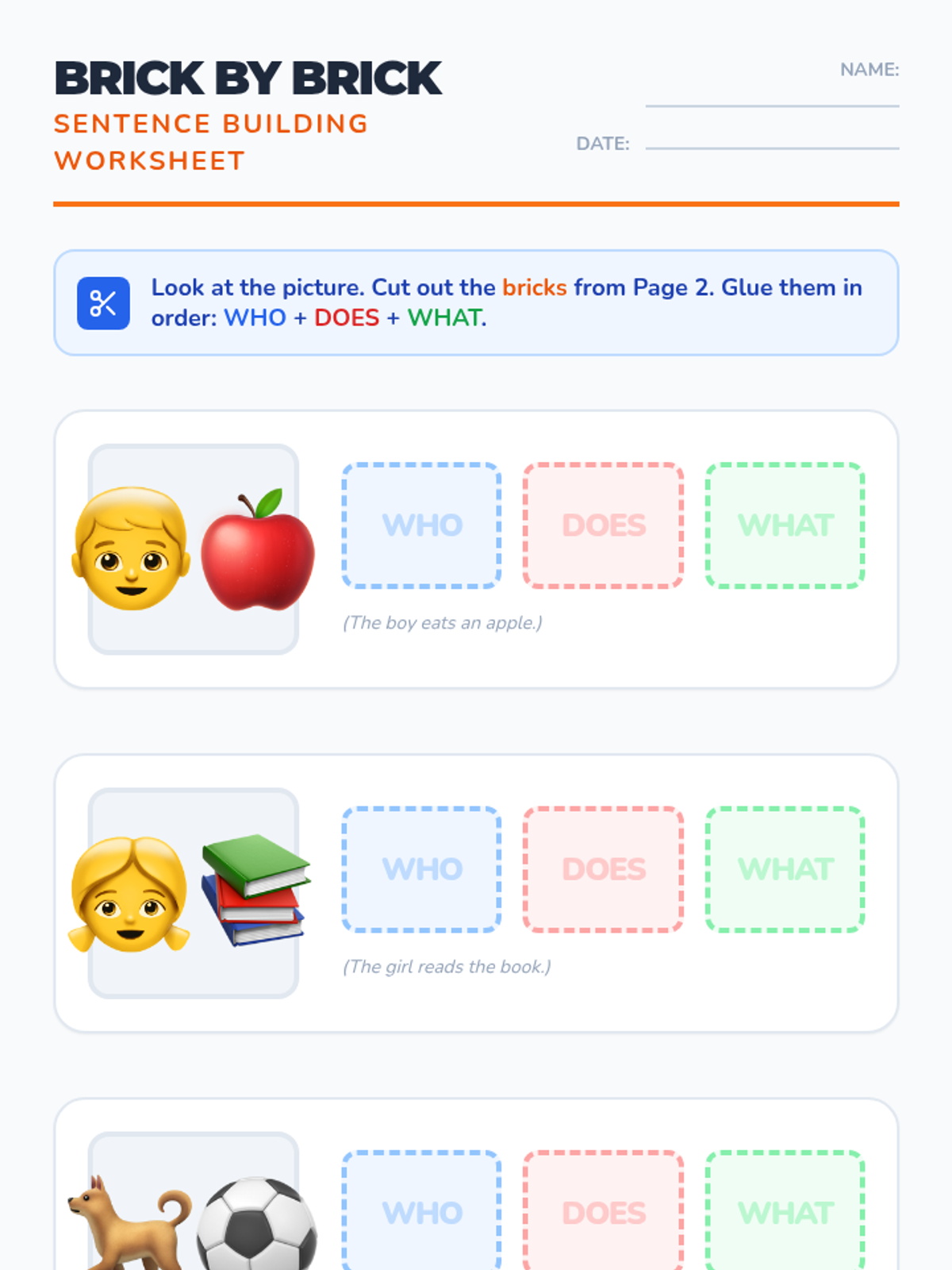
A foundational lesson for MLL students to master basic Subject-Verb-Object sentence structure using visual supports, scaffolding, and hands-on sequencing.