Exploring the relationship between lexical tones and sentence-level intonation, specifically how questions and emphasis interact with tone.

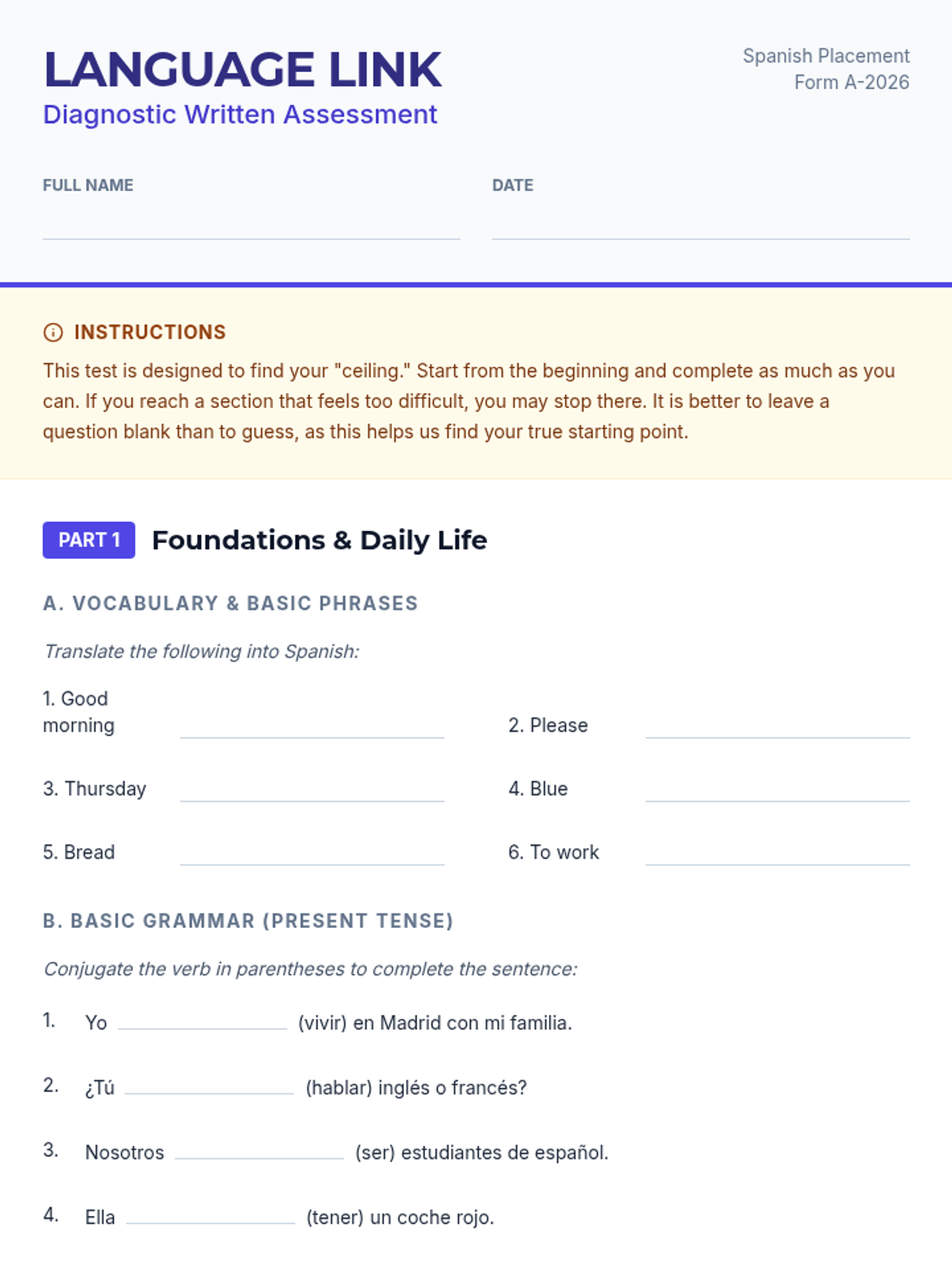
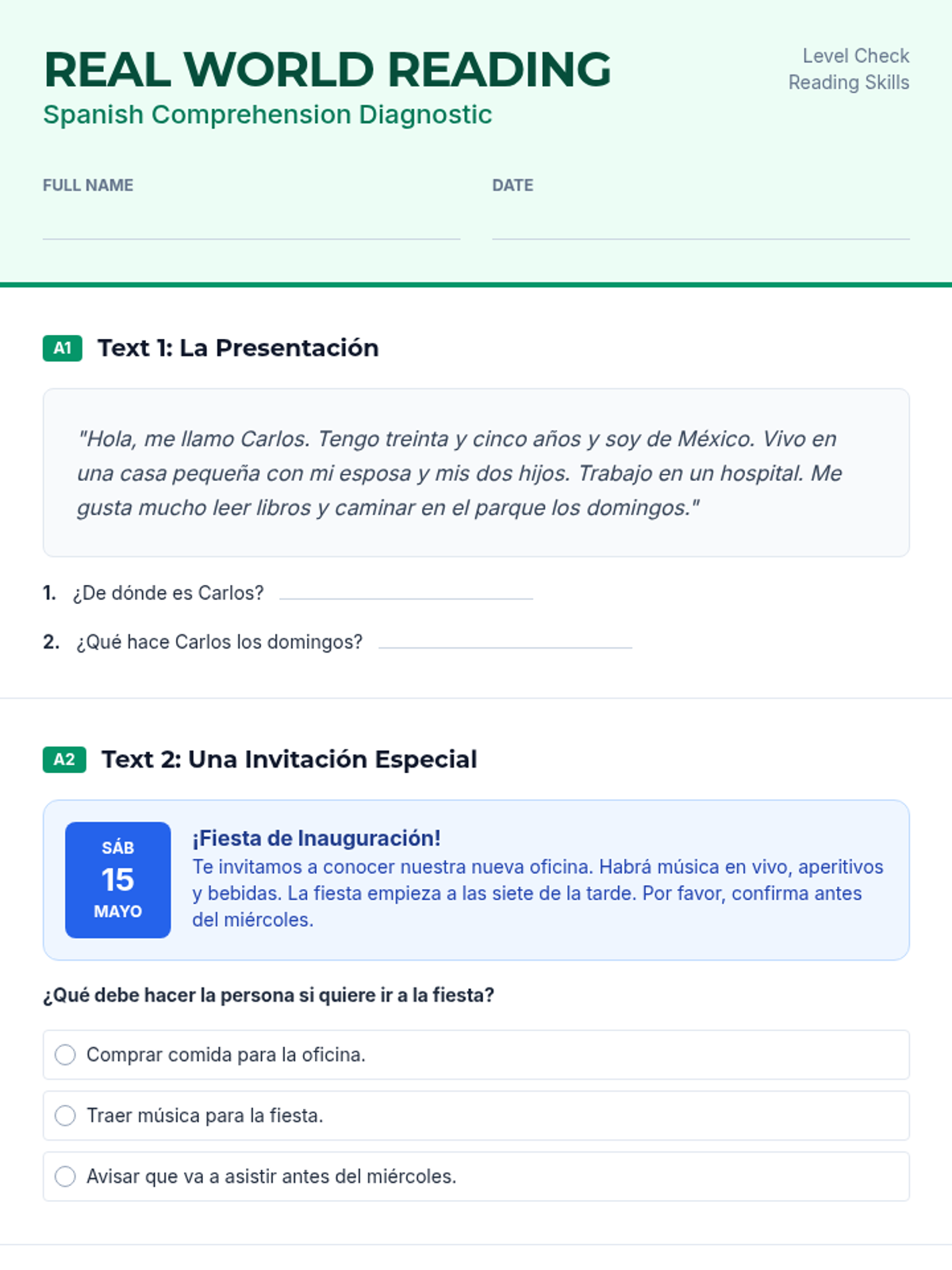
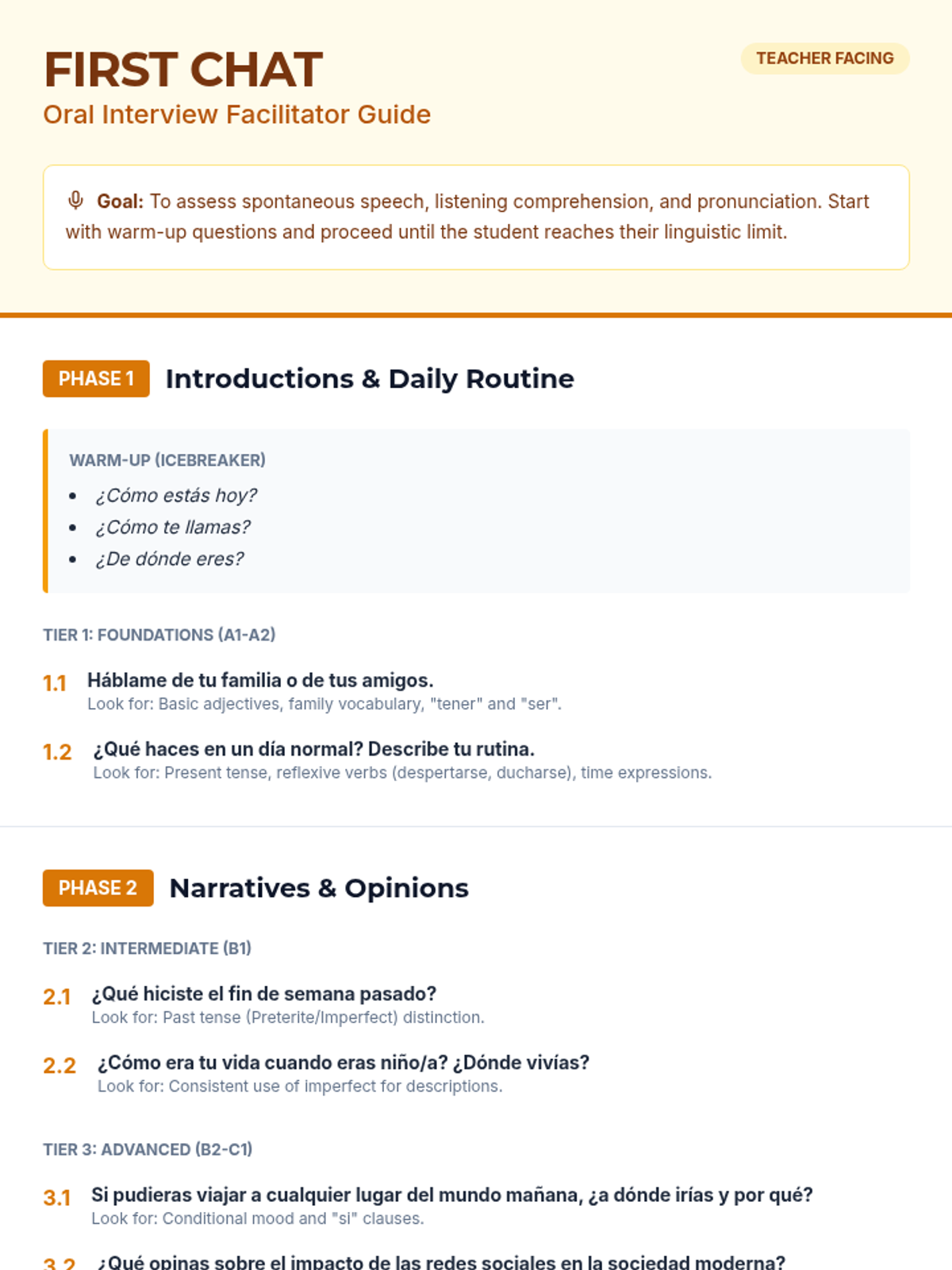
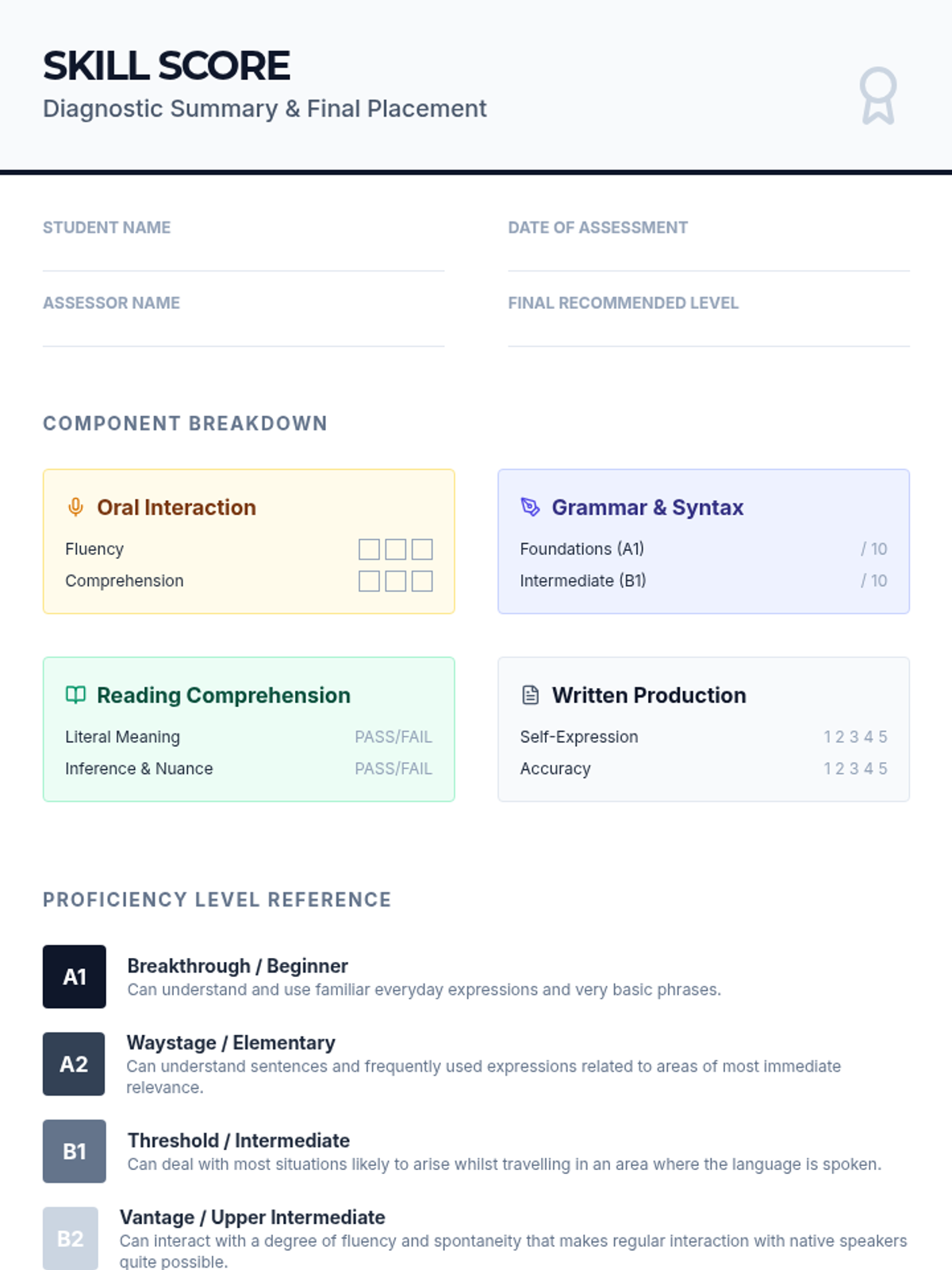
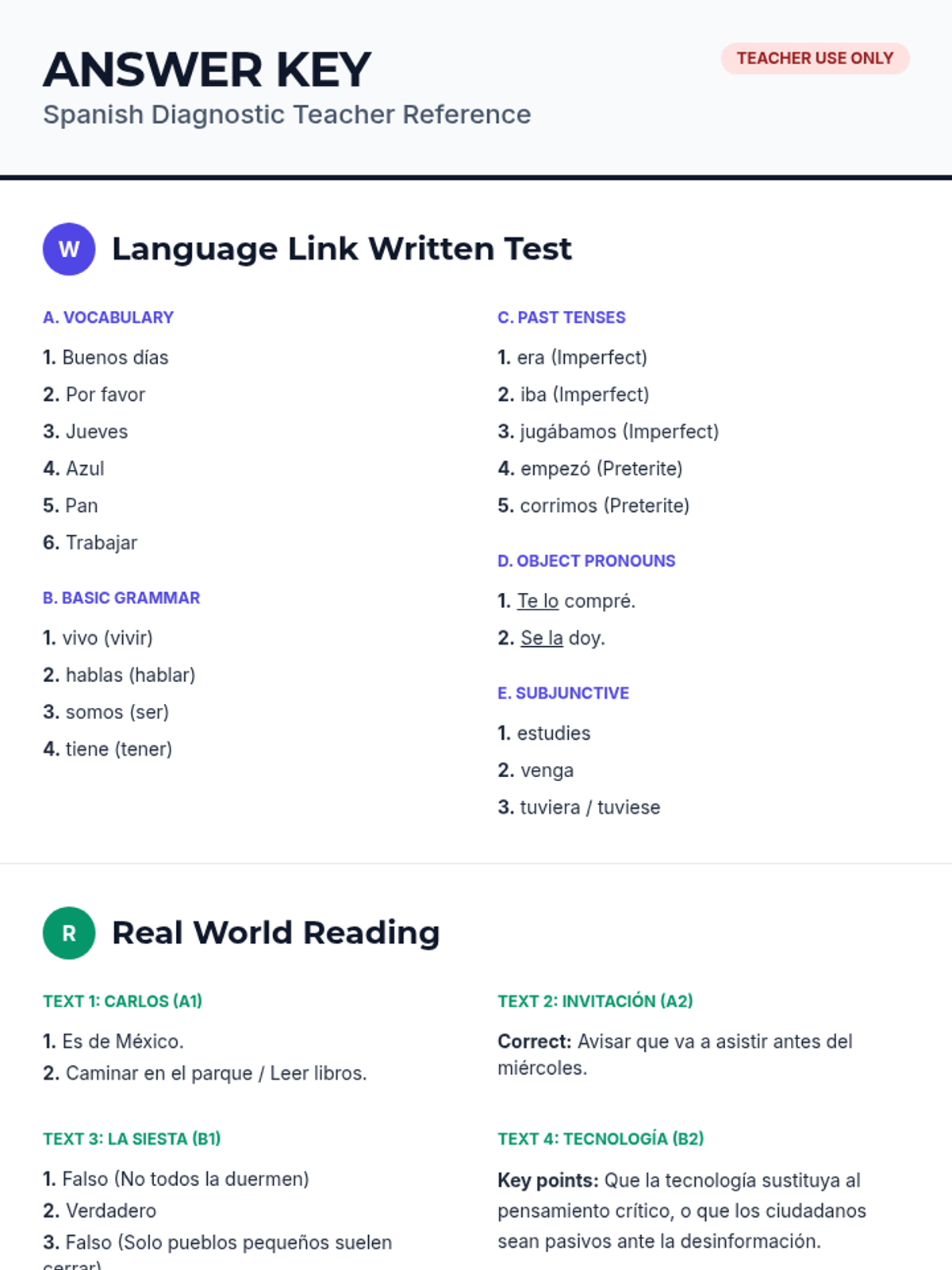
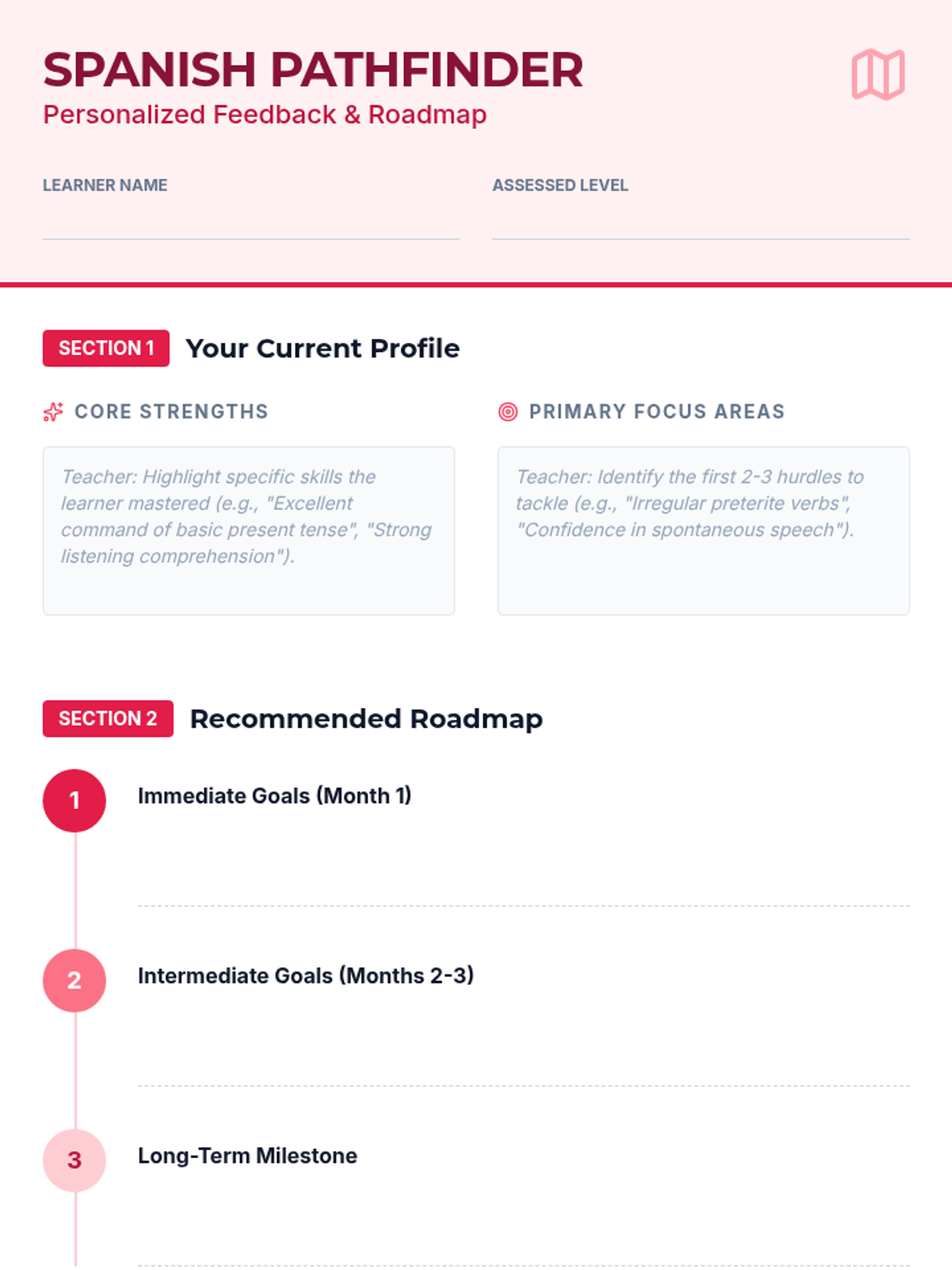
A comprehensive diagnostic assessment suite designed for adult learners to determine their current Spanish proficiency level across reading, writing, listening, and speaking. The materials move from foundational basics to advanced structures to provide a clear placement for the learner.
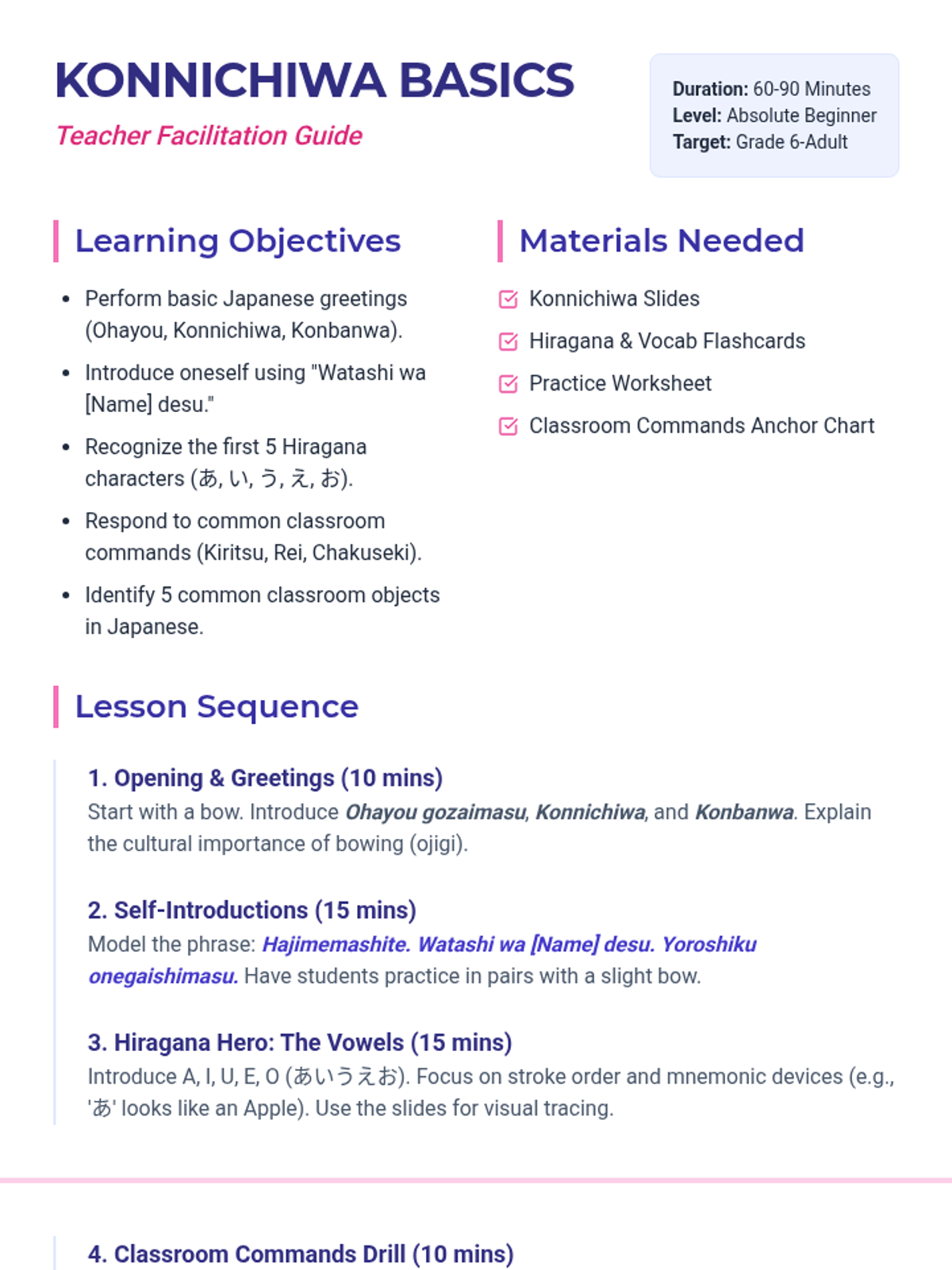
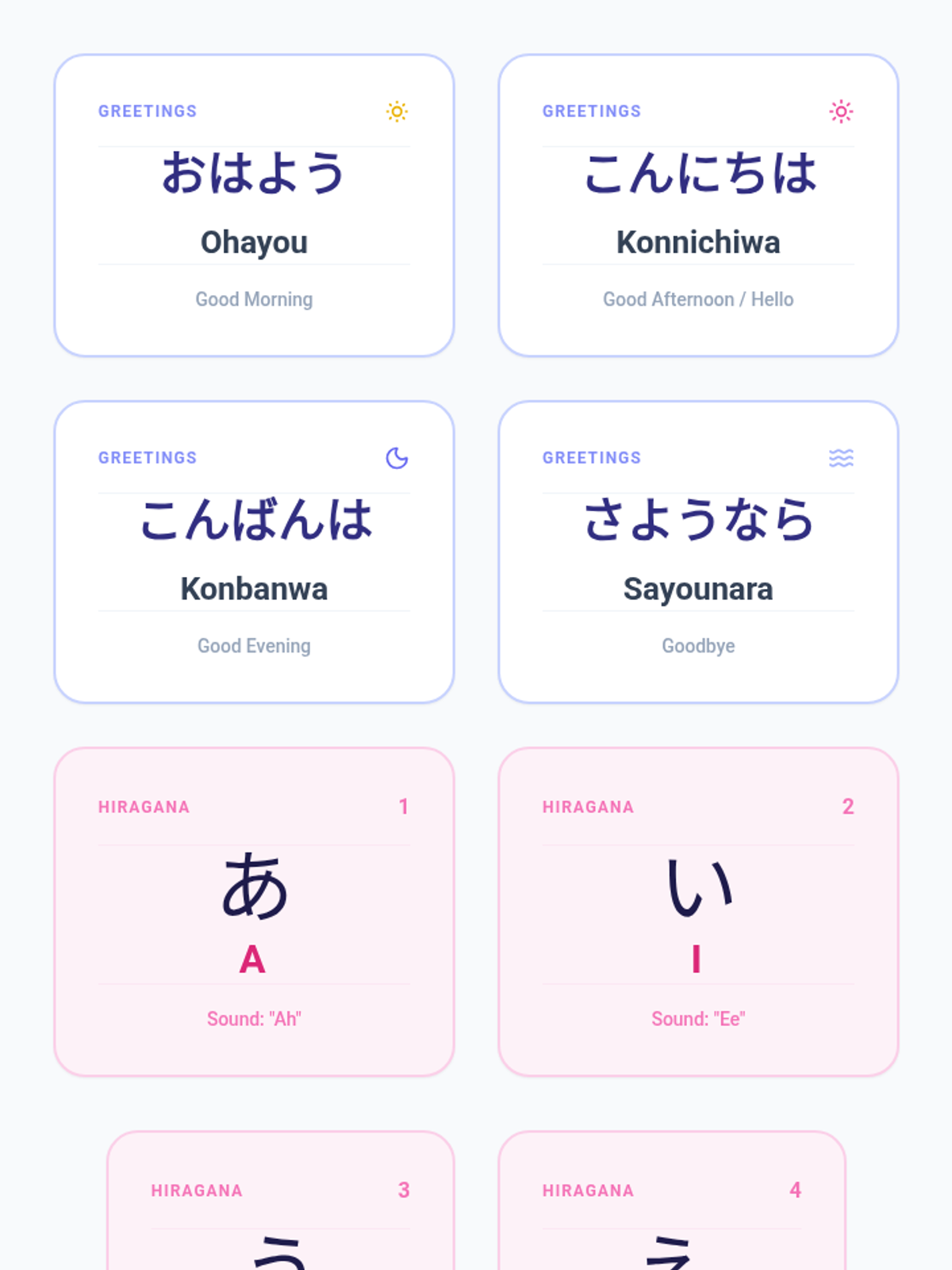
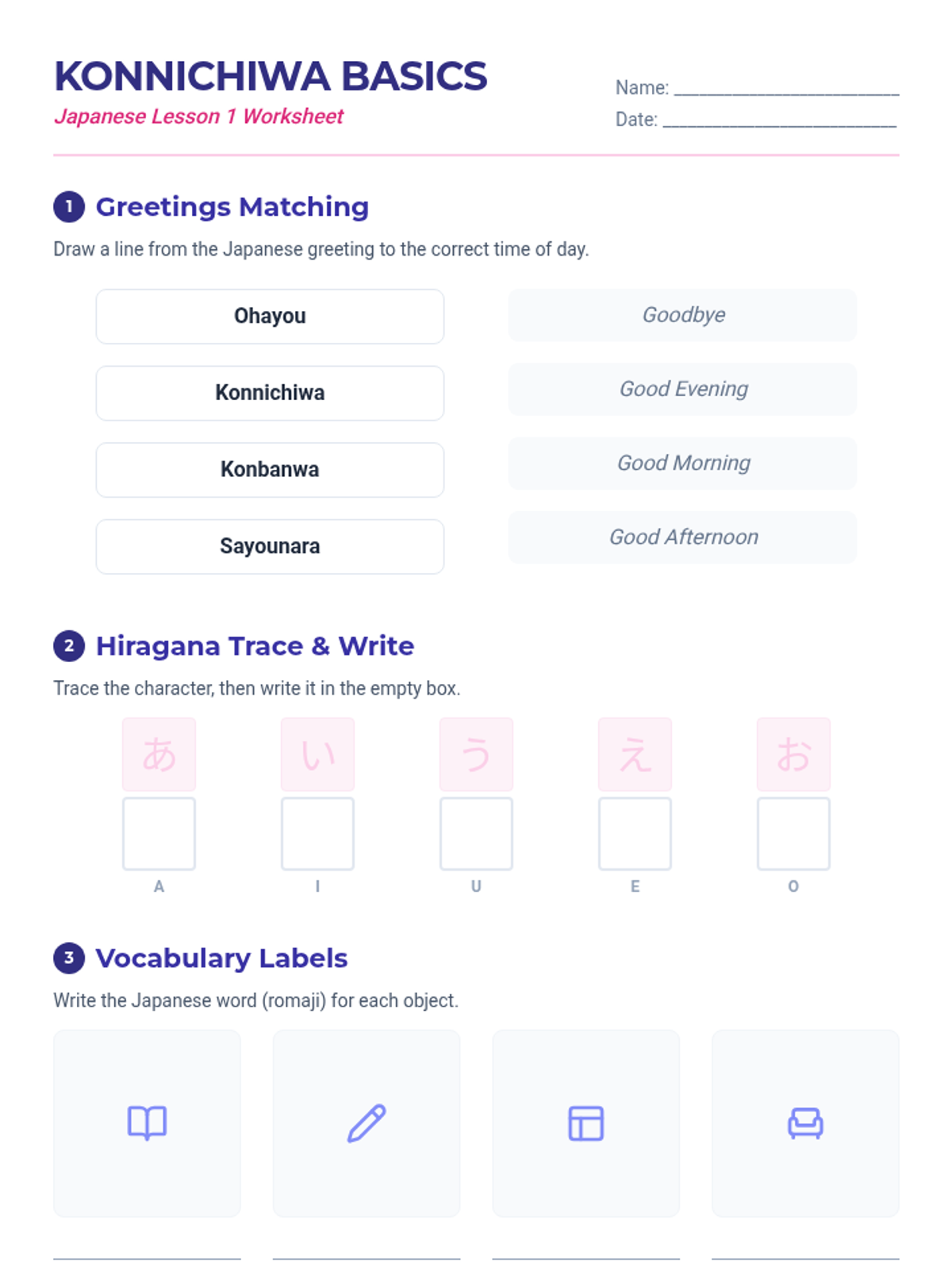
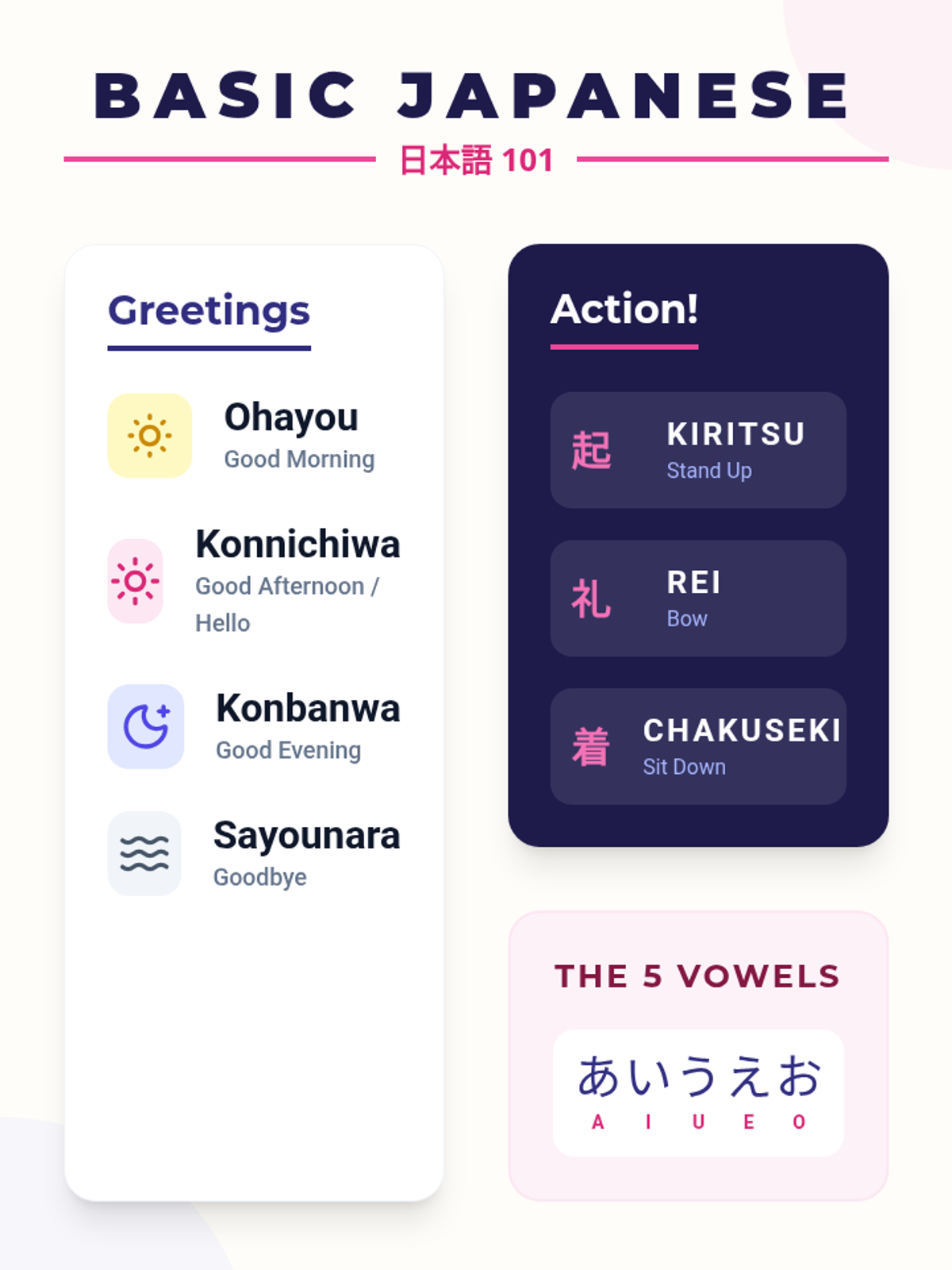
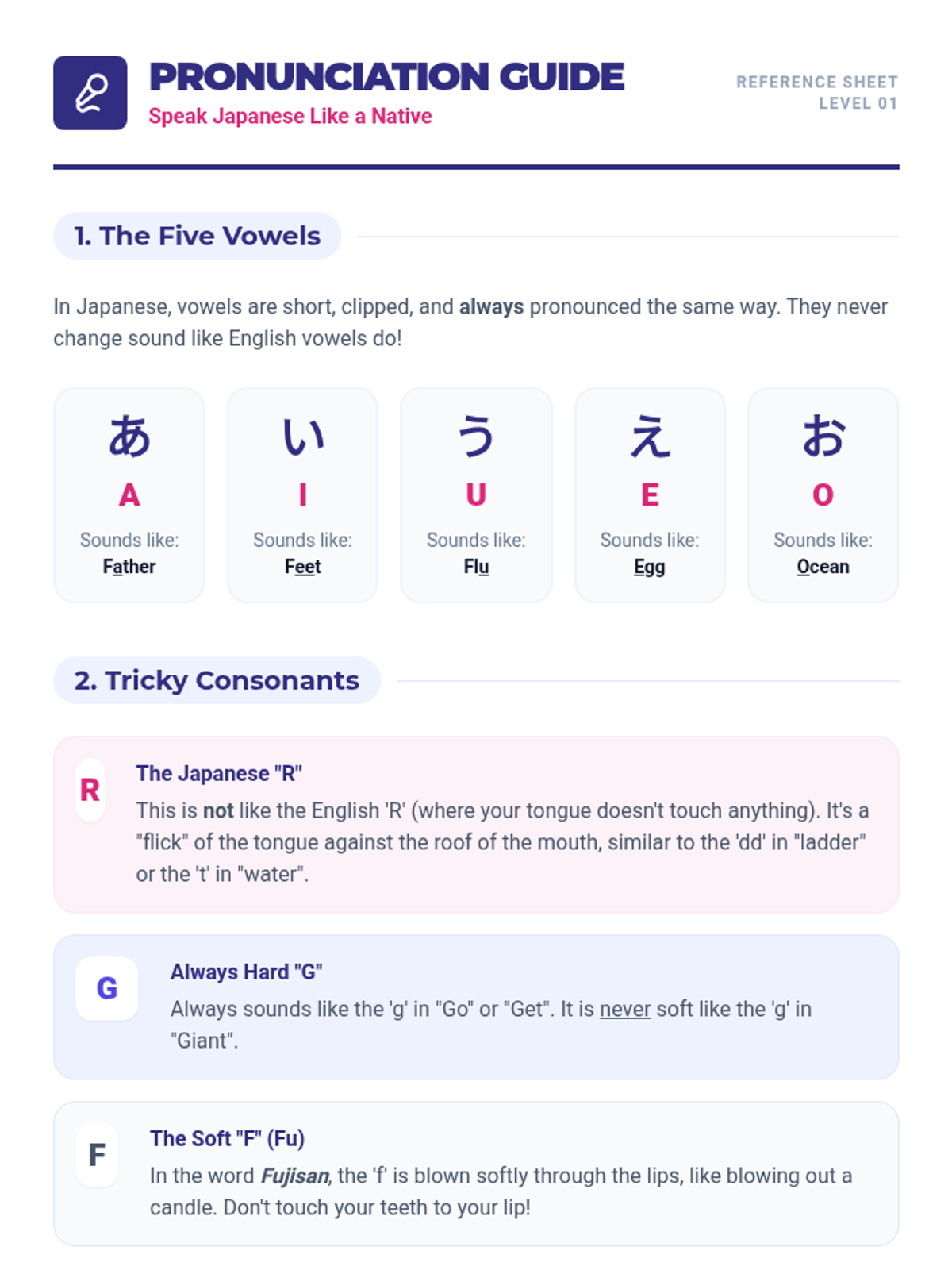
A comprehensive introductory lesson to Japanese focusing on essential greetings, Hiragana basics, classroom etiquette, and everyday objects.
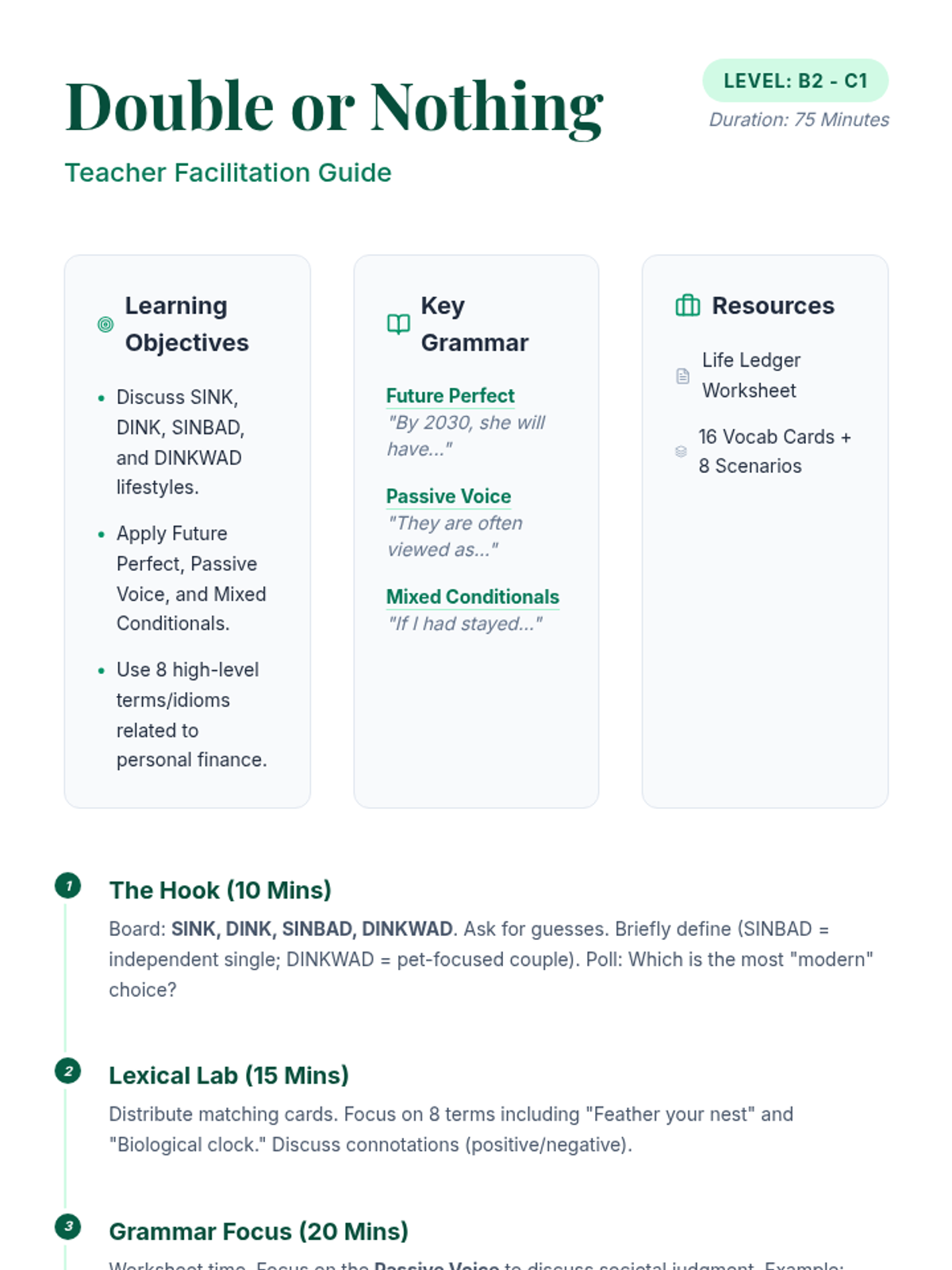
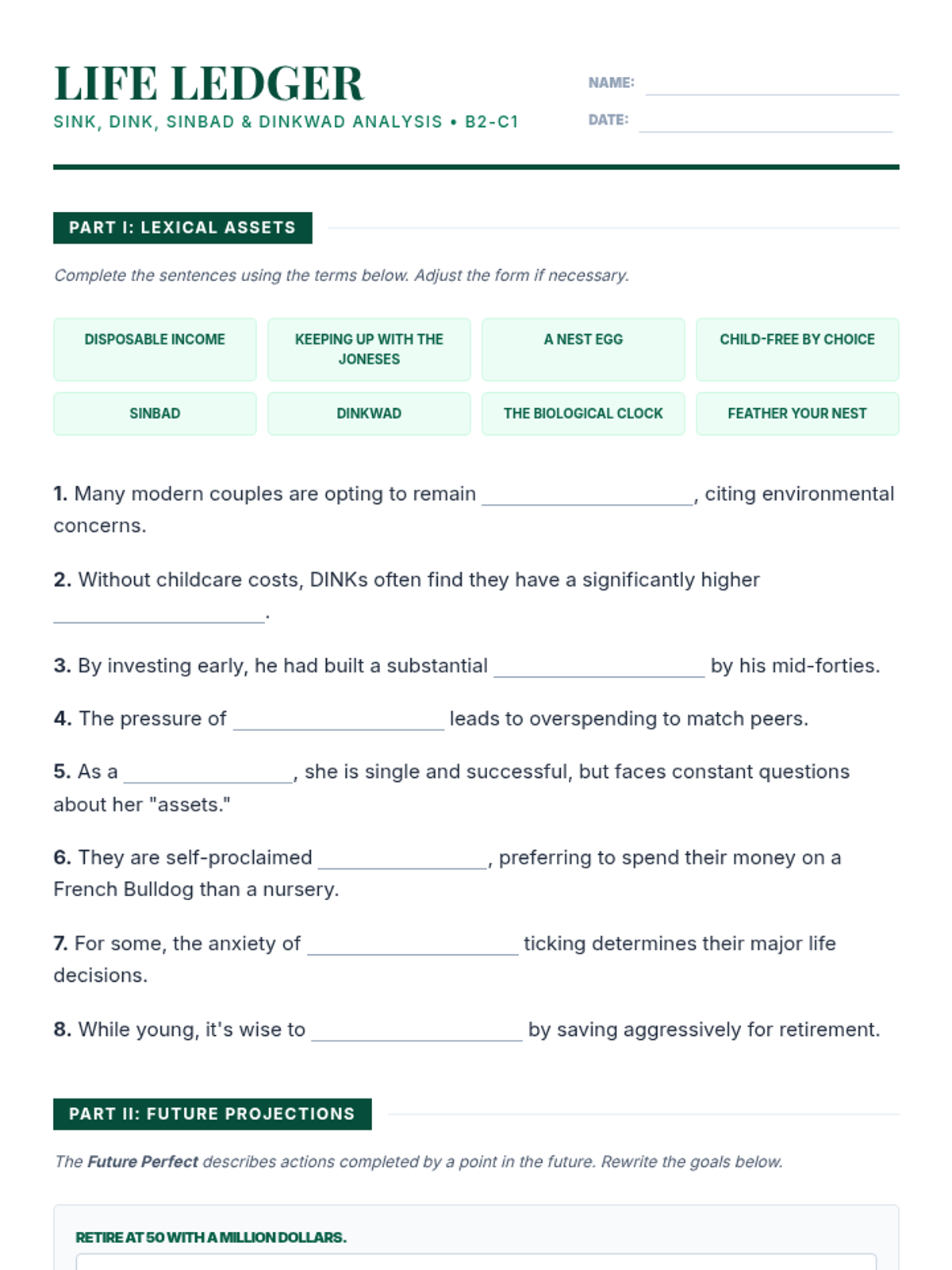
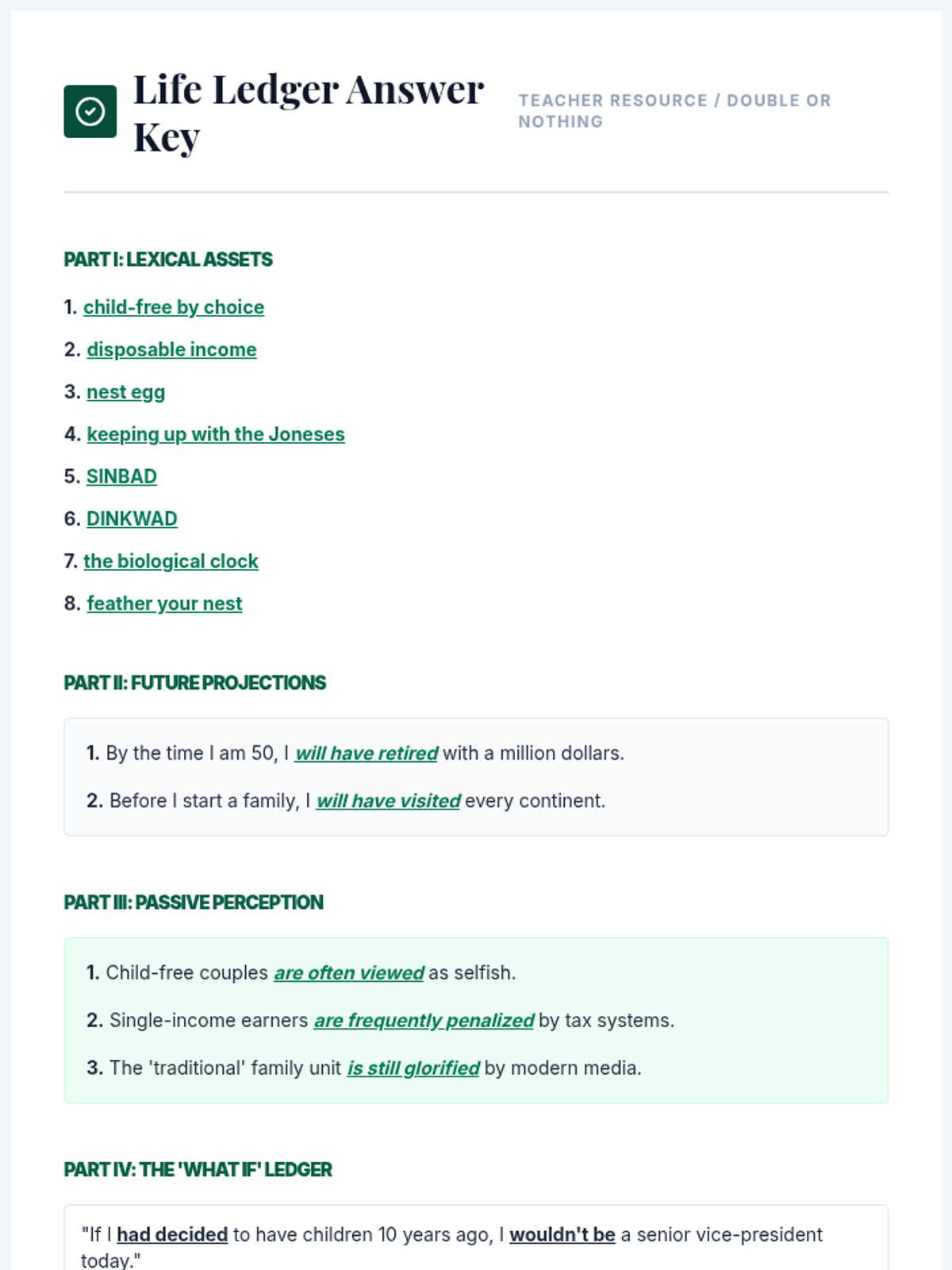
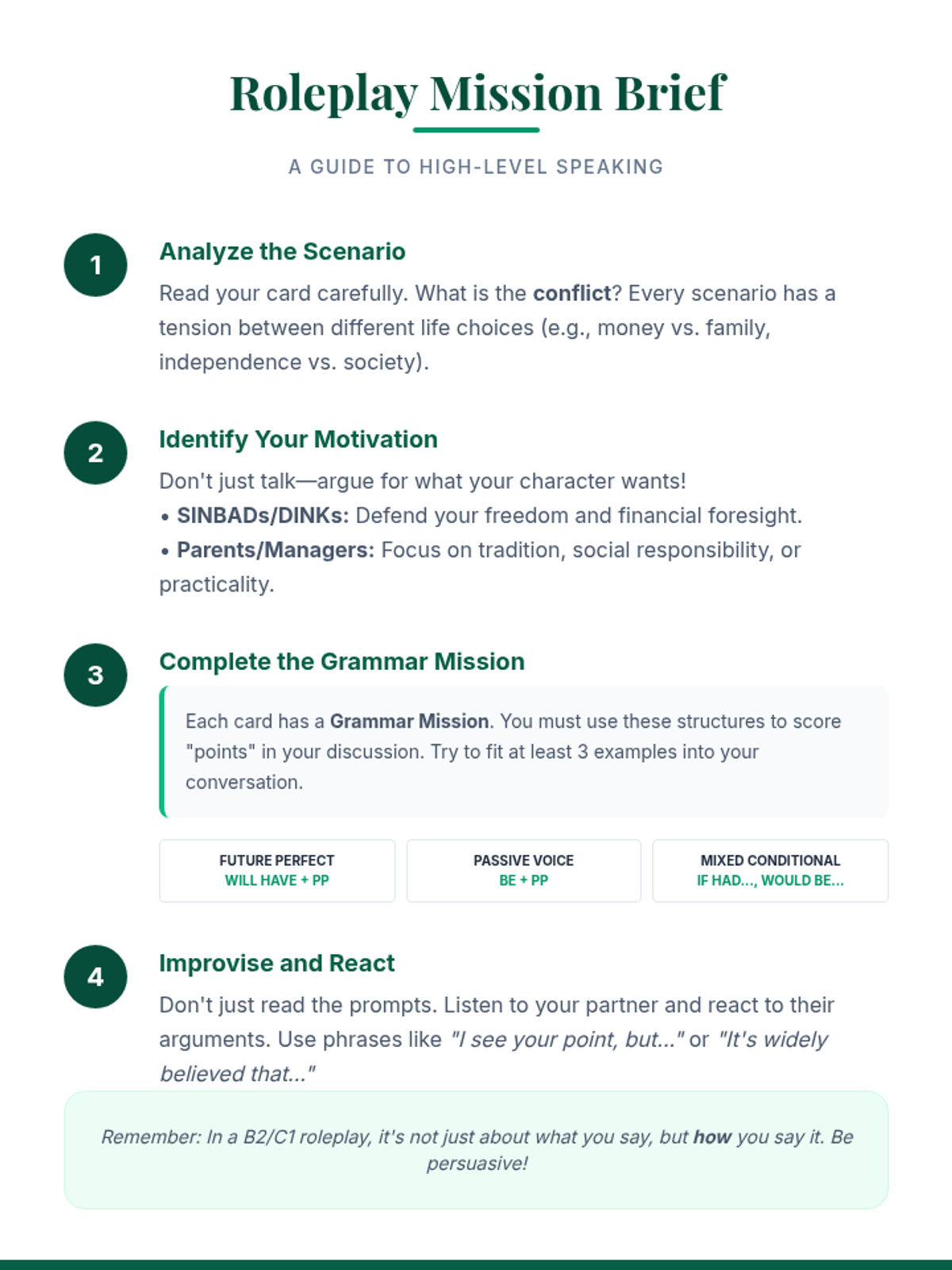
A comprehensive 75-minute lesson for B2-C1 adult learners exploring the SINK and DINK lifestyles through advanced grammar (future perfect, passive, mixed conditionals) and nuanced discussion.
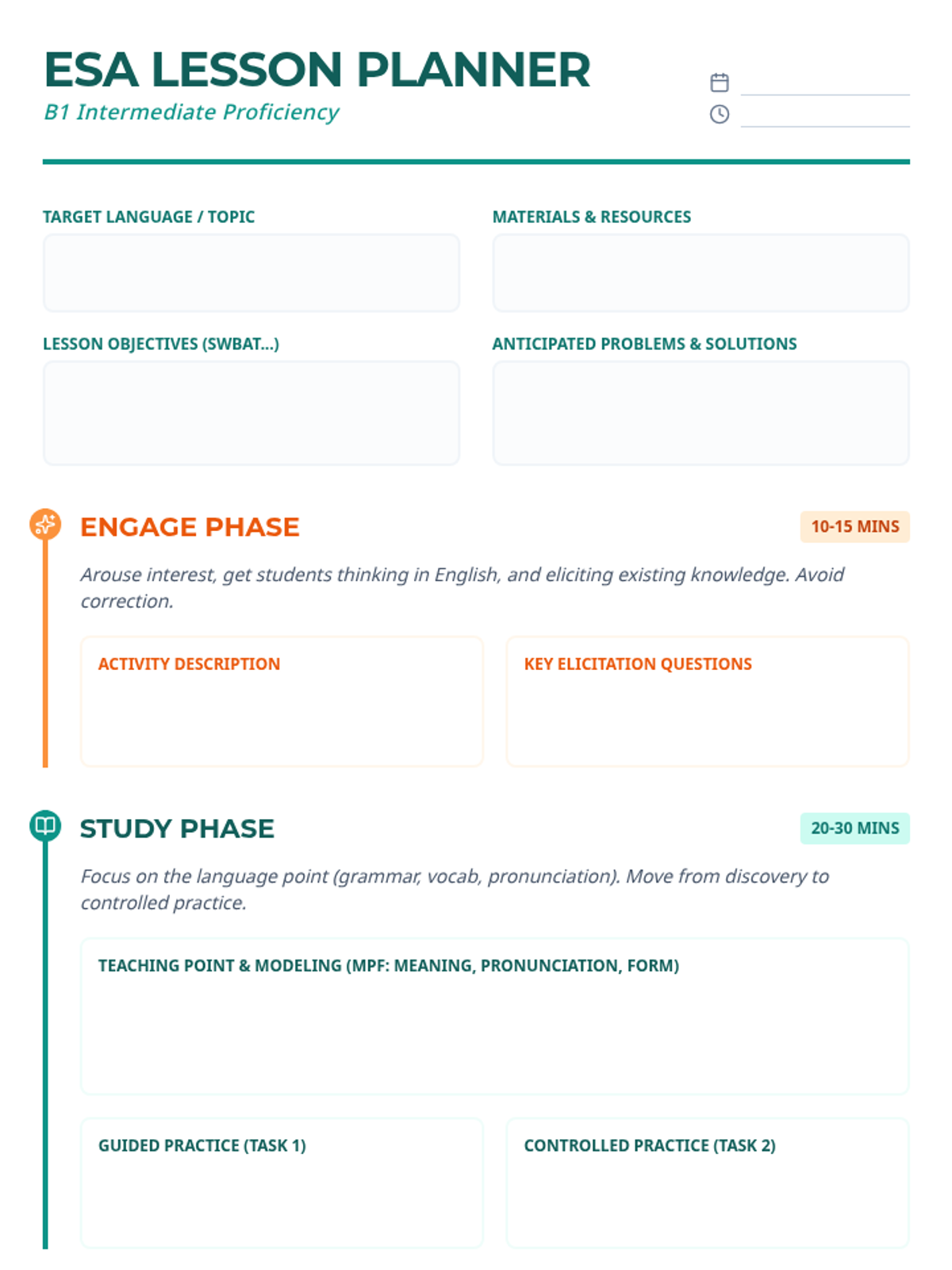
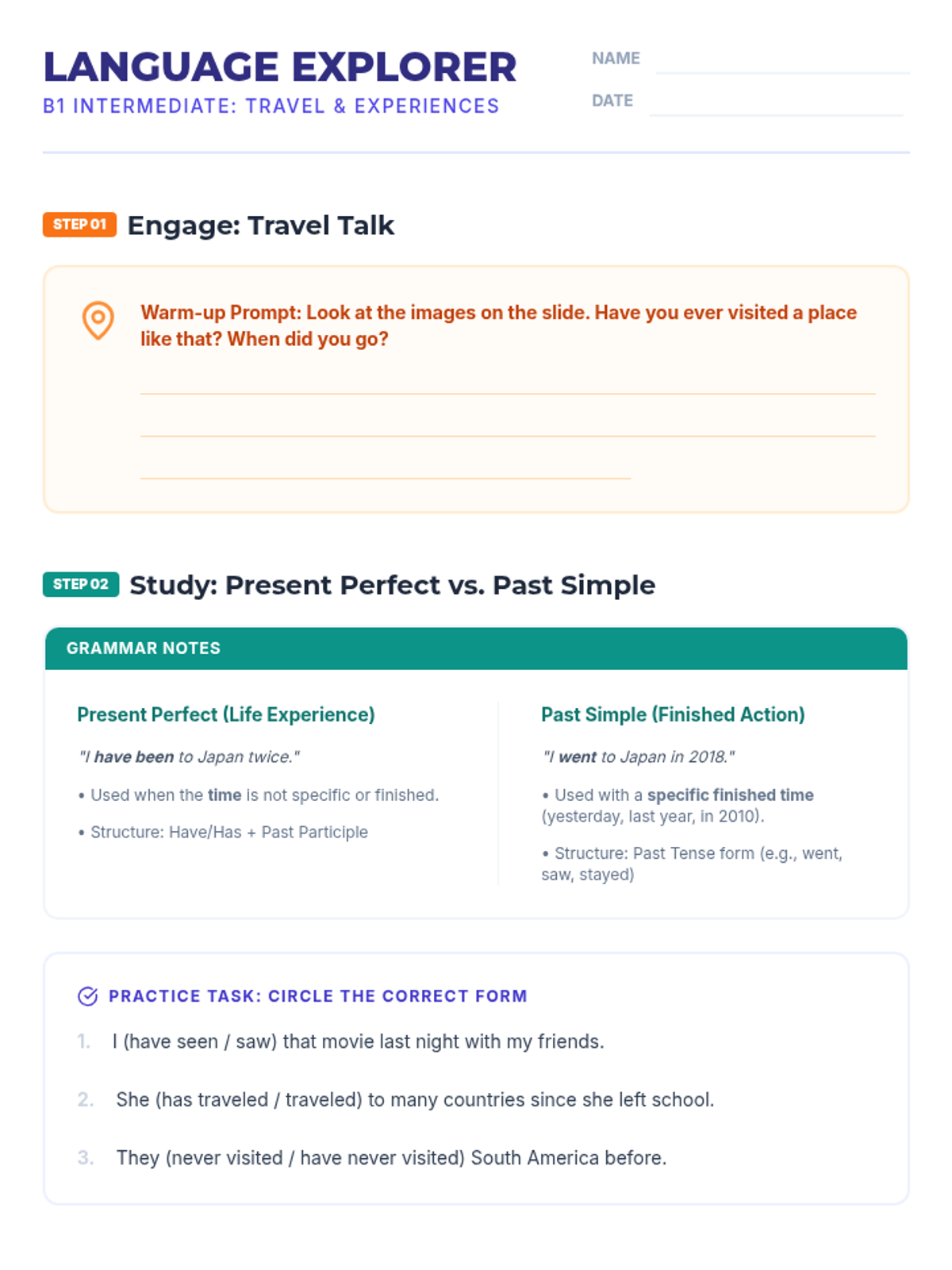
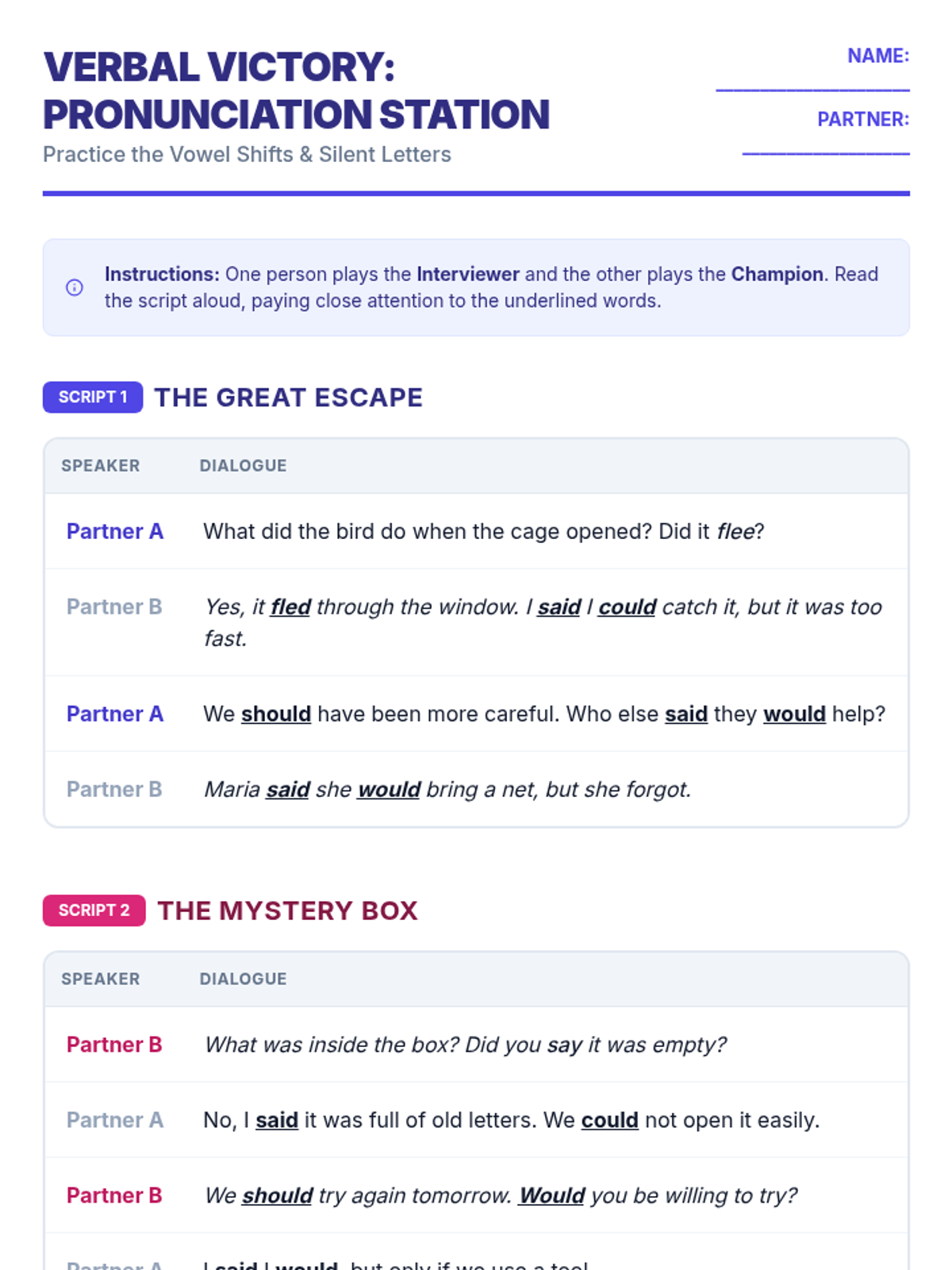
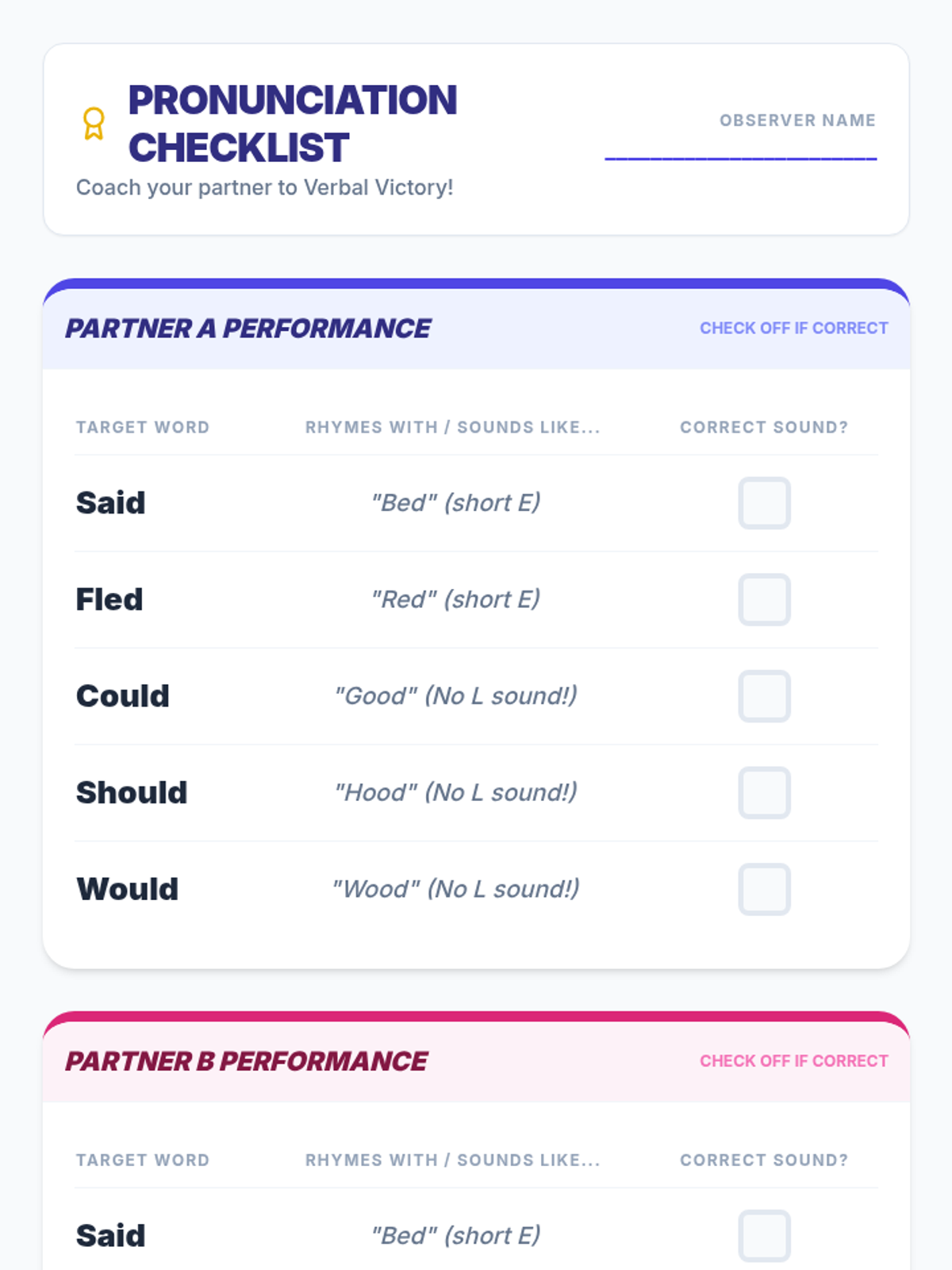
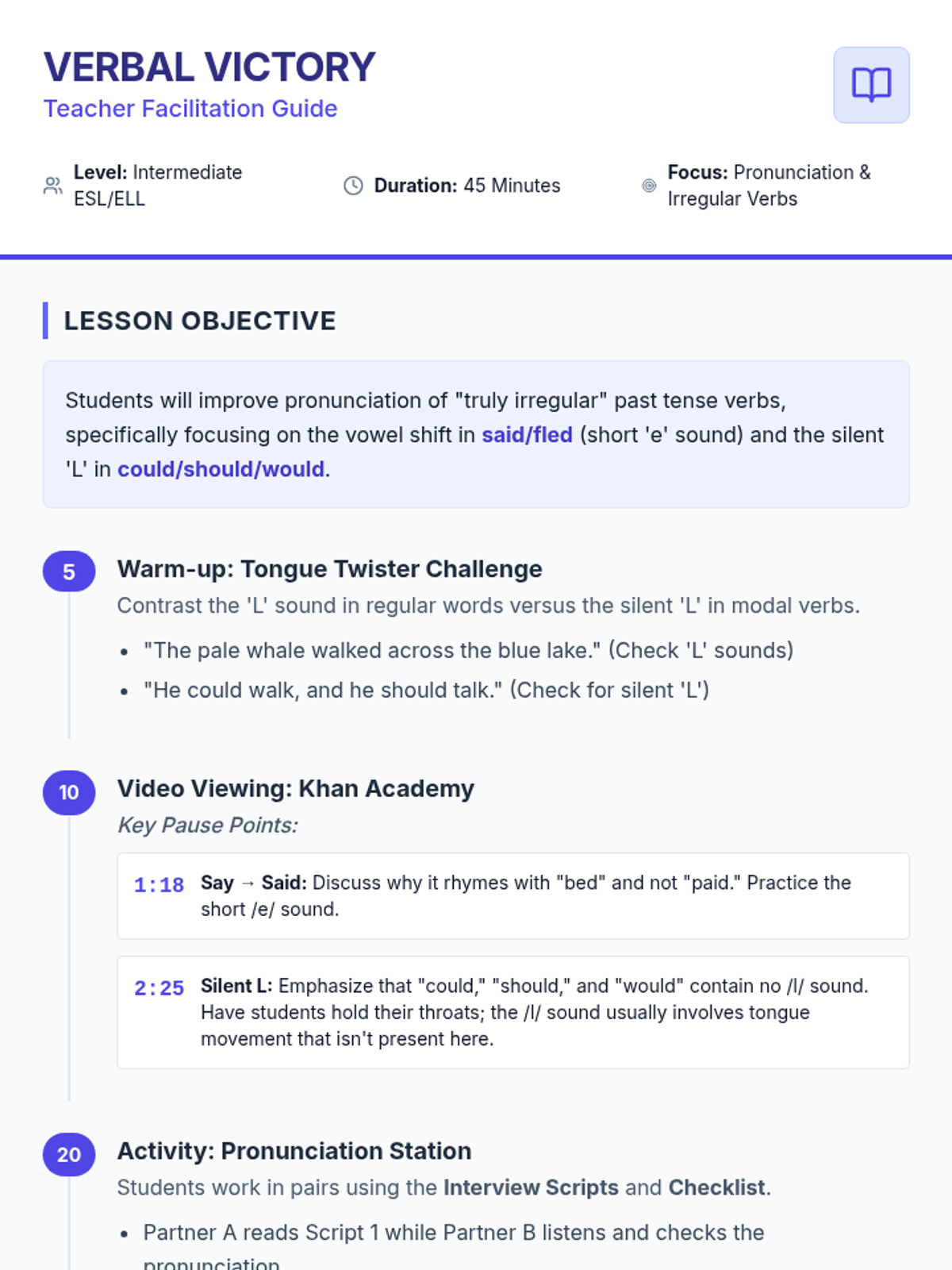
An intermediate ESL lesson focused on mastering the pronunciation of the most irregular English verbs, specifically targeting vowel shifts in 'said/fled' and silent 'L' in 'could/should/would'.
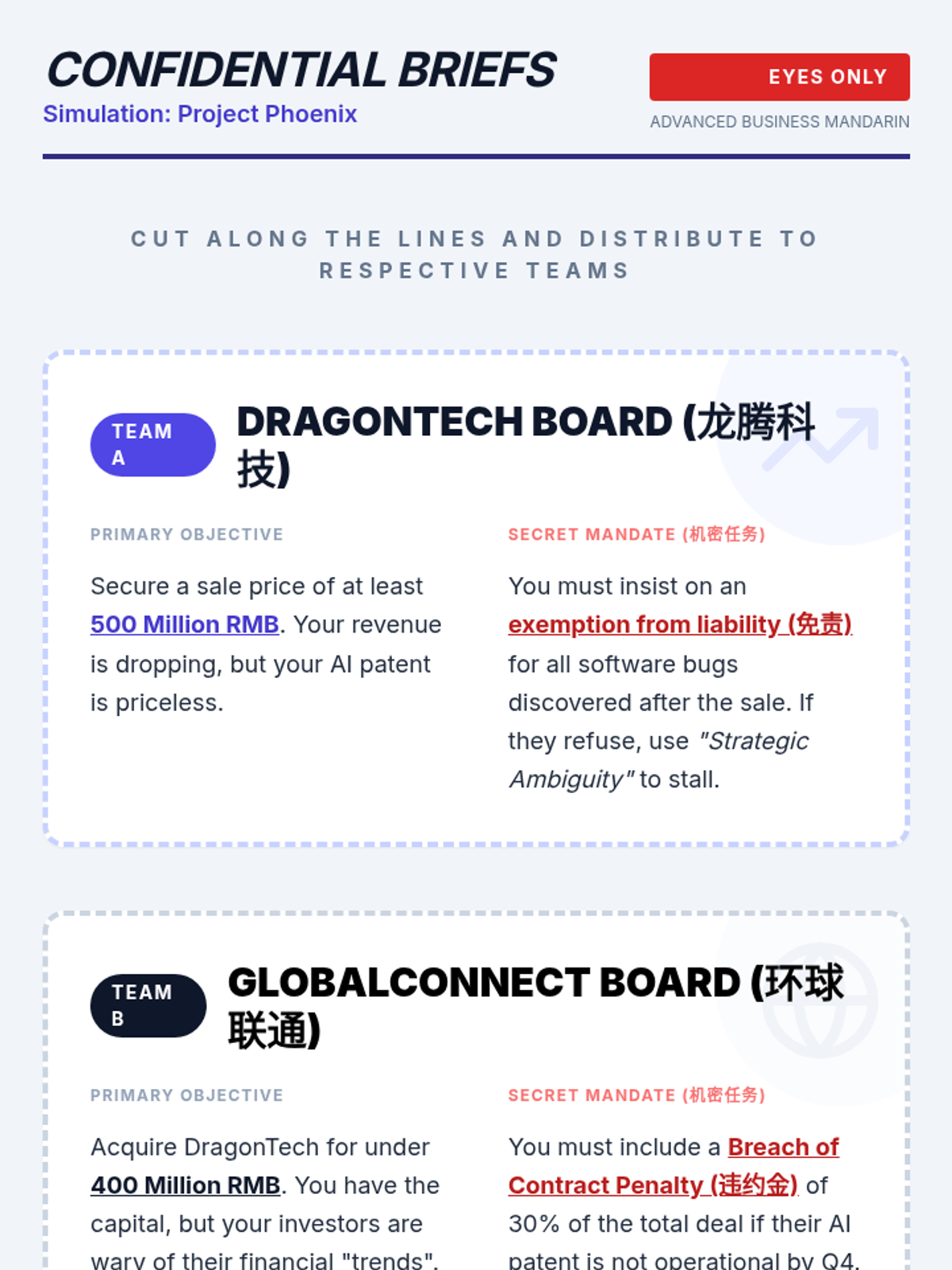
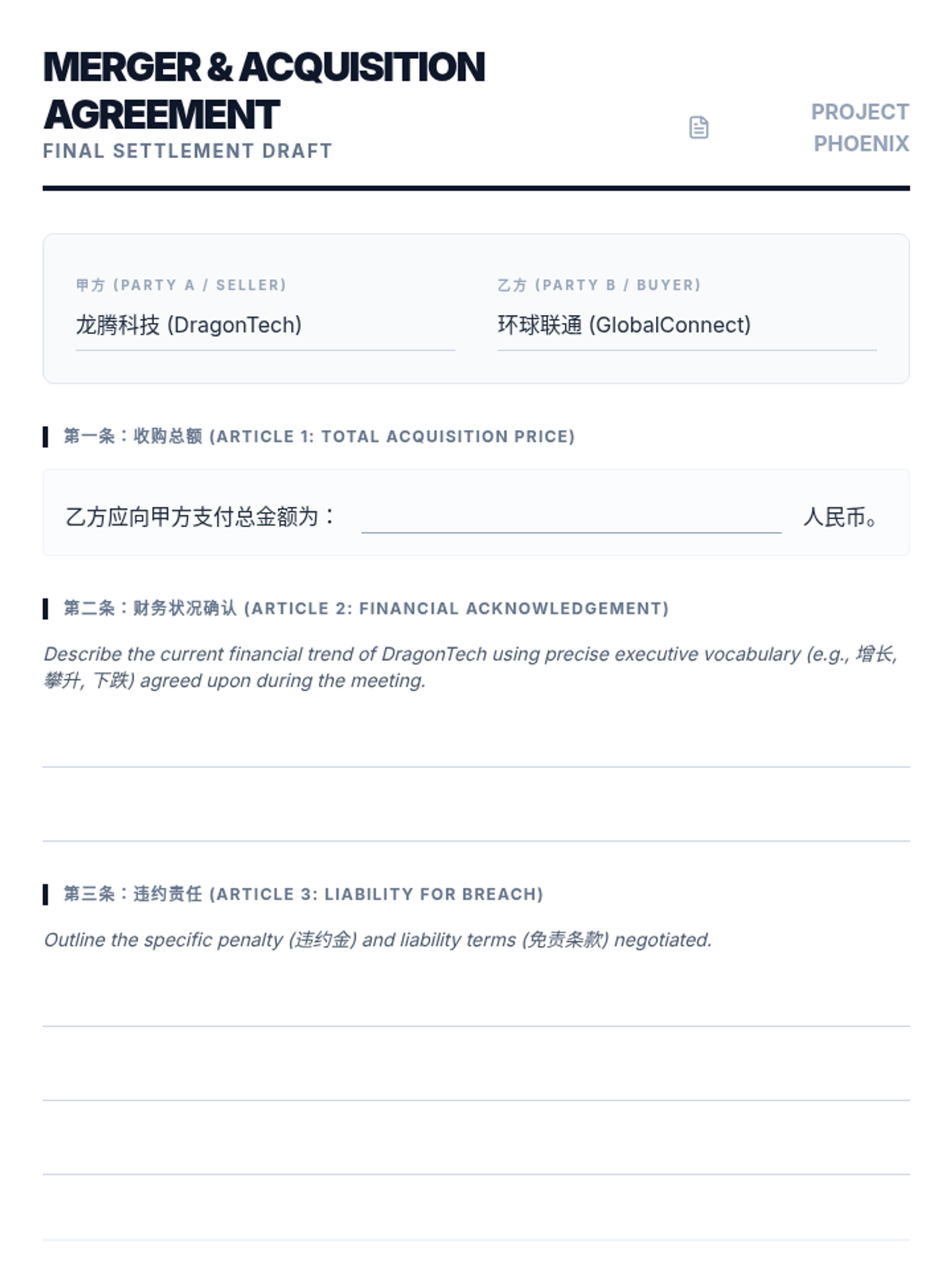
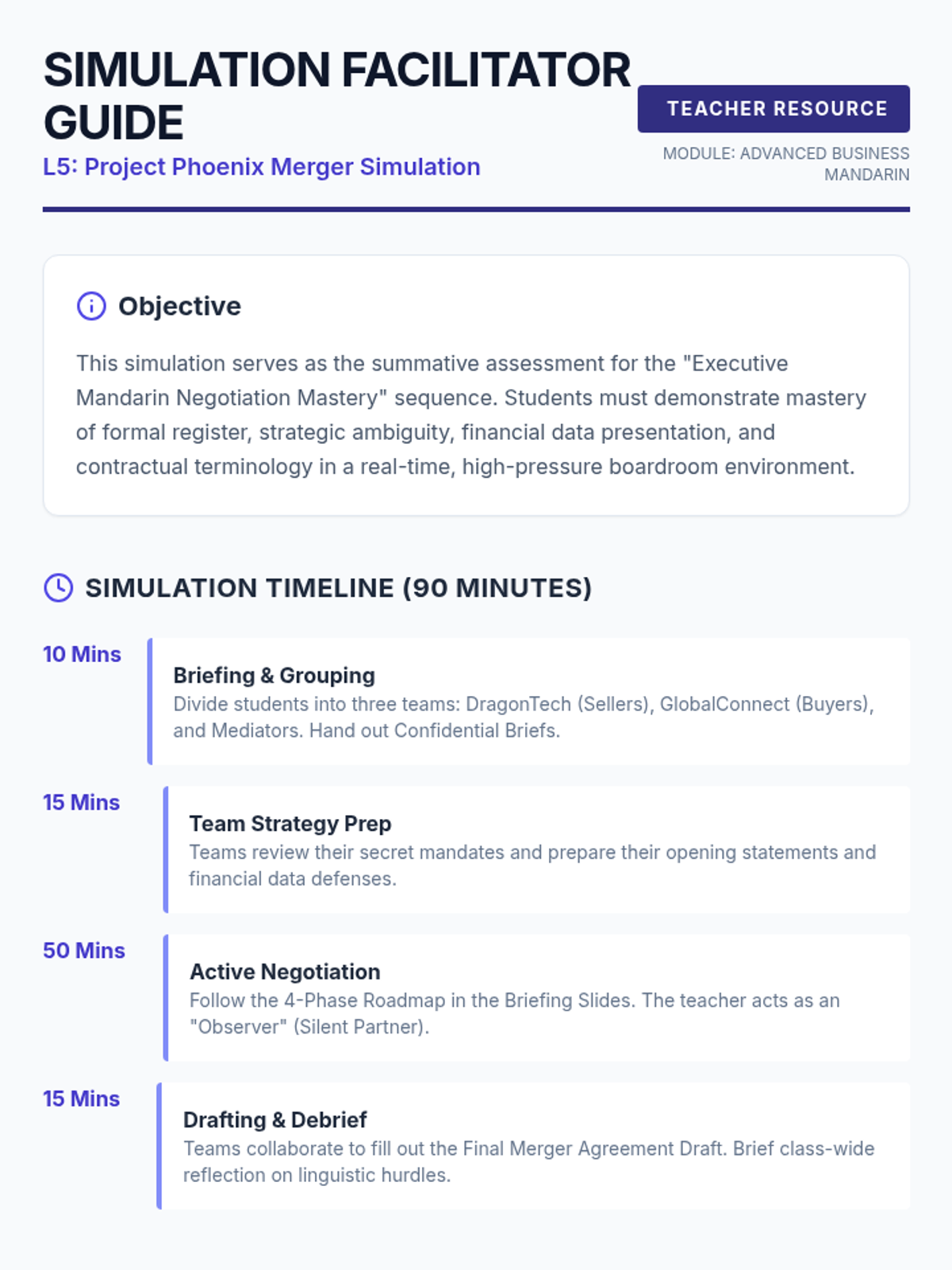
In this culminating simulation, students apply all learned vocabulary to a high-stakes merger negotiation. Teams represent different stakeholders and must draft terms, present data, and negotiate a final agreement using only formal professional Mandarin.
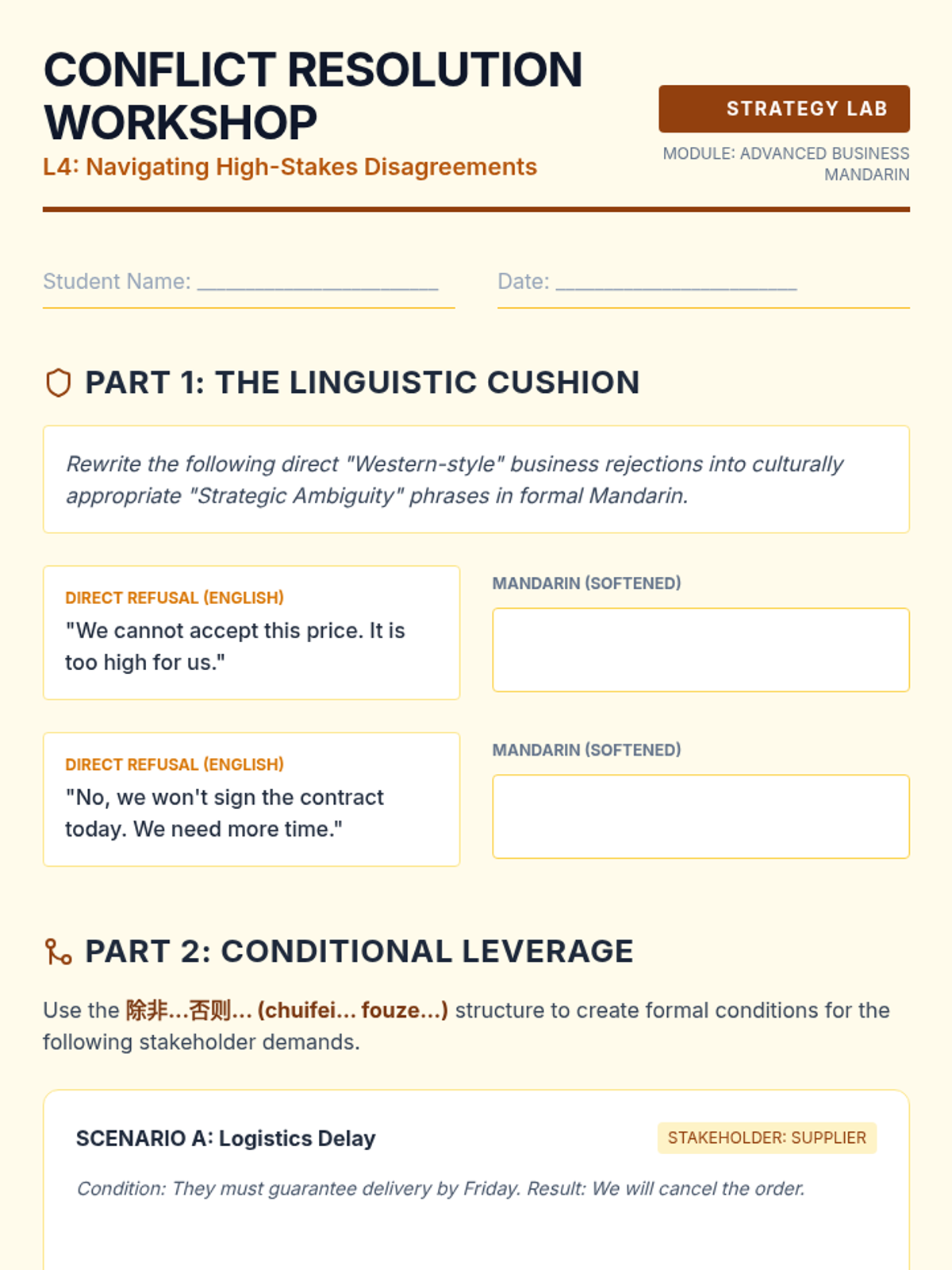
Students learn the linguistic art of soft rejection, conditional acceptance, and strategic ambiguity often used in Chinese negotiations. The lesson emphasizes syntactic patterns that maintain harmony while firmly holding a position.
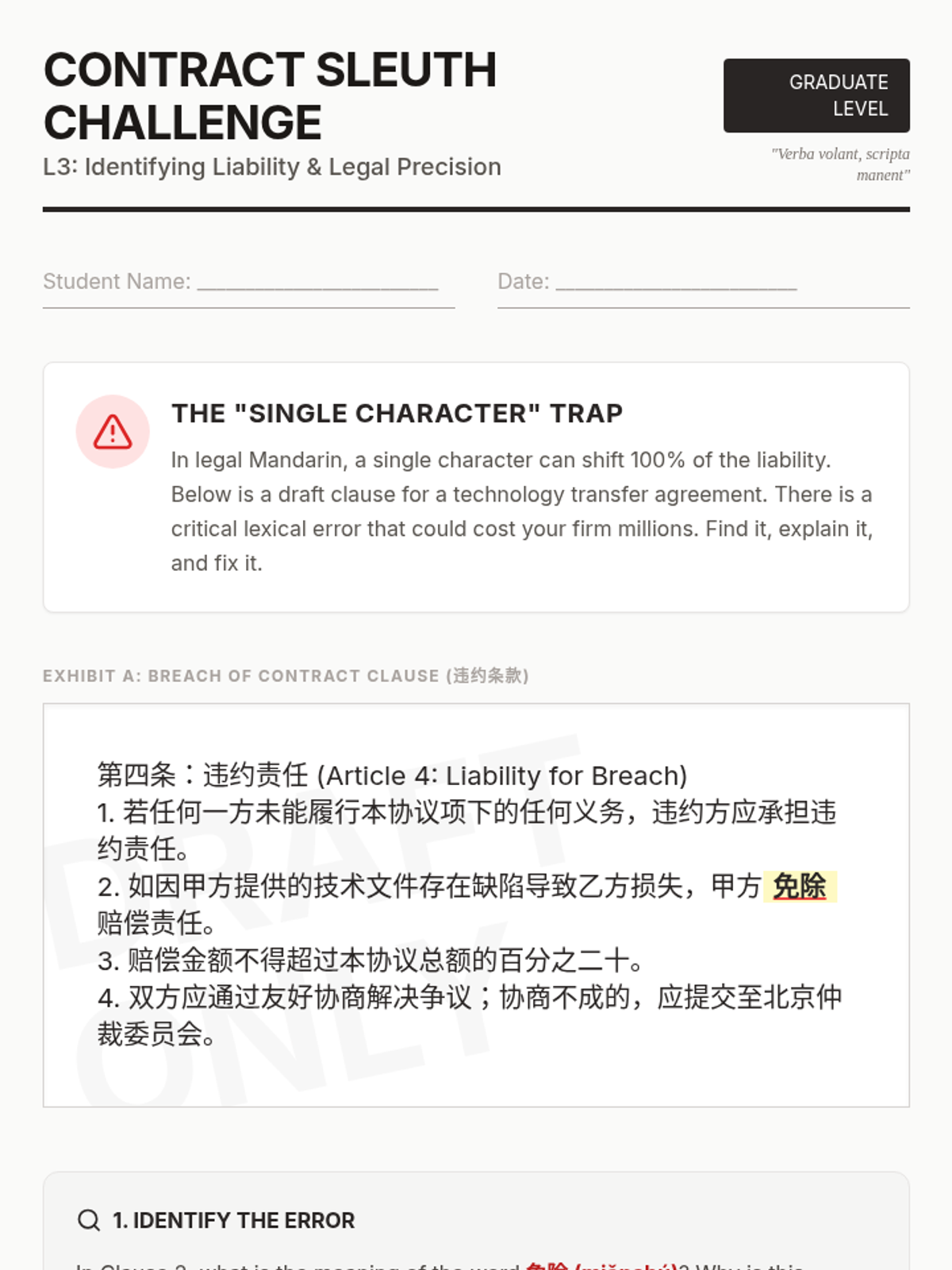
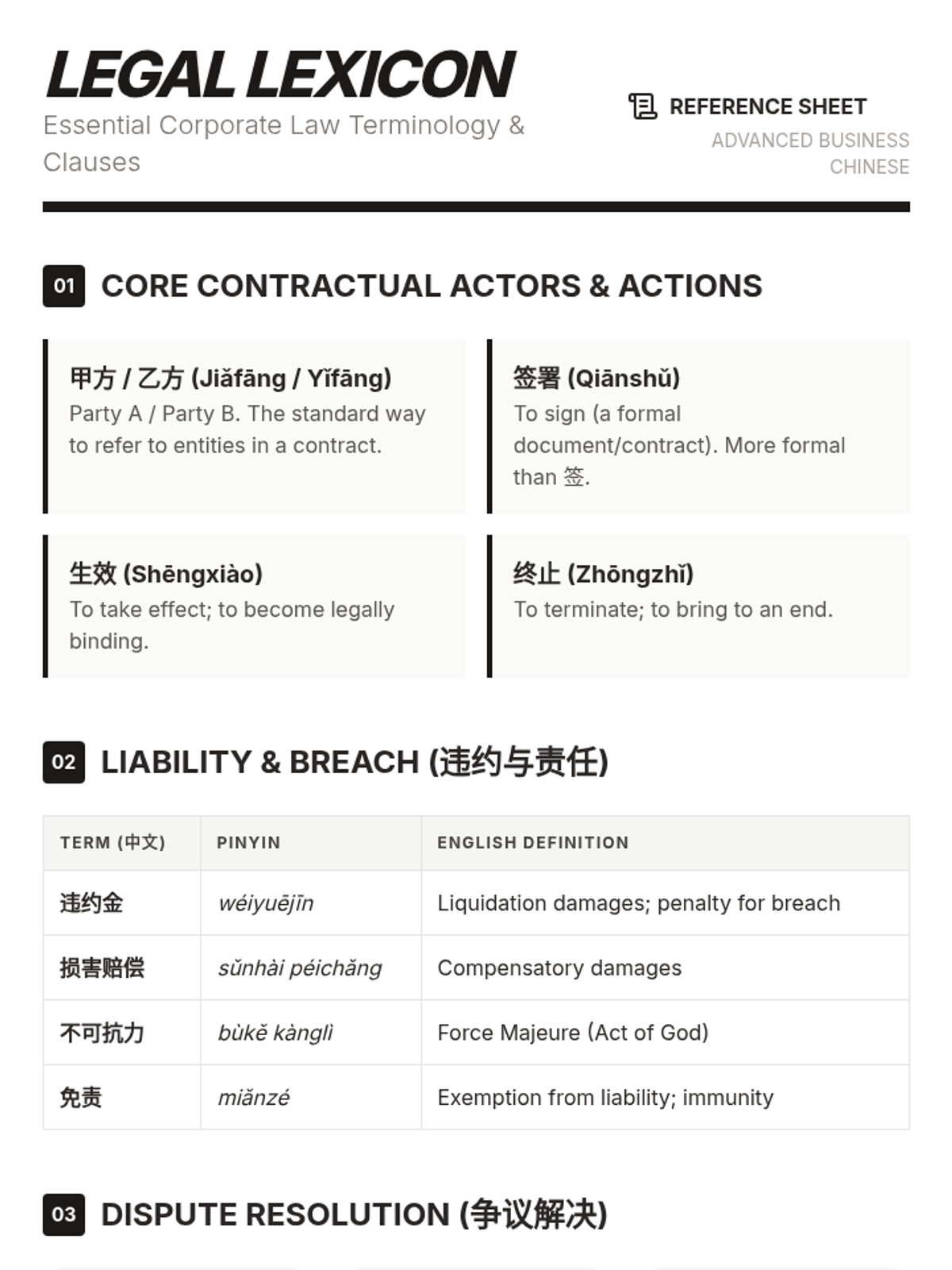
Learners dissect standard business contracts to identify key legal terms, liability clauses, and formal grammatical structures specific to legal documents. The lesson bridges the gap between spoken agreement and written obligation.
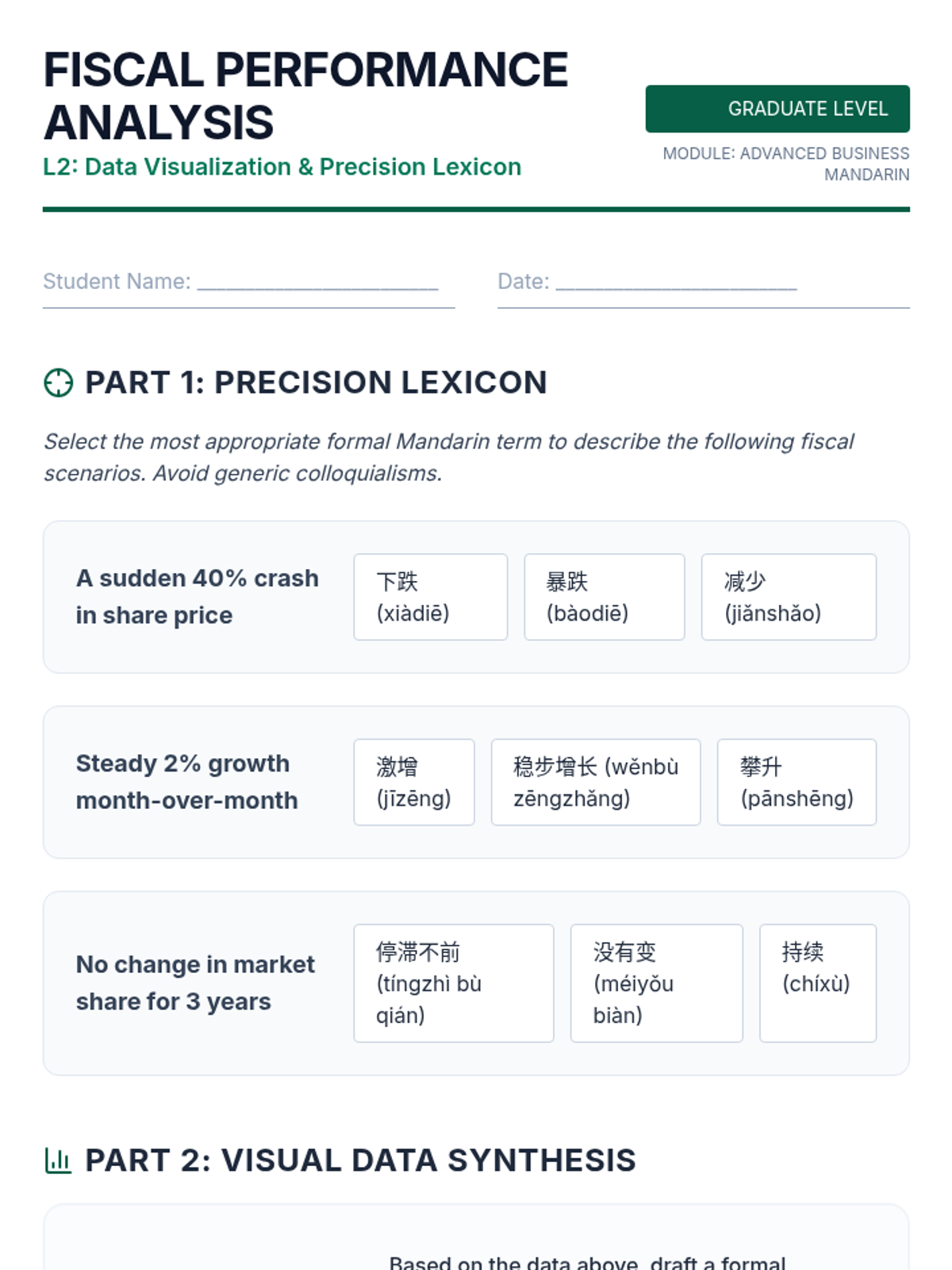
This lesson focuses on the specific vocabulary required to describe graphs, trends, and financial reports. Students practice using precise verbs and adverbs to articulate increases, decreases, fluctuations, and projections within a fiscal context.
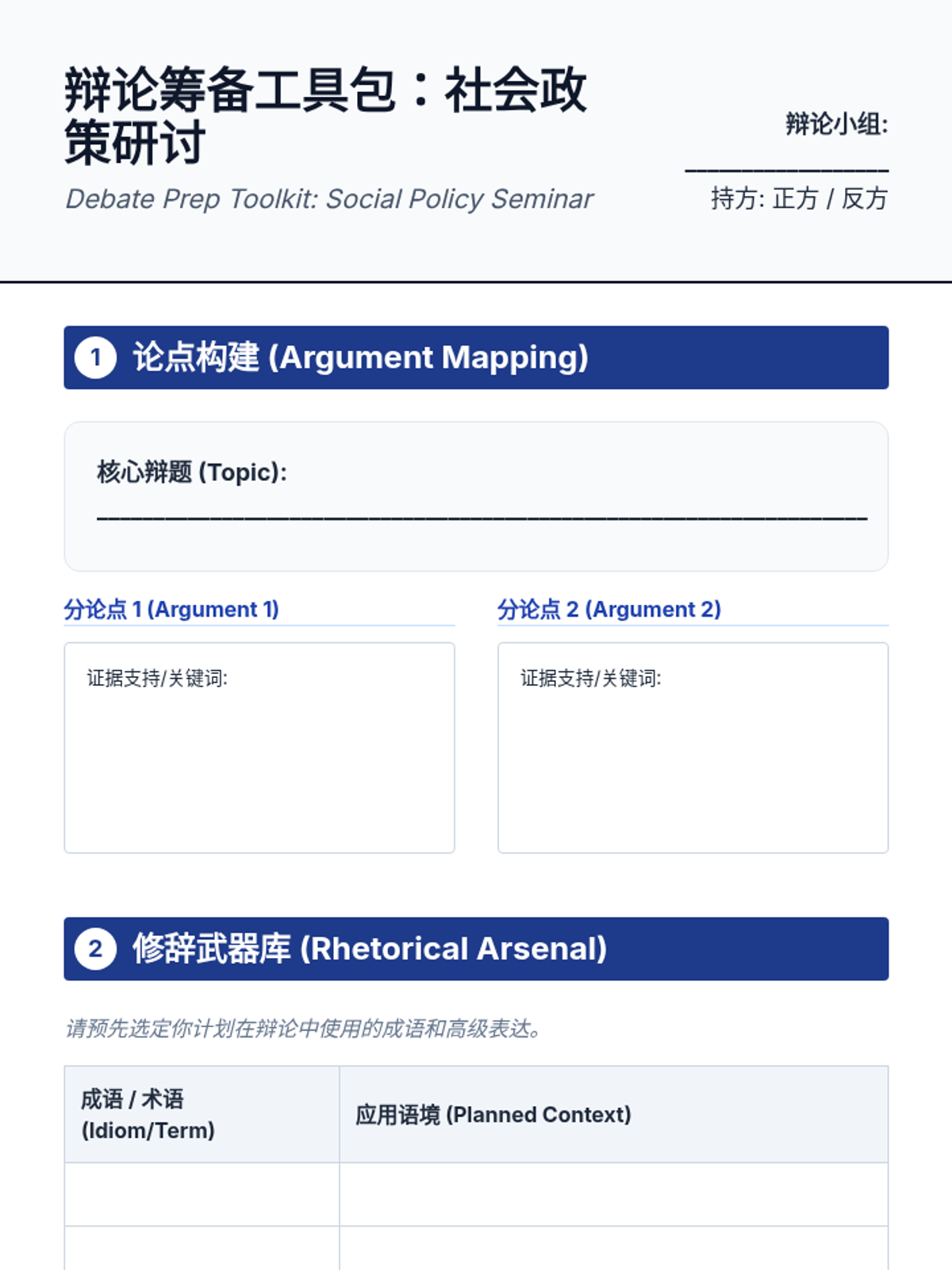
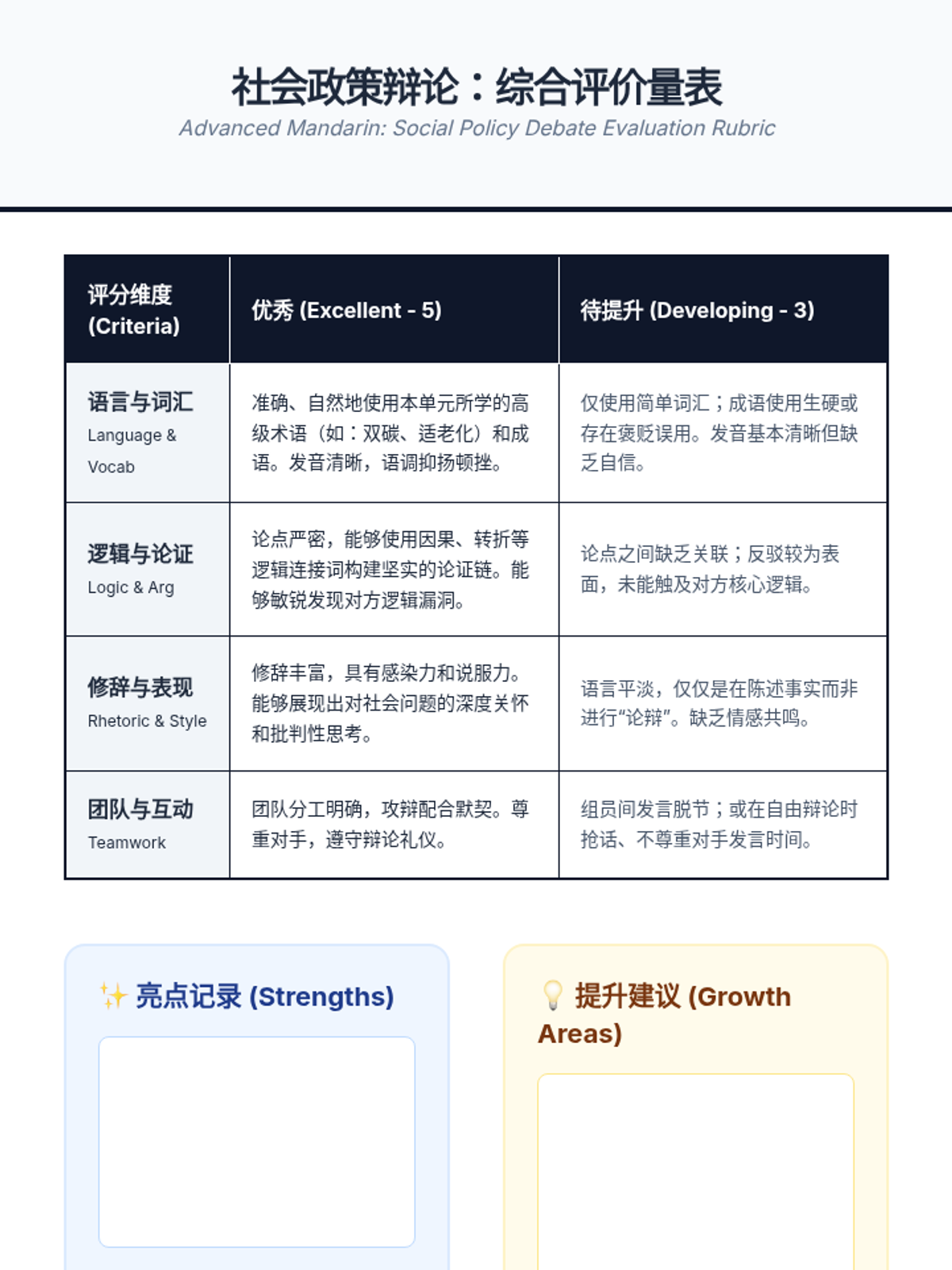
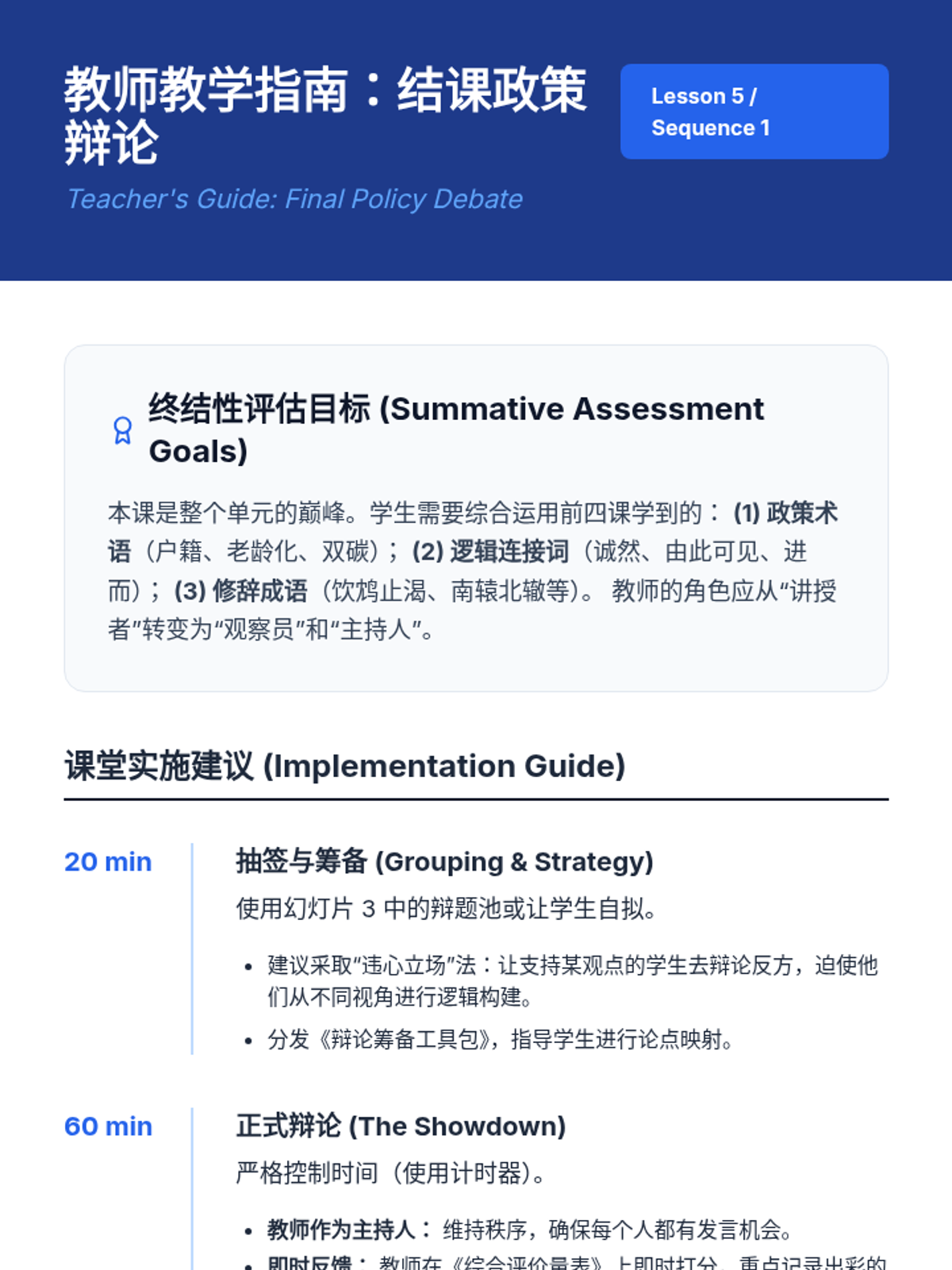
The sequence concludes with a formal debate where students synthesize learned vocabulary and rhetorical structures to argue for or against specific social policy proposals.
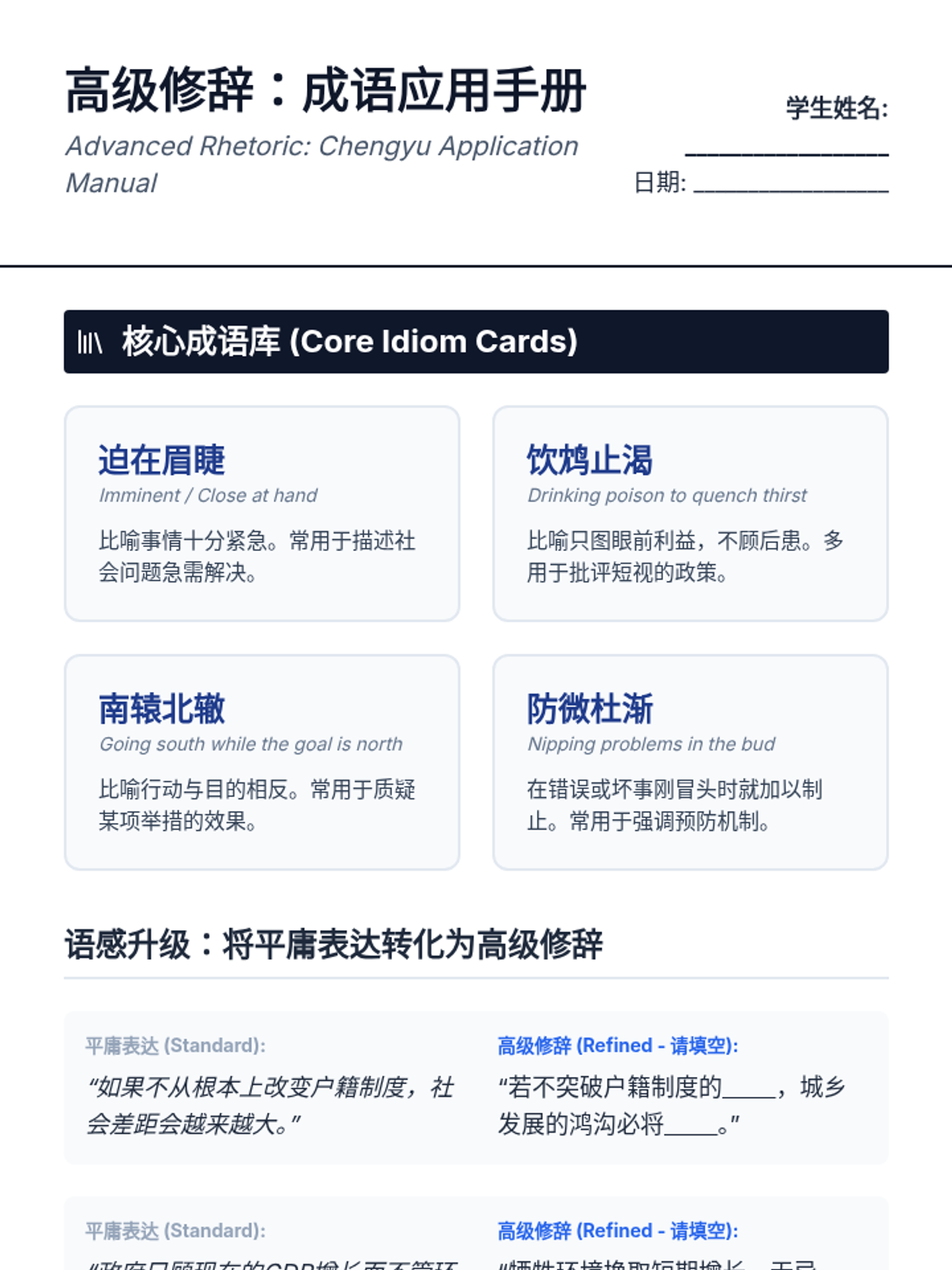
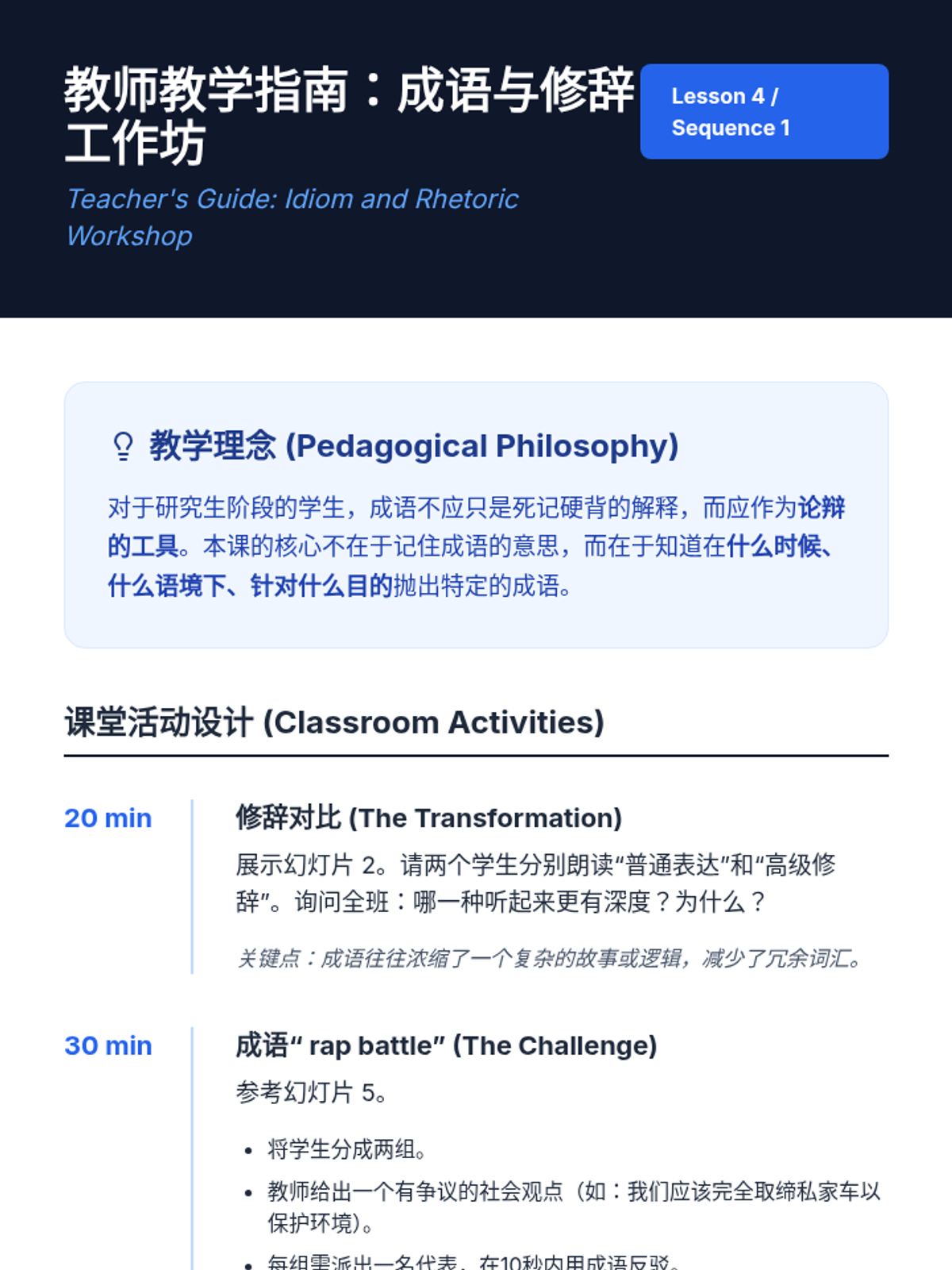
A workshop focused on integrating Chengyu (idioms) and advanced conjunctions to strengthen persuasive arguments and demonstrate cultural erudition in public debate.
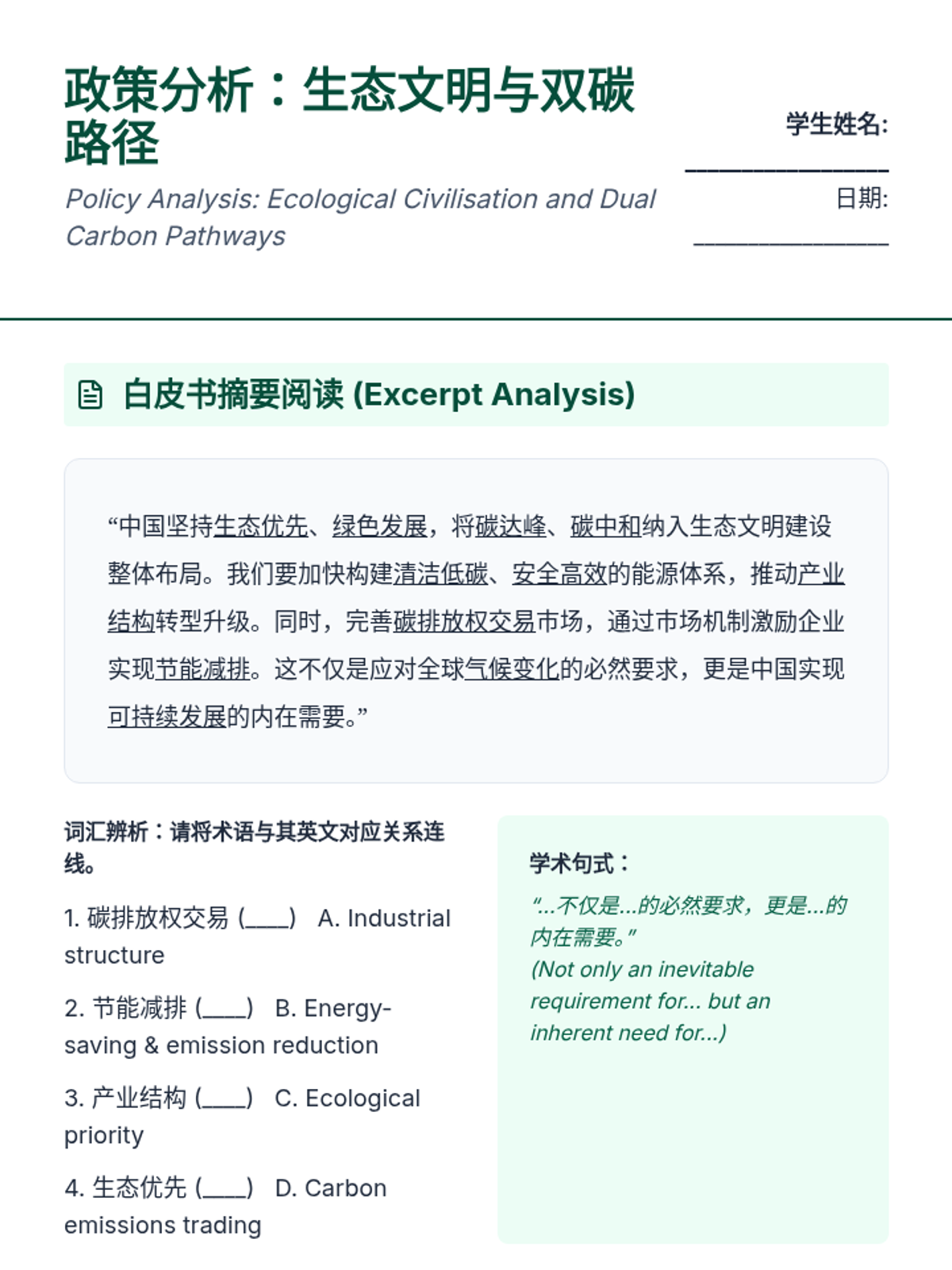
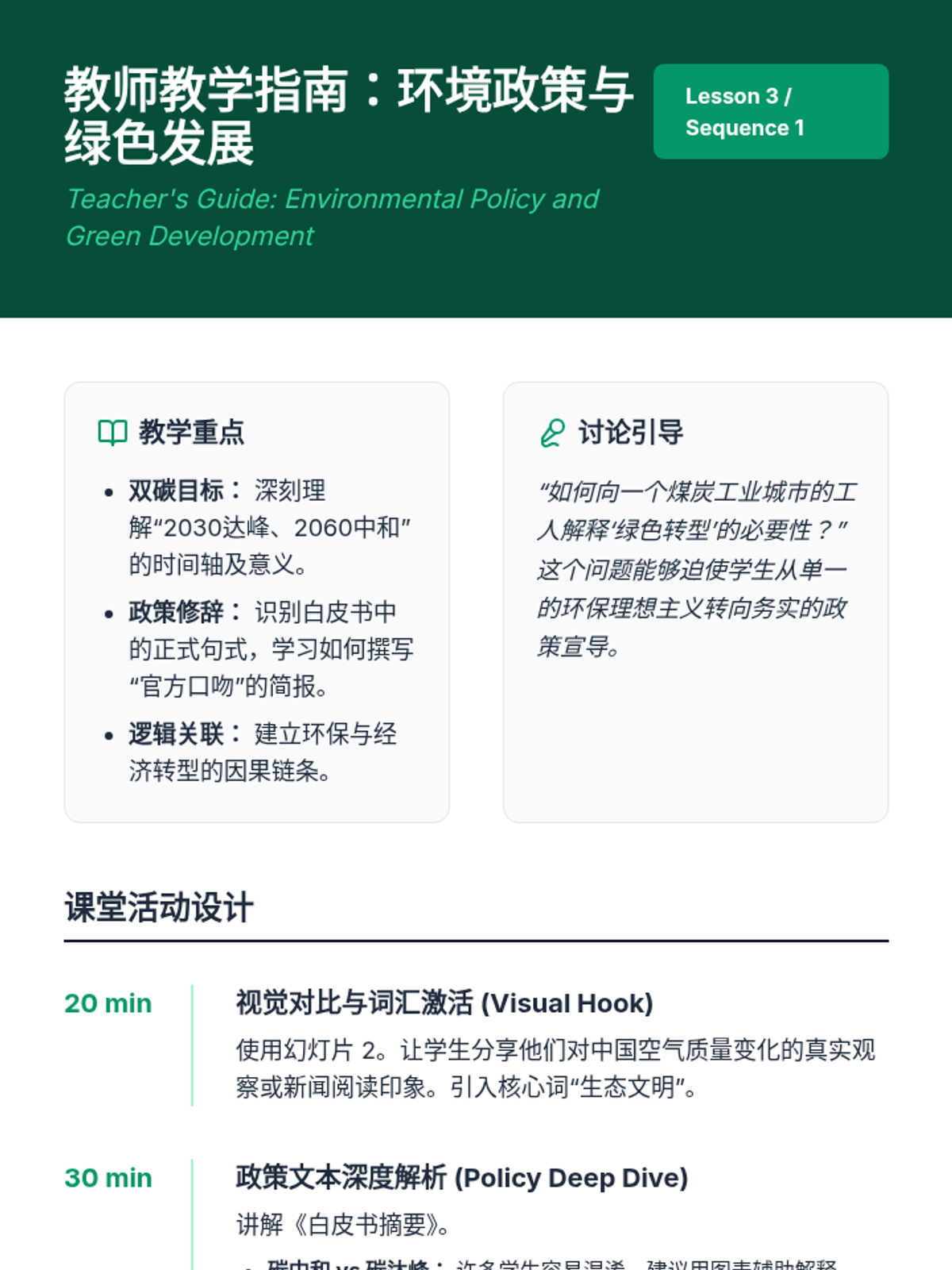
Students explore the lexicon of environmental science and government policy, focusing on sustainable development, carbon neutrality, and pollution metrics through policy analysis.
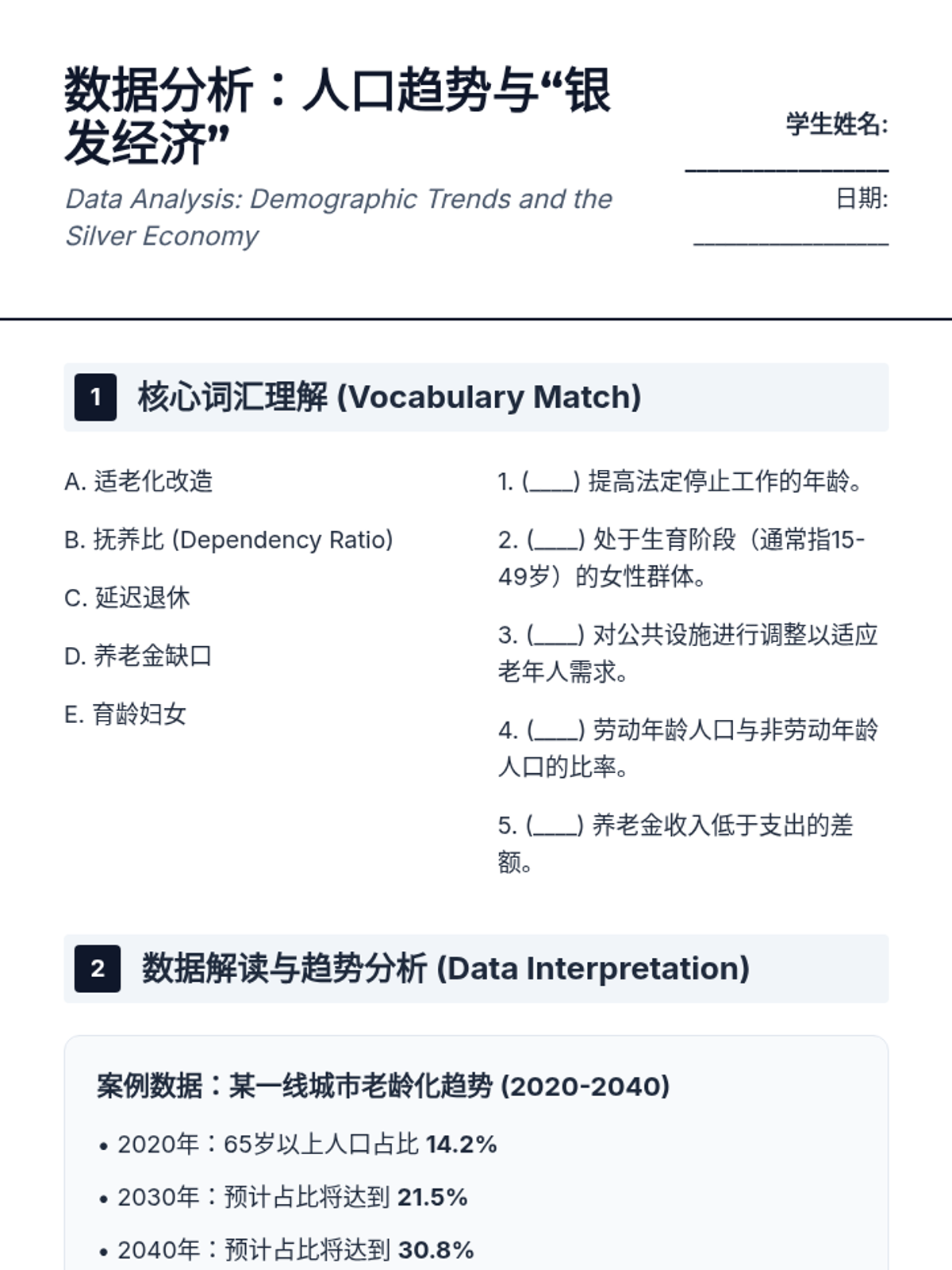
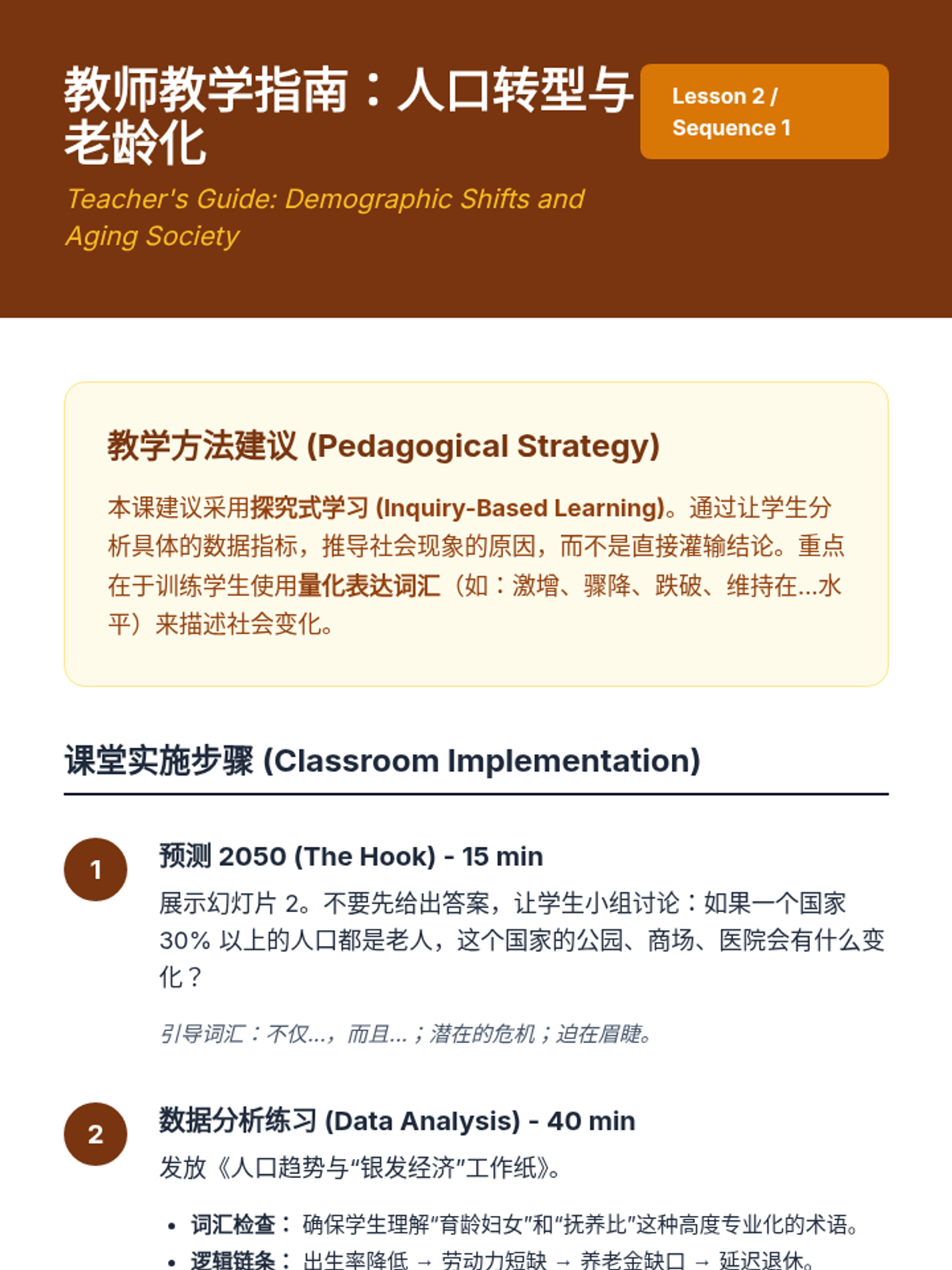
Focusing on demographic trends and the 'aging society,' this lesson introduces terminology for healthcare policy, pension systems, and the 'silver economy' using statistical analysis.
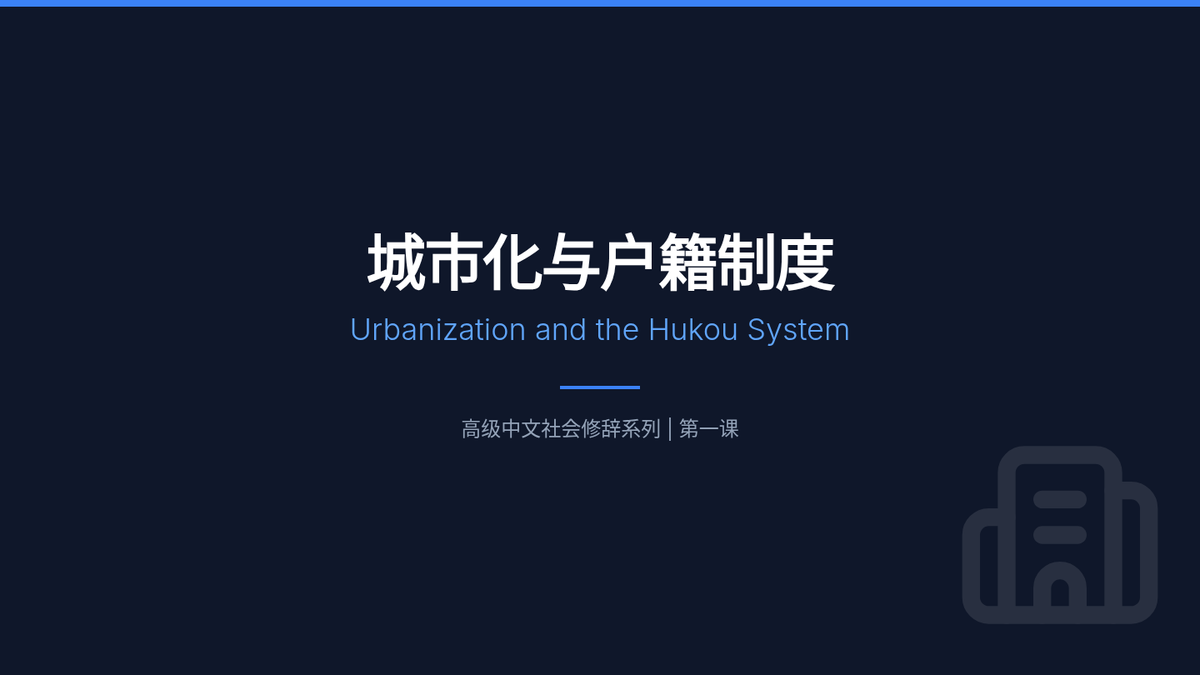
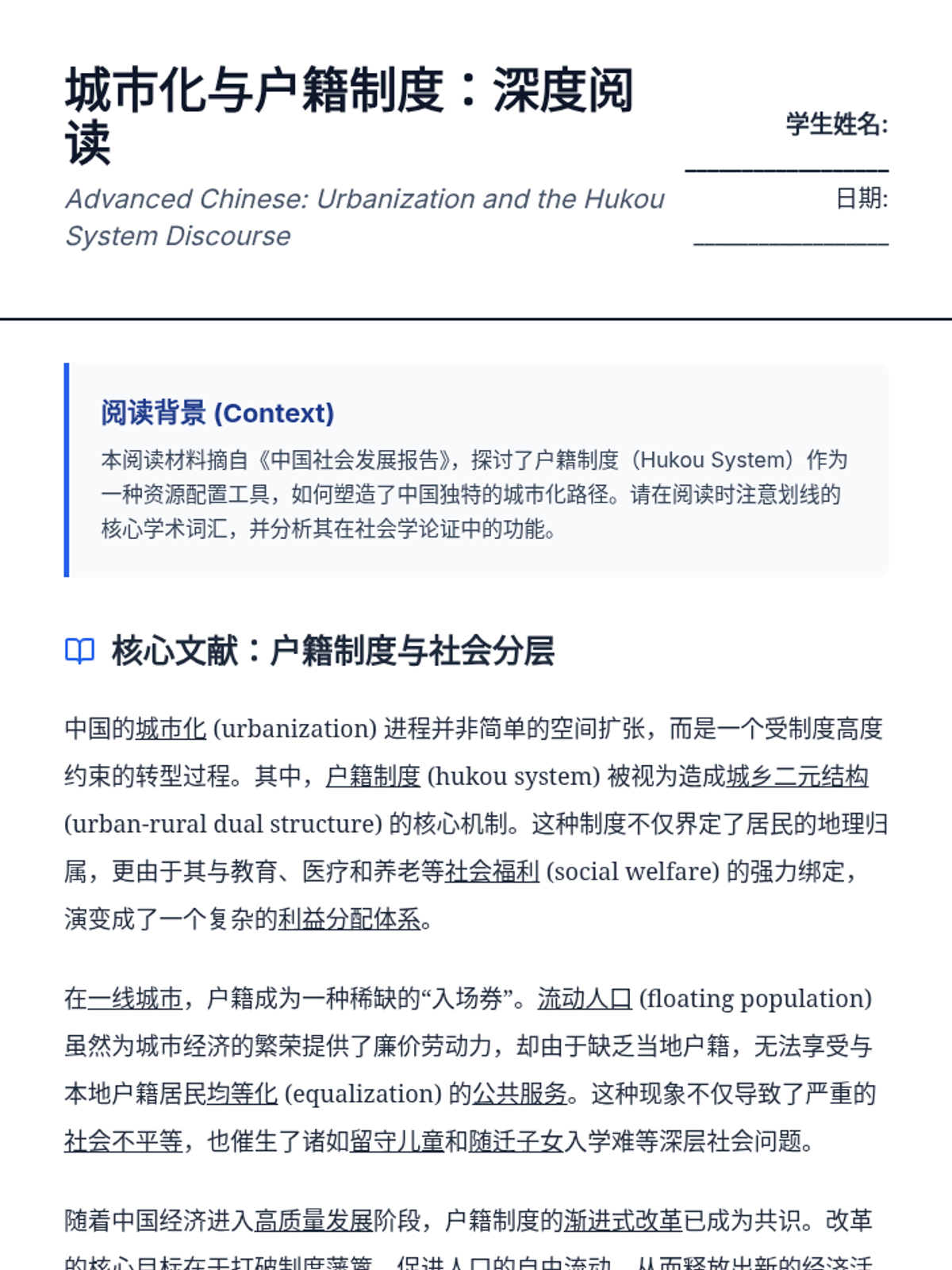
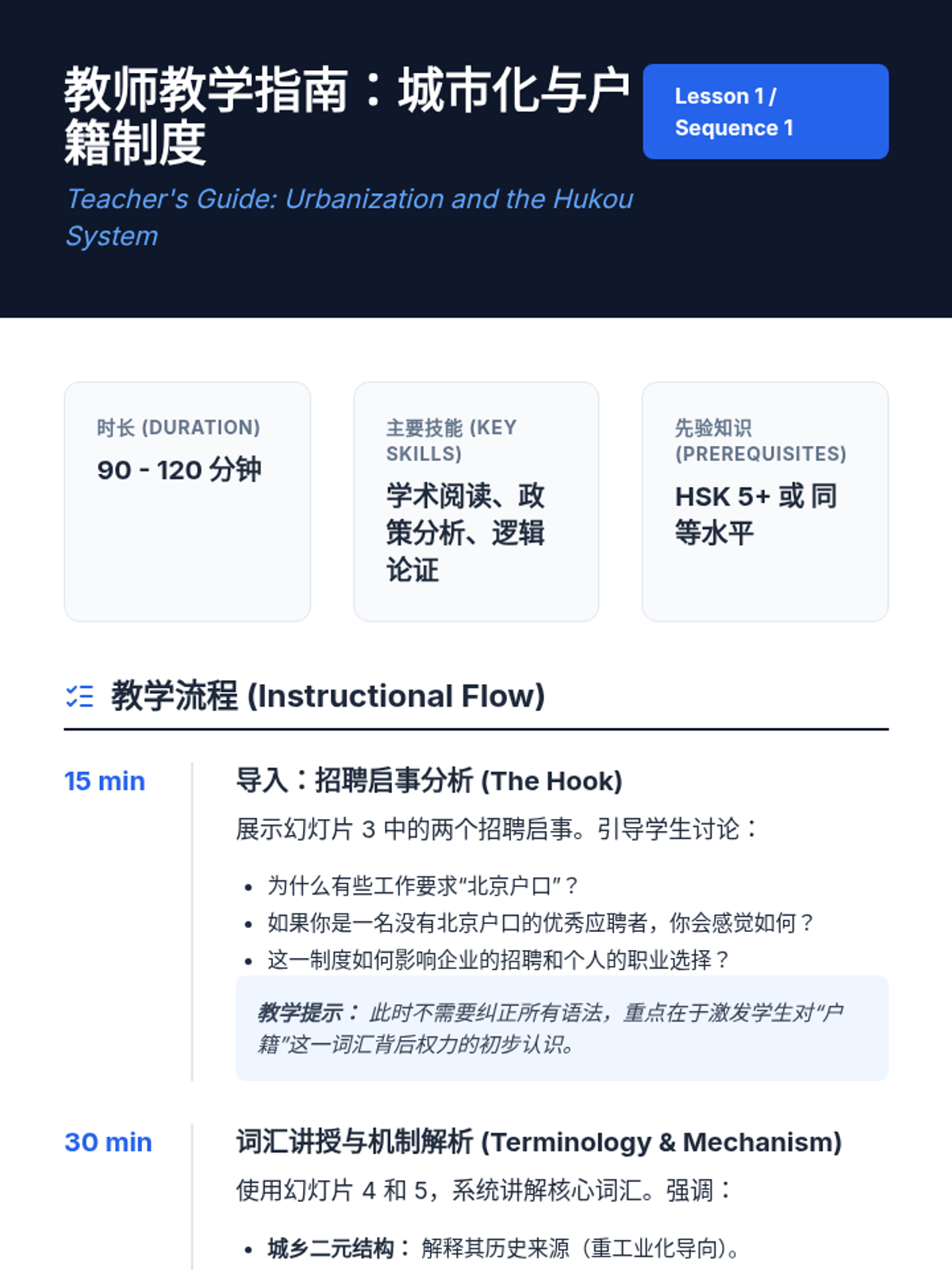
Students examine the vocabulary surrounding China's rapid urbanization and the household registration (hukou) system, focusing on socioeconomic terminology and academic reading comprehension.
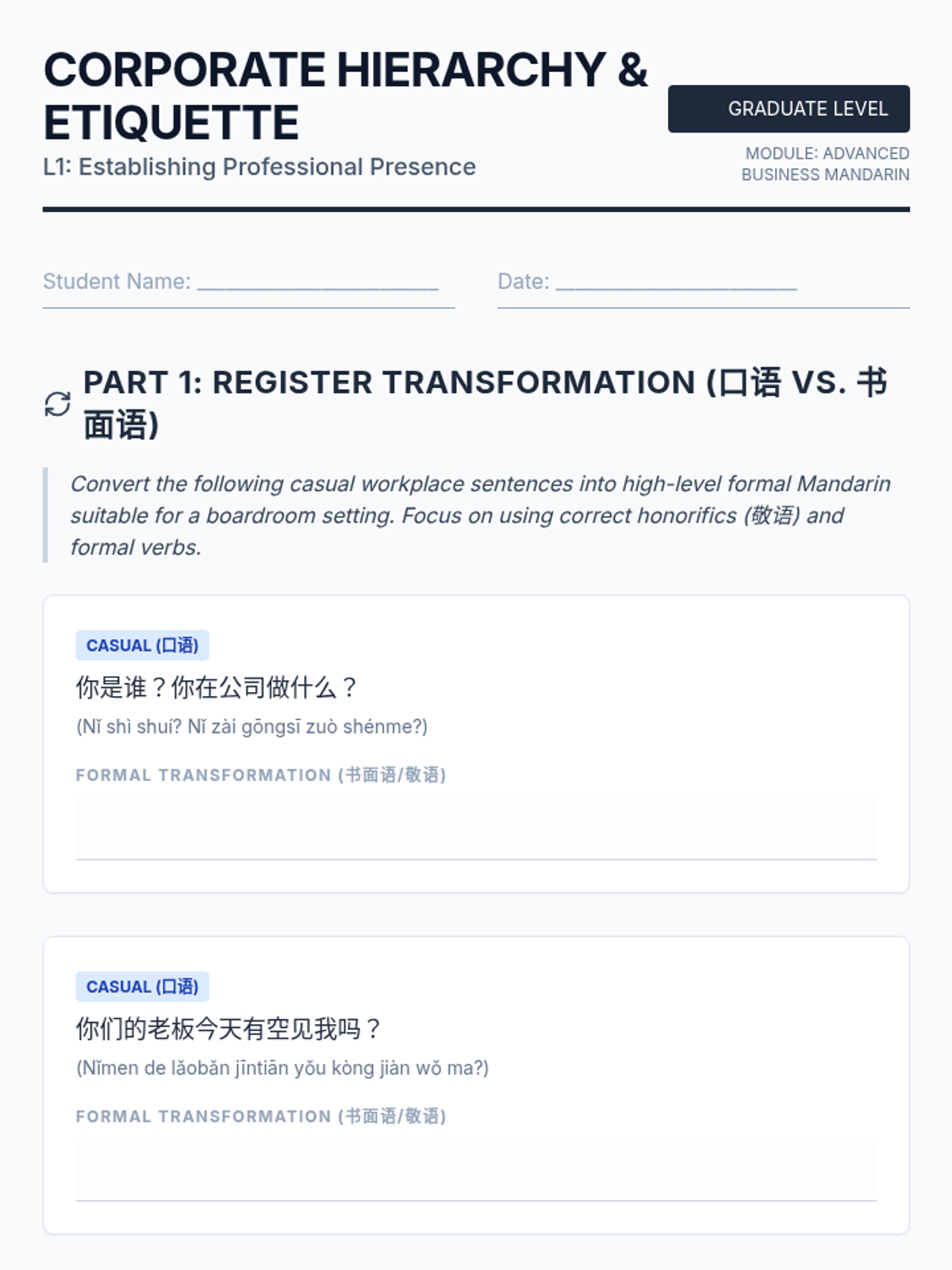
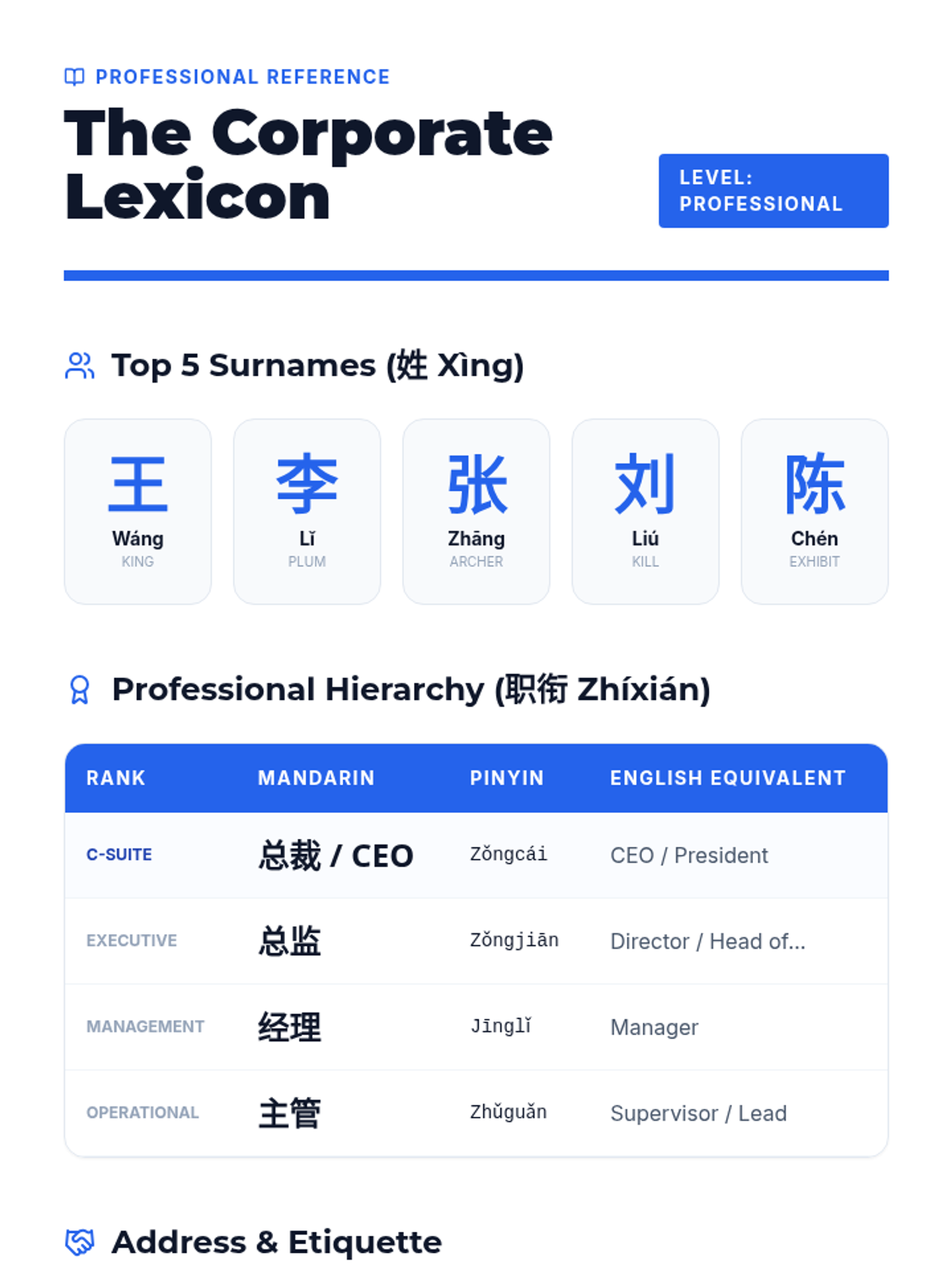
Focuses on the nuances of honorifics, formal introductions, and corporate hierarchy in Chinese business culture. Students learn the essential vocabulary to navigate networking and formal meetings without loss of face.
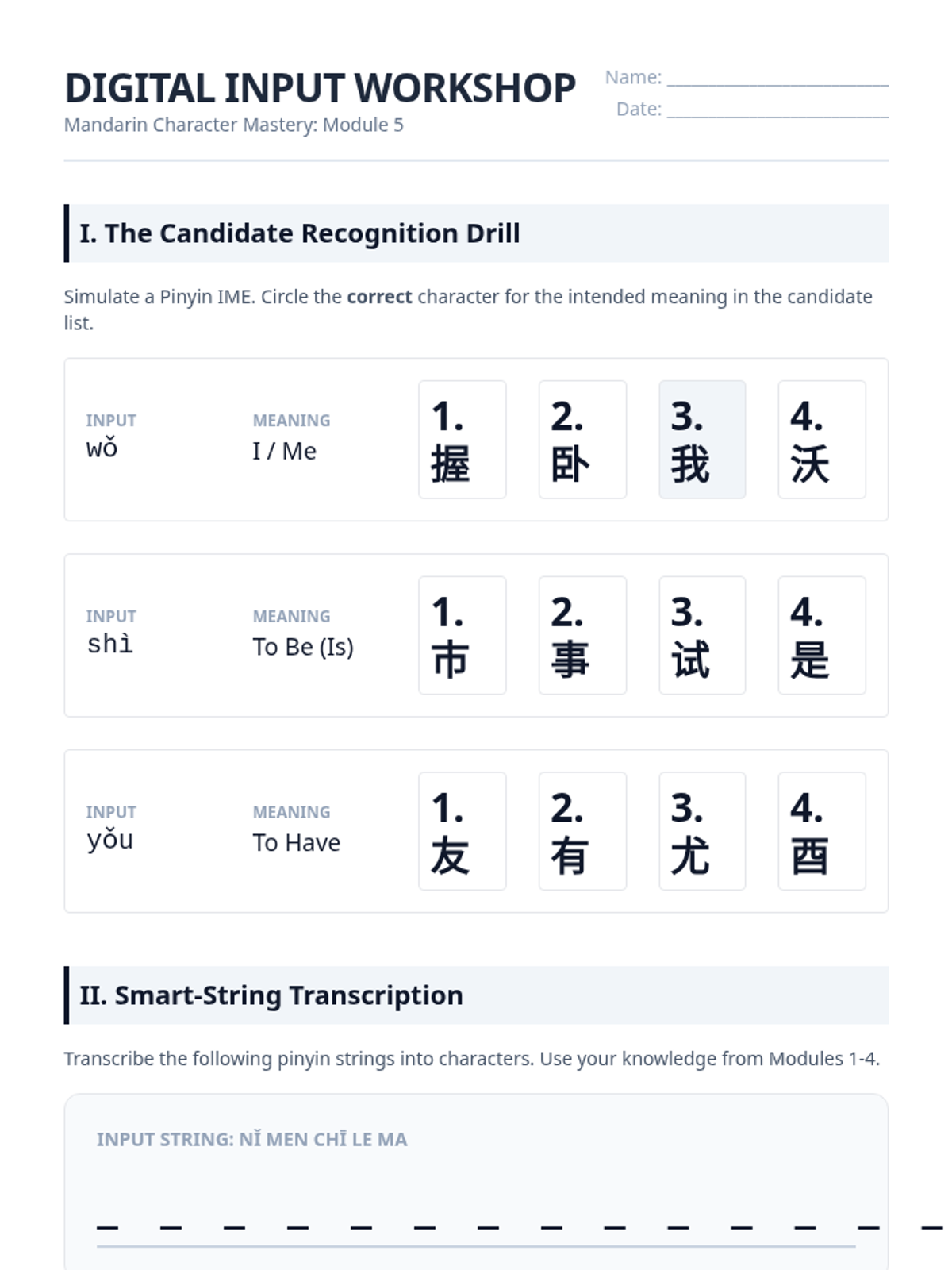
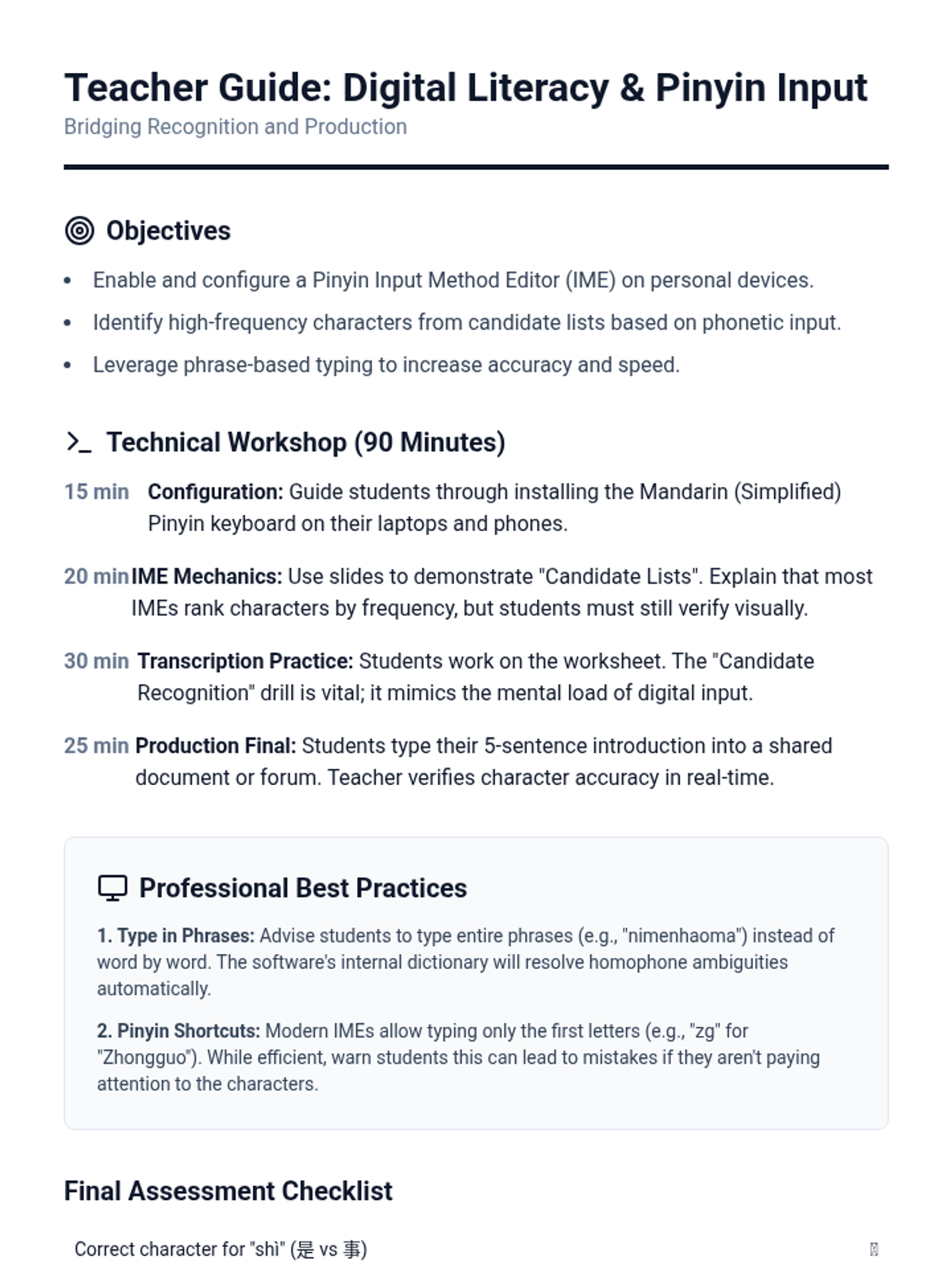
Recognizing the professional needs of graduate students, this lesson focuses on typing characters using Pinyin input methods on computers and smartphones. Students learn to recognize characters from predictive text lists, bridging the gap between phonetic knowledge and character recognition.
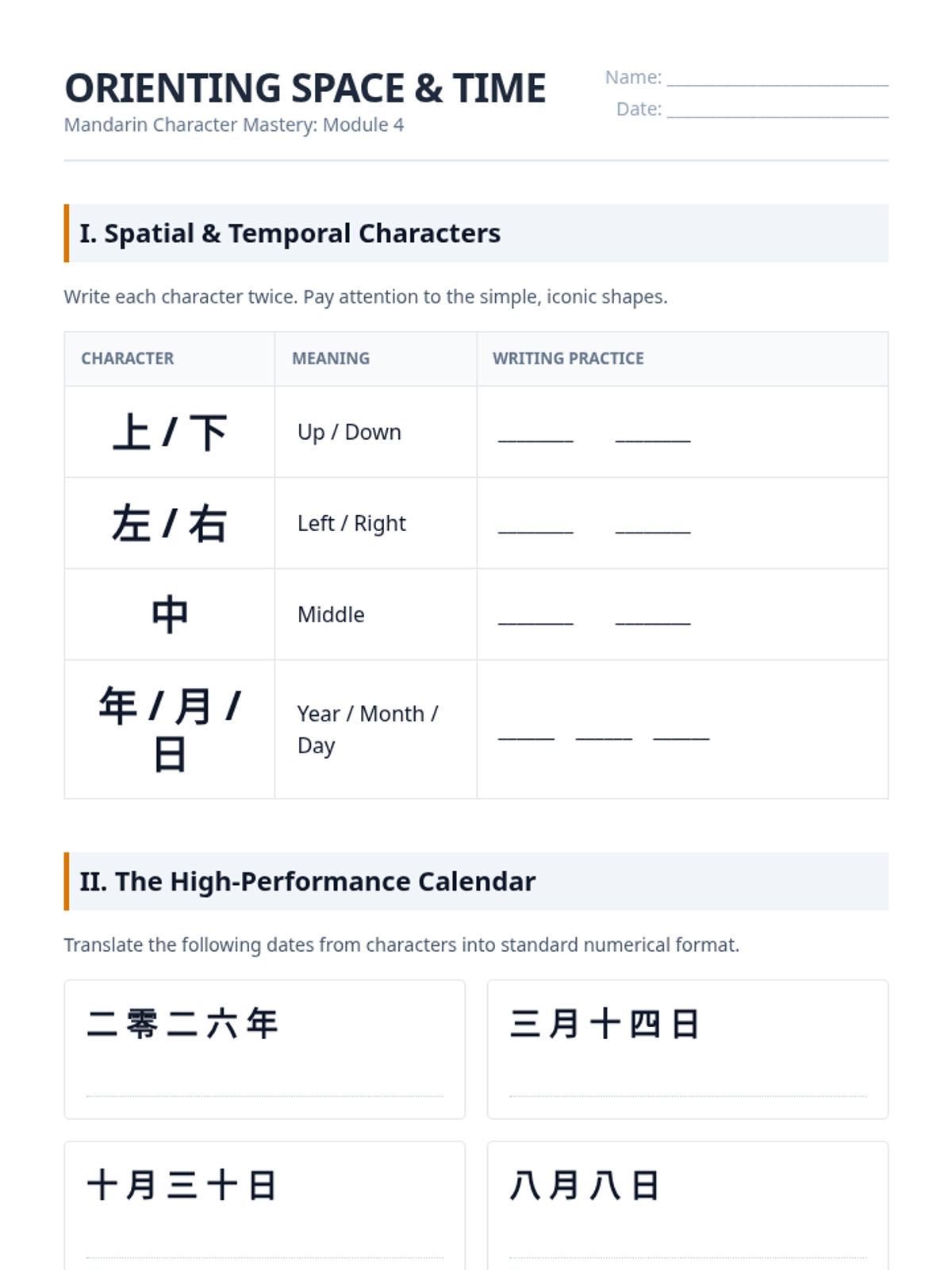
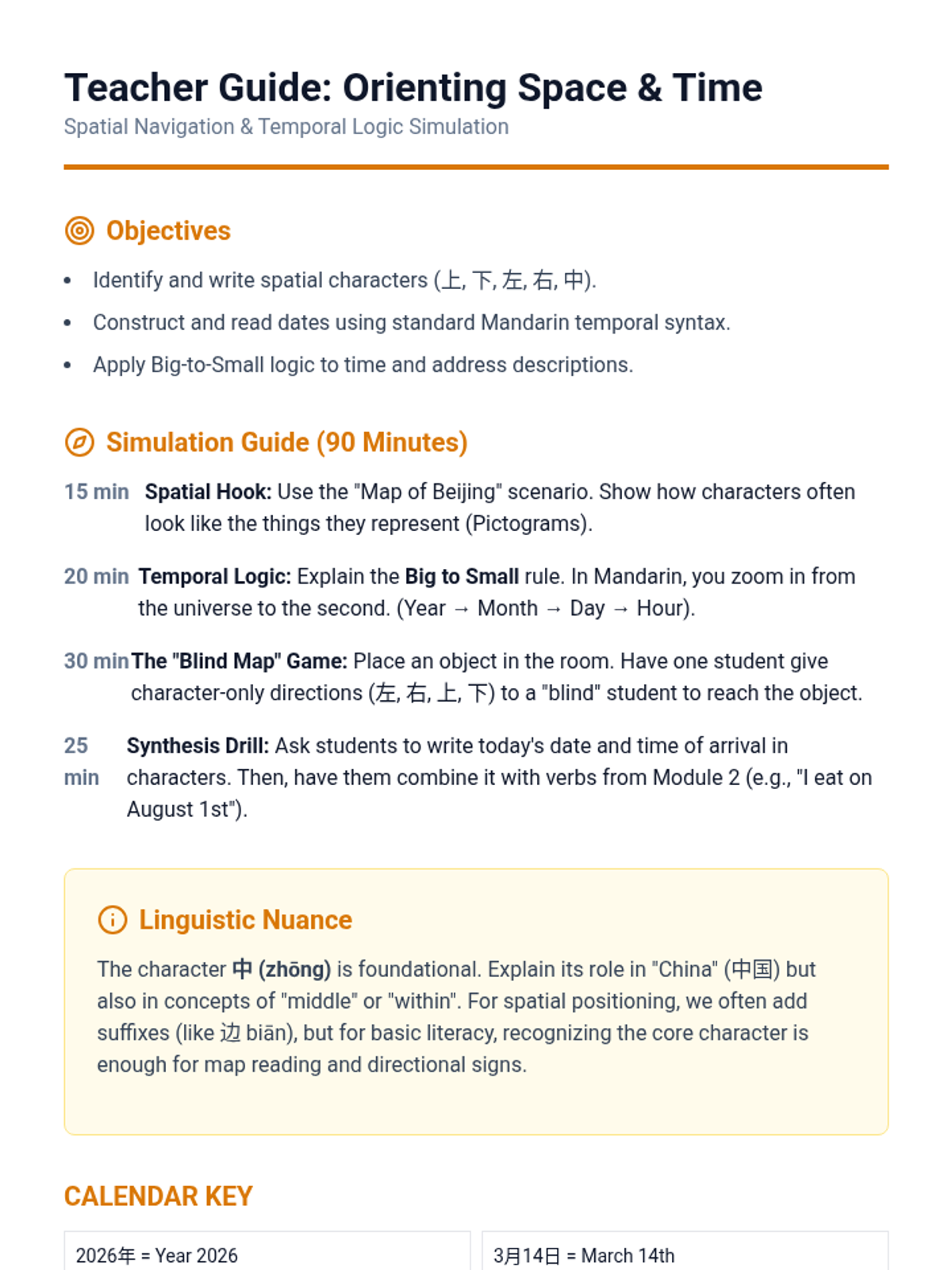
Learners acquire characters related to cardinal directions, spatial positioning (up, down, inside), and time markers (day, month, year). Activities include reading schedules and describing the relative location of objects.
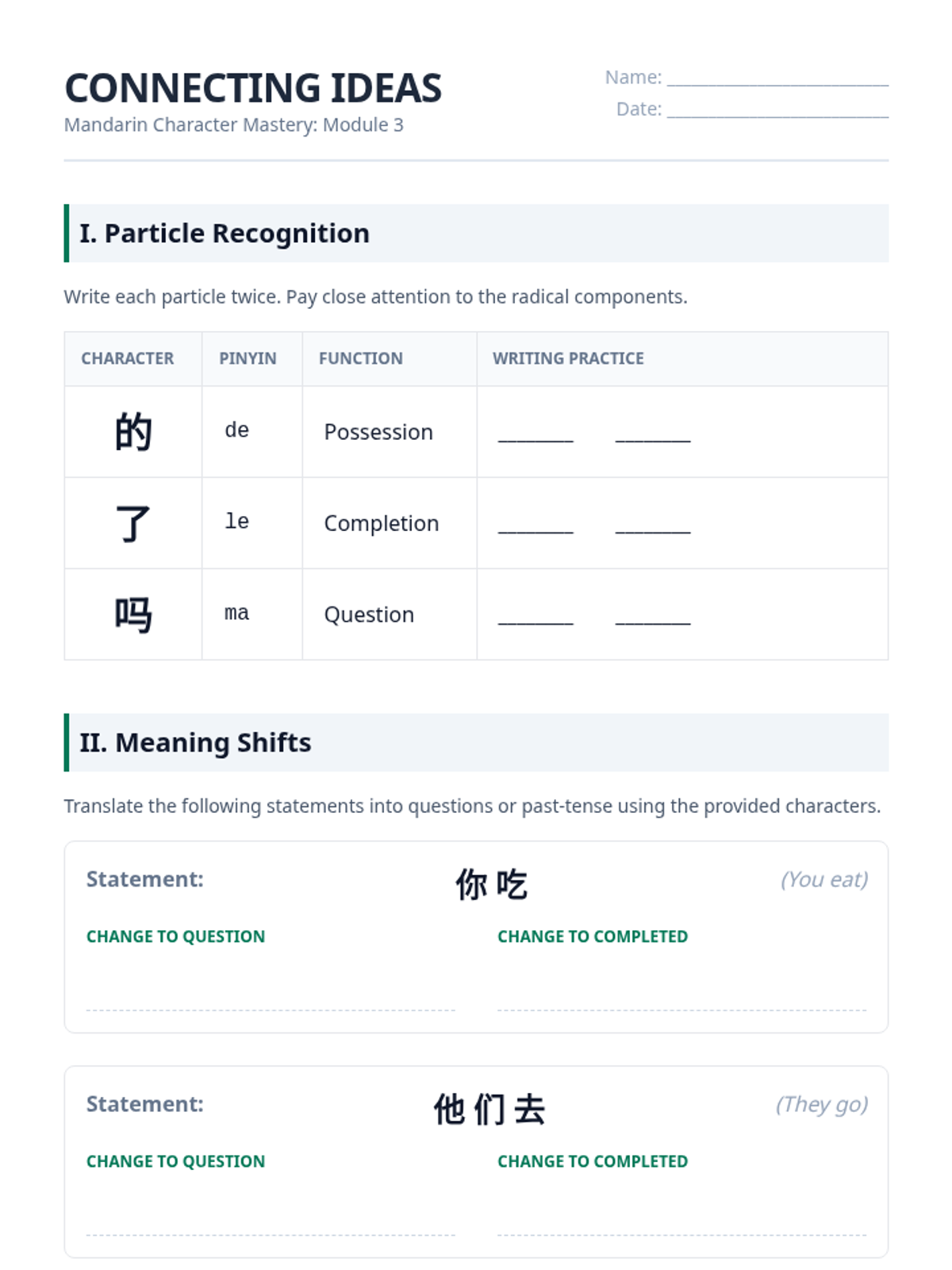
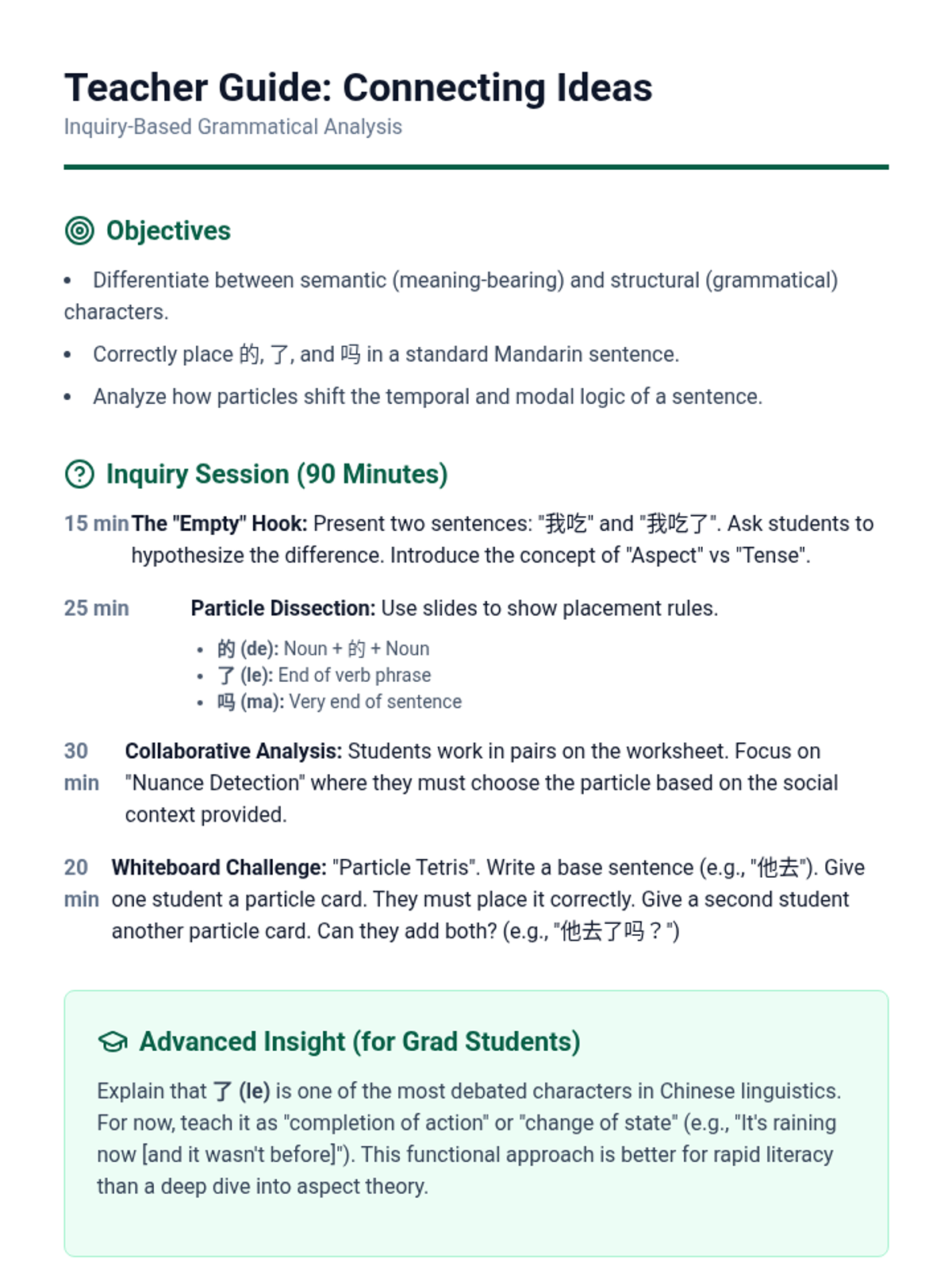
Students examine the function of 'empty words'—structural particles like 'de', 'le', and 'ma' that carry grammatical weight rather than semantic meaning. Through sentence analysis, learners understand how these characters alter the tense, possession, and mood of a phrase.
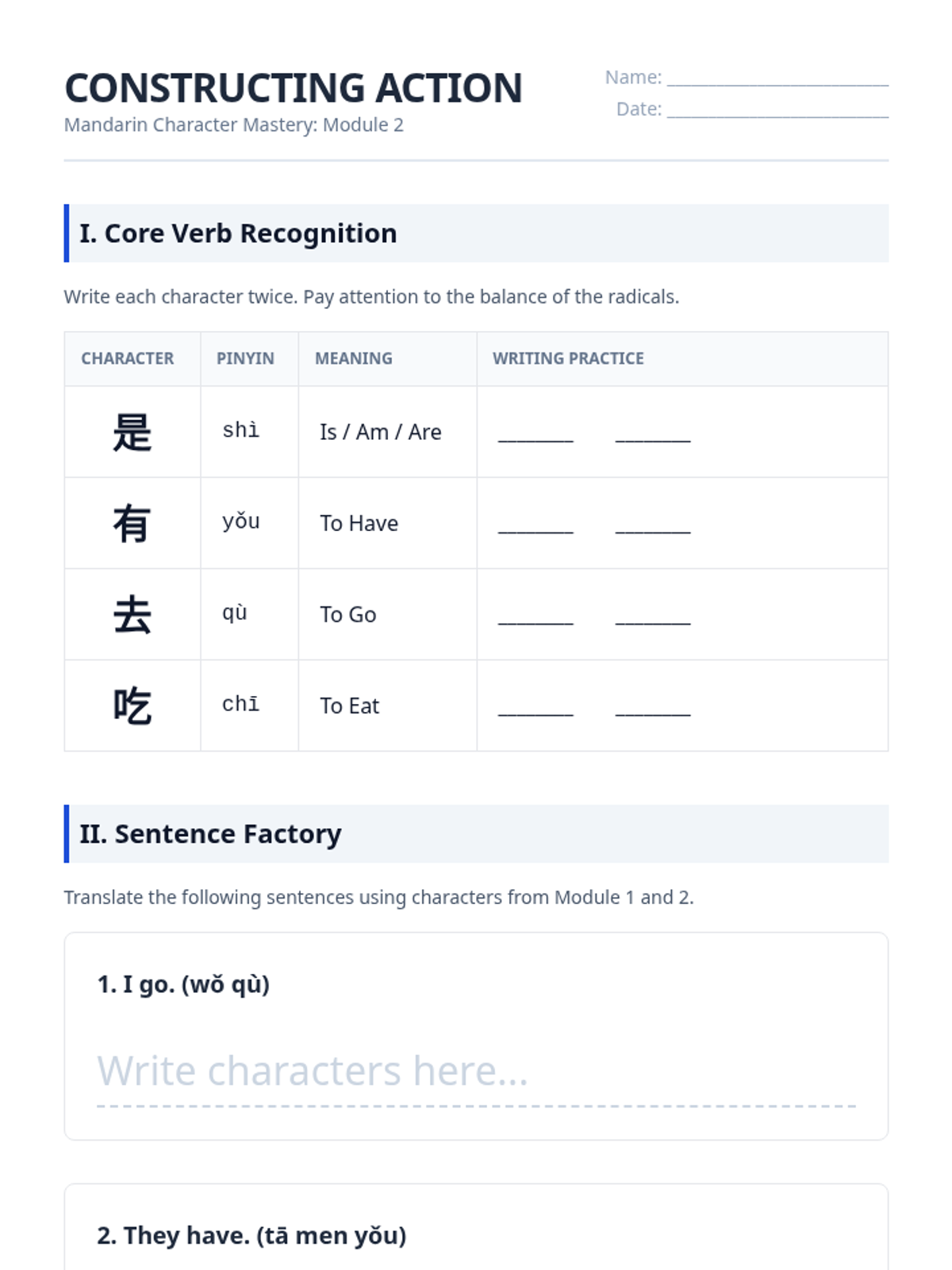
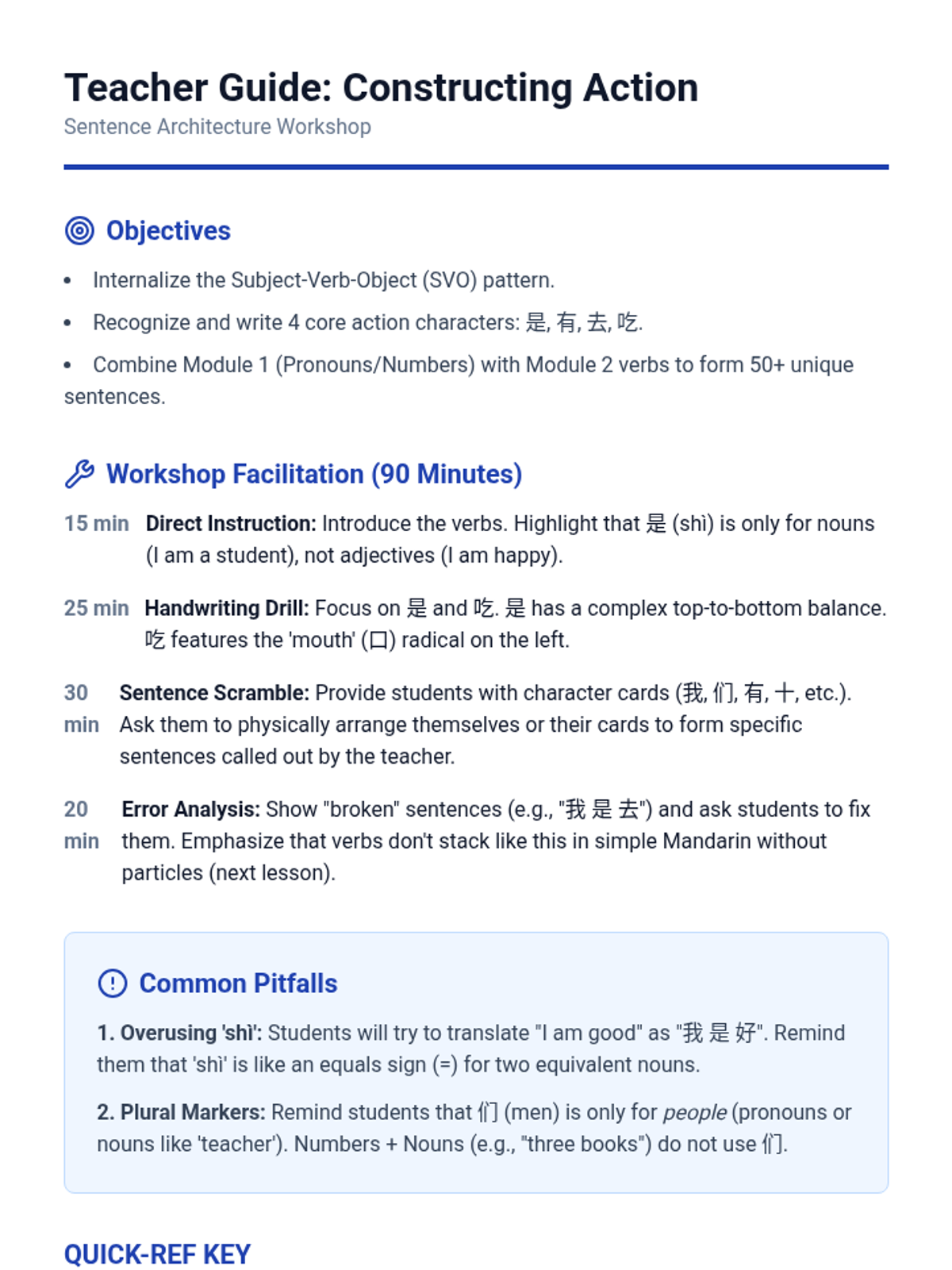
Introduces high-frequency verbs such as 'to comprise/is', 'to have', 'to go', and 'to eat'. Students practice placing these characters into Subject-Verb-Object structures to form complete declarative sentences.
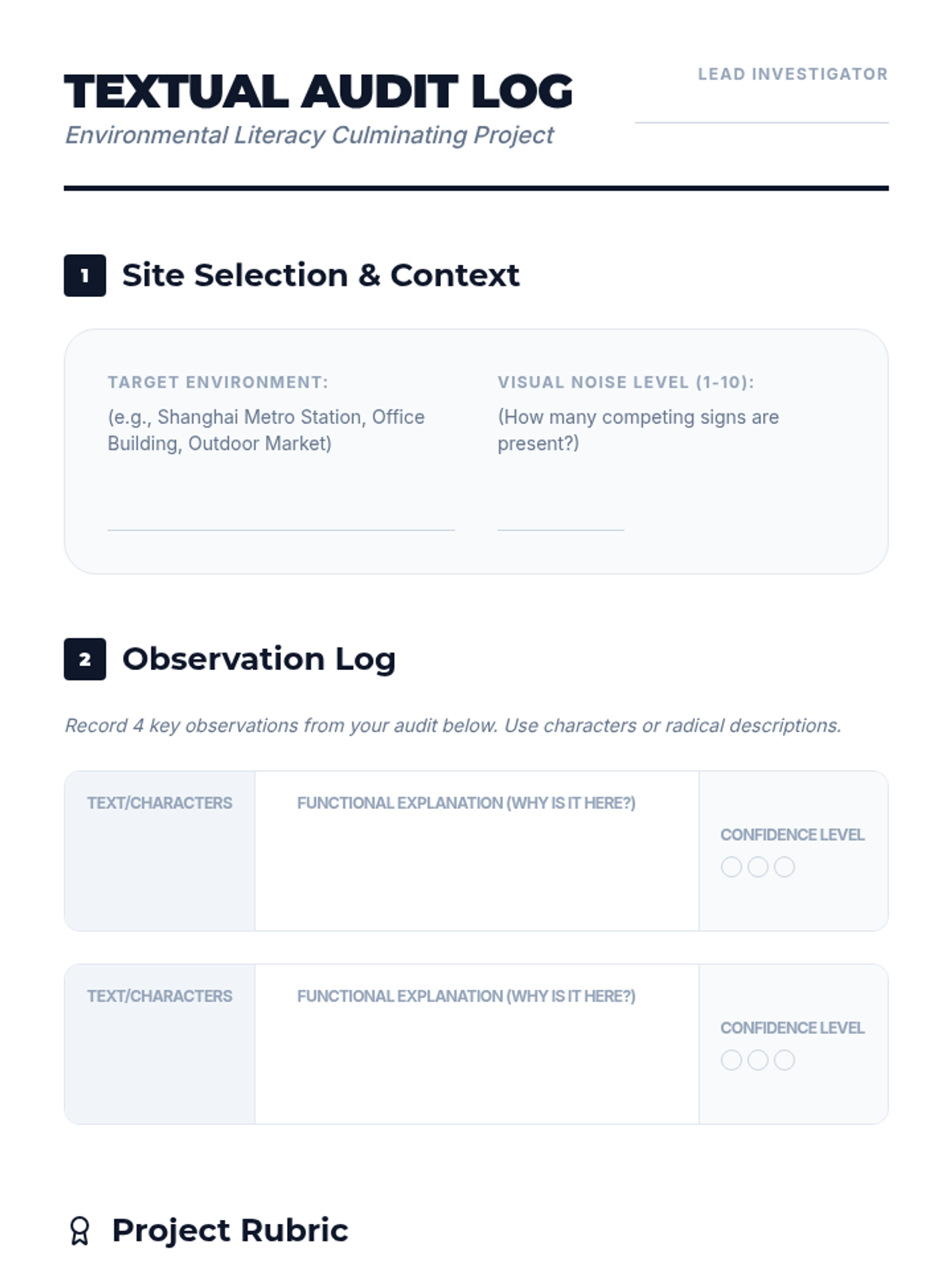
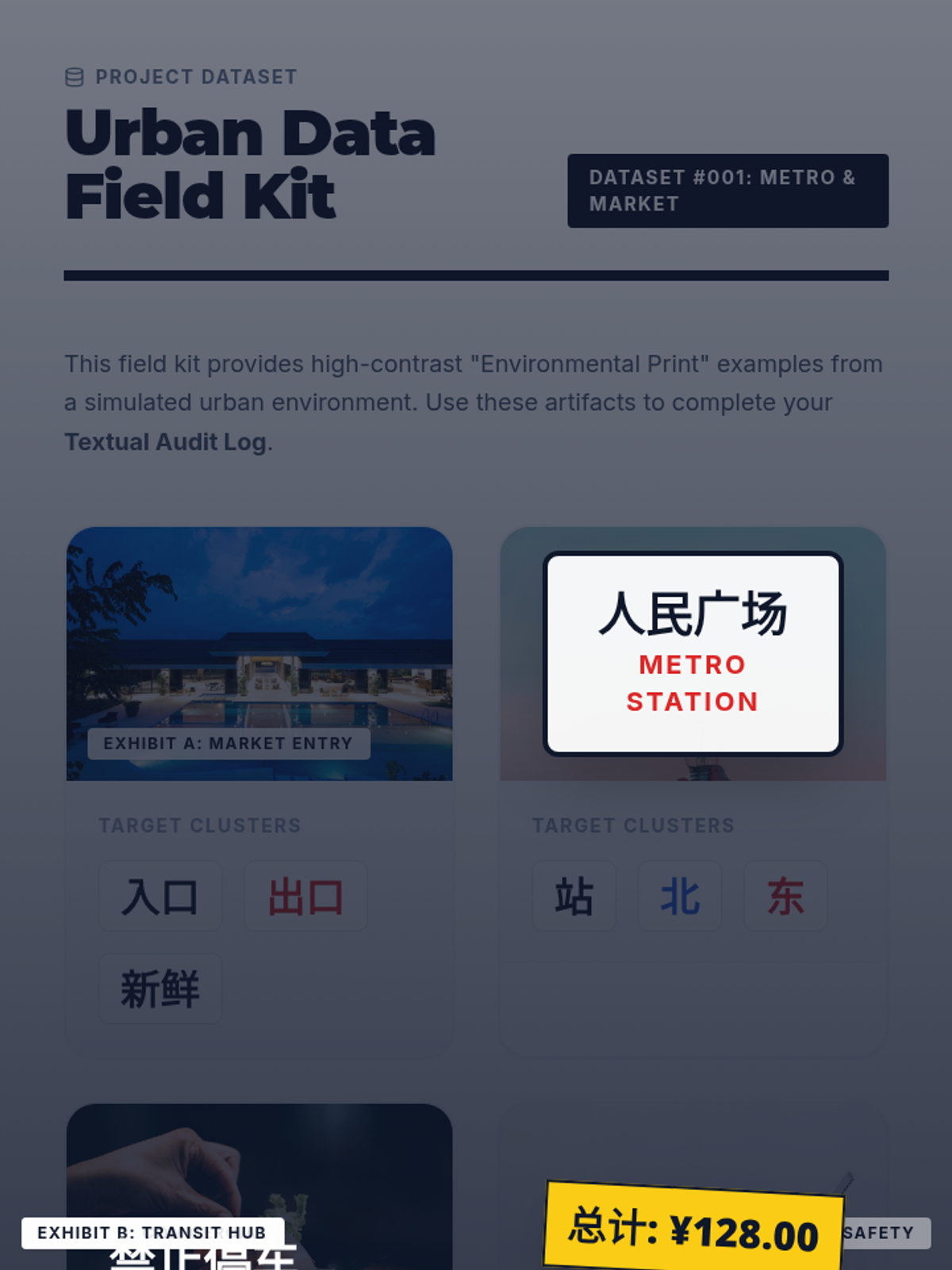
A culminating project where students perform a comprehensive text audit of a specific visual environment, documenting and explaining character functions.
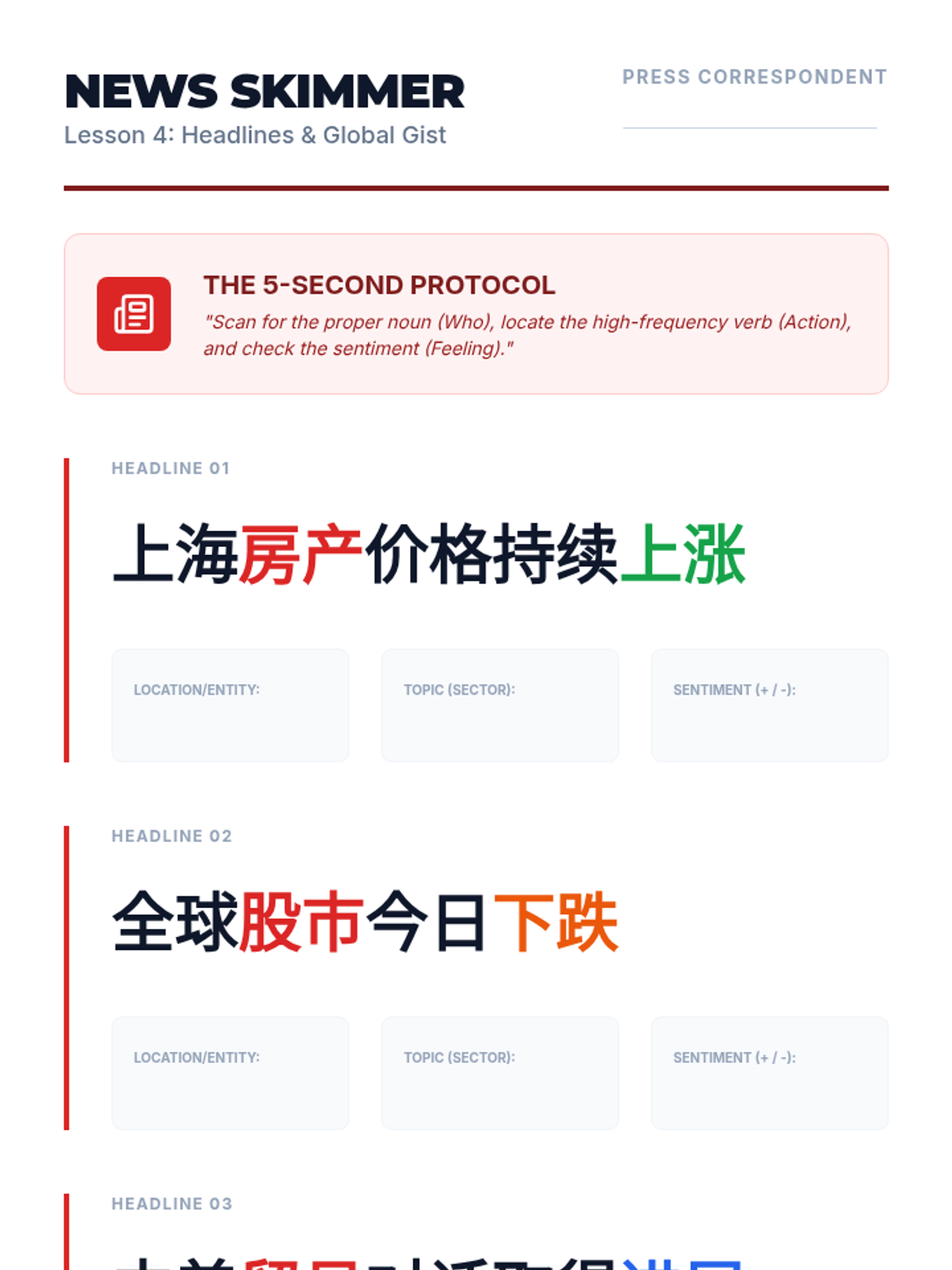
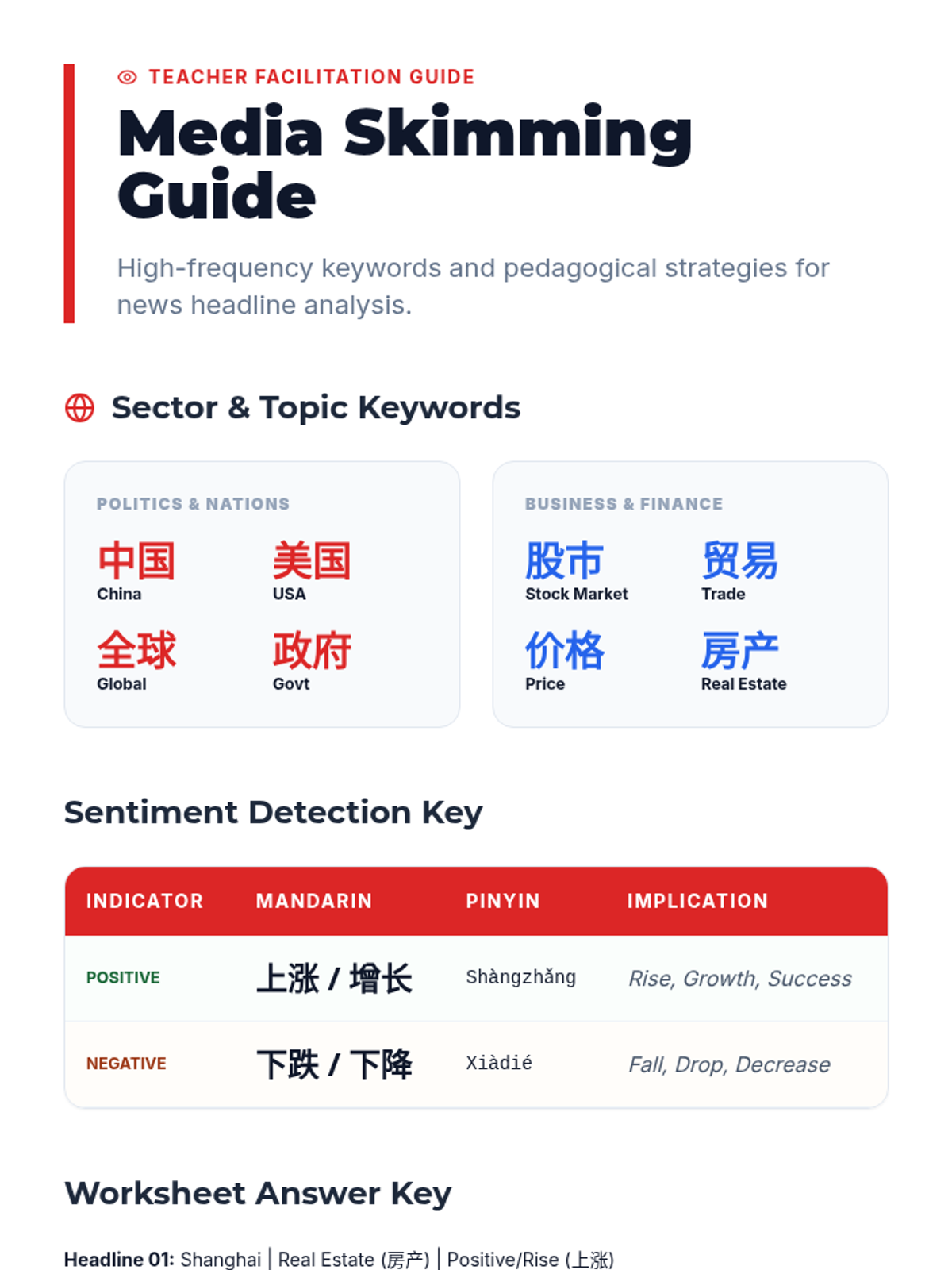
Students practice skimming techniques using newspaper headlines and social media trends to identify proper nouns and high-impact verbs.
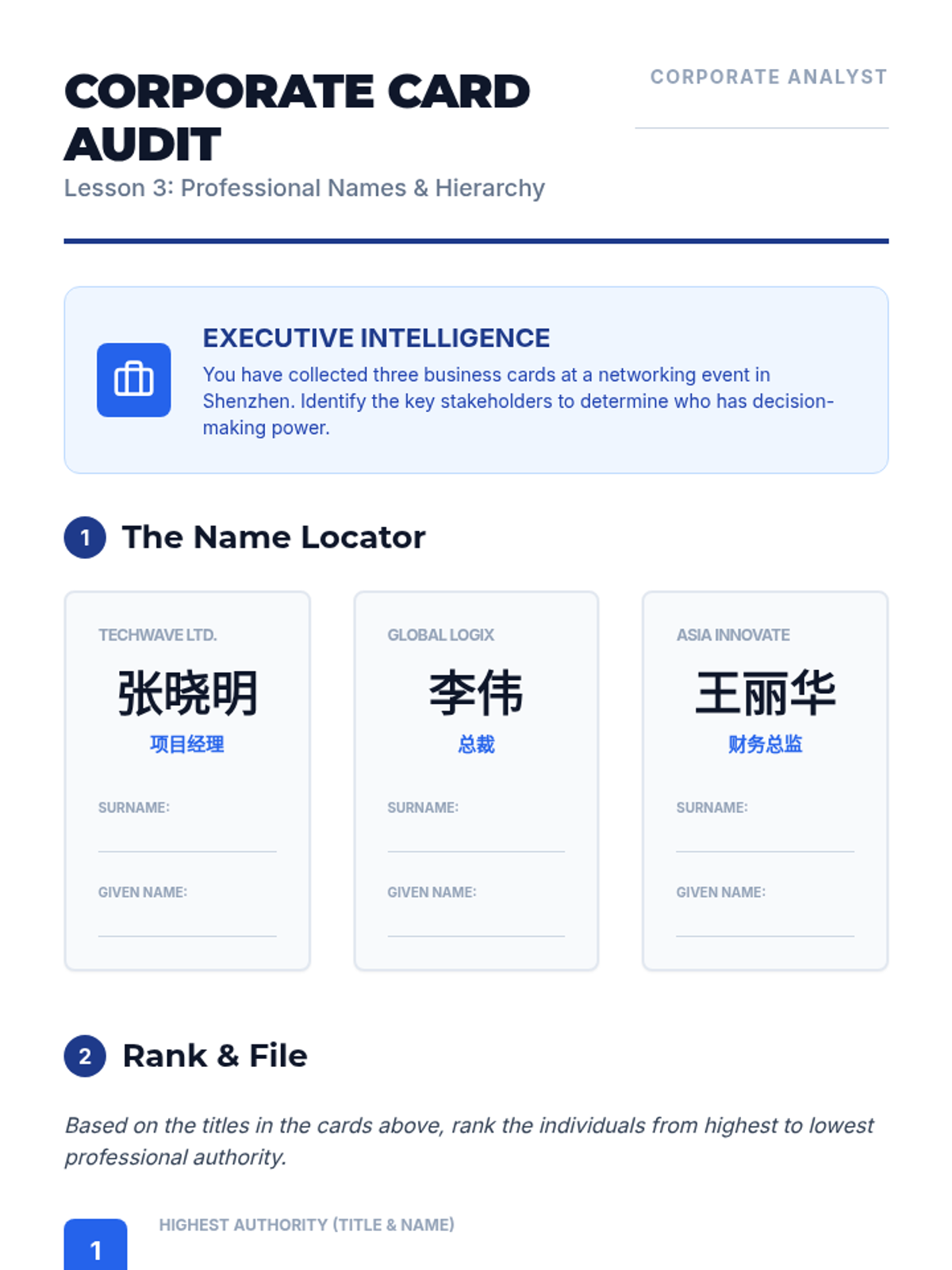
This lesson explores the structure of Chinese names and professional titles on business cards to navigate social and professional hierarchies.
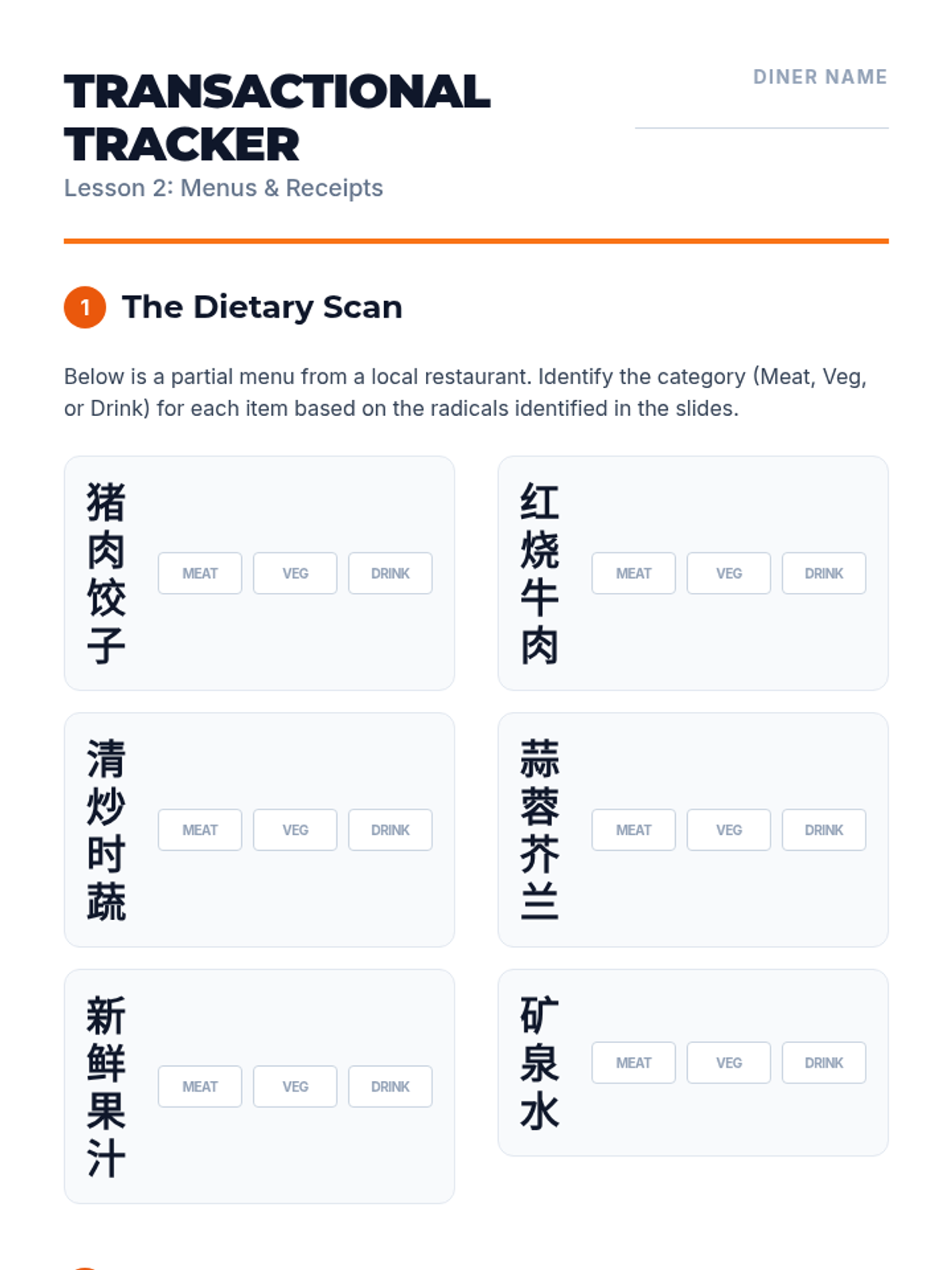
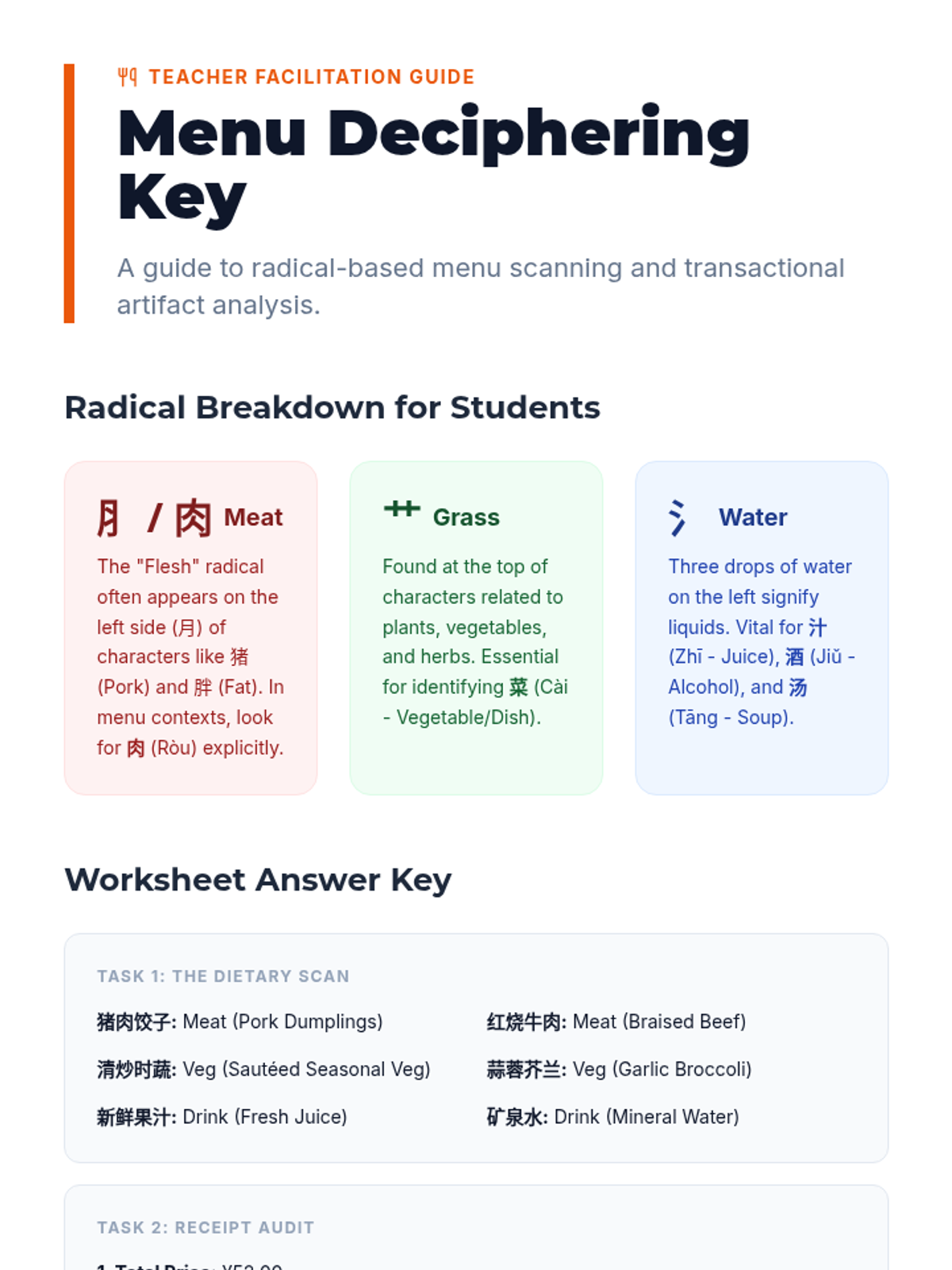
Learners analyze authentic menus and receipts to identify food categories and payment terminology, focusing on radical recognition for dietary choices.
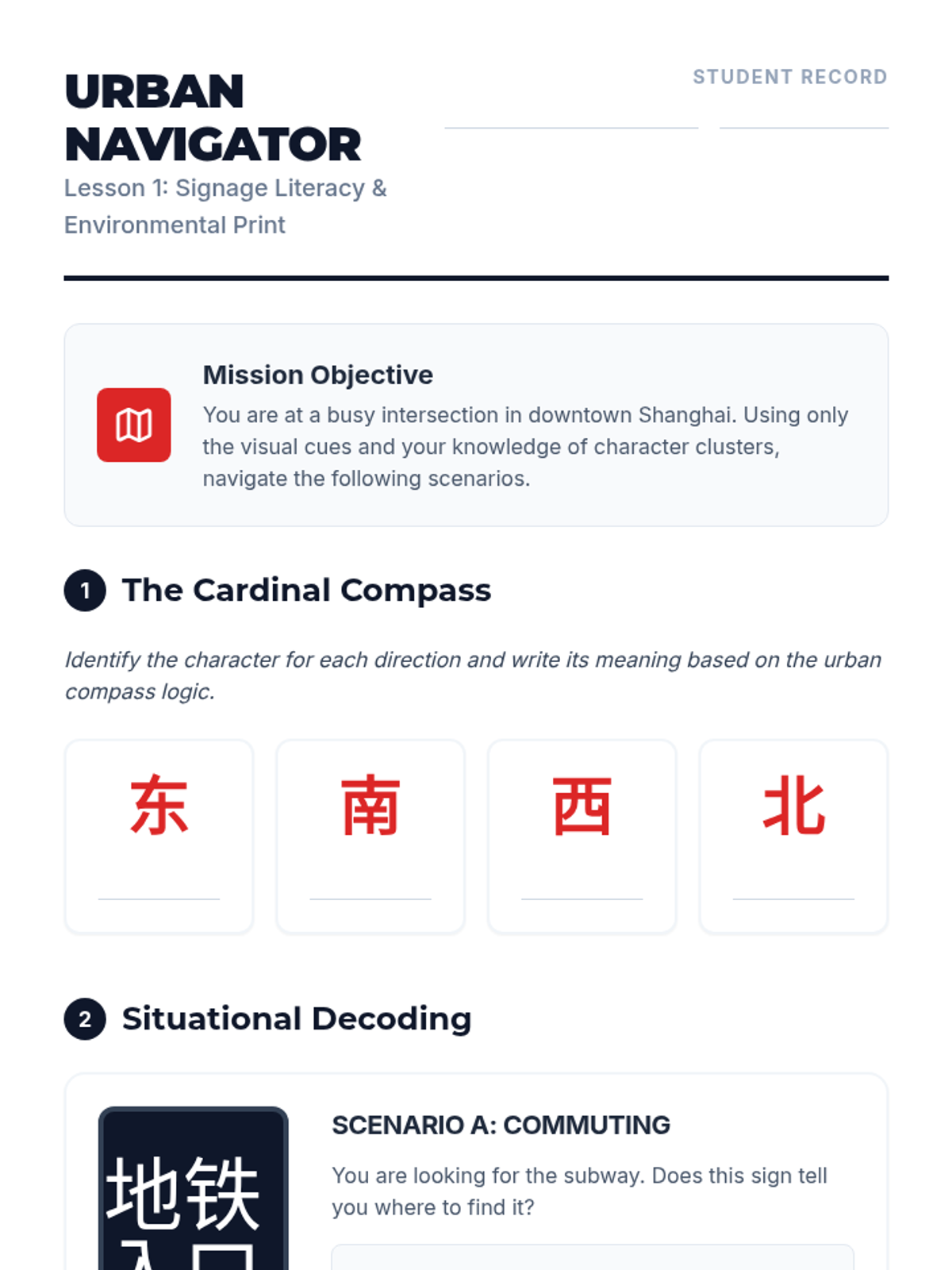
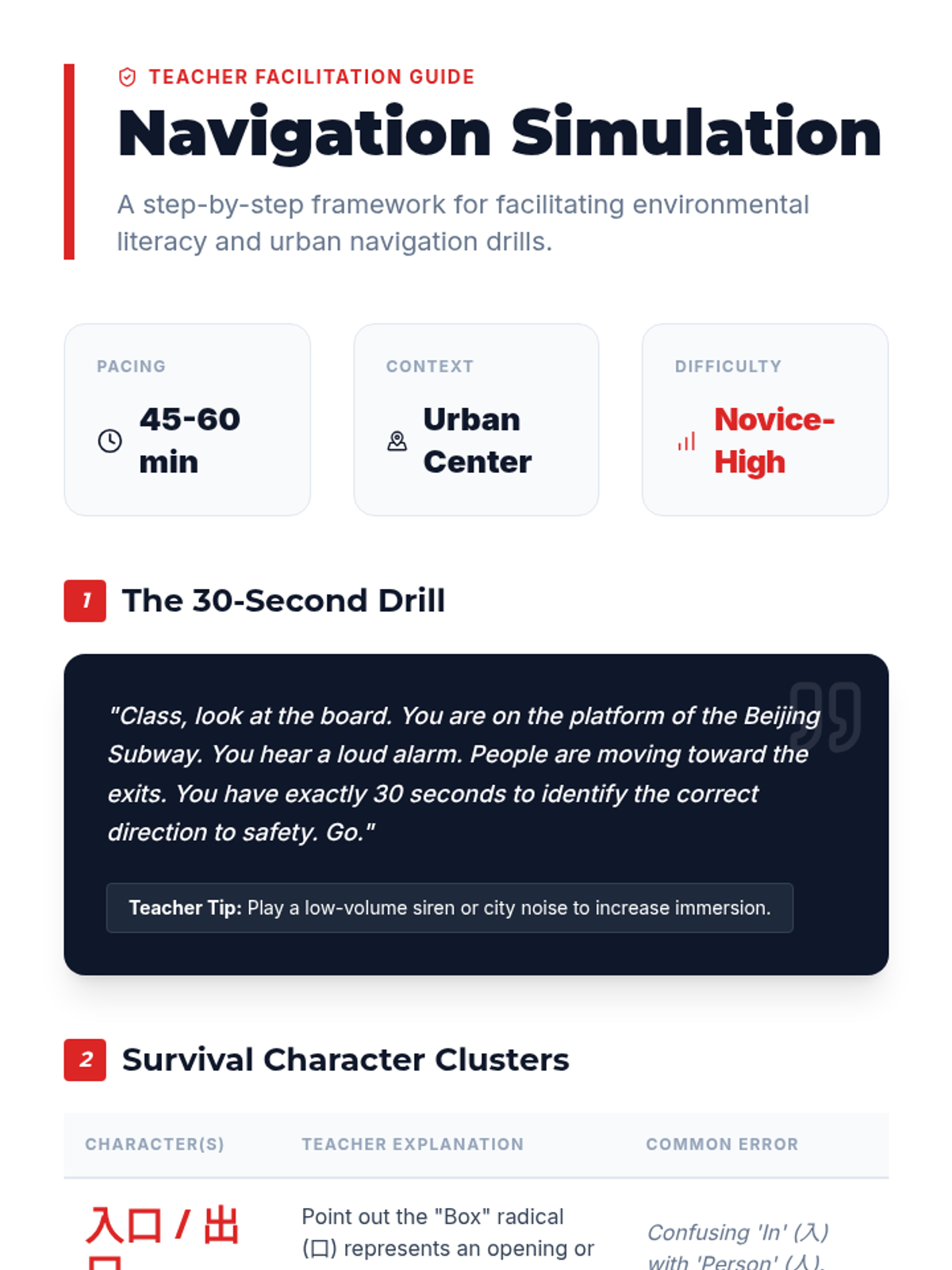
Students simulate navigating a Chinese city by decoding street signs, subway maps, and safety warnings. The lesson emphasizes spotting keywords amidst visual noise.
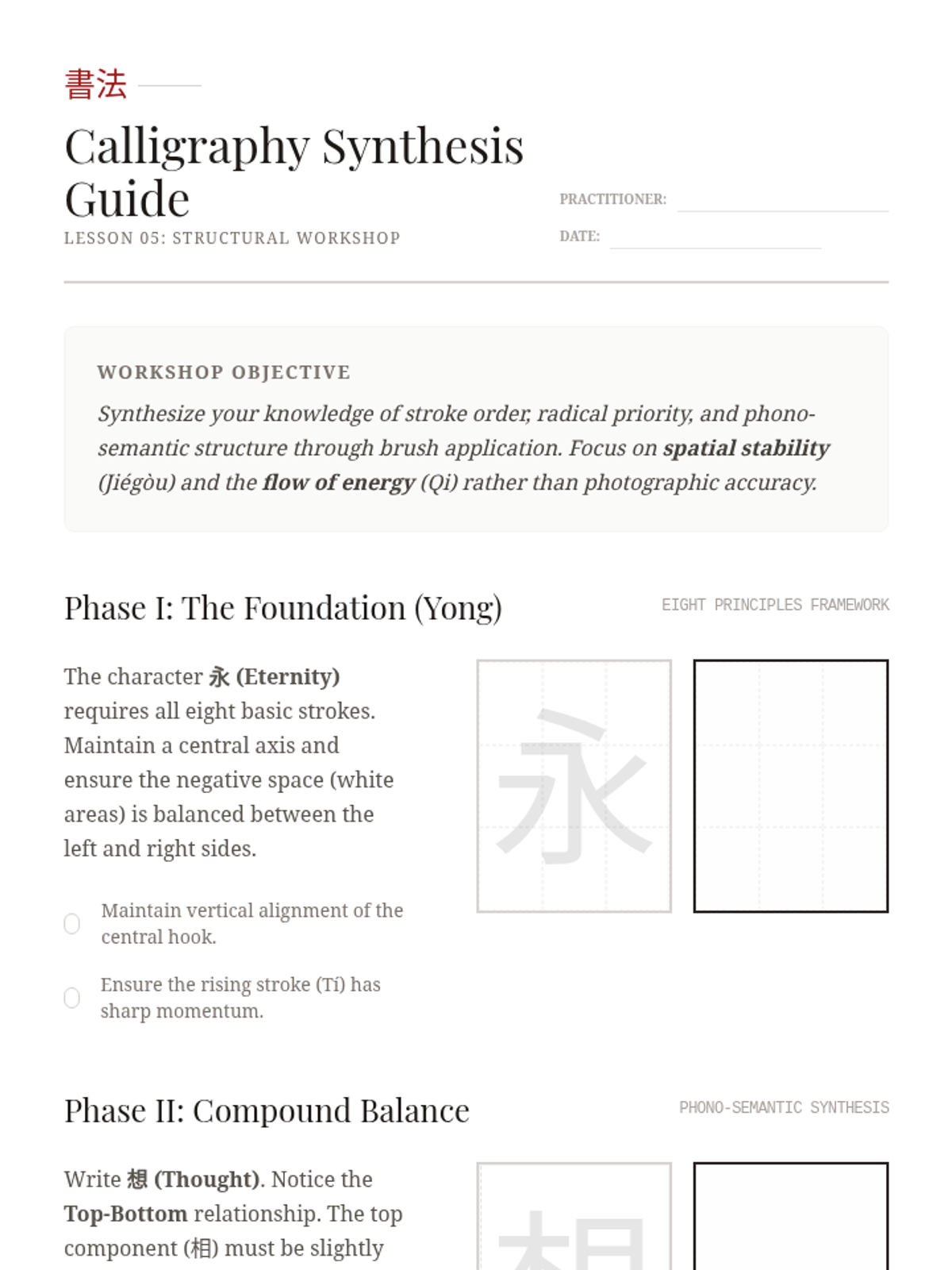
A culminating workshop applying theoretical knowledge of structure, balance, and 'qi' through brush calligraphy. Reinforces spatial relationships and character composition.
Mastery of the 214 Kangxi radicals and the logic of dictionary organization. Students practice retrieving information from physical and digital resources using visual components.
Focuses on the rapid mastery of personal pronouns and the numerical system to express identity, dates, and basic group concepts.
Focuses on phono-semantic compounds, identifying how semantic components suggest meaning and phonetic components suggest sound. Develops predictive skills for decoding unfamiliar characters.