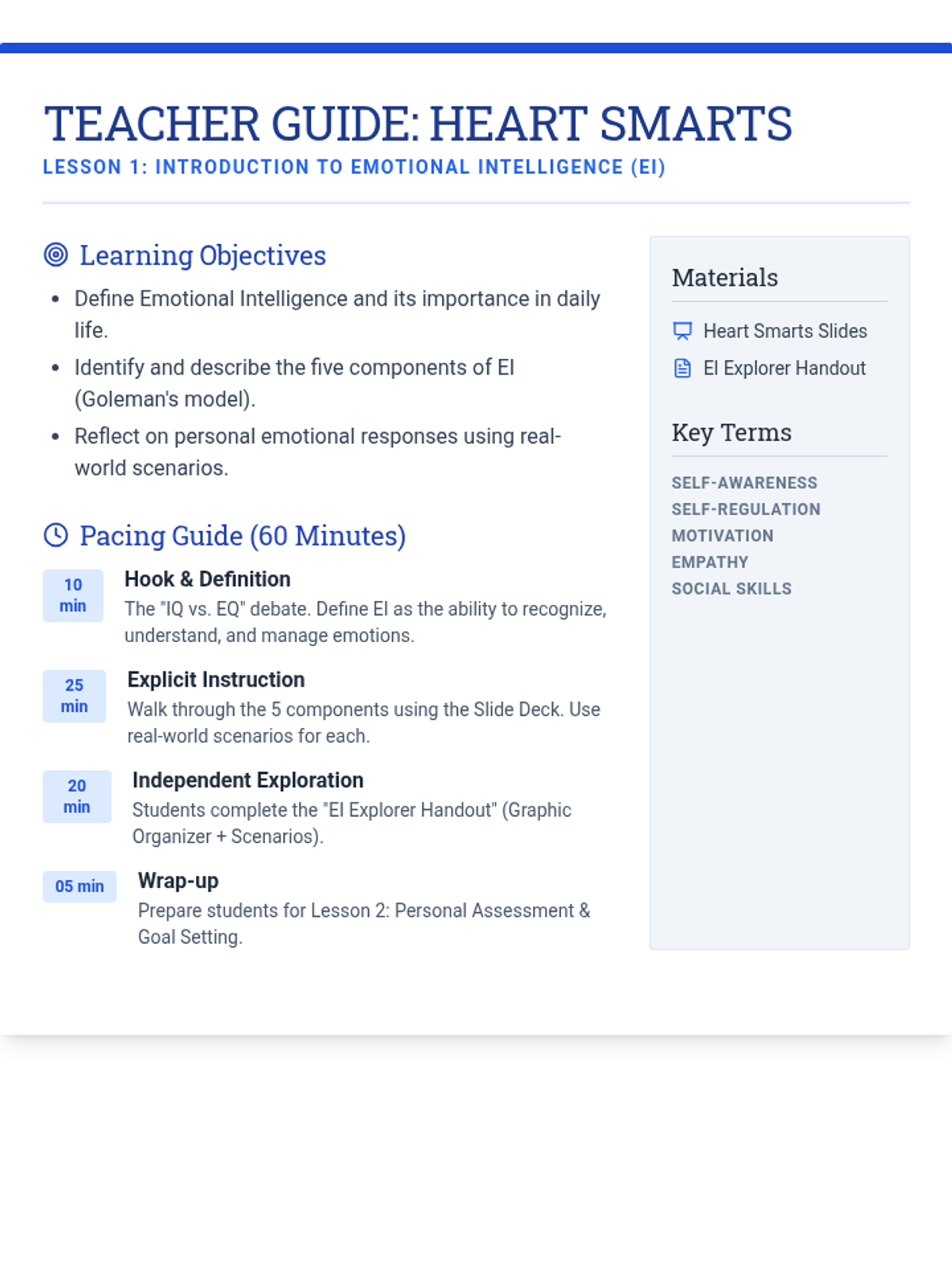
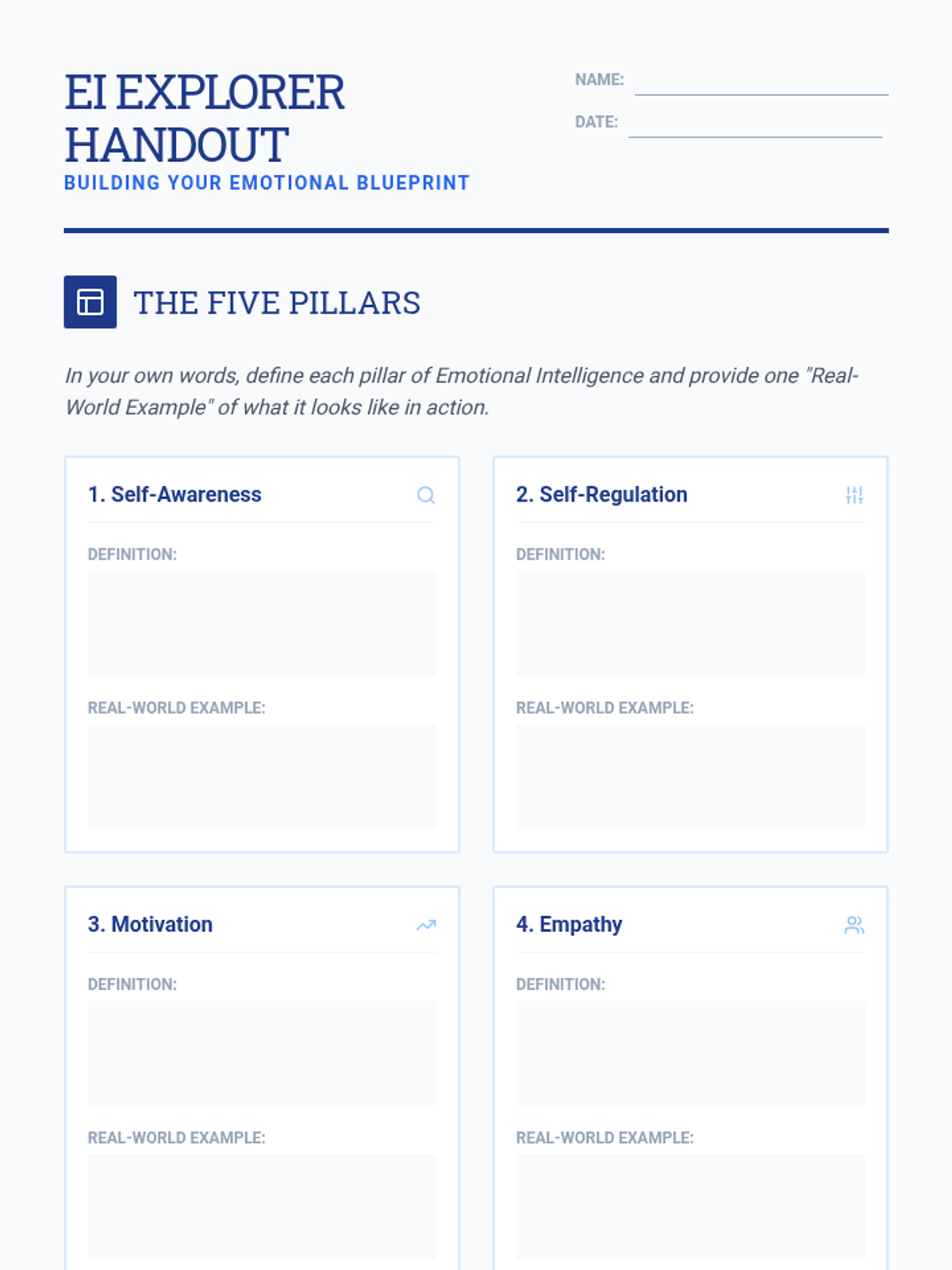
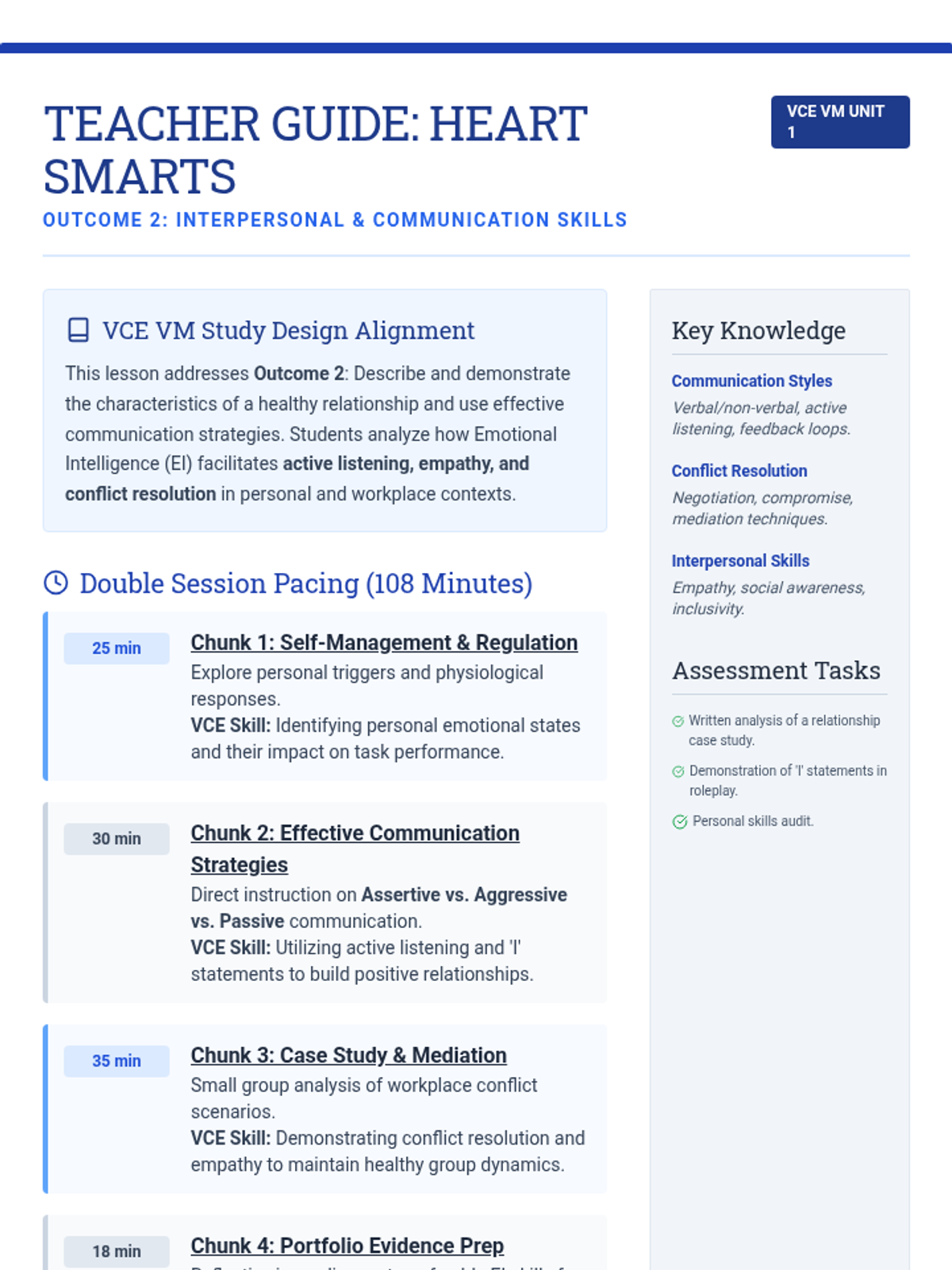
Fundamental concepts of emotional intelligence, stress reduction, and relaxation exercises. Develops skills for healthy relationships, digital balance, and resilience while establishing pathways for help-seeking and support systems.
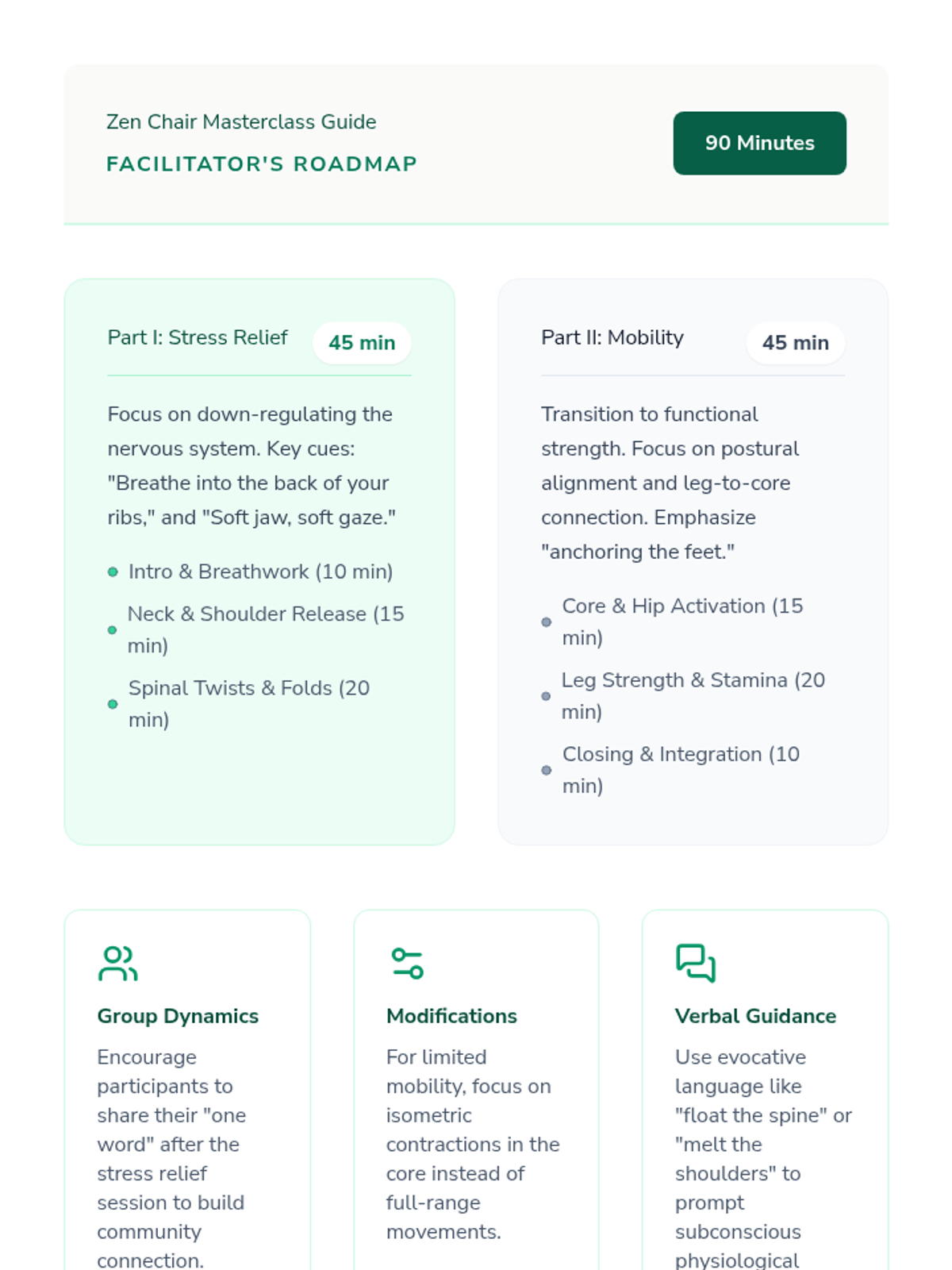
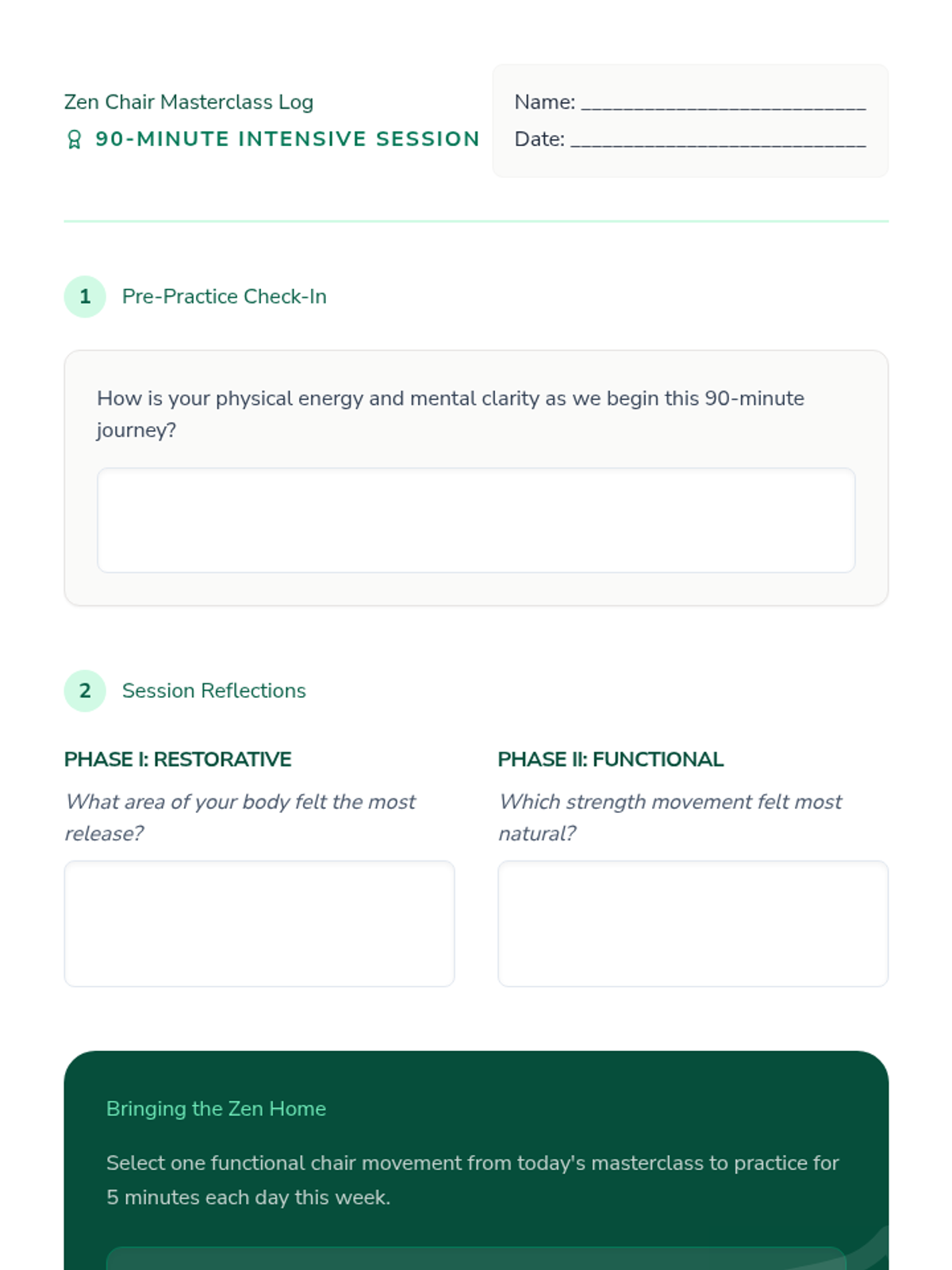
A comprehensive yoga series featuring a deep-dive chair yoga masterclass with guided videos and a follow-up standing flow session for beginners. Designed to build both mental calm and physical strength.
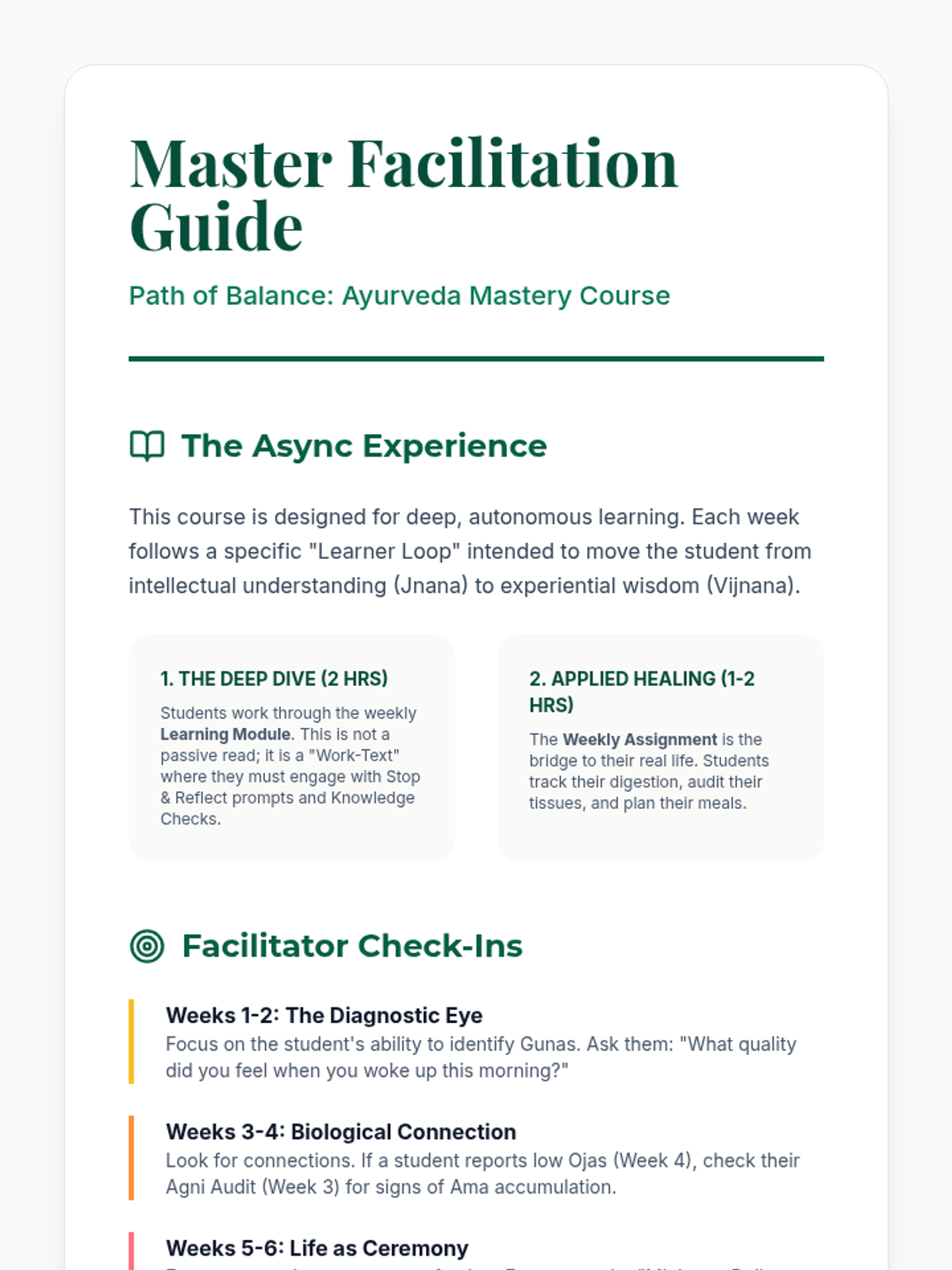
A professional 6-week certification-style journey into Ayurveda. Each week features a comprehensive 2-hour 'Deep Dive Module' combining academic reading, interactive reflections, and knowledge checks, supported by practical 'Applied Healing' assignments (1-2 hours) for real-world integration.
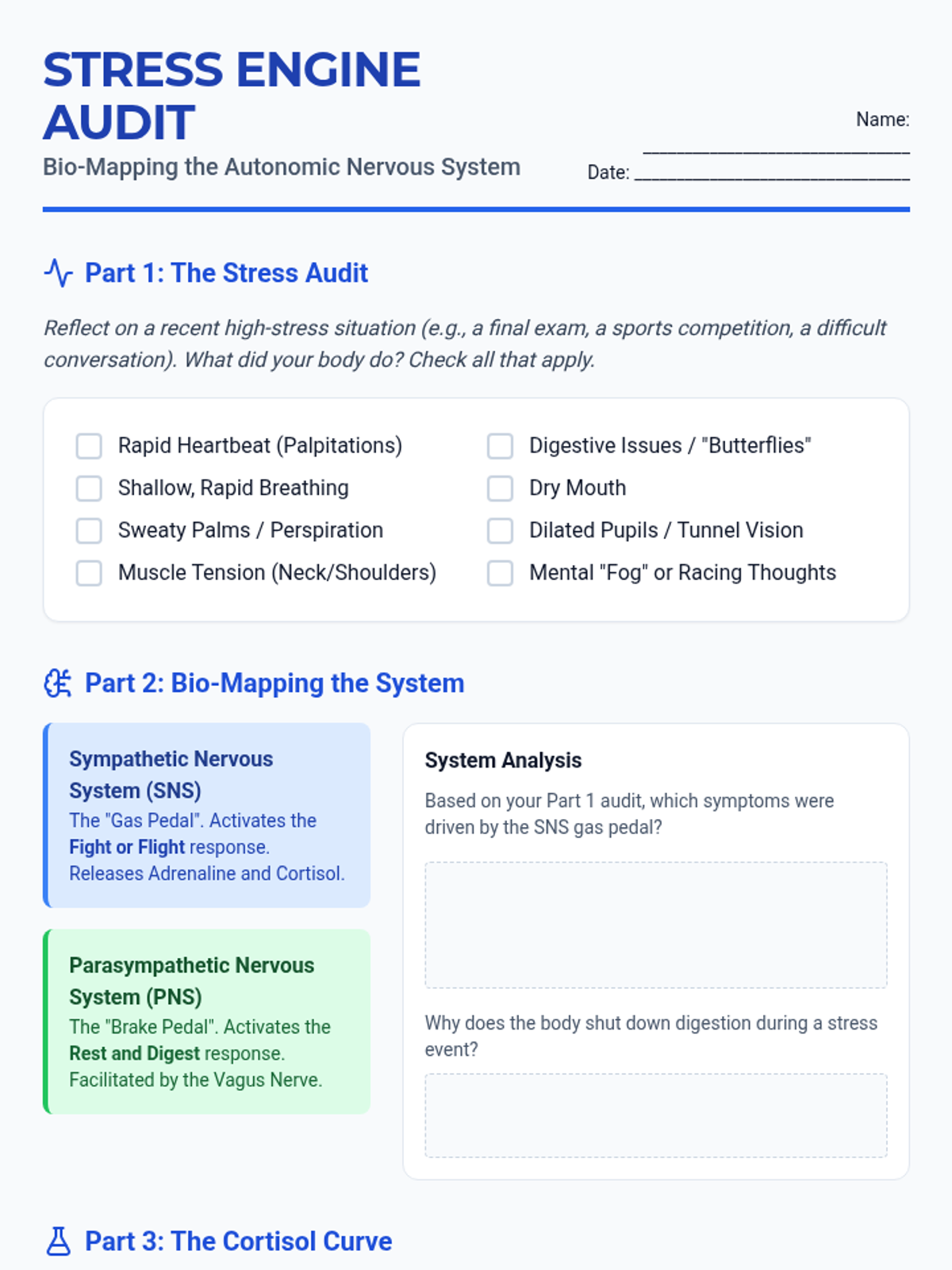
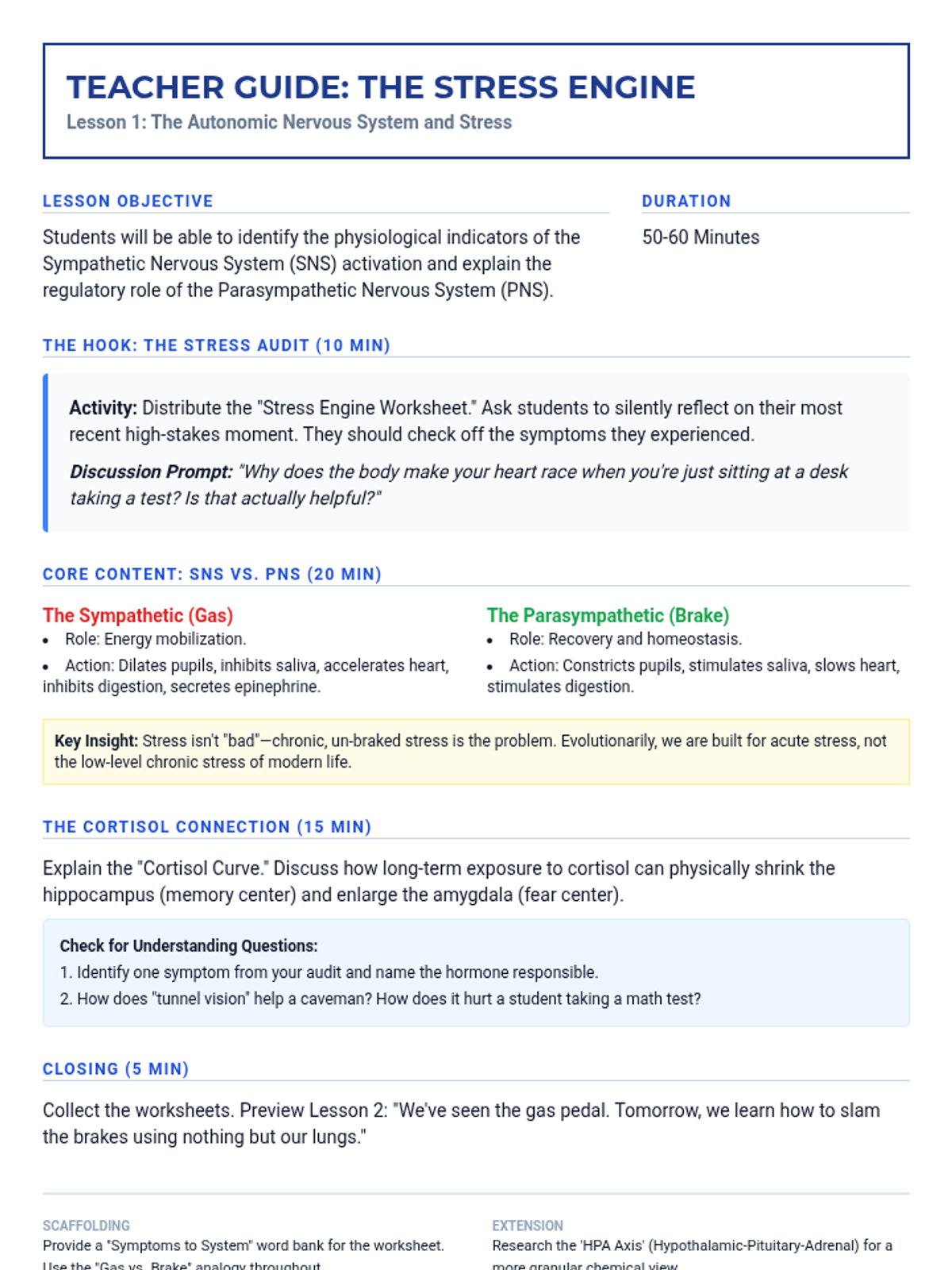
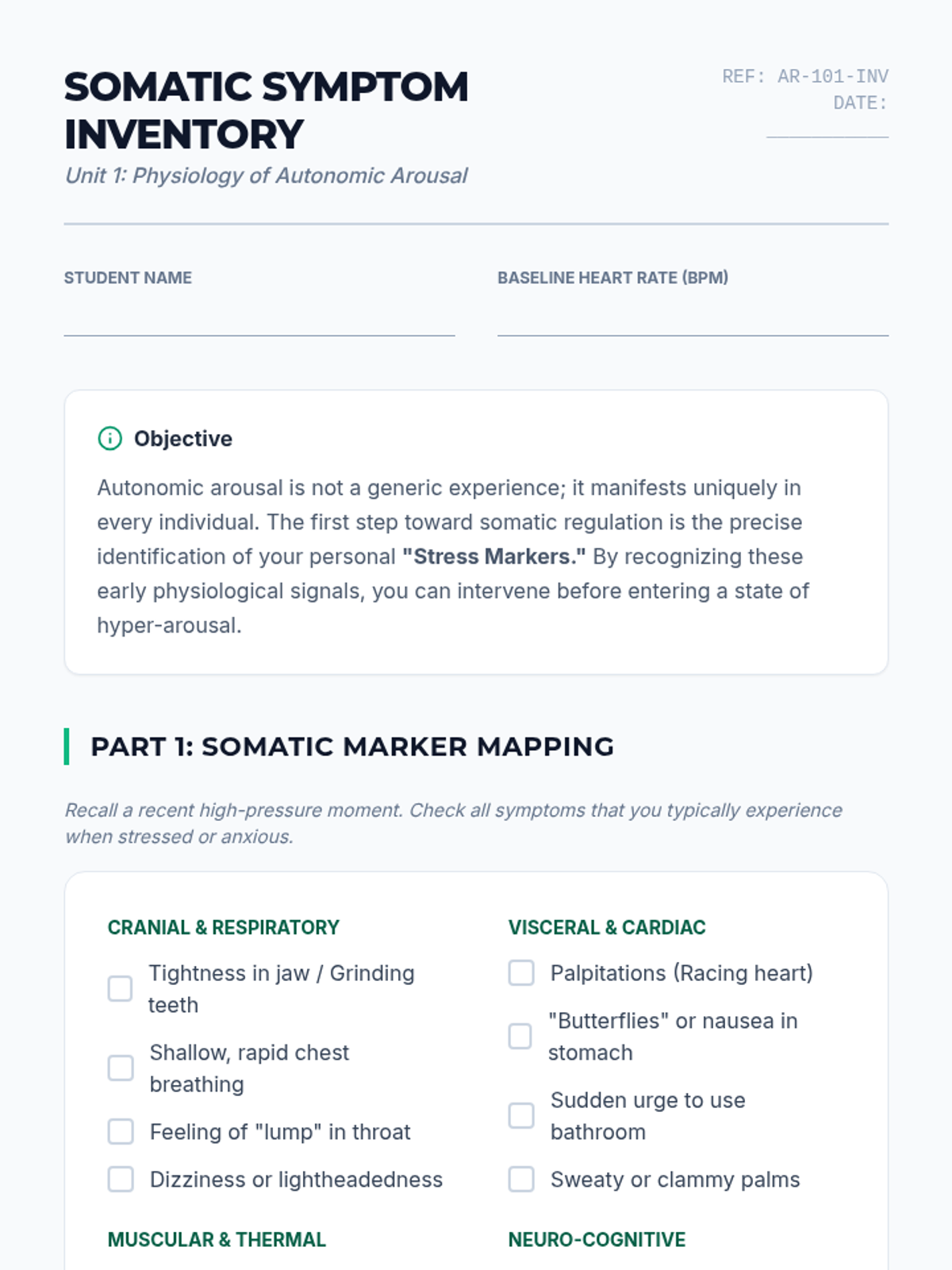
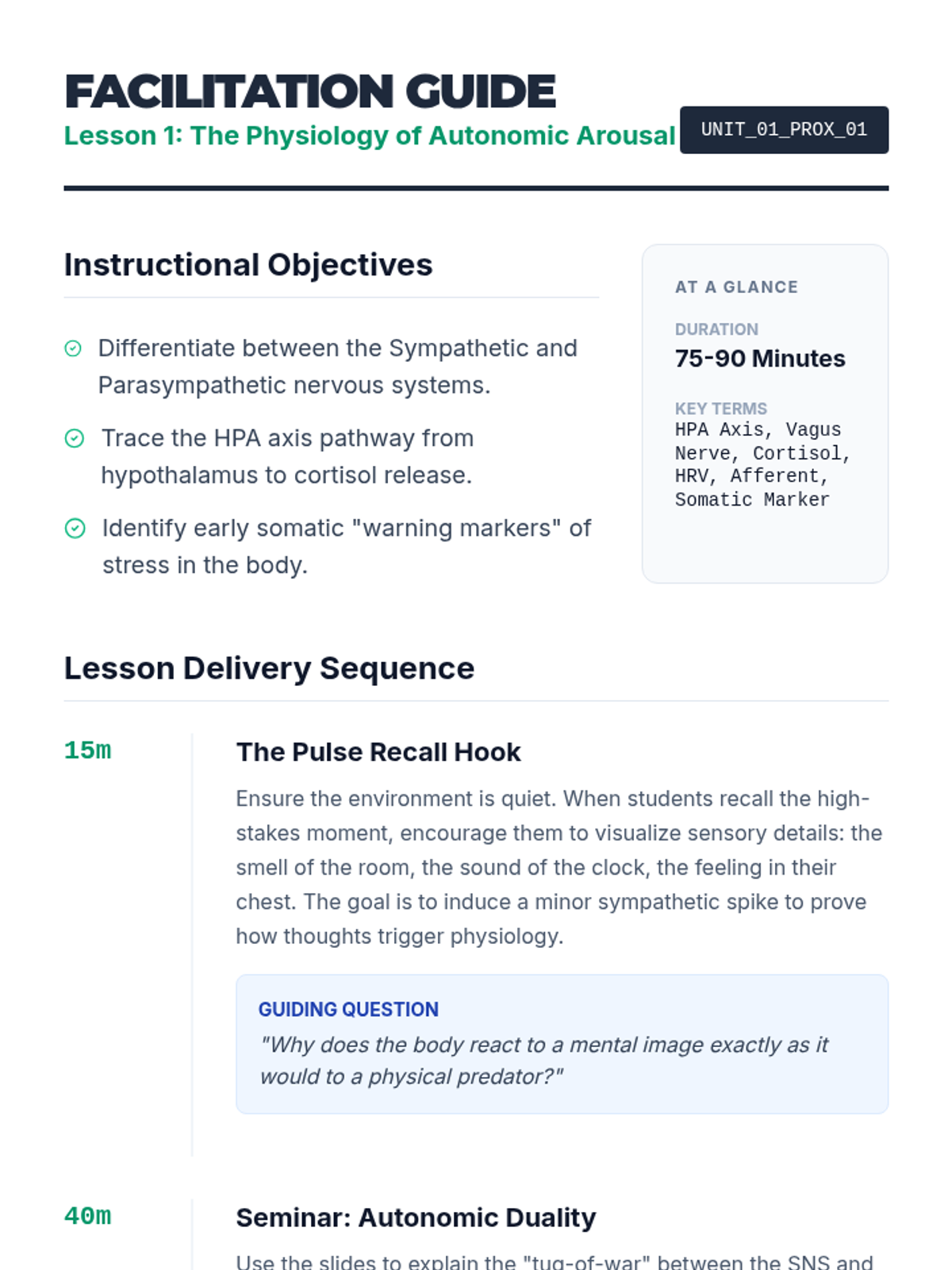
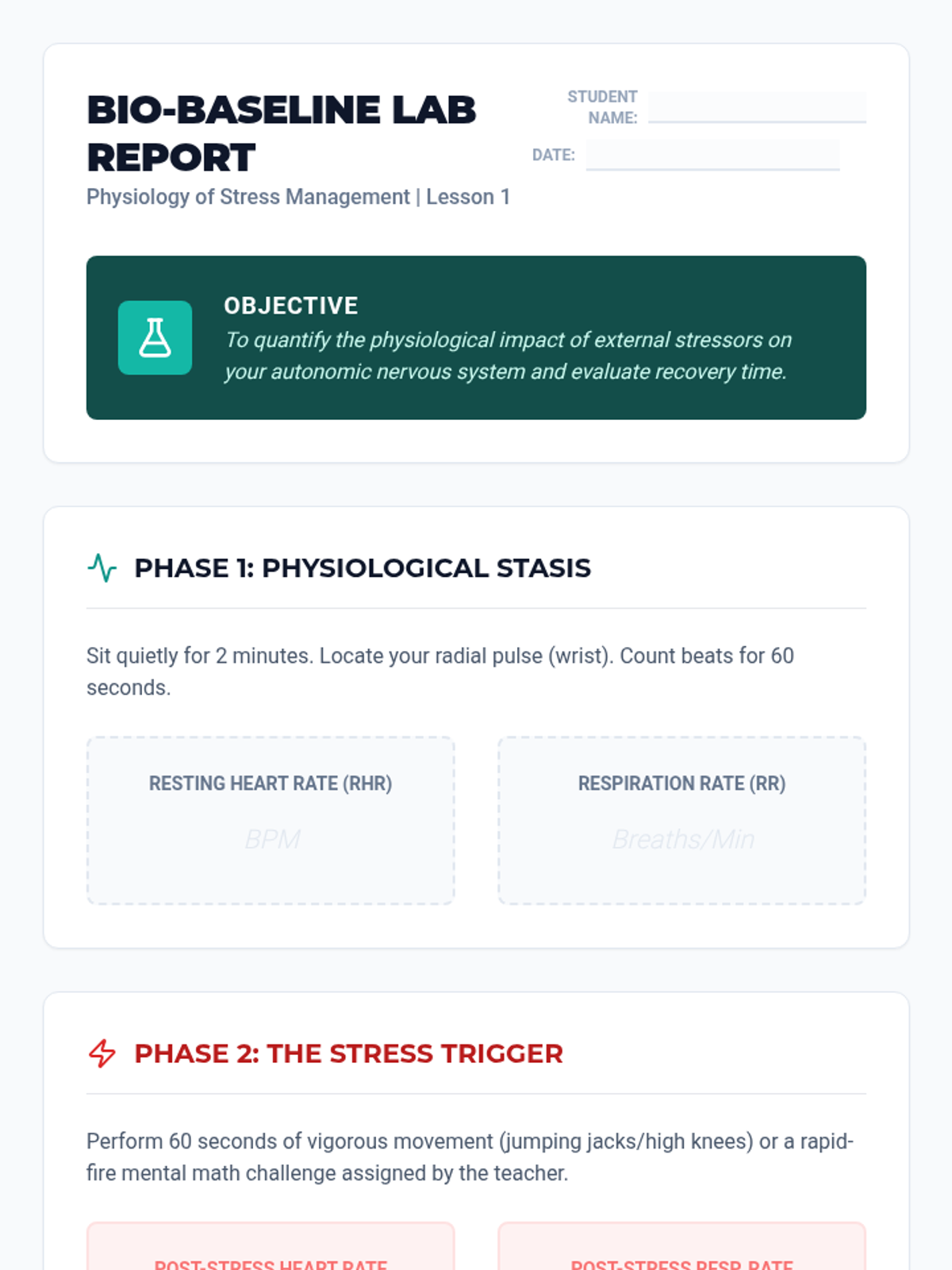
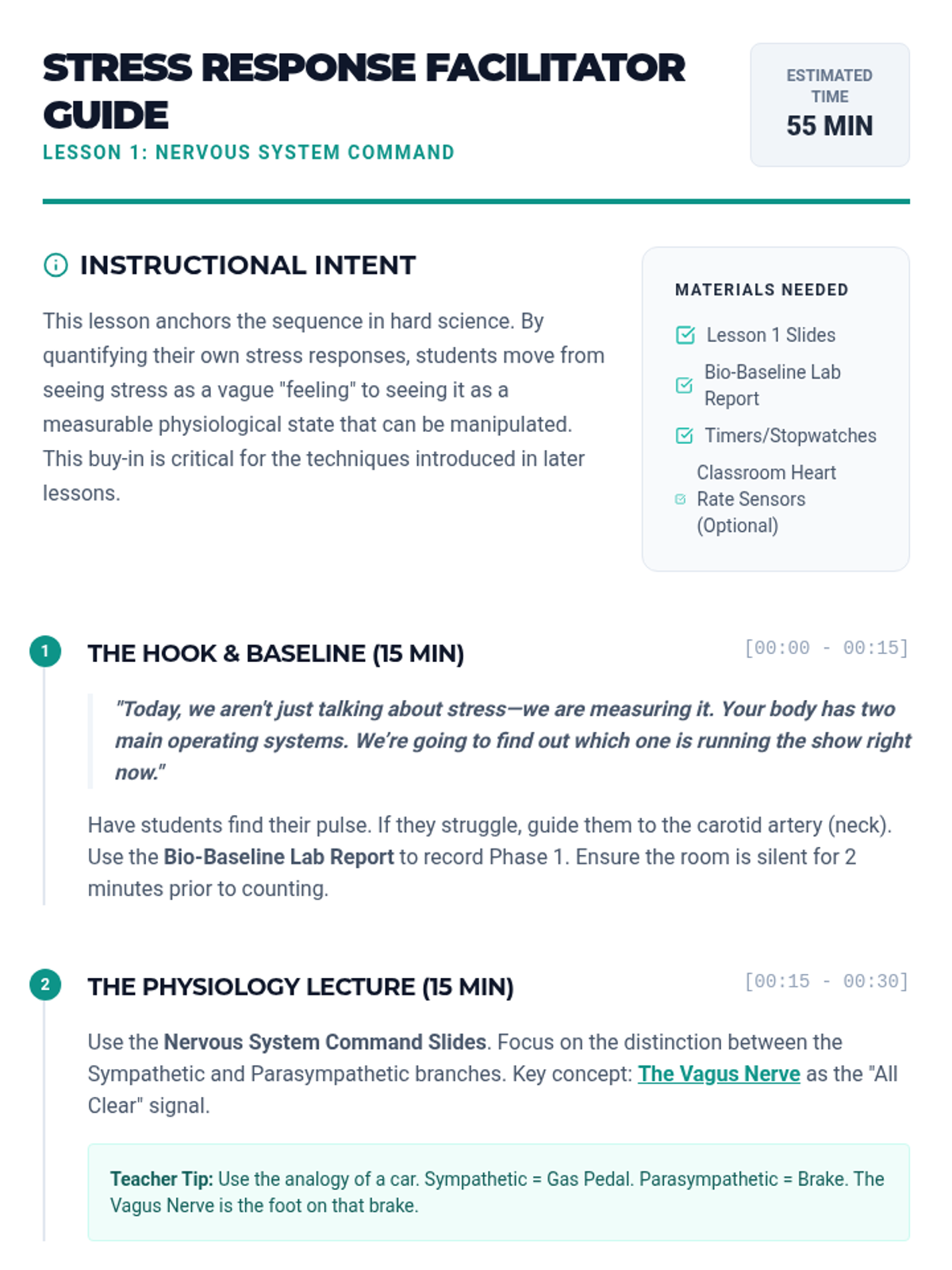
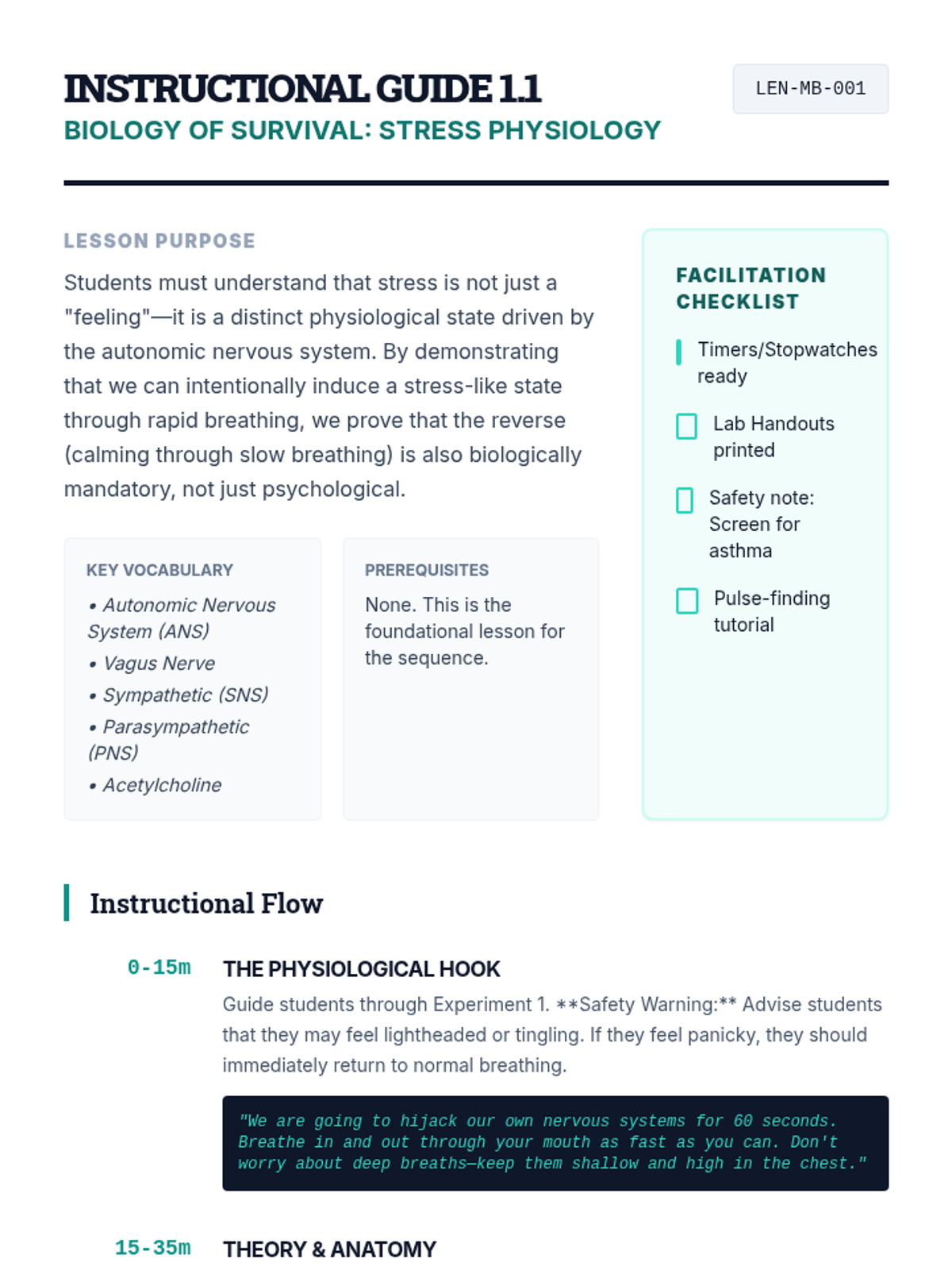
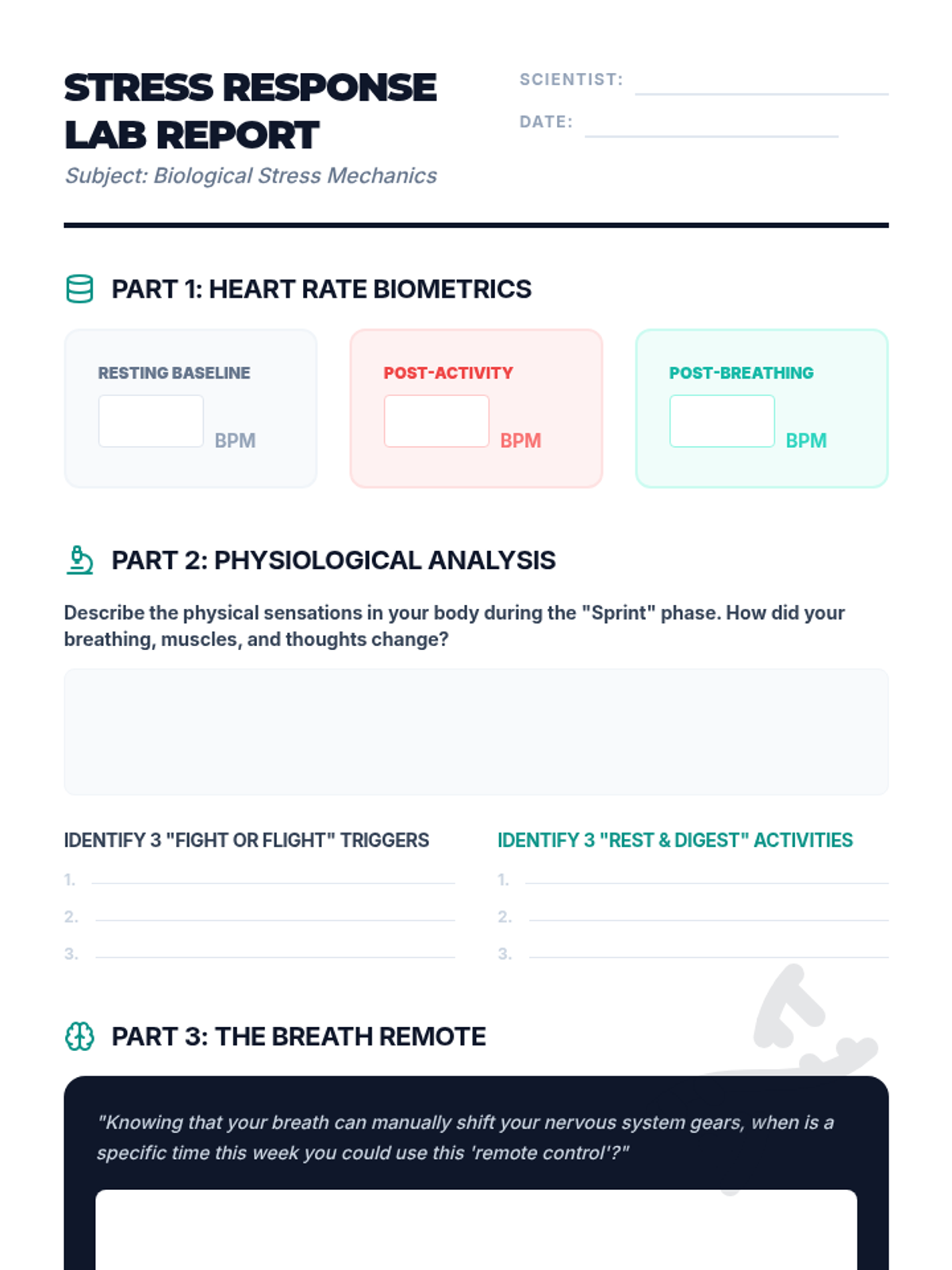
A high school health sequence exploring the biological and neurological foundations of stress and meditation. Students analyze the autonomic nervous system, measure physiological responses to breathing techniques, and understand how neuroplasticity allows for long-term stress regulation.
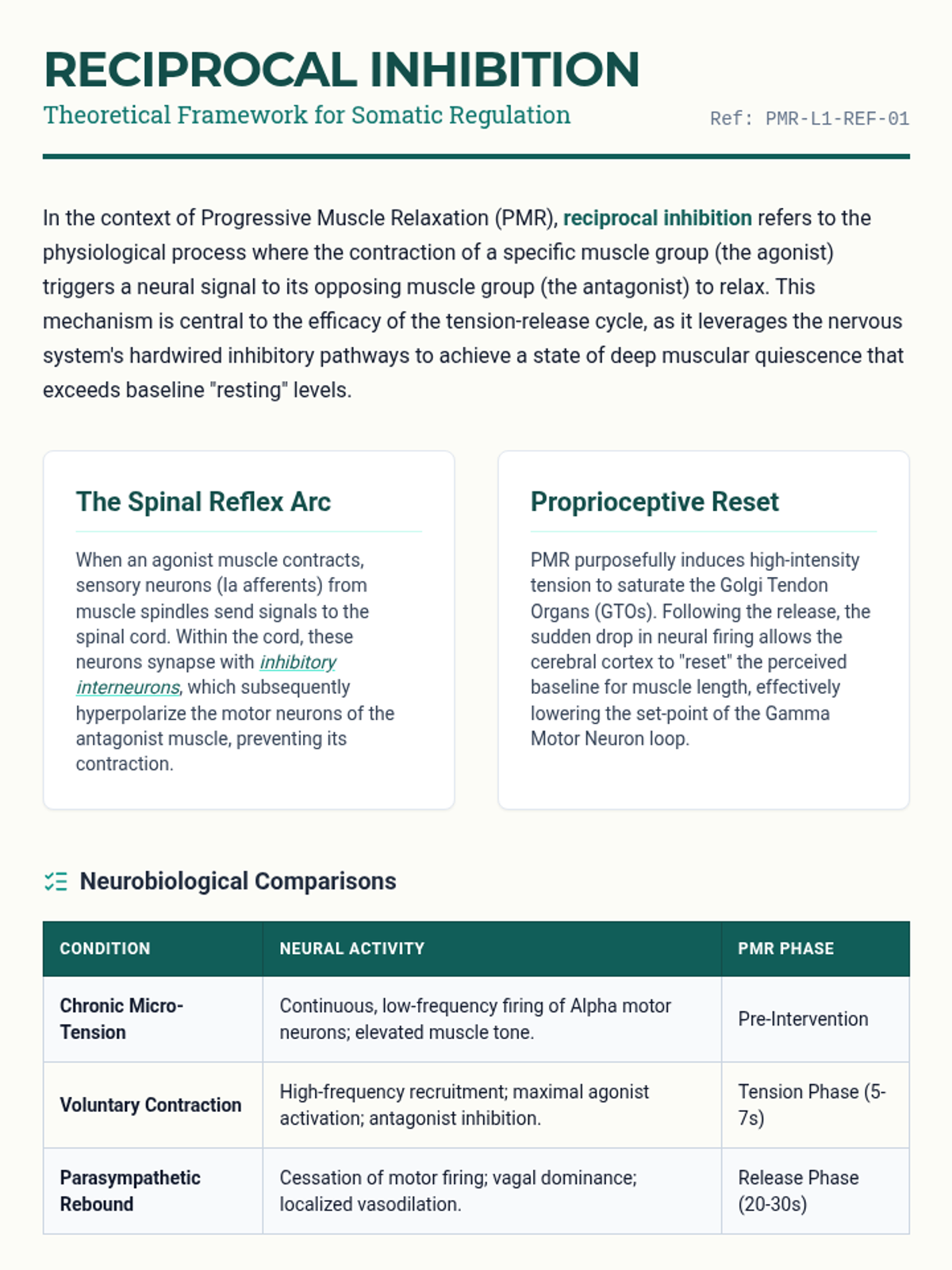
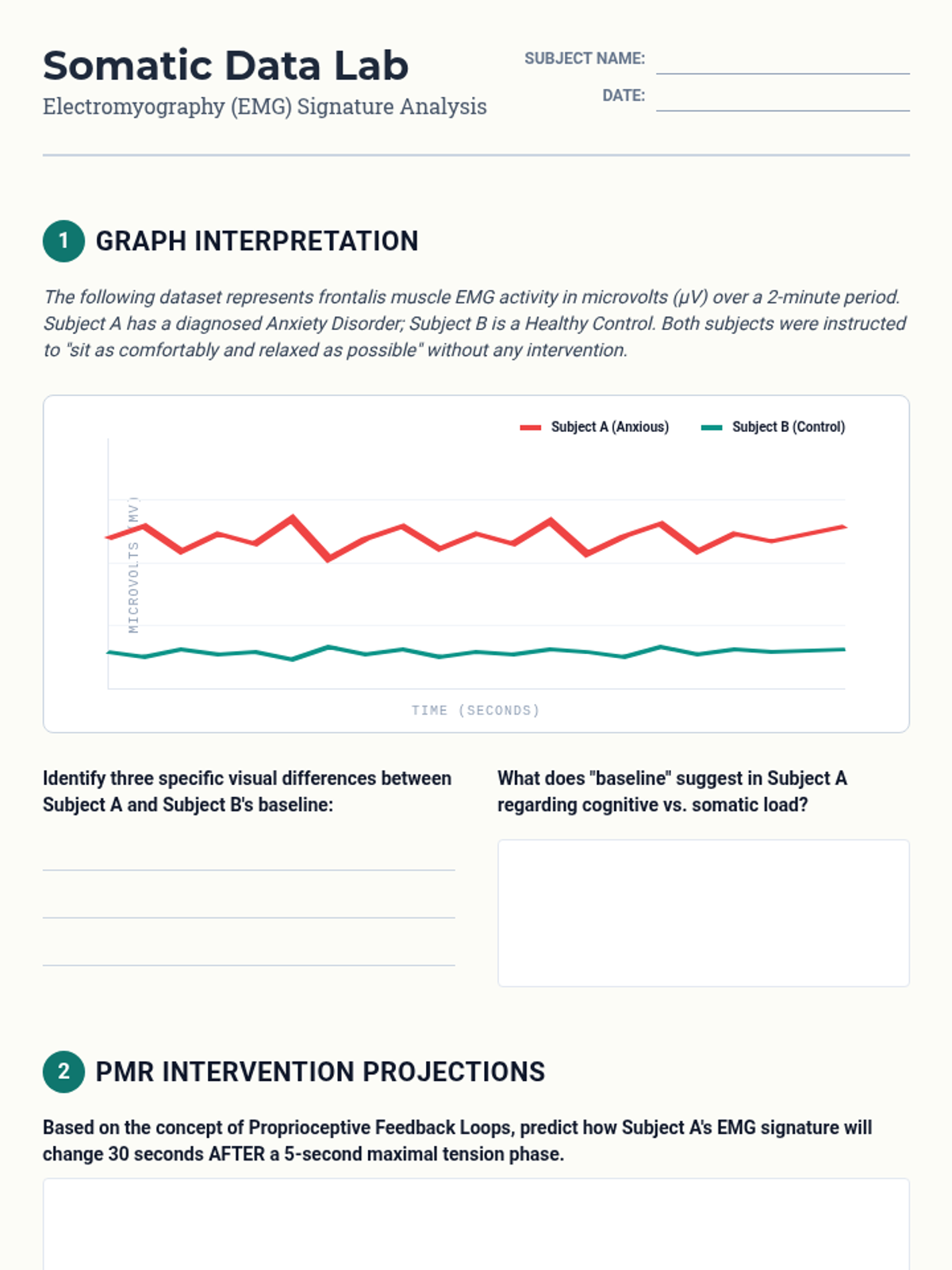
A rigorous graduate-level sequence exploring the neurobiological foundations of Progressive Muscle Relaxation (PMR), focusing on the Bernstein & Borkovec protocol, somatic awareness, and data-driven personal mastery.
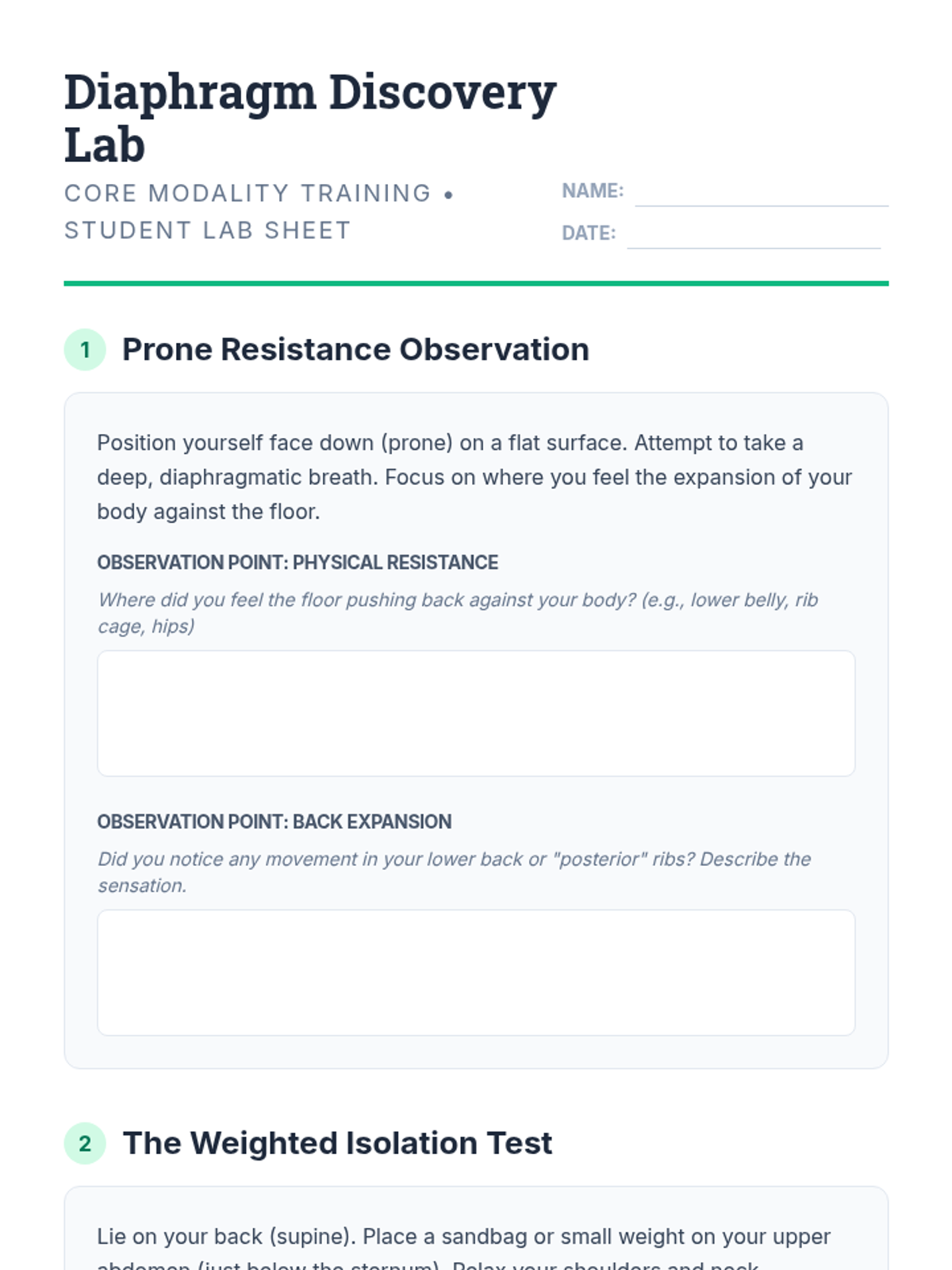
A professional workshop sequence for undergraduate students training in clinical and educational breathwork facilitation. The series progresses from personal mastery of diaphragmatic and rhythmic breathing to advanced adaptations for cognitive challenges and emergency de-escalation scenarios.
A high-school level exploration of stress through the lens of neuroscience and physiology. Students learn to manipulate their autonomic nervous system using specific breathing and relaxation techniques to optimize performance and well-being.
A comprehensive physiological and psychological exploration of the autonomic nervous system, focusing on evidence-based breathing and muscular relaxation techniques to manage stress and optimize performance for undergraduate students.
A high school health sequence bridging biological understanding of the autonomic nervous system with practical stress-regulation protocols like Box Breathing and Progressive Muscle Relaxation. Students move from scientific inquiry to the creation of a personalized bio-regulation plan for high-stakes scenarios.
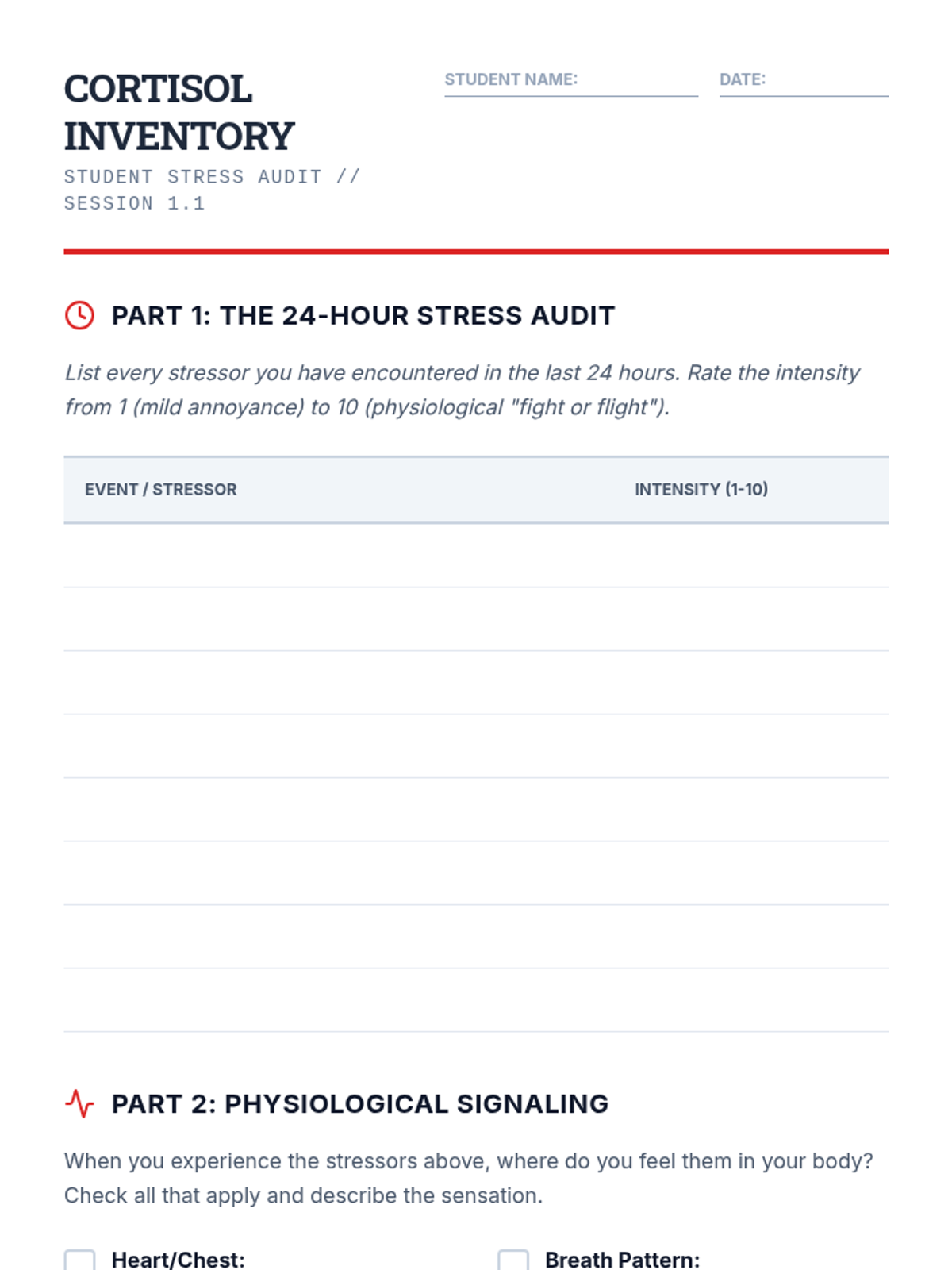
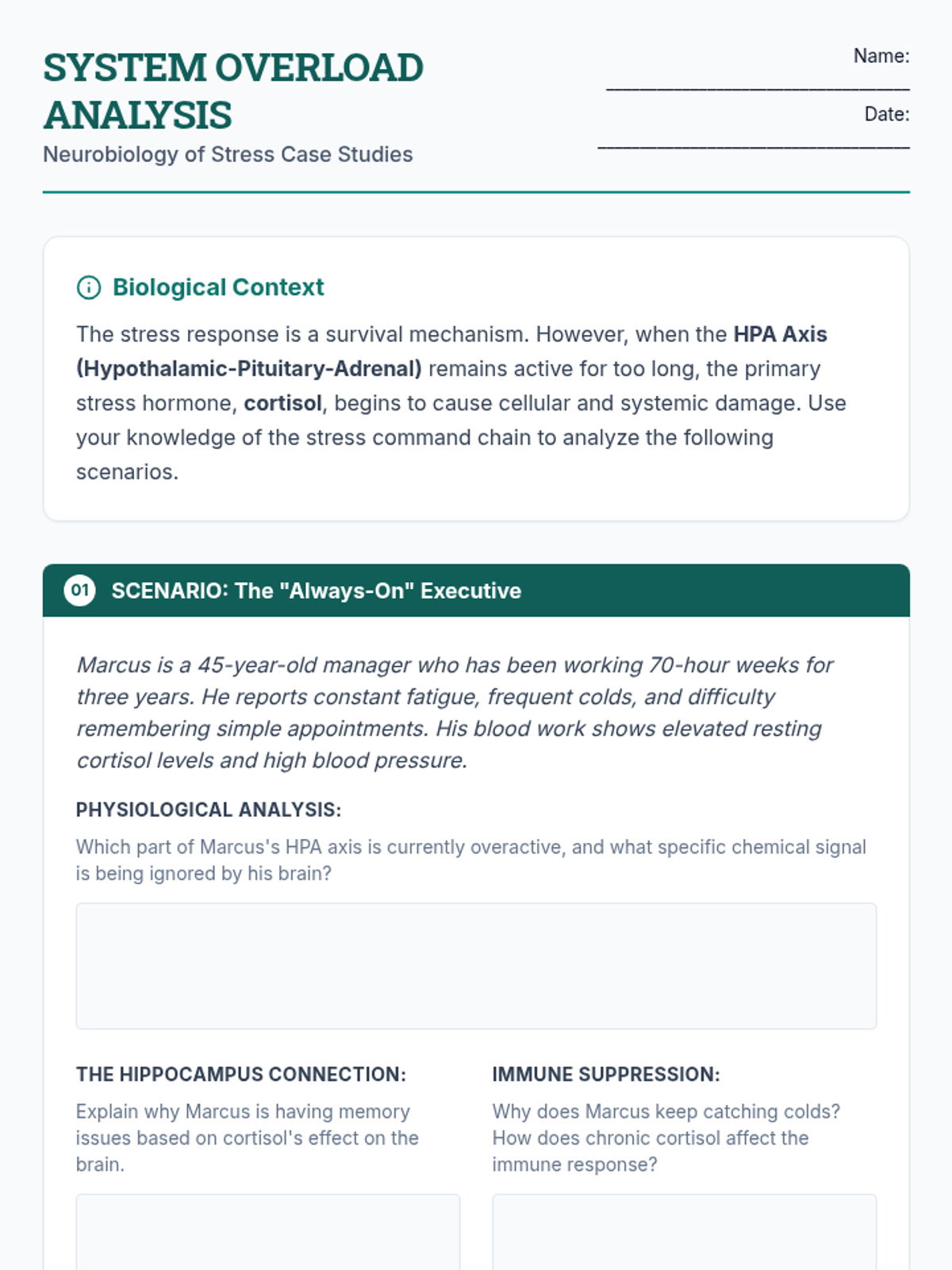
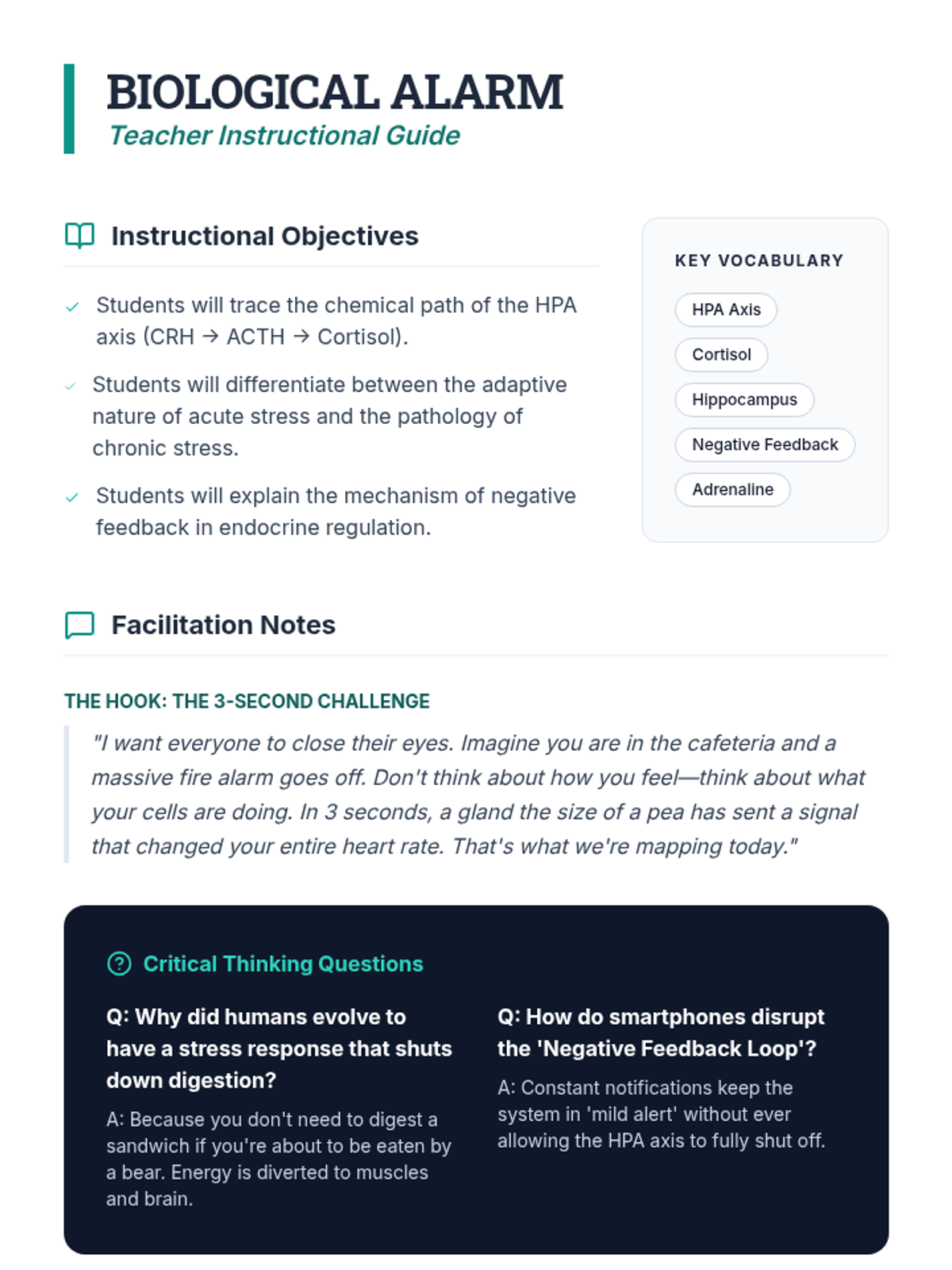
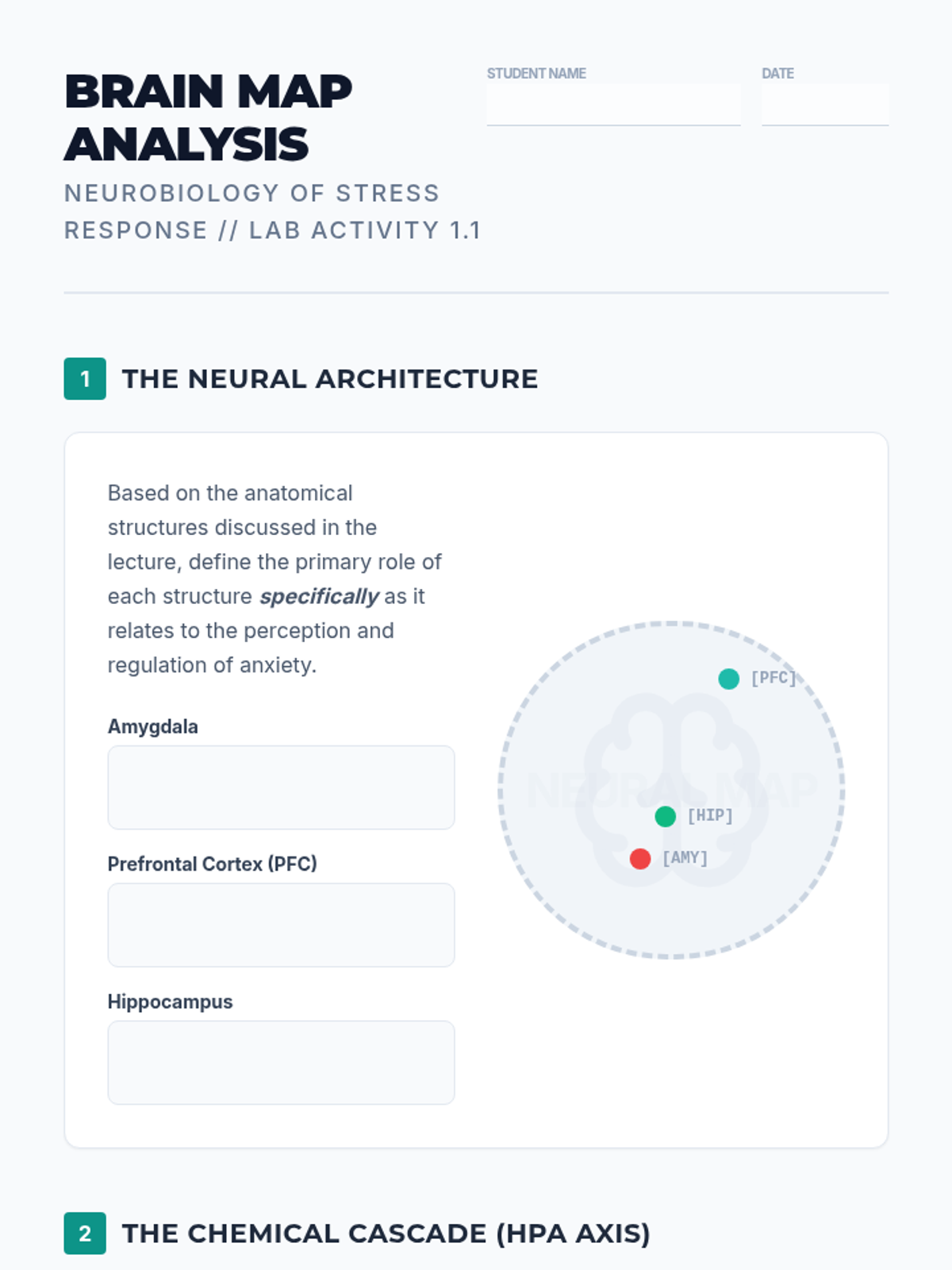
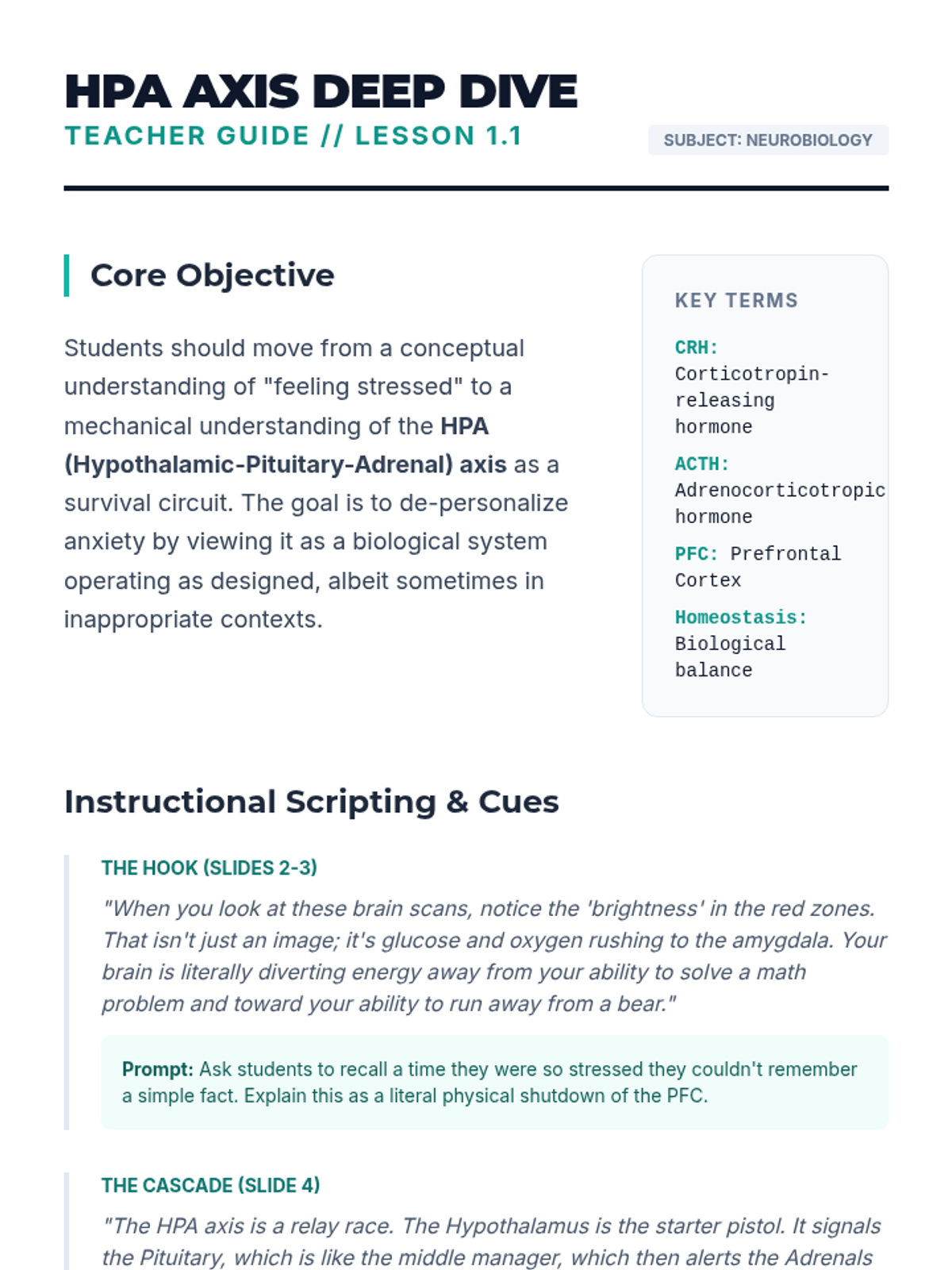
A high school health sequence that explores the neurobiological foundations of stress, focusing on the HPA axis, physiological symptom recognition, biofeedback techniques, and cognitive reframing to create a personalized stress regulation protocol.
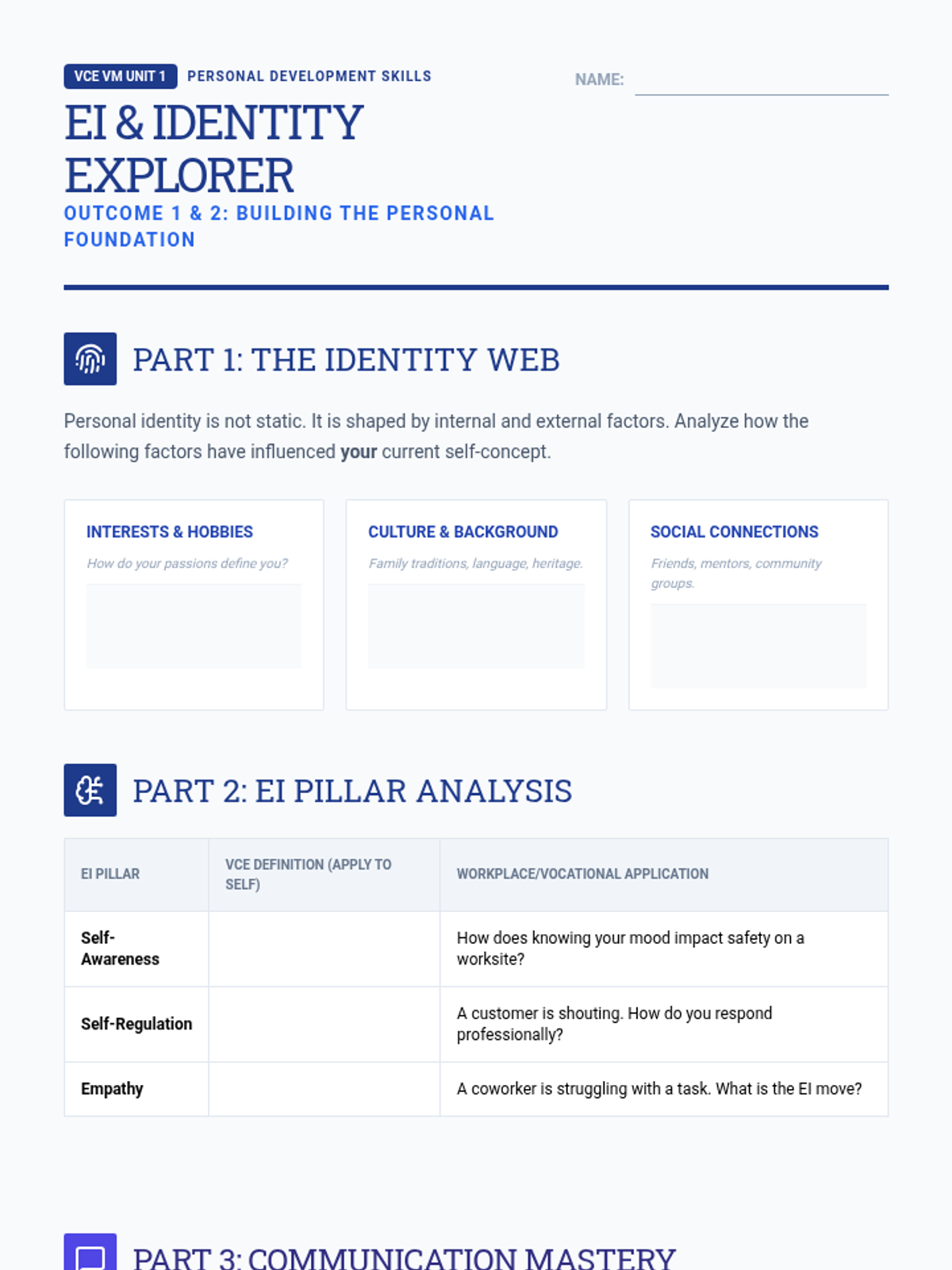
A three-part developmental series exploring Emotional Intelligence and its role within the four dimensions of holistic health: physical, emotional, social, and spiritual.
This undergraduate sequence explores the neuroscience and physiology of stress and anxiety, grounding emotional experiences in biological reality. Students will study the HPA axis, evolutionary mismatches, somatic markers, and physiological regulation techniques to move from reactivity to mastery.
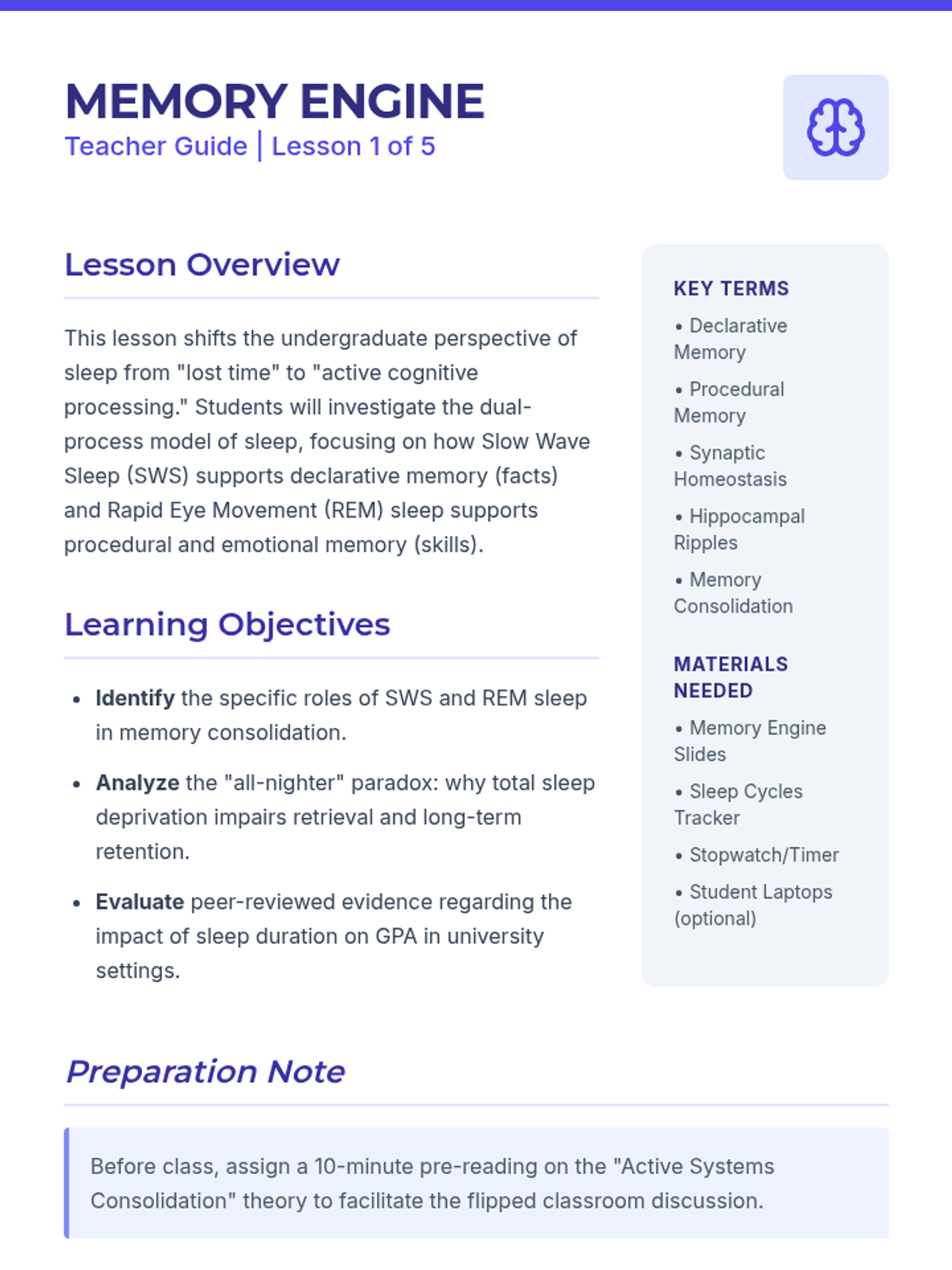
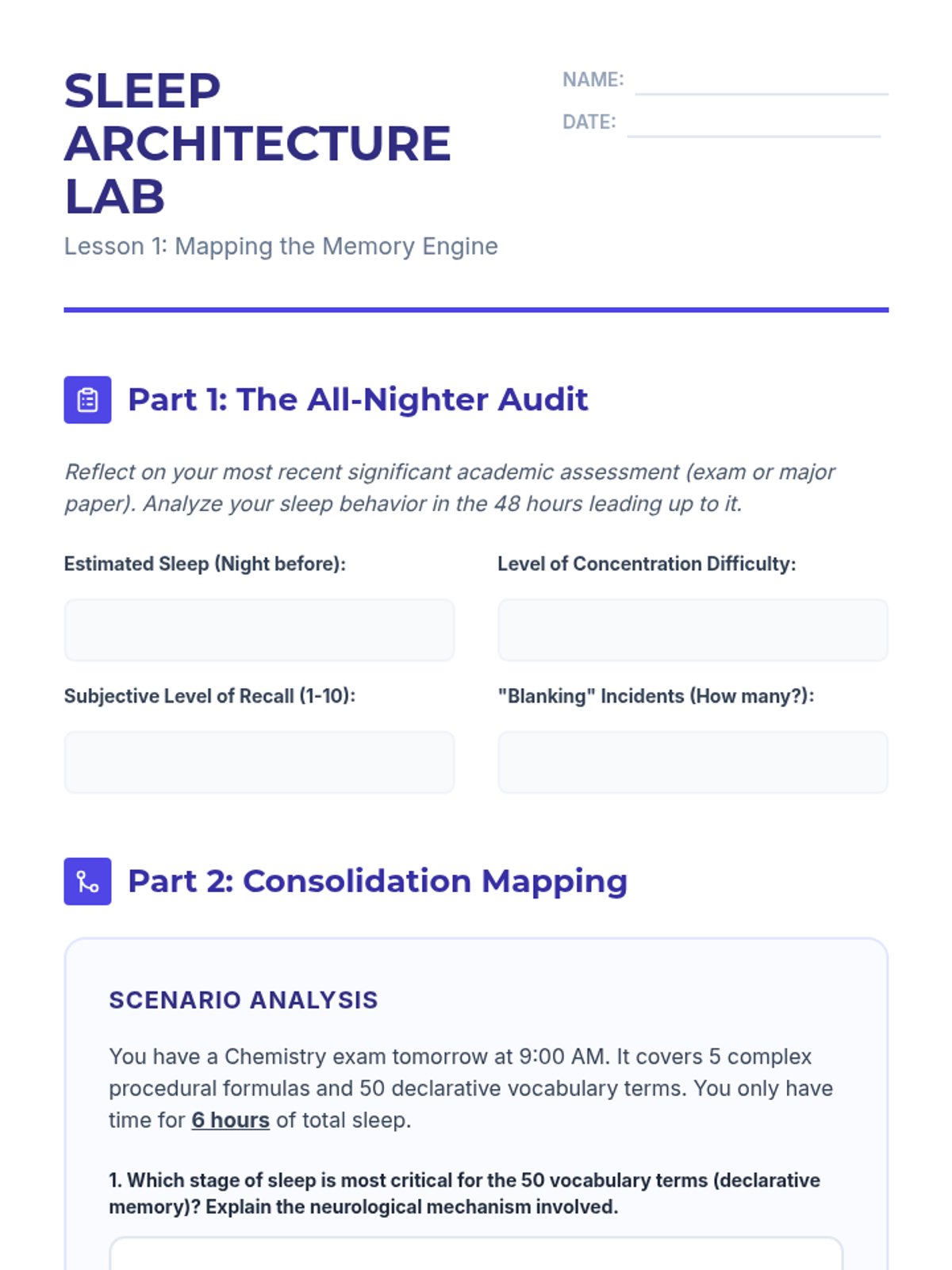
This sequence explores sleep as a critical pillar of cognitive performance, emotional intelligence, and public health. Students analyze the impact of sleep deprivation on memory consolidation, ethical decision-making, and societal safety, while critiquing 'hustle culture' in favor of rest as a strategic asset.
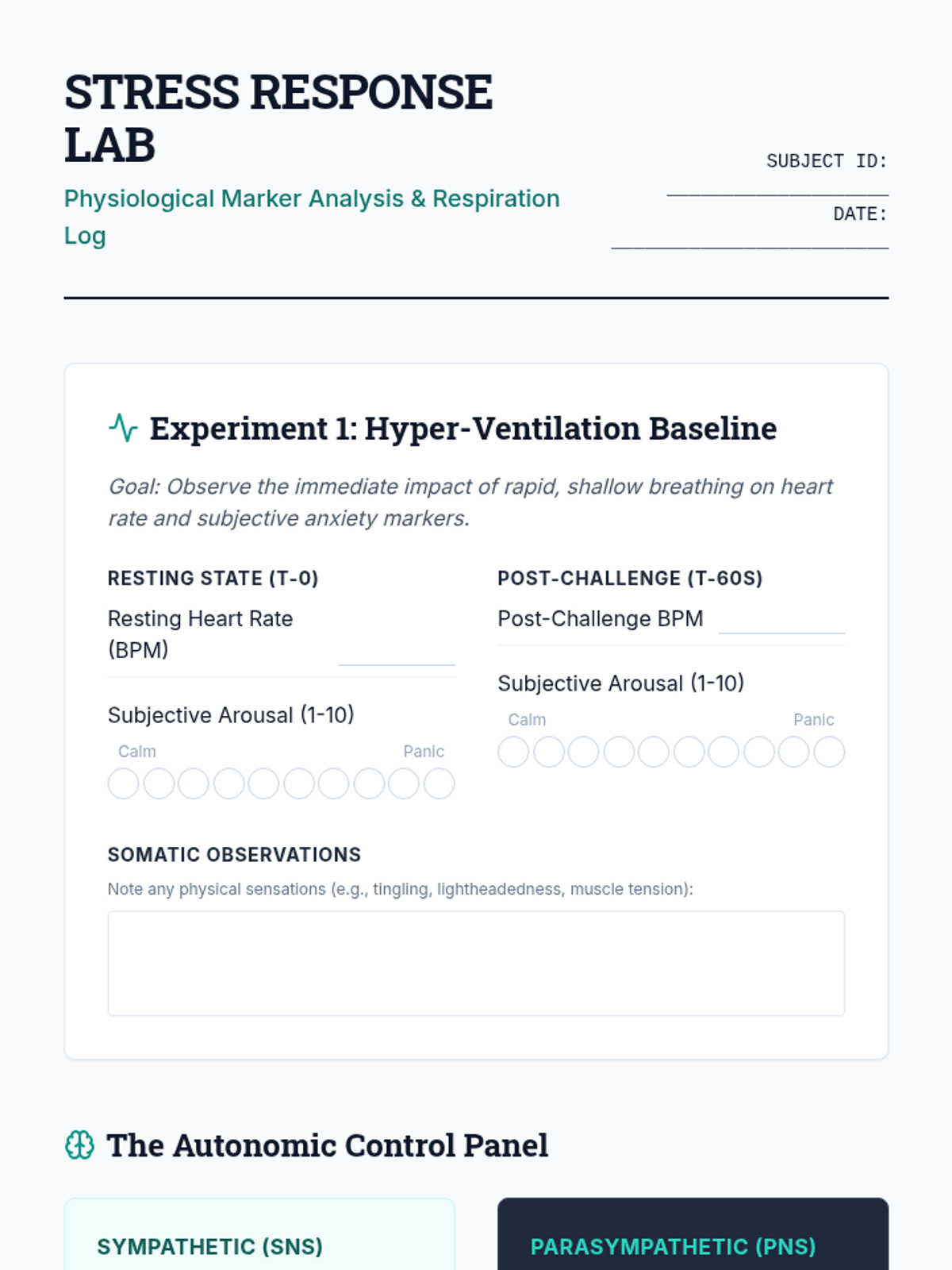
This sequence explores the physiological mechanics of stress and the autonomic nervous system. Students learn how respiratory patterns influence the vagus nerve and amygdala, mastering specific breathwork protocols like diaphragmatic breathing, box breathing, and 4-7-8 for state regulation.
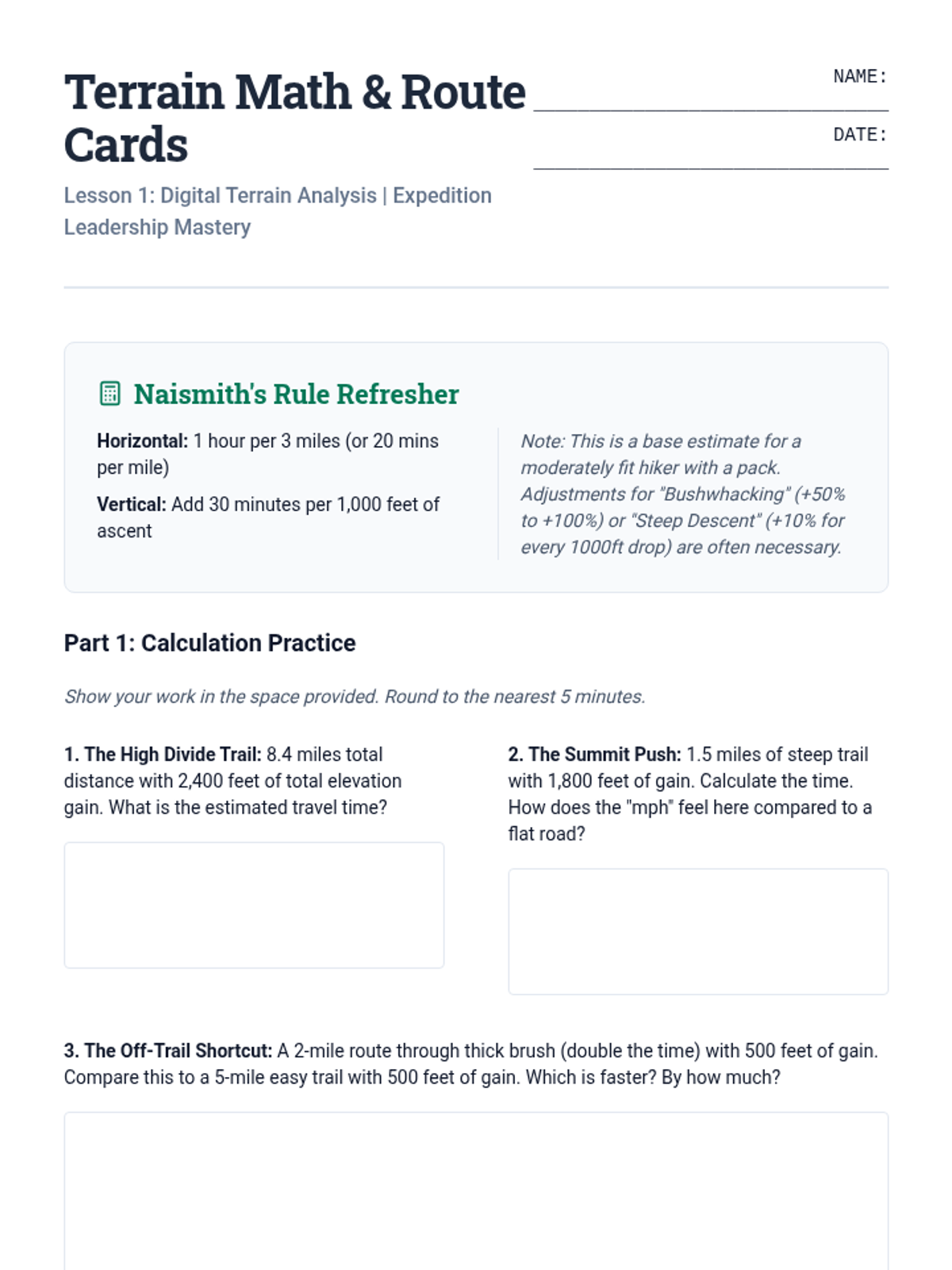
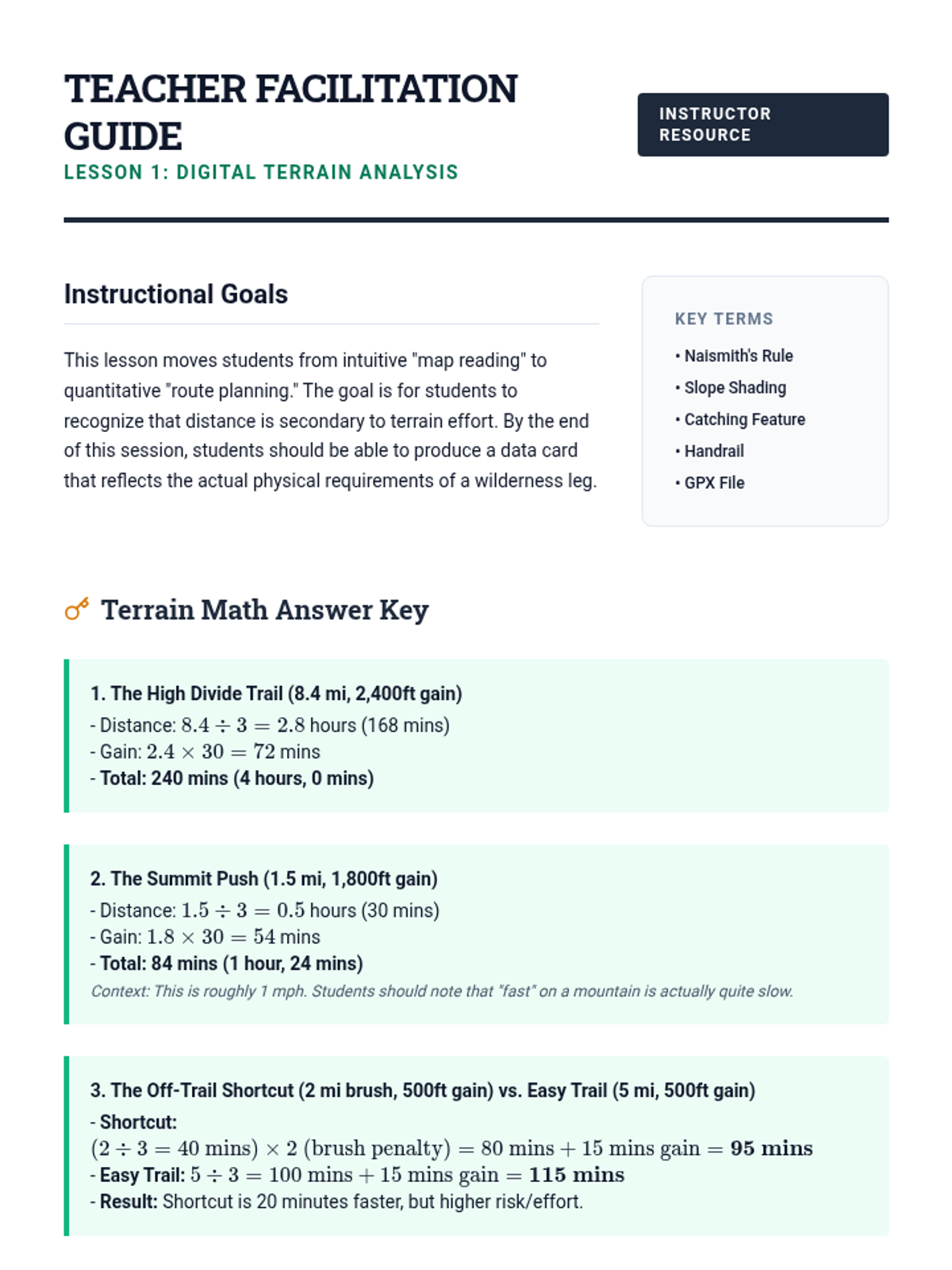
An advanced sequence for undergraduate students focused on the integration of digital mapping, GPS technology, and psychological risk management in wilderness expedition leadership. Students transition from desktop planning to field leadership, mastering technical tools and human-factor analysis.
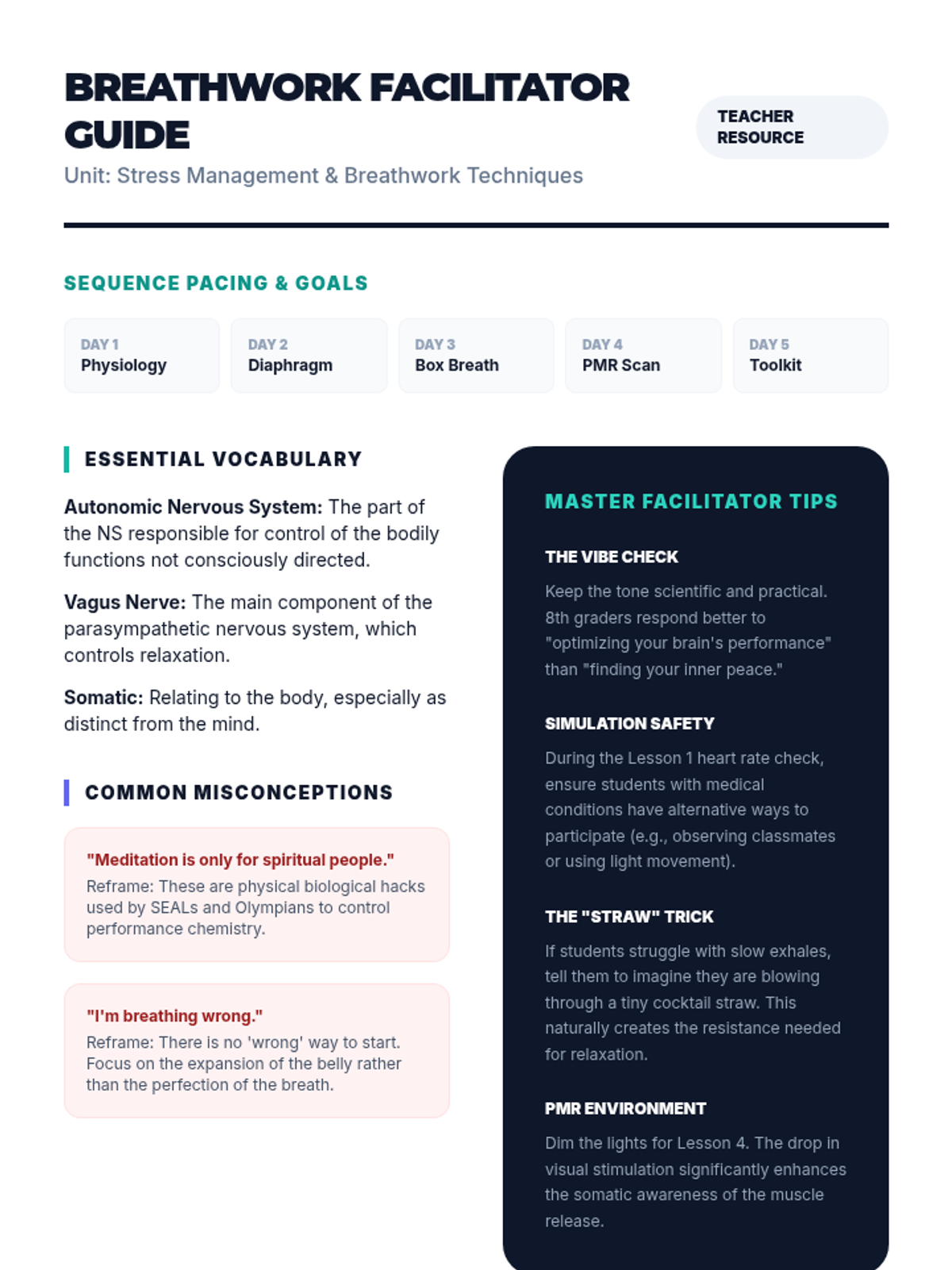
This sequence explores the physiological connection between breath, the nervous system, and stress management. Students learn to transition from 'fight or flight' to the 'rest and digest' state through evidence-based techniques like diaphragmatic breathing, box breathing, and progressive muscle relaxation, ultimately building a personalized self-regulation toolkit.
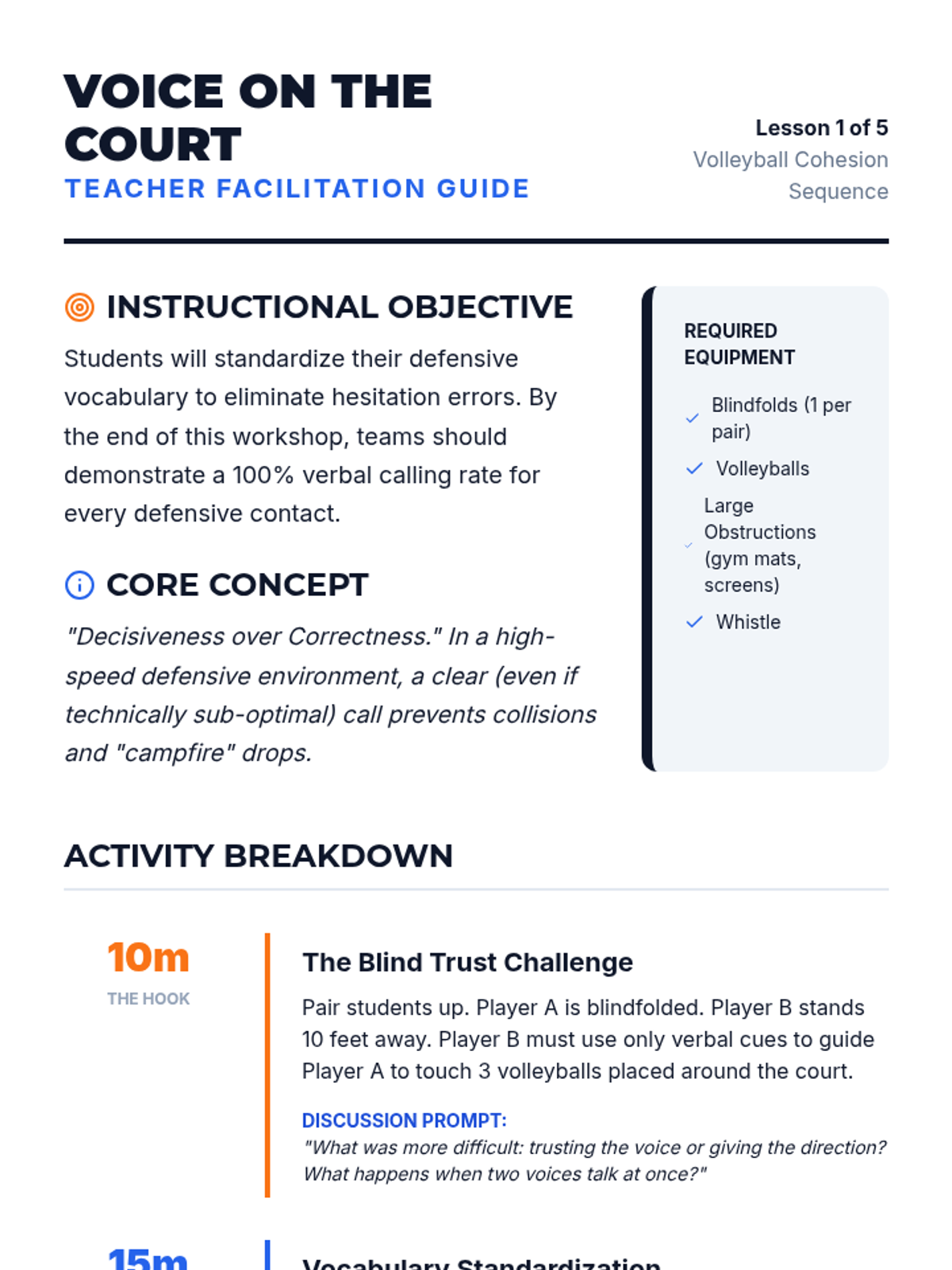
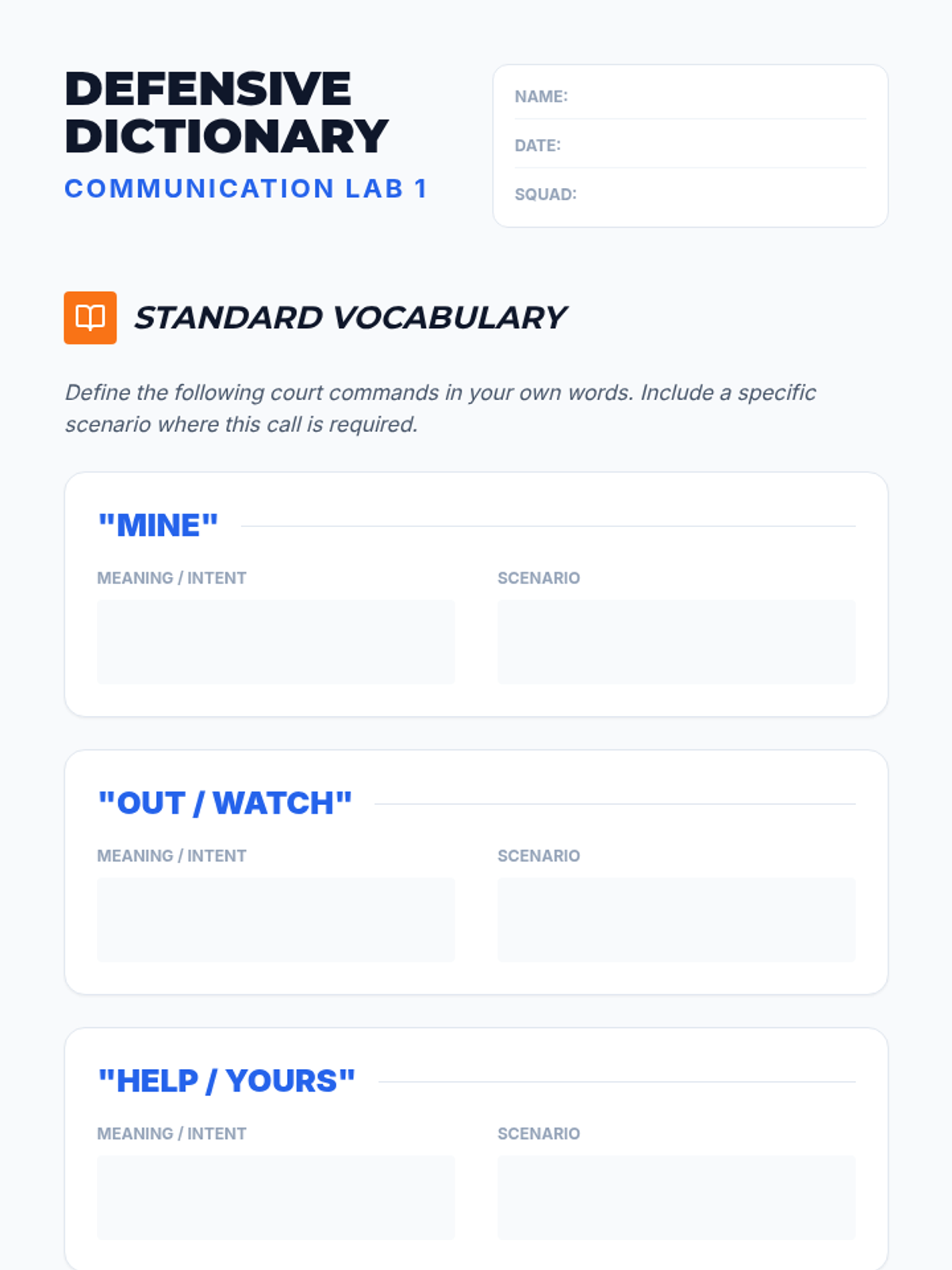
This sequence for undergraduate students focuses on the interpersonal and psychological dimensions of volleyball, emphasizing verbal and non-verbal communication, leadership, and conflict resolution to build cohesive, high-performing defensive units.
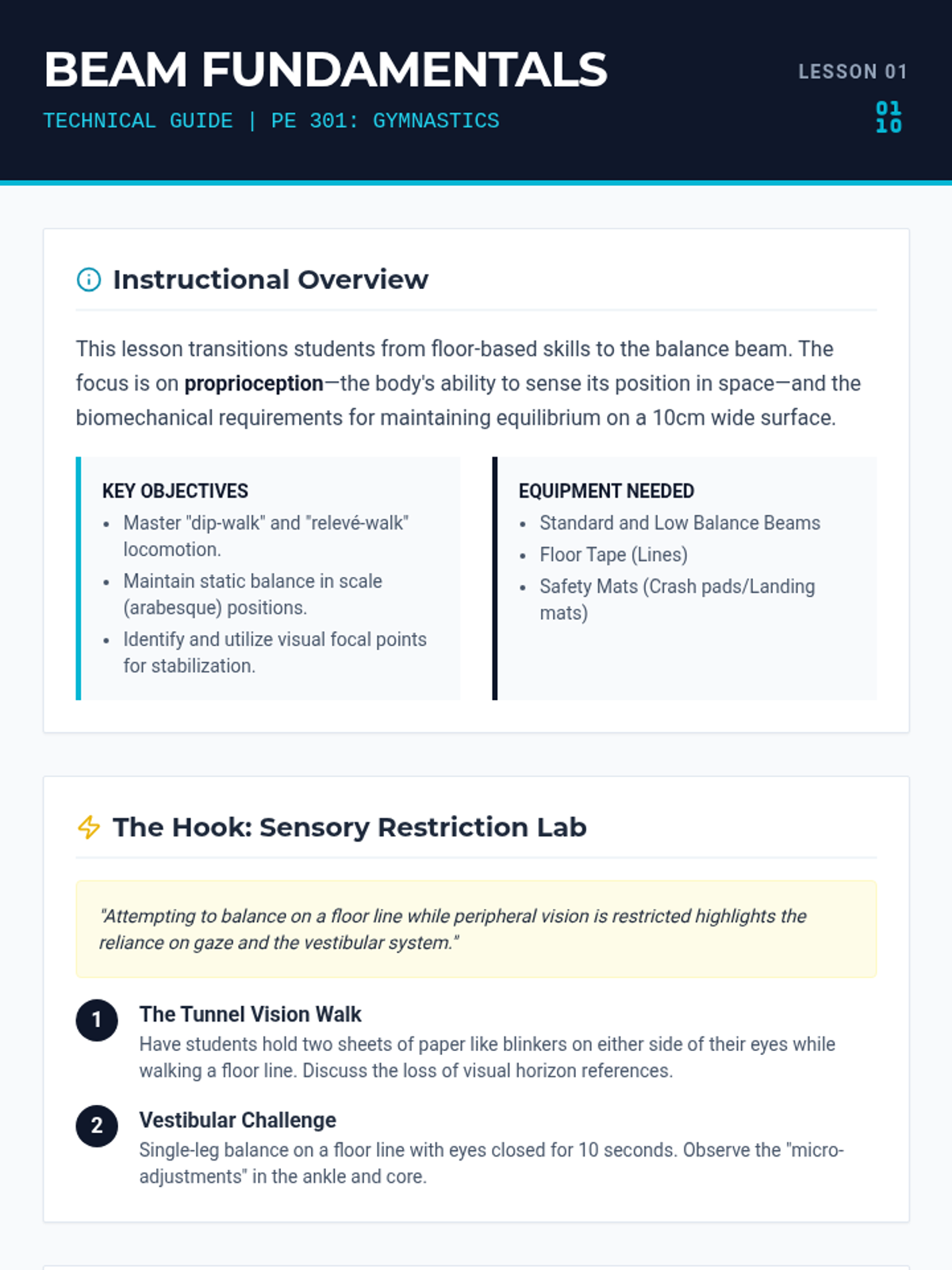
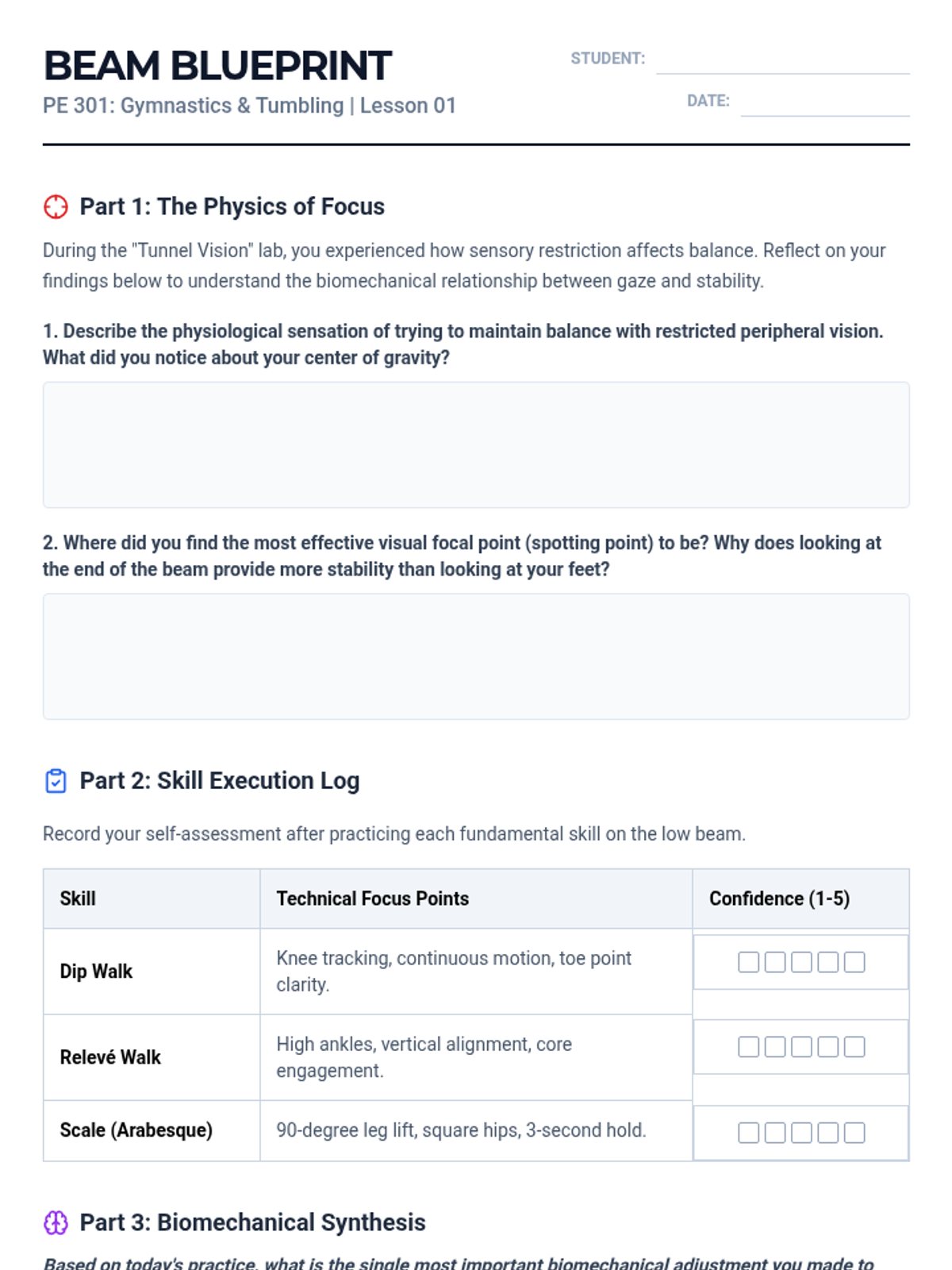
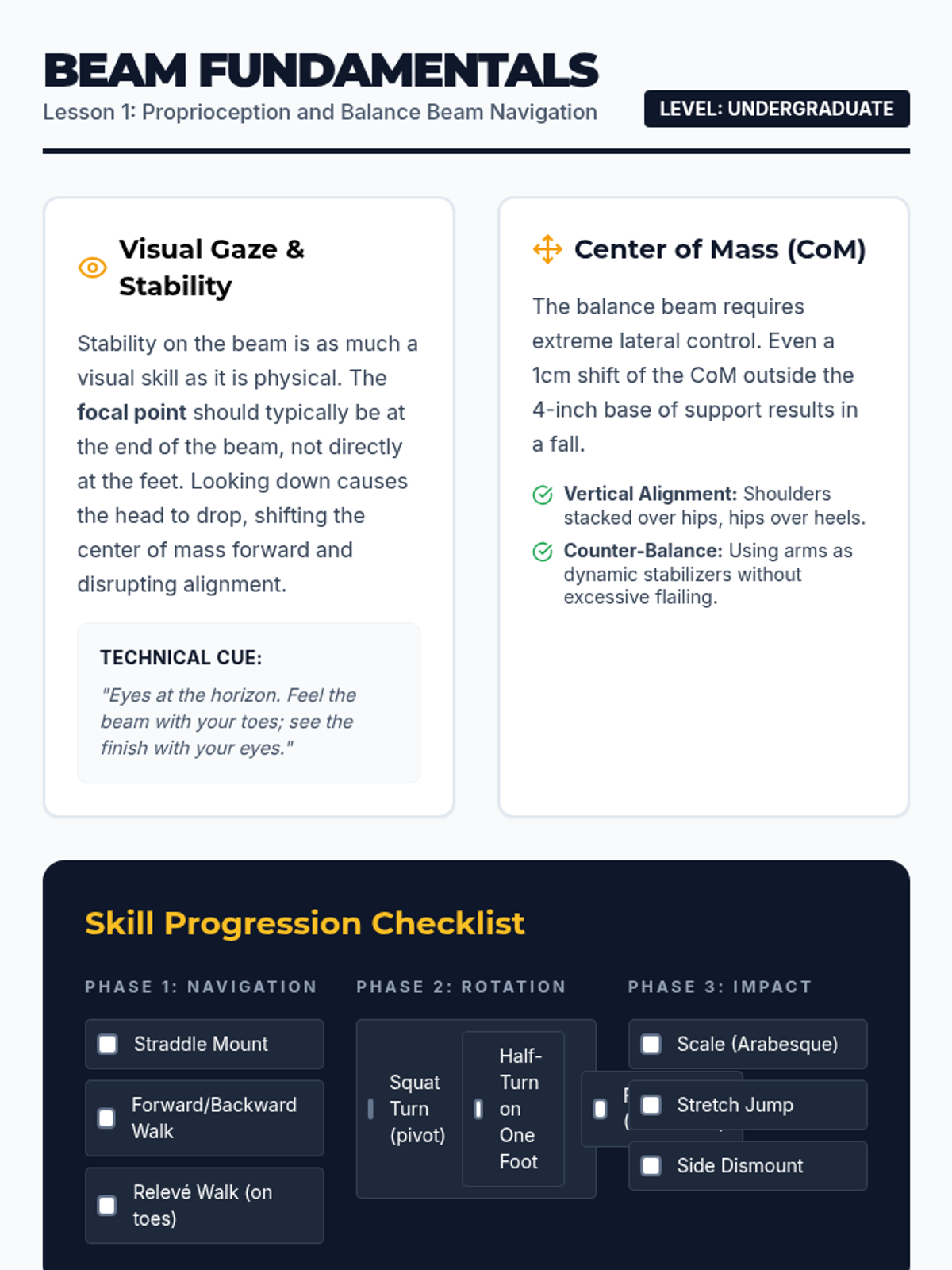
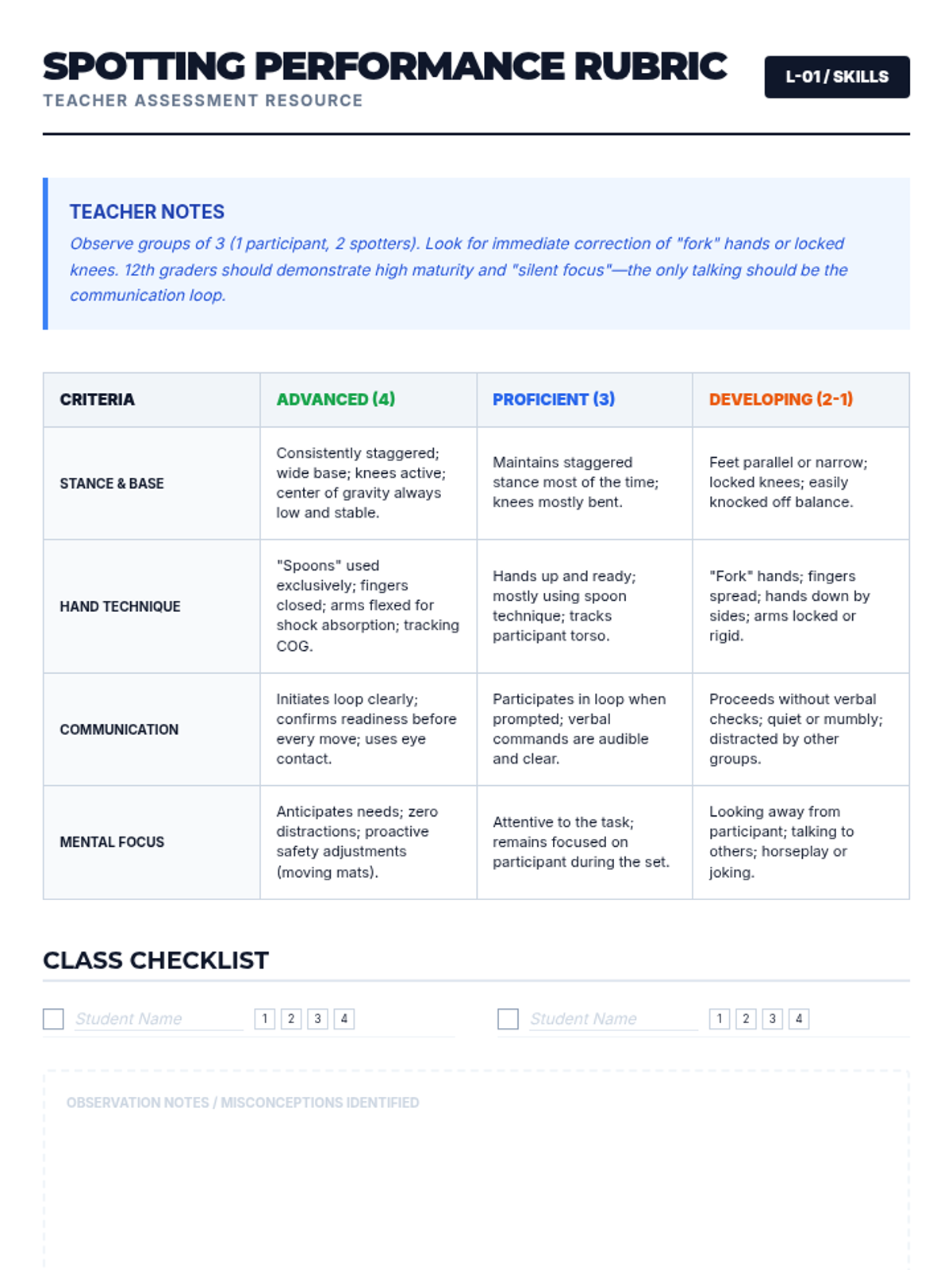
A comprehensive unit for undergraduate students focusing on the balance beam and vault. This sequence emphasizes the intersection of technical precision, biomechanical safety, and artistic composition in gymnastics, with a strong focus on peer-coaching and spotting.
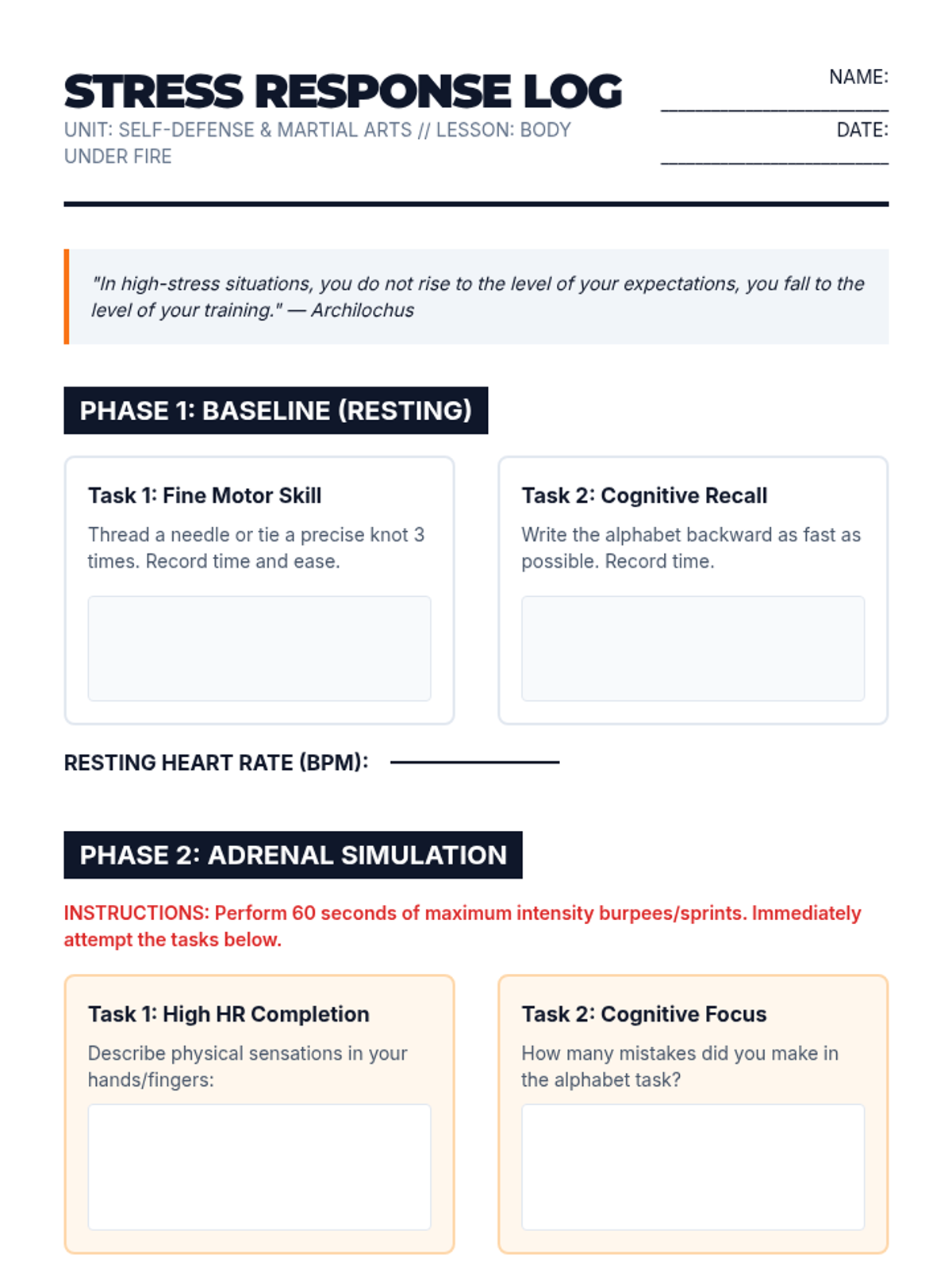
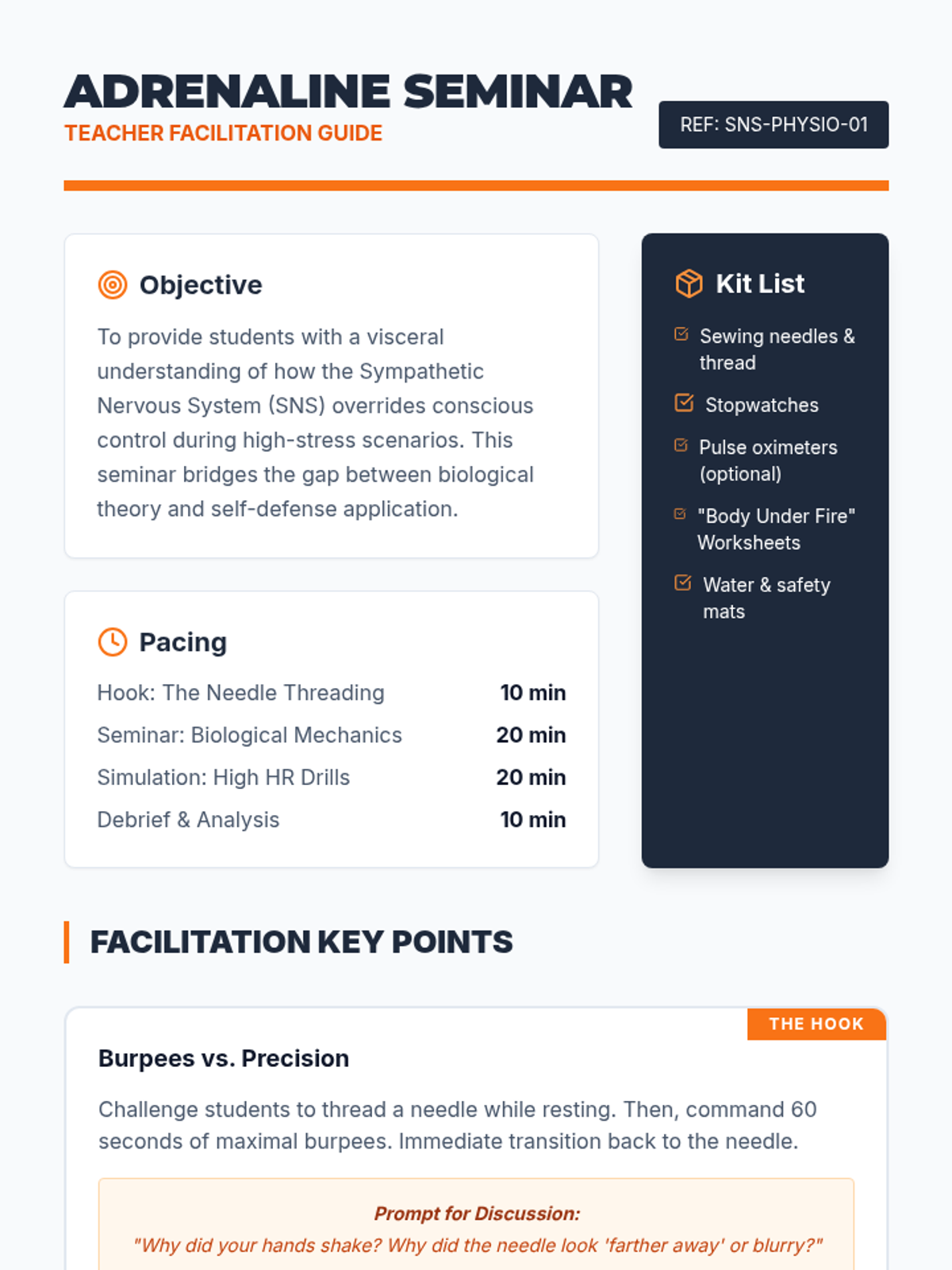
An advanced self-defense sequence for undergraduate students focusing on the physiological and psychological aspects of high-stress combat. Students explore how adrenaline affects decision-making and motor skills through simulations, low-light training, and multiple-attacker scenarios.
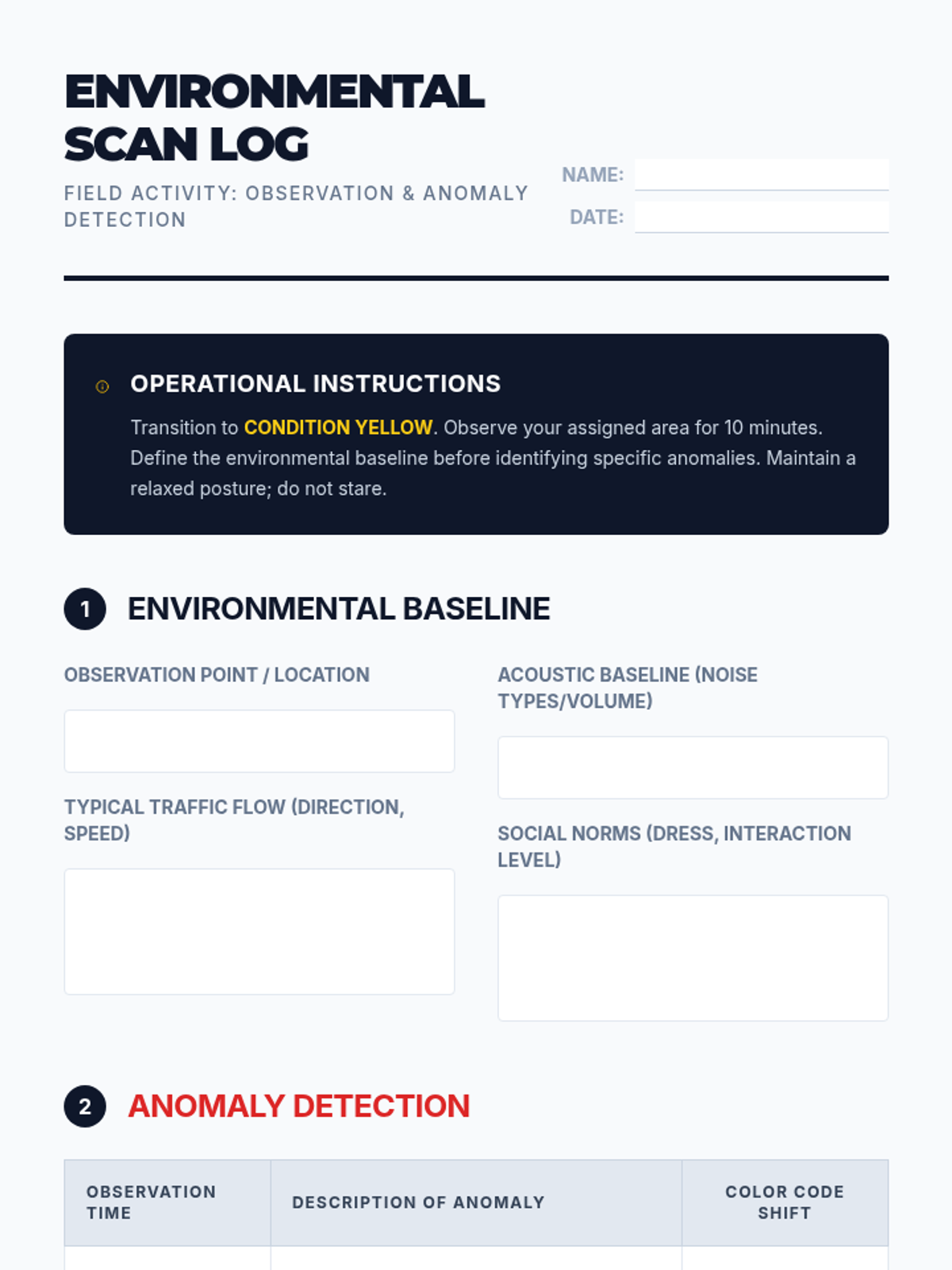
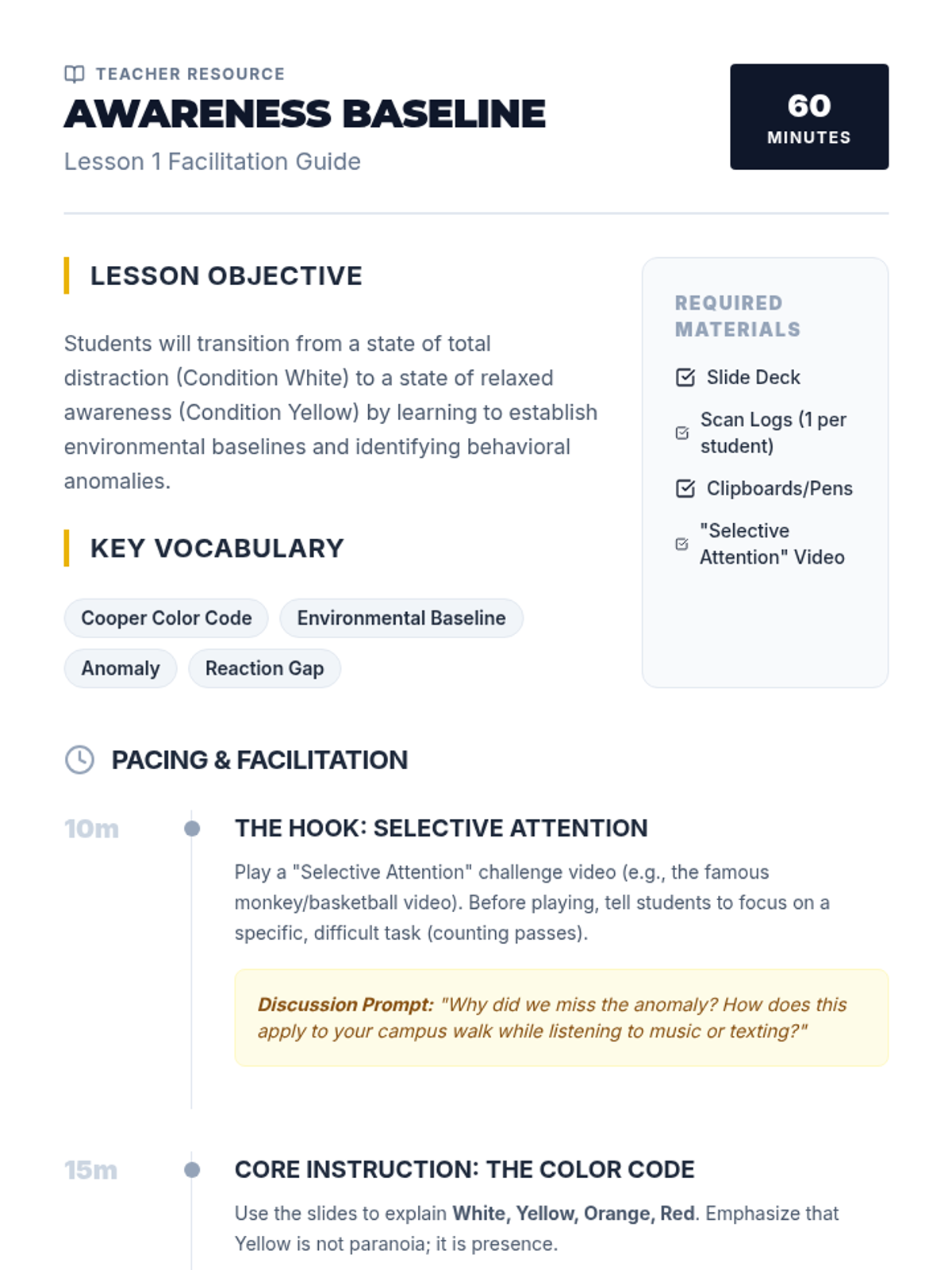
This introductory sequence focuses on the psychological and preventative aspects of self-defense for undergraduate students, prioritizing awareness, verbal de-escalation, and boundary setting. Students will progress from theoretical concepts like the Cooper Color Code to practical simulations involving physical distance management and wrist releases.
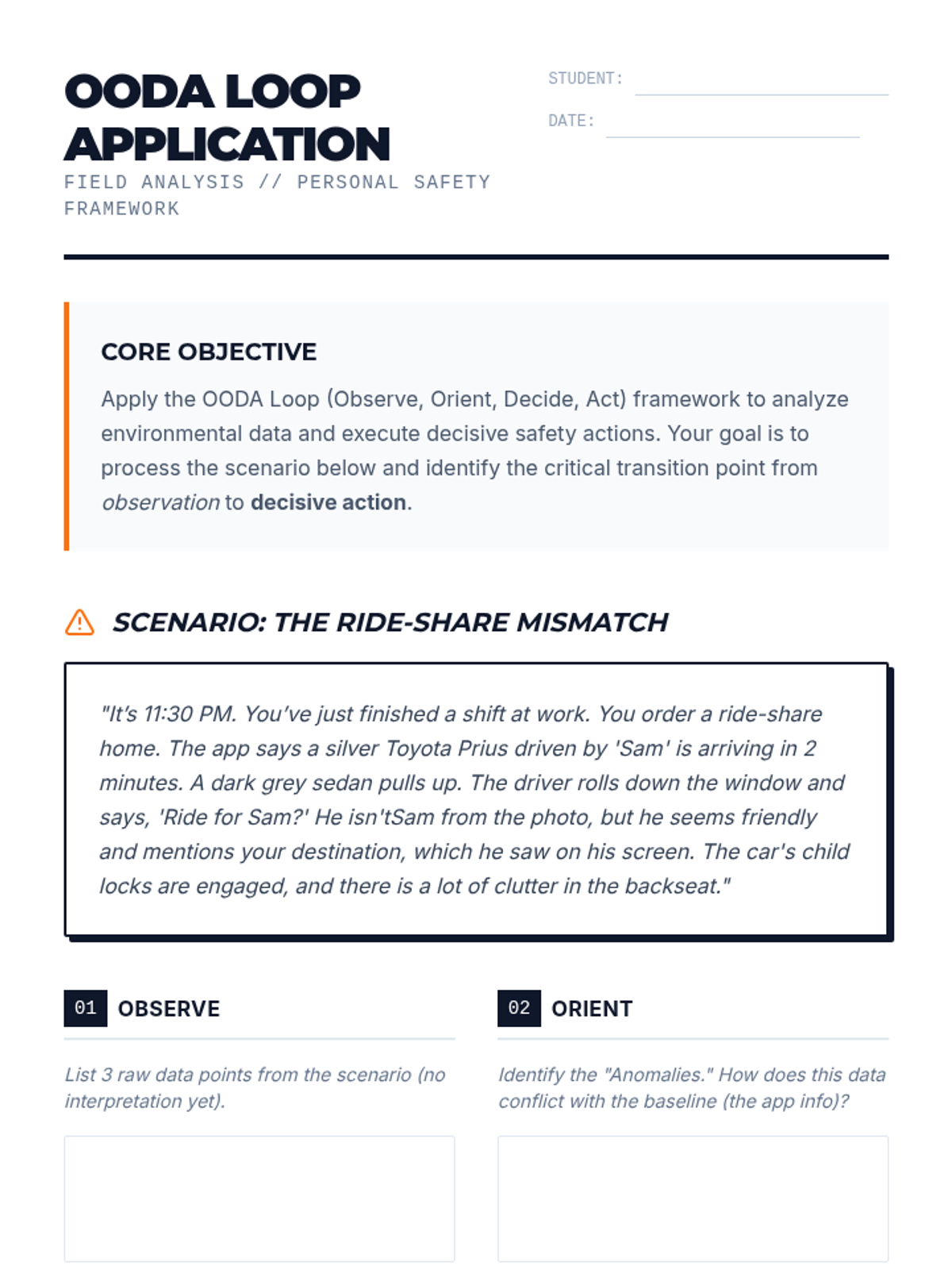
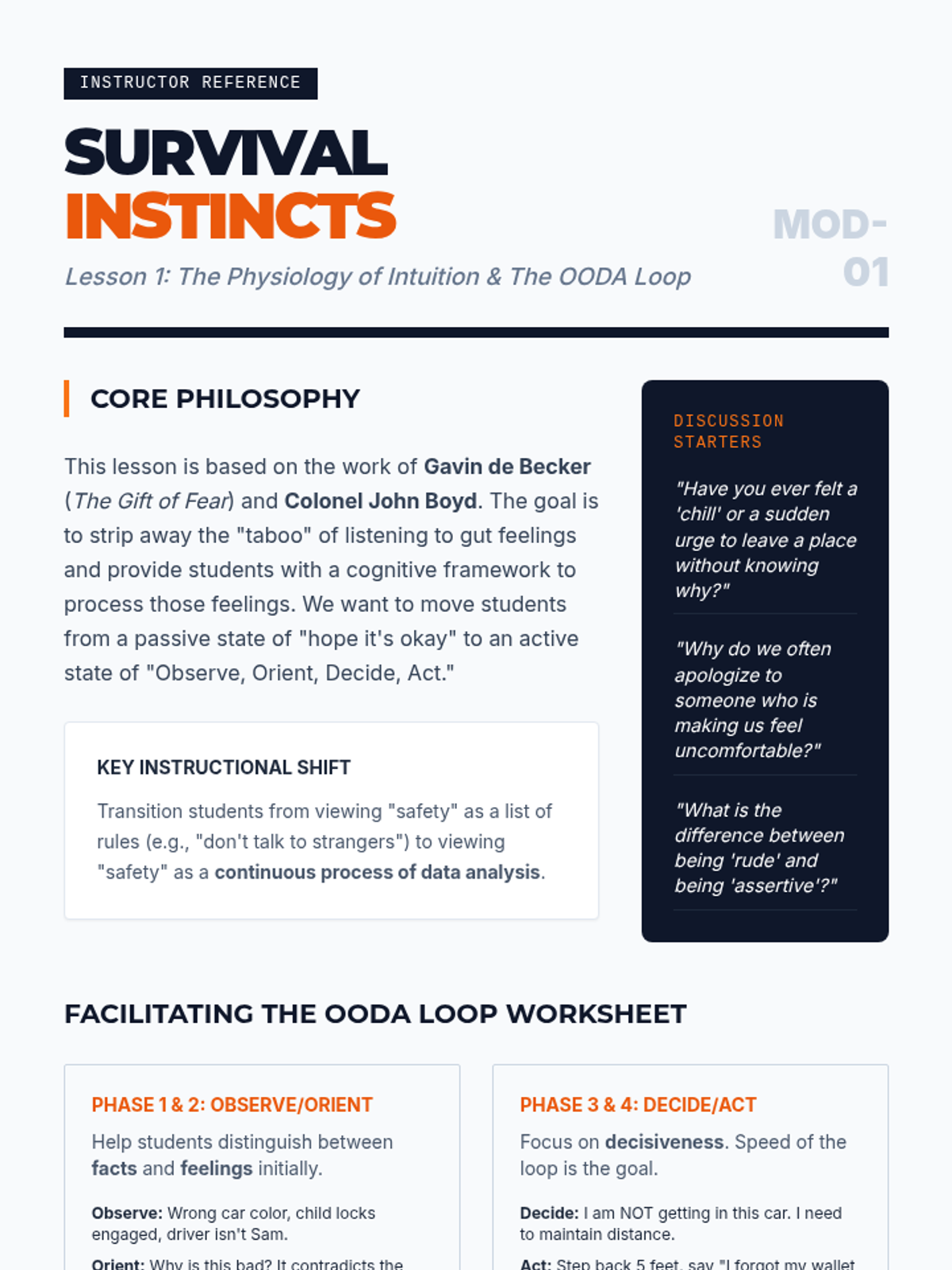
A comprehensive safety sequence for graduating seniors focusing on situational awareness, the OODA loop framework, and recognizing predatory social behaviors in physical and digital spaces.
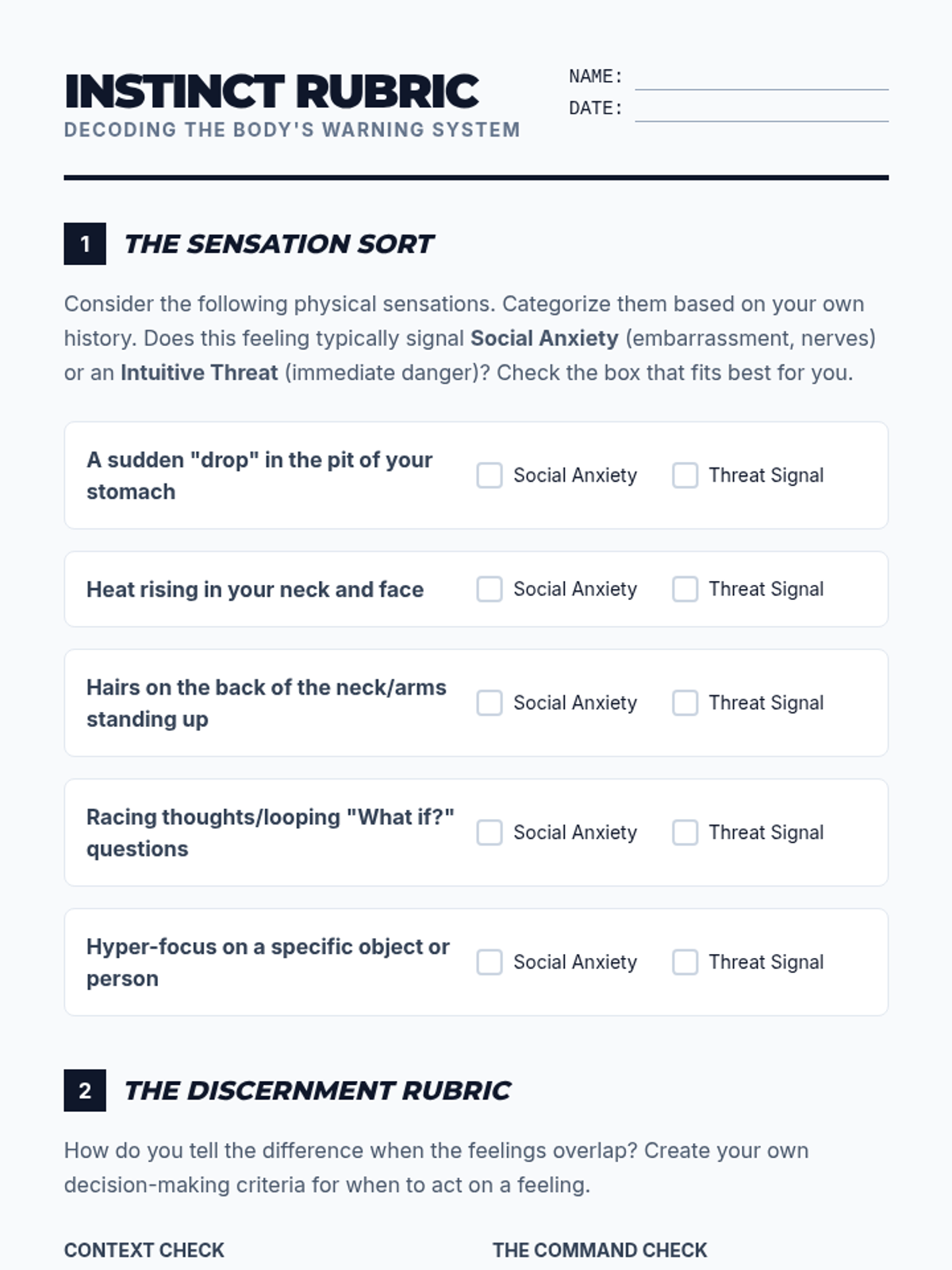
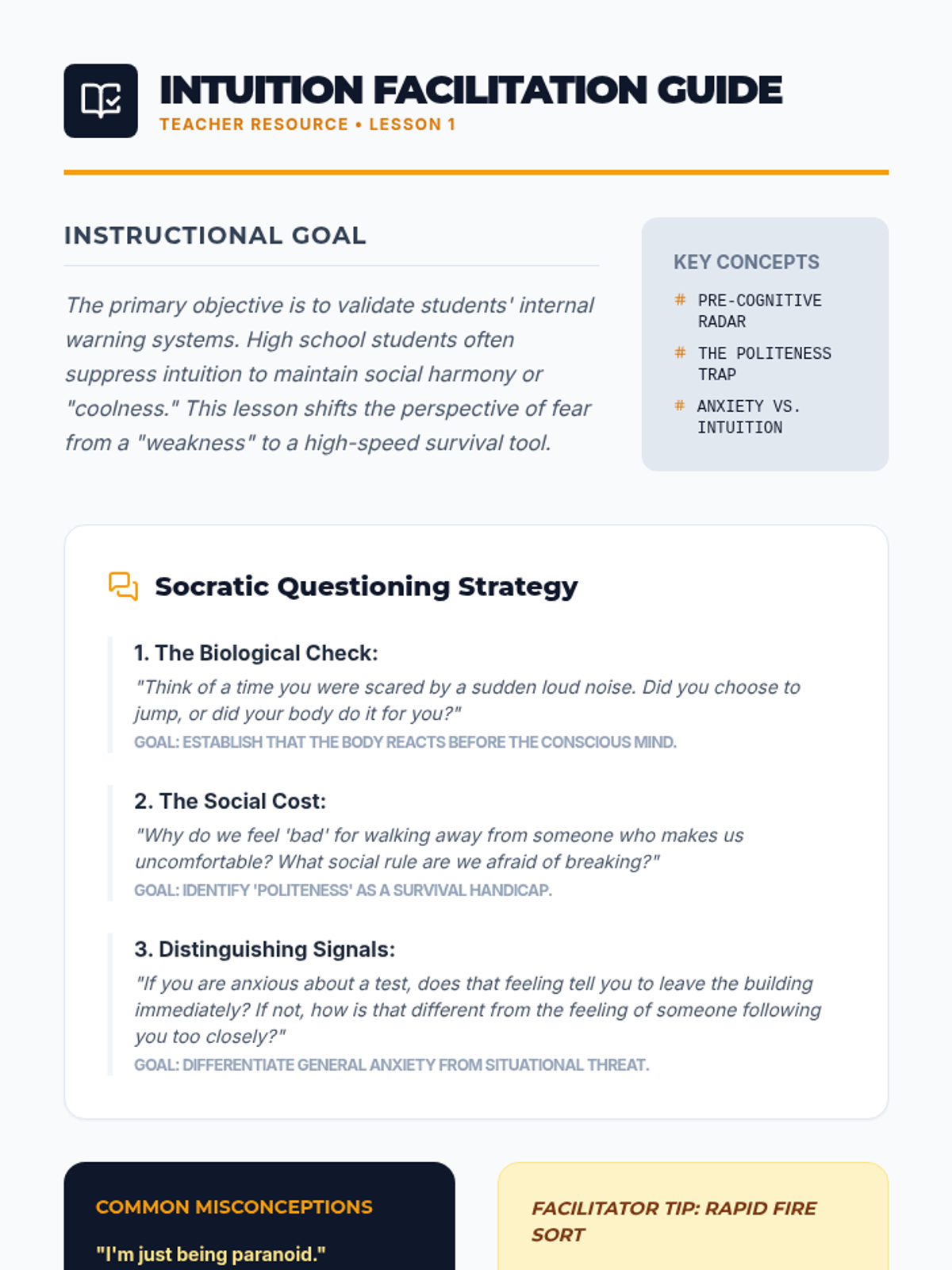
This sequence equips 11th-grade students with advanced situational awareness skills for navigating independent adulthood. Students analyze physiological intuition, social engineering tactics, environmental hazards, digital vulnerabilities, and assertive exit strategies to perform rapid risk assessments.
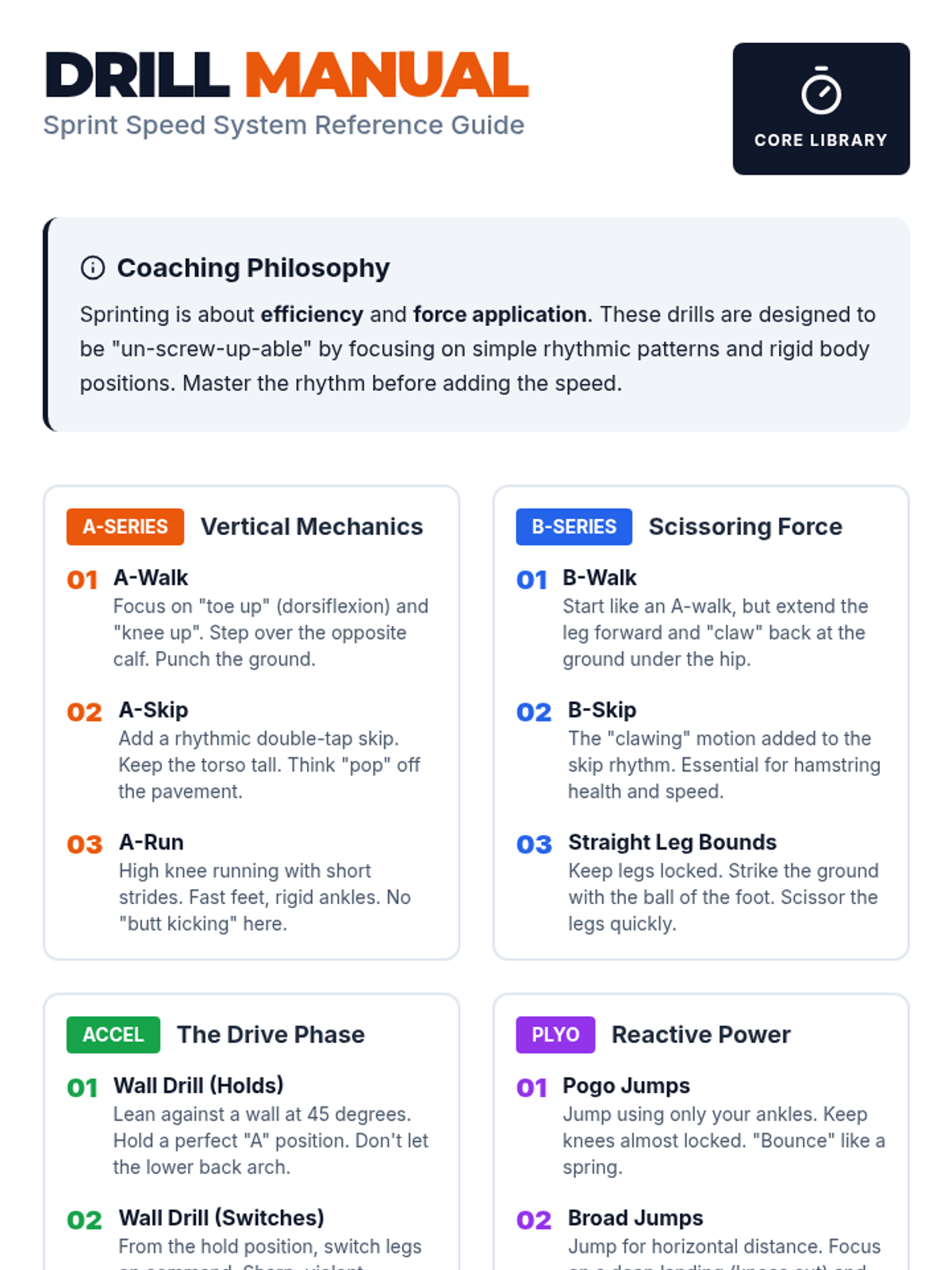
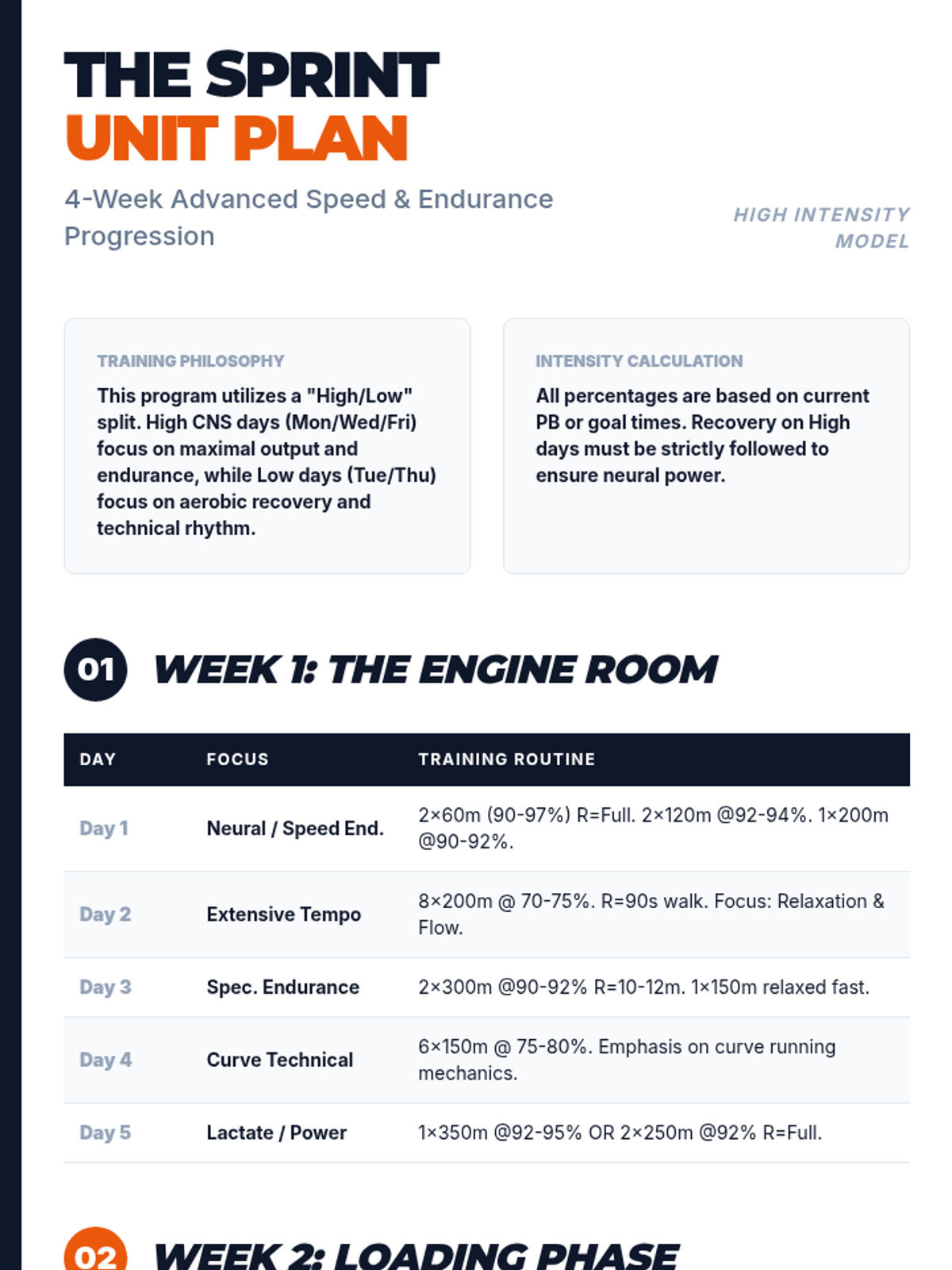
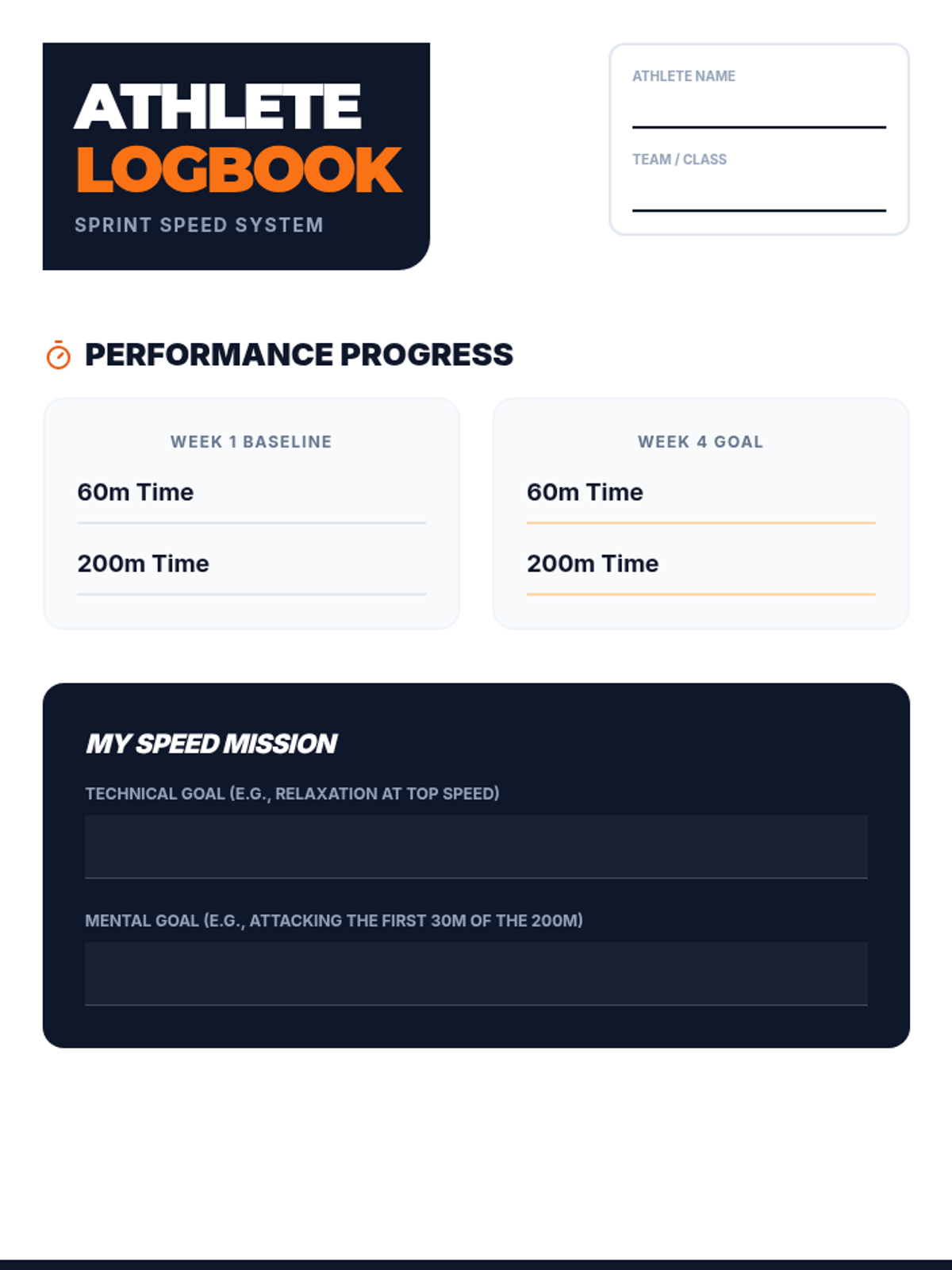
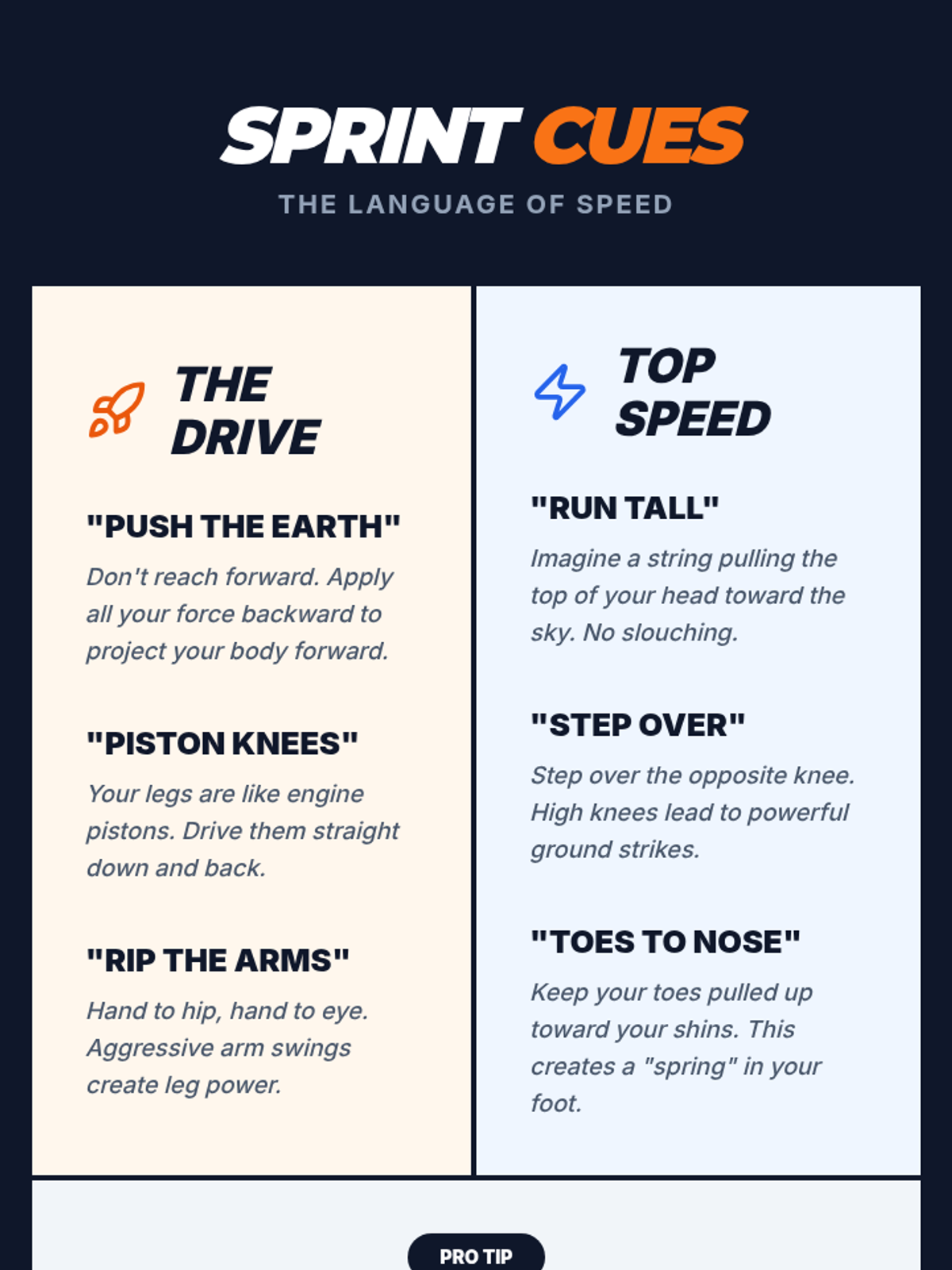
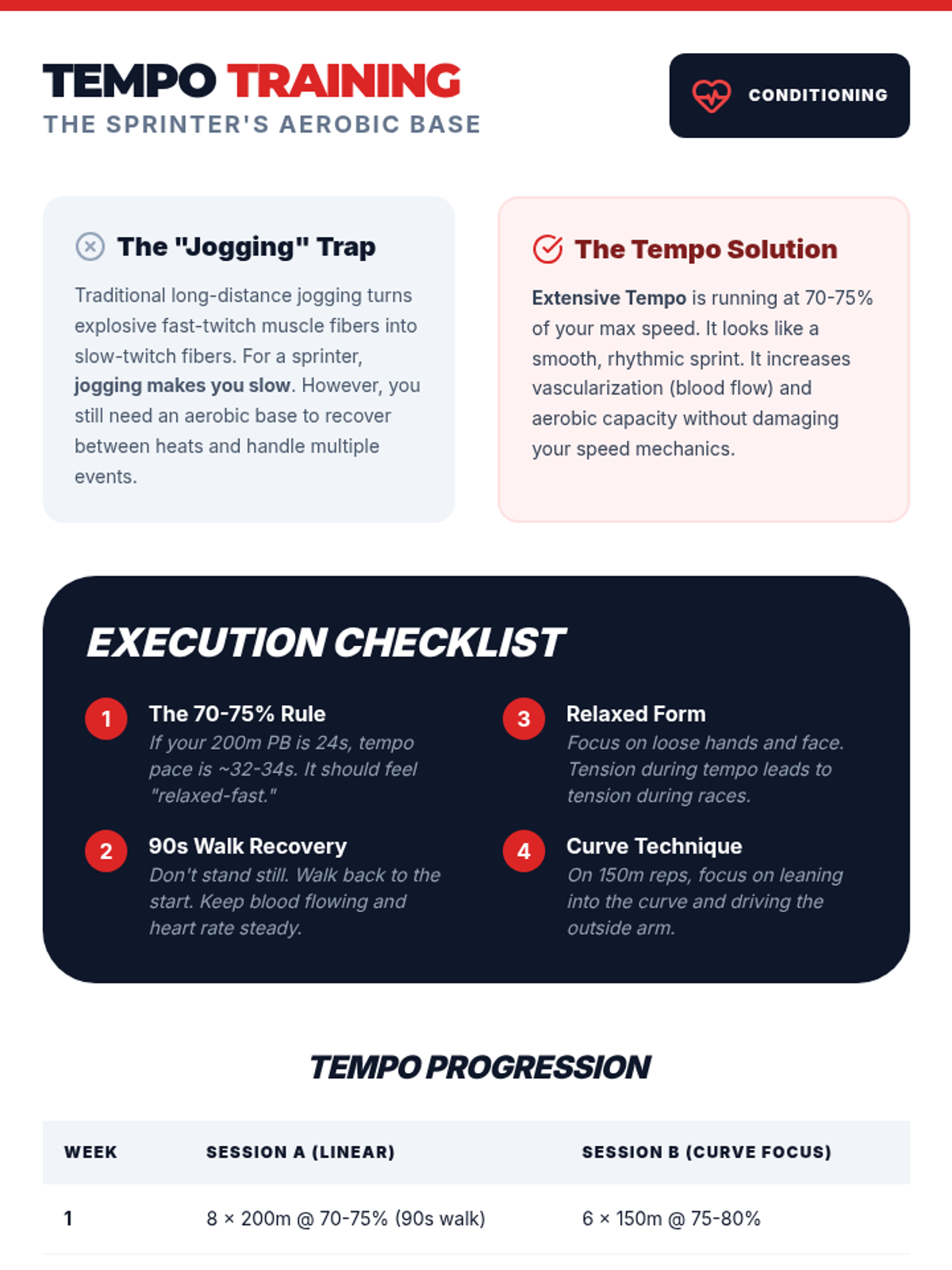
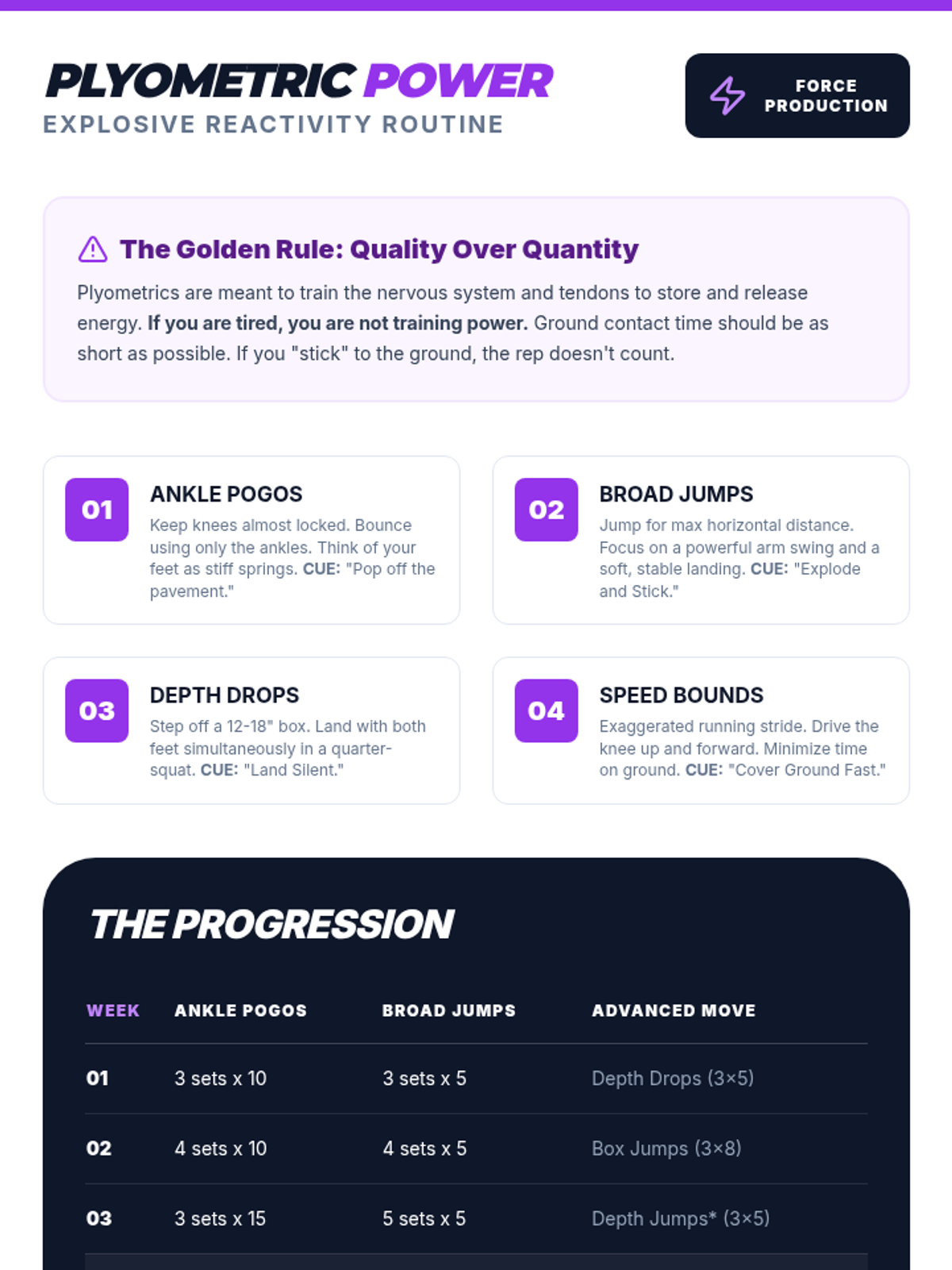
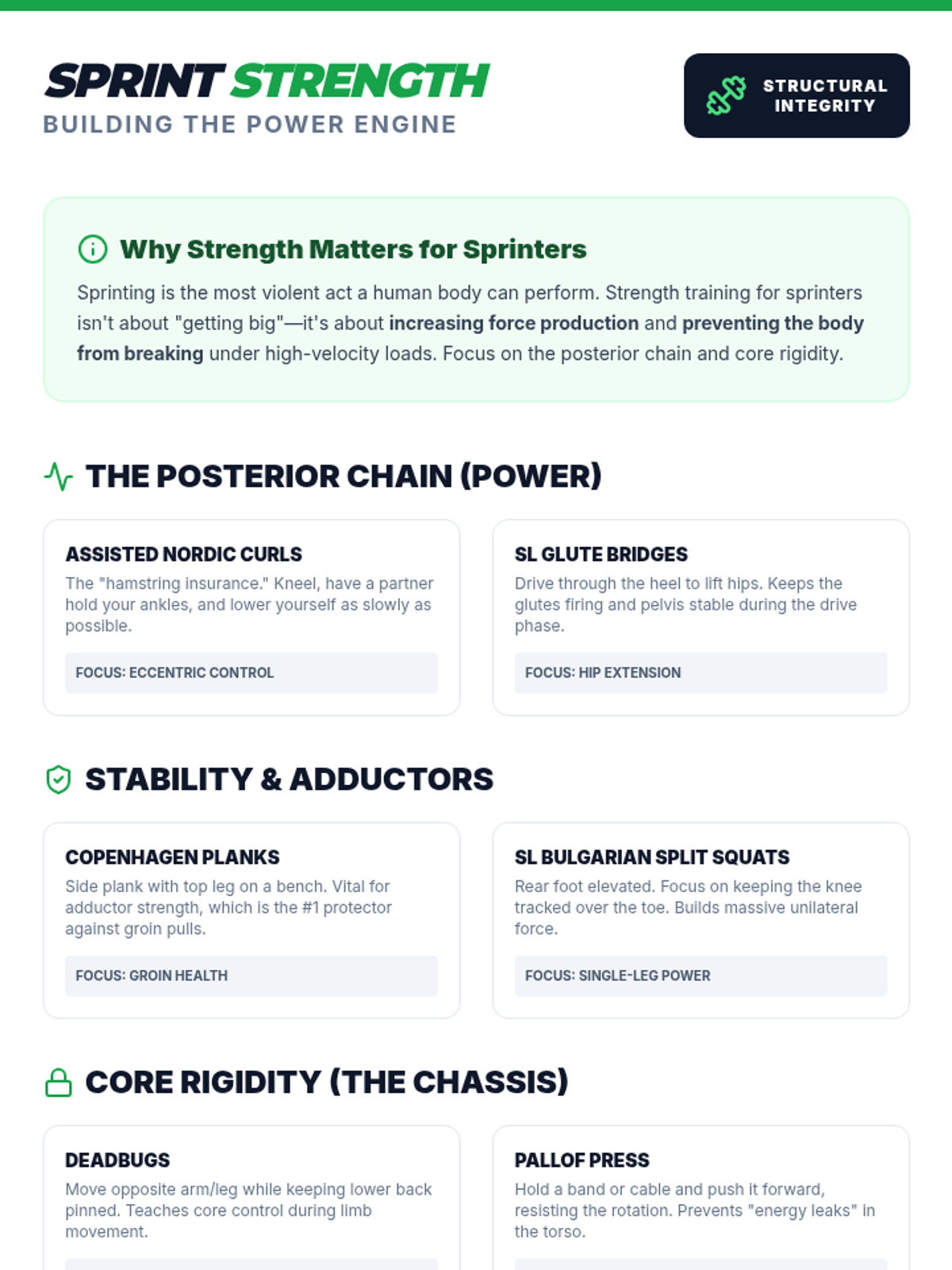
A comprehensive 4-week introductory sprinting program focused on mechanics, power, and injury prevention for outdoor track athletes.
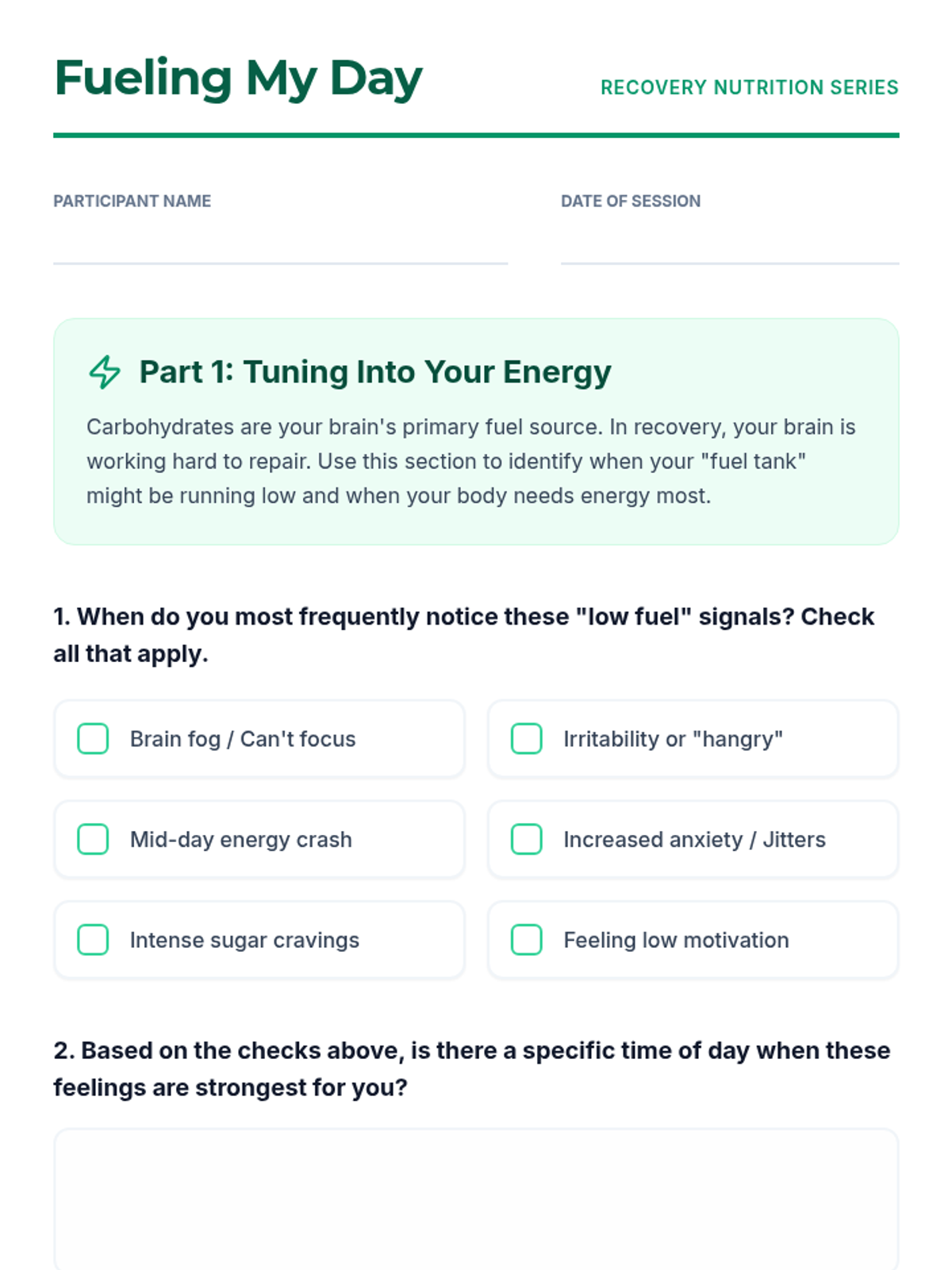
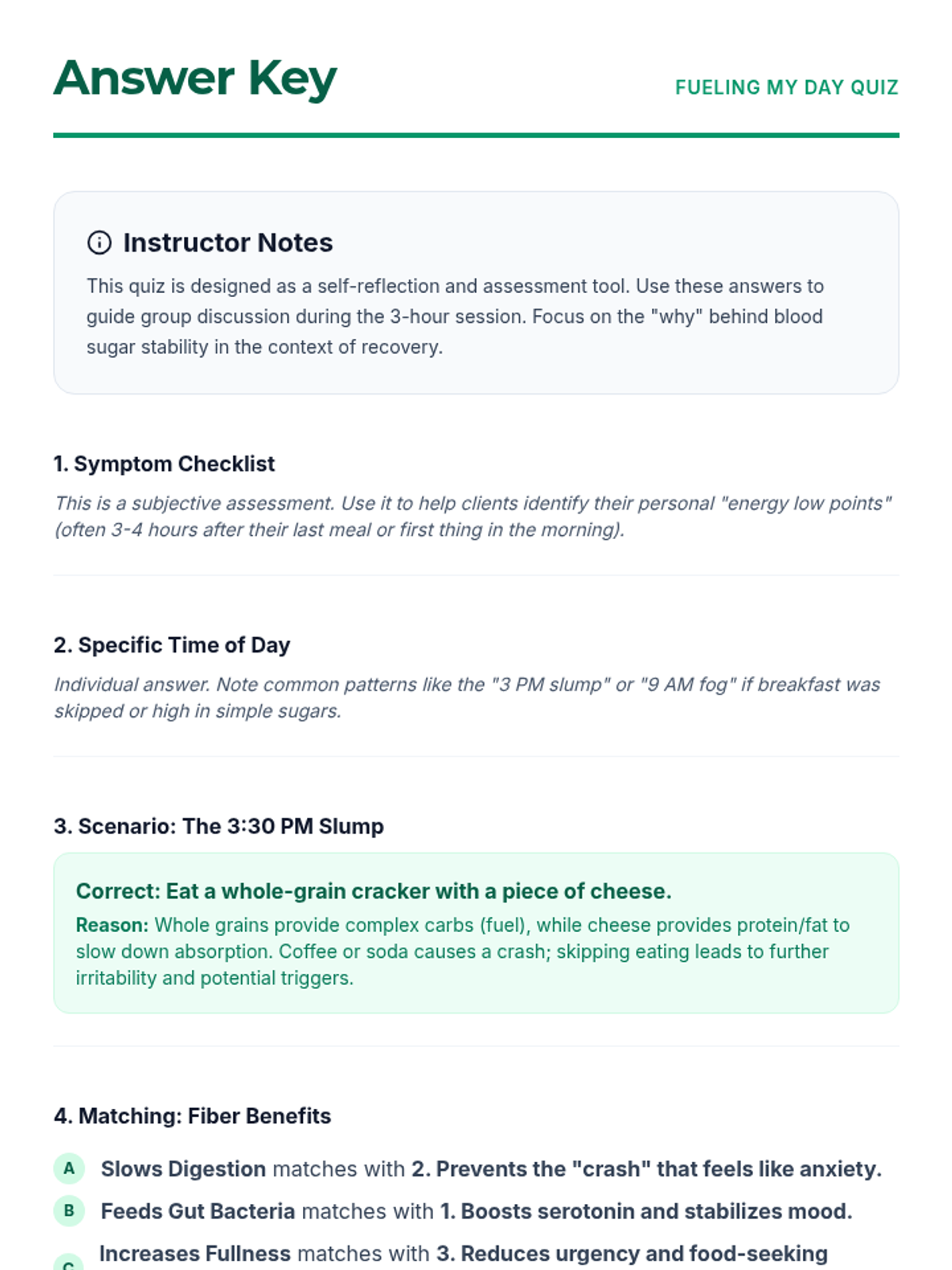
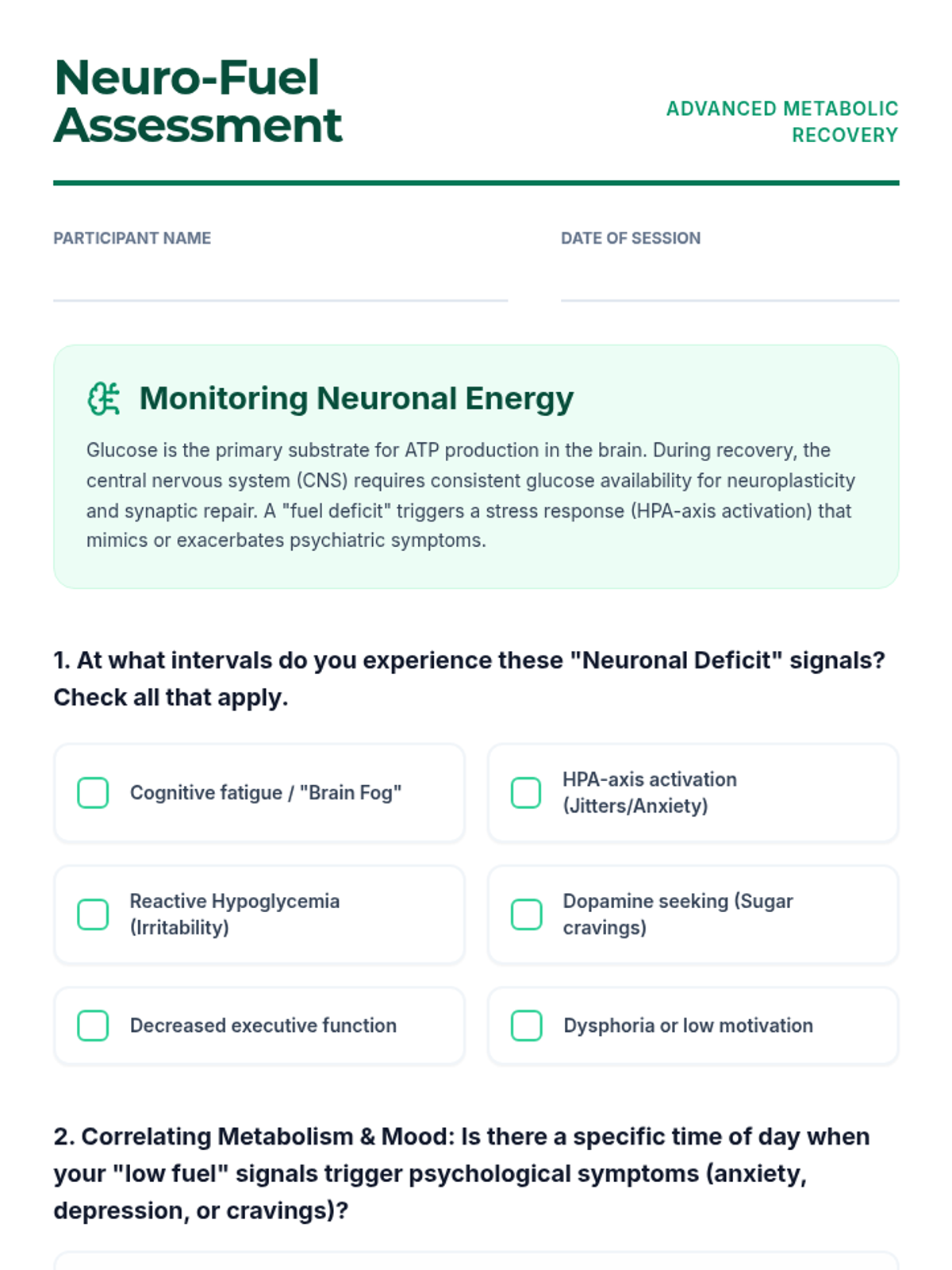
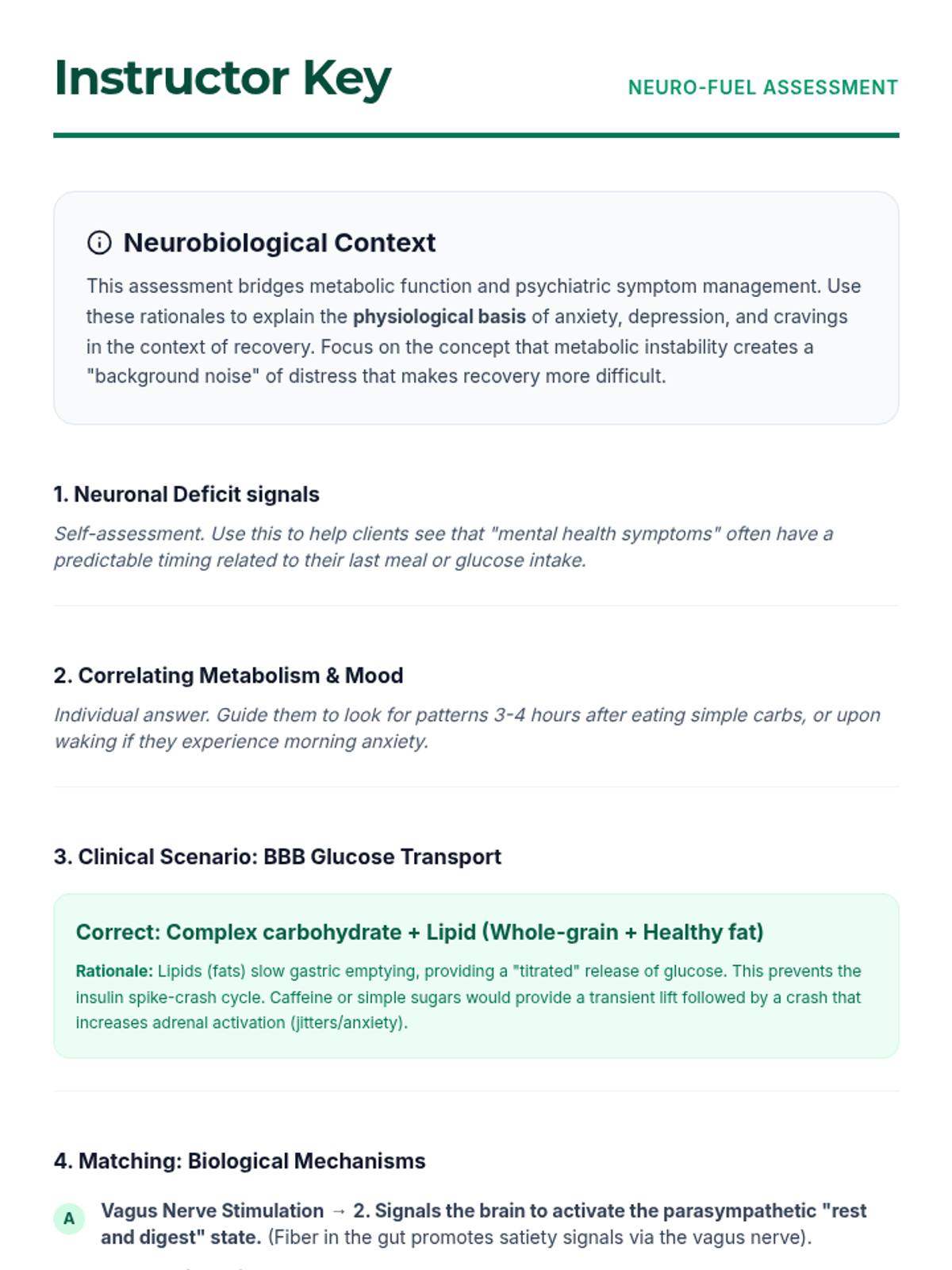
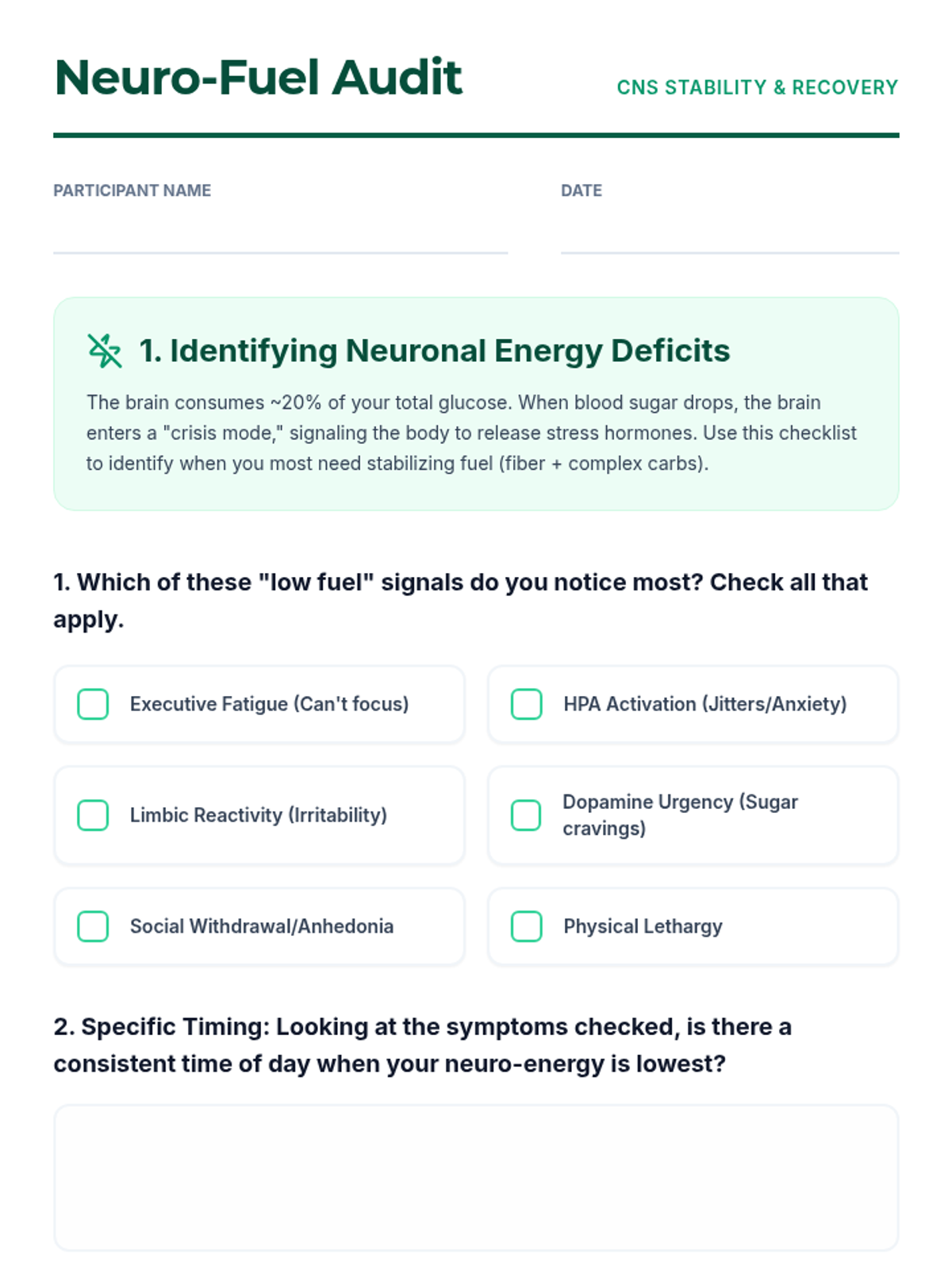
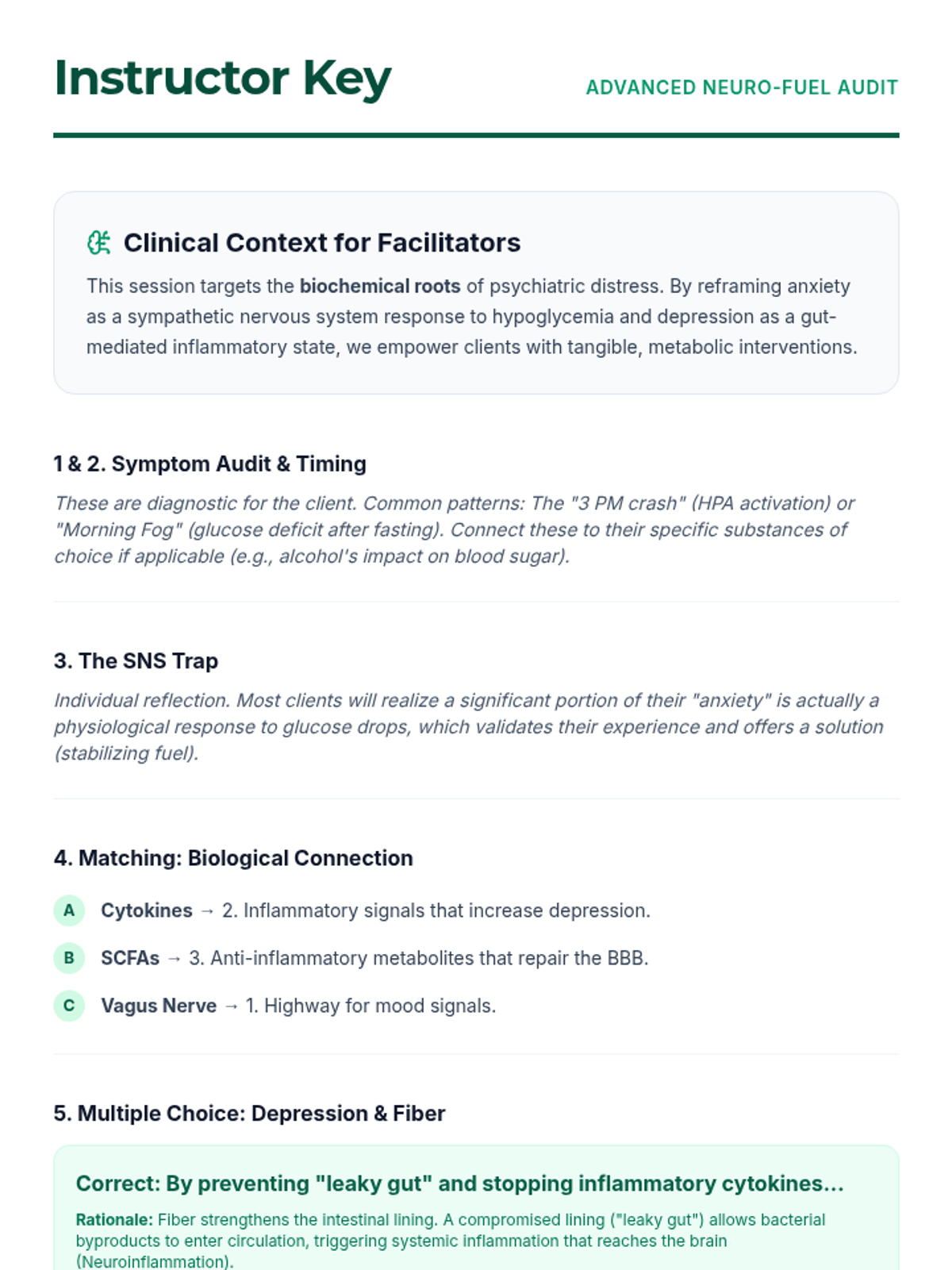
A comprehensive session exploring the relationship between nutrition, mental health, and substance abuse recovery, focusing on carbohydrate timing and fiber's impact on mood and energy.
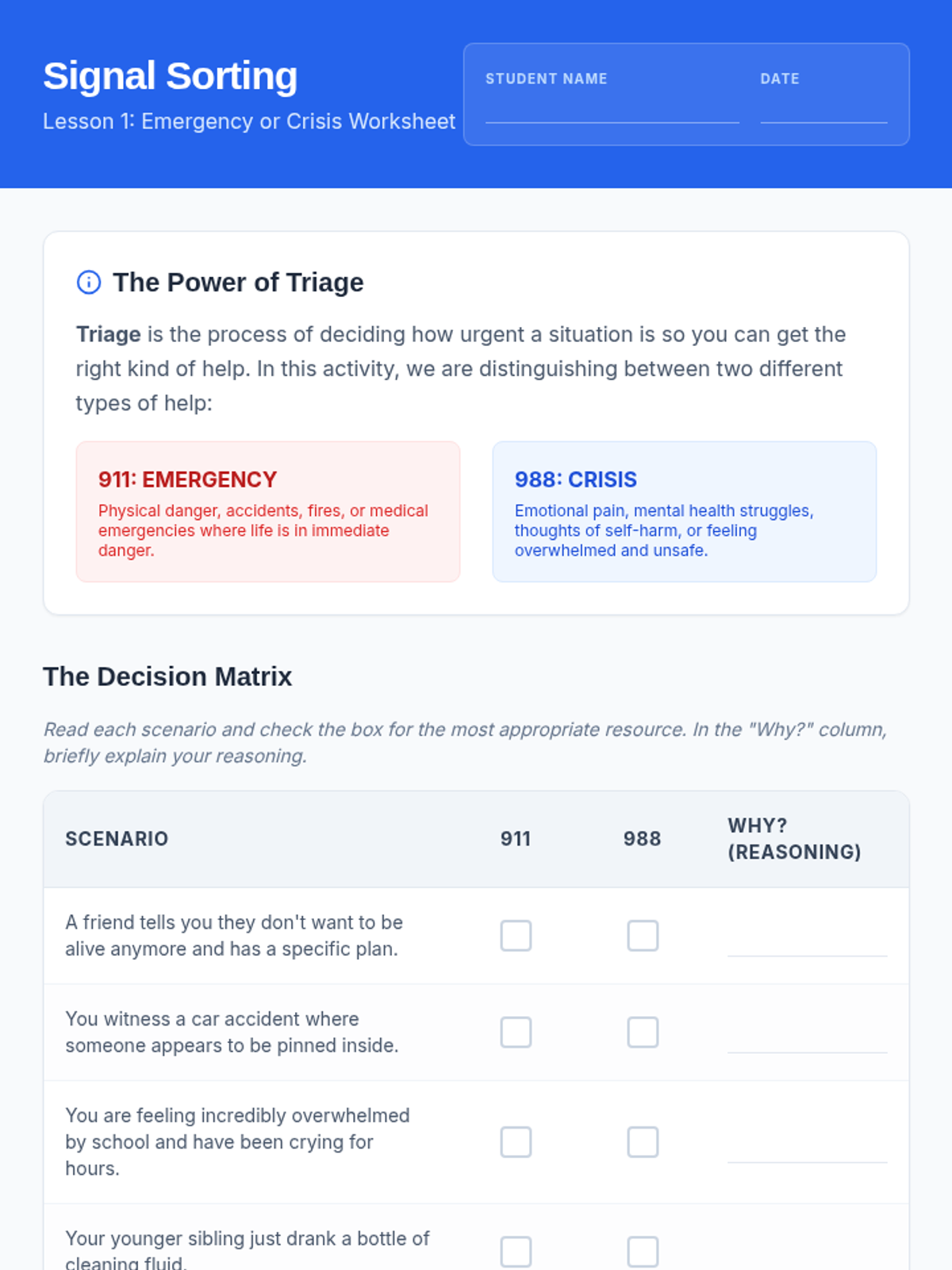
This sequence demystifies the process of accessing crisis support by breaking down the mechanics of hotlines and text lines. Students learn to distinguish between emergency services (911) and crisis hotlines (988), understand the experience of reaching out, and create personal resource tools for future use.
This sequence focuses on advanced gymnastics apparatus work, covering balance beam, vaulting mechanics, and artistic routine composition. Students transition from floor skills to technical apparatus navigation while developing performance psychology and movement critique skills suitable for undergraduate study.
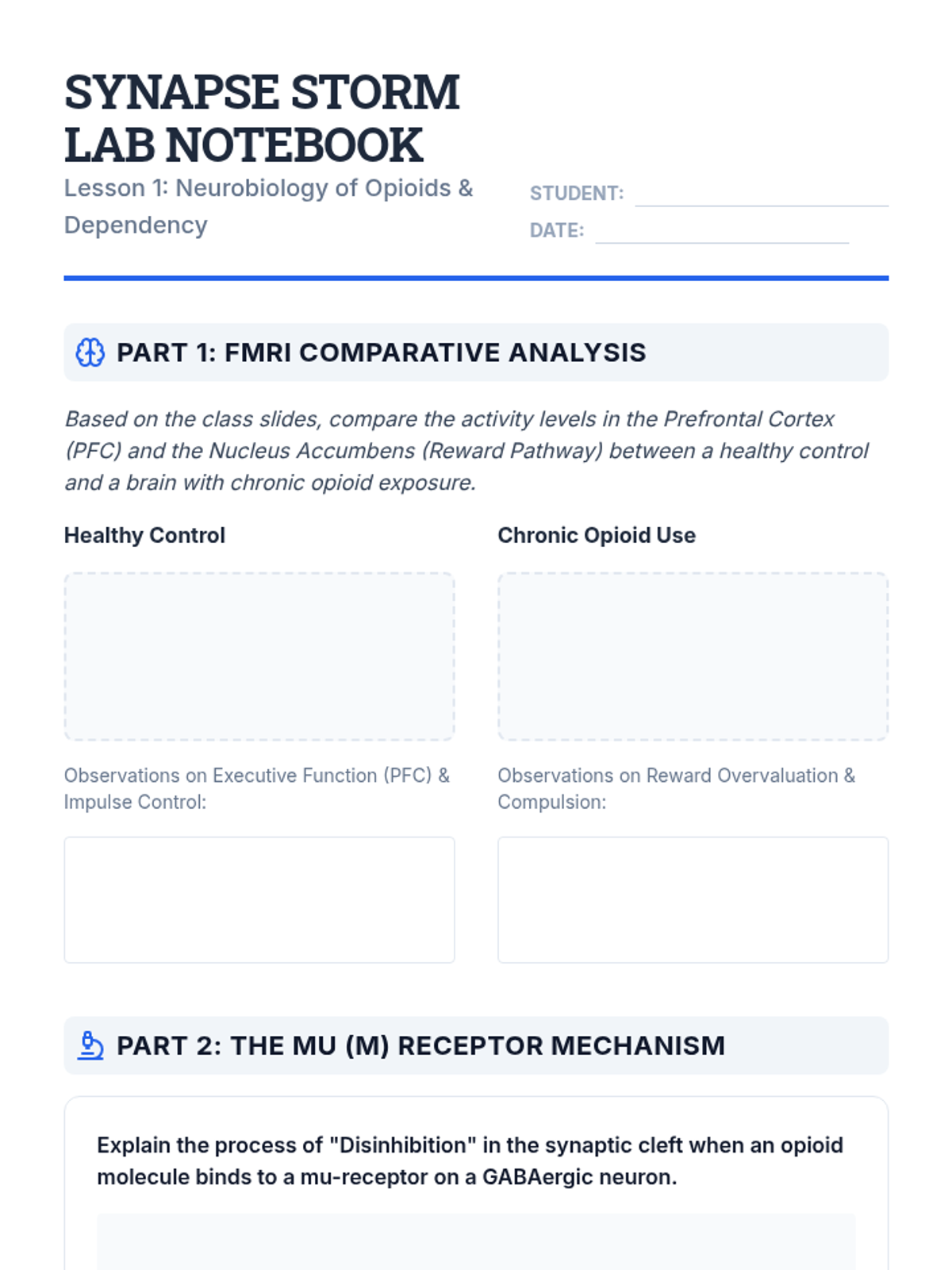
An advanced undergraduate sequence exploring the opioid epidemic through neurobiology, public health strategy, and emergency intervention protocols. Students investigate the physiological mechanisms of addiction, analyze social determinants, and learn practical harm reduction skills like Naloxone administration.
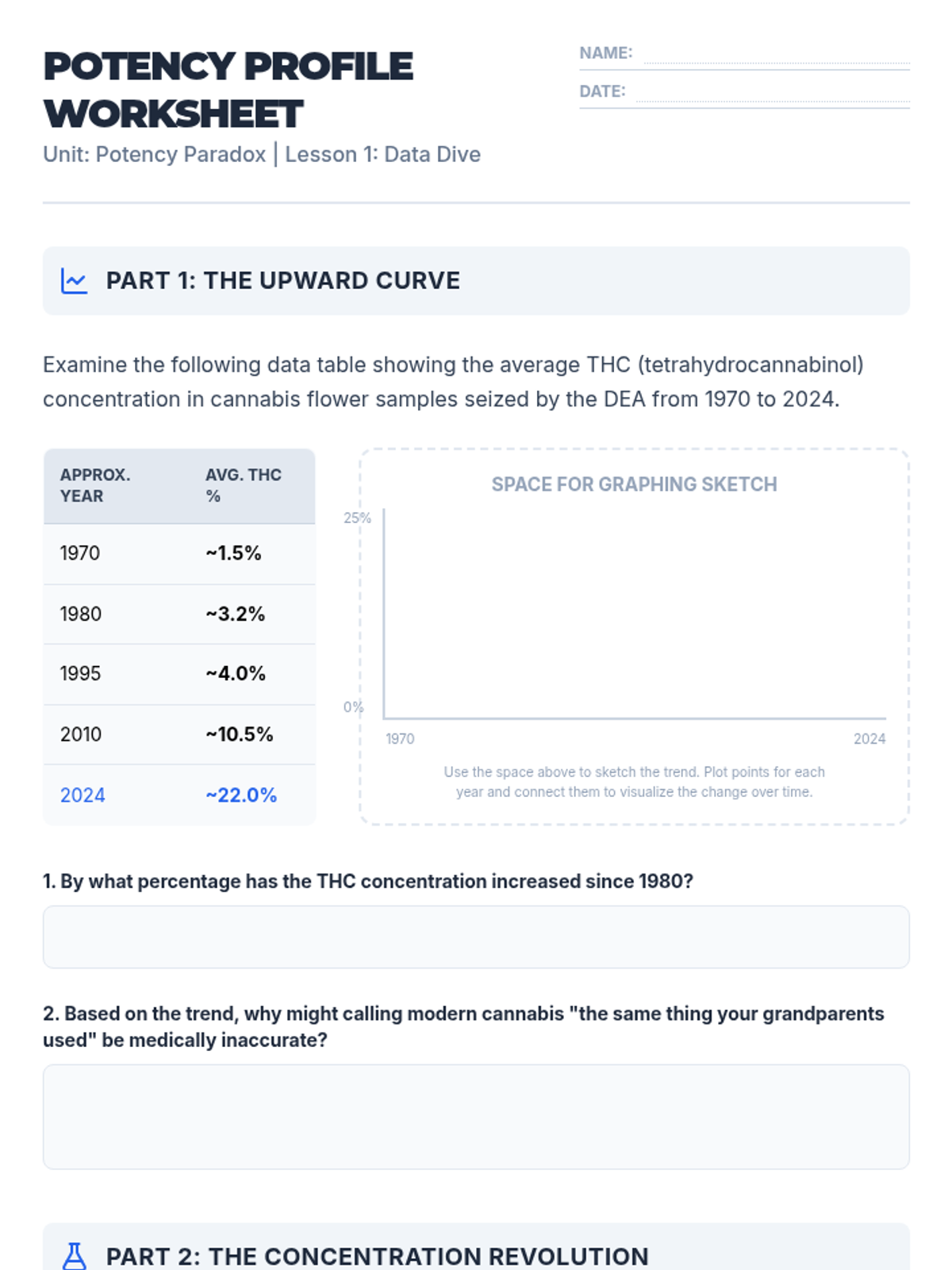
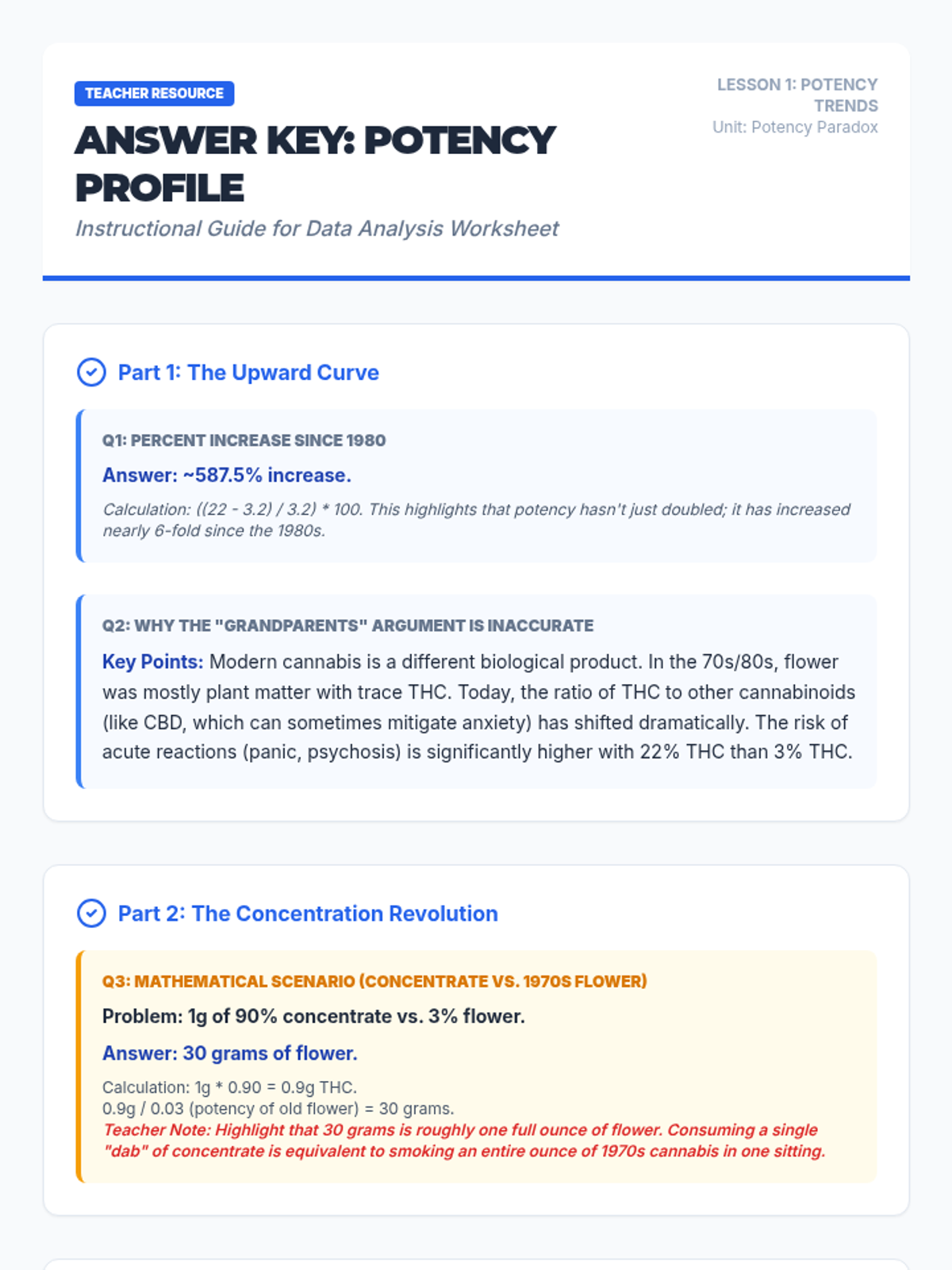
This sequence explores the evolving landscape of cannabis, focusing on the significant shift in THC potency and its impact on adolescent health. Students analyze data, medical evidence, and psychological studies to understand the risks associated with modern cannabis products.
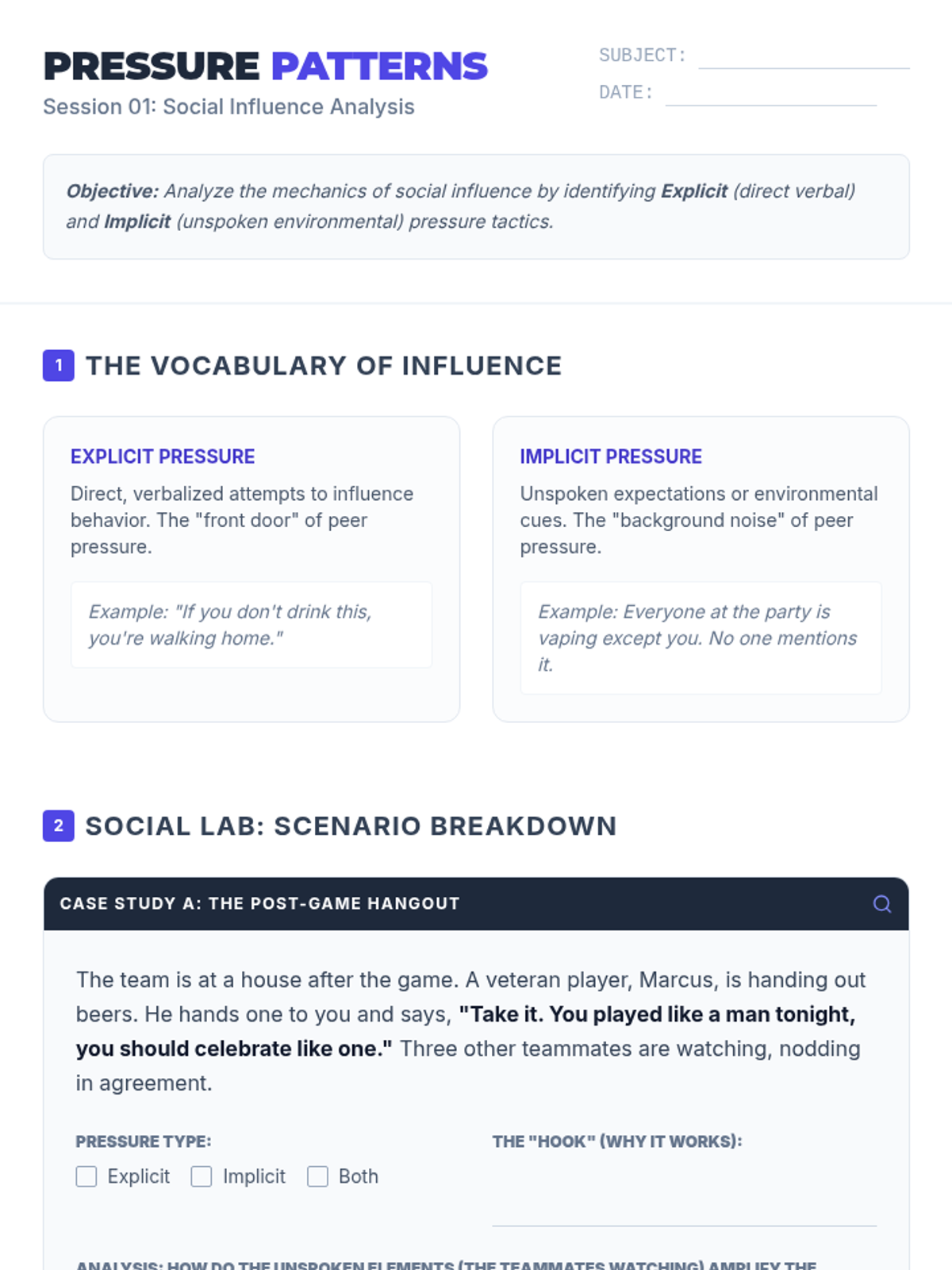
A high-level psychological and sociological exploration of peer influence, group dynamics, and the neuroscience of adolescent decision-making. Students move beyond refusal scripts to analyze the mechanics of manipulation and groupthink, culminating in a personalized resistance strategy.
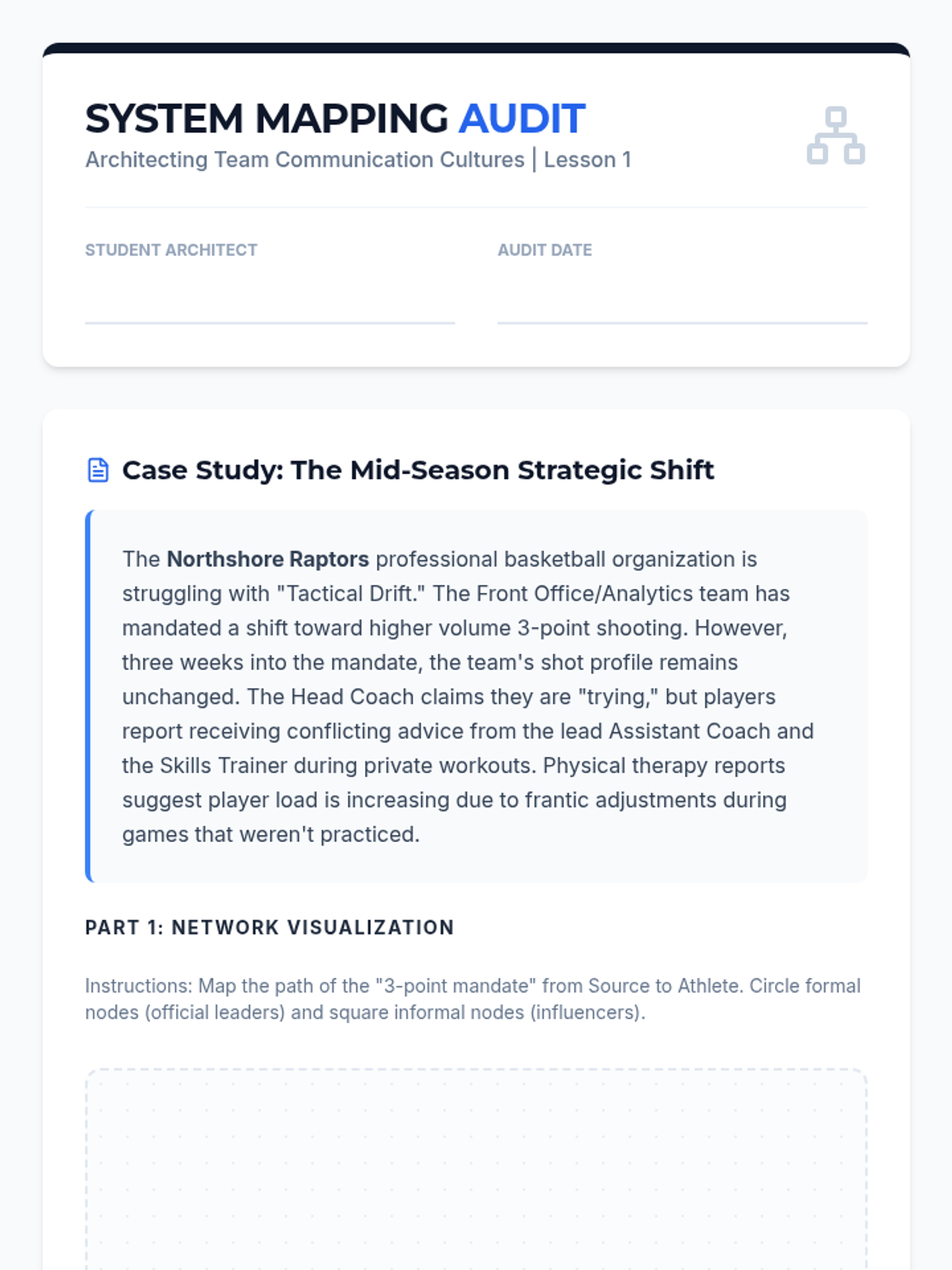
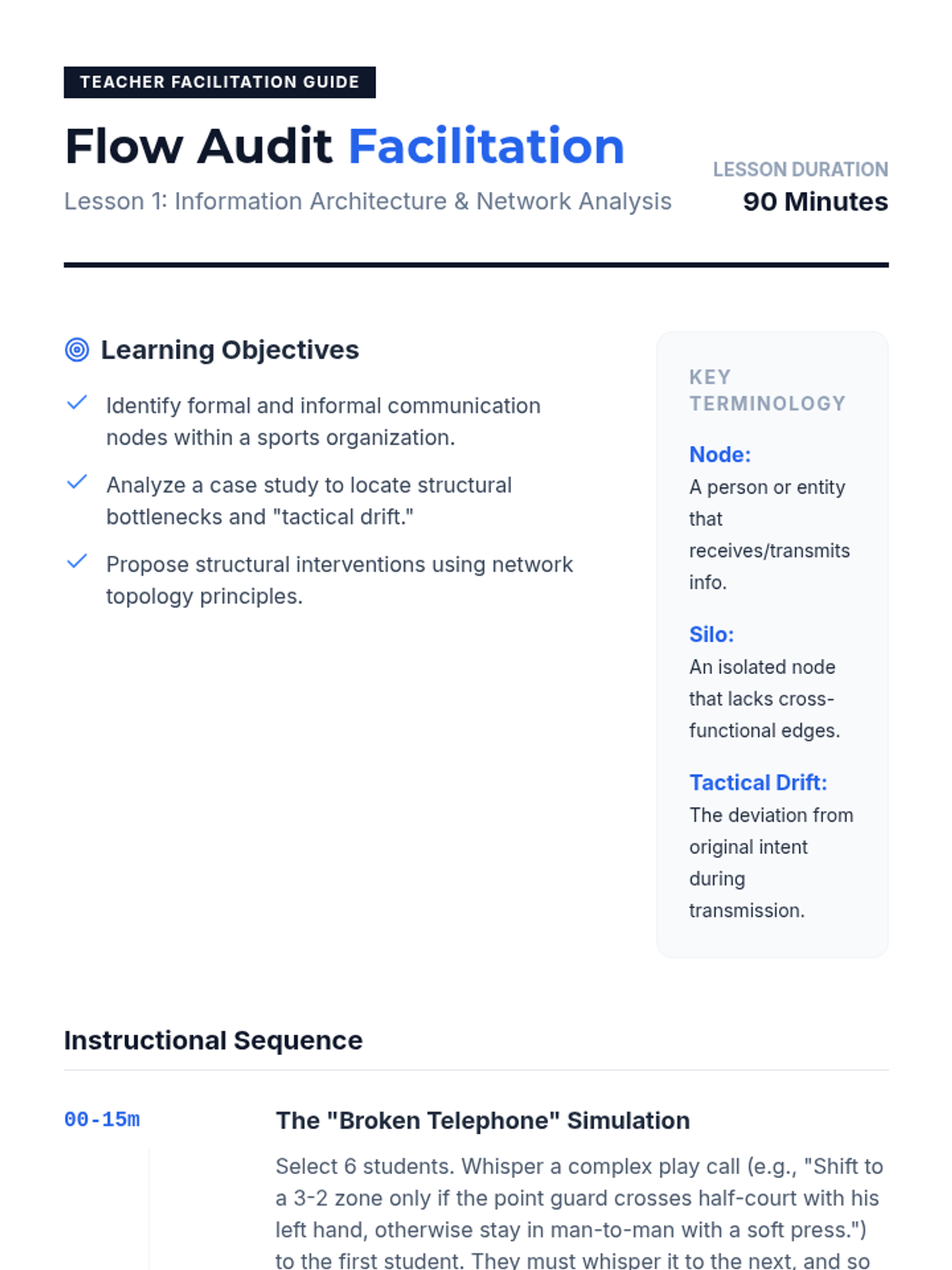
This graduate-level sequence examines the structural engineering of communication in elite athletic environments. Students will learn to design, audit, and implement sophisticated communication systems that enhance psychological safety, reduce cognitive load, and optimize tactical execution across diverse rosters.
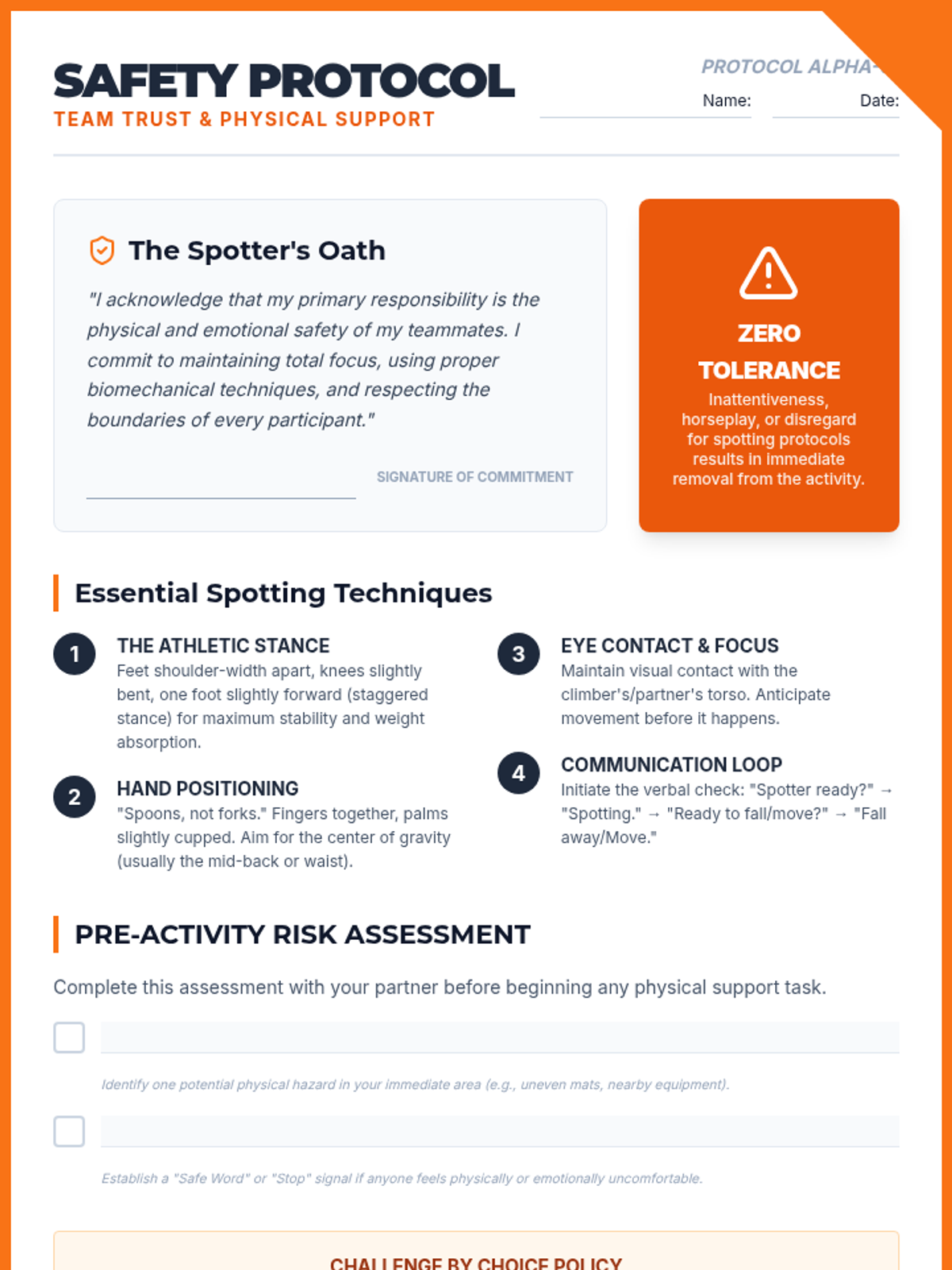
This sequence focuses on the psychological and physical aspects of trust, safety, and support within a team environment. Students progress from basic weight-sharing activities to high-stakes simulated risks that require absolute reliance on peers, emphasizing safety protocols and collective responsibility.
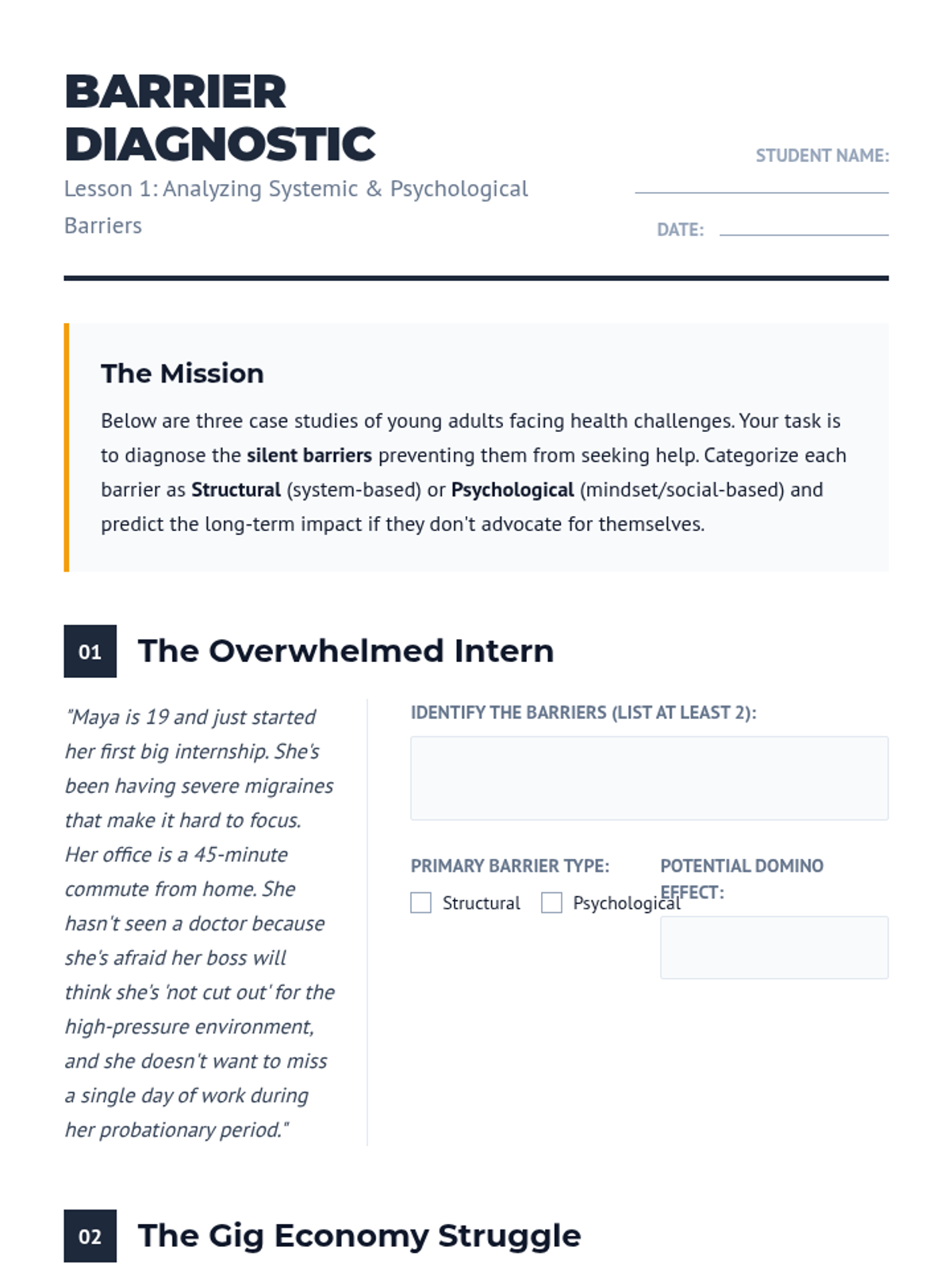
A comprehensive 11th-grade health sequence focused on transitioning to independent living. Students move from identifying psychological and structural barriers to care toward mastering the technical logistics of health literacy, assertive medical communication, and setting professional boundaries in academic and workplace environments.
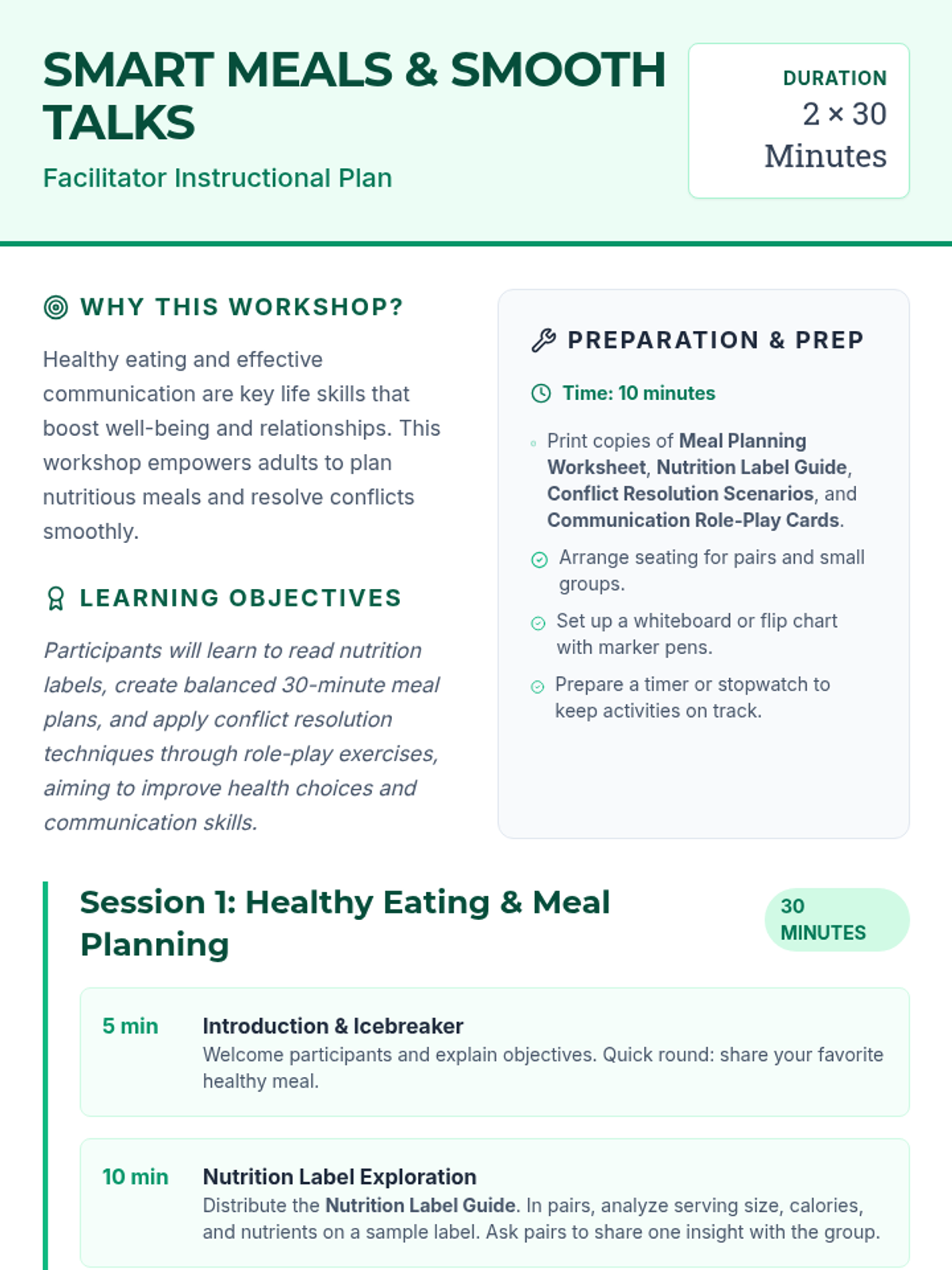
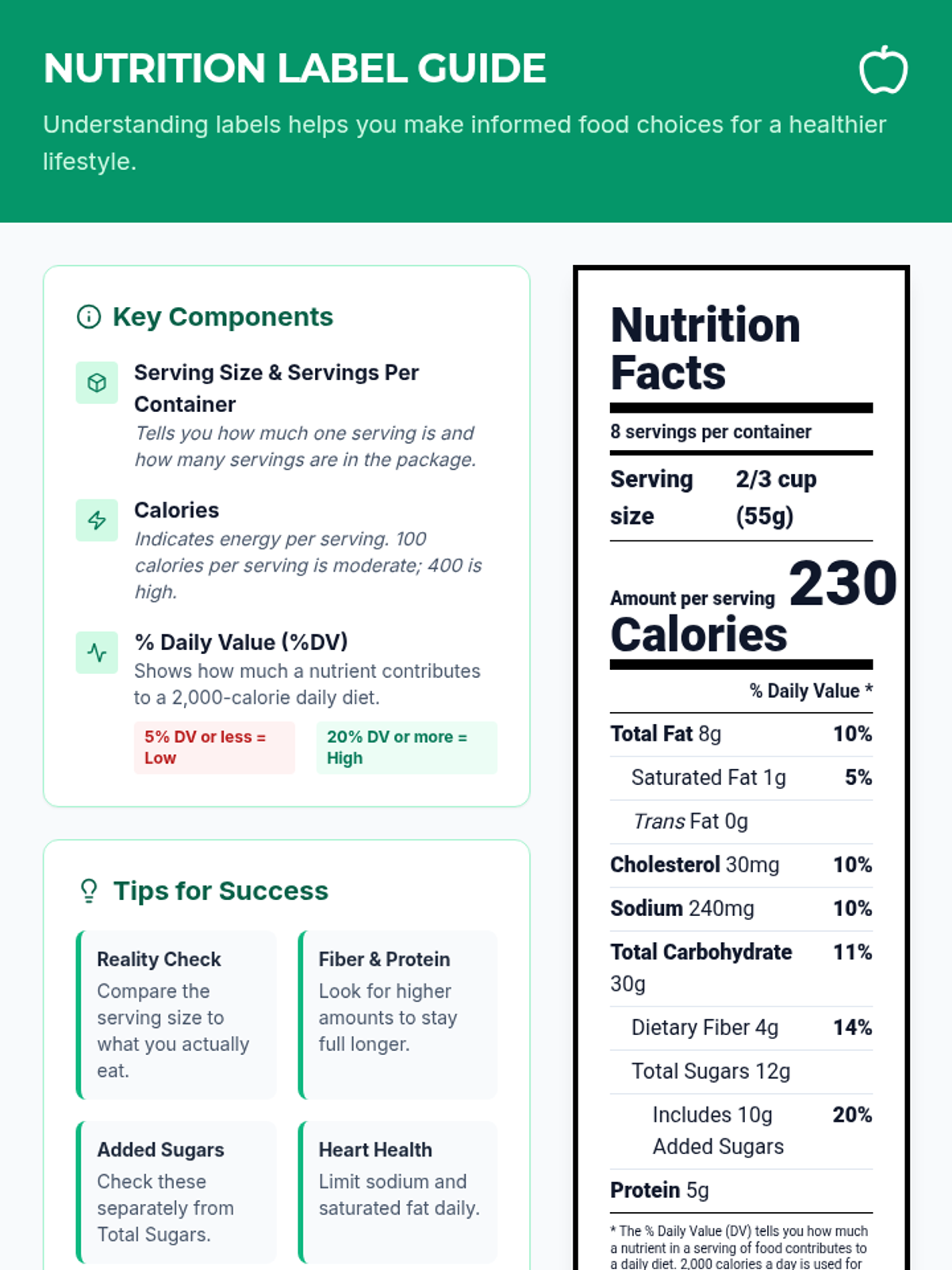
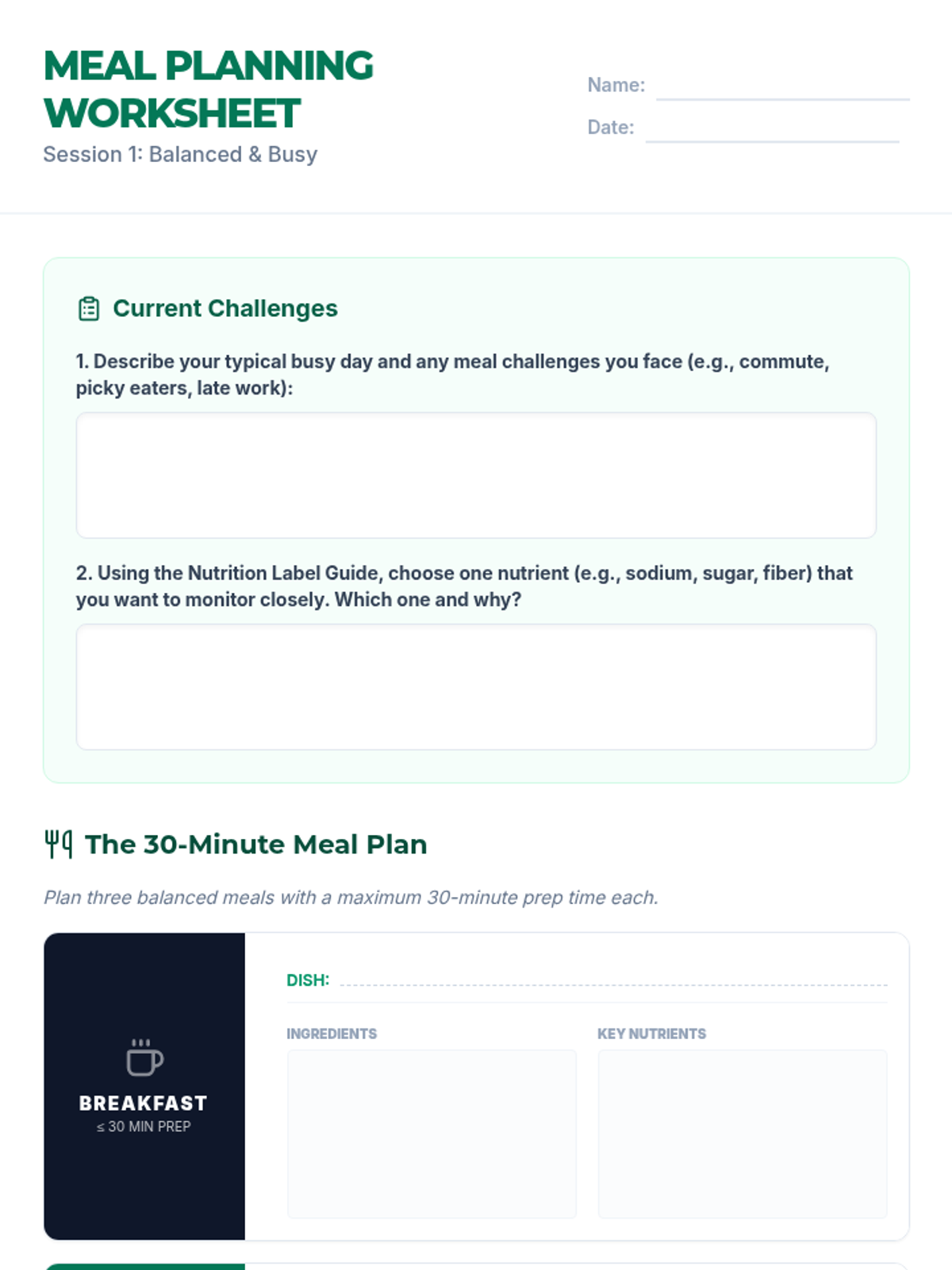
A two-session adult workshop sequence that combines practical nutrition education with interpersonal conflict resolution skills. Participants learn to navigate food labels, plan quick healthy meals, and manage mealtime disagreements using effective communication techniques.
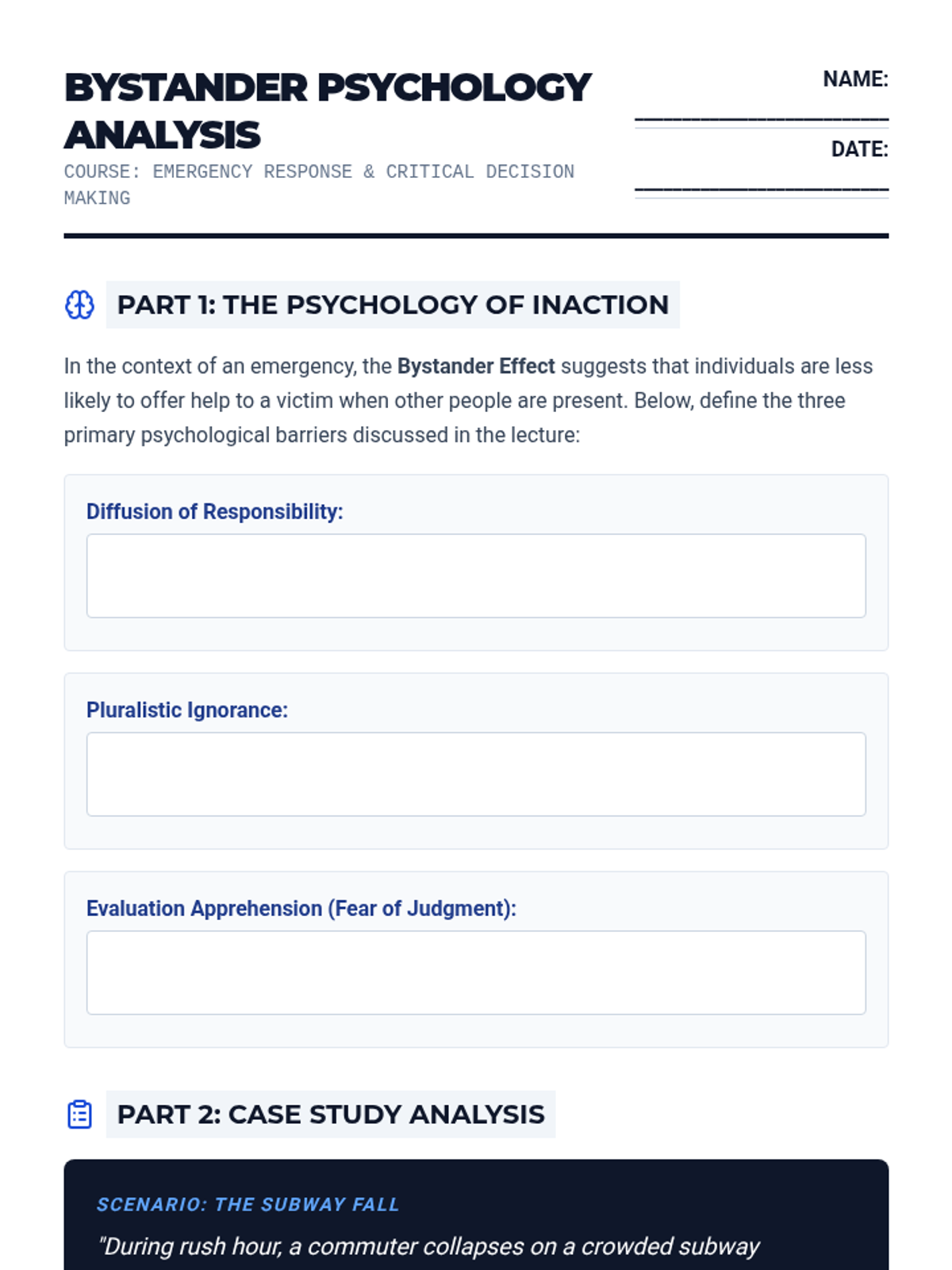
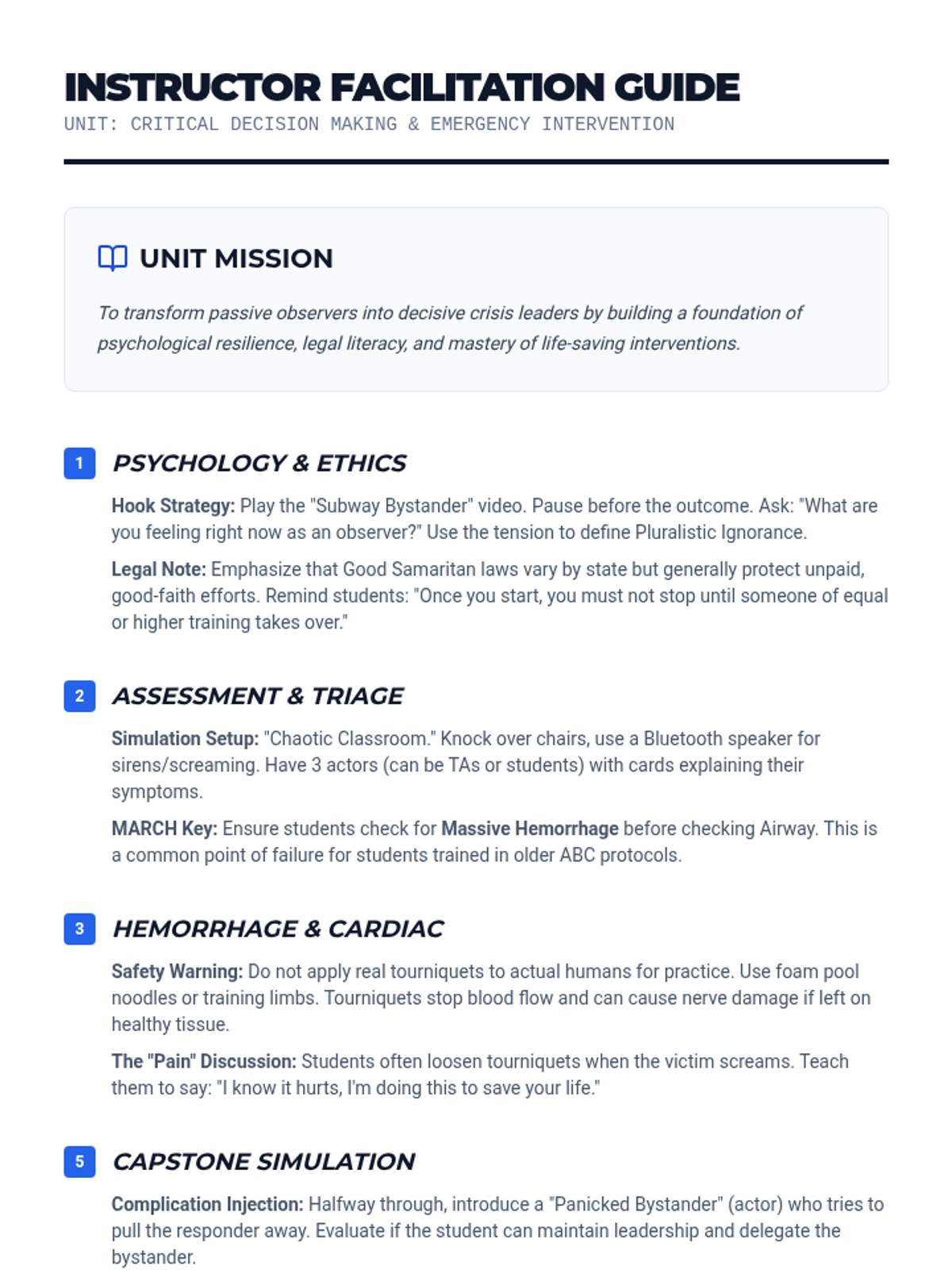
This advanced sequence transitions undergraduate students from passive observers to capable first responders by combining practical medical skills with the psychology of crisis management. Students progress from understanding the bystander effect and legal ethics to mastering the MARCH algorithm, hemorrhage control, and cardiac support, culminating in a high-fidelity campus emergency simulation.
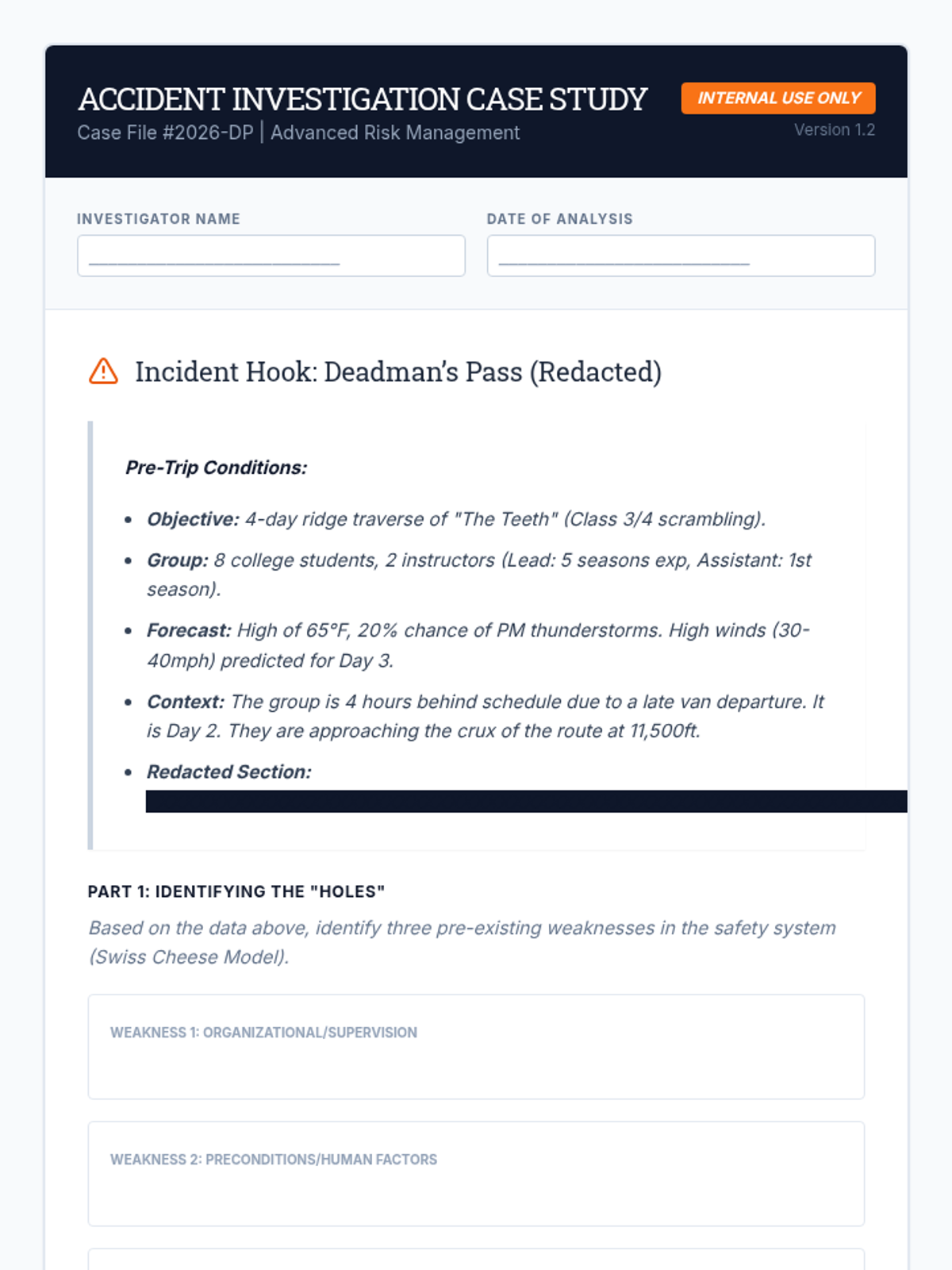
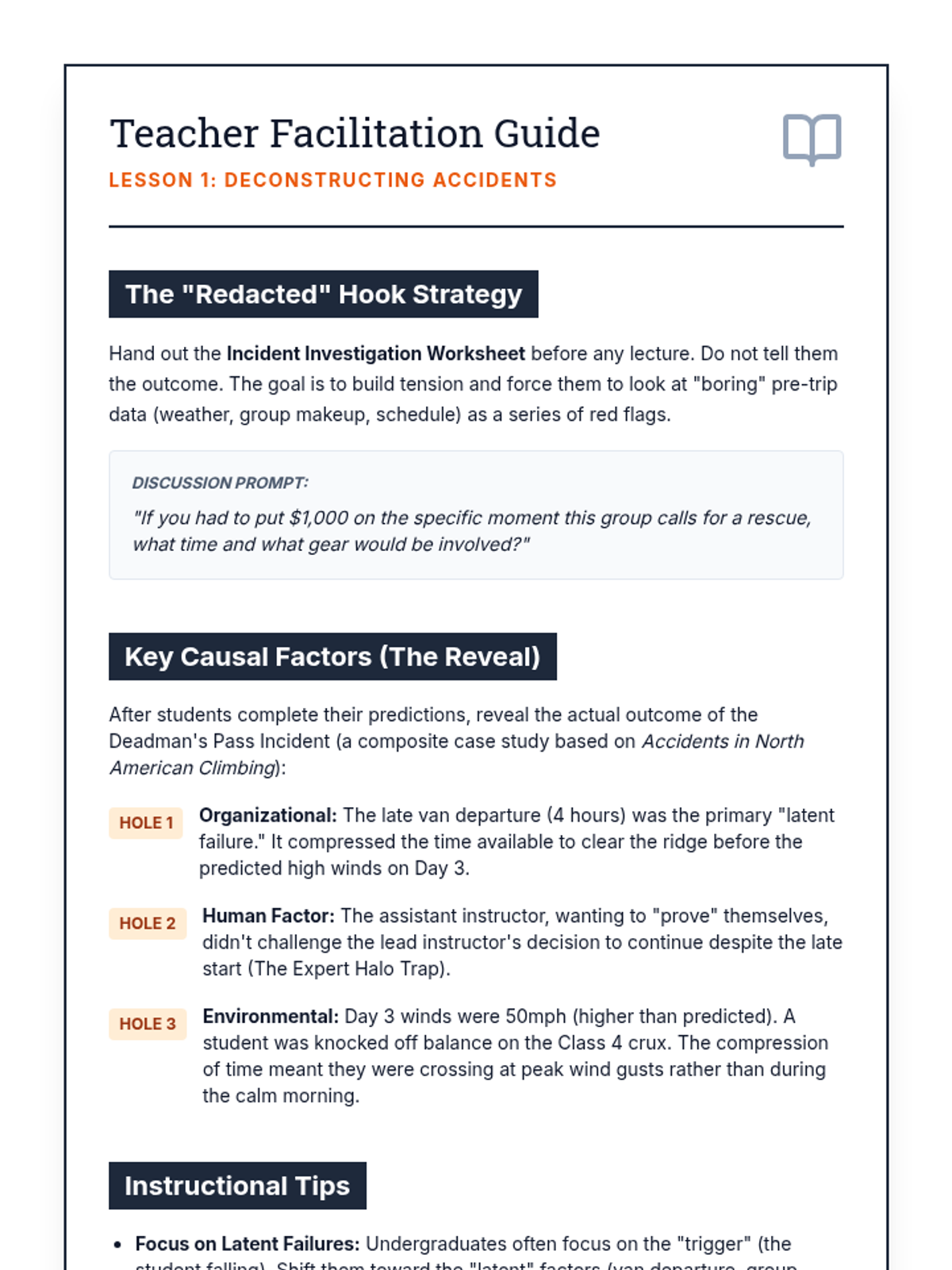
A comprehensive sequence for undergraduate outdoor education students focusing on professional-grade risk management, accident causation, meteorology, and the development of Emergency Action Plans. Students transition from analyzing past failures to building robust safety systems for institutional expeditions.