Fundamental techniques for racket sports, track and field, and gymnastics maneuvers. Develops physical literacy through martial arts disciplines and self-defense strategies.
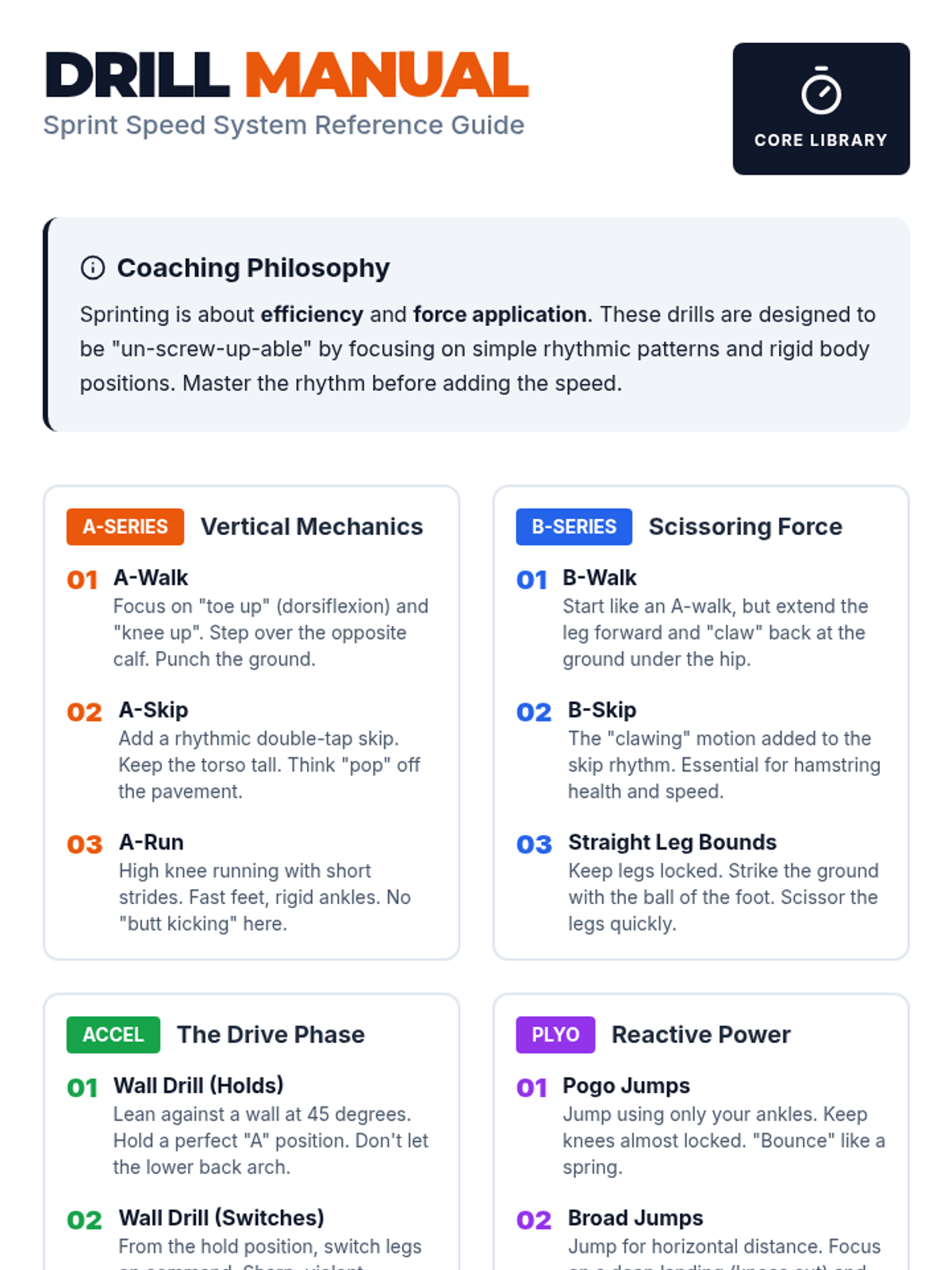
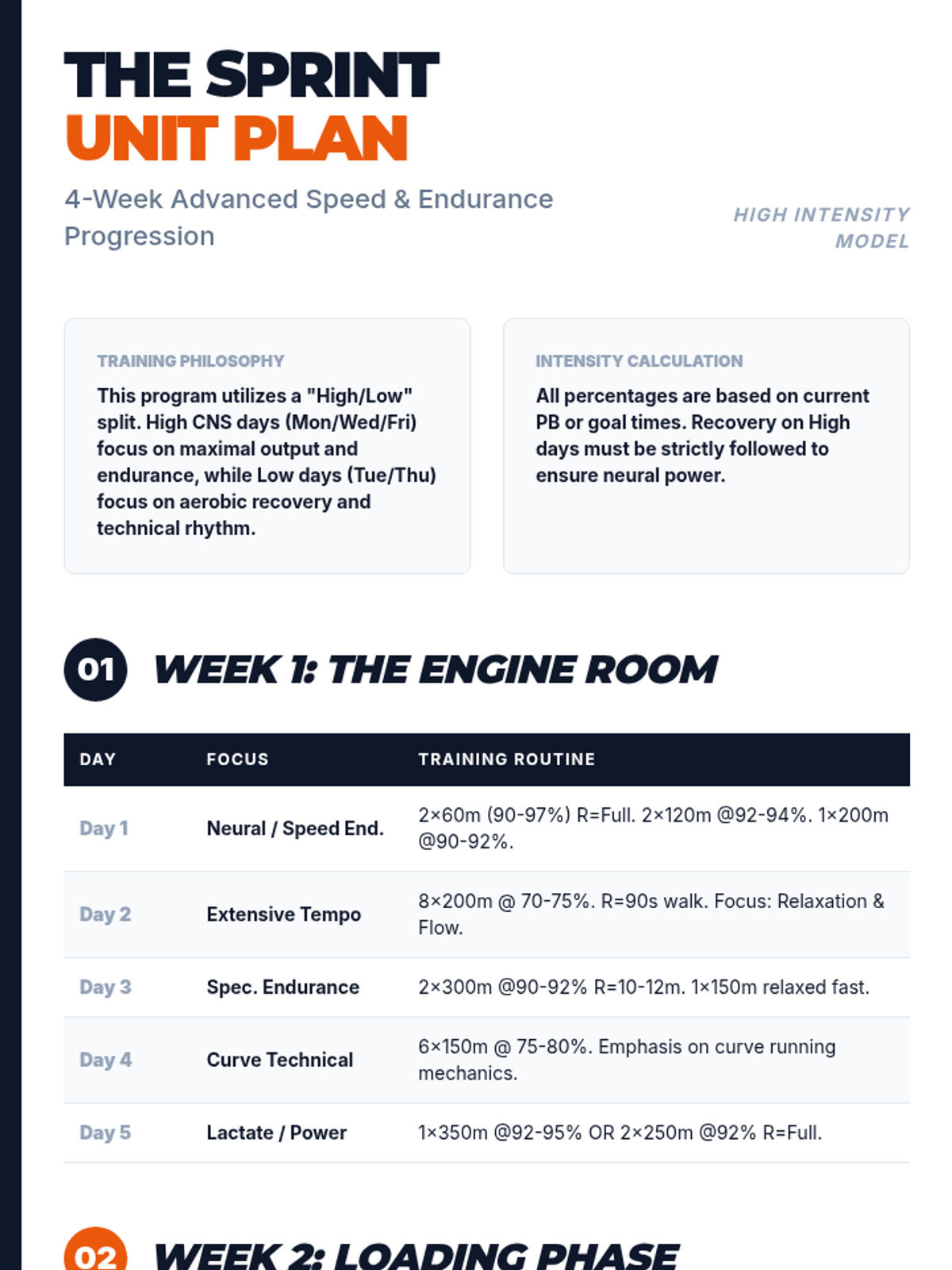
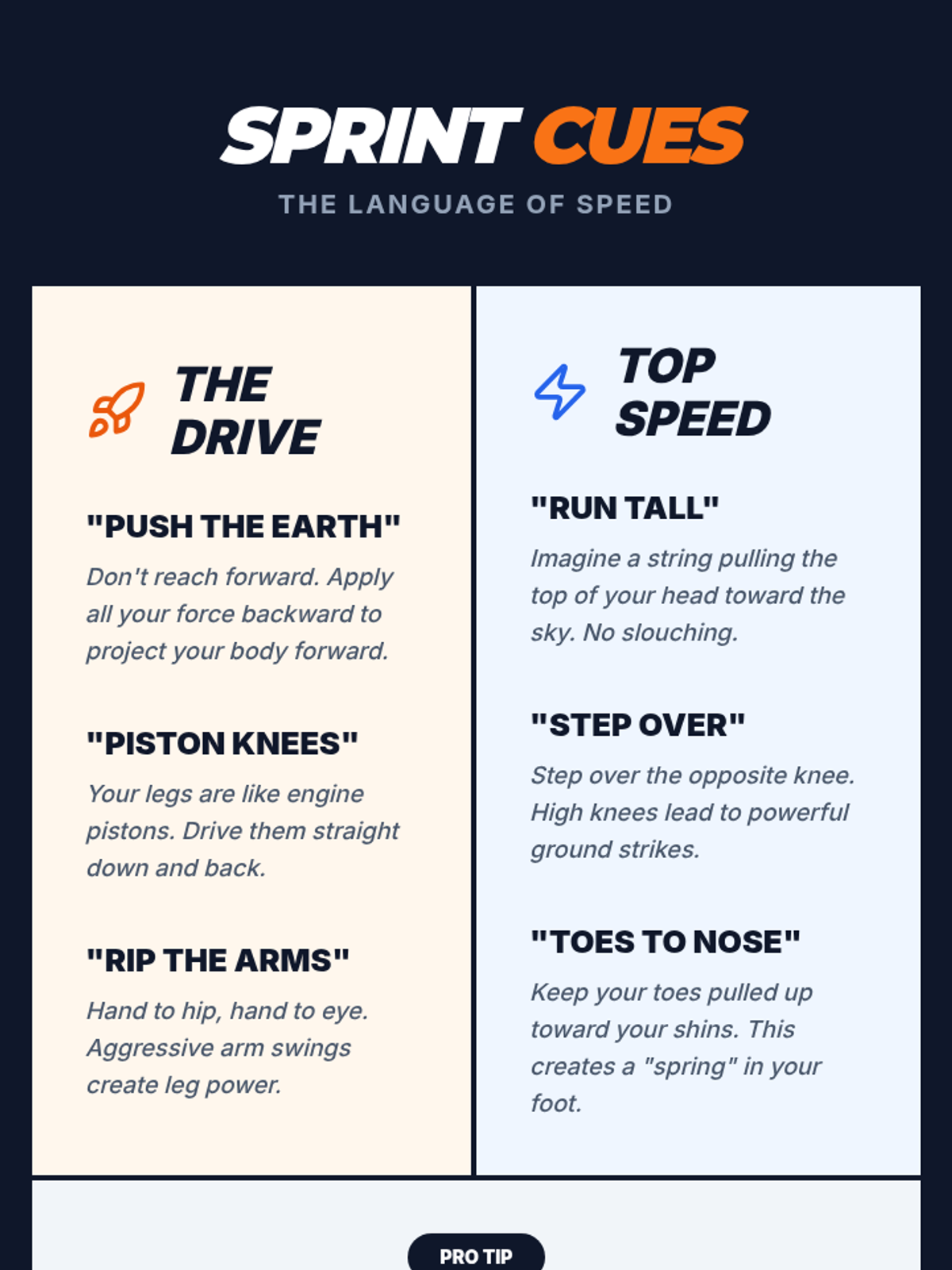
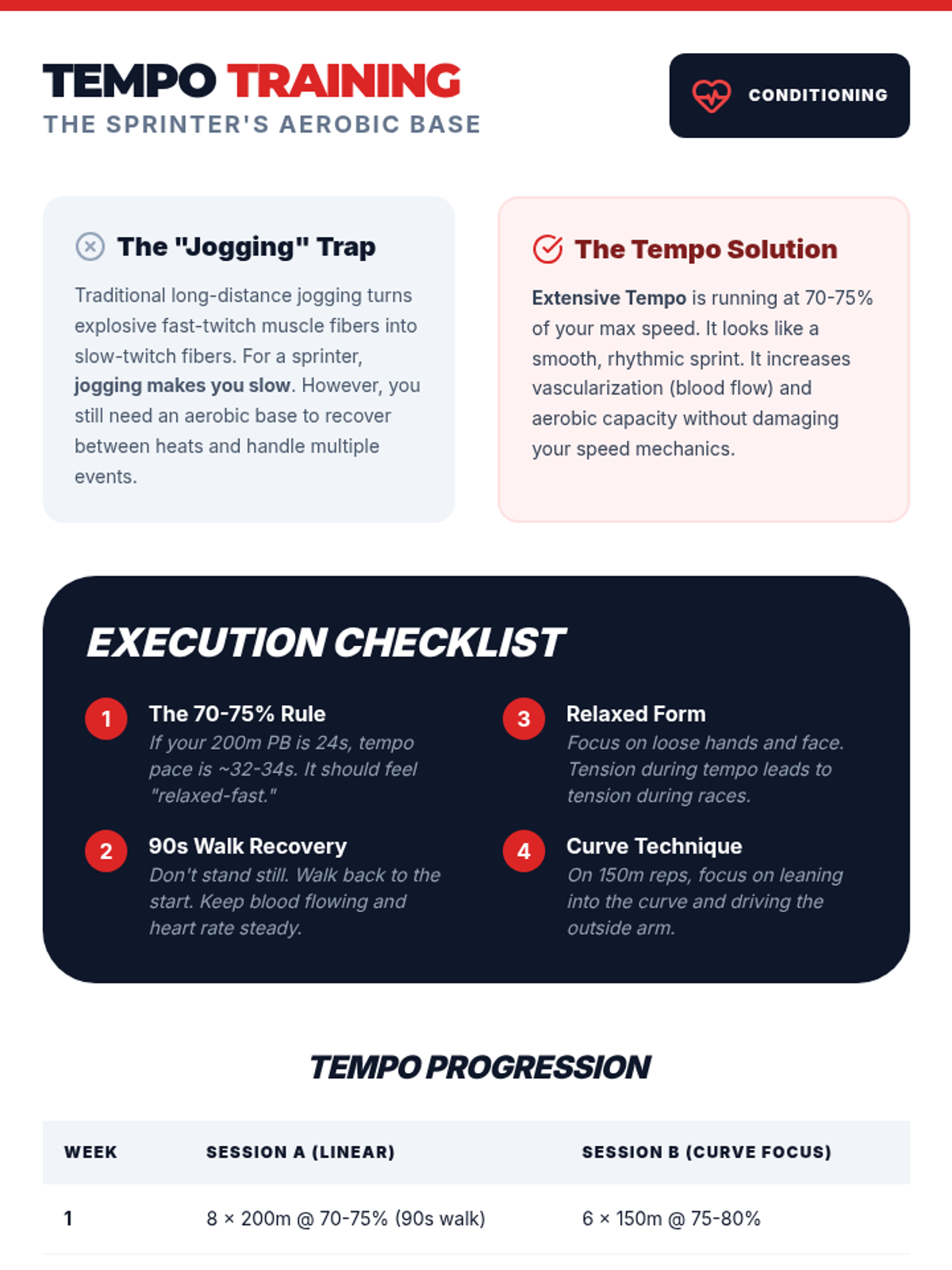
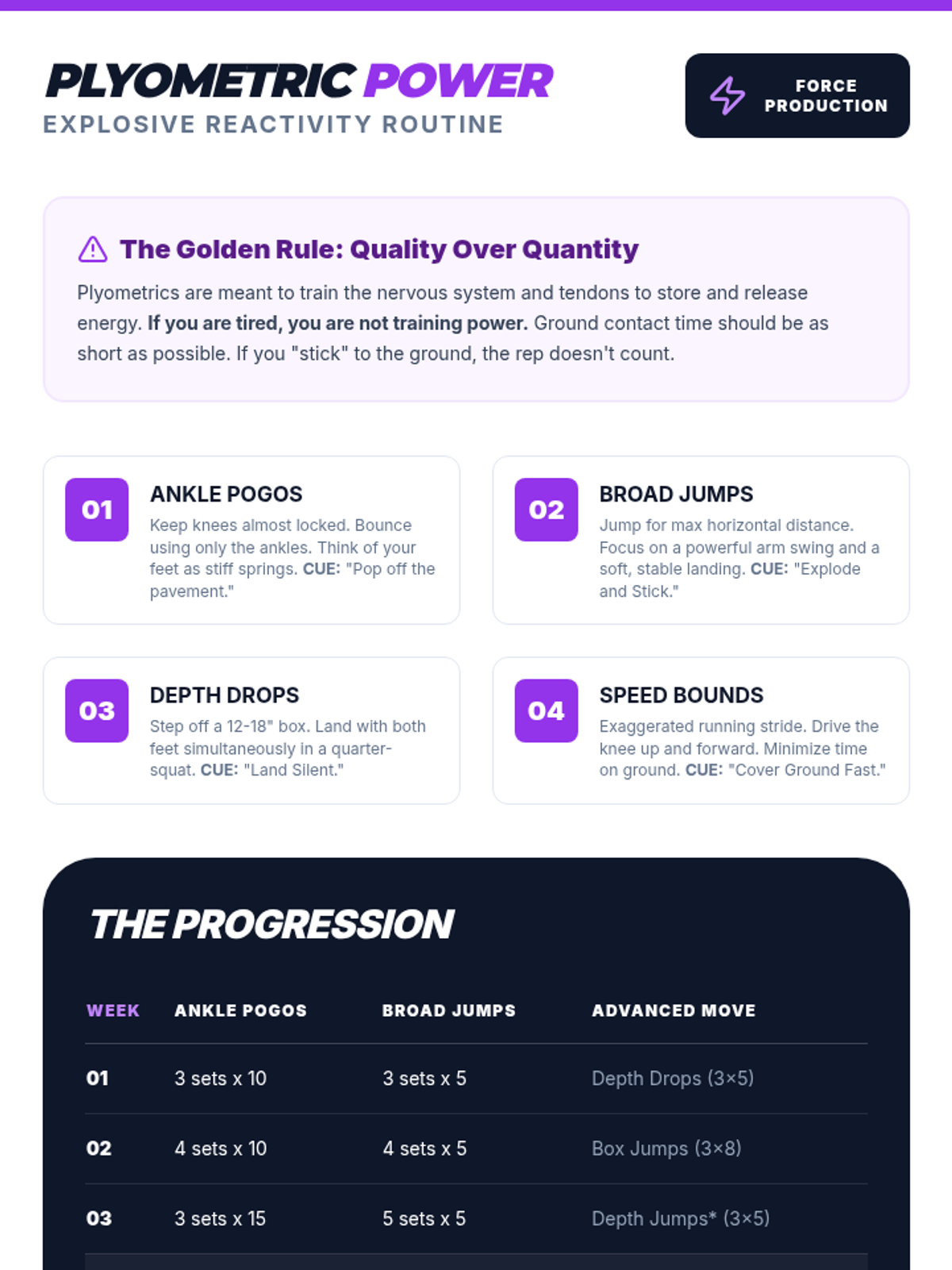
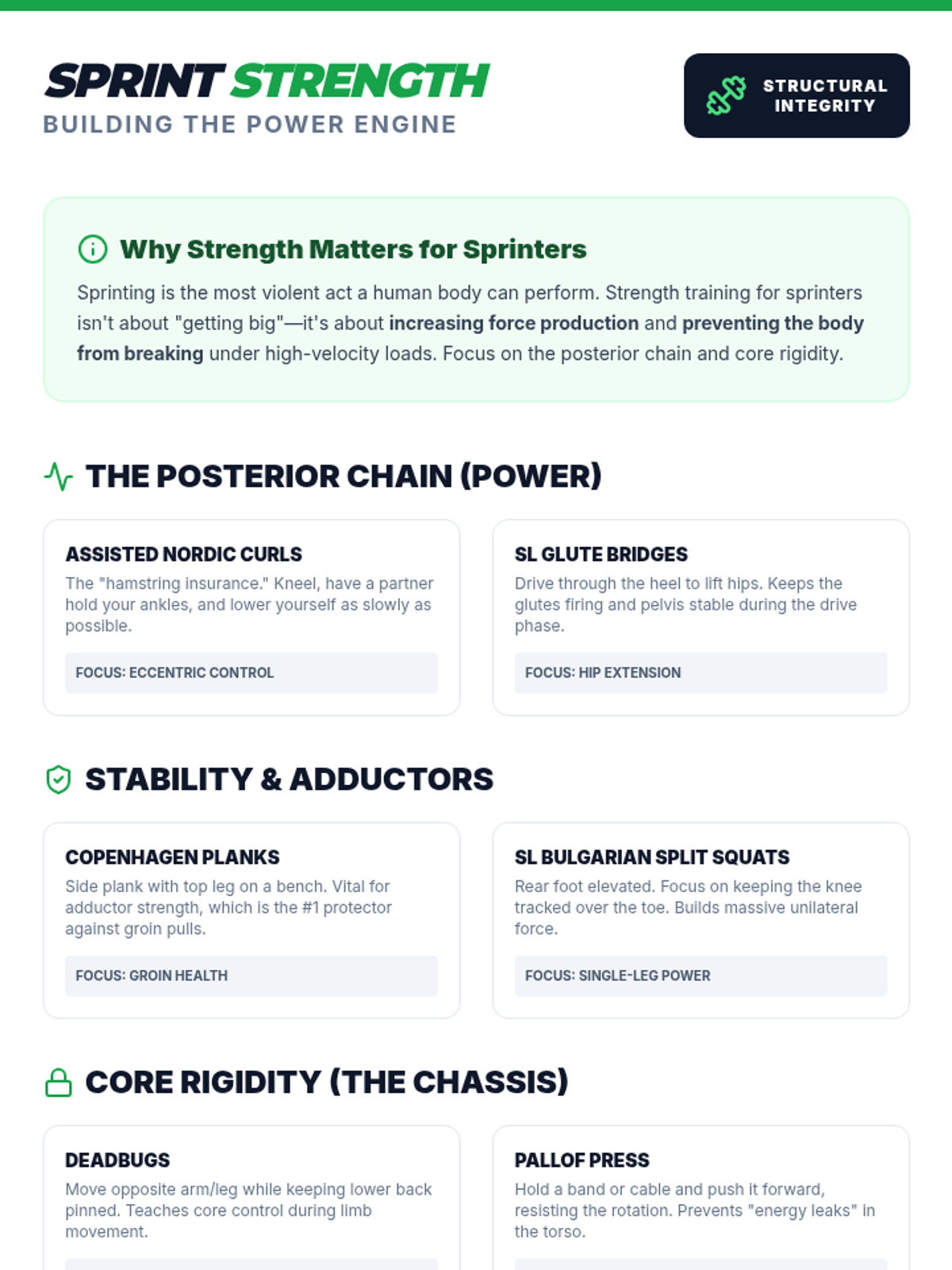
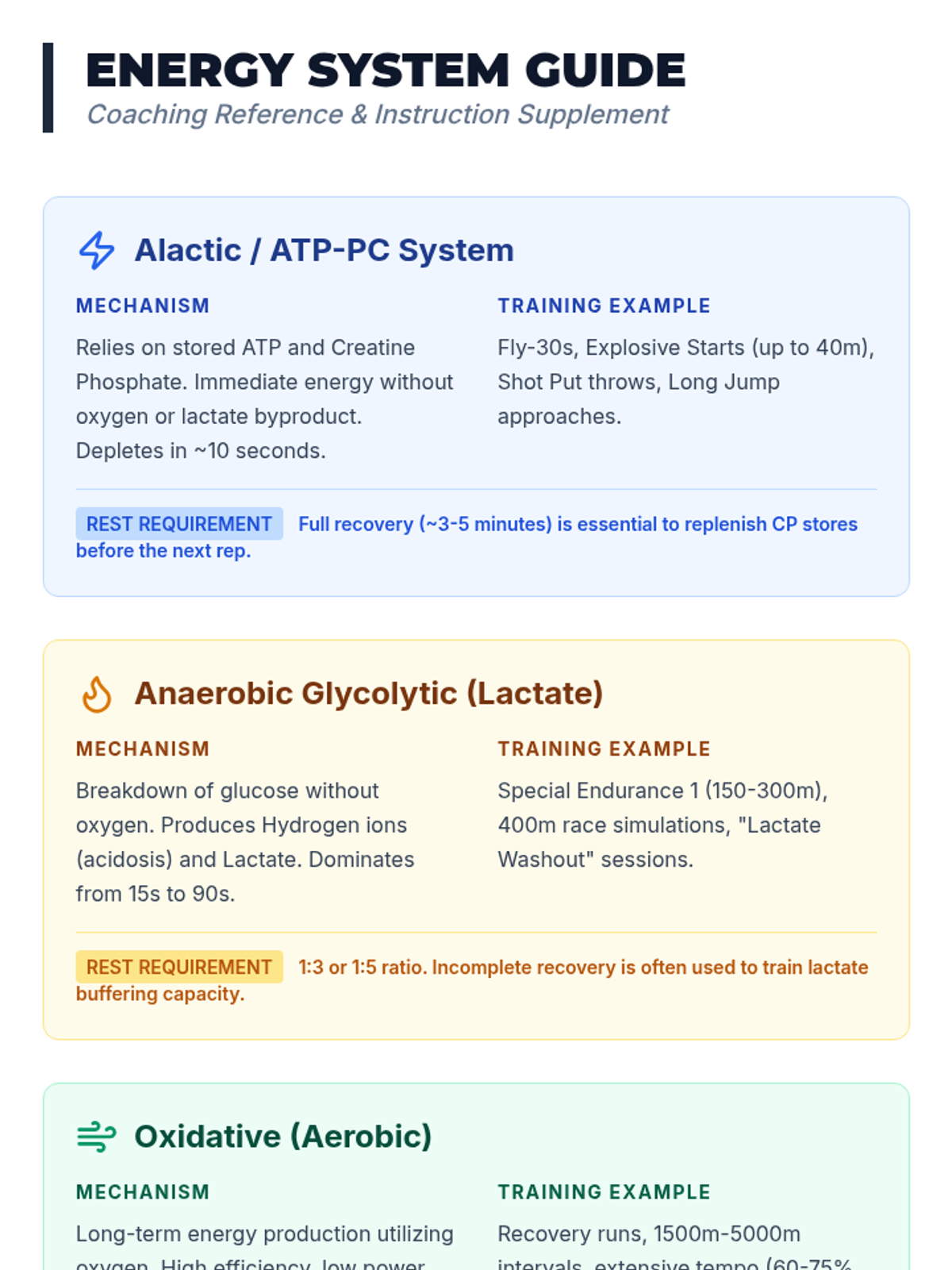
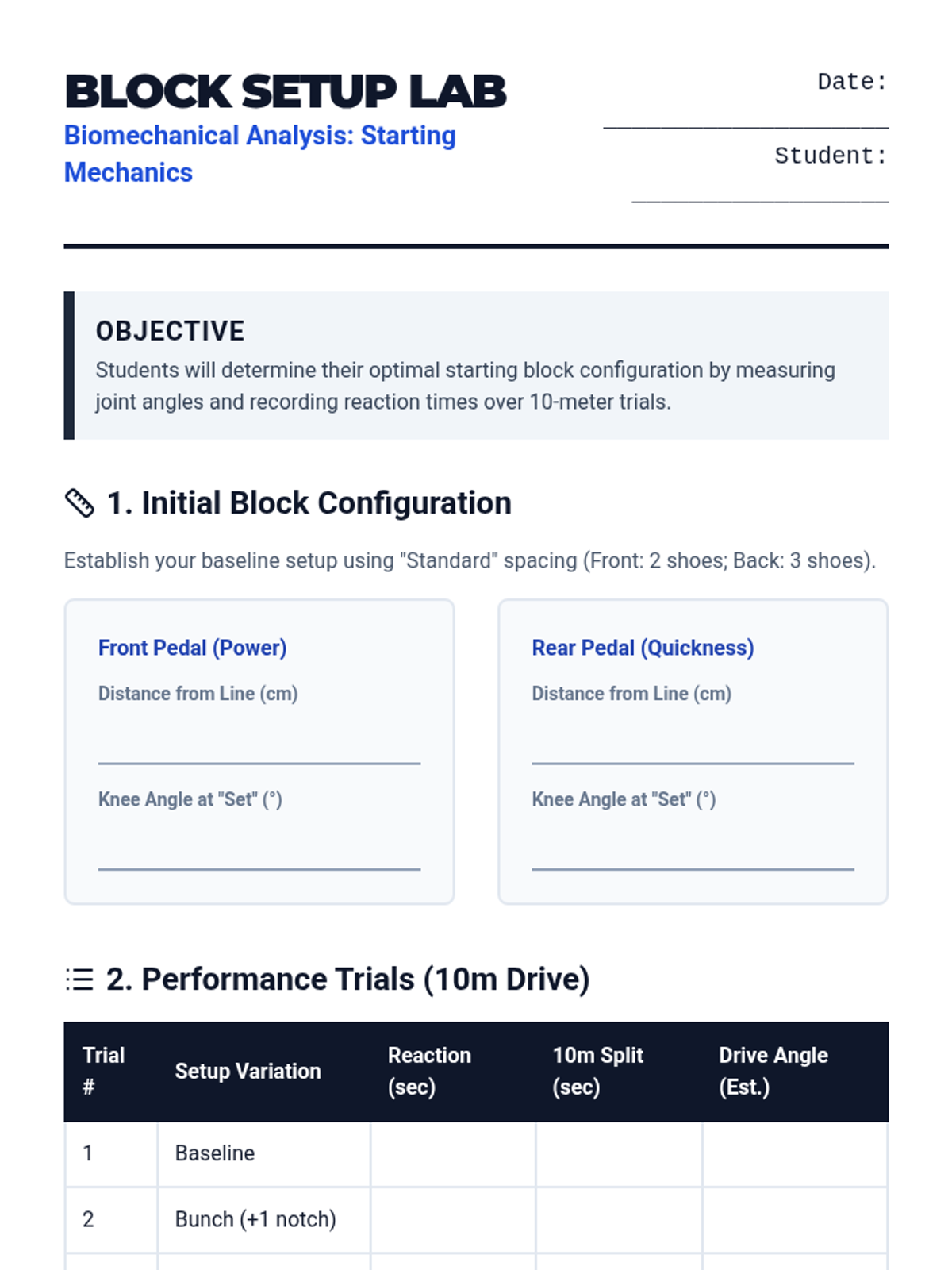
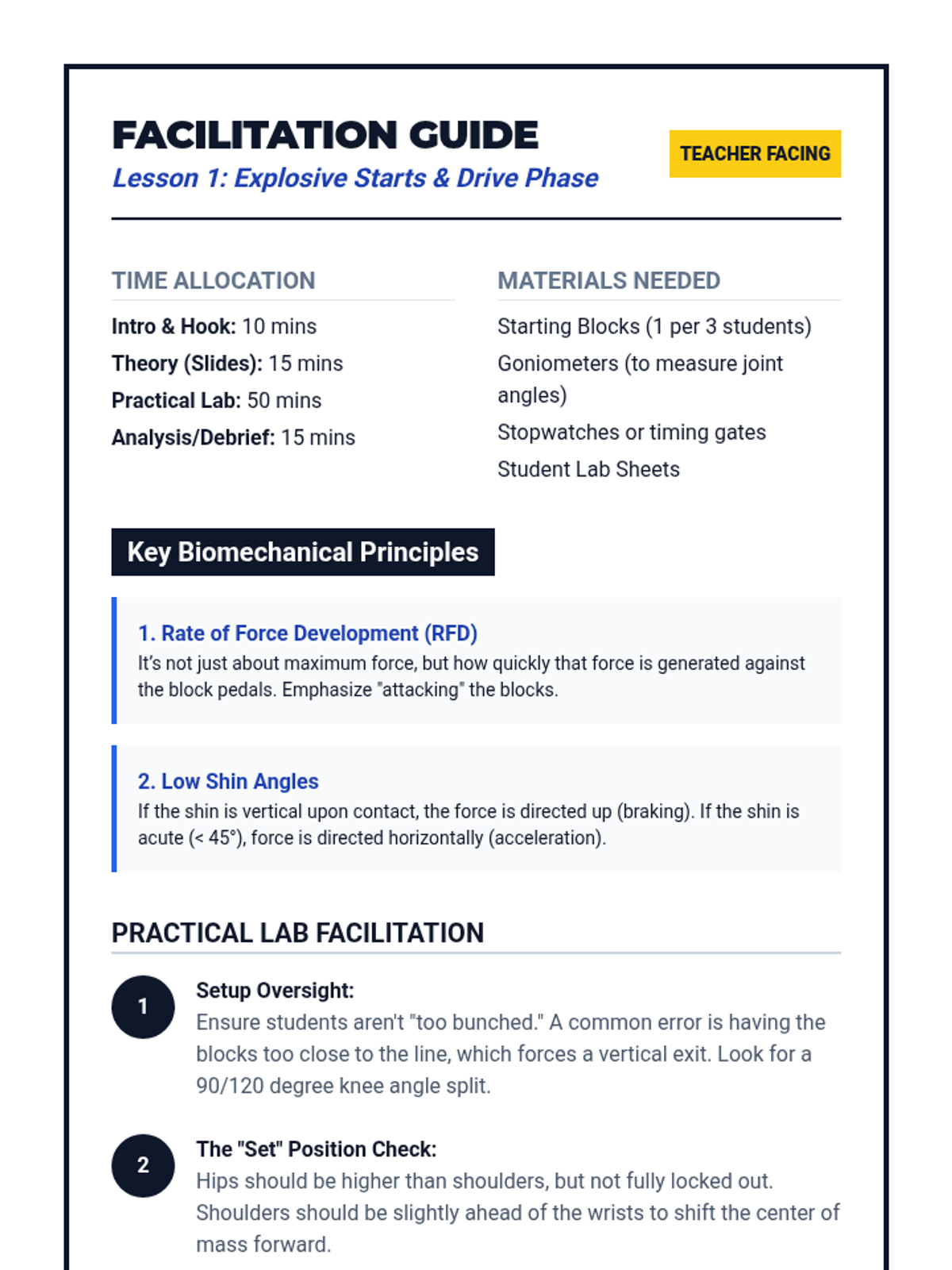
A comprehensive 4-week introductory sprinting program focused on mechanics, power, and injury prevention for outdoor track athletes.
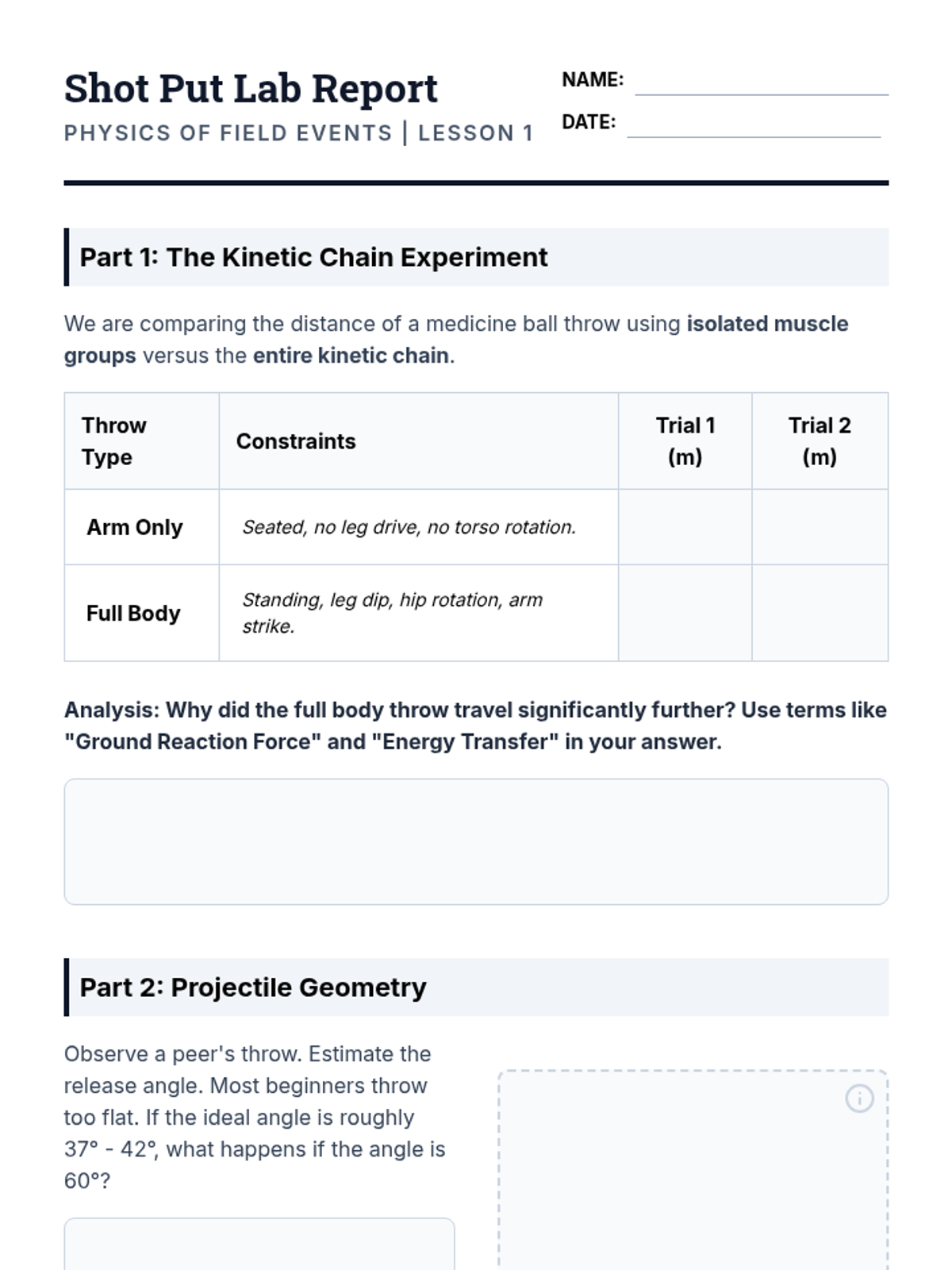
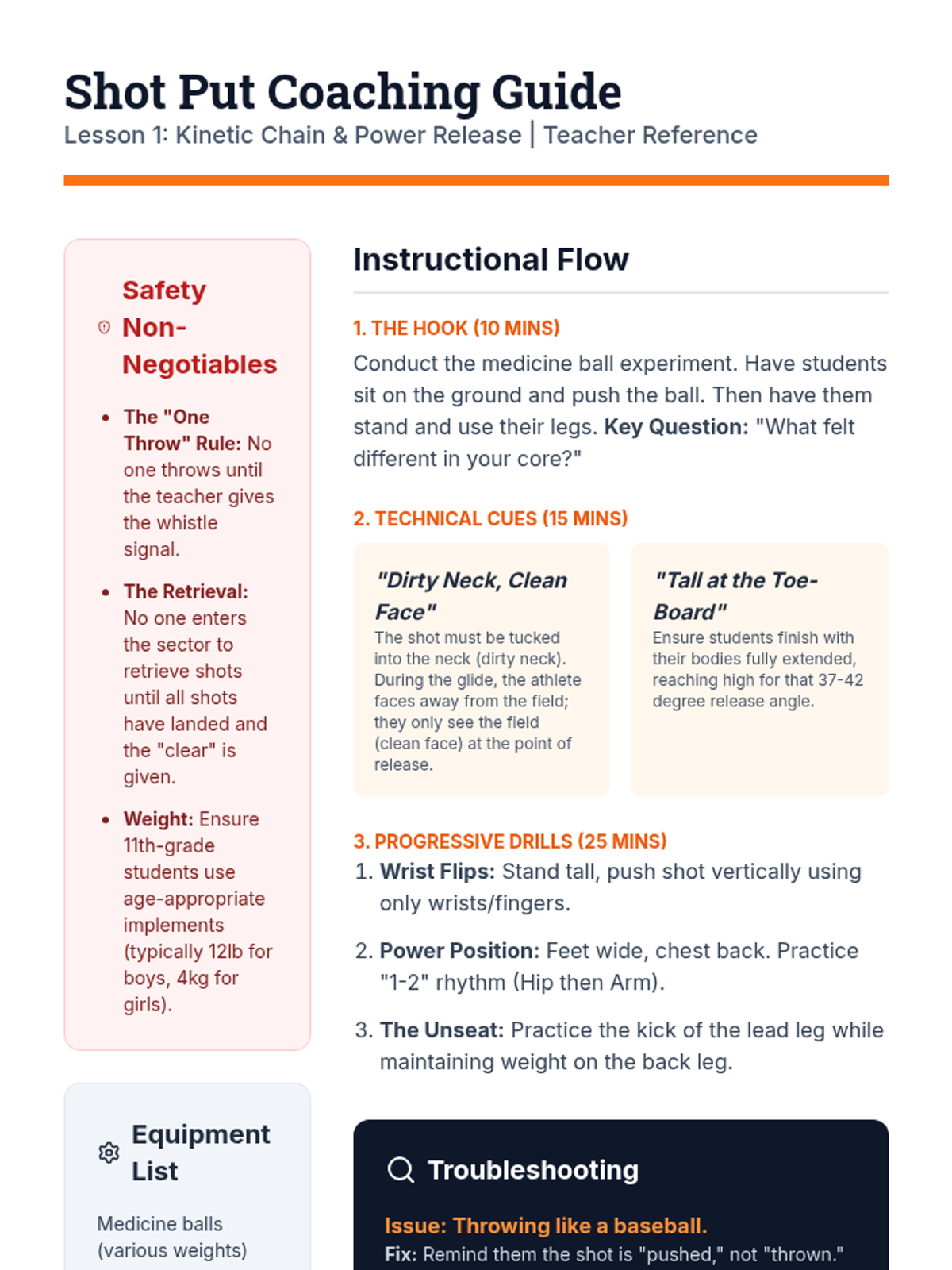
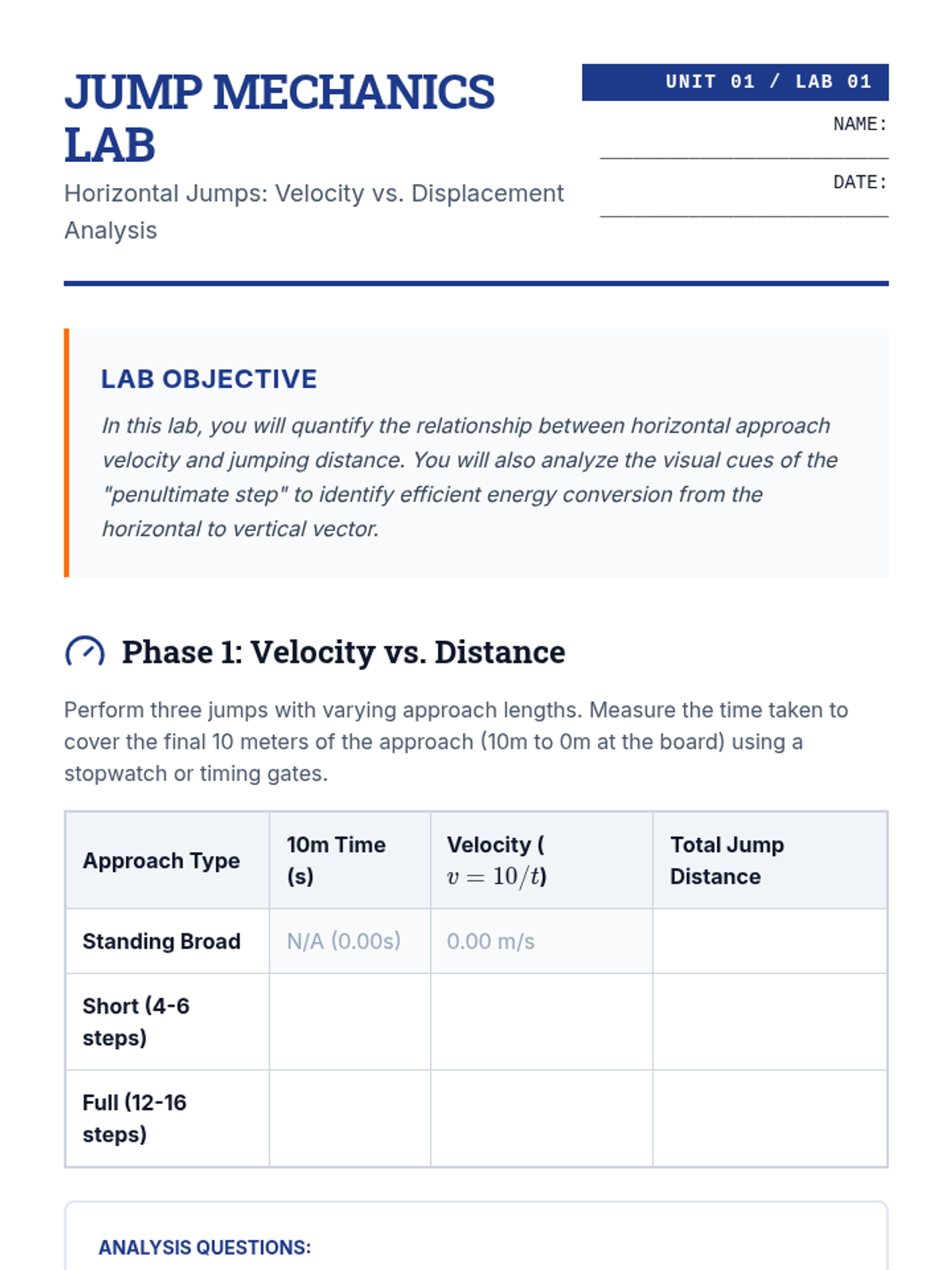
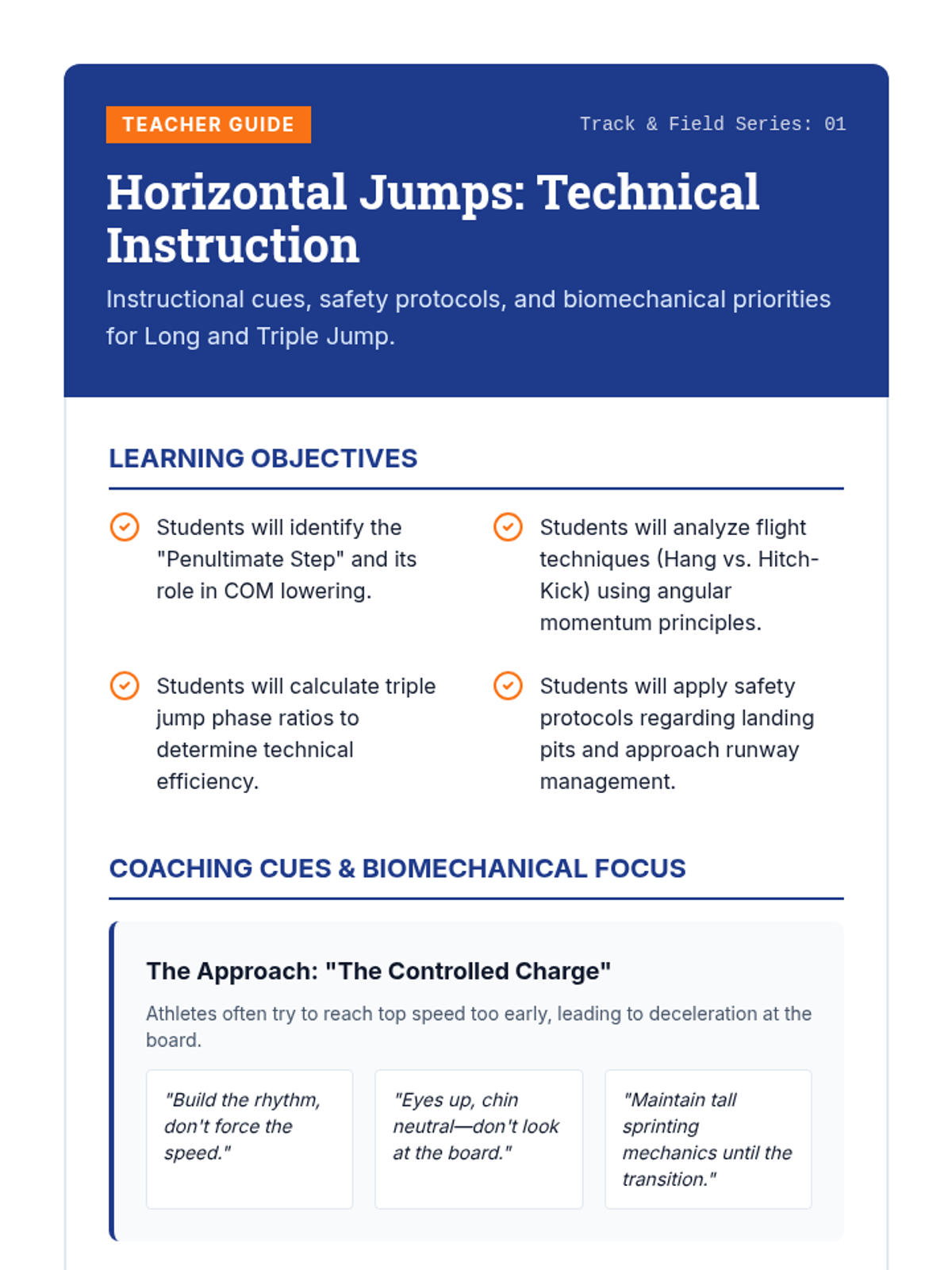
An intensive exploration of the physics and biomechanics behind field events, focusing on shot put, discus, long jump, and triple jump. Students apply scientific principles to athletic performance through peer coaching, video analysis, and technical drills.
An advanced undergraduate track and field sequence focusing on the biomechanics of field events and the professional standards of meet officiating and management.
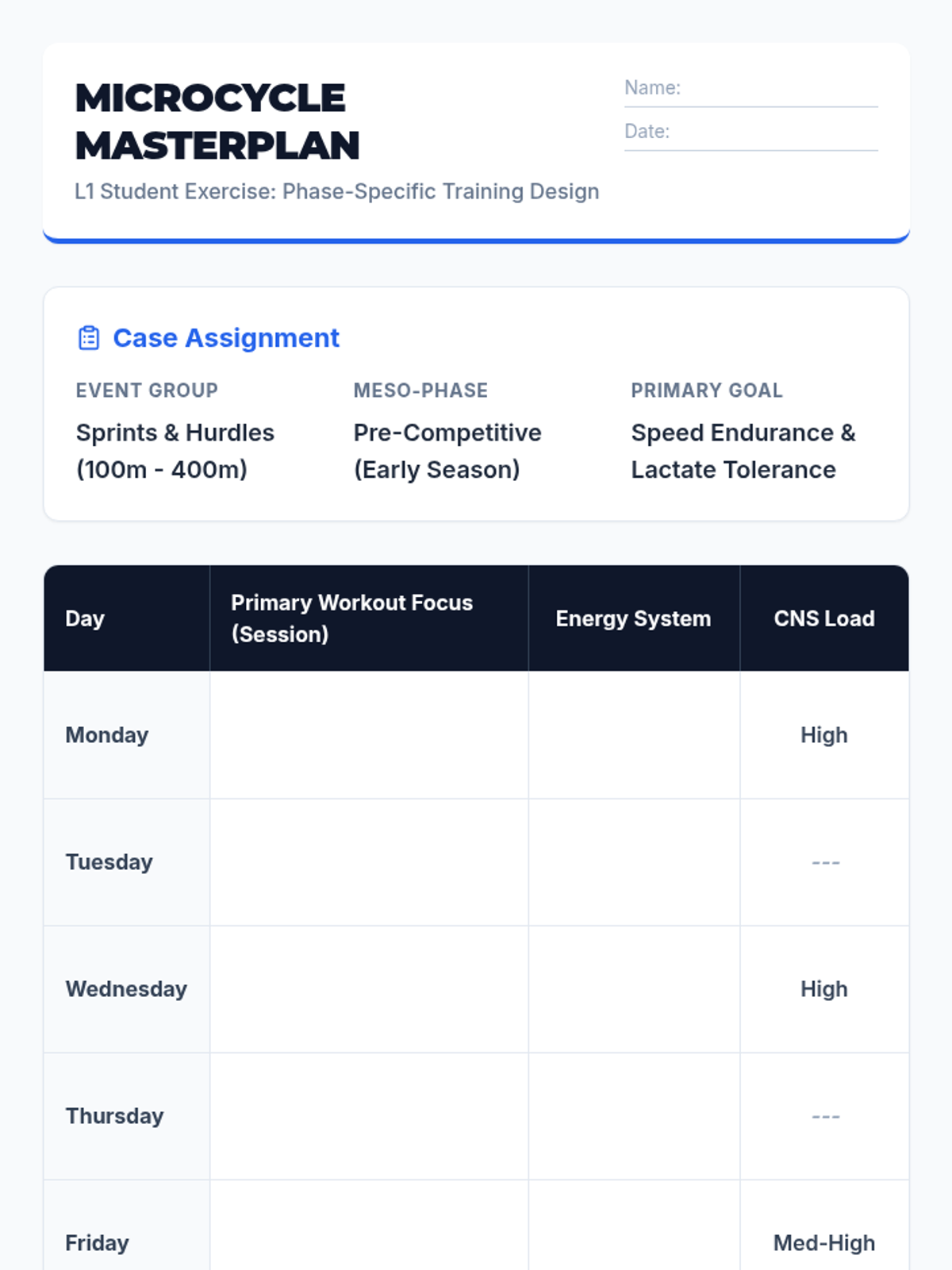
A comprehensive sequence for undergraduate students focusing on the organizational, physiological, and regulatory aspects of Track and Field, covering everything from periodization to meet administration.
This sequence for undergraduate students explores the biomechanical principles and physiological demands of sprint and hurdle events. Students analyze force production, kinematics, and video data to bridge the gap between athletic performance and coaching science.
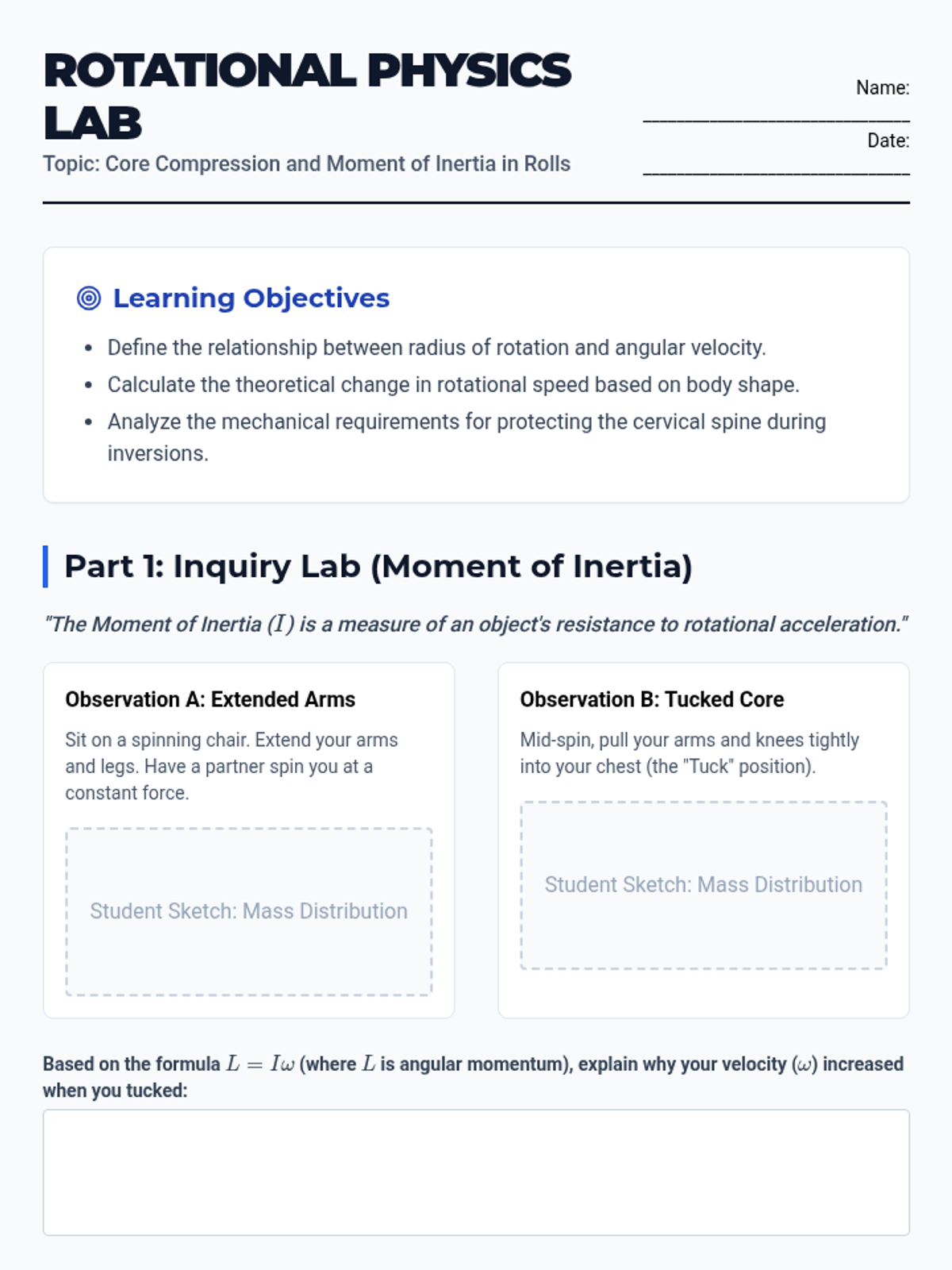
This sequence integrates physics concepts with fundamental floor skills to help students understand the mechanics of tumbling. Students explore center of mass, rotational mechanics, leverage, and force absorption through hands-on practice and video analysis.
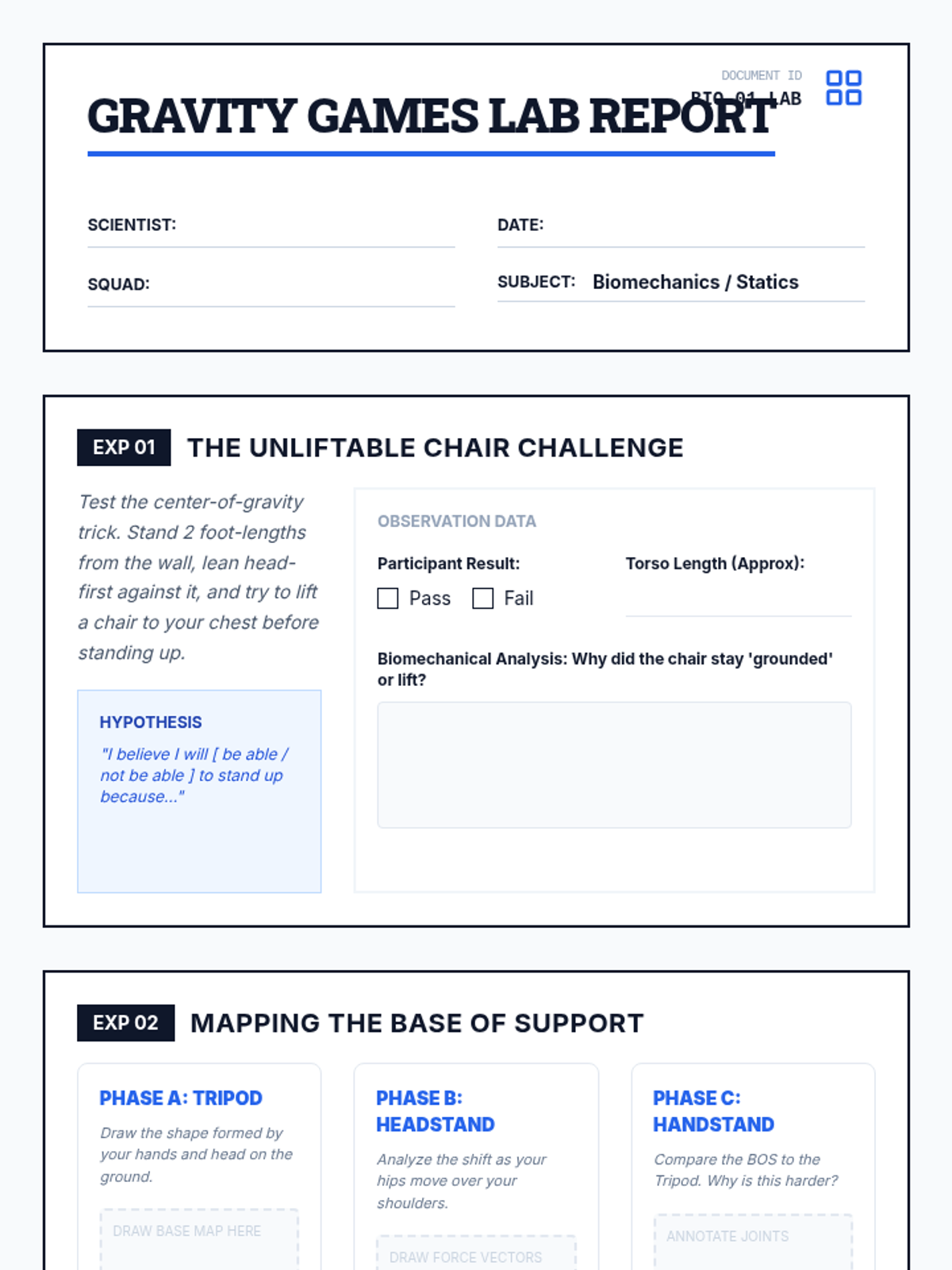
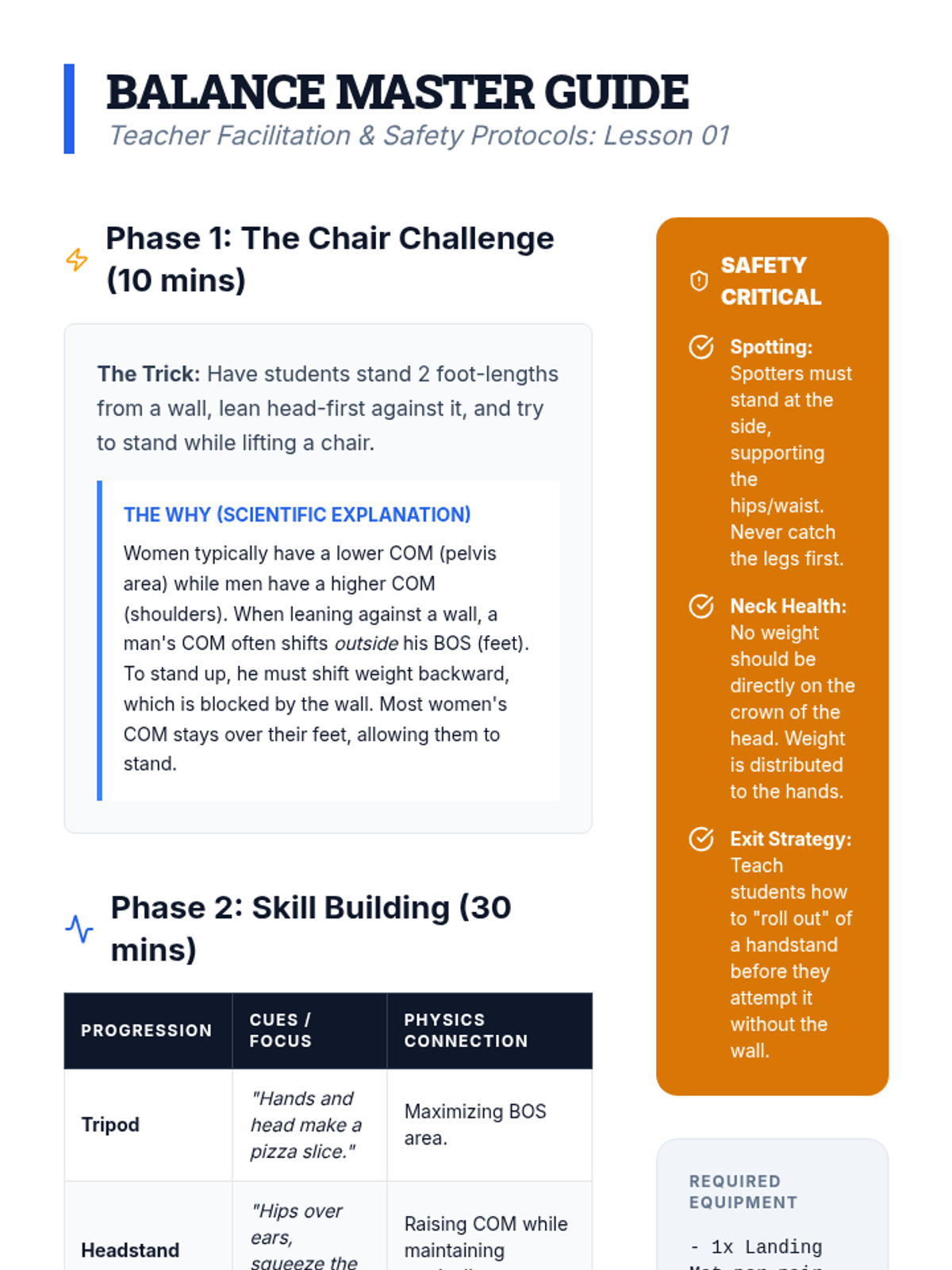
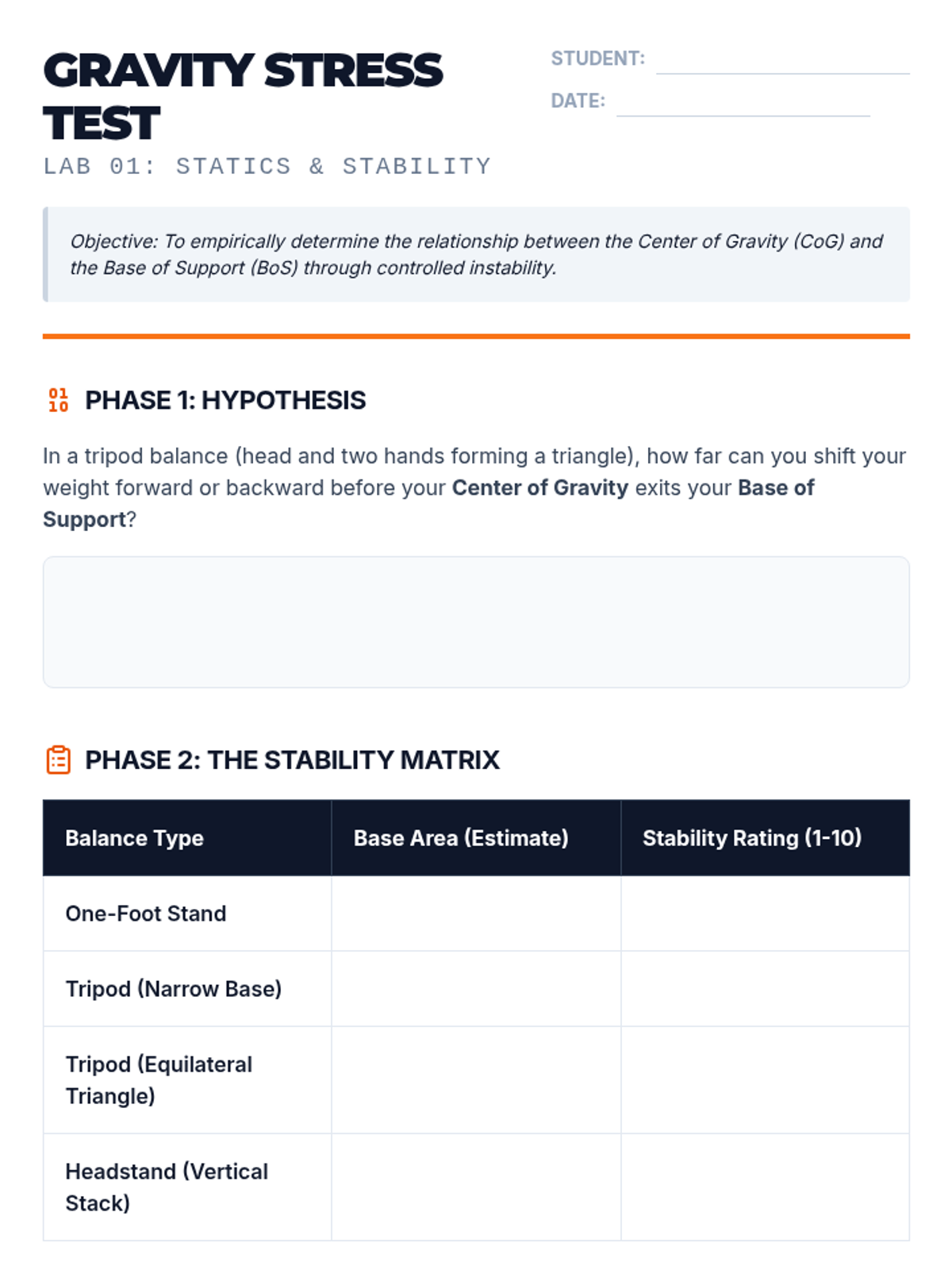
This sequence explores the physics of gymnastics, focusing on biomechanical principles like center of gravity, rotational inertia, and momentum transfer to improve tumbling performance. Students transition from static balance to dynamic rotation, culminating in a frame-by-frame video analysis of their own movement.
An undergraduate-level sequence exploring the biomechanical principles of gymnastics floor skills, focusing on rotational mechanics, static stability, and momentum transfer.
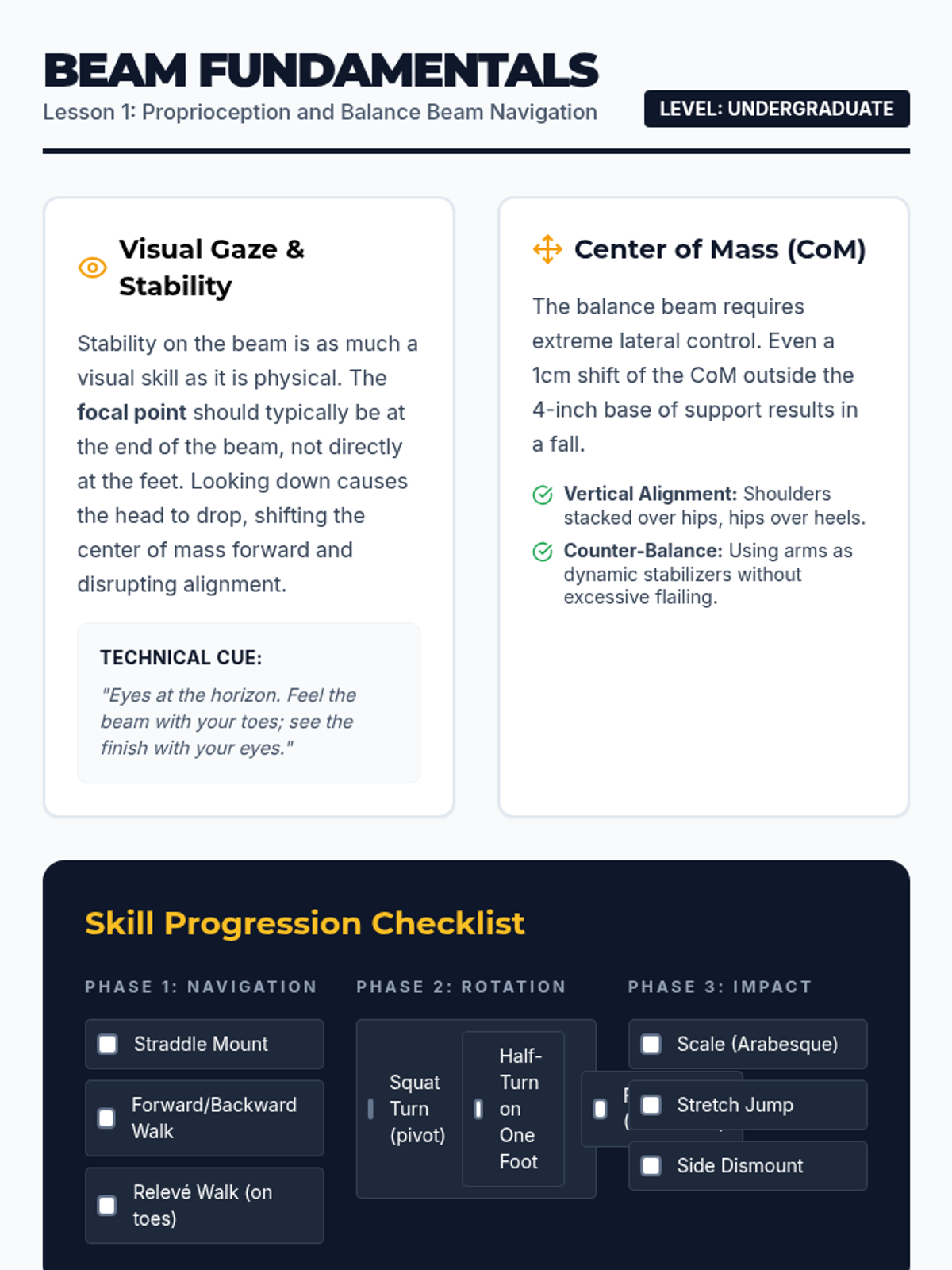
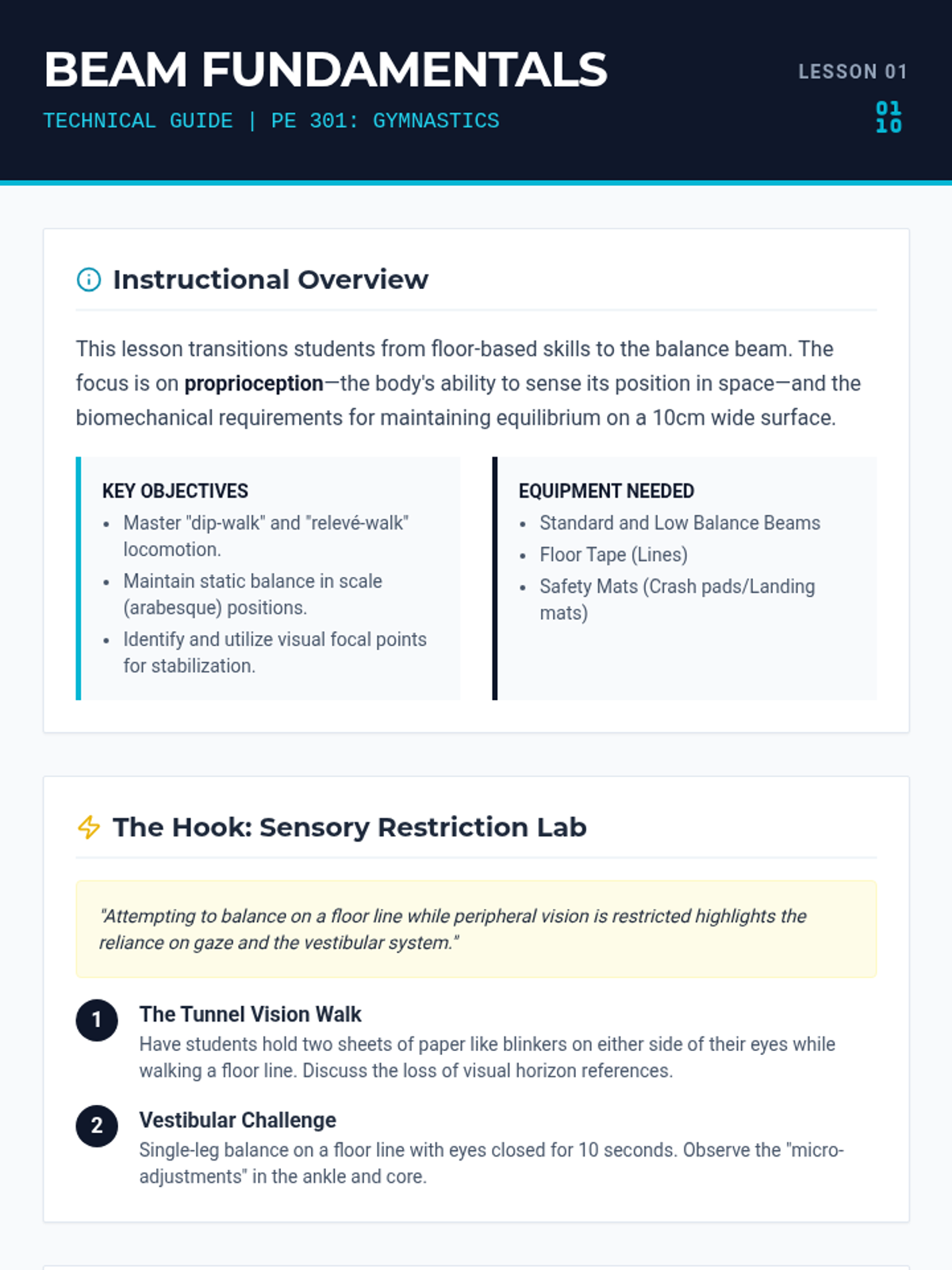
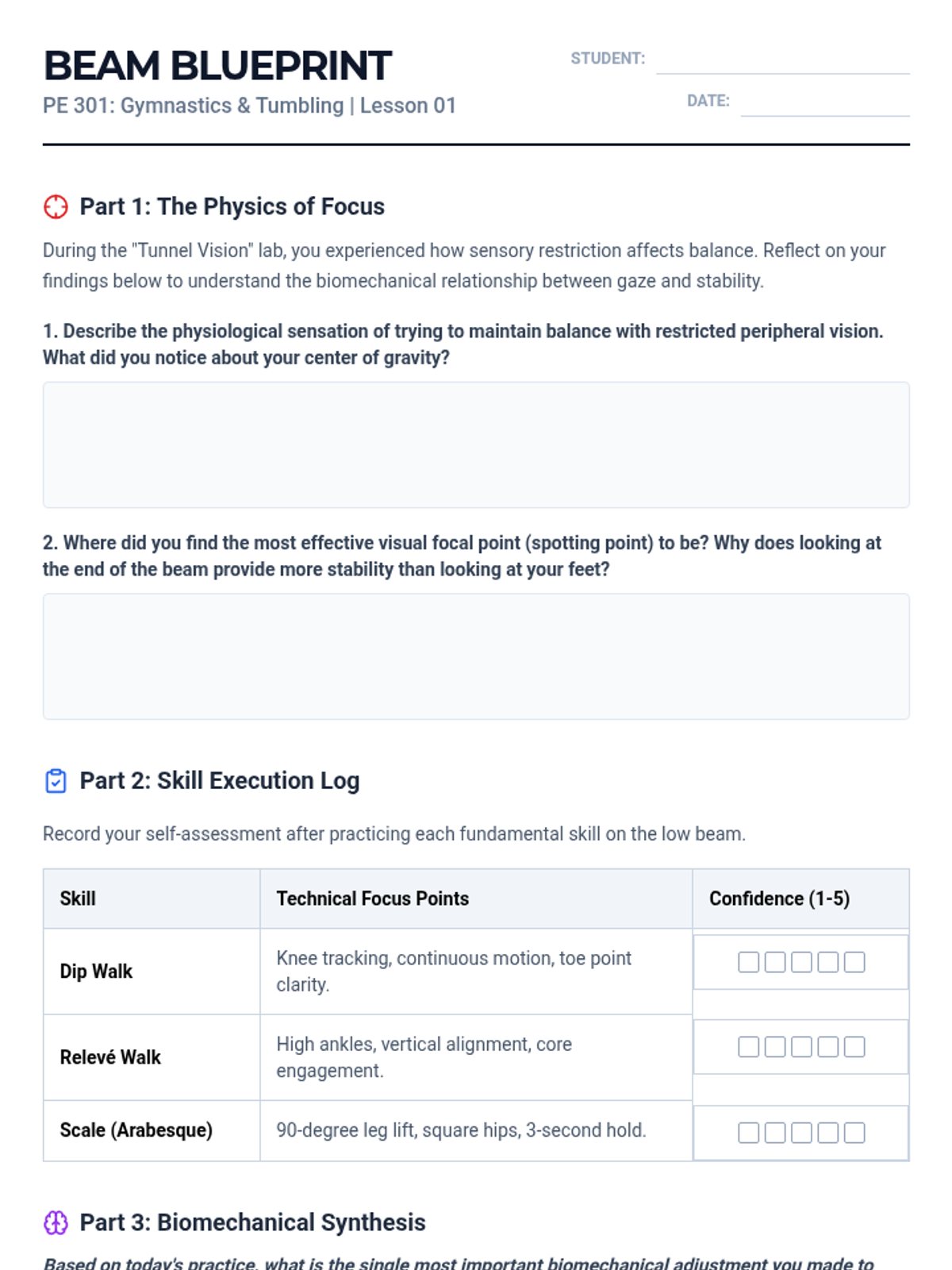
This sequence focuses on advanced gymnastics apparatus work, covering balance beam, vaulting mechanics, and artistic routine composition. Students transition from floor skills to technical apparatus navigation while developing performance psychology and movement critique skills suitable for undergraduate study.
A comprehensive unit for undergraduate students focusing on the balance beam and vault. This sequence emphasizes the intersection of technical precision, biomechanical safety, and artistic composition in gymnastics, with a strong focus on peer-coaching and spotting.
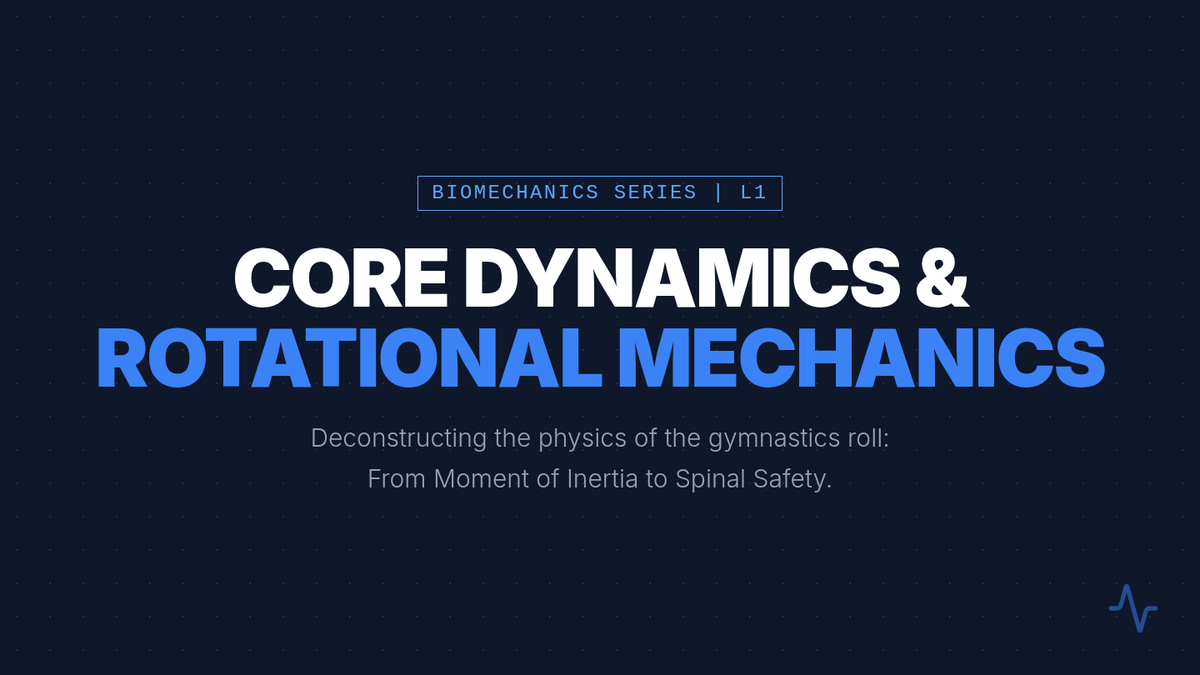
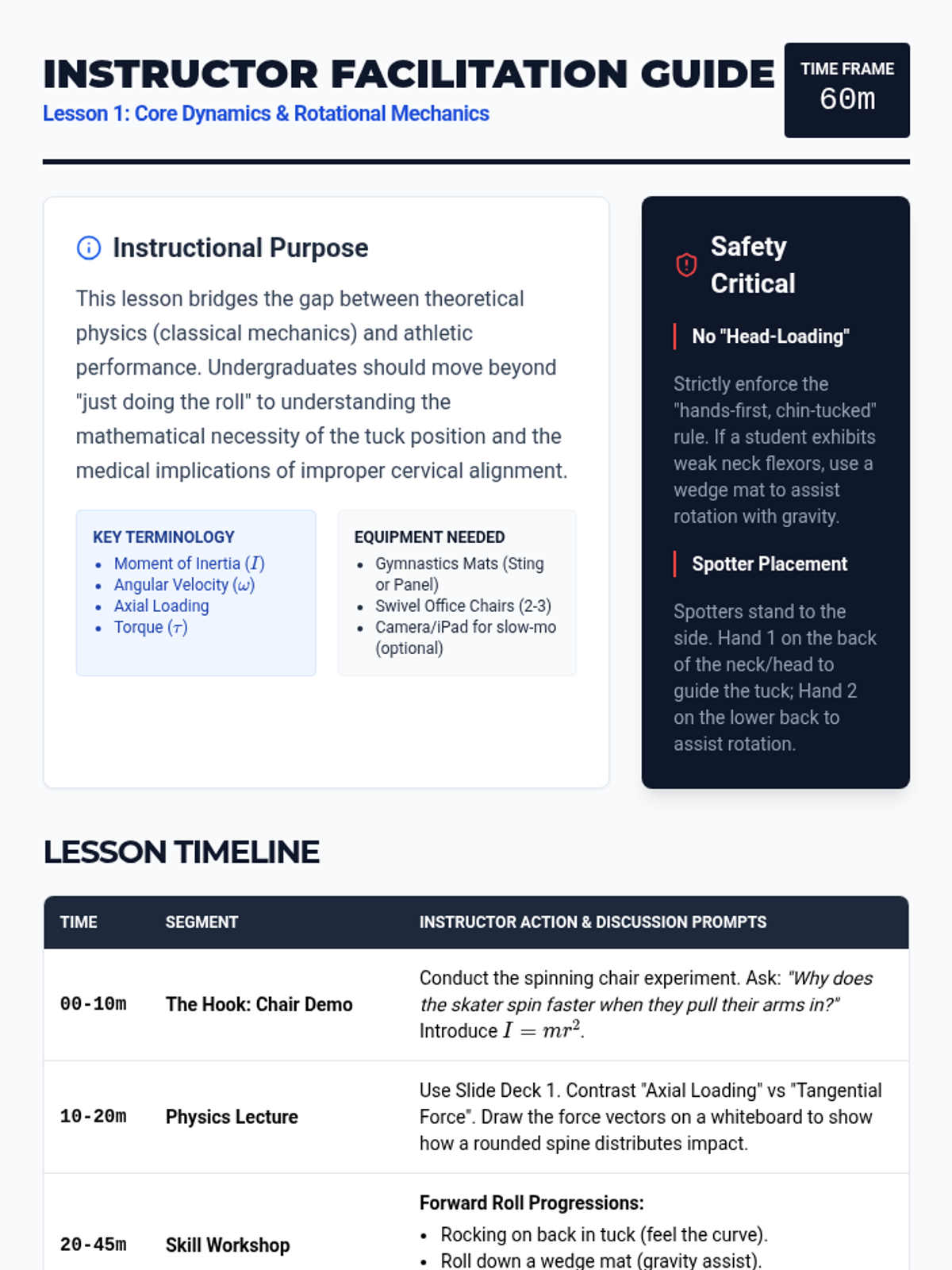
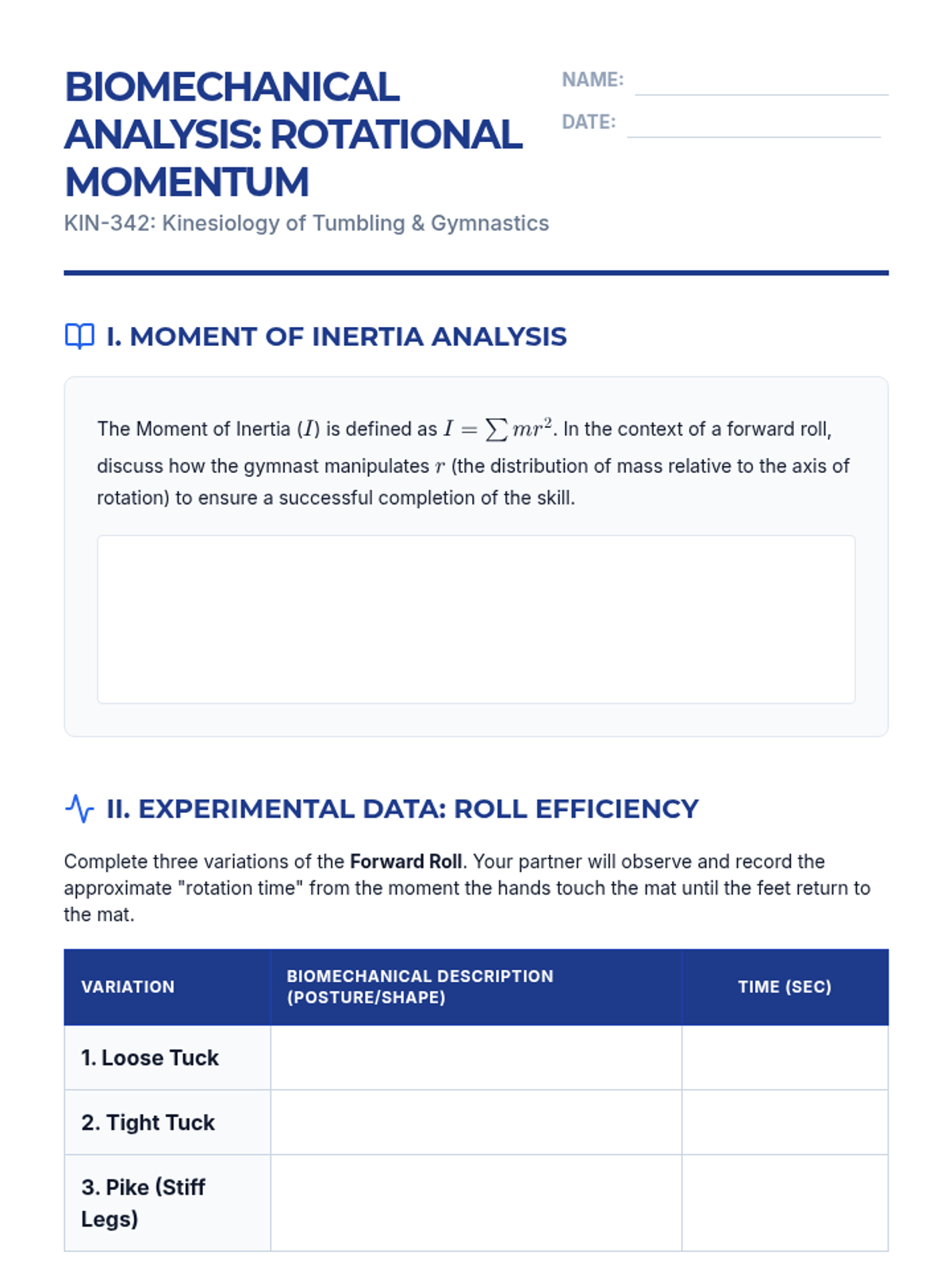
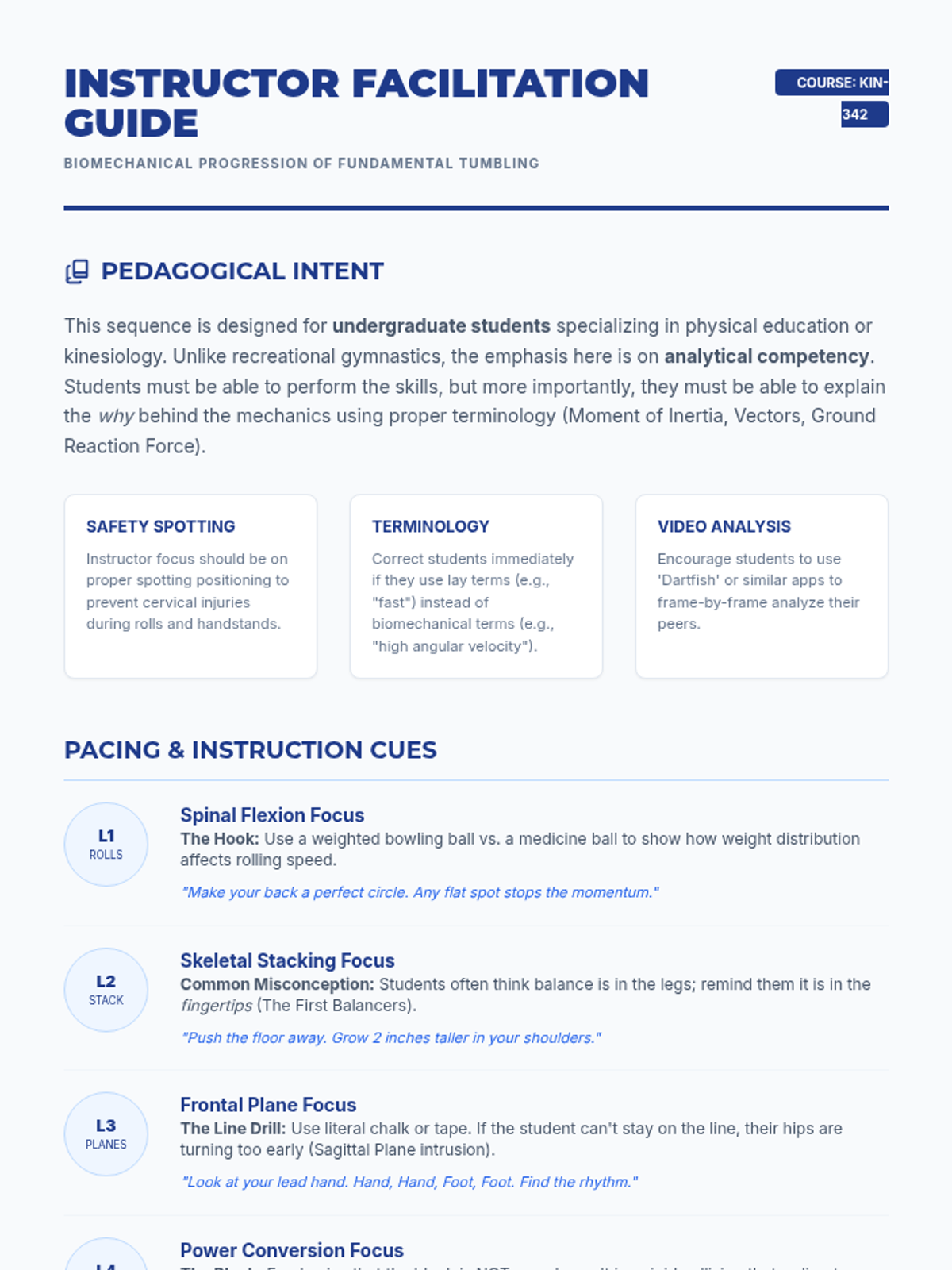
This undergraduate sequence explores fundamental tumbling skills through a kinesiological lens, focusing on biomechanical principles like moment of inertia, skeletal stacking, and kinetic power transfer. Students progress from basic rolls to complex rotational movements, analyzing the physics that drive efficiency and safety.
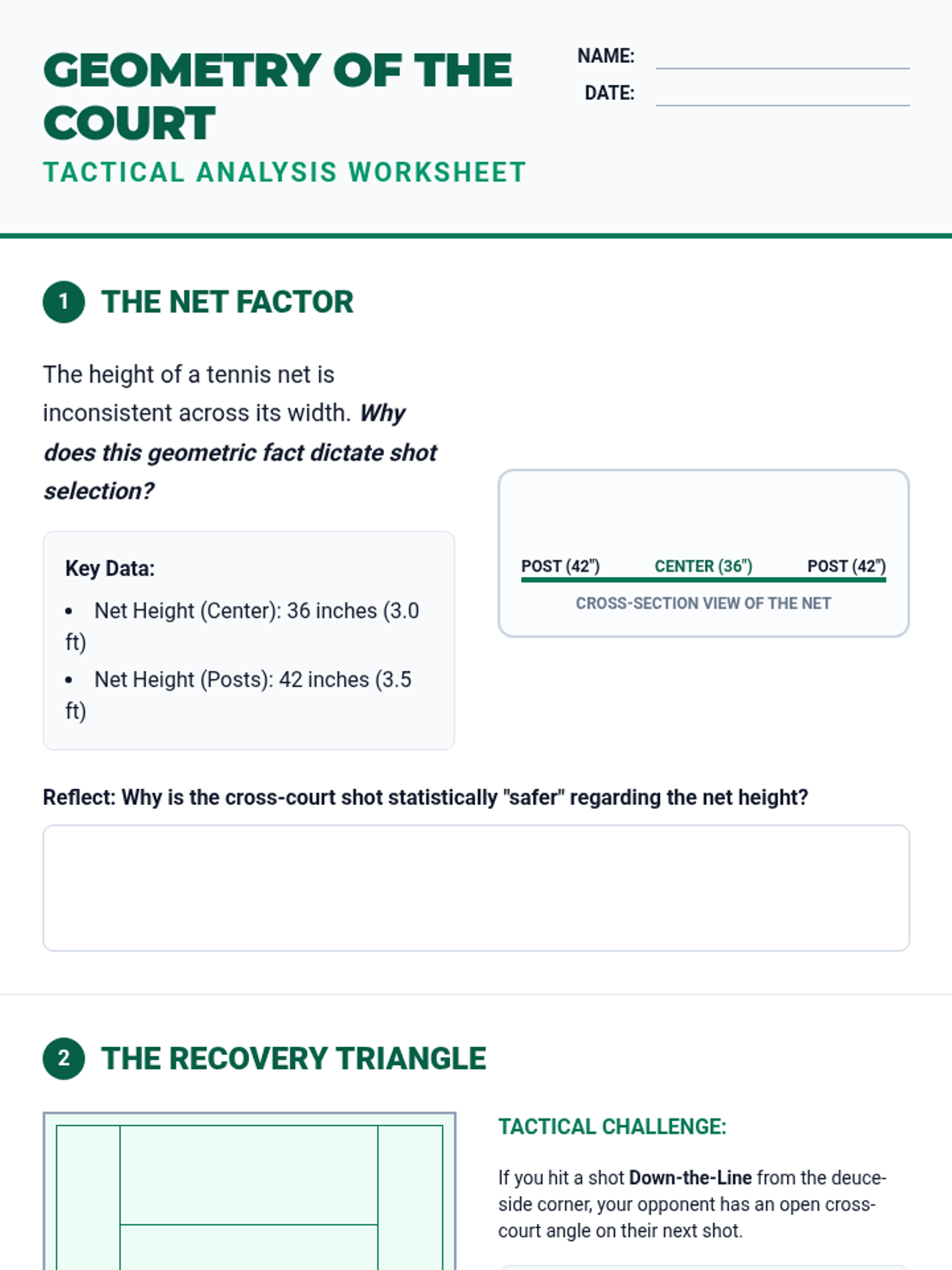
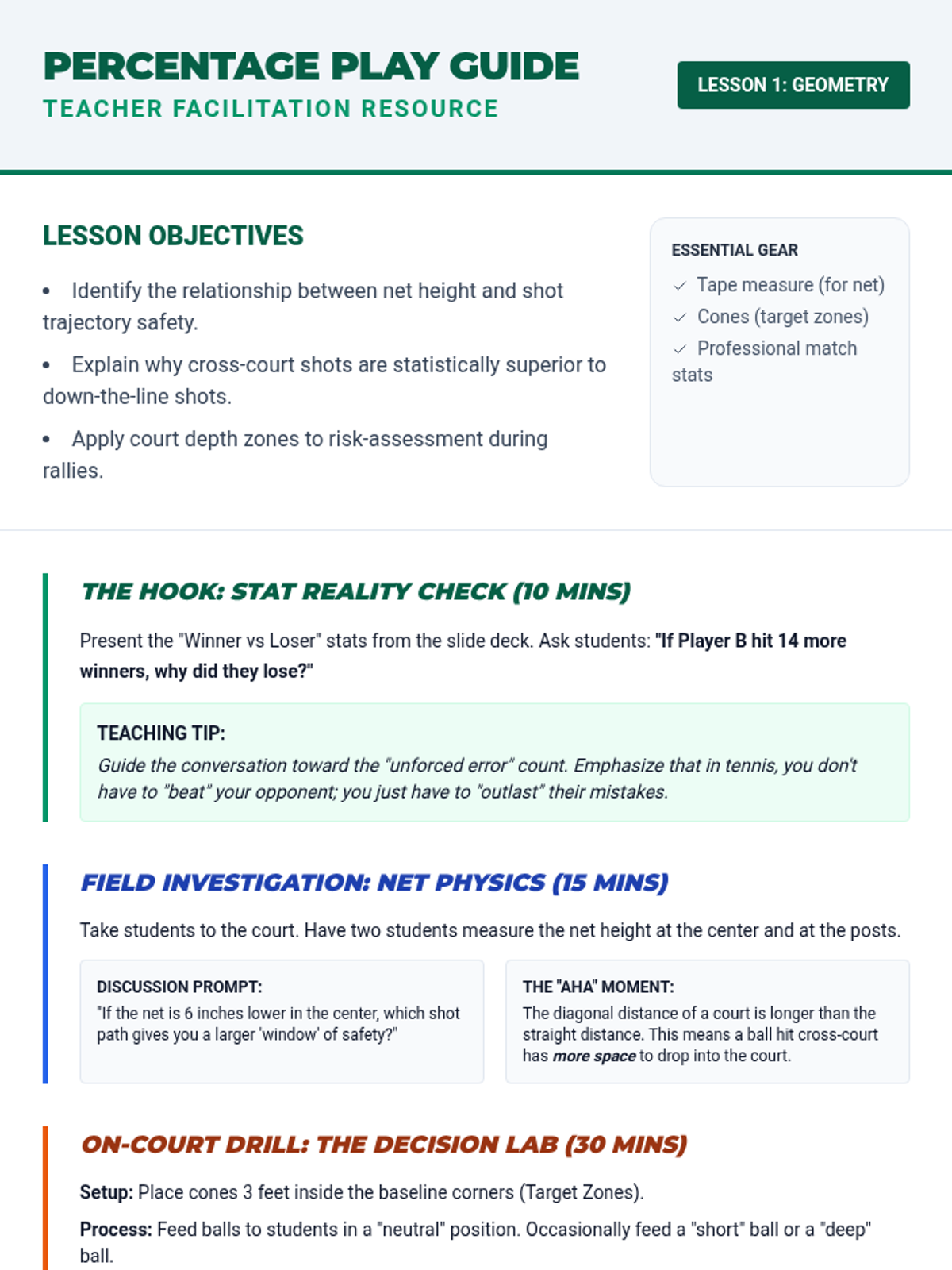
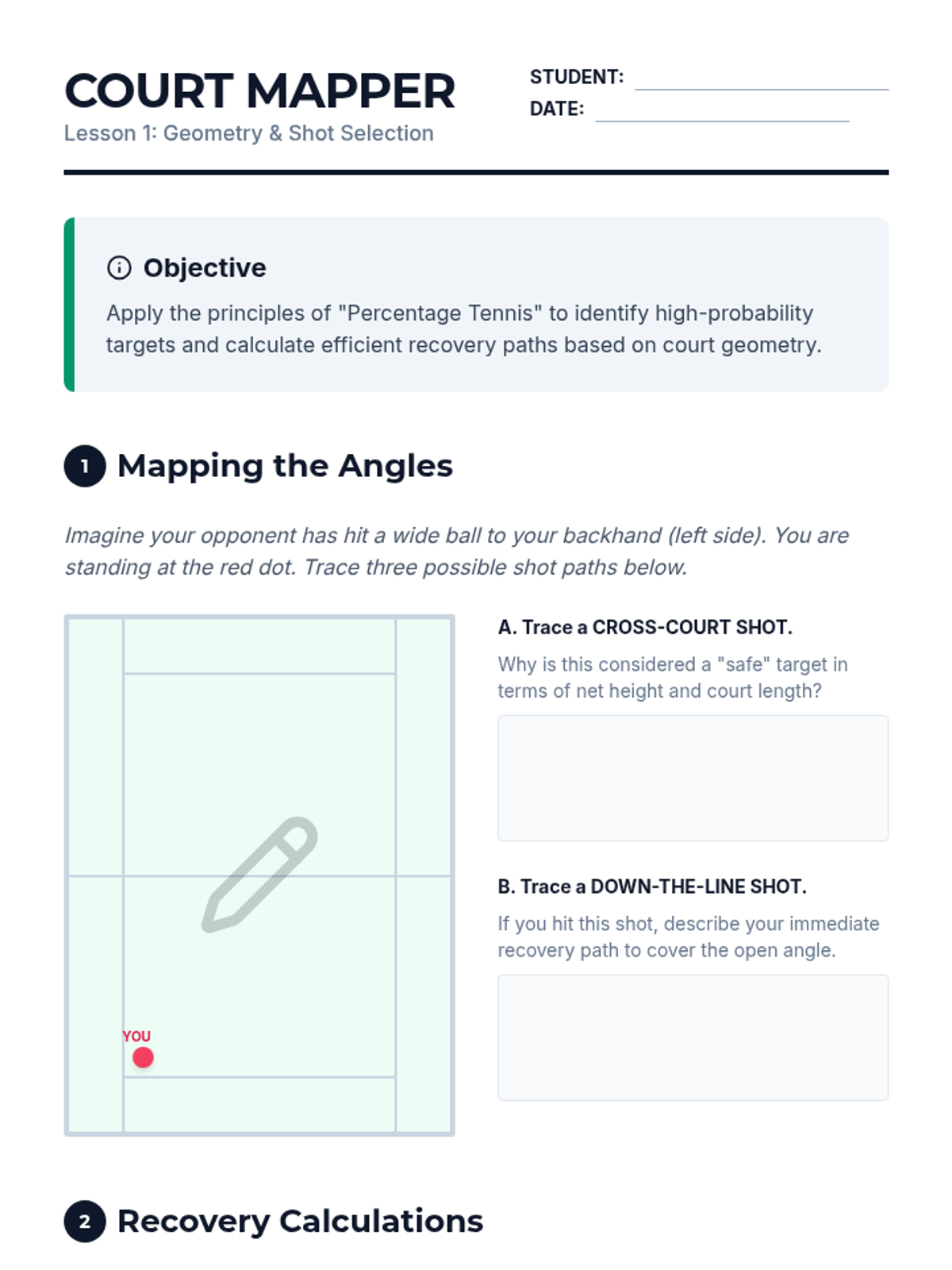
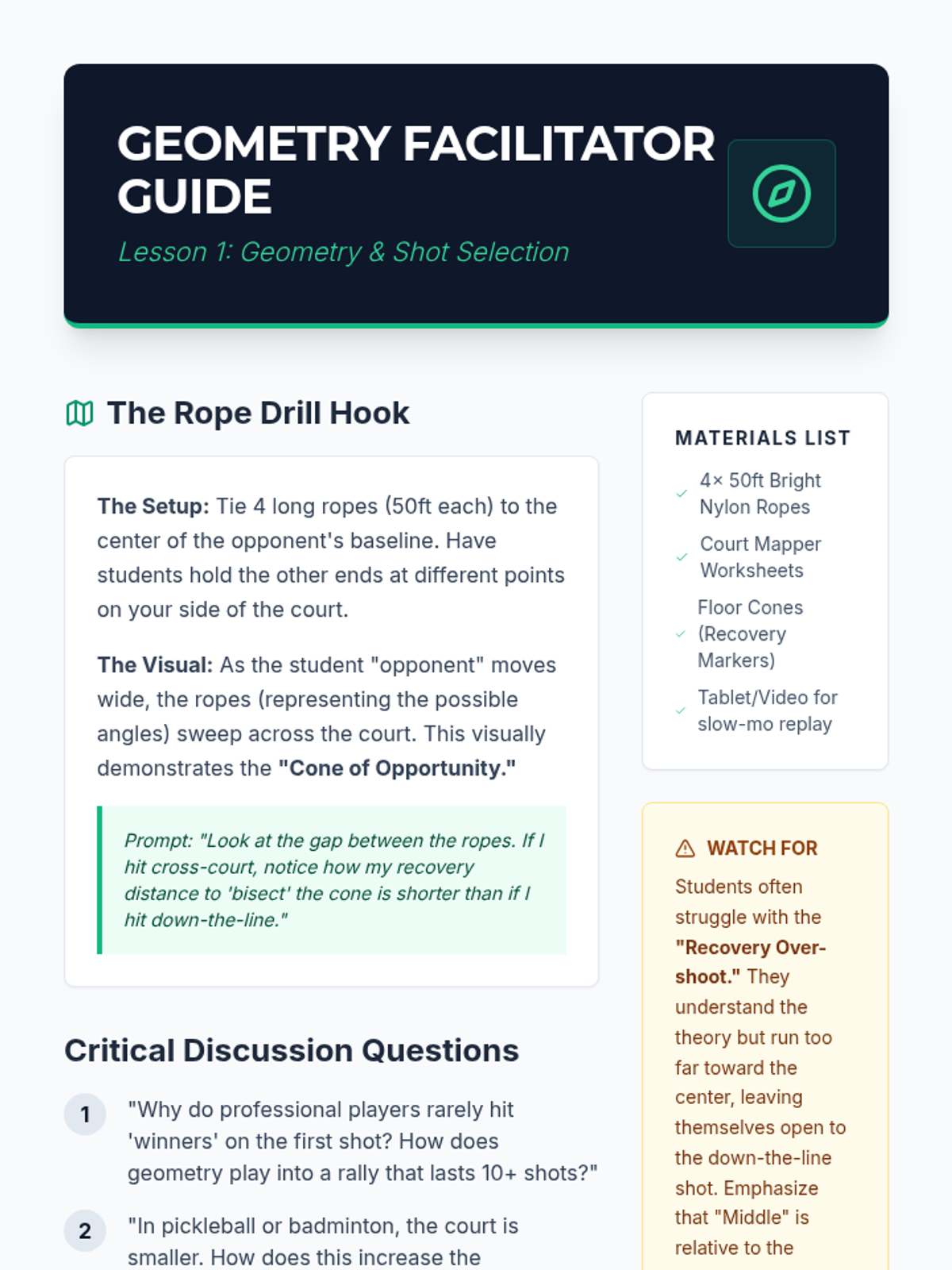
A high-level undergraduate course focused on the tactical, geometric, and psychological dimensions of racket sports. Students move from skill execution to strategic mastery through court analysis, doubles synchronization, transition mechanics, and professional officiating.
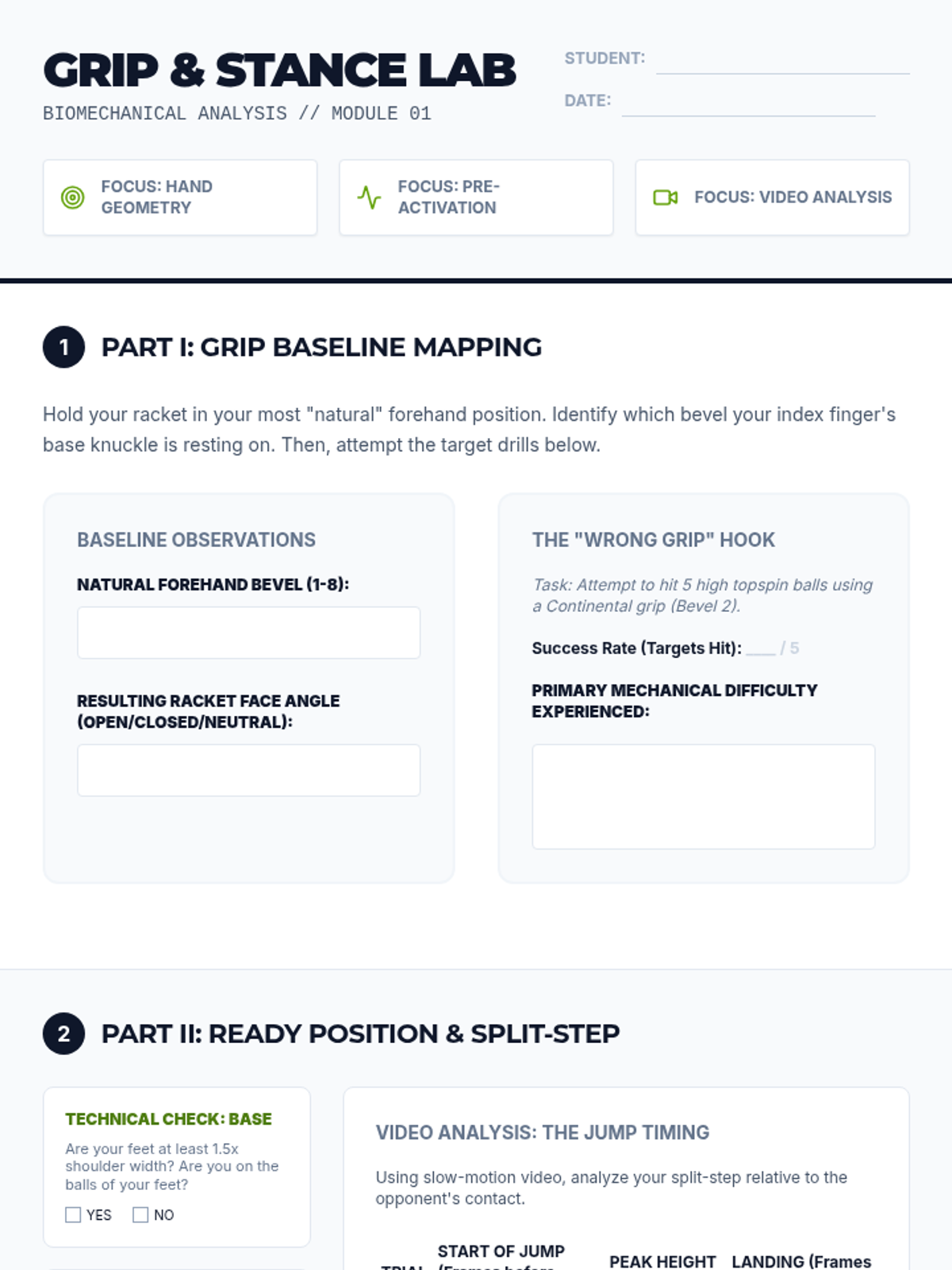
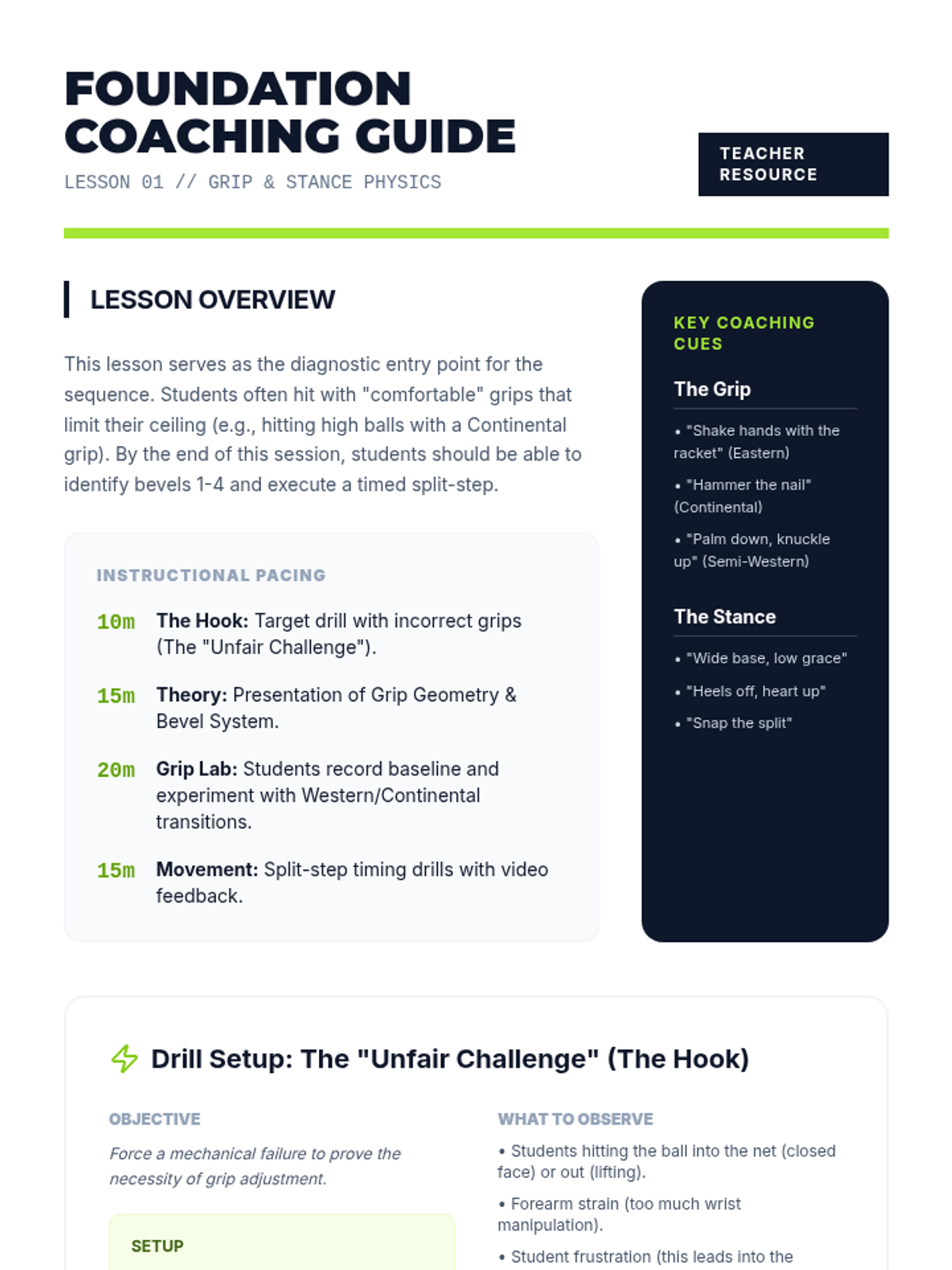
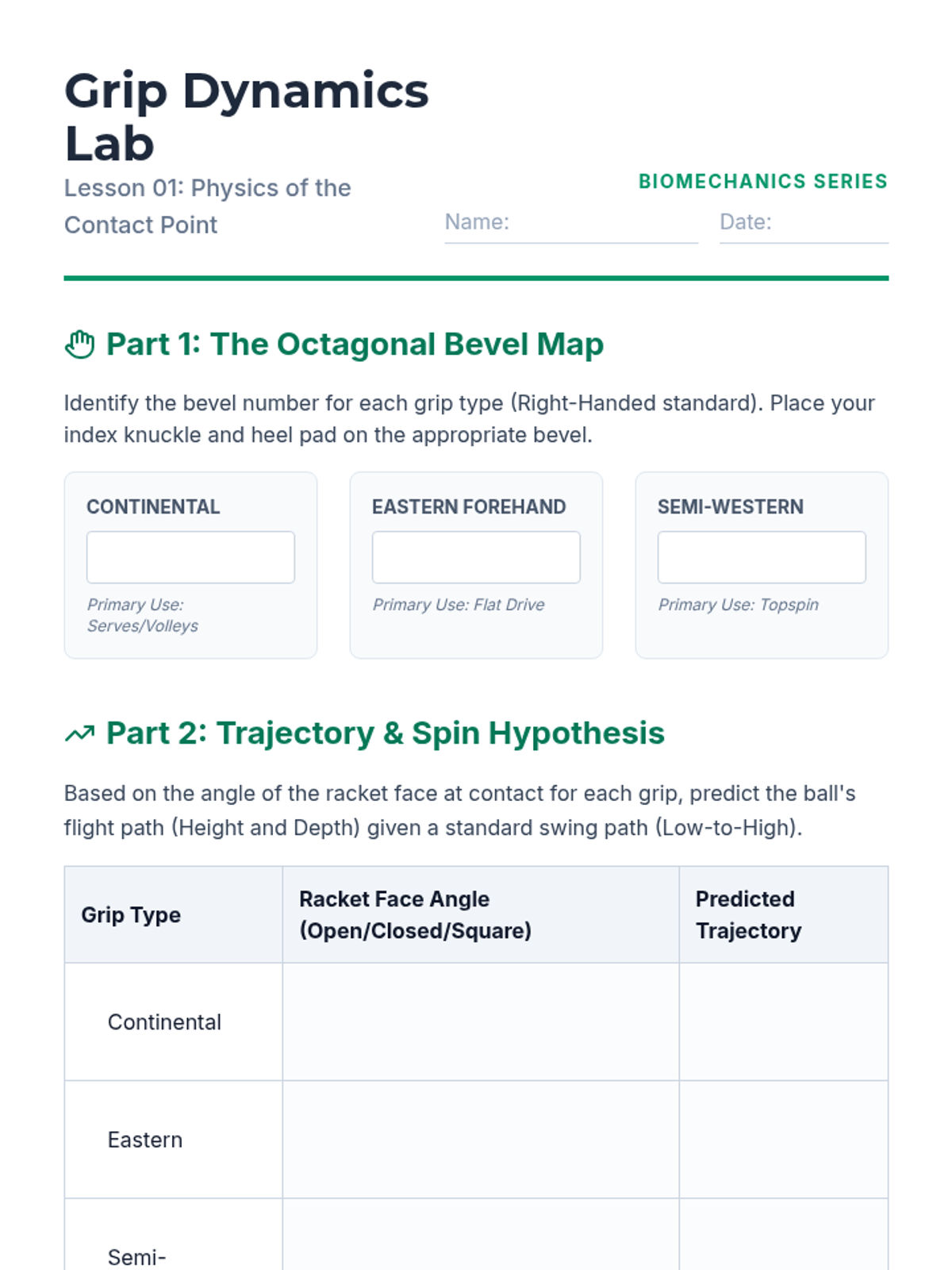
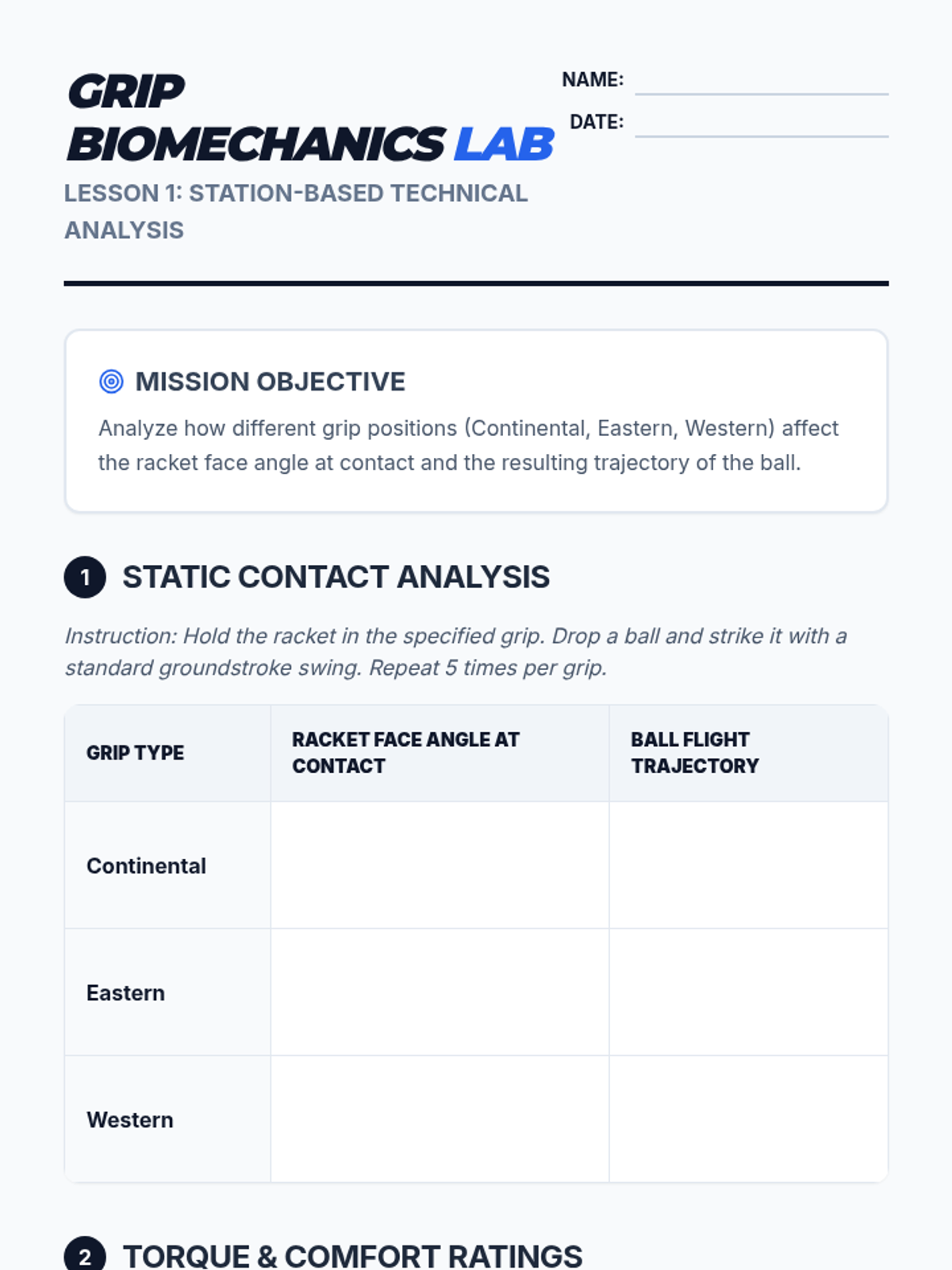
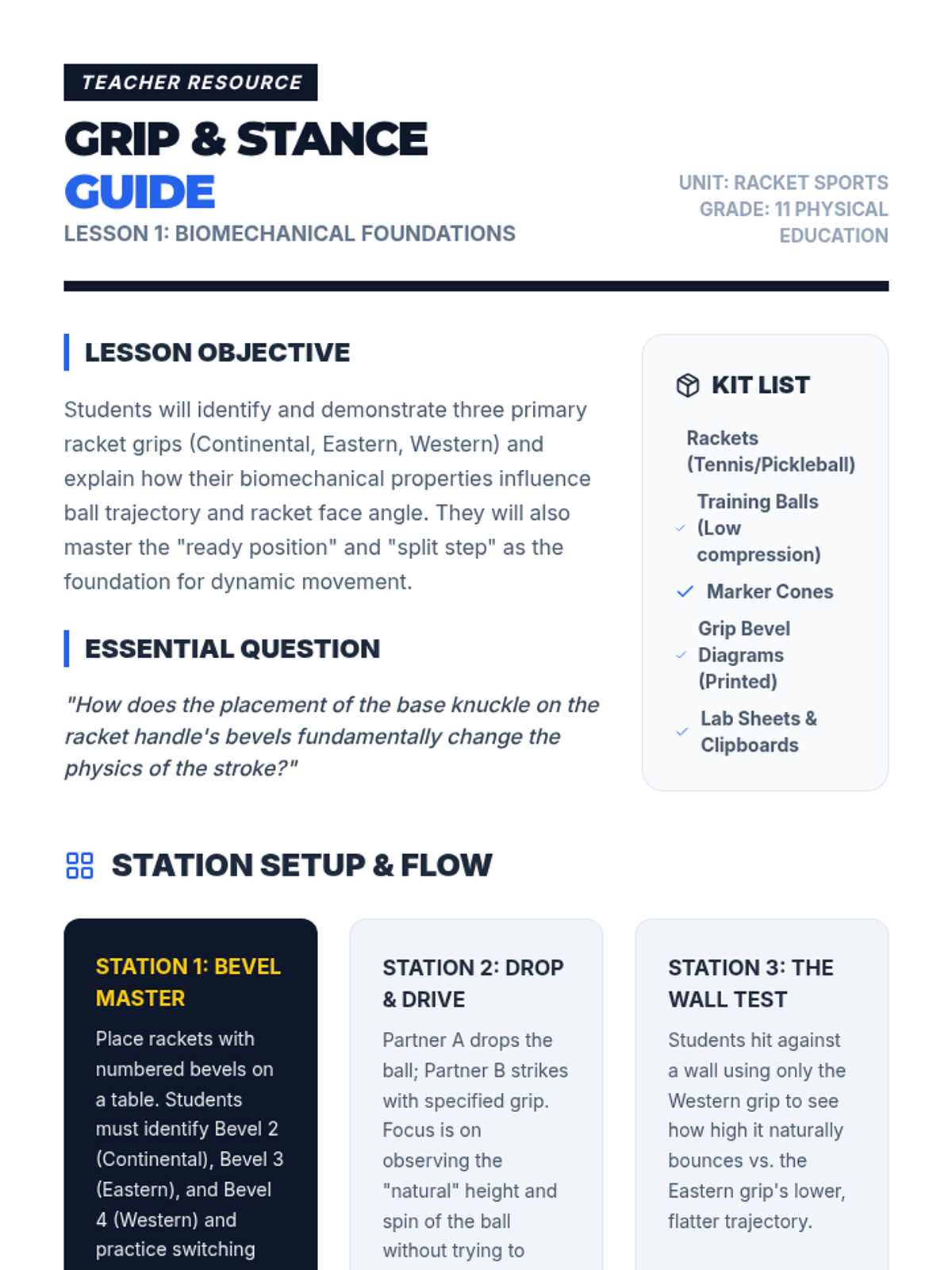
A technical analysis and practical application of biomechanics in racket sports, focusing on tennis and pickleball. Students analyze grip physics, the kinetic chain, net mechanics, service motions, and recovery patterns to optimize performance and prevent injury.
This sequence explores the tactical, geometric, and administrative aspects of racket sports. Students will transition from basic mechanics to high-level strategic decision-making, officiating protocols, and tournament management, preparing them for competitive play and sports leadership.
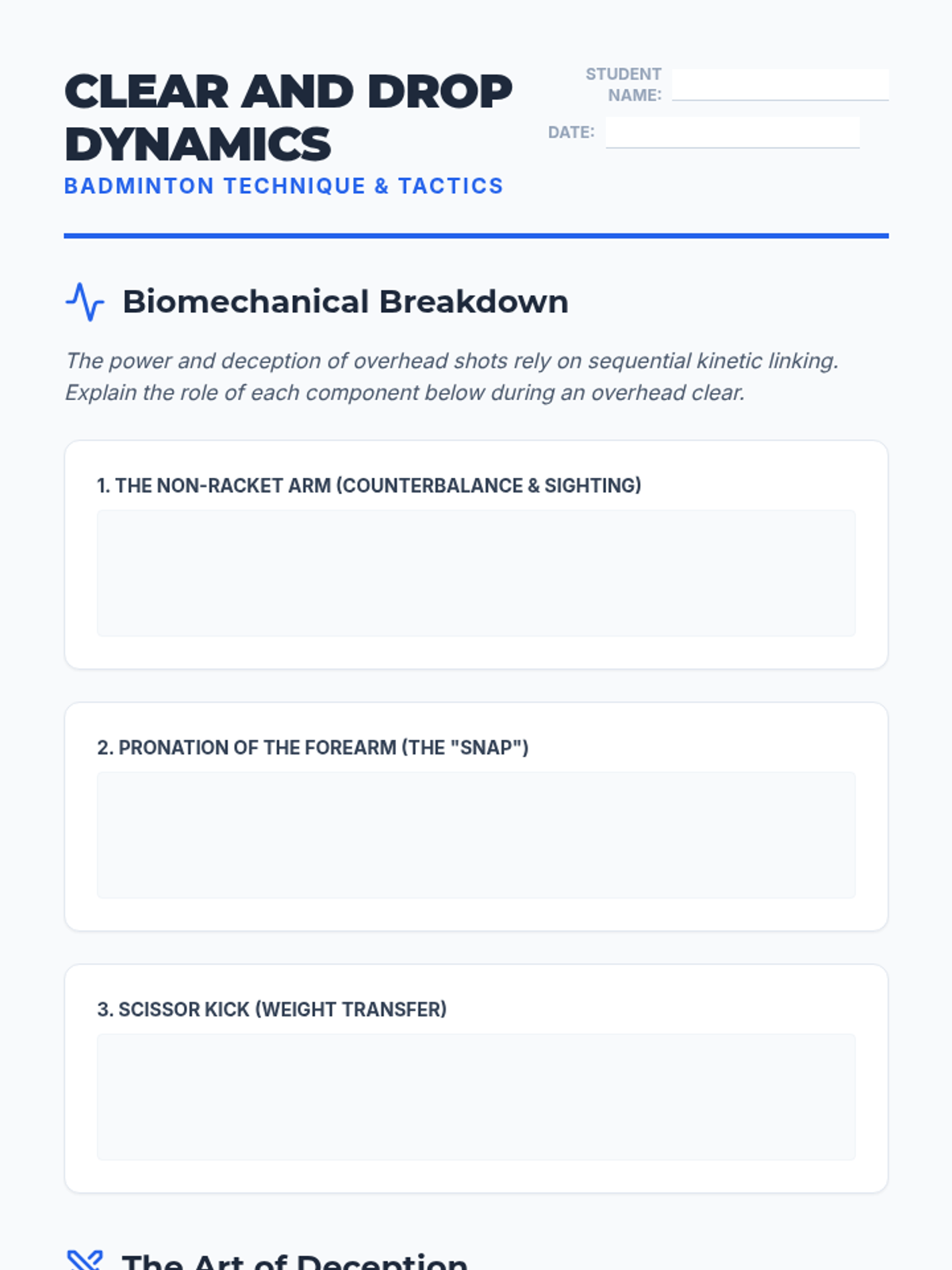
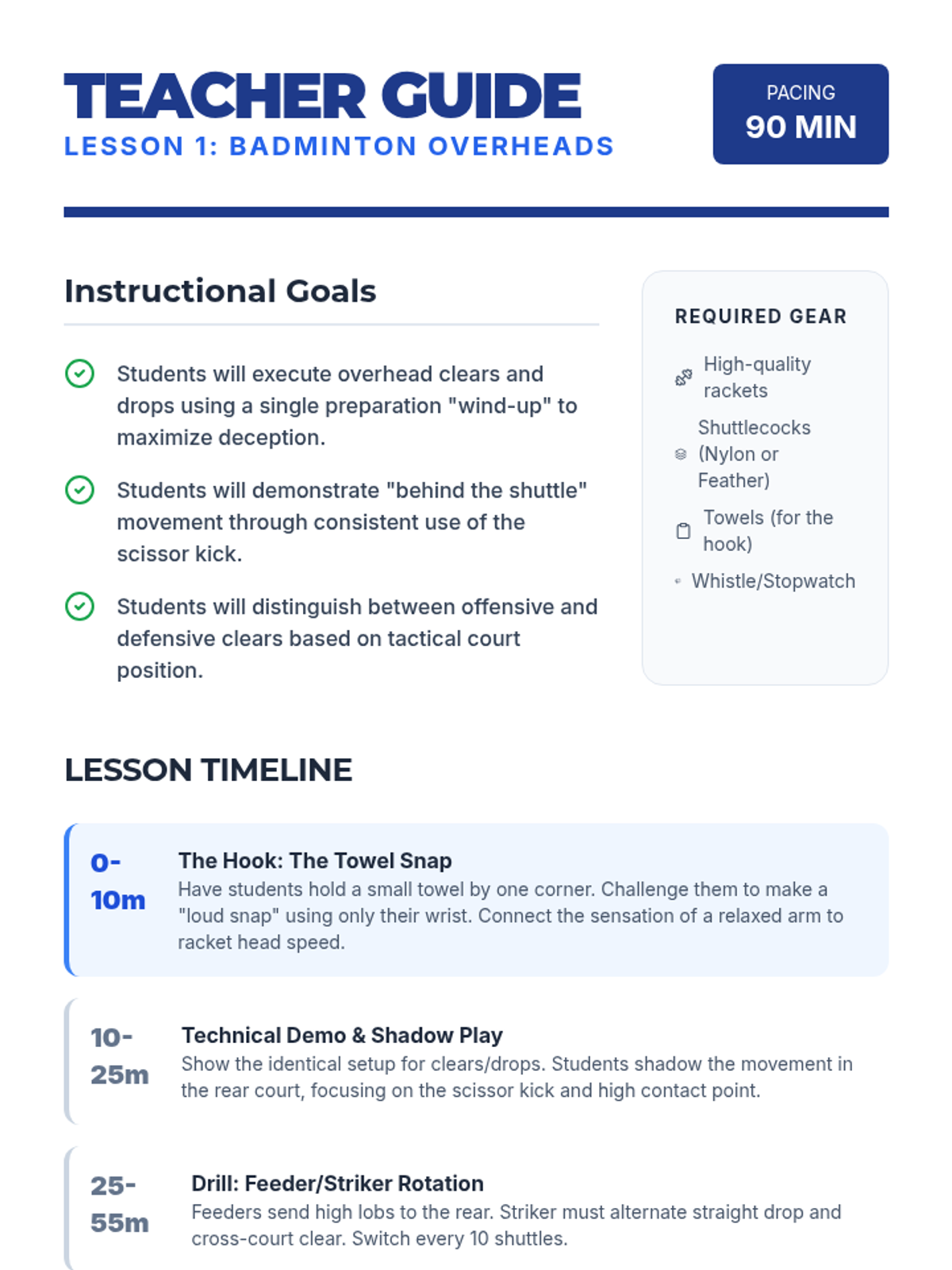
This sequence targets fast-twitch reflexes and movement patterns for badminton and pickleball, focusing on spatial demands, tactical reaction times, and the transition from skill-building to complex doubles play.
A comprehensive undergraduate-level exploration of tennis biomechanics, focusing on the kinetic chain, grip physics, and technical efficiency to optimize performance and prevent injury.
An advanced physical education unit for 11th-grade students focusing on the biomechanics, physics, and technical execution of racket sports (tennis, badminton, and pickleball). Students analyze the kinetic chain, grip variations, and stroke mechanics to optimize performance and prevent injury.
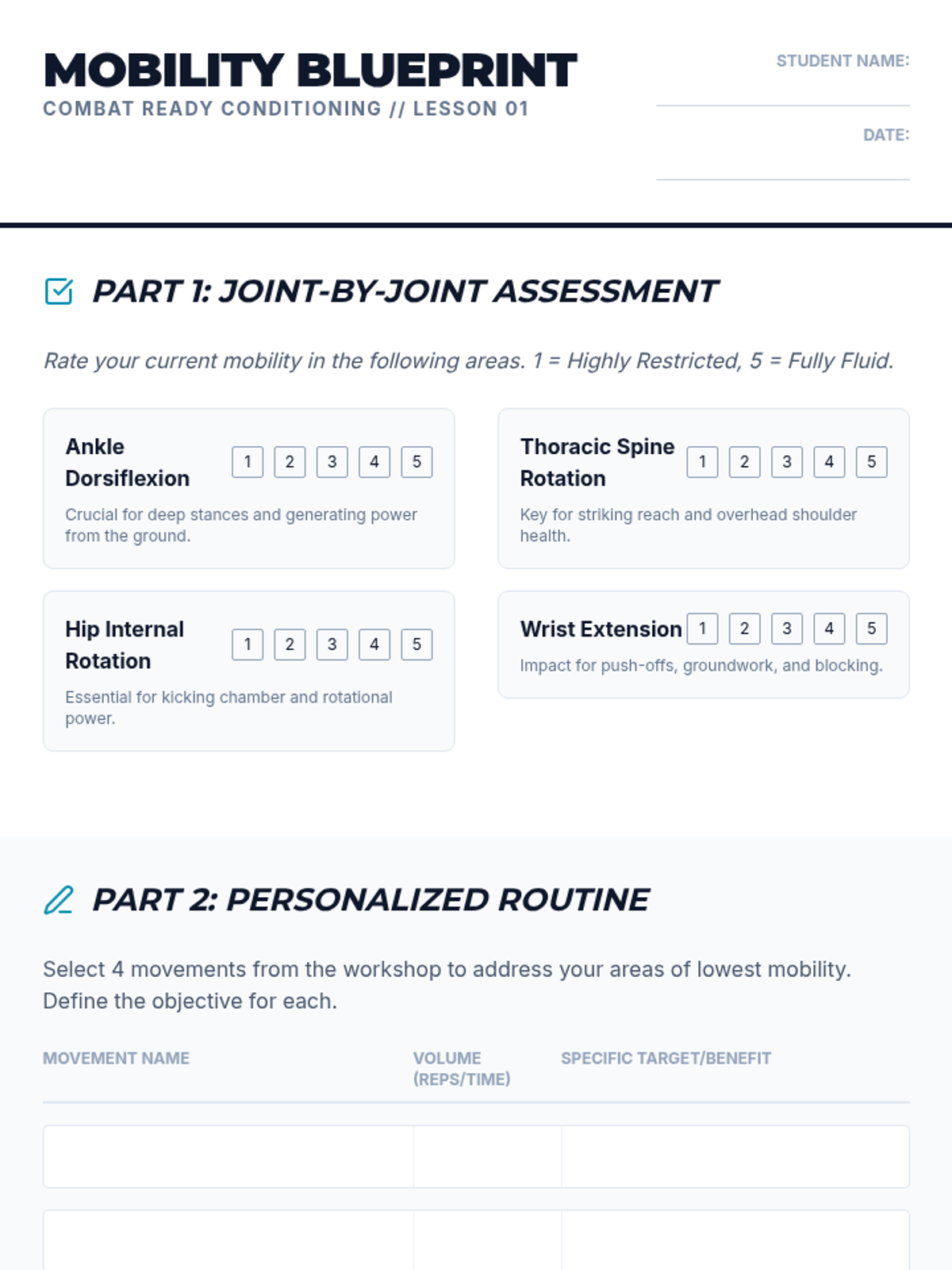
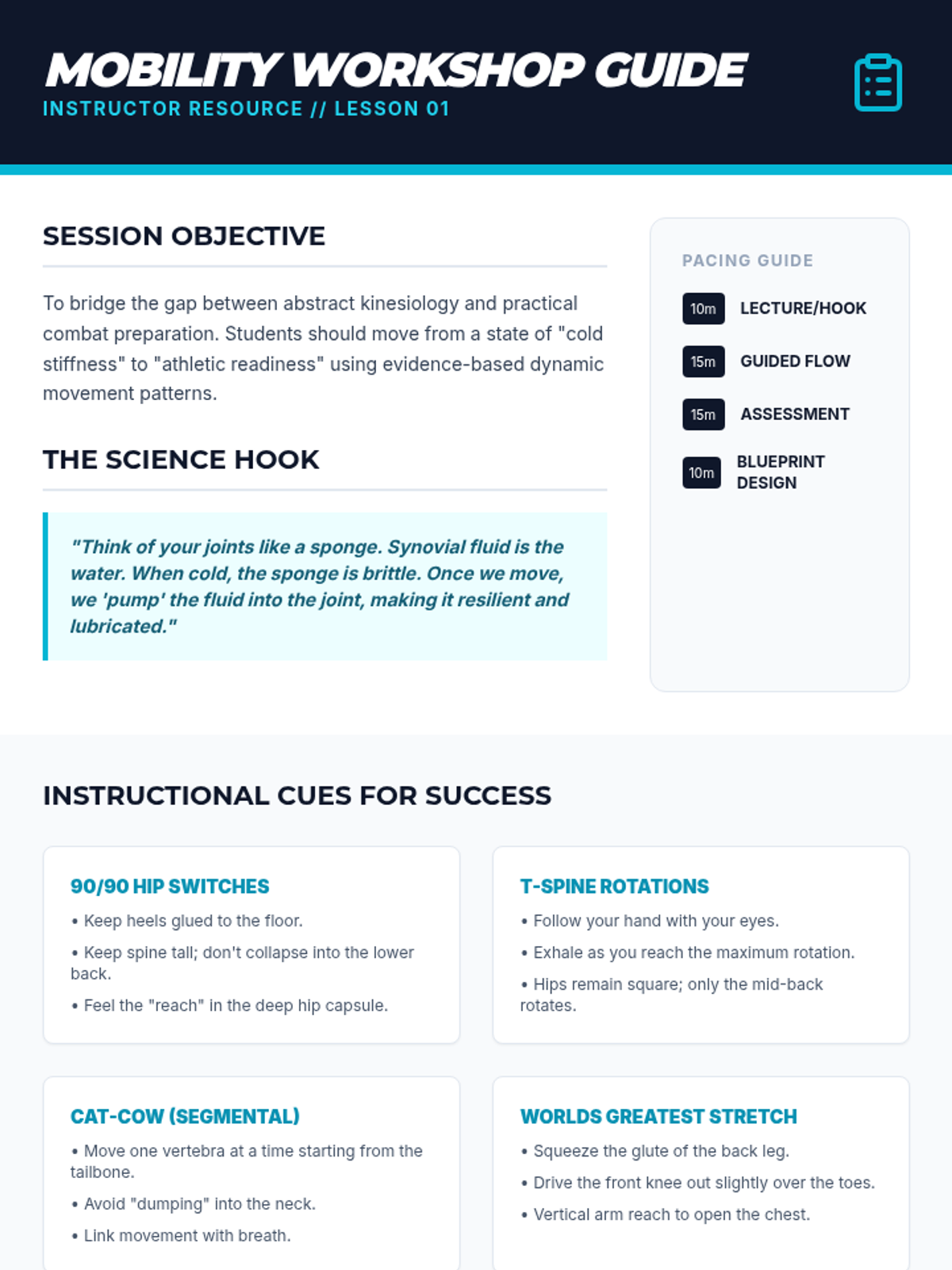
A comprehensive physical conditioning unit for martial arts, applying kinesiology principles to improve performance, power, and longevity in combat sports.
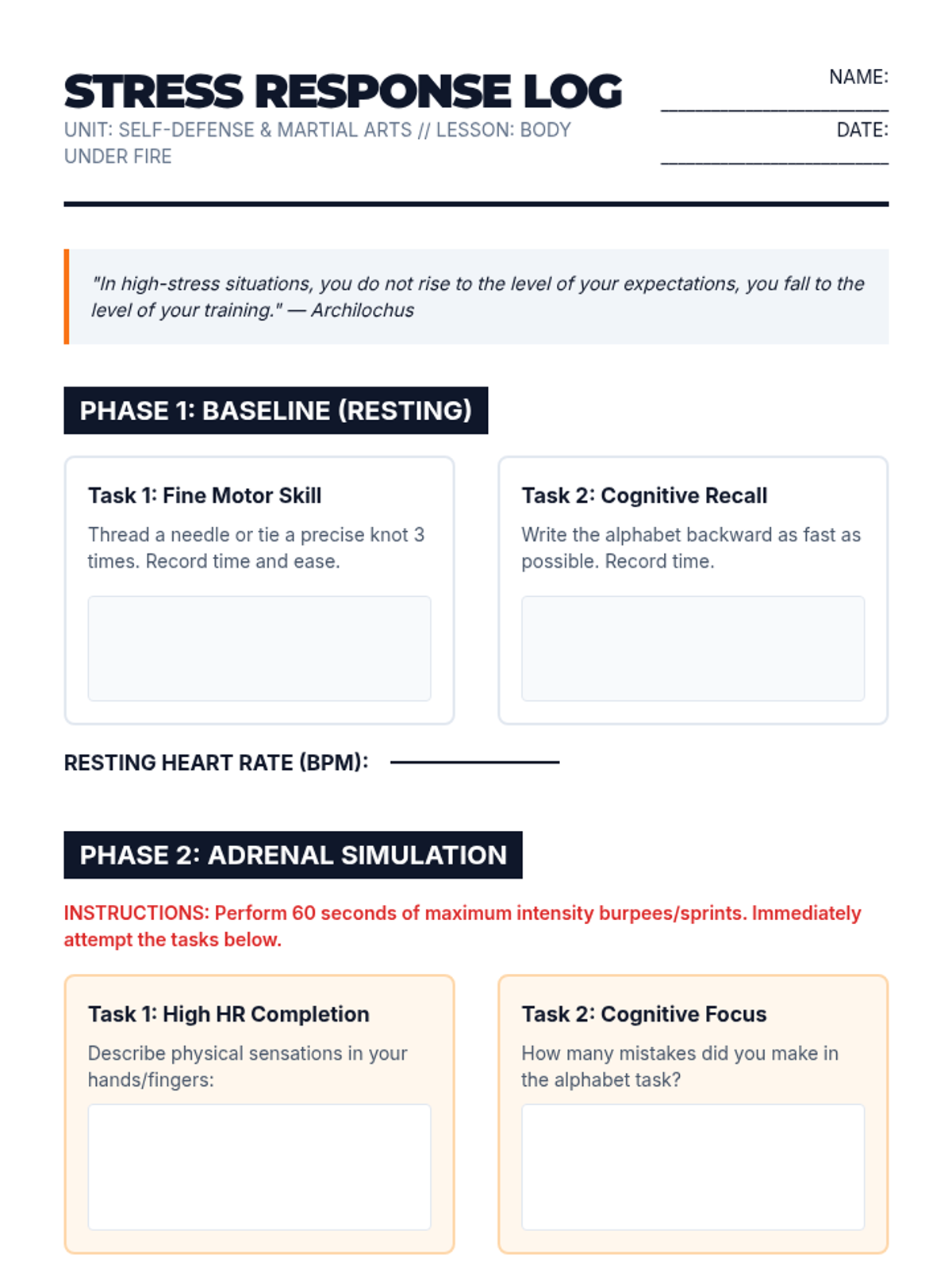
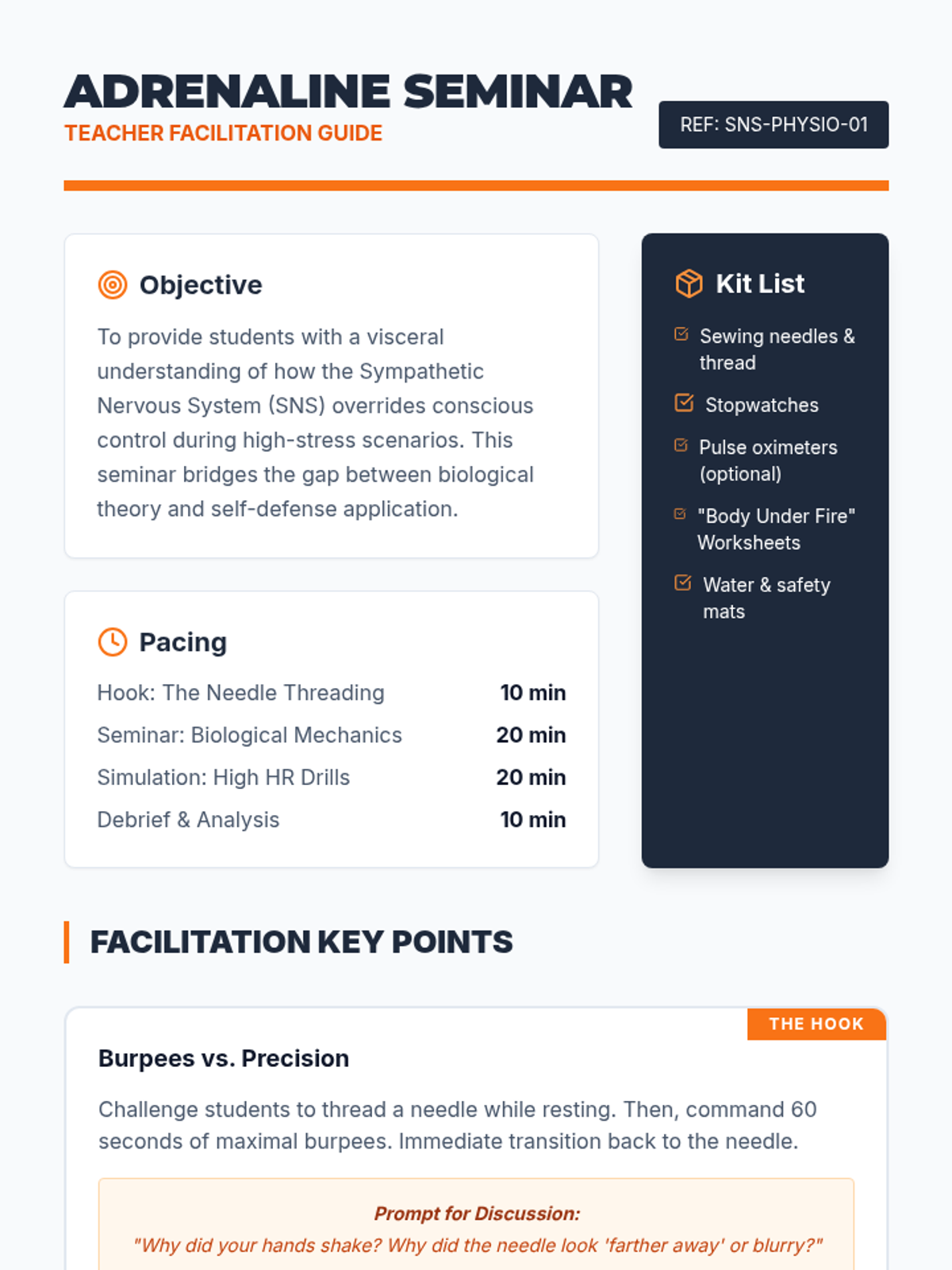
An advanced self-defense sequence for undergraduate students focusing on the physiological and psychological aspects of high-stress combat. Students explore how adrenaline affects decision-making and motor skills through simulations, low-light training, and multiple-attacker scenarios.
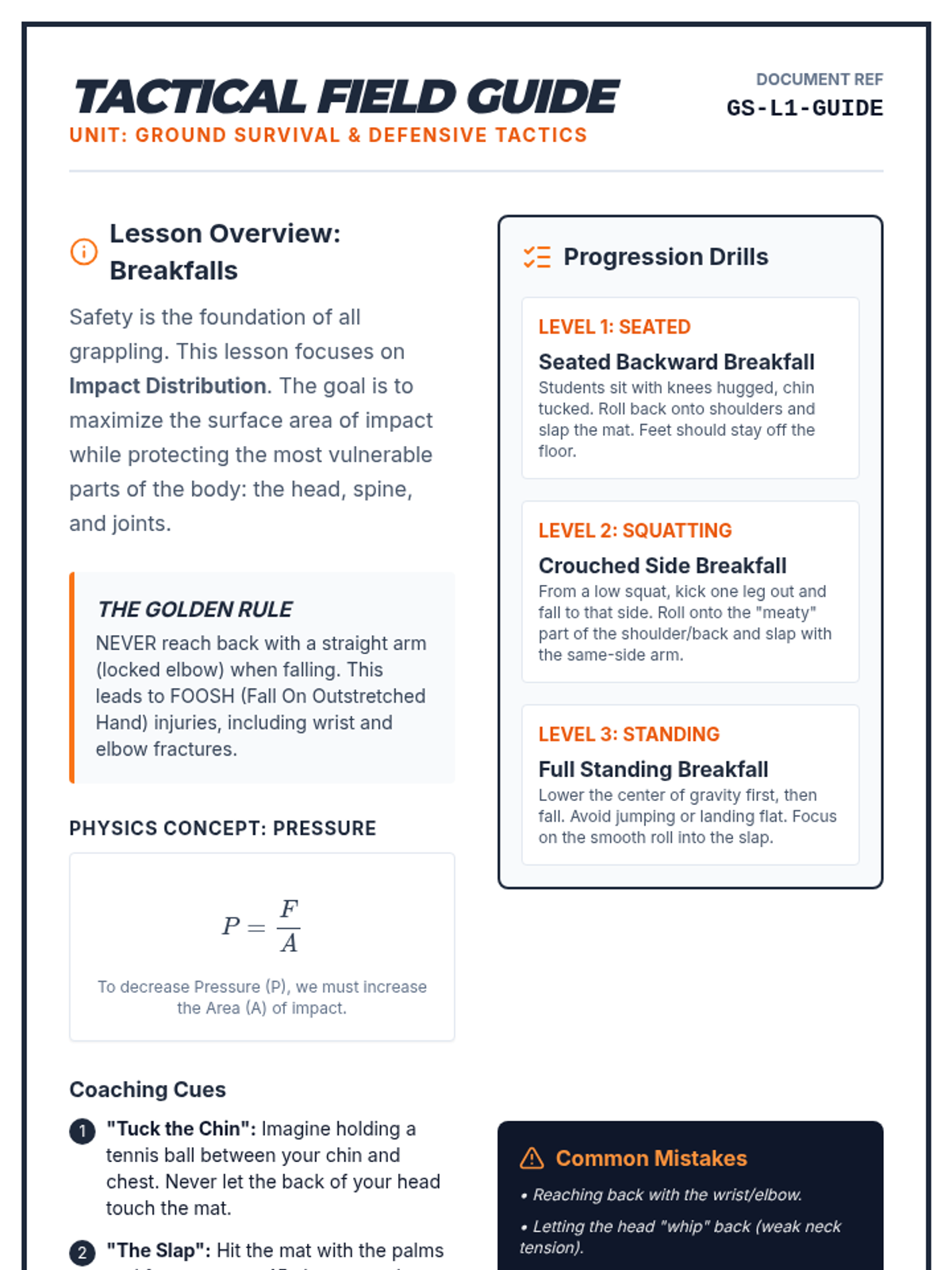
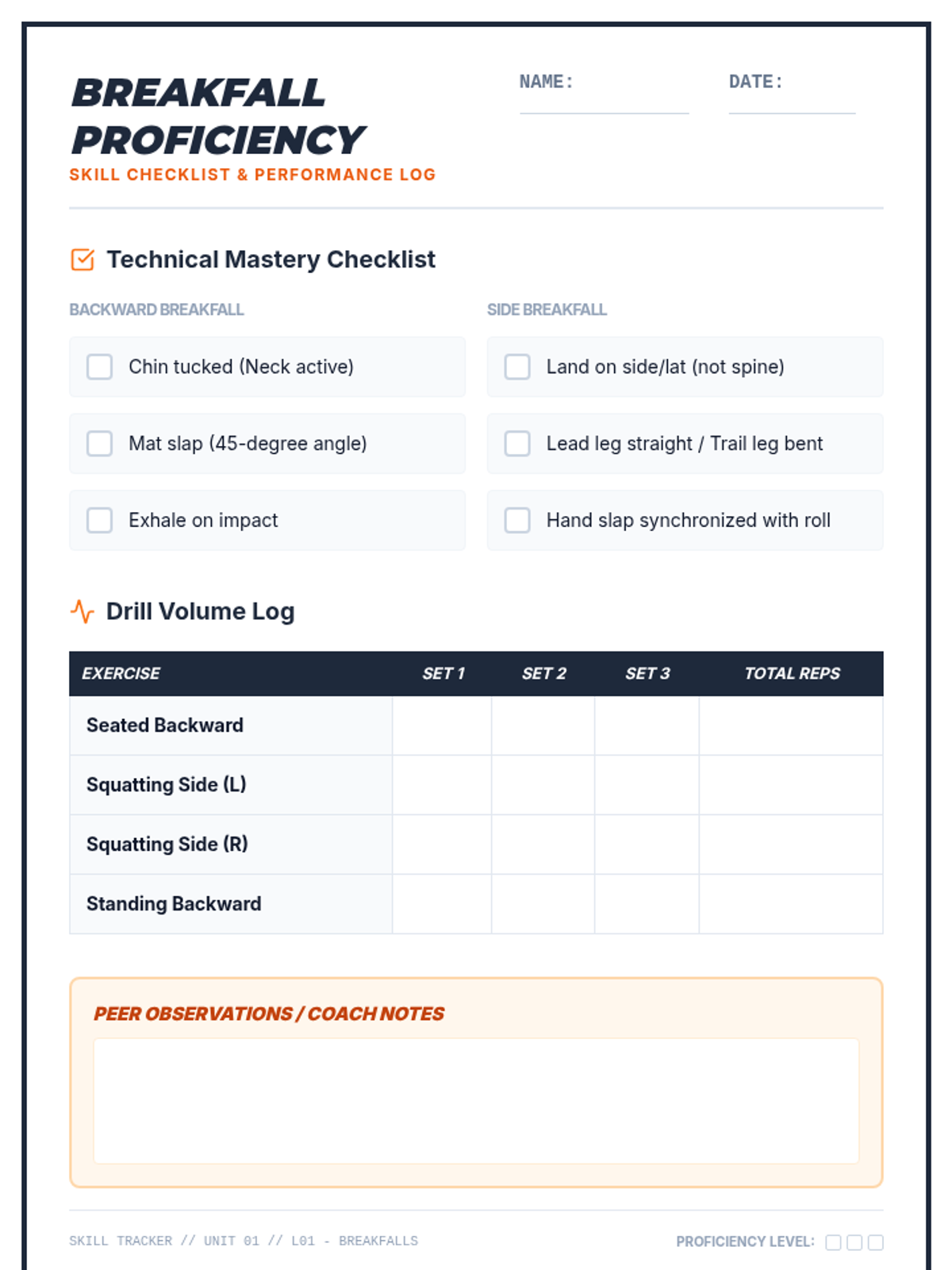
A comprehensive unit on Brazilian Jiu-Jitsu and wrestling-based ground survival. Students learn how to fall safely, manage positions of disadvantage, and use leverage to escape pins and return to their feet.
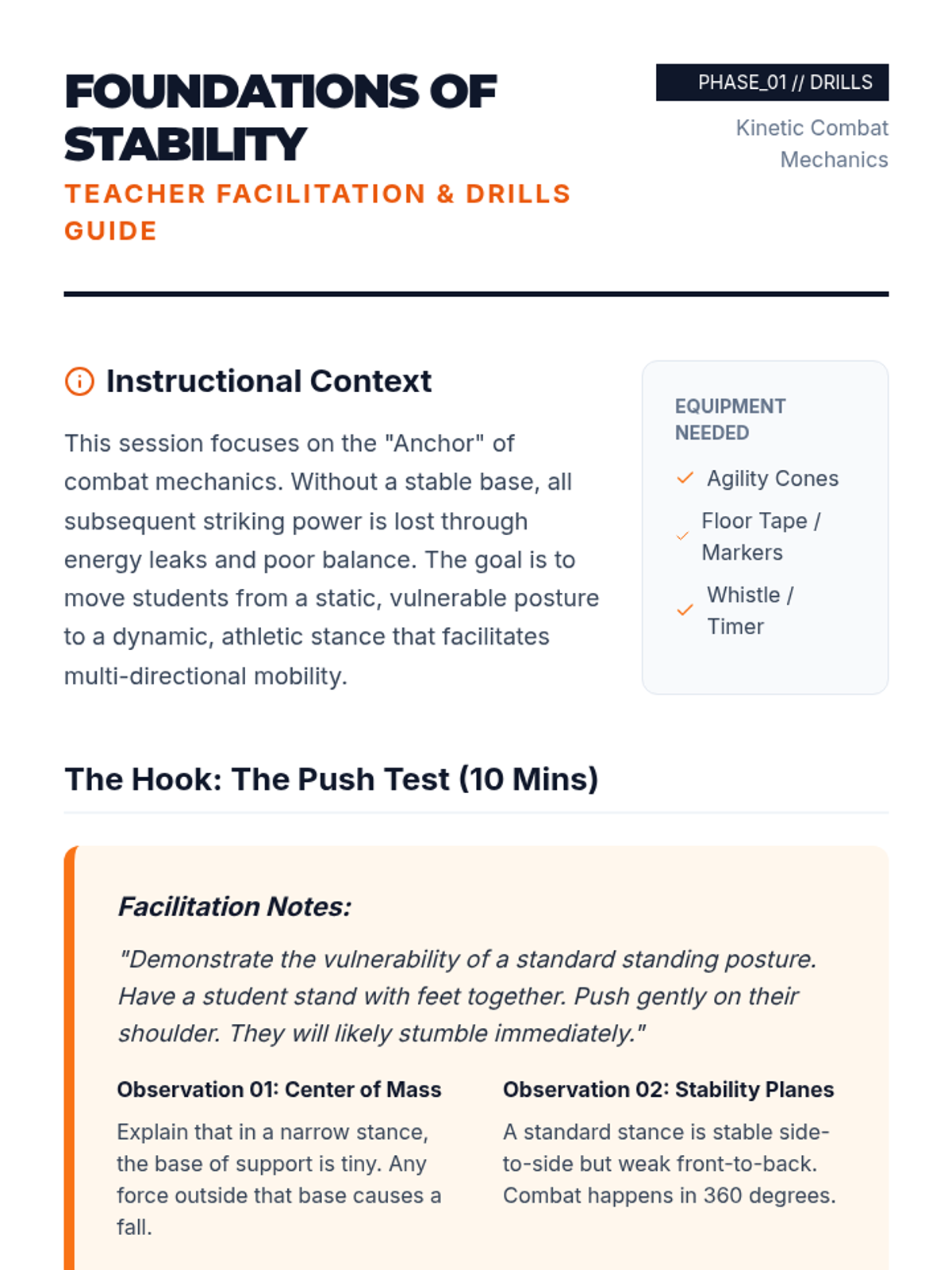
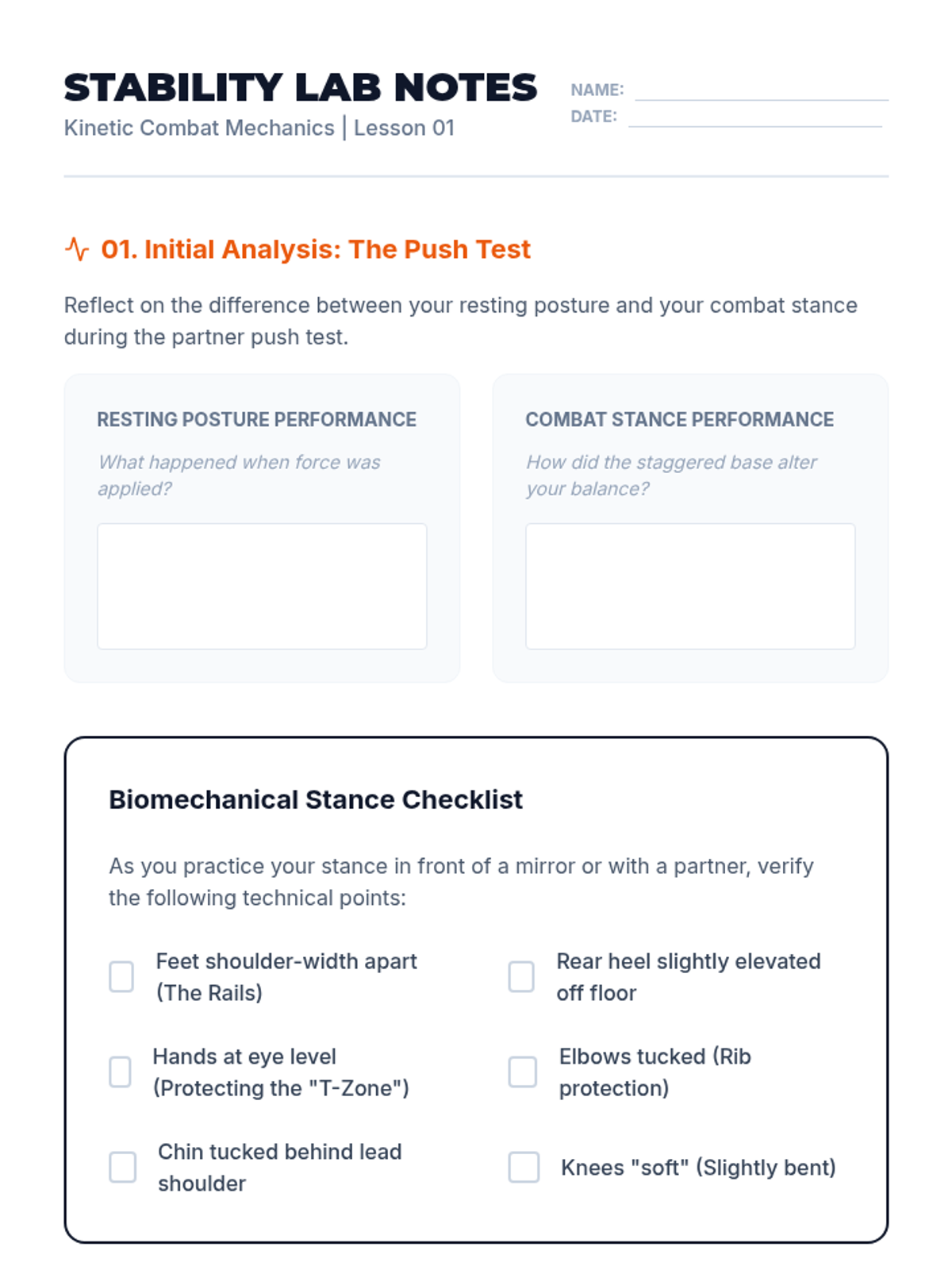
A comprehensive undergraduate course focusing on the biomechanical principles of Muay Thai and Boxing. Students explore the kinetic chain, rotational force, and impact mechanics to develop efficient, safe, and powerful striking techniques for self-defense and athletic performance.
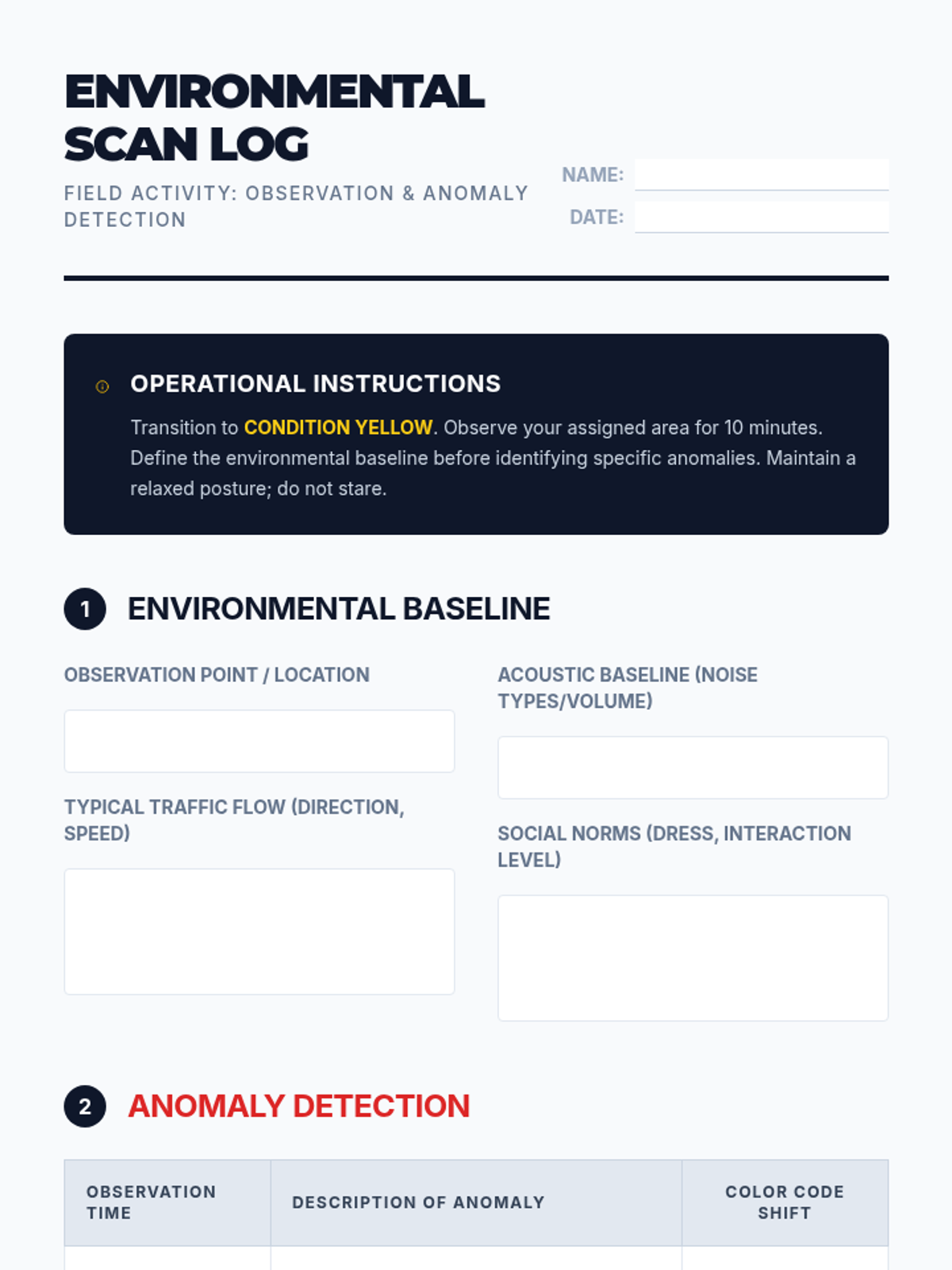
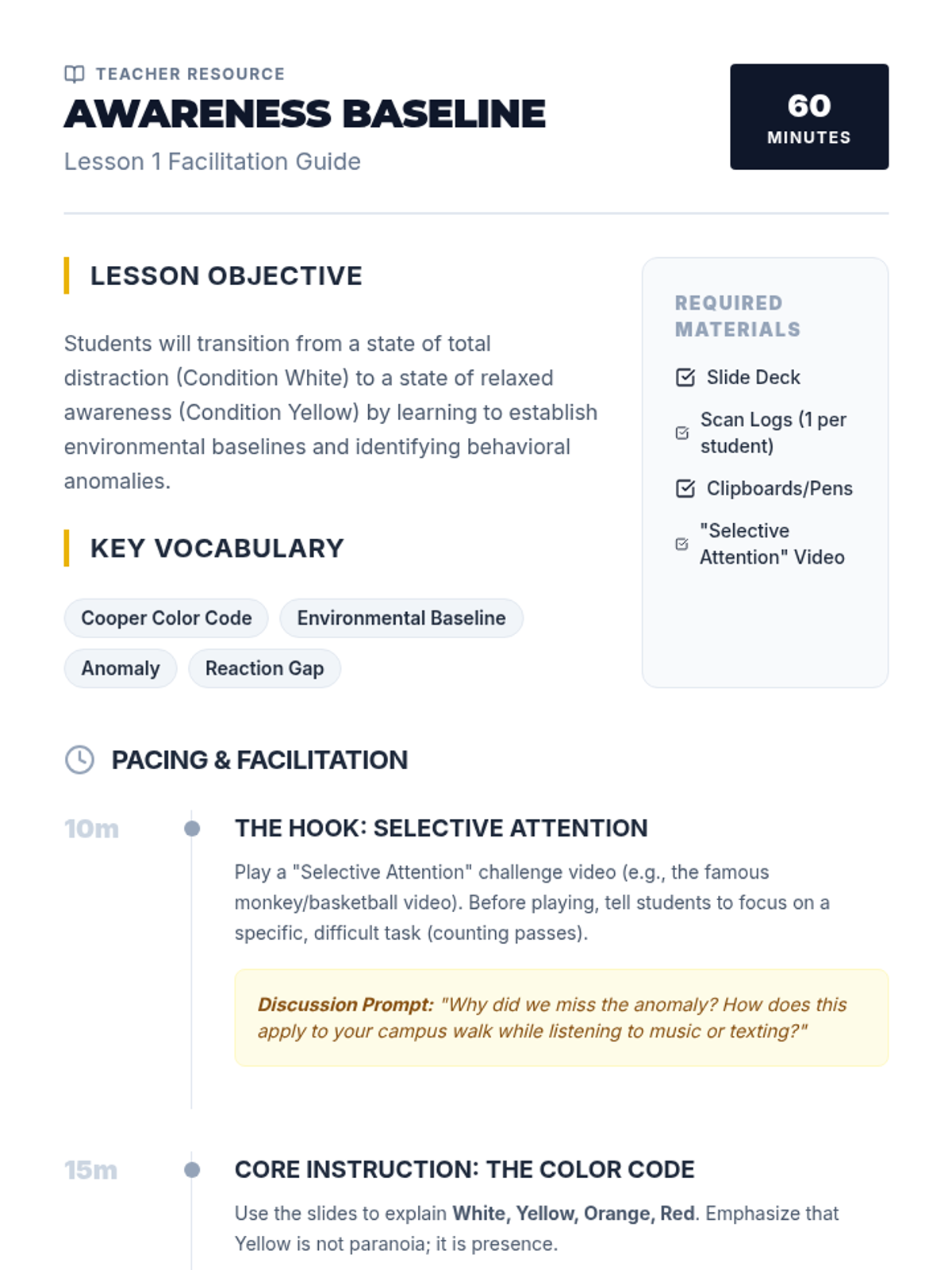
This introductory sequence focuses on the psychological and preventative aspects of self-defense for undergraduate students, prioritizing awareness, verbal de-escalation, and boundary setting. Students will progress from theoretical concepts like the Cooper Color Code to practical simulations involving physical distance management and wrist releases.