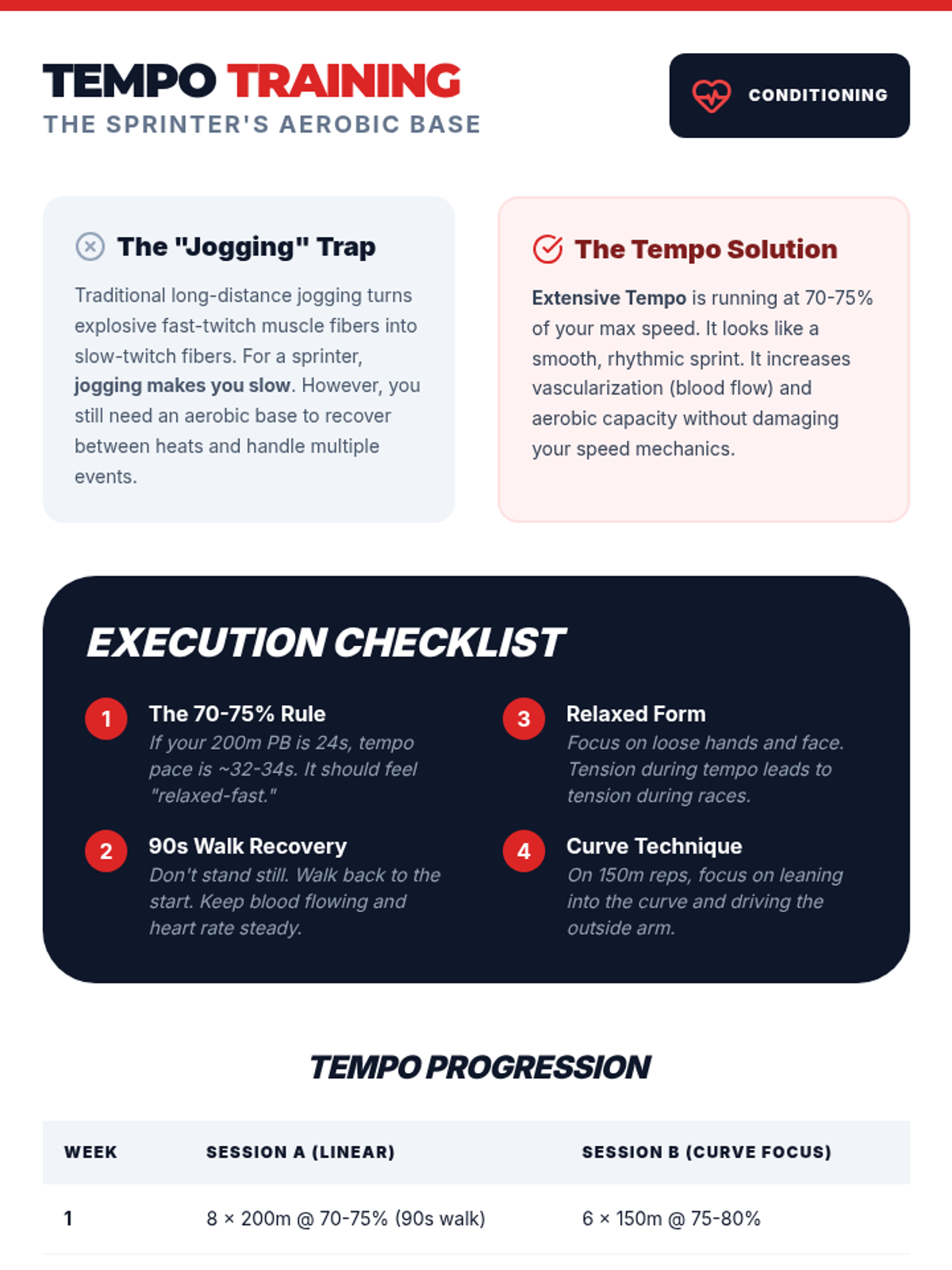
Principles of muscular strength, endurance, and cardiovascular conditioning. Develops skills for setting personal fitness goals while incorporating flexibility and stretching techniques for injury prevention.
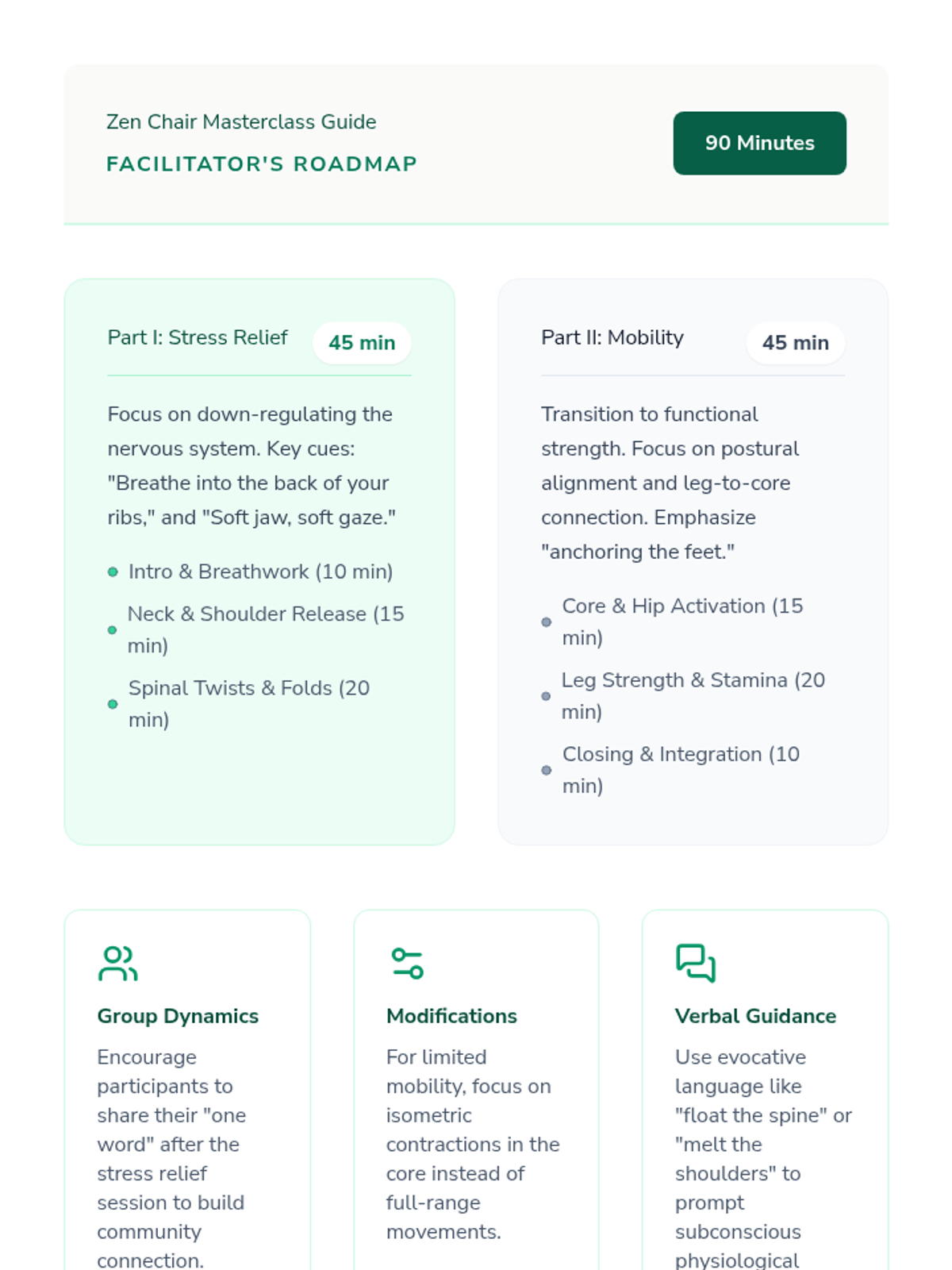
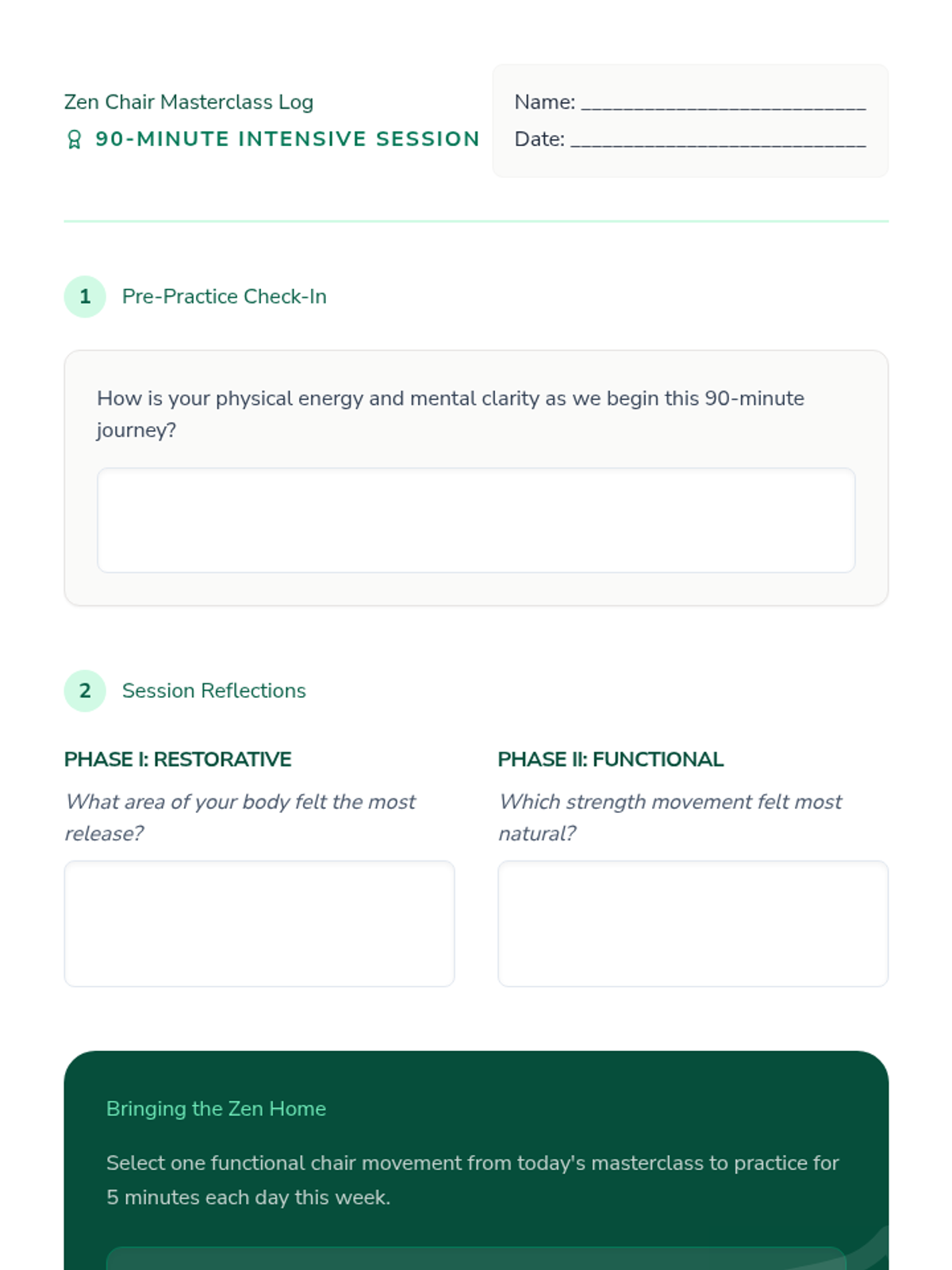
A comprehensive yoga series featuring a deep-dive chair yoga masterclass with guided videos and a follow-up standing flow session for beginners. Designed to build both mental calm and physical strength.
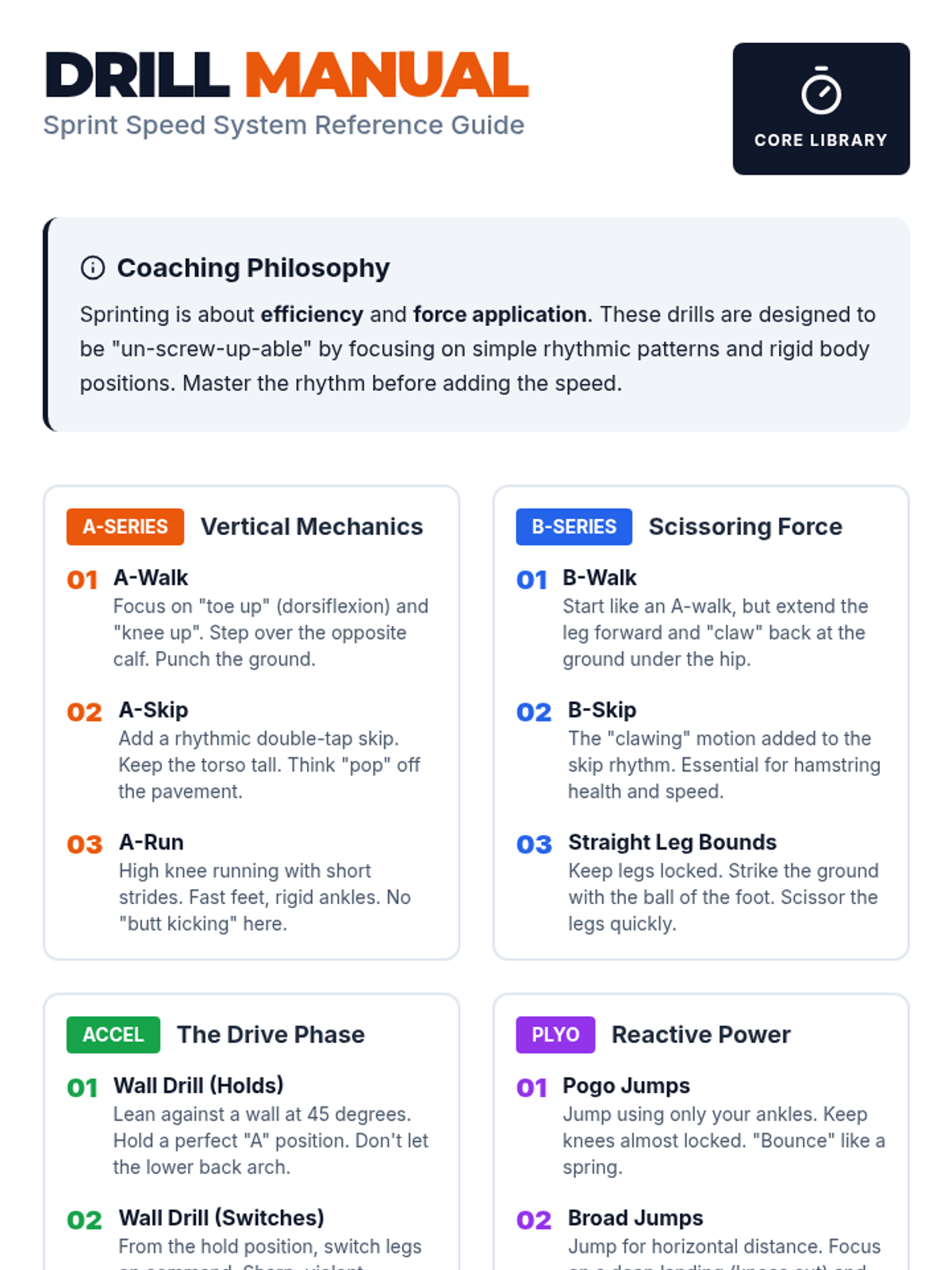
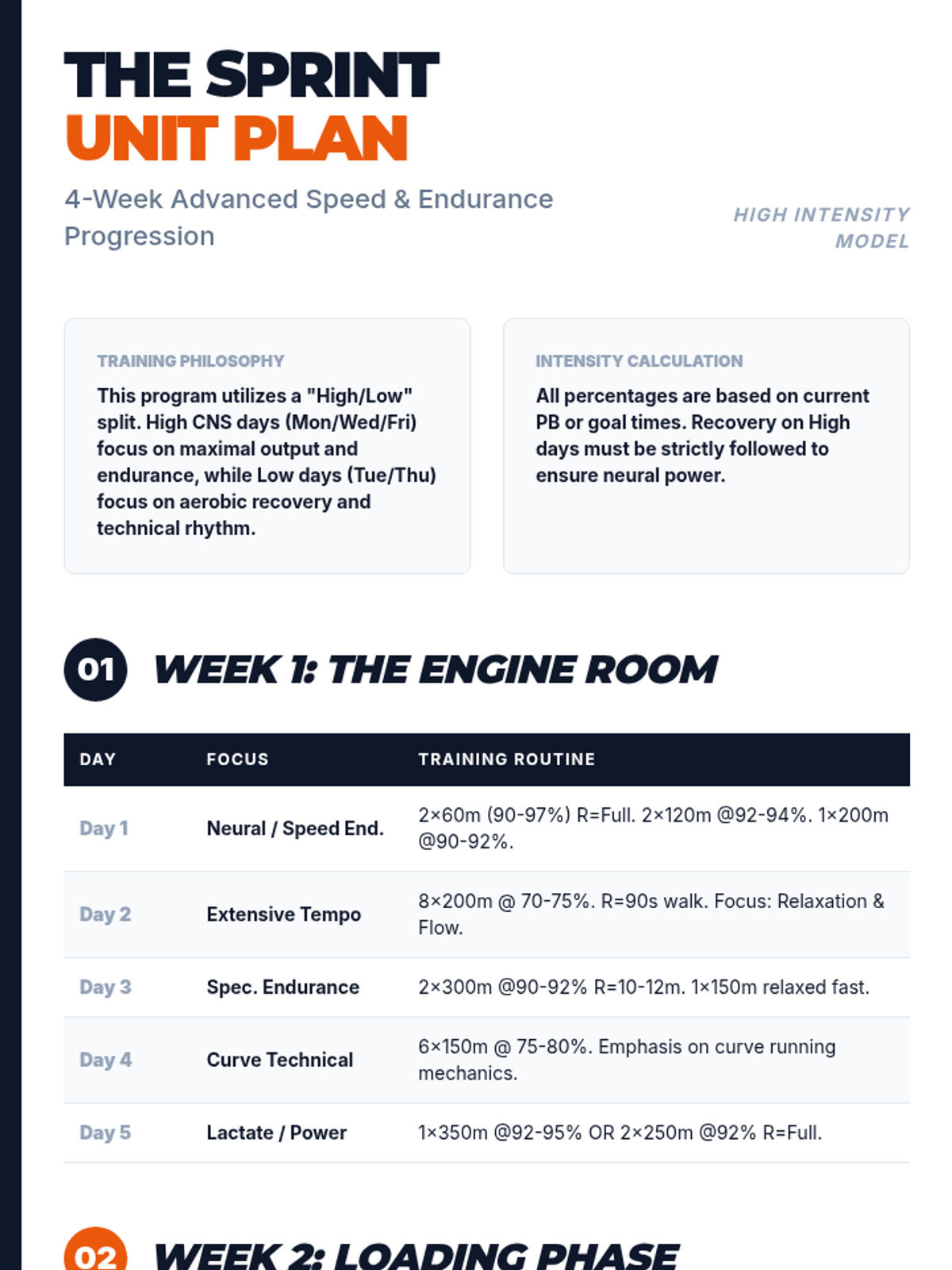
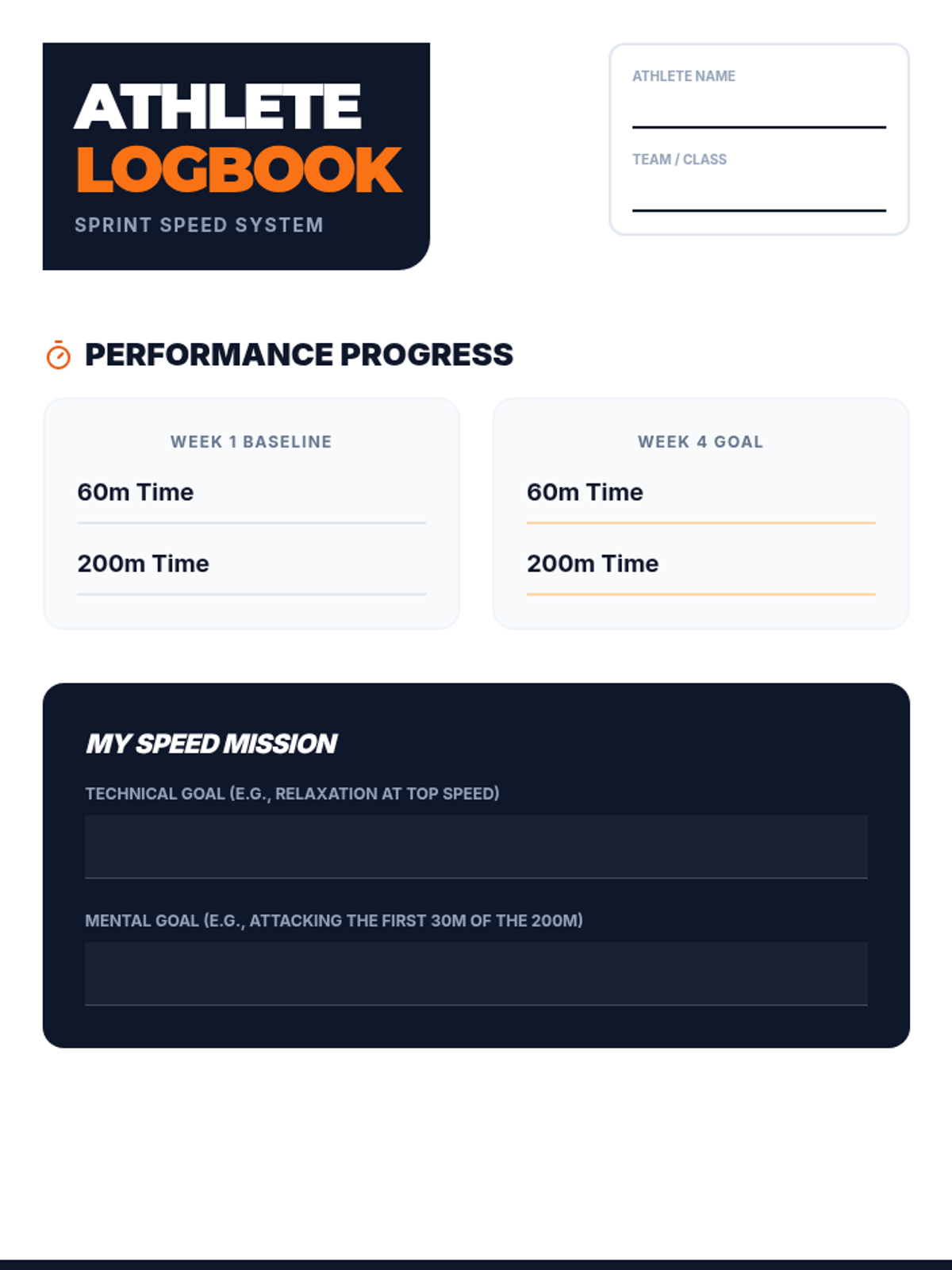
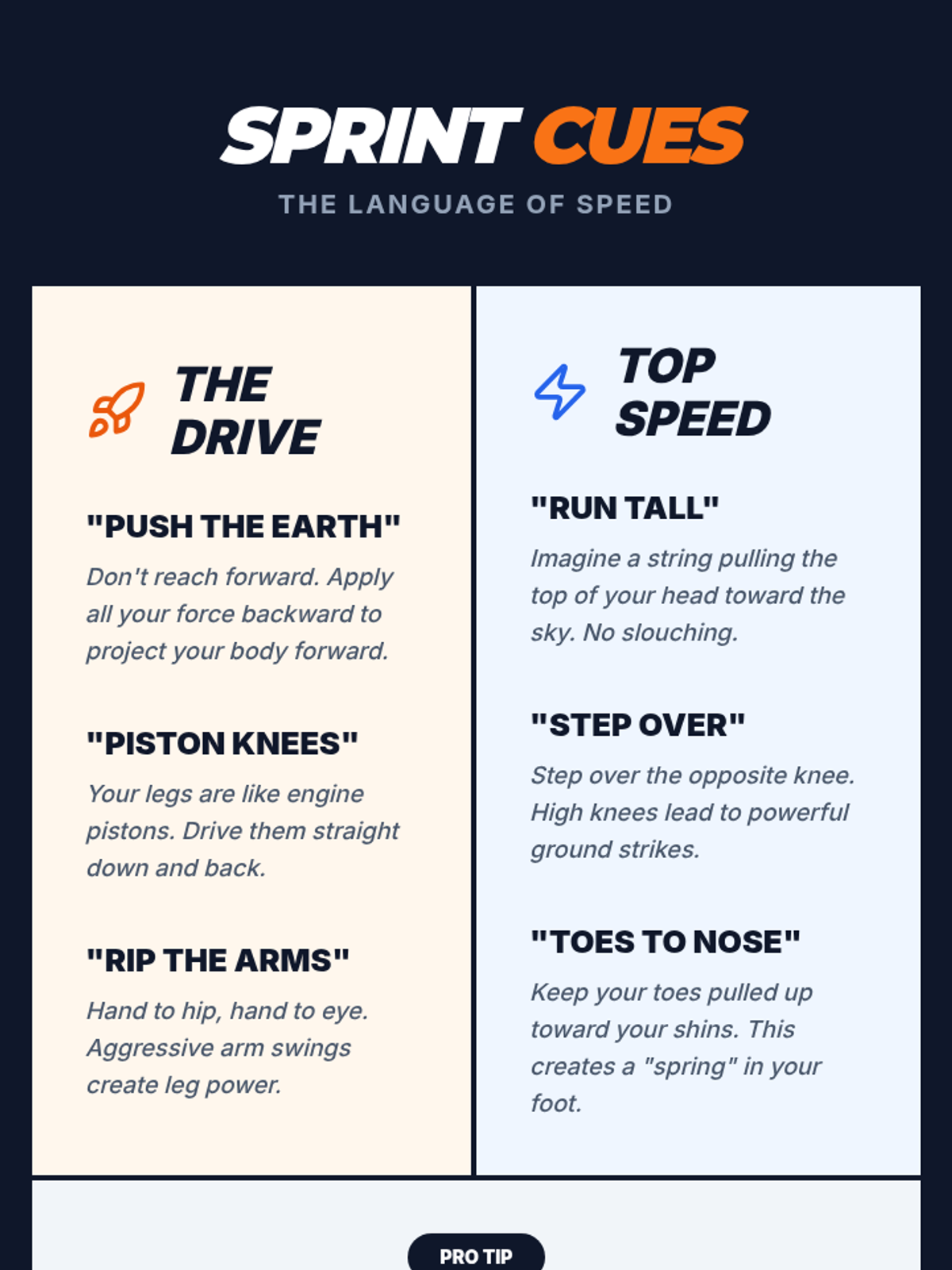
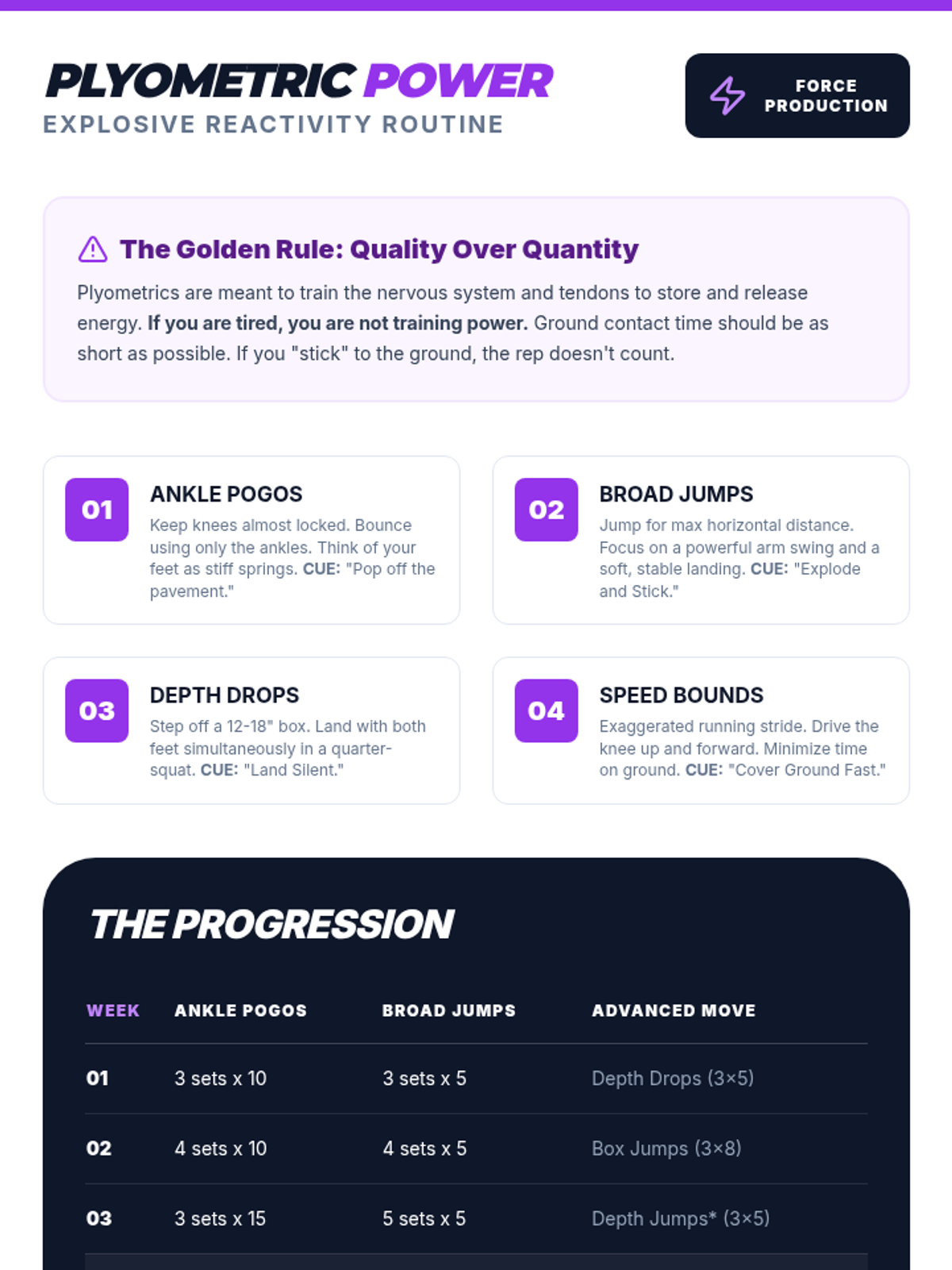
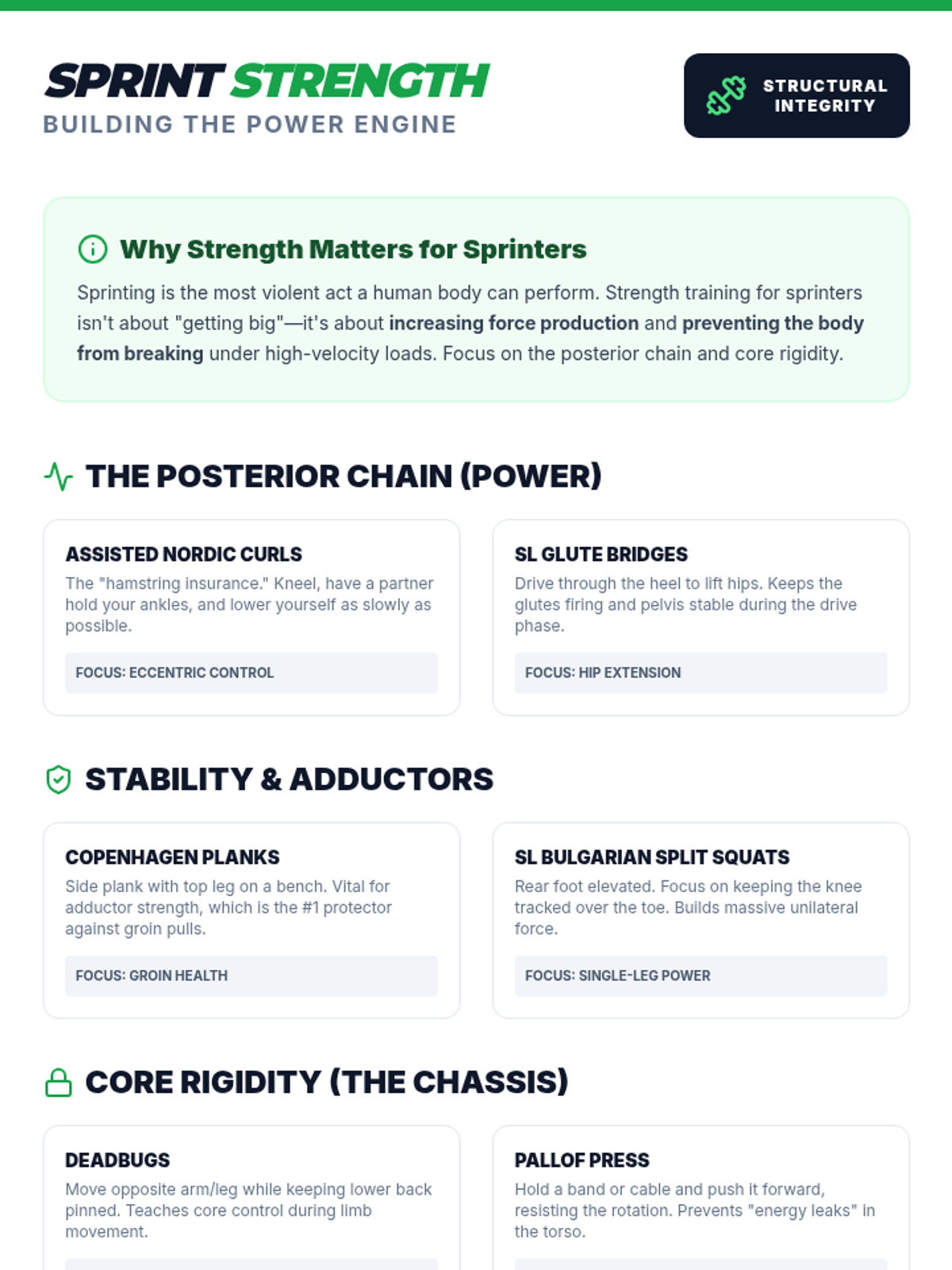
A comprehensive 4-week introductory sprinting program focused on mechanics, power, and injury prevention for outdoor track athletes.
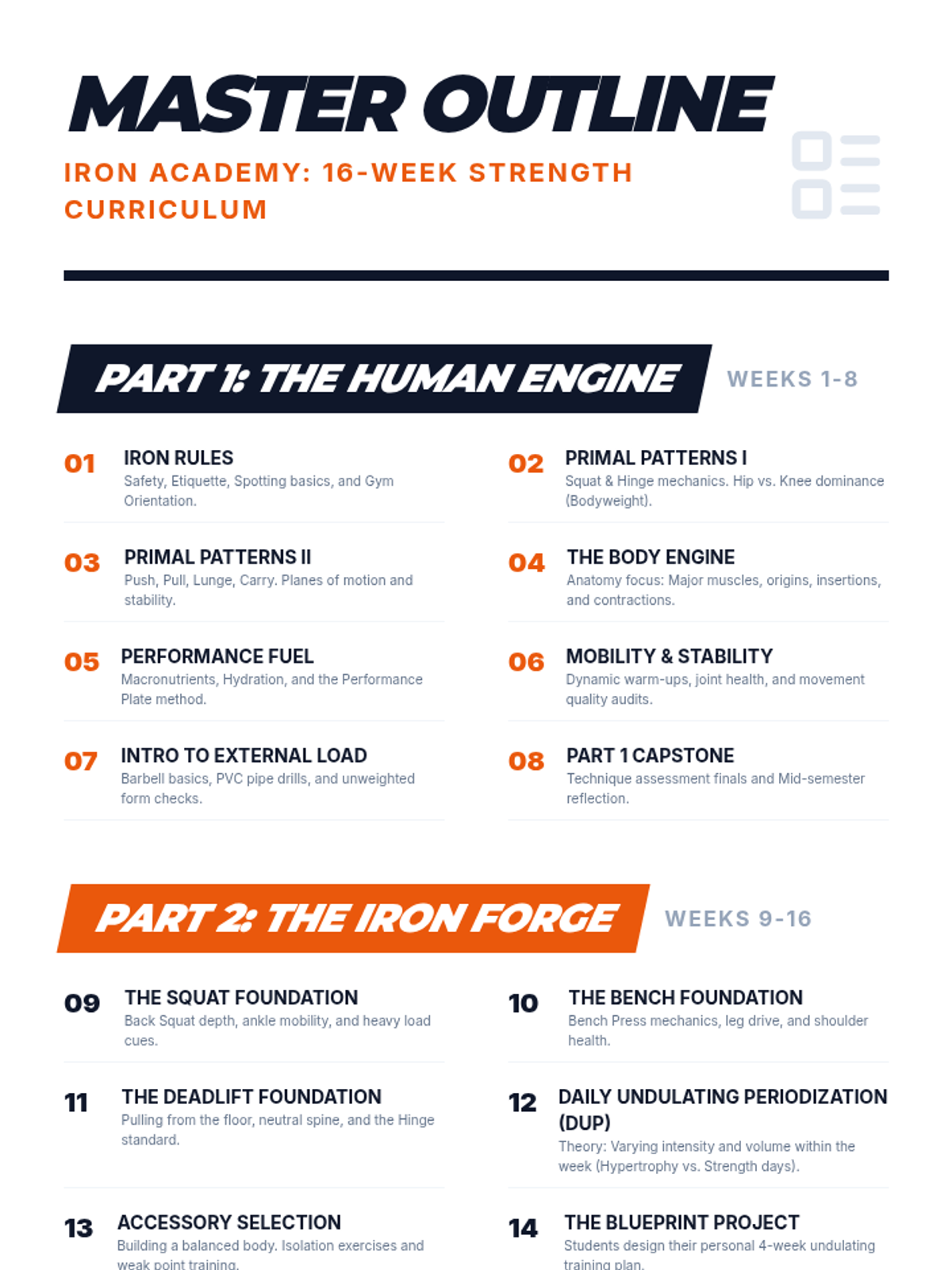
A comprehensive 16-week weight training curriculum divided into two parts: 'Part 1: The Human Engine' (Weeks 1-8) focusing on movement patterns, bodyweight mastery, and anatomy; and 'Part 2: The Iron Forge' (Weeks 9-16) focusing on advanced compound lifts, training science, and independent program design. Includes nutrition for performance and comprehensive classroom activities.
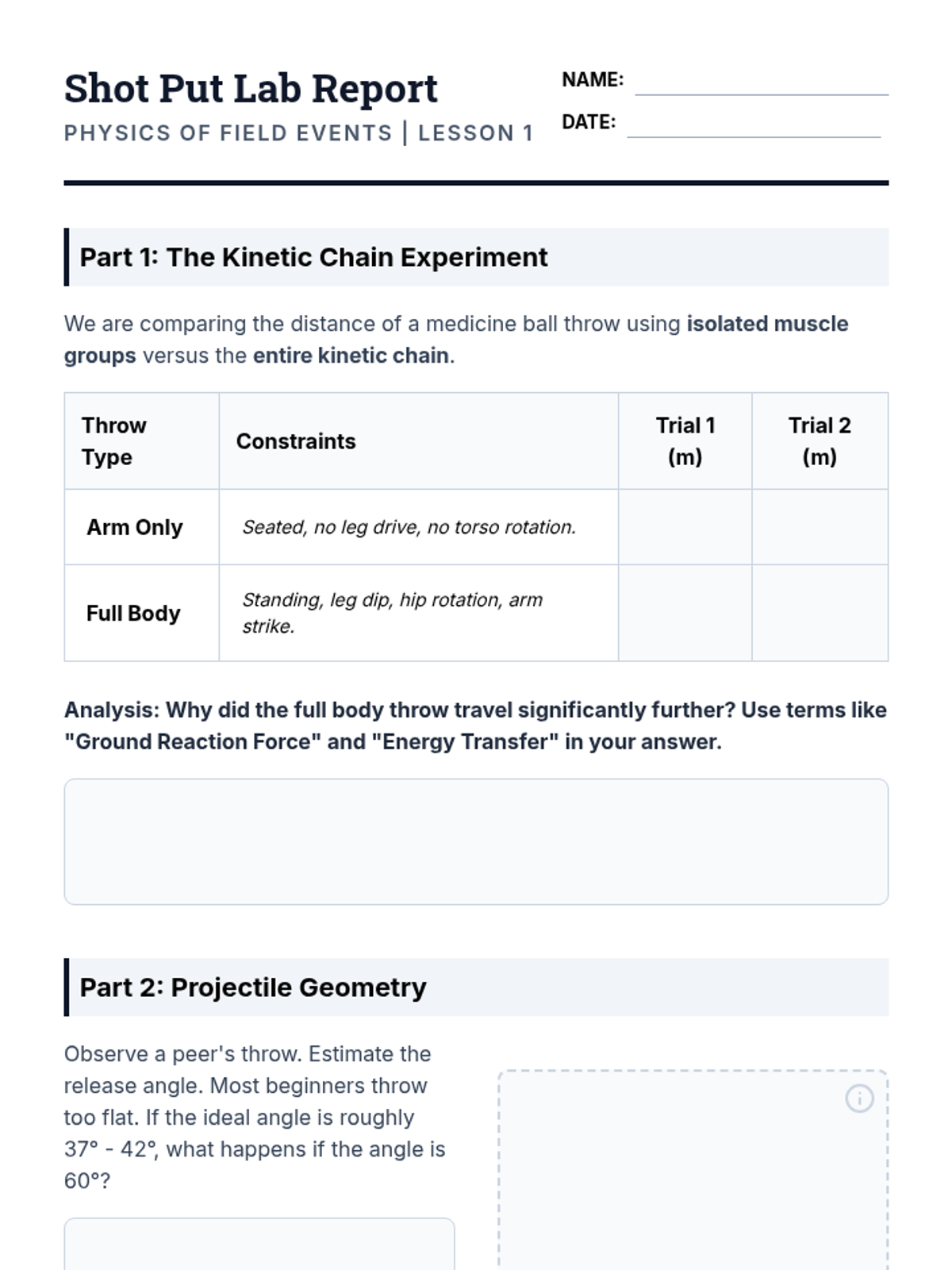
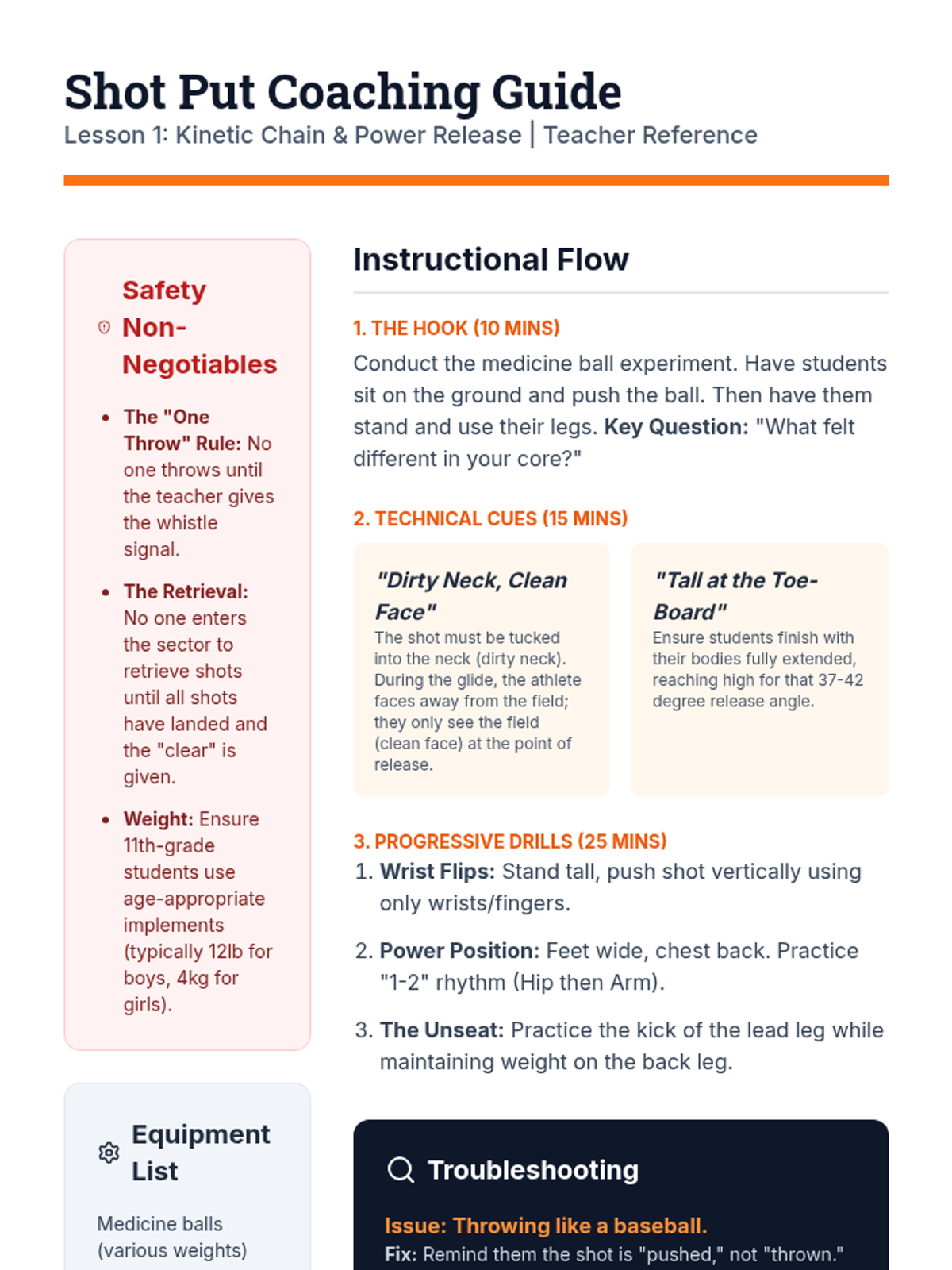
An intensive exploration of the physics and biomechanics behind field events, focusing on shot put, discus, long jump, and triple jump. Students apply scientific principles to athletic performance through peer coaching, video analysis, and technical drills.
This sequence approaches gymnastics through the lens of athletic conditioning and applied anatomy. Students investigate specific strength and flexibility requirements needed to perform skills safely while acting as strength and conditioning coaches.
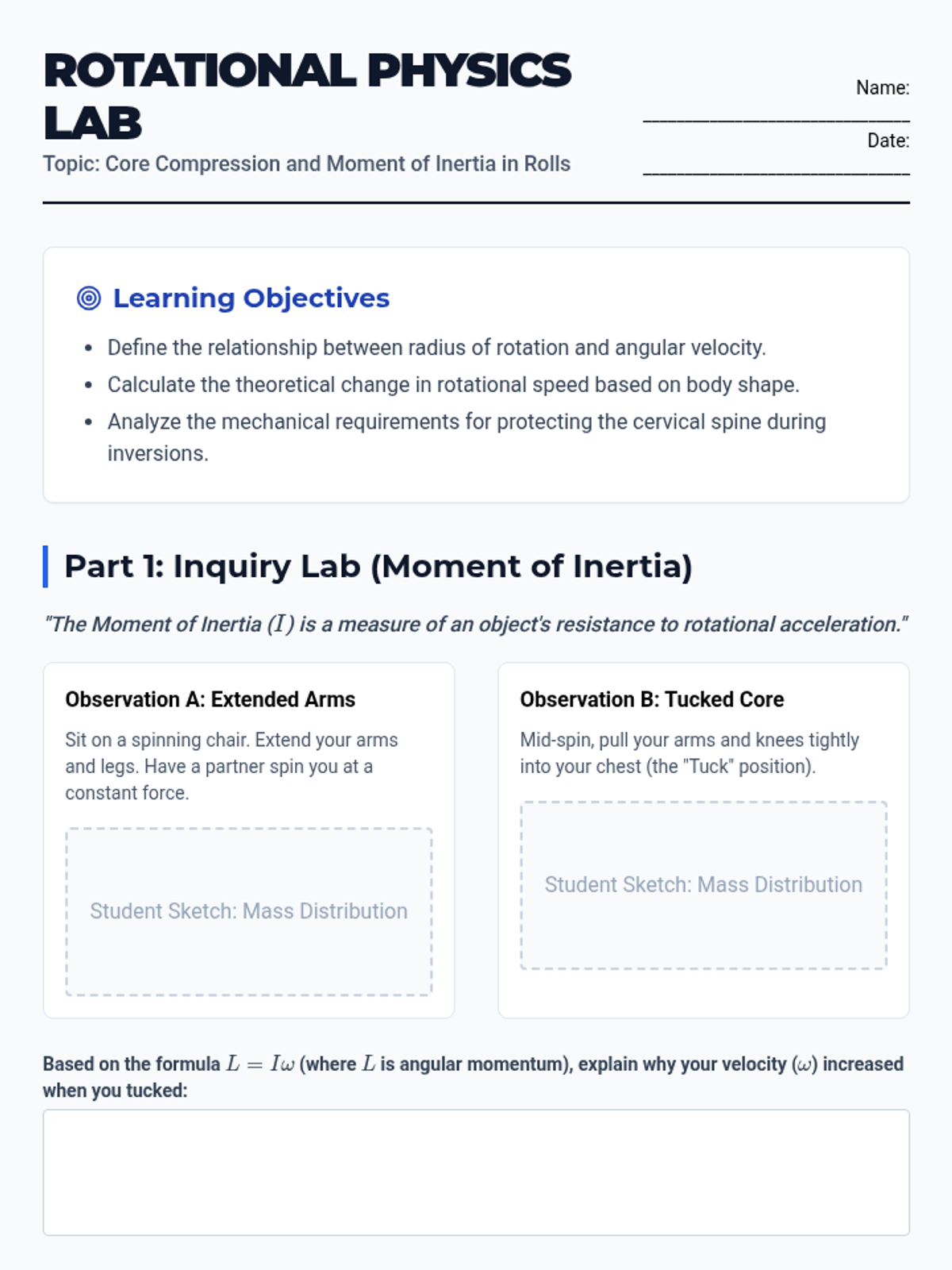
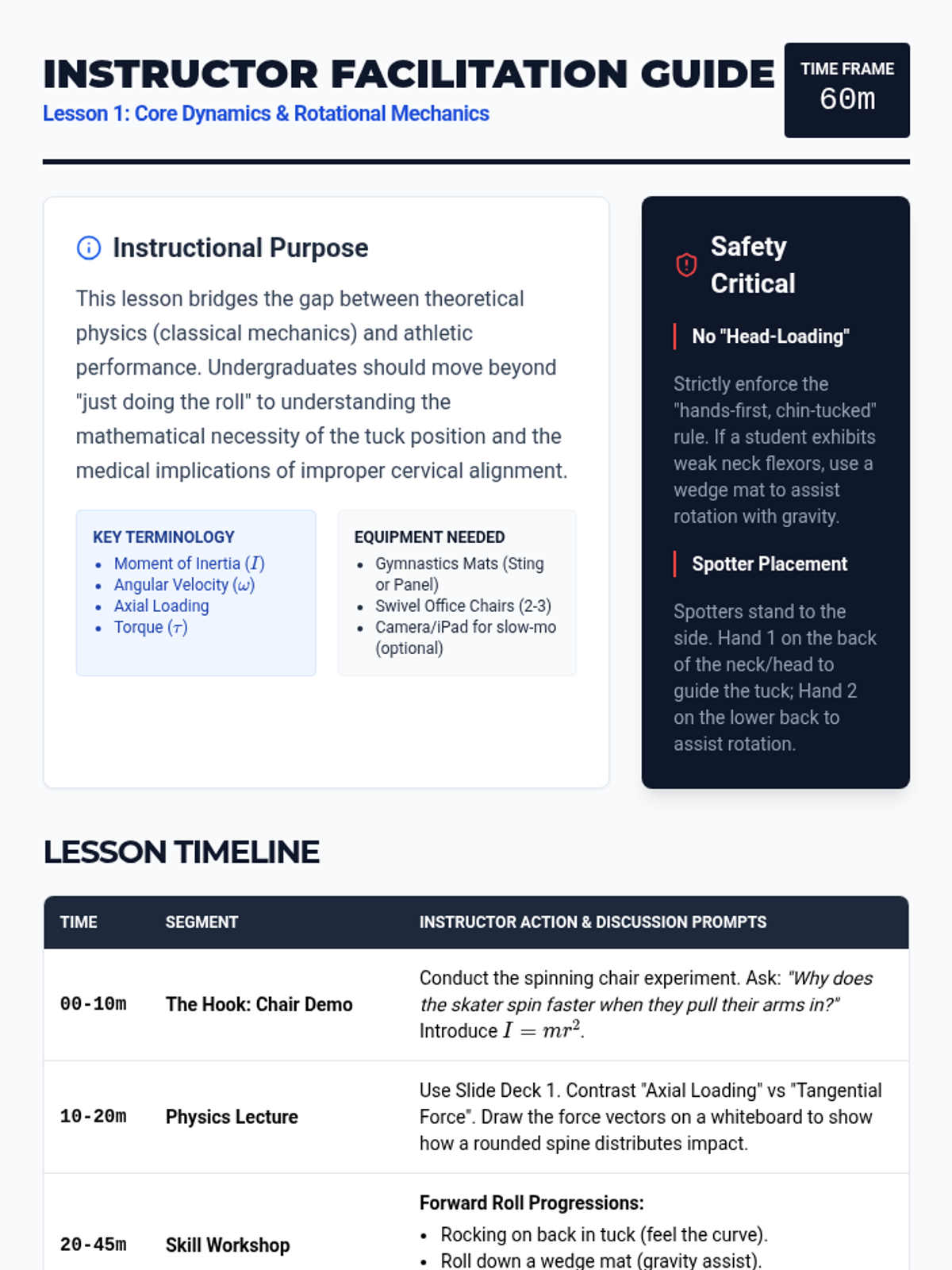
An undergraduate-level sequence exploring the biomechanical principles of gymnastics floor skills, focusing on rotational mechanics, static stability, and momentum transfer.
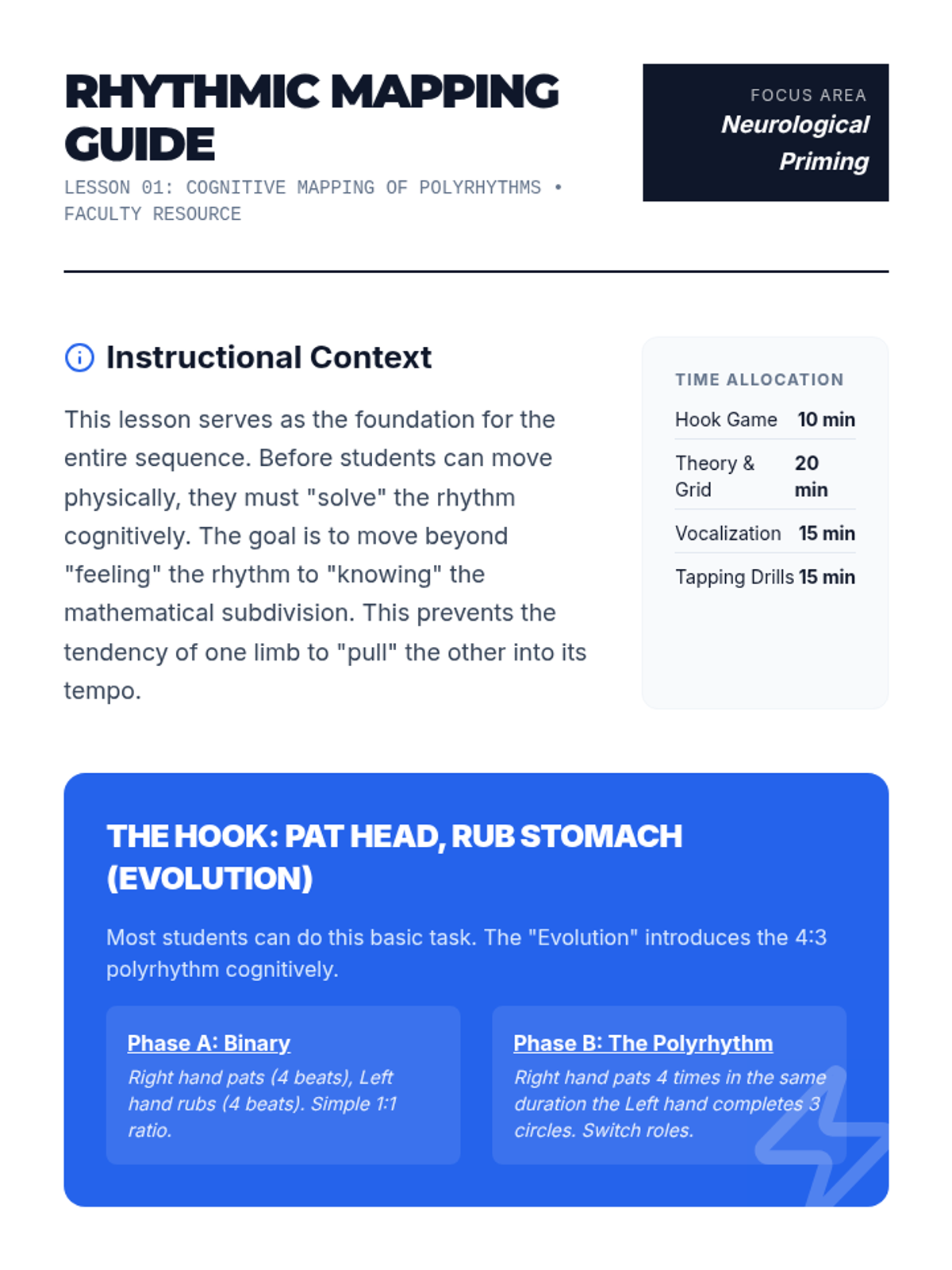
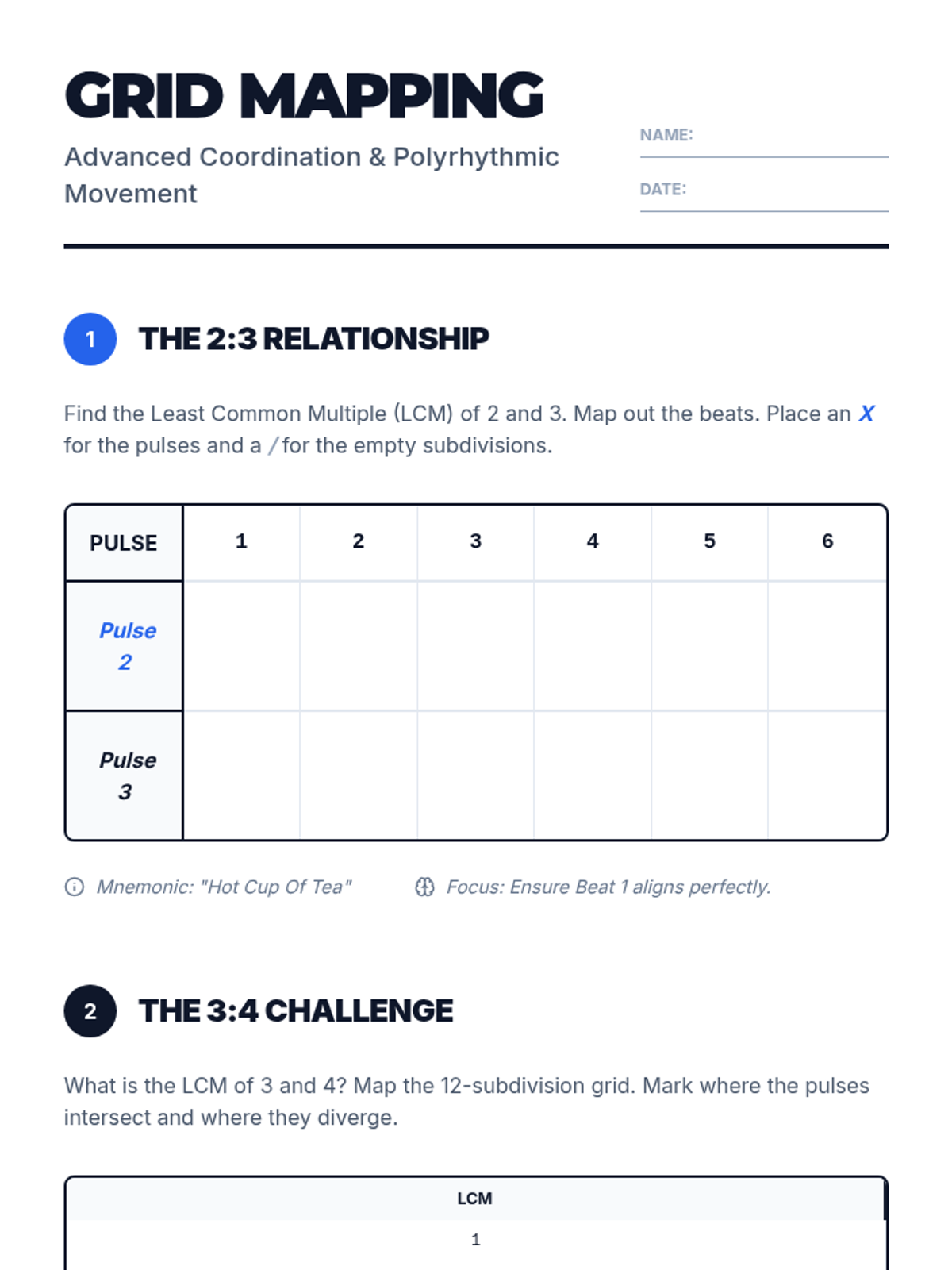
An advanced course for undergraduate students focusing on the neurological and somatic challenges of polyrhythmic movement and limb dissociation. Students progress from cognitive theory to complex physical improvisation.
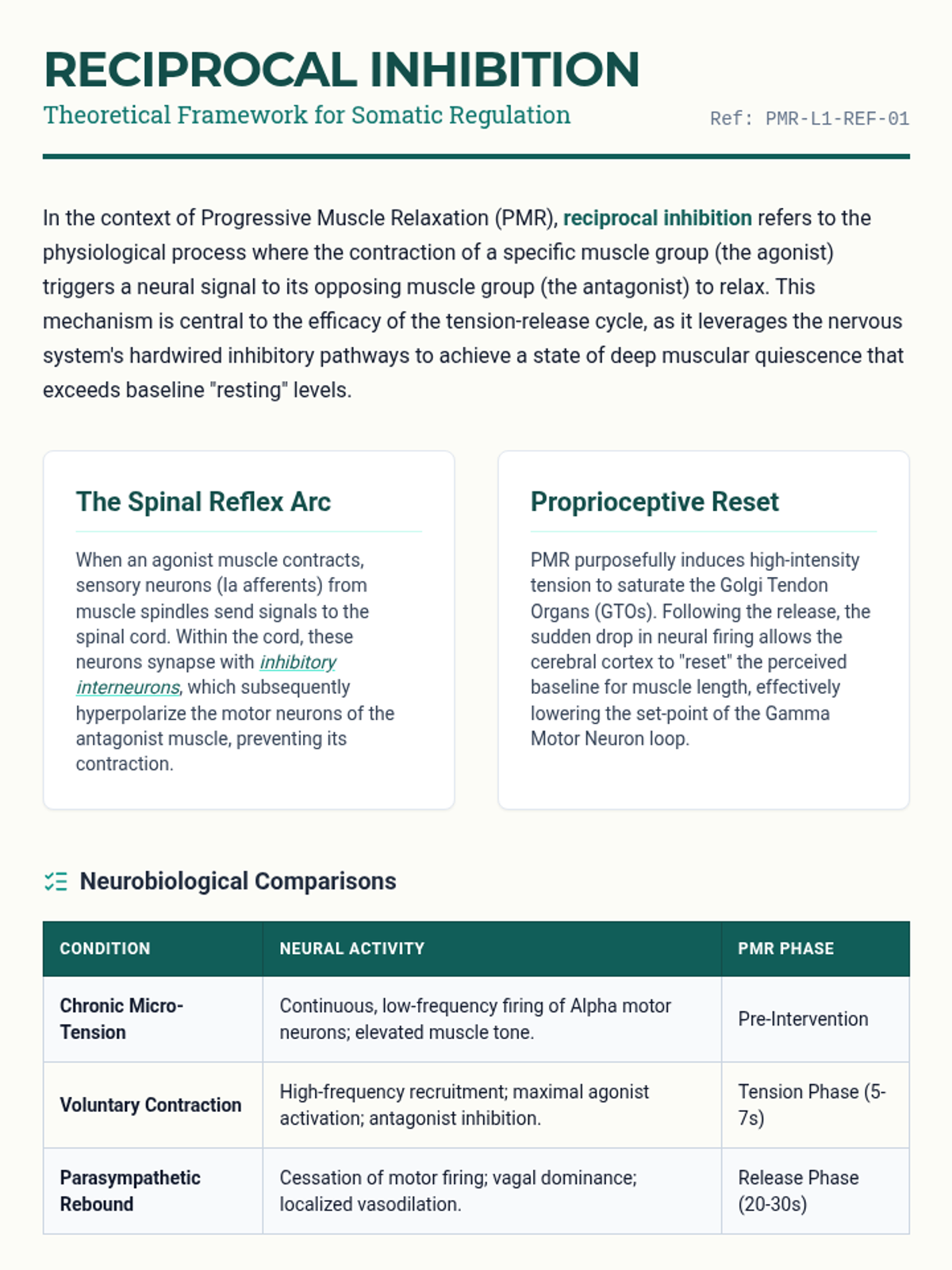
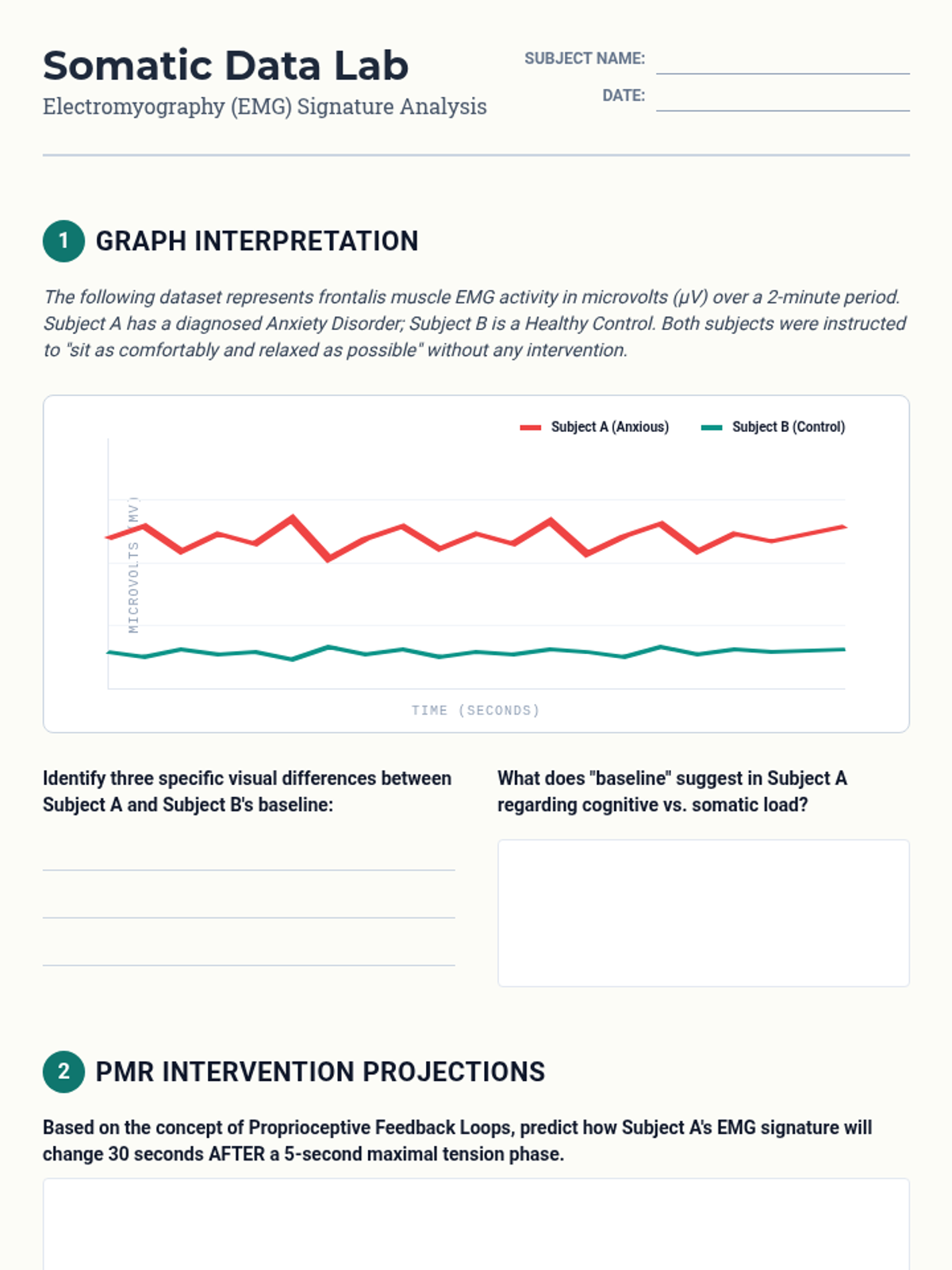
A rigorous graduate-level sequence exploring the neurobiological foundations of Progressive Muscle Relaxation (PMR), focusing on the Bernstein & Borkovec protocol, somatic awareness, and data-driven personal mastery.
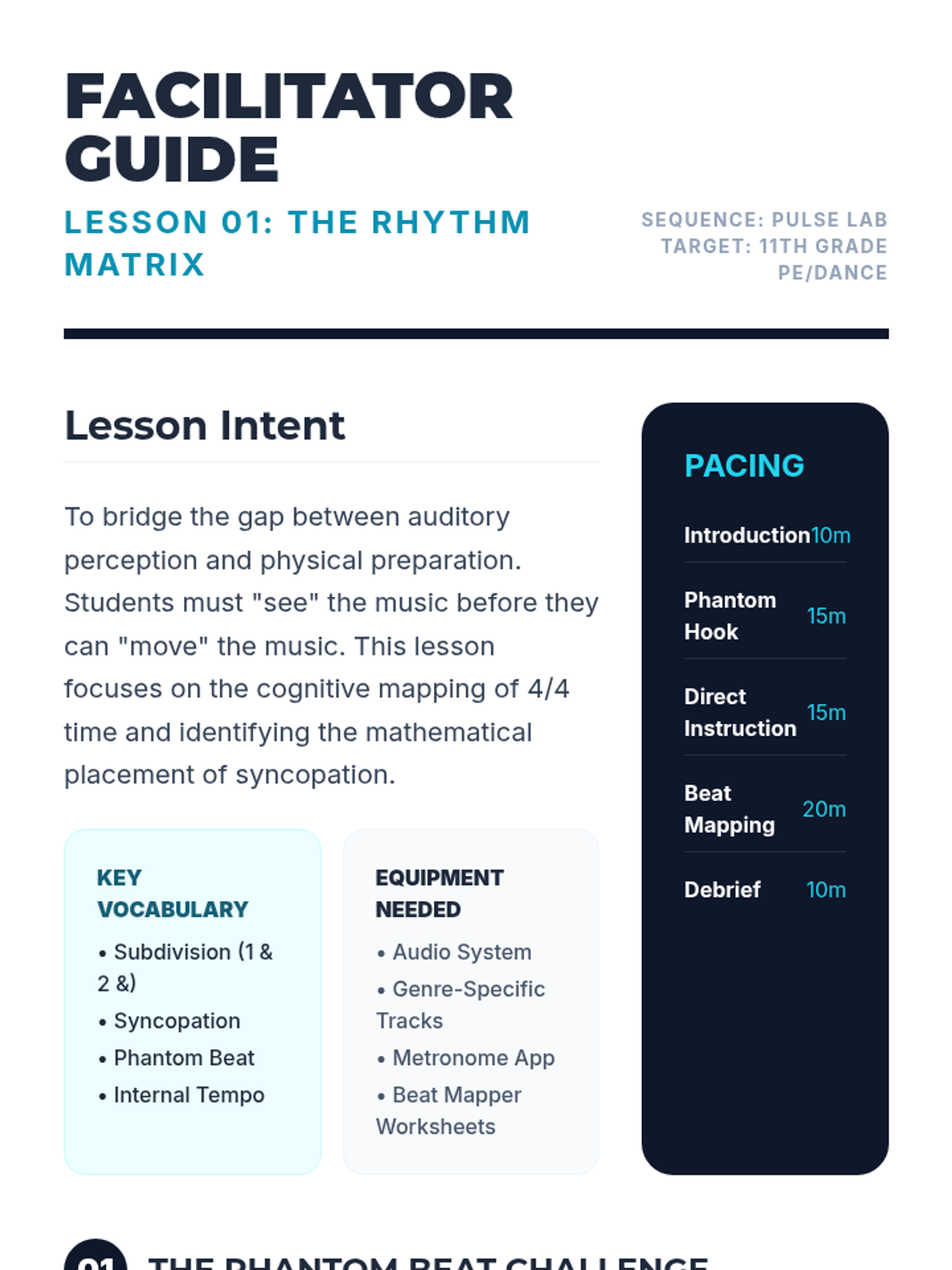
An advanced 11th-grade unit exploring the intersection of music theory and dance through syncopation, polyrhythms, and temporal independence. Students develop the neuromuscular control to execute complex rhythmic structures and maintain internal tempo against contrasting external cues.
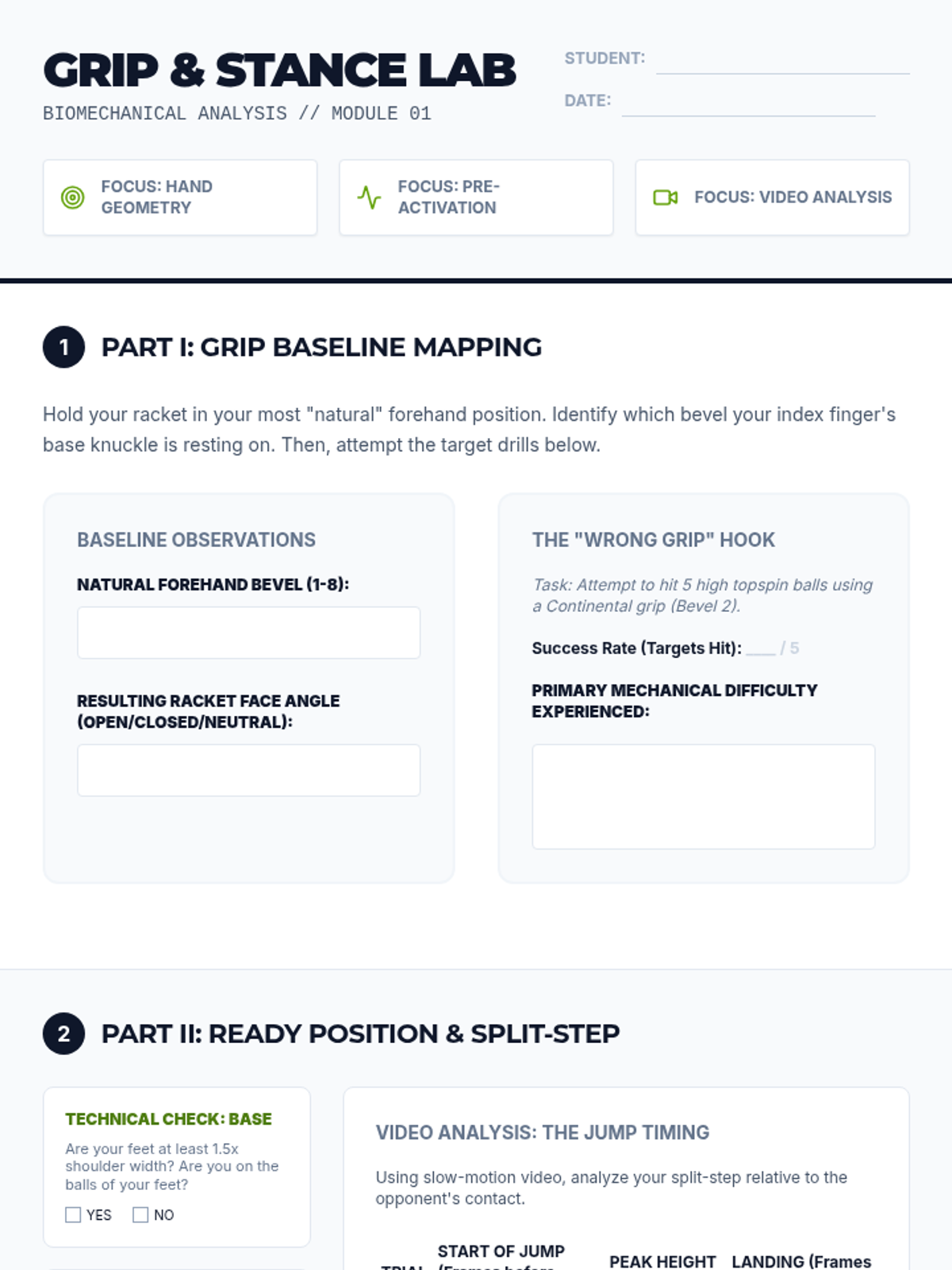
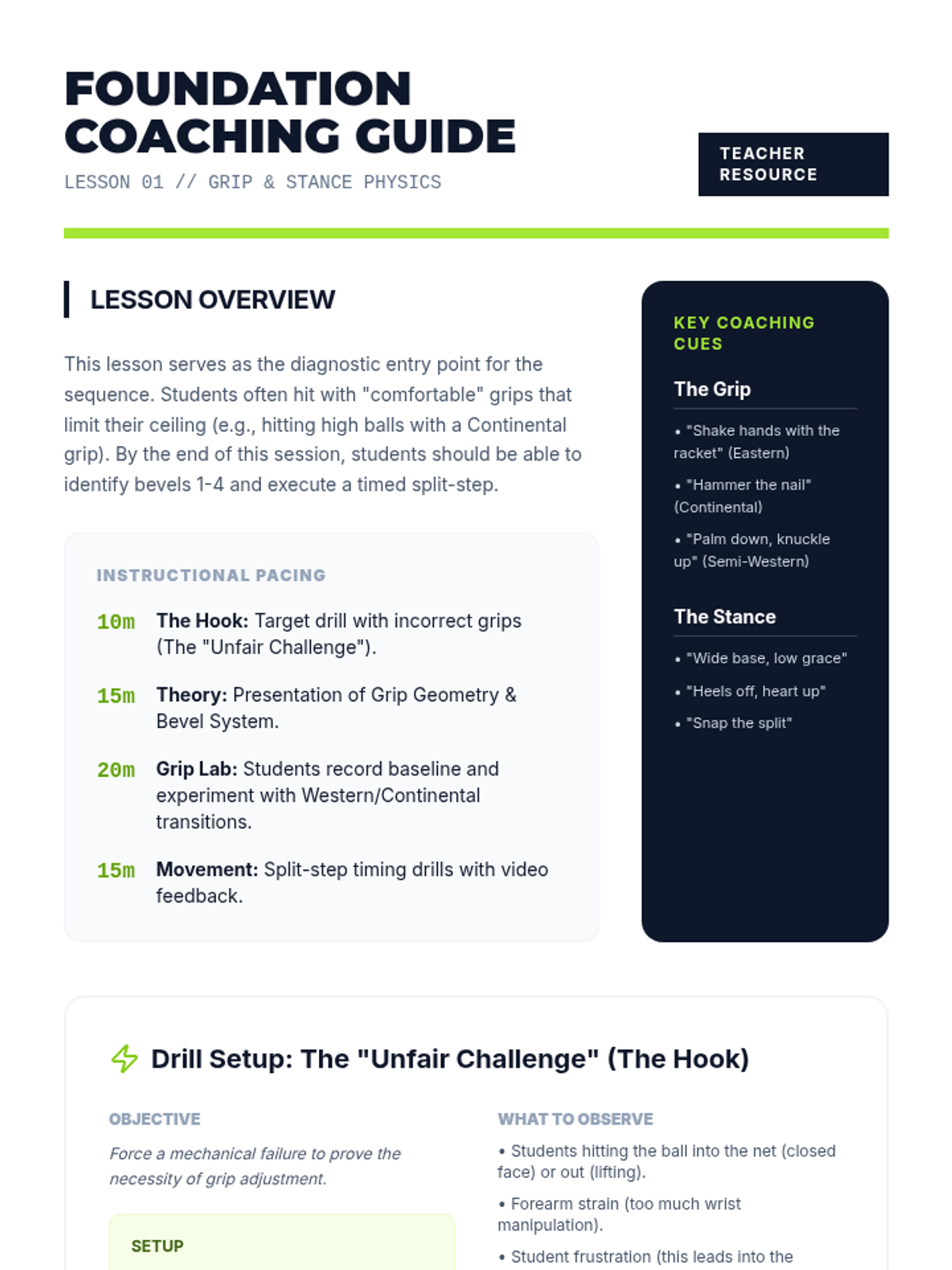
A technical analysis and practical application of biomechanics in racket sports, focusing on tennis and pickleball. Students analyze grip physics, the kinetic chain, net mechanics, service motions, and recovery patterns to optimize performance and prevent injury.
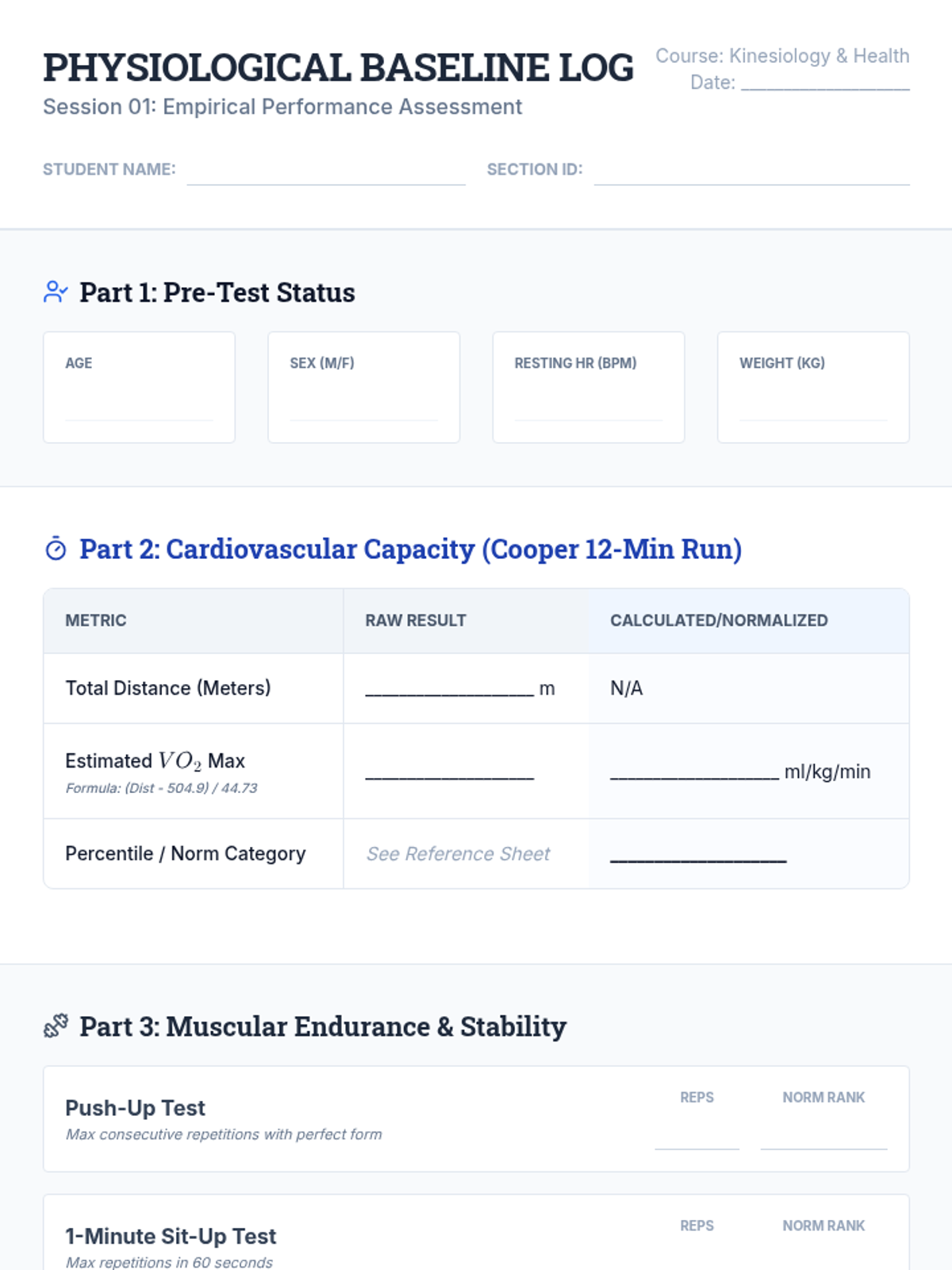
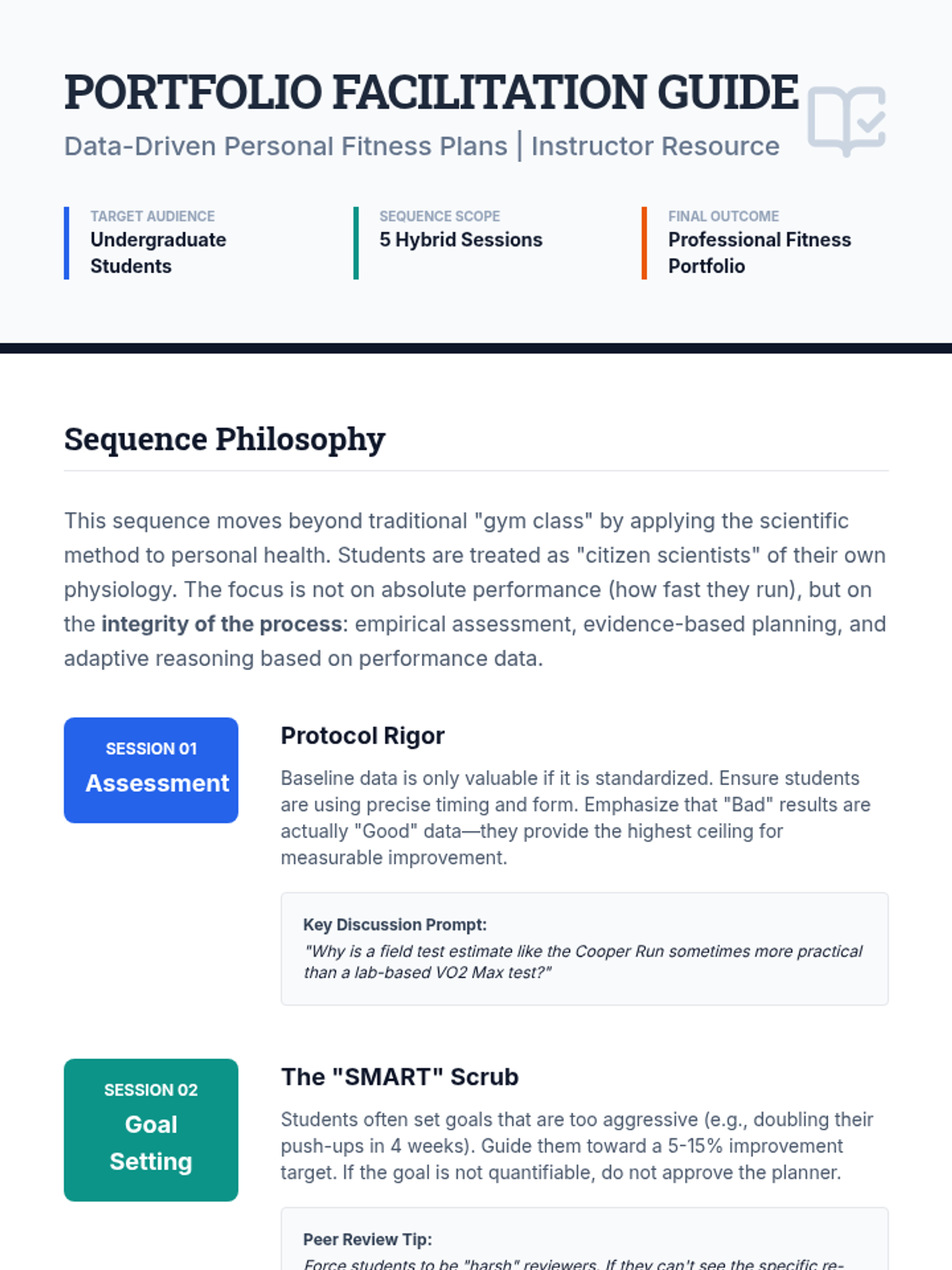
A comprehensive sequence for undergraduate students focused on the scientific application of data-driven fitness planning, assessment, and adjustment. students will develop a professional-grade fitness portfolio through empirical baseline testing, SMART goal formulation, and periodized training design.
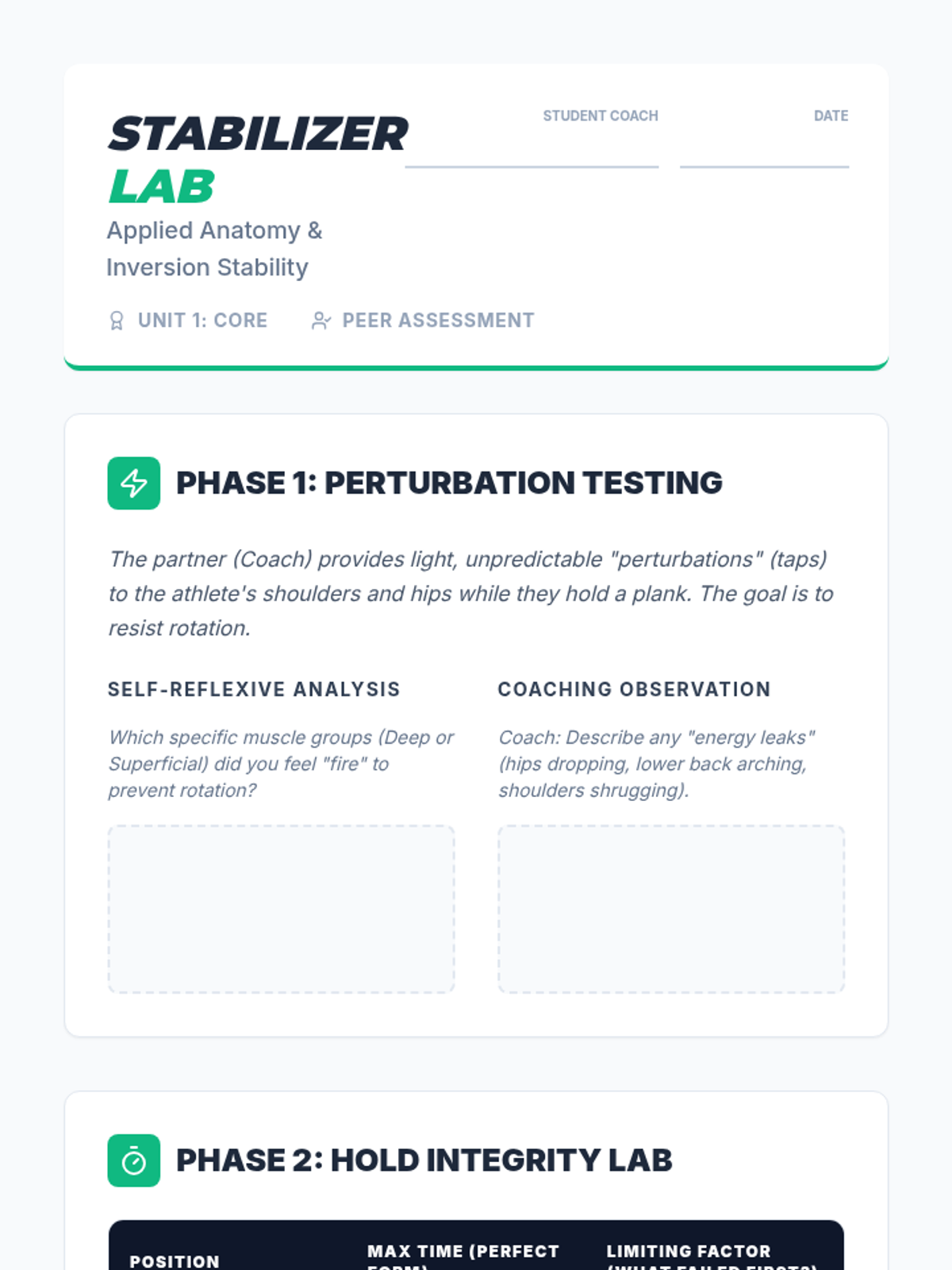
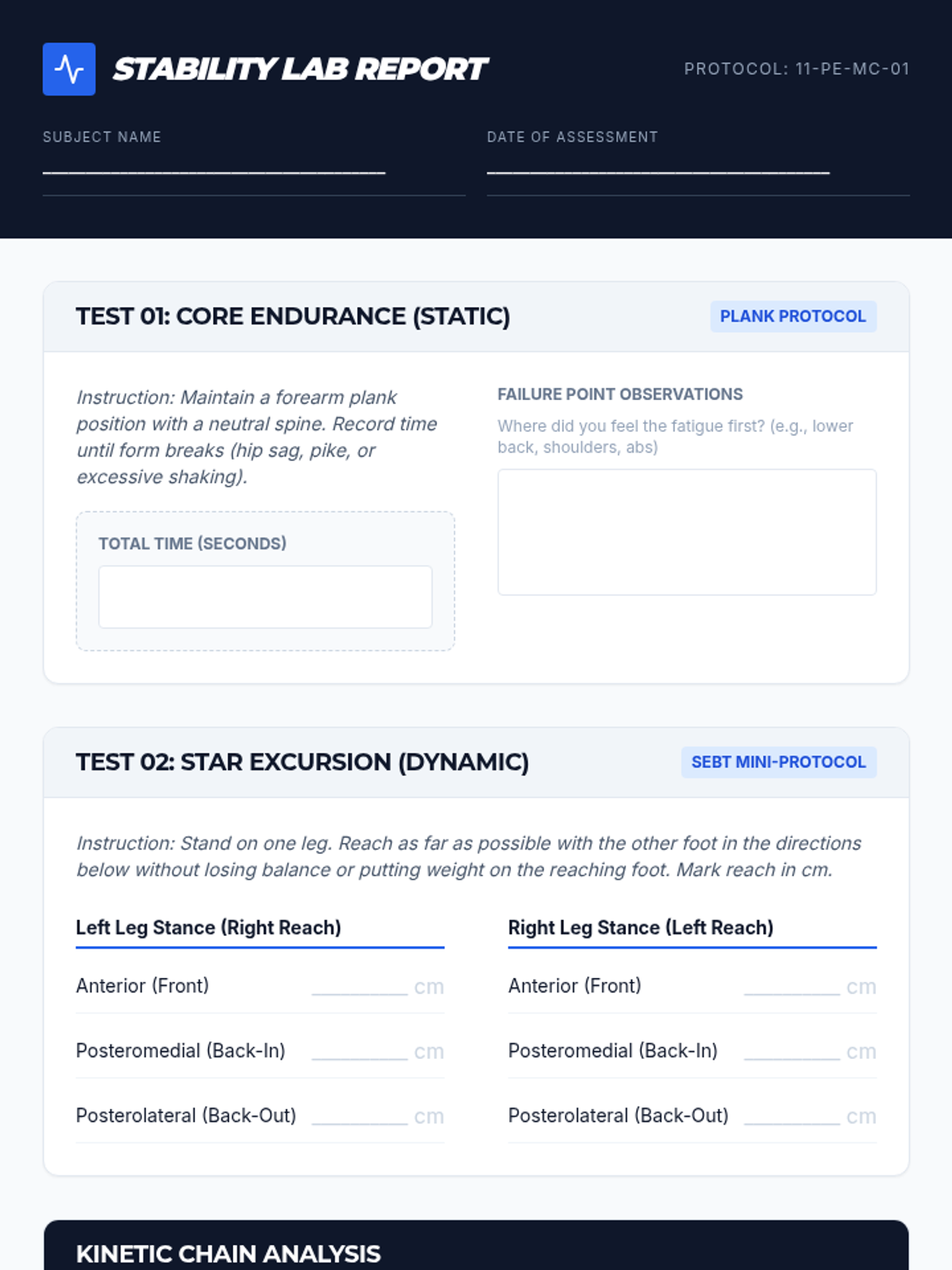
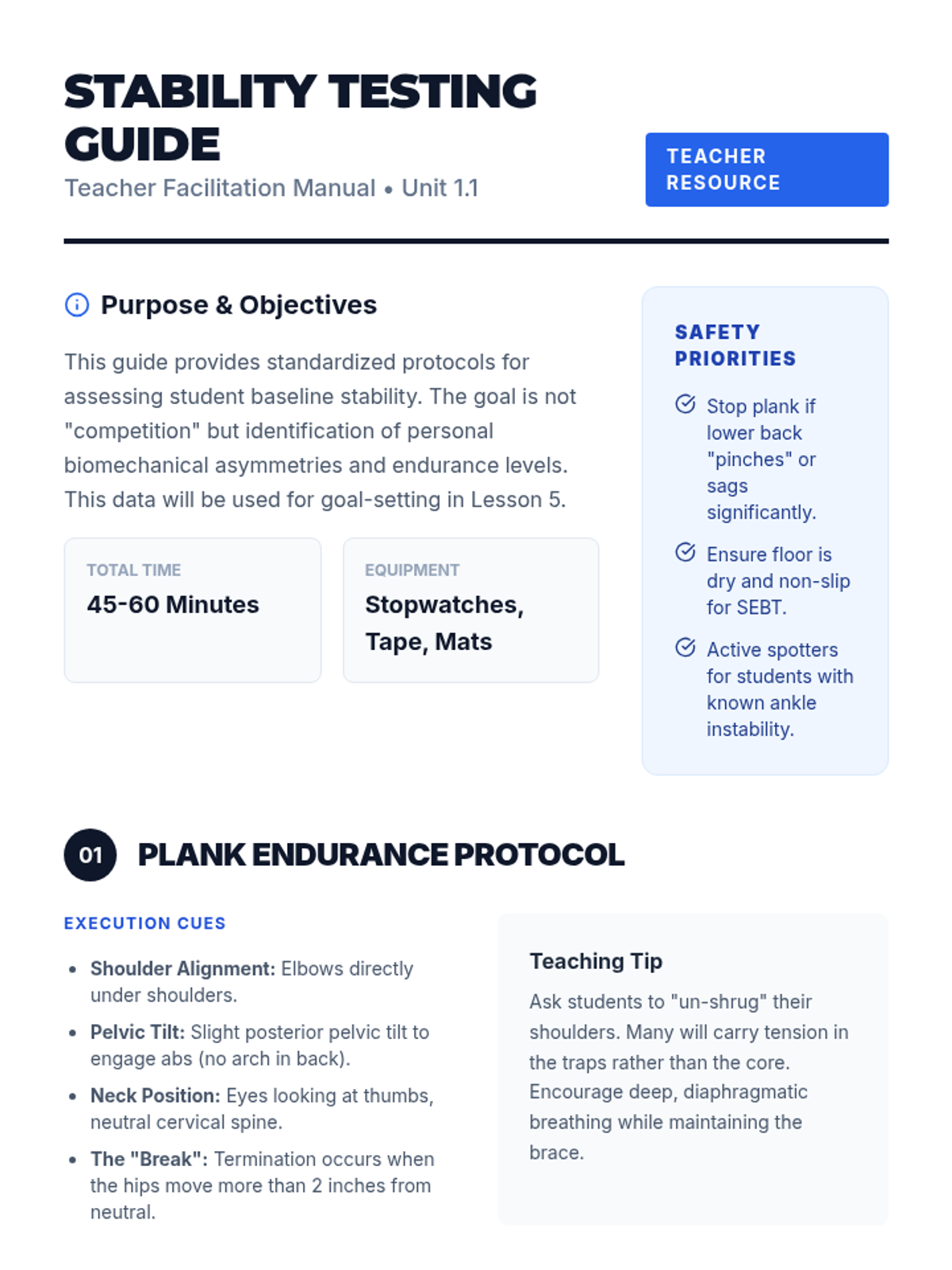
This sequence explores advanced neuromuscular control, focusing on the kinetic chain, core stability, and dynamic balance. Students progress from anatomical understanding to complex functional movement patterns designed to enhance athletic performance and prevent injury.
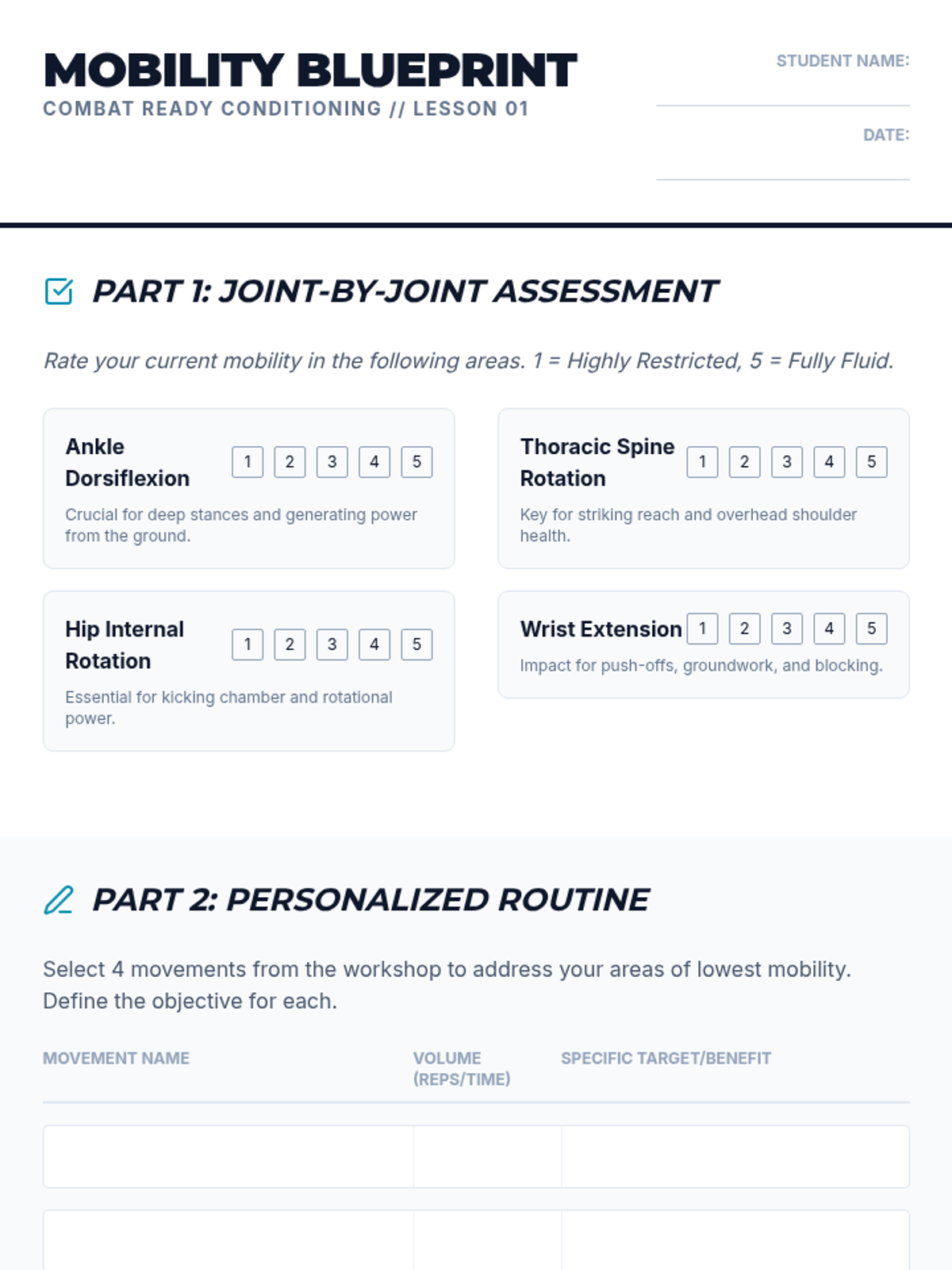
A comprehensive physical conditioning unit for martial arts, applying kinesiology principles to improve performance, power, and longevity in combat sports.
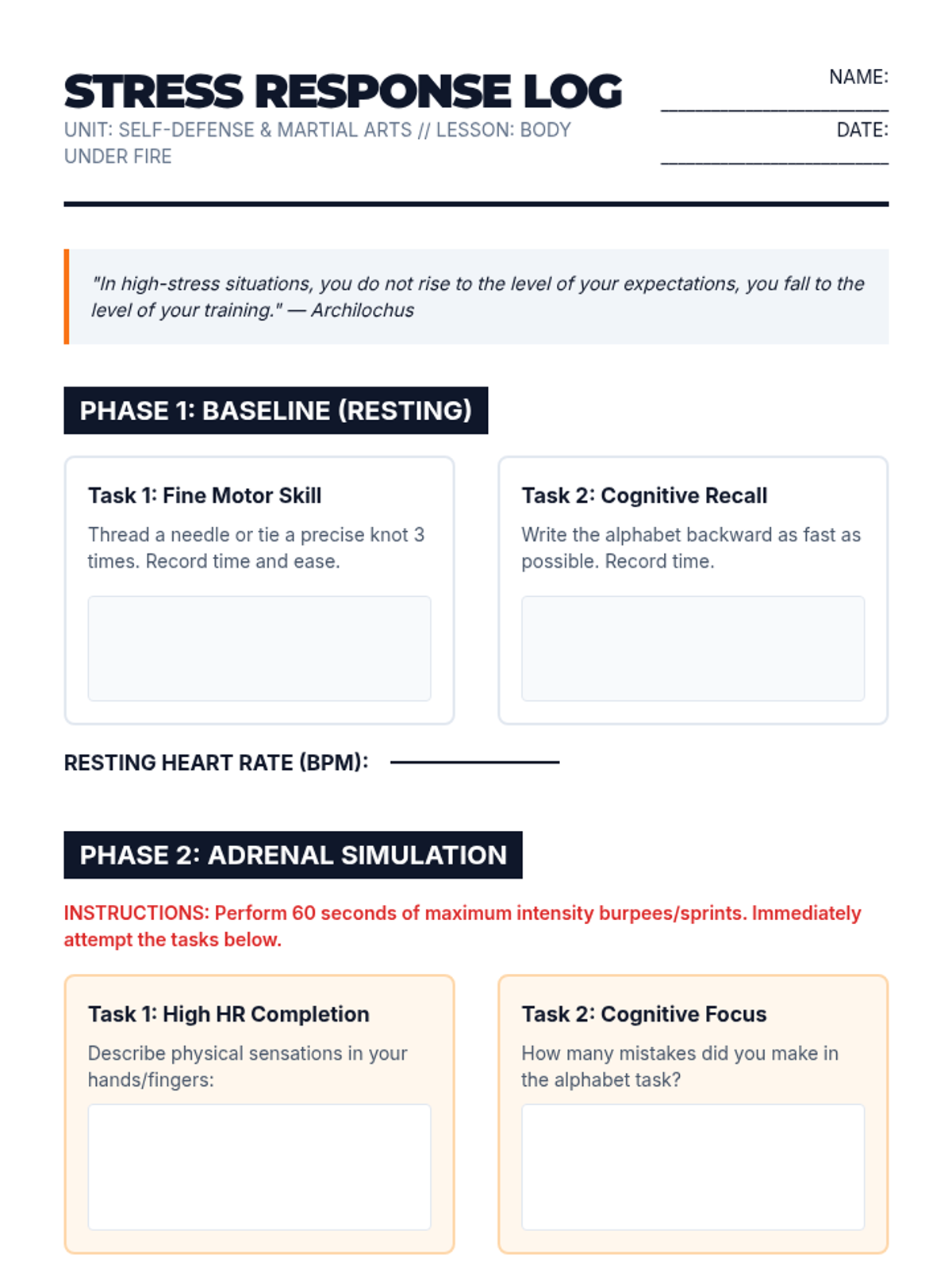
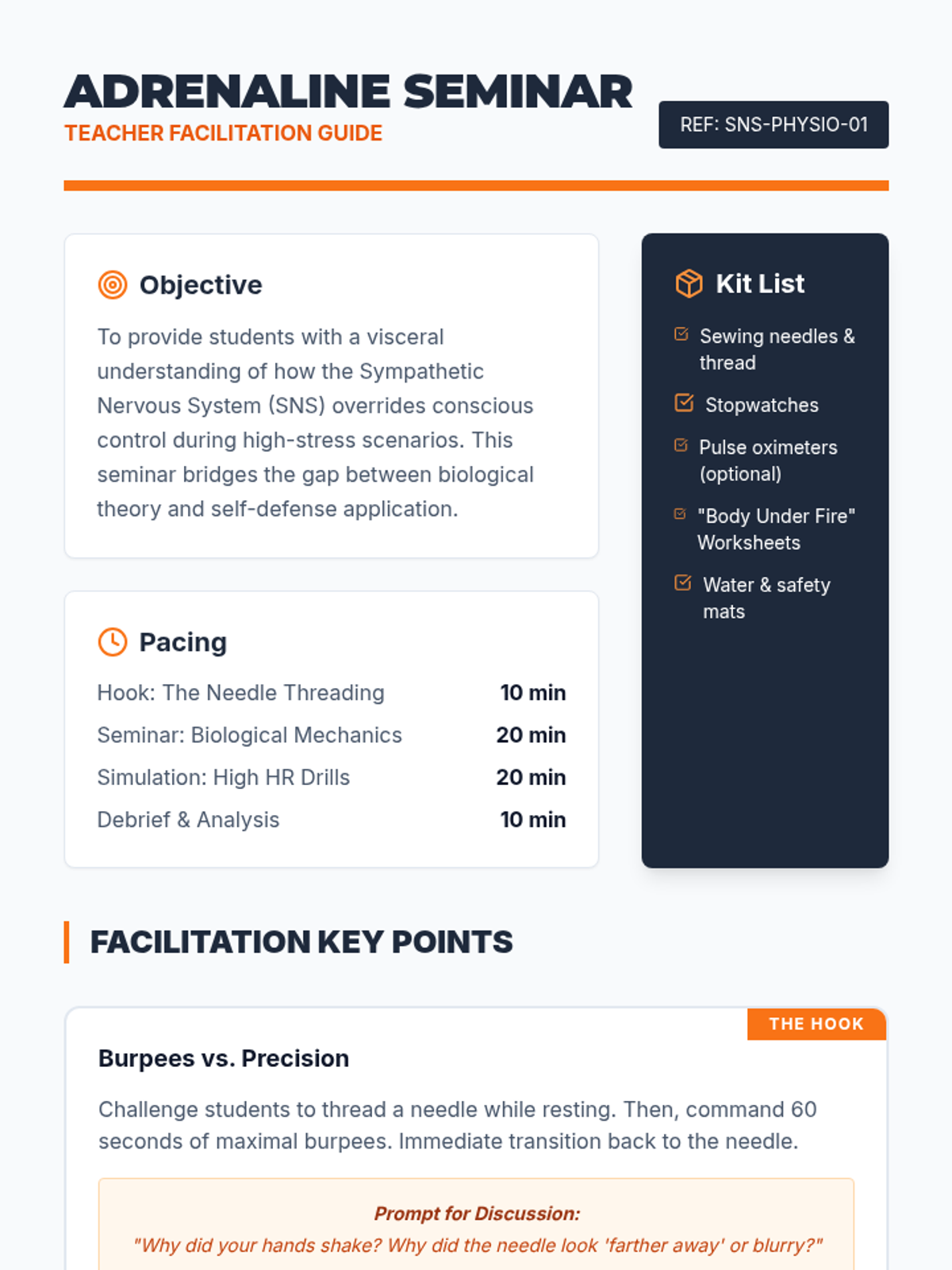
An advanced self-defense sequence for undergraduate students focusing on the physiological and psychological aspects of high-stress combat. Students explore how adrenaline affects decision-making and motor skills through simulations, low-light training, and multiple-attacker scenarios.
A comprehensive undergraduate course focusing on the biomechanical principles of Muay Thai and Boxing. Students explore the kinetic chain, rotational force, and impact mechanics to develop efficient, safe, and powerful striking techniques for self-defense and athletic performance.
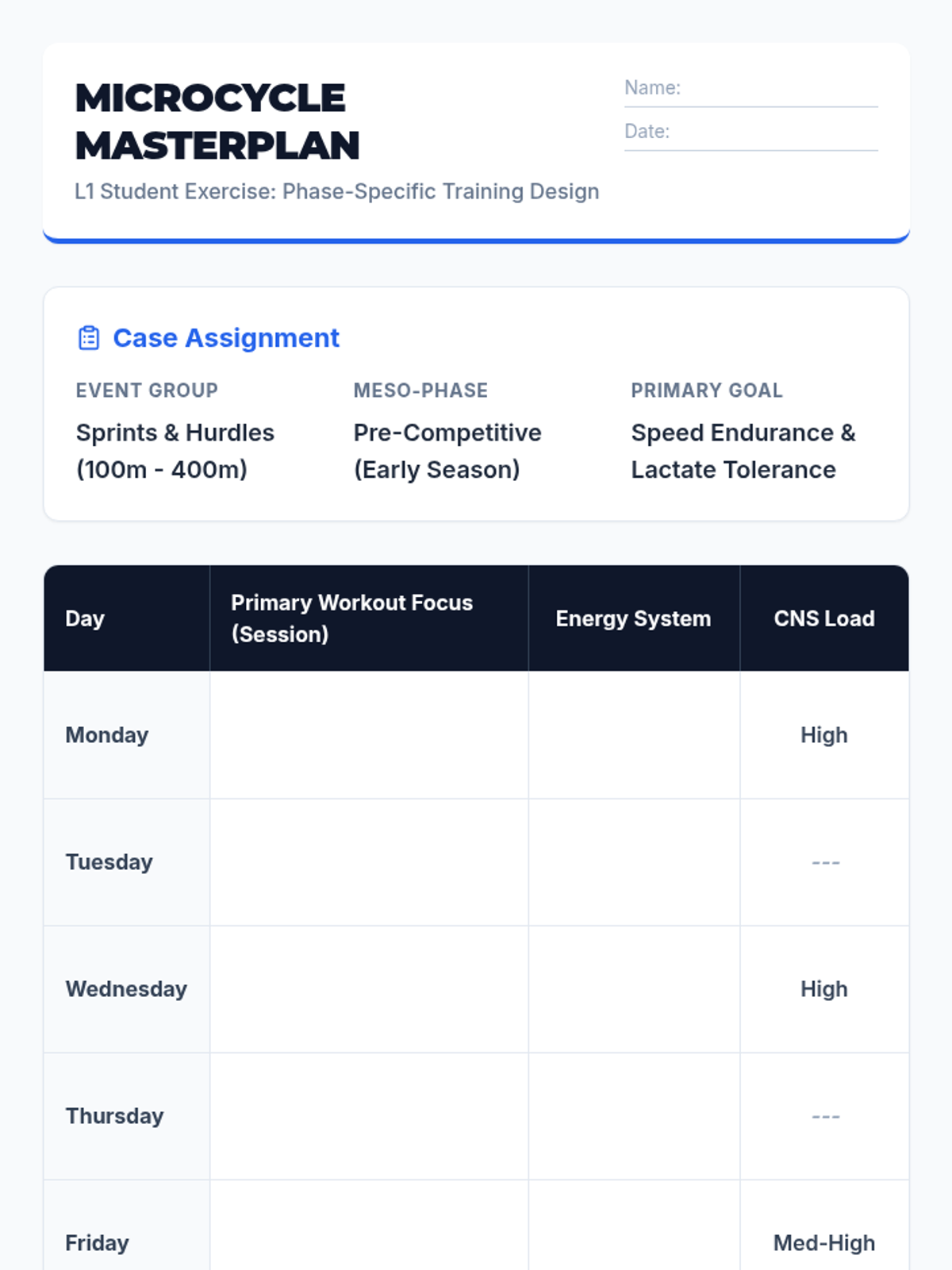
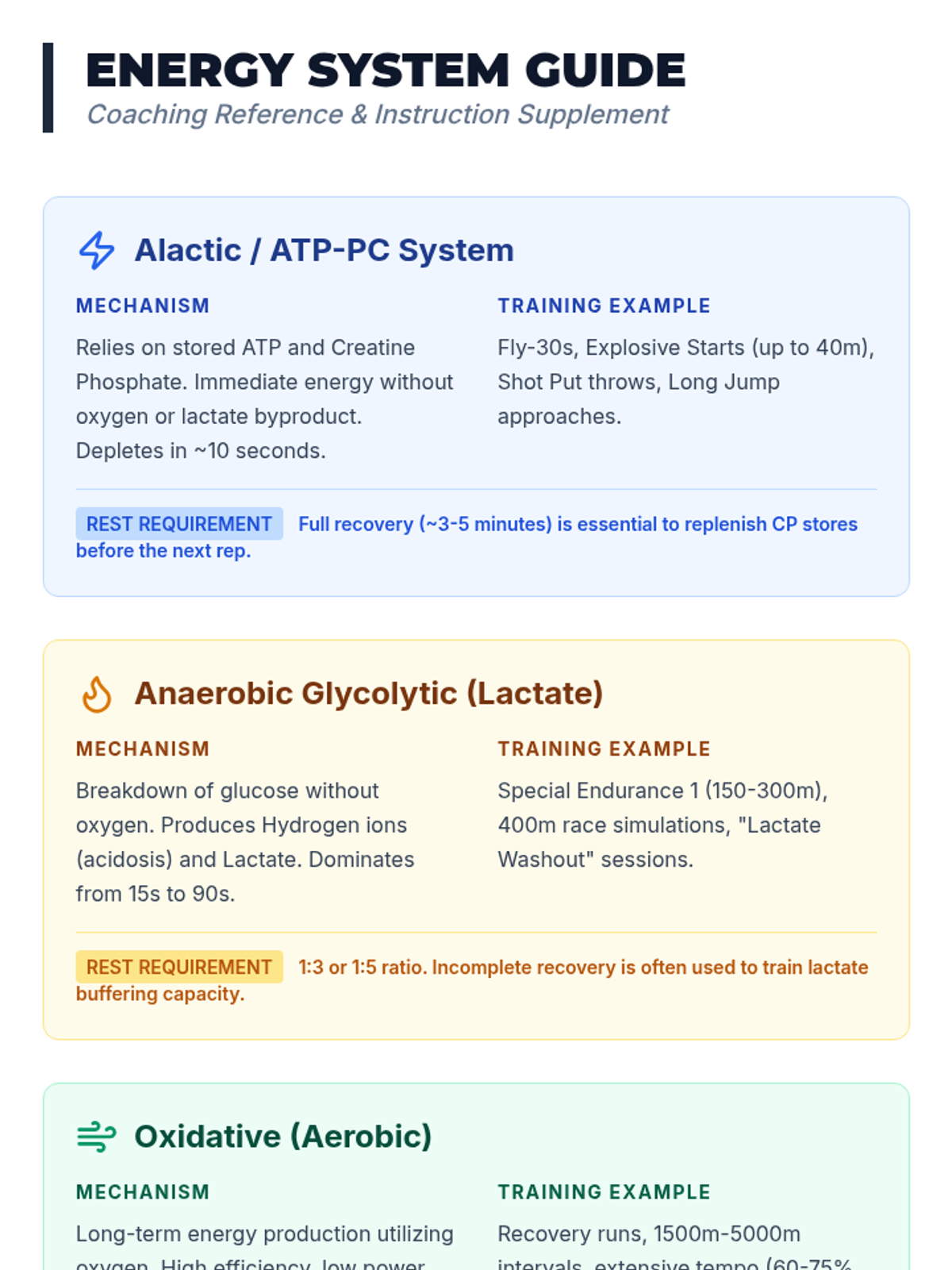
A comprehensive sequence for undergraduate students focusing on the organizational, physiological, and regulatory aspects of Track and Field, covering everything from periodization to meet administration.
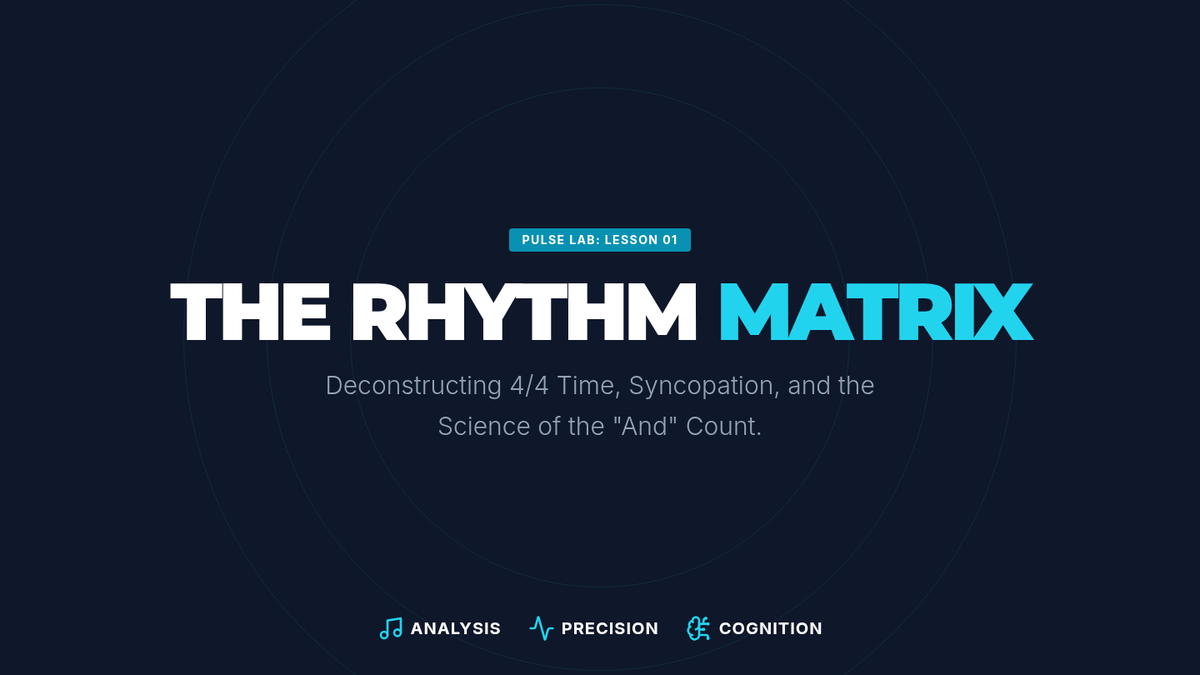
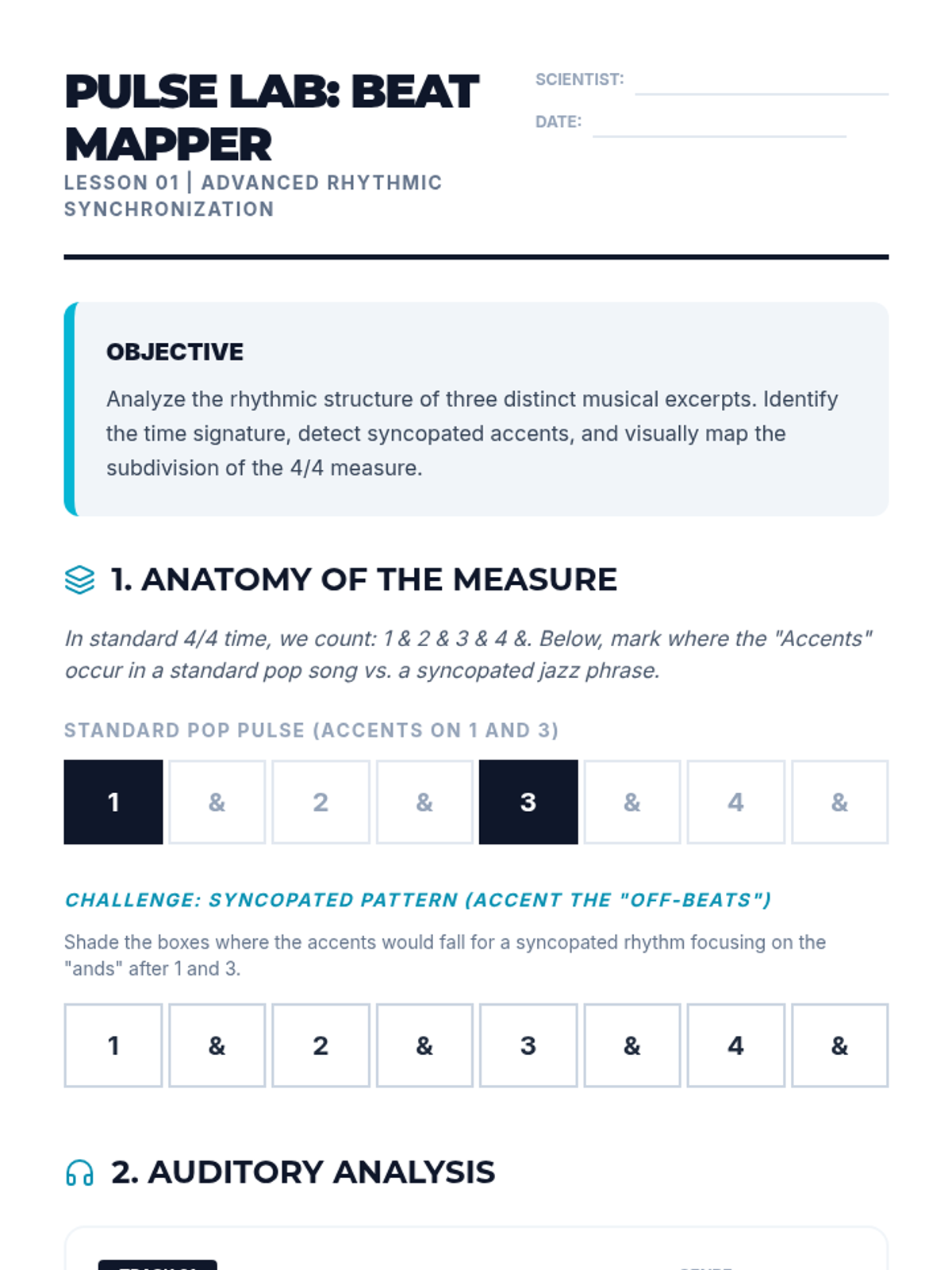
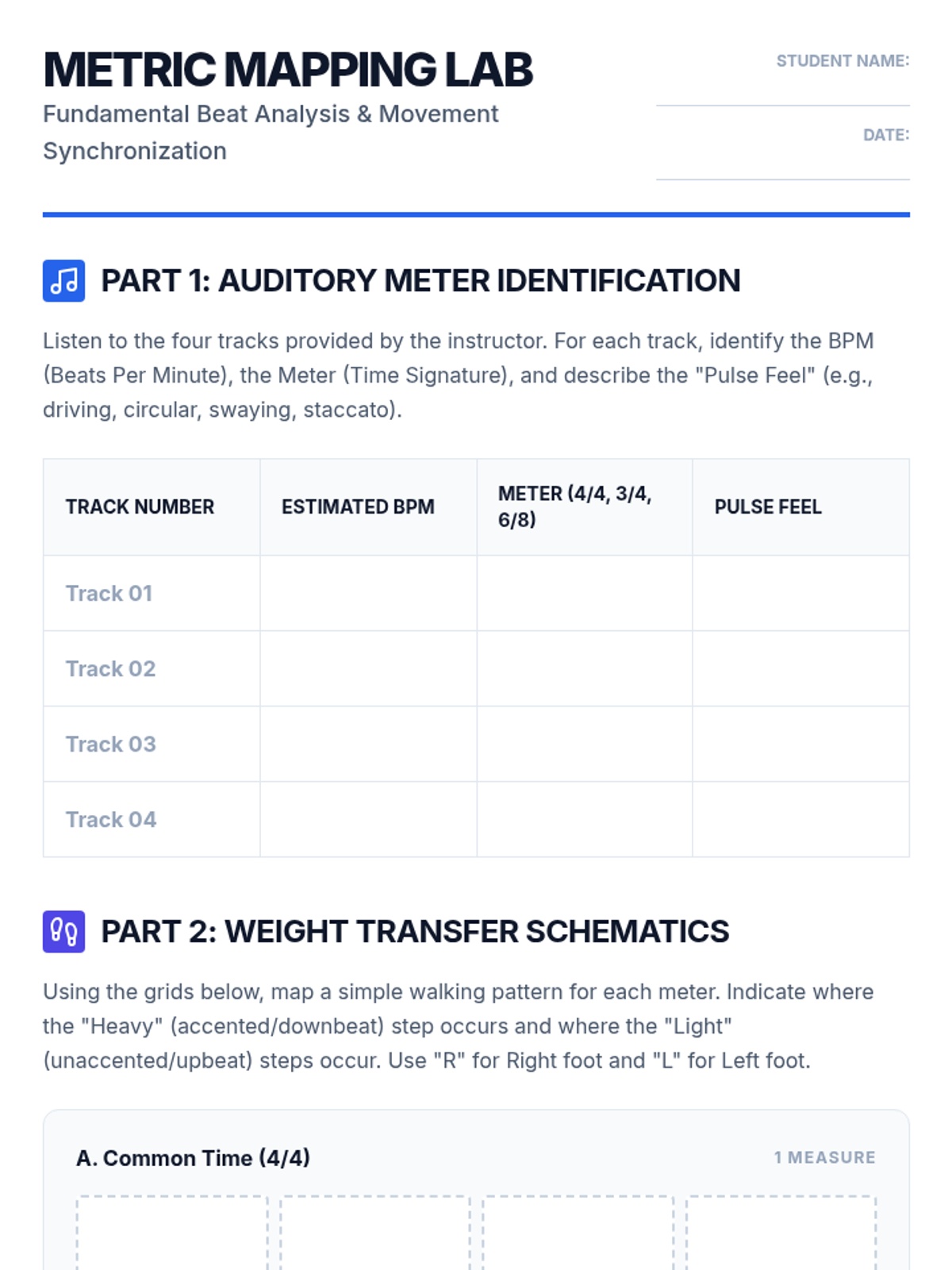
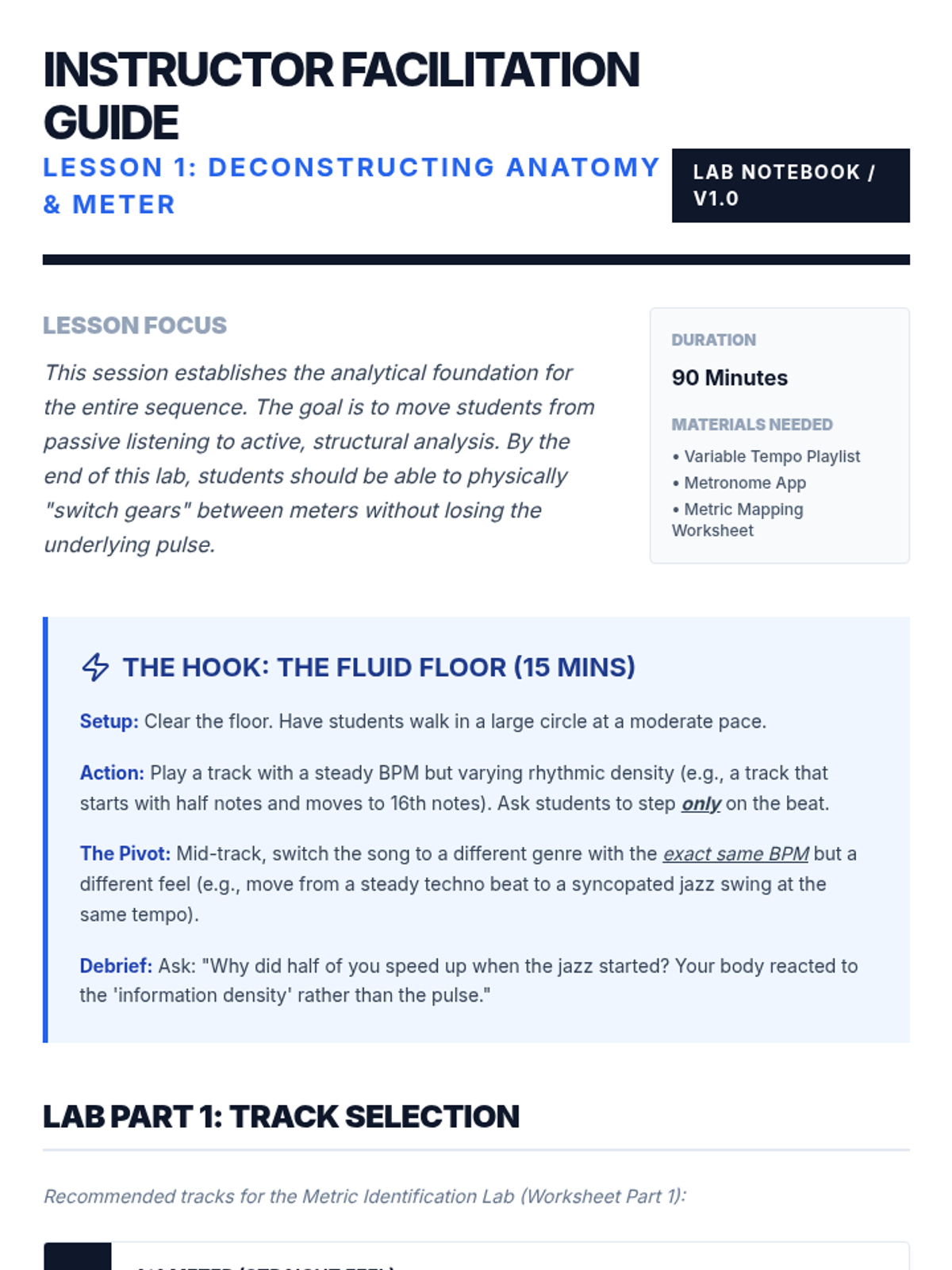
A comprehensive sequence for undergraduate students focused on the analytical deconstruction of musical timing and its physiological application in movement. Students progress from basic meter identification to complex subdivisions, phrasing, and asymmetrical meters, culminating in a precision performance lab.
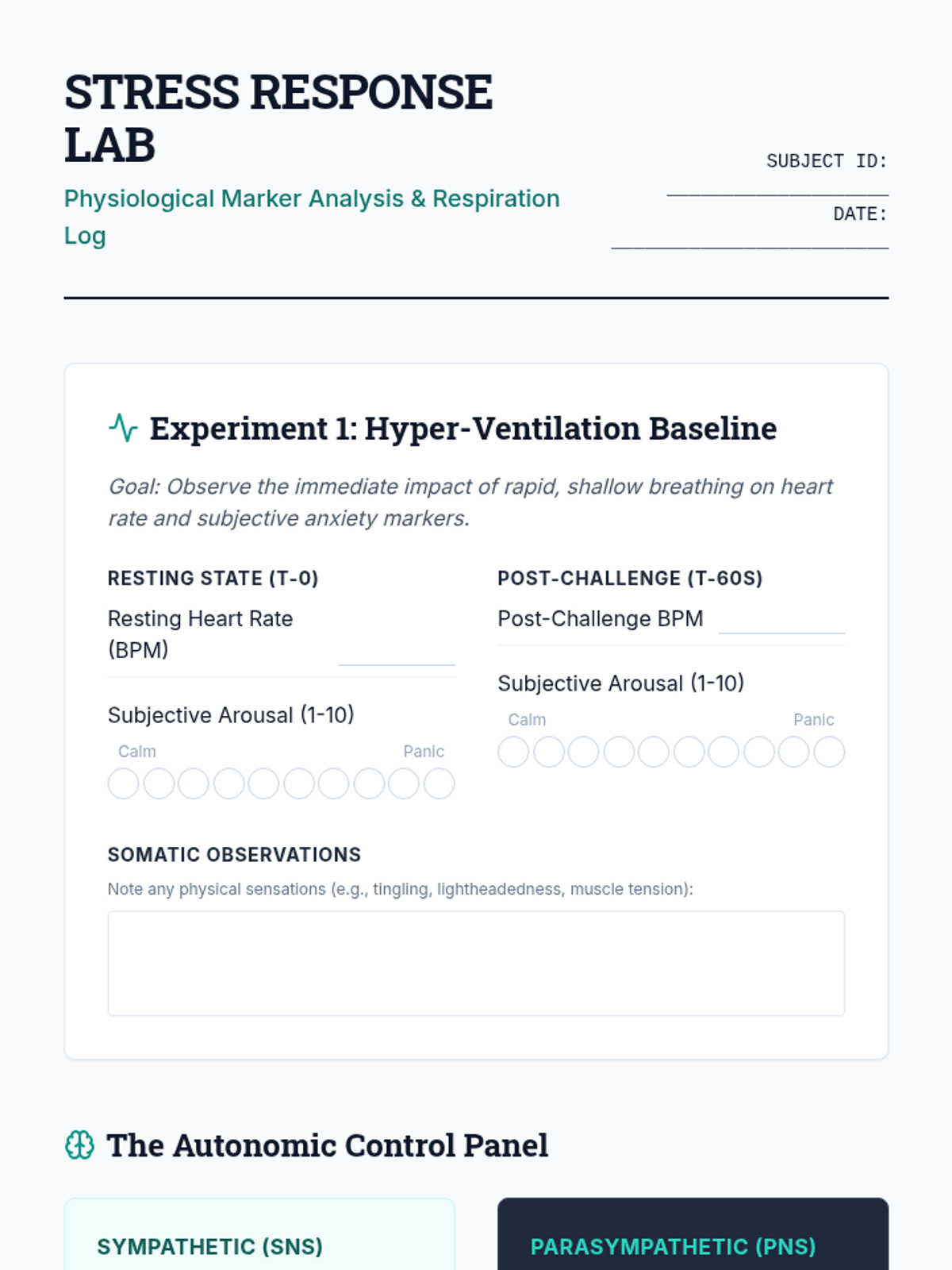
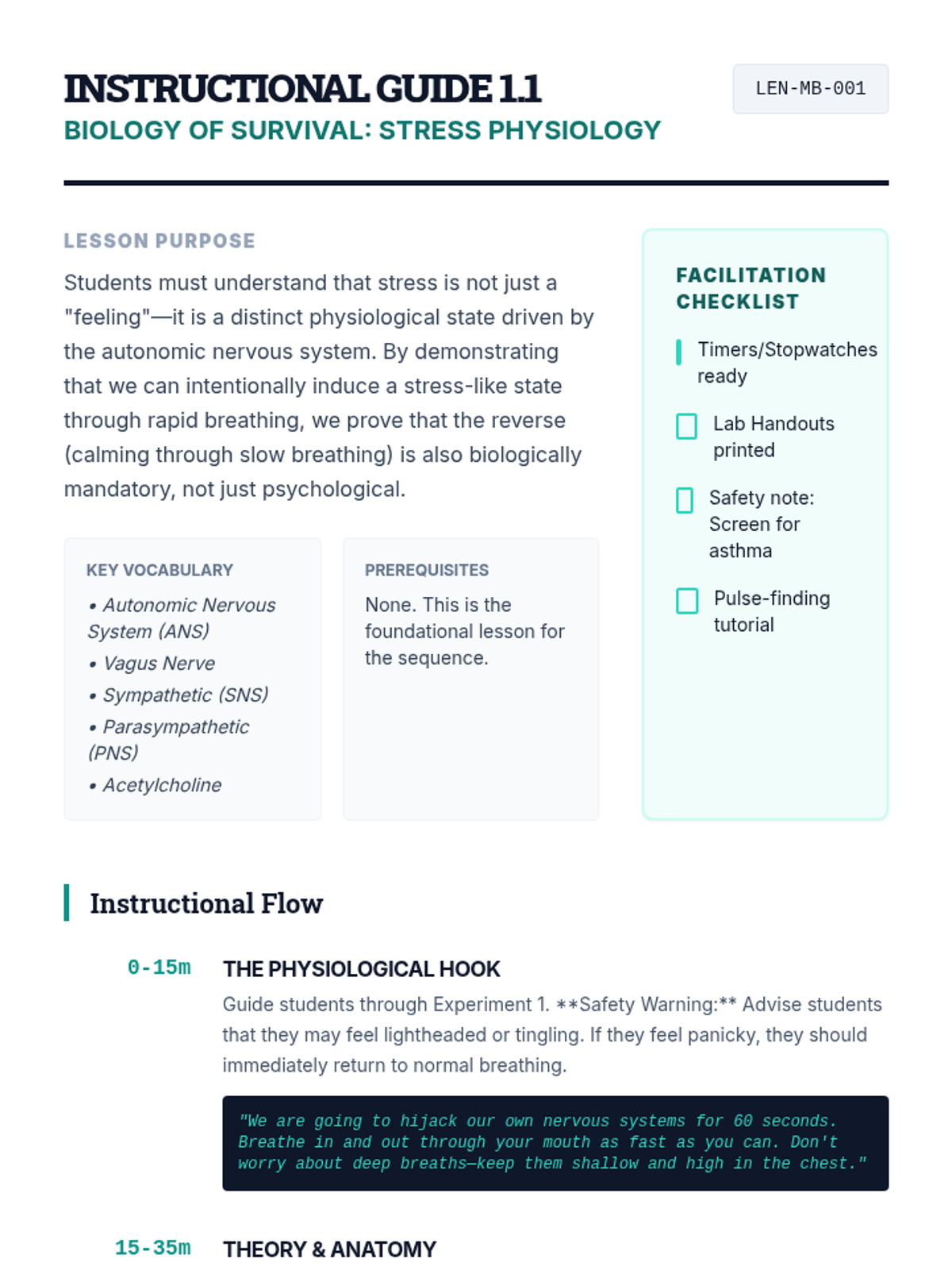
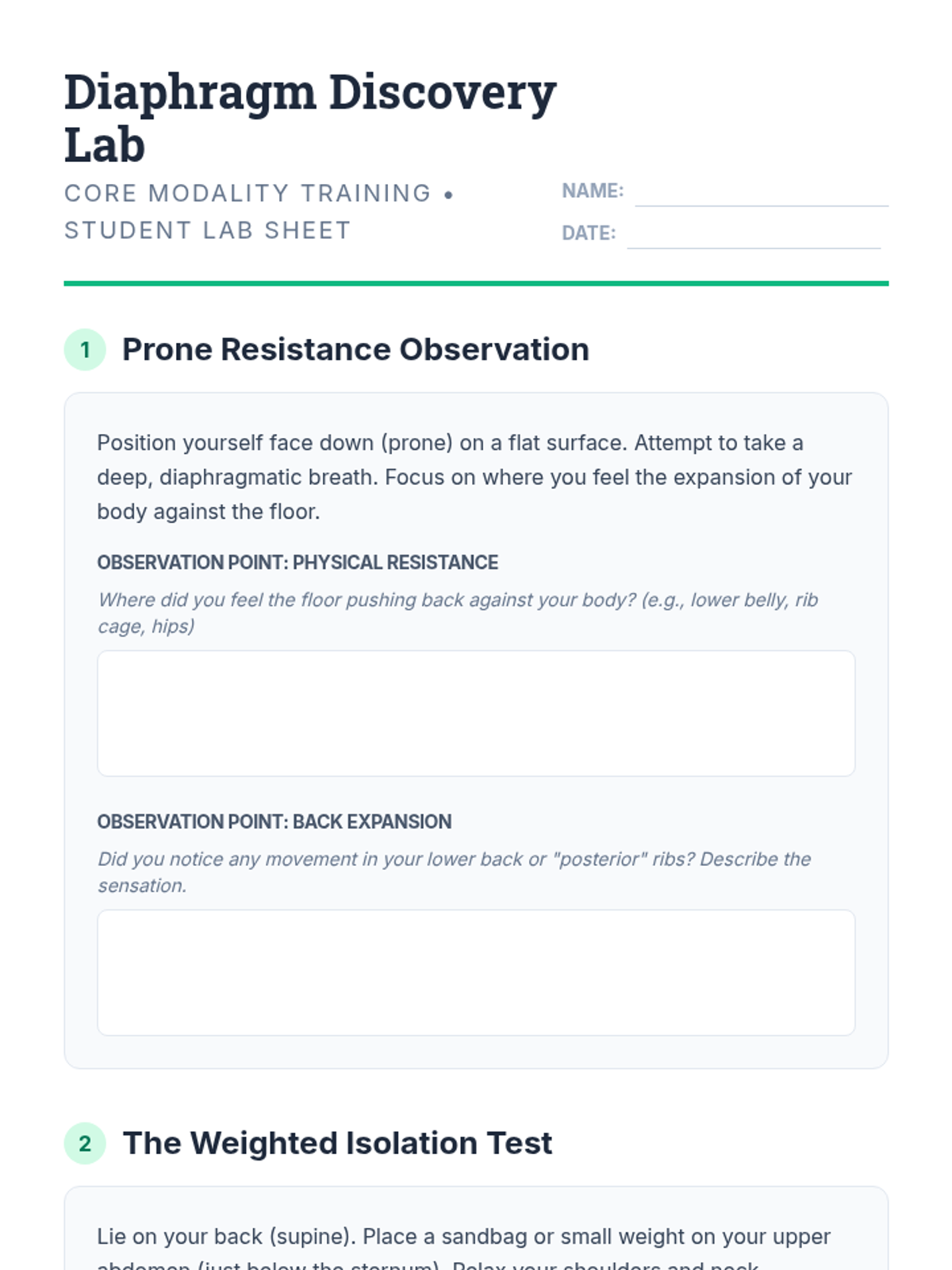
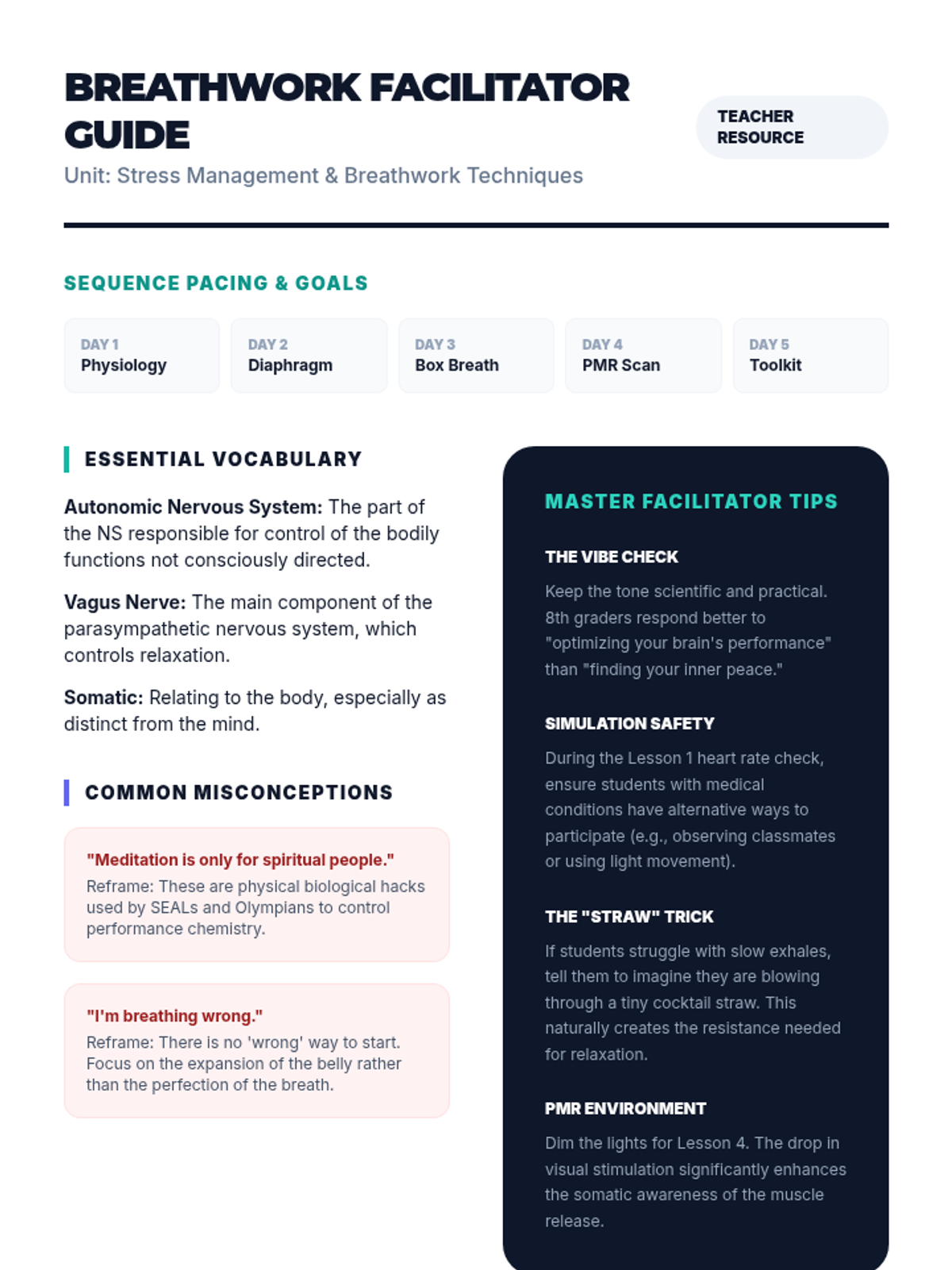
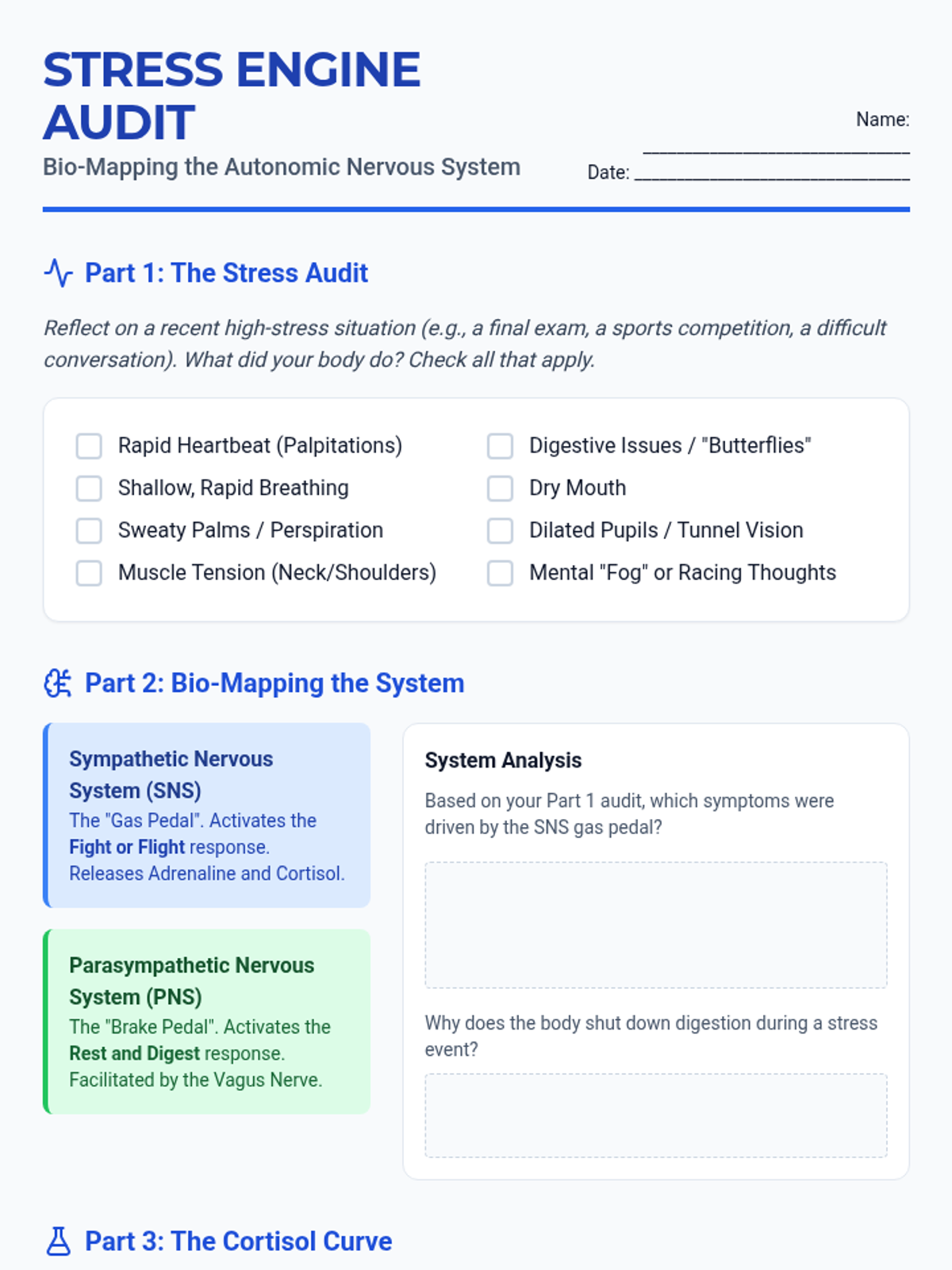
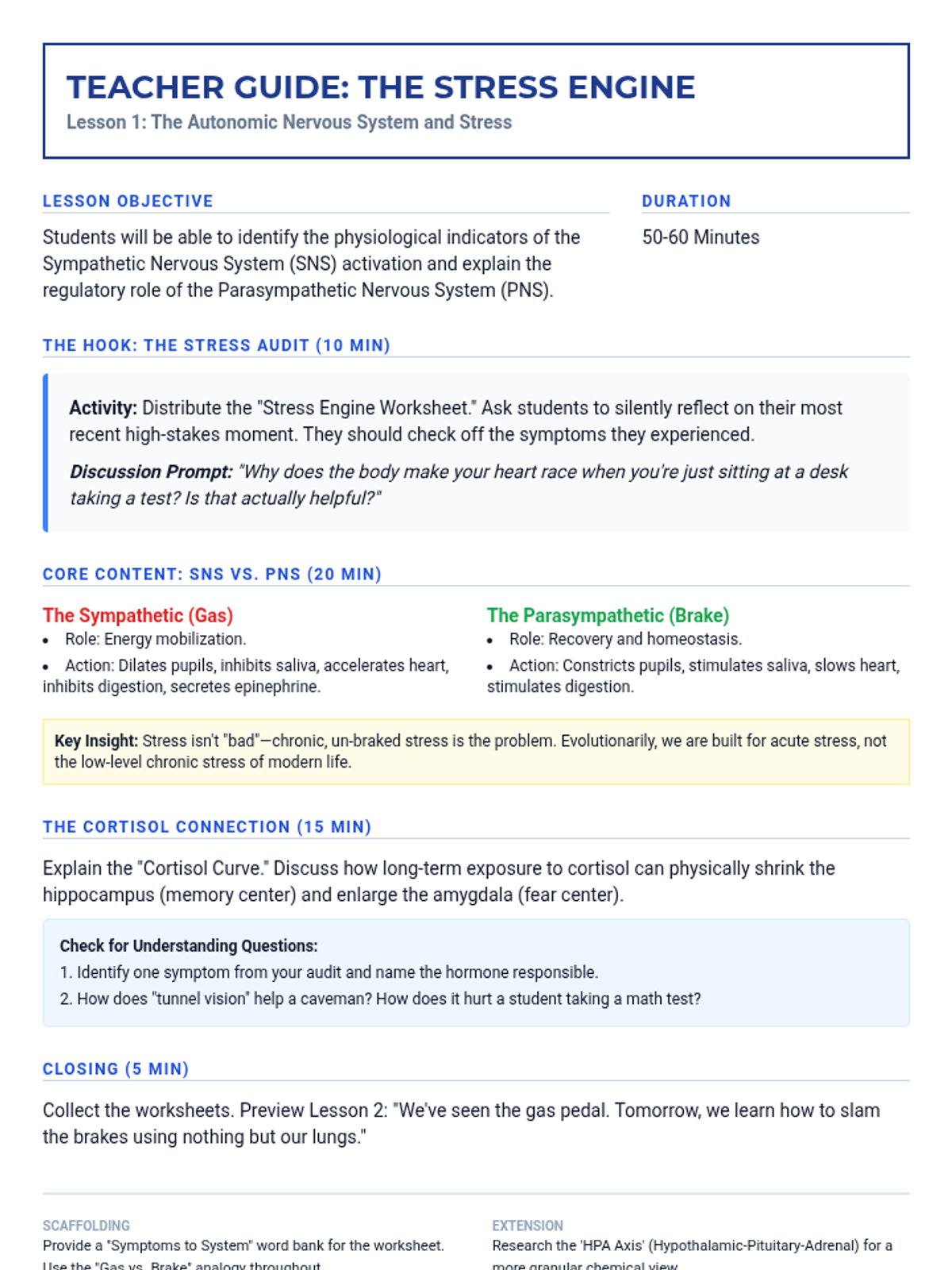
This sequence explores the physiological mechanics of stress and the autonomic nervous system. Students learn how respiratory patterns influence the vagus nerve and amygdala, mastering specific breathwork protocols like diaphragmatic breathing, box breathing, and 4-7-8 for state regulation.
A professional workshop sequence for undergraduate students training in clinical and educational breathwork facilitation. The series progresses from personal mastery of diaphragmatic and rhythmic breathing to advanced adaptations for cognitive challenges and emergency de-escalation scenarios.
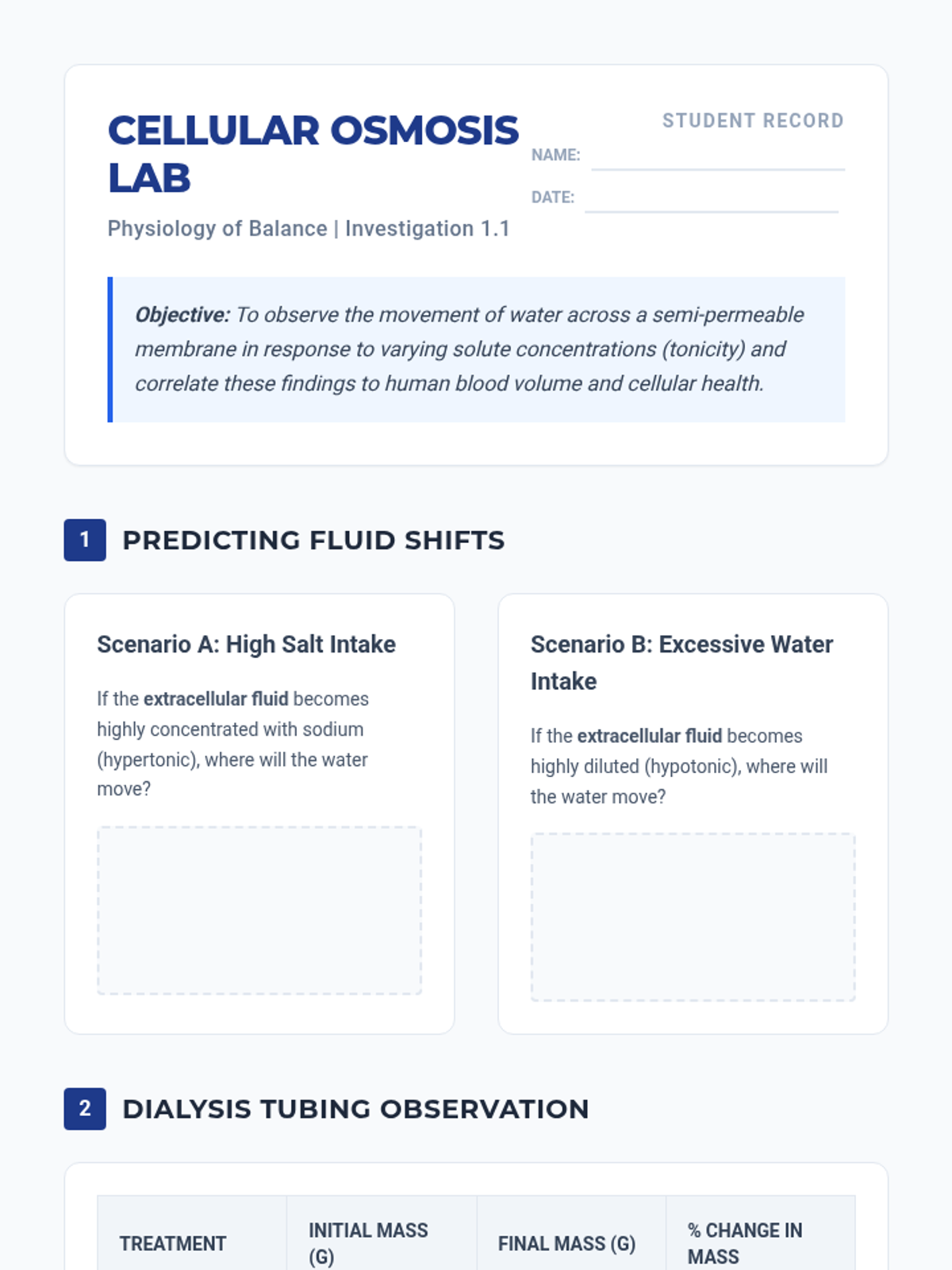
This advanced health sequence challenges 12th-grade students to investigate the physiological mechanisms of osmoregulation and fluid balance. Students analyze the biological necessity of water, diagnose hydration disorders through clinical case studies, calculate personalized sweat rates, and critically evaluate the hydration market to optimize both physical and cognitive performance.
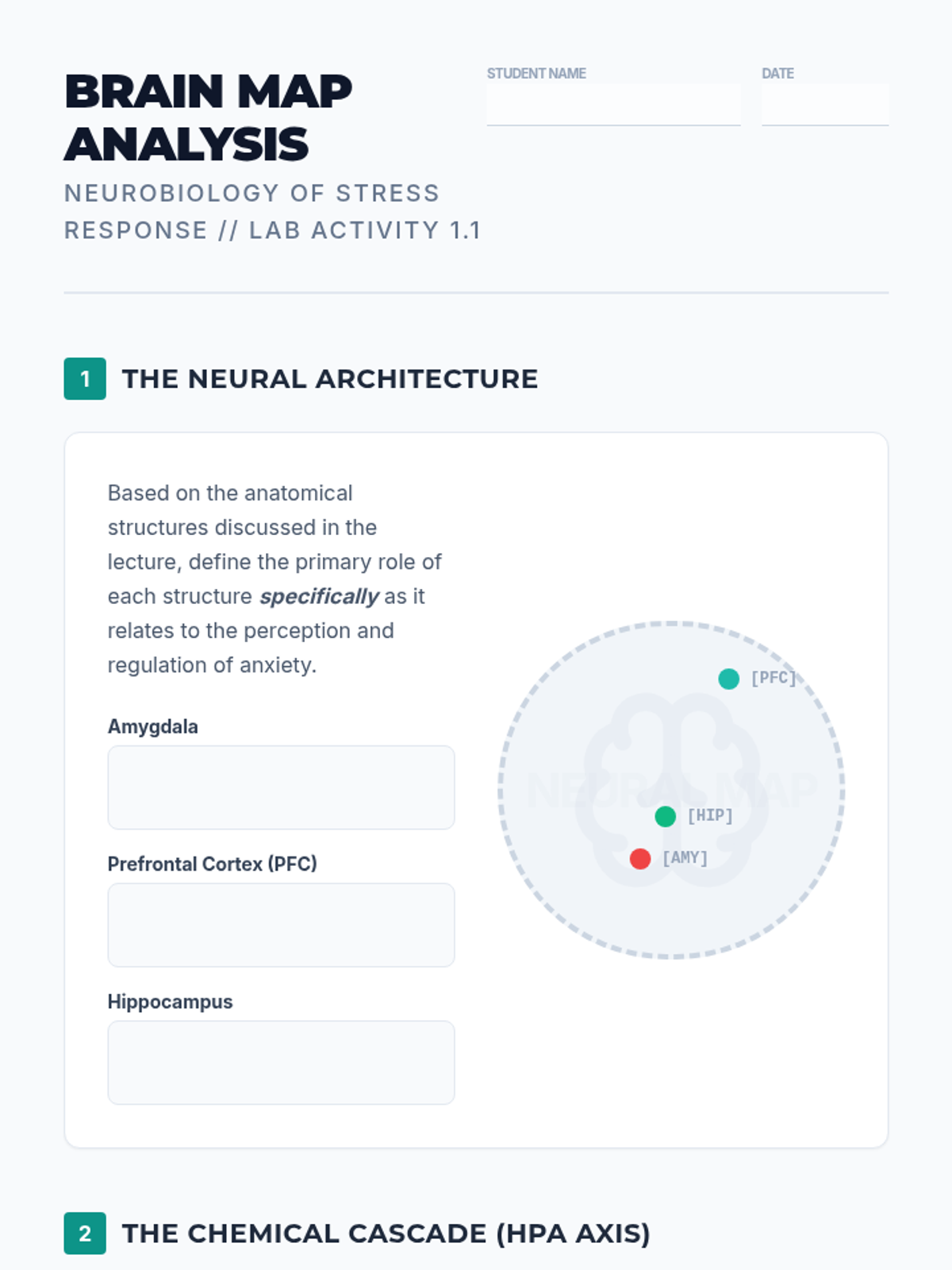
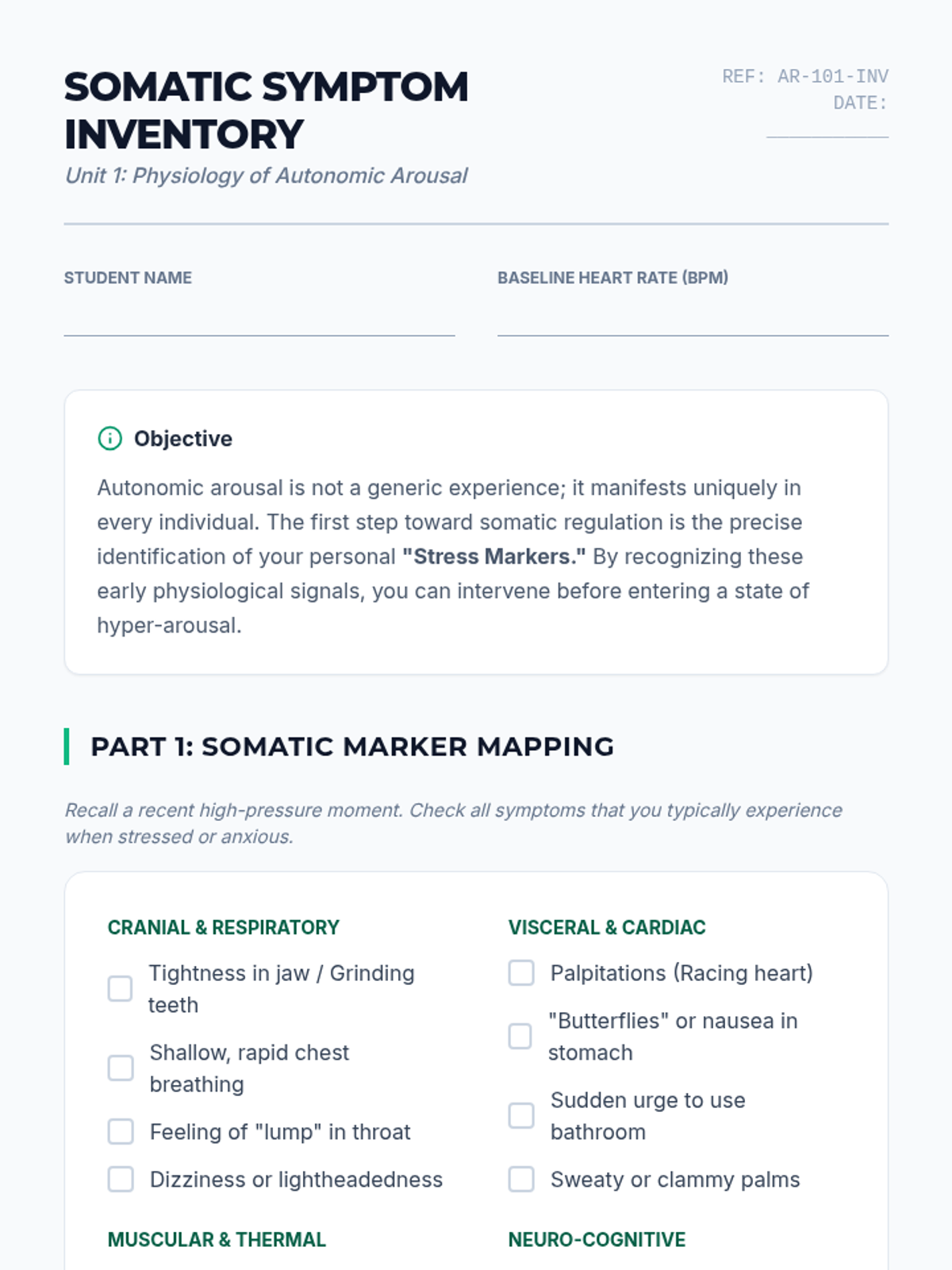
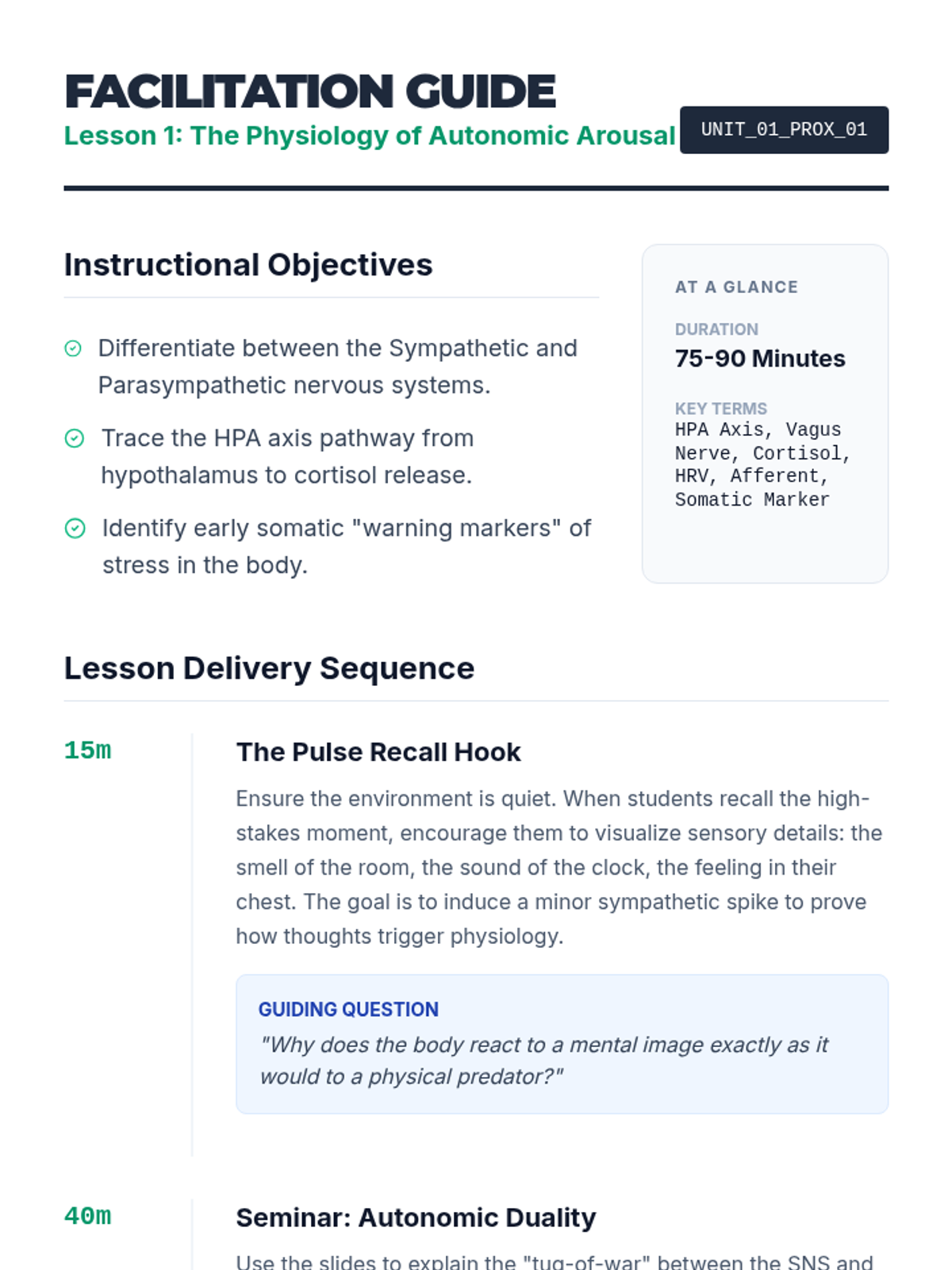
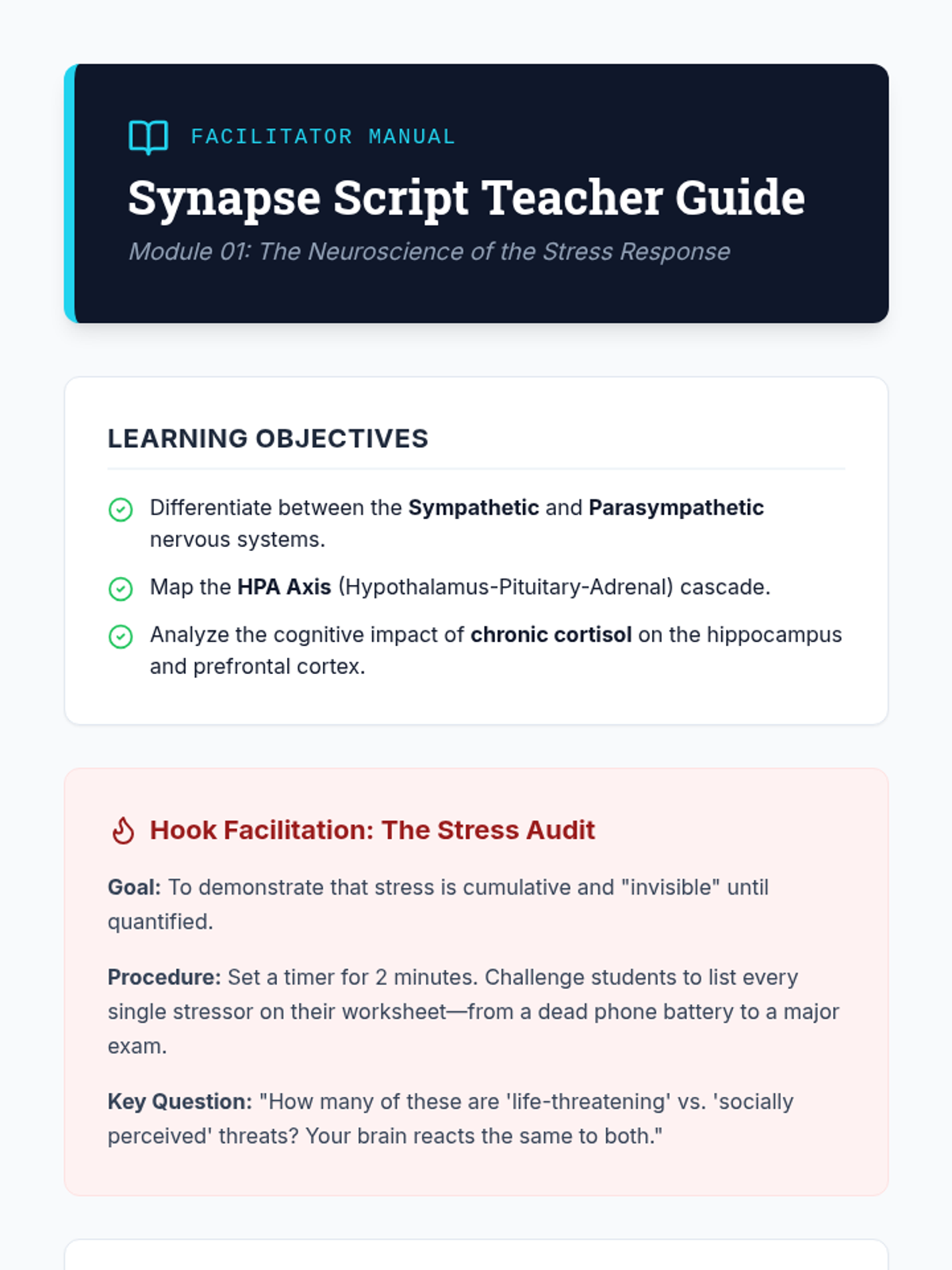
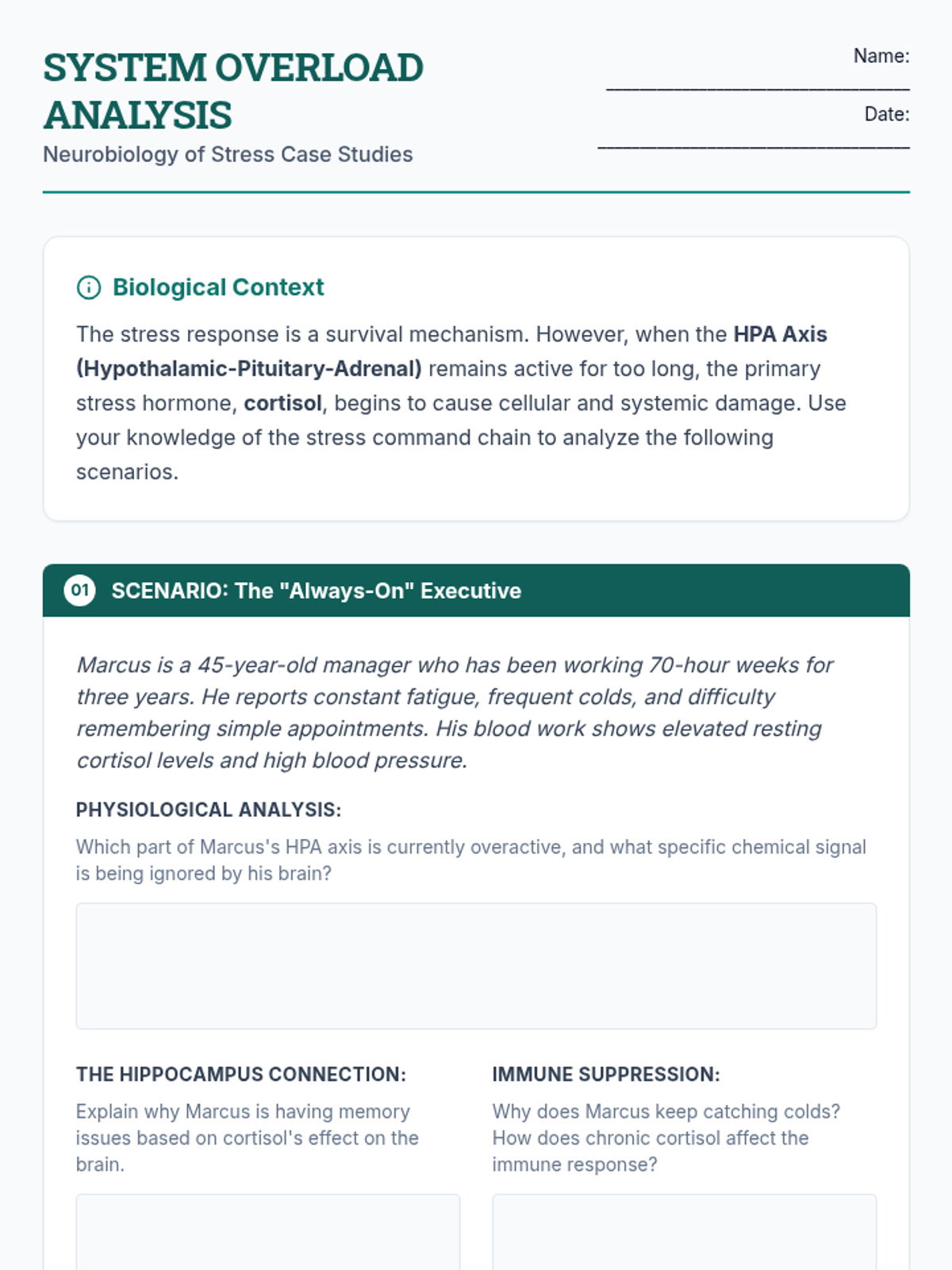
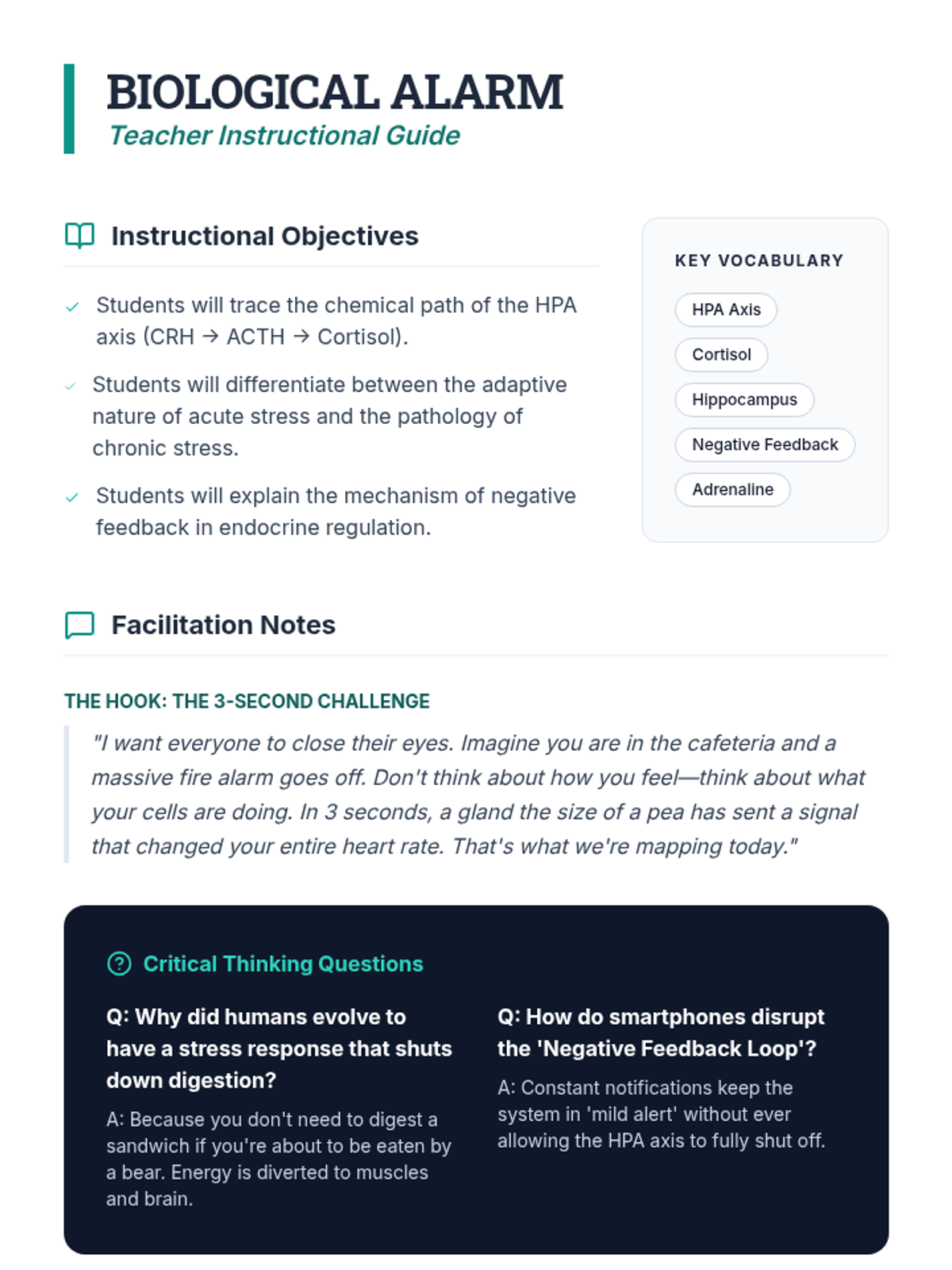
This undergraduate sequence explores the neuroscience and physiology of stress and anxiety, grounding emotional experiences in biological reality. Students will study the HPA axis, evolutionary mismatches, somatic markers, and physiological regulation techniques to move from reactivity to mastery.
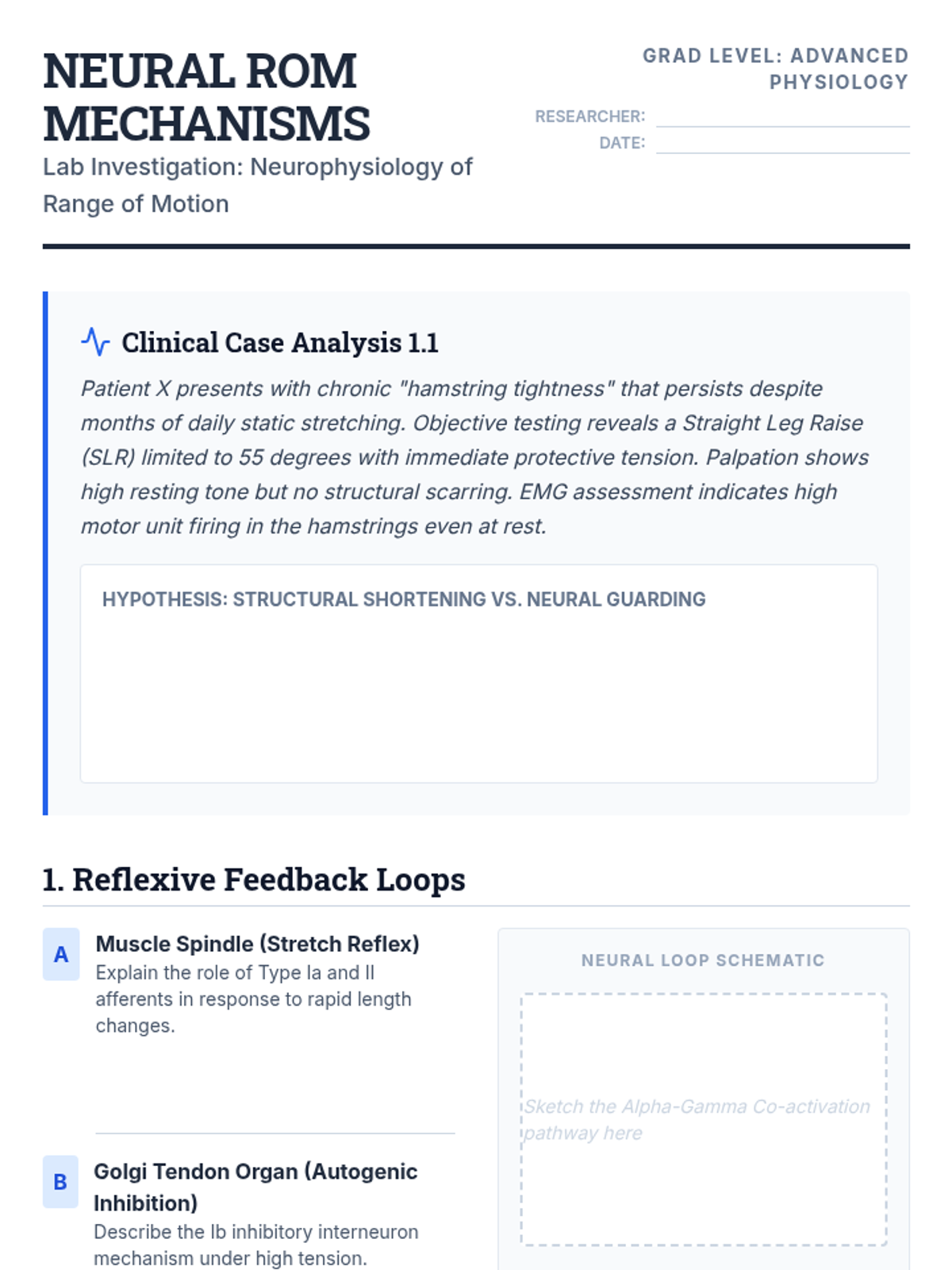
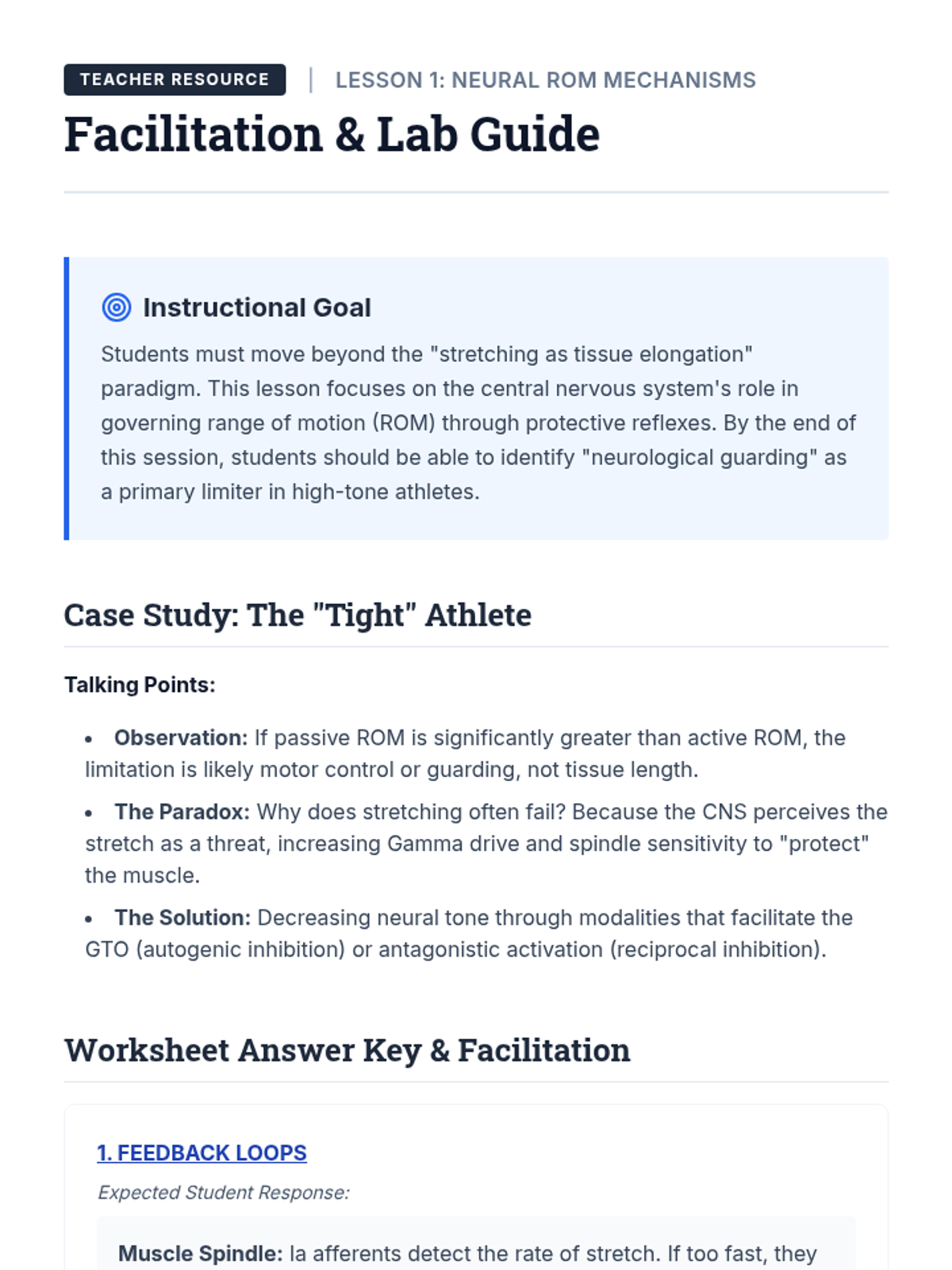
An advanced graduate-level sequence exploring the neurophysiological mechanisms, biomechanical principles, and evidence-based programming for flexibility and mobility in elite and clinical populations.
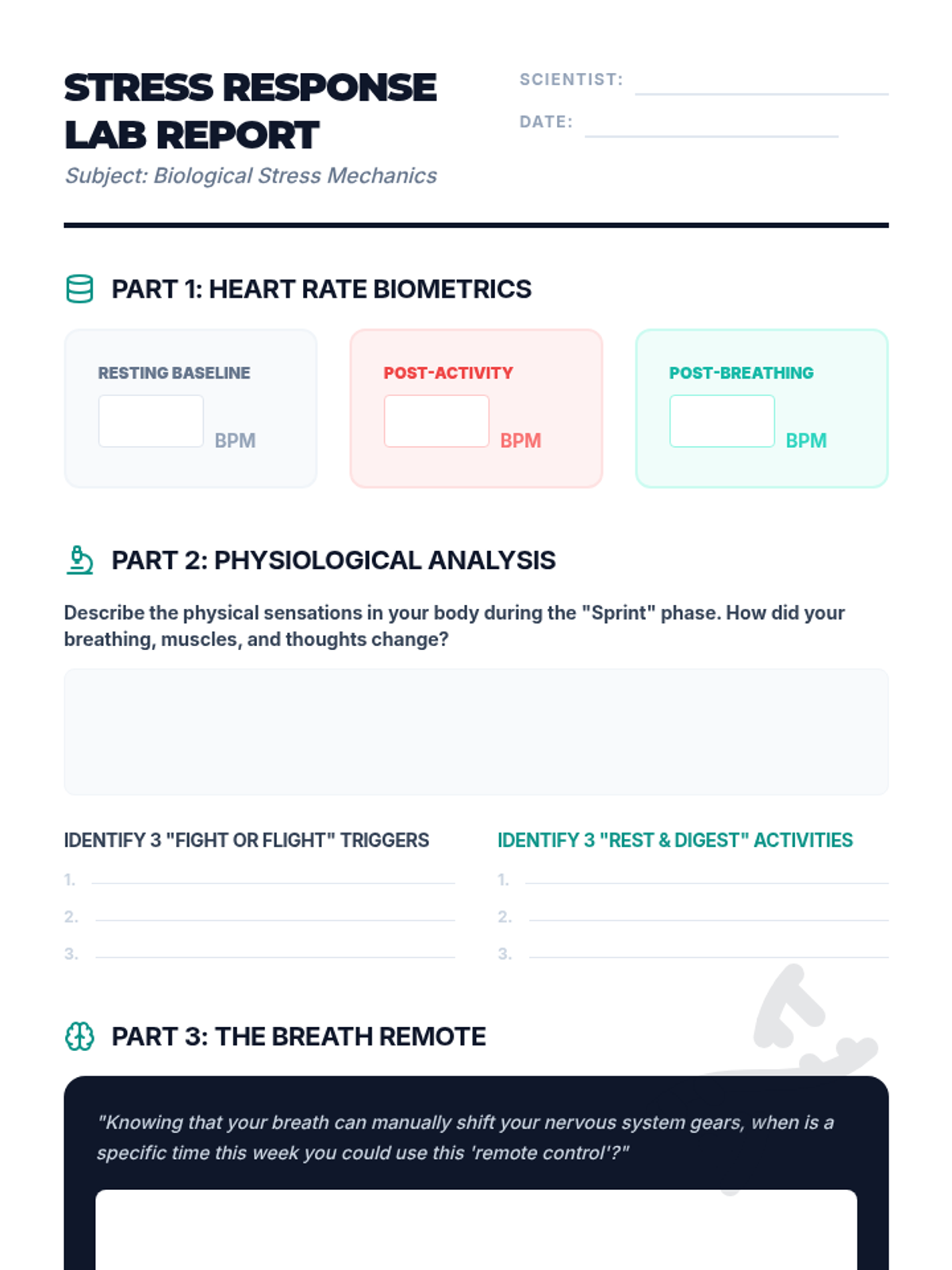
This sequence explores the physiological connection between breath, the nervous system, and stress management. Students learn to transition from 'fight or flight' to the 'rest and digest' state through evidence-based techniques like diaphragmatic breathing, box breathing, and progressive muscle relaxation, ultimately building a personalized self-regulation toolkit.
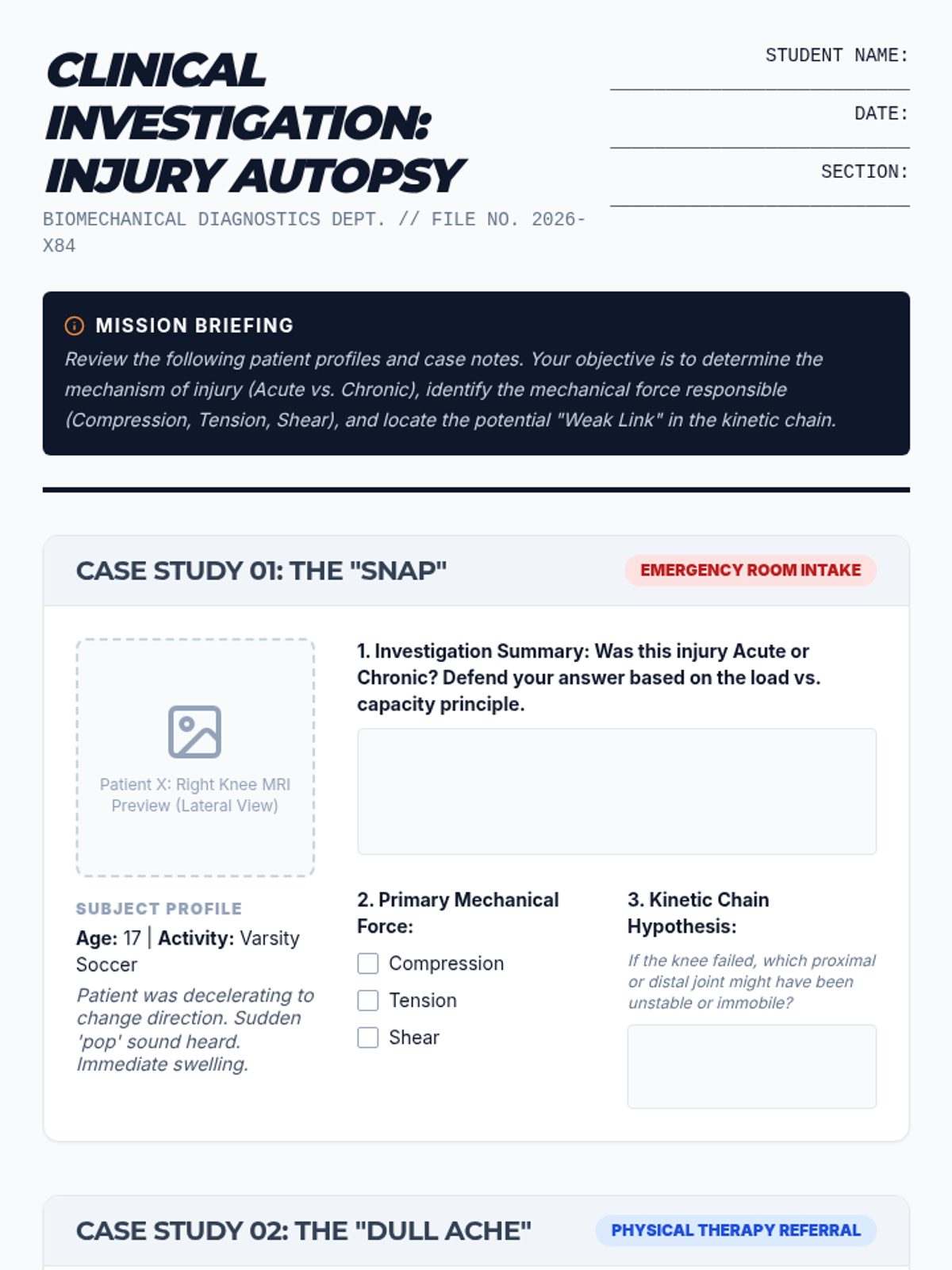
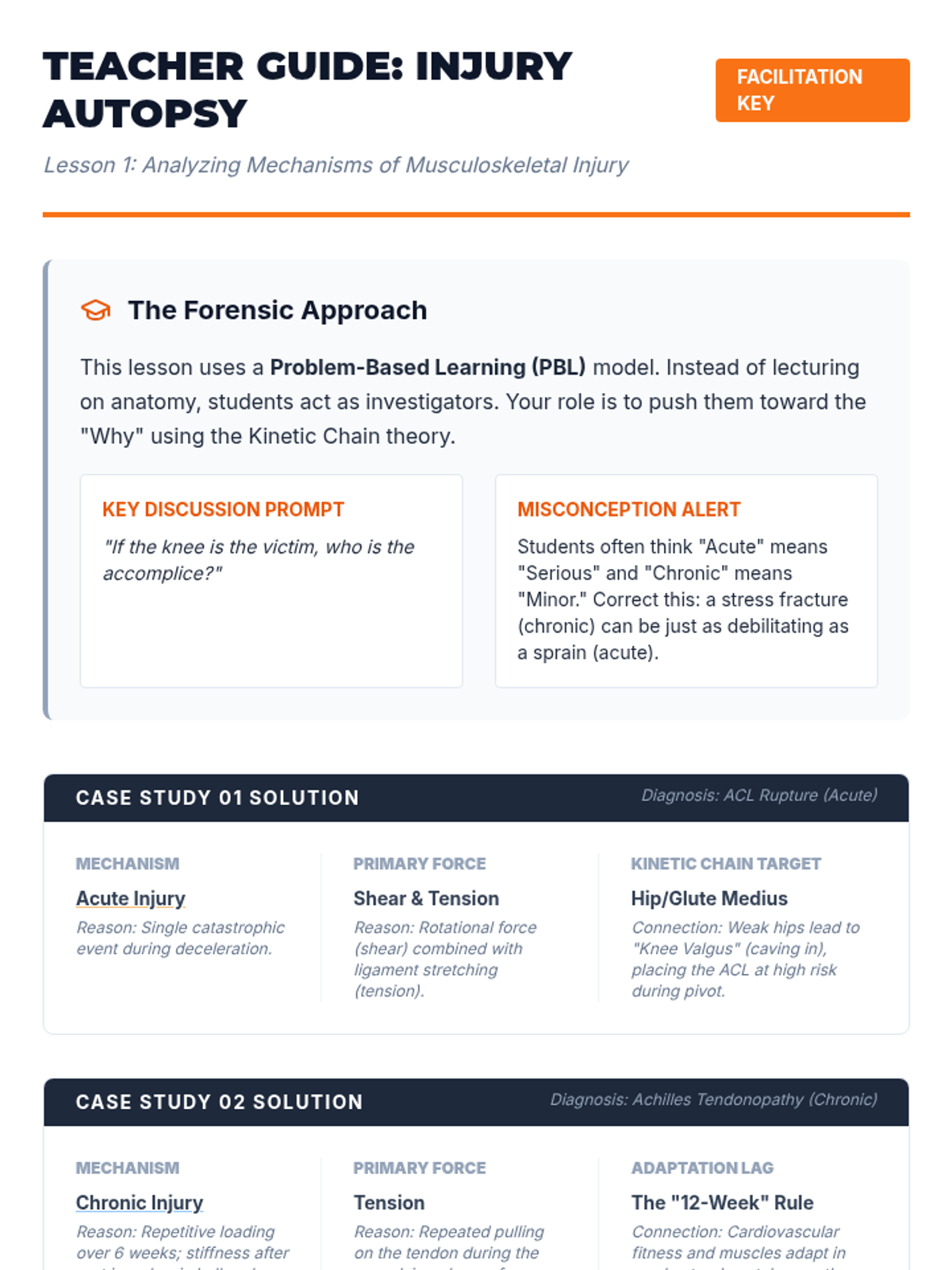
This high-school senior unit explores the biomechanical and environmental factors of injury prevention. Students analyze injury mechanisms, conduct safety audits, and design personalized safety protocols for lifelong physical health.
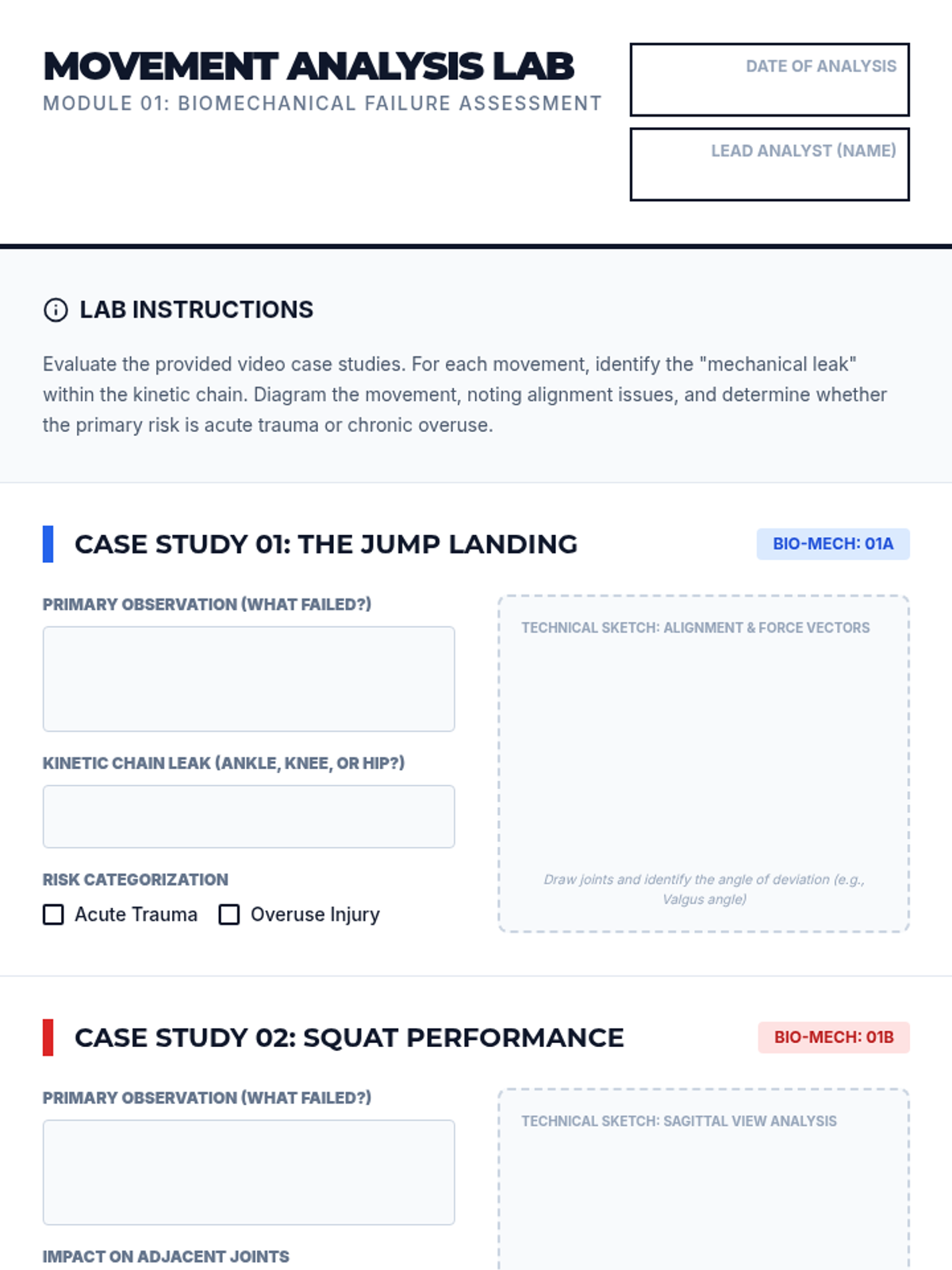
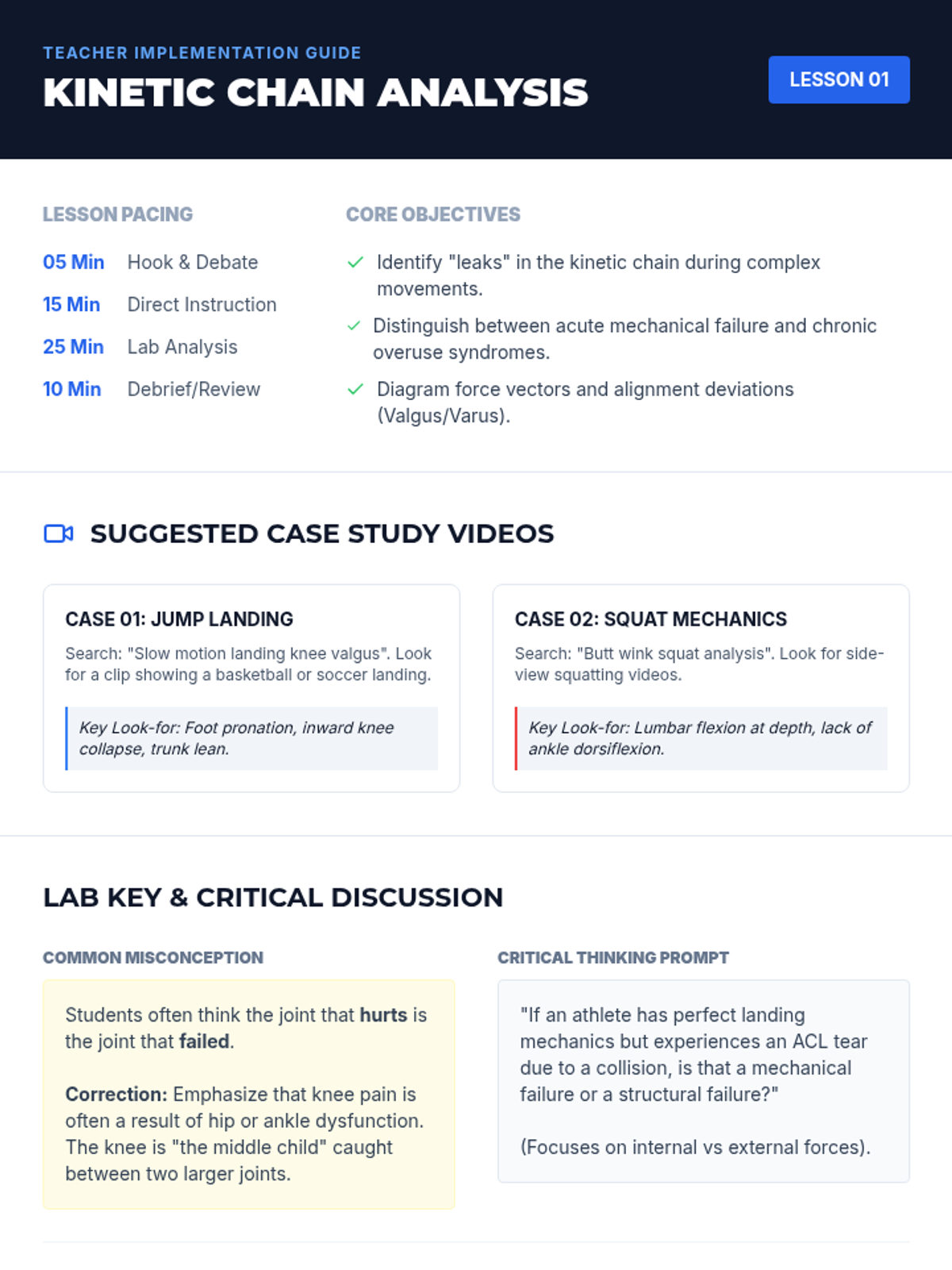
An analytical sequence exploring injury prevention through the lenses of biomechanics, protective engineering, environmental assessment, and physiological preparation. Students transition from understanding mechanical failure to designing comprehensive safety protocols.
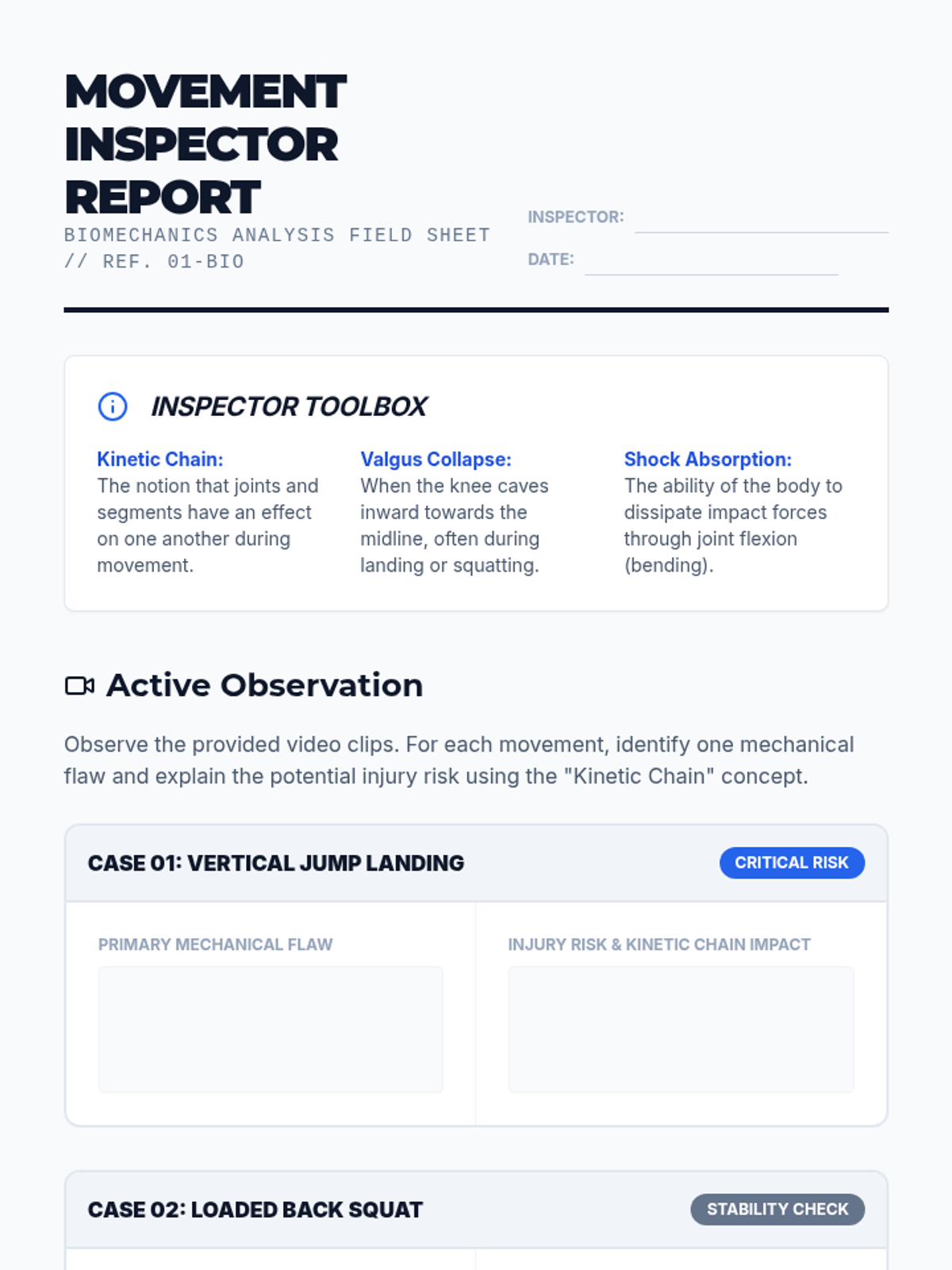
Students adopt the role of athletic trainers and safety inspectors to apply scientific principles to injury prevention. They analyze biomechanics, equipment integrity, and environmental hazards to design comprehensive safety protocols.
A comprehensive physiological and psychological exploration of the autonomic nervous system, focusing on evidence-based breathing and muscular relaxation techniques to manage stress and optimize performance for undergraduate students.
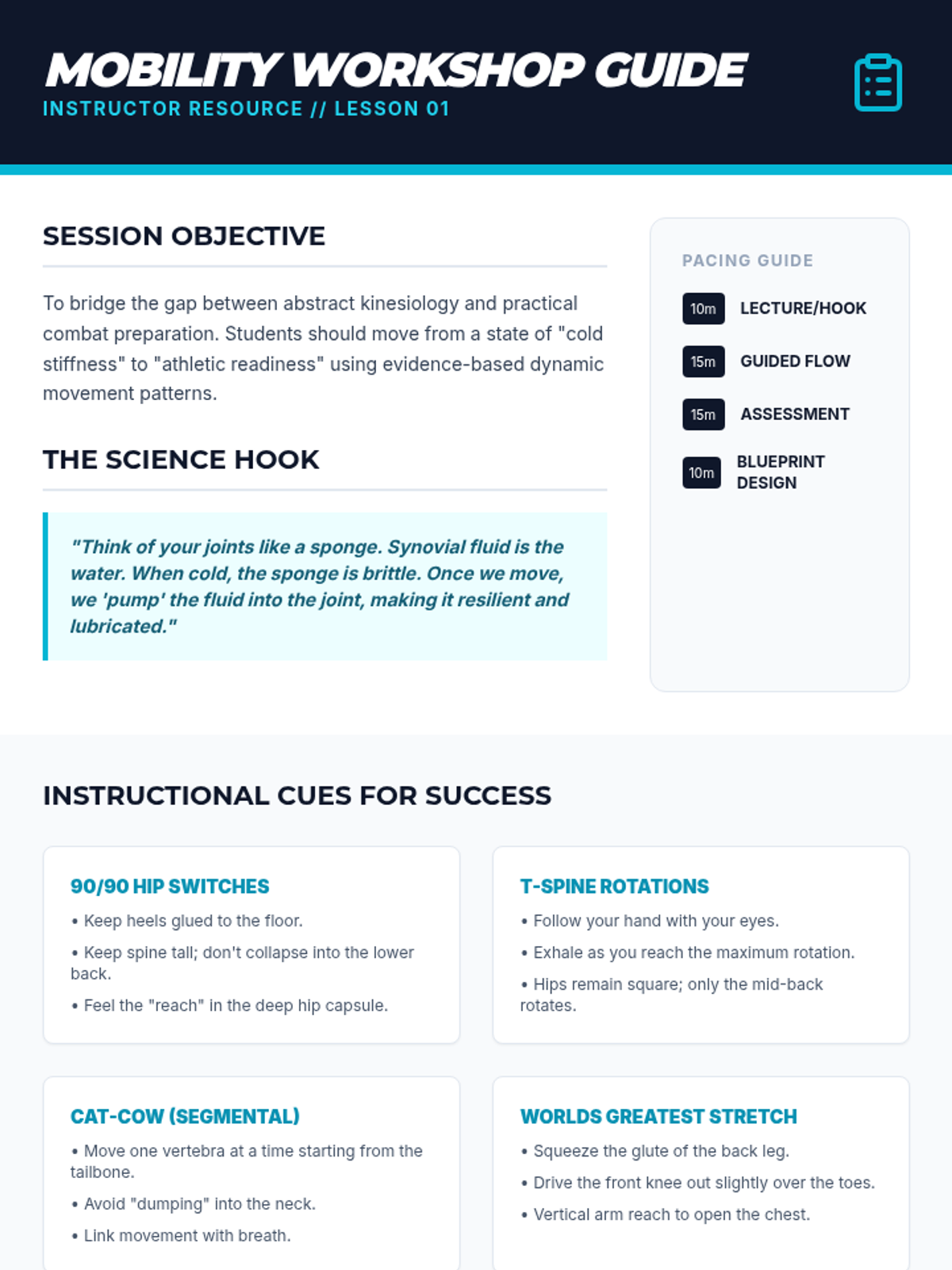
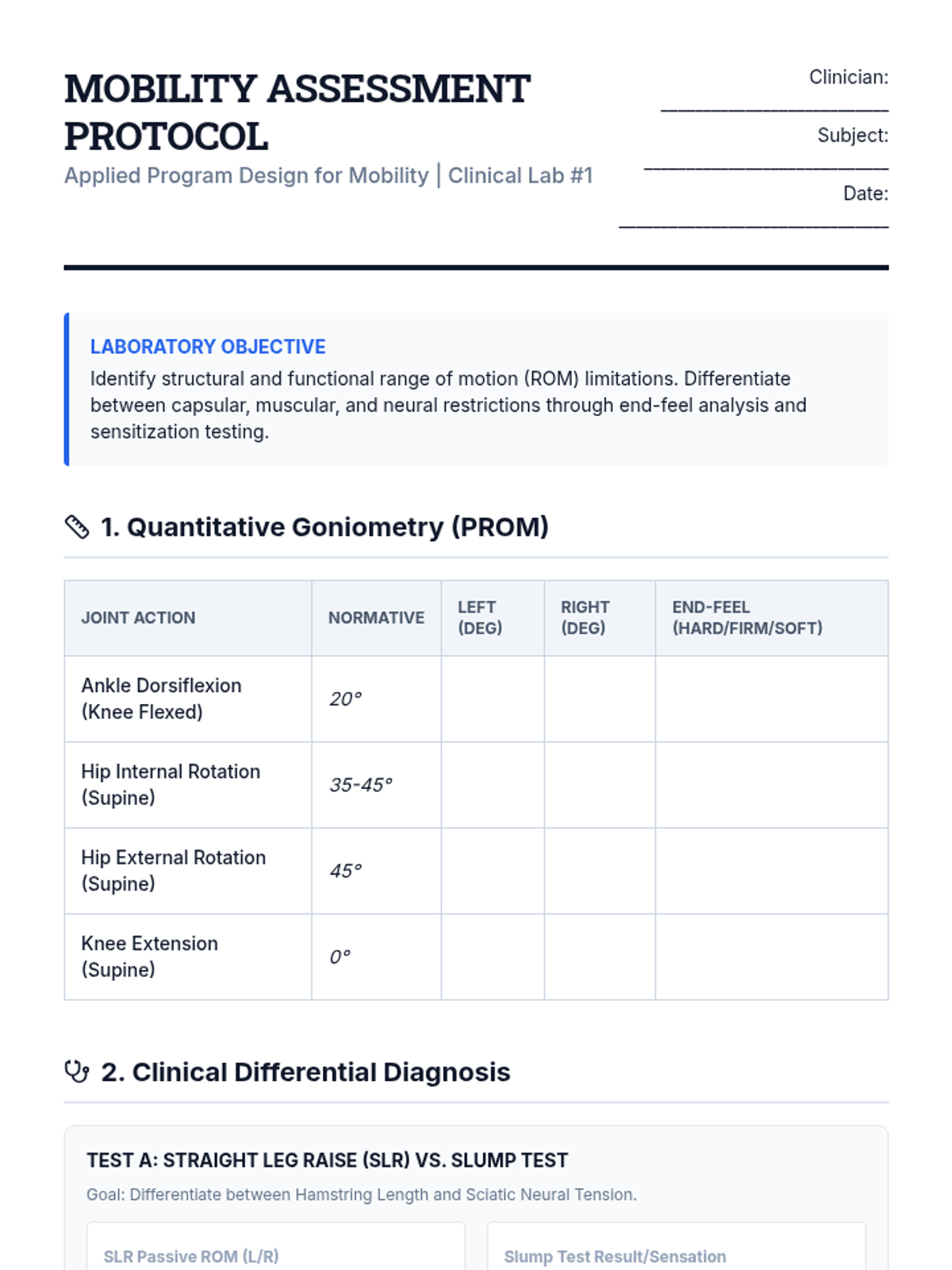
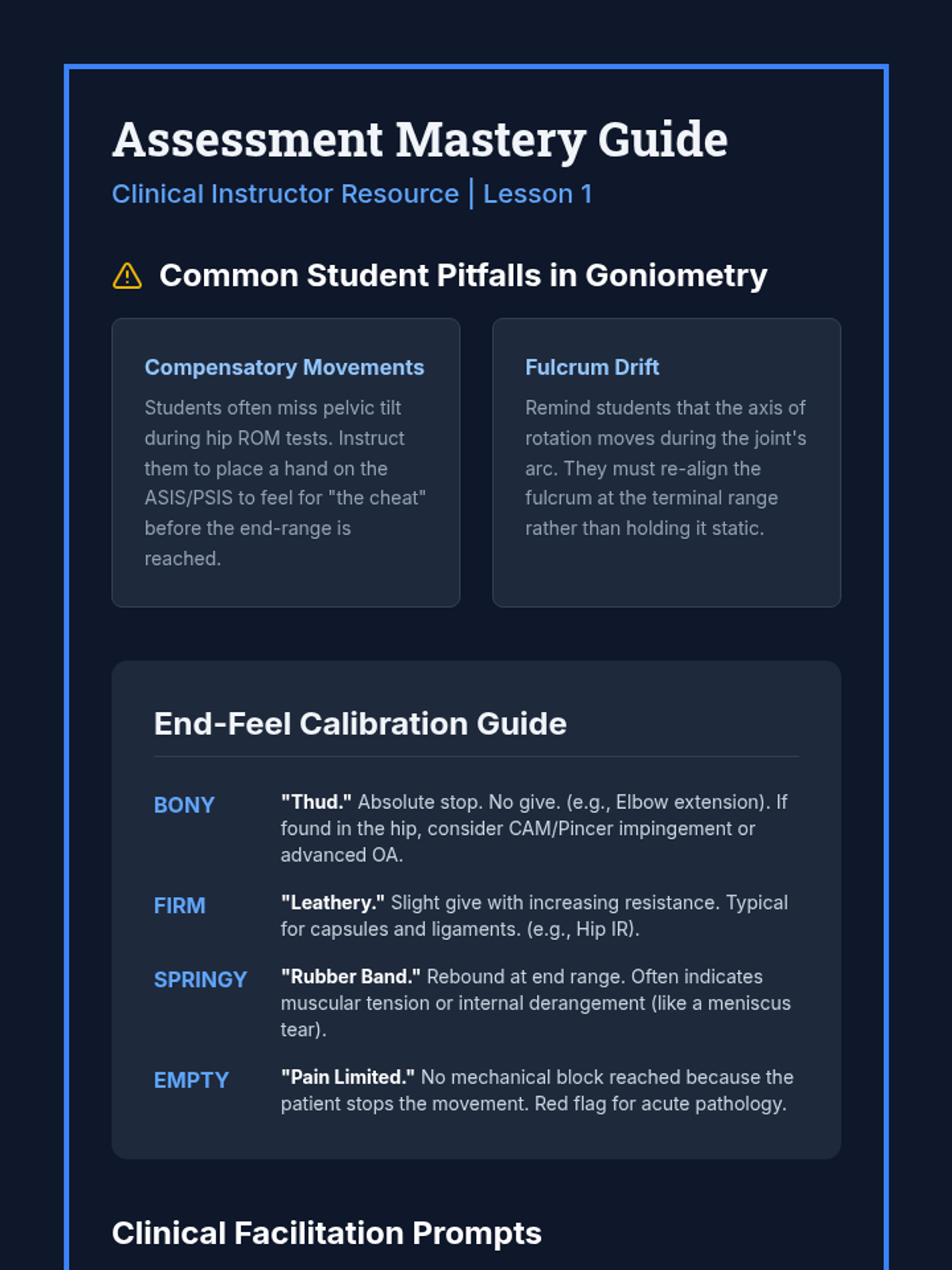
A graduate-level sequence focused on the clinical and performance application of mobility training. Students progress from advanced assessment techniques and differential diagnosis to the design of periodized flexibility programs for diverse populations, emphasizing the 'joint-by-joint' approach and myofascial systems.
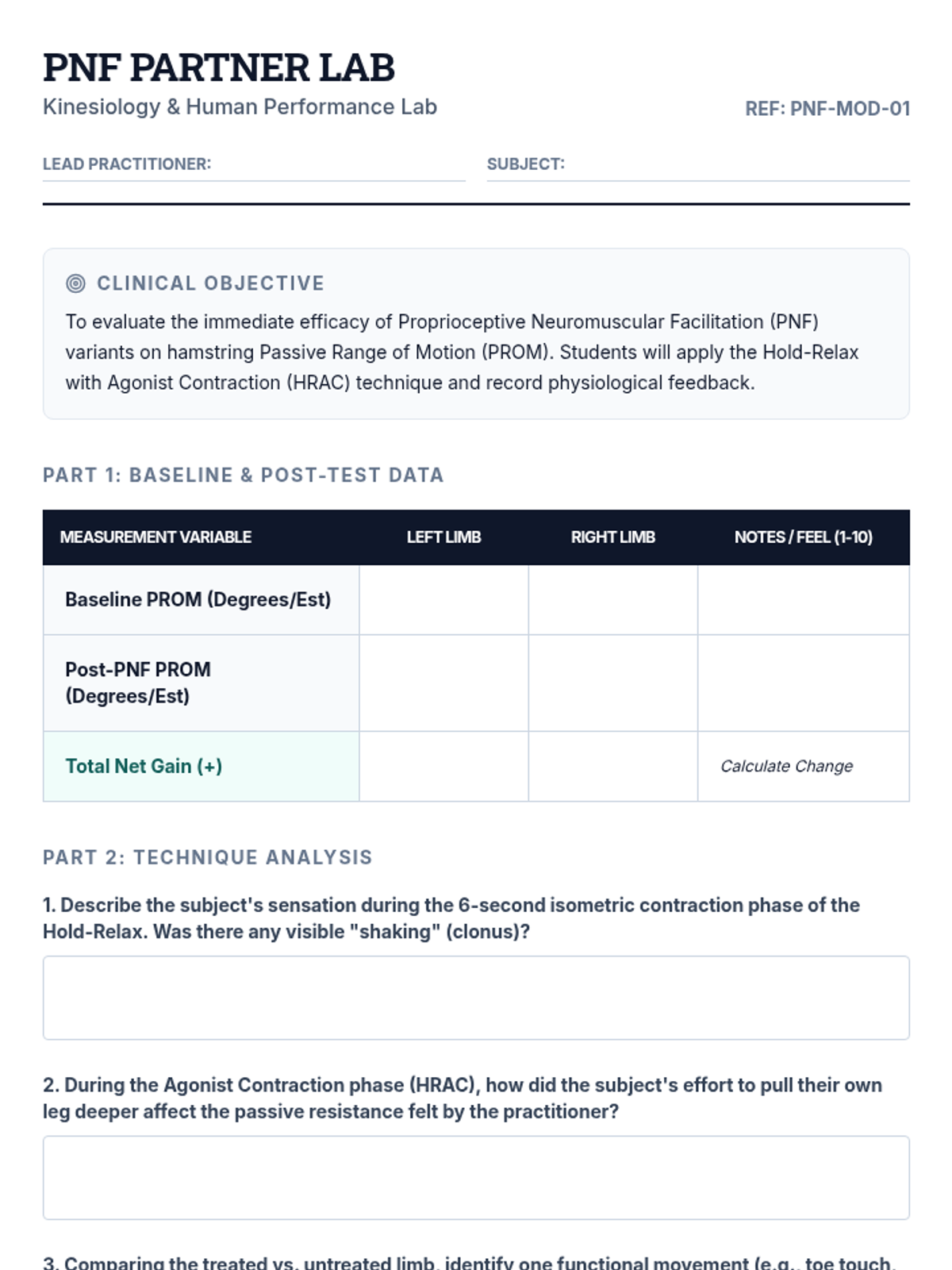
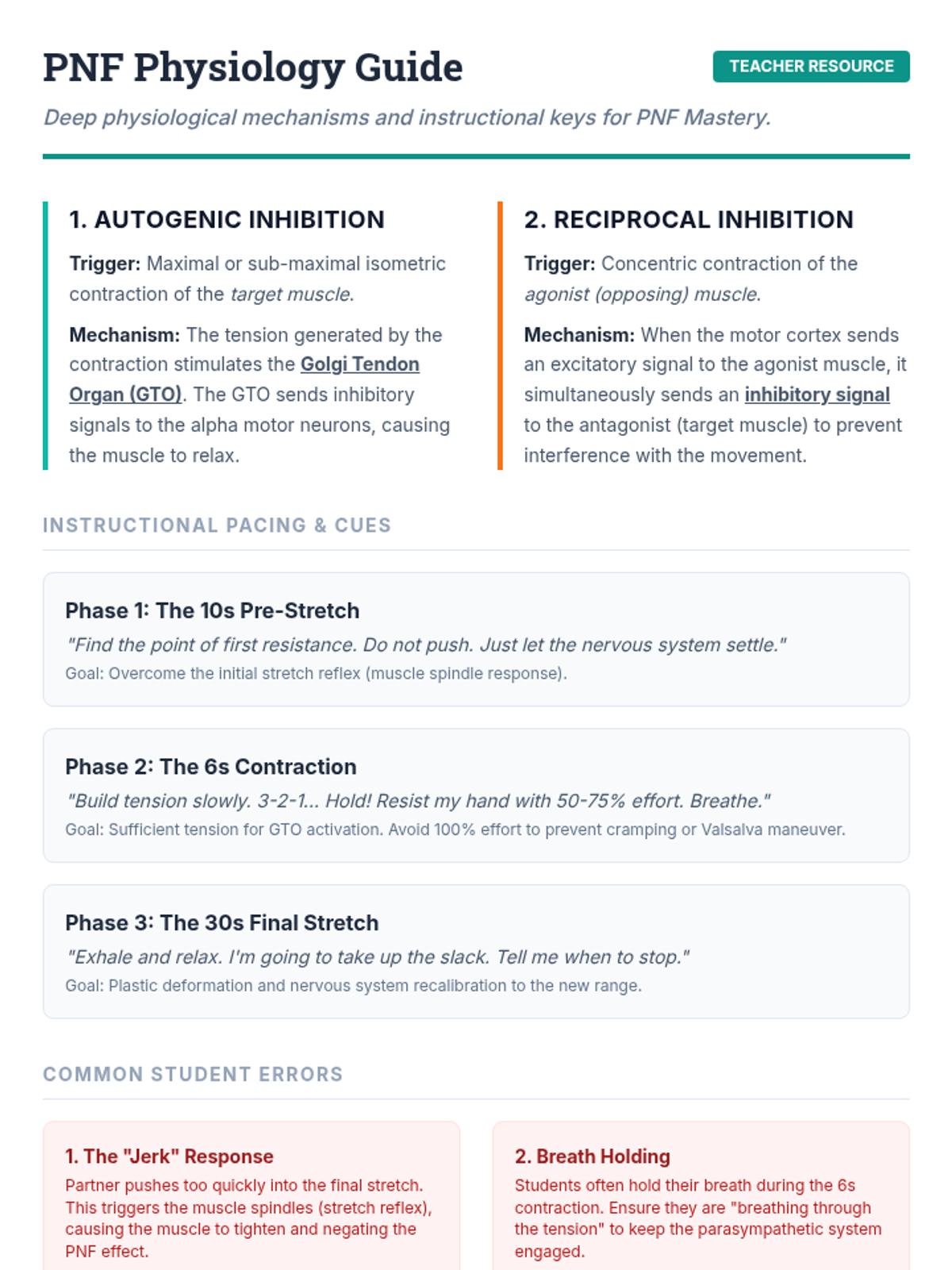
This advanced sequence for undergraduate students explores specialized stretching techniques (PNF, AIS) and the role of flexibility and myofascial release in injury prevention and rehabilitation. Students will master clinical application, understand the physiological mechanisms of autogenic inhibition, and develop mobility flows for long-term functional health.
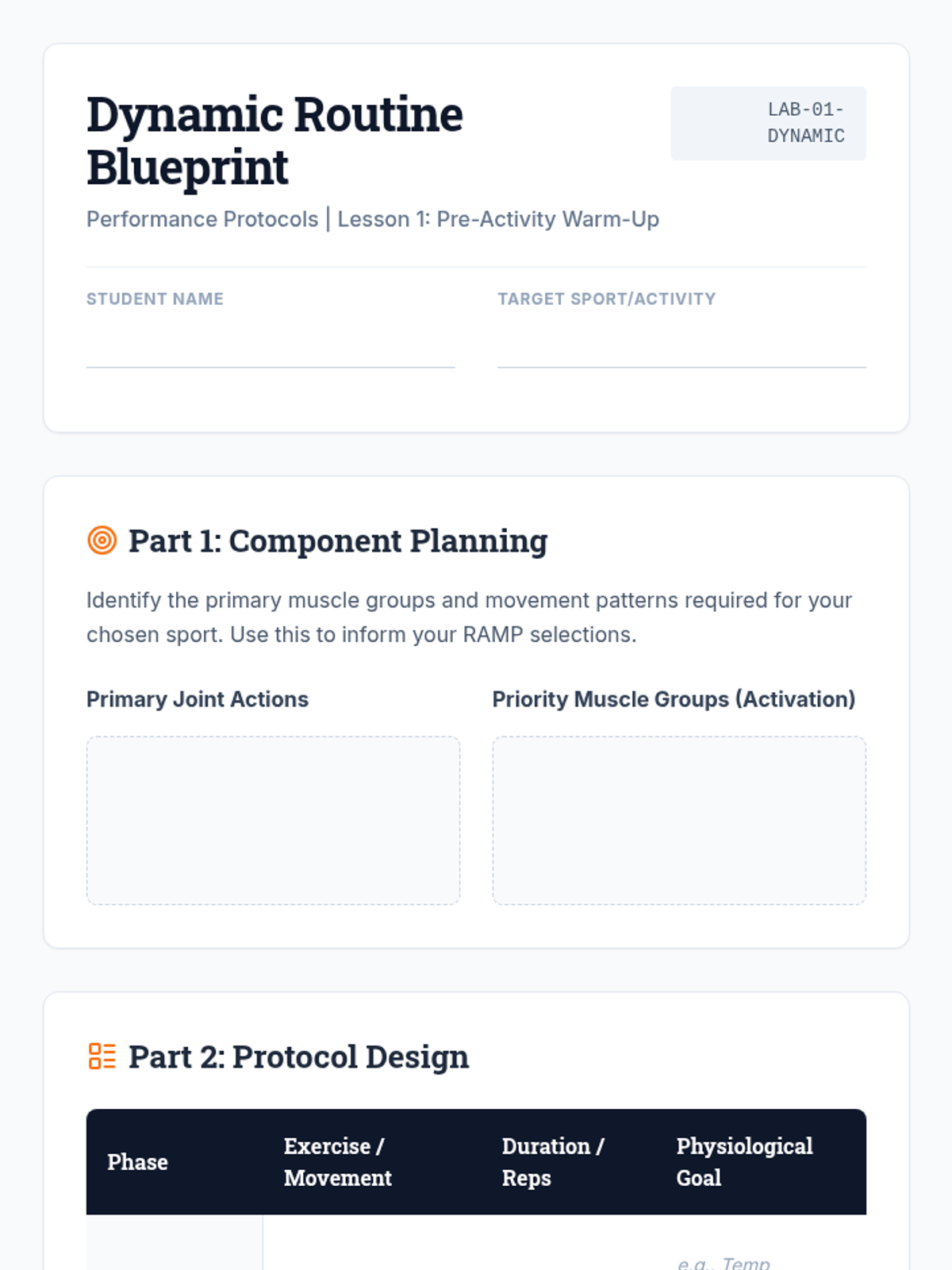
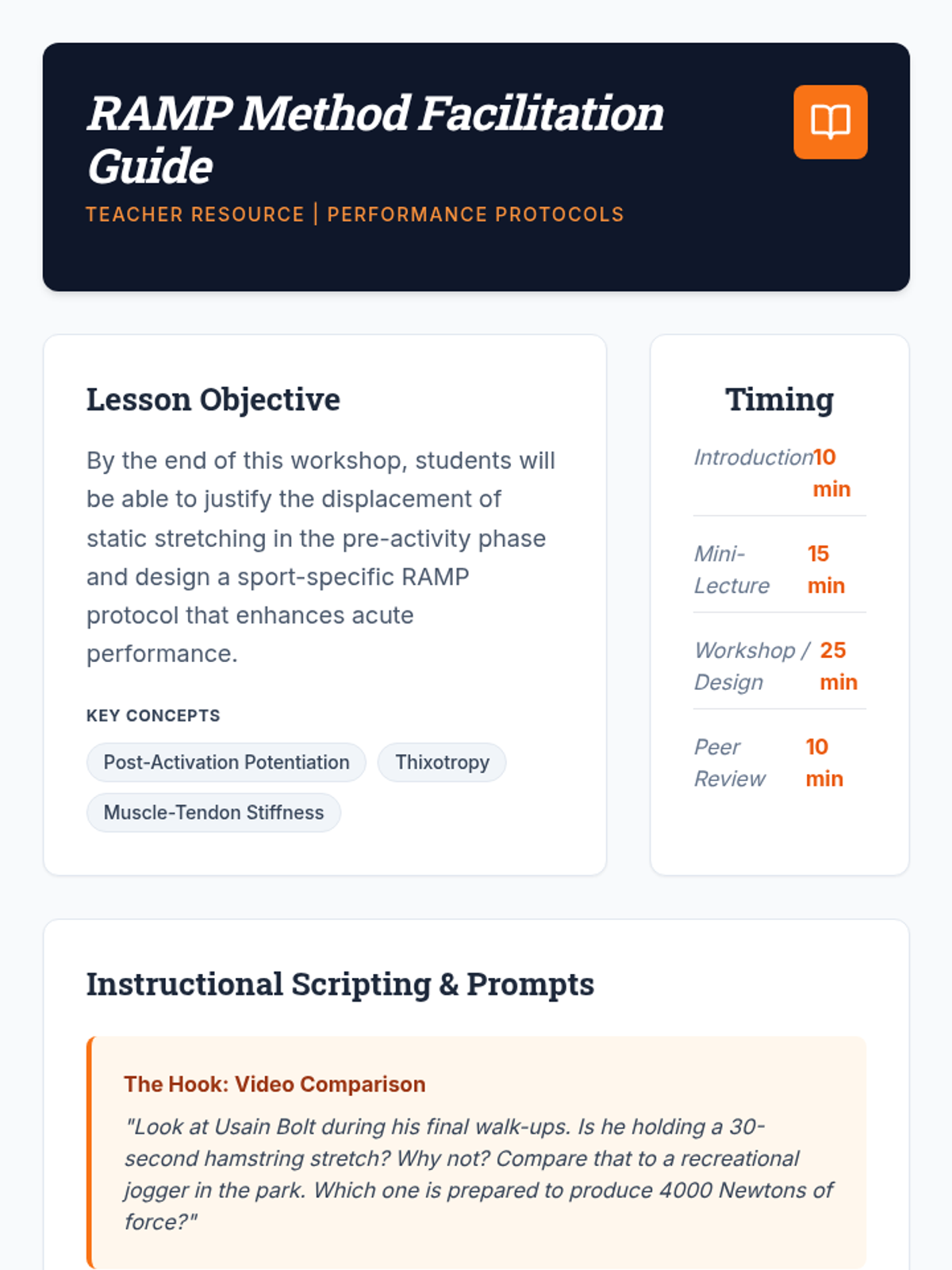
A comprehensive undergraduate-level sequence focusing on the science and application of dynamic and static stretching. Students progress from physiological principles to designing and leading sport-specific flexibility programs.
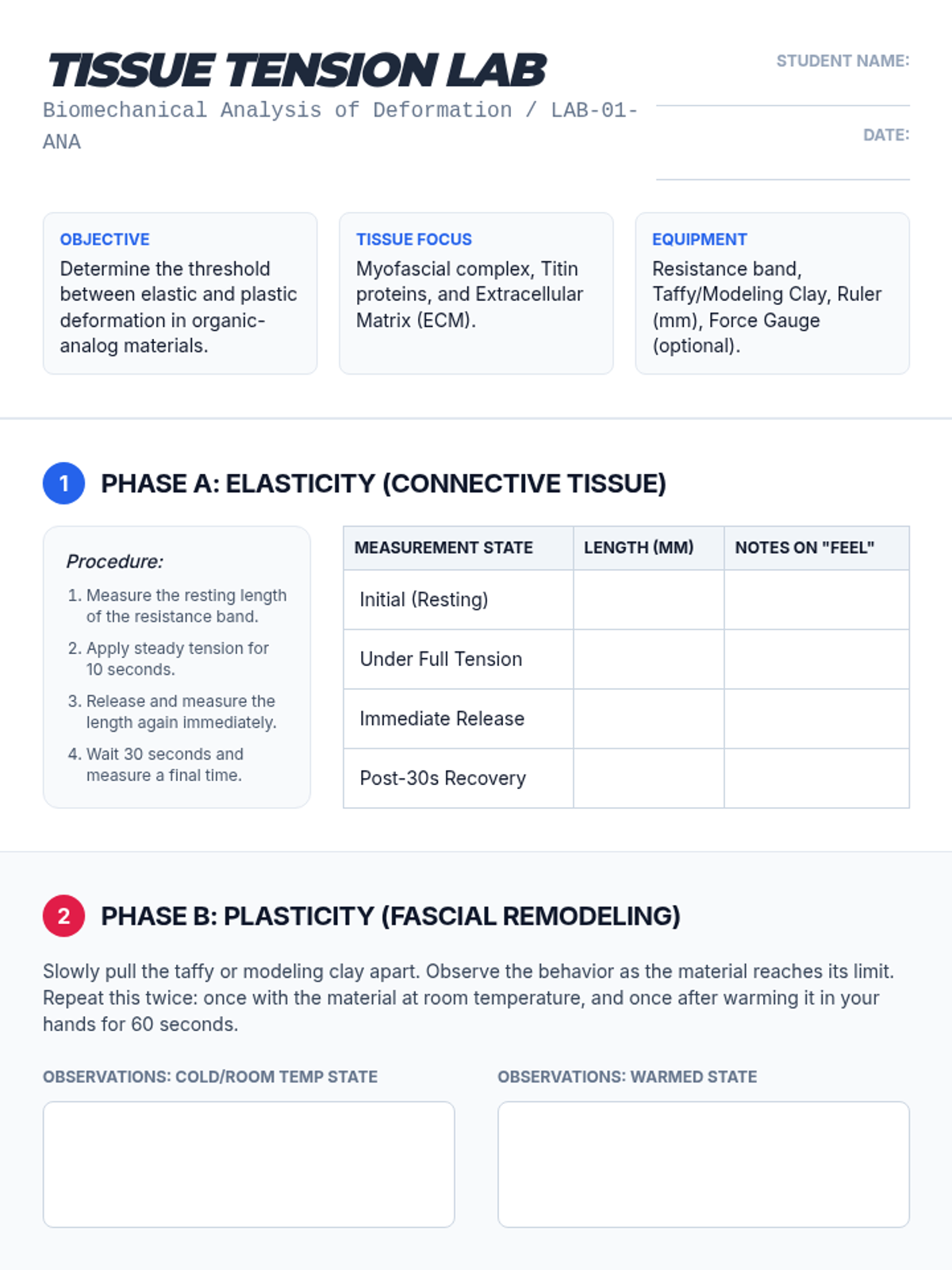
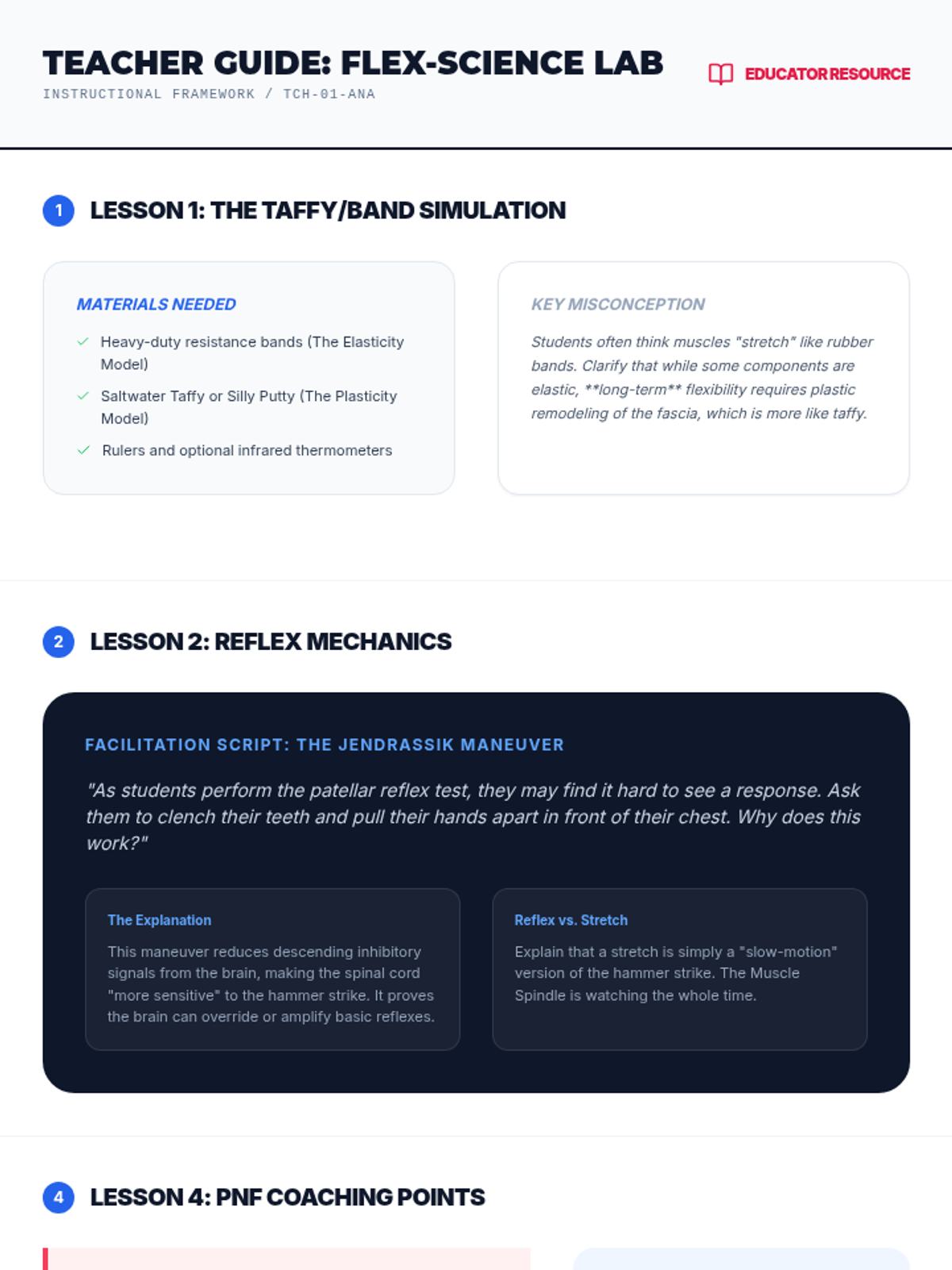
An advanced exploration of the anatomical and physiological mechanisms governing flexibility, designed for 12th-grade students to bridge the gap between physical activity and kinesiology.
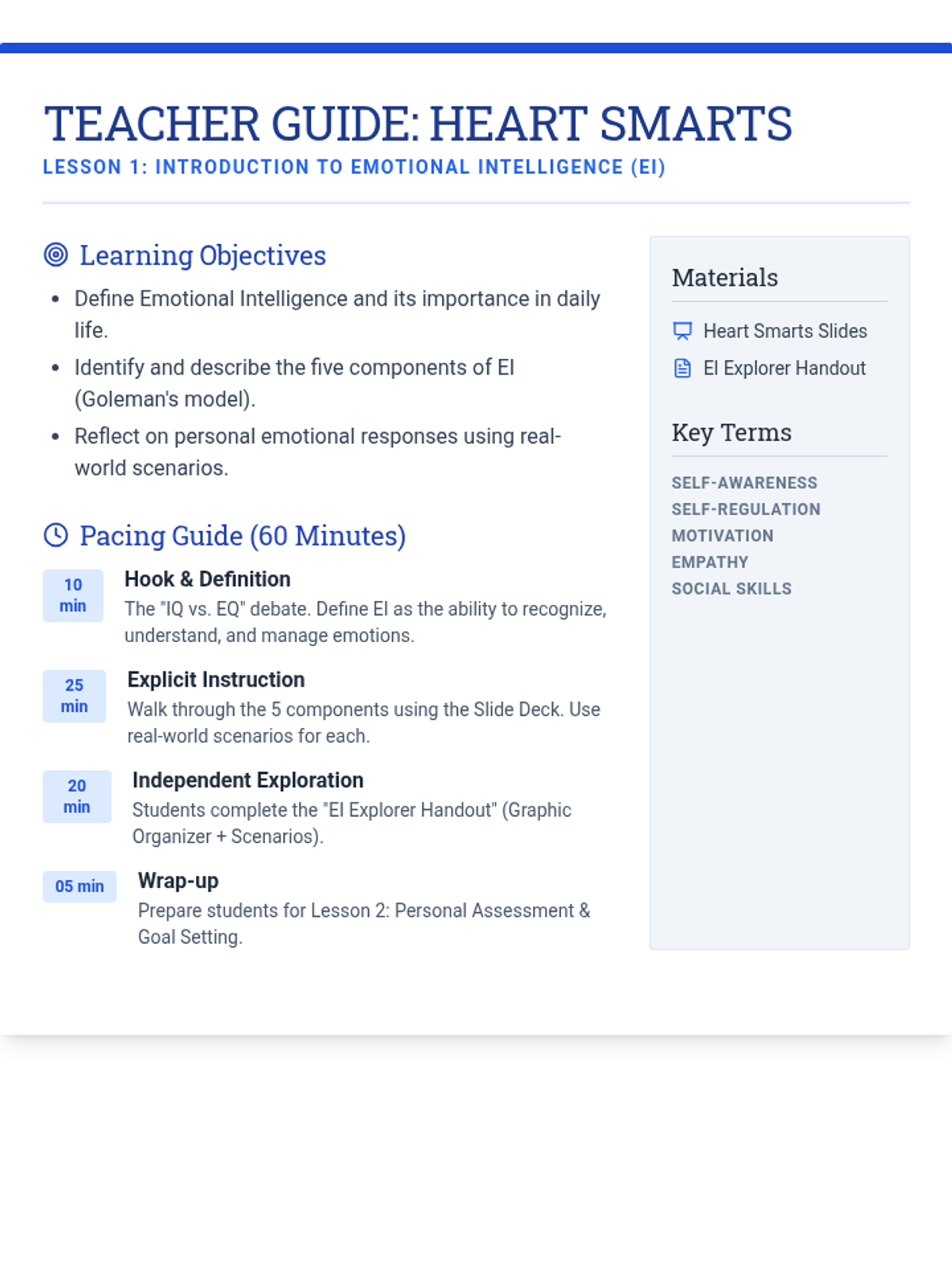
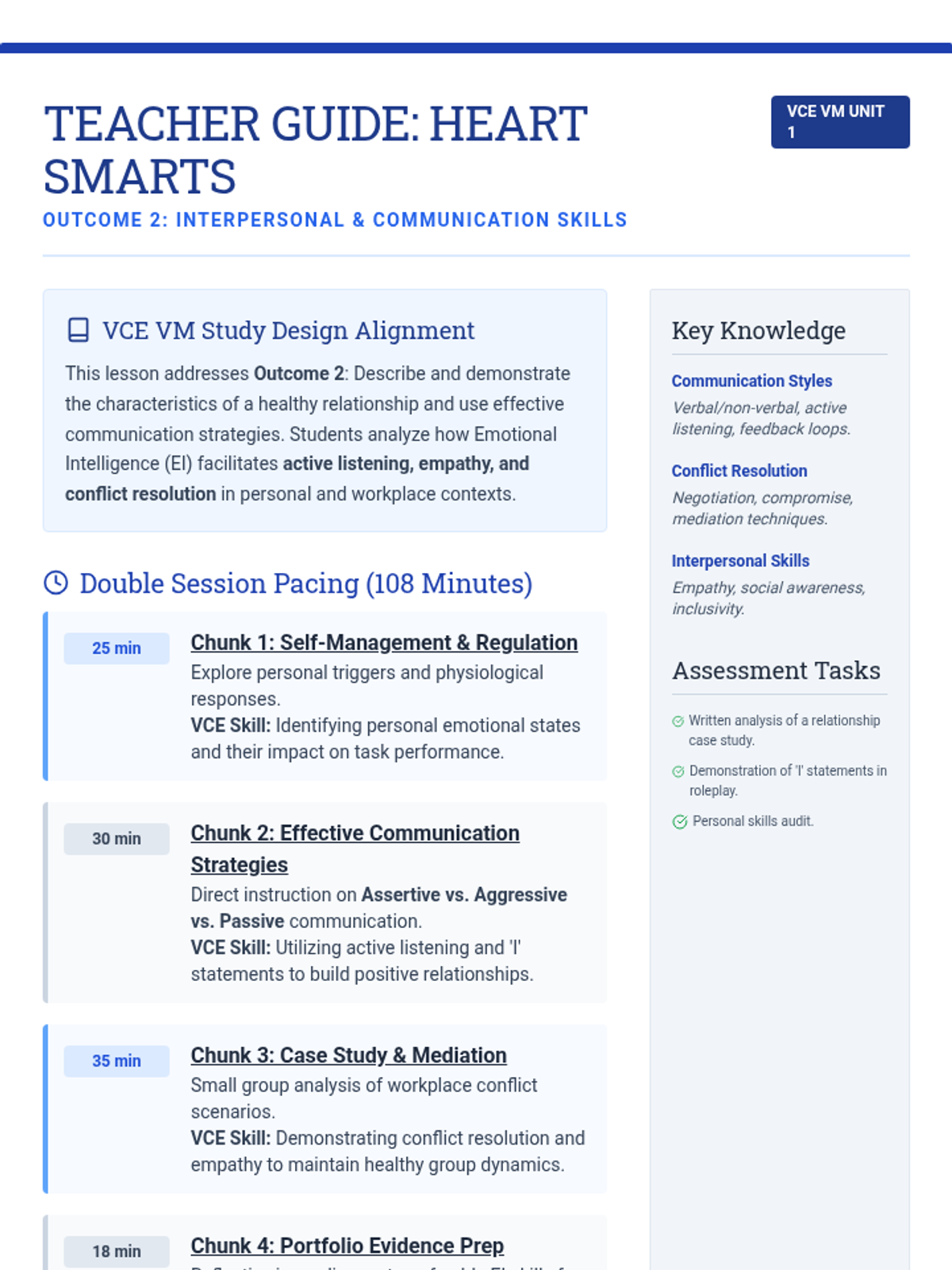
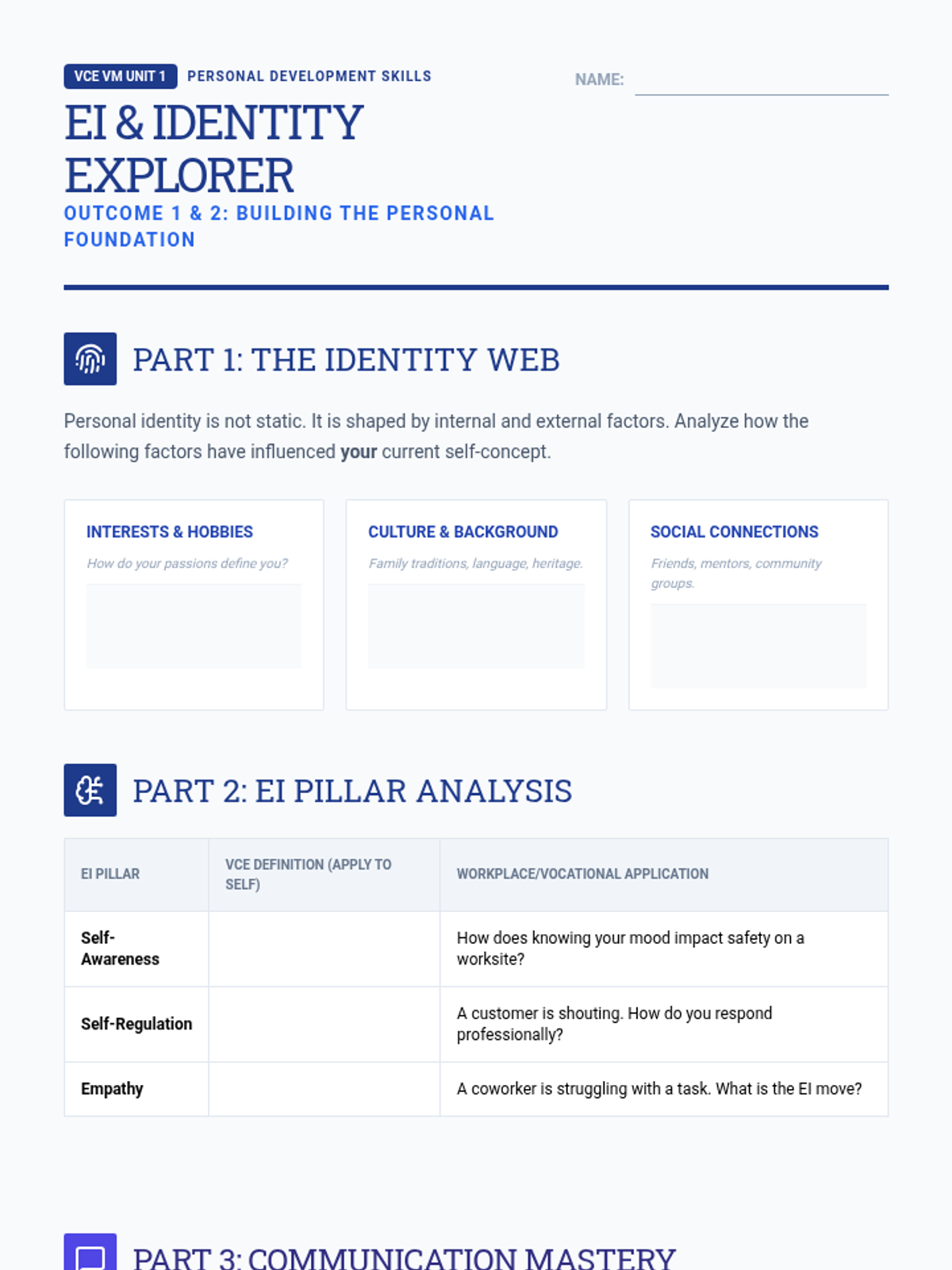
A three-part developmental series exploring Emotional Intelligence and its role within the four dimensions of holistic health: physical, emotional, social, and spiritual.
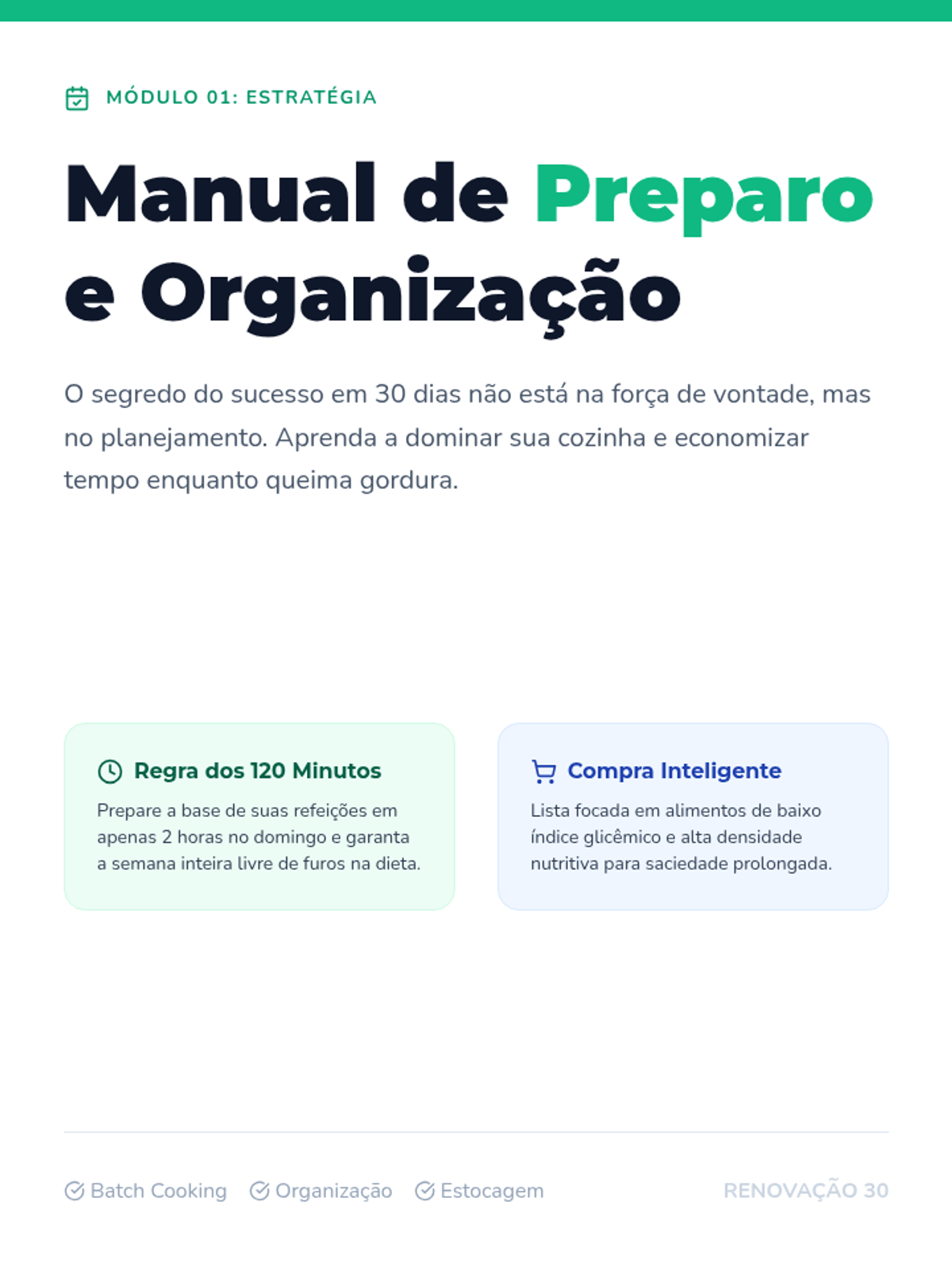
Um programa completo de 30 dias focado em perda de gordura, com orientações de planejamento, receitas nutritivas e ferramentas de acompanhamento de progresso.
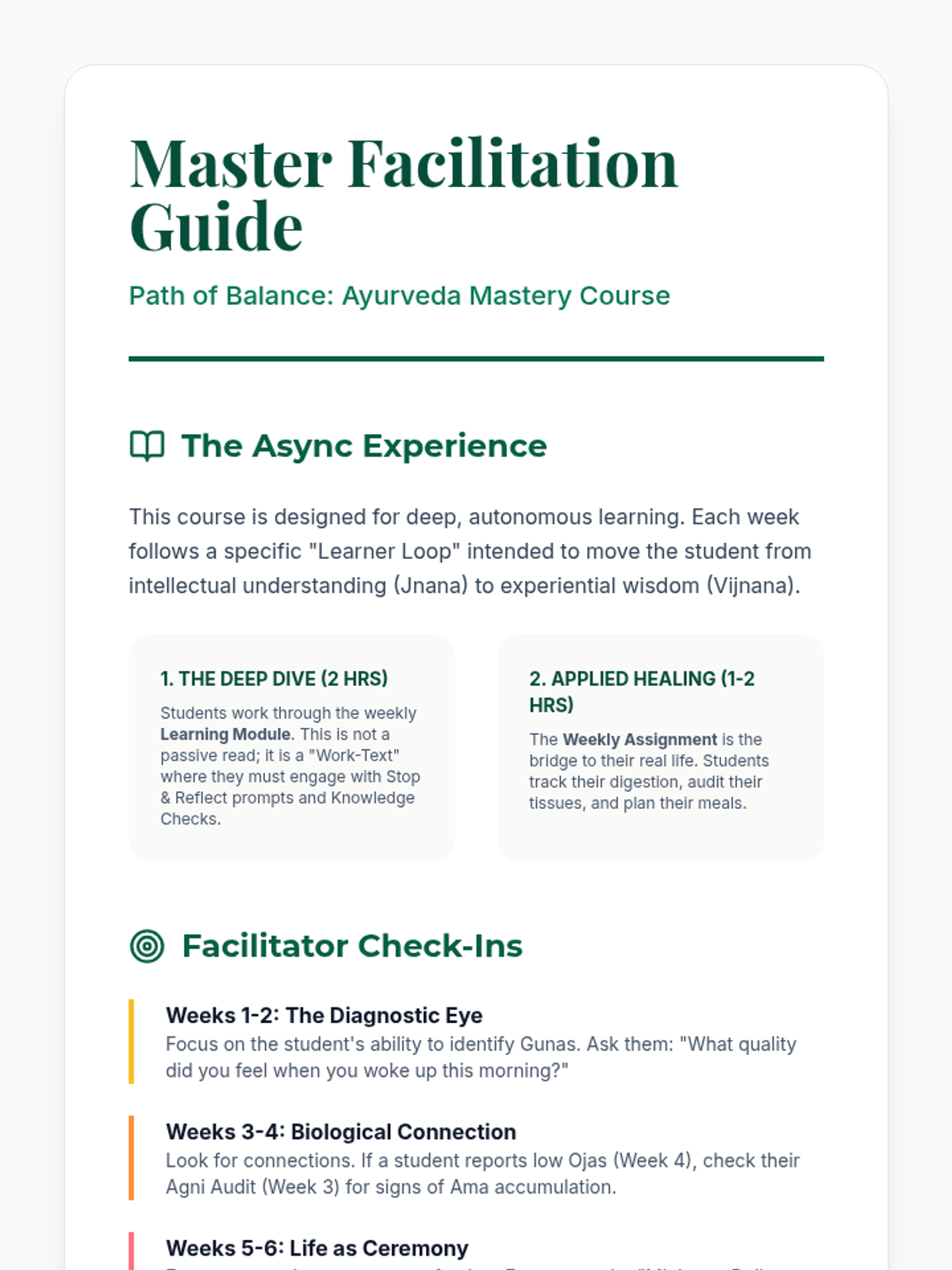
A professional 6-week certification-style journey into Ayurveda. Each week features a comprehensive 2-hour 'Deep Dive Module' combining academic reading, interactive reflections, and knowledge checks, supported by practical 'Applied Healing' assignments (1-2 hours) for real-world integration.
A high school health sequence exploring the biological and neurological foundations of stress and meditation. Students analyze the autonomic nervous system, measure physiological responses to breathing techniques, and understand how neuroplasticity allows for long-term stress regulation.
A high-school level exploration of stress through the lens of neuroscience and physiology. Students learn to manipulate their autonomic nervous system using specific breathing and relaxation techniques to optimize performance and well-being.
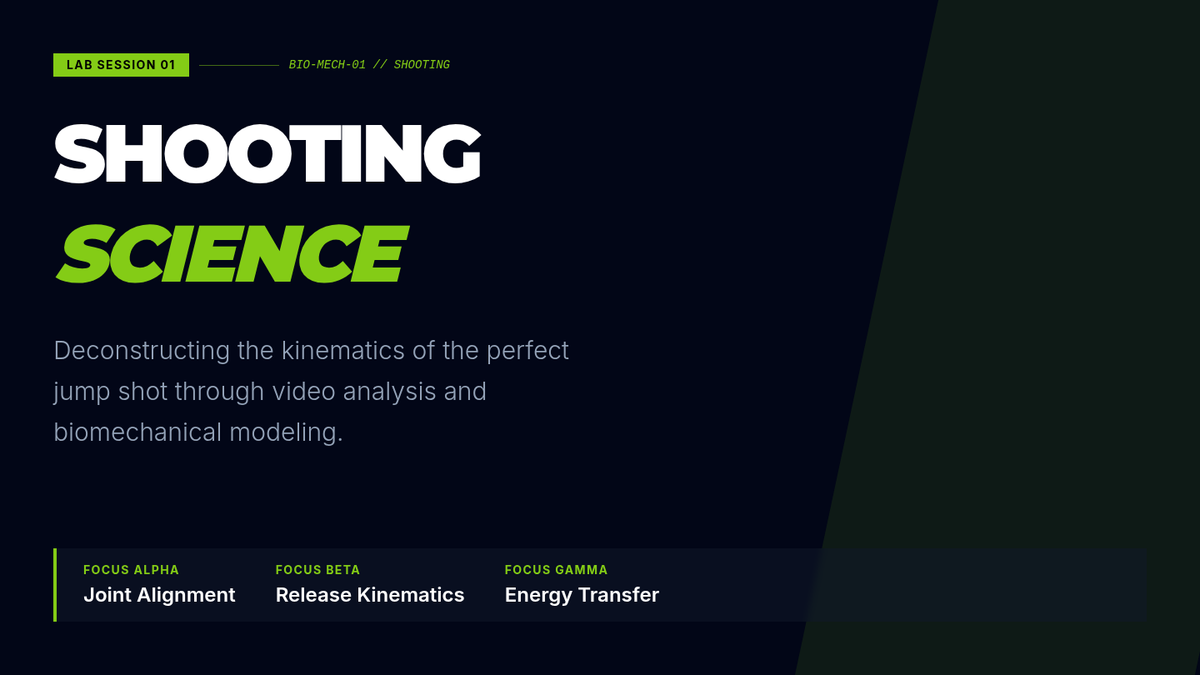
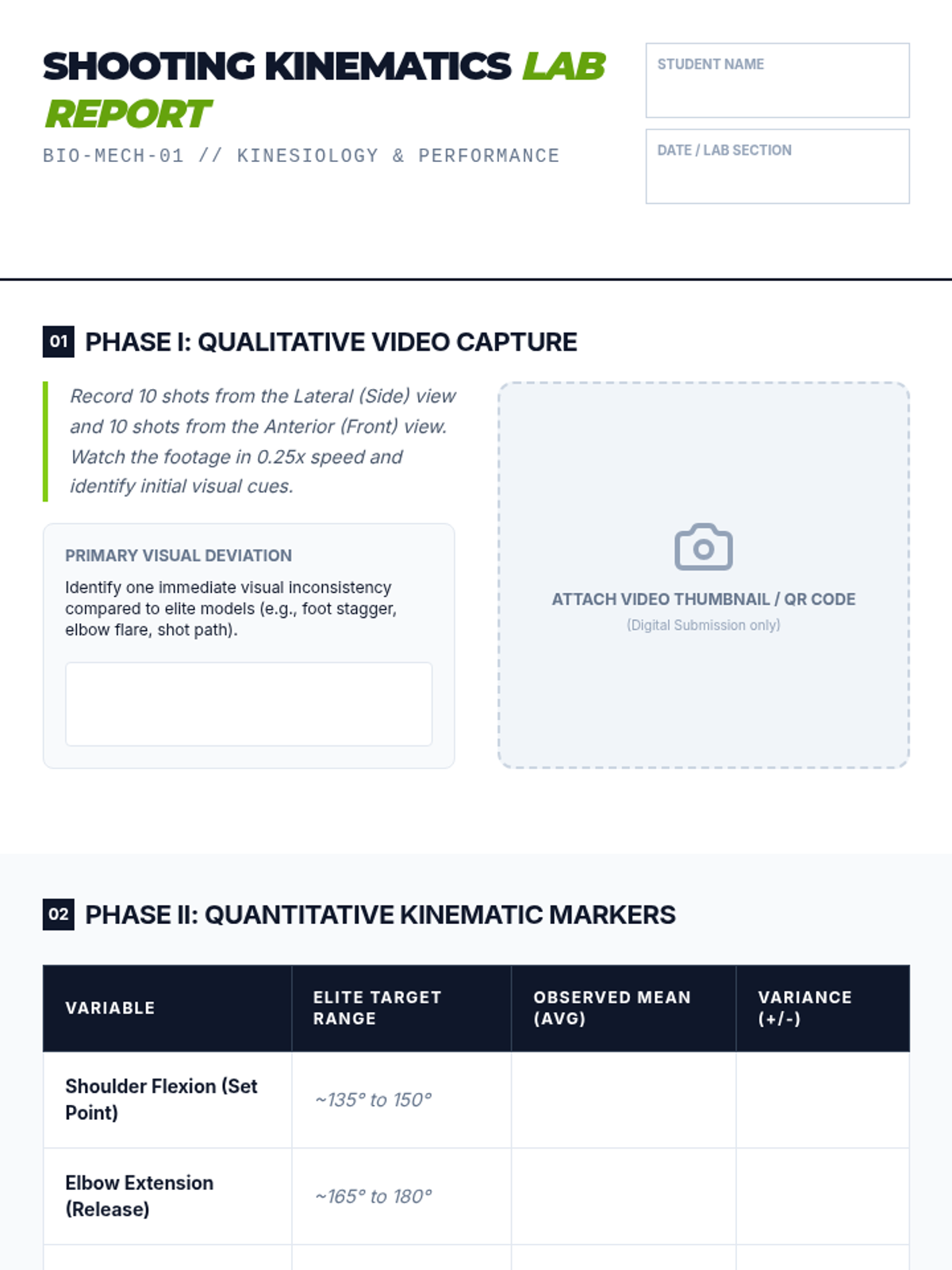
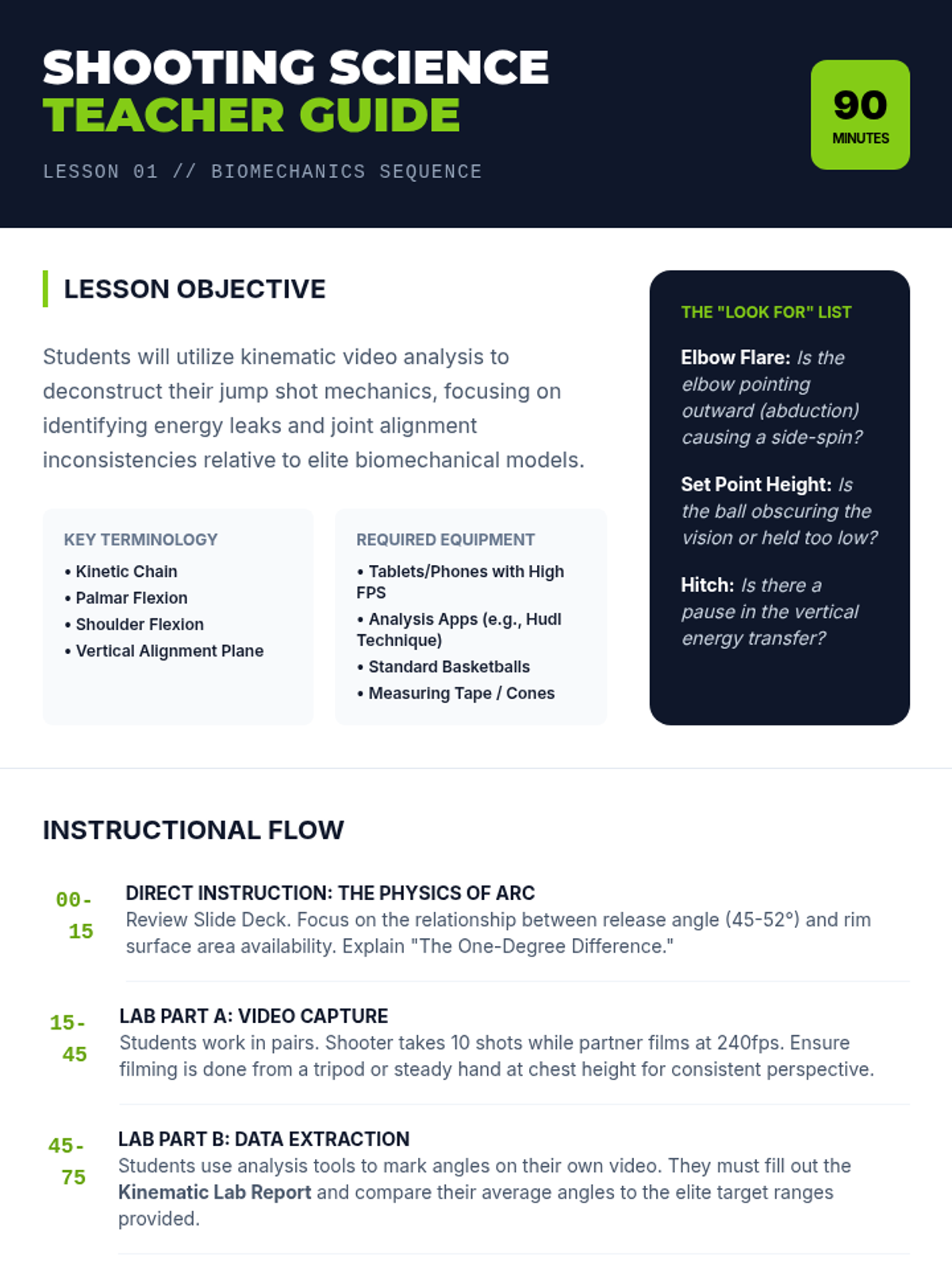
An advanced undergraduate-level sequence focusing on the biomechanics and motor learning principles of basketball skills, moving from analytical deconstruction to high-pressure performance.
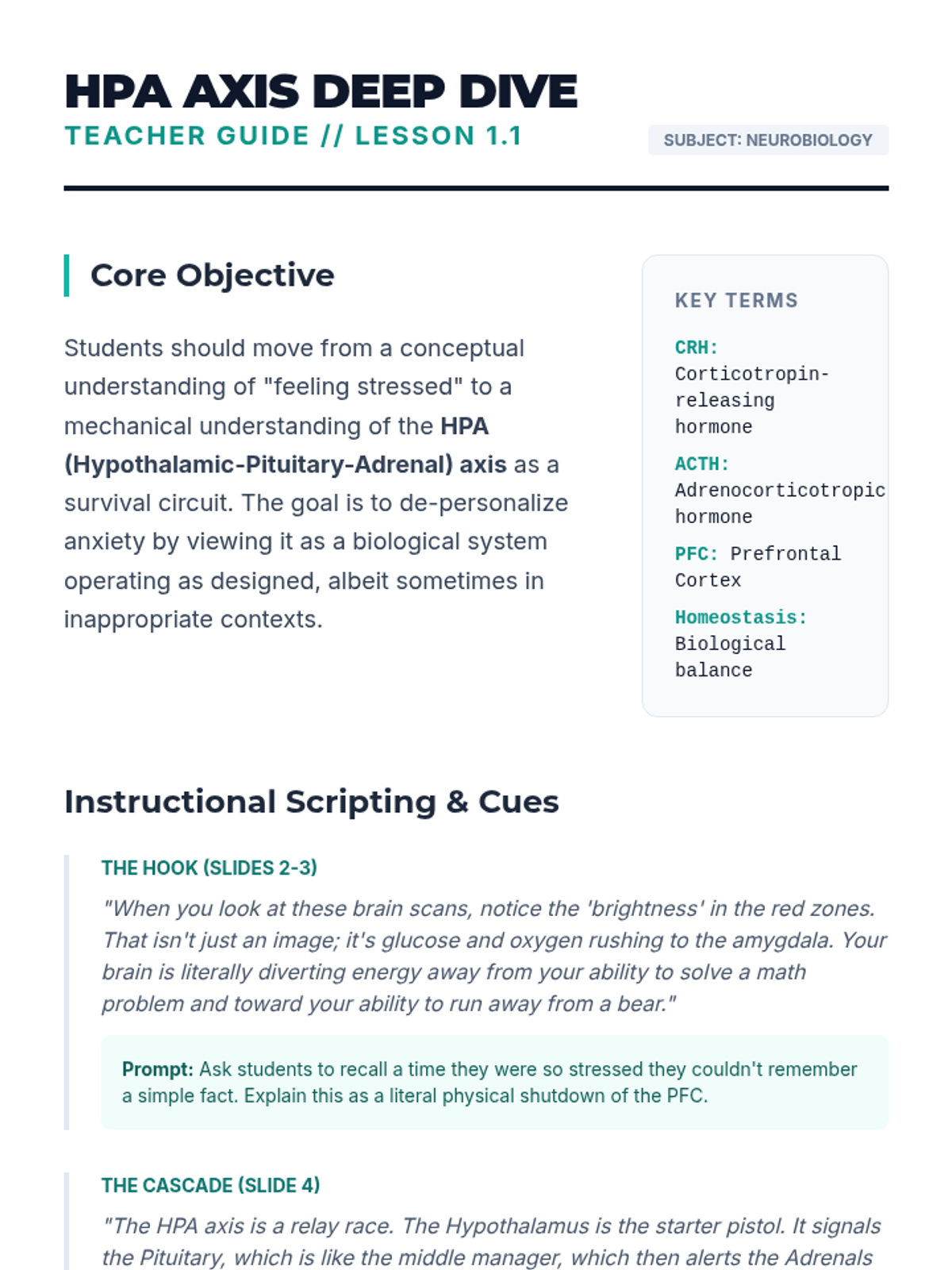
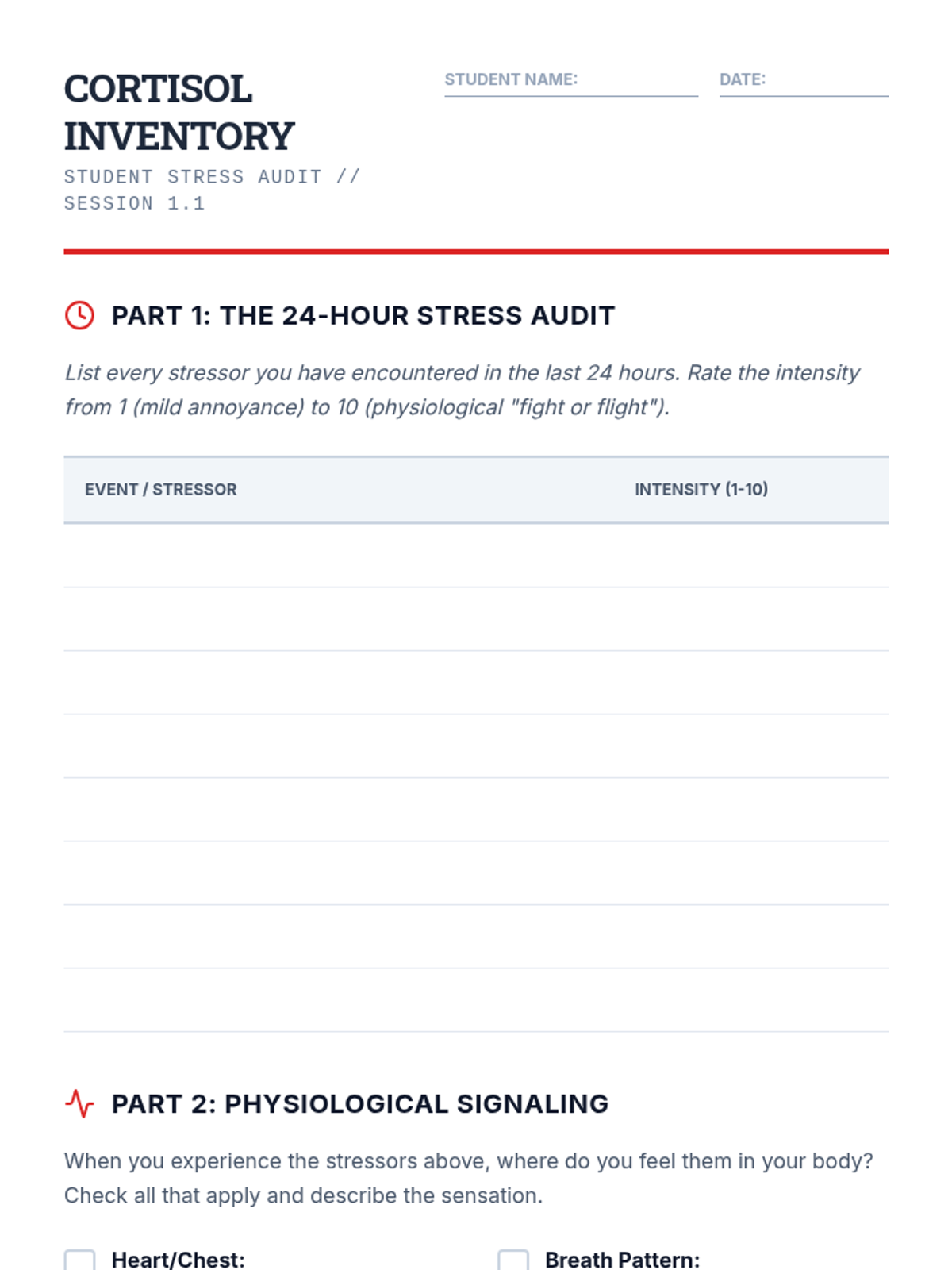
A high school health sequence that explores the neurobiological foundations of stress, focusing on the HPA axis, physiological symptom recognition, biofeedback techniques, and cognitive reframing to create a personalized stress regulation protocol.