Fundamental techniques for soccer, volleyball, football, and basketball alongside strategic gameplay and communication skills. Emphasizes sportsmanship and collaborative tactics within a competitive team environment.
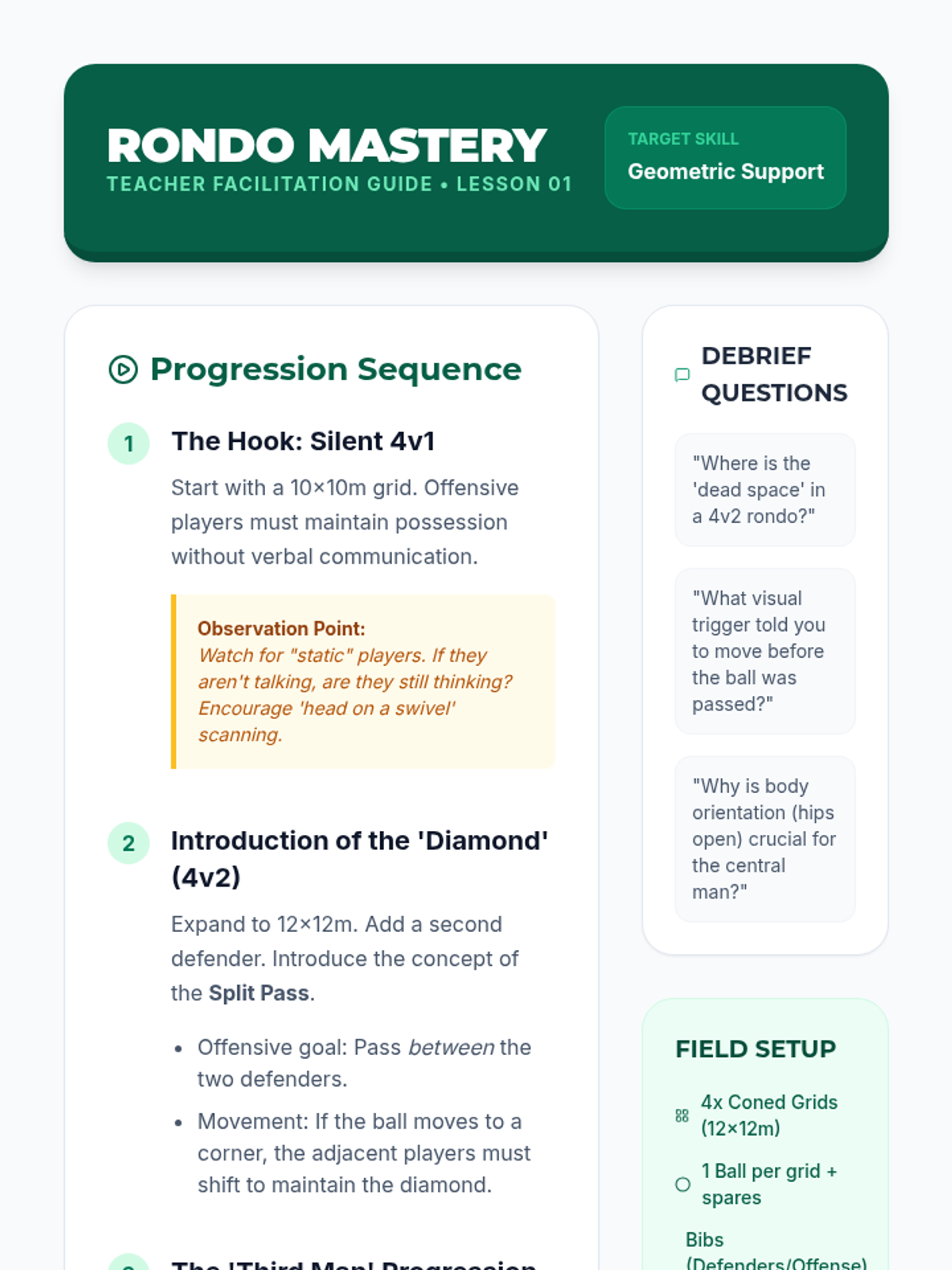
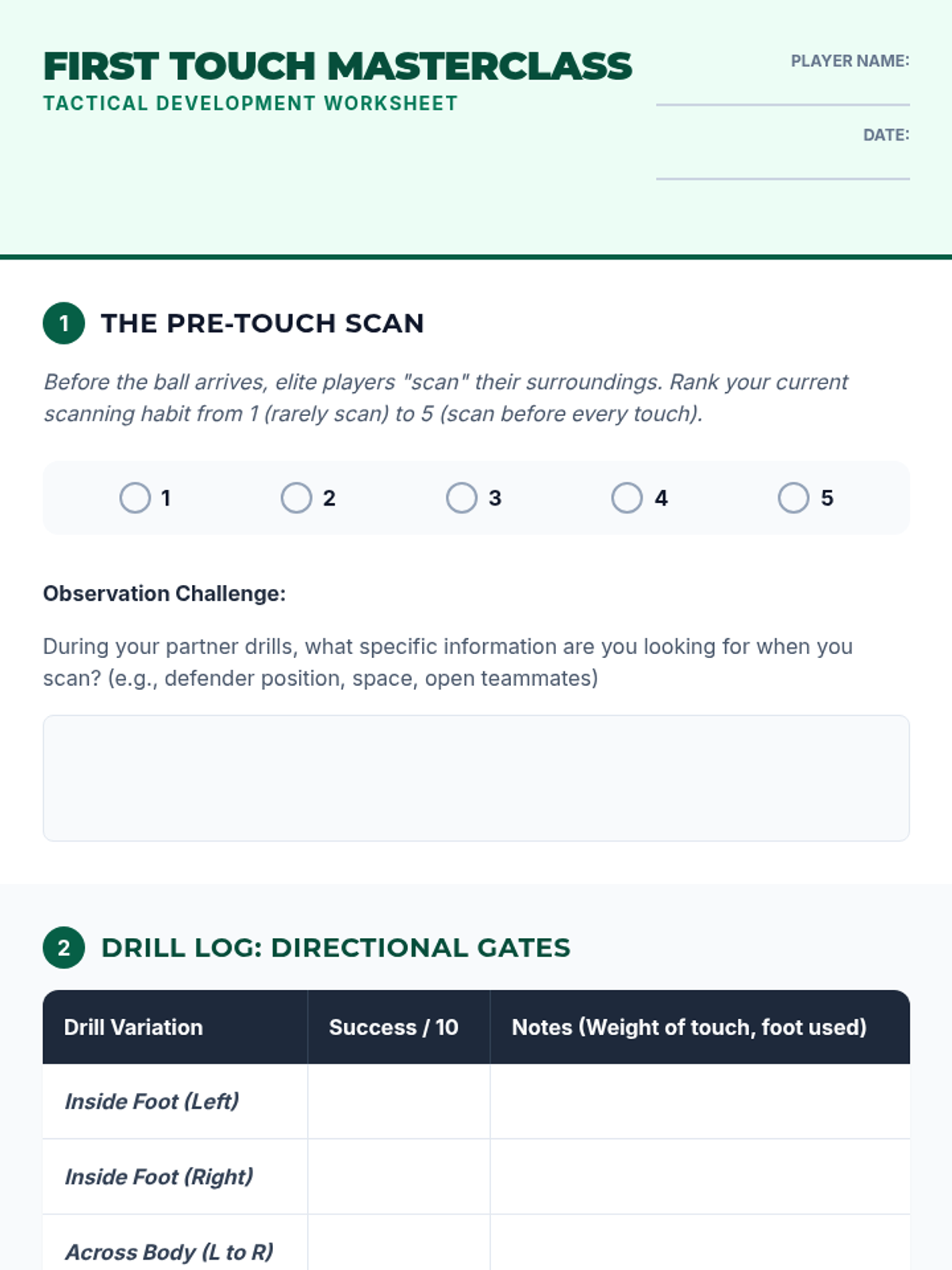
A comprehensive tactical soccer sequence for undergraduate students, focusing on spatial awareness, offensive systems, and strategic decision-making through game-based learning.
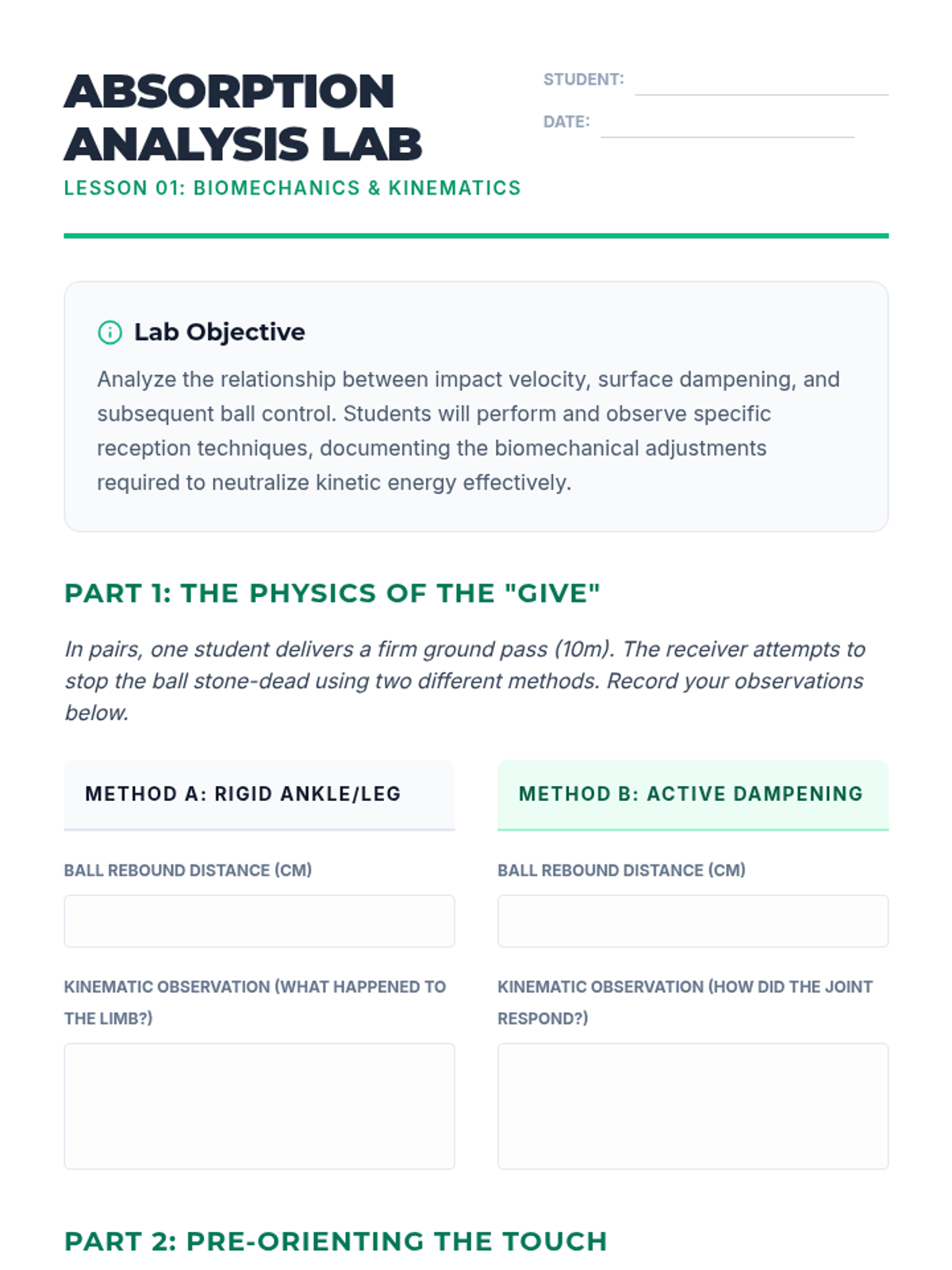
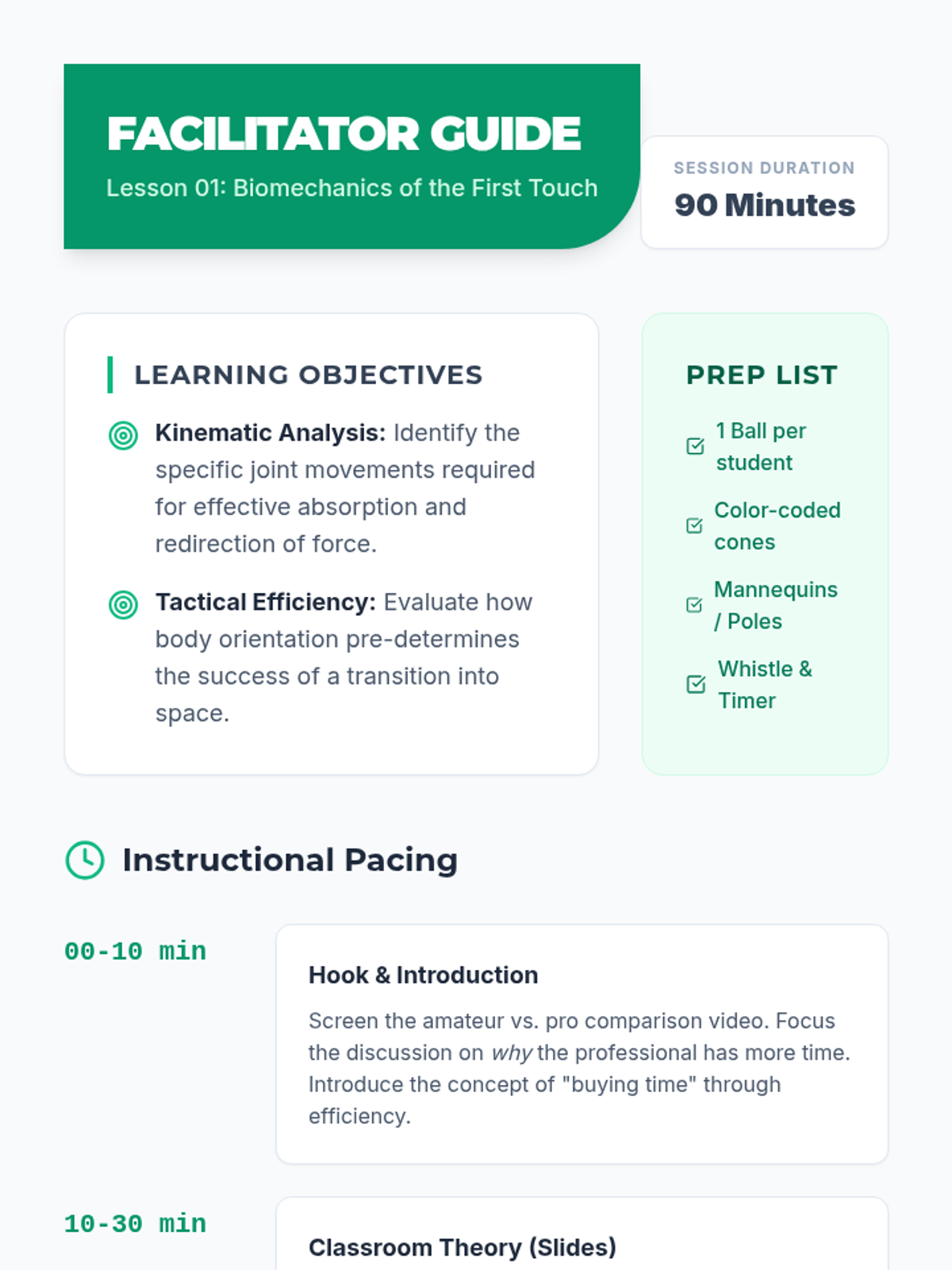
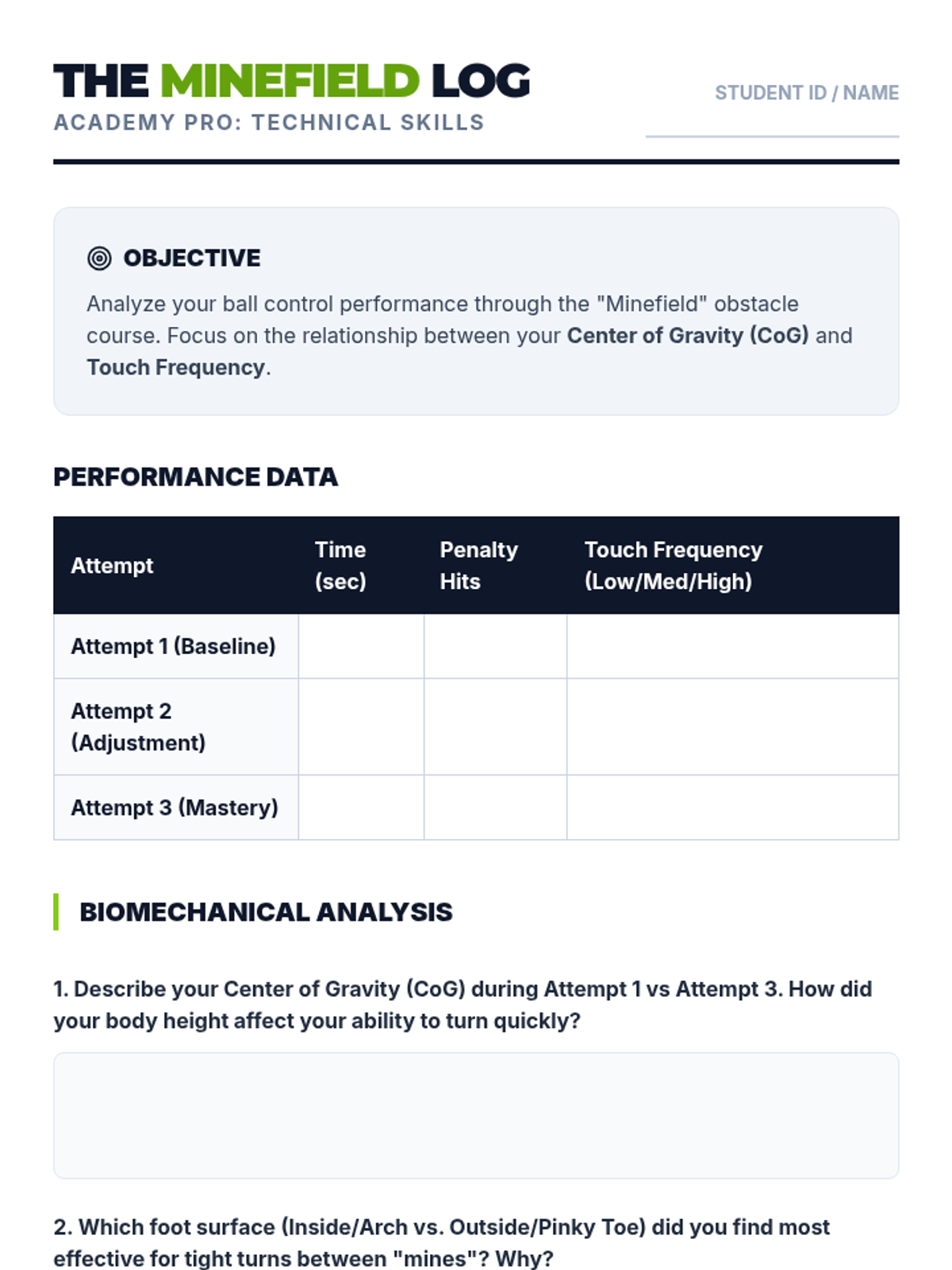
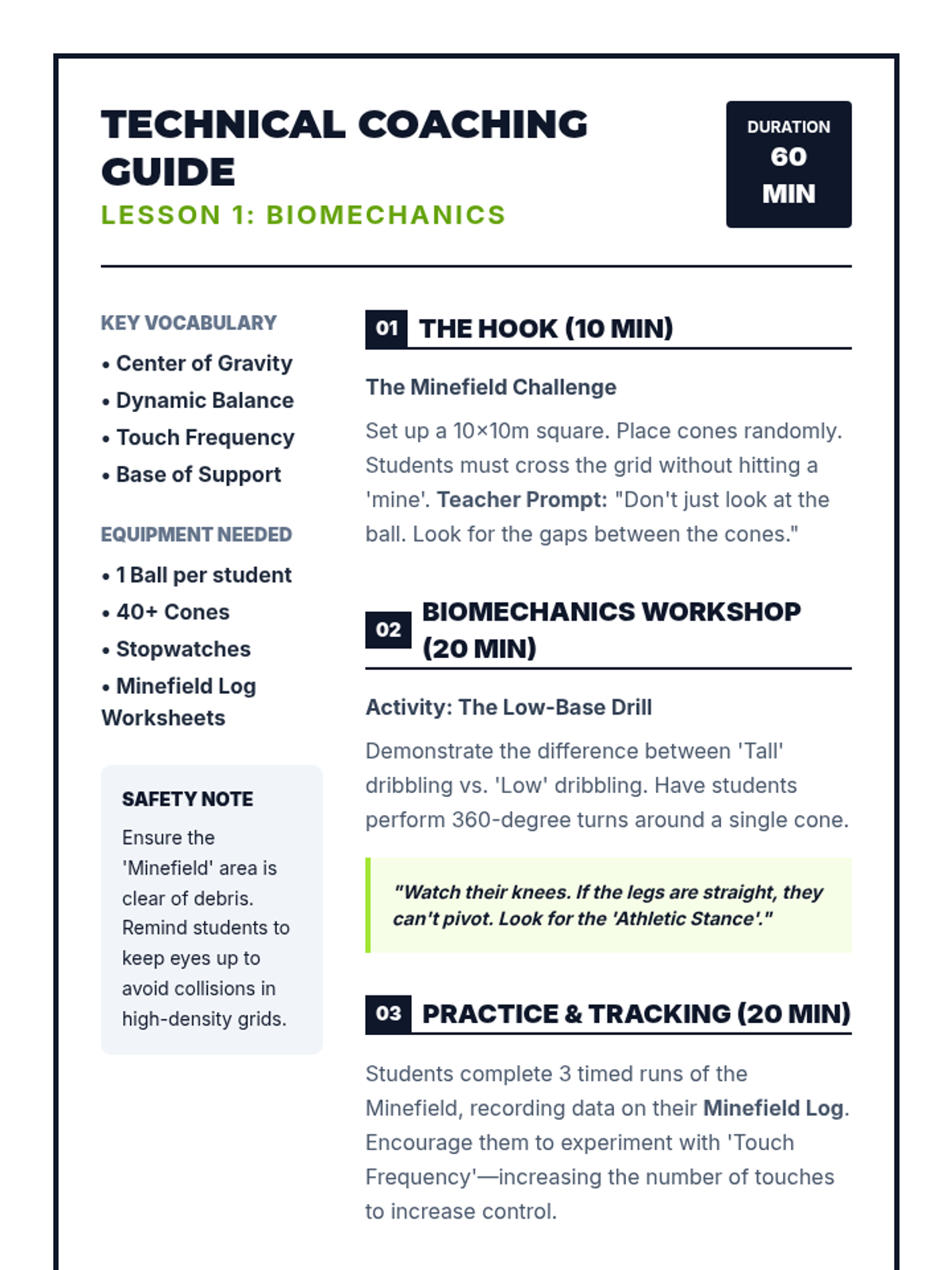
A comprehensive undergraduate sequence focused on the biomechanical principles of elite soccer skills, progressing from isolated technical refinement to high-pressure game application. Students analyze the physics of ball control, passing, dribbling, and finishing to develop both personal mastery and coaching proficiency.
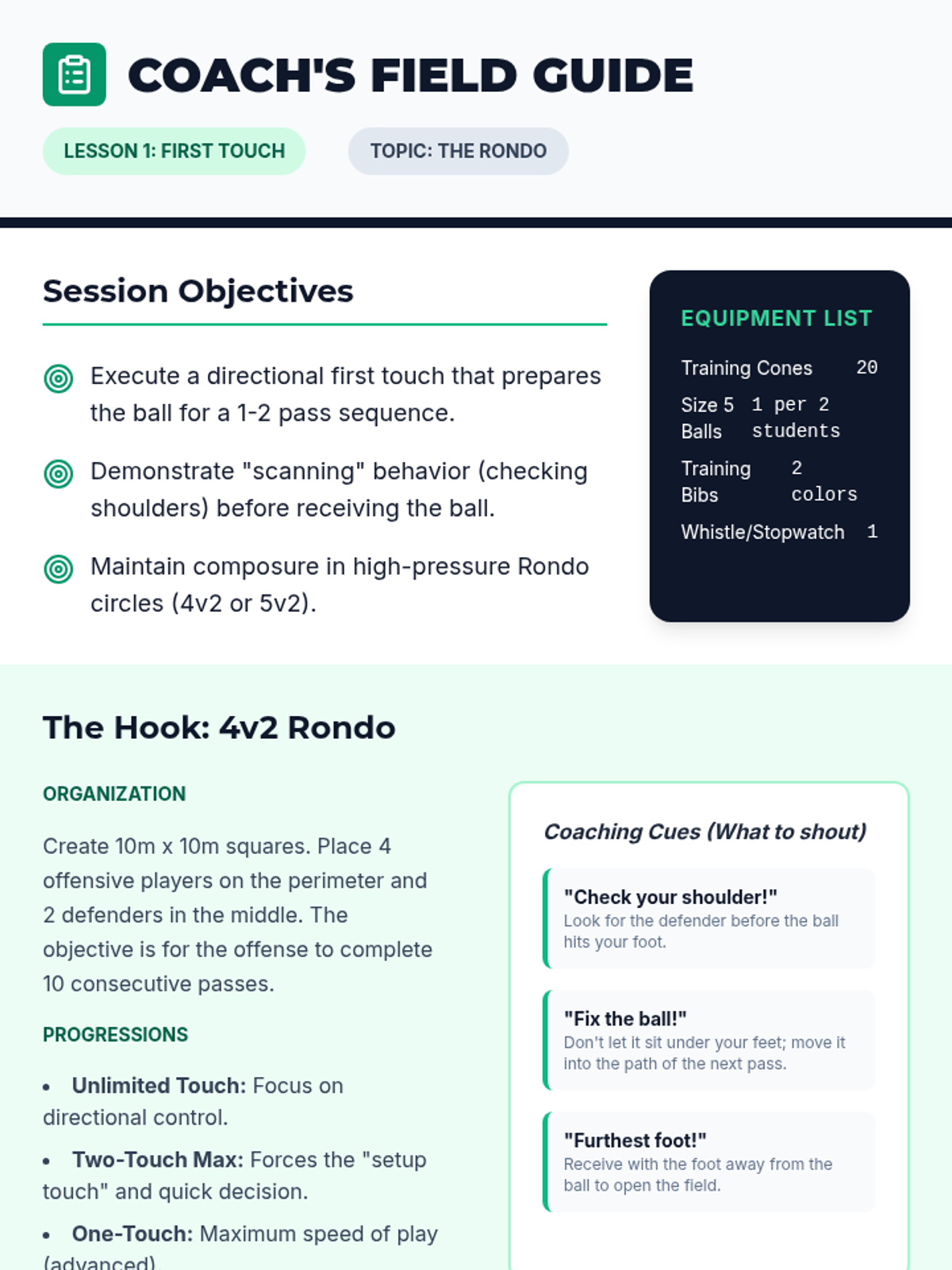
This sequence develops high-level football (soccer) cognitive skills, focusing on spatial awareness, passing accuracy, and maintaining possession. Students progress from individual technical control to complex midfield combinations, learning to dictate tempo and exploit space through intelligent movement and field vision.
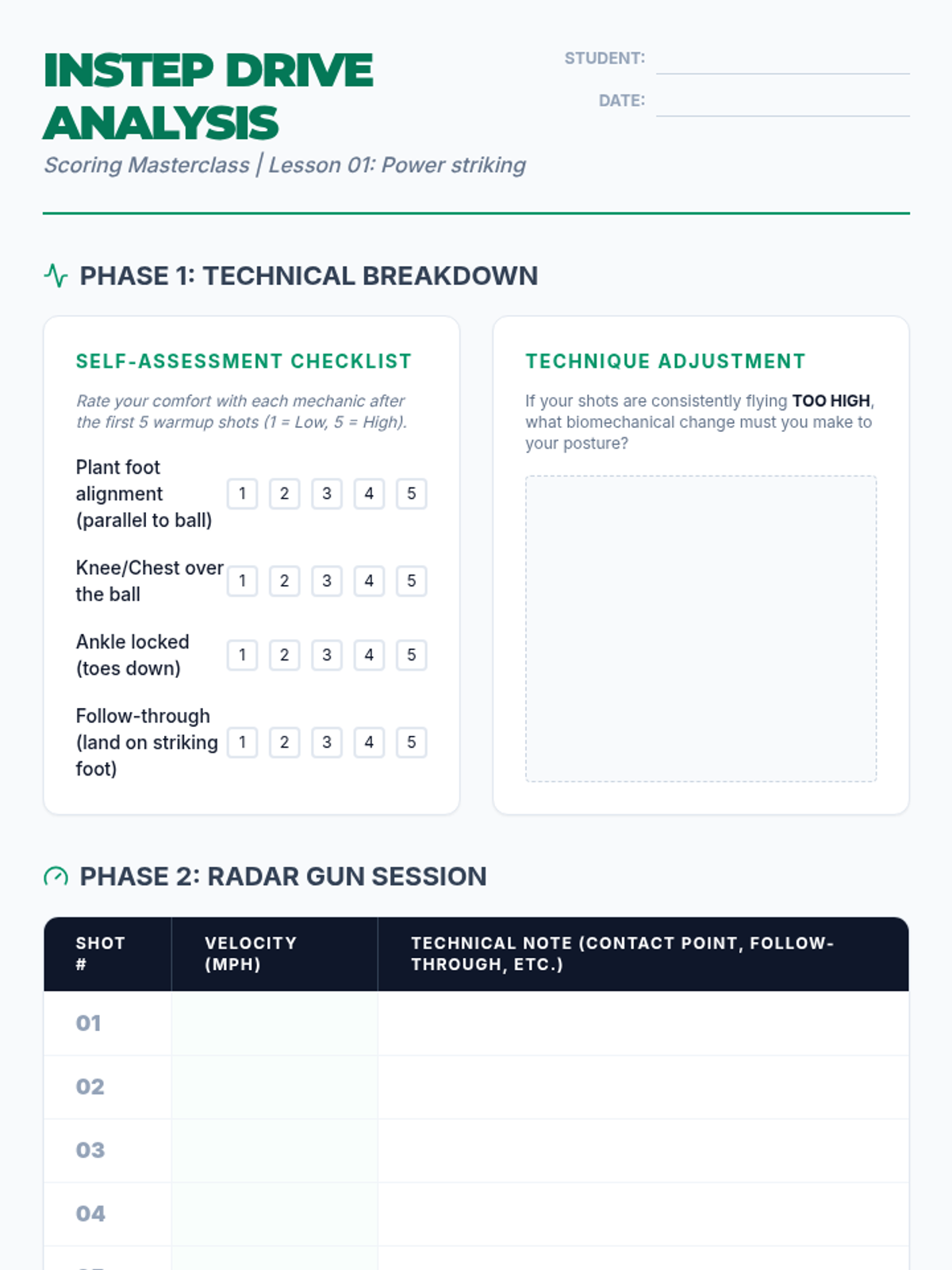
This sequence explores the biomechanics and psychology of scoring goals in football. Students will progress from foundational power striking to advanced finesse, aerial finishes, and high-pressure game simulations.
This high-performance football (soccer) unit focuses on technical mastery of ball control, dribbling, and retention. Students analyze the biomechanics of movement and apply deceptive feints and physical shielding to dominate in 1v1 scenarios.
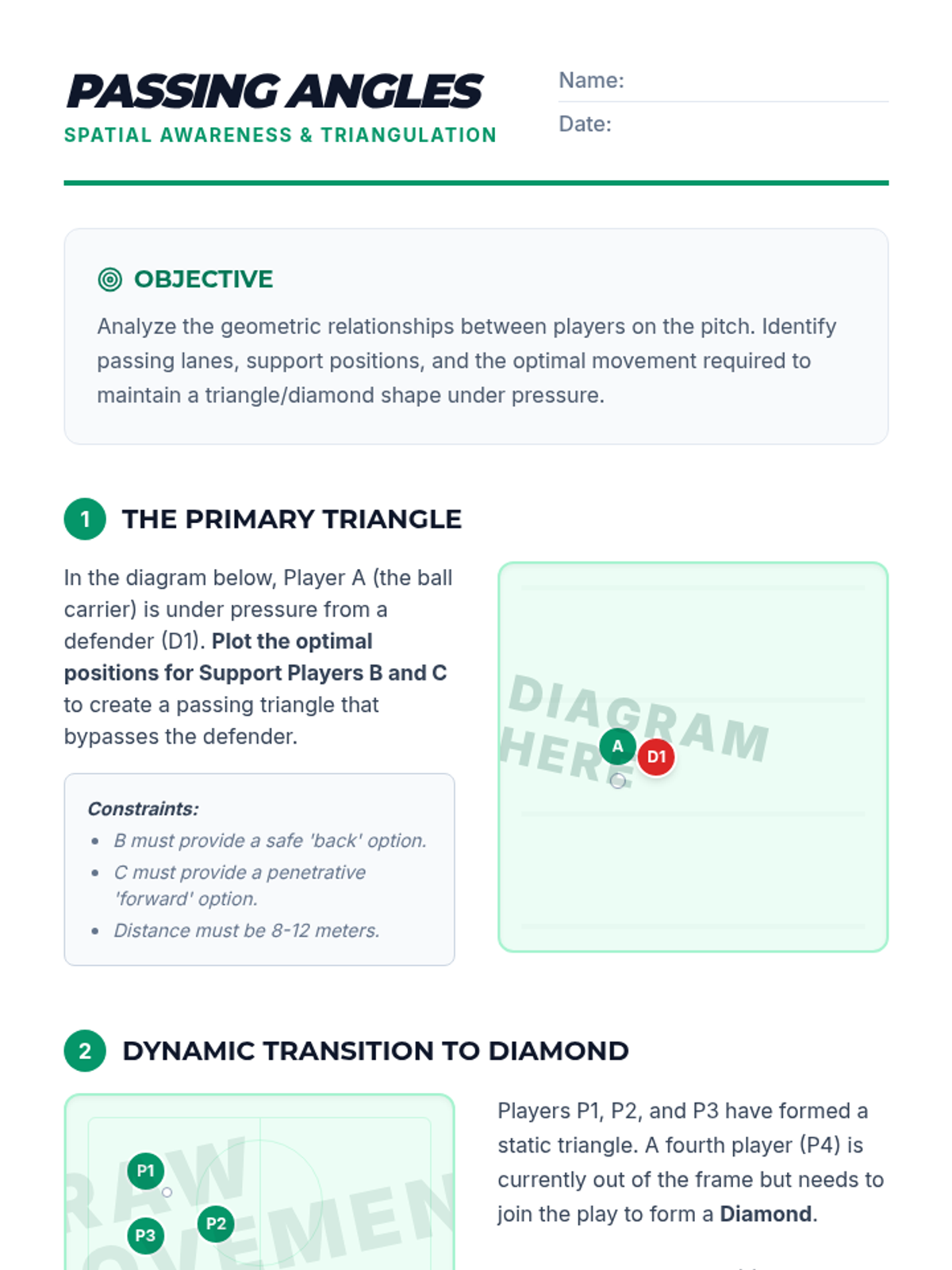
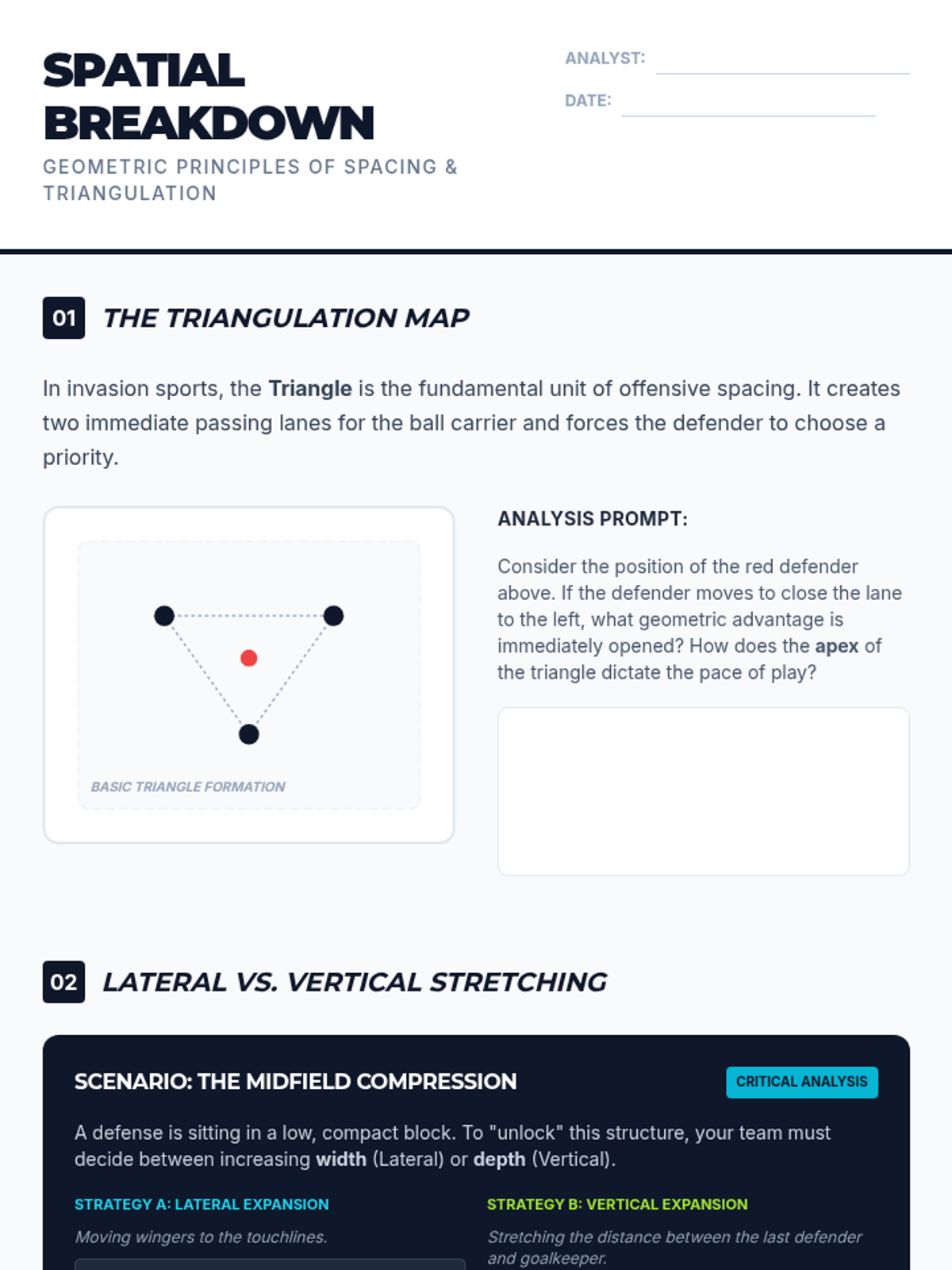
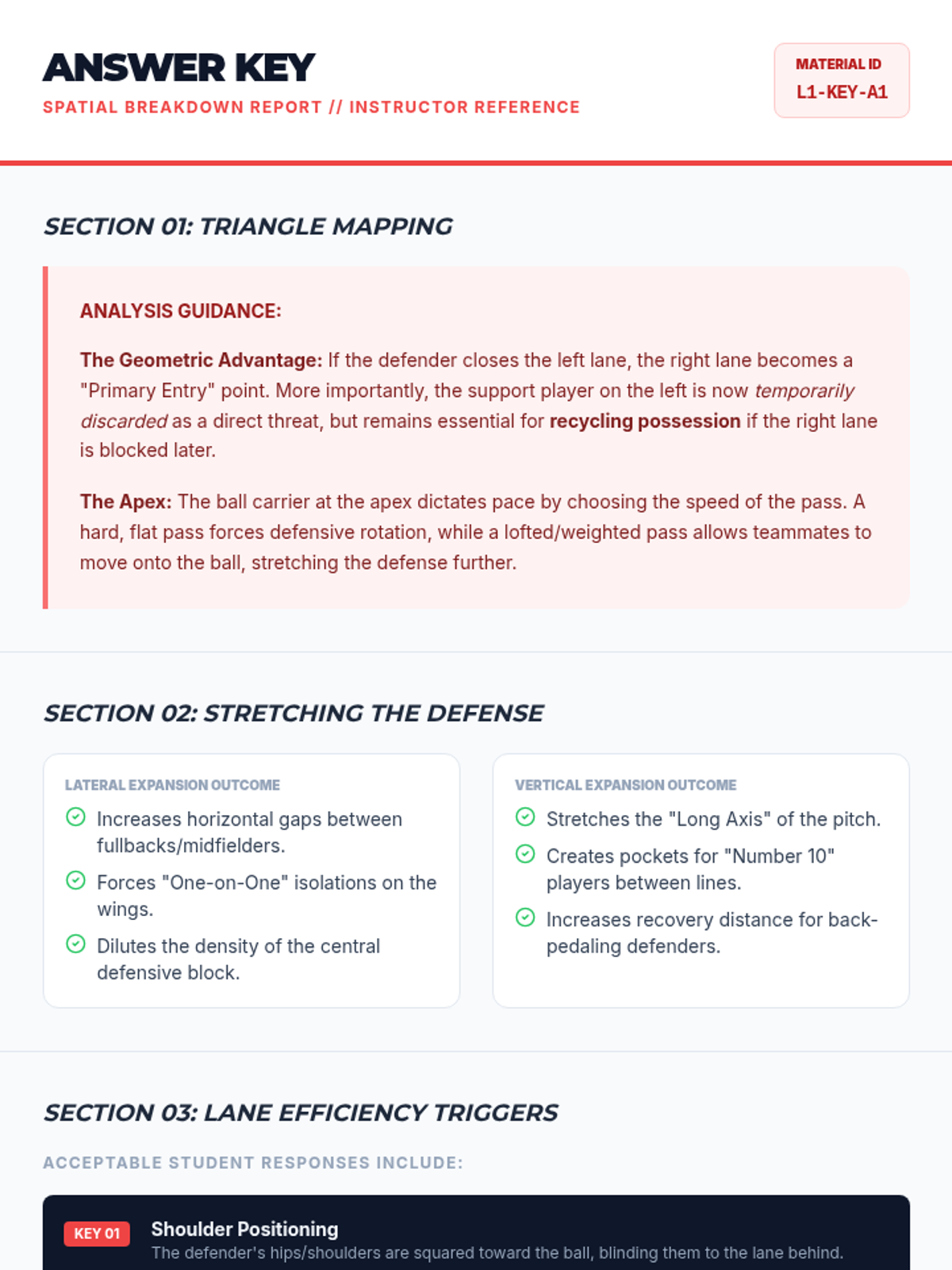
This sequence explores the sophisticated intersection of geometry and strategy in team sports, focusing on how spatial manipulation defines offensive and defensive success. Designed for undergraduate students, it covers triangulation, zone mechanics, high-pressure systems, and transition dynamics through a tactical lens.
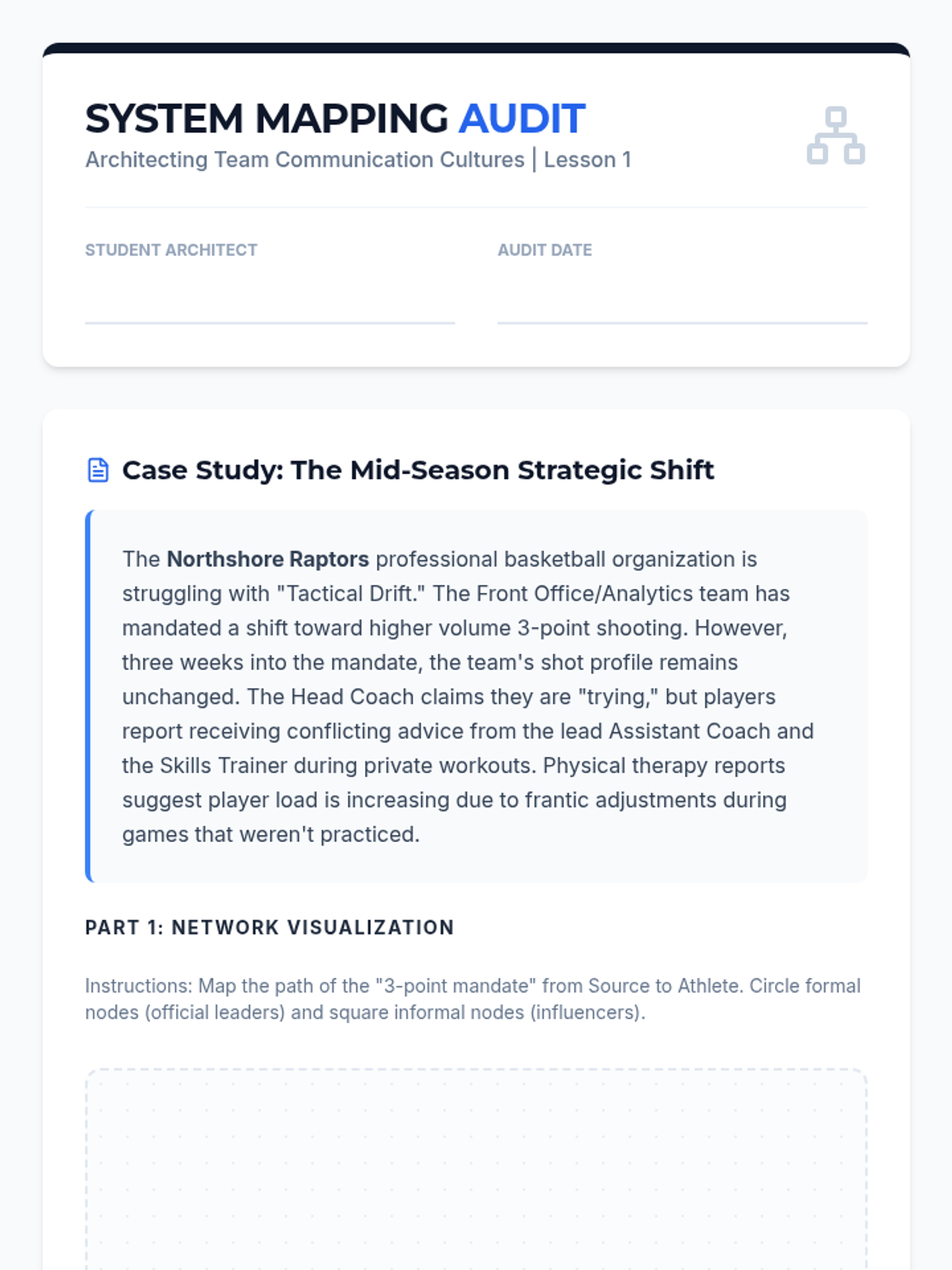
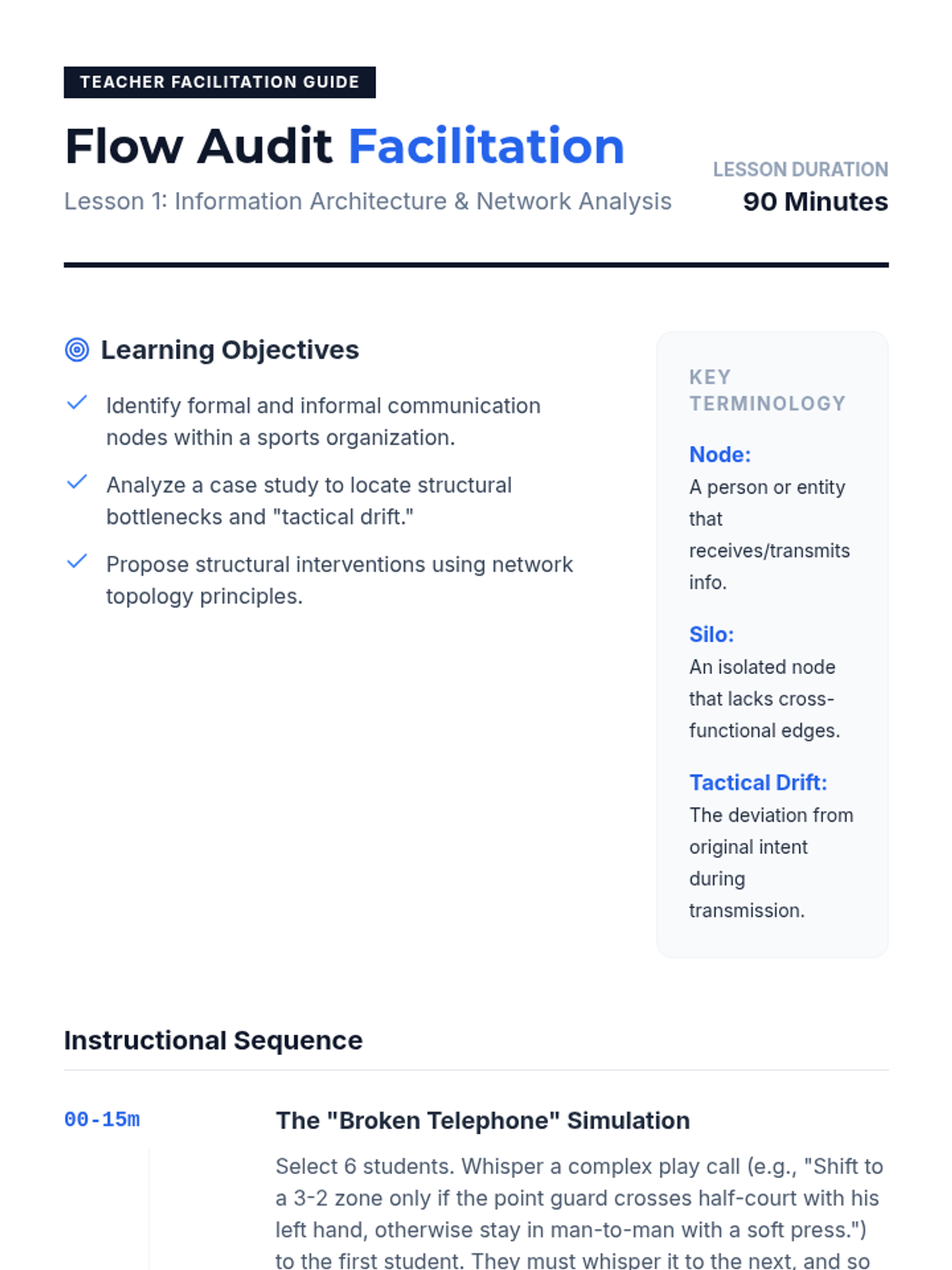
This graduate-level sequence examines the structural engineering of communication in elite athletic environments. Students will learn to design, audit, and implement sophisticated communication systems that enhance psychological safety, reduce cognitive load, and optimize tactical execution across diverse rosters.
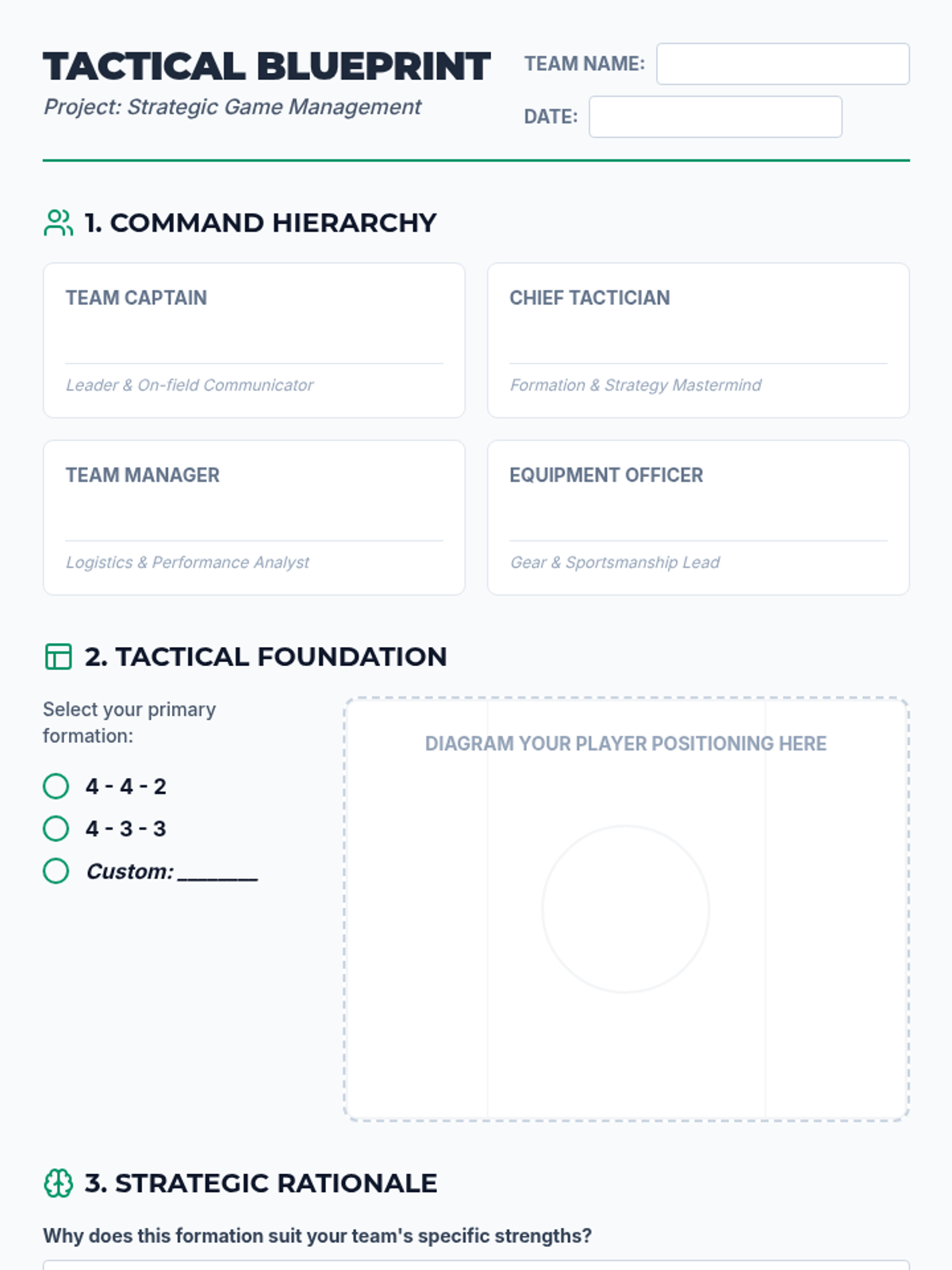
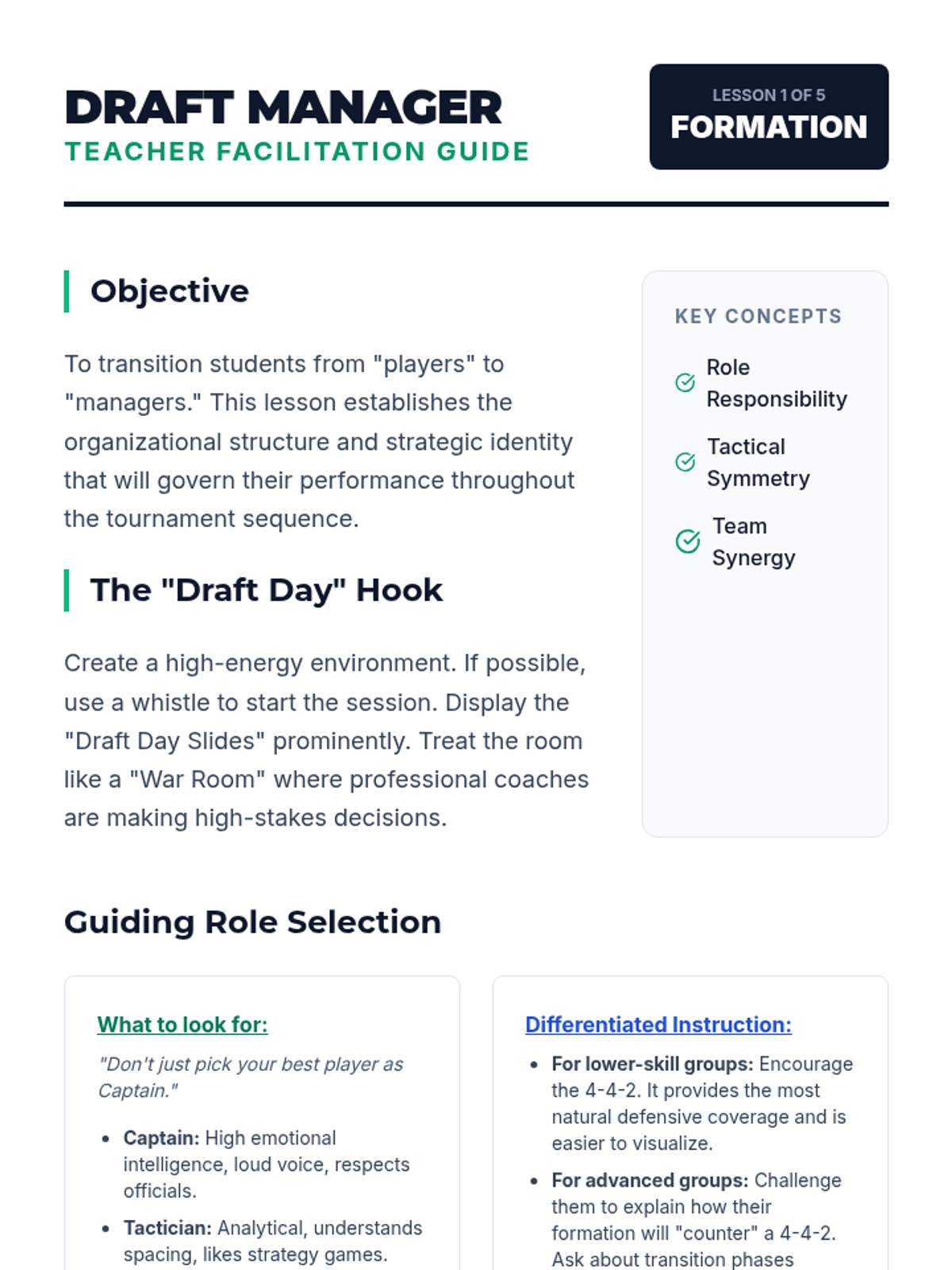
This project-based sequence integrates all skills into a simulated tournament structure where students take ownership of team management. Teams draft lineups, design playbooks, and officiate matches, gaining a holistic understanding of the sport. The sequence focuses on applying technical skills and tactical knowledge in a competitive environment, with designated reflection periods to adjust strategies. Students learn that successful outcomes rely on preparation, adaptation, and fair play as much as athletic ability.
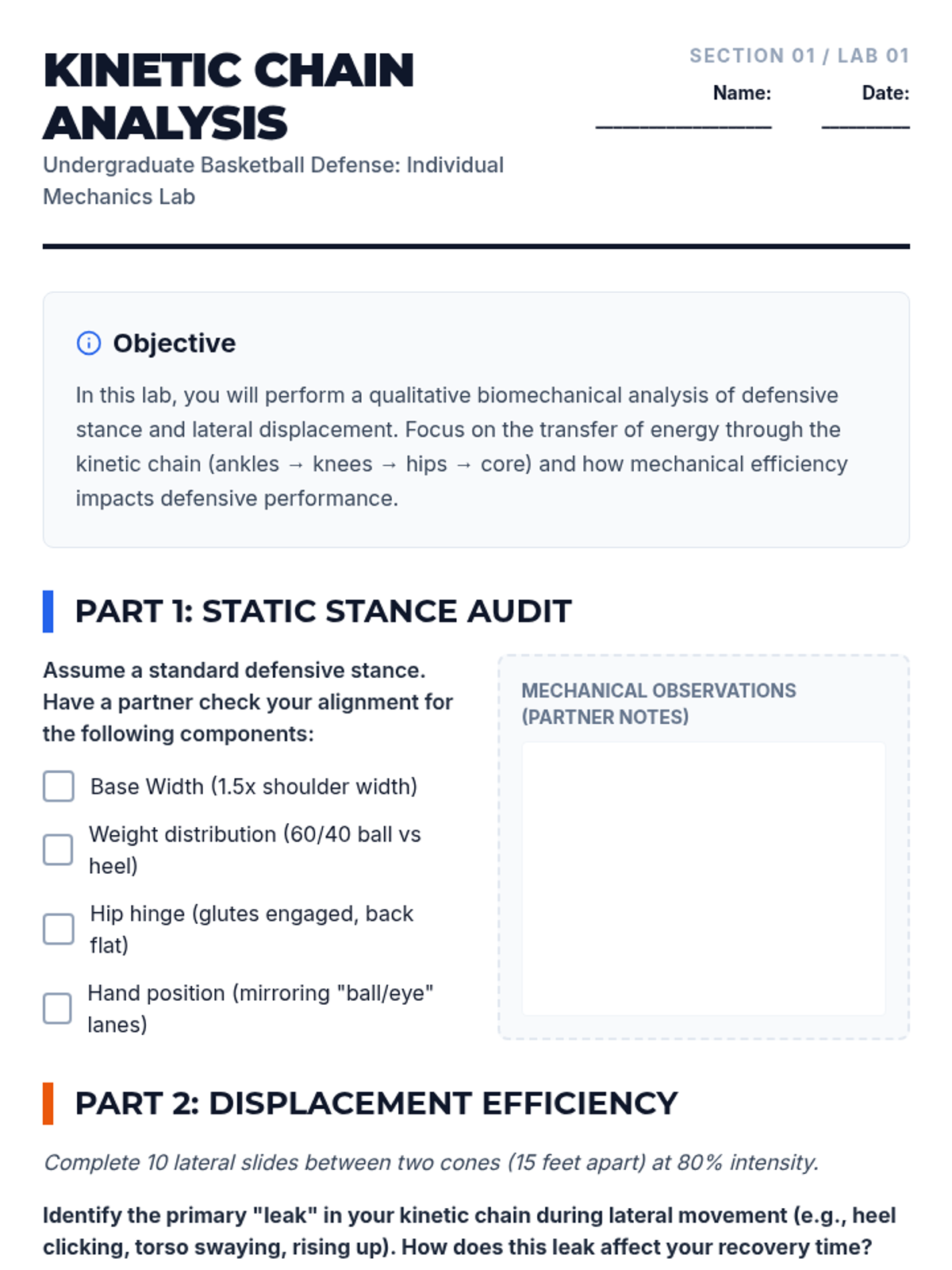
A comprehensive undergraduate-level sequence exploring the biomechanics, tactical systems, and strategic analysis of basketball defense. Students progress from individual mechanical mastery to complex team rotations and scouting-based game planning.
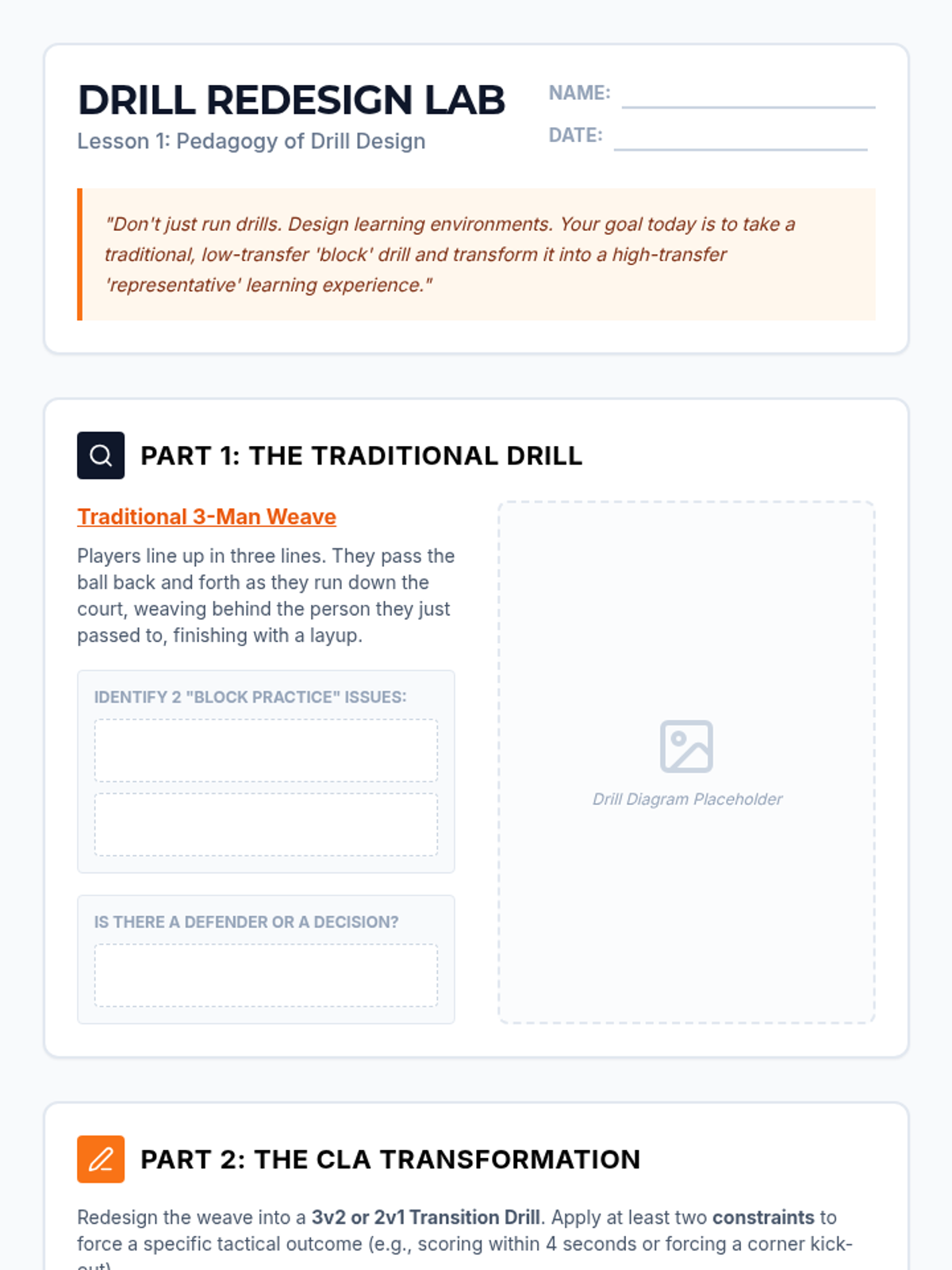
A comprehensive sequence for undergraduate students focusing on the pedagogical and management aspects of basketball coaching, moving from theoretical drill design to practical in-game leadership.
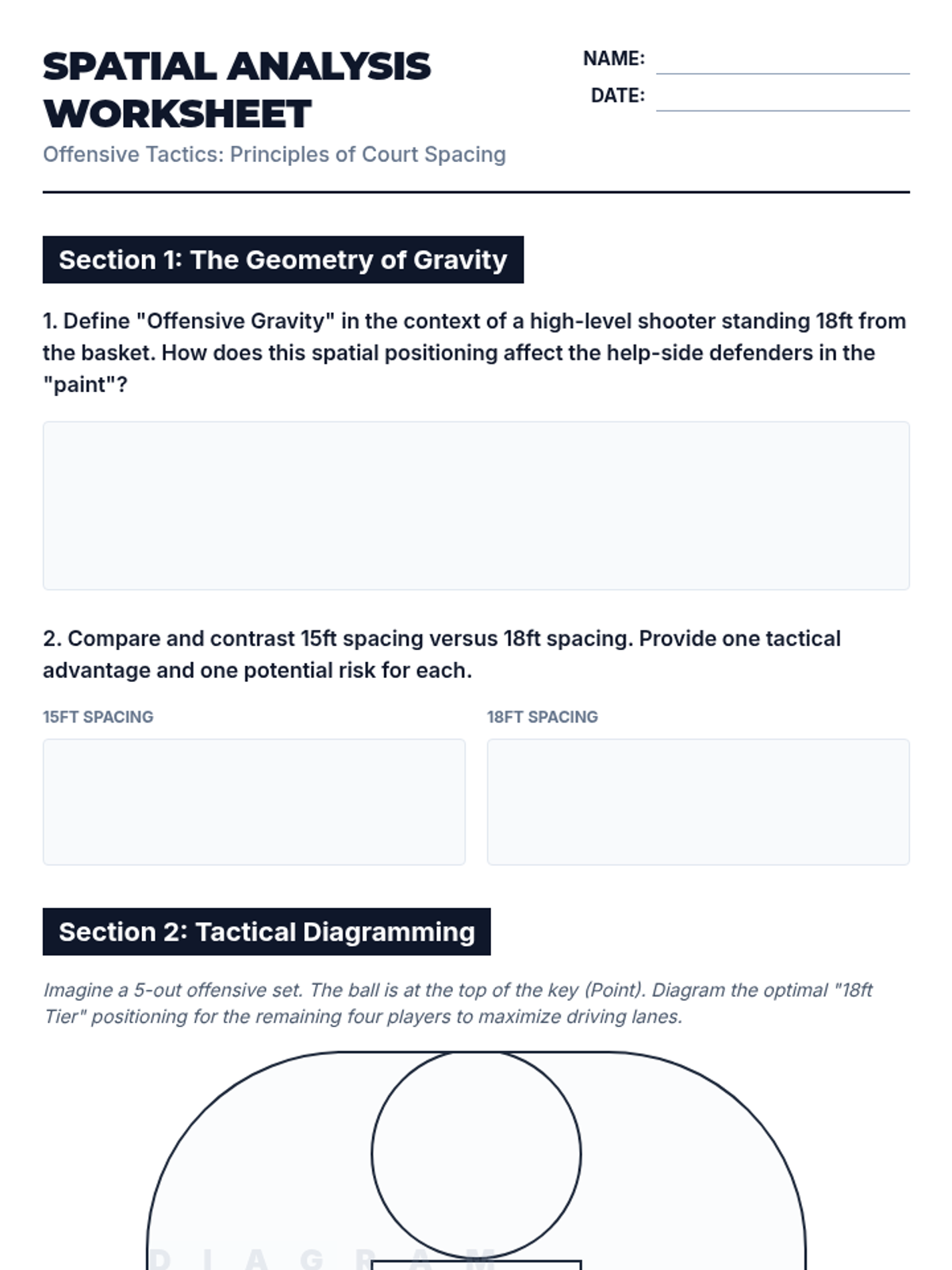
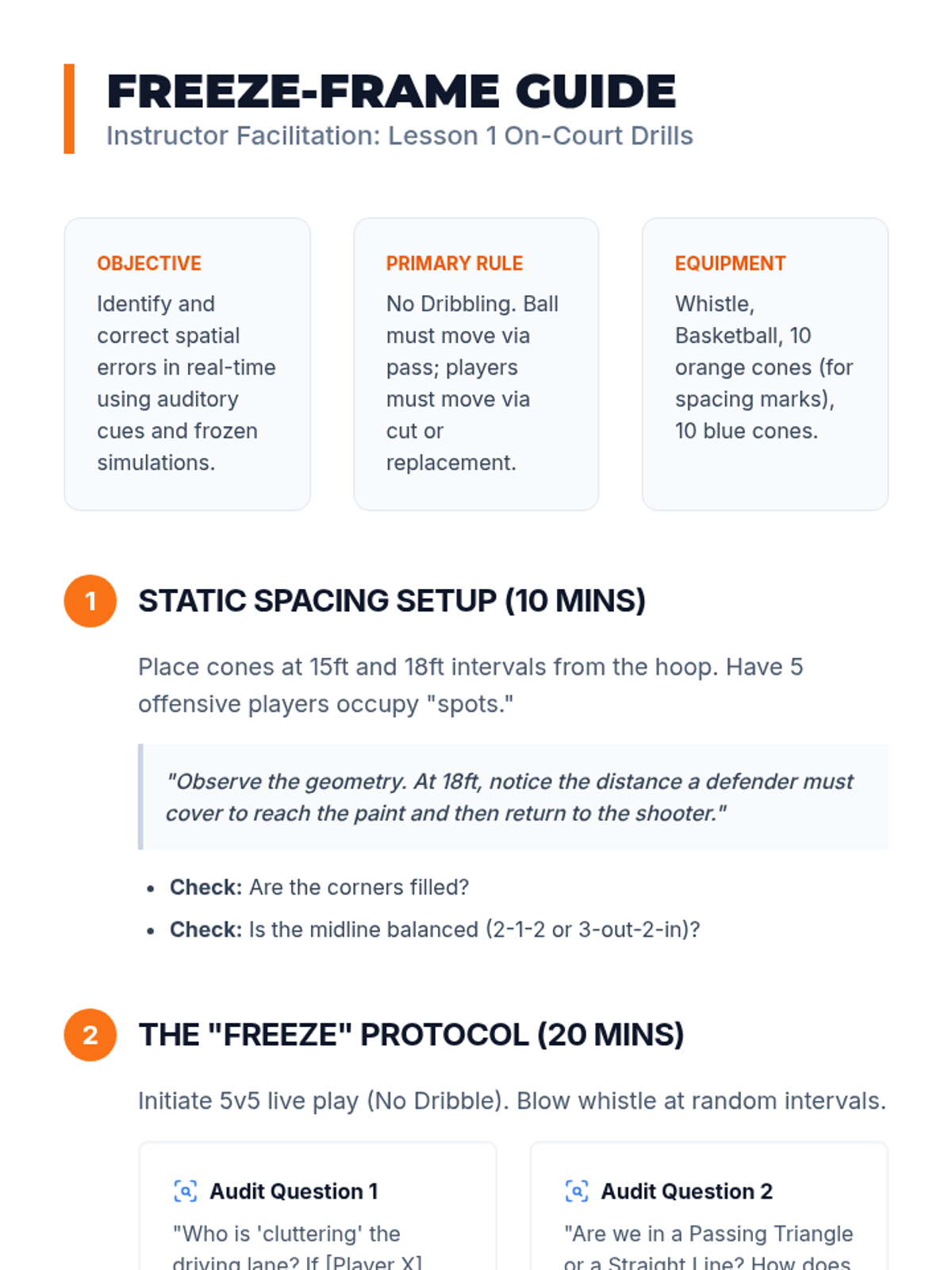
An advanced exploration of offensive basketball strategy for undergraduate students, focusing on spatial geometry, the physics of court spacing, and complex decision-making in real-time scenarios. Students progress from foundational spacing principles to sophisticated motion offenses and transition logic.
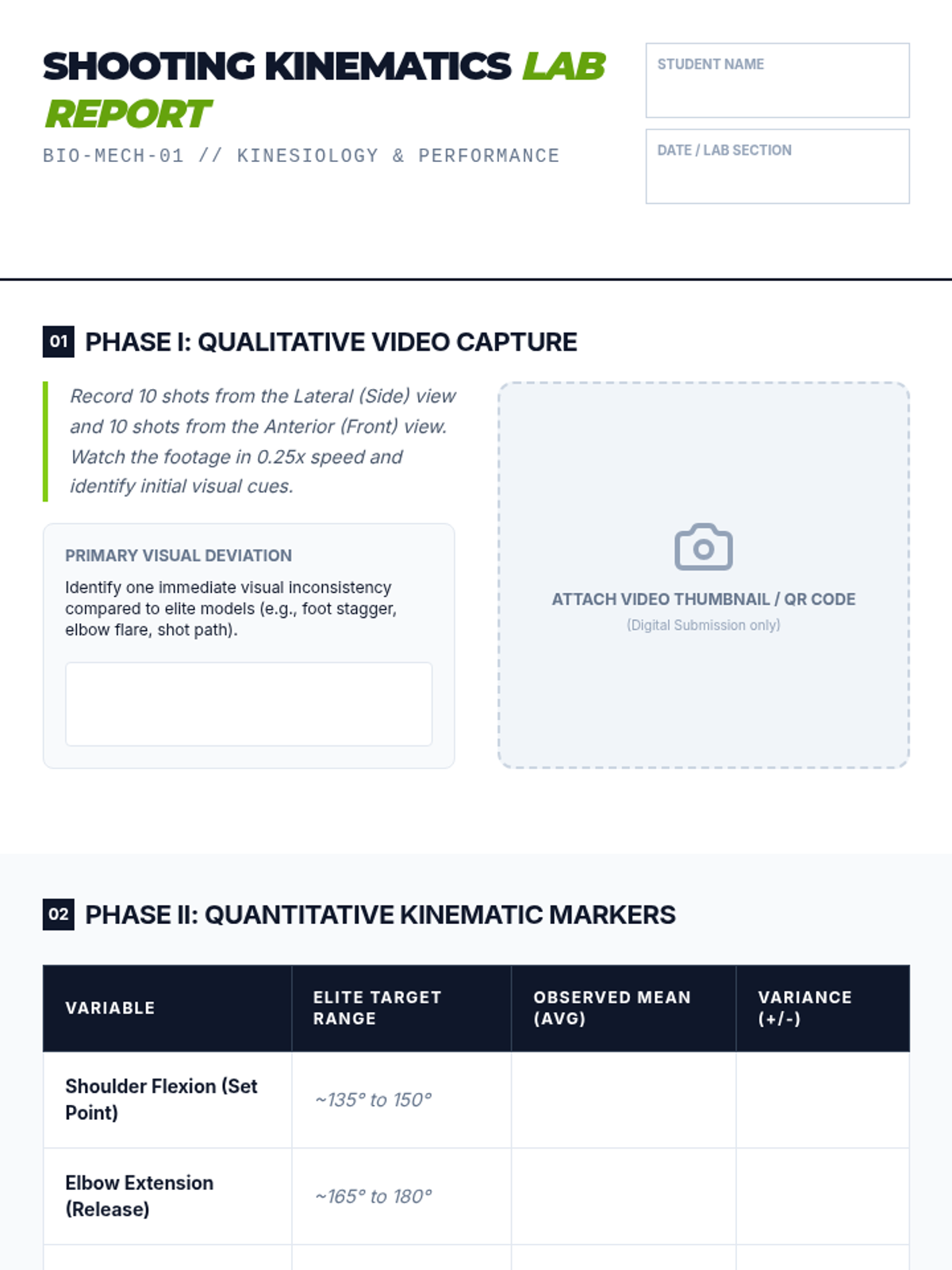
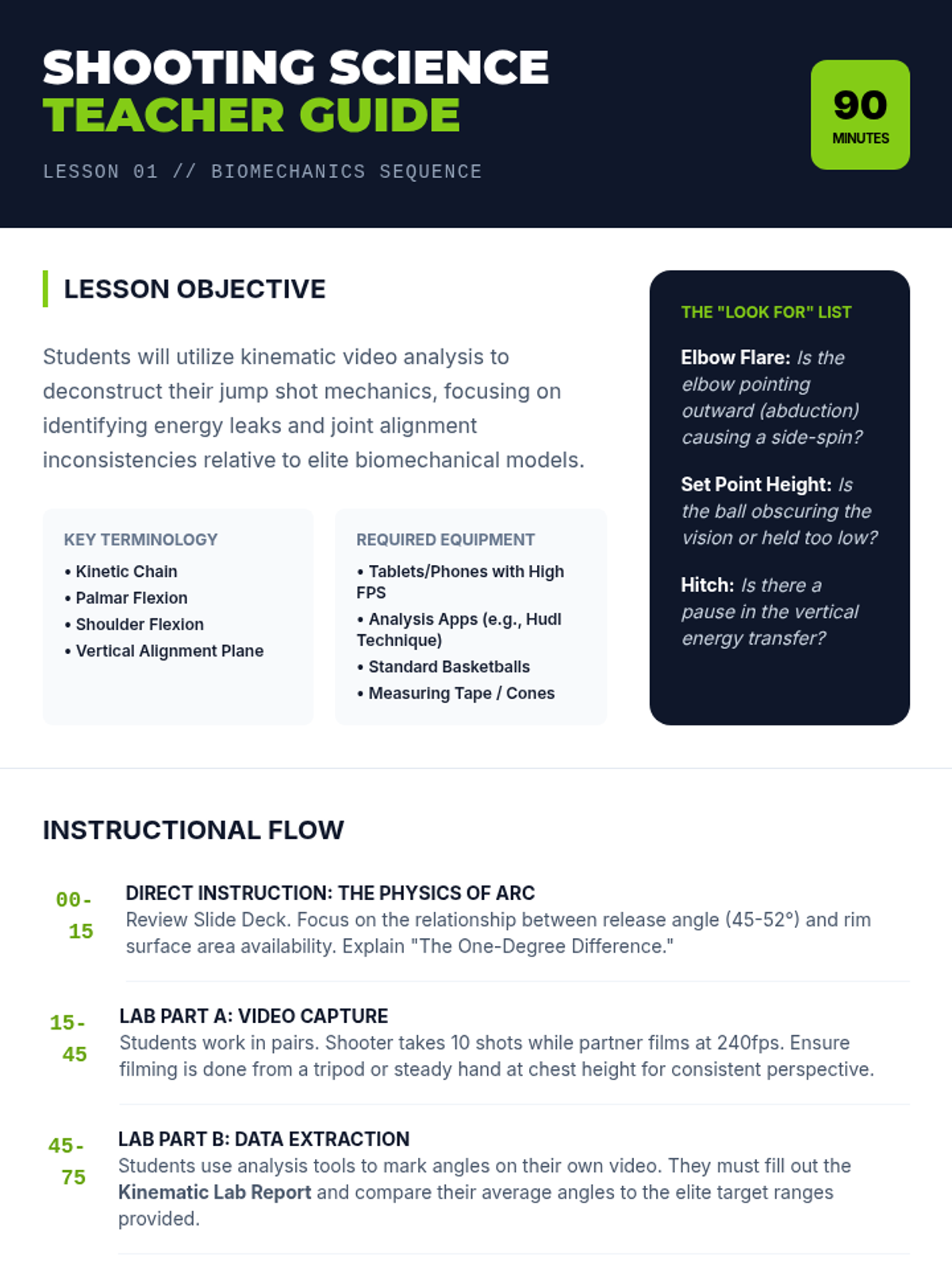
An advanced undergraduate-level sequence focusing on the biomechanics and motor learning principles of basketball skills, moving from analytical deconstruction to high-pressure performance.
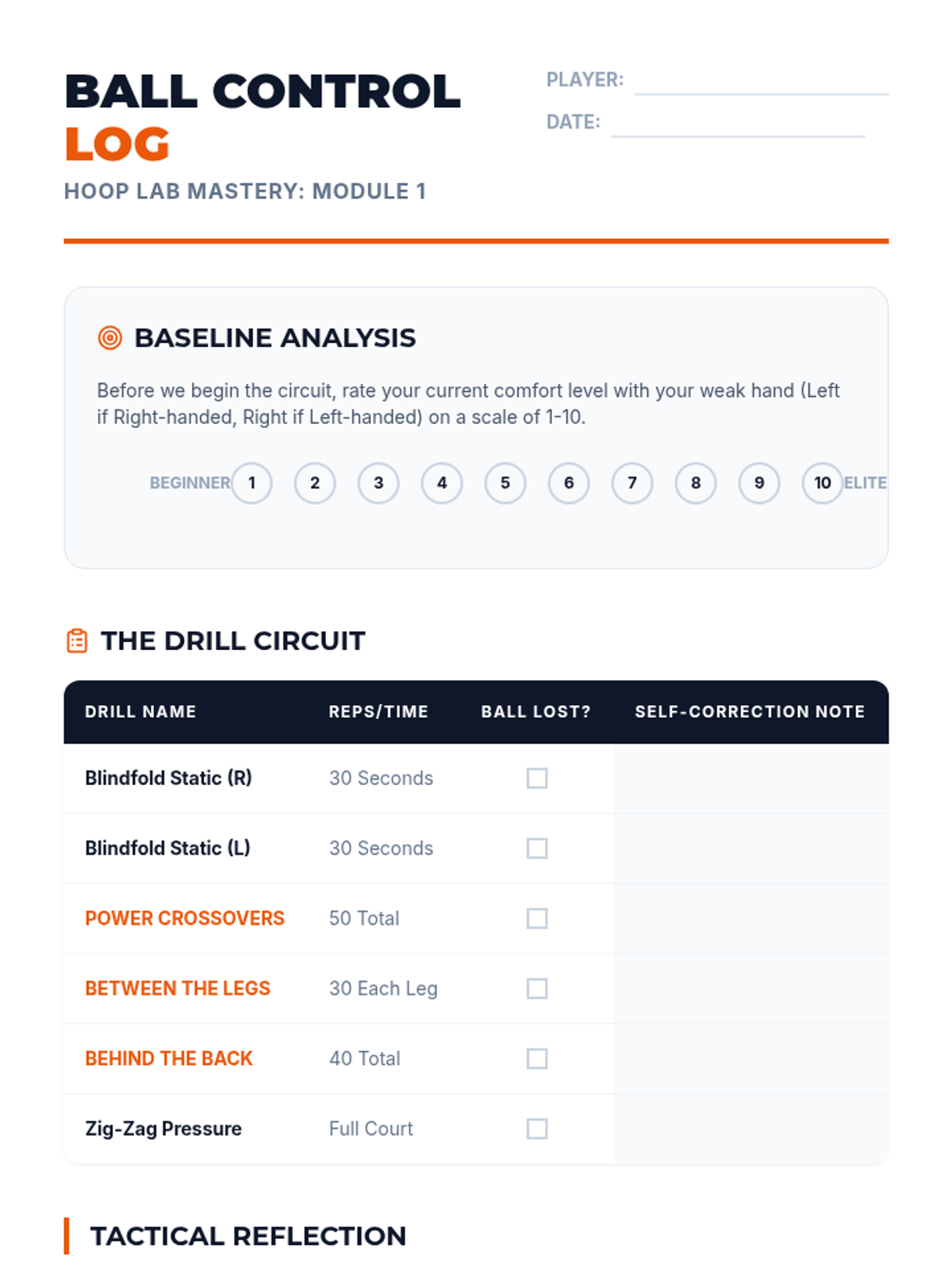
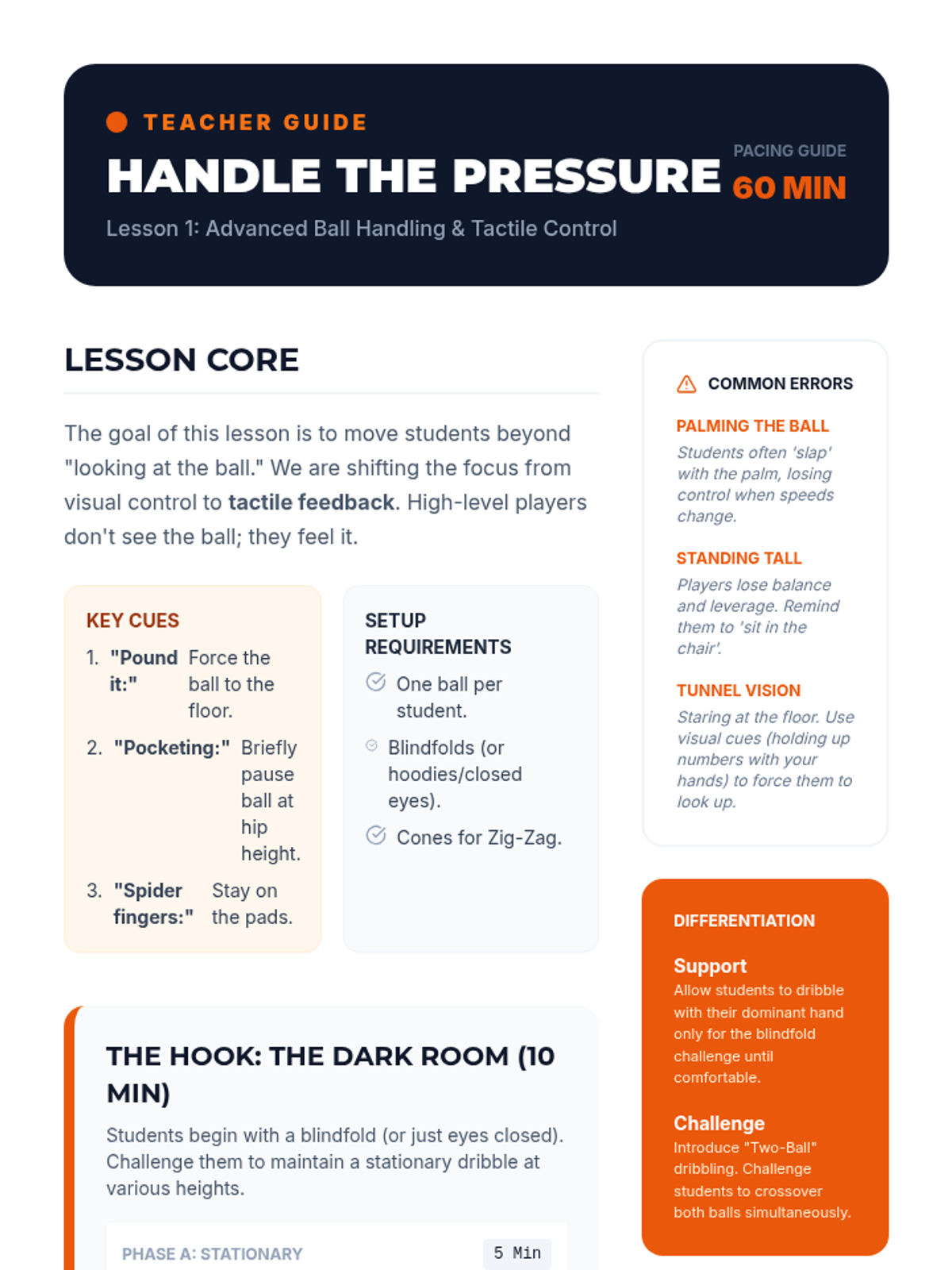
This sequence focuses on the biomechanics and technical precision required for high-level individual offensive play in basketball. Students progress from stationary ball-handling and shooting mechanics to dynamic finishing and triple-threat spacing, culminating in an integrated skills circuit.
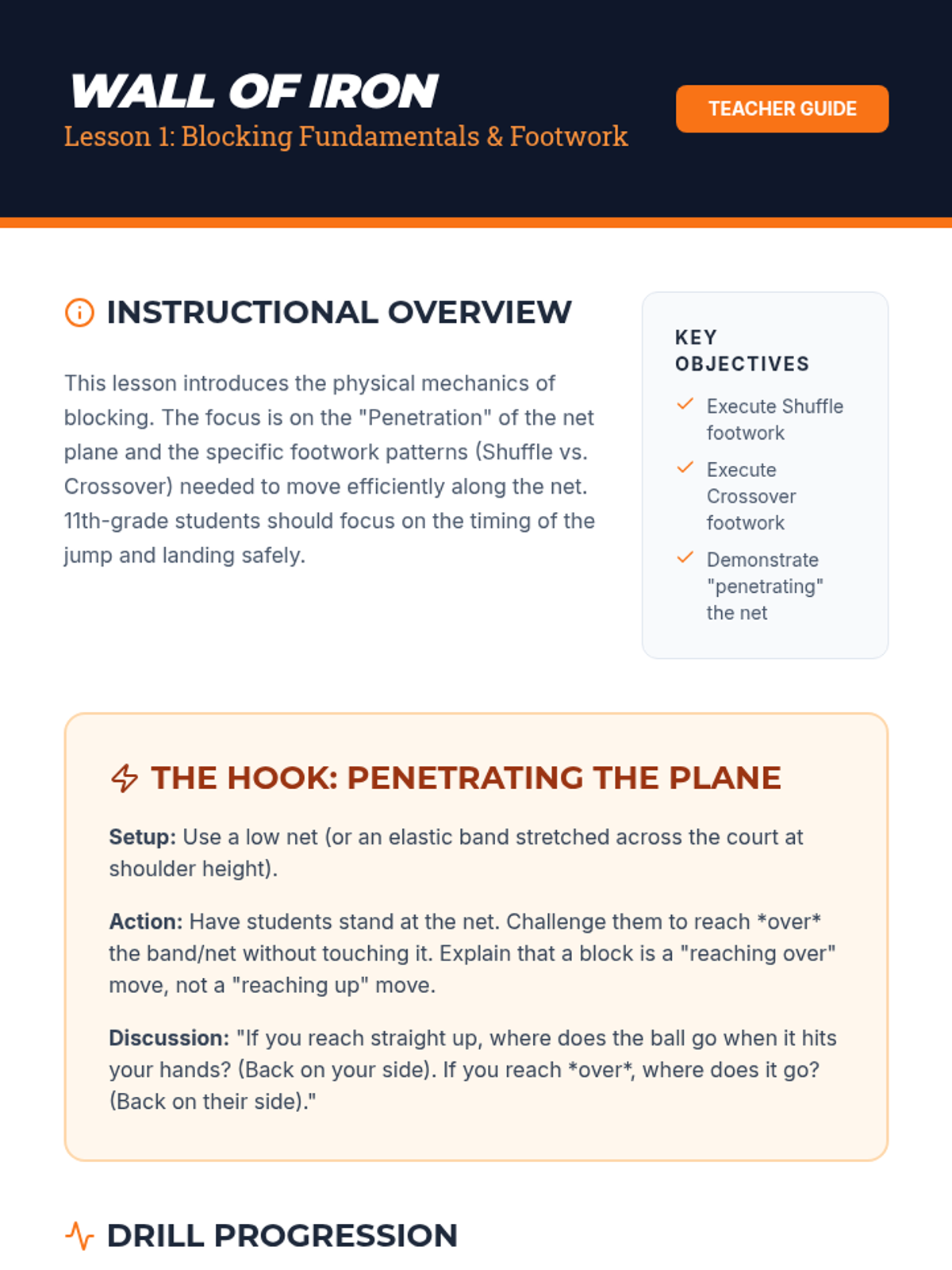
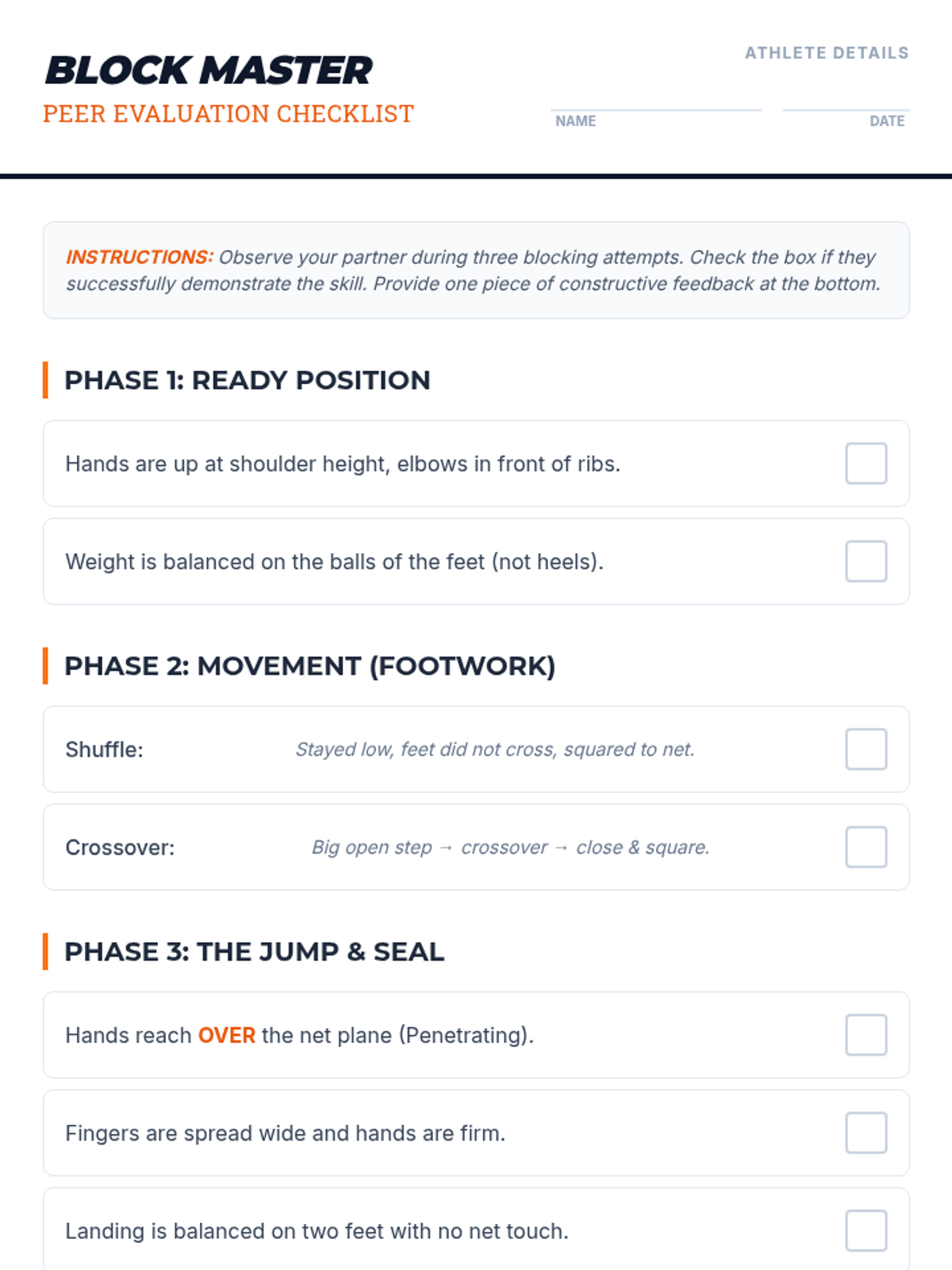
This sequence focuses on blocking, digging, and defensive alignments used to neutralize high-powered offenses in volleyball. Students learn to read hitter cues and implement perimeter and rotational defensive systems to coordinate the block and back-row defense.
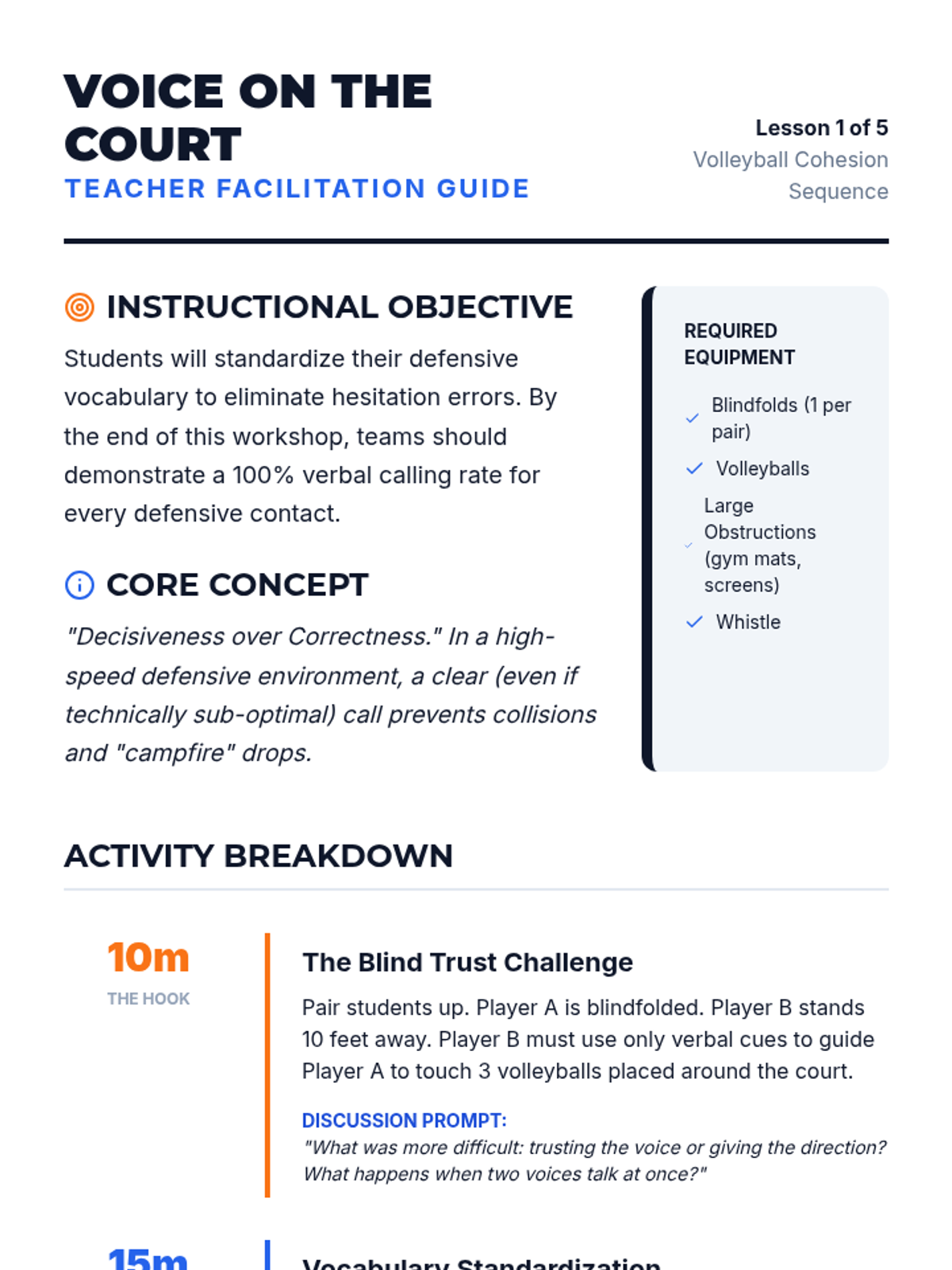
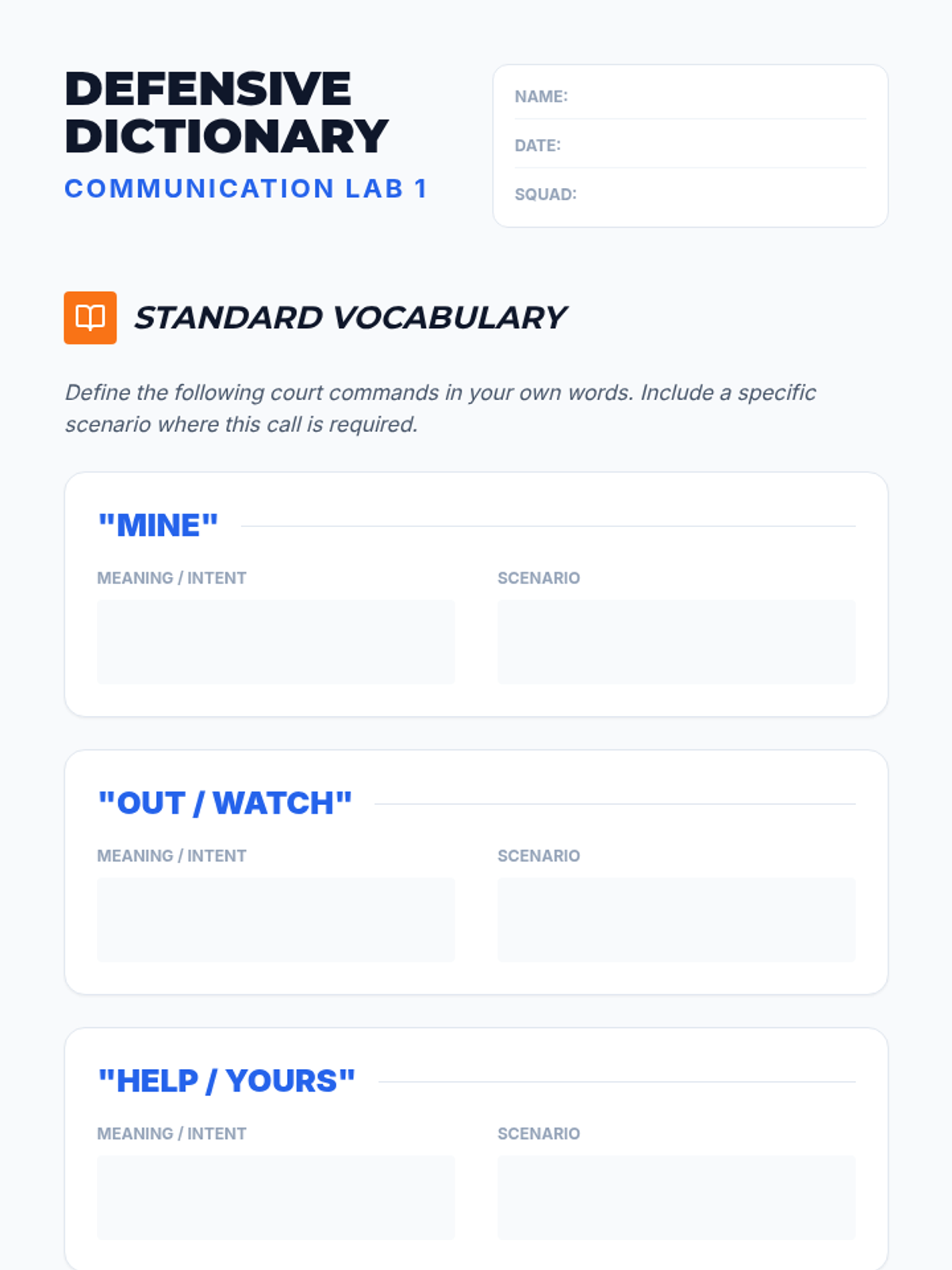
This sequence for undergraduate students focuses on the interpersonal and psychological dimensions of volleyball, emphasizing verbal and non-verbal communication, leadership, and conflict resolution to build cohesive, high-performing defensive units.
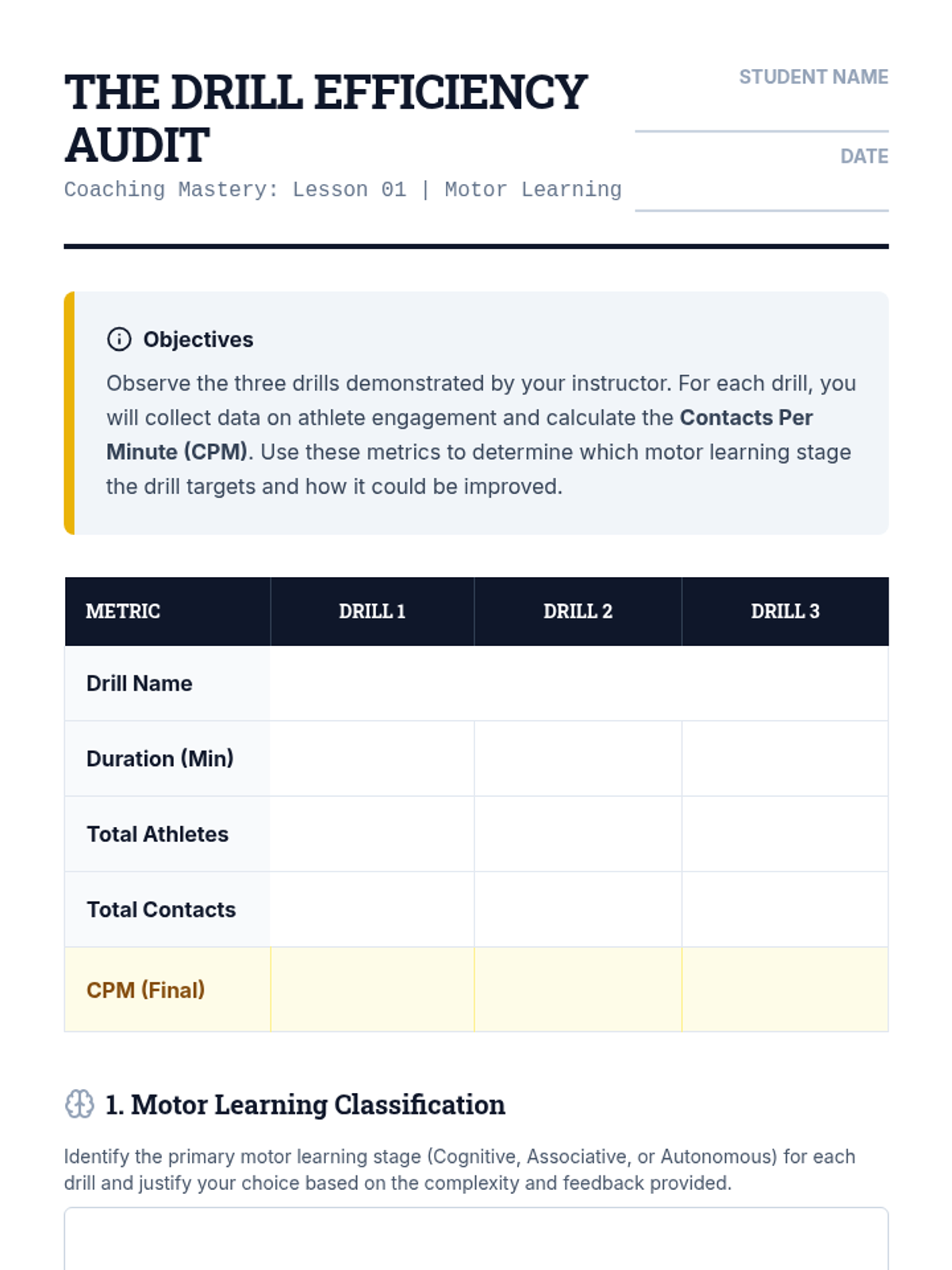
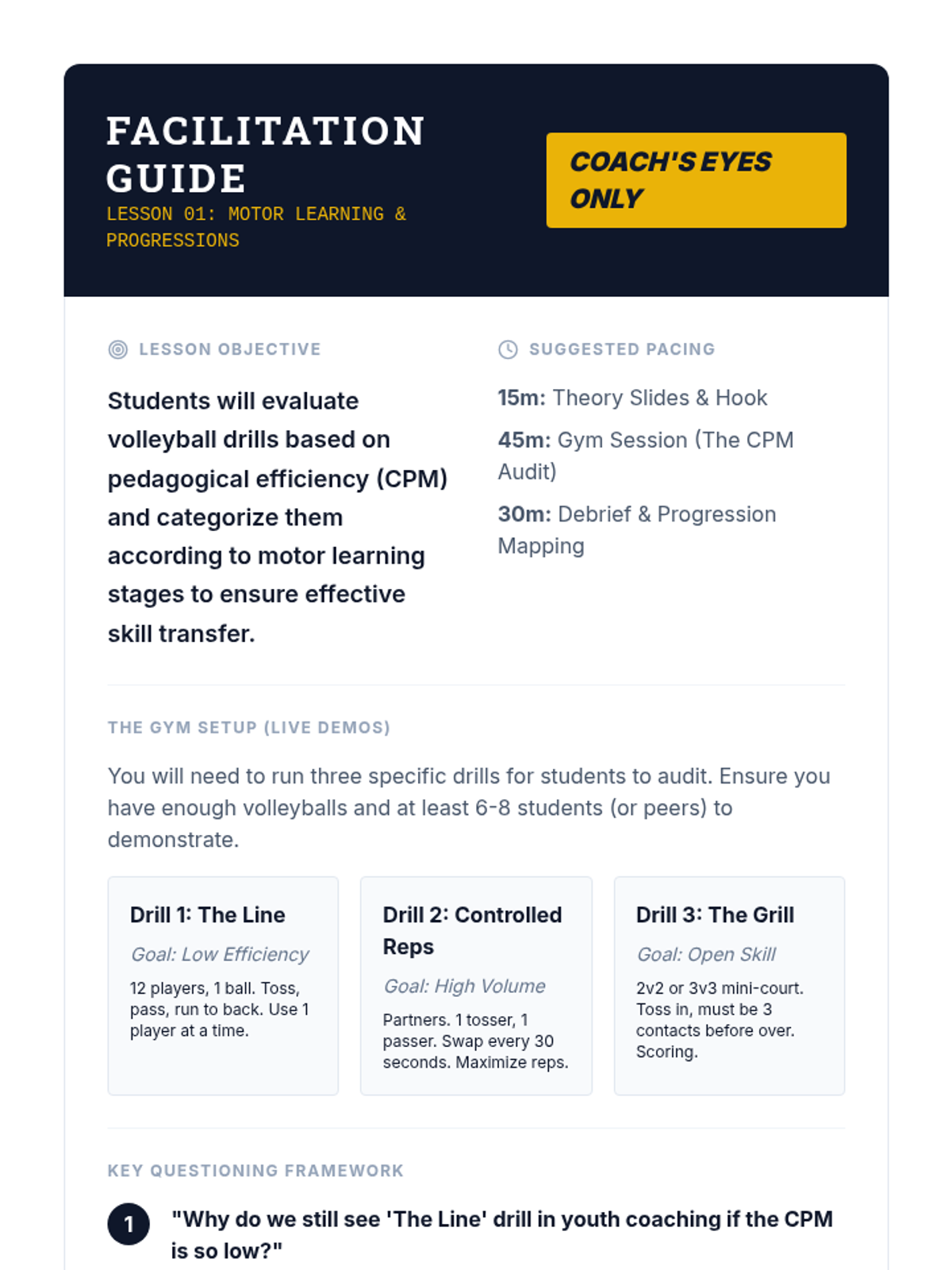
A specialized course for undergraduate students focusing on the pedagogical side of volleyball. Students move from understanding motor learning theory to designing and leading their own game-like 'grills' and practice sessions.
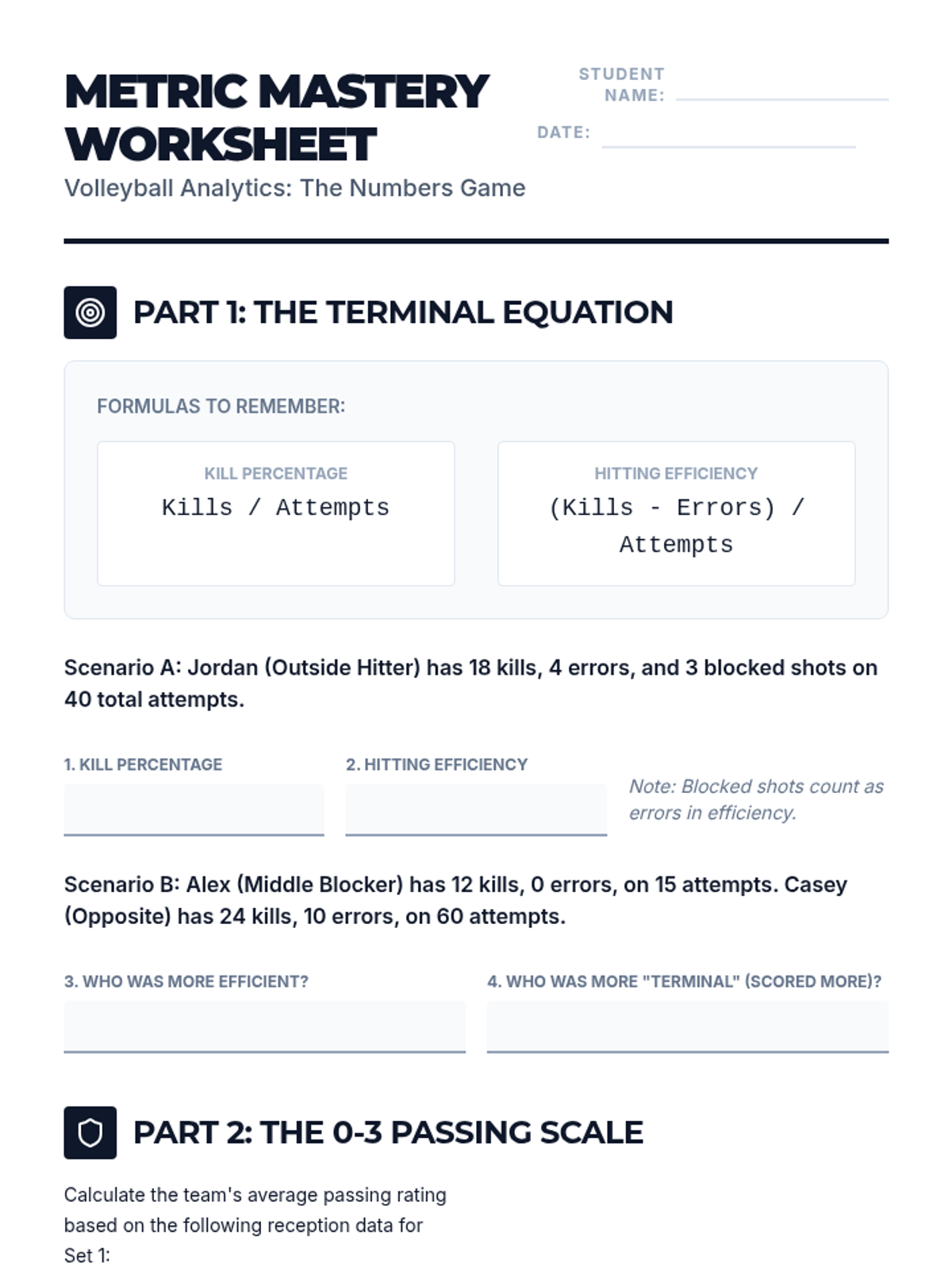
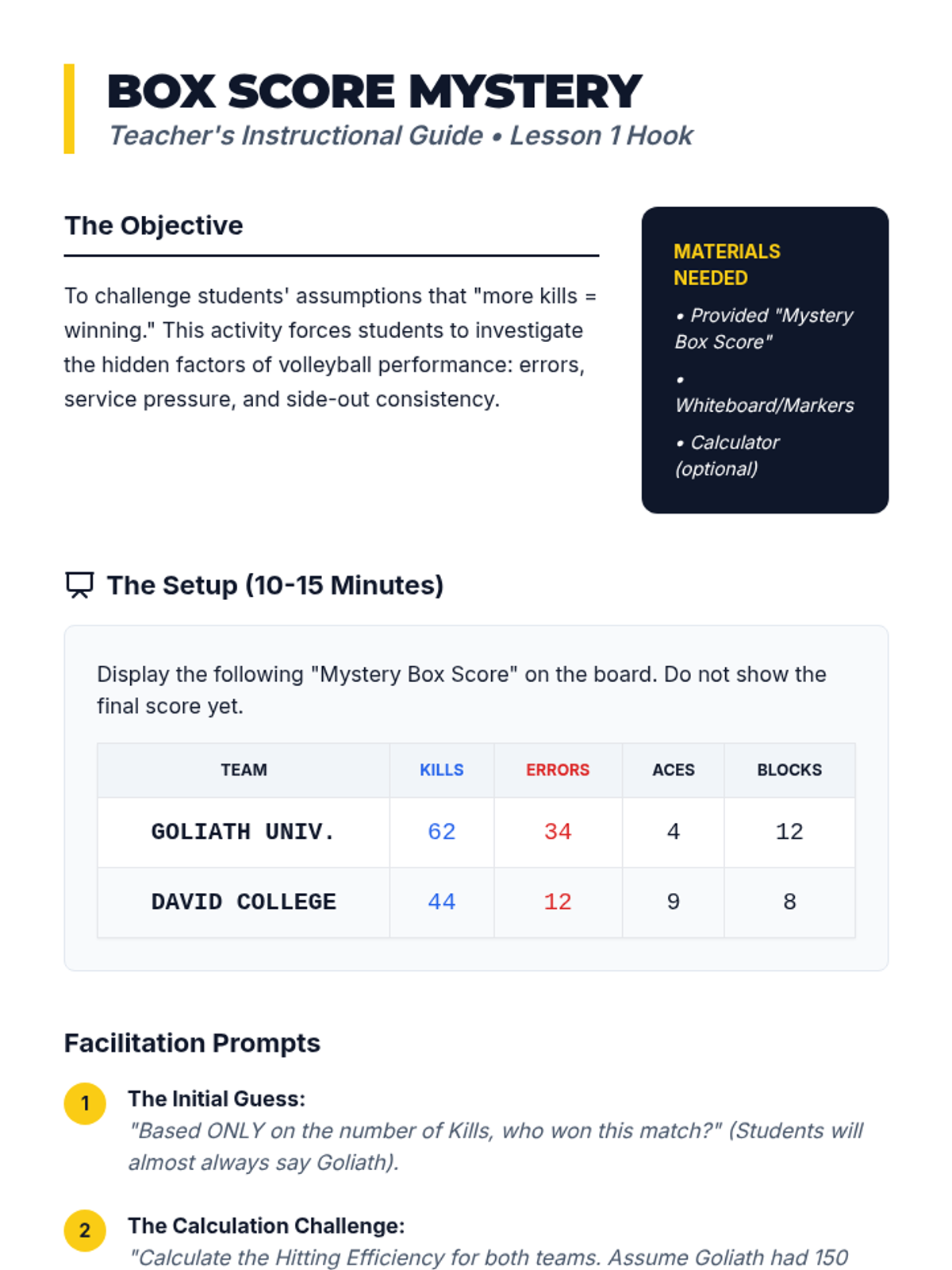
A deep dive into the data-driven world of competitive volleyball for undergraduate students. This sequence bridges the gap between physical skill and tactical mastery, teaching students how to use statistical analysis, pattern recognition, and game theory to outmaneuver opponents.
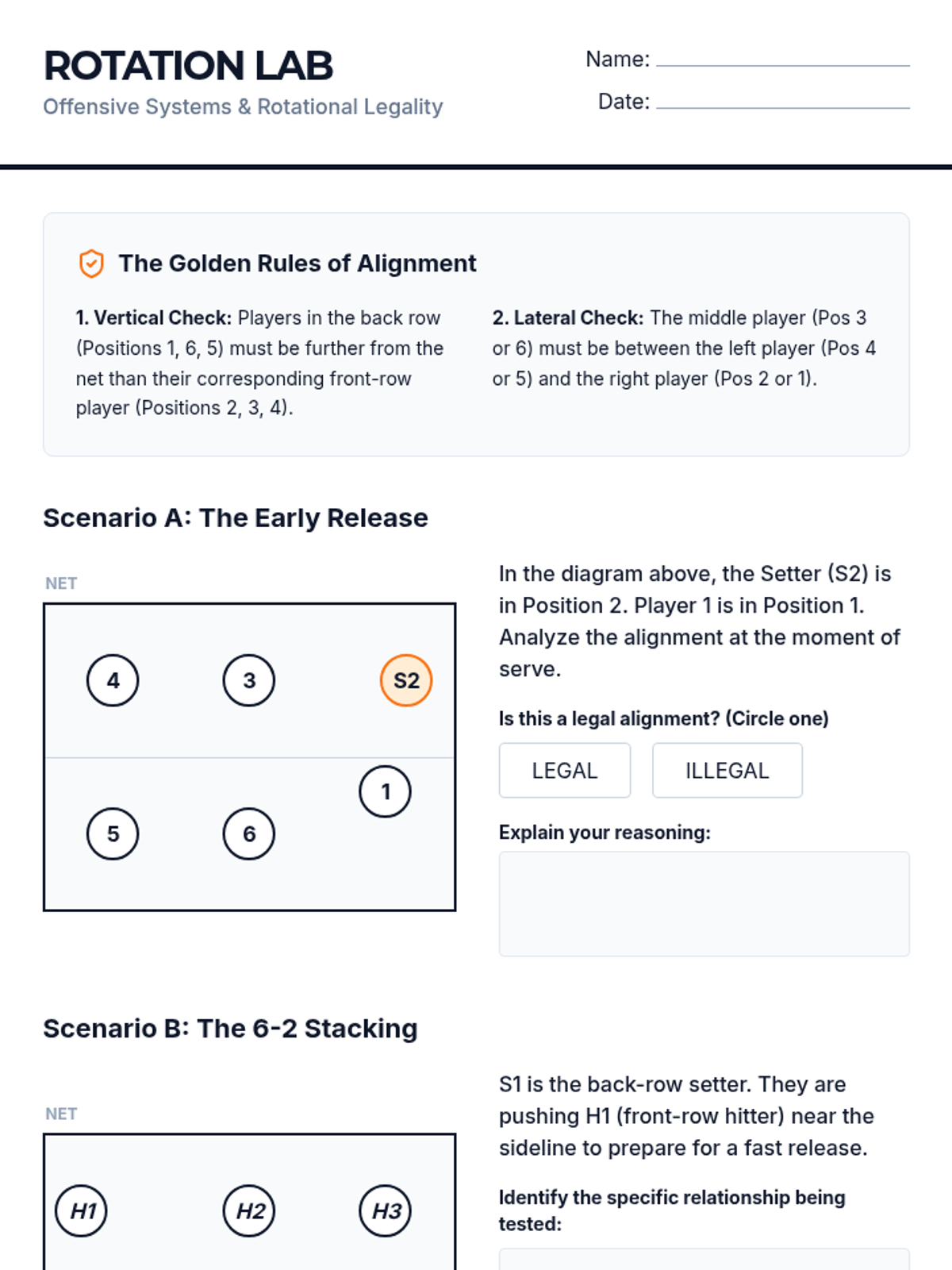
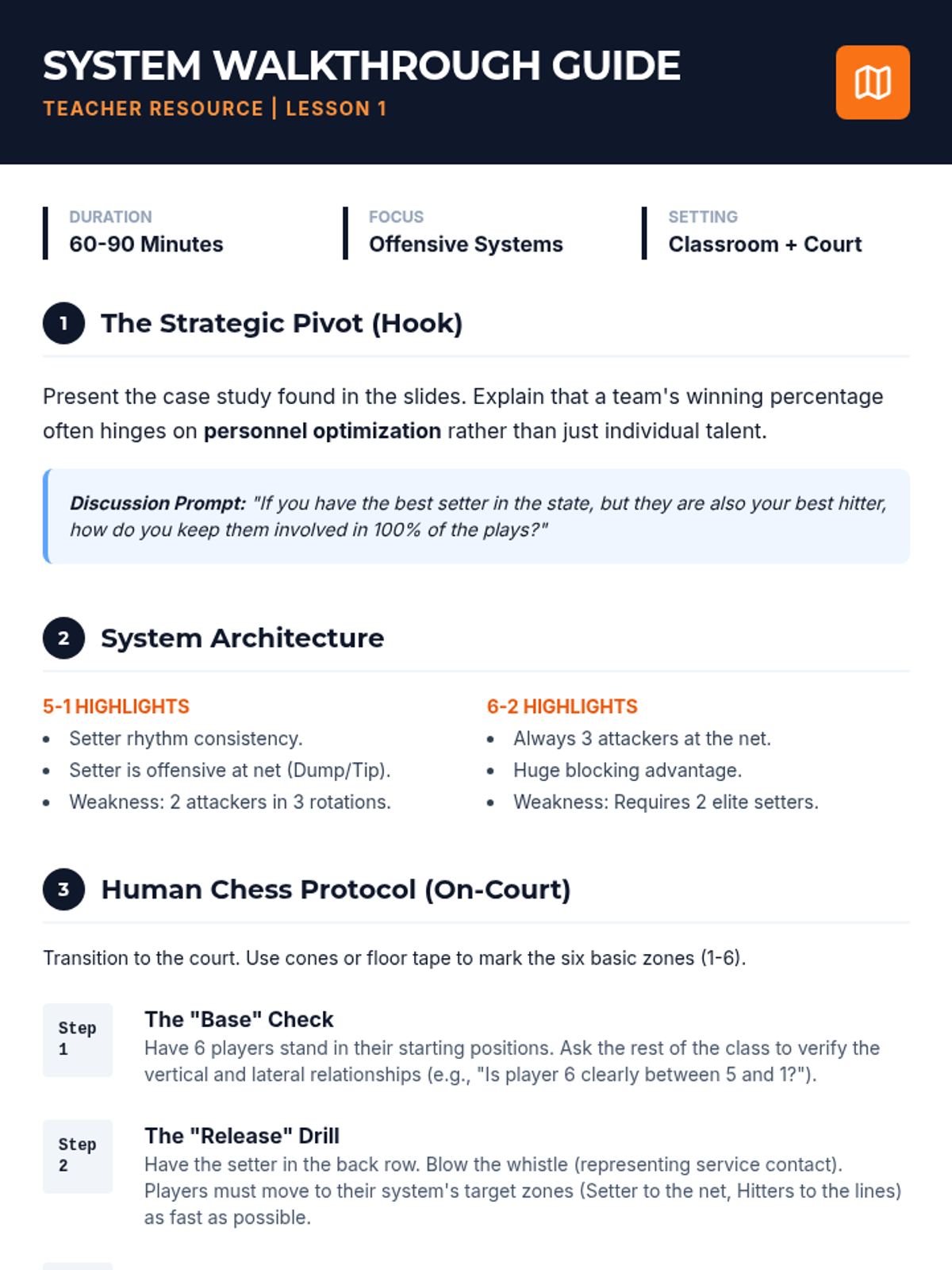
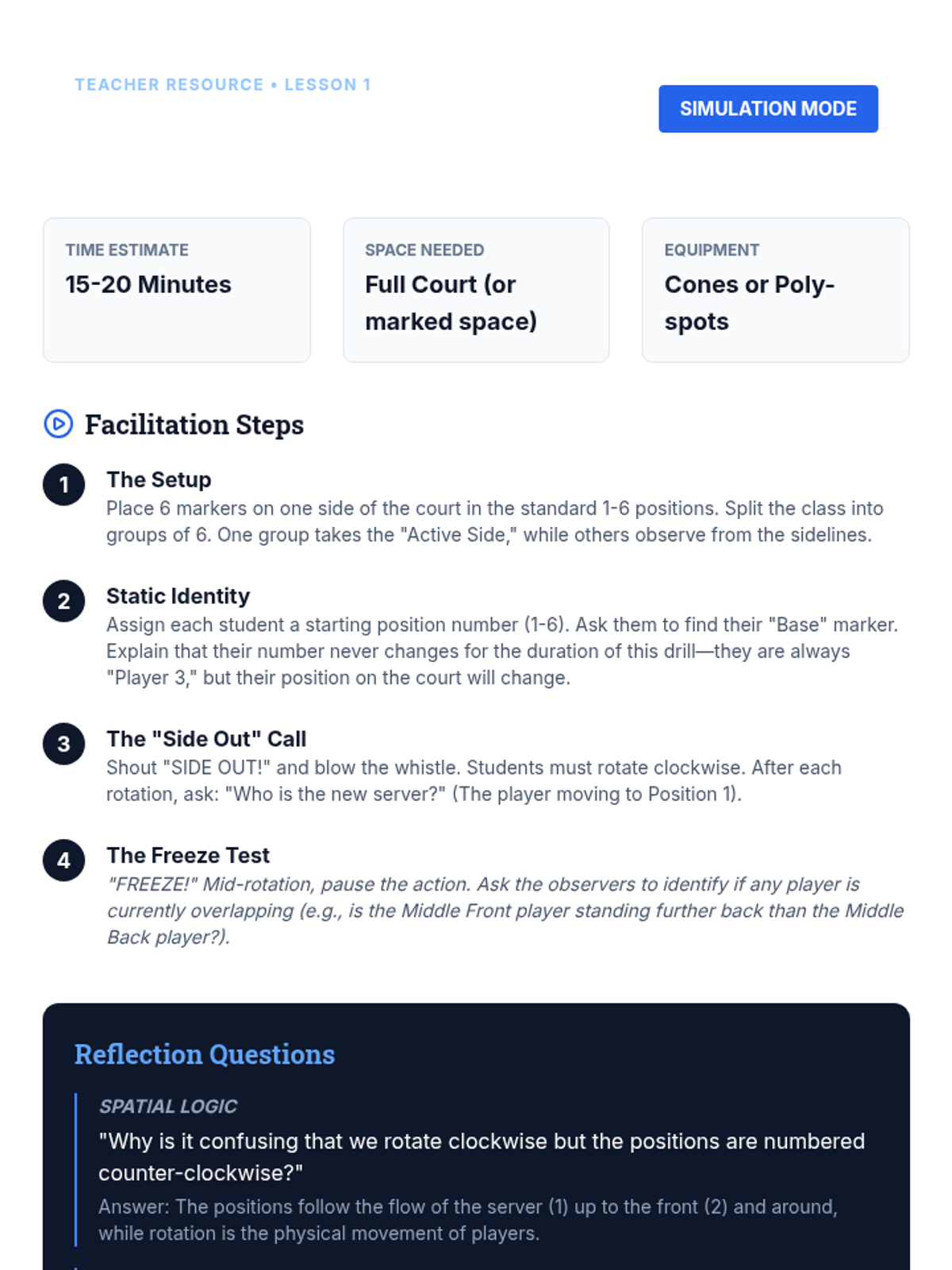
This sequence transitions undergraduate students from individual volleyball skills to complex team systems, focusing on offensive rotations (5-1, 6-2) and defensive perimeters. Students will explore the logic behind overlapping zones, rotational faults, and transition plays through theoretical analysis and on-court simulation.
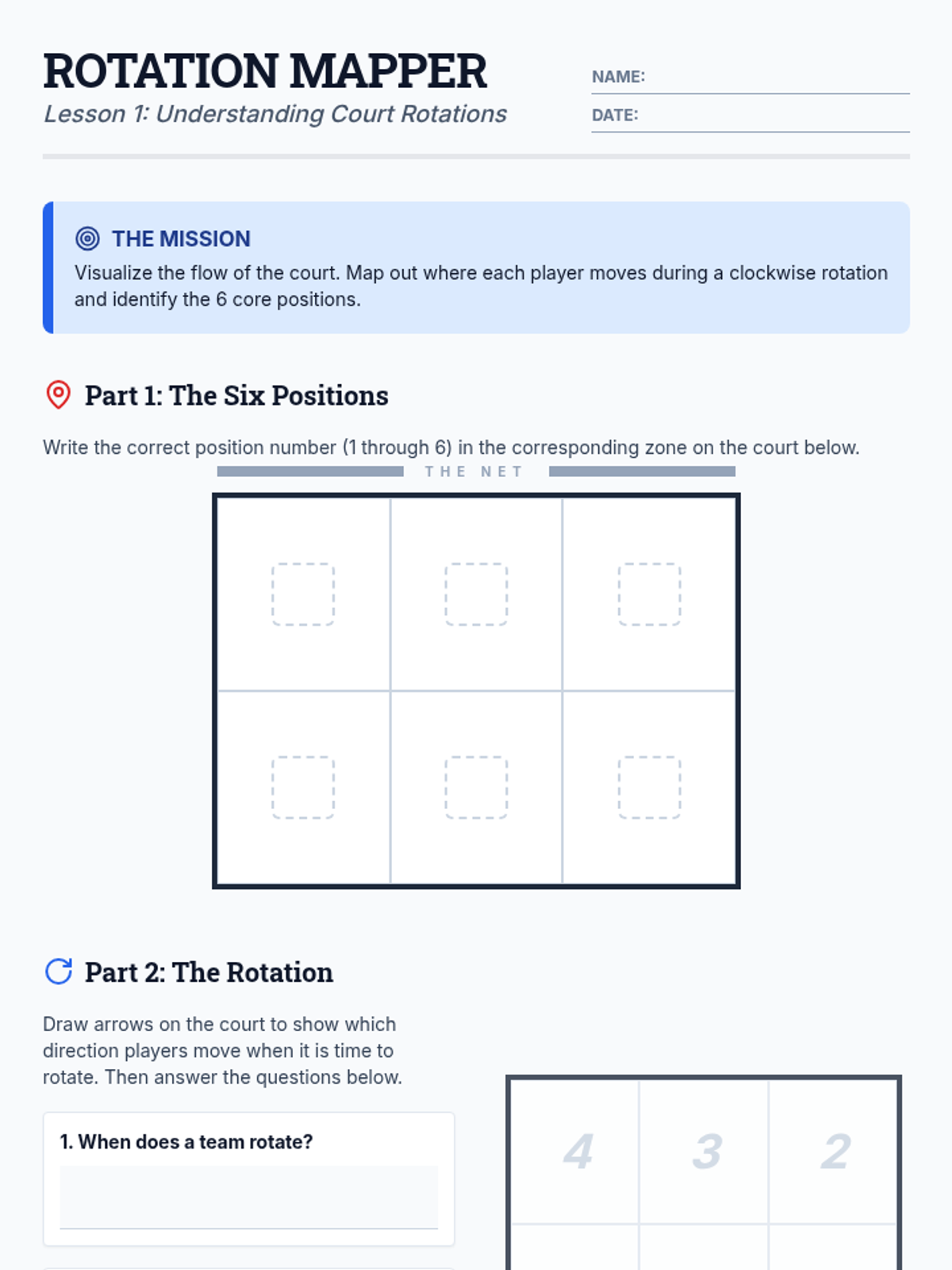
This sequence explores volleyball court rotations, serve receive formations, and defensive systems. Students will move from individual skills to team dynamics, learning how to maintain court balance, avoid overlap violations, and transition between offensive and defensive mindsets.
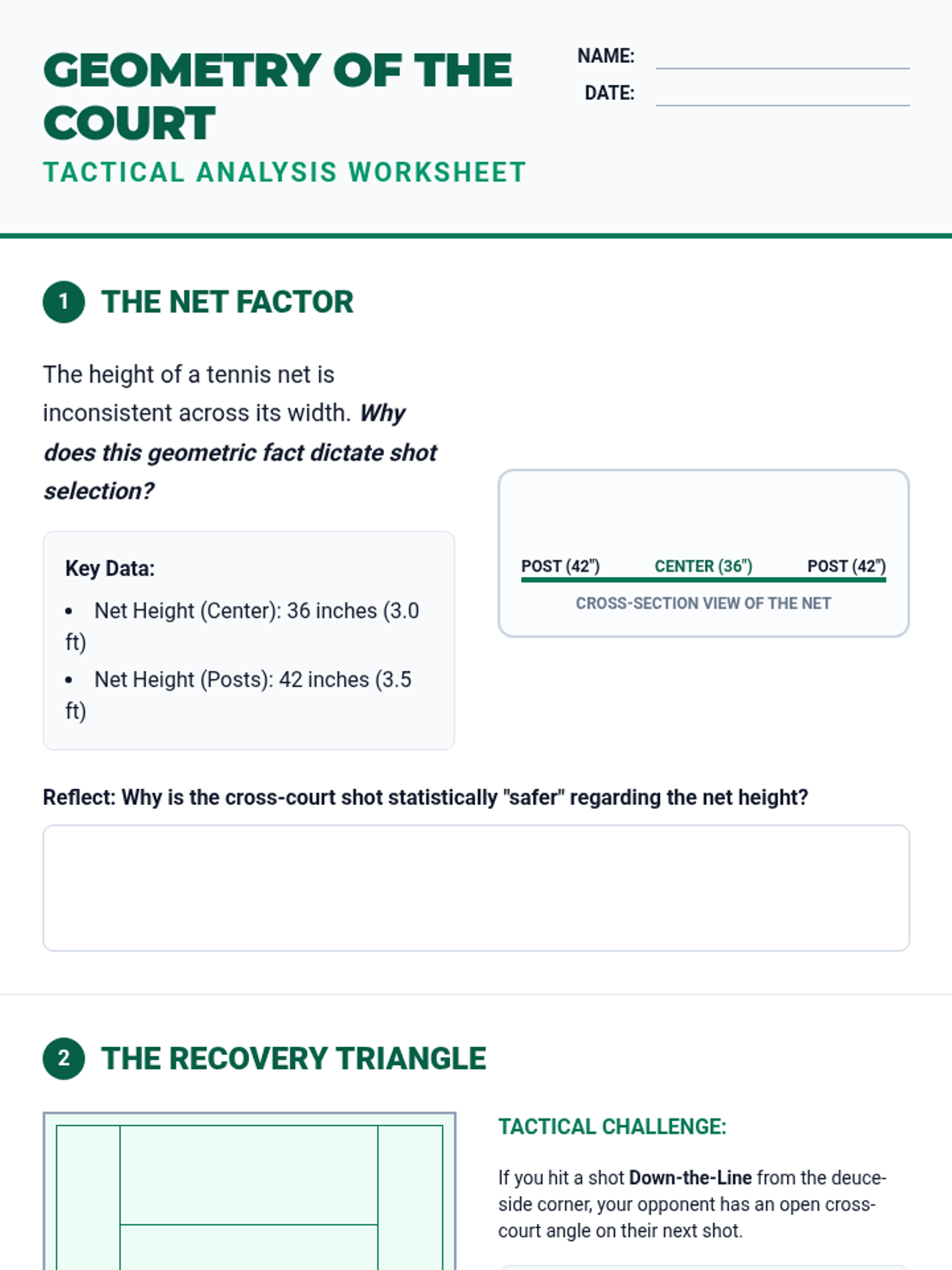
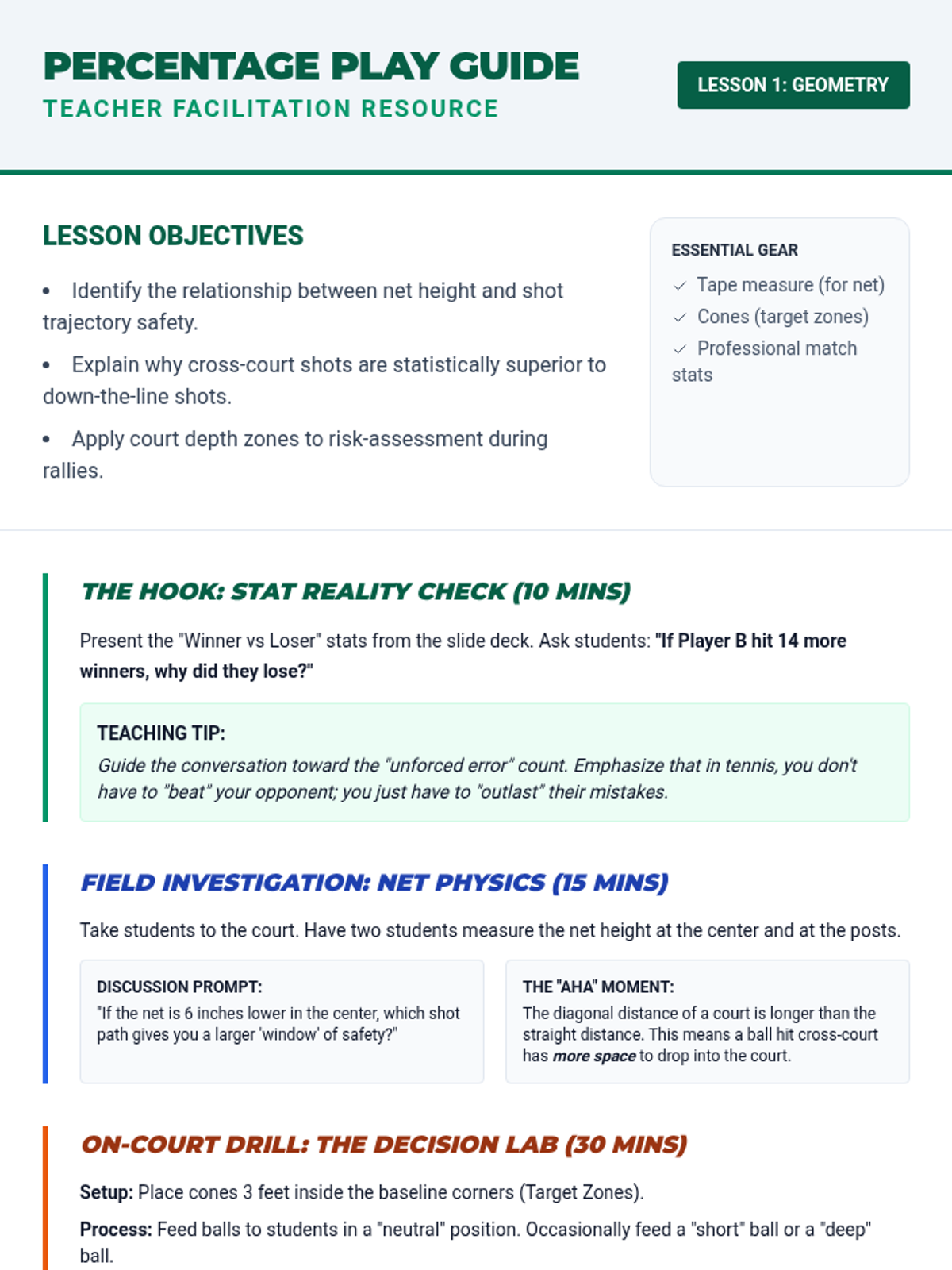
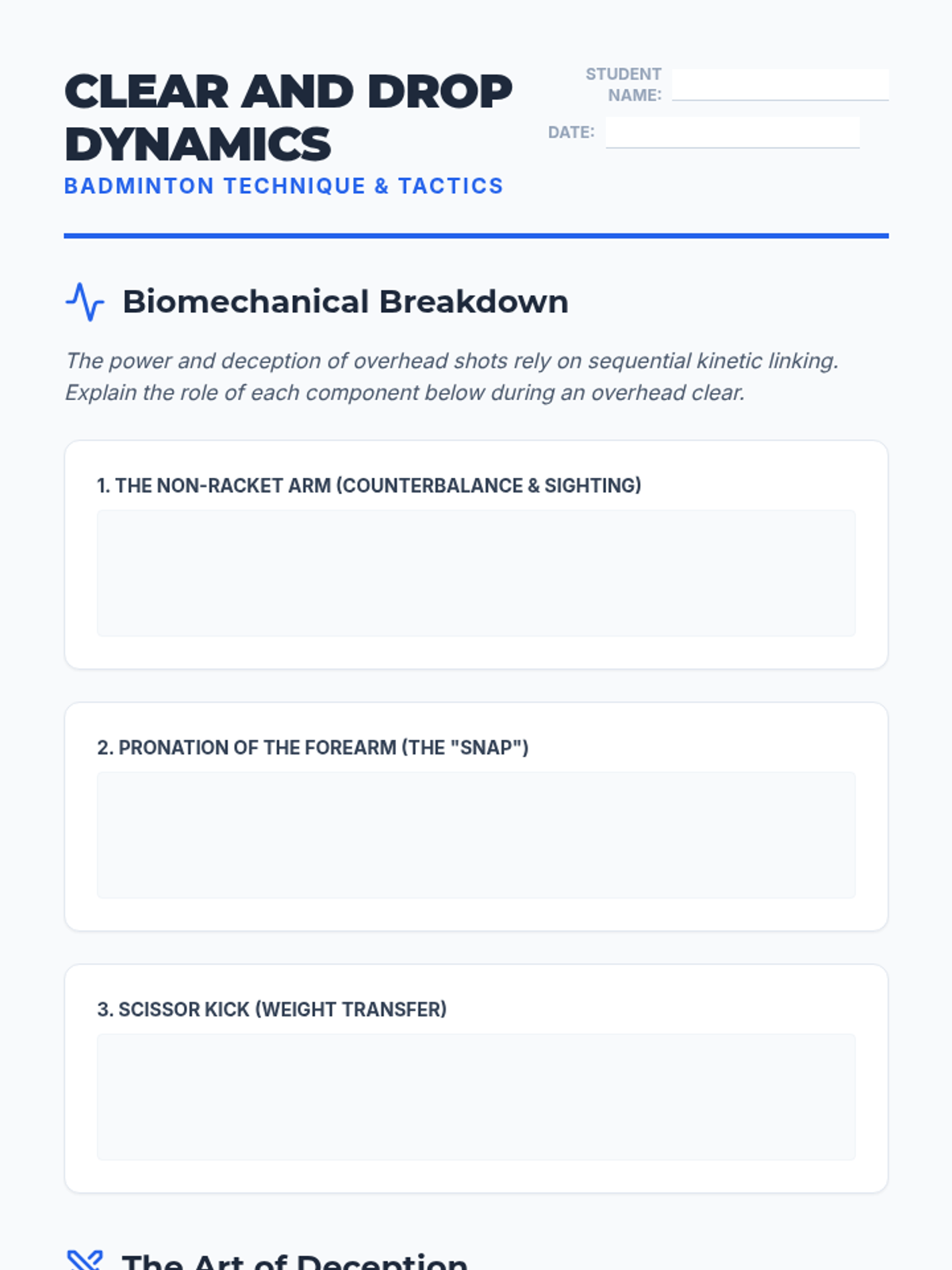
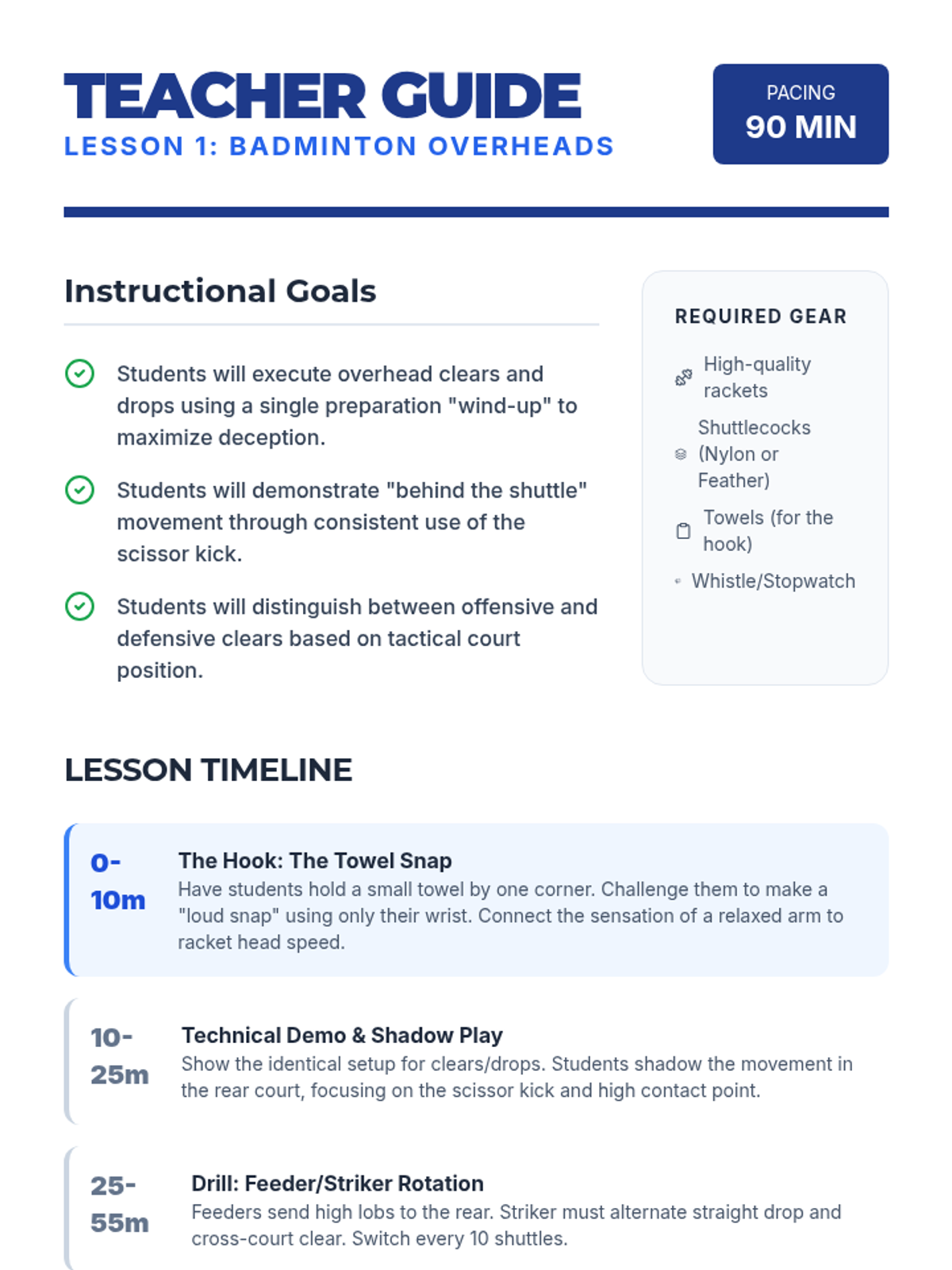
A high-level undergraduate course focused on the tactical, geometric, and psychological dimensions of racket sports. Students move from skill execution to strategic mastery through court analysis, doubles synchronization, transition mechanics, and professional officiating.
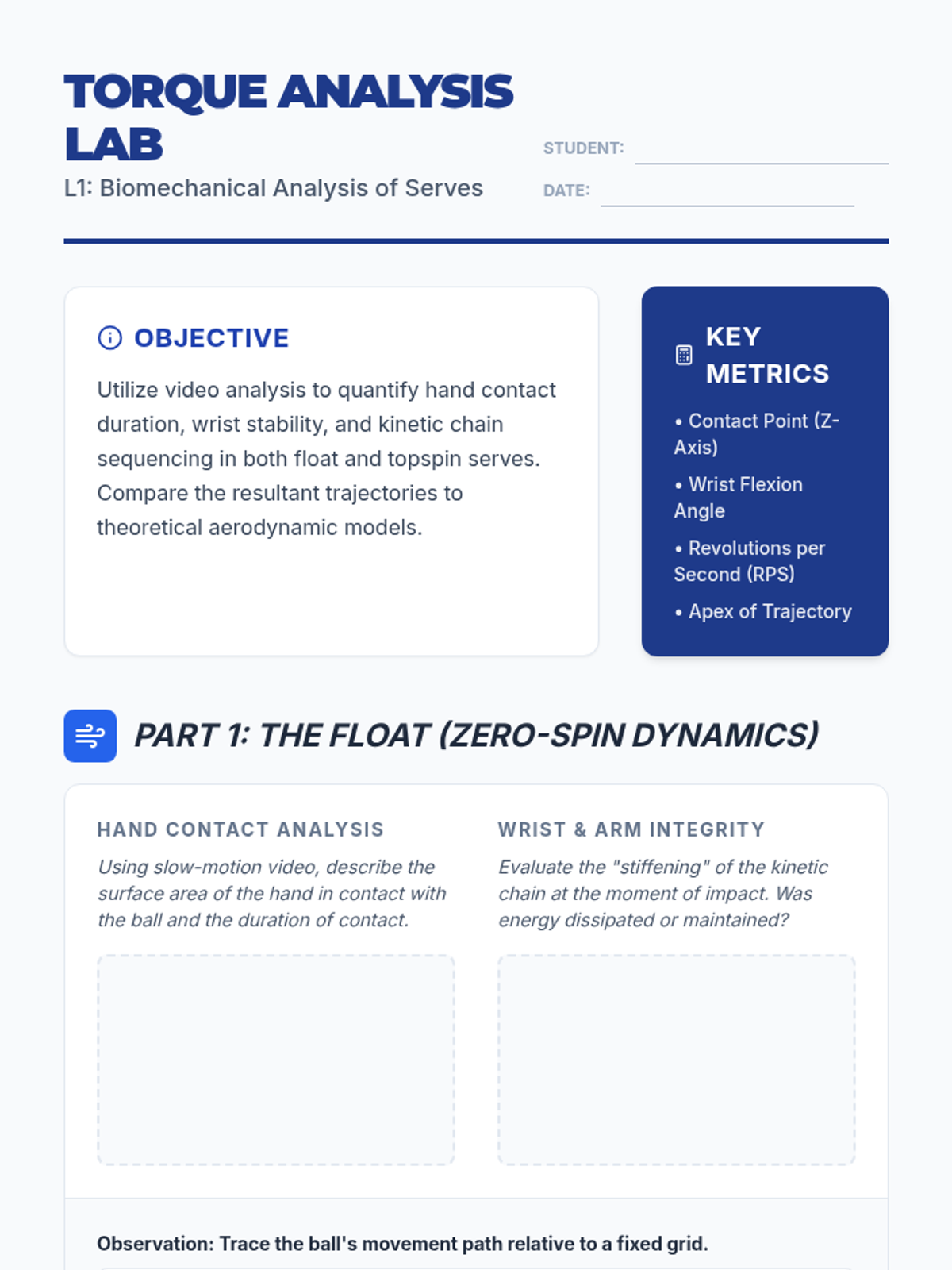
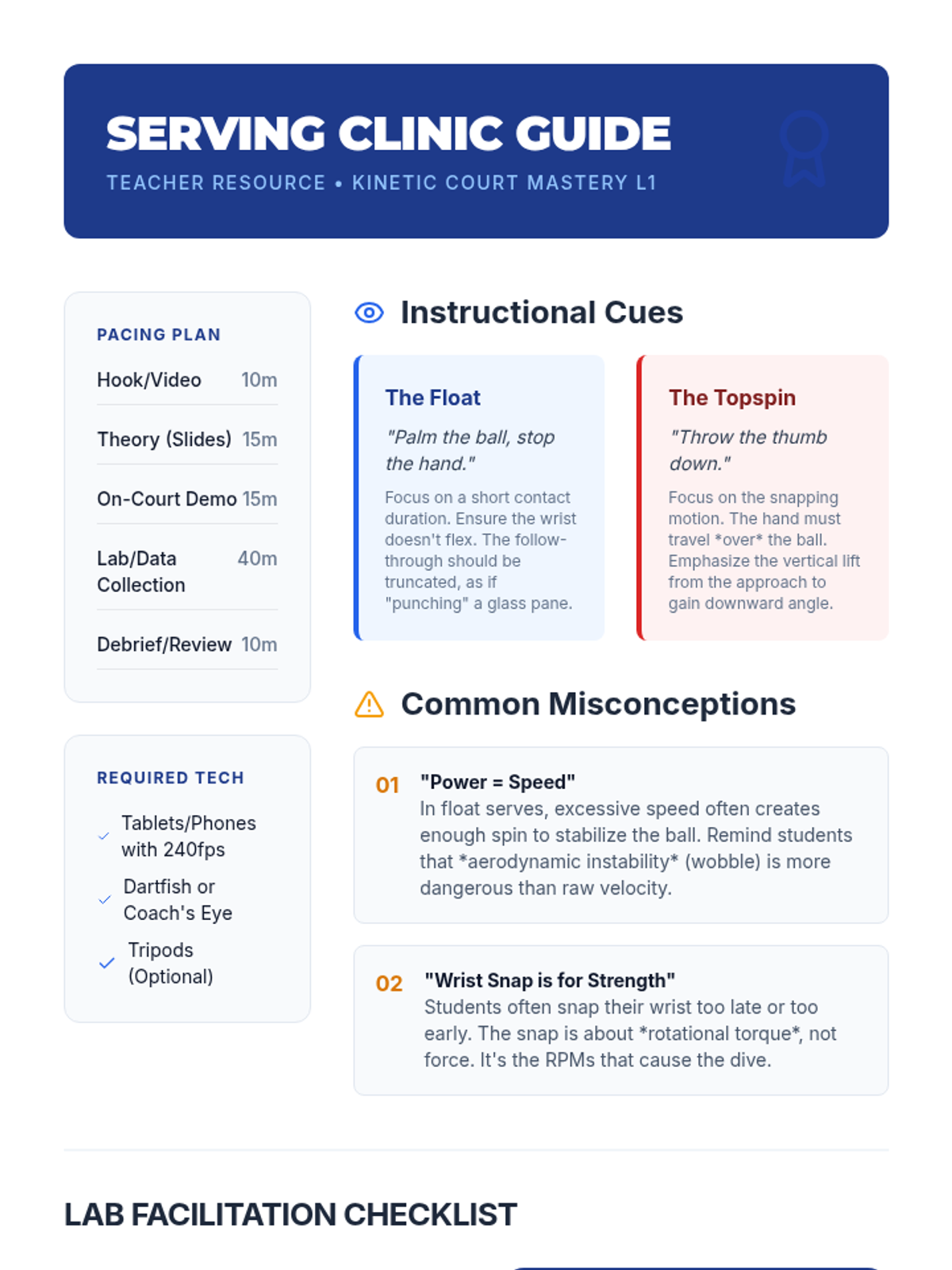
A biomechanical deep-dive into volleyball fundamentals for undergraduate students, focusing on the kinetic chain, torque generation, and geometric efficiency of elite-level execution.
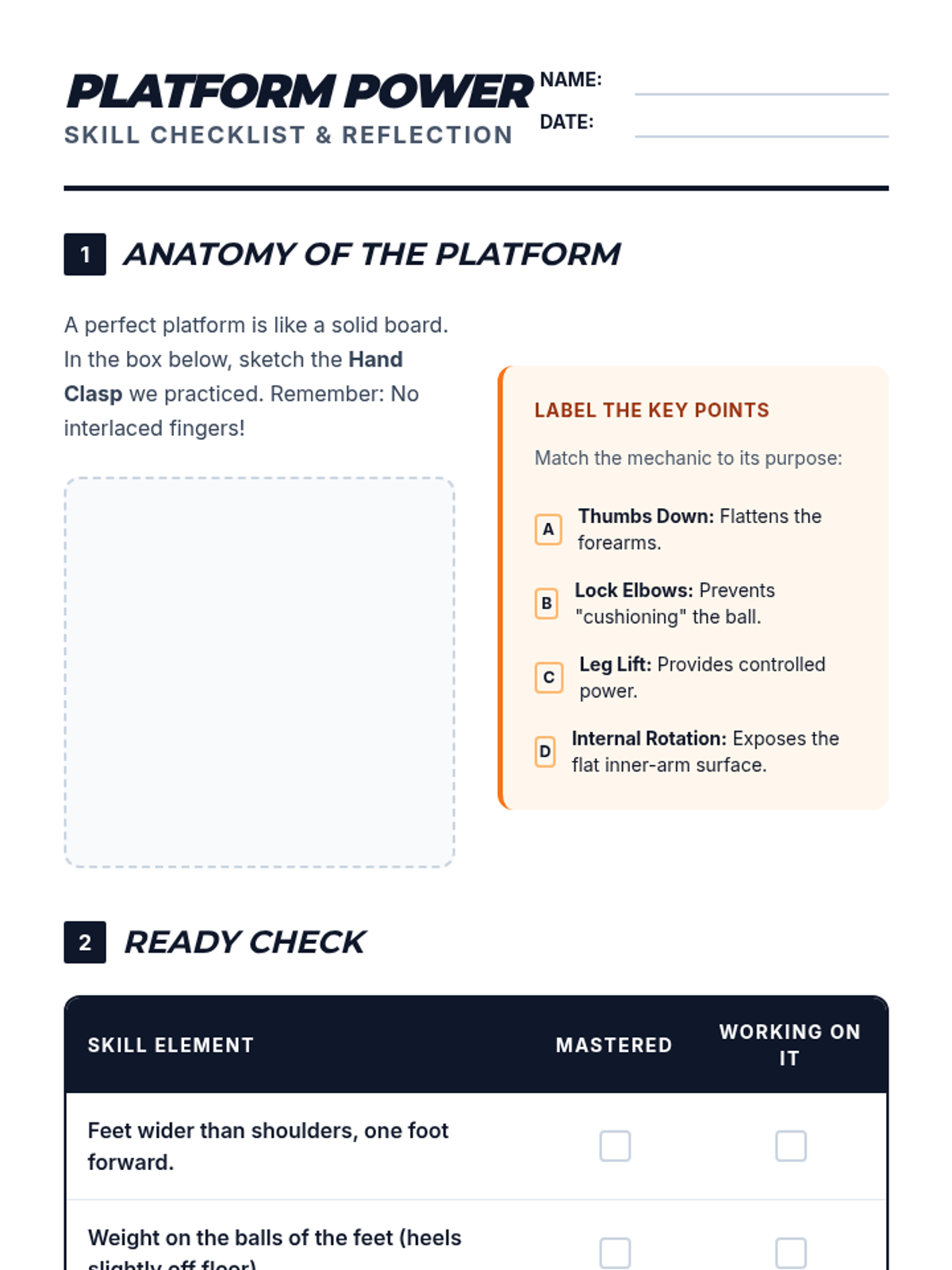
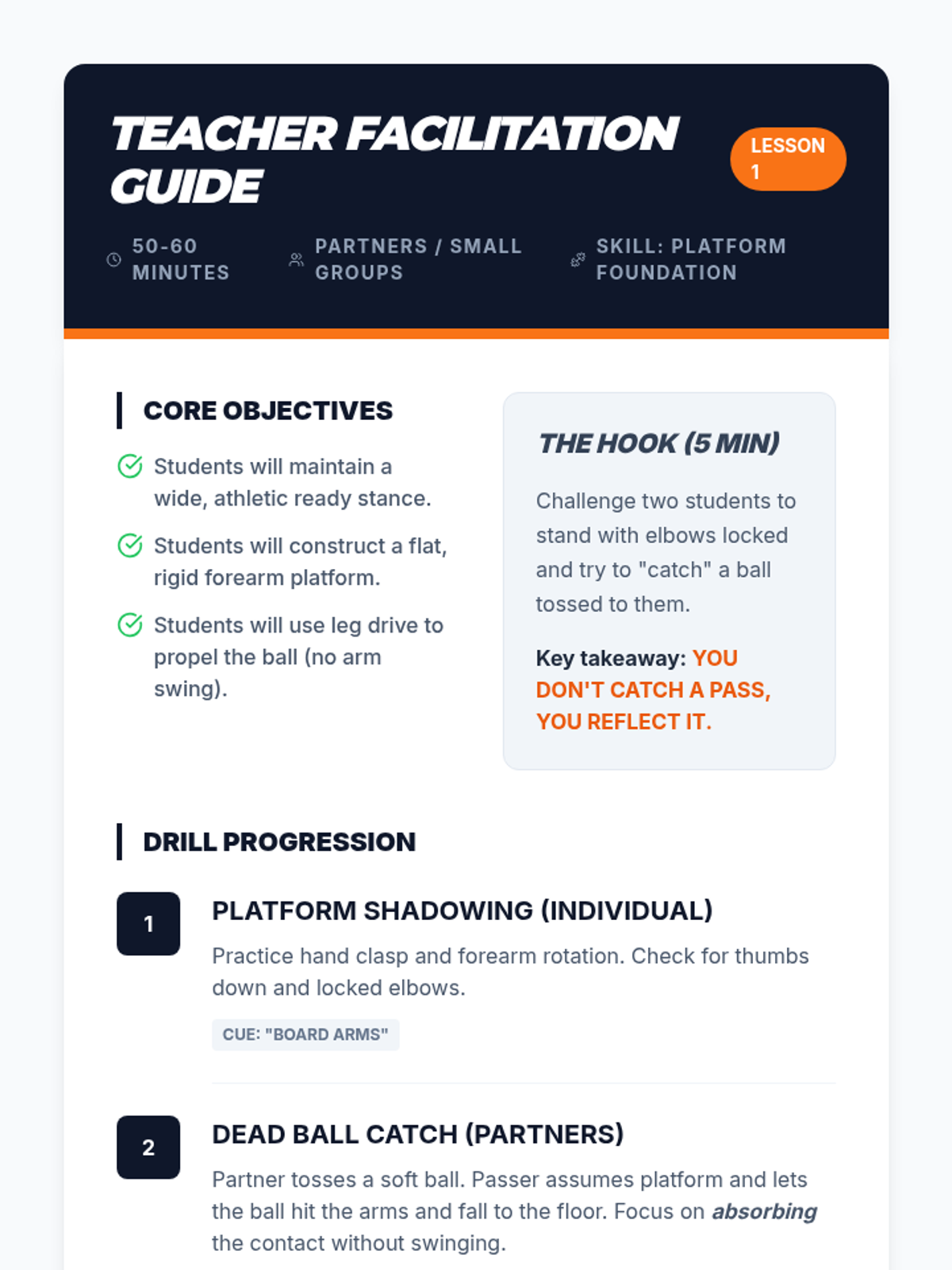
This sequence focuses on the biomechanics and execution of fundamental volleyball skills: passing, setting, and serving. Students progress from stationary form to dynamic movement and skill integration.
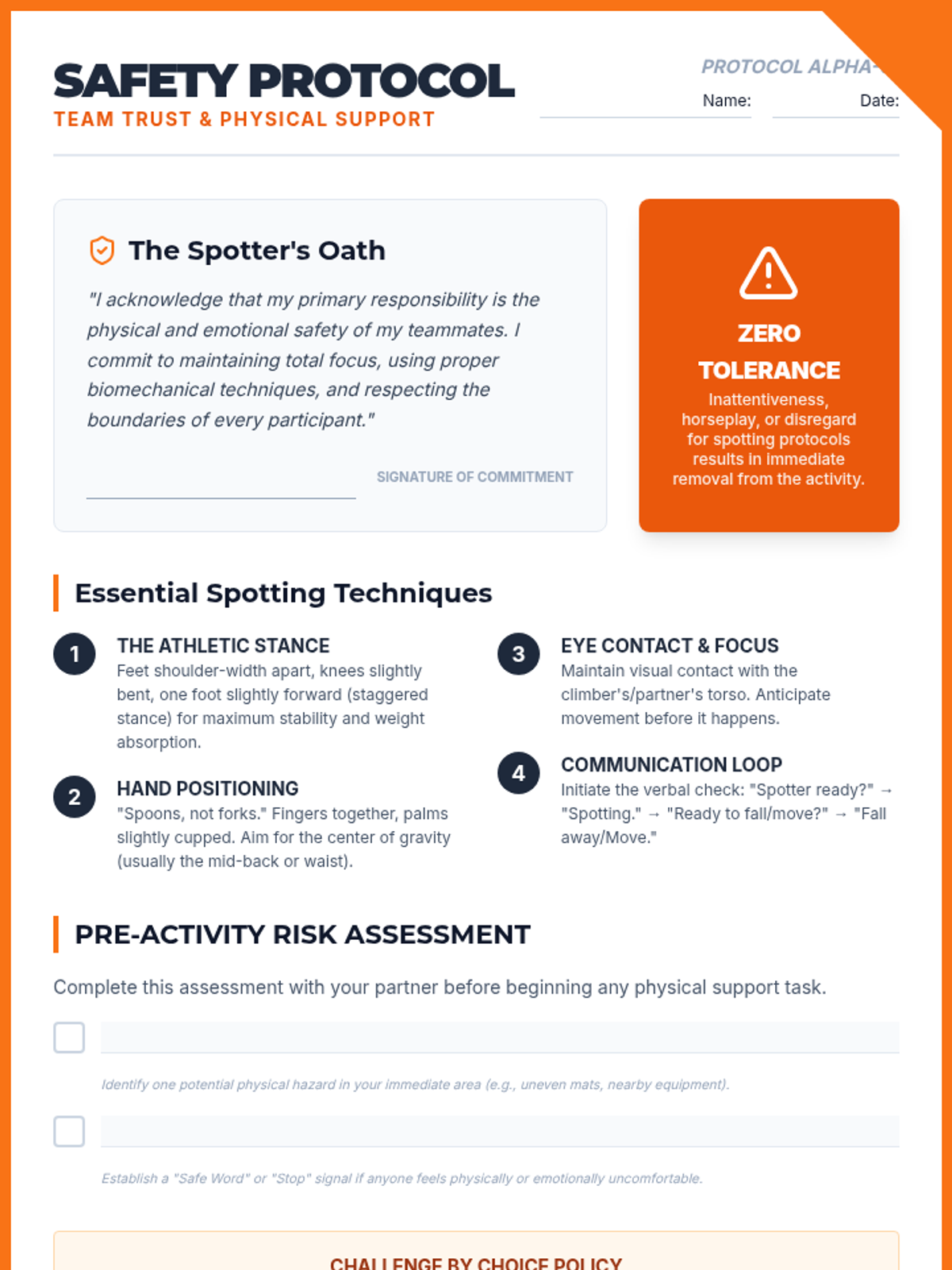
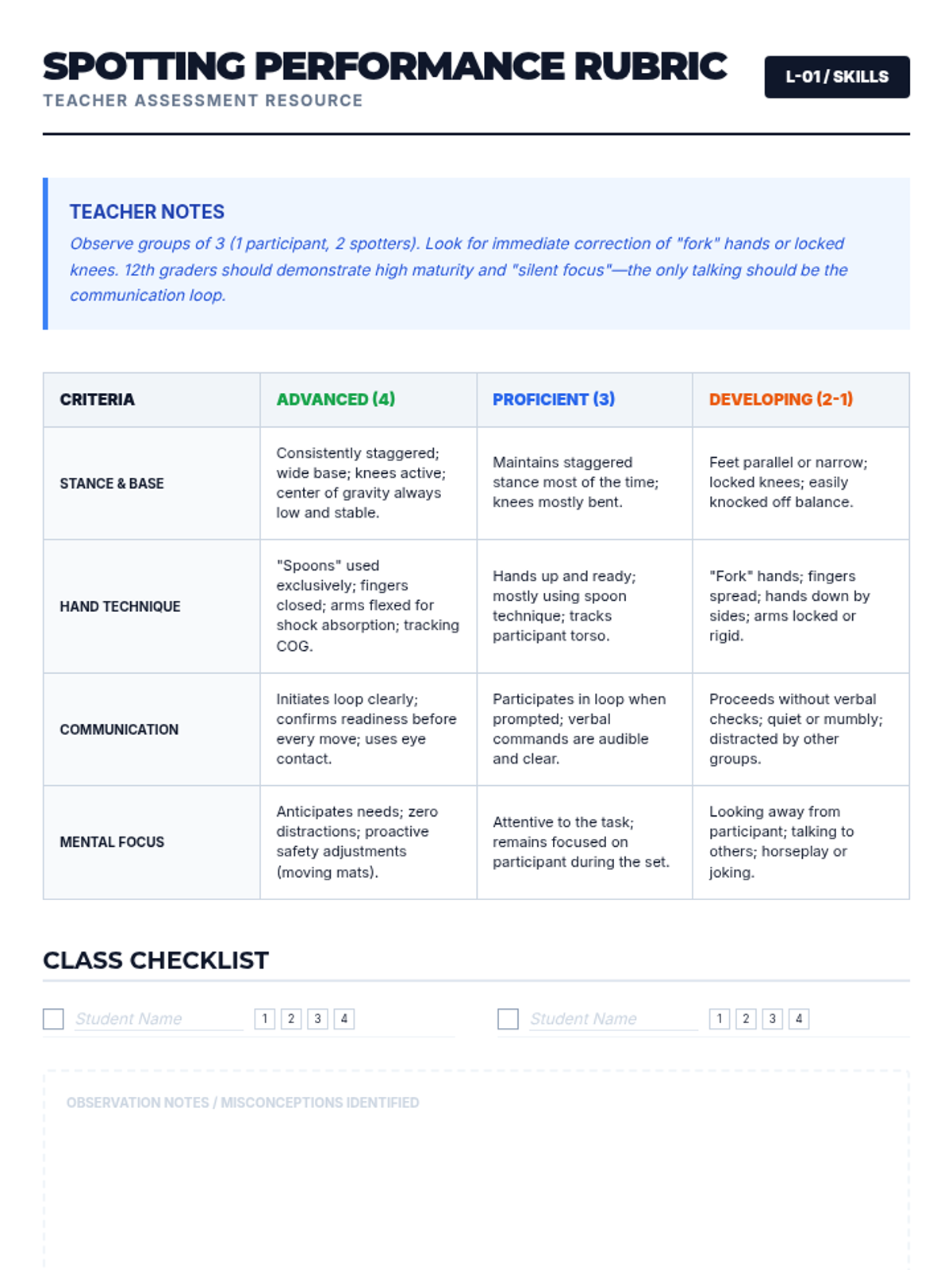
This sequence focuses on the psychological and physical aspects of trust, safety, and support within a team environment. Students progress from basic weight-sharing activities to high-stakes simulated risks that require absolute reliance on peers, emphasizing safety protocols and collective responsibility.
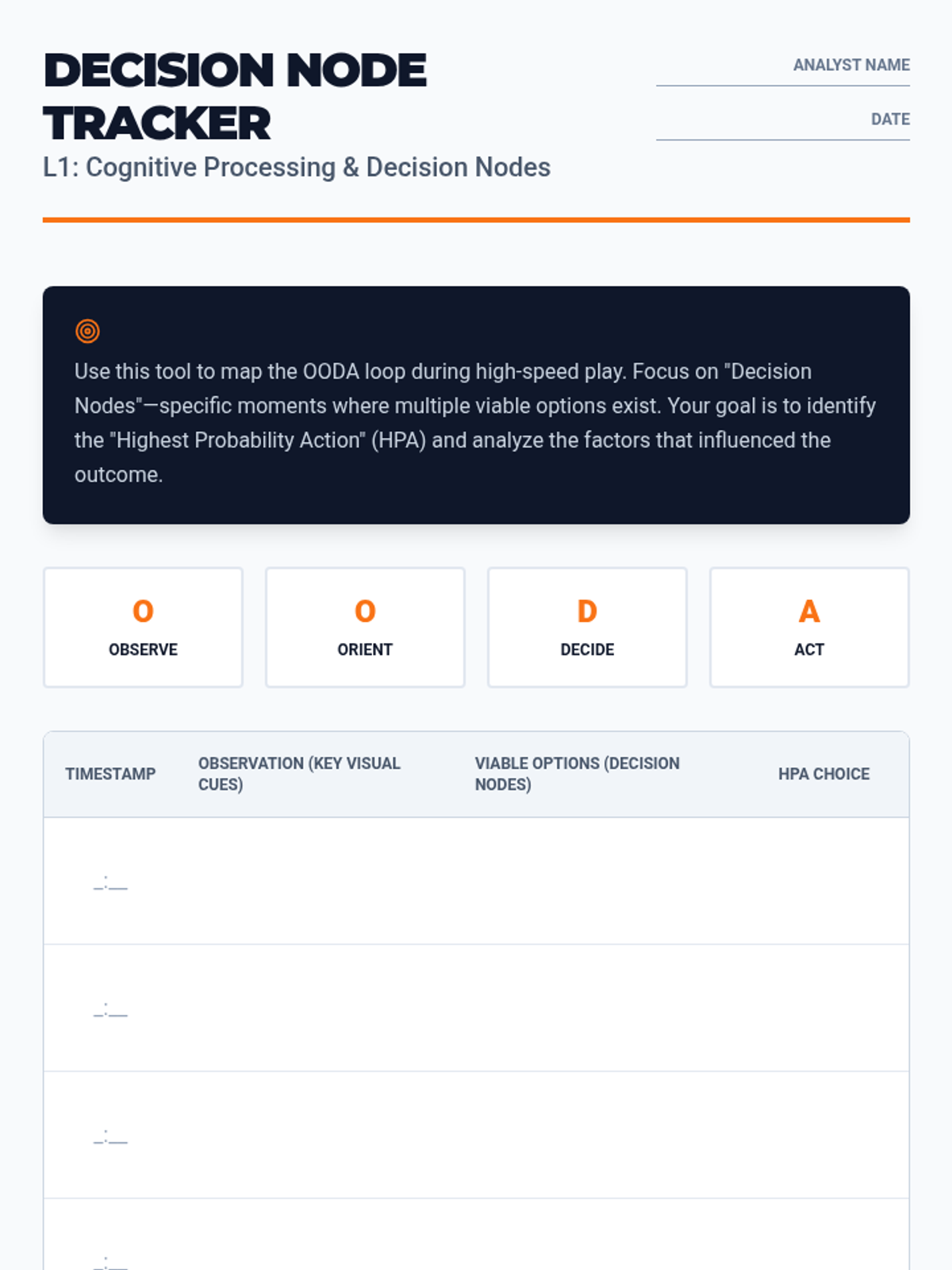
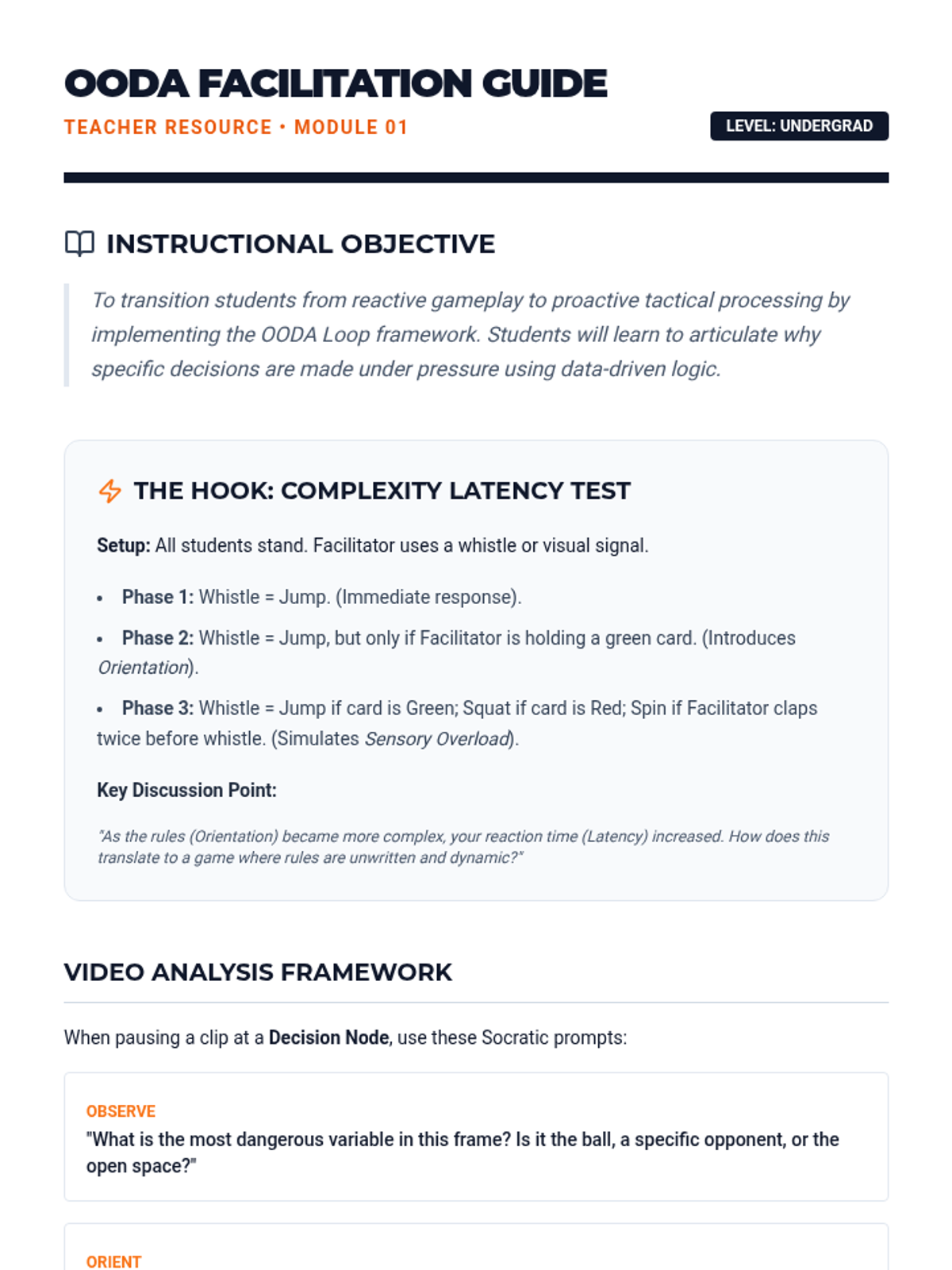
A high-level sports science course focusing on cognitive processing, game theory, and adaptive decision-making in team sports. Students move from individual OODA loop processing to collective team intelligence and psychological strategy.
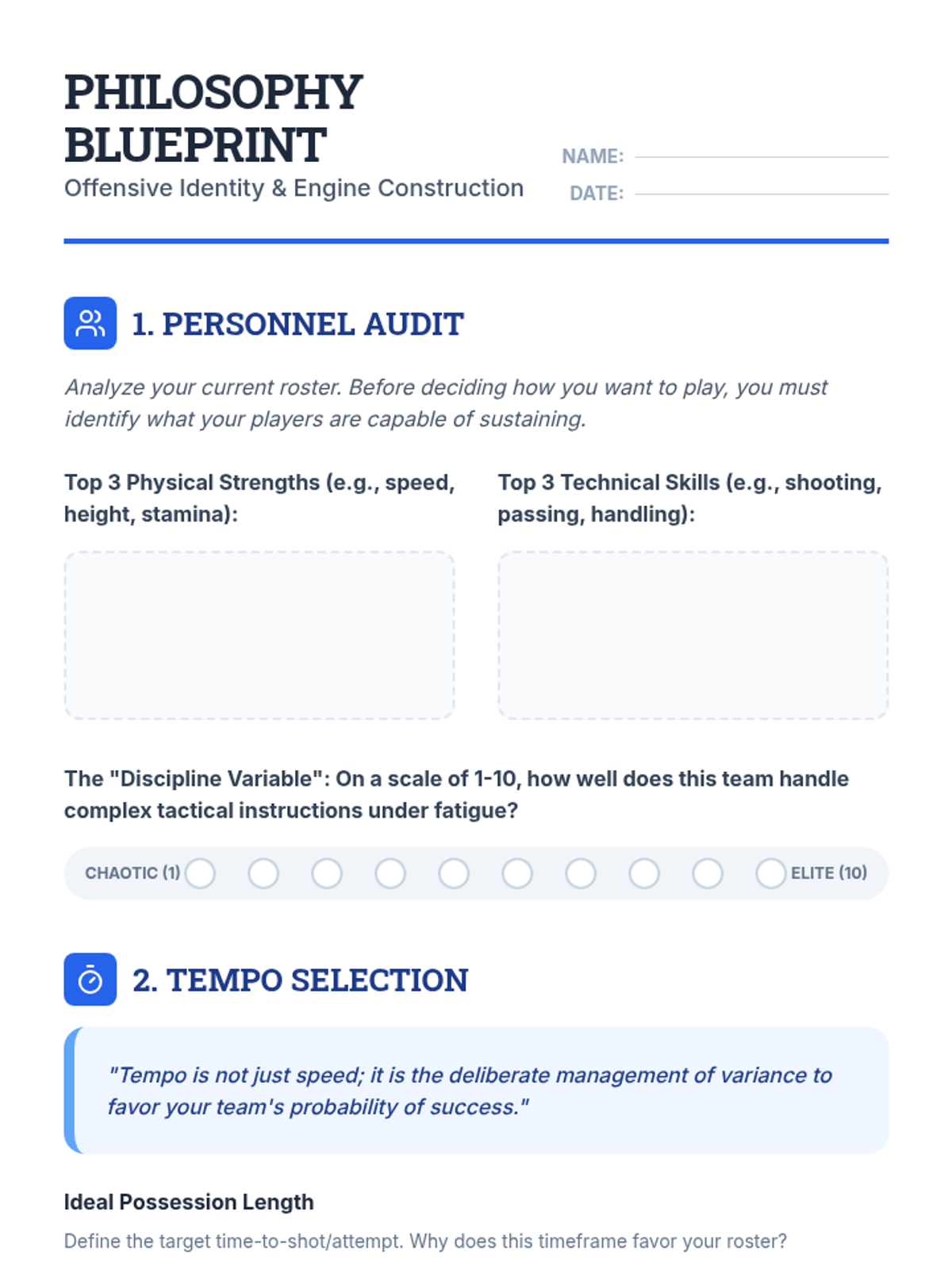
A comprehensive project-based sequence for undergraduate students to transition from players to offensive architects, focusing on the strategic design of offensive systems, set plays, and game management.
This sequence targets fast-twitch reflexes and movement patterns for badminton and pickleball, focusing on spatial demands, tactical reaction times, and the transition from skill-building to complex doubles play.