Fundamental techniques for soccer, volleyball, football, and basketball alongside strategic gameplay and communication skills. Emphasizes sportsmanship and collaborative tactics within a competitive team environment.
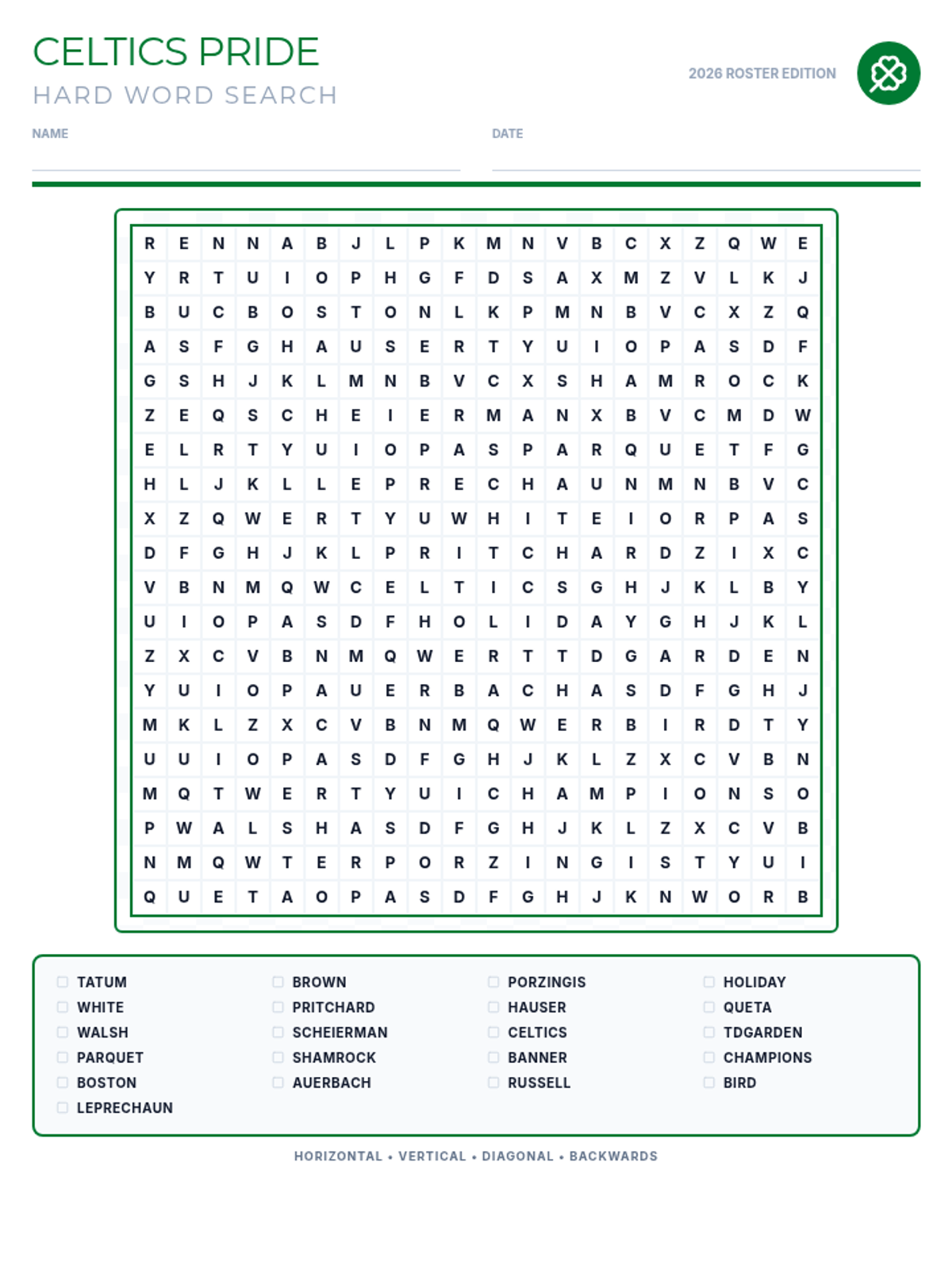
A challenging word search activity focused on the Boston Celtics, featuring 2026 roster players and franchise terminology.
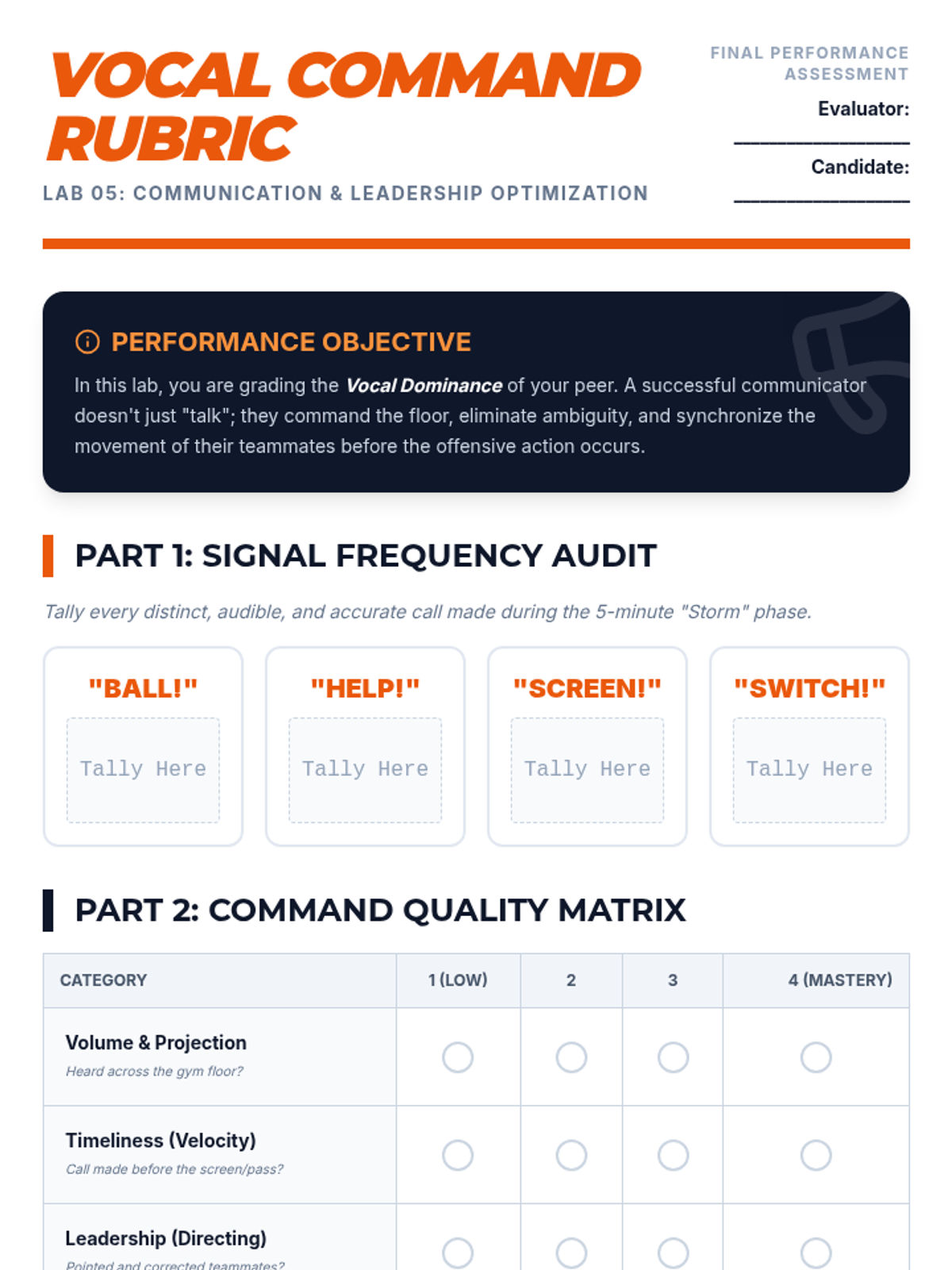
A performance-based lab focusing on the critical role of vocal leadership, signal clarity, and real-time crisis communication in high-pressure defensive scenarios.
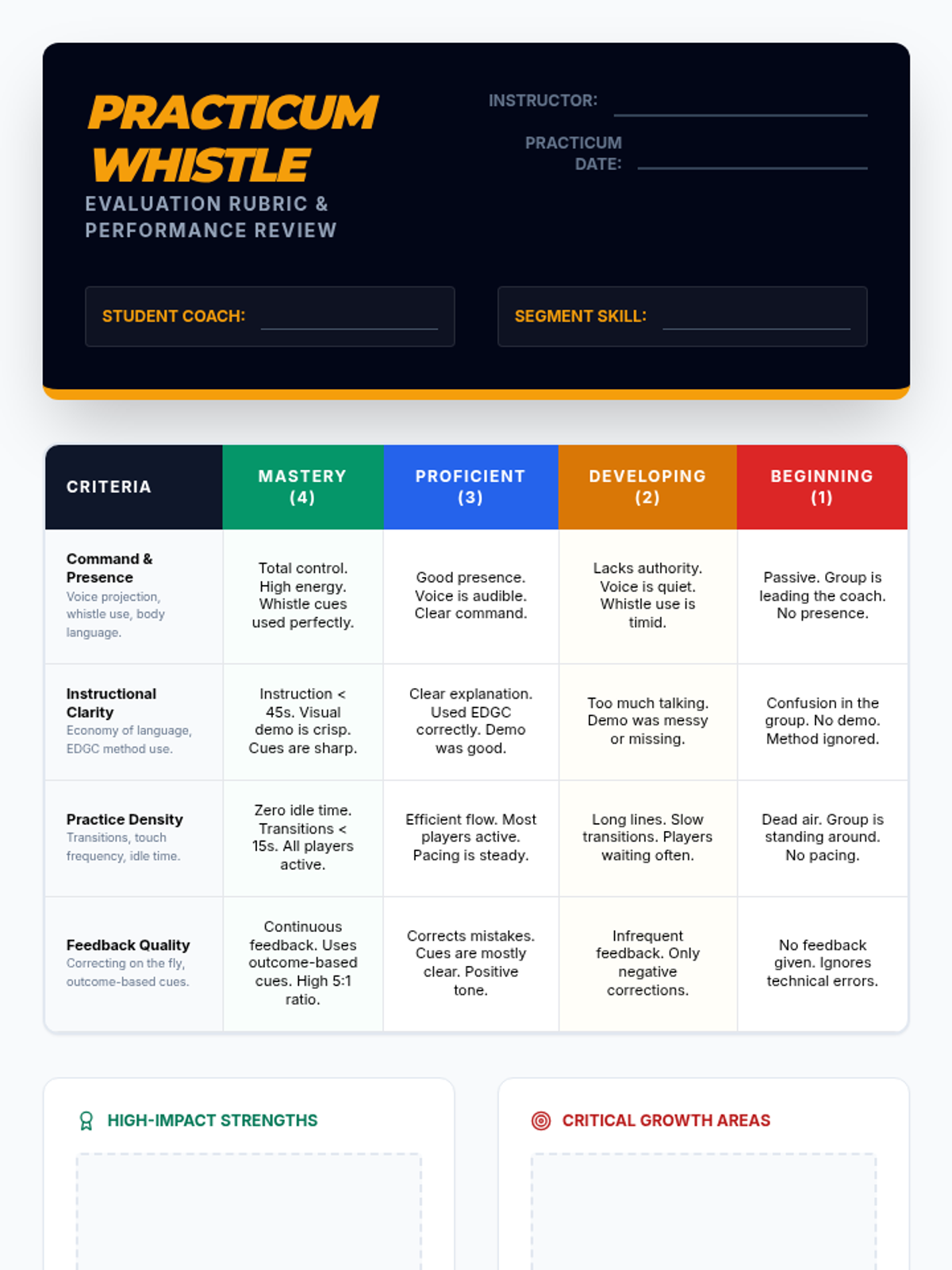
The capstone experience where students lead a practice segment, applying all previous pedagogical and leadership skills.
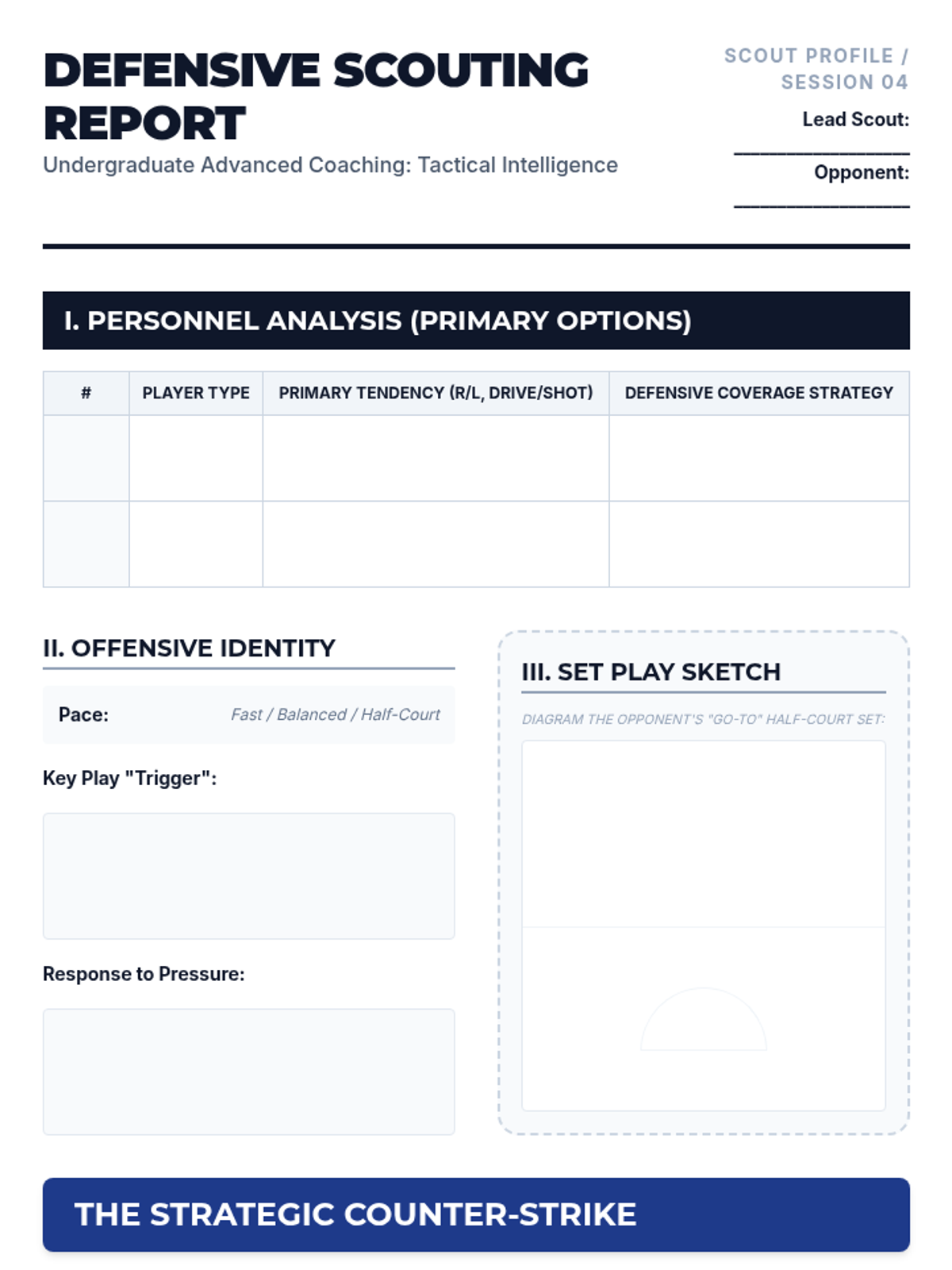
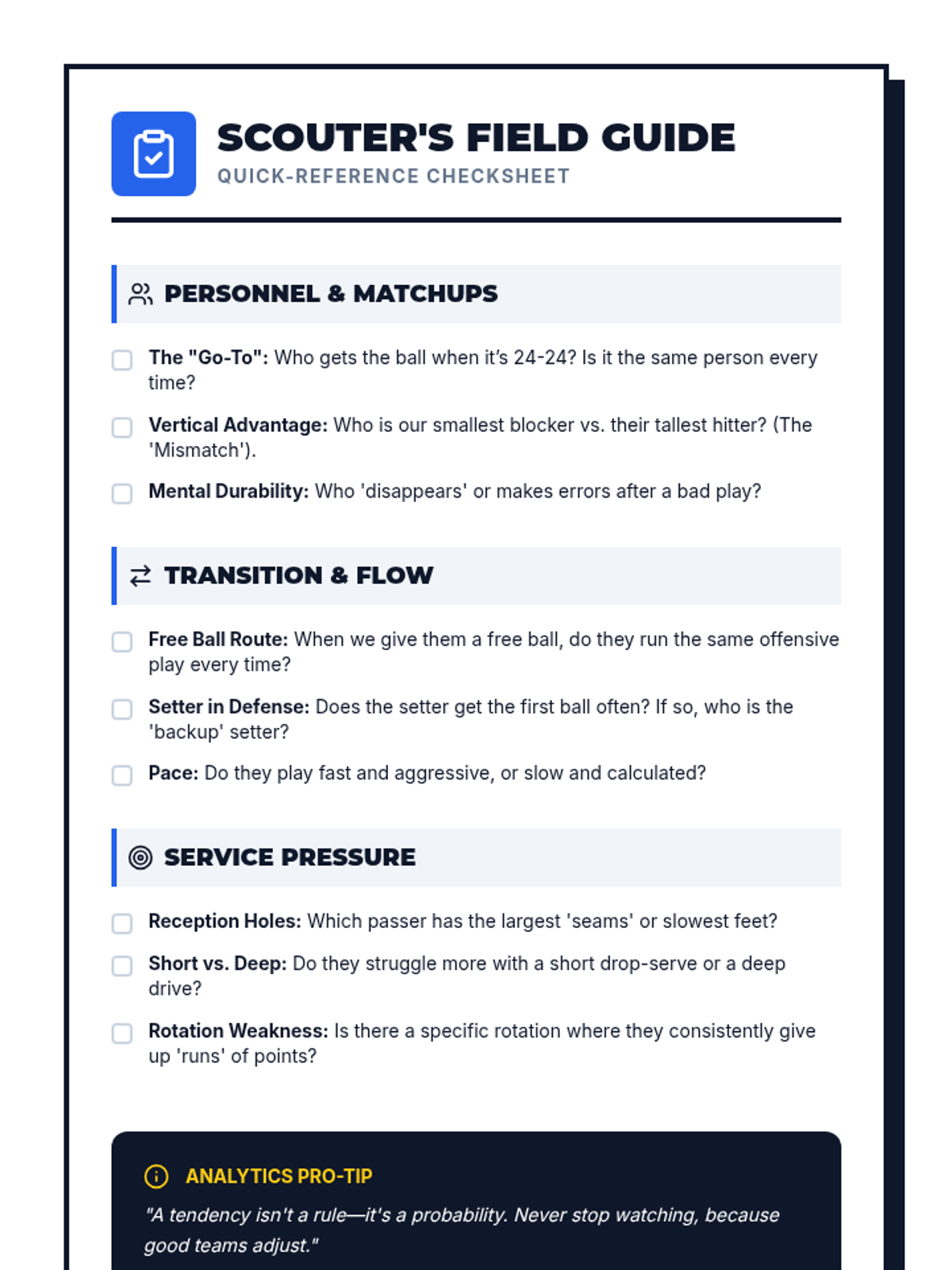
A classroom-based session on professional scouting techniques, pattern recognition in offensive sets, and developing data-driven defensive game plans.
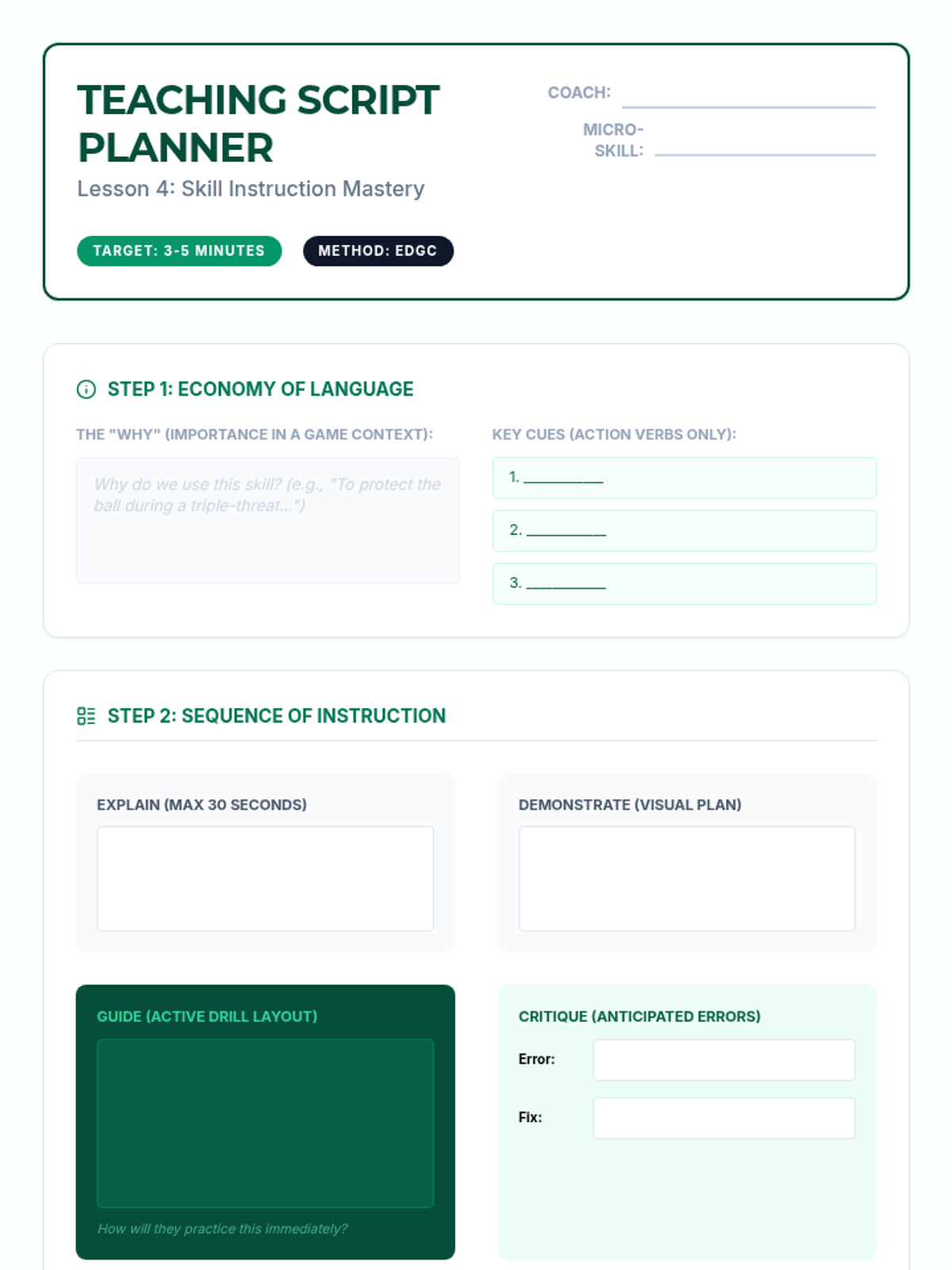
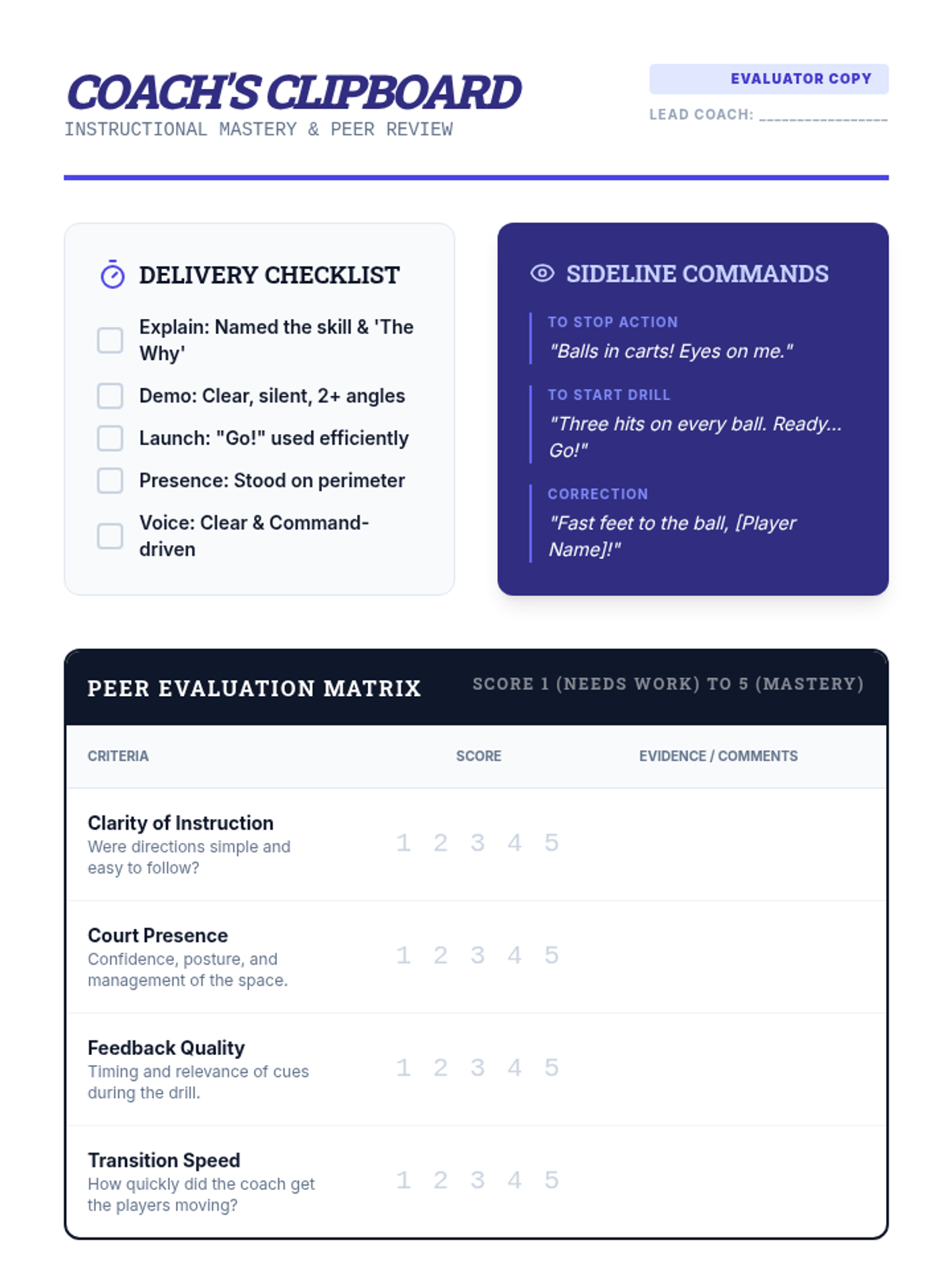
Focusing on instructional clarity, students master the EDGC method for teaching micro-skills and technical fundamentals.
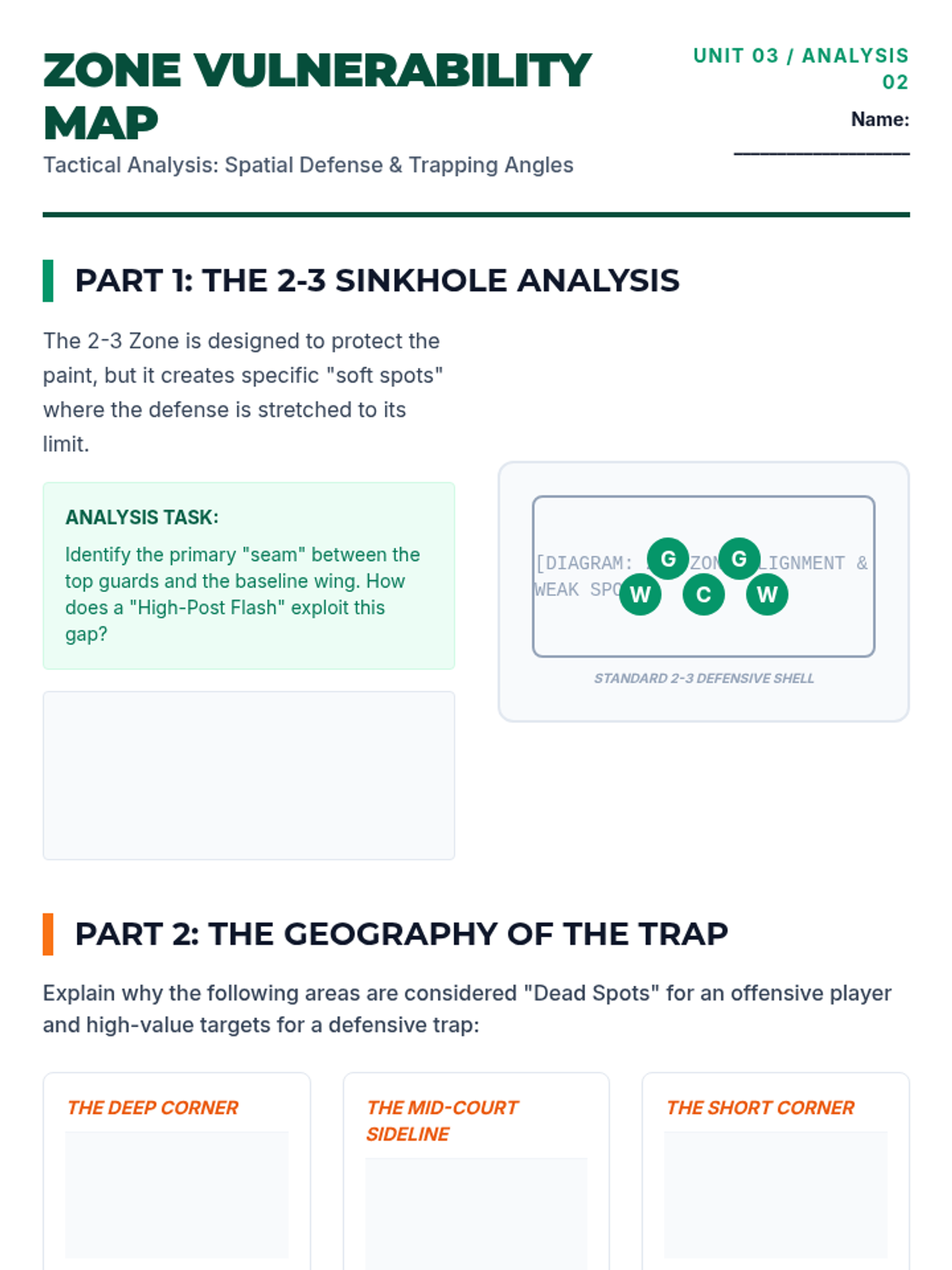
Examination of spatial defensive systems (Zone) and aggressive trapping schemes, focusing on risk-reward analysis and strategic deployment.
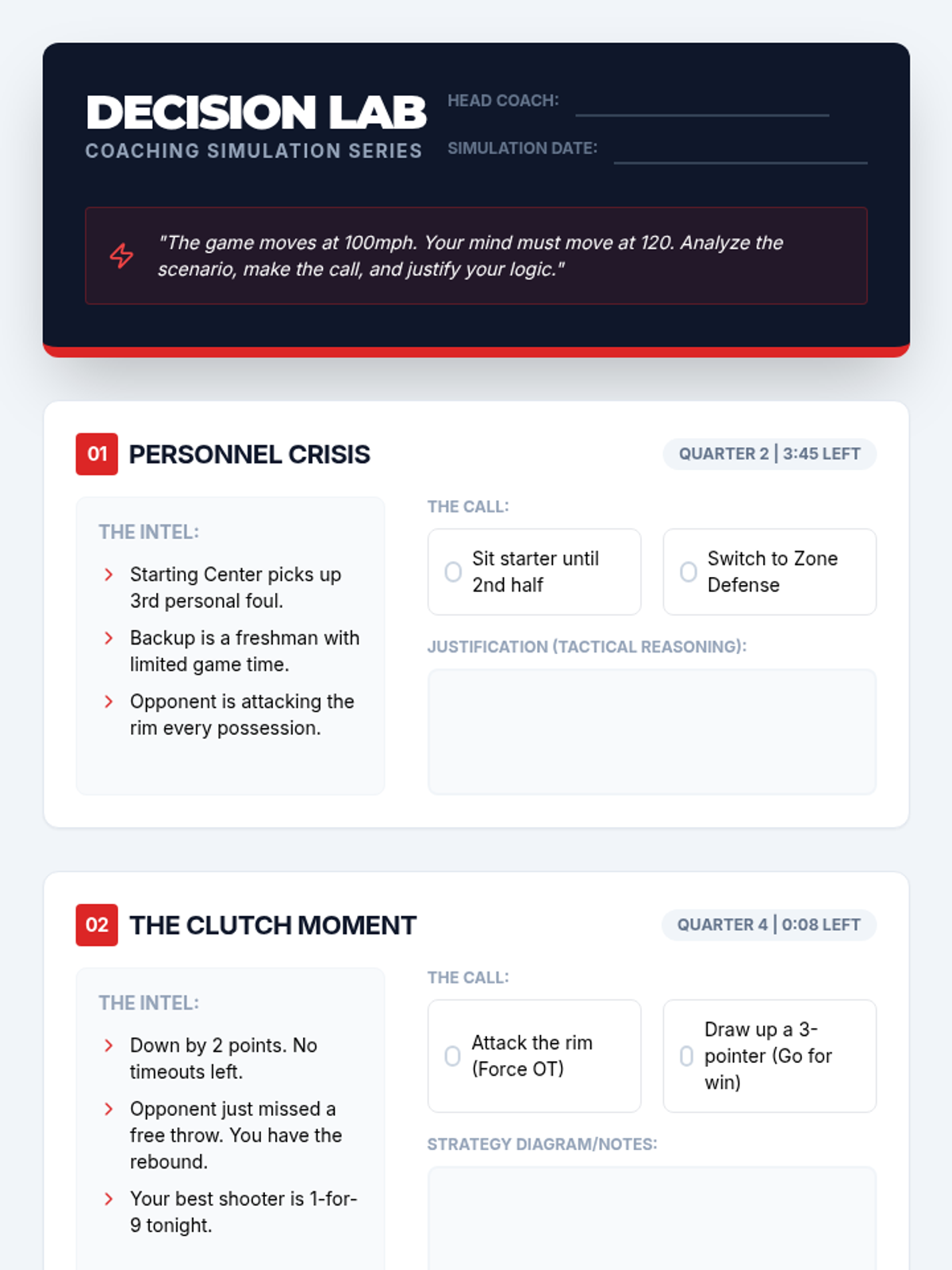
Students step into the high-pressure world of in-game decision-making, managing personnel, strategy, and game flow.
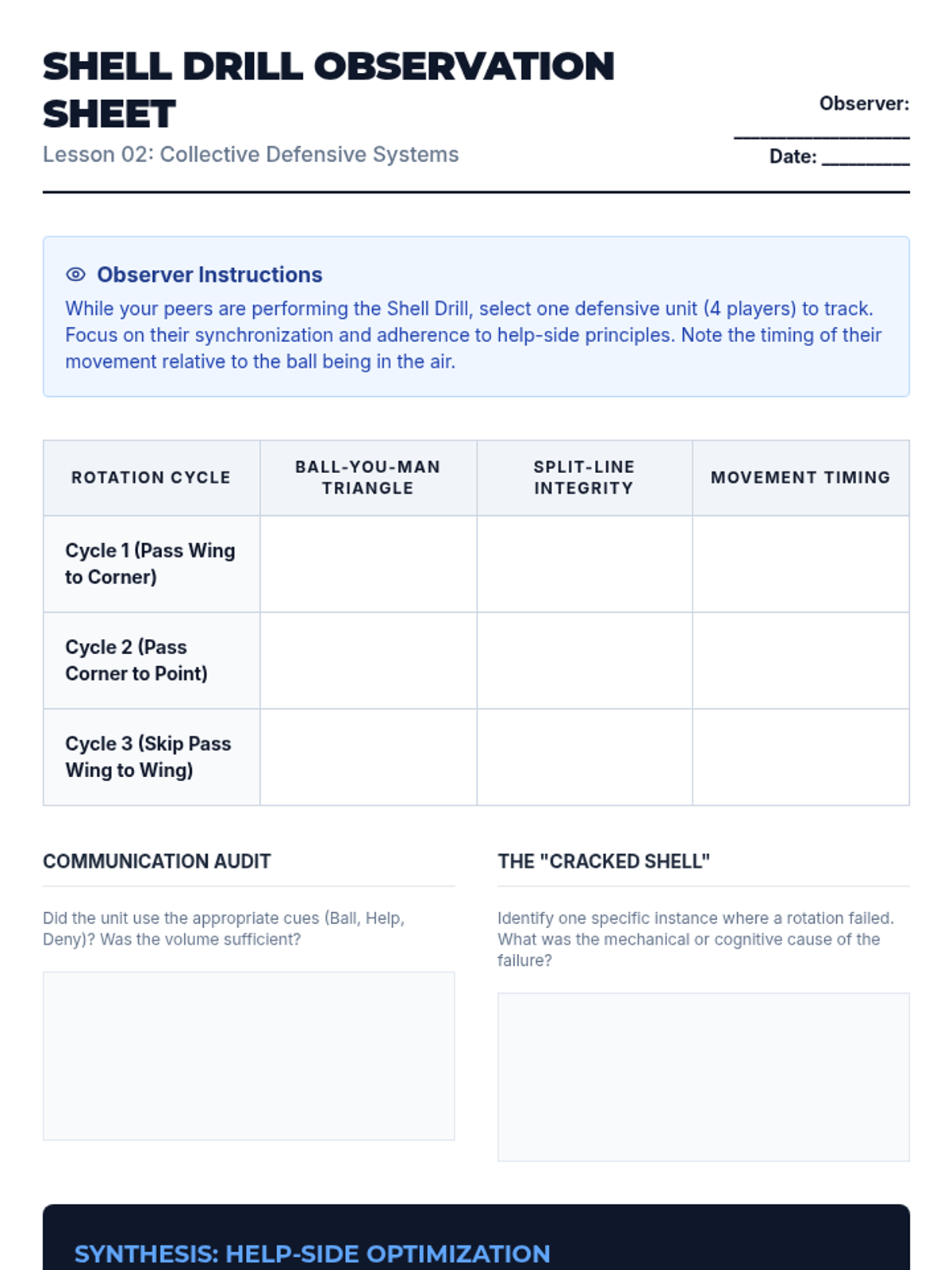
Introduction to collective defensive movement through the Shell Drill, emphasizing 'ball-you-man' positioning and help-side rotation logic.
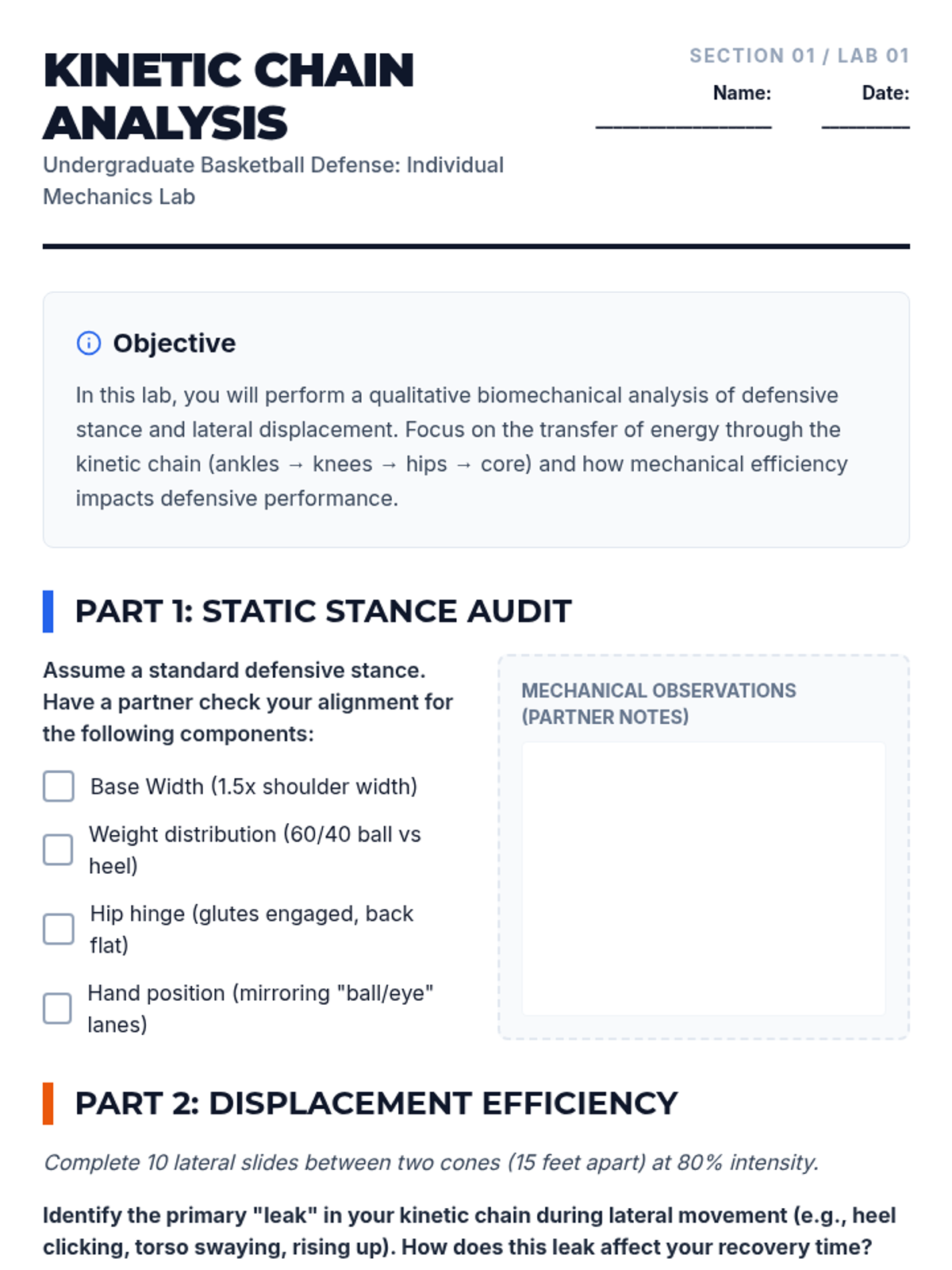
An analytical look at the biomechanics of individual defense, focusing on the kinetic chain, center of gravity, and lateral displacement efficiency.
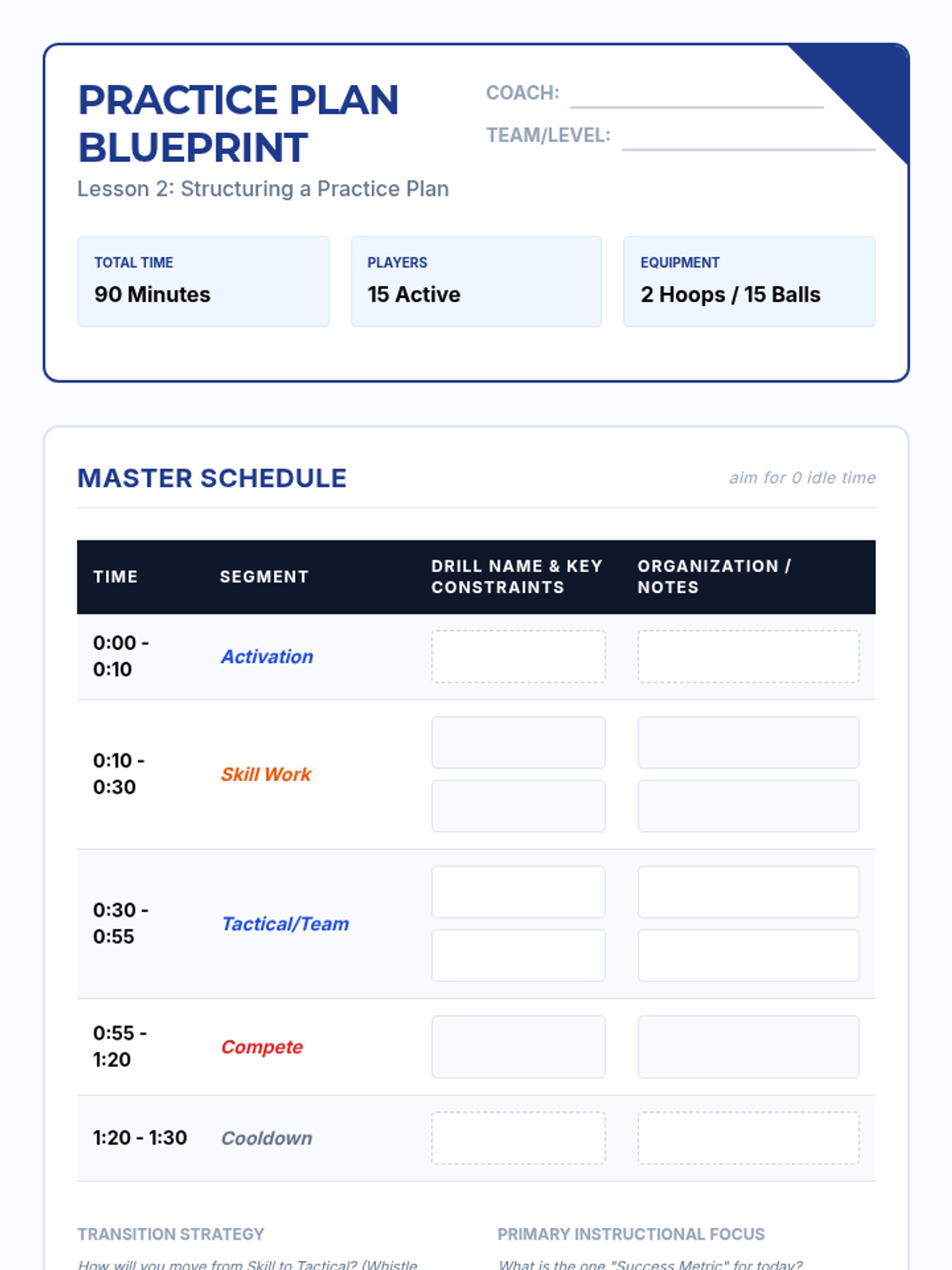
A workshop-style lesson where students learn to manage time and resources to build effective, high-energy practice schedules.
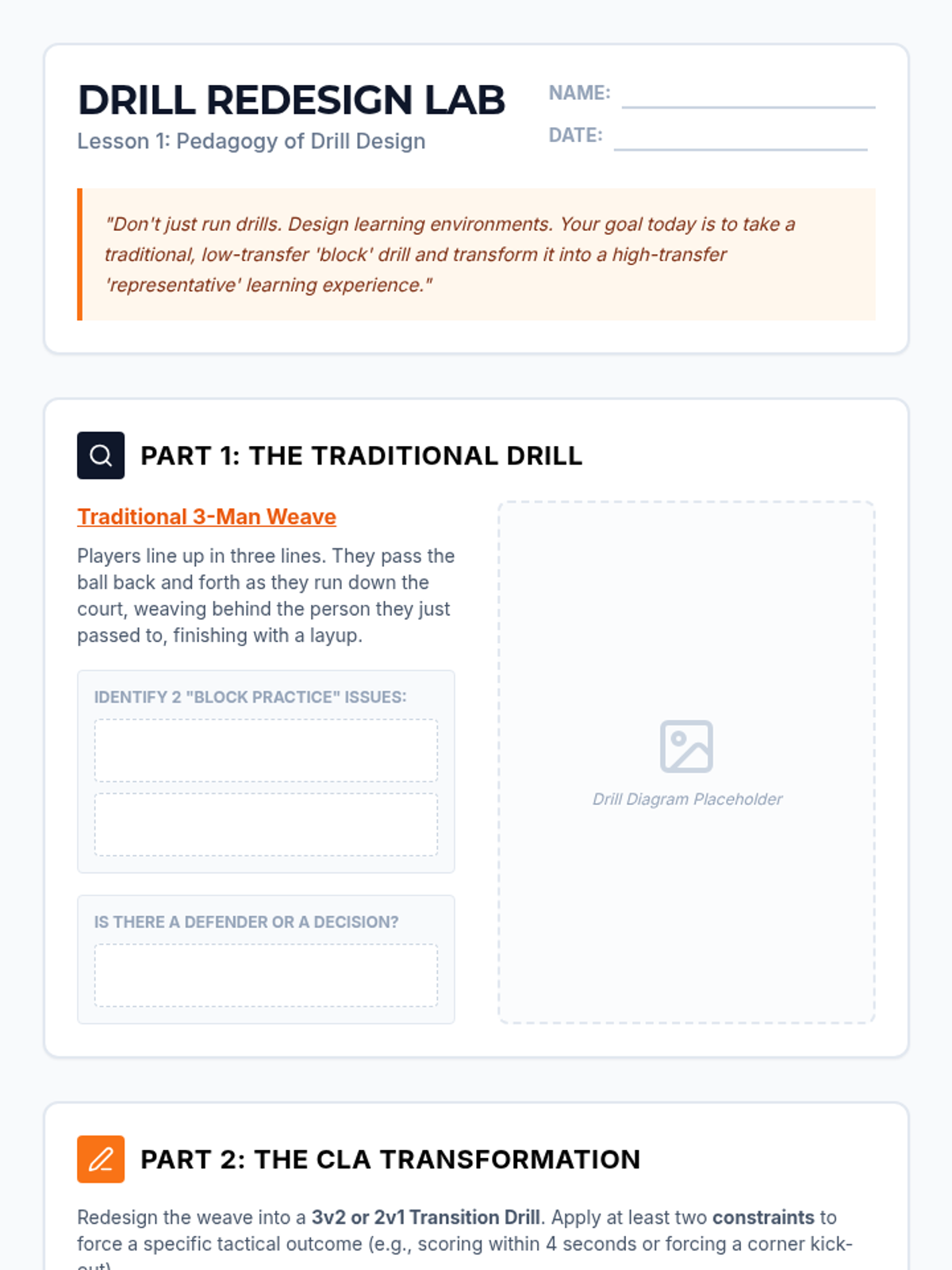
Students explore the science of learning through basketball drills, comparing block and random practice to maximize game-day transfer.
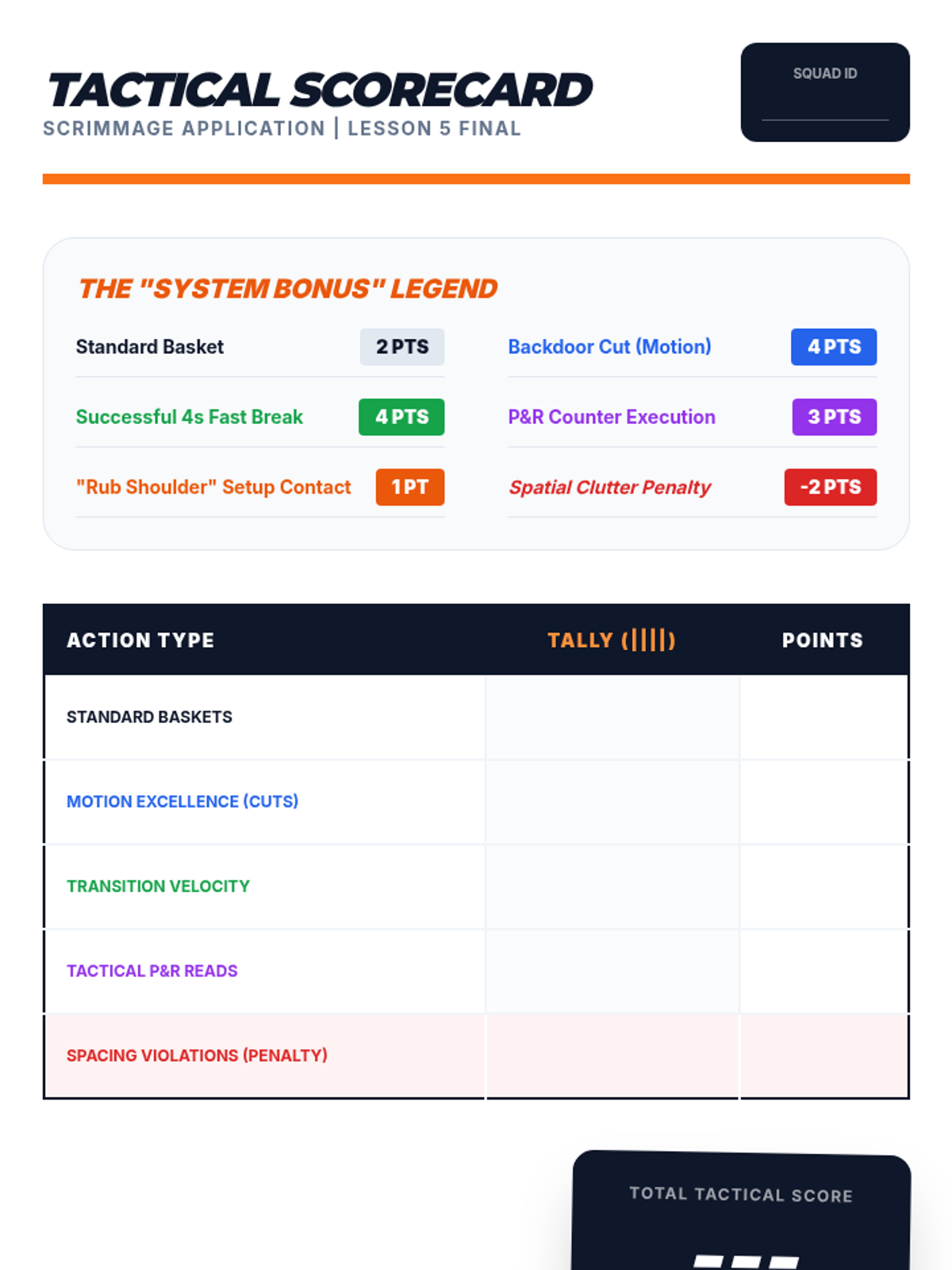
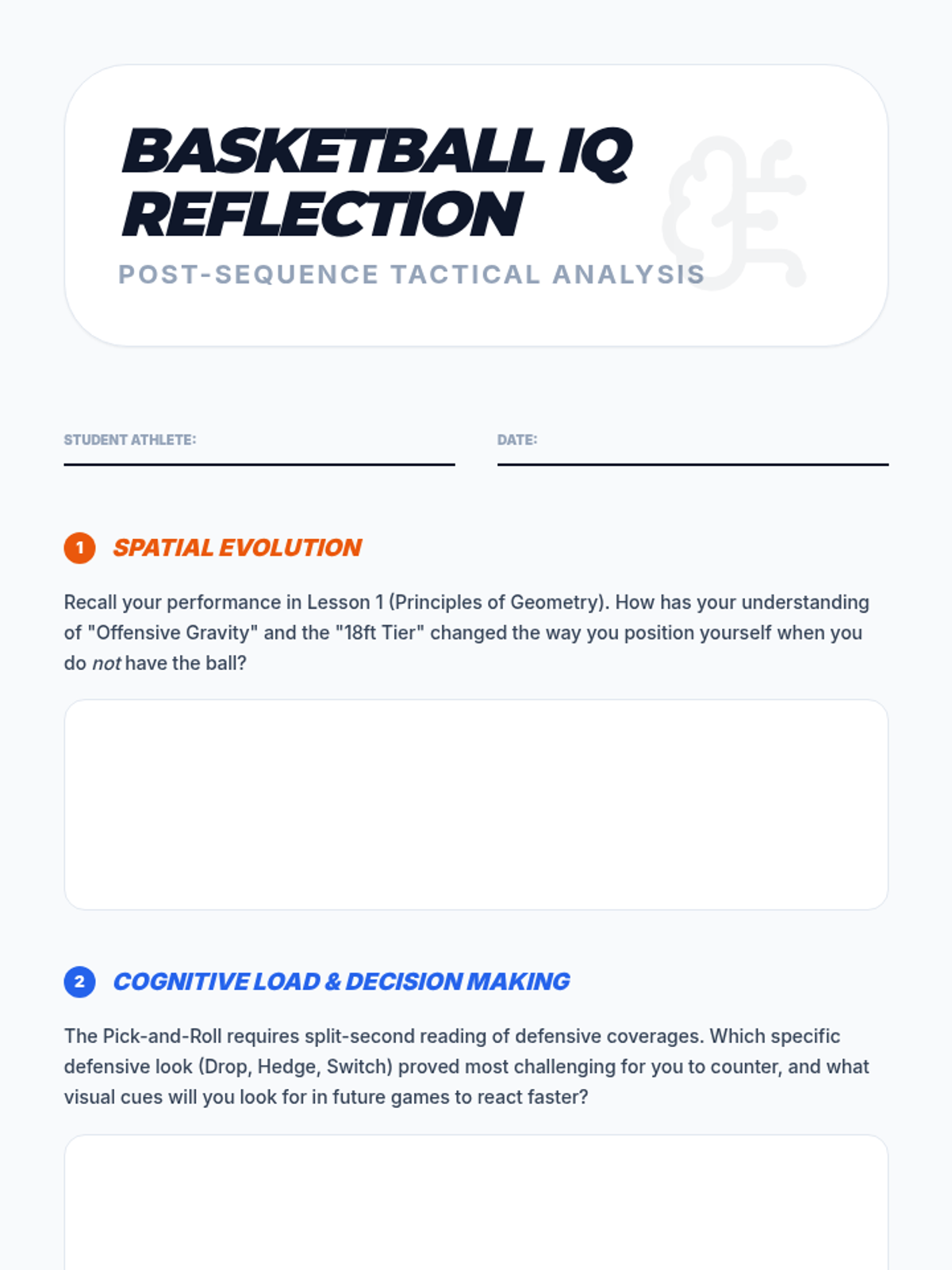
Application of learned systems in a full-court scrimmage where strategic execution is incentivized over simple scoring. Includes peer evaluation and tactical reflection.
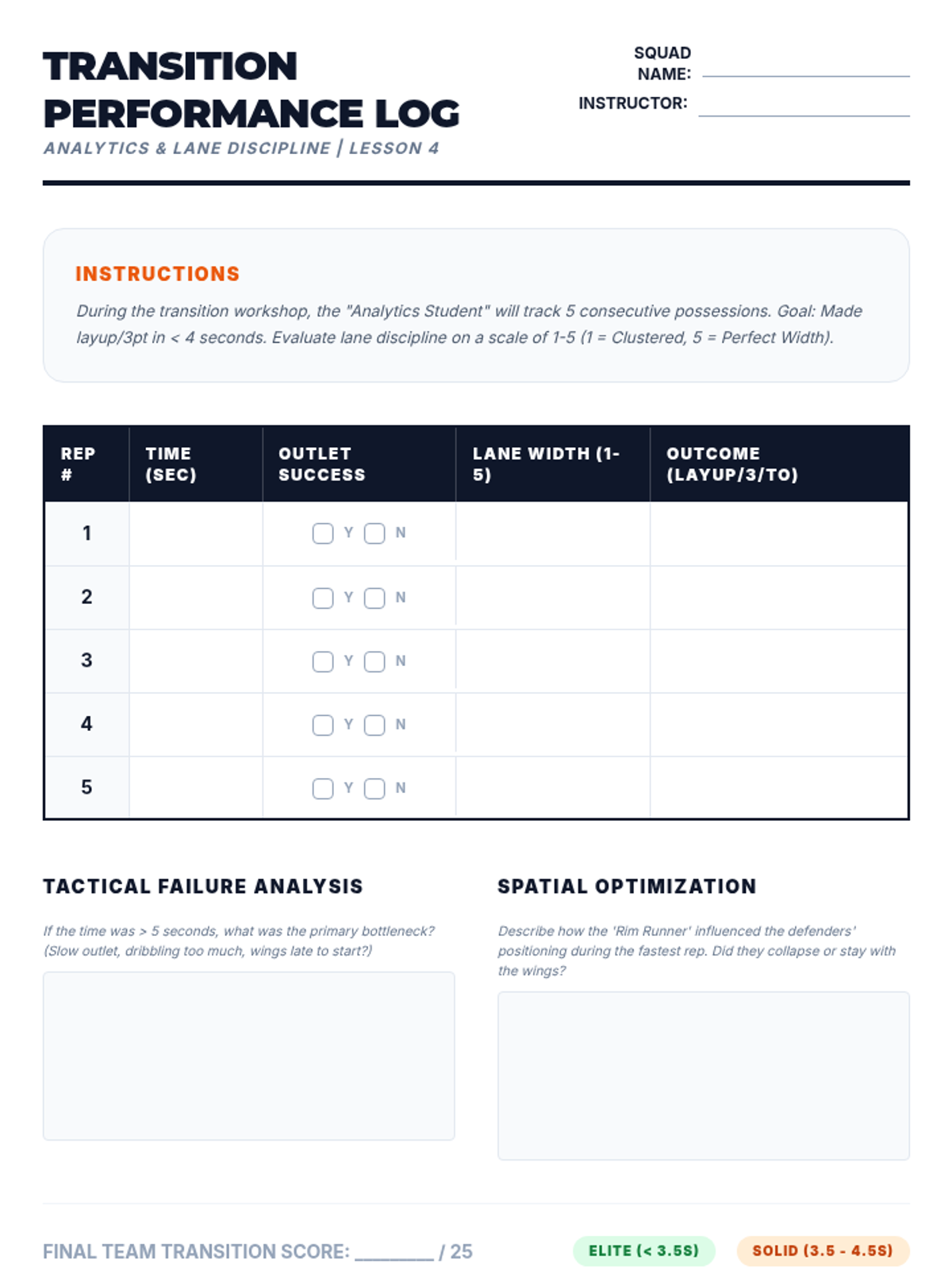
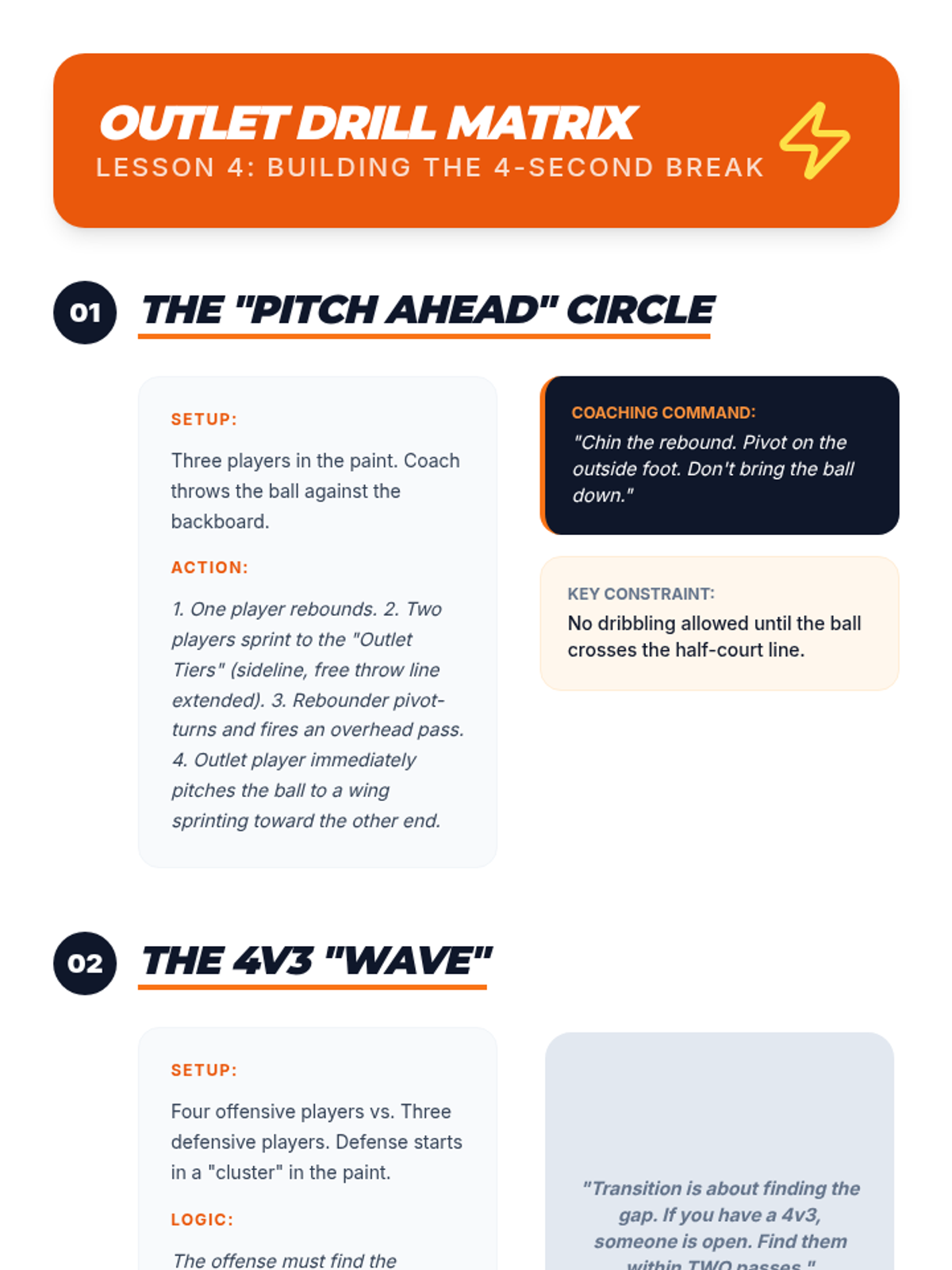
Tactical transition from defense to offense, covering lane responsibilities, outlet techniques, and the logic of primary and secondary breaks.
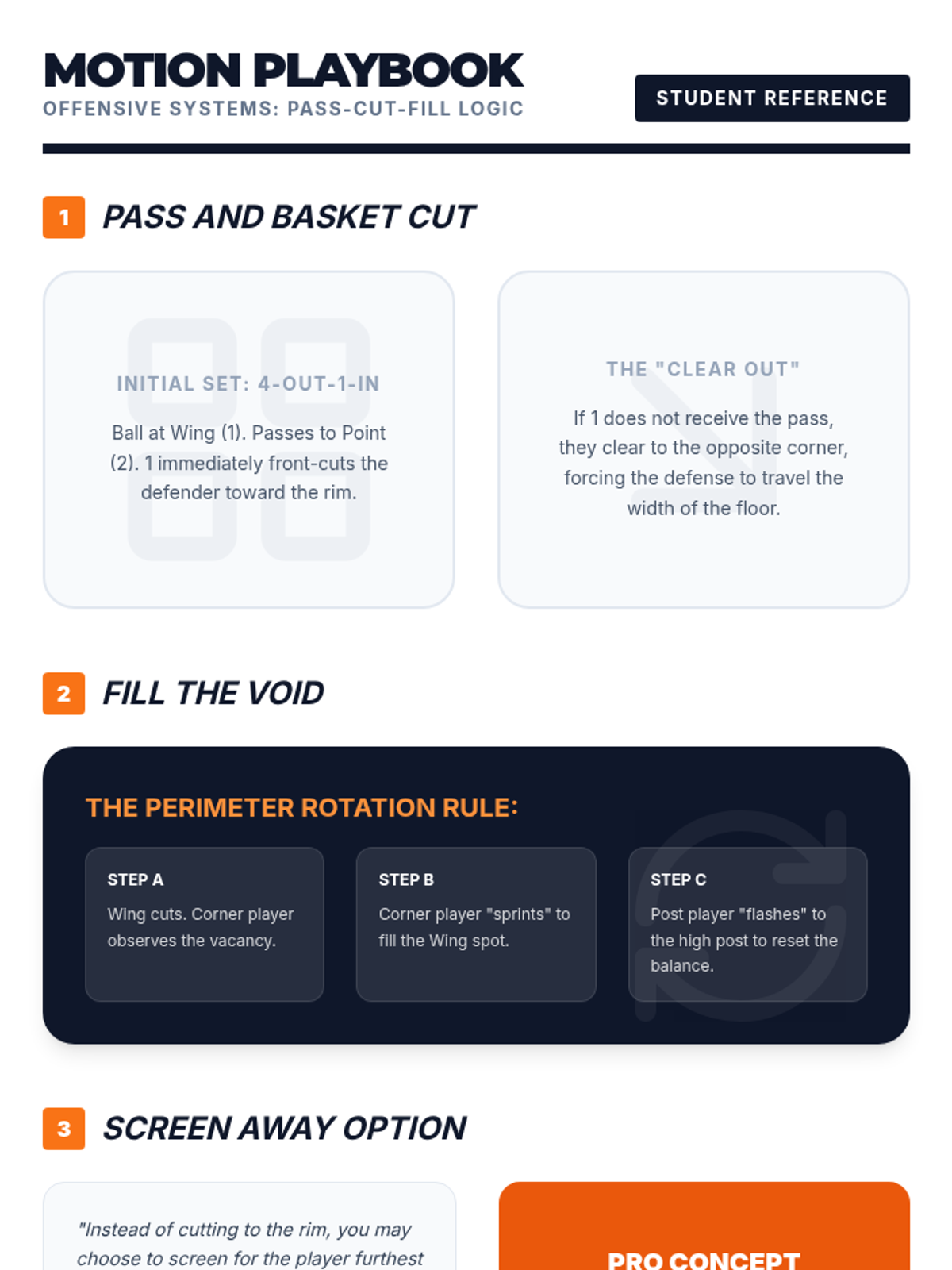
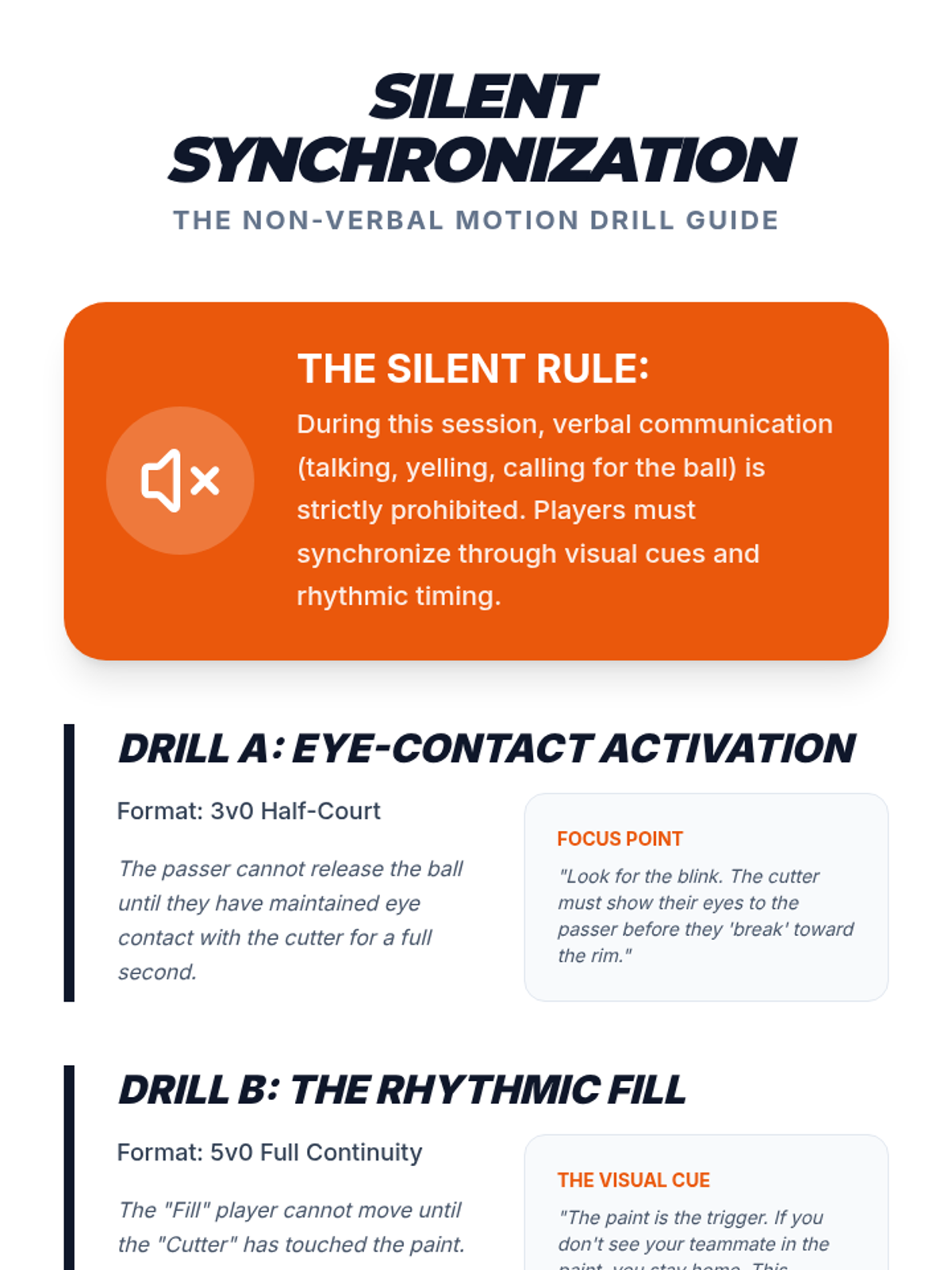
Implementation of a continuity motion offense, focusing on the rules of passing, cutting, and filling. Emphasis on synchronization and non-verbal communication.
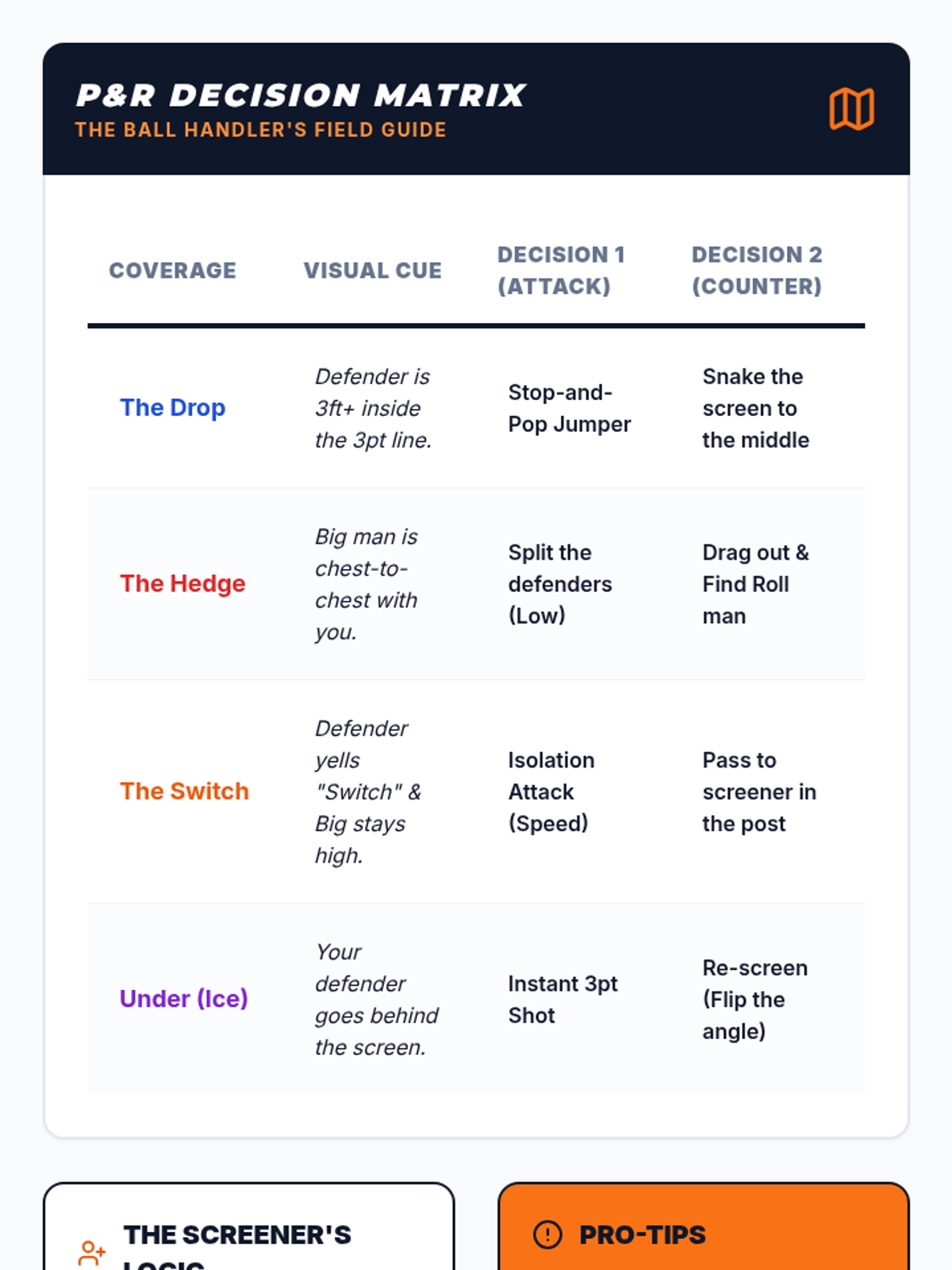
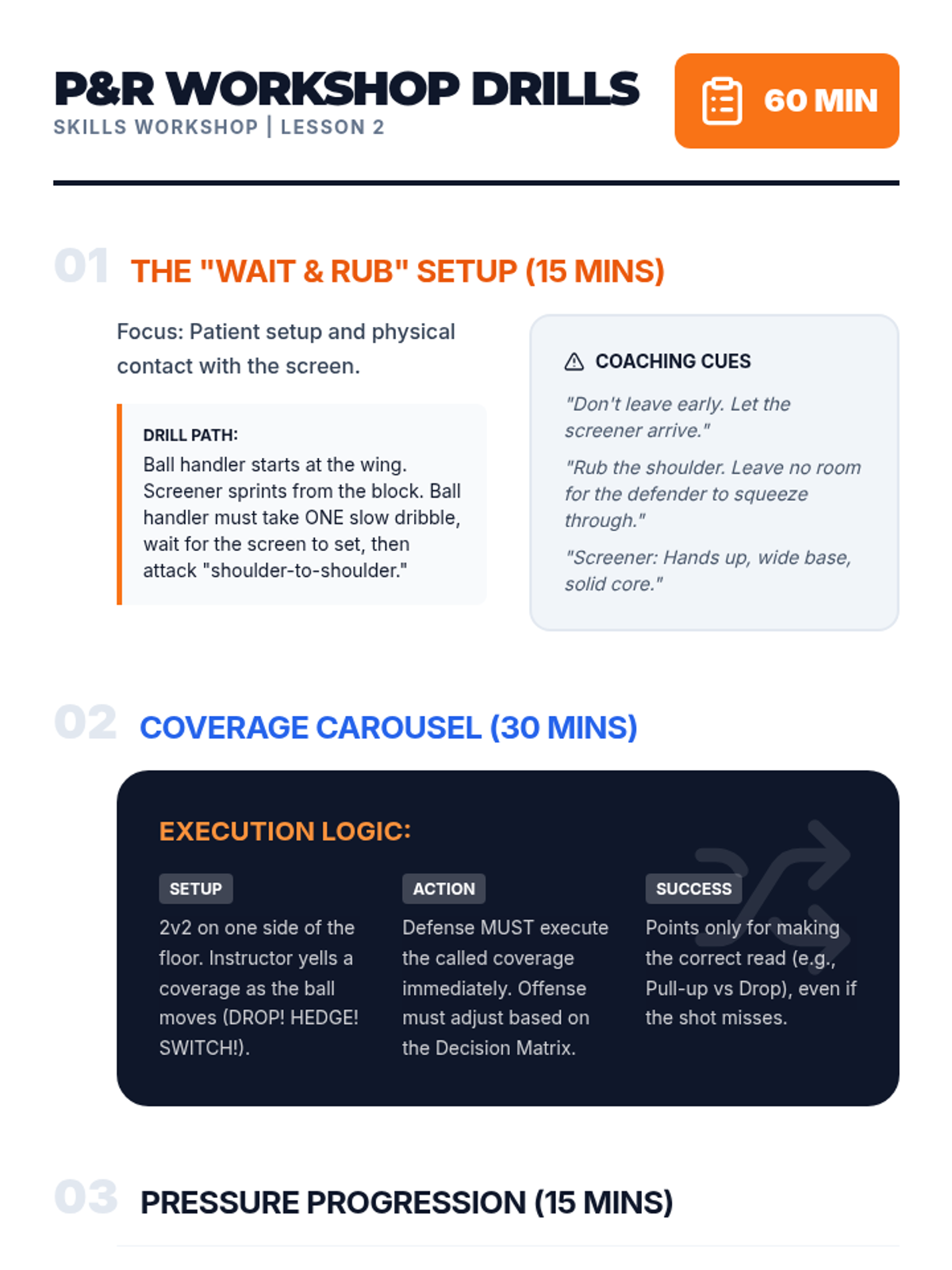
Breaking down the most common play in modern basketball, teaching ball handlers and screeners how to read defensive coverages such as drops, hedges, and switches.
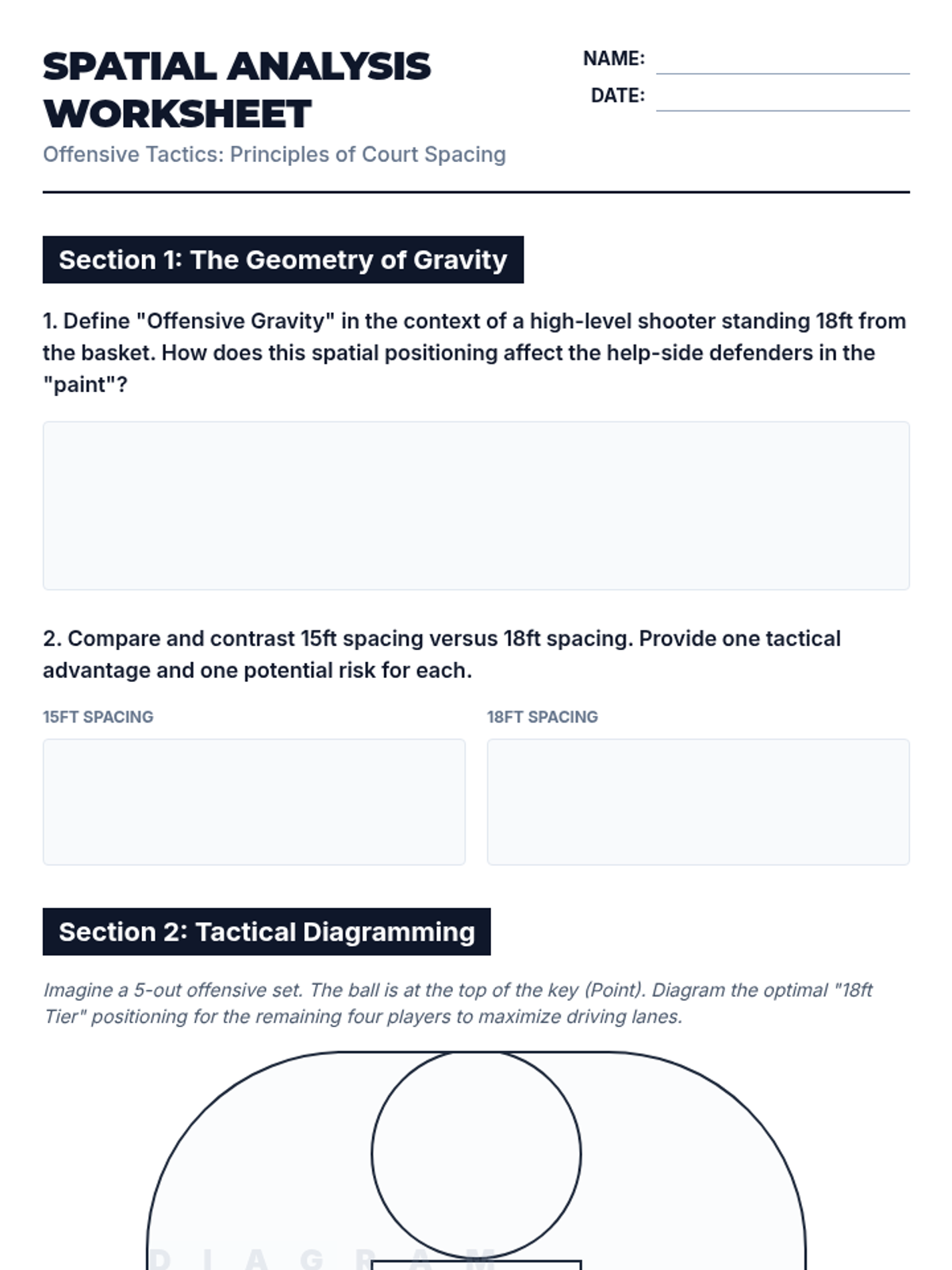
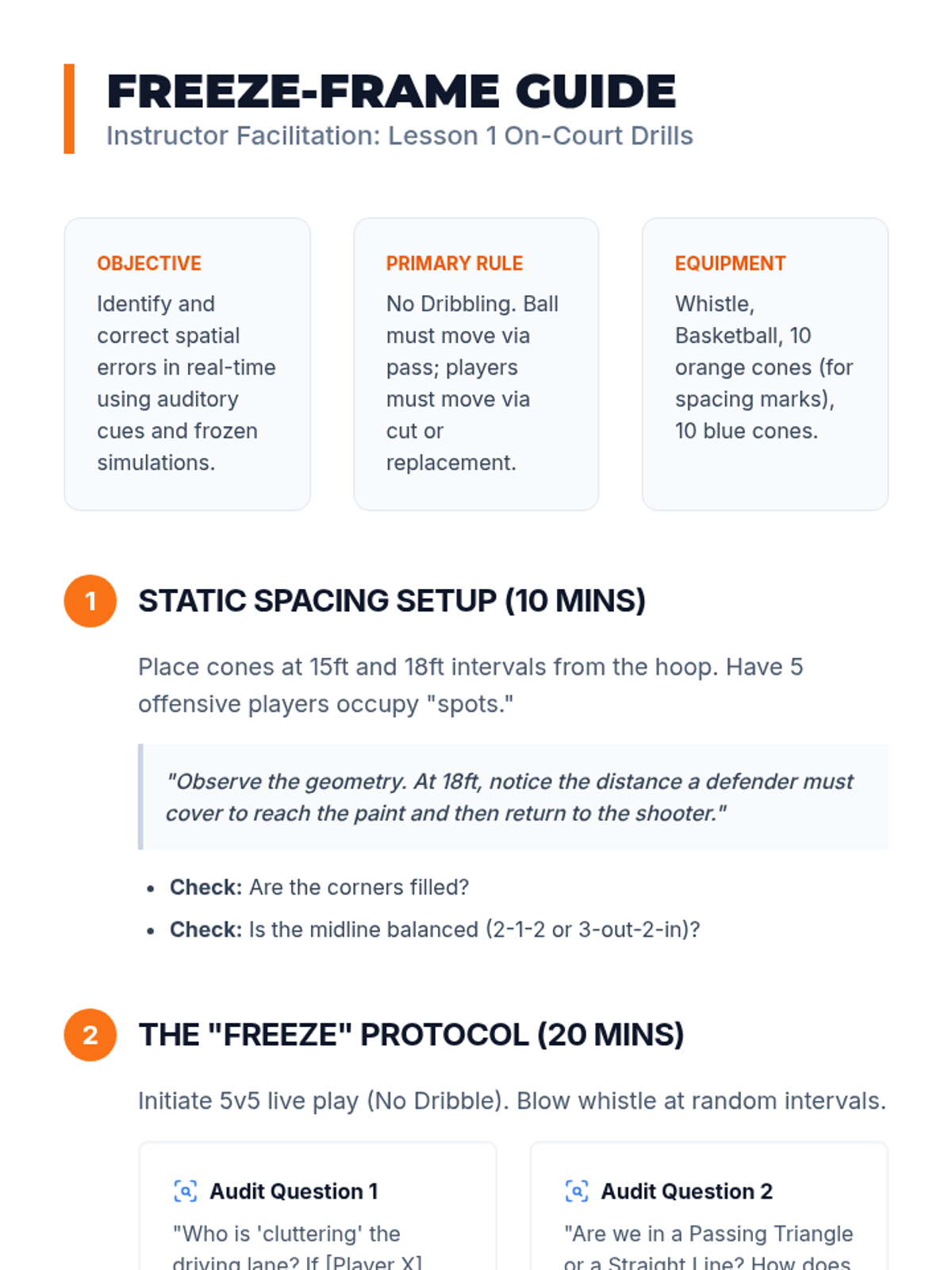
Students explore the concept of 'floor balance' and spacing tiers (15ft vs 18ft) to maximize offensive efficiency. The lesson involves analysis of court geometry and freeze-frame drills to identify spacing errors.
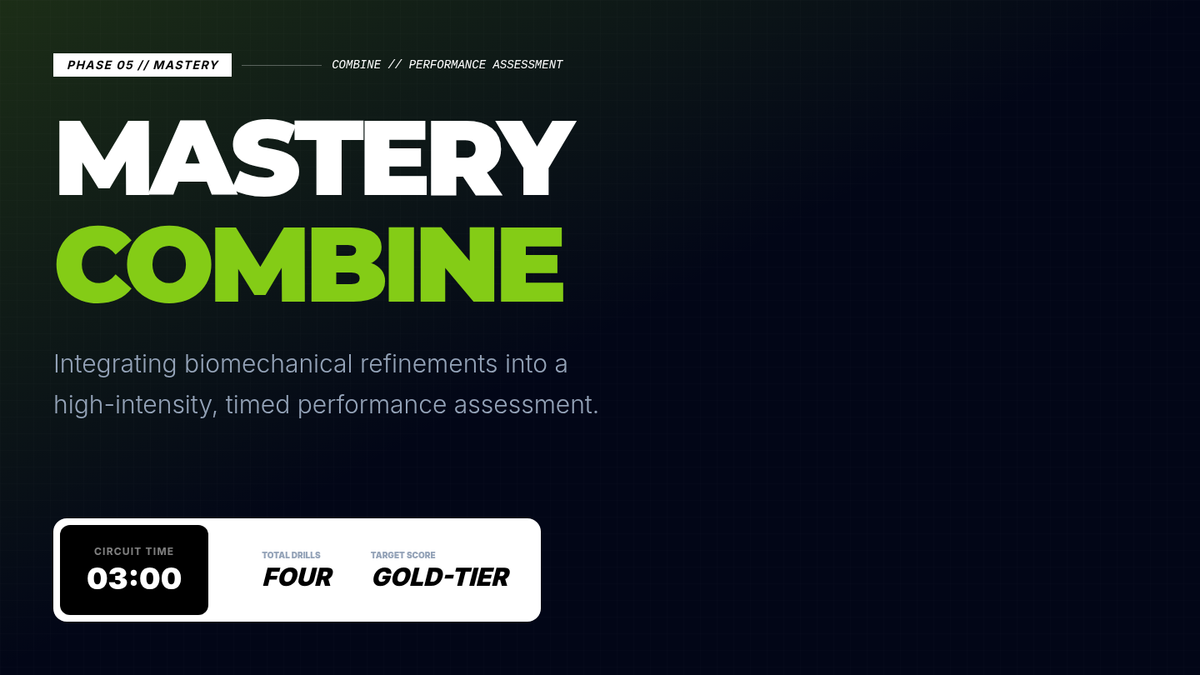
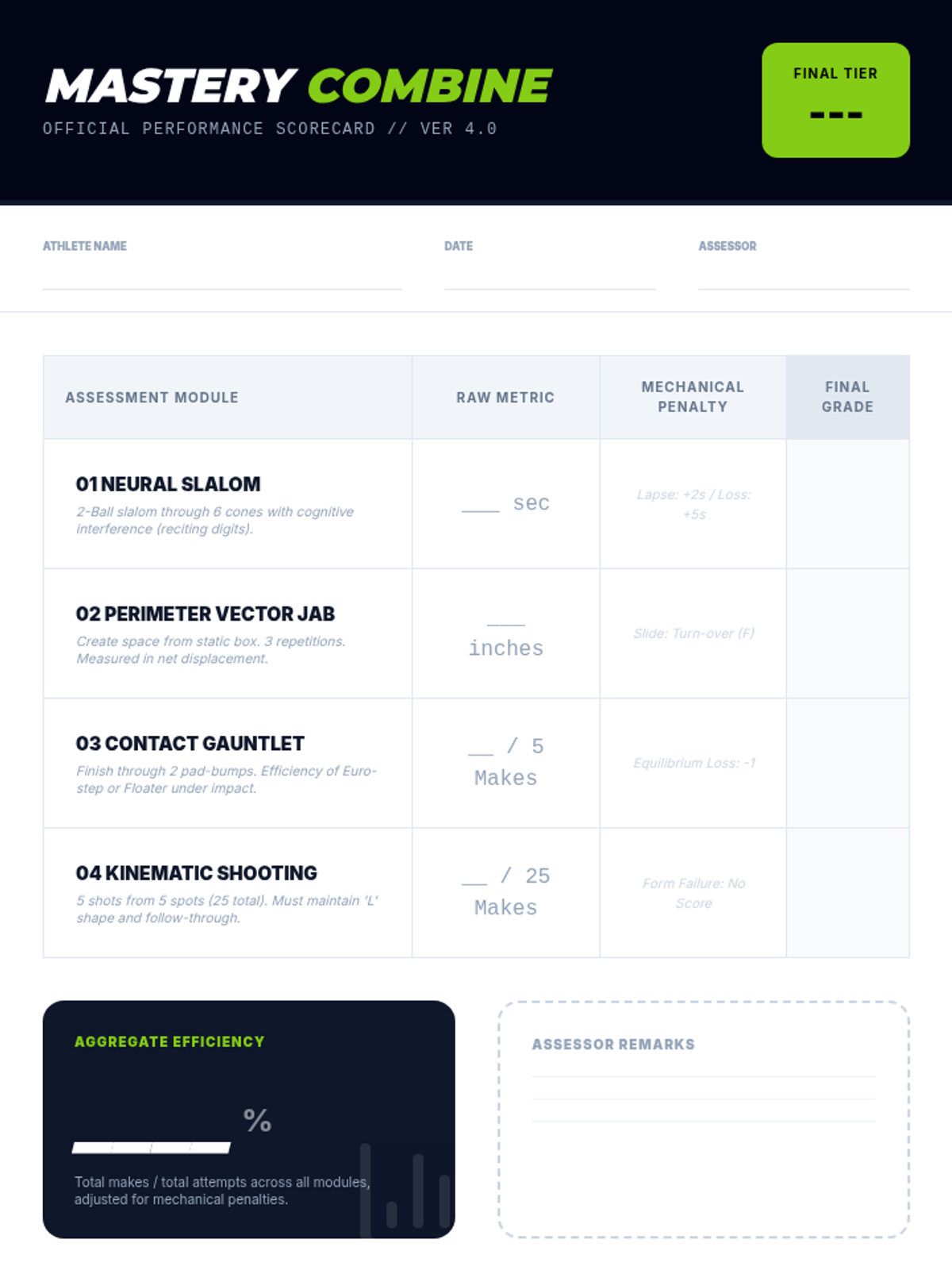
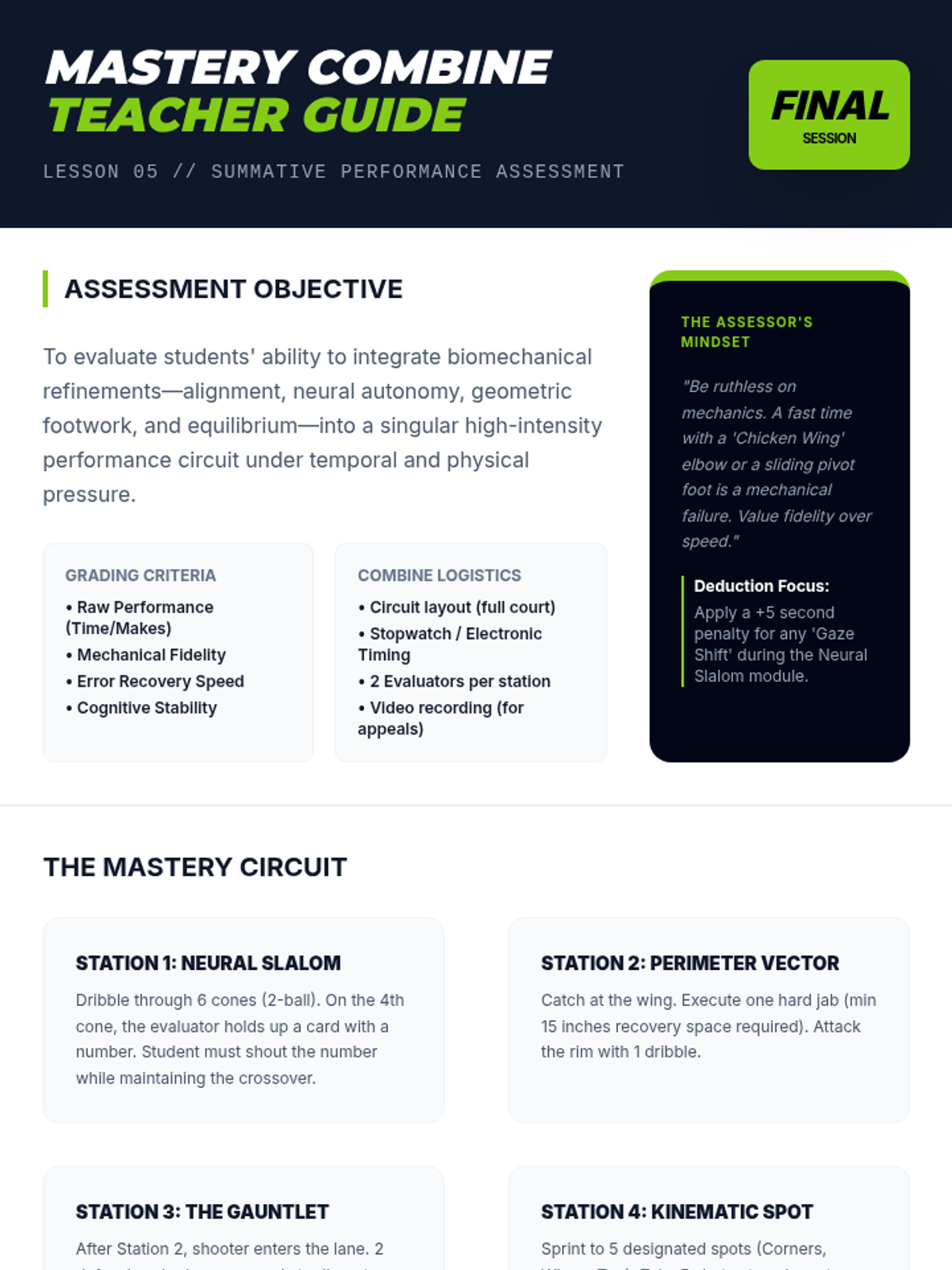
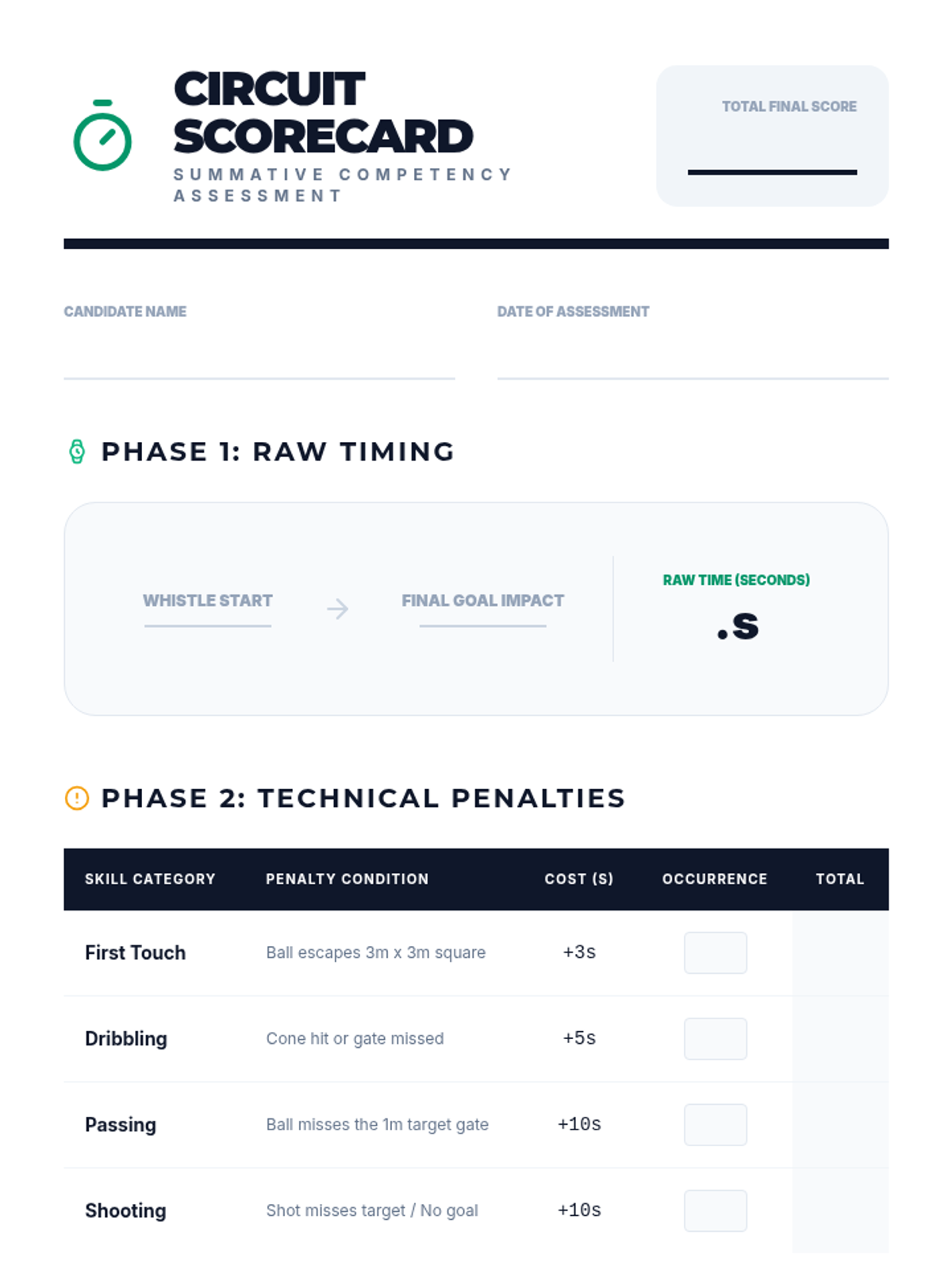
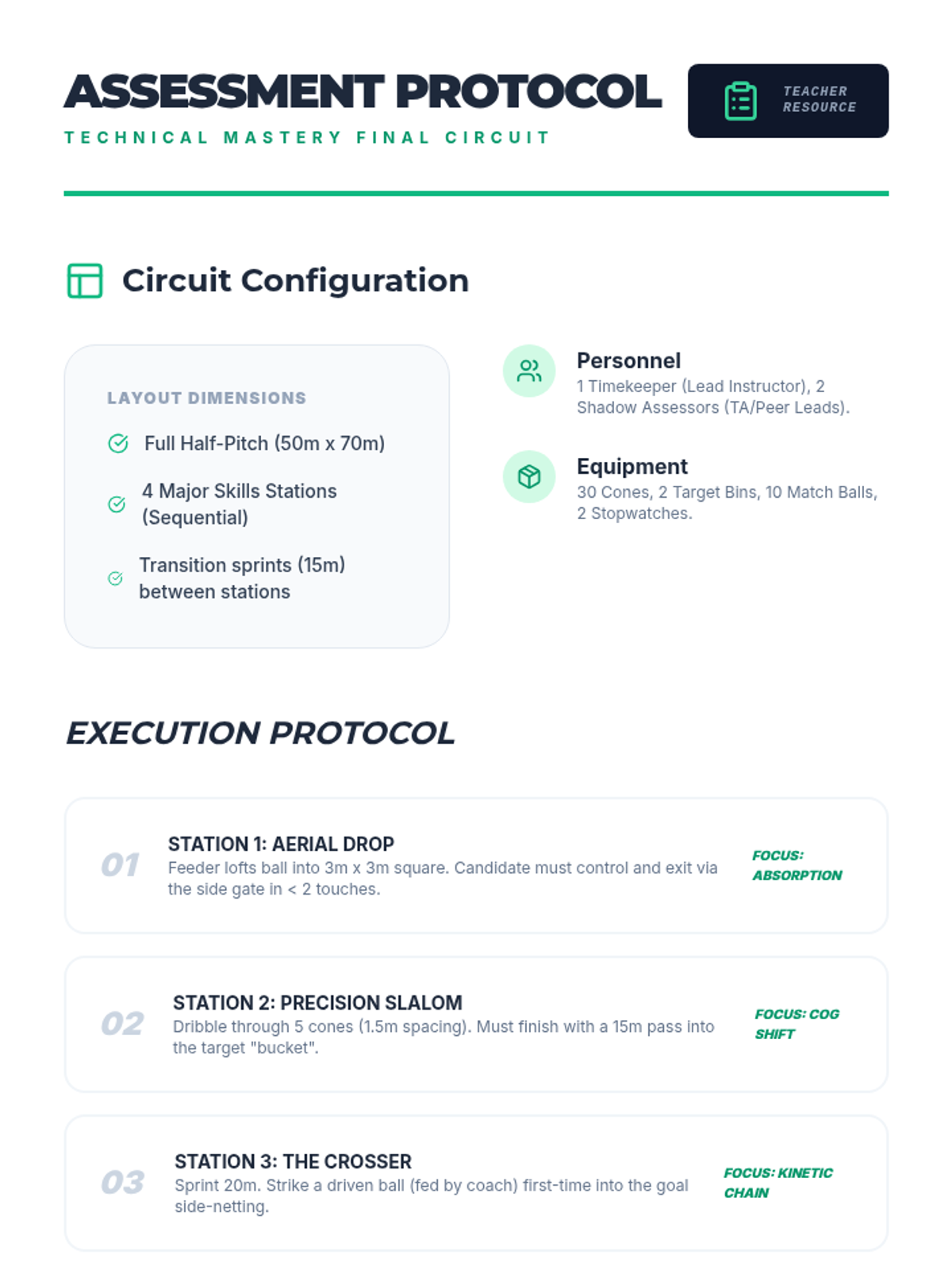
A final performance assessment where students apply biomechanical refinements in a timed 'Combine' circuit, demonstrating mastery of the skills covered in the sequence.
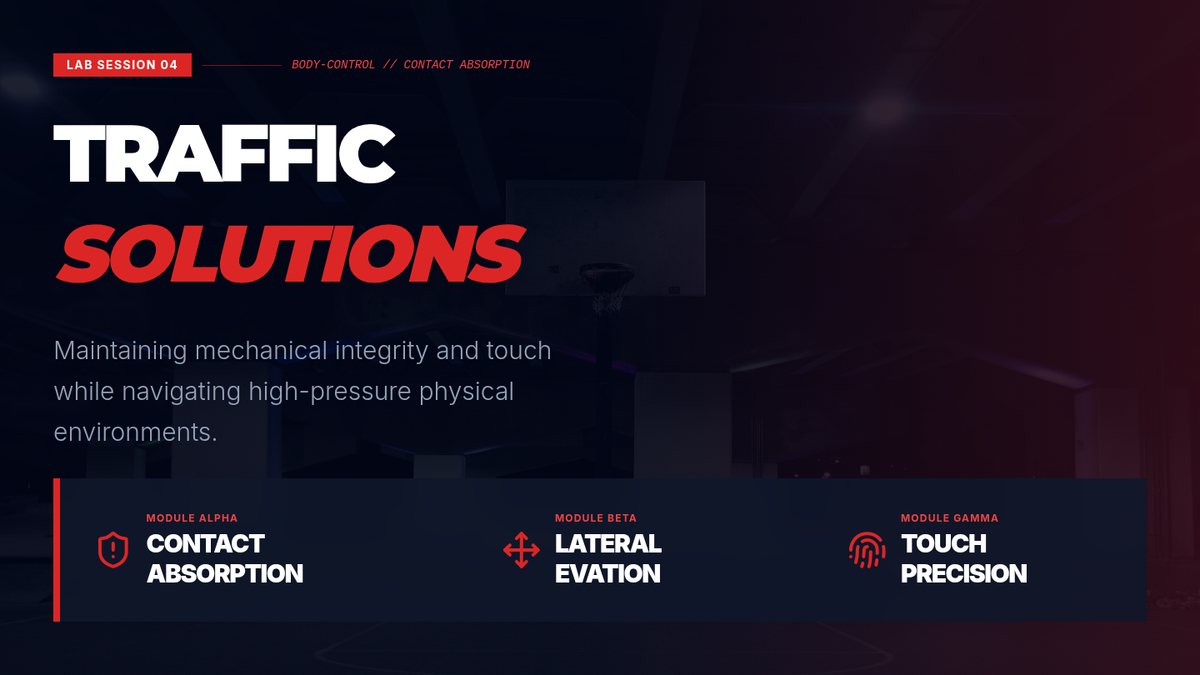
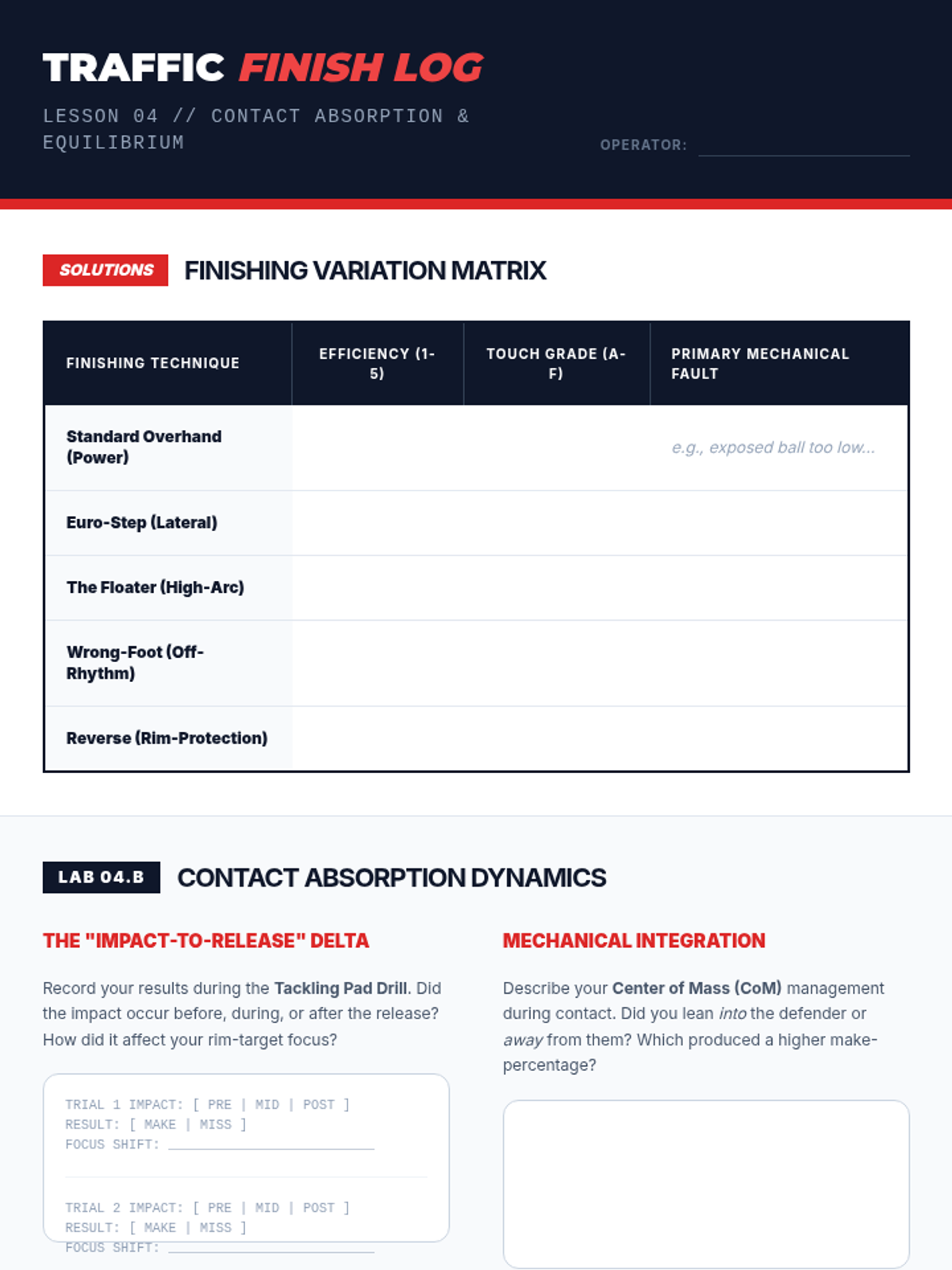
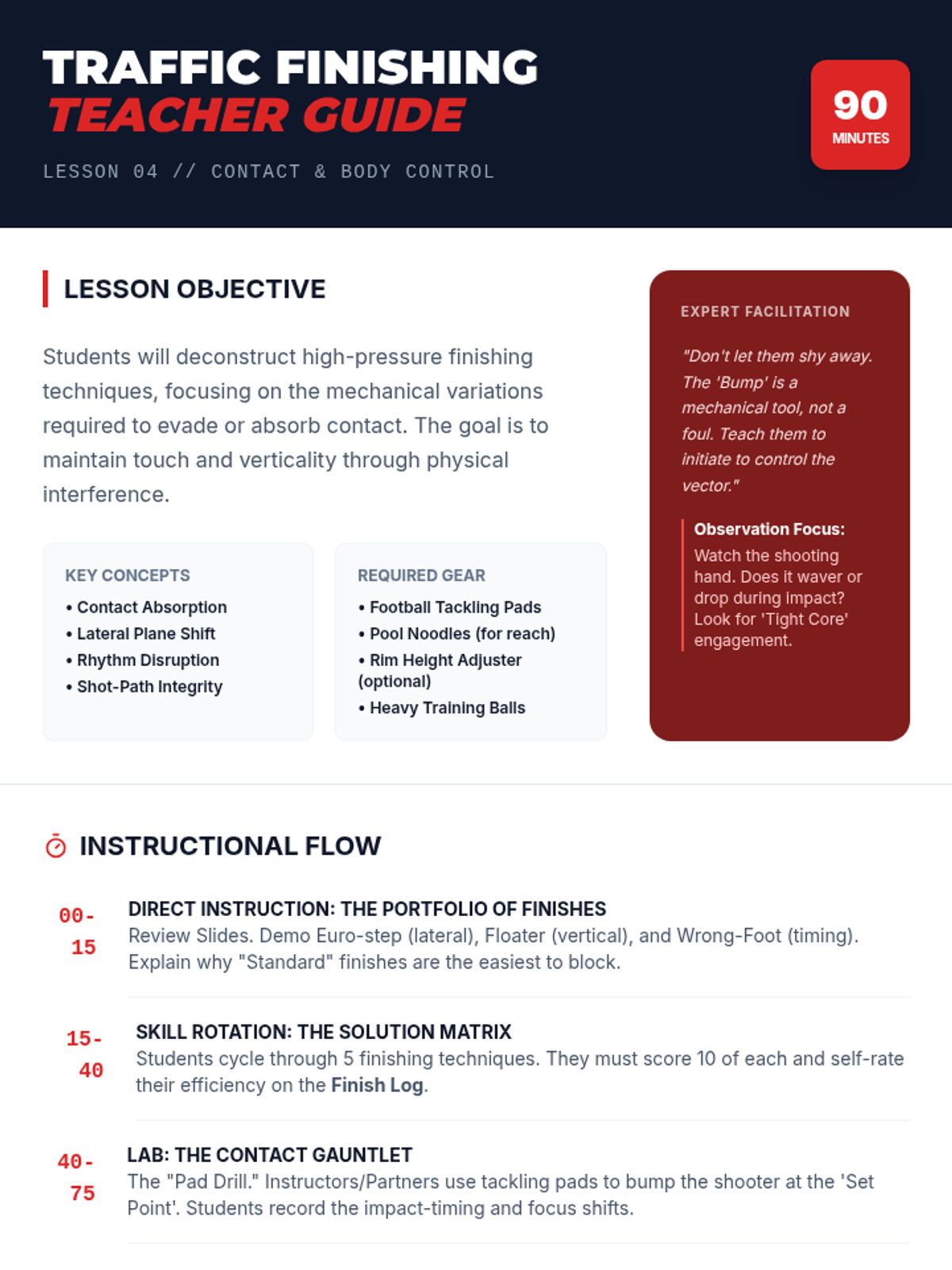
A workshop on finishing at the rim under pressure, focusing on body control, contact absorption, and mechanical variations like the Euro-step and floaters.
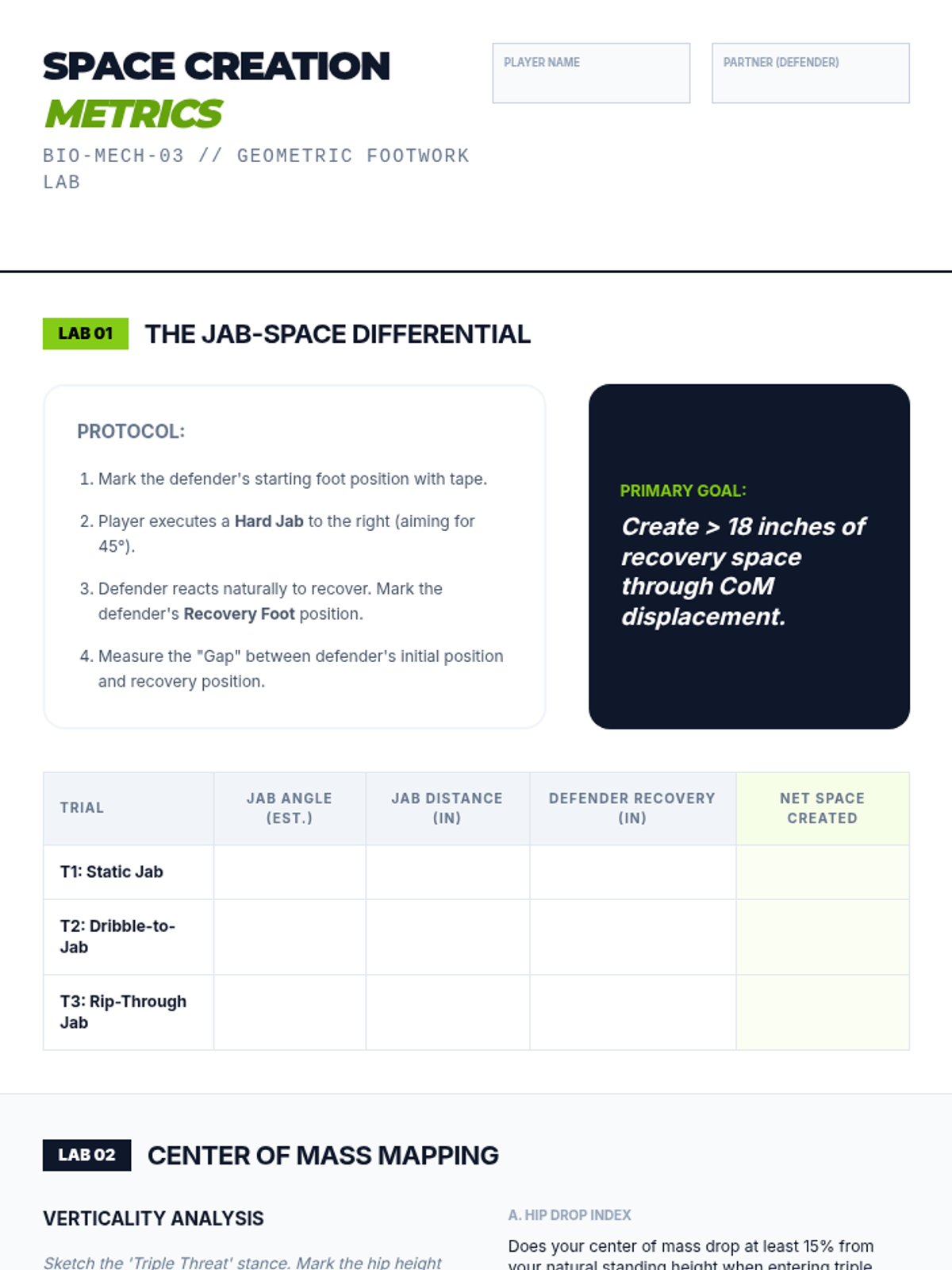
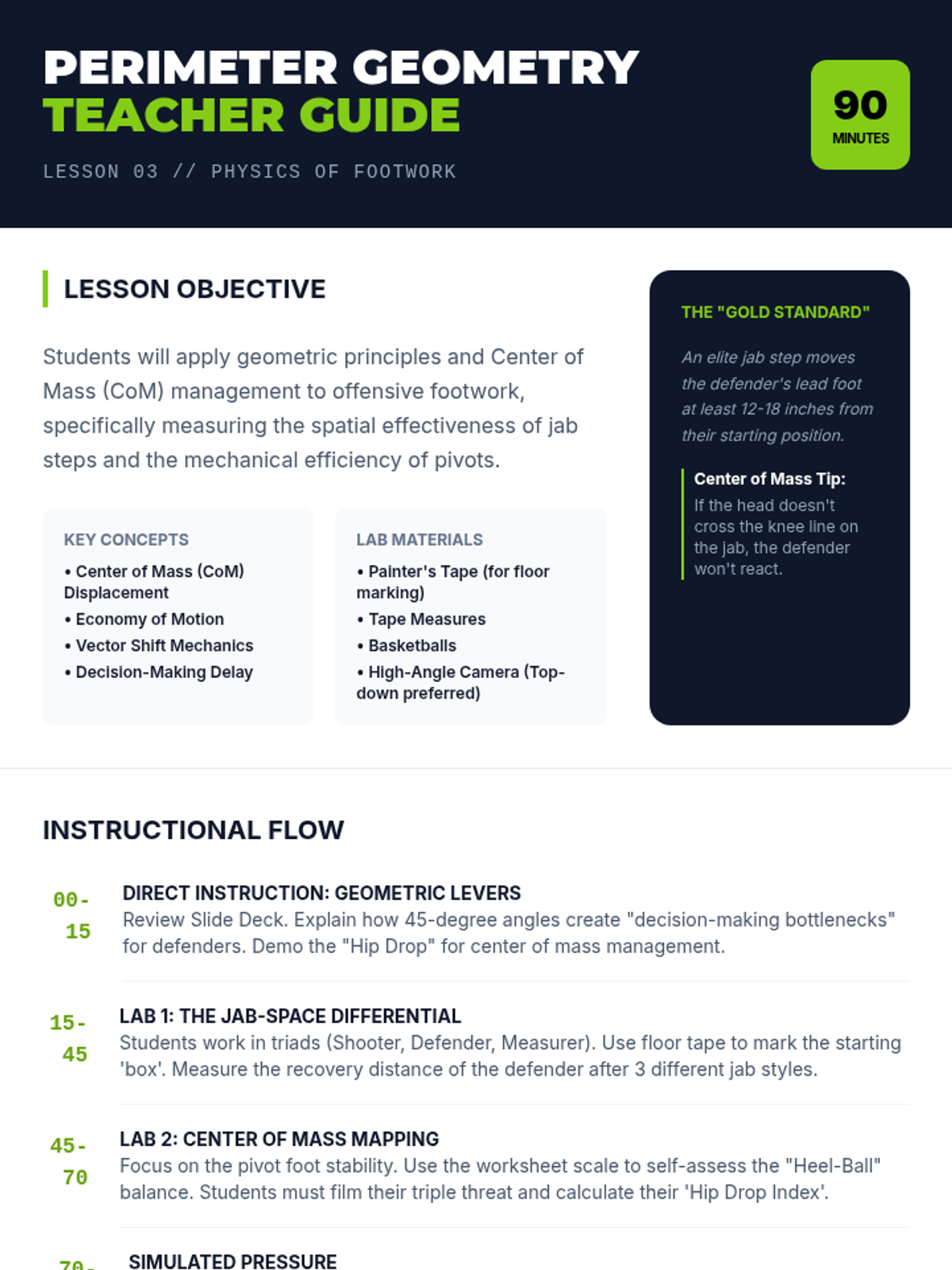
Students focus on the geometry and physics of footwork, practicing triple threat mechanics and jab steps to maximize space creation on the perimeter.
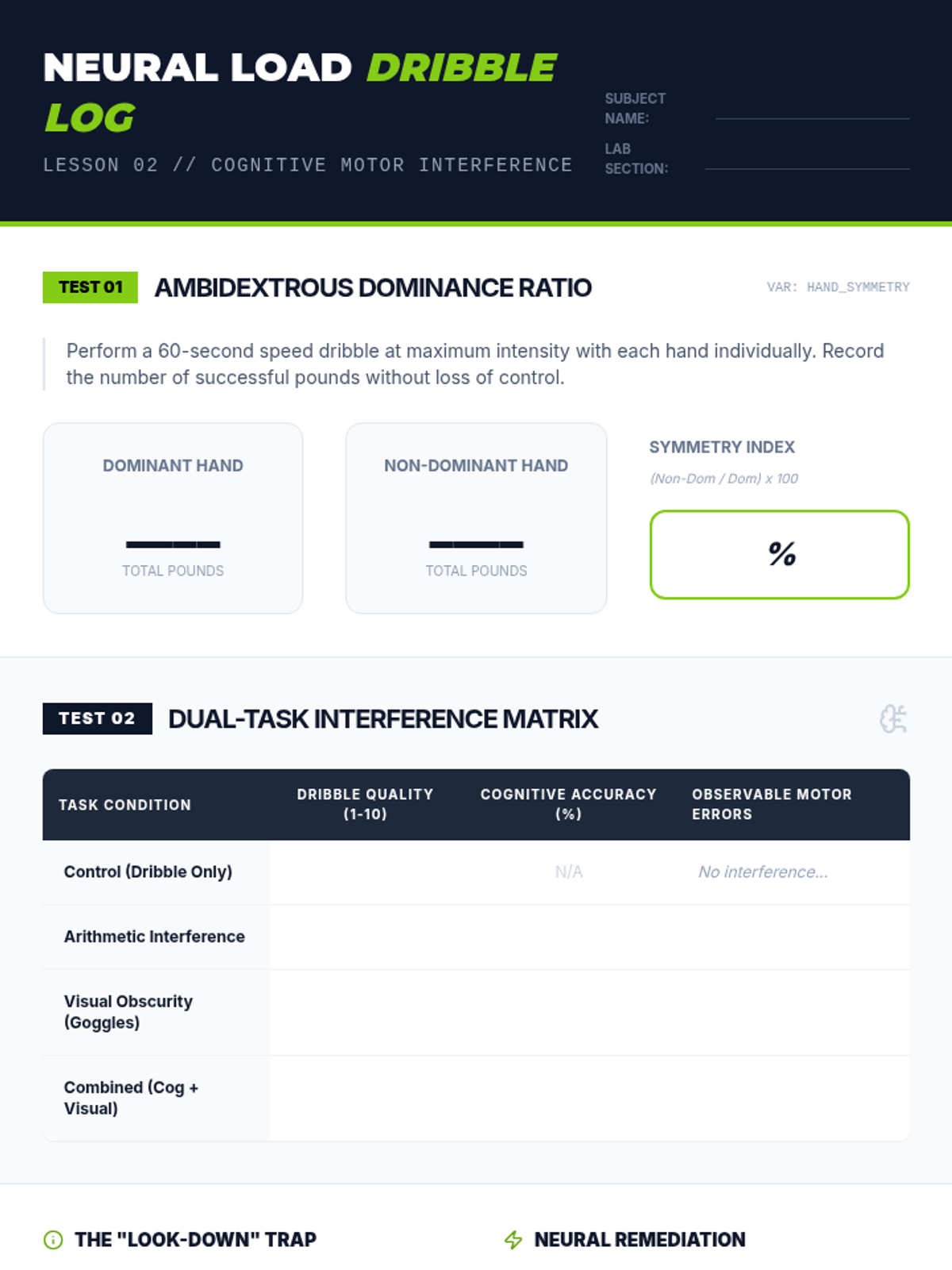
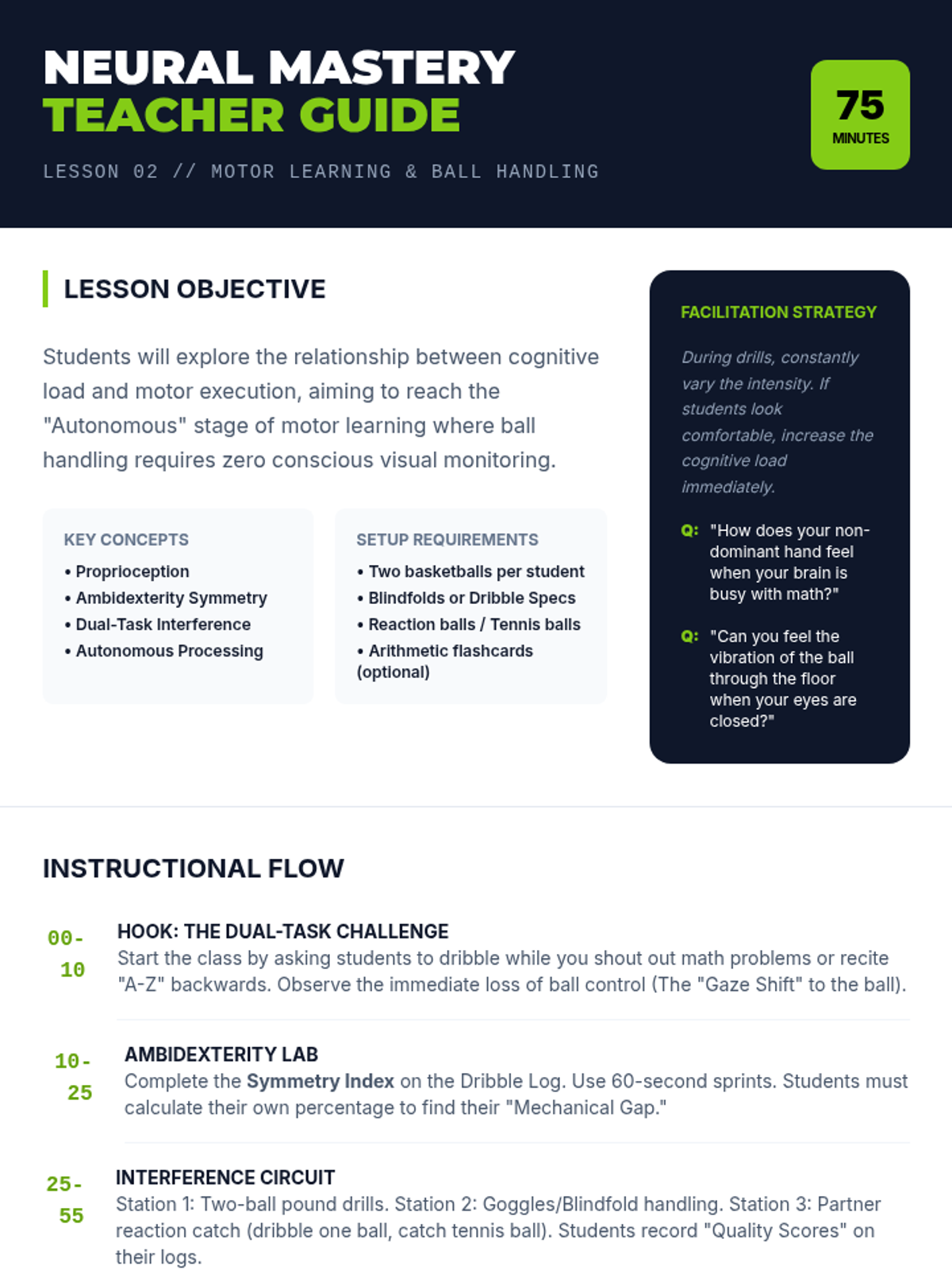
This session challenges students to develop ambidexterity and proprioception through complex dribbling drills that dissociate motor control from cognitive focus.
Students practice the critical moment of transition—converting a successful dig immediately into an offensive approach. The lesson connects defense back to offense in continuous rally drills.
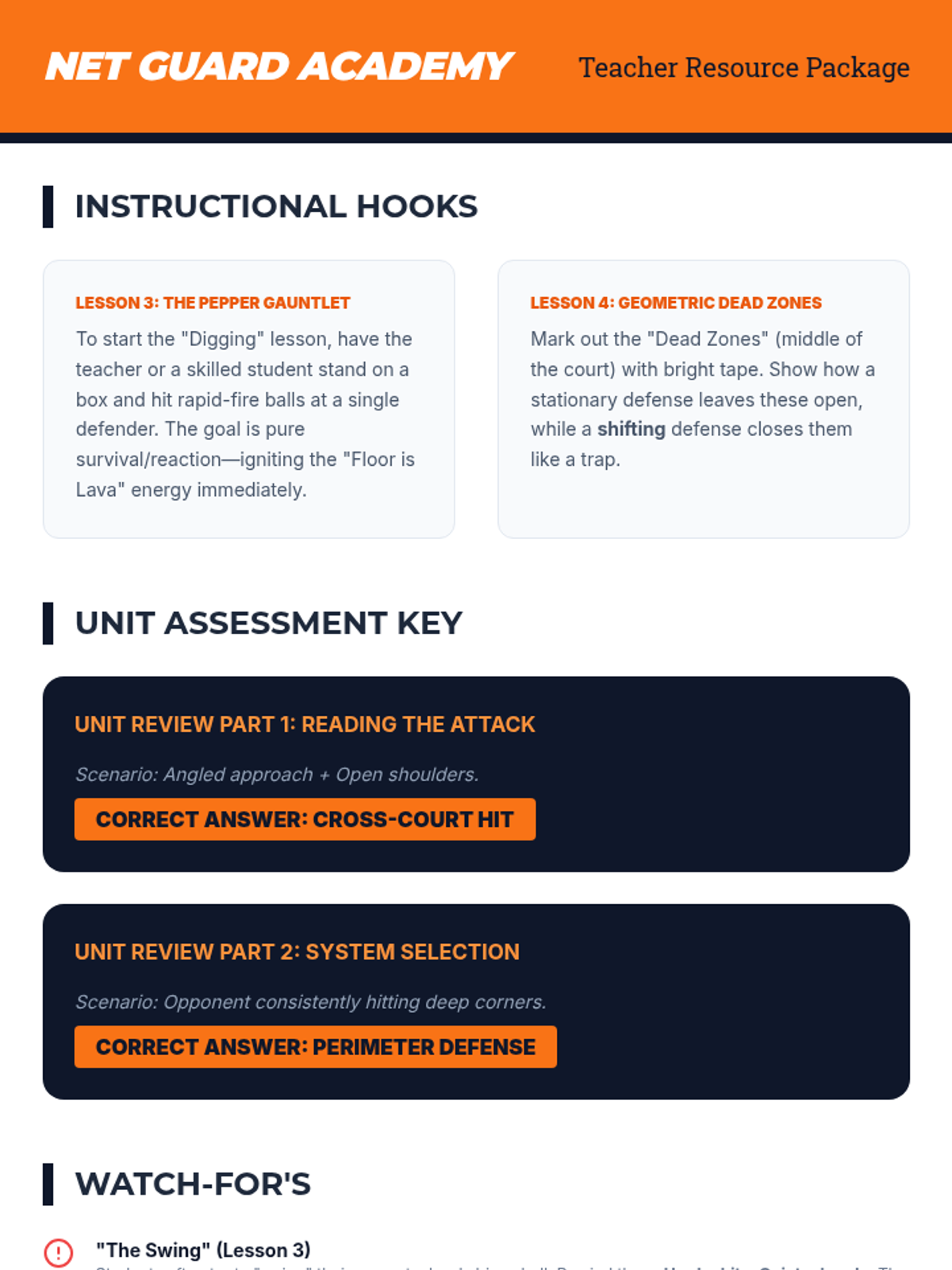
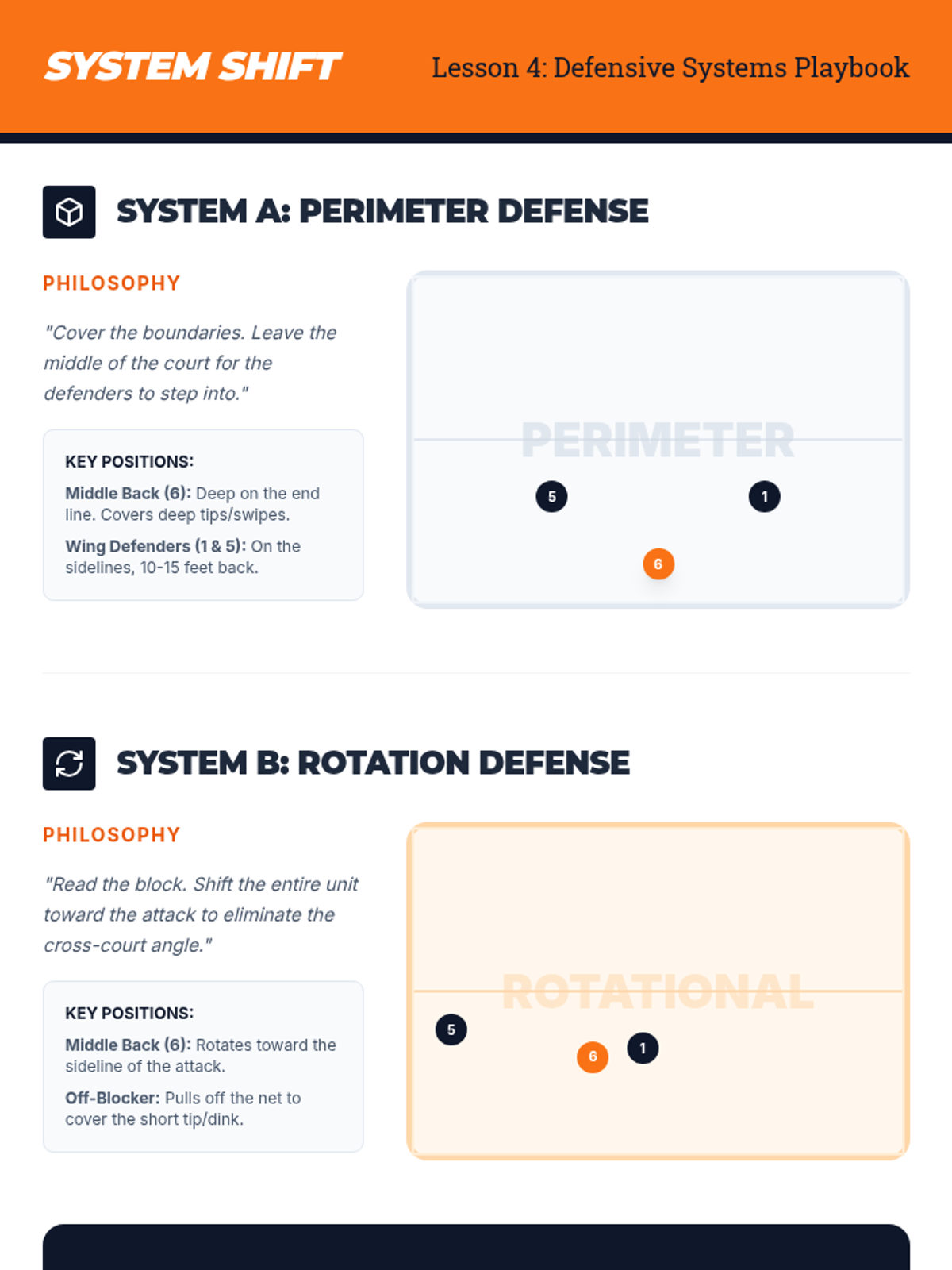
The class workshops two main defensive systems: Perimeter (middle back deep) and Rotation (reading the block). Teams practice shifting positions as a unit based on where the set goes.
Focus shifts to the back row, teaching techniques for digging spikes that get past the block. Students practice the 'sprawl' and emergency defensive moves to keep the ball off the floor.
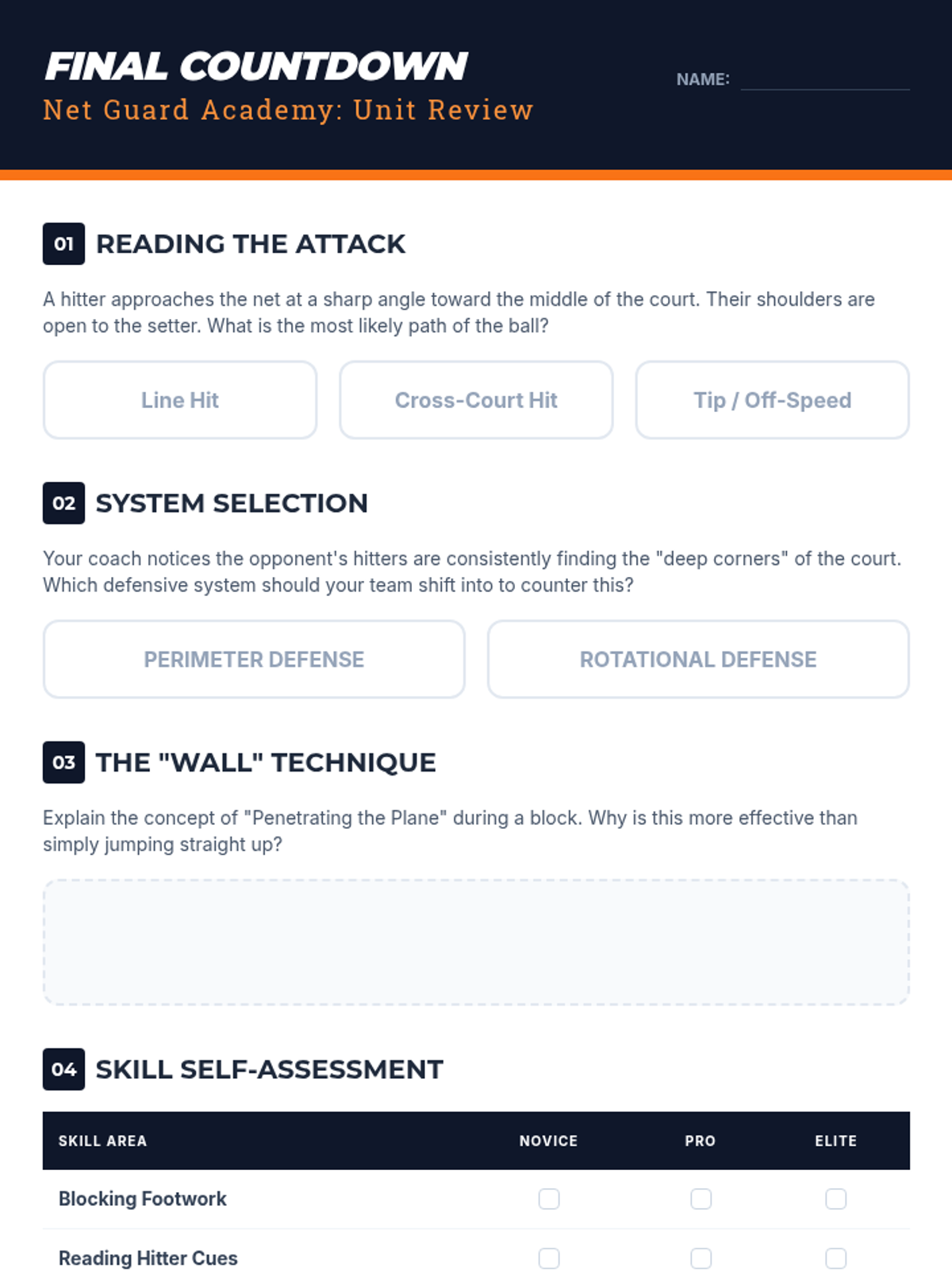
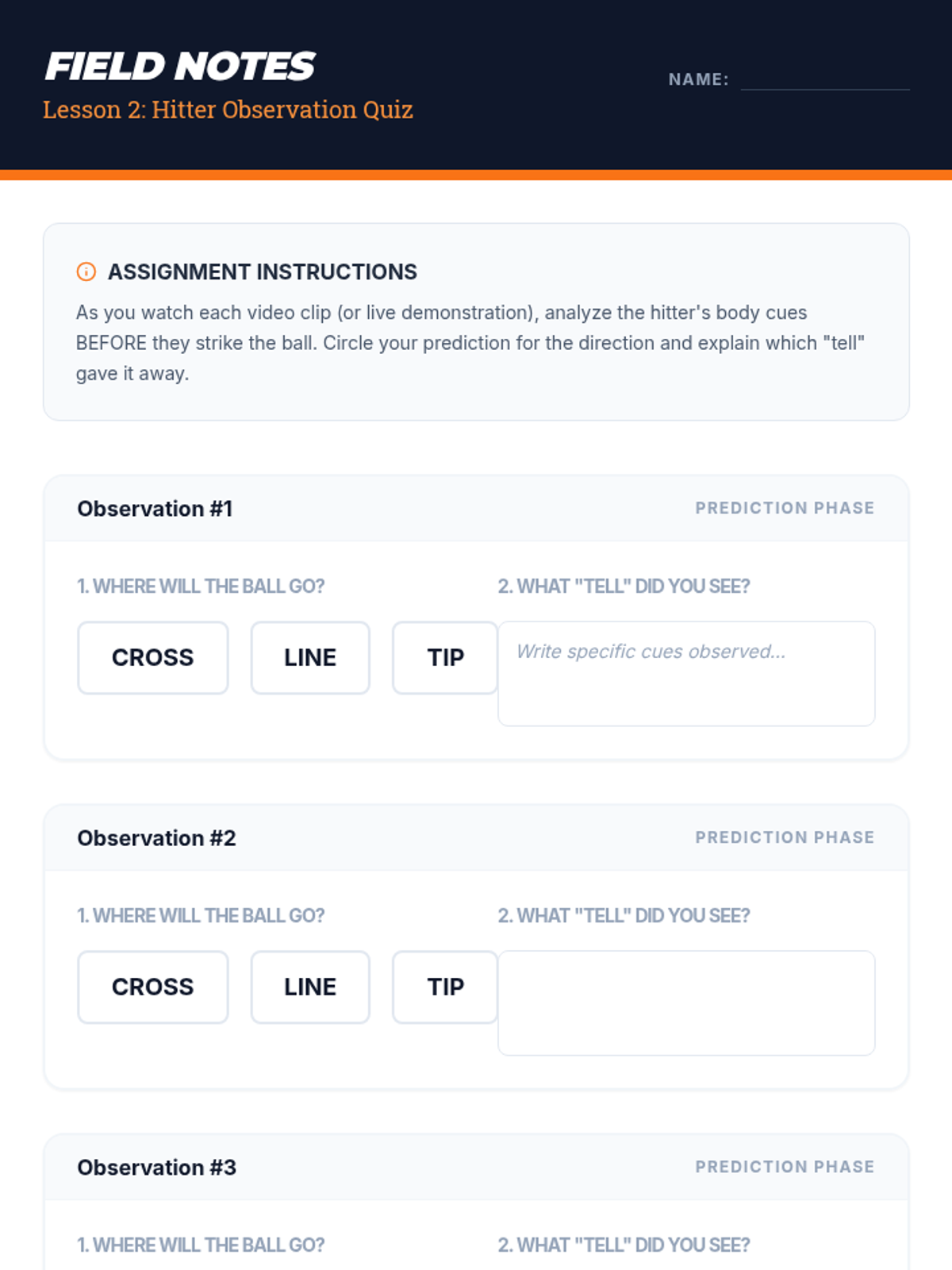
Participants engage in drills where they must observe a hitter's body language to predict the direction of the attack. Discussion focuses on visual cues like shoulder rotation and approach angle.
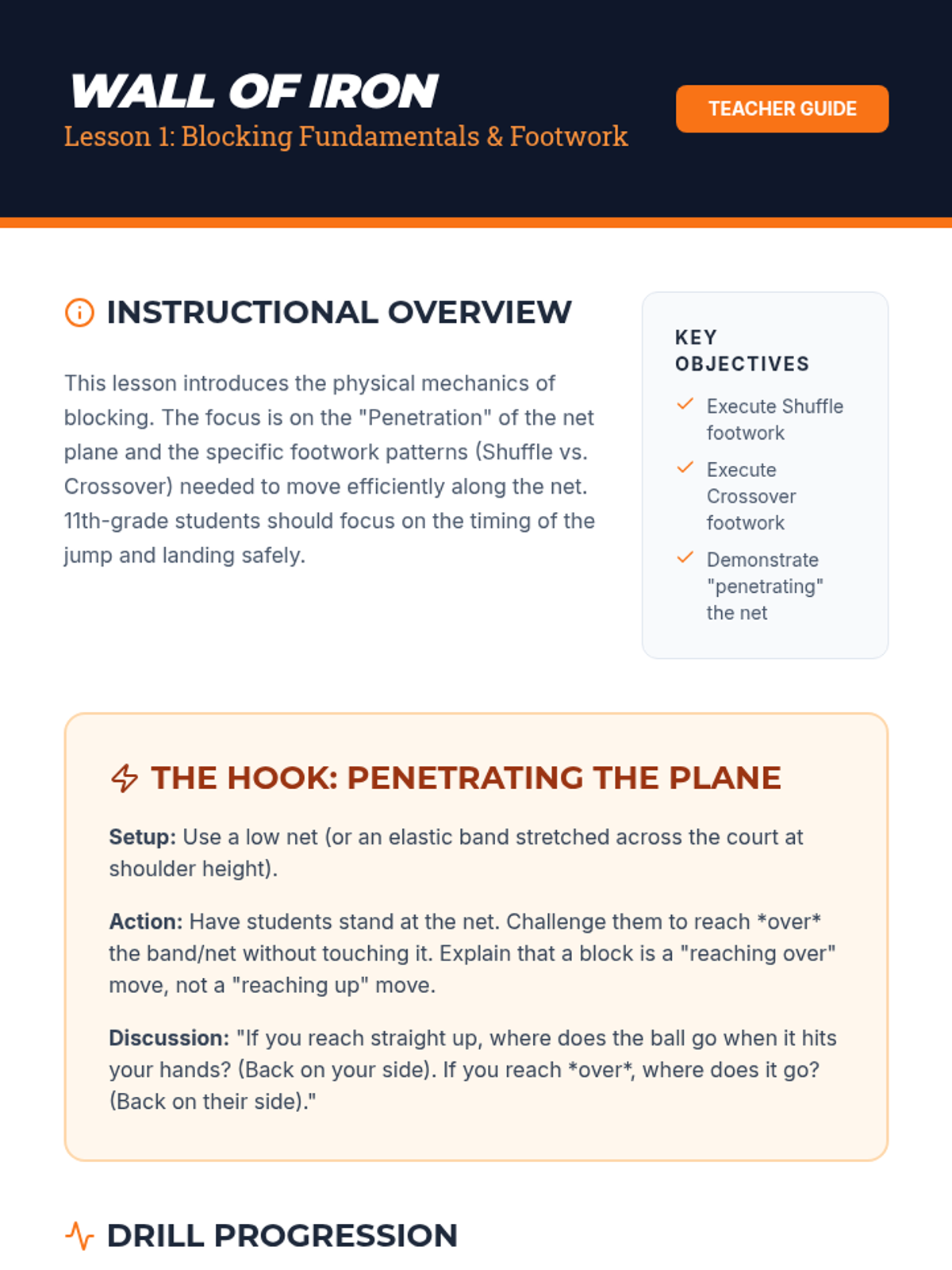
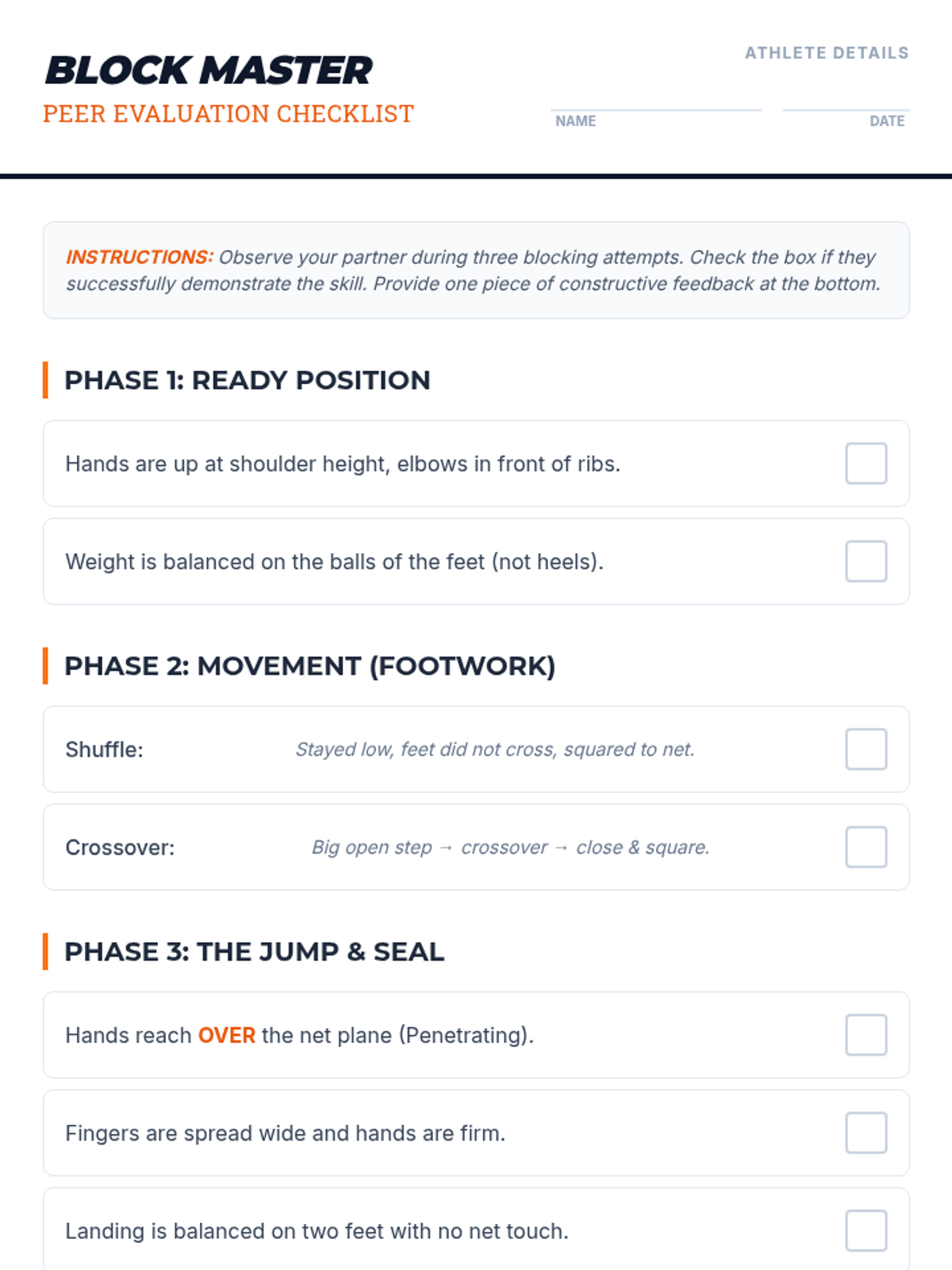
Students practice the footwork for blocking at the net, including ready position and penetration across the plane. The lesson emphasizes timing the jump to seal the net against an attacker.
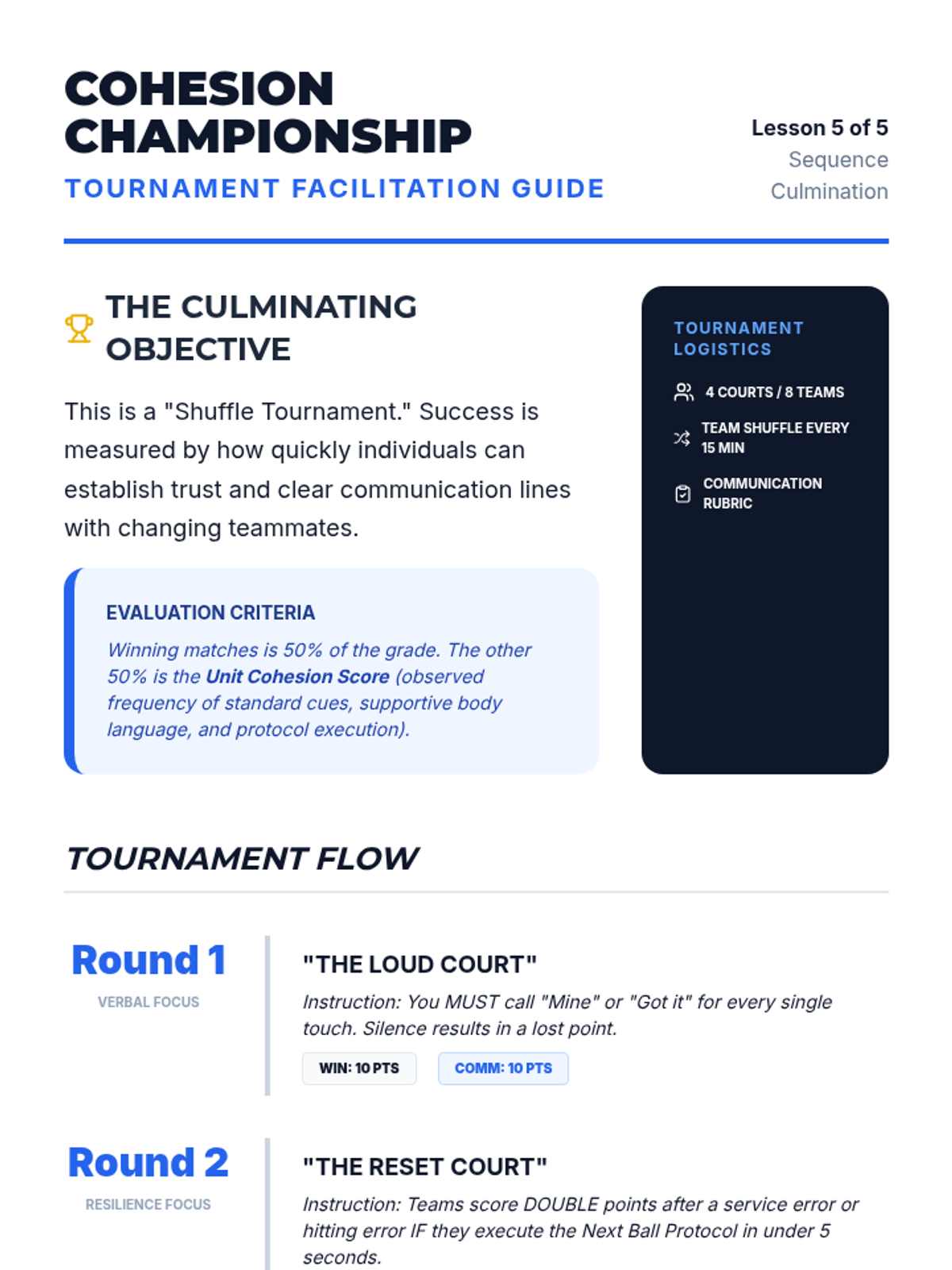
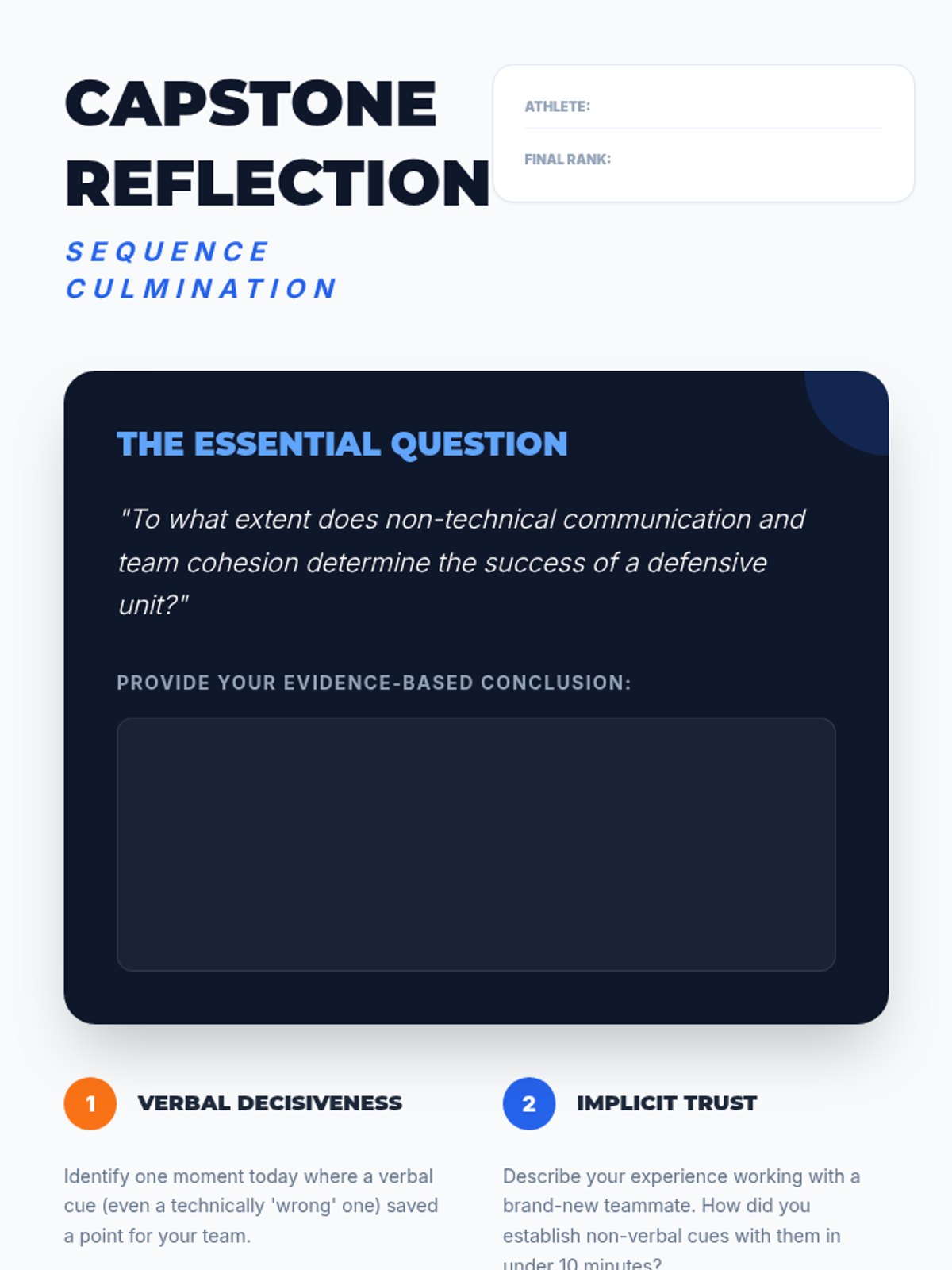
A culminating tournament where performance is evaluated based on both technical skill and demonstrated communication adaptability.
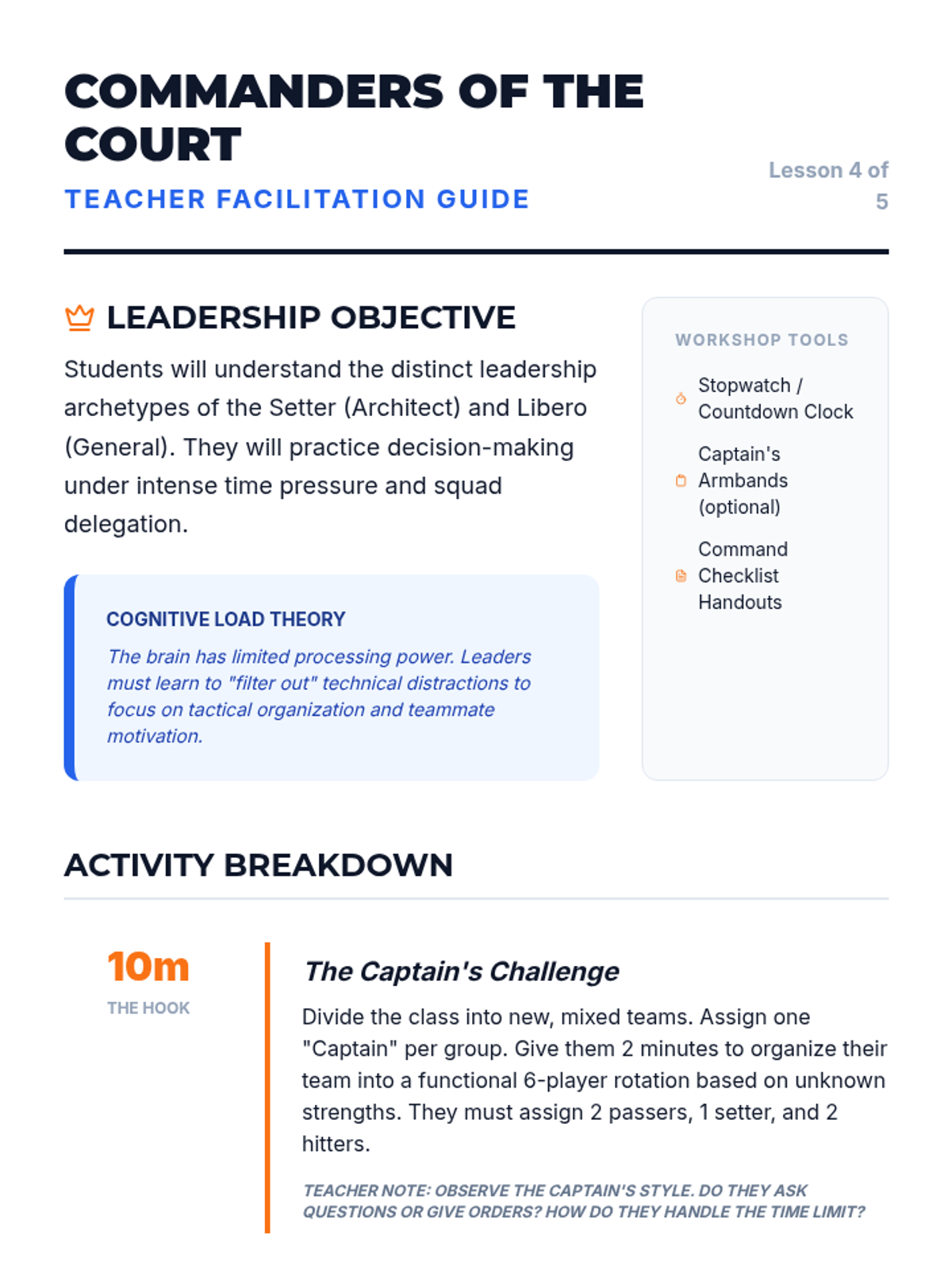
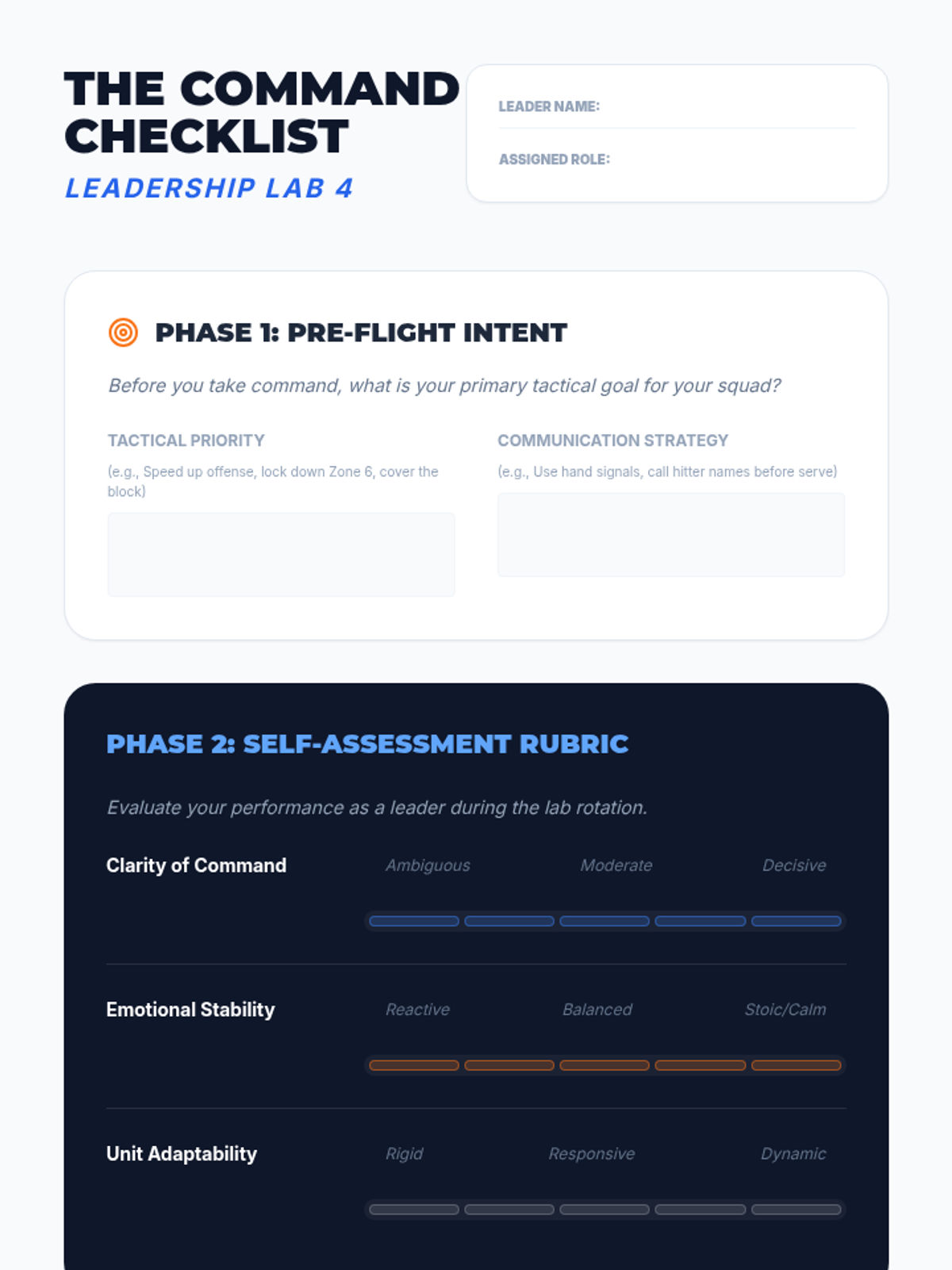
Examines the leadership demands of the Setter and Libero roles, focusing on decision-making under pressure and squad motivation.
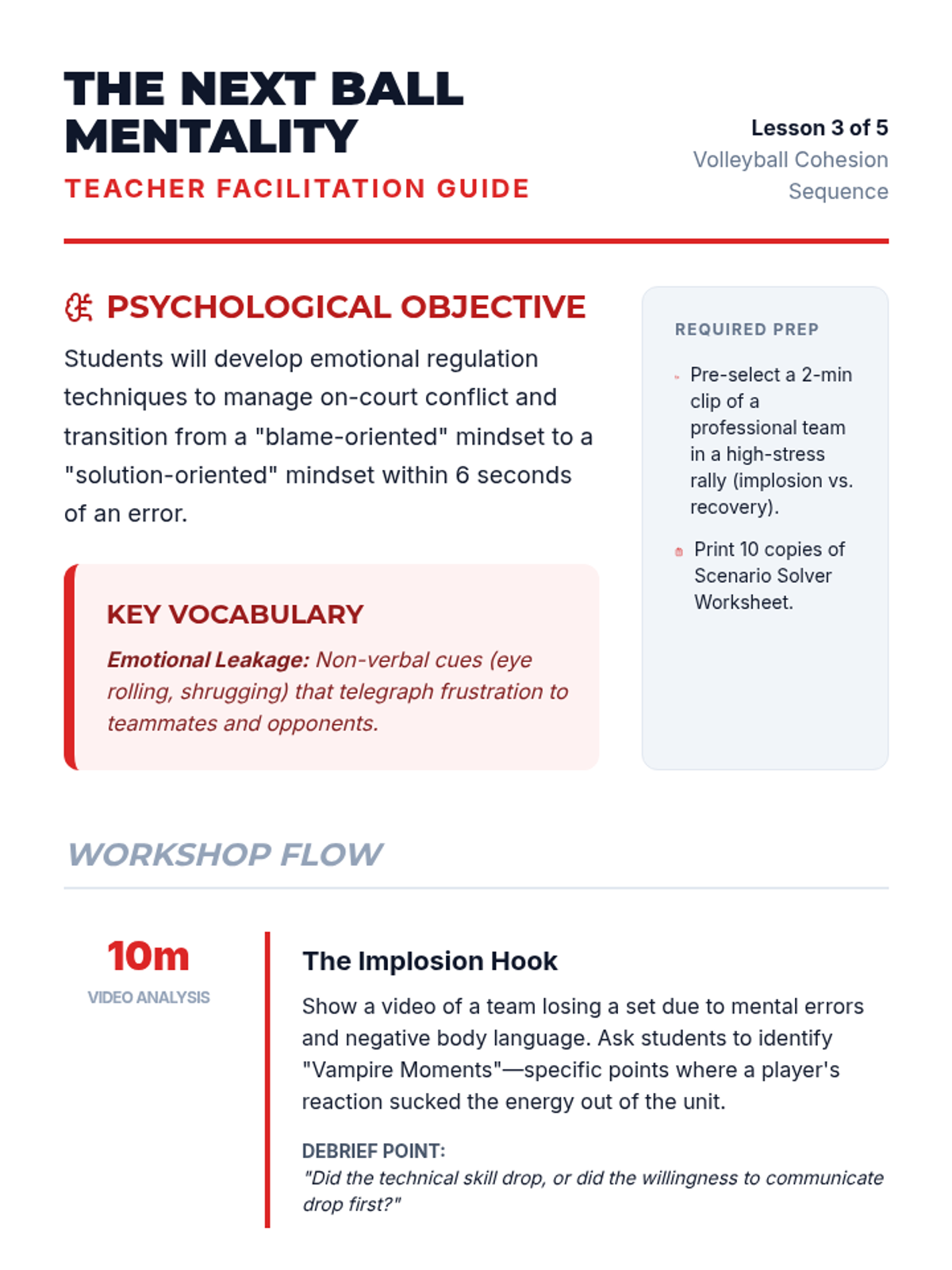
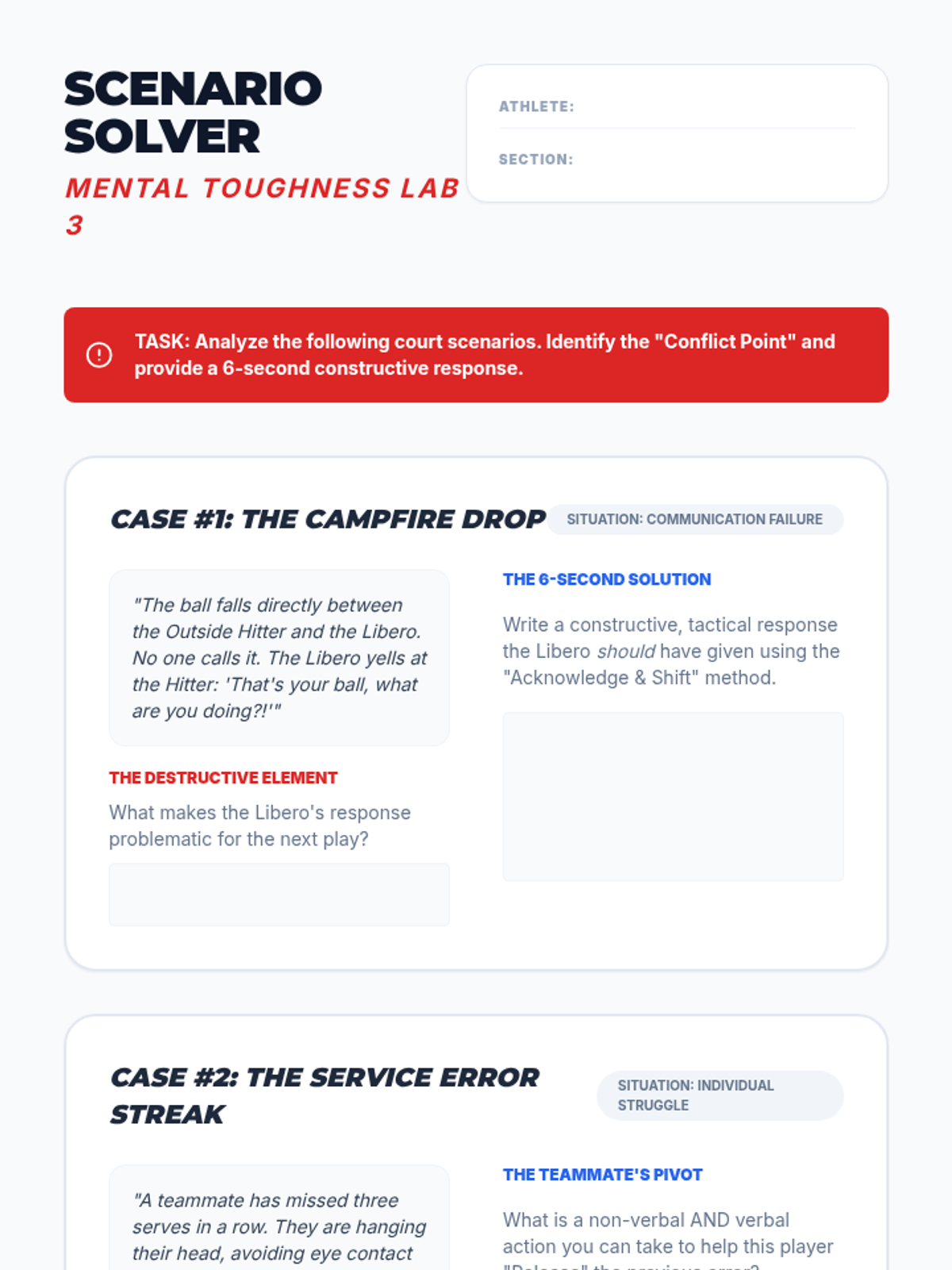
Students analyze conflict dynamics and emotional regulation on the court, practicing 'next ball' mentality and constructive feedback techniques.
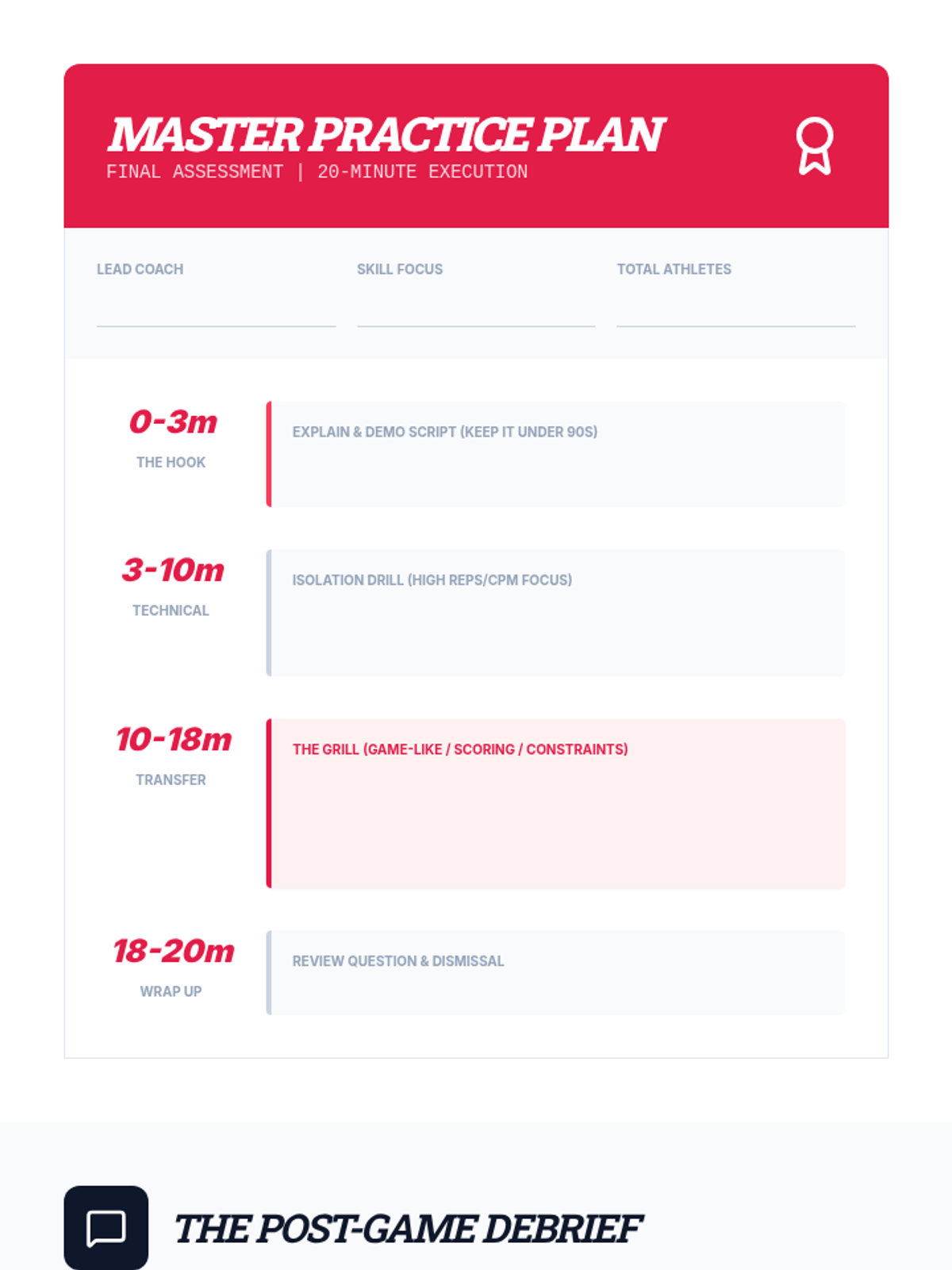
Implementation of a full 20-minute micro-practice segment, including equipment management and adapting to 'chaos' variables.
Hands-on practice in instructional delivery, focusing on the '2-minute teach' and managing small groups effectively.
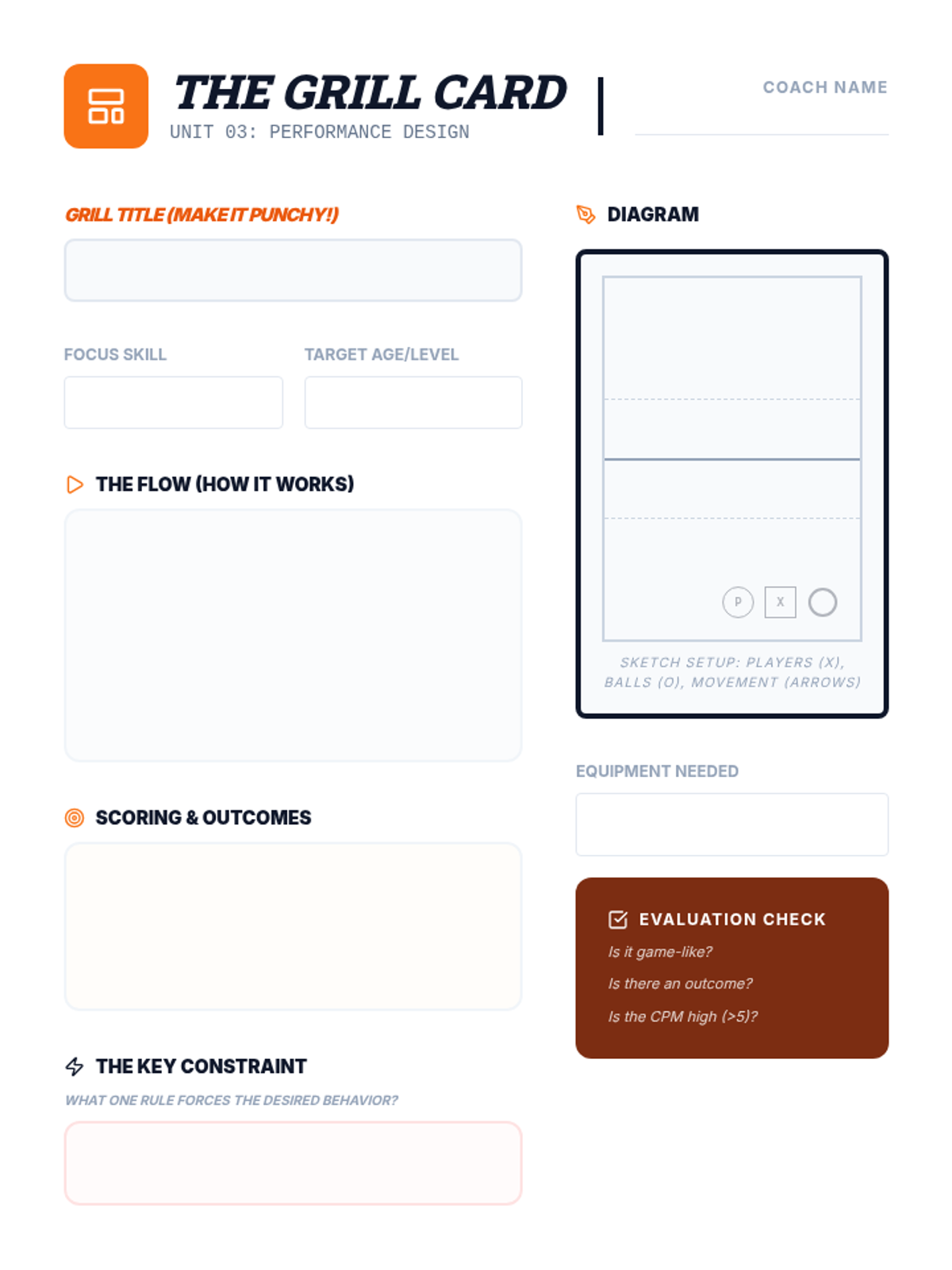
Shifting from static drills to game-like scenarios (grills) that emphasize decision-making, scoring, and realistic volleyball movements.
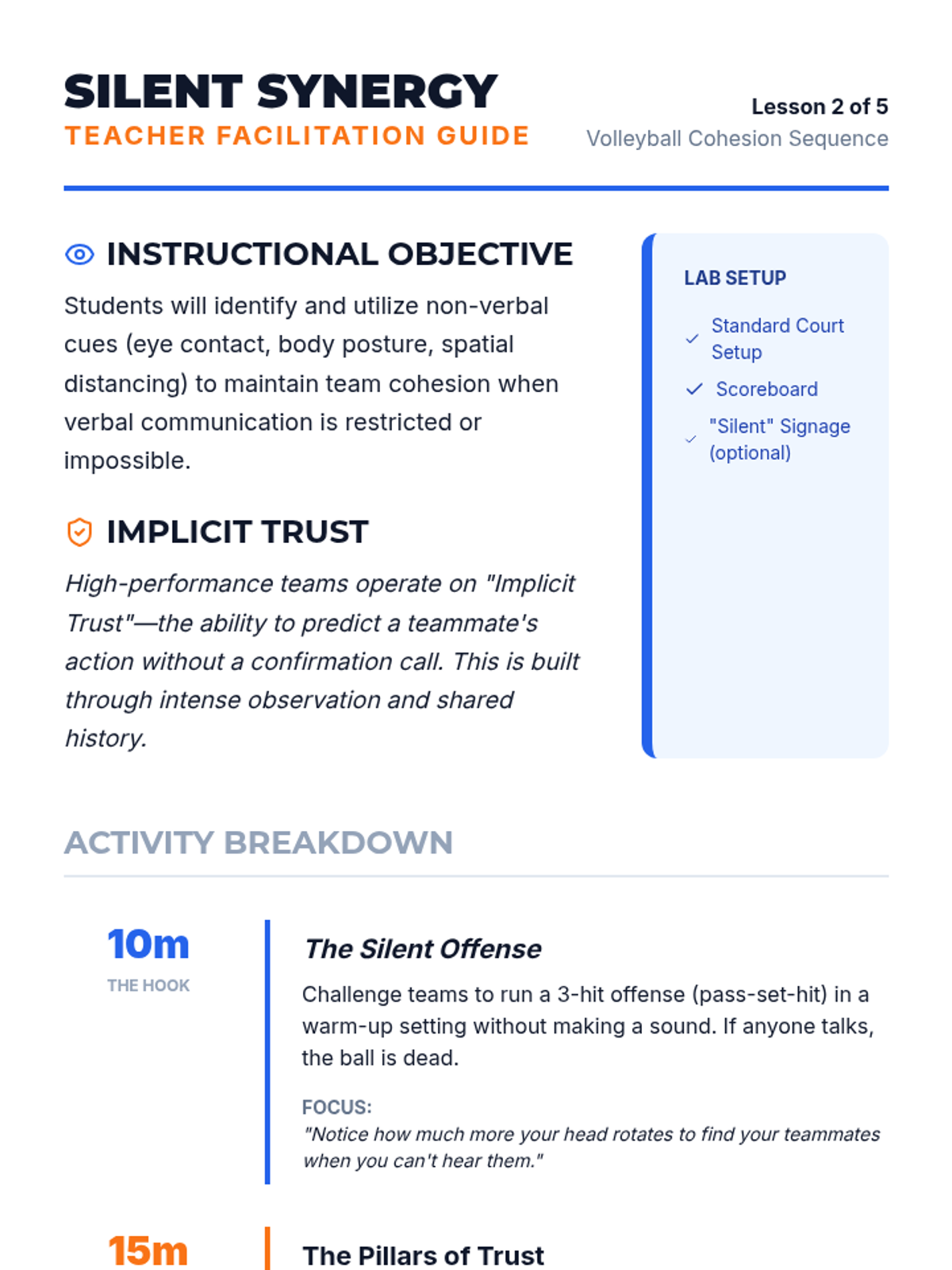
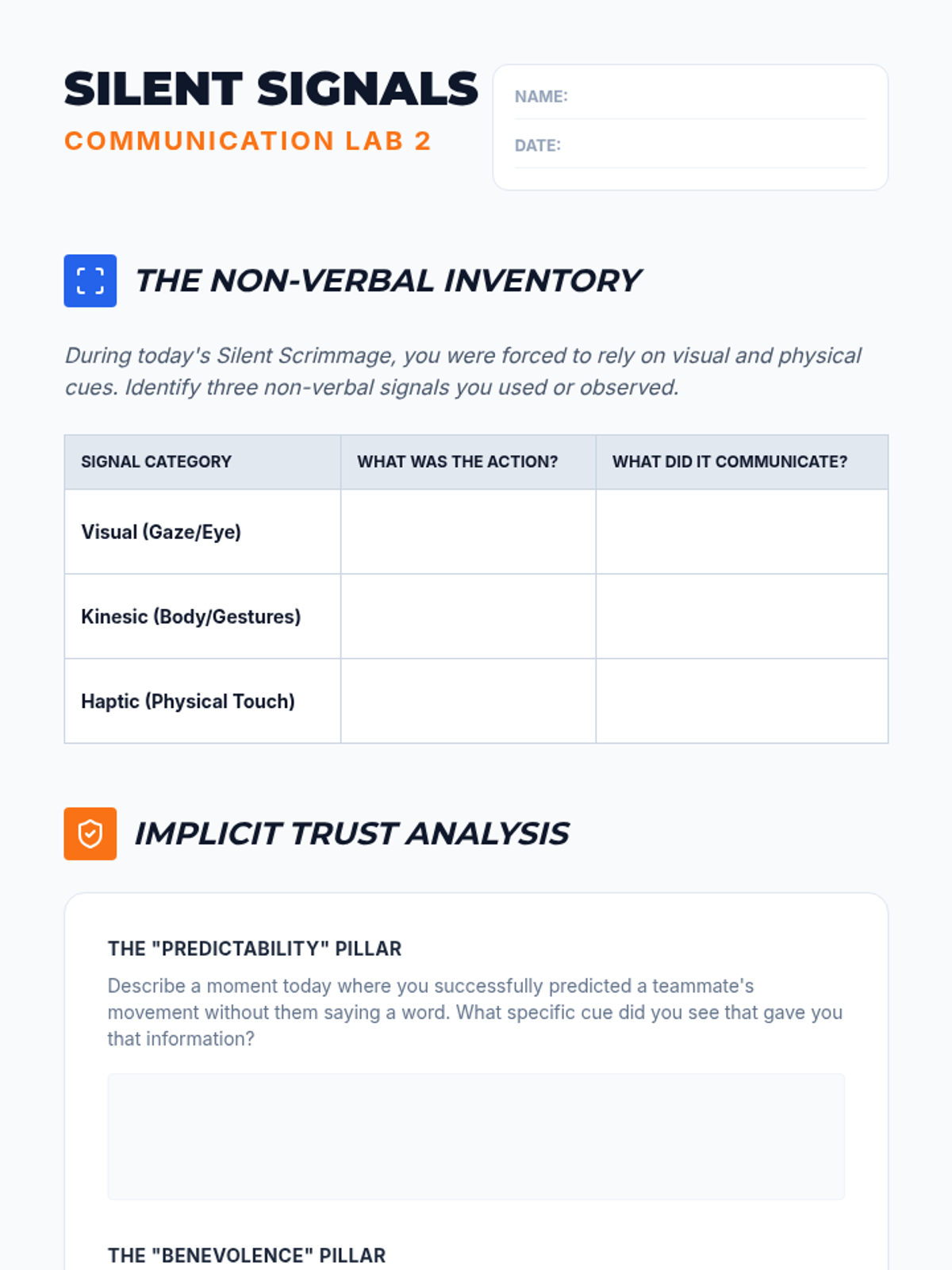
Focuses on body language, eye contact, and implicit trust through 'silent volleyball' simulations to develop non-auditory reliance.
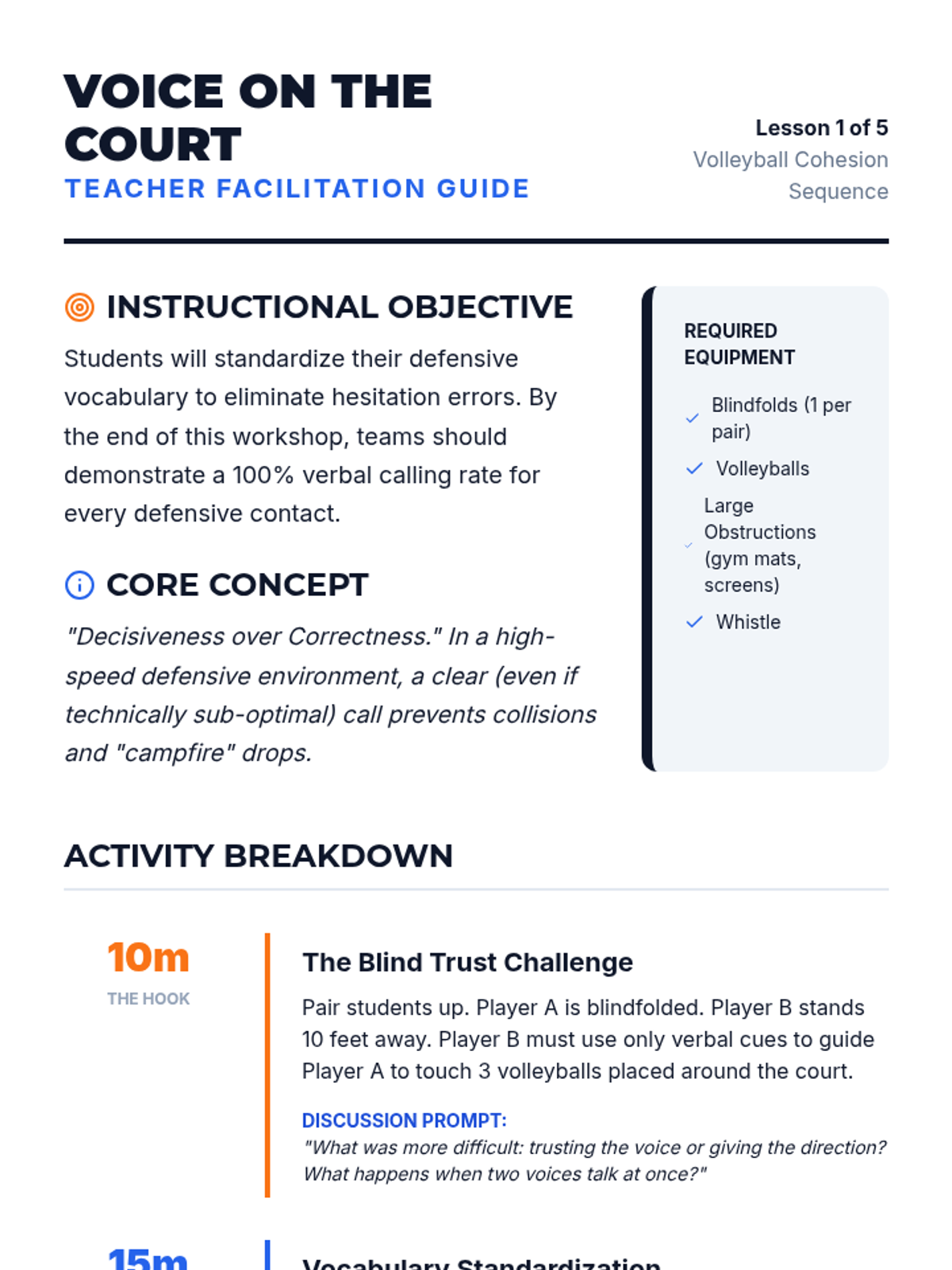
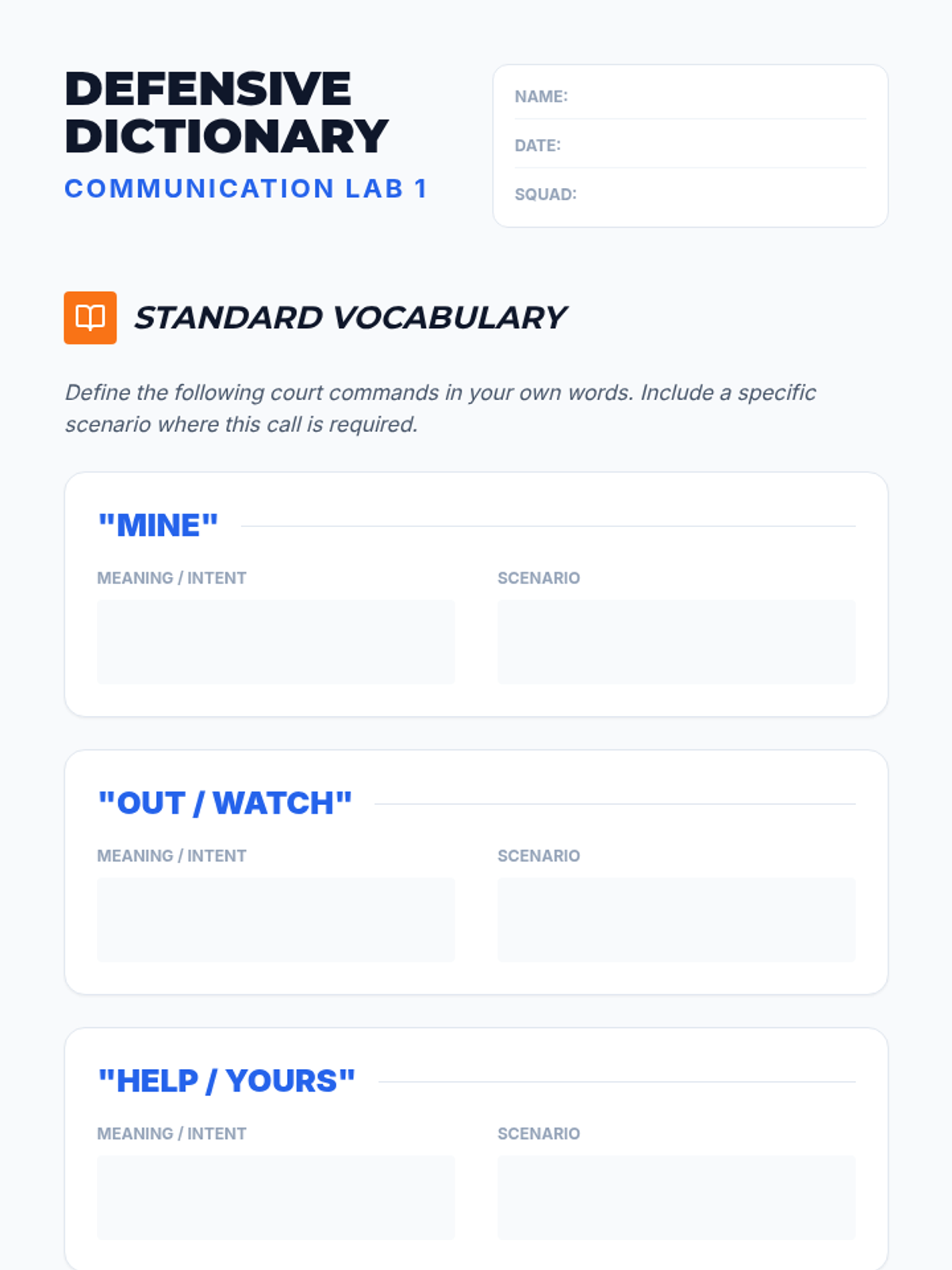
Students establish a standard vocabulary for court communication to eliminate hesitation errors through decisive calling, utilizing drills with visual obstructions.
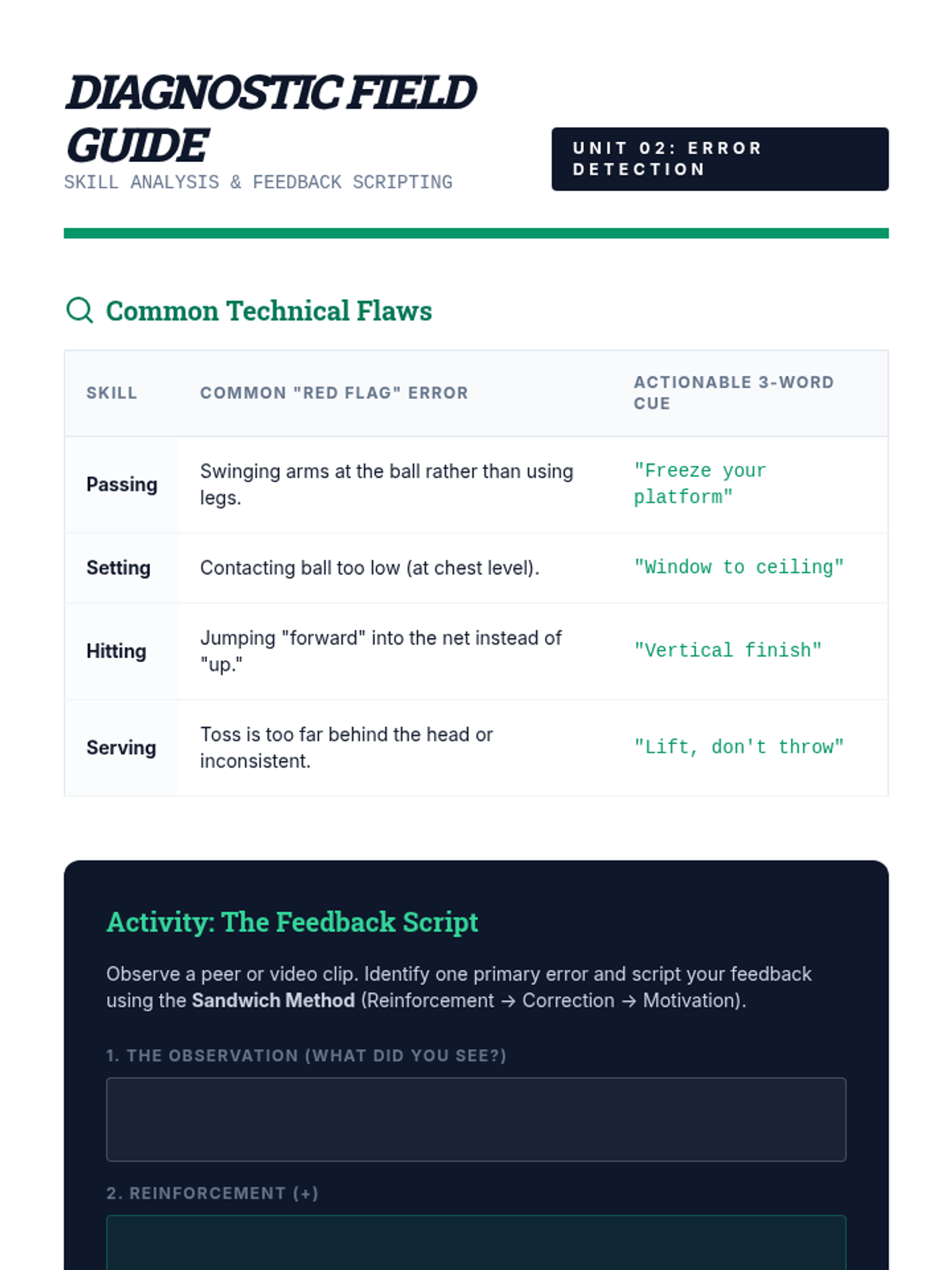
Developing the 'coach's eye' to identify technical flaws in volleyball skills and practicing the delivery of actionable, positive-corrective feedback.
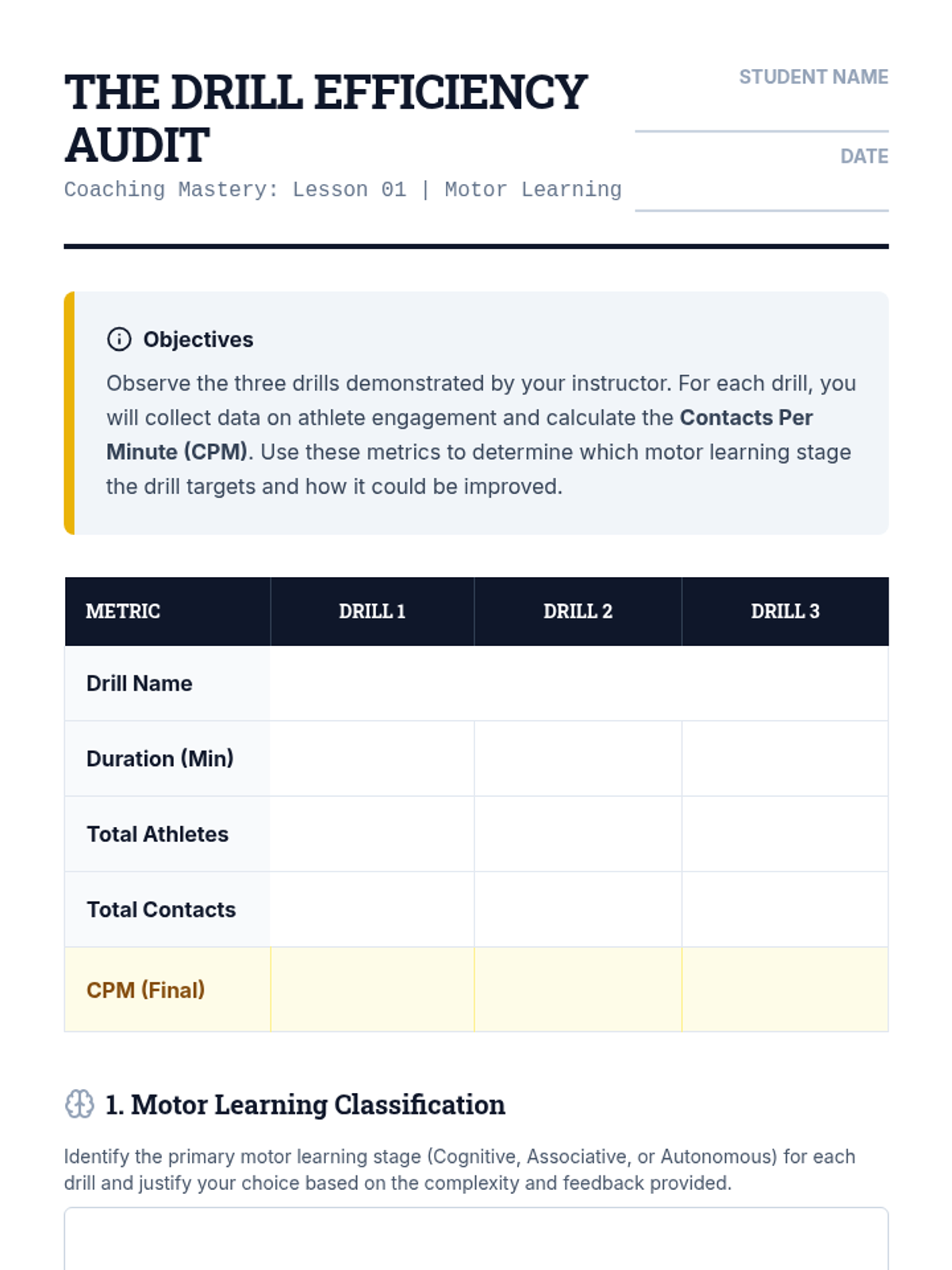
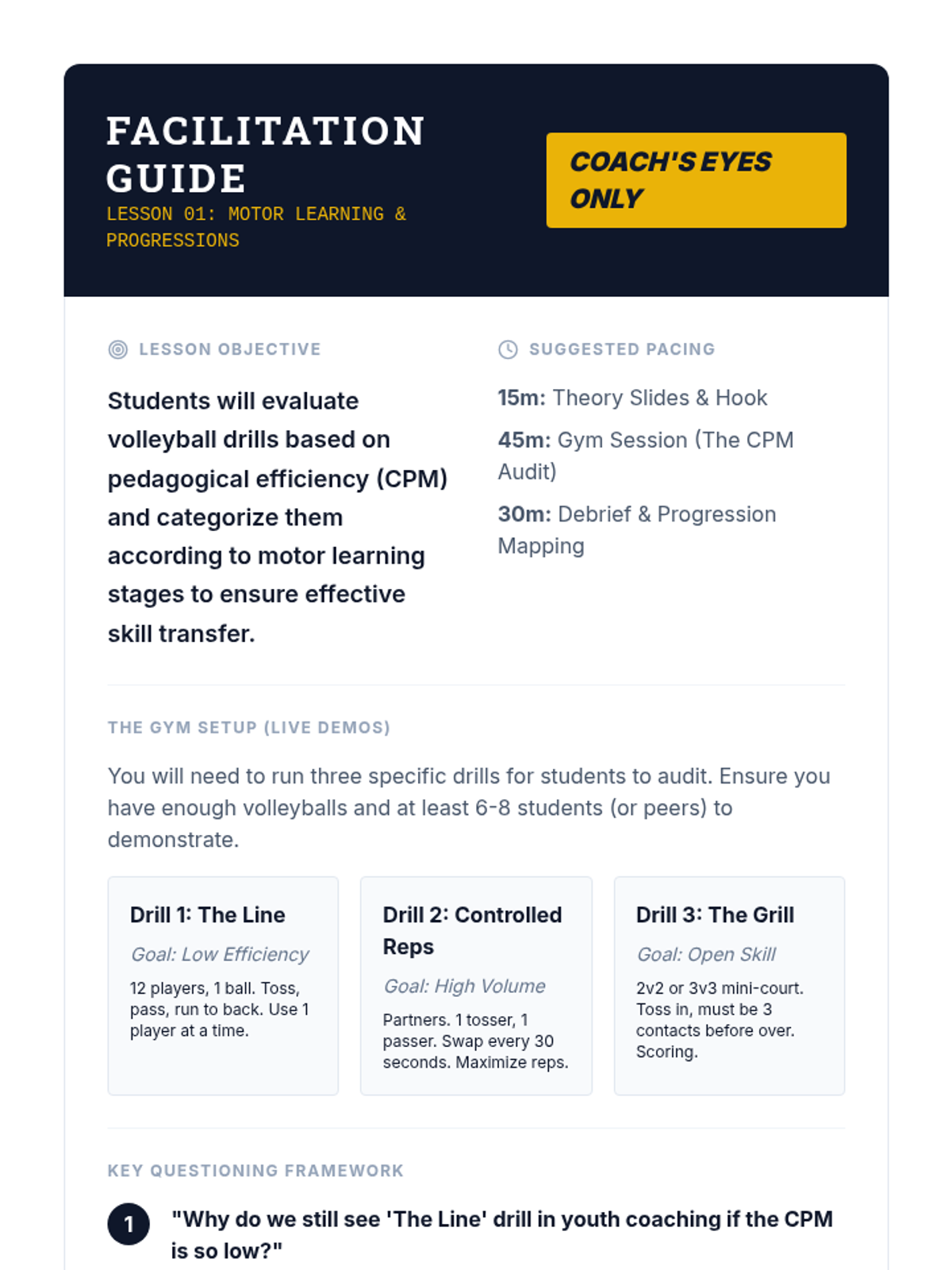
Focuses on the three stages of motor learning (cognitive, associative, autonomous) and how to evaluate drill efficiency using the 'contacts per minute' metric.
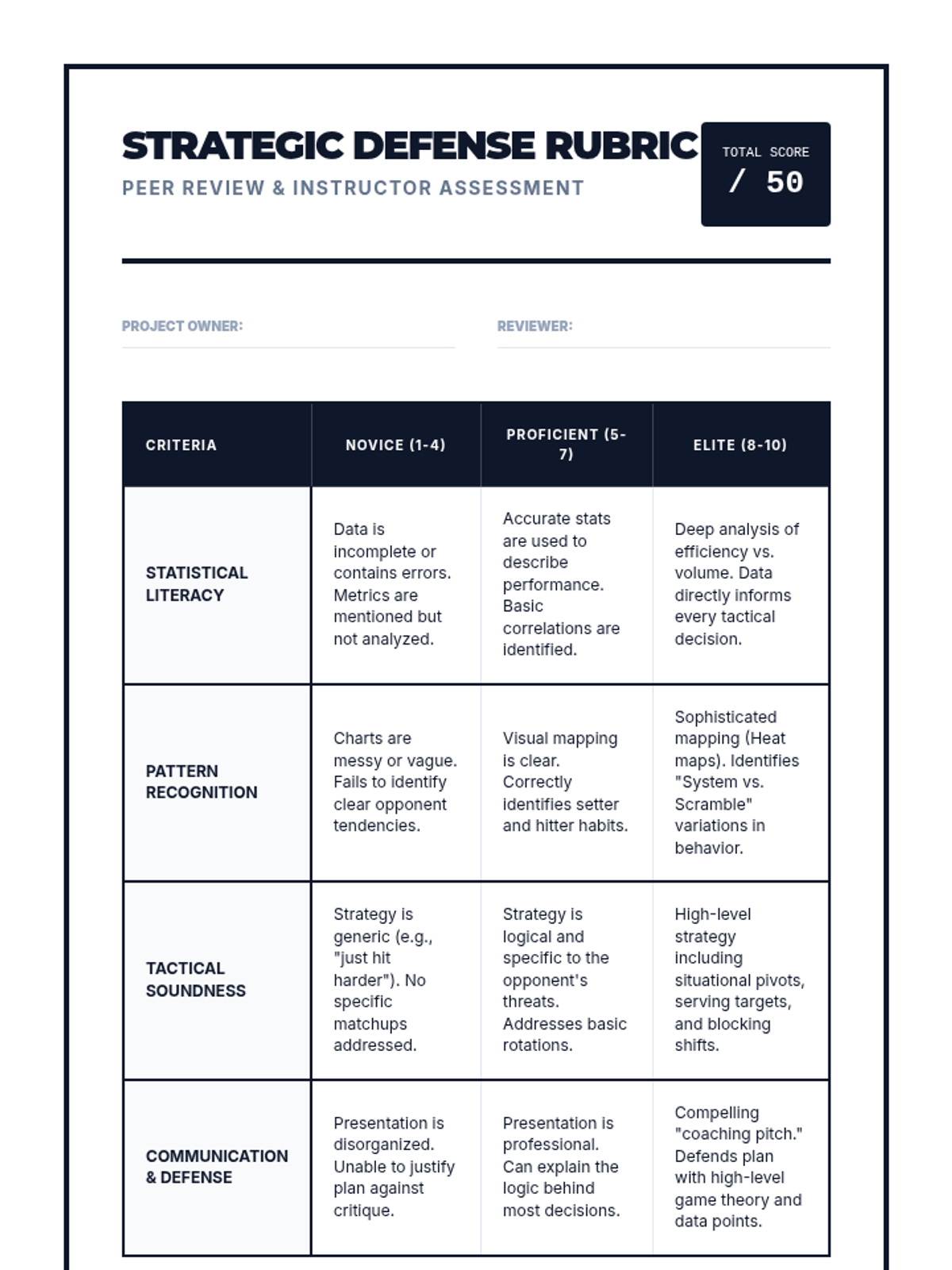
The culminating project where students synthesize all previous learning to create and defend a comprehensive match strategy against a specific opponent.
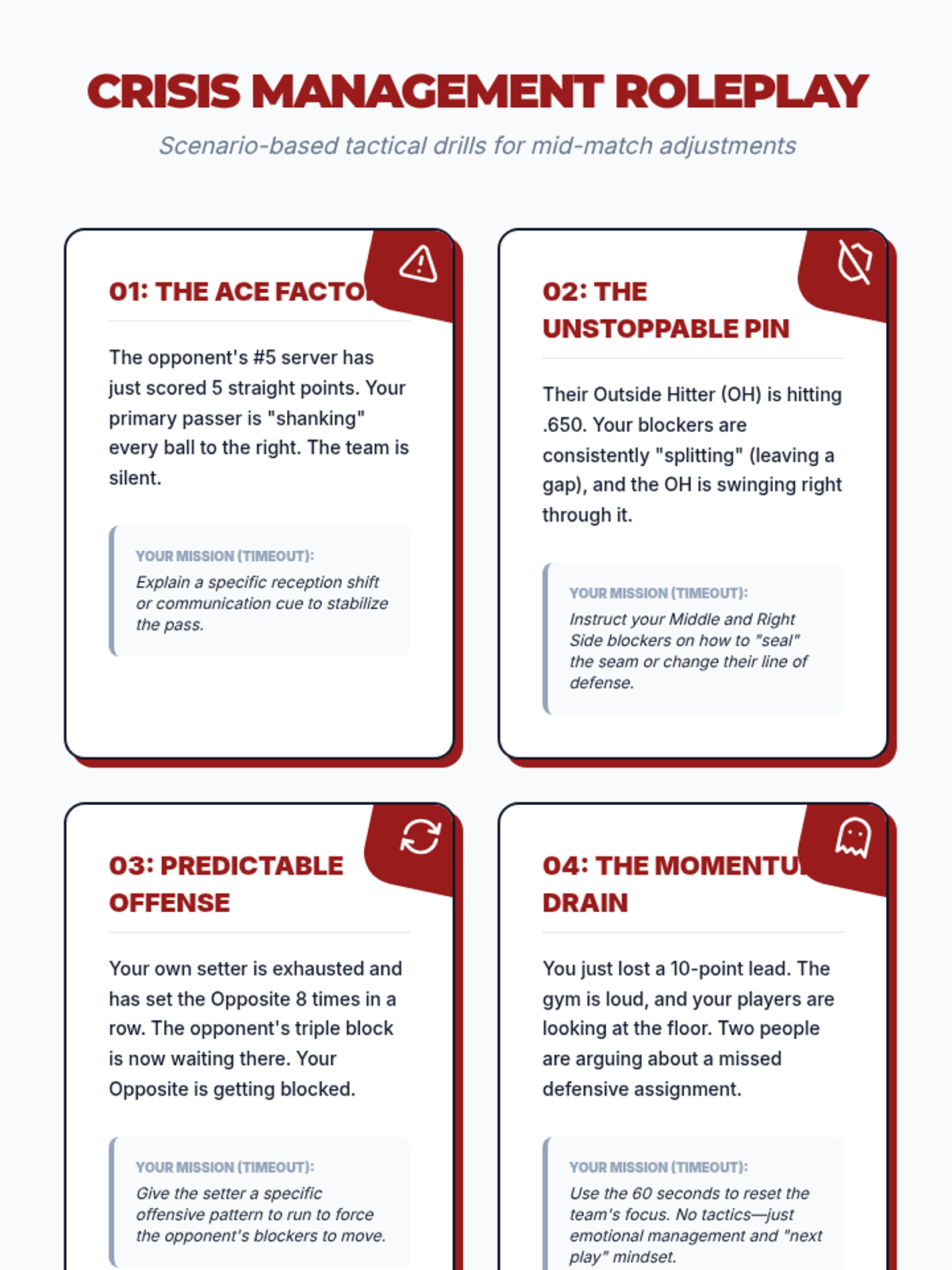
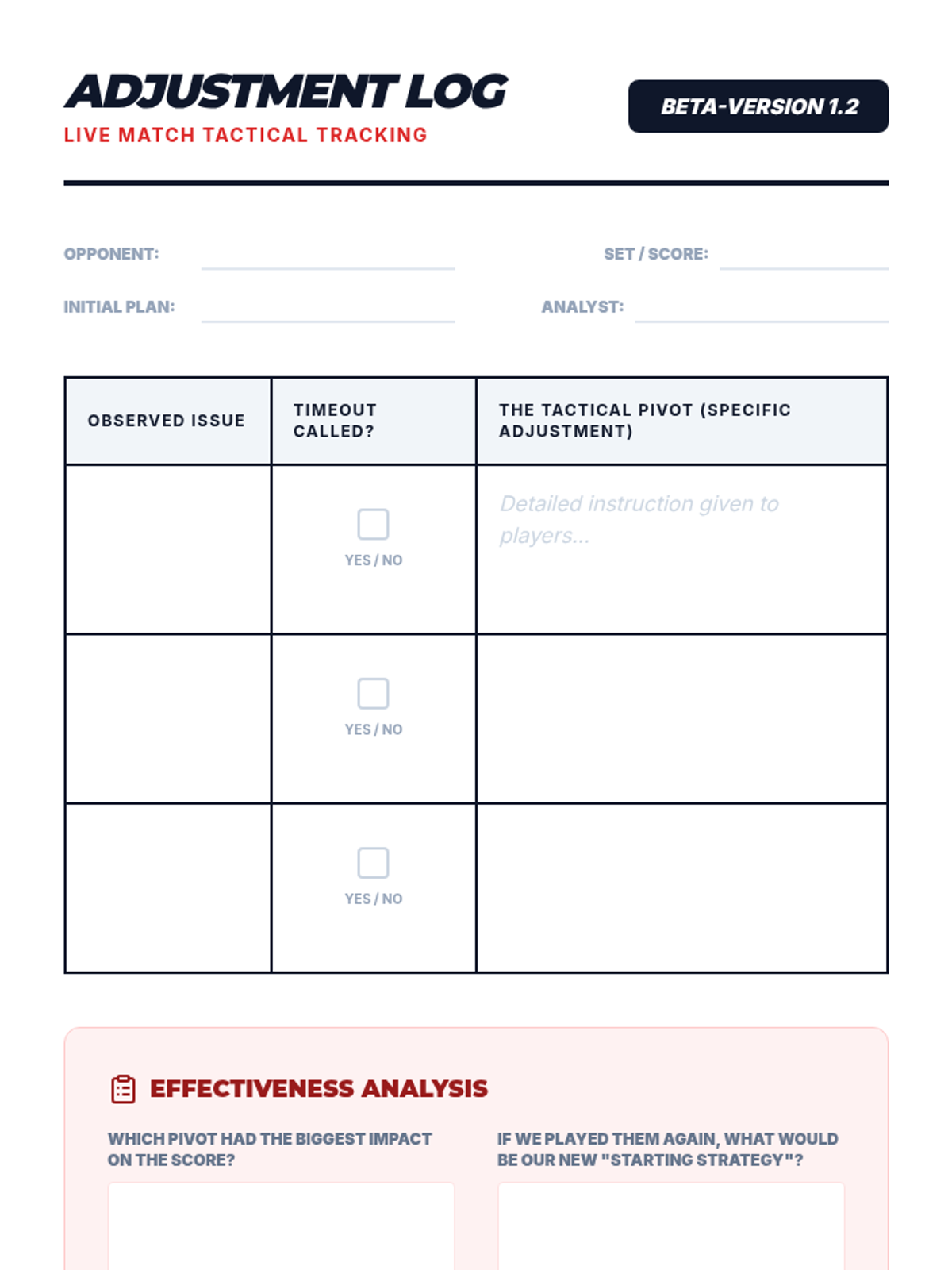
Simulates high-pressure match scenarios where initial plans fail. Students practice tactical pivots, effective timeout communication, and defensive shifting.
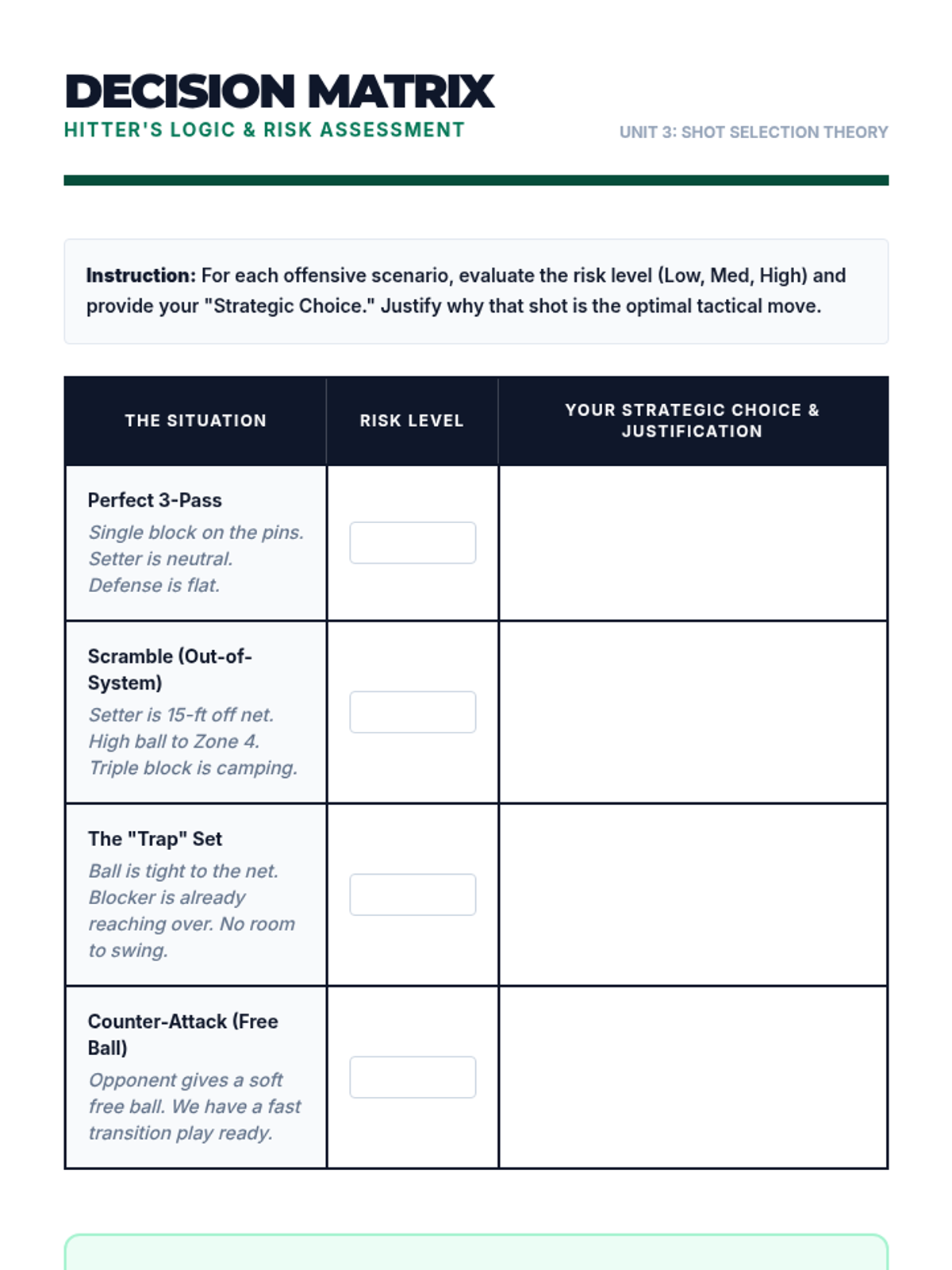
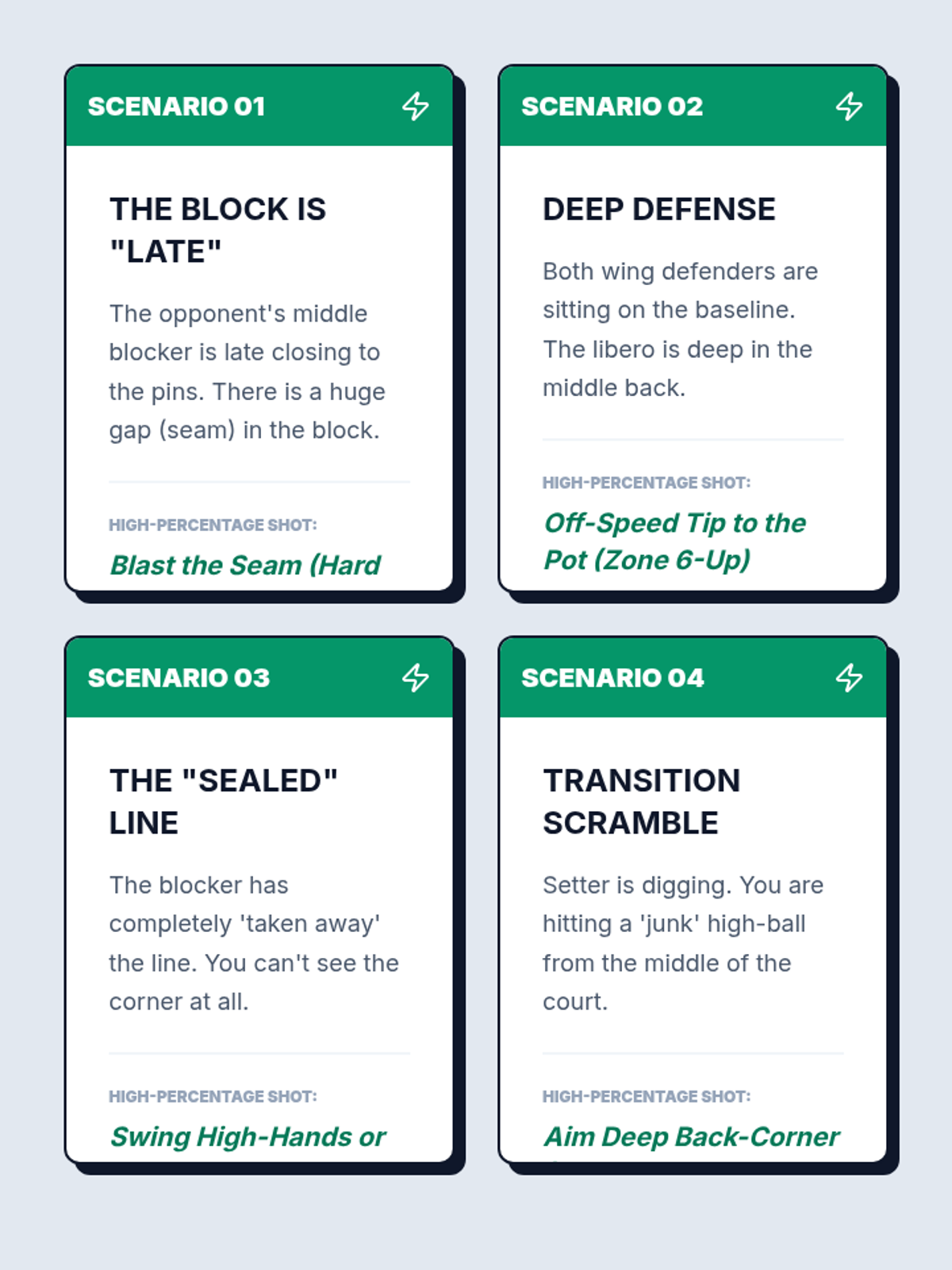
Explores the mental side of attacking, focusing on risk assessment and decision-making against defensive setups. Students apply game theory to optimize shot selection.
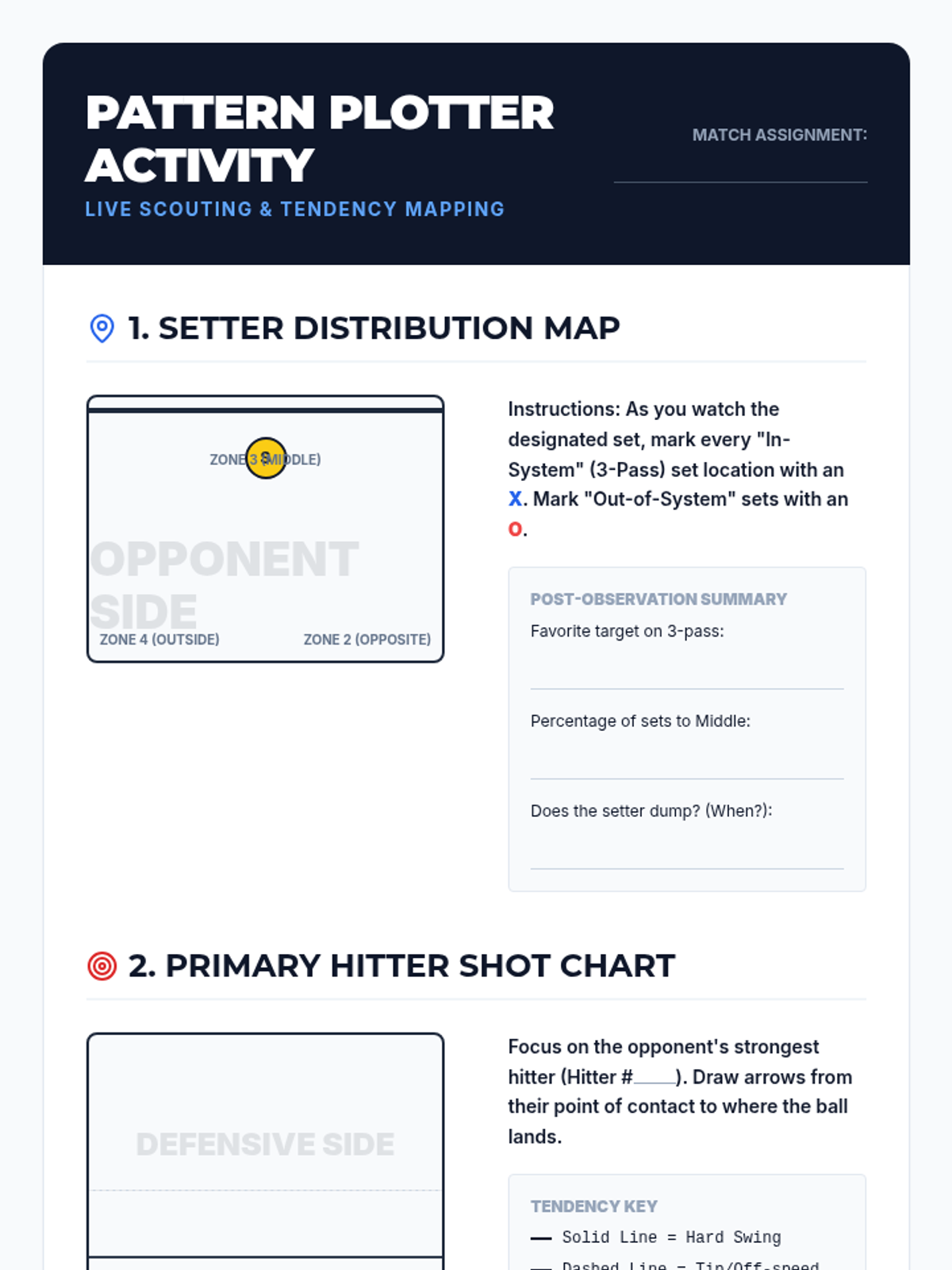
Focuses on identifying opponent tendencies using game footage. Students create visual data representations like shot charts and setter distribution maps to predict future plays.
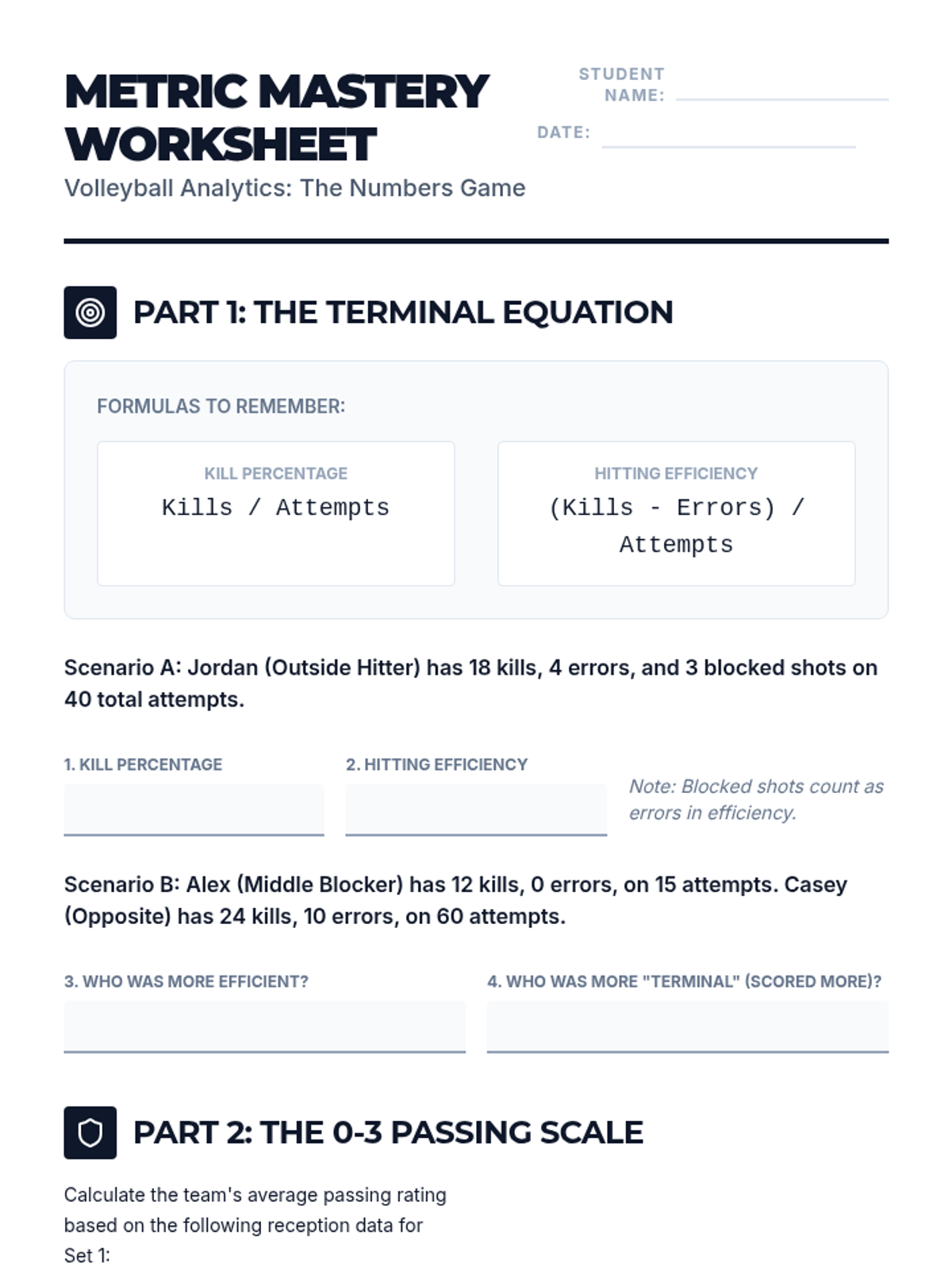
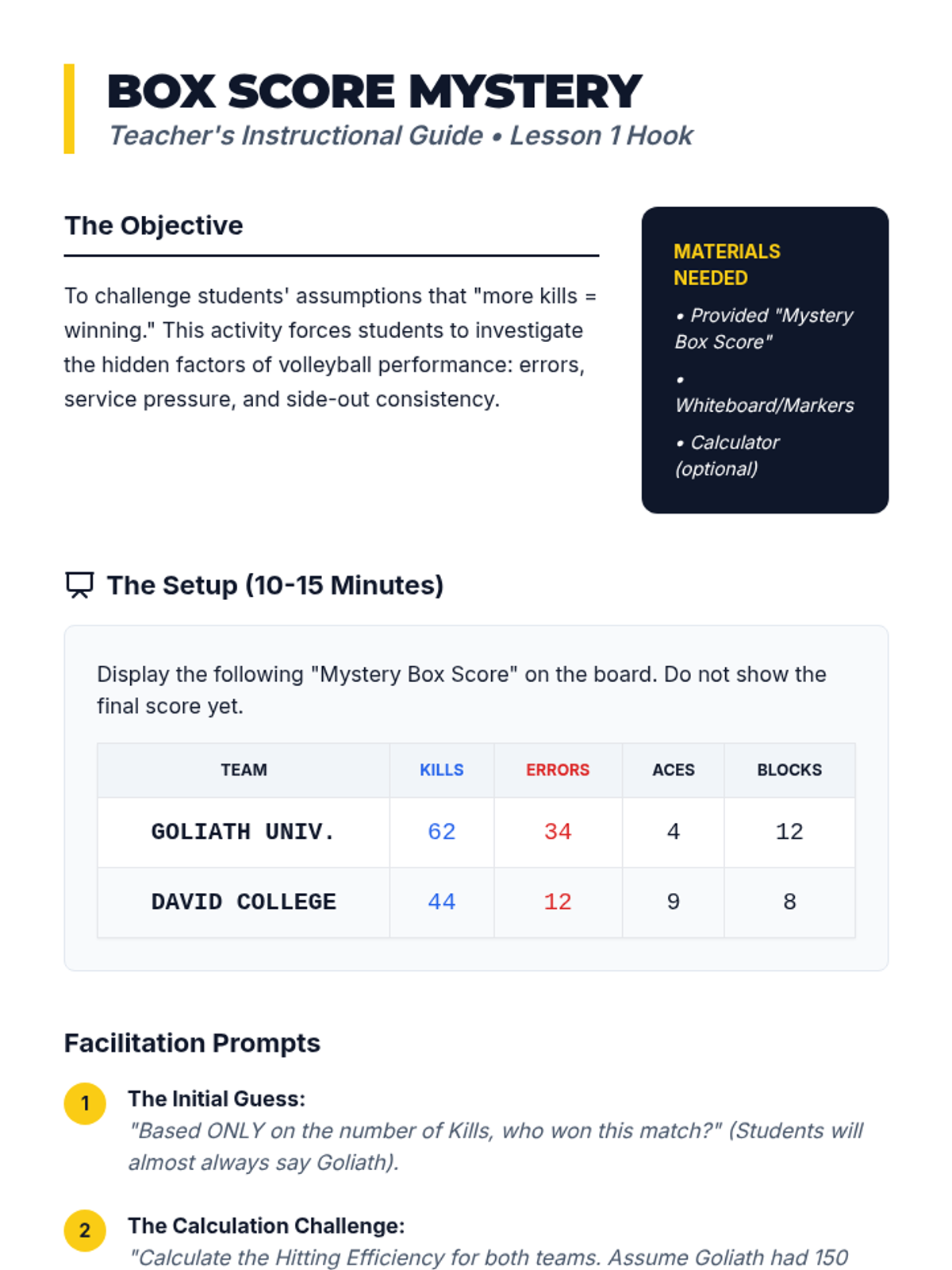
Students are introduced to key performance indicators like hitting efficiency and passing ratings. They learn to look beyond the box score to understand the narrative behind the numbers.
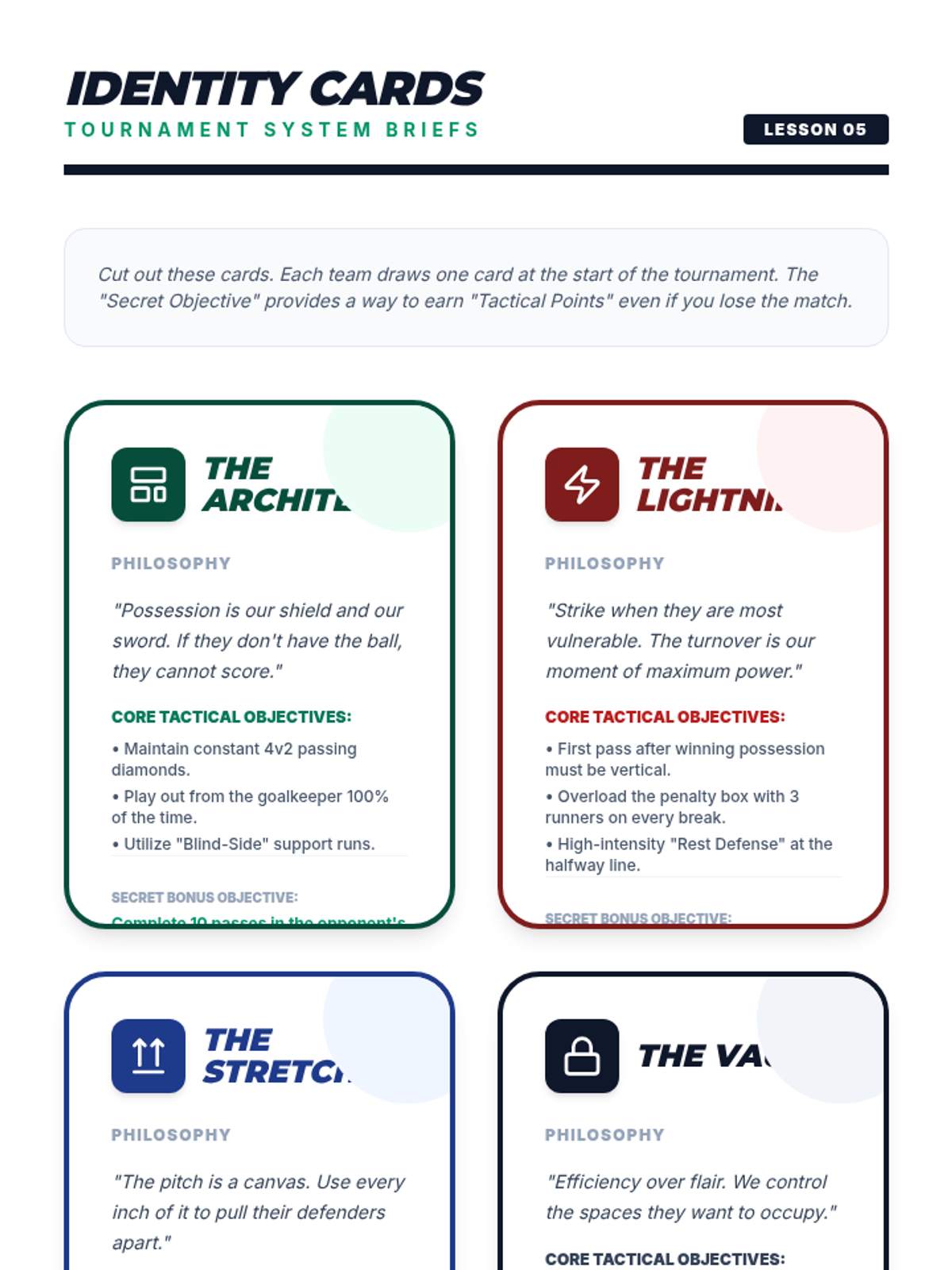
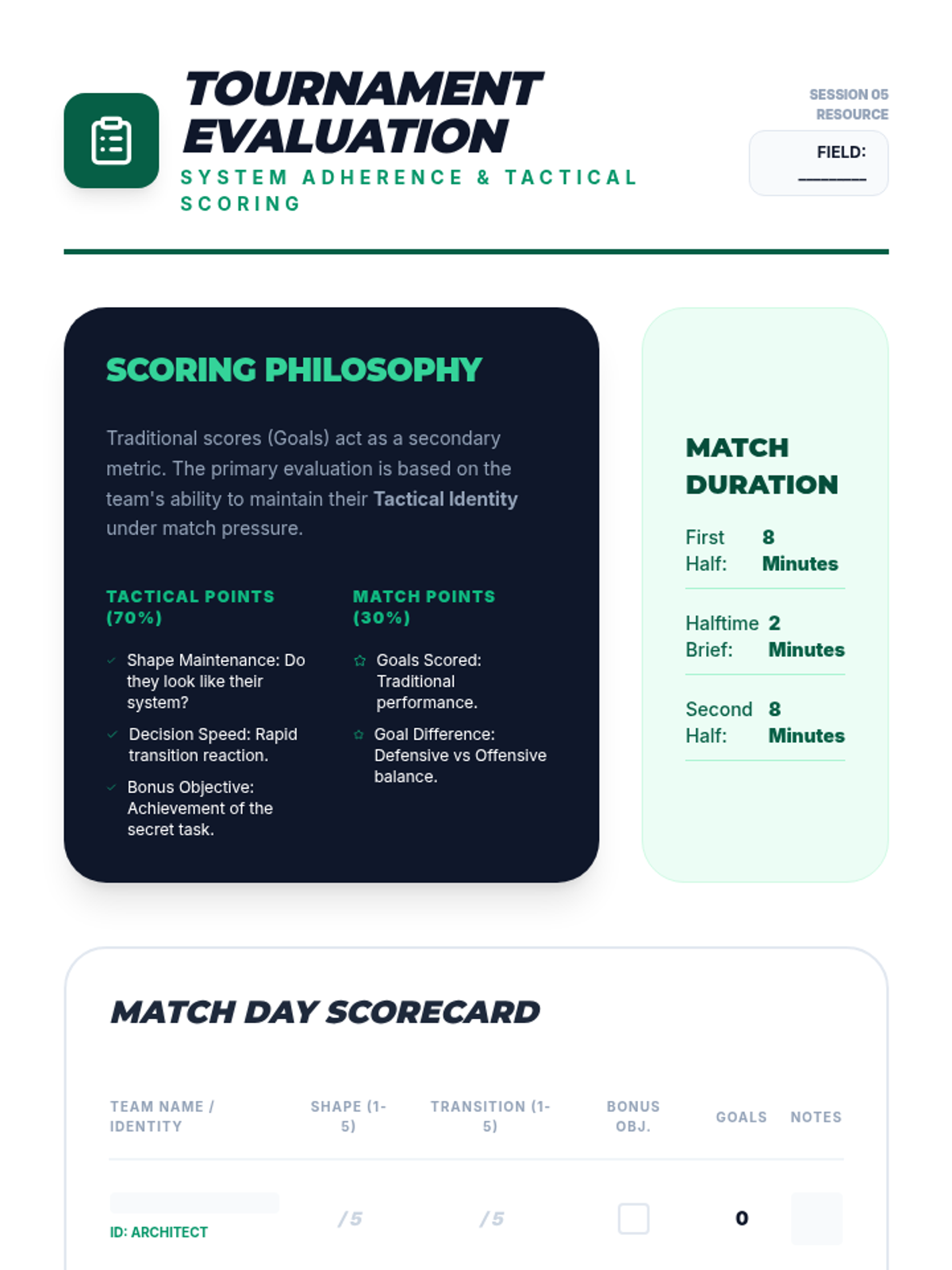
A culminating small-sided tournament where teams are evaluated on their ability to embody and execute specific tactical identities.
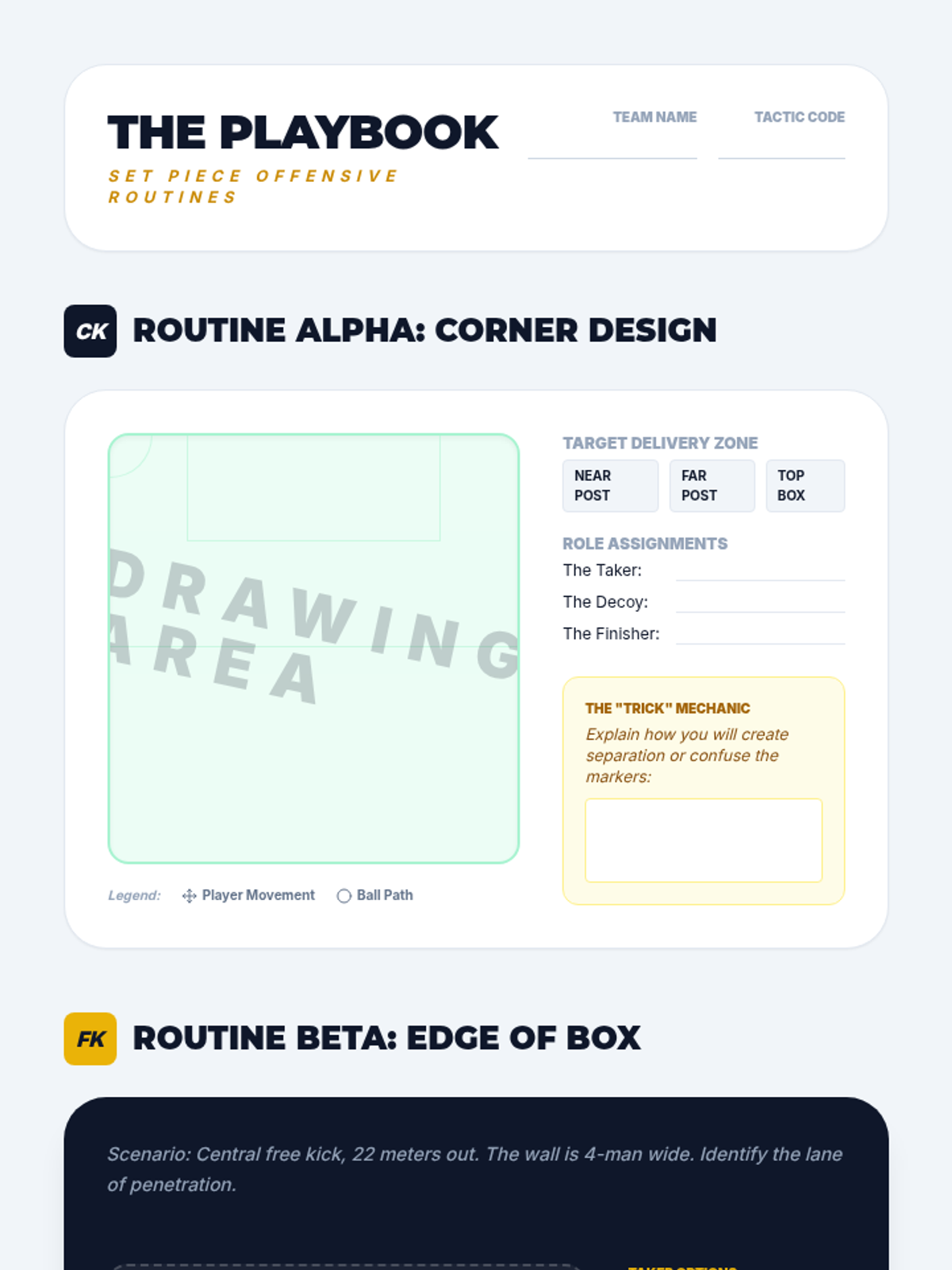
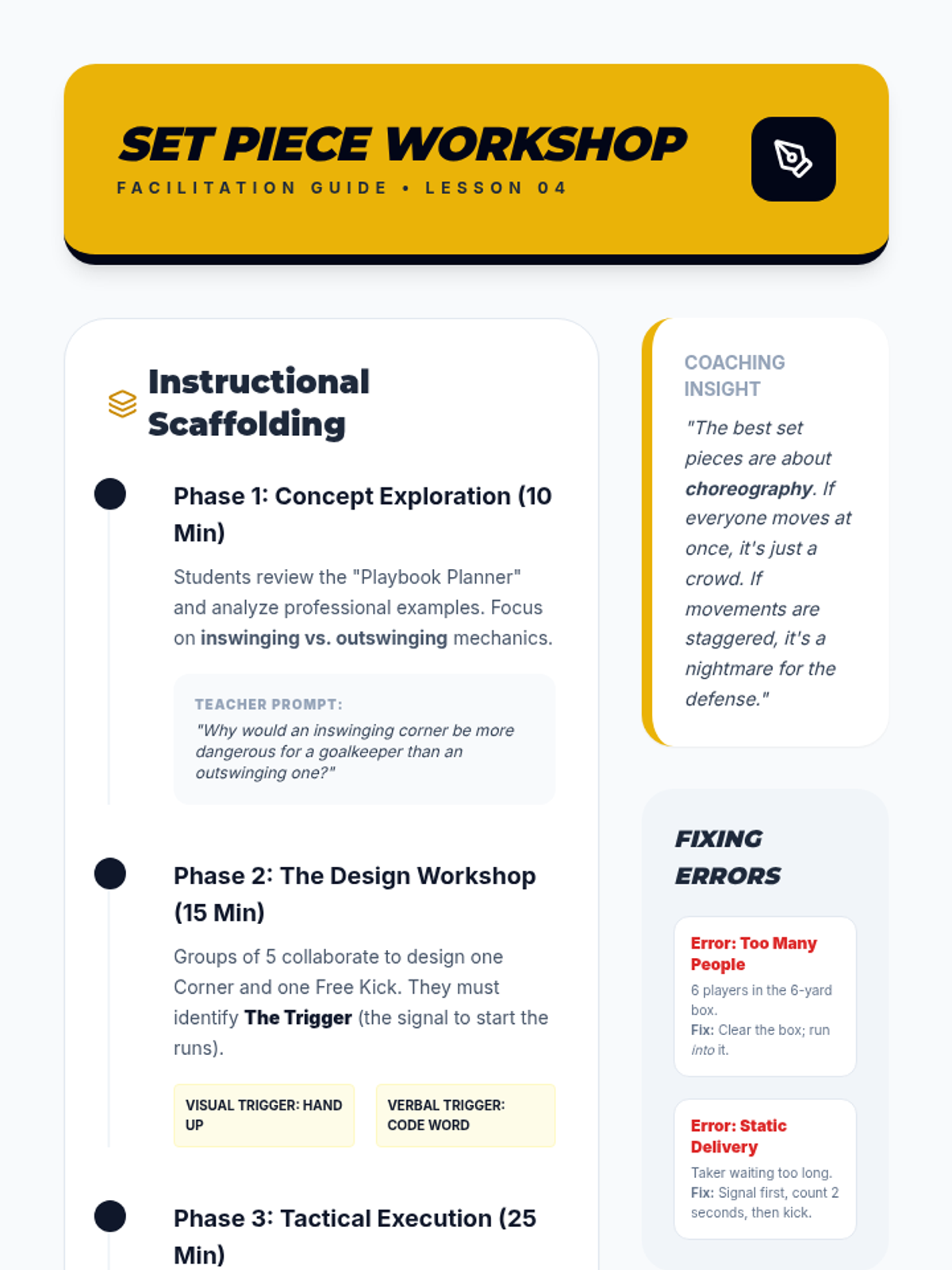
Engages students in the strategic design and execution of offensive set pieces, including corners and free kicks.
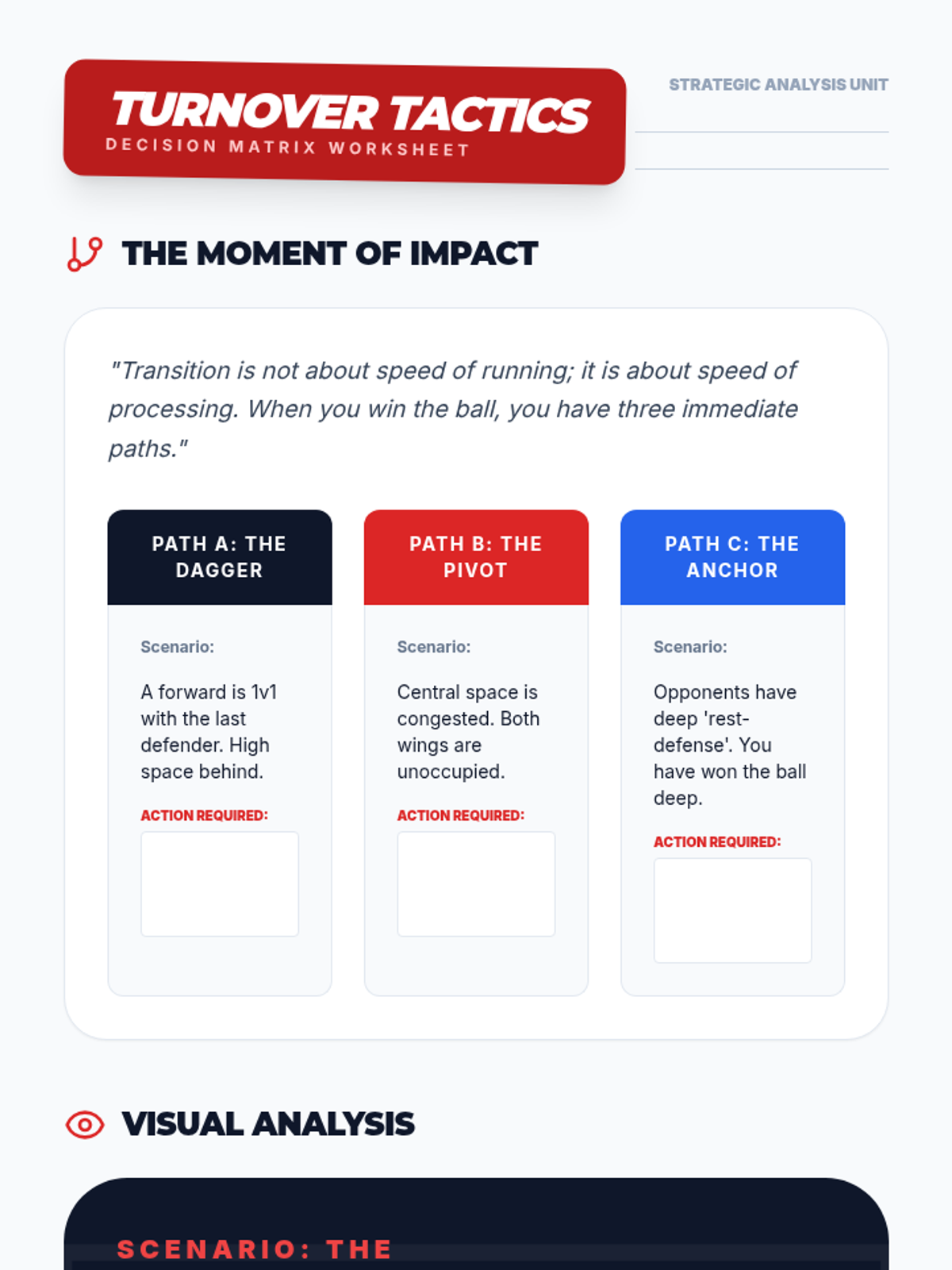
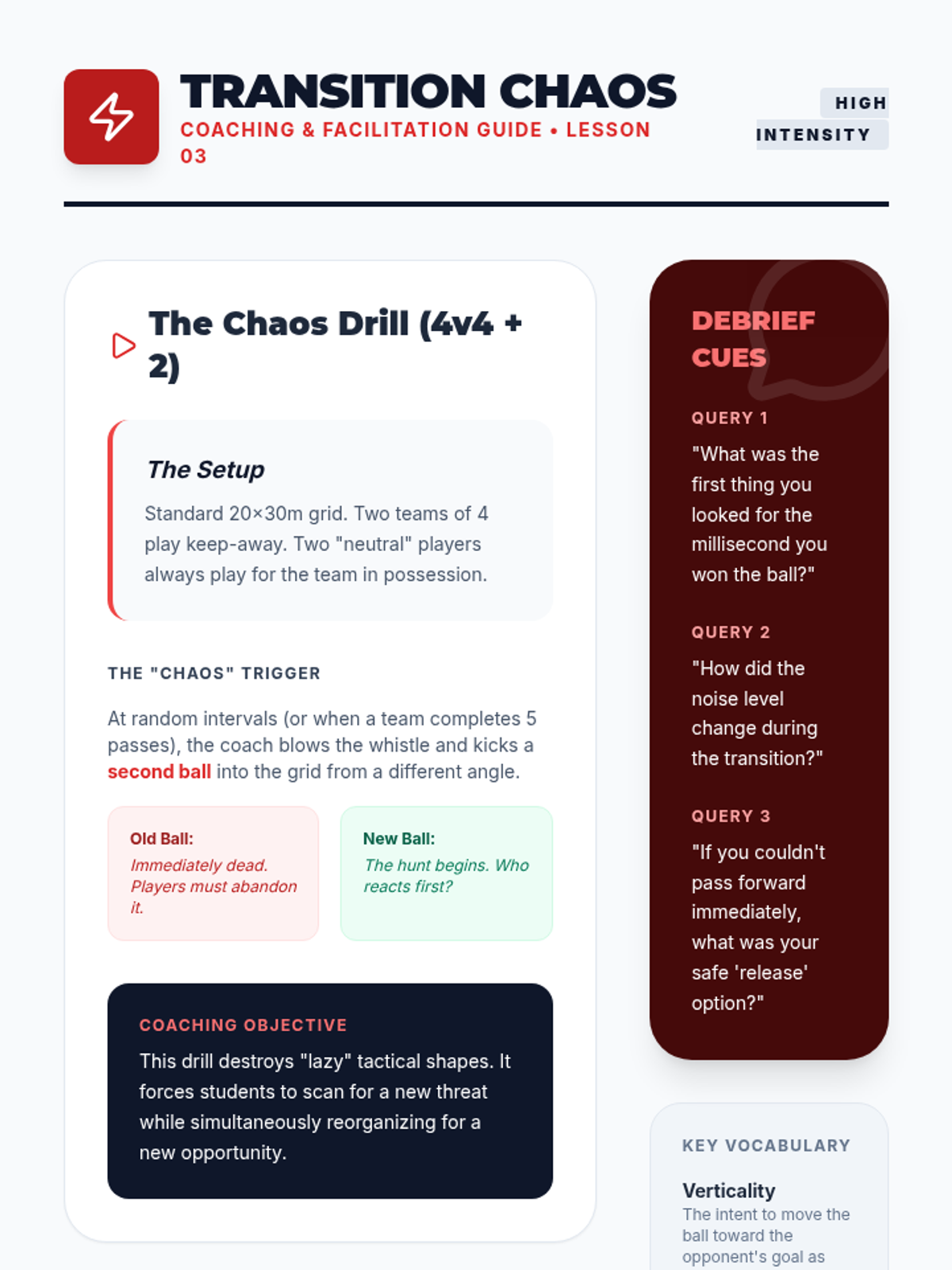
Analyzes the critical moments following possession changes, focusing on rapid decision-making between counter-attacking and consolidation.
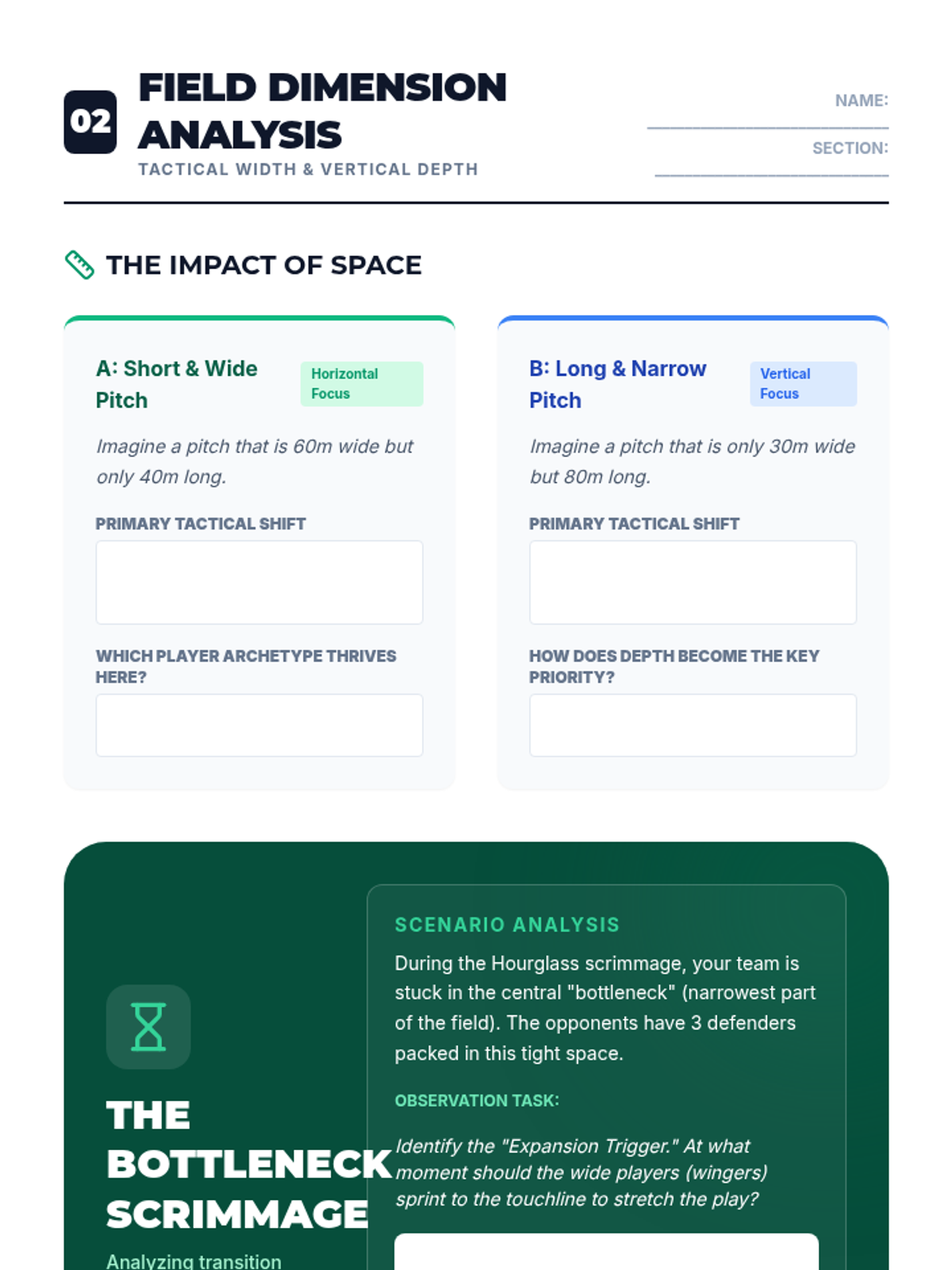
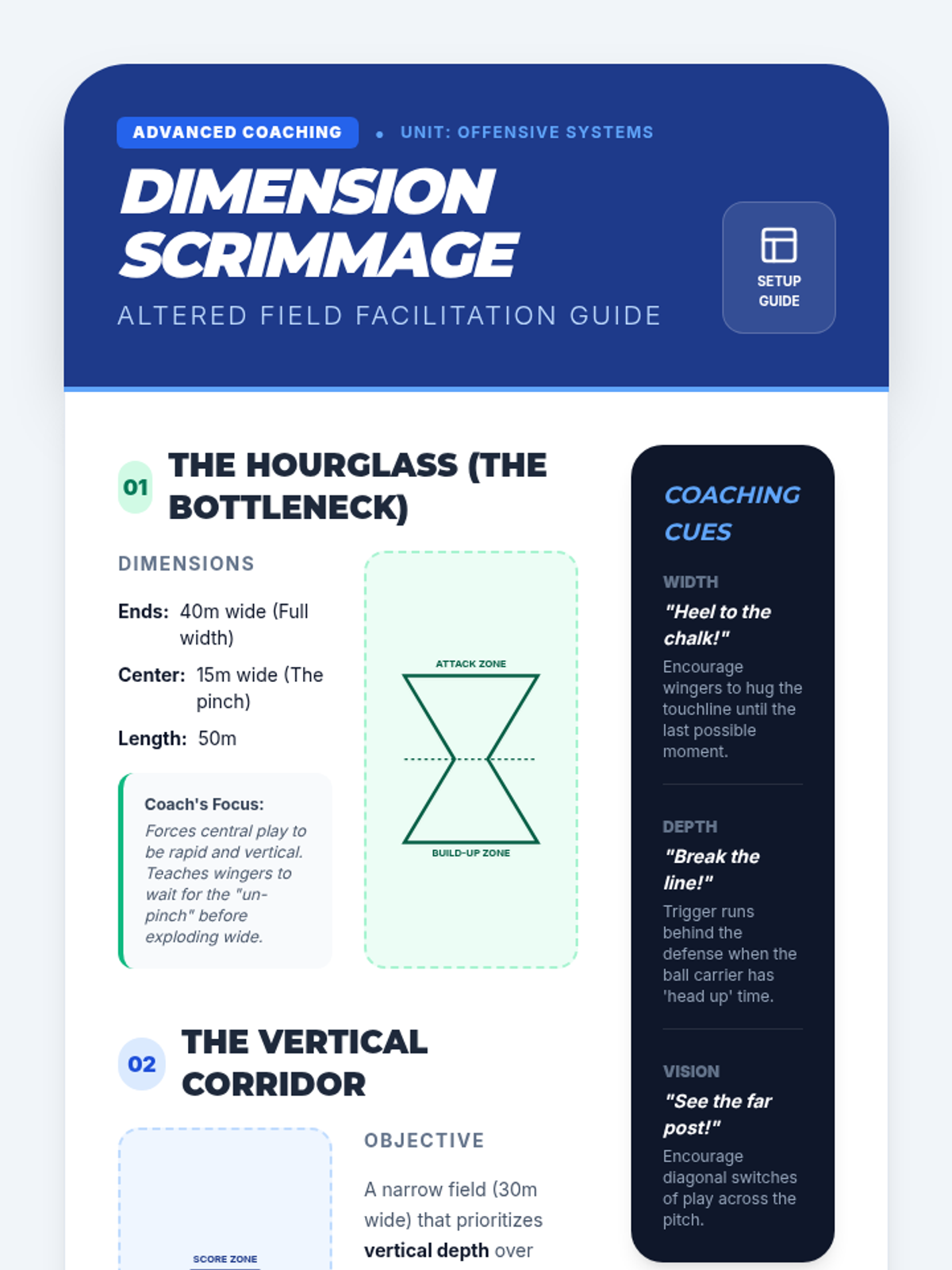
Explores how stretching the field horizontally and vertically disrupts defensive shapes and creates space for penetration.
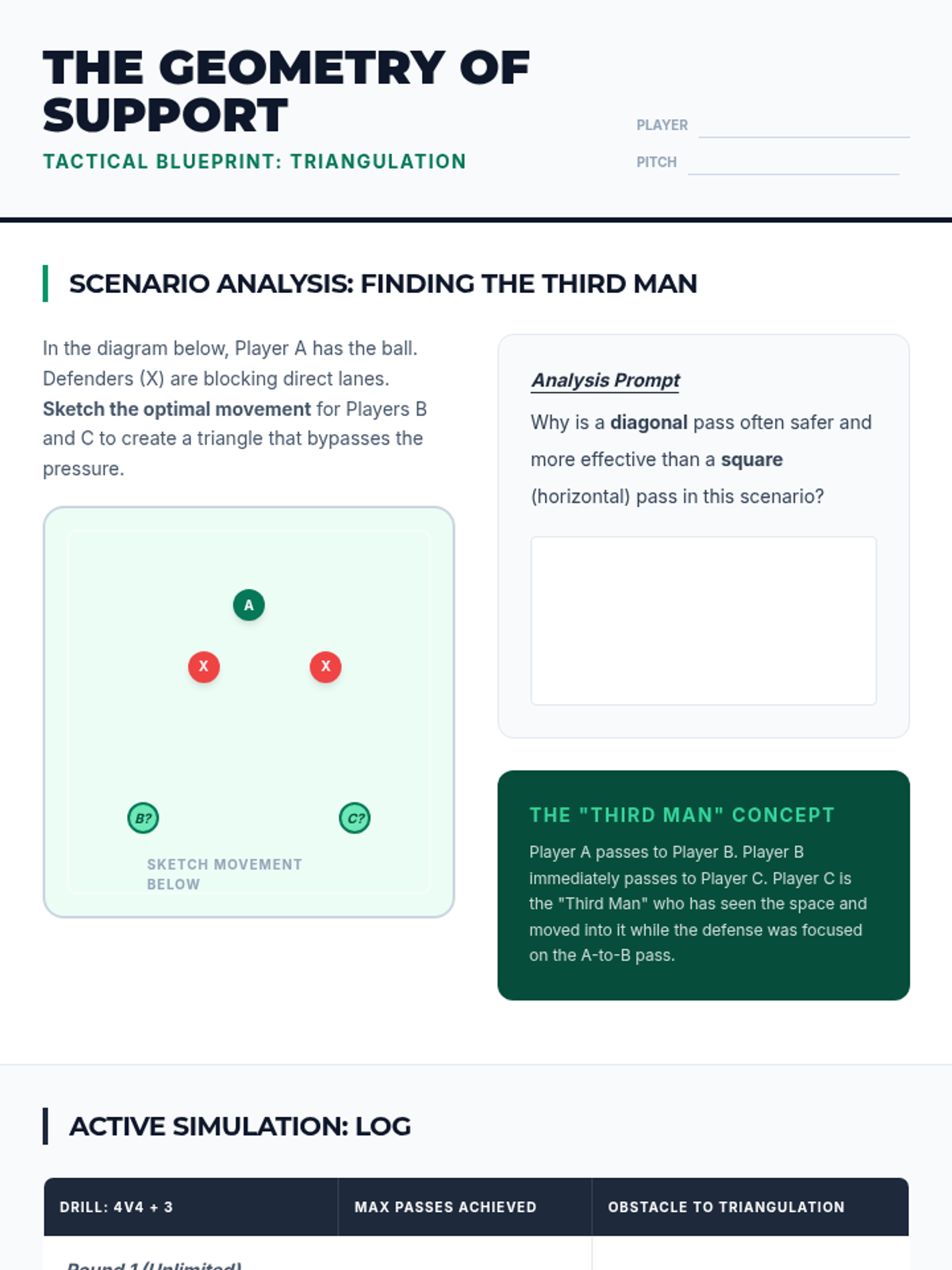
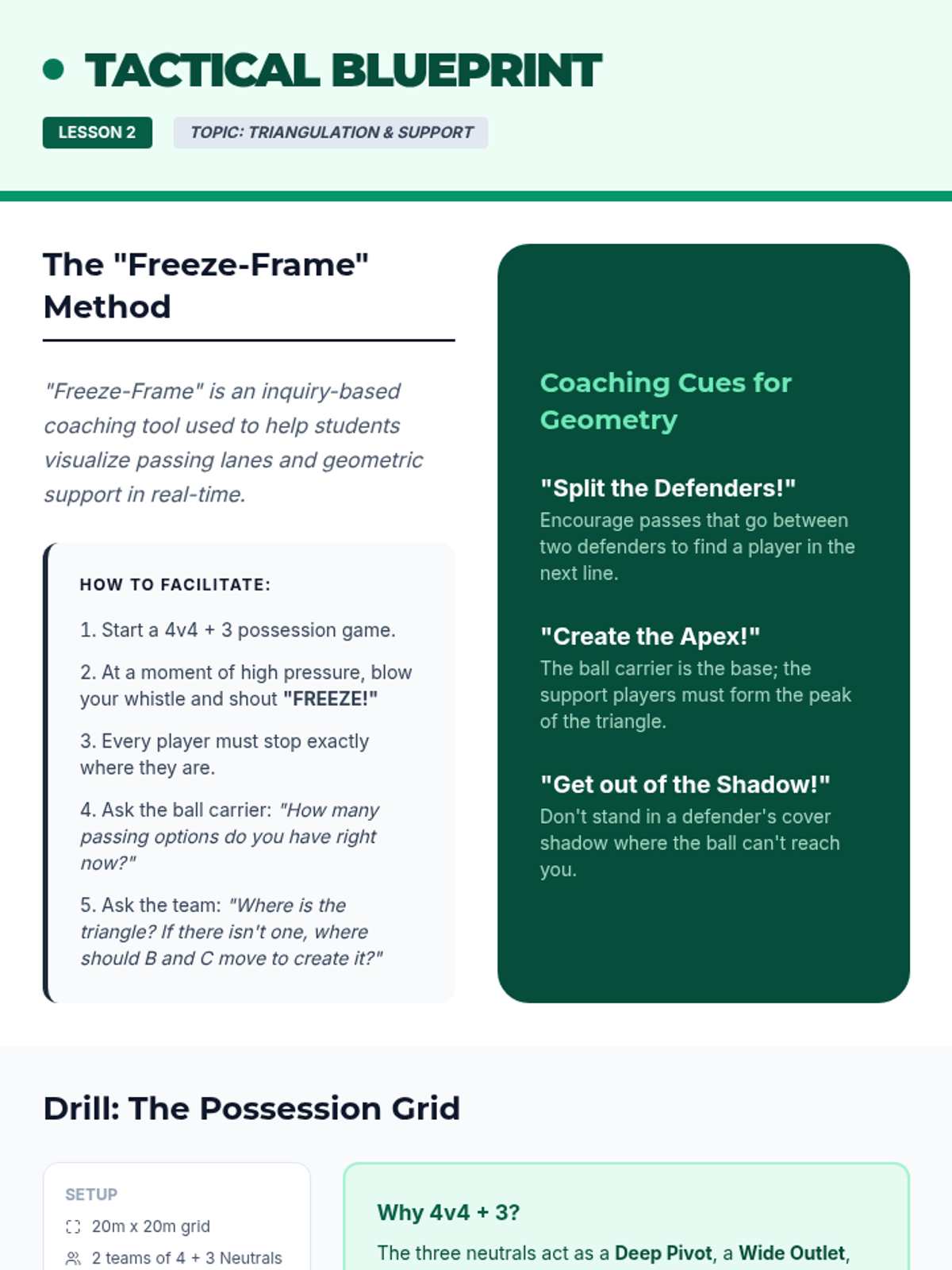
Focuses on the geometric principles of support play, utilizing passing triangles and diamonds to maintain possession and create offensive advantages.
A culminating assessment using a timed technical circuit to test skill execution under fatigue and pressure.
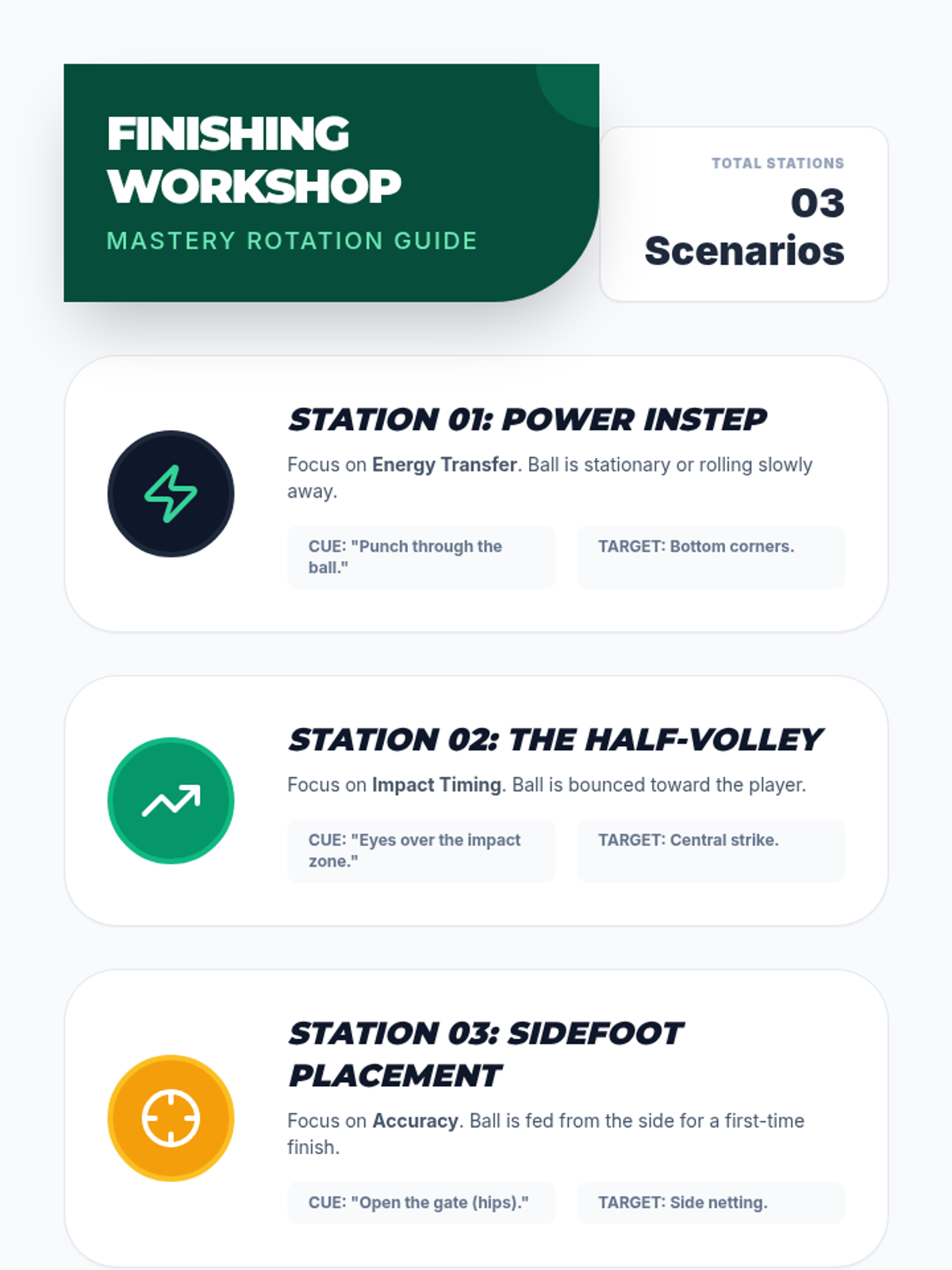
Breaks down the techniques of finishing, from power strikes to volleys, emphasizing foot placement and follow-through mechanics.
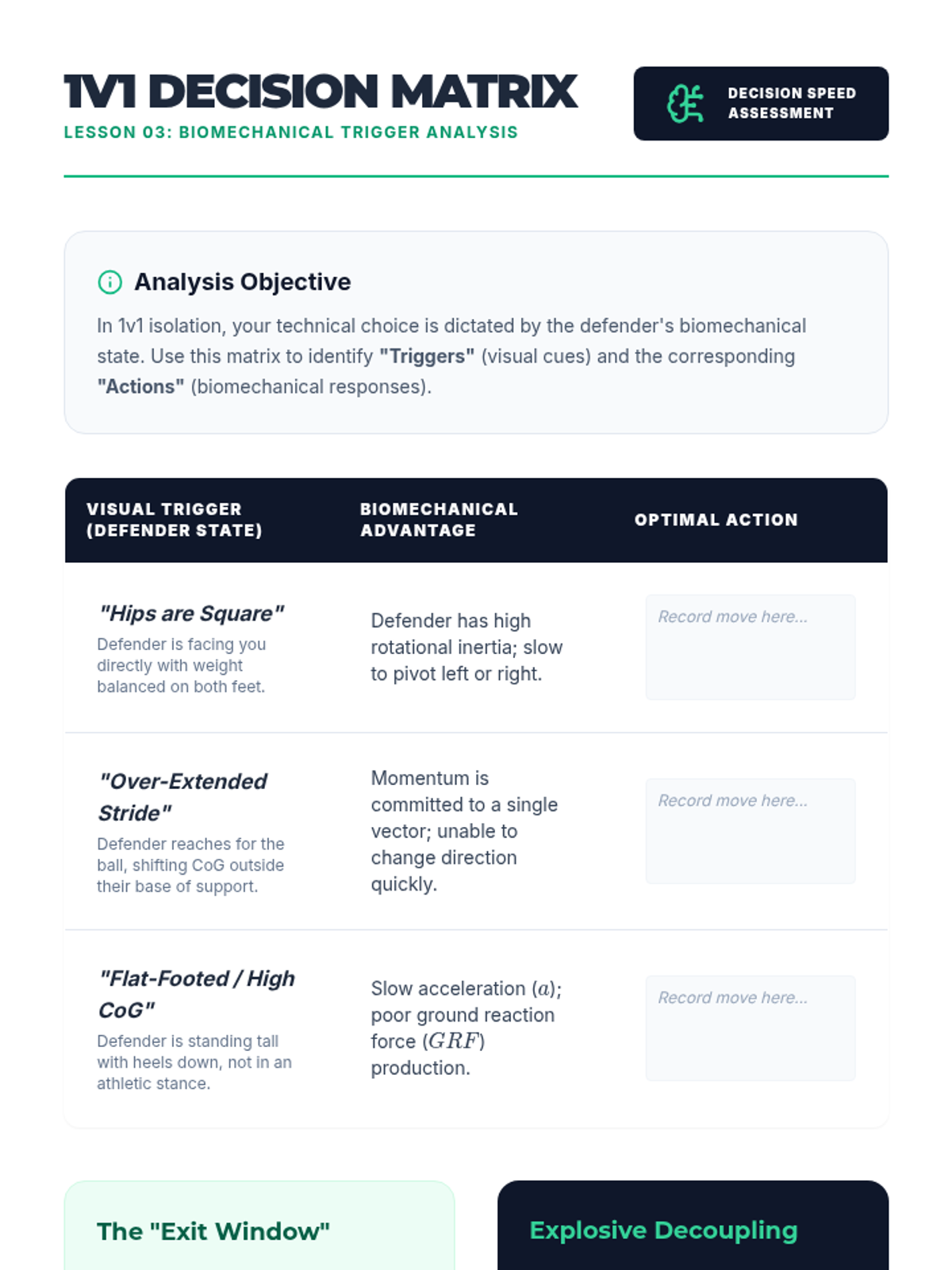
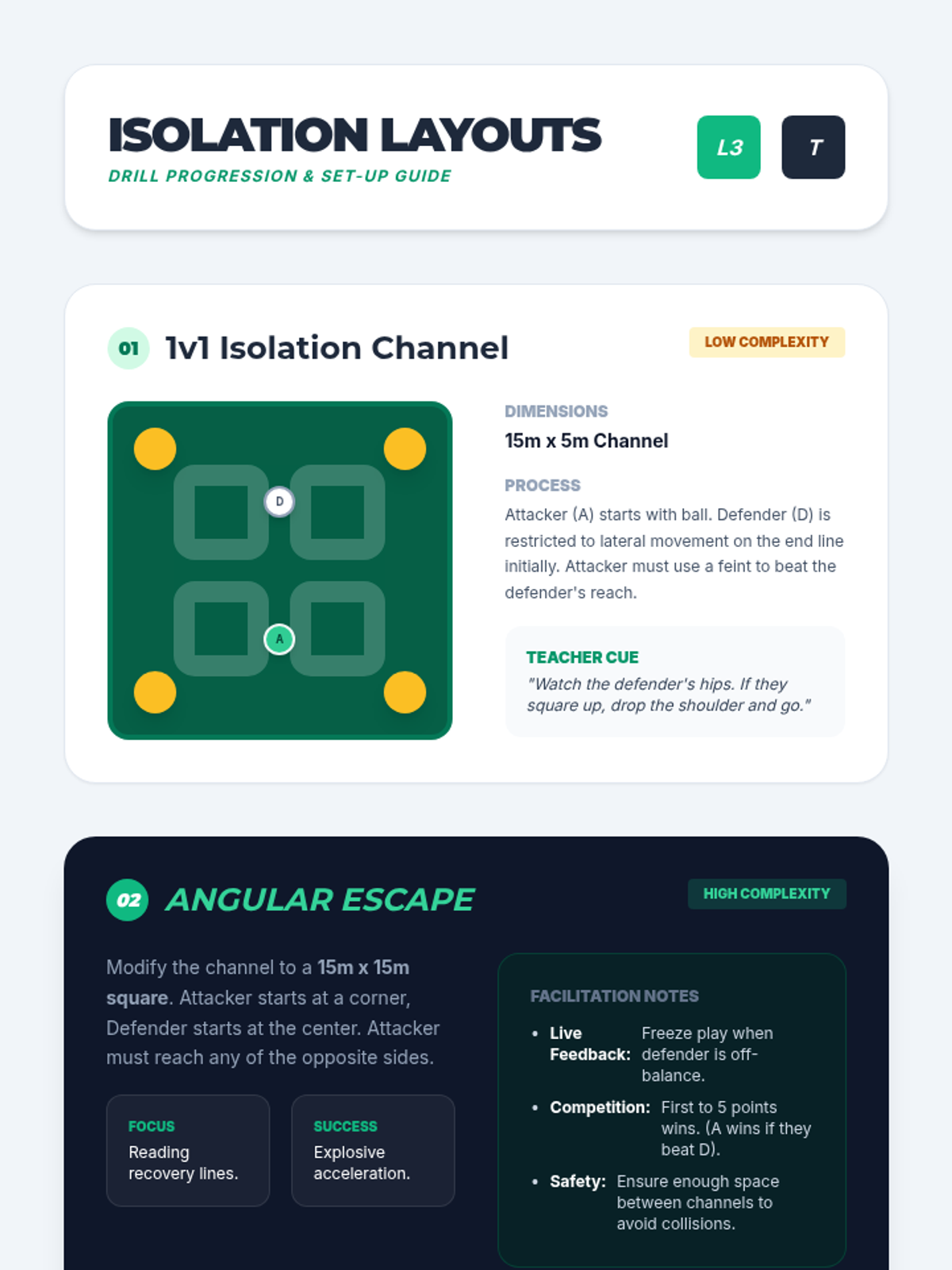
Explores offensive creativity and defensive reading, practicing feints and changes of pace to destabilize opponents in 1v1 scenarios.
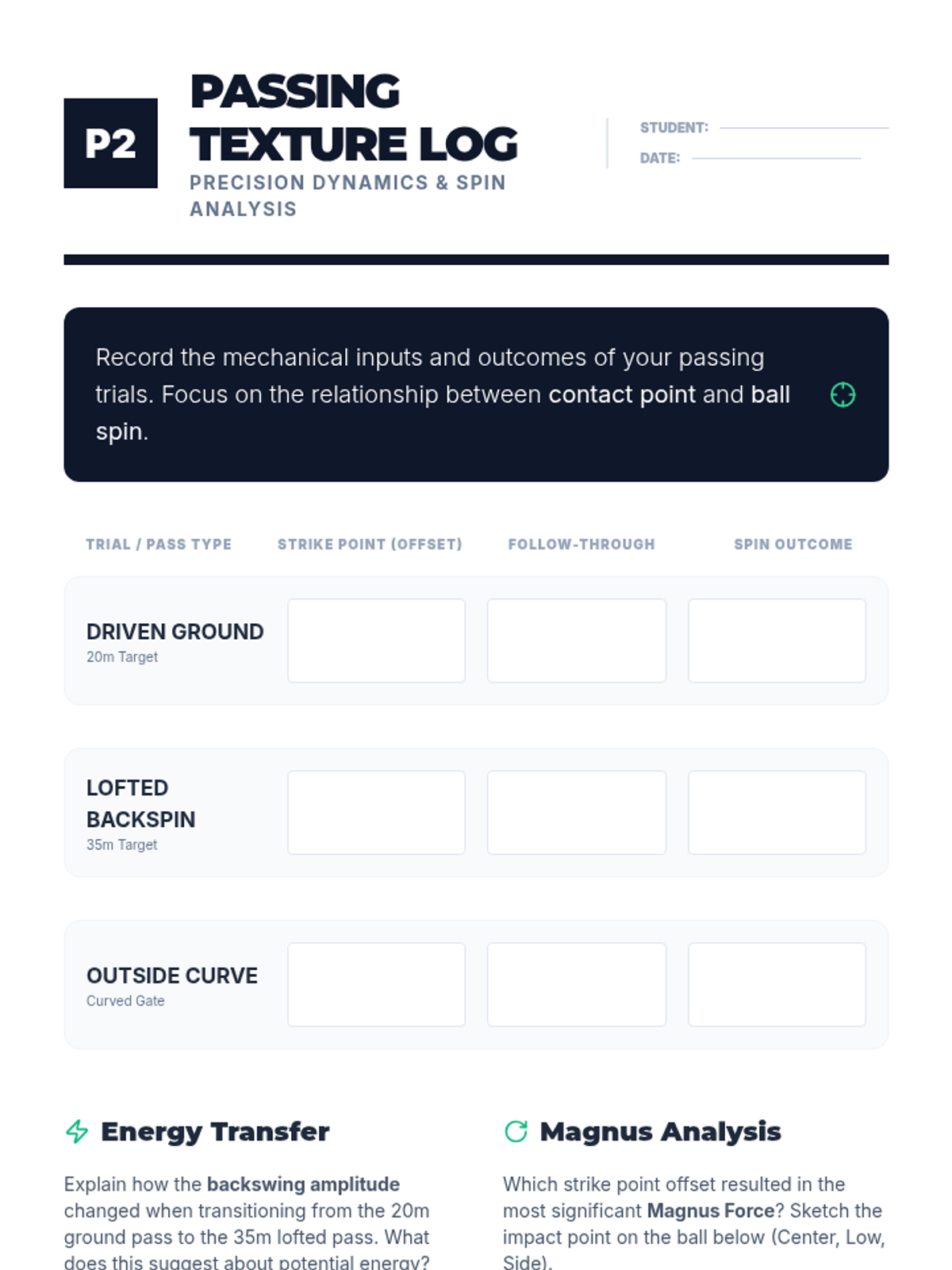
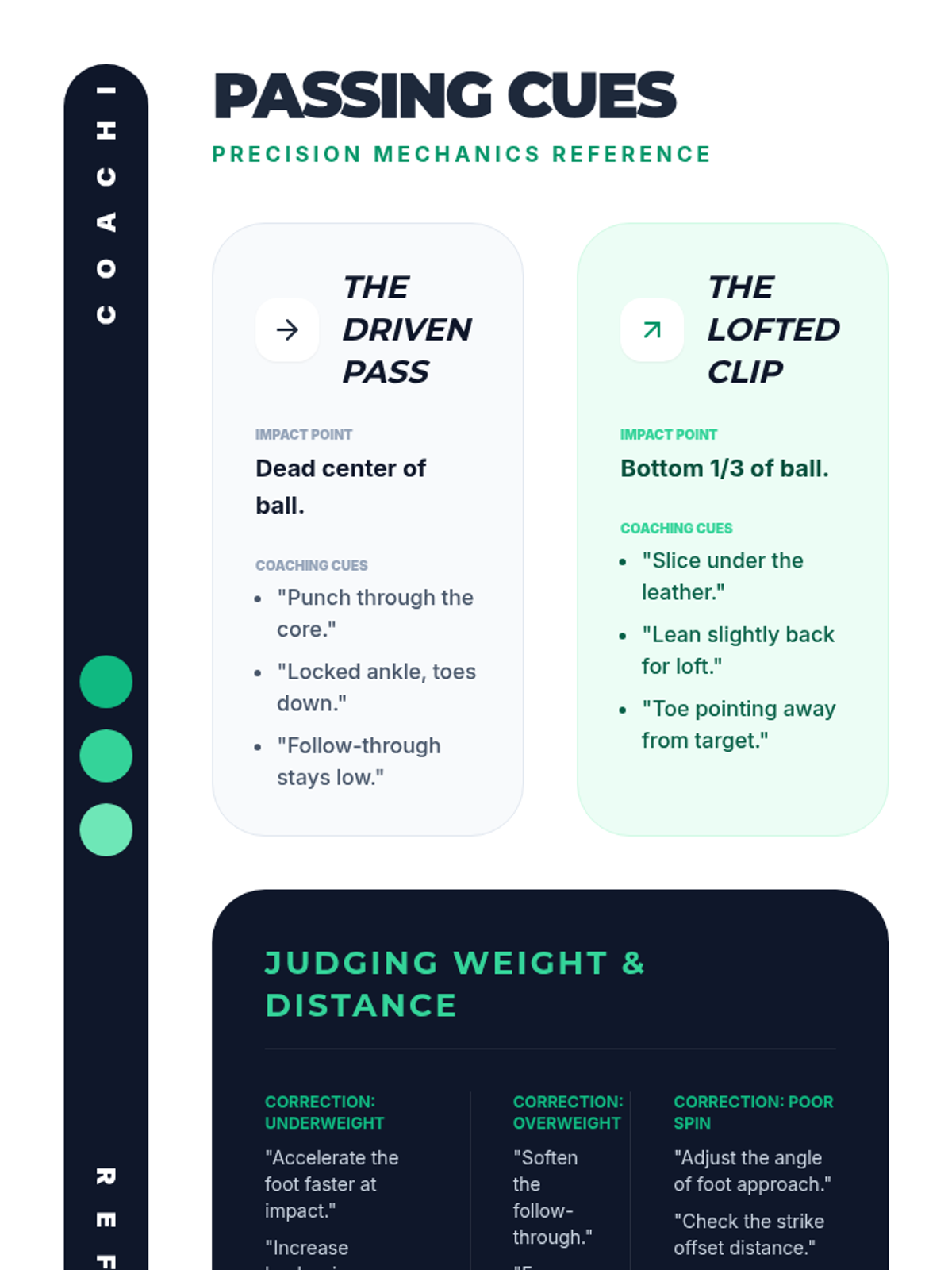
Focuses on the nuance of passing texture, including driven passes, lofted balls, and disguised distribution through the lens of weight and spin.
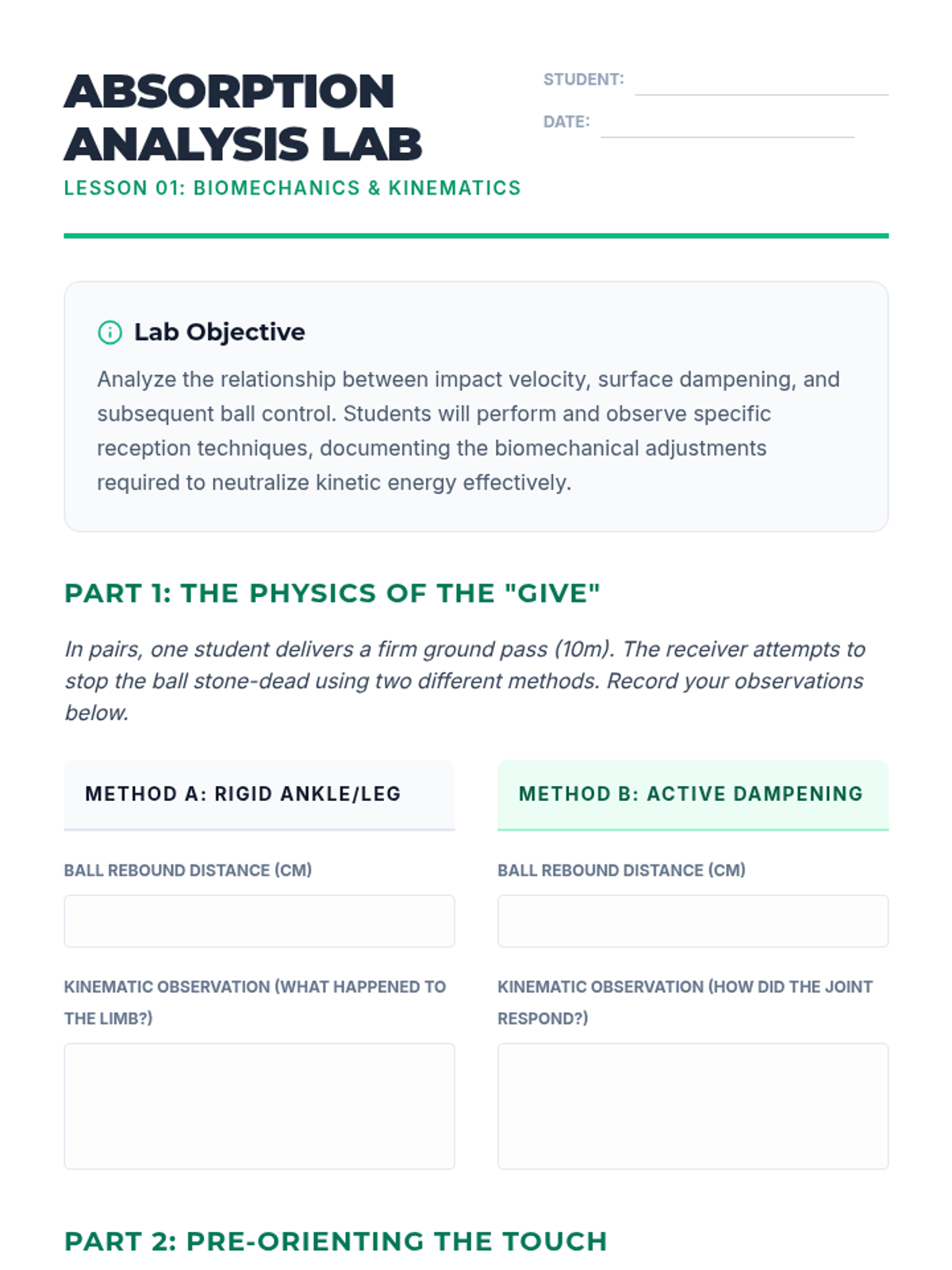
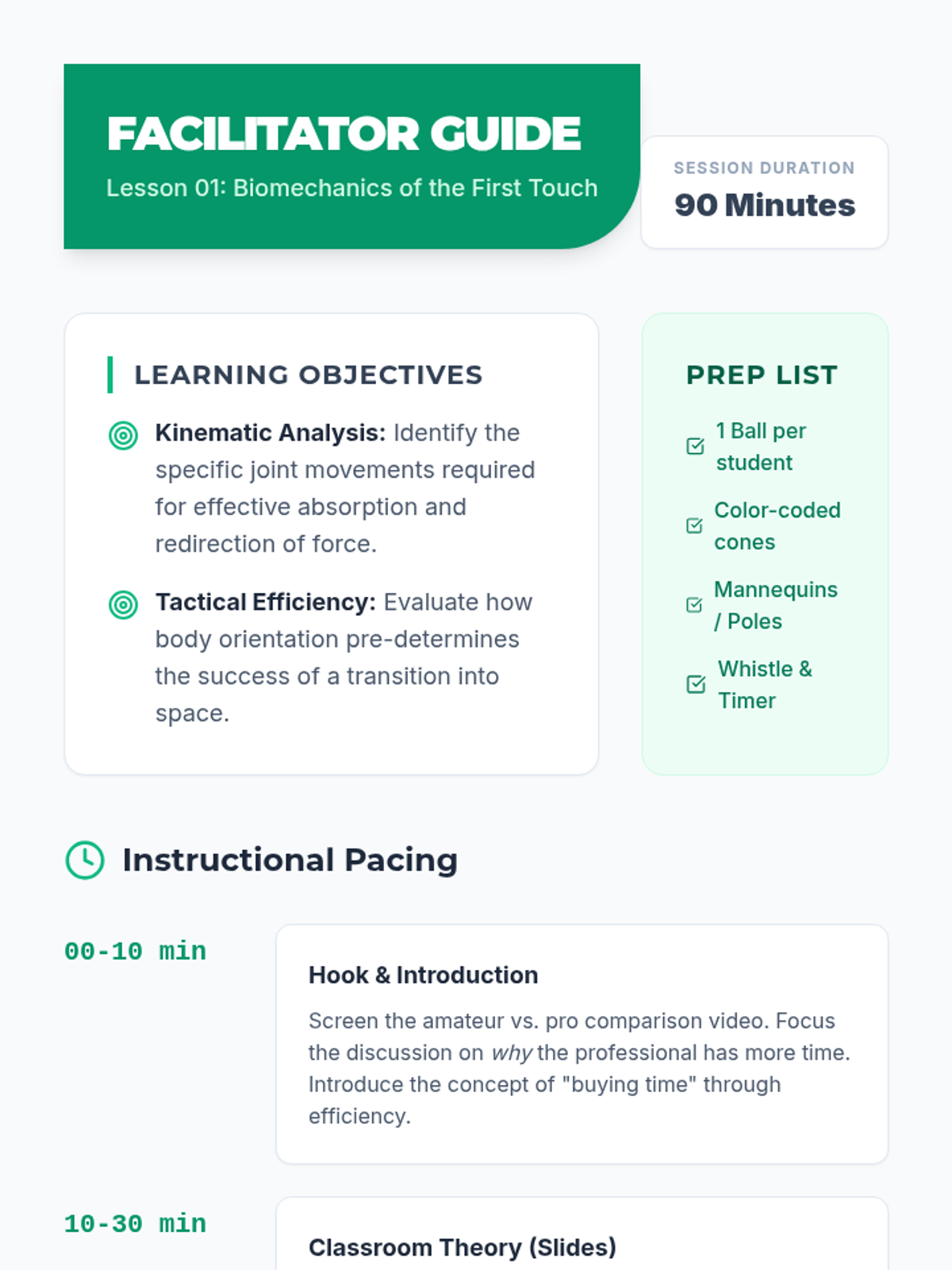
Students analyze and practice the physics of absorption and redirection when receiving aerial and ground passes, focusing on body shape and surface area selection.
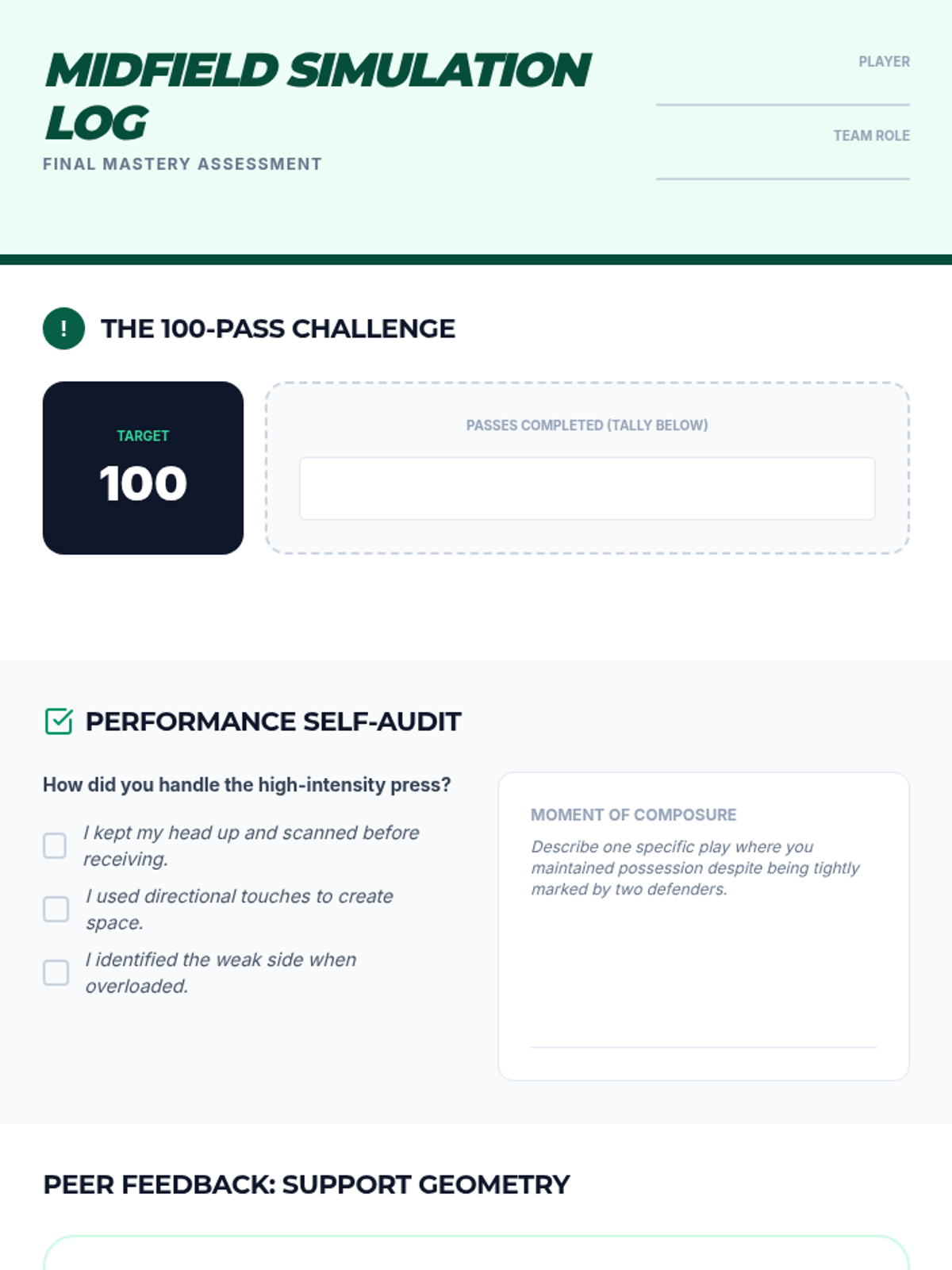
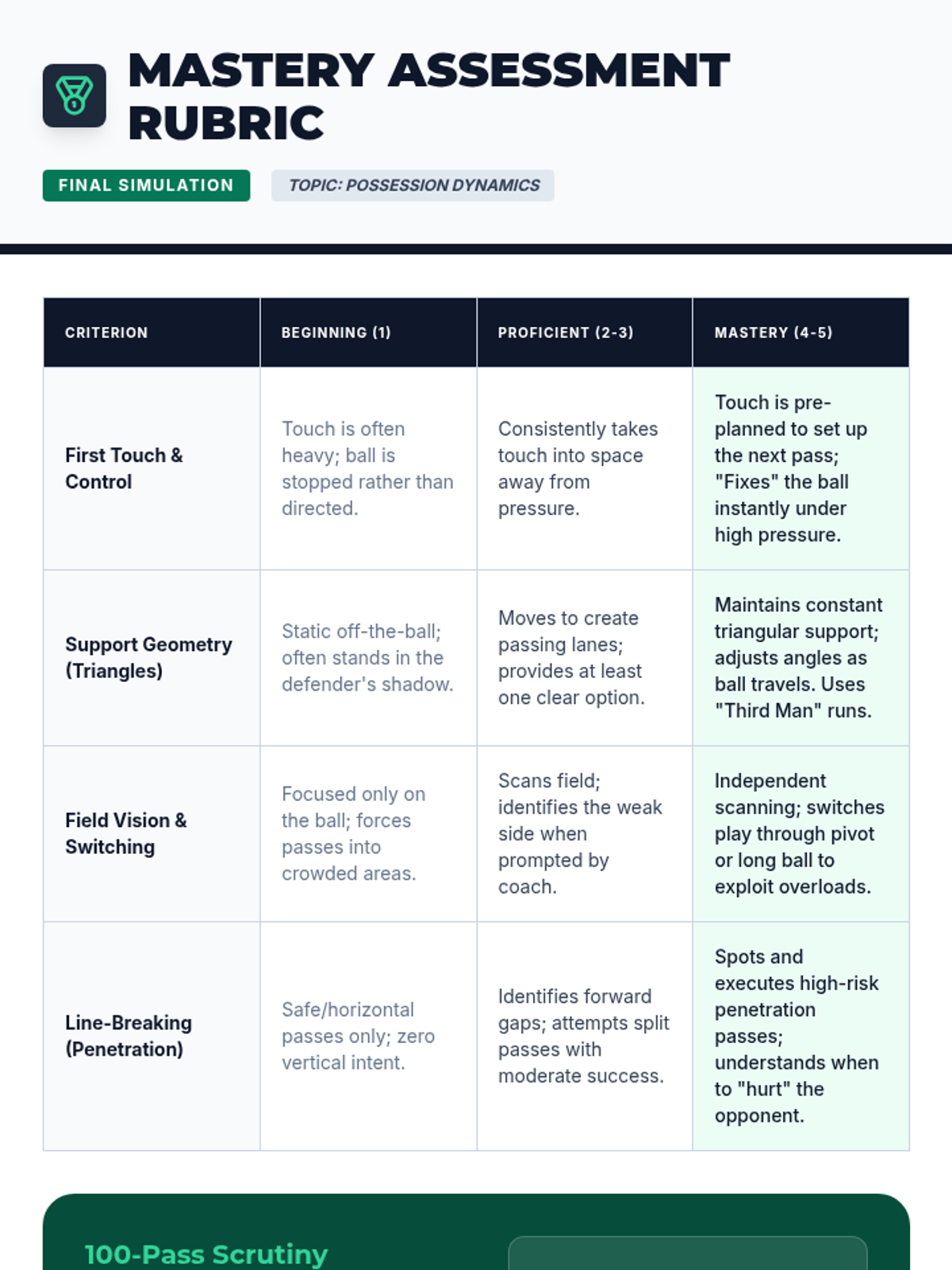
Students apply all skills in high-intensity possession games with uneven numbers (e.g., 7v5) to simulate midfield dominance. The goal is to demonstrate composure under pressure and achieve tactical mastery in game-like conditions.
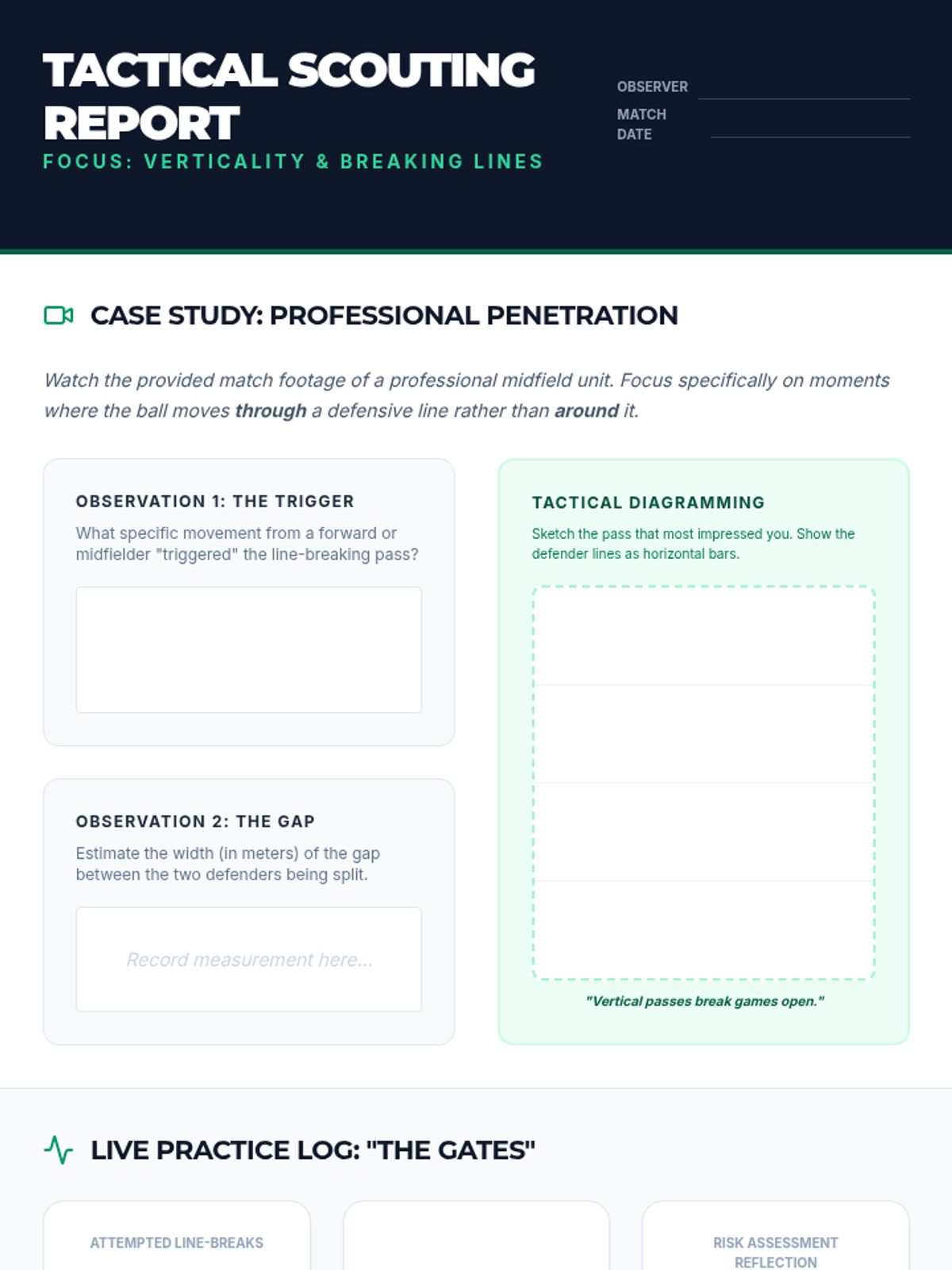
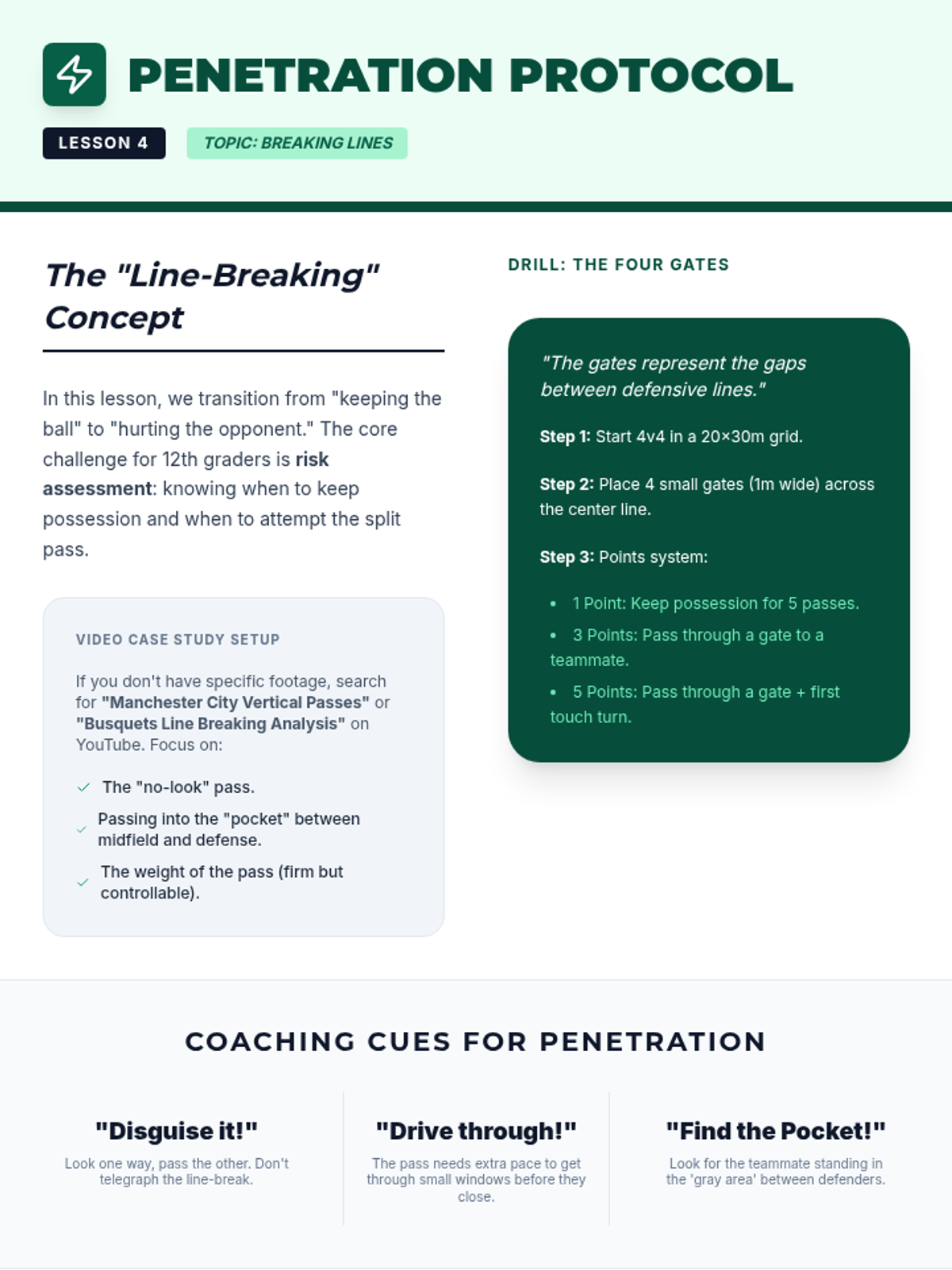
Focus shifts from maintaining possession to penetration, teaching students to execute passes that split defensive lines. Activities involve 'line-breaking' games where tactical risk assessment is key to creating scoring opportunities.
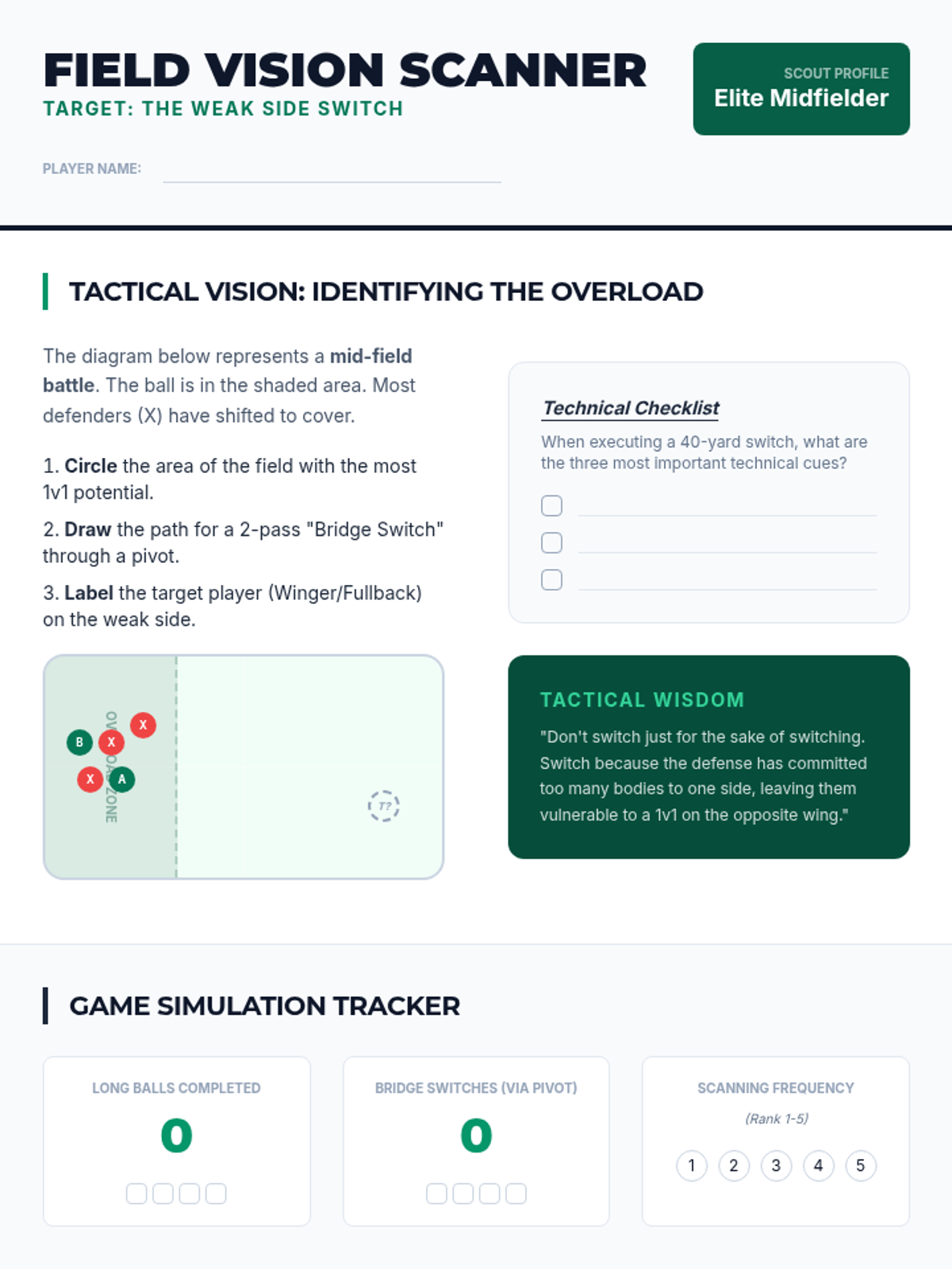
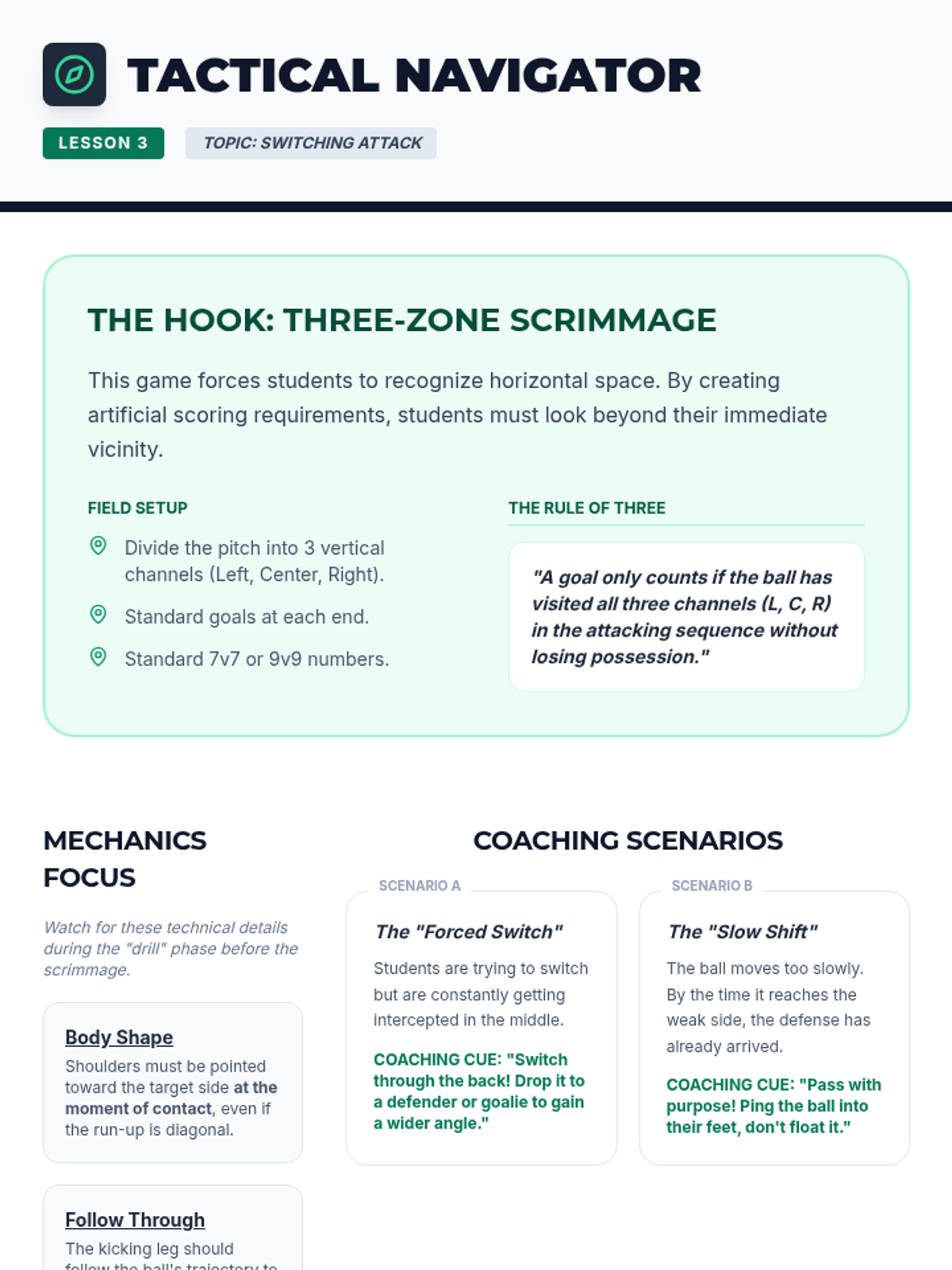
Students learn to identify when one side of the field is overloaded and practice long-range passing to switch play to the weak side. Emphasis is placed on field vision, scanning, and the mechanics of the long-range pass.
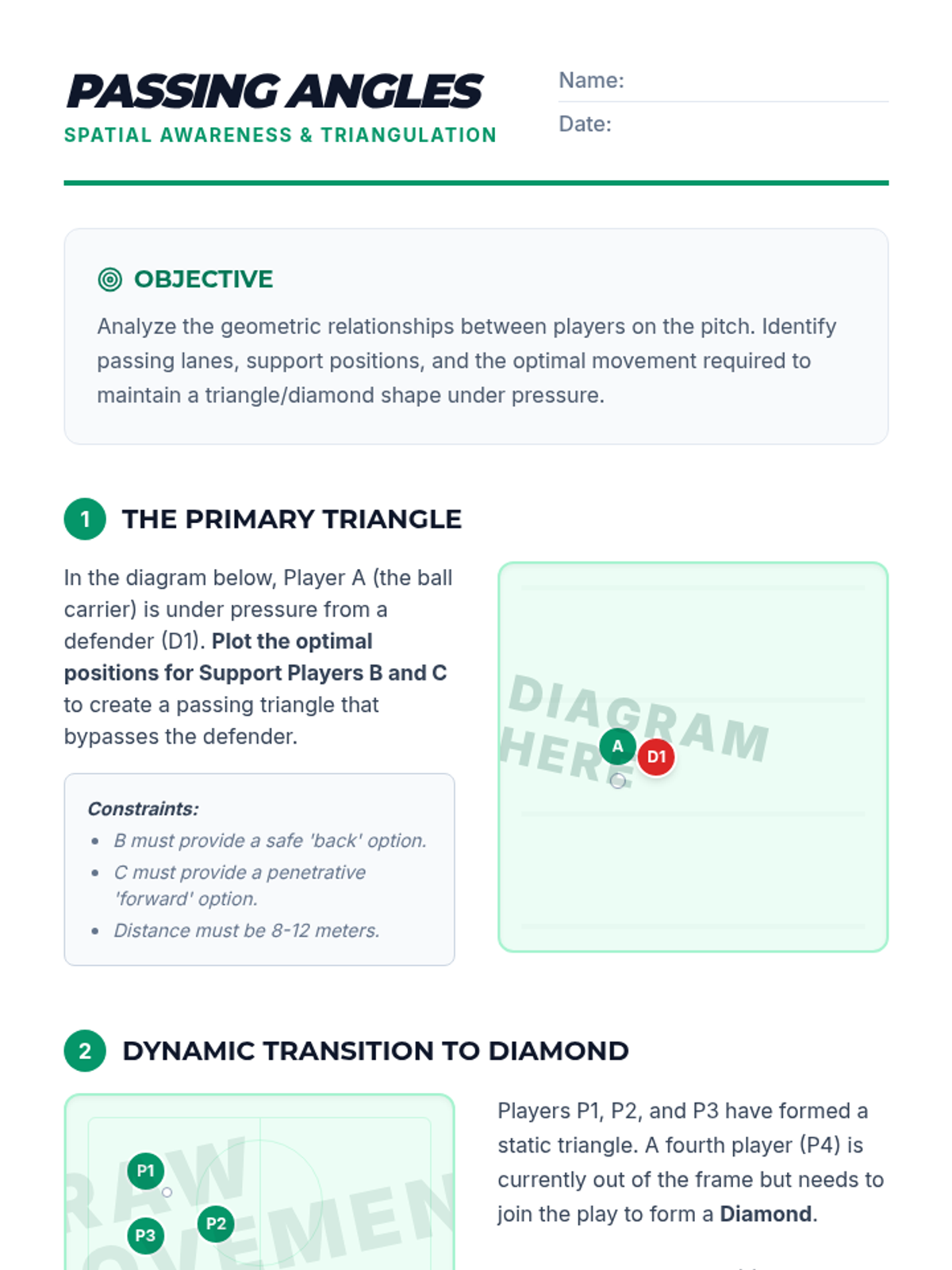
This lesson teaches the geometry of support, ensuring the ball carrier always has two passing options. Students analyze passing lanes and practice maintaining triangular shapes while moving dynamically across the pitch.
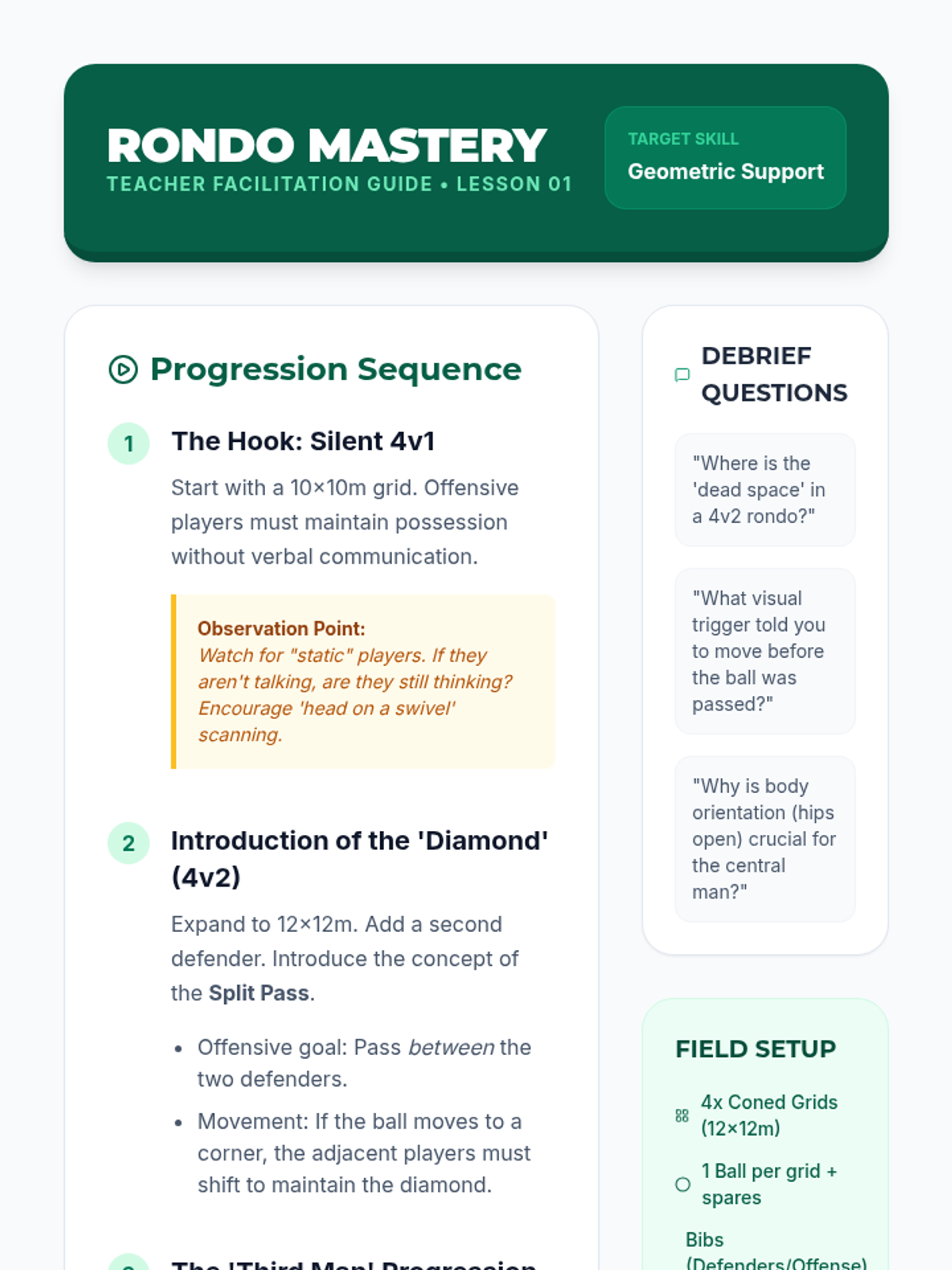
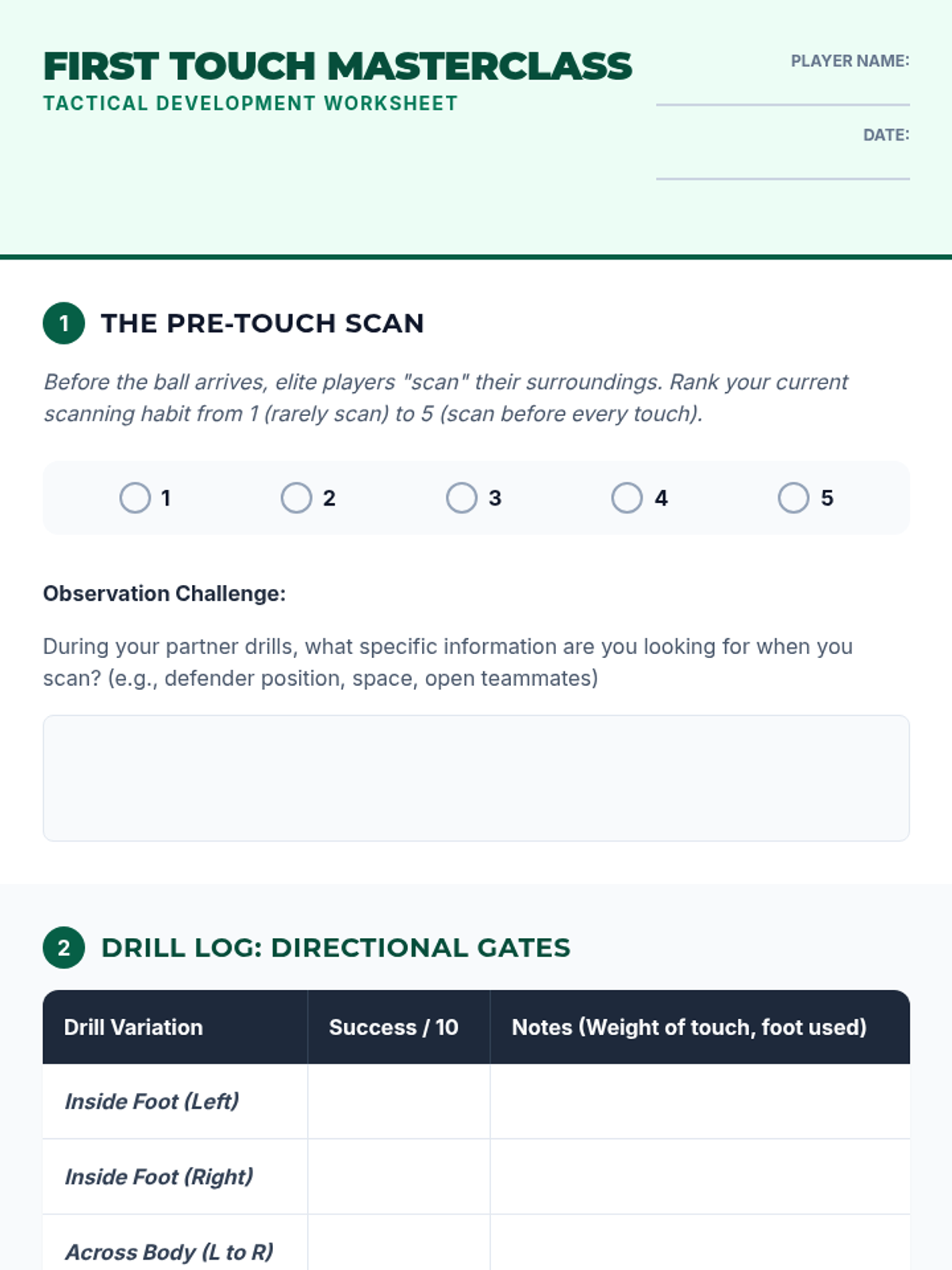
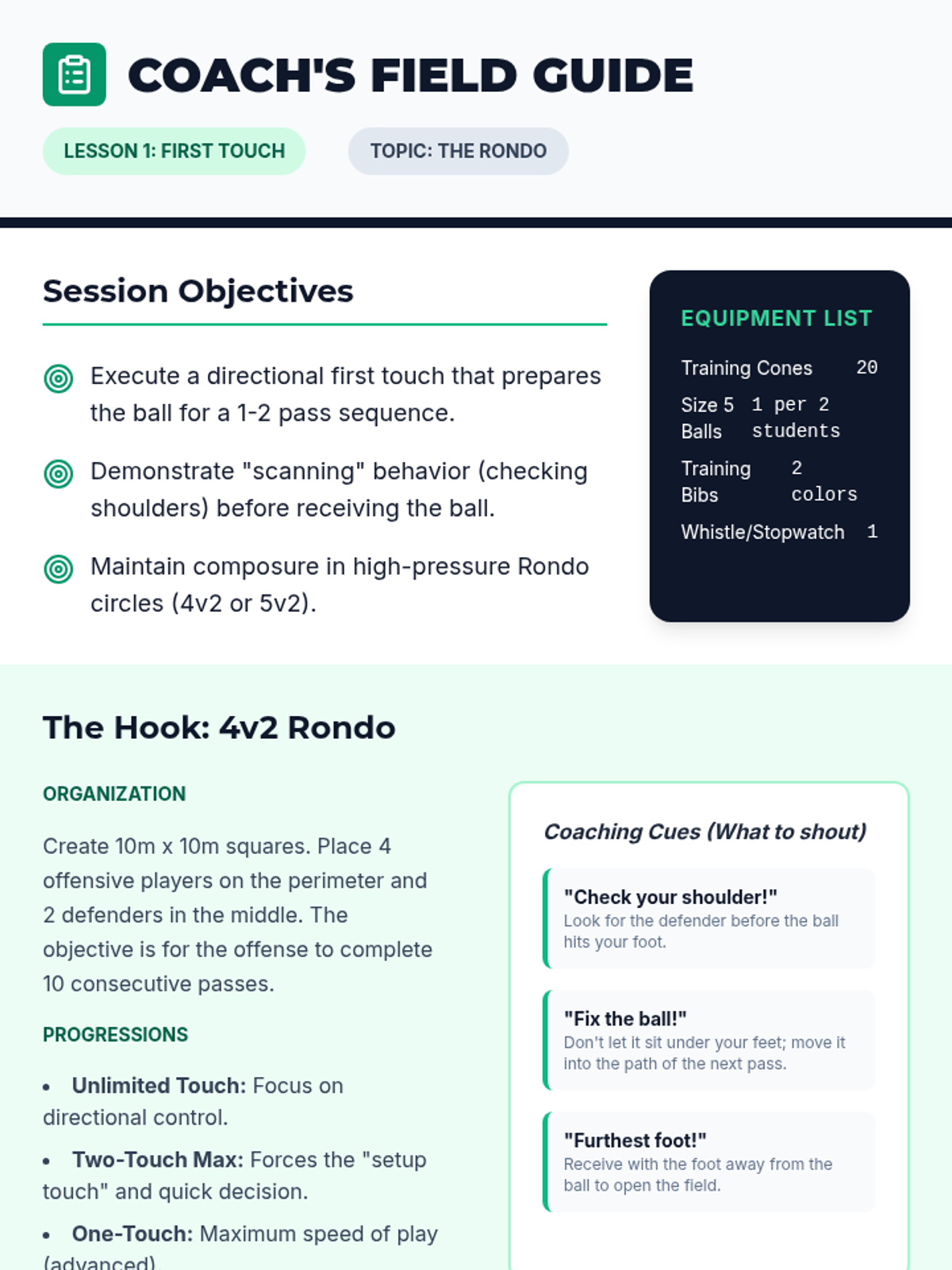
Students focus on the 'setup touch' that prepares the next action, emphasizing receiving the ball across the body and away from pressure. Practice involves high-velocity drills and the 'Rondo' circle to test composure and reaction time.
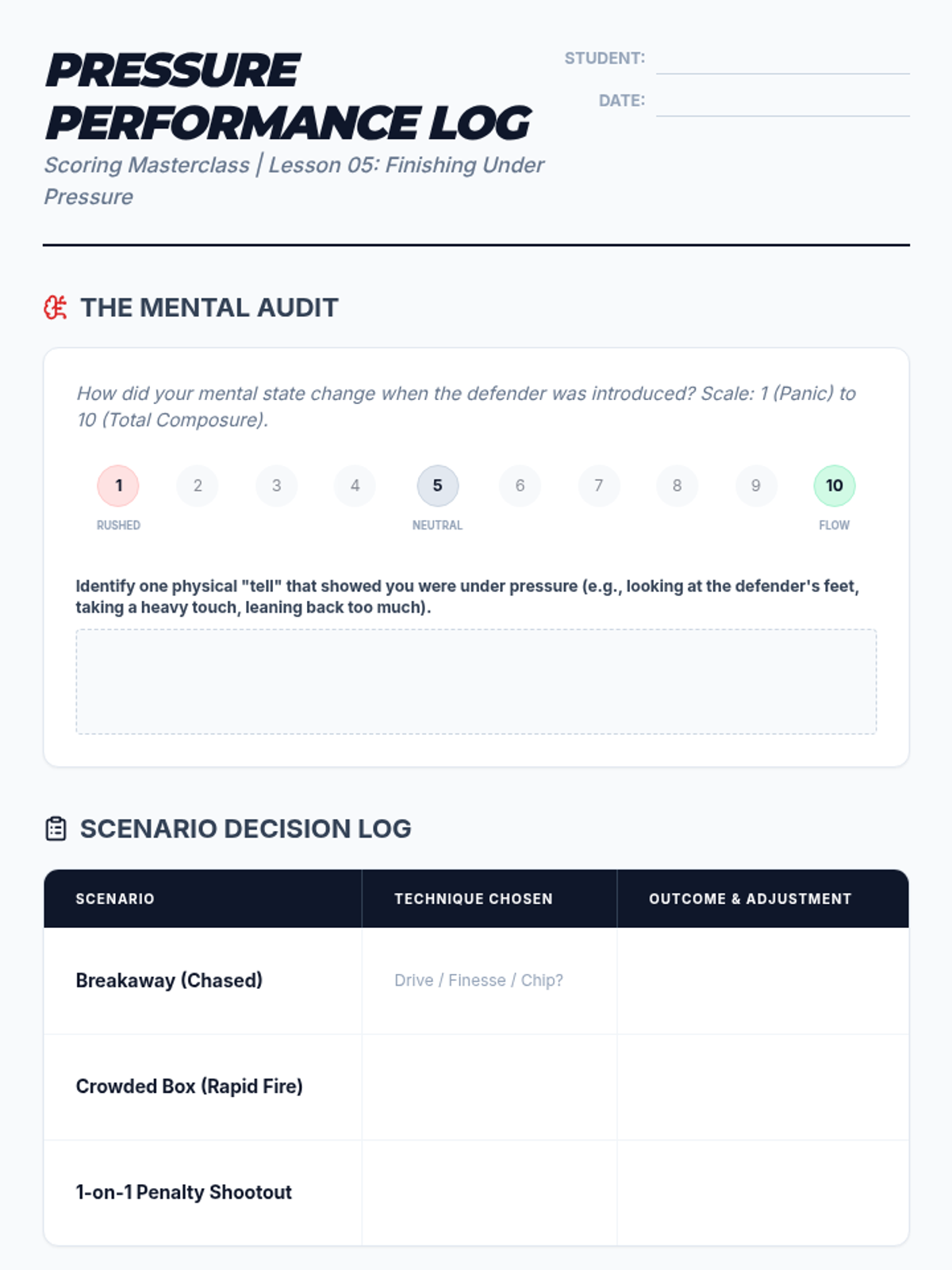
Students participate in rapid-fire shooting drills involving defenders chasing them or limiting their time. The focus is on quick decision-making and maintaining technique when fatigued or hurried.
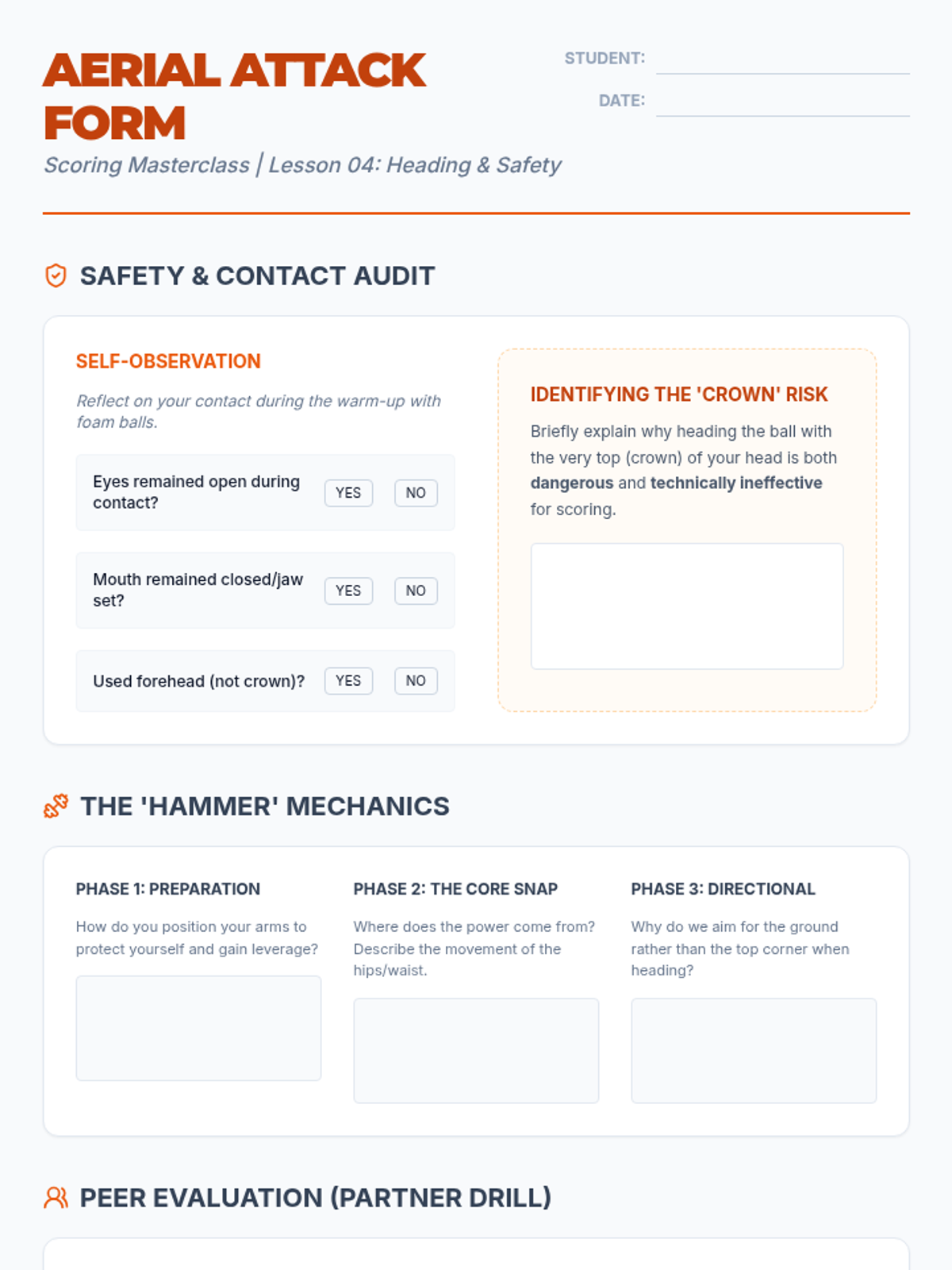
This lesson covers safety and technique for heading the ball towards the goal. Students practice generating power from the core and neck muscles and directing the ball downwards.
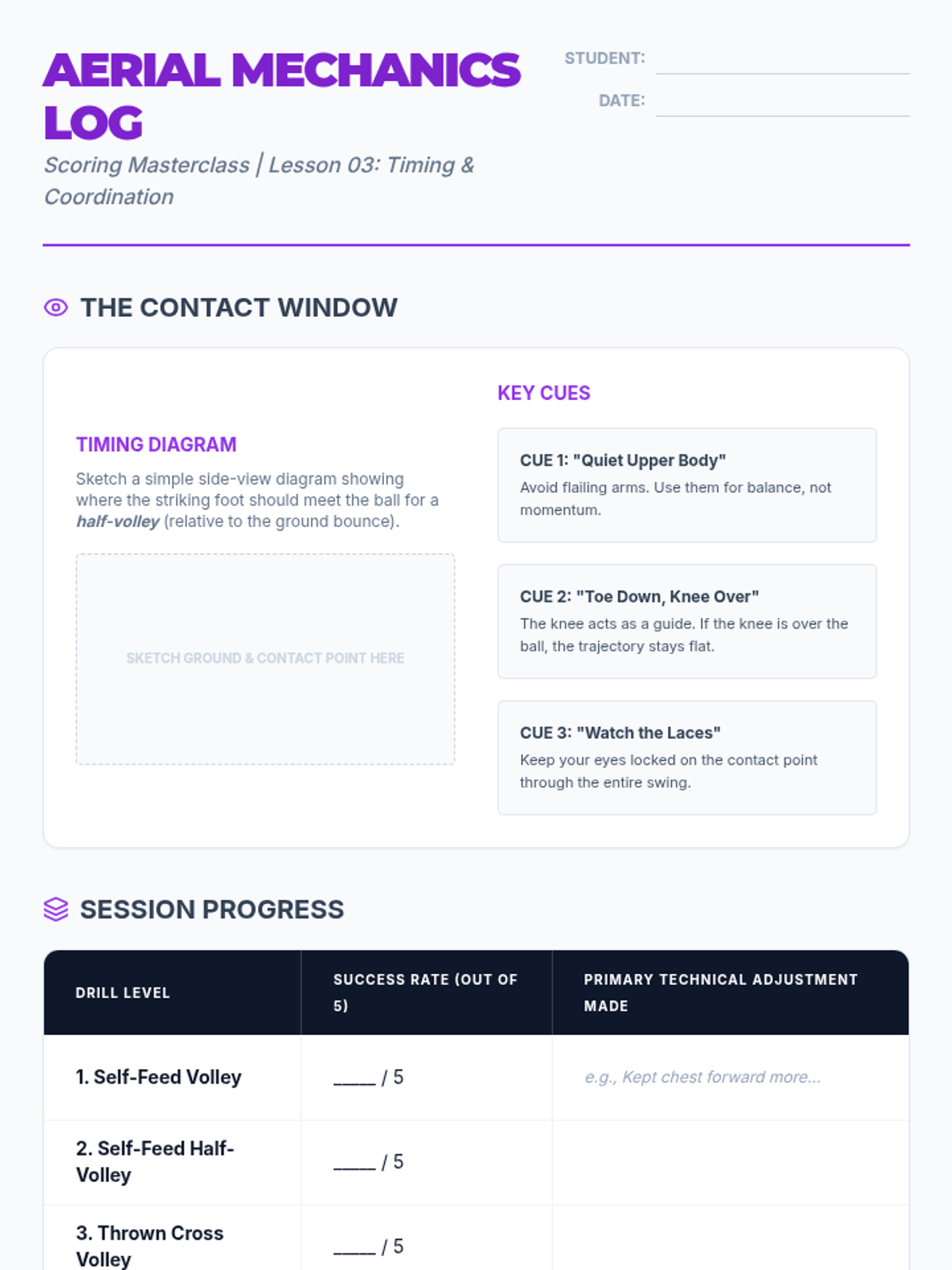
Students learn the difficult skill of striking a ball while it is in the air or just bouncing. Drills emphasize timing, watching the ball onto the foot, and keeping shots low.
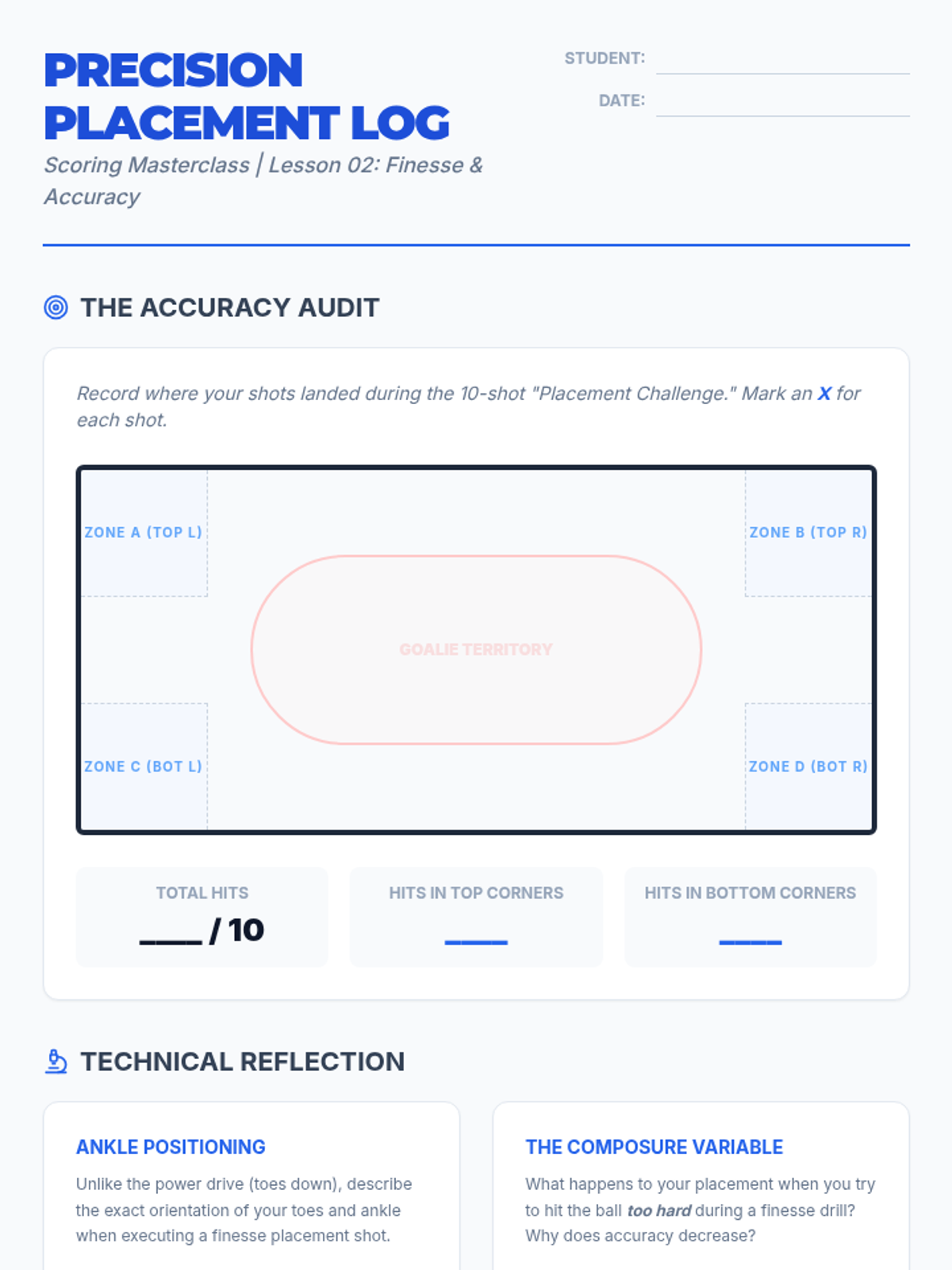
Contrasting with power, this lesson focuses on side-foot finishing for accuracy inside the box. Students practice curling the ball and aiming for the corners of the goal.
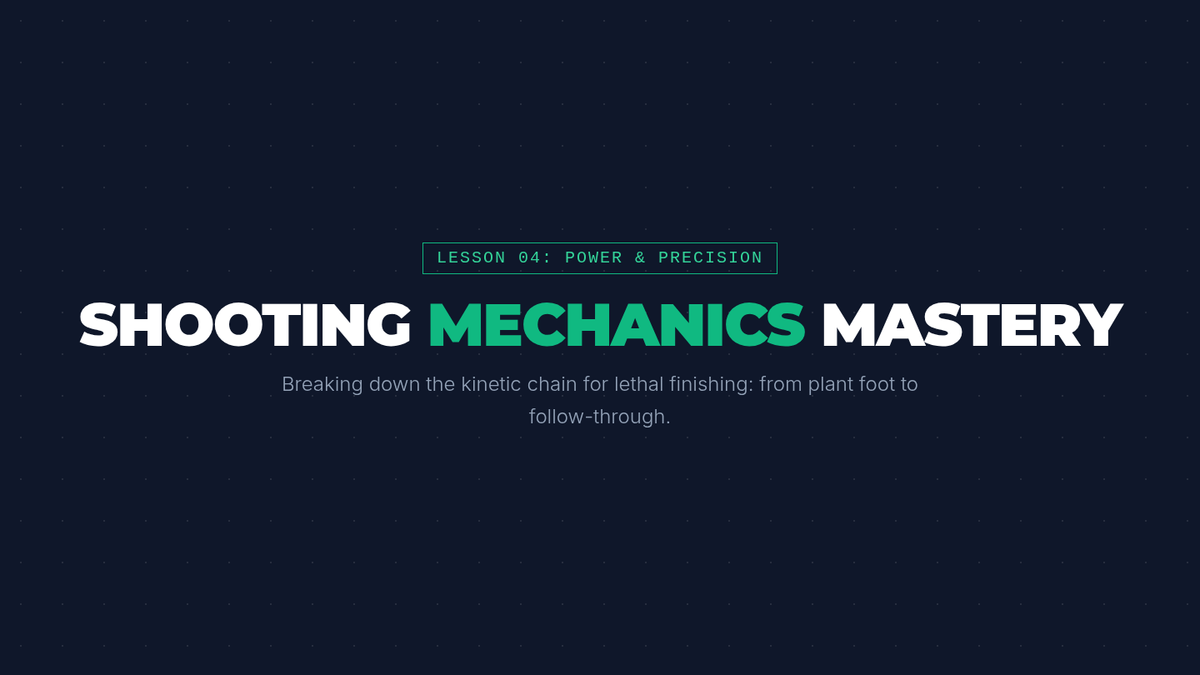
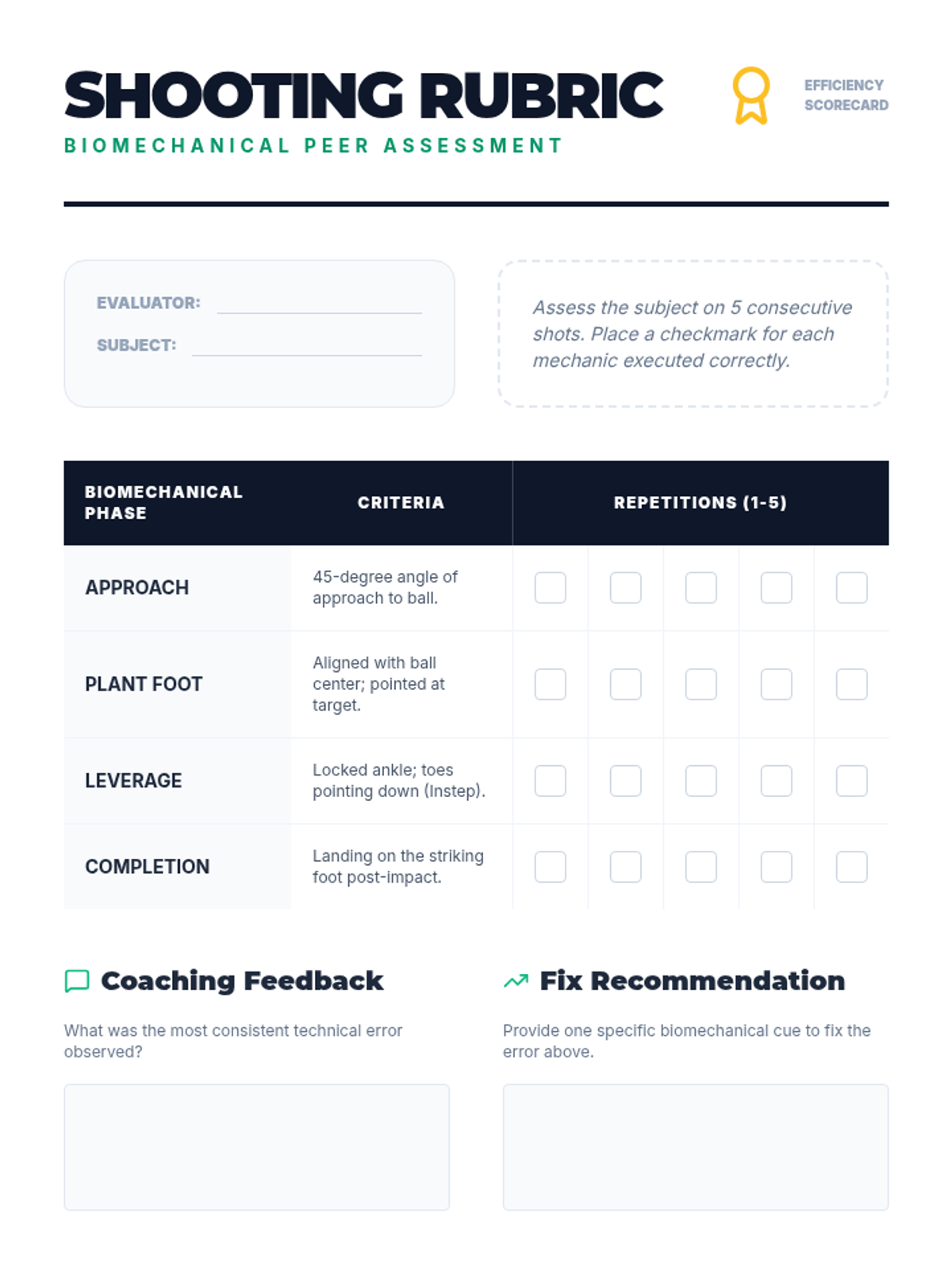
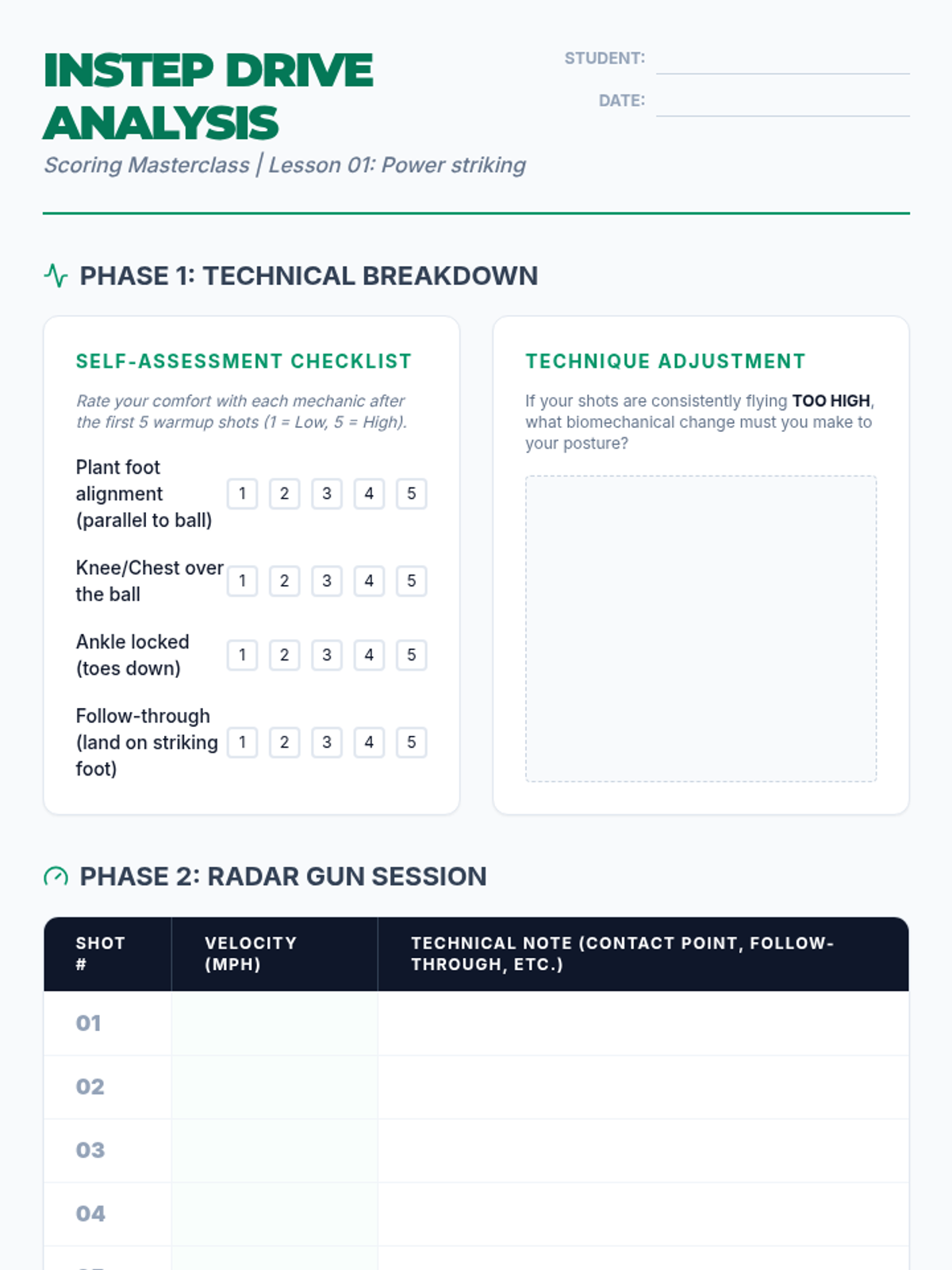
Students breakdown the mechanics of the 'laces' shot for power. The lesson focuses on the plant foot location, knee-over-ball posture, and follow-through for distance shooting.
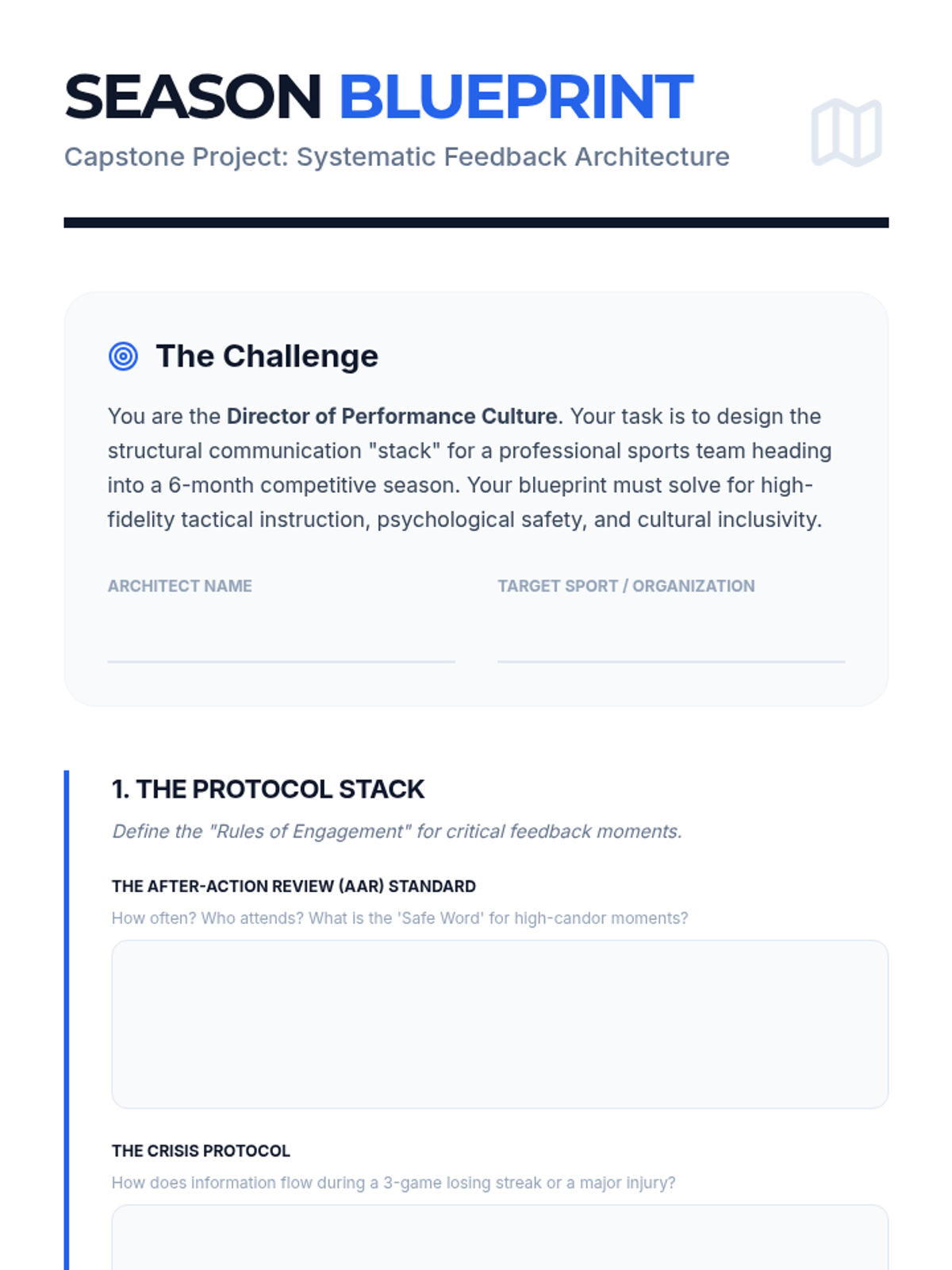
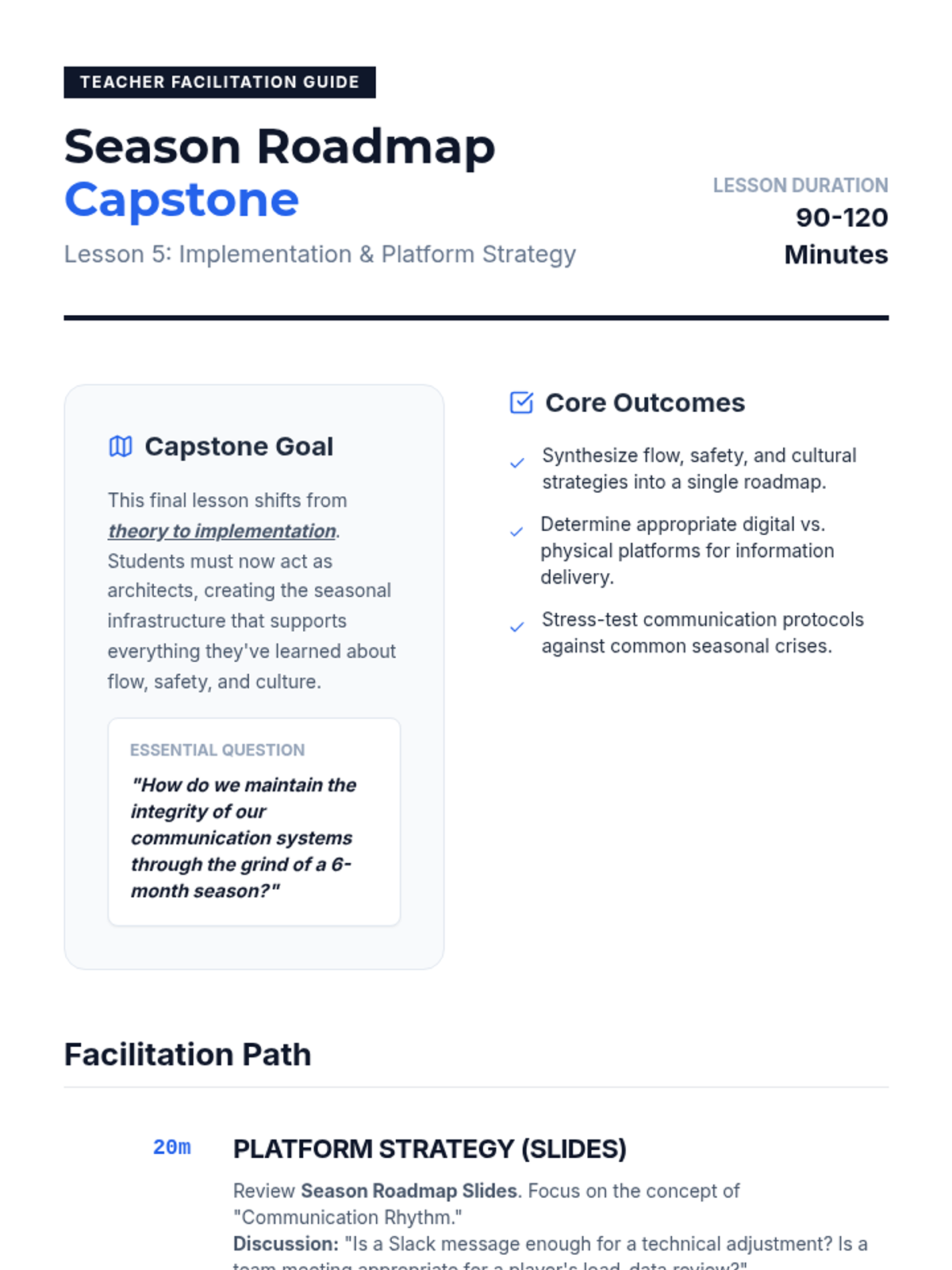
The capstone lesson where students architect a comprehensive communication roadmap and platform strategy for a full competitive season.
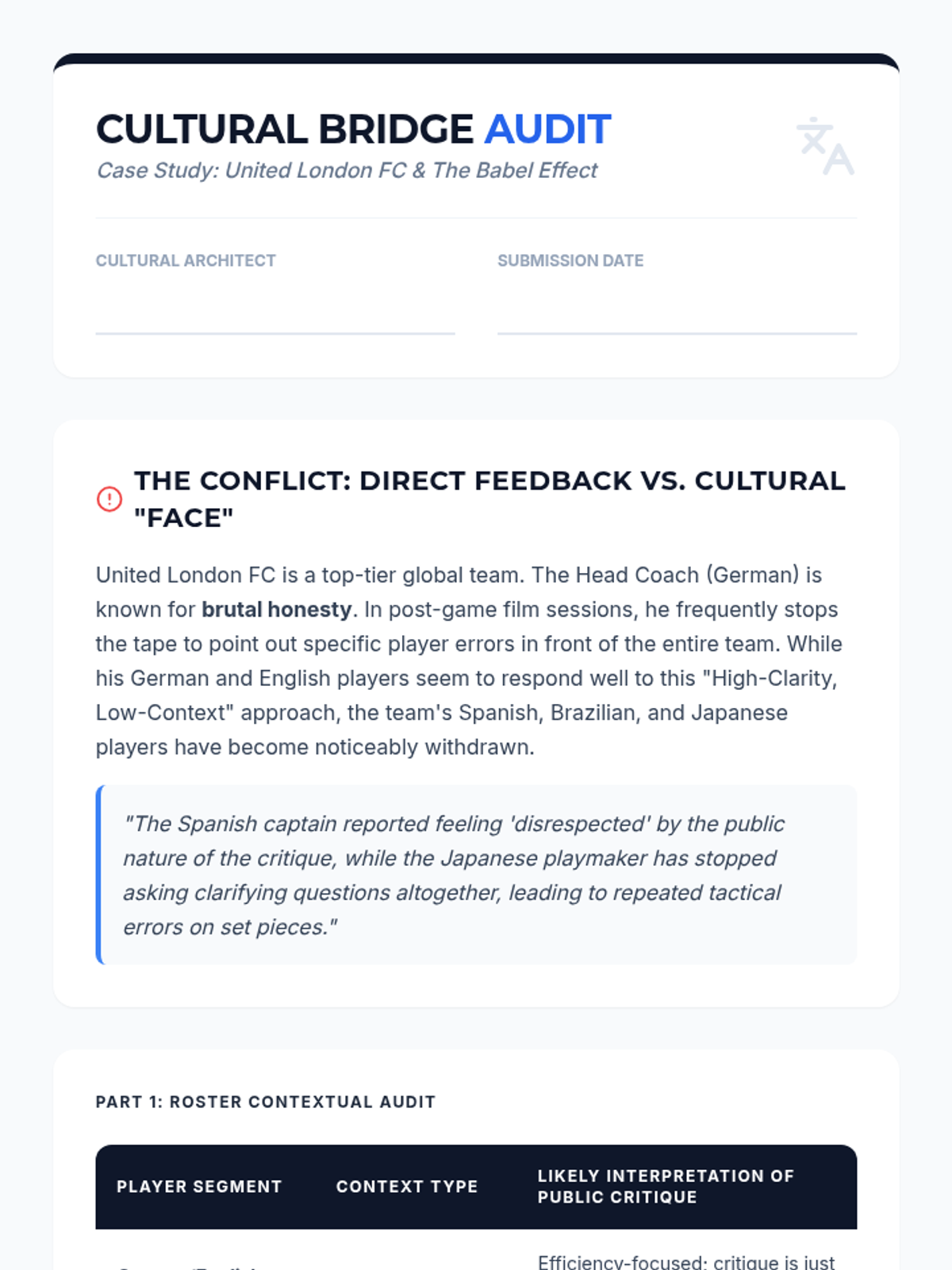
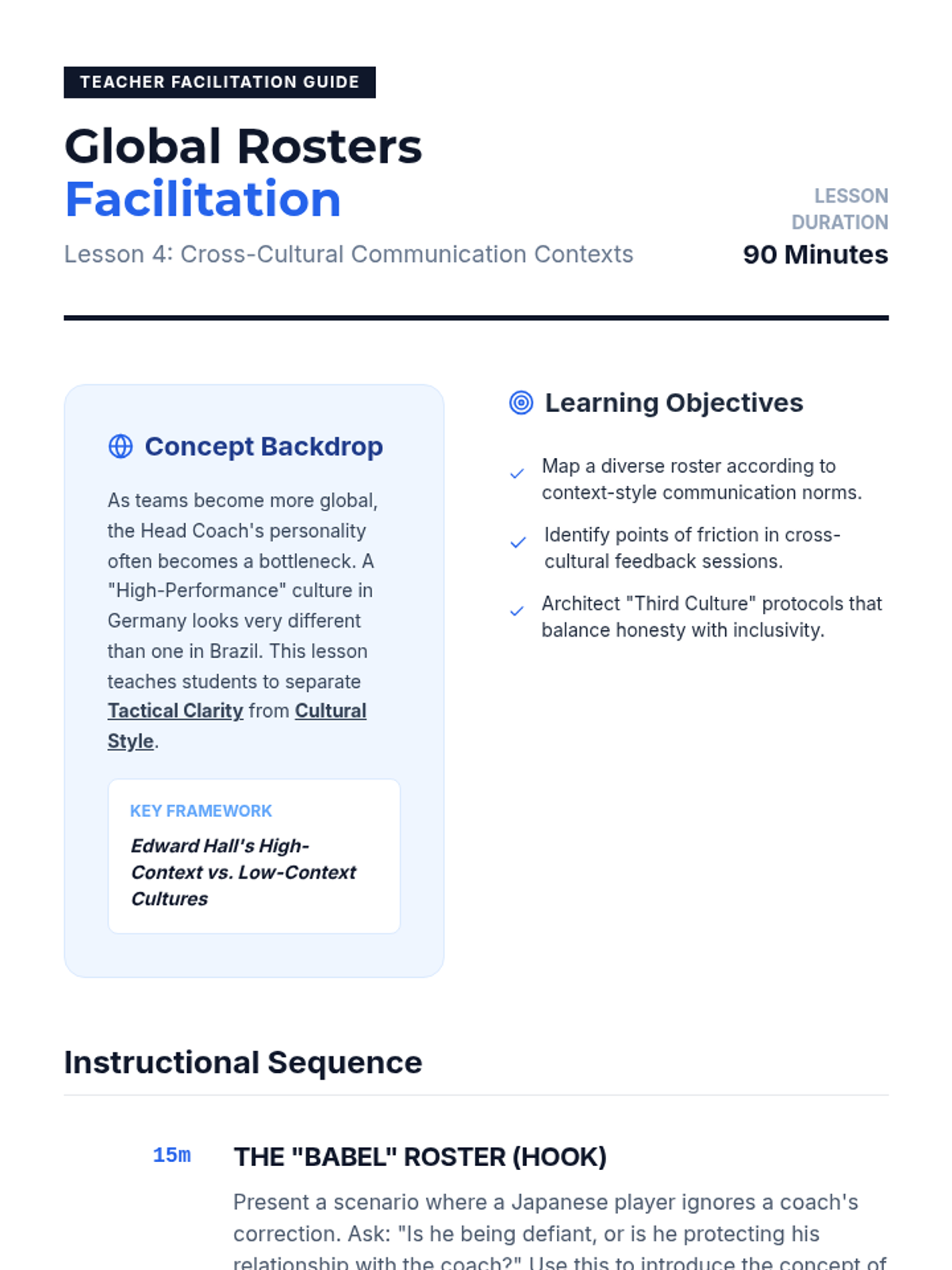
Students will investigate cross-cultural communication barriers and develop strategies for leading diverse, global athletic rosters.
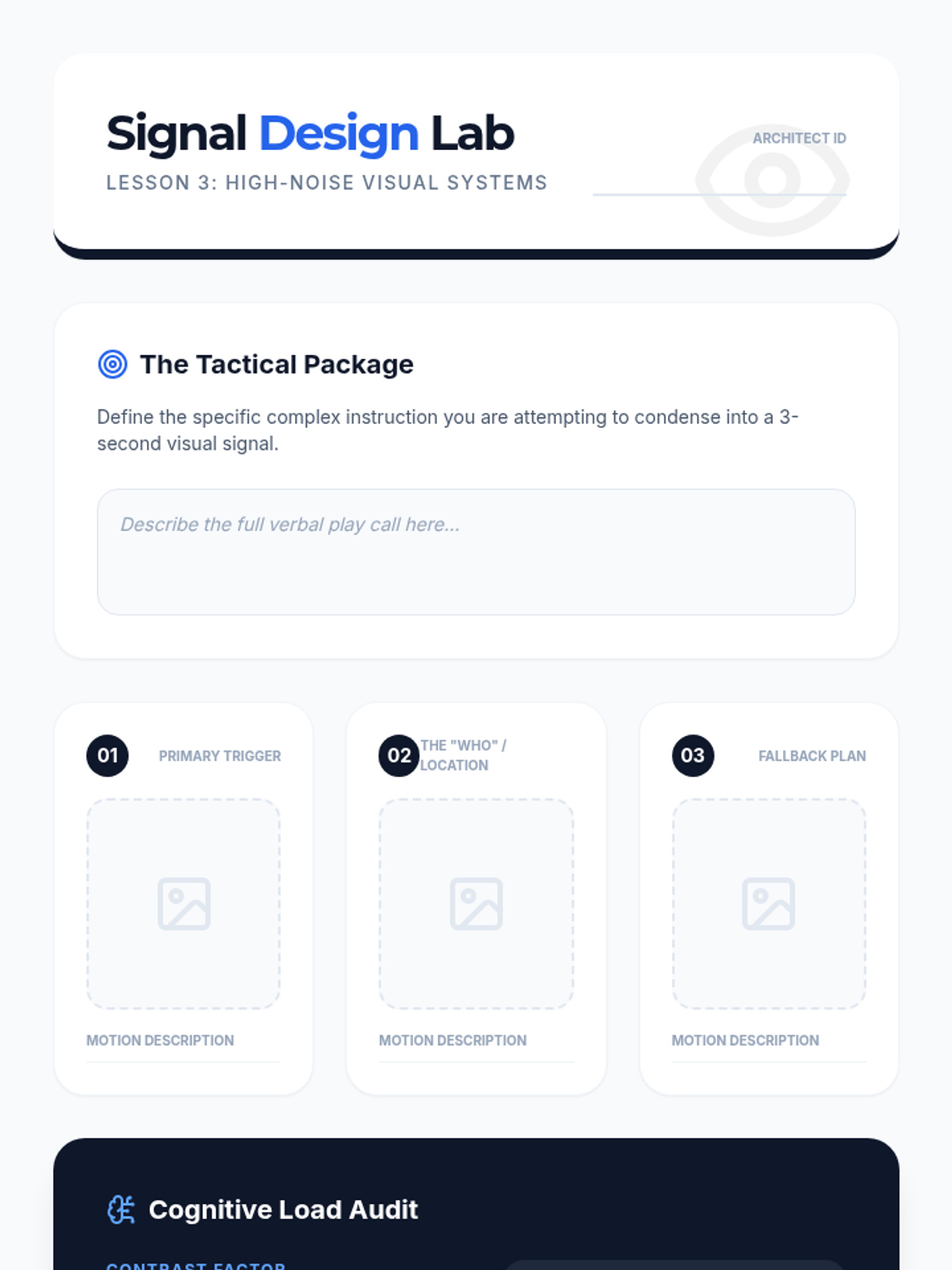
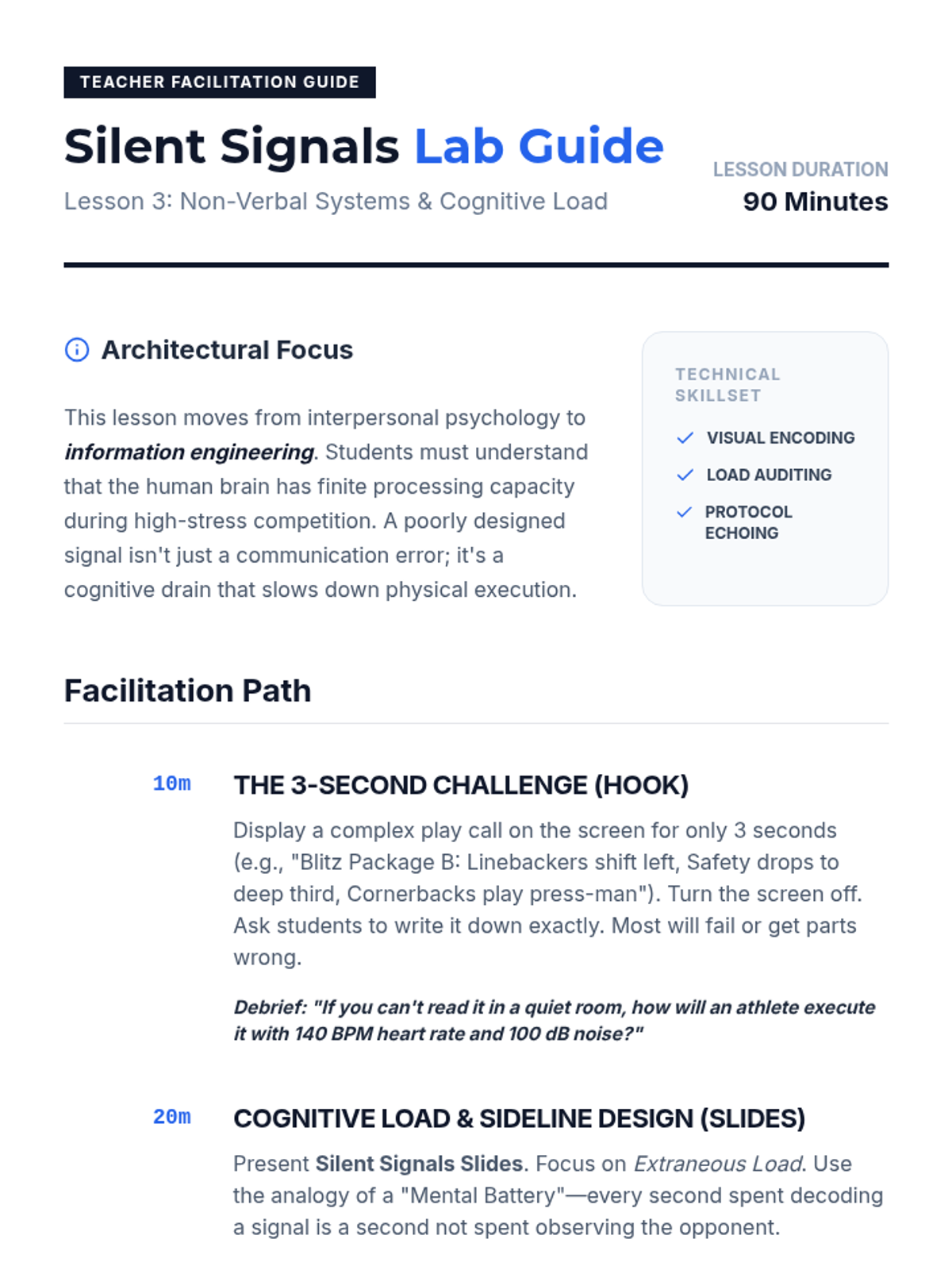
An exploration of non-verbal signaling and sideline communication strategies designed to minimize cognitive load during high-pressure competition.
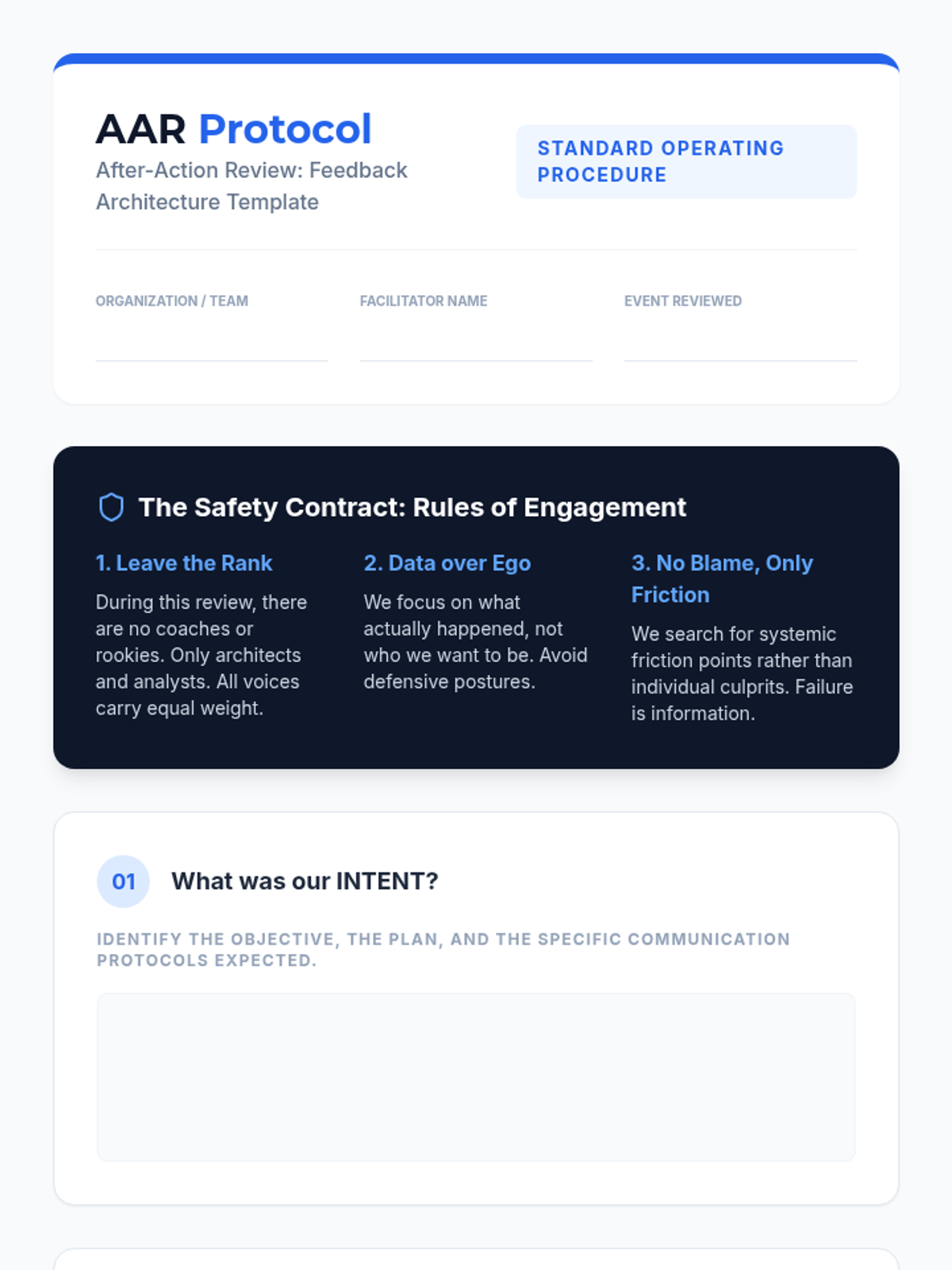
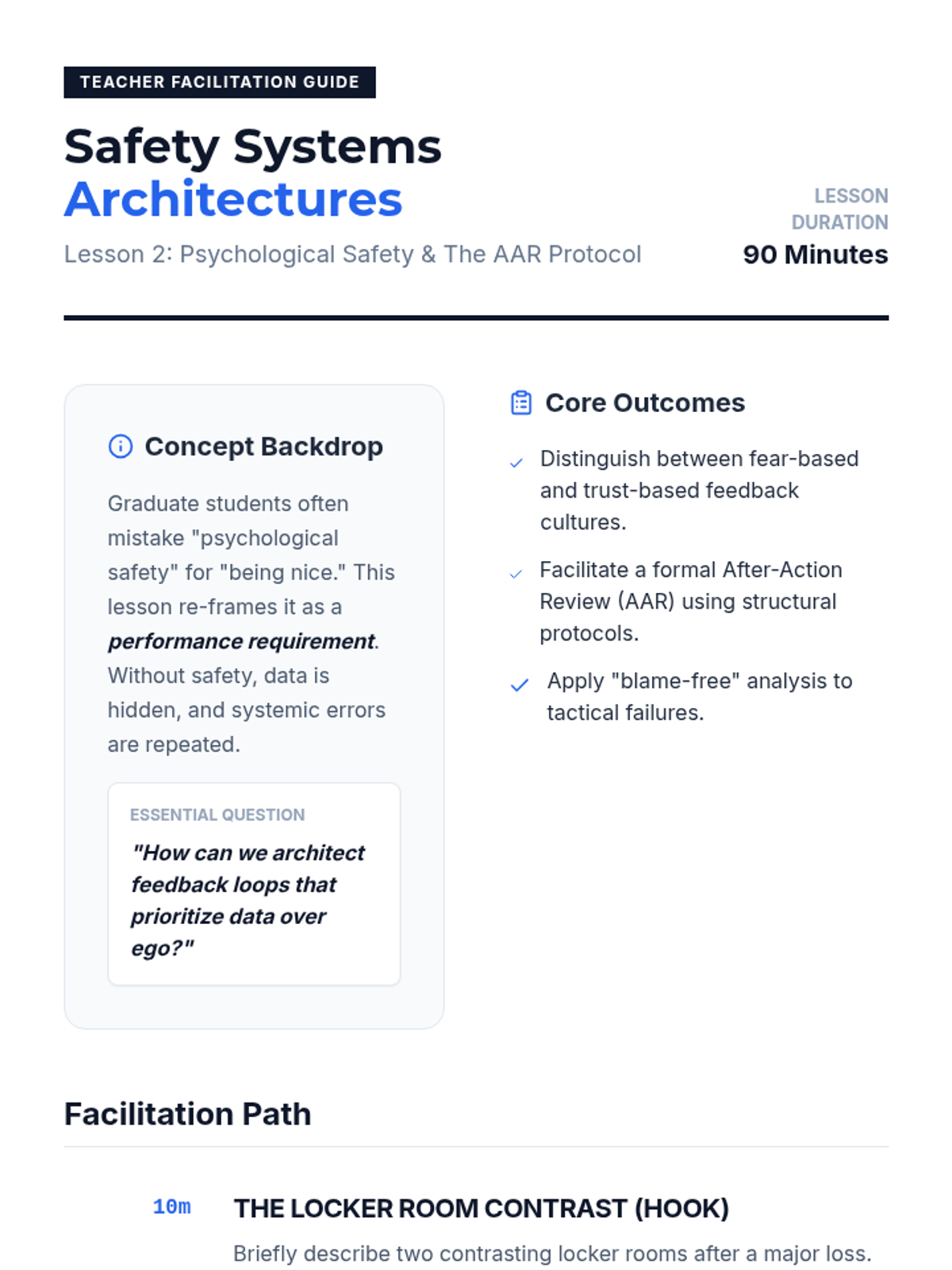
This lesson focuses on the intersection of psychology and management, teaching students to build feedback loops that foster psychological safety and high performance.
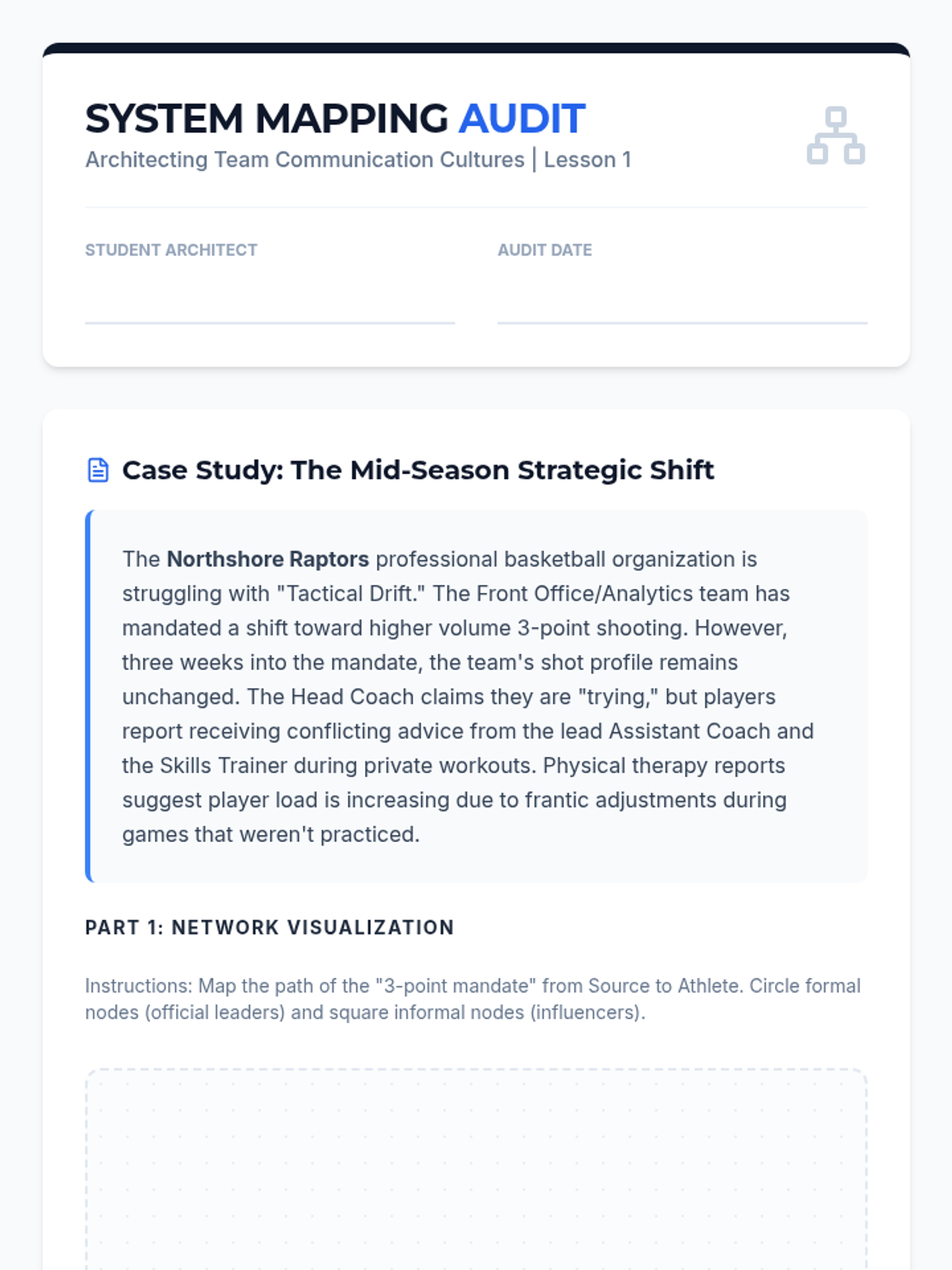
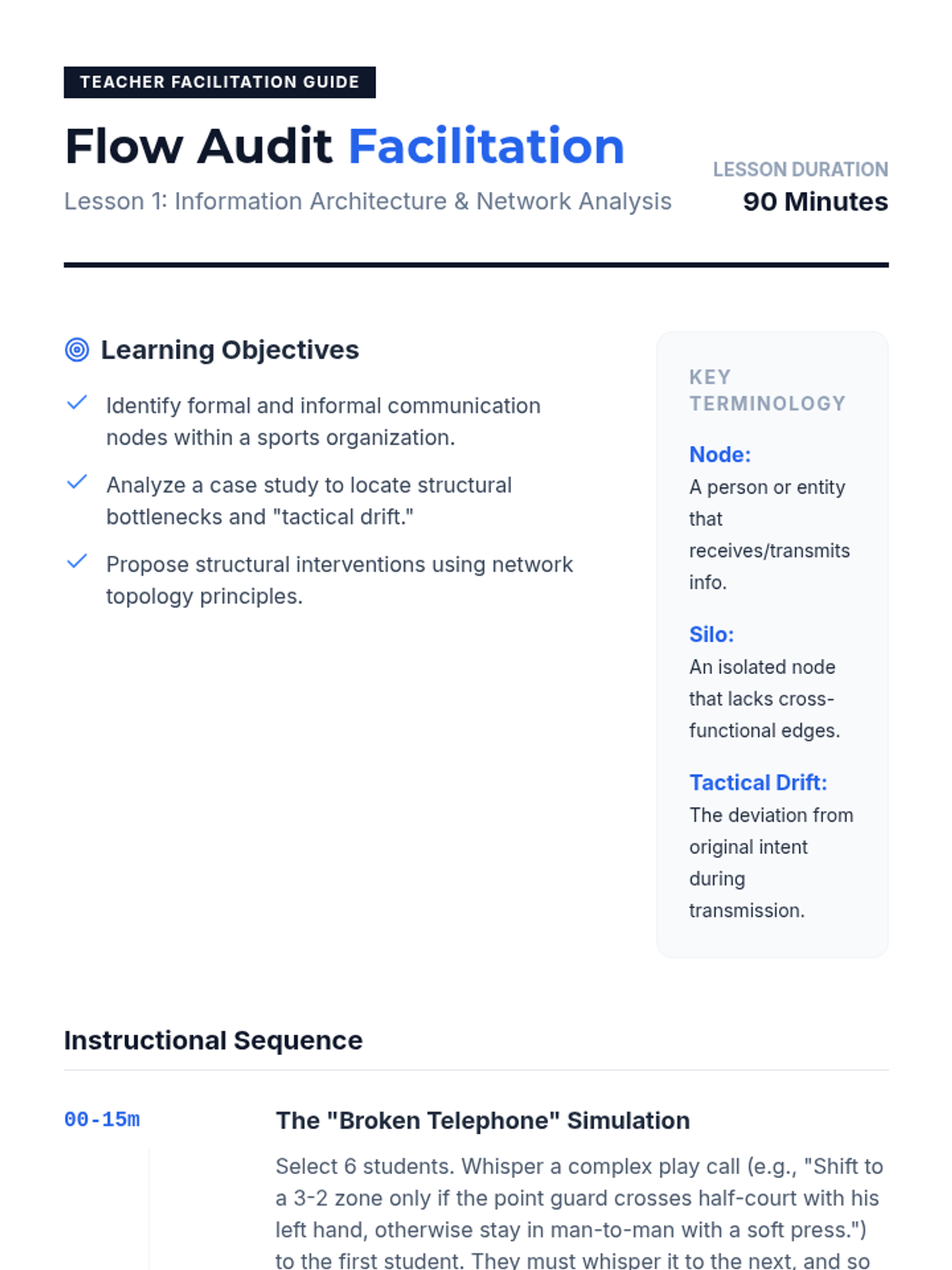
Students will learn to map information flow and identify bottlenecks within athletic organizations using network analysis and systems mapping.
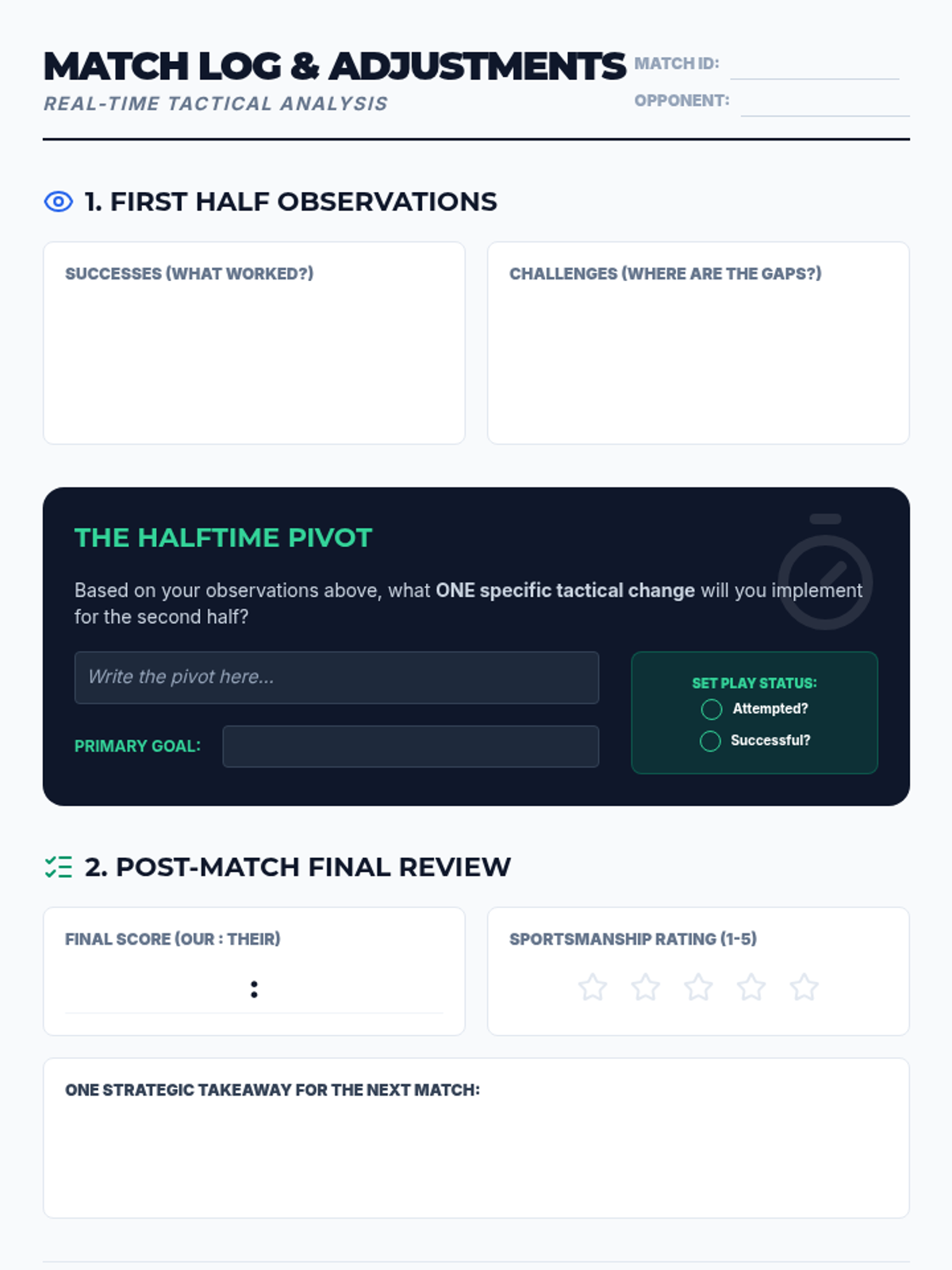
The class tournament begins with a focus on implementing the practiced strategies. Between games, teams conduct brief 'halftime talks' to discuss what is working and what needs to change.
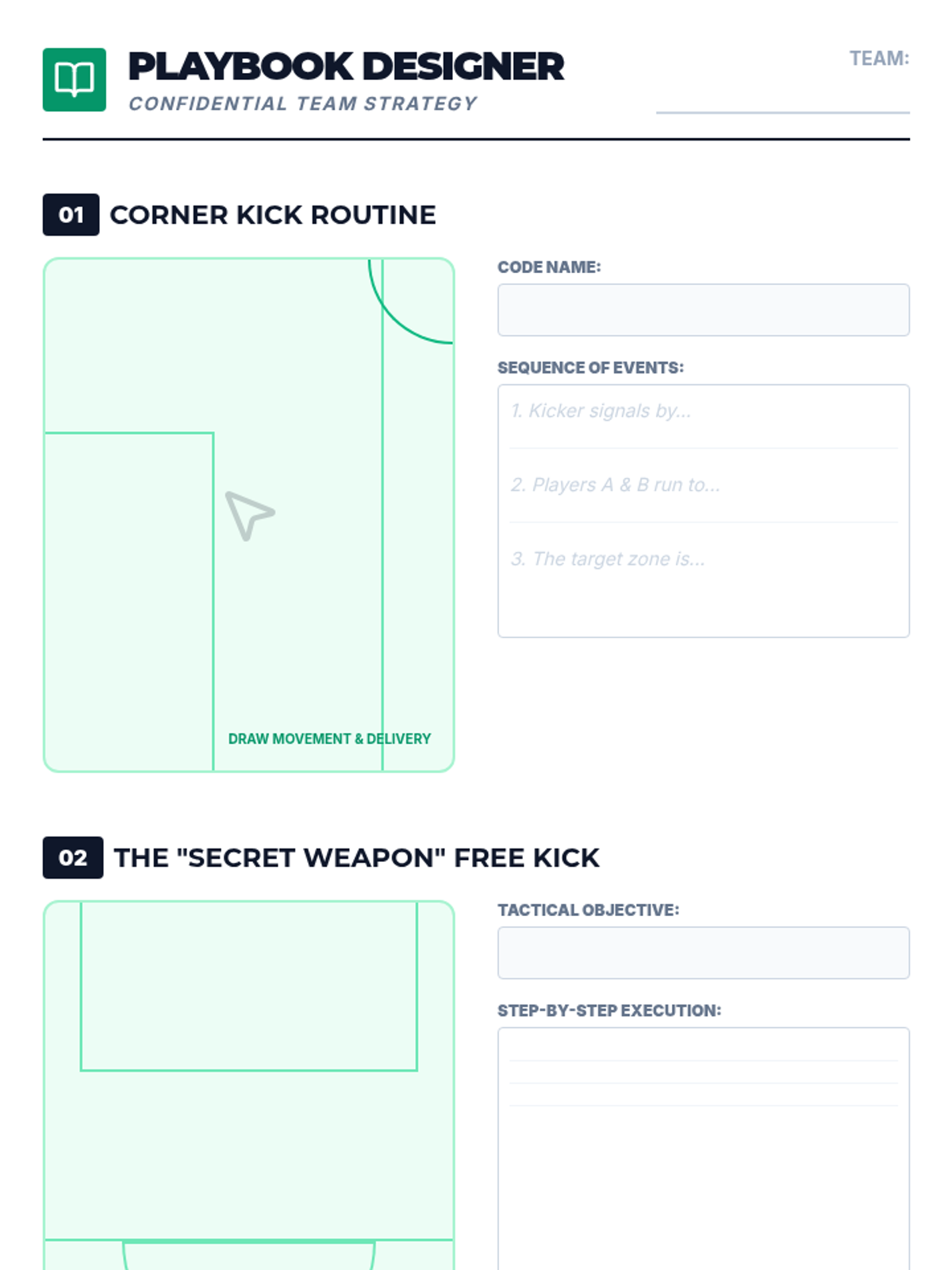
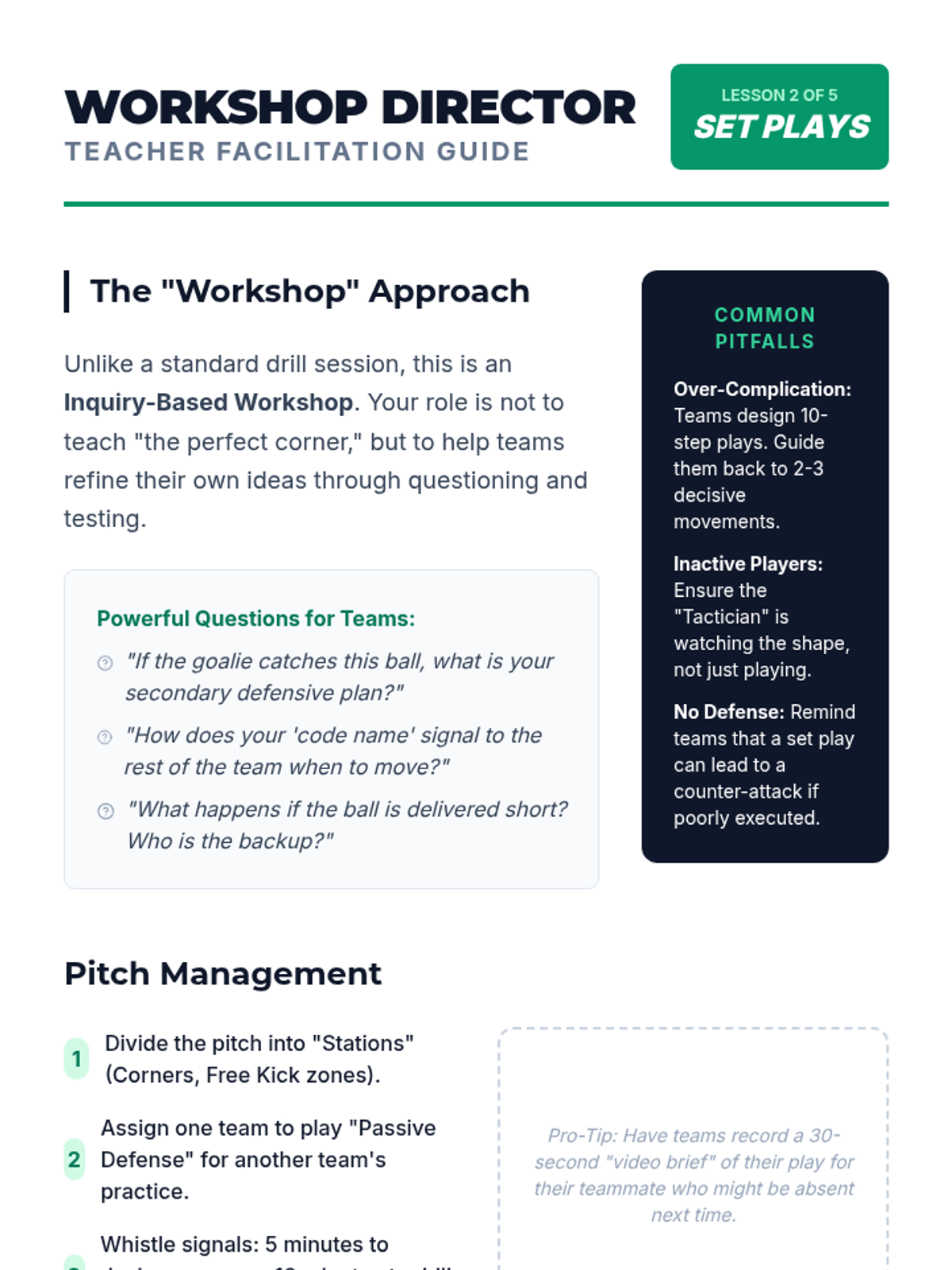
Teams spend the lesson designing and practicing two specific set plays (one corner kick, one free kick) and one defensive protocol. They document these plays to be used in the upcoming tournament.
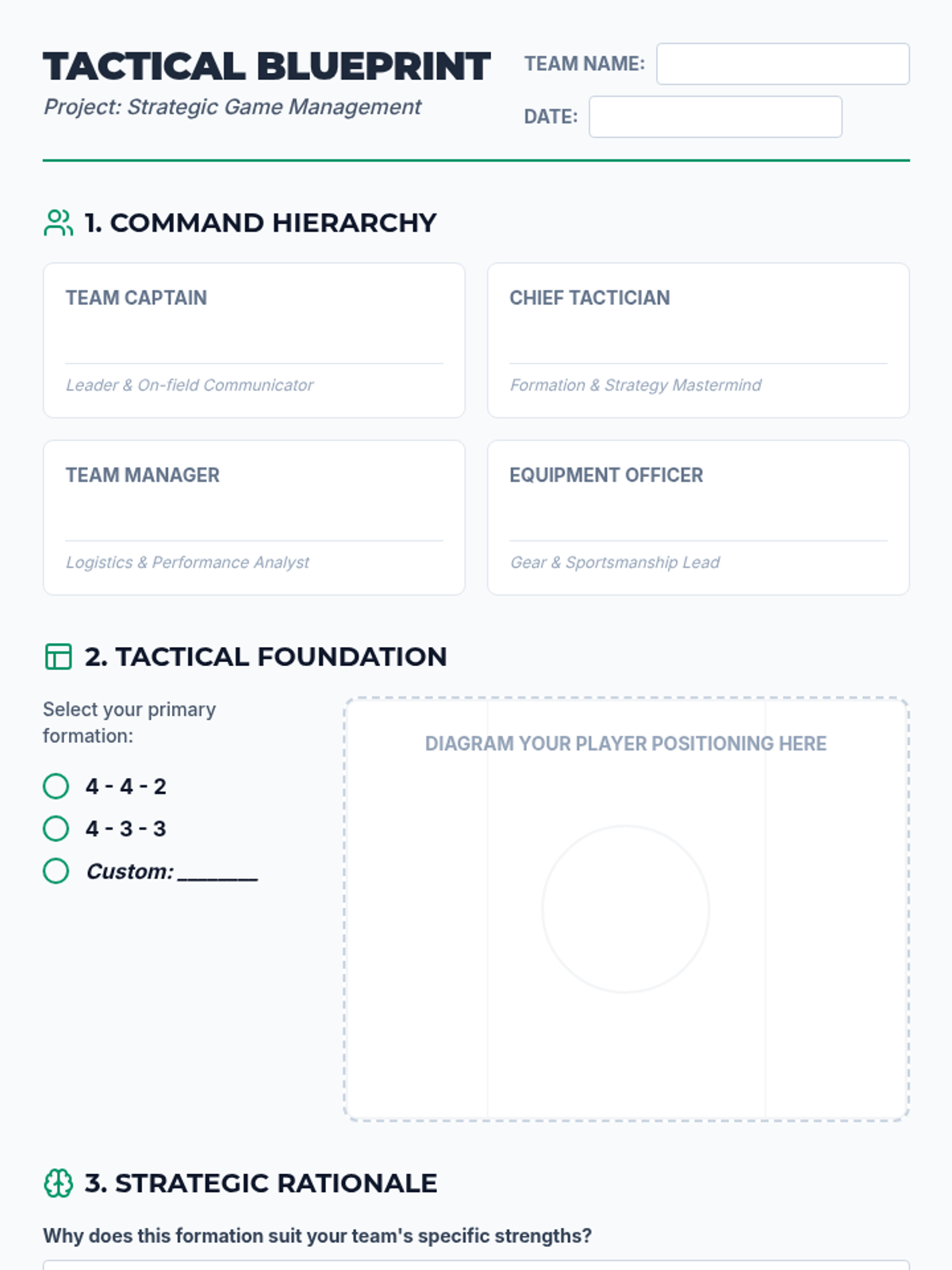
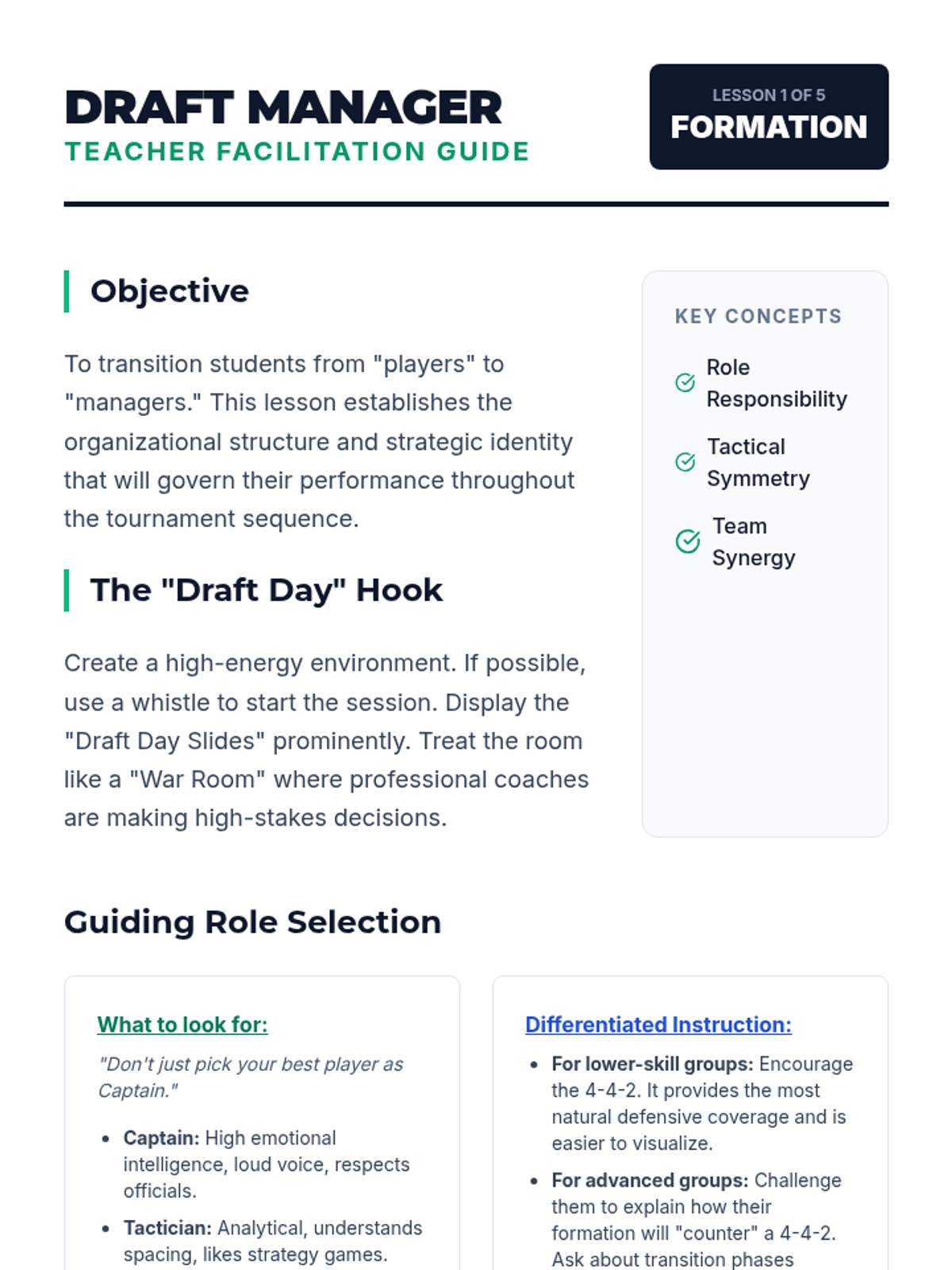
Students form teams and assume roles such as captain, tactician, and manager. They draft a team charter and choose a formation (e.g., 4-4-2, 4-3-3) that best suits their players' strengths.
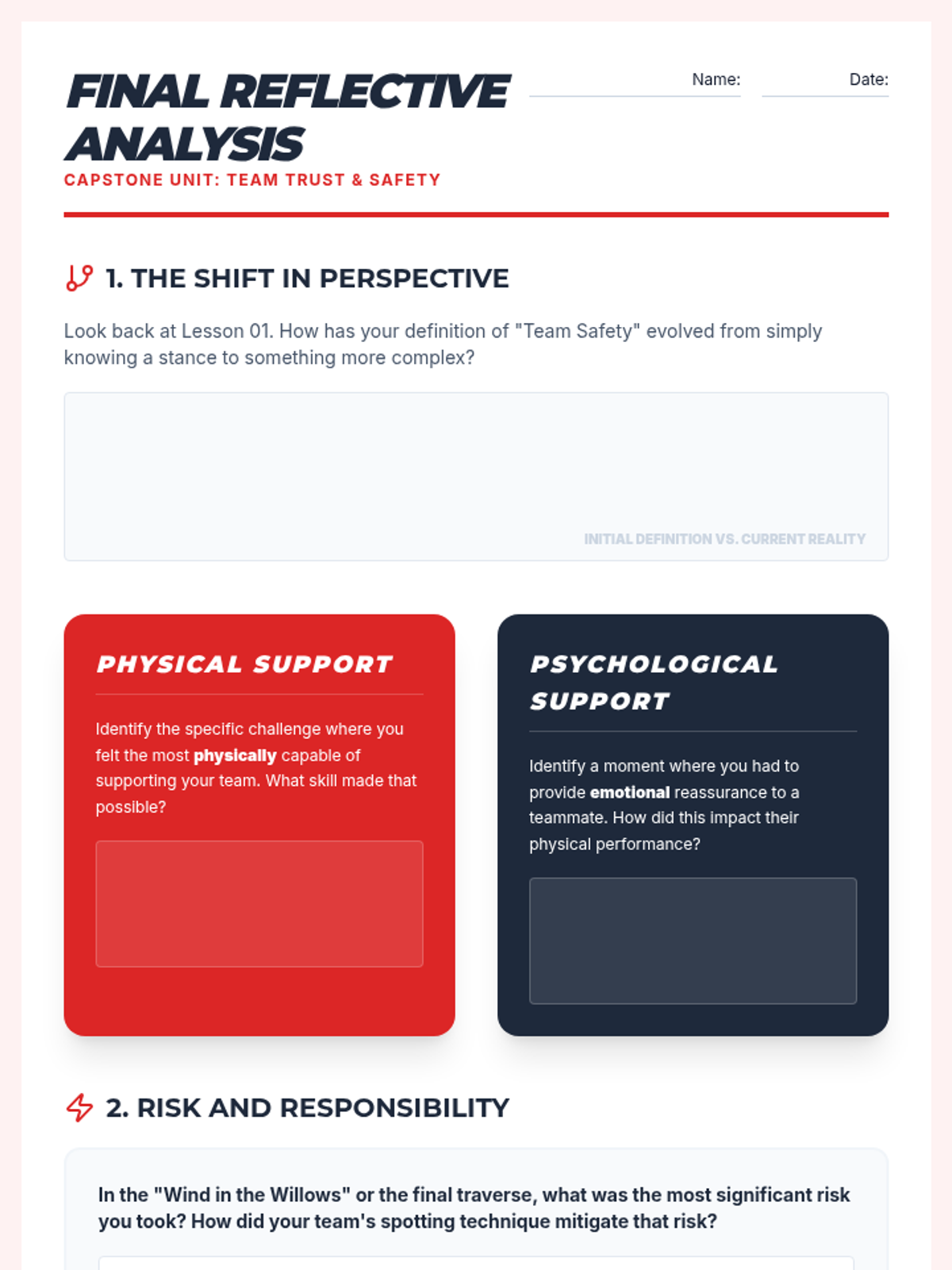
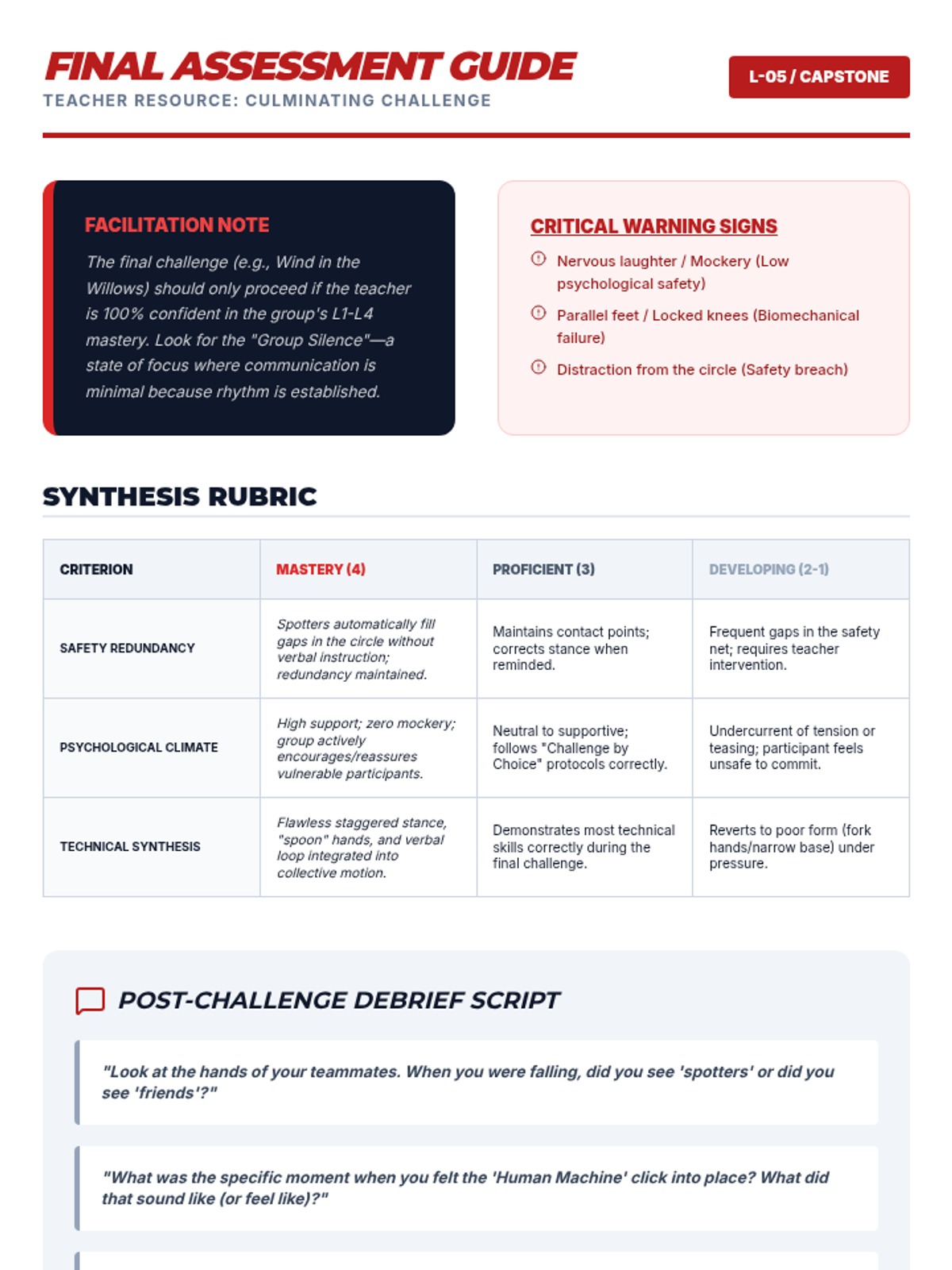
Students undertake a significant trust activity, such as a 'Wind in the Willows' circle or a waist-high wall traverse with spotting. The lesson synthesizes spotting skills, verbal communication, and emotional support into a final demonstration of group cohesion.
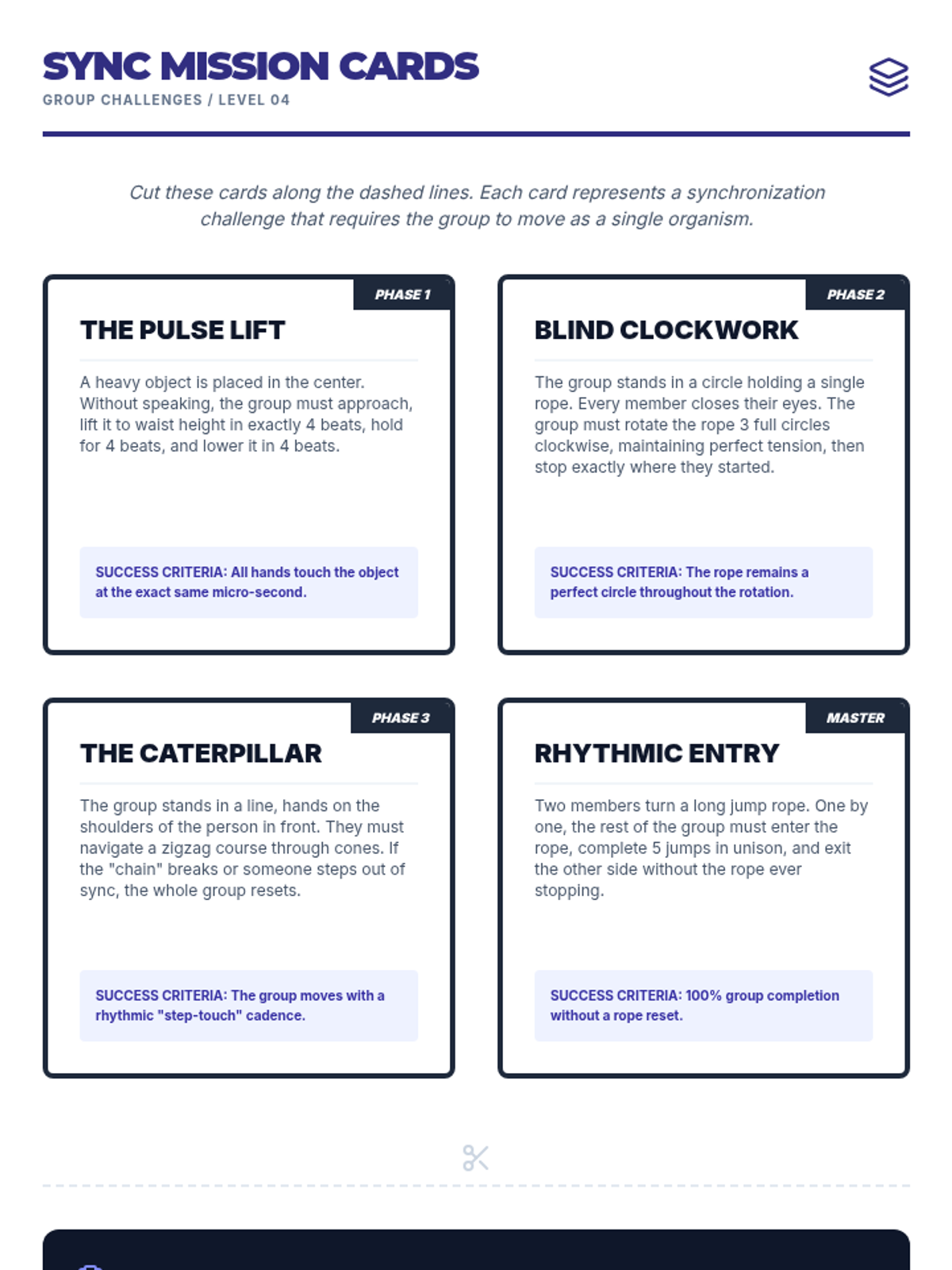
The class engages in activities requiring moving heavy objects or large mats as a single unit. Focus is placed on reading group rhythm and anticipating the movements of others to prevent injury or failure.
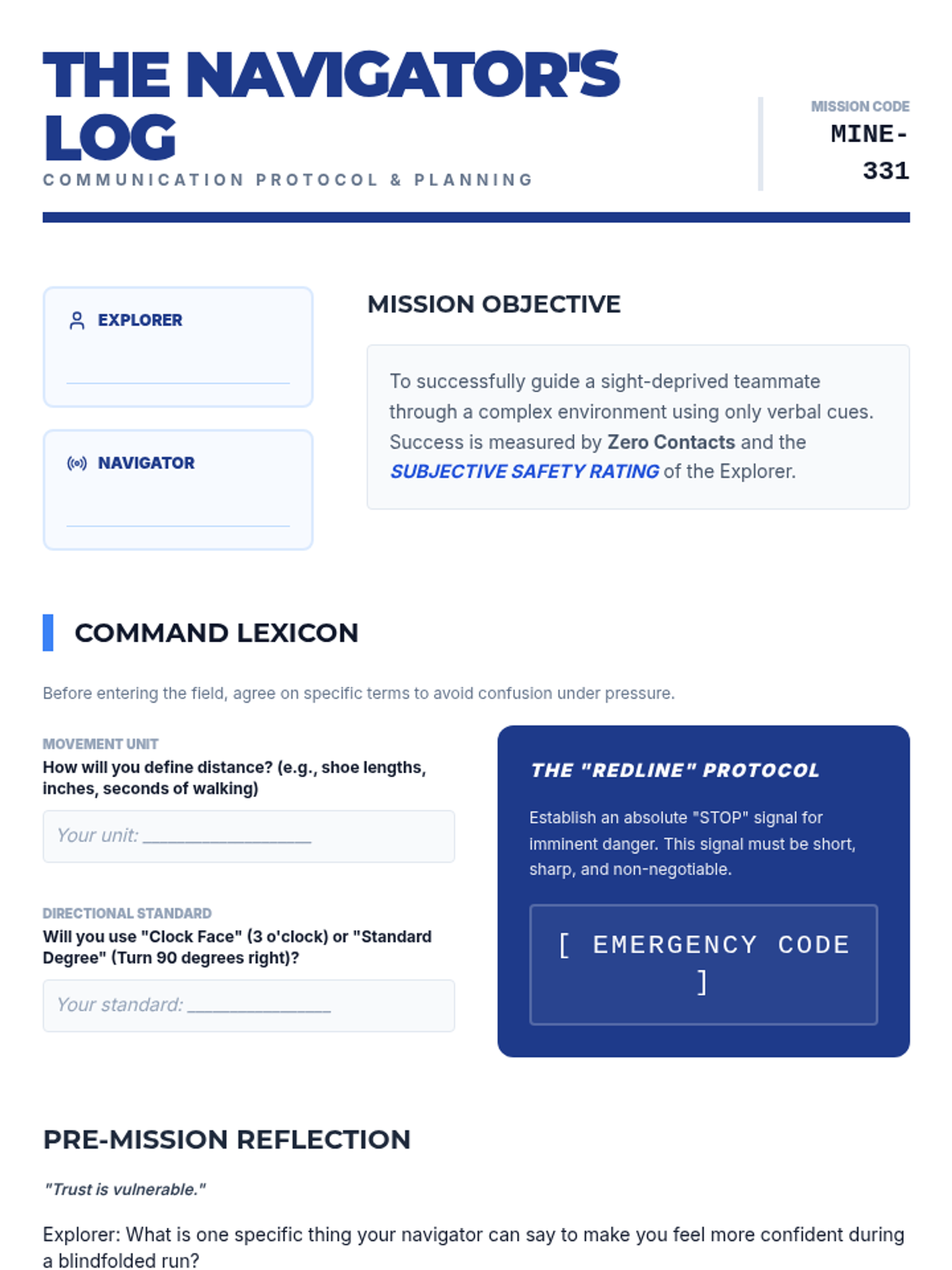
One partner is blindfolded while the other guides them through a 'minefield' of soft obstacles using only verbal commands. The lesson highlights the necessity of precise language and the vulnerability required to trust a guide completely.
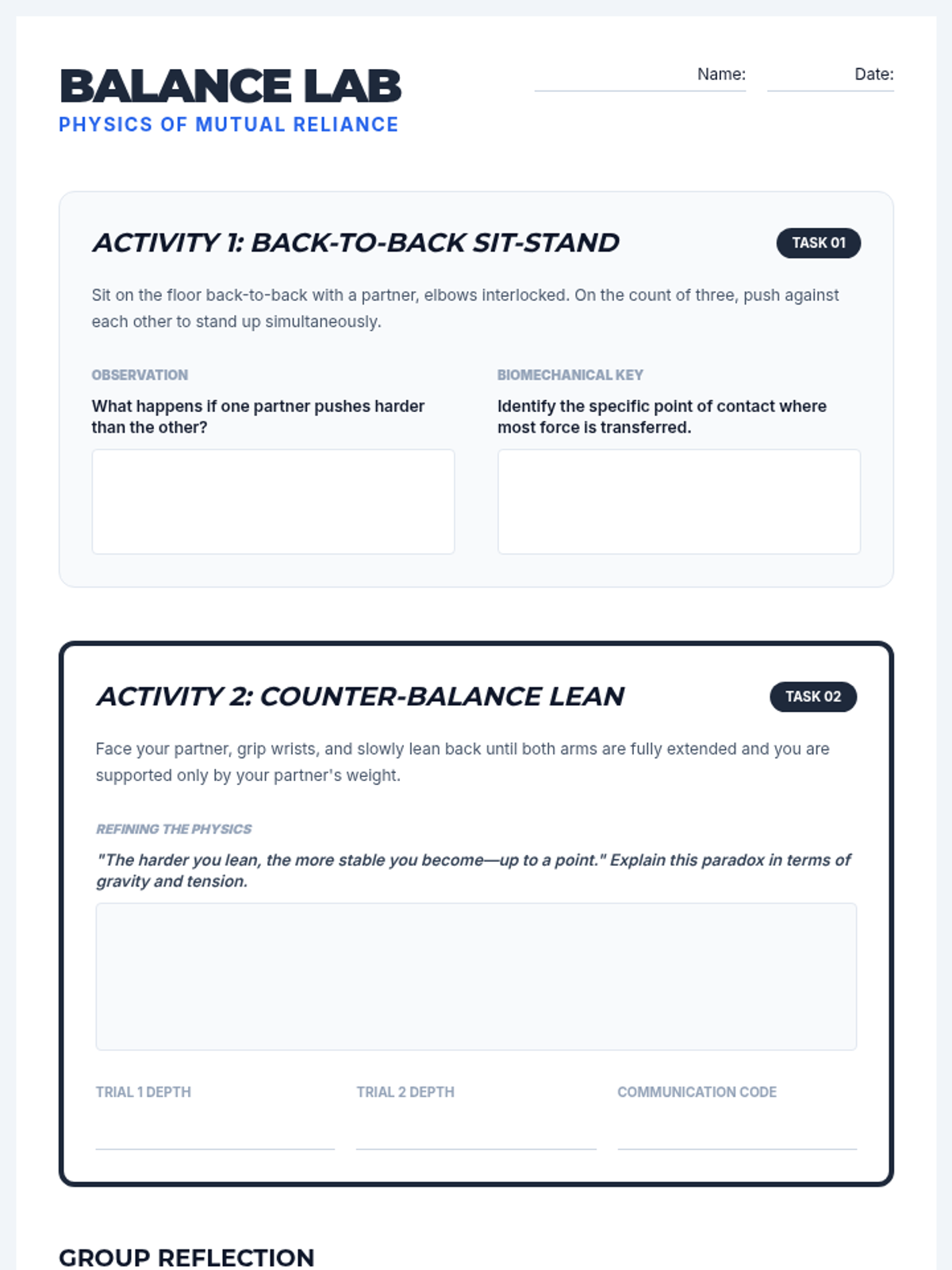
Partners and small groups engage in activities requiring them to lean against one another to maintain balance. This lesson explores the physics of mutual reliance, where the failure of one person to commit causes the group to fall.
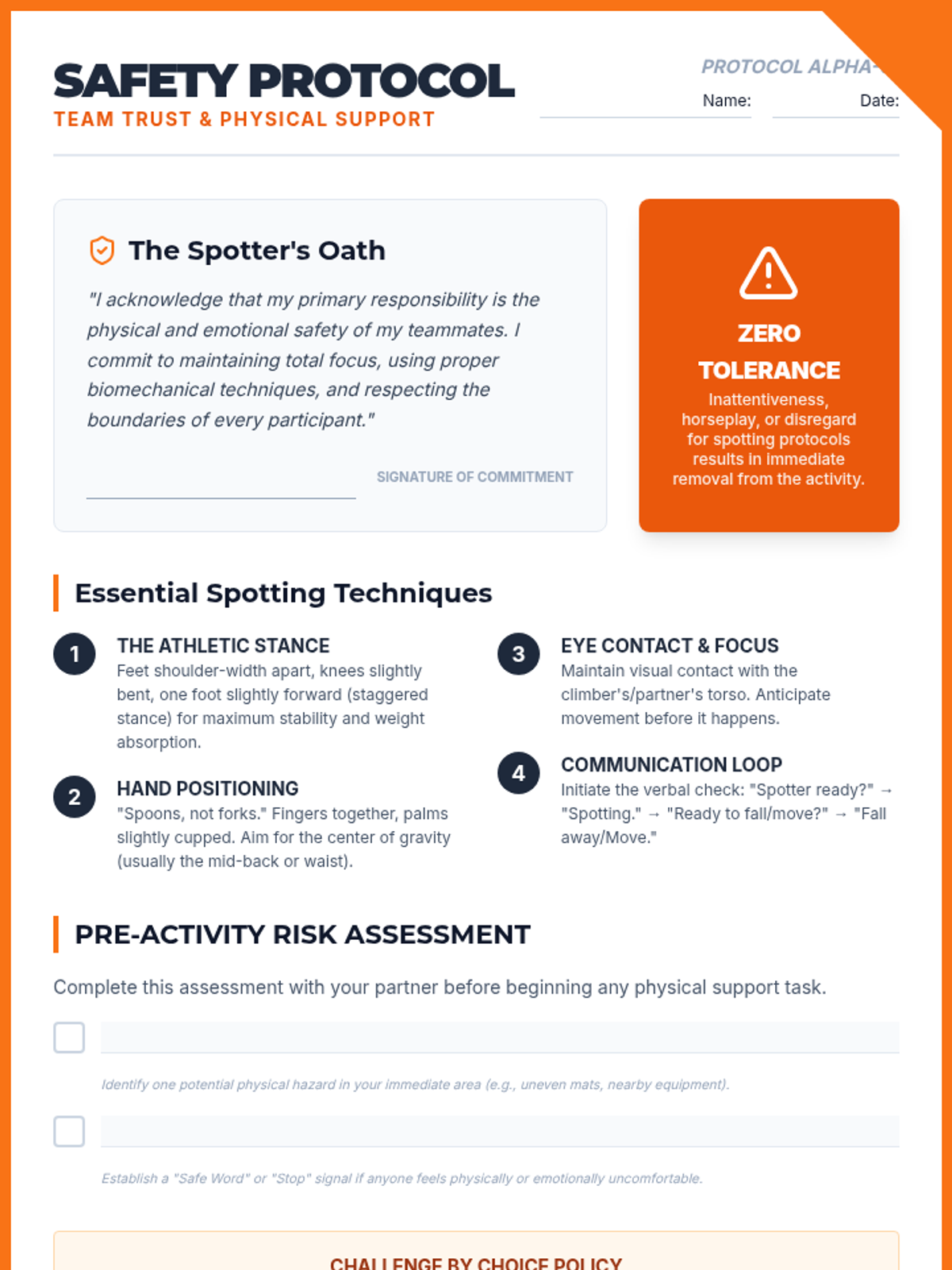
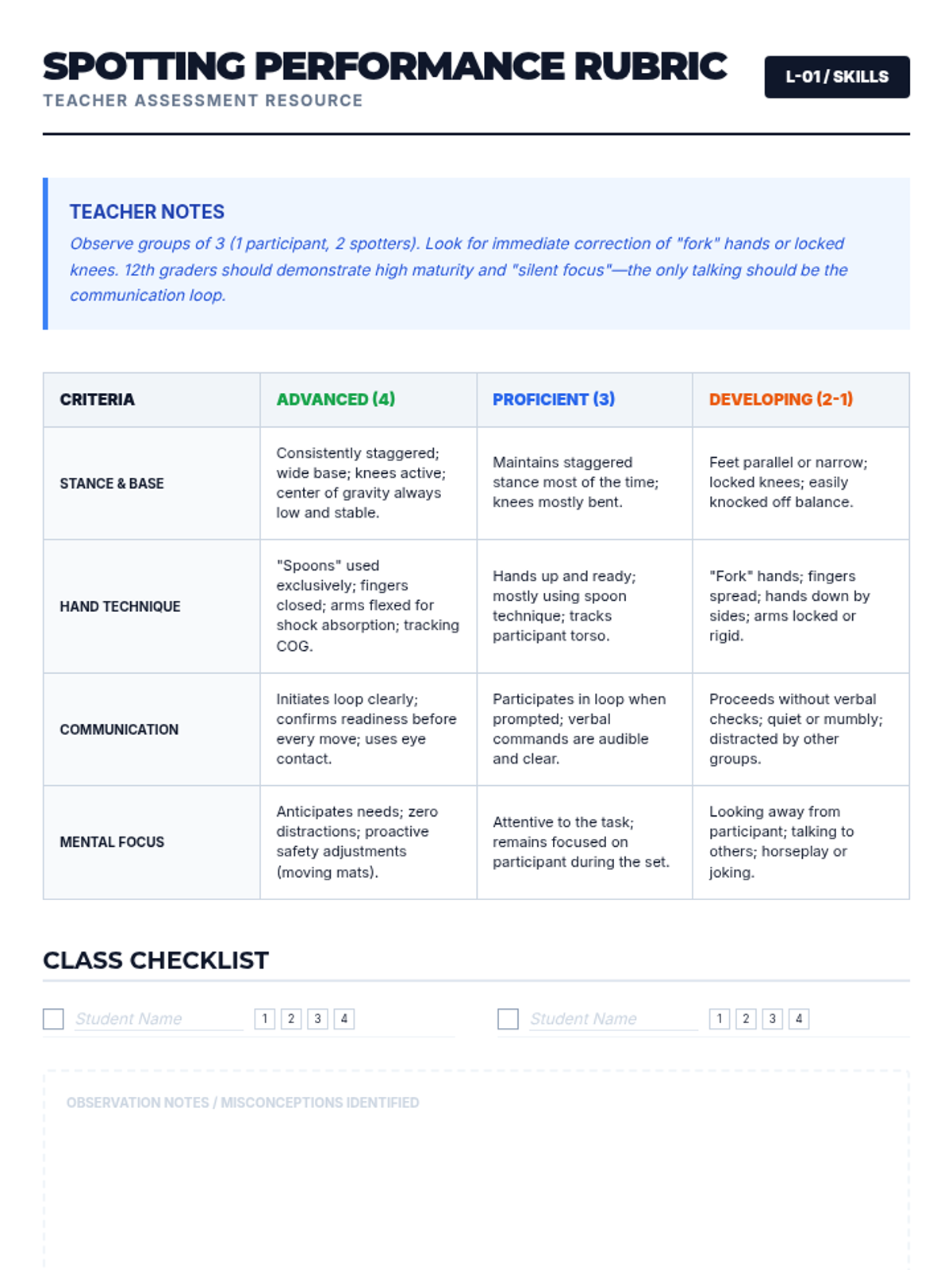
Students learn the biomechanics of safe spotting and weight support, practicing proper stance and hand placement. The lesson establishes the 'challenge by choice' protocol, ensuring all participants understand the safety contract required for cooperative physical work.
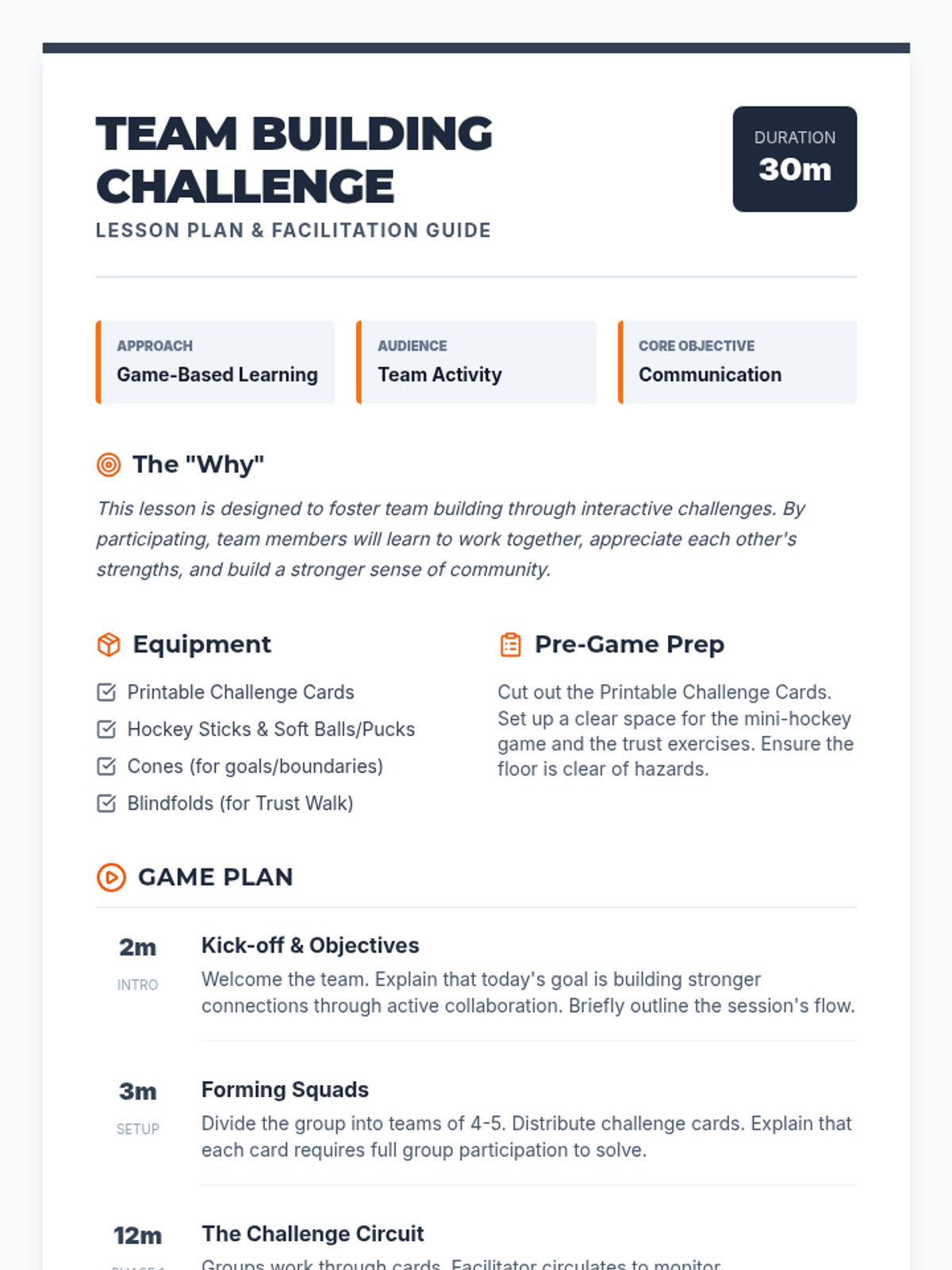
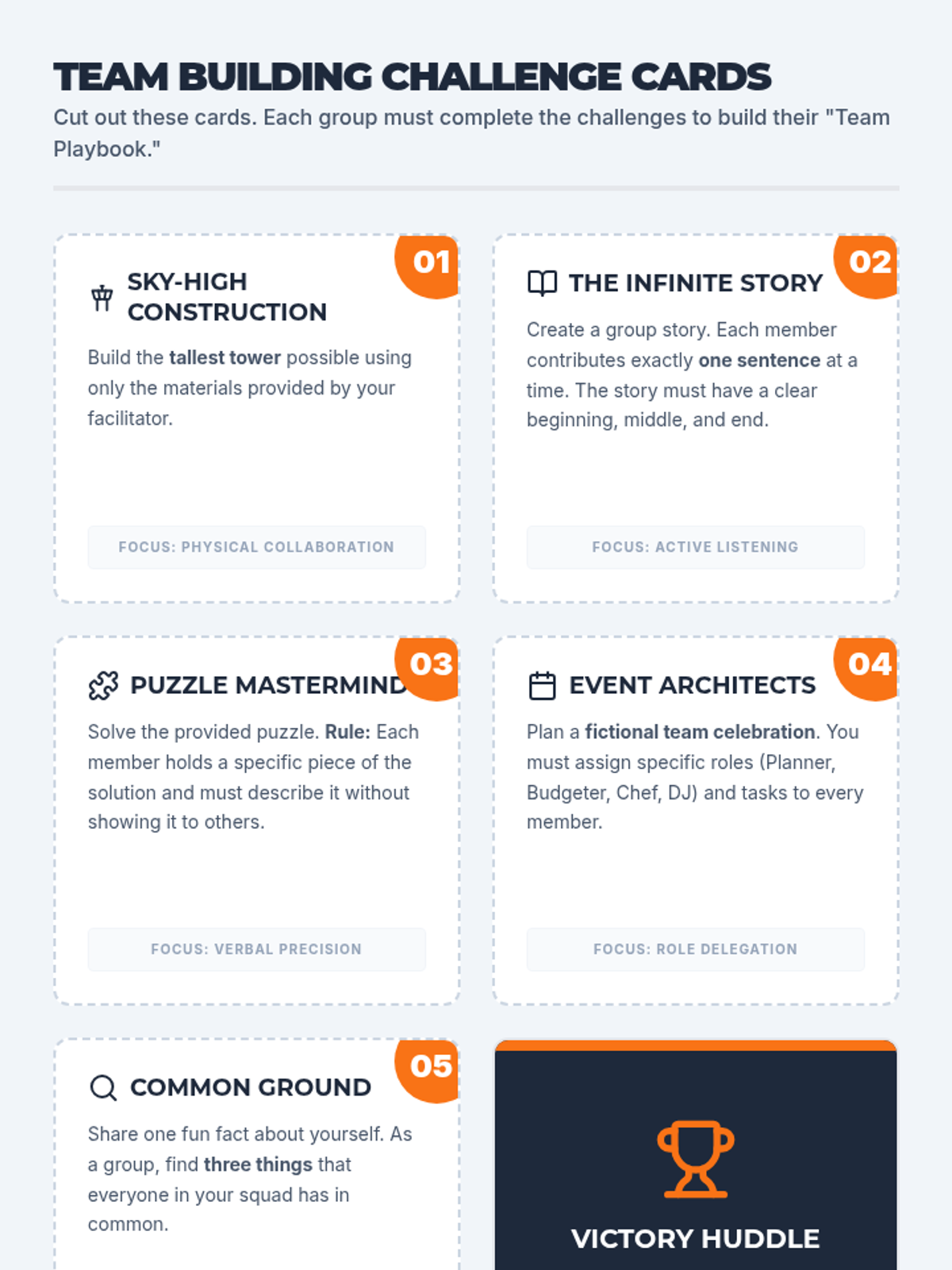
A high-energy team-building lesson focused on communication, trust, and collaboration through interactive challenges and a hockey-themed strategy game.