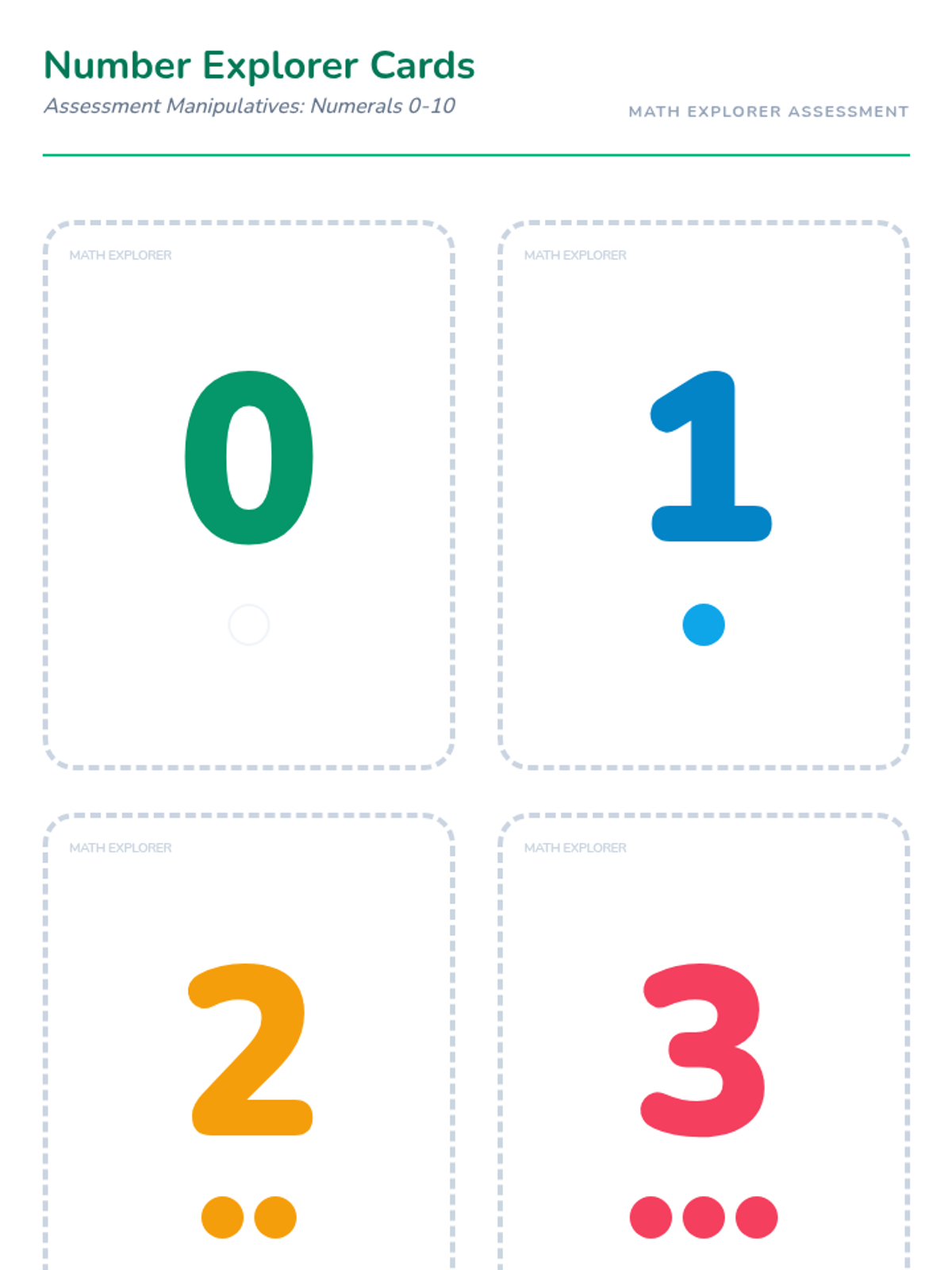
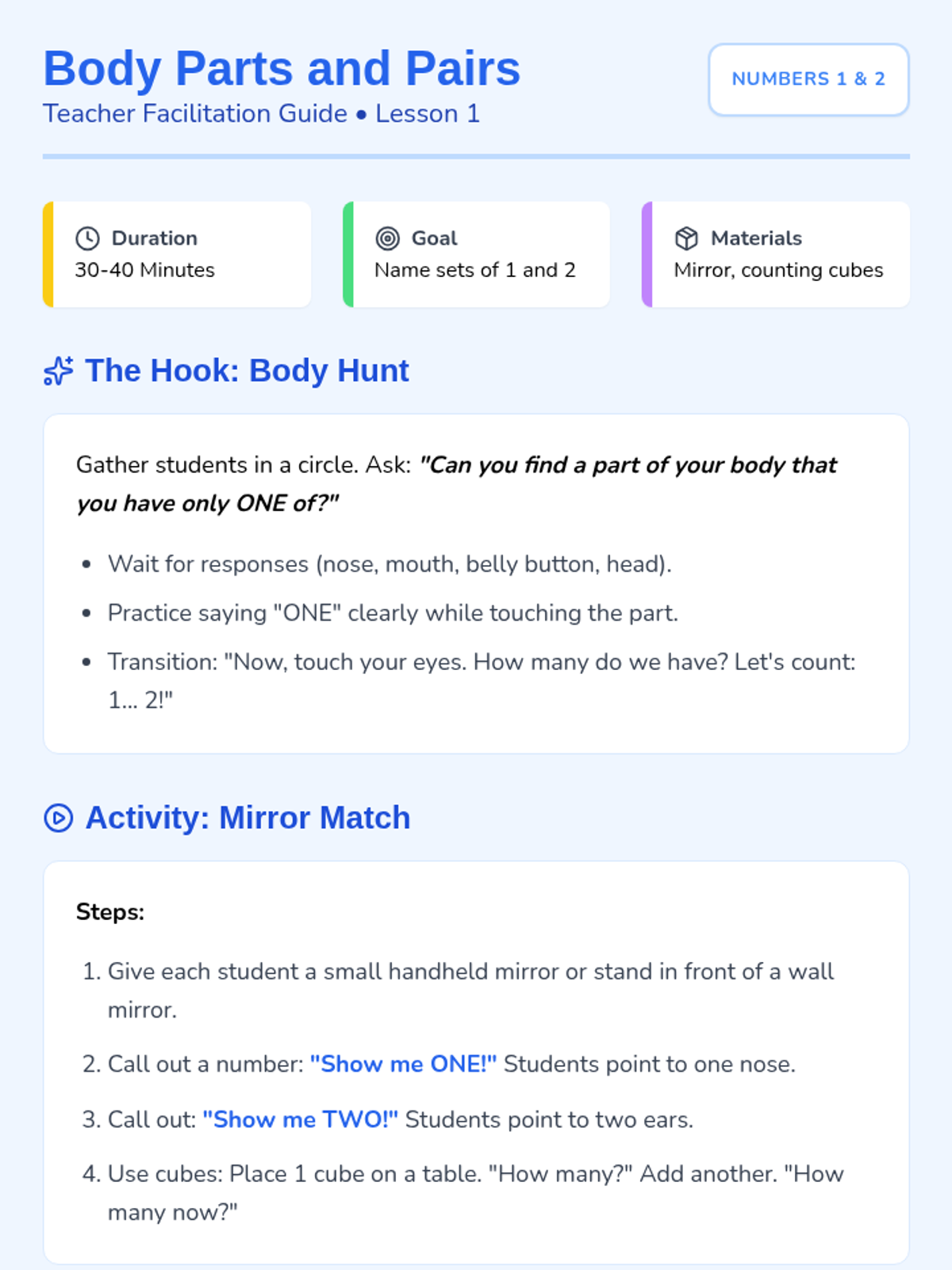
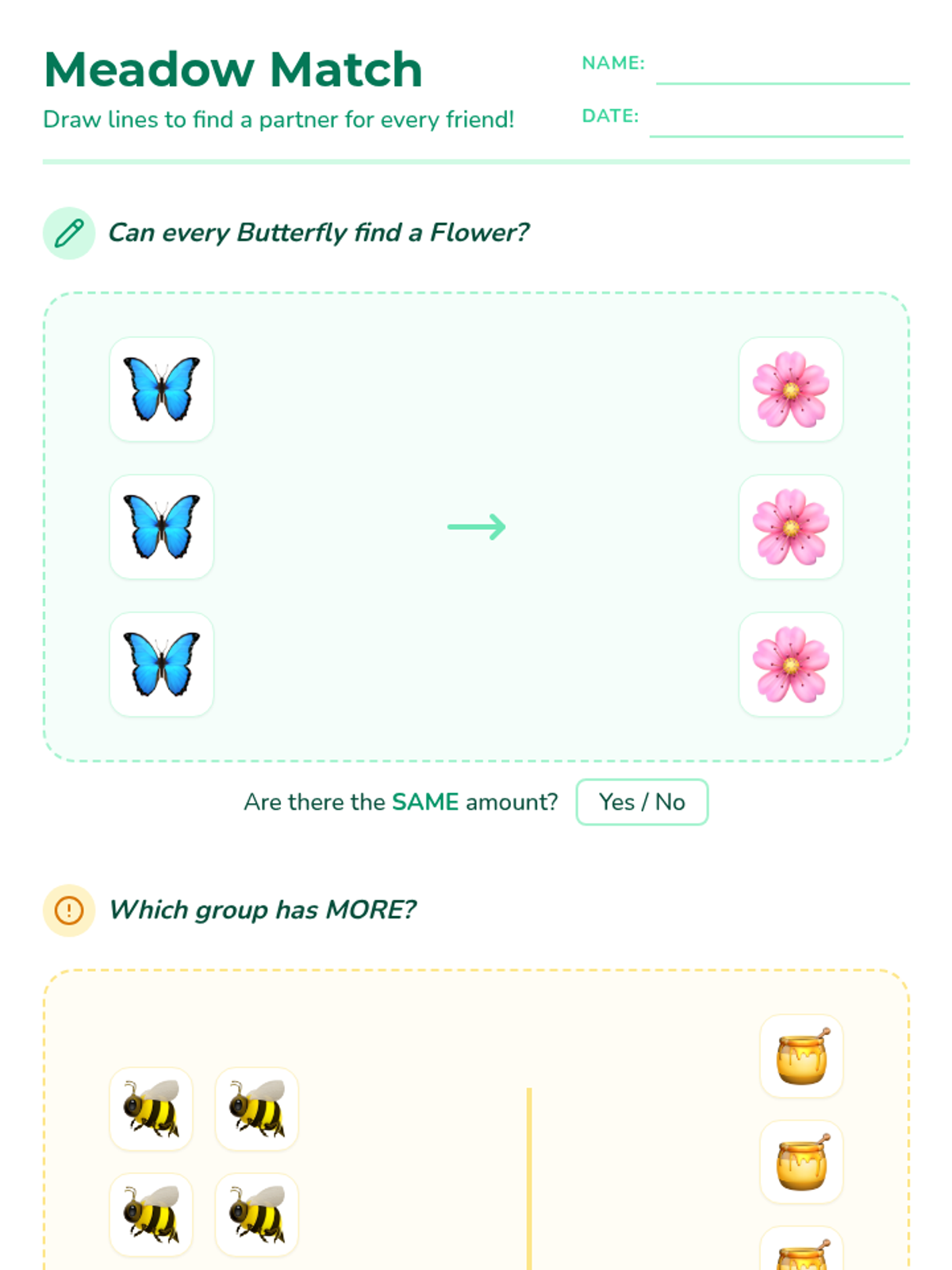
One-to-one correspondence, numeral identification, and comparison of quantities using terms like greater than or less than. Establishes the foundation for numerical literacy and early arithmetic operations.
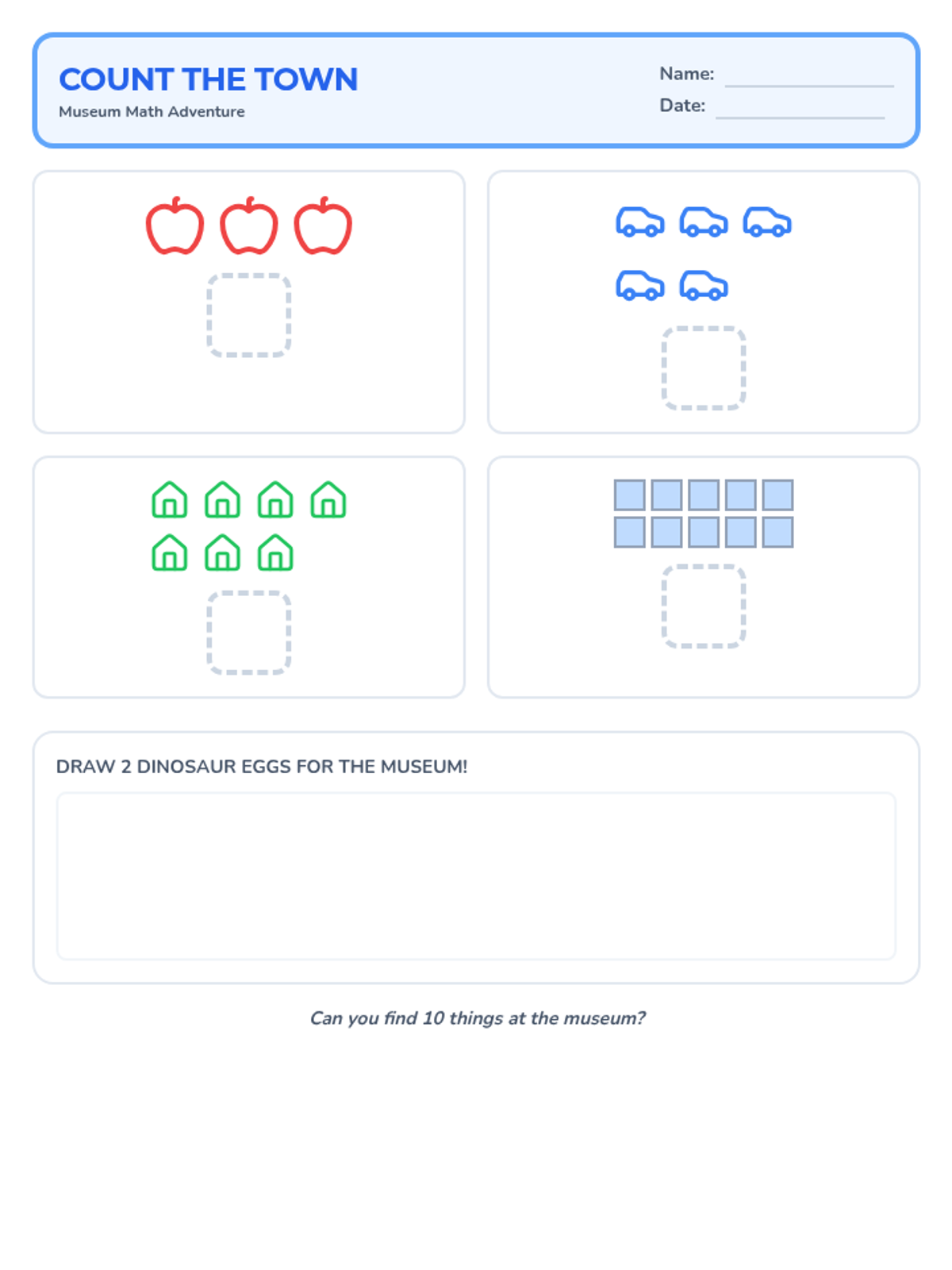
A series of interactive math lessons themed around a trip to Play Street Museum, specifically designed for preschool students with special needs to practice numbers, addition, and size comparison through imaginative play contexts.
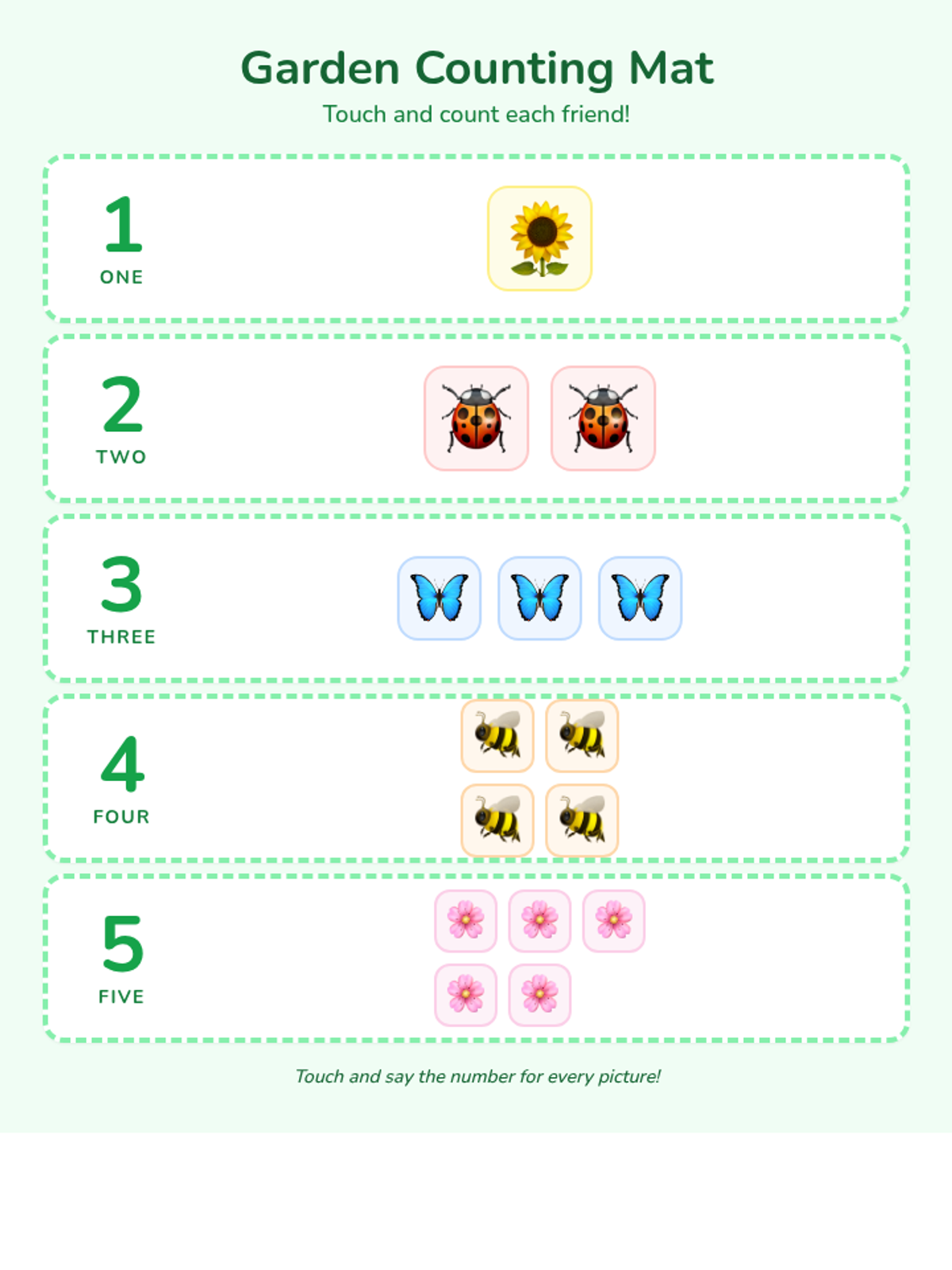
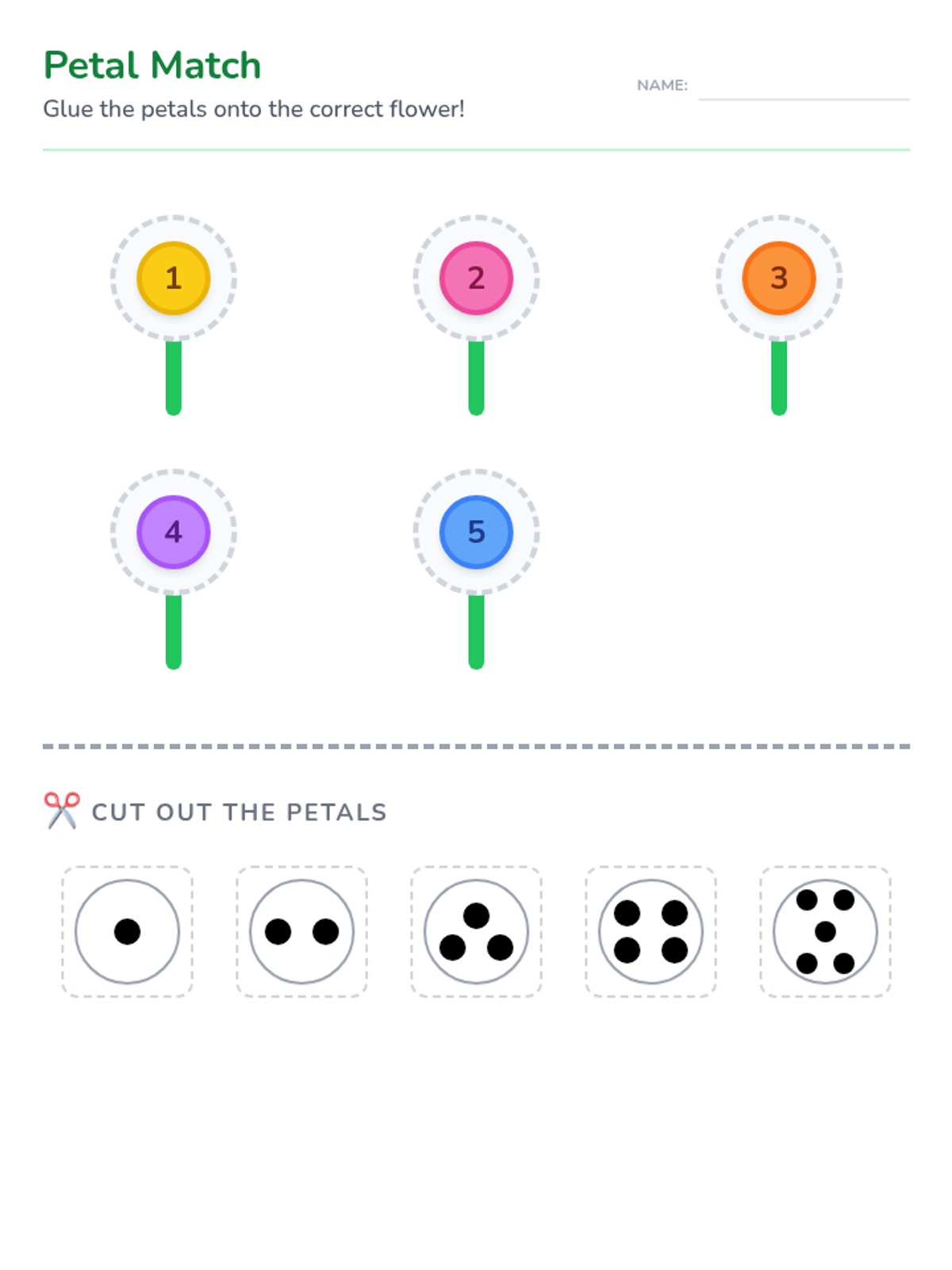
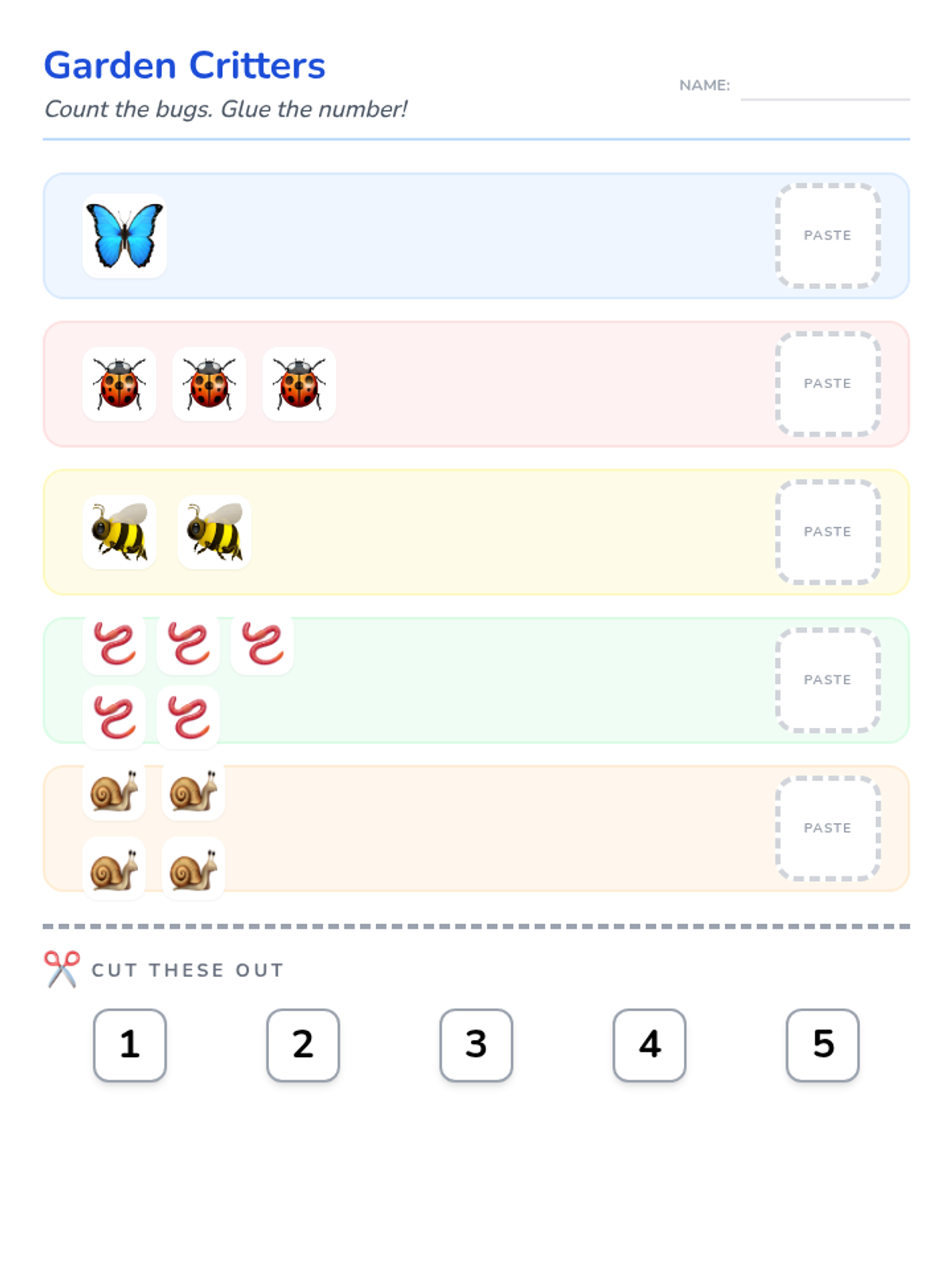
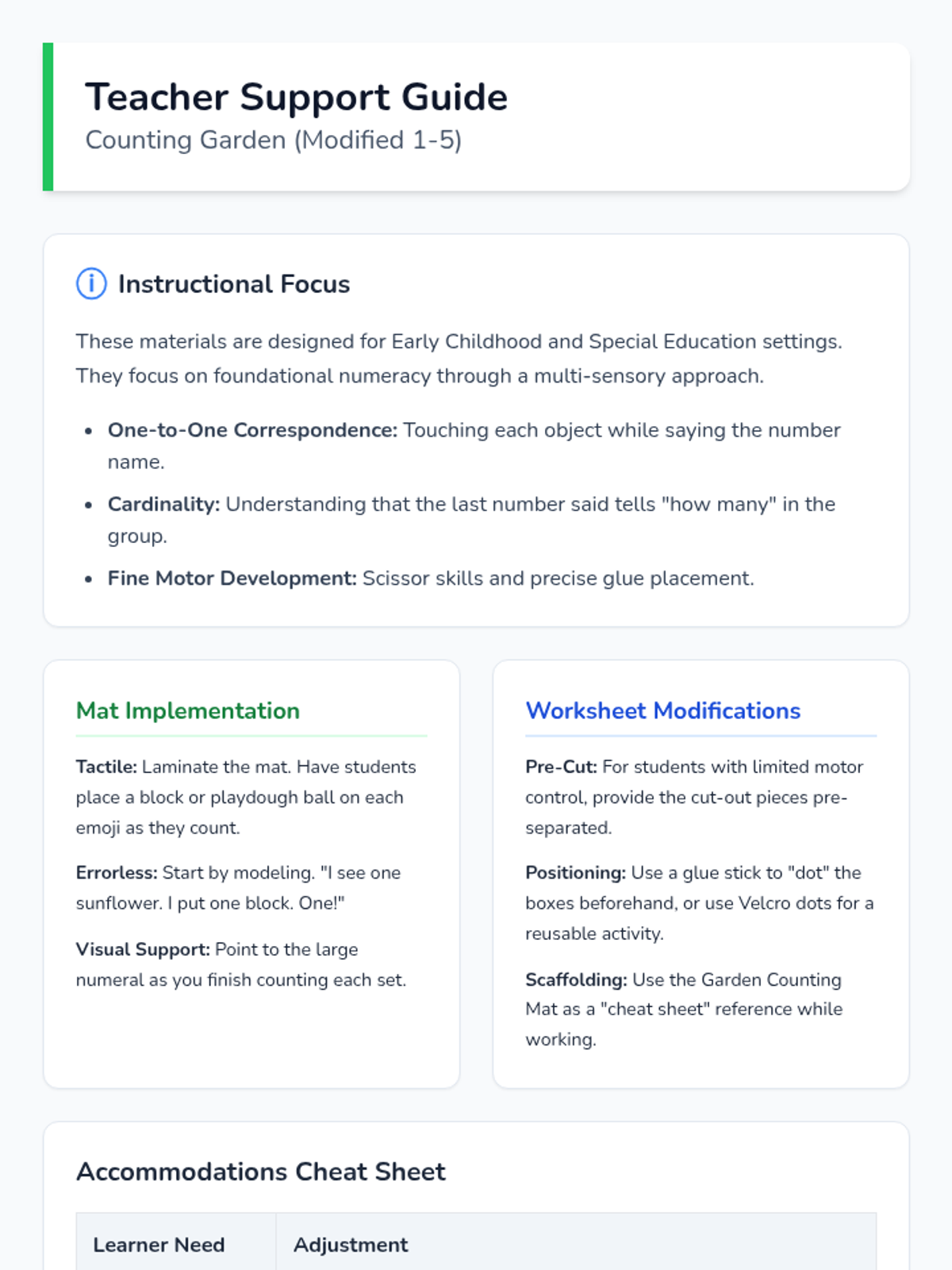
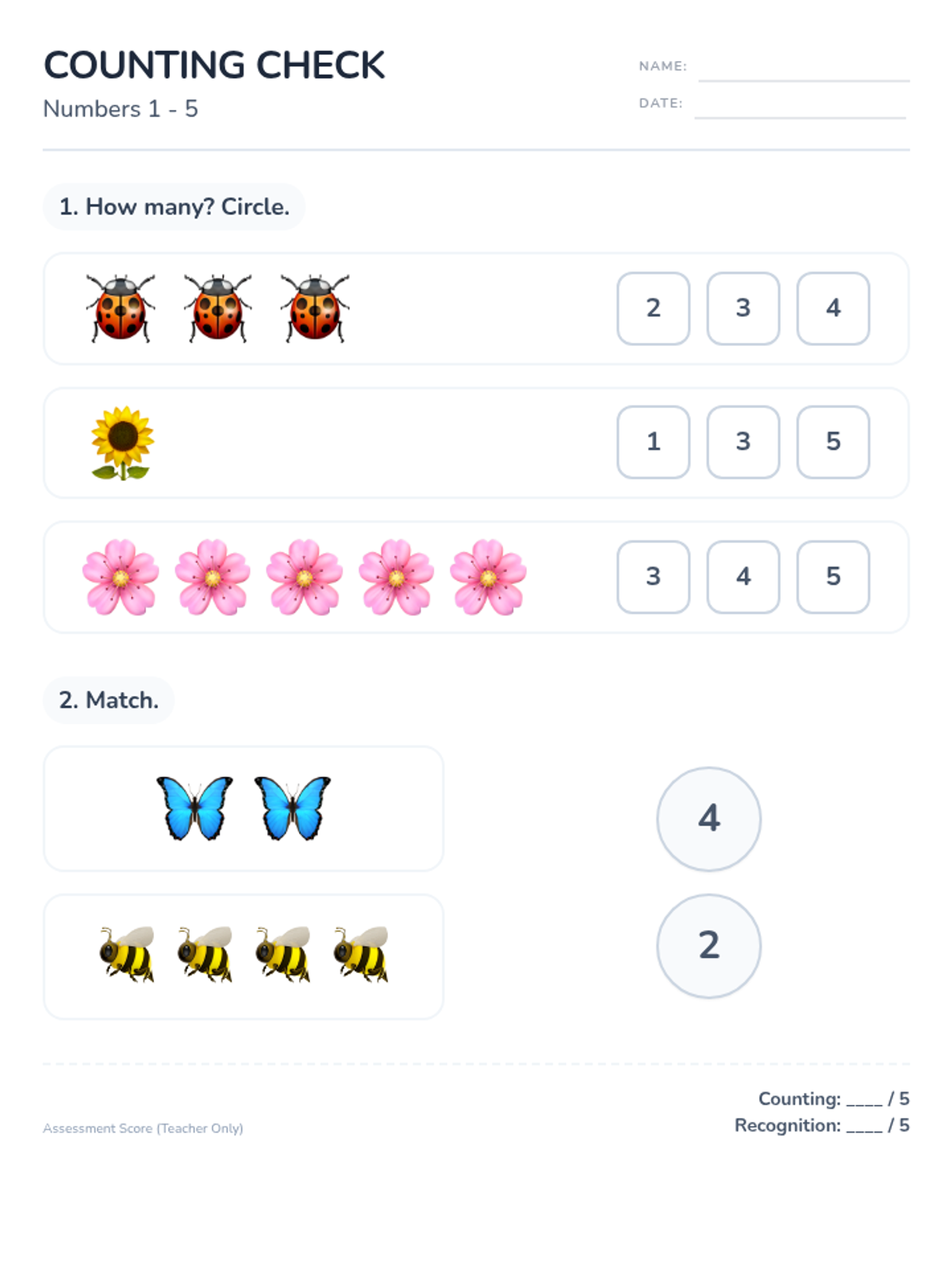
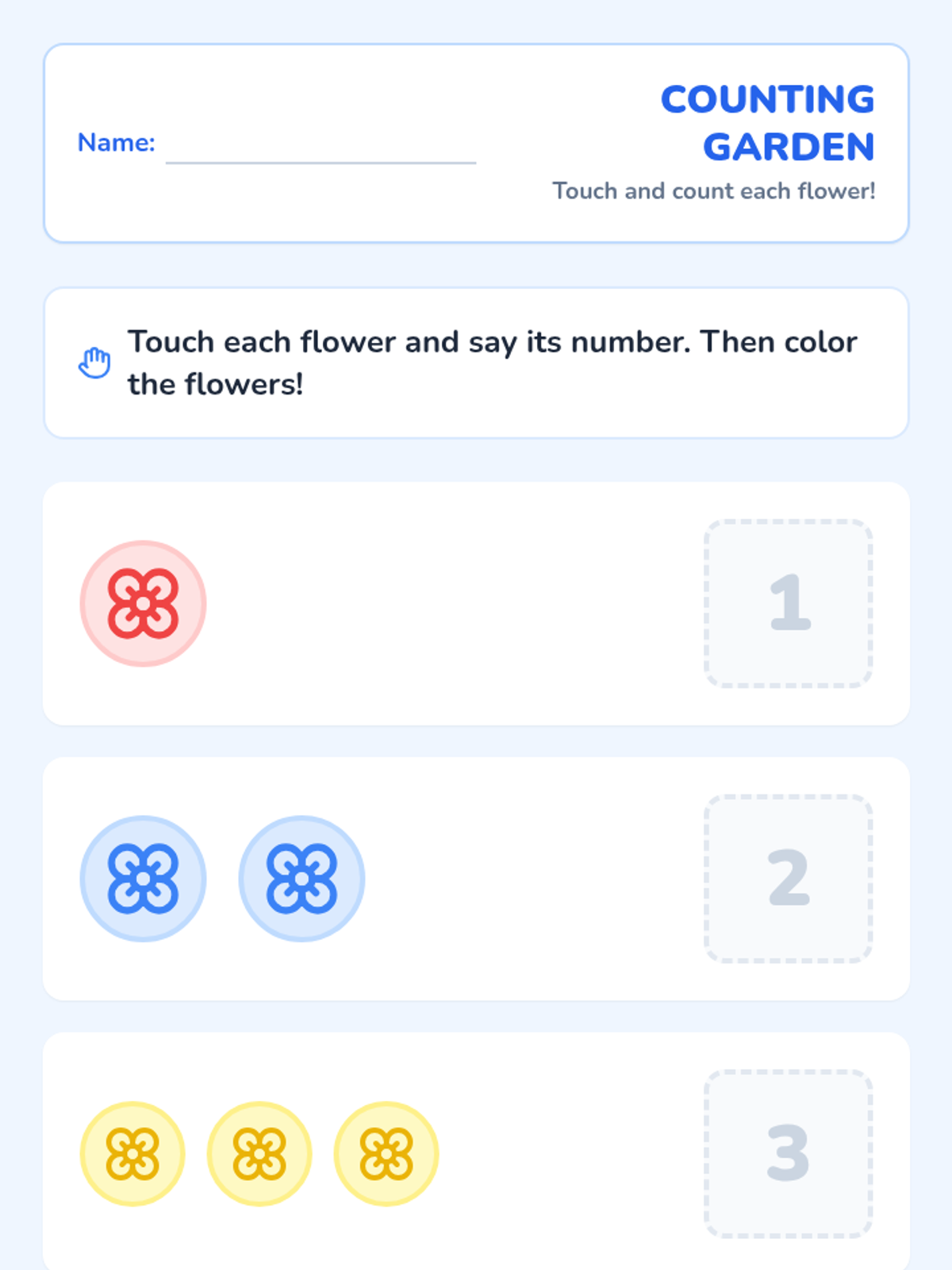
A foundational counting unit for early childhood learners, focusing on numbers 1-5 through tactile and visual garden-themed activities. Includes counting mats and fine-motor cut-and-paste tasks.
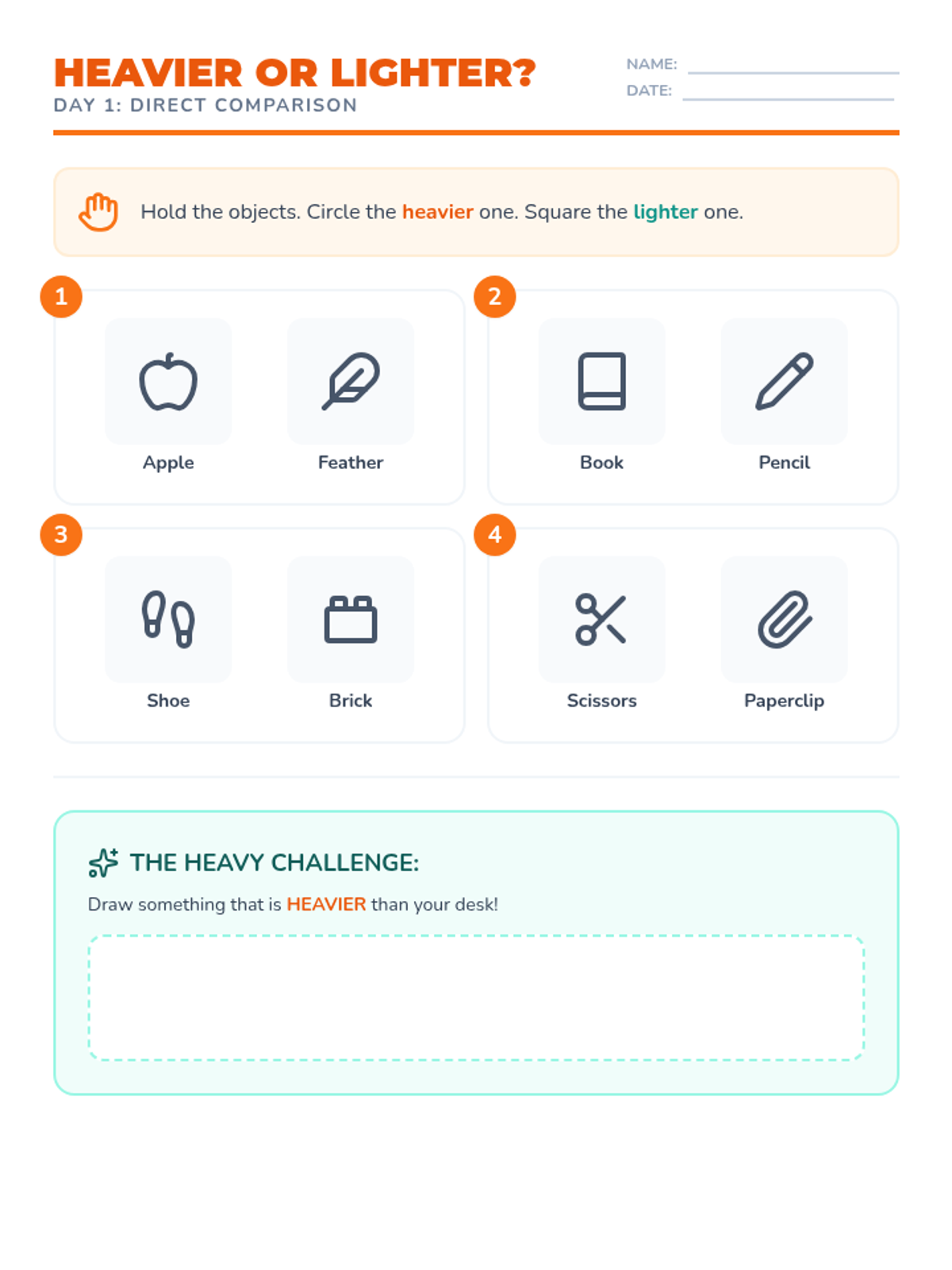
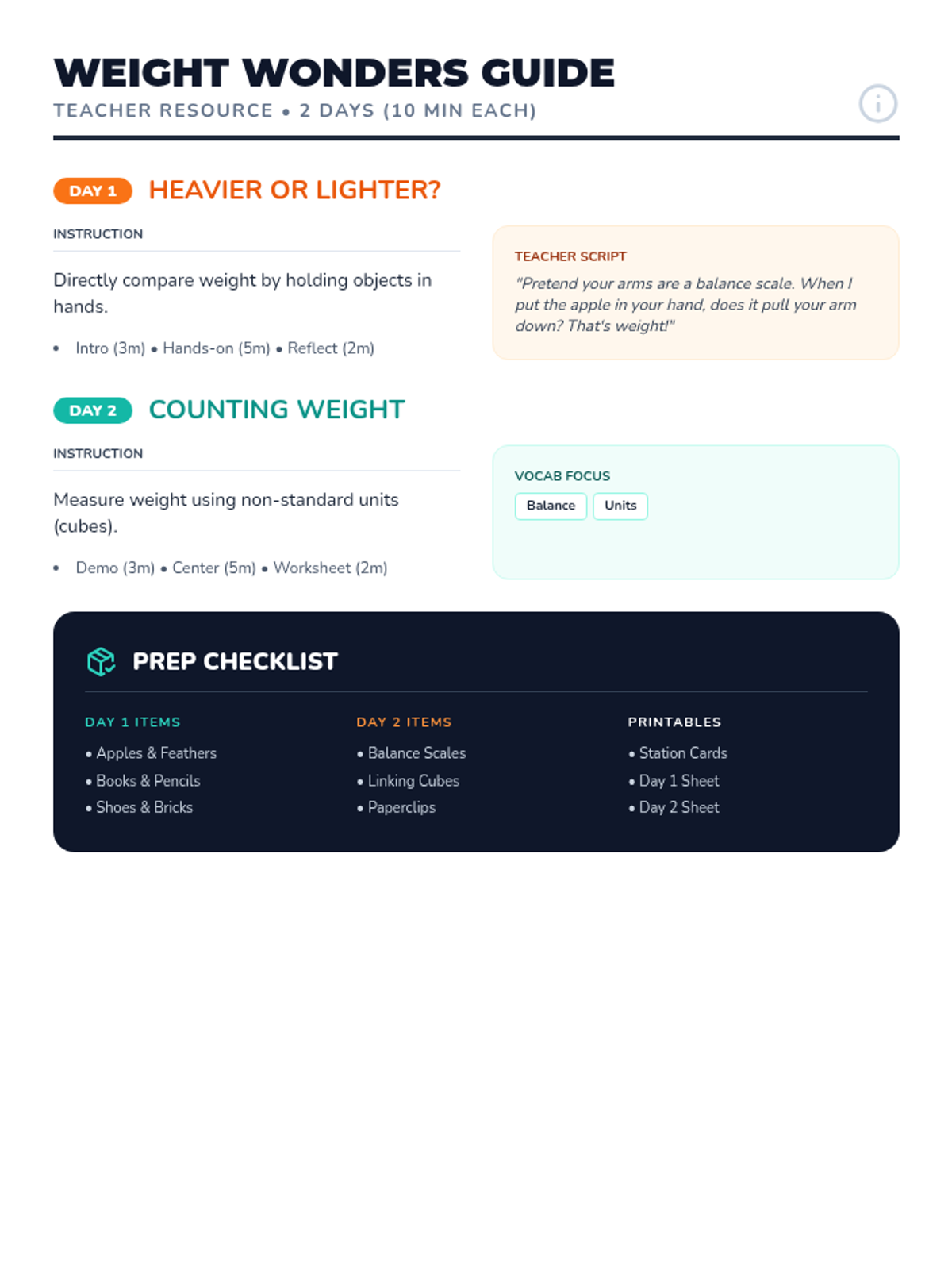
A two-day introductory sequence on weight comparison using direct comparison and non-standard units for young learners.
A 5-day foundational math unit exploring numbers 1-10, addition, and subtraction. Using consistent color-coding and visual icons, students build number sense and confidence in basic operations.
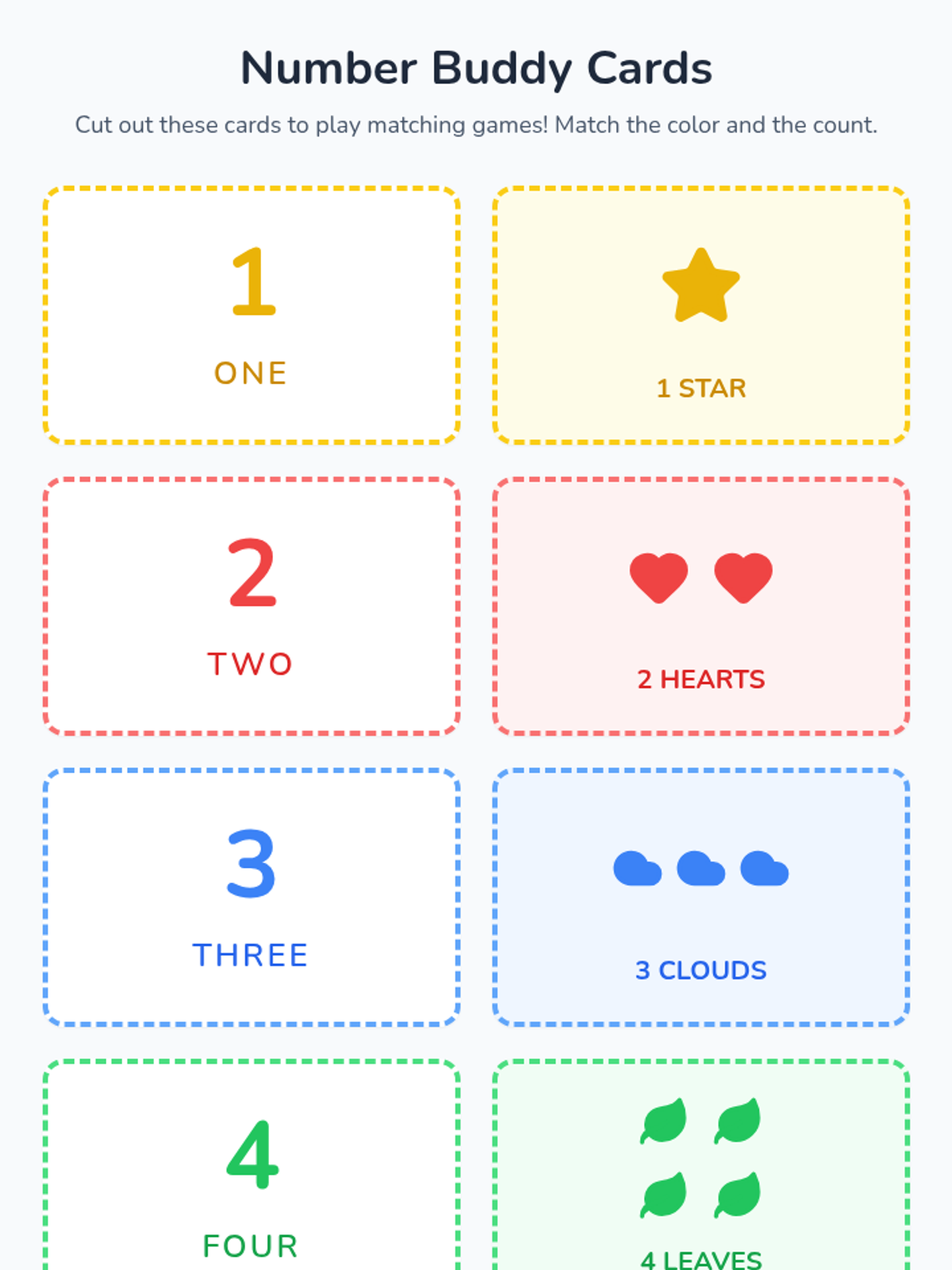
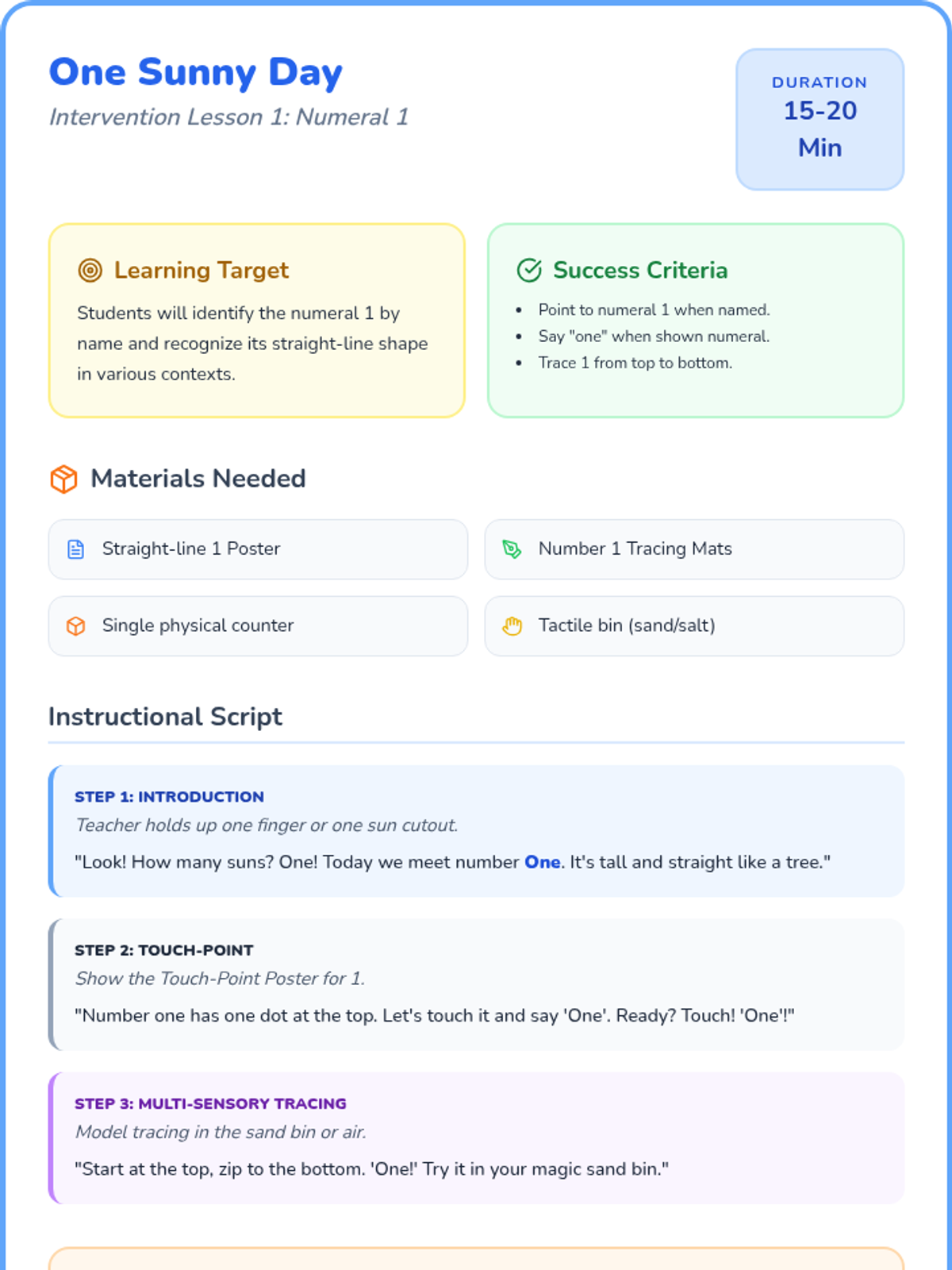
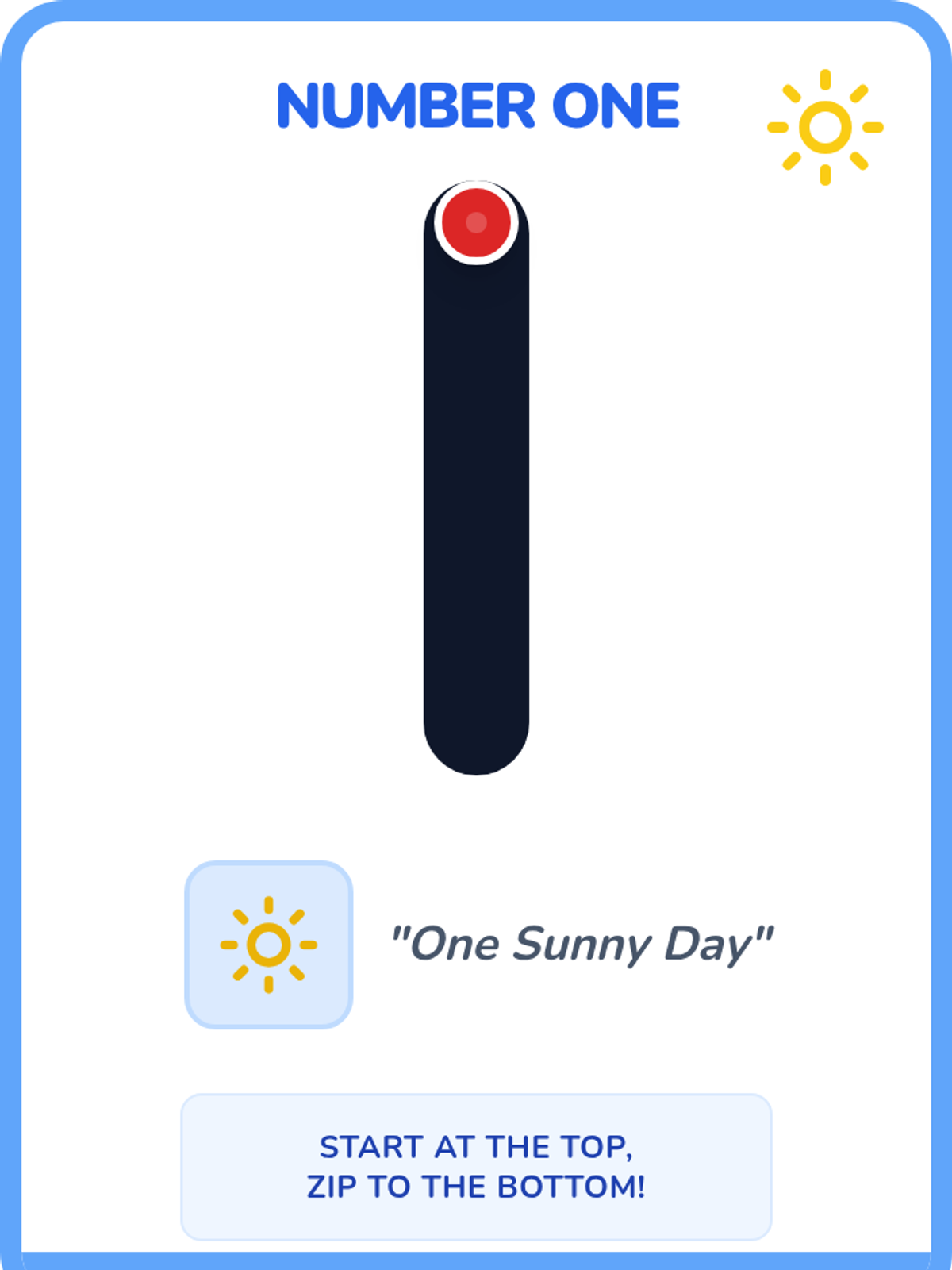
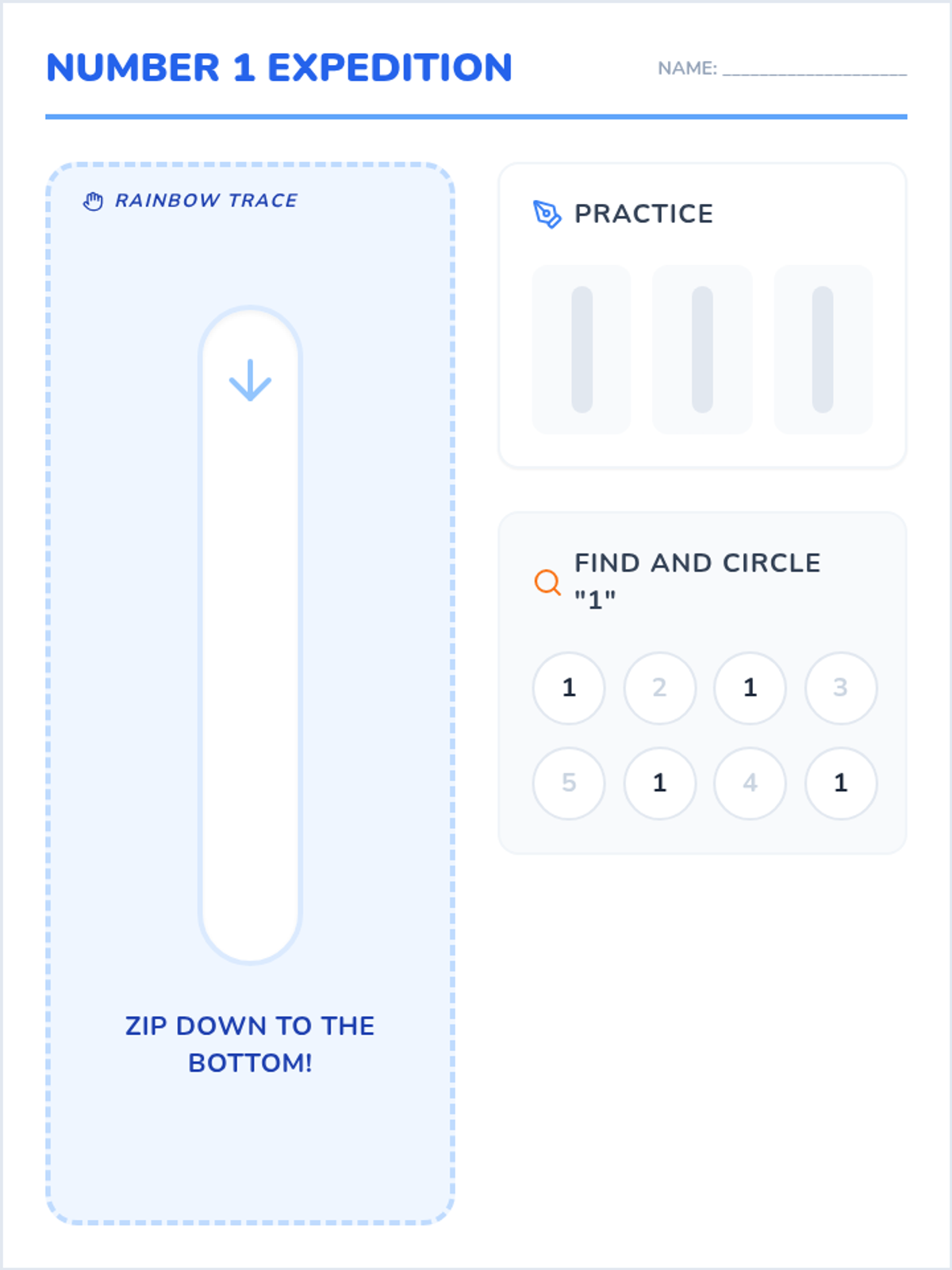
A 6-lesson intervention sequence designed for preschoolers (ages 4-5) to master identifying numerals 1-5 using touch-points, multi-sensory tracing, and engaging scripts.
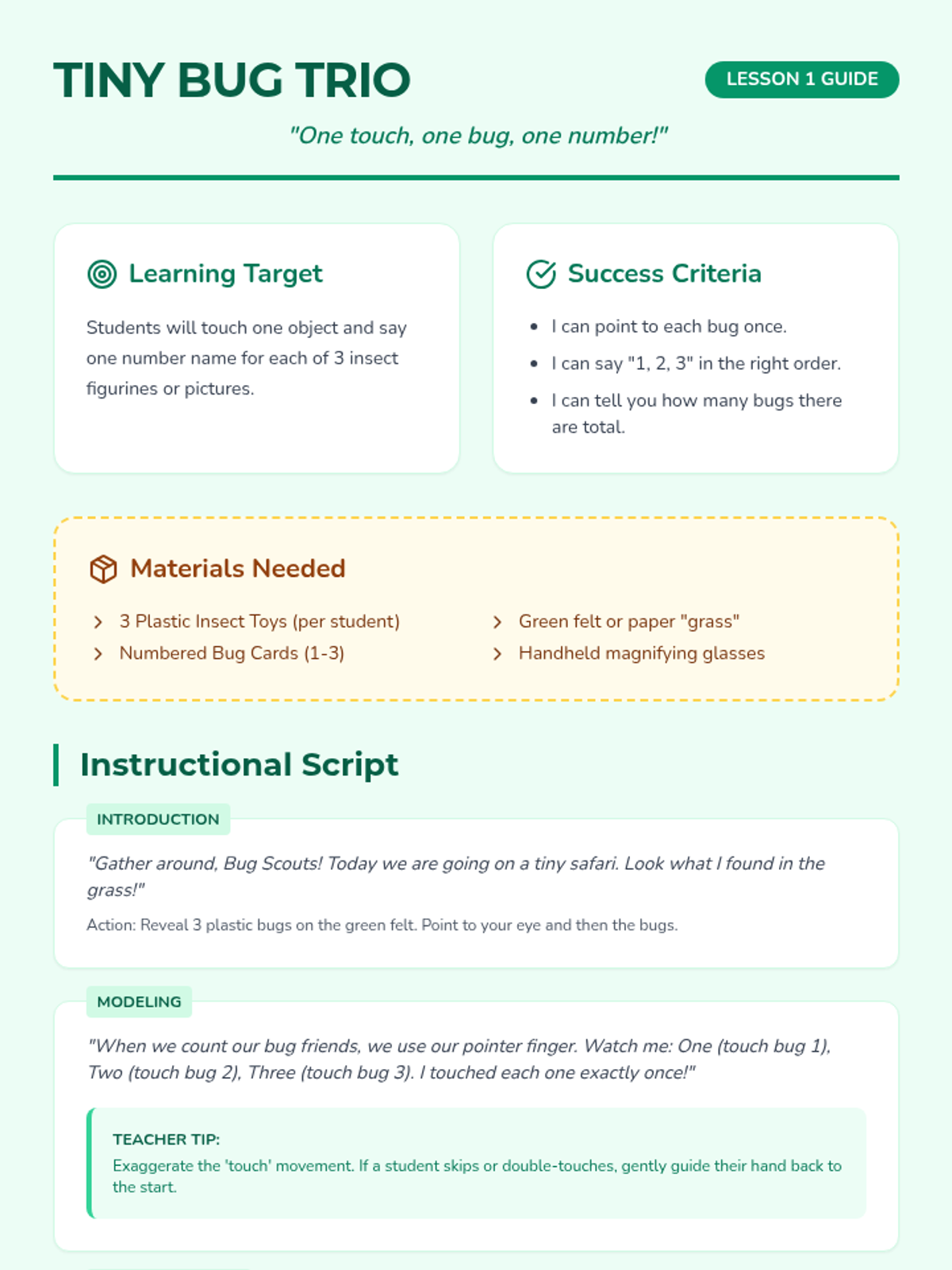
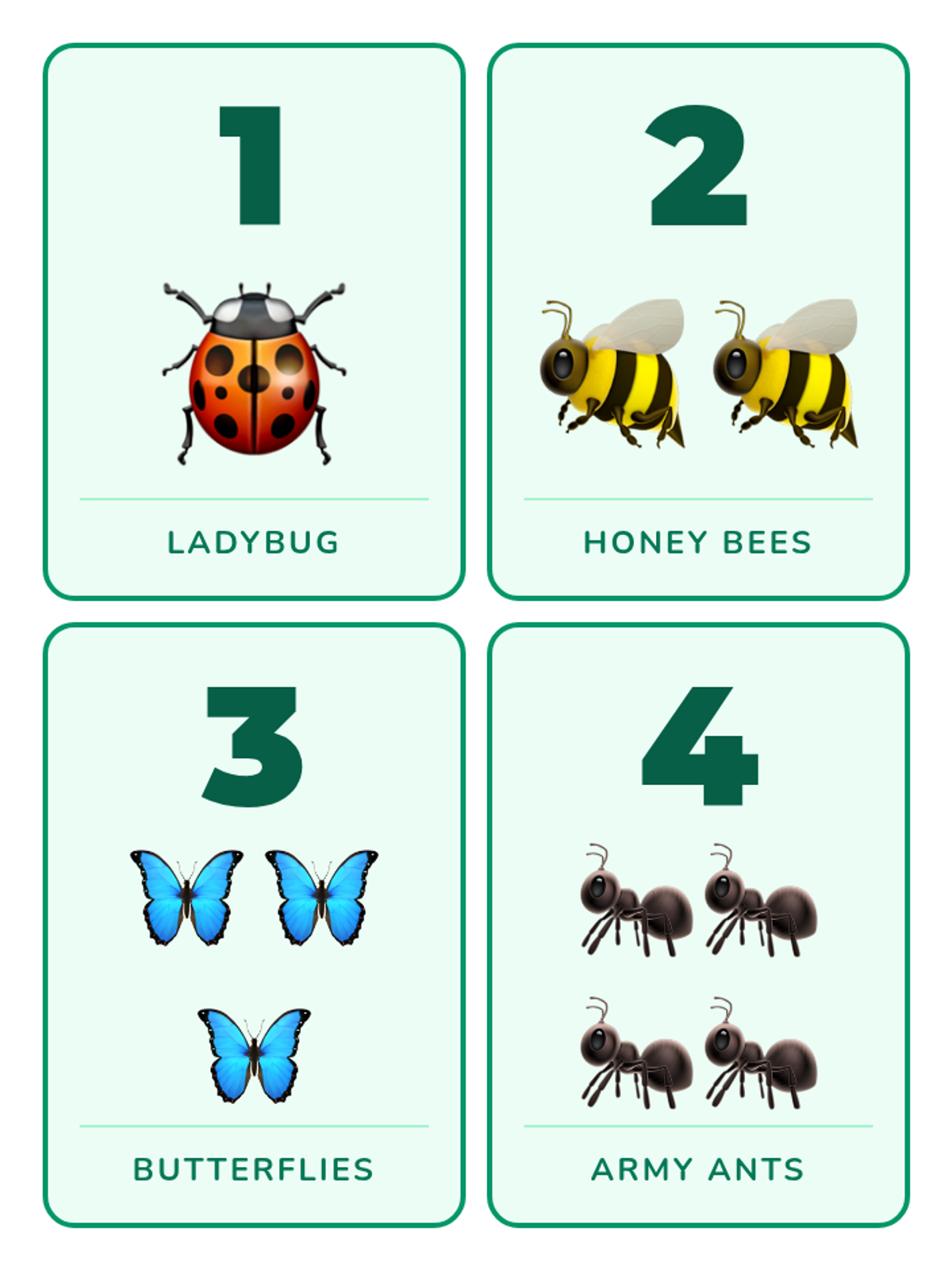
A 6-lesson math sequence for preschoolers (ages 4-5) focused on mastering one-to-one correspondence and counting up to 10 using an engaging insect theme. Each lesson includes teacher scripts, visual aids, and adaptations for ELL students.
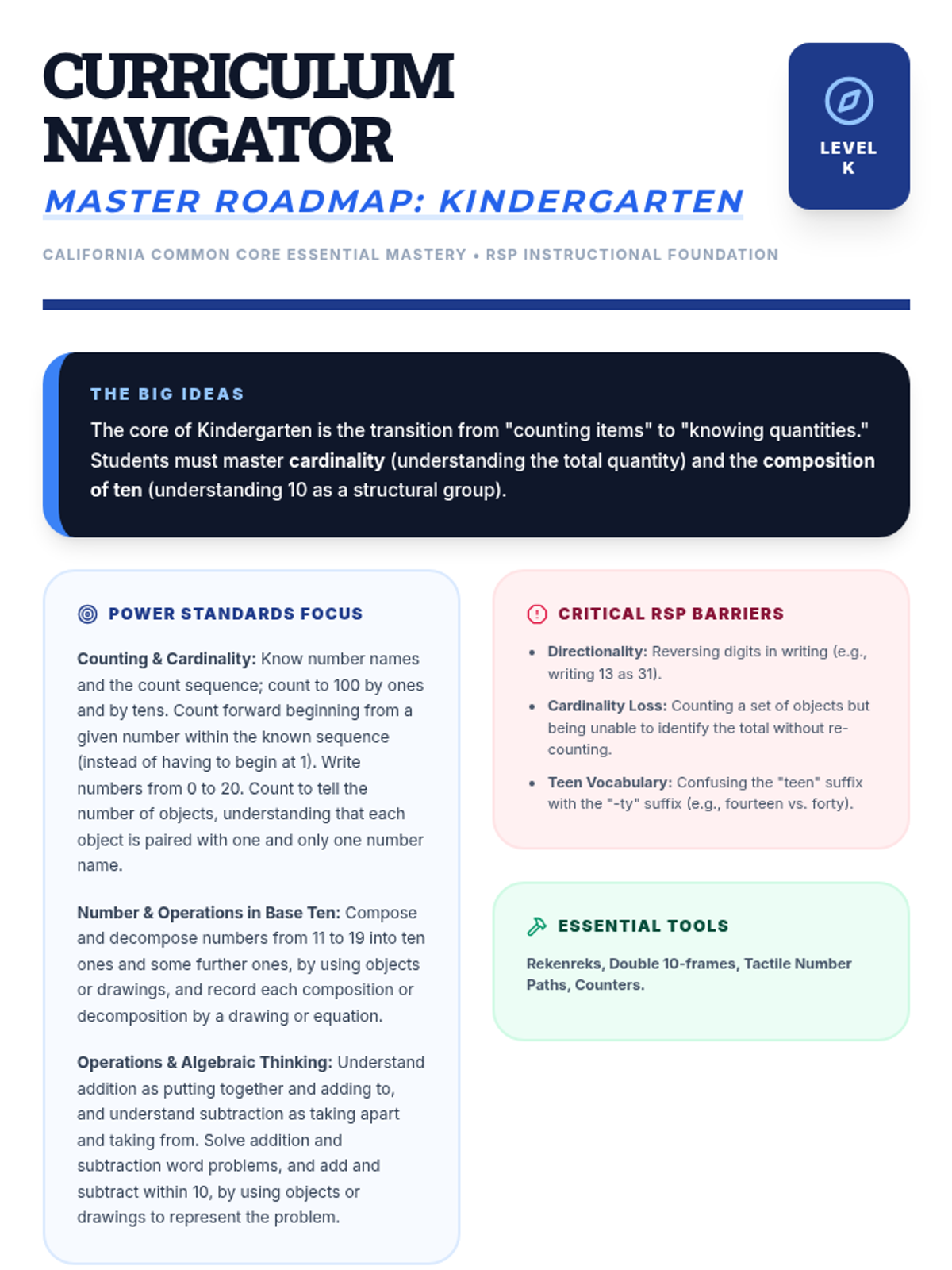
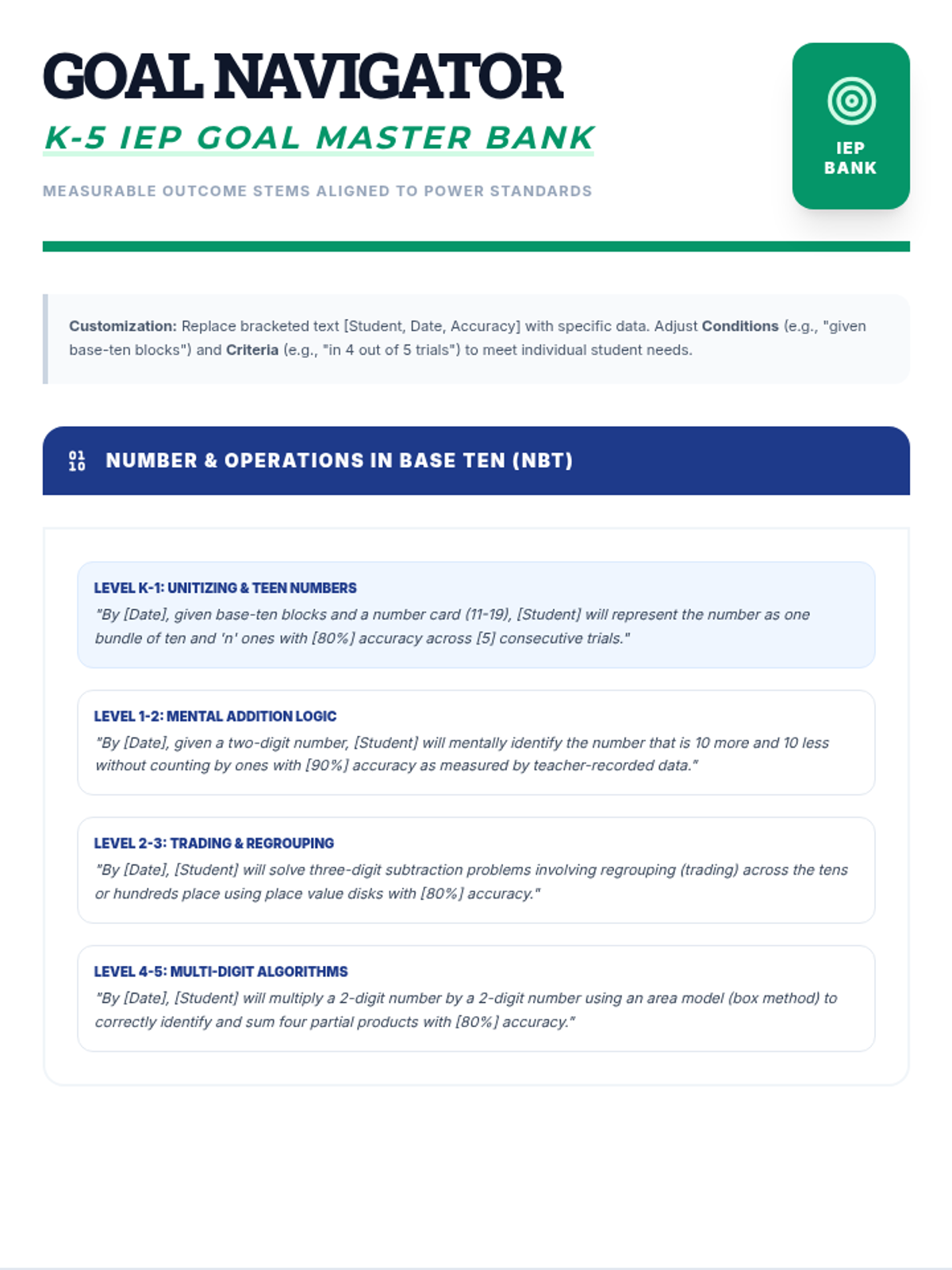
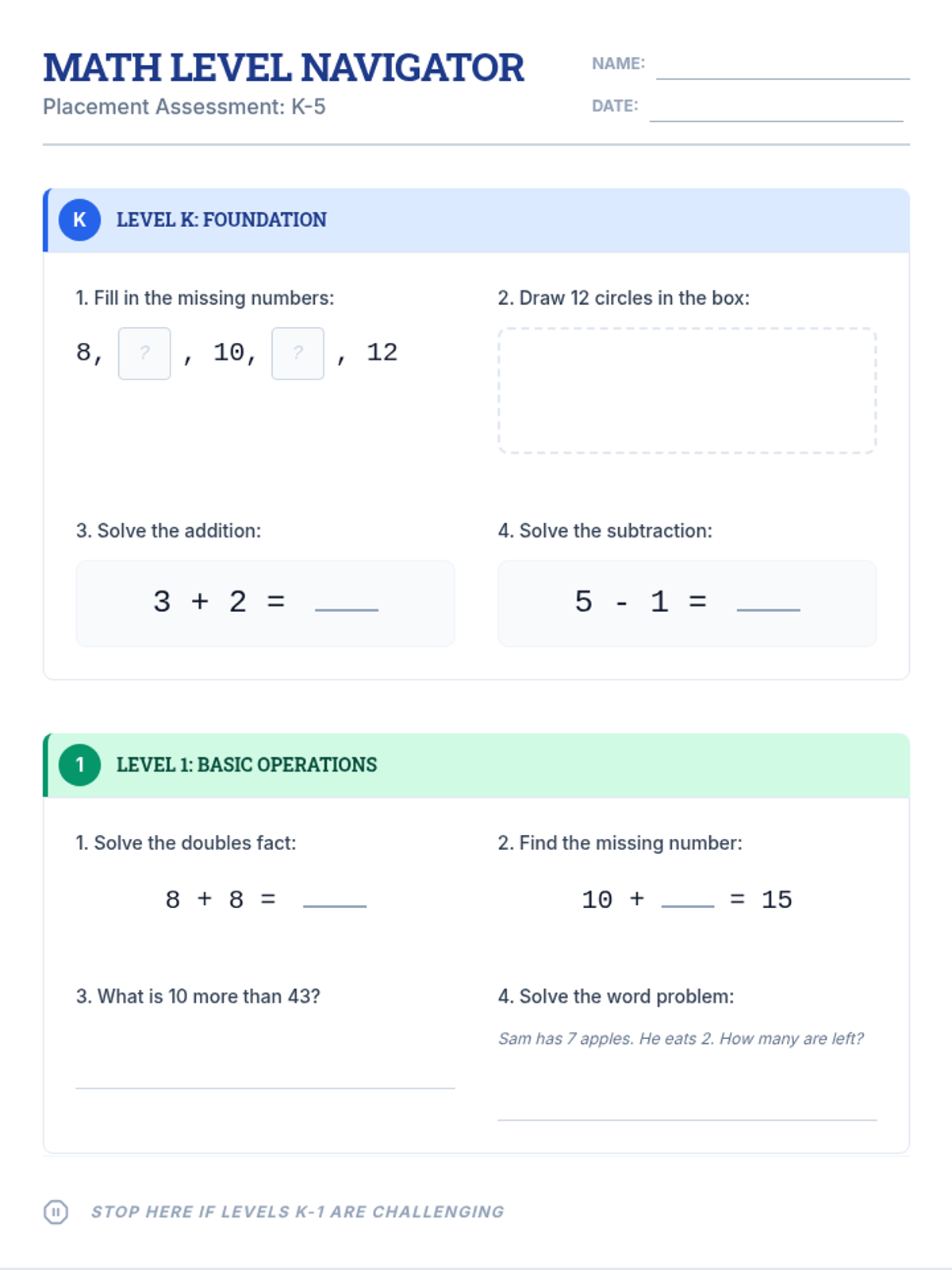
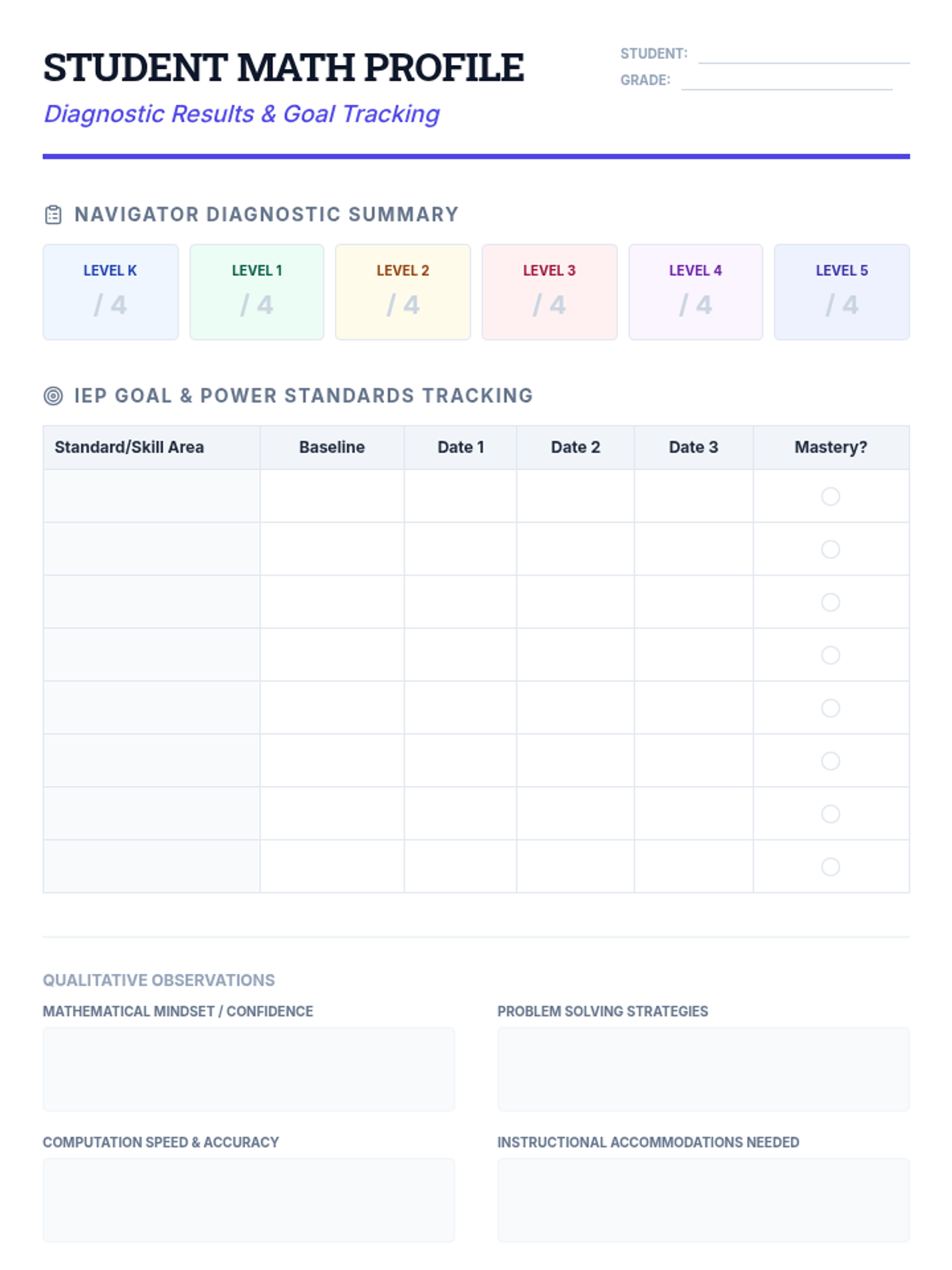
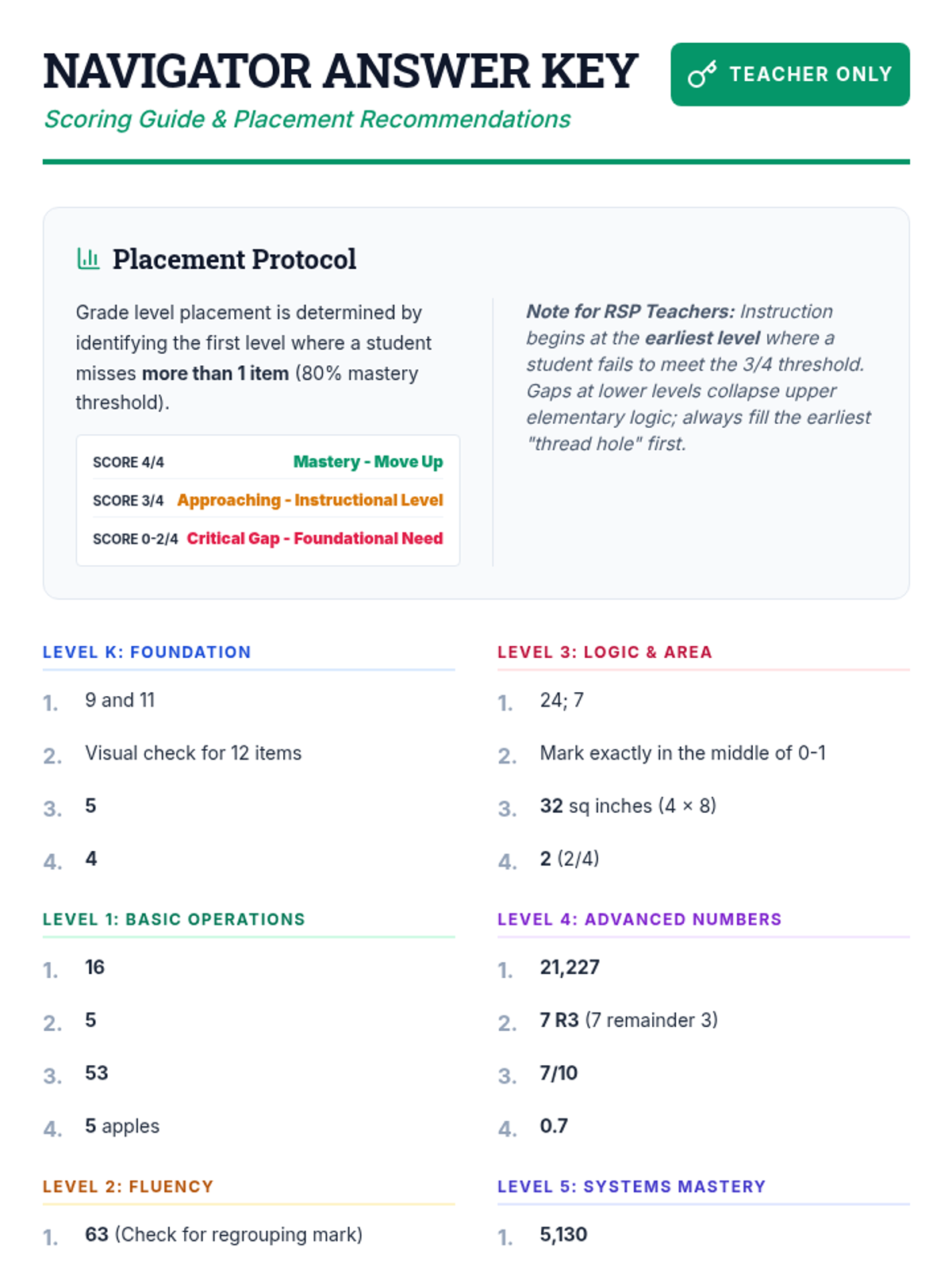
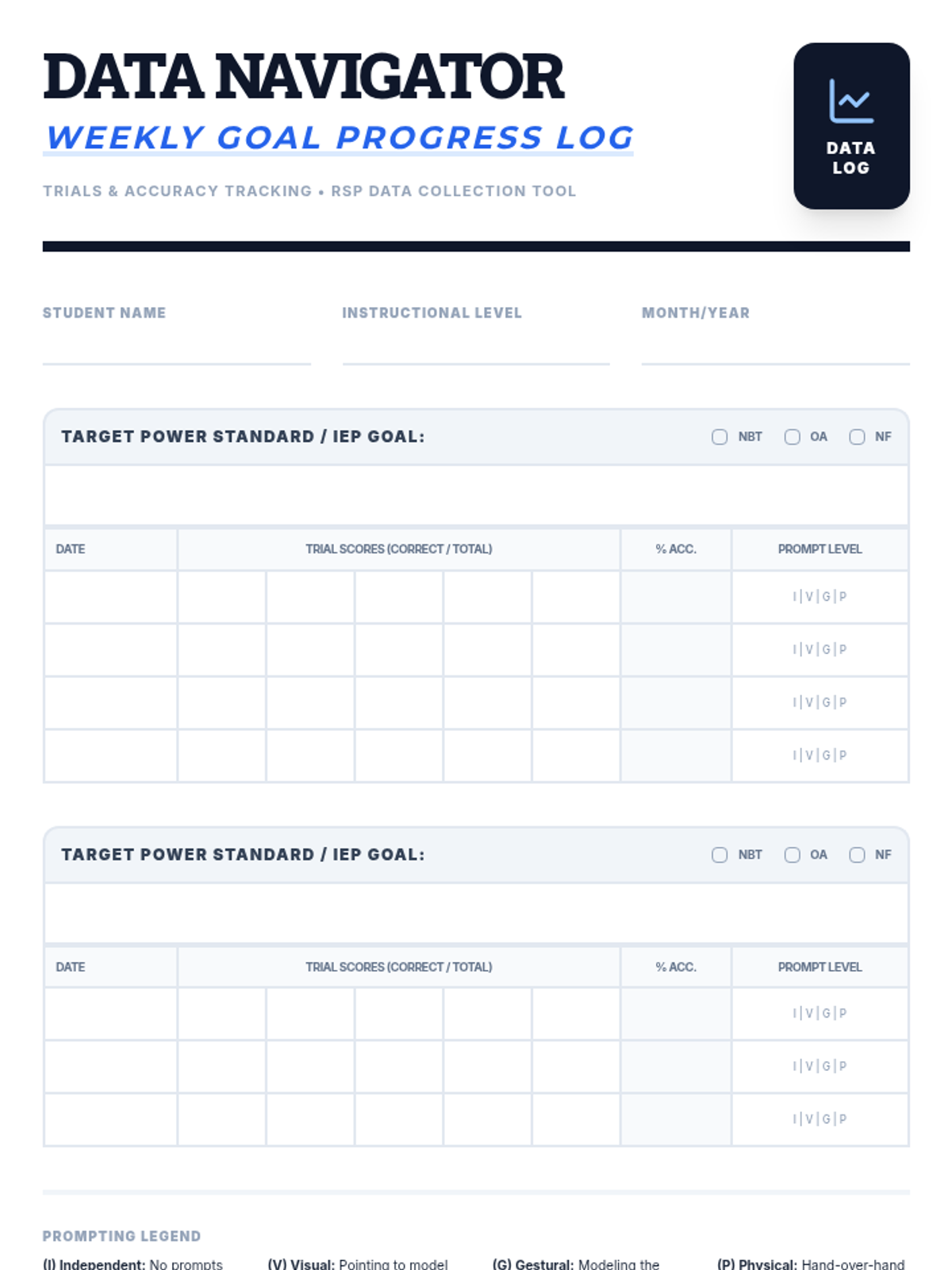
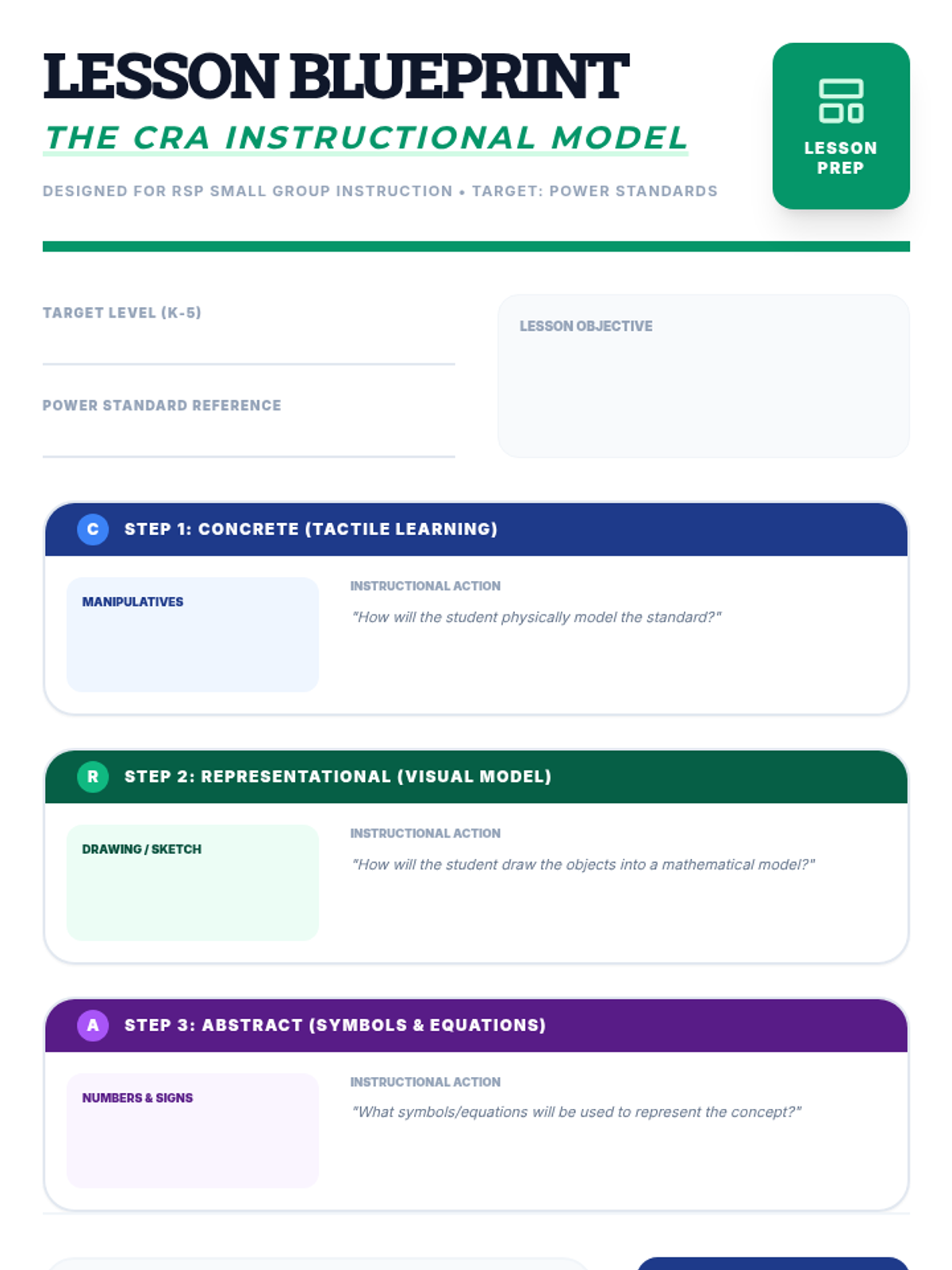
A comprehensive framework for K-5 RSP math instruction, including a California Common Core aligned scope and sequence of power standards and a leveled placement diagnostic.
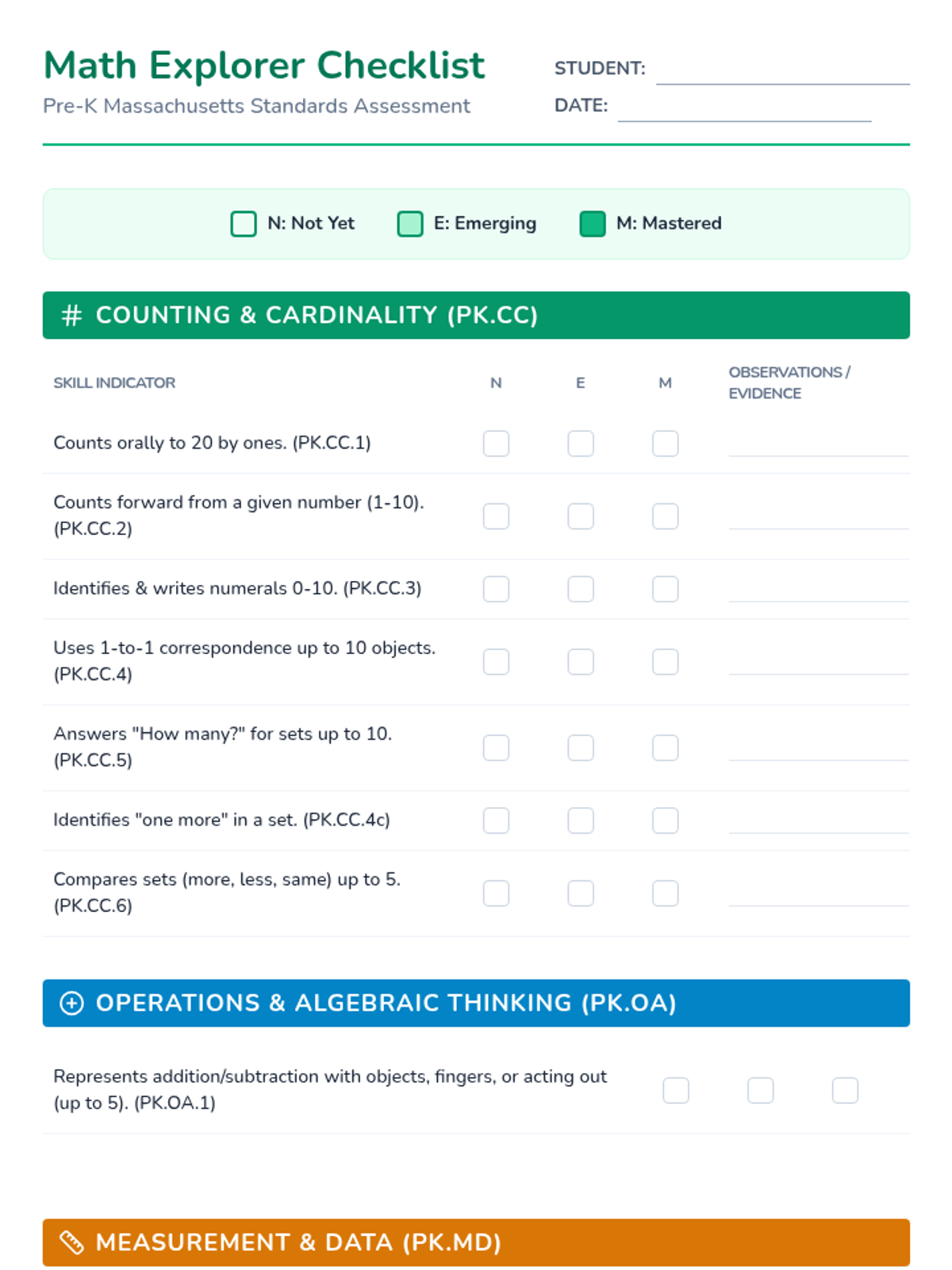
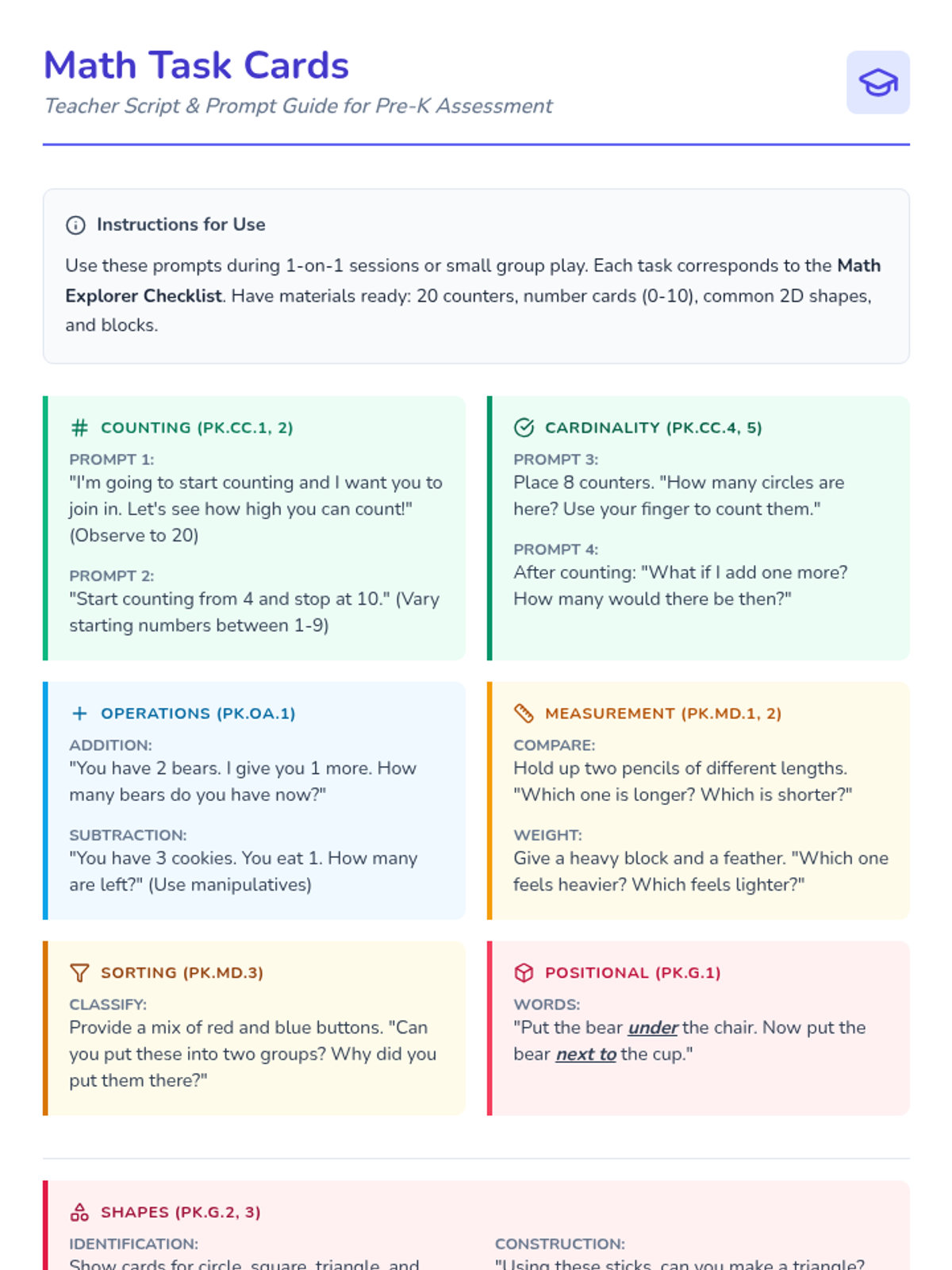
A series of assessment resources for foundational mathematics based on the Massachusetts Curriculum Frameworks, spanning Pre-K and early elementary grades.
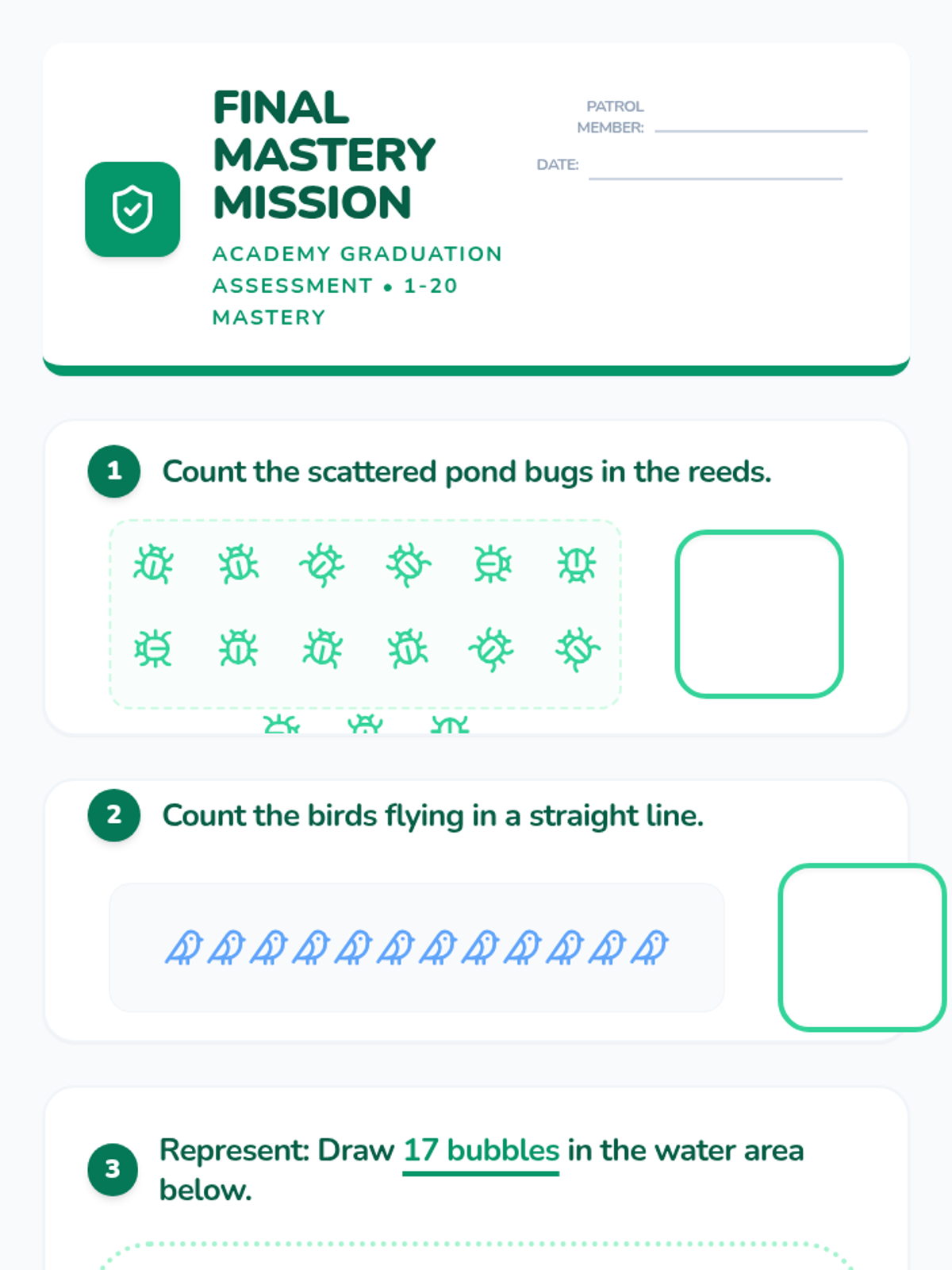
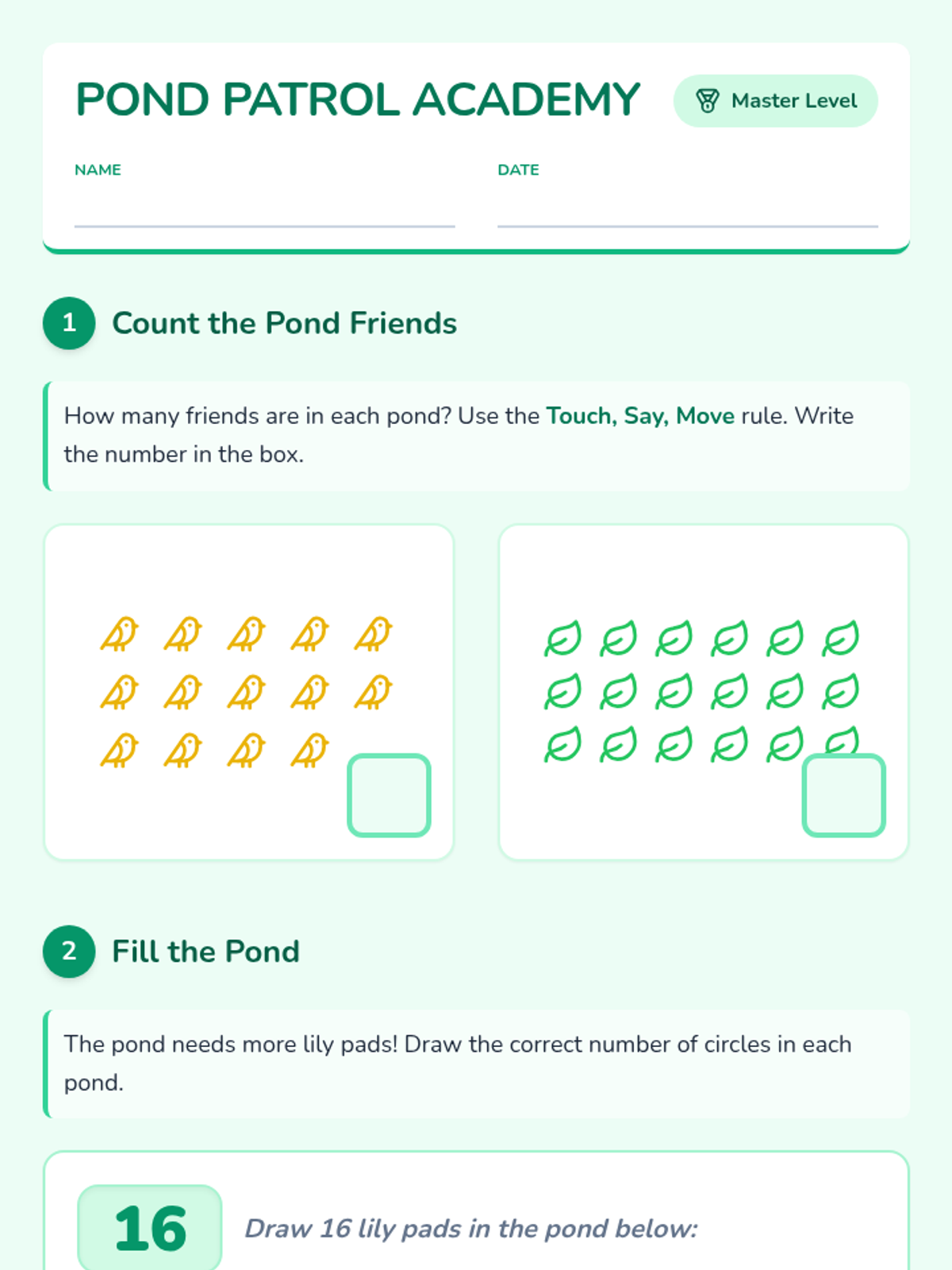
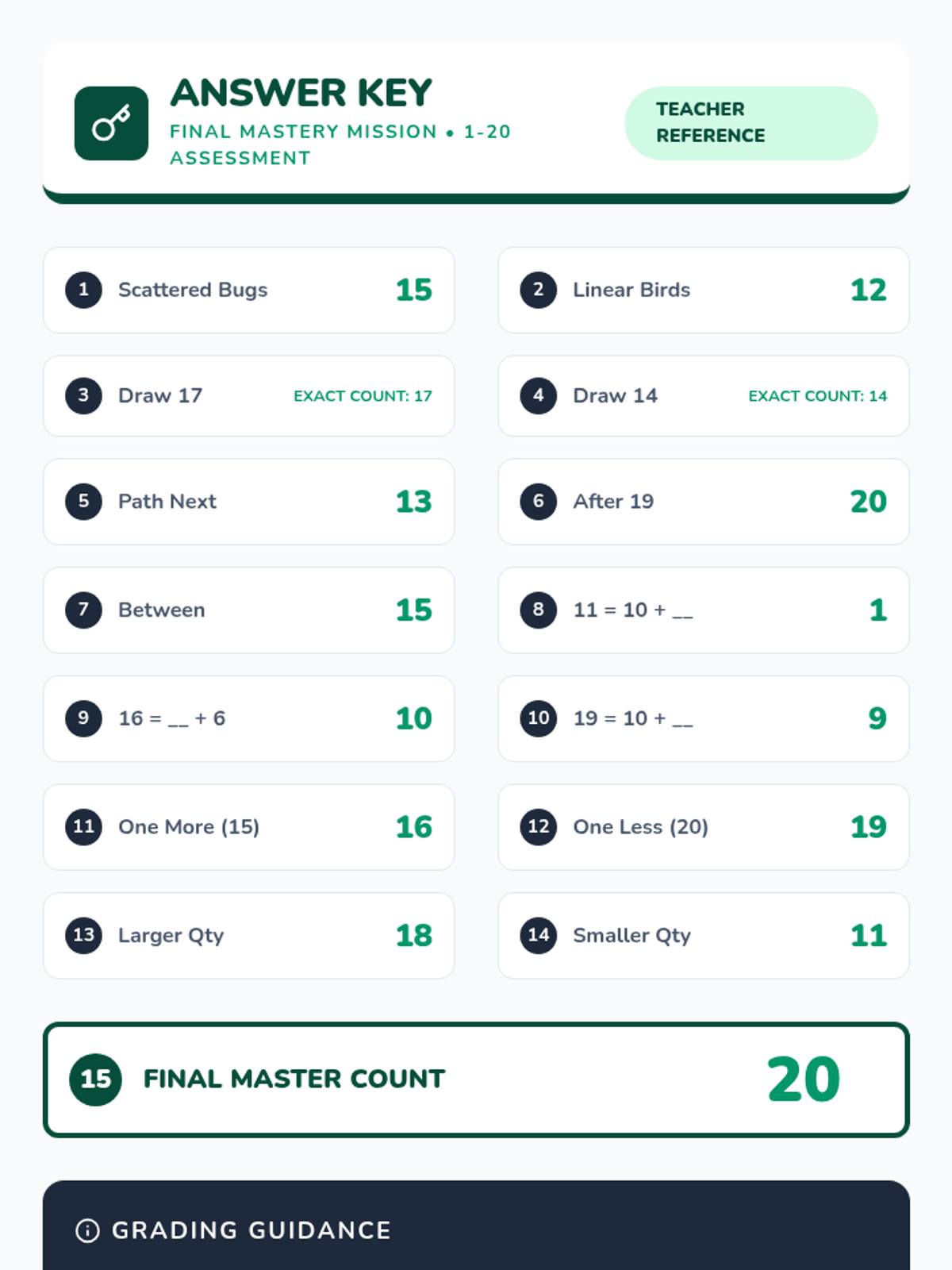
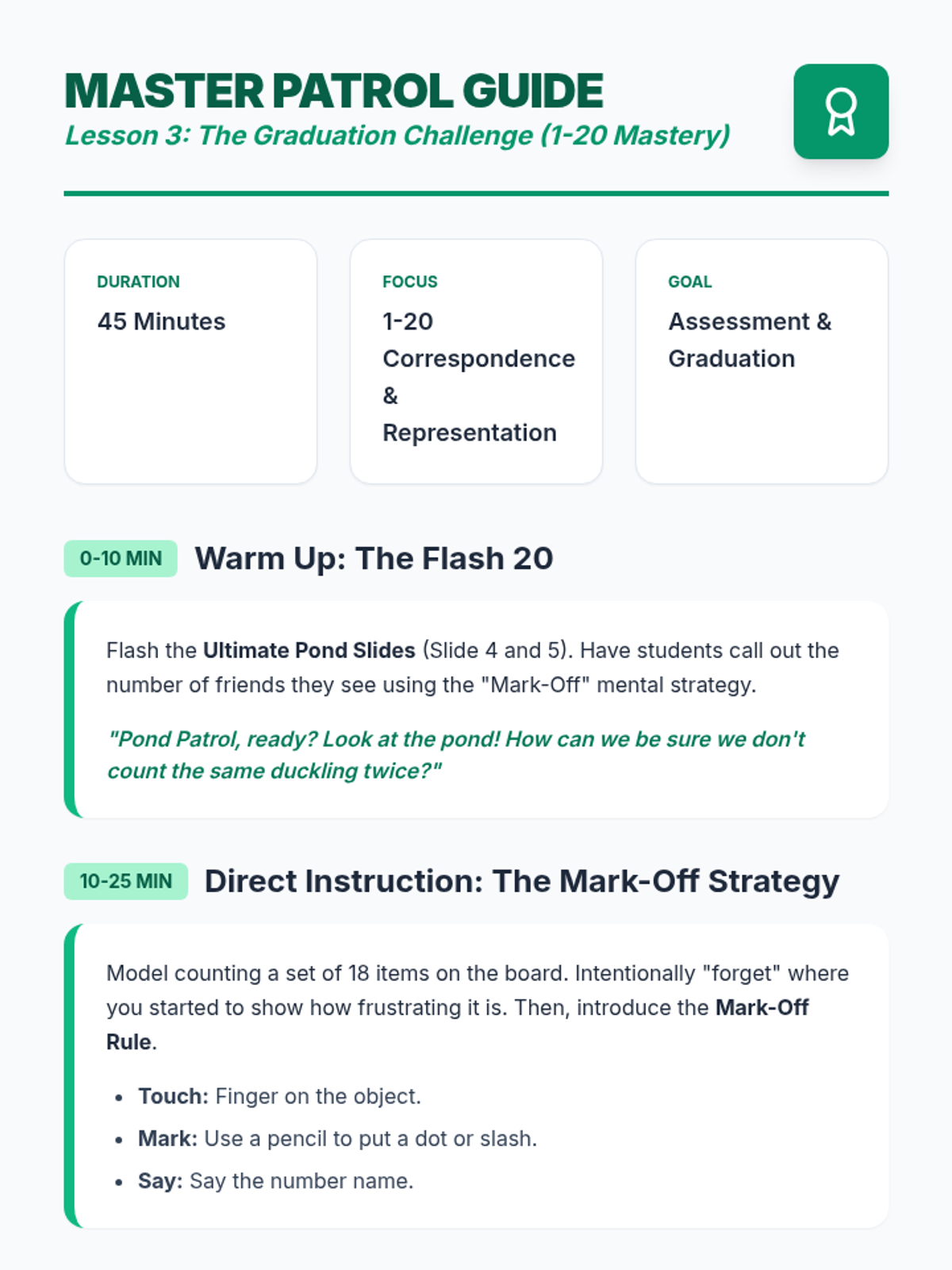
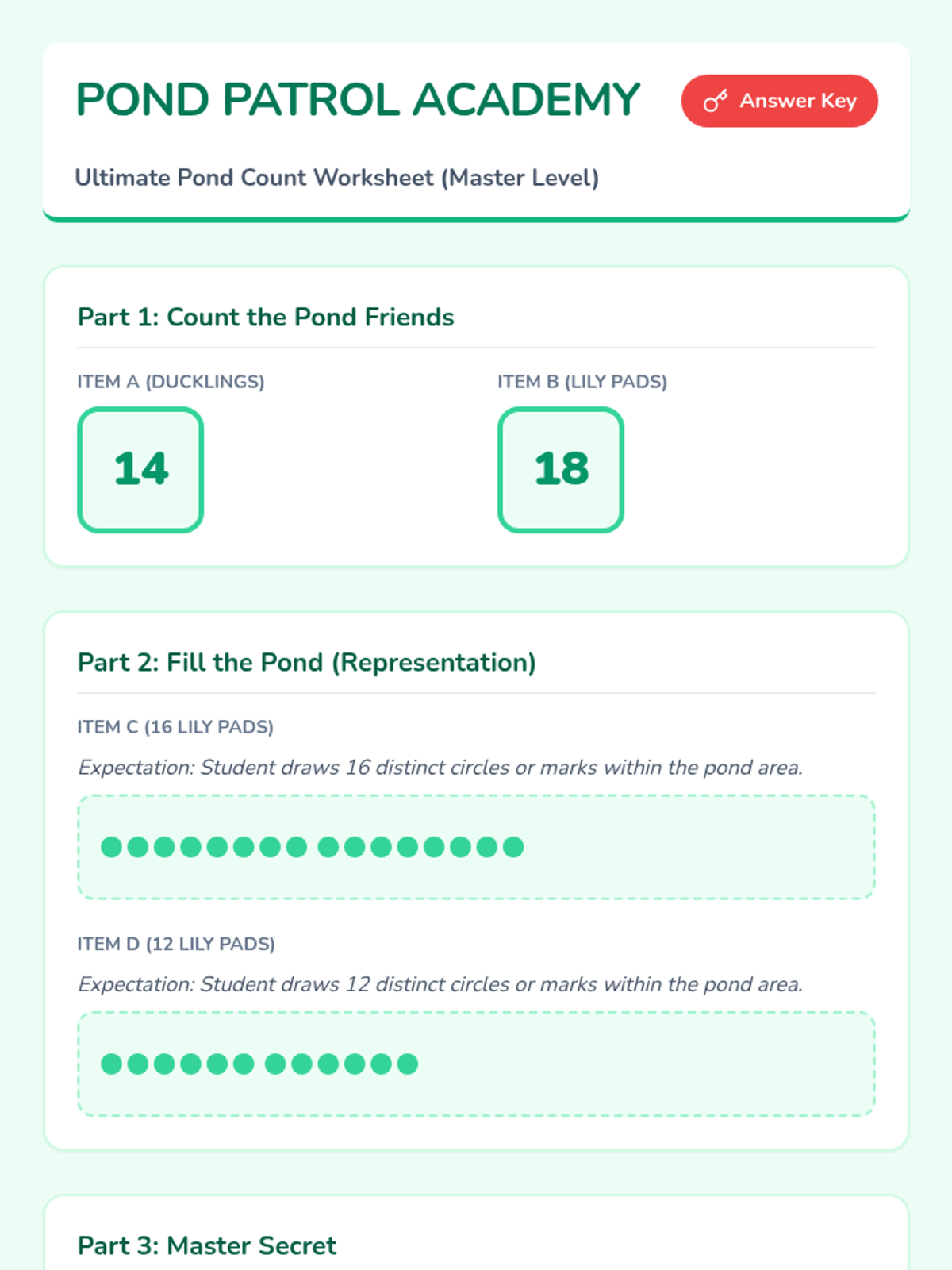
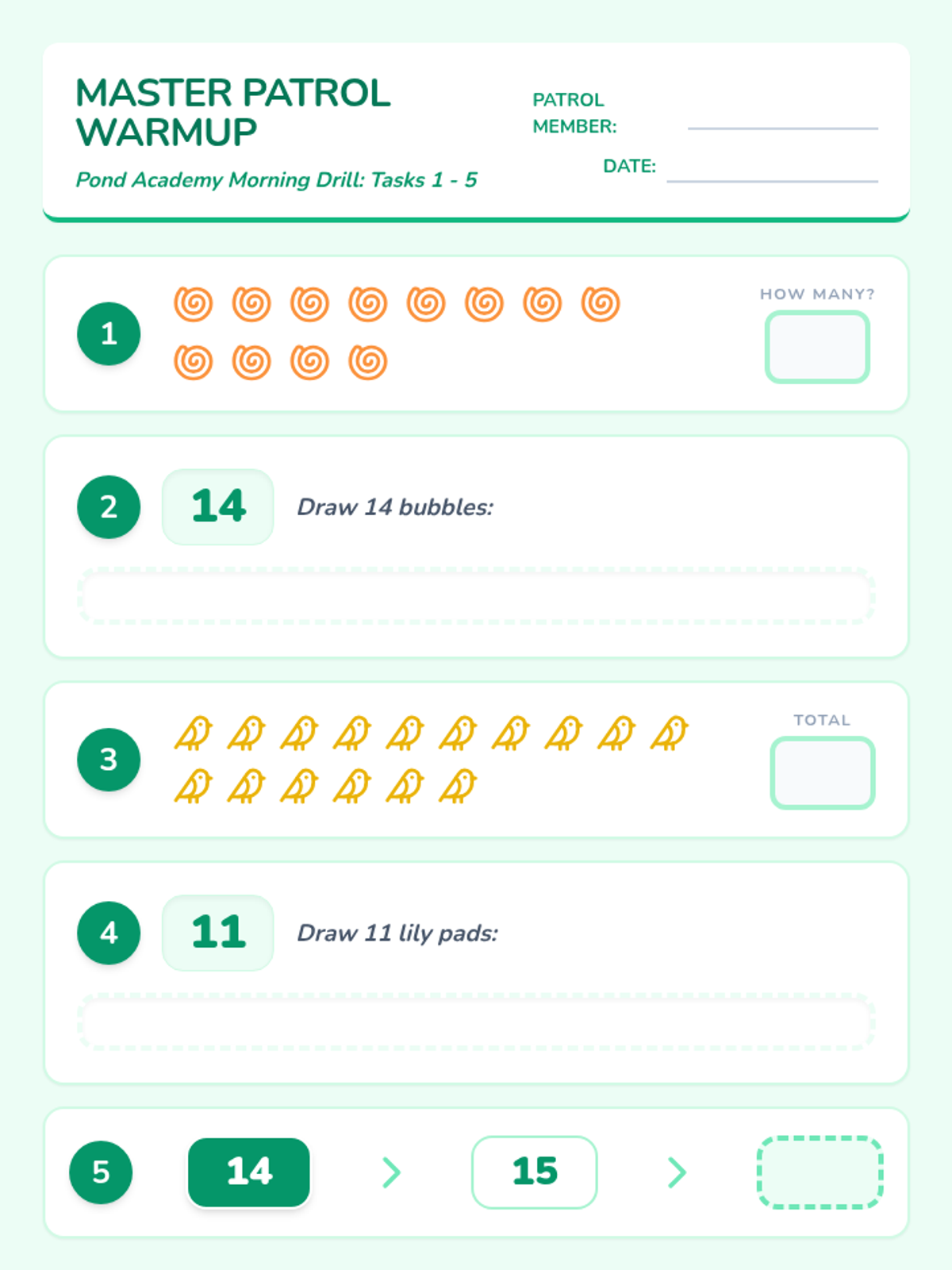
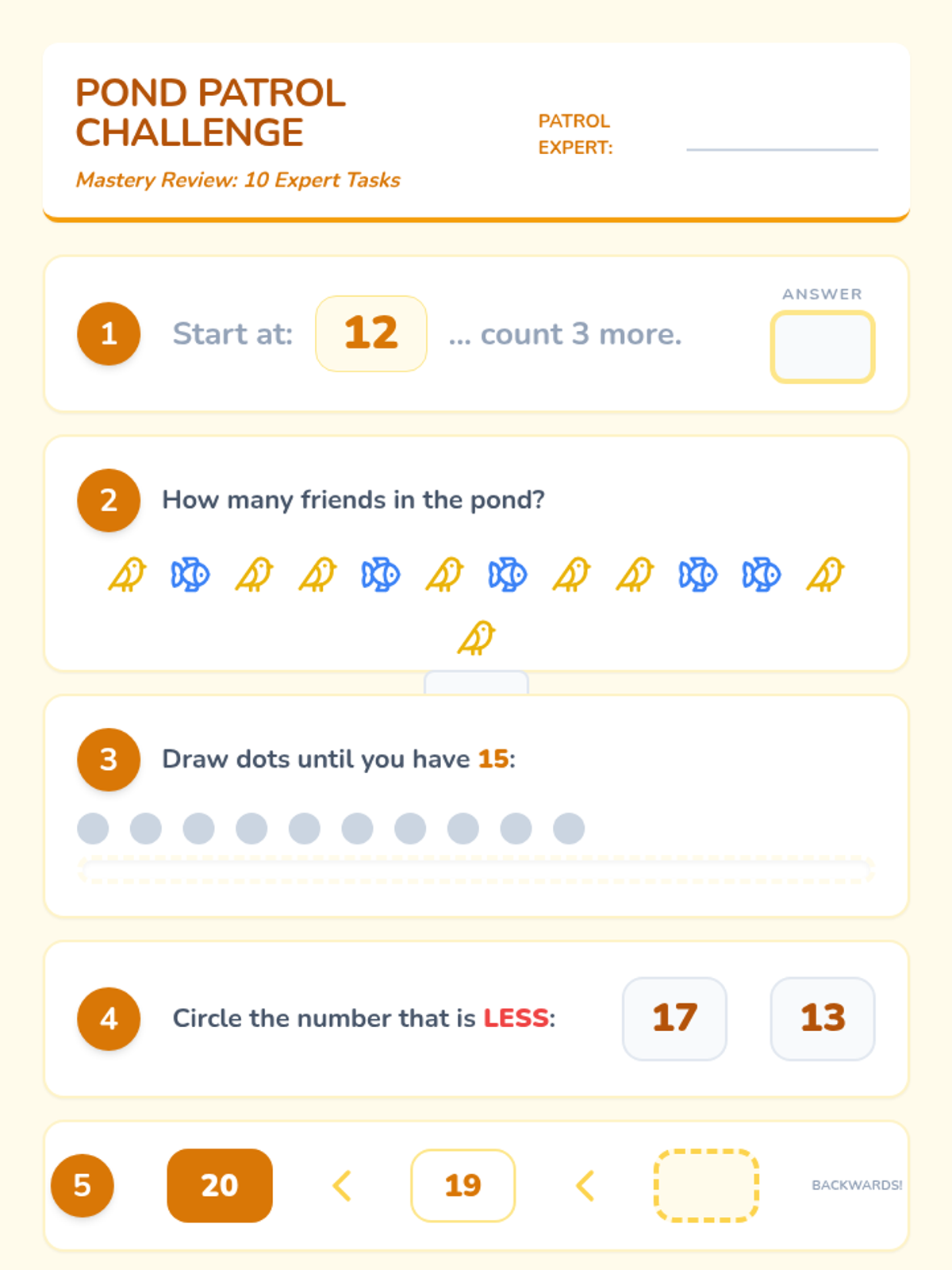
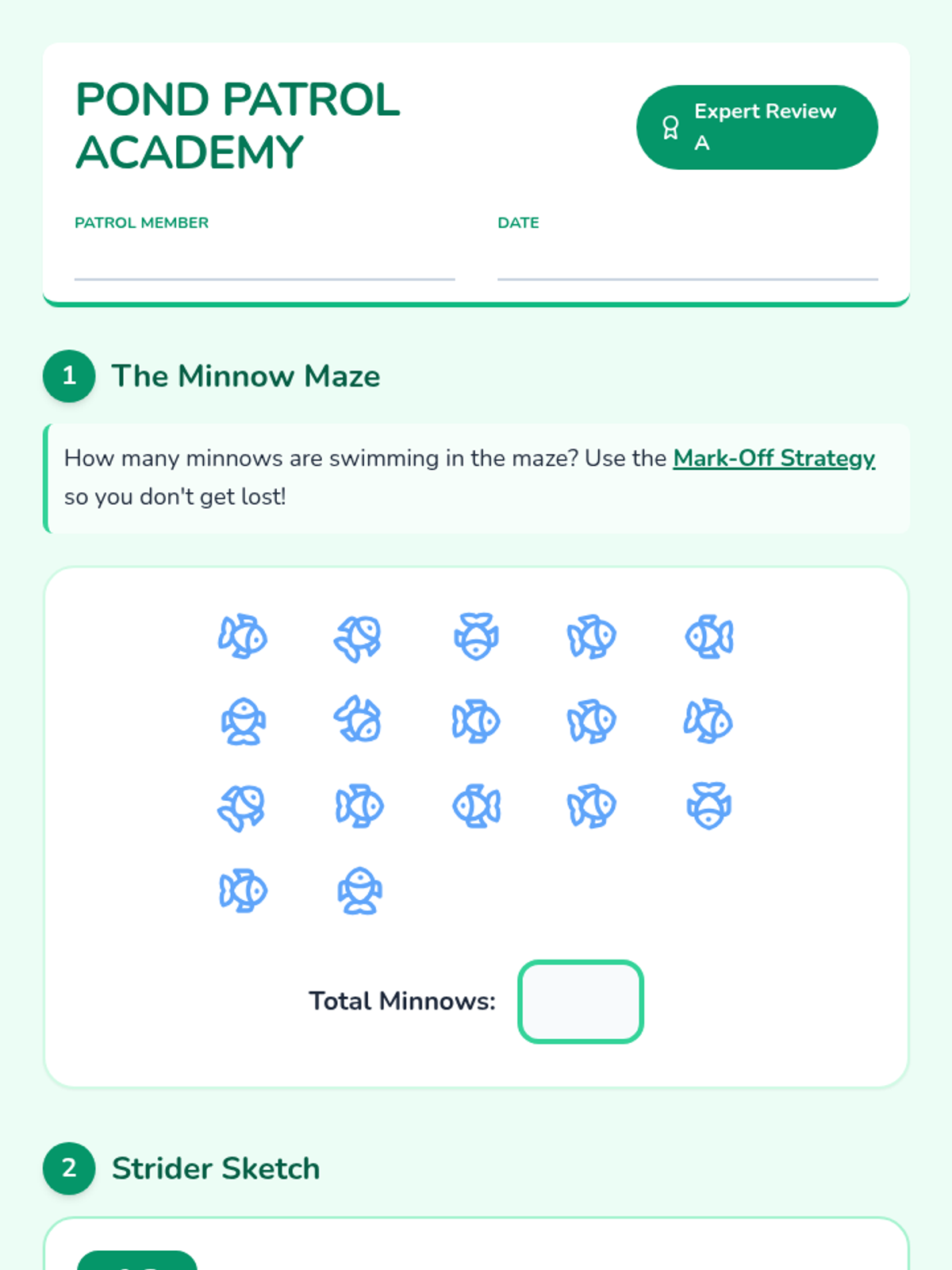
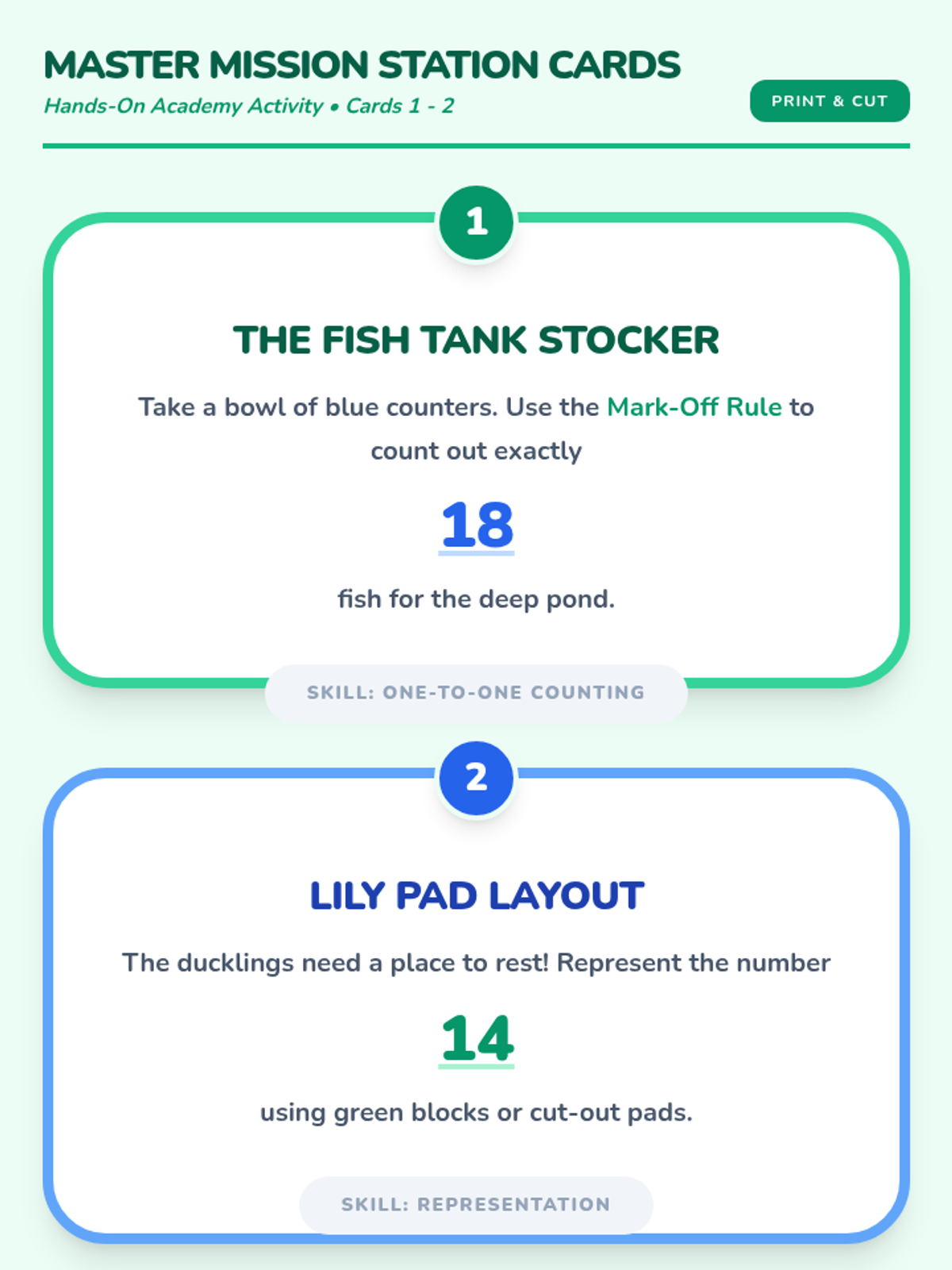
A comprehensive math sequence designed for early learners to master counting from 1 to 20. Using a engaging pond theme, students progress from single-digit counting to understanding teen numbers and representing larger quantities.
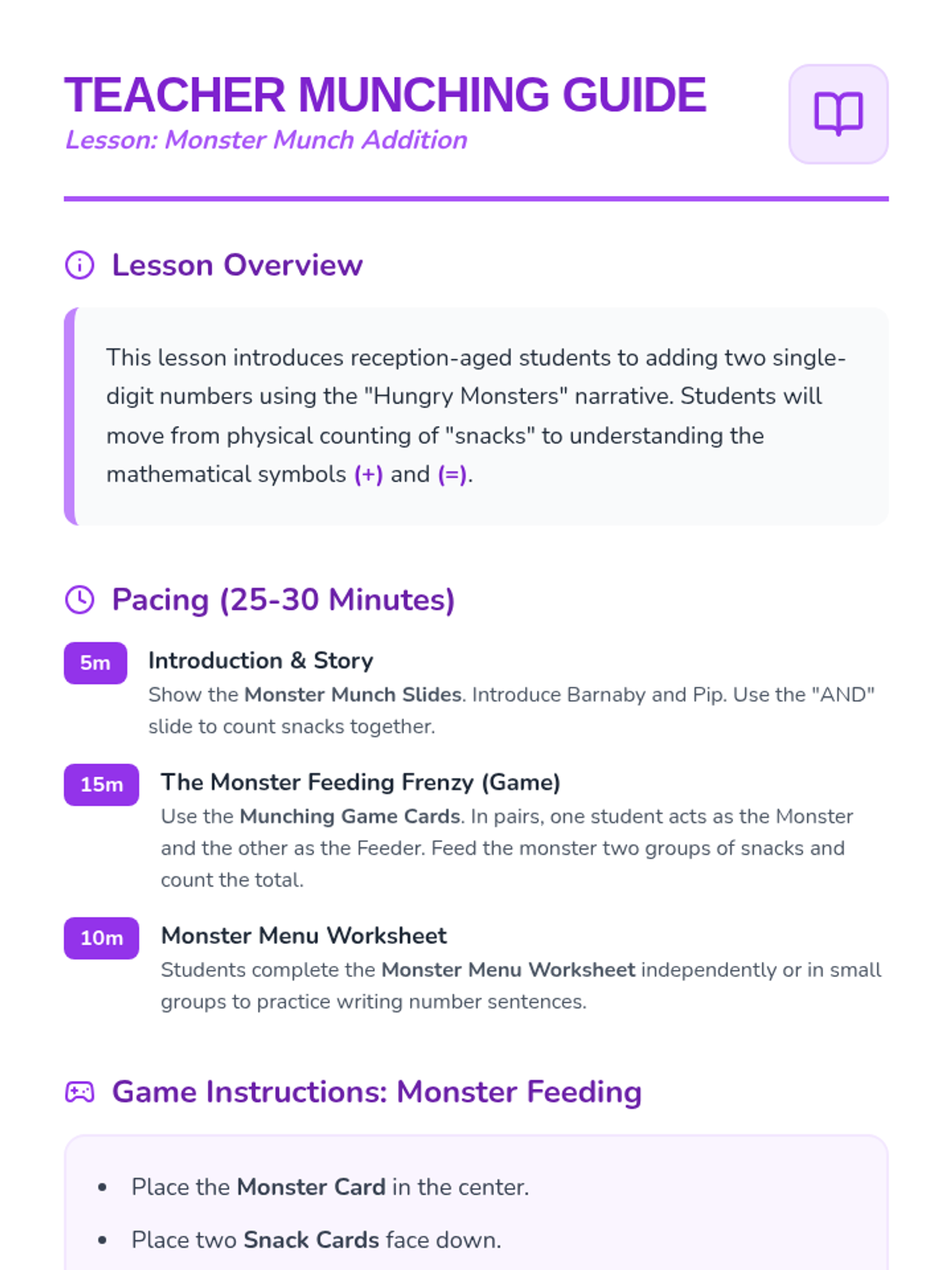
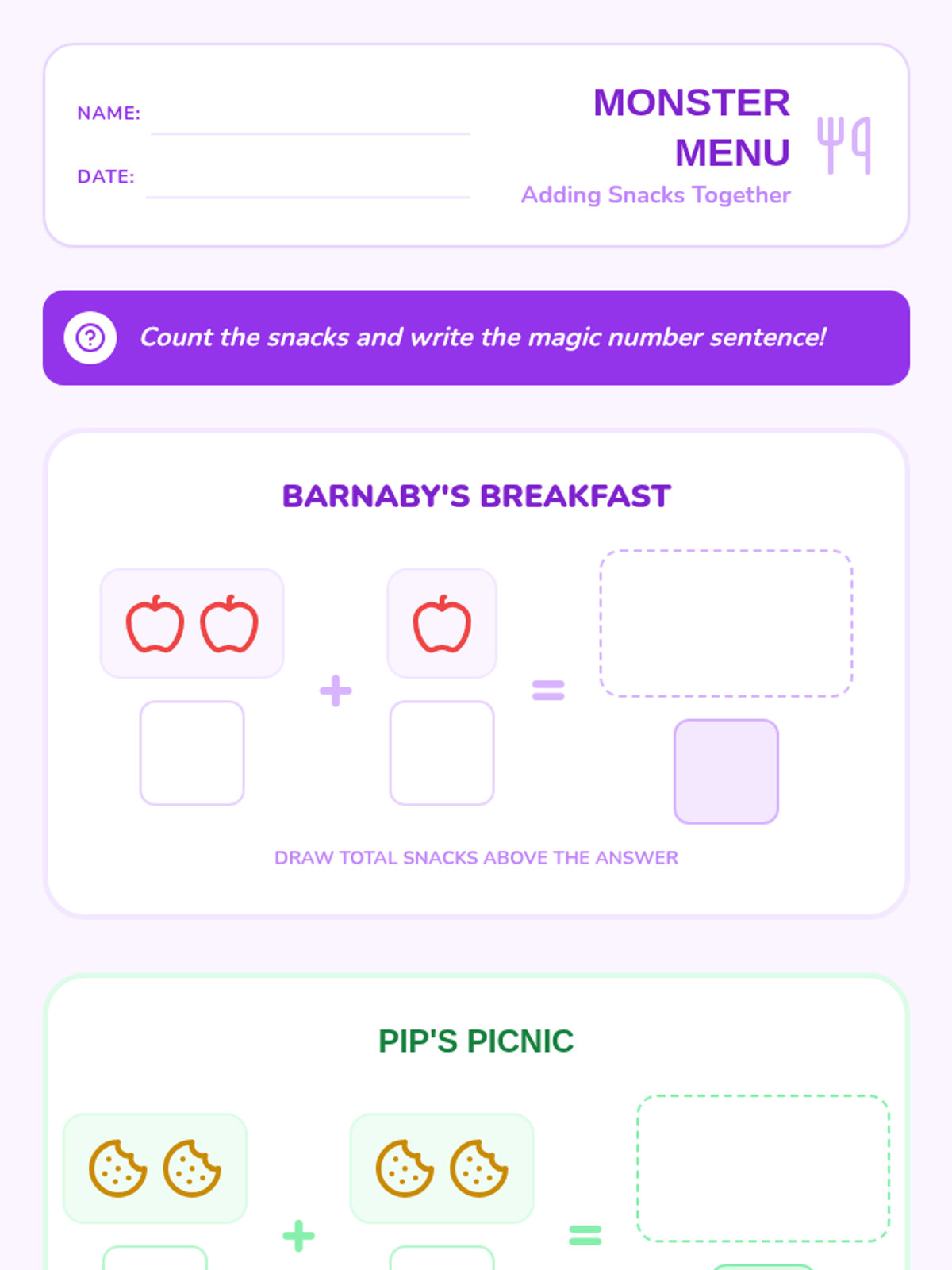
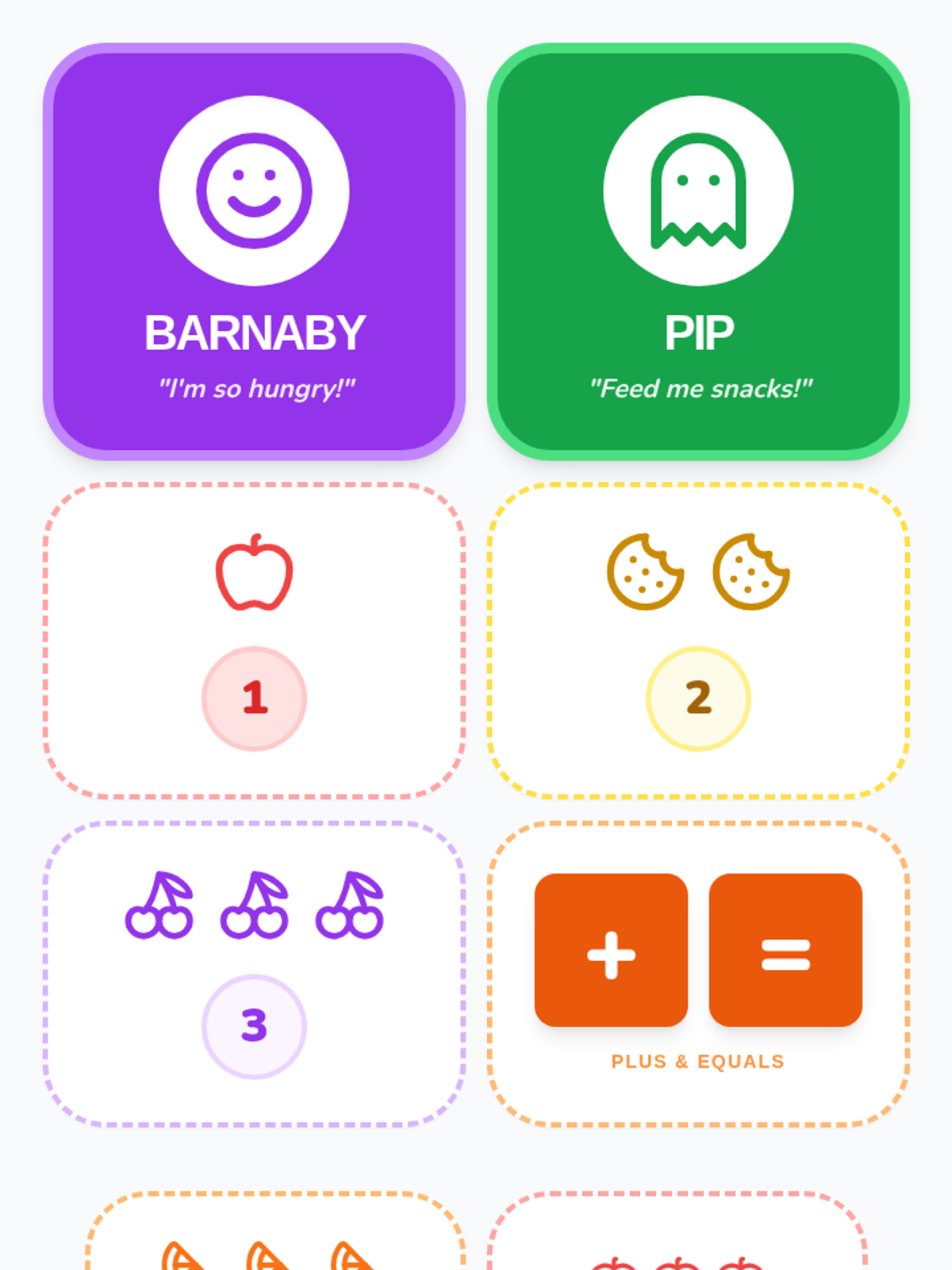
A series of early math lessons focused on foundational counting and operations through storytelling and play.
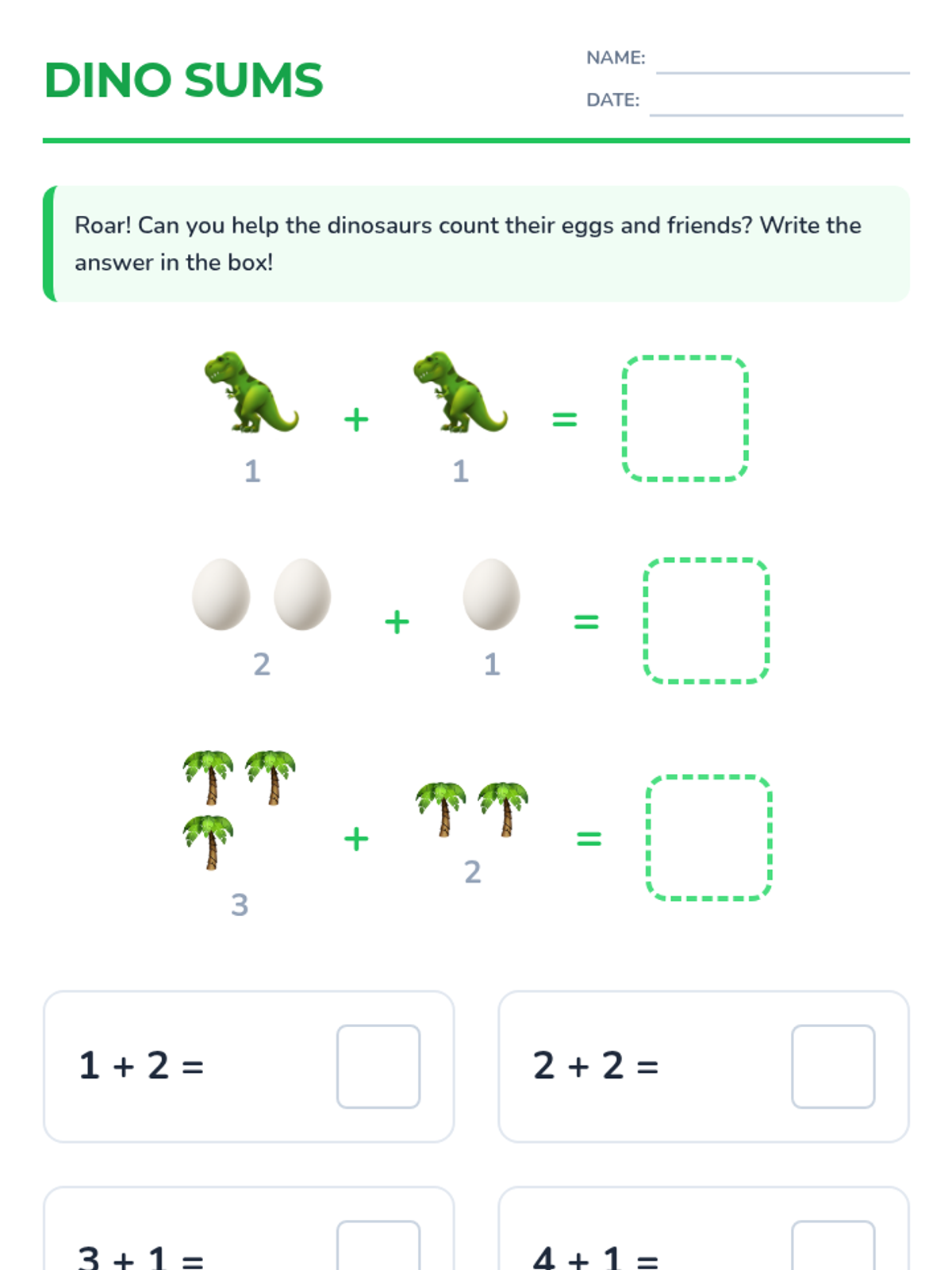
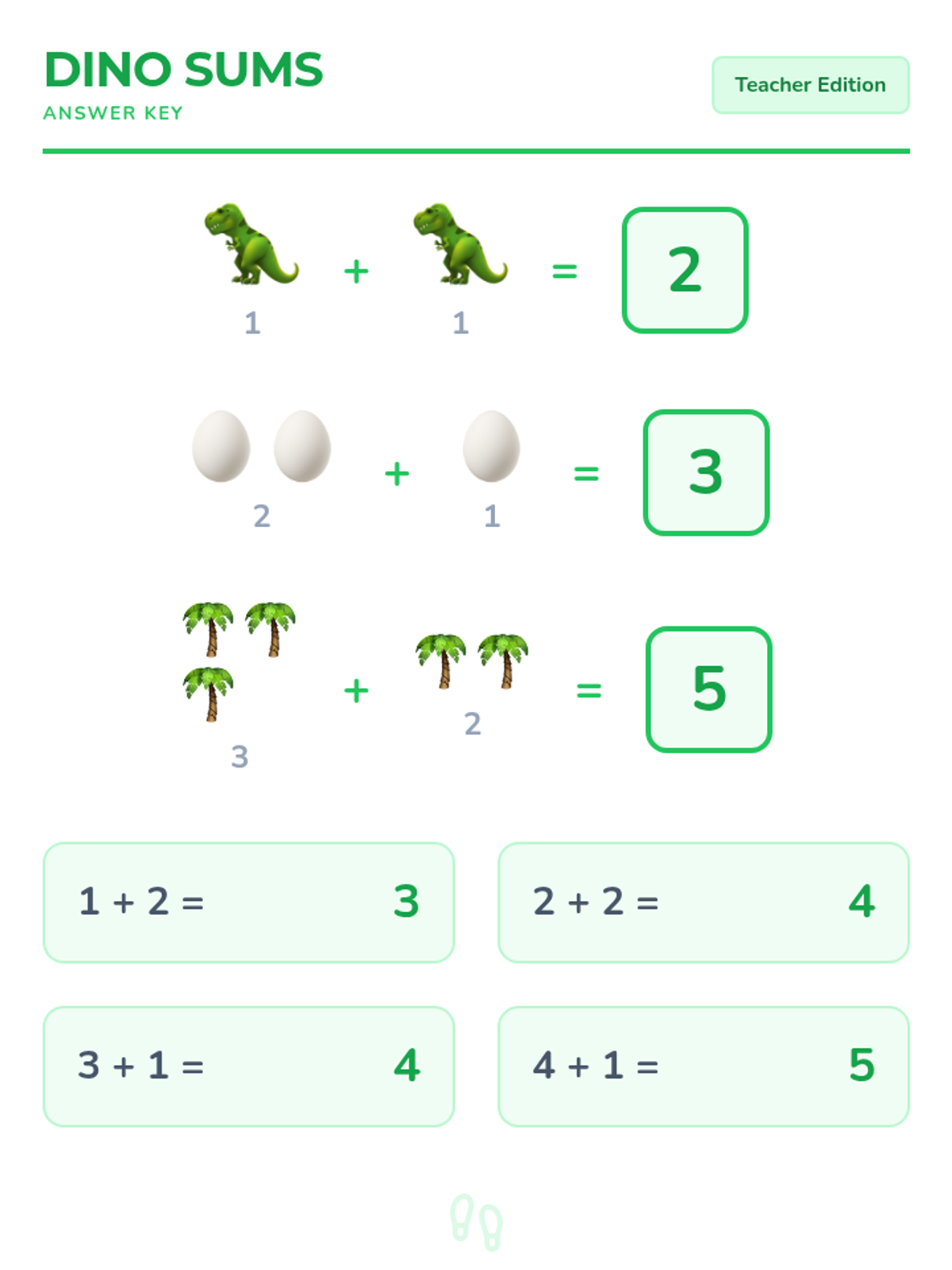
A collection of mathematical and physical problems ranging from early childhood addition to advanced network theory.
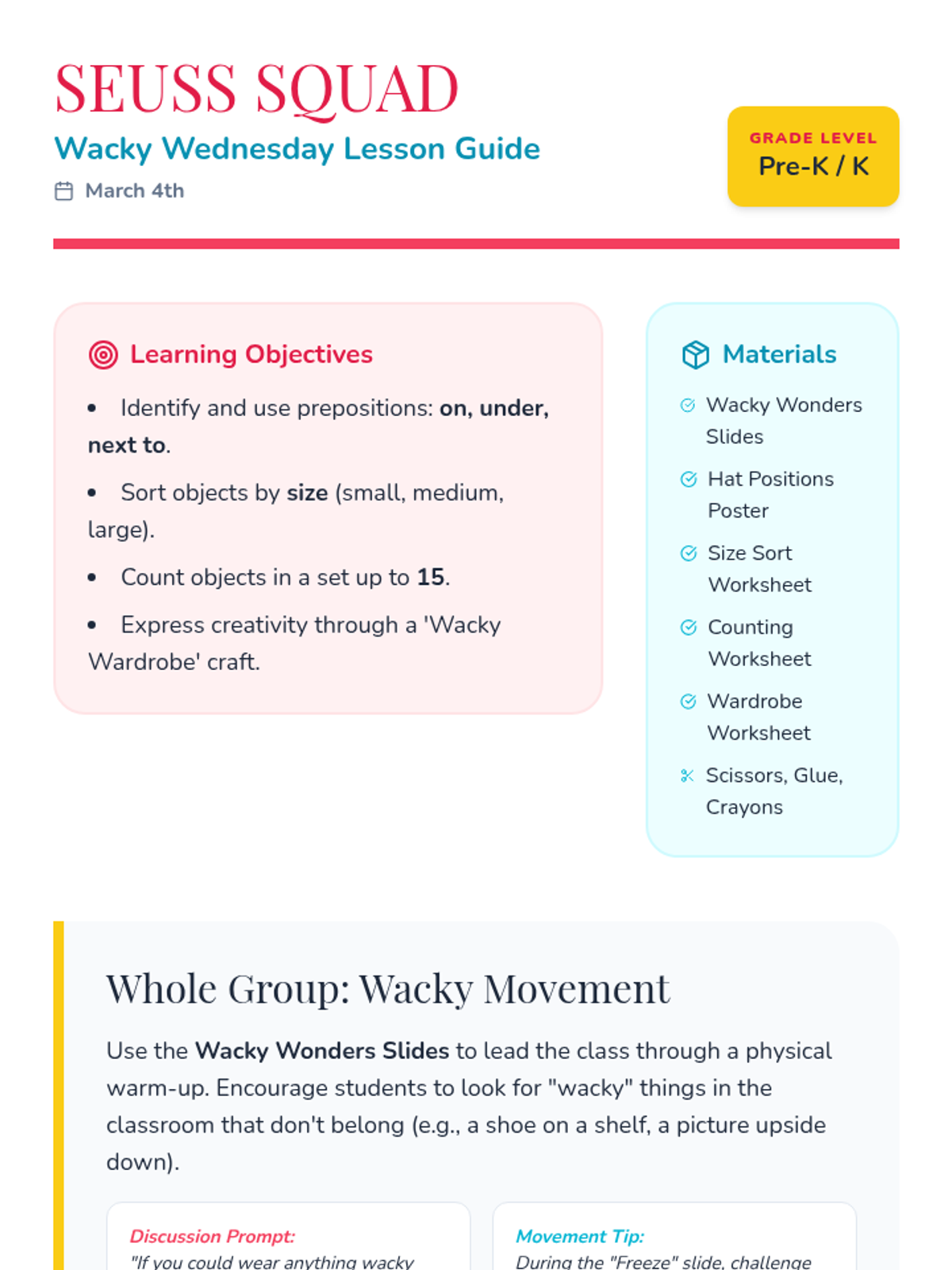
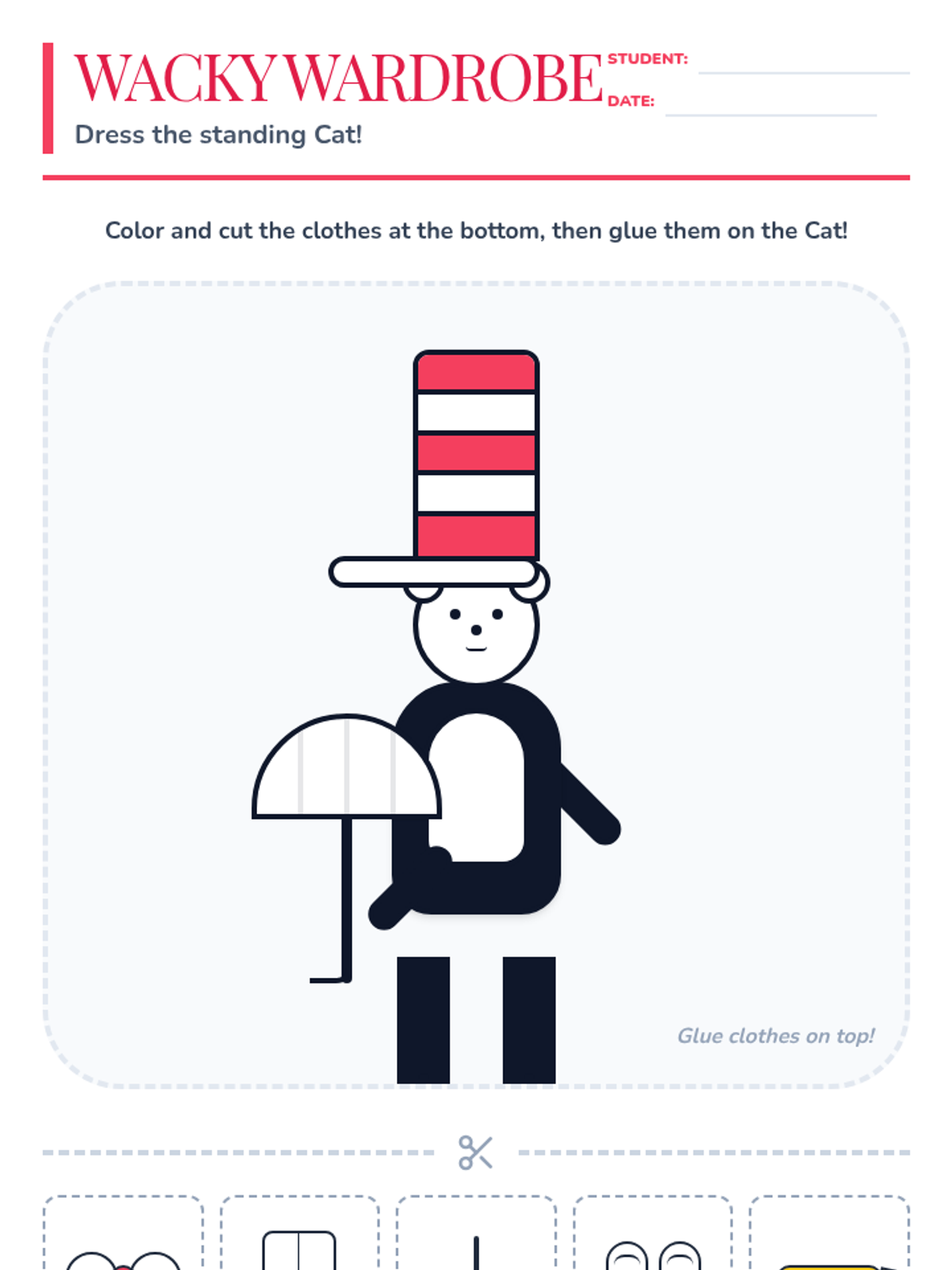
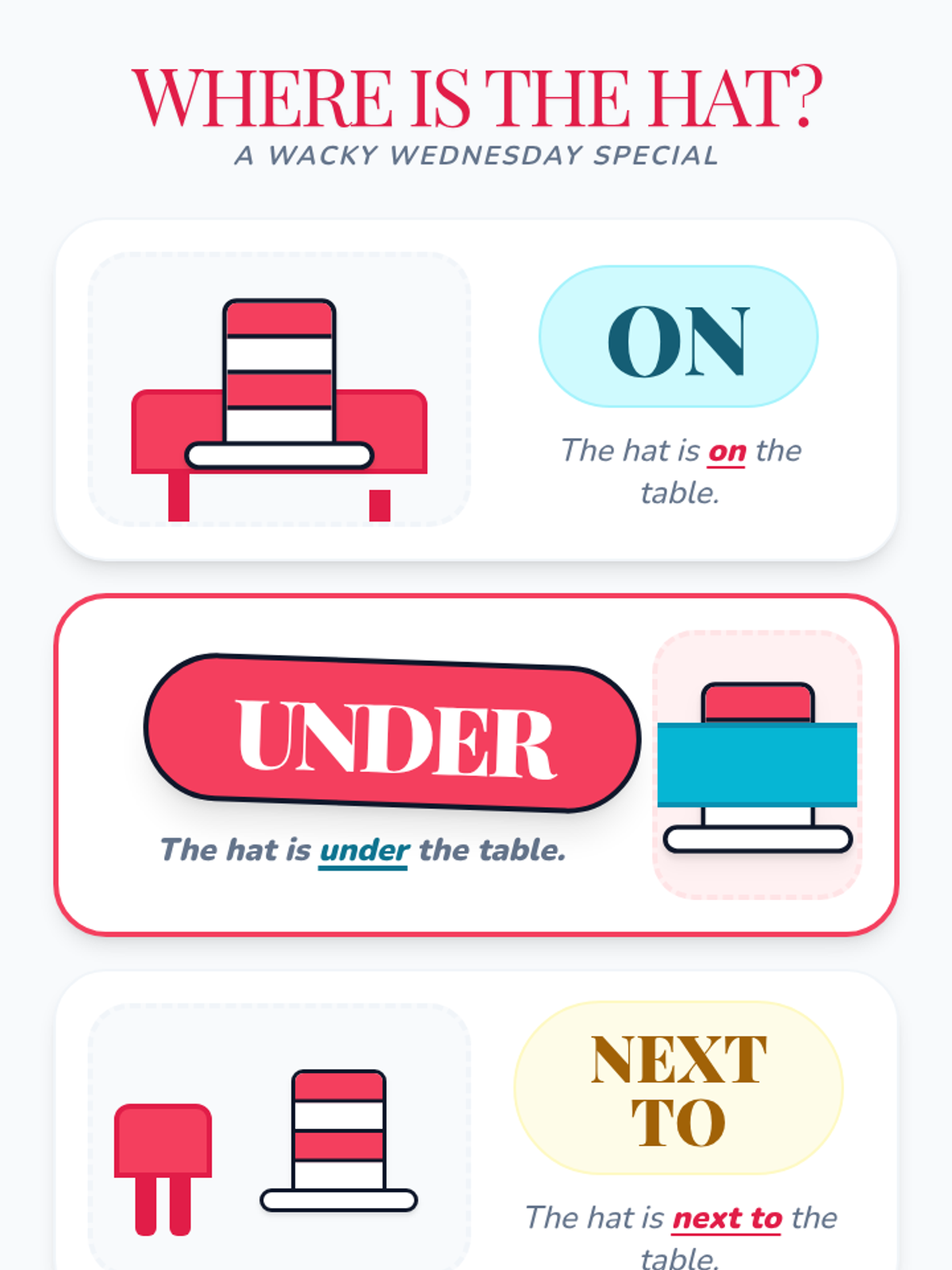
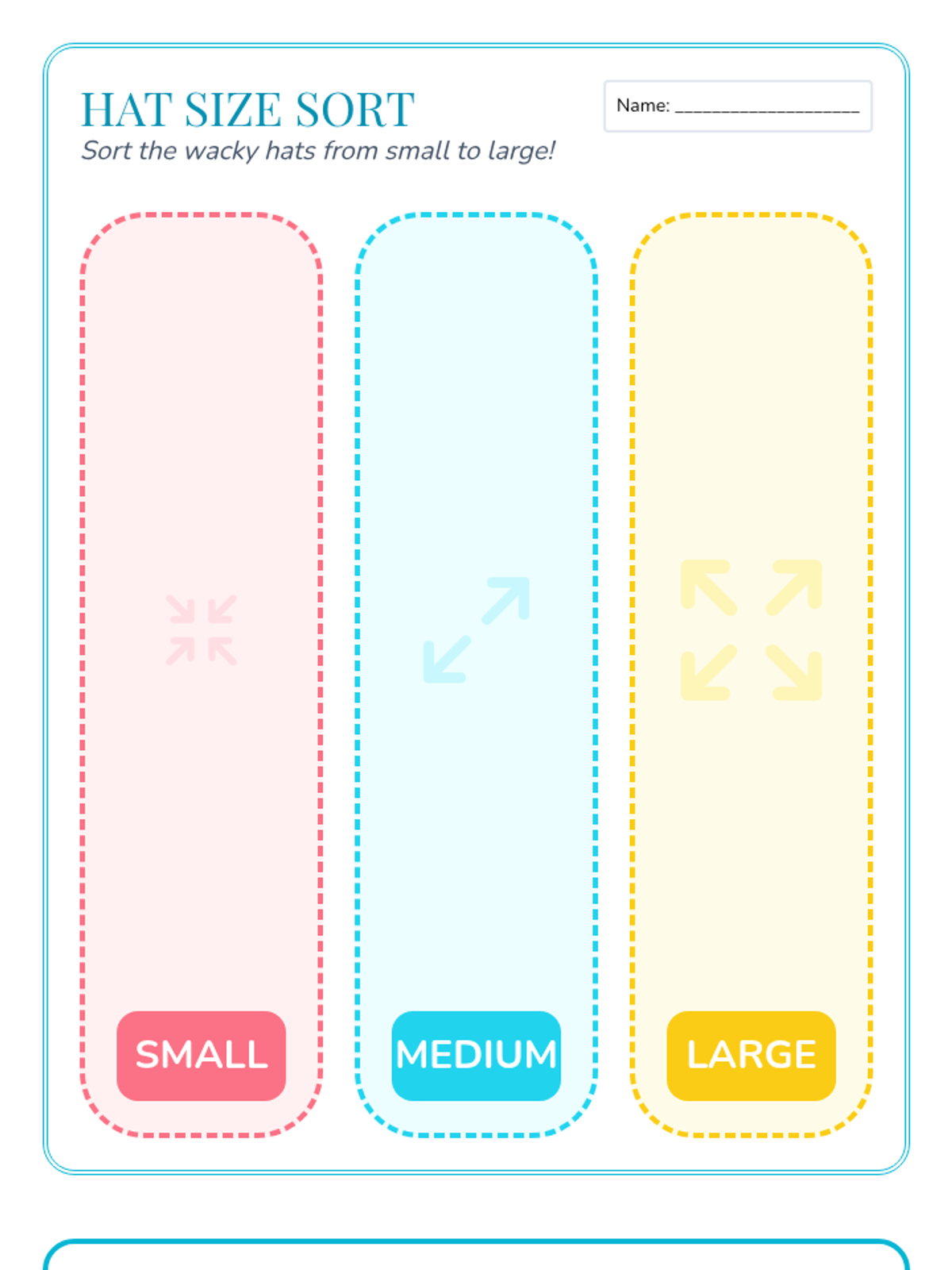
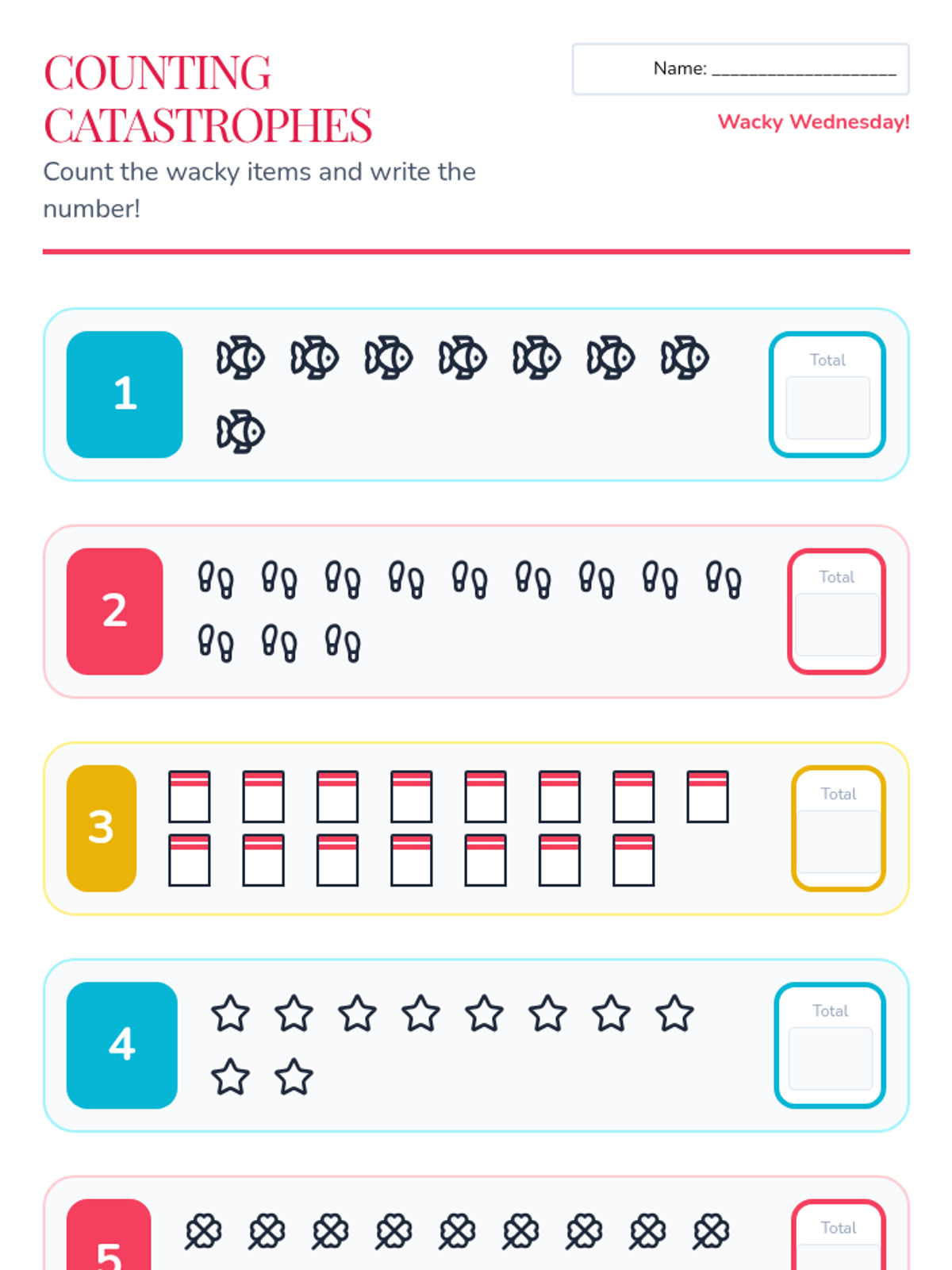
A Dr. Seuss-themed unit focusing on 'Wacky Wednesday' with a focus on counting, size sorting, prepositions, and creative expression for Pre-K and Kindergarten students.
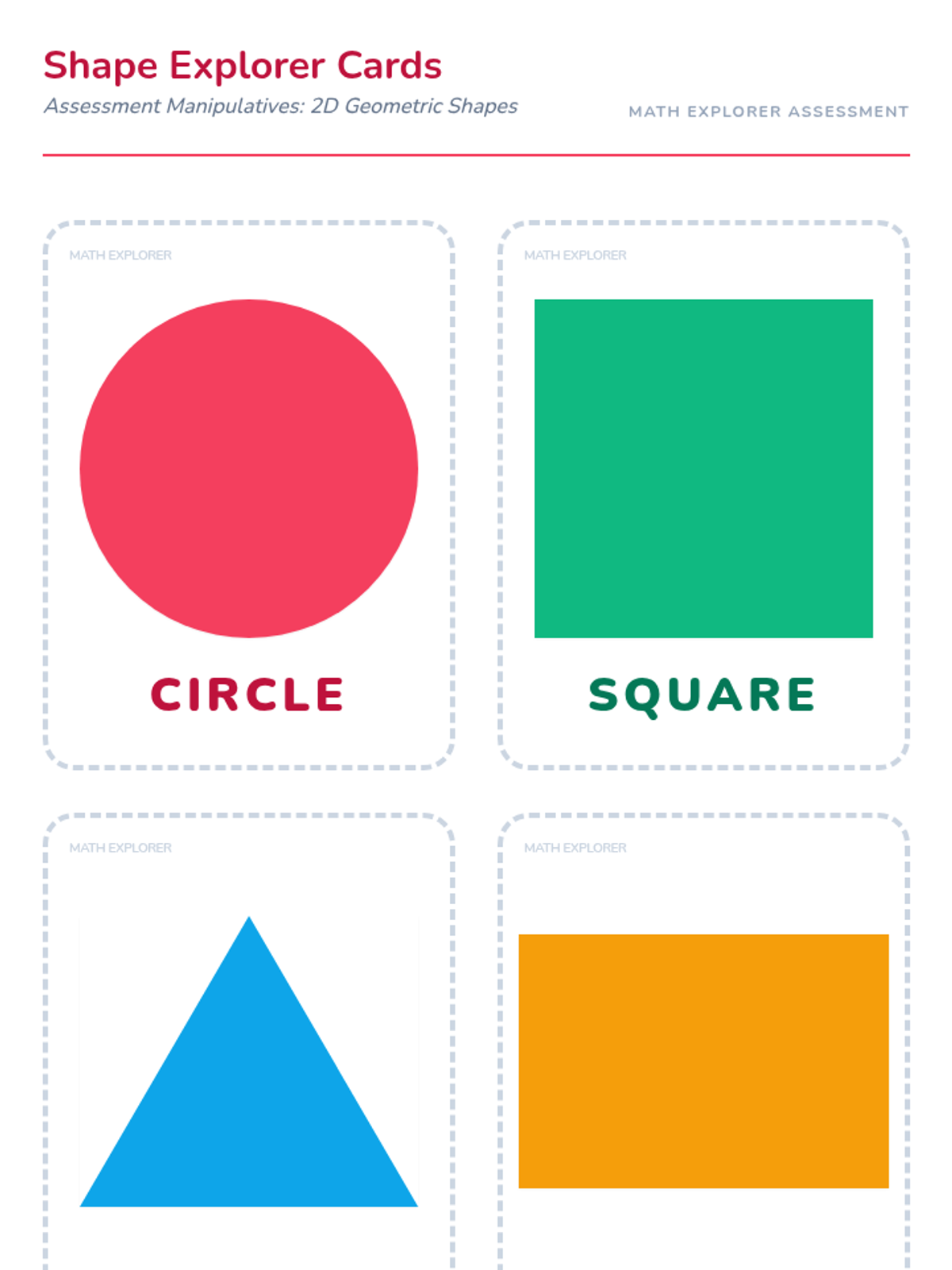
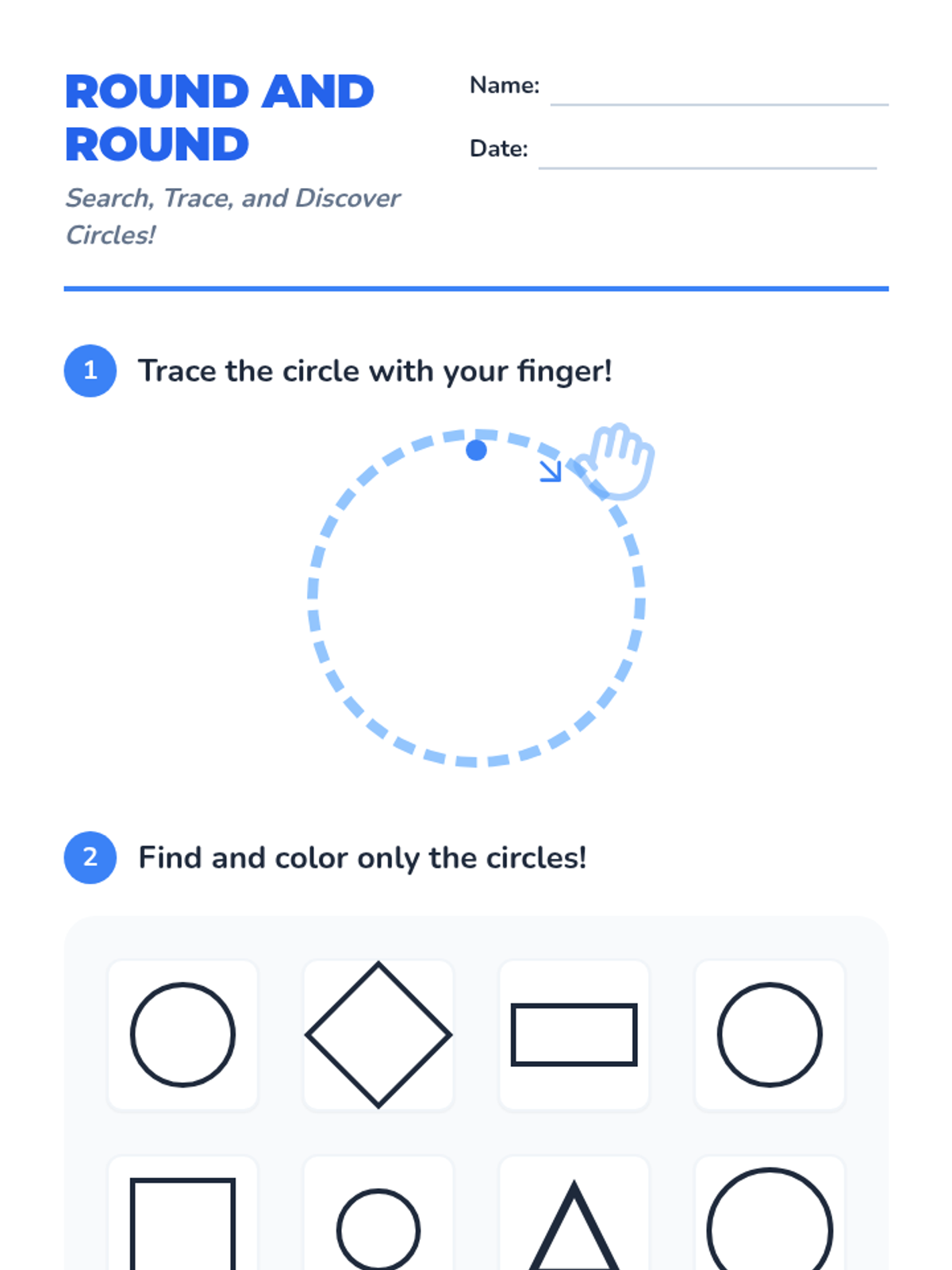
This sequence introduces Pre-K students to 2D shapes (circles, squares, rectangles, triangles) through sensory play, physical movement, and environmental exploration. Students will learn to distinguish shapes by their attributes like sides and corners.
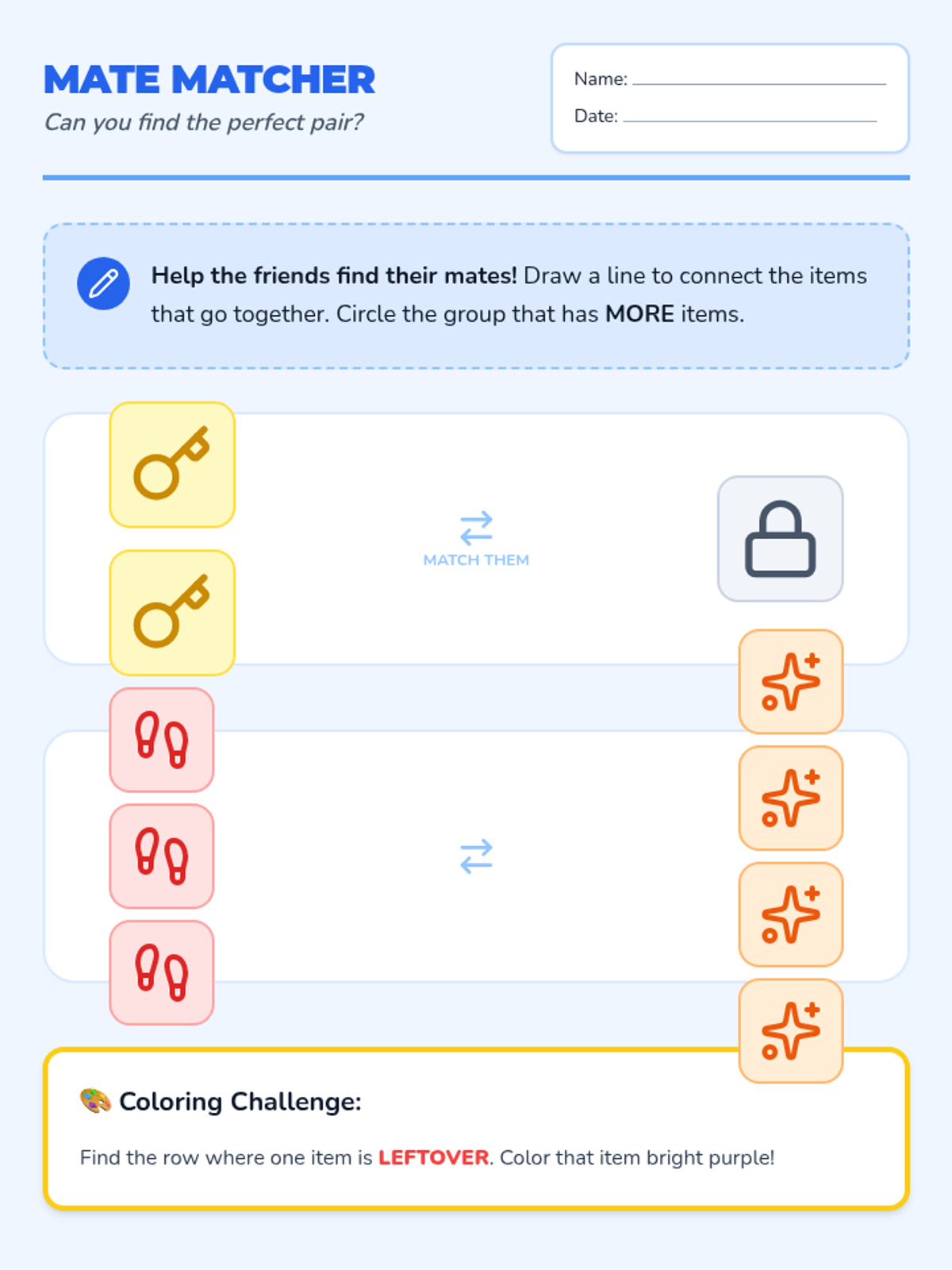
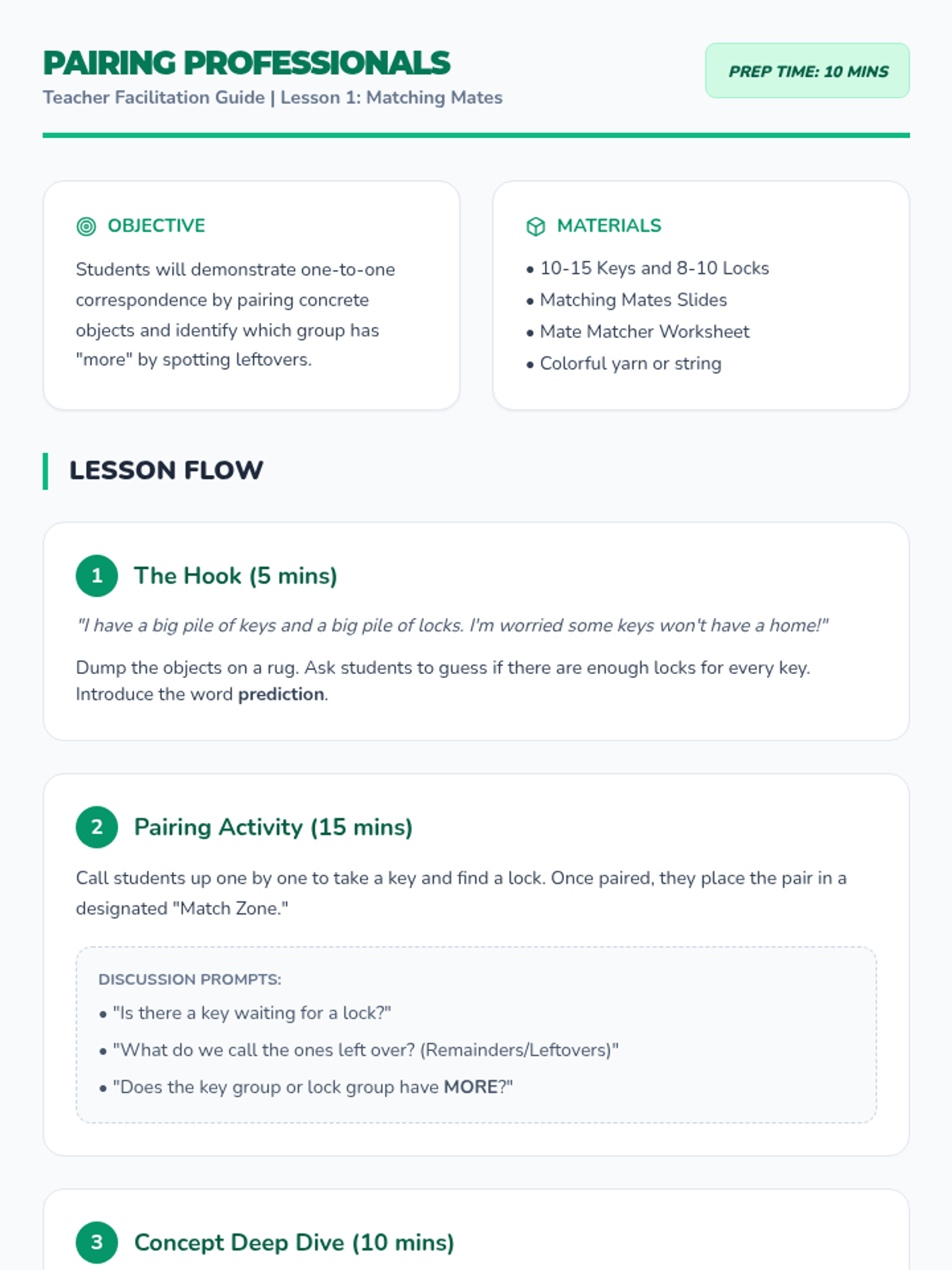
A foundational Pre-K math sequence focusing on one-to-one correspondence and visual comparison of quantities. Students explore concepts of more, less, and fewer through physical pairing, tower building, voting, and balancing scales.
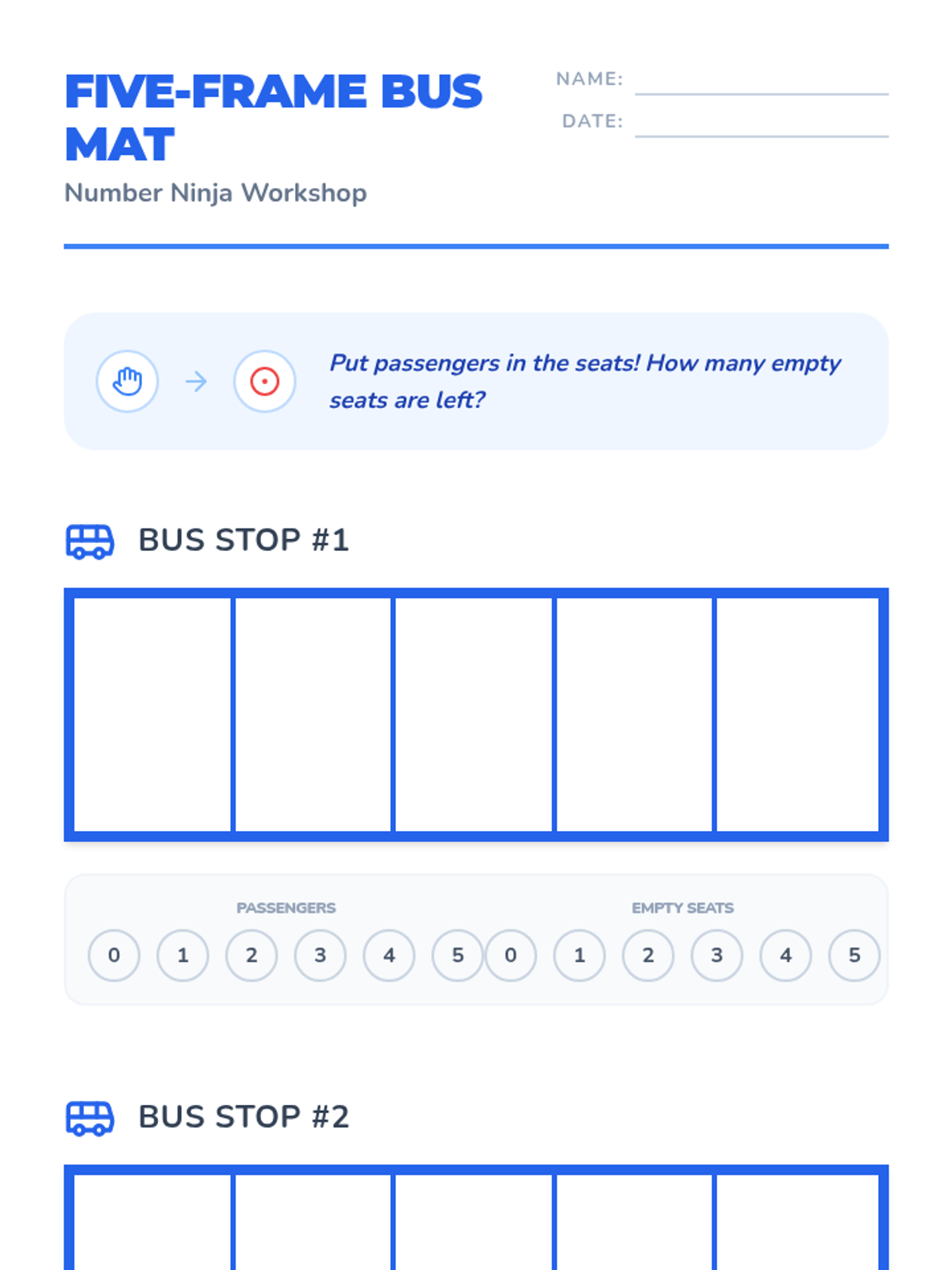
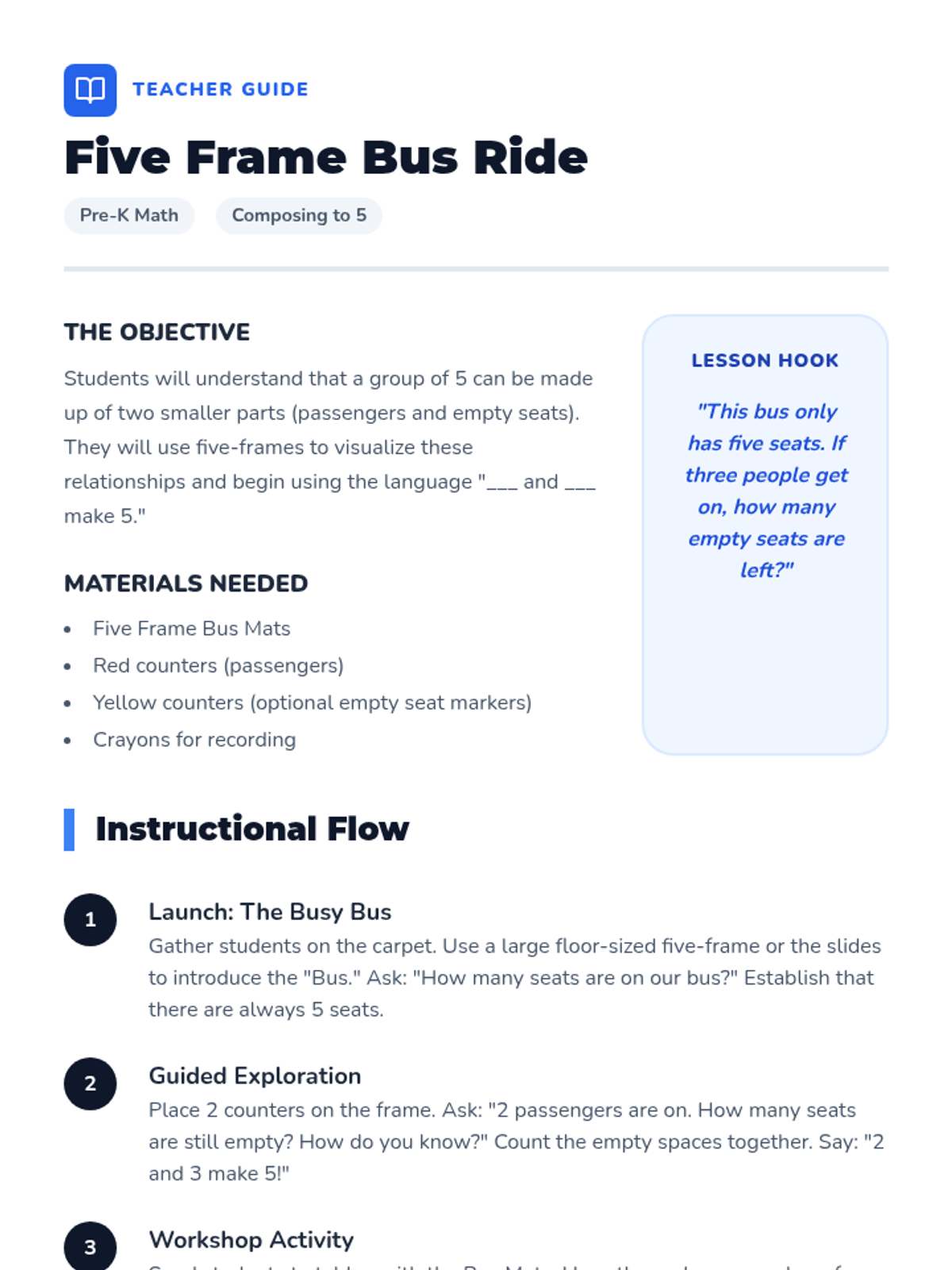
A foundational Pre-K sequence focused on understanding how numbers up to 5 can be composed and decomposed using hands-on manipulatives and games. Students develop subitizing skills and part-part-whole awareness through five-frames, two-color counters, and interactive play.
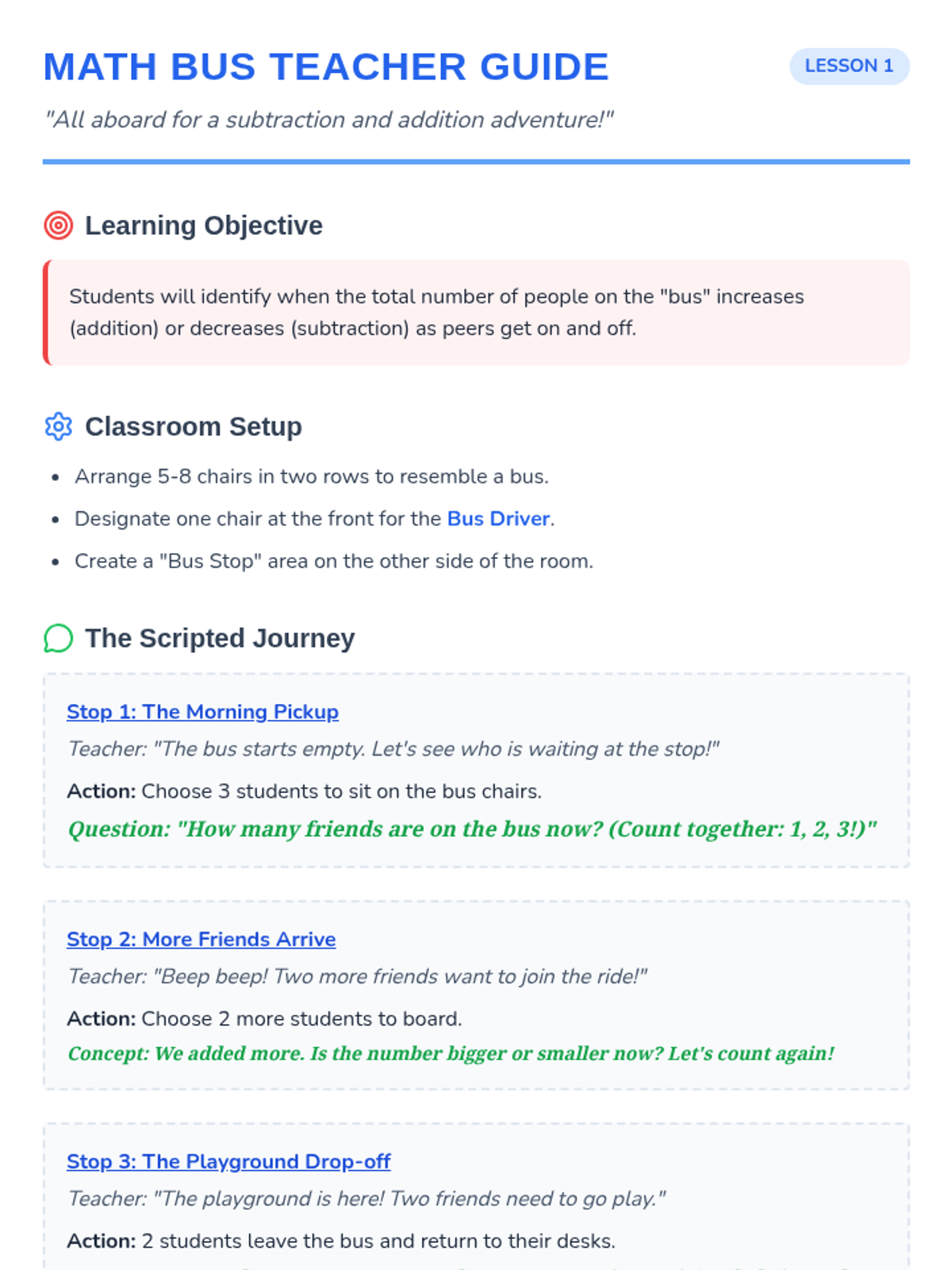
A Pre-K math sequence that connects early addition and subtraction concepts to storytelling and narrative structure. Students learn to model mathematical changes (adding to and taking away) through role-play, interactive felt boards, drawing, and puppet shows.
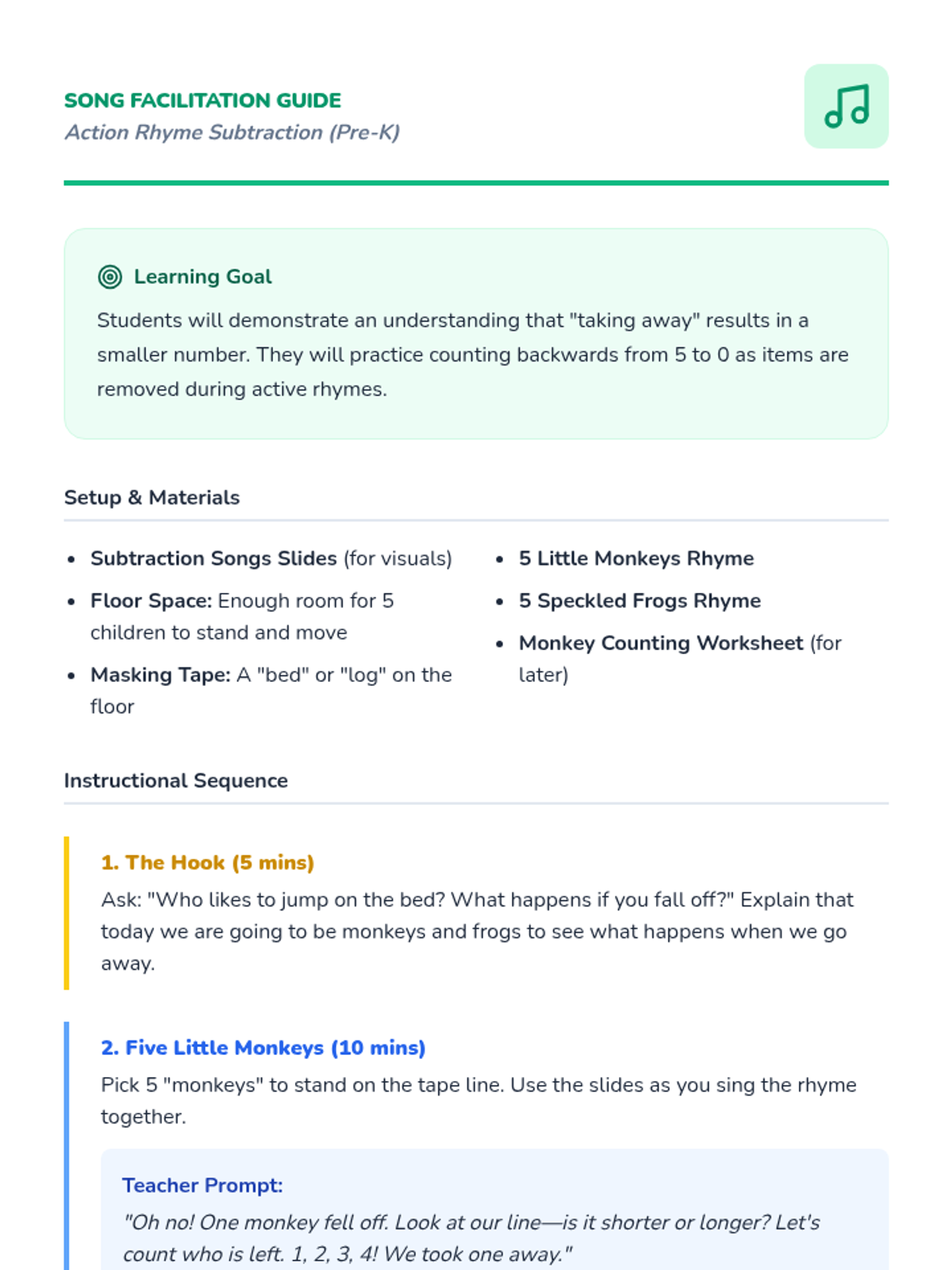
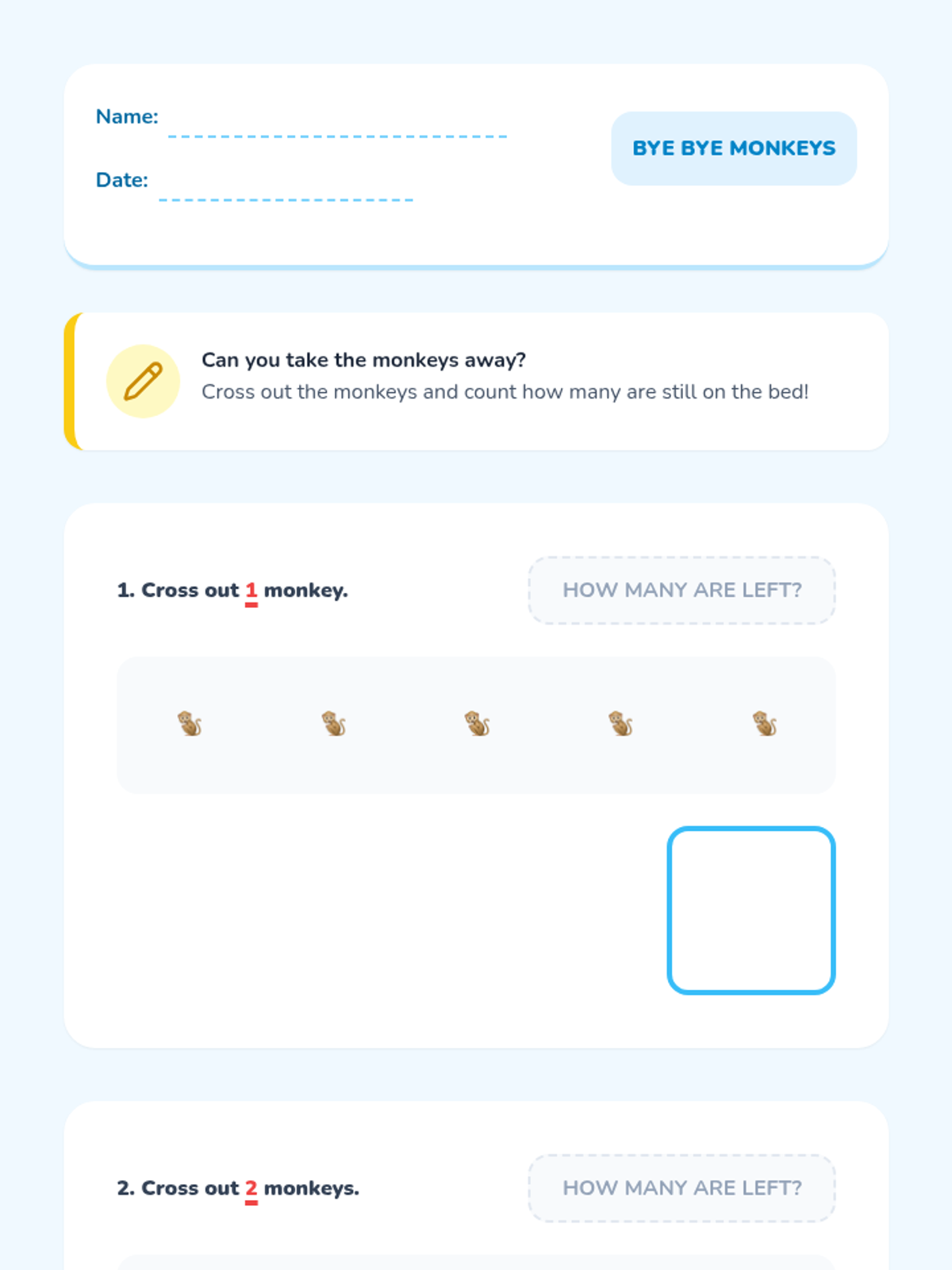
A hands-on Pre-K sequence introducing subtraction through songs, games, and sensory activities. Students learn to count 'how many are left' by physically removing items from a group.
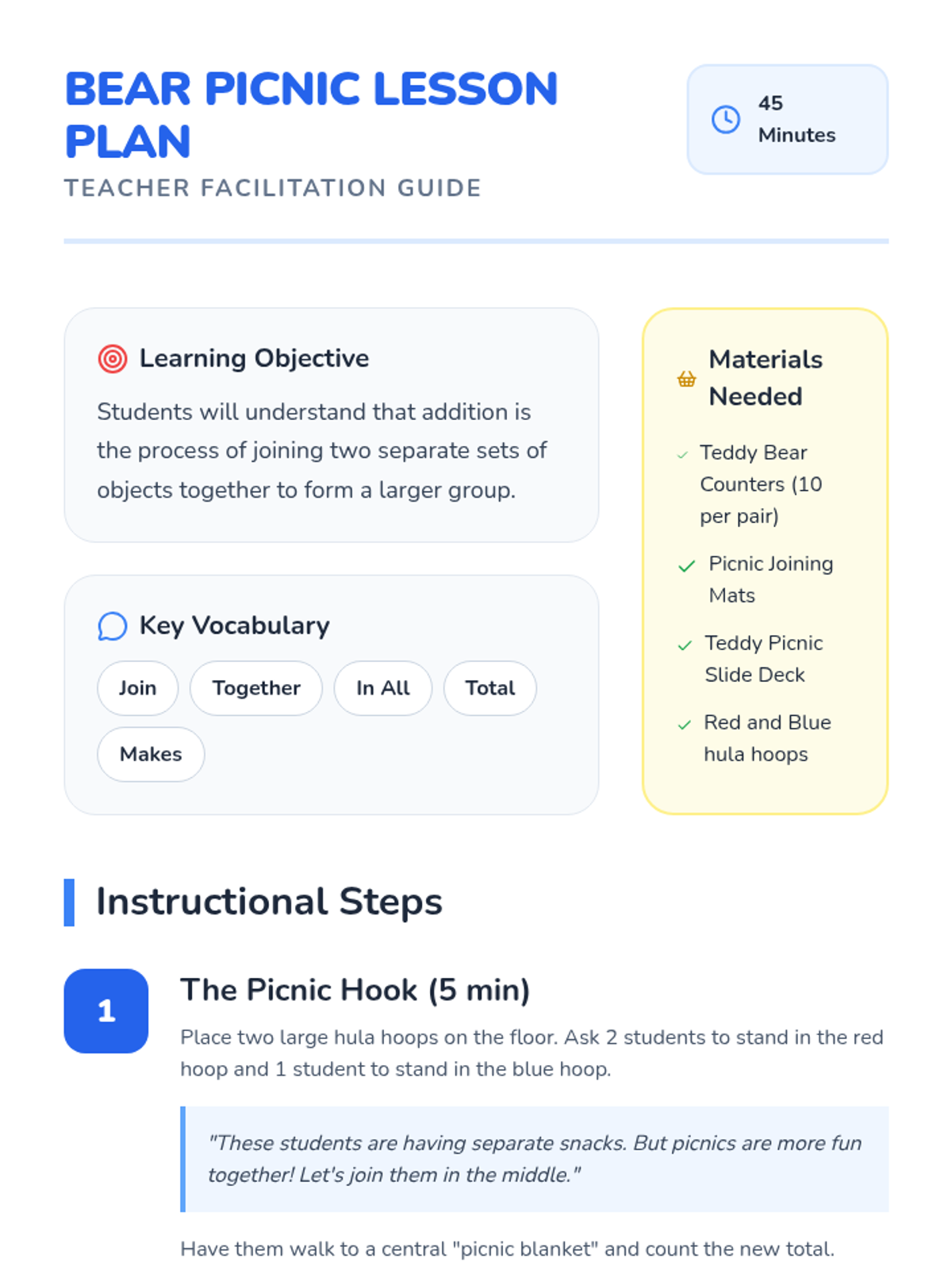
This Pre-K sequence introduces addition through the physical and visual act of joining sets. Students progress from manipulating real objects like teddy bear counters to using work mats, finger strategies, and verbalizing math stories.
This sequence introduces Pre-K students to the concept of zero and the written names of numbers 1-3. It bridges math and literacy through storytelling, environmental print awareness, and rhythmic activities.
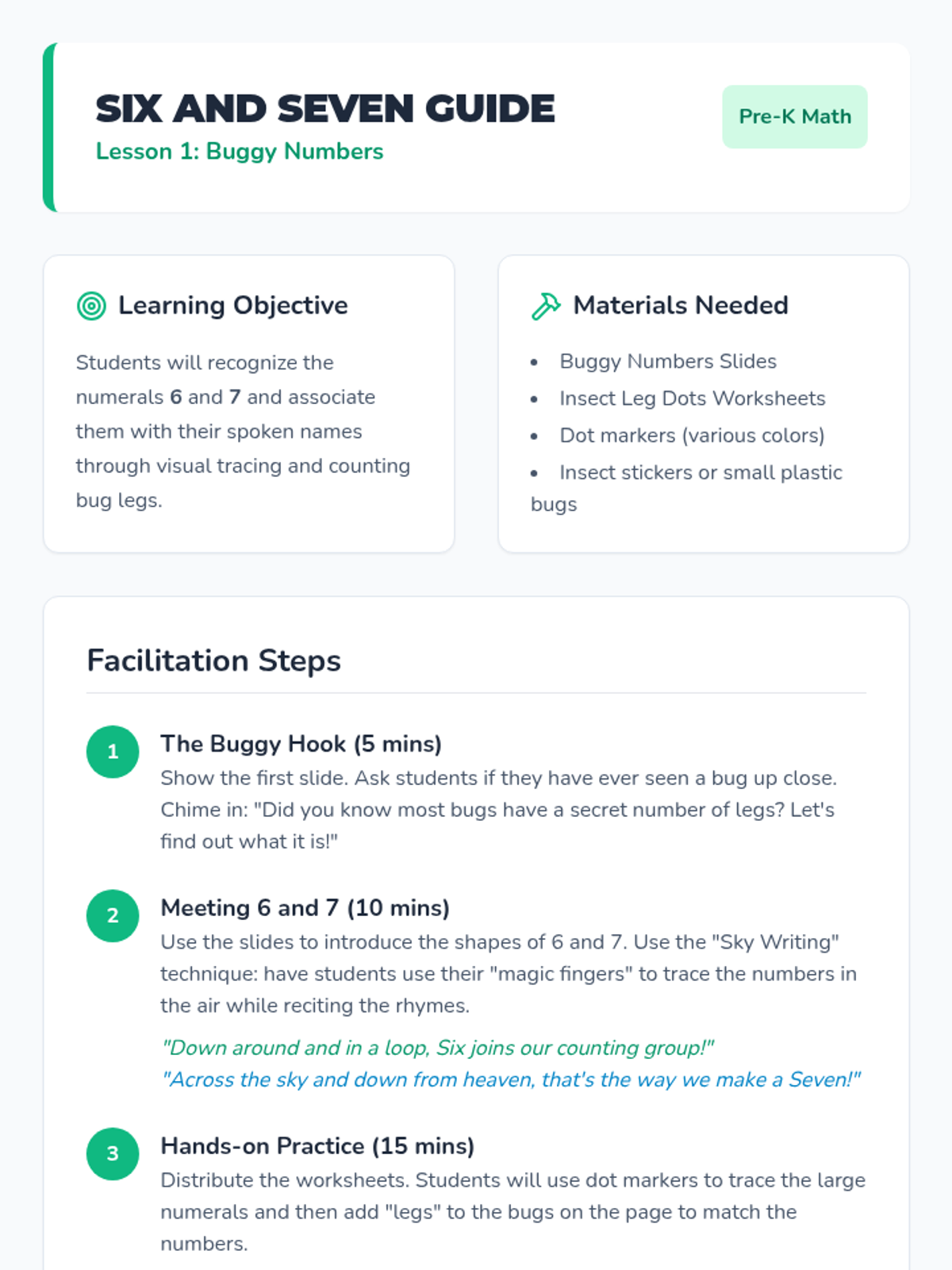
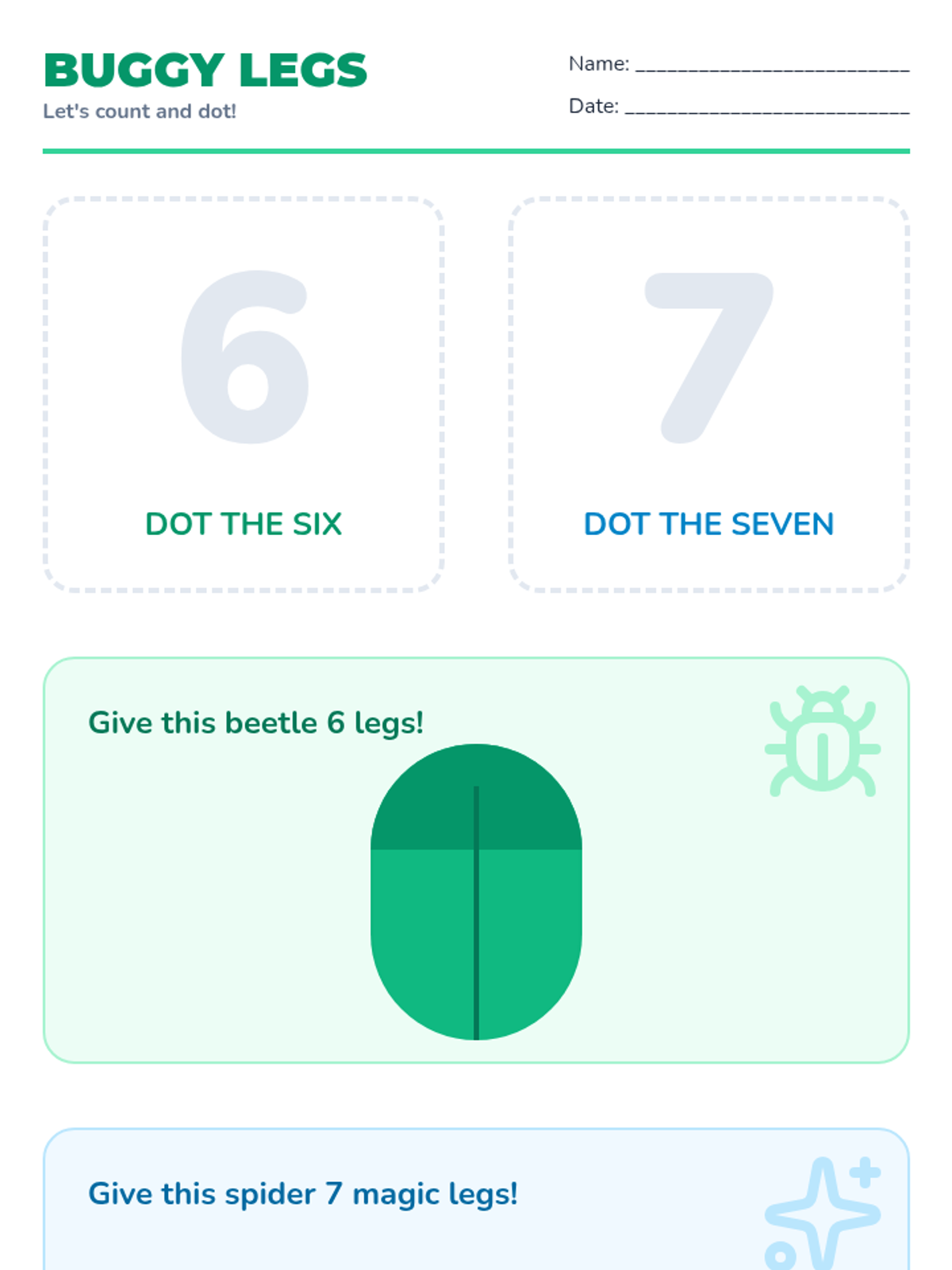
This sequence introduces Pre-K students to the numerals and spoken names for numbers 6-10 through hands-on activities, movement, and creative crafts. Students build visual recognition and auditory associations, culminating in the ability to identify and sequence numbers 6-10.
A sensory-rich, game-based introduction to the number names 1 through 5 for Pre-K students. This sequence focuses on associating spoken names with physical quantities through body movement, storytelling, and hands-on exploration.
A foundational Pre-K numeracy sequence that guides students from rote oral counting to understanding one-to-one correspondence, cardinality, and backward counting through immersive, play-based activities.
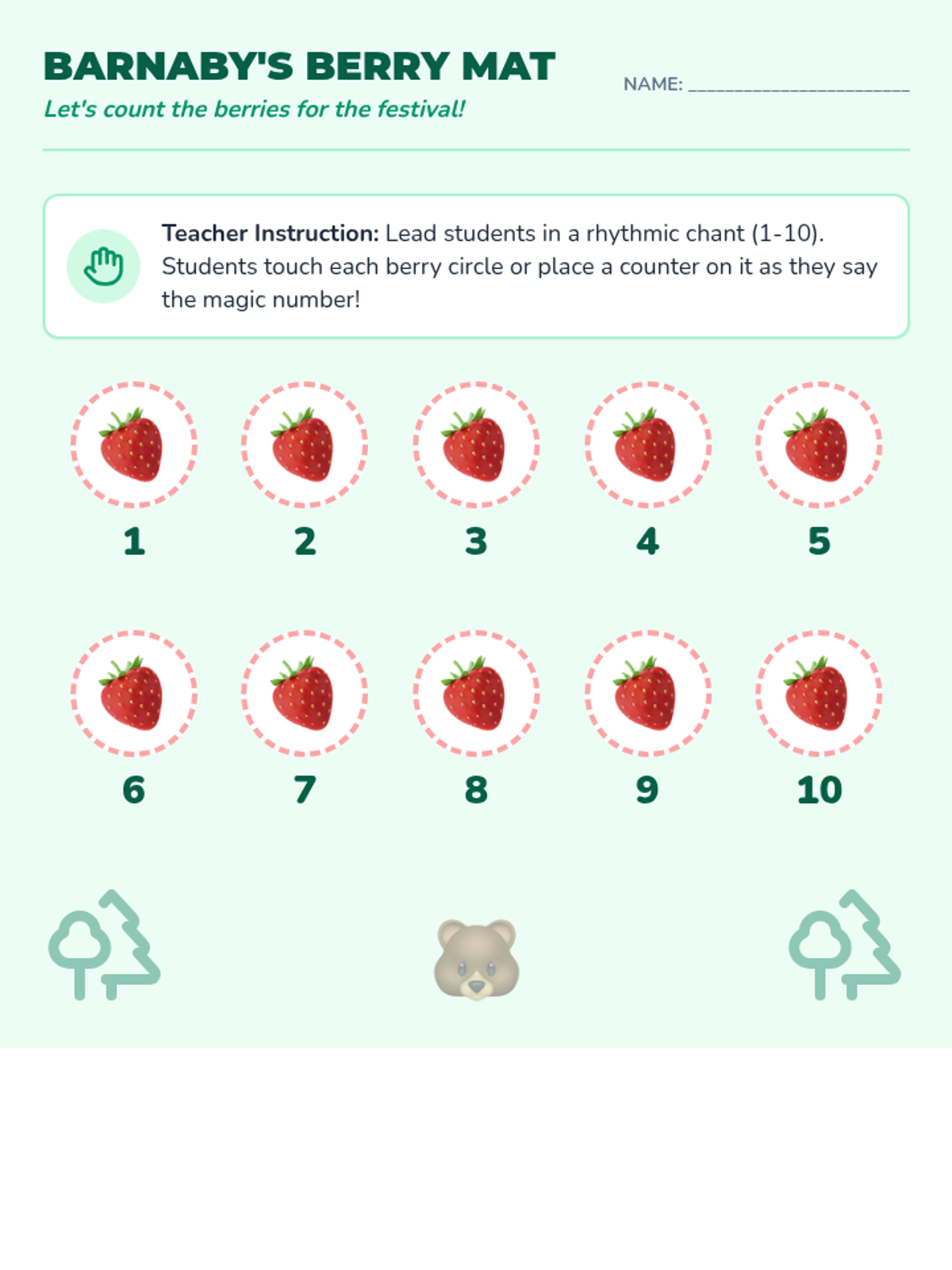
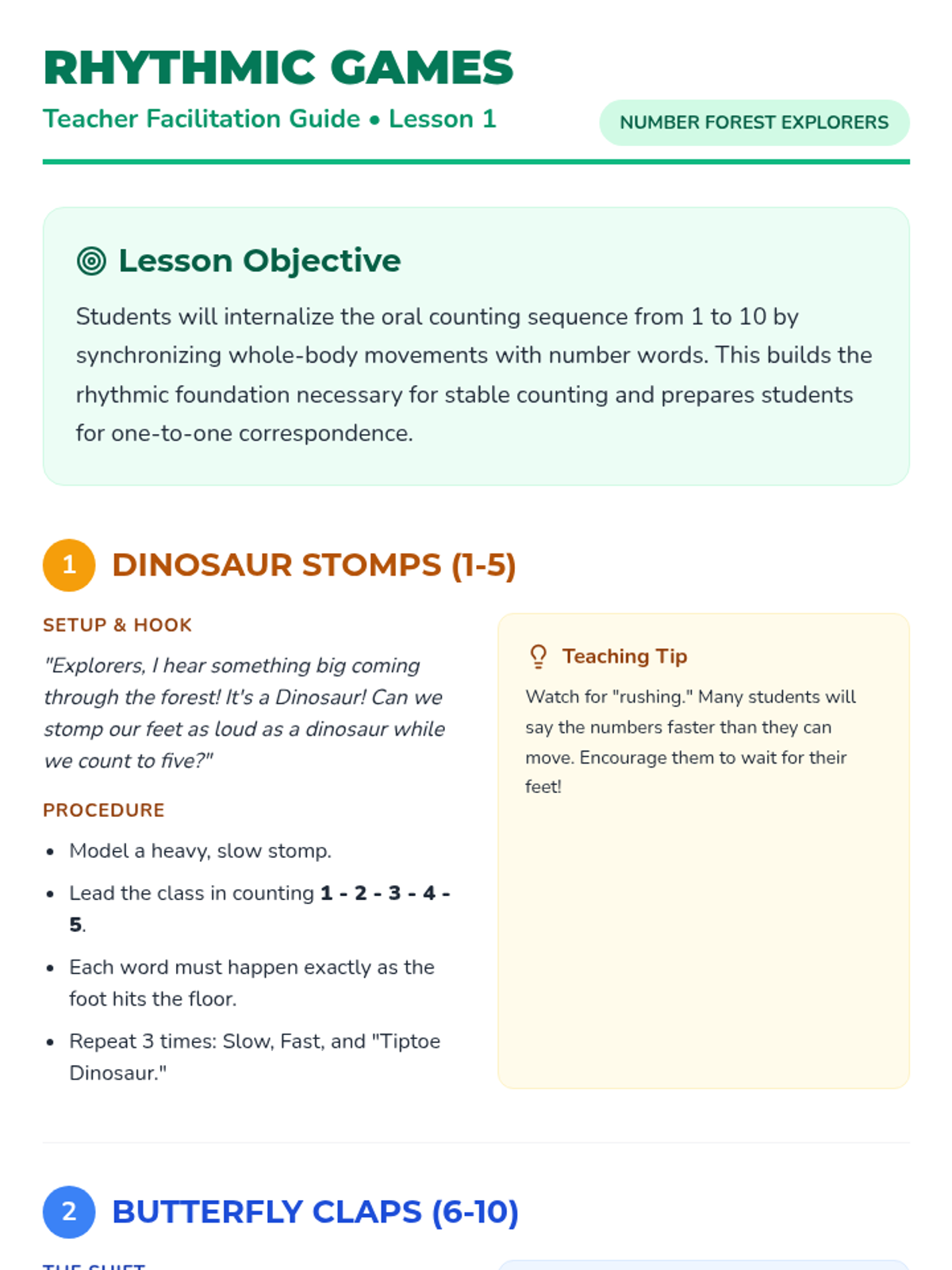
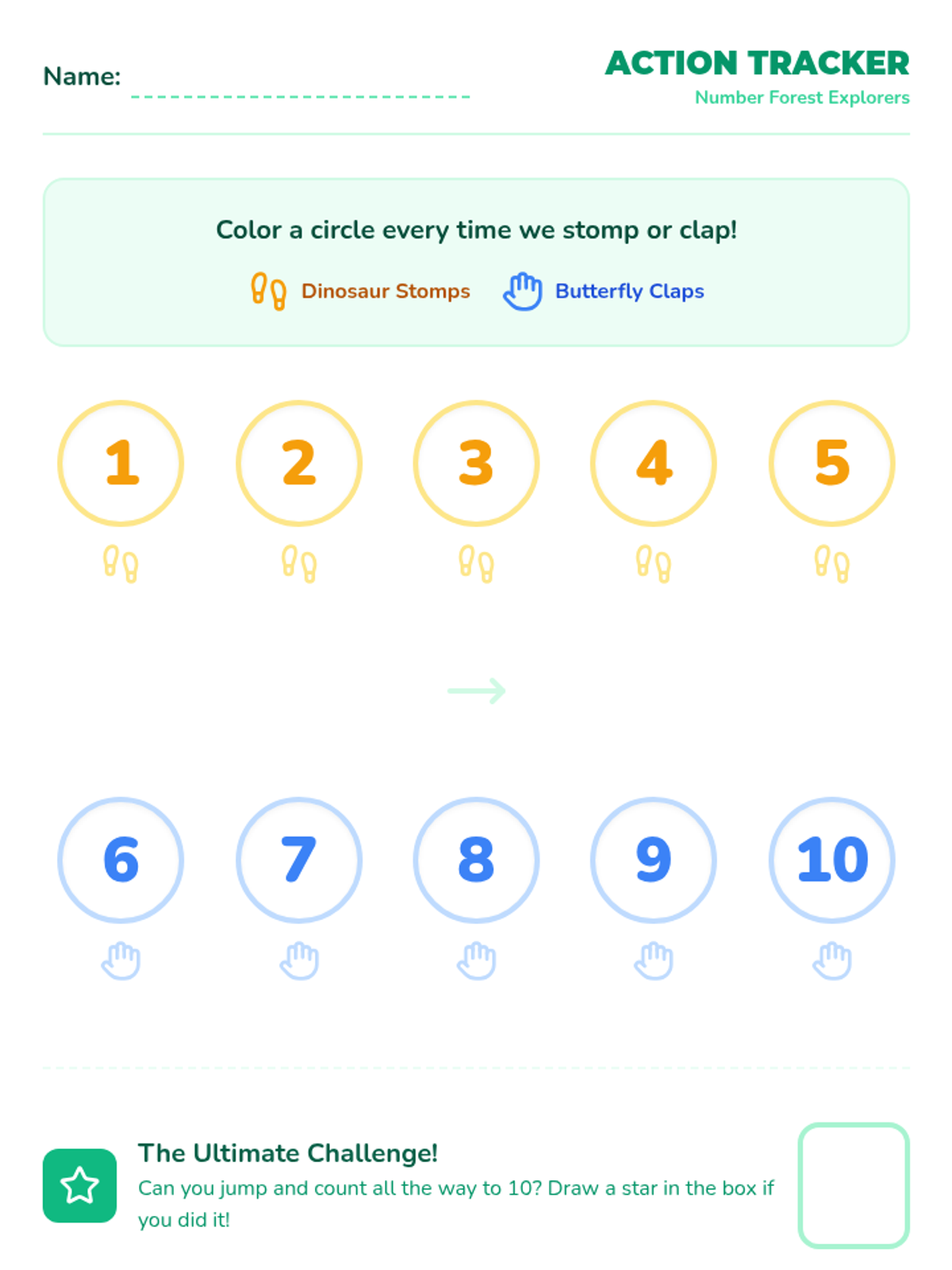
A multisensory journey through the world of numbers for Pre-K learners. Students explore rote counting, one-to-one correspondence, cardinality, and backward counting through forest-themed movement, games, and tactile activities.
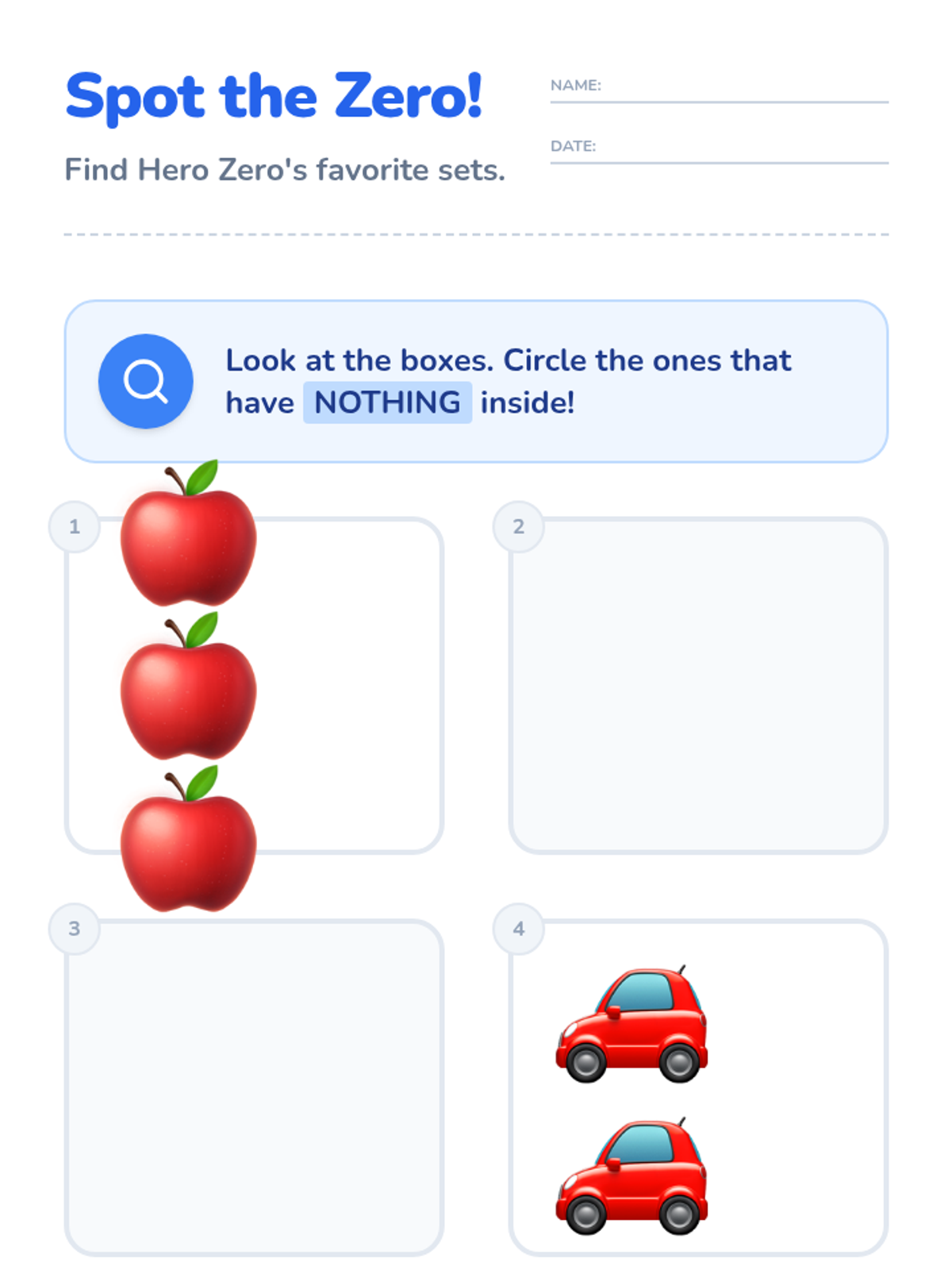
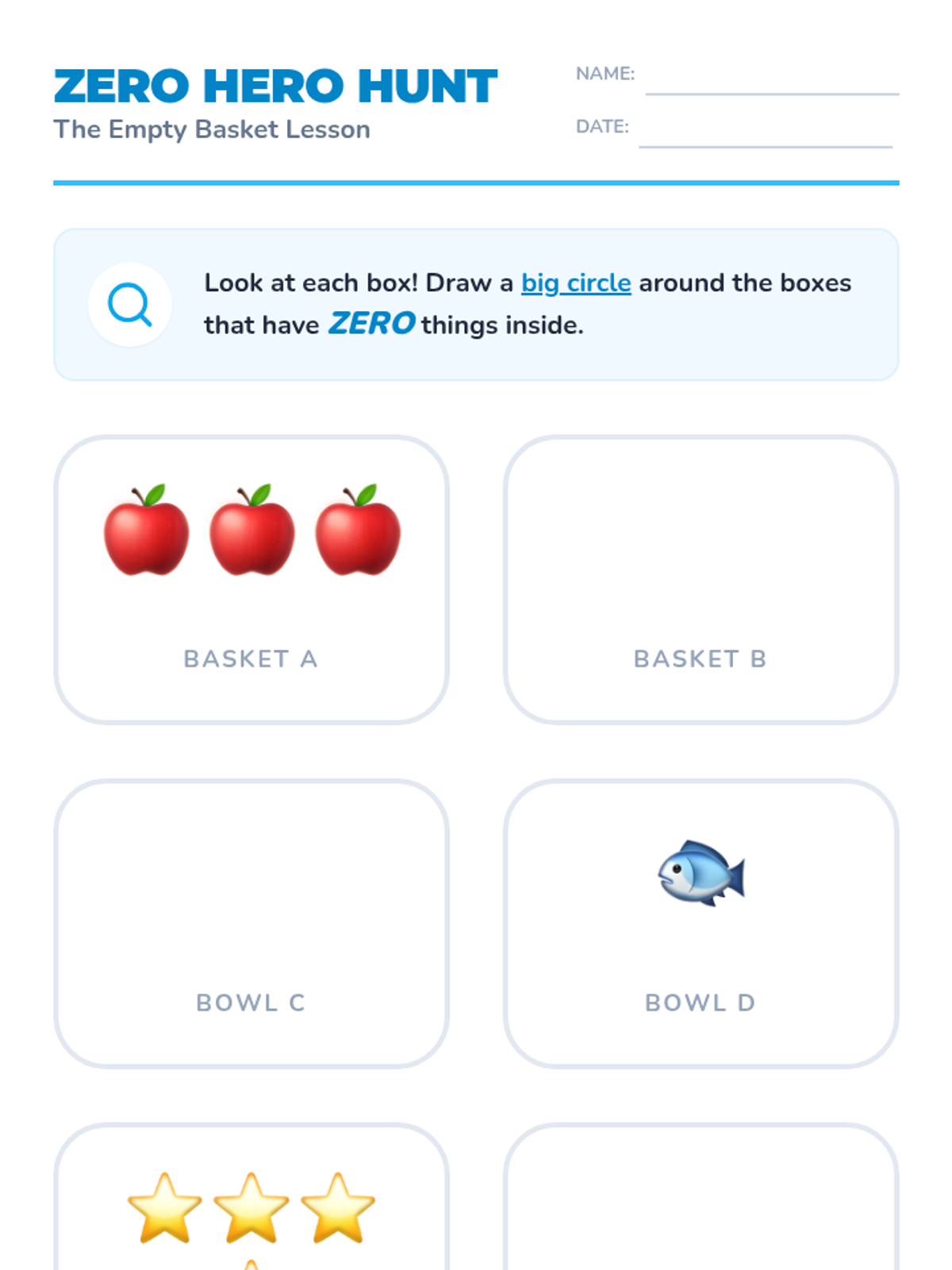
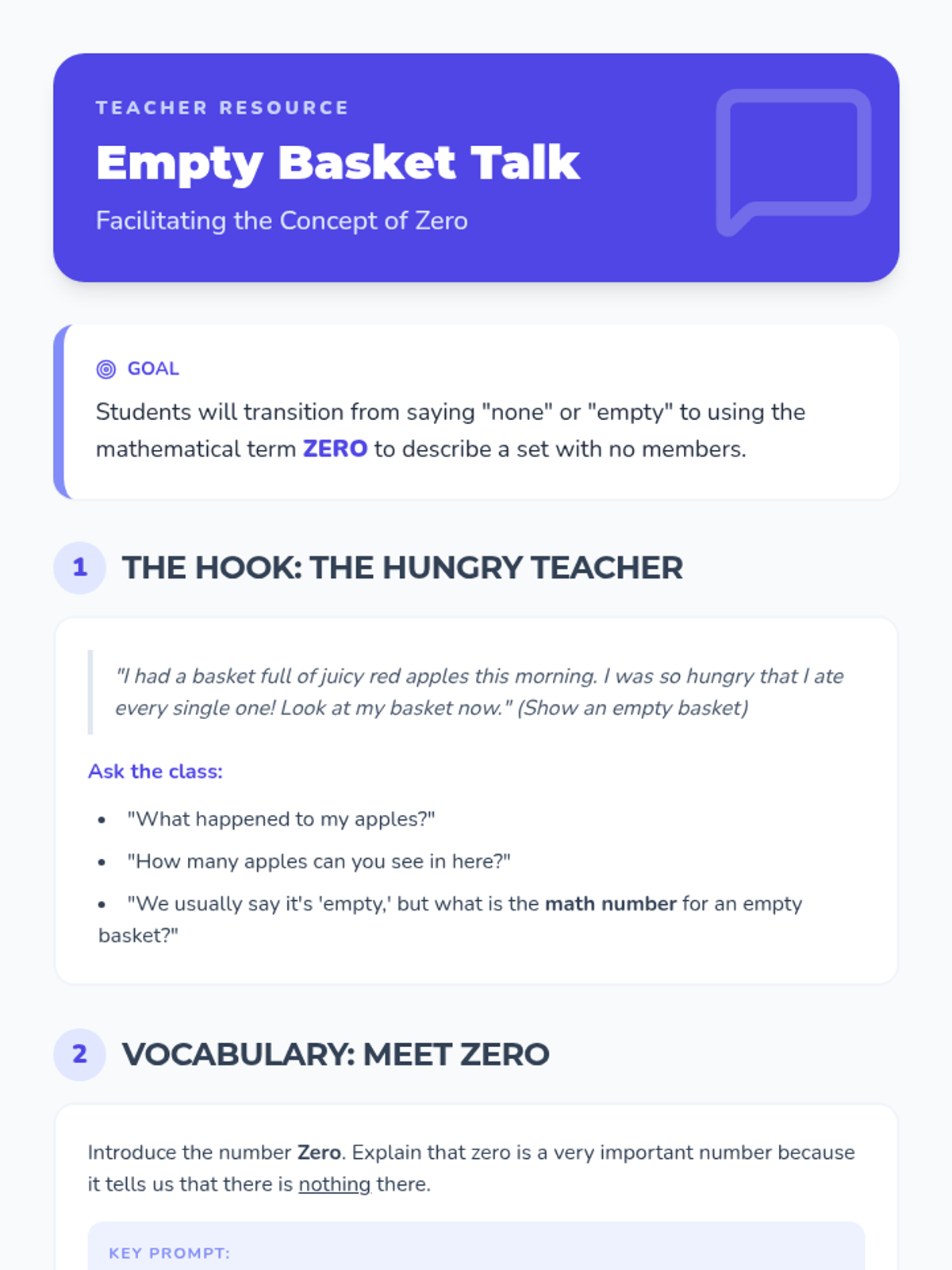
A foundational unit for Pre-K students to understand the concept of zero as 'nothing' and the starting point of the counting sequence through hands-on activities, movement, and visual aids.
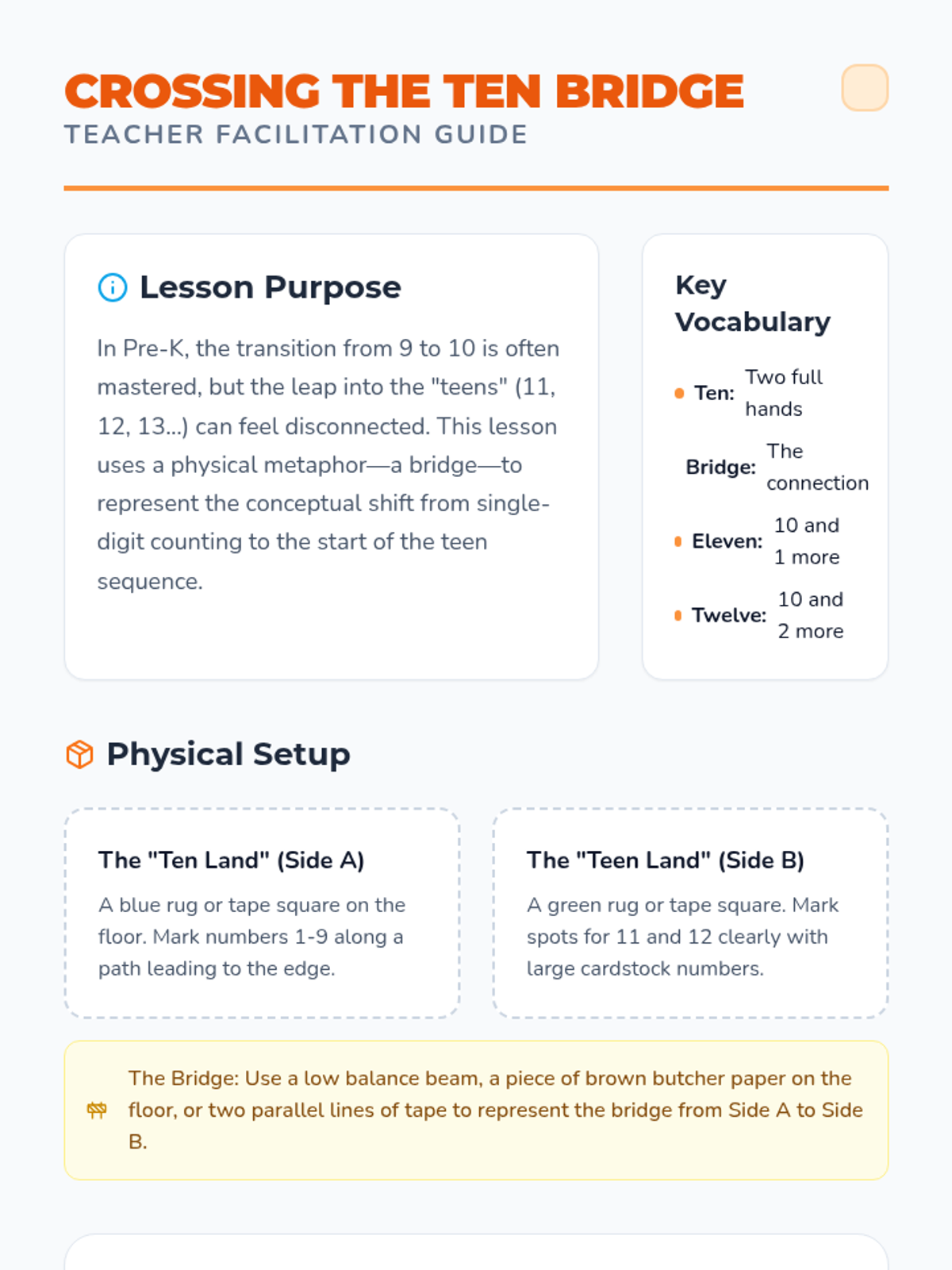
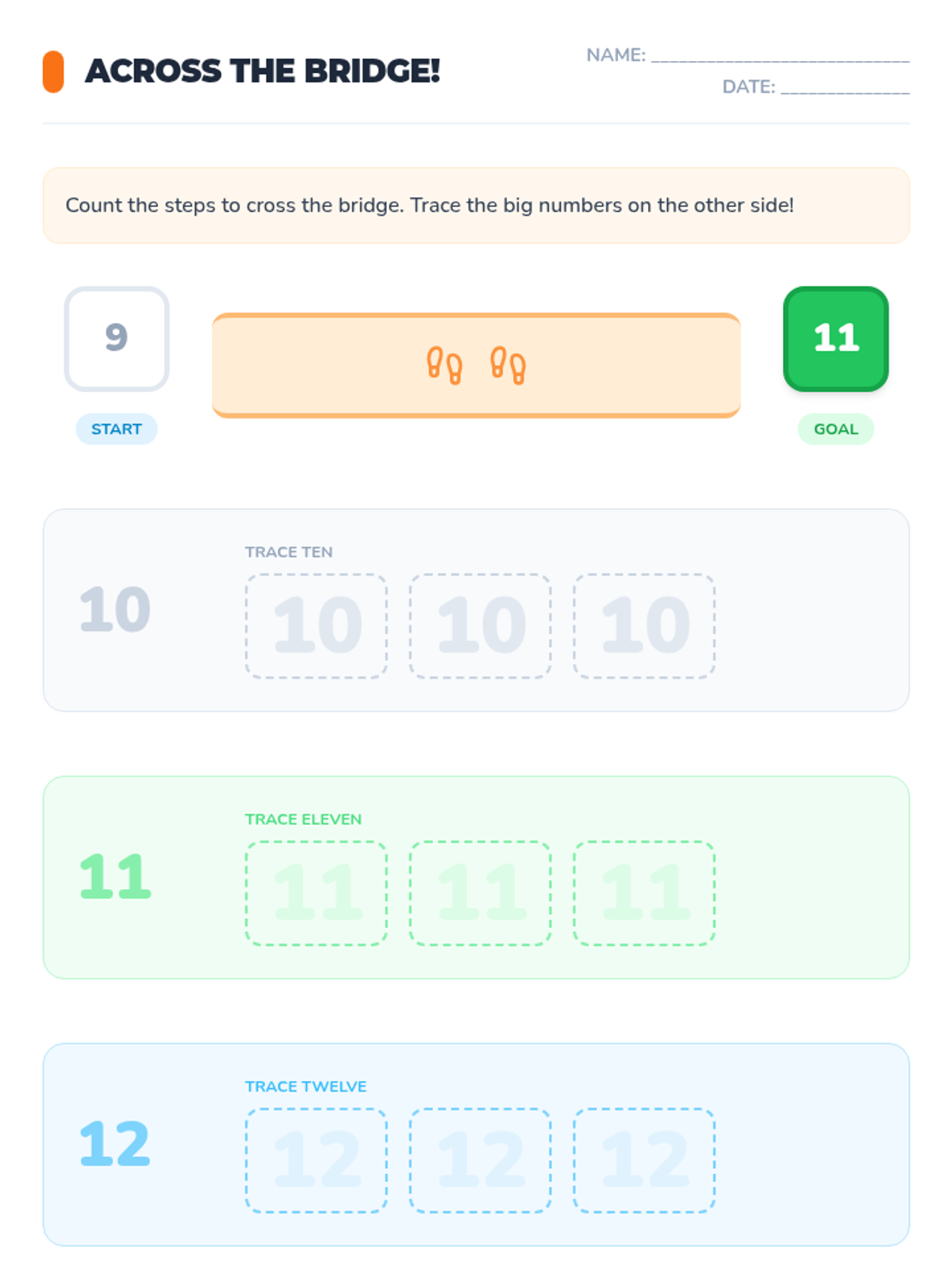
This sequence targets the challenging 'teen' numbers (11-19) for Pre-K students. Through auditory drills, visual supports, and physical activities, students explore the pattern of 'ten and some more' to master the counting sequence up to 20.
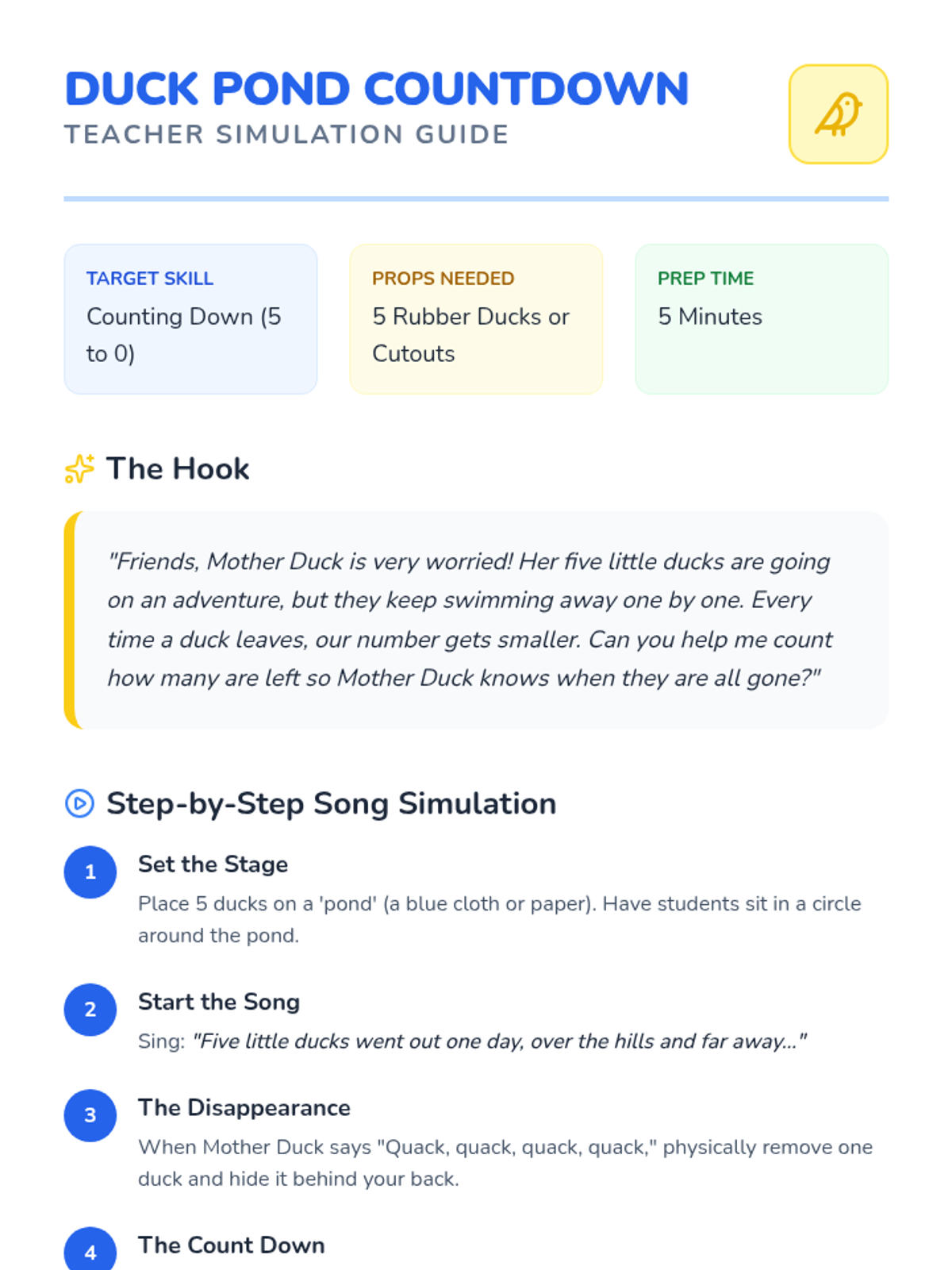
A Pre-K math sequence focused on backward counting from 5 and 10 using engaging simulations like rocket launches, disappearing snacks, and songs. Students explore the concept of decreasing quantity and prepare for subtraction.
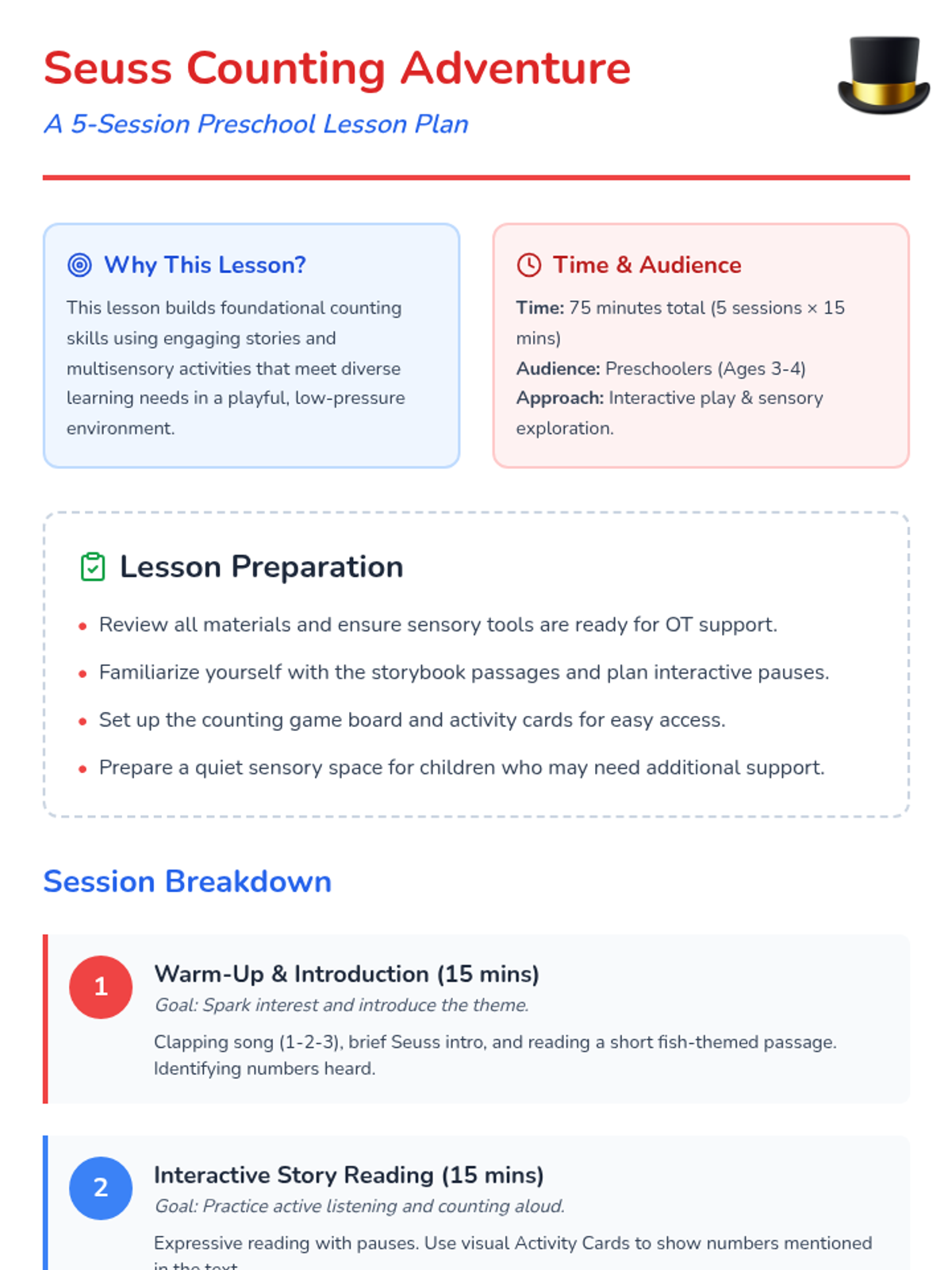
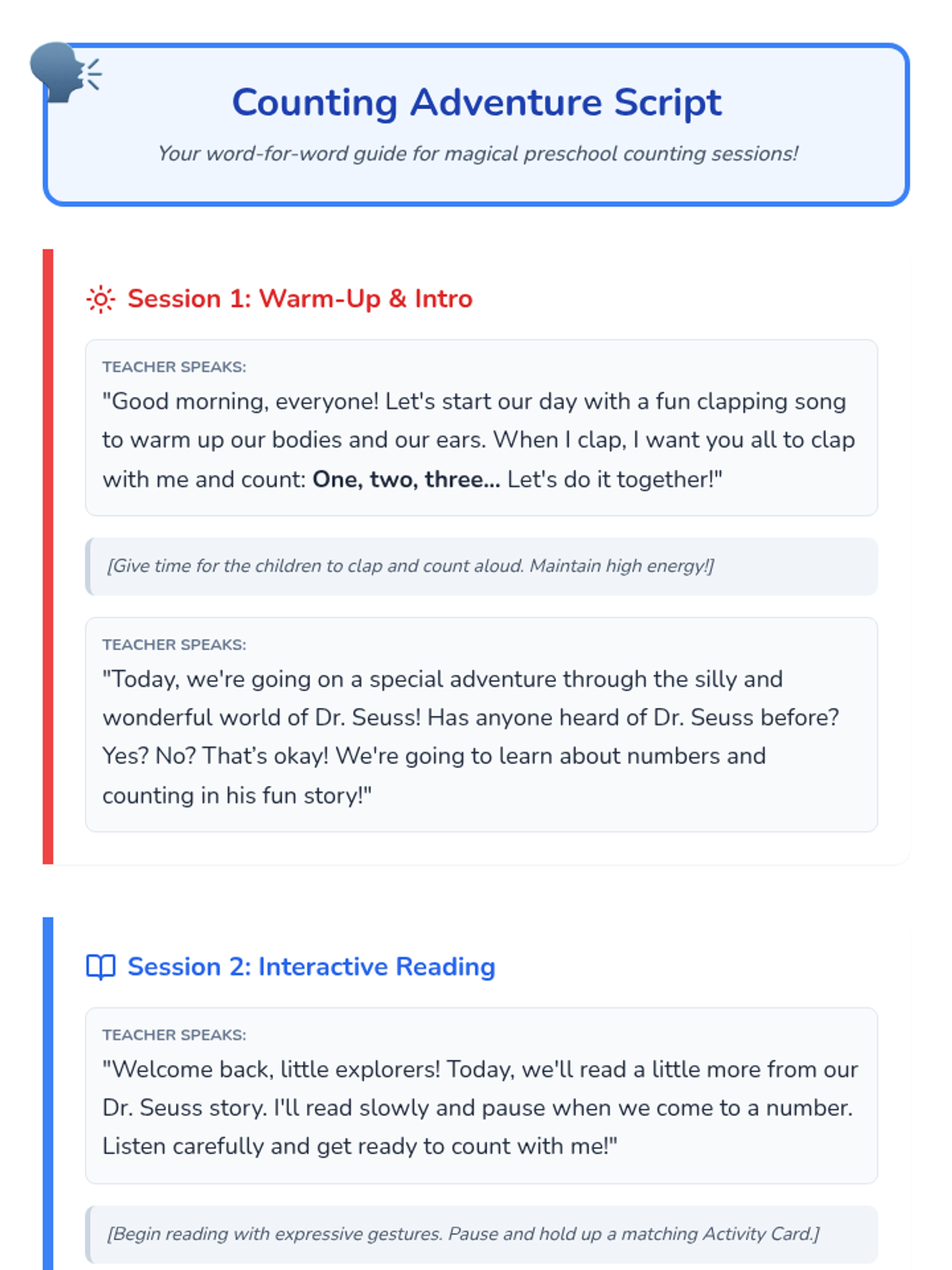
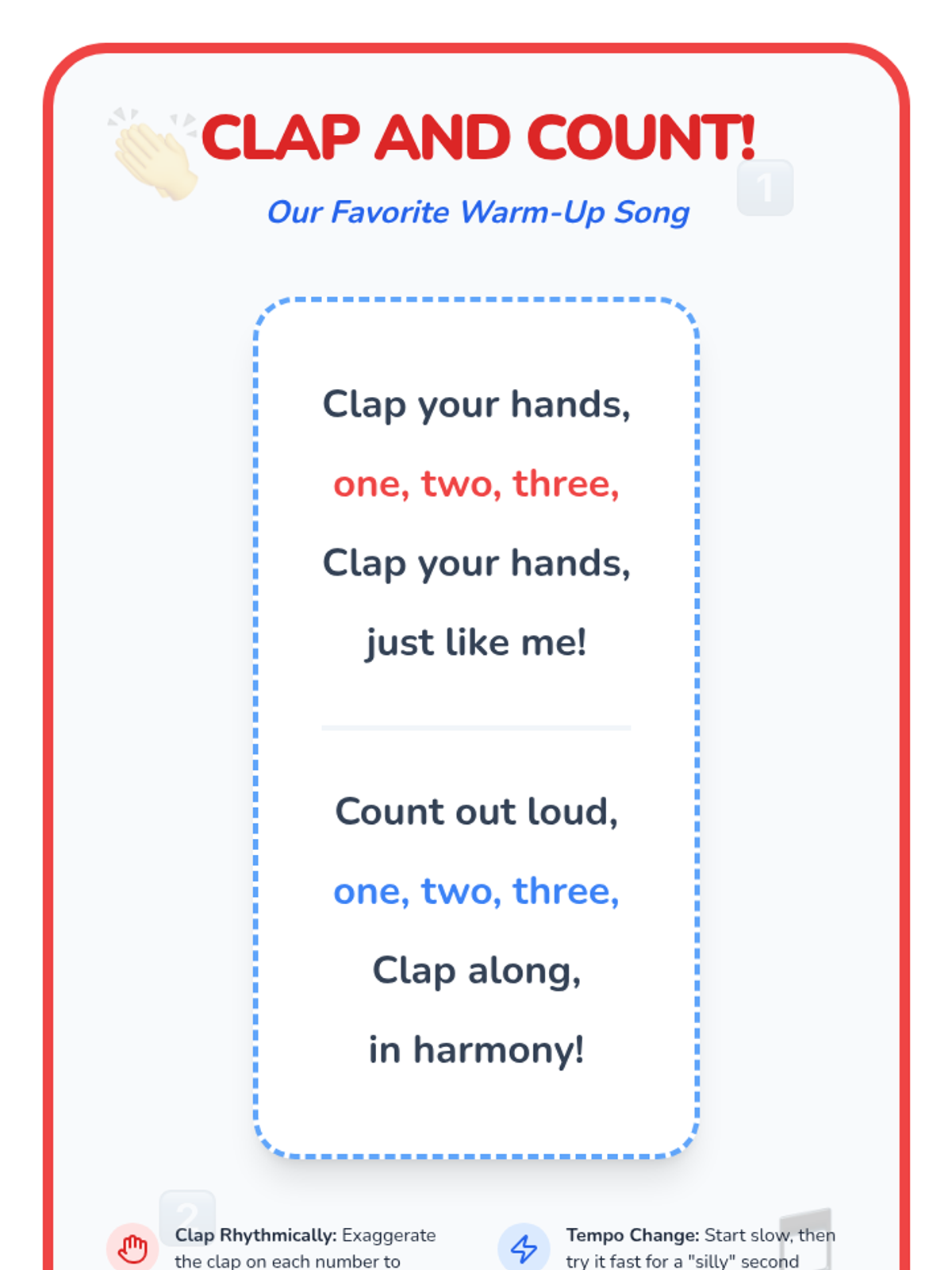
A whimsical 5-session introduction to counting for preschoolers, inspired by the rhythmic world of Dr. Seuss. Children explore numbers 1-10 through sensory play, interactive reading, and creative crafts.
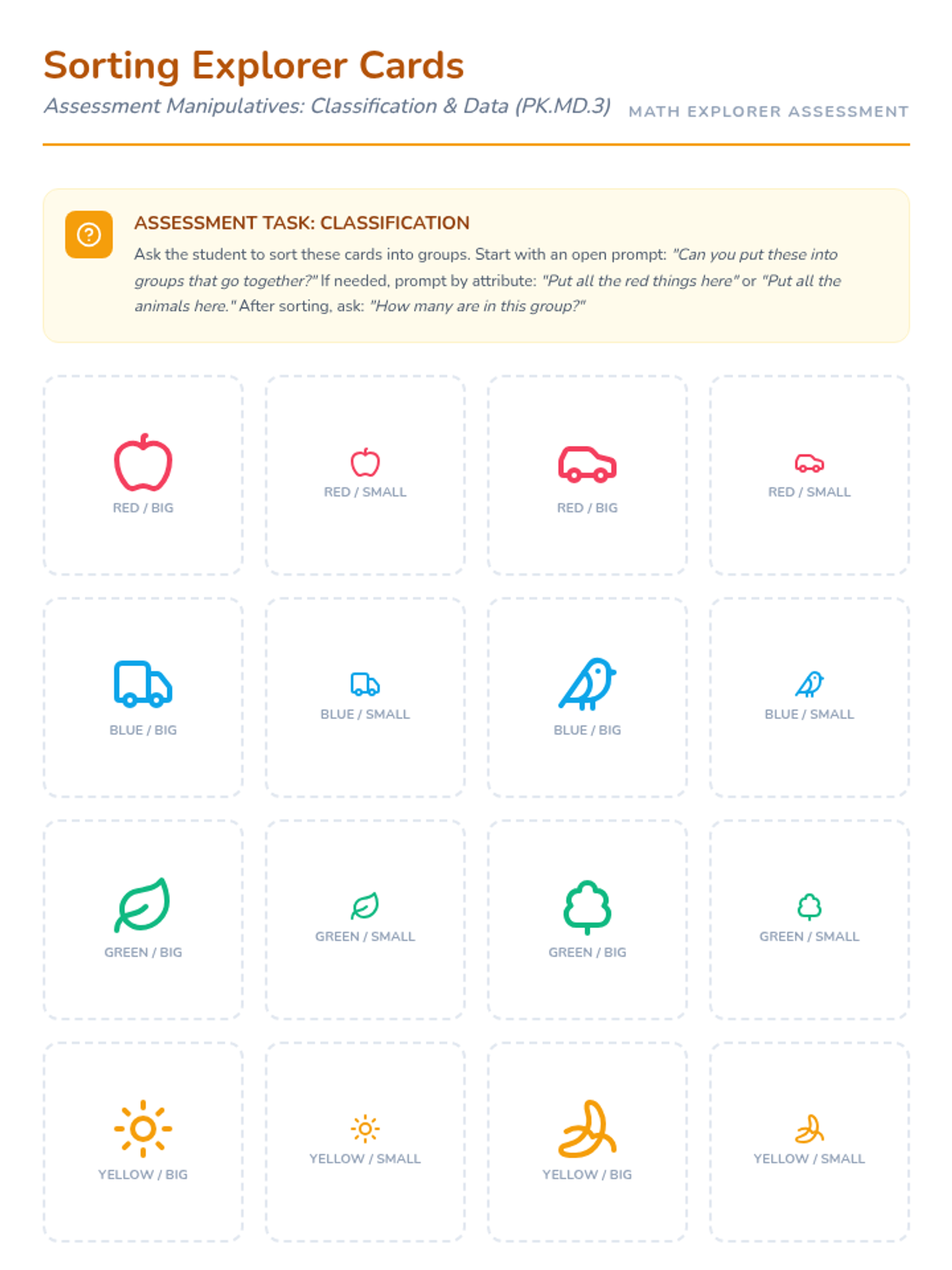
A 5-lesson sequence for Pre-K students to explore classification, sorting by attributes (color, shape, size), and comparing counts. Students learn to identify similarities and differences, organize collections, and use counting to interpret data.
This sequence guides early learners through organizing their world by observing physical properties and grouping objects accordingly, bridging classification and early data analysis.
This sequence strengthens foundational number sense through hands-on workshops and visual exploration of numbers zero through ten. Students move from basic one-to-one correspondence to recognizing numeral patterns and representing quantities with manipulatives.
A foundational Pre-K sequence focusing on number sense, cardinality, and numeral recognition for numbers 0-10 through hands-on activities, games, and environment-based exploration.
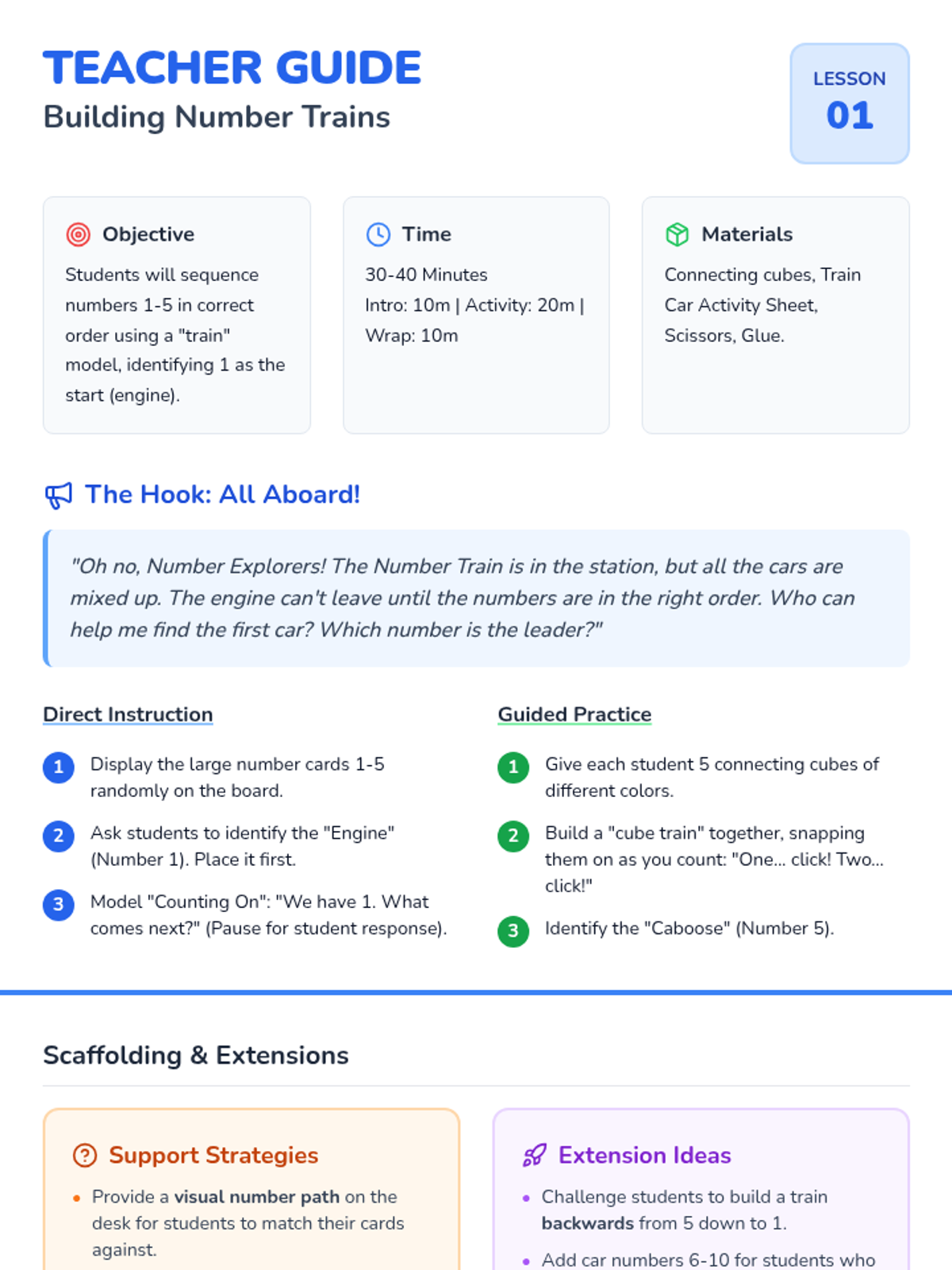
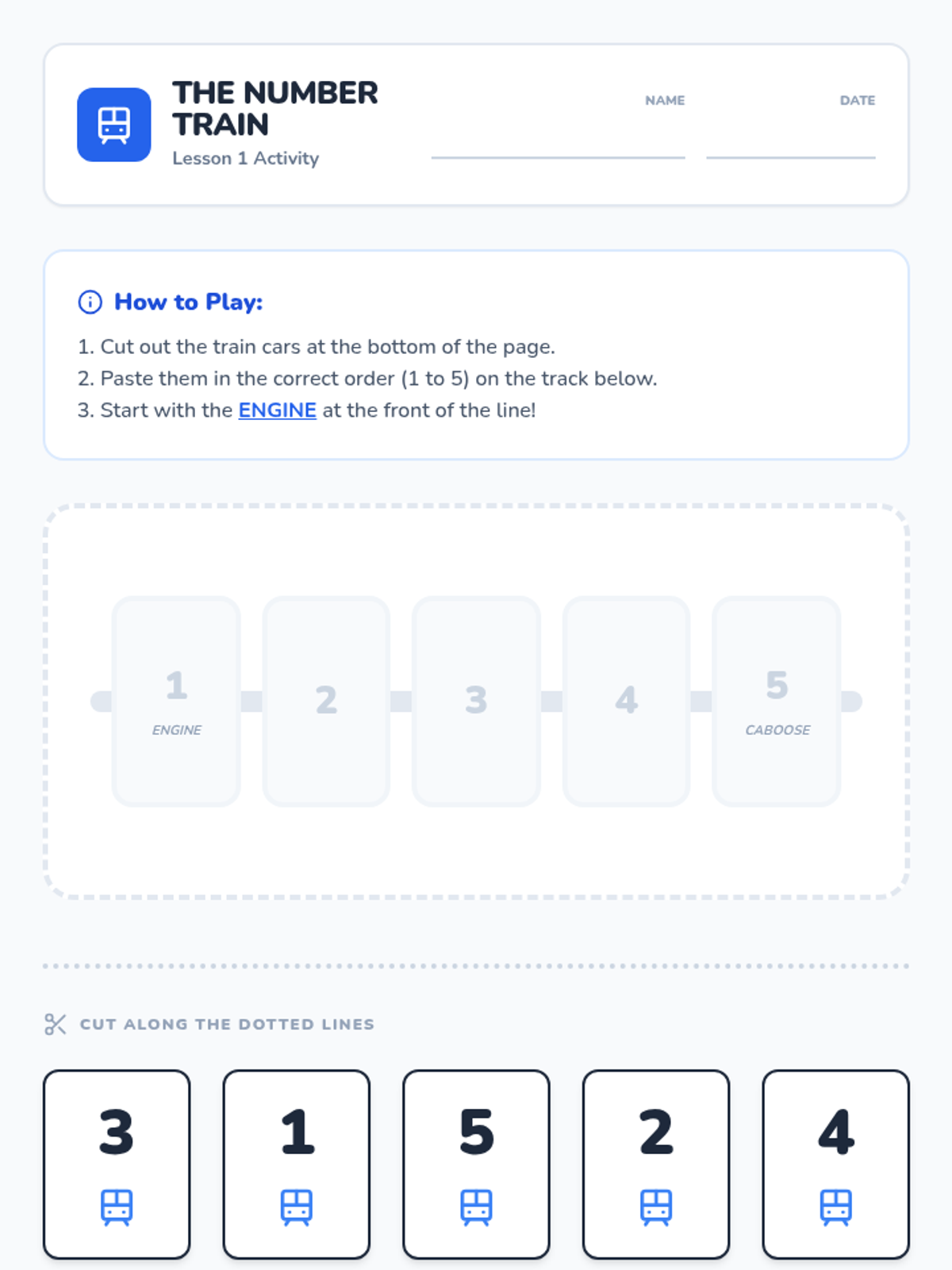
A Pre-K math sequence focused on number sequencing, logical progression, and identifying 'what comes next' using linear models like trains and number paths for numbers 1-10.
This sequence introduces Pre-K students to the concept of comparing quantities by counting. Students will move from one-to-one matching to vertical comparisons, data interpretation with jars, and finally learning to make sets equal.