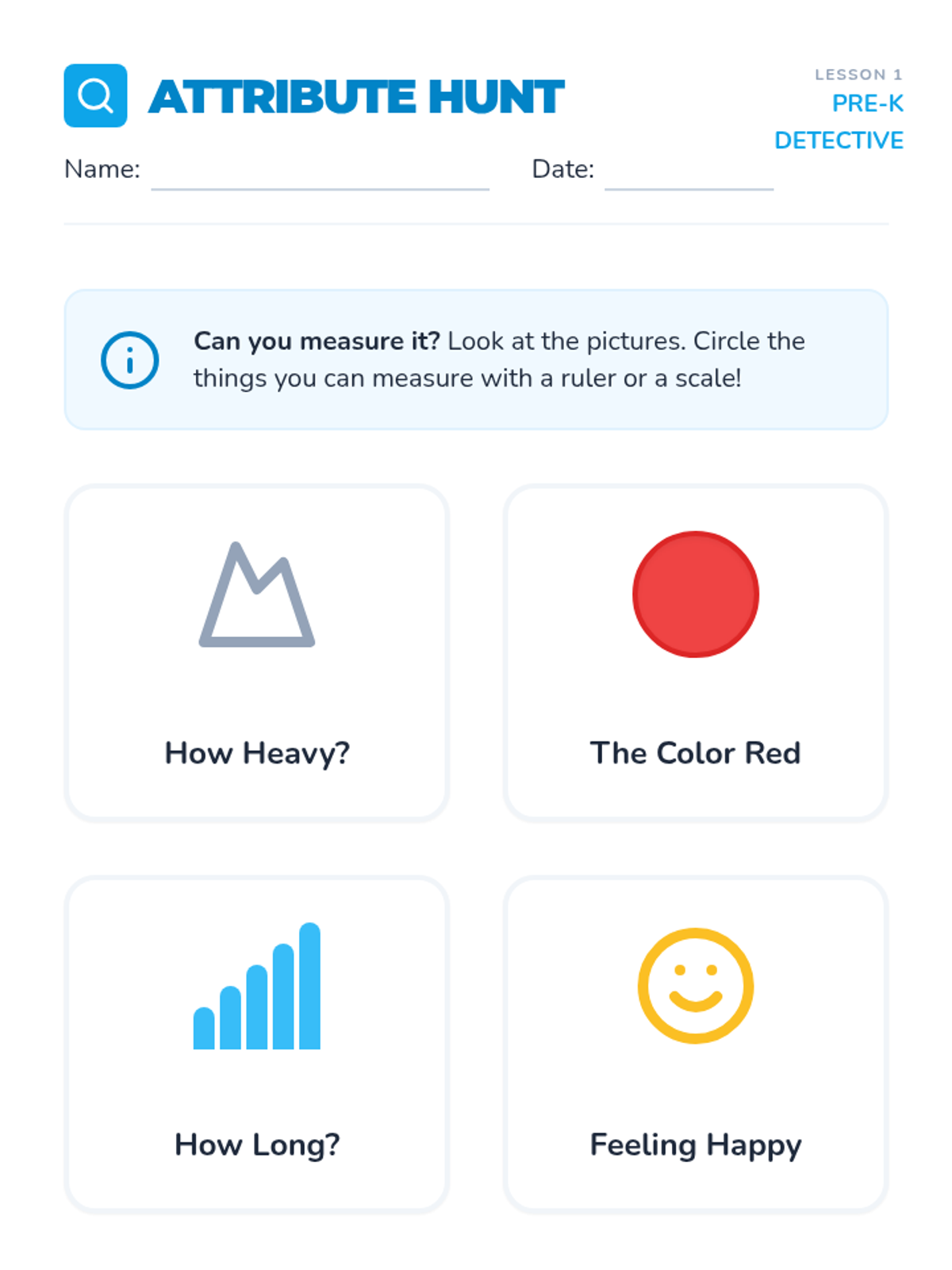
Develops proficiency in estimating and measuring length, area, volume, and mass using standard units and unit conversions. Integrates time, money, angle measurement, and data classification through counting and arithmetic applications.
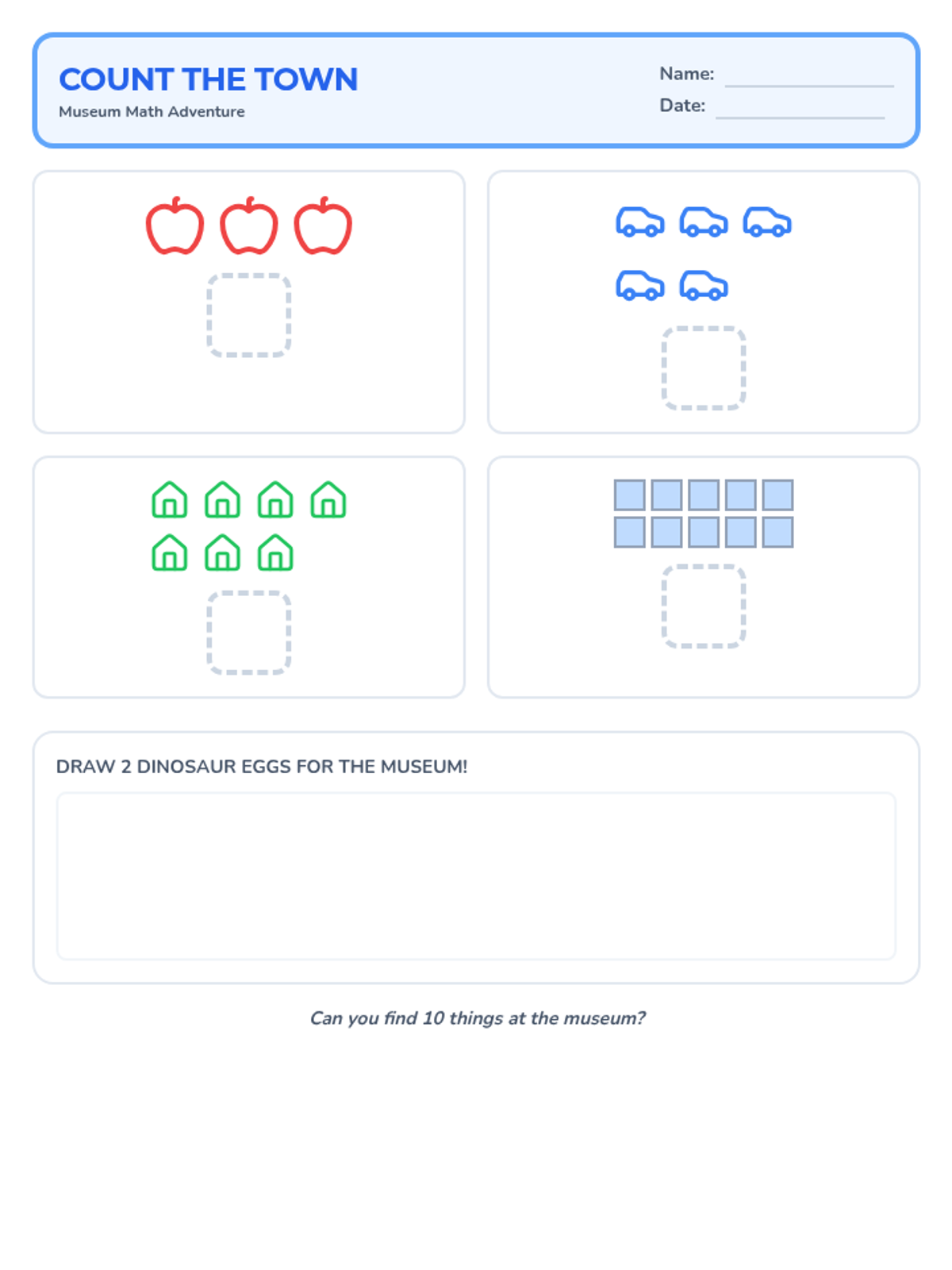
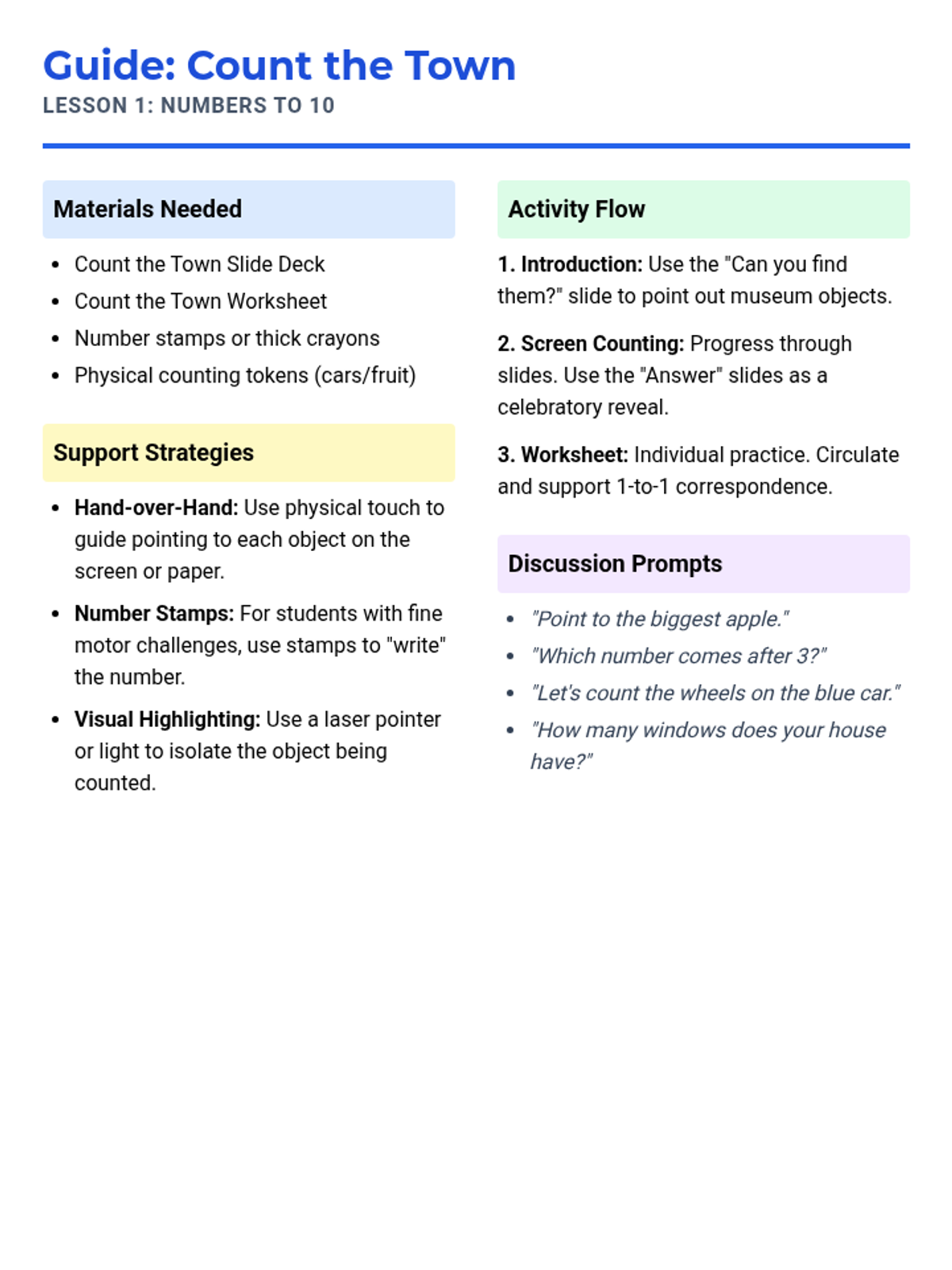
A series of interactive math lessons themed around a trip to Play Street Museum, specifically designed for preschool students with special needs to practice numbers, addition, and size comparison through imaginative play contexts.
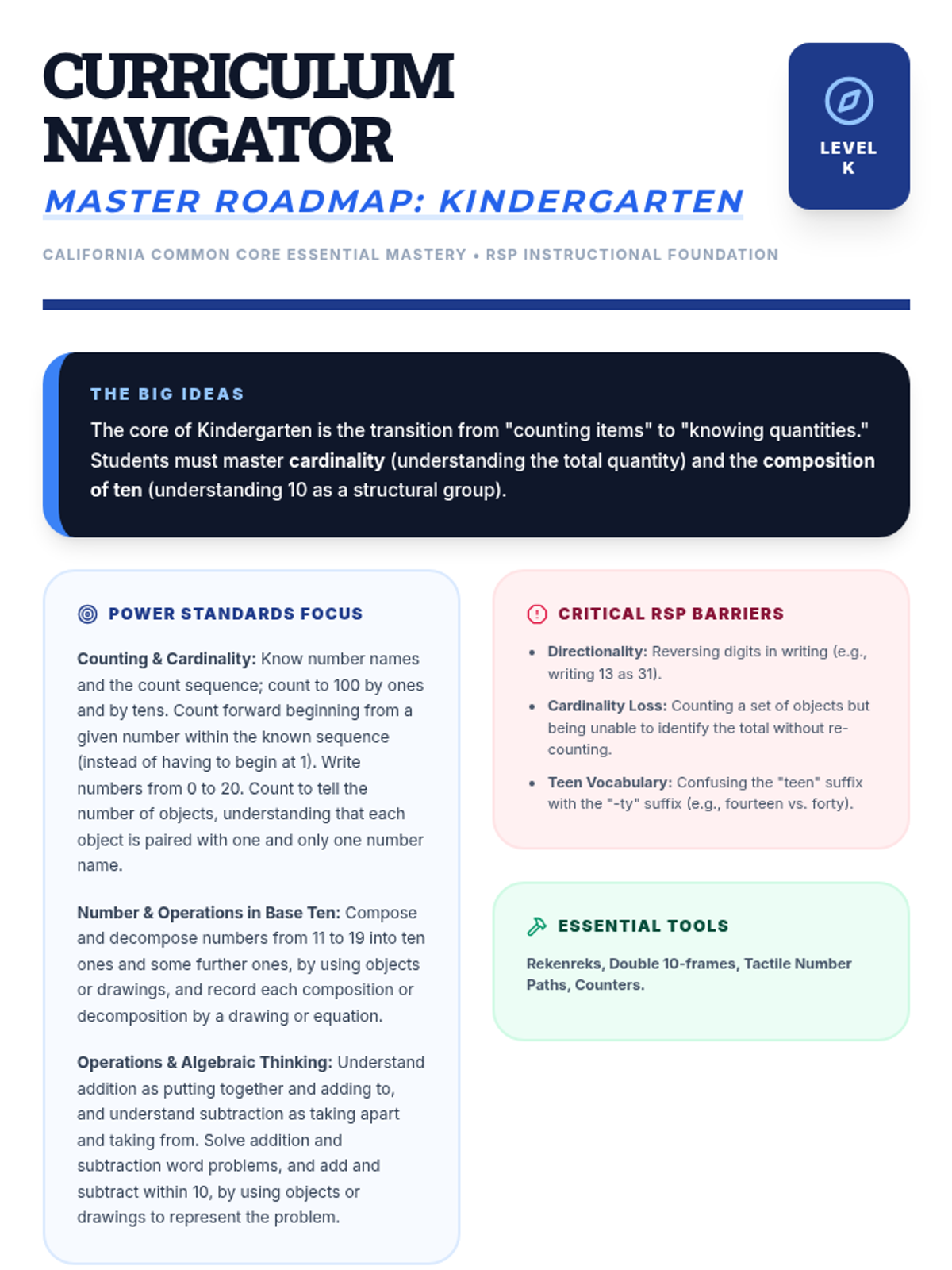
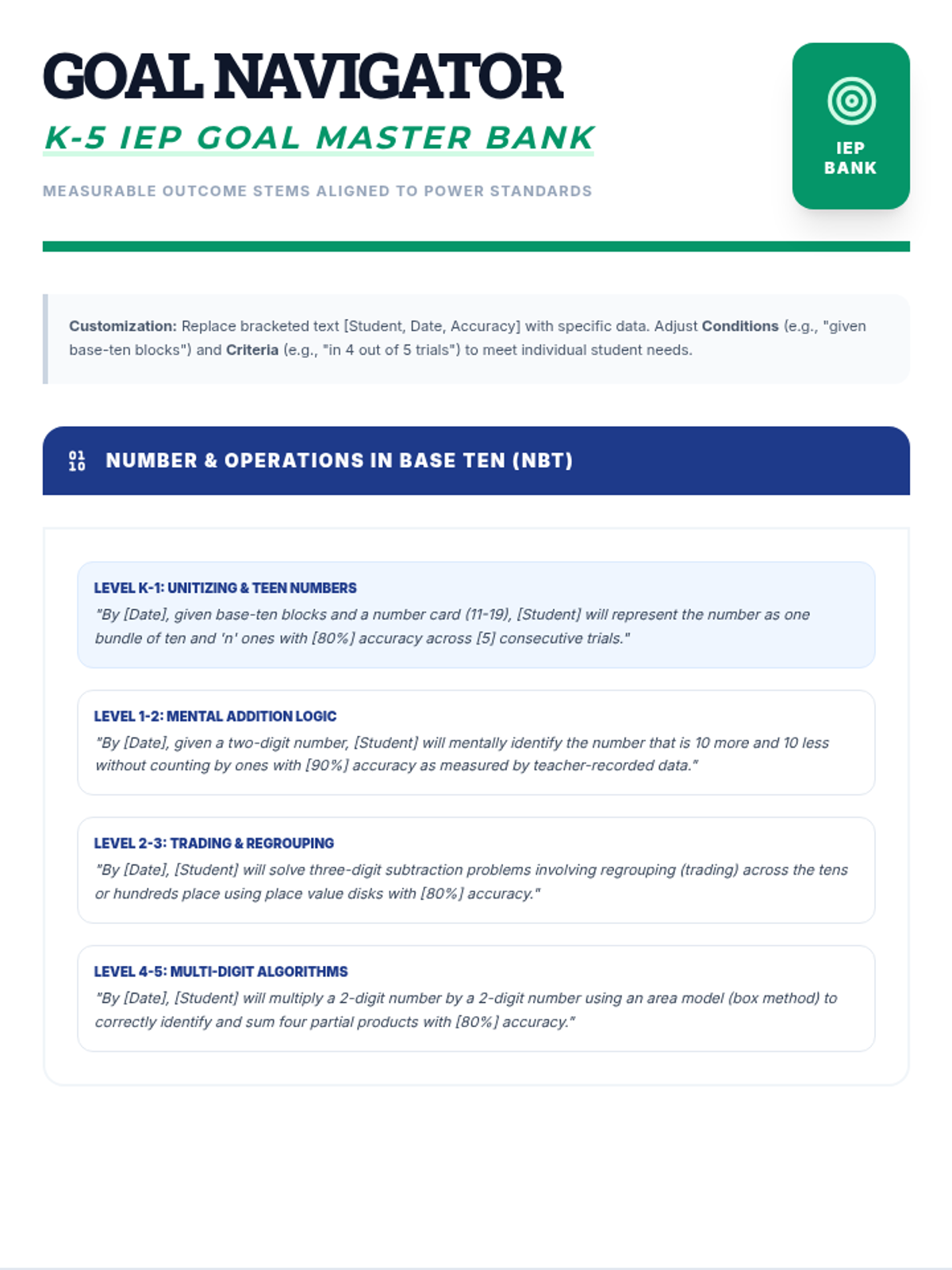
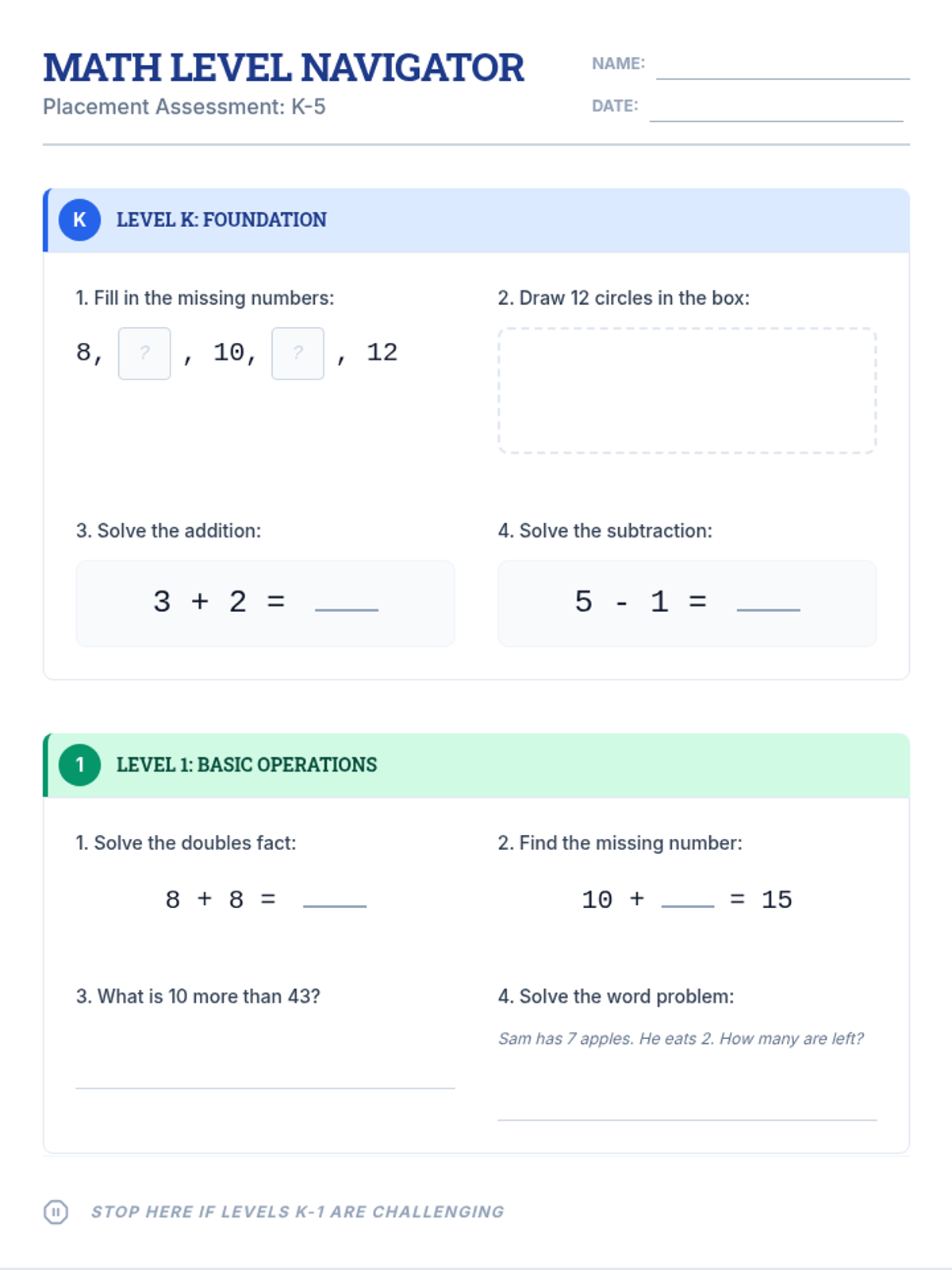
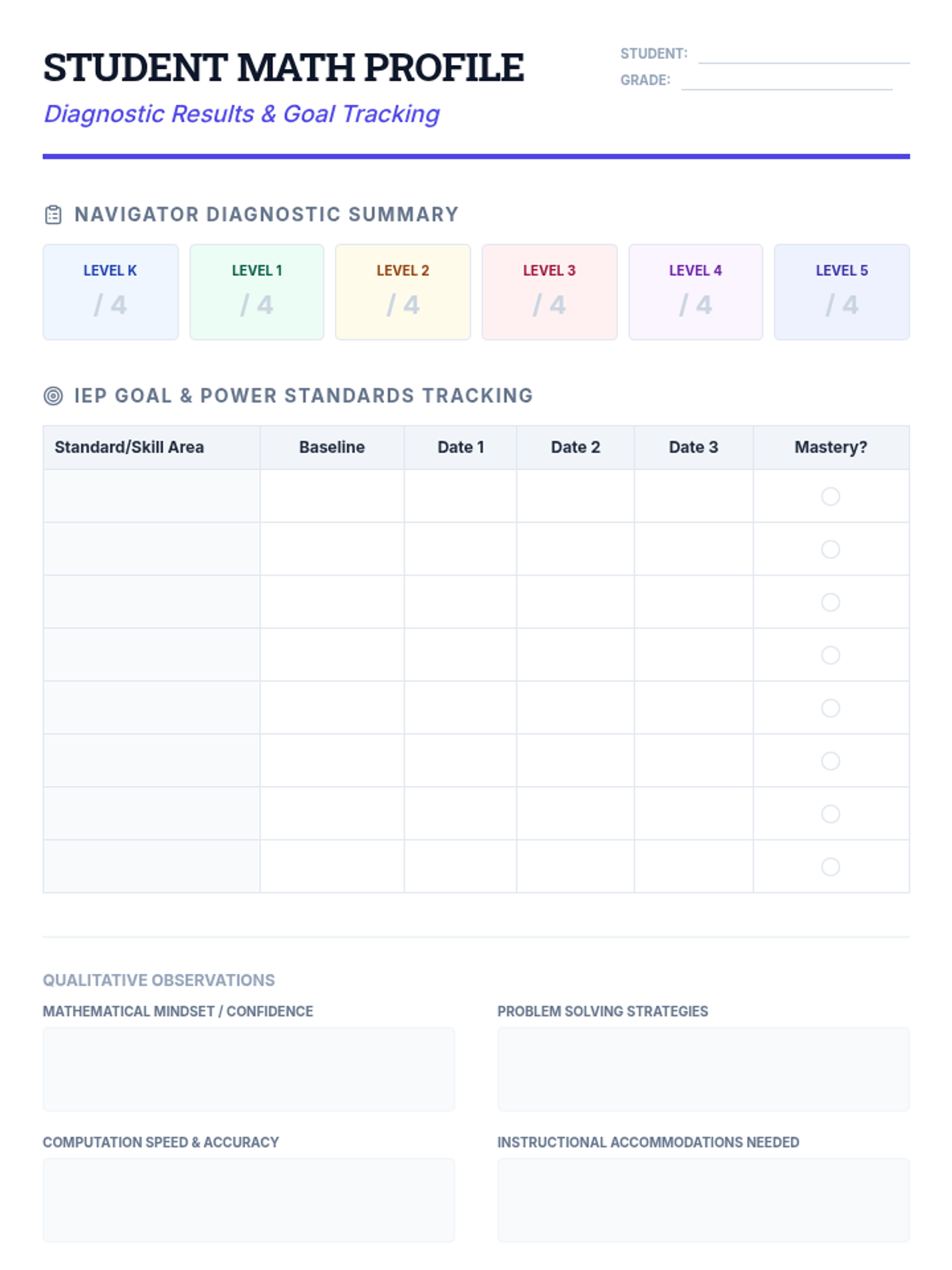
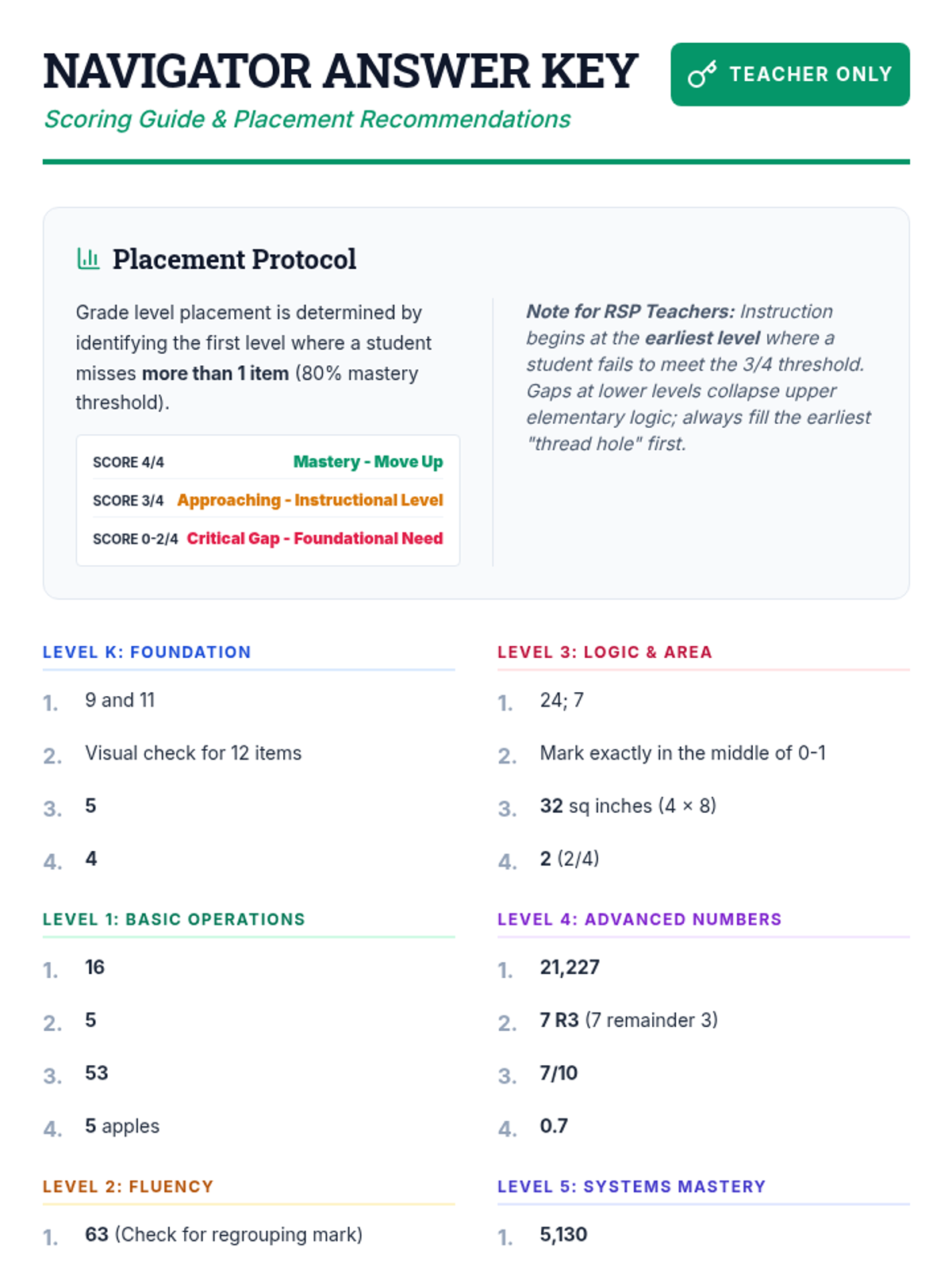
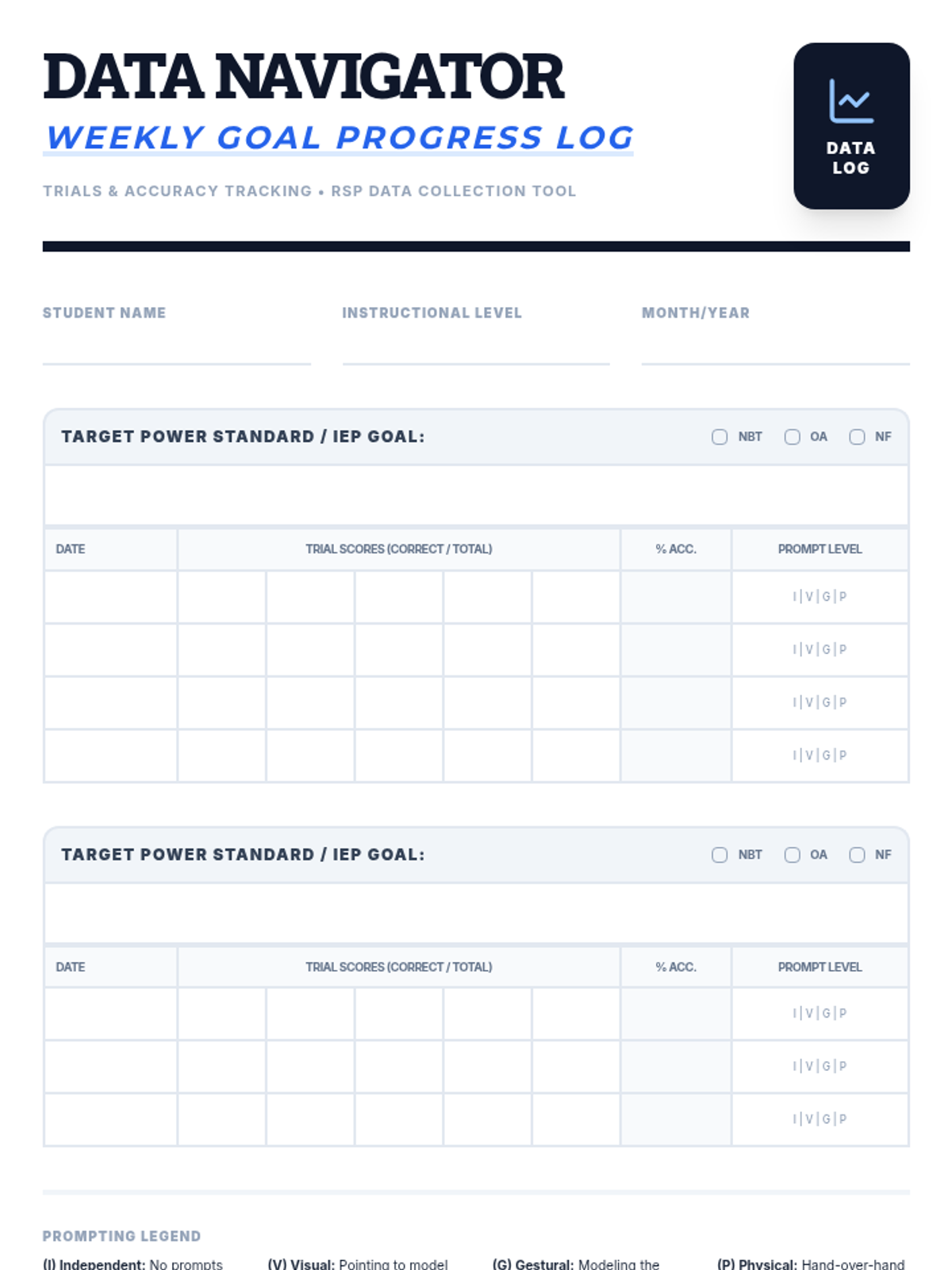
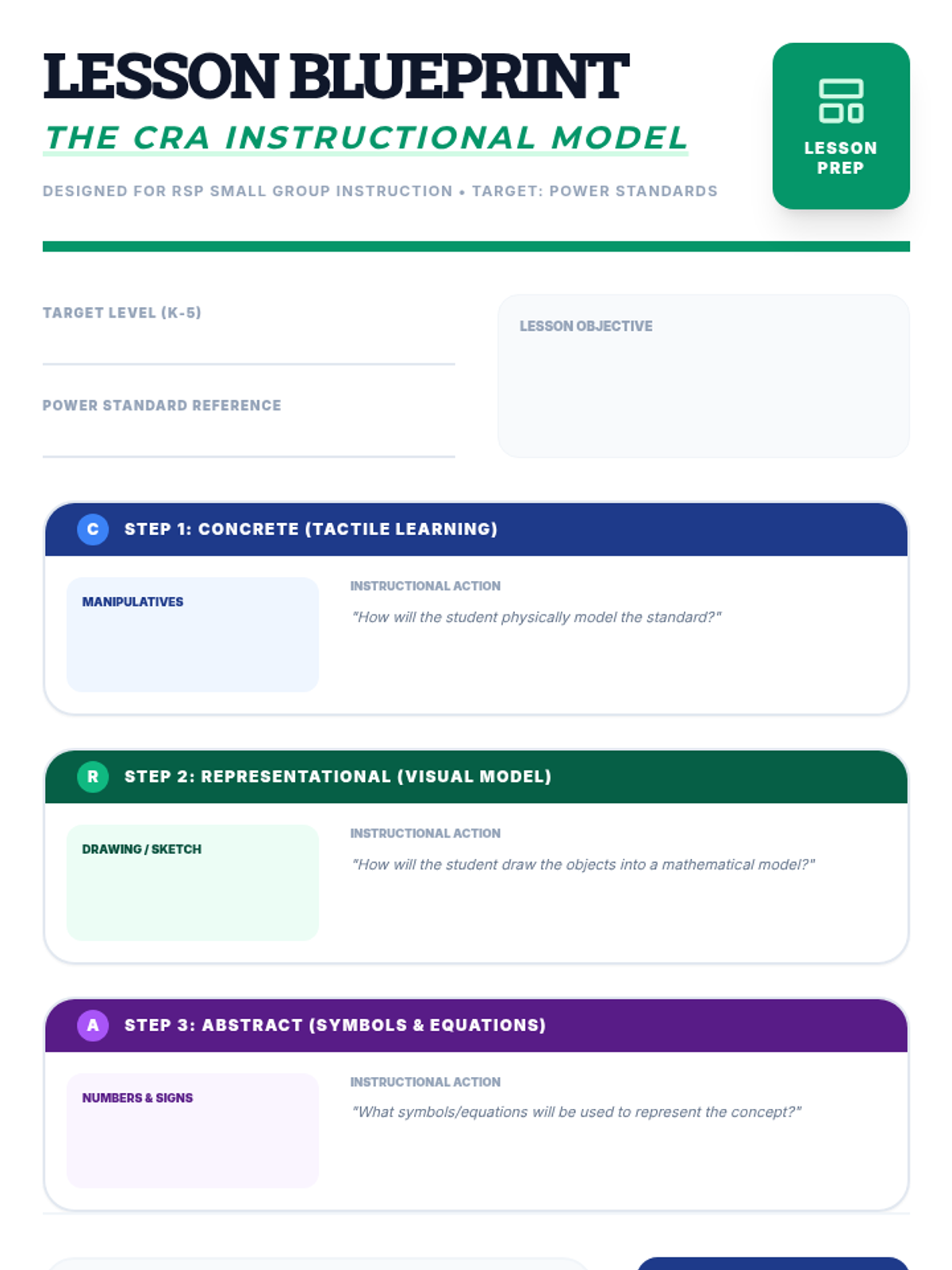
A comprehensive framework for K-5 RSP math instruction, including a California Common Core aligned scope and sequence of power standards and a leveled placement diagnostic.
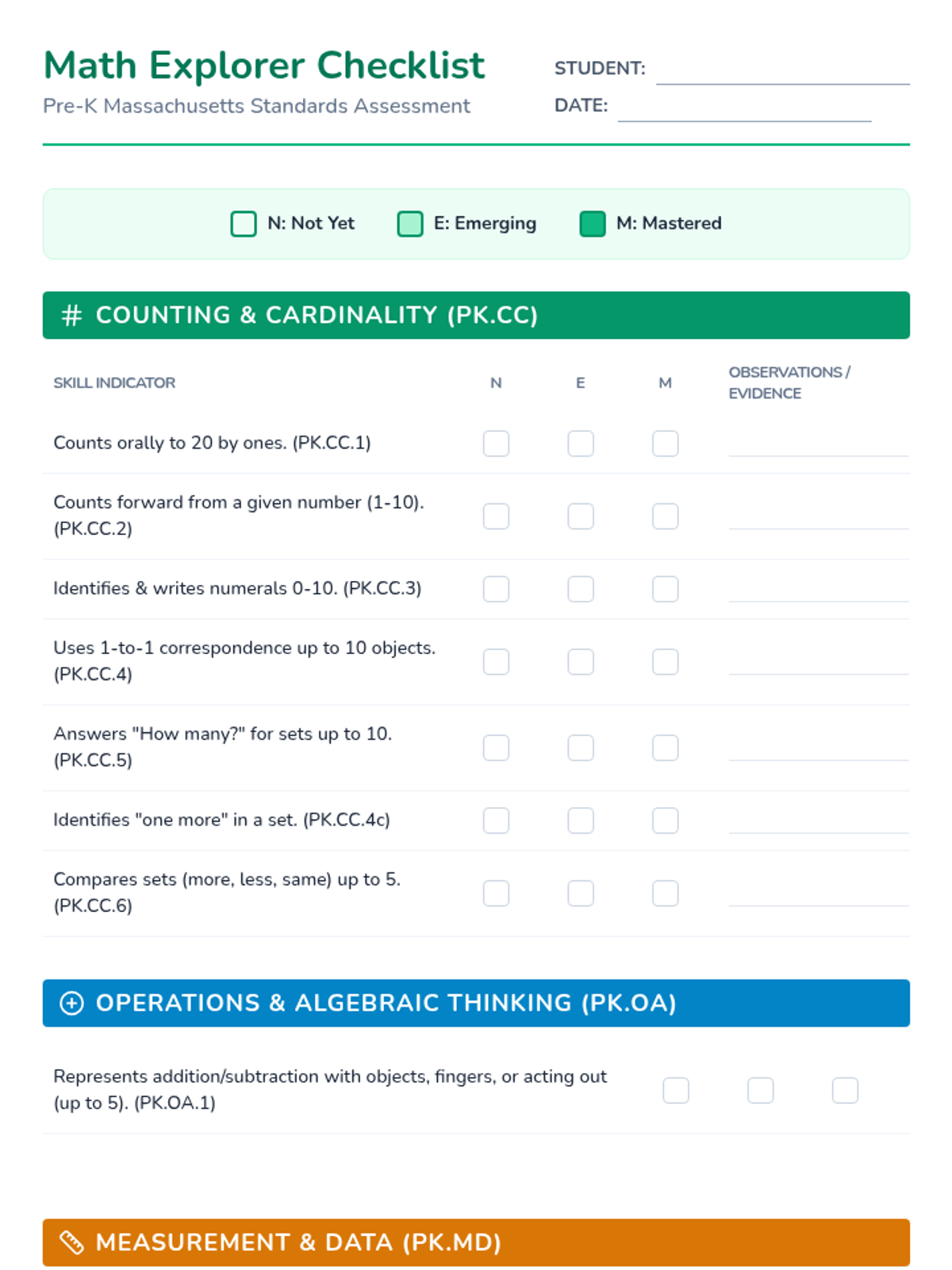
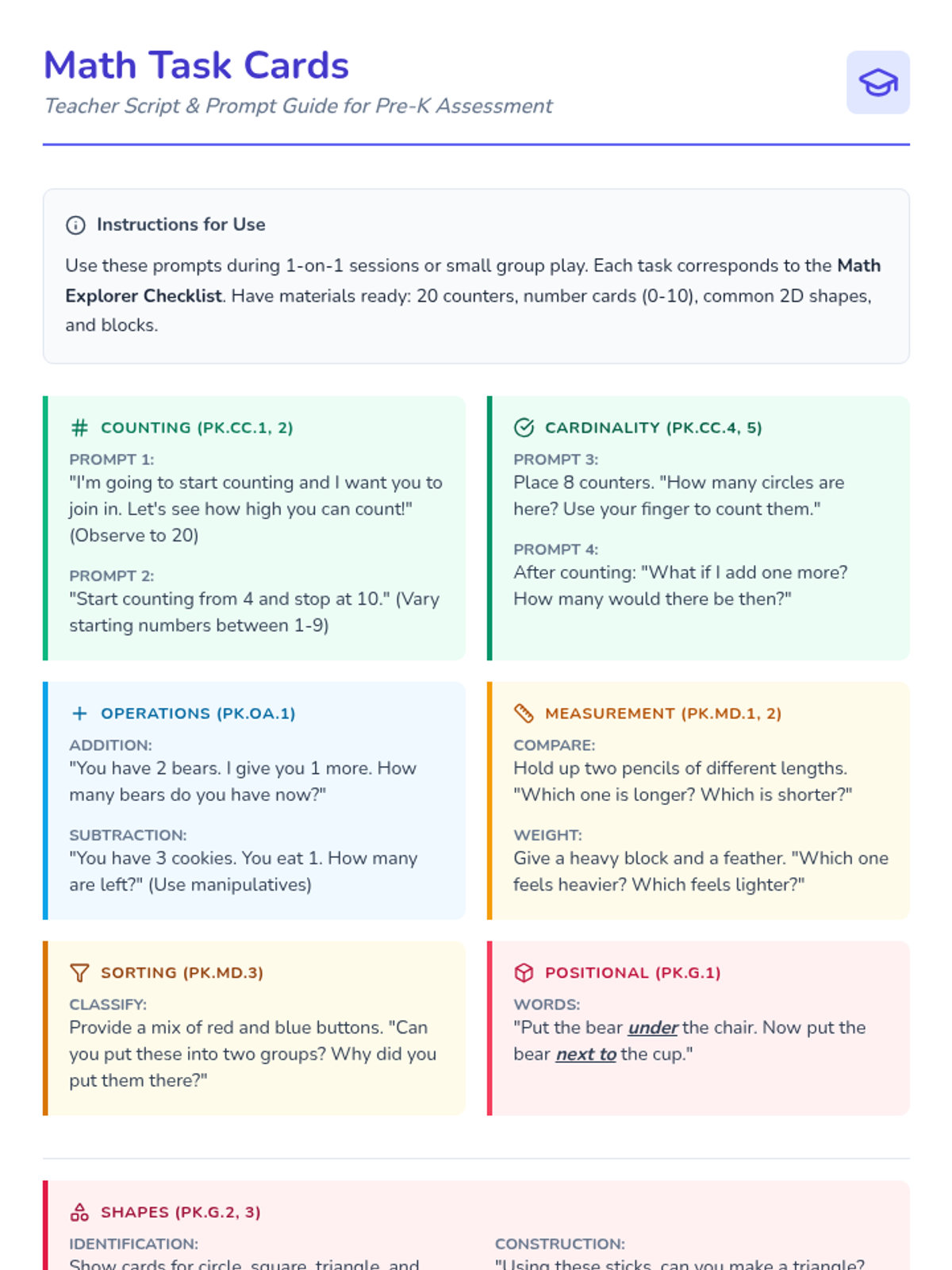
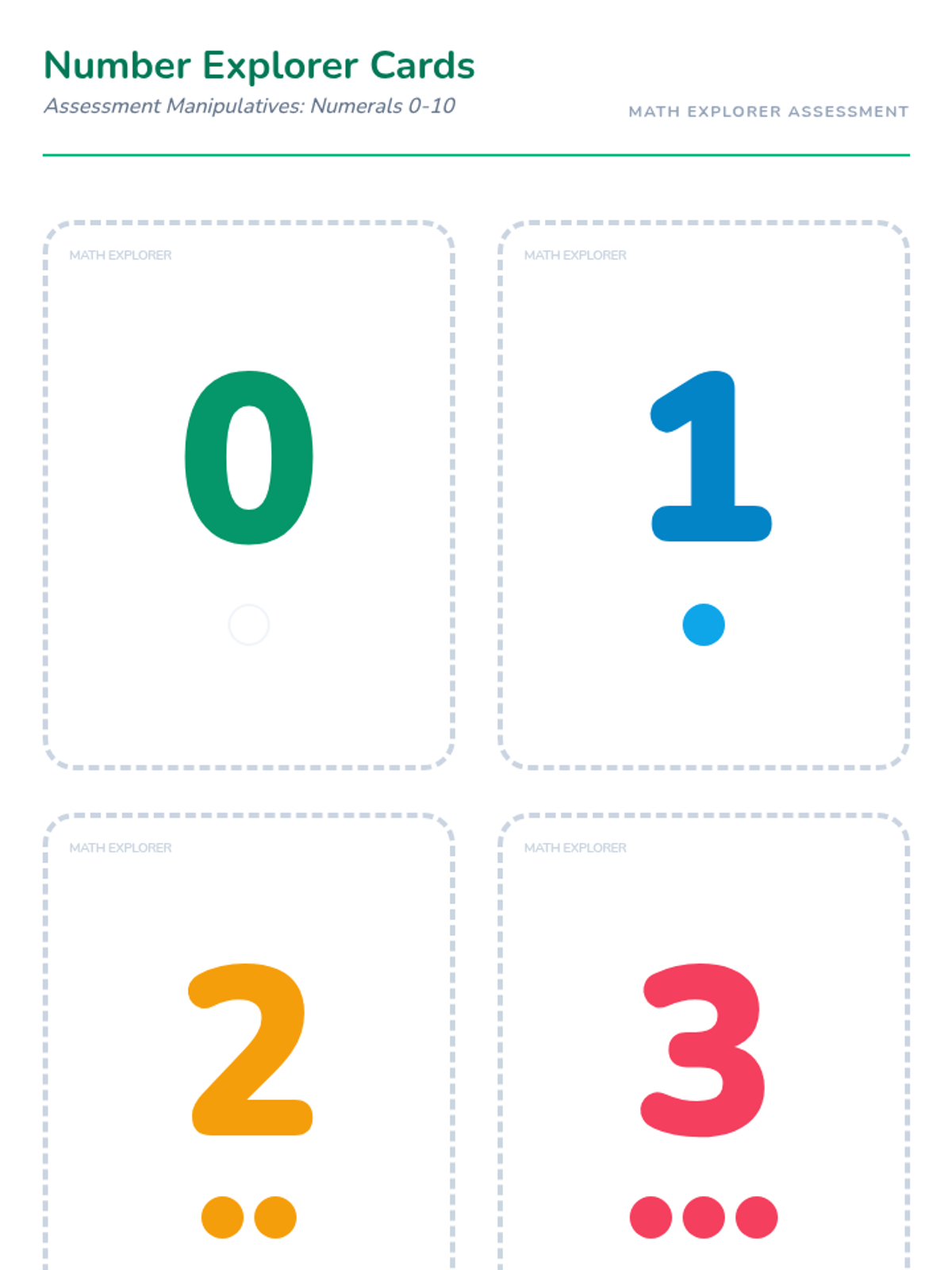
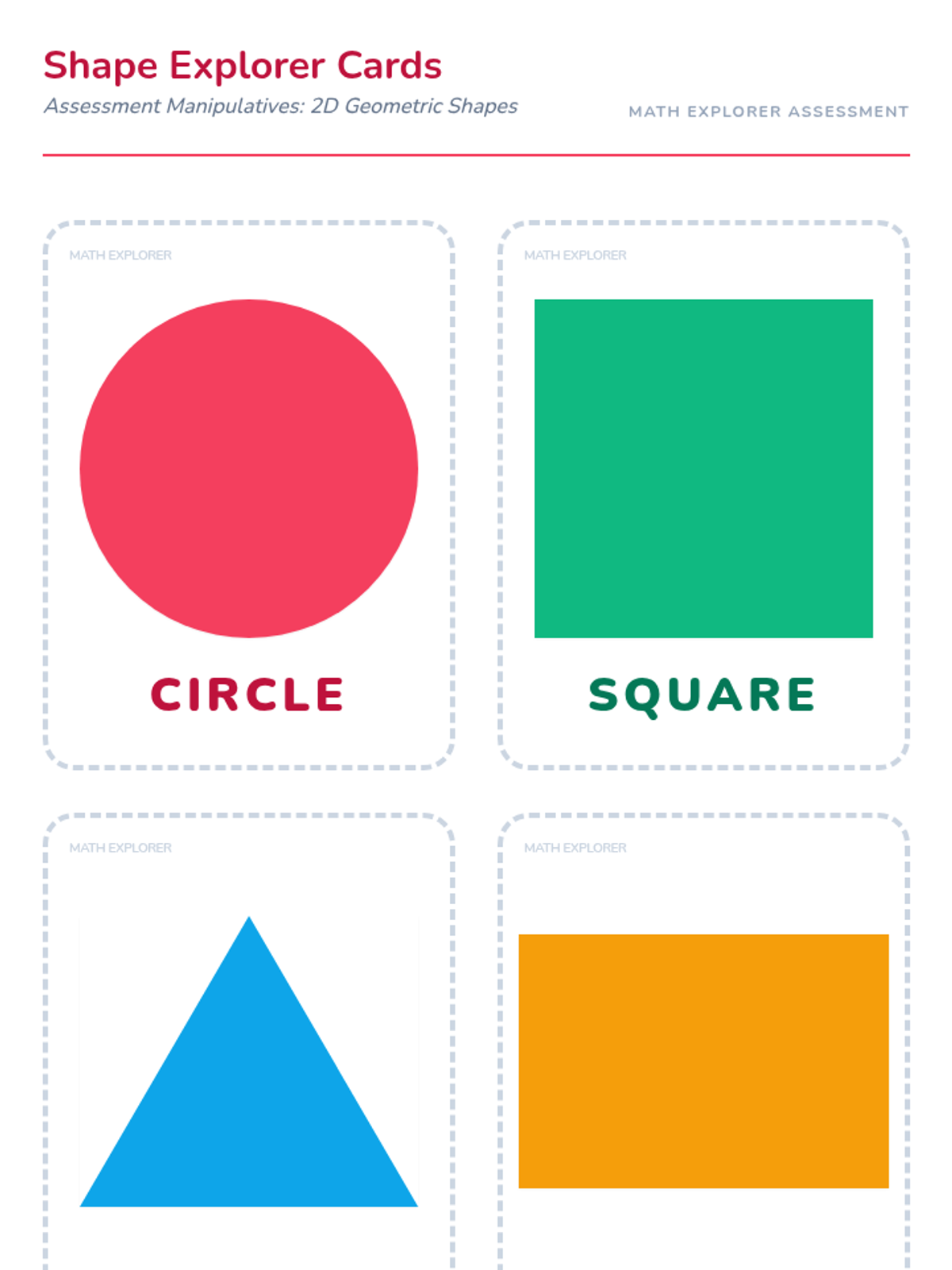
A series of assessment resources for foundational mathematics based on the Massachusetts Curriculum Frameworks, spanning Pre-K and early elementary grades.
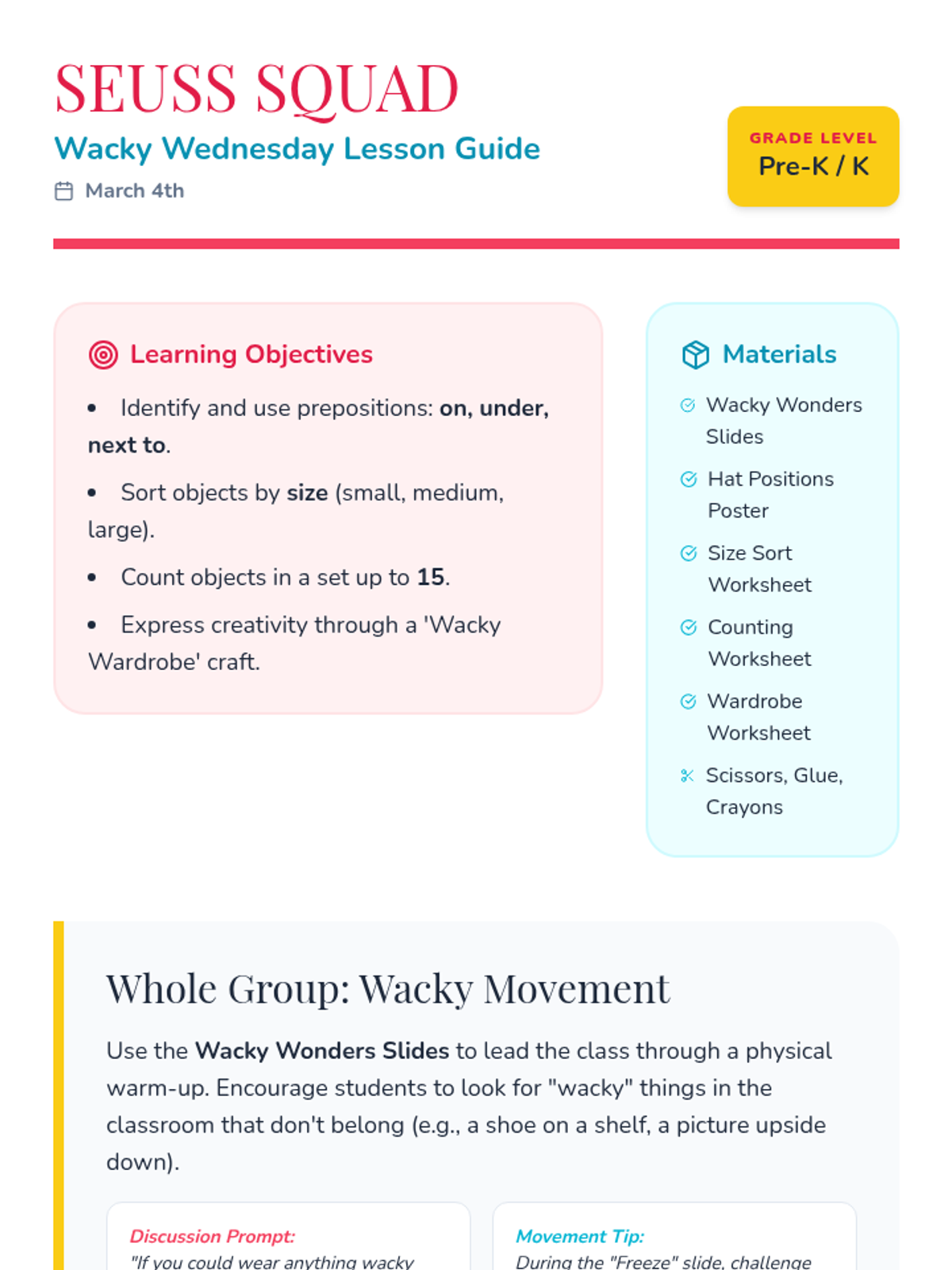
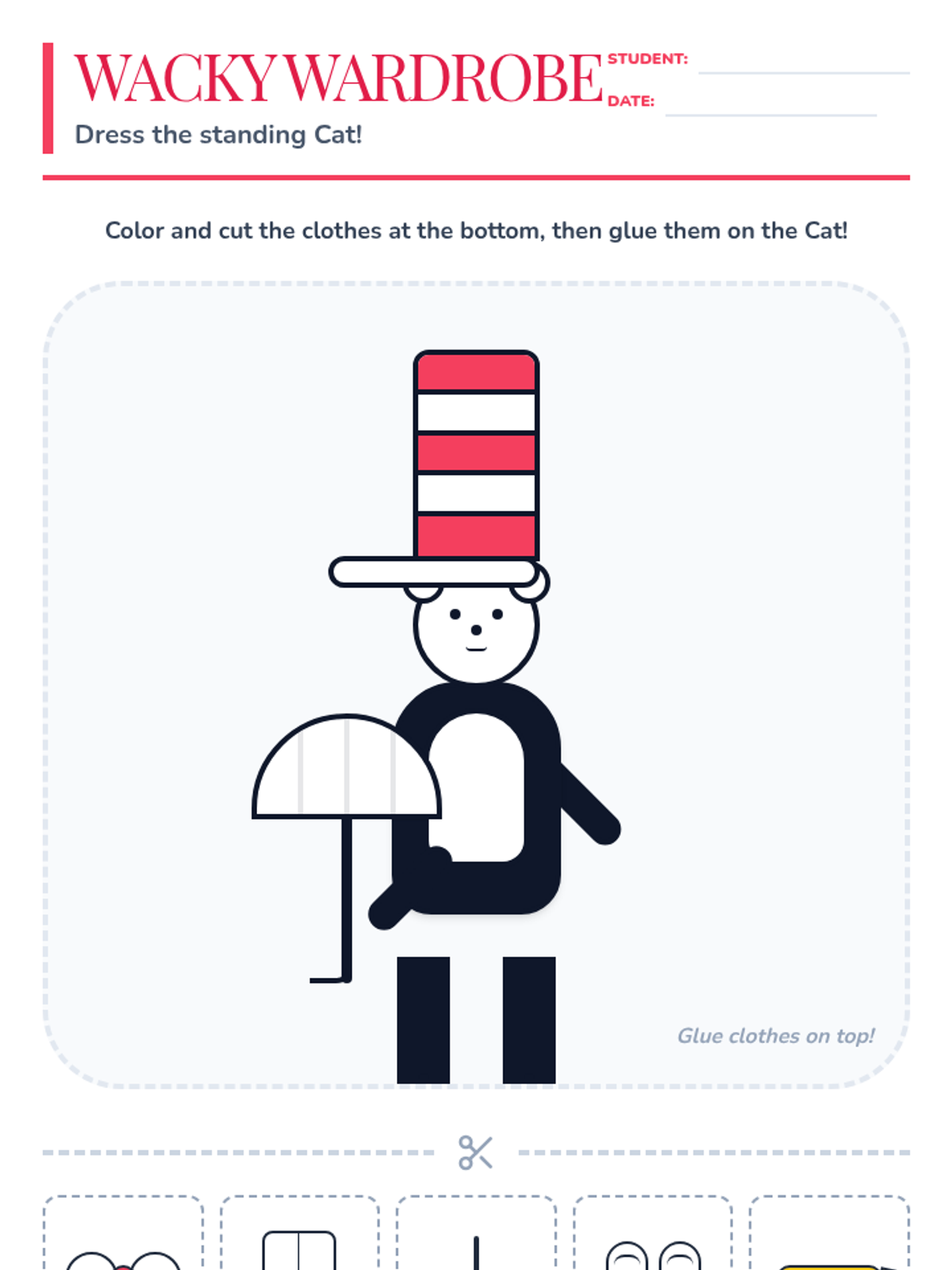
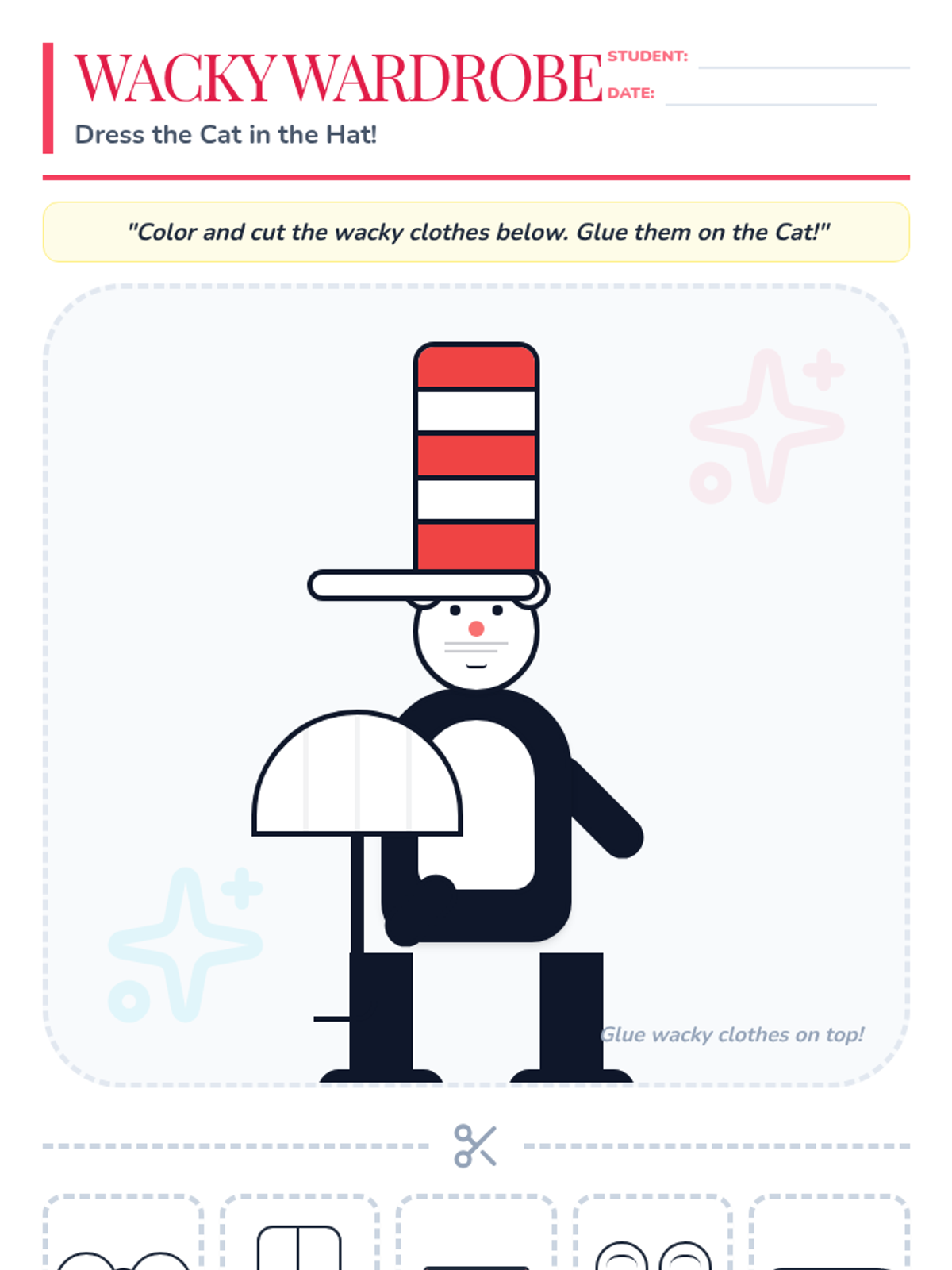
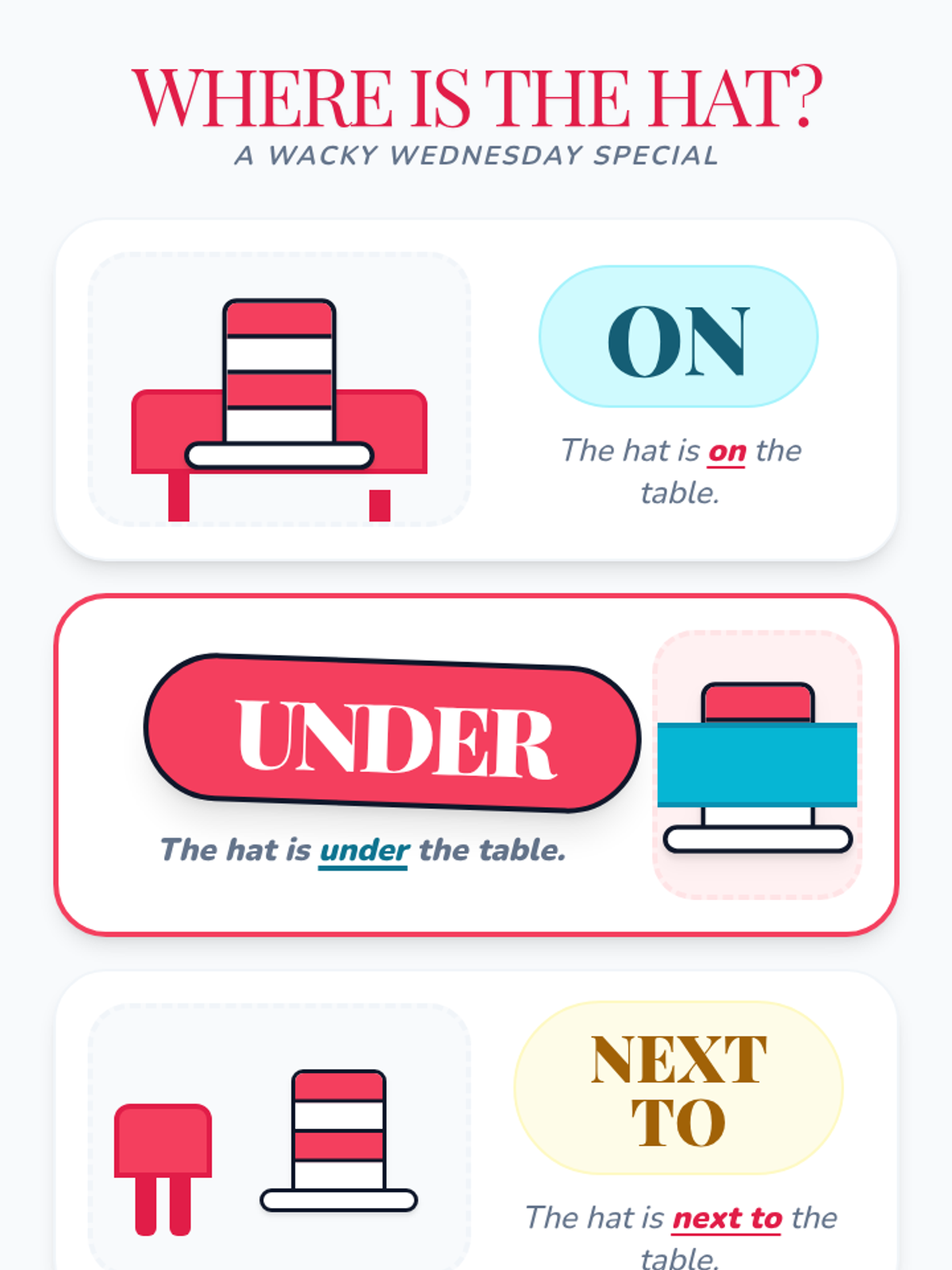
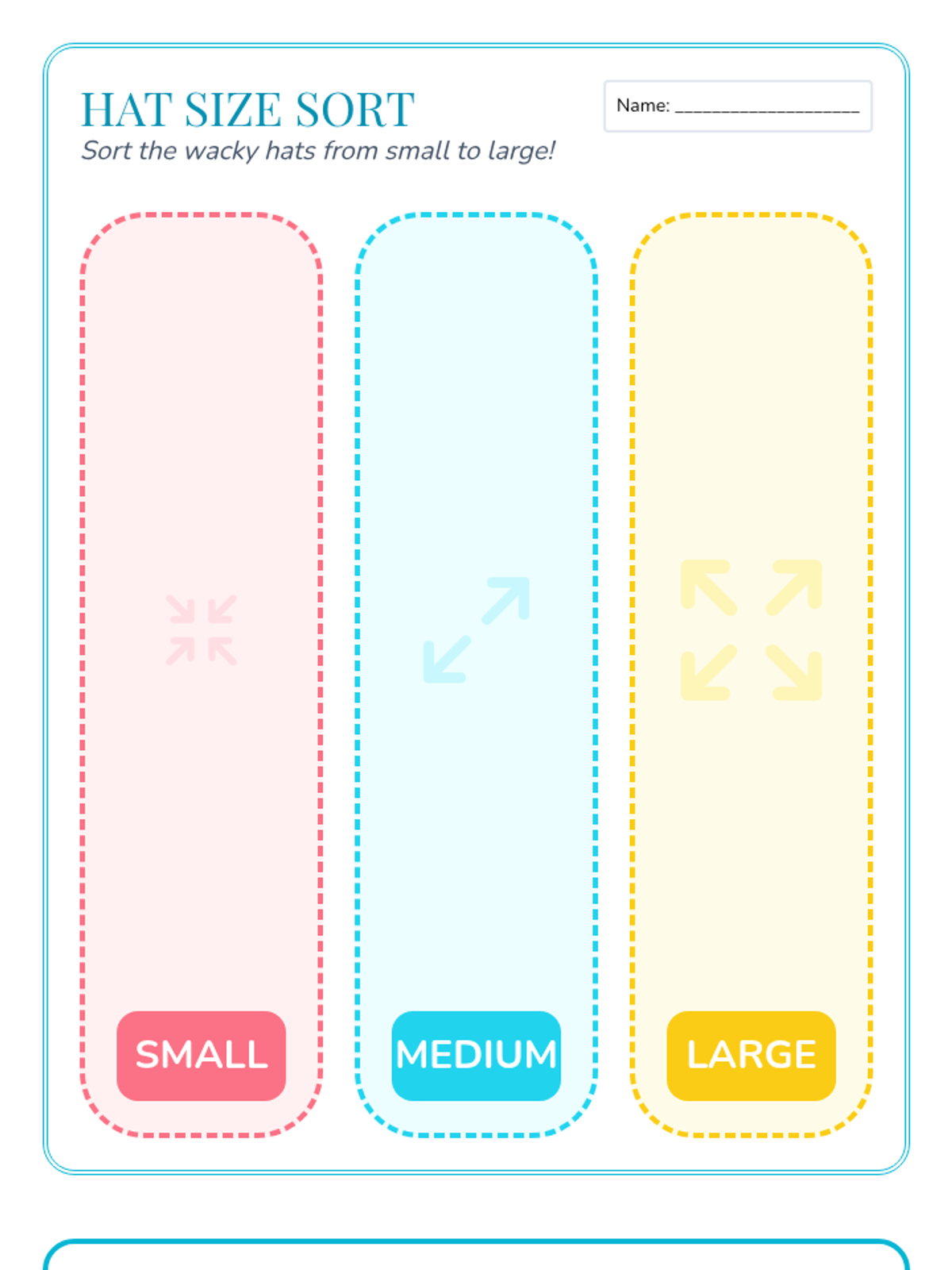
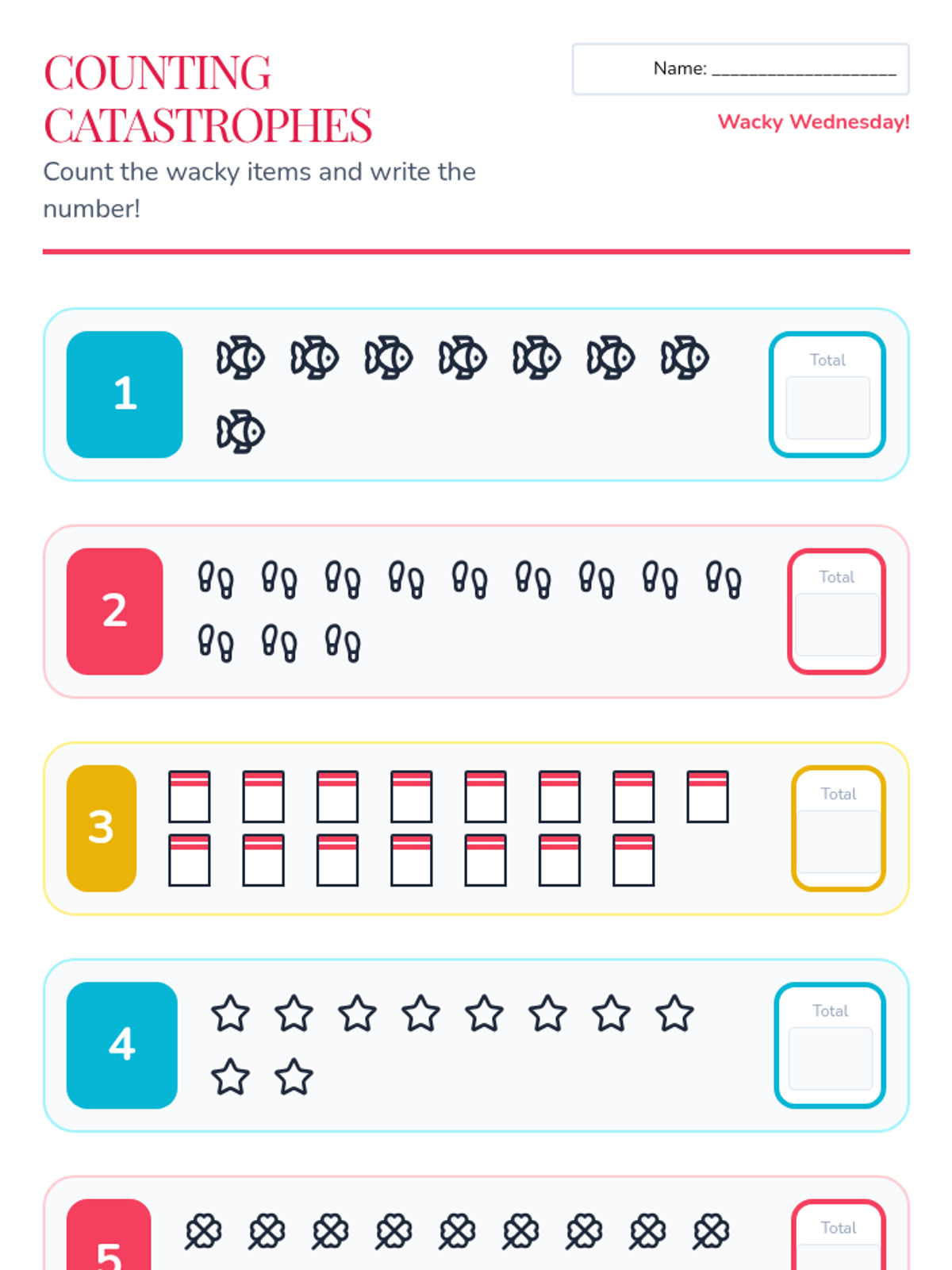
A Dr. Seuss-themed unit focusing on 'Wacky Wednesday' with a focus on counting, size sorting, prepositions, and creative expression for Pre-K and Kindergarten students.
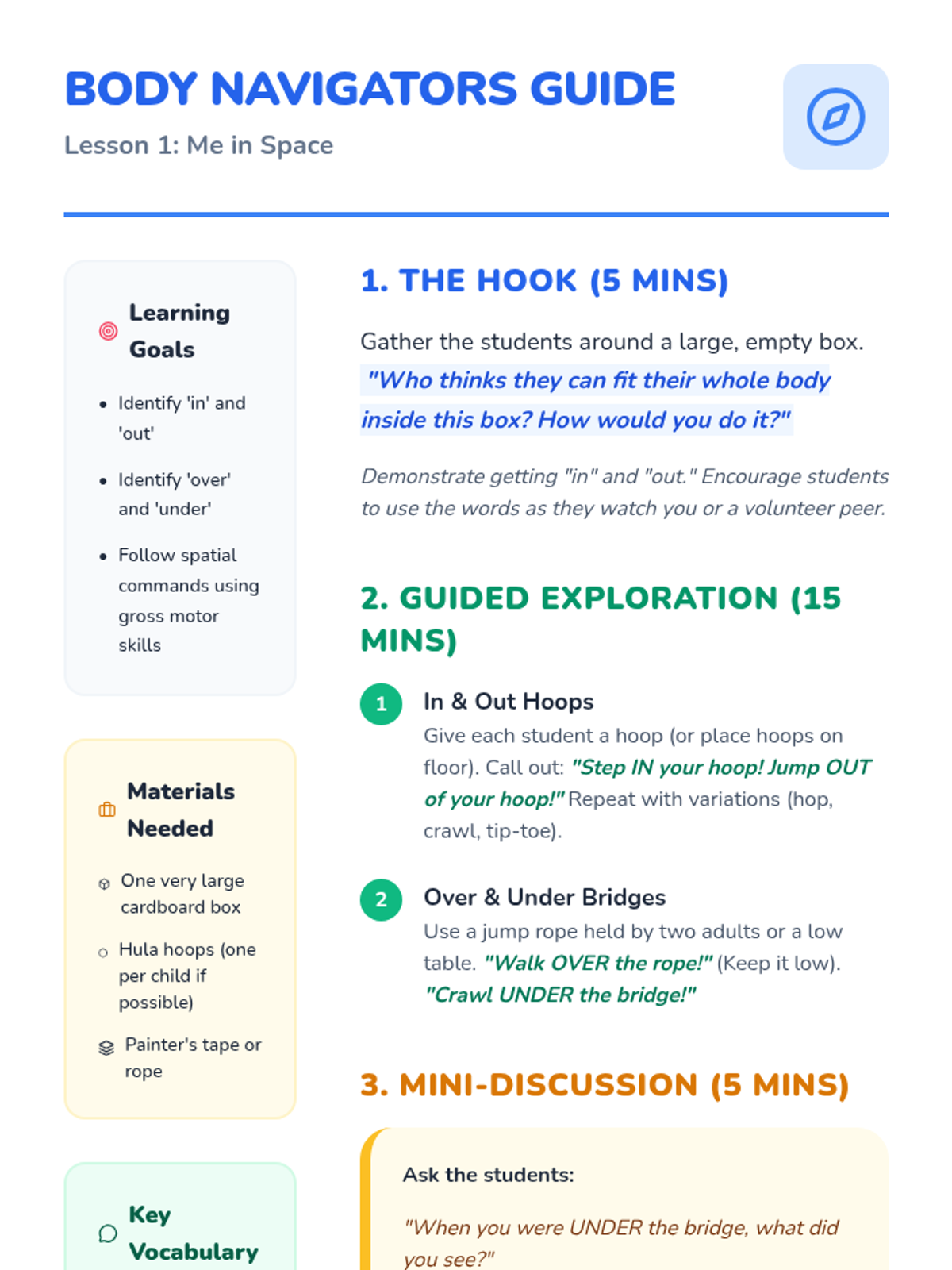
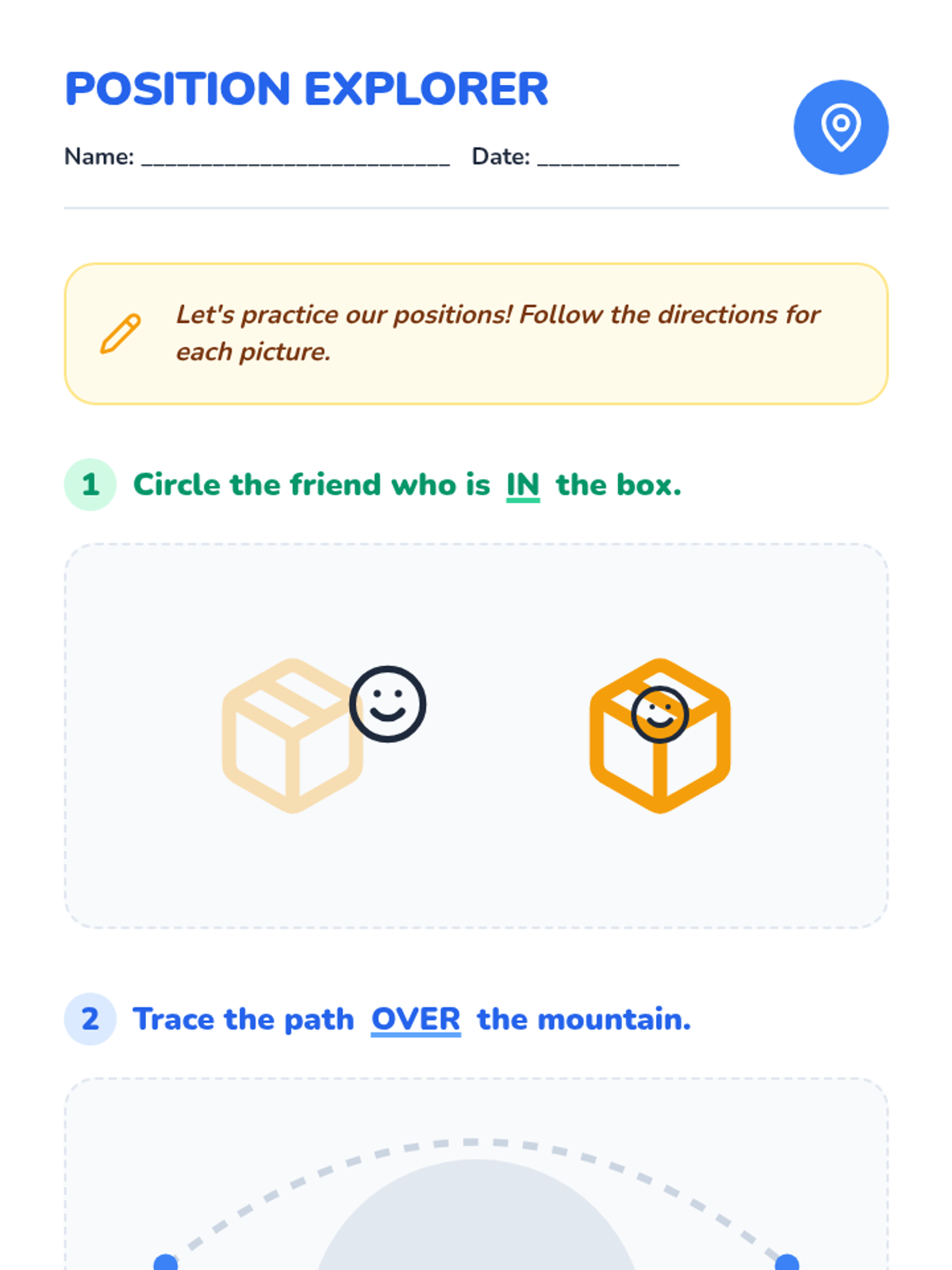
A Pre-K sequence focused on developing spatial awareness and positional vocabulary through physical movement, object manipulation, and classroom mapping. students explore terms like in, out, over, under, next to, and between.
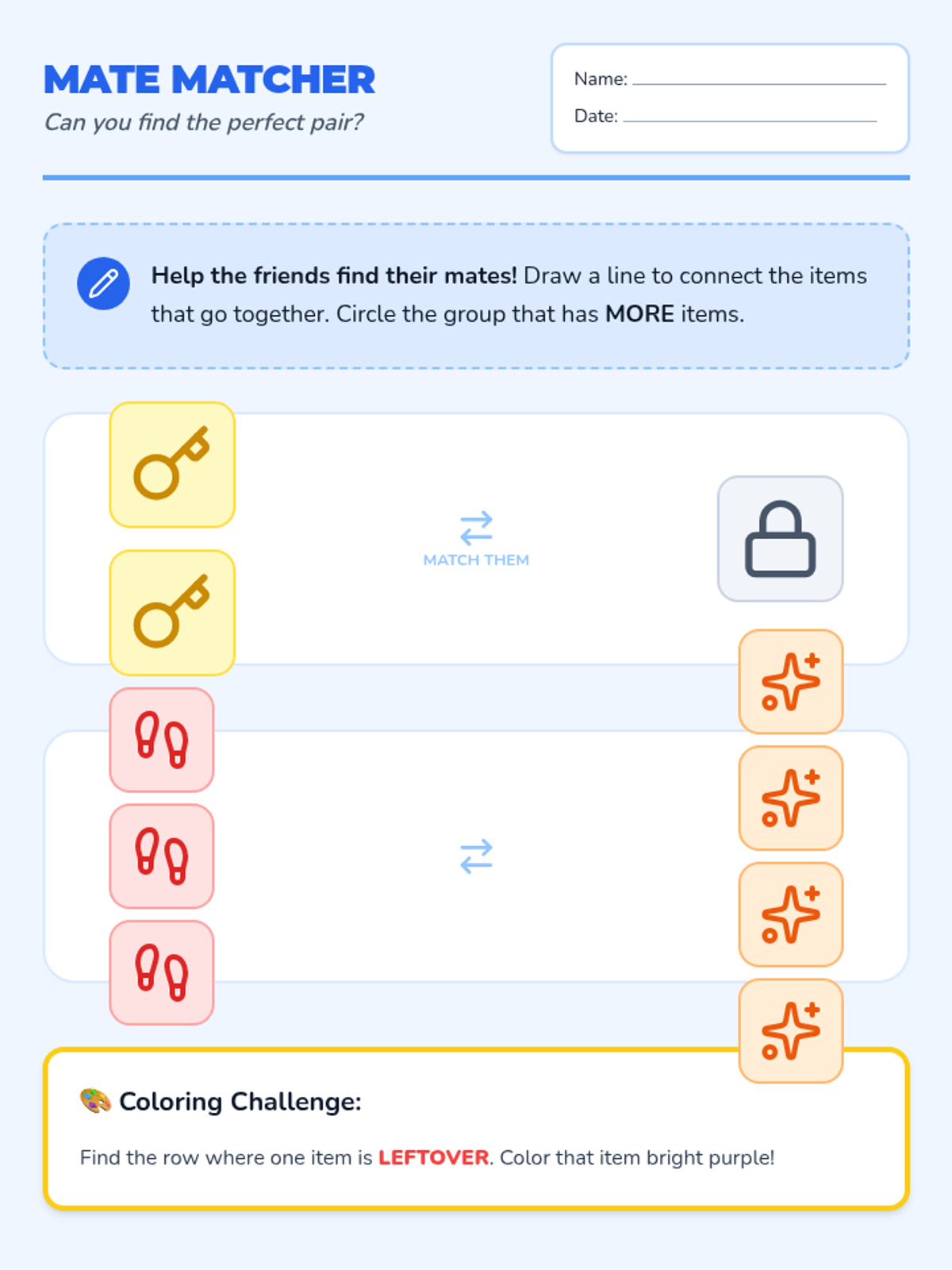
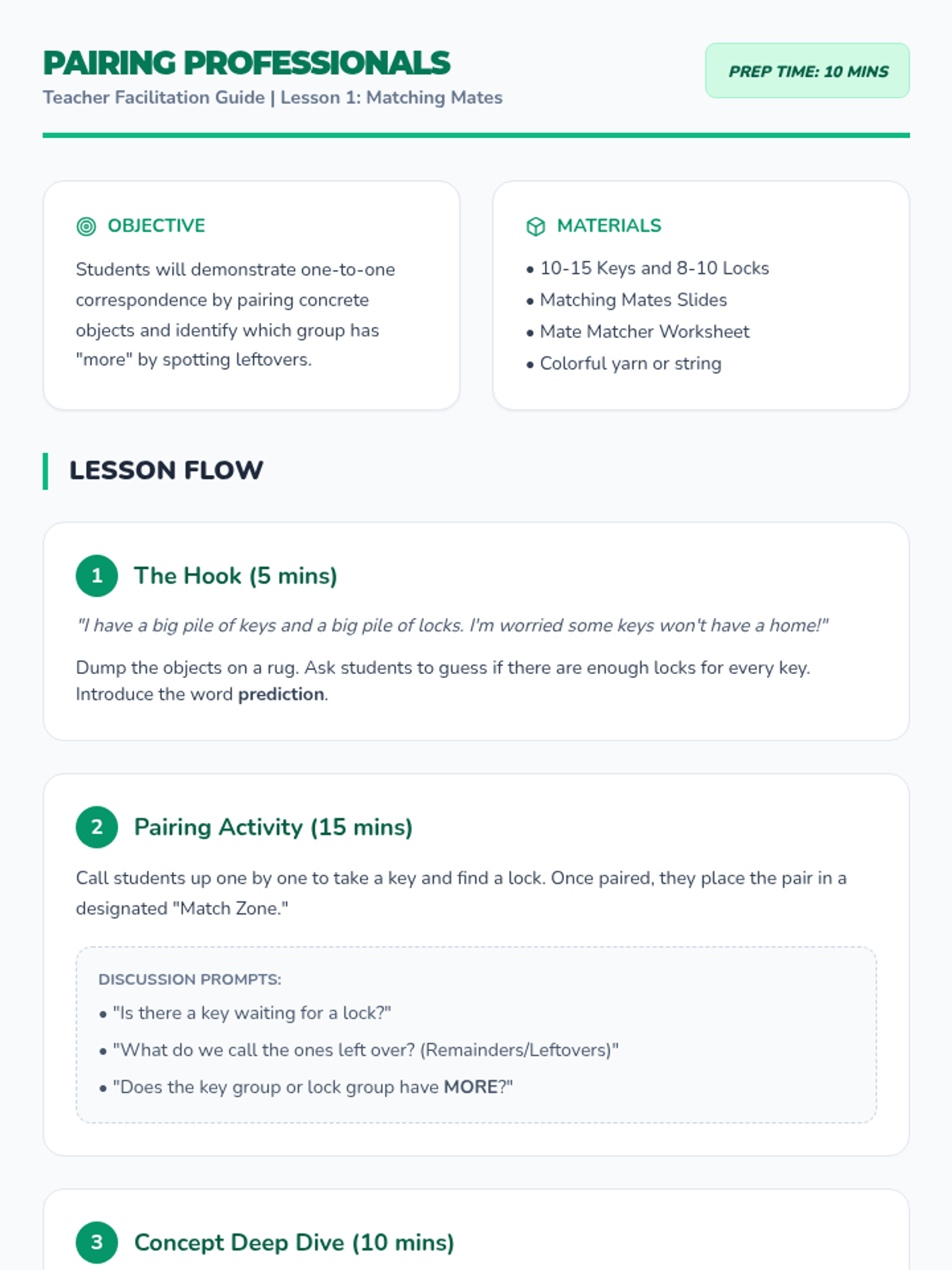
A foundational Pre-K math sequence focusing on one-to-one correspondence and visual comparison of quantities. Students explore concepts of more, less, and fewer through physical pairing, tower building, voting, and balancing scales.
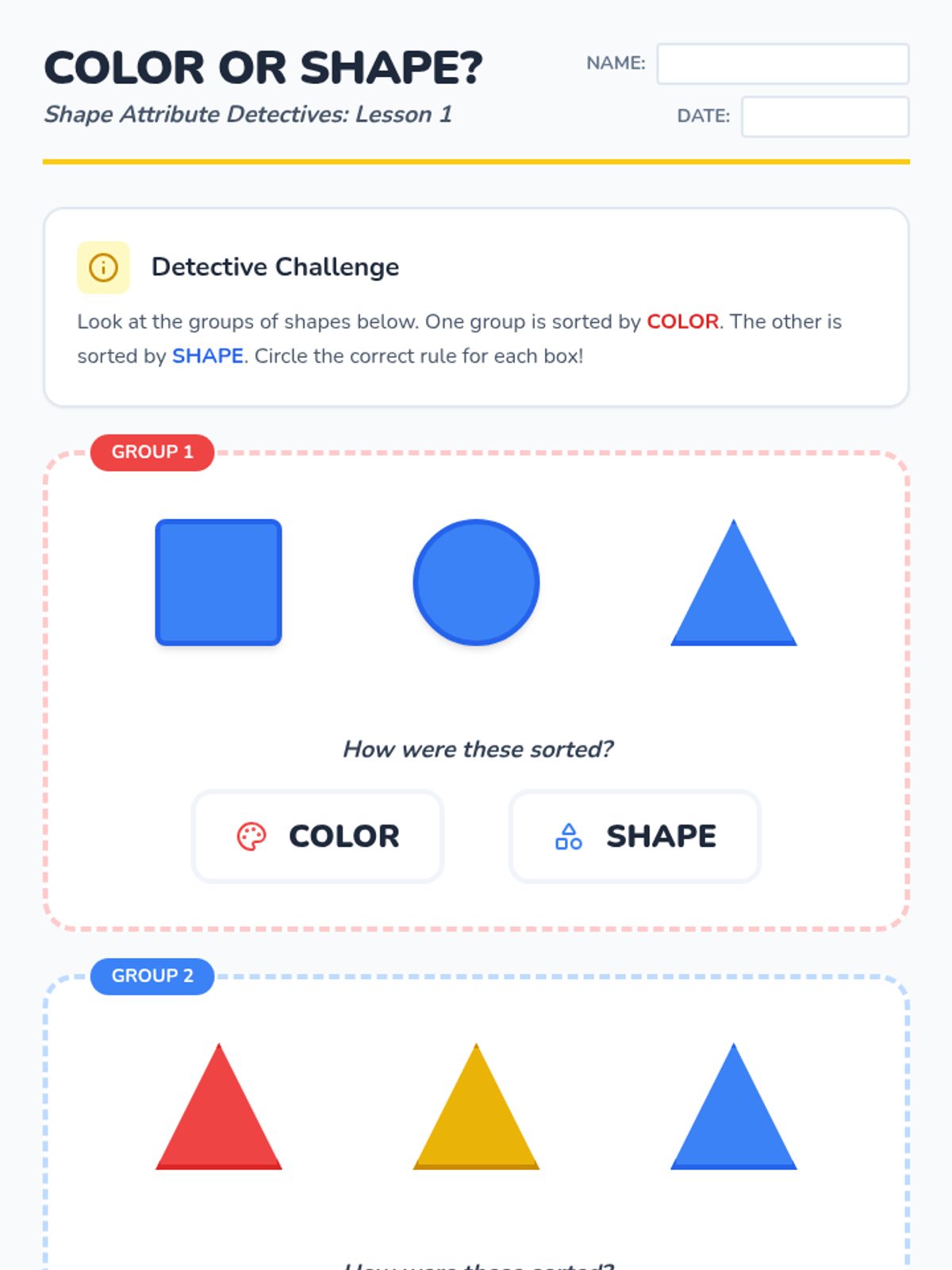
A Pre-K geometry sequence focused on classifying shapes by color, size, orientation, and numerical attributes like sides and corners. Students develop critical thinking by articulating sorting rules and identifying similarities and differences between geometric figures.
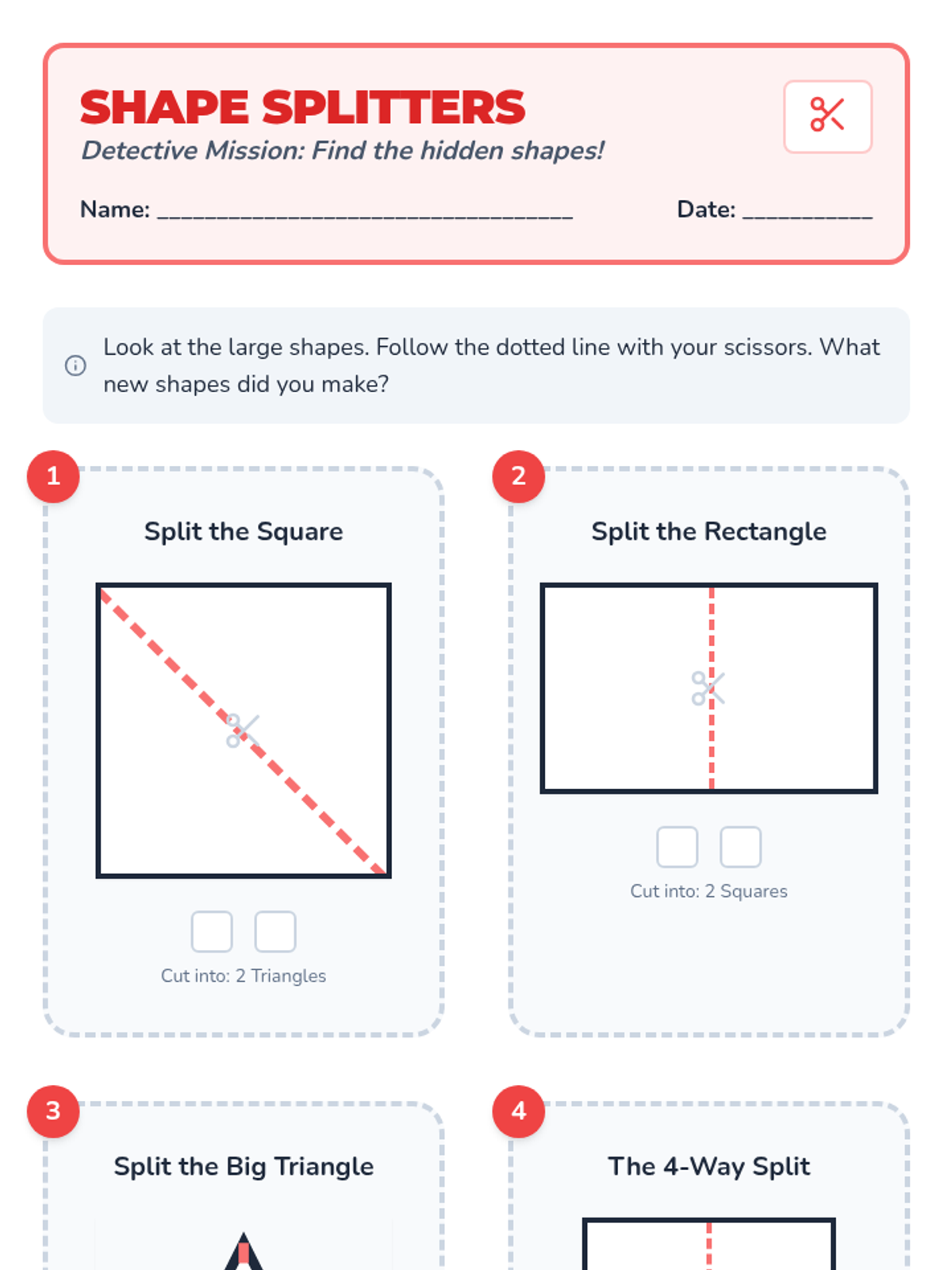
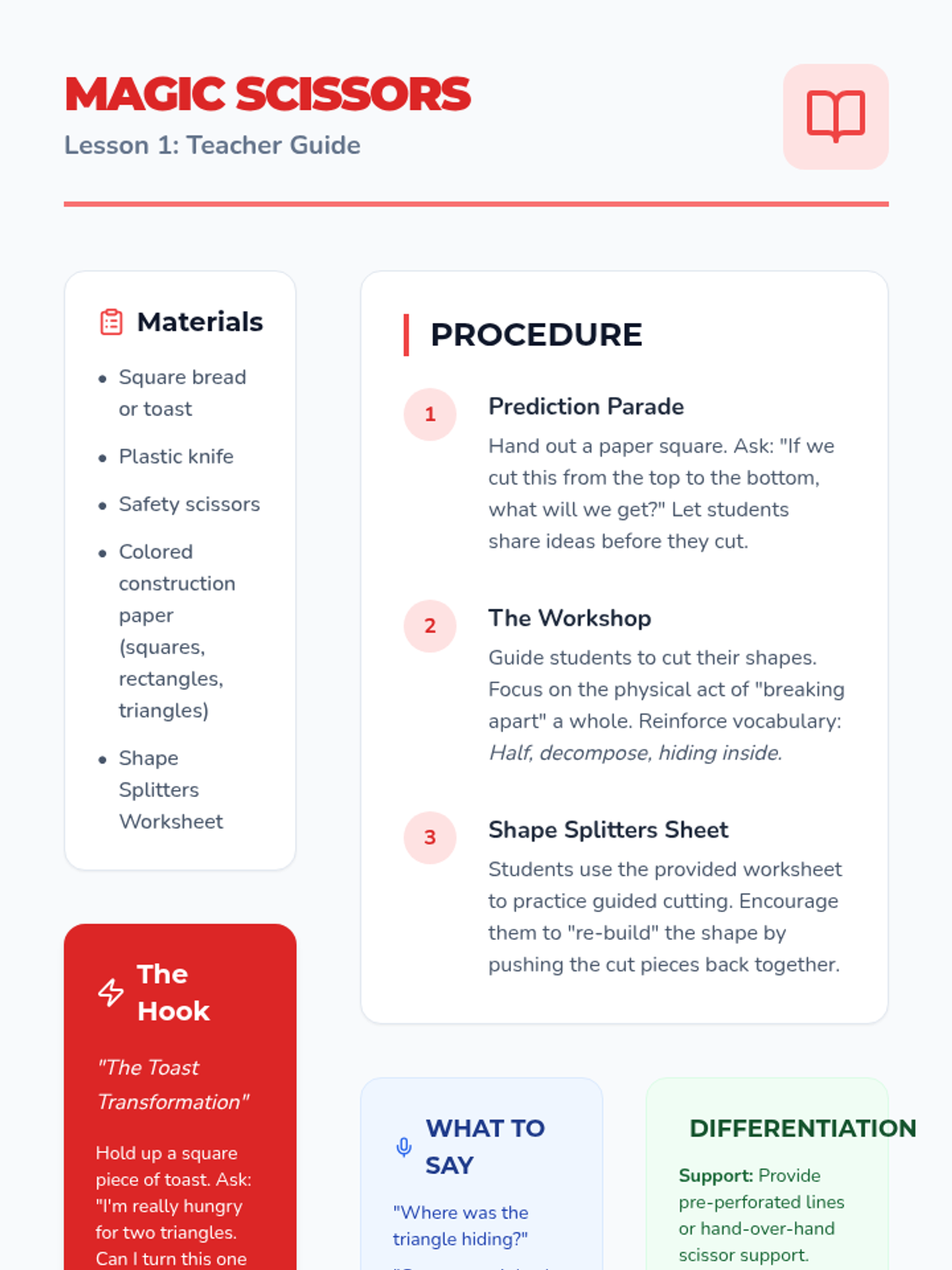
This sequence introduces Pre-K students to shape decomposition and spatial awareness by exploring how larger shapes are made of smaller ones. Through hands-on cutting, puzzles, block building, and art analysis, students learn to see the parts within the whole.
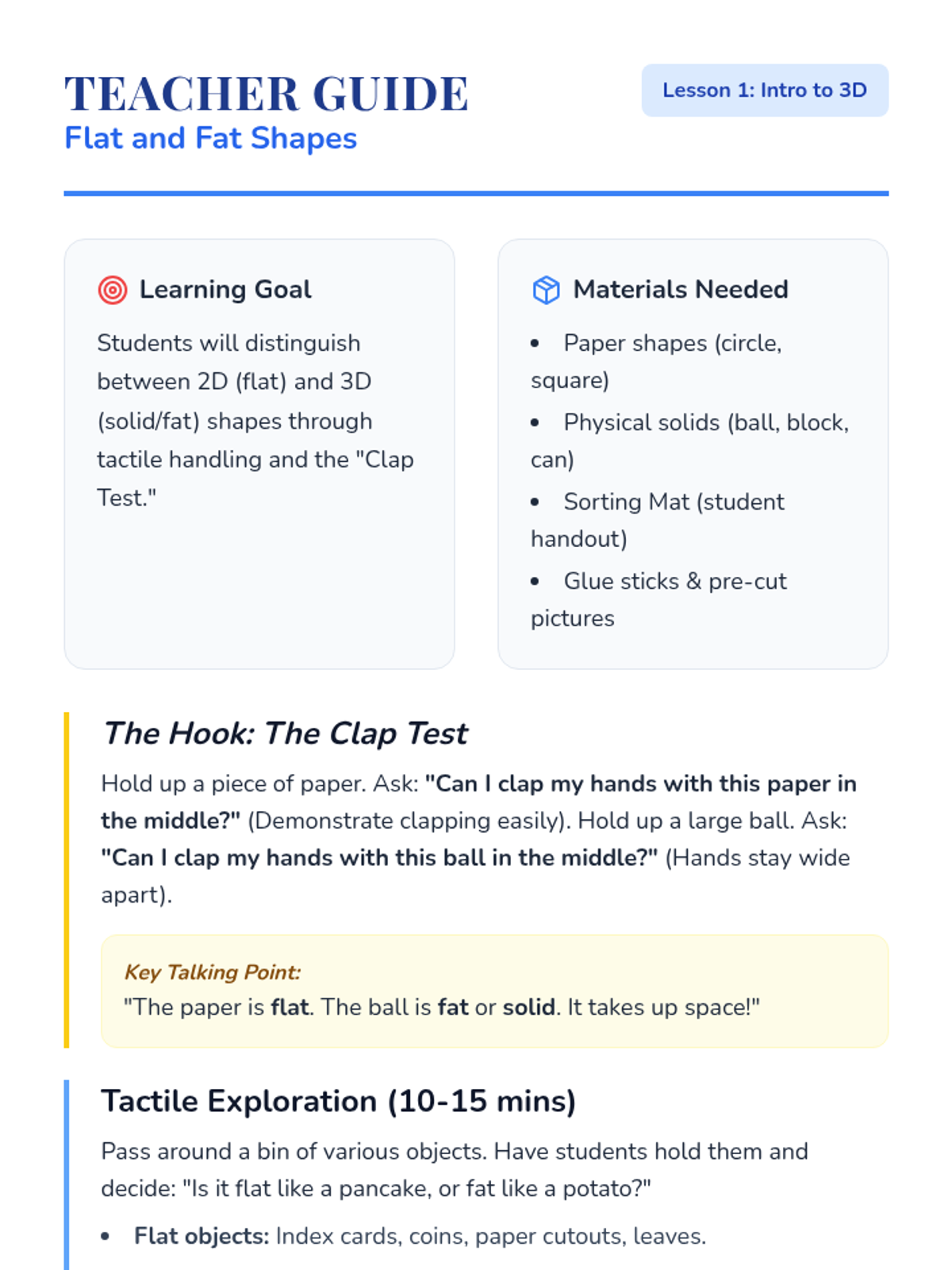
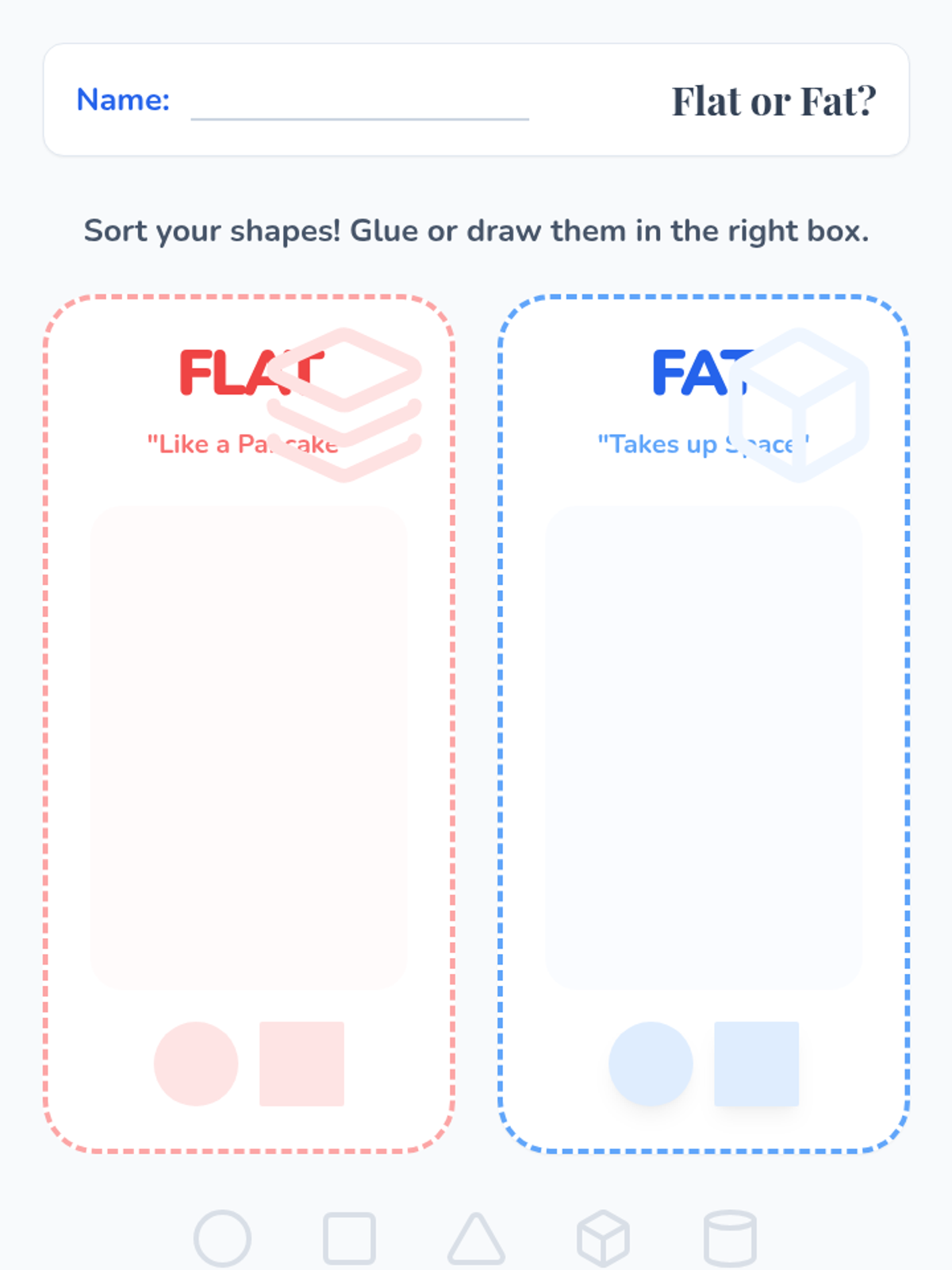
A hands-on introduction to 3D geometry for Pre-K students, focusing on the physical properties of spheres, cubes, cylinders, and cones through tactile exploration and play.
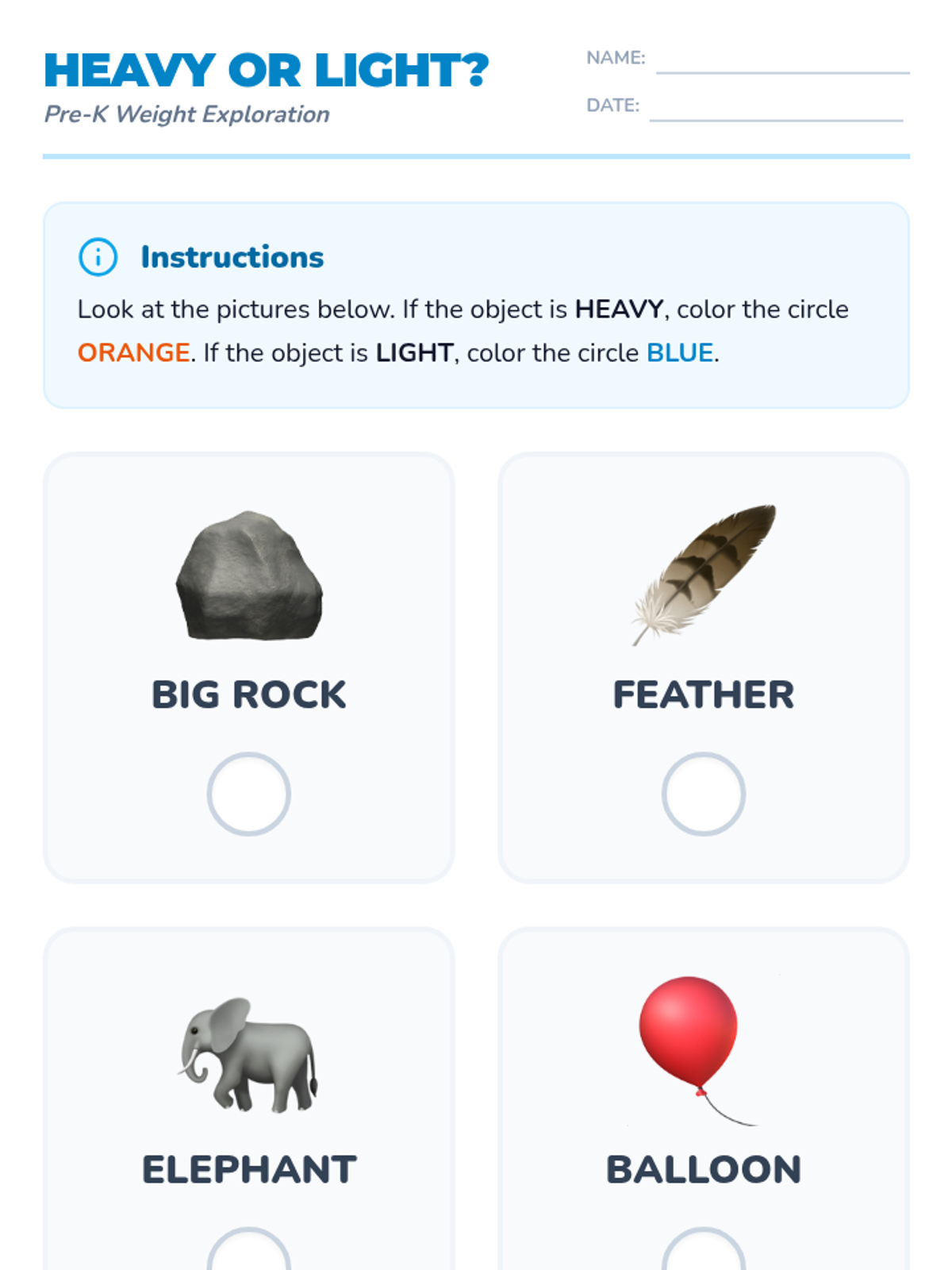
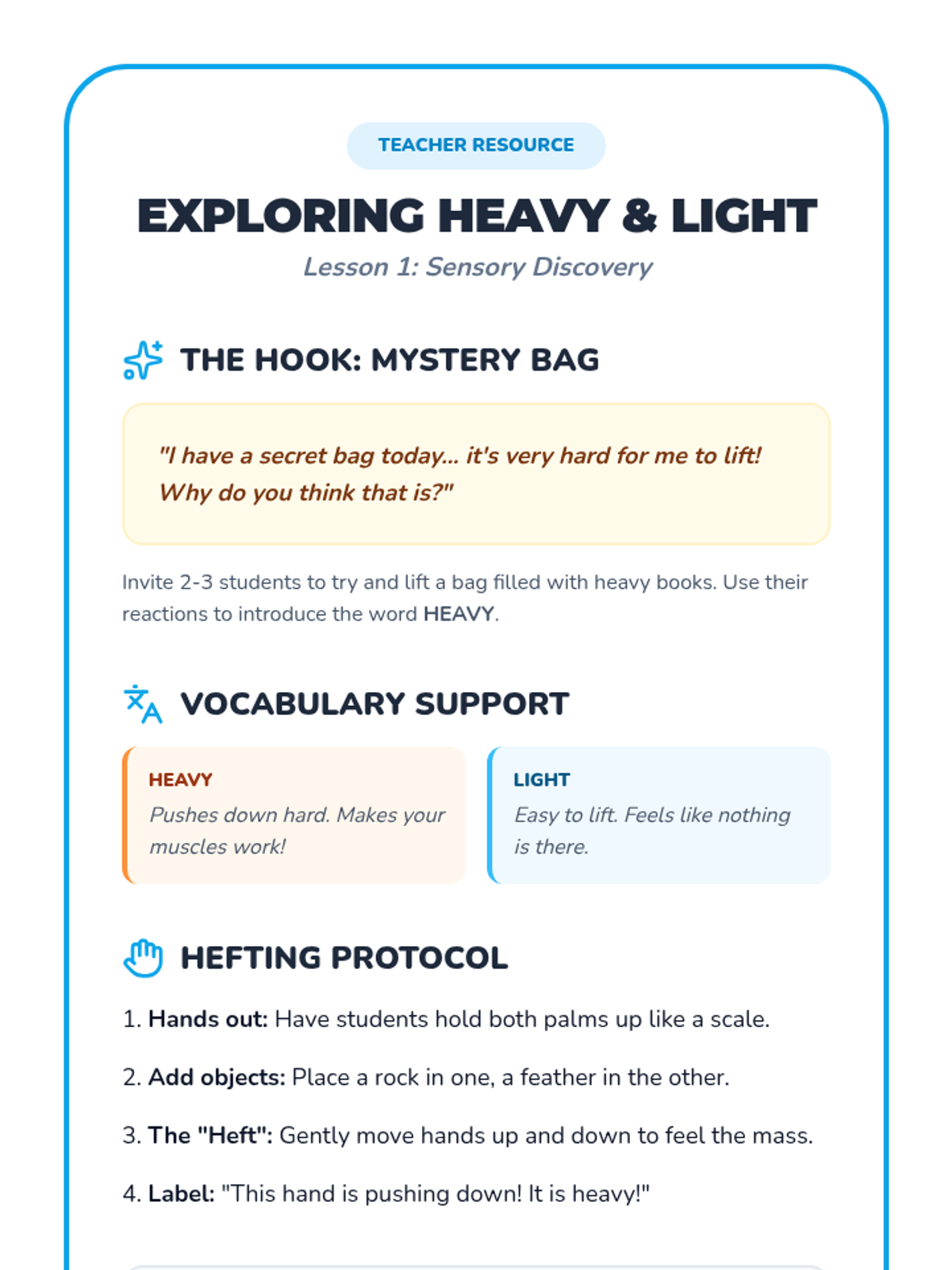
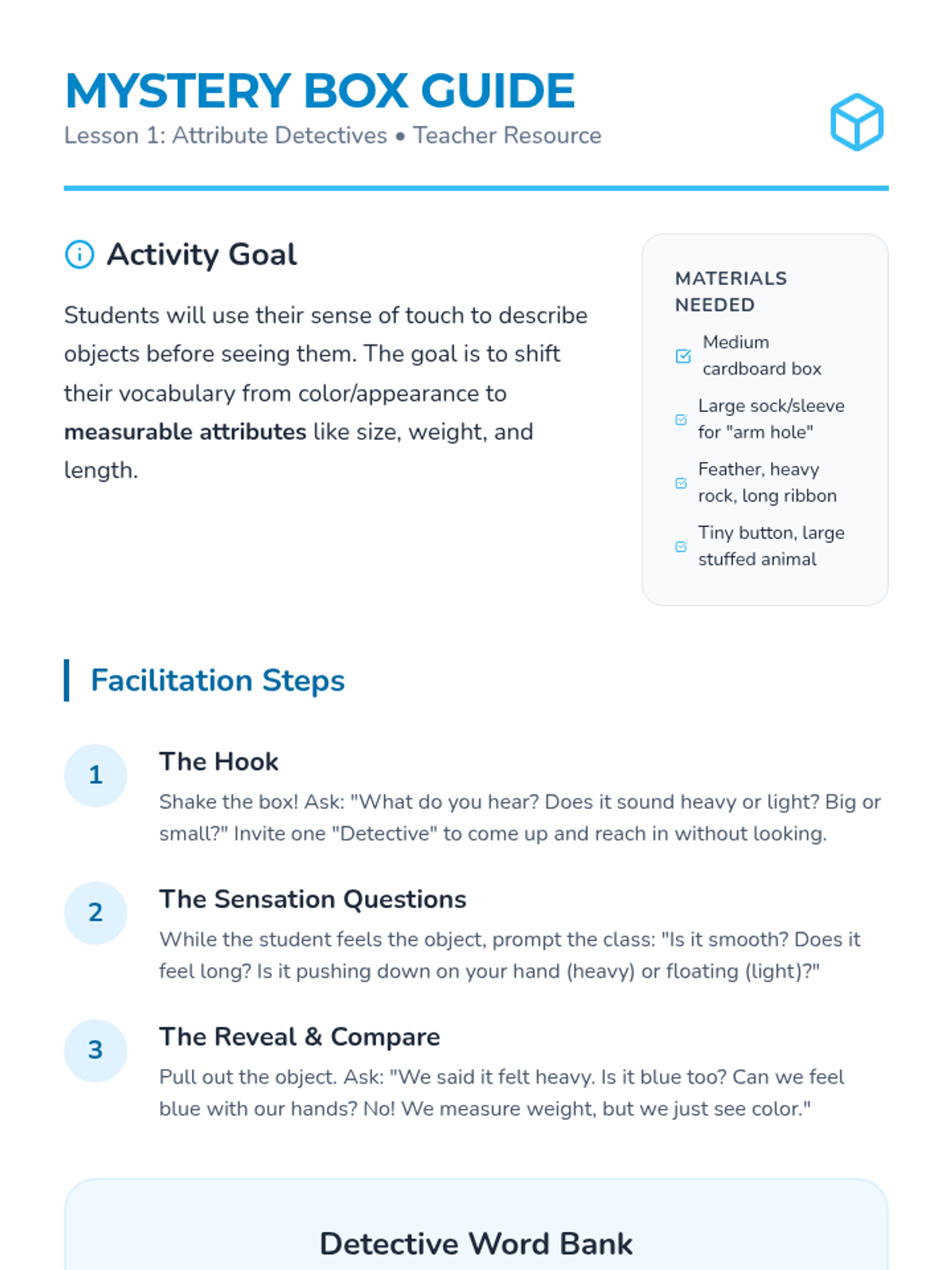
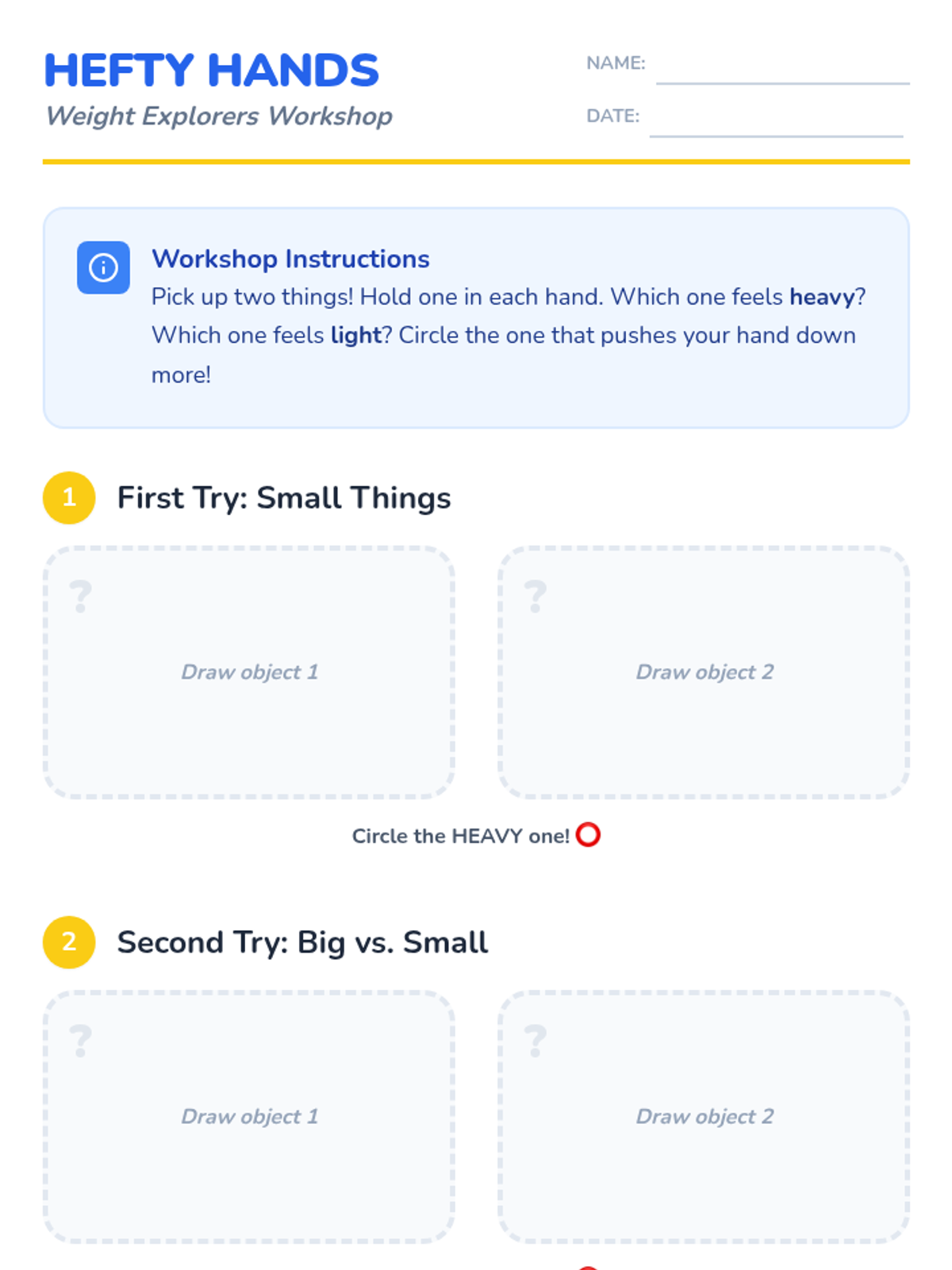
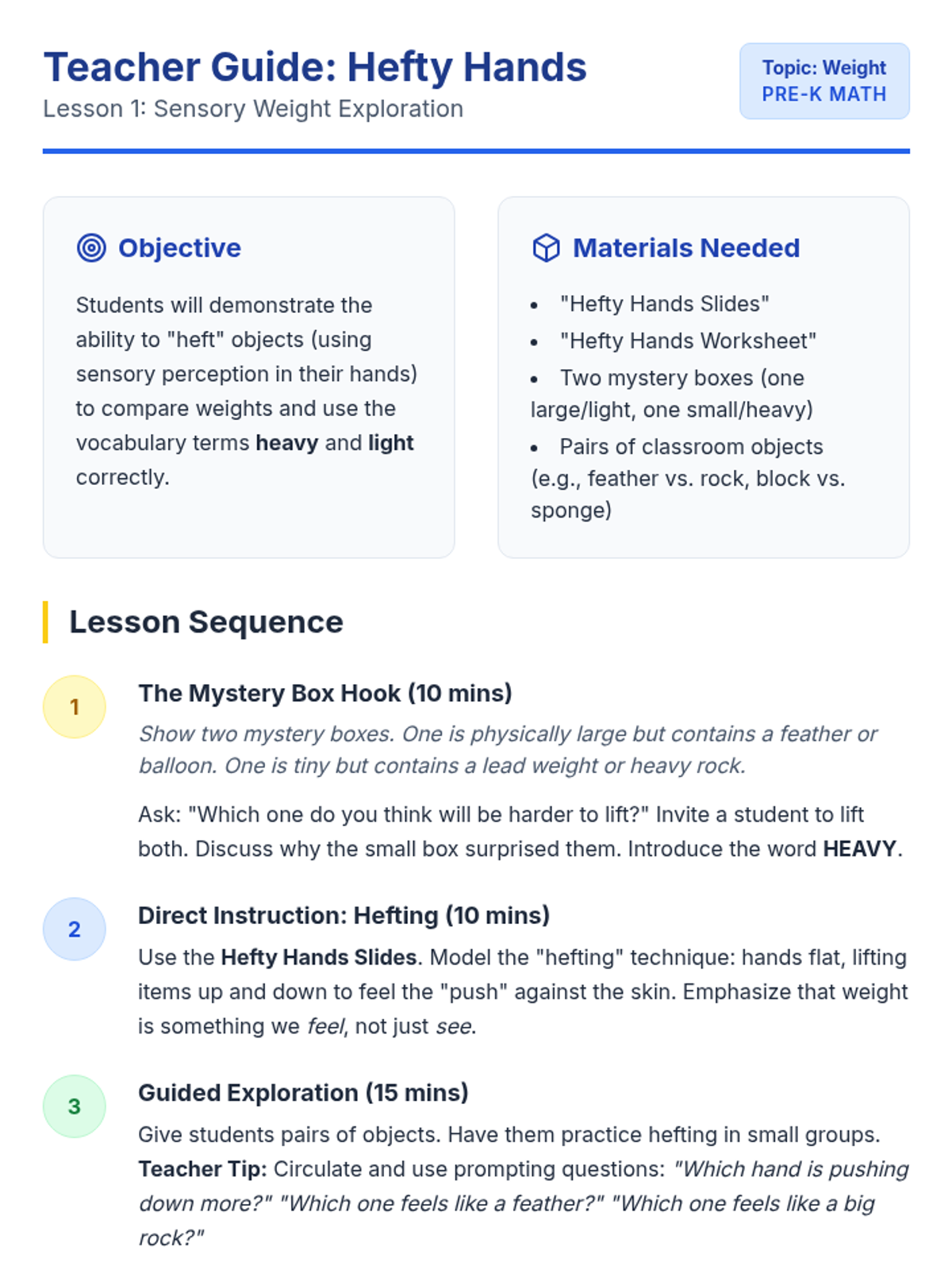
A Pre-K sequence focused on introducing the concept of weight through sensory exploration, tools, and scientific prediction. Students learn to distinguish between 'heavy' and 'light' using their hands and balance scales.
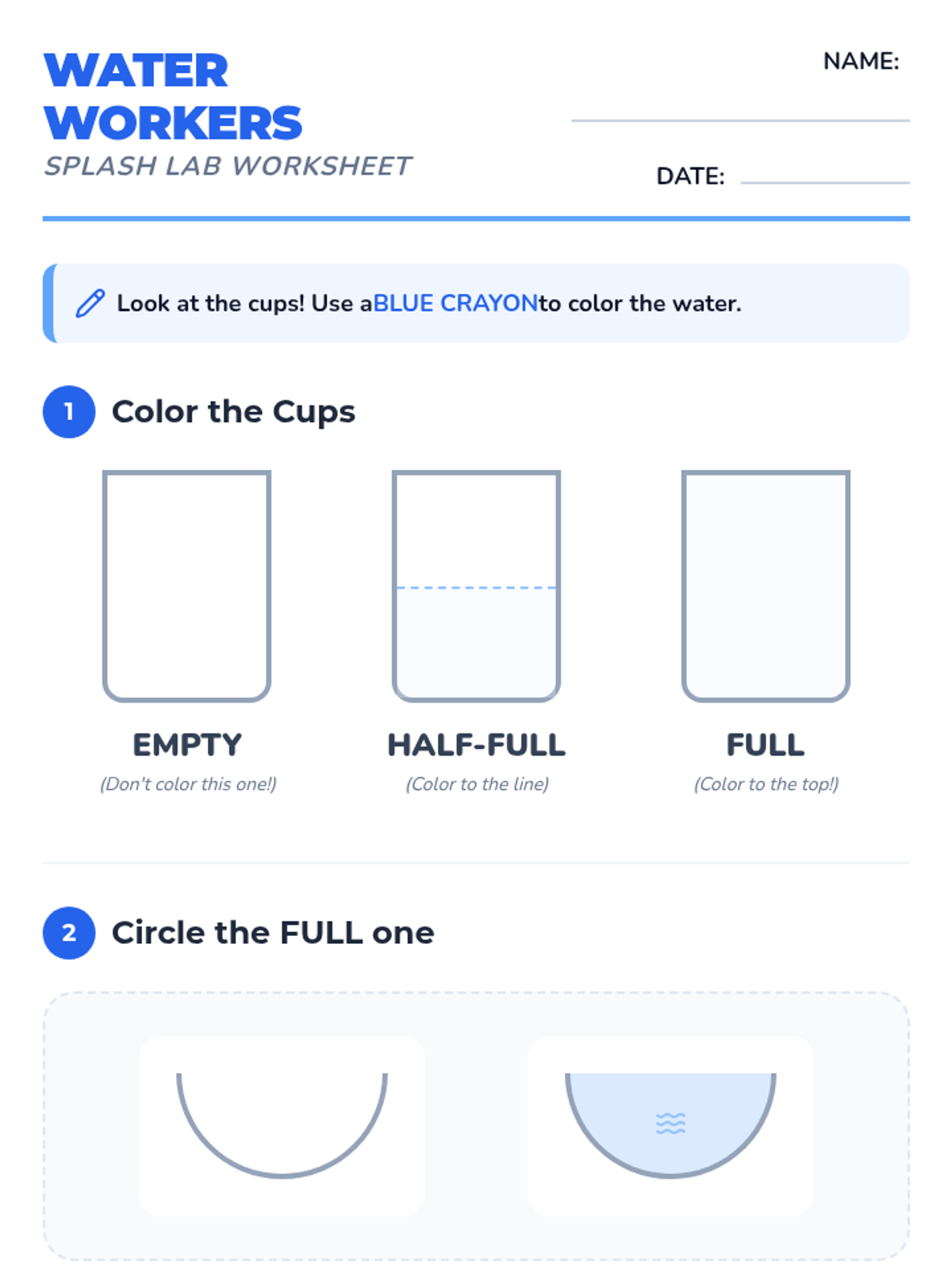
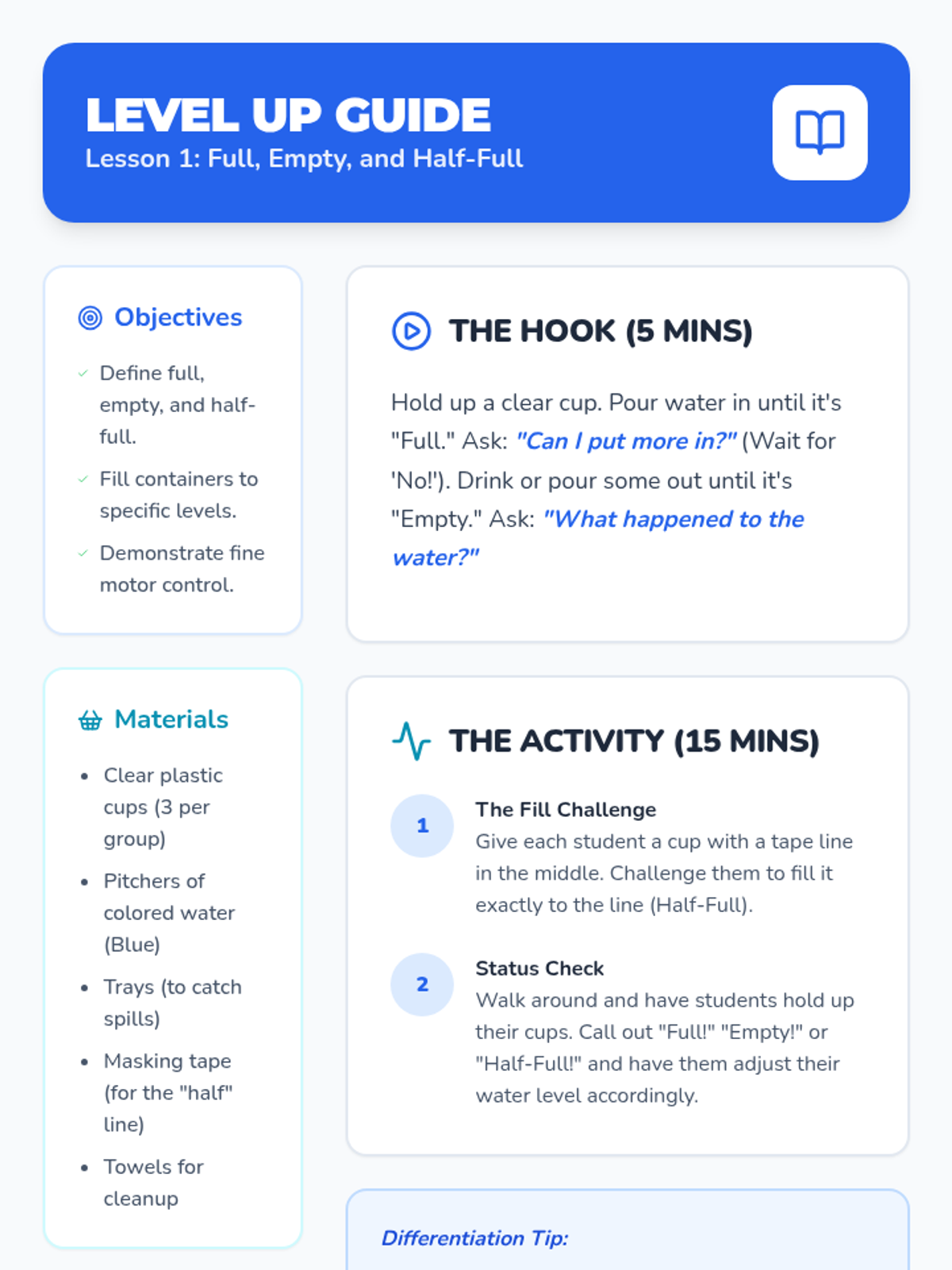
A sensory-based math sequence for Pre-K students to explore capacity and volume through pouring, filling, and comparing containers. Students develop vocabulary like full and empty, use non-standard units (scoops), and explore conservation of volume.
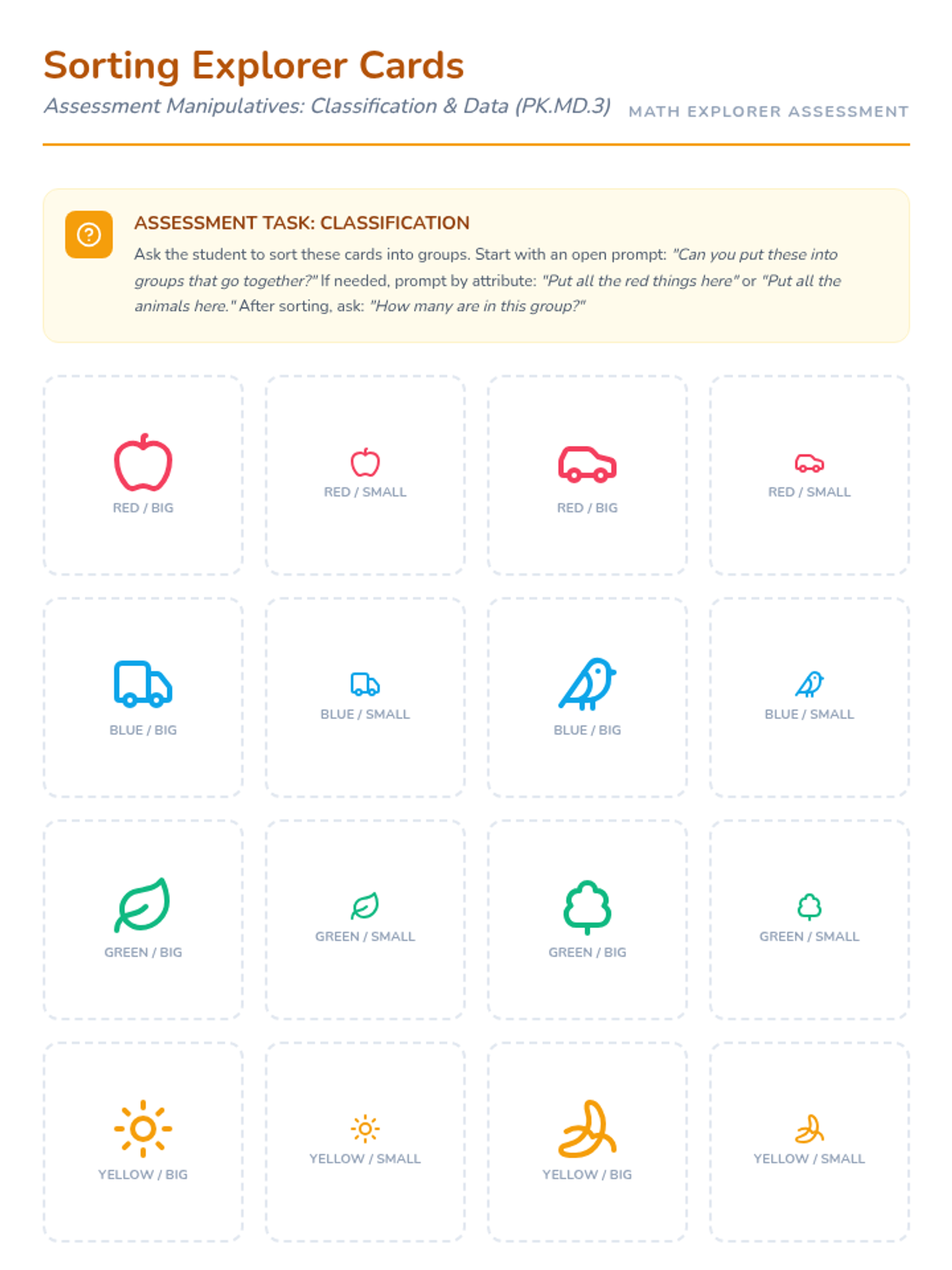
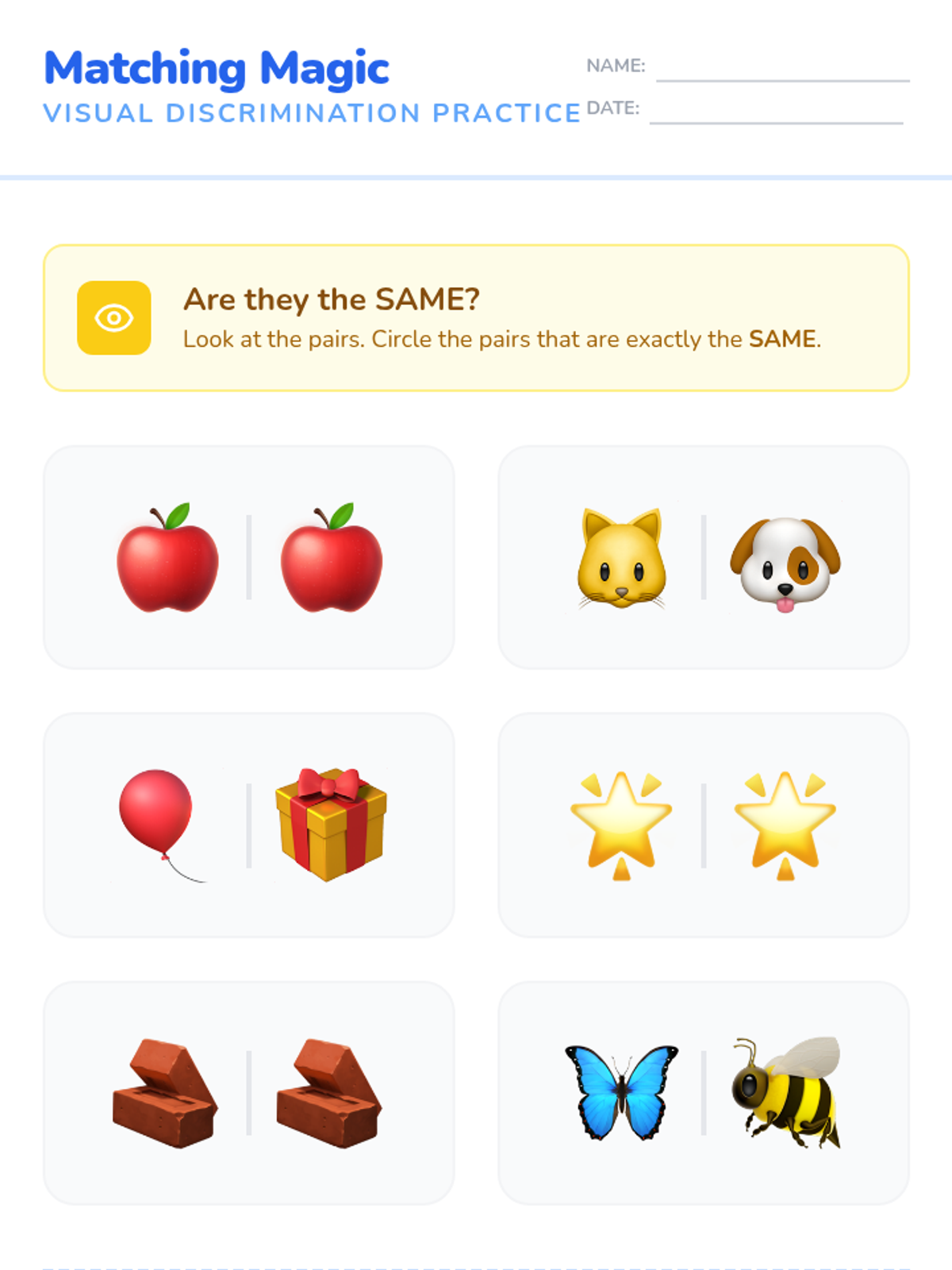
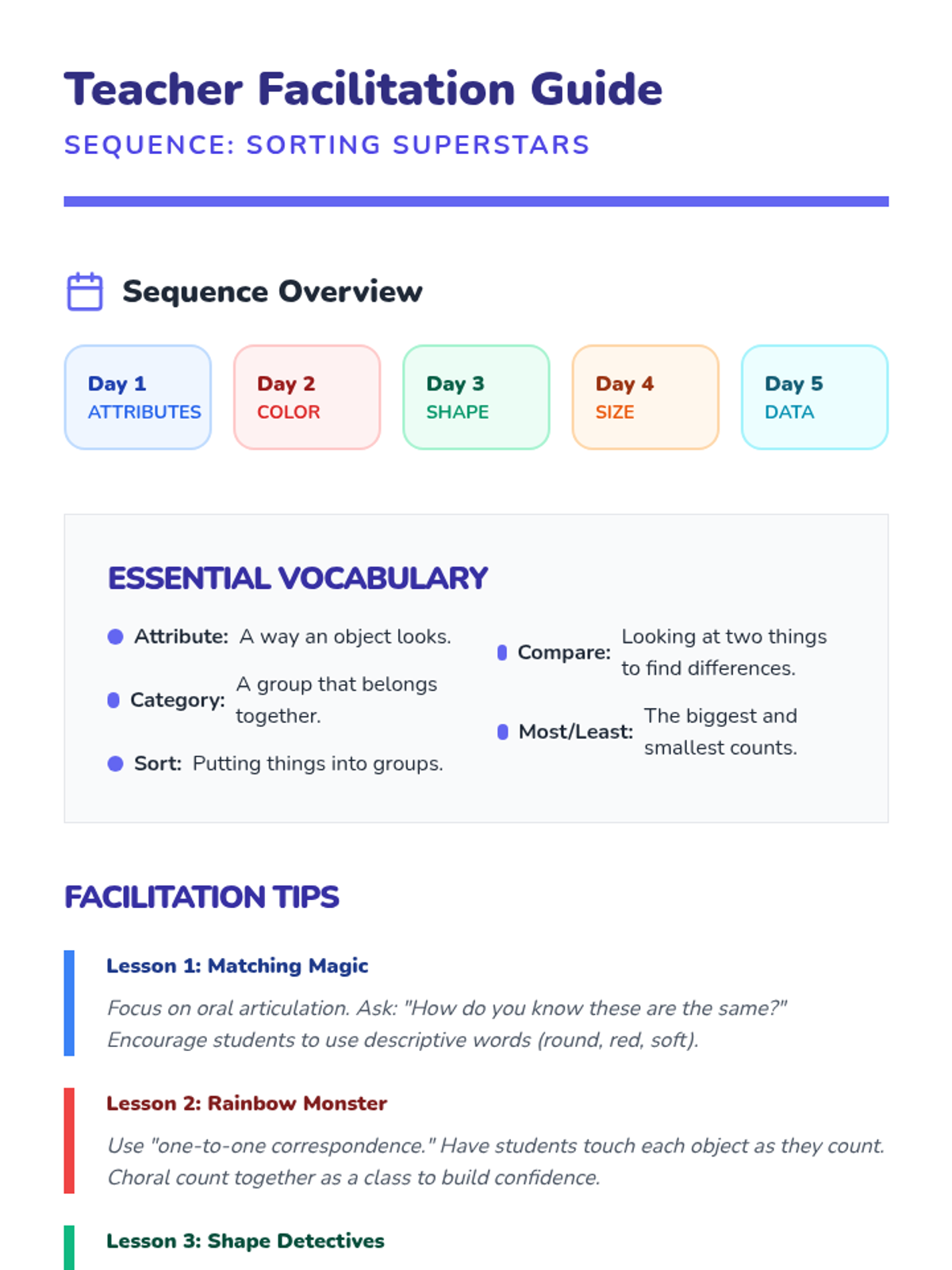
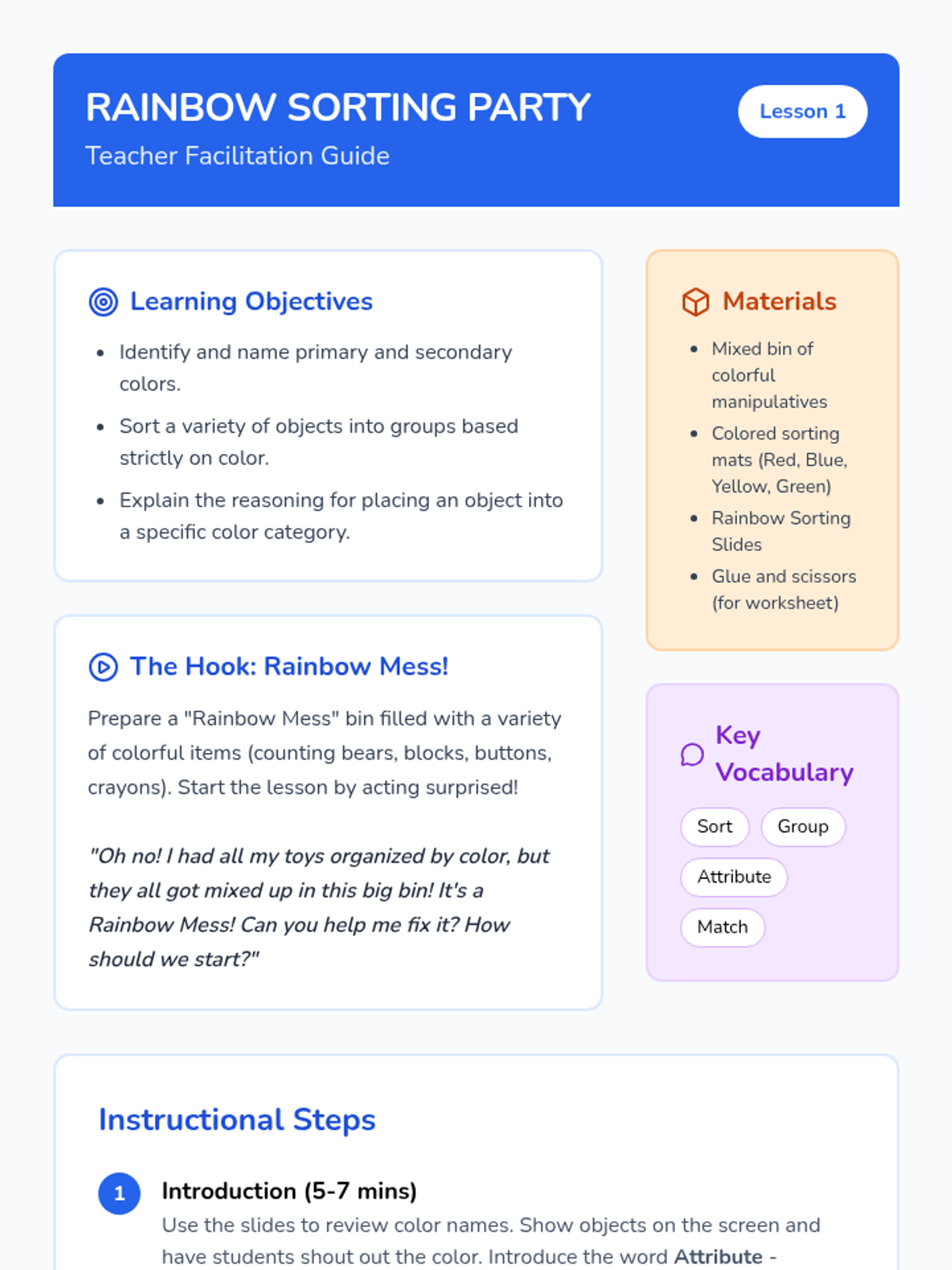
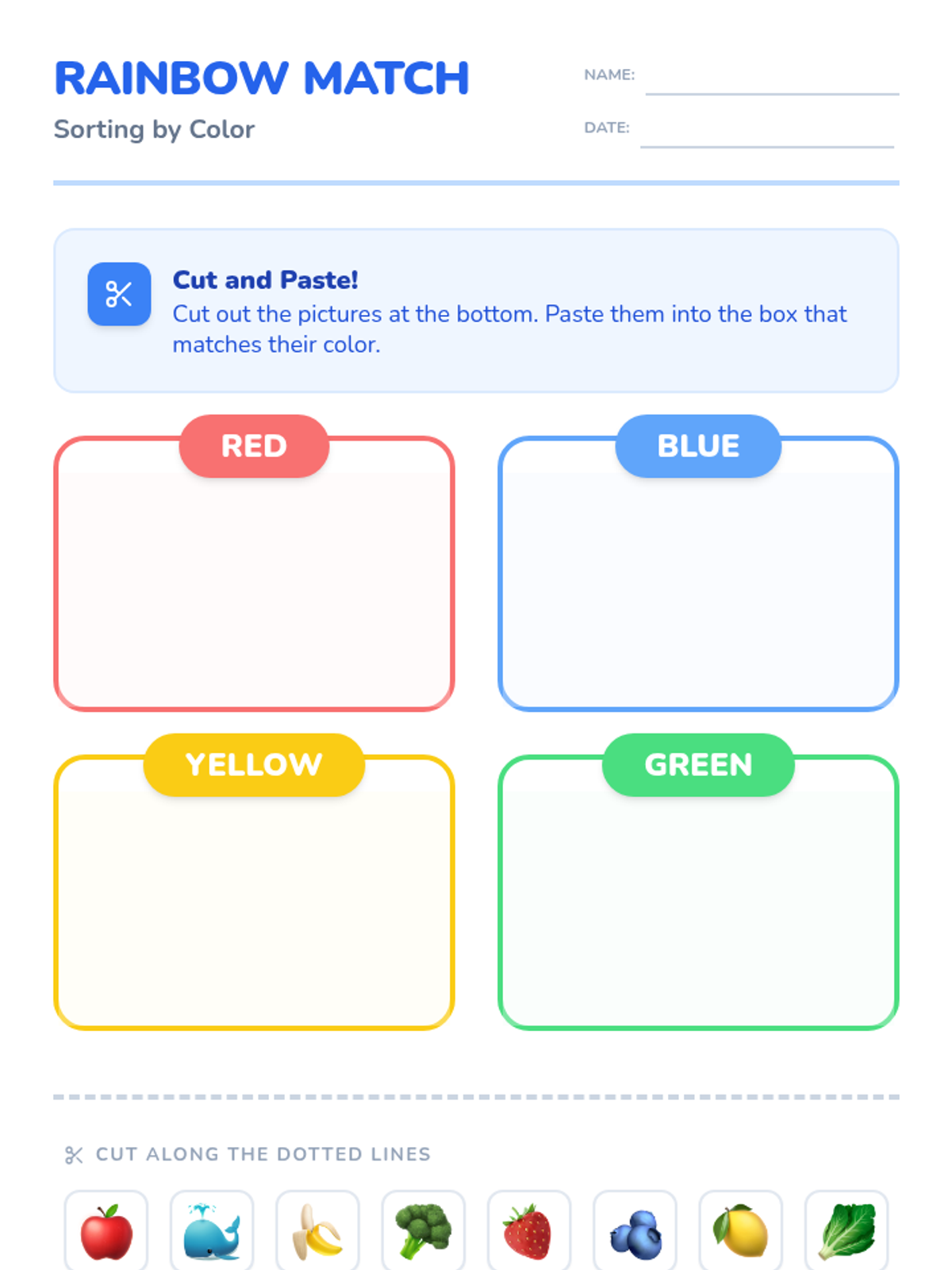
A 5-lesson sequence for Pre-K students to explore classification, sorting by attributes (color, shape, size), and comparing counts. Students learn to identify similarities and differences, organize collections, and use counting to interpret data.
This sequence guides early learners through organizing their world by observing physical properties and grouping objects accordingly, bridging classification and early data analysis.
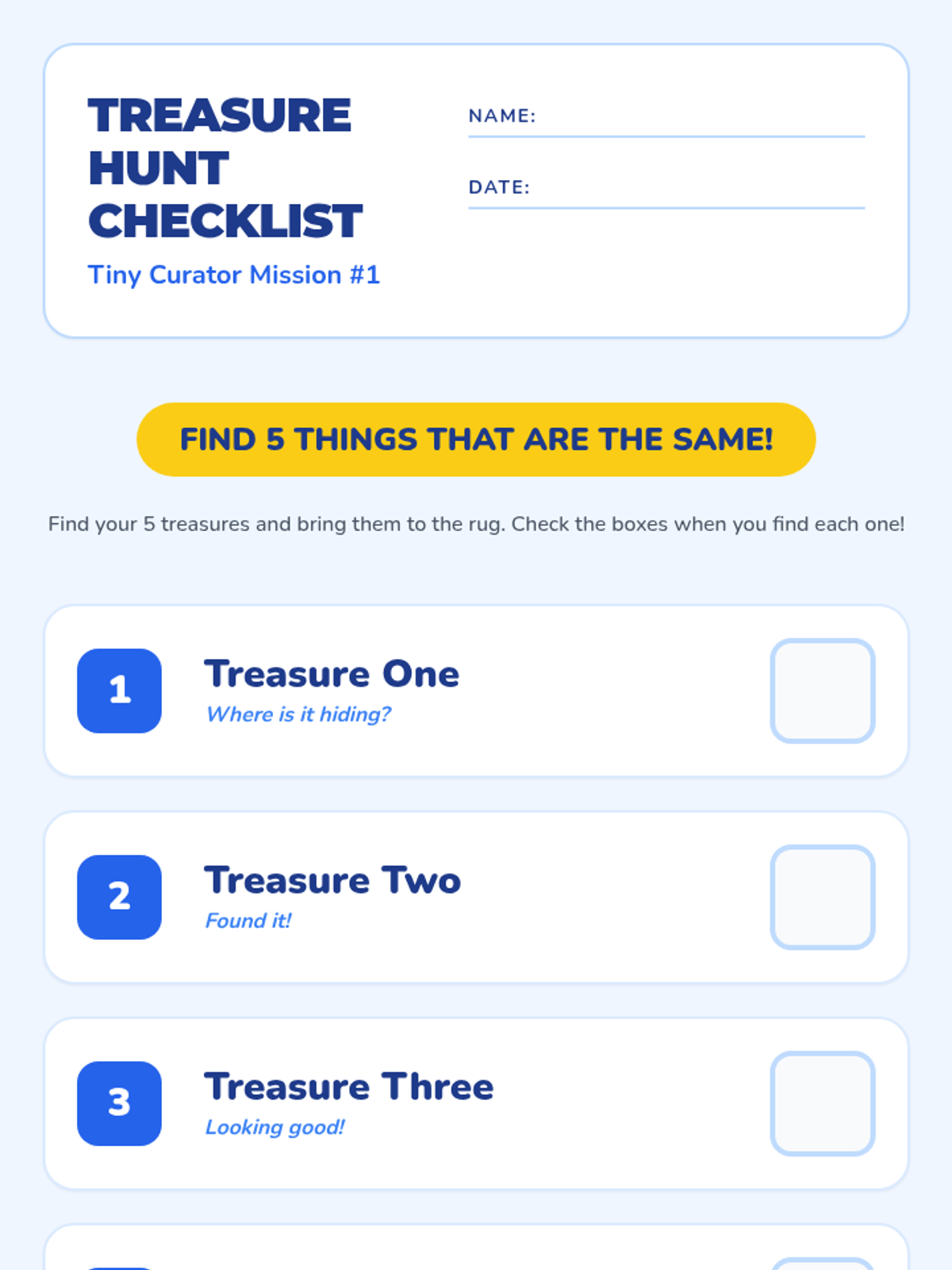
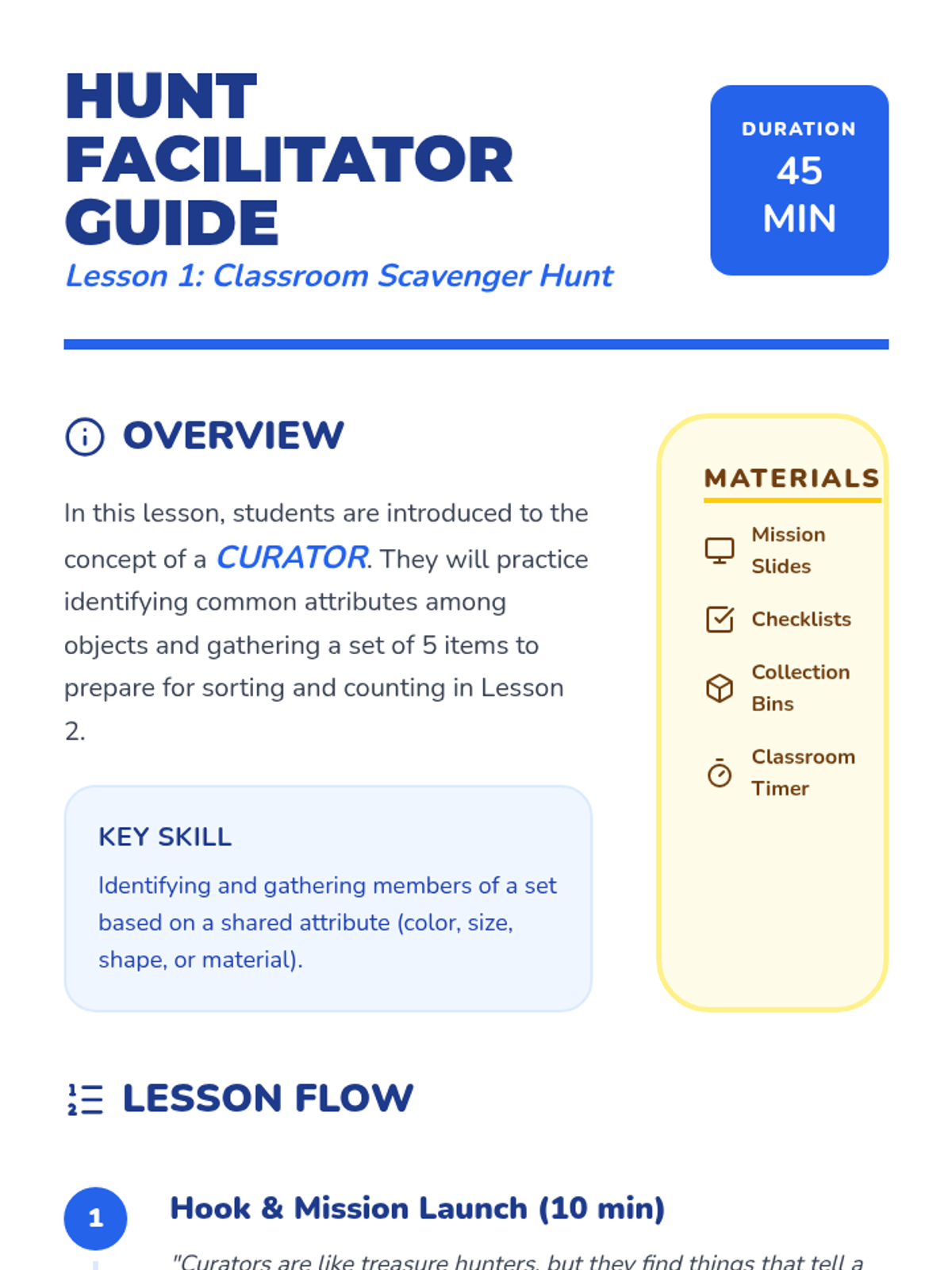
A project-based unit where Pre-K students become curators, gathering, sorting, labeling, and displaying collections of objects to master counting skills and number representation.
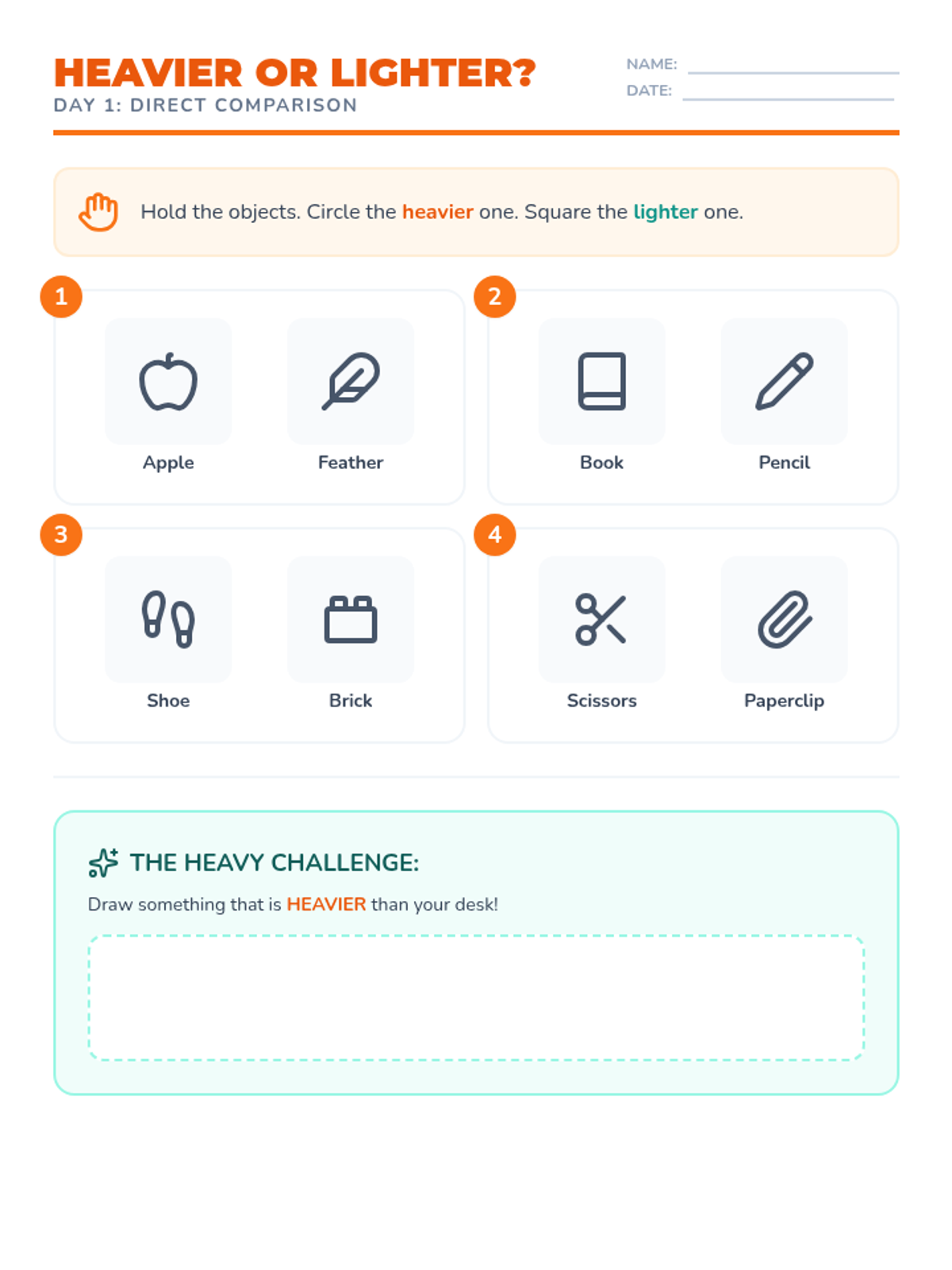
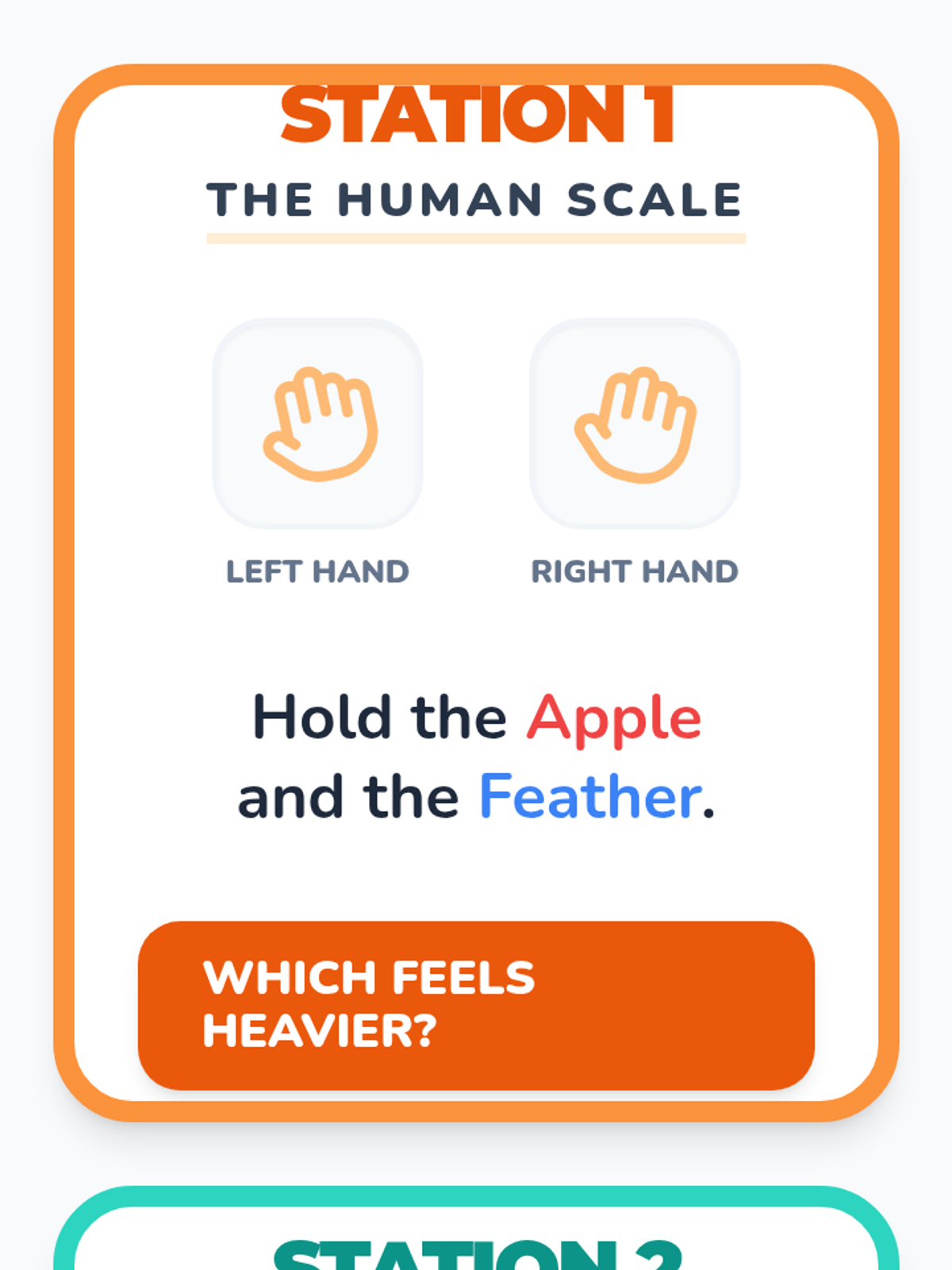
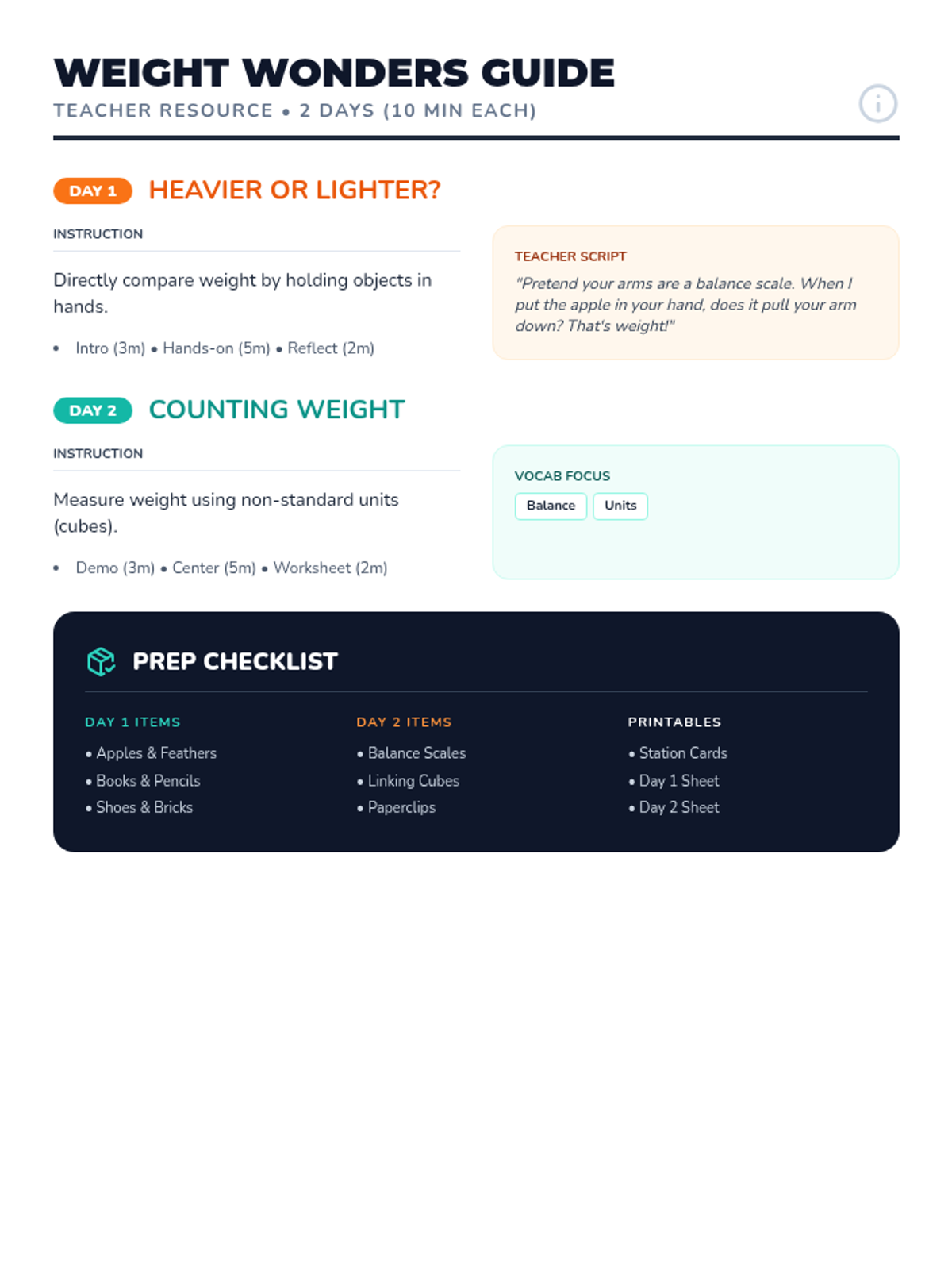
A two-day introductory sequence on weight comparison using direct comparison and non-standard units for young learners.
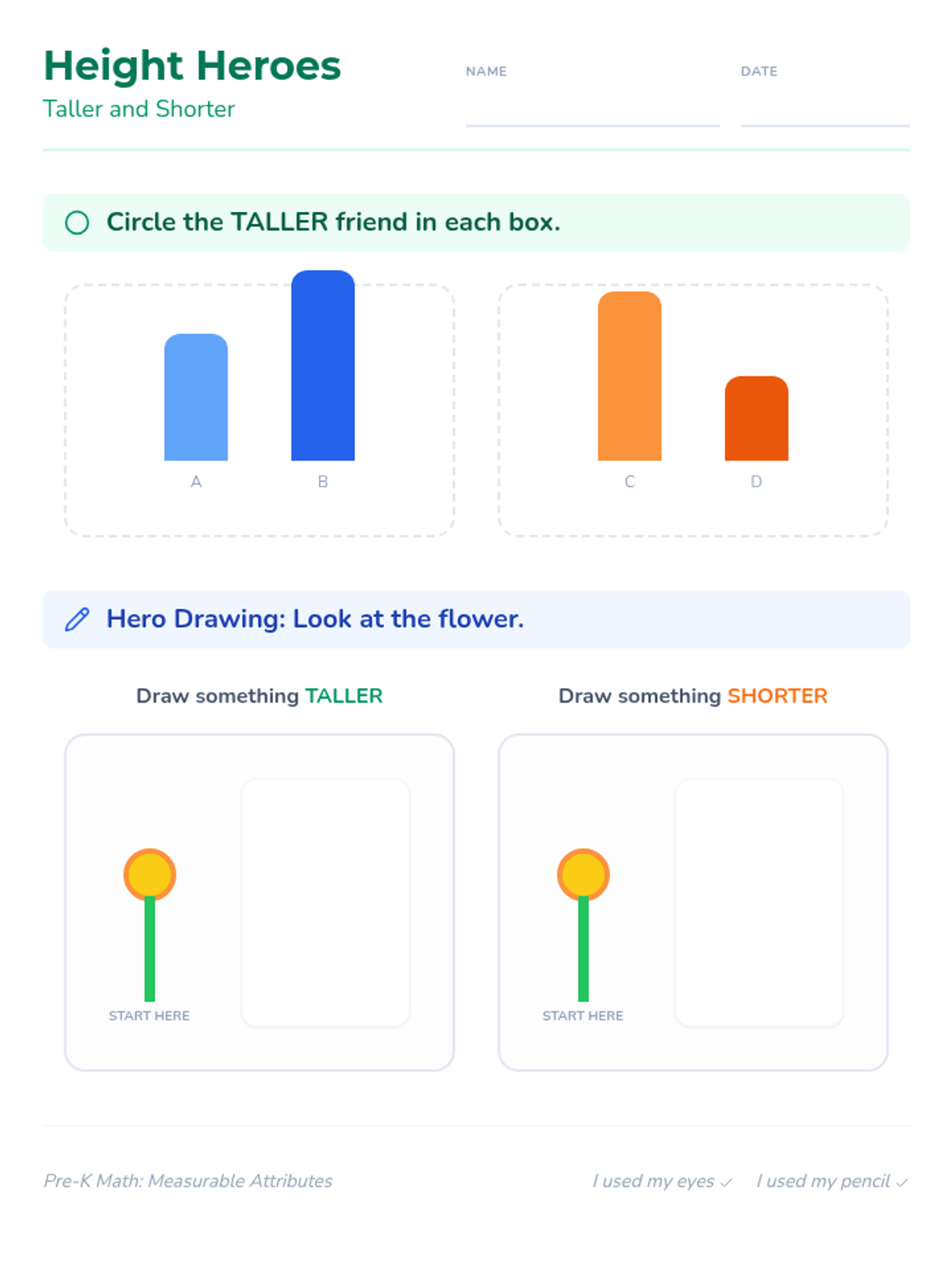
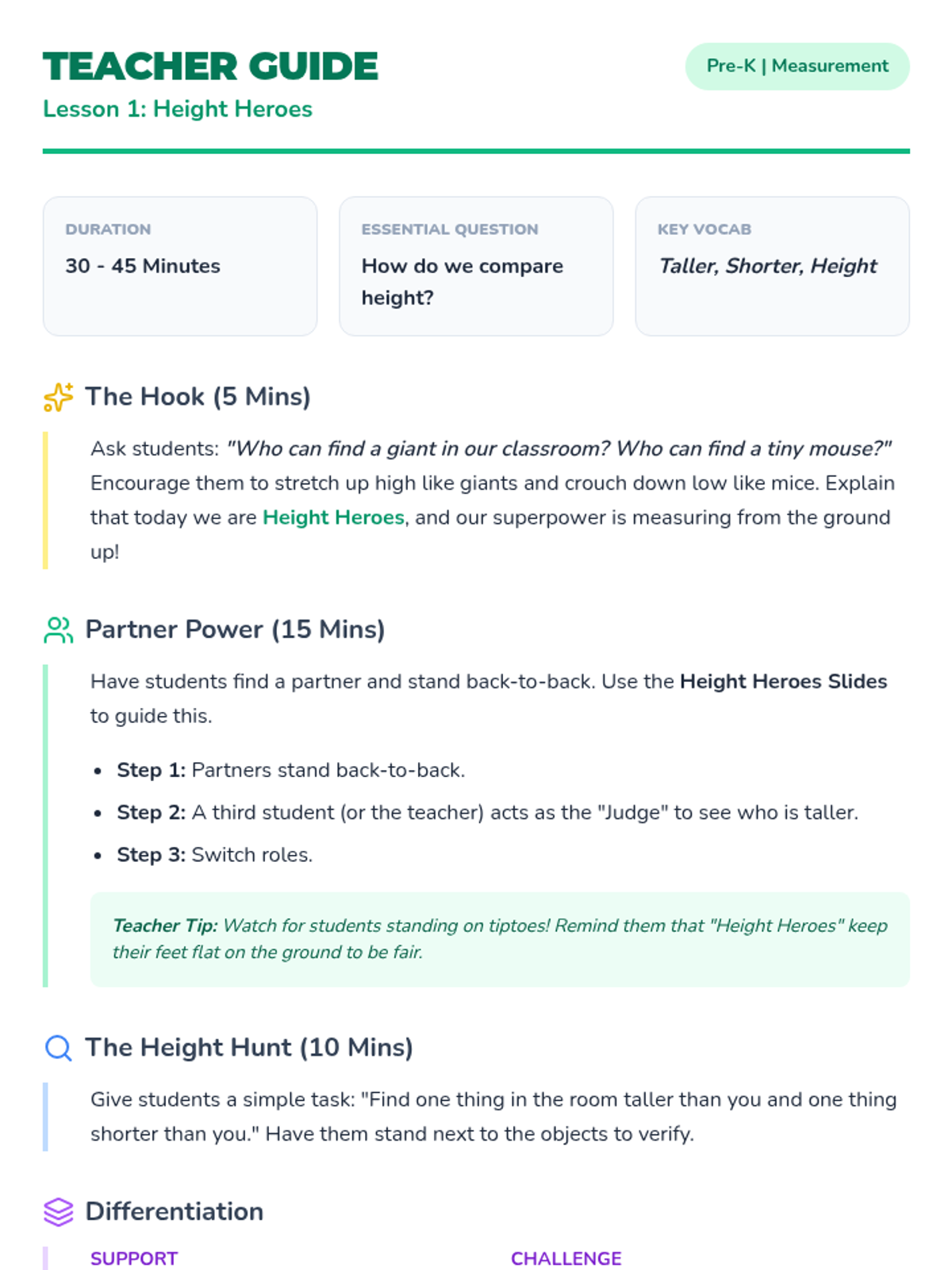
A Pre-K sequence introducing length and height through direct comparison, seriation, and non-standard measurement using the theme of 'Little Explorers'. Students learn to align endpoints and use vocabulary like taller, shorter, and longer.
A hands-on Pre-K sequence where students explore length, weight, and capacity through sensory-rich experiences. Students move from general descriptors to specific comparative vocabulary like 'longer,' 'heavier,' and 'full.'
A hands-on exploration of weight and capacity for Pre-K students, focusing on sensory perception, vocabulary development, and the use of simple tools like balance scales and pouring containers. Students transition from hefting objects to using comparative terms like 'heavy/light' and 'holds more/less.'
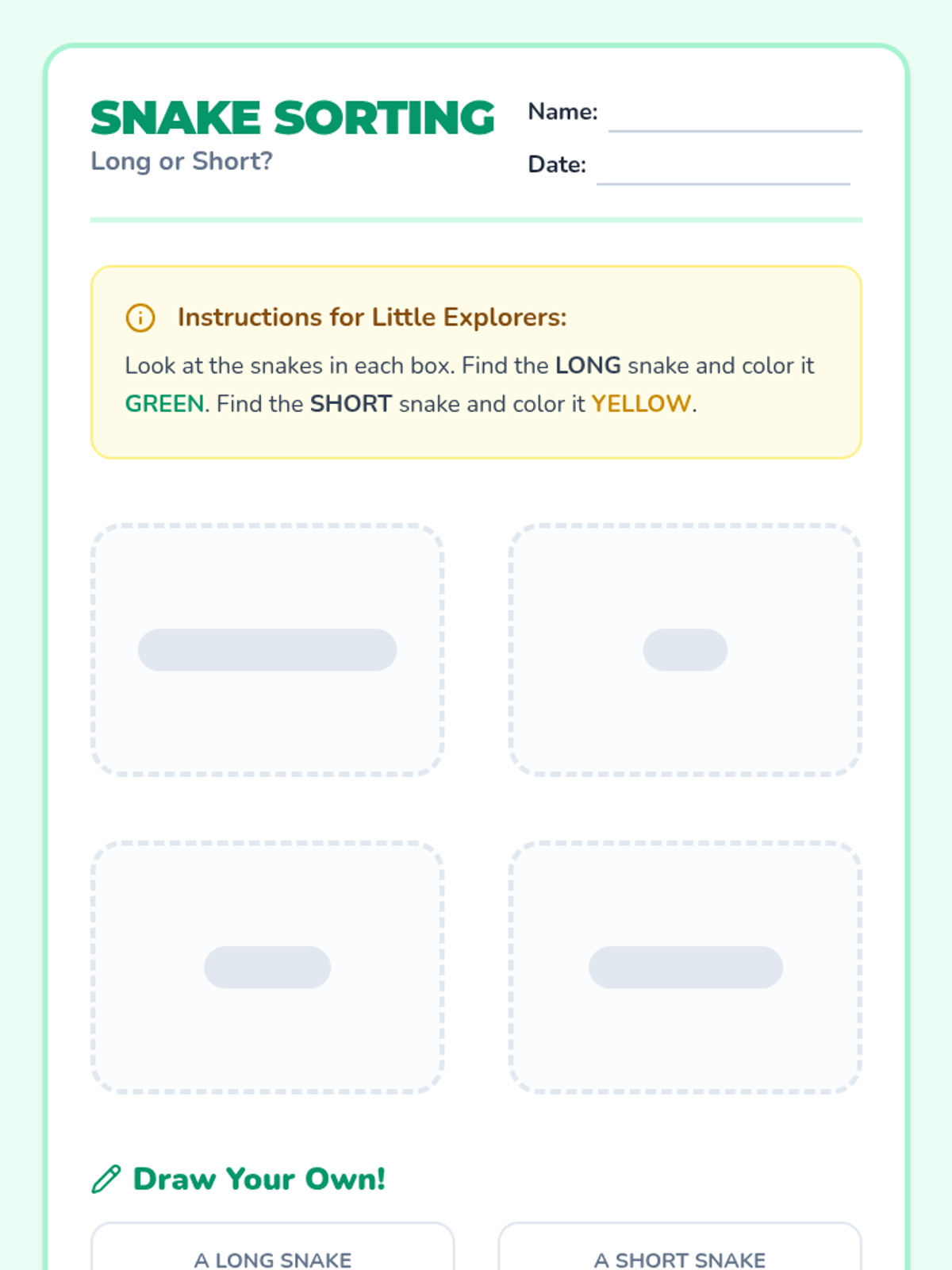
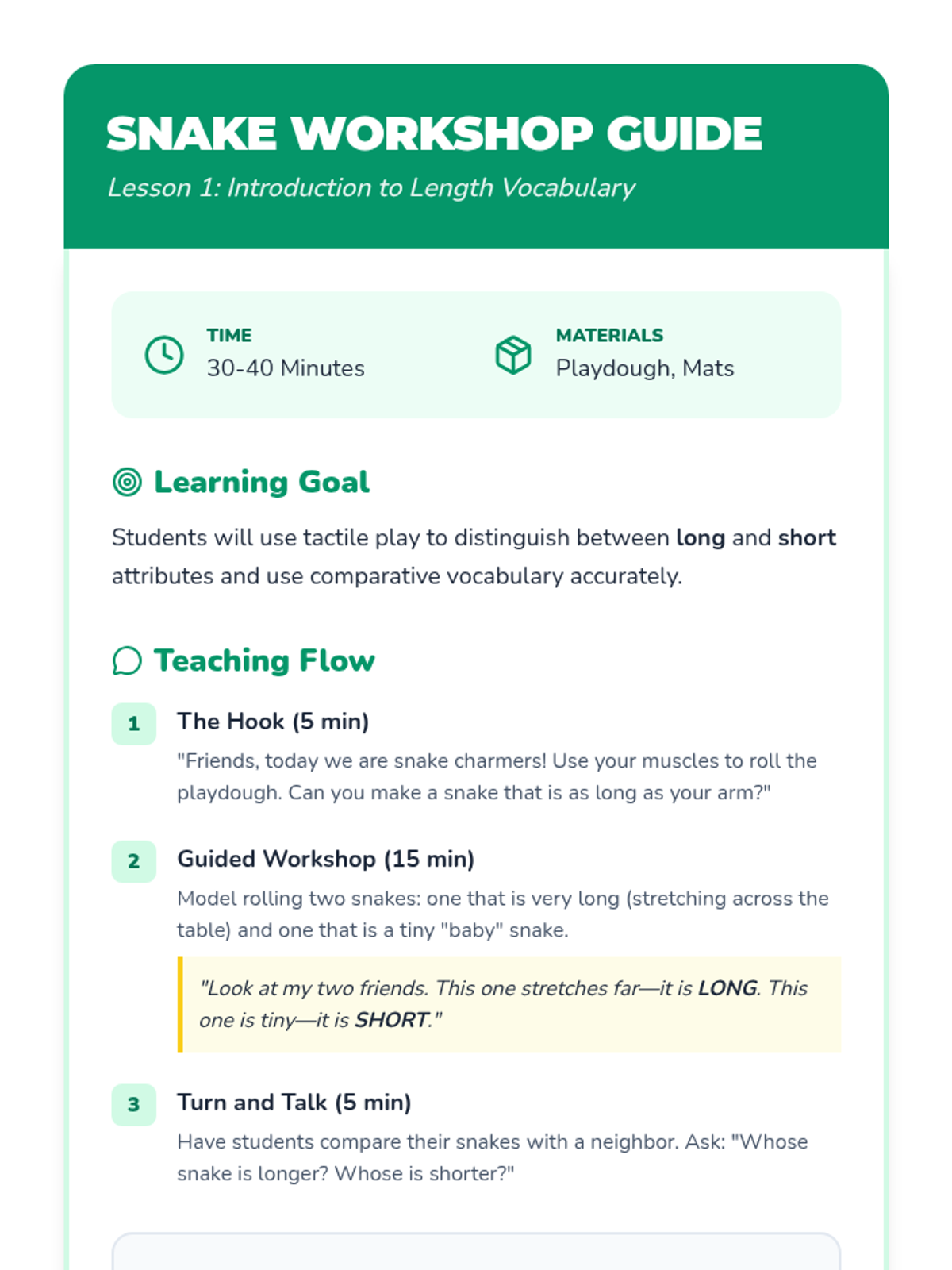
A foundational Pre-K sequence introducing length and height through tactile play, direct comparison of objects and peers, and ordering sets by size. Students develop essential vocabulary like 'long', 'short', 'tall', and 'taller' while learning the importance of a common baseline for fair measurement.