Develops proficiency in estimating and measuring length, area, volume, and mass using standard units and unit conversions. Integrates time, money, angle measurement, and data classification through counting and arithmetic applications.
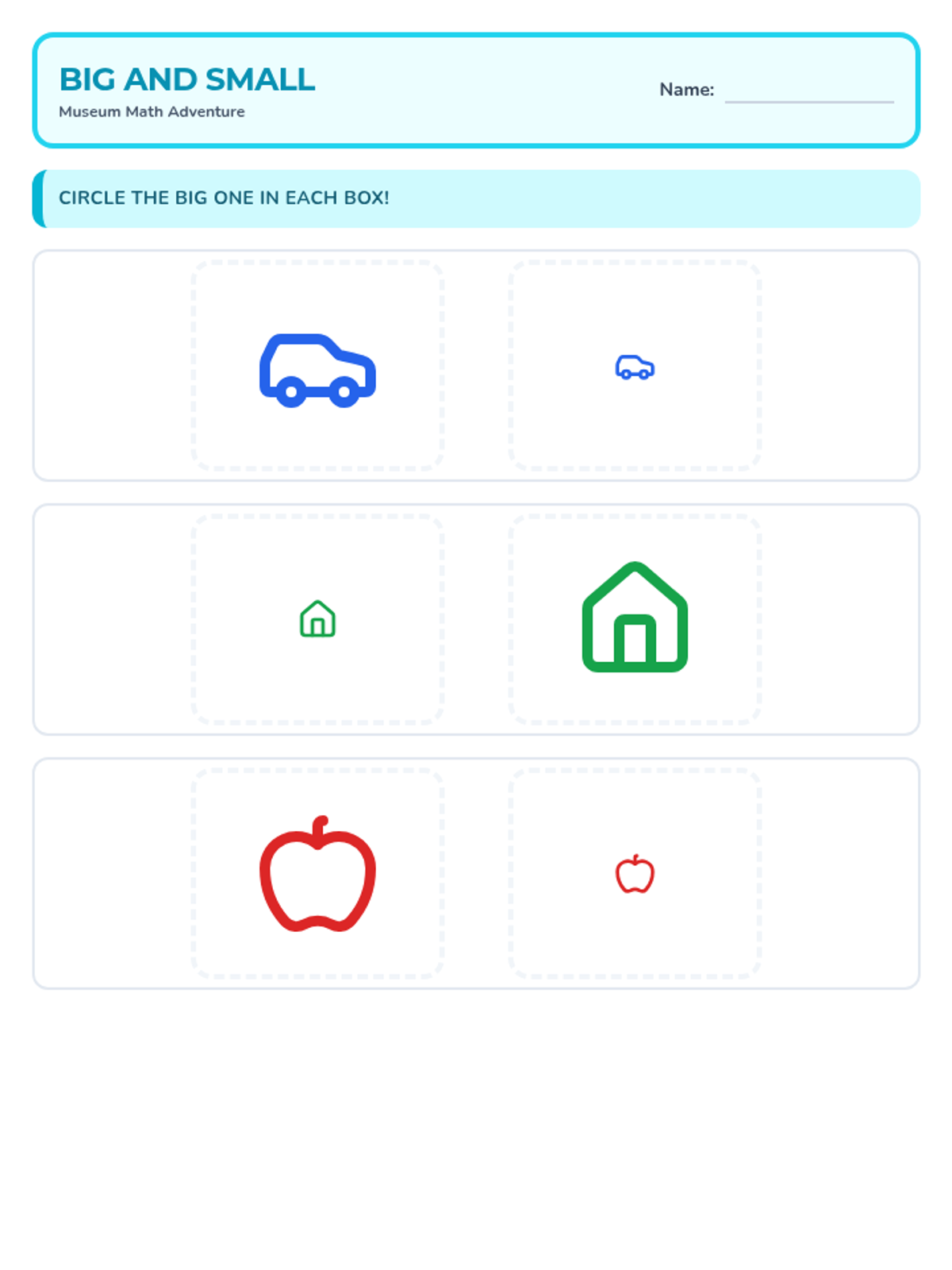
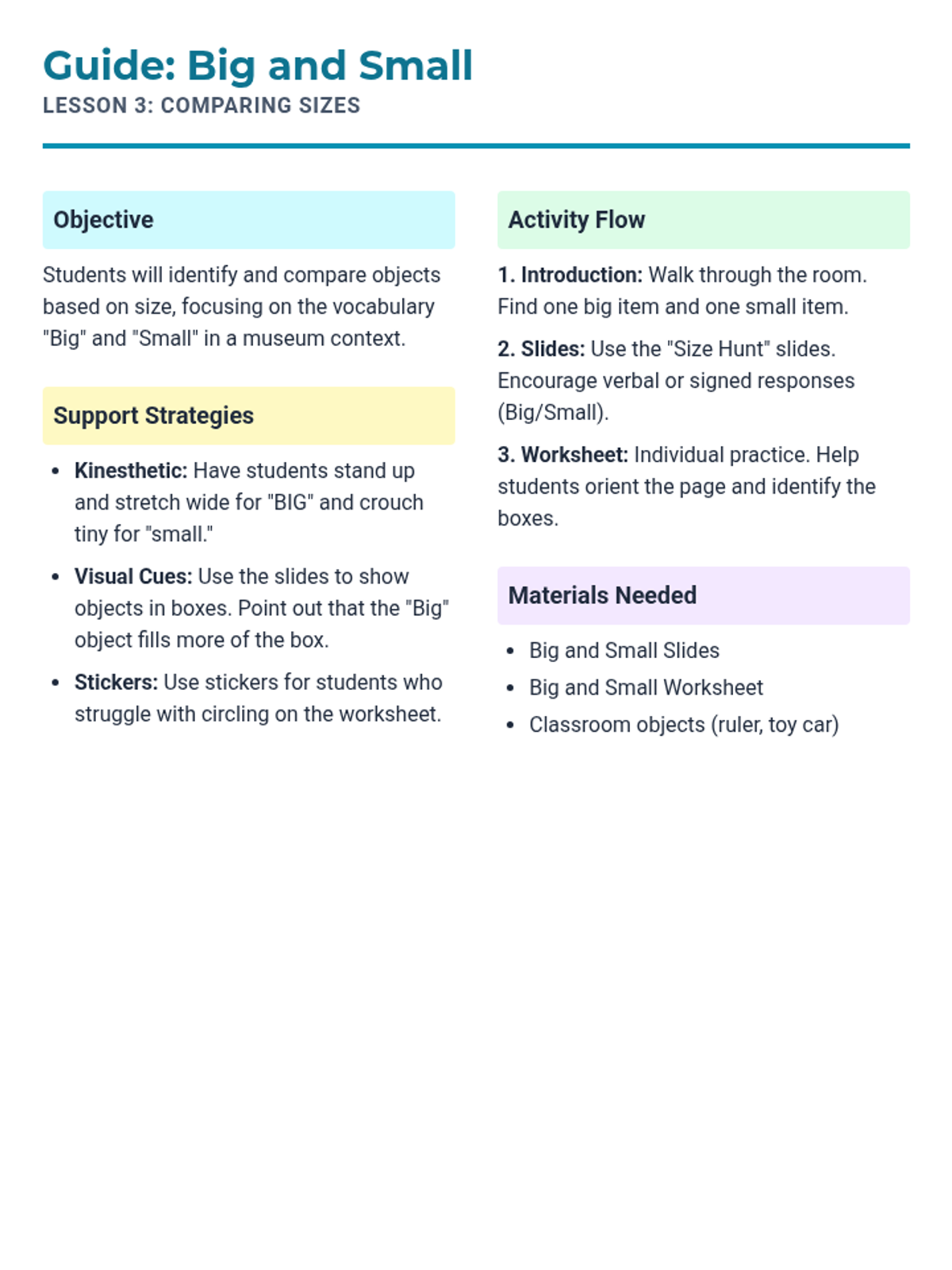
Students will explore the concepts of big, medium, and small by comparing various objects in the museum exhibits, promoting vocabulary development and visual discrimination.
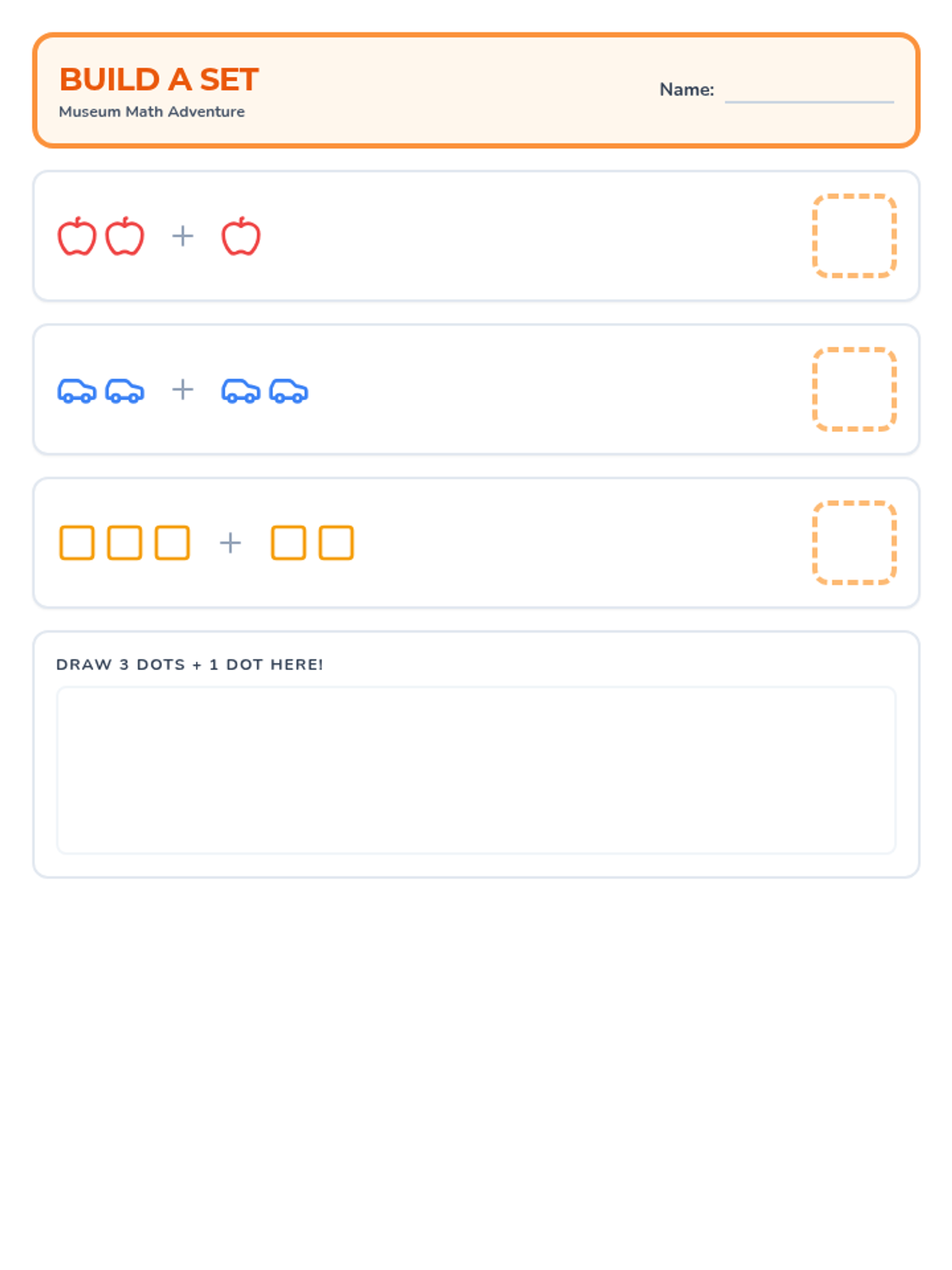
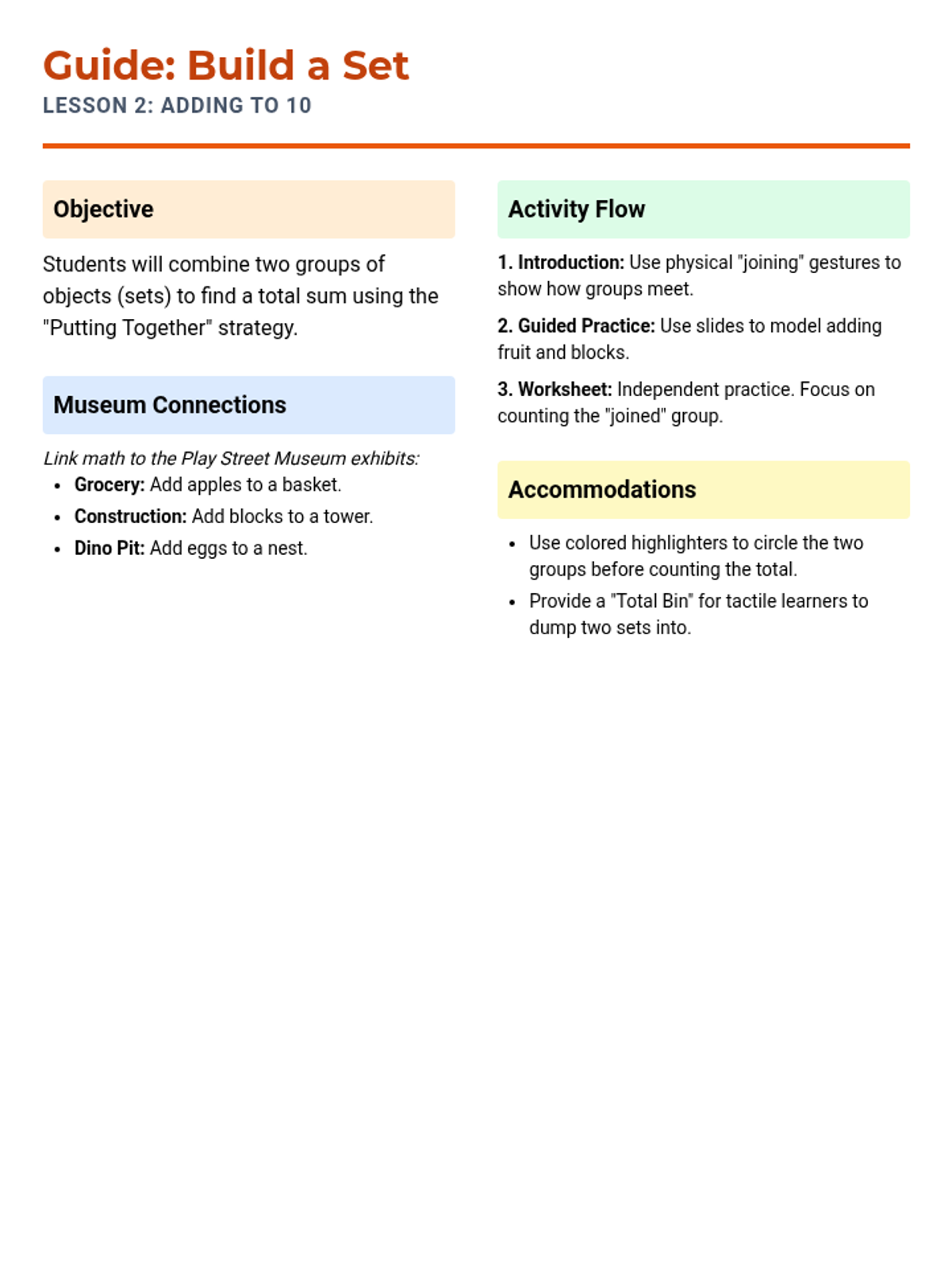
An introduction to simple addition by combining groups of museum objects, focusing on the concept of 'putting together' using visual aids and tactile play scenarios.
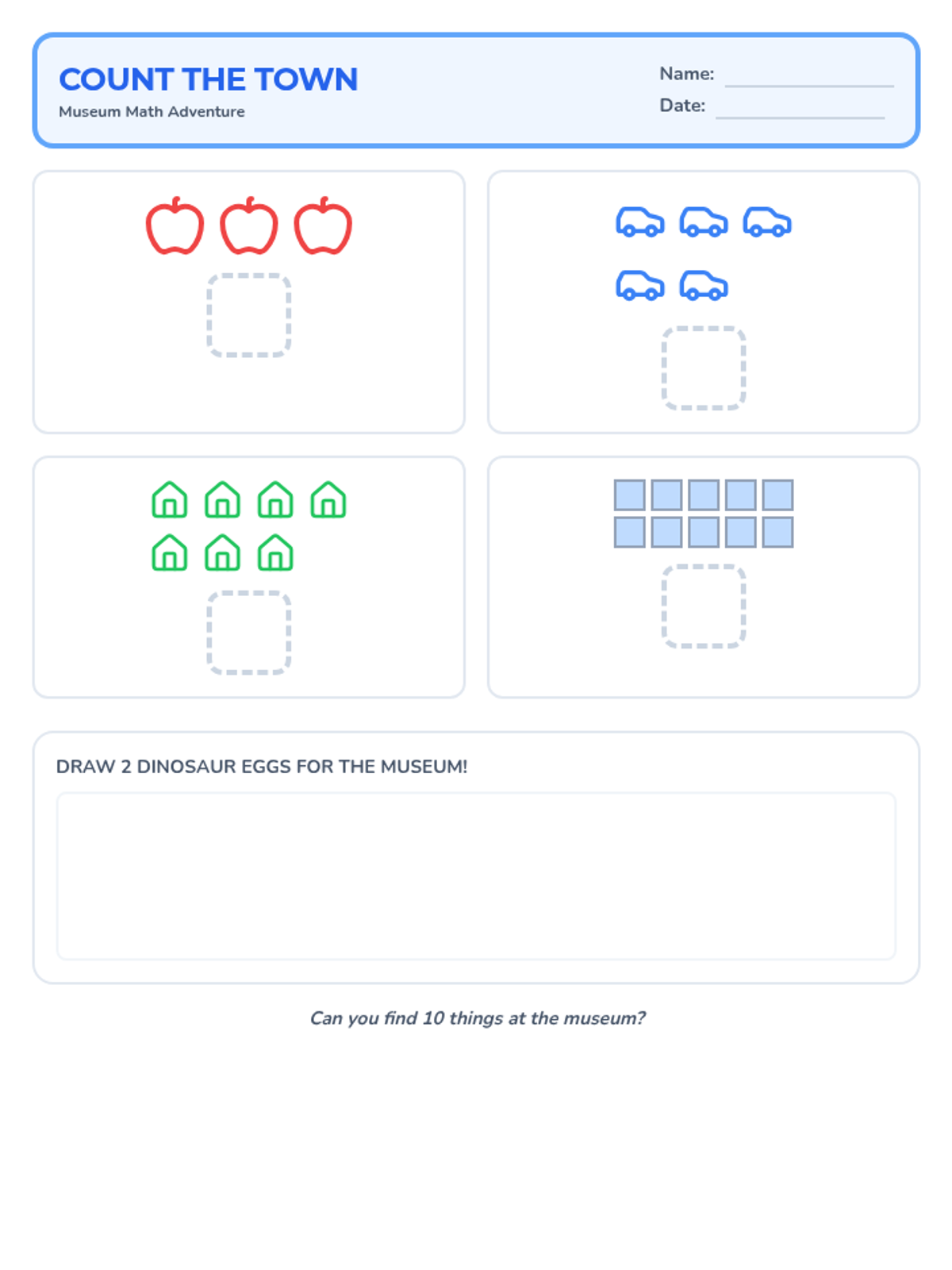
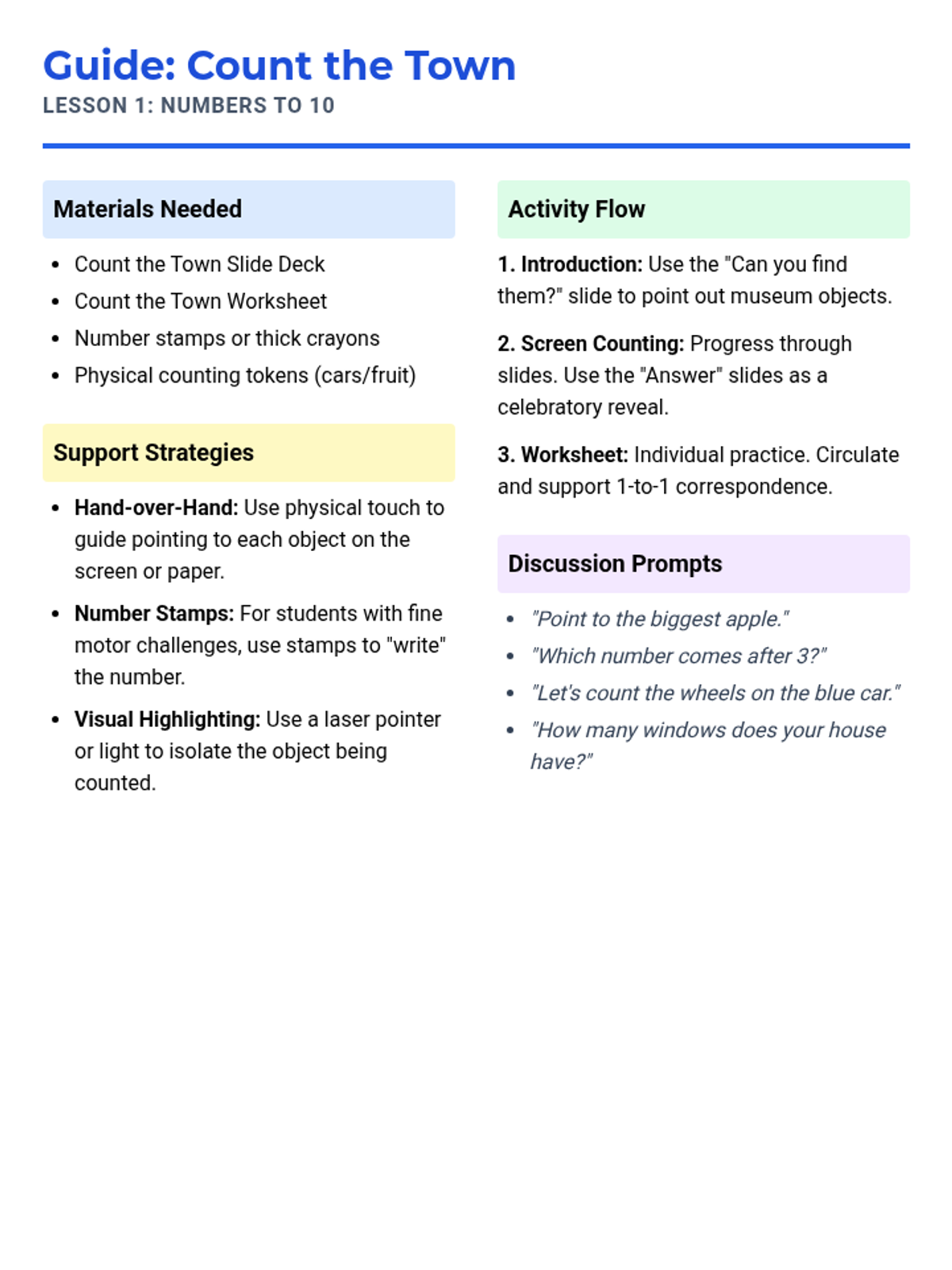
Students will practice identifying and counting numbers 1-10 using common items found in a play museum setting, such as grocery items, toy cars, and house windows.
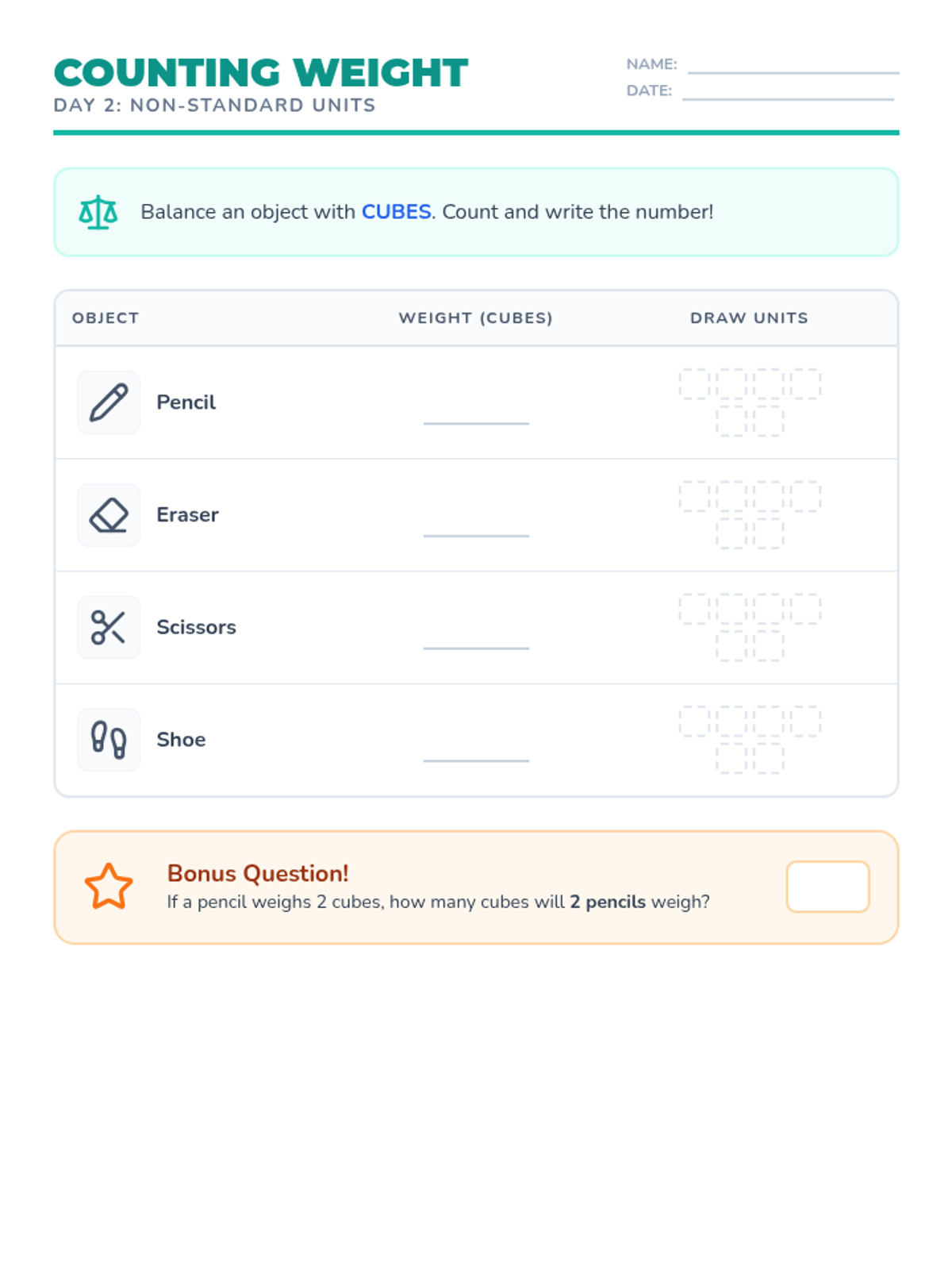
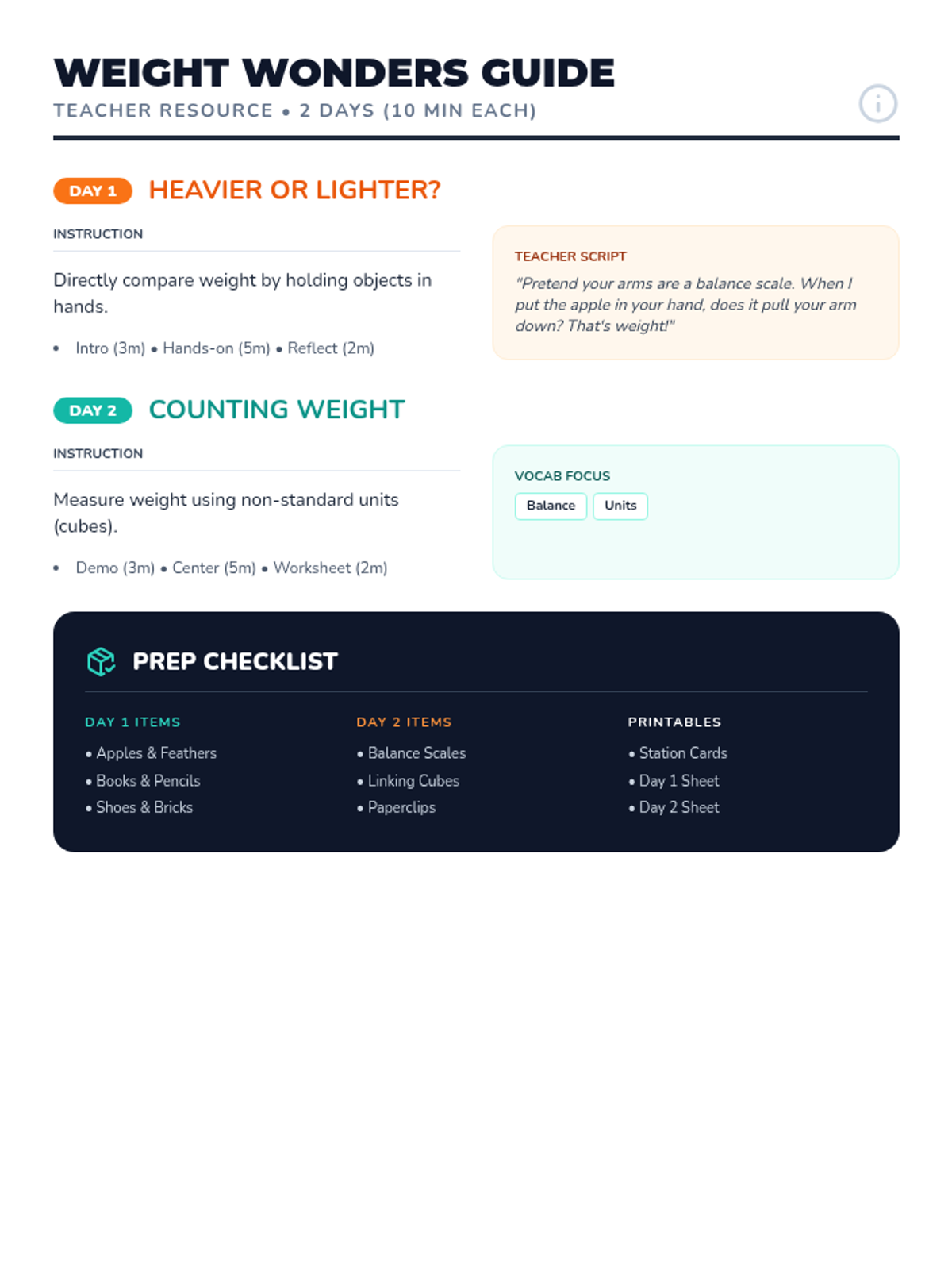
Students measure the weight of objects using non-standard units like cubes and paperclips with a balance scale.
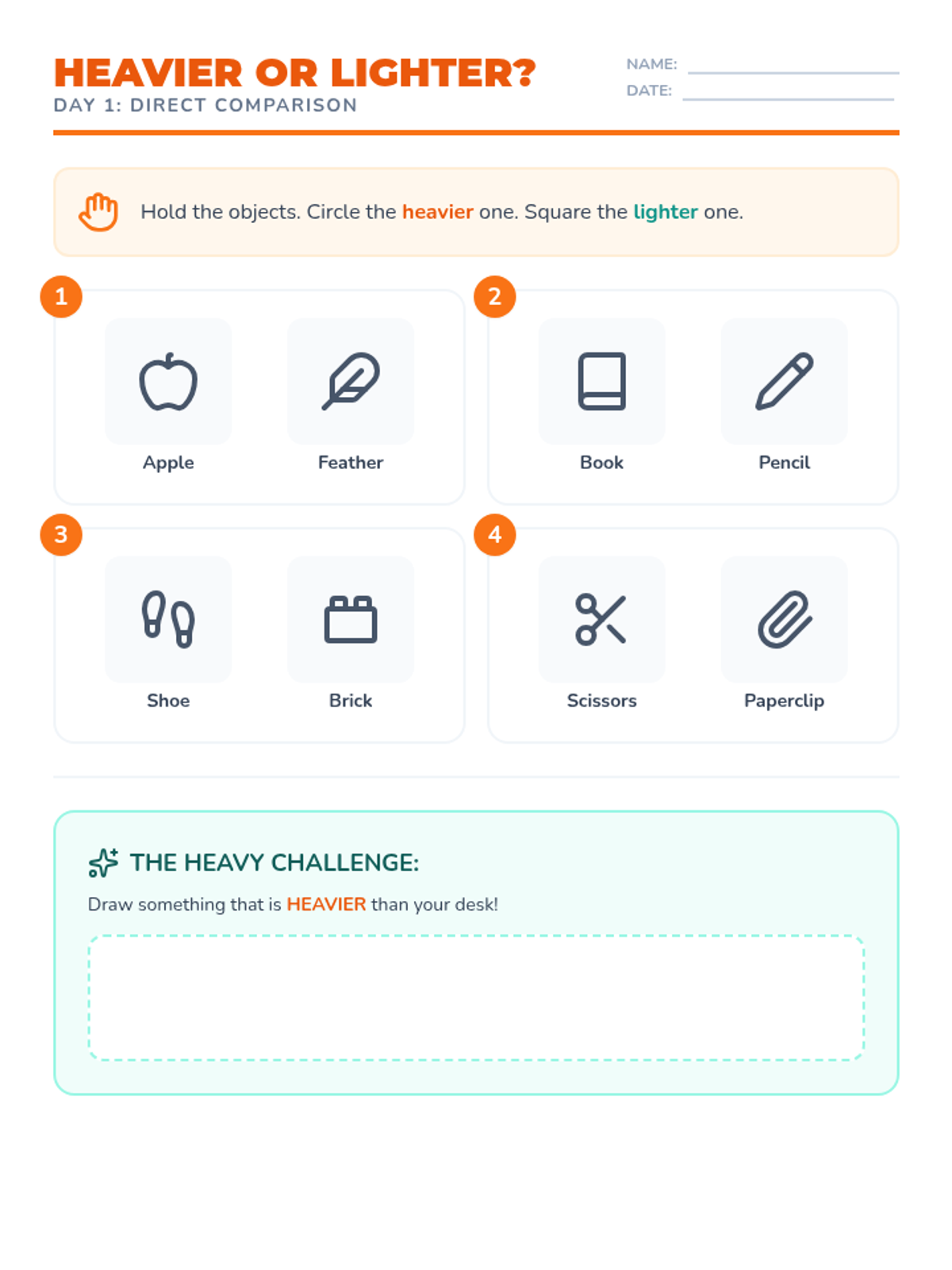
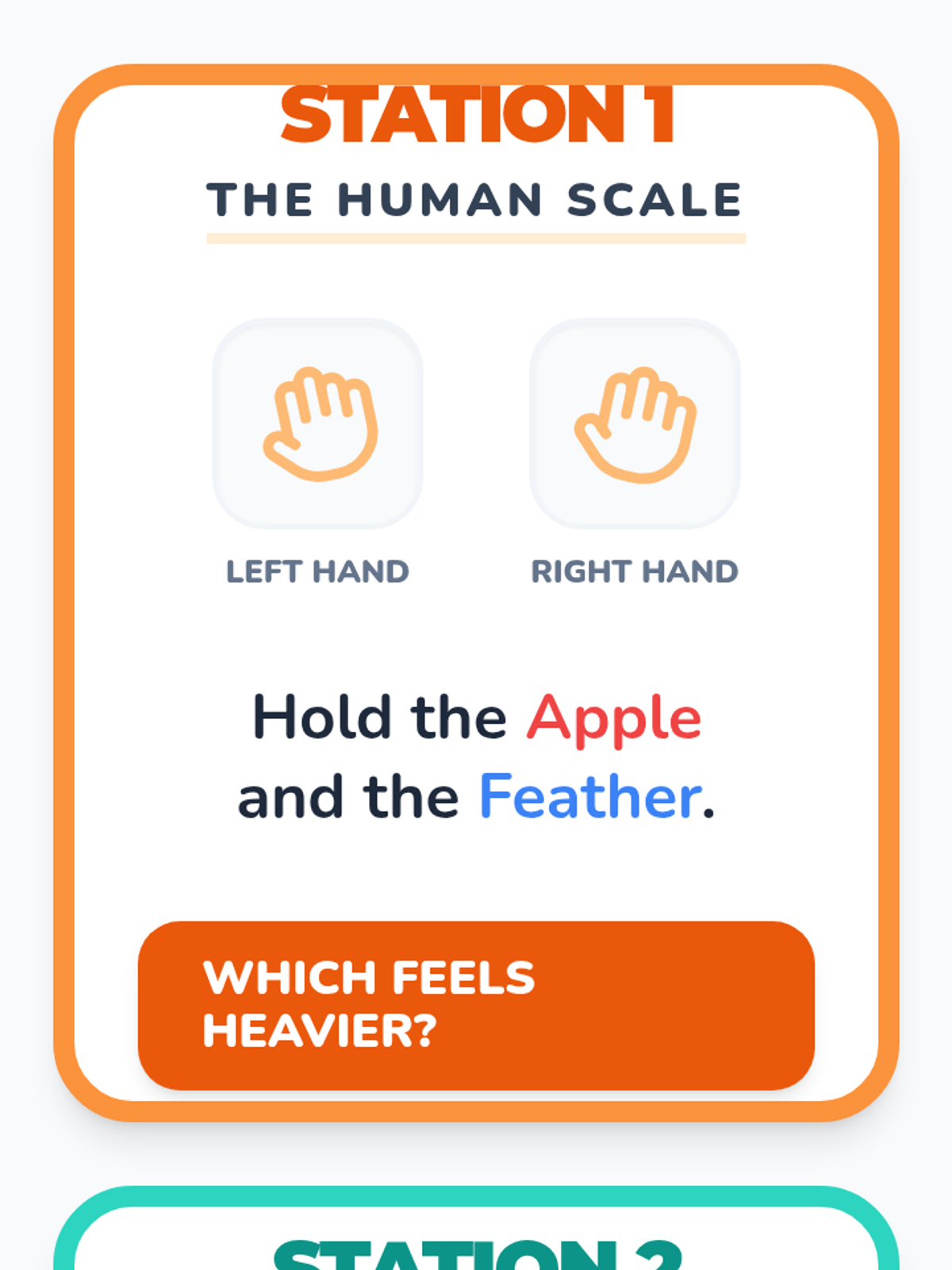
Students learn to compare the weight of two objects directly by holding them and using the terms 'heavier' and 'lighter'.
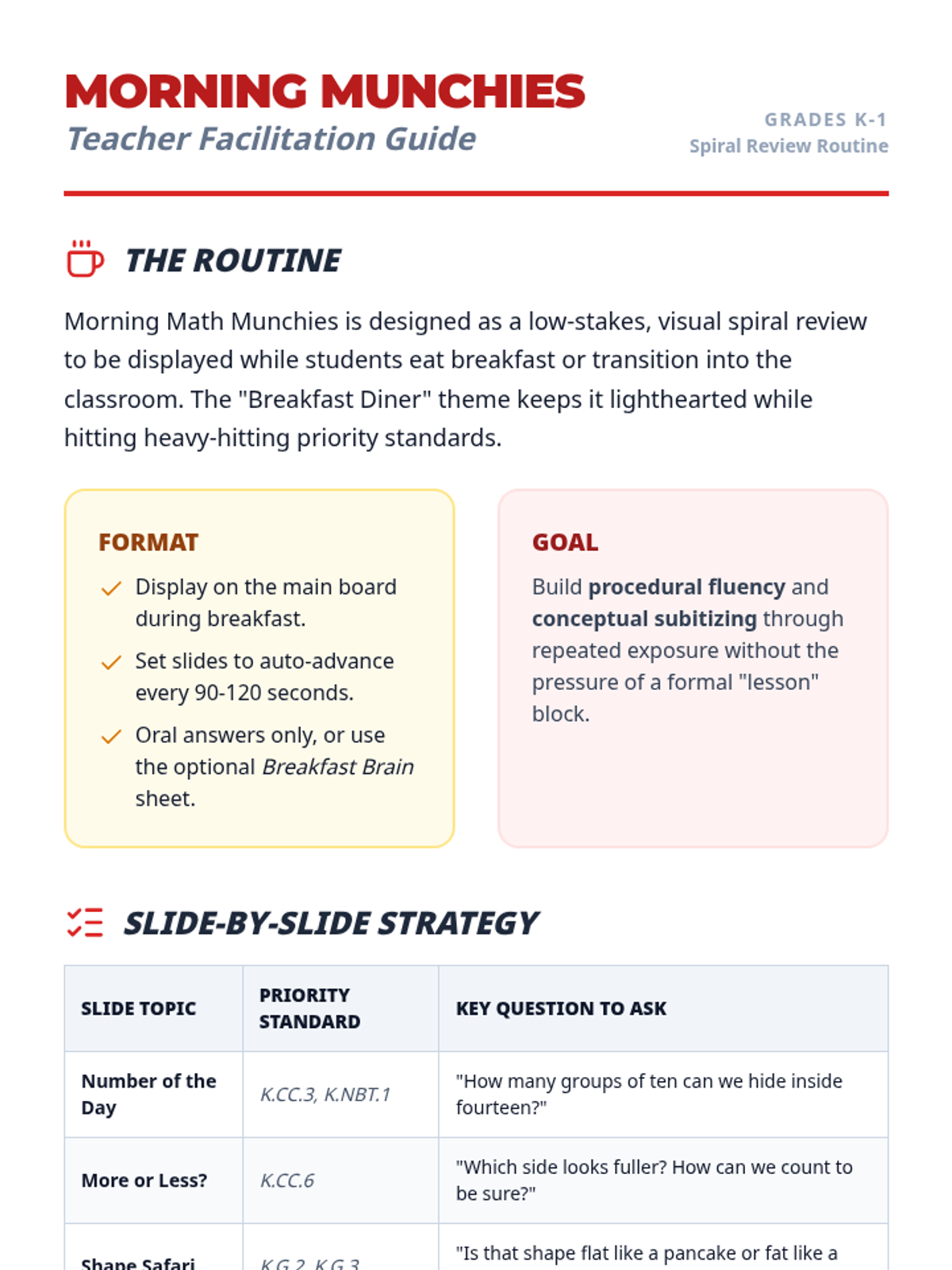
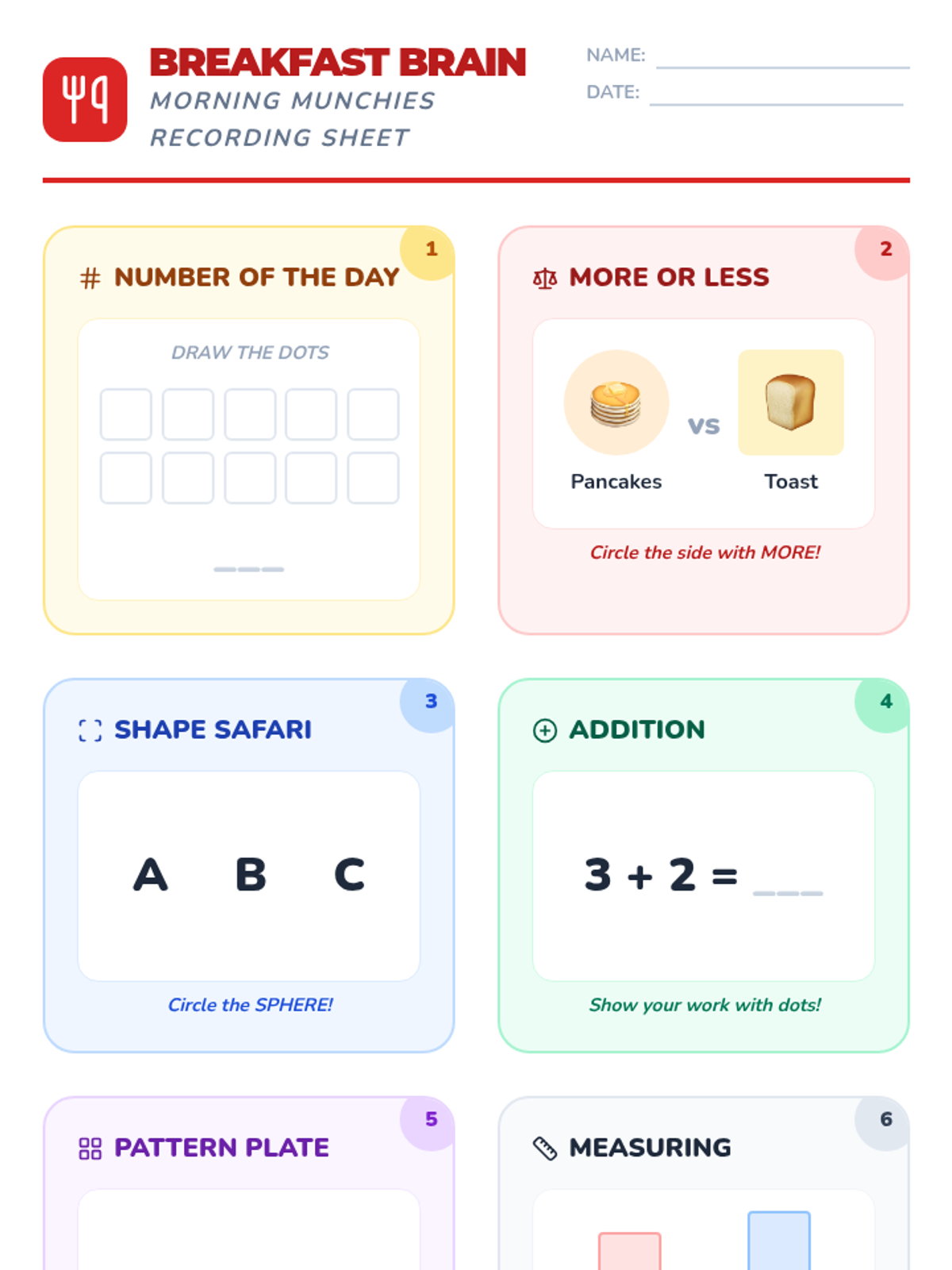
A daily spiral review of priority Kindergarten math standards, designed to be visually engaging and accessible for students to view during breakfast or morning routines.
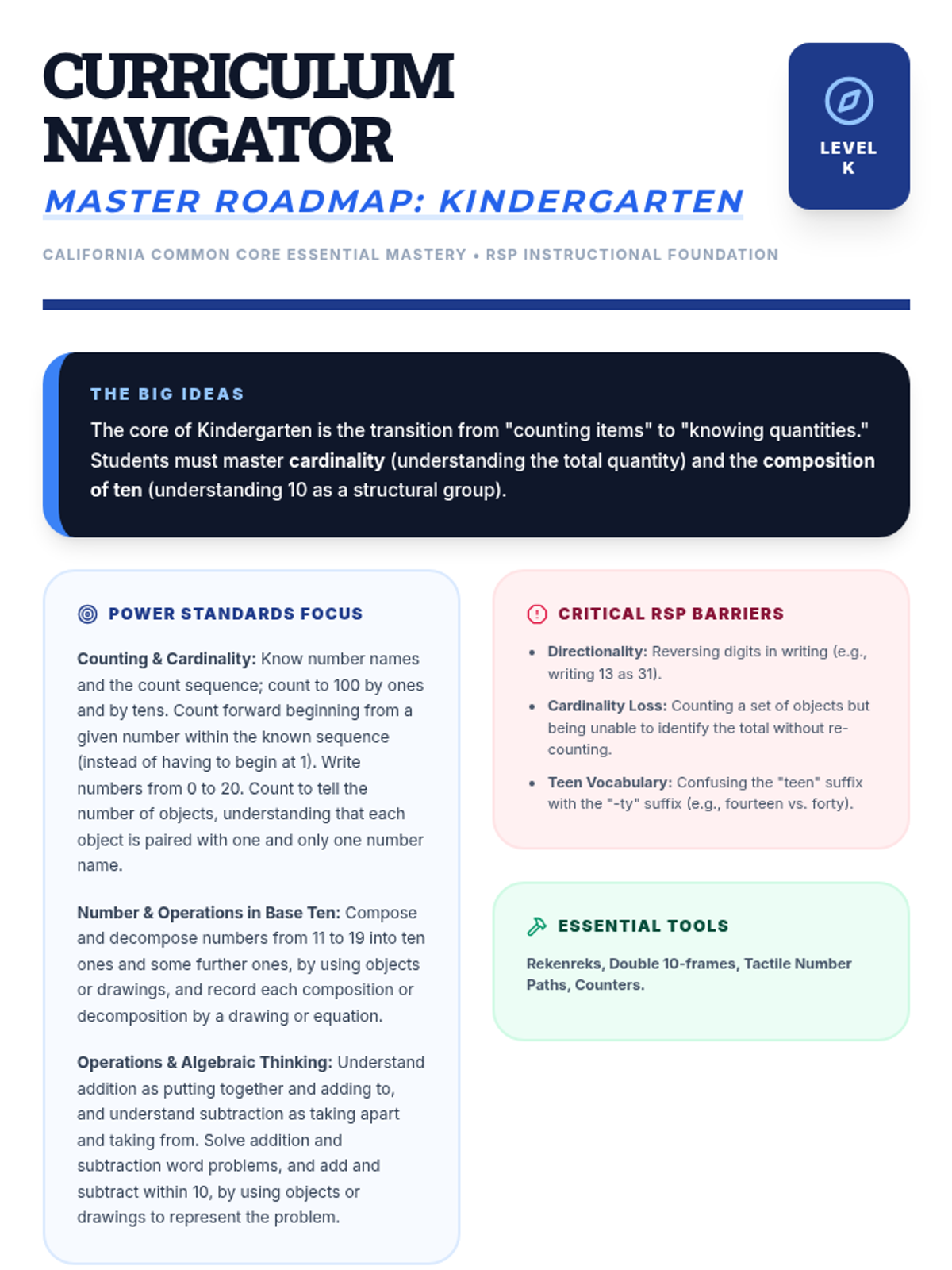
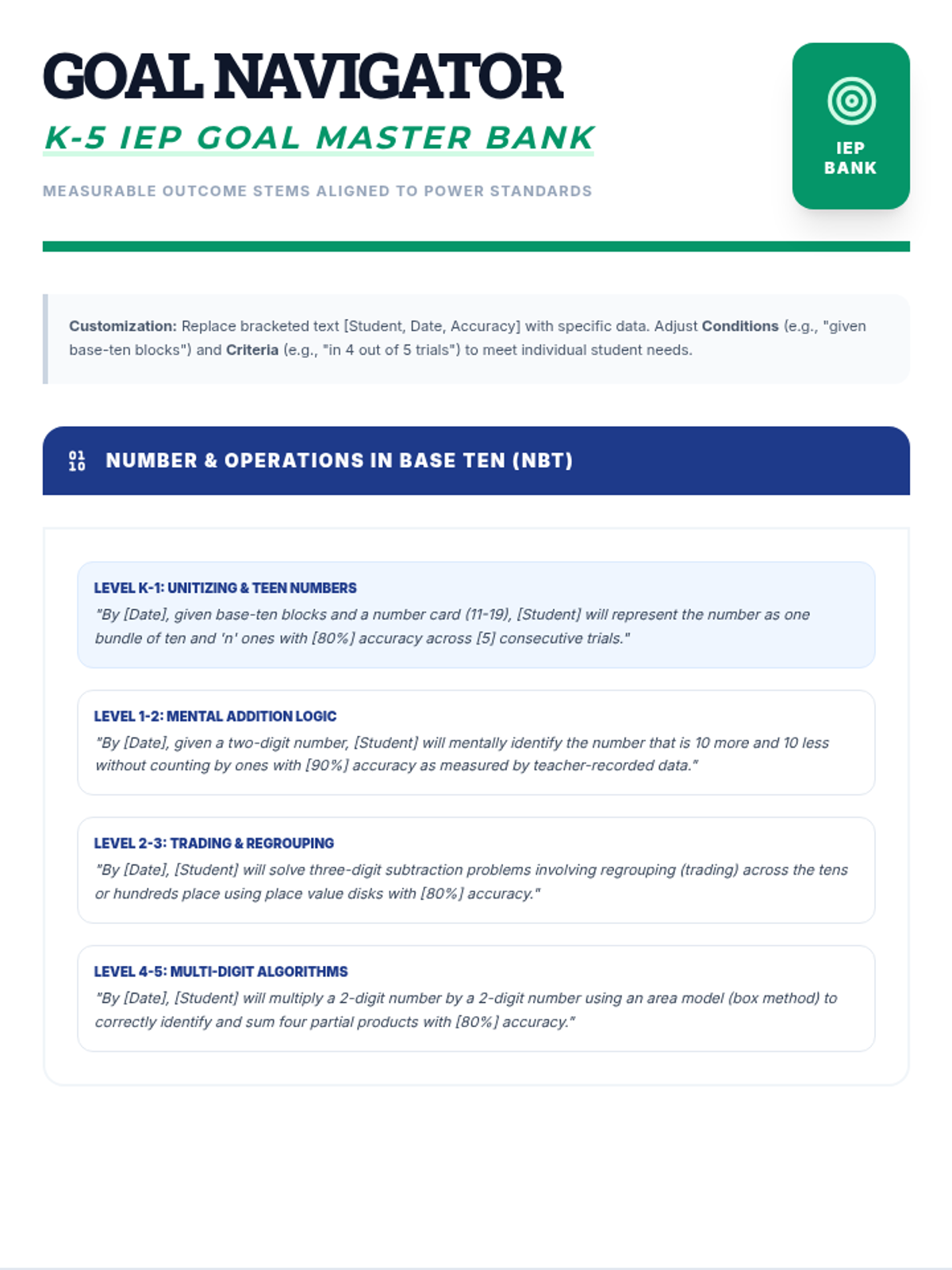
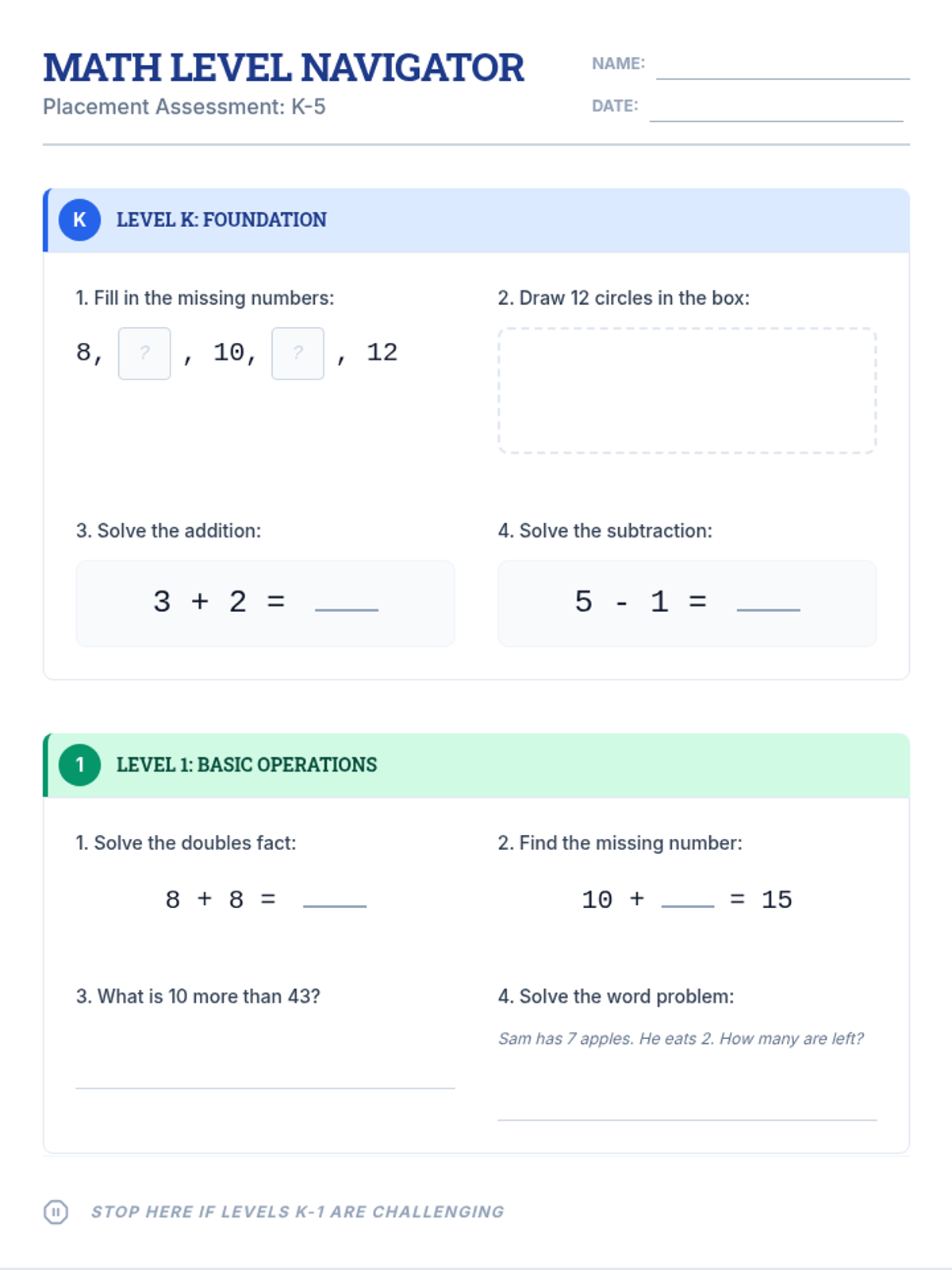
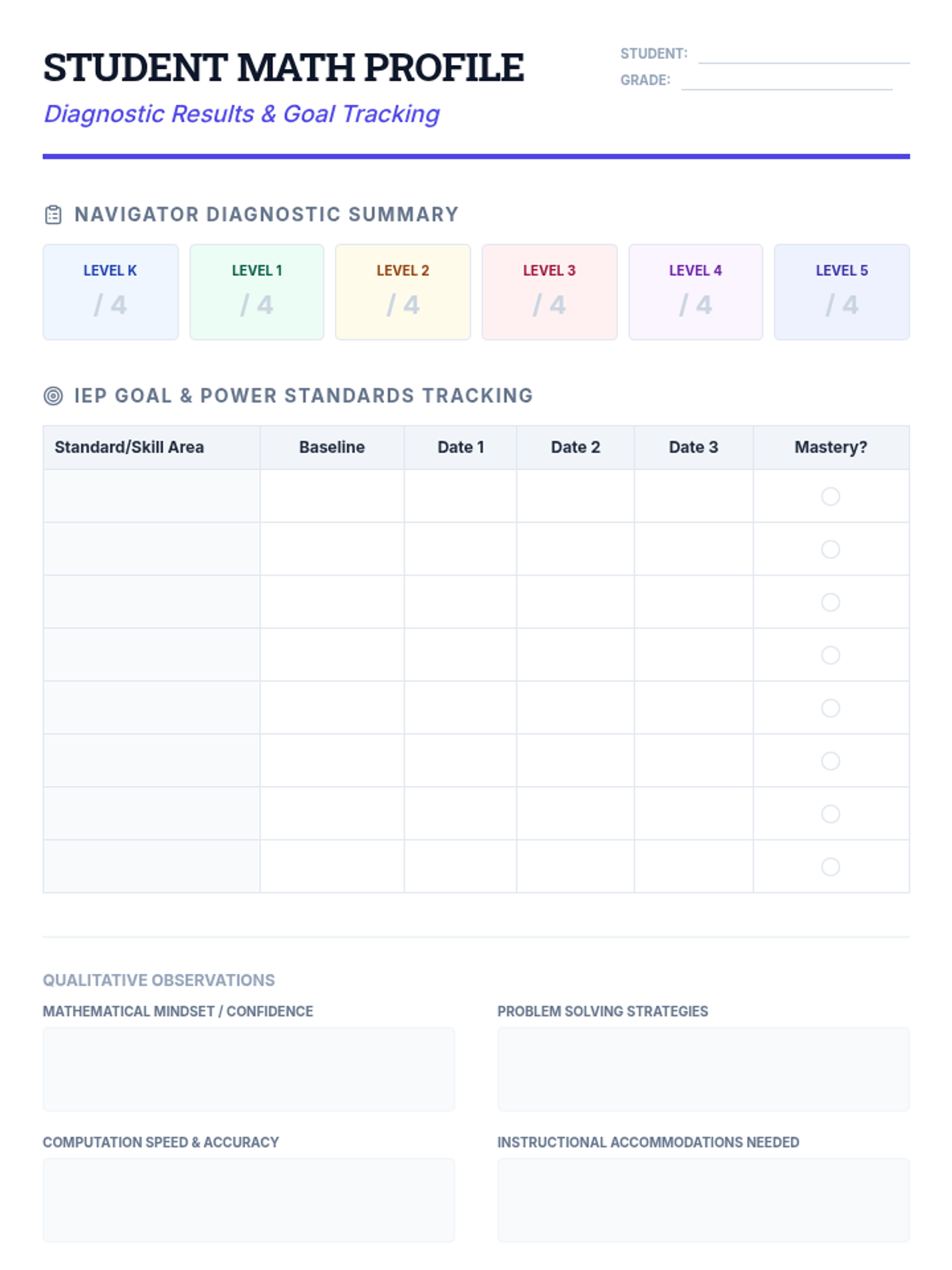
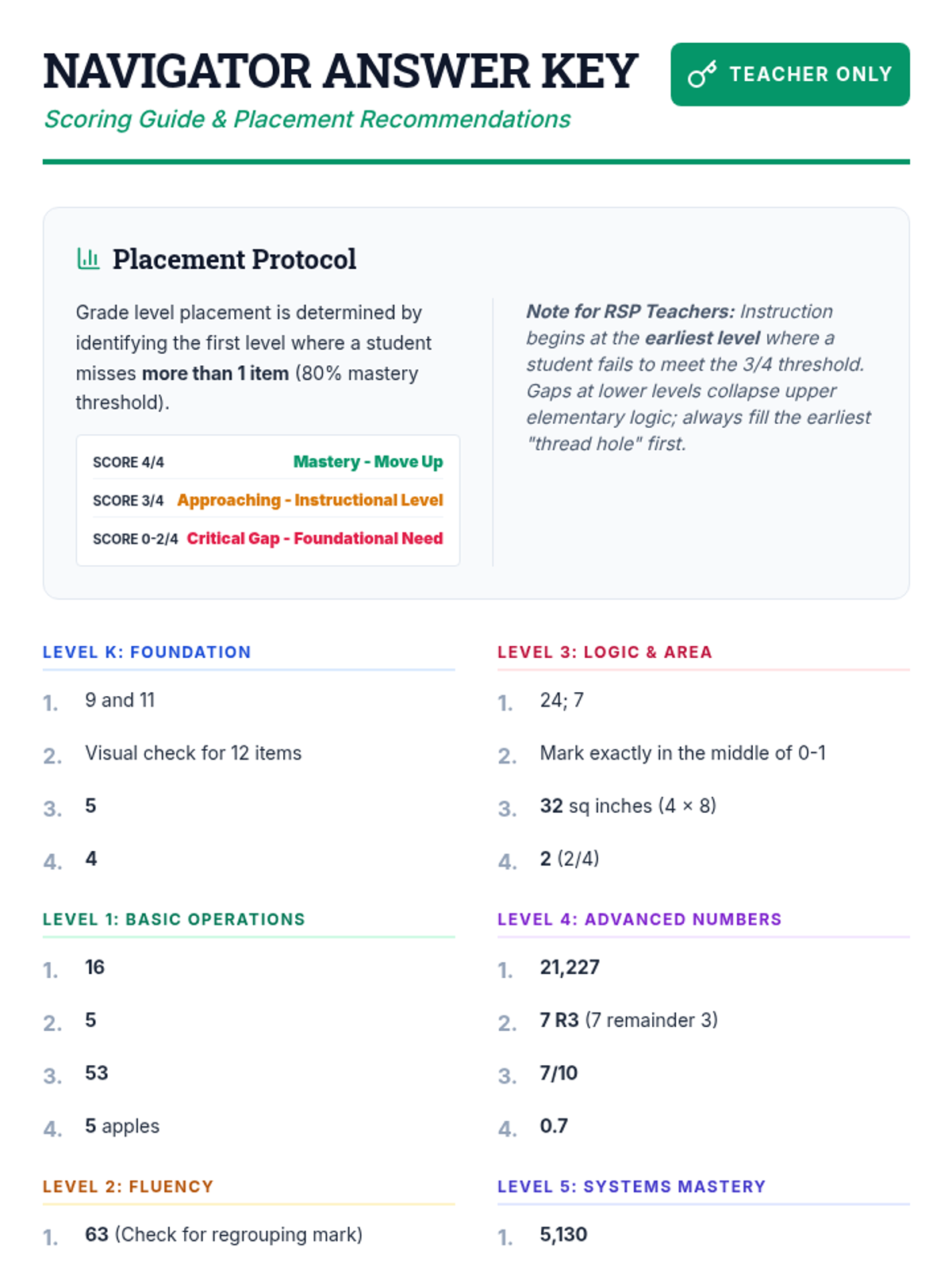
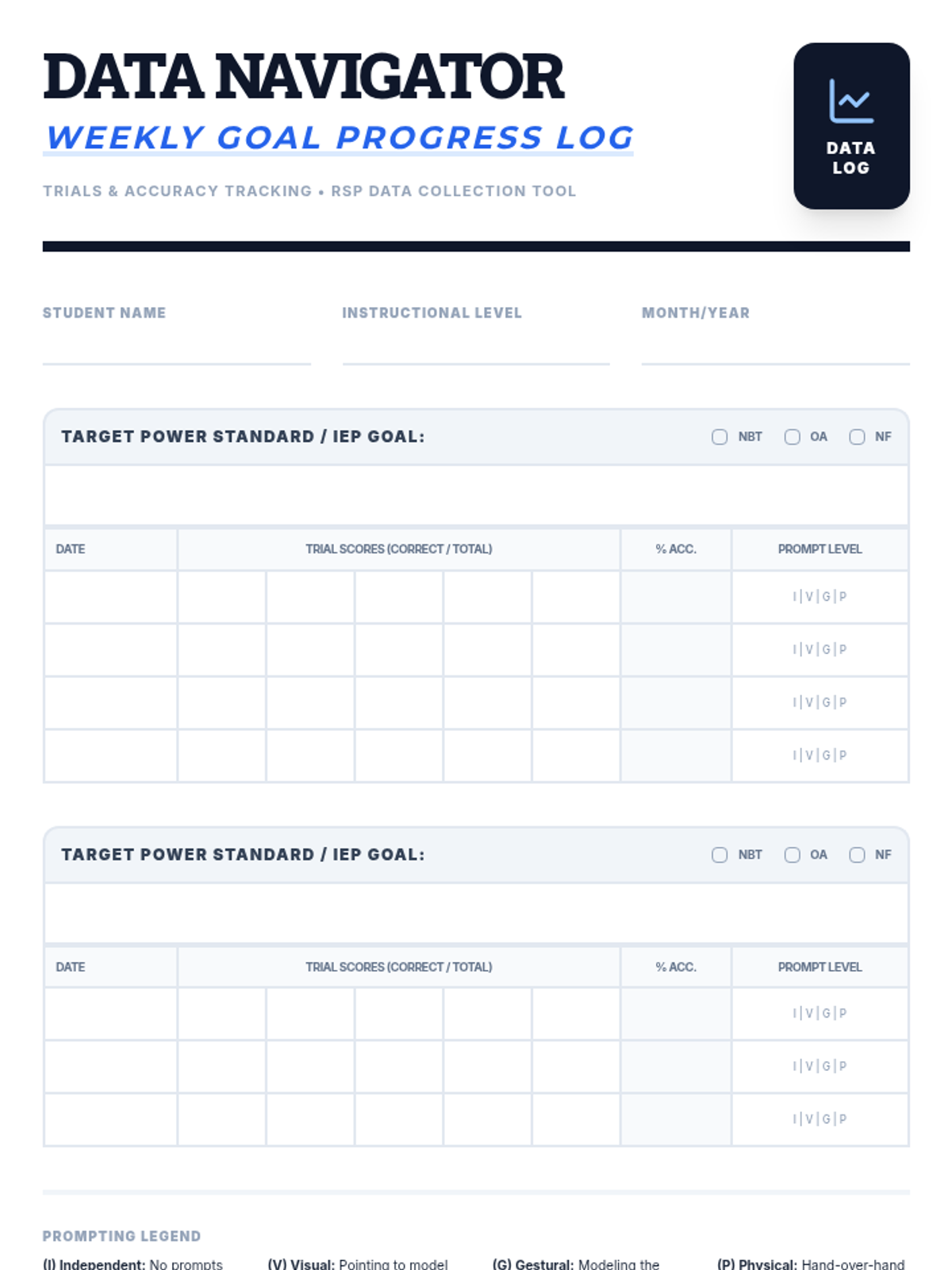
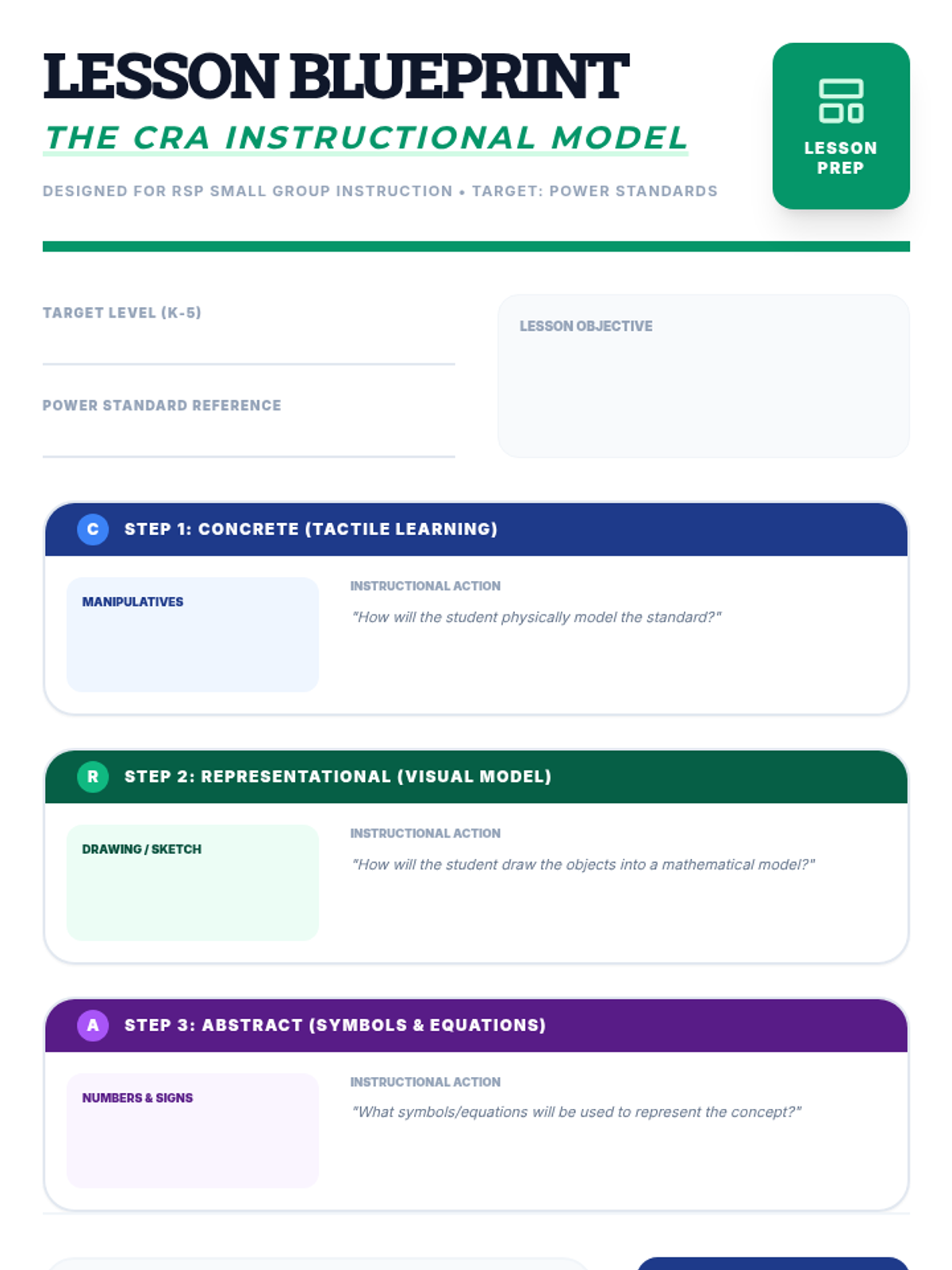
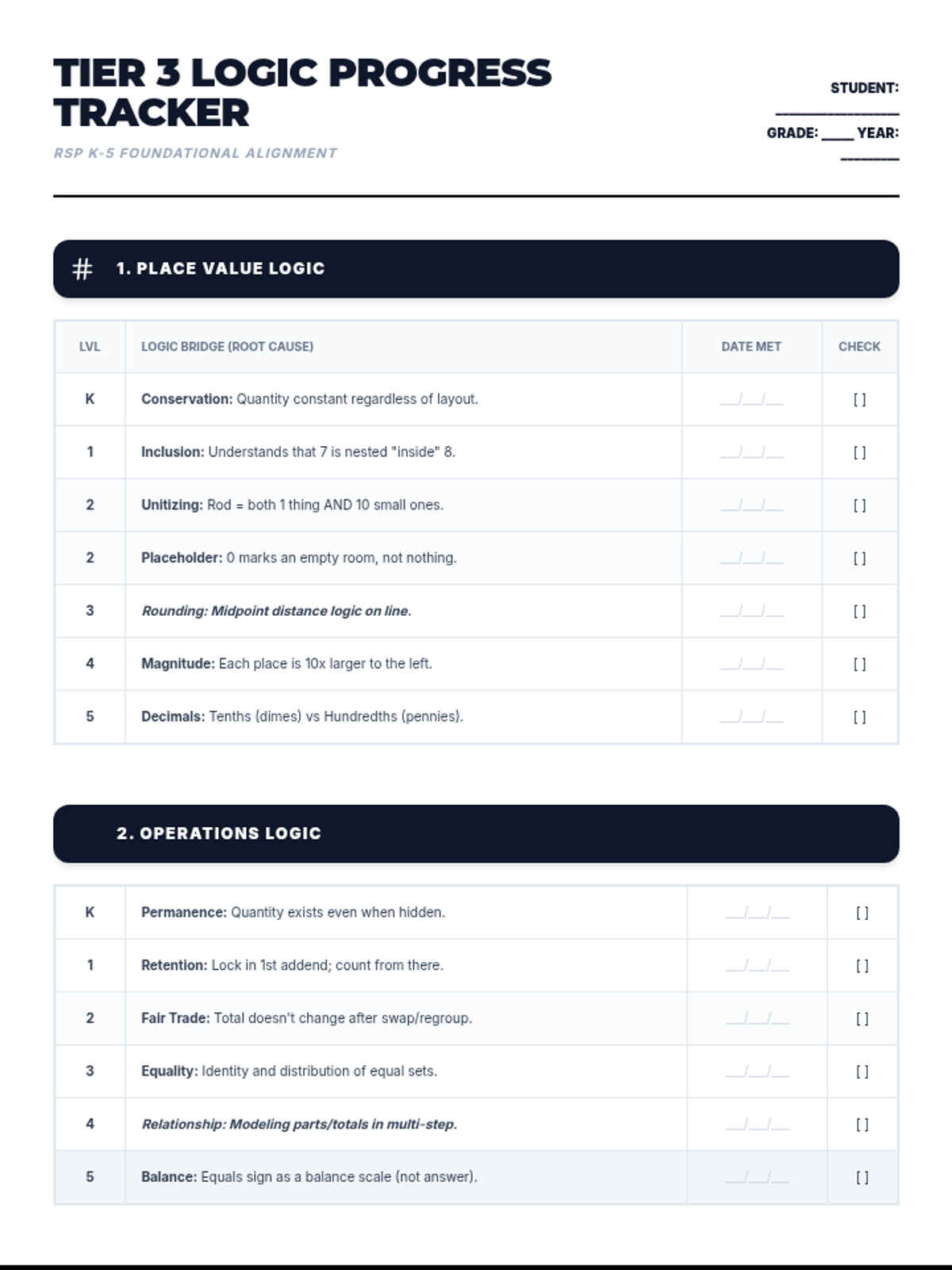
Foundational tools for assessing student levels and planning instruction based on California Power Standards across grades K-5.
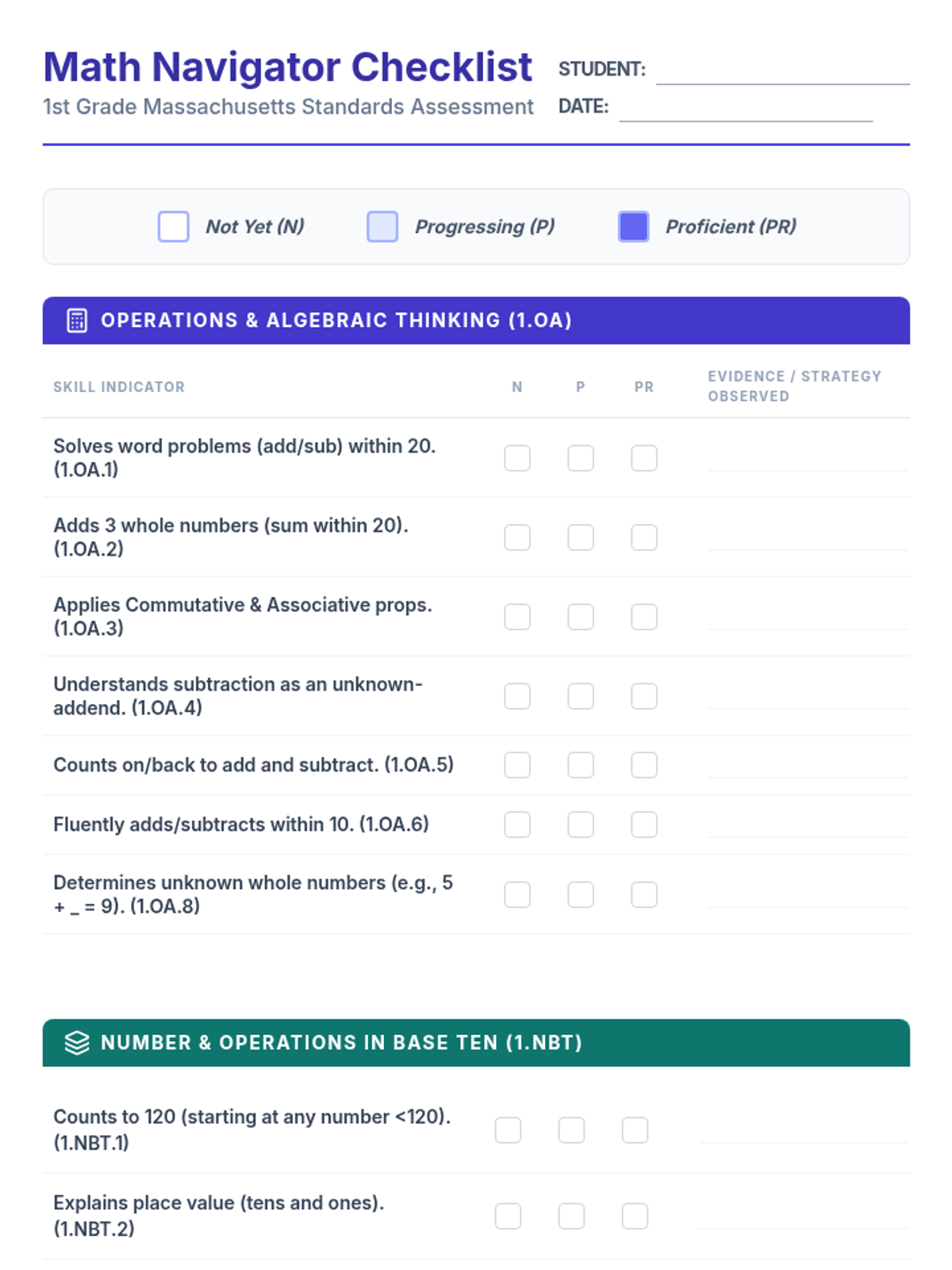
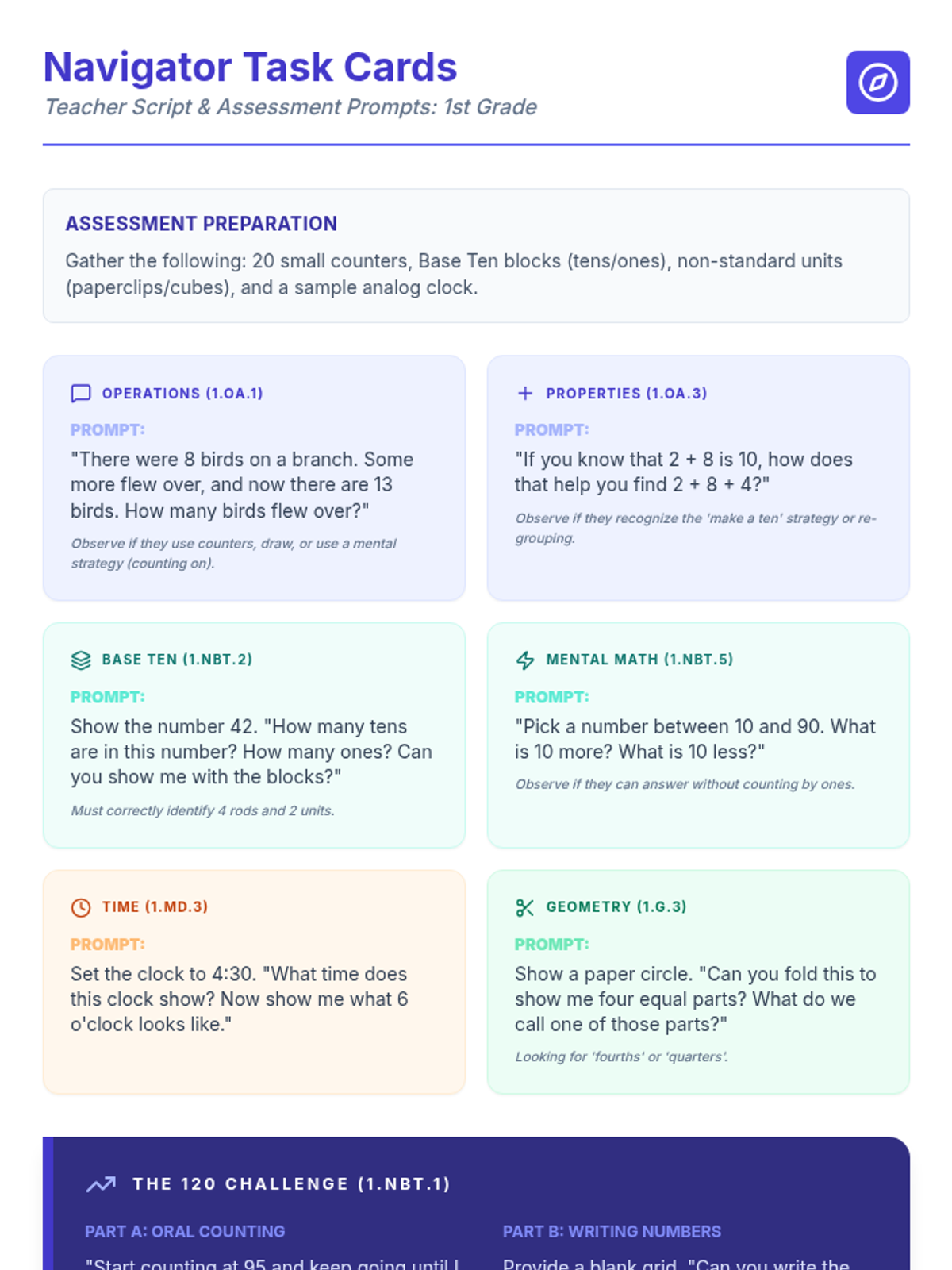
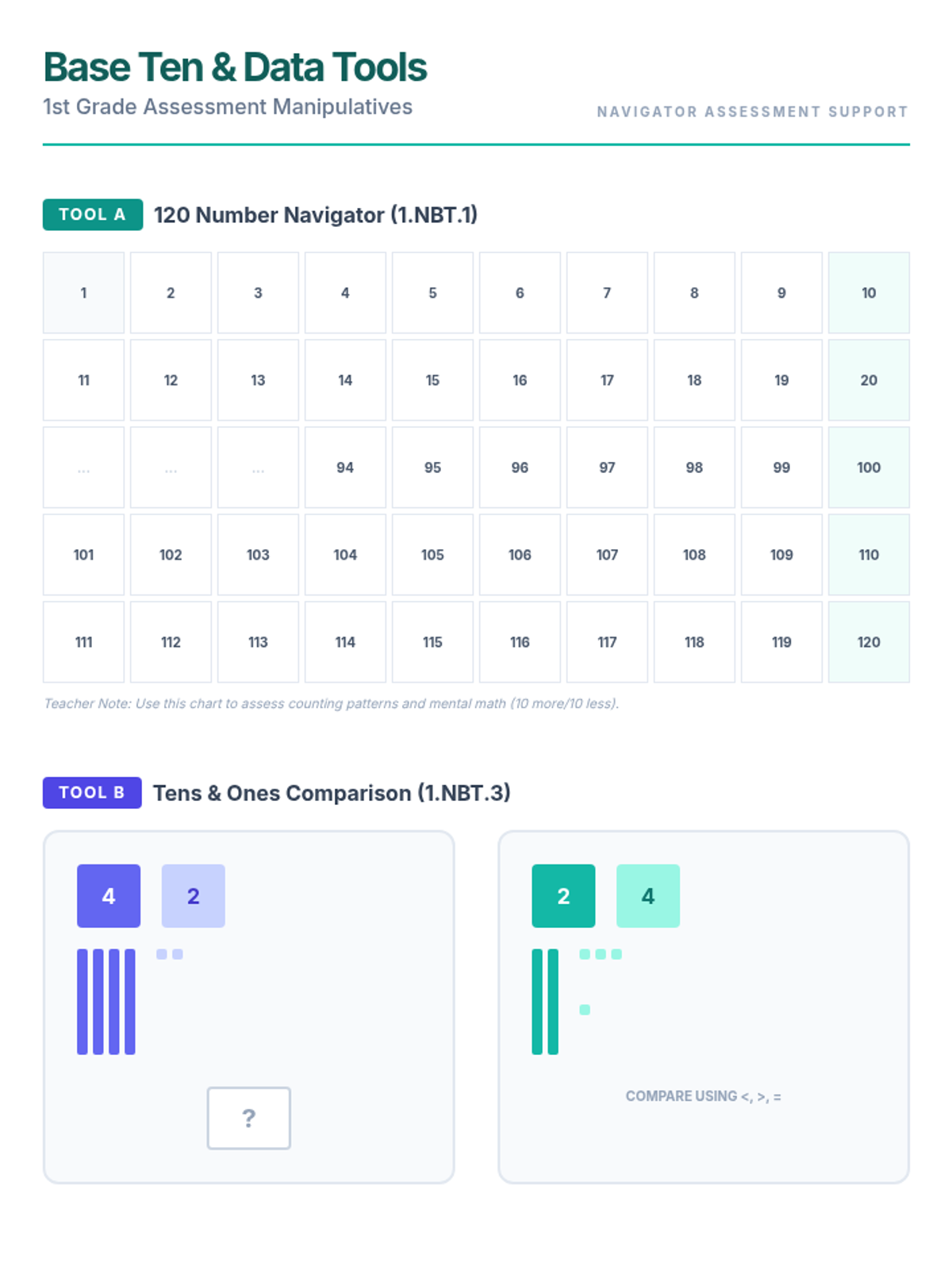
A comprehensive assessment package for 1st Grade mathematics based on the Massachusetts Curriculum Frameworks, including an observation checklist and a teacher's task guide for conducting the assessment.
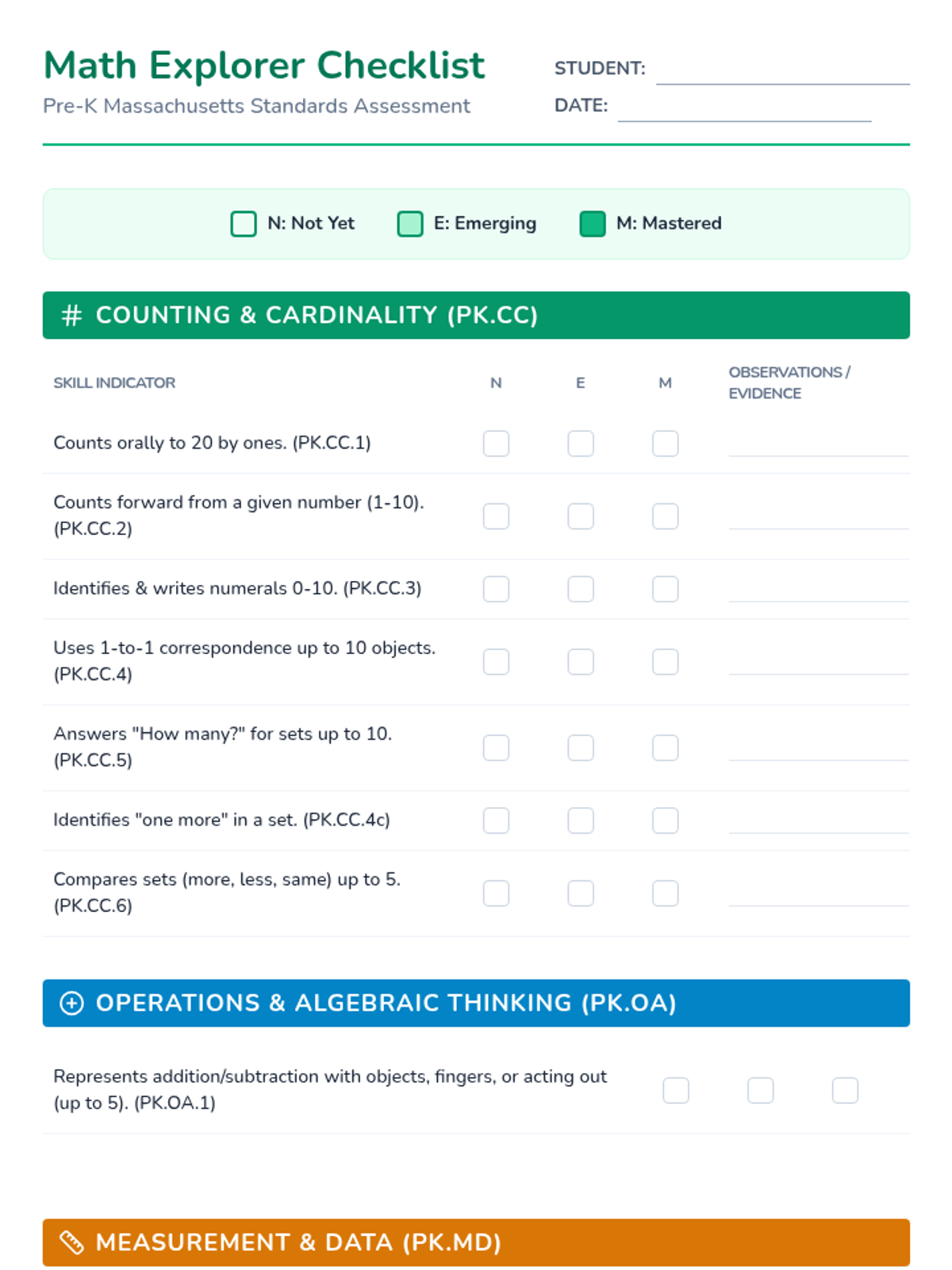
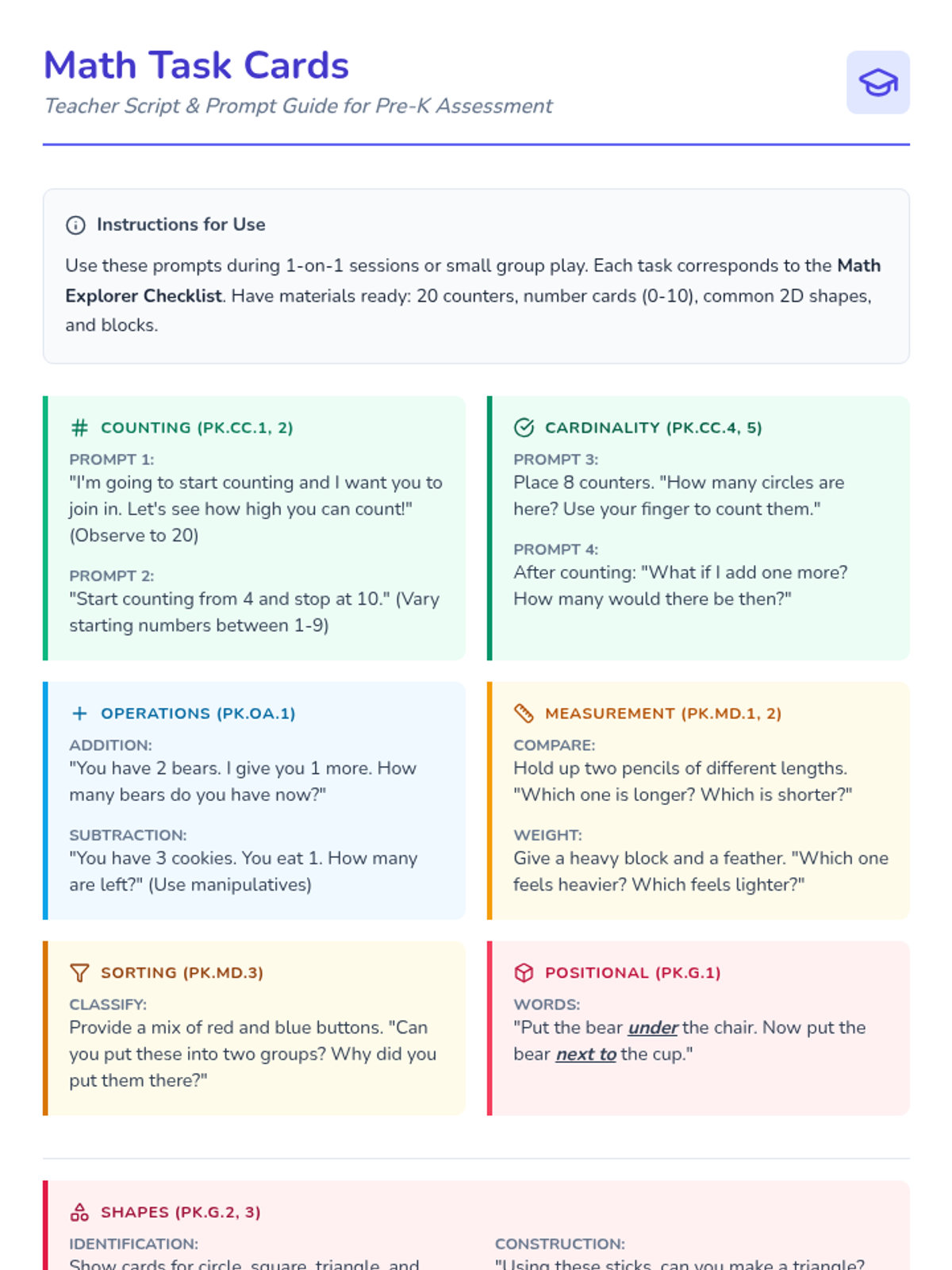
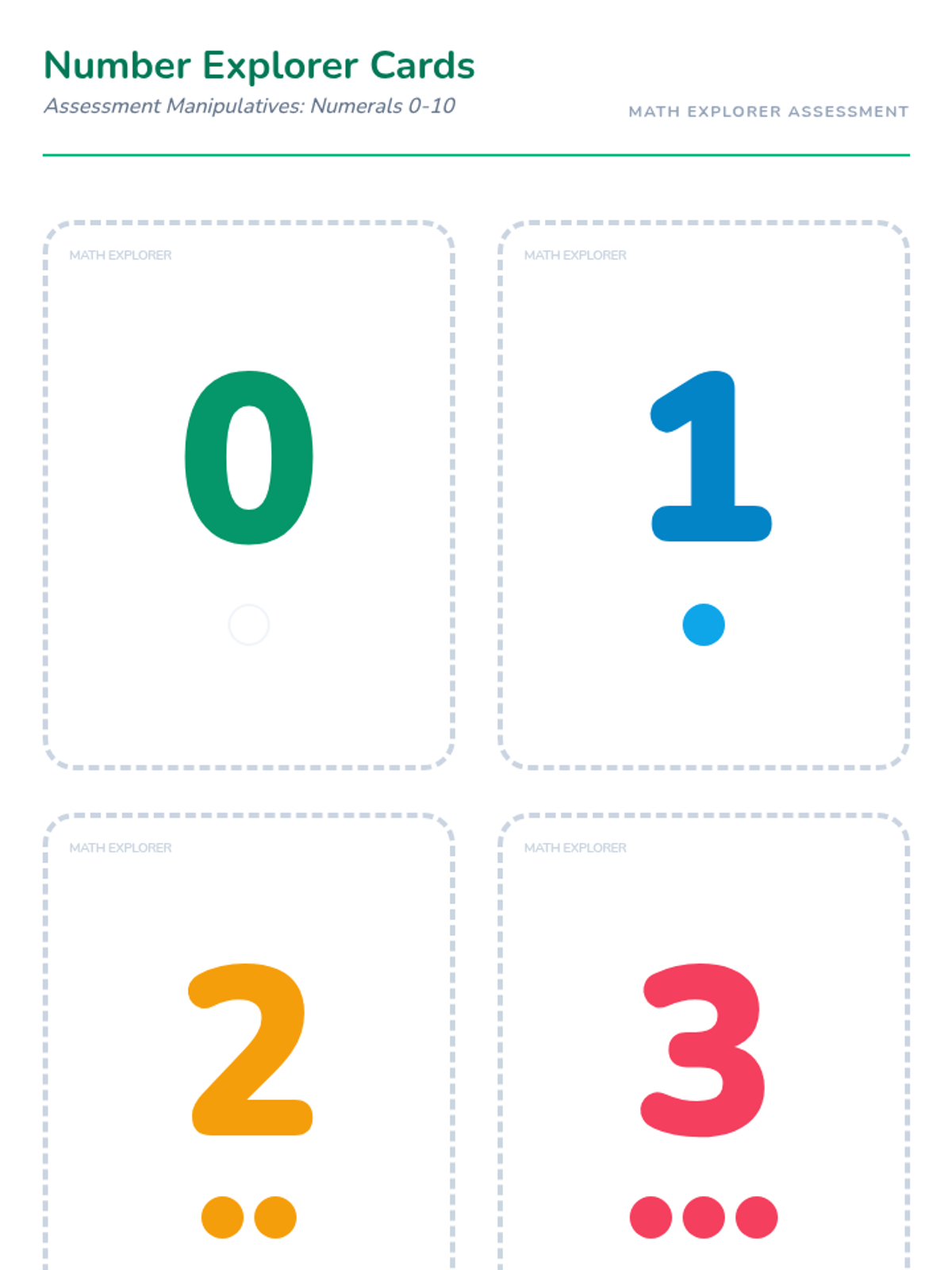
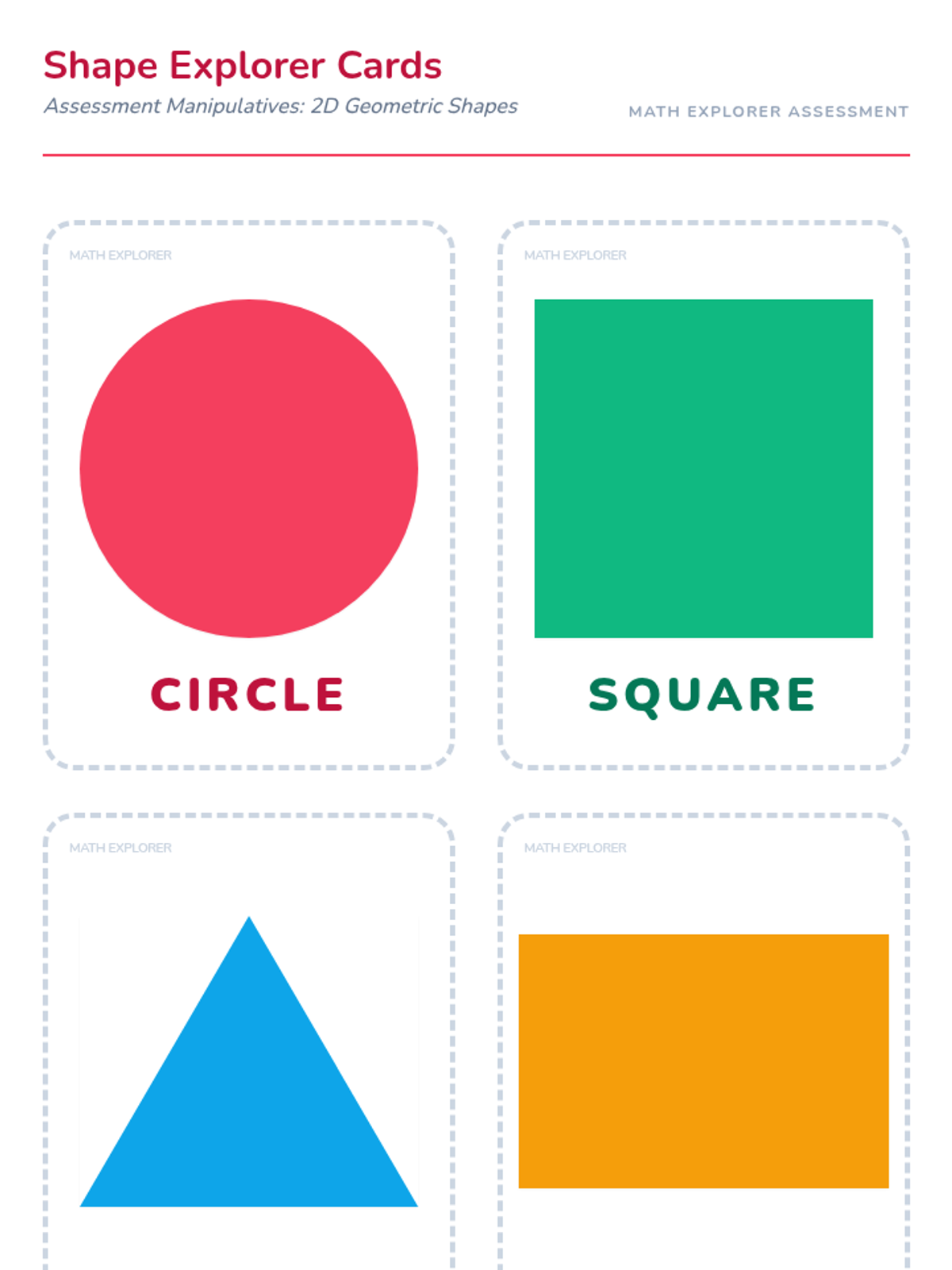
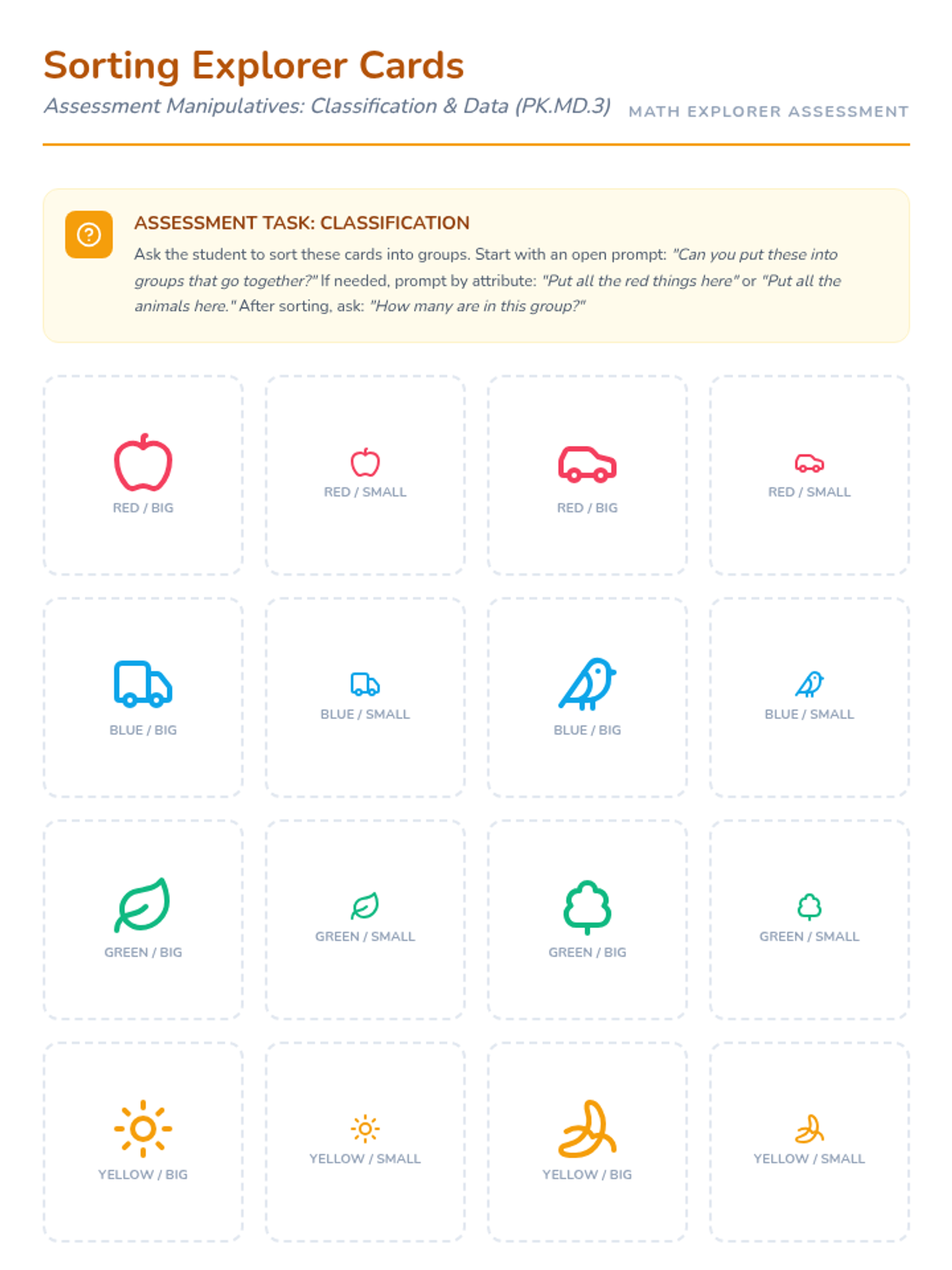
A comprehensive assessment package for Pre-K mathematics based on the Massachusetts Curriculum Frameworks, including an observation checklist and a teacher's task guide for conducting the assessment.
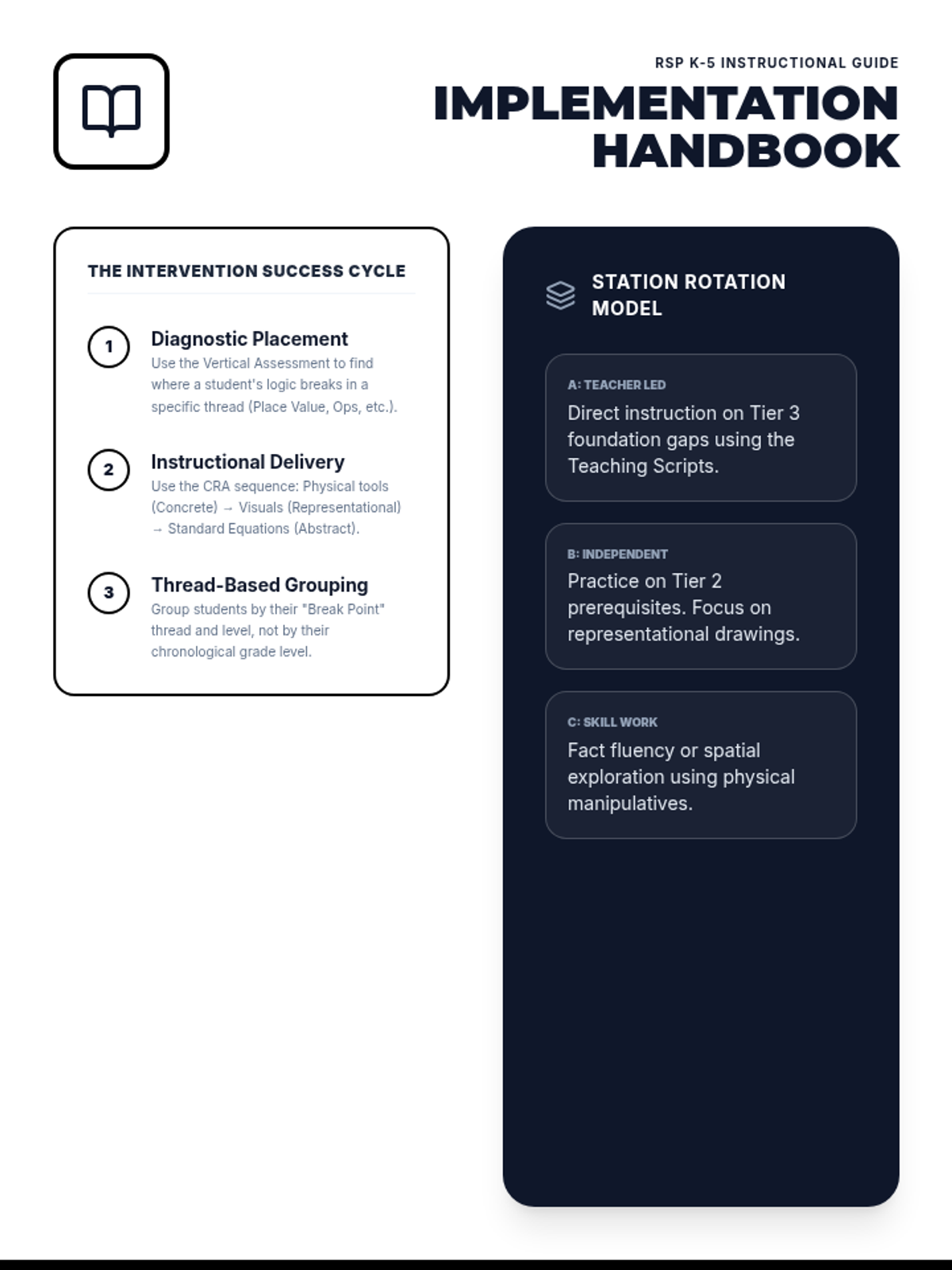
A toolkit for RSP teachers to transform a scope and sequence into a functional daily curriculum. Includes instructional frameworks, diagnostic tools, and planning templates specifically designed for multi-grade math intervention.
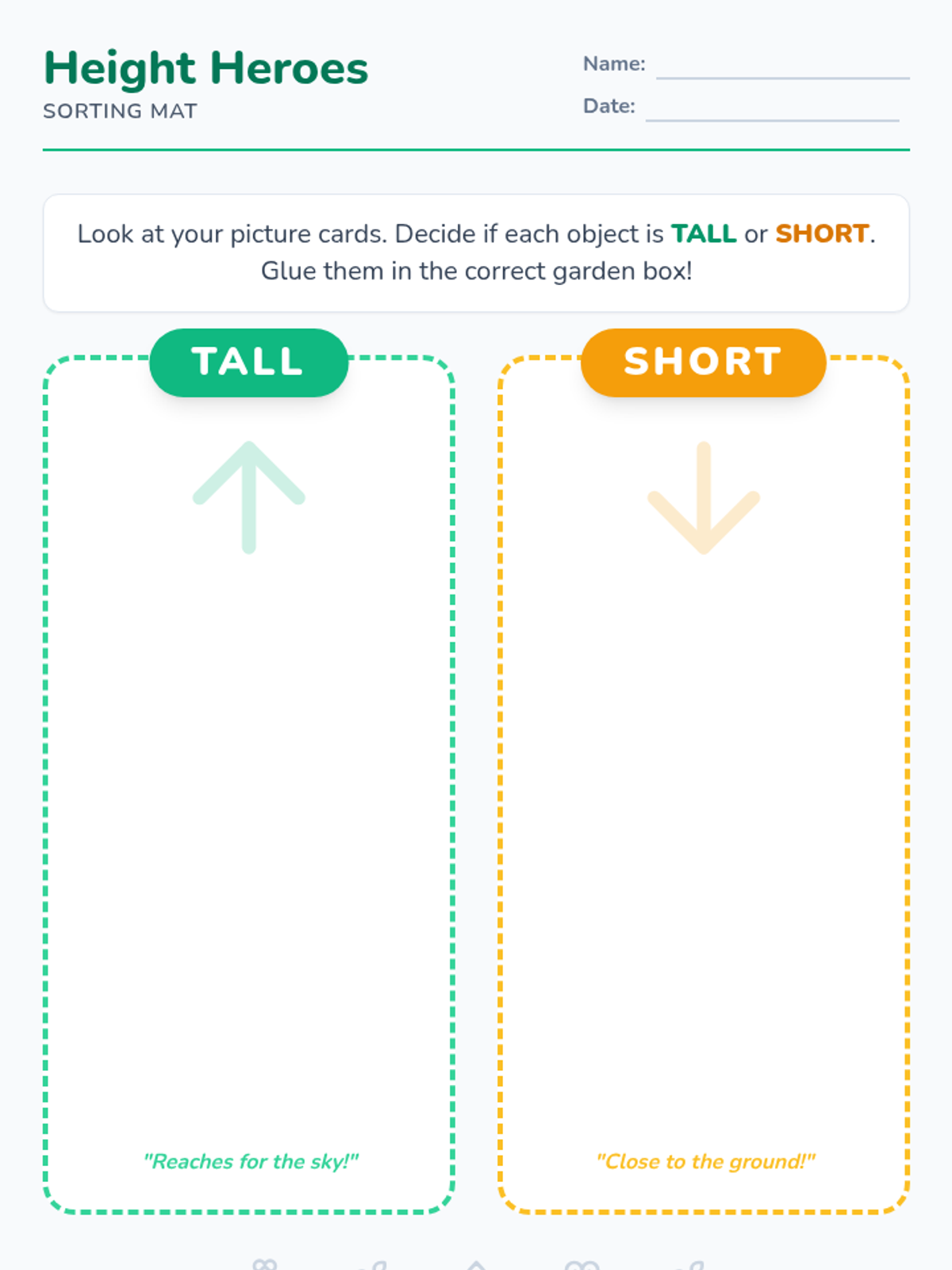
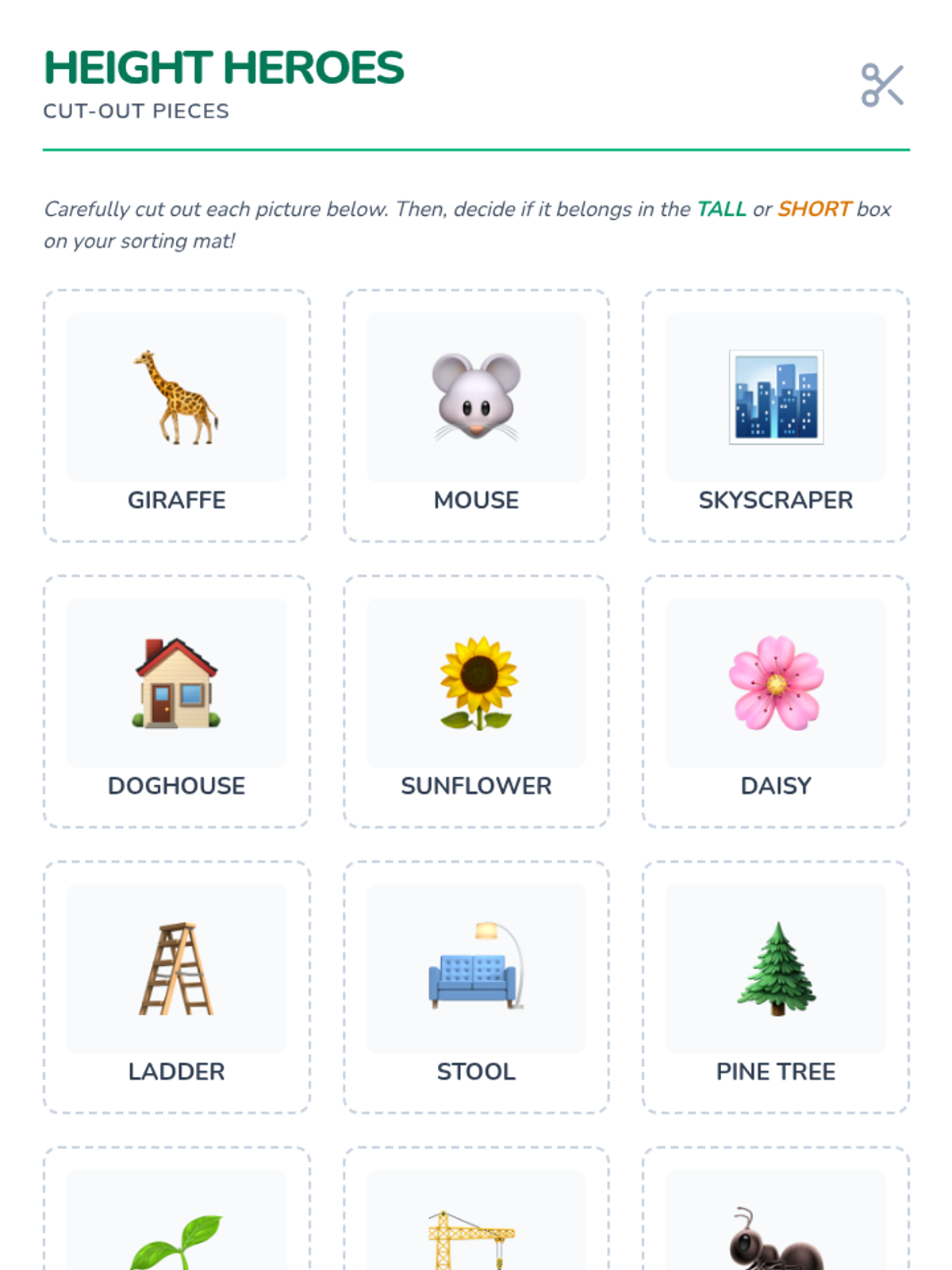
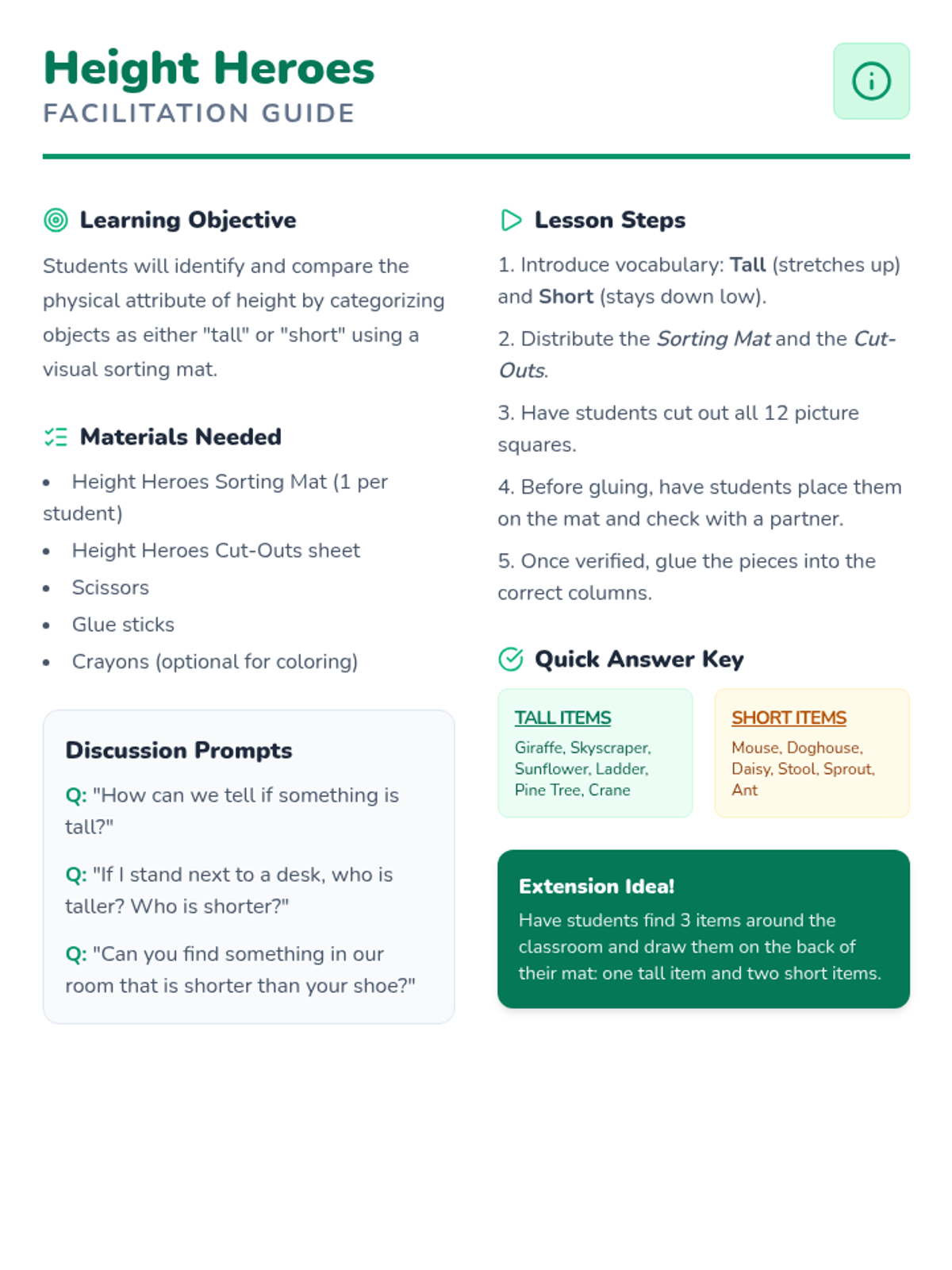
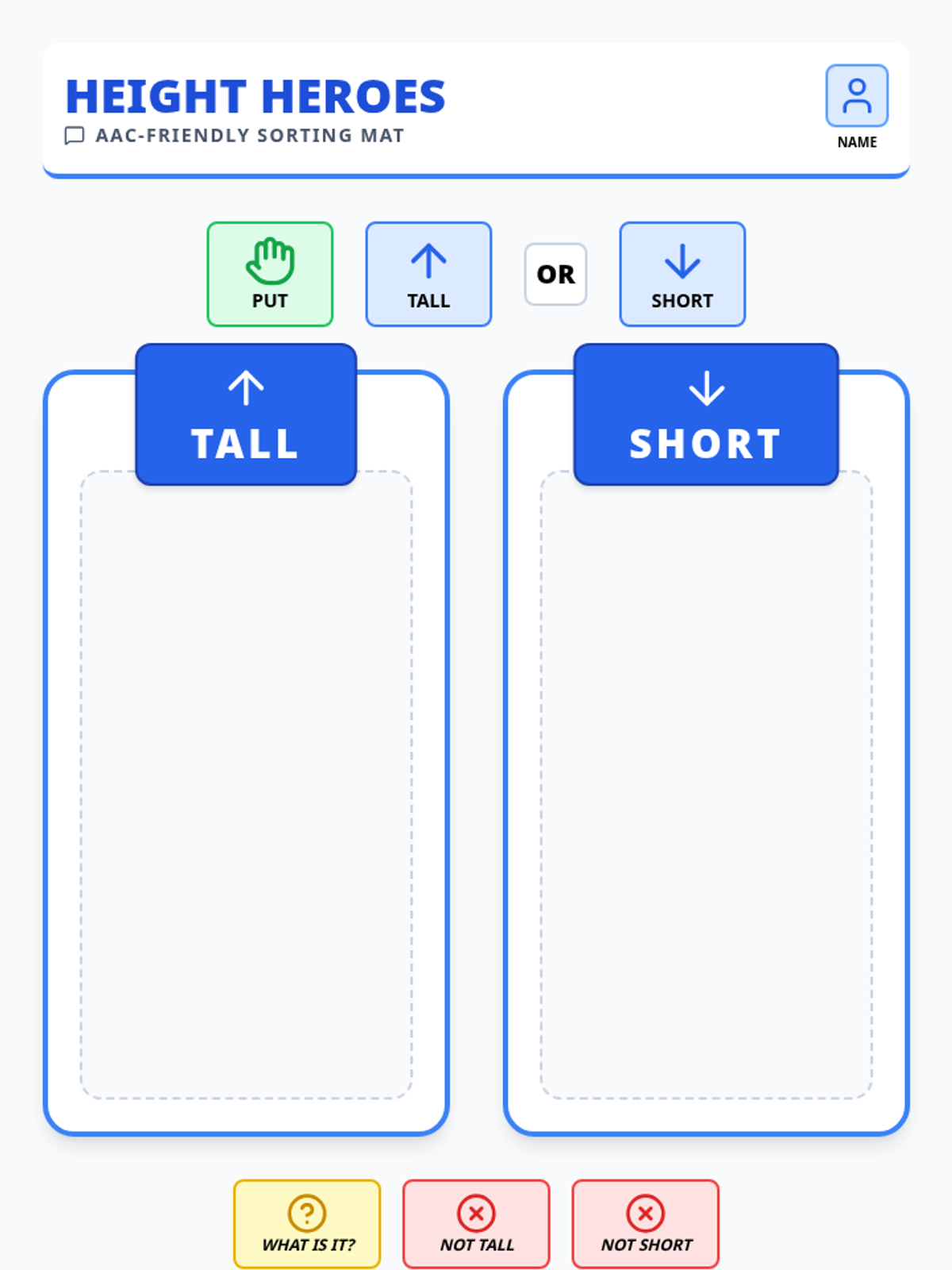
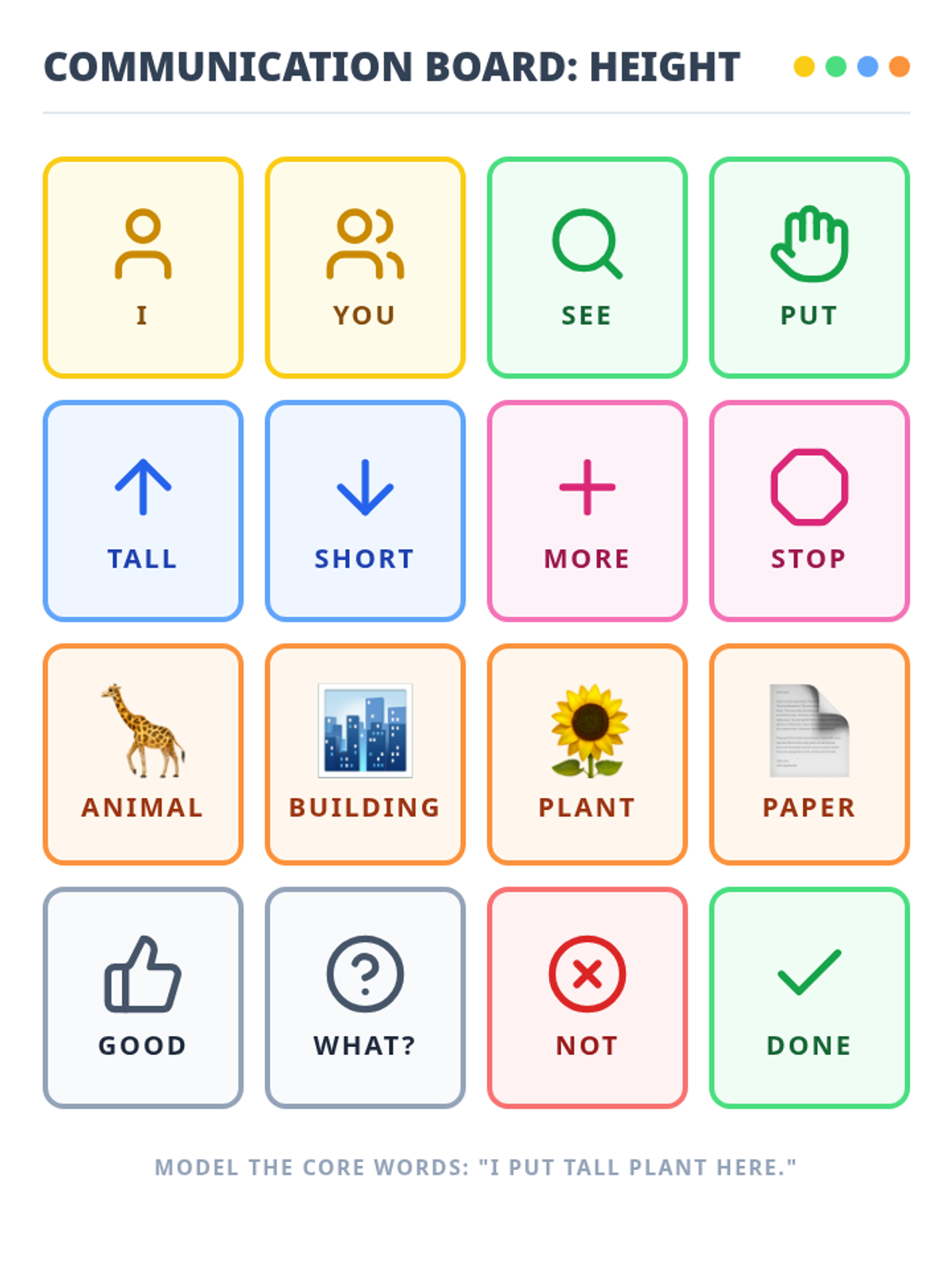
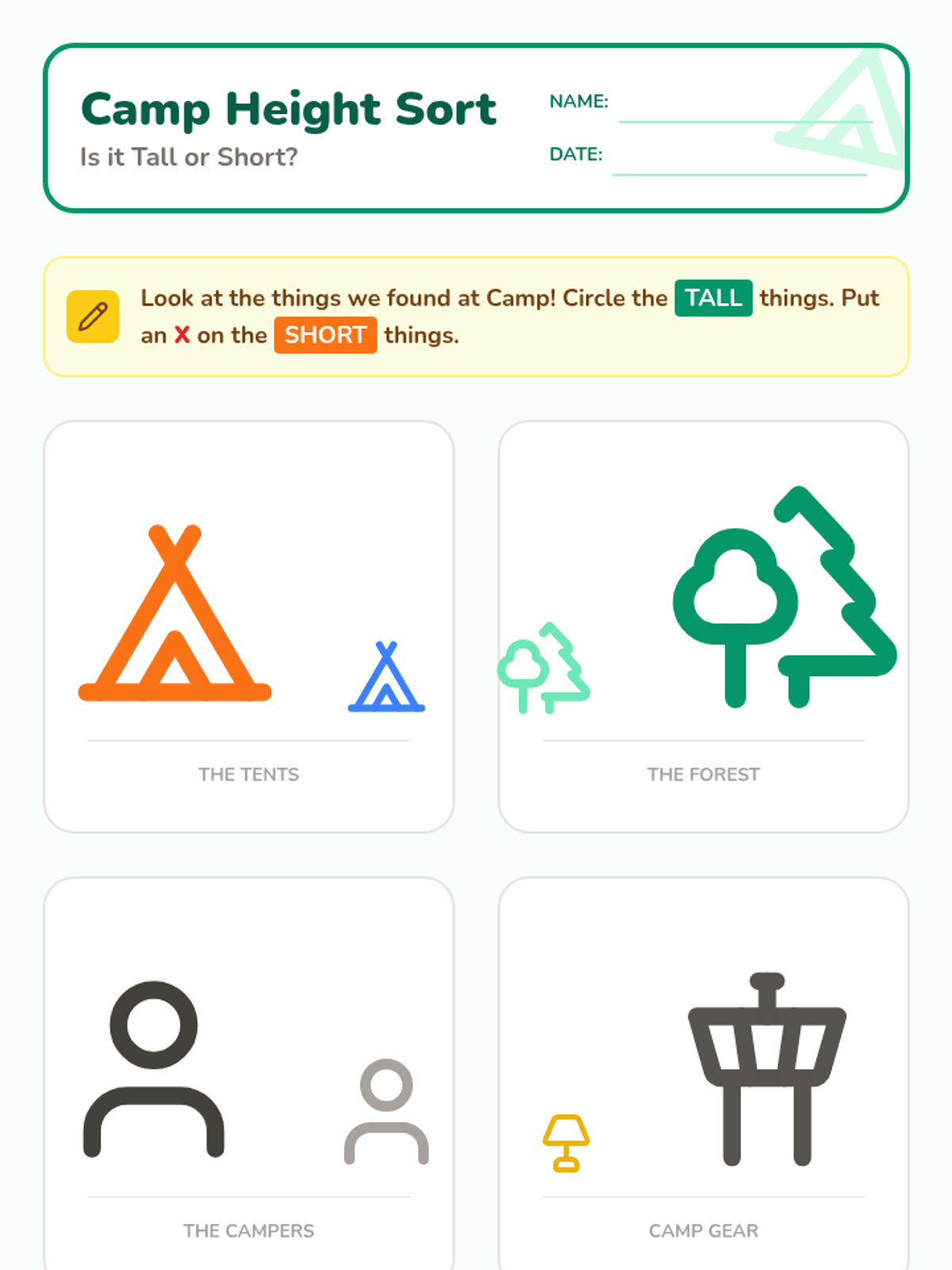
A hands-on activity for early learners to distinguish between tall and short objects through visual sorting and comparison.
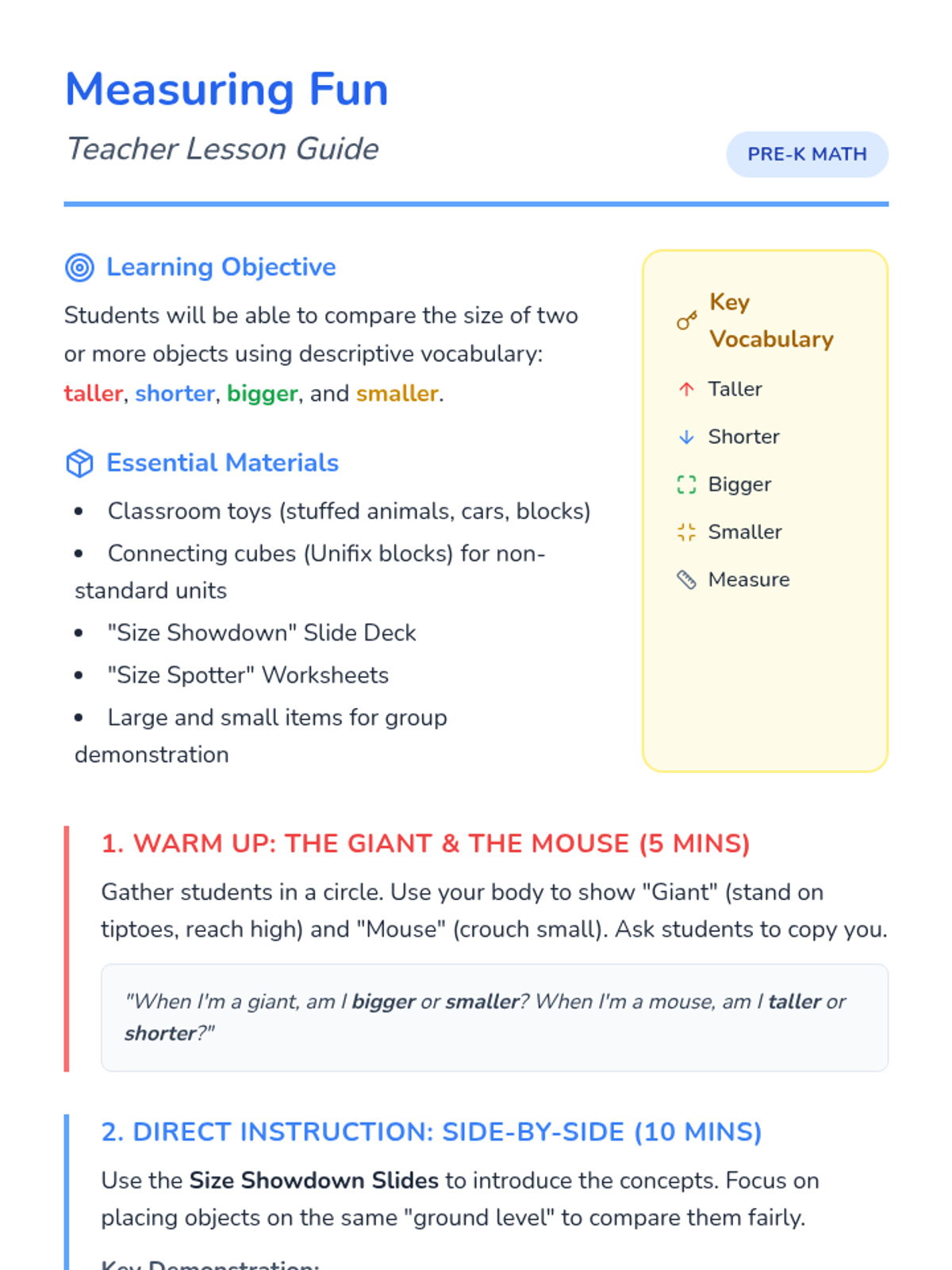
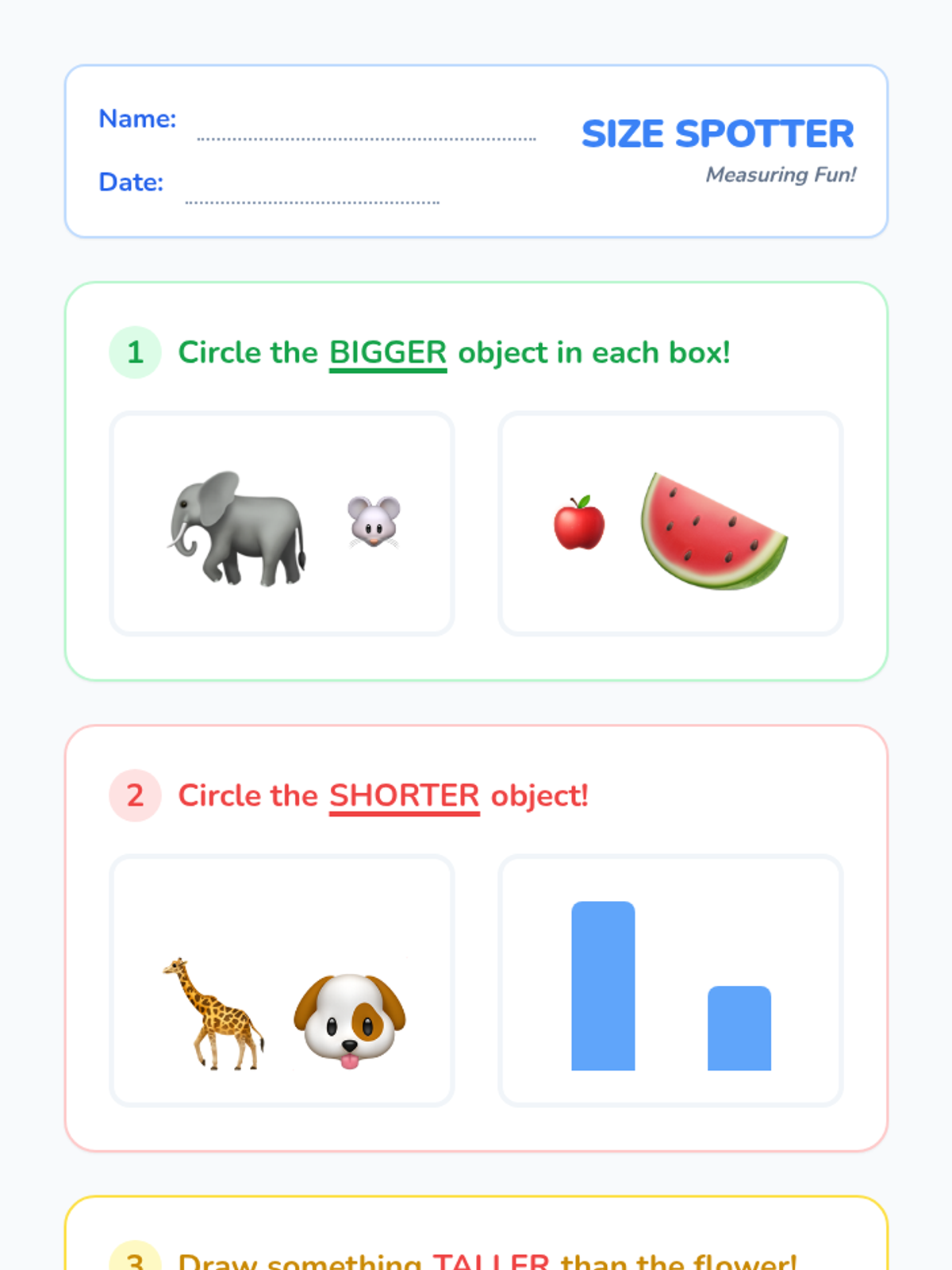
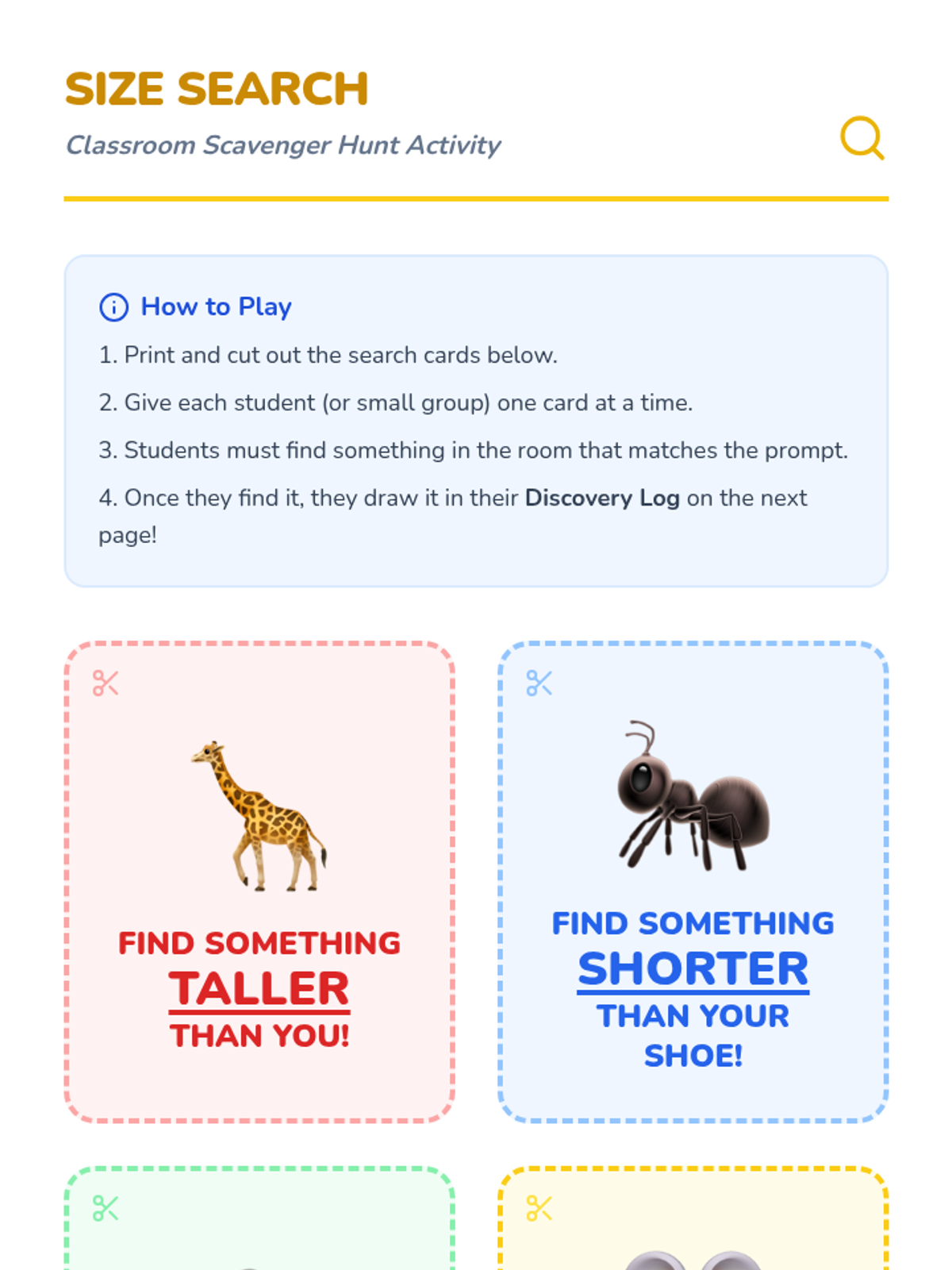
A hands-on introduction to measurement for Pre-K students, focusing on non-standard units and comparative vocabulary like 'taller', 'shorter', 'bigger', and 'smaller'. Students explore their environment to compare the sizes of everyday objects.
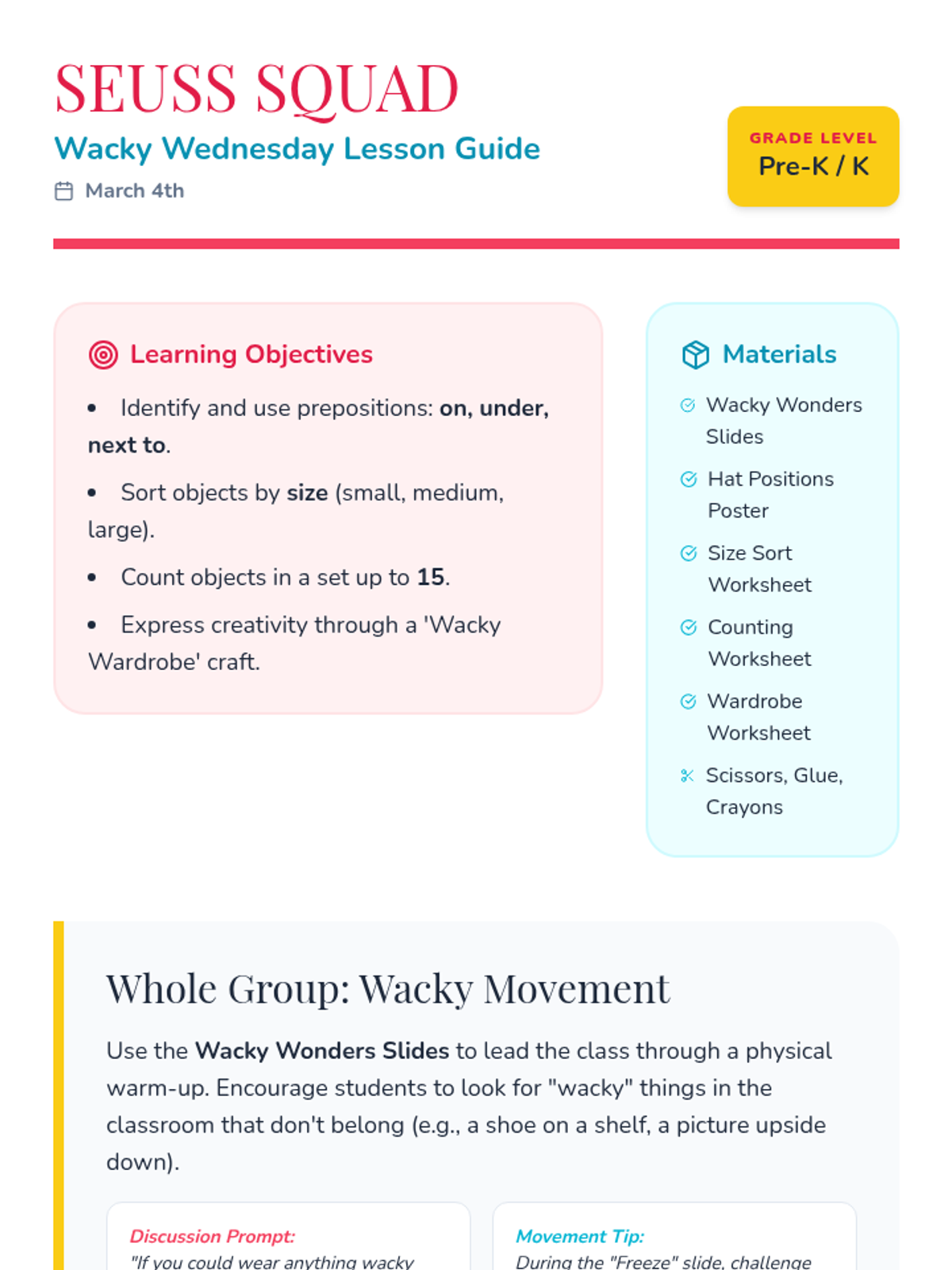
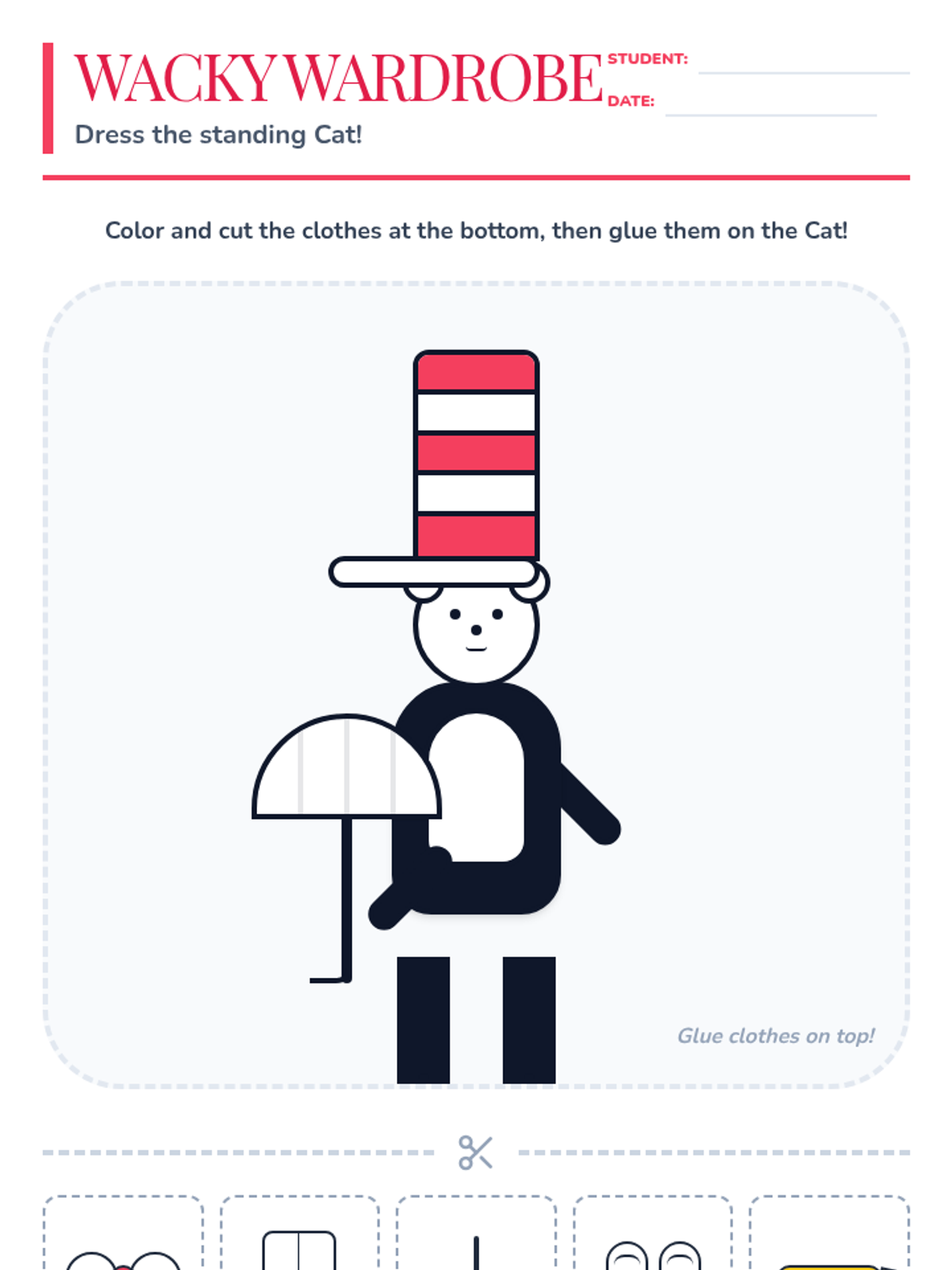
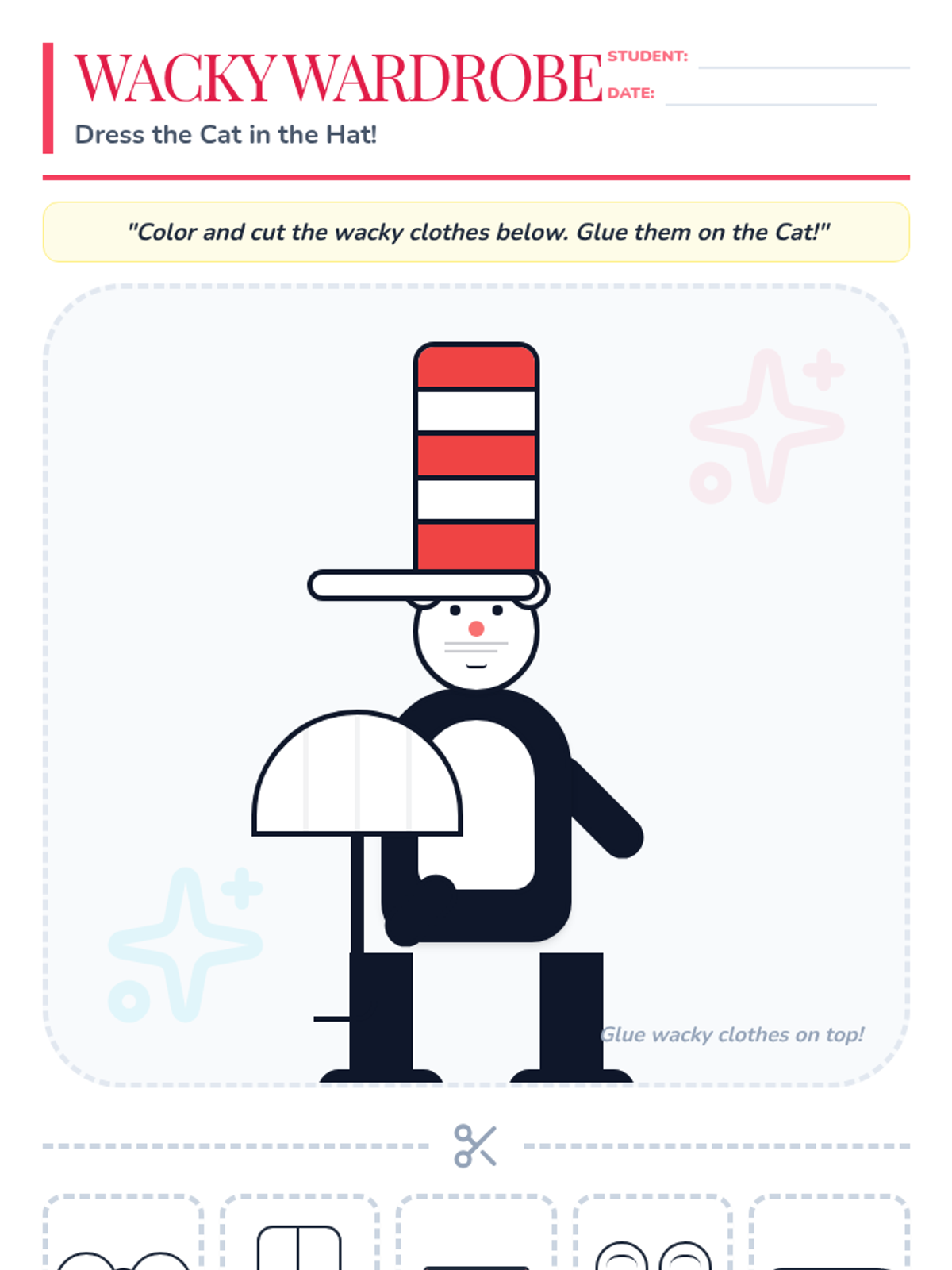
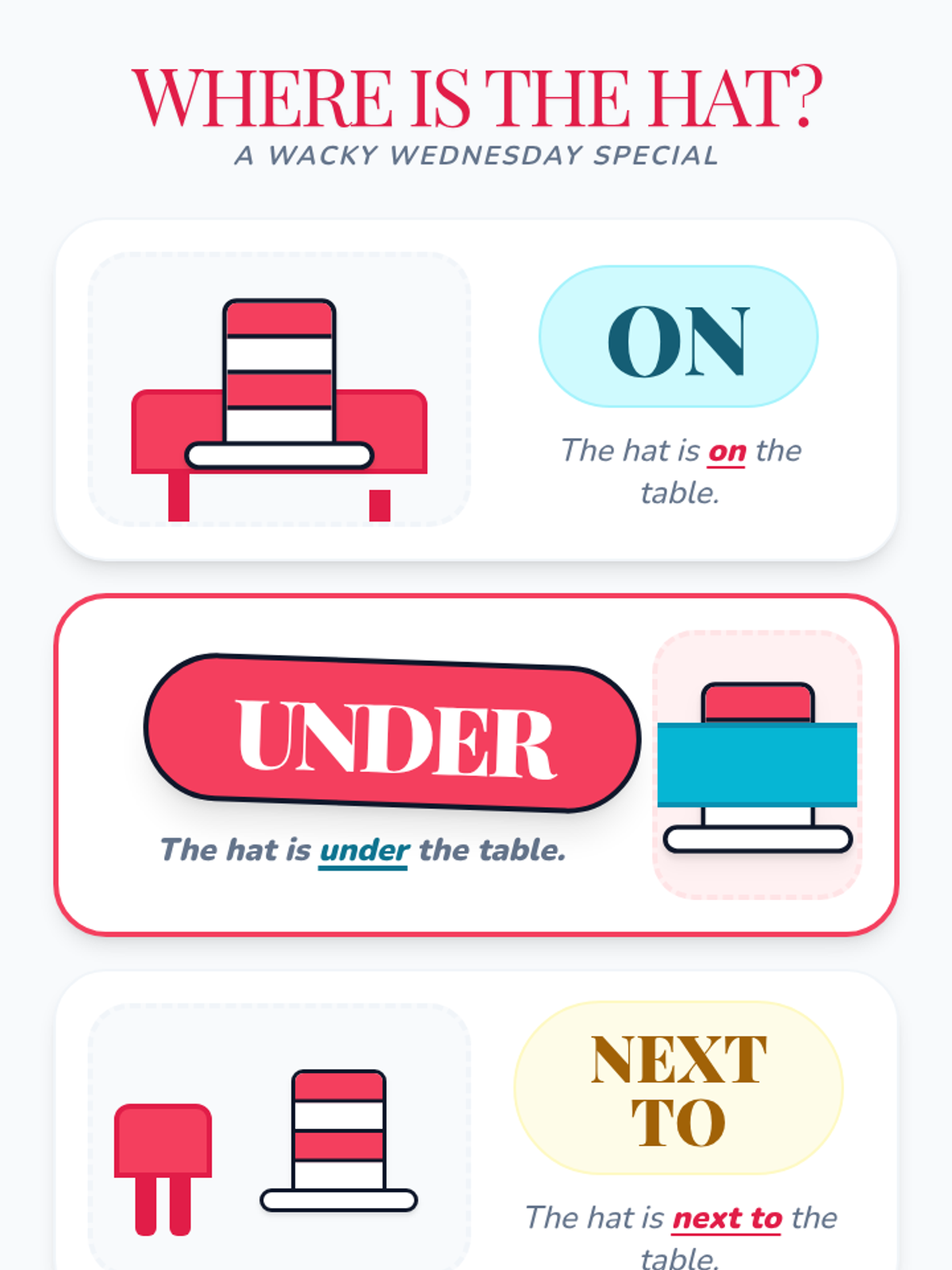
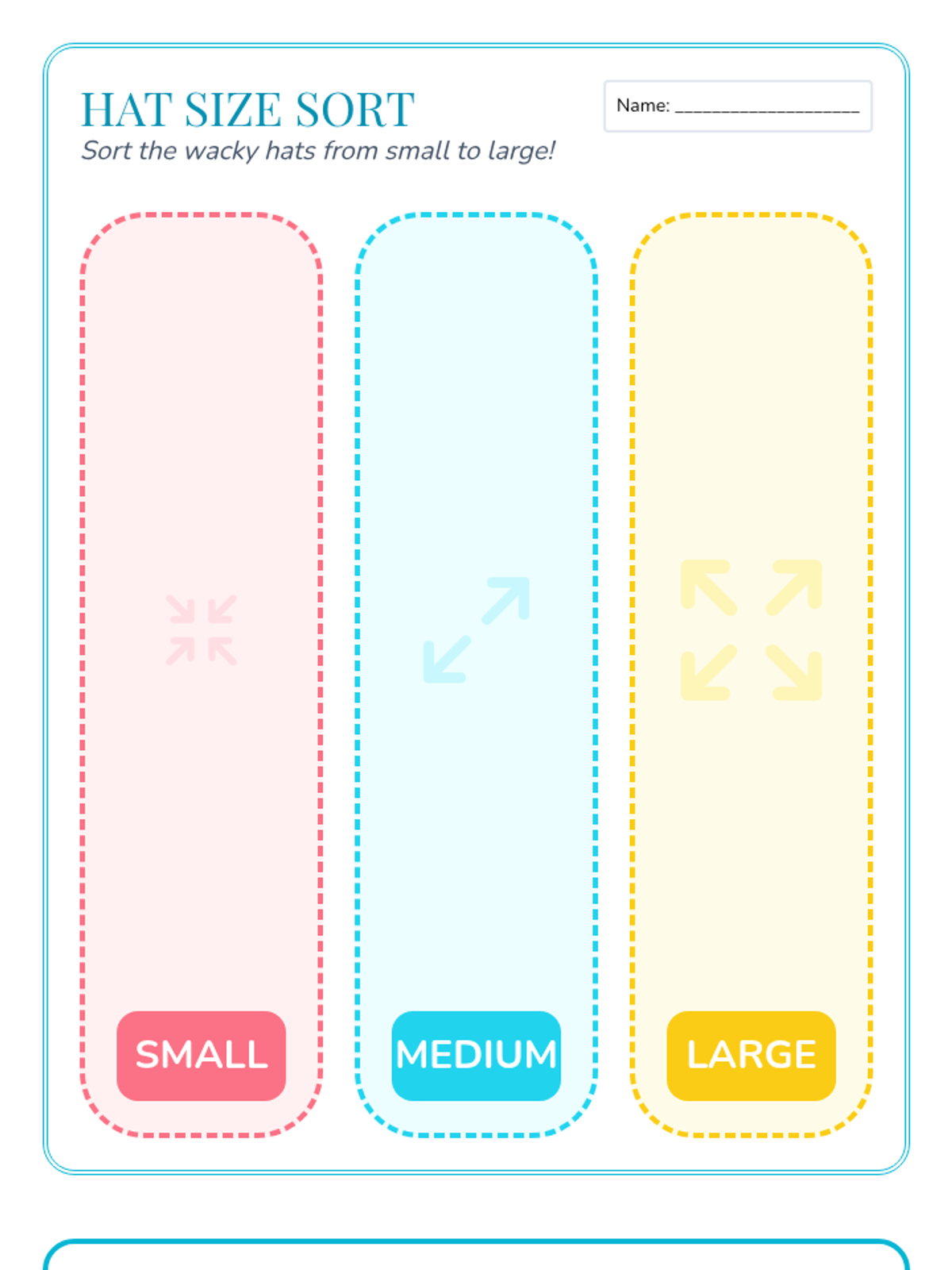
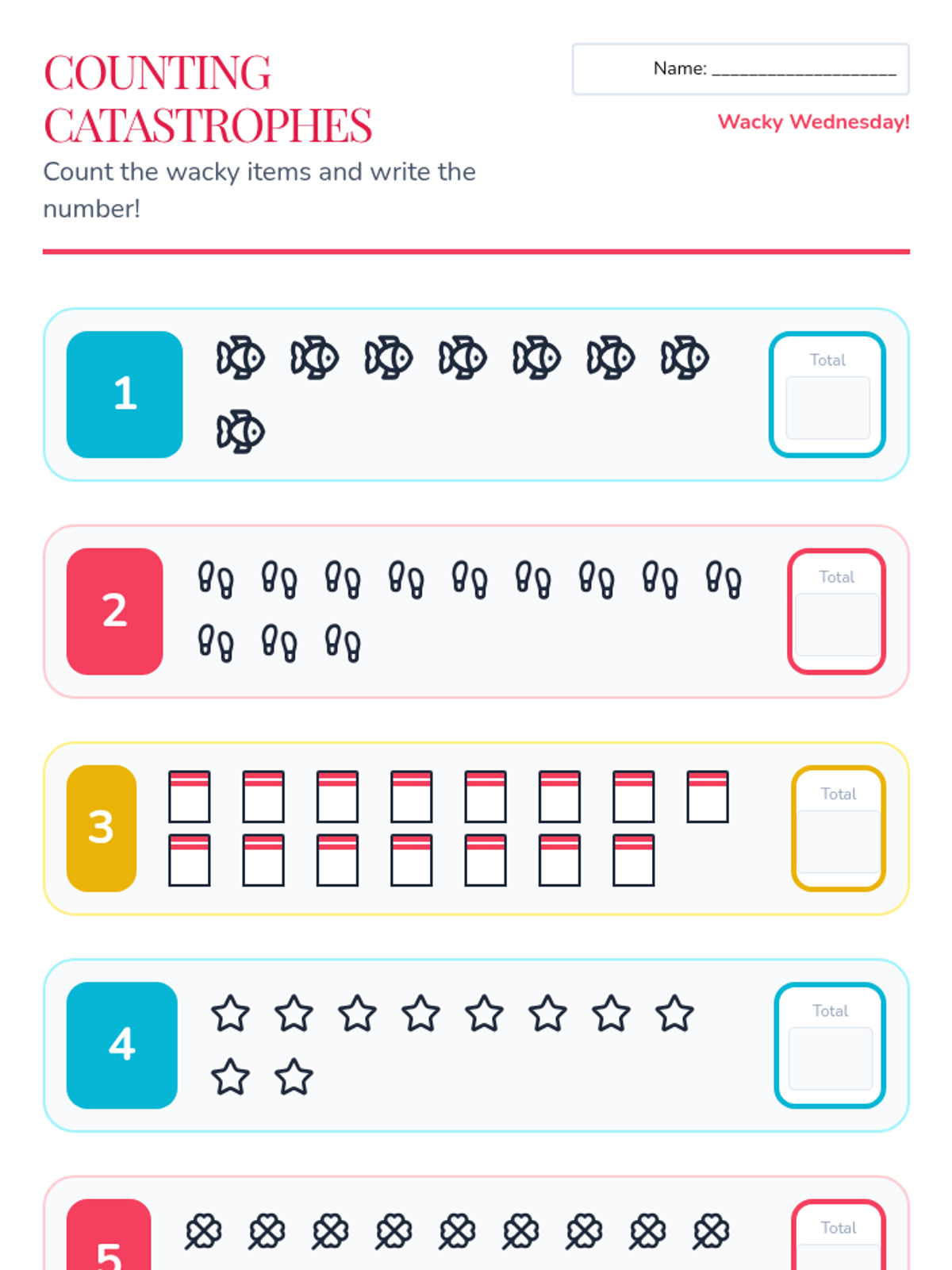
A whimsical lesson exploring 'Wacky Wednesday' through movement, counting up to 15, spatial awareness with hats, and a creative 'Wacky Wardrobe' craft.
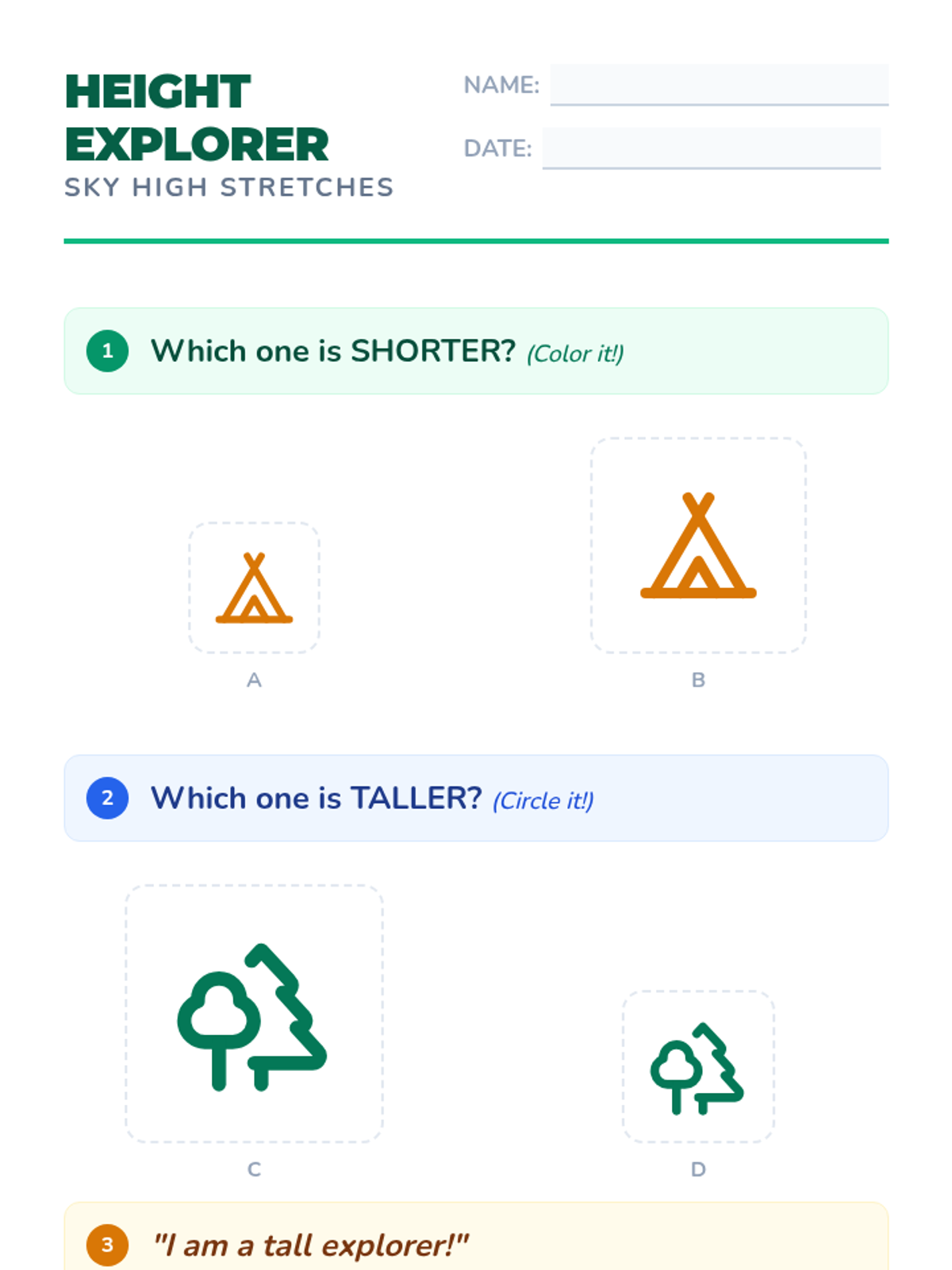
A Pre-K math lesson focused on identifying and comparing heights using the concepts of 'tall' and 'short' through a camping-themed exploration. Students watch a guided video, practice with visual examples, and go on a physical 'Height Hunt' around their environment.
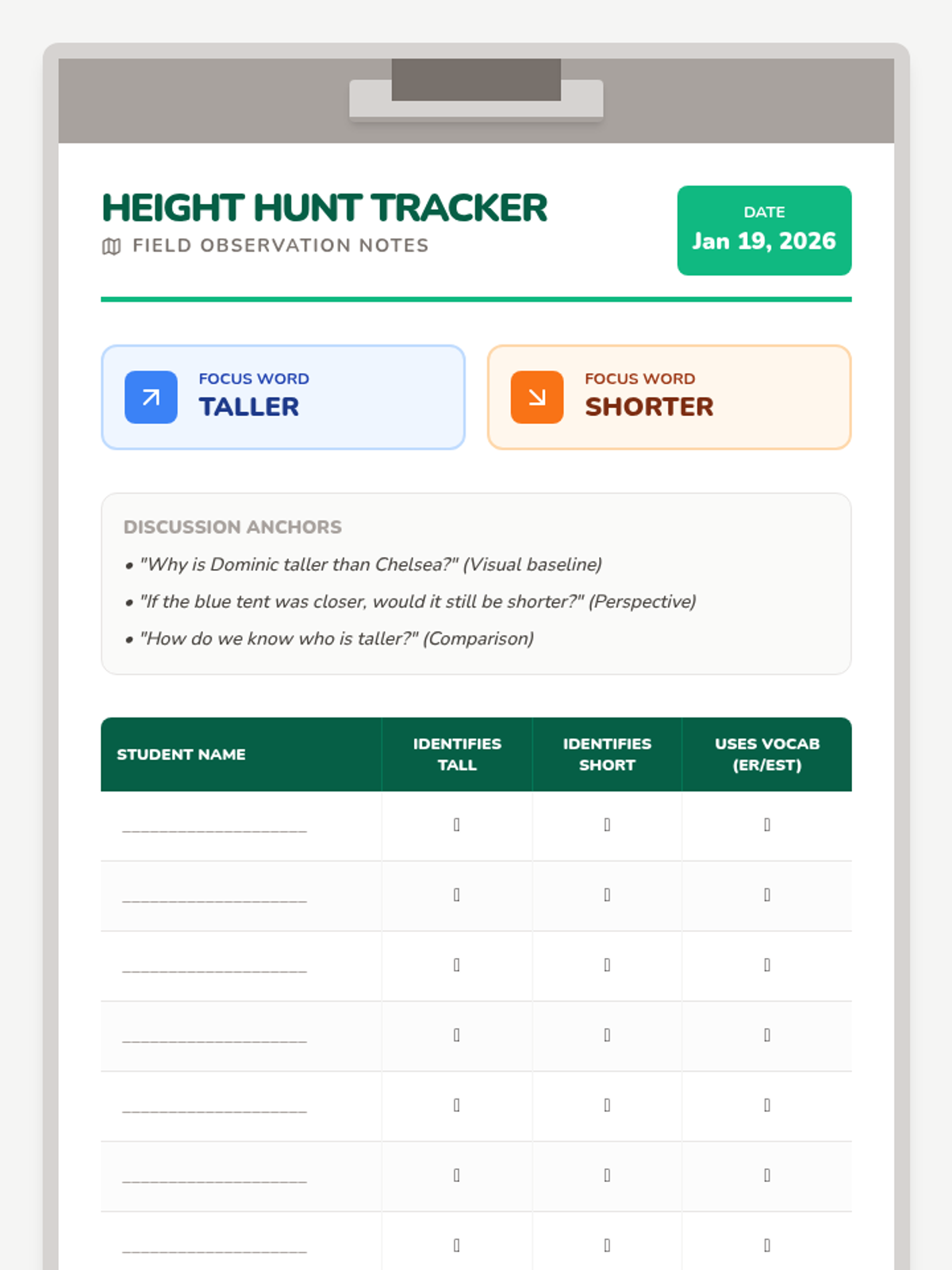
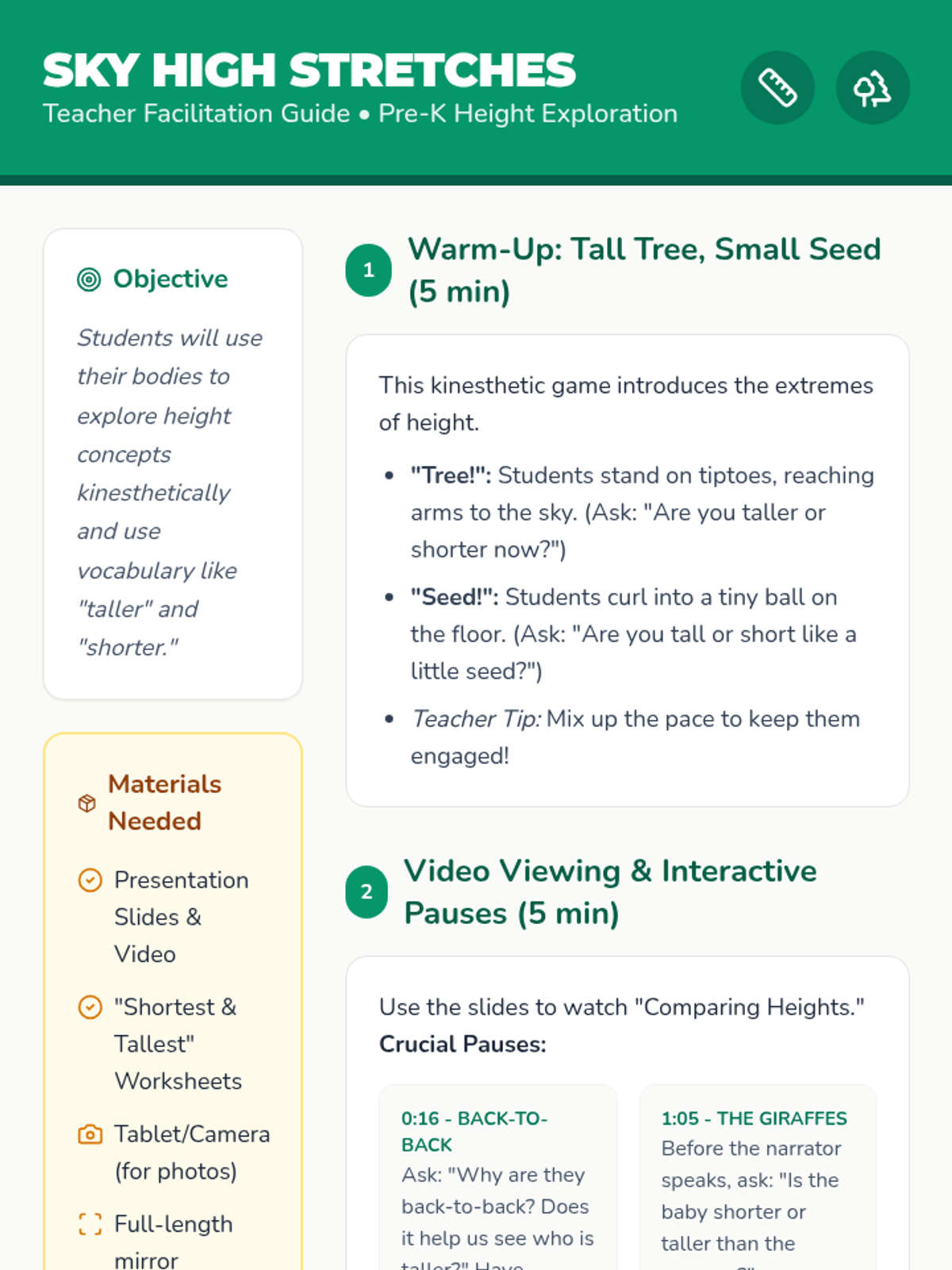
A kinesthetic Pre-K lesson exploring height concepts through movement, video comparison, and a collaborative 'Line Up!' activity. Students learn to use the terms 'taller' and 'shorter' while comparing themselves and objects in a campsite setting.
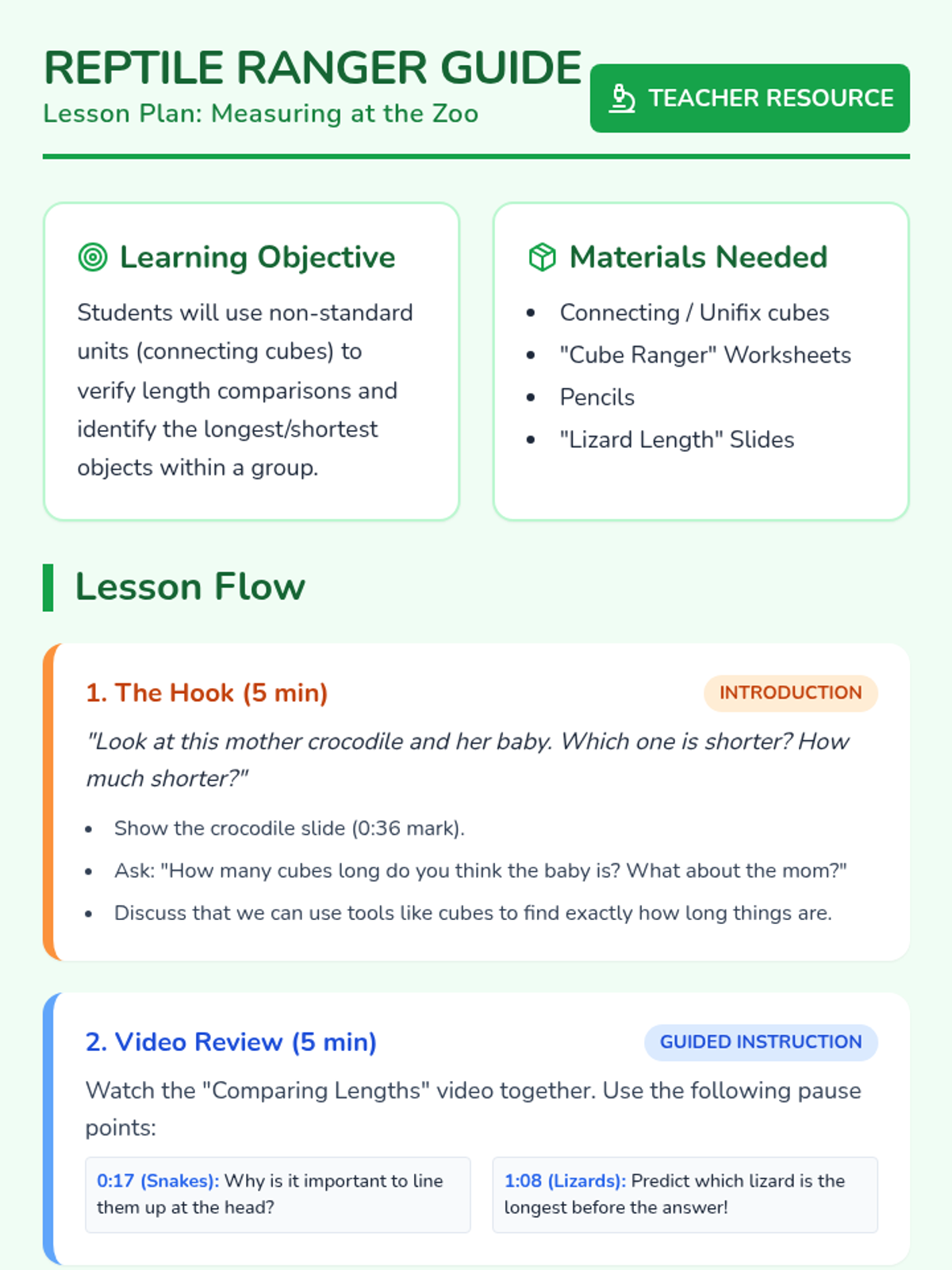
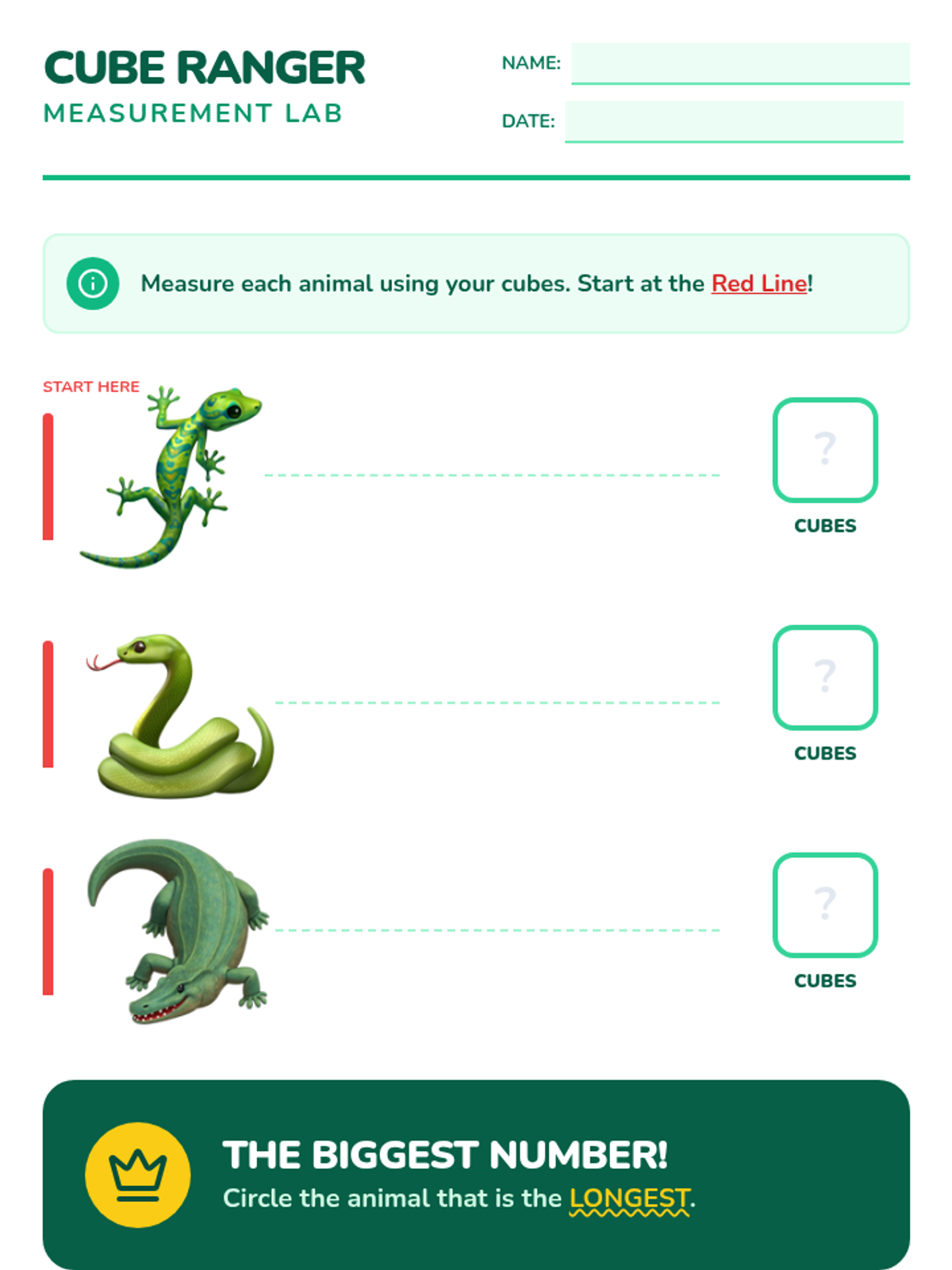
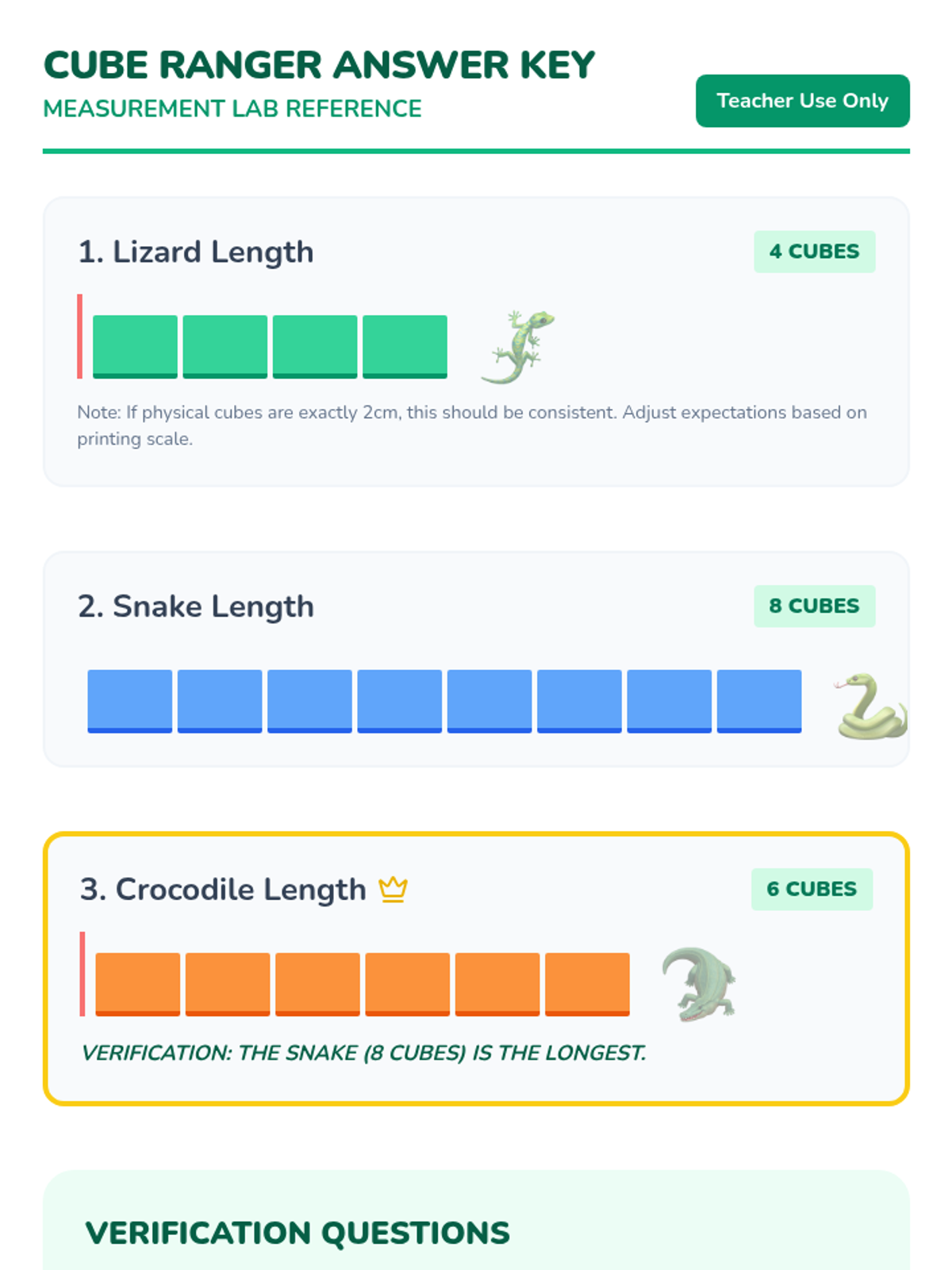
Students explore the concepts of longer, shorter, longest, and shortest by measuring reptile illustrations using non-standard units (connecting cubes). The lesson features a zoo-themed video and hands-on measurement practice to reinforce the importance of alignment and consistent units.
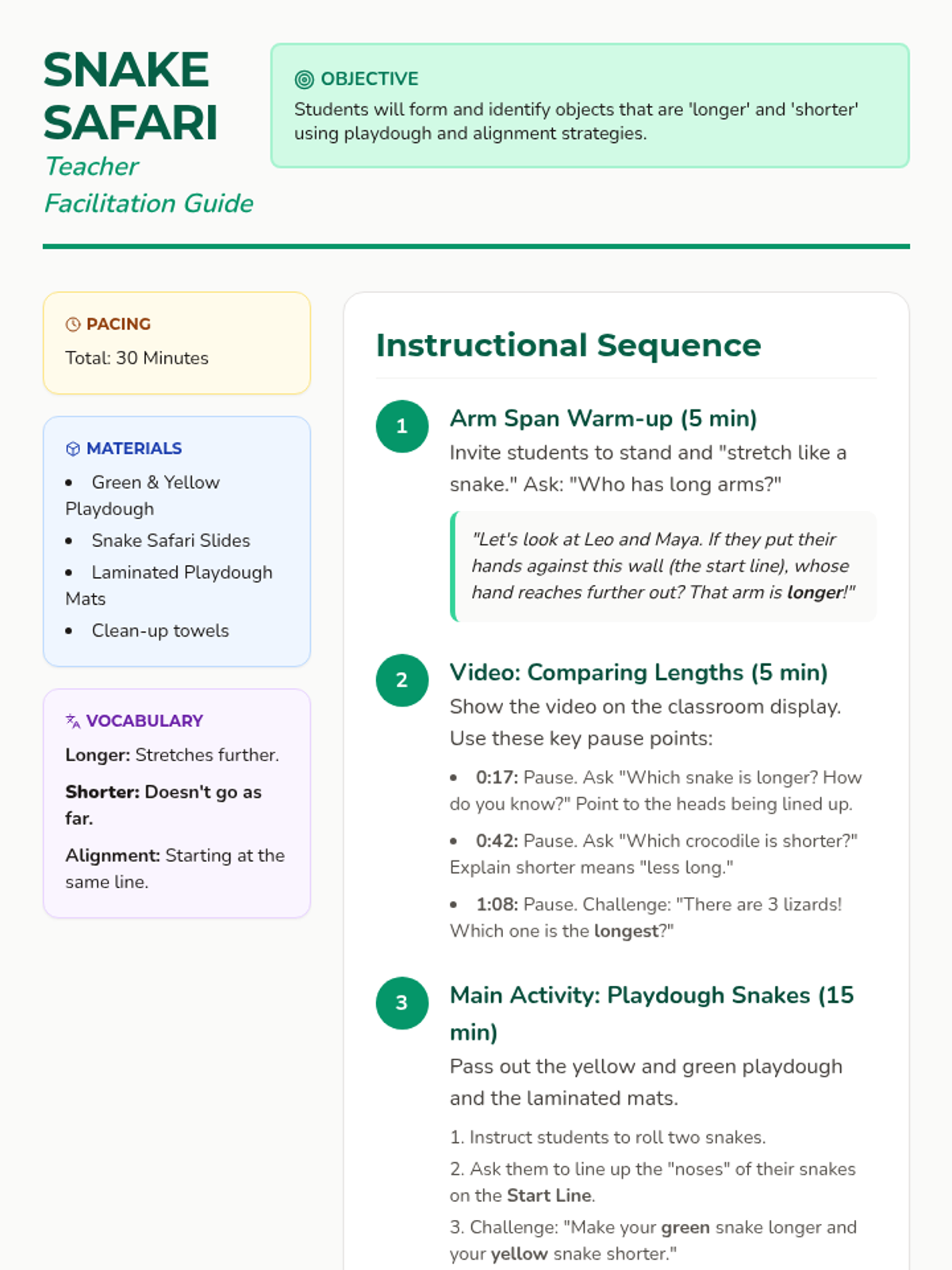
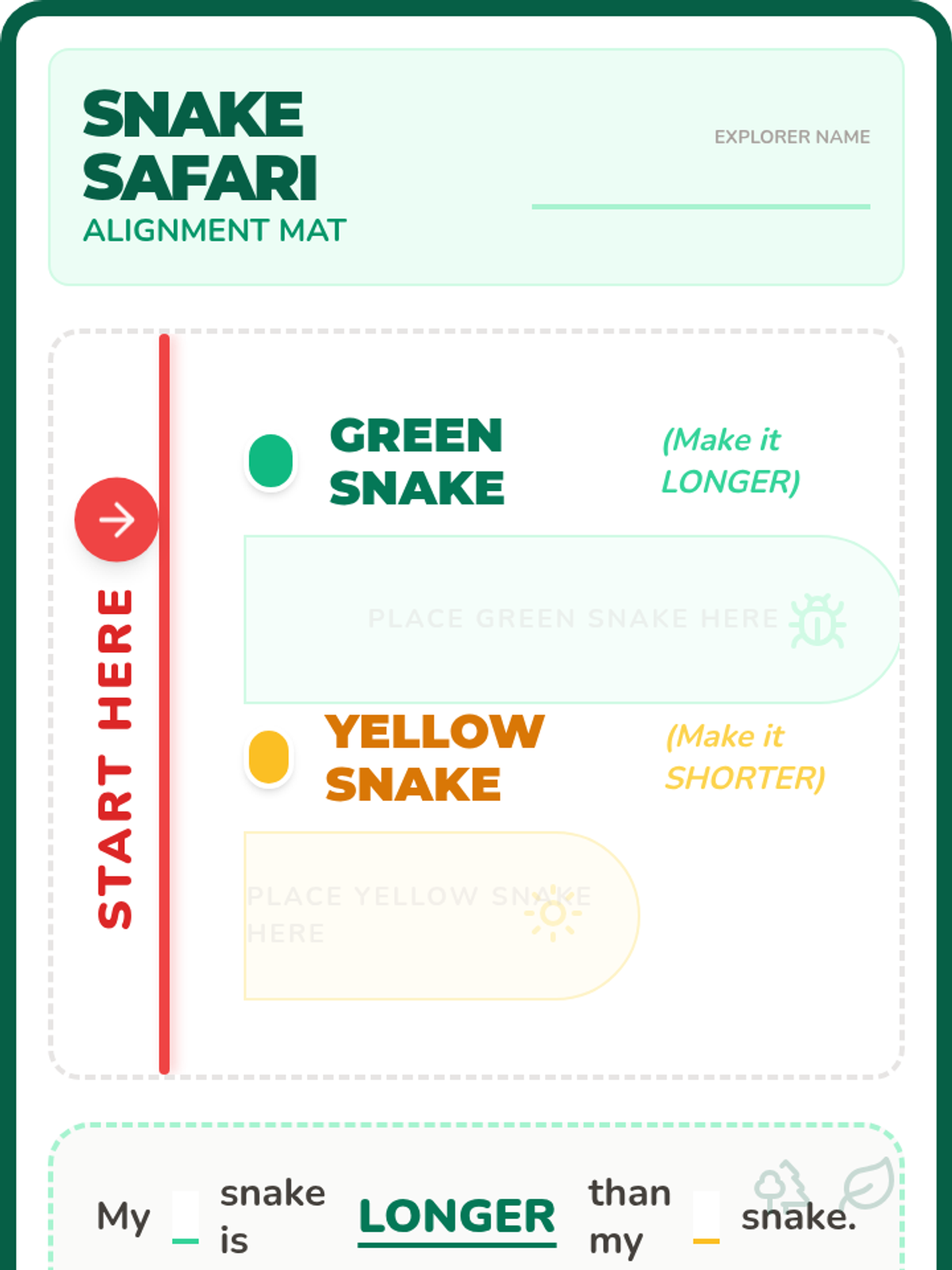
A hands-on measurement lesson for Pre-K and Kindergarten students using playdough to explore the concepts of 'longer' and 'shorter'. Students watch a zoo-themed video, compare snake lengths, and create their own playdough snakes on aligned mats.
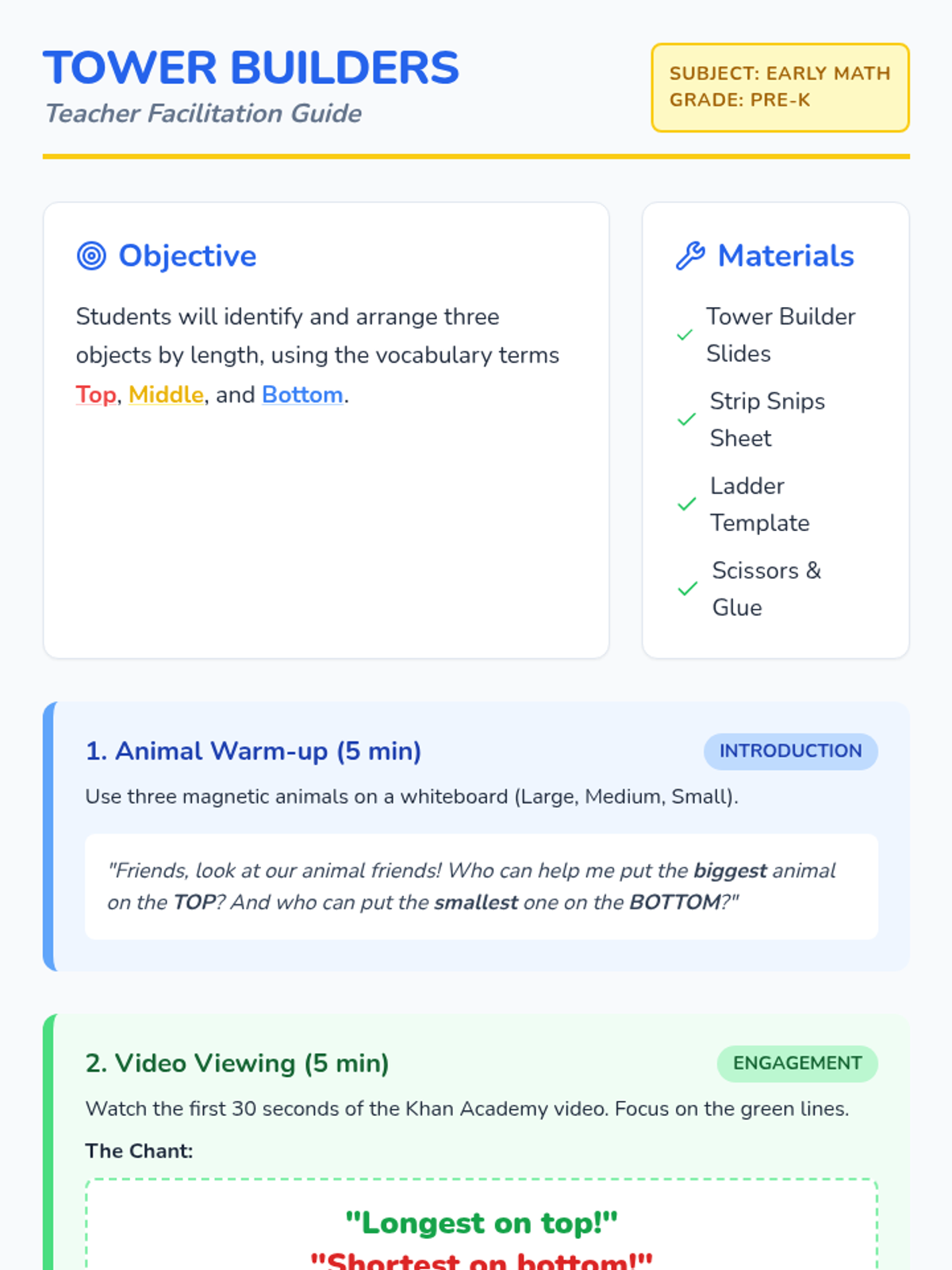
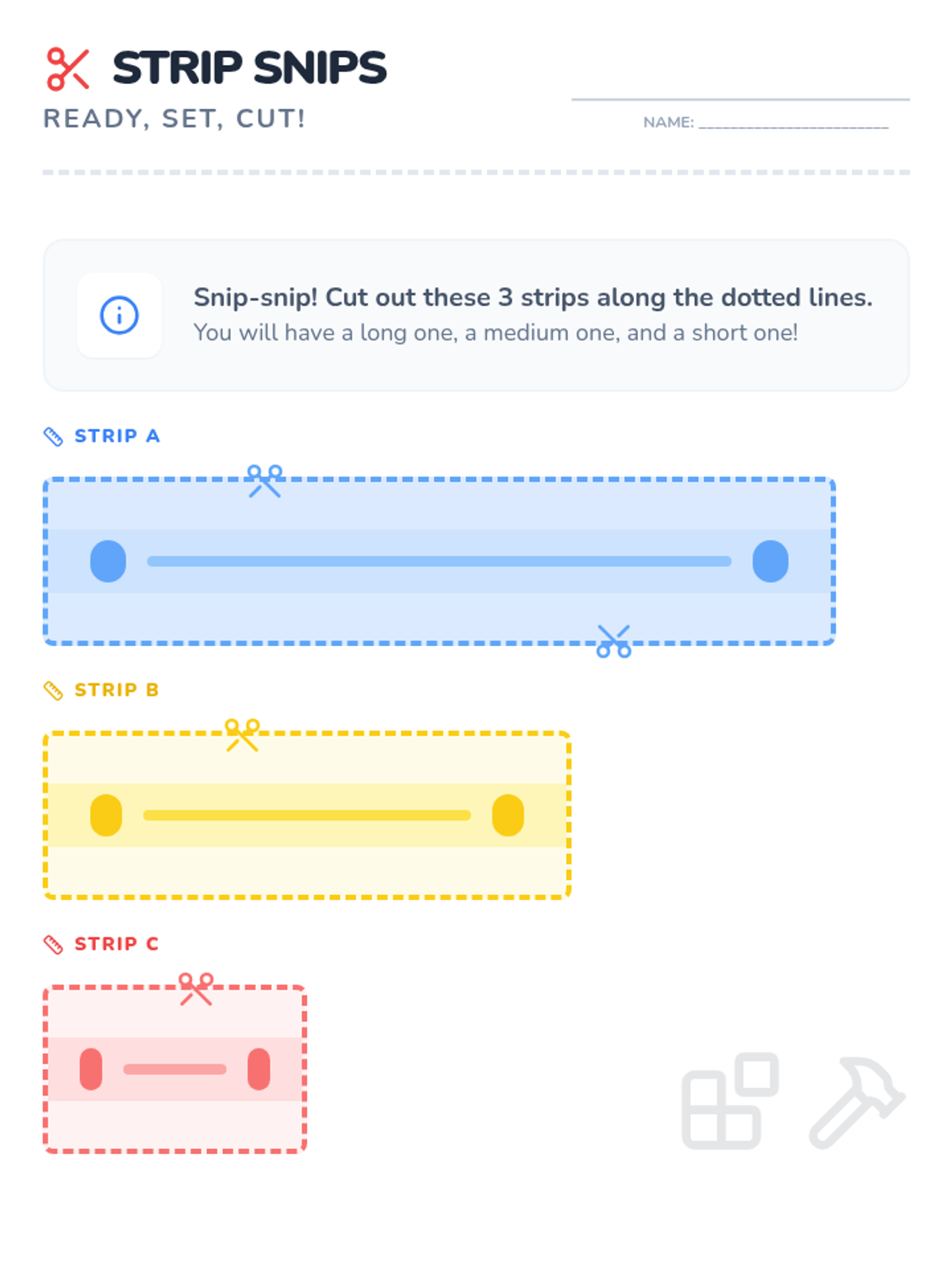
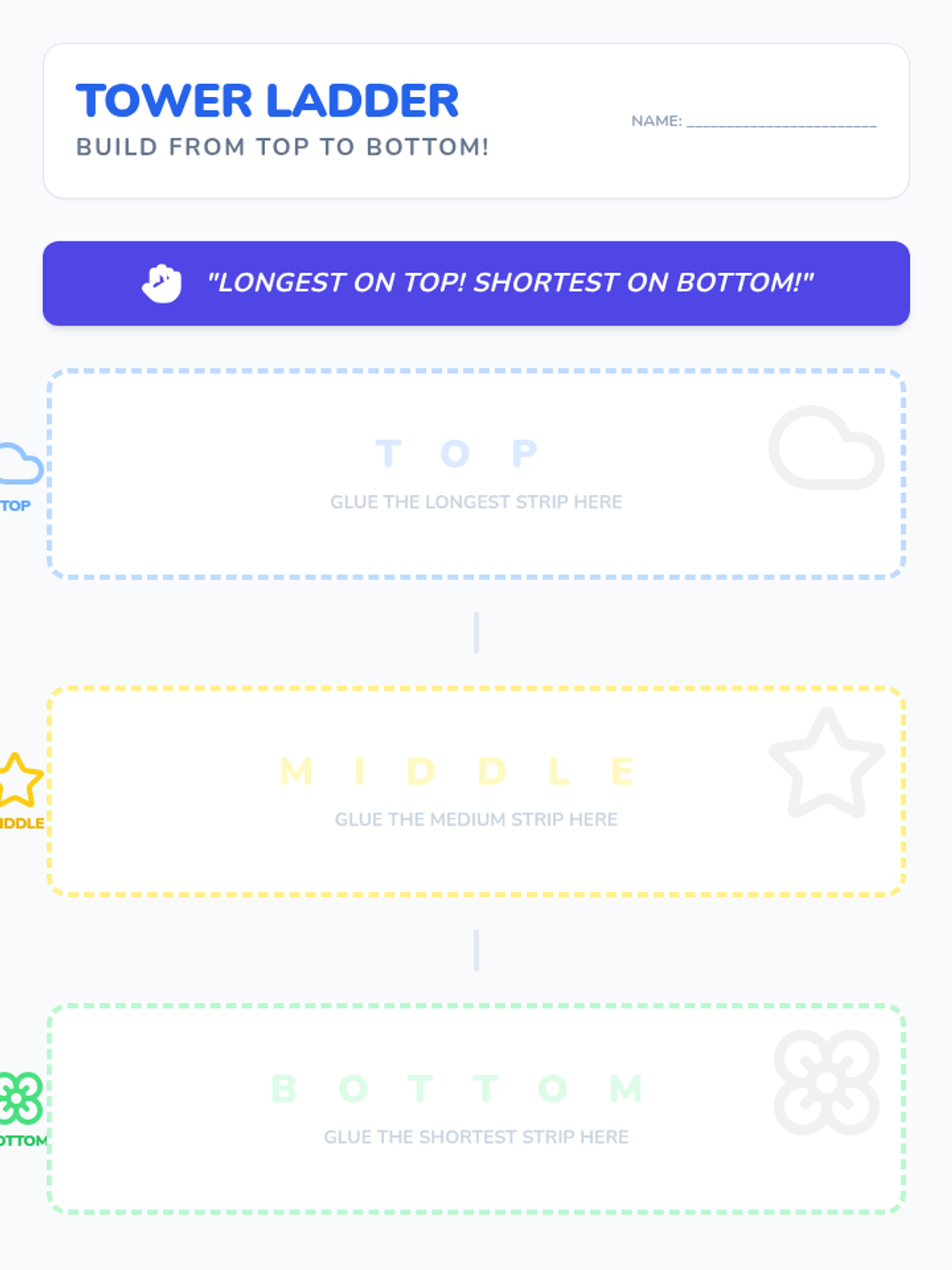
A hands-on measurement lesson for Pre-K students to explore size ordering and the concepts of 'top', 'middle', and 'bottom' using paper strips and a tower template.
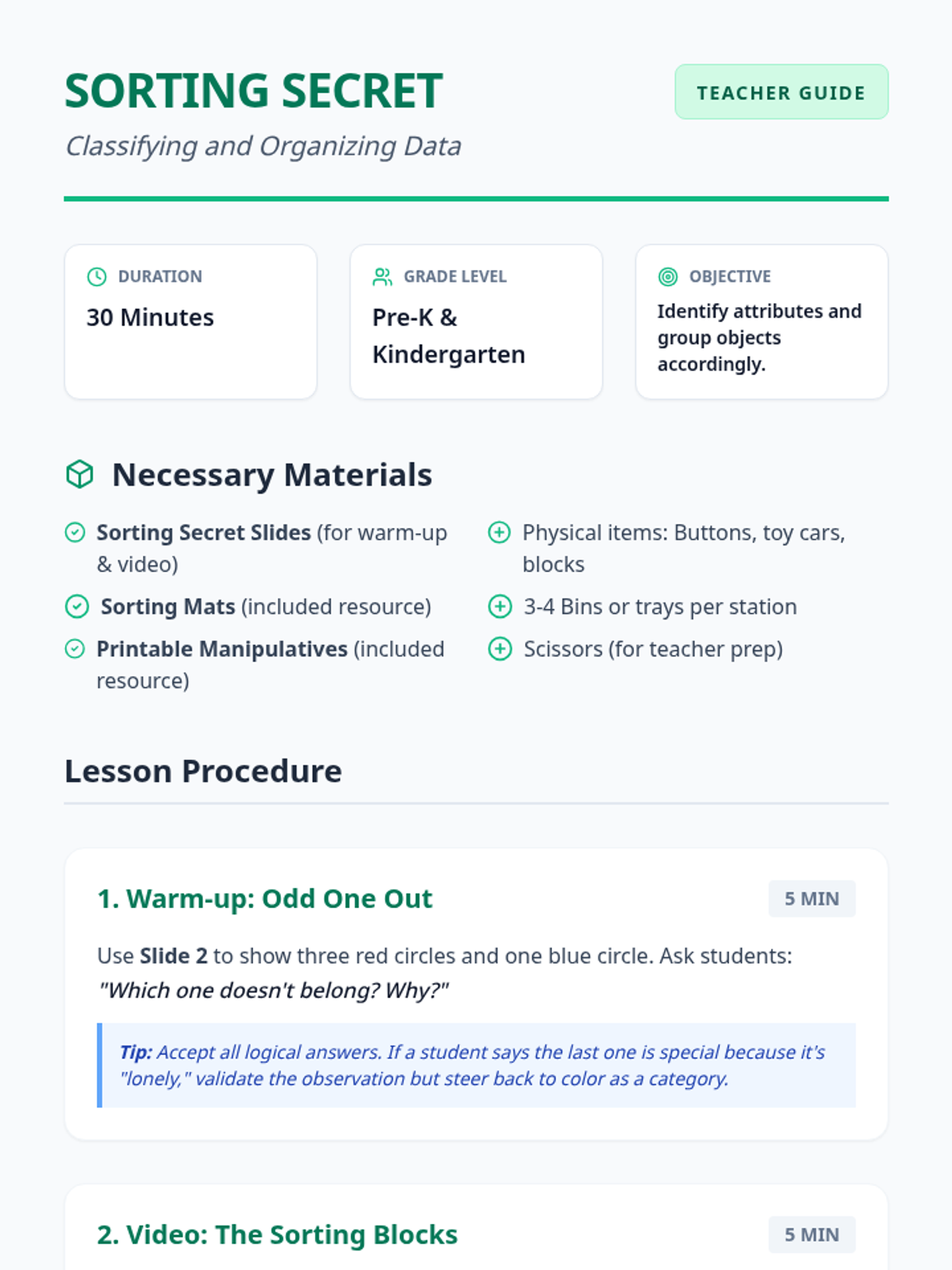
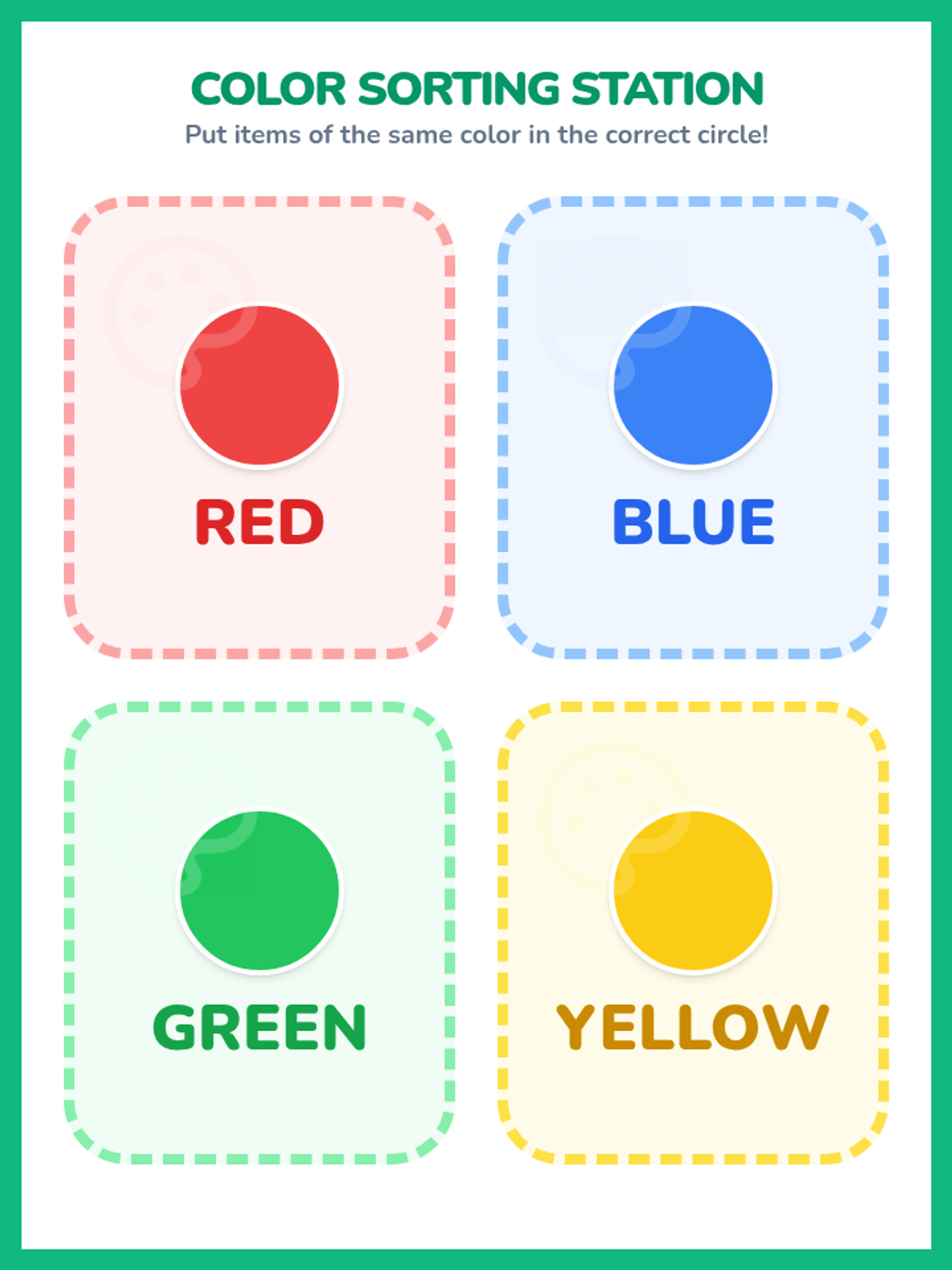
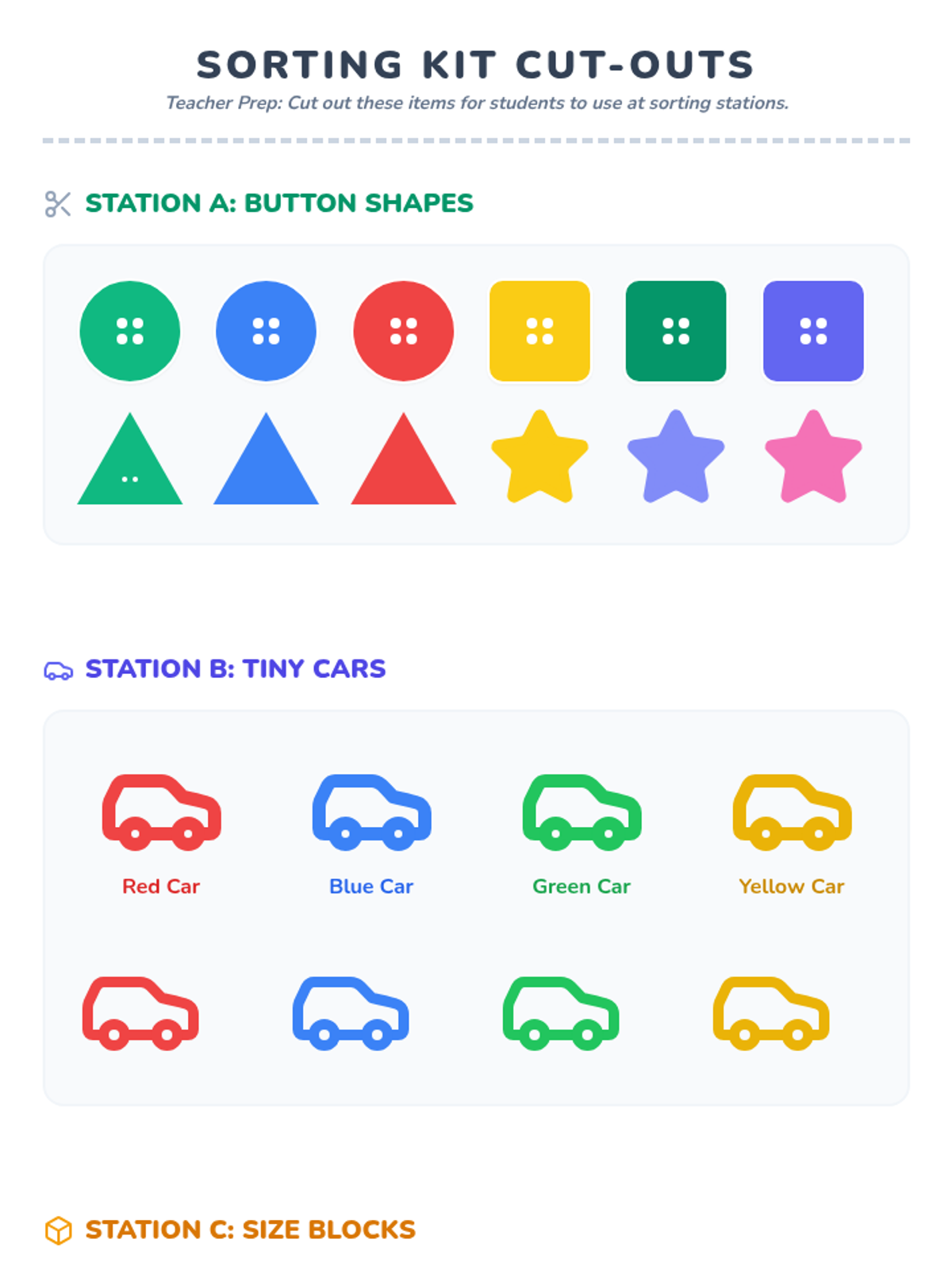
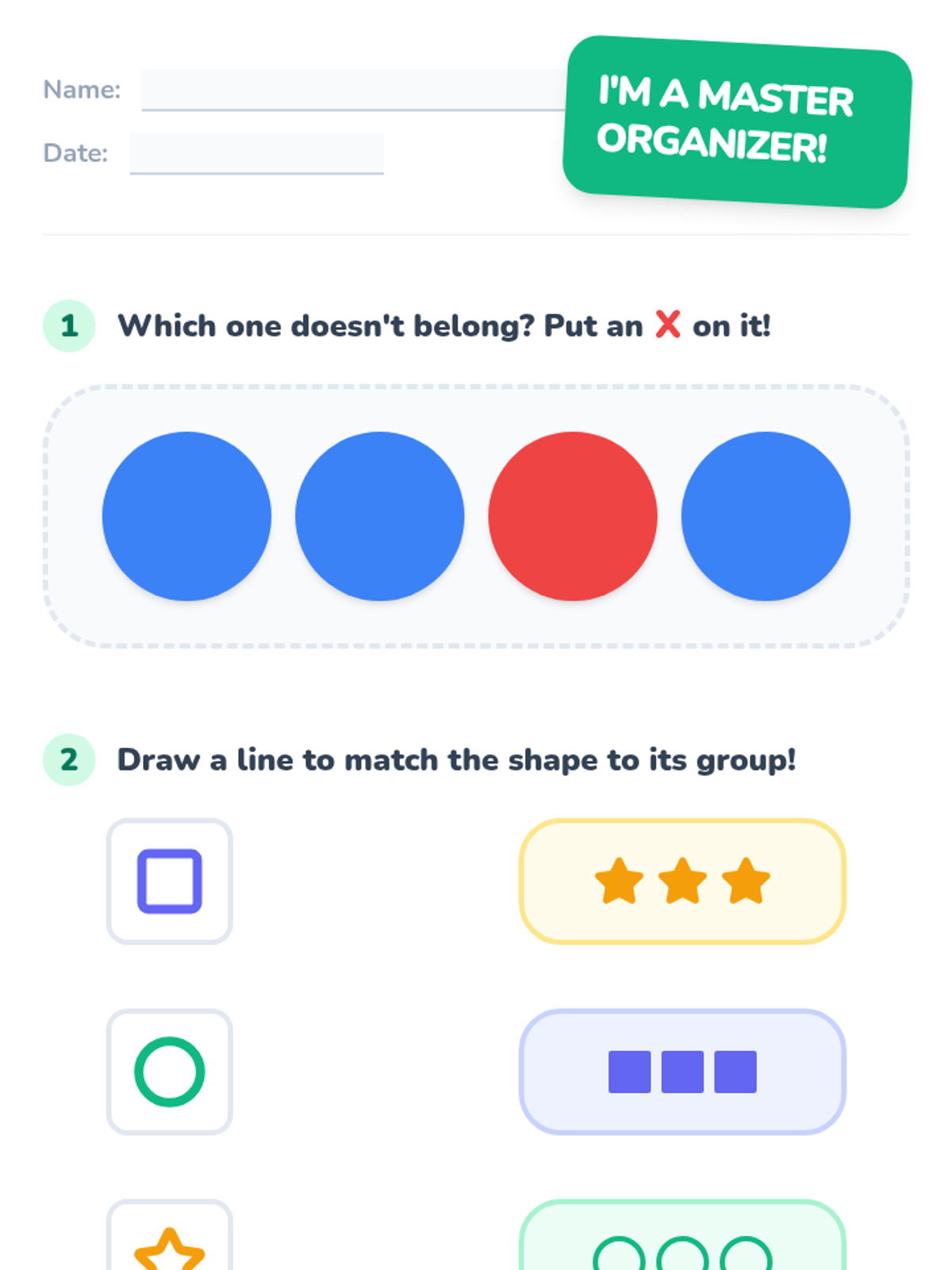
A foundational lesson for Pre-K and Kindergarten students focused on the classification aspect of data analysis. Students learn to sort objects by color, shape, and size through physical manipulatives and a guided video observation.
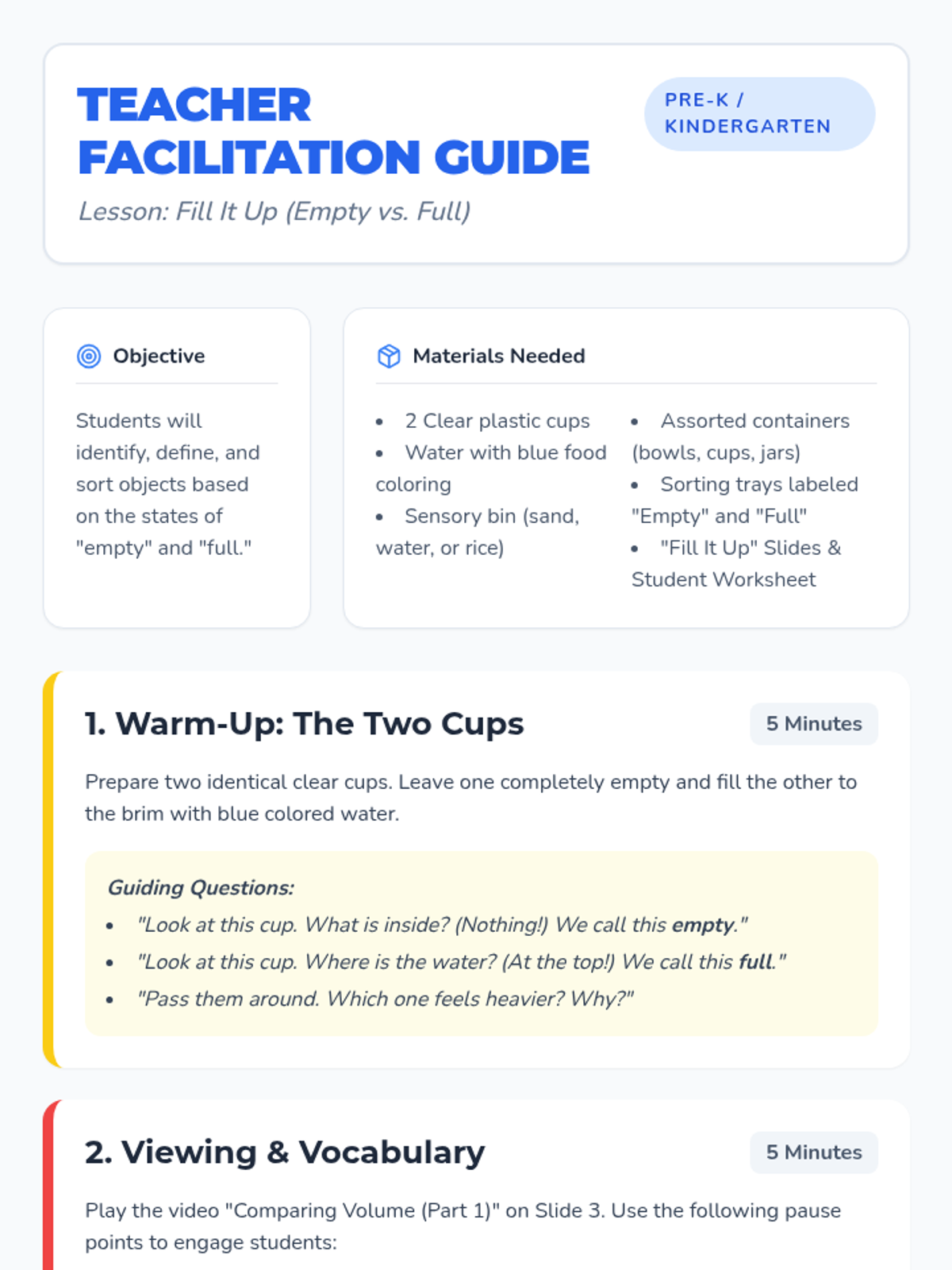
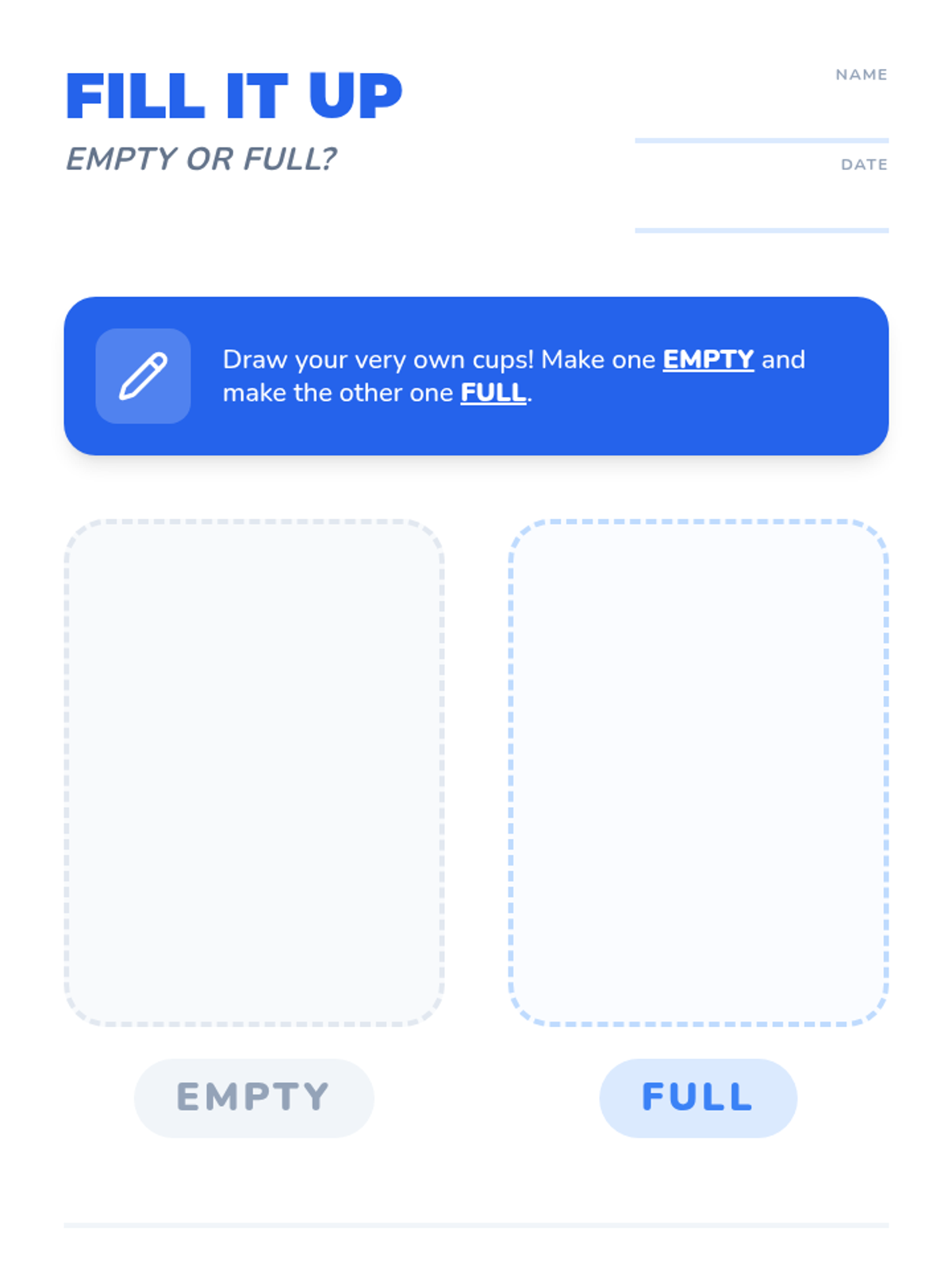
A foundational math and science lesson for Pre-K and Kindergarten students to explore the concepts of volume by identifying and defining 'empty' and 'full' through sensory play and visual comparison.
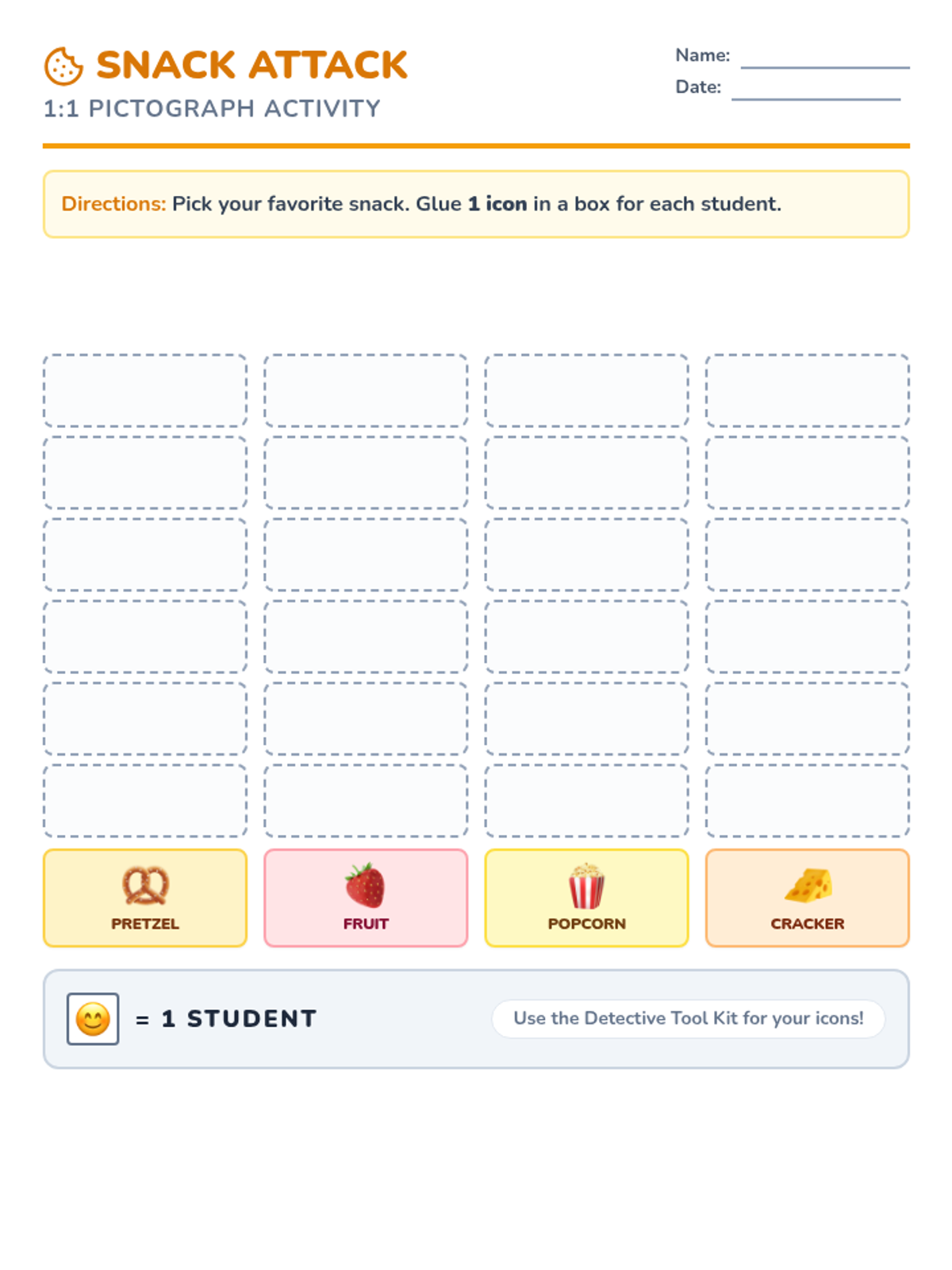
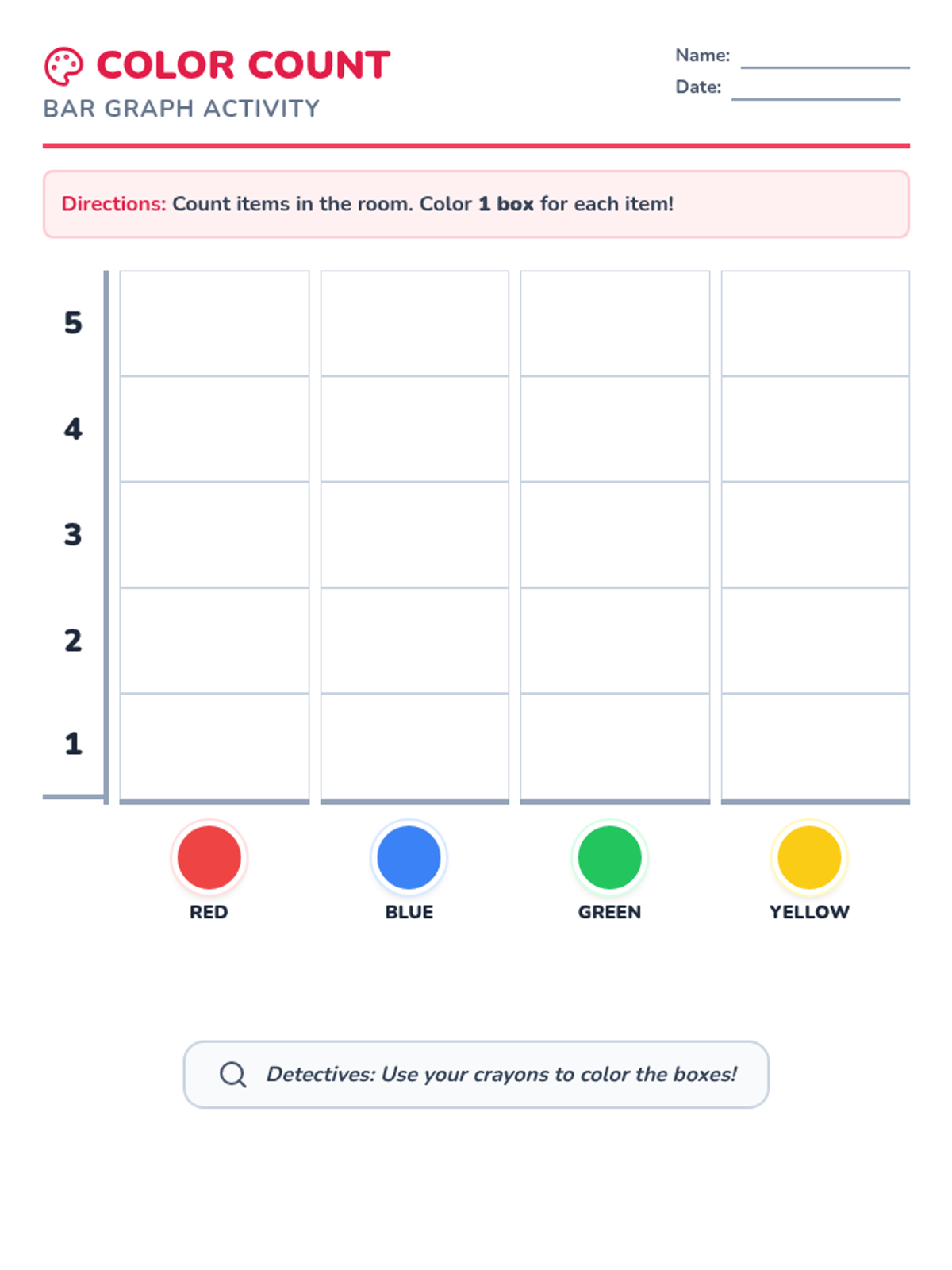
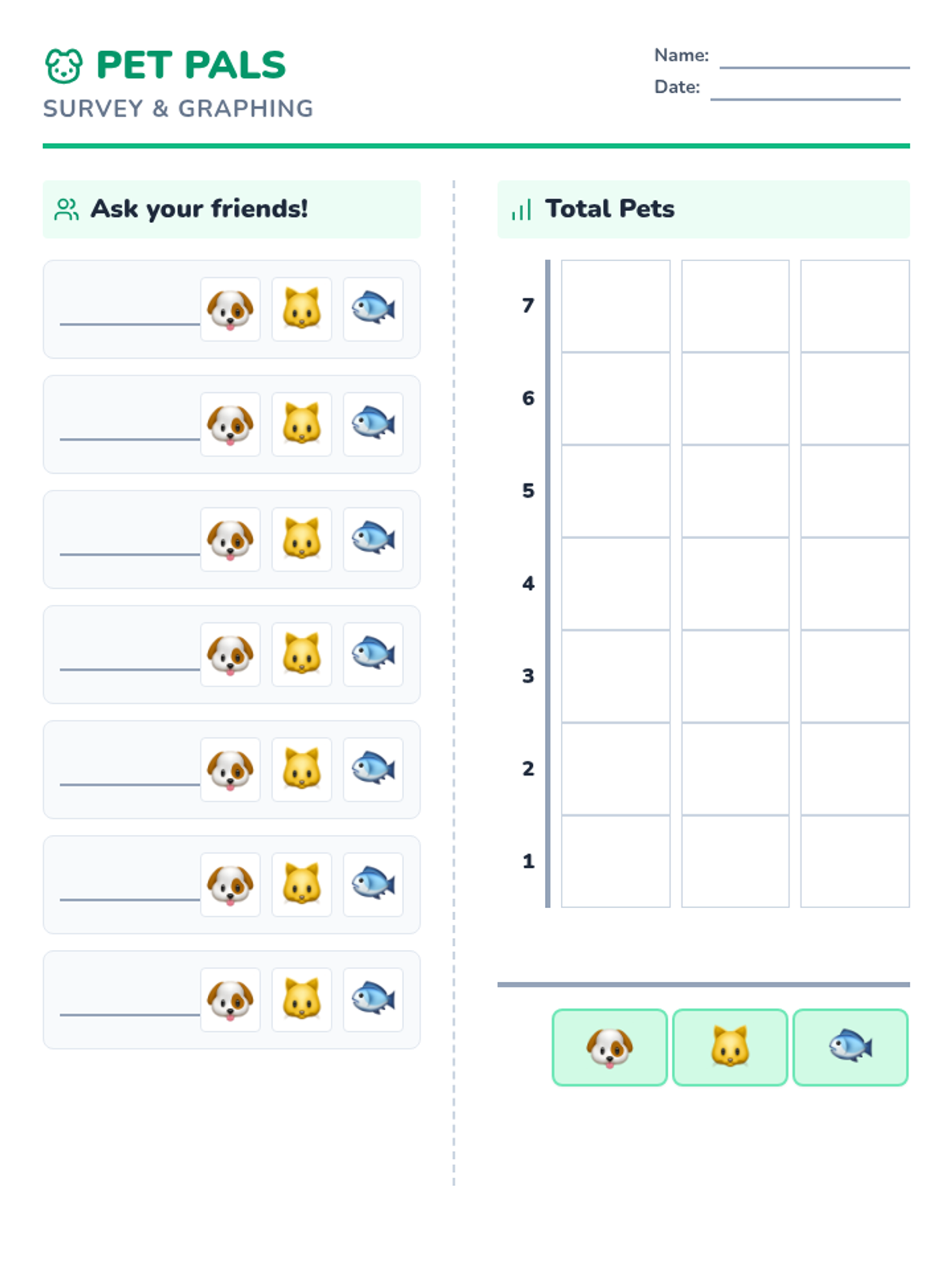
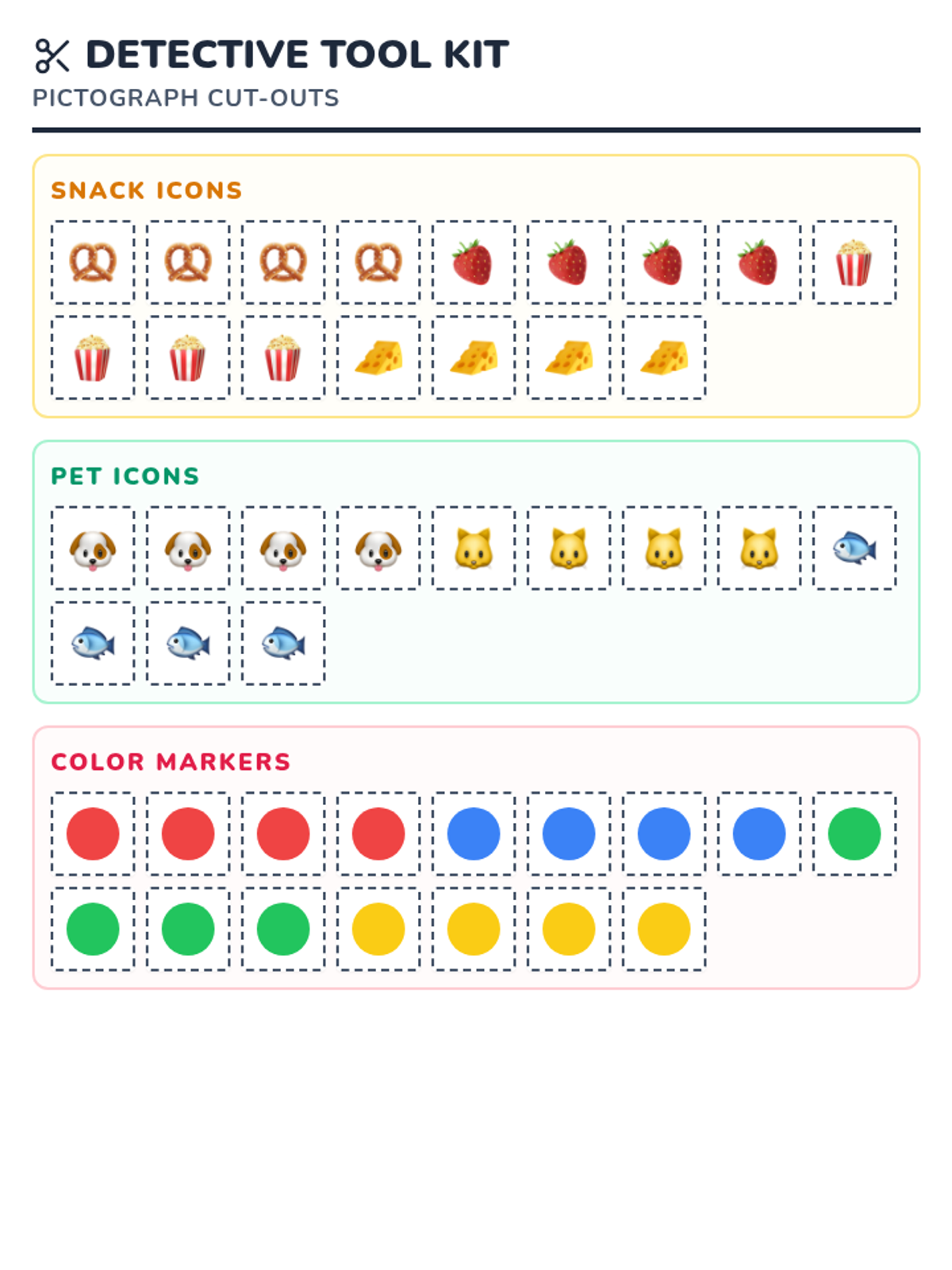
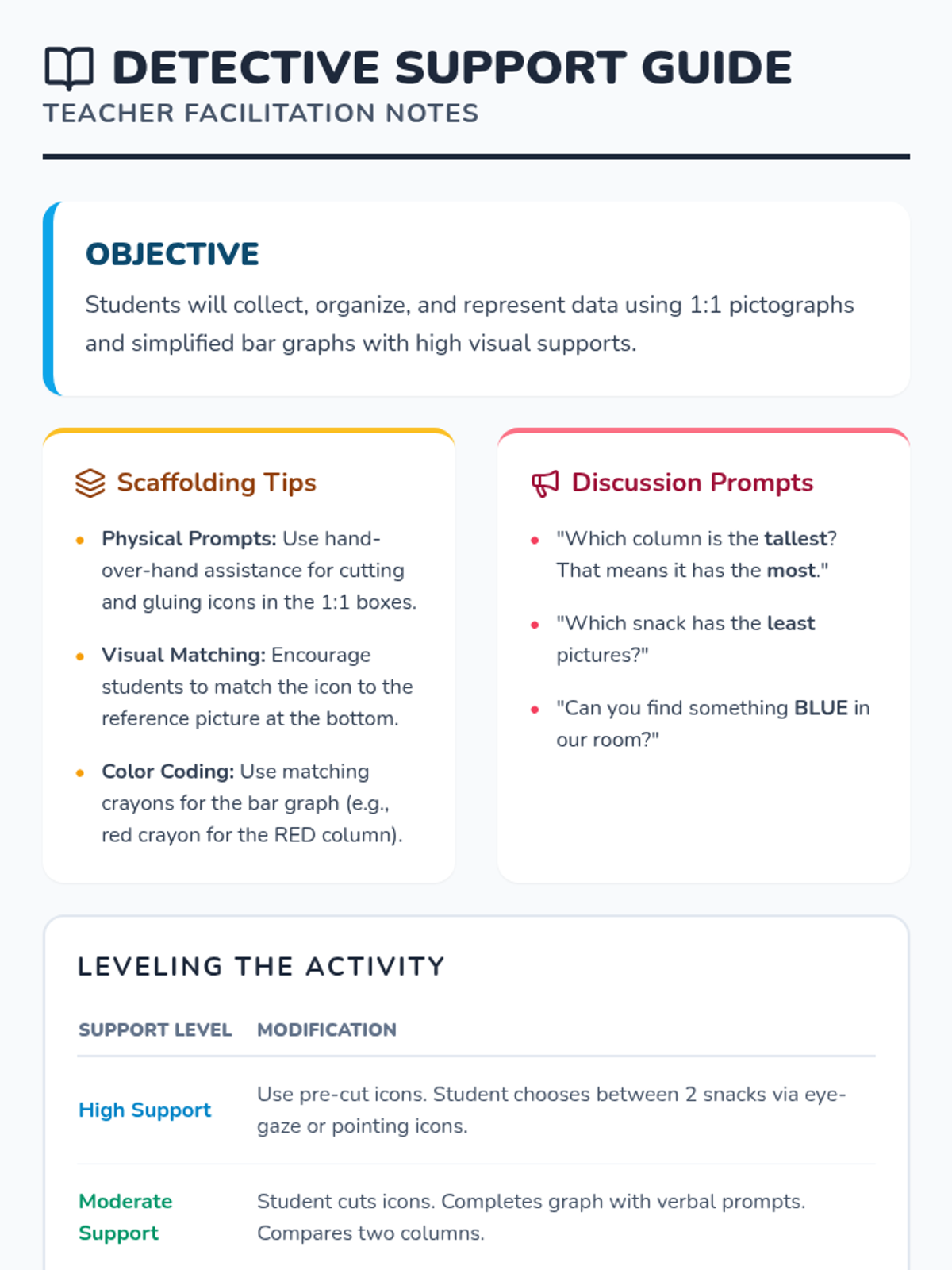
A hands-on graphing lesson designed for Essential Skills students, focusing on 1:1 pictographs and bar graphs using snack, color, and pet data with heavy visual supports.
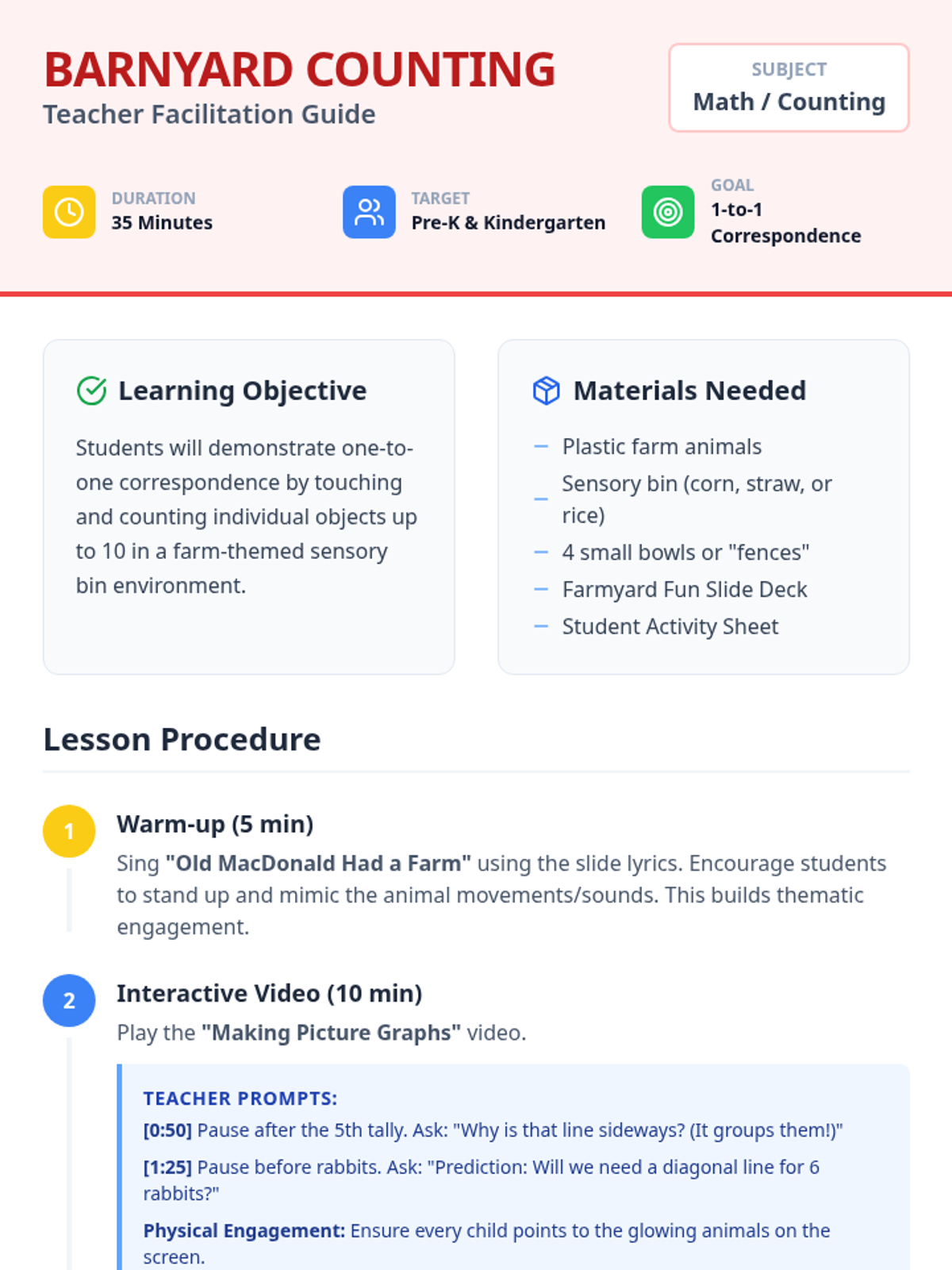
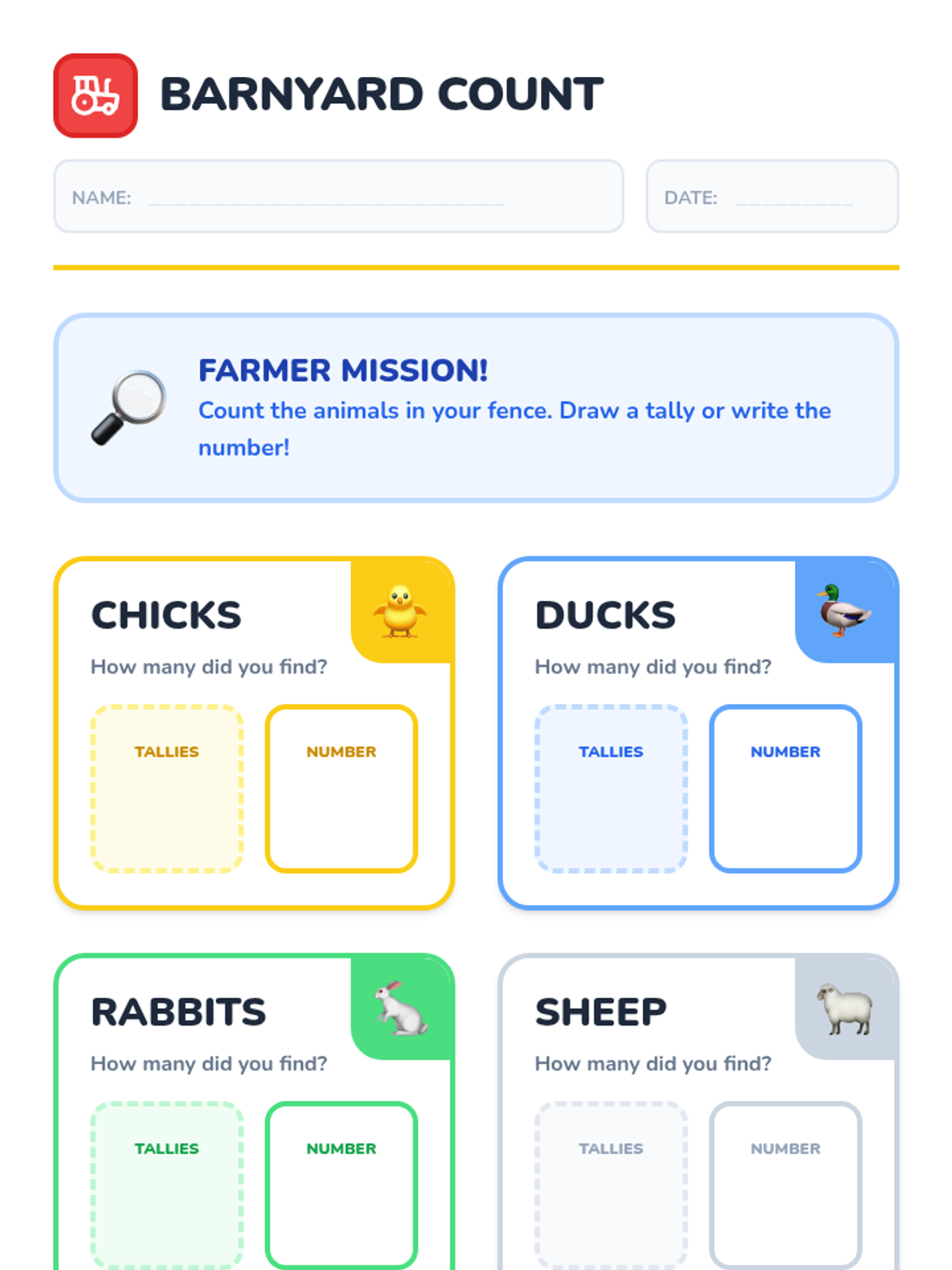
A fun, farm-themed lesson for Pre-K and Kindergarten students to practice one-to-one correspondence using songs, interactive videos, and sensory bin sorting.
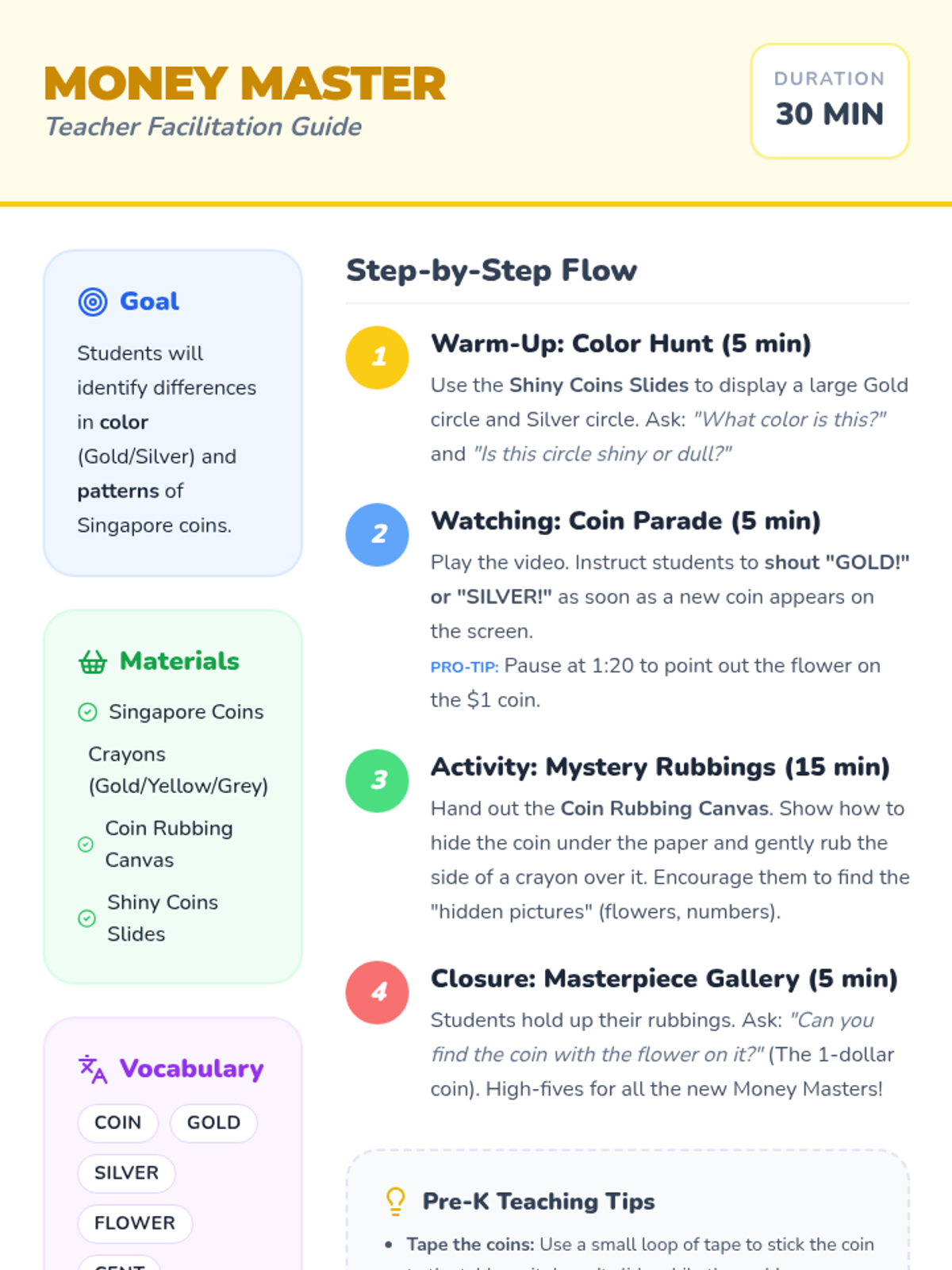
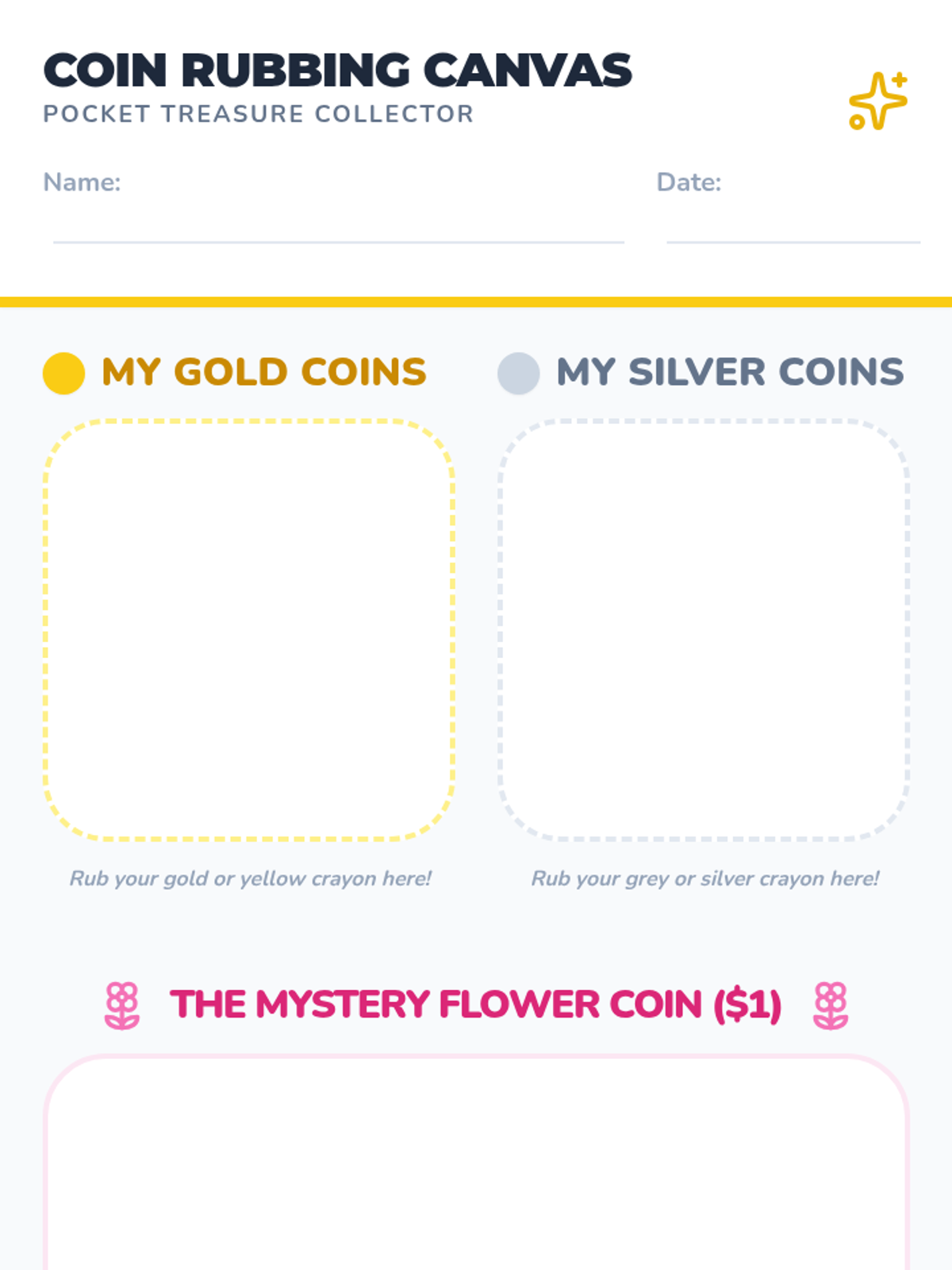
A hands-on introductory lesson for Pre-K students to explore the visual features of Singapore coins, focusing on color recognition (gold vs. silver) and pattern discovery through coin rubbings.
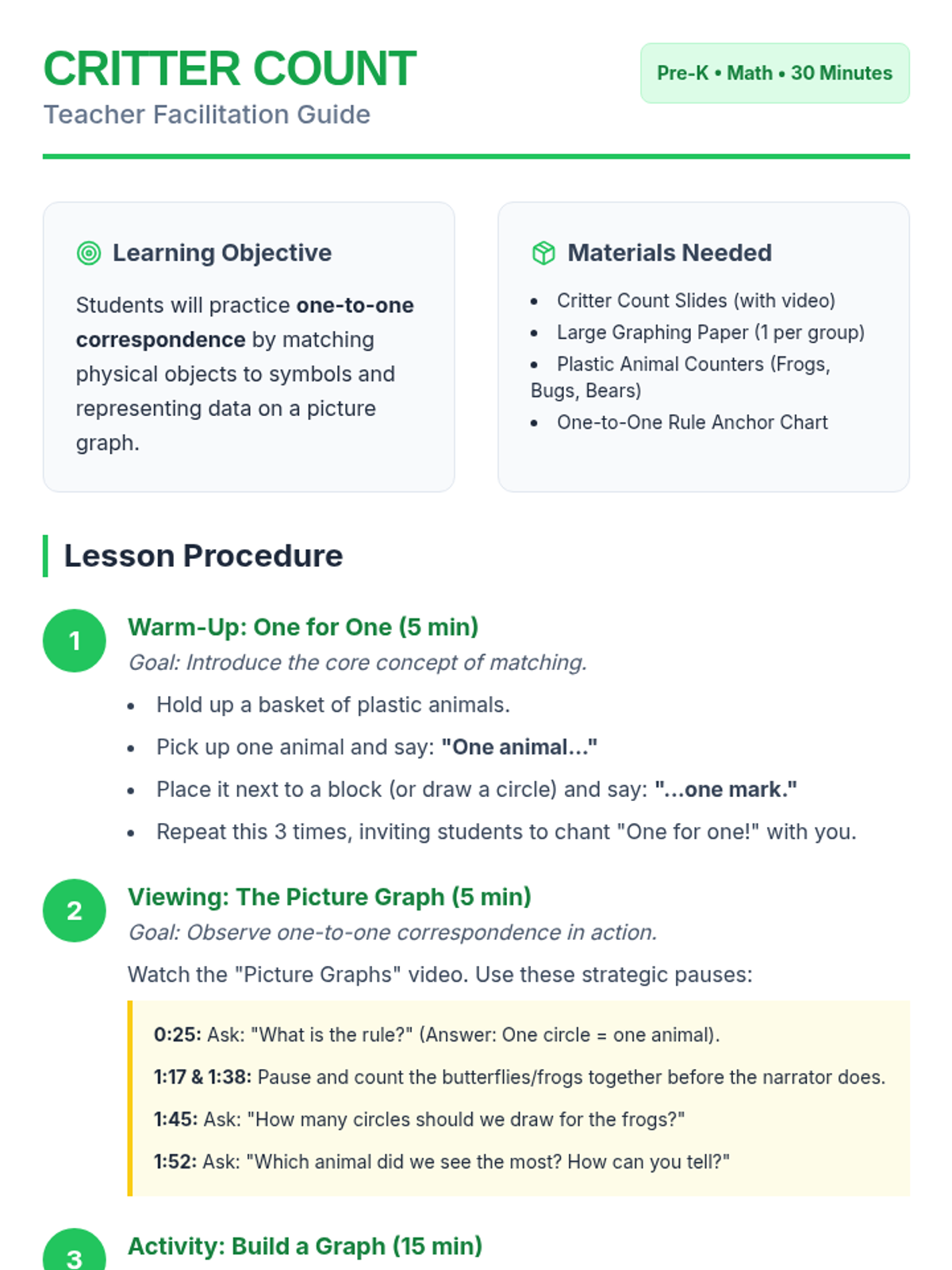
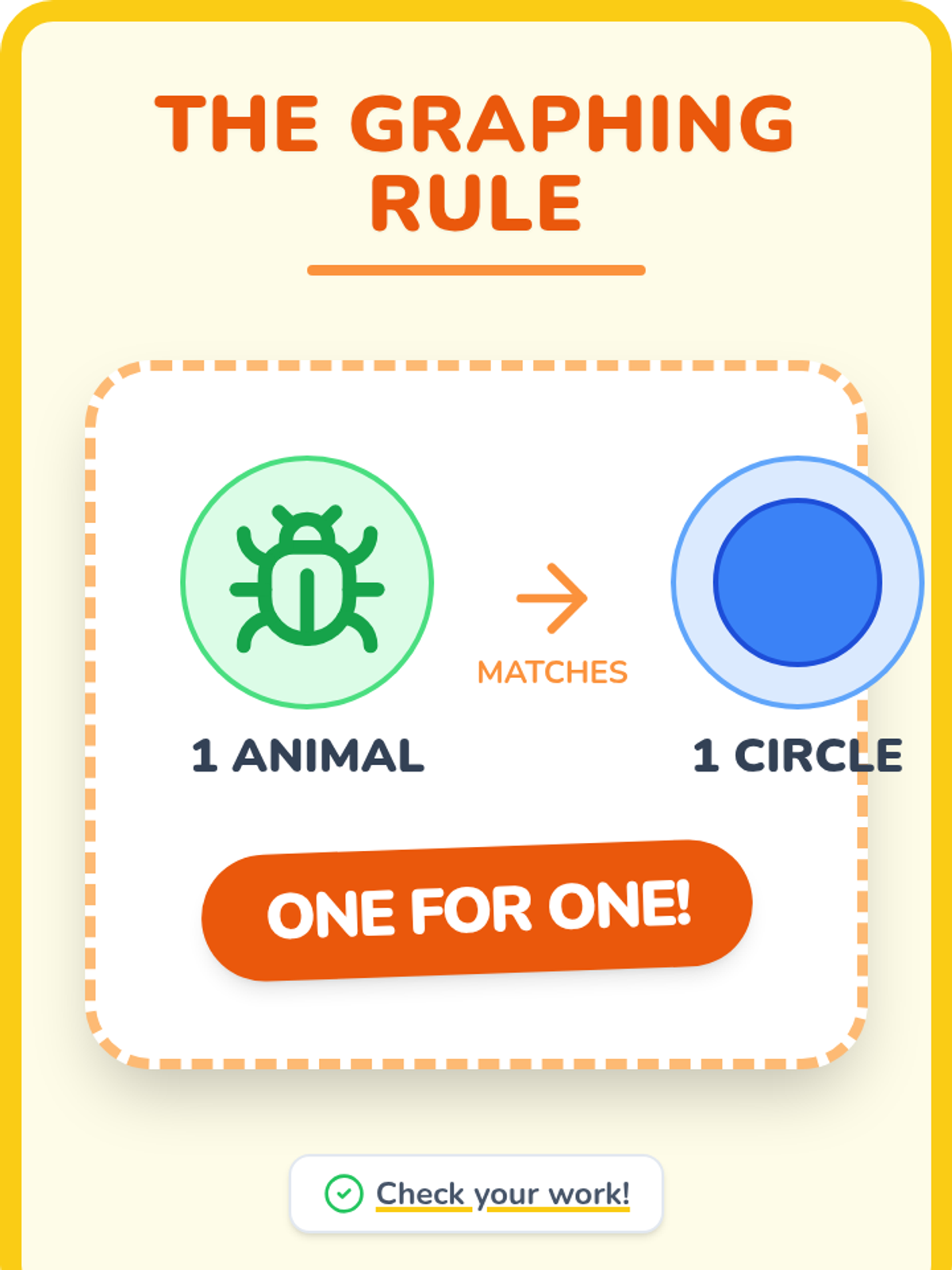
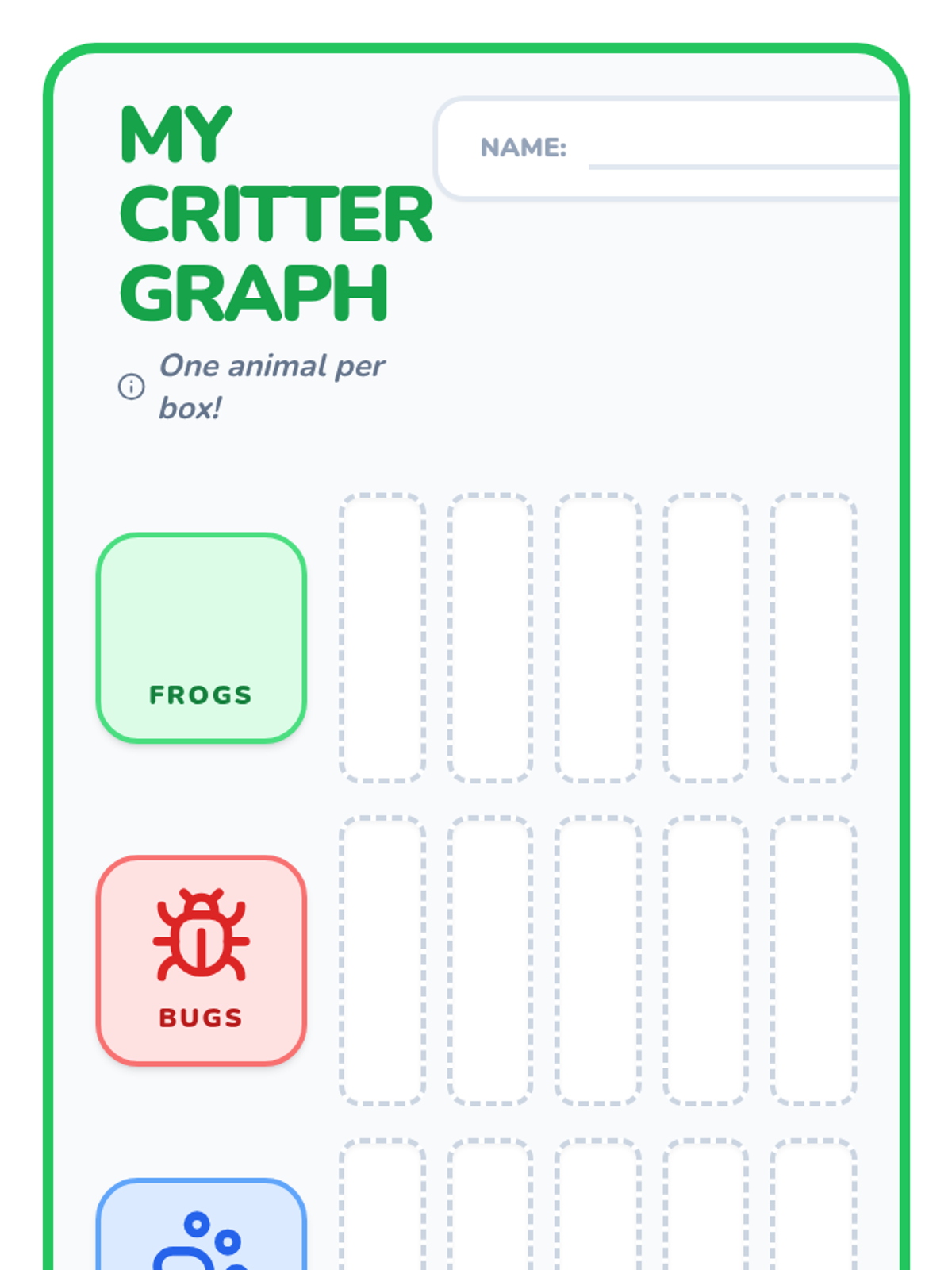
A hands-on Pre-K lesson where students explore one-to-one correspondence by counting plastic animals and representing them on a 3D picture graph. Inspired by a park-themed video, children learn to match one object to one symbol and identify 'most' and 'least'.
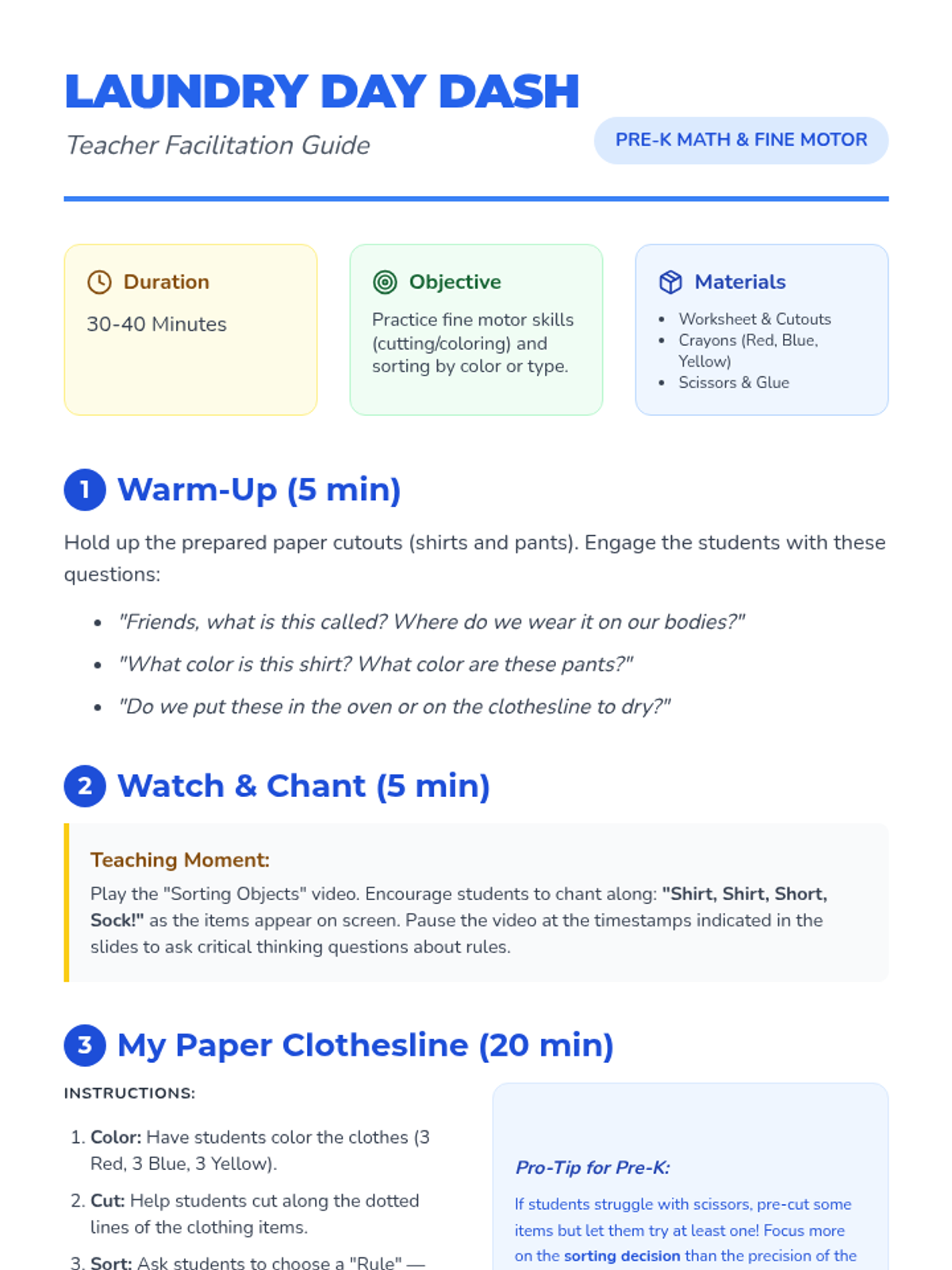
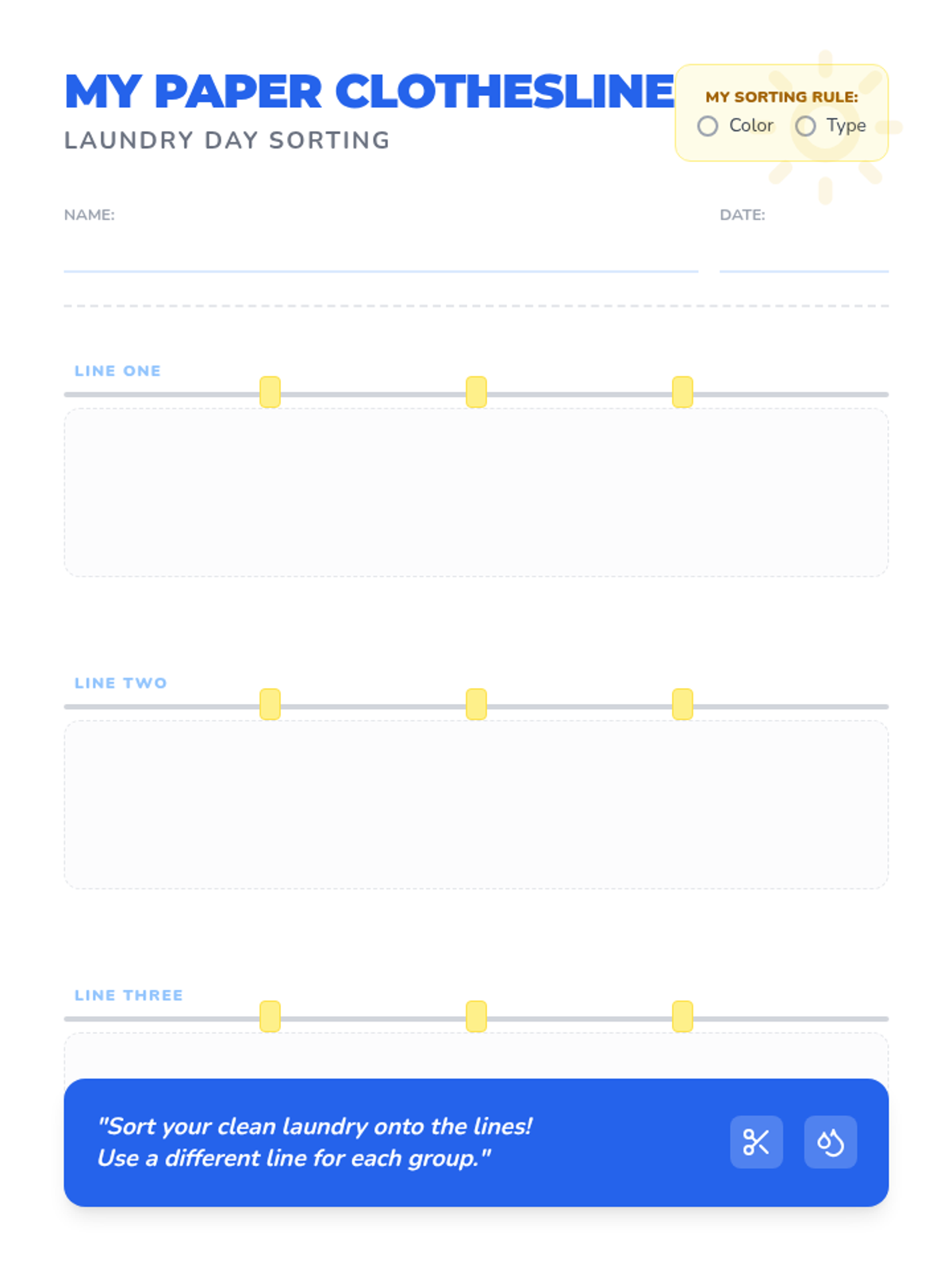
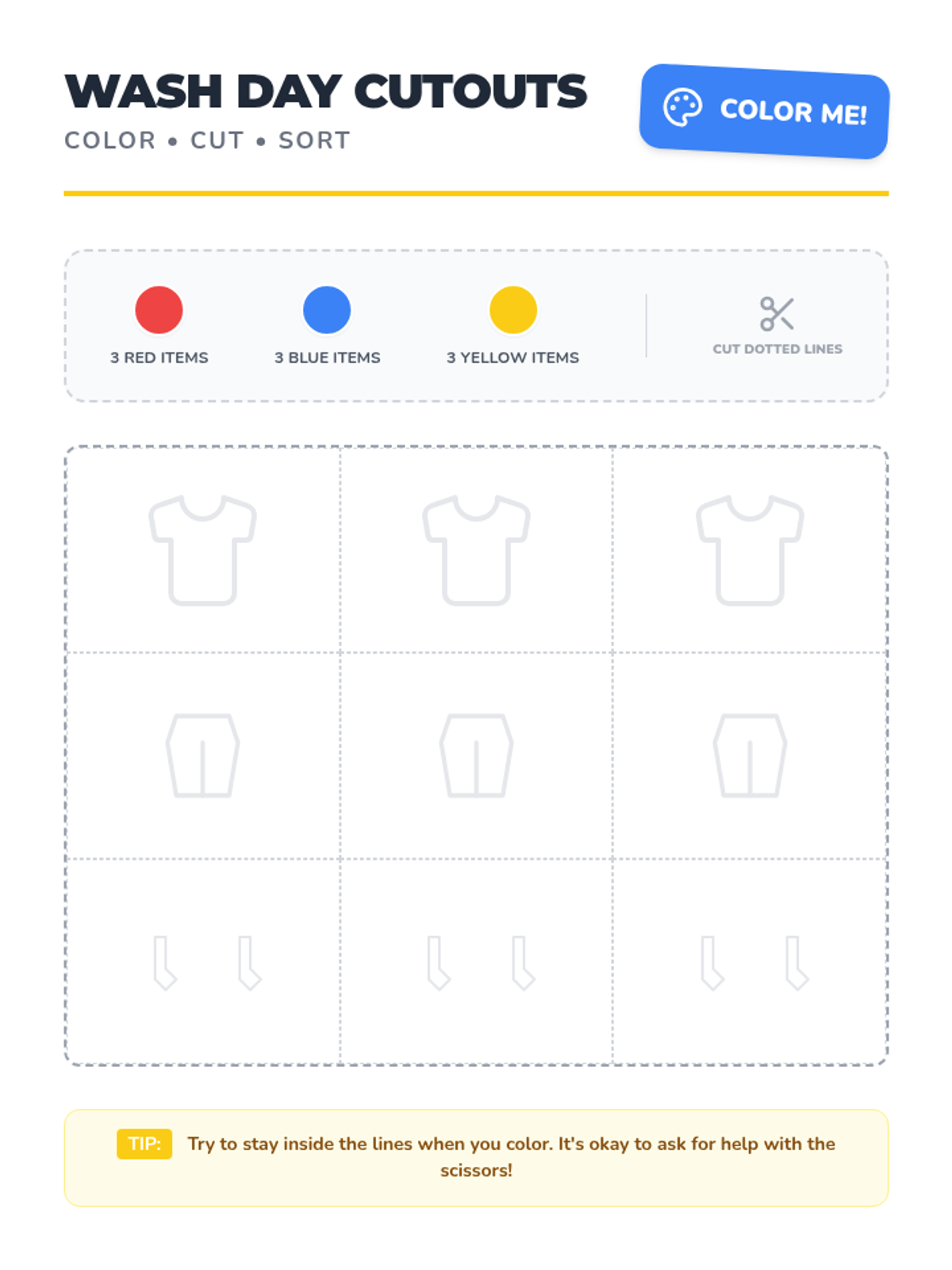
A fun, hands-on lesson where Pre-K students practice fine motor skills and basic sorting by categorizing paper clothes by color or type.
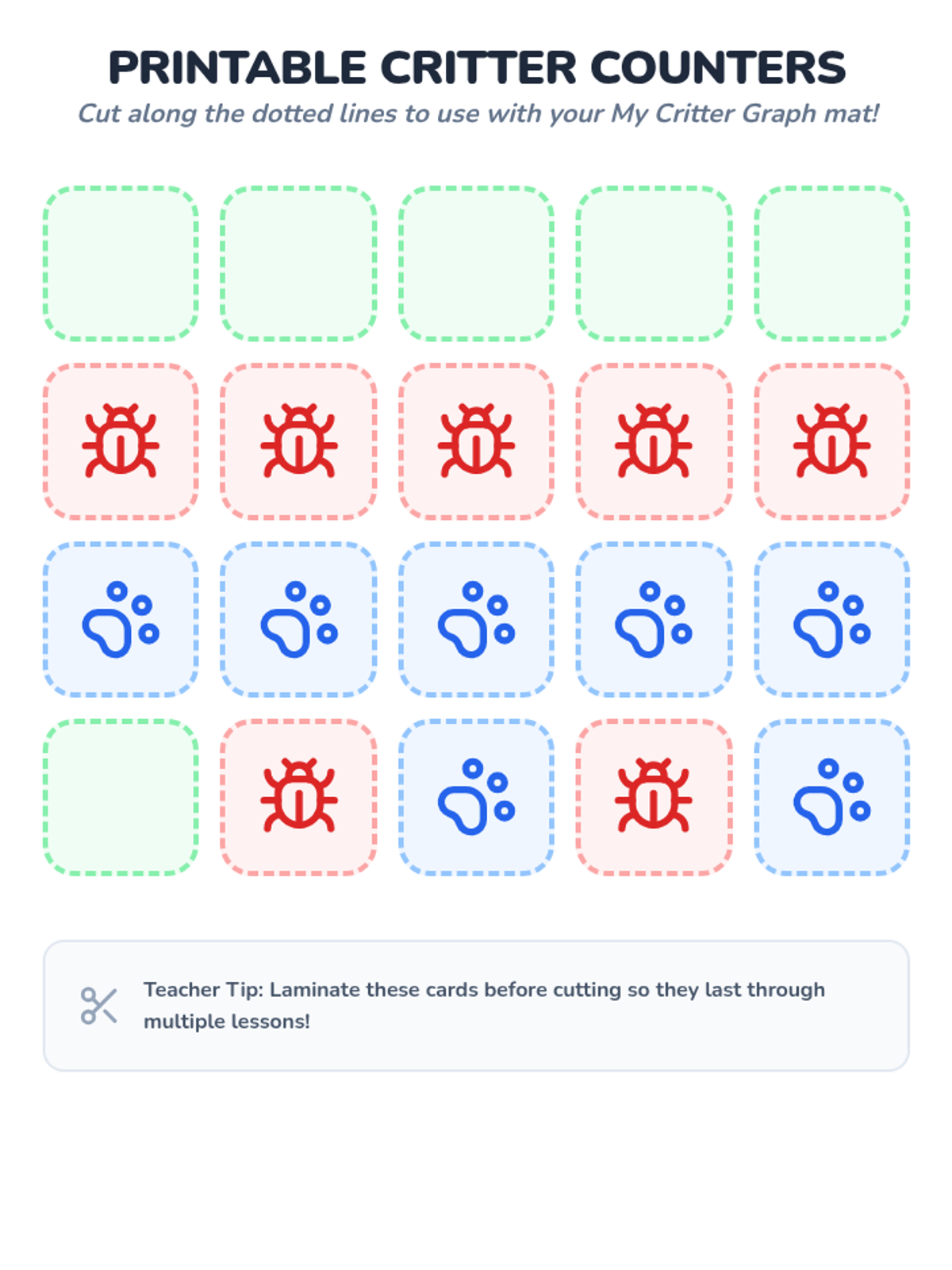
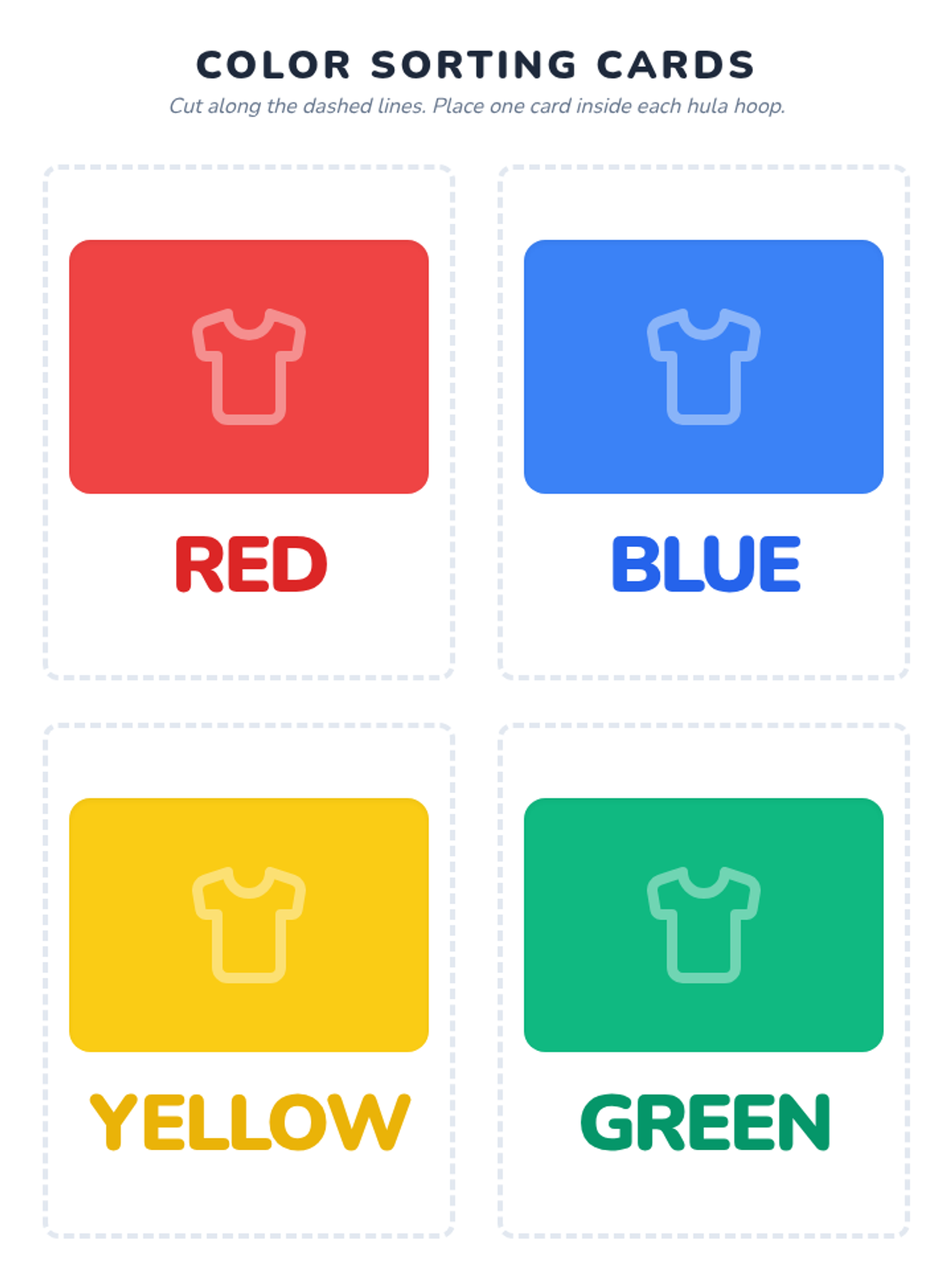
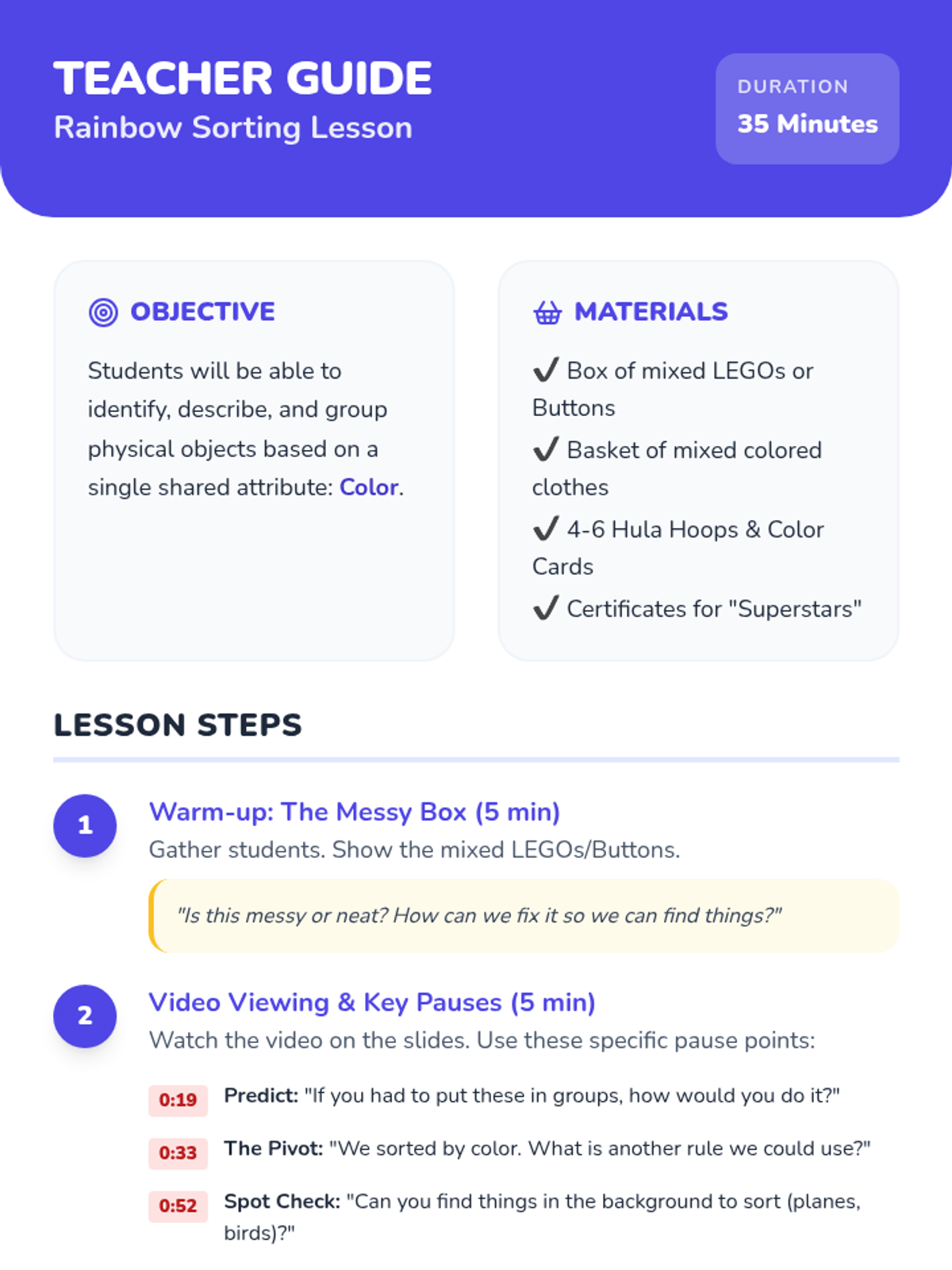
A vibrant, hands-on lesson for Pre-K and Kindergarten students to learn the fundamentals of sorting objects by color through a 'Great Laundry Sort' activity and an engaging video.
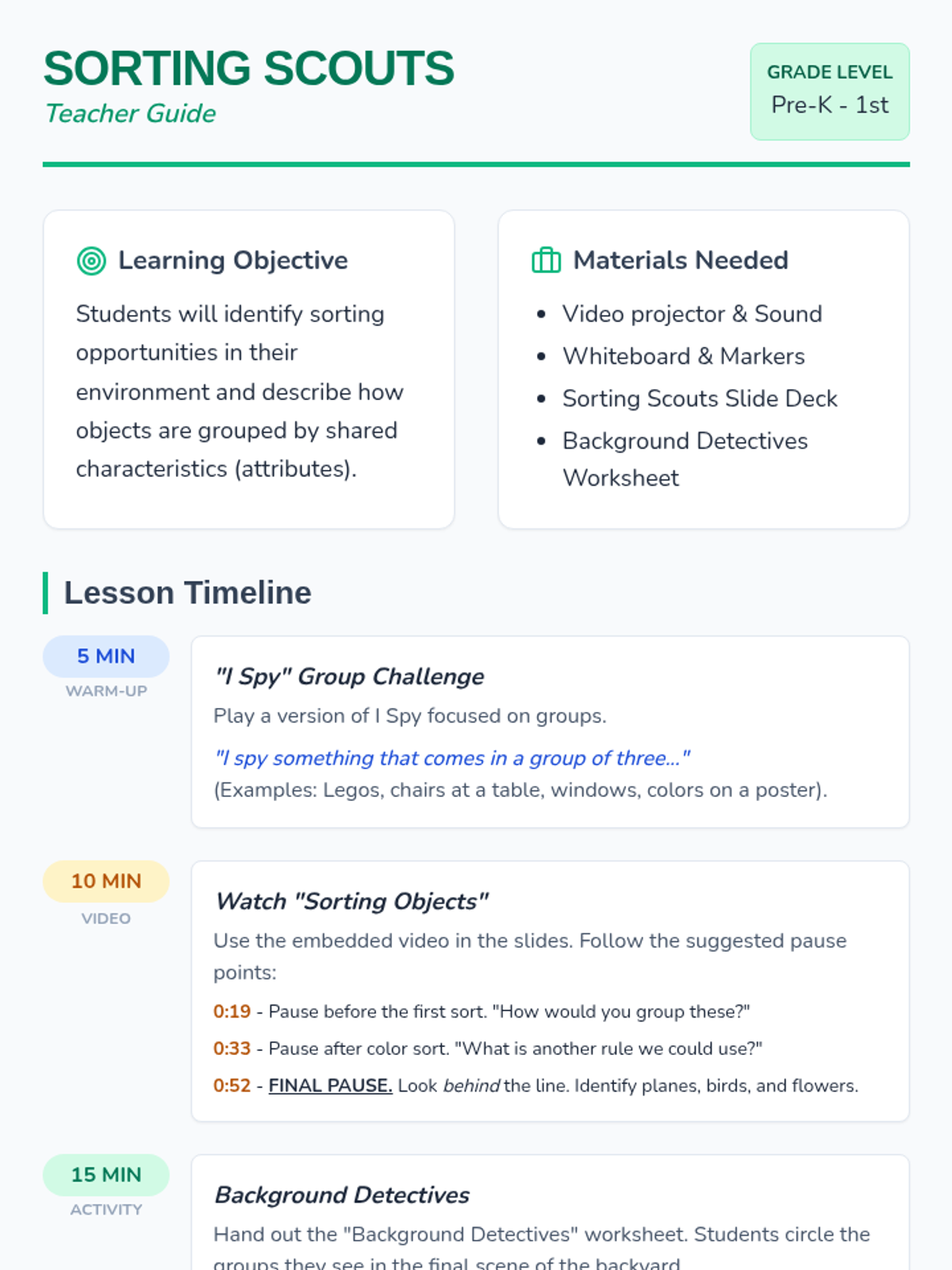
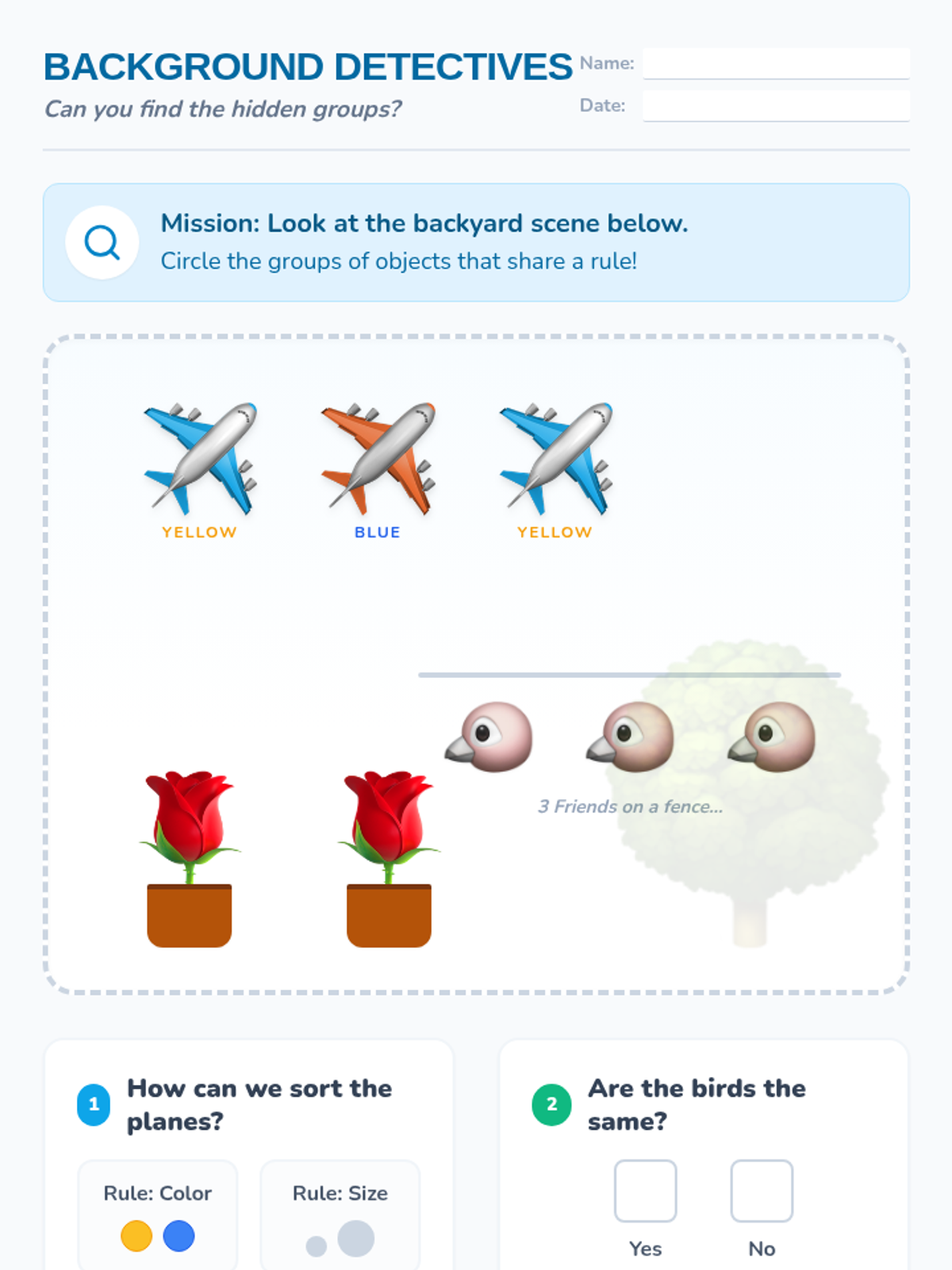
A foundational sorting lesson for early learners (Pre-K to 1st Grade) that uses a backyard scene to identify, categorize, and sort objects by attributes like color and type. Students practice observation skills as 'Sorting Scouts' to find hidden groups in their environment.
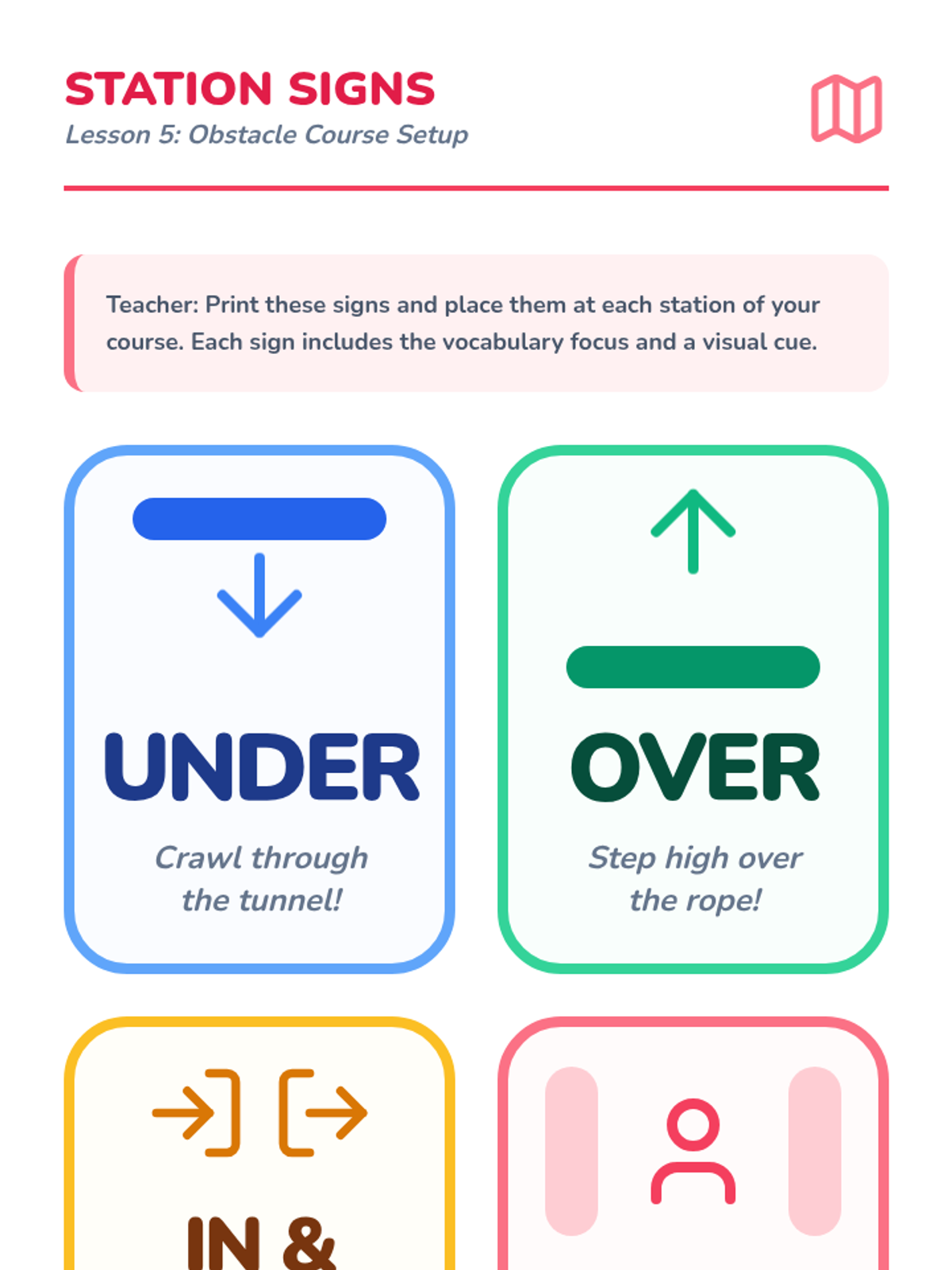
Students navigate a physical obstacle course using their knowledge of spatial terms to complete specific movements like crawling under and stepping over.
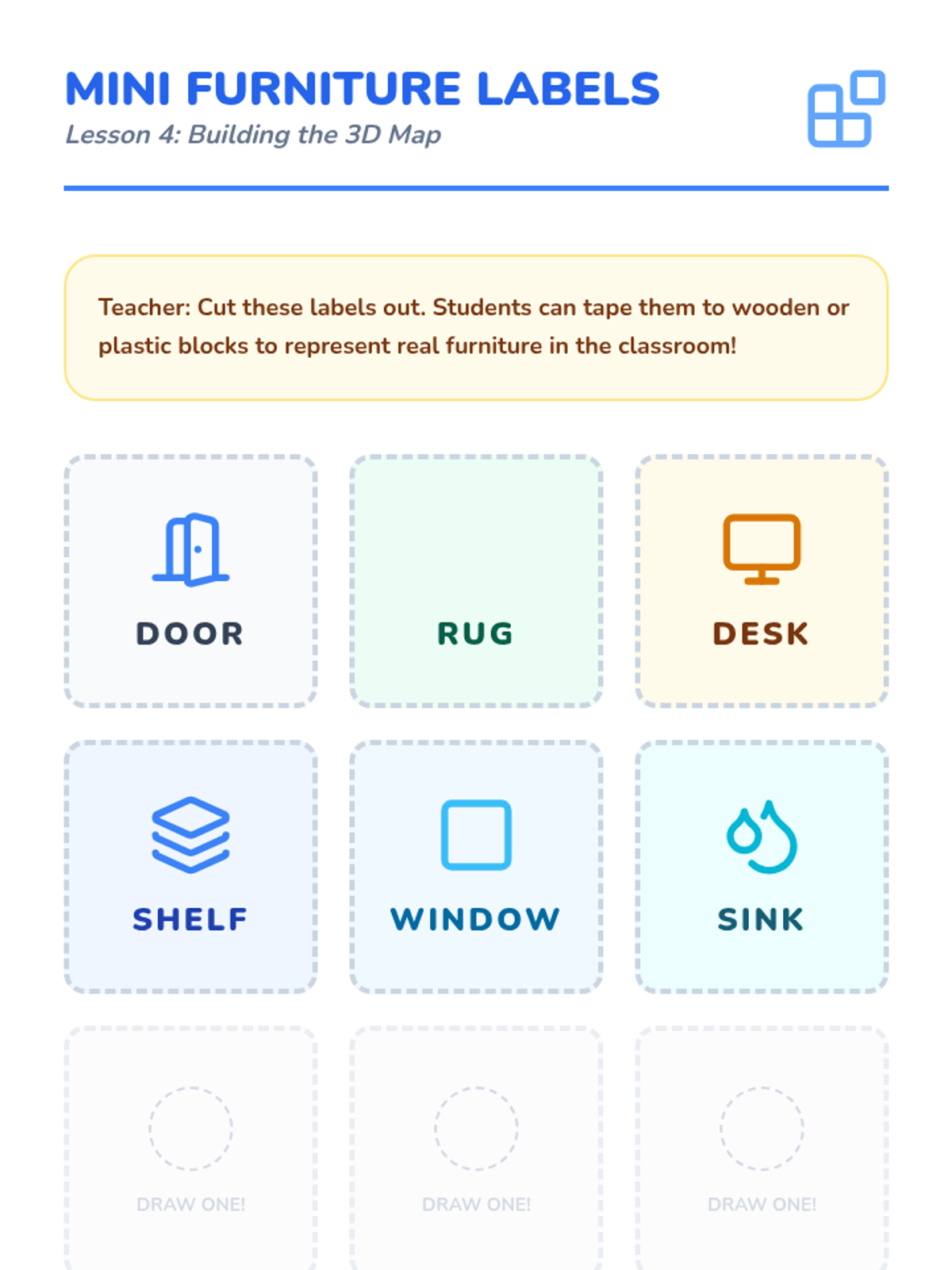
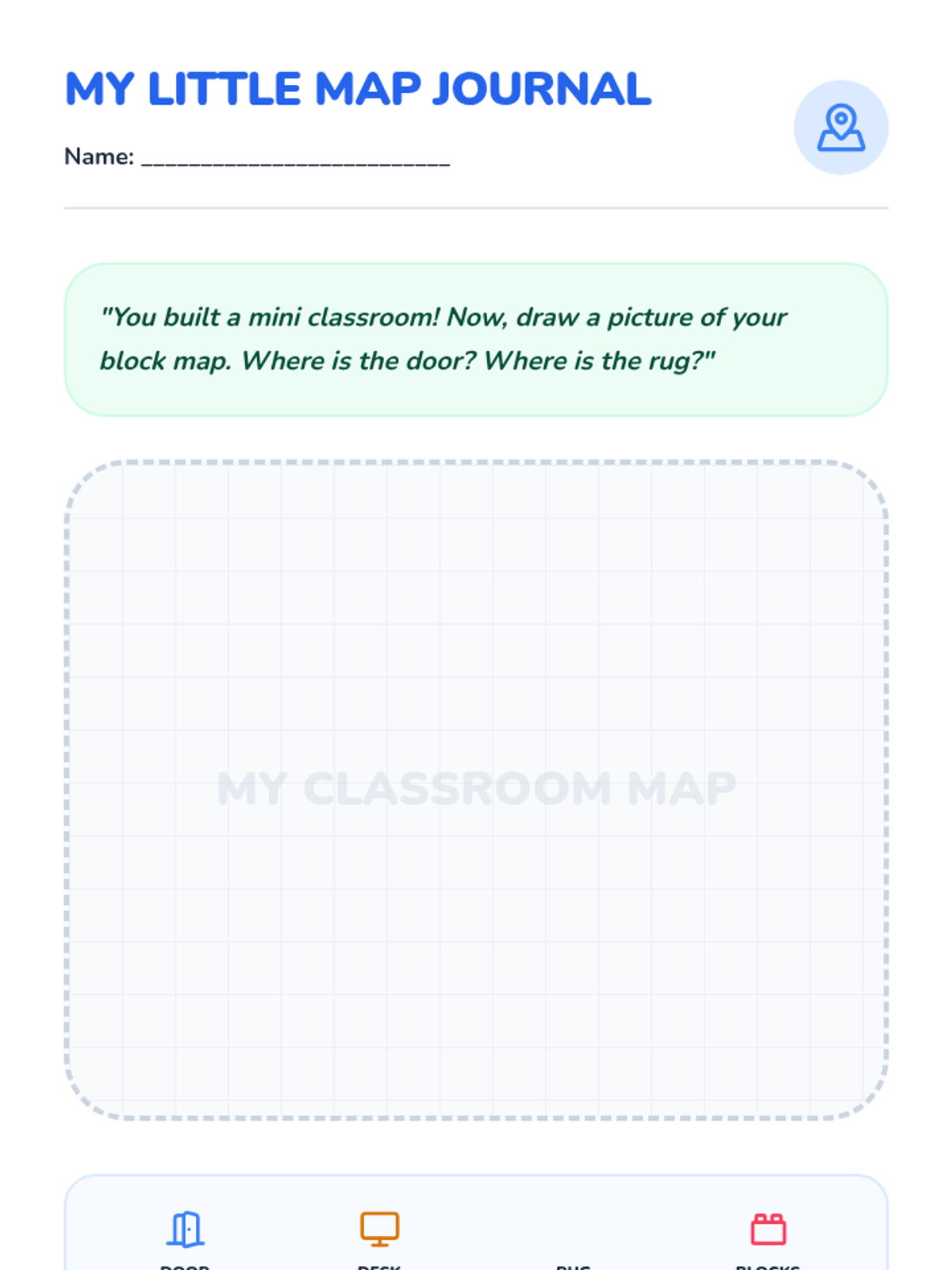
Students create 3D block maps of their classroom to represent furniture and paths, developing abstract reasoning and scale visualization skills.