Fundamental biological structures and processes from microscopic cells and genetic inheritance to complex body systems and global ecosystems. Addresses plant and animal adaptations, trait expression, and the cycles of life and cell division.
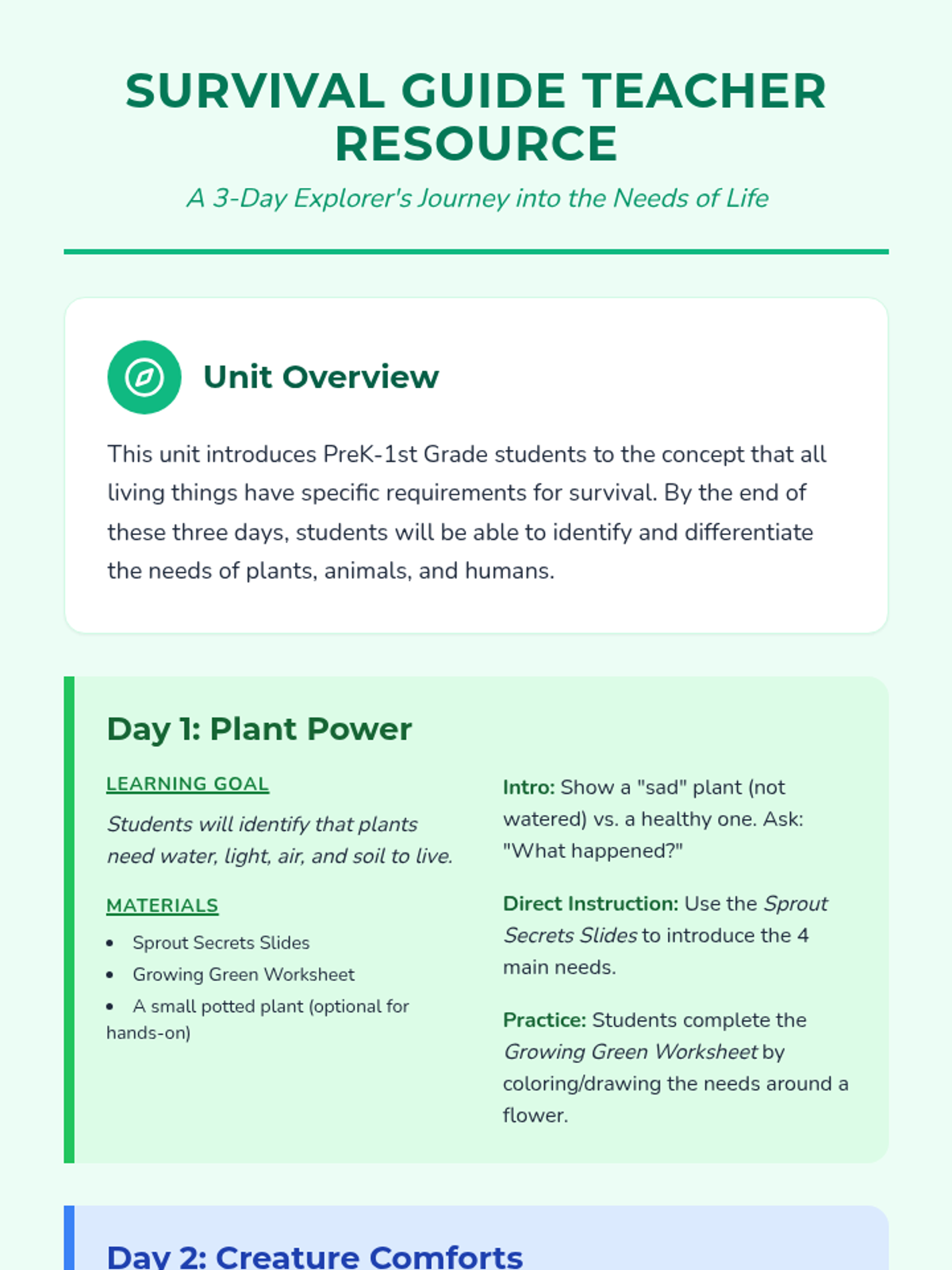
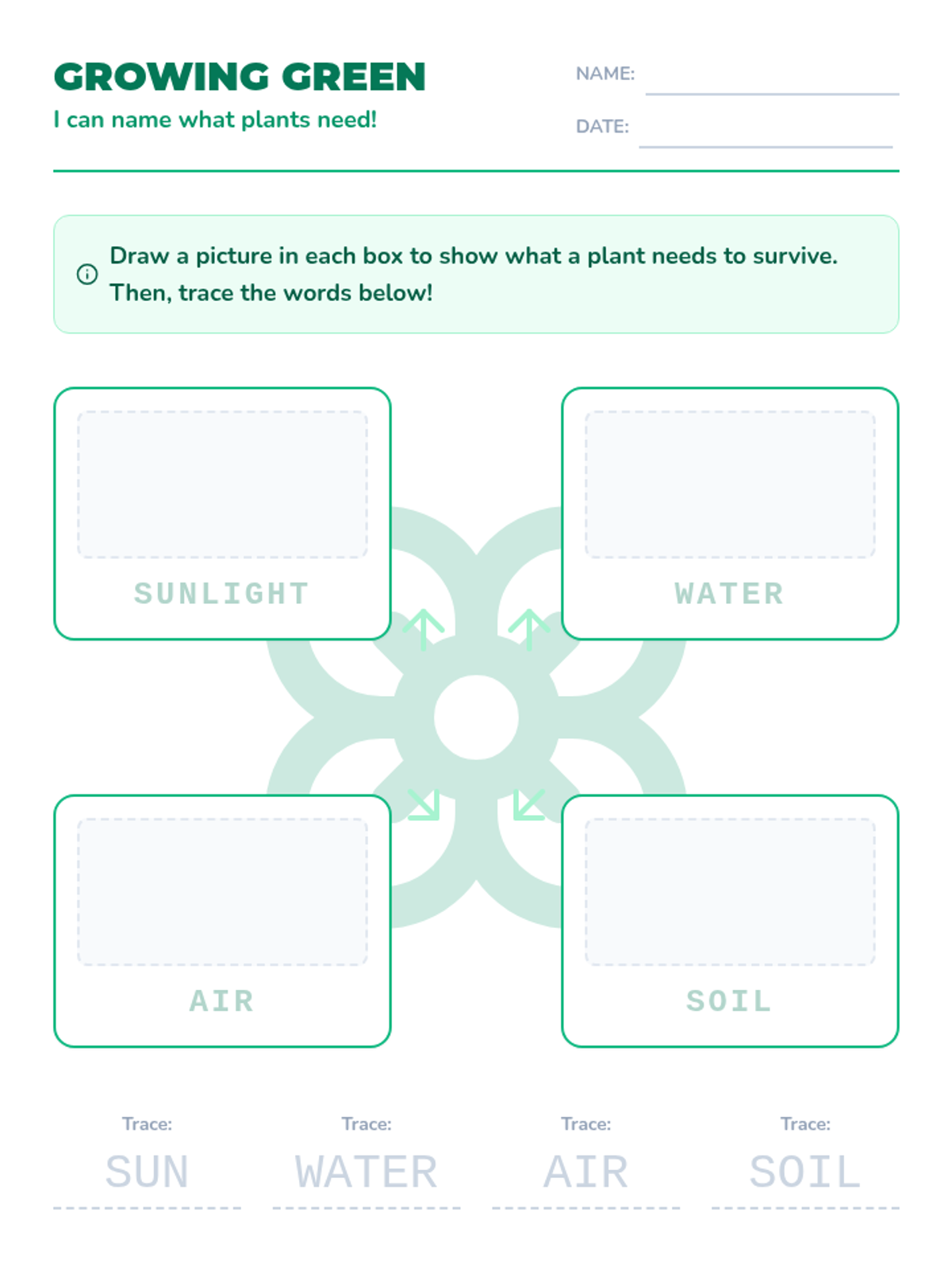
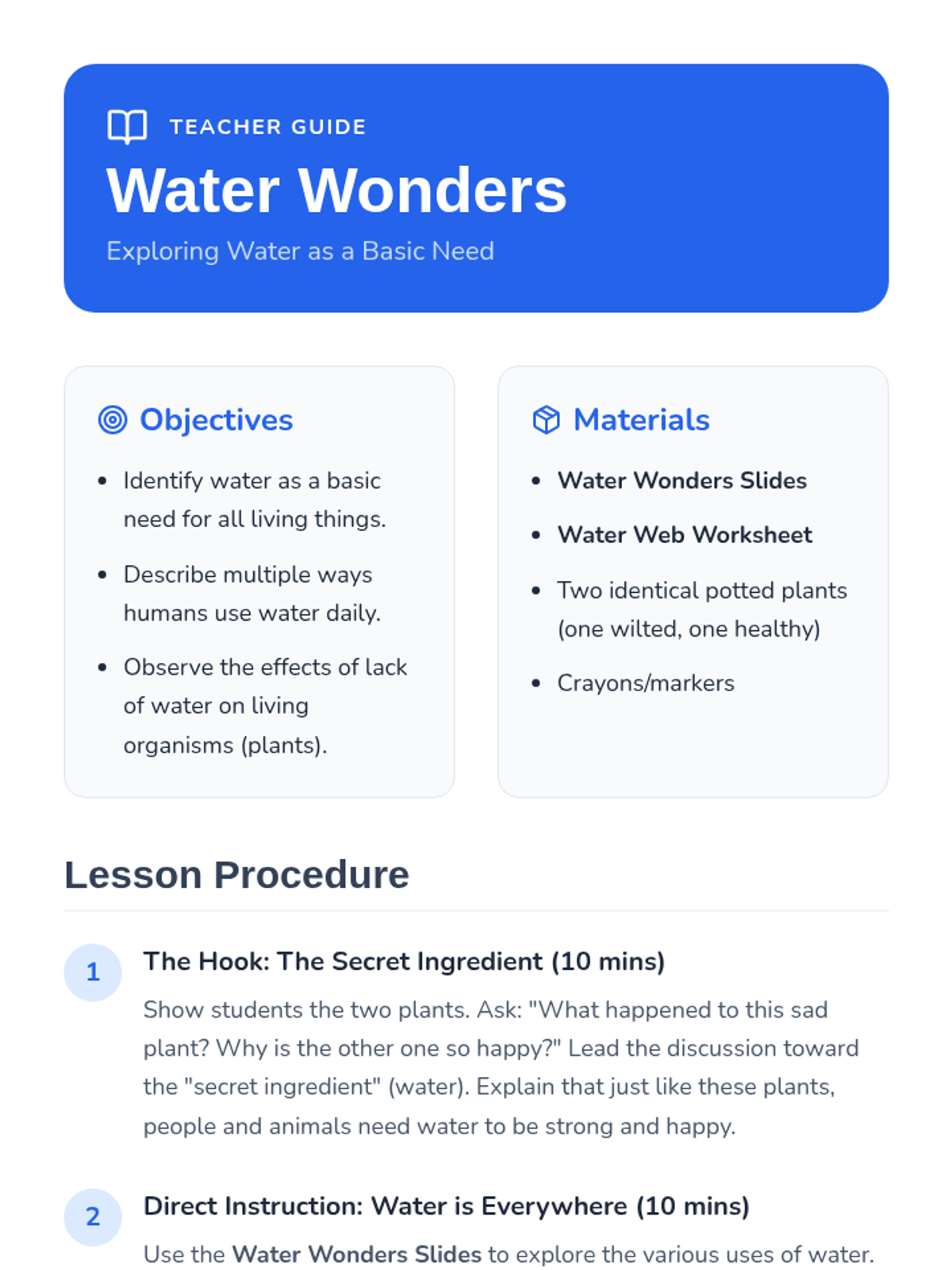
A 3-day introductory science sequence for early learners (PreK-1st) exploring the fundamental needs of plants, animals, and humans. Students will discover commonalities in survival requirements through visuals, guided practice, and hands-on sorting.
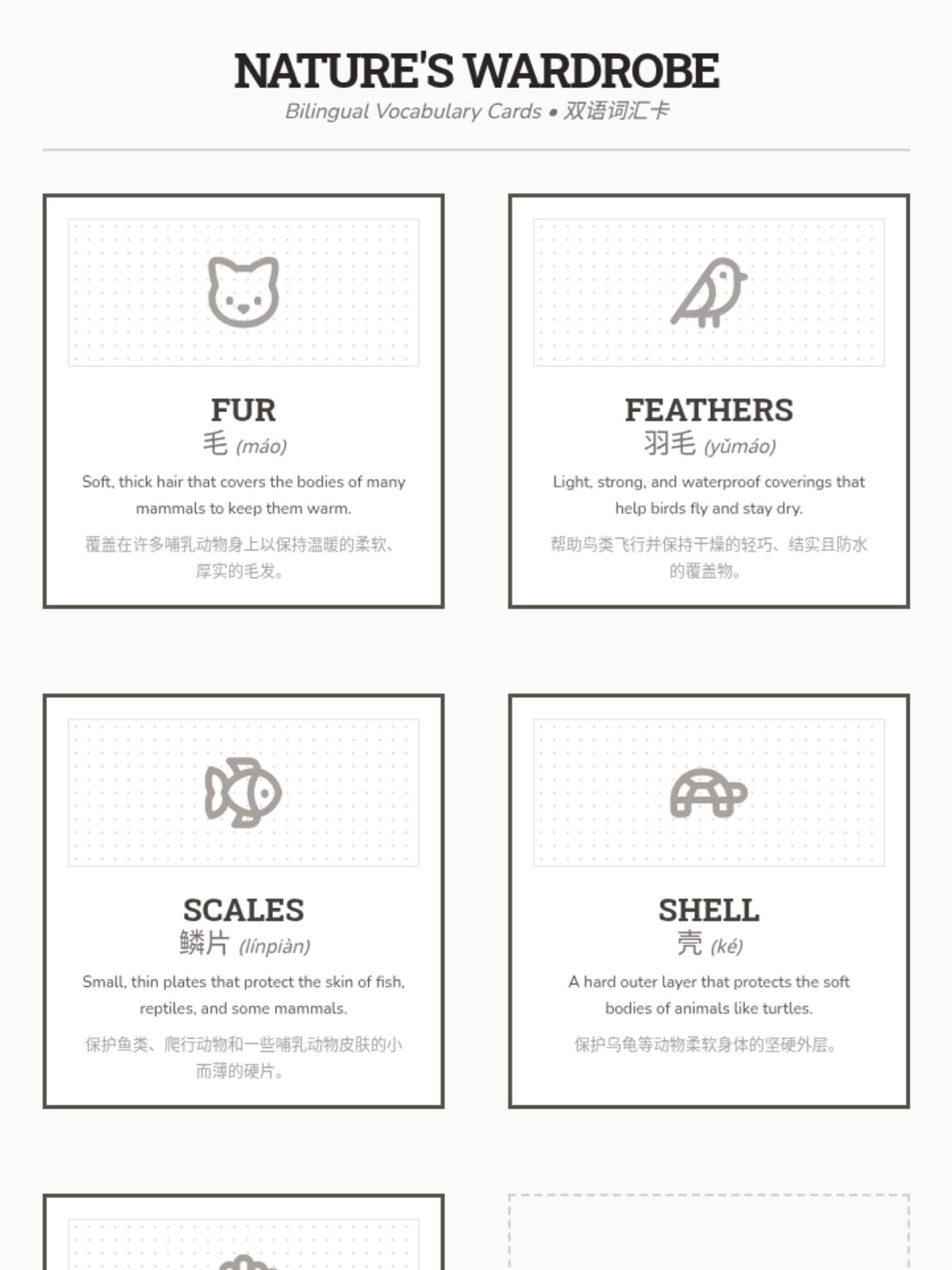
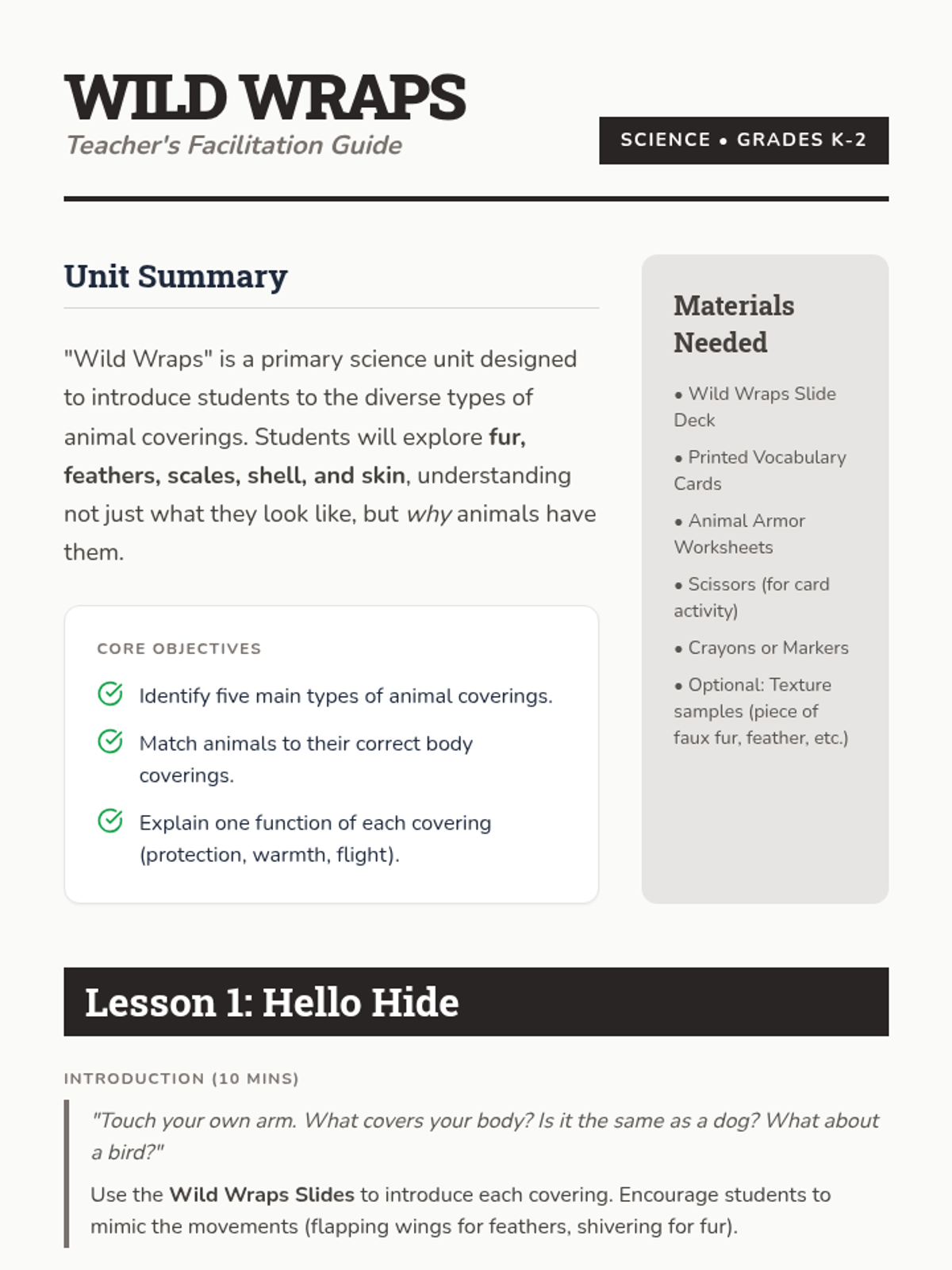
A primary science unit exploring how different animals are covered and why these coverings help them survive in their environments. Students identify, categorize, and write about feathers, fur, scales, shells, and skin.
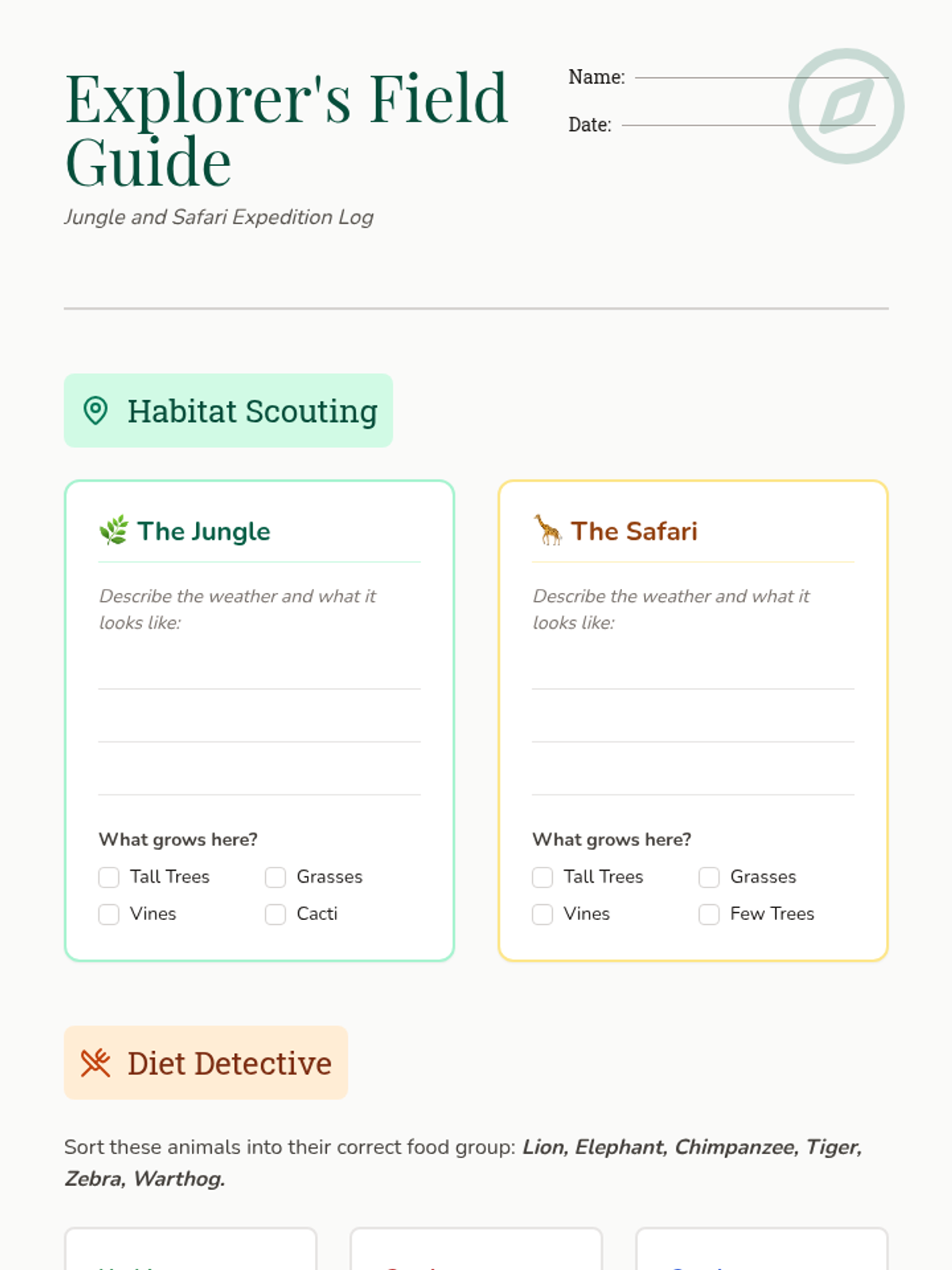
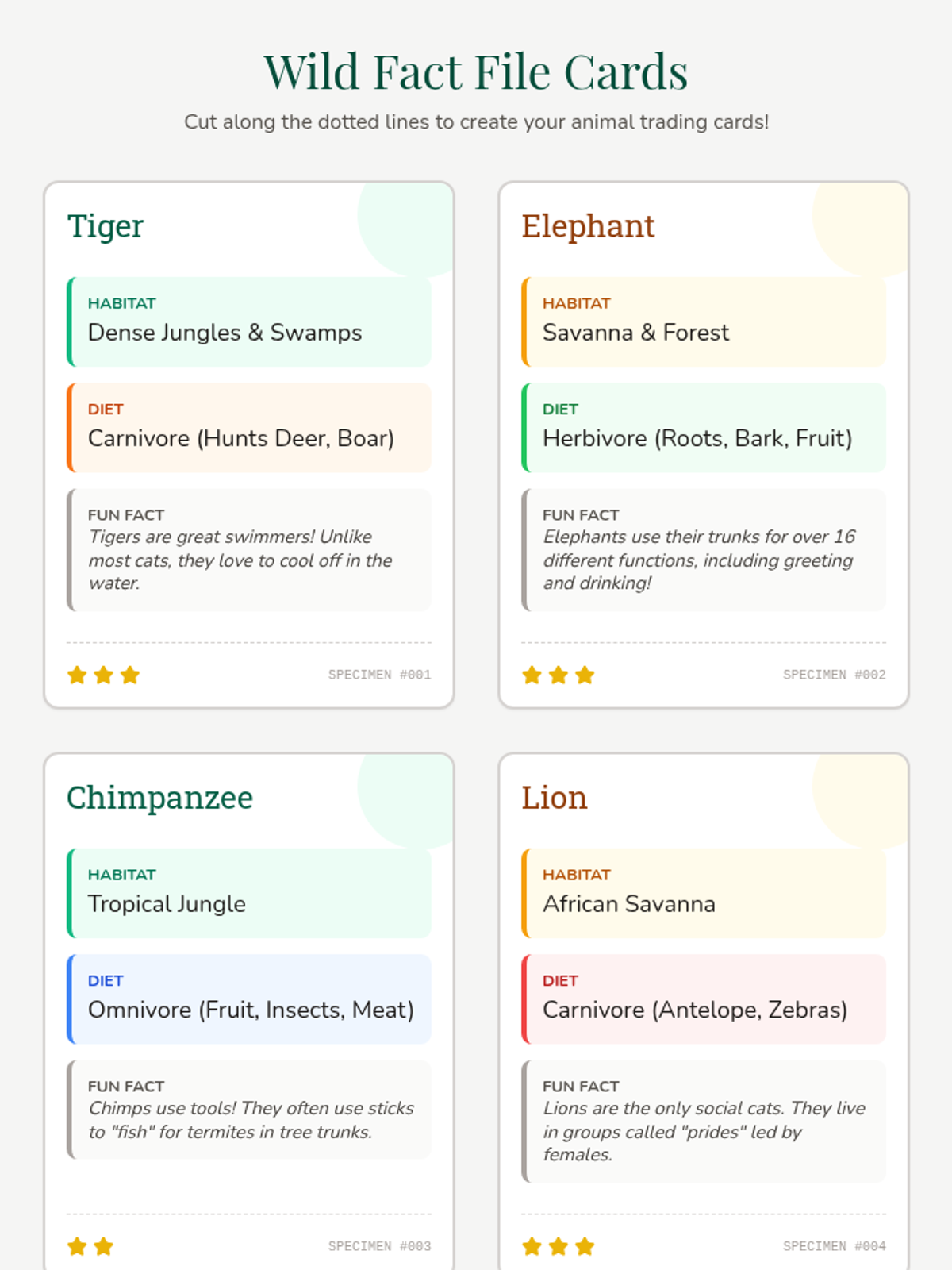
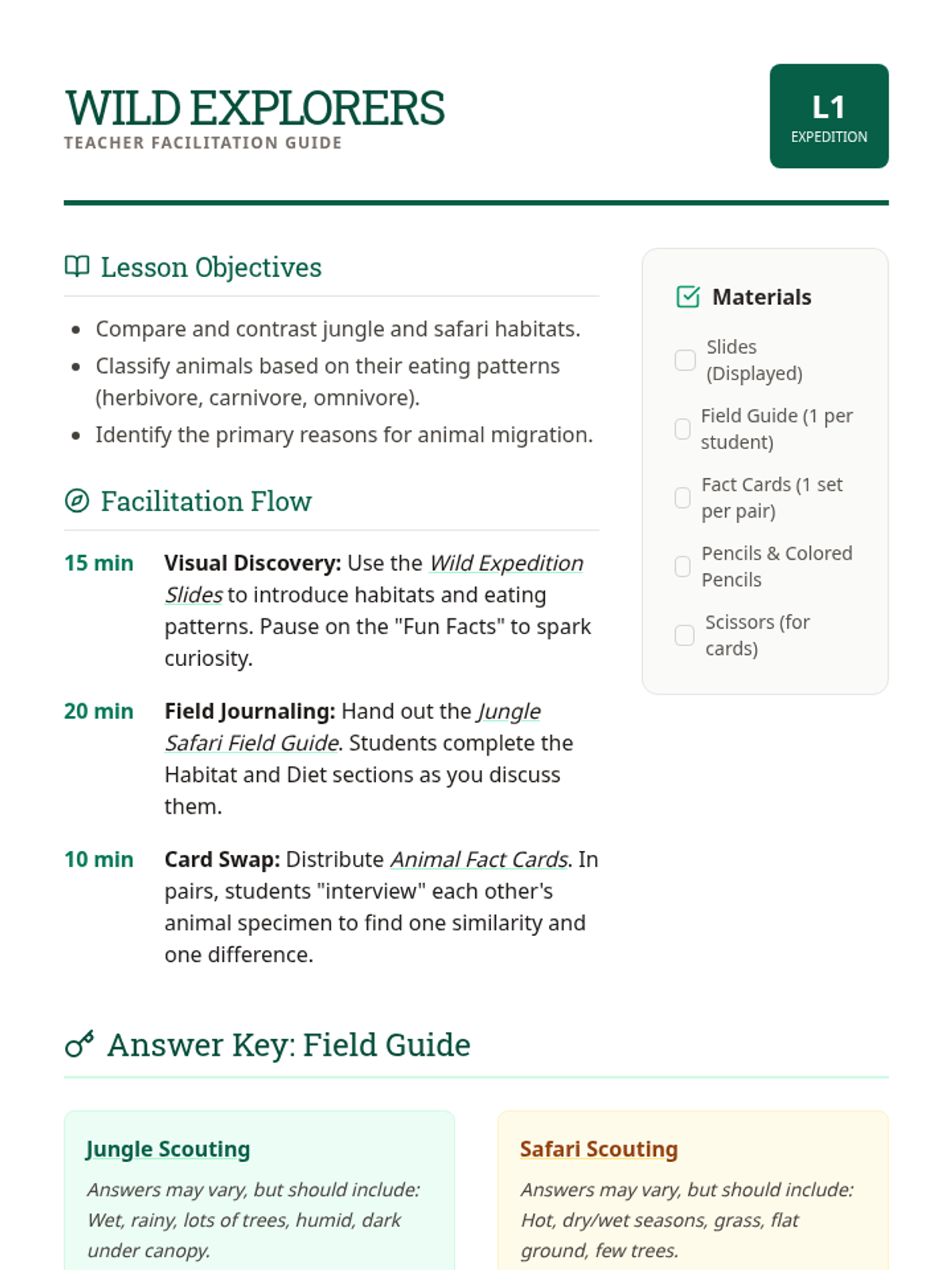
A comprehensive exploration of animals from jungle and safari environments, focusing on their unique adaptations, habitats, and survival strategies.
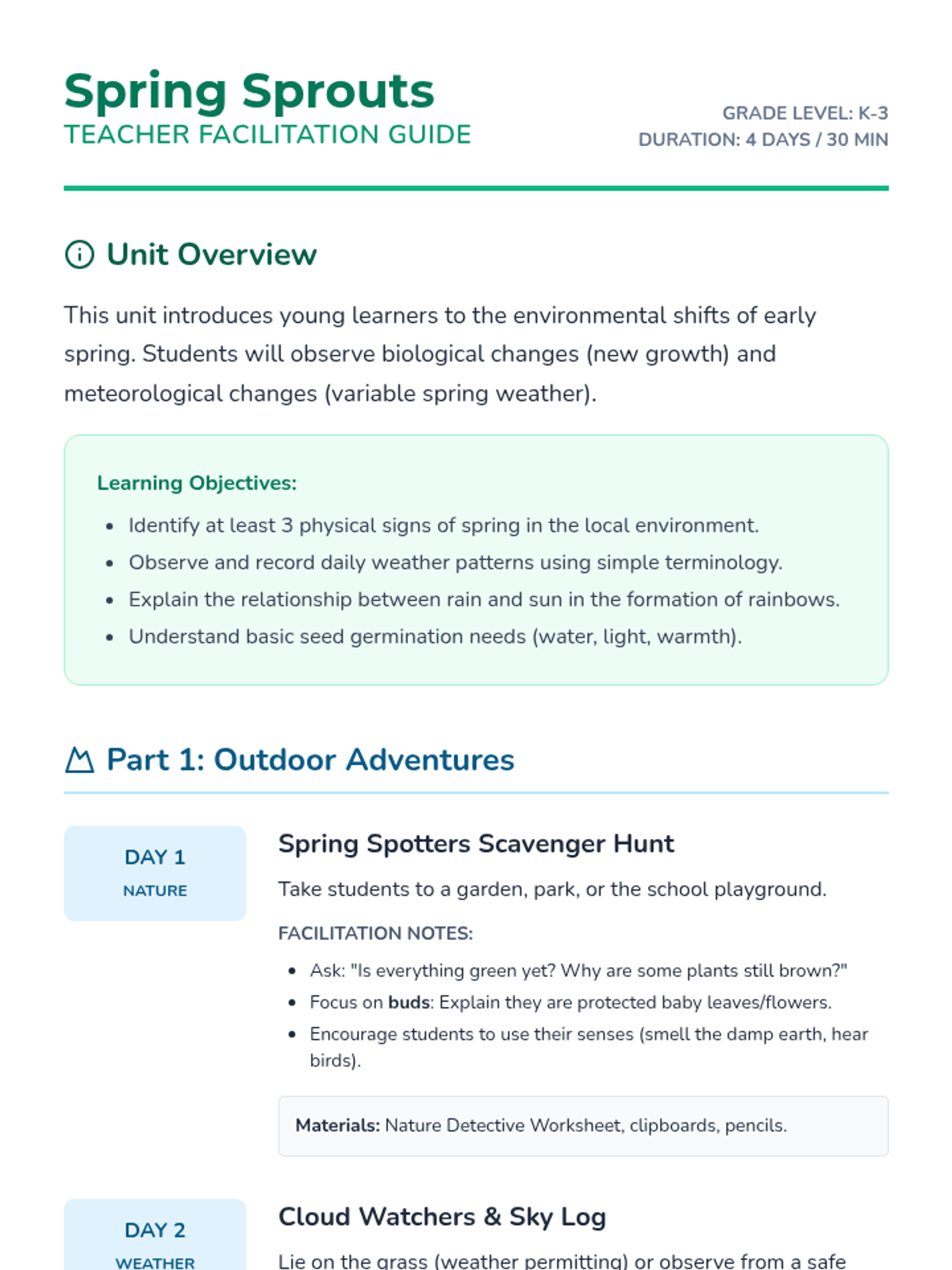
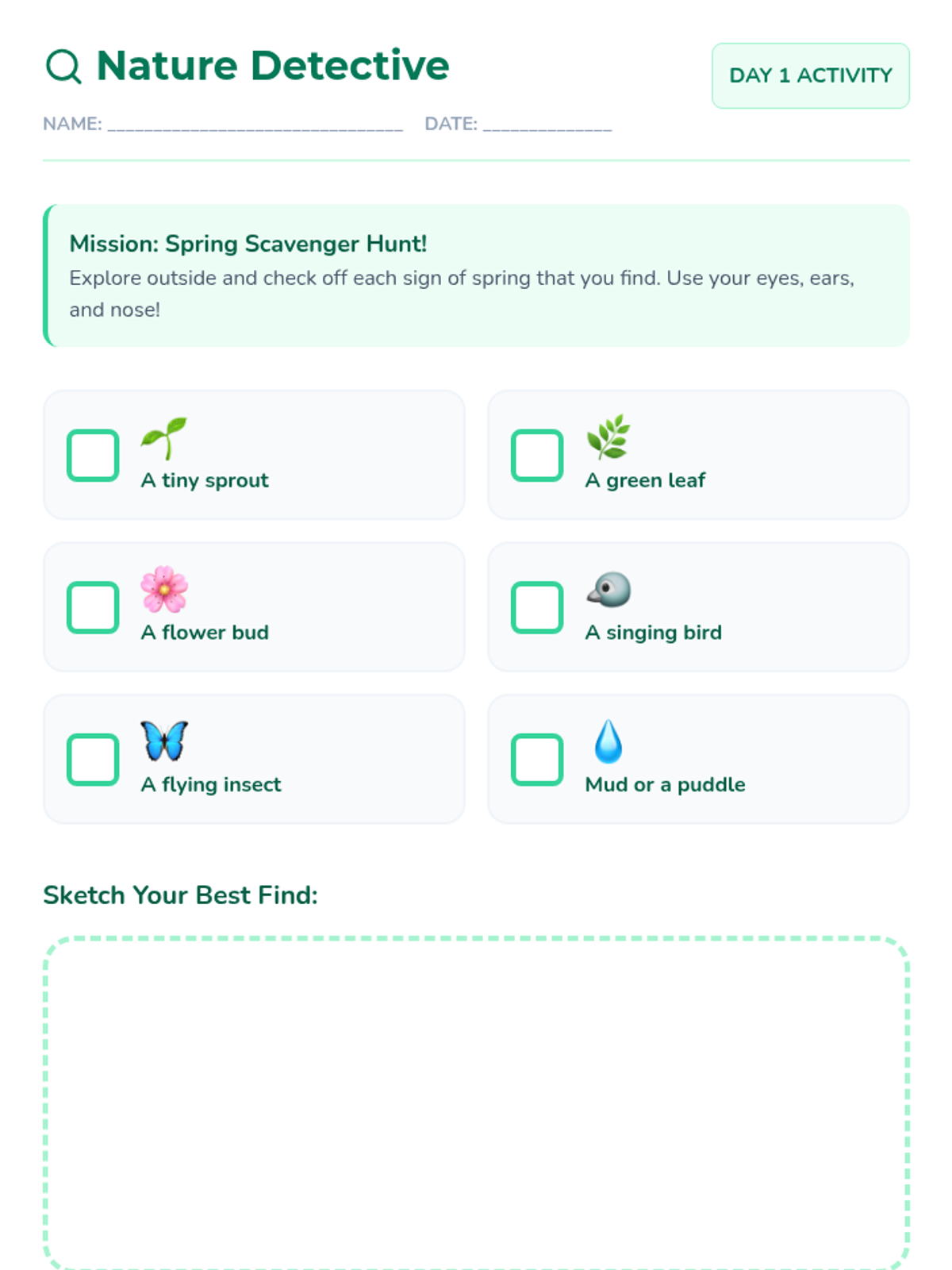
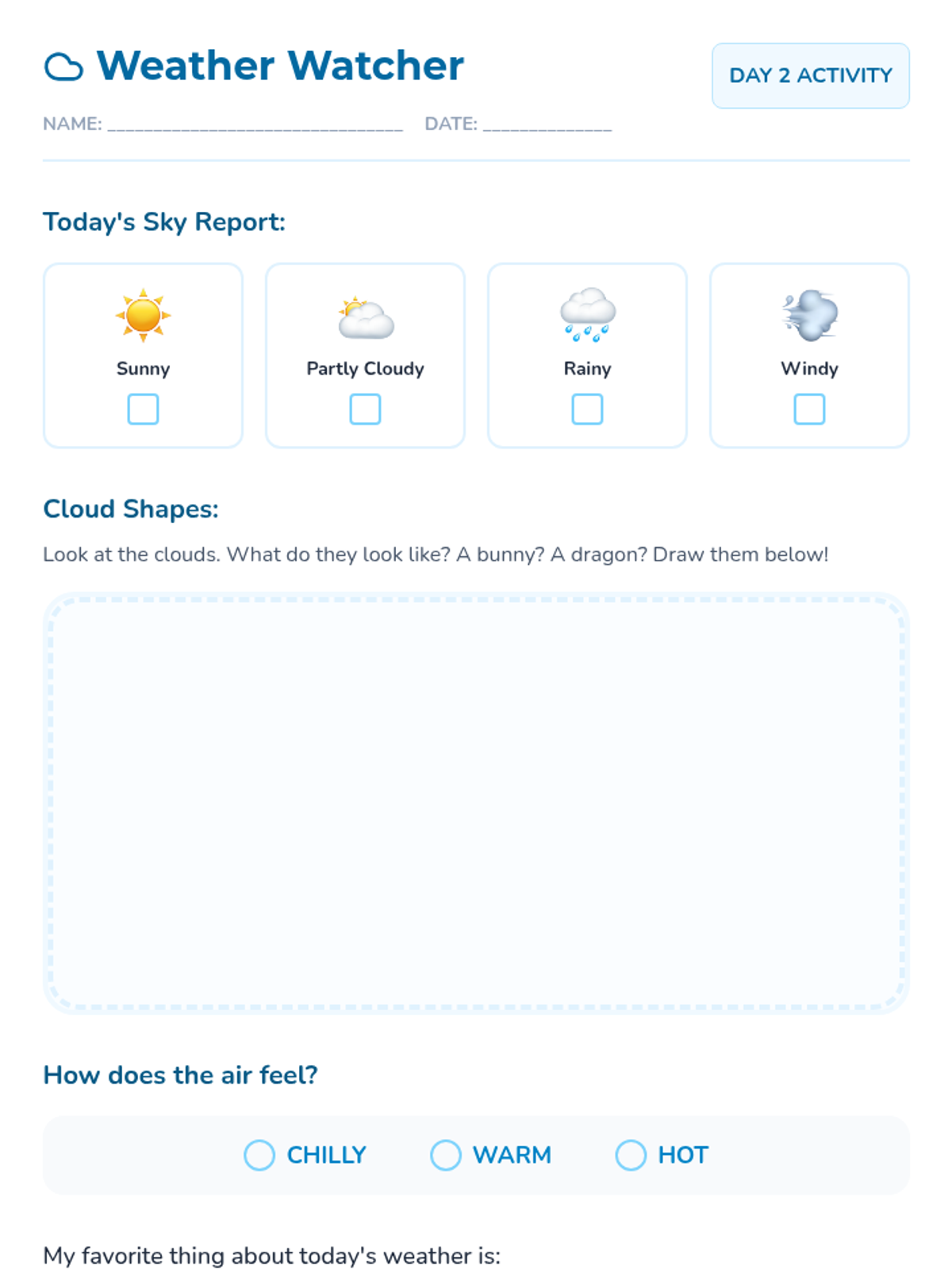
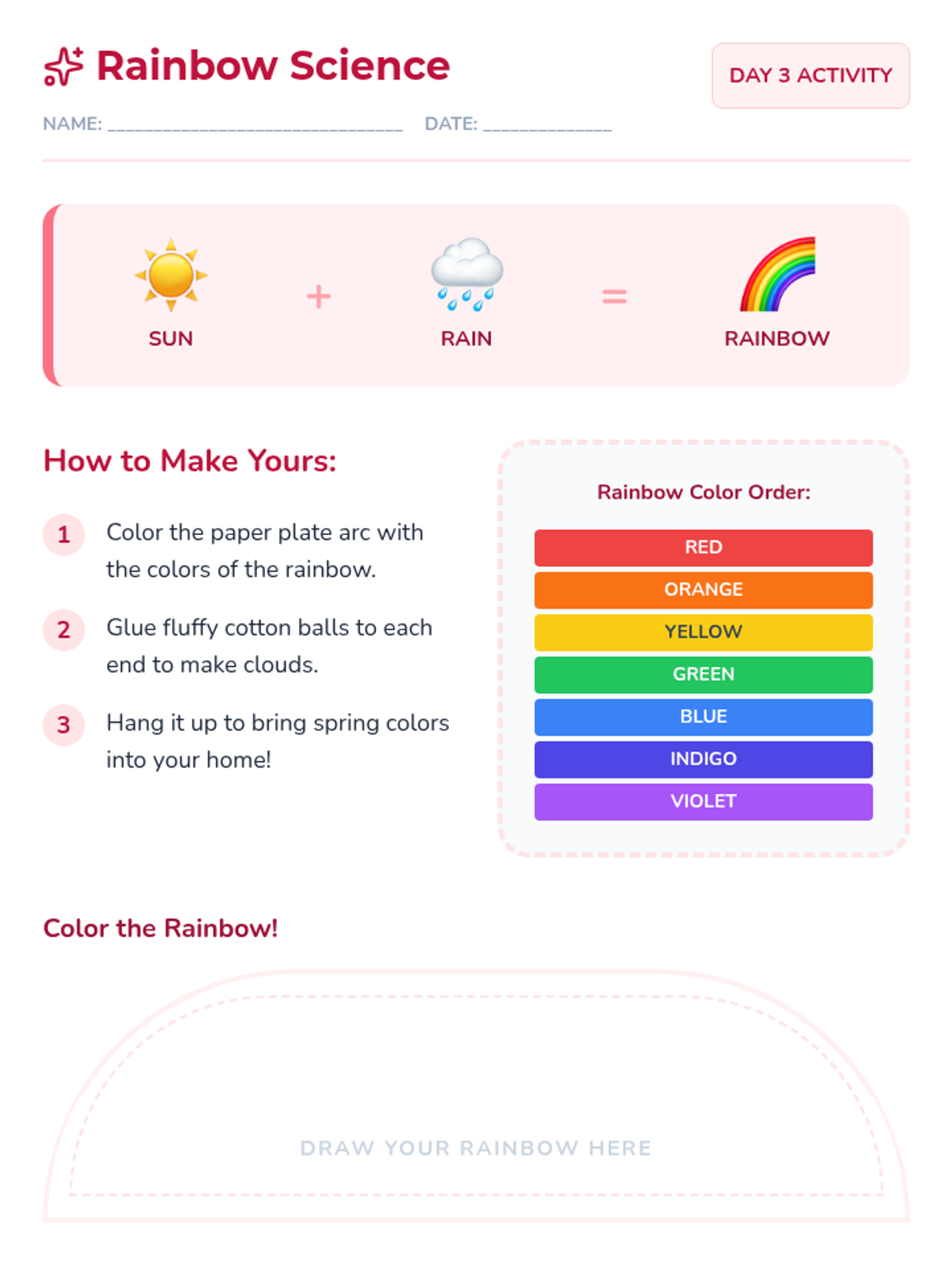
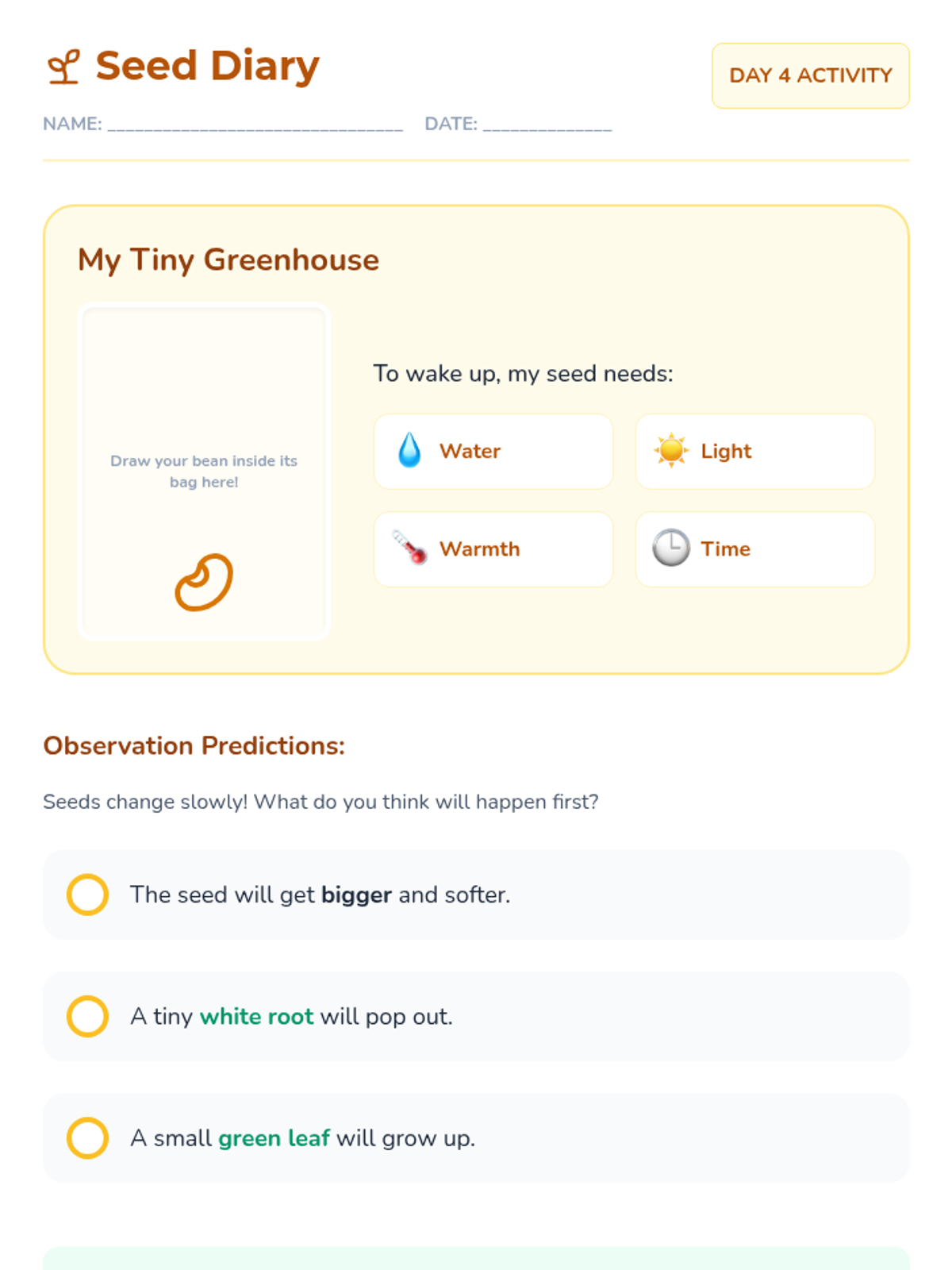
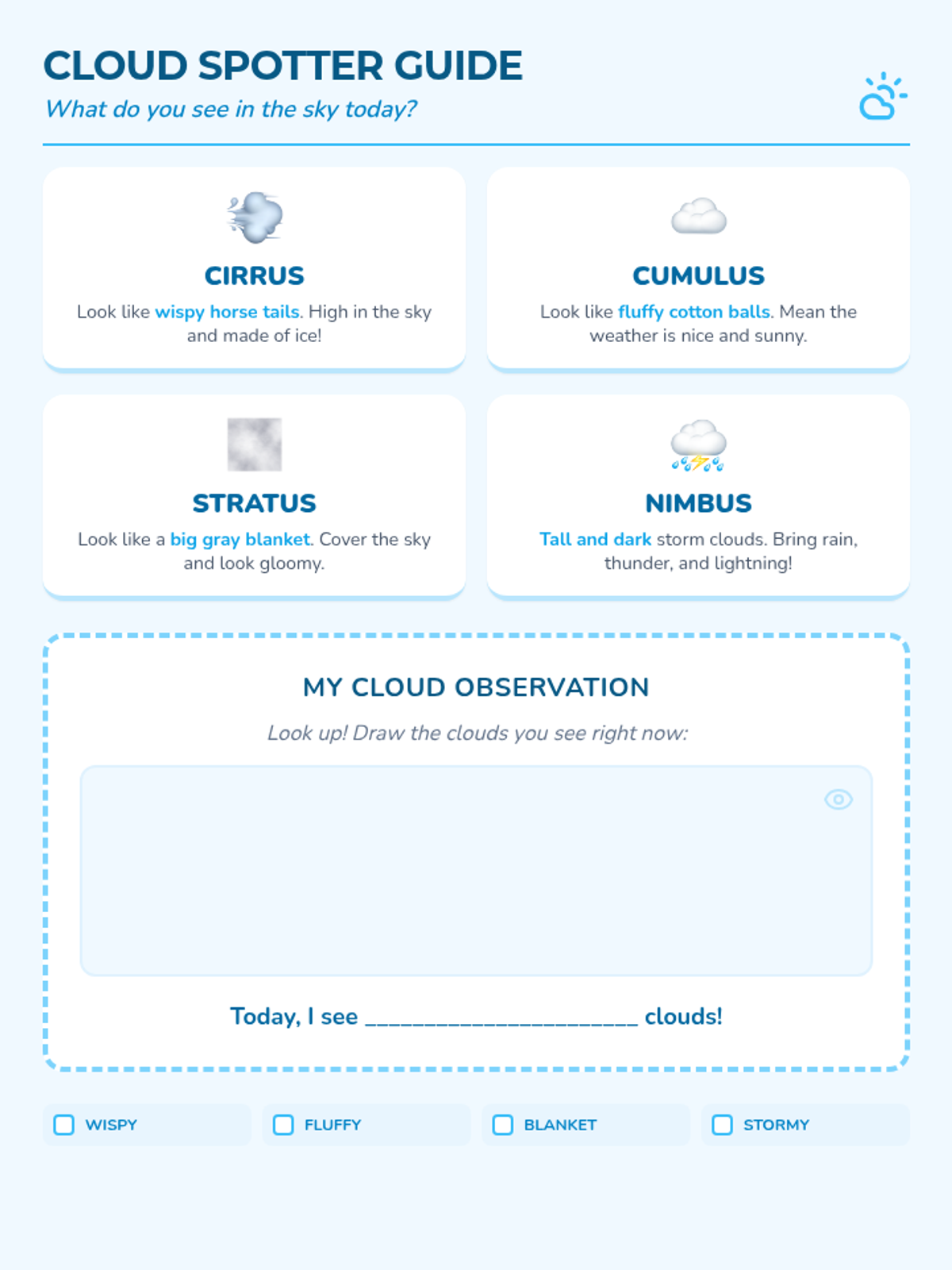
A four-day introductory unit on the signs of spring, focusing on weather changes and nature's awakening. Includes a mix of outdoor exploration and indoor hands-on crafts designed for grades K-3.
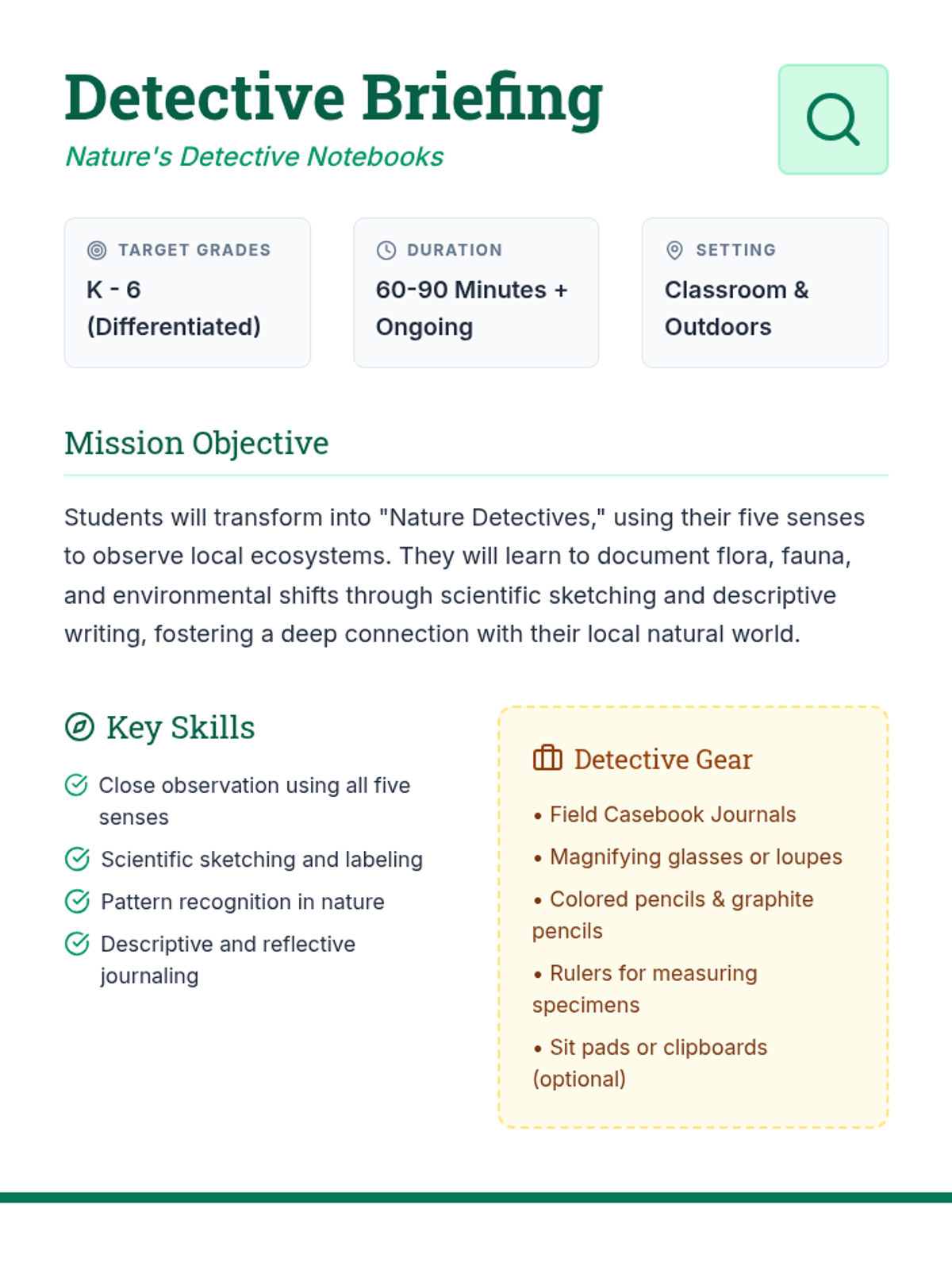
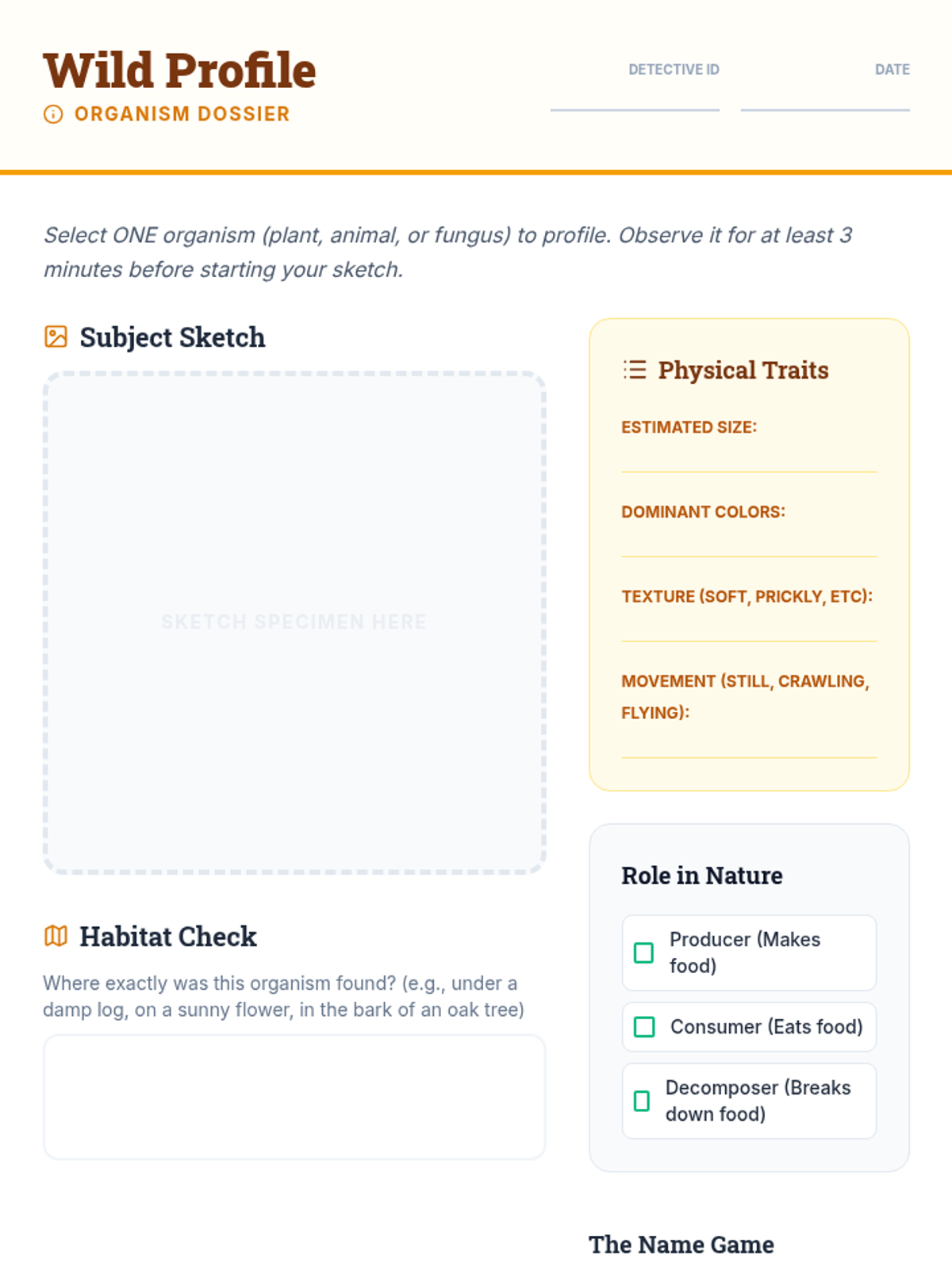
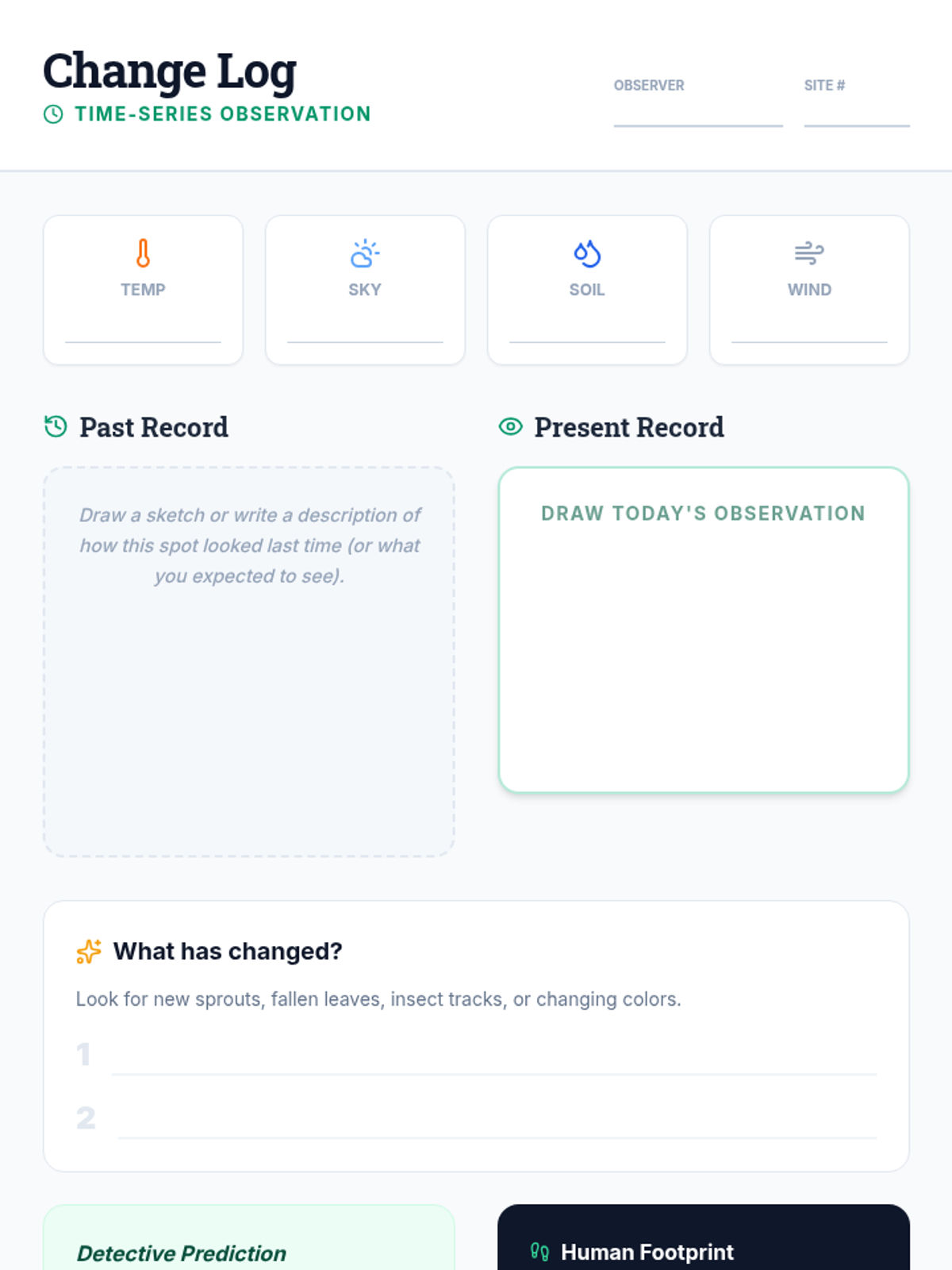
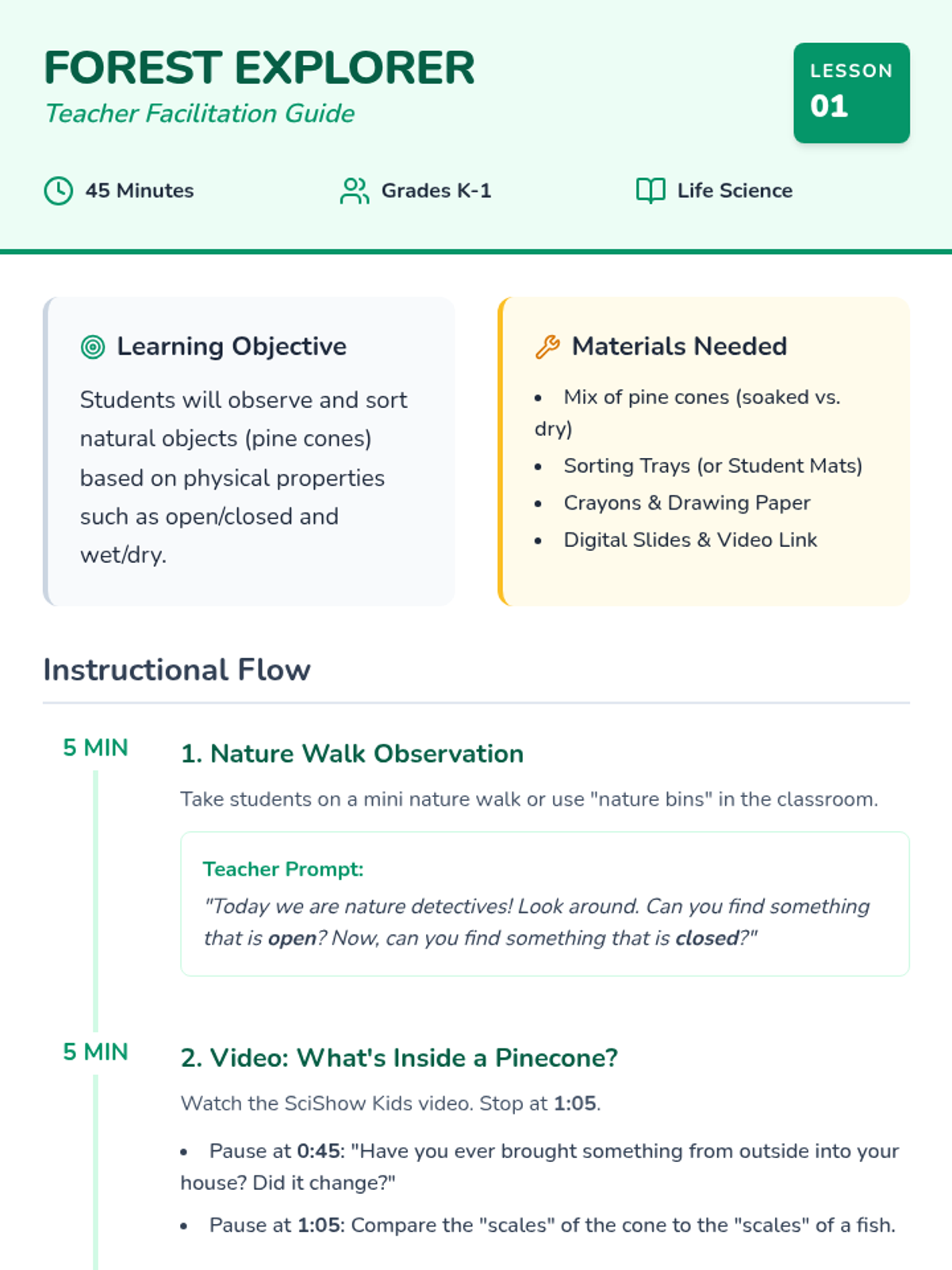
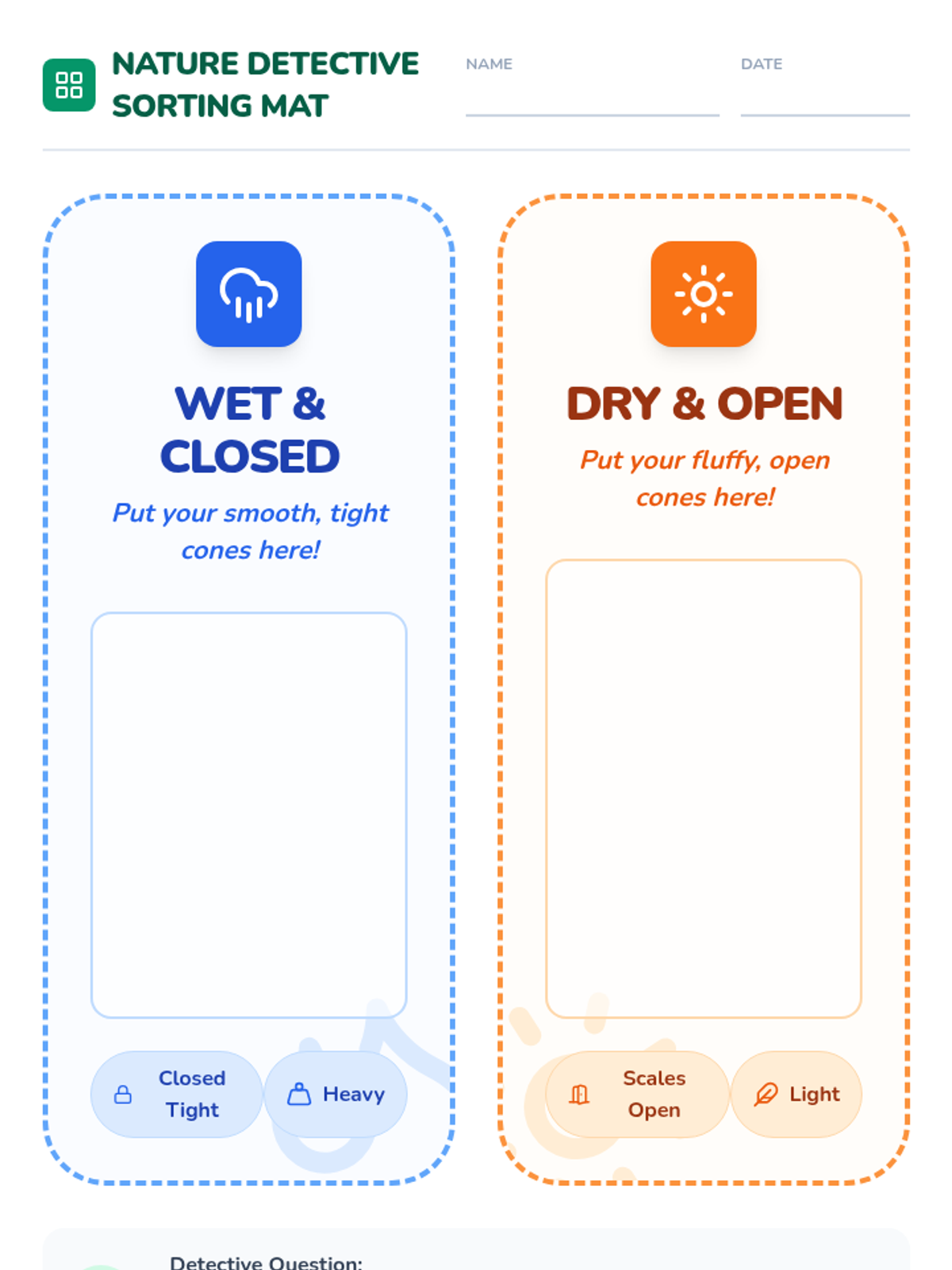
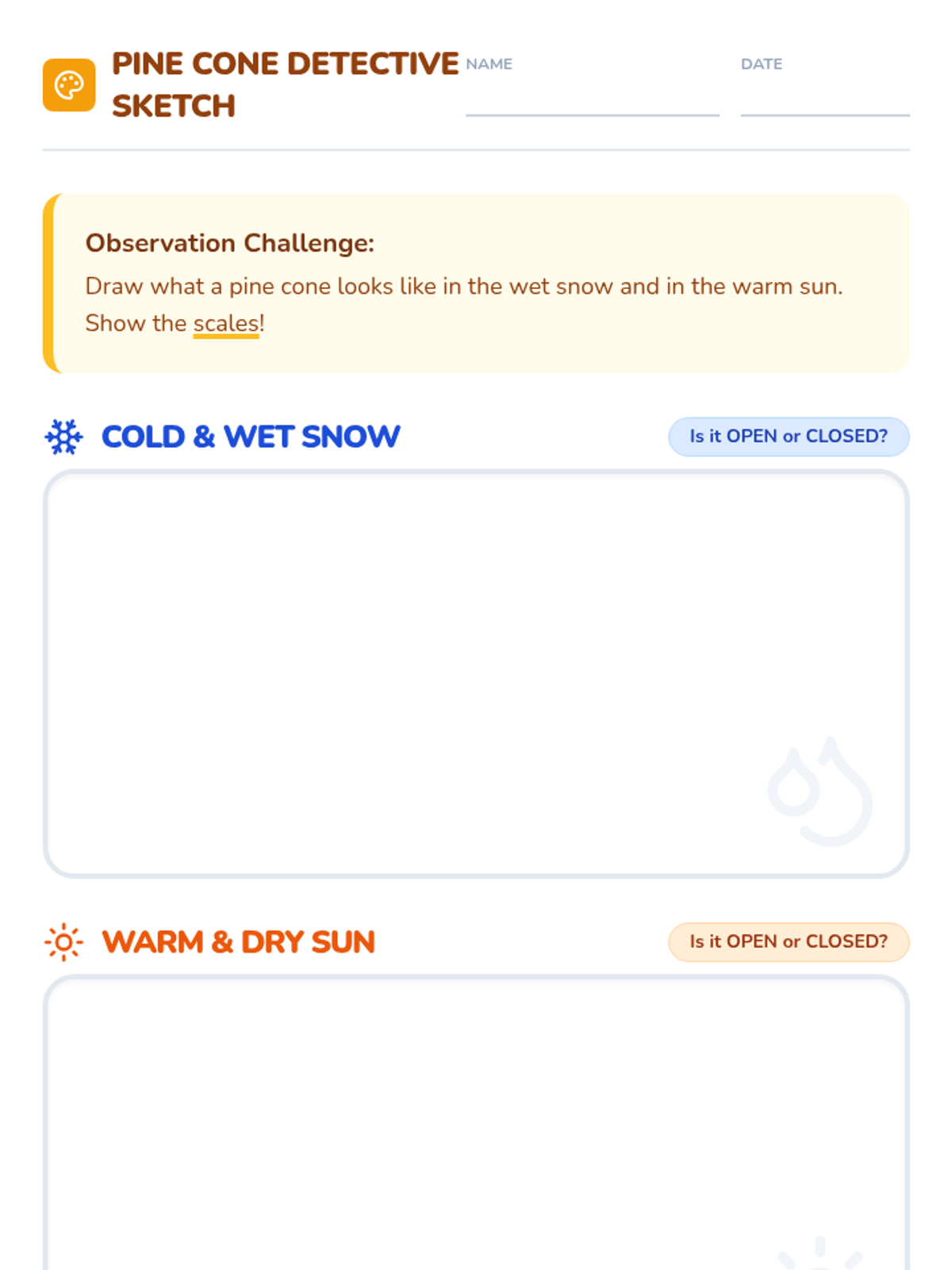
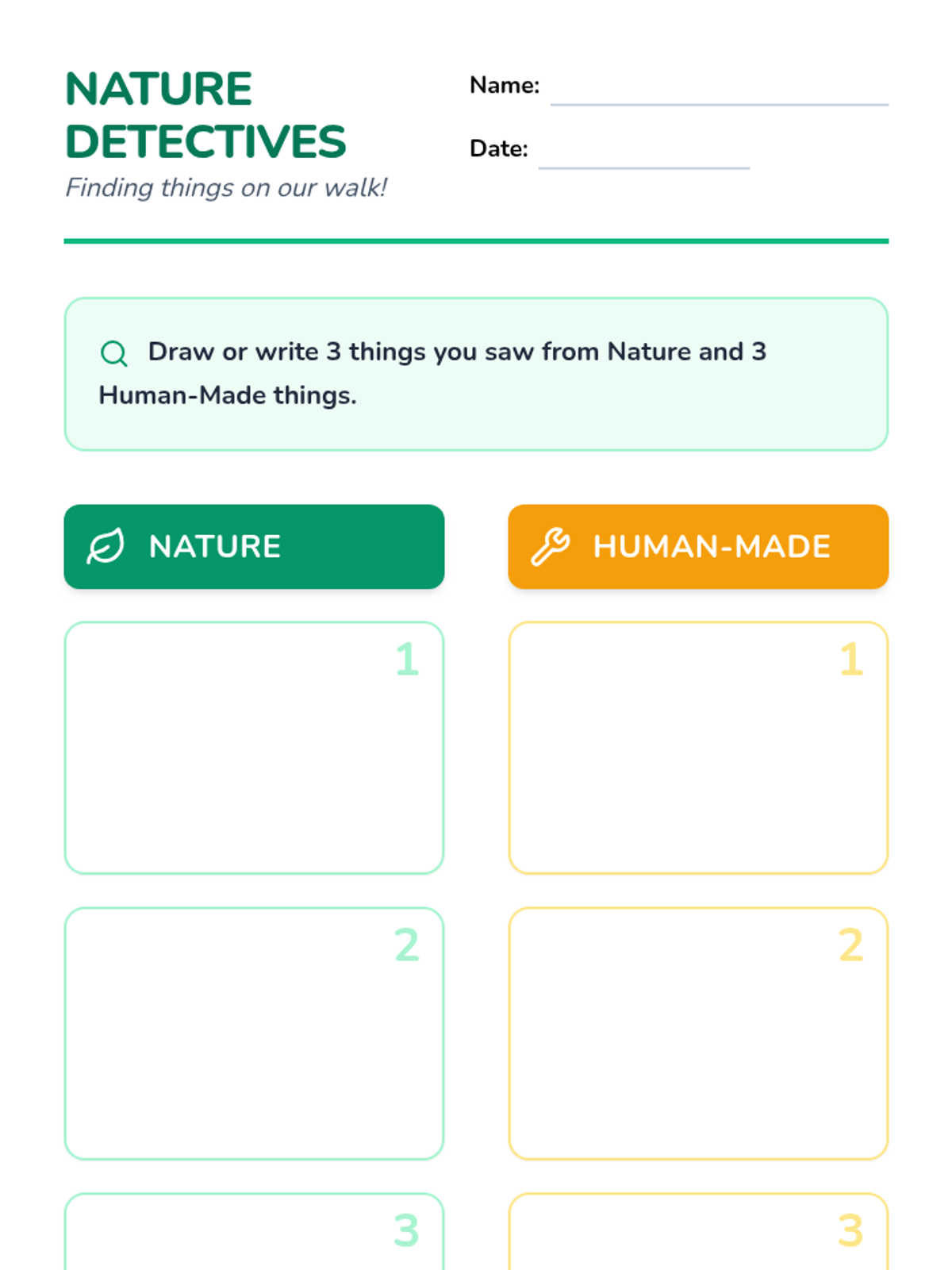
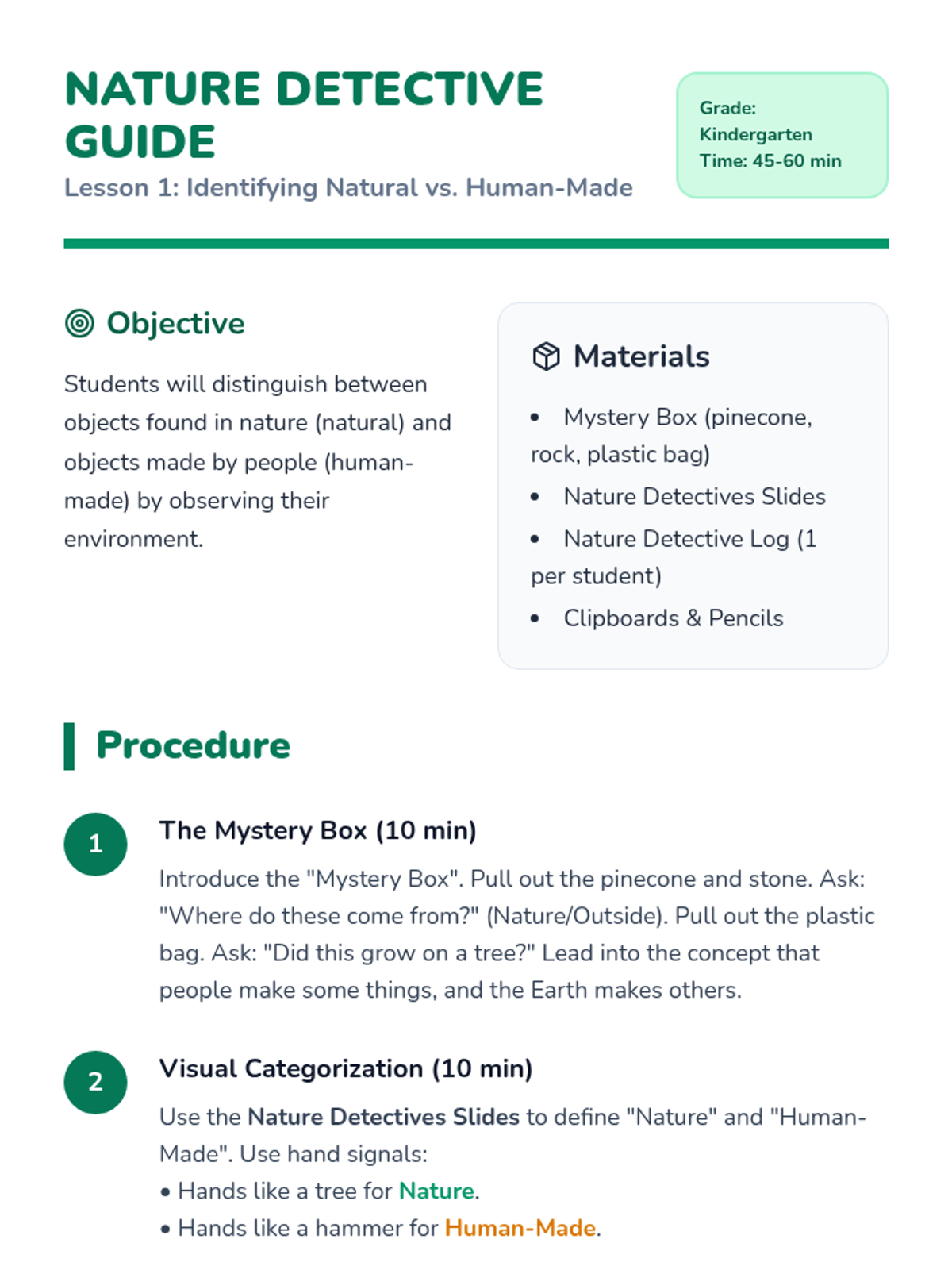
A comprehensive unit designed to turn students into nature detectives, focusing on observation, documentation, and appreciation of the local environment for K-6 students.
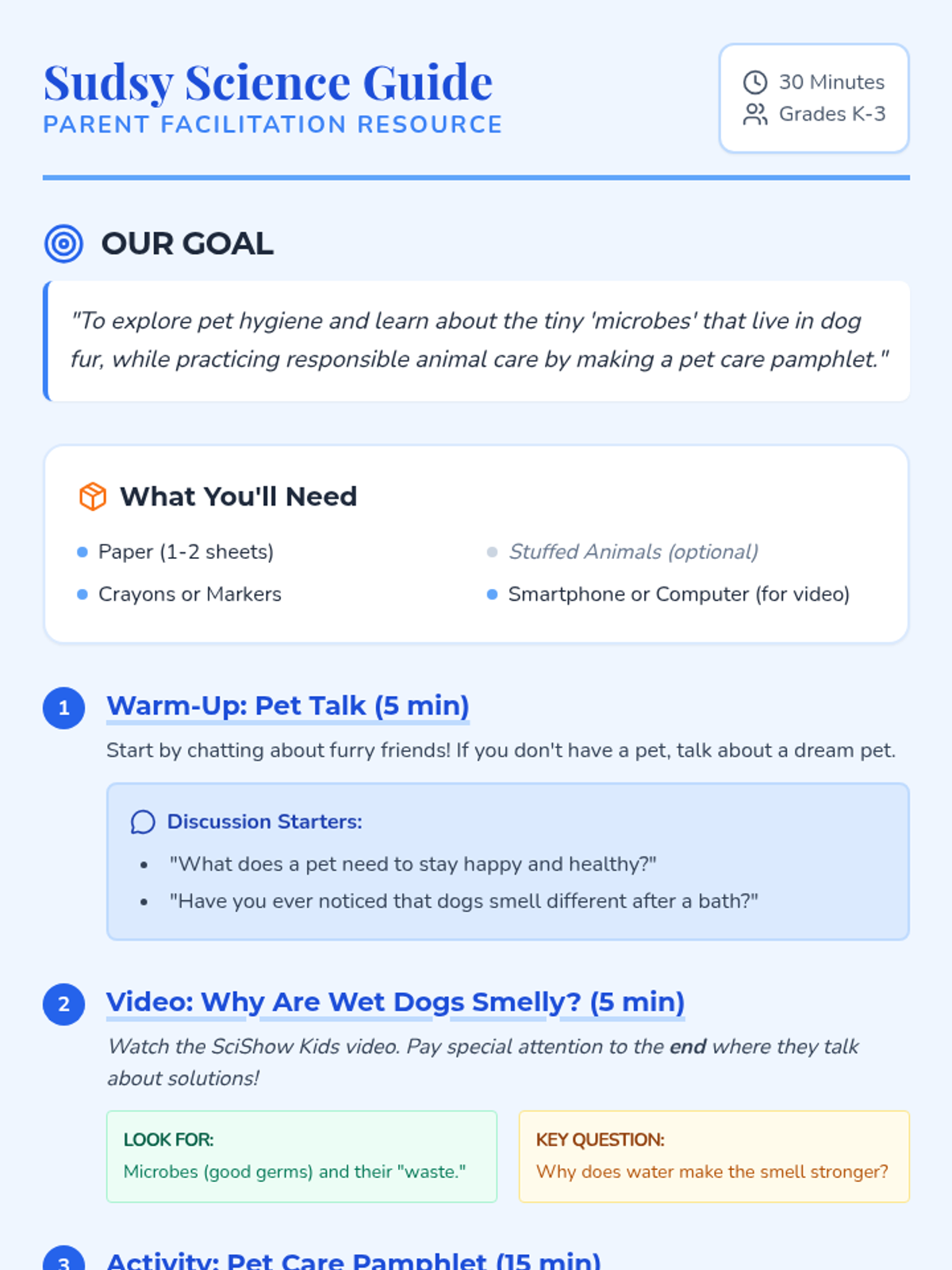
A fun, science-based lesson for K-3 students and their parents to explore pet hygiene, the mystery of 'wet dog smell,' and responsible animal care through a SciShow Kids video and a creative brochure activity.
A lesson sequence exploring how animals navigate the world using landmarks, stars, and internal compasses, designed for Kindergarten and 1st Grade students.
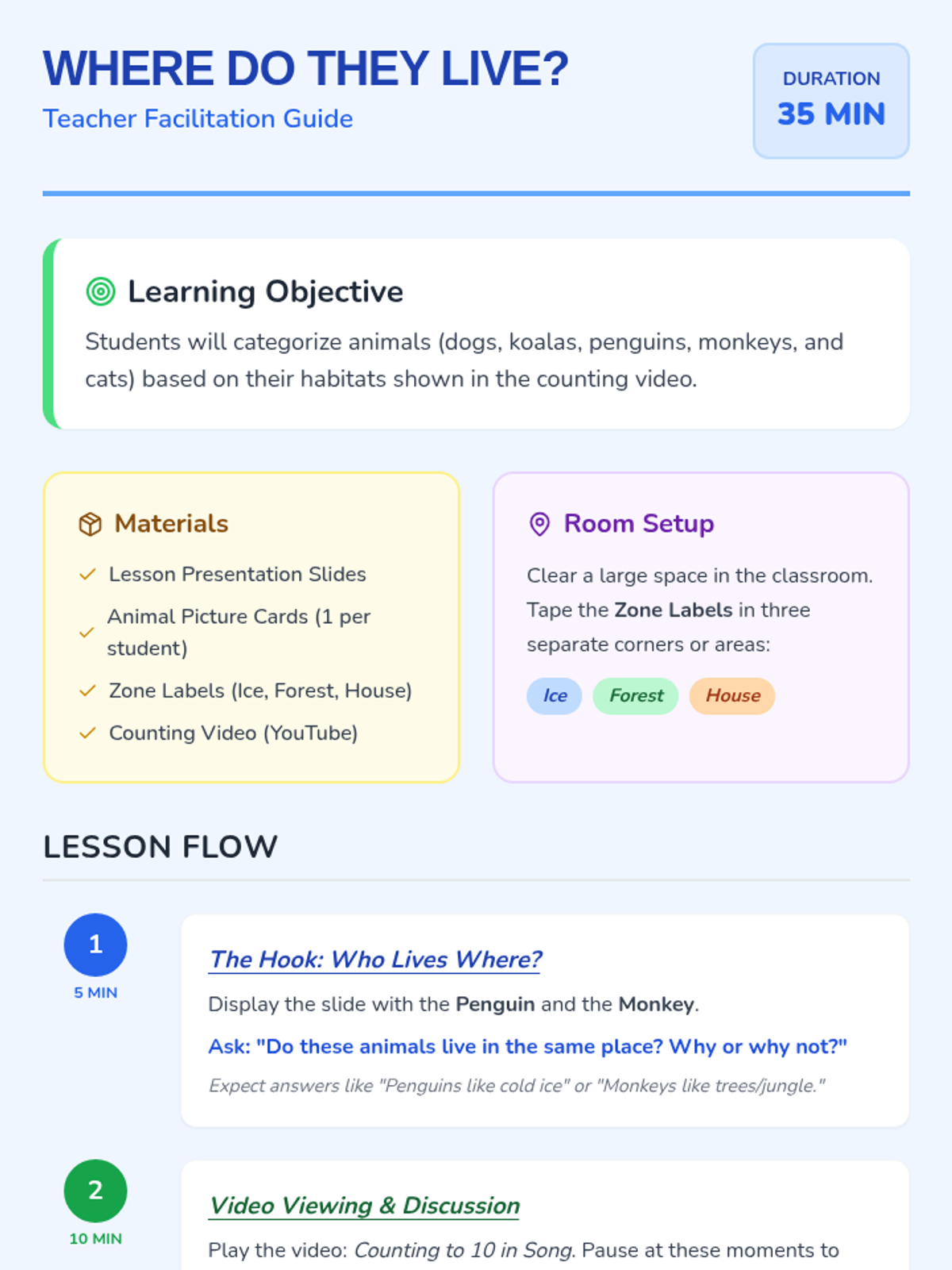
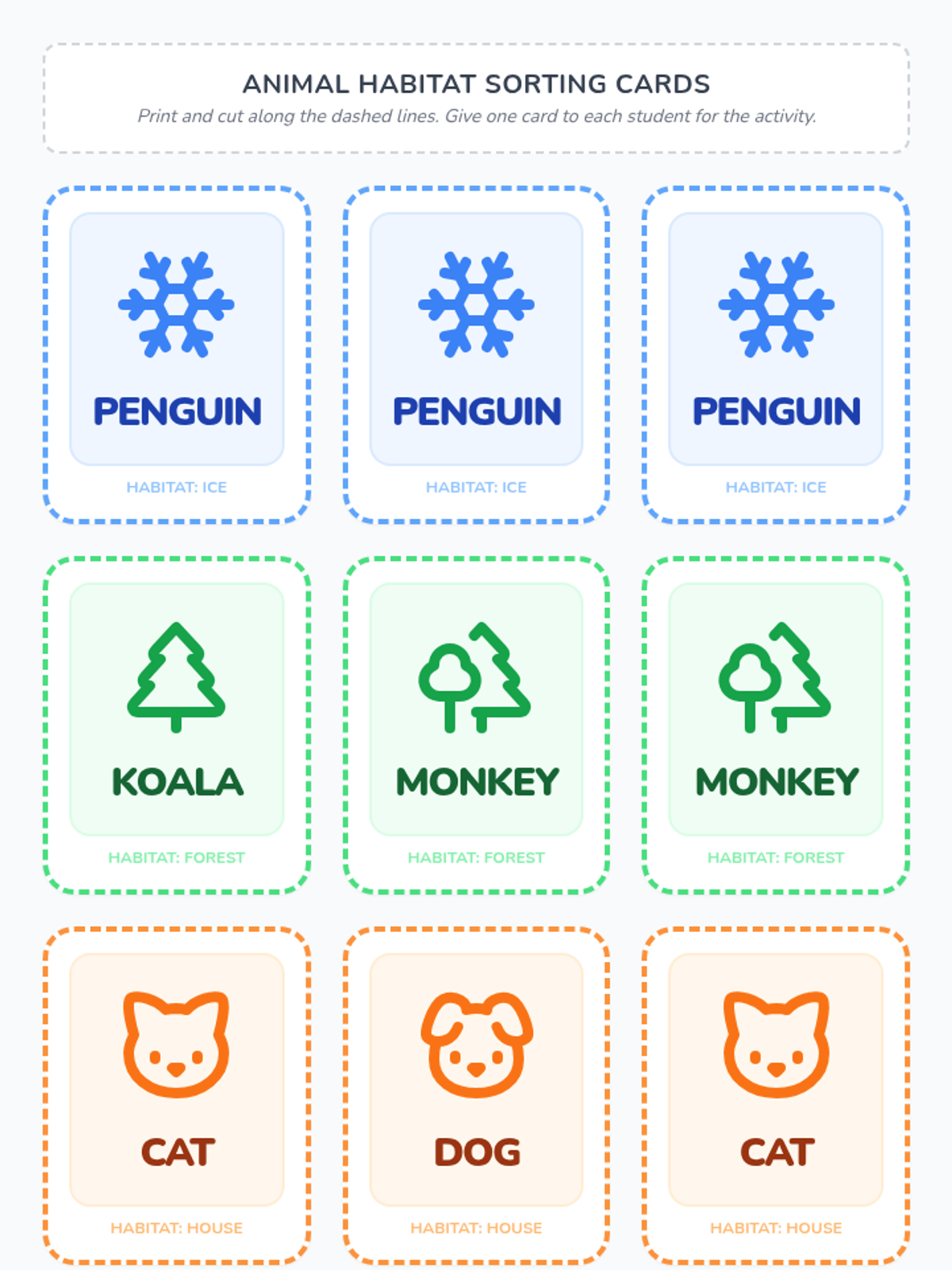
A fun, introductory science and math sequence for Pre-K and Kindergarten students focused on identifying animal habitats and practicing basic counting. Students explore different environments like the forest, ice, and homes through music and movement.
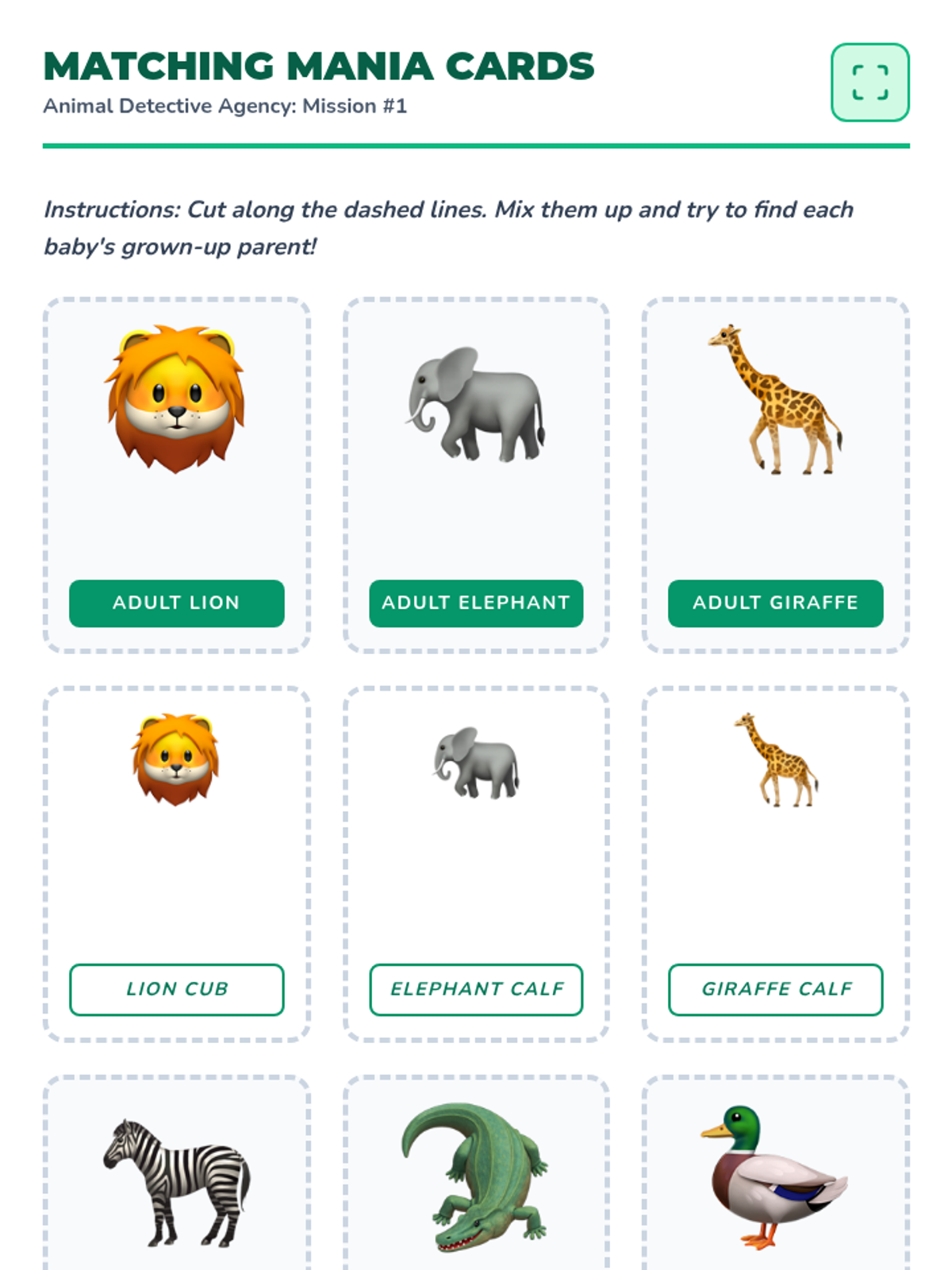
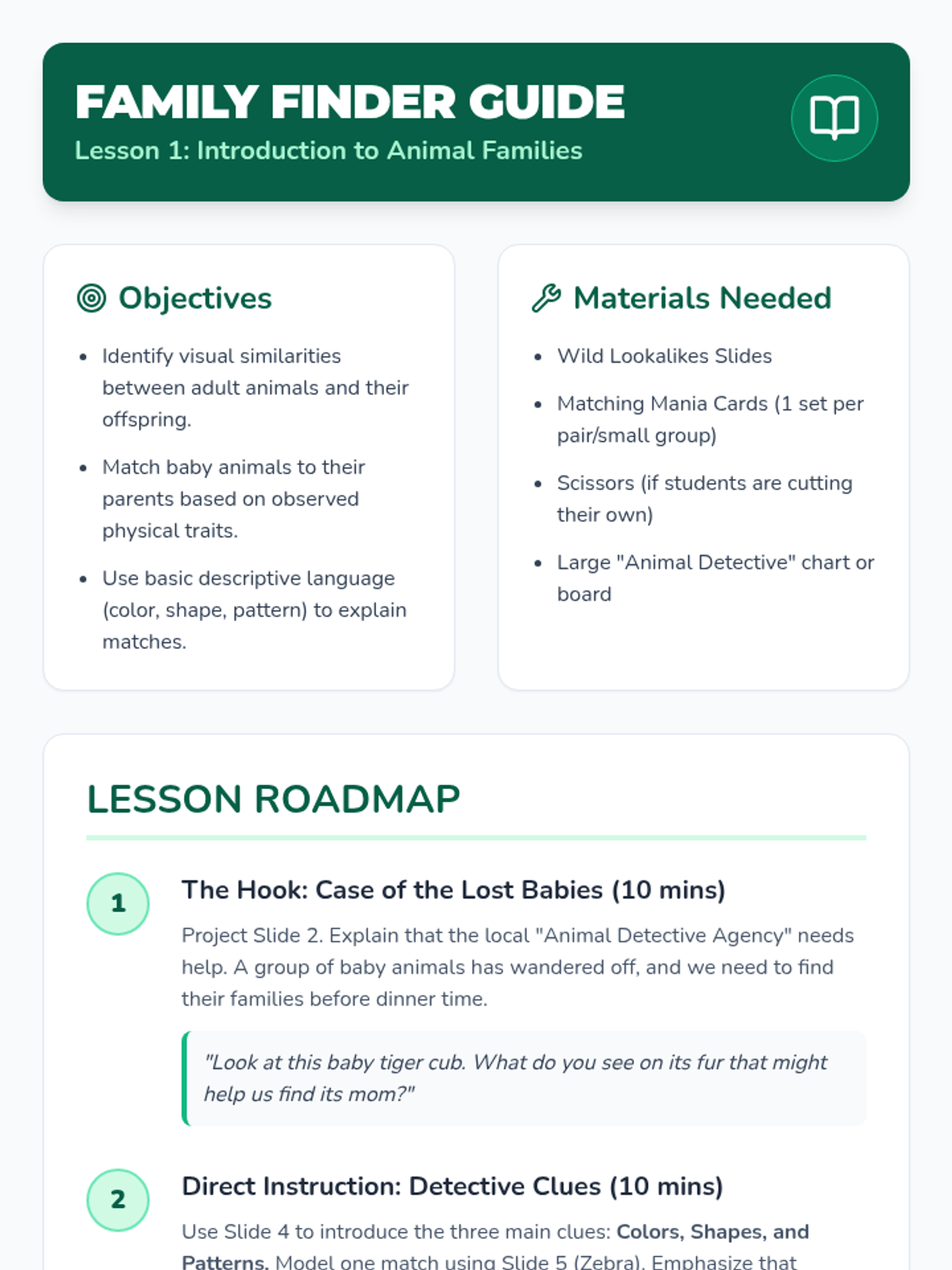
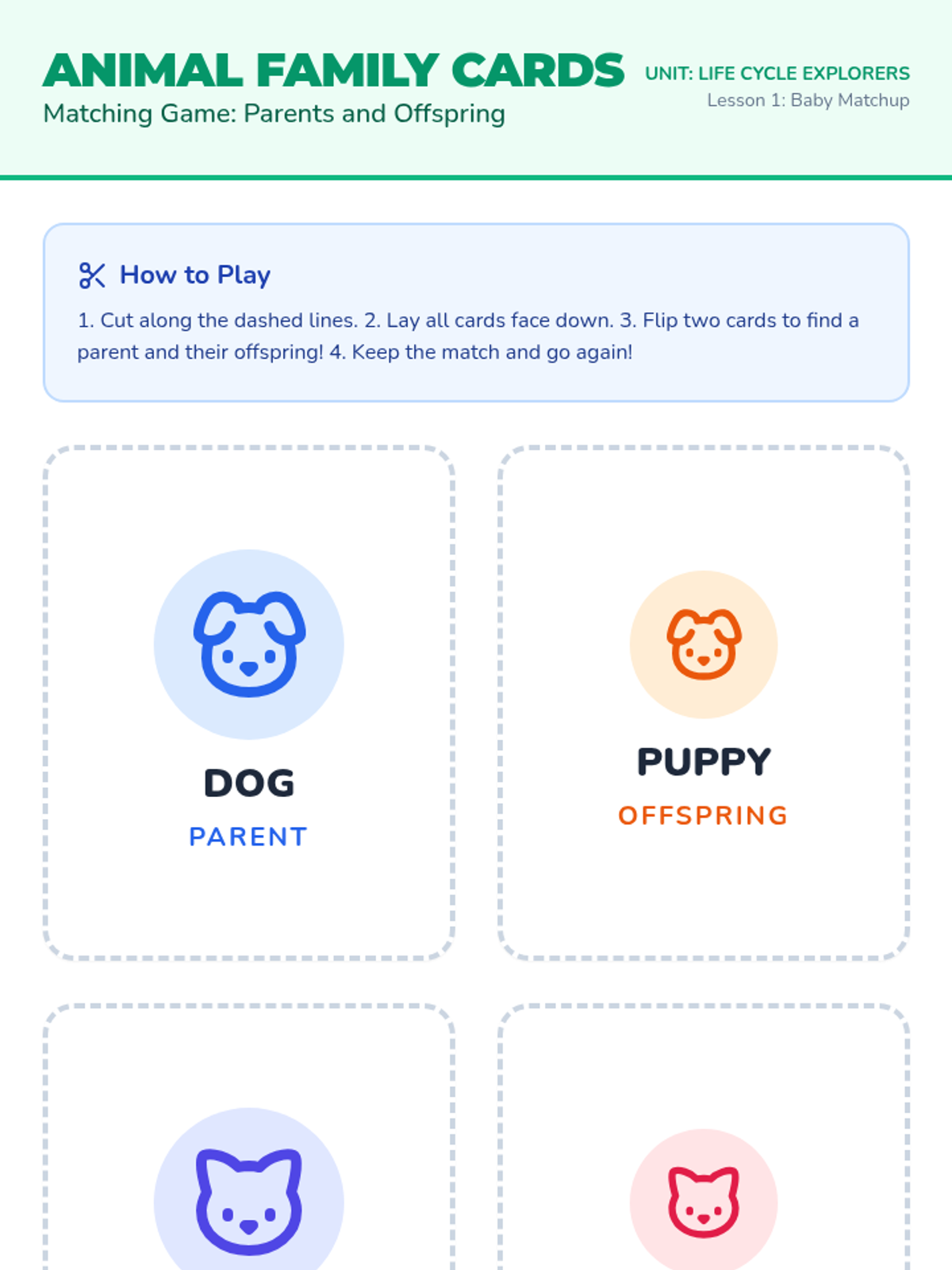
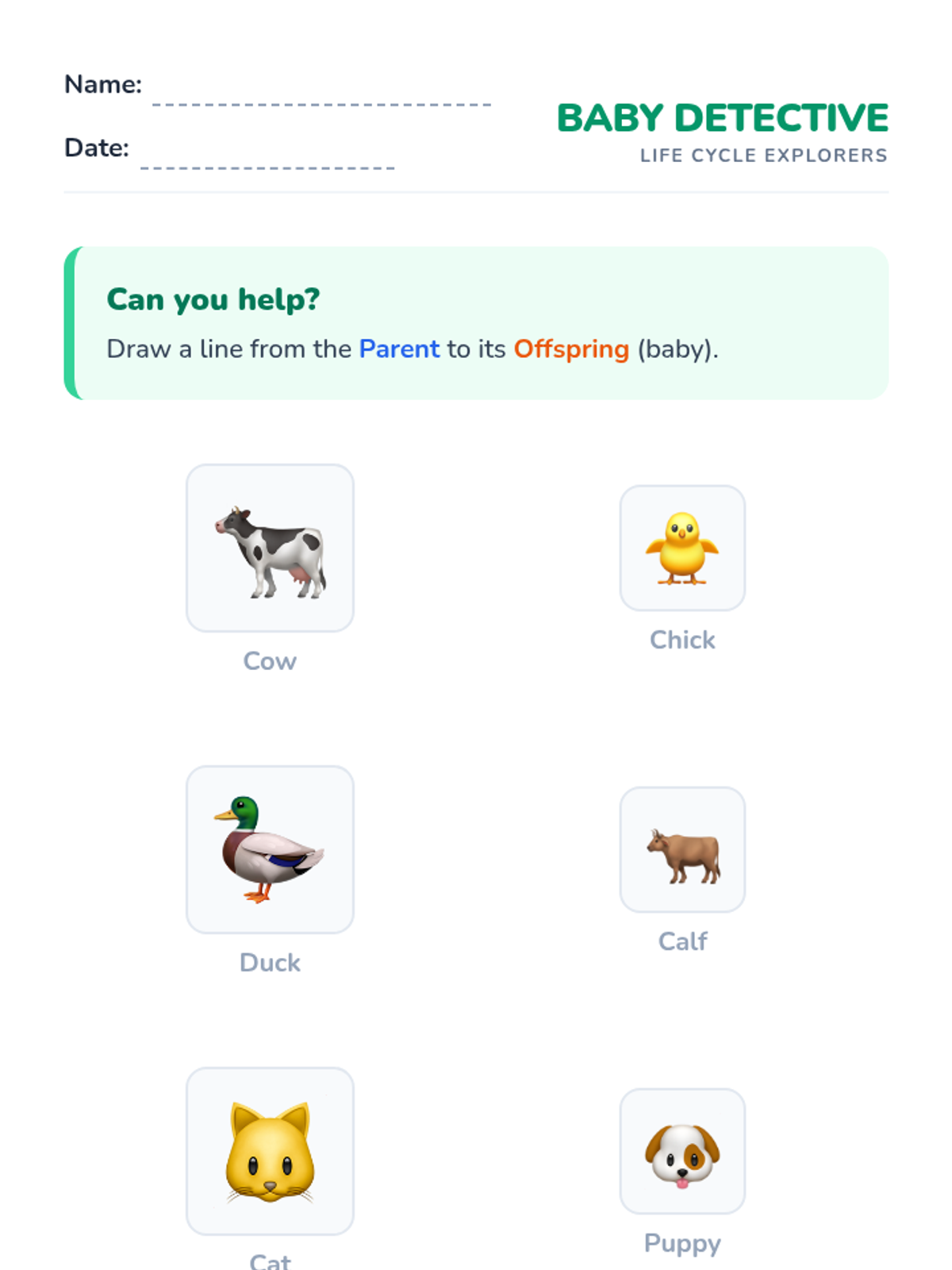
Students investigate the visual connections between adult animals and their young to understand basic heredity by identifying matching physical features like fur patterns, body shapes, and facial structures.
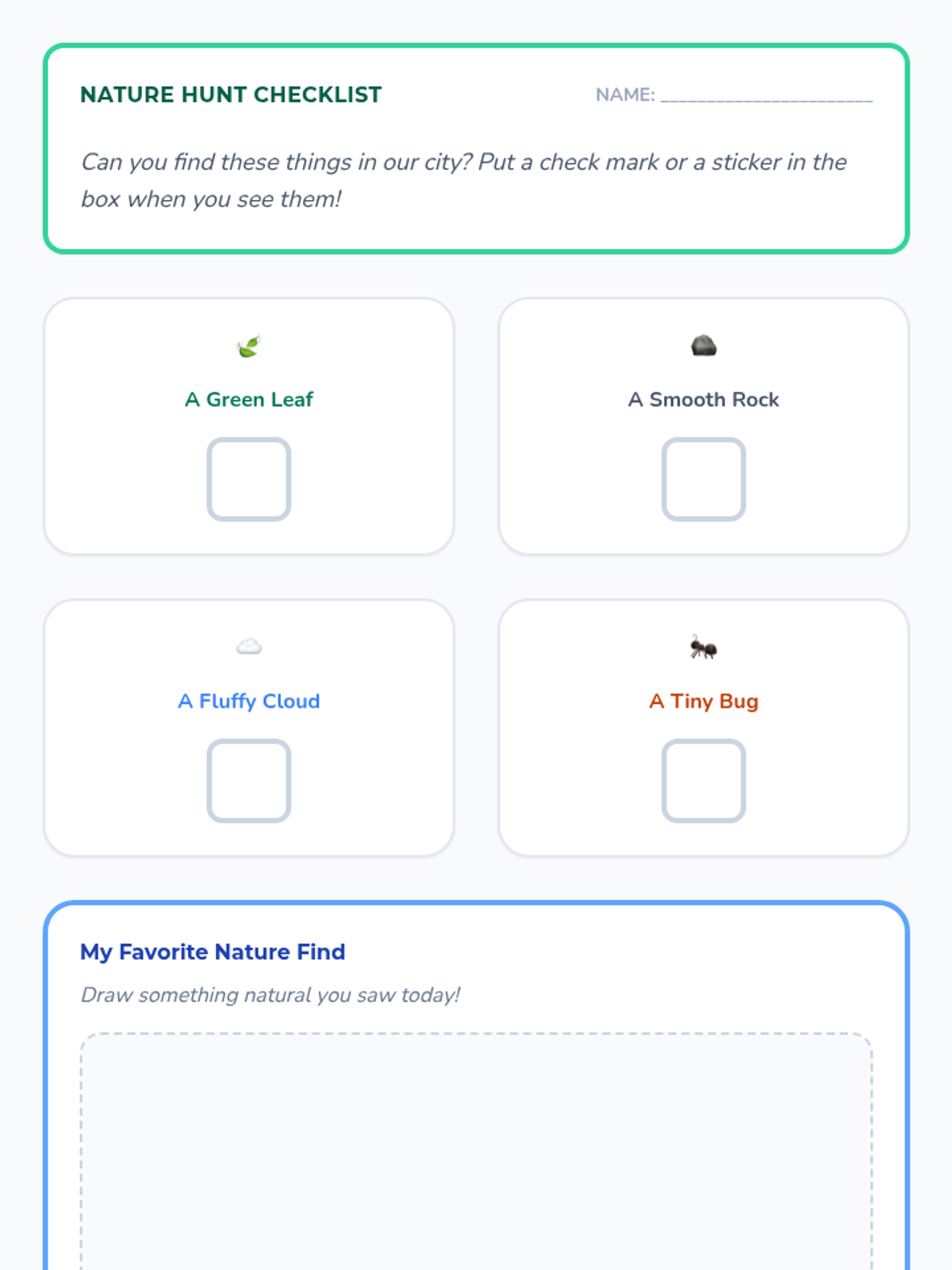
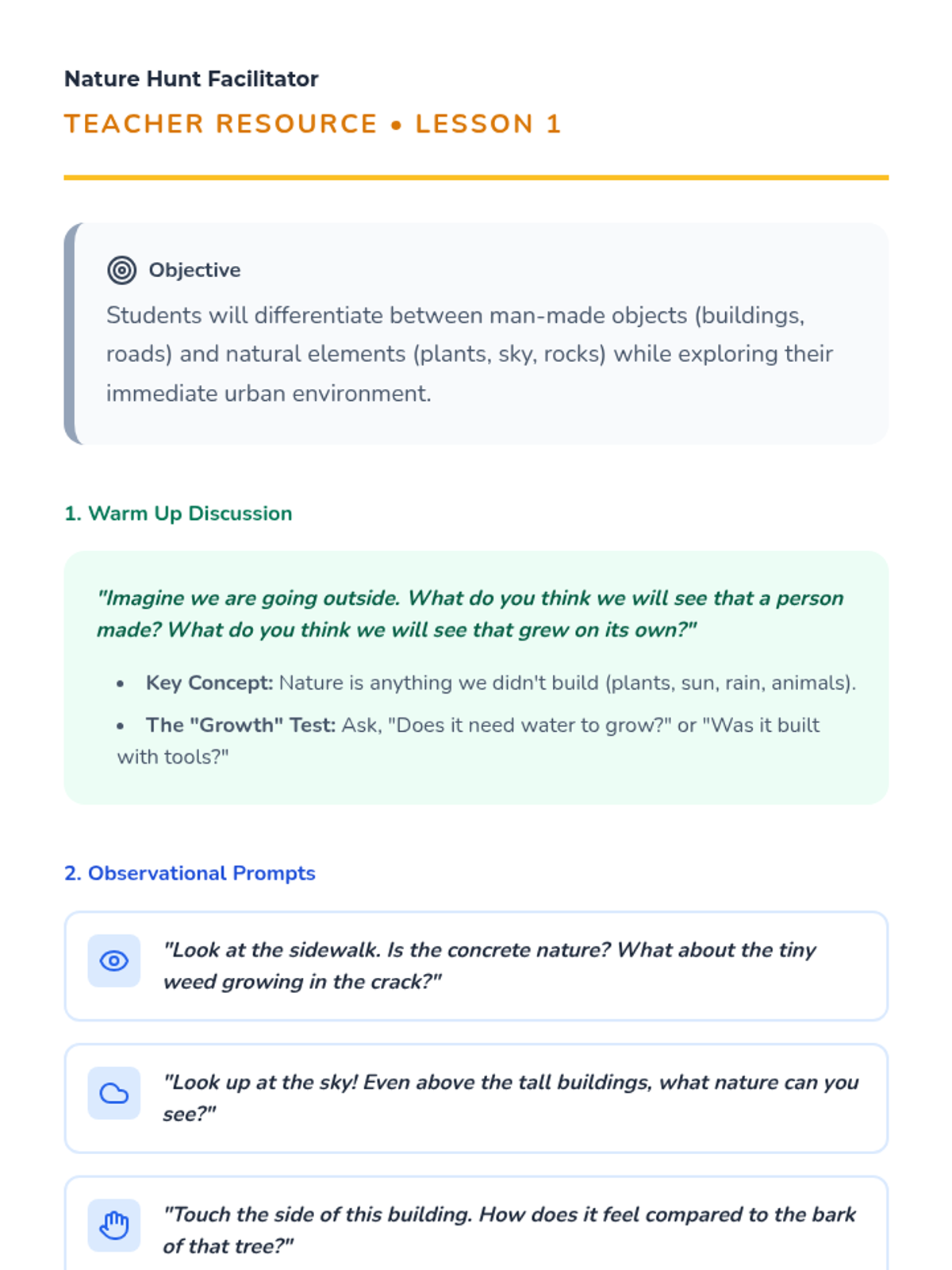
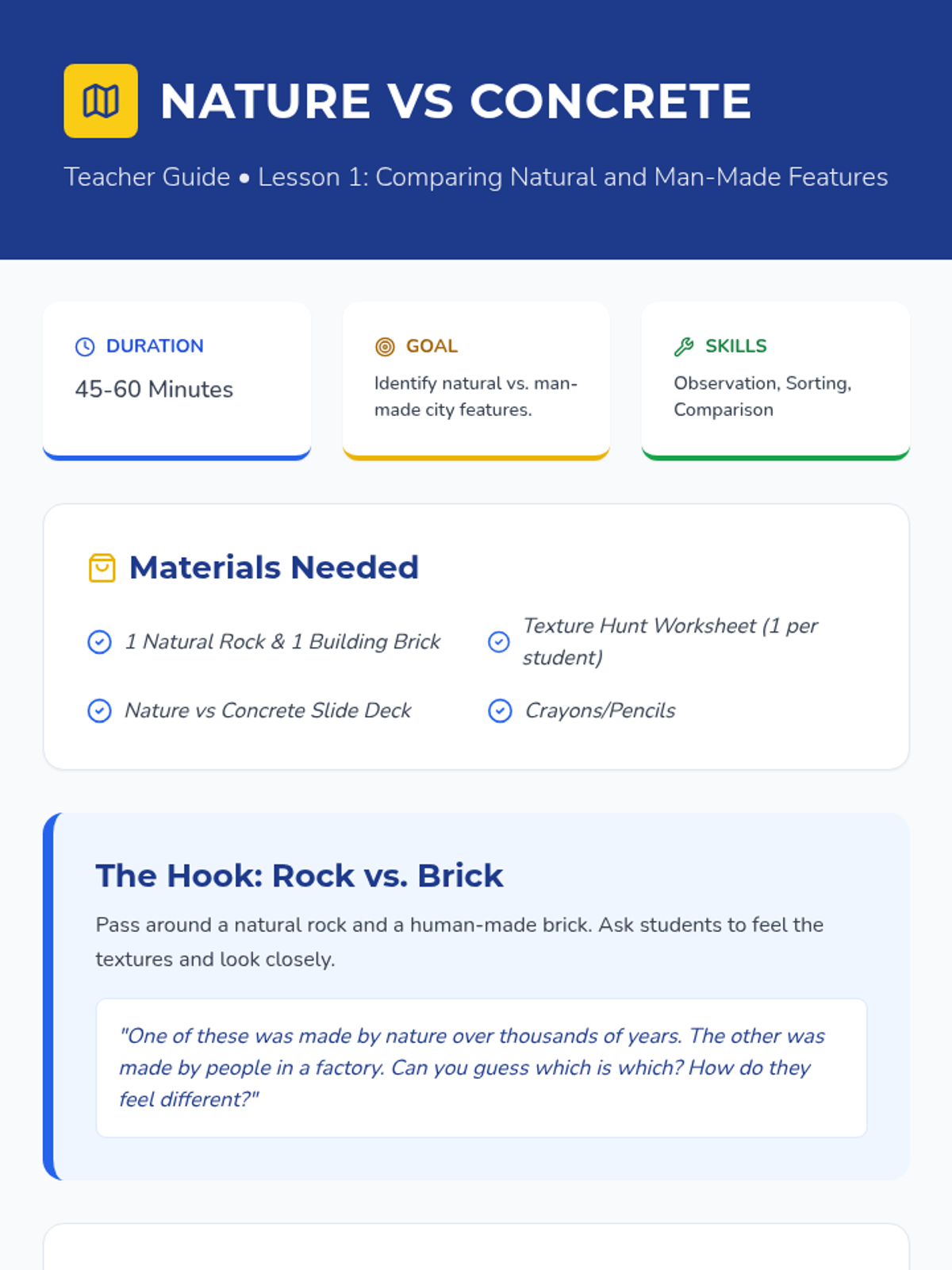
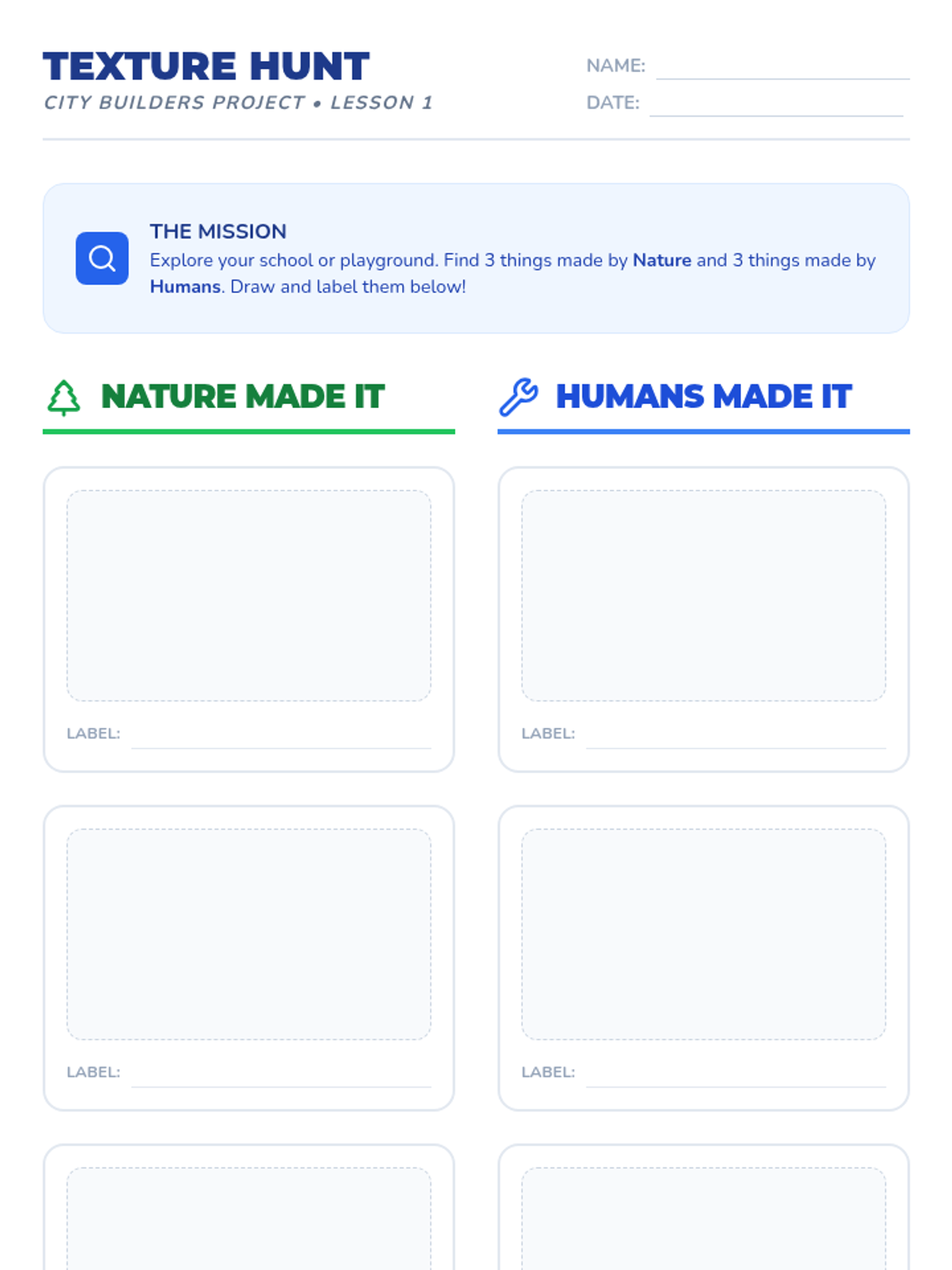
A Pre-K sequence focused on exploring nature within urban environments. Students learn to identify natural vs. man-made elements, explore city parks, observe urban wildlife, and practice environmental stewardship through caring for street trees and keeping public spaces clean.
An inquiry-based exploration of how cities interact with the natural environment. Students investigate man-made vs. natural features, waste management, green spaces, and urban pollution to design a sustainable city of the future.
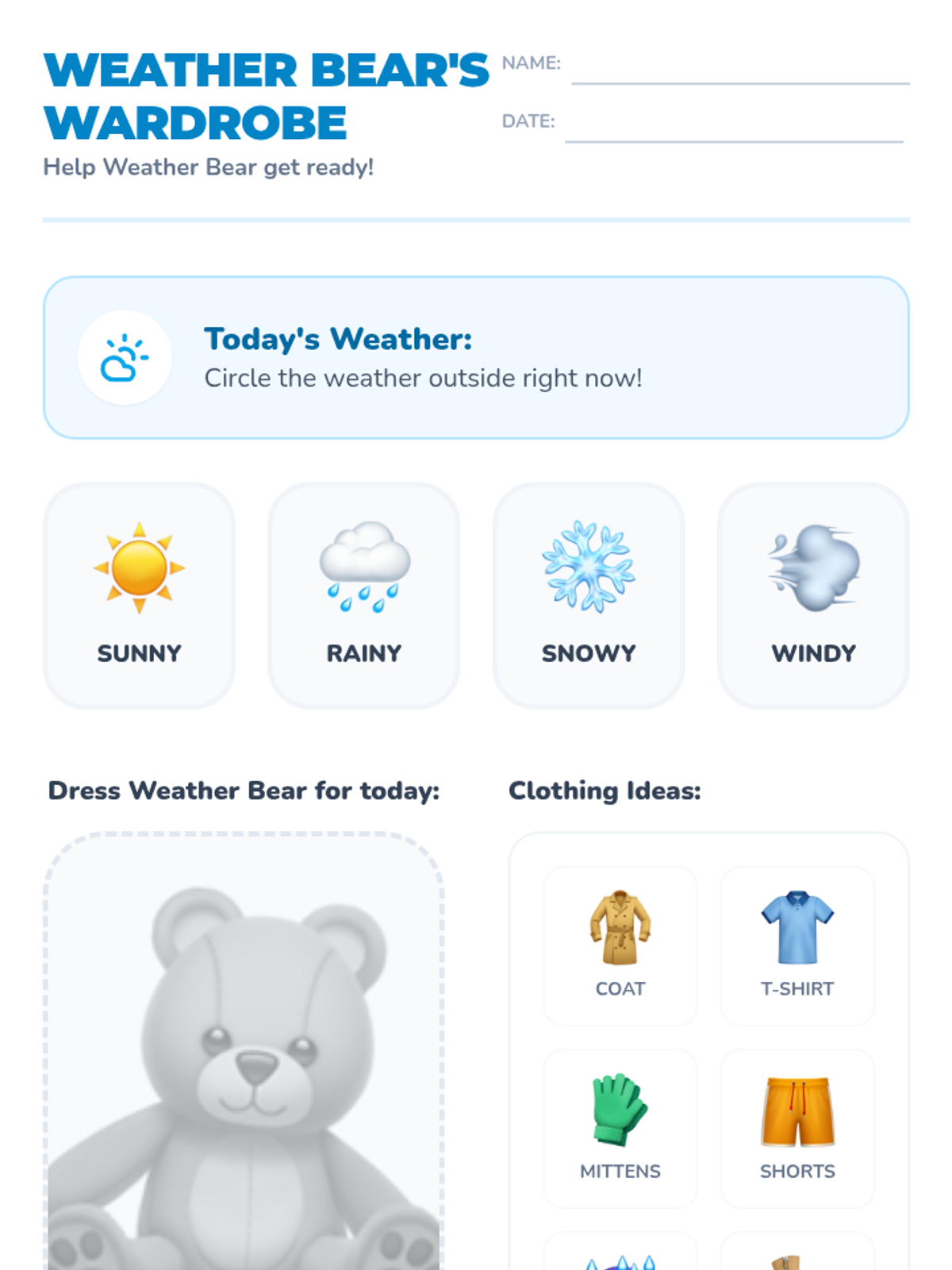
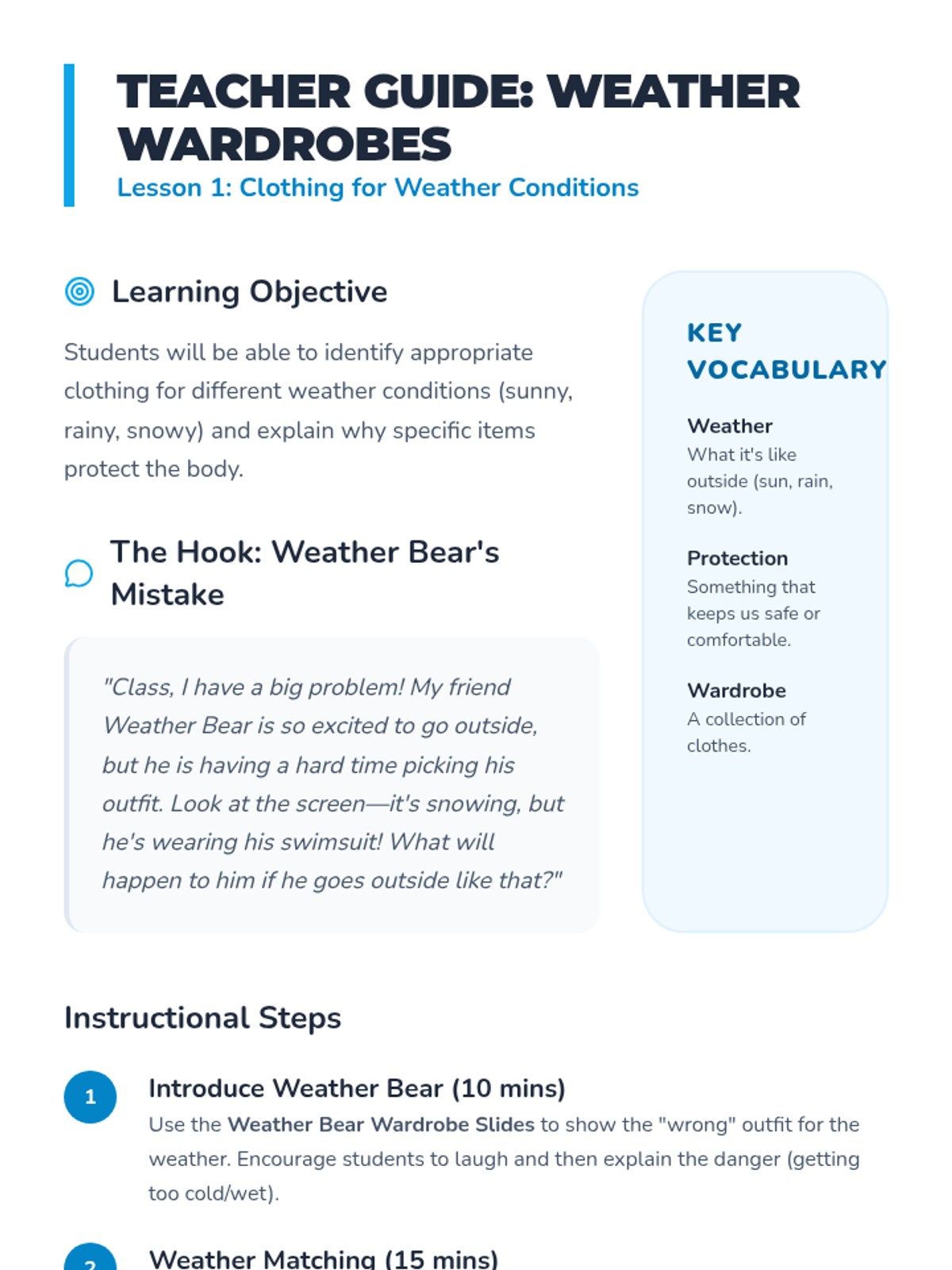
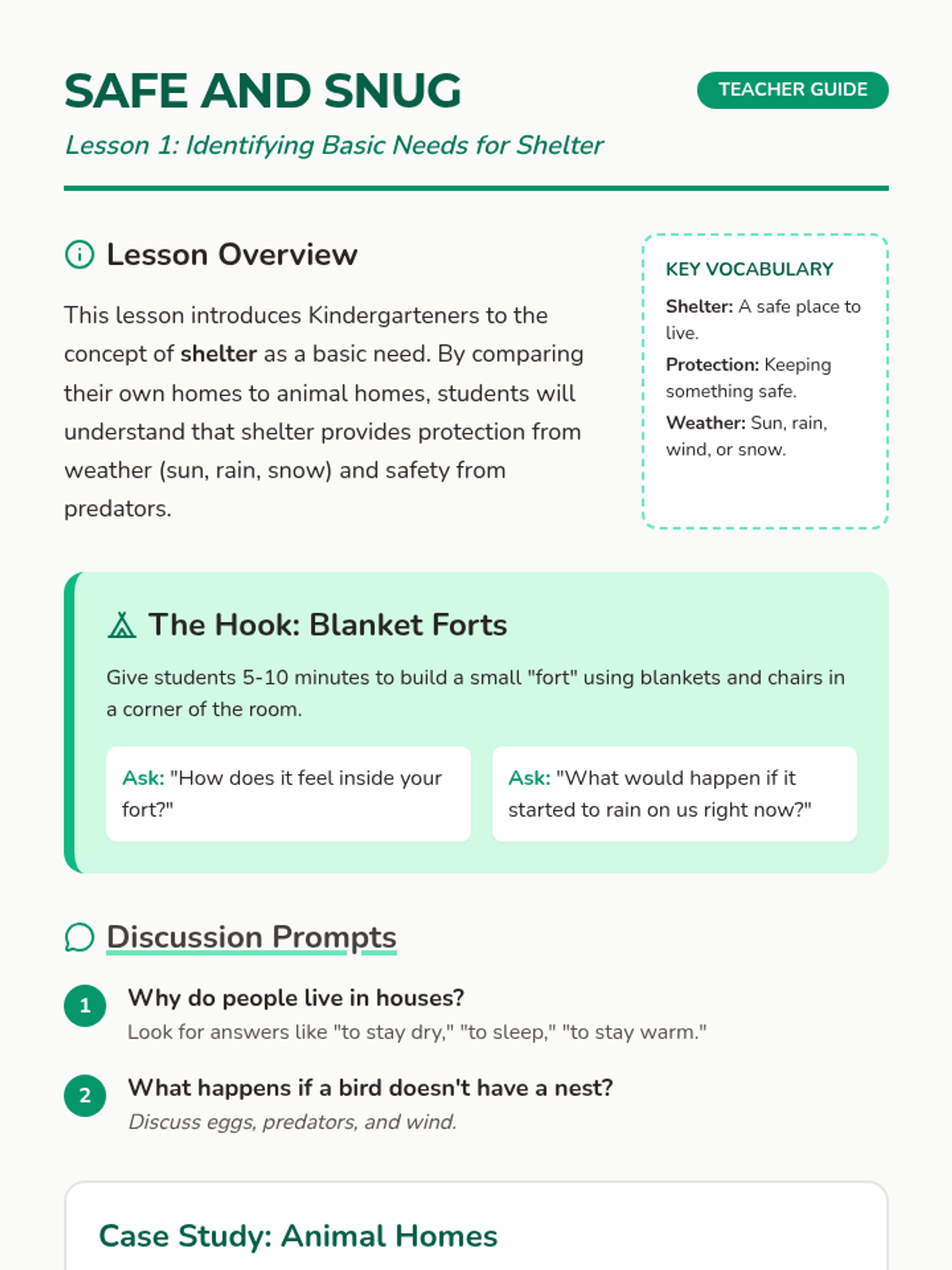
A Kindergarten sequence focused on how living things adapt to and stay safe in different weather conditions. Students explore personal clothing choices, animal shelters, sun safety, and severe weather routines, culminating in a community design project.
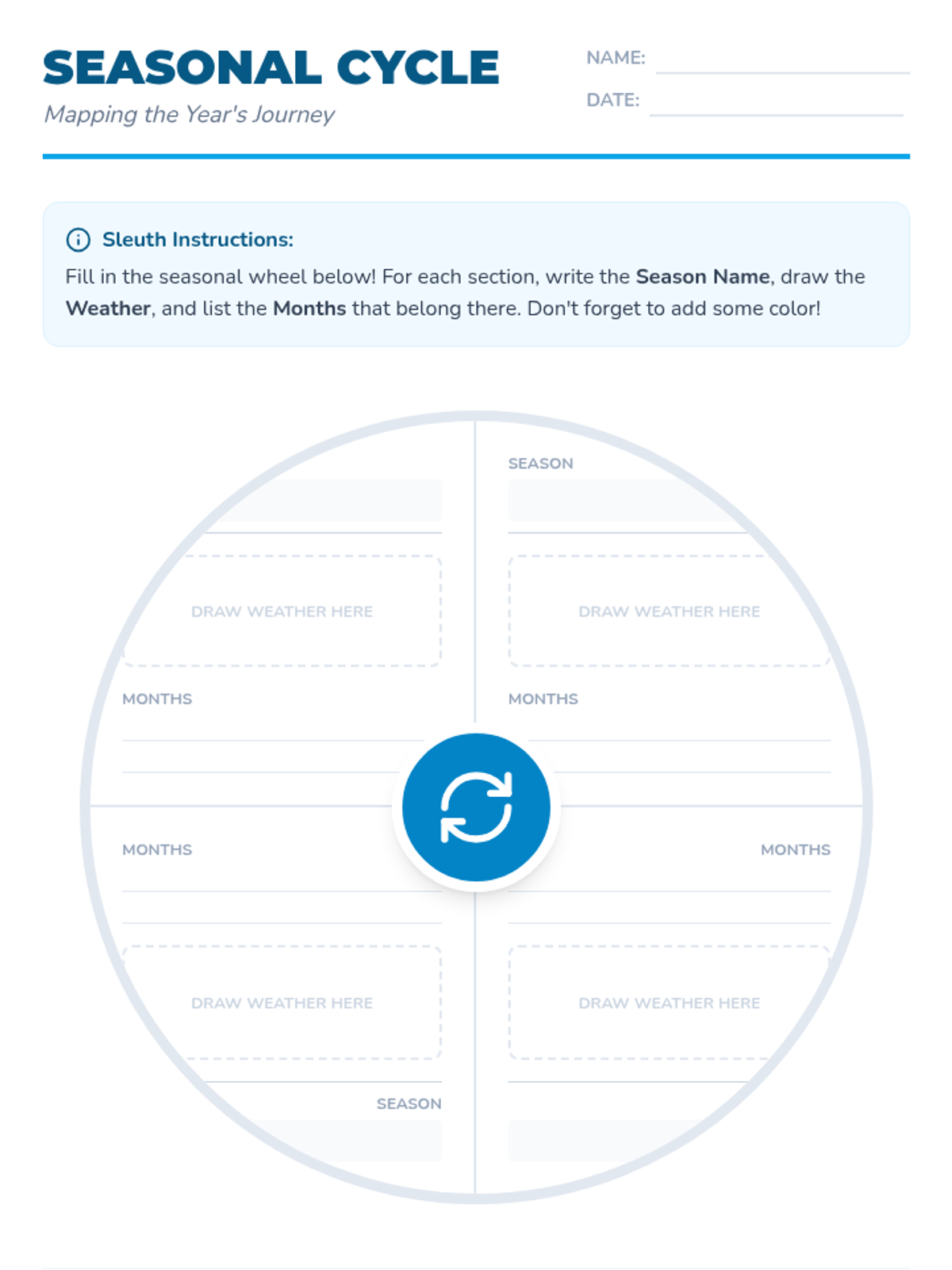
This project-based sequence explores how weather patterns shift over the course of a year. Students examine the four seasons, focusing on temperature trends and daylight changes, and investigate how these long-term patterns affect plants, animals, and human behavior.
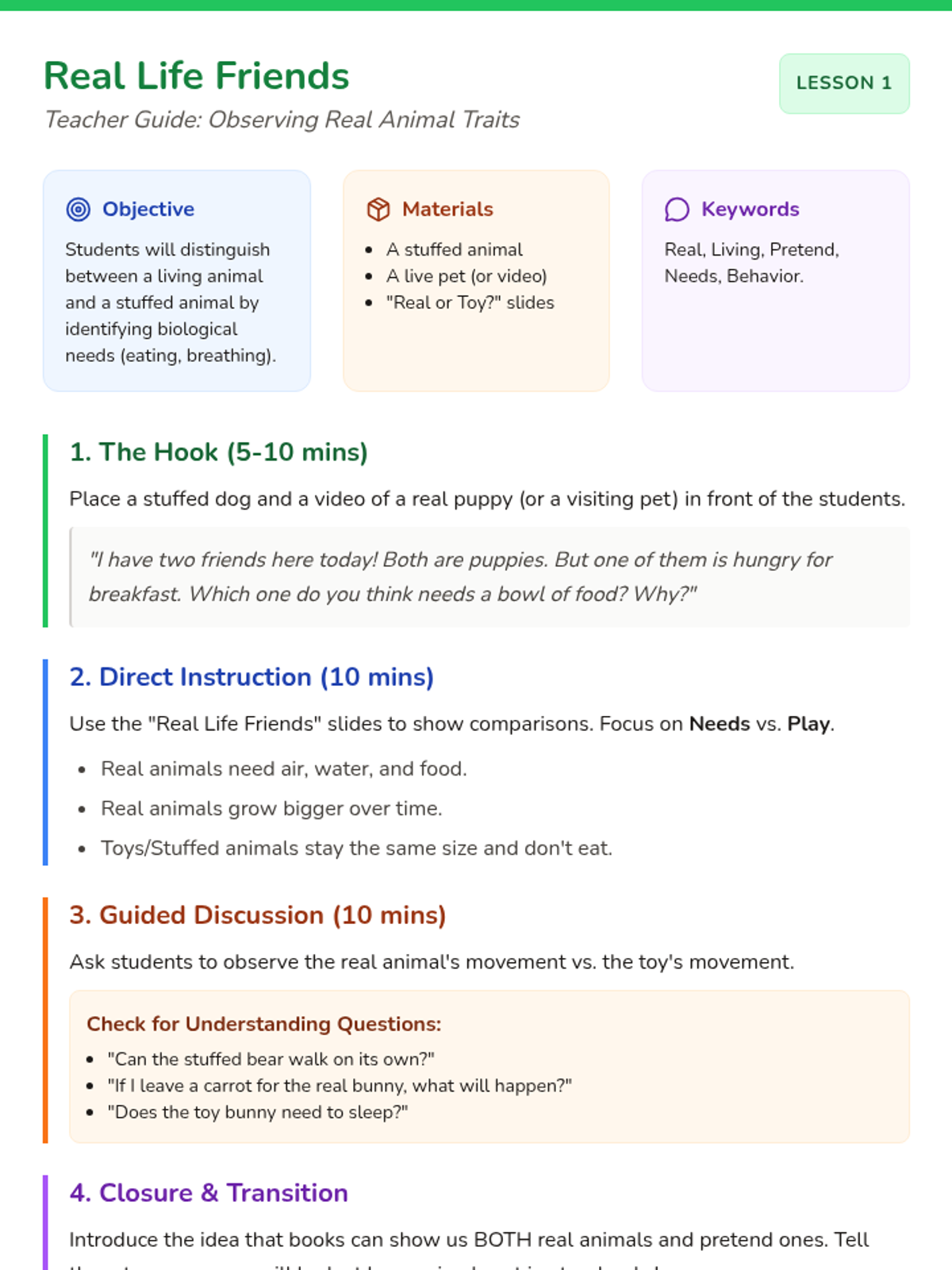
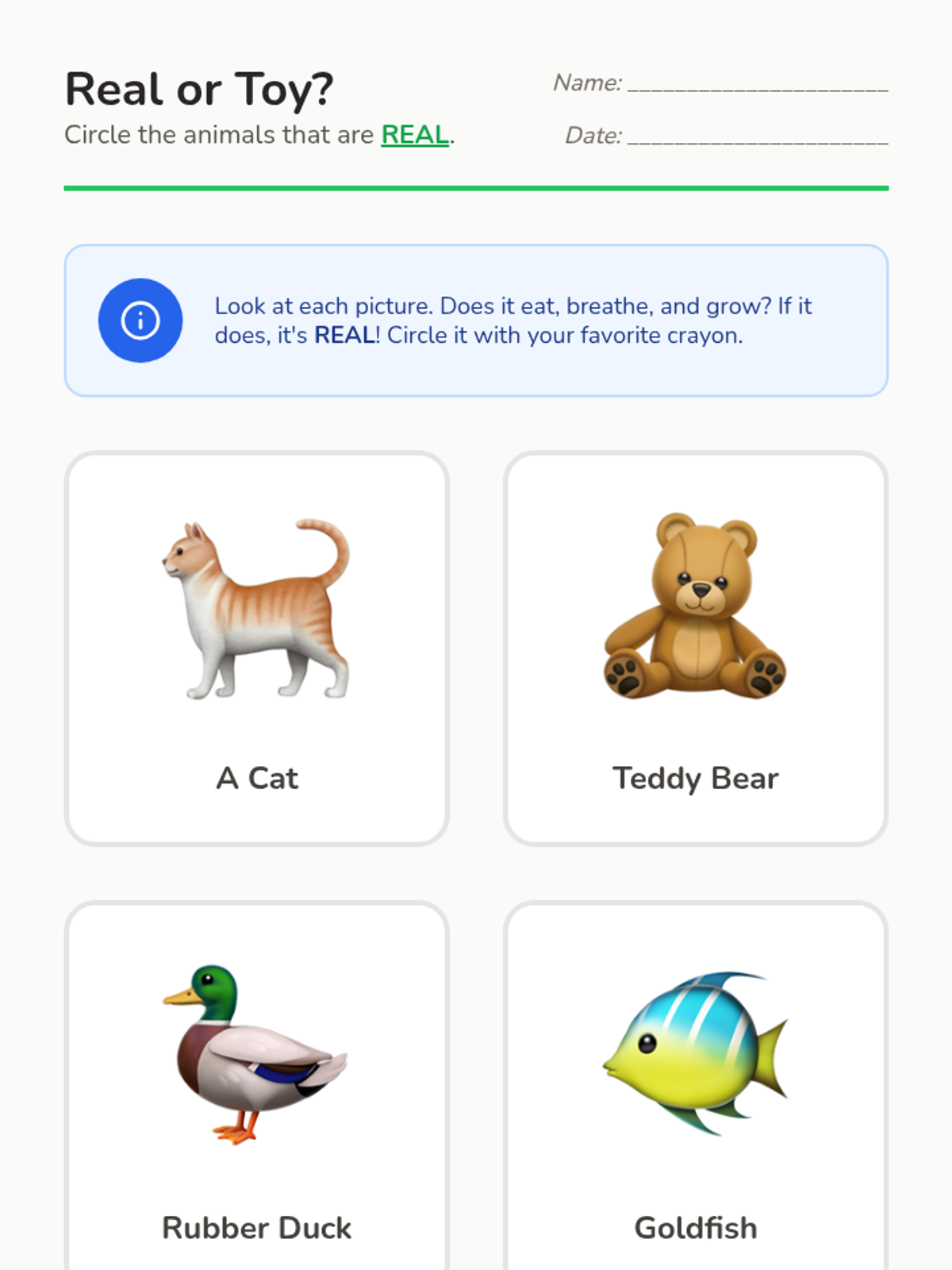
A Pre-K sequence introducing the concept of reality versus fantasy through animal behaviors. Students learn to distinguish between real animal traits and fictional character attributes using observation, comparison, and categorization.
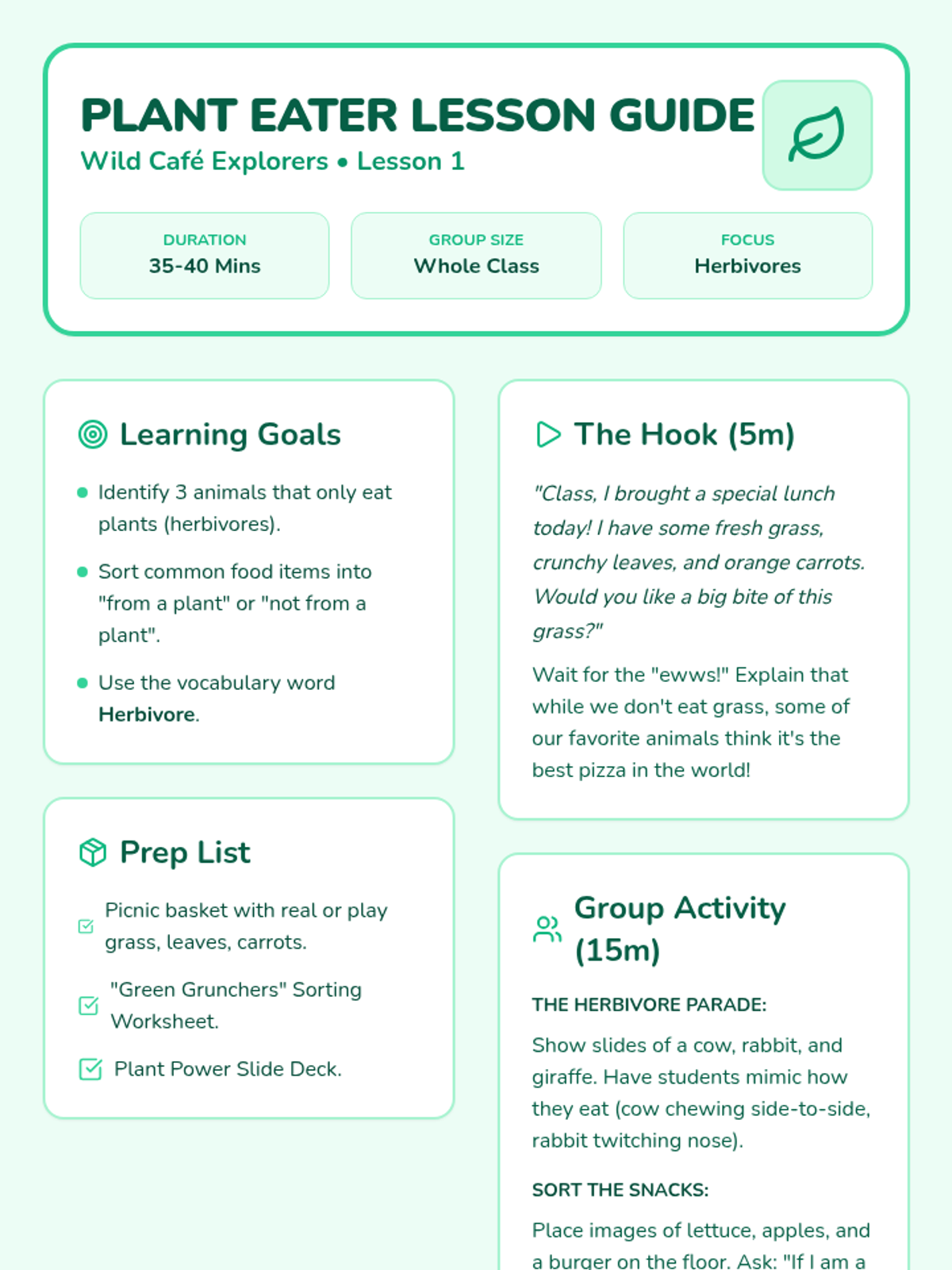
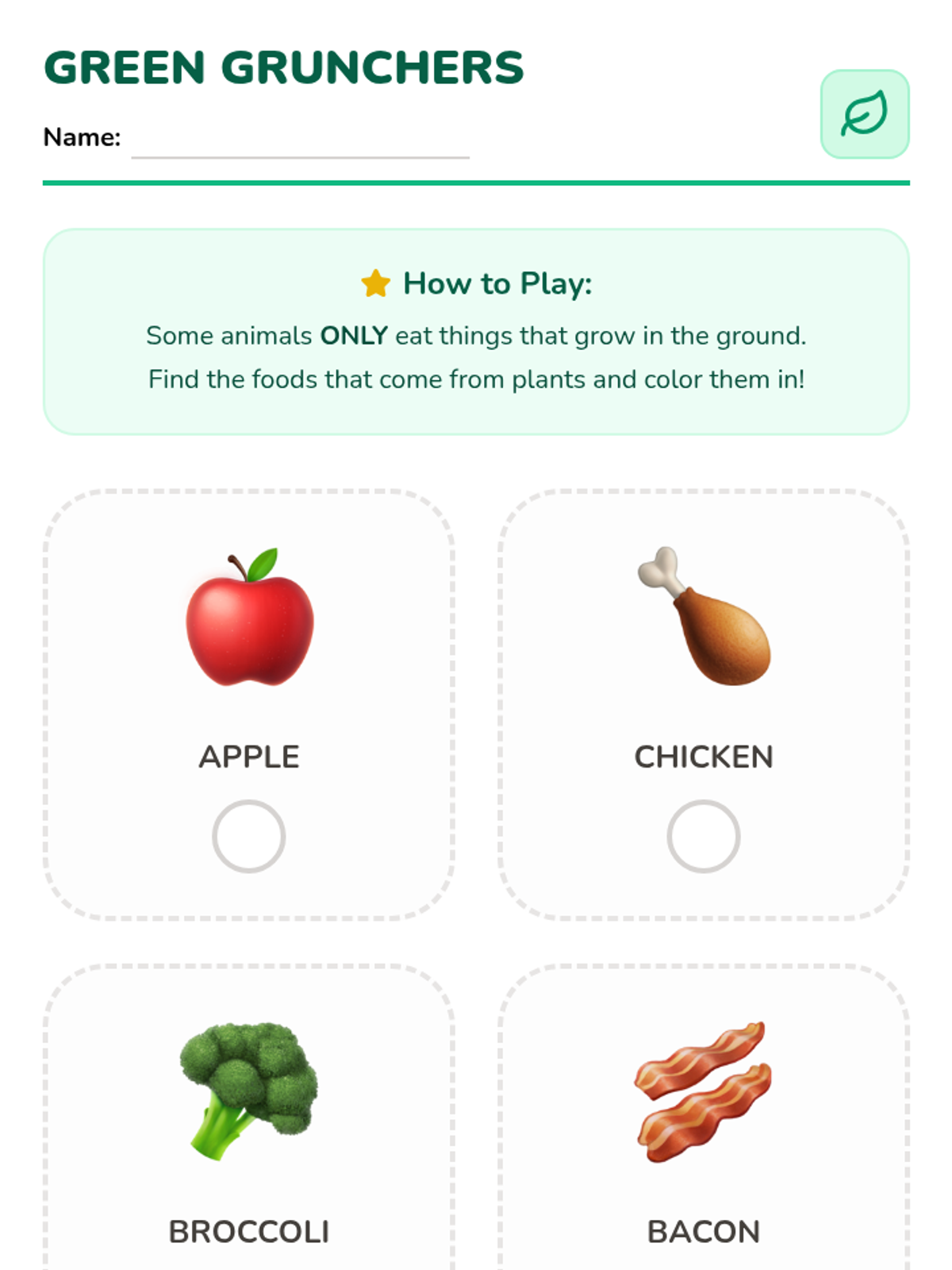
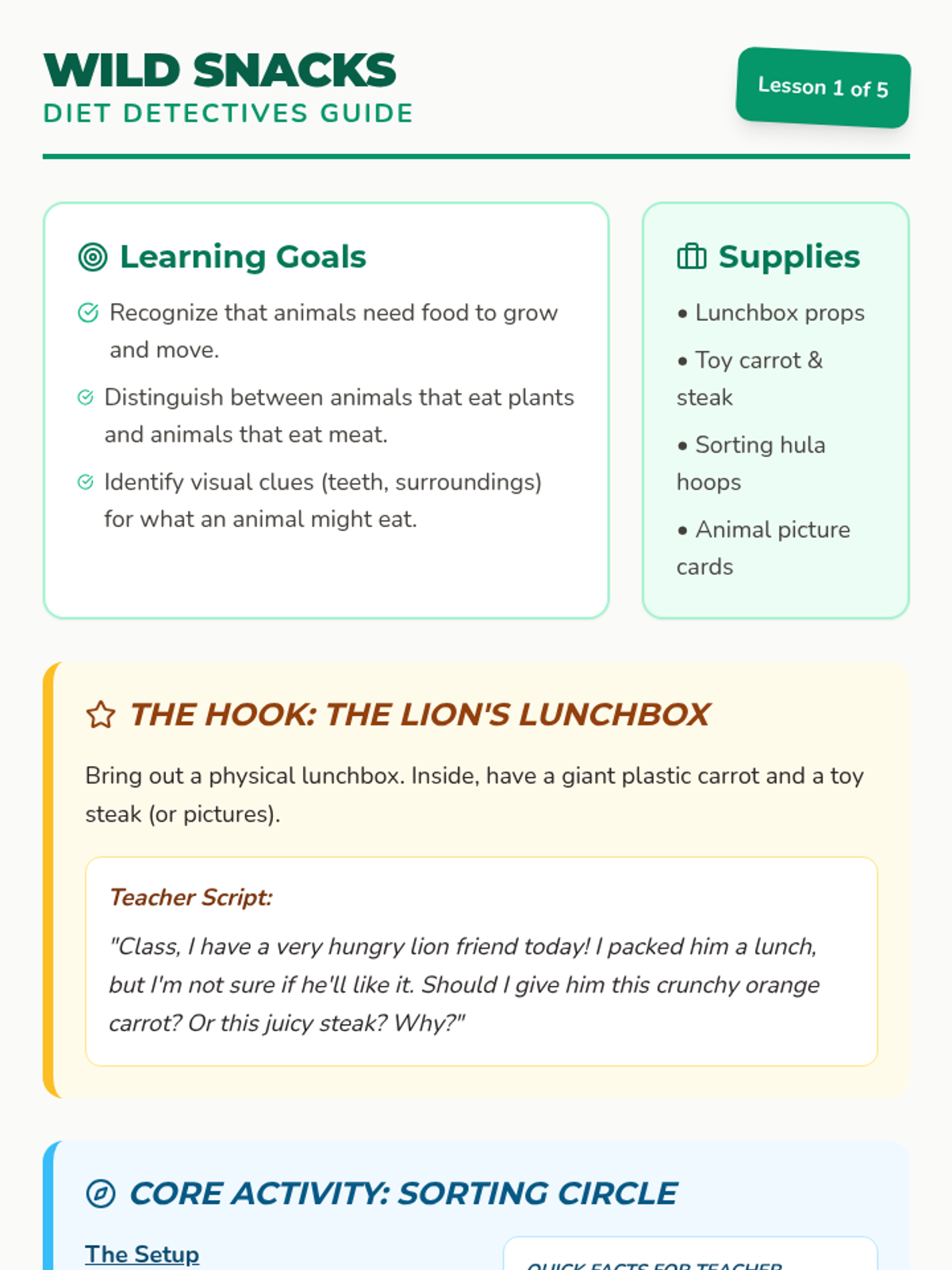
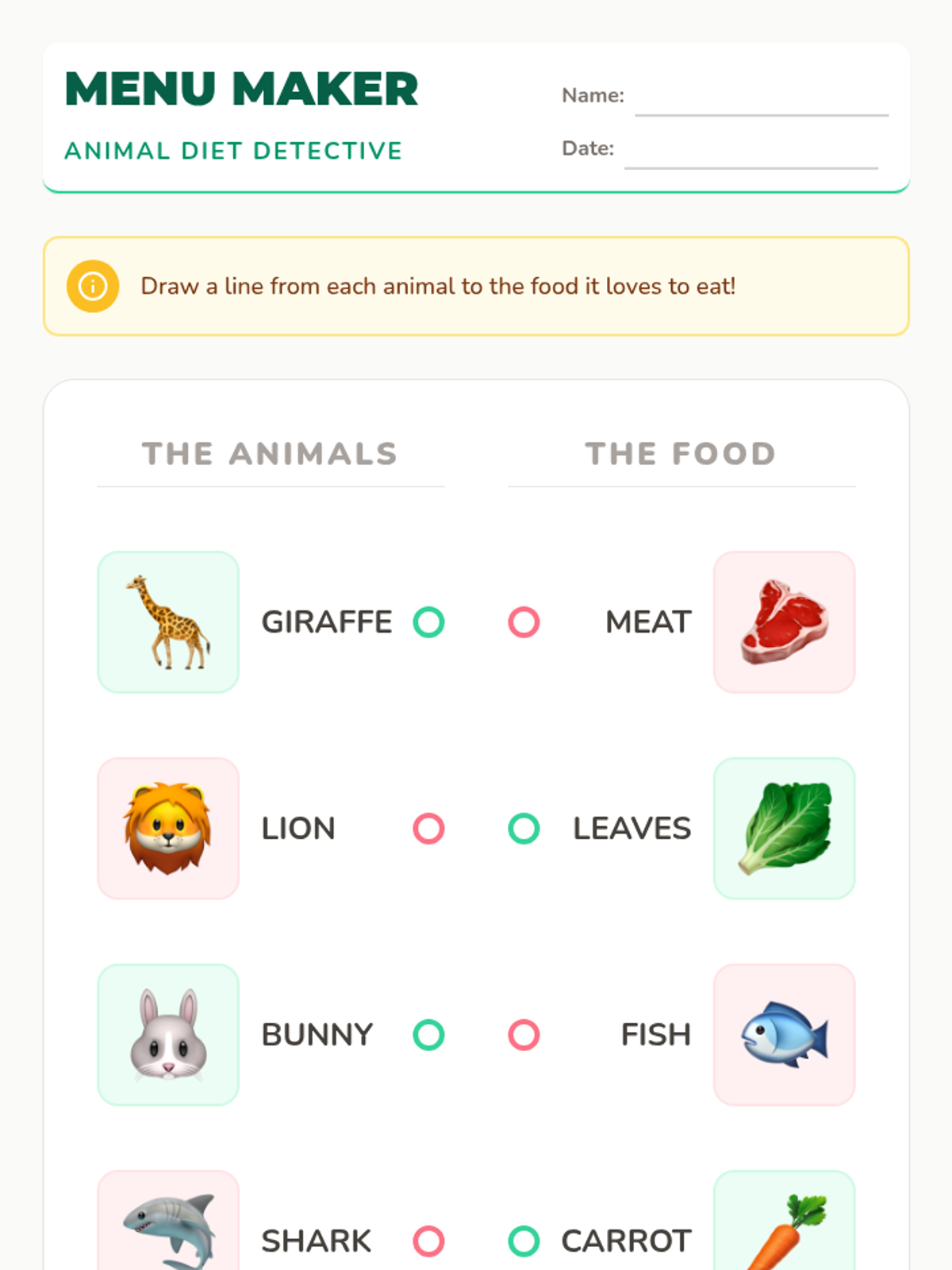
A Pre-K science sequence exploring animal diets and feeding behaviors. Students learn to categorize herbivores and carnivores, understand physical adaptations like beaks and teeth, and explore the flow of energy through simple food chains using hands-on activities and dramatic play.
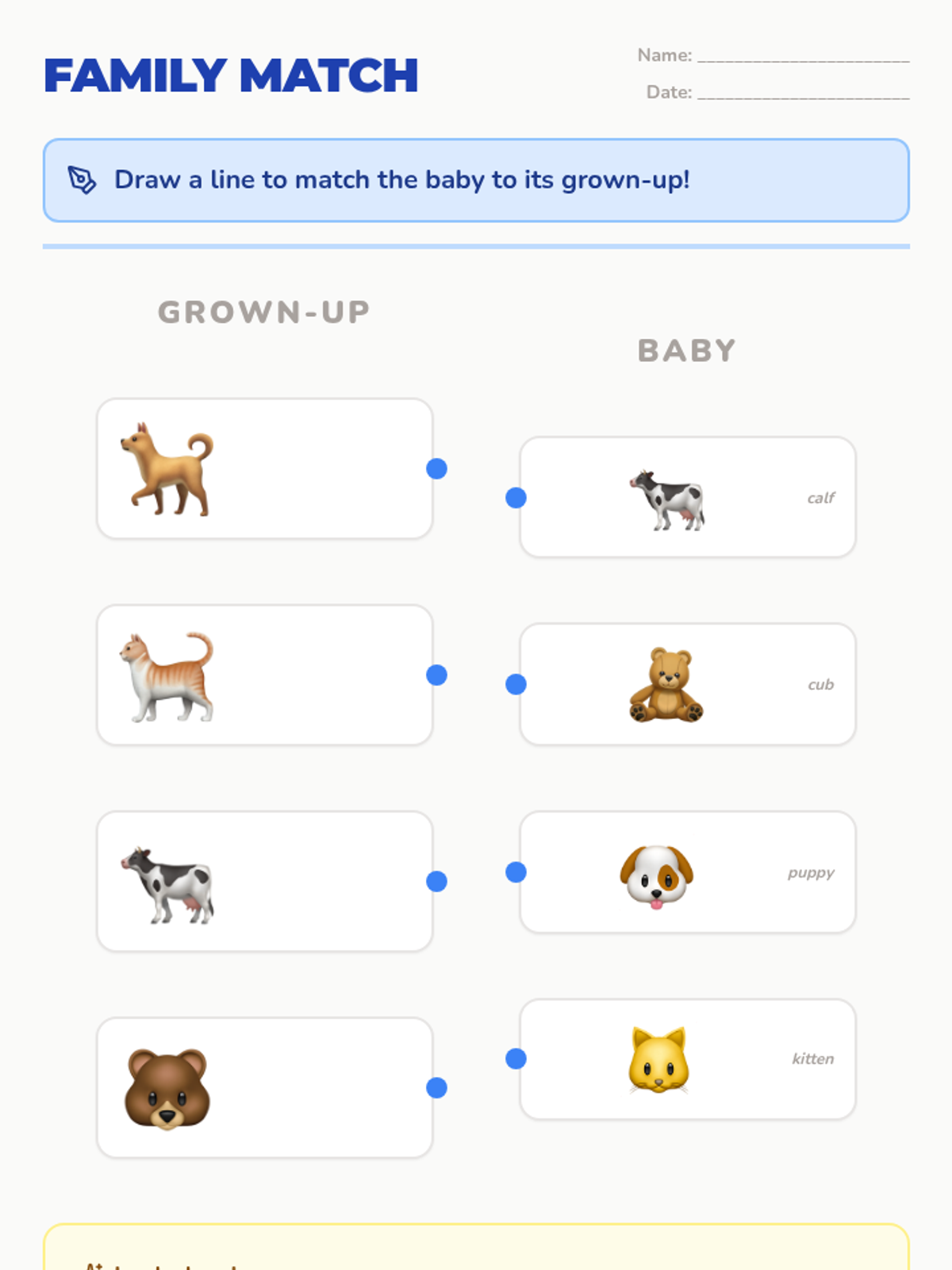
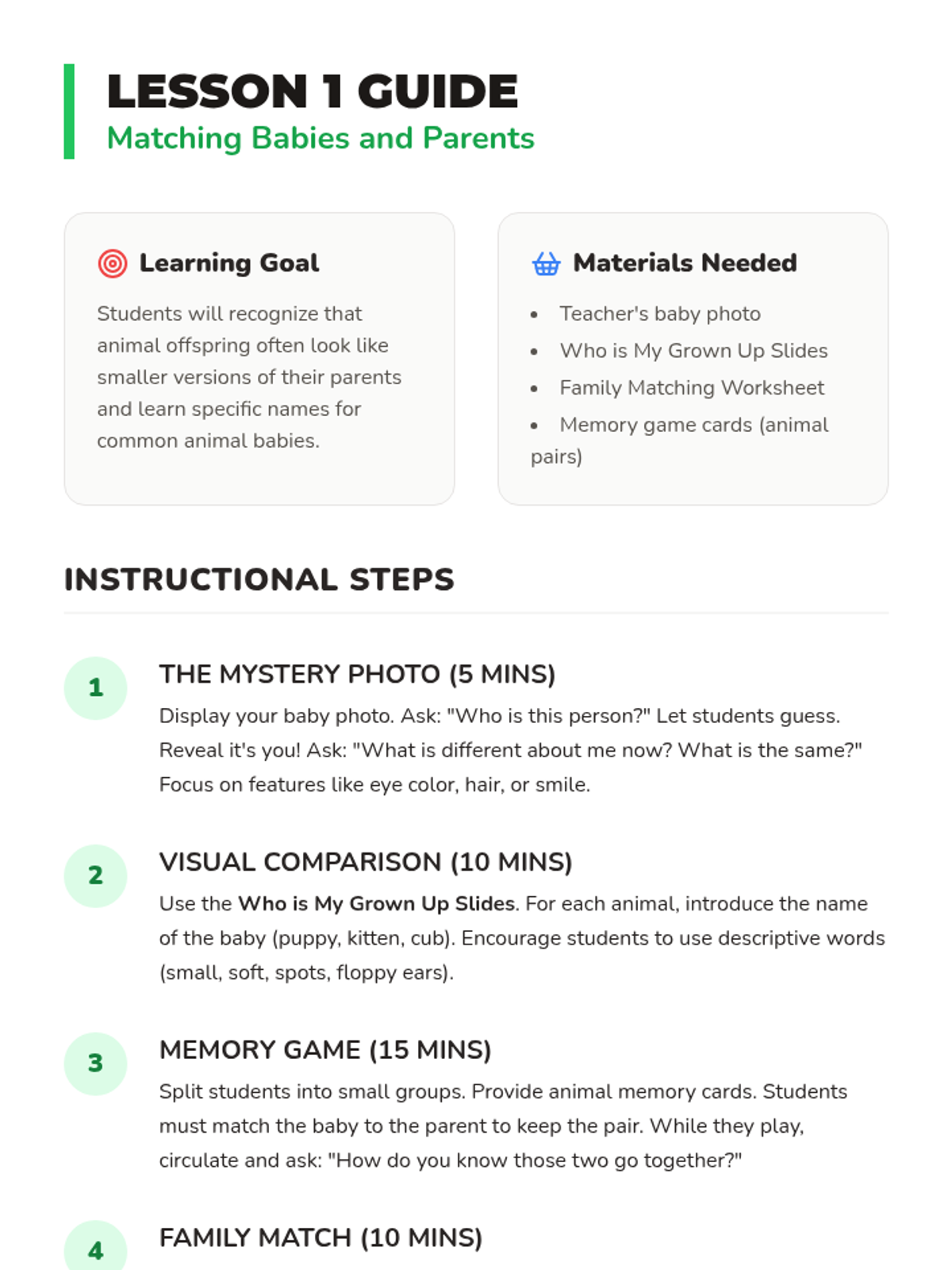
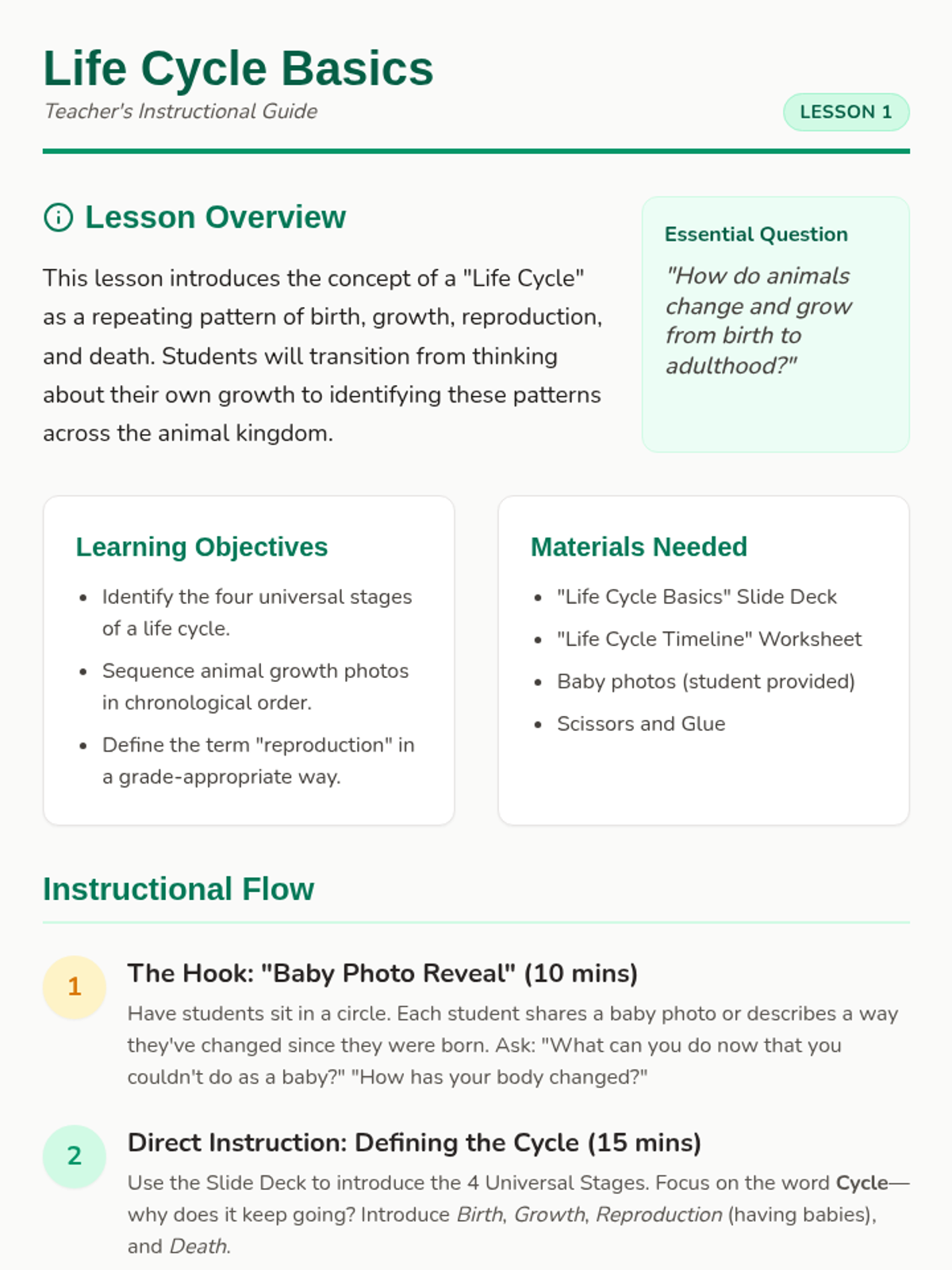
A Pre-K science sequence exploring animal growth, from matching babies and parents to understanding the complex life cycles of butterflies and frogs. Students develop observation skills and learn that all living things change over time.
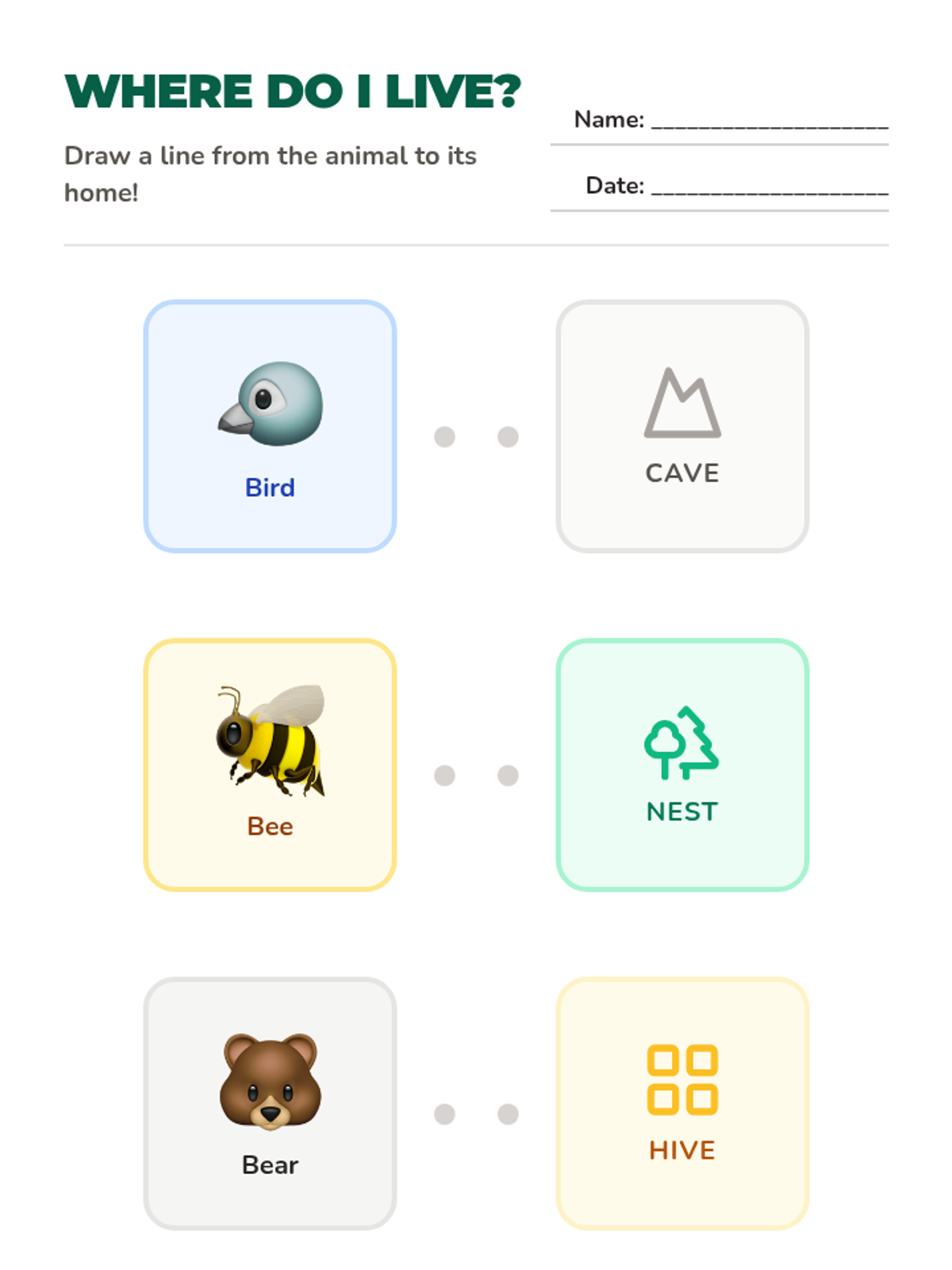
A Pre-K science sequence exploring animal habitats through hands-on construction and sorting. Students learn about basic needs, water environments, forest shelters, and extreme climates to design their own animal homes.
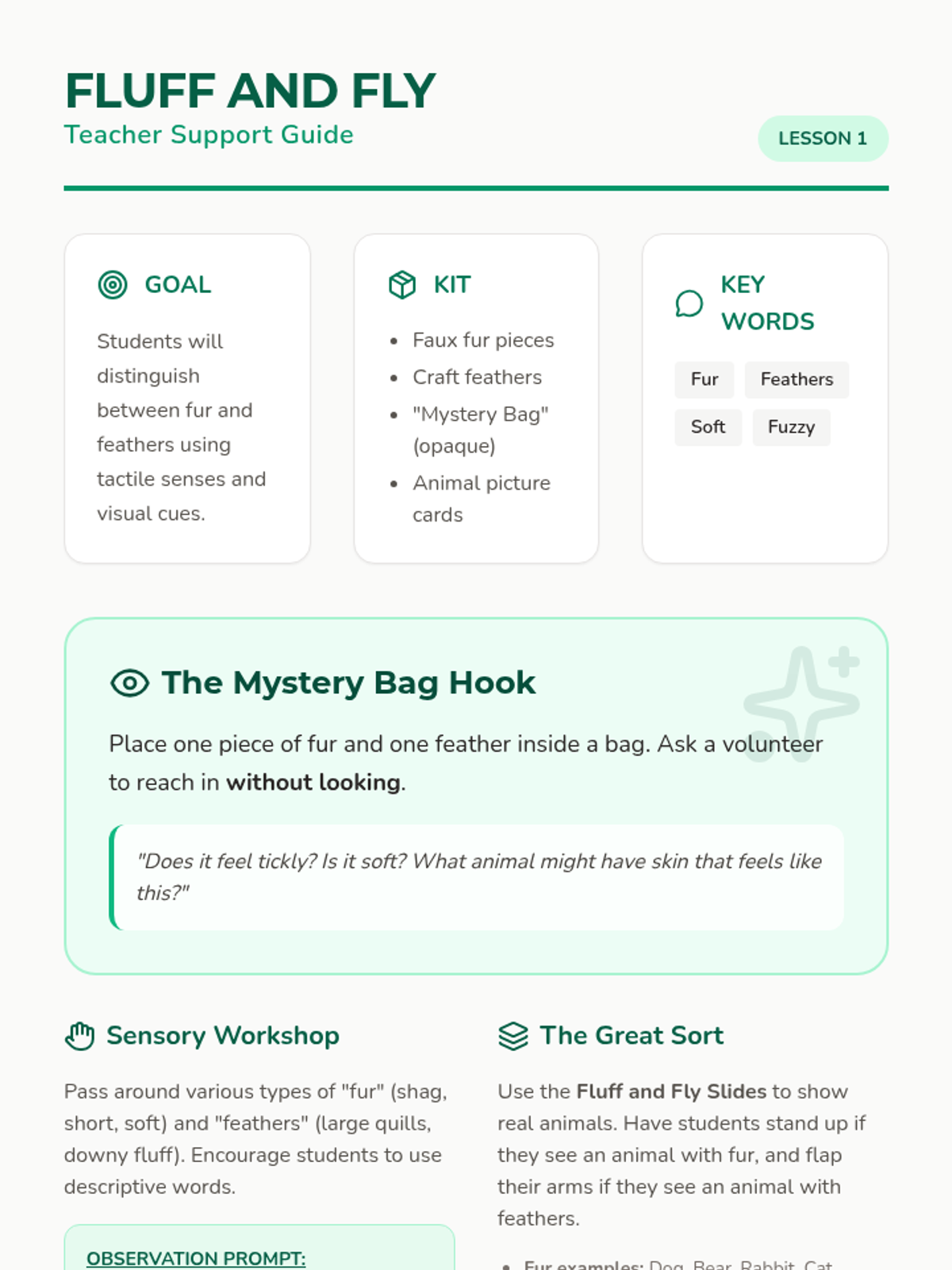
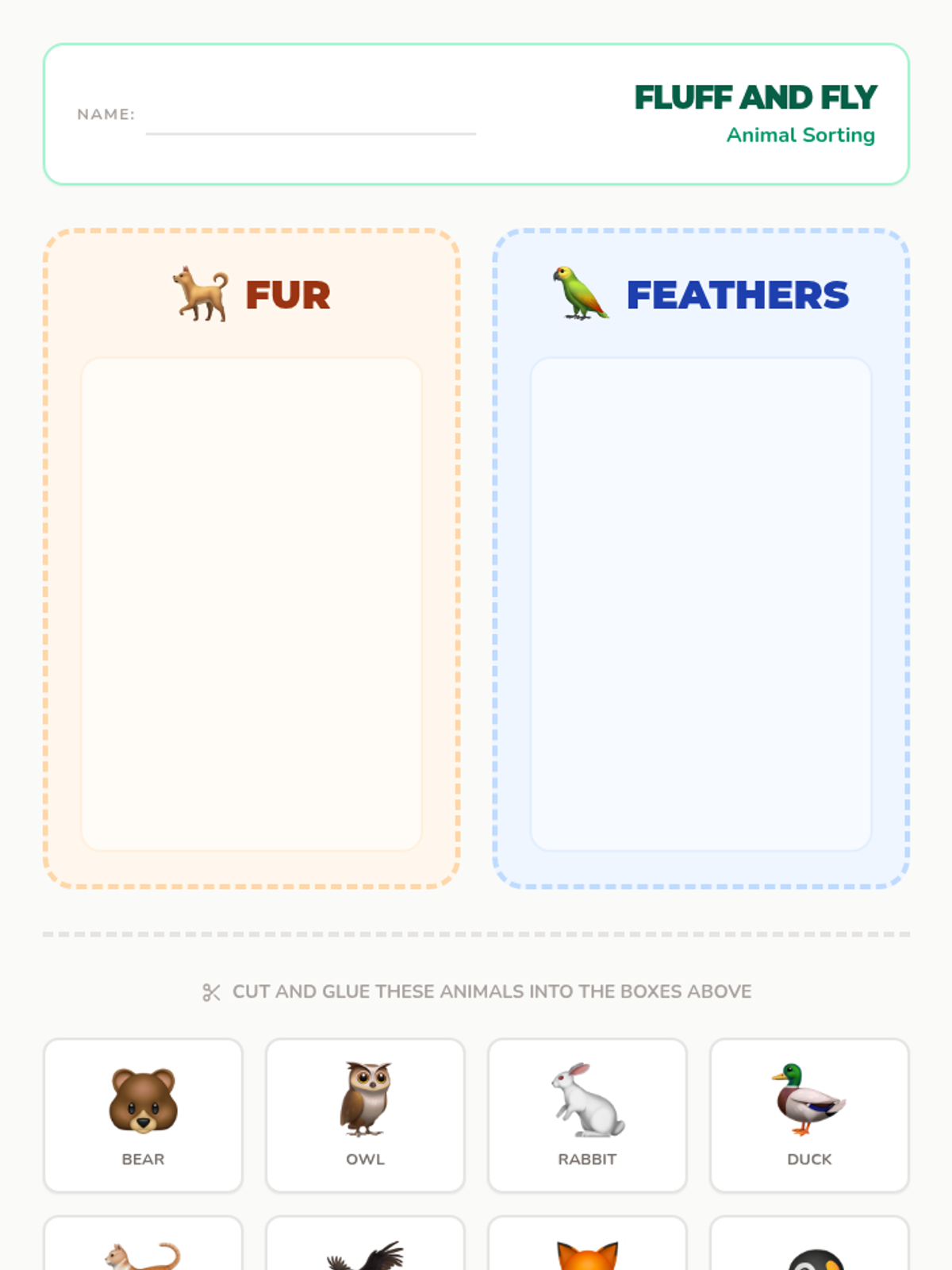
A tactile and sensory-driven sequence where Pre-K students learn to classify animals by their physical traits, including coverings, limb count, and size. through hands-on sorting and observation.
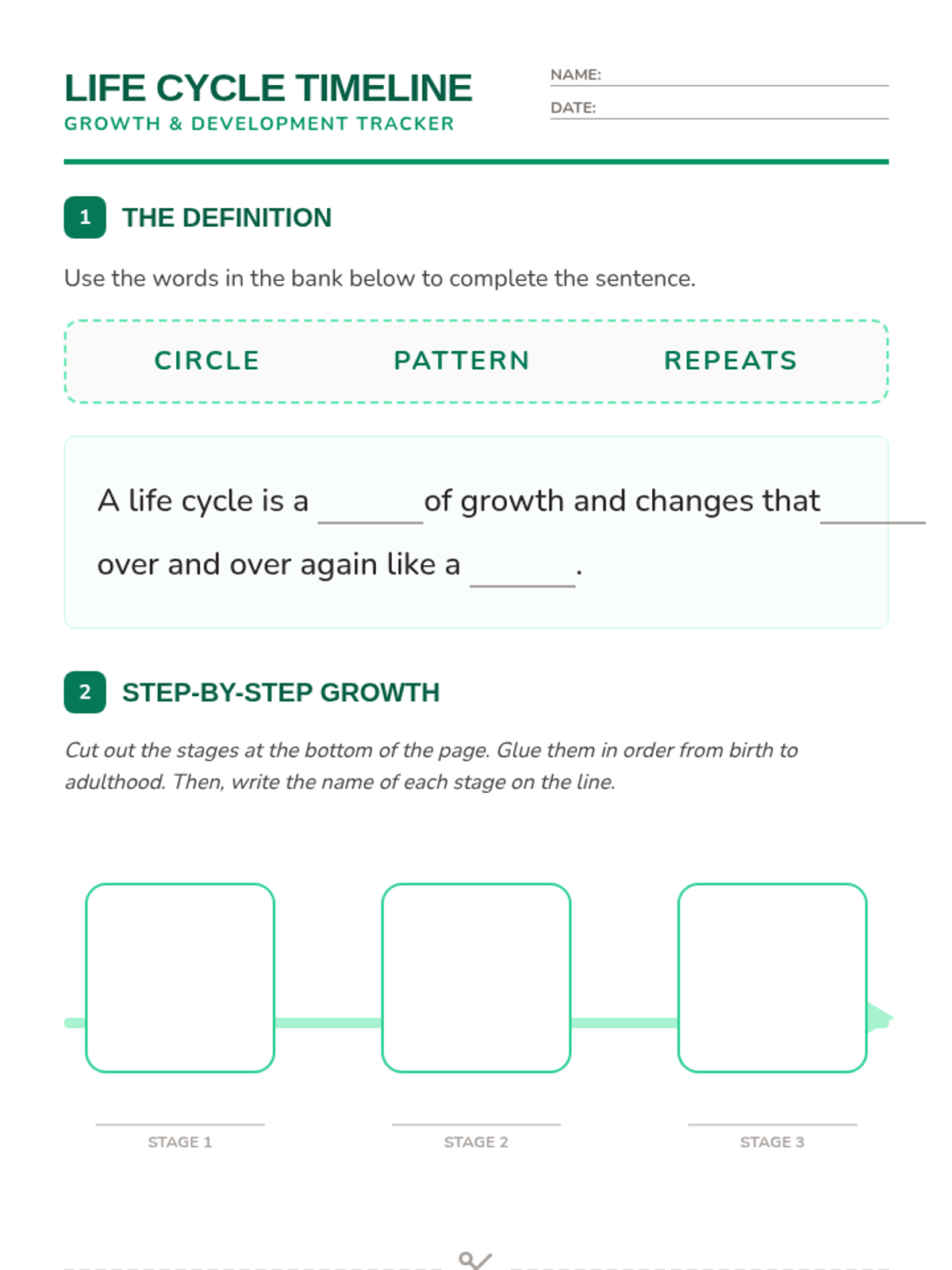
This sequence explores the diverse ways animals grow and change throughout their lives. Students will compare simple growth patterns in mammals with complex metamorphosis in insects and amphibians, building a comprehensive understanding of biological life cycles.
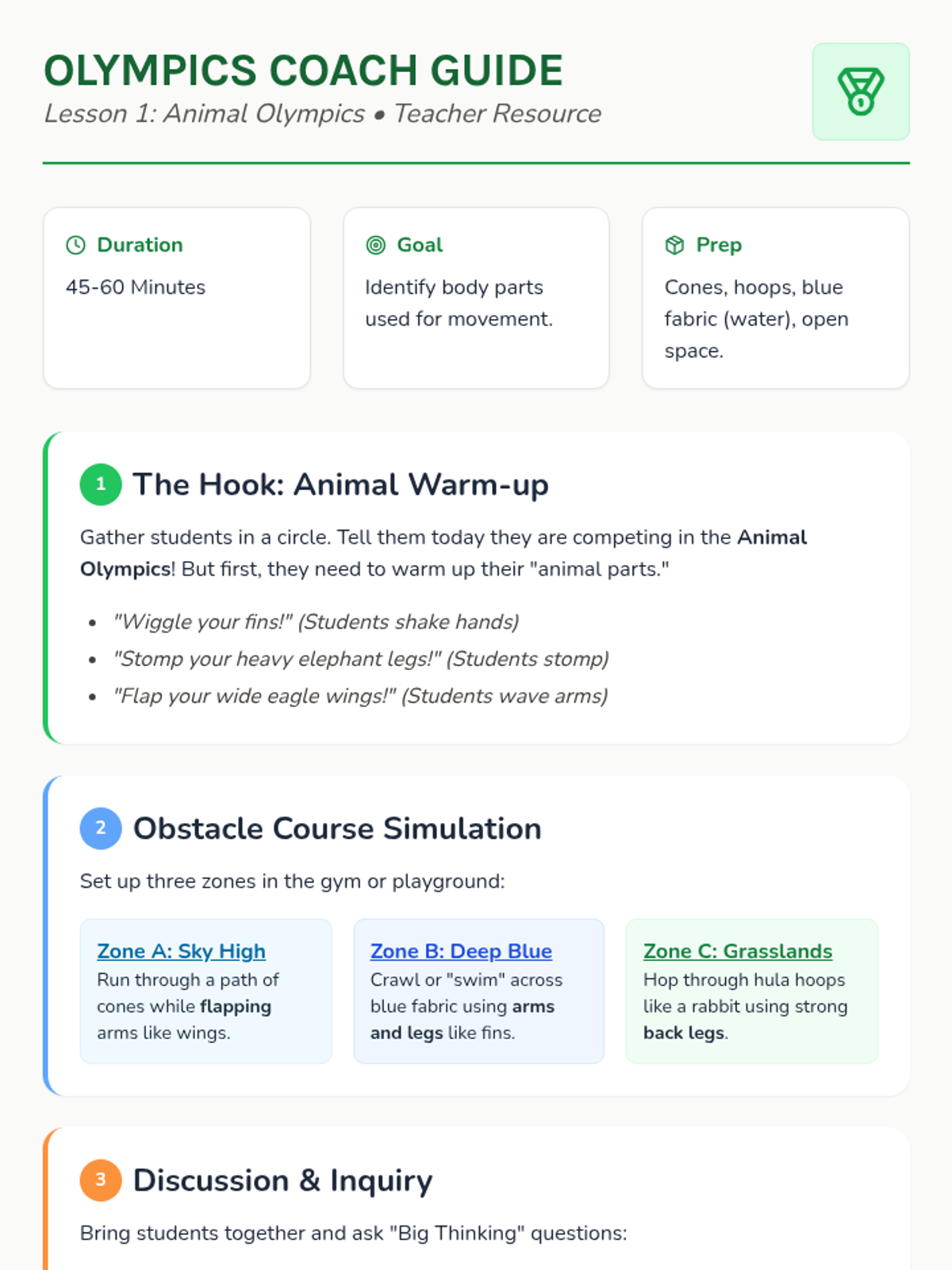
A Kindergarten sequence exploring how animals find food, move, and hide to survive, culminating in a creative animal design project.
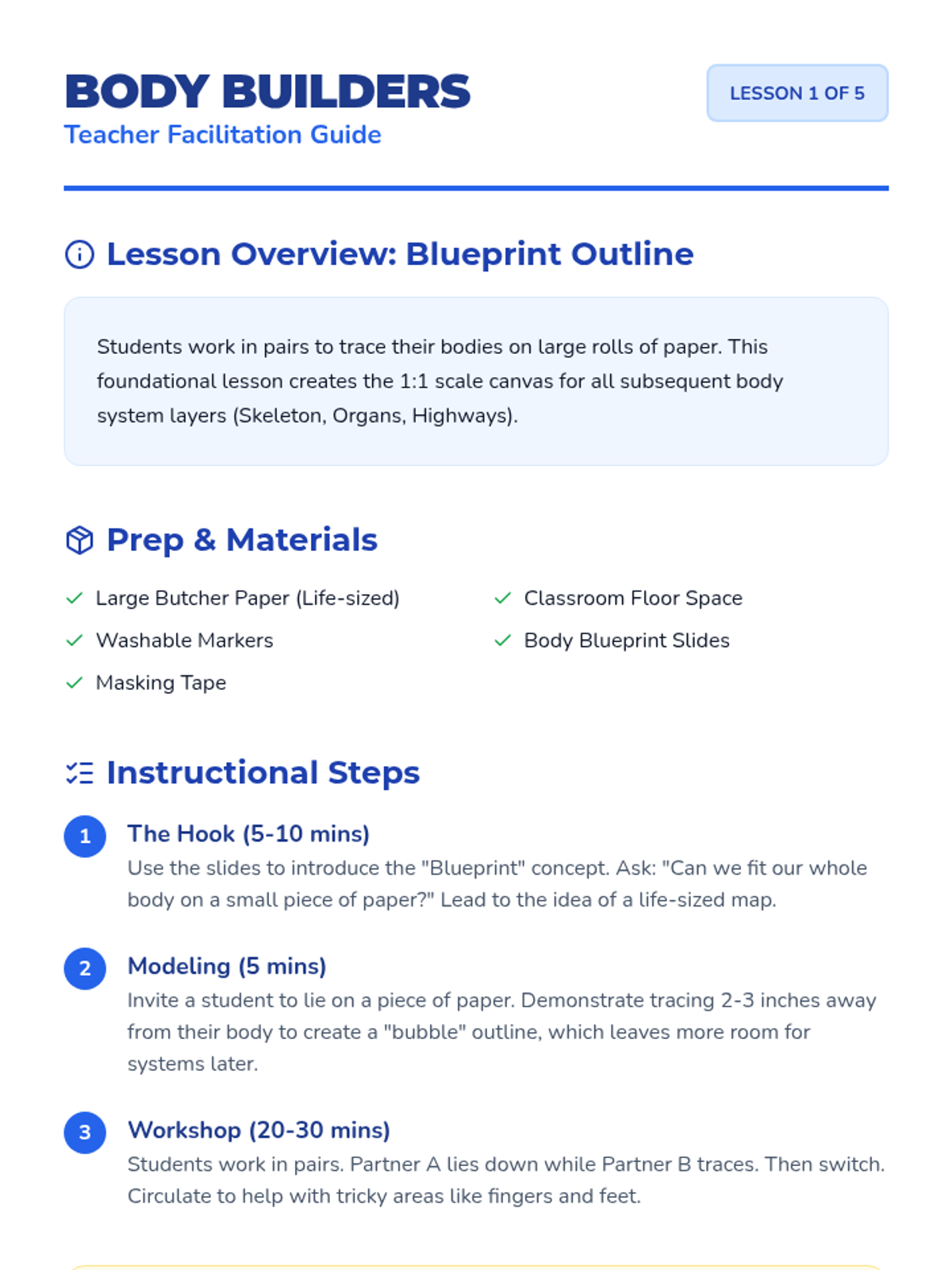
A project-based life science sequence where Kindergarten students create life-sized 'Body Maps'. Students trace their outlines and layer in skeletal, organ, and circulatory systems to understand spatial relationships and biological functions.
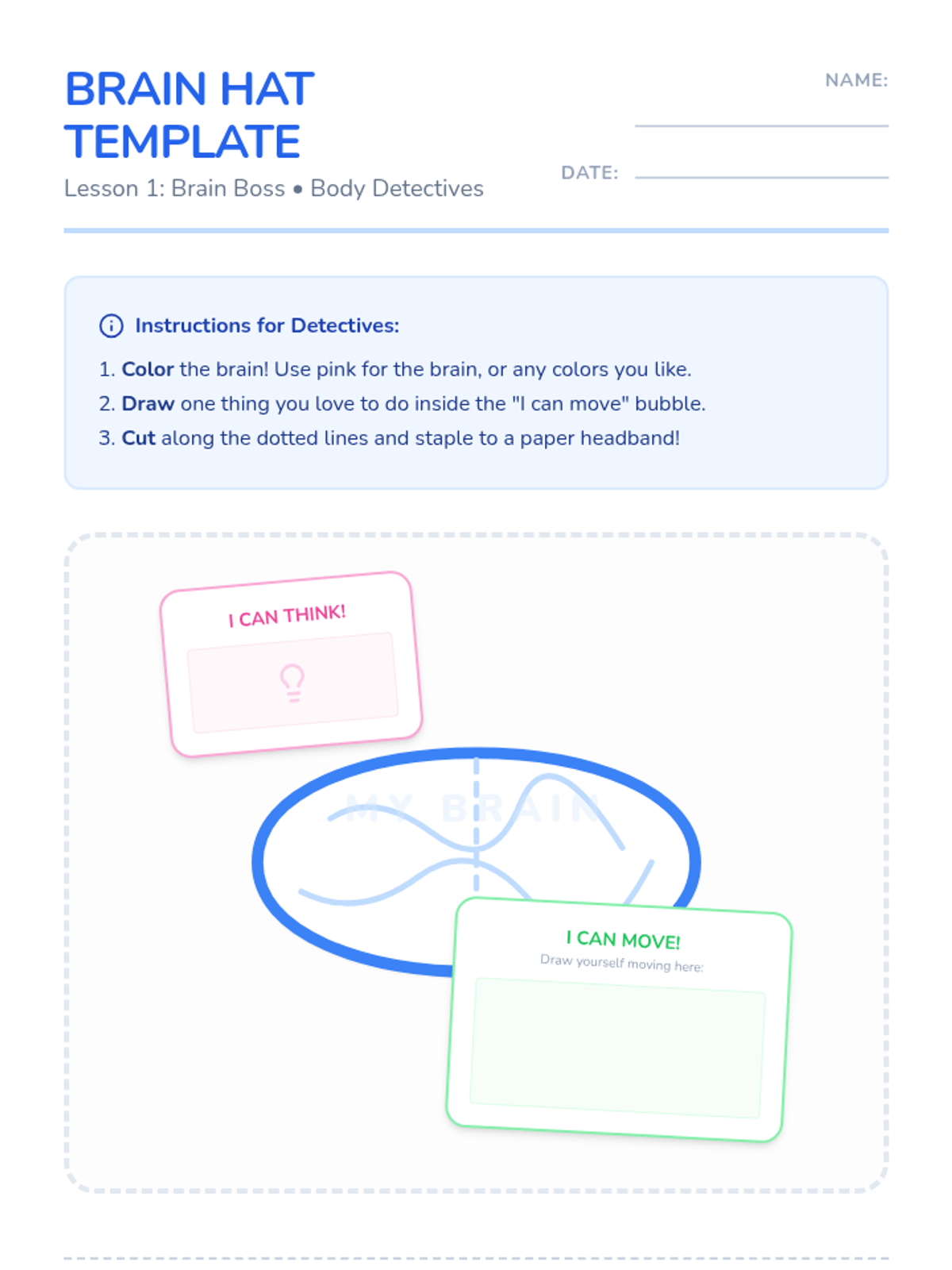
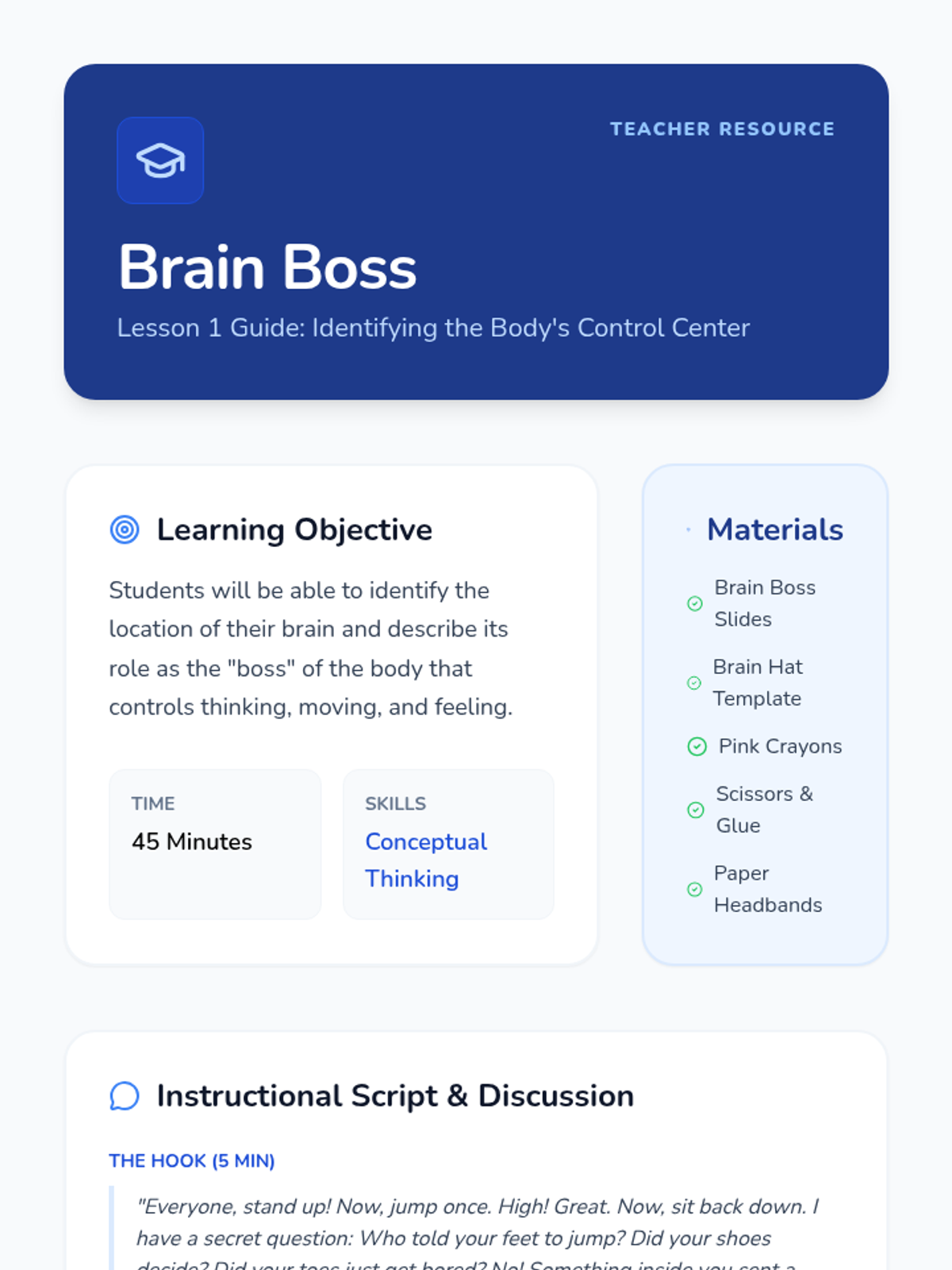
A Kindergarten life science sequence exploring the nervous system, where students discover the brain as the body's control center and learn how senses send signals to trigger reactions and ensure safety.
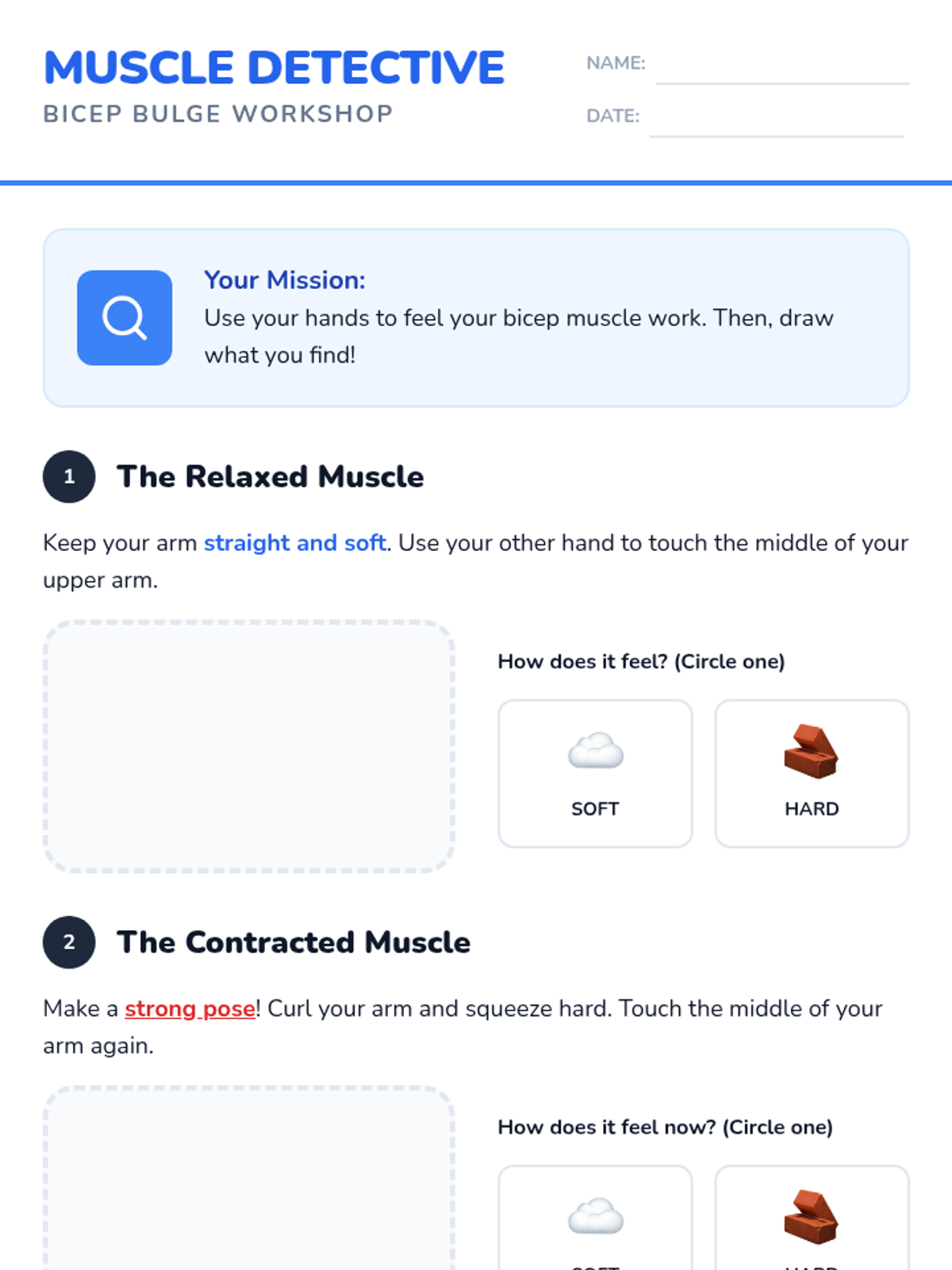
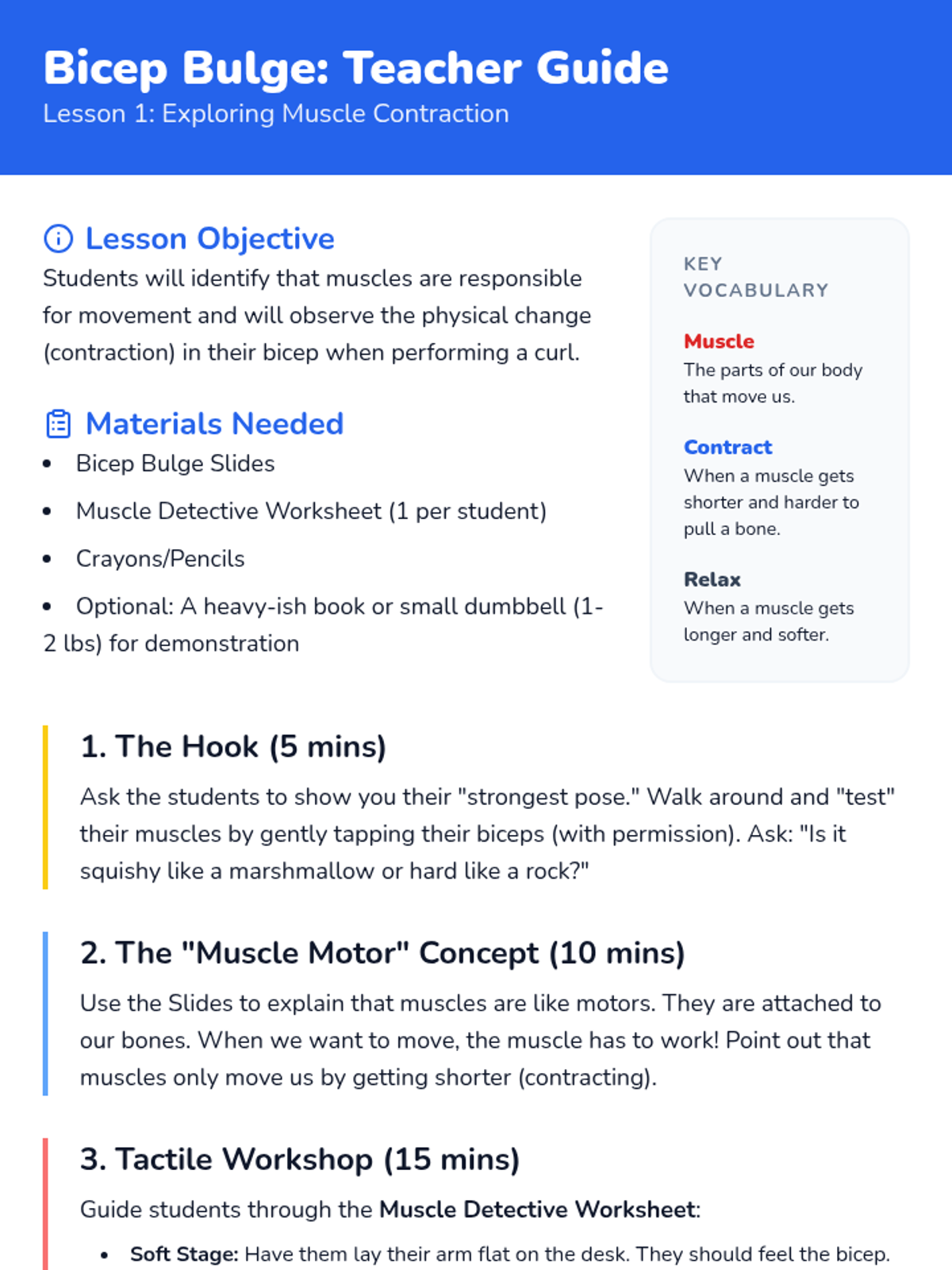
A Kindergarten sequence focused on the muscular system, teaching students how muscles pull bones to create movement through hands-on simulations, modeling, and physical activity.
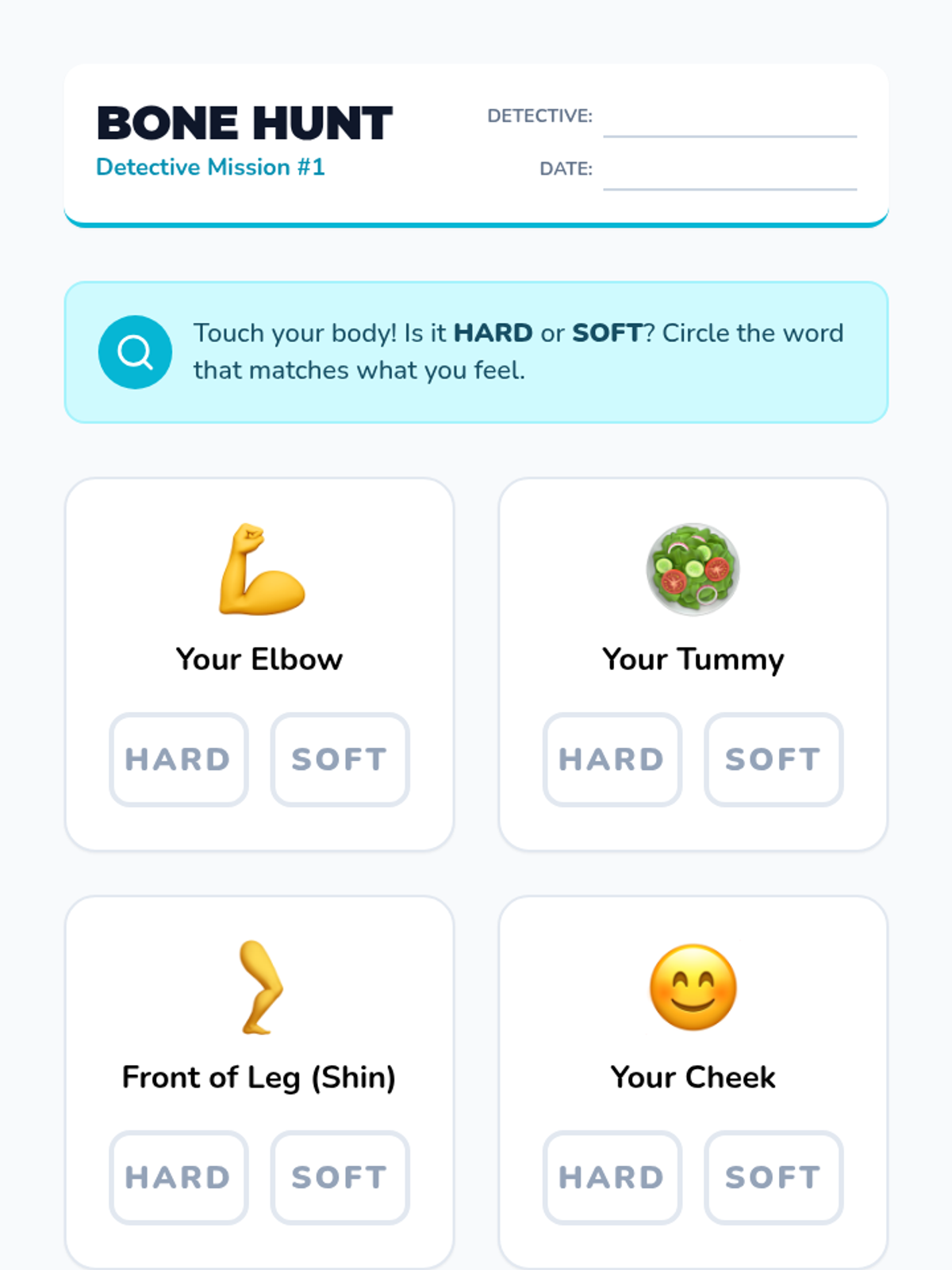
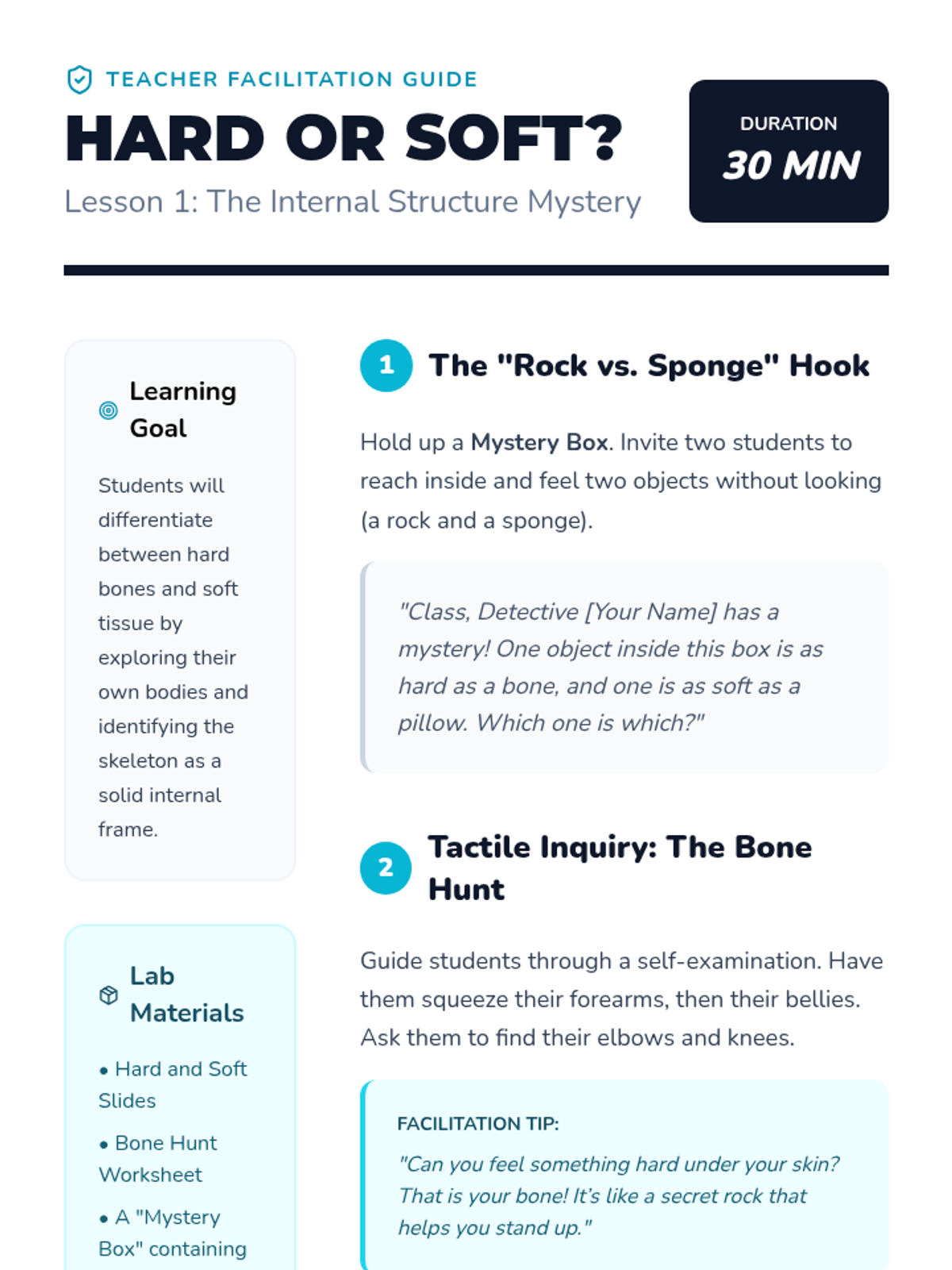
A Kindergarten sequence exploring the skeletal system through tactile inquiry, identifying major bones like the skull, ribs, and spine, and understanding how joints enable movement. Students act as 'Body Detectives' to solve the mystery of why their bodies are hard on the inside.
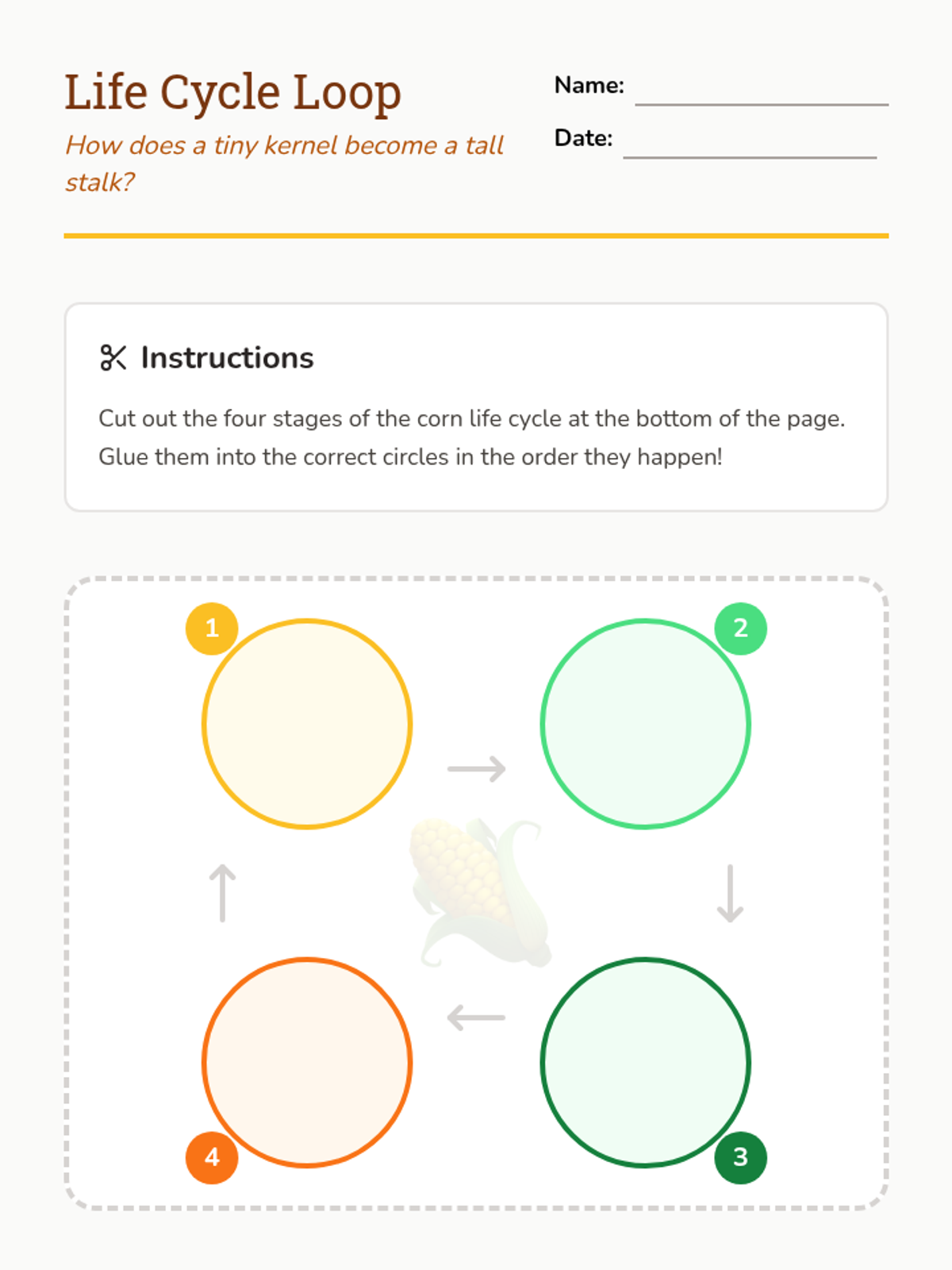
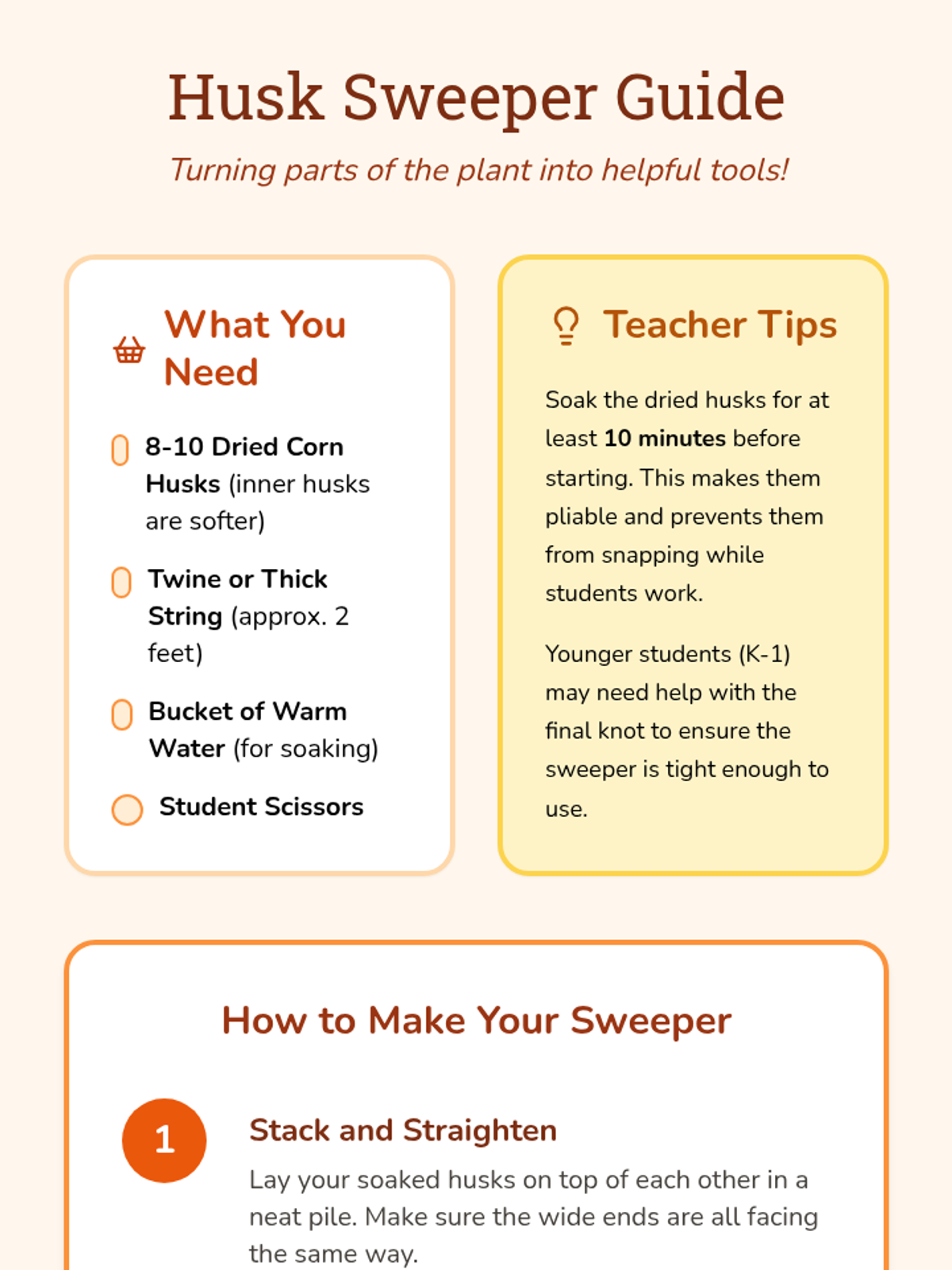
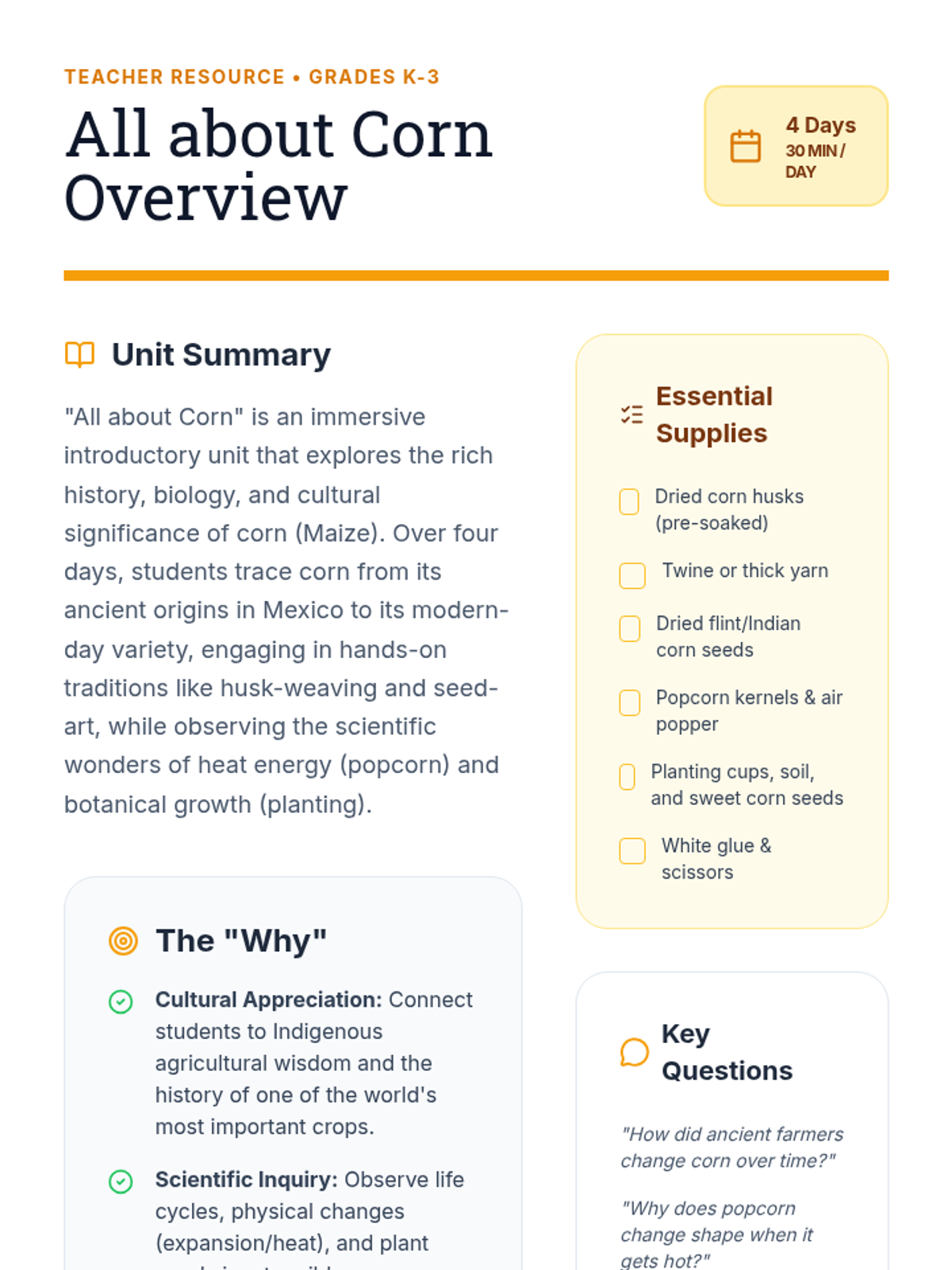
A four-day introductory unit on corn for K-3 students, covering its origins in Mesoamerica, life cycle, diverse varieties, and practical uses through hands-on crafting and planting.
A differentiated science unit exploring the life cycles, parts, and processes of plants for Kindergarten, 2nd, and 4th grade students.
A series of introductory life science and observation lessons designed for early elementary students to explore the natural world through hands-on discovery and video-assisted learning.
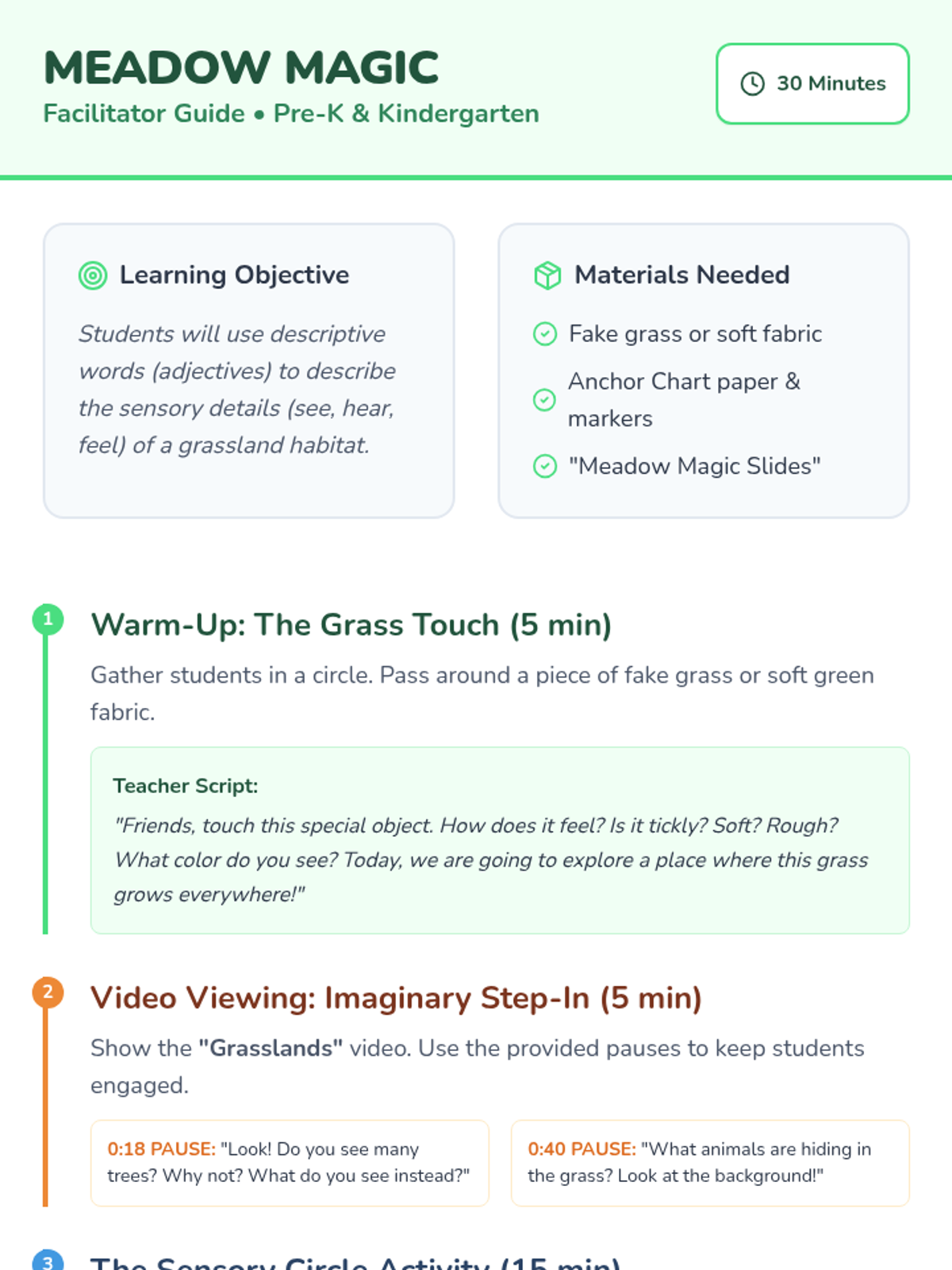
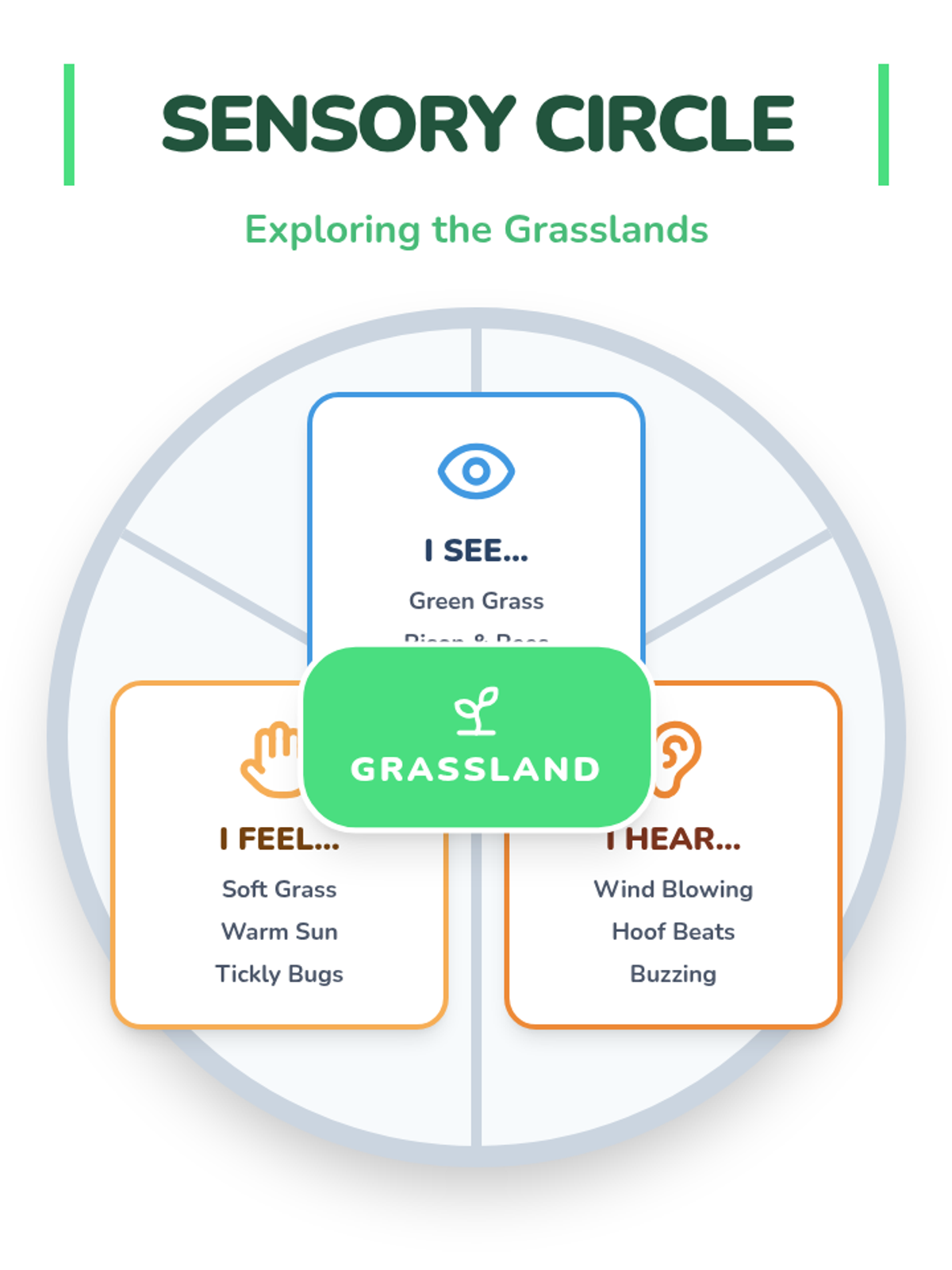
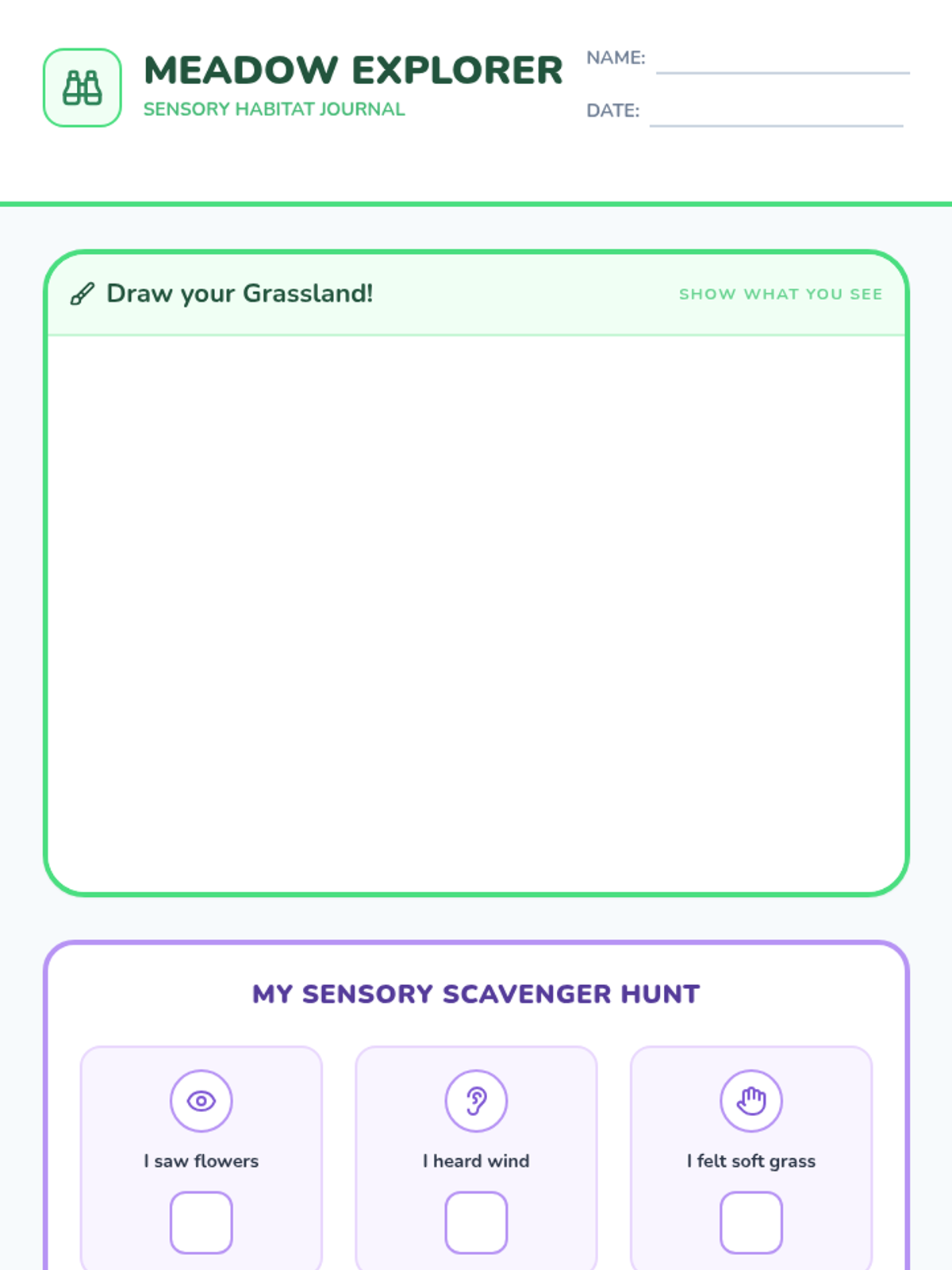
A unit exploring different habitats through sensory observation and descriptive language, starting with the wide-open grasslands.
A Kindergarten sequence focused on human impacts, waste management, and environmental protection. Students learn to distinguish natural from human-made objects, understand the effects of litter, practice sorting, explore reuse, and commit to sustainable habits.
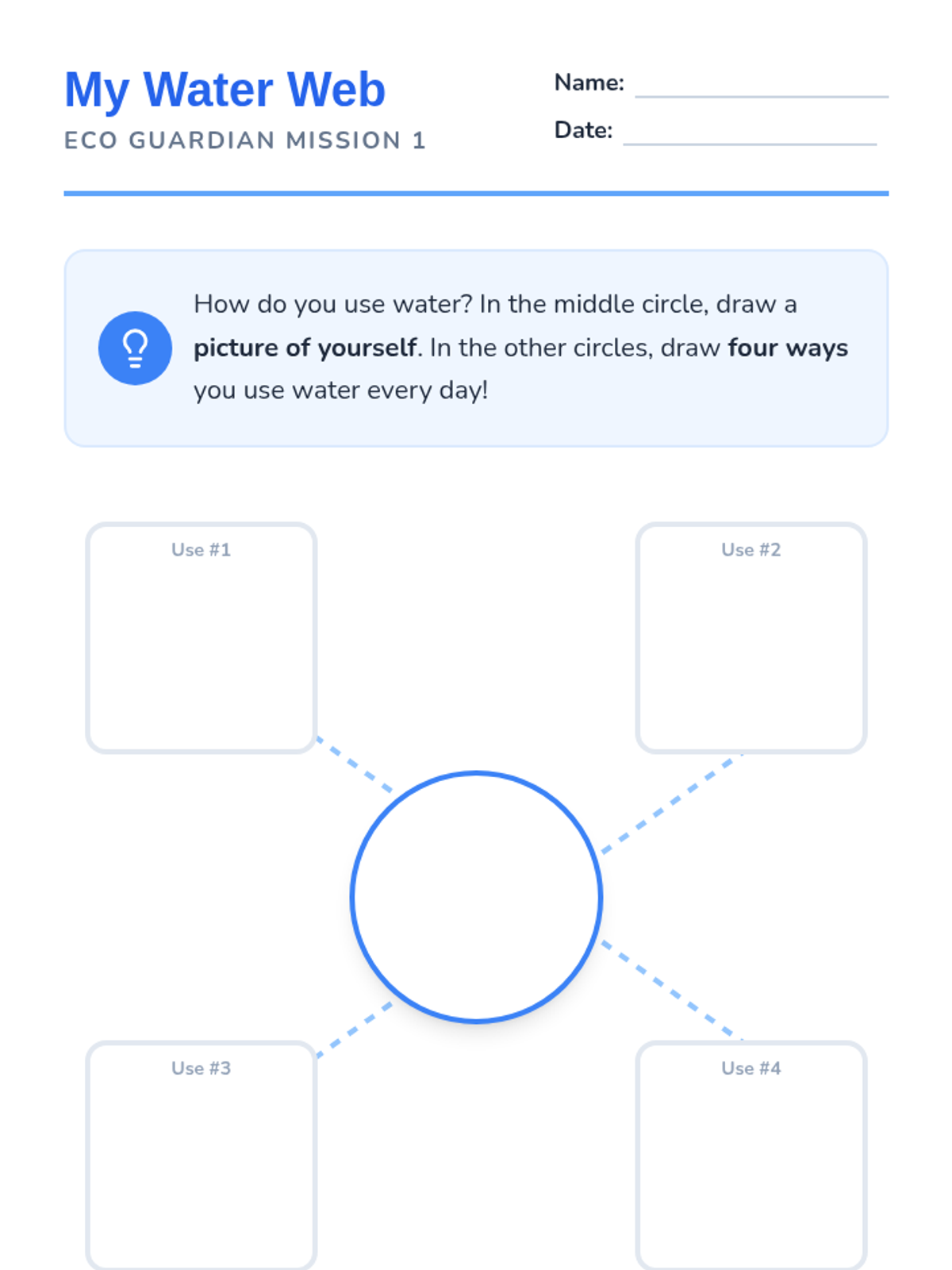
A Kindergarten science sequence exploring water and energy as vital earth resources. Students learn about basic needs, the impact of pollution, and practical conservation strategies through hands-on simulations and creative projects.
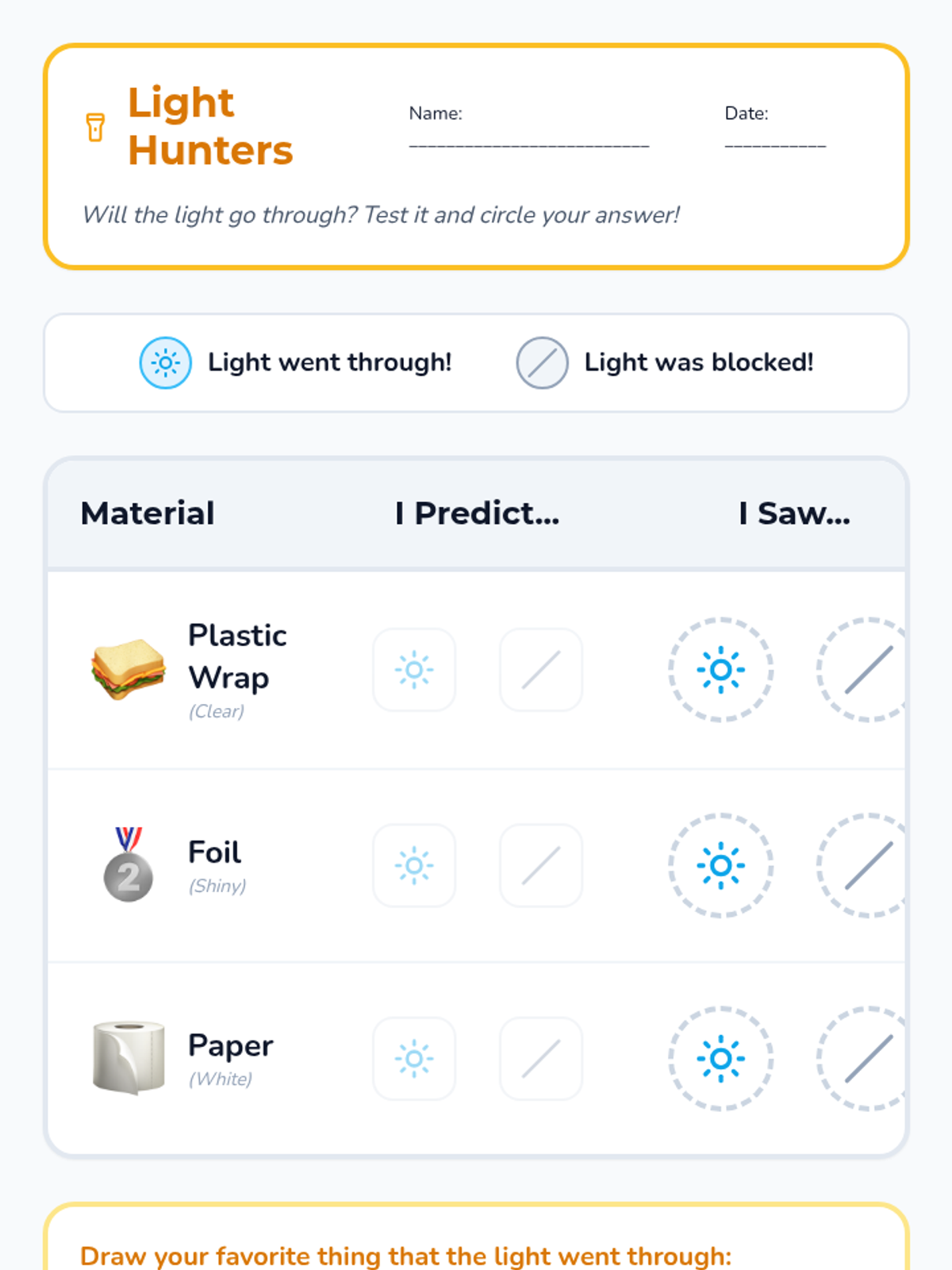
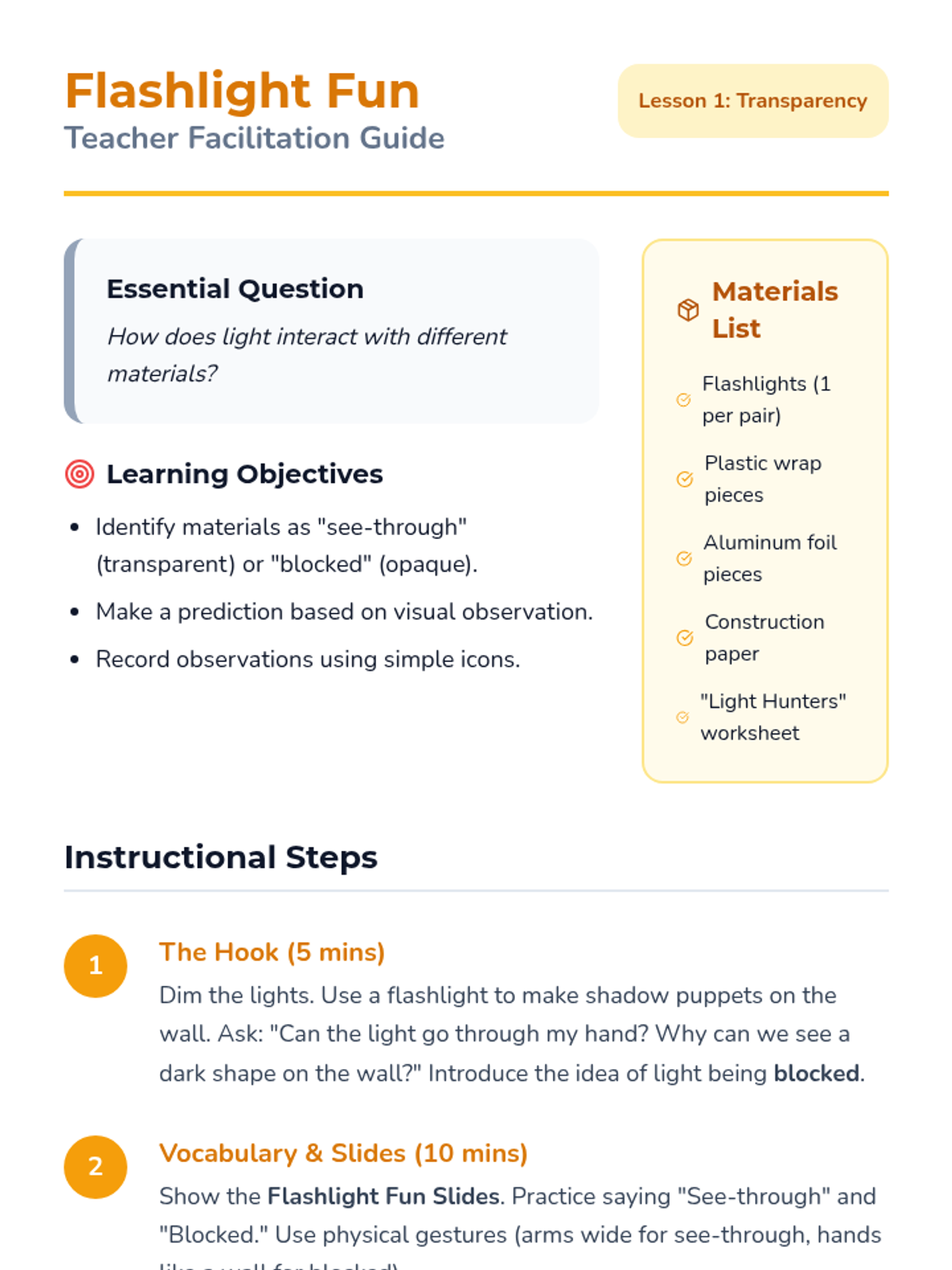
A hands-on investigation into how light and water interact with different materials. Pre-K students explore transparency, shadows, absorption, and buoyancy through inquiry-based play.
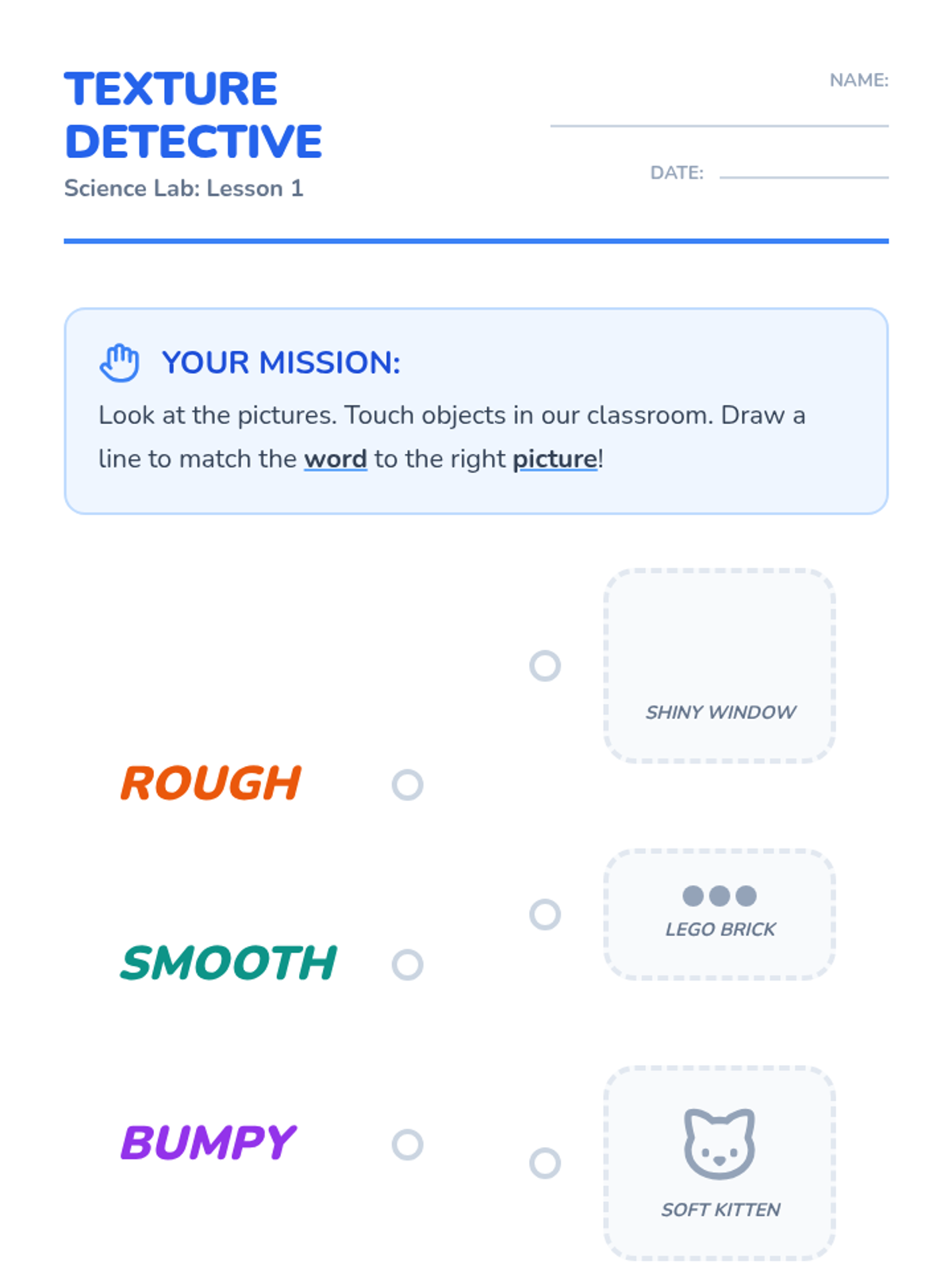
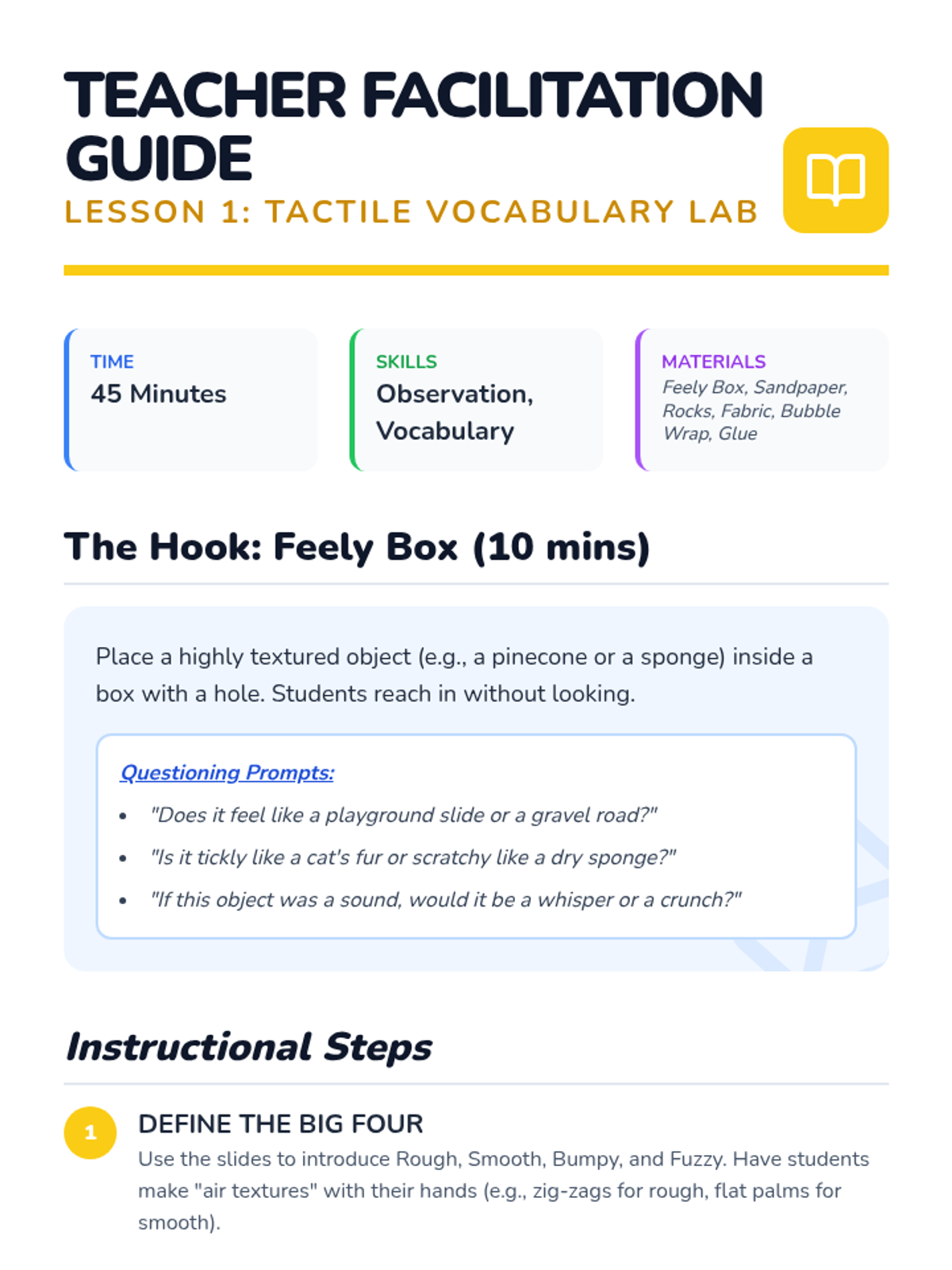
A Kindergarten science sequence exploring the tactile properties of materials (texture, hardness, flexibility) through sensory observation, classification, and inquiry-based challenges.
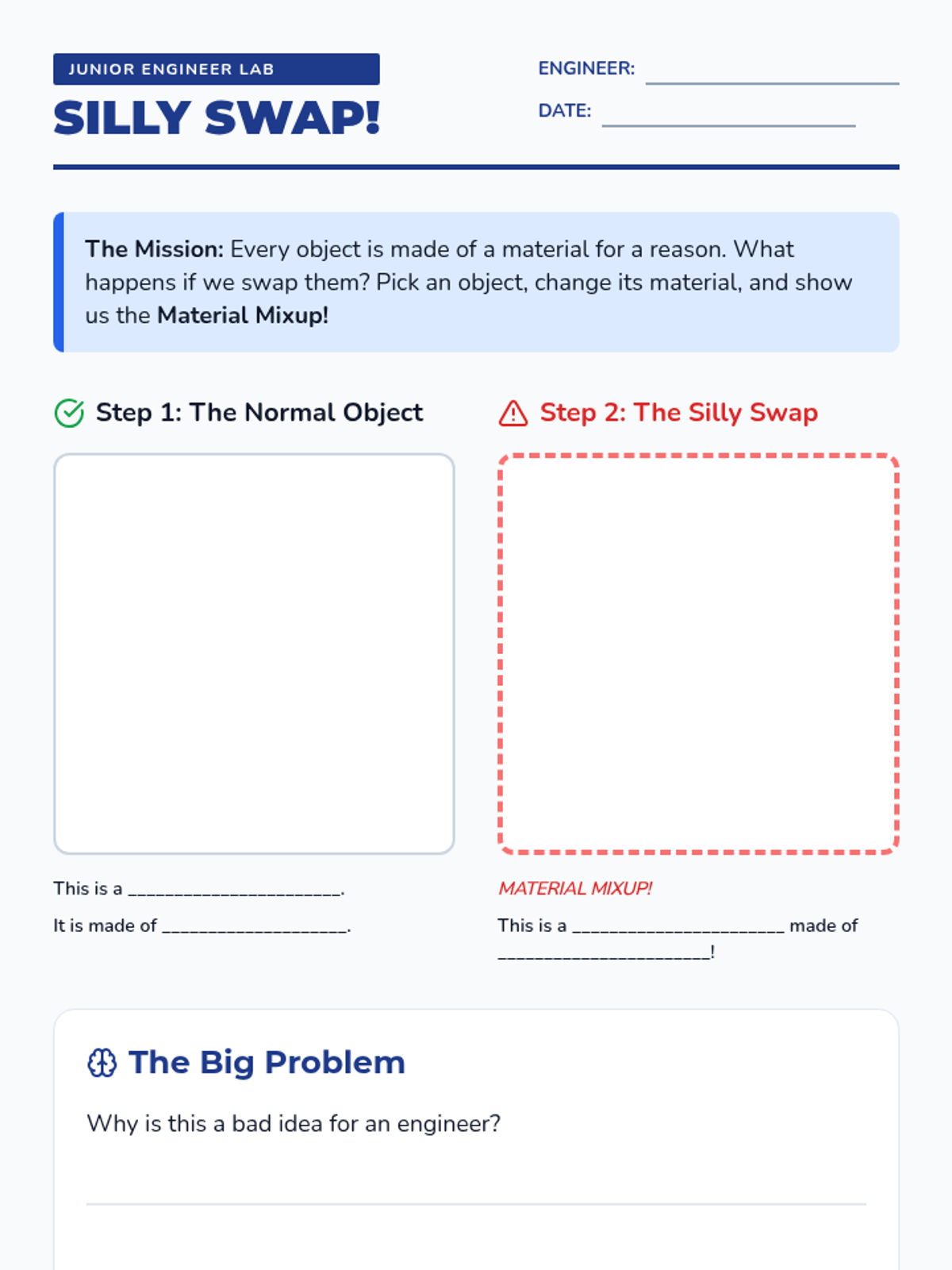
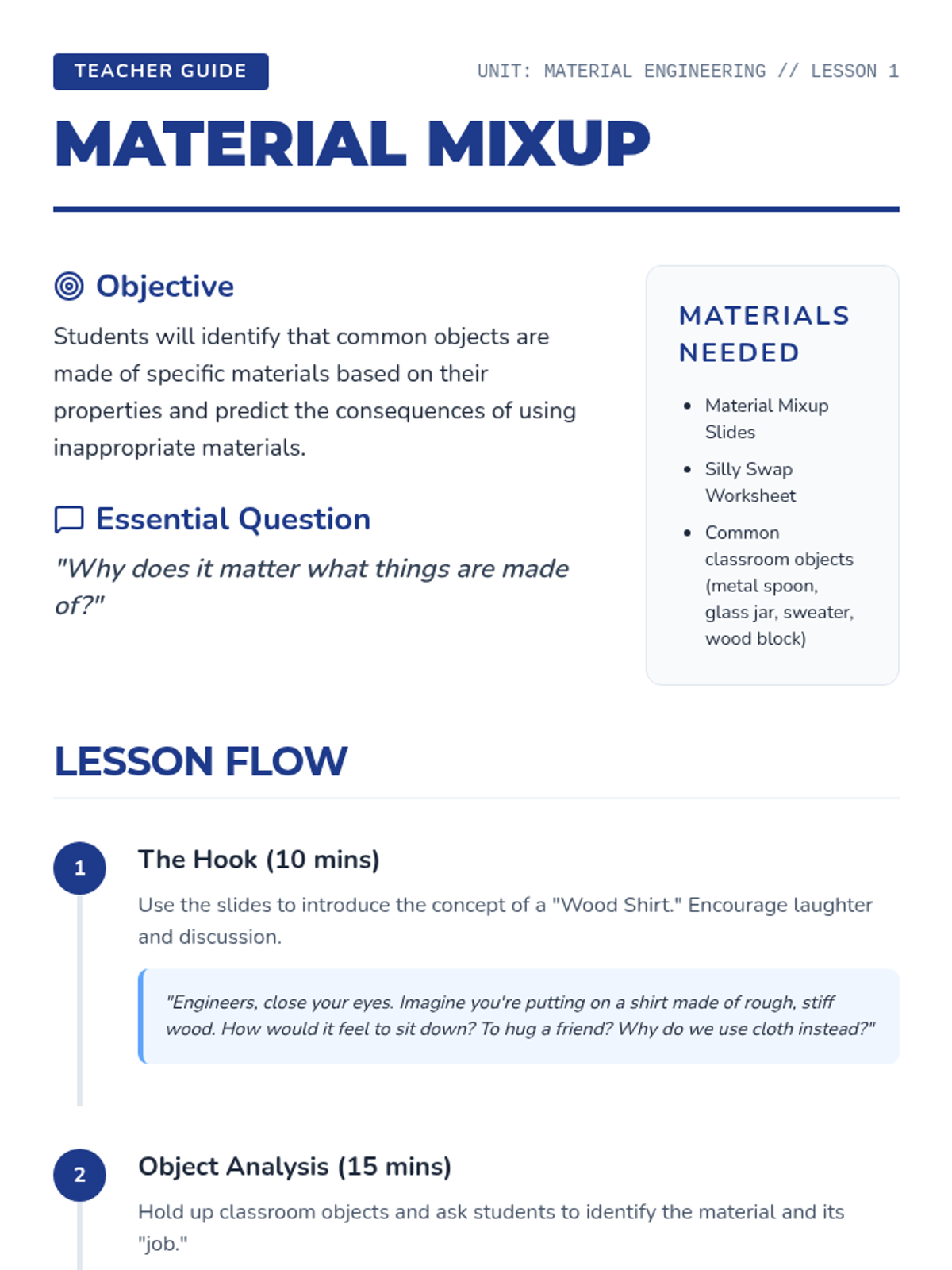
Students adopt the role of junior engineers to evaluate materials for specific purposes. They analyze everyday objects, test for water resistance and strength, and finally design and build a protective shelter for a toy animal.
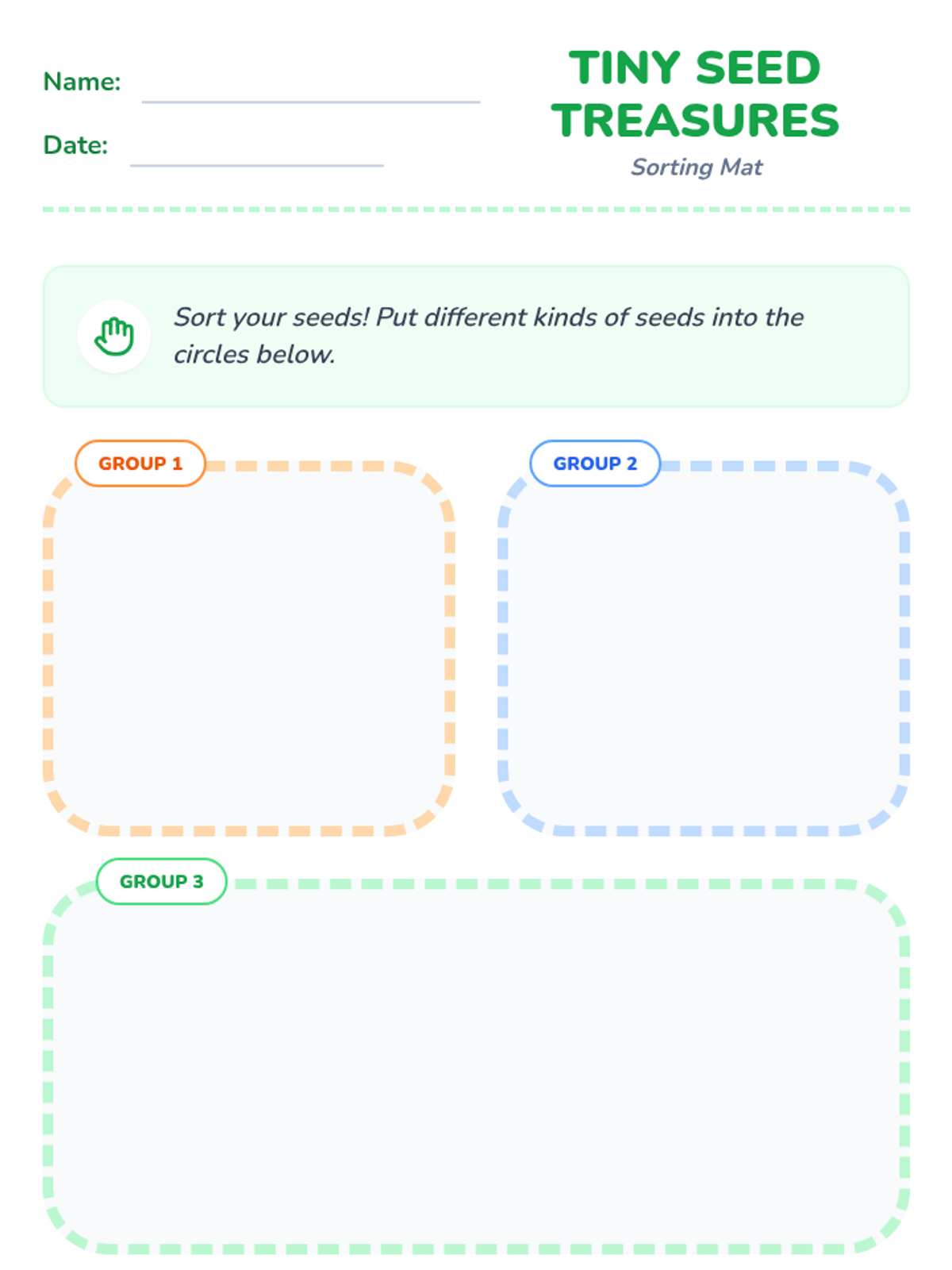
Students explore how plants pass traits to their offspring by examining seeds, leaves, flowers, and vegetables. They learn that young plants inherit characteristics from their parent plants, ensuring that a sunflower seed always grows into a sunflower.
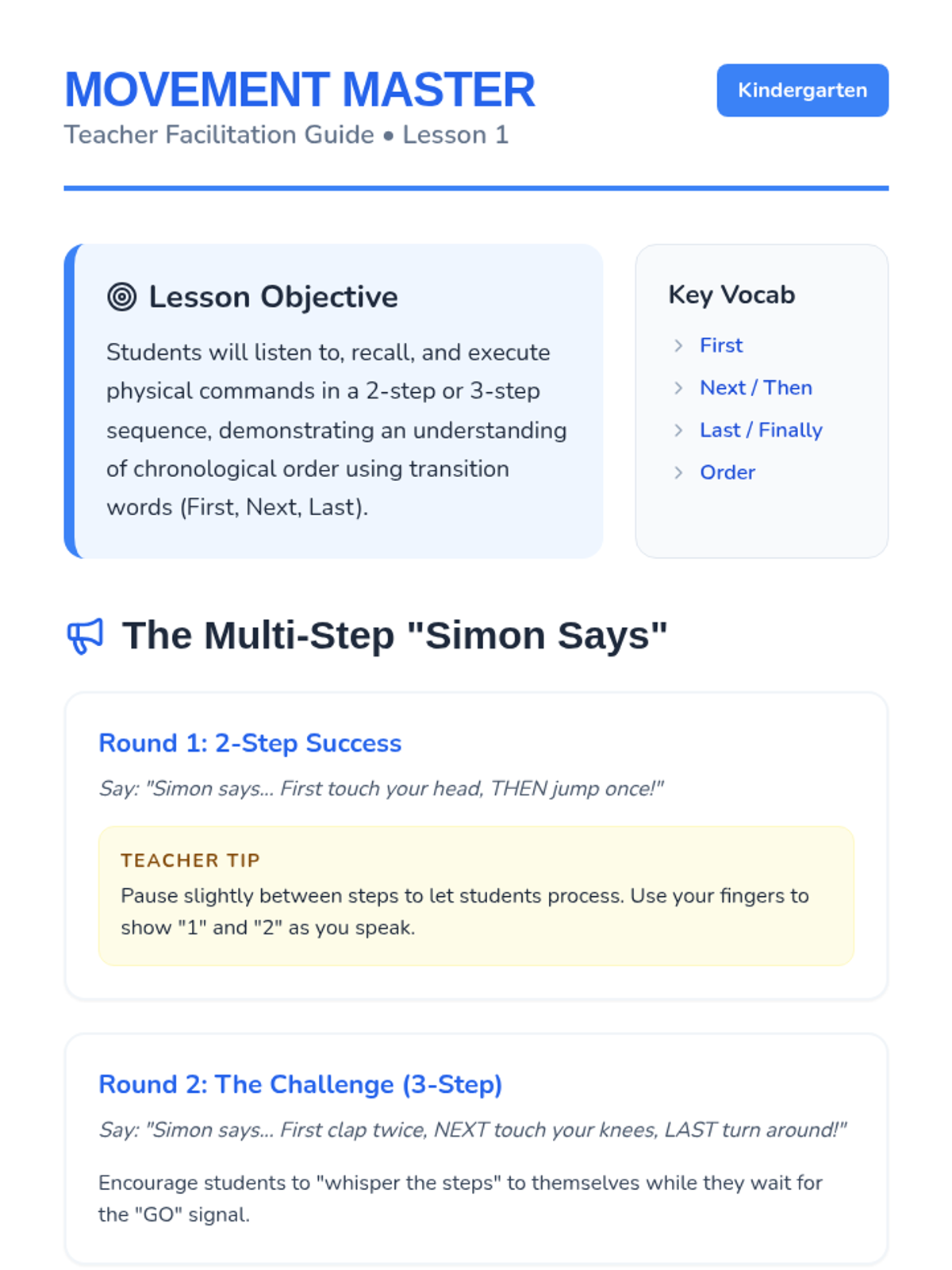
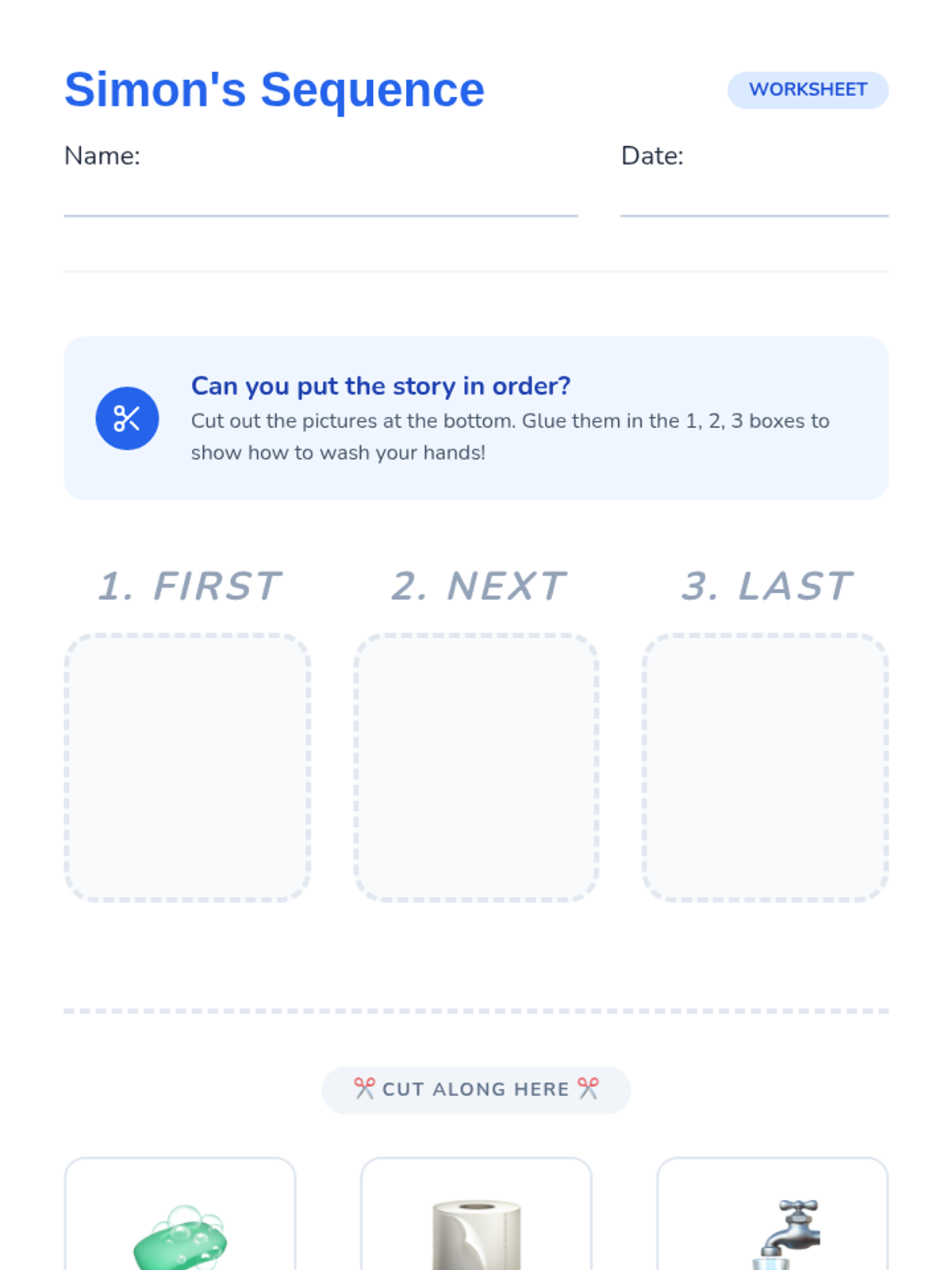
A sequence for Kindergarten students focusing on multi-step processes and the importance of chronological order in daily tasks, recipes, and instructions. Students move from physical games to creating their own instructional guides.
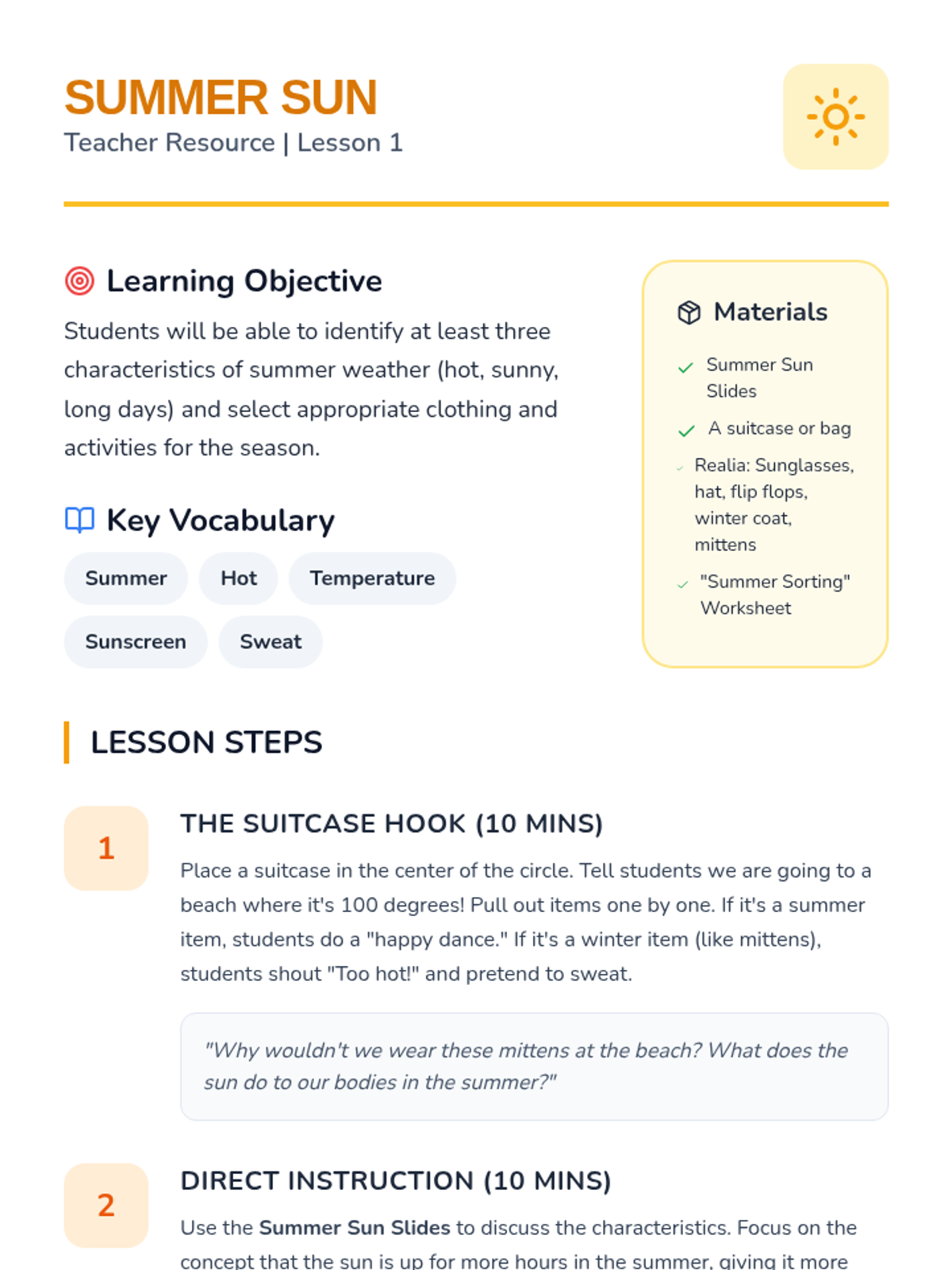
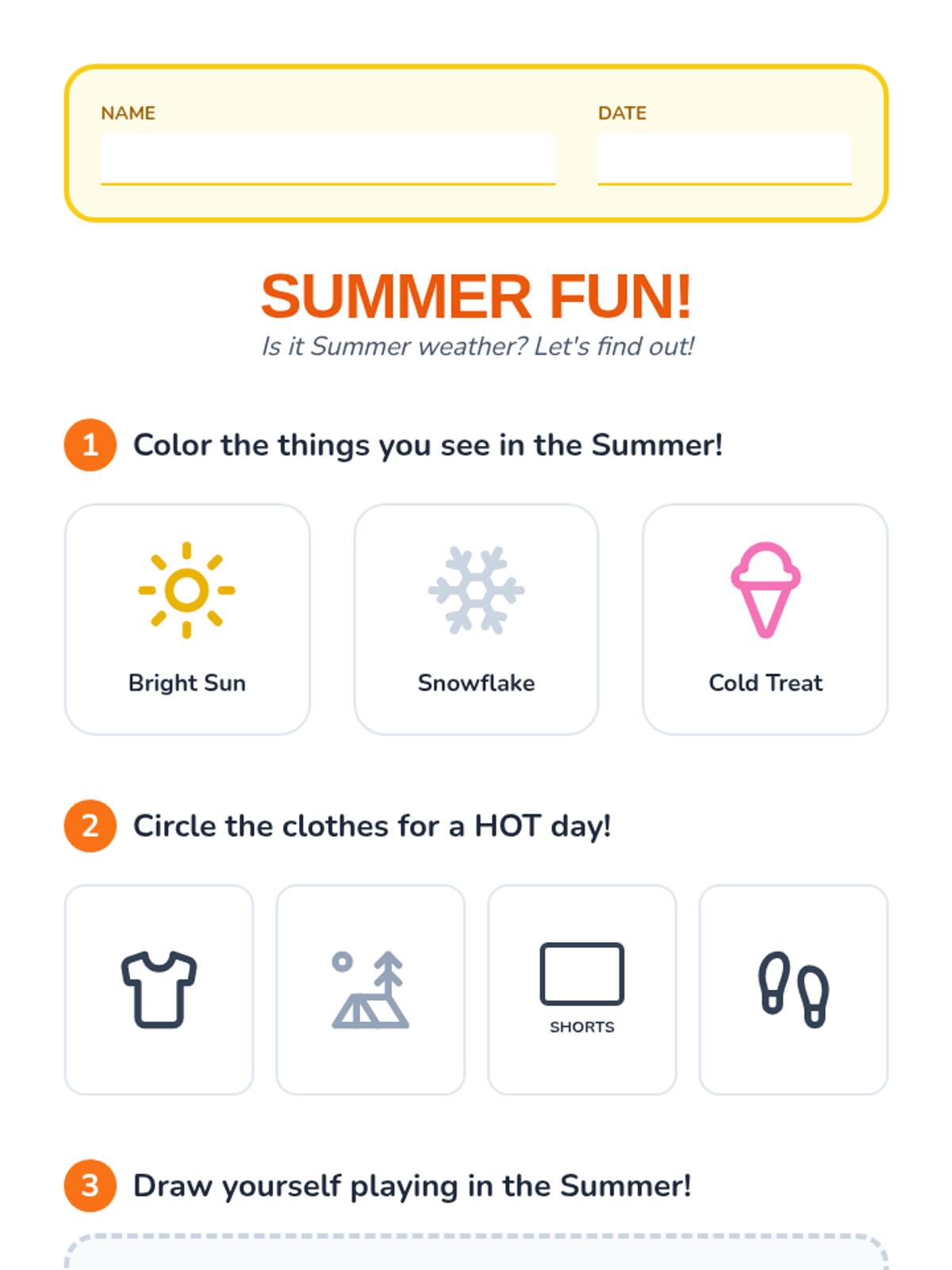
This sequence explores the four seasons through weather patterns, environmental changes, and human adaptations. Kindergarten students will learn to identify characteristics of each season and understand the repeating nature of the annual cycle.
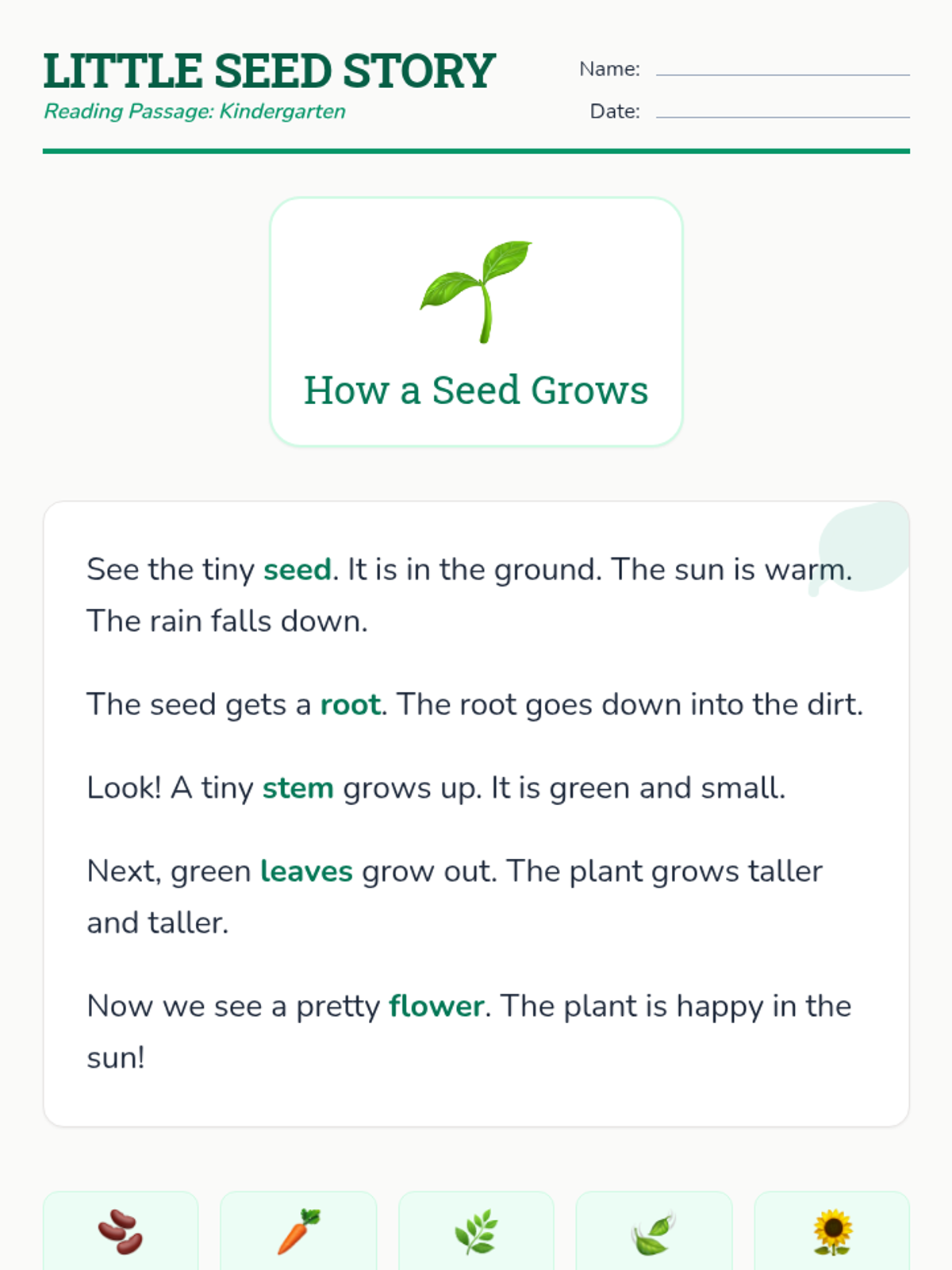
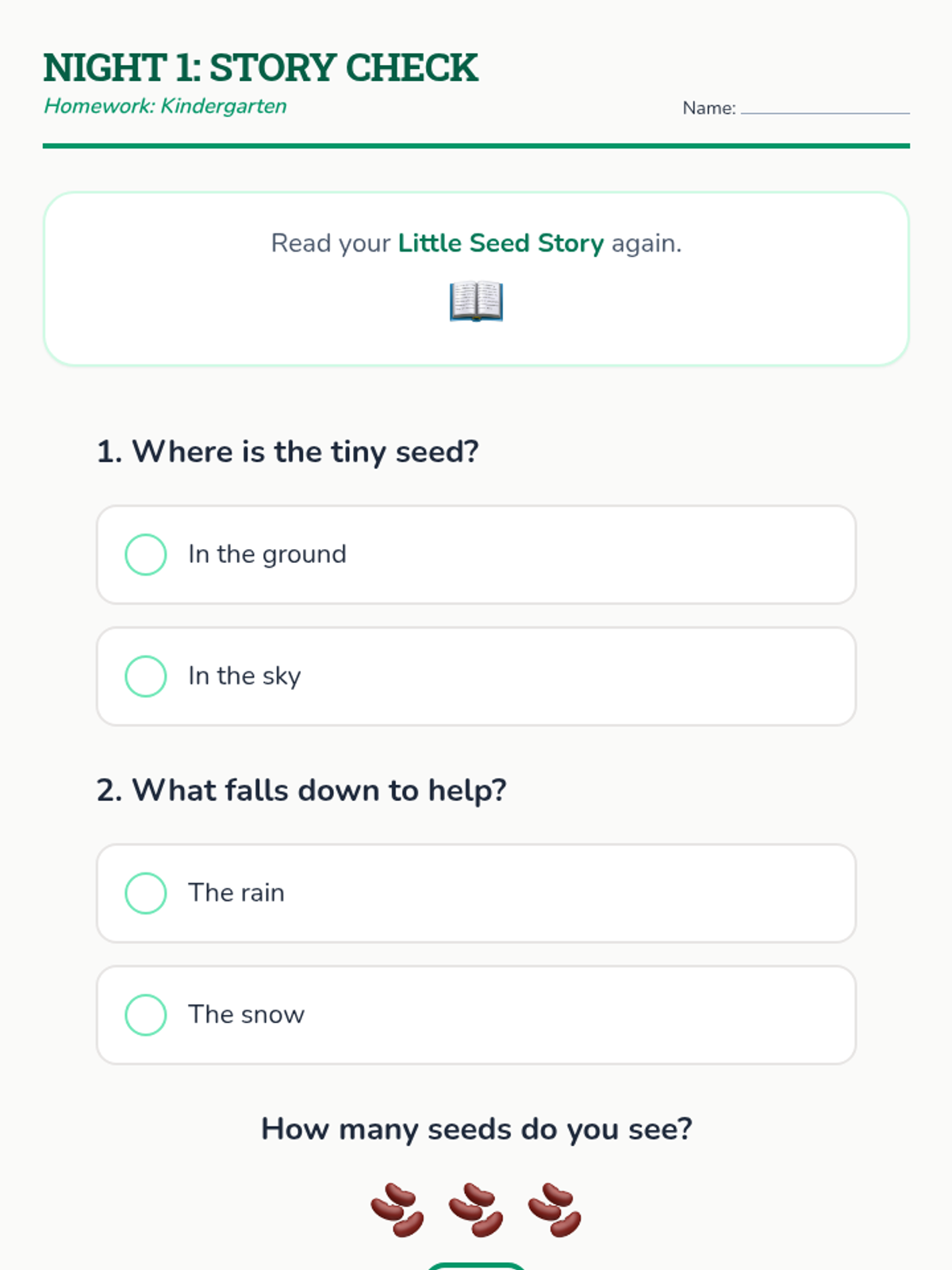
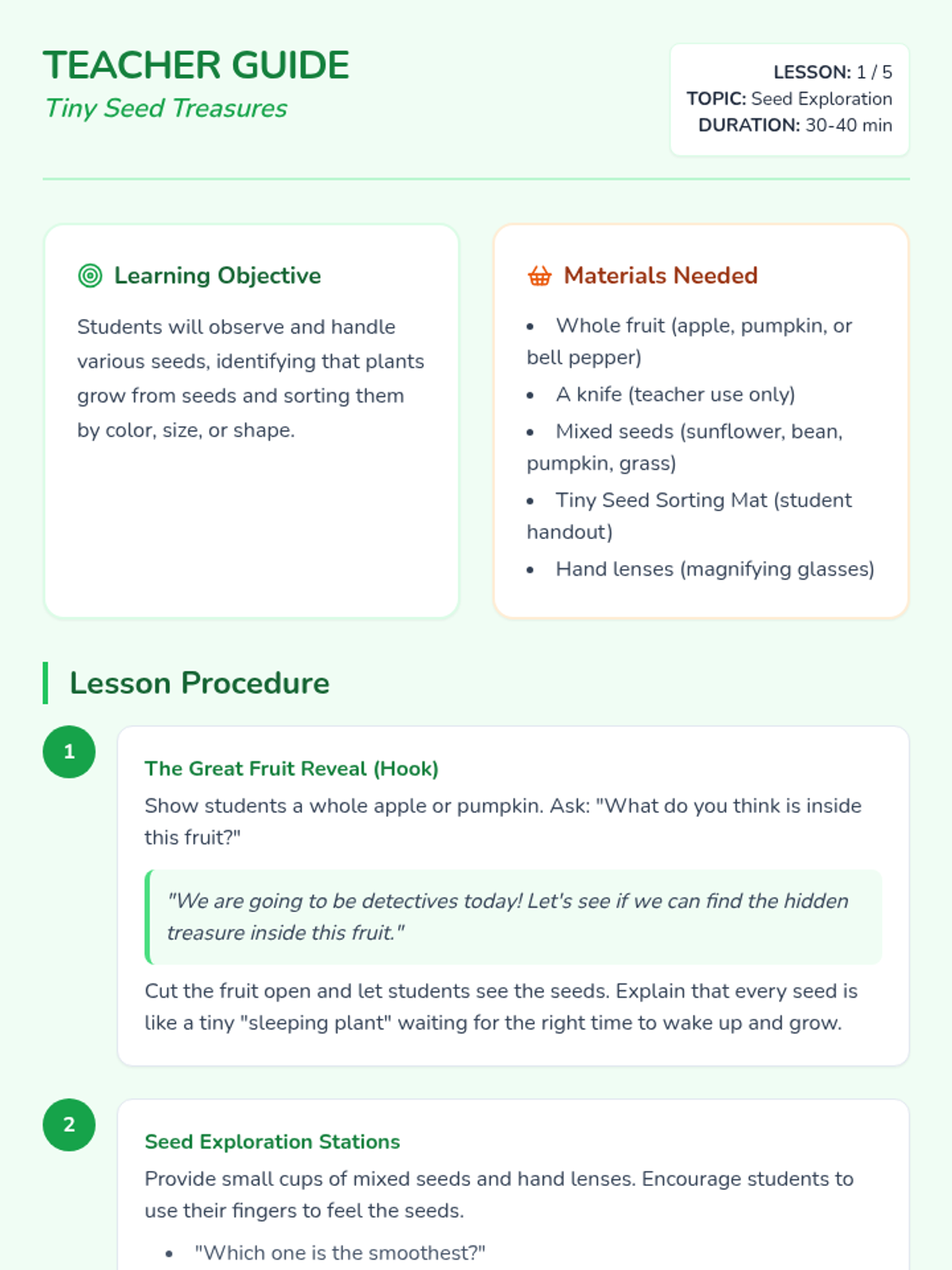
A hands-on Pre-K unit exploring the life cycle and basic needs of plants. Students observe seeds, plant them, track germination, and identify plant parts through inquiry-based activities.
A Kindergarten life science sequence exploring how living things grow and change. Students investigate animal offspring, metamorphosis in butterflies, plant growth from seeds, and their own development from infancy.
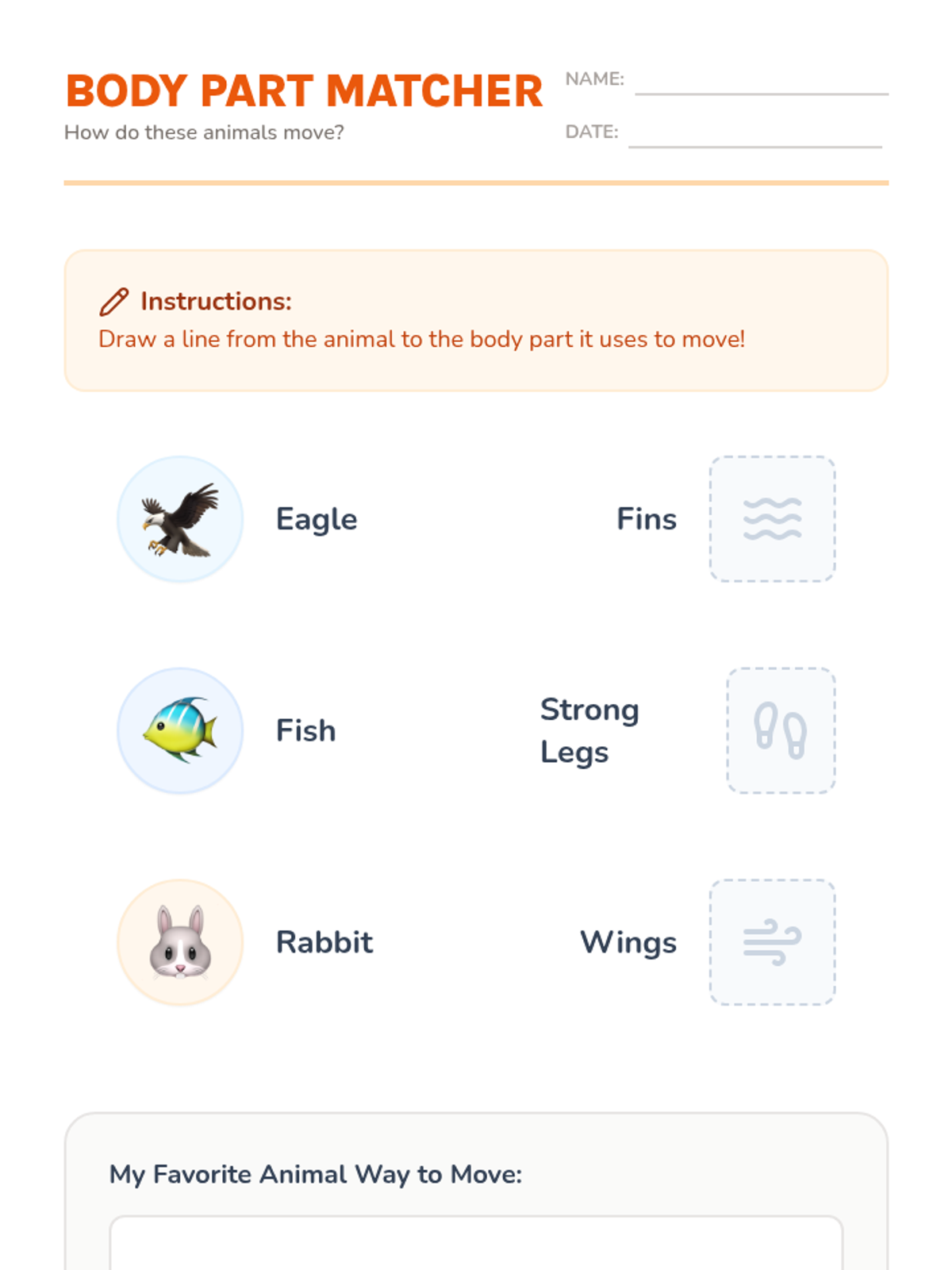
A Kindergarten science unit exploring how the body parts of animals and plants (structure) help them survive (function). Students engage in simulations and kinesthetic activities to understand movement, feeding, protection, and growth.
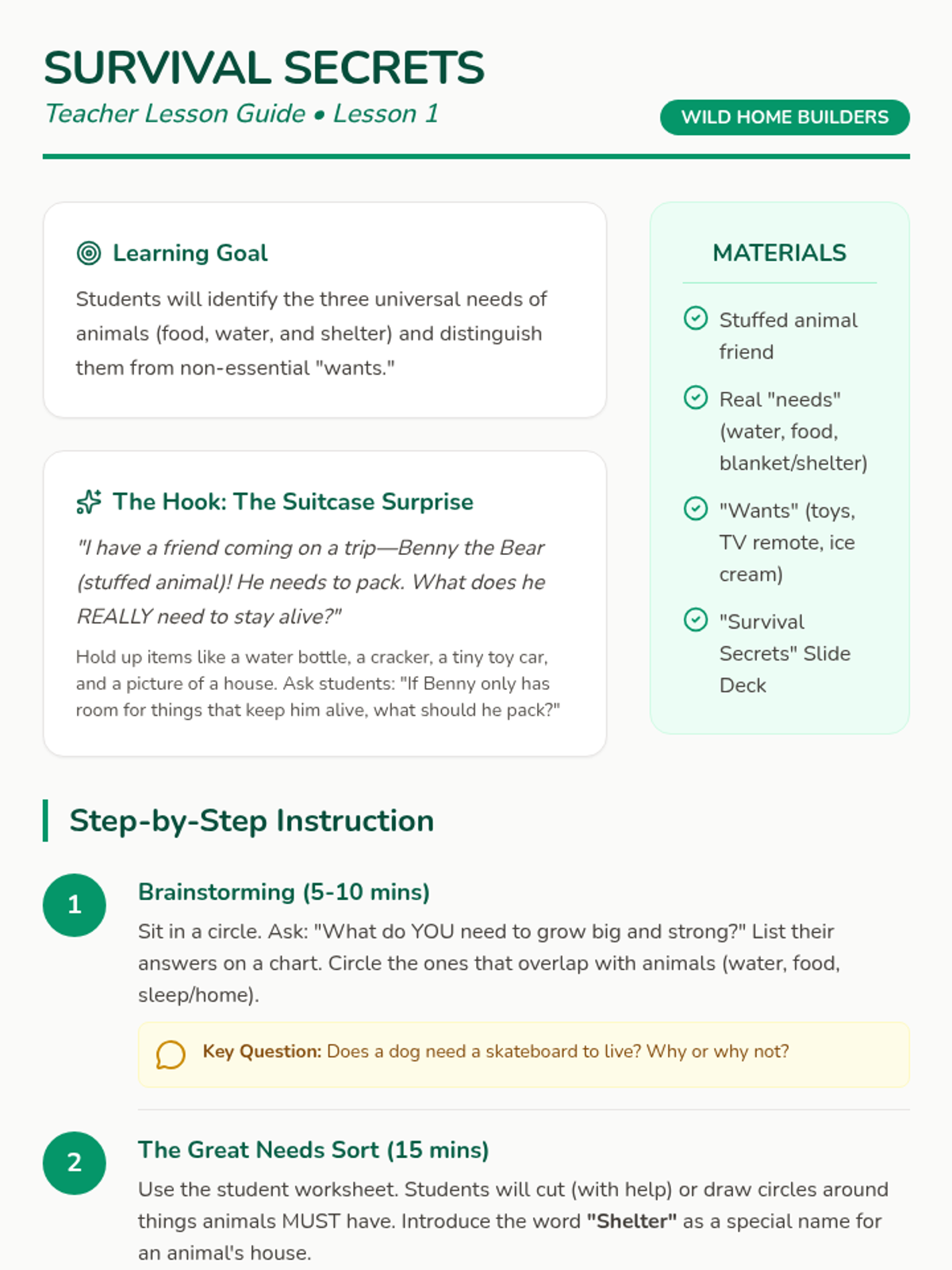
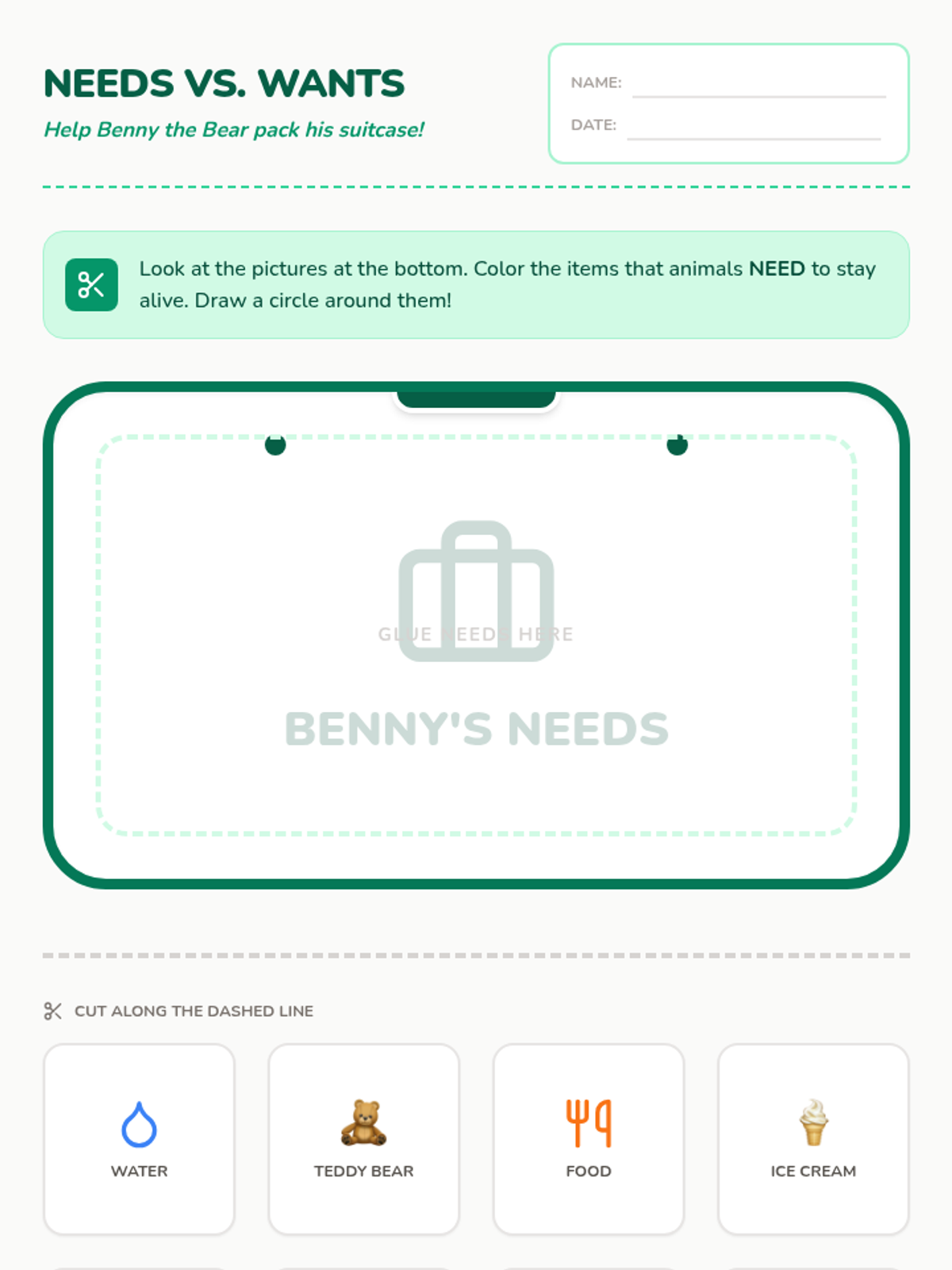
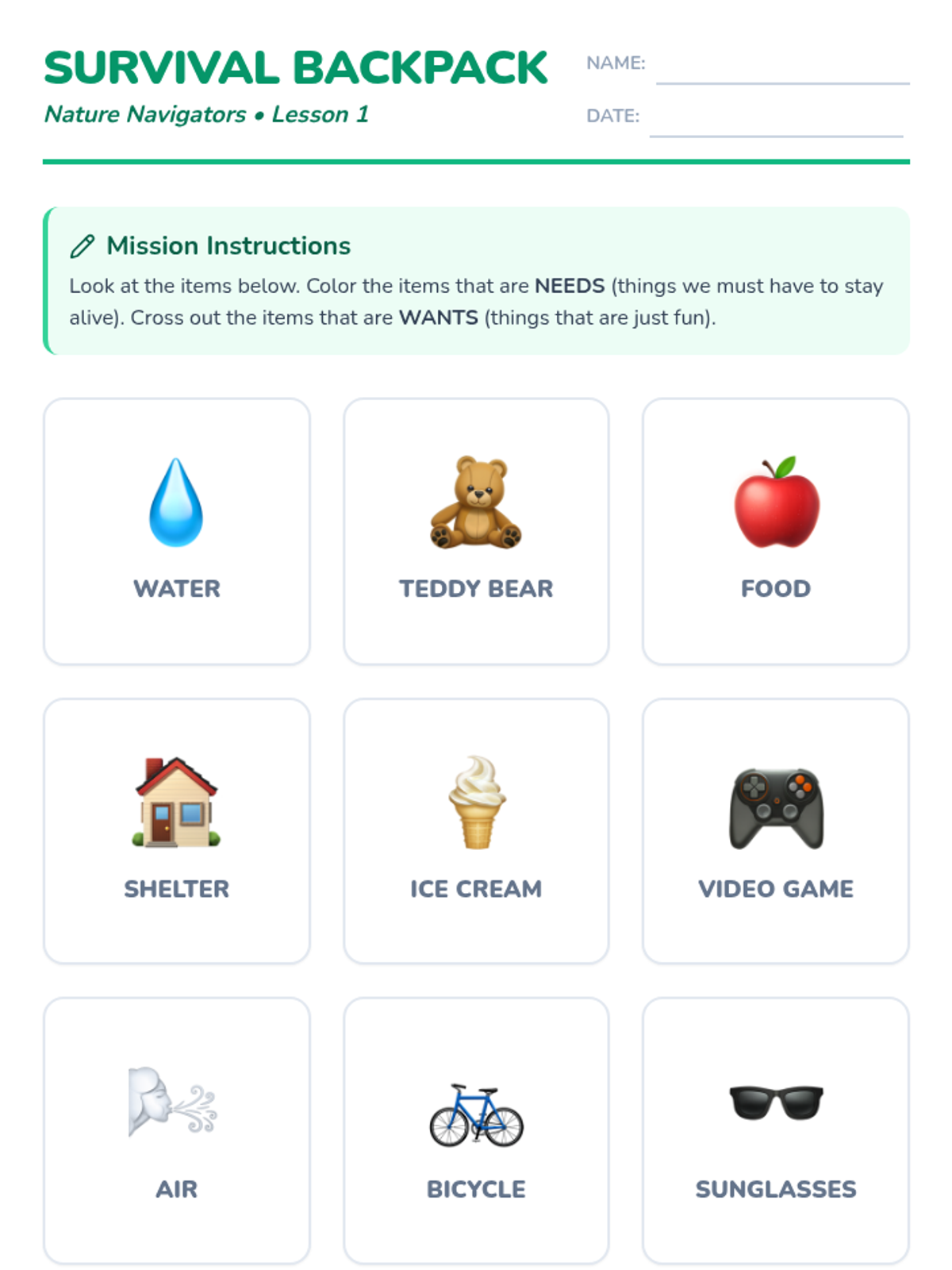
A Kindergarten science sequence exploring the basic survival needs of plants and animals through hands-on planting, animal observation, and a habitat design challenge. Students learn to distinguish between needs and wants while discovering how different organisms obtain energy and find shelter.
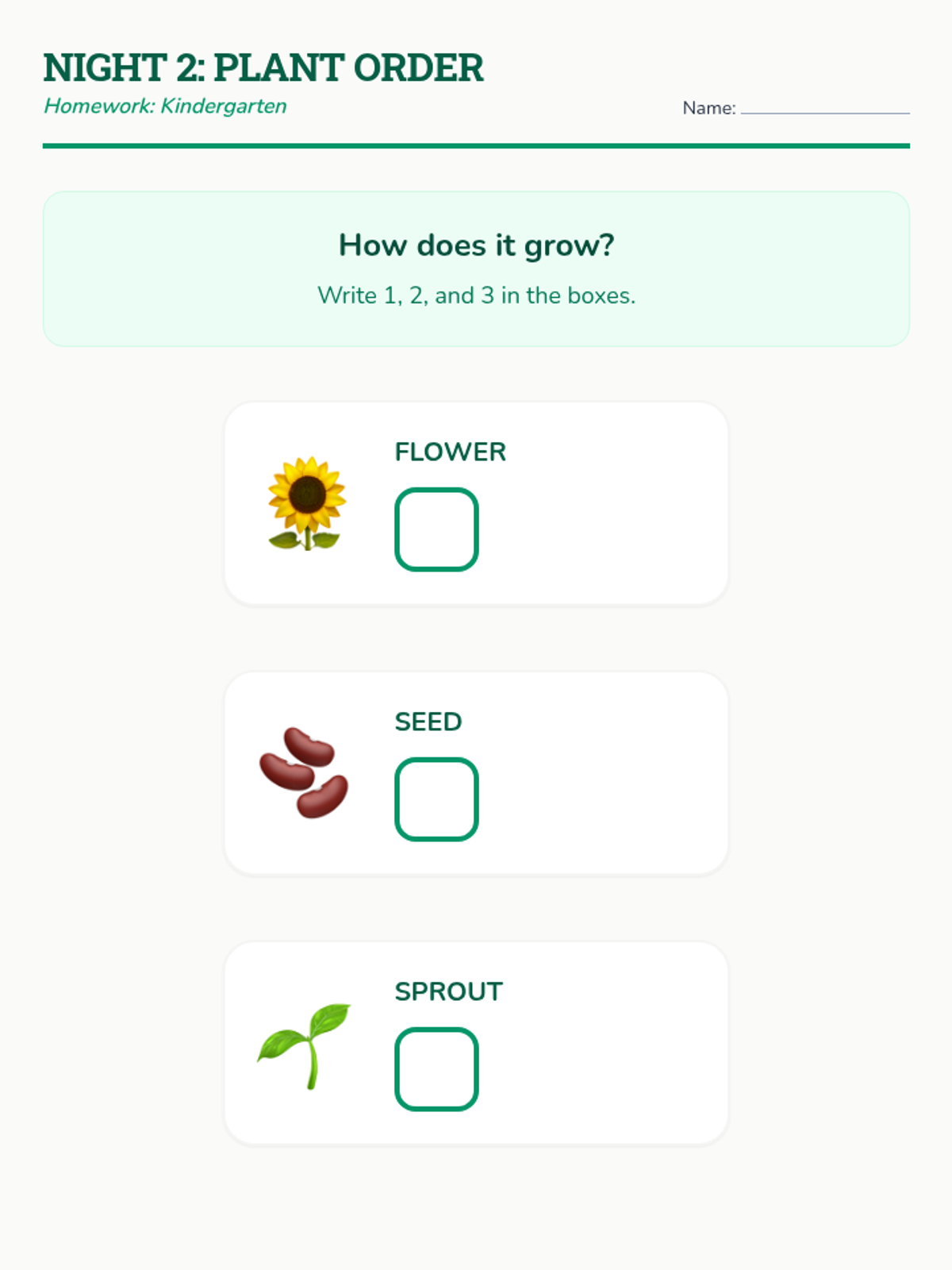
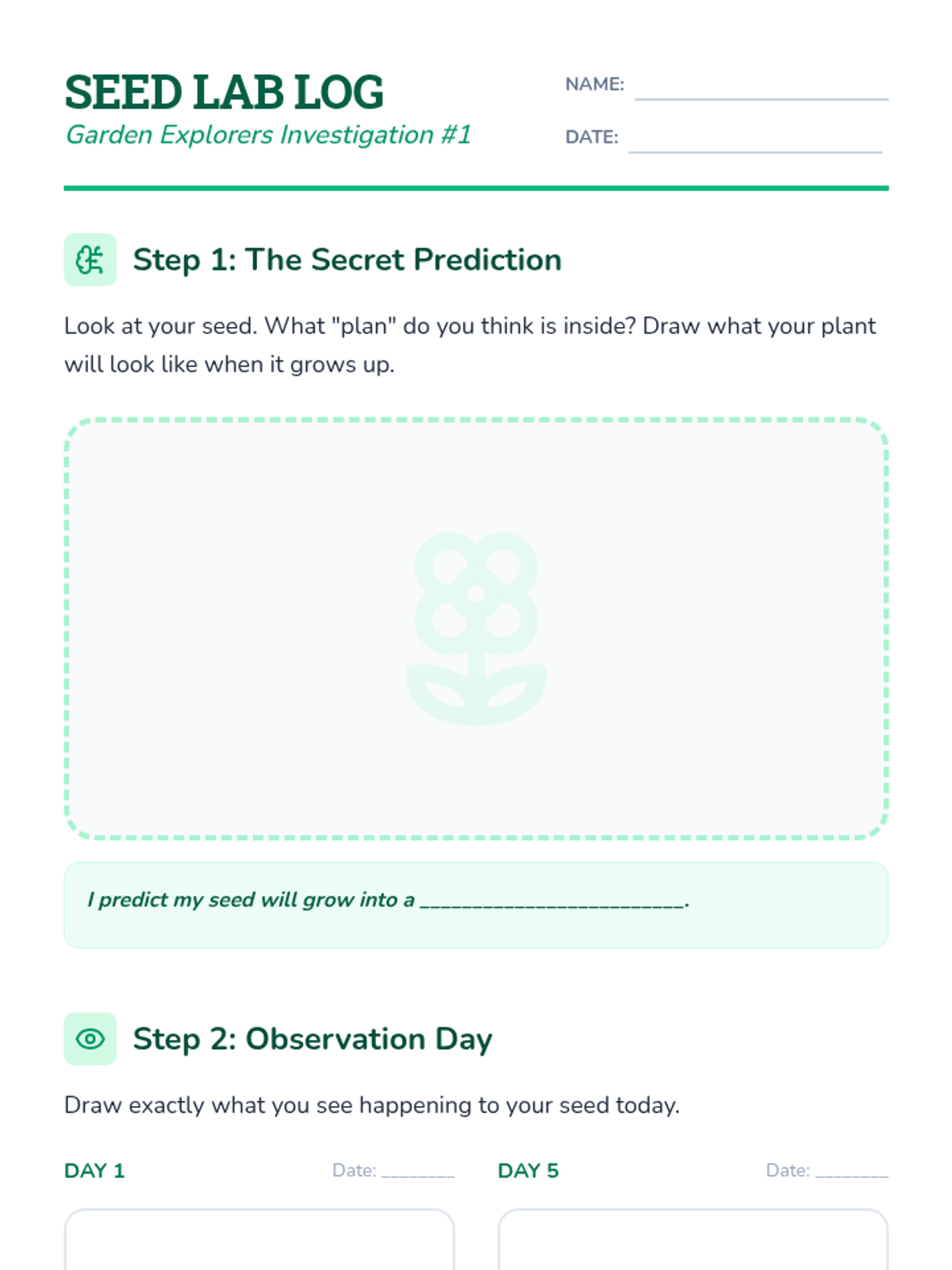
Students explore the chronological progression of plant life by following a seed's journey from dormancy to germination and maturity through hands-on observation and daily logging.
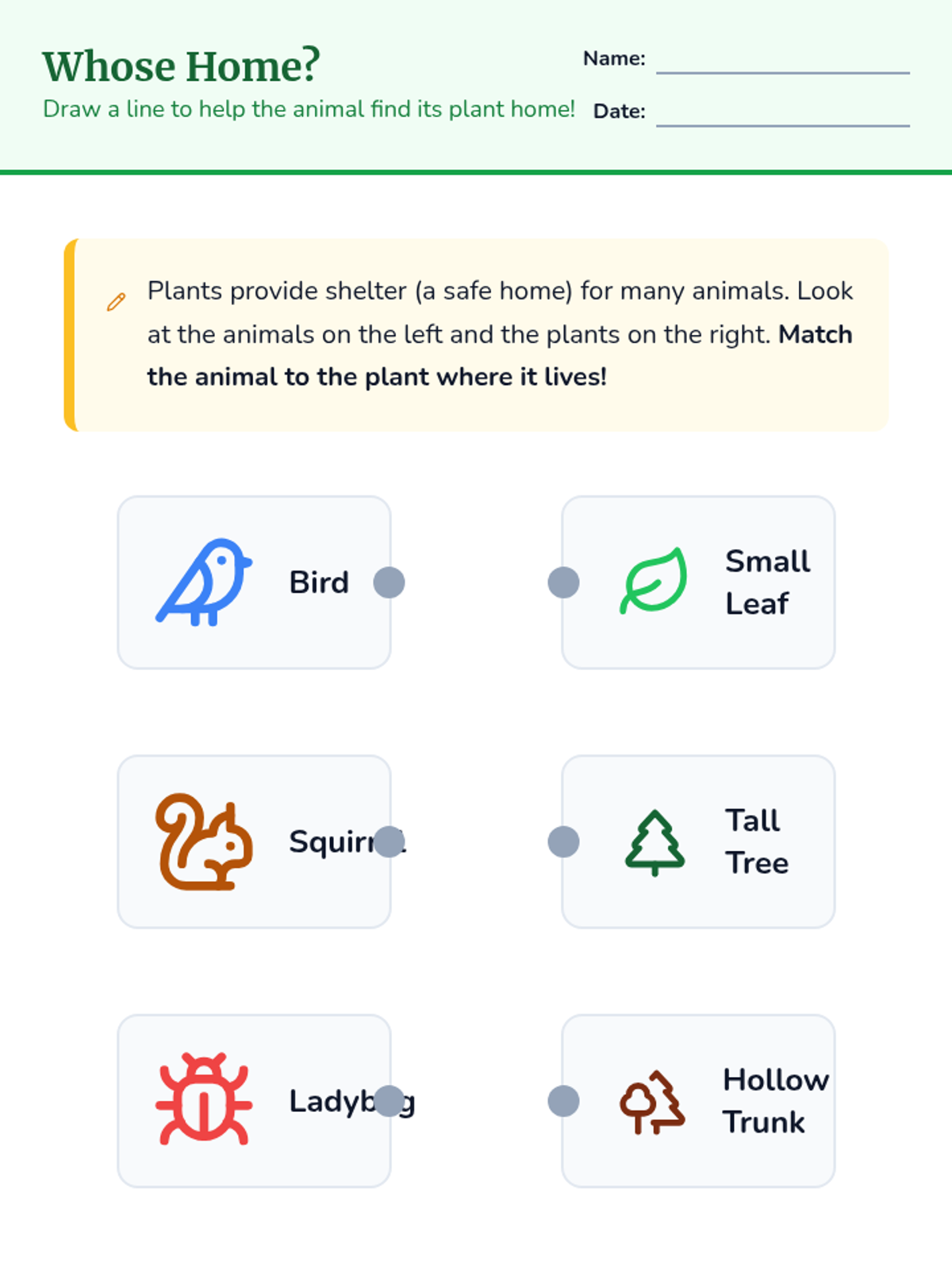
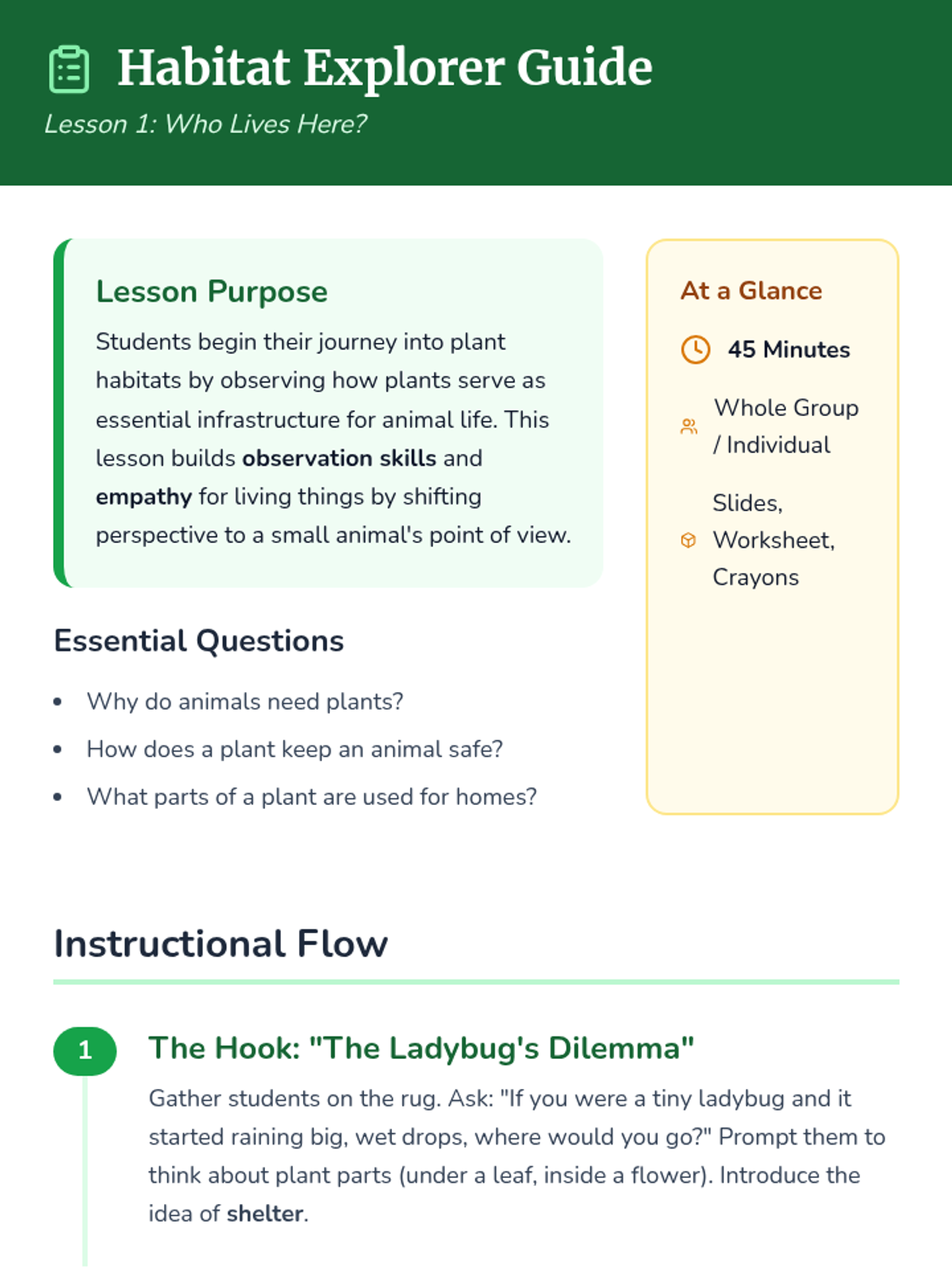
A Kindergarten project-based sequence exploring how plants provide habitats for animals, how seeds disperse, and how students can care for the earth through gardening and composting.
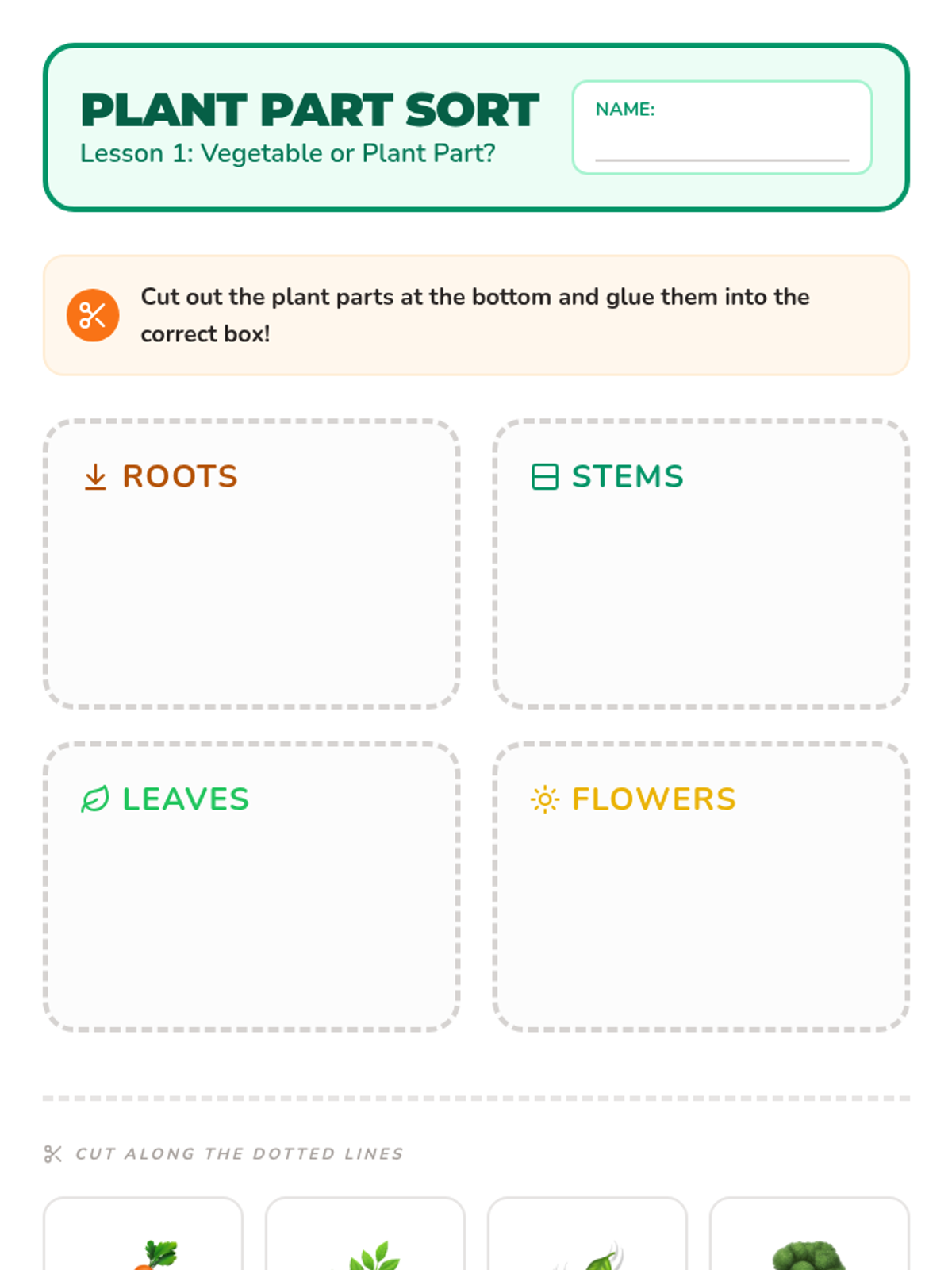
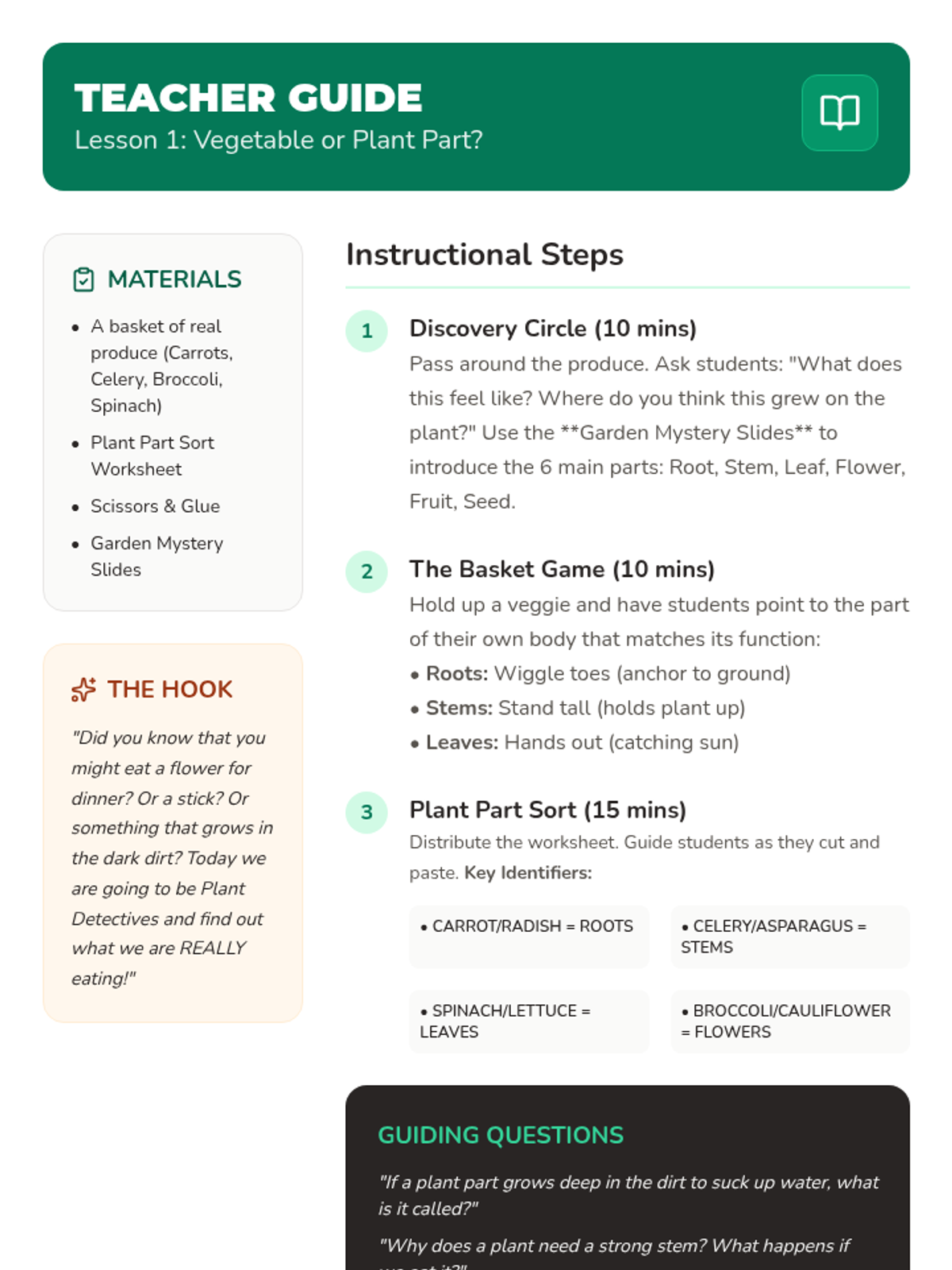
A Kindergarten science sequence where students explore plant diversity through the lens of agriculture and nutrition, identifying which parts of plants we eat (roots, stems, leaves, flowers, fruits, and seeds).
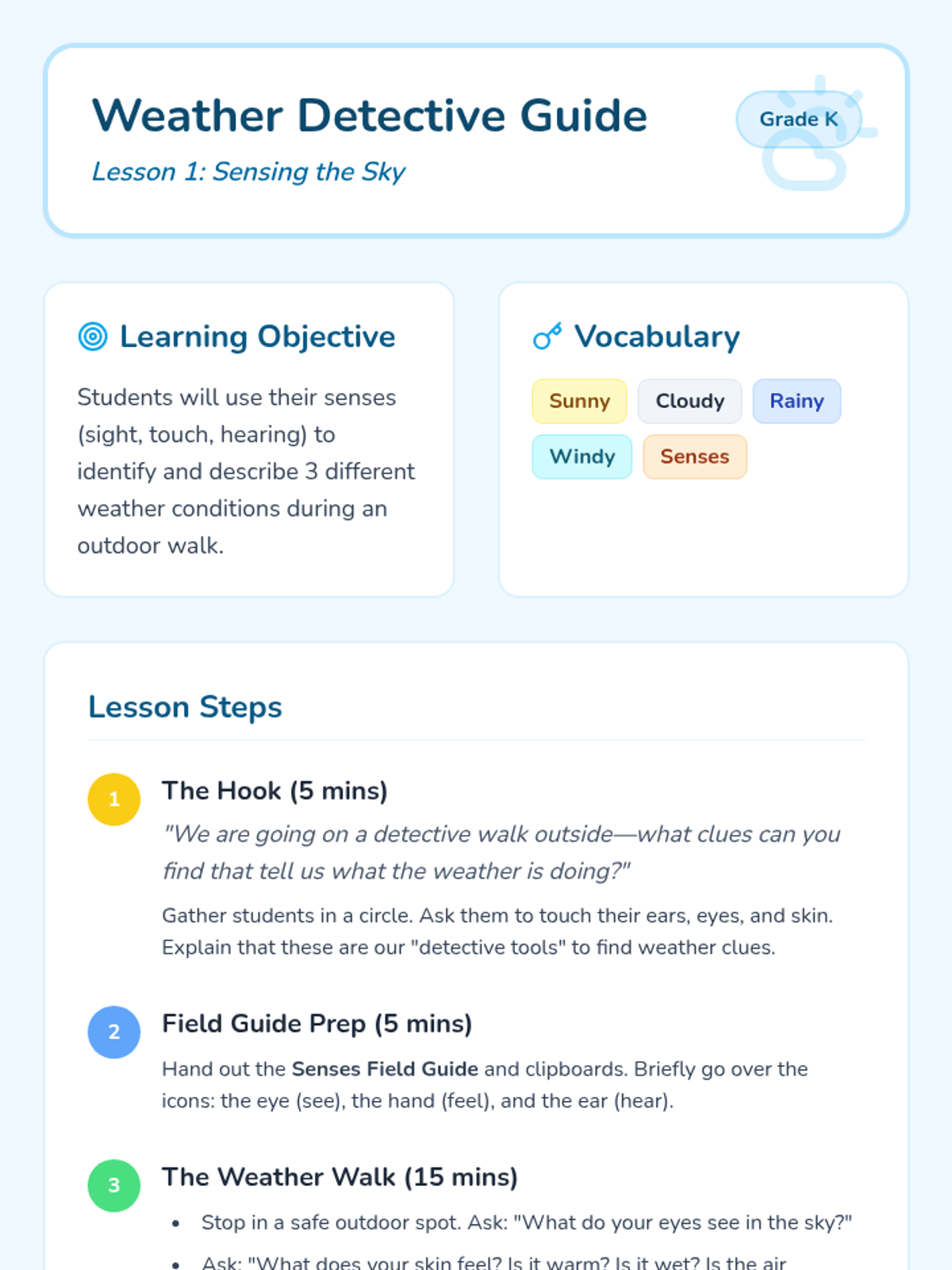
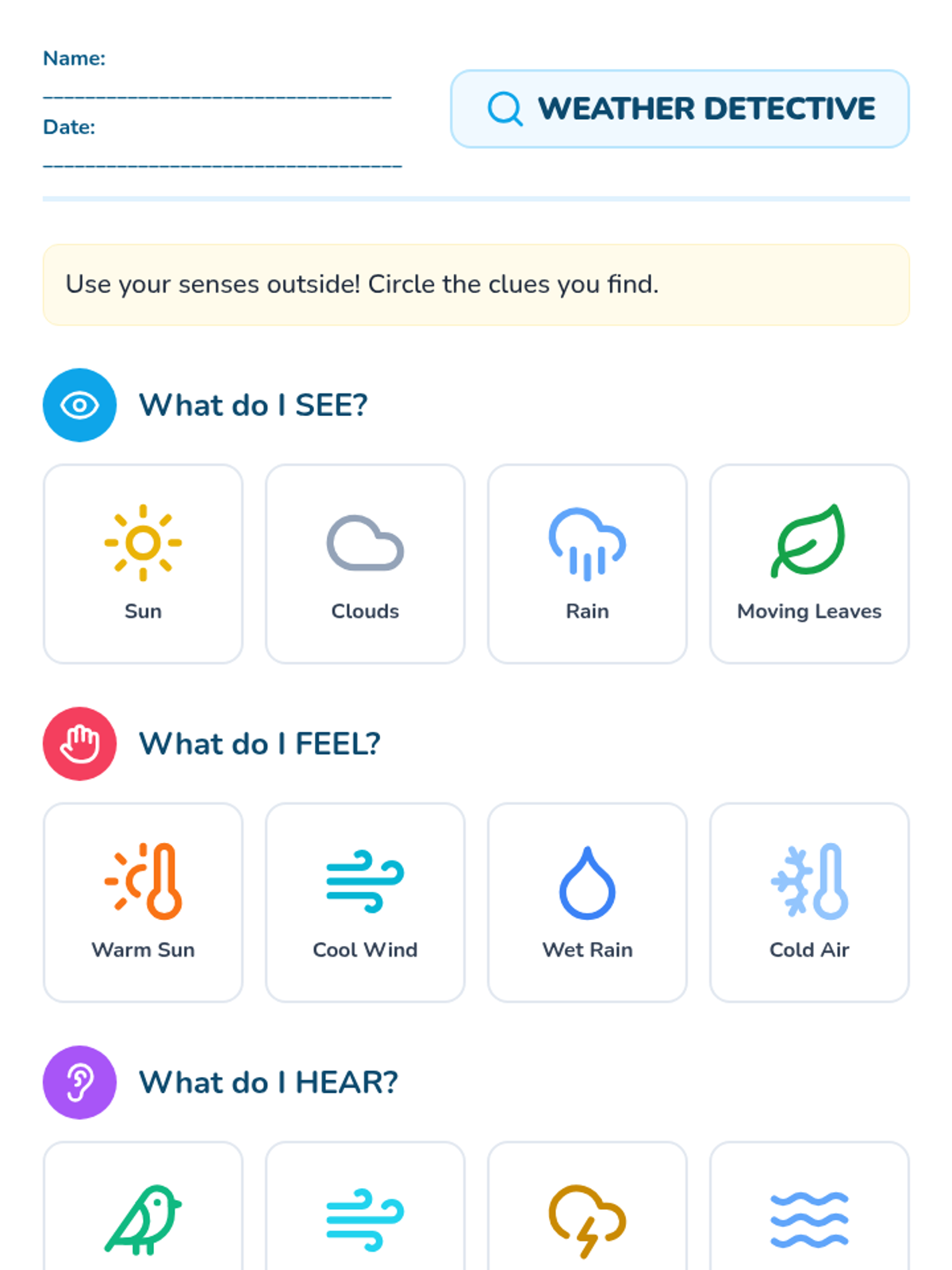
A Kindergarten sequence focused on observing and describing daily weather using the five senses. Students transition from identifying basic conditions to recording observations in a simple journal.
This sequence explores why animals live in different places, focusing on basic needs, land and water environments, extreme temperatures, biomes, and engineering a habitat. Kindergarteners will use inquiry, games, and hands-on building to understand animal survival.