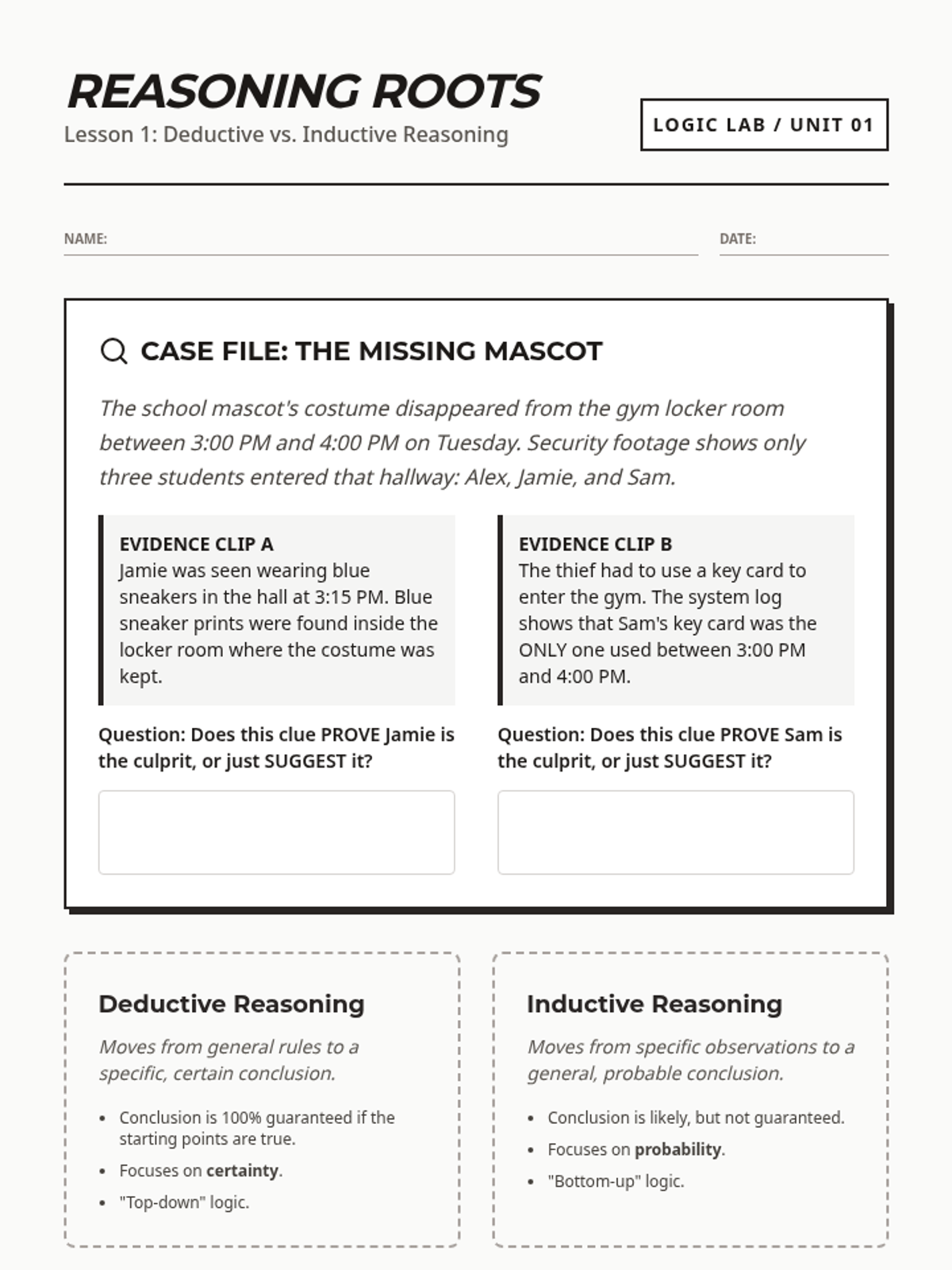
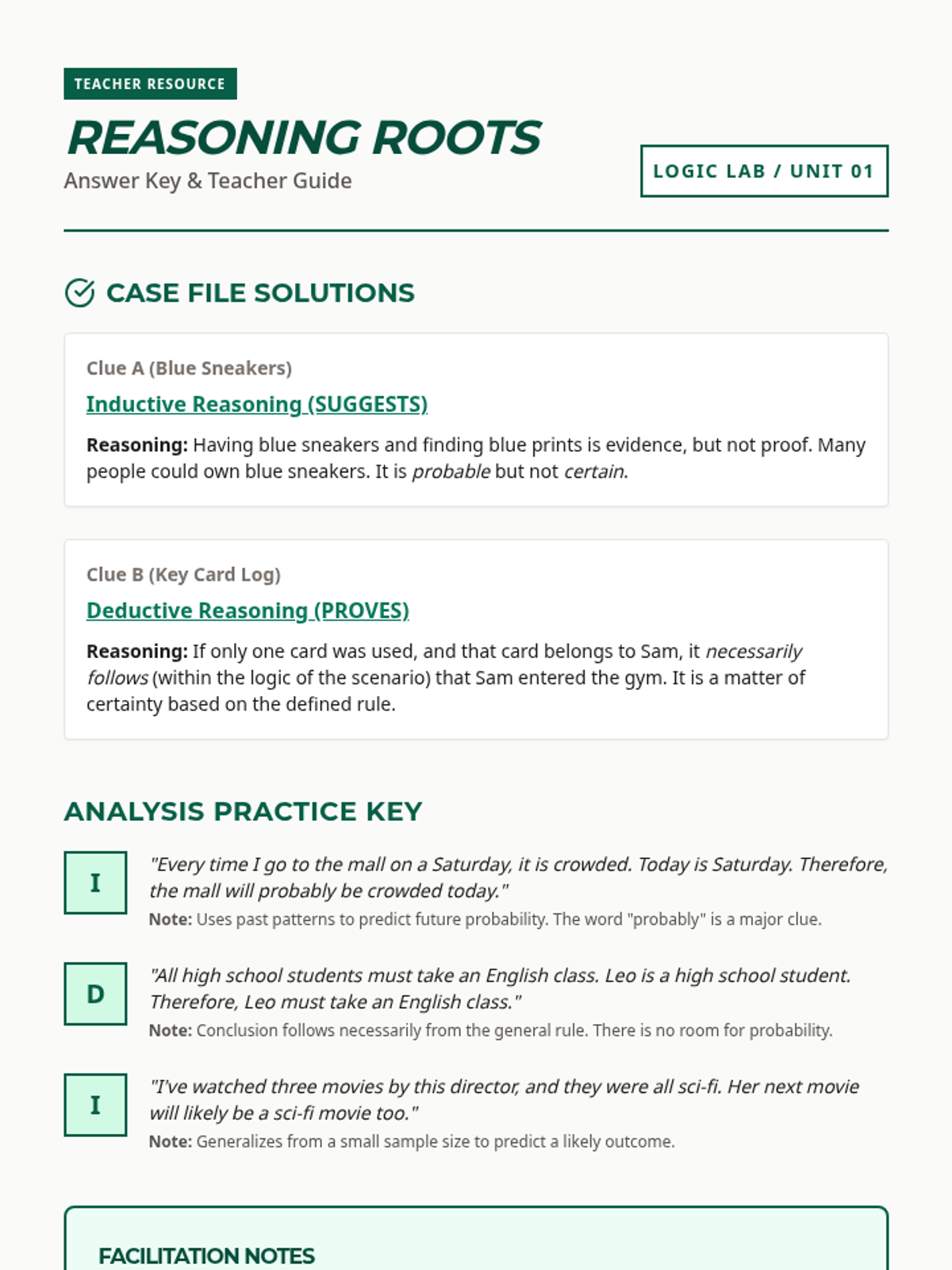
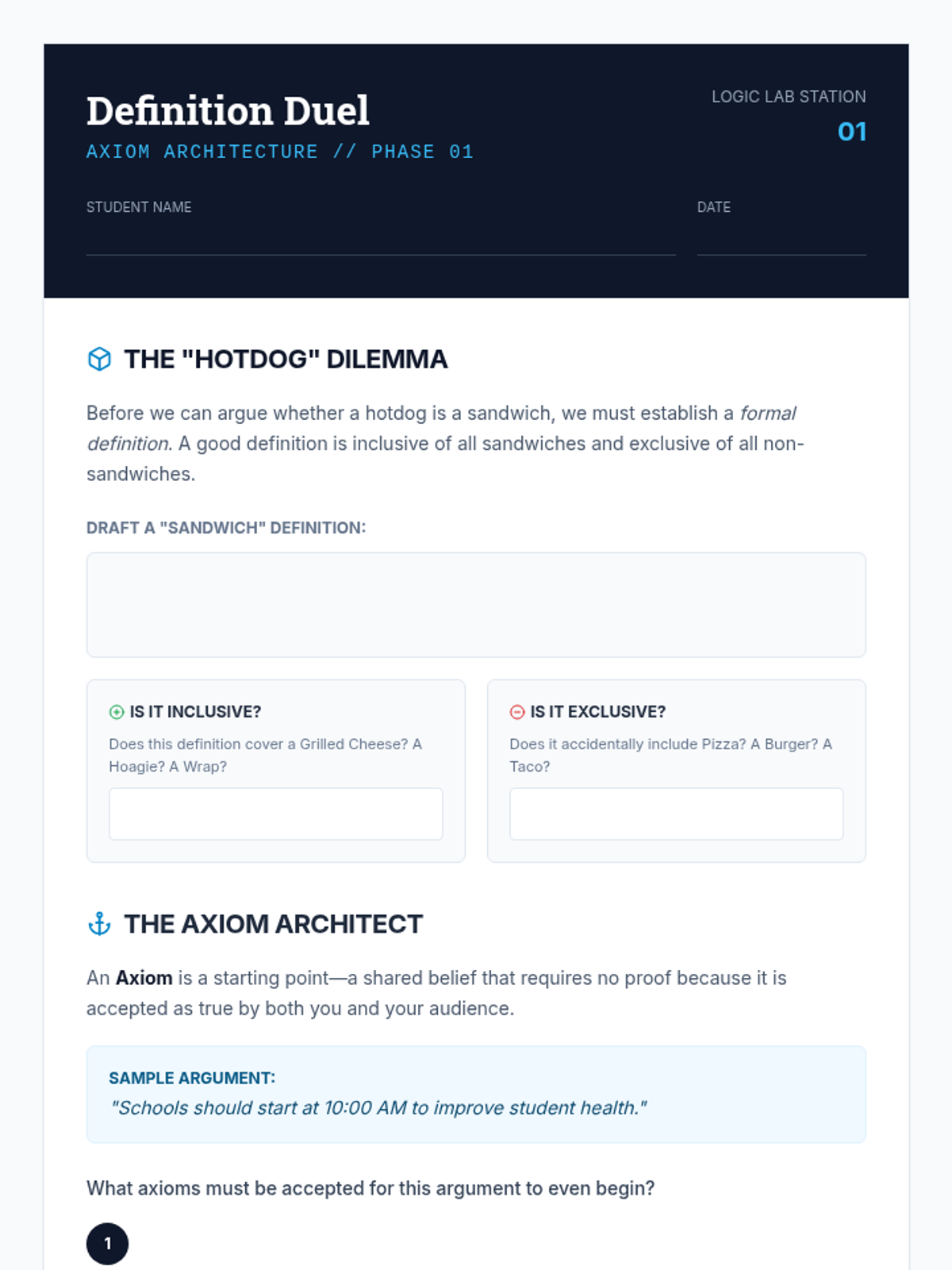
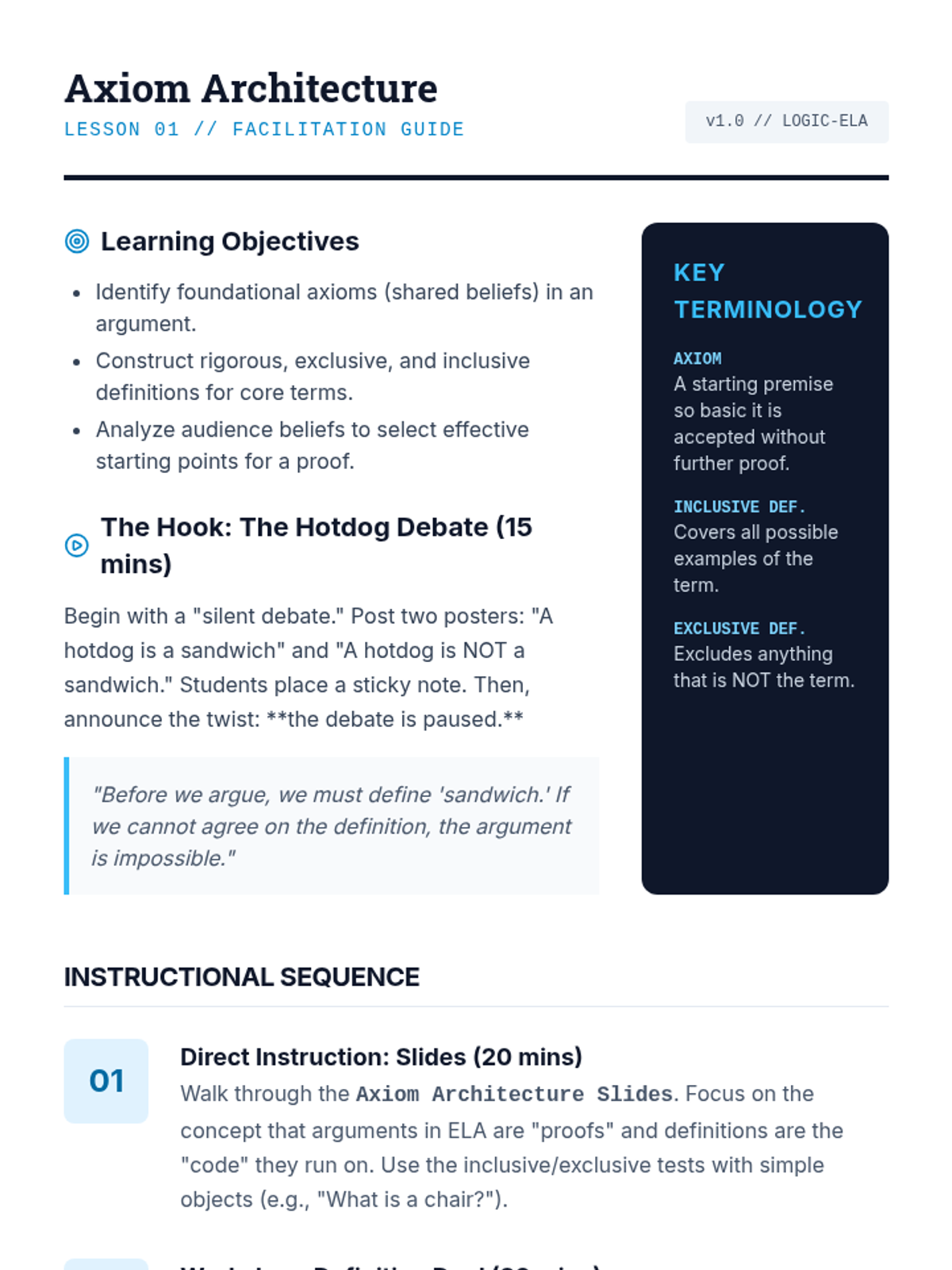
Syllogisms, deductive validity, and the principles of inductive probability for evaluating evidence-based claims. Targets common logical fallacies and the construction of sound, persuasive arguments.
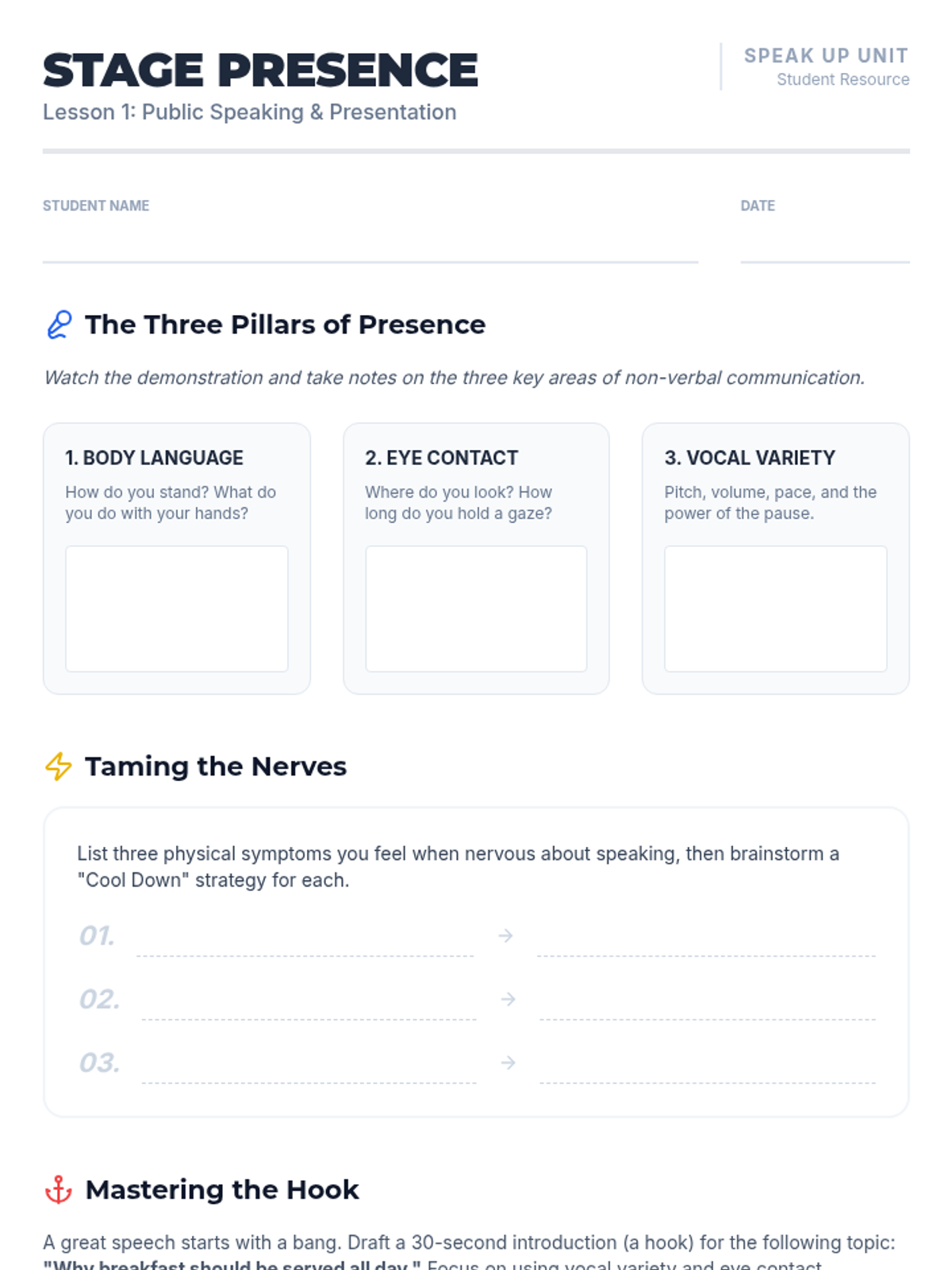
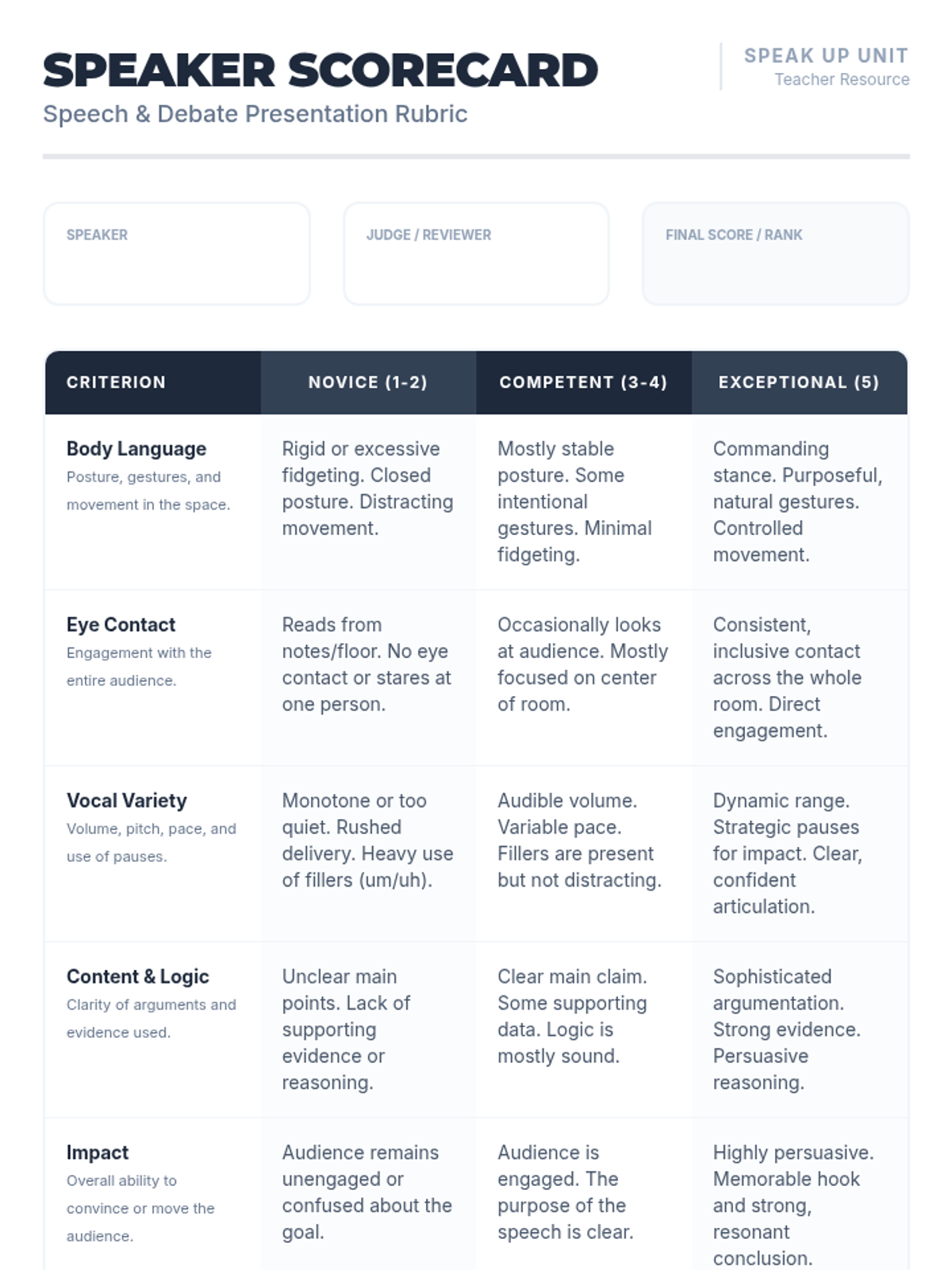
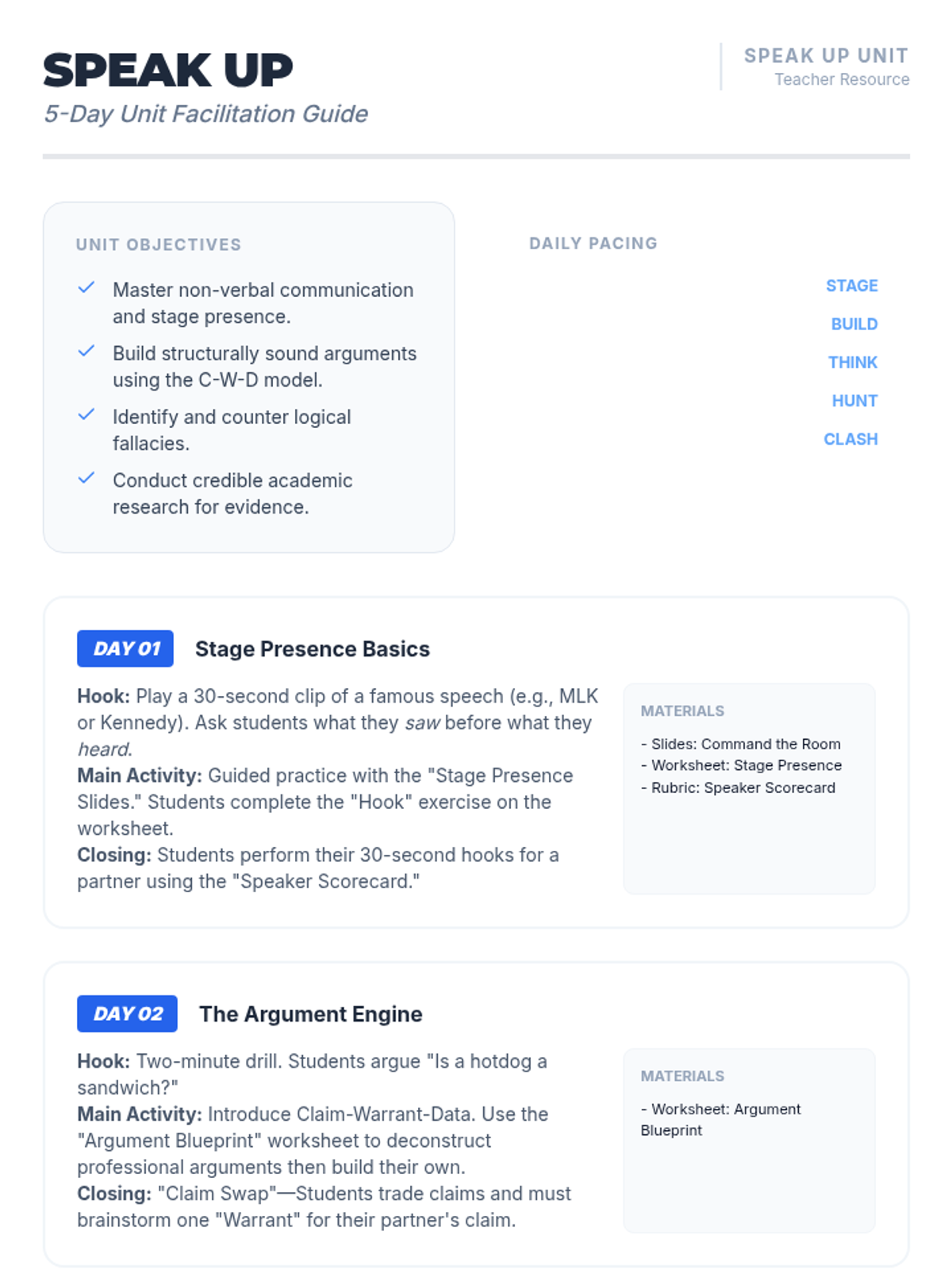
A comprehensive 5-day introductory unit on speech and debate, covering public speaking, argumentation, logic, research, and competitive formats.
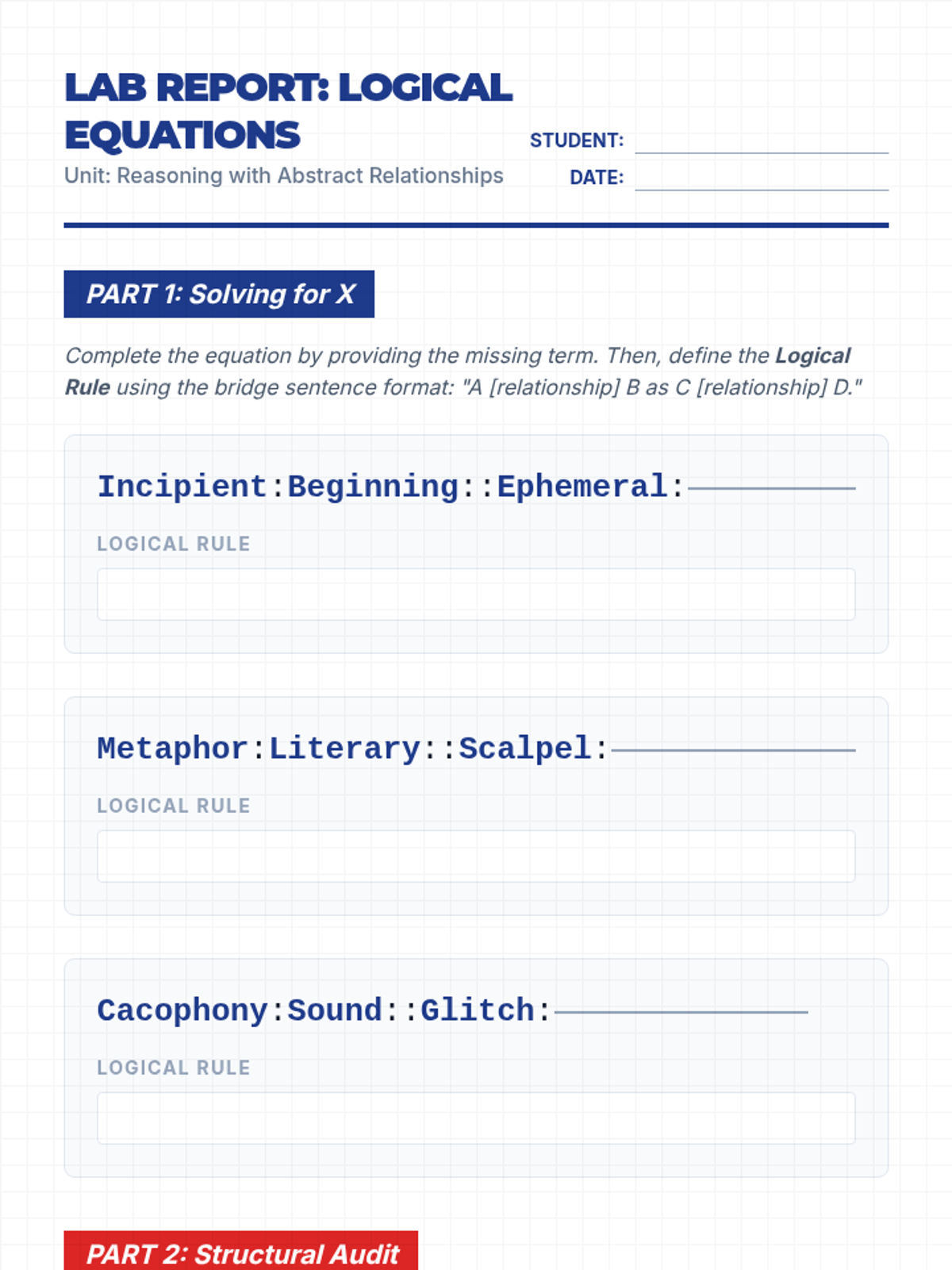
A high-intensity vocabulary sequence for 10th graders focusing on the logic of analogies. Students progress from basic pattern recognition to designing their own complex logic puzzles, treating language as a series of solvable equations.
A high-level bridging of English Language Arts and formal logic, focusing on the structural patterns of reasoning through analogies. Students move from basic symbolic notation to complex deductive puzzles, treating language with mathematical precision.
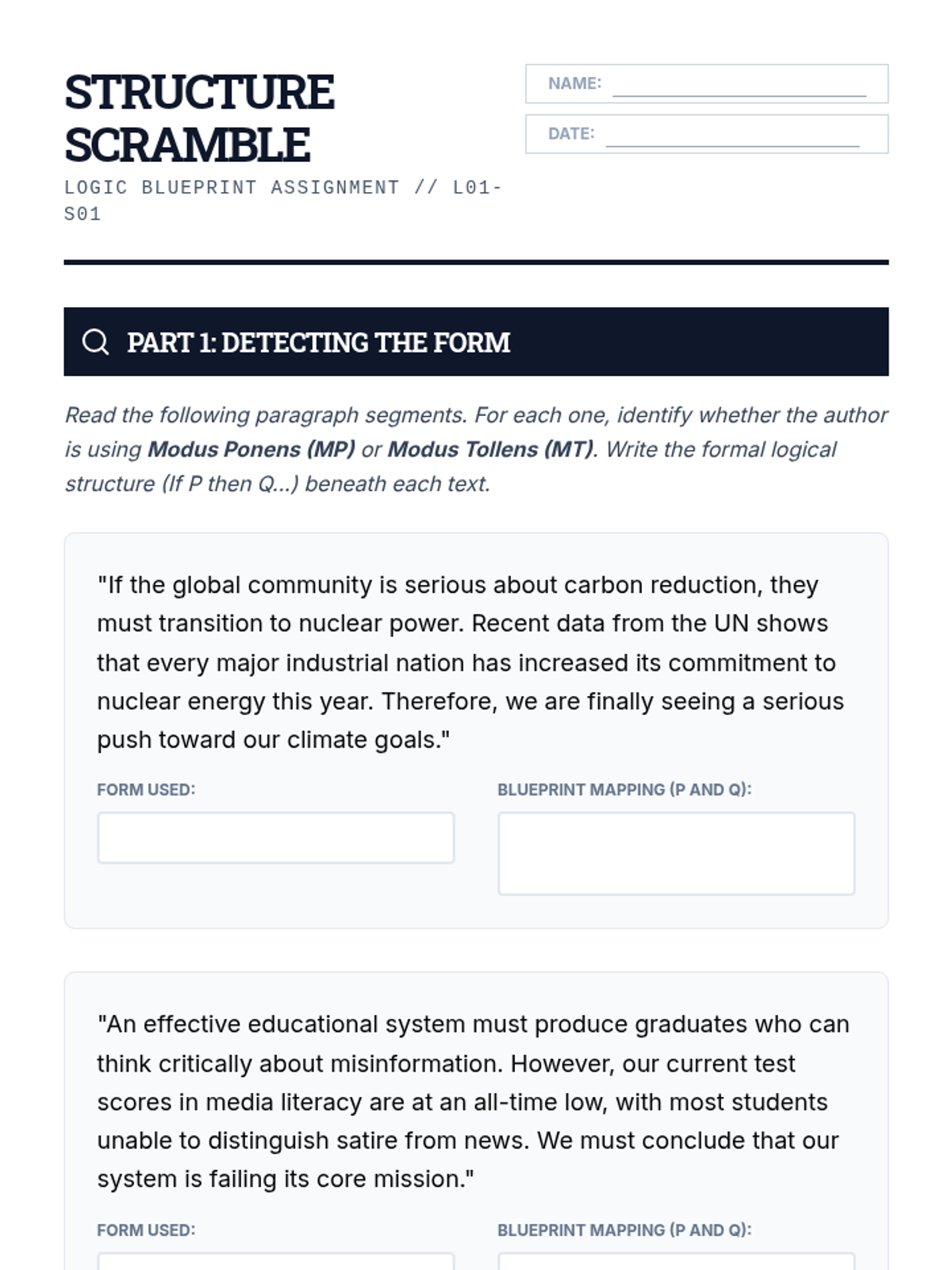
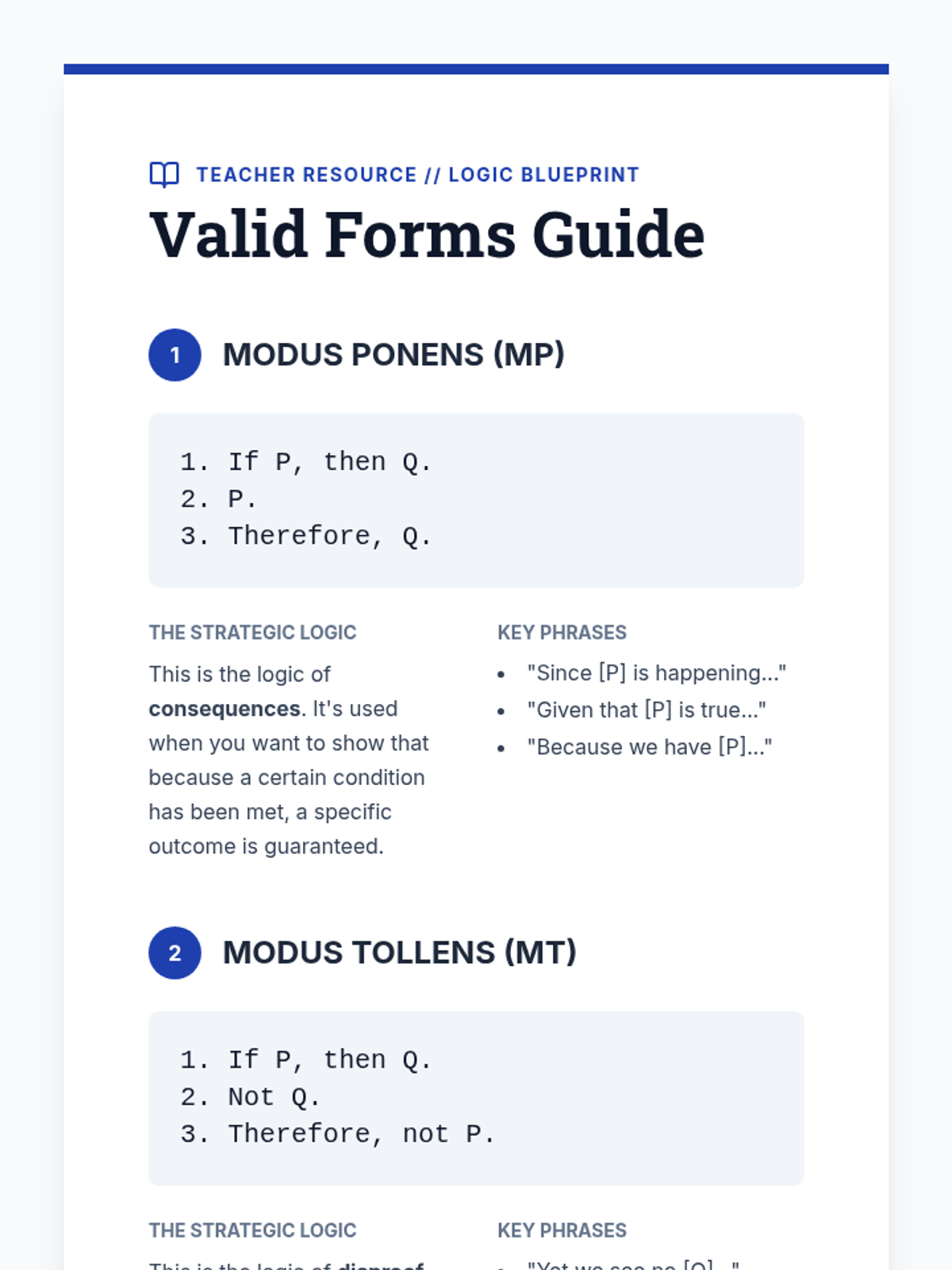
A 9th-grade English Language Arts sequence that bridges formal logic with argumentative writing. Students learn to use valid argument forms like Modus Ponens, Modus Tollens, and Hypothetical Syllogisms as structural blueprints for high-quality, undeniable writing.
A foundational sequence for 9th-grade students on the structures of deductive reasoning, focusing on categorical syllogisms, validity, and soundness to enhance critical thinking and analytical writing.
A high-school ELA sequence that treats argumentative writing like geometric proofs, focusing on formal logic structures like axioms, modus ponens, and proofs by contradiction to build unassailable positions.
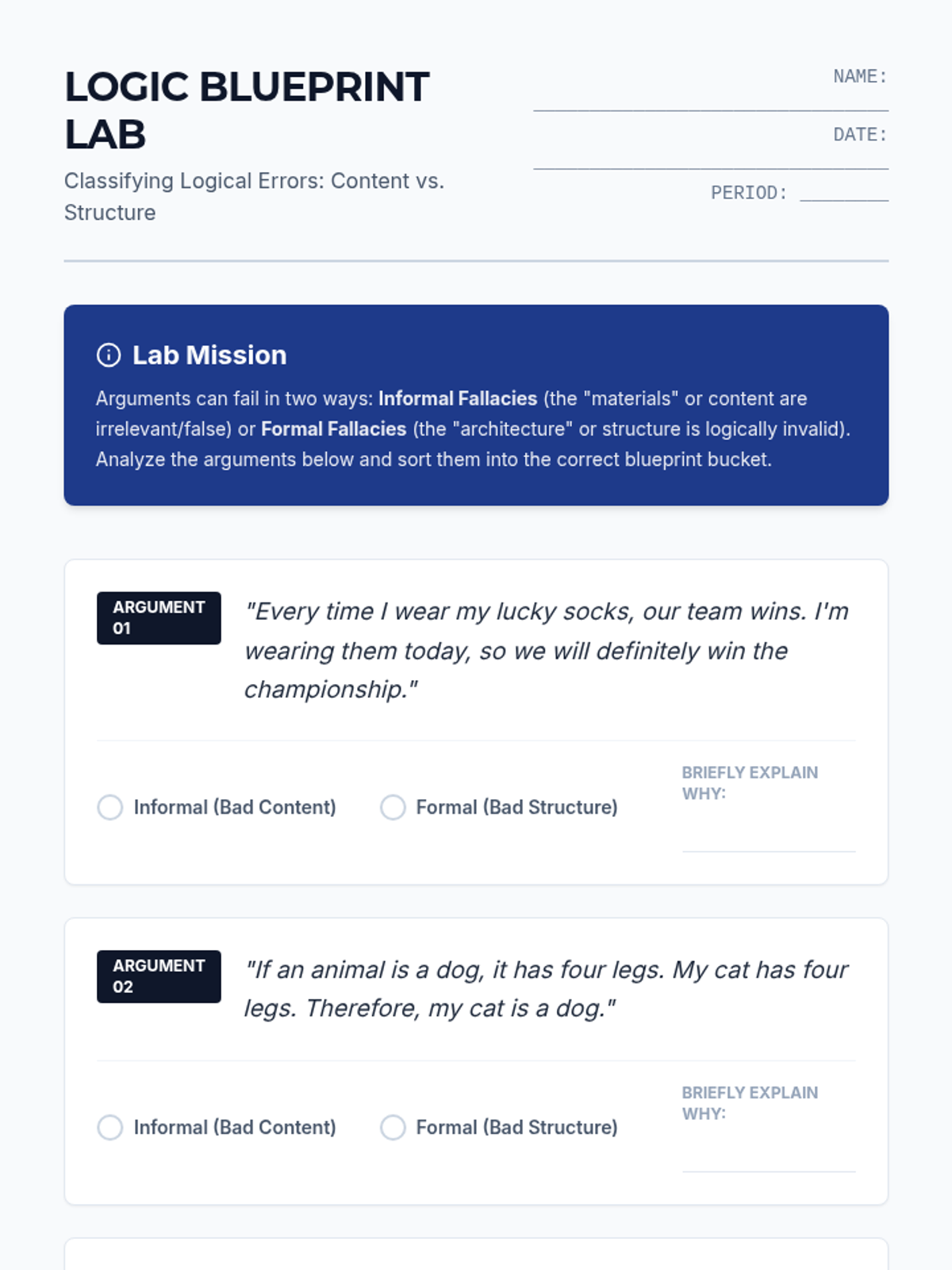
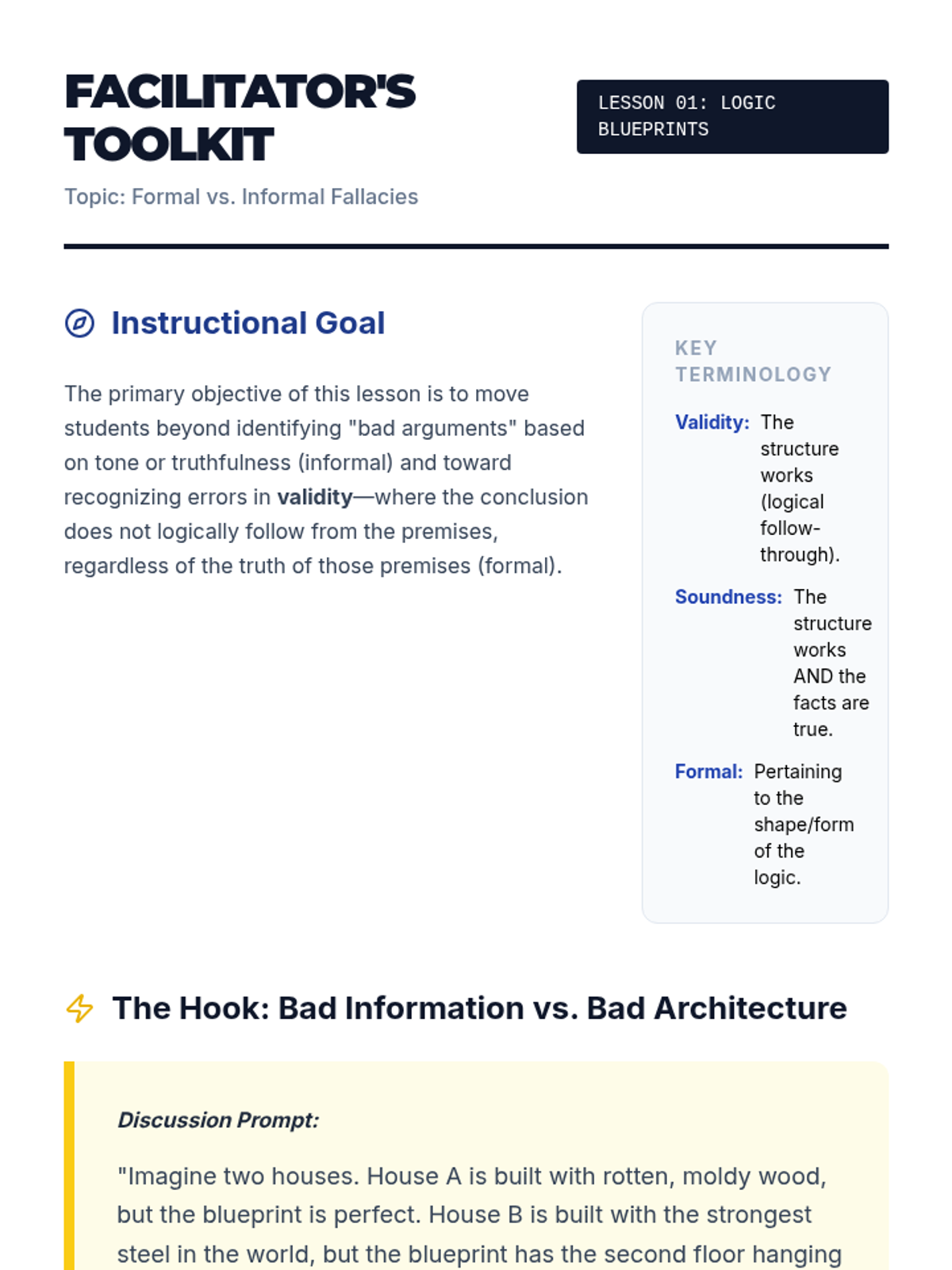
A high school ELA sequence focused on identifying structural errors in reasoning. Students learn to distinguish between informal fallacies (content-based) and formal fallacies (structure-based), specifically mastering affirming the consequent, denying the antecedent, and the undistributed middle.
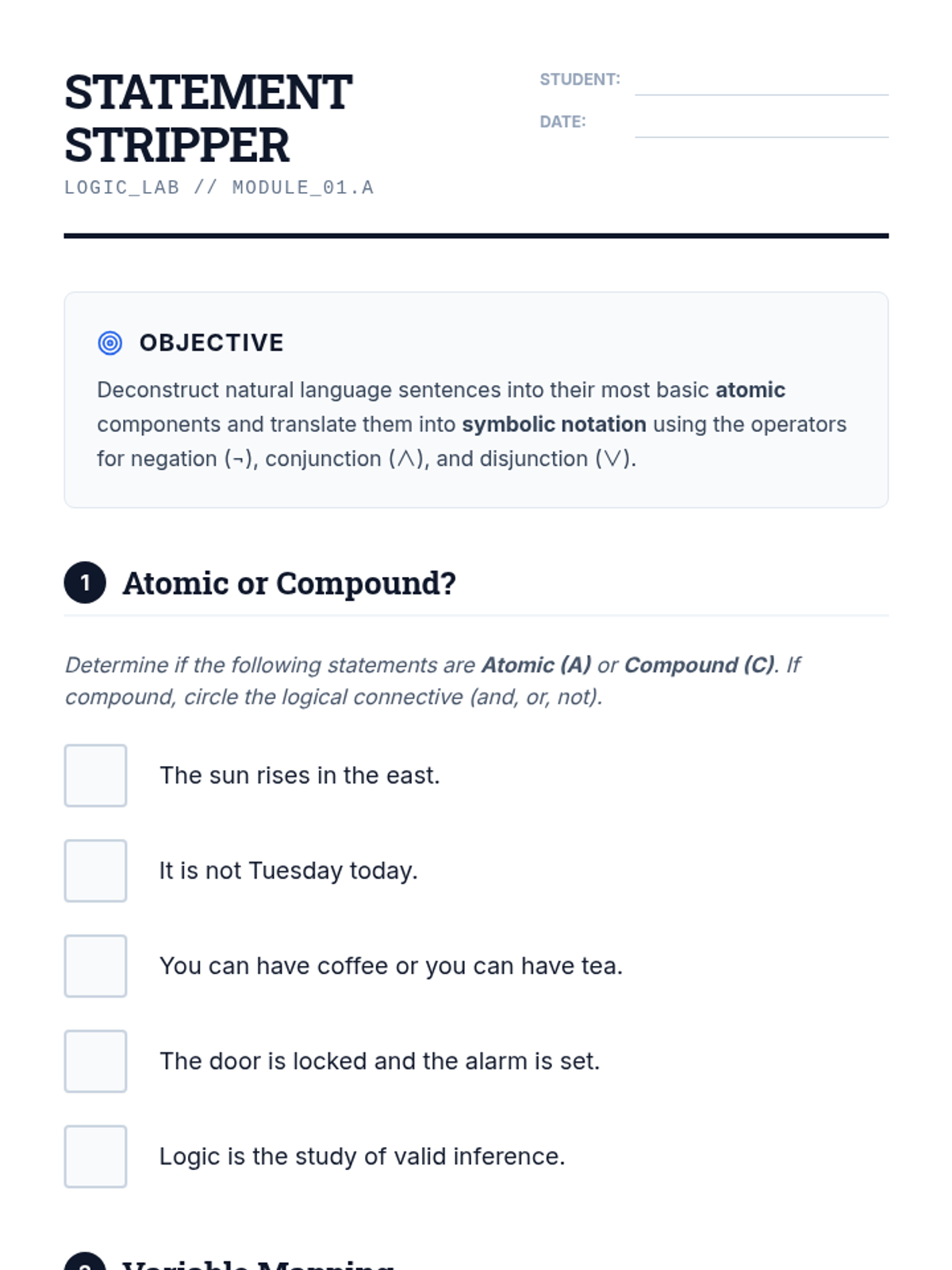
A high school ELA sequence on formal logic, teaching students to translate natural language into symbolic notation and evaluate logical consistency through truth tables. Students progress from basic connectives to analyzing complex rhetorical arguments for tautologies and contradictions.
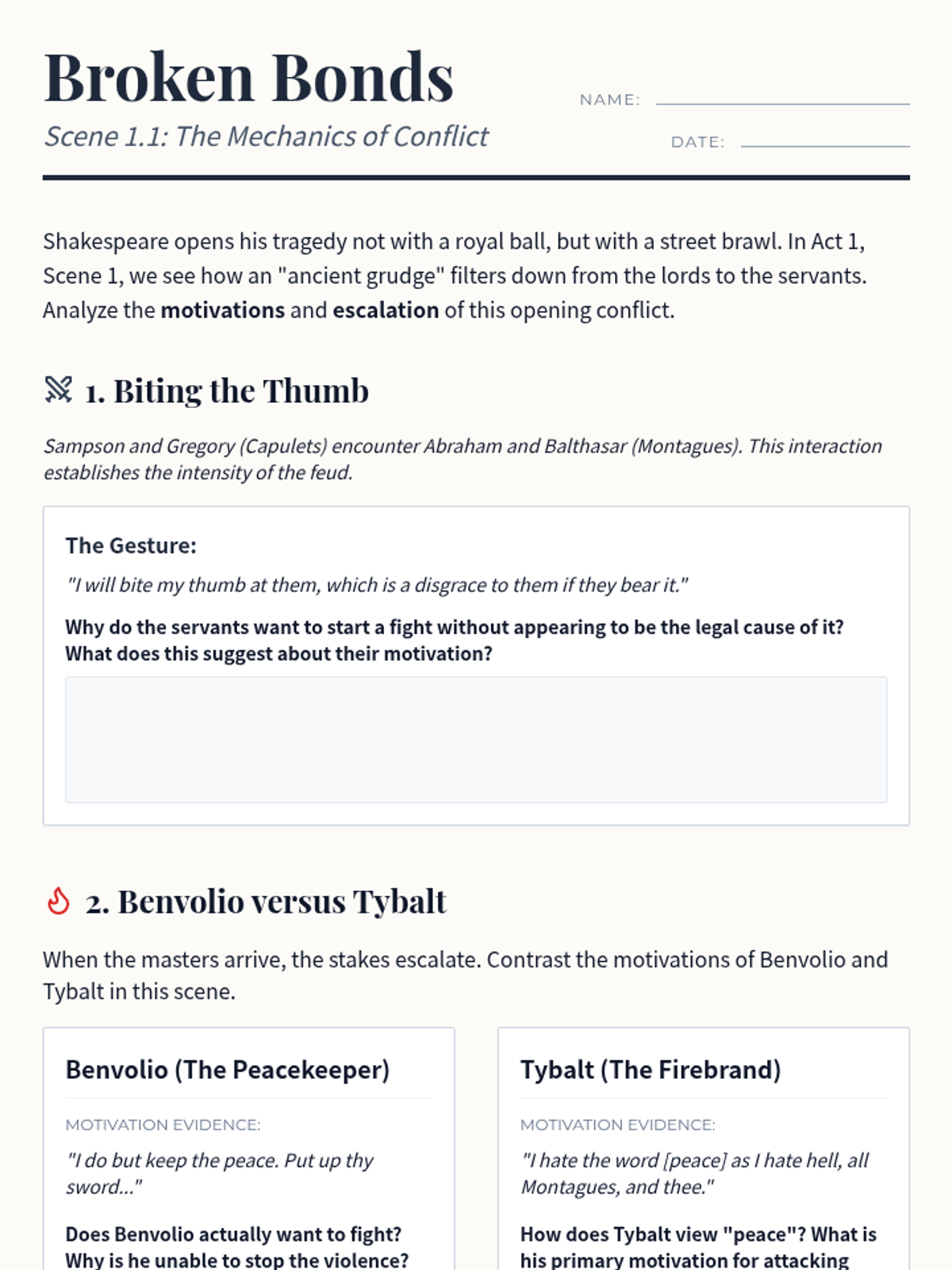
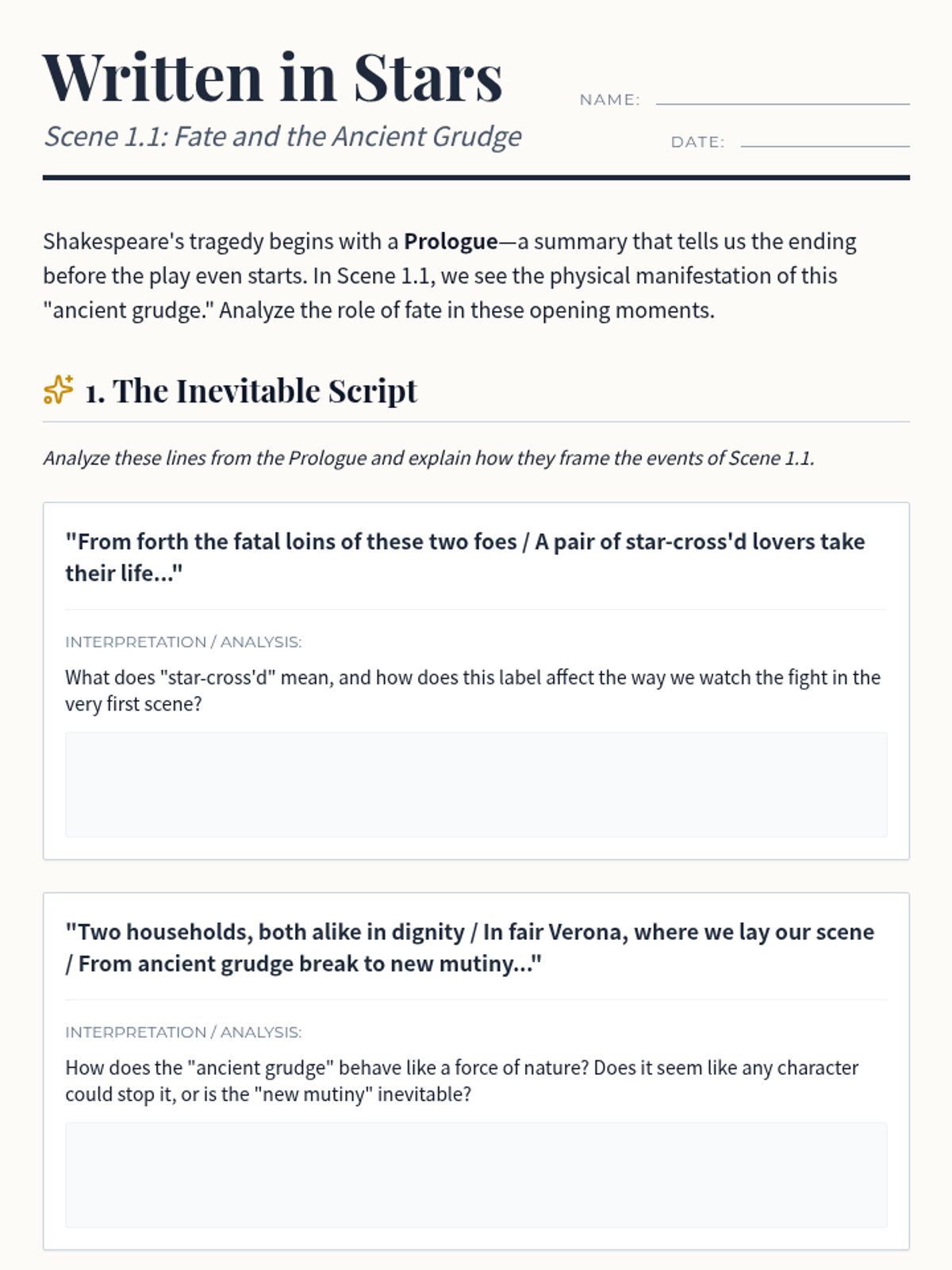
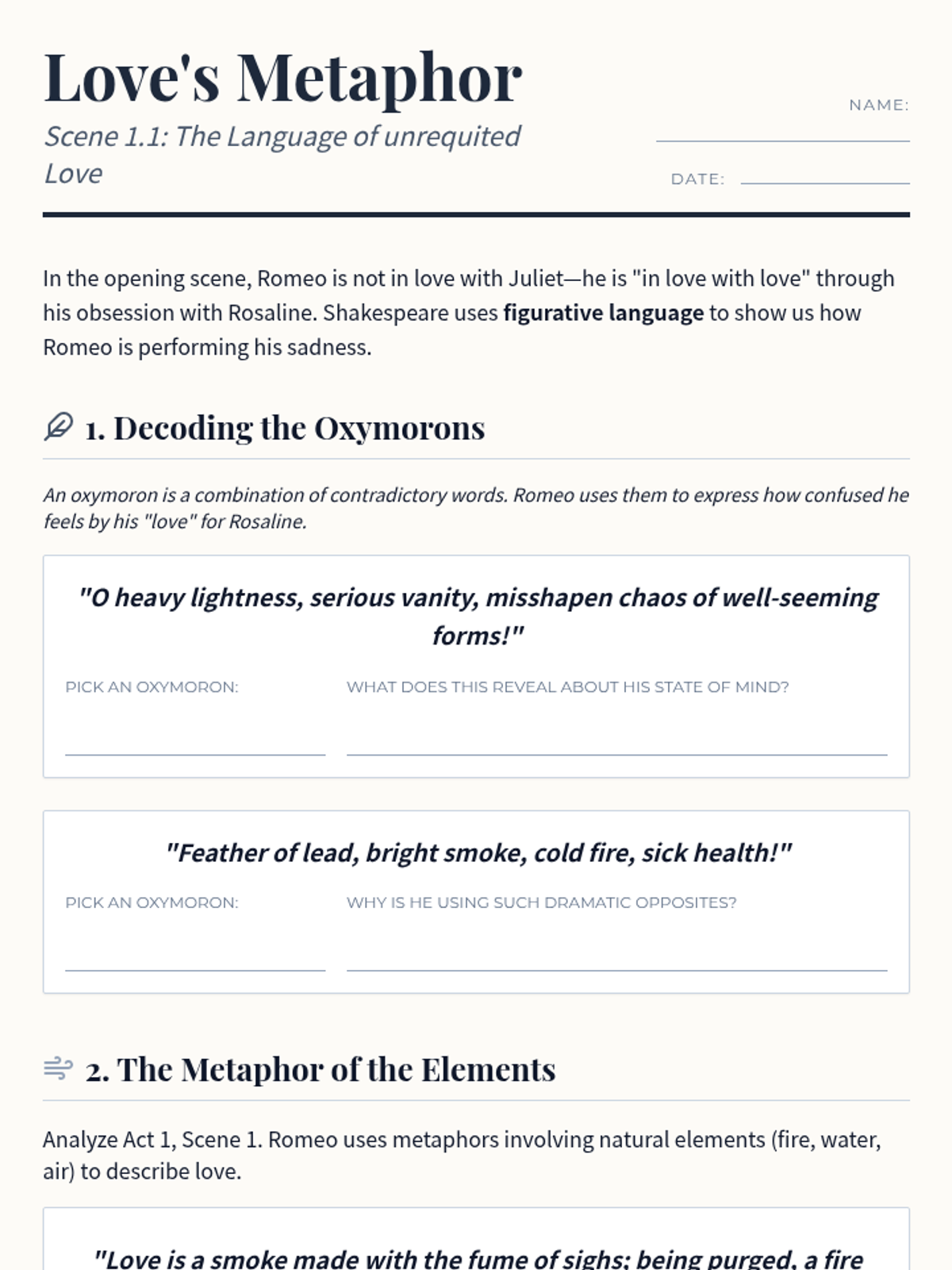
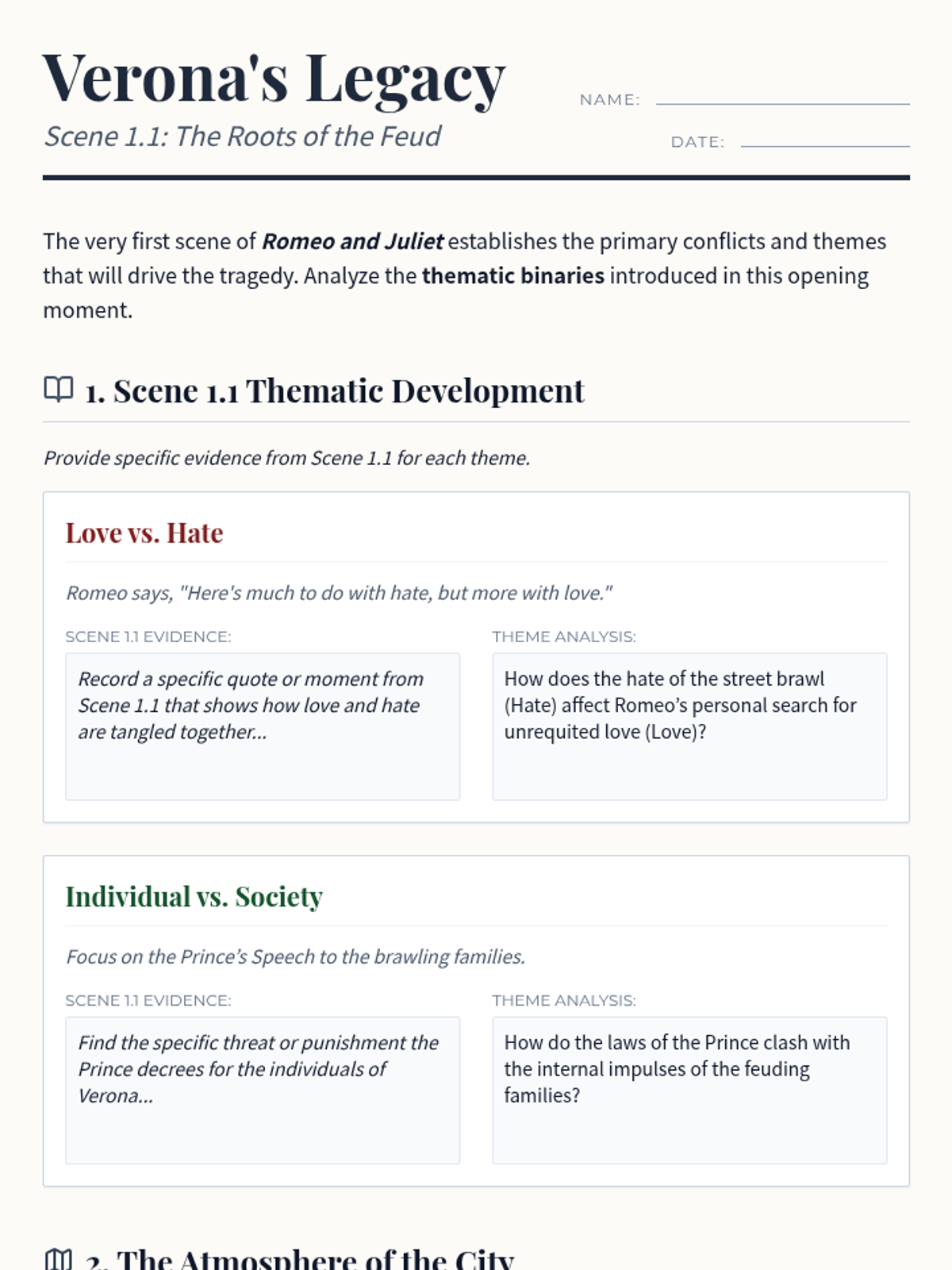
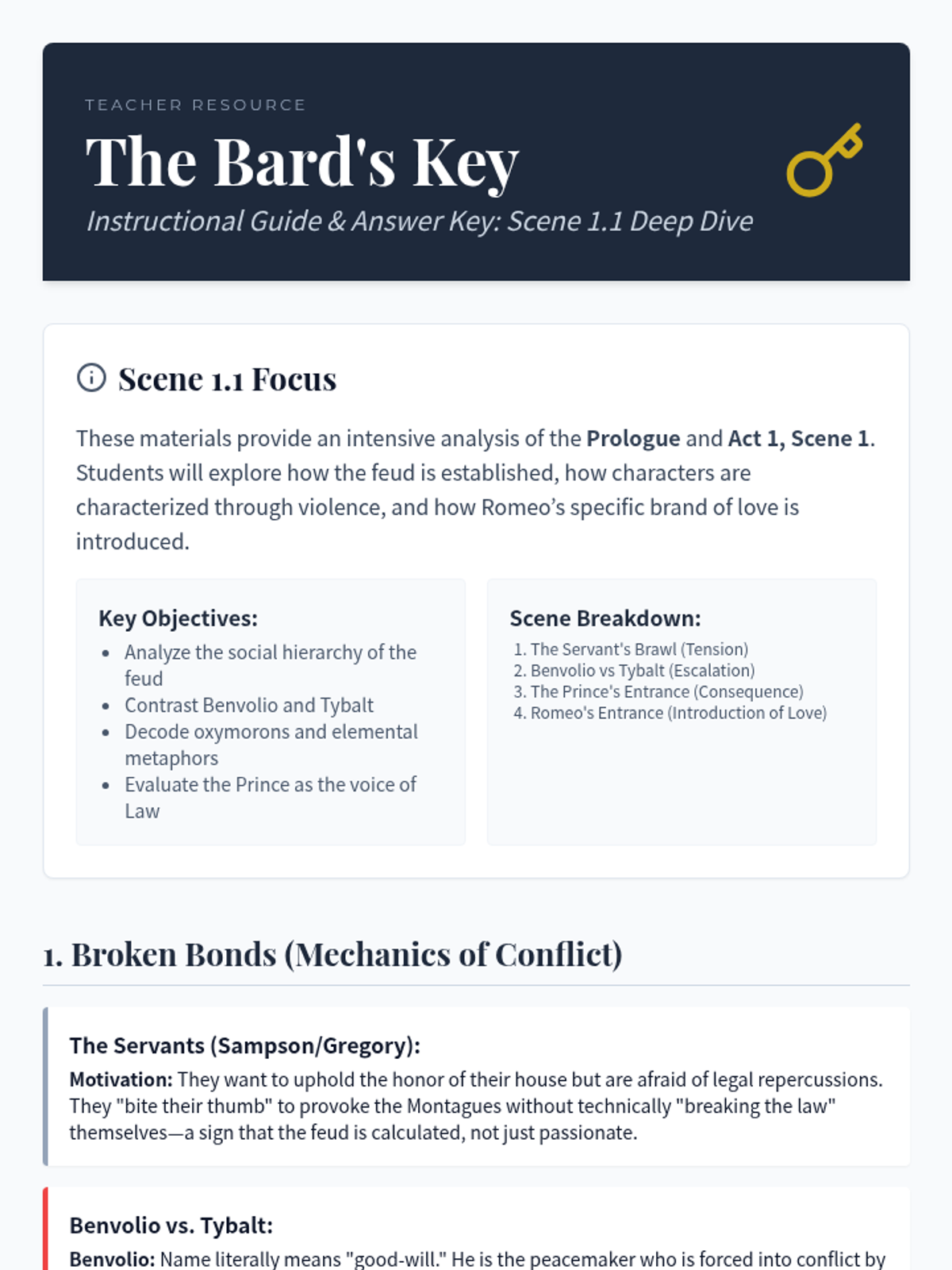
A comprehensive deep-dive into Shakespeare's Romeo and Juliet, focusing on Act 1. Students will analyze character dynamics, the tension between destiny and choice, and the rich poetic language of the play across individual scenes.
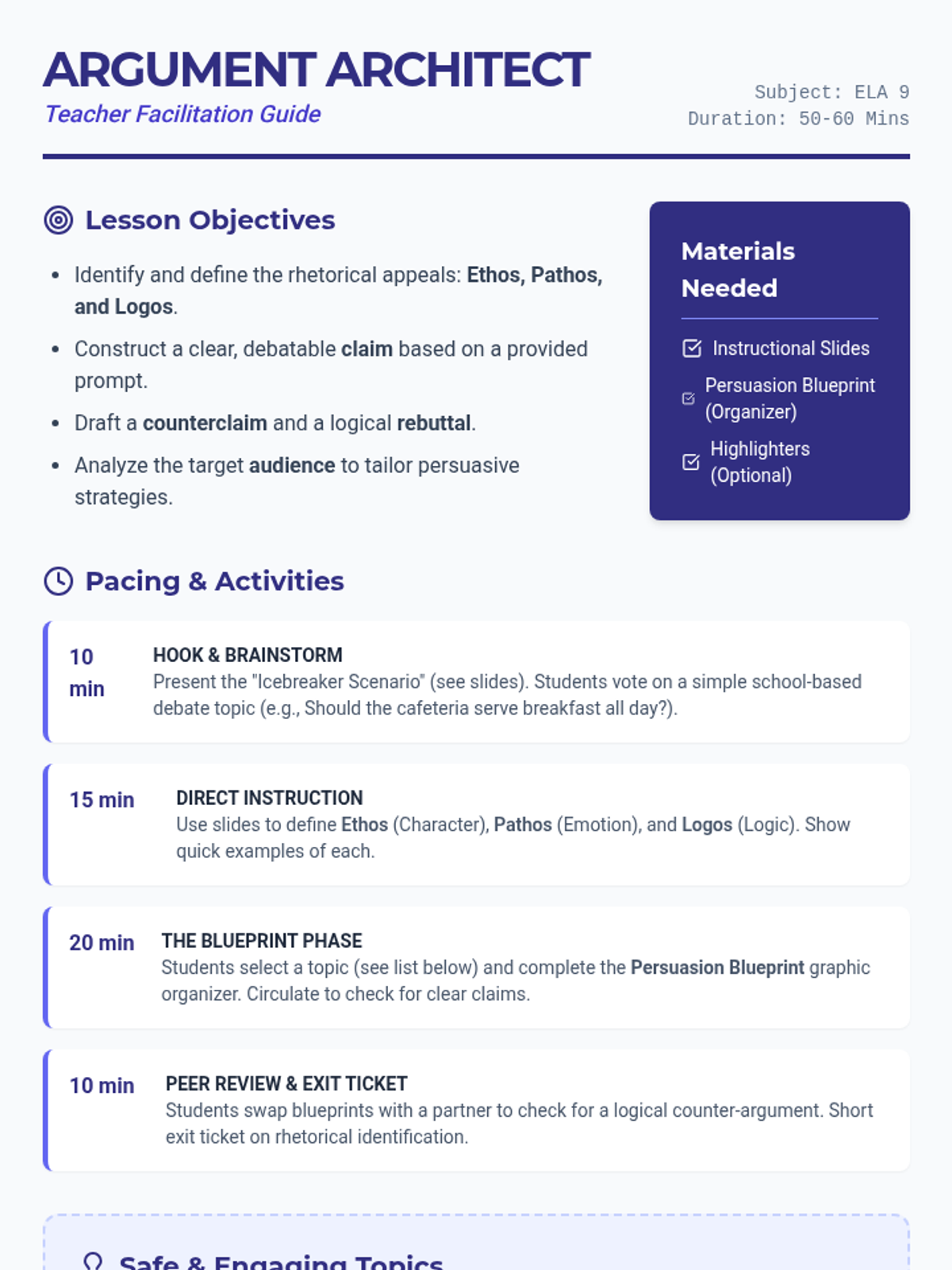
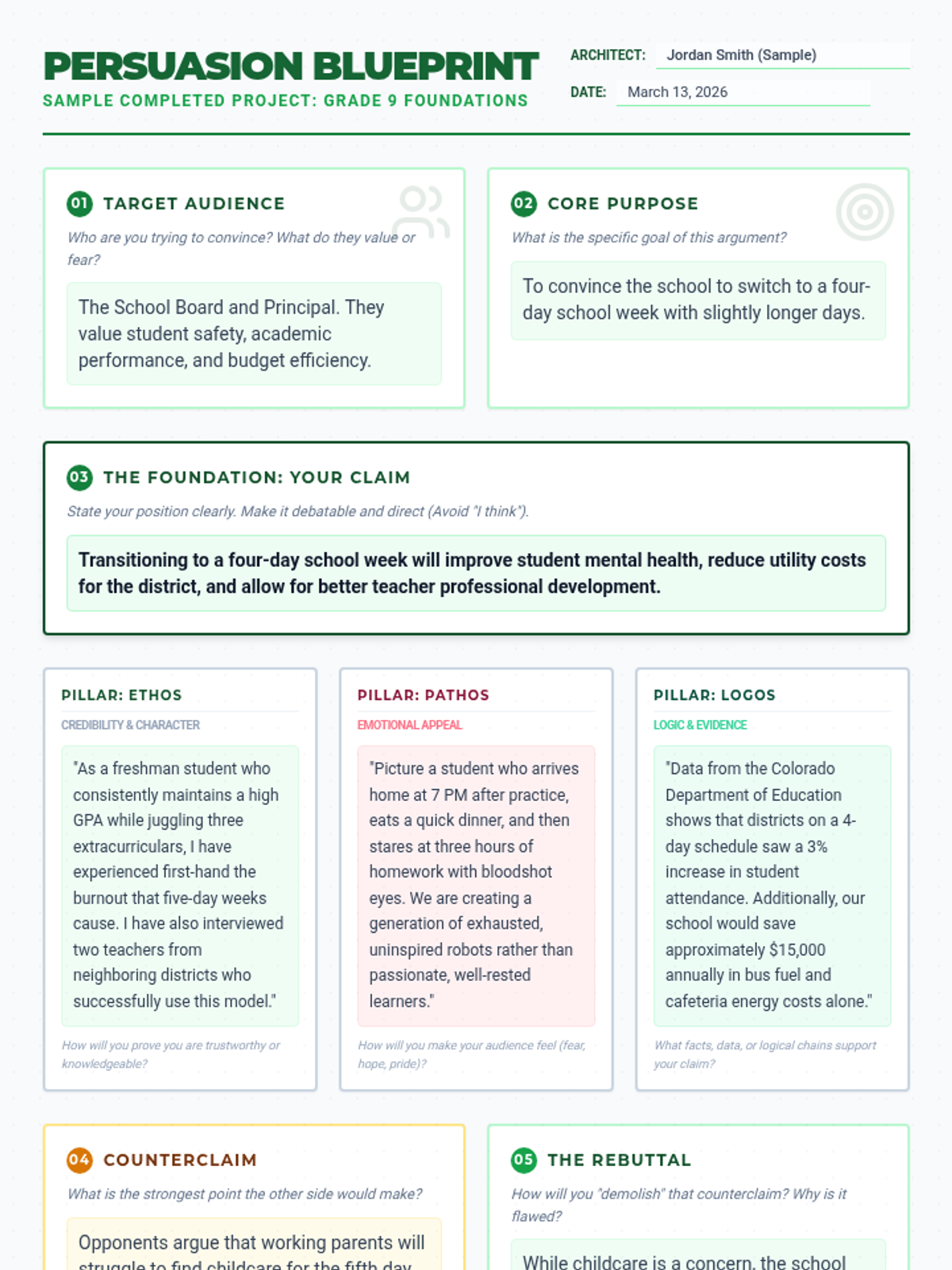
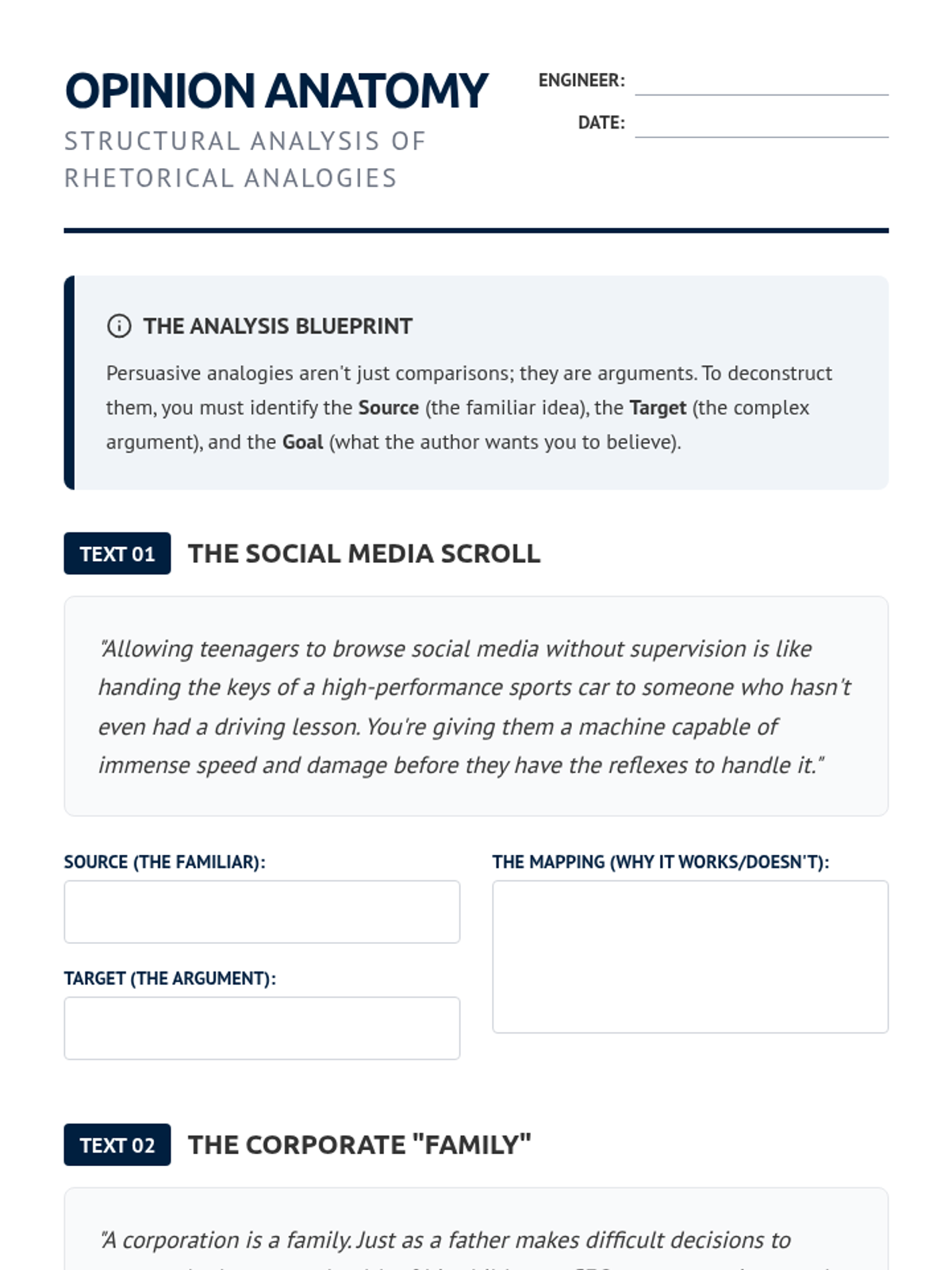
A scaffolded progression of persuasive writing mastery, moving from 9th-grade foundations of Ethos, Pathos, and Logos to 11th-grade advanced rhetorical strategies including Kairos and logical fallacy analysis.
A comprehensive 380-minute digital web quest for STAAR English 2 preparation, divided into 9 high-intensity missions of 45 minutes or less, covering the top five most tested TEKS.
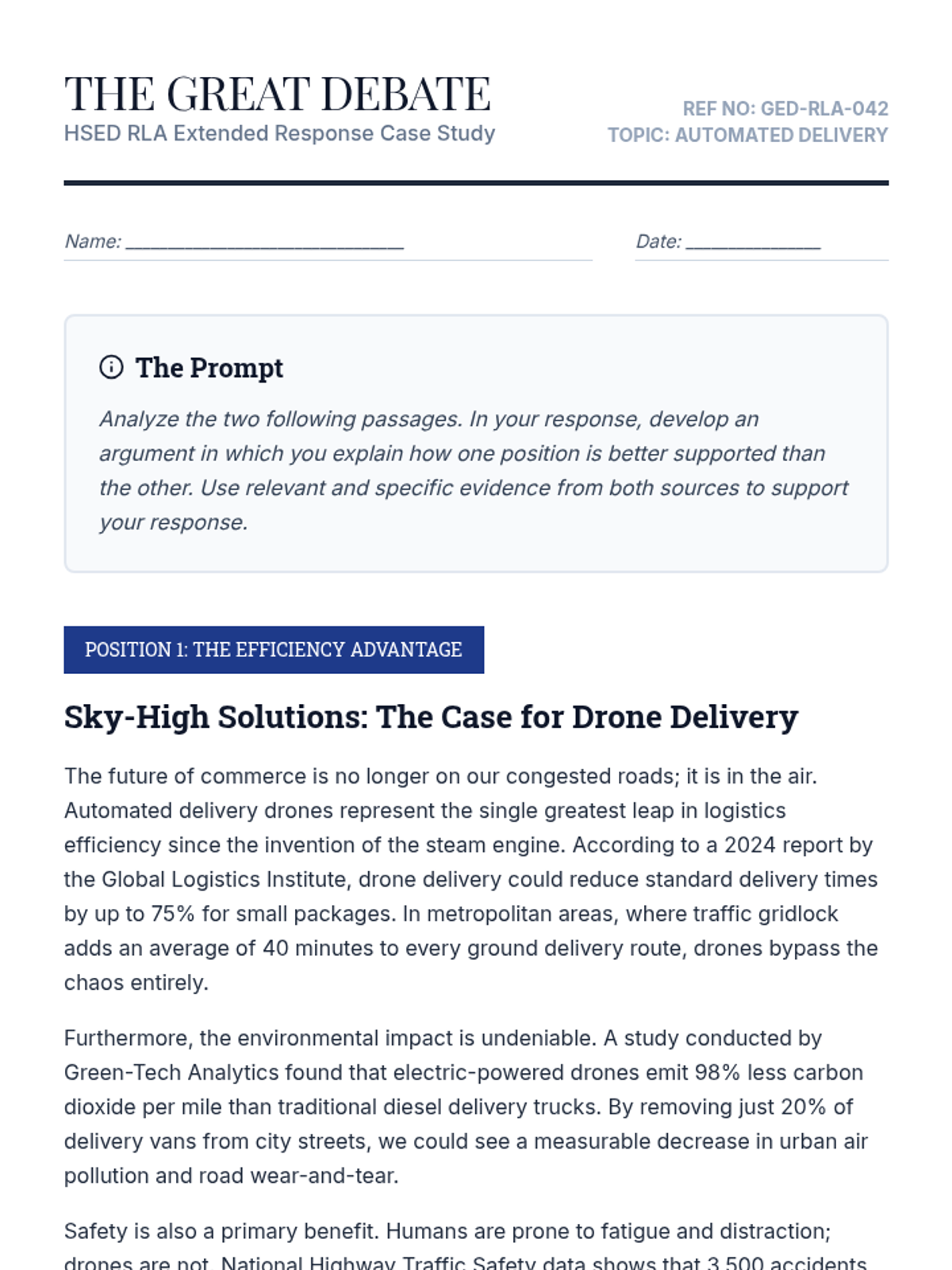
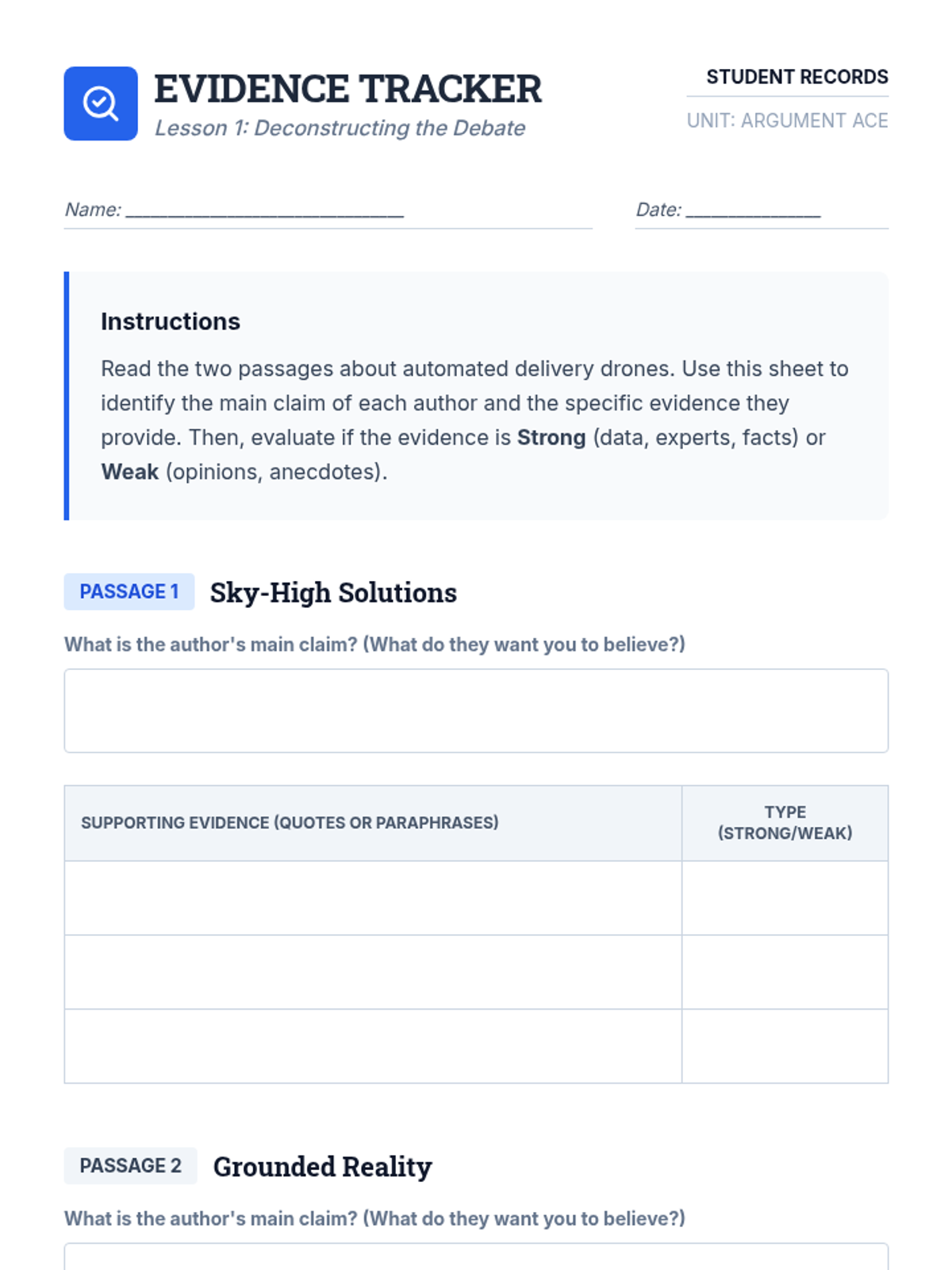
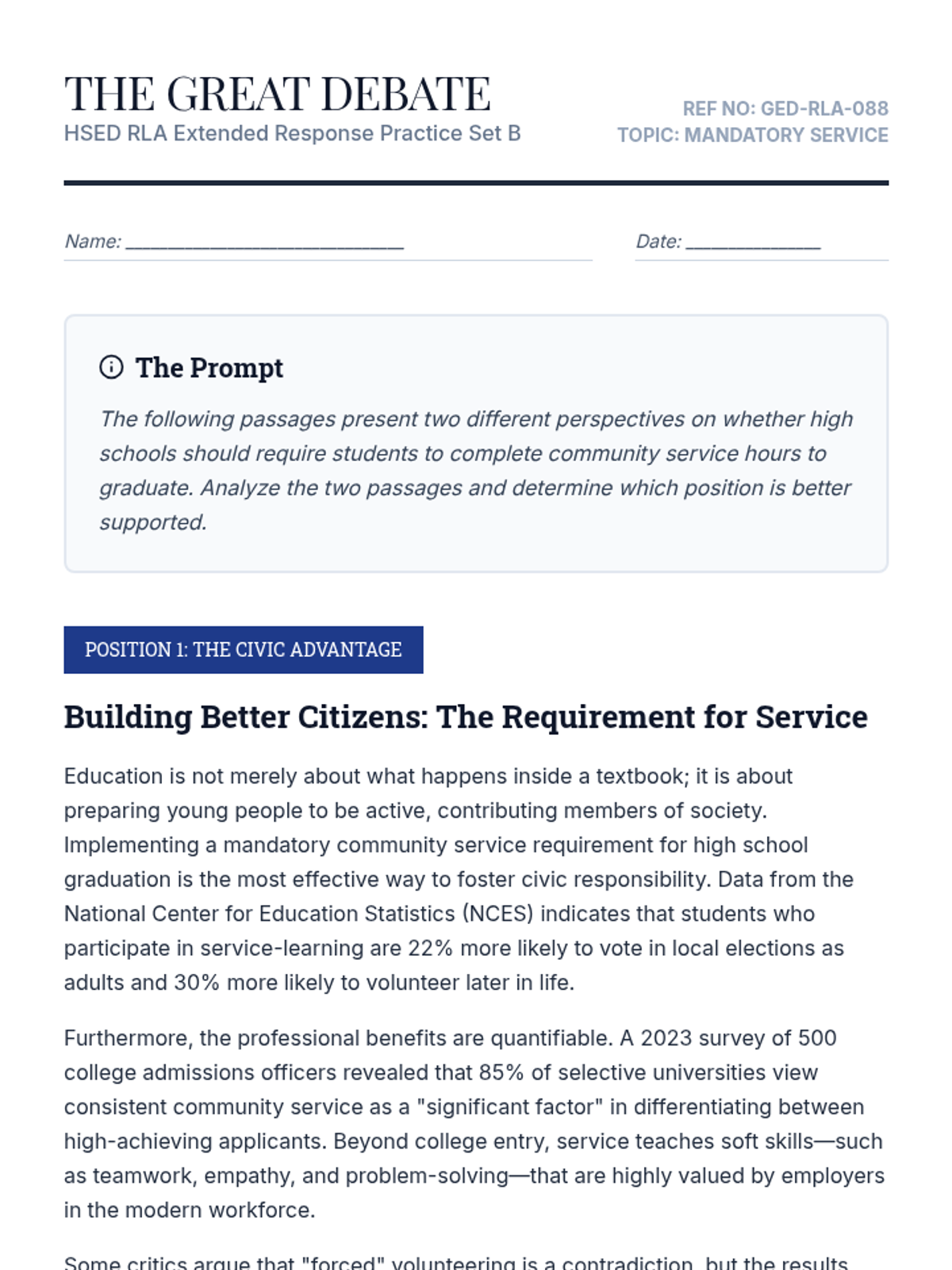
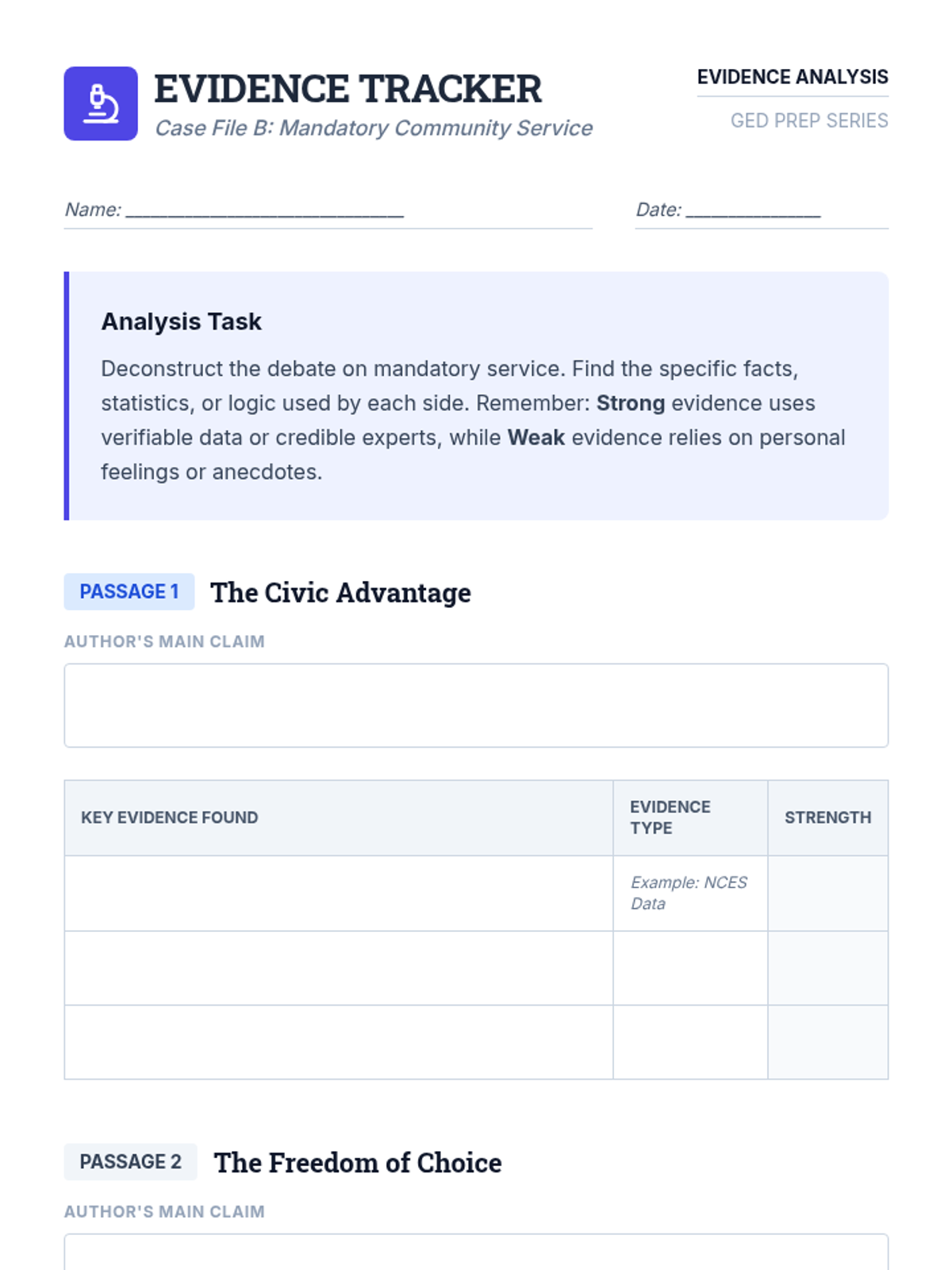
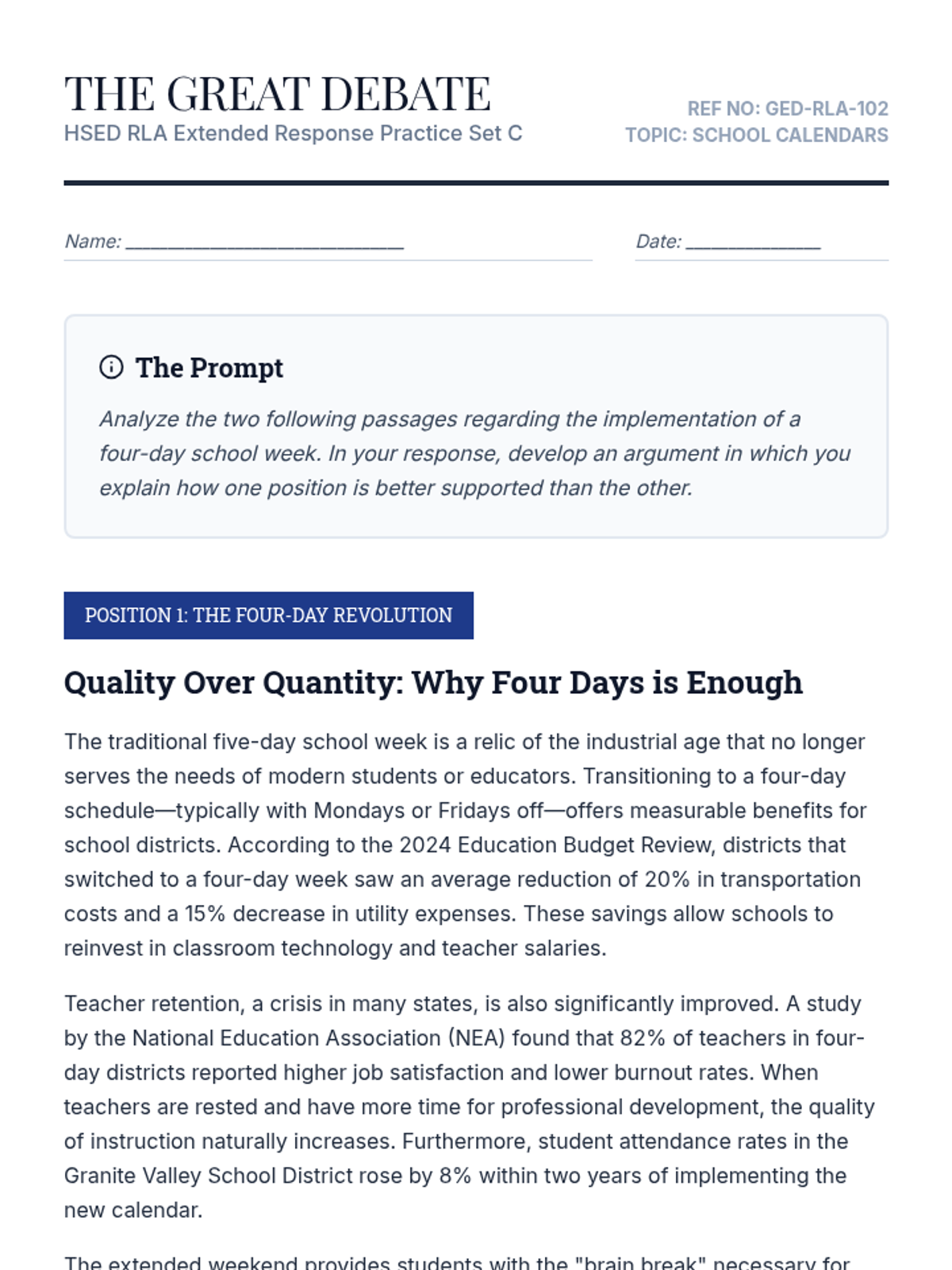
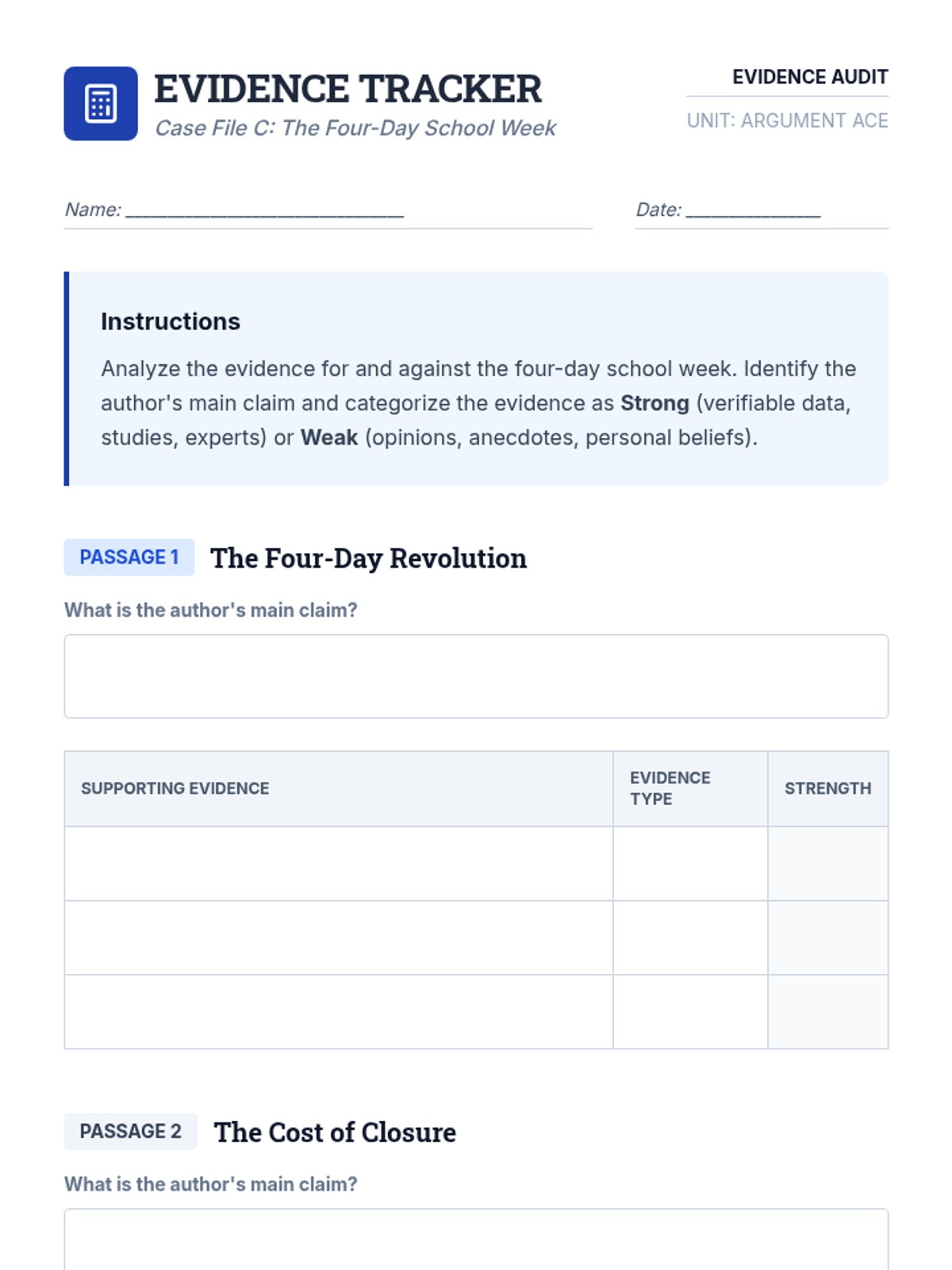
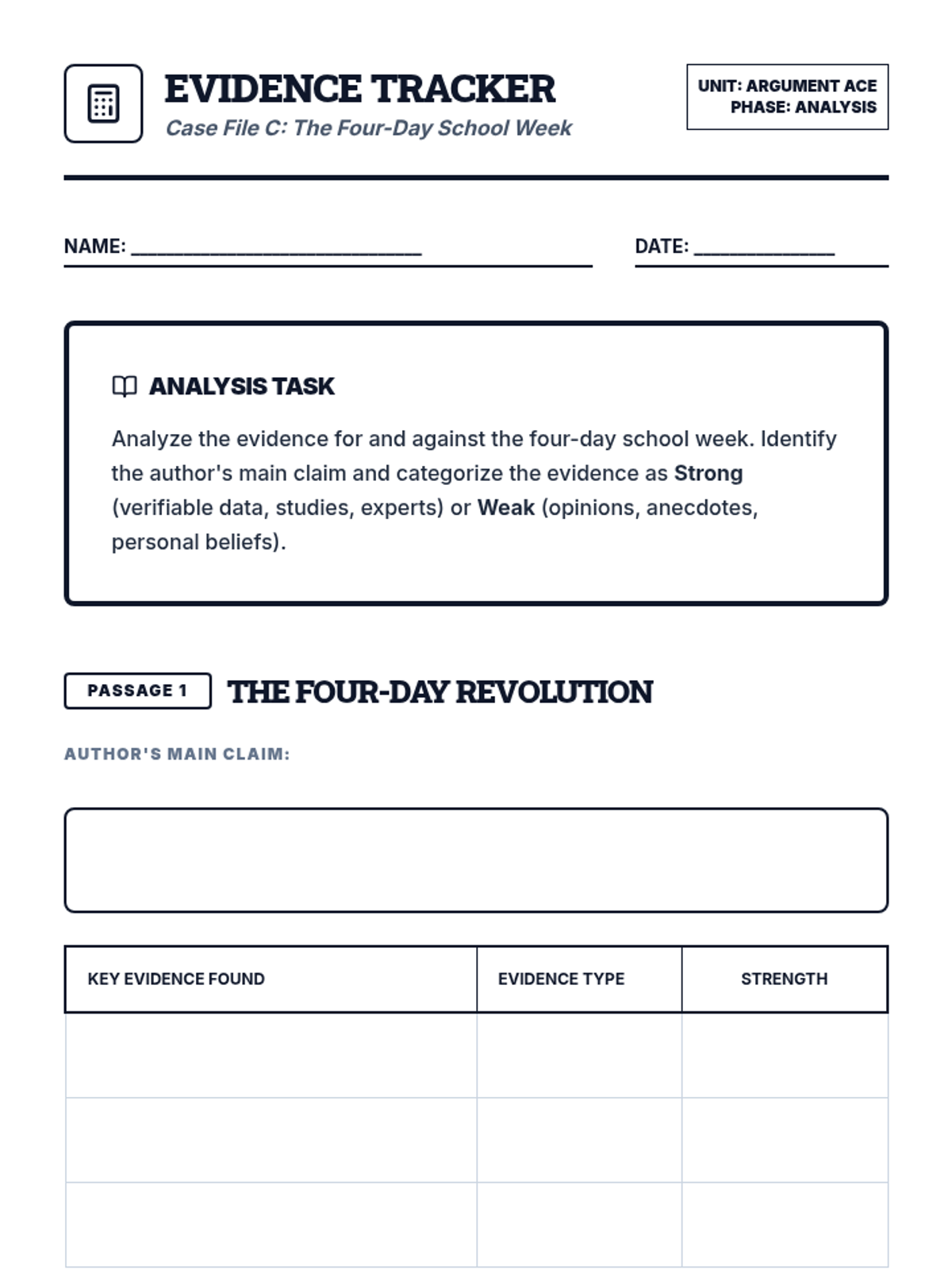
A comprehensive 3-lesson unit designed to prepare HSED/GED students for the RLA Extended Response by teaching them how to analyze opposing arguments, evaluate evidence, and craft a high-scoring argumentative essay.
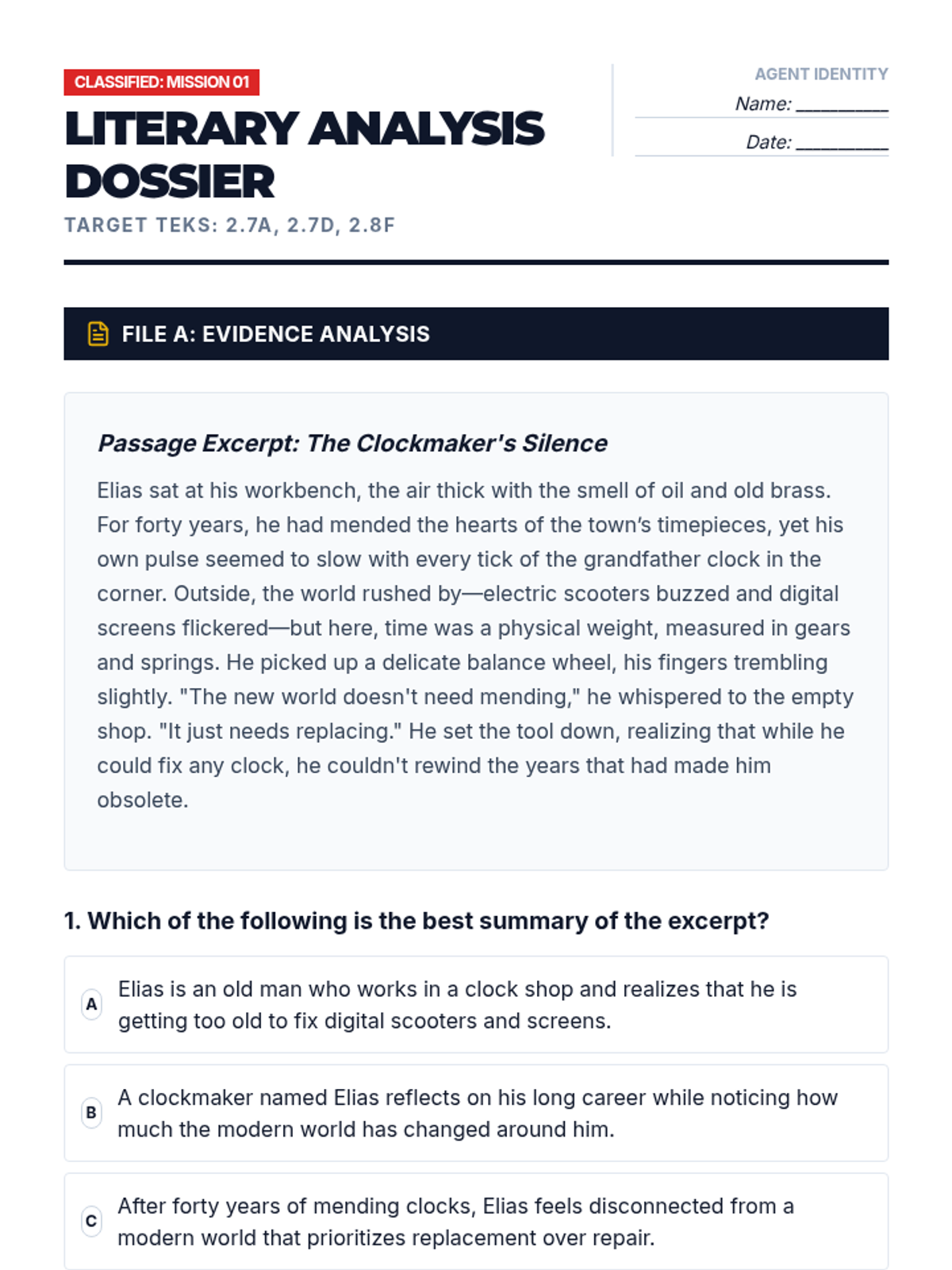
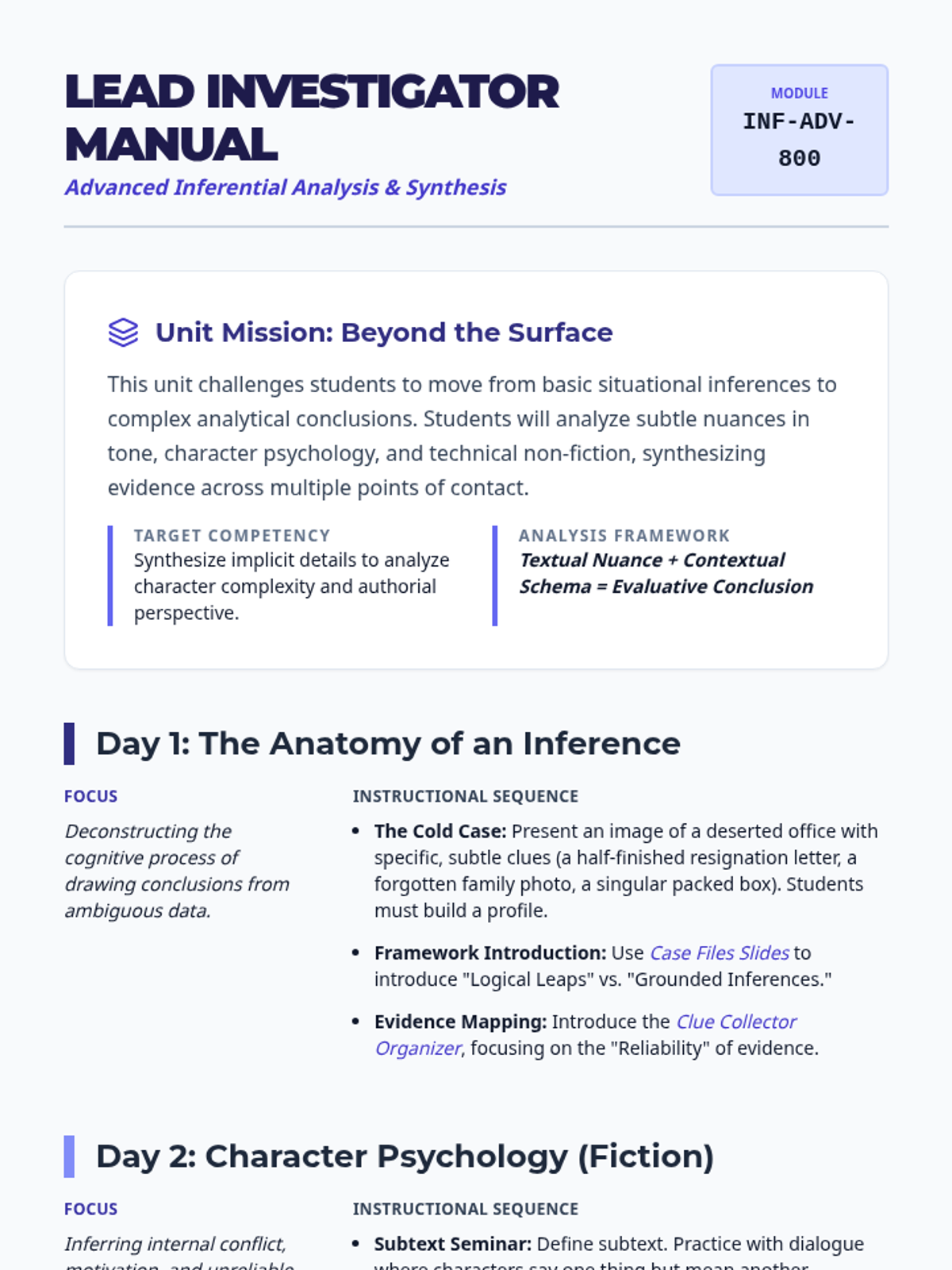
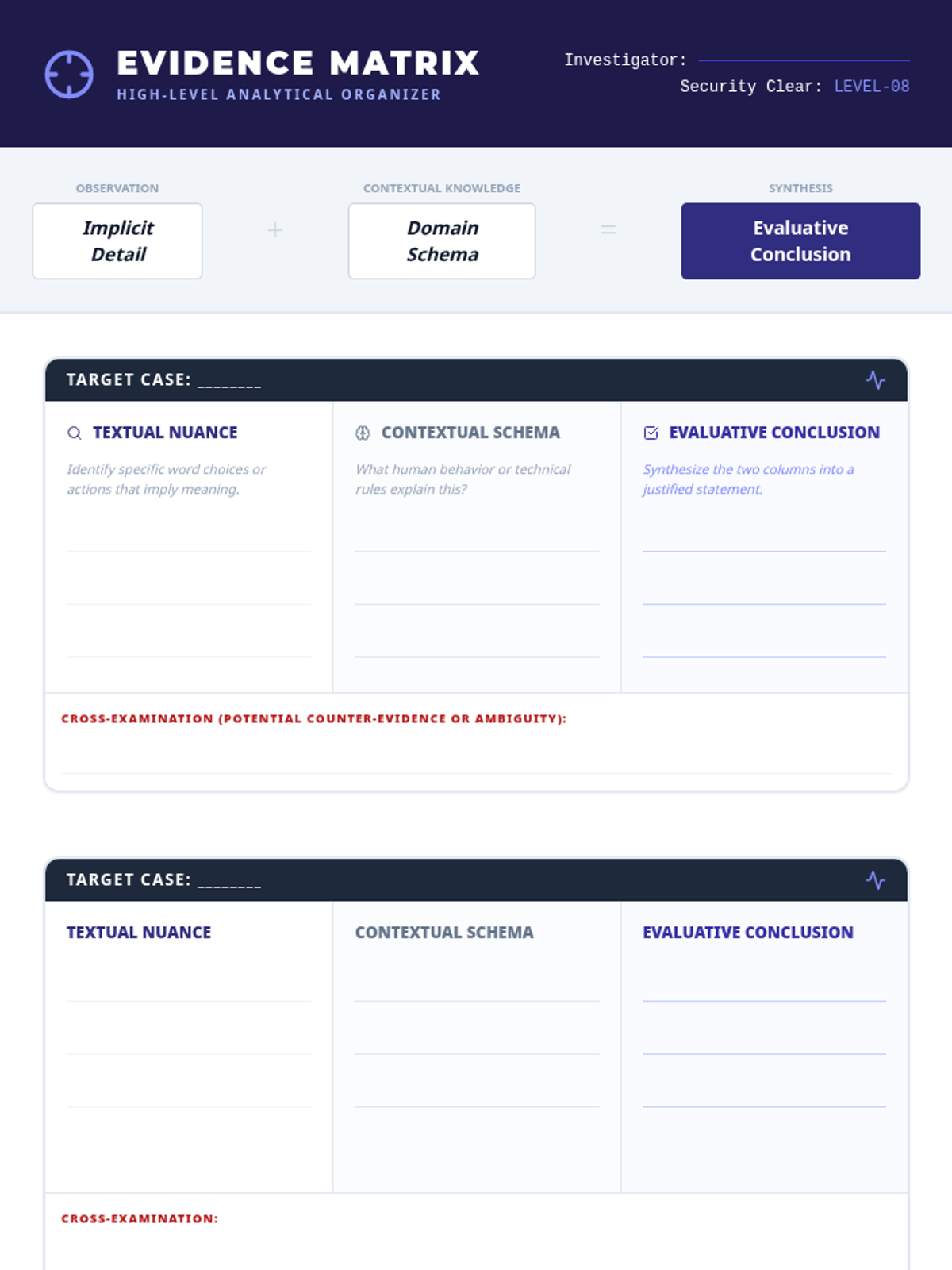
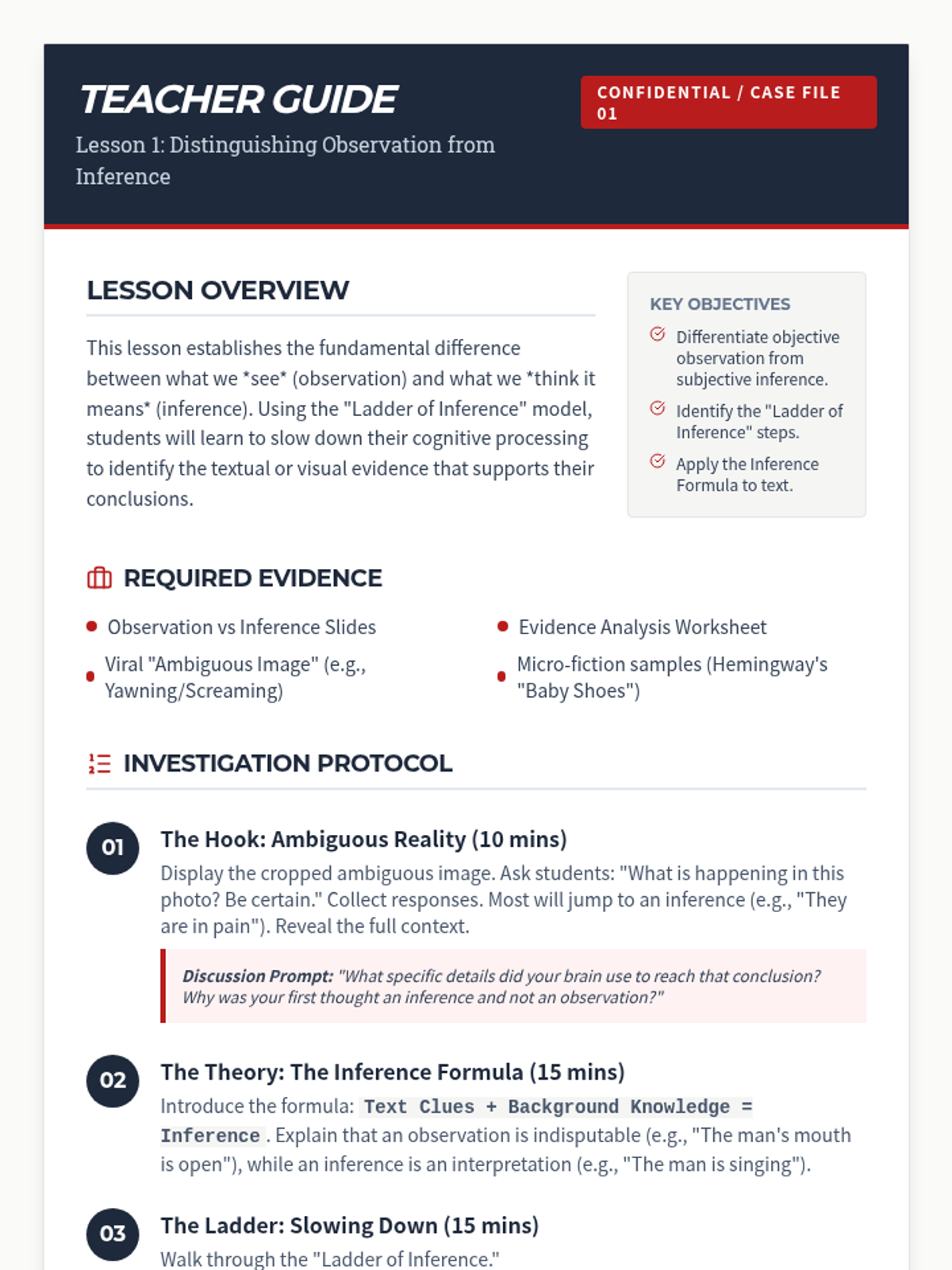
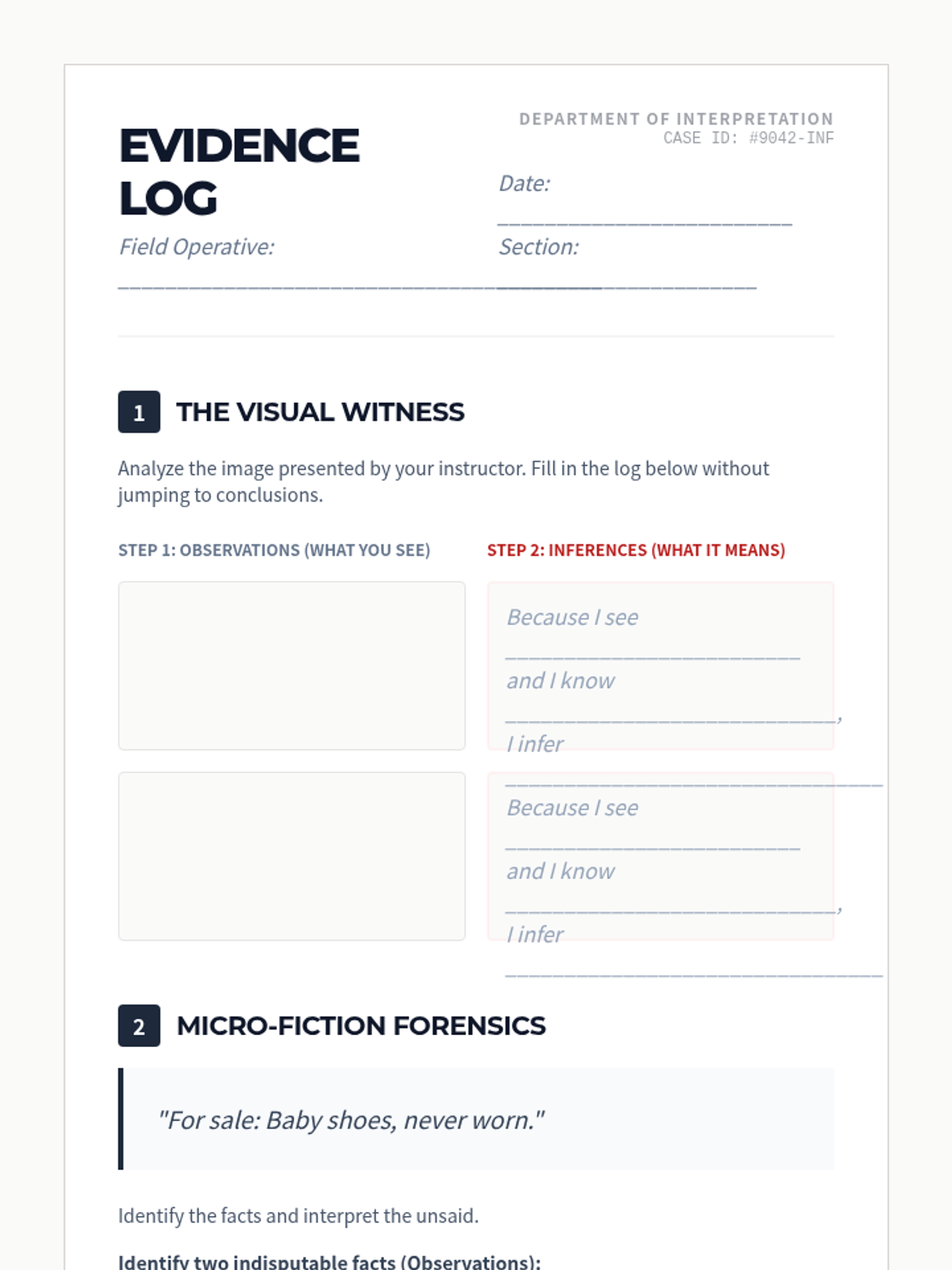
A comprehensive multi-day unit on drawing conclusions and making inferences using a detective-themed 'investigation' approach. Students learn to combine text evidence with background knowledge to solve 'cases' in both fiction and non-fiction texts.
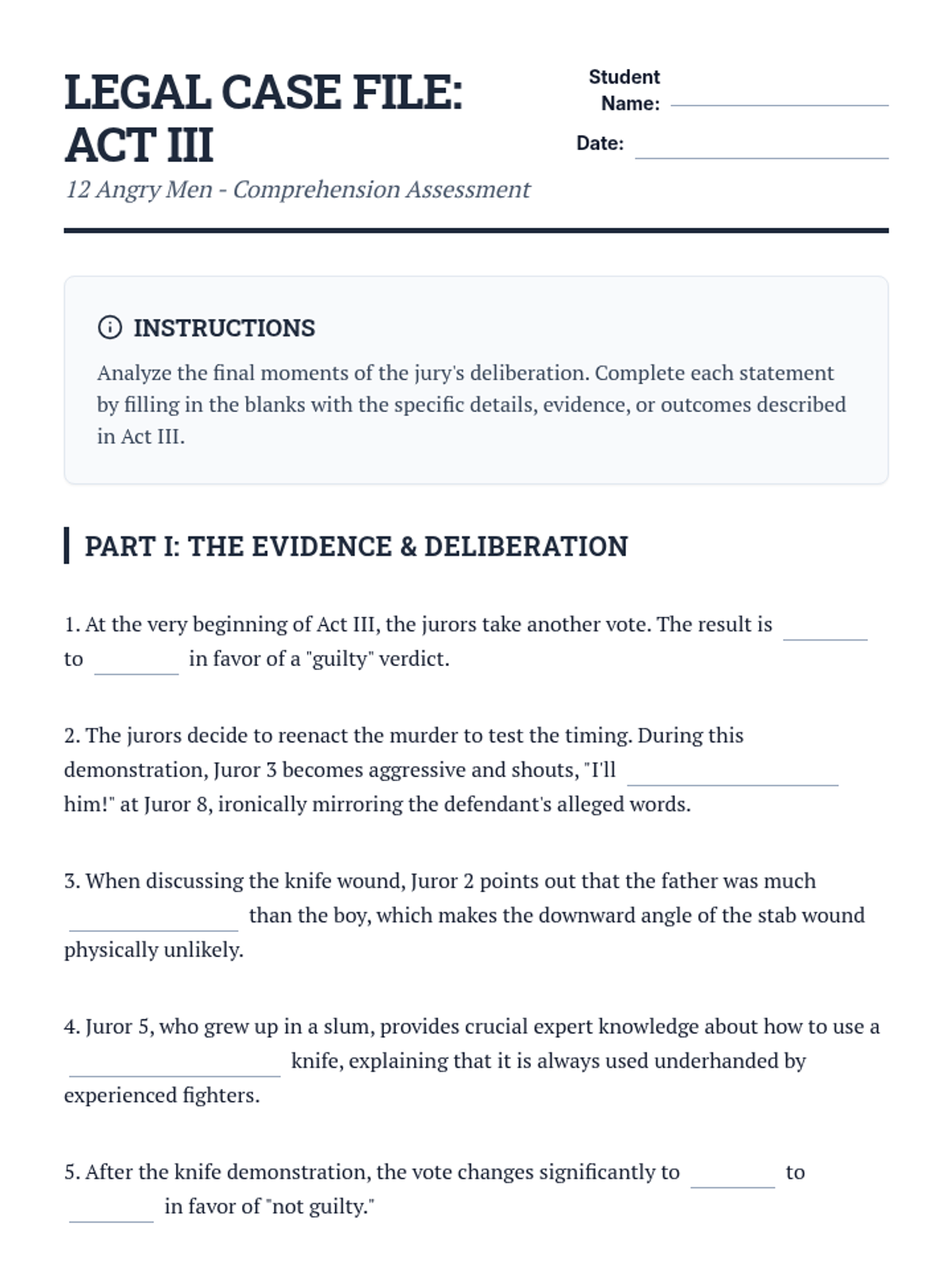
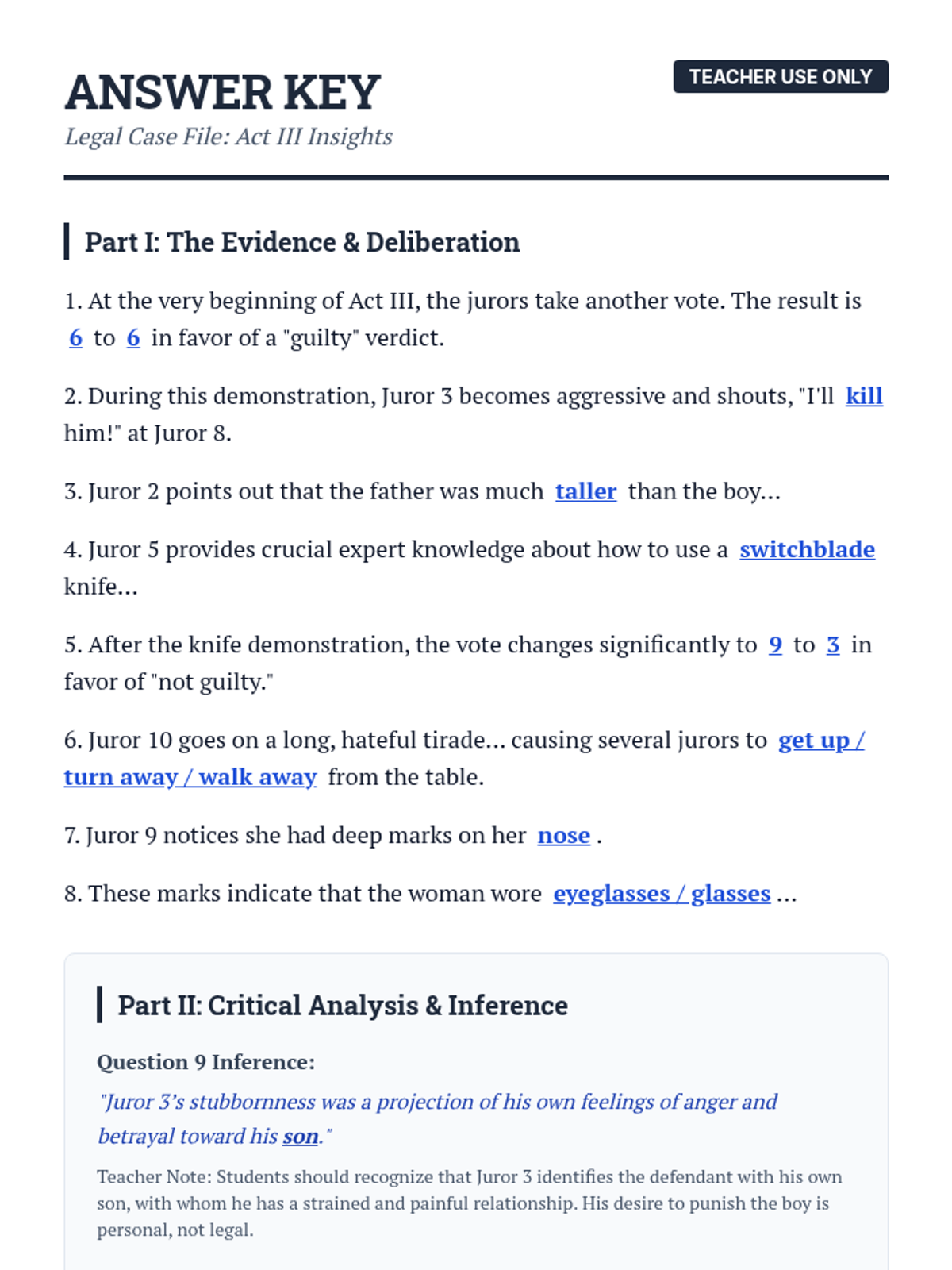
A comprehensive study of Act III of 12 Angry Men, focusing on the final shifts in juror opinions, the debunking of the final witnesses, and the themes of prejudice and reasonable doubt.
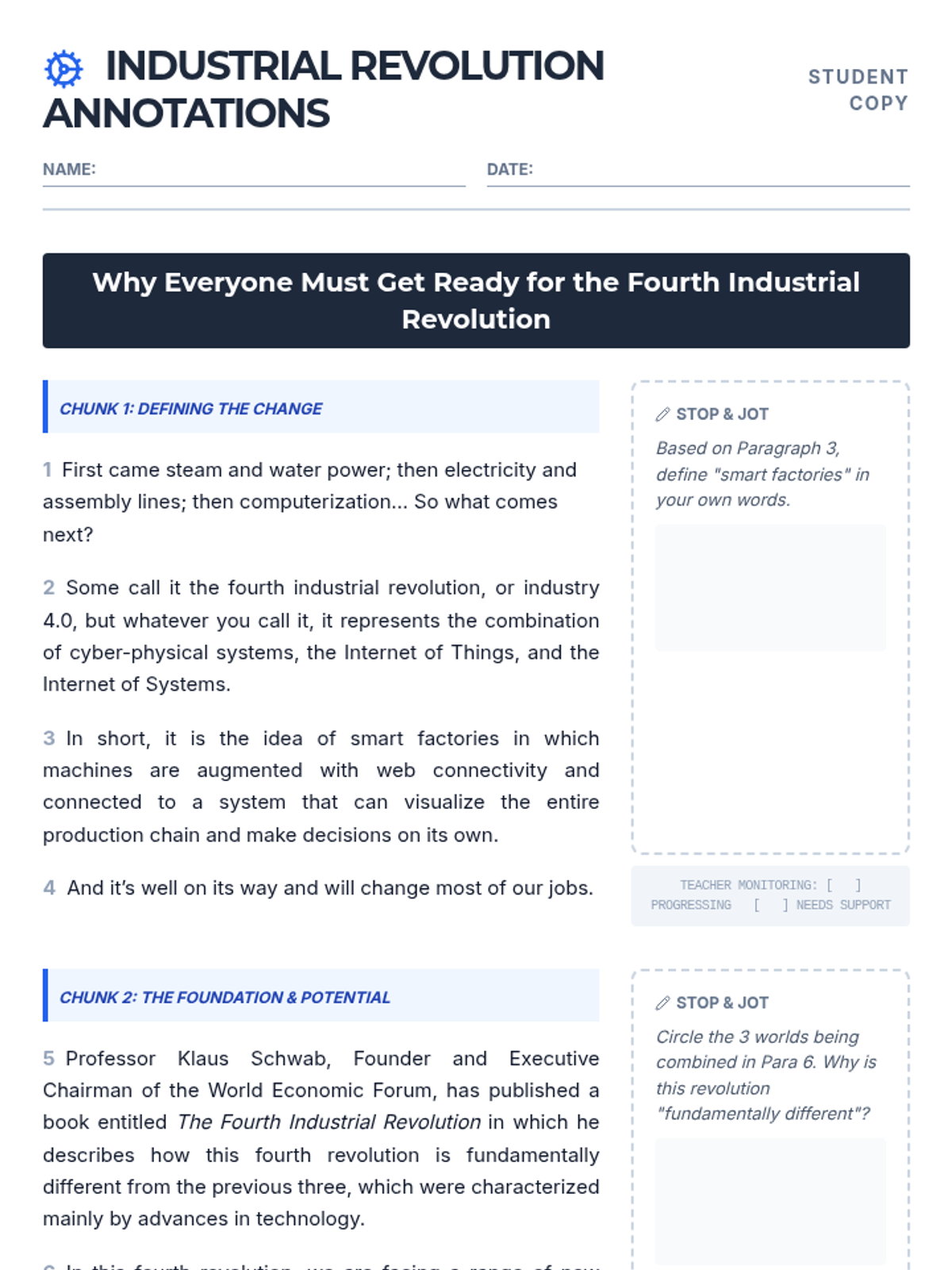
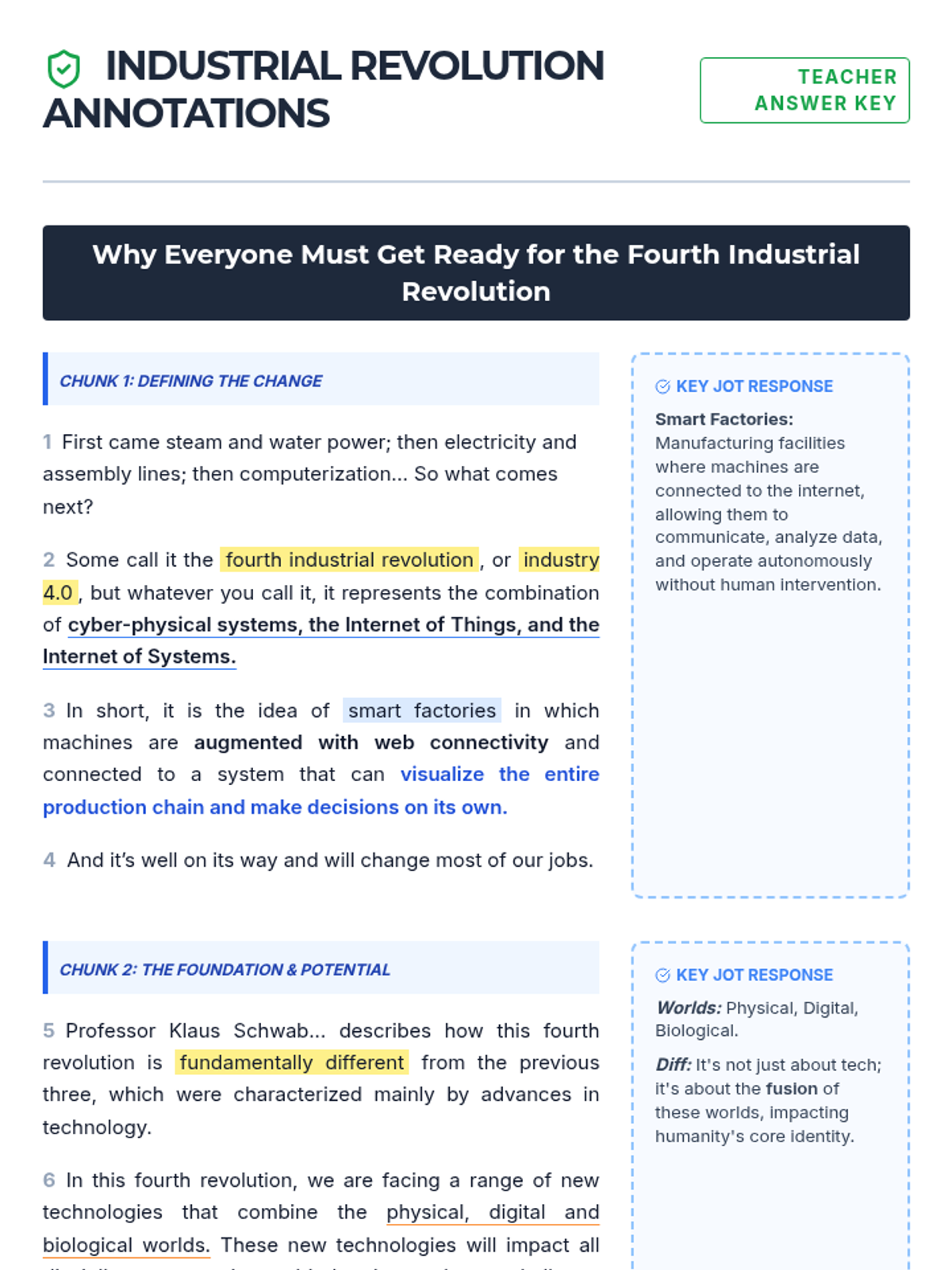
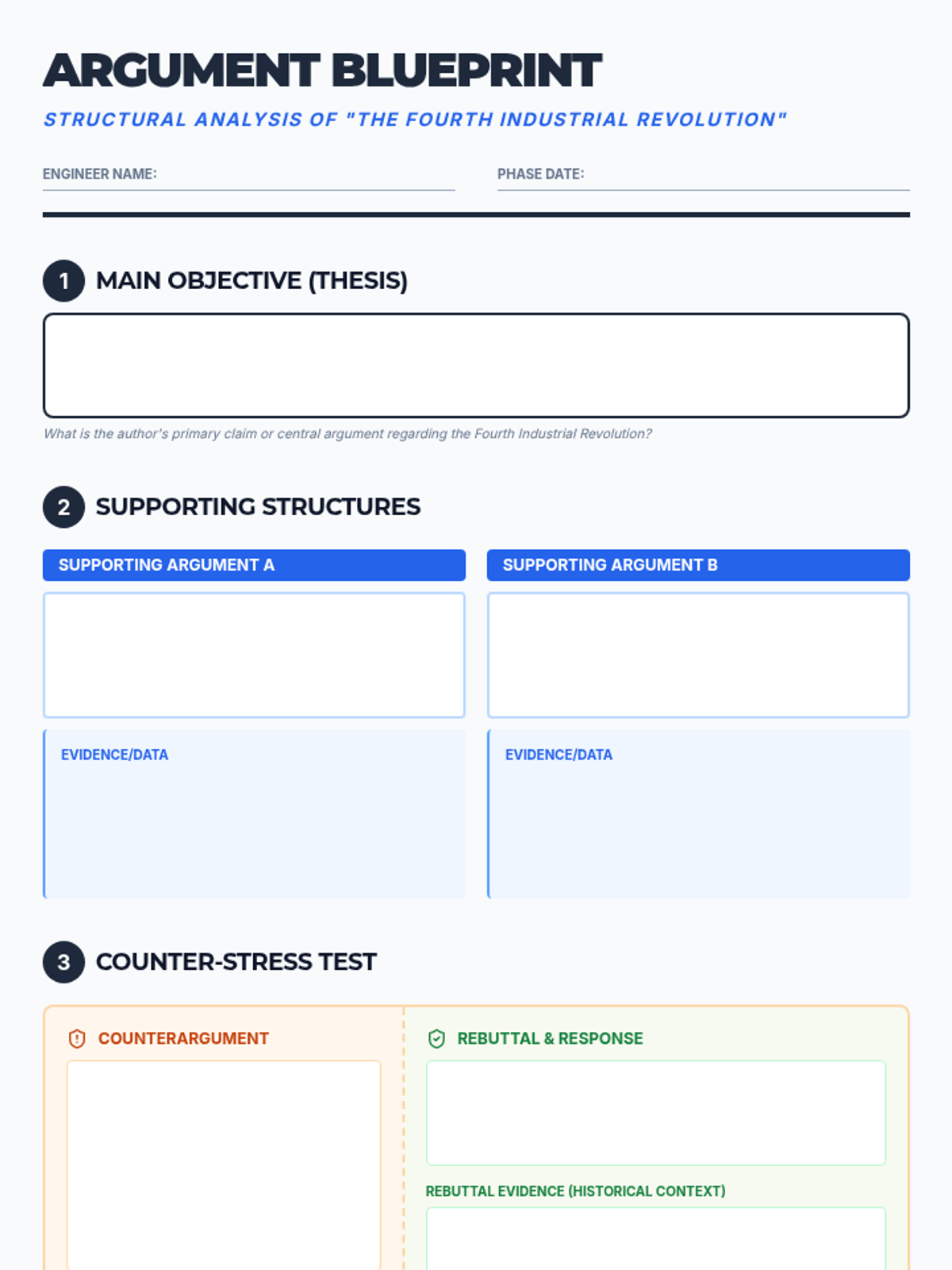
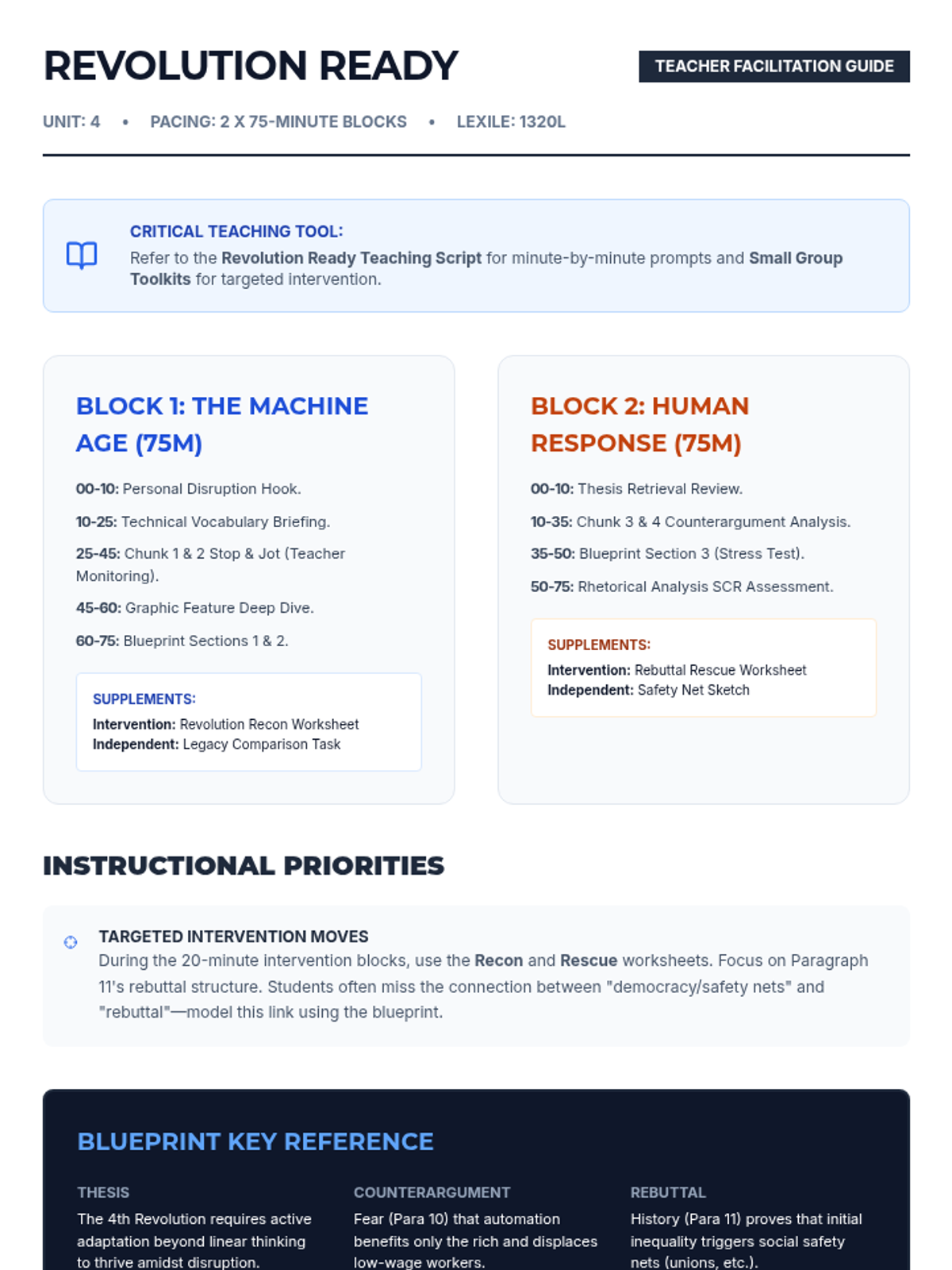
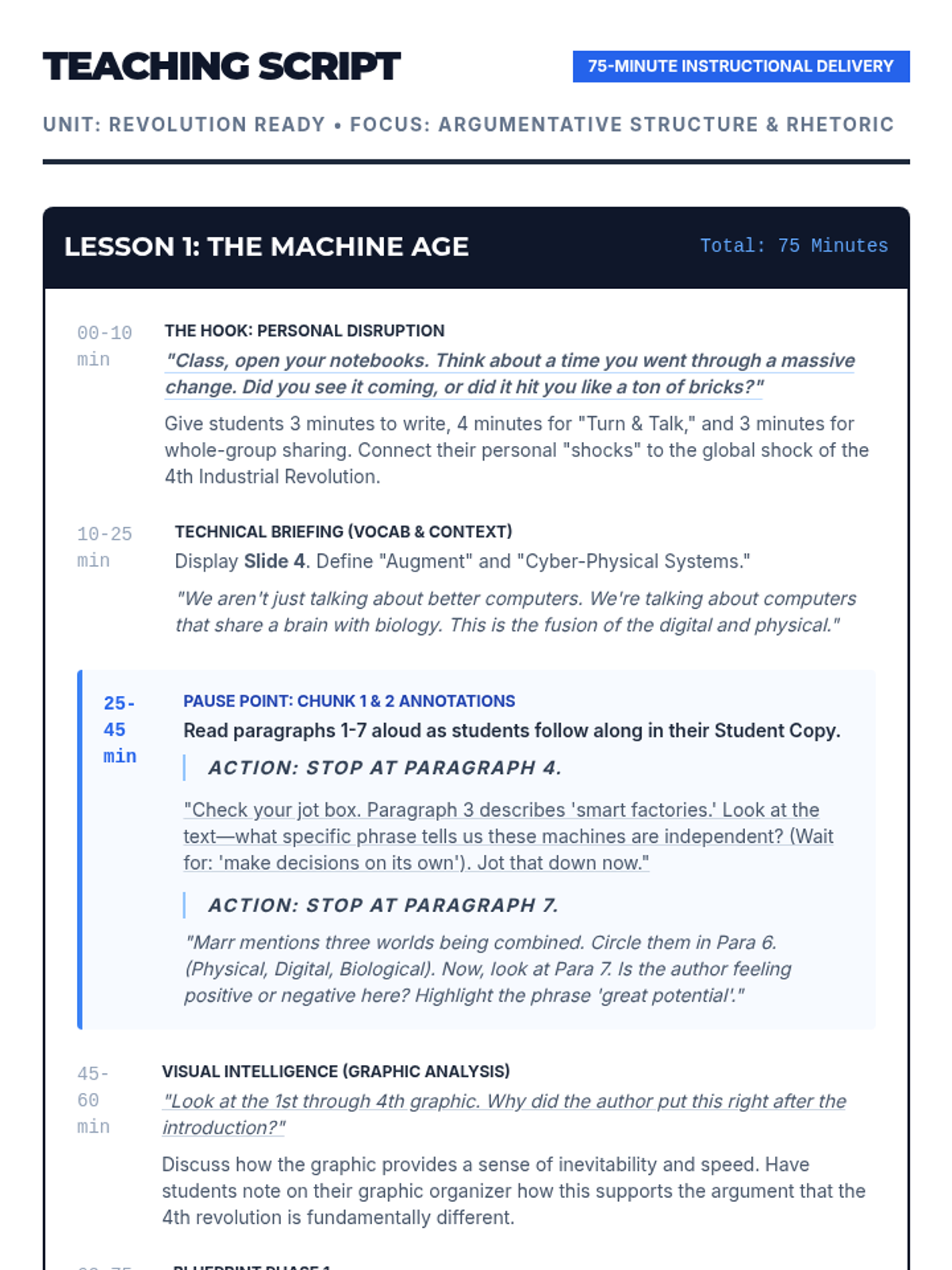
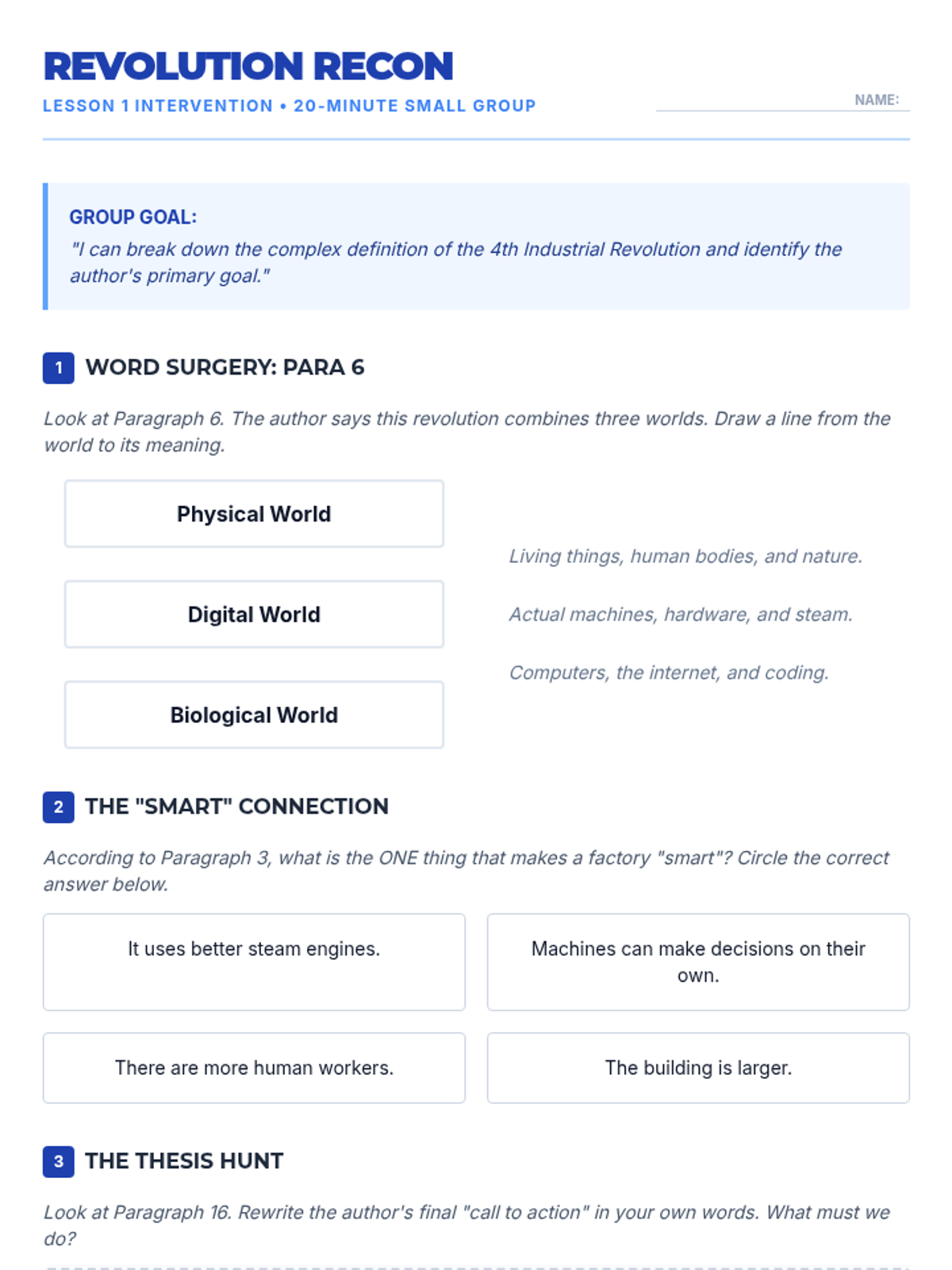
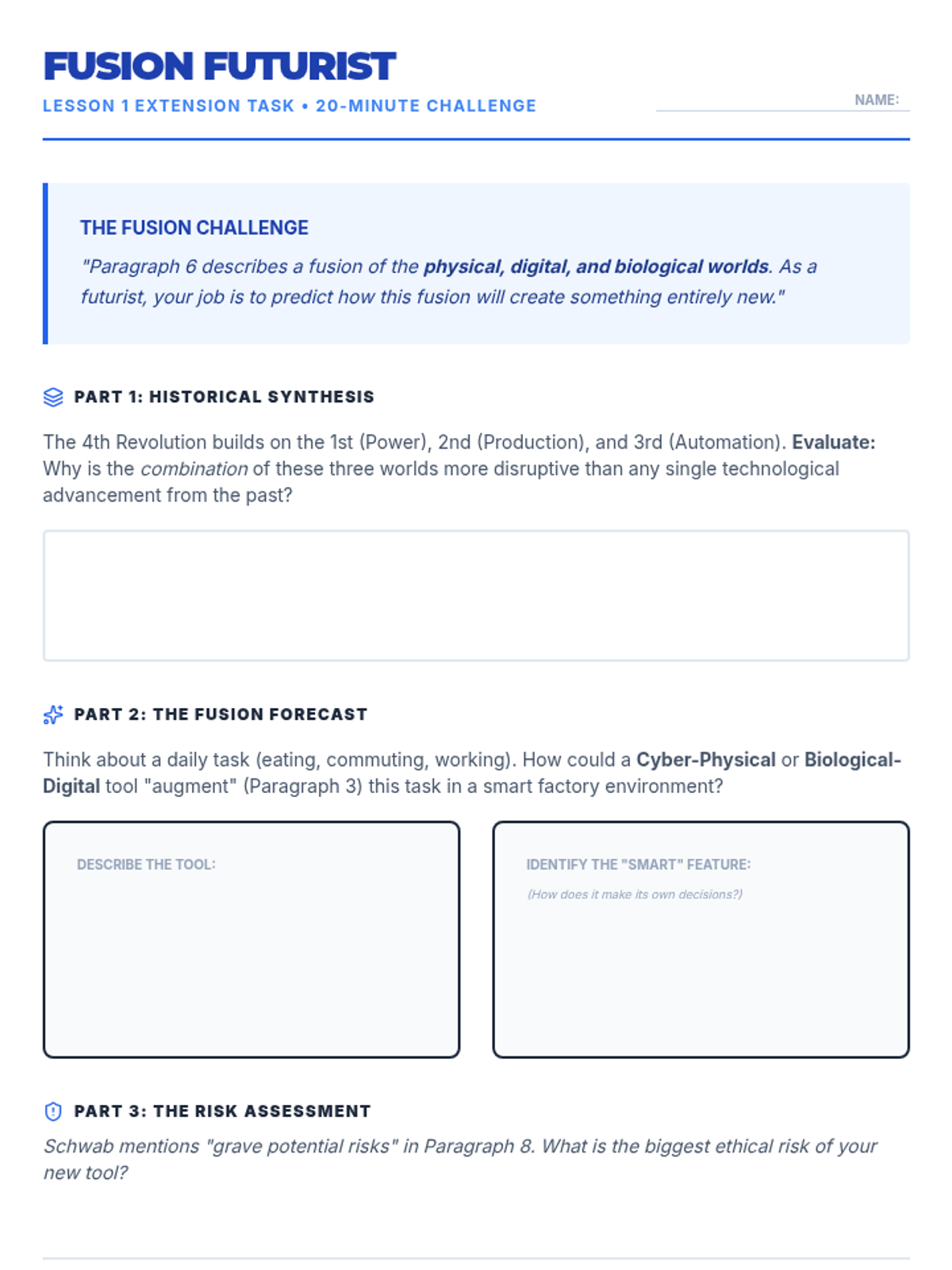
A two-lesson unit focused on analyzing argumentative structures and multimodal features in the text 'Why Everyone Must Get Ready for the Fourth Industrial Revolution.' Students will explore thesis development, evidence, counterarguments, and the impact of graphic features.
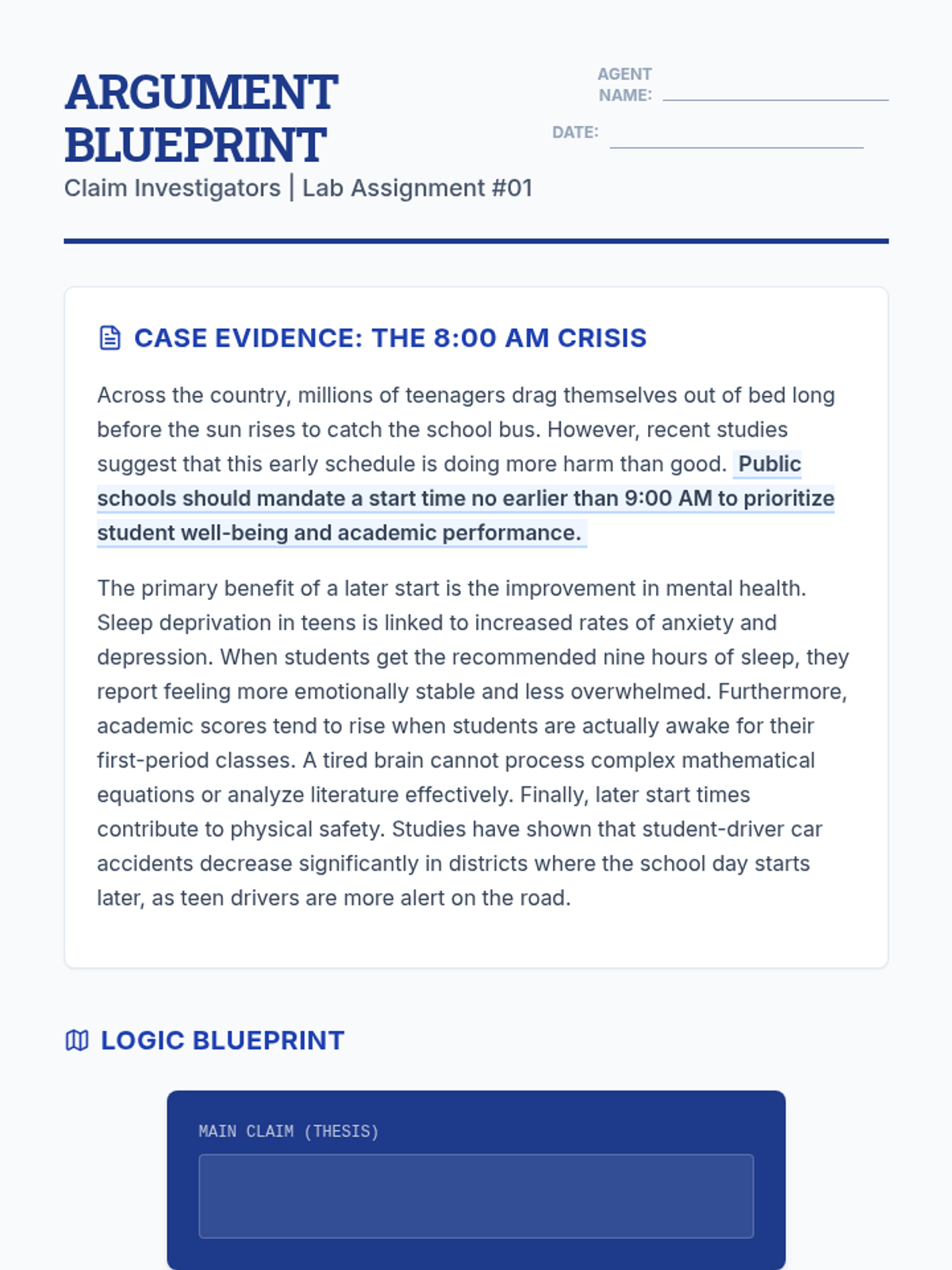
A comprehensive 8th-grade ELA sequence where students act as fact-checkers and jurors to evaluate the validity of nonfiction claims and the strength of supporting evidence through a simulation-based approach.
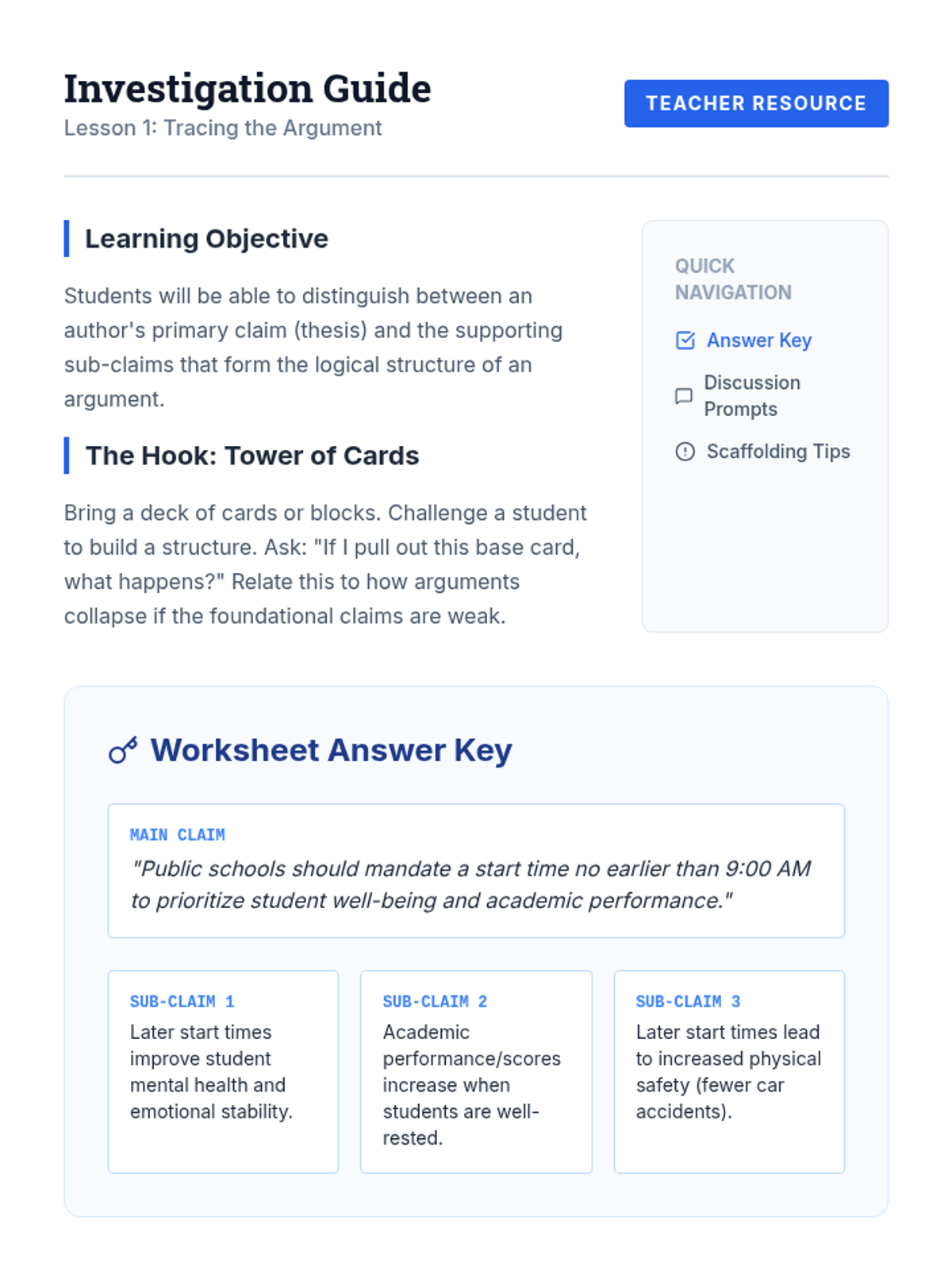
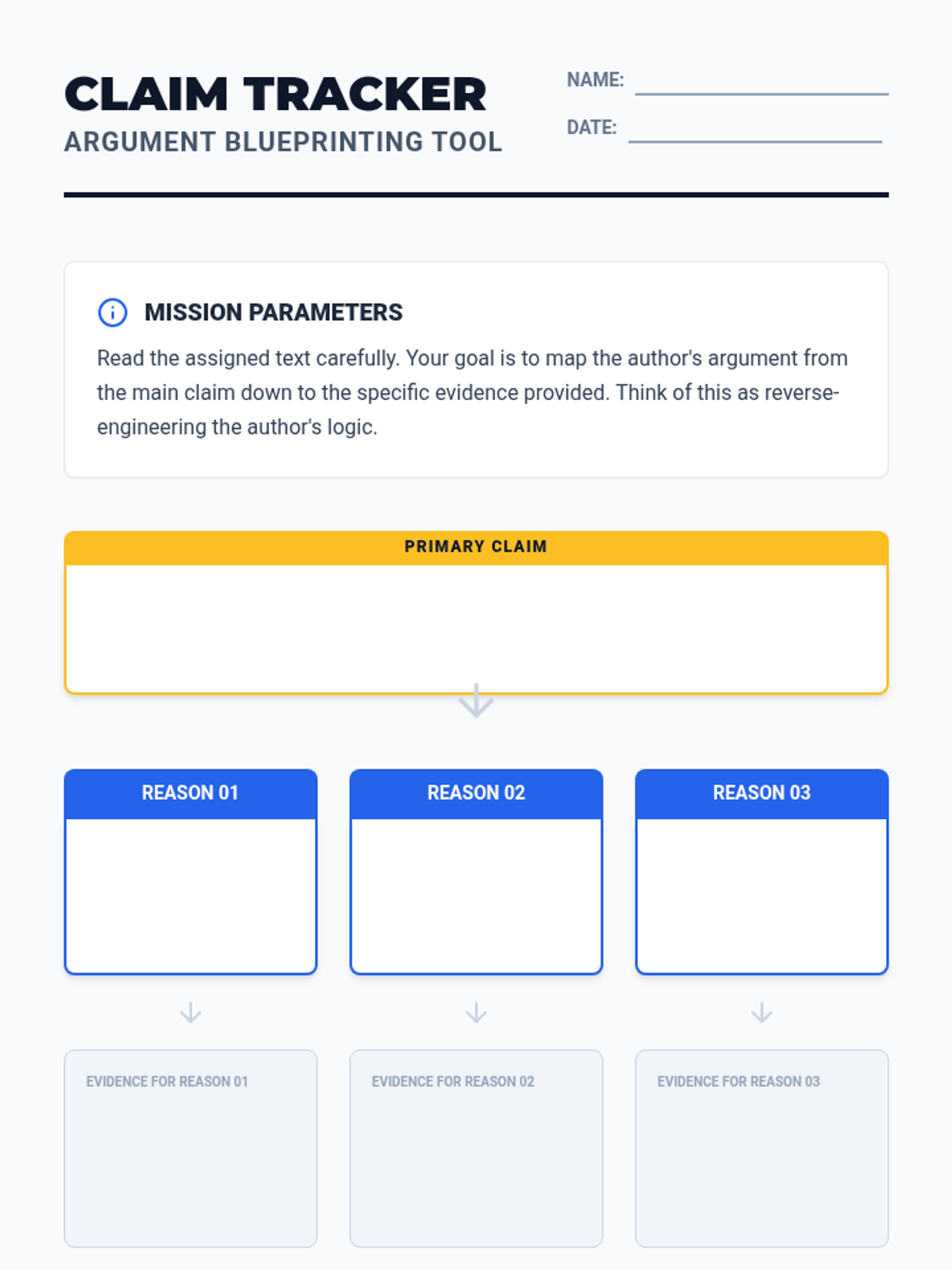
Students investigate how authors build persuasive arguments in nonfiction texts. They learn to trace claims, distinguish between facts and opinions, evaluate the sufficiency of evidence, and detect bias to determine the credibility of a text.
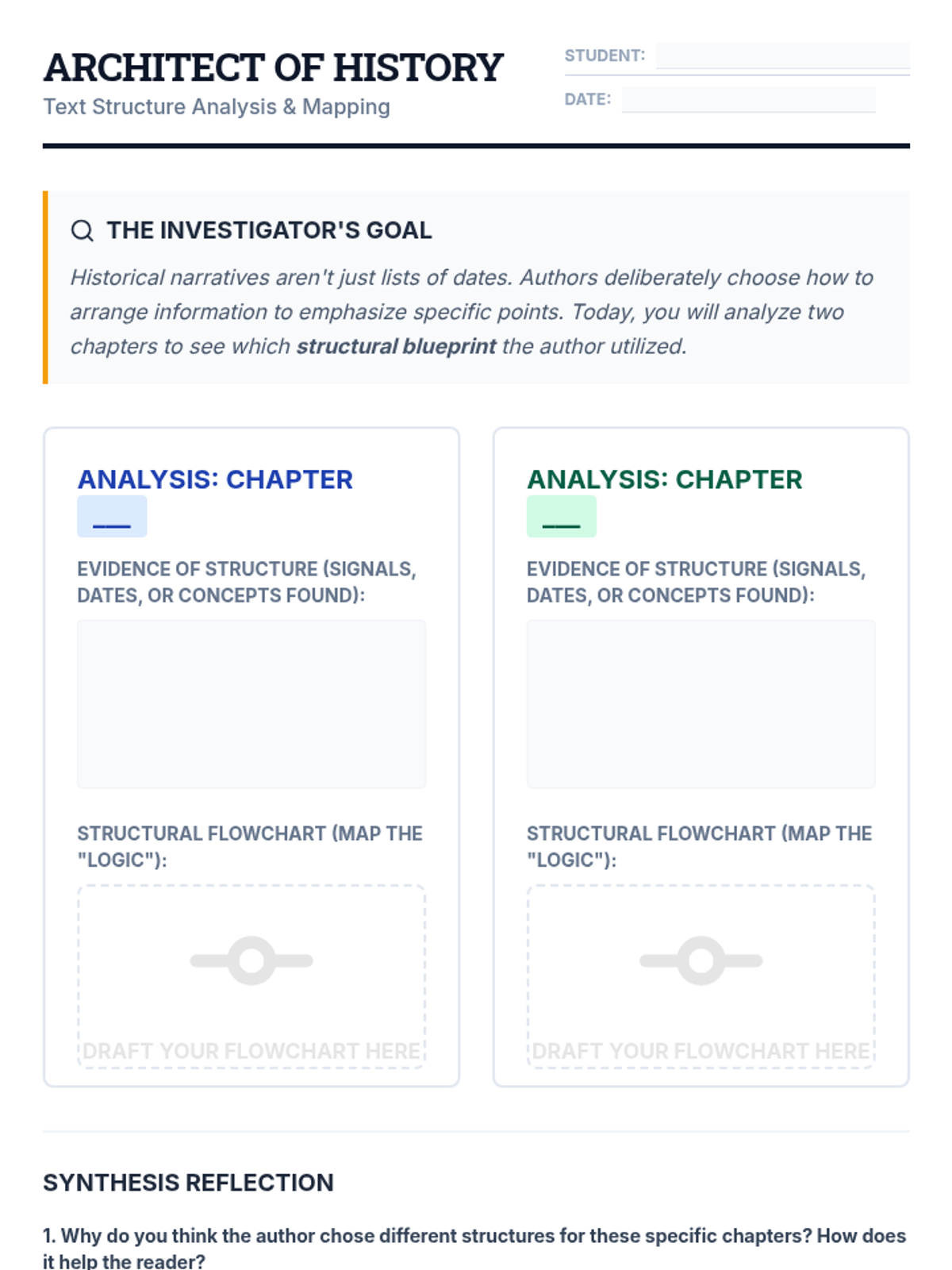
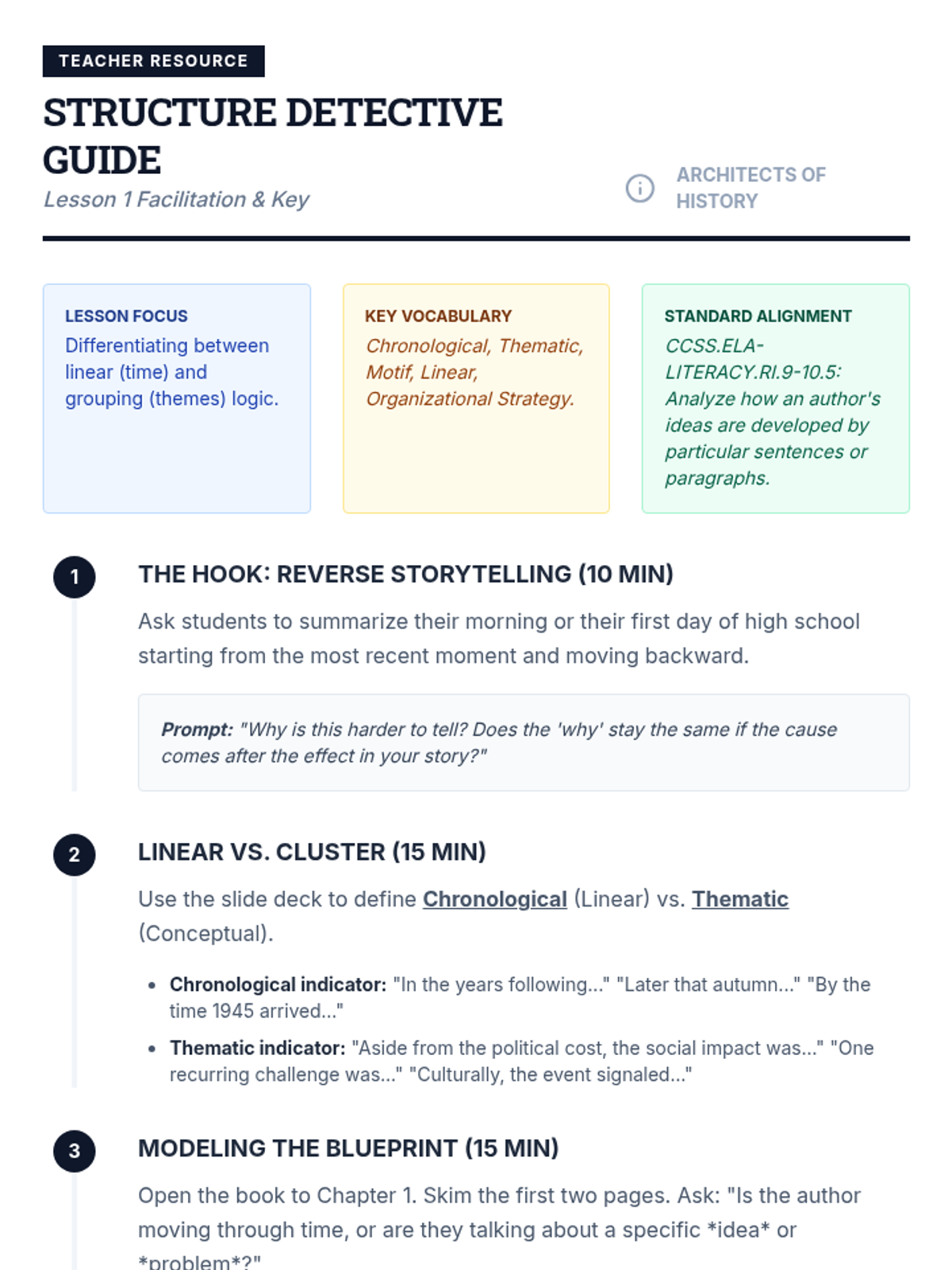
A 9th-grade ELA sequence focused on analyzing historical nonfiction structures, causality, and synthesizing multiple sources through a project-based approach. Students investigate how authors organize historical narratives and eventually create their own multimedia timelines.
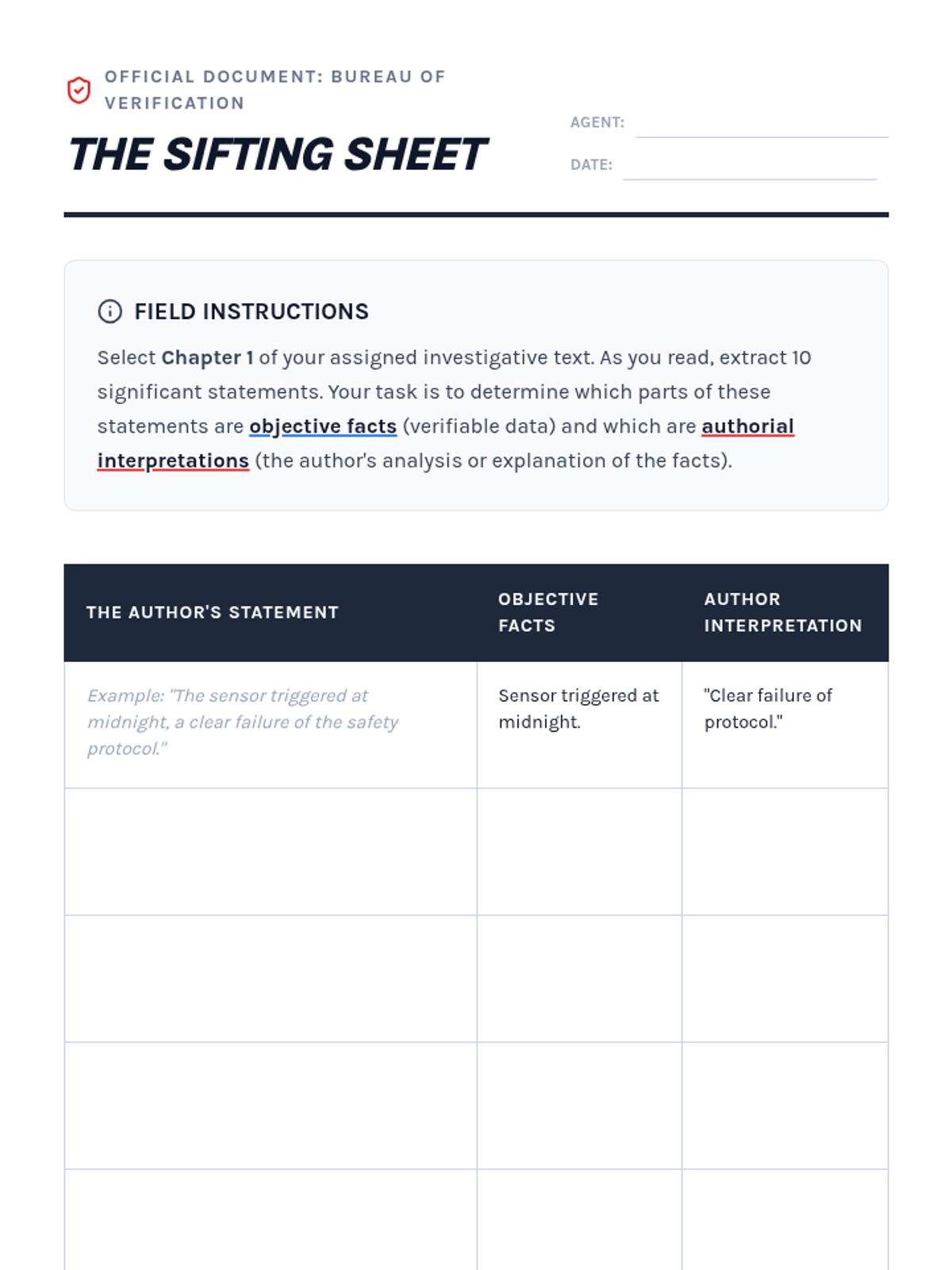
A 10th-grade ELA sequence focused on critical reading and source evaluation in investigative nonfiction. Students learn to separate fact from interpretation, verify citations, and conduct comprehensive validity audits.
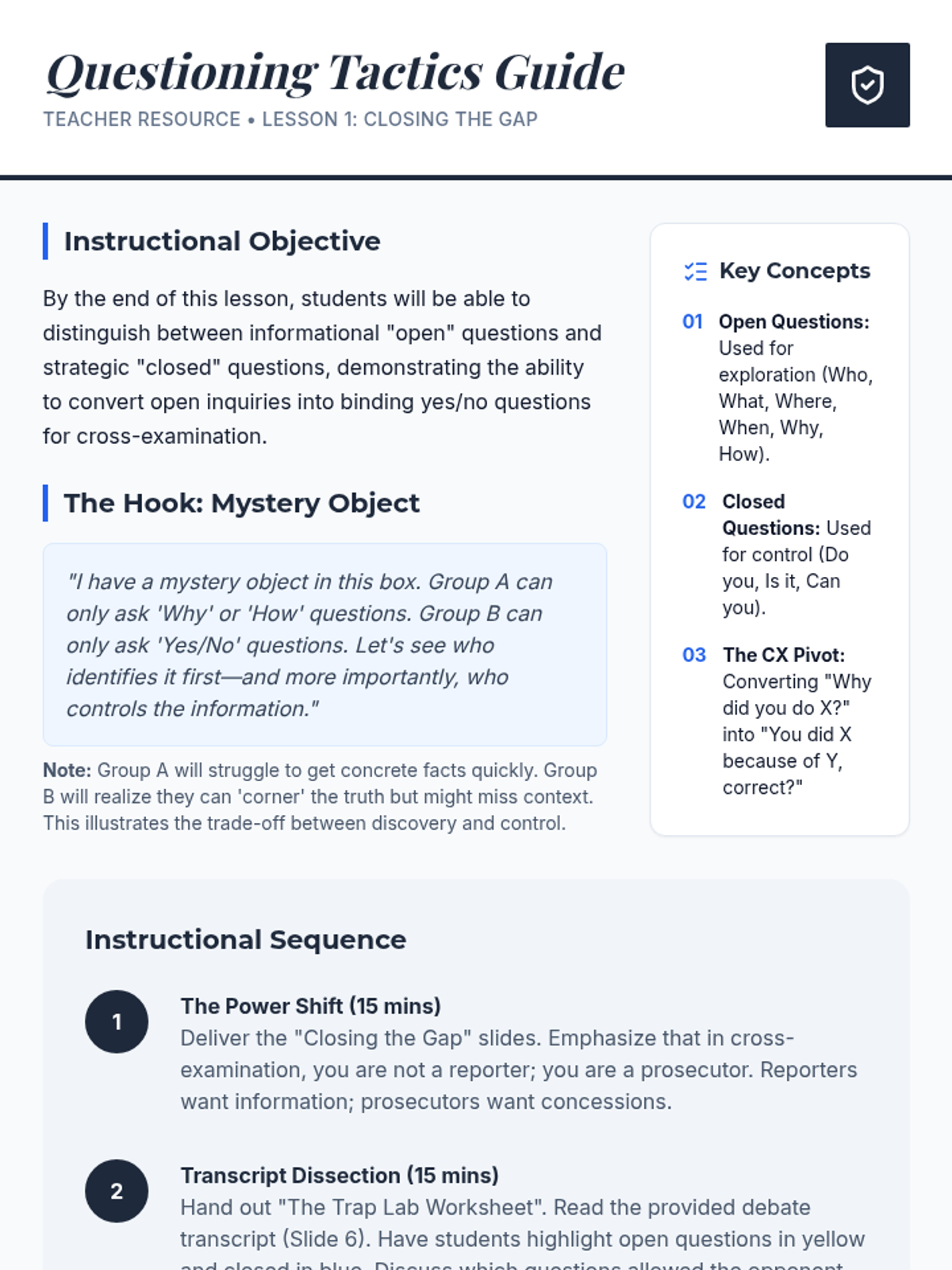
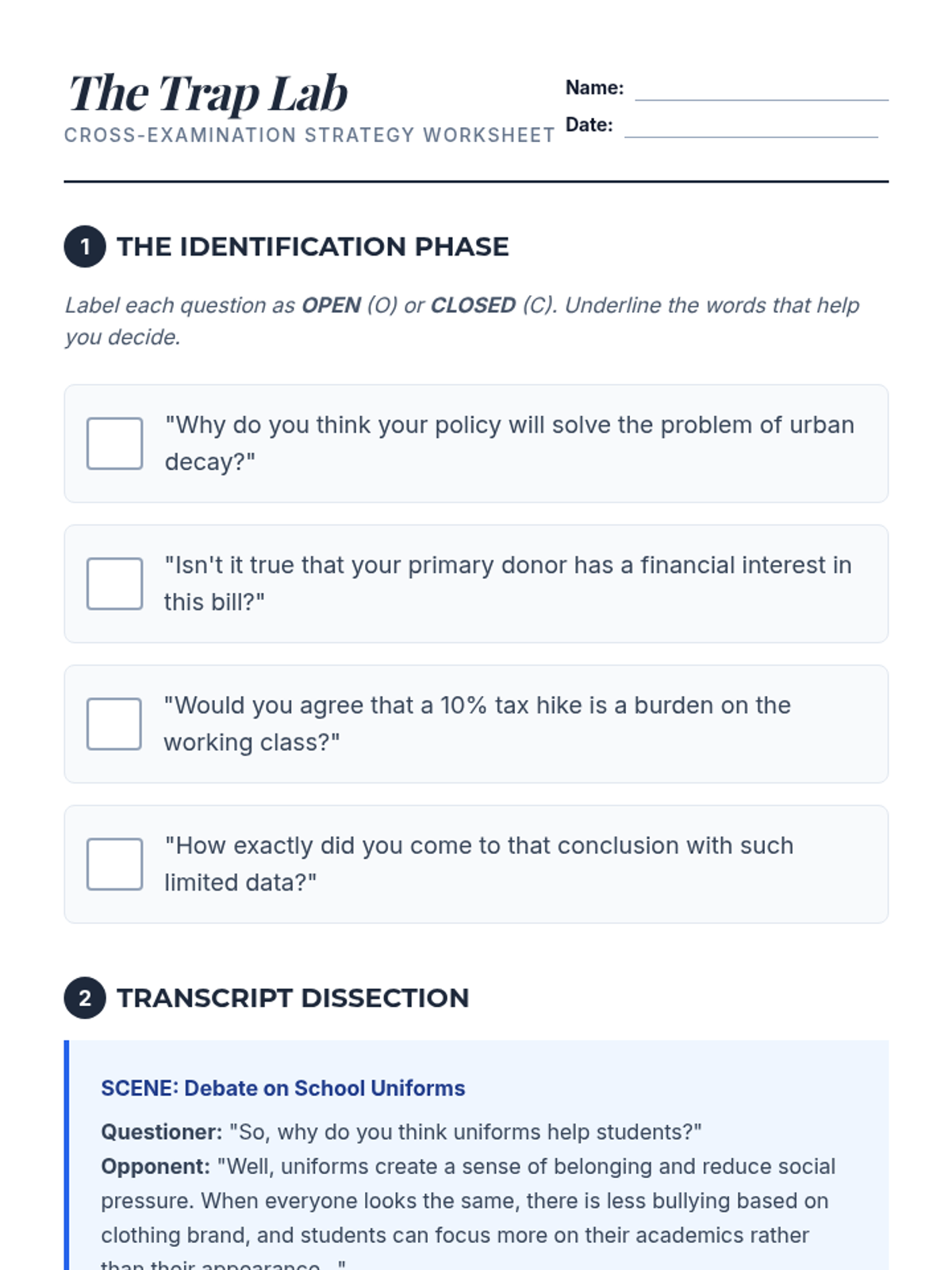
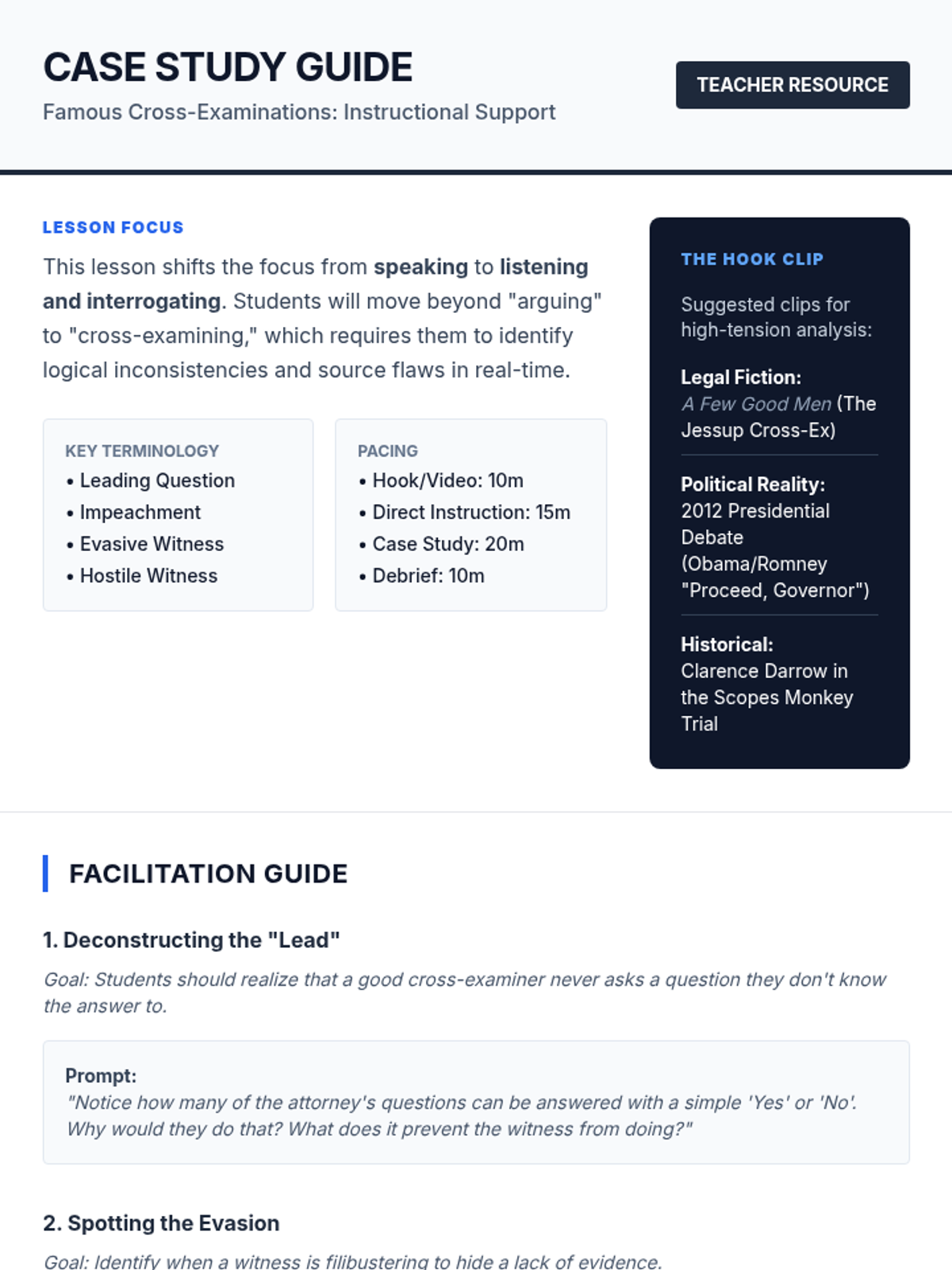
This 9th-grade ELA sequence focuses on the mechanics of strategic questioning in debate. Students progress from basic question types to complex 'lines of questioning' designed to deconstruct arguments and expose evidentiary weaknesses through active listening and logical traps.
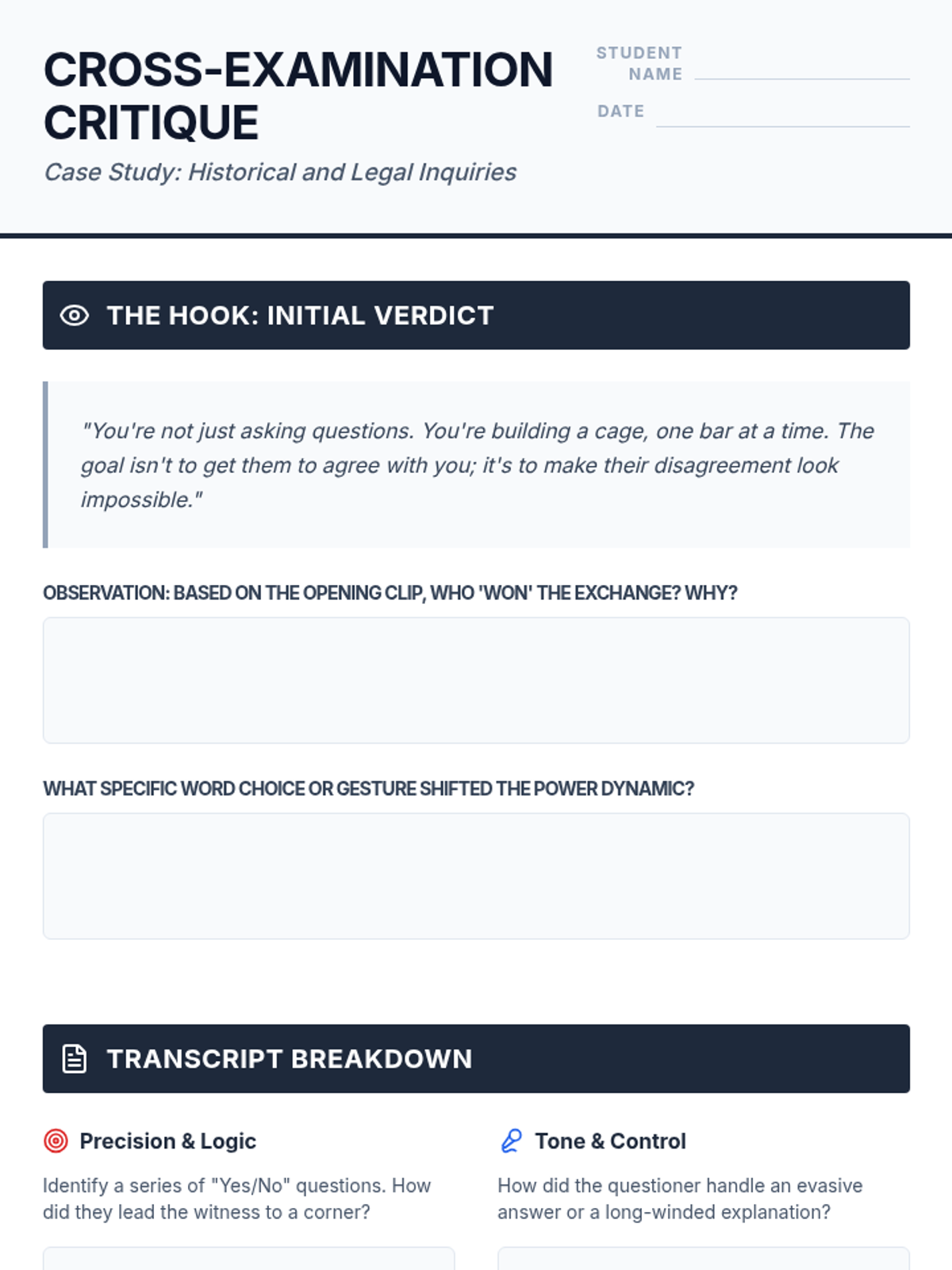
A 10th-grade ELA sequence focused on the mechanics of cross-examination, evidence interrogation, and credibility assessment. Students progress from analyzing historical transcripts to conducting simulations that challenge the validity of sources and methodologies.
A foundational workshop for 9th-grade students to master the mechanics of inference. Students move from simple visual analysis to complex literary interpretation, using the formula 'Text Clues + Background Knowledge = Inference' to decode character motivations, setting atmosphere, and unreliable narrators.
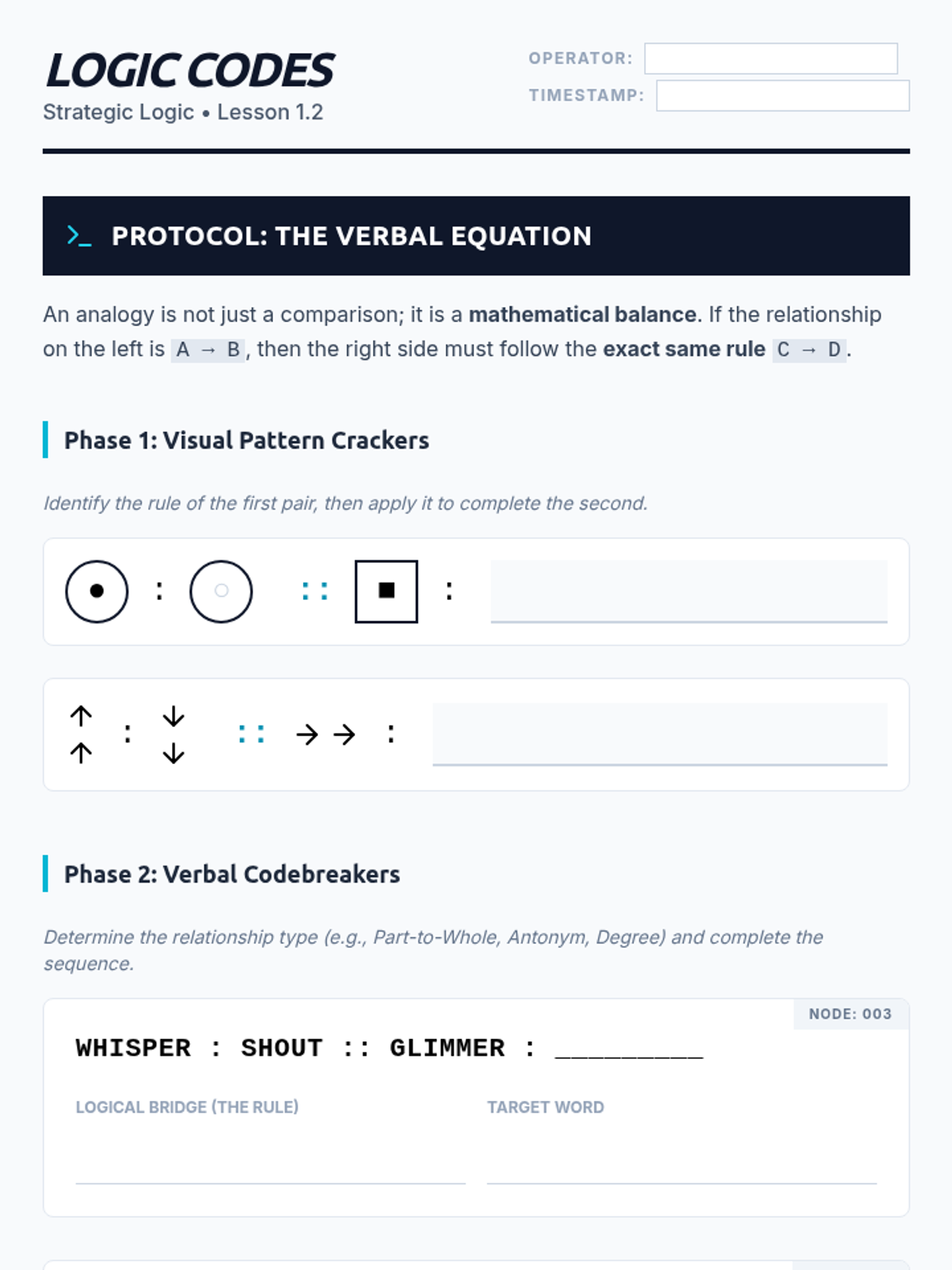
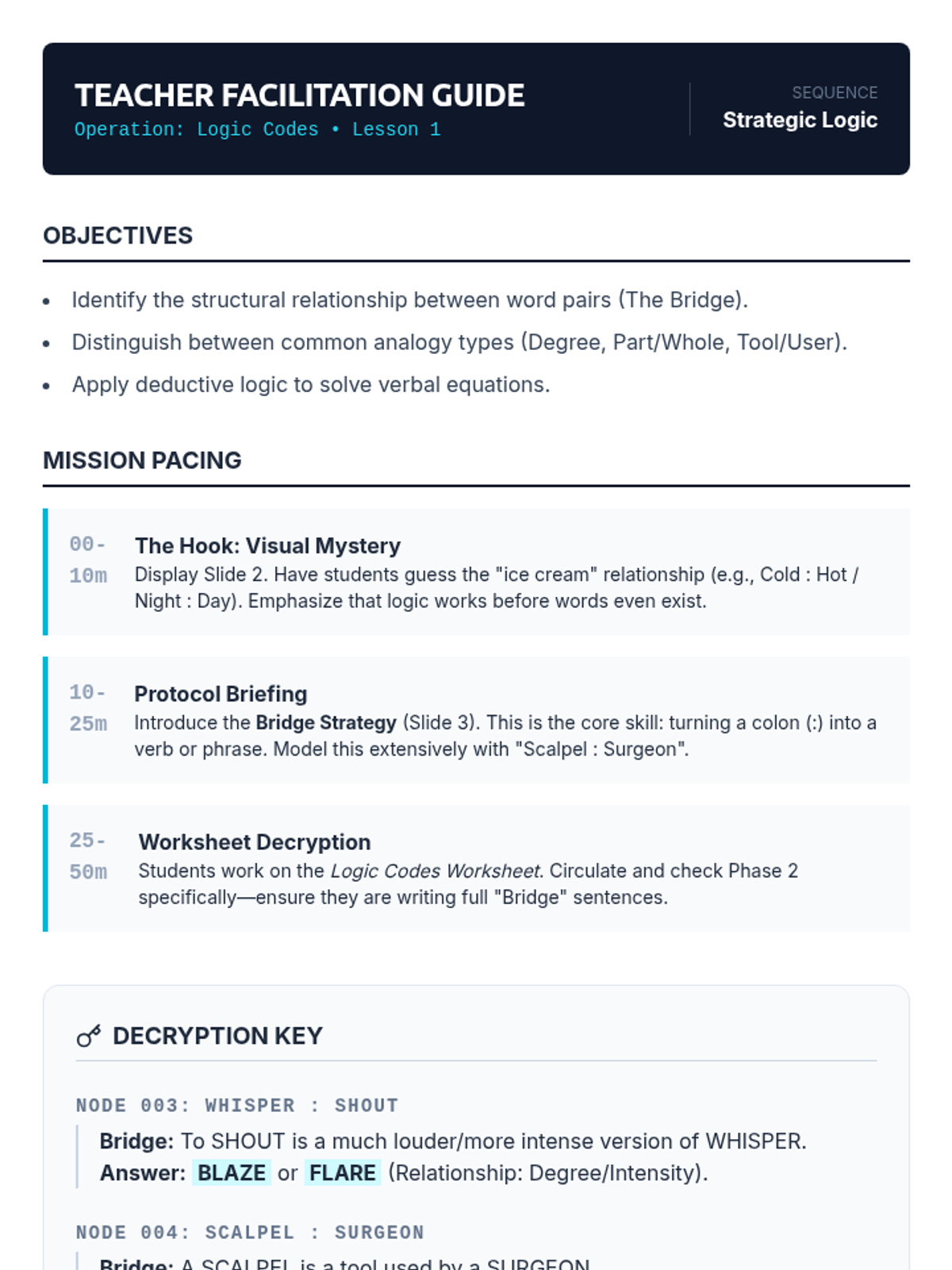
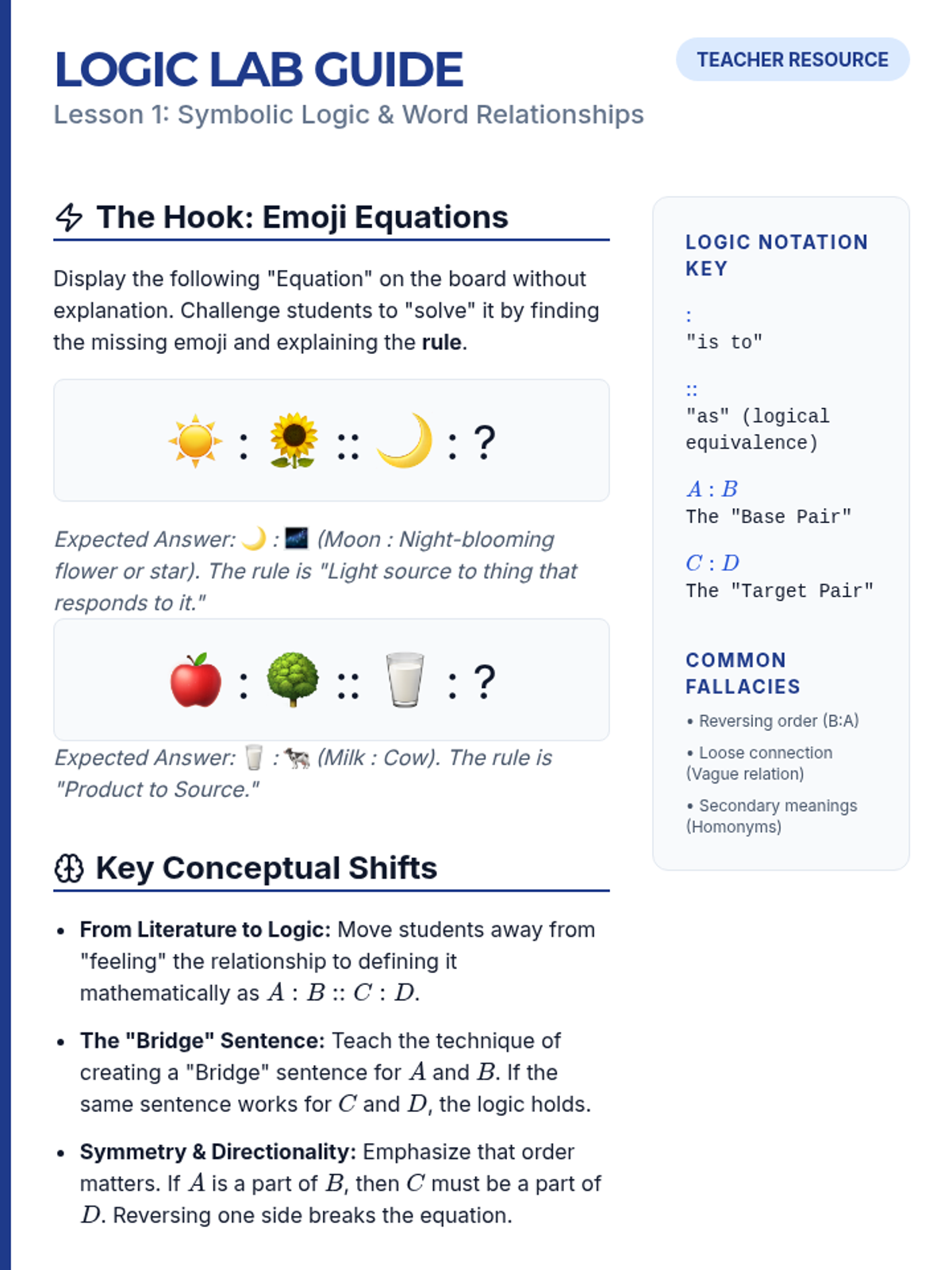
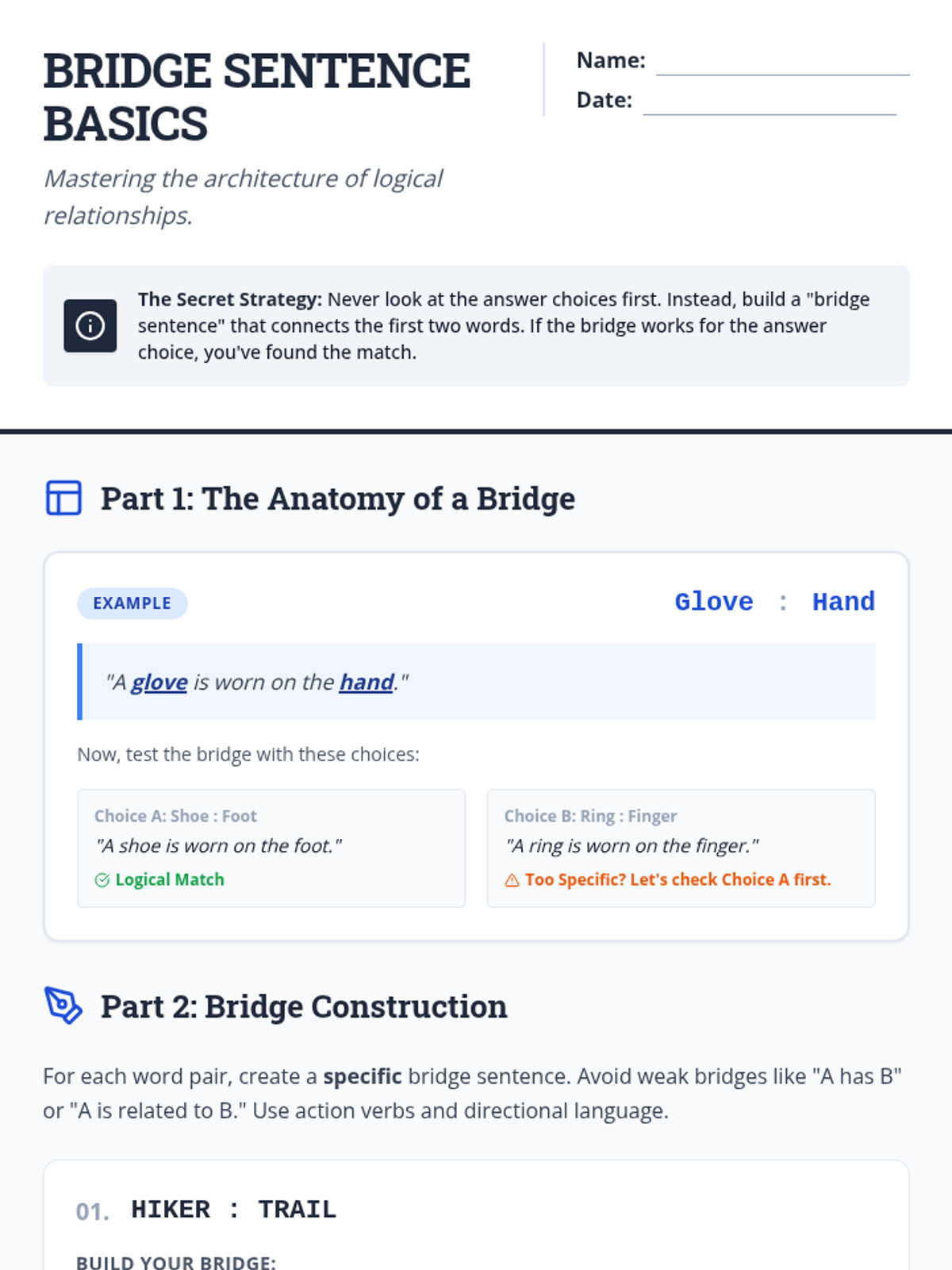
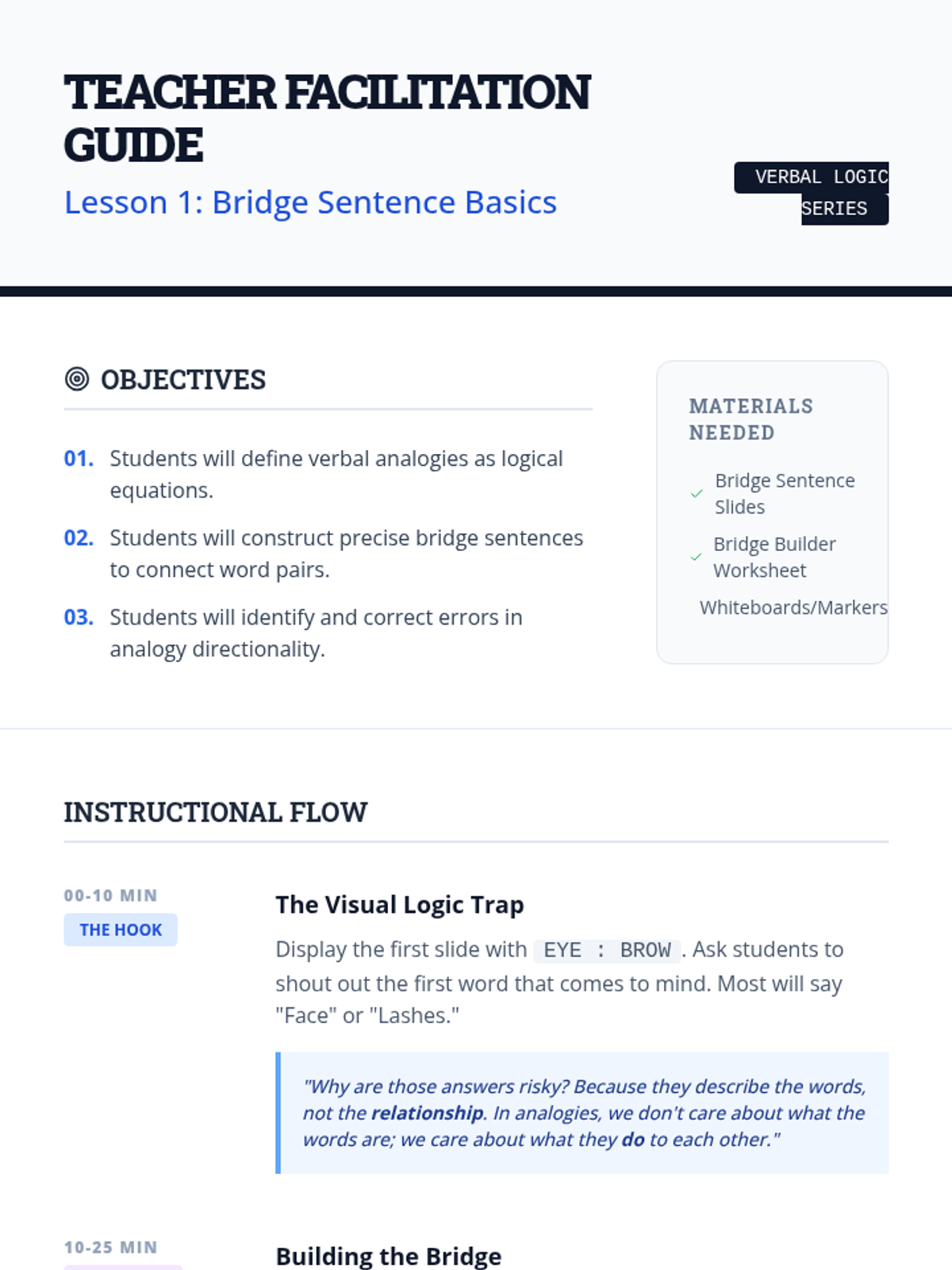
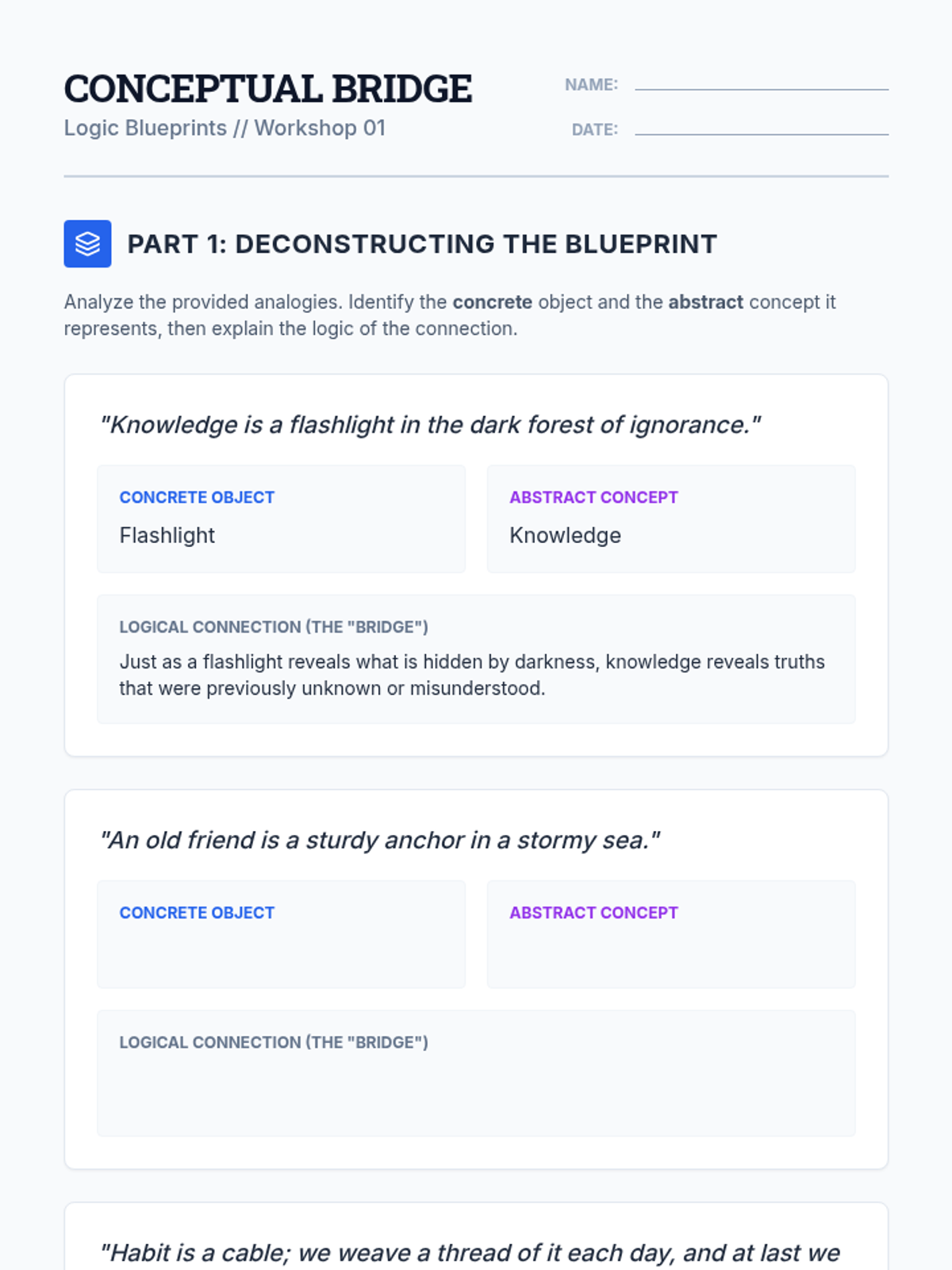
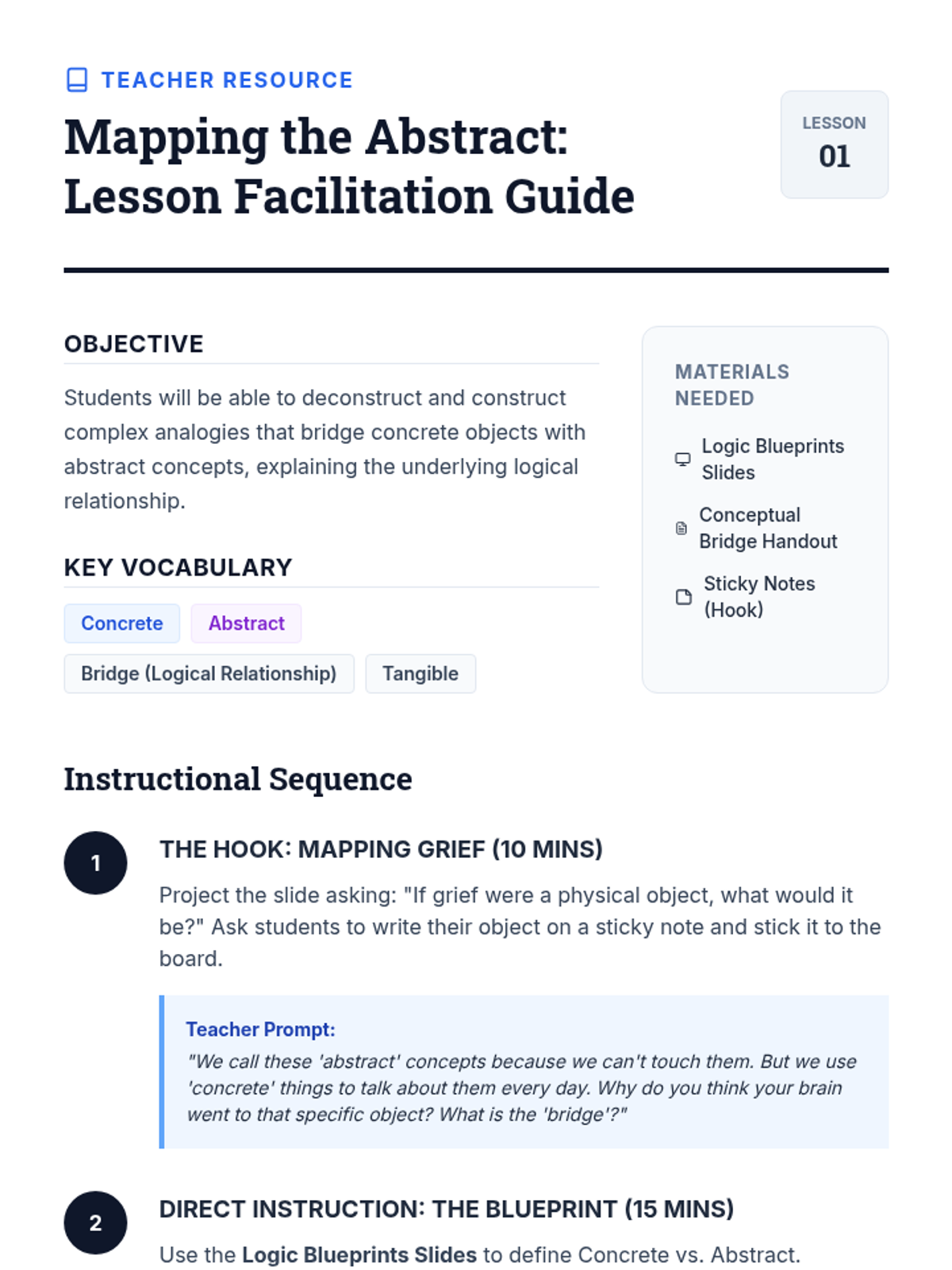
A comprehensive sequence for 10th-grade students focused on mastering verbal analogies through logical bridge sentences and categorical relationship types. Students progress from basic relationship identification to analyzing degrees of intensity, structural hierarchies, and causal functions, culminating in high-level application and assessment.
This sequence explores analogies as rhetorical devices in persuasive writing and speech, teaching students to analyze, evaluate, and craft powerful comparisons for argumentation.
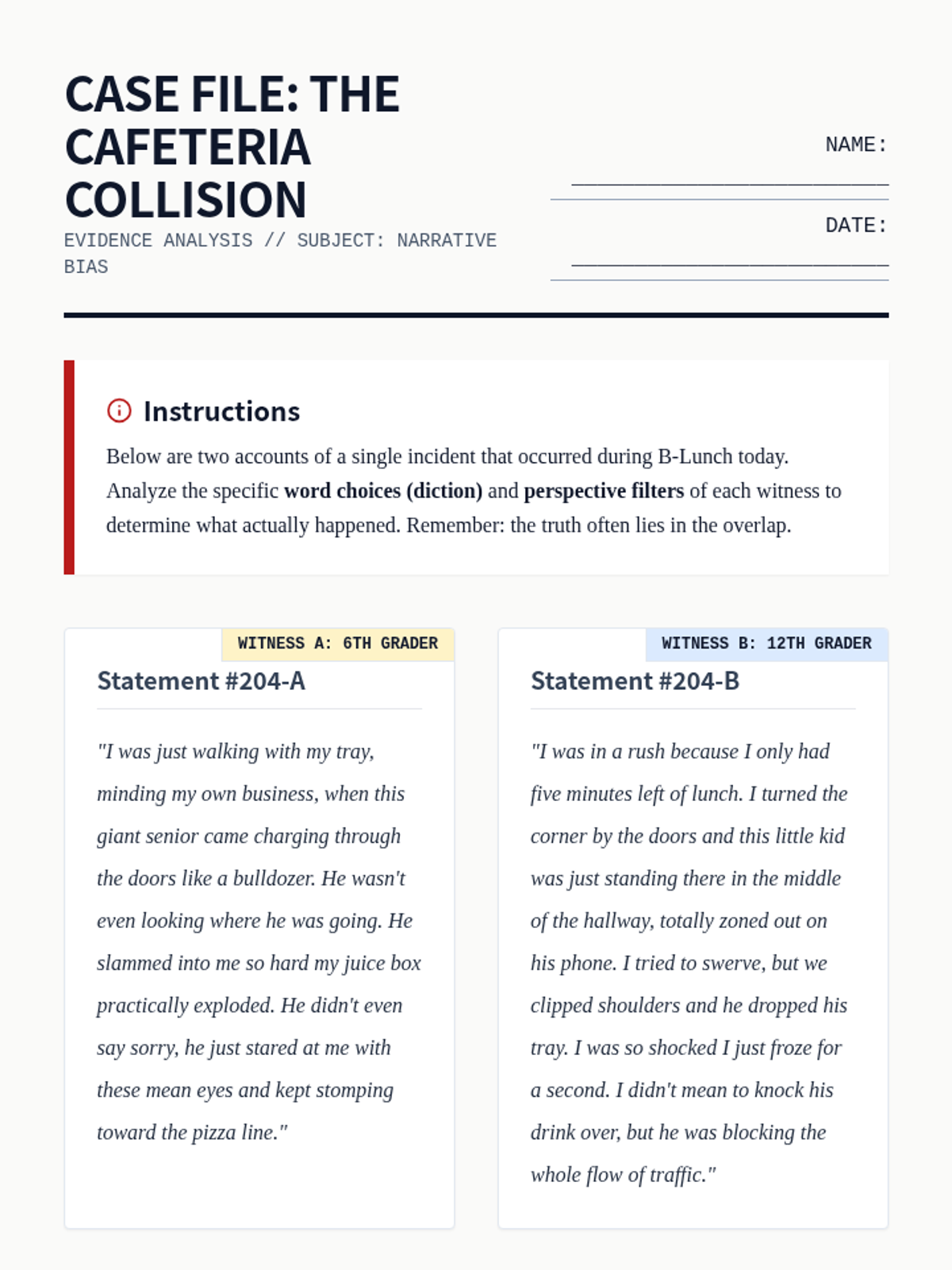
This sequence engages 10th-grade students in high-level inference by exploring the 'Unreliable Narrator' archetype. Through analyzing bias, subtext, contradictions, and tone, students learn to uncover underlying truths and themes in complex narratives where the storyteller may not be fully trustworthy.
A high school ELA sequence exploring analogies as tools for critical thinking, rhetorical analysis, and decoding complex texts. Students move from concrete connections to identifying logical fallacies and participating in a Socratic Seminar on the limits of comparison.
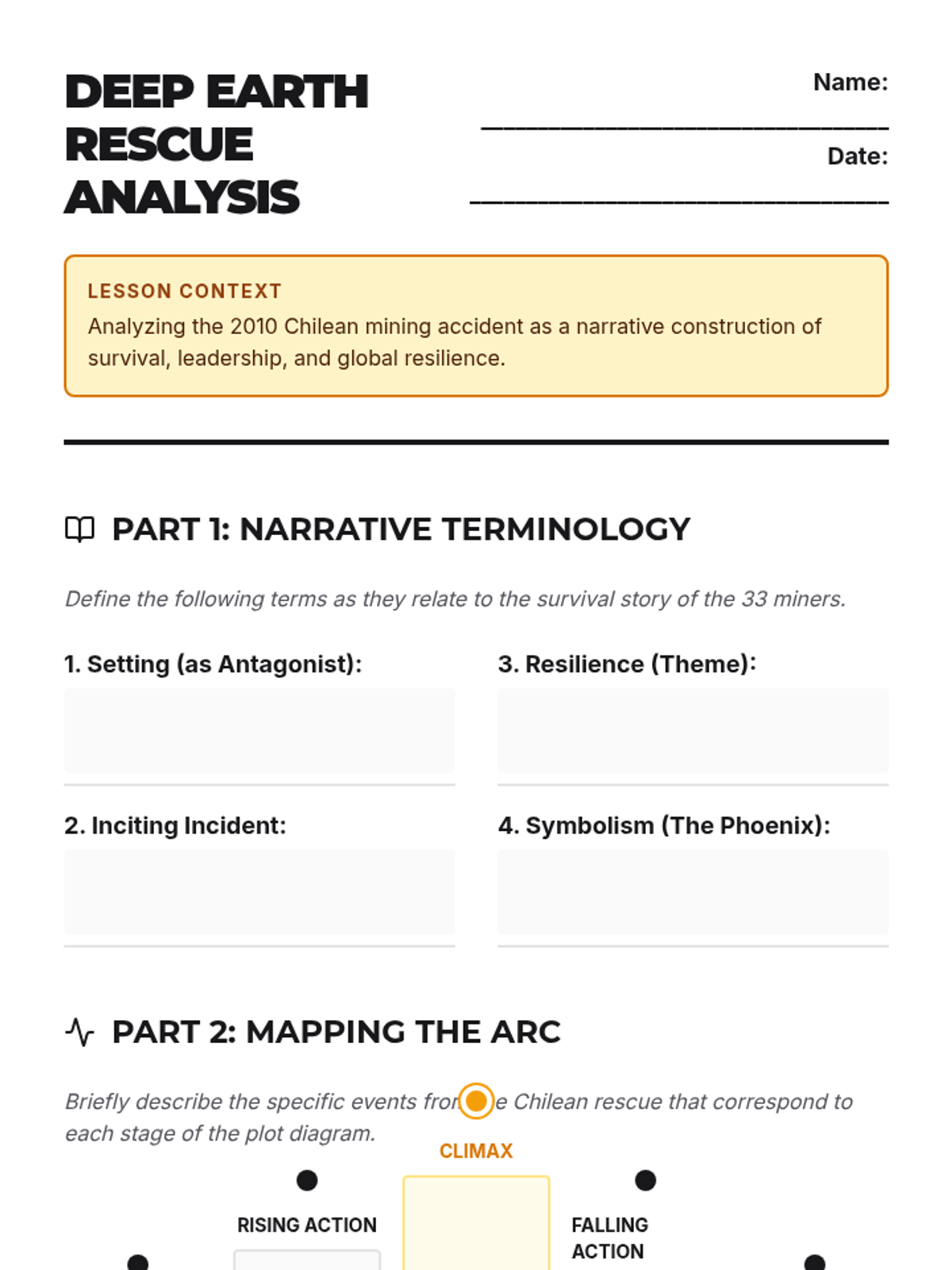
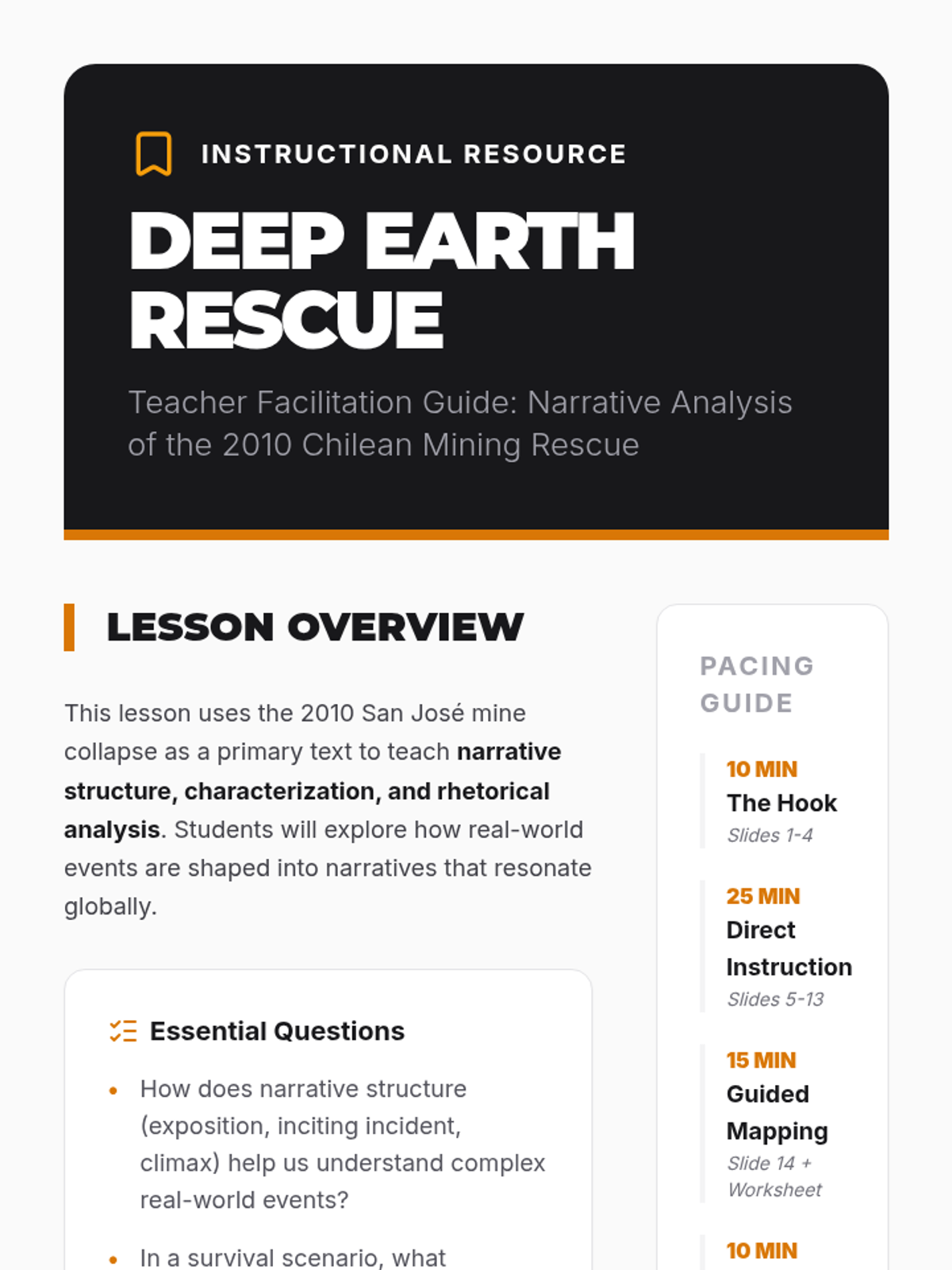
A unit exploring high-stakes survival narratives and the literary elements that define them. Students will analyze non-fiction accounts of resilience, leadership, and human ingenuity under pressure.
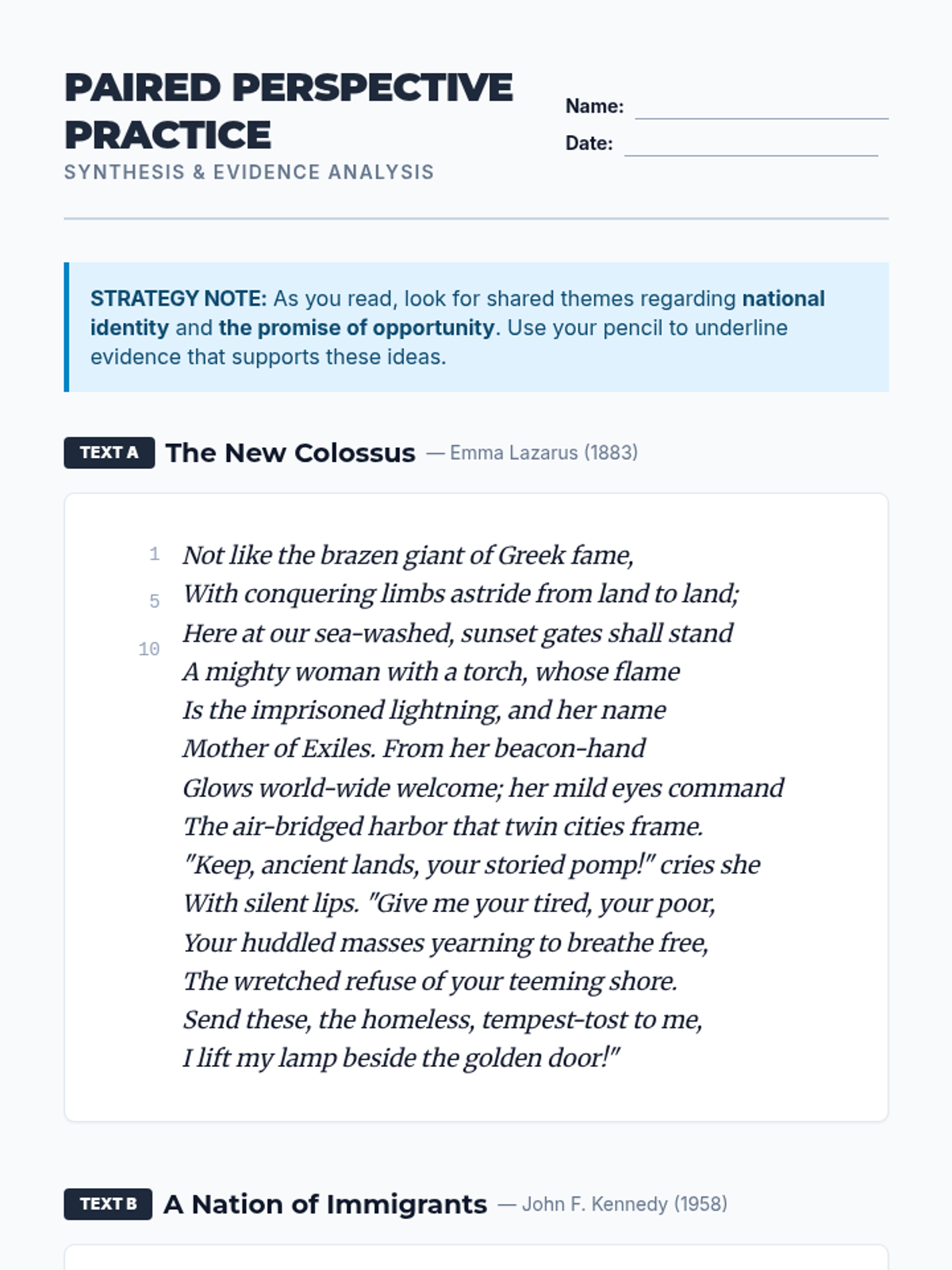
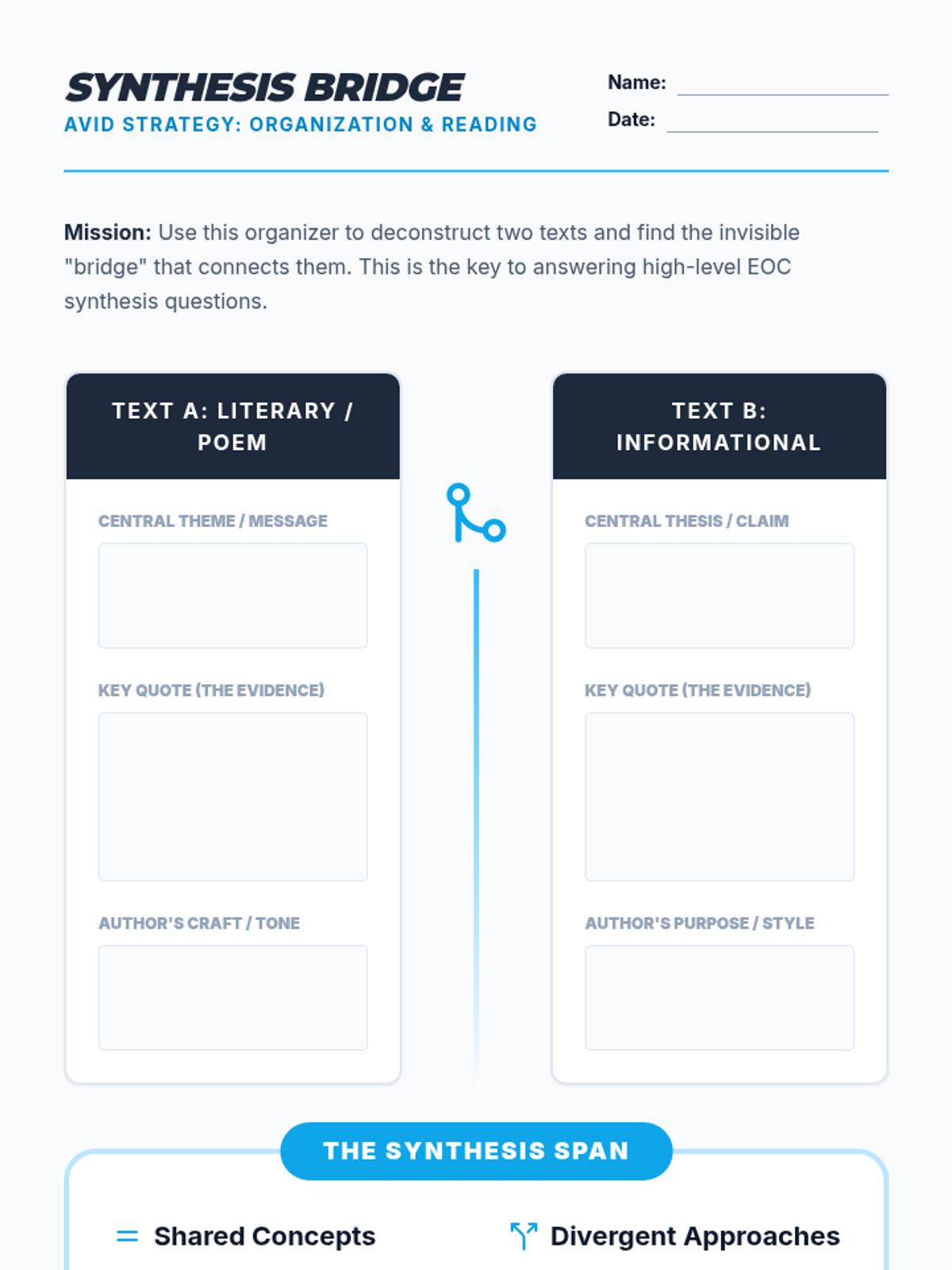
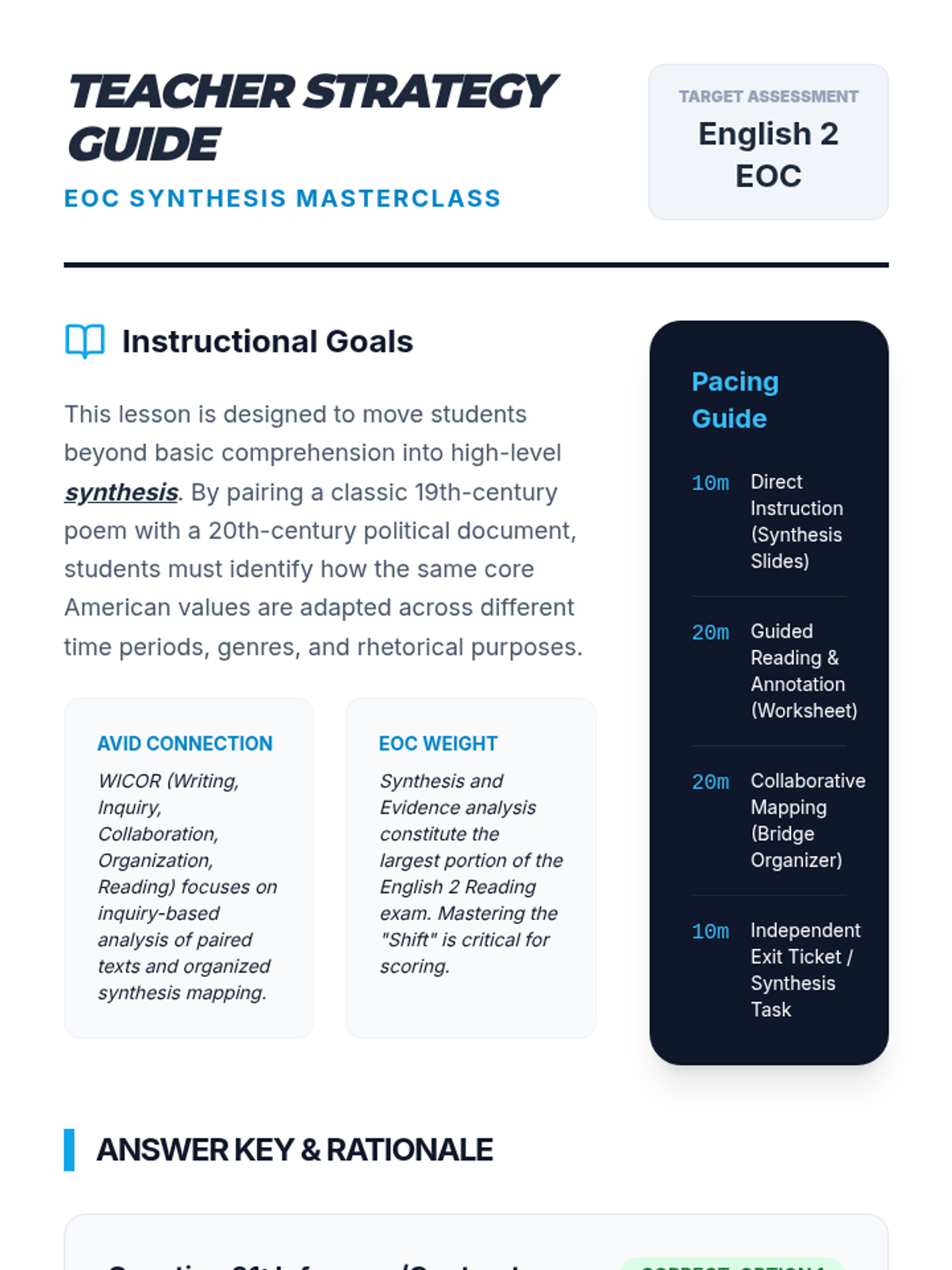
A comprehensive review series designed to prepare English 2 students for the EOC exam, focusing on high-stakes reading analysis, paired passages, and evidence-based synthesis through an AVID-inspired lens.
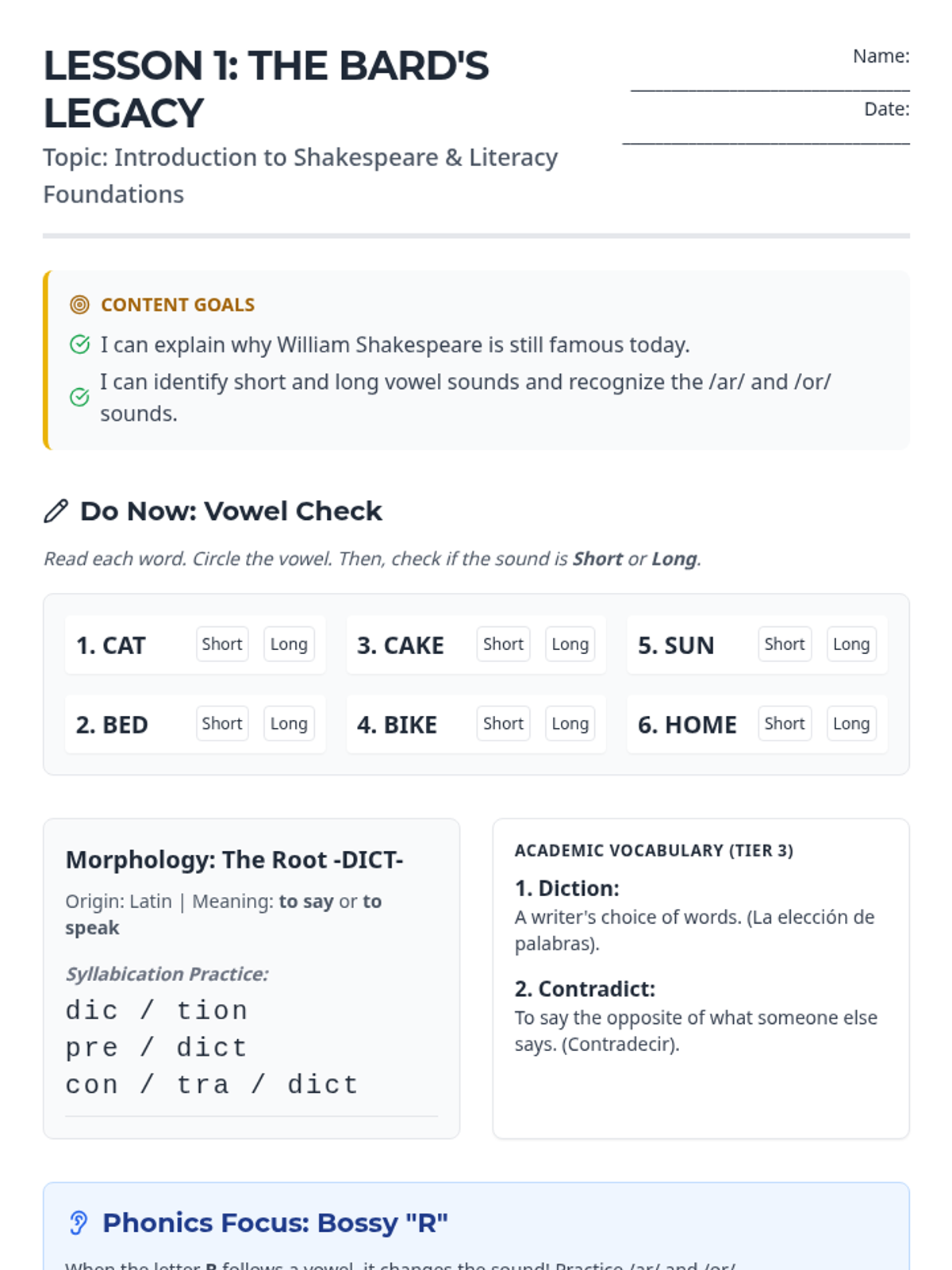
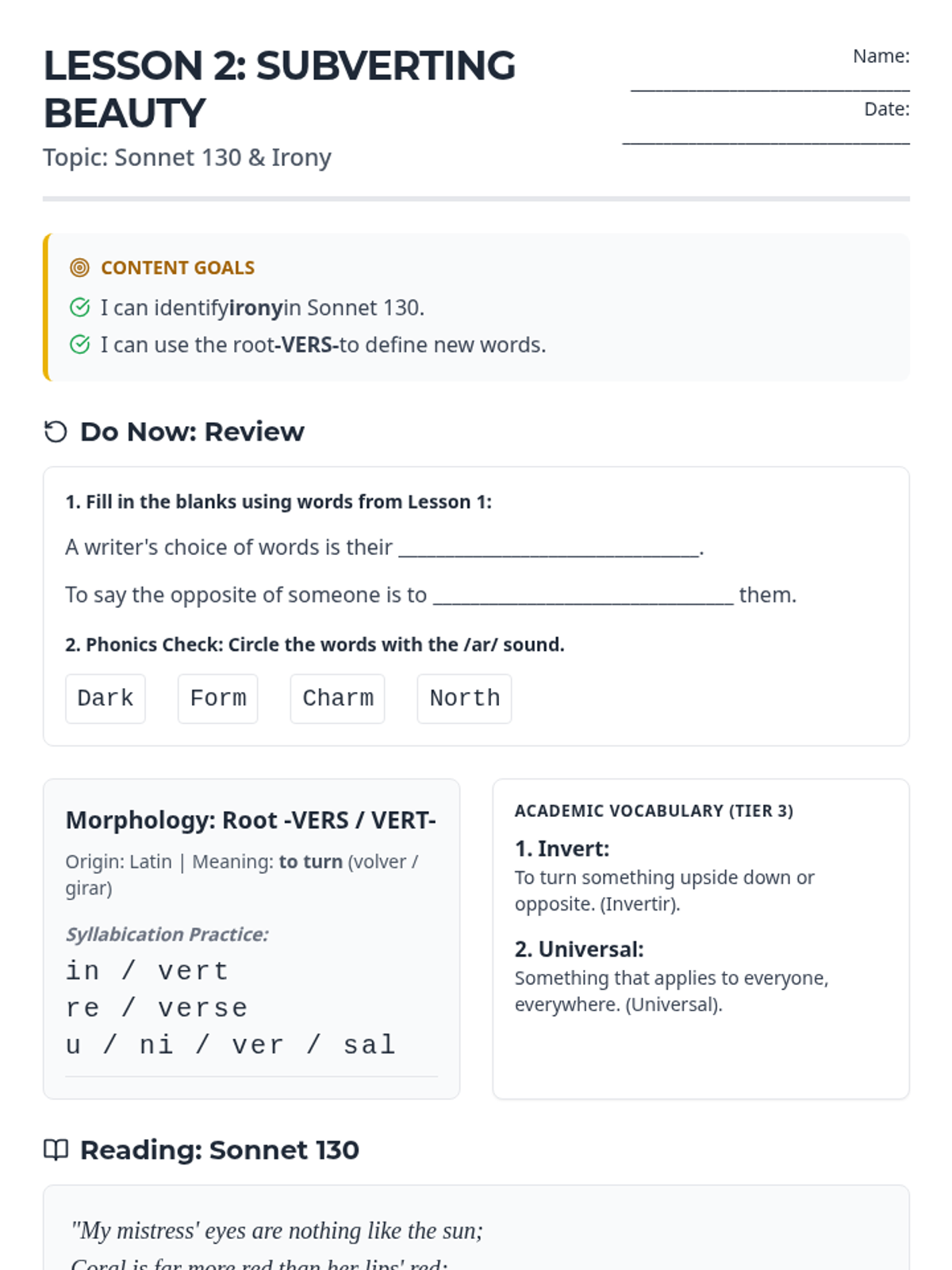
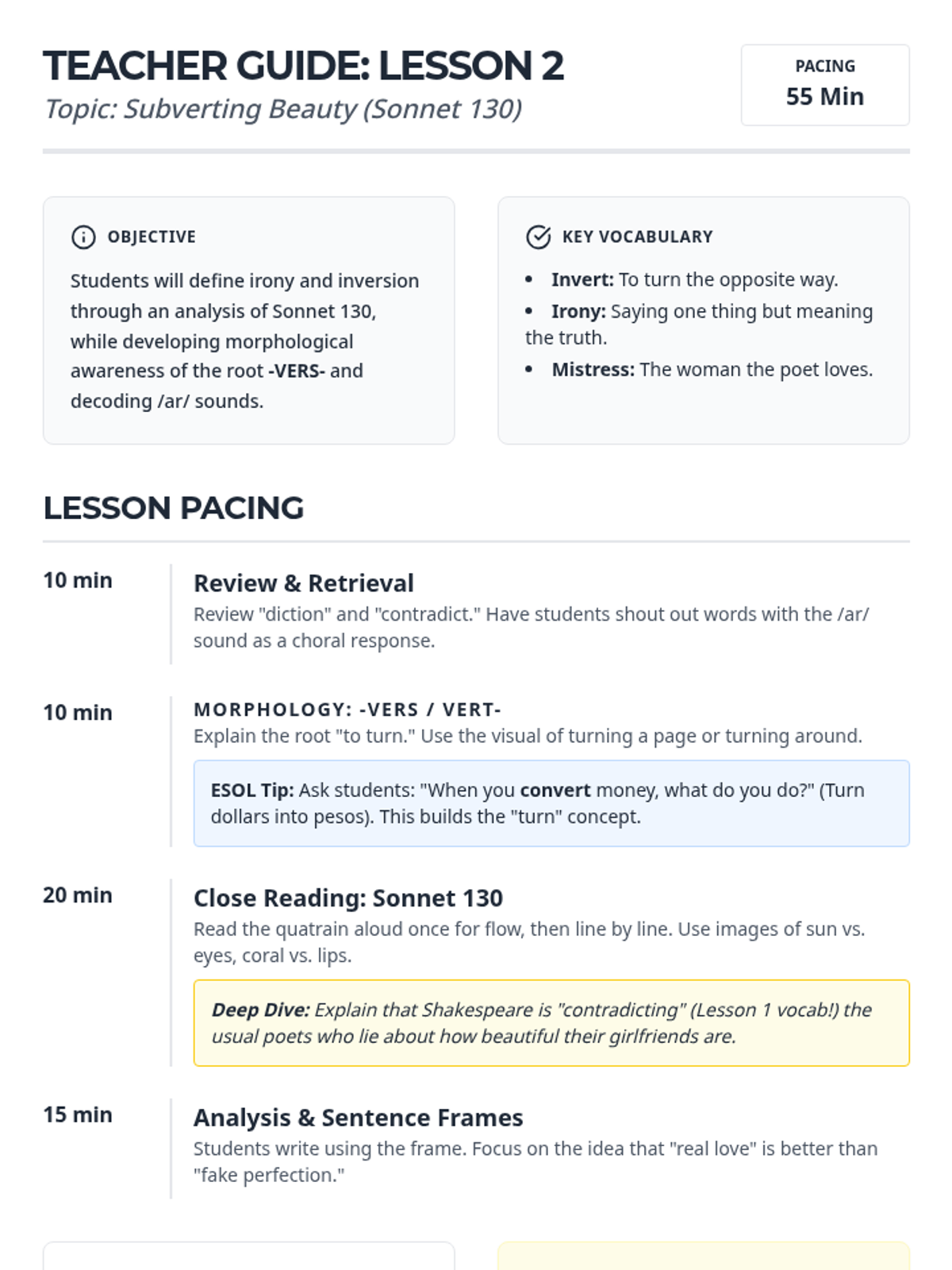
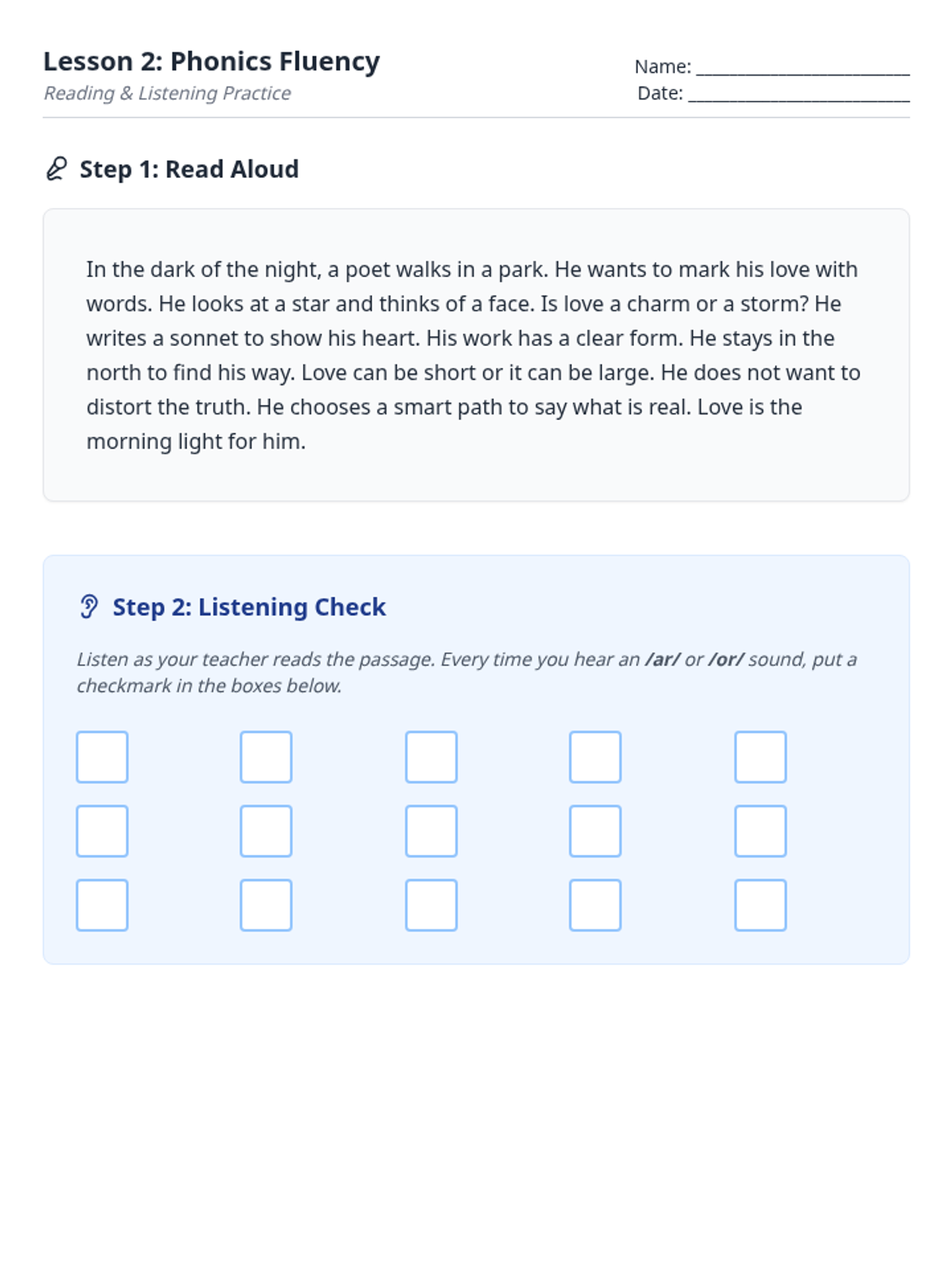
A 10-lesson thematic unit for 9th-grade ESOL students focusing on Shakespeare's Macbeth, integrating systemic language instruction, morphology, and phonics (R-controlled vowels) with high-school level analysis.
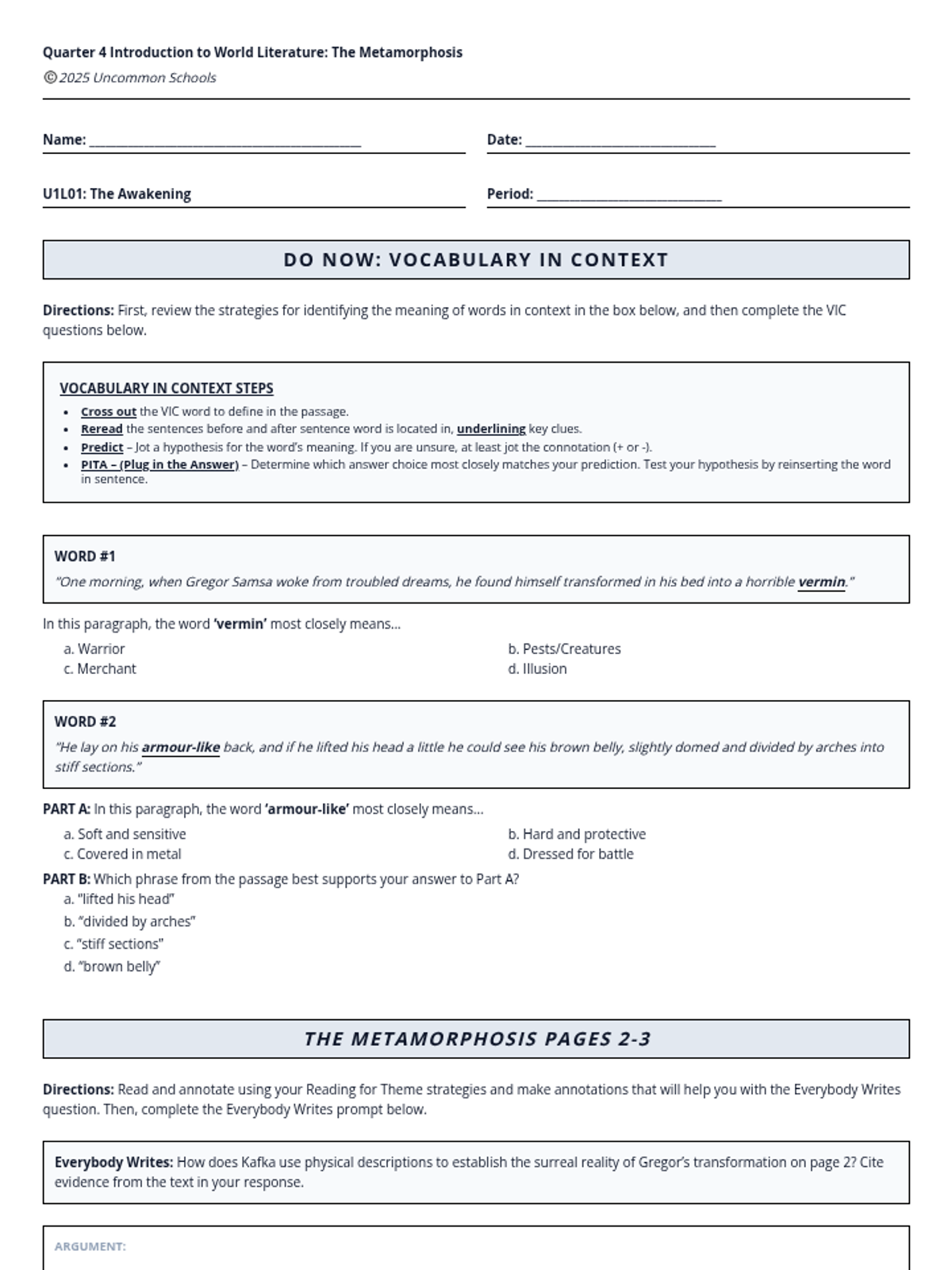
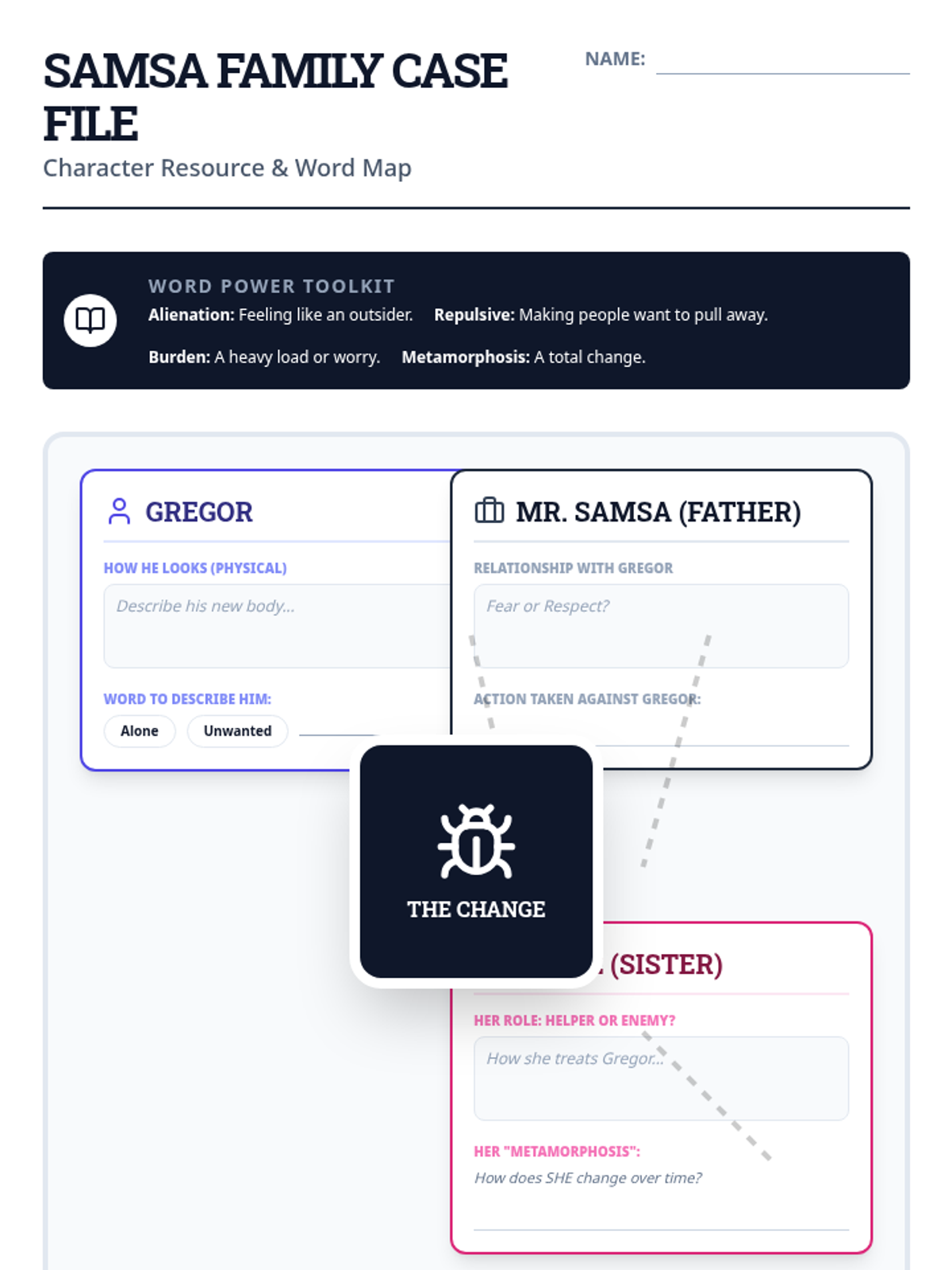
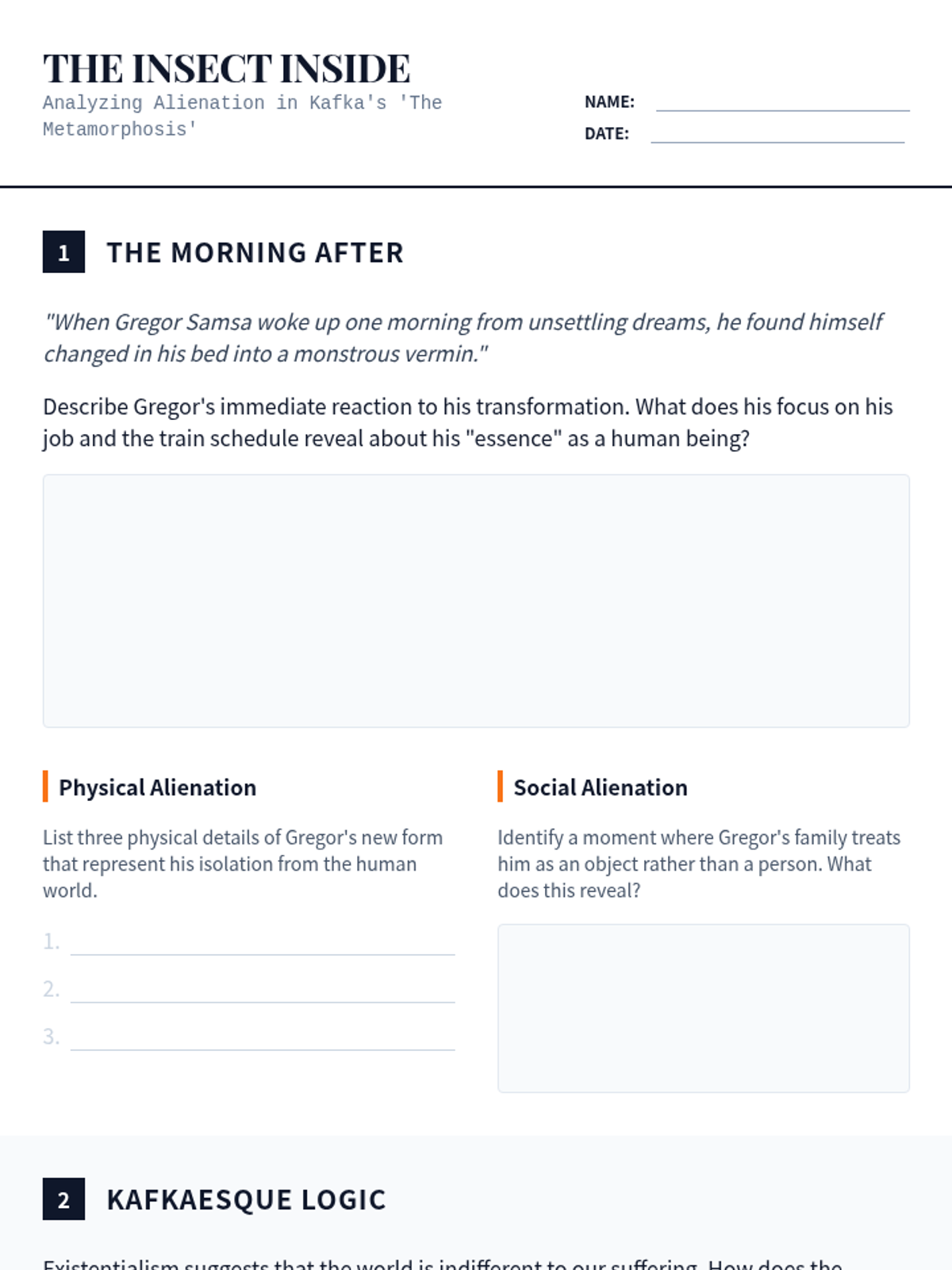
A comprehensive 9-week study of Franz Kafka's 'Metamorphosis', focusing on argumentative writing through textual evidence and narrative expansion. The sequence utilizes graphic organizers, visual scaffolding, and increased opportunities to respond to deepen student engagement with the surrealist text.
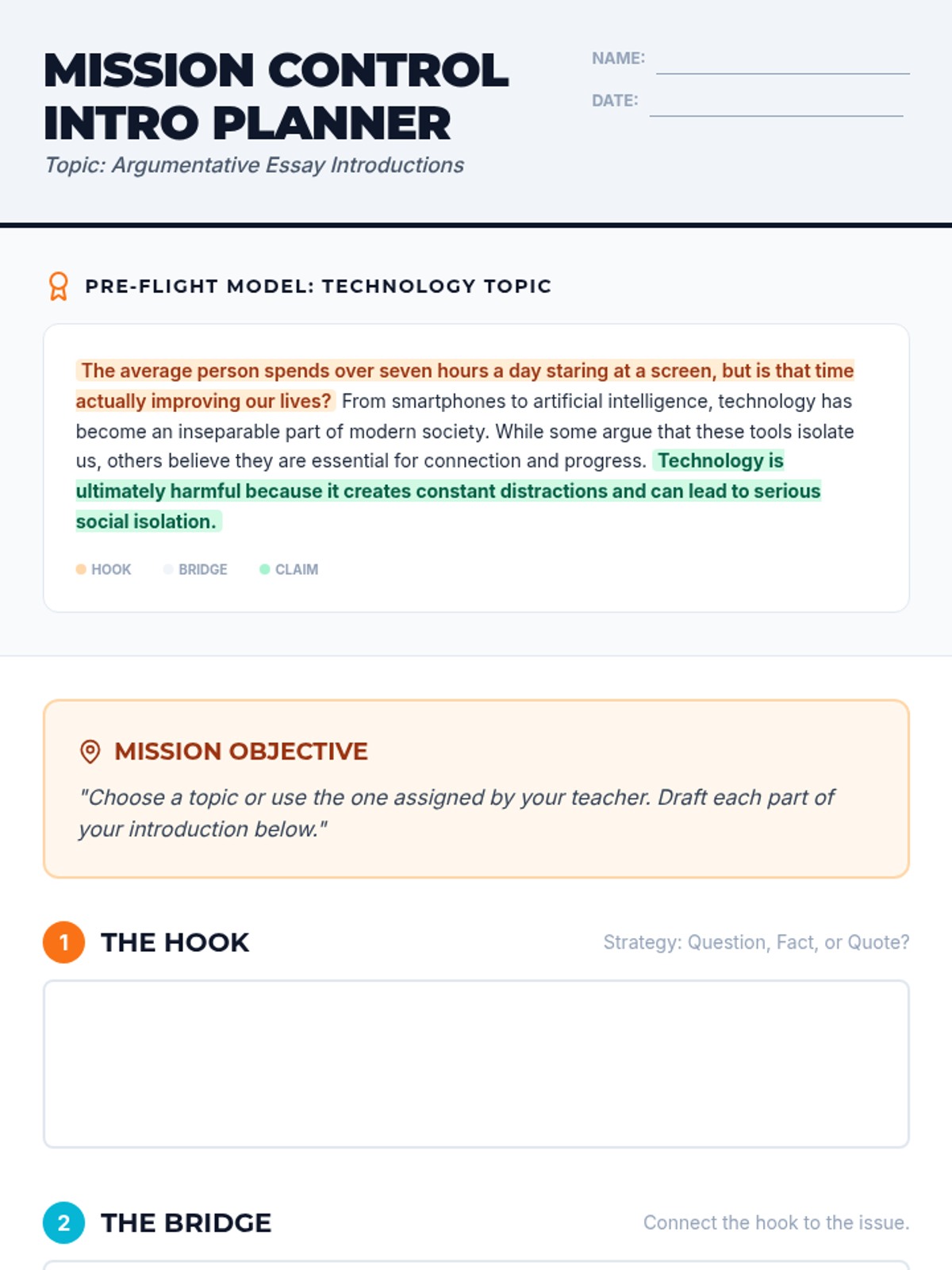
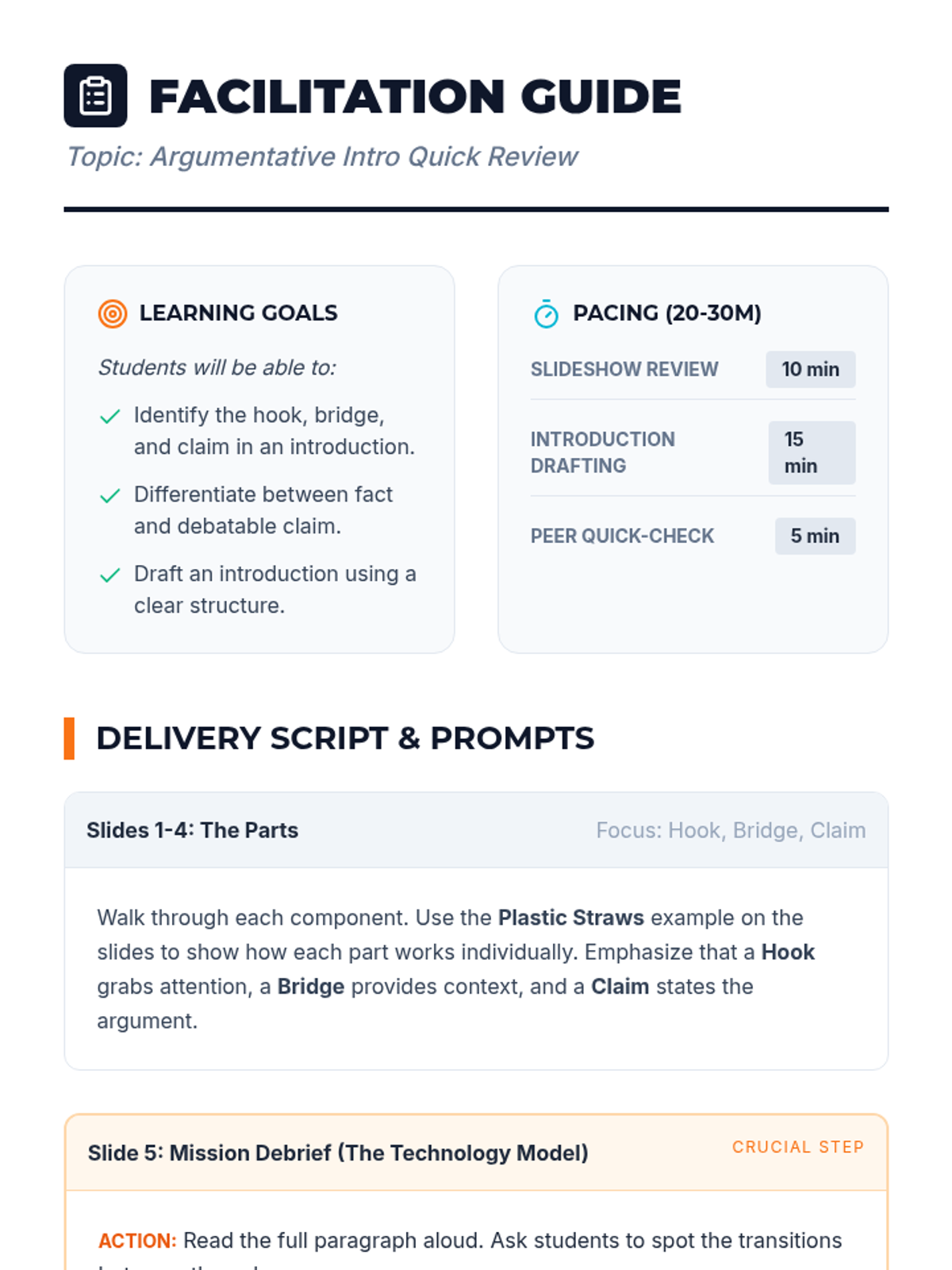
A comprehensive sequence of lessons designed to guide students through the entire process of writing a persuasive argumentative essay, from the initial launch (introduction) to the final landing (conclusion).
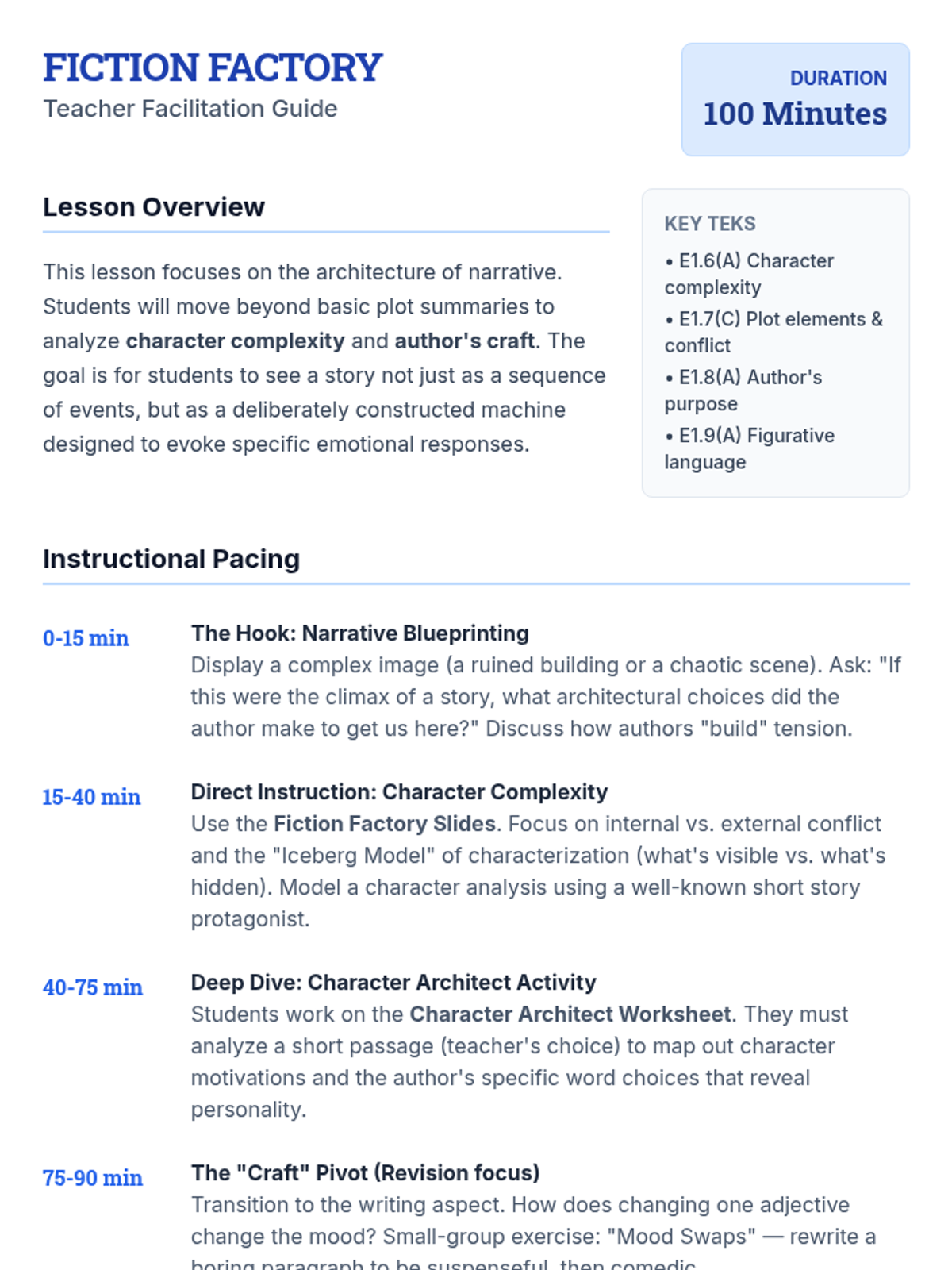
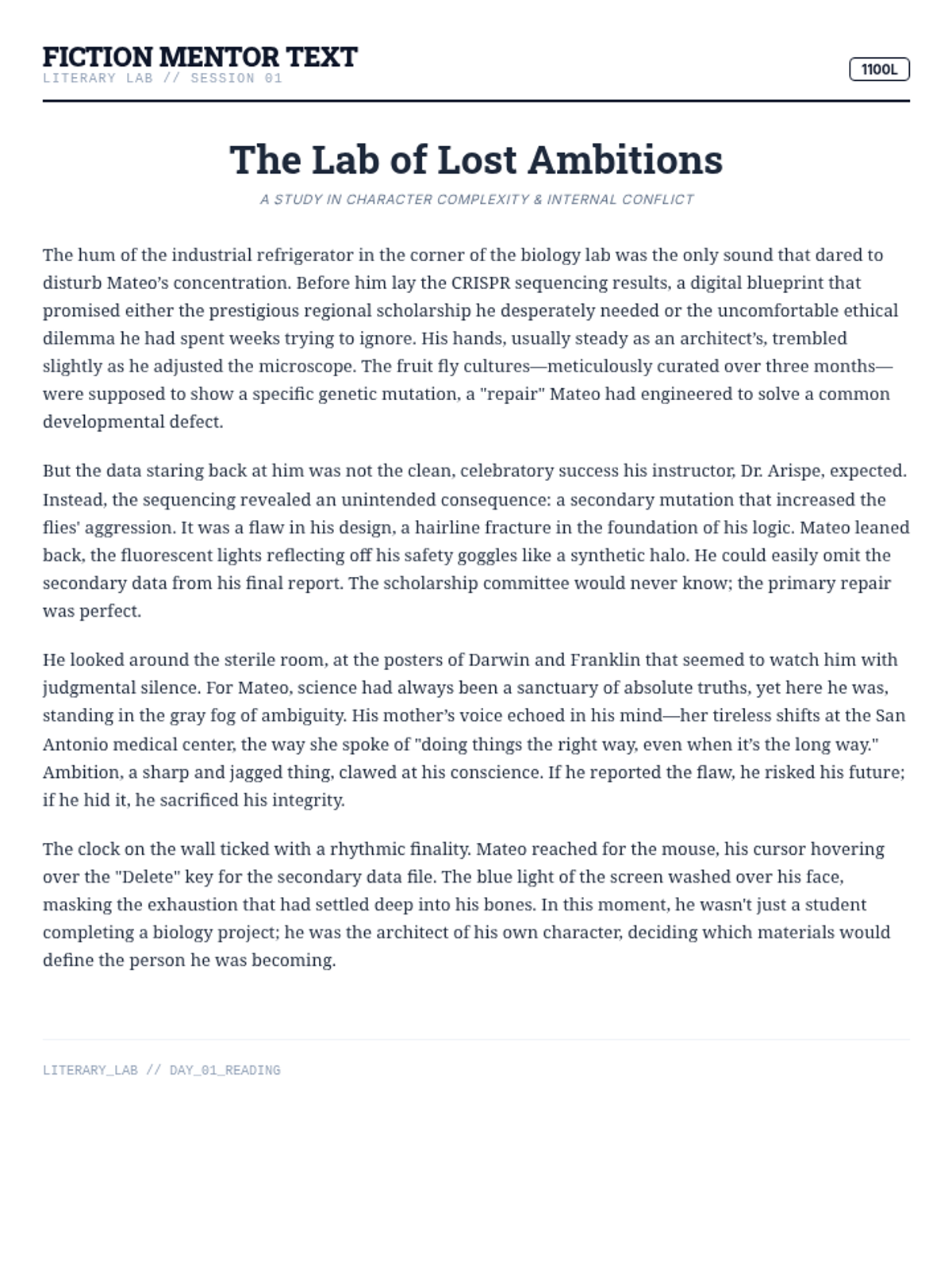
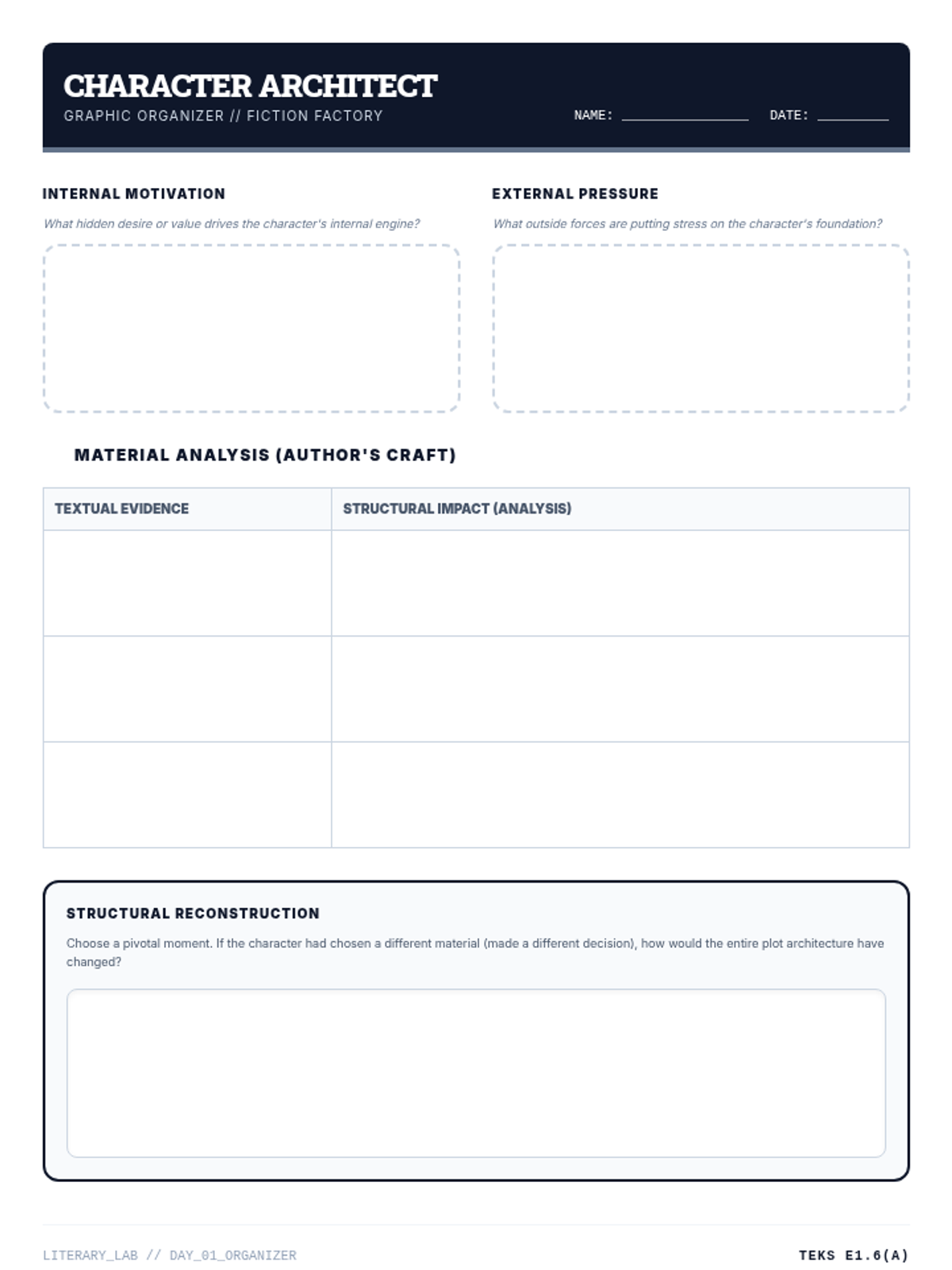
A 3-day intensive deep dive into the core skills of STAAR English I, focusing on Fiction, Informational, and Argumentative genres through the lens of 'The Architect's Blueprint.' Students analyze how authors construct meaning and apply those structures to their own writing.
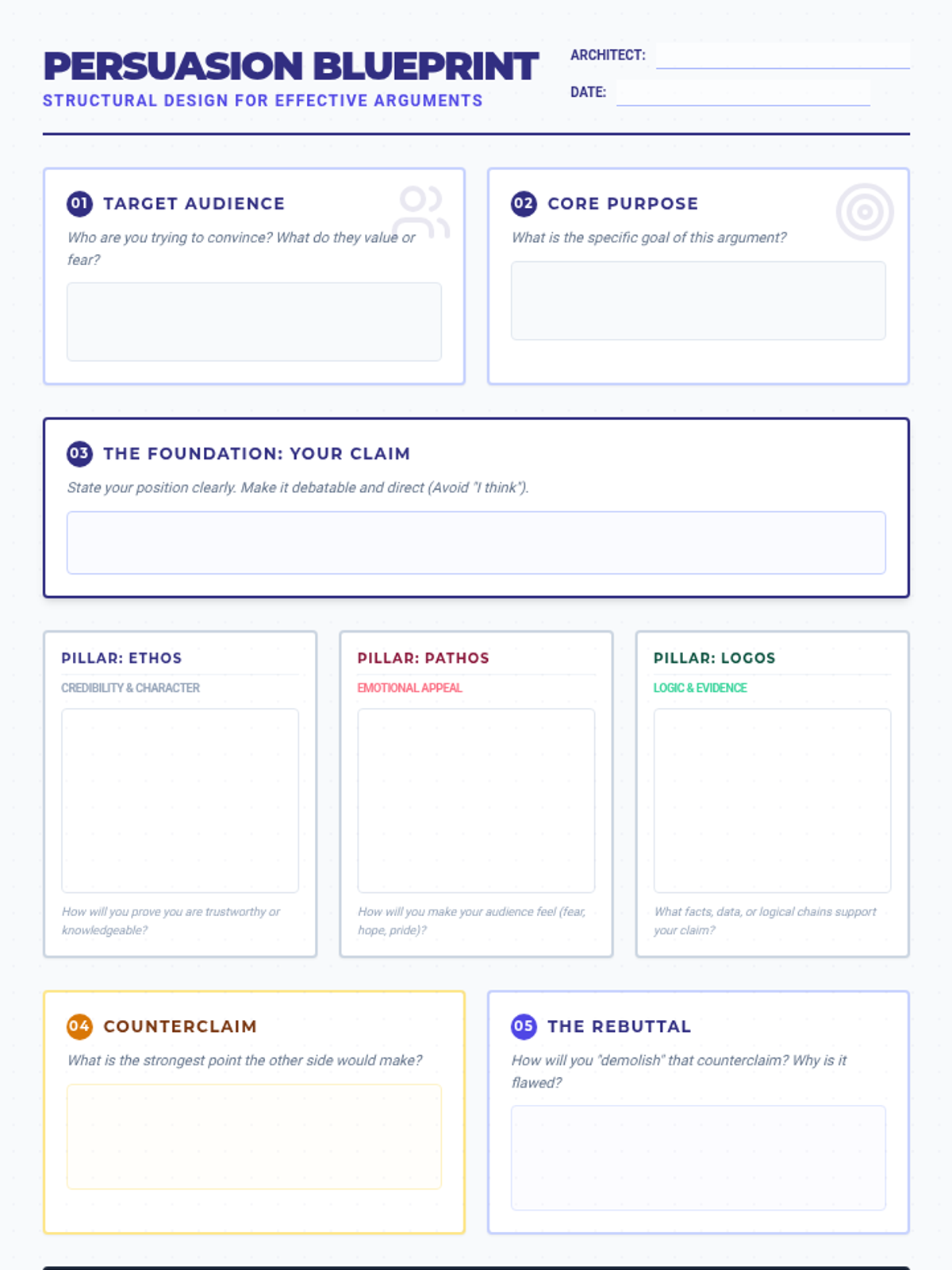
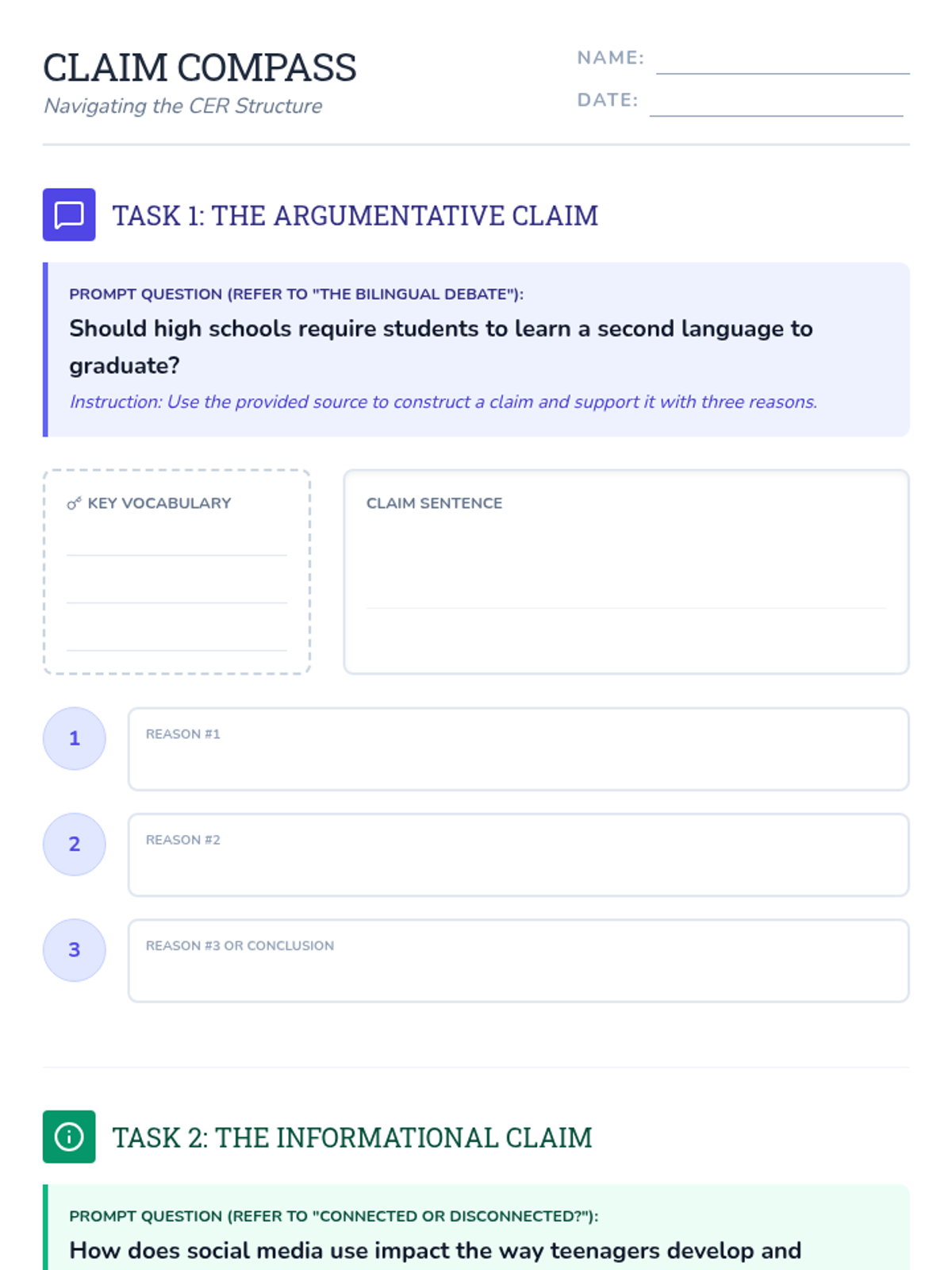
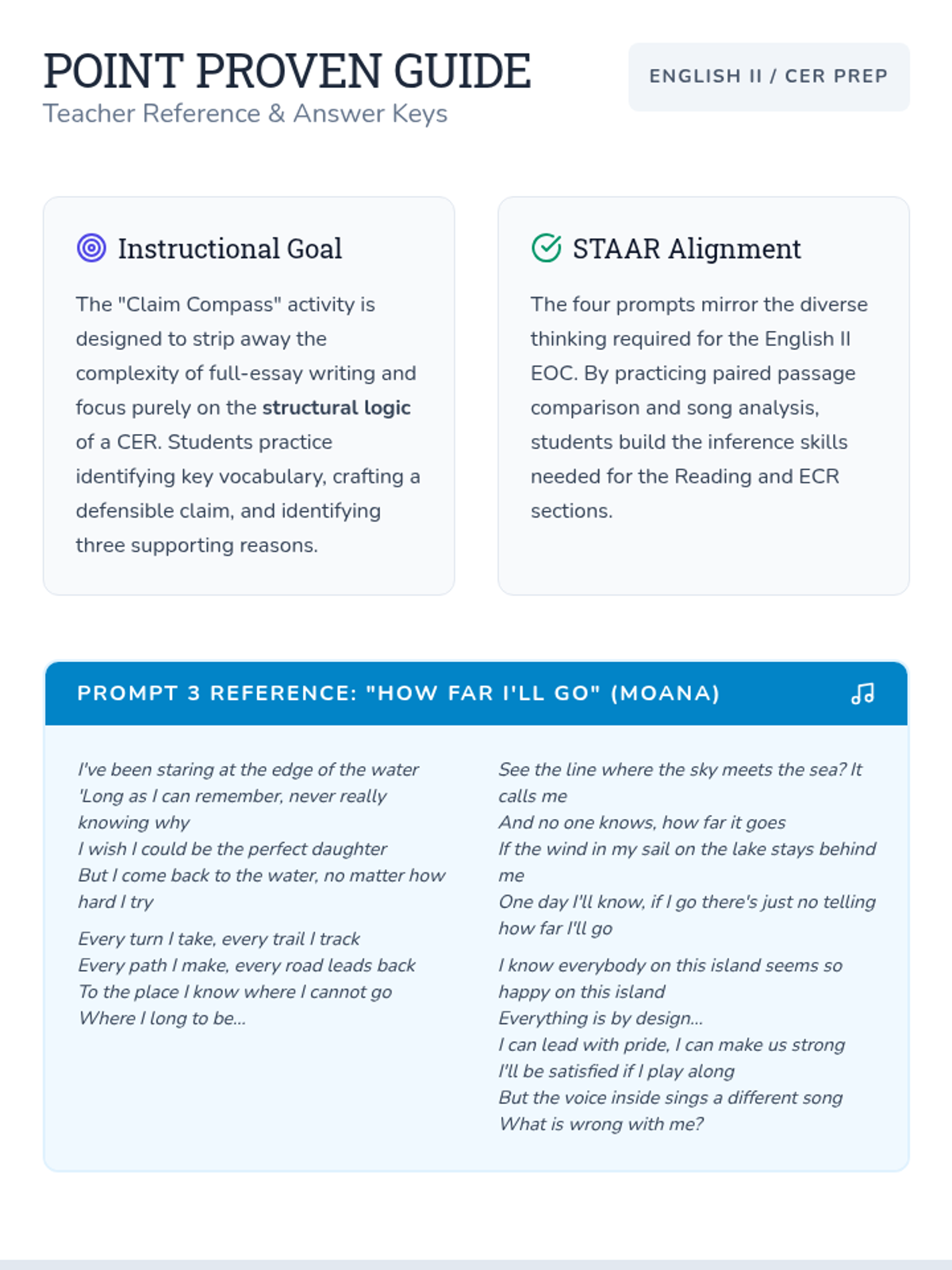
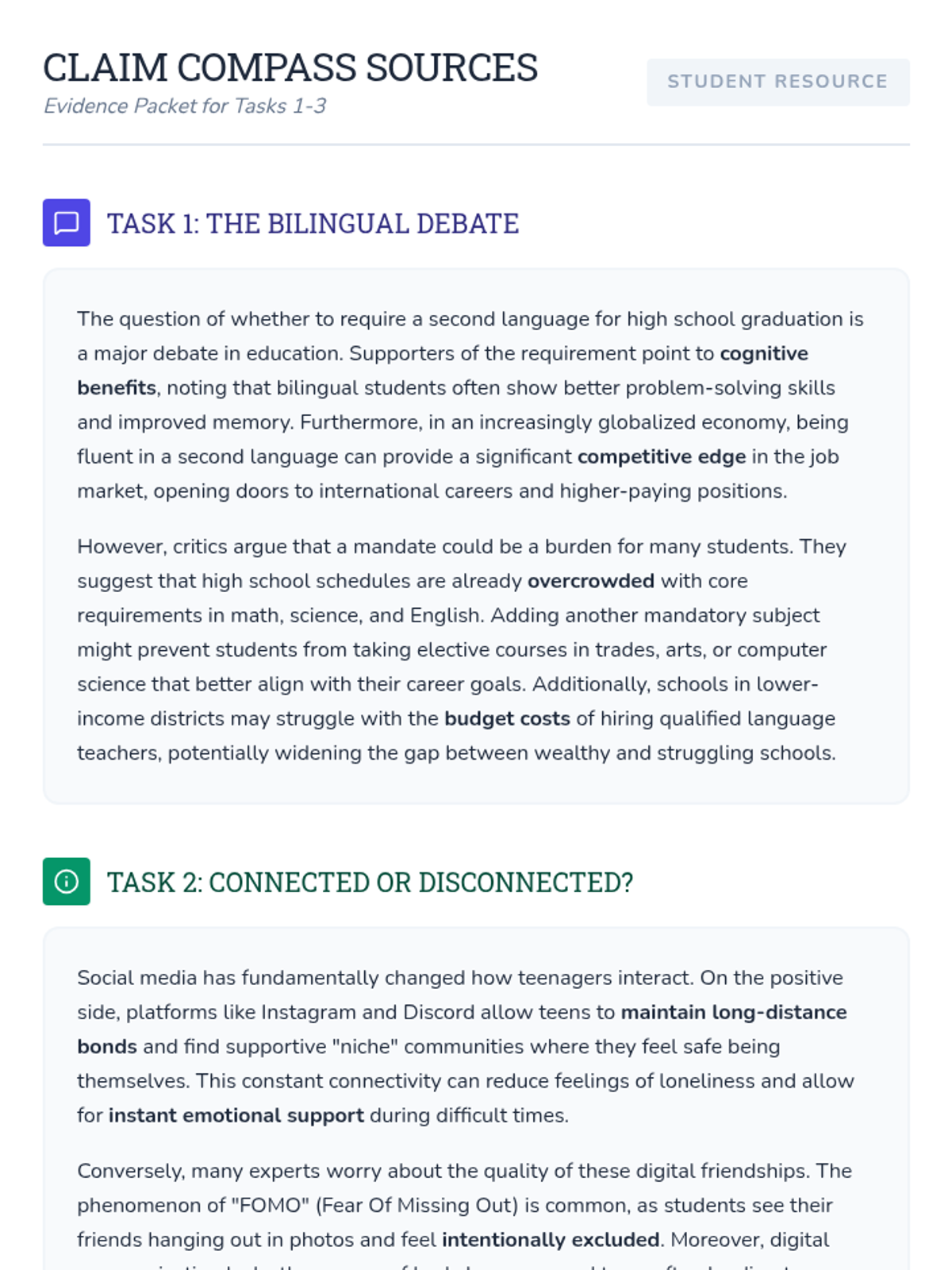
A series of CER (Claim, Evidence, Reasoning) prompts and organizers designed to help English II students master the building blocks of argumentative and informational writing. The materials focus on claim construction and structural reasoning using relatable topics and paired texts.
An 8-week comprehensive study of Franz Kafka's 'The Metamorphosis' focusing on character development, core themes, and modern connections. The unit utilizes visual organizers, small-group discourse, and tiered worksheets to support comprehension and engagement for all learners, particularly struggling readers.
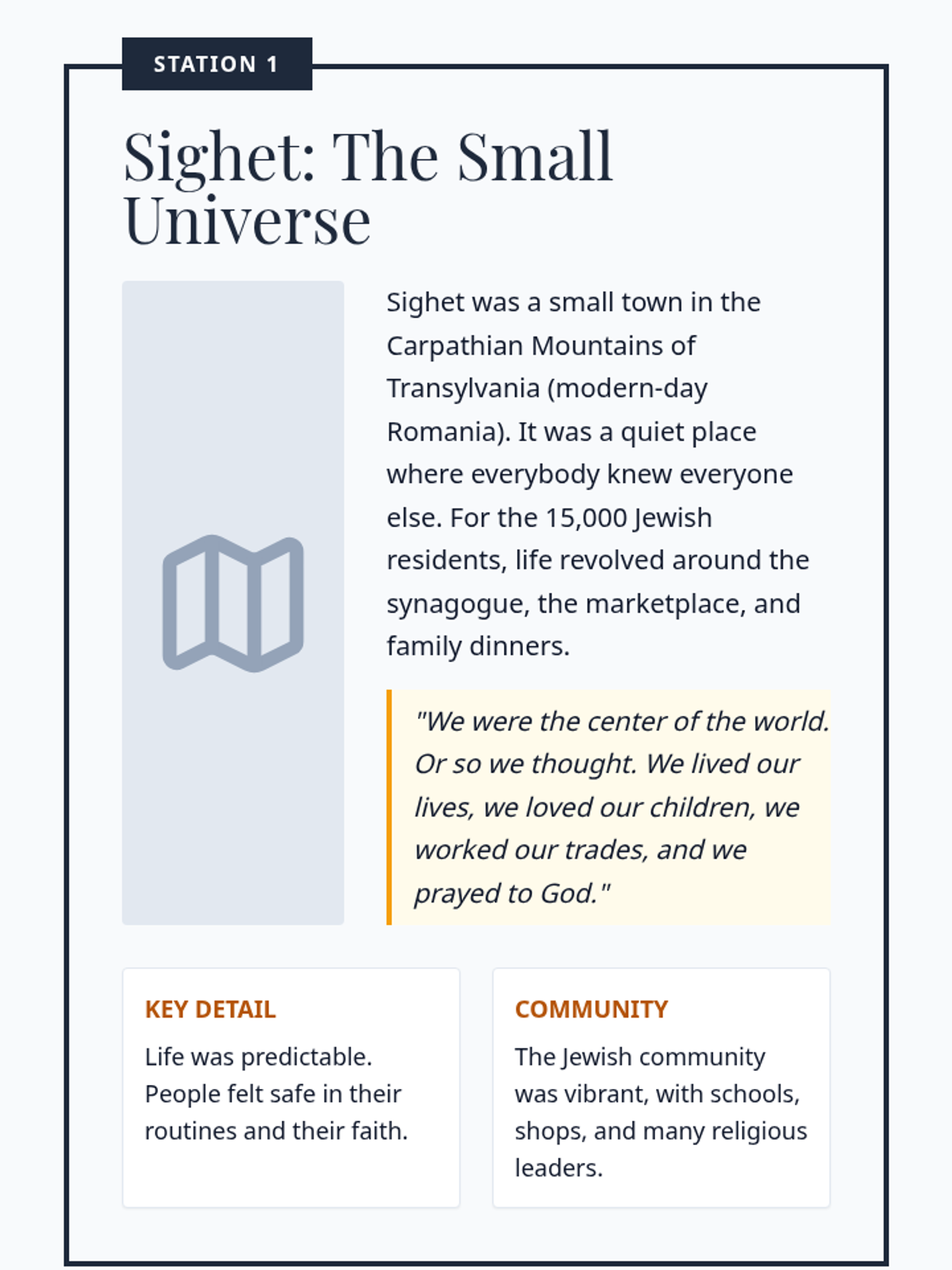
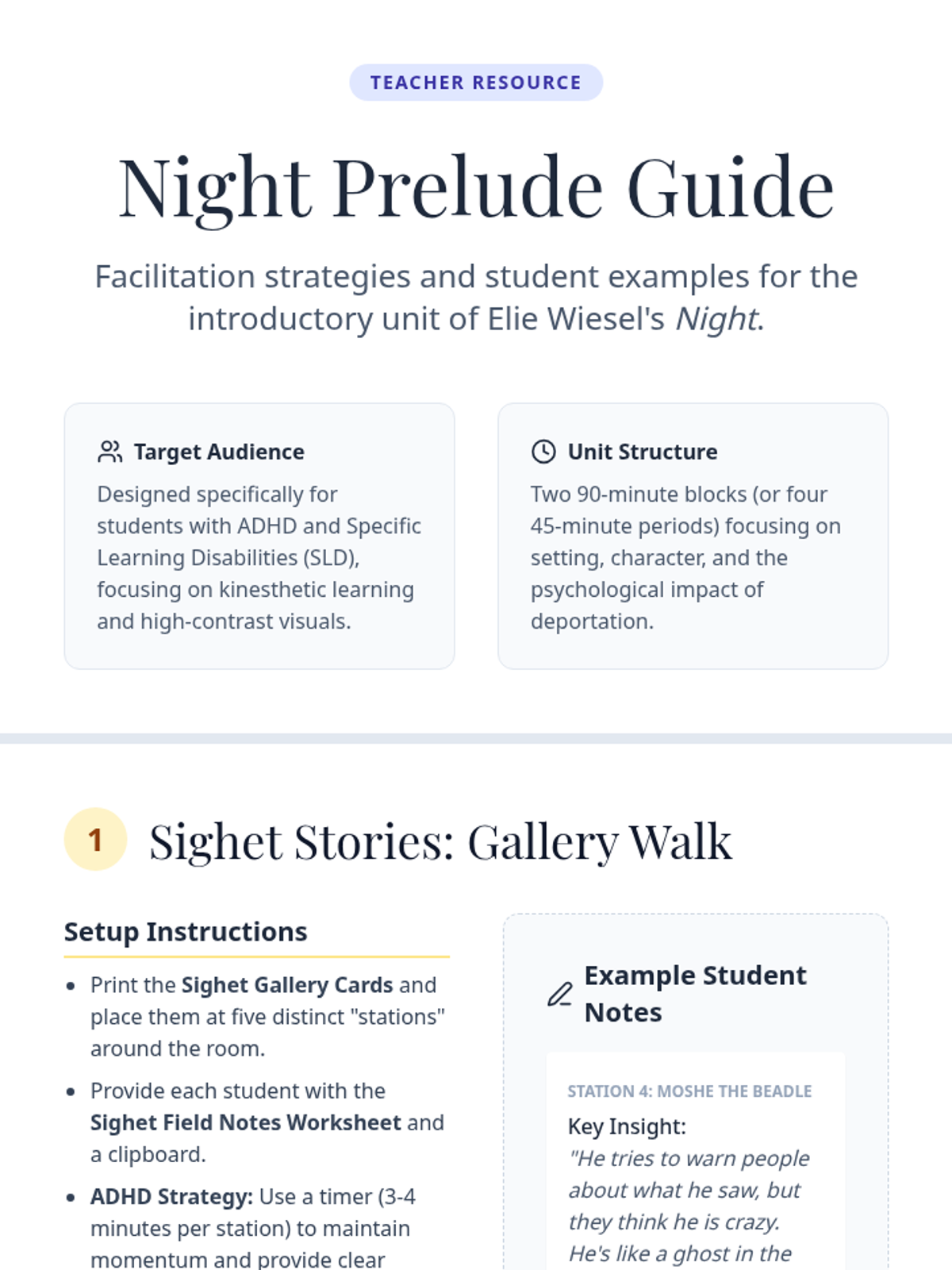
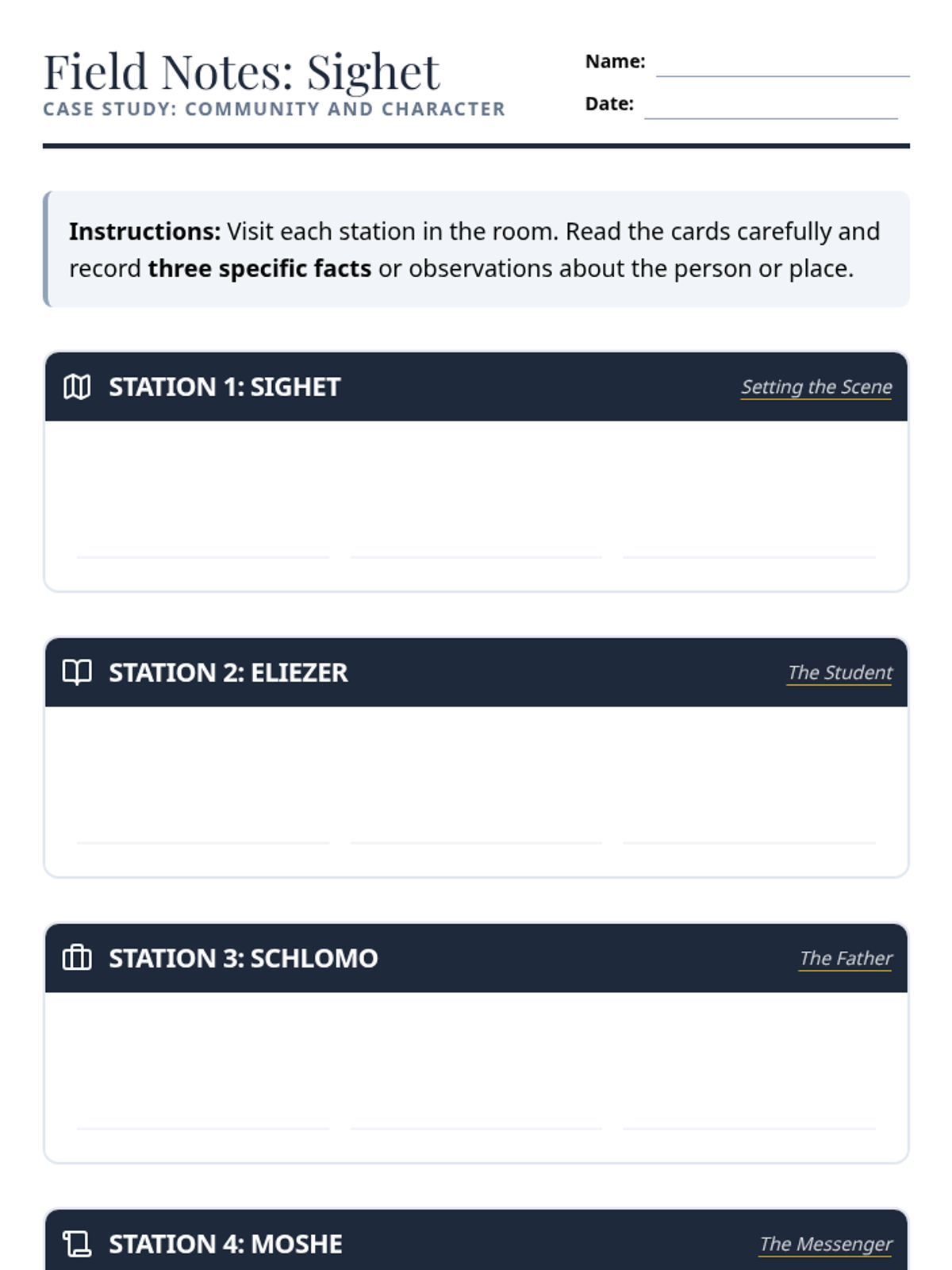
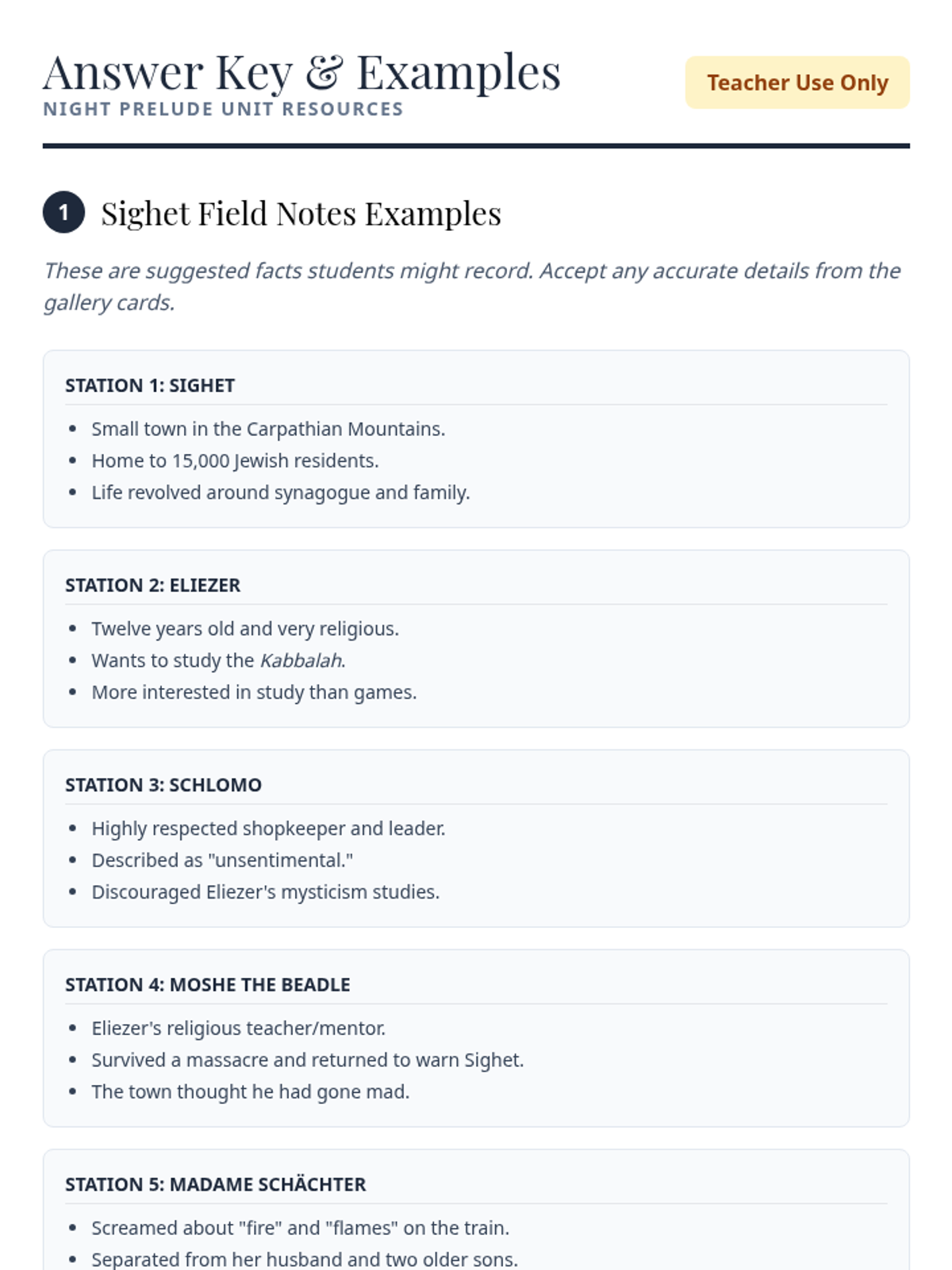
A two-block introductory unit for Elie Wiesel's 'Night' designed for students with ADHD and SLD, focusing on character introduction, historical context, and the psychological impact of the Holocaust through movement and tactile activities.
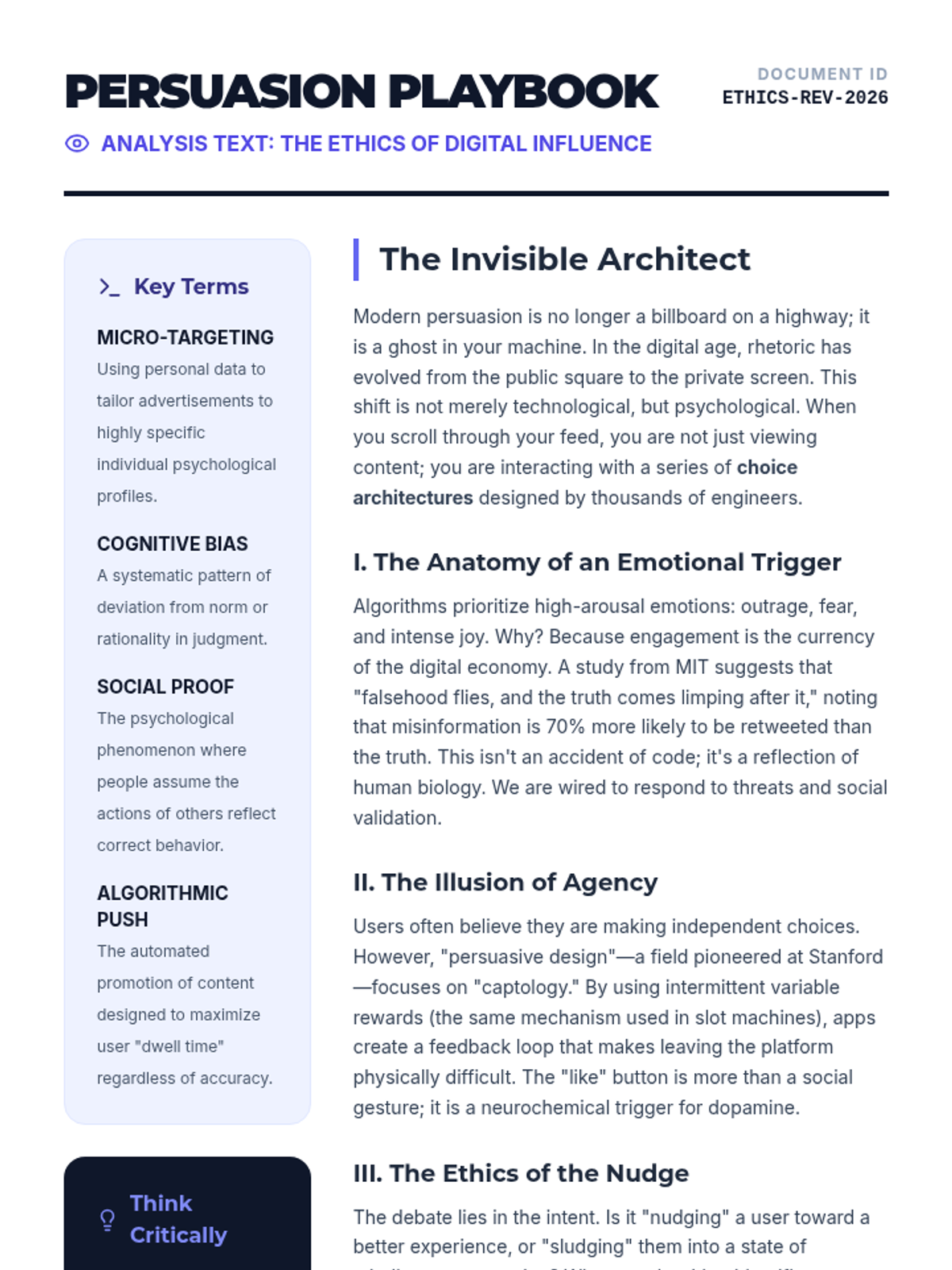
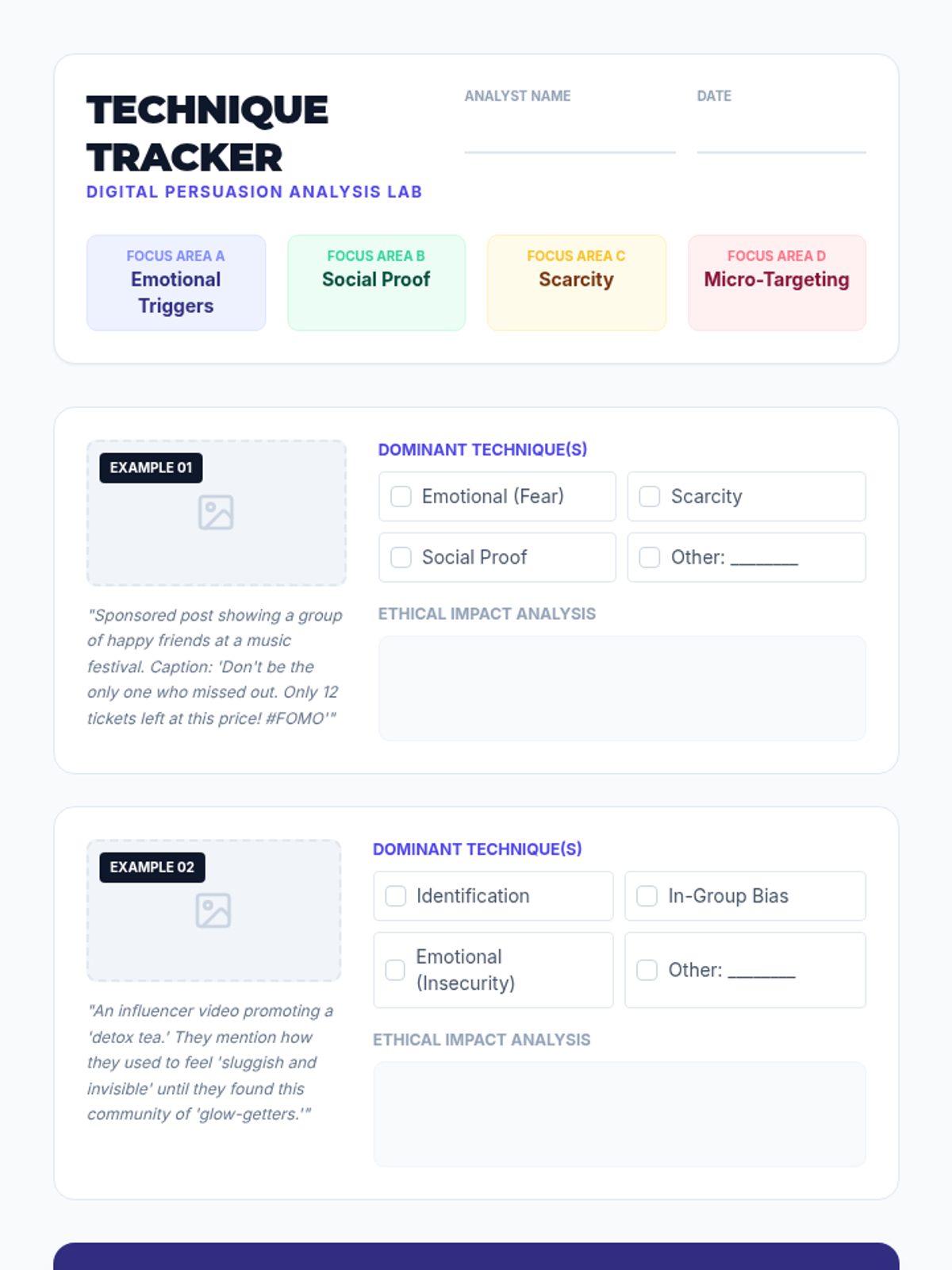
A high-engagement sequence where students evaluate persuasive techniques in modern digital media, practicing active listening and evidence-based argumentation through a Socratic Seminar format. Students analyze the ethics of micro-targeting, influencer marketing, and algorithmic persuasion.
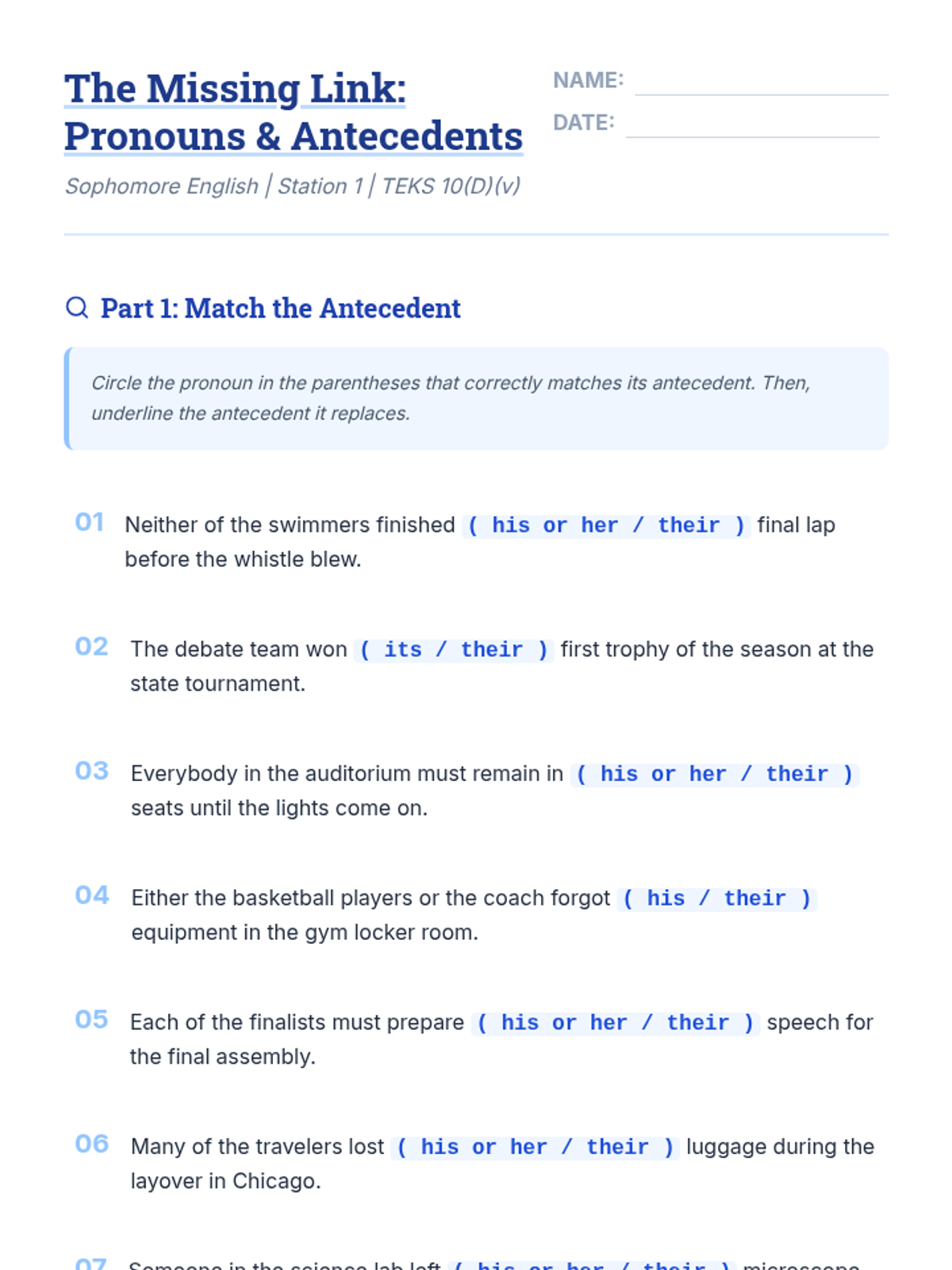
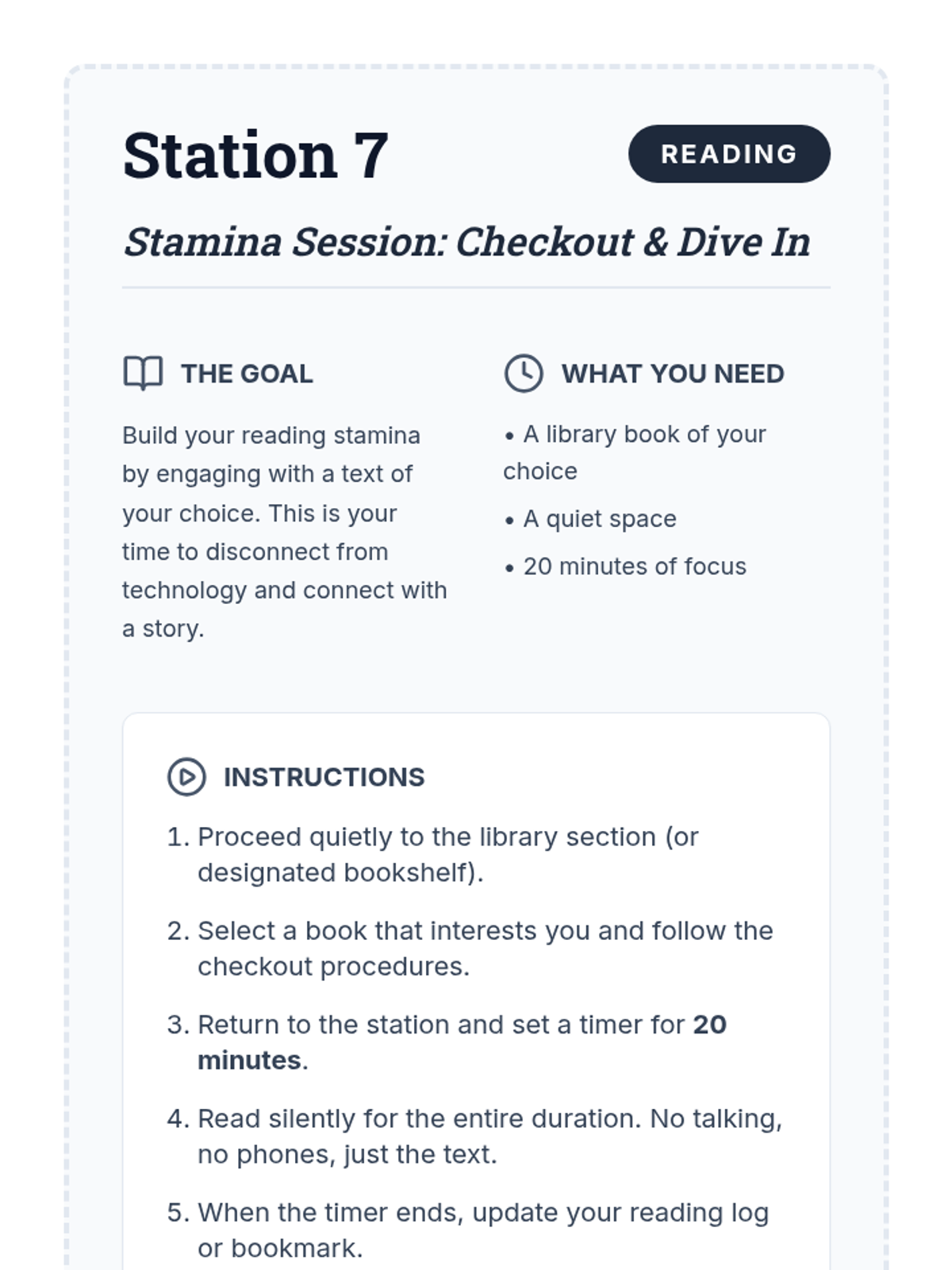
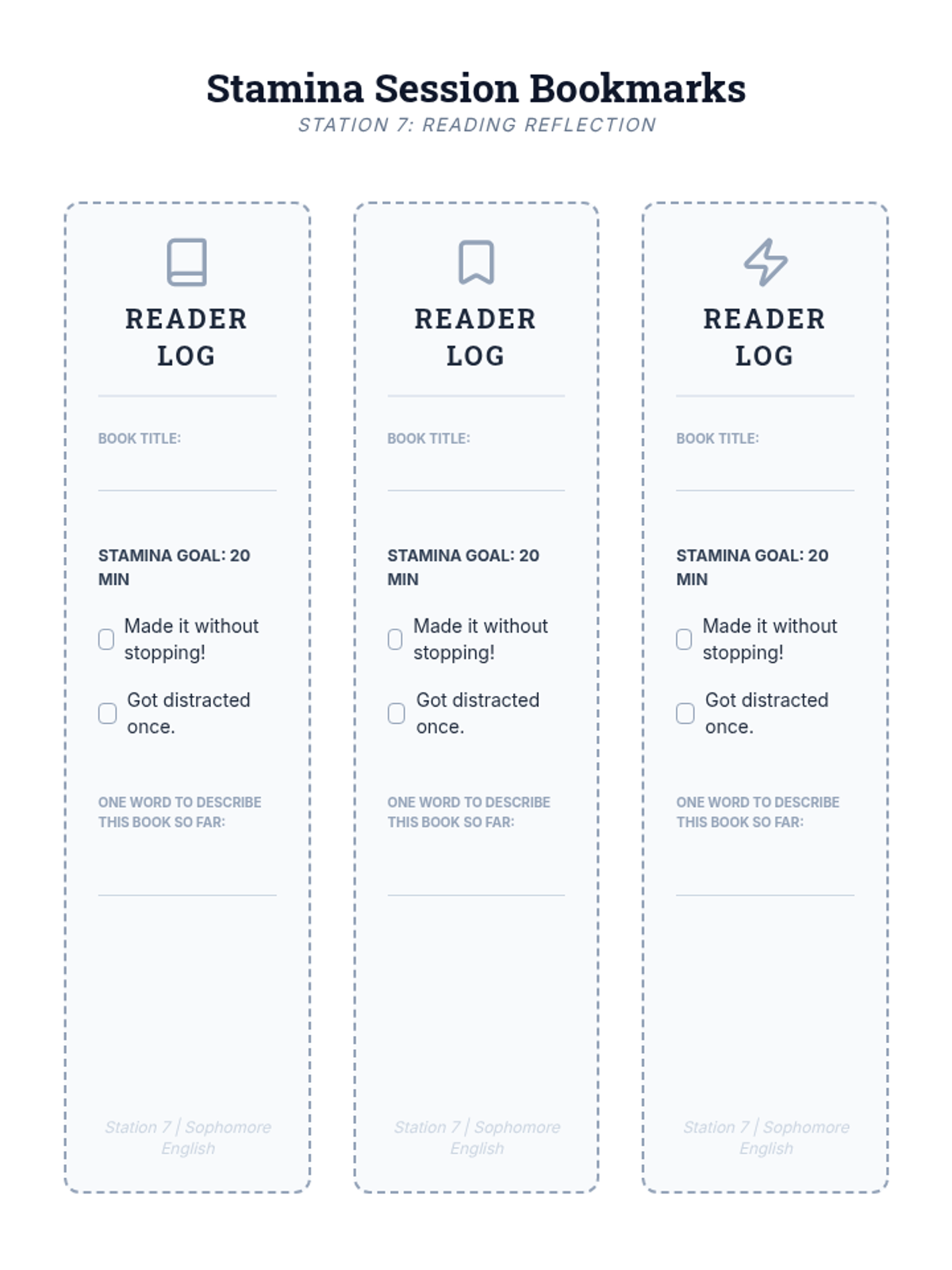
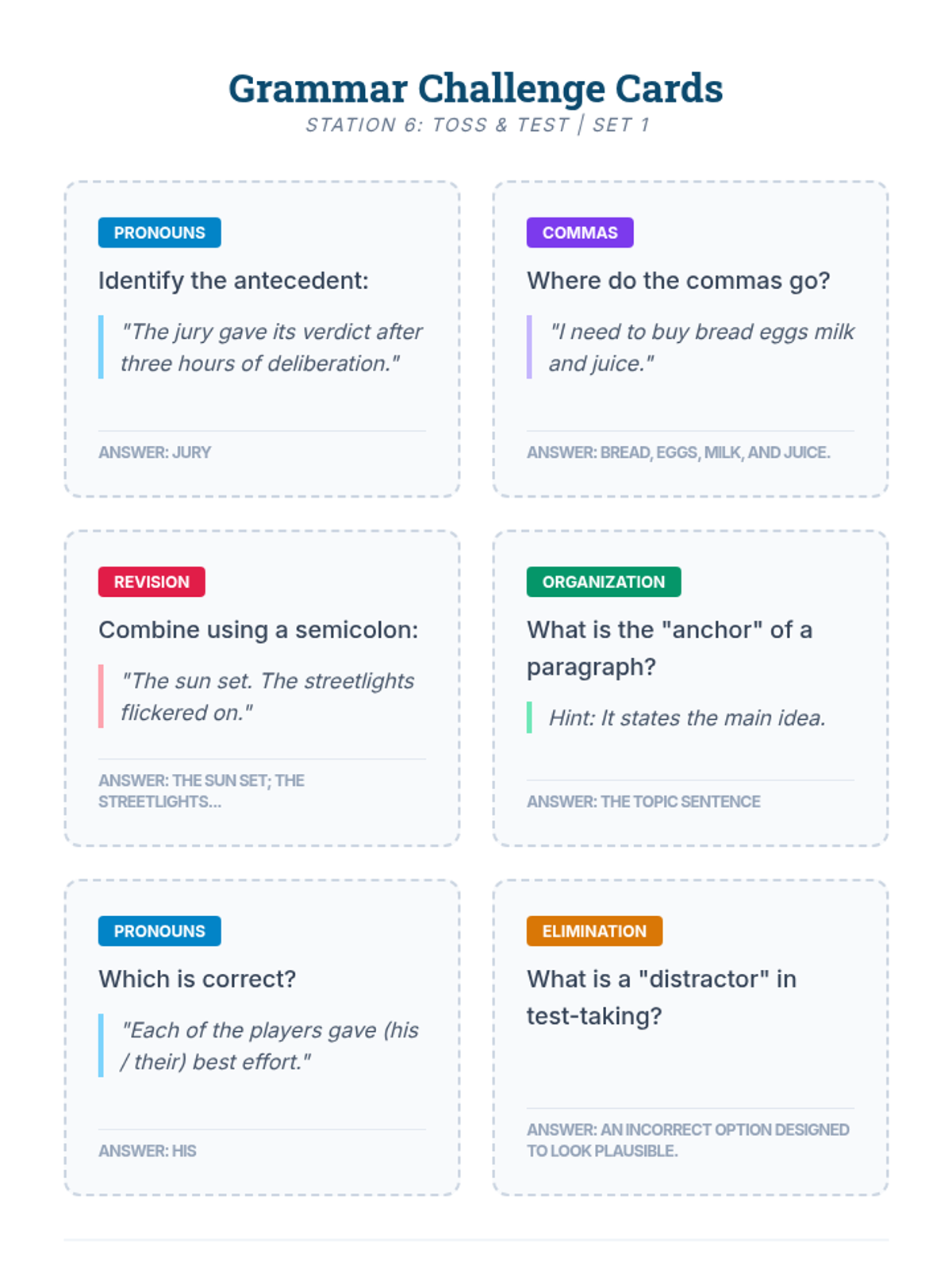
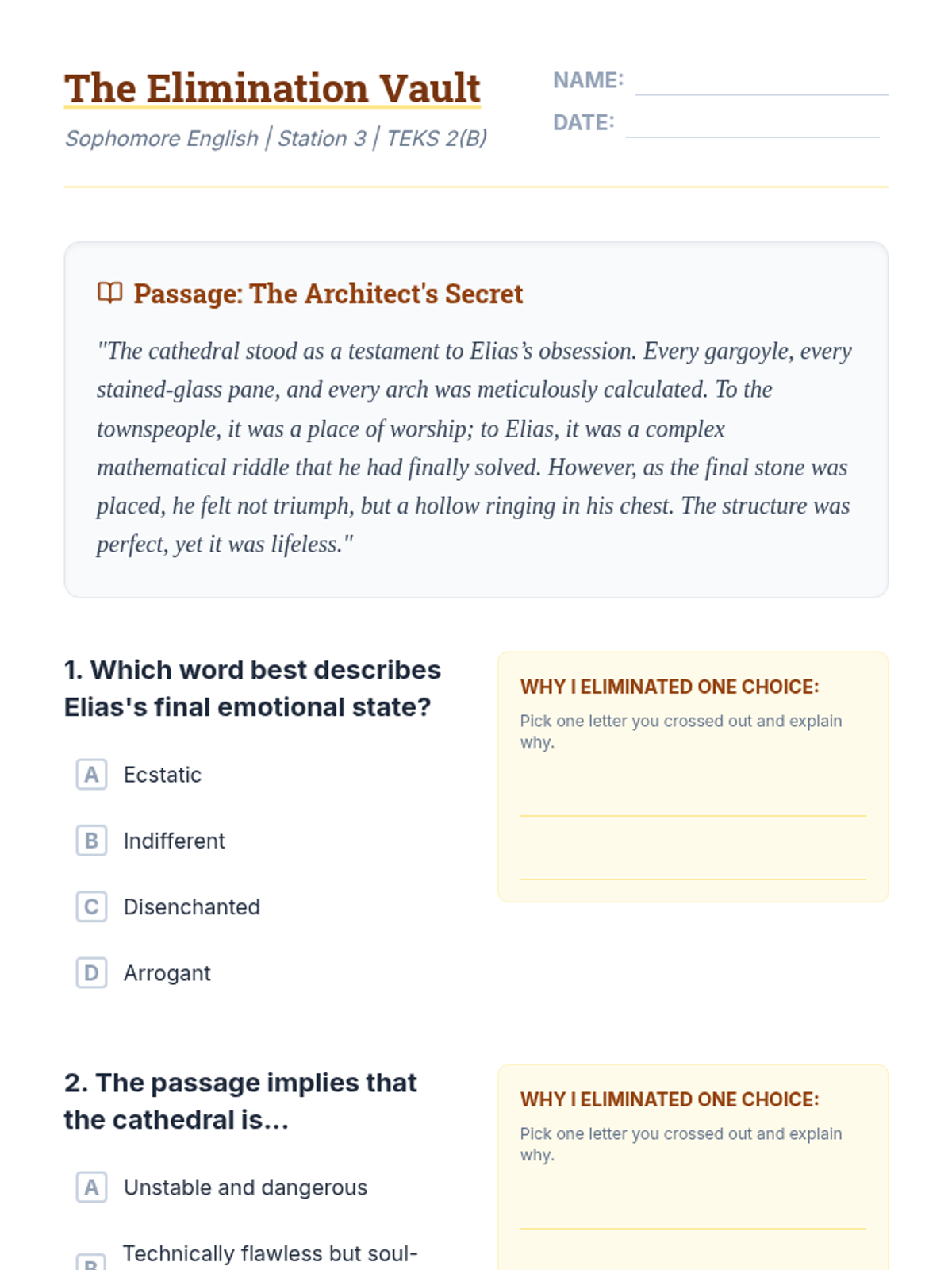
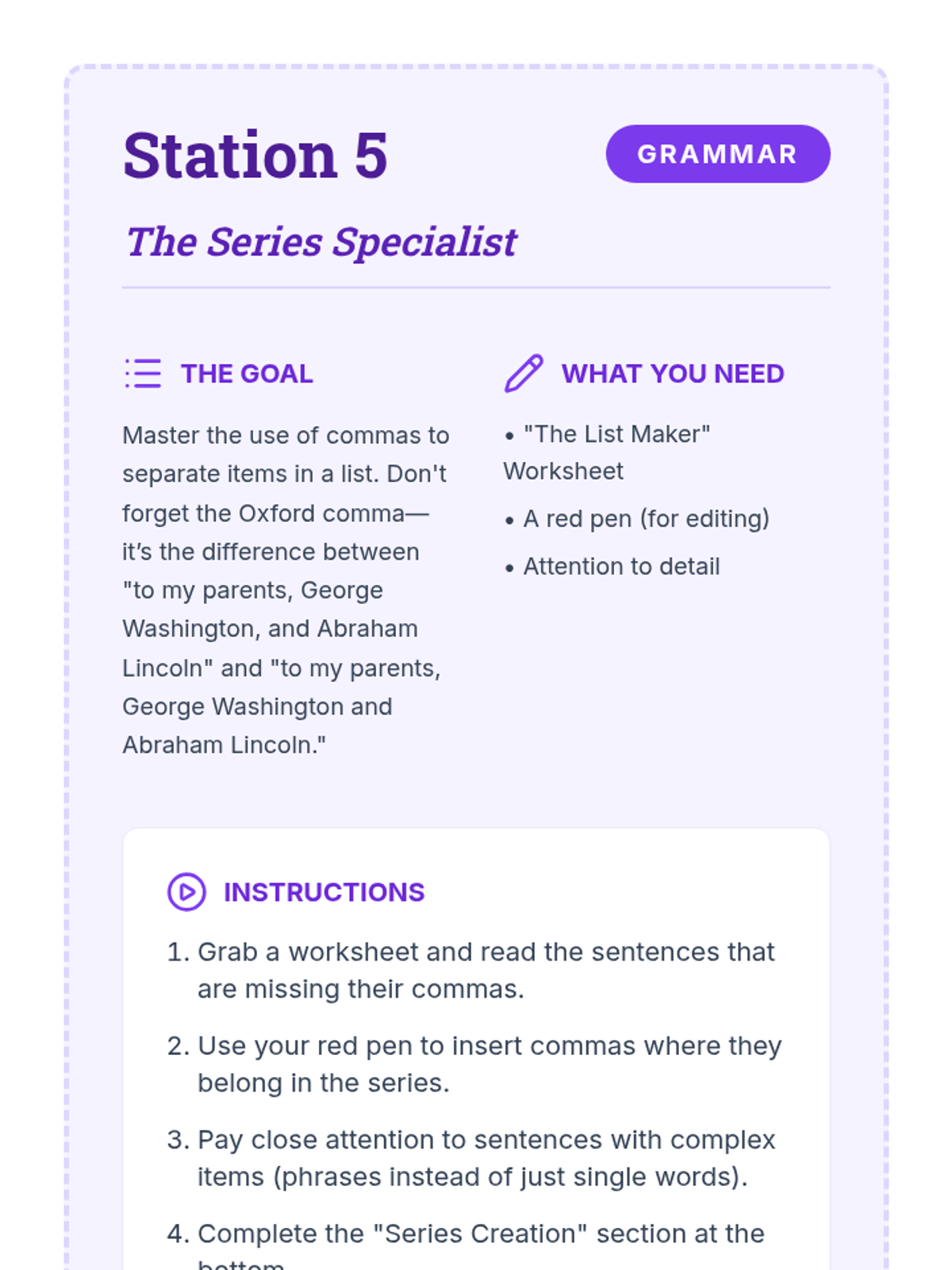
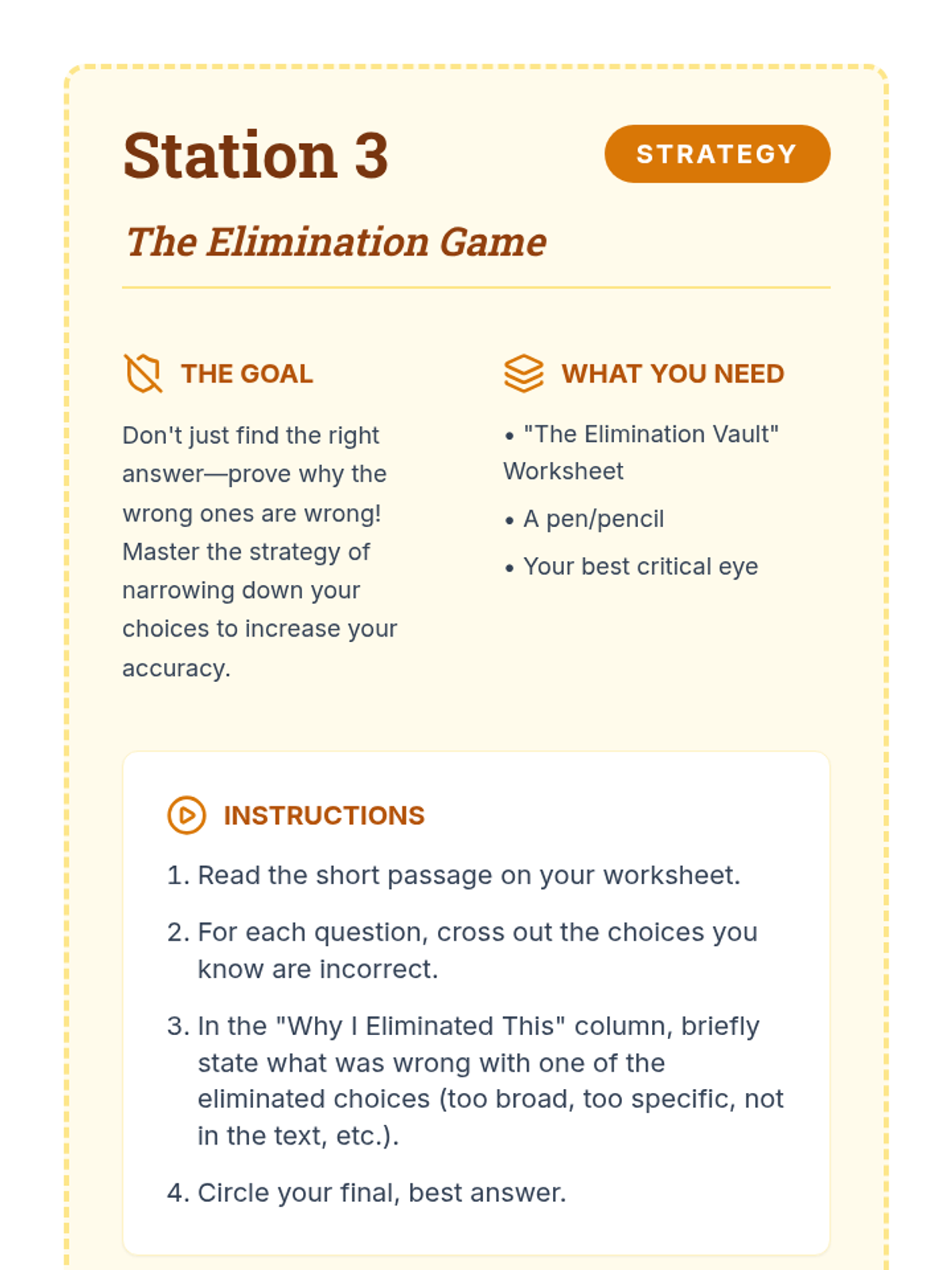
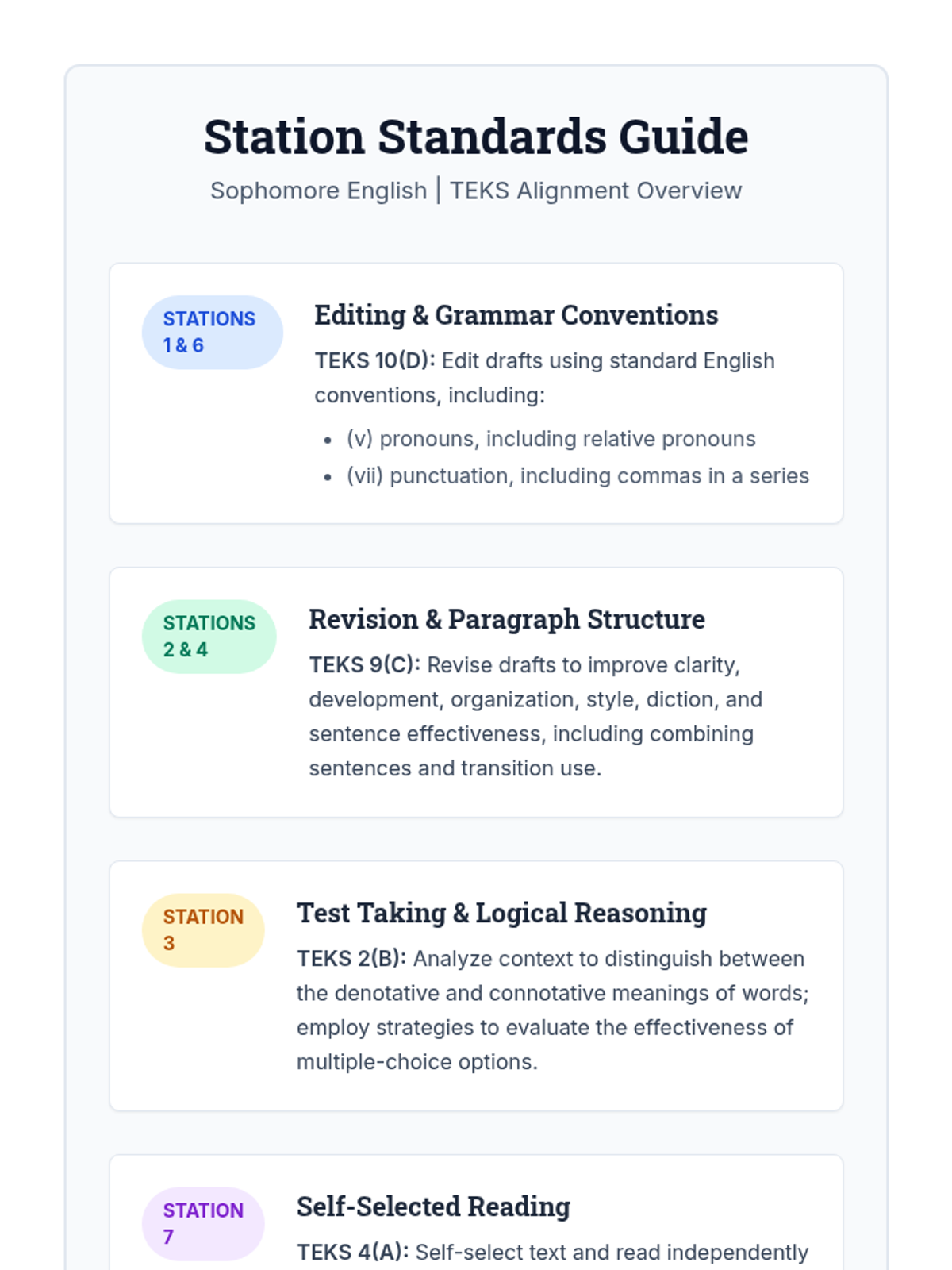
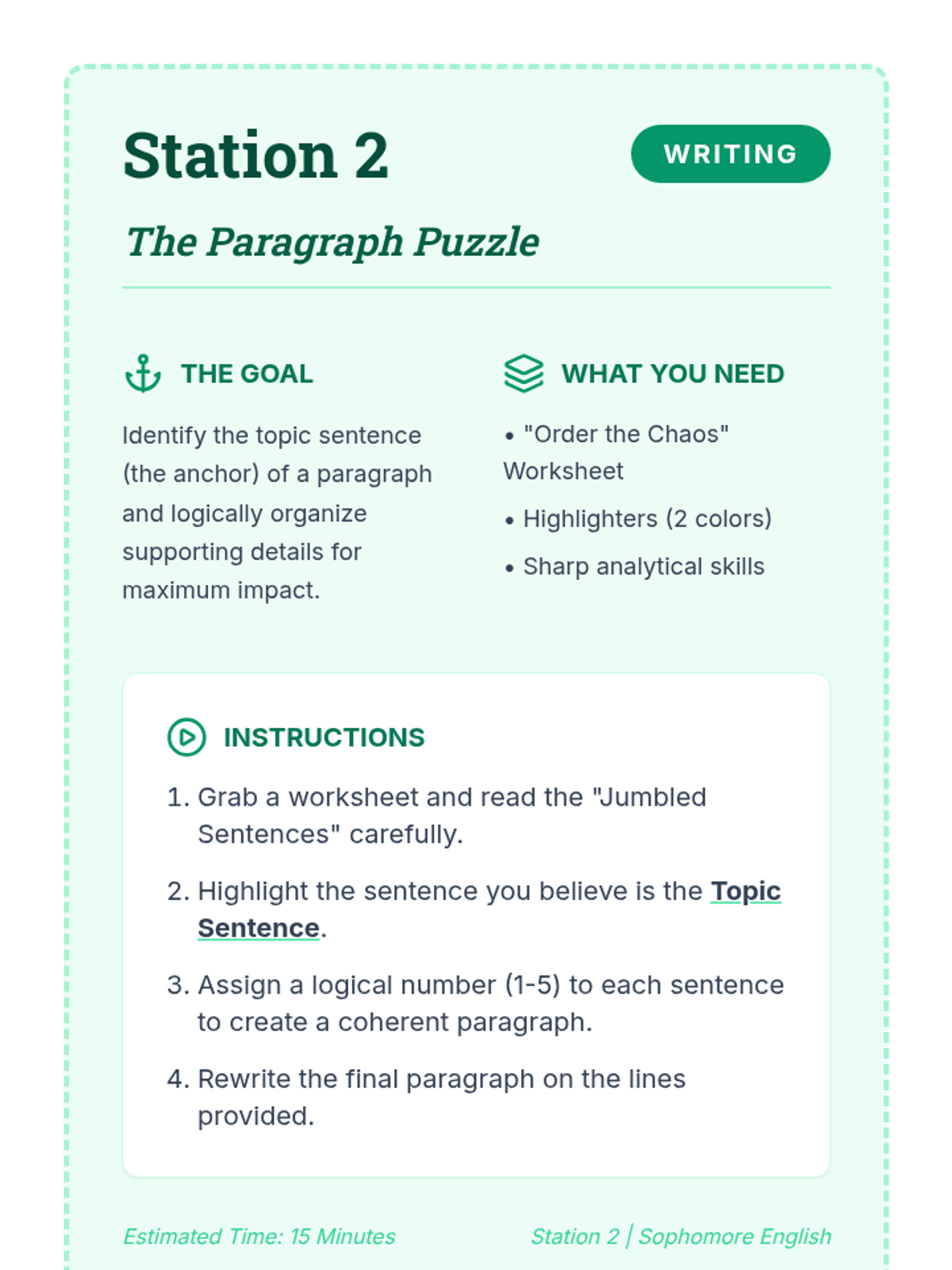
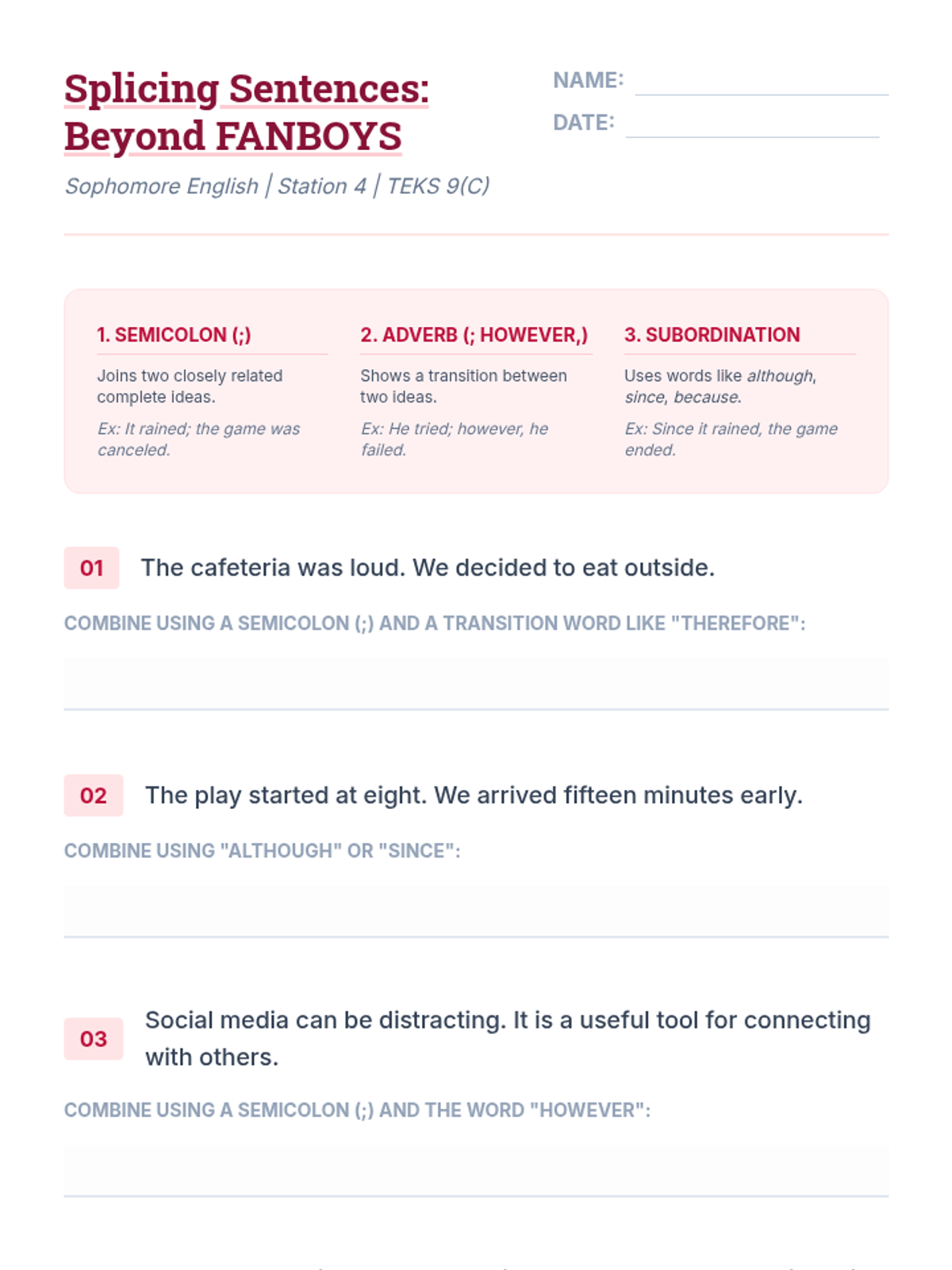
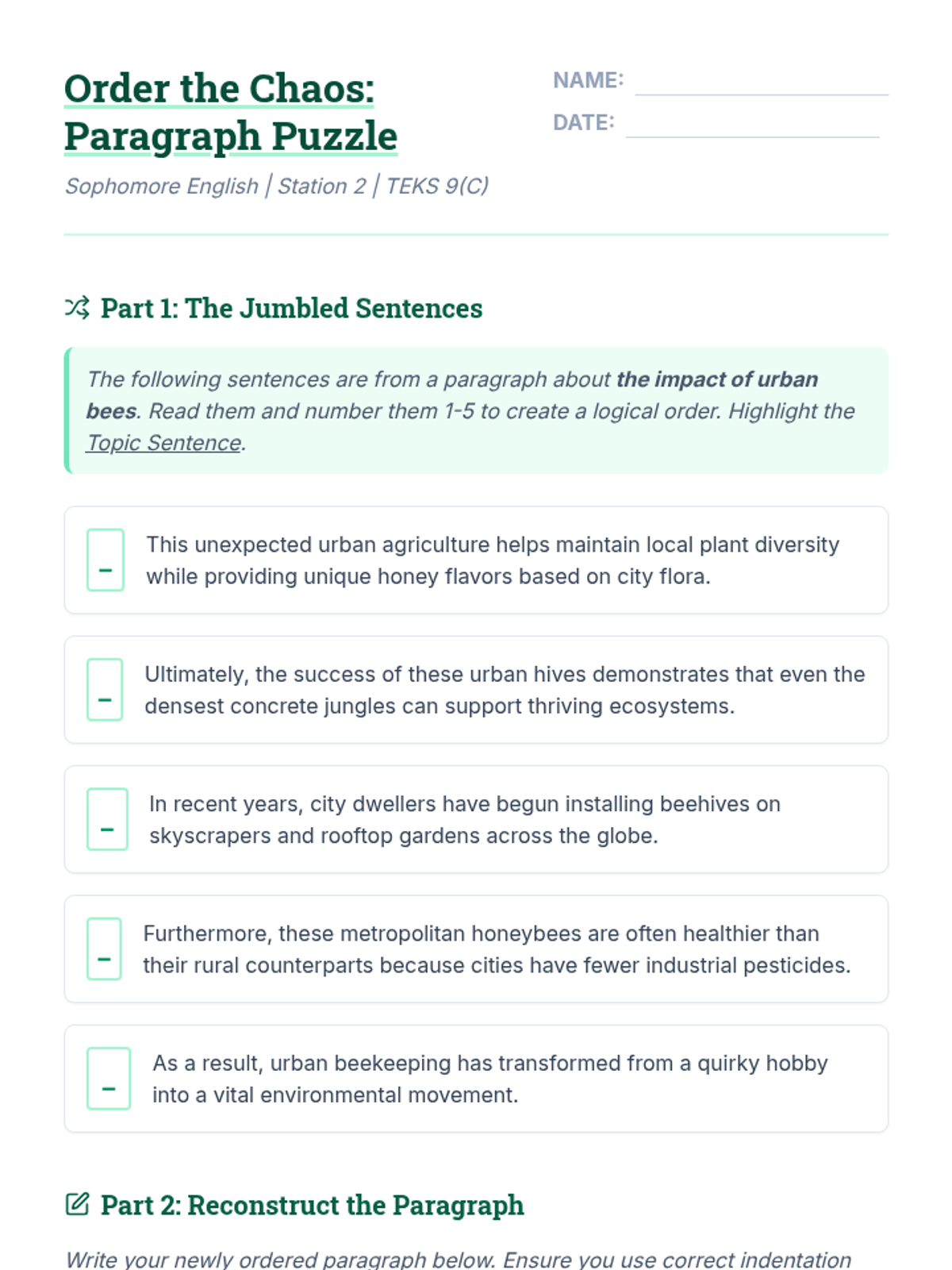
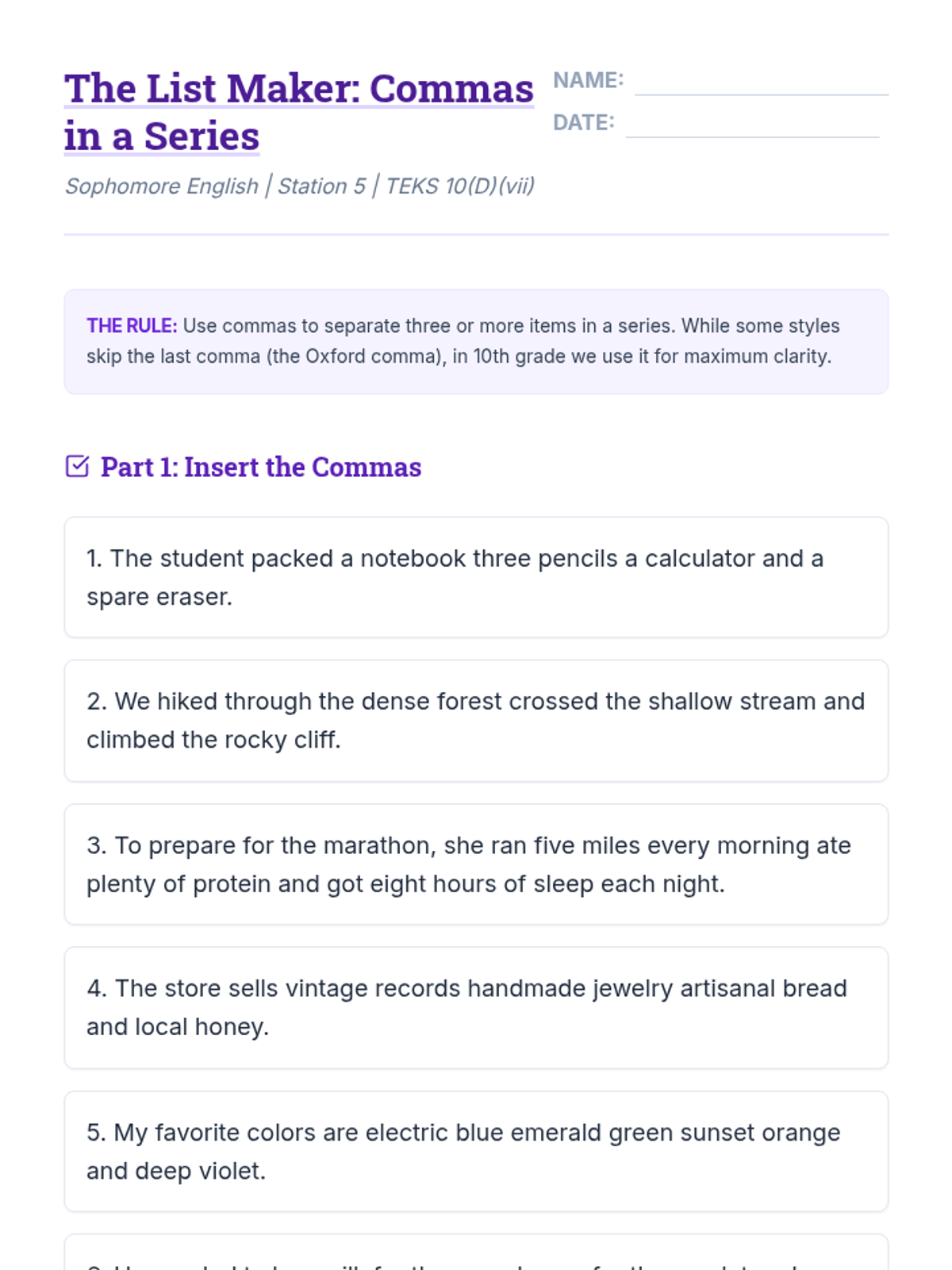
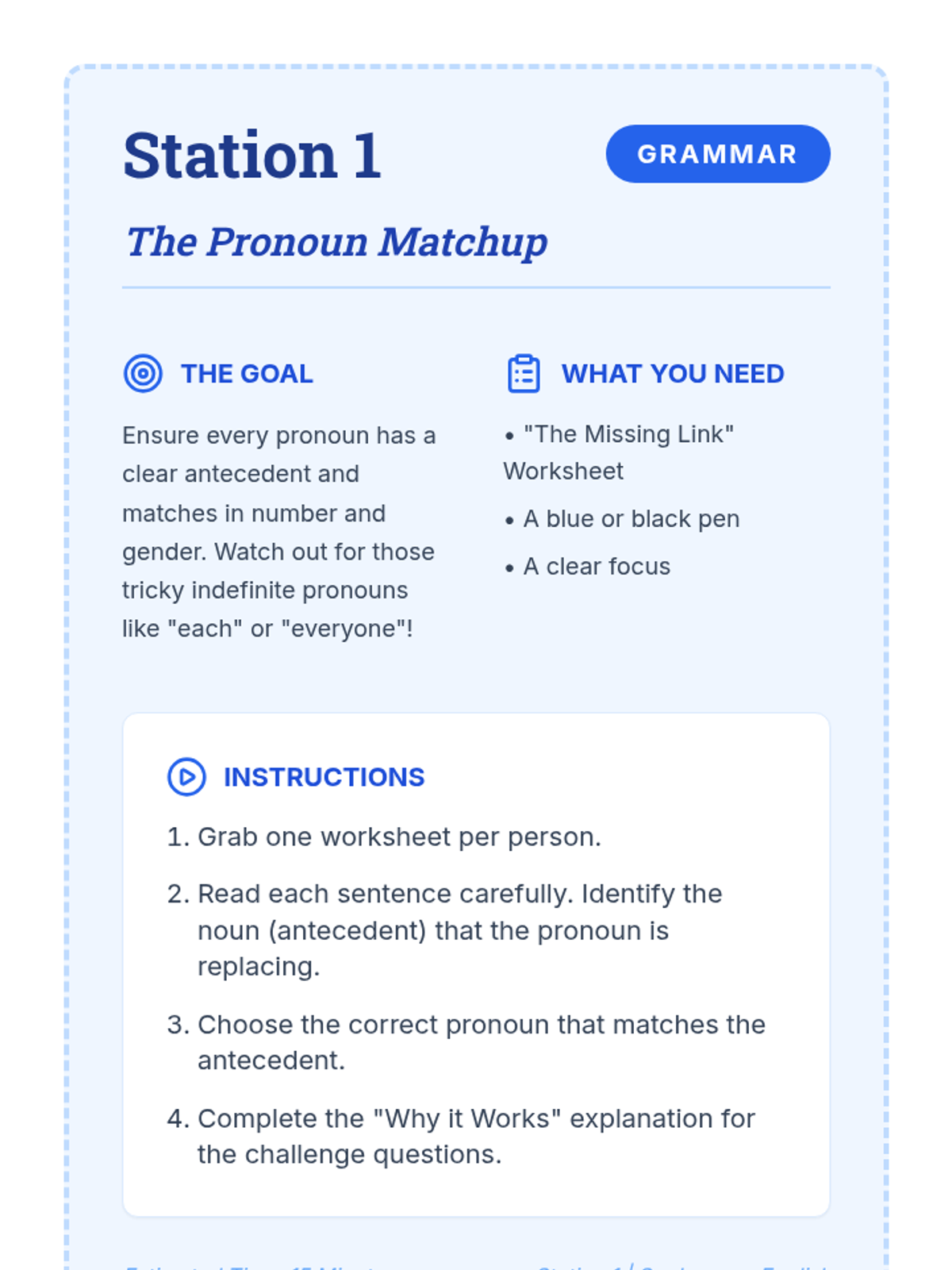
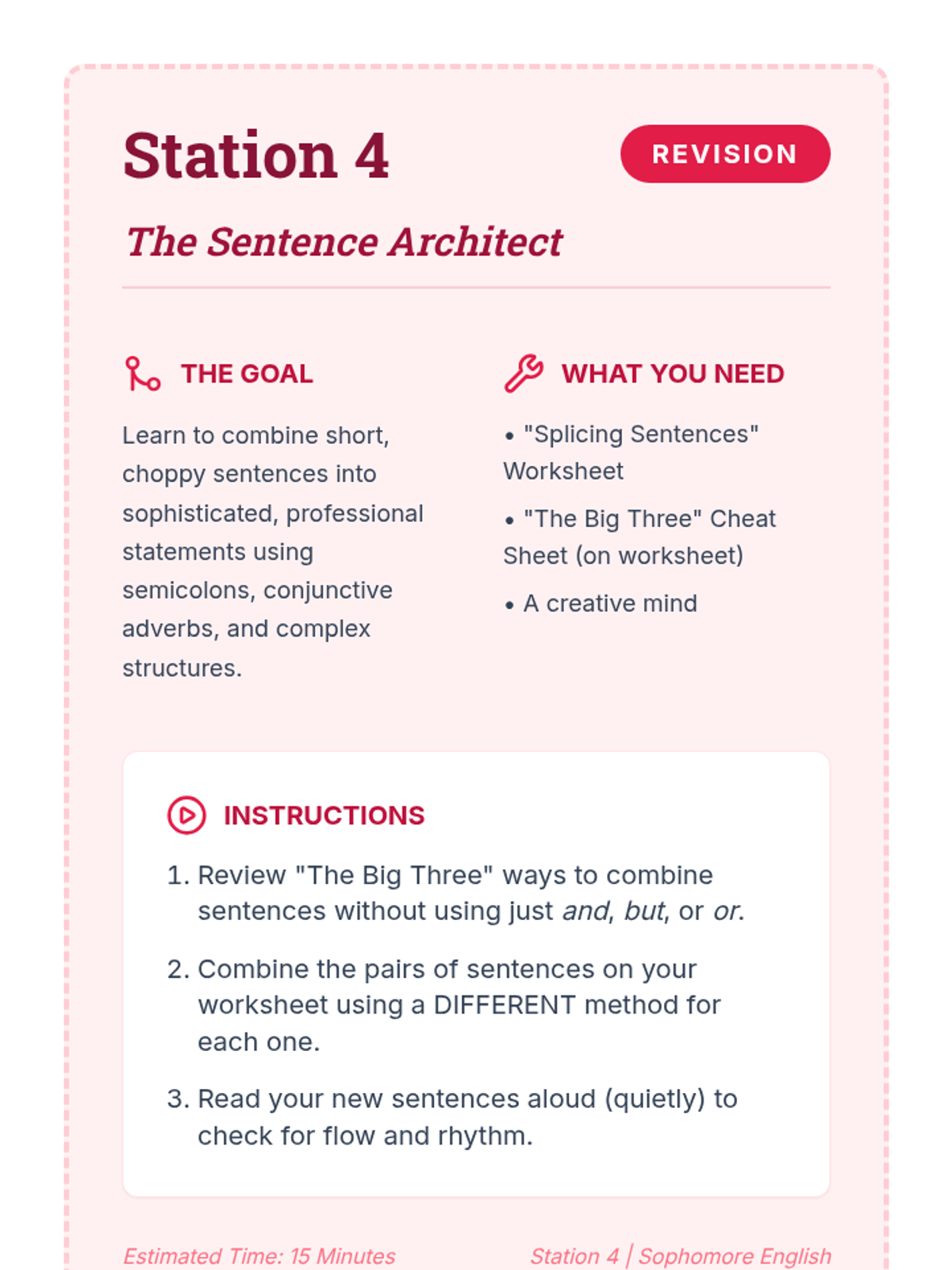
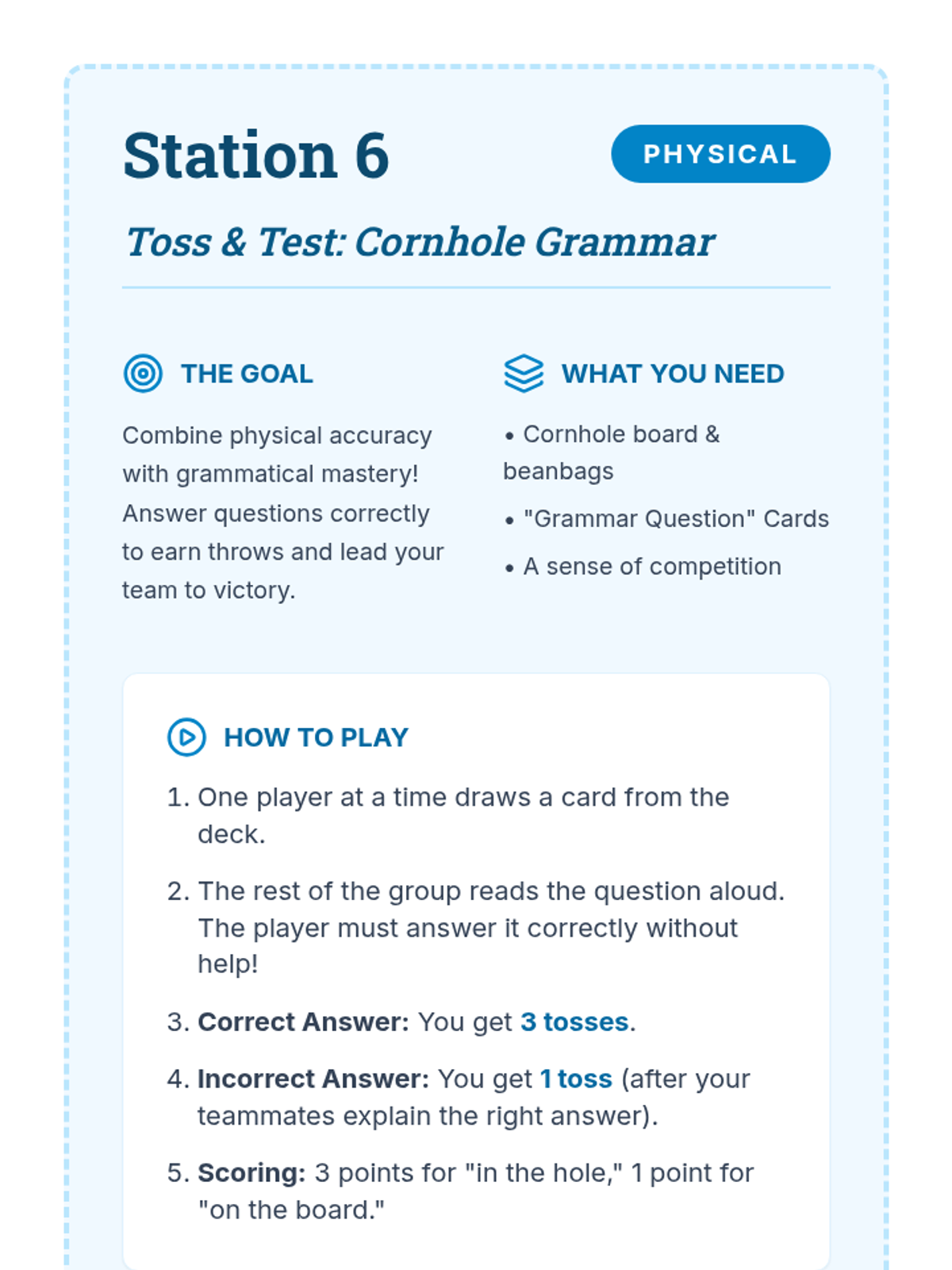
A series of interactive stations designed to reinforce sophomore English skills through hands-on activities, physical movement, and sustained reading.
A comprehensive four-week high school or college-level literature unit exploring the core tenets of existentialism through the lens of short fiction by Kafka, Sartre, Camus, Ellison, and Lispector, culminating in a creative philosophical project.
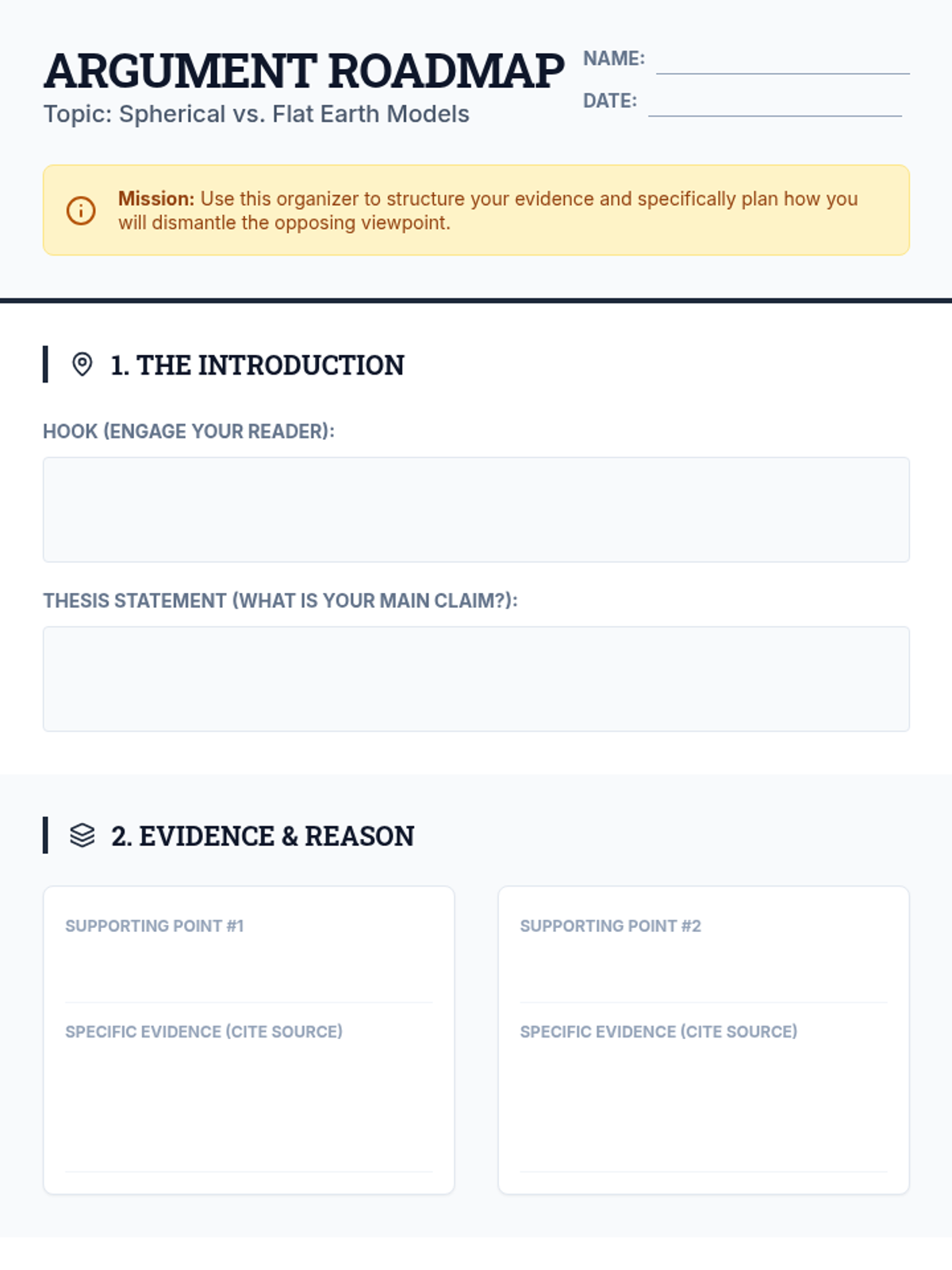
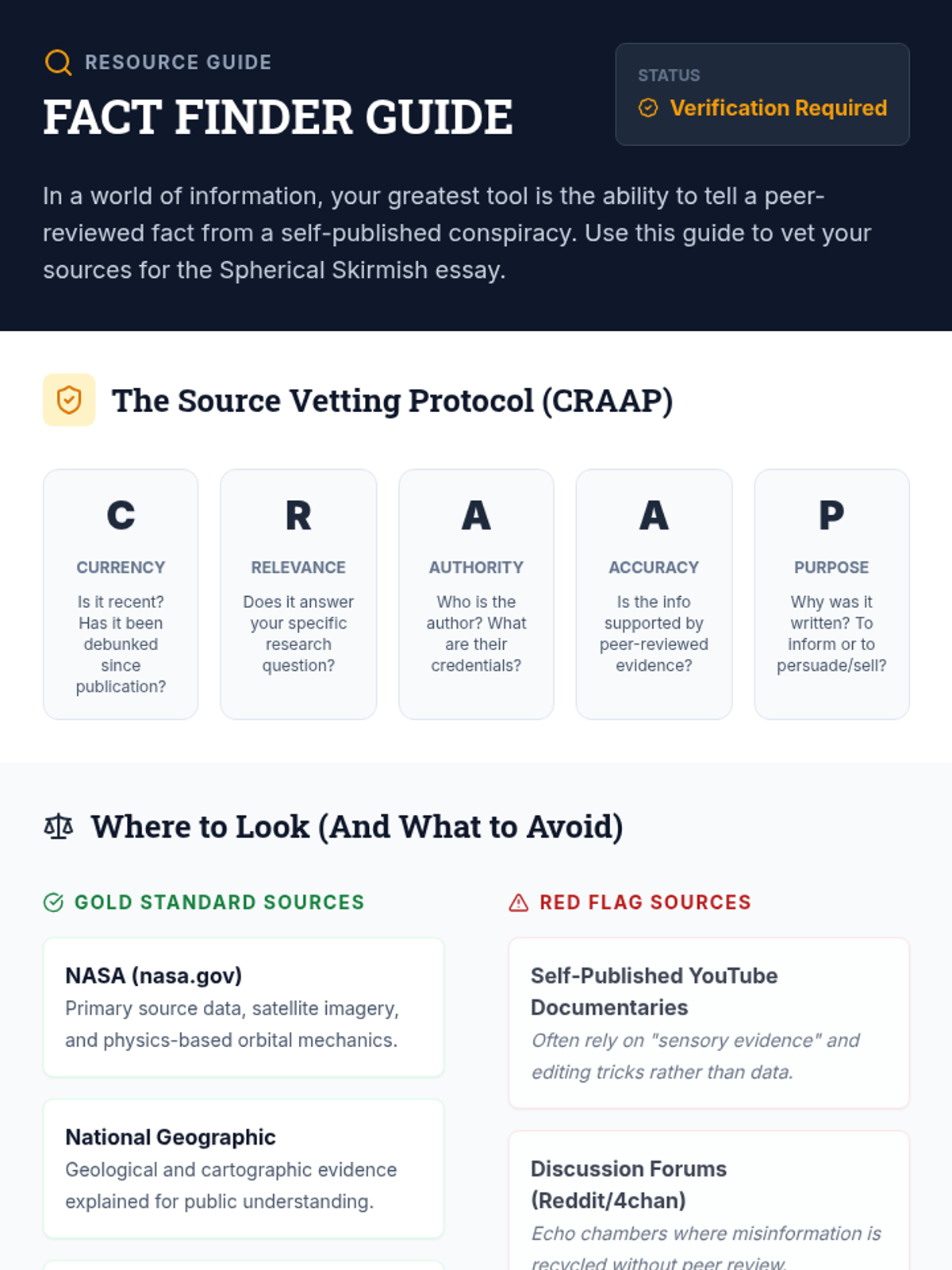
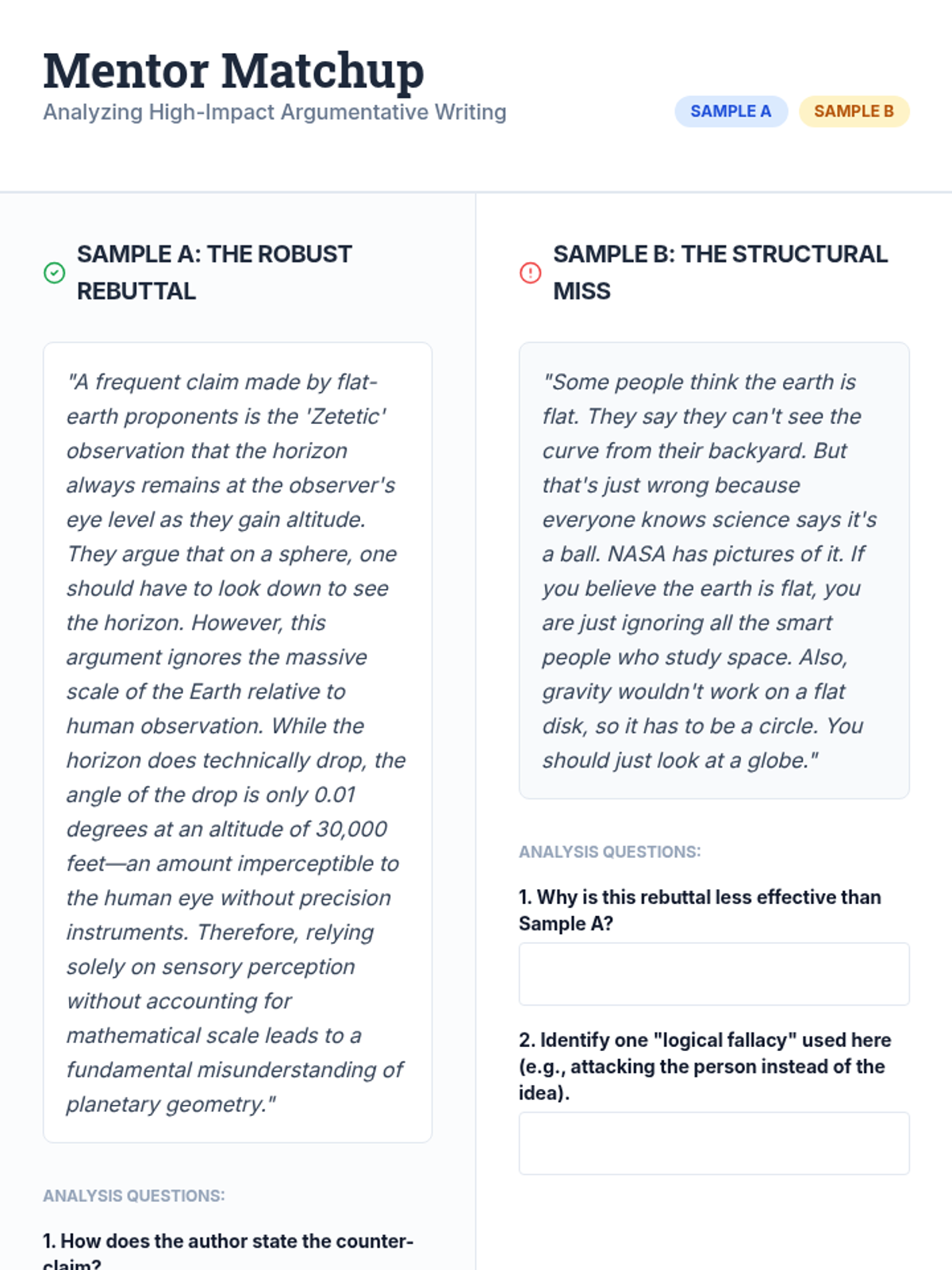
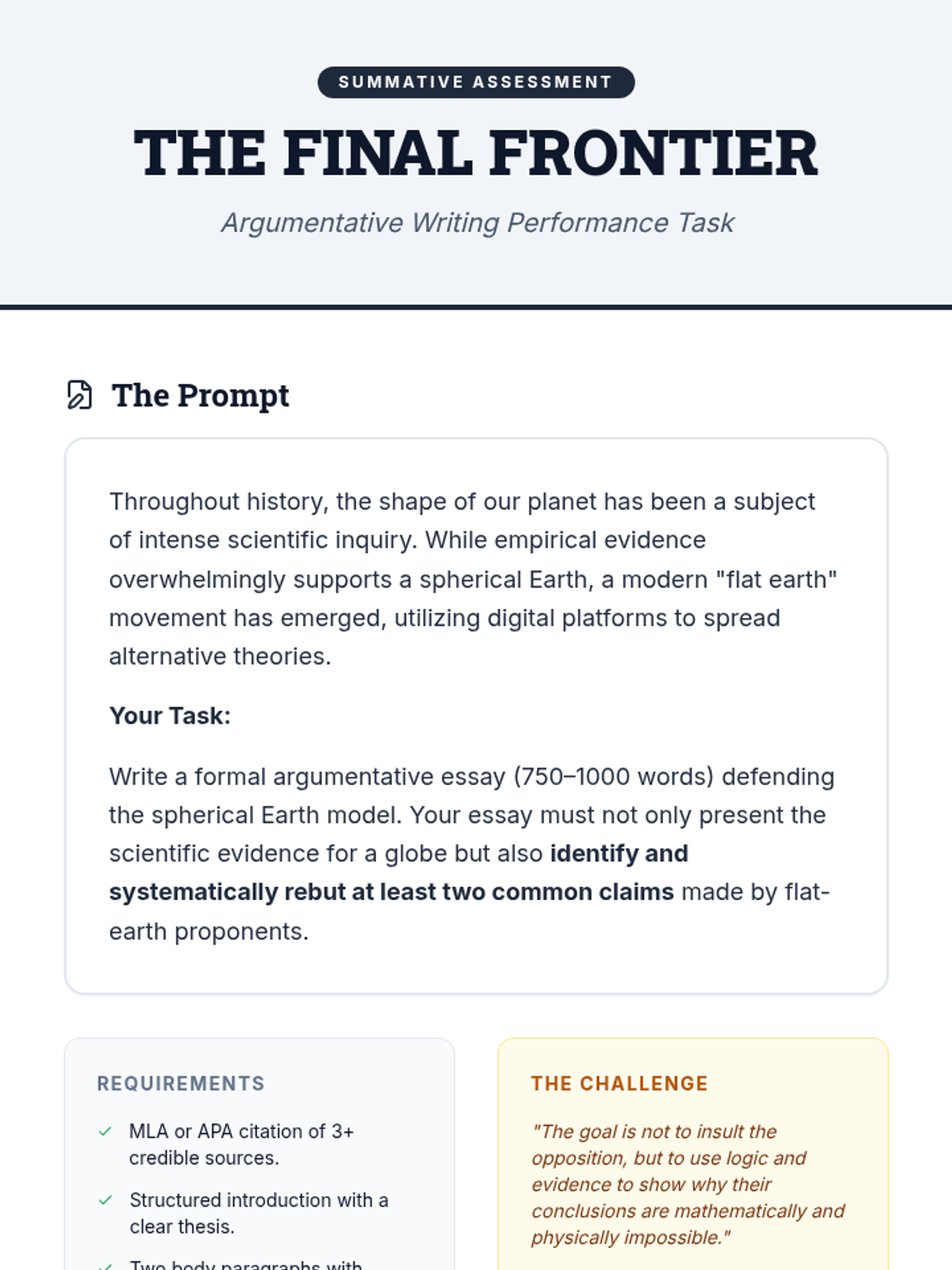
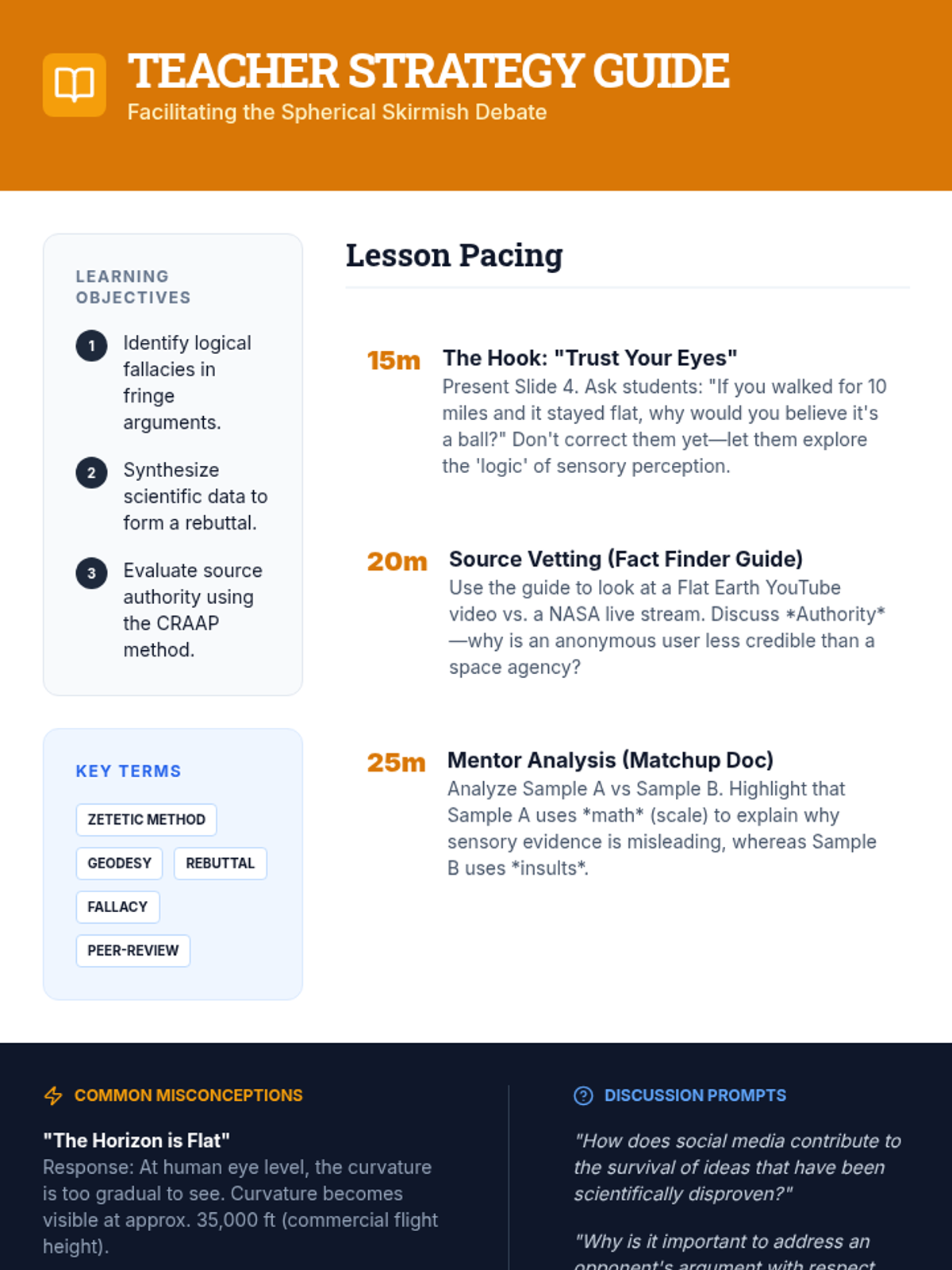
A comprehensive unit focused on mastering argumentative writing through the lens of the flat earth vs. round earth debate, emphasizing evidence-based reasoning and rebuttal techniques.
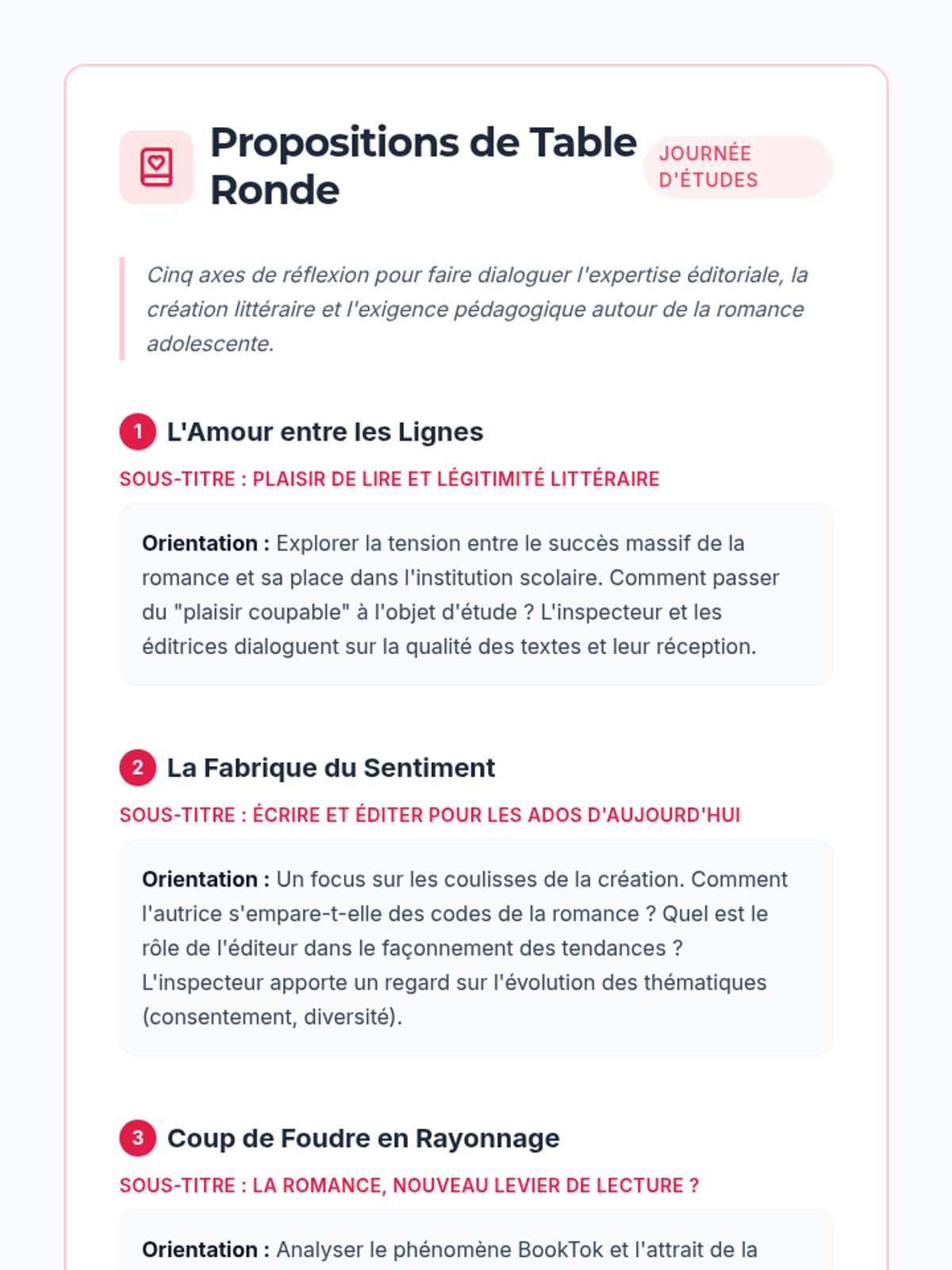
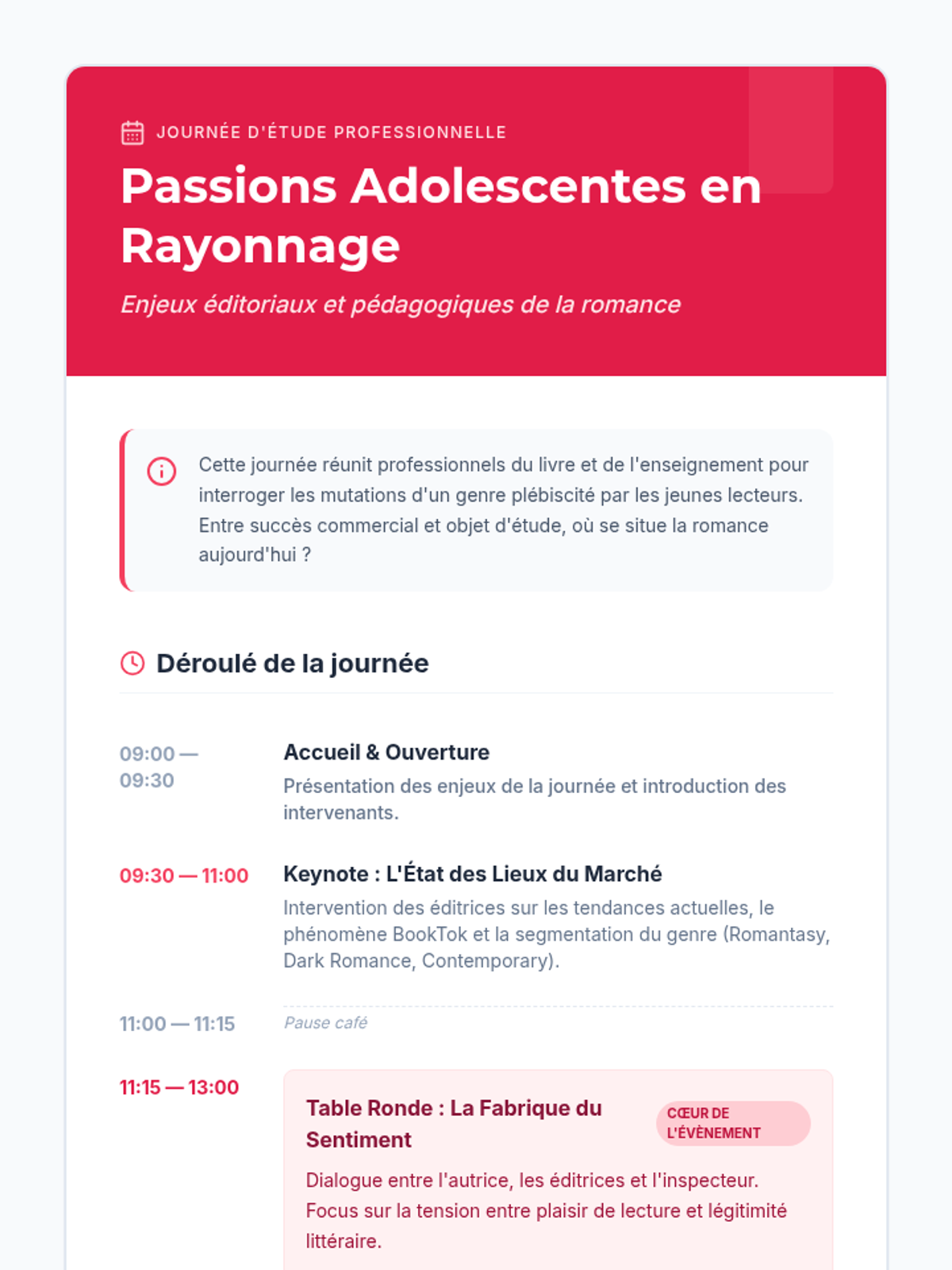
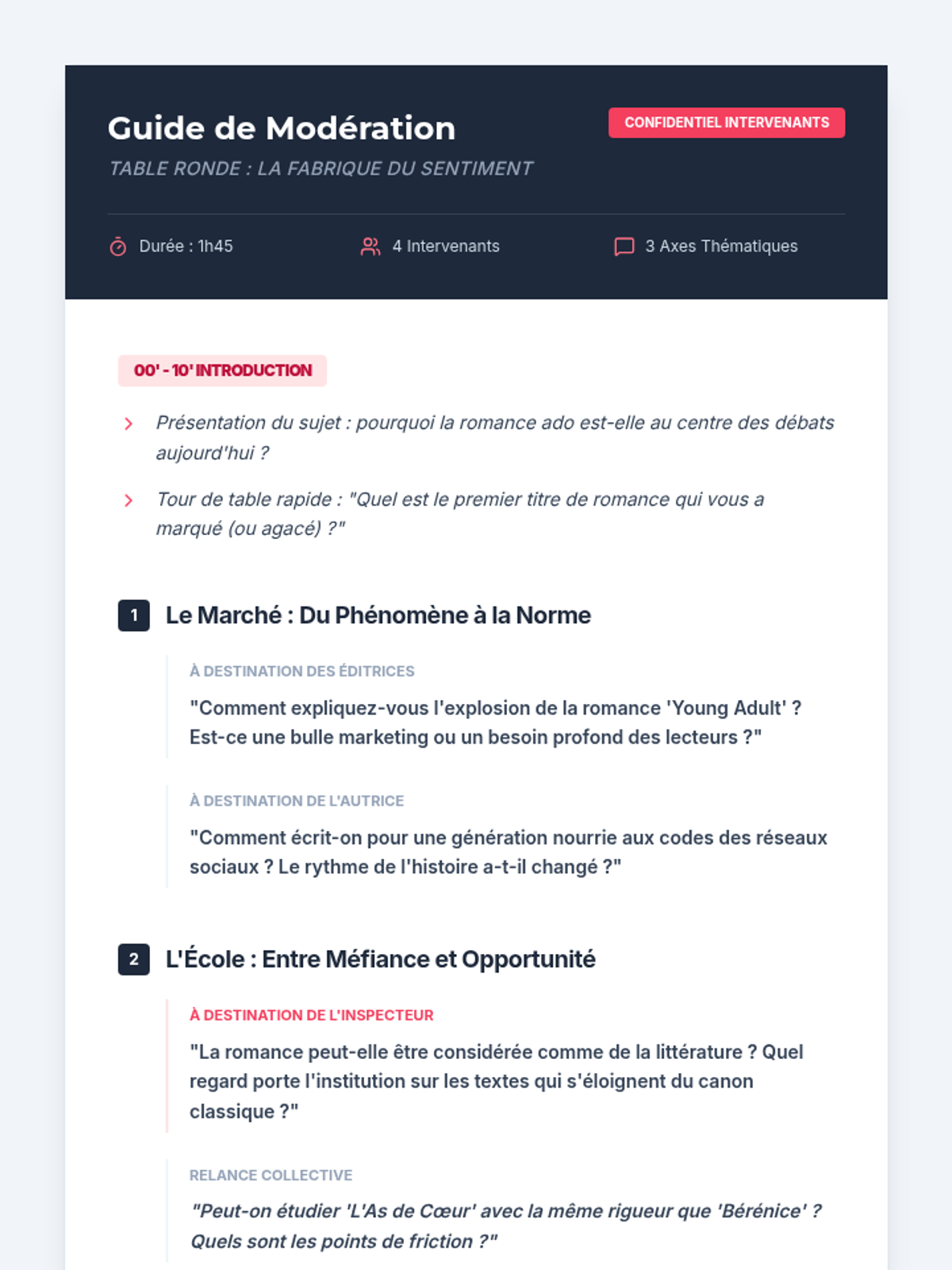
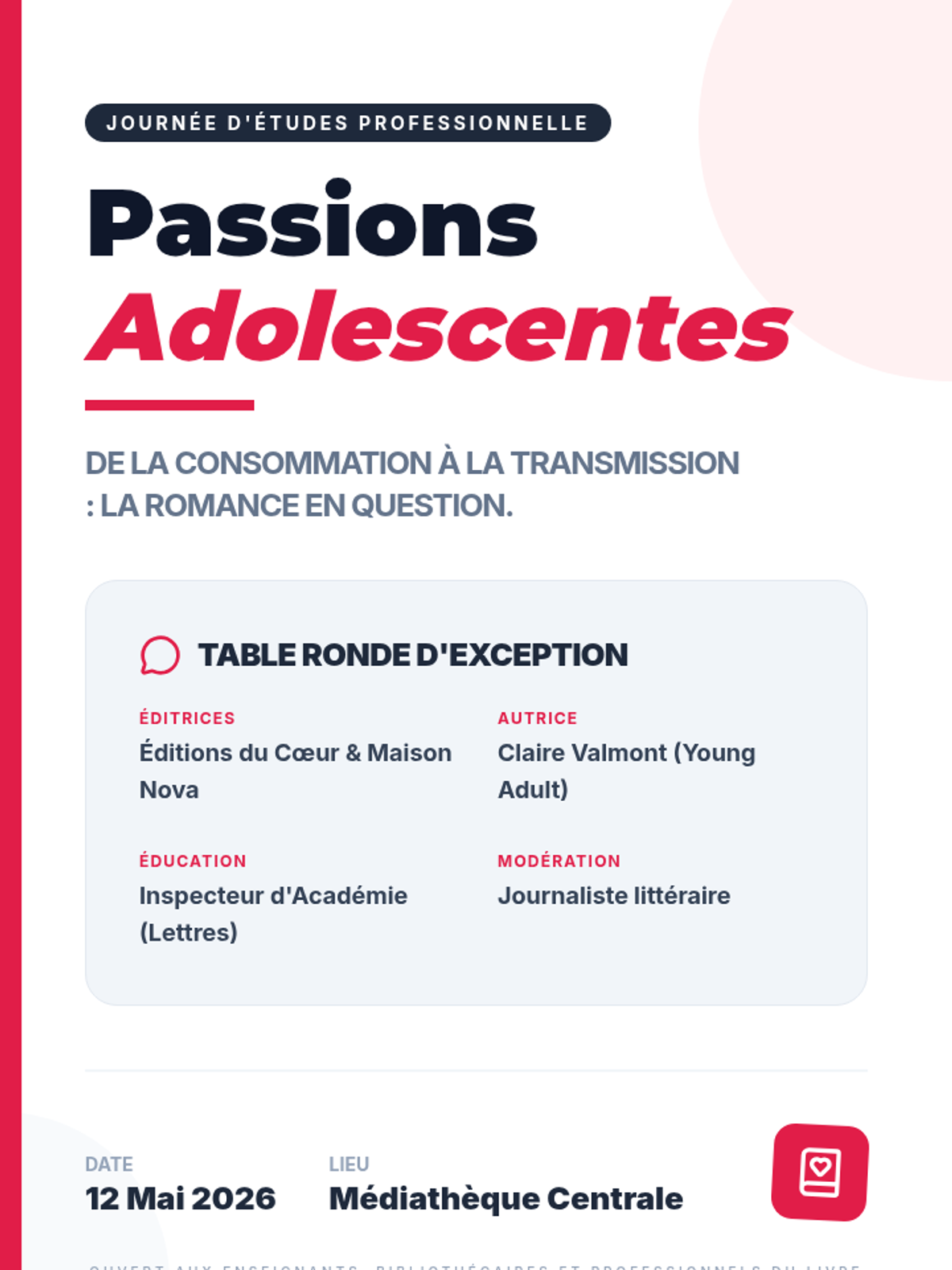
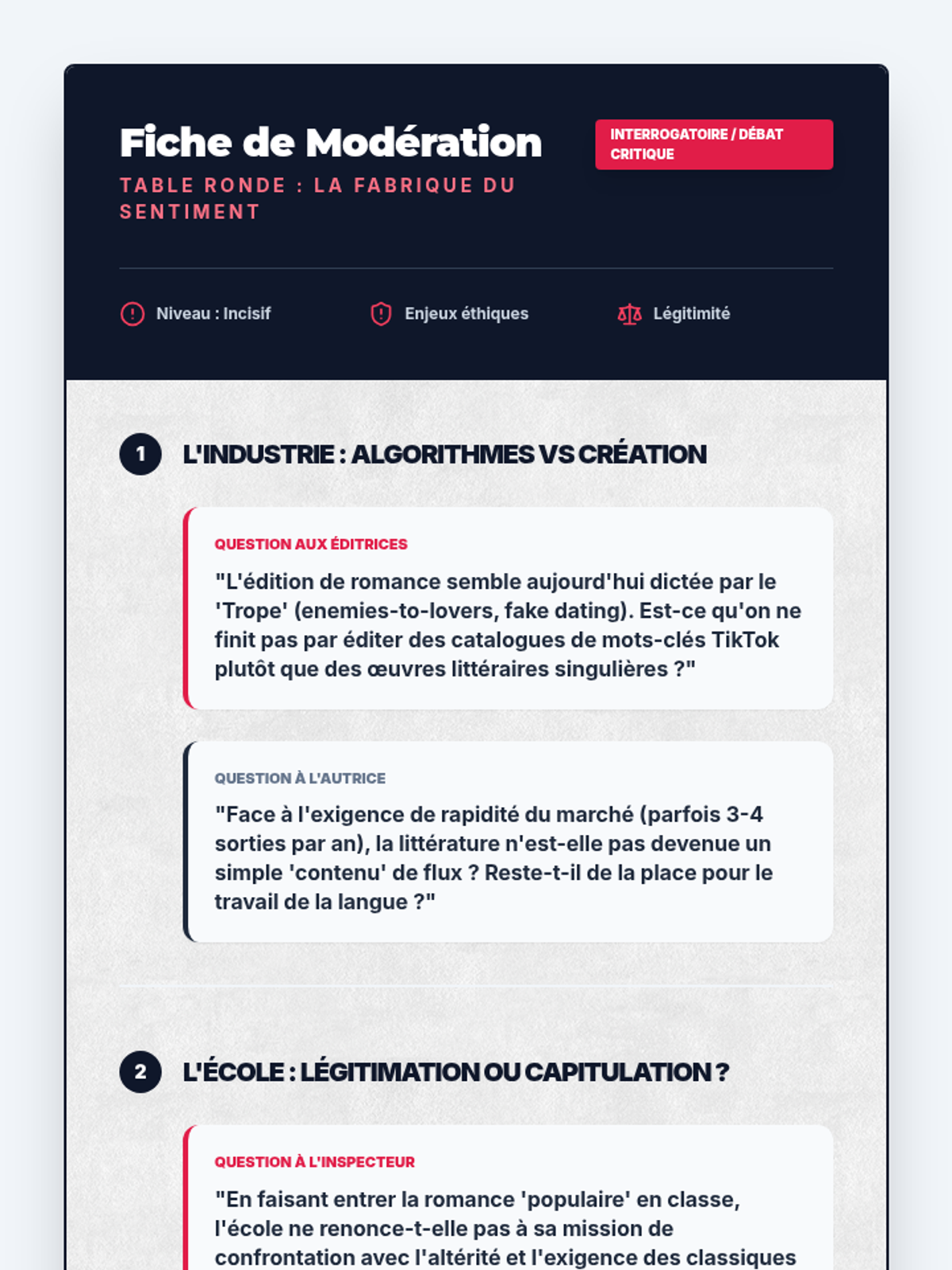
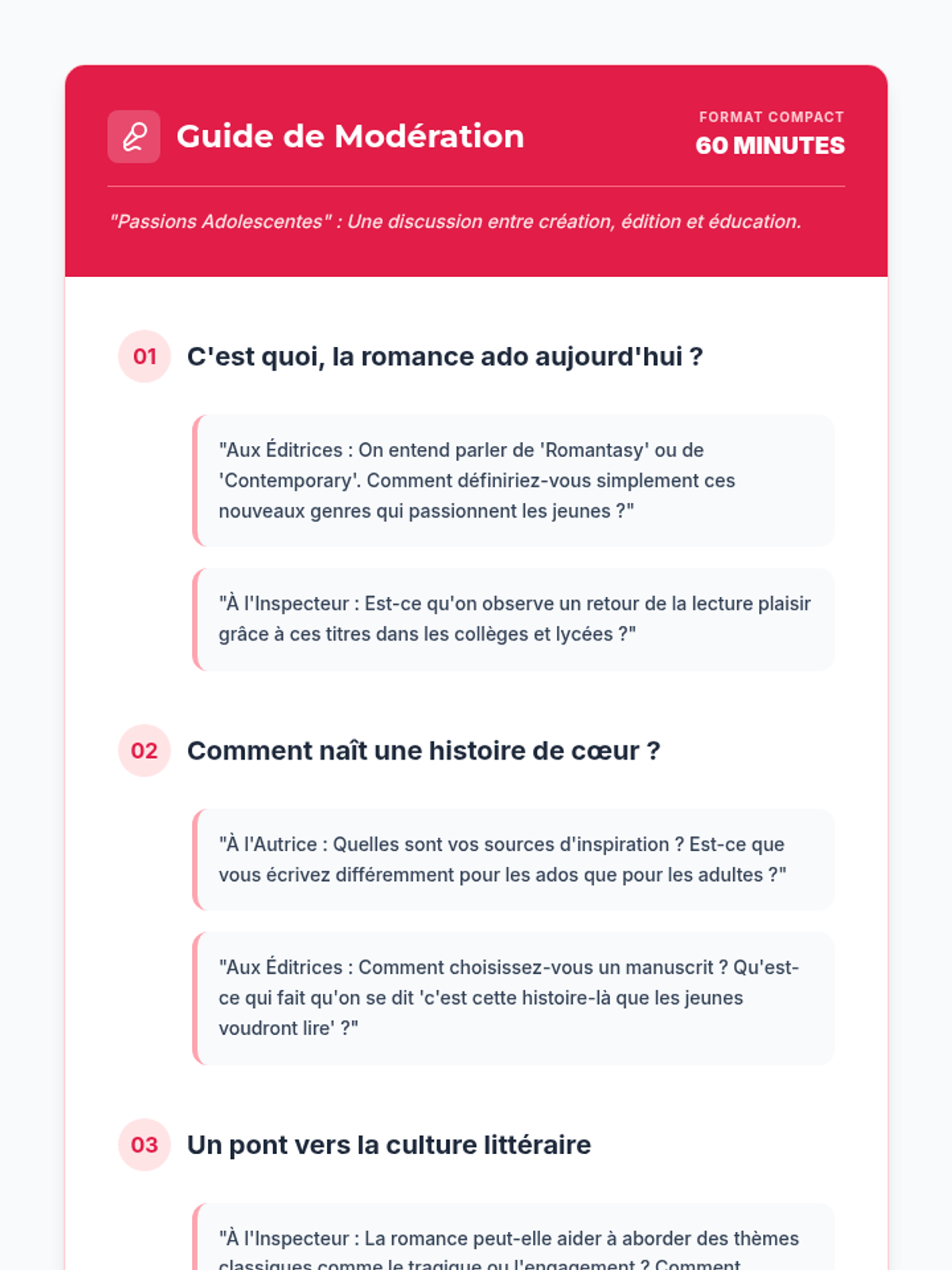
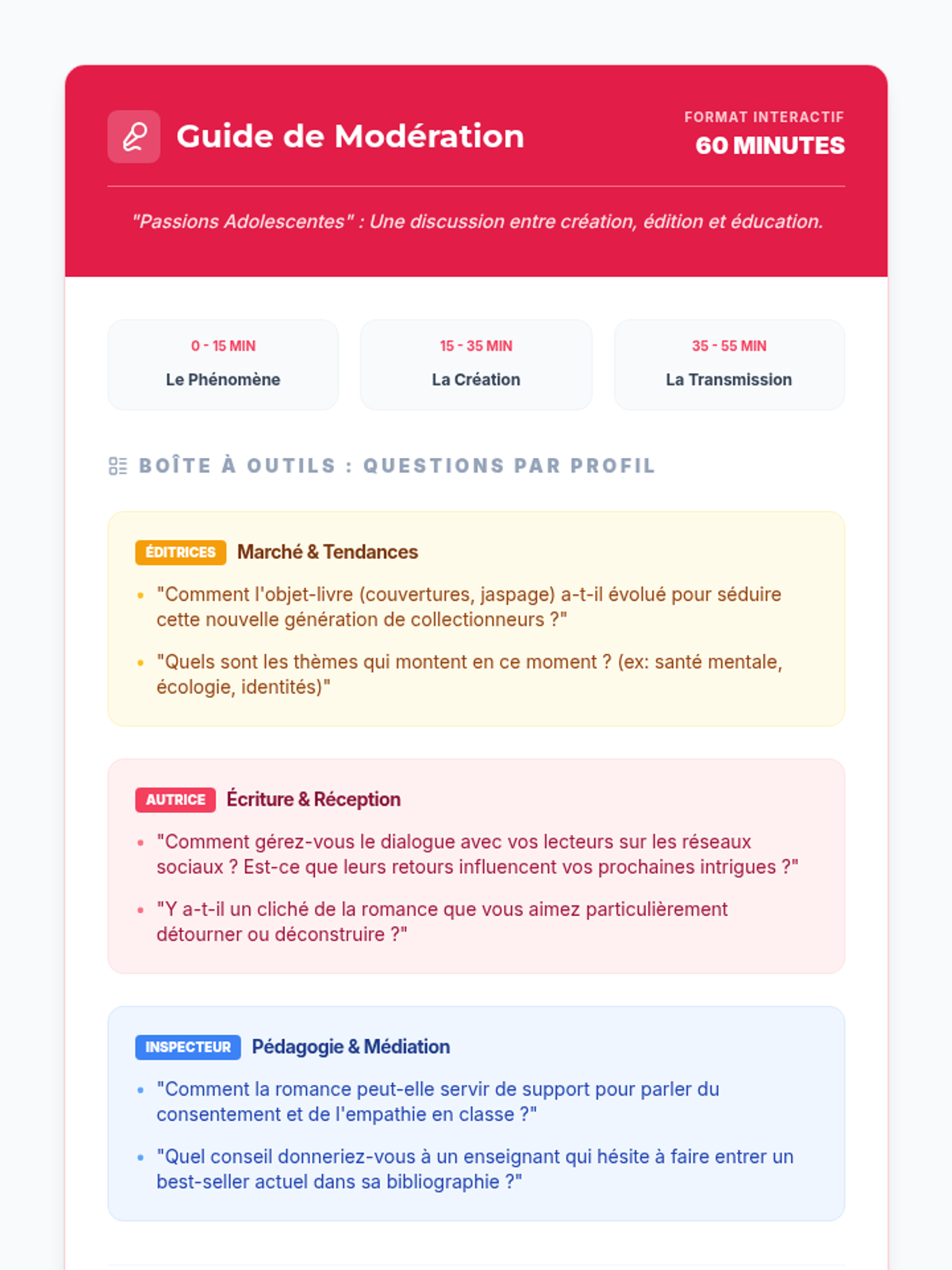
Une série de ressources pour organiser et promouvoir une table ronde sur la littérature romance pour adolescents, incluant programme, guide de discussion et supports de communication.
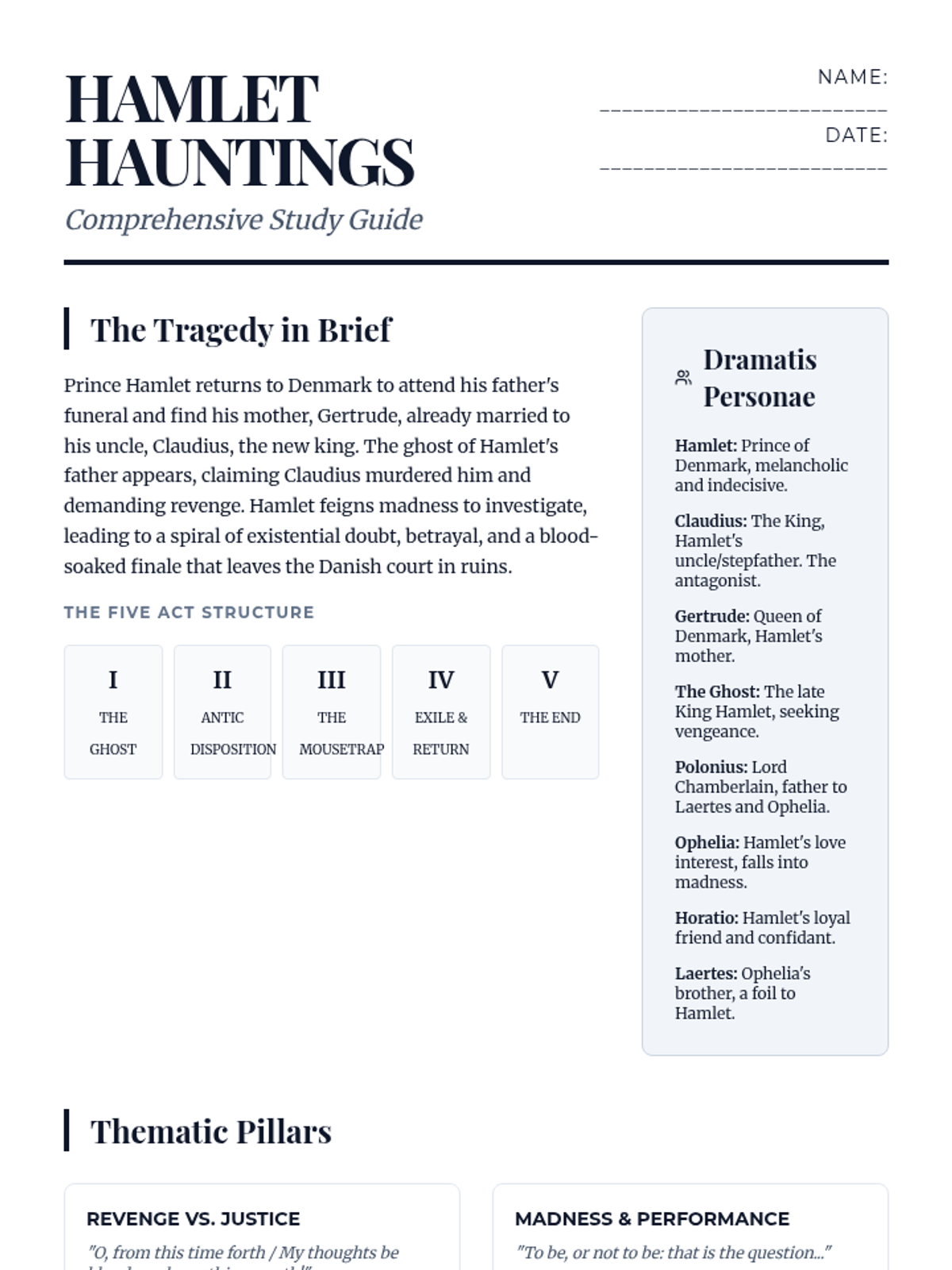
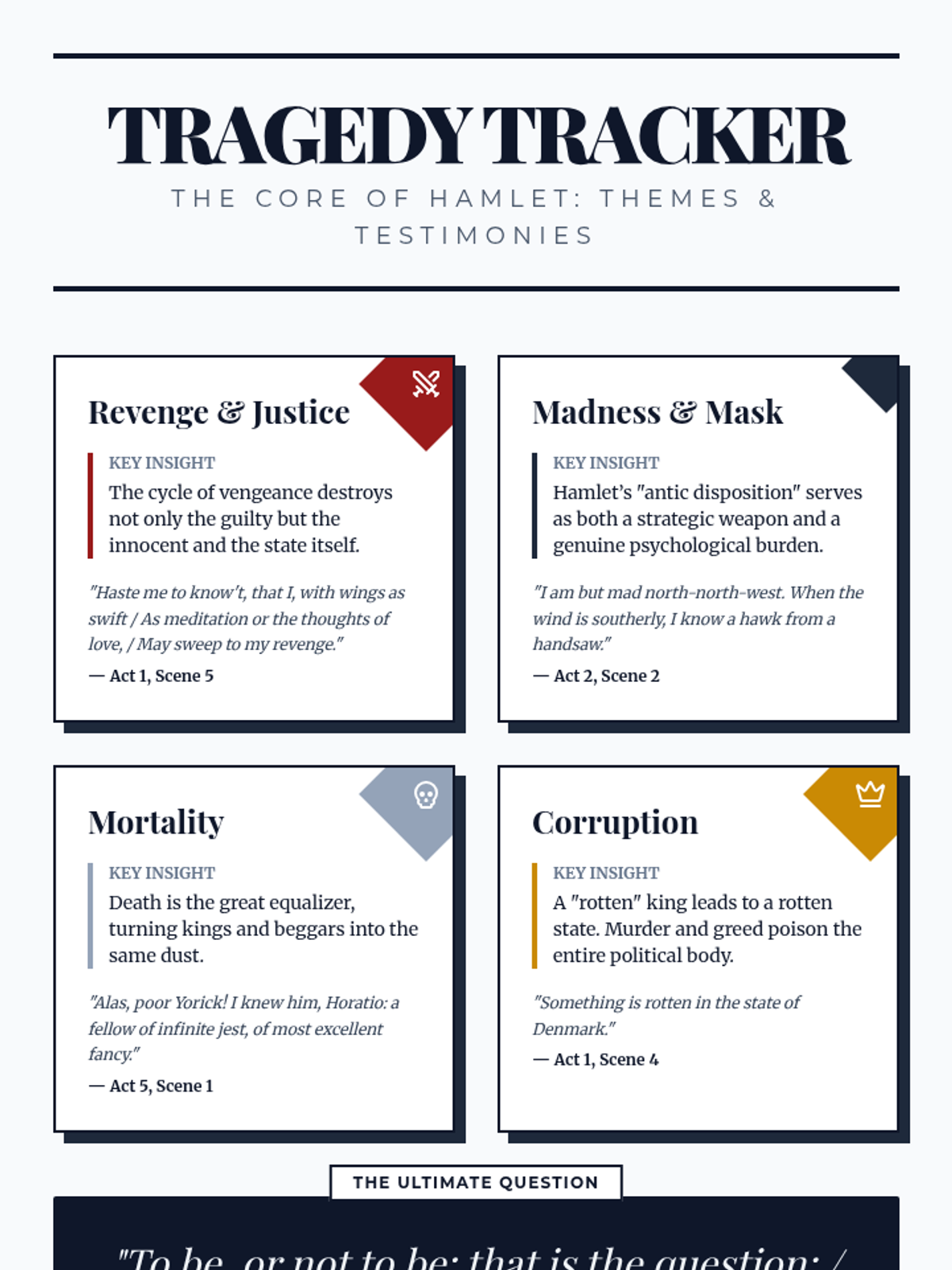
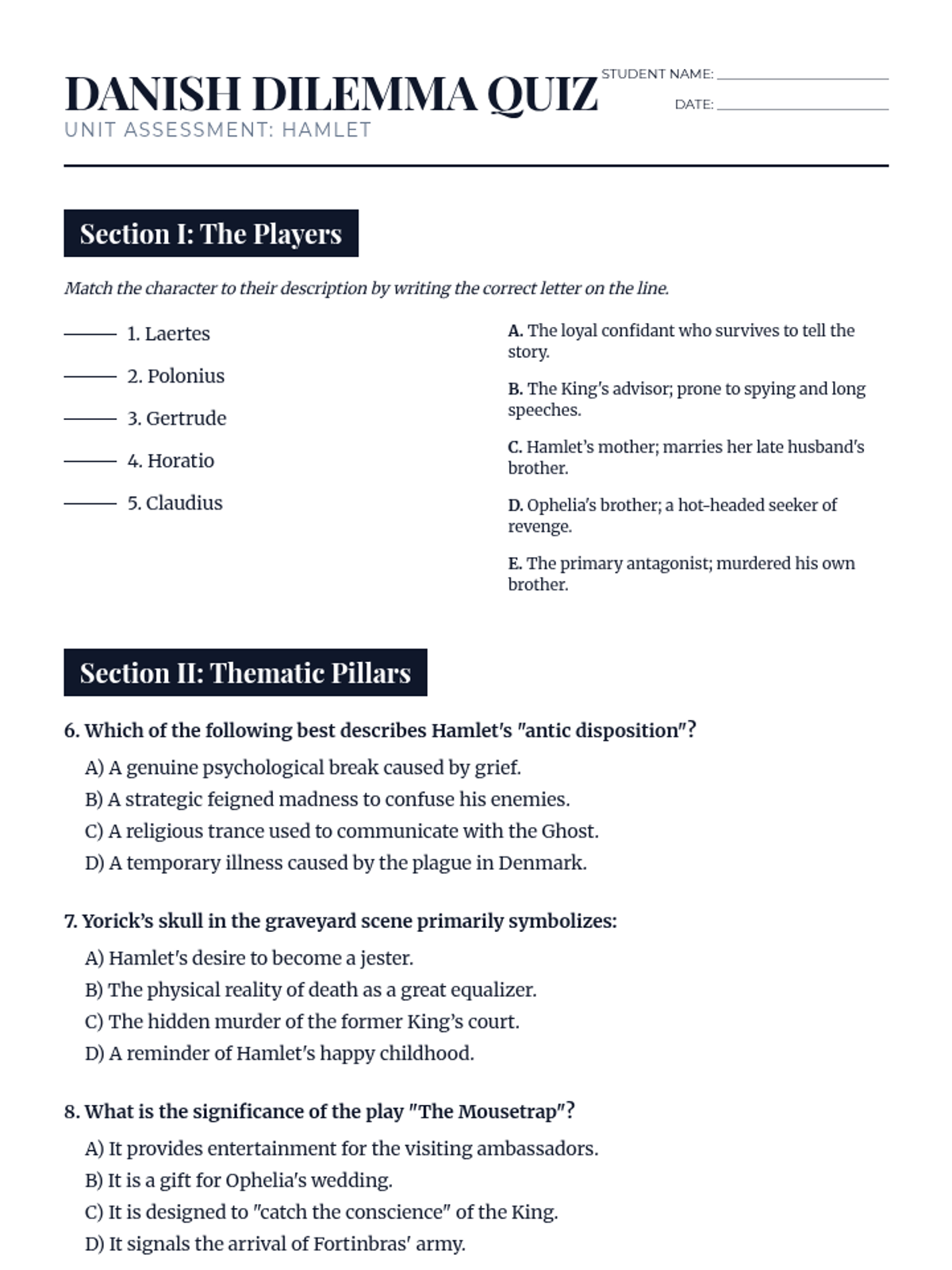
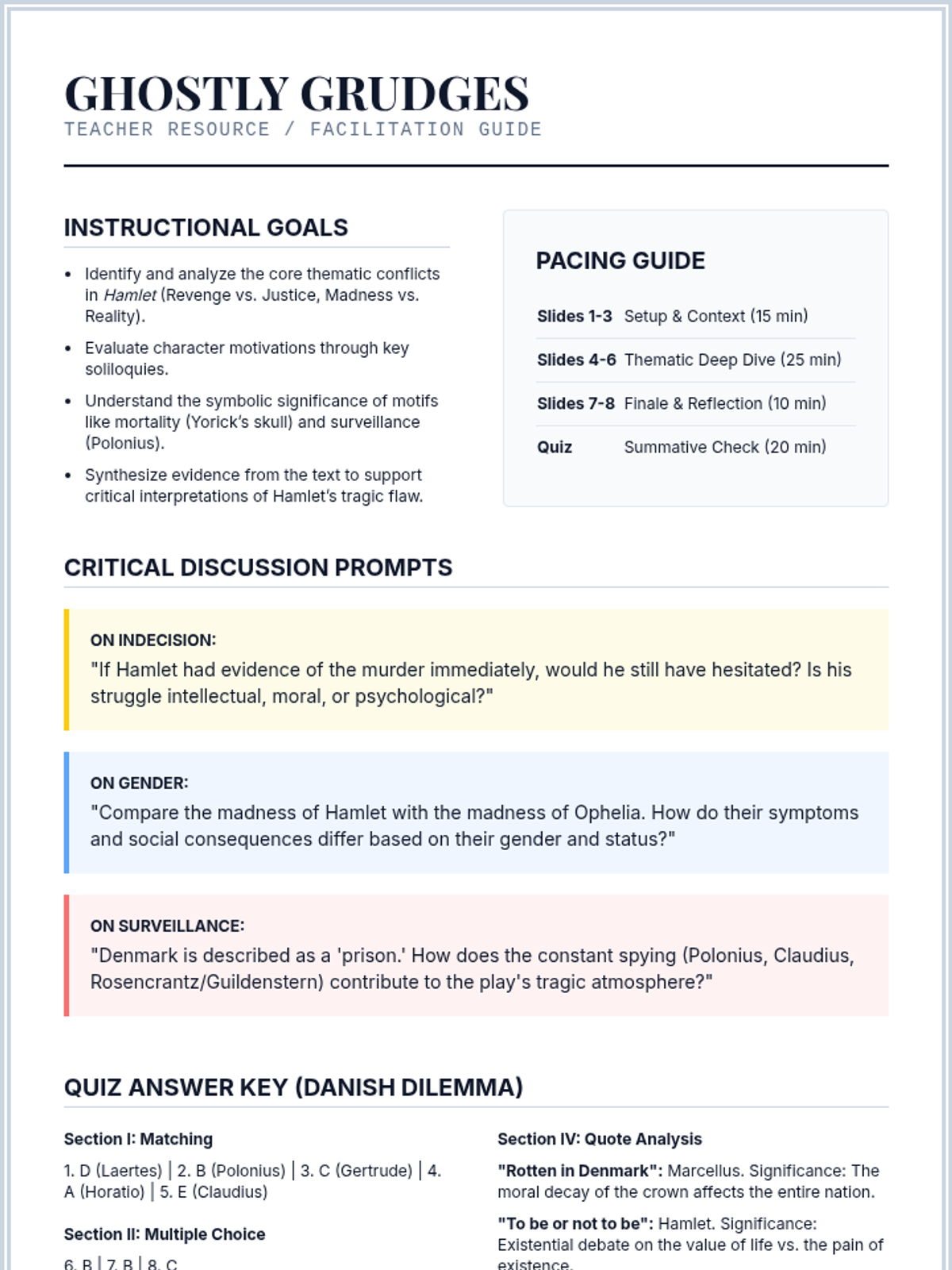
An in-depth exploration of William Shakespeare's 'Hamlet,' focusing on its complex themes of existentialism, revenge, and the human condition.
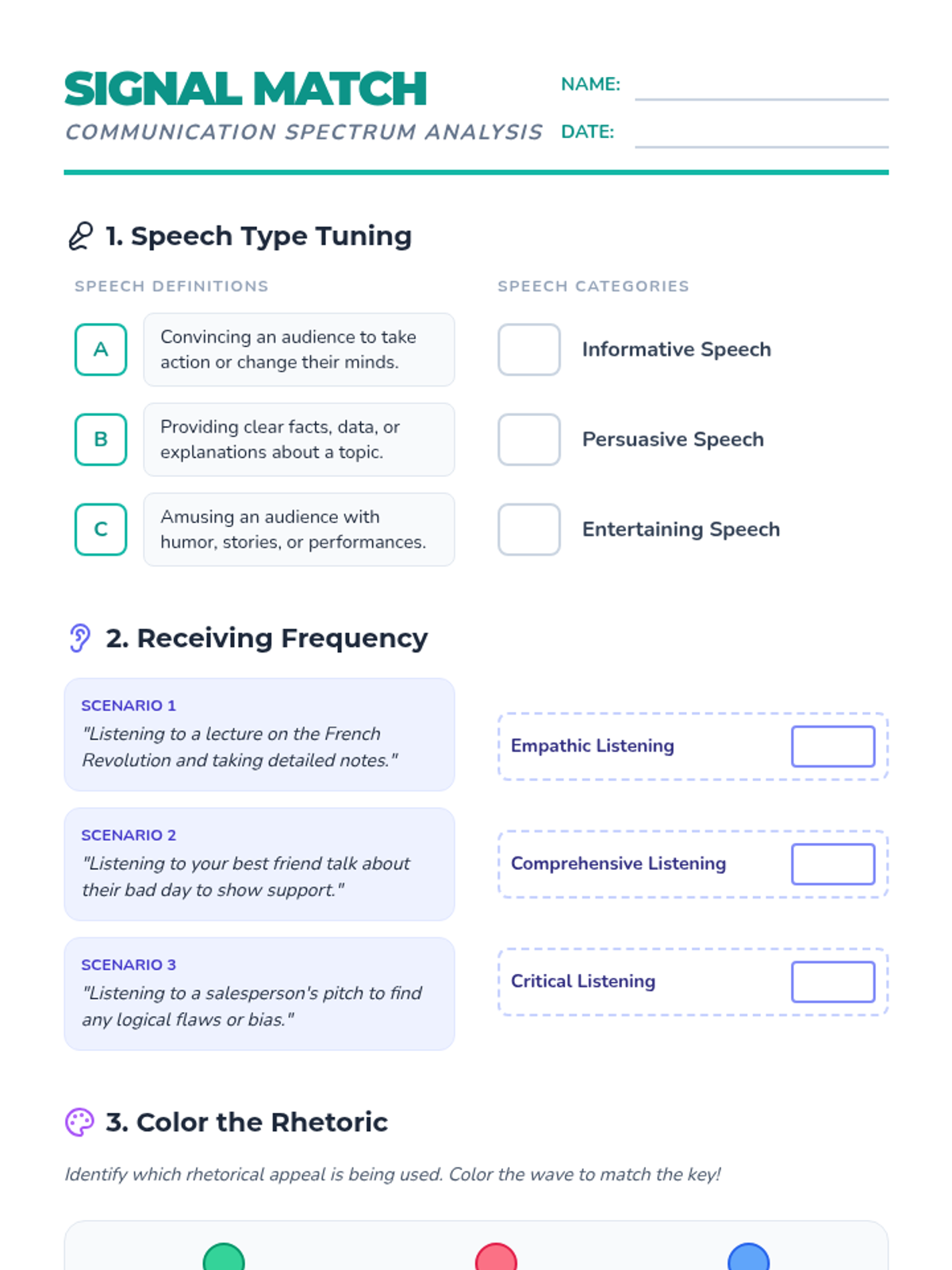
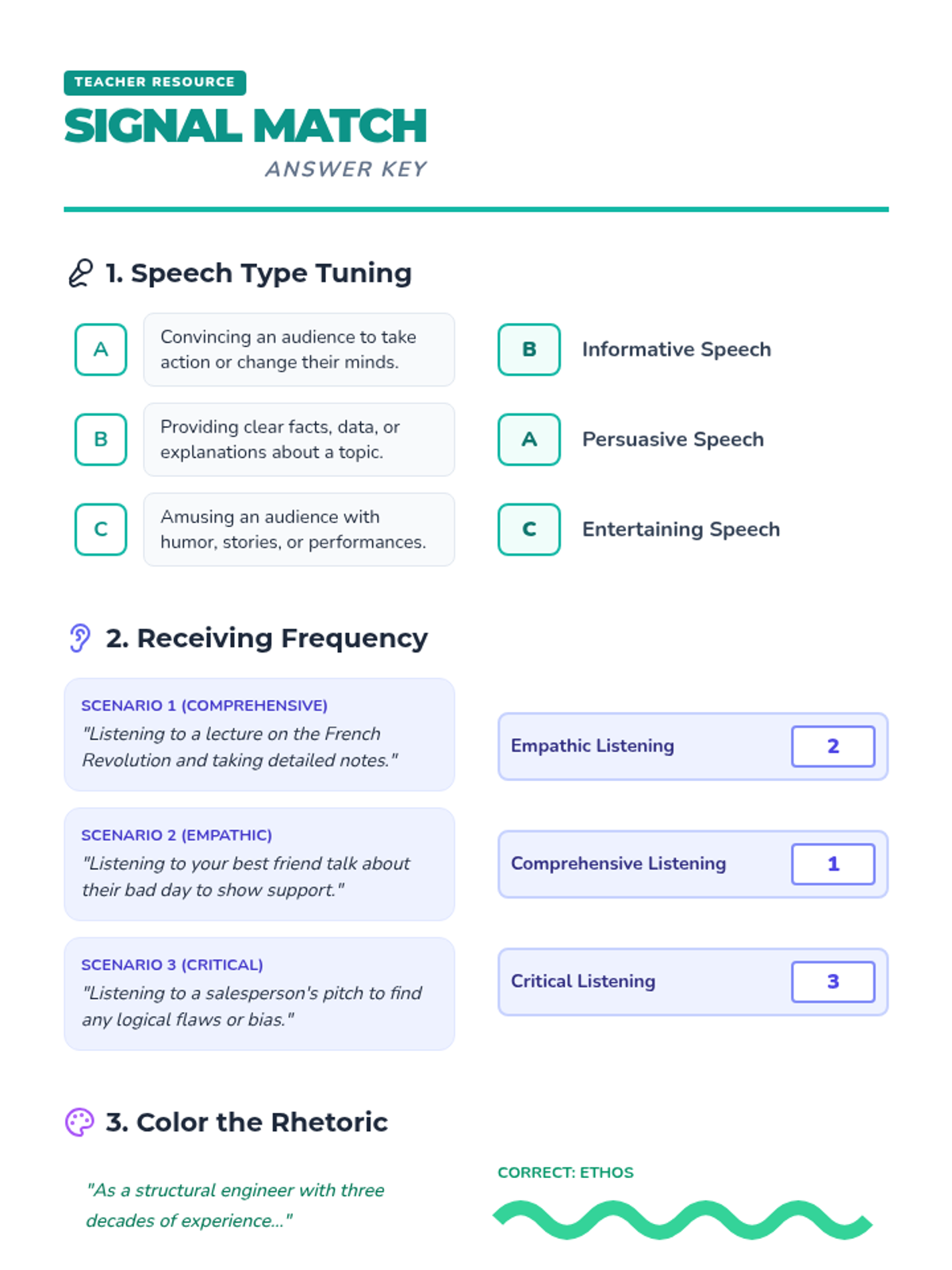
A deep dive into the art of communication, focusing on how we send, receive, and analyze spoken messages through various lenses of rhetoric and listening.