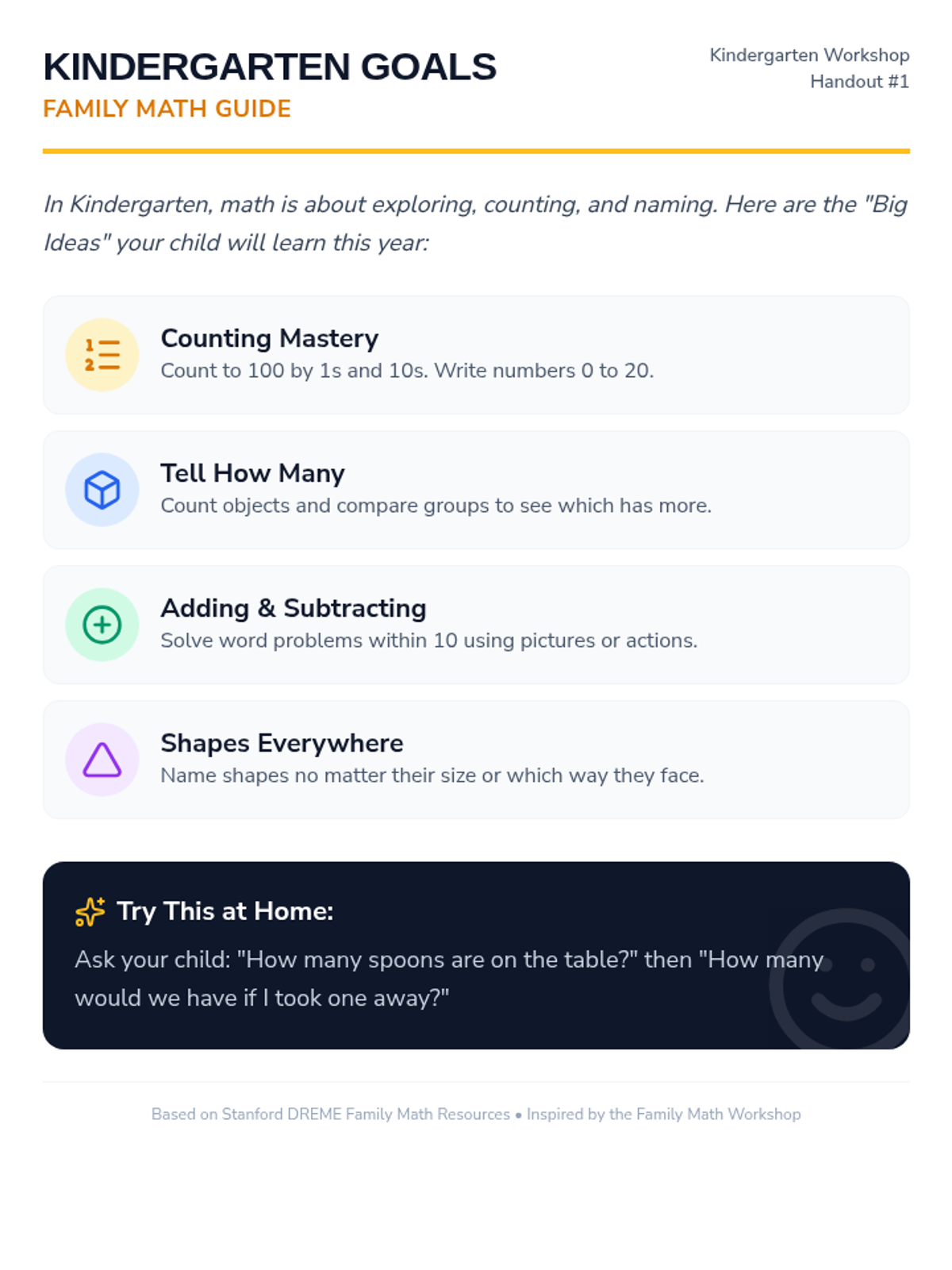
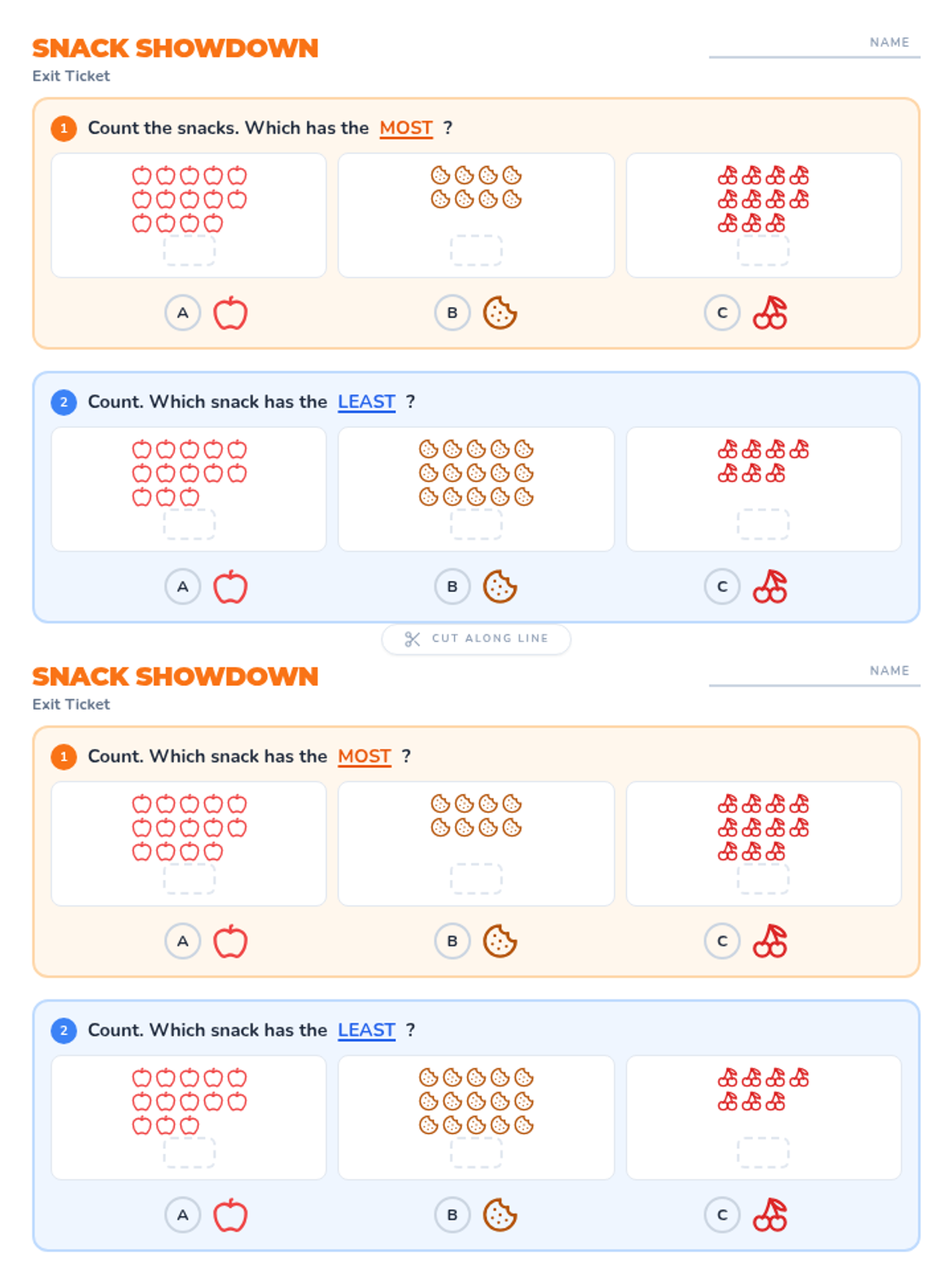
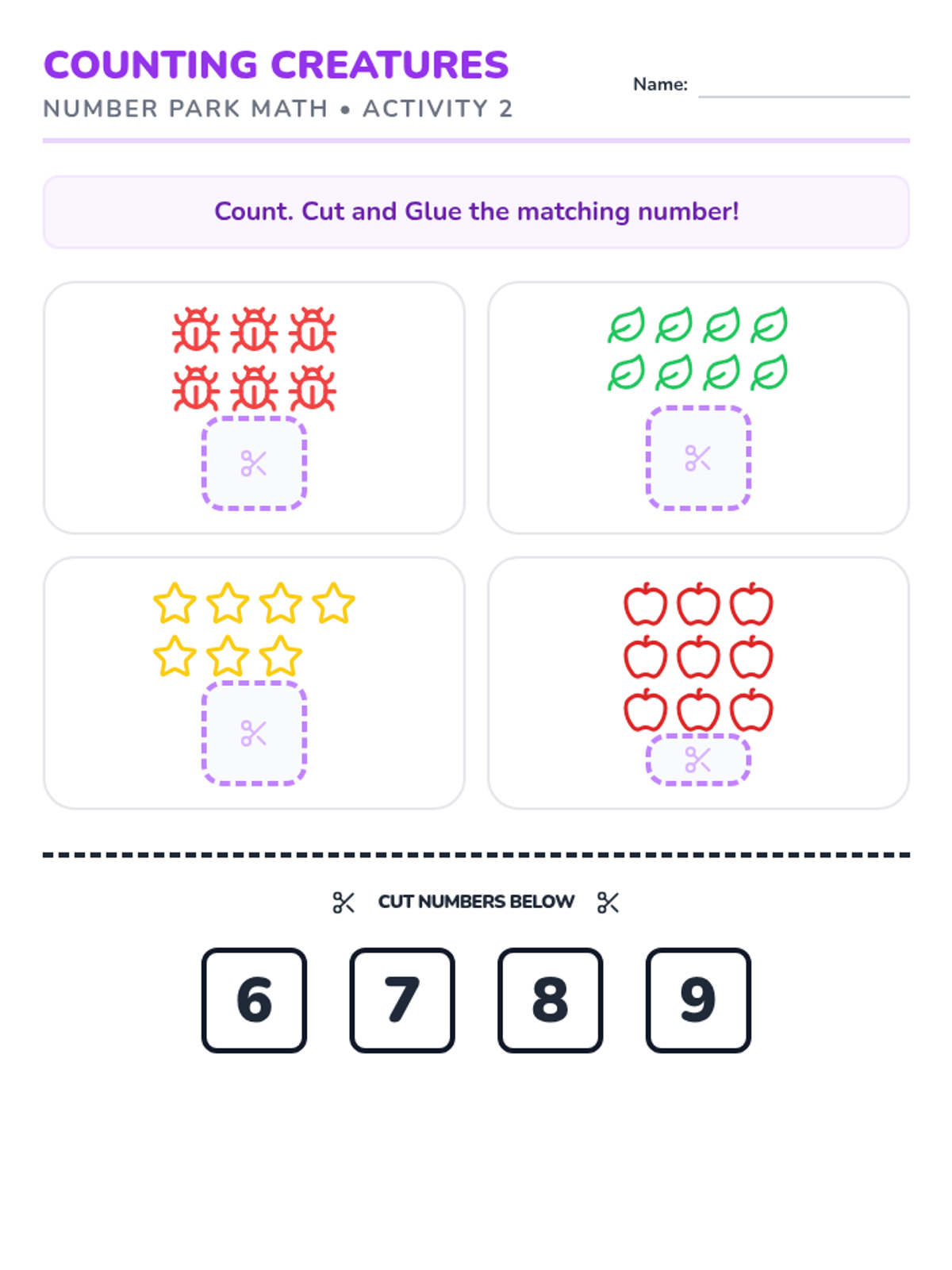
One-to-one correspondence, numeral identification, and comparison of quantities using terms like greater than or less than. Establishes the foundation for numerical literacy and early arithmetic operations.
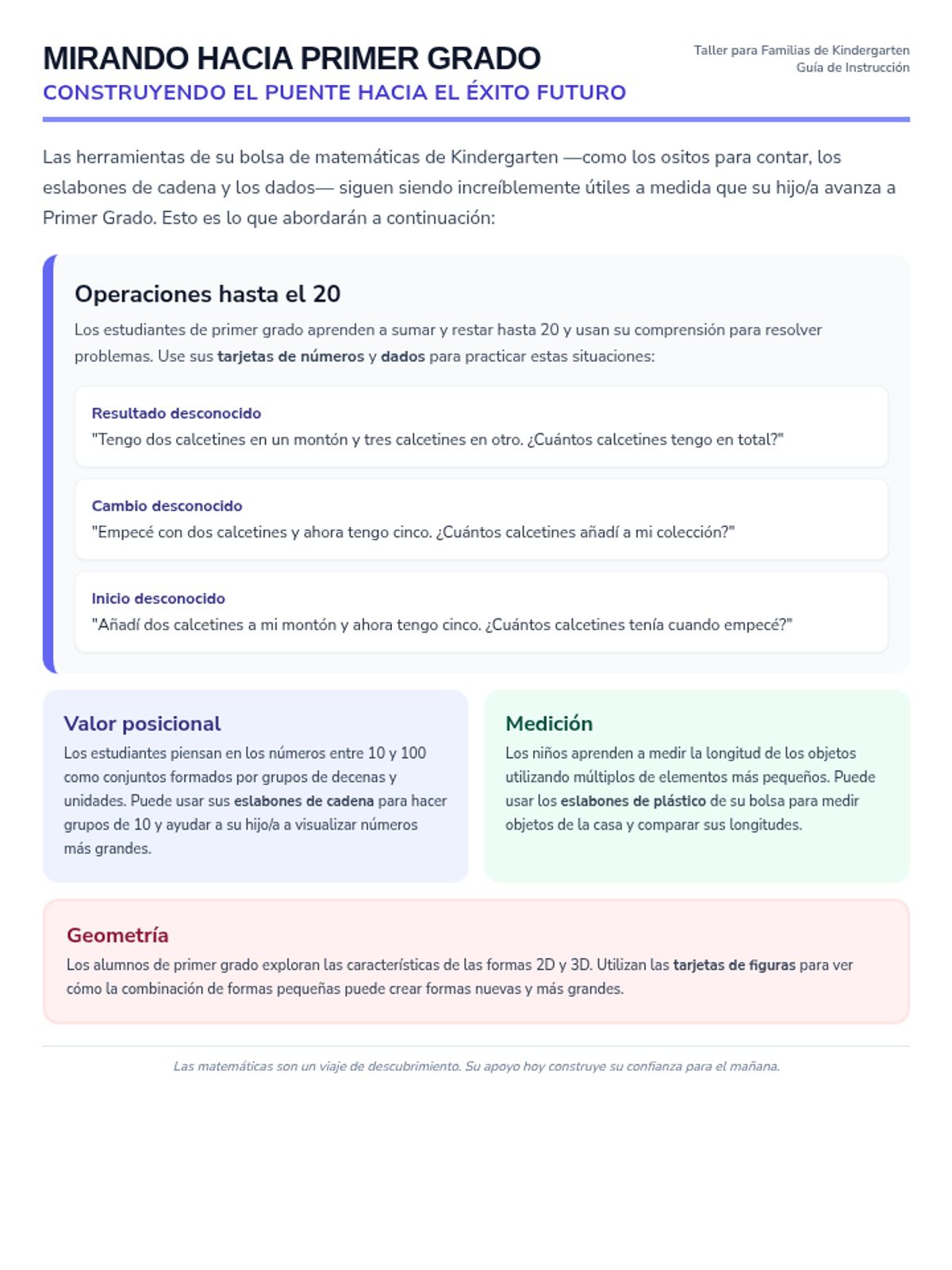
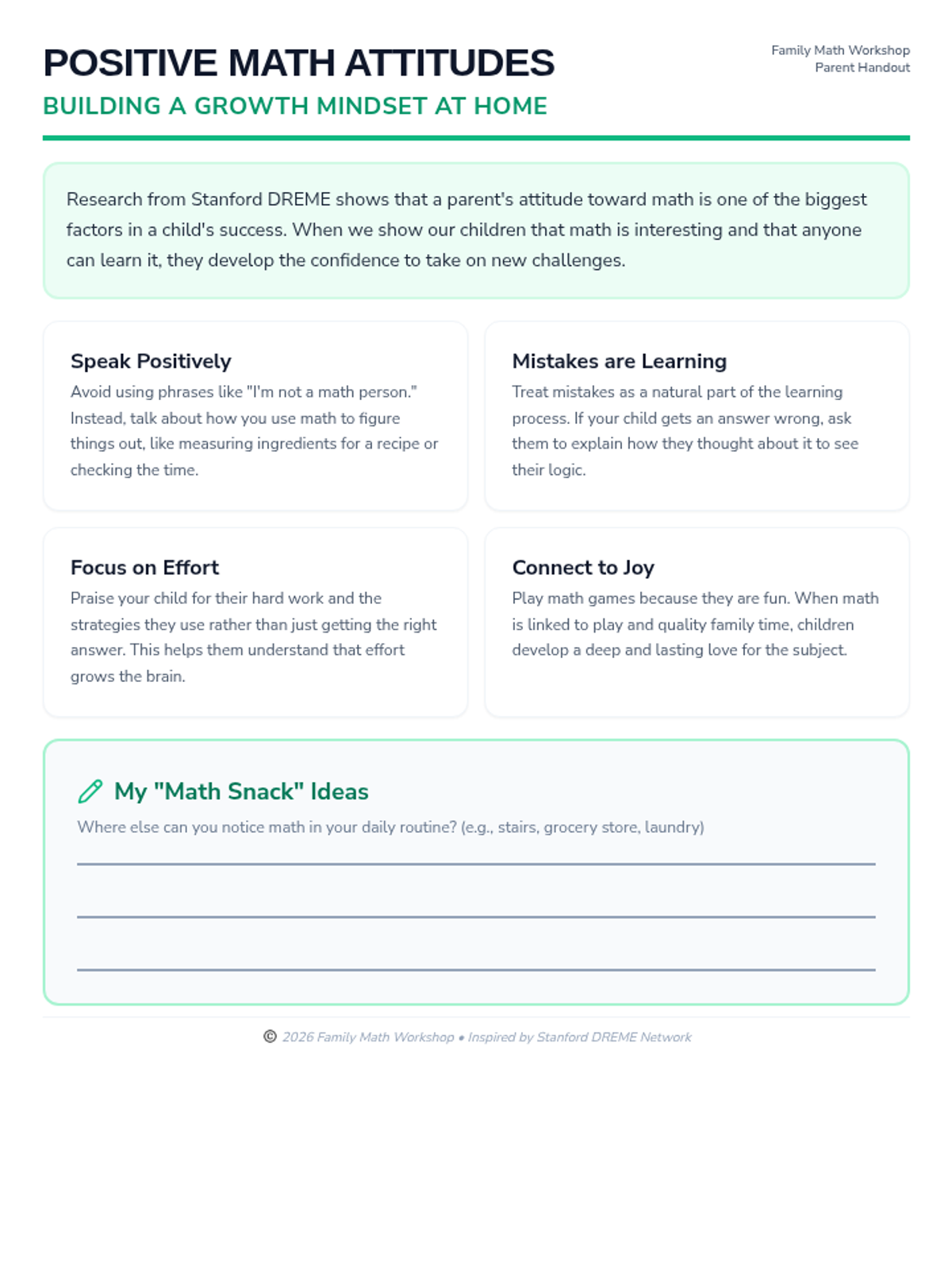
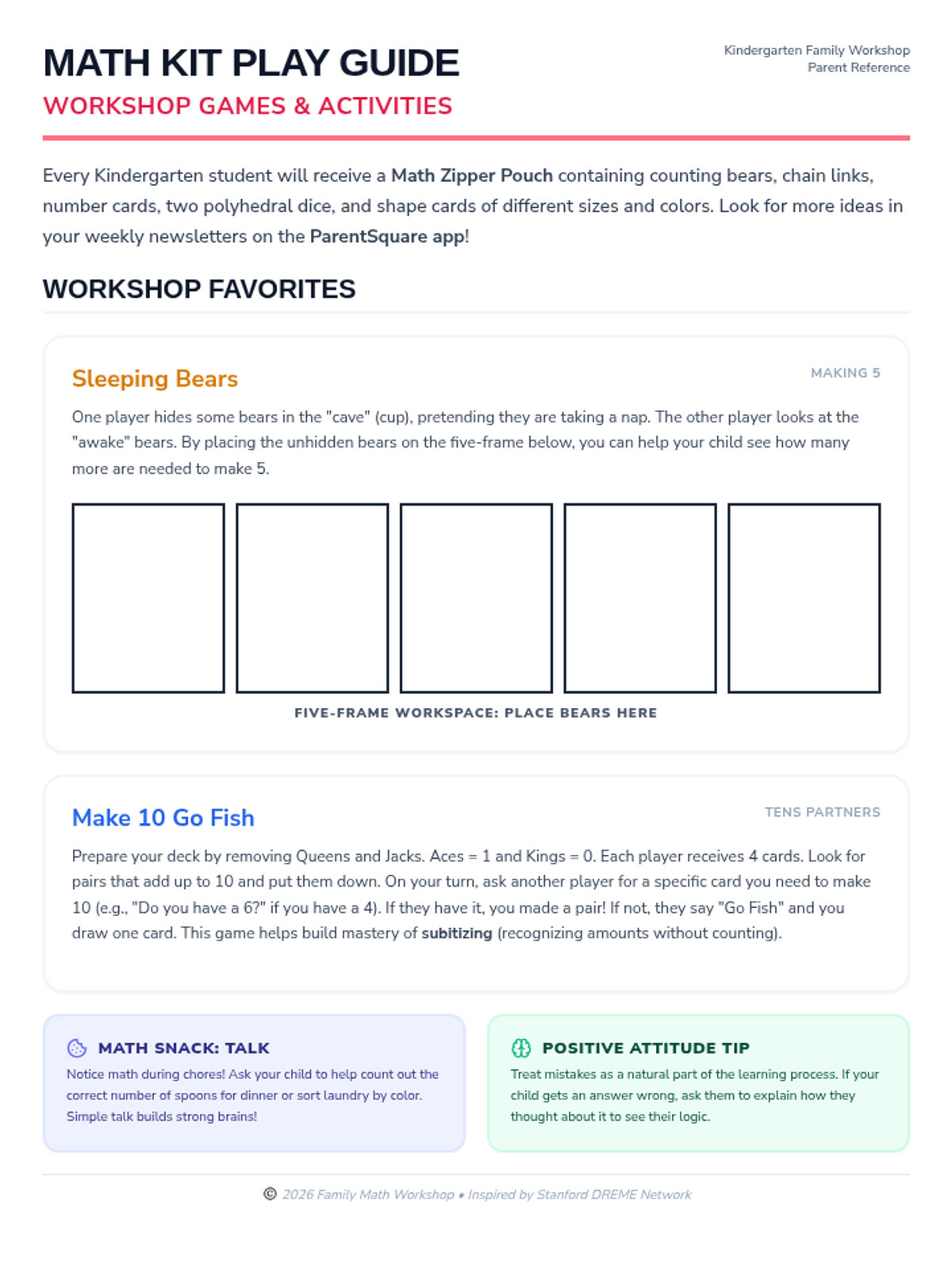
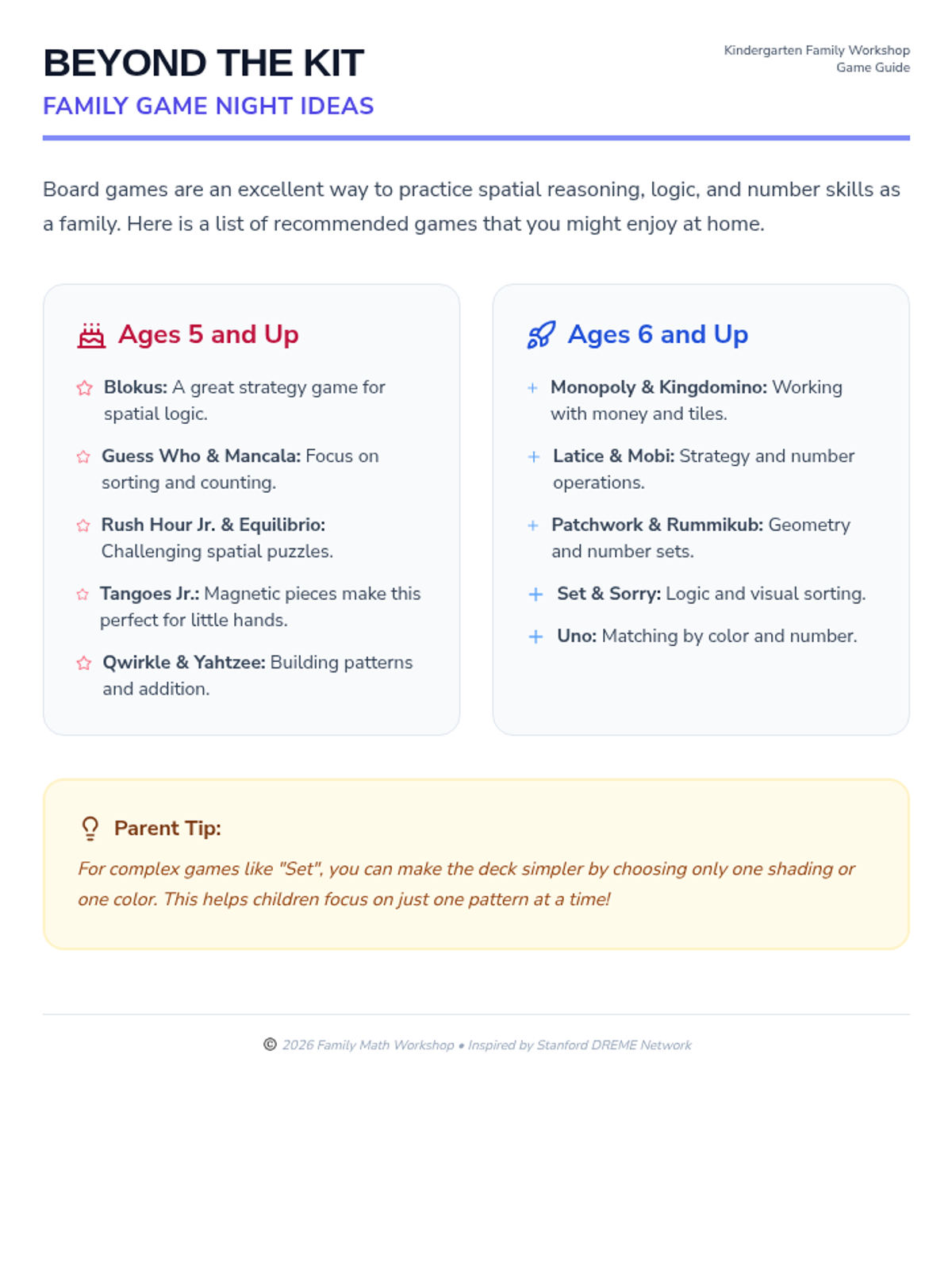
A comprehensive workshop for Kindergarten parents and guardians focused on building positive math attitudes and supporting math learning at home through play and daily routines. Based on Stanford DREME research.
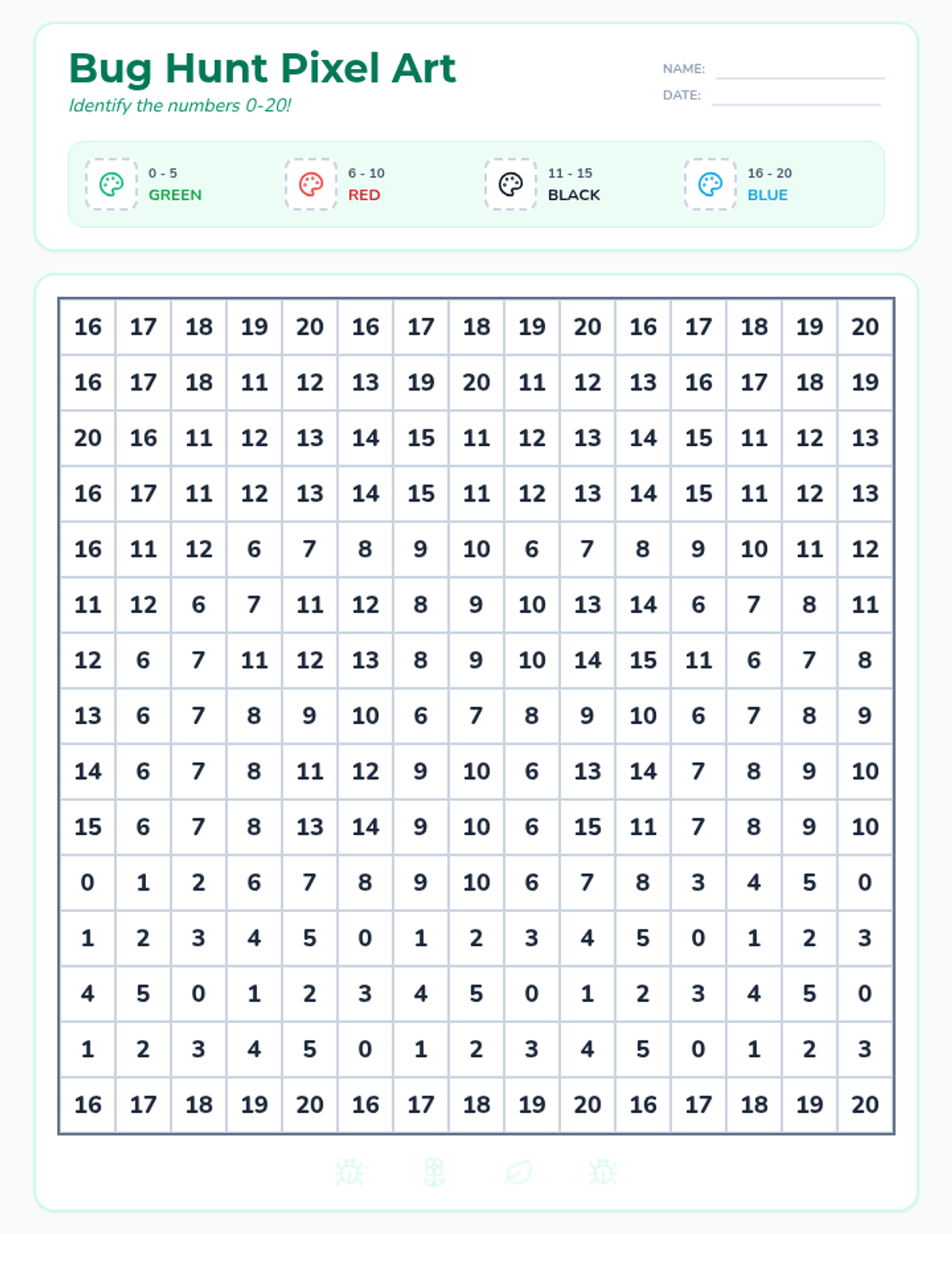
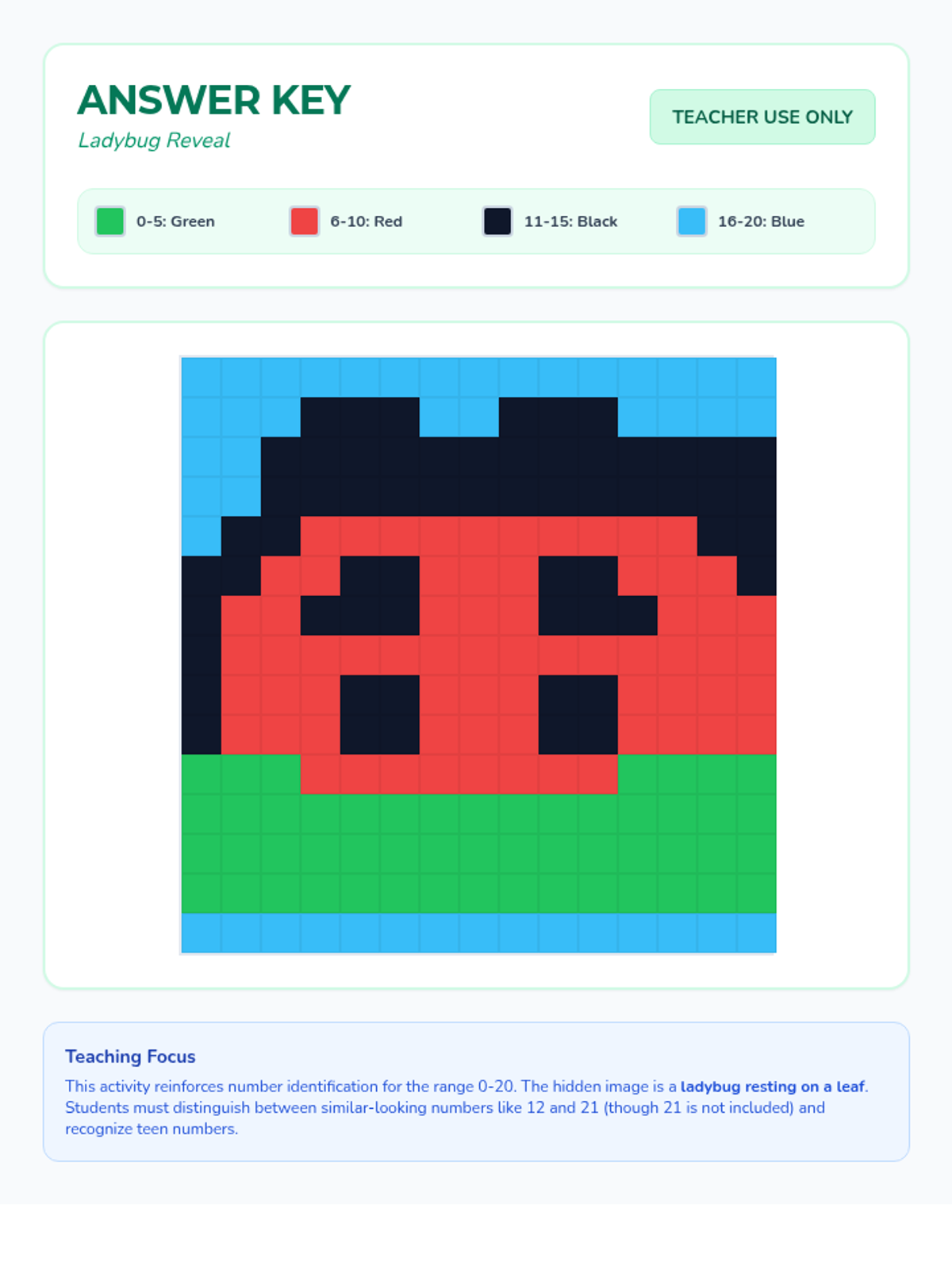
A fun, hands-on activity where students identify numbers 0-20 to reveal a hidden garden critter. Perfect for practicing number recognition and fine motor skills.
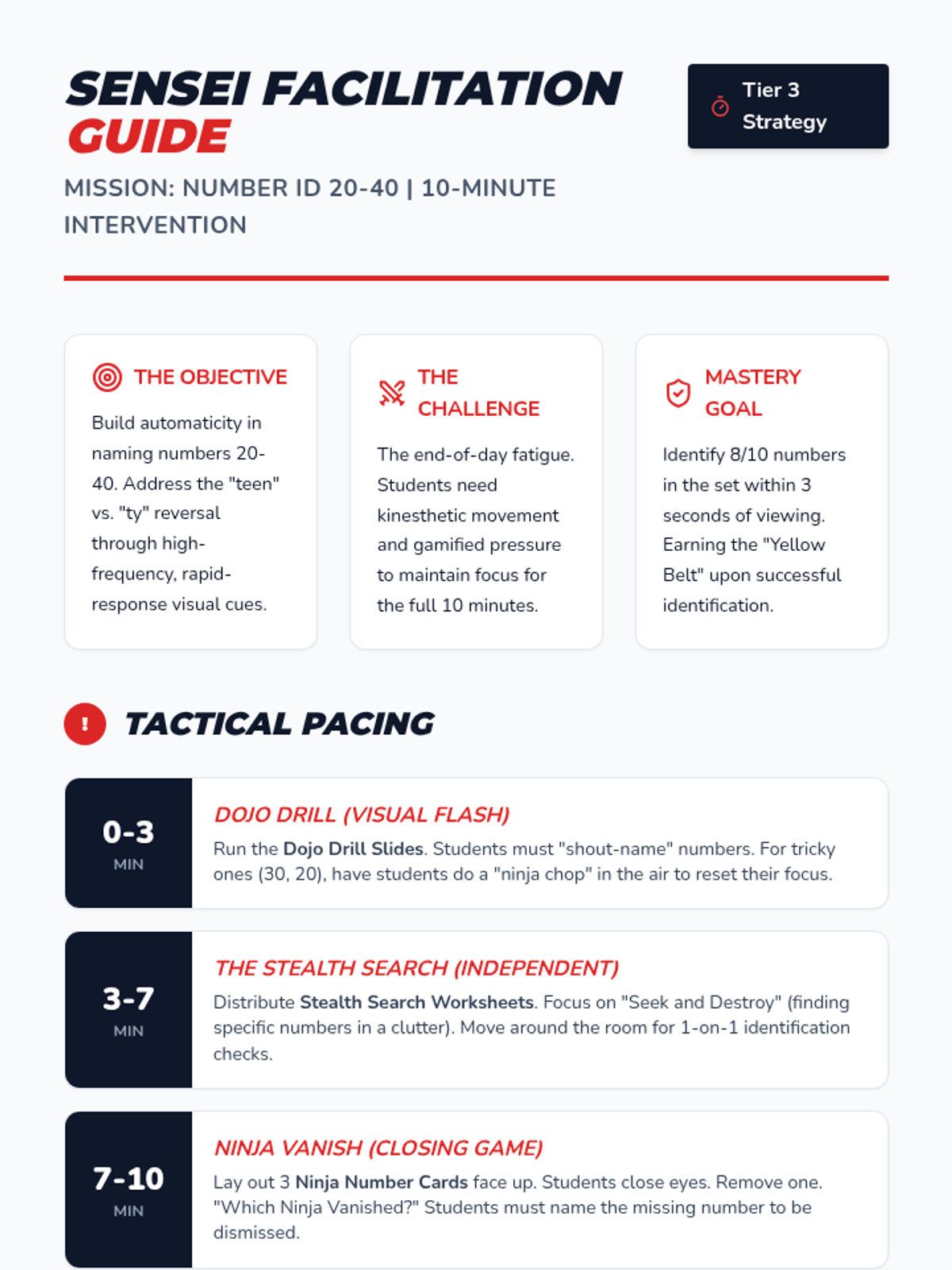
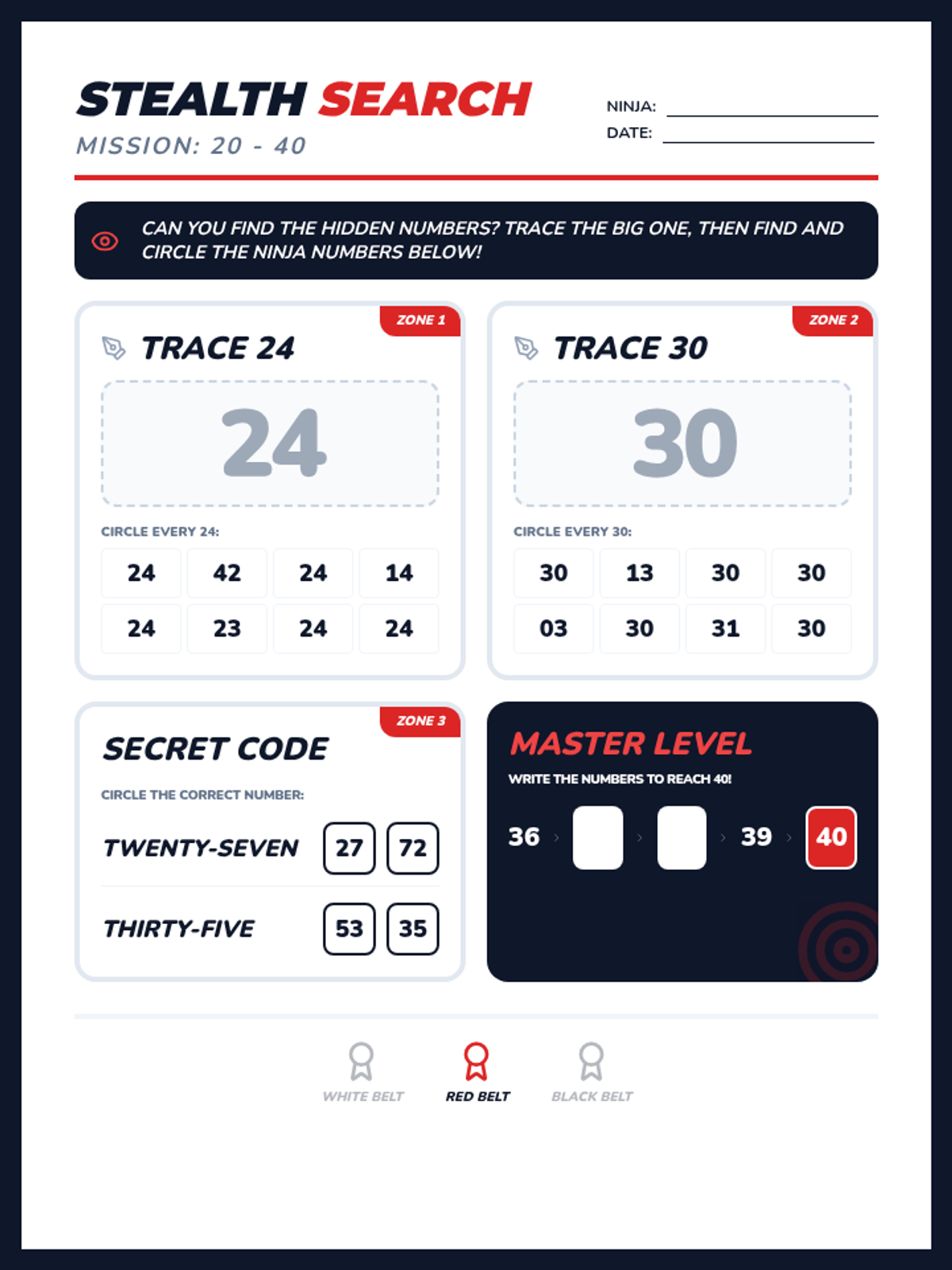
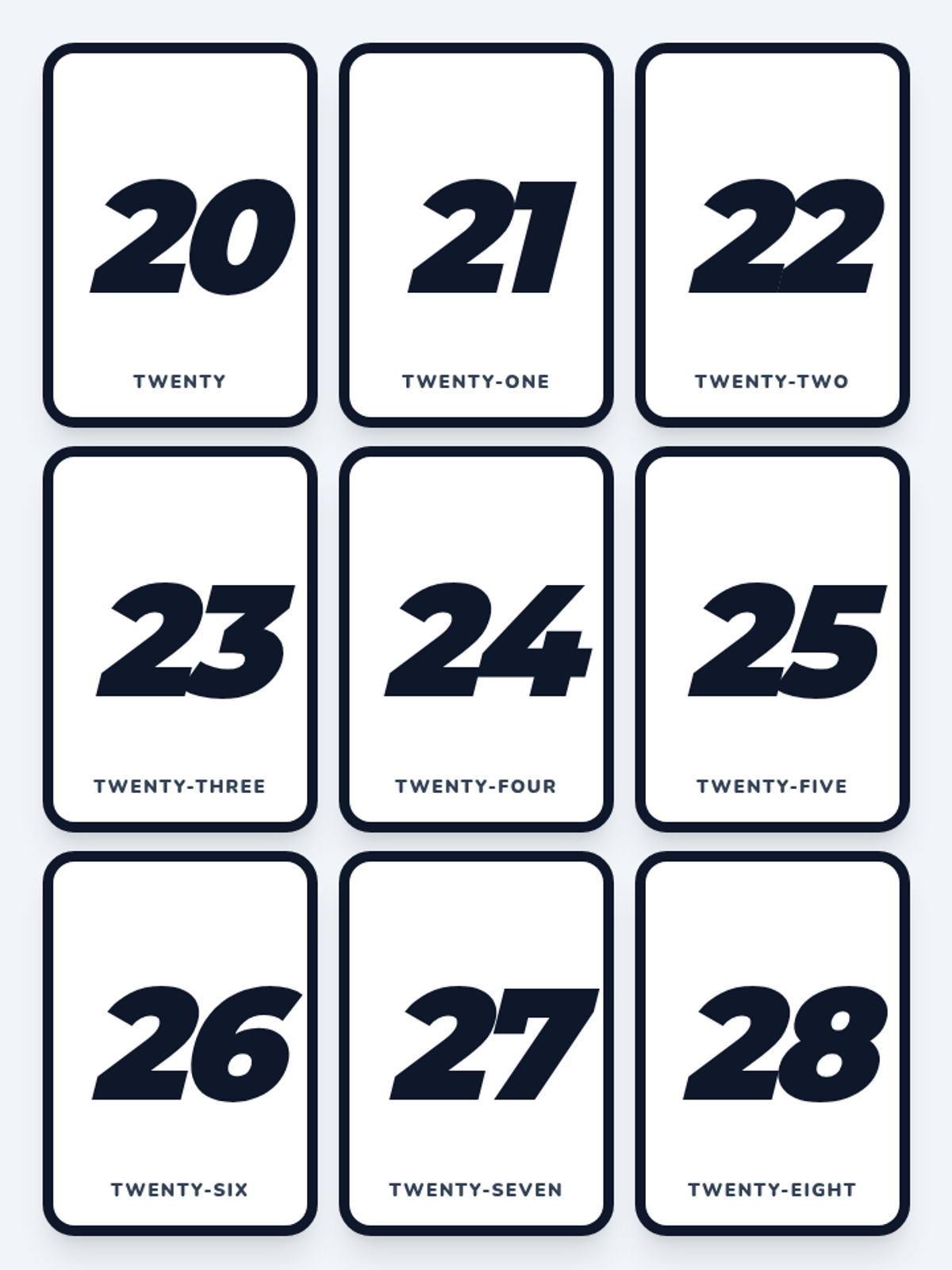
Targeted practice for identifying numbers 20-40 through rapid-fire visual drills and kinesthetic activities. Focuses on overcoming the 'teen' vs 'ty' confusion and building reliable recall.
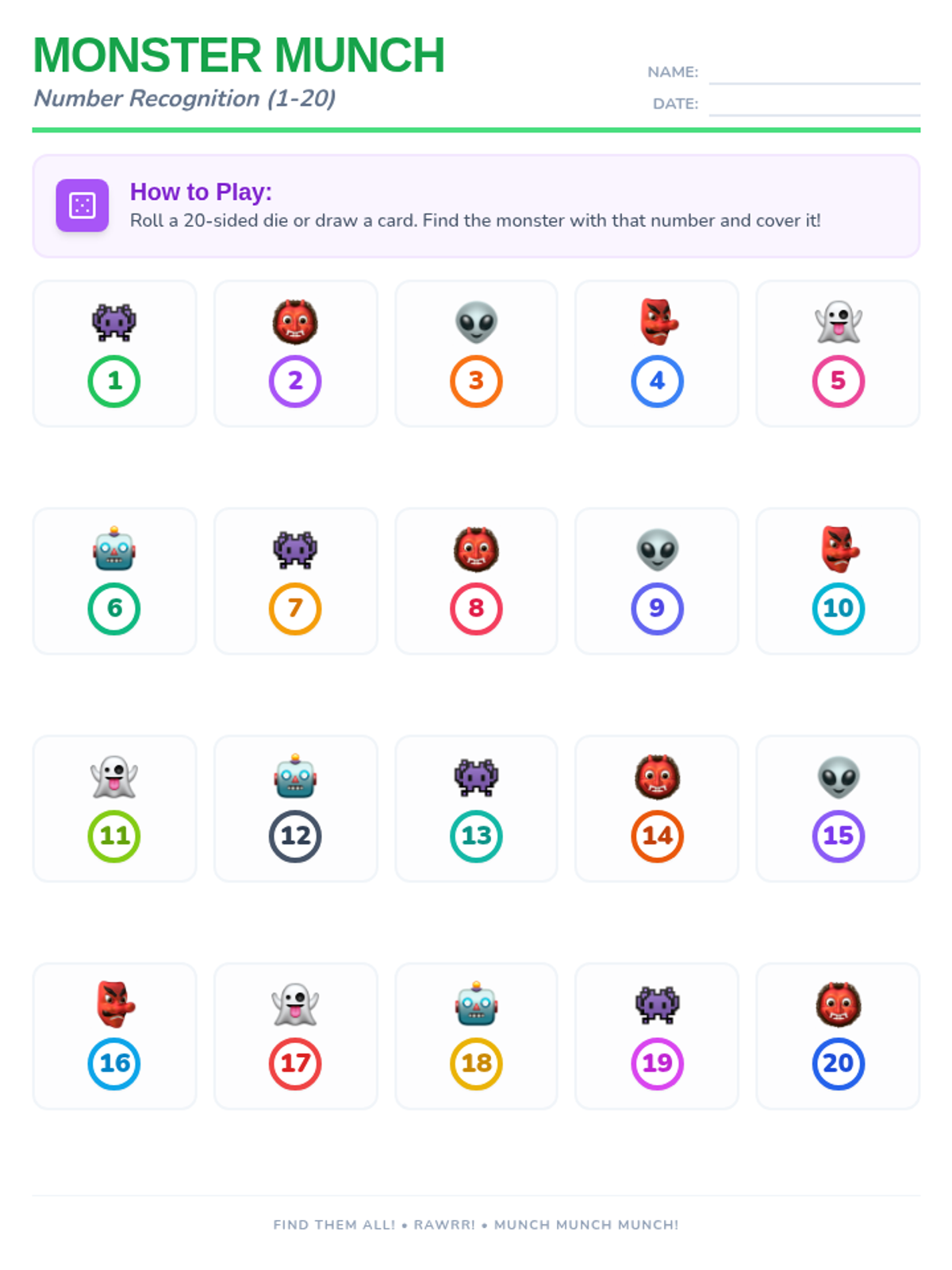
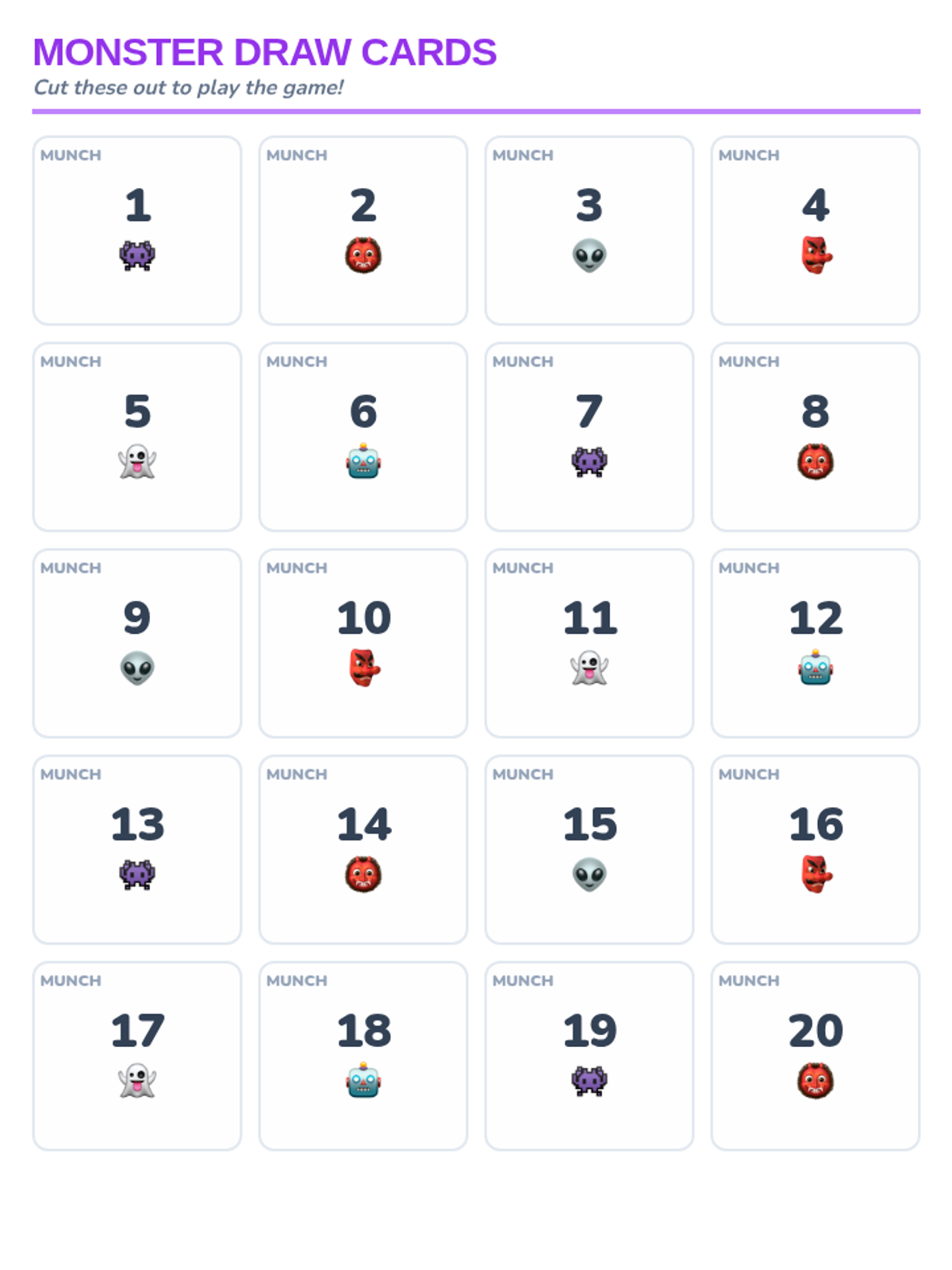
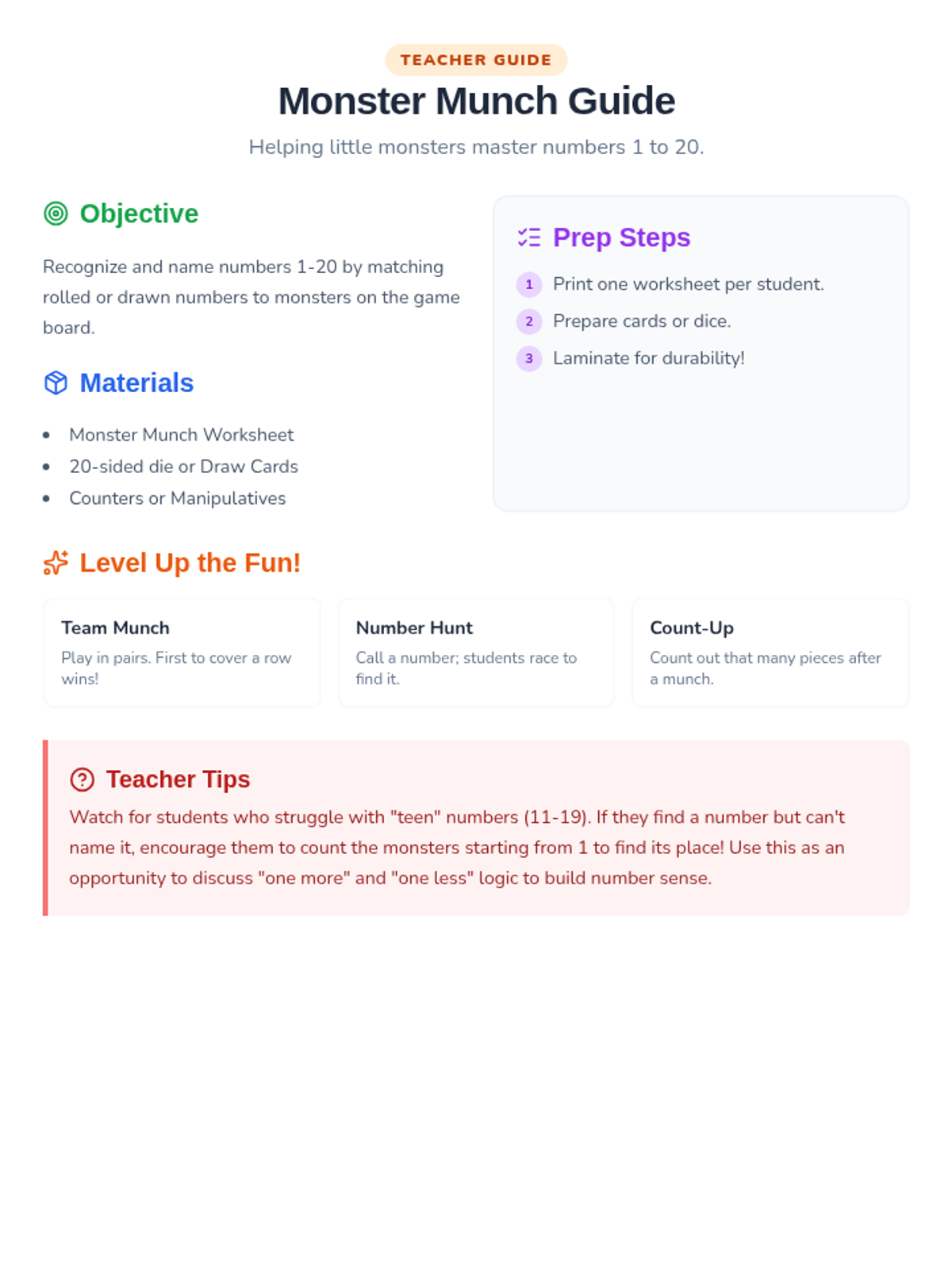
A fun, monster-themed lesson focused on identifying and naming numbers 1-20 through a hands-on 'Roll and Cover' game. Students practice subitizing and number recognition in a playful, low-stakes environment.
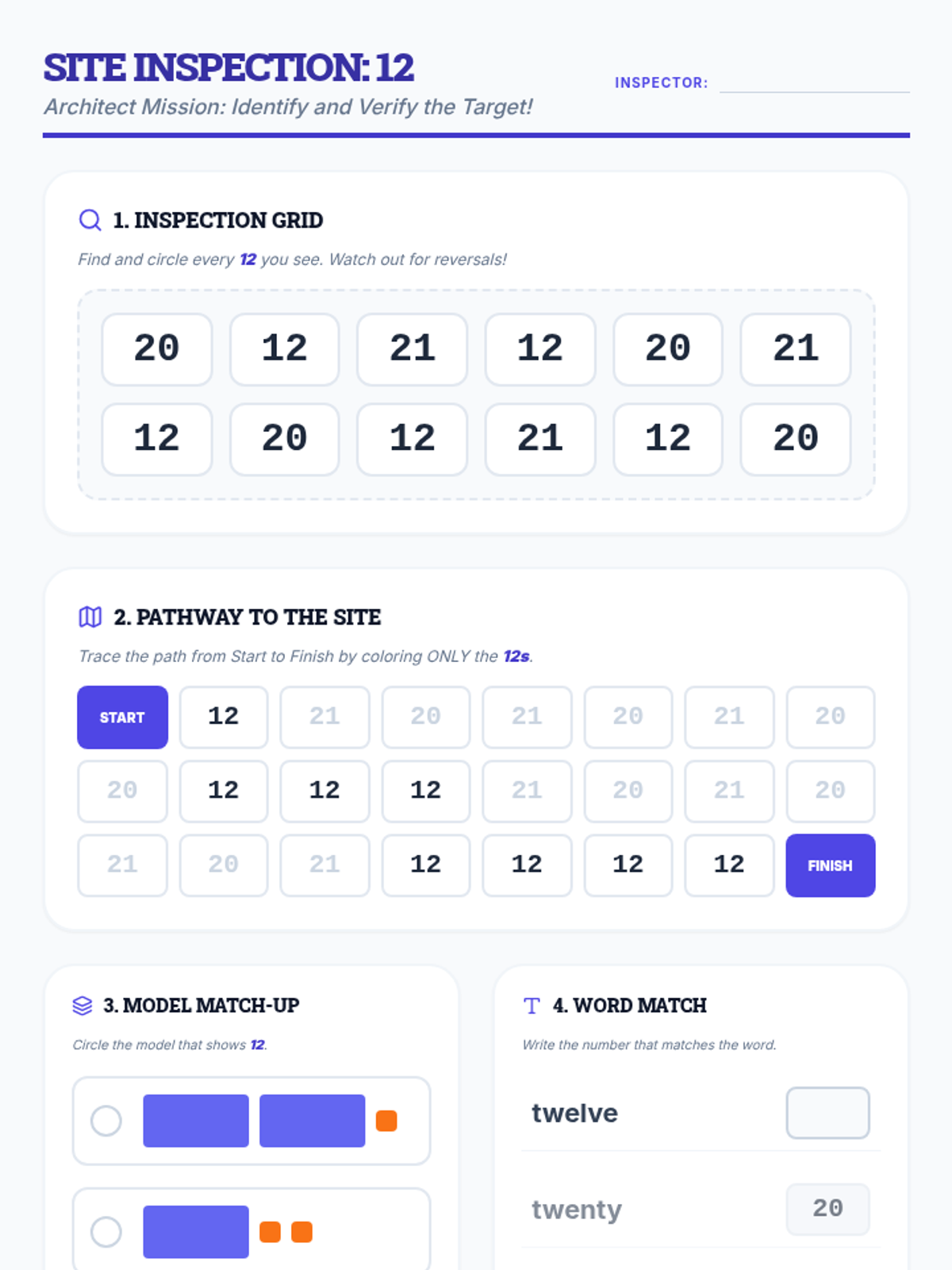
A numeracy lesson helping students distinguish the number 12 from 20 and 21 using place value visualization (one ten, two ones) and 'Architect' inspection strategies.
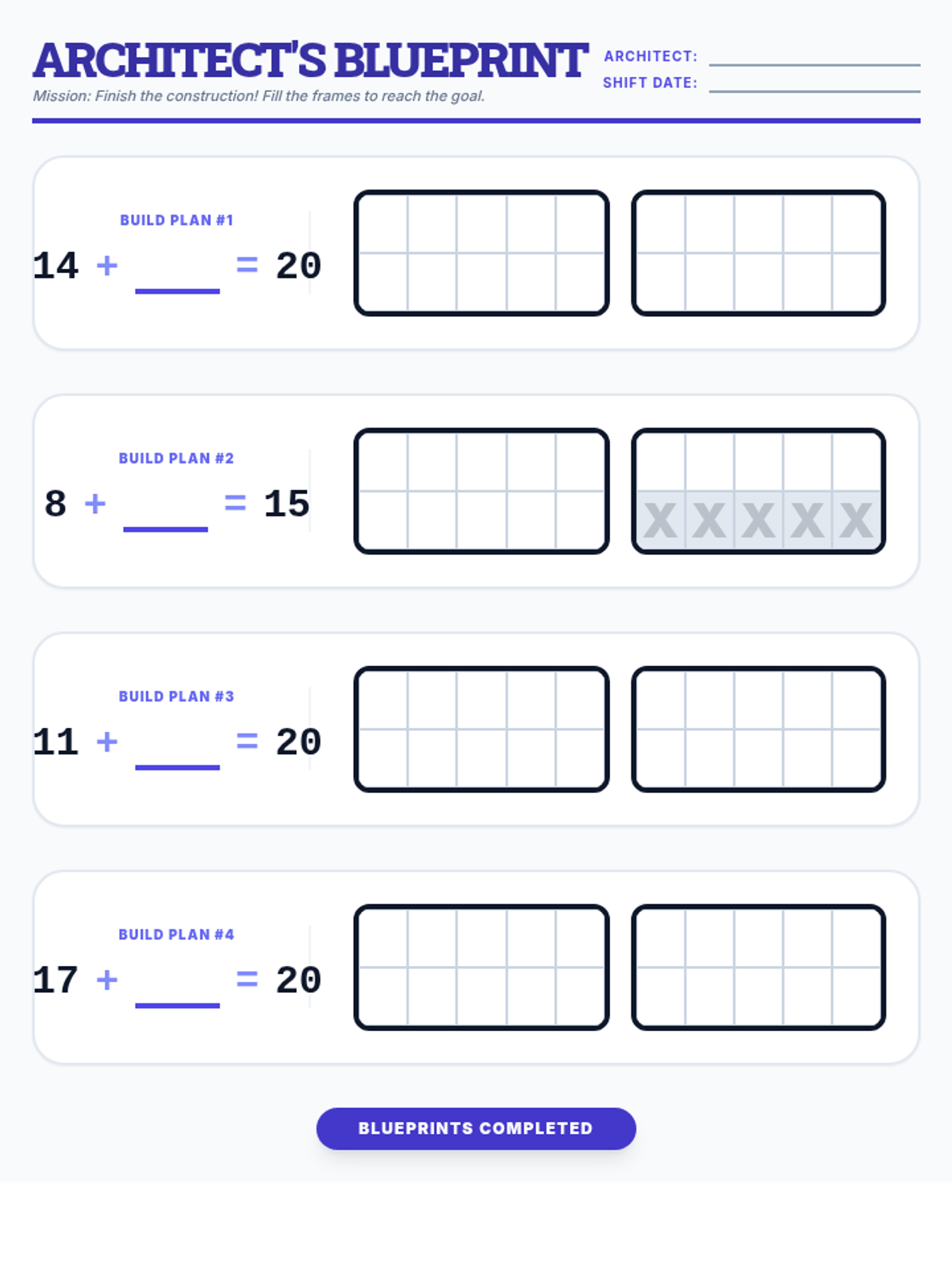
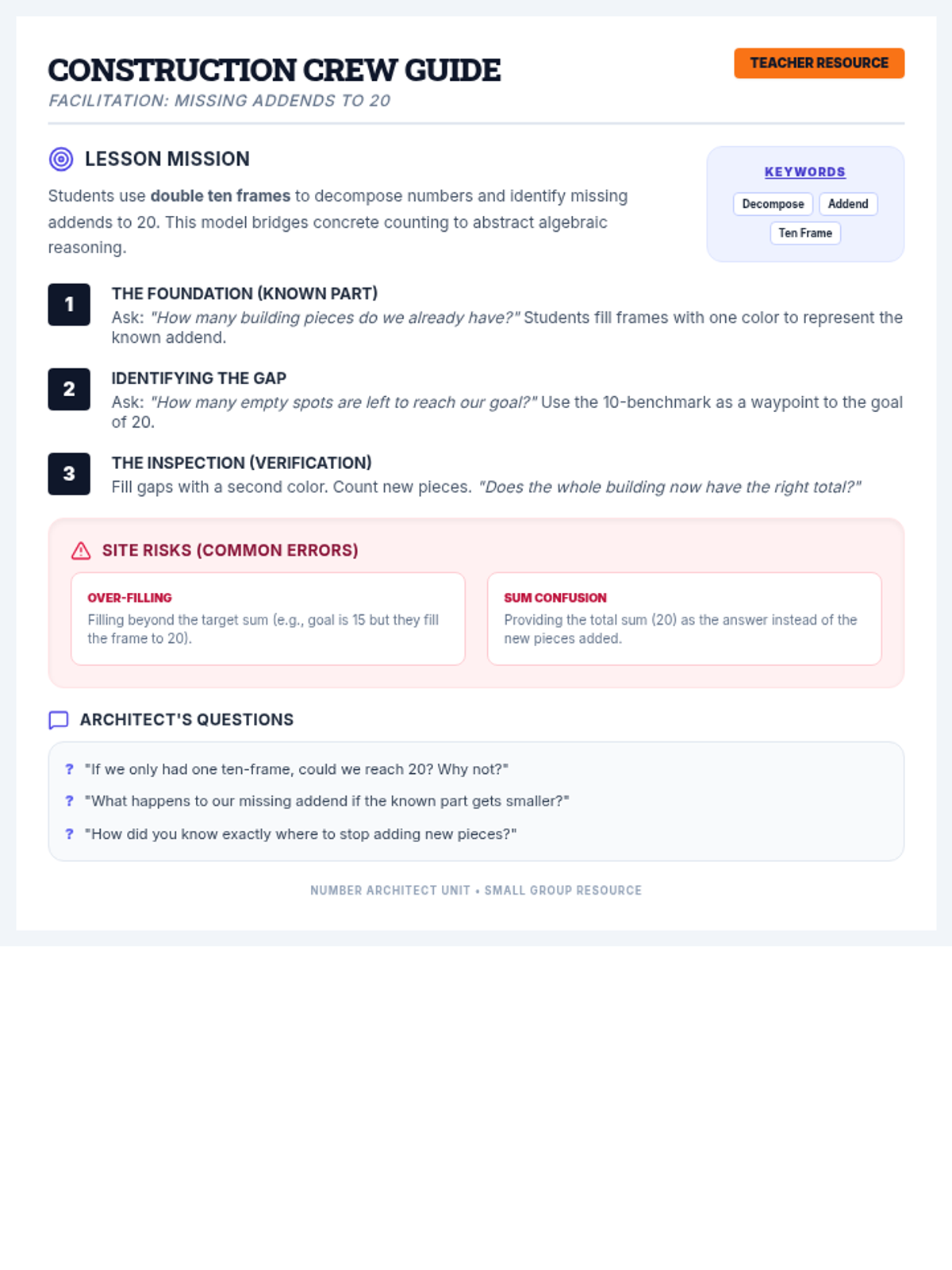
A visual math lesson focused on finding missing addends up to 20 using double ten frames and decomposition strategies. Students act as 'Number Architects' to fill gaps in blueprints.
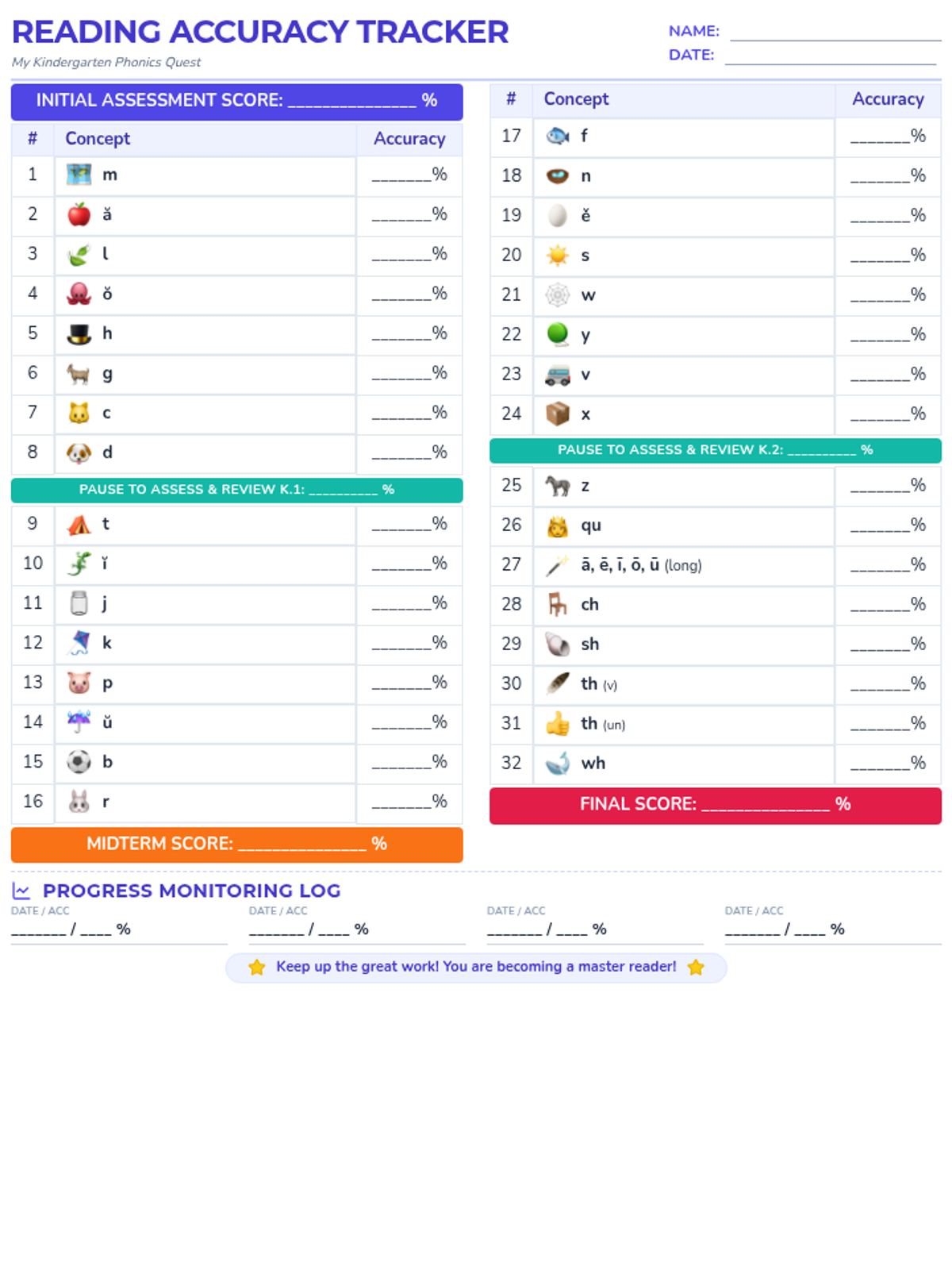
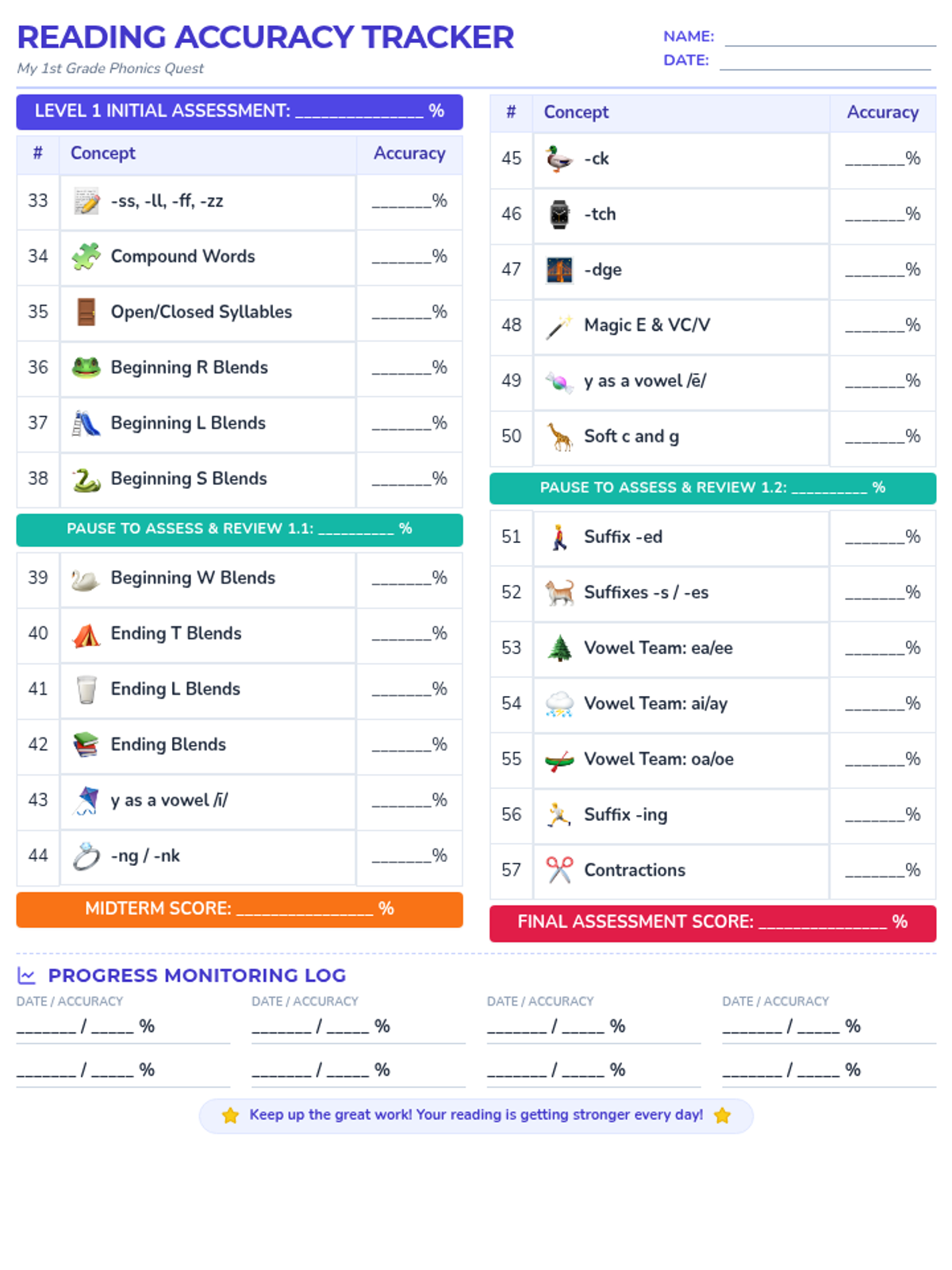
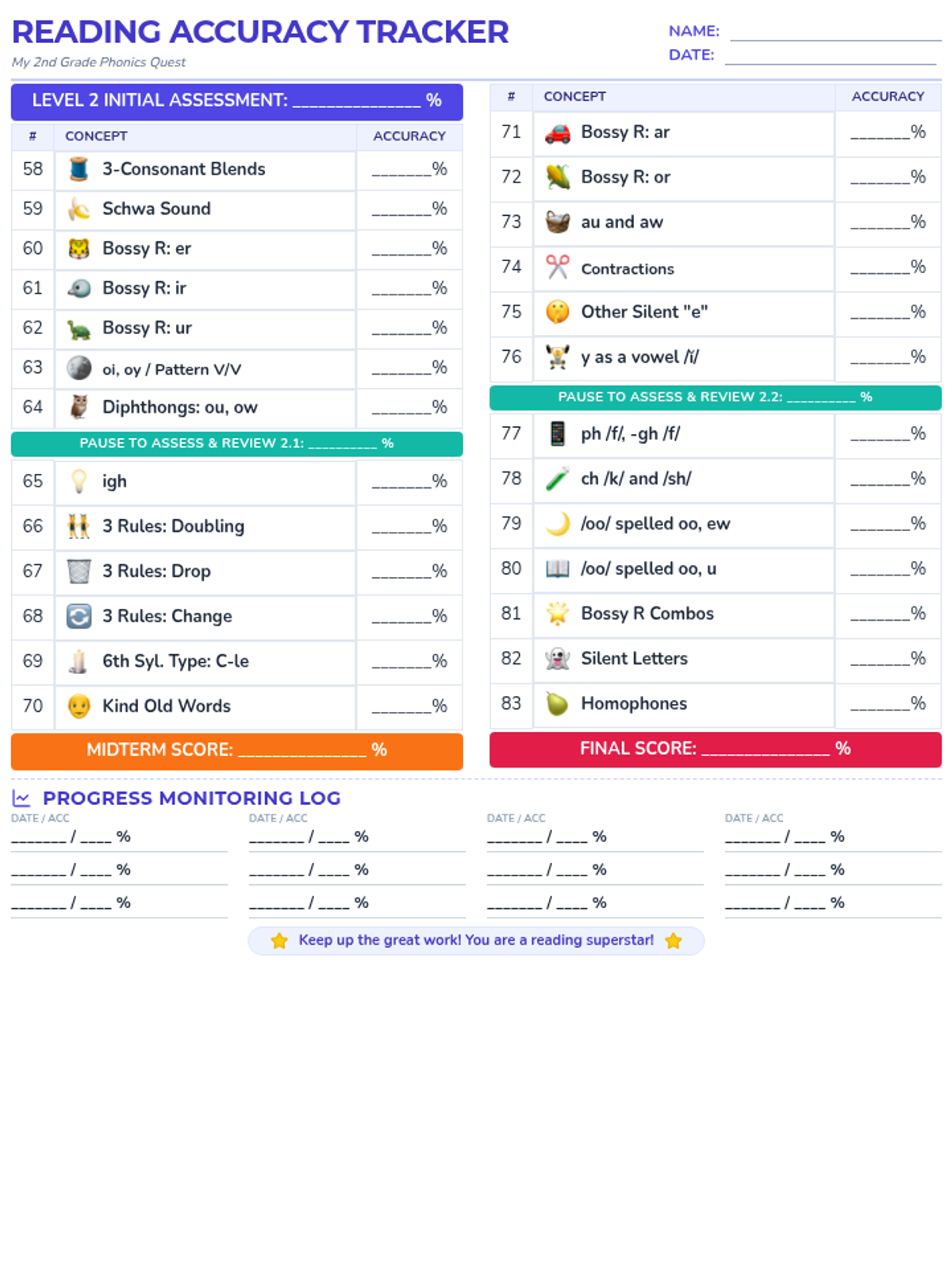
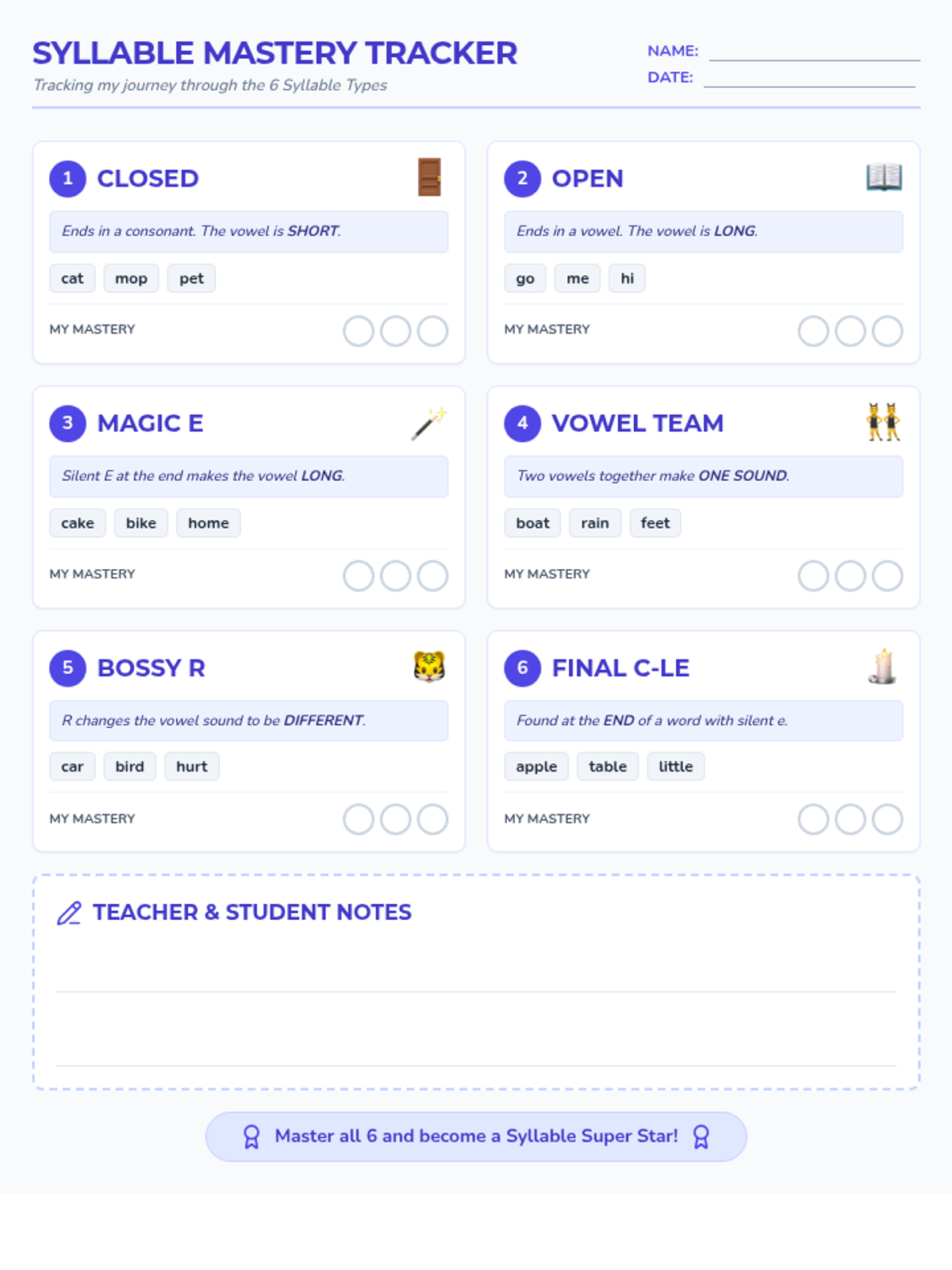
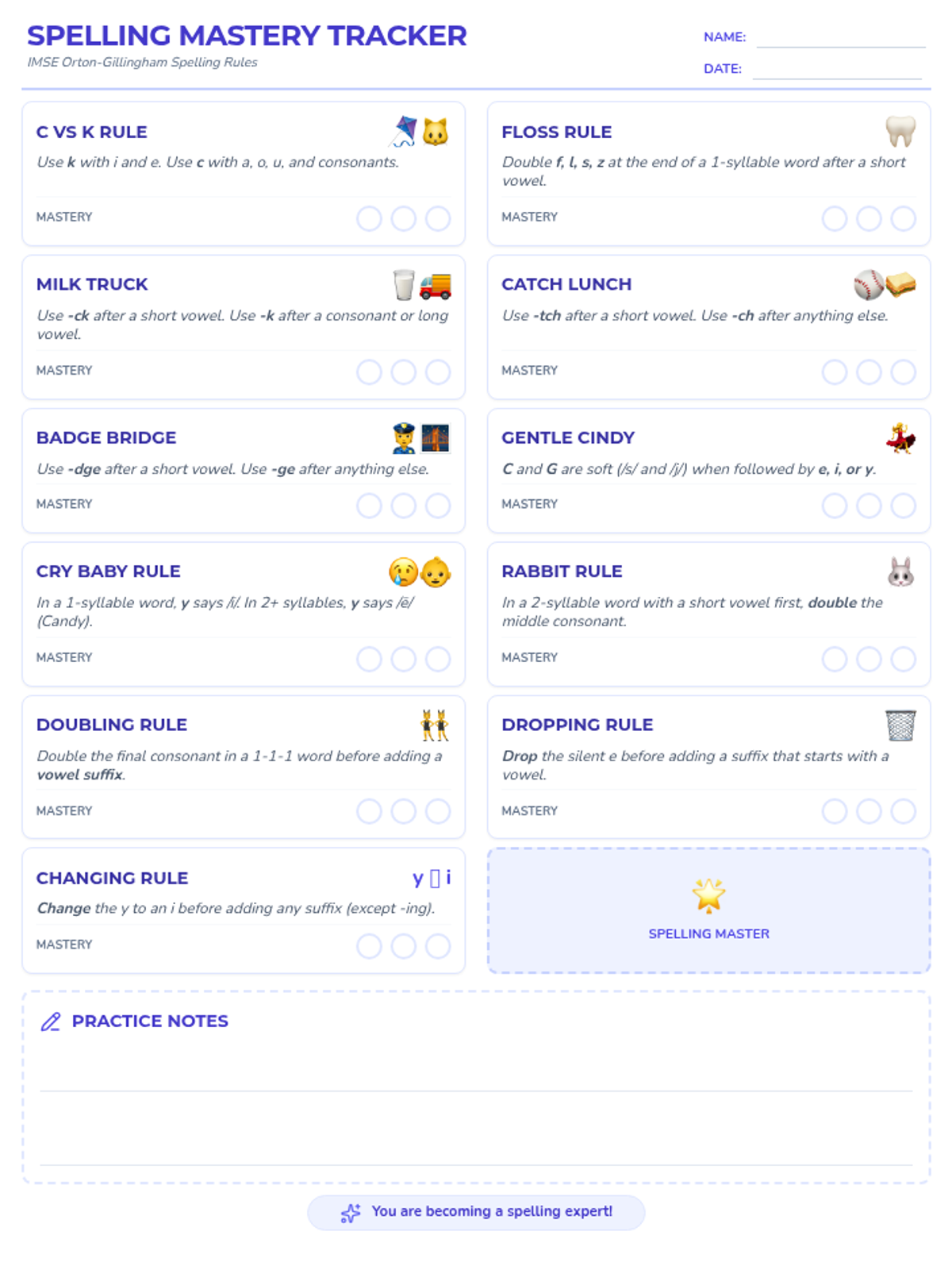
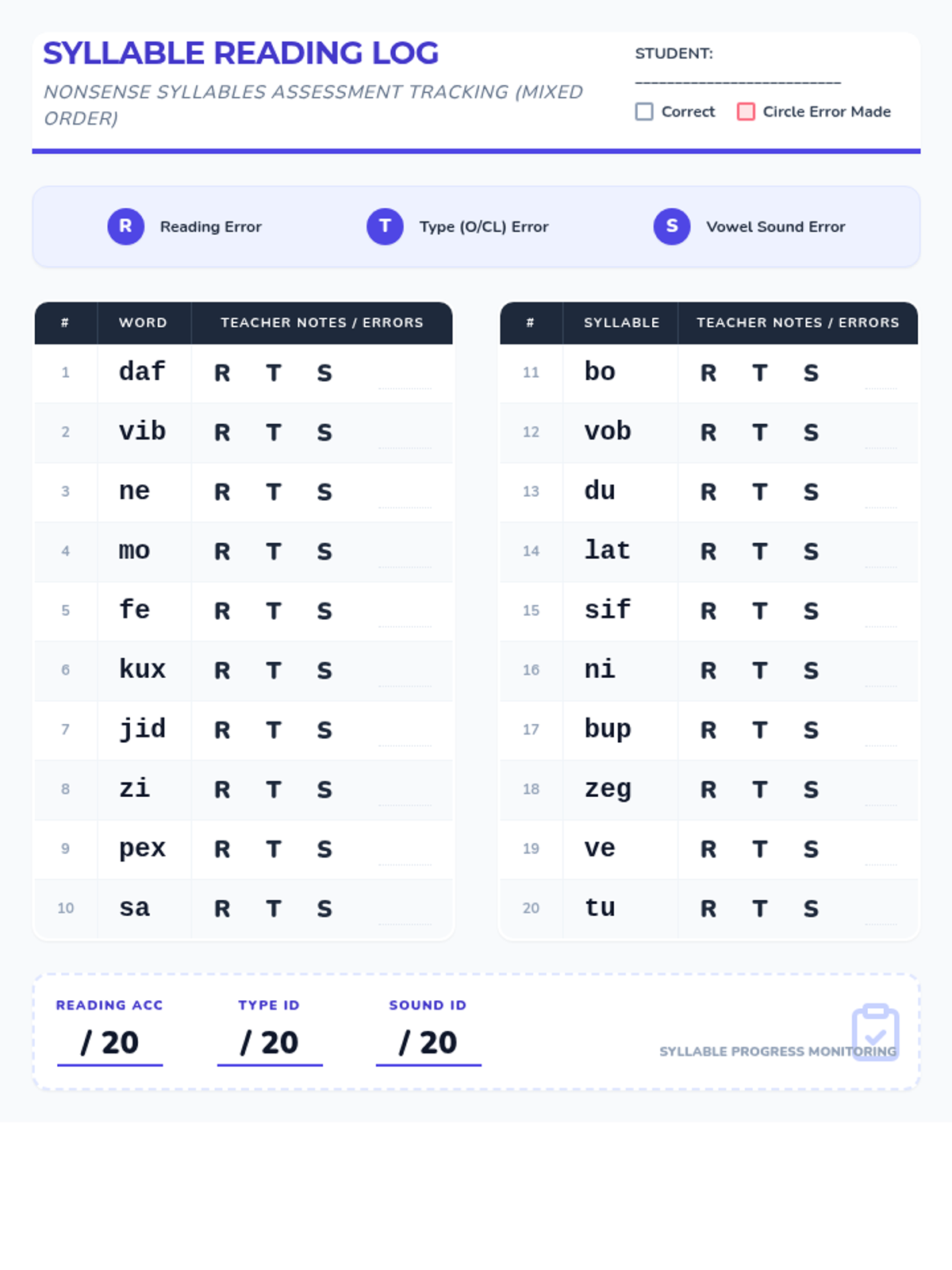
A collection of reading accuracy trackers for Kindergarten and 1st Grade students to monitor their phonics progress.
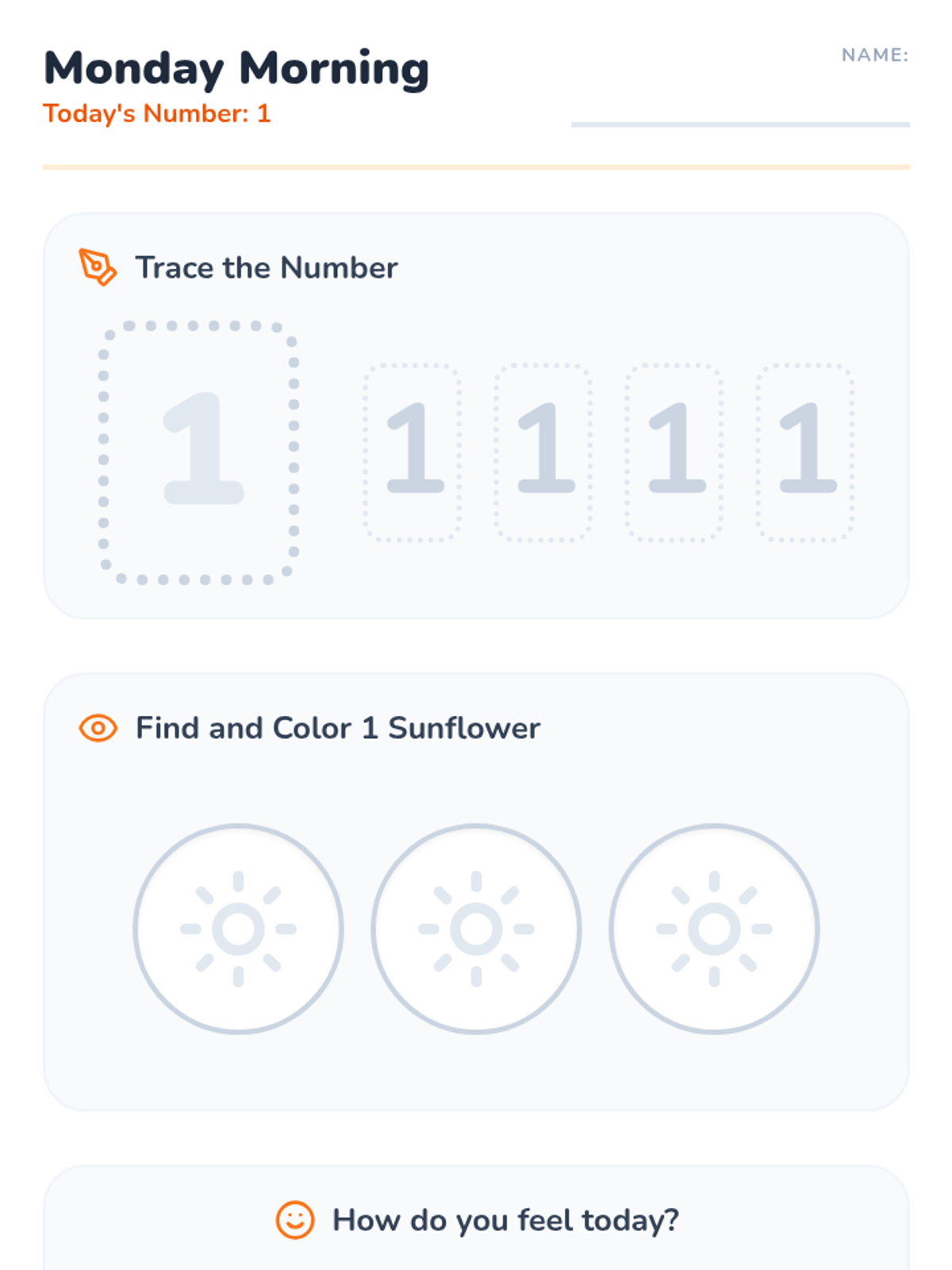
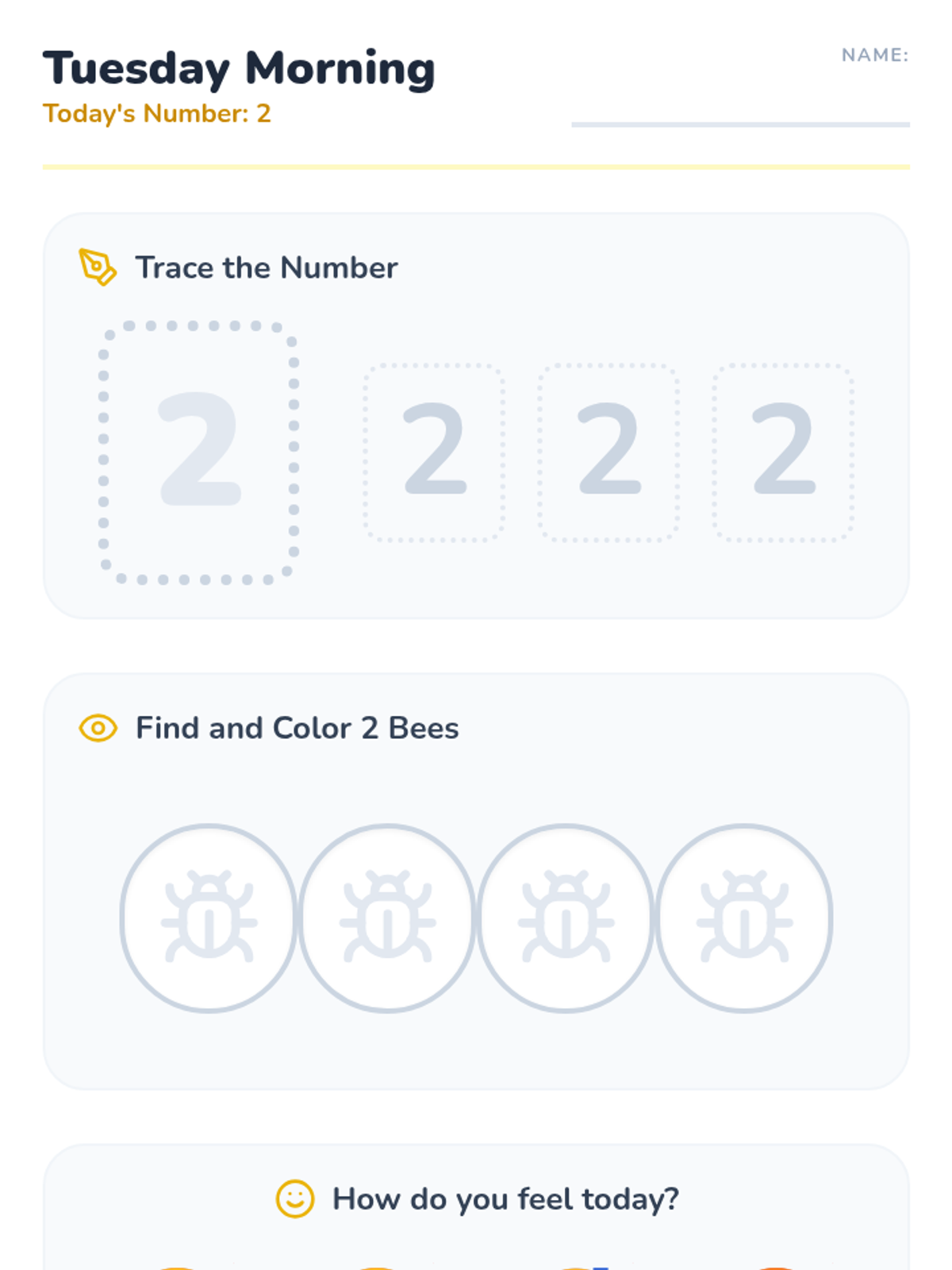
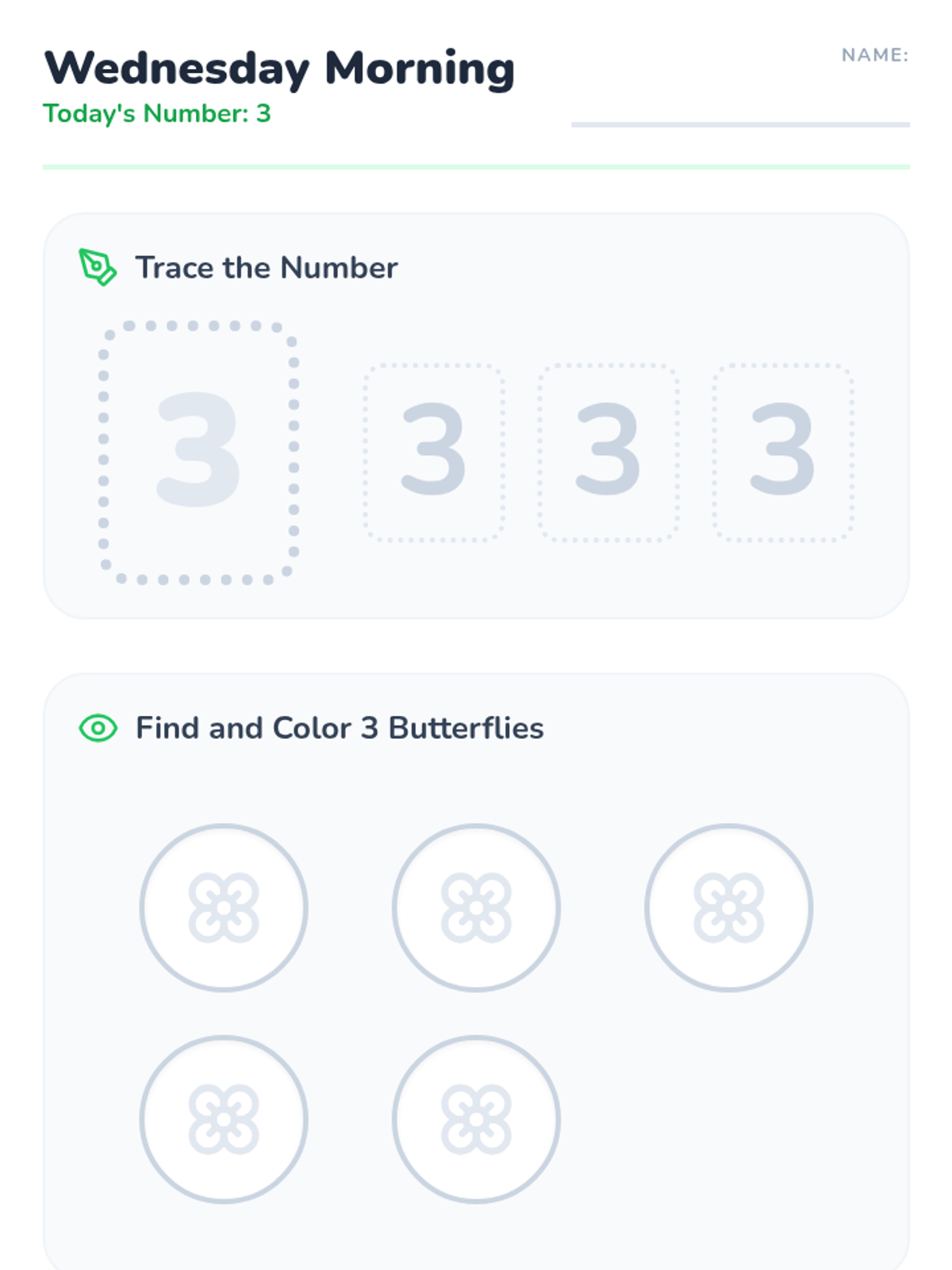
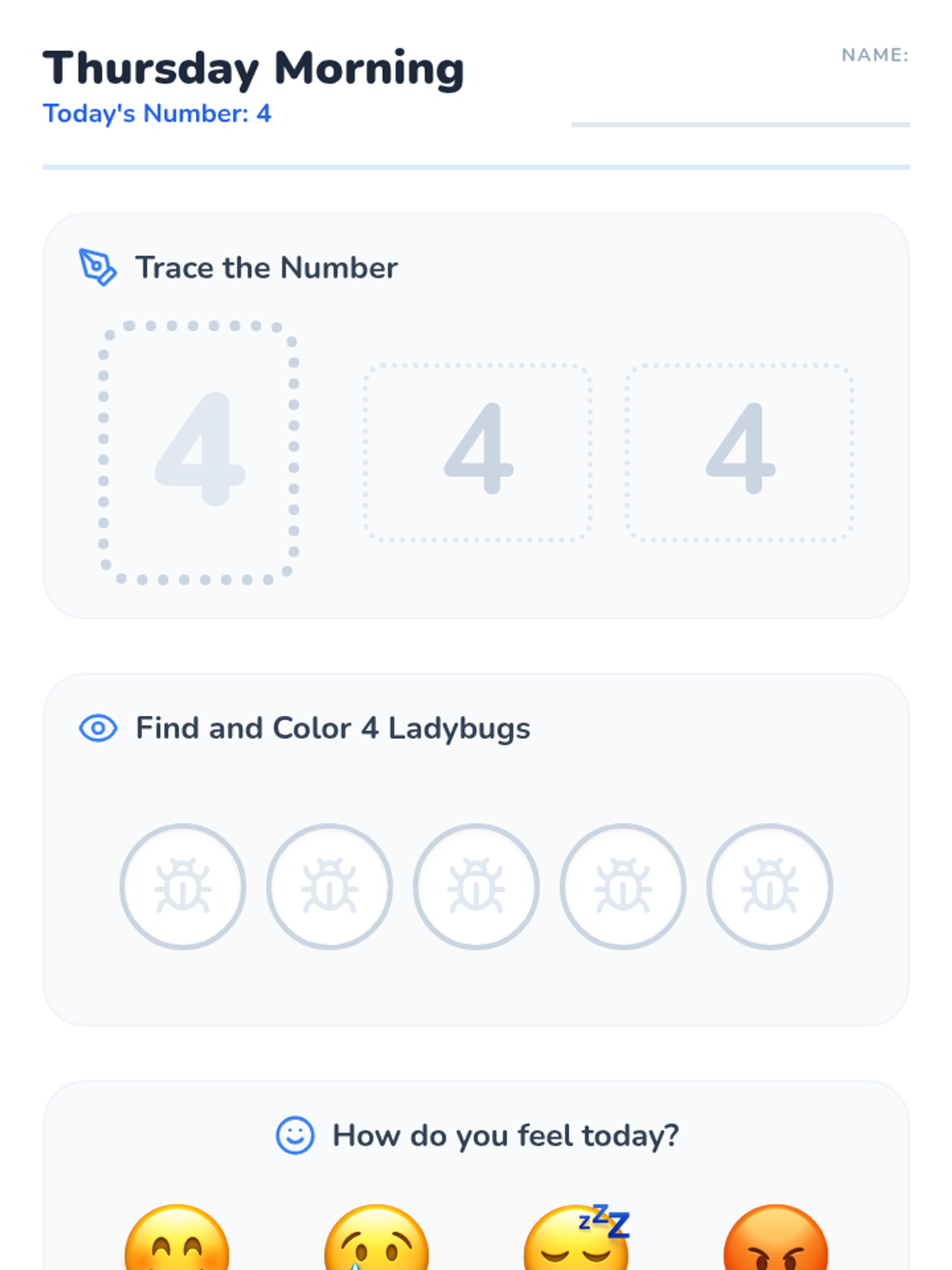
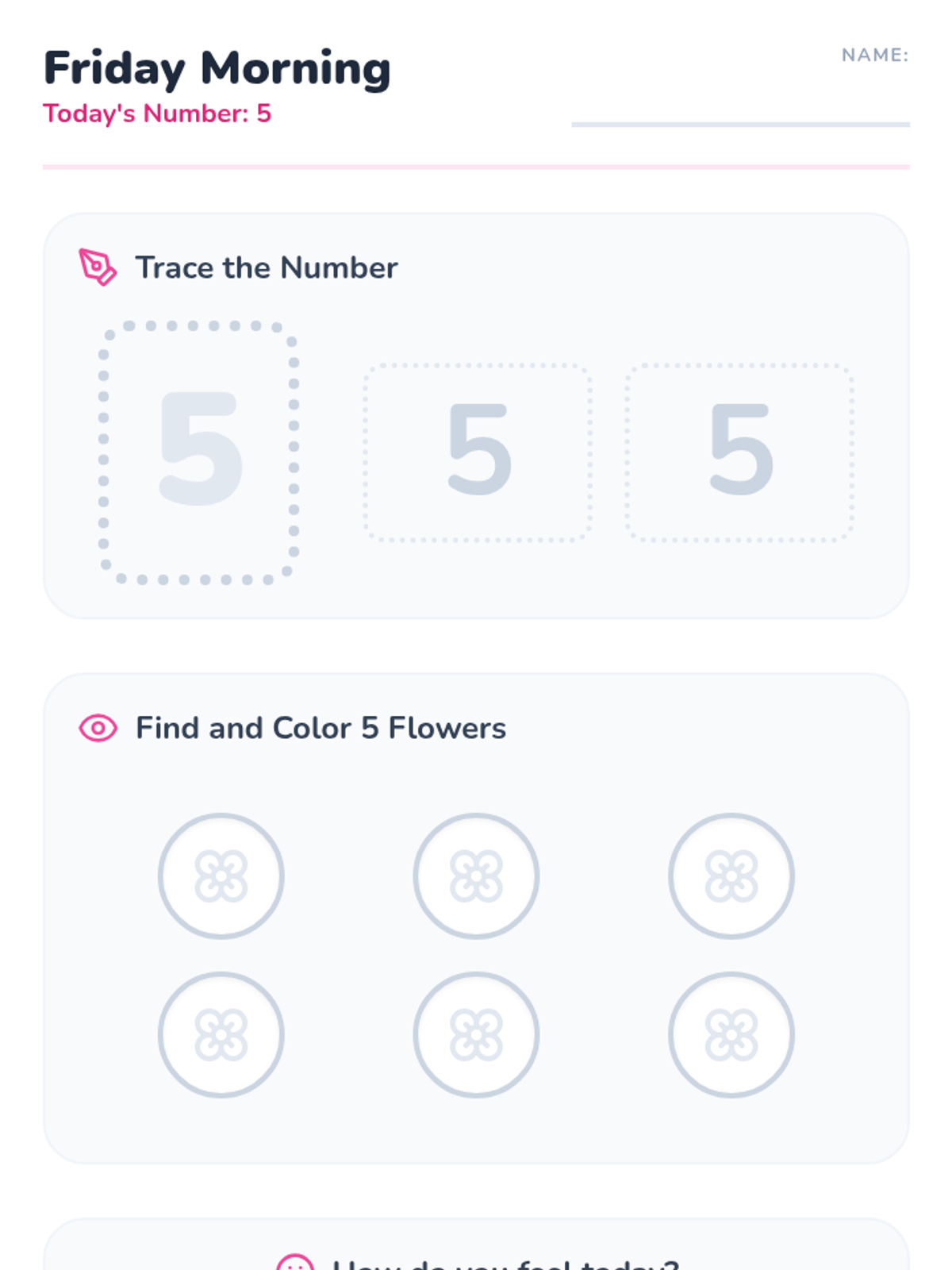
A daily routine lesson for morning circle and daily work, reinforcing garden themes, calendar skills, and social-emotional awareness.
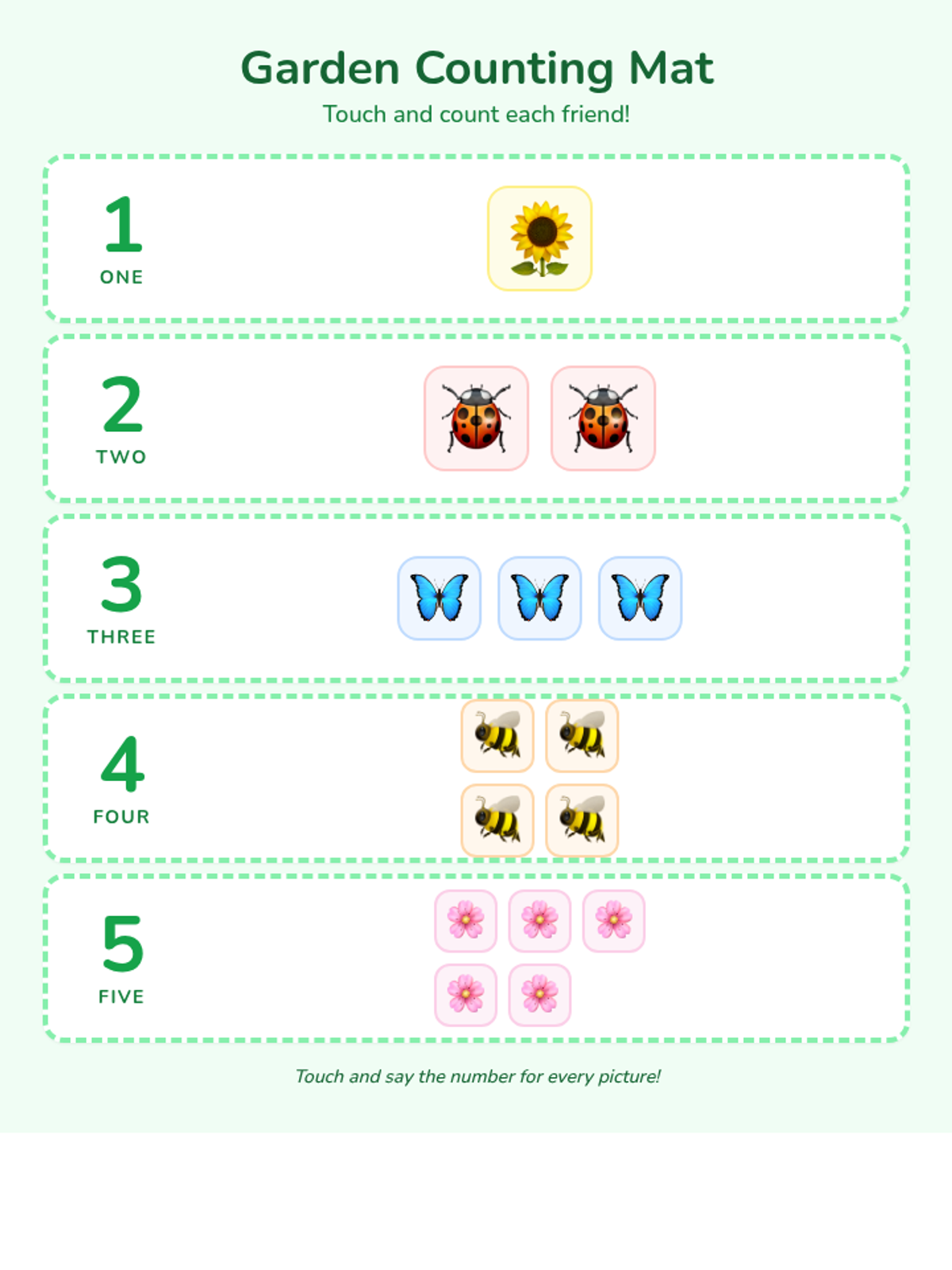
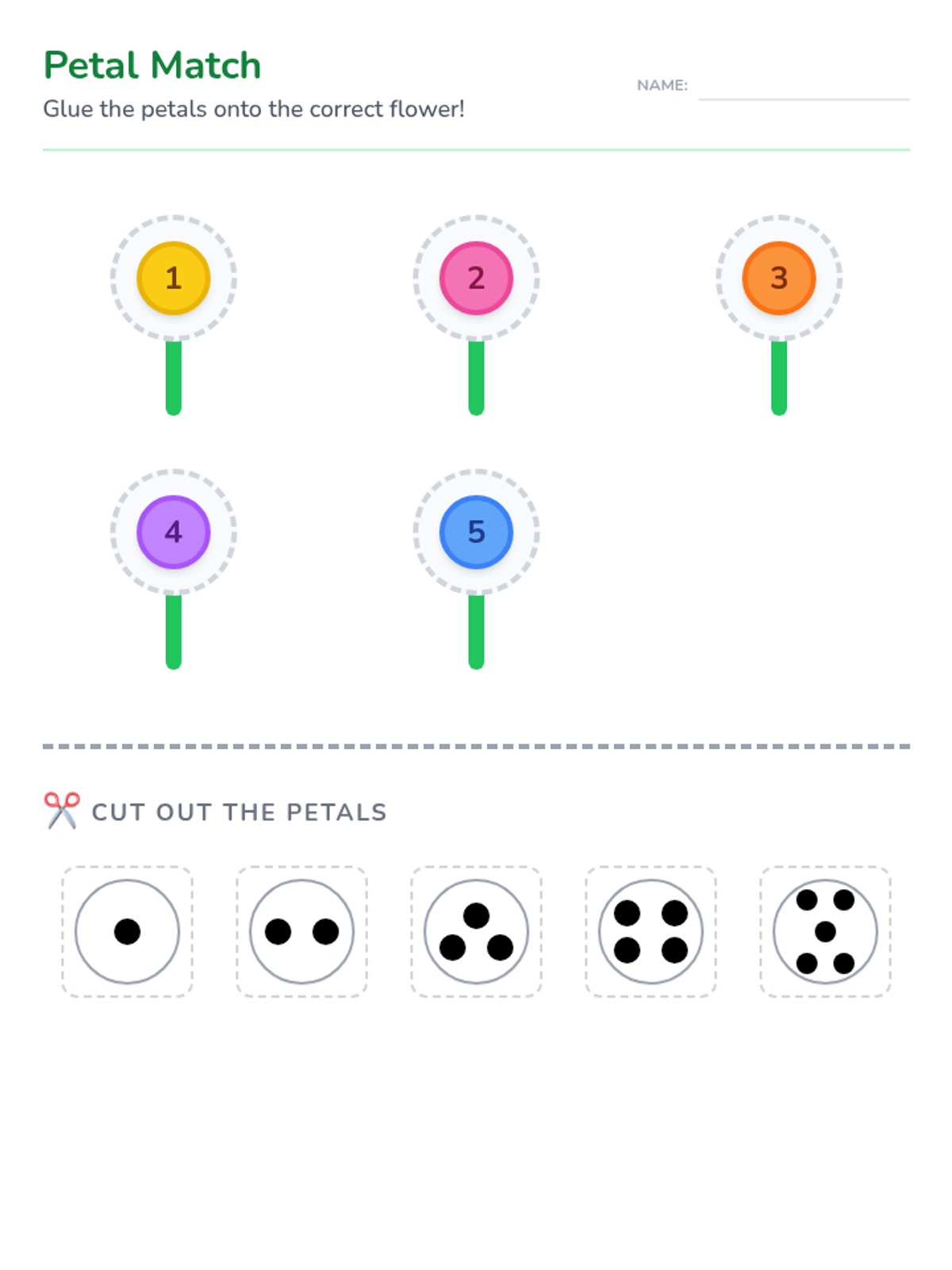
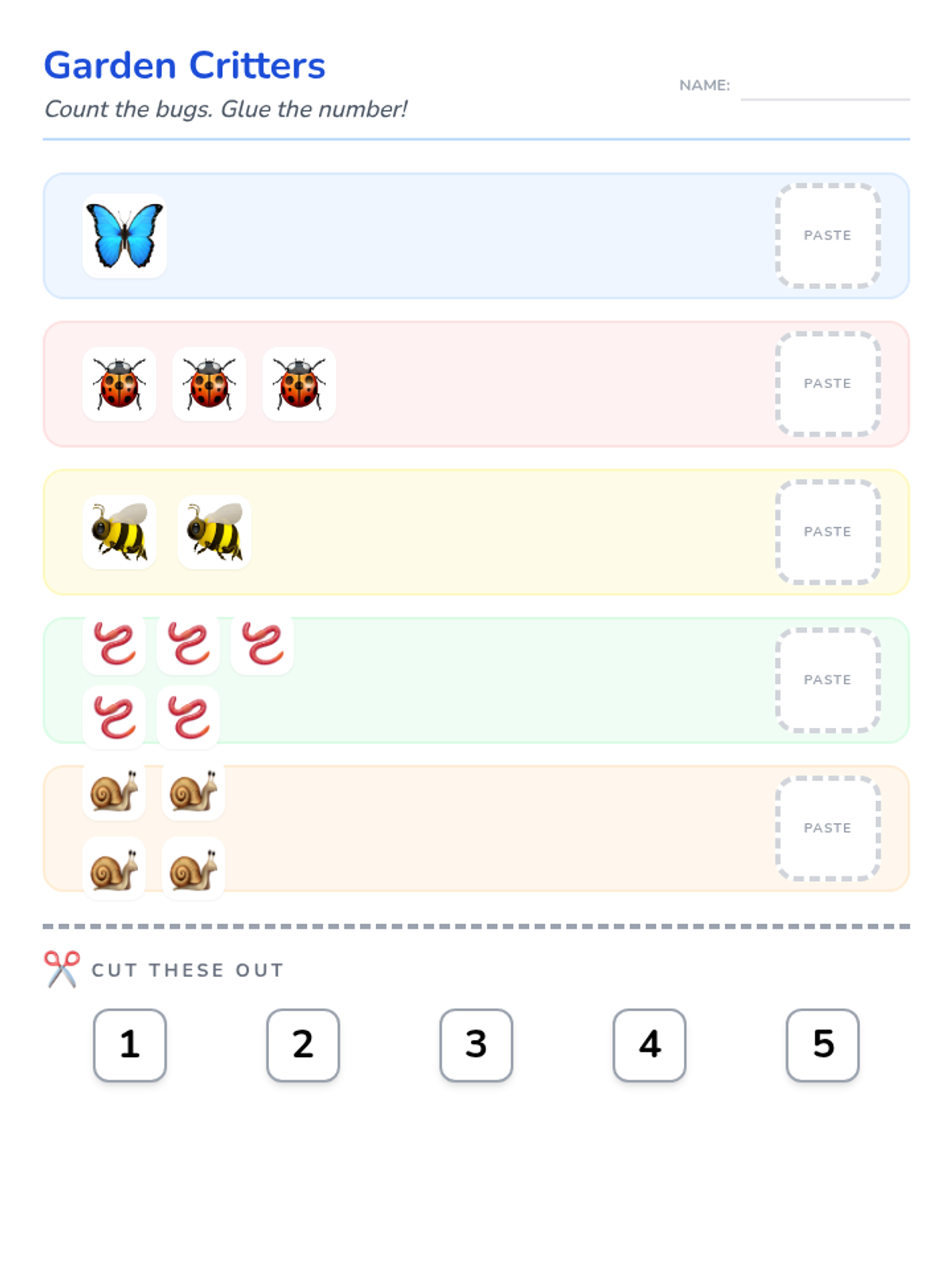
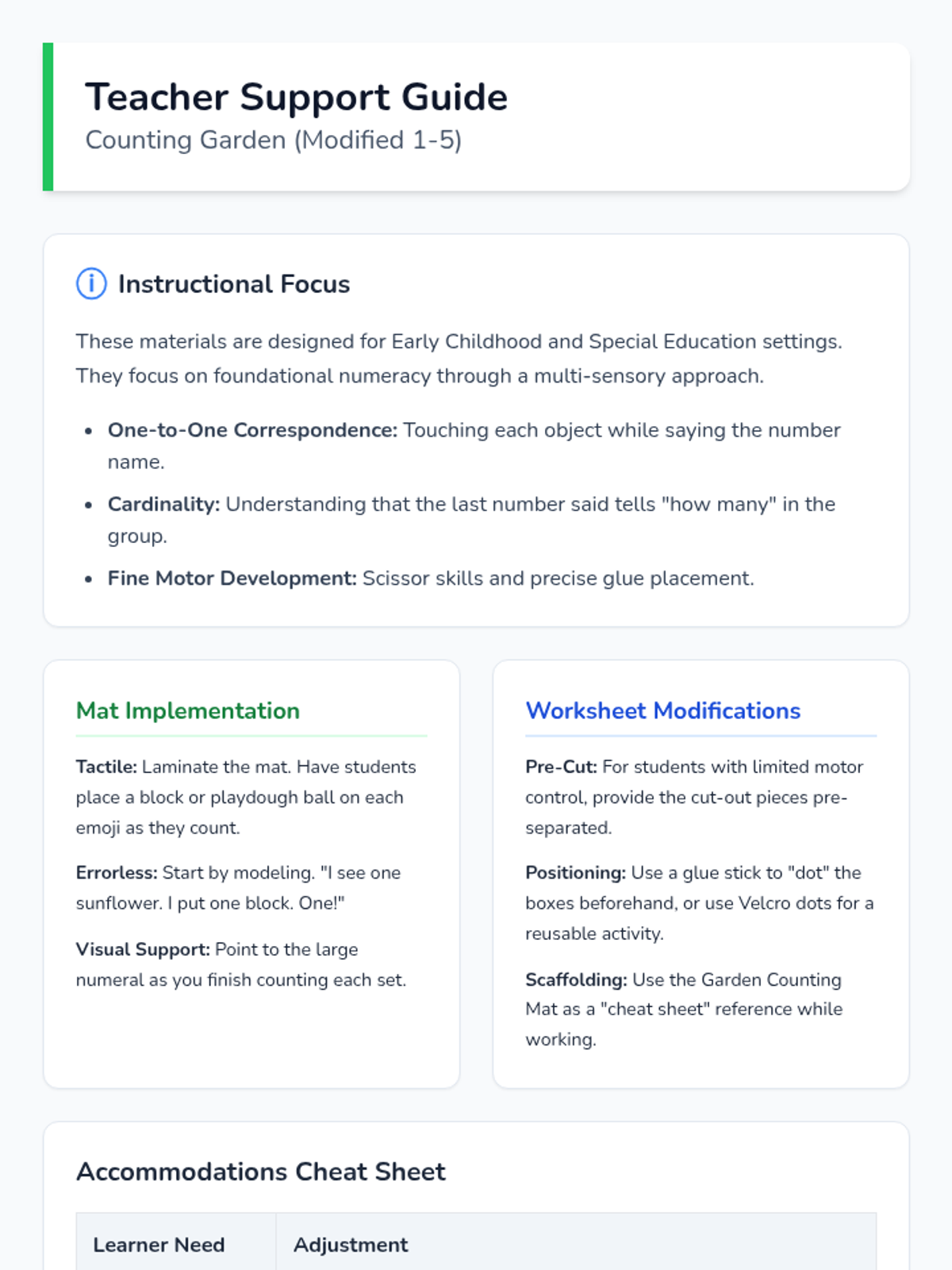
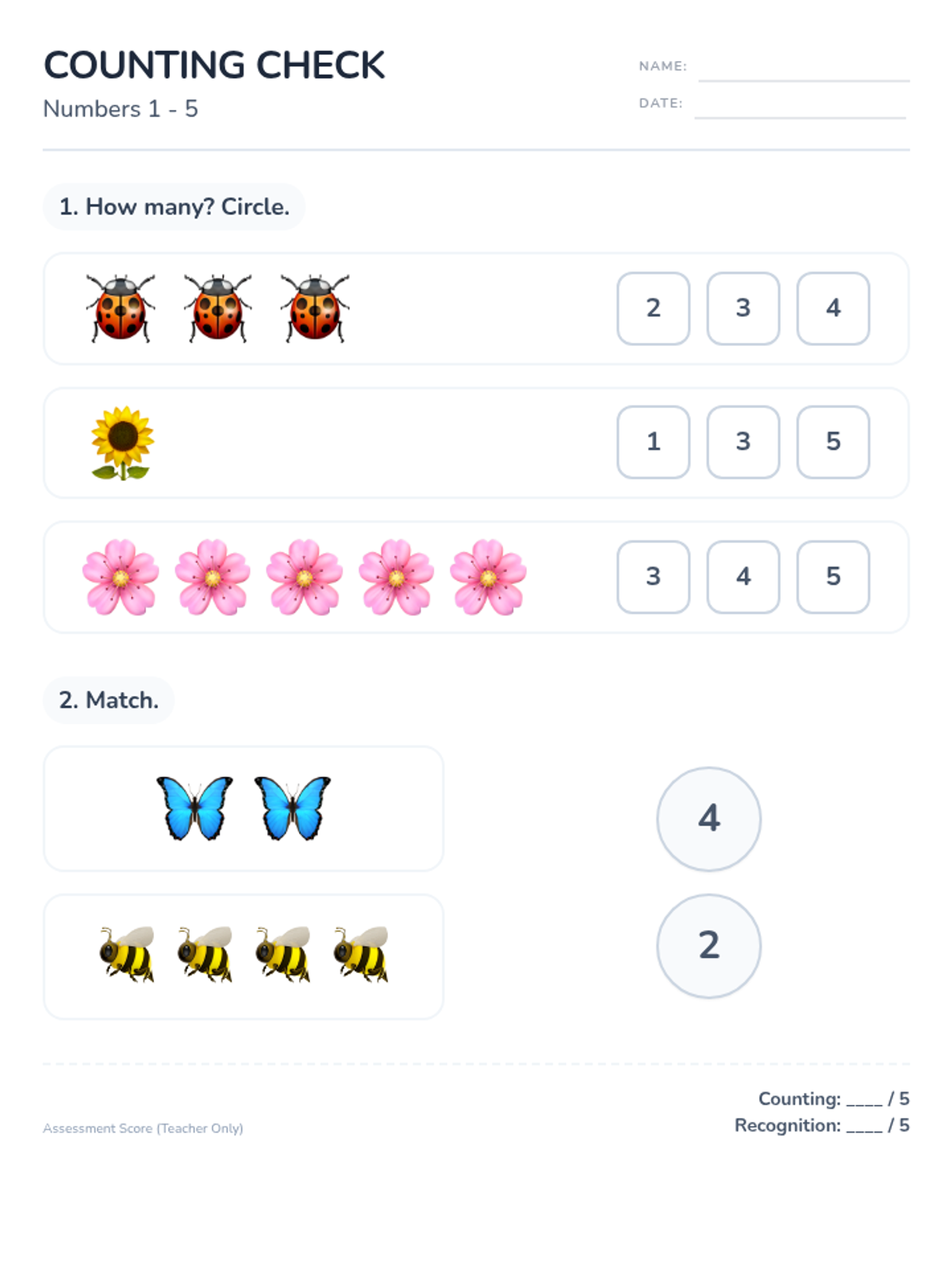
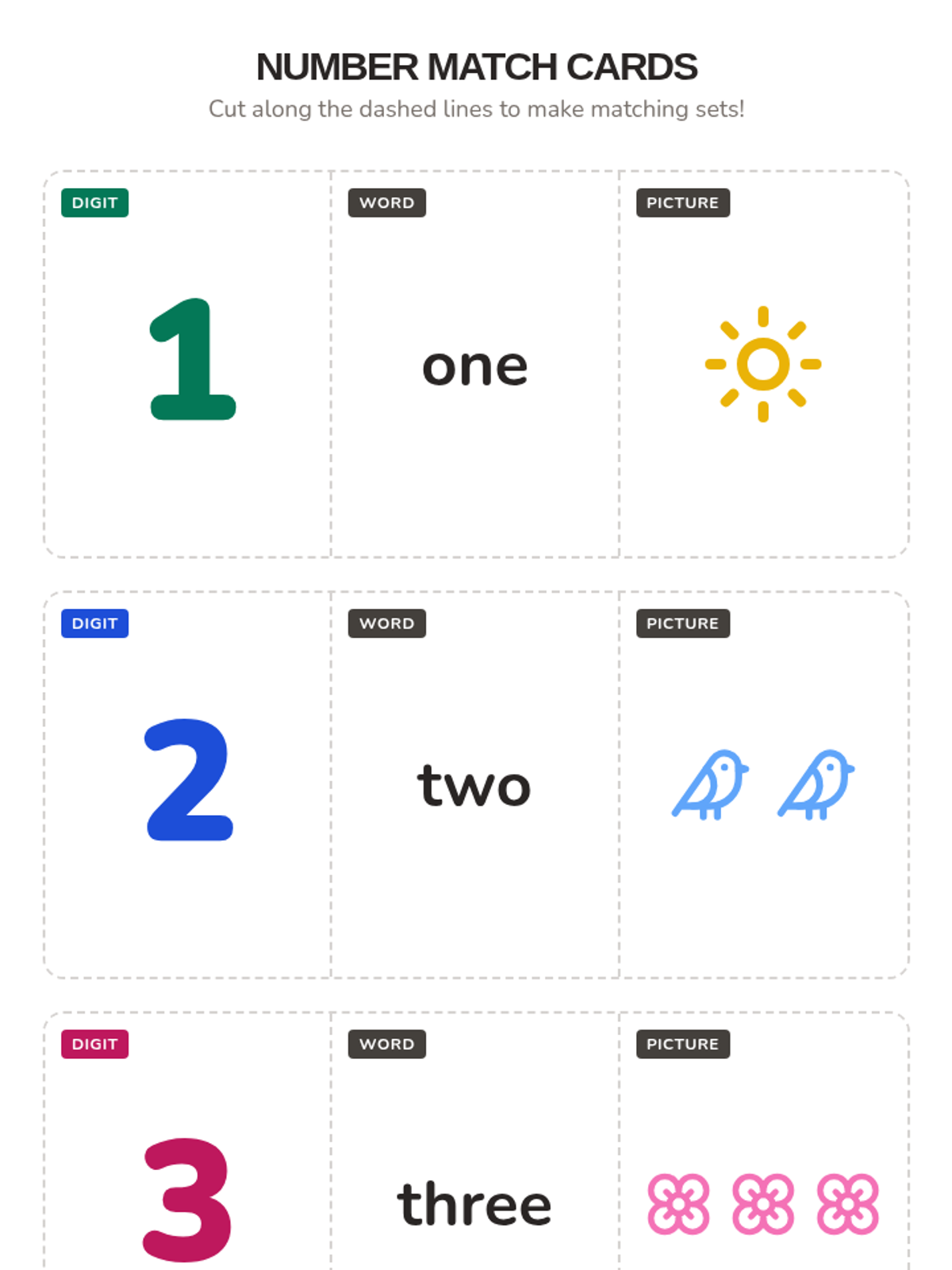
Students explore the numbers 1 through 5 using visual supports and hands-on matching activities to build one-to-one correspondence.
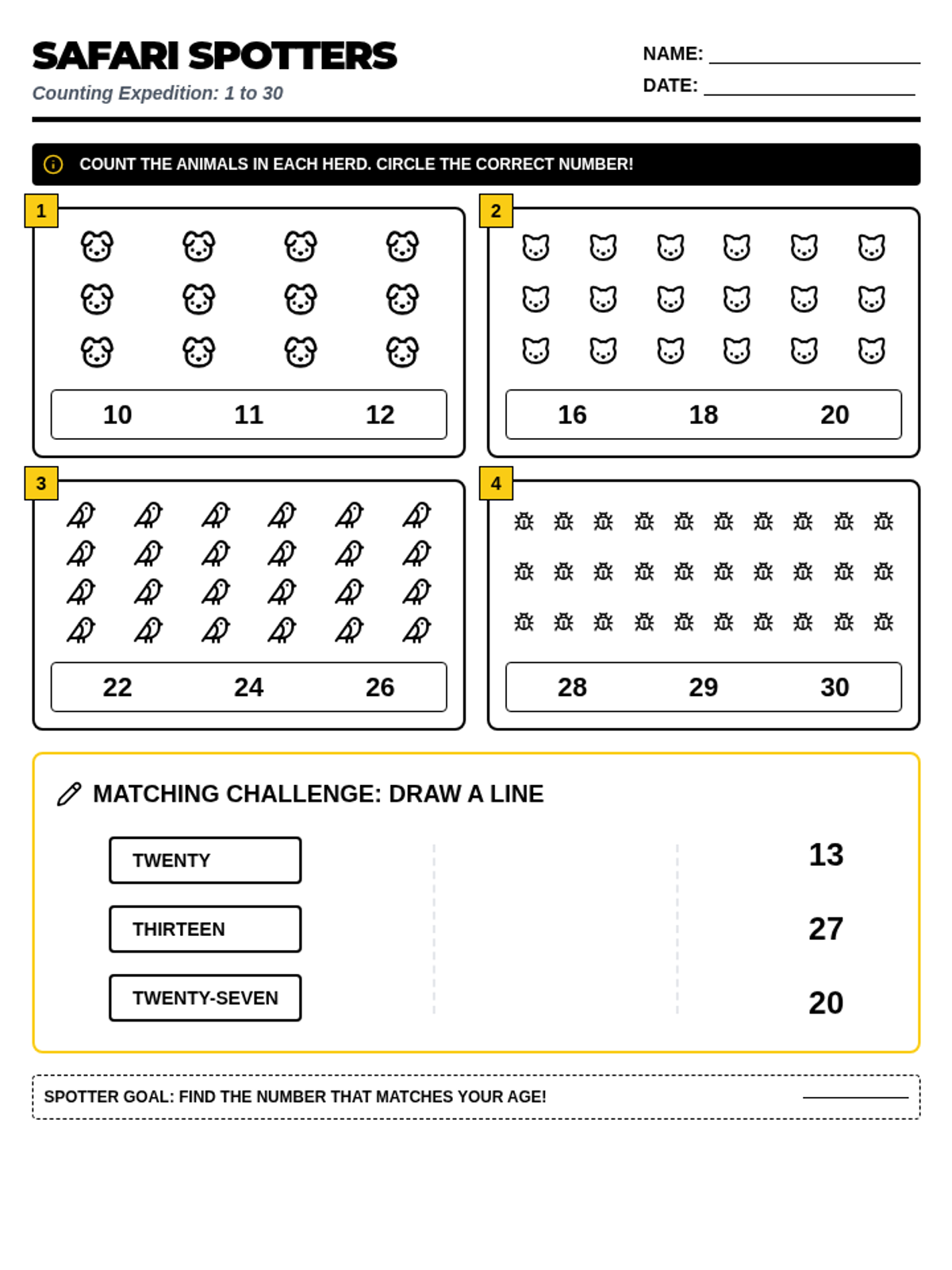
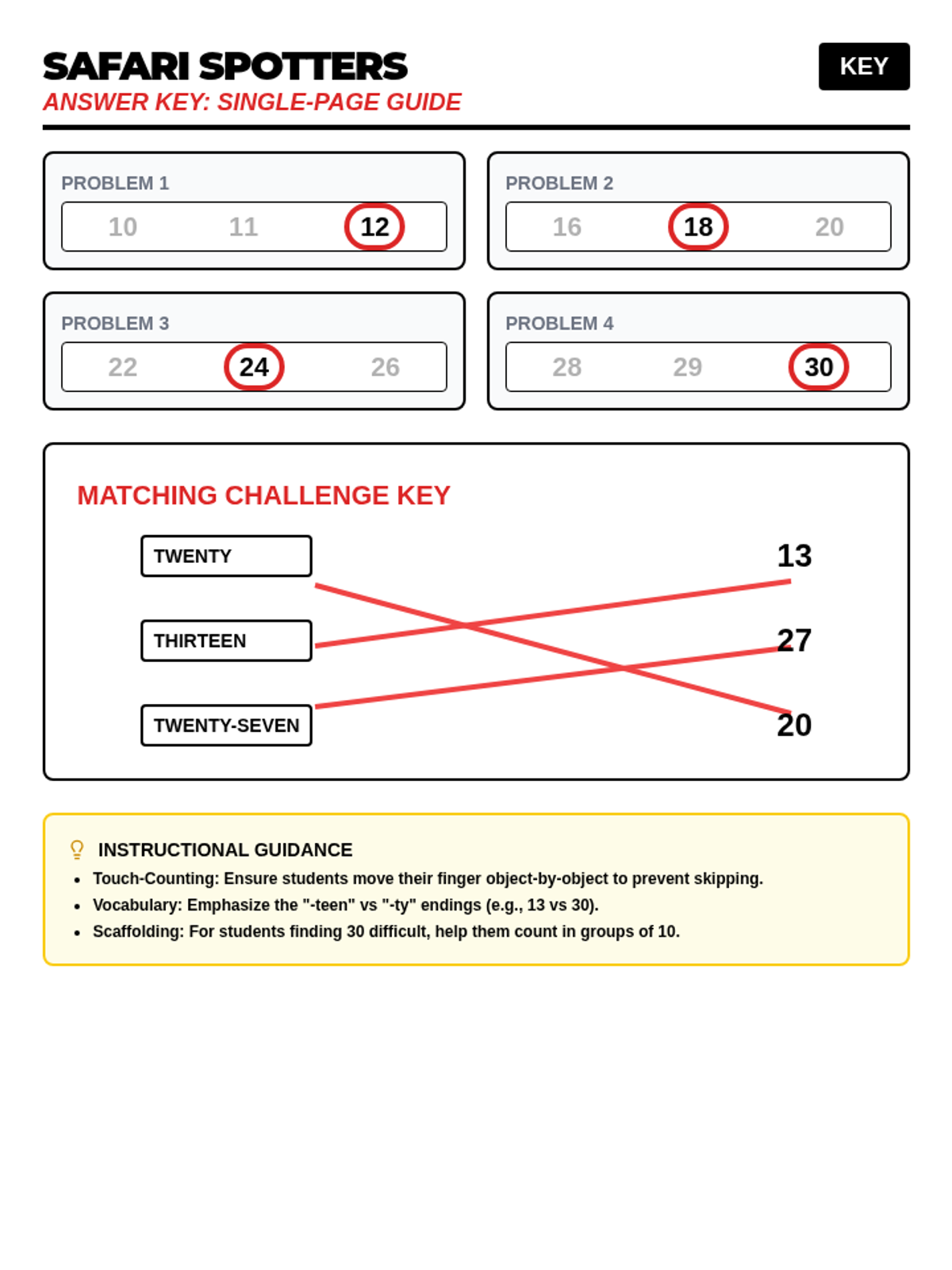
A high-contrast, animal-themed lesson focusing on identifying numbers 1-30 and mastering one-to-one correspondence through engaging visual counting exercises.
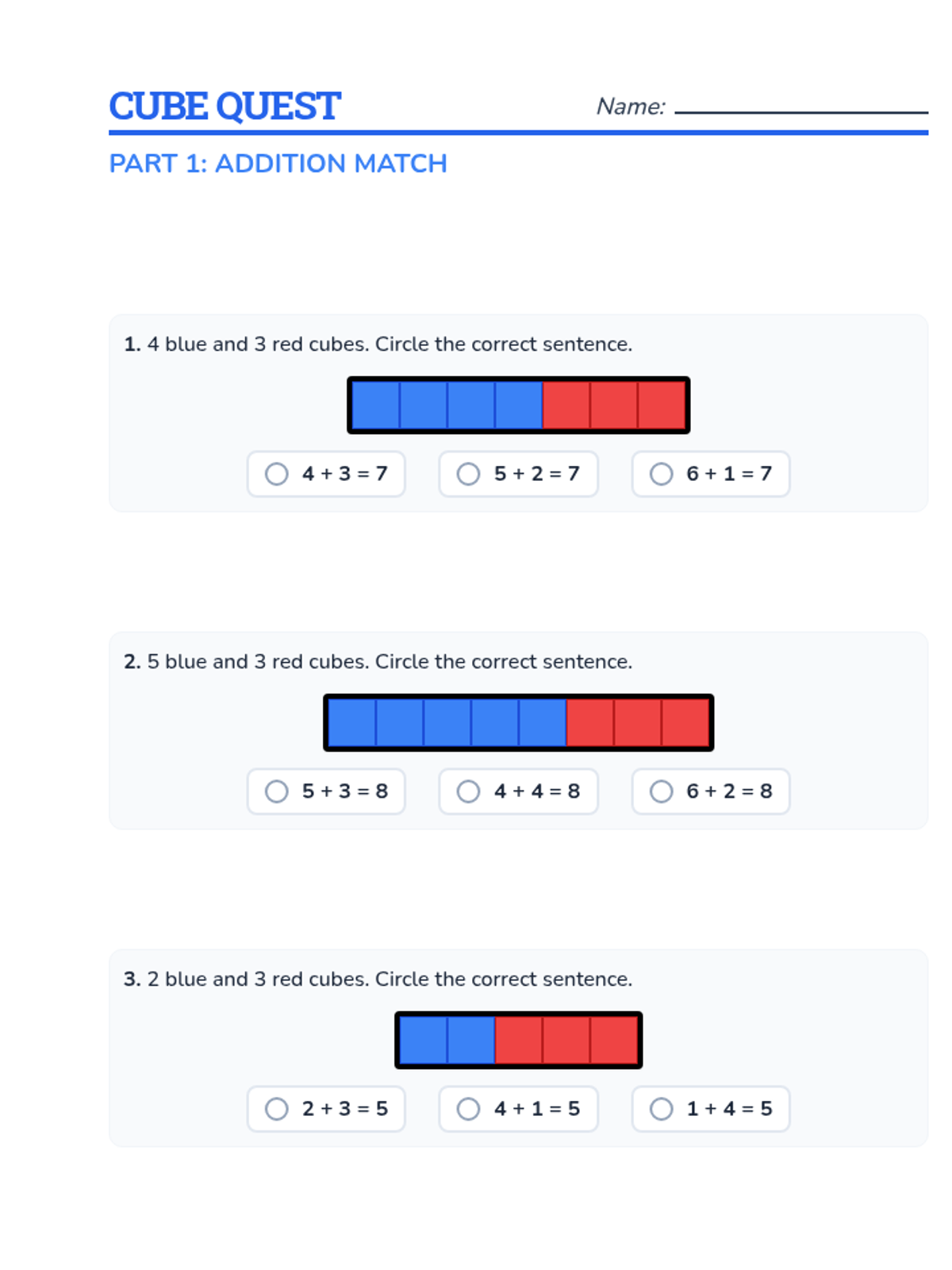
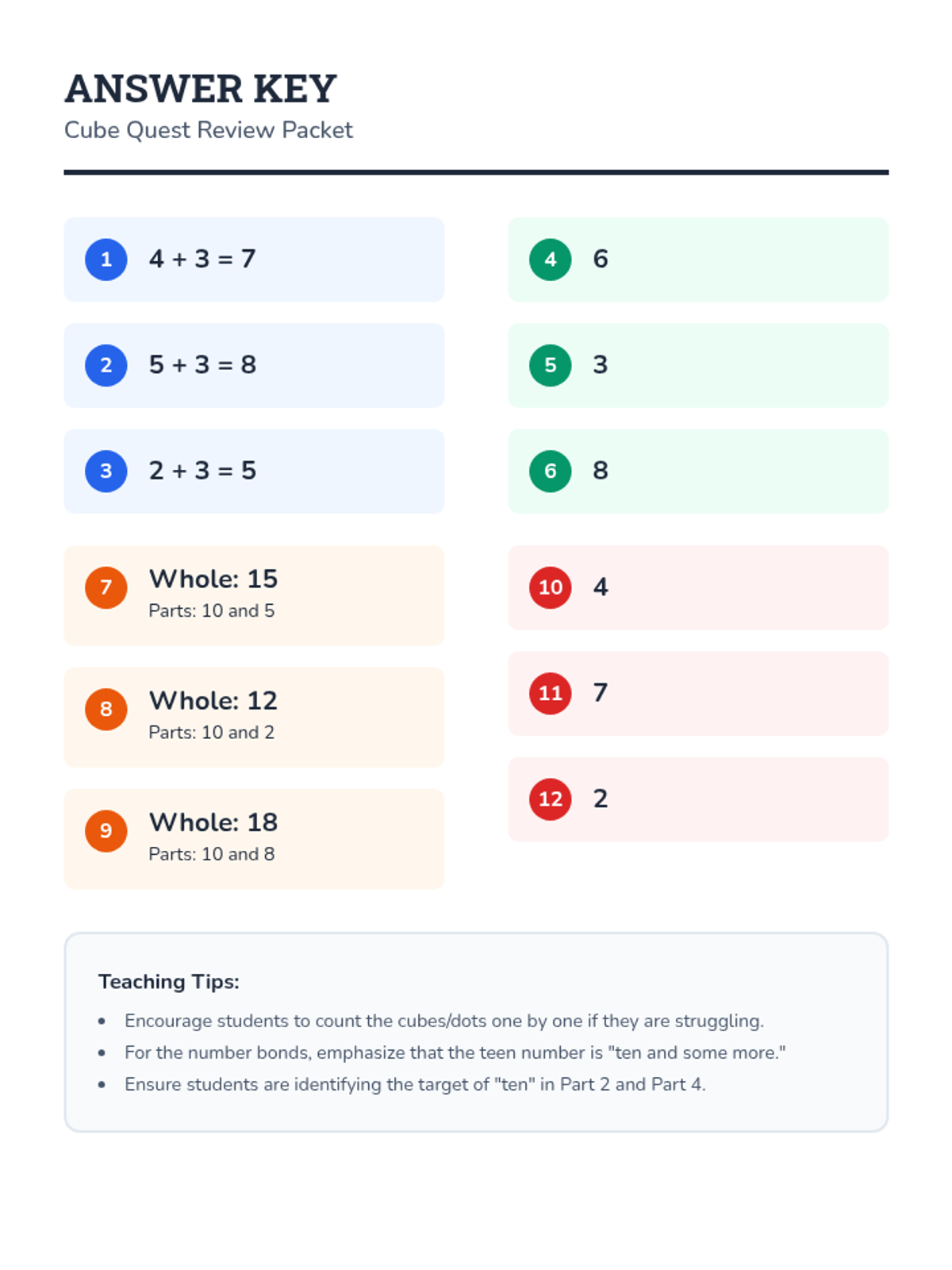
A comprehensive math review packet focusing on kindergarten and first-grade foundations, including addition with cubes, making ten, and composing teen numbers with number bonds.
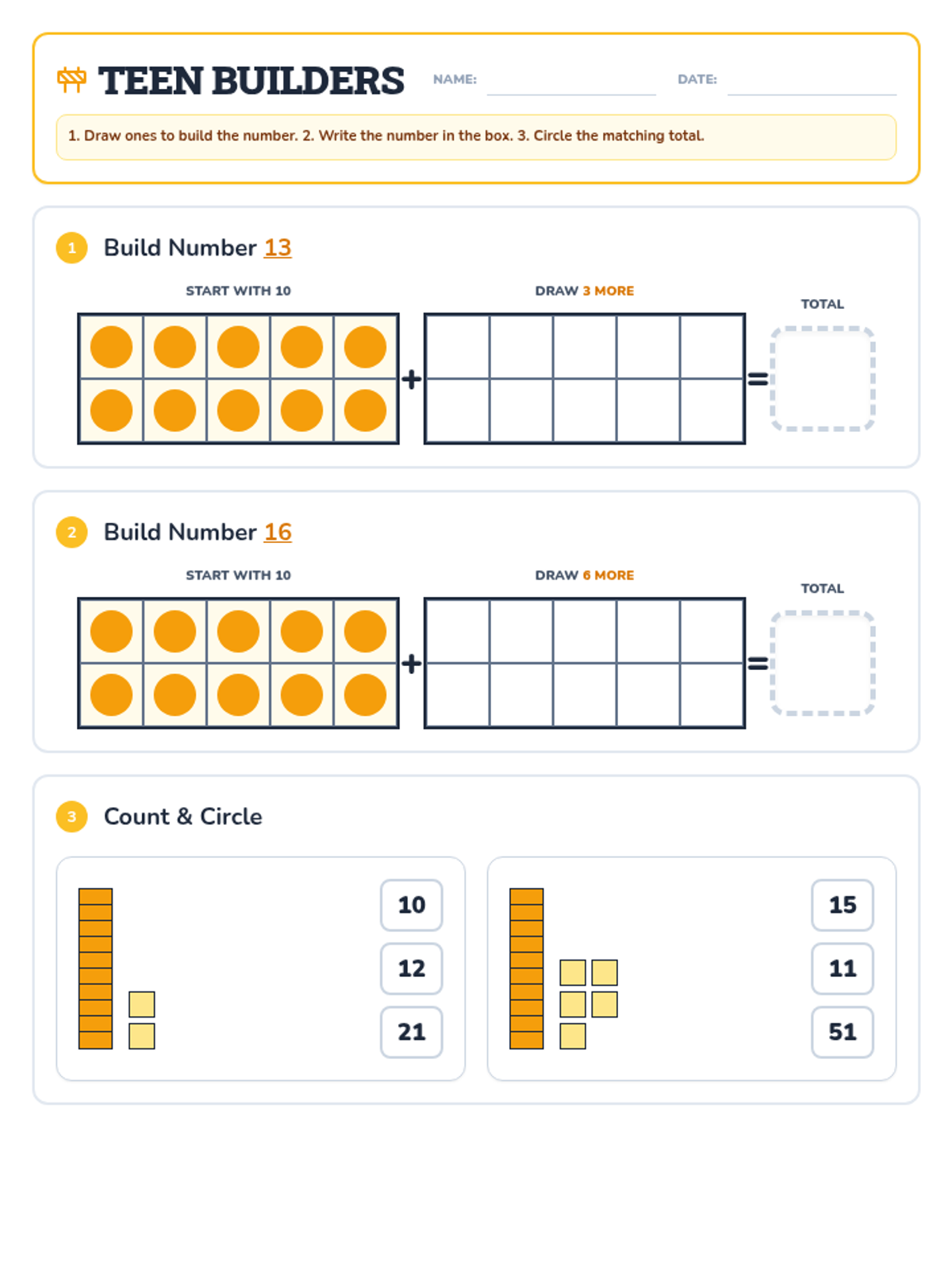
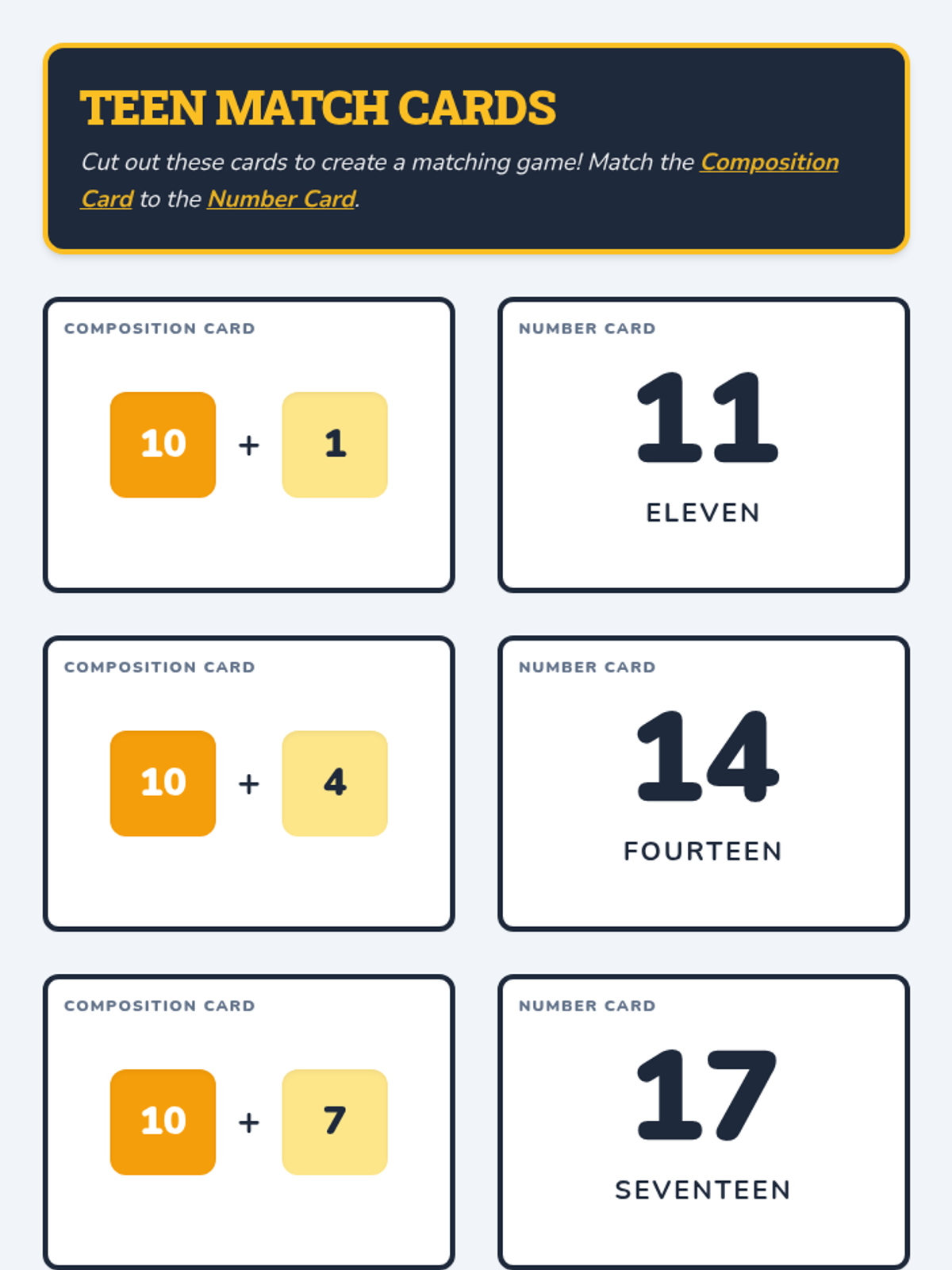
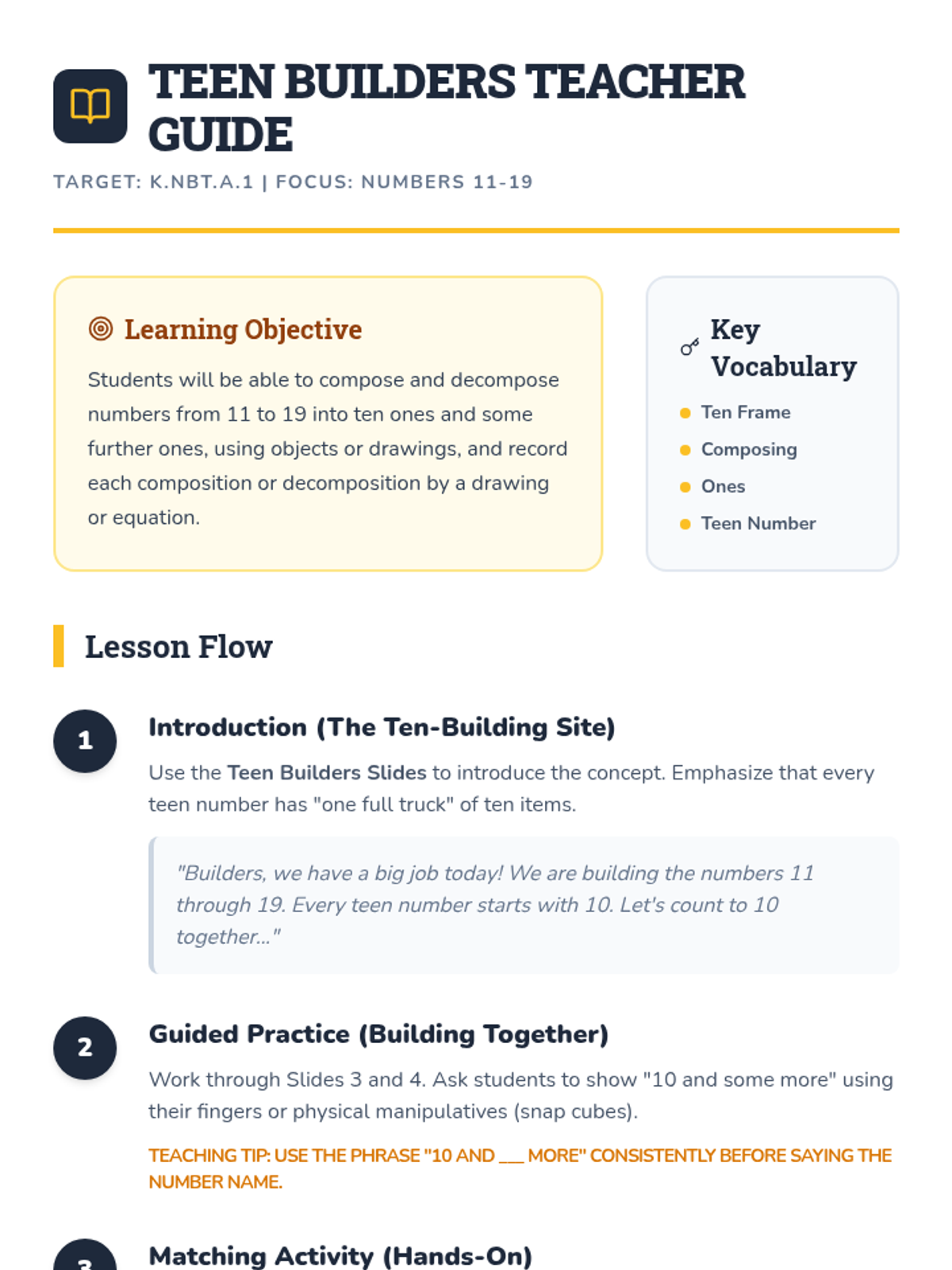
A foundational math lesson for kindergarteners to understand how teen numbers are composed of a group of ten and additional ones. Students will use ten frames and base ten blocks to 'build' numbers 11-19.
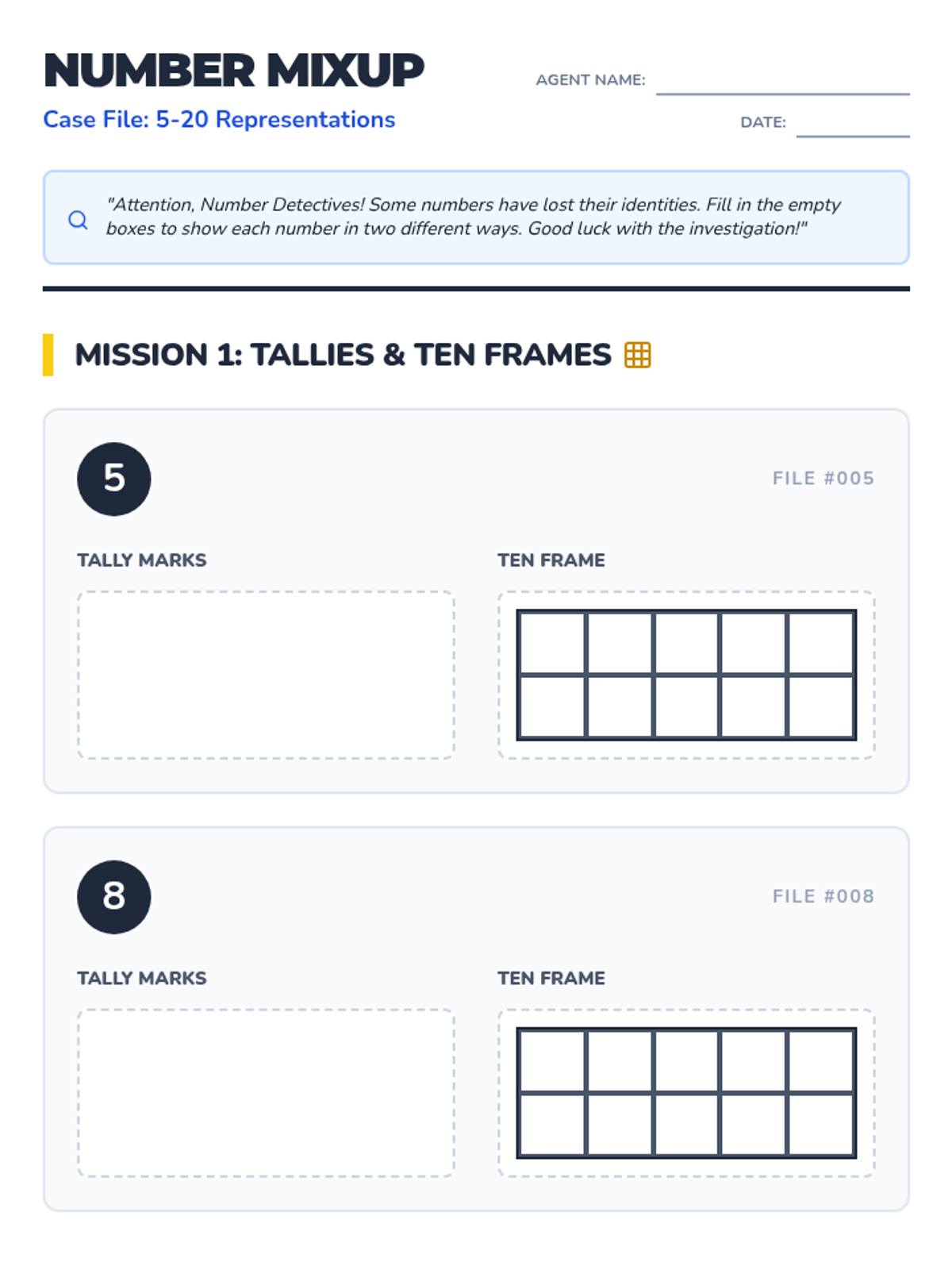
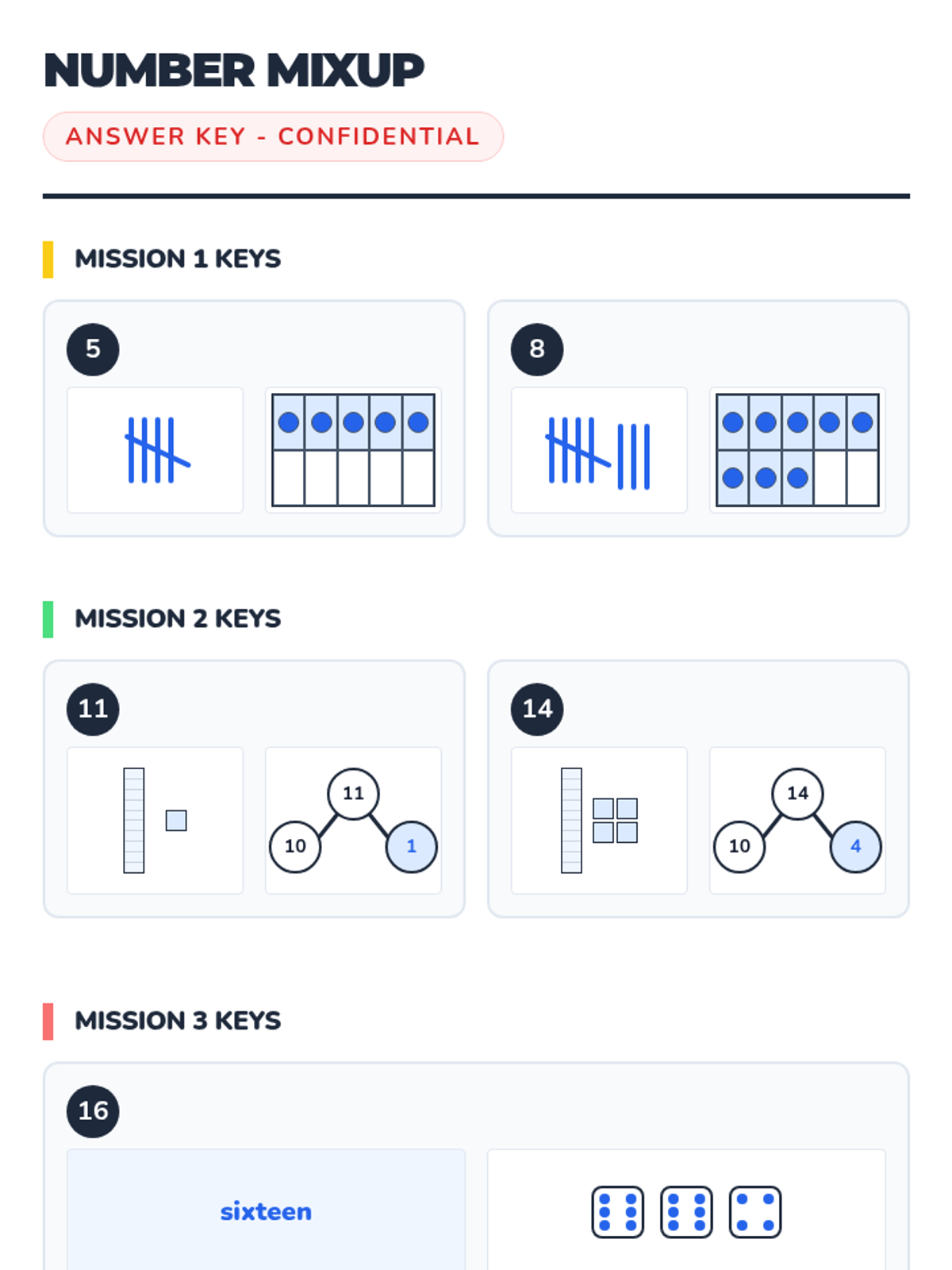
Students explore and practice multiple ways to represent numbers from 5 to 20, using visual models, symbolic notation, and linguistic forms to build deep number sense.
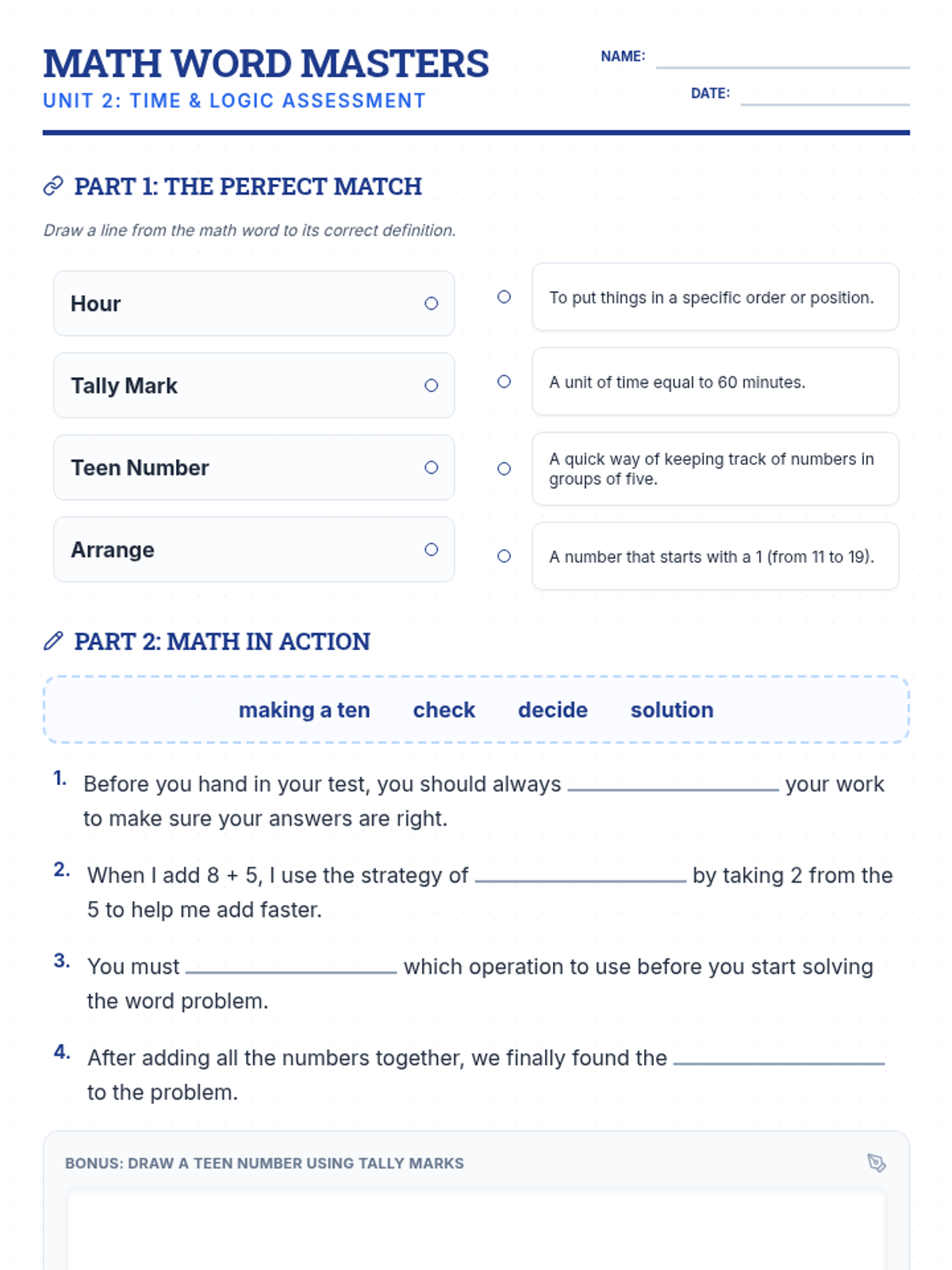
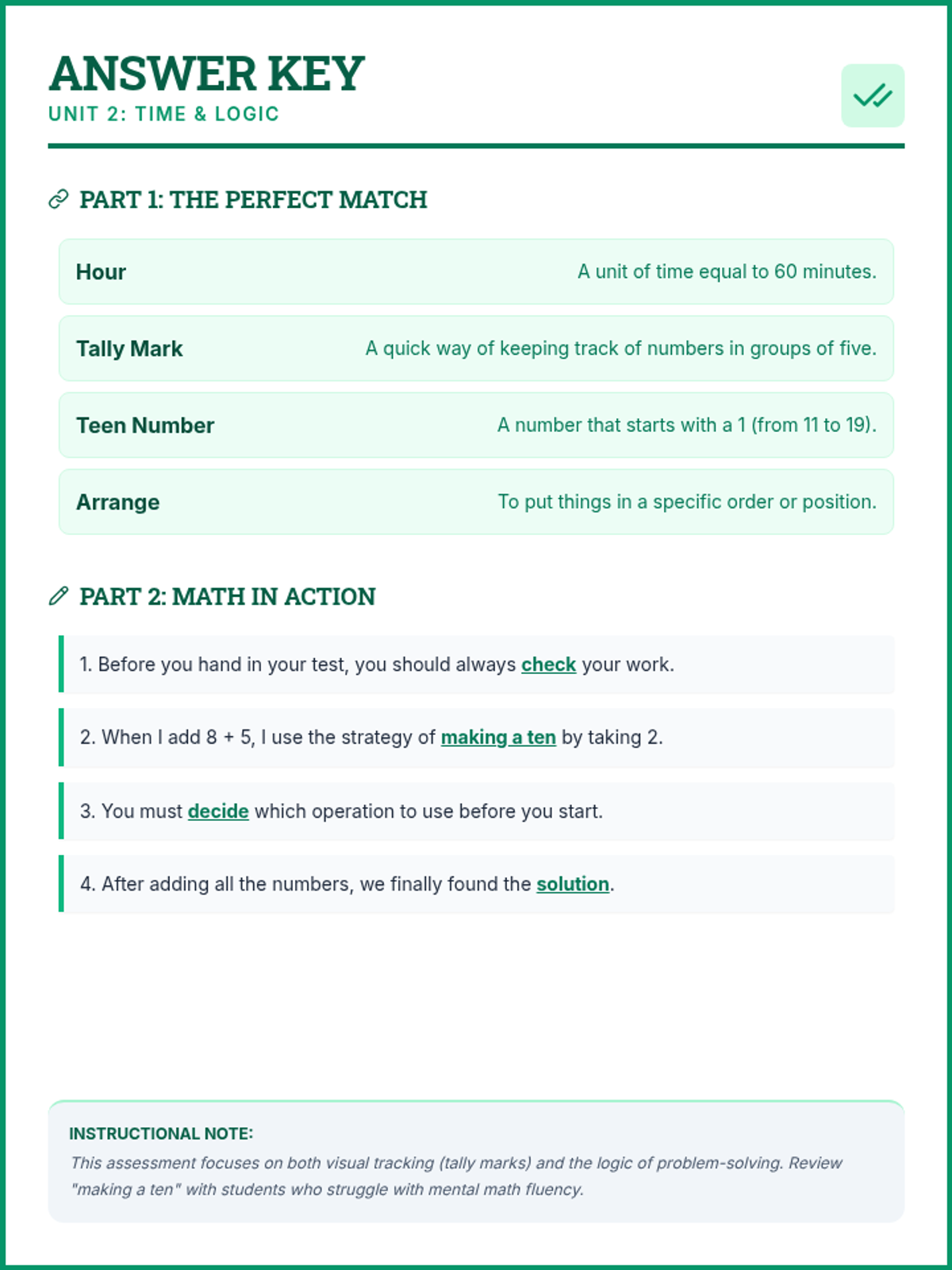
Vocabulary assessment for Unit 2 covering time, counting, and problem-solving strategies.
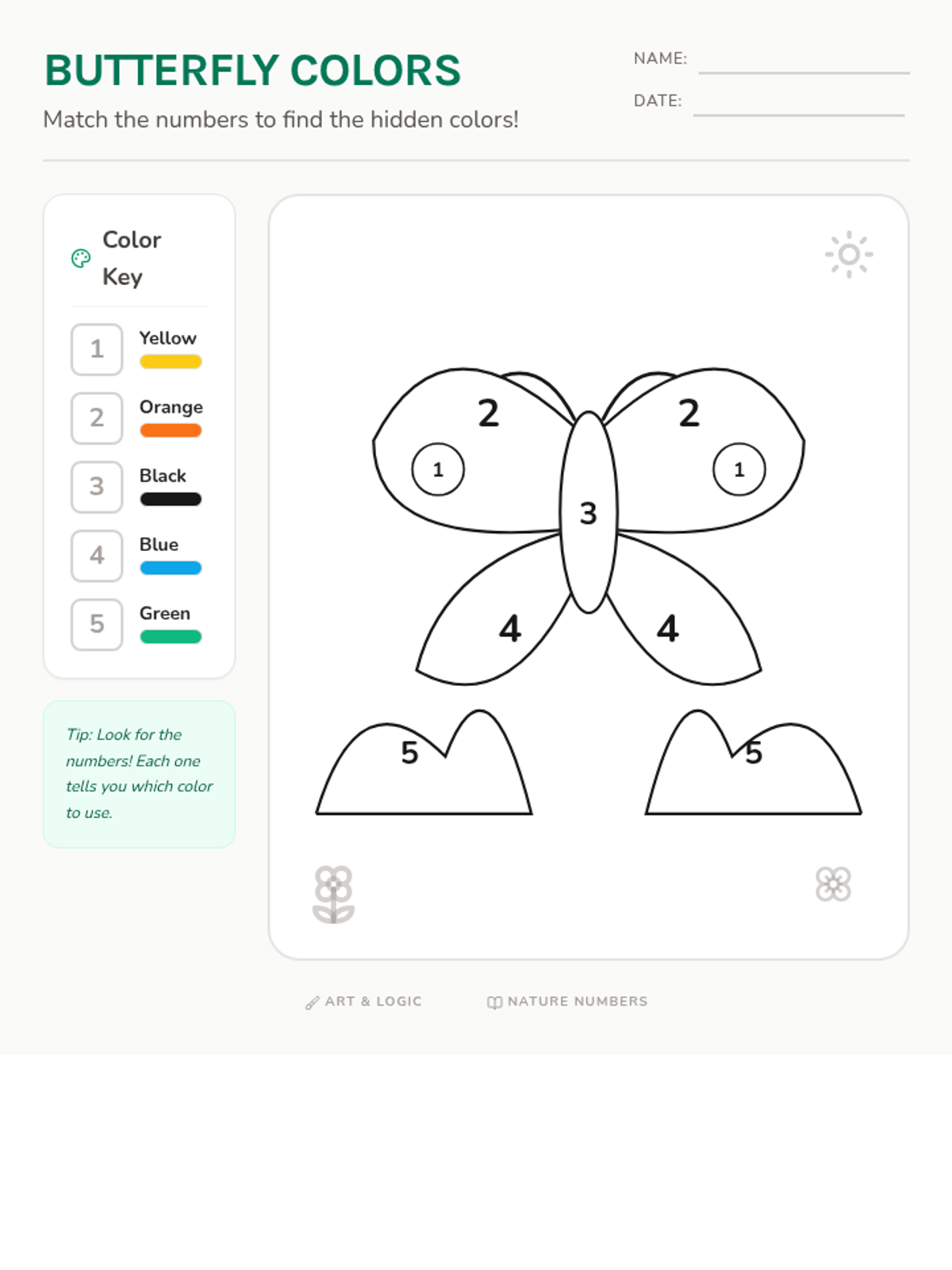
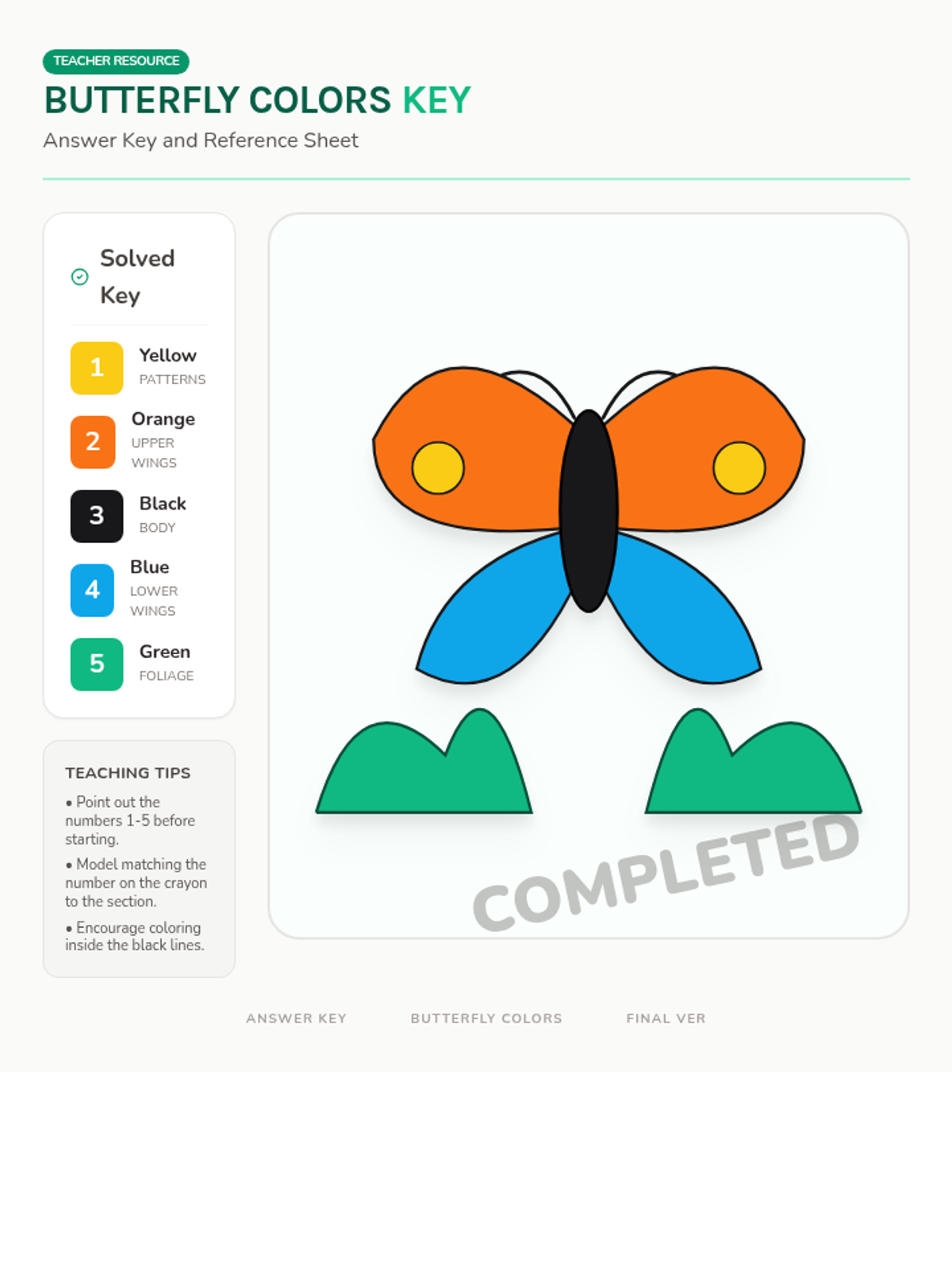
A foundational lesson on number recognition through a creative butterfly coloring activity. Students identify numbers 1-5 to reveal a vibrantly colored monarch-style butterfly.
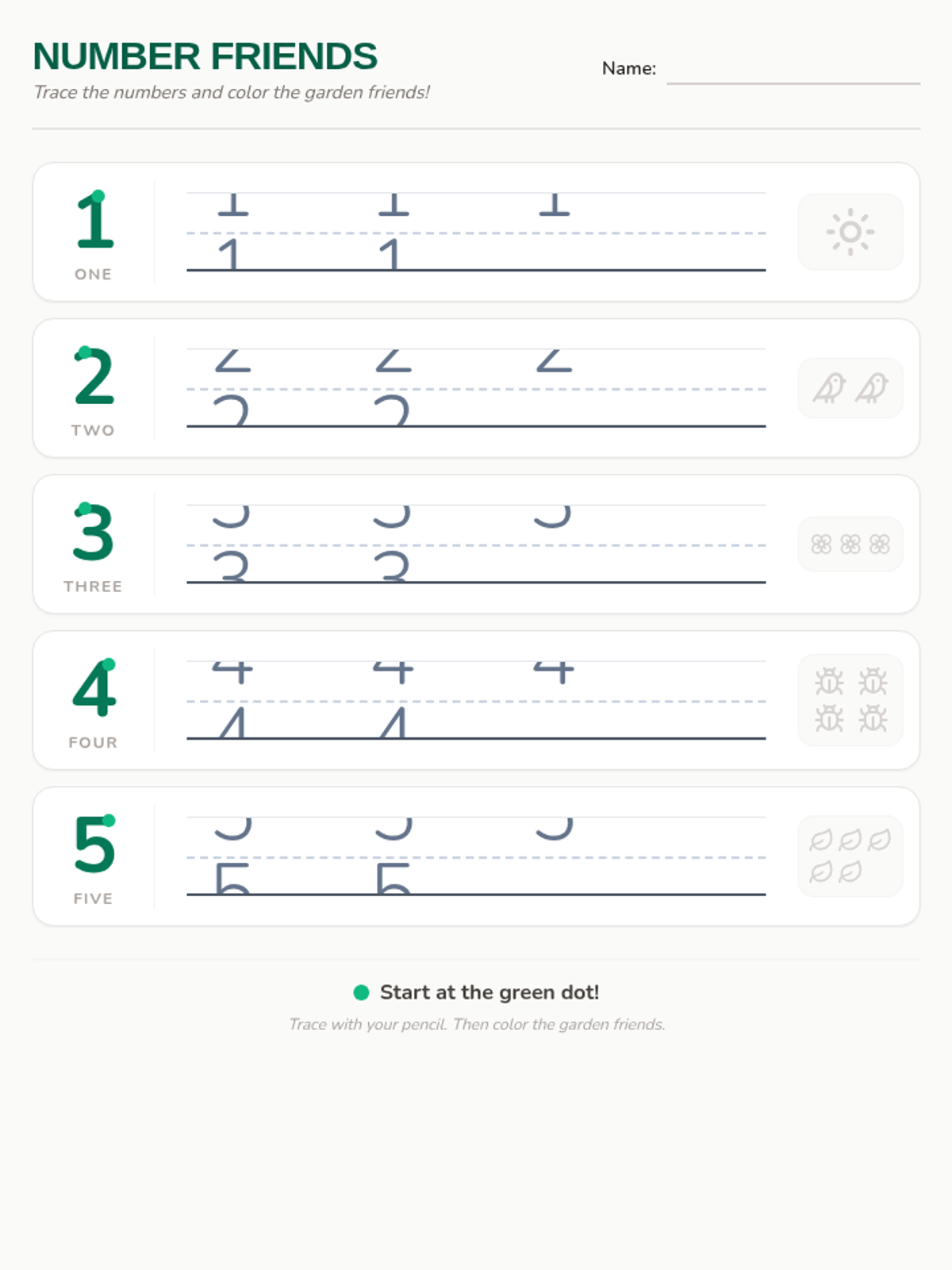
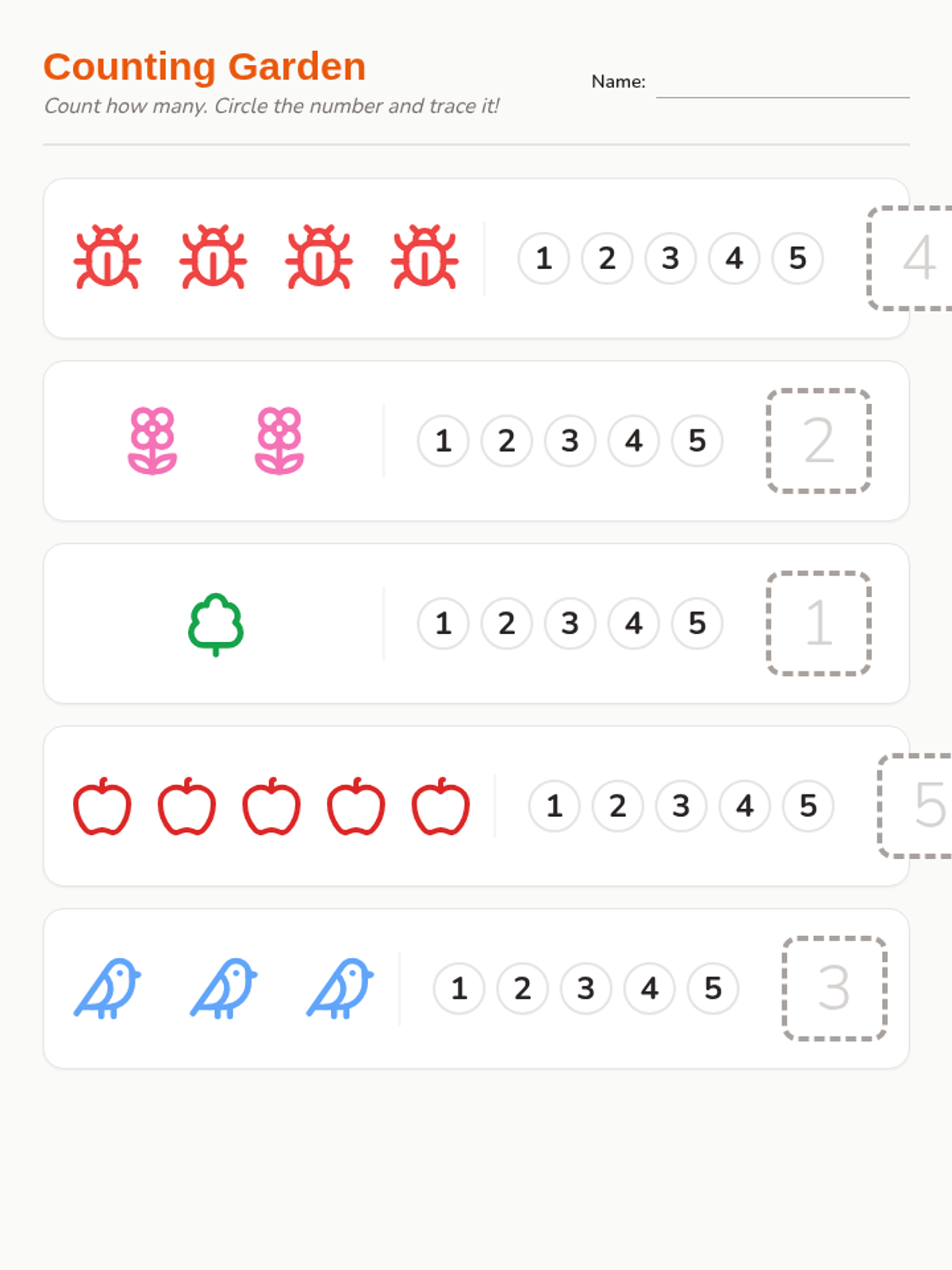
A foundational numeracy lesson for Kindergarten MLL students focusing on numbers 1-5 through tracing, counting, and one-to-one correspondence using a friendly garden theme.
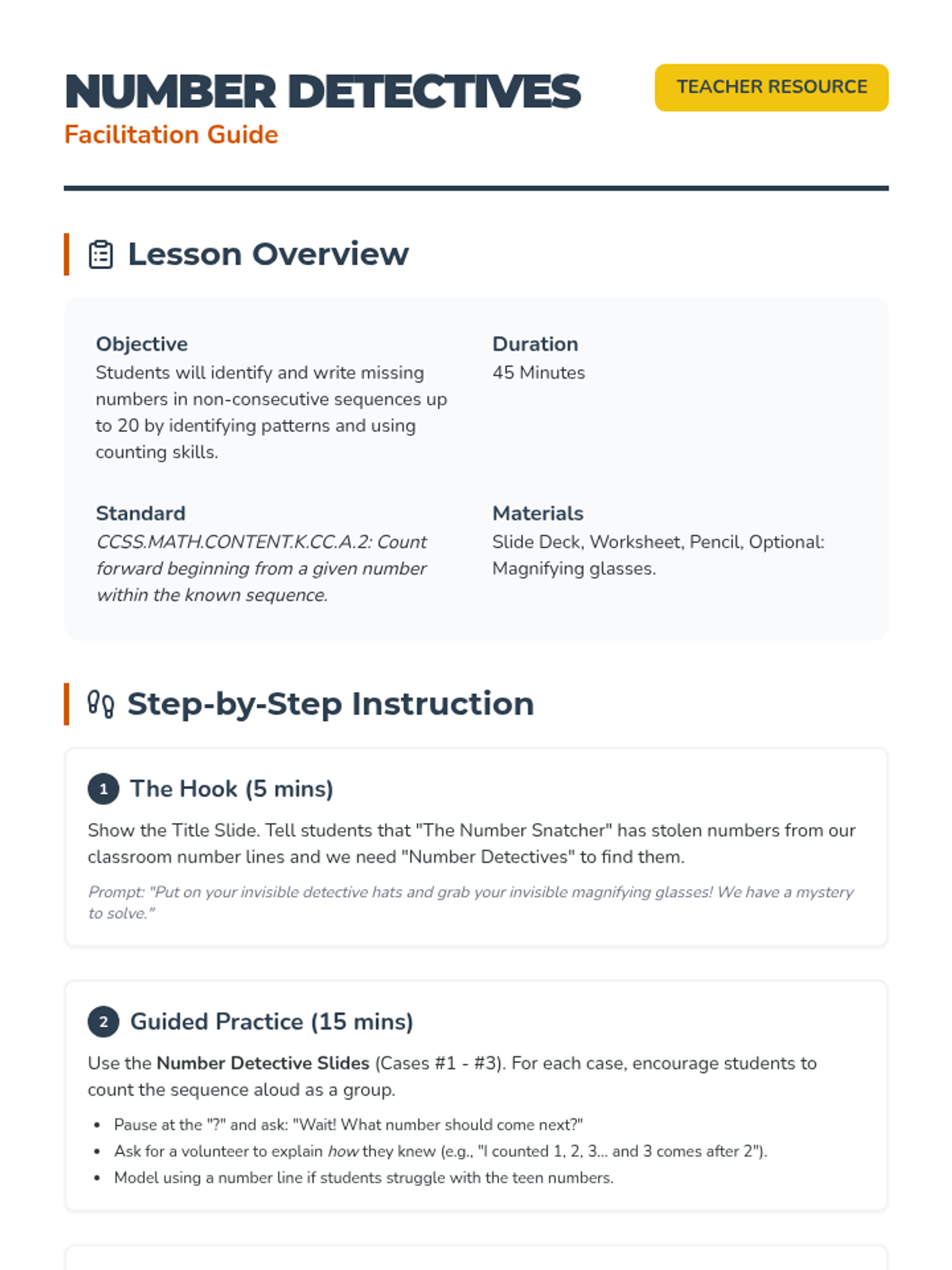
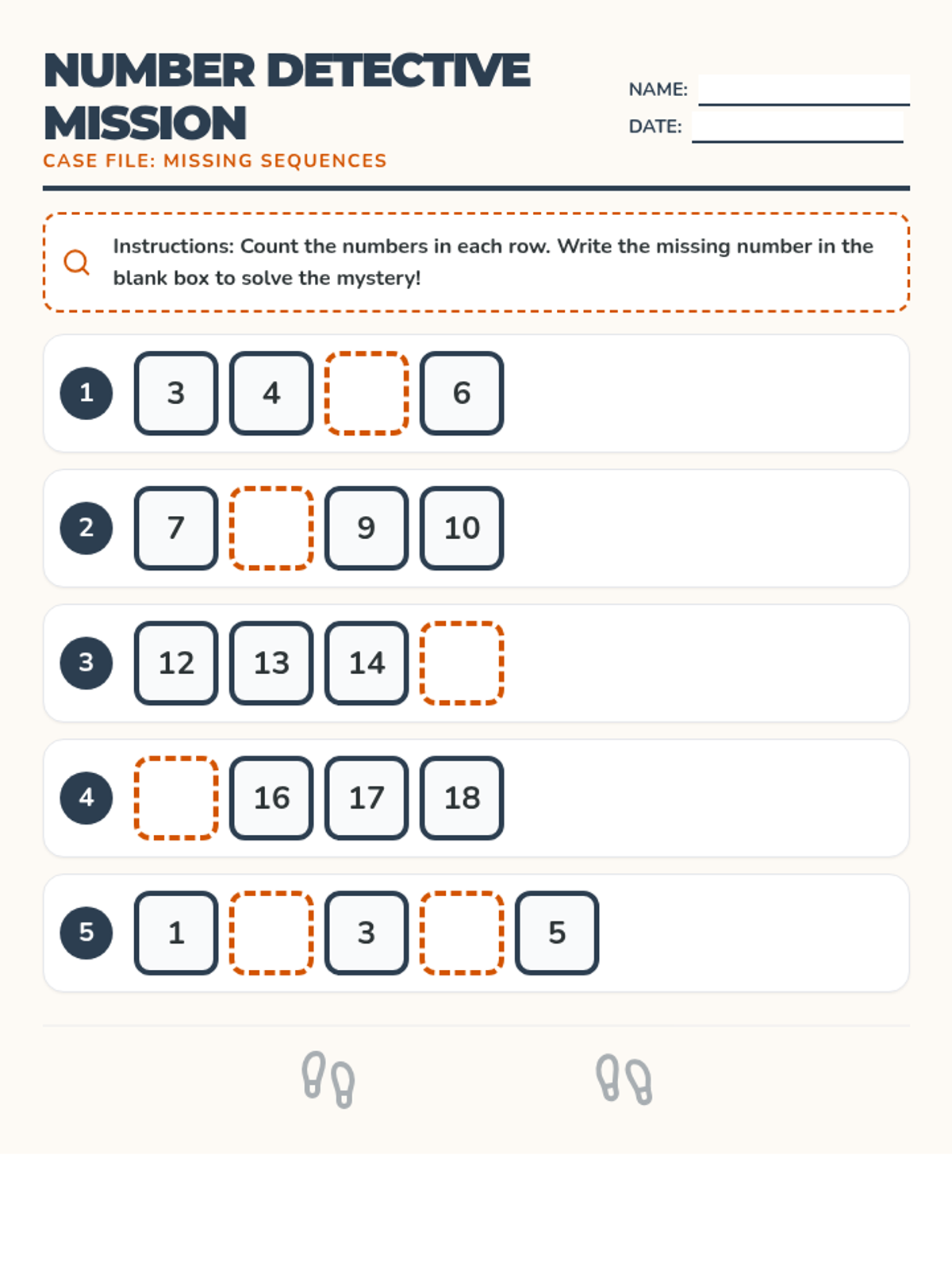
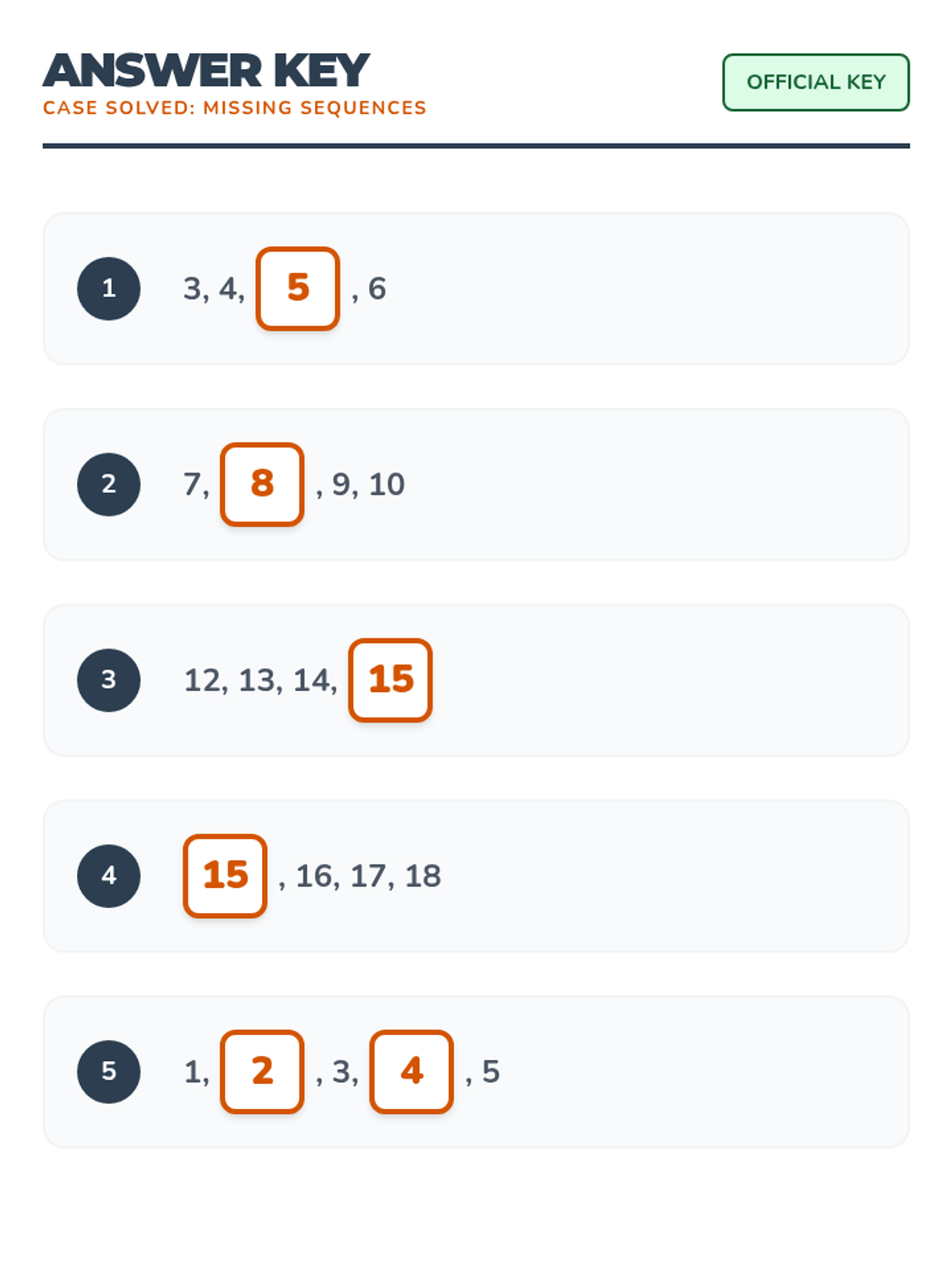
A mysterious kindergarten math lesson where students become 'Number Detectives' to identify missing numbers in sequences up to 10 and 20.
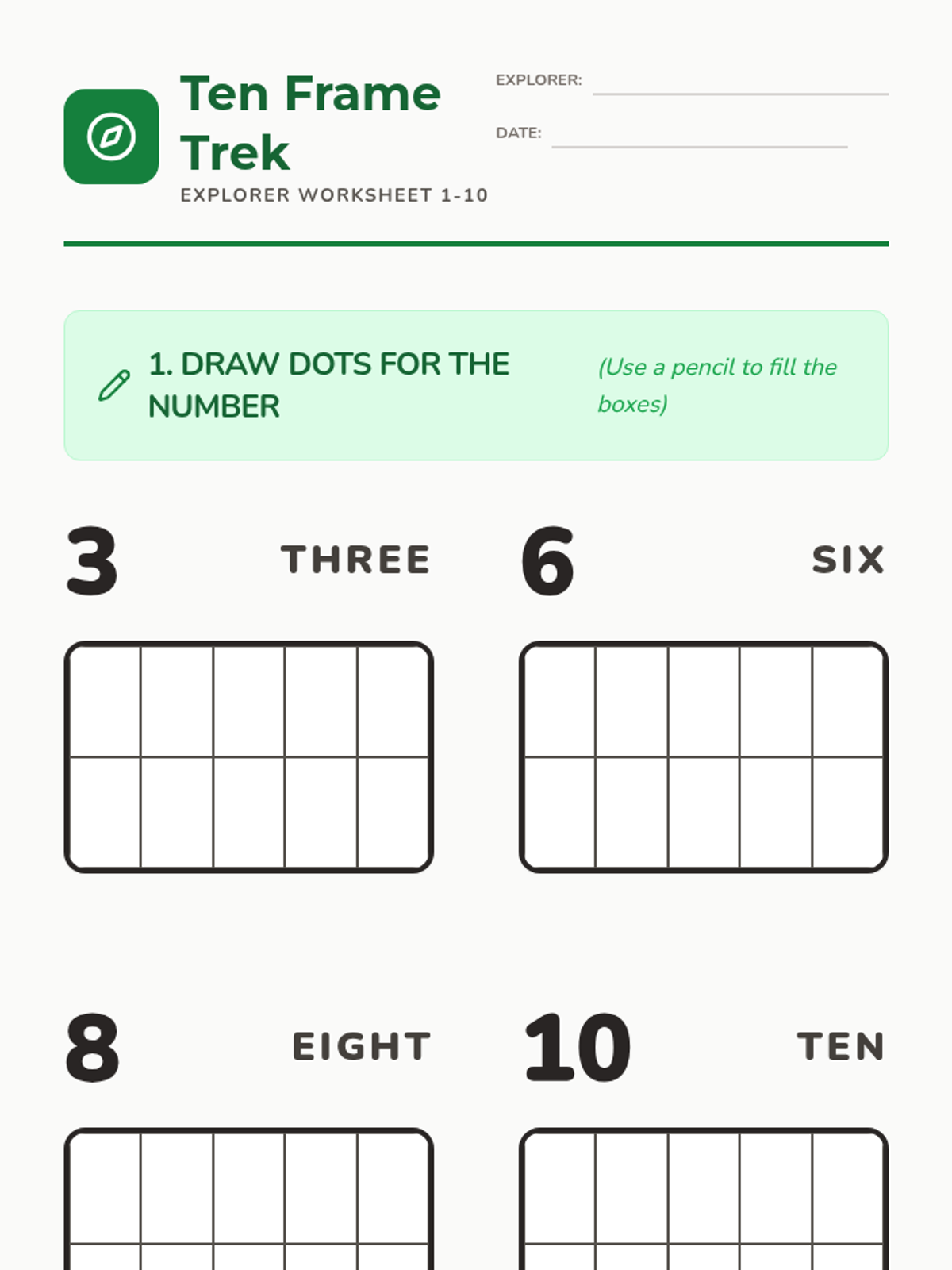
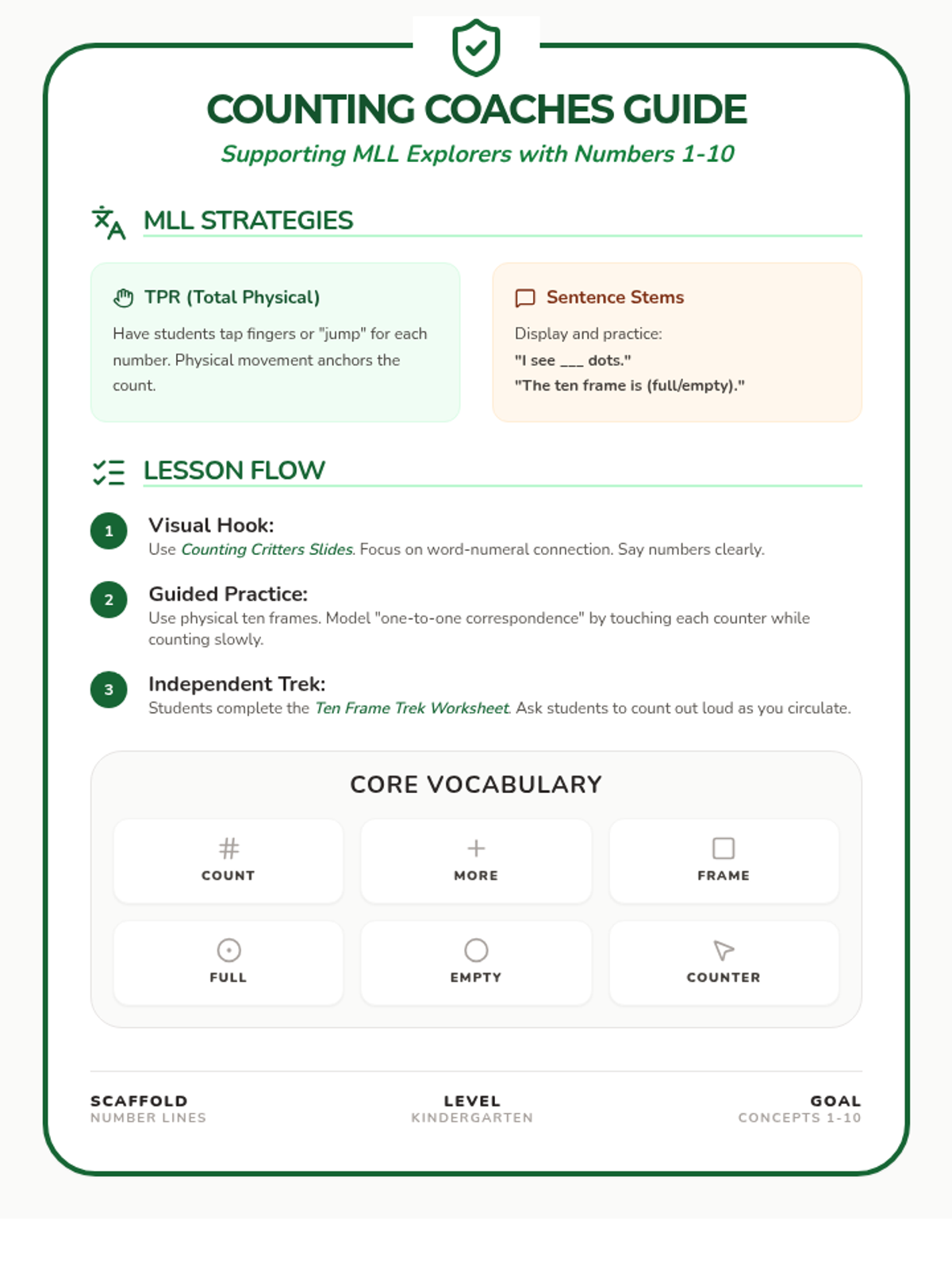
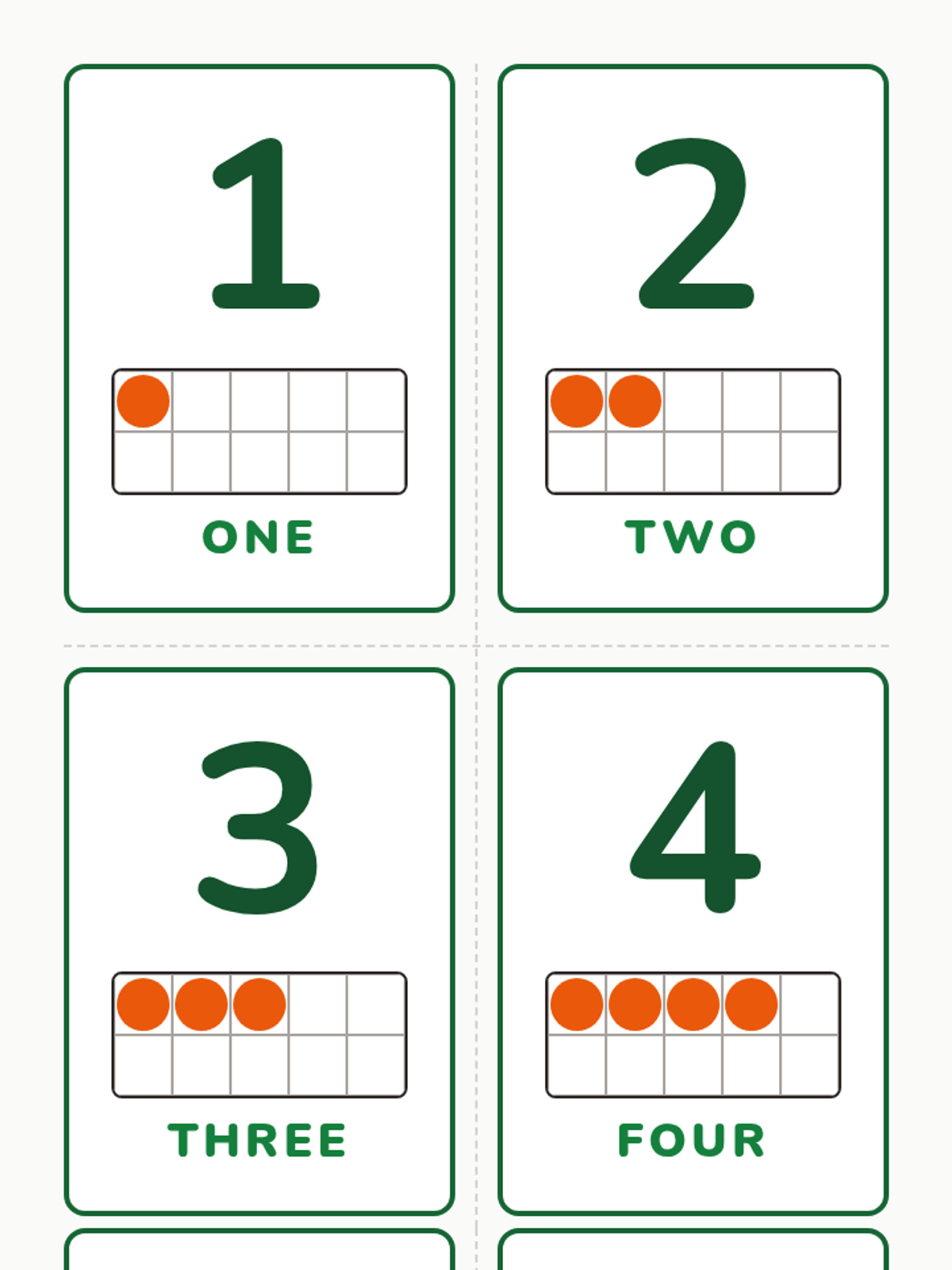
A foundational lesson on number concepts 1-10 for Kindergarten MLL students, utilizing ten frames and counters within a forest explorer theme. Students will explore numerals, number words, and visual representations through guided practice and hands-on activities.
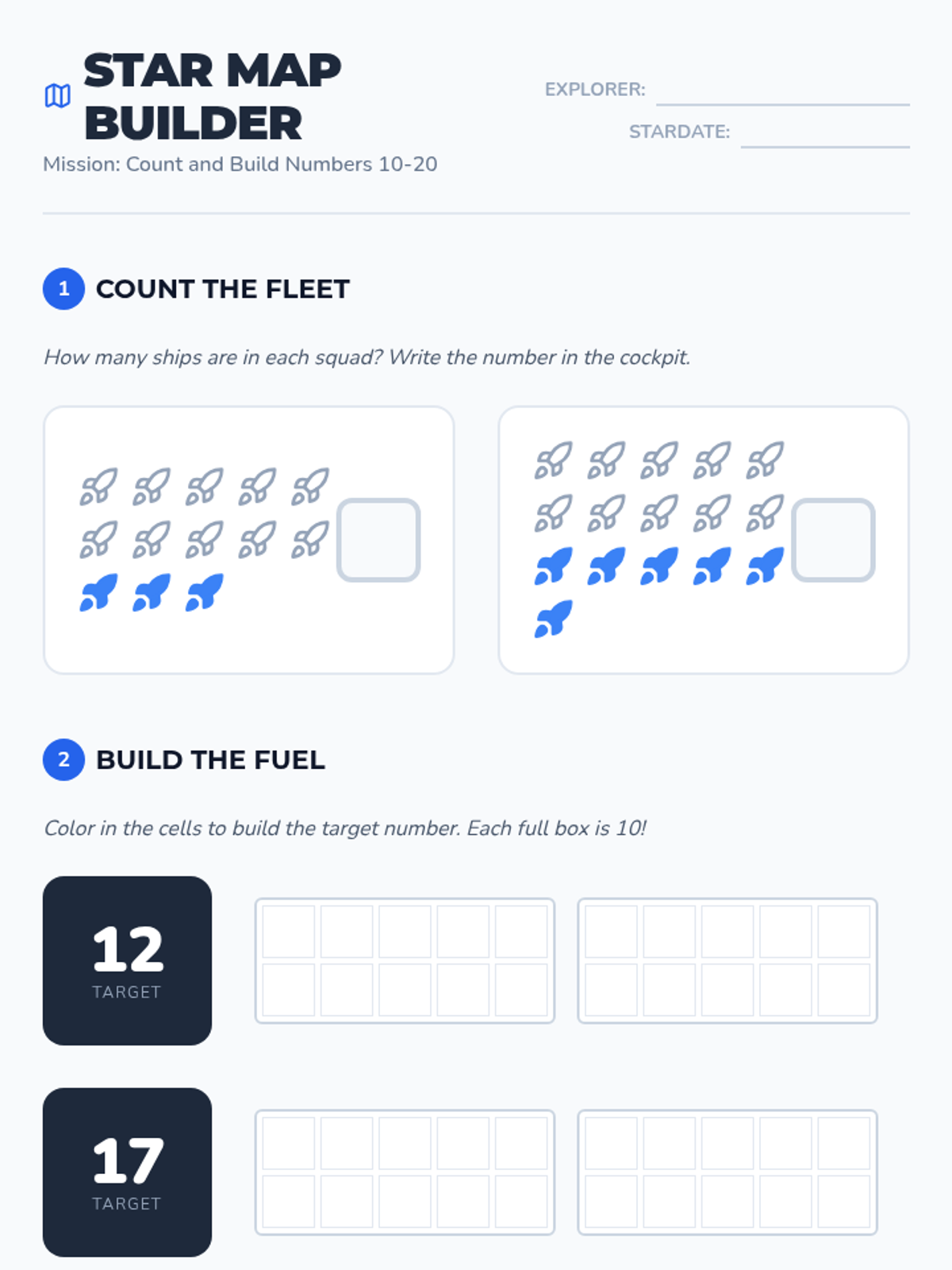
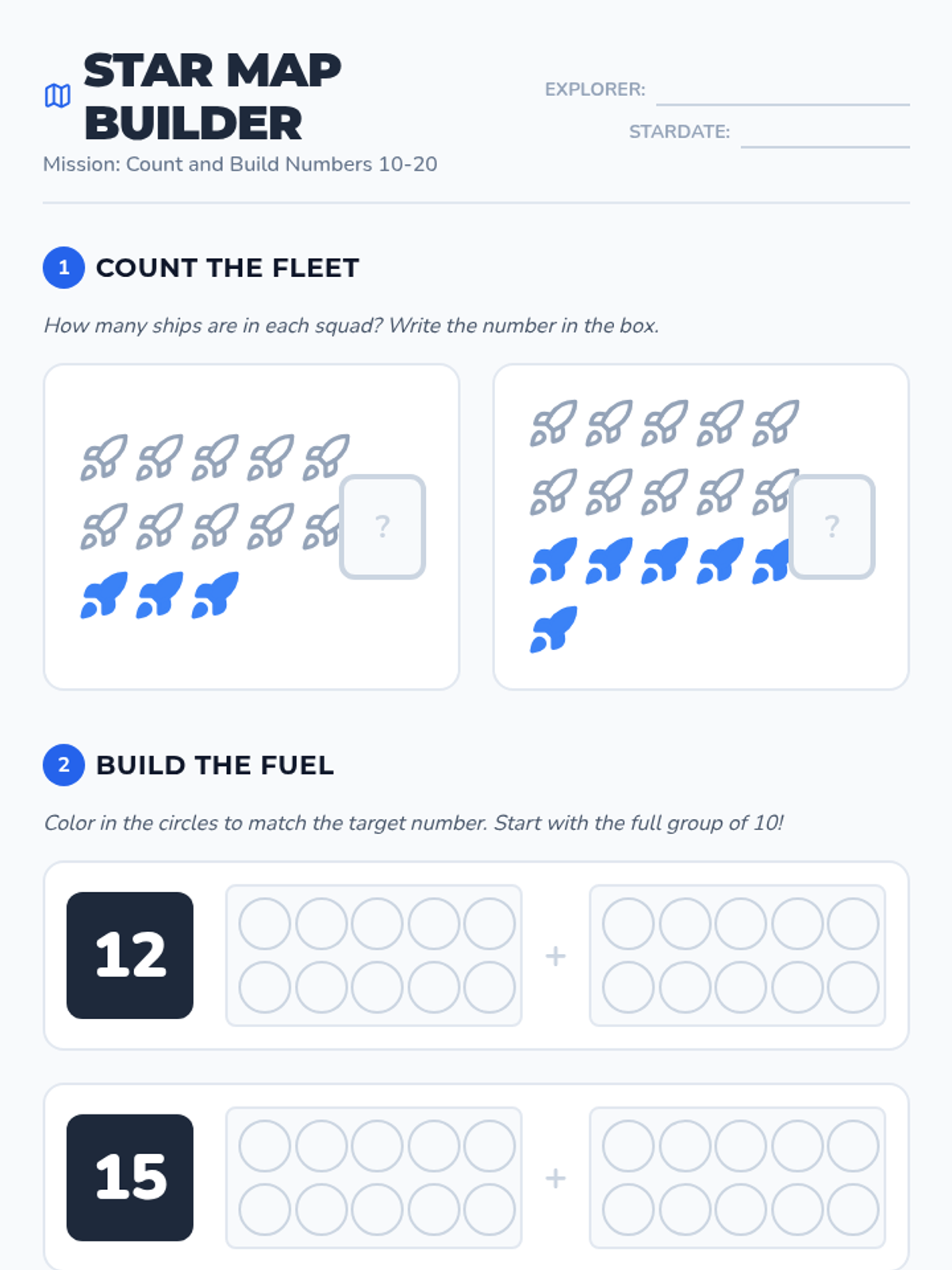
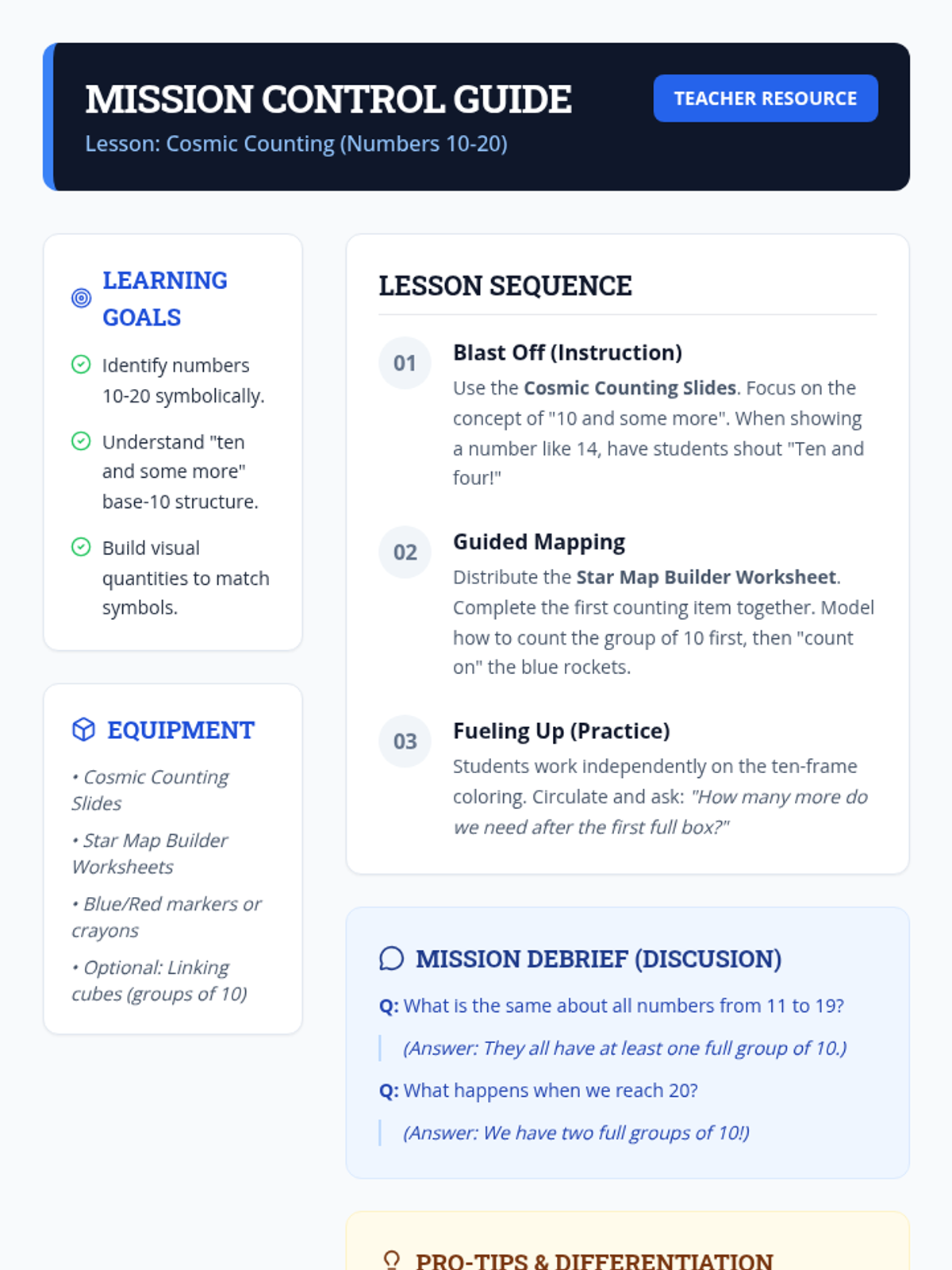
A lesson designed to help students recognize and build numbers 10 through 20 by connecting visual quantities (ten-frames and groups of stars) to their symbolic representations.
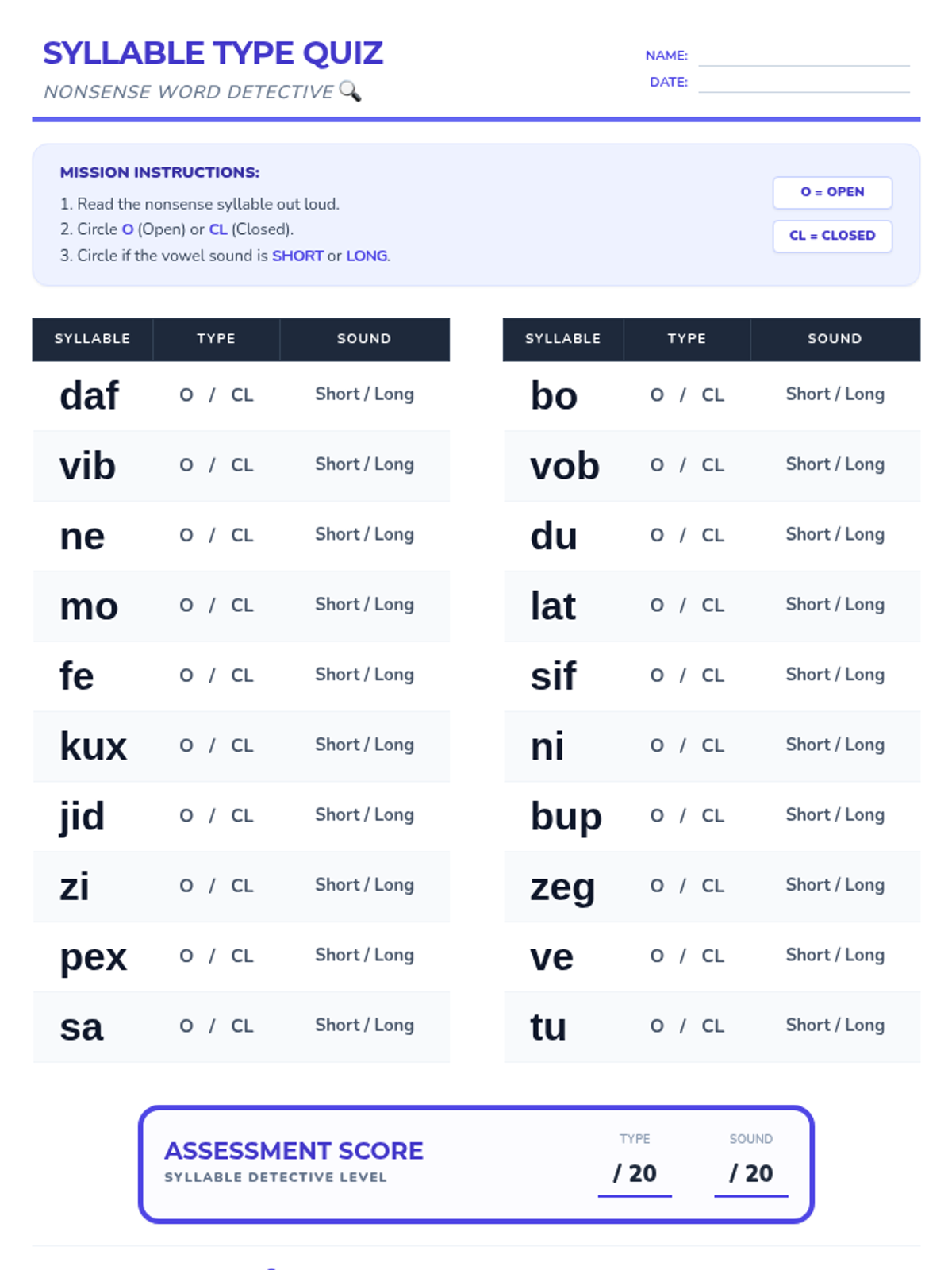
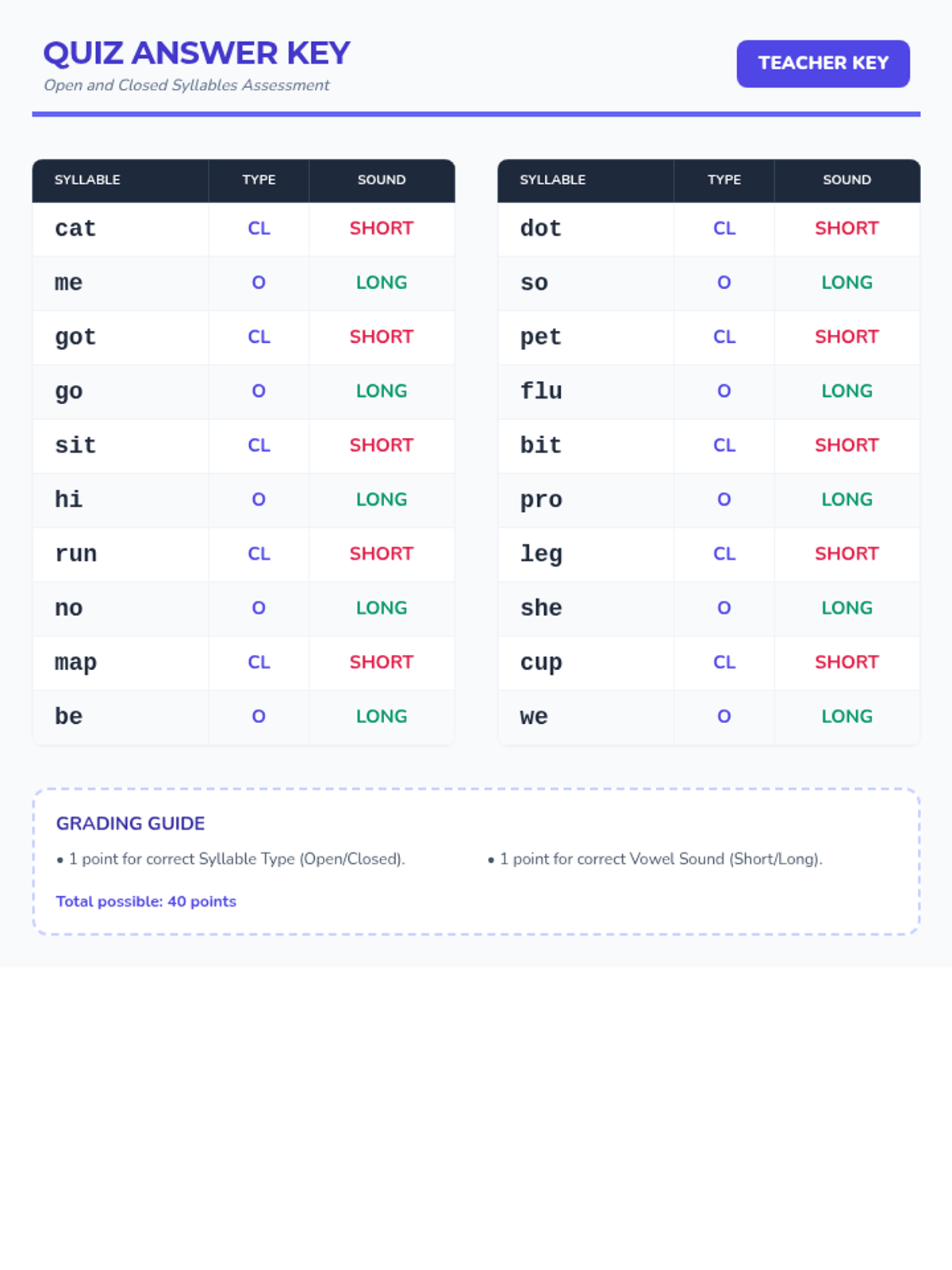
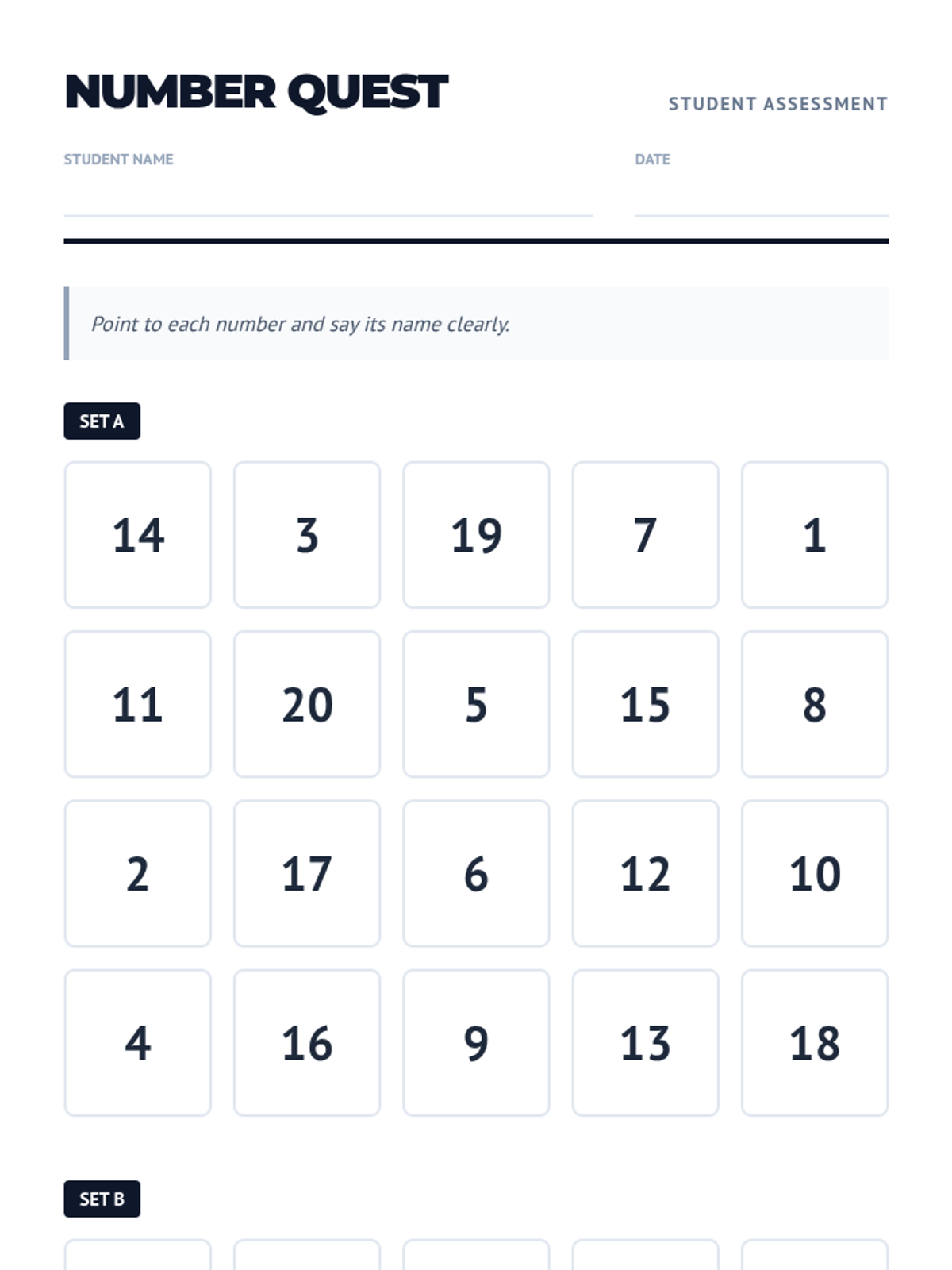
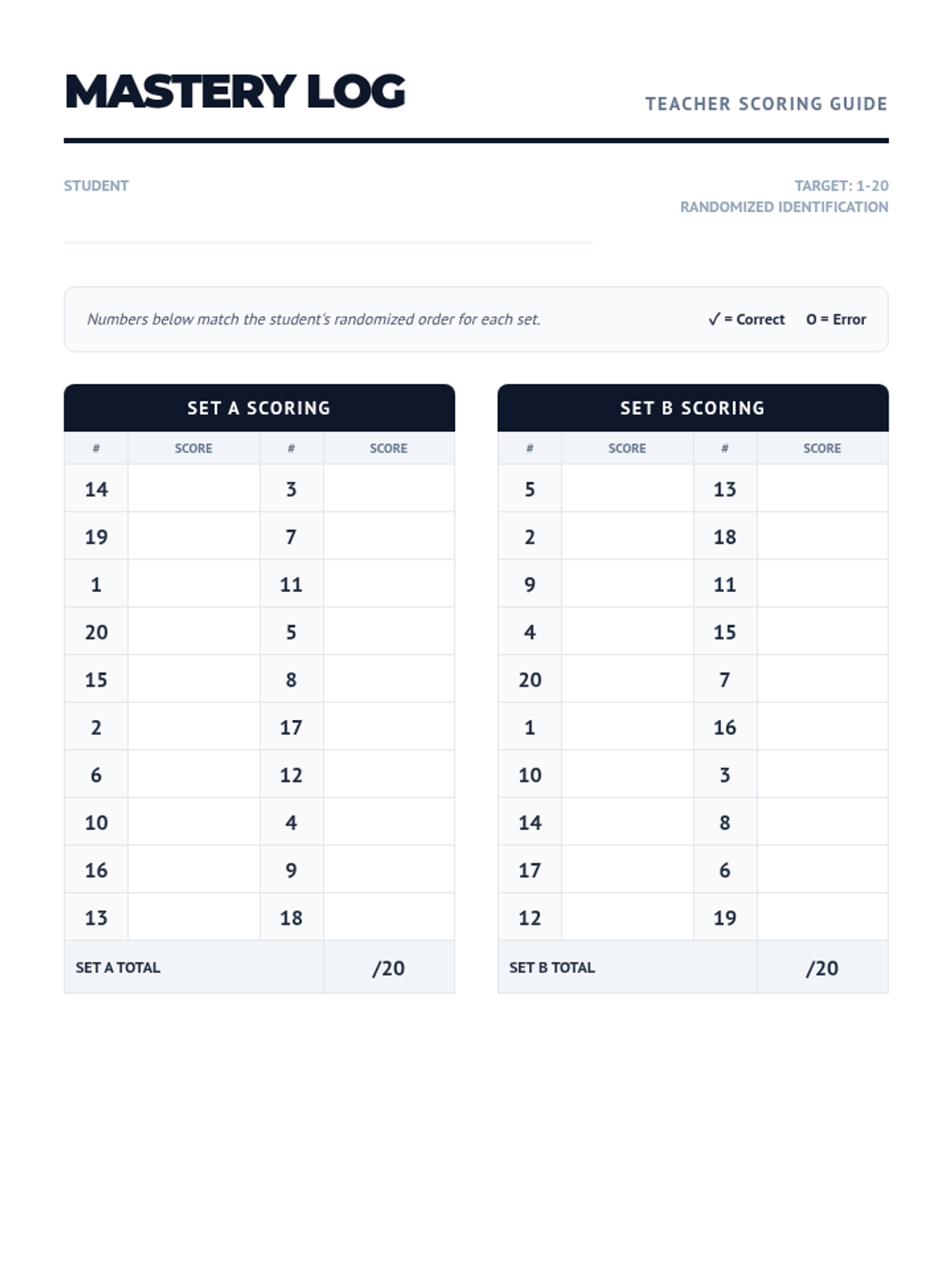
A comprehensive set of tools for assessing and tracking a student's ability to identify numbers 1 through 20 in randomized order.
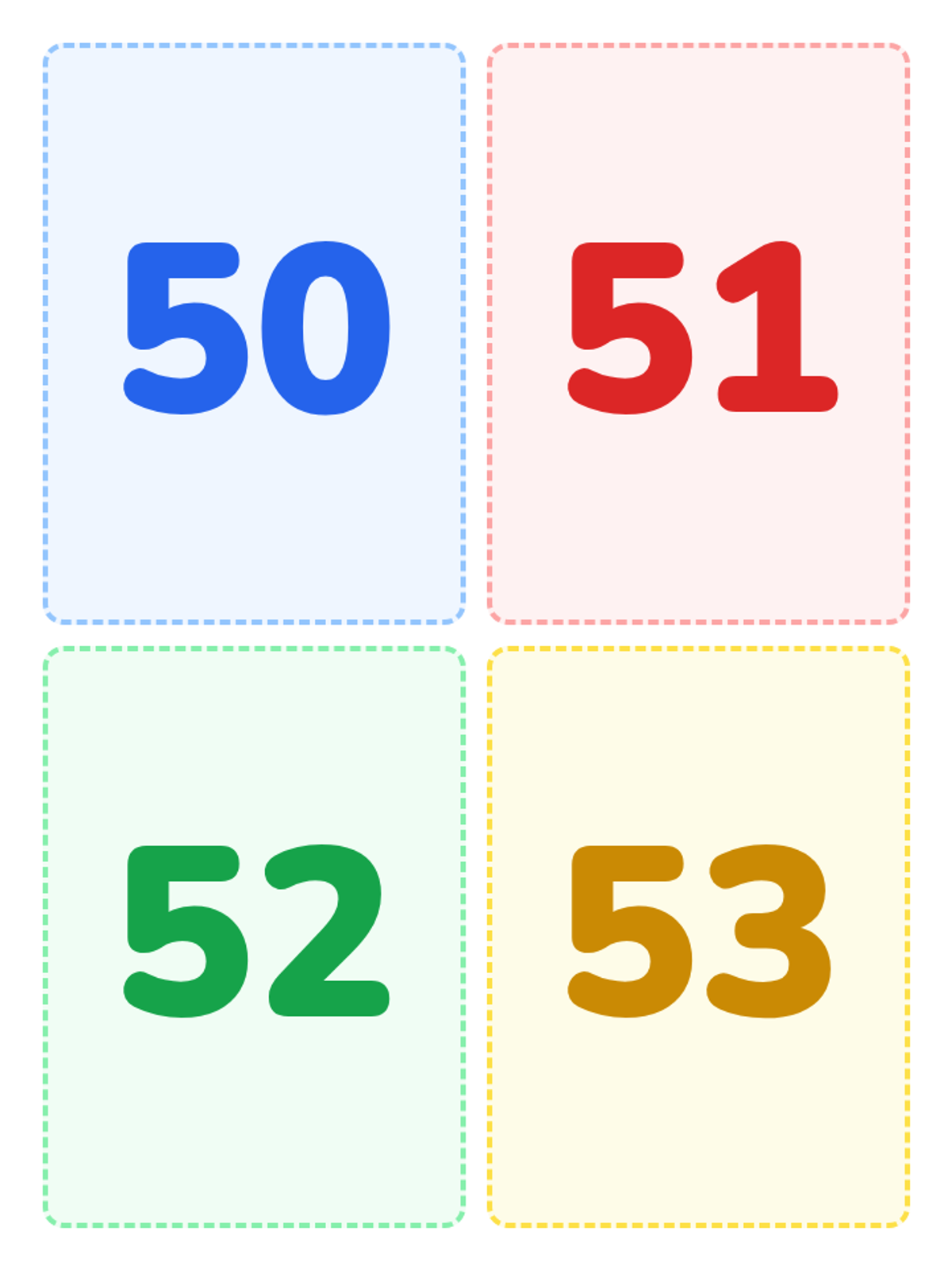
A set of resources focused on mastering numbers 50-100 through hands-on flashcard activities and games designed for kindergarten learners.
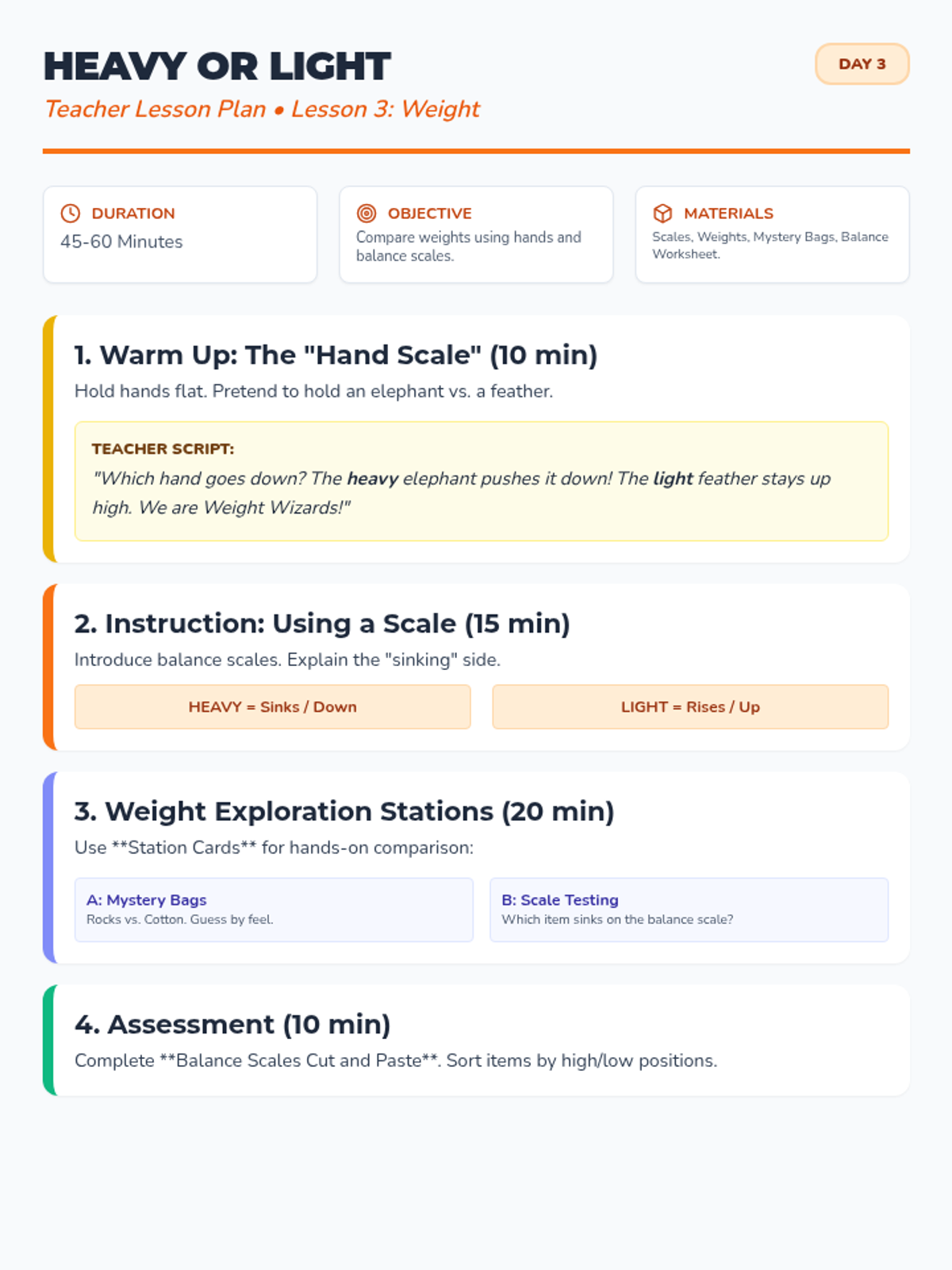
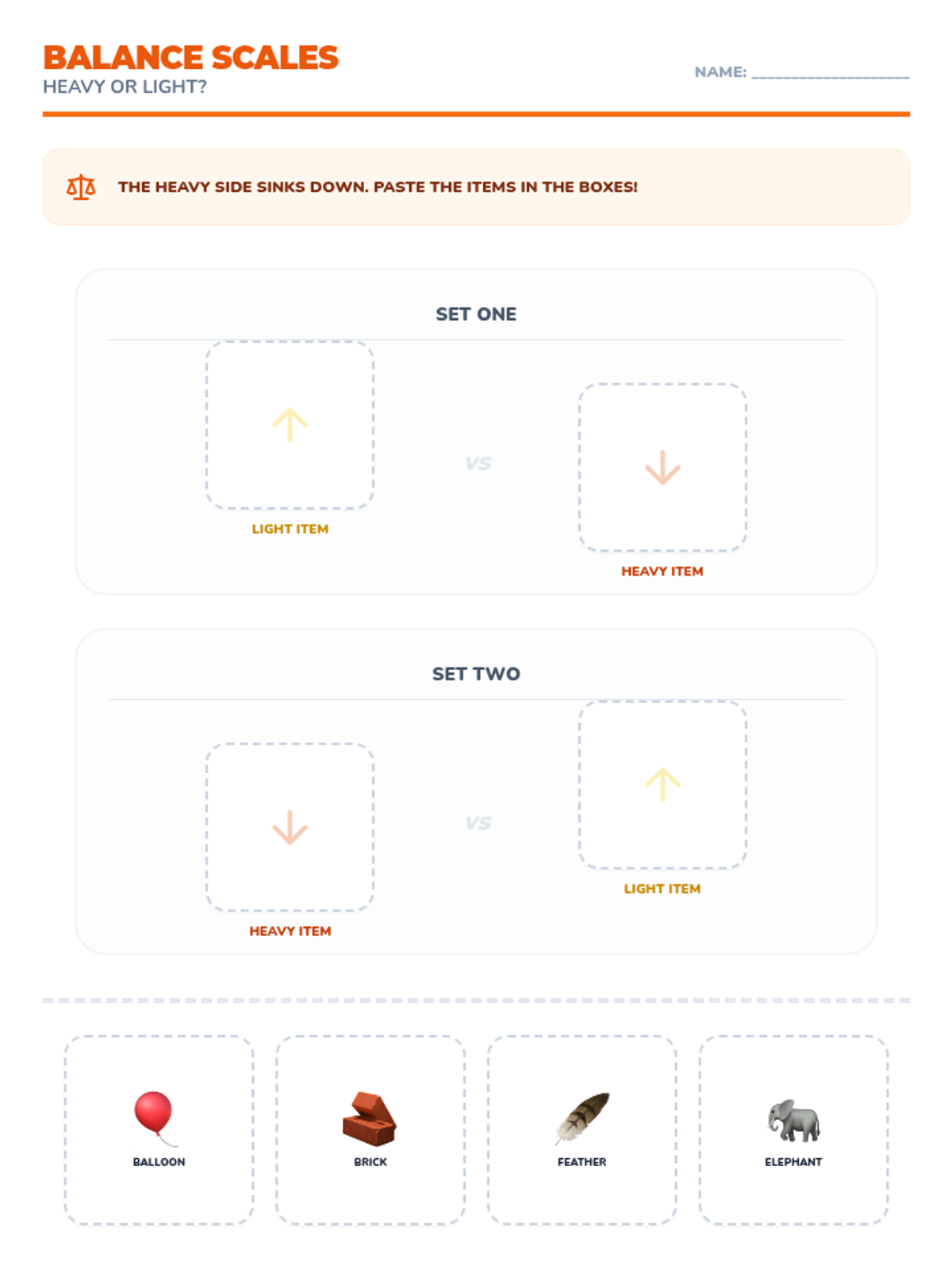
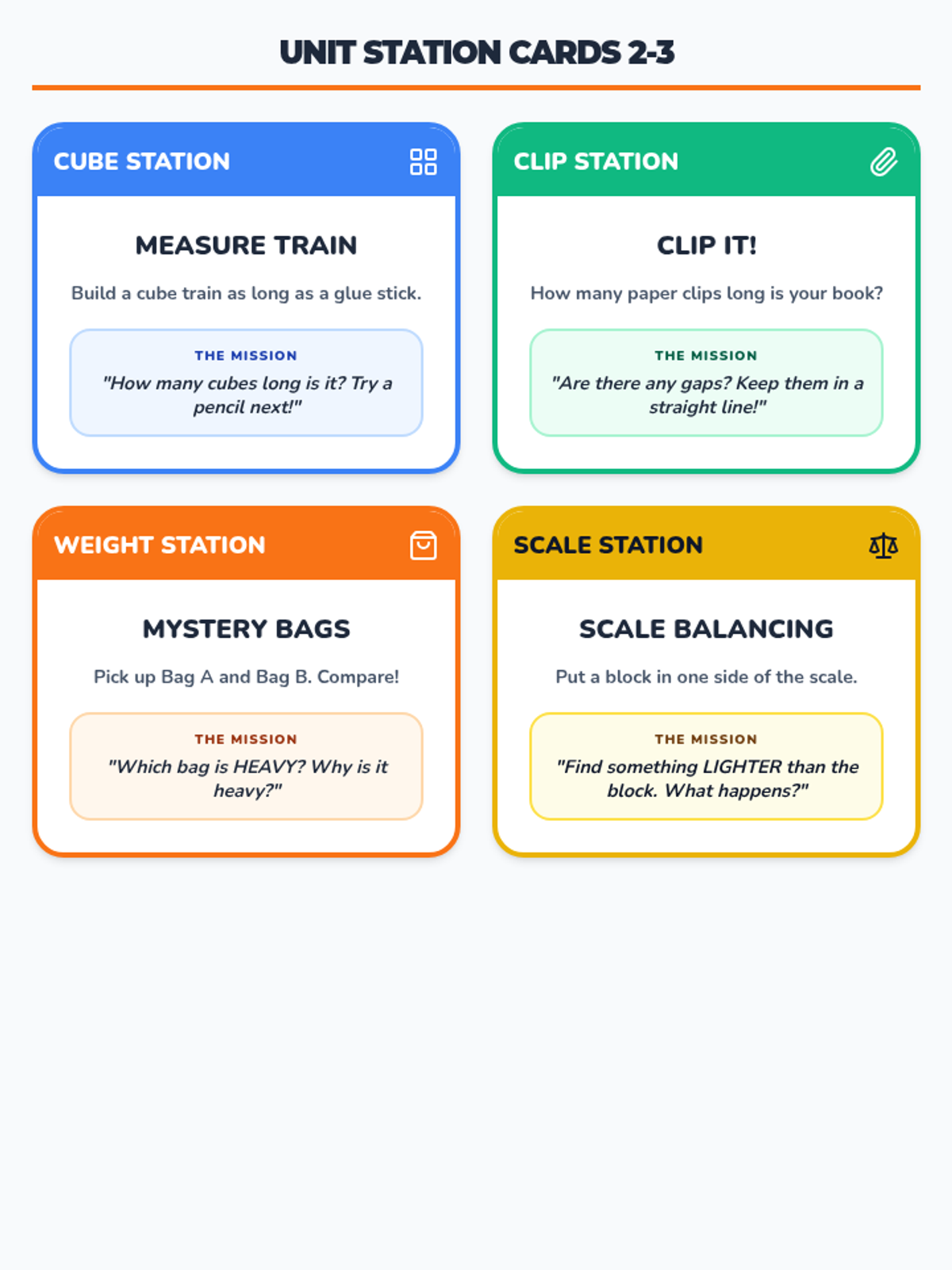
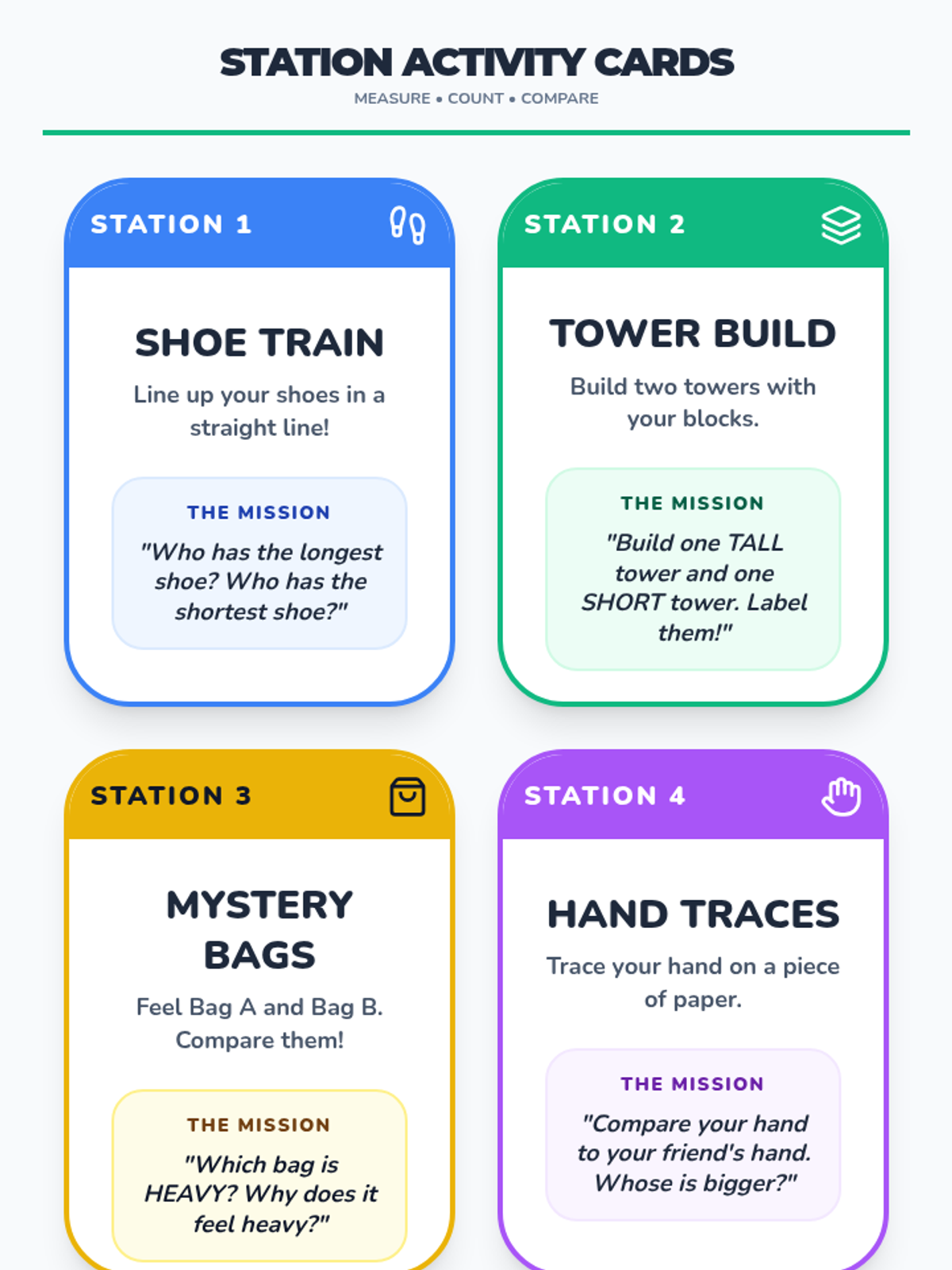
Exploring weight by comparing heavy and light objects using hands and balance scales.
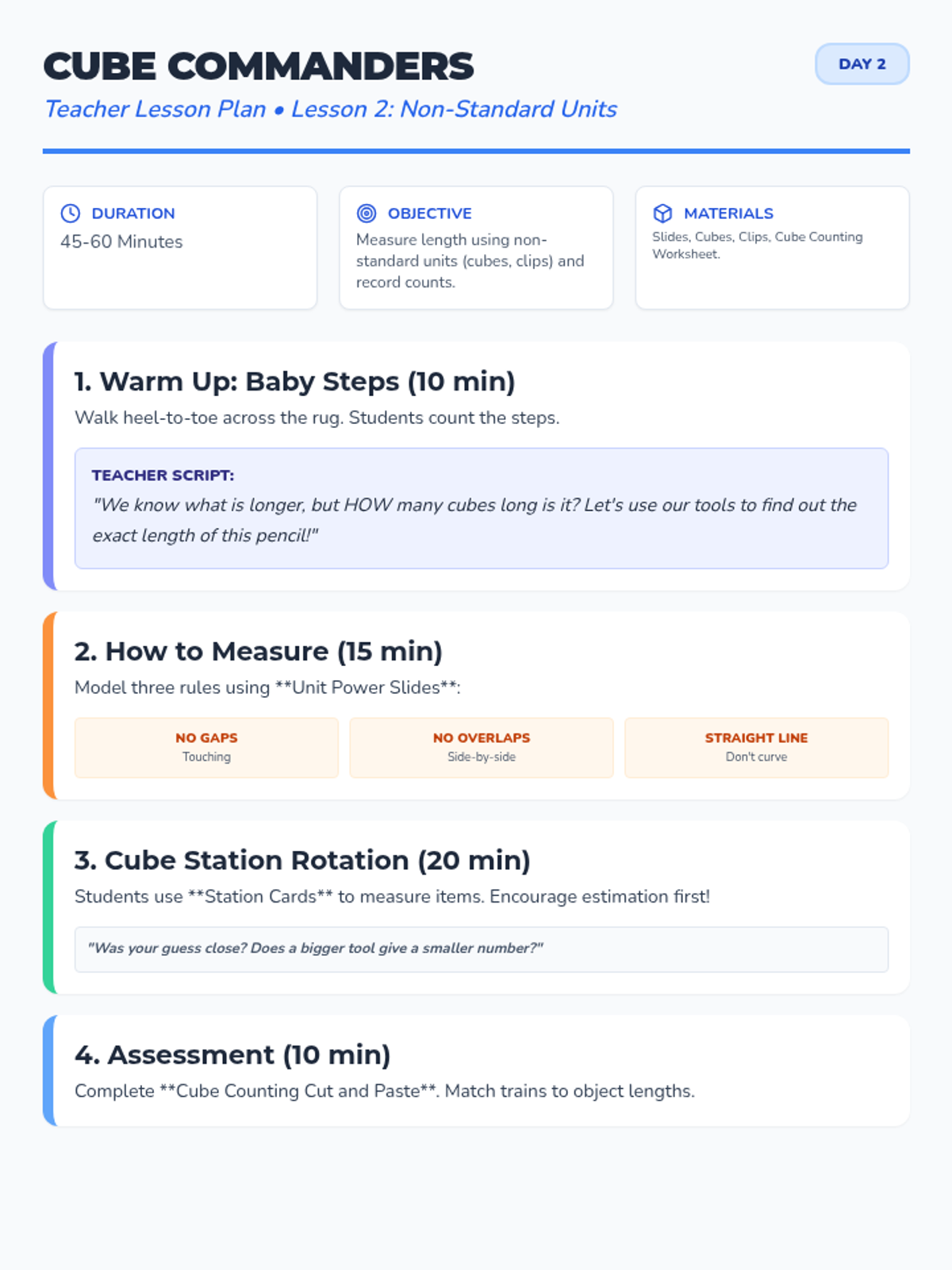
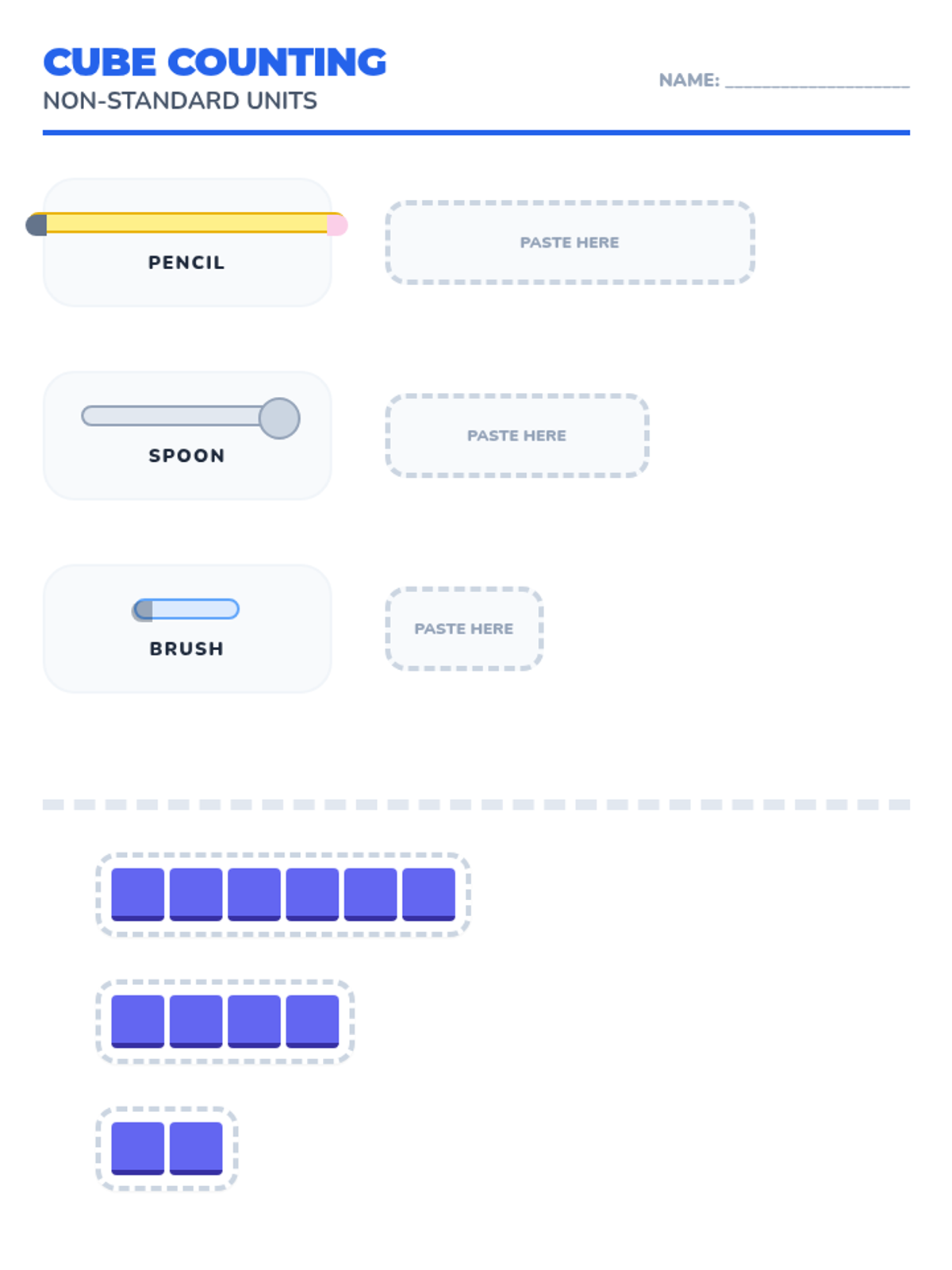
Learning to measure objects using non-standard units like snap cubes, paper clips, and handprints.
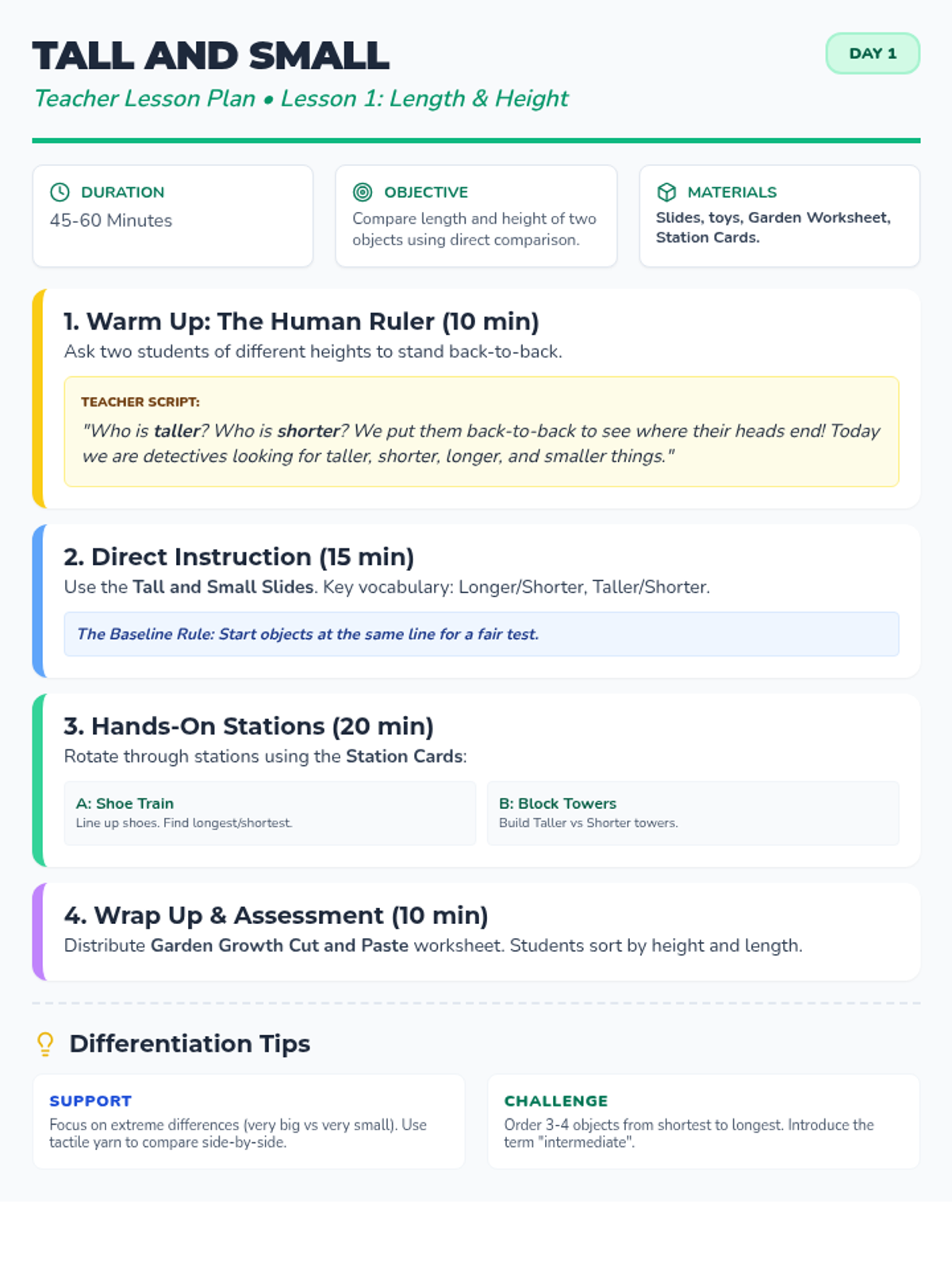
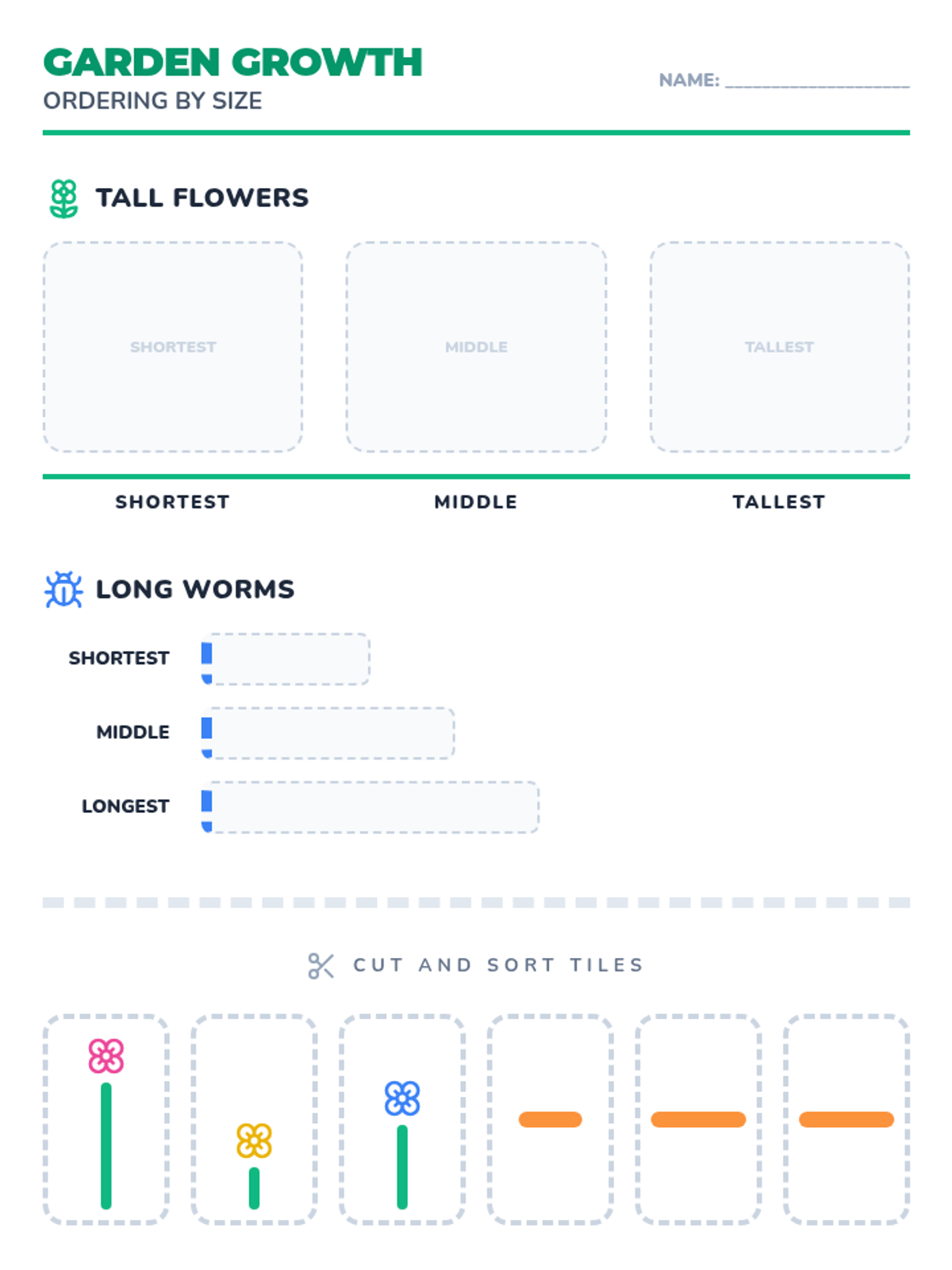
Introduction to comparing length and height using terms like 'longer', 'shorter', 'taller', and 'smaller'.
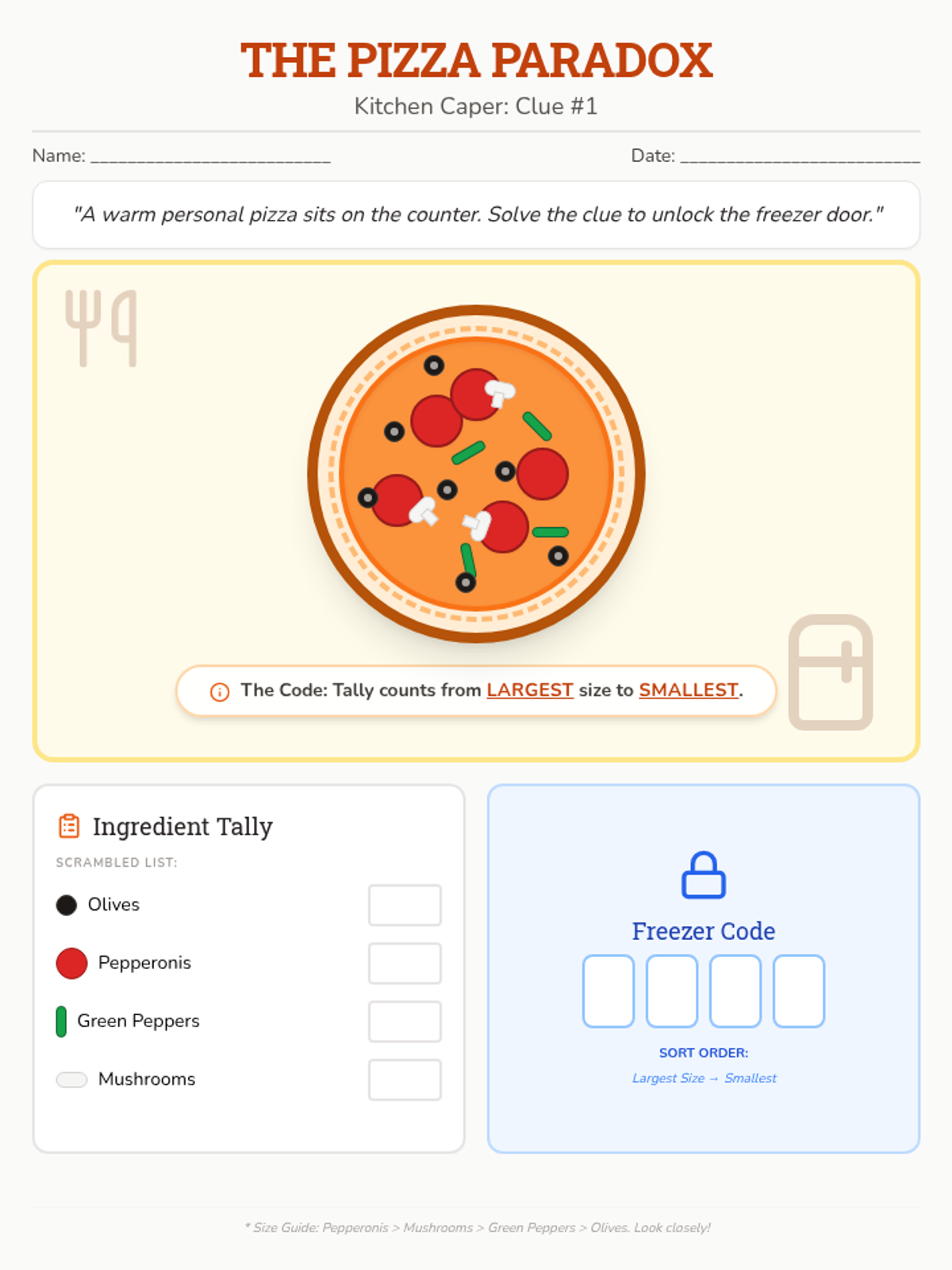
A mini-mystery centered around a kitchen scene where students use observation and logic to solve a visual puzzle.
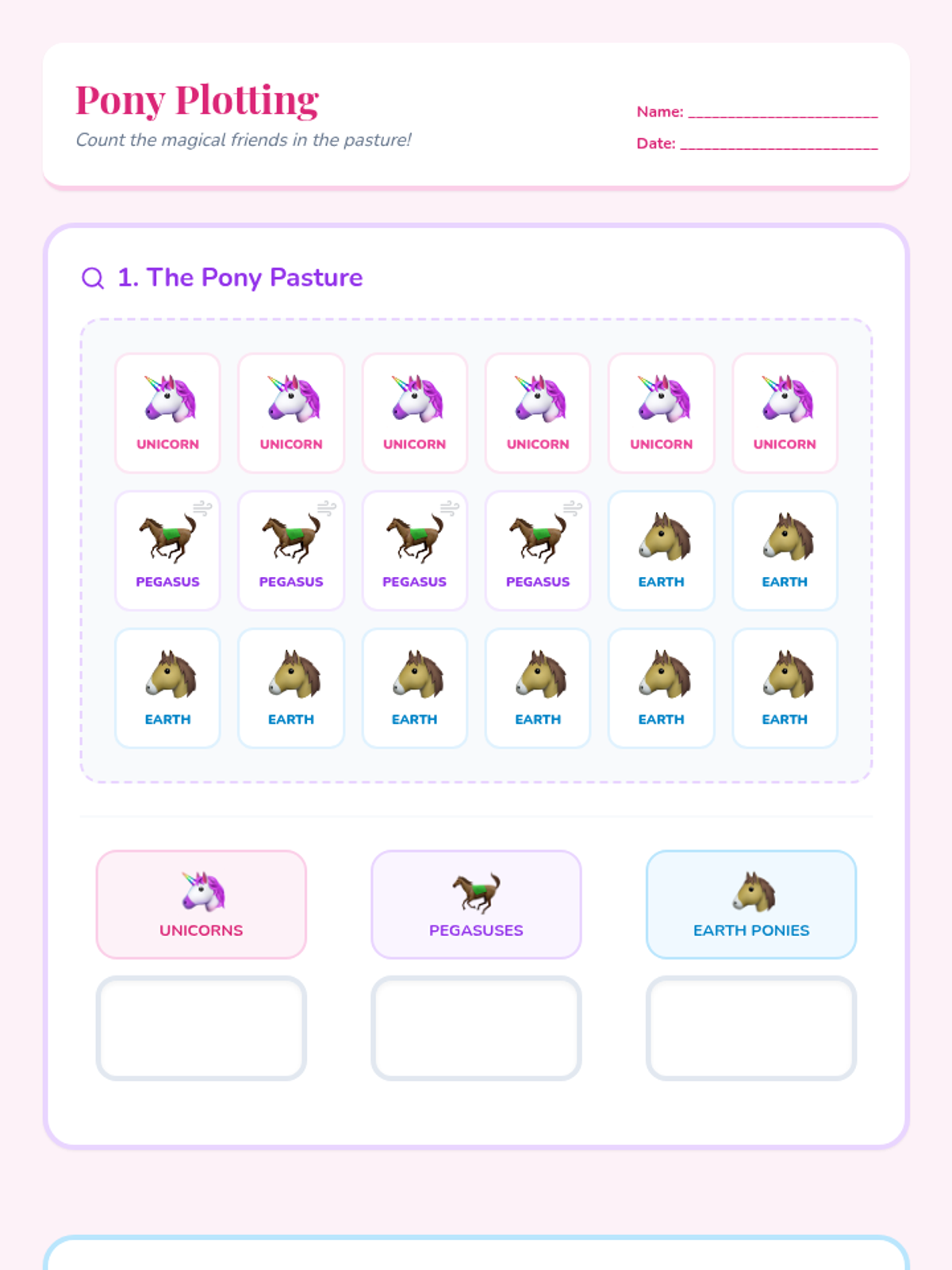
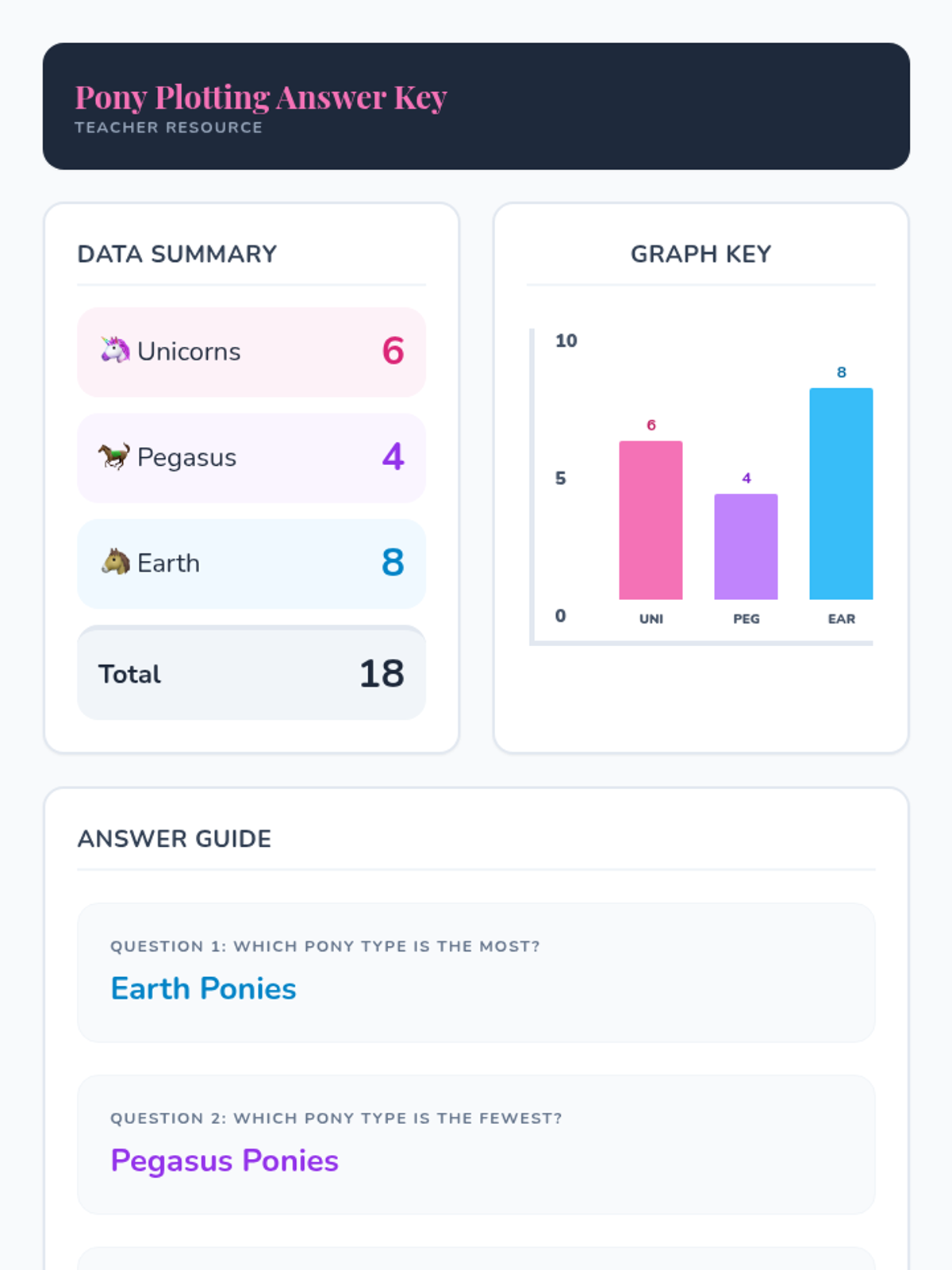
A magical math lesson where students count, sort, and graph different types of ponies to practice data representation and comparison skills.
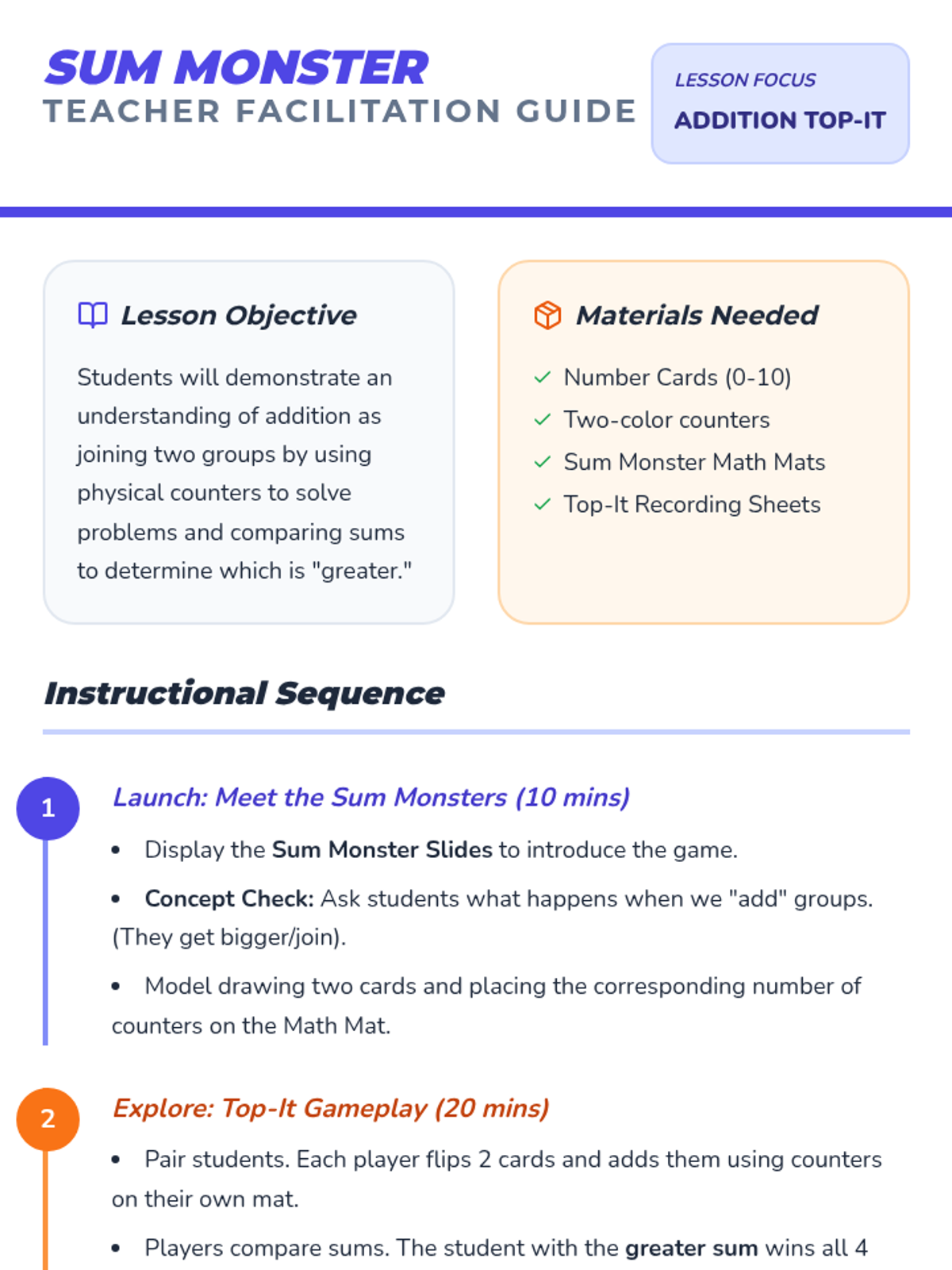
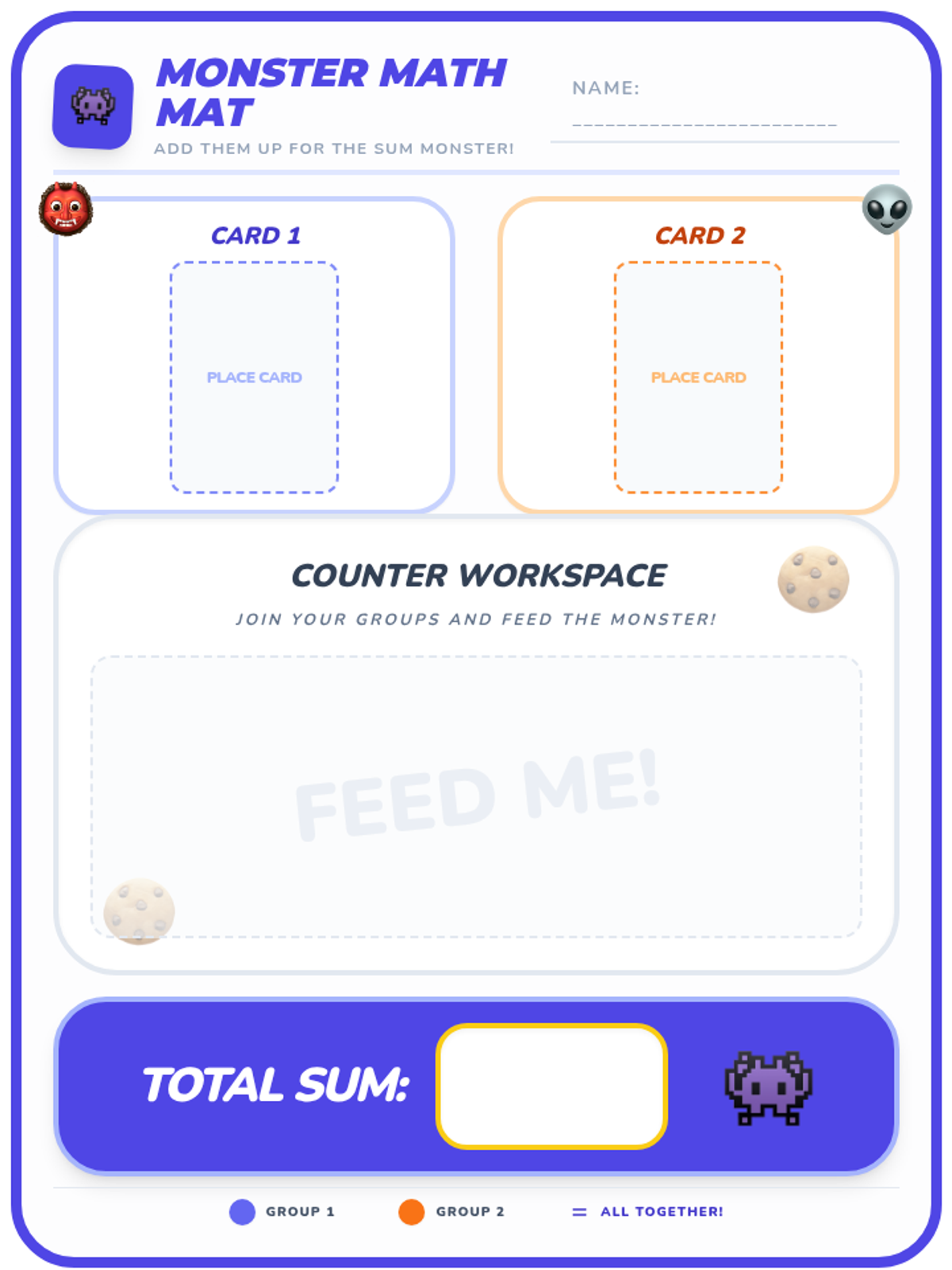
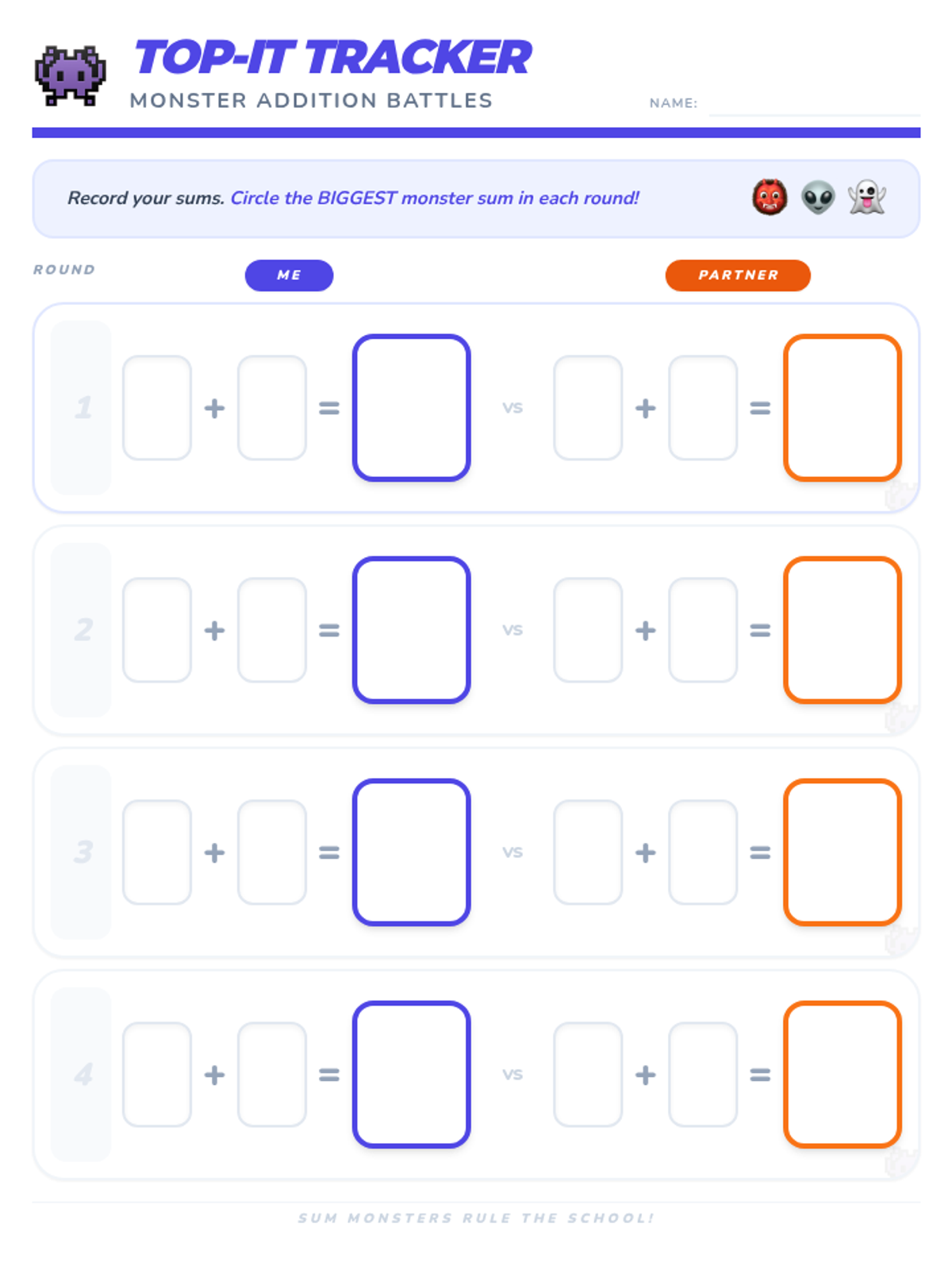
An introductory lesson to the Top-It addition game for kindergarten students, focusing on using concrete counters to solve addition problems and comparing sums.
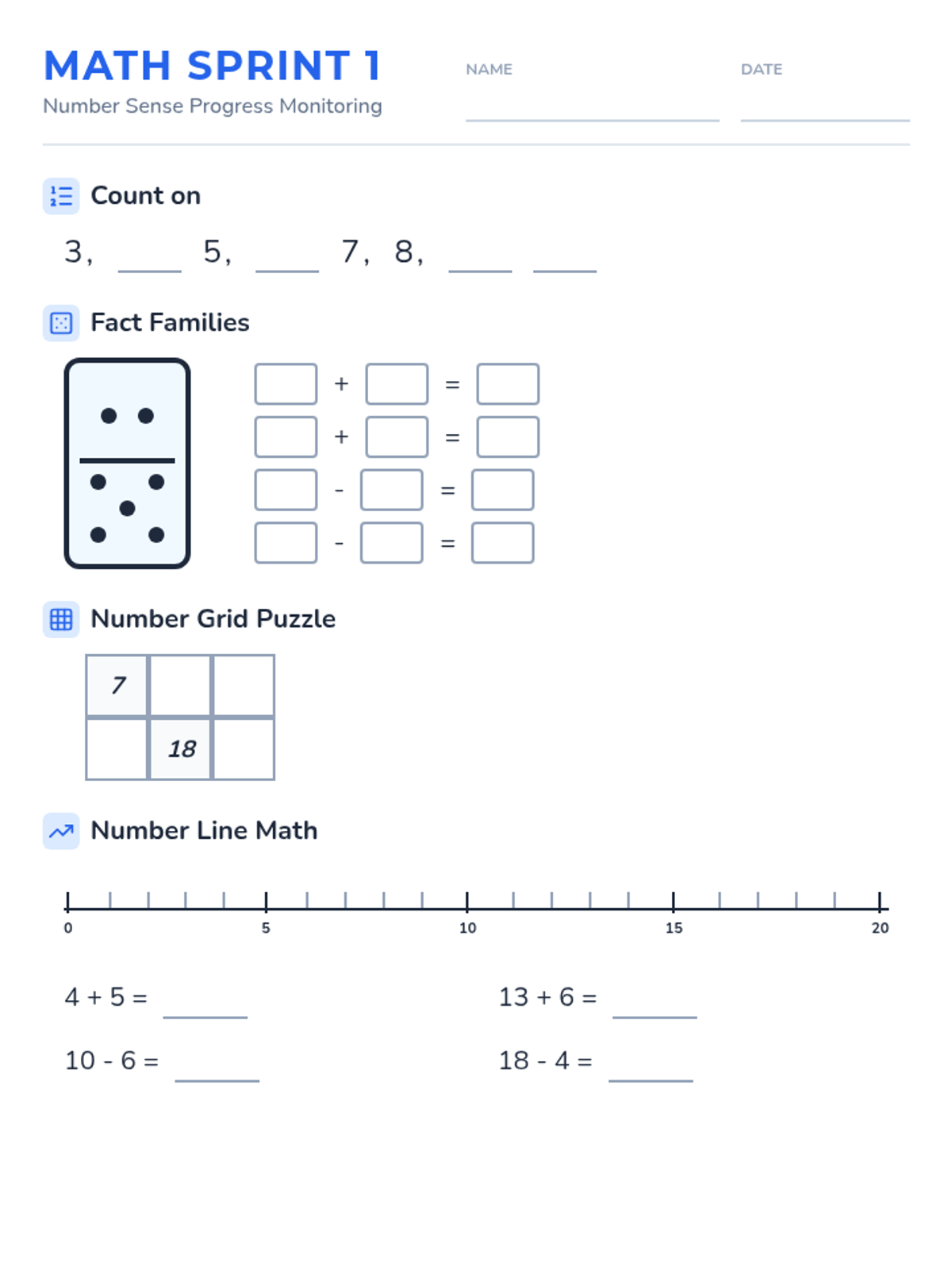
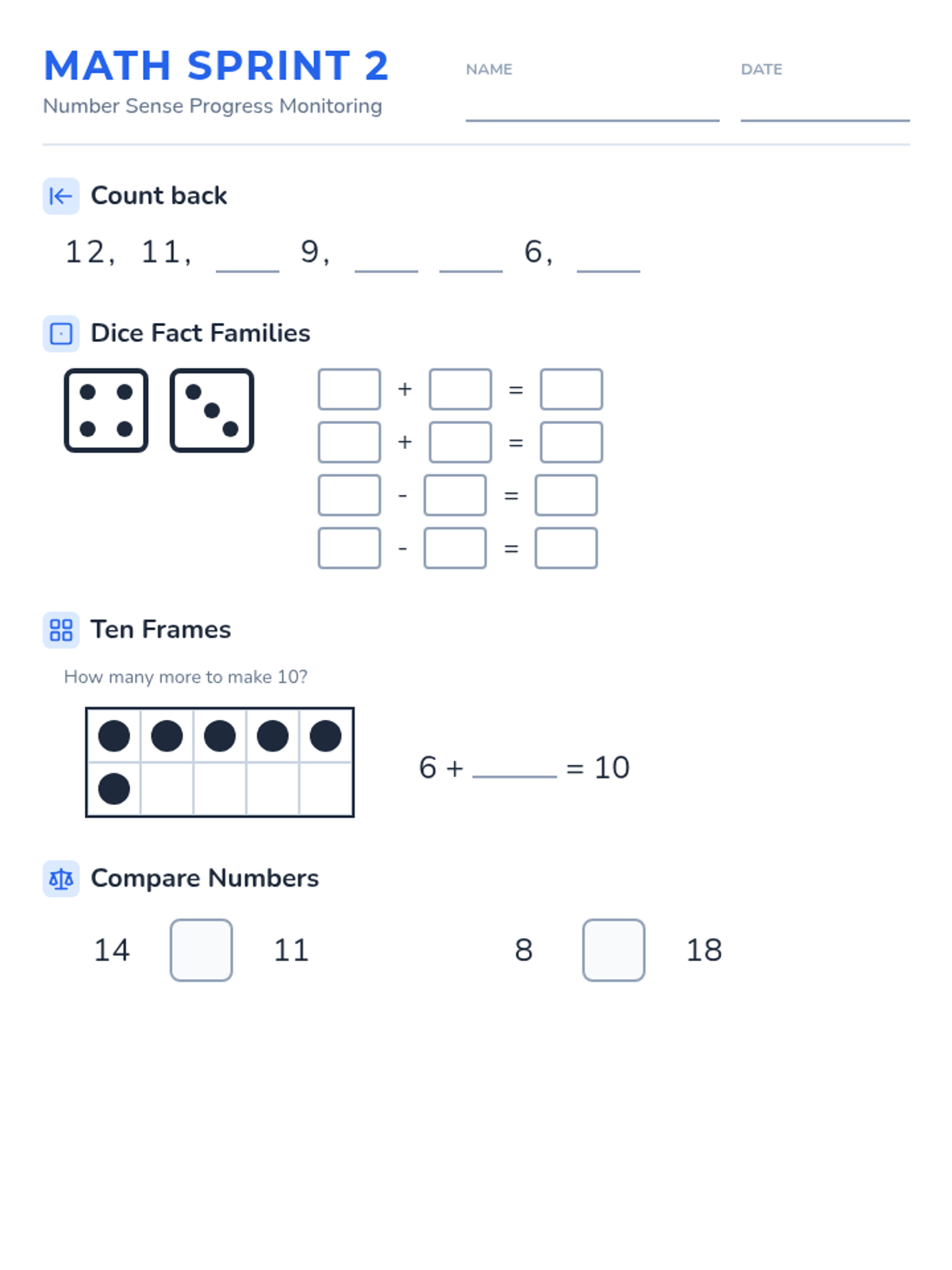
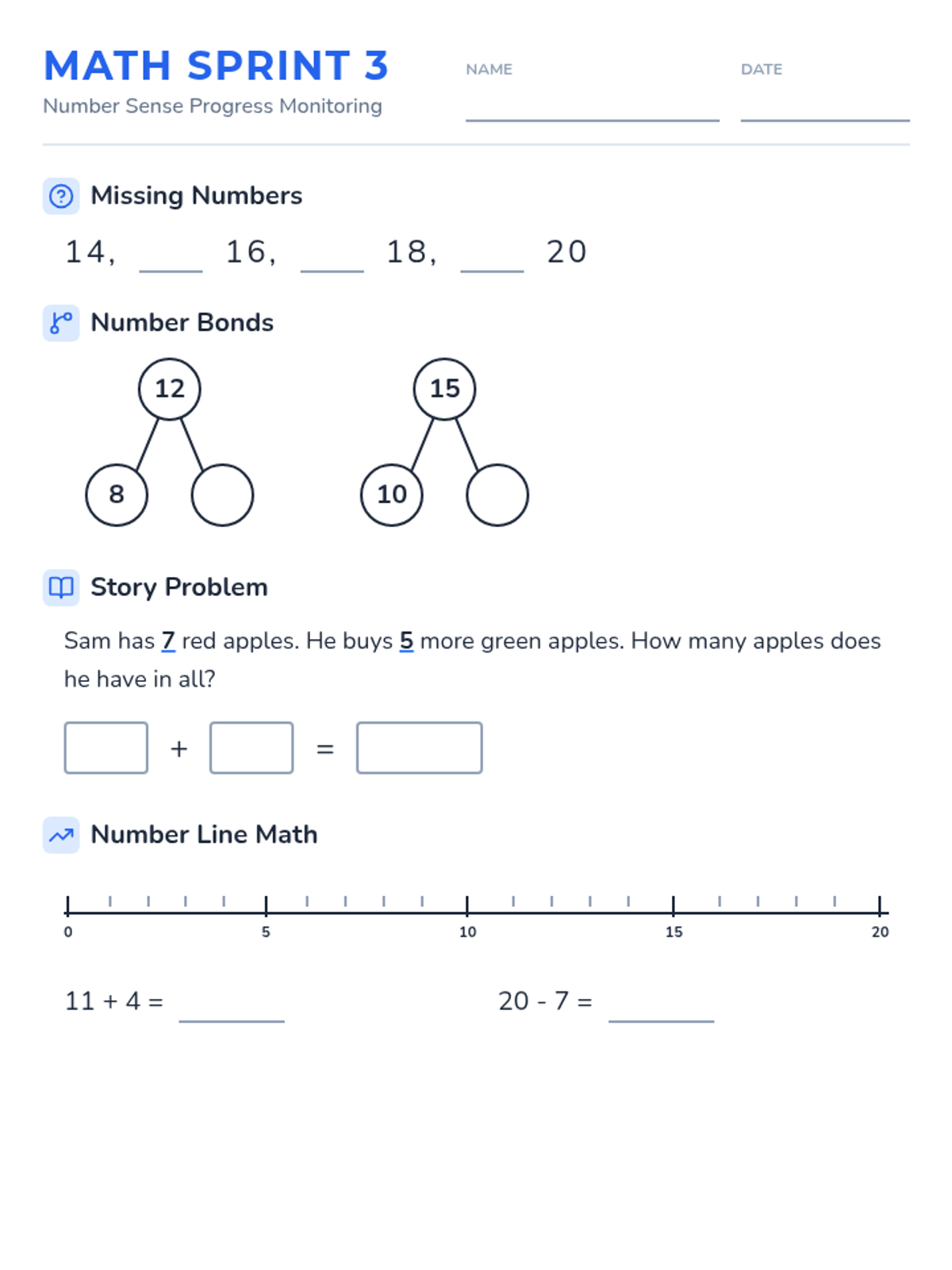
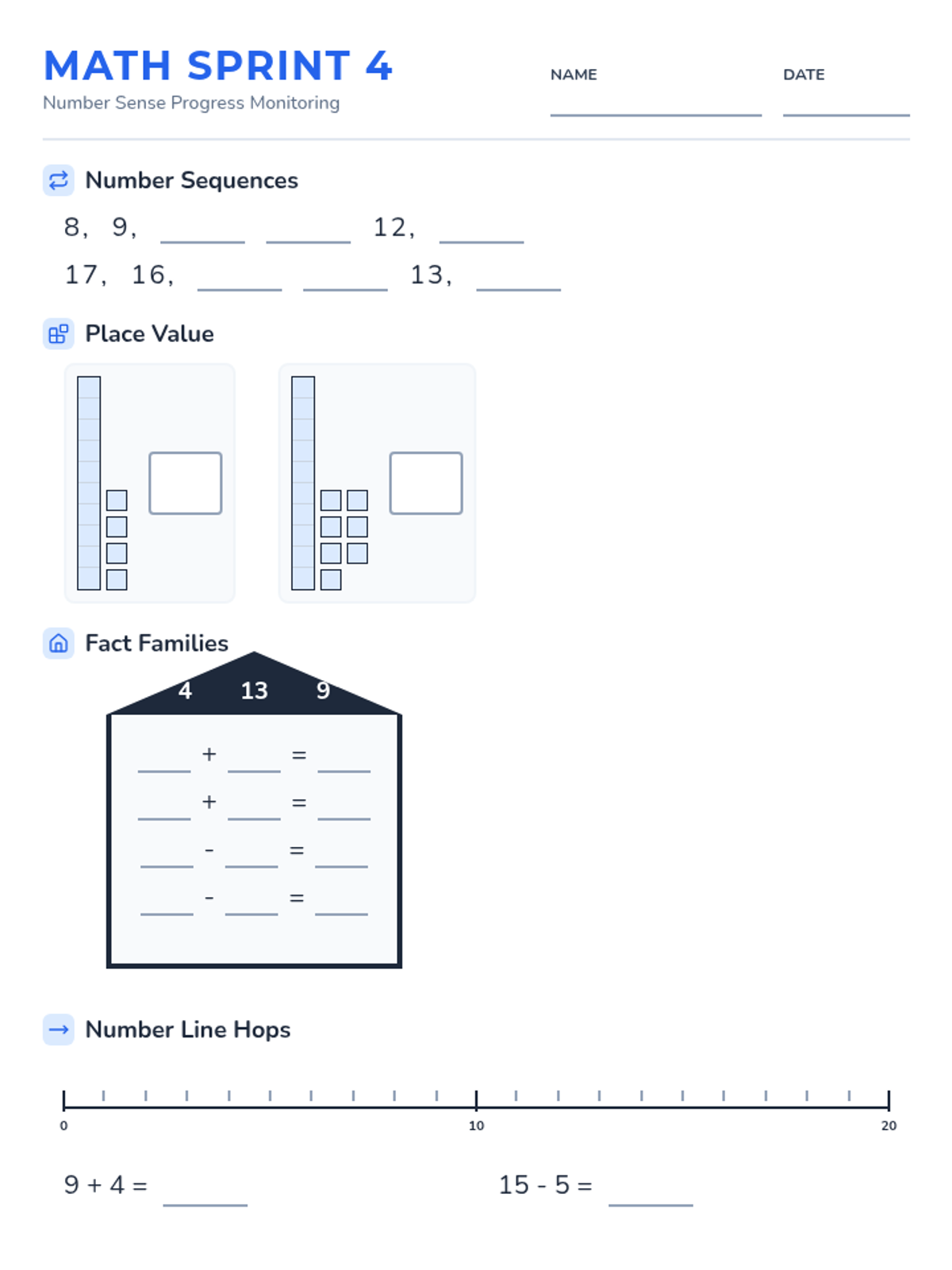
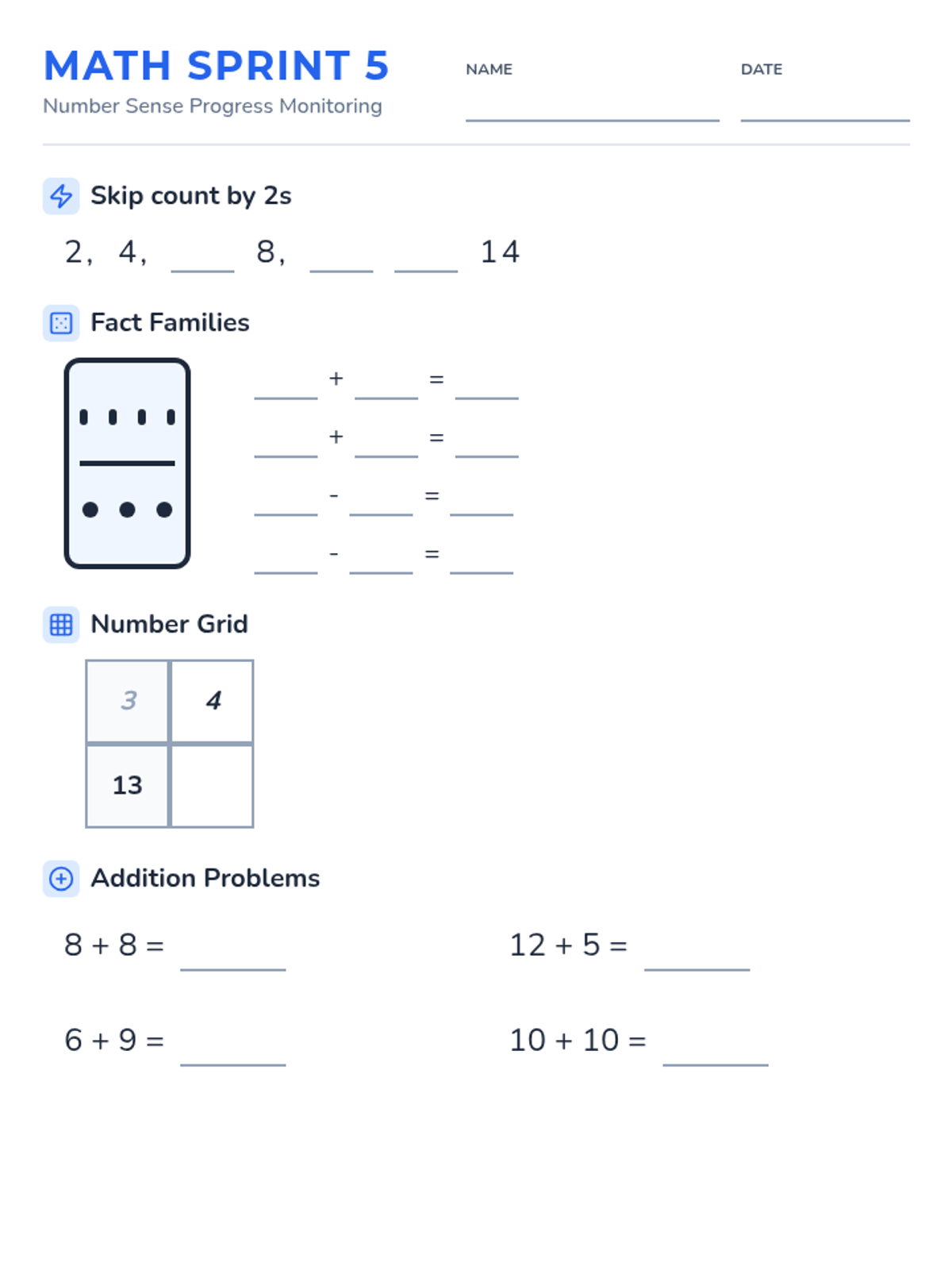
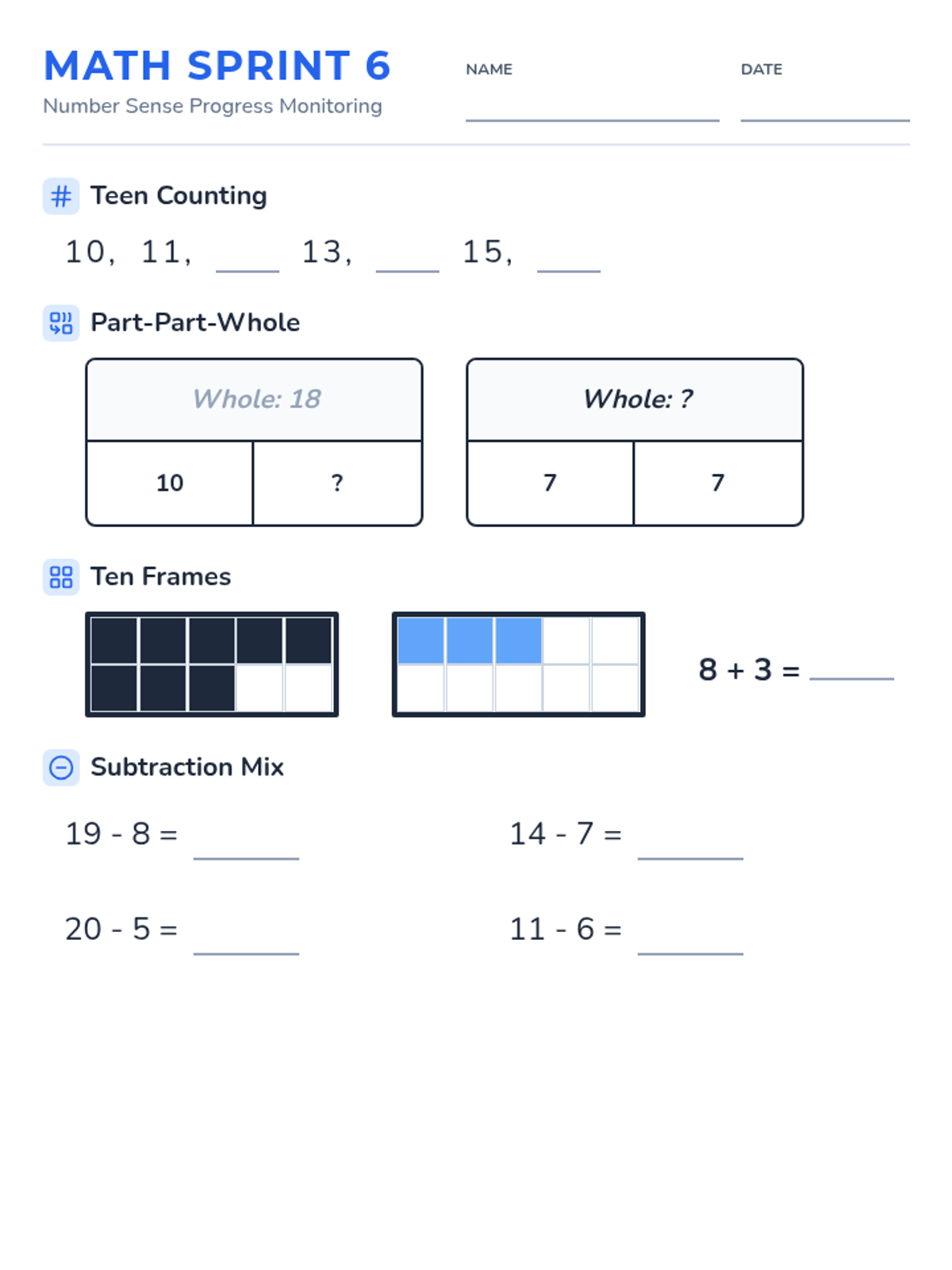
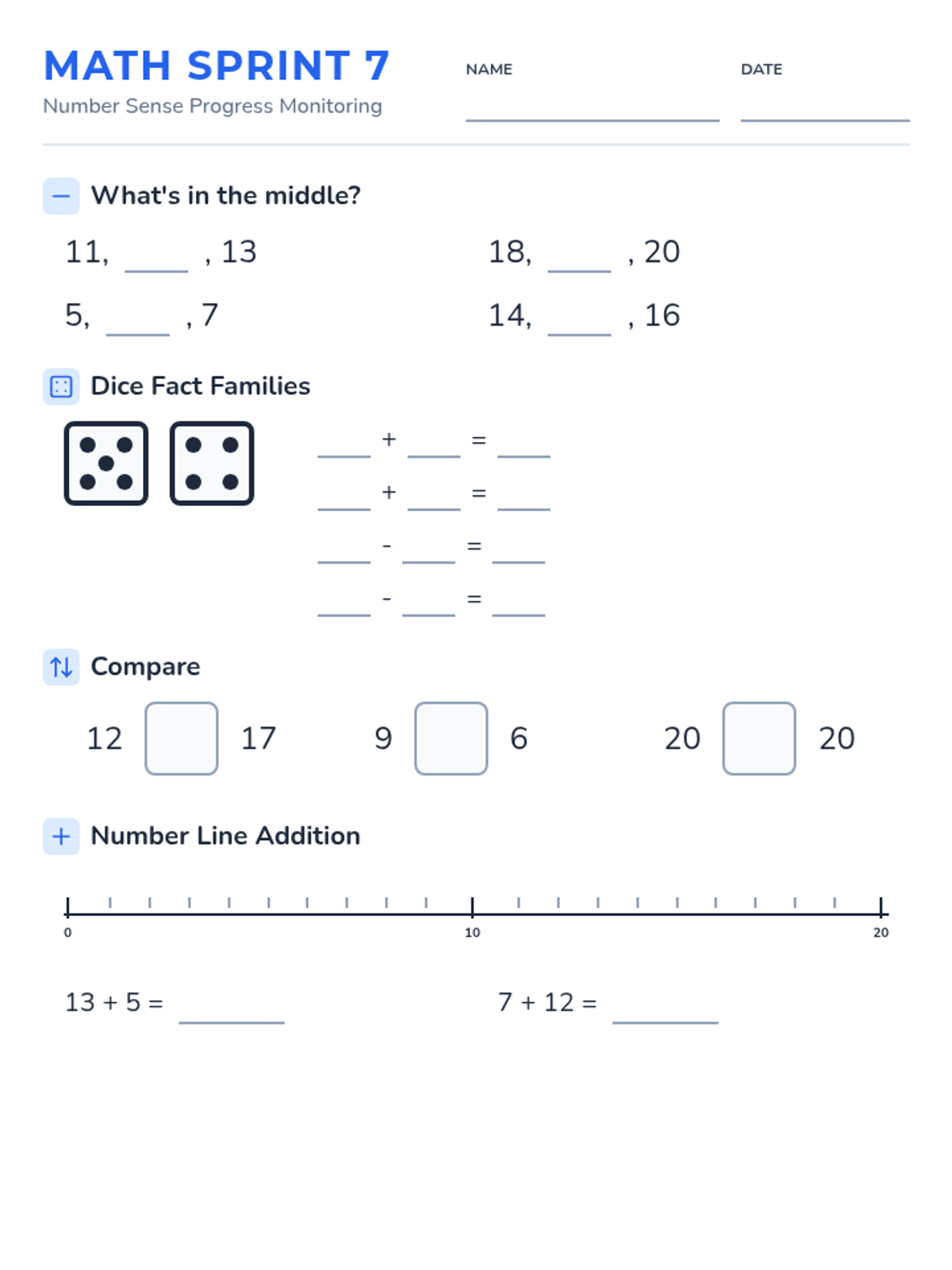
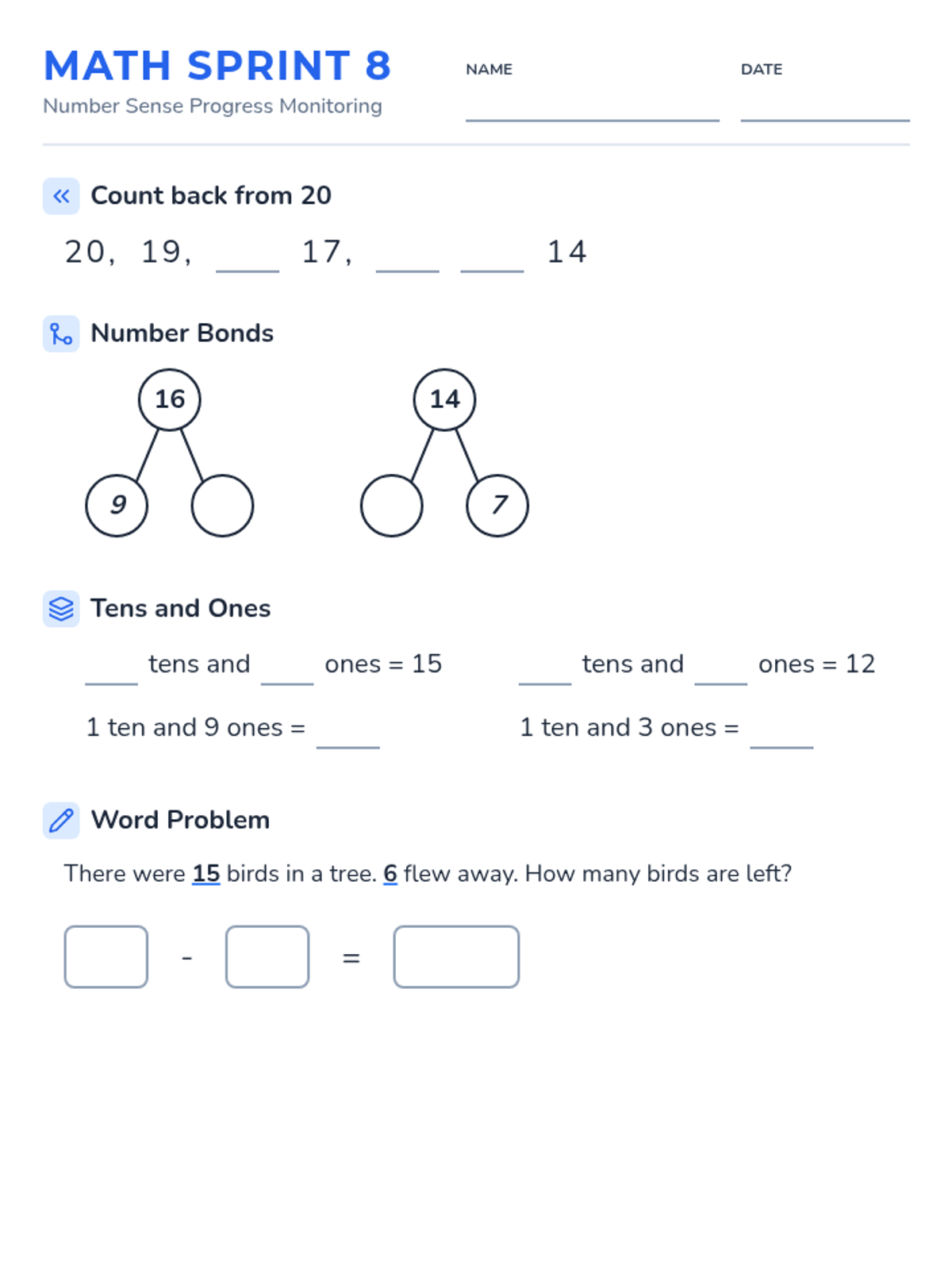
A set of 8 math progress monitoring worksheets focused on core number sense skills for numbers 0-20, including addition, subtraction, fact families, and place value strategies.
A hands-on lesson focused on counting quantities up to 13 and using the terms 'more' and 'less' to compare groups of objects. Students will practice visual estimation, precise counting, and basic mathematical comparison symbols.
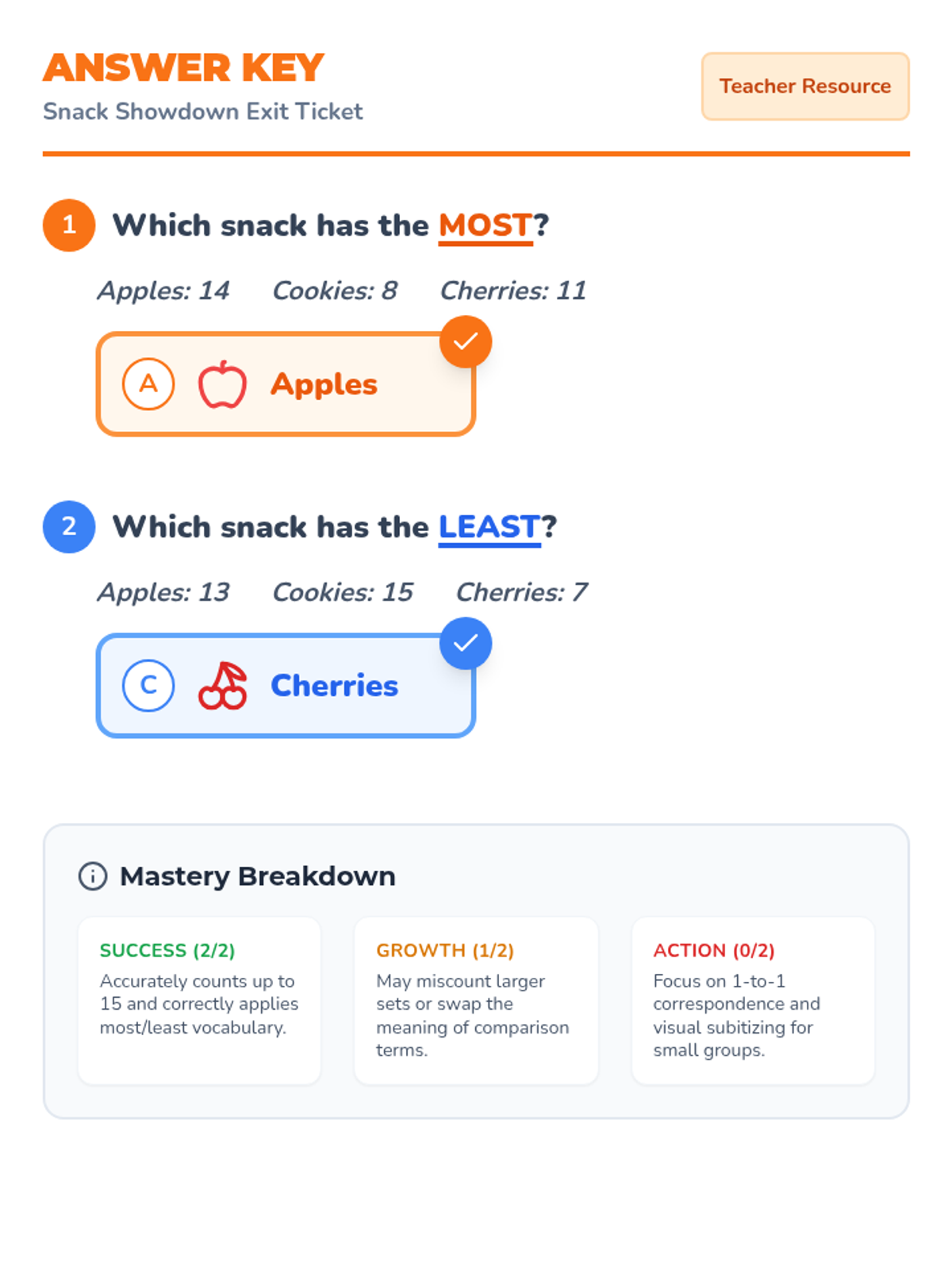
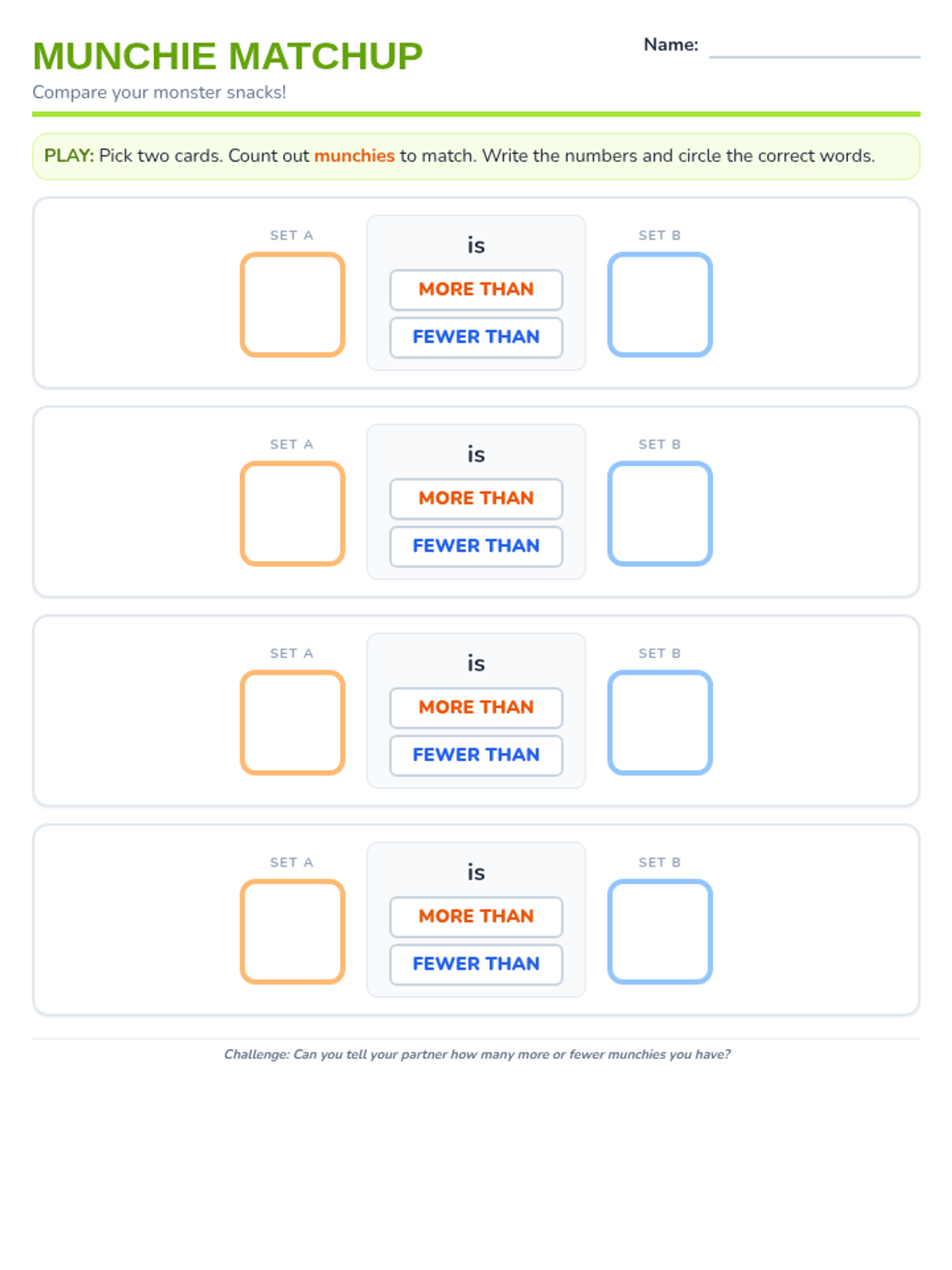
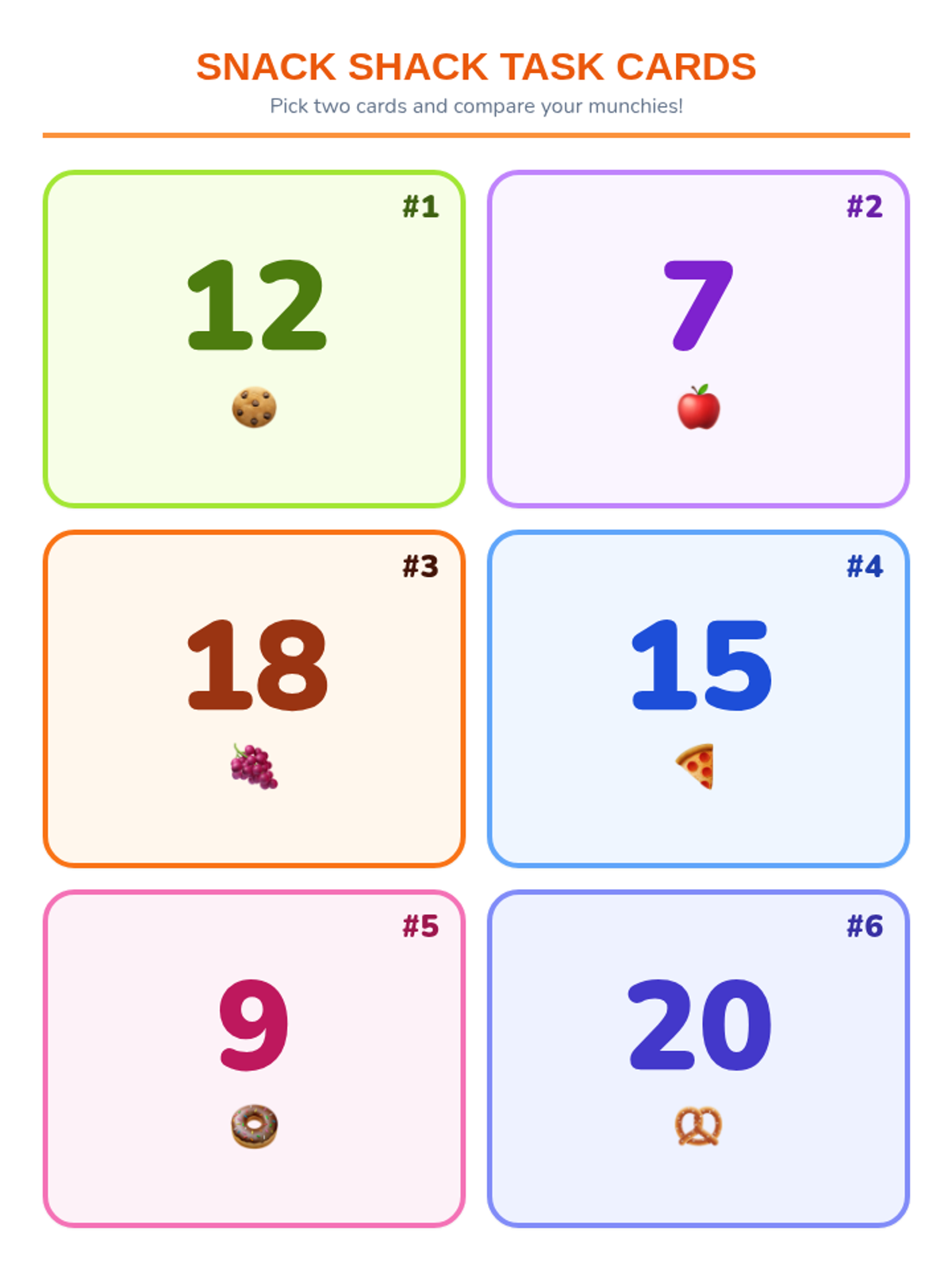
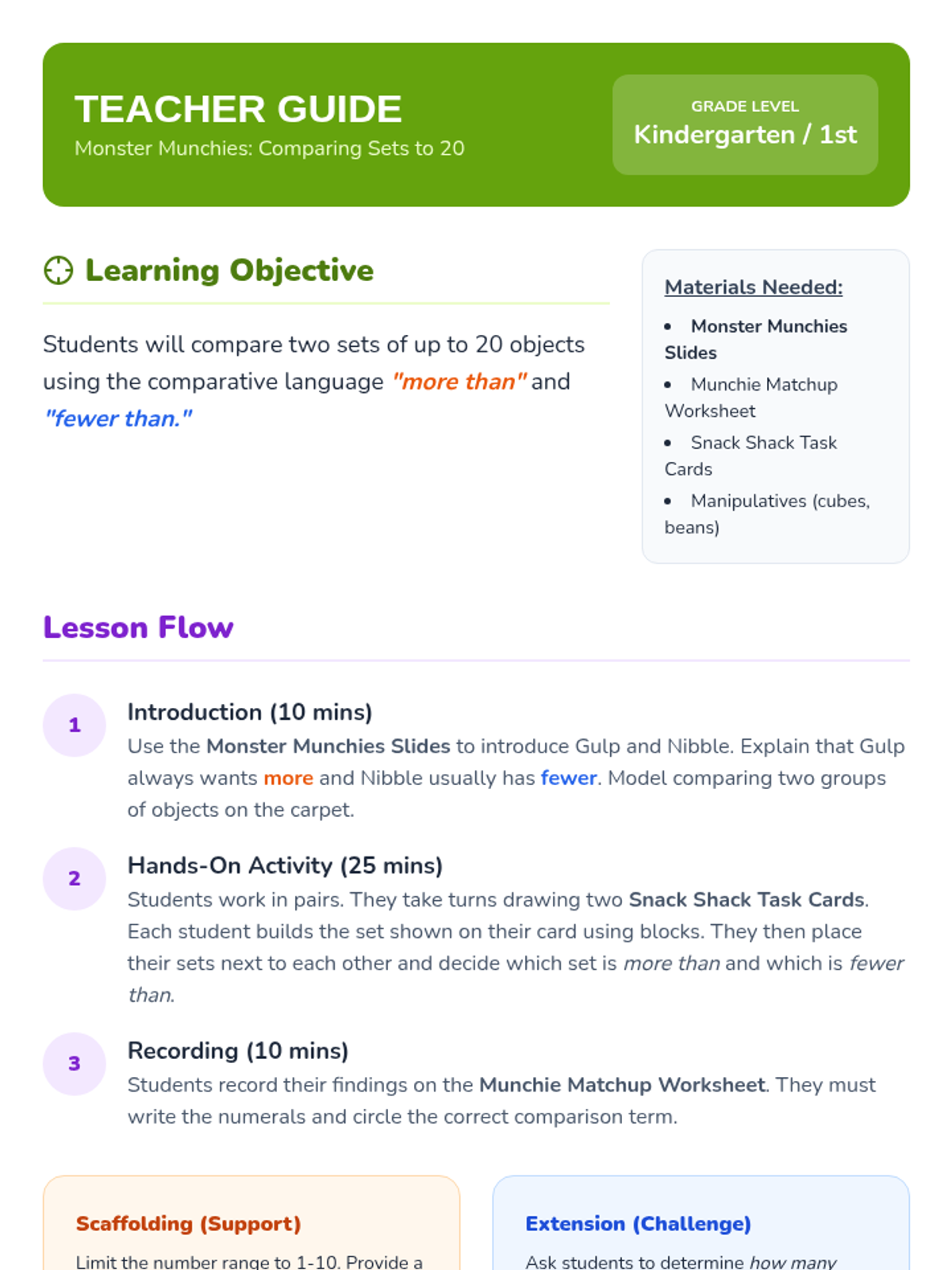
Students will use physical manipulatives and comparison language to determine which monster has more than or fewer than their friend. This lesson focuses on sets up to 20.
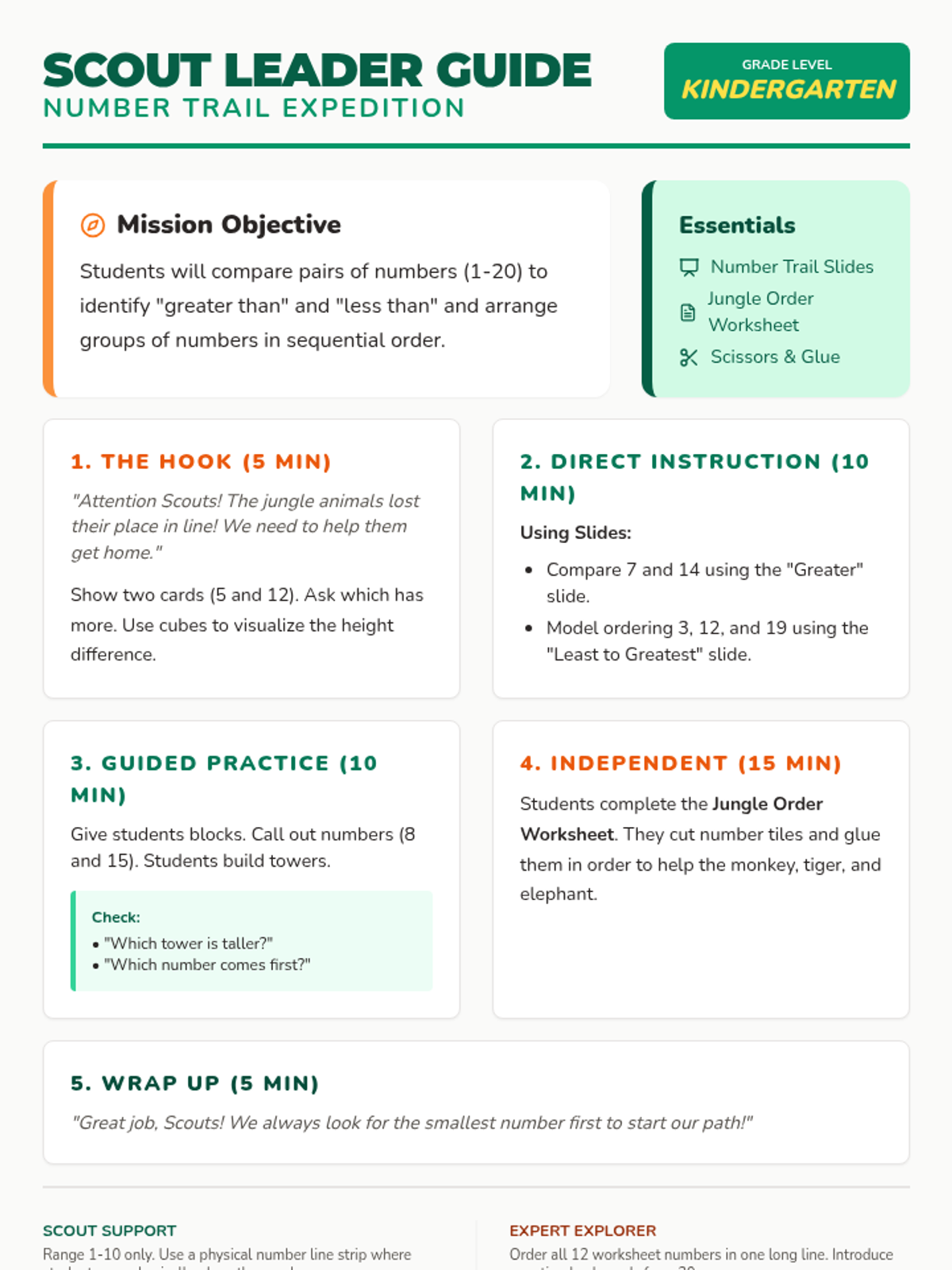
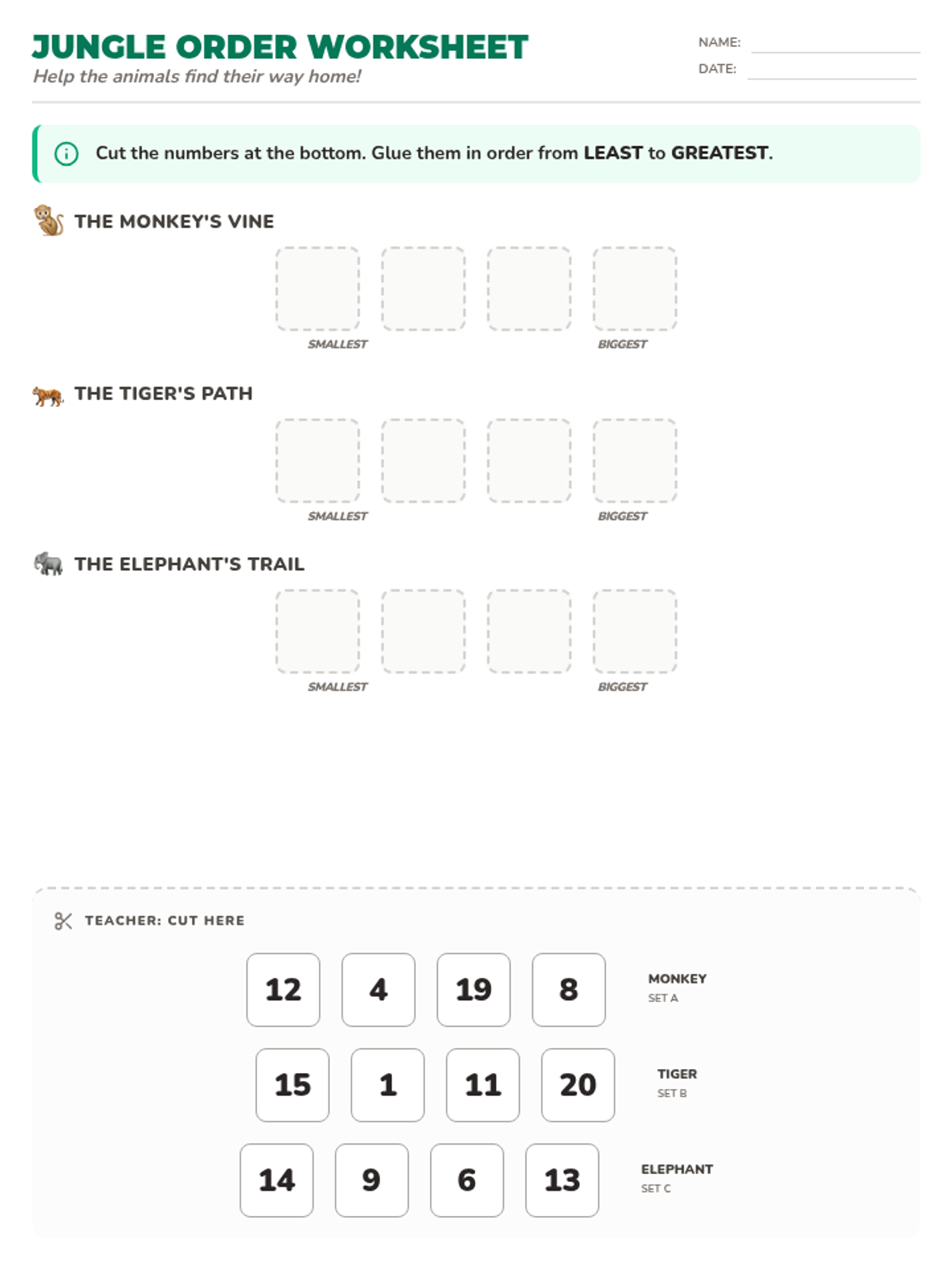
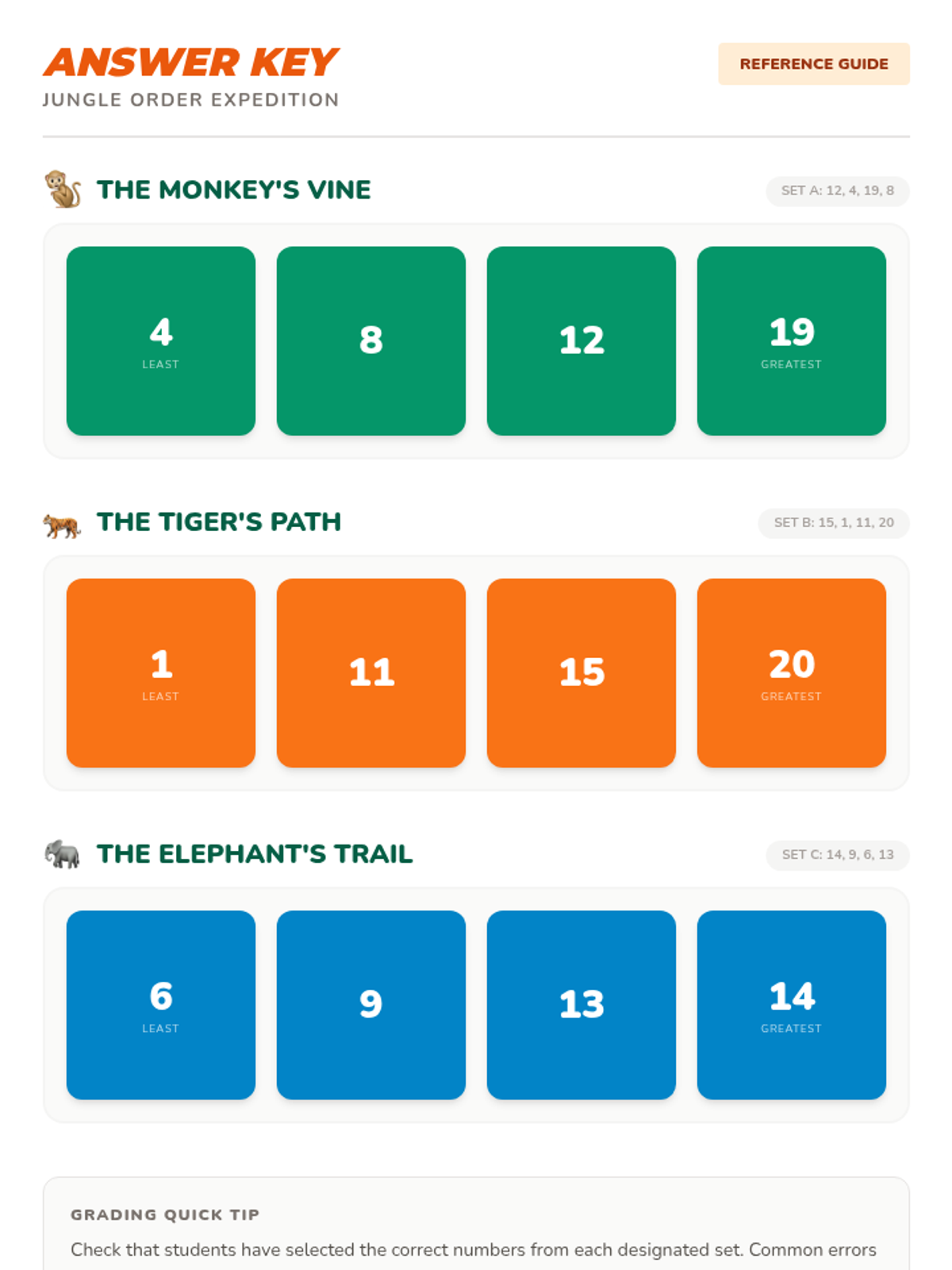
A comprehensive kindergarten lesson on comparing and ordering numbers 1-20 using a fun jungle exploration theme. Students will learn to identify which number is greater or less and arrange numbers in sequential order.
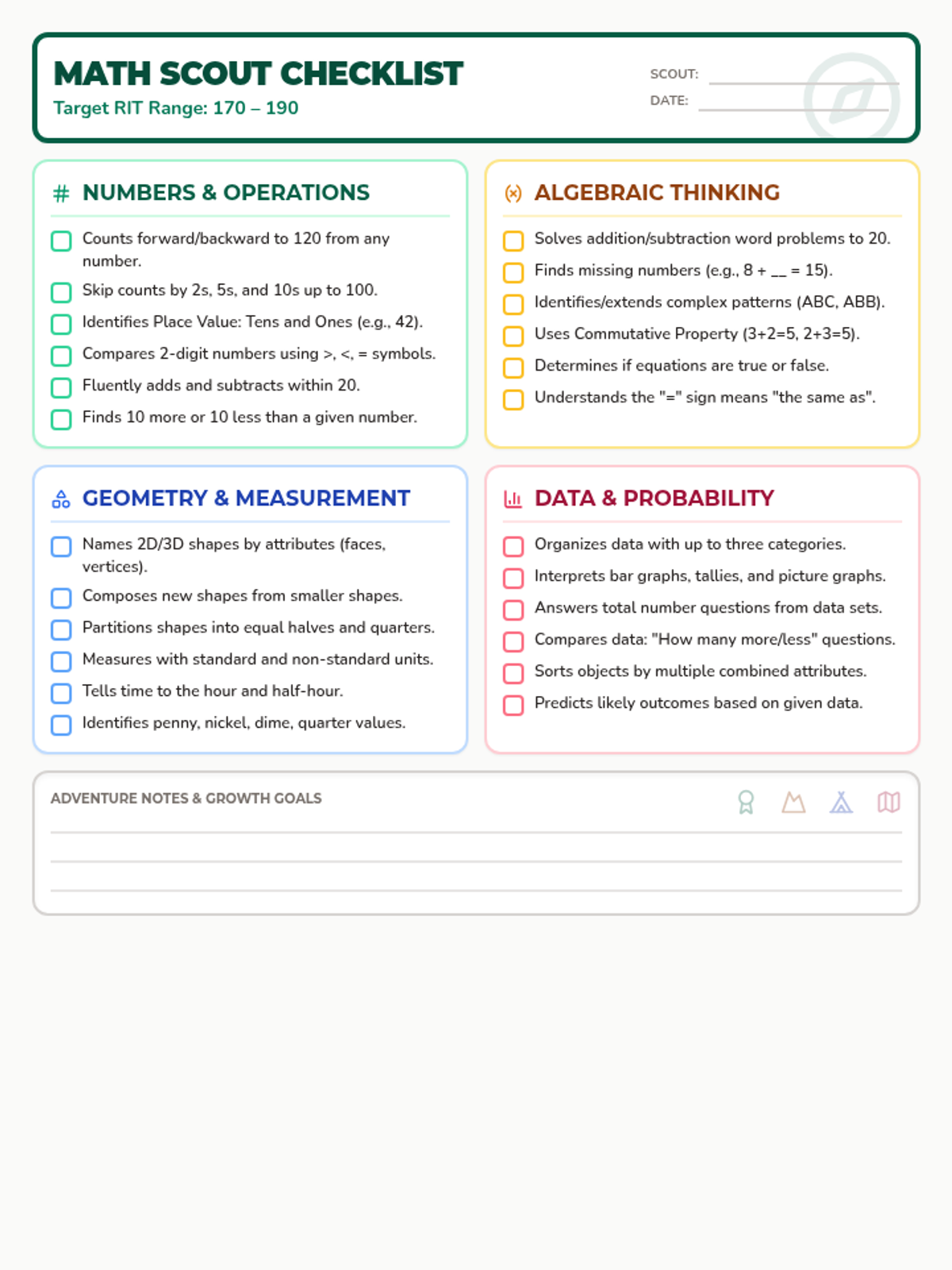
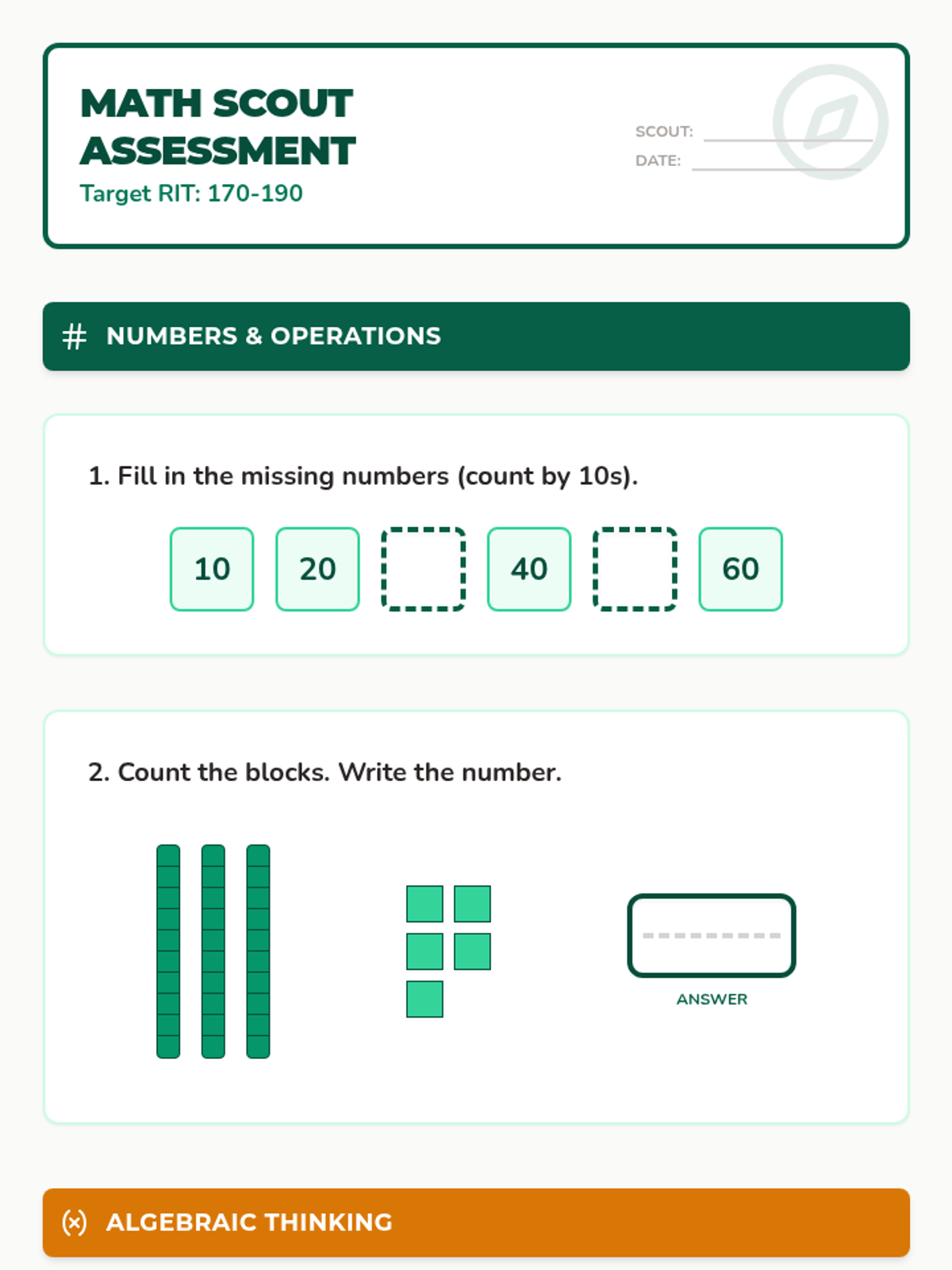
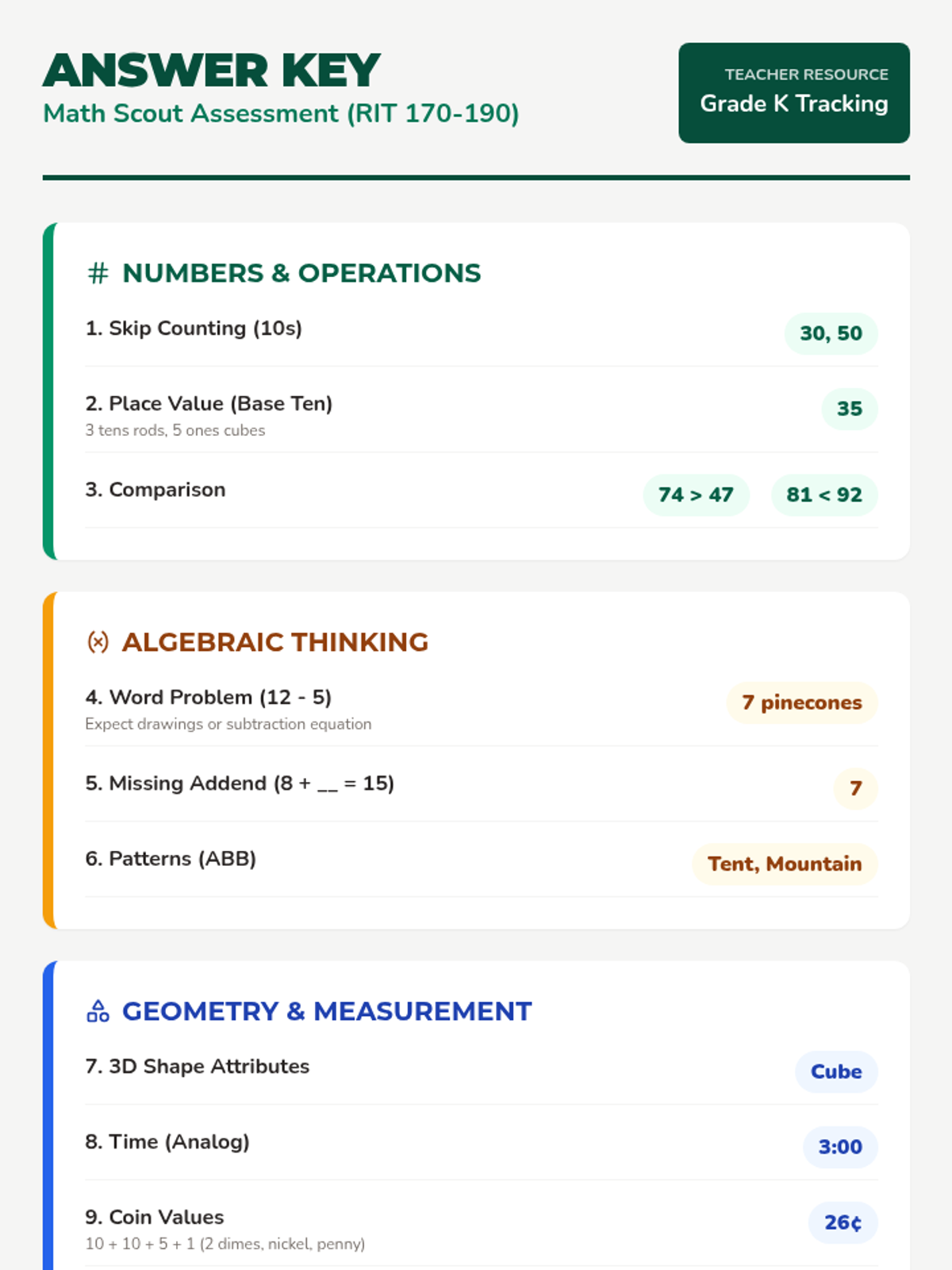
A comprehensive tracking resource for Kindergarten students aiming for advanced NWEA MAP RIT scores in mathematics, covering all key domains.
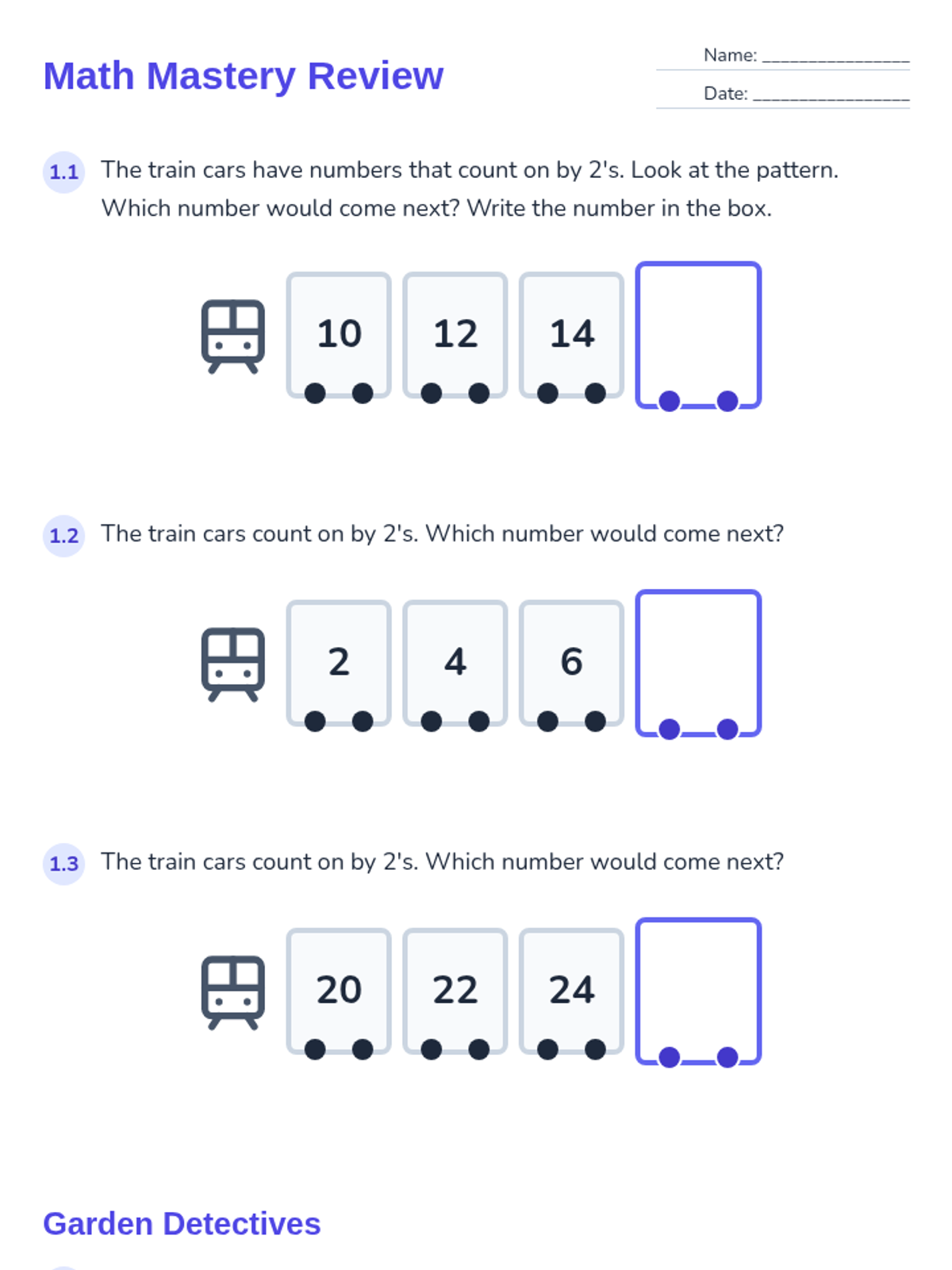
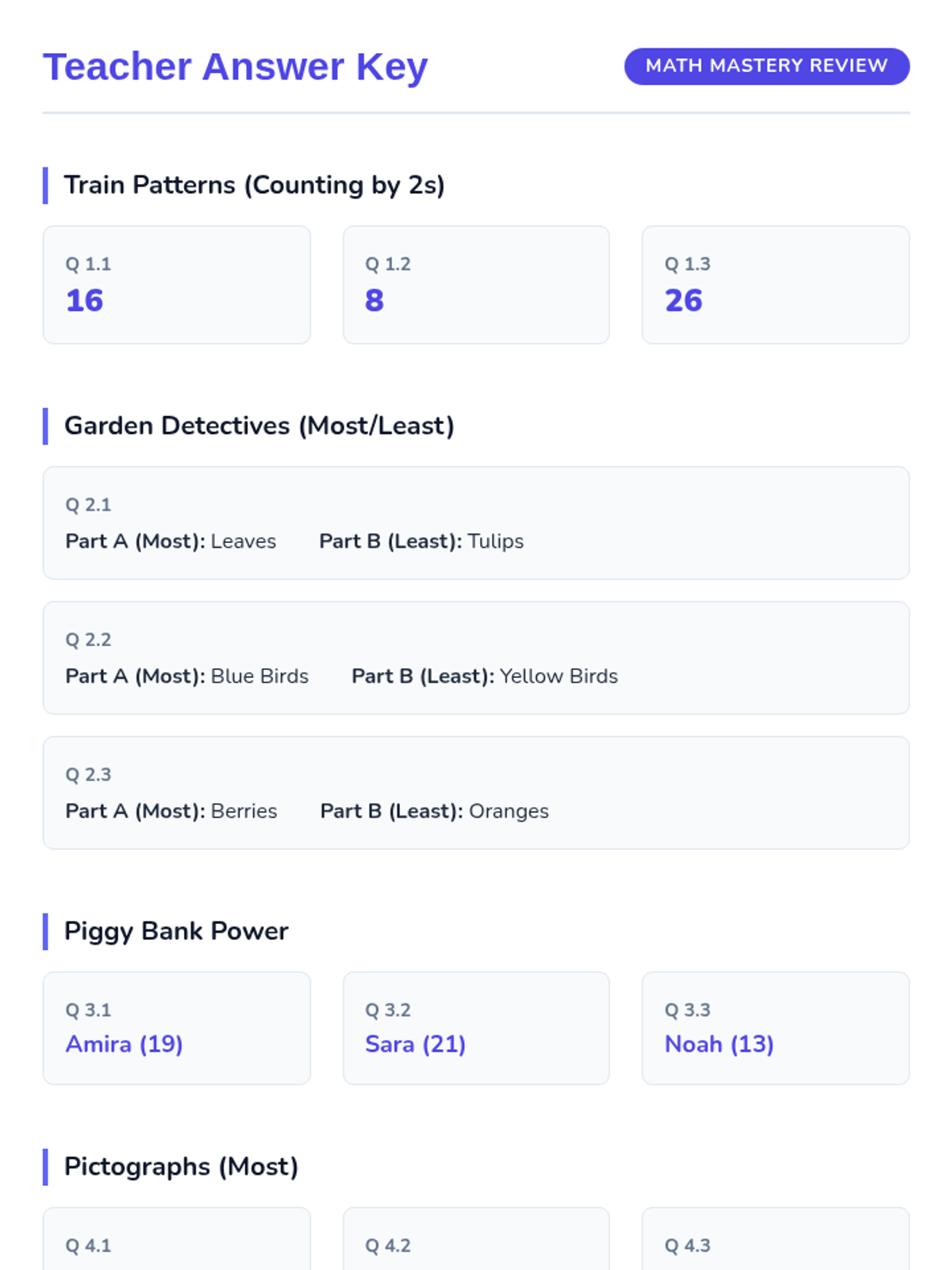
A comprehensive Kindergarten math review covering skip counting by 2s, comparing quantities, identifying numbers, reading graphs, and number writing practice. This lesson provides repeated practice ('at bats') for core skills to build fluency and confidence.
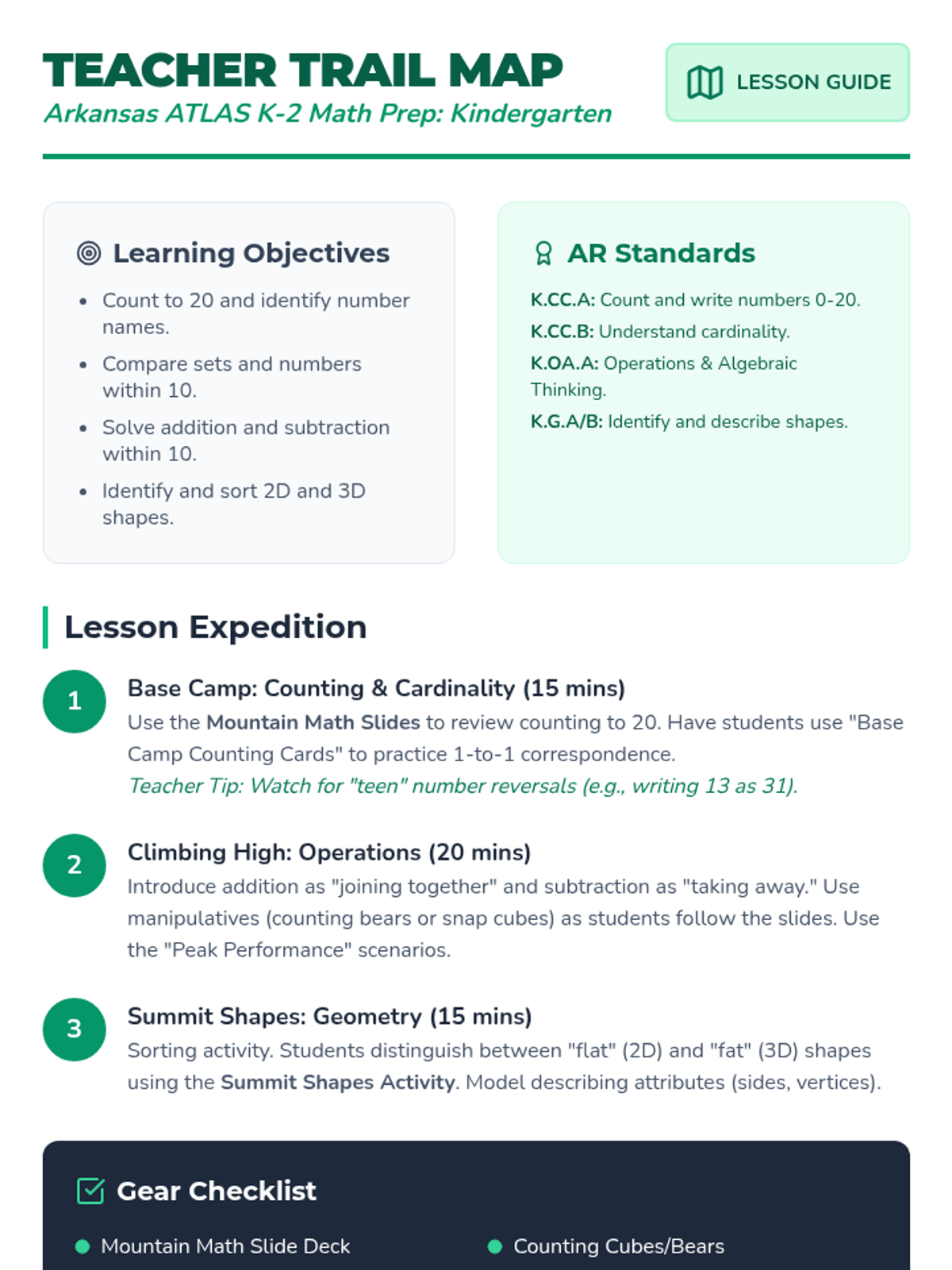
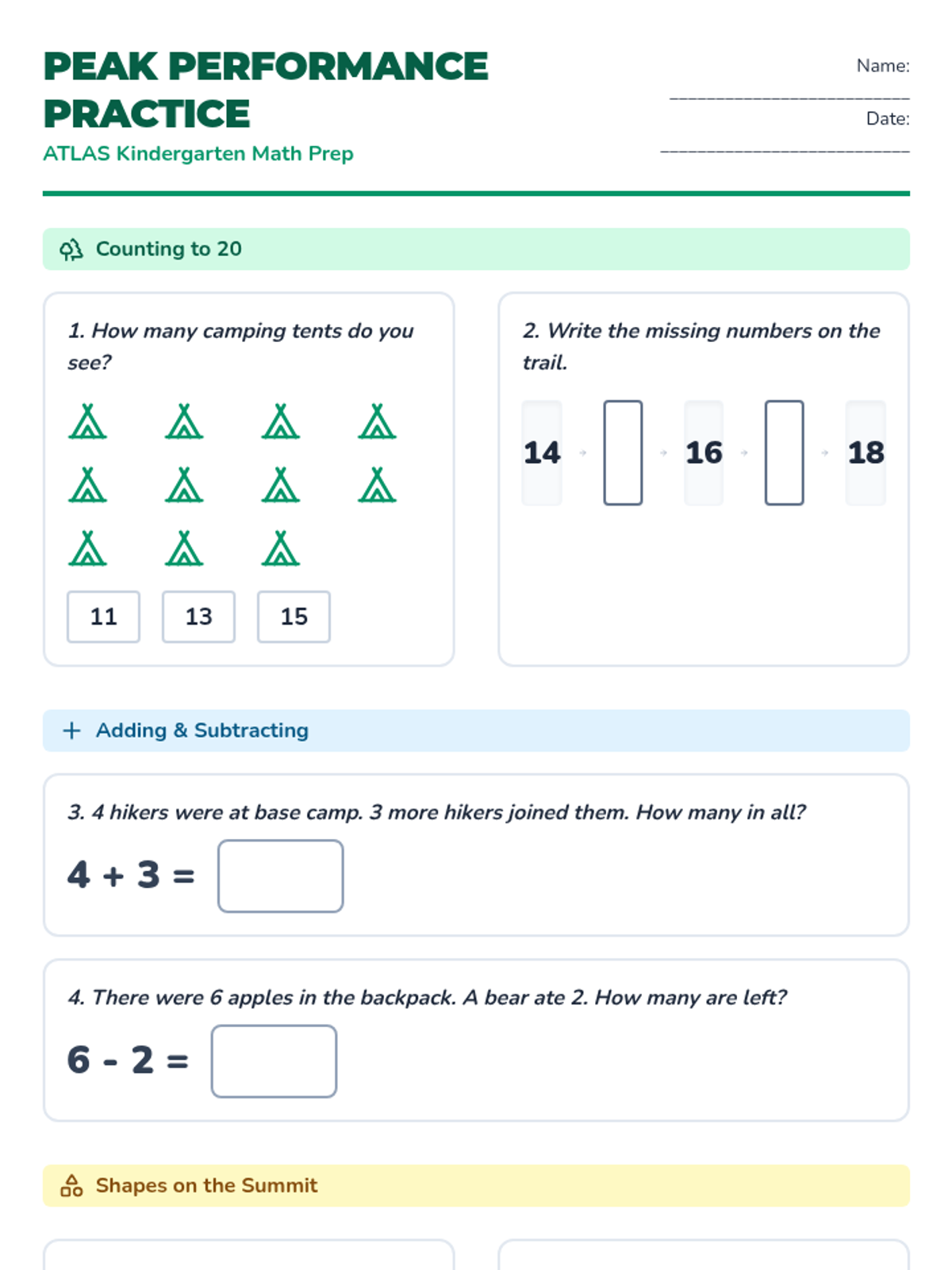
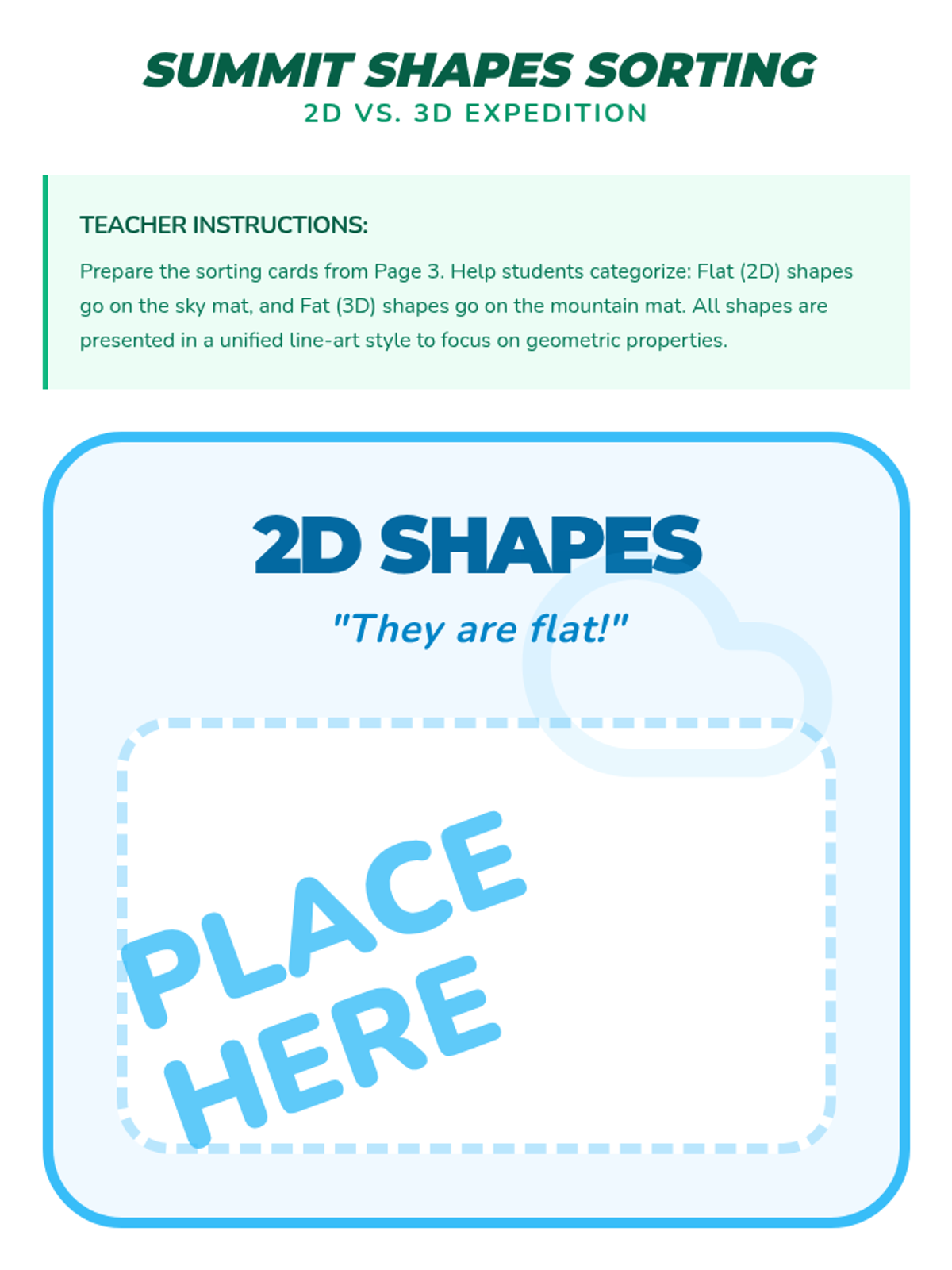
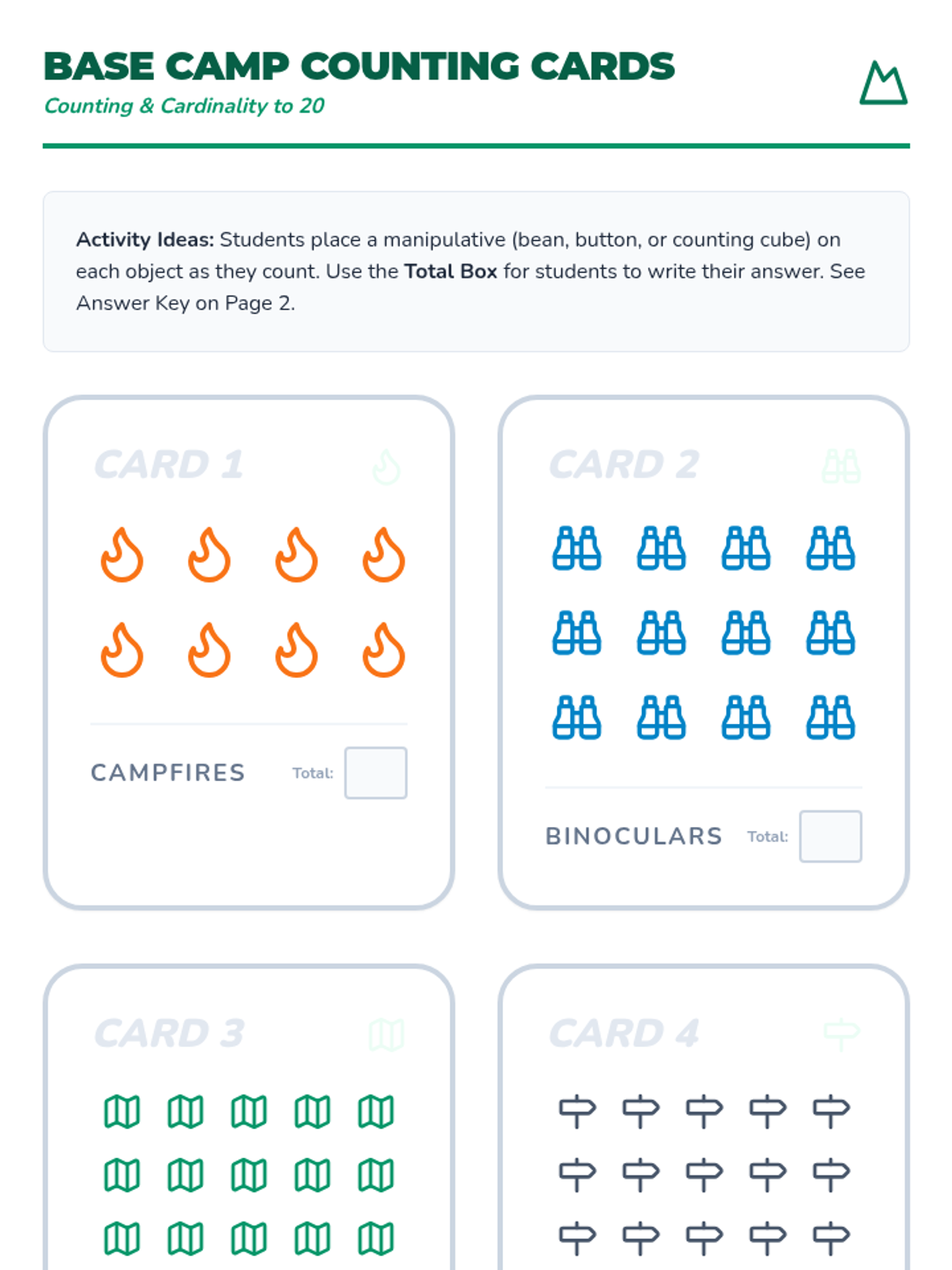
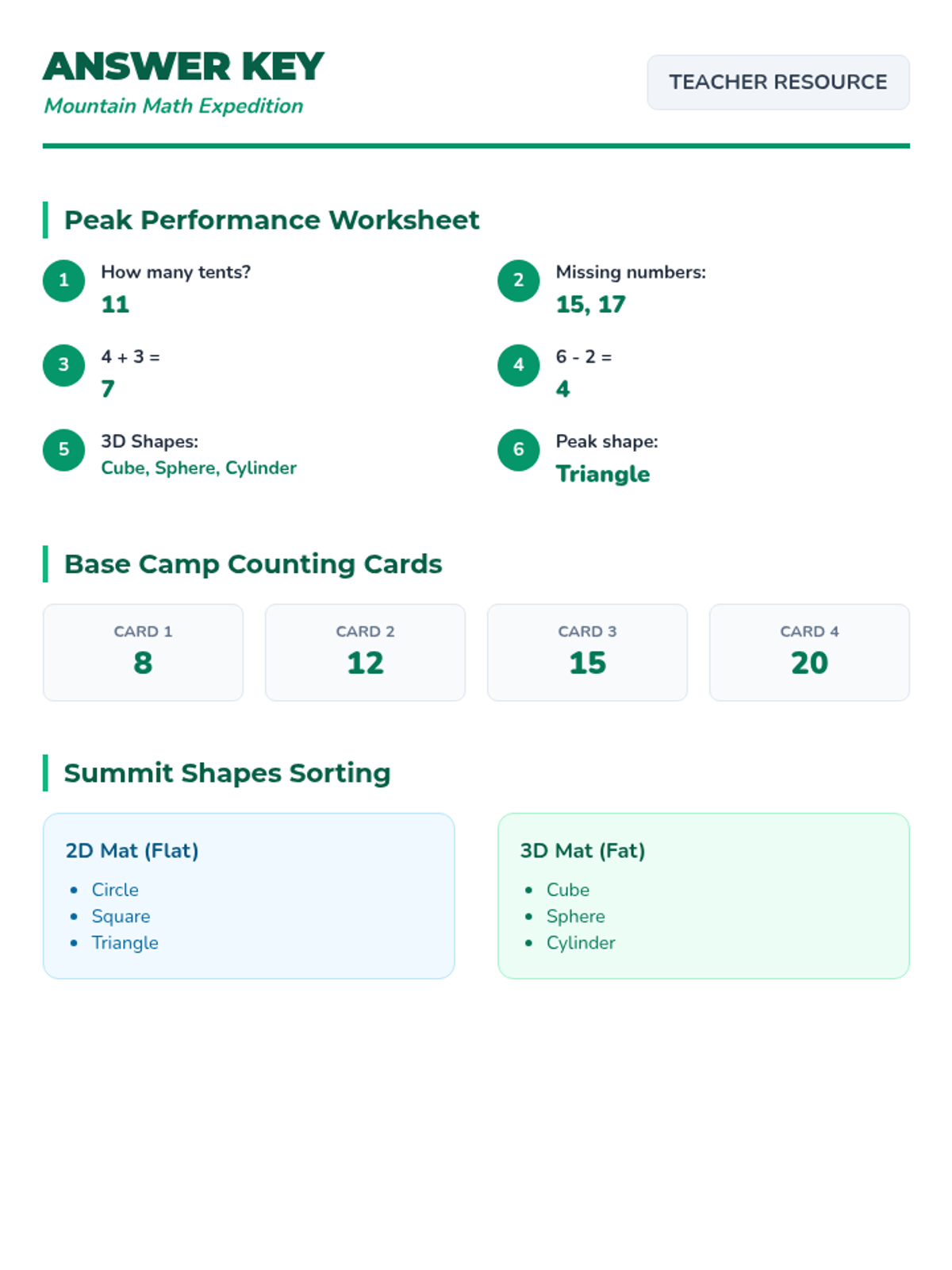
A comprehensive Kindergarten math test prep lesson aligned to Arkansas ATLAS standards, focusing on counting to 20, number sense, basic operations, and geometry through a hiking and mountain climbing theme.
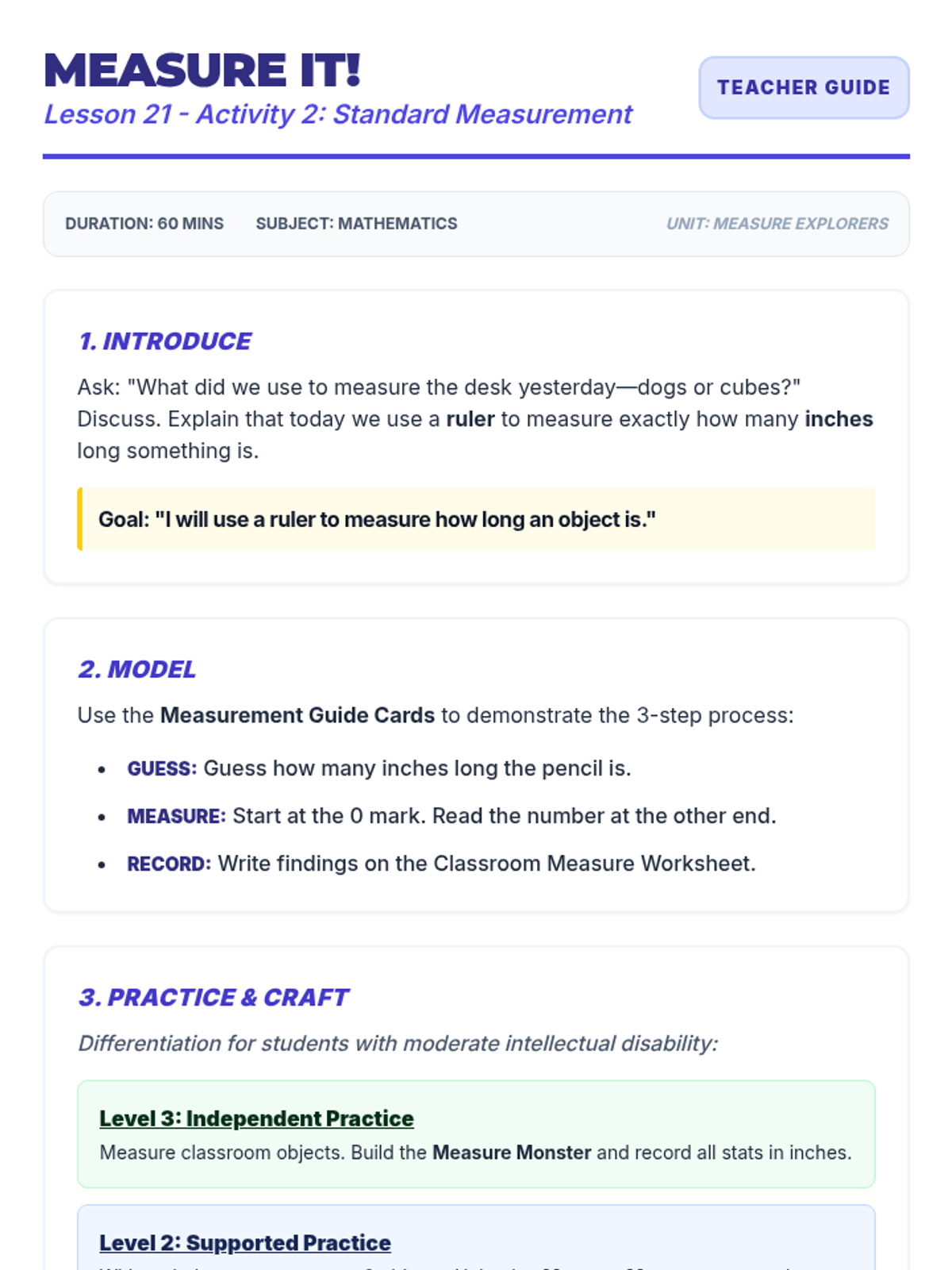
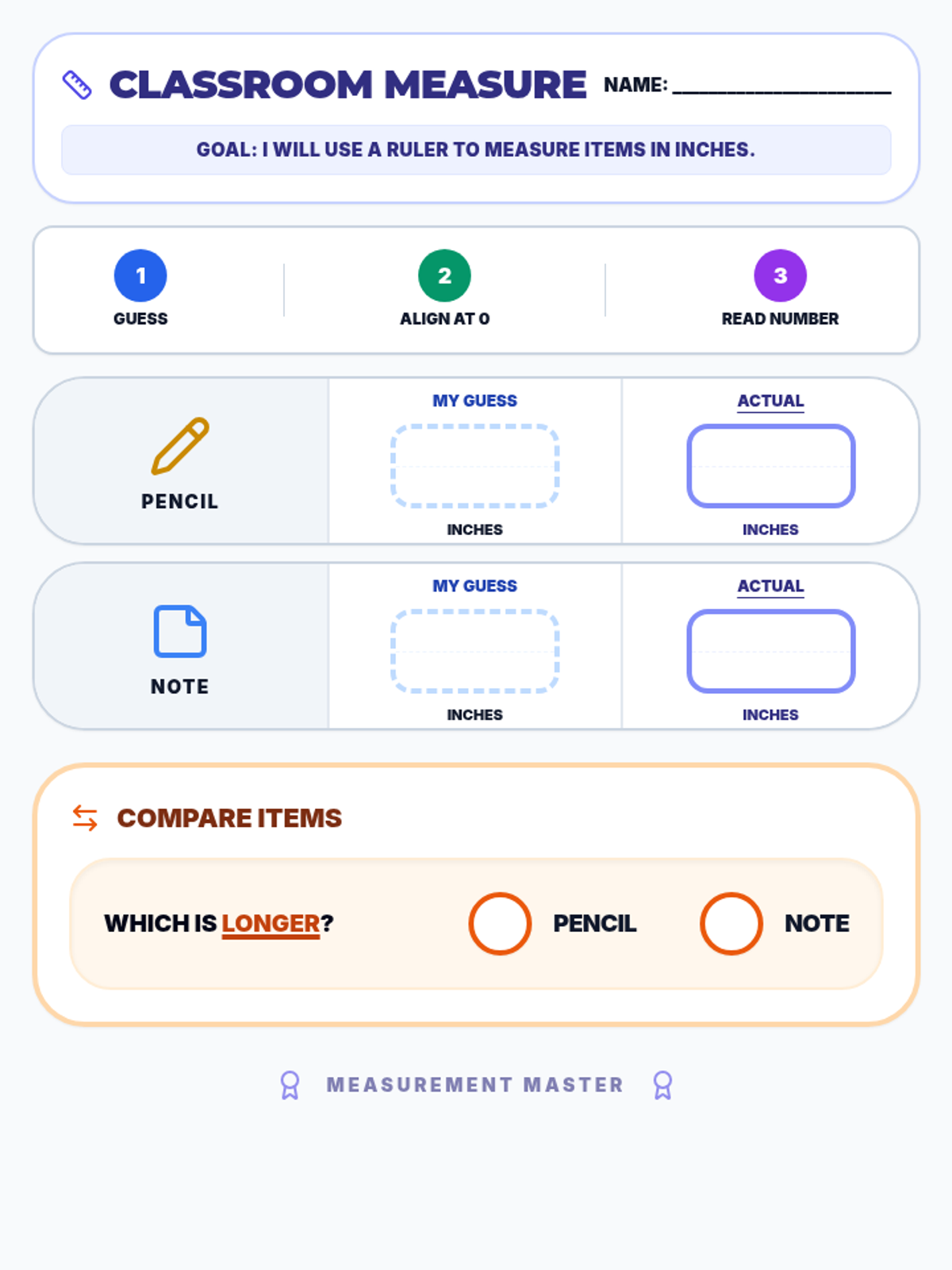
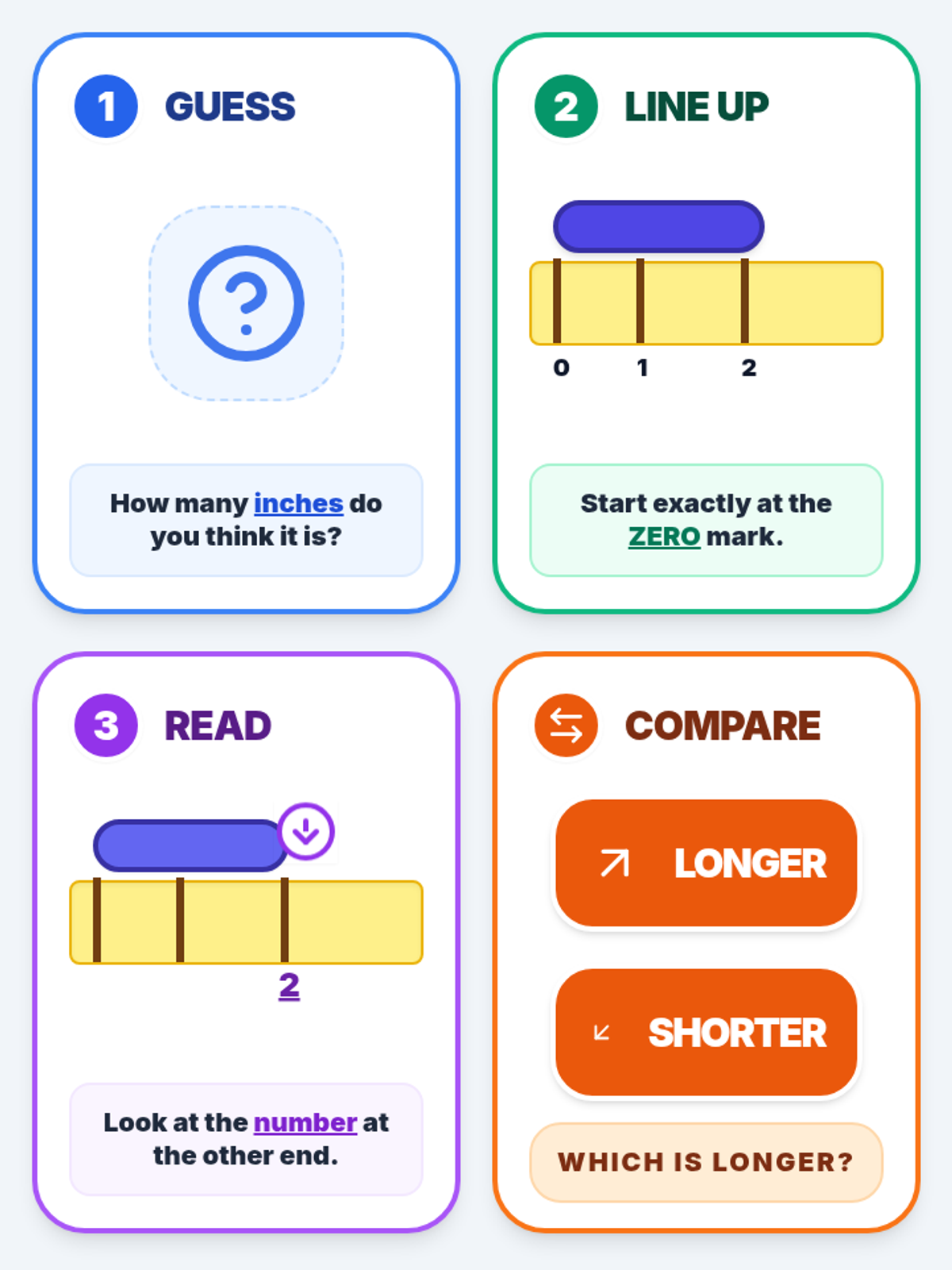
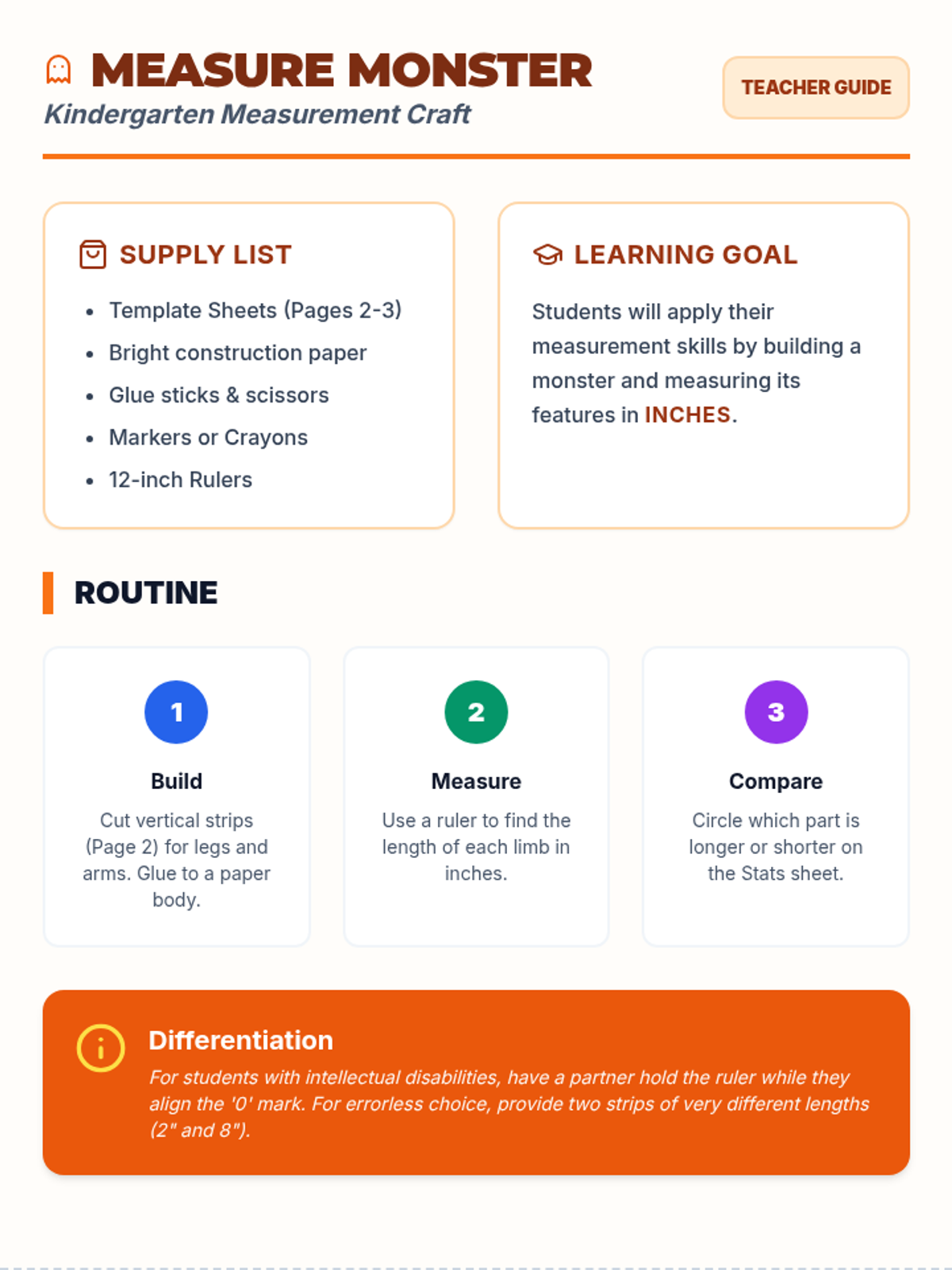
Introducing standard measurement using inches and rulers, focusing on estimating, measuring, and comparing classroom objects with tiered supports.
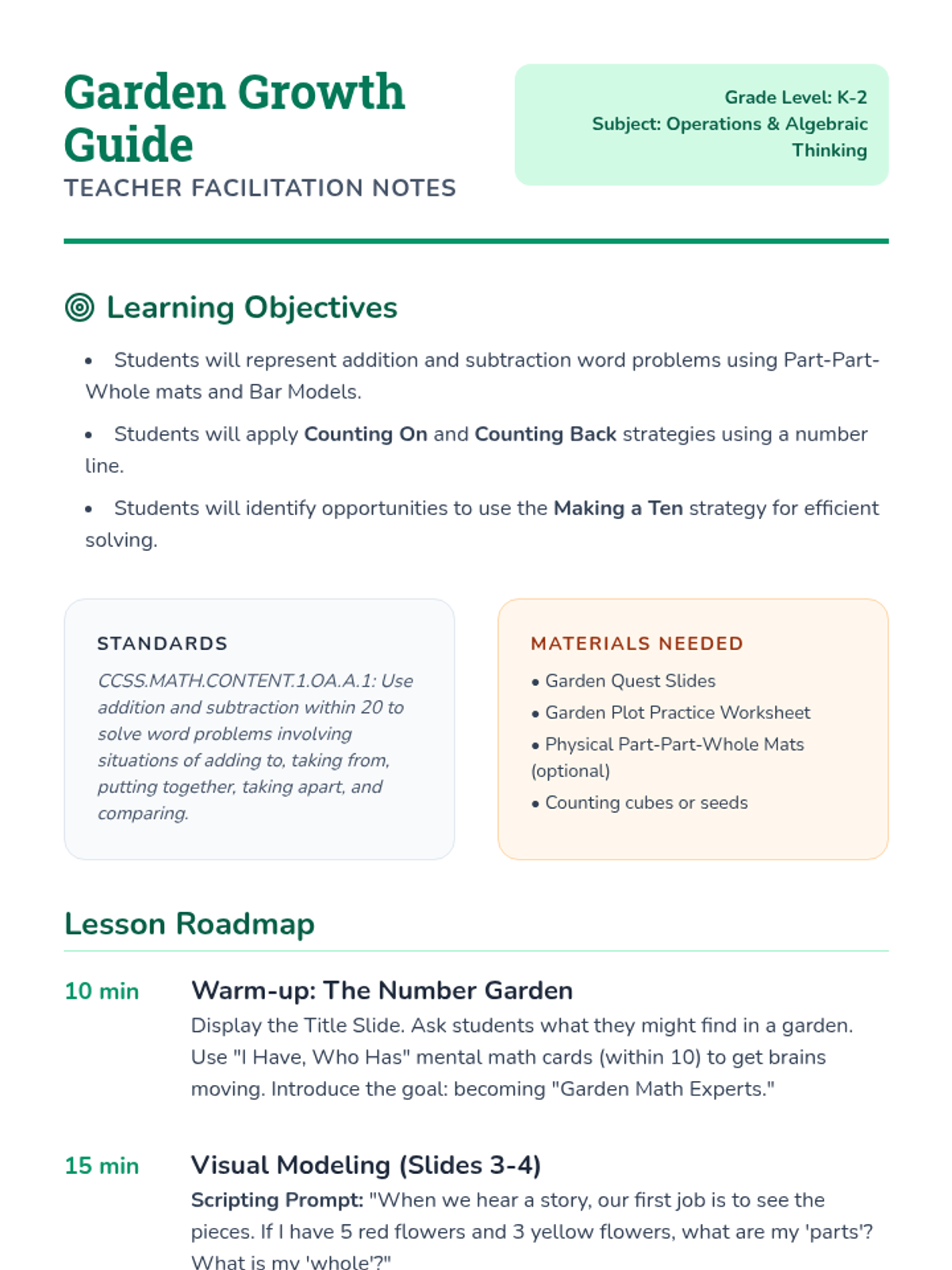
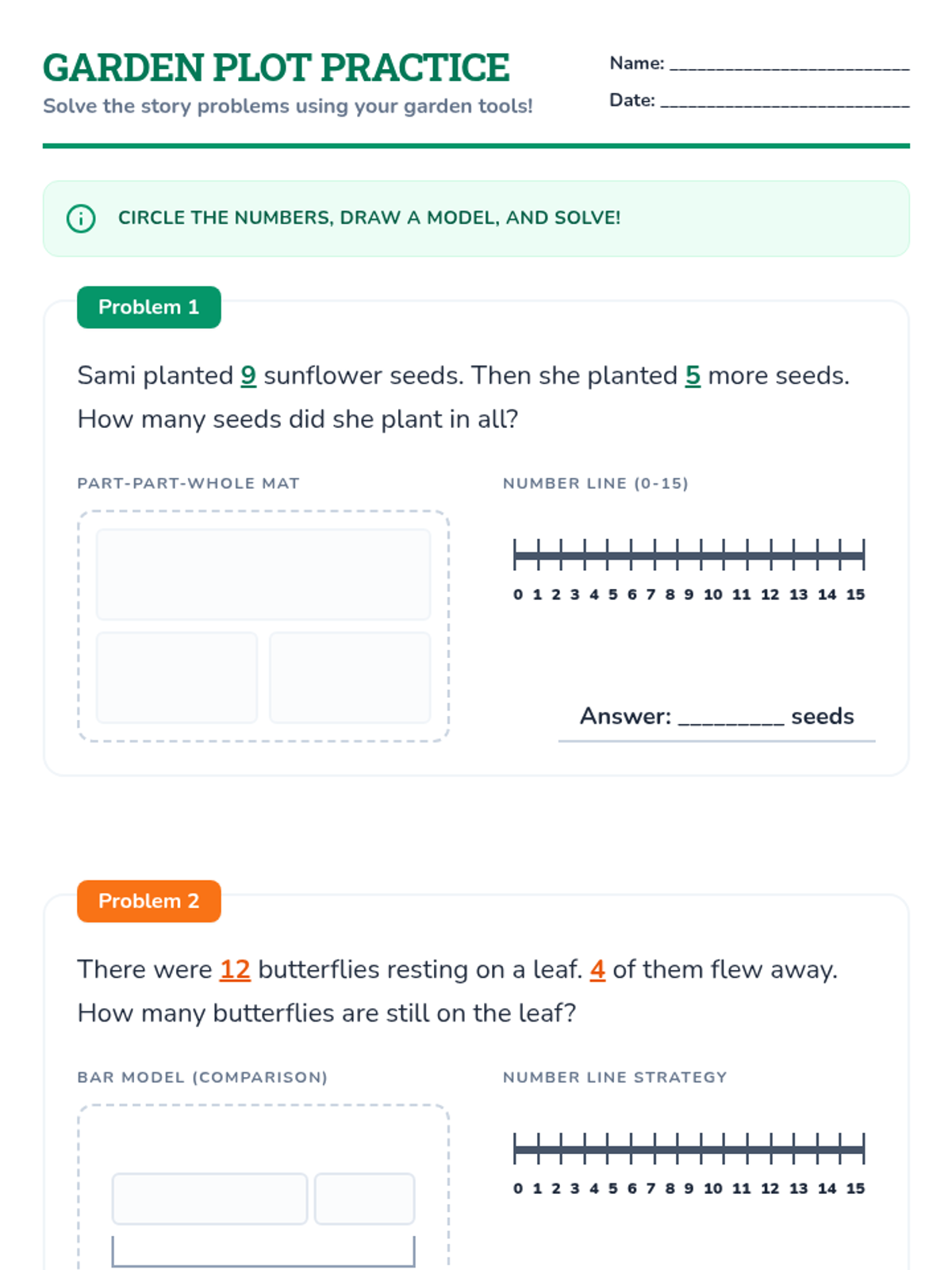
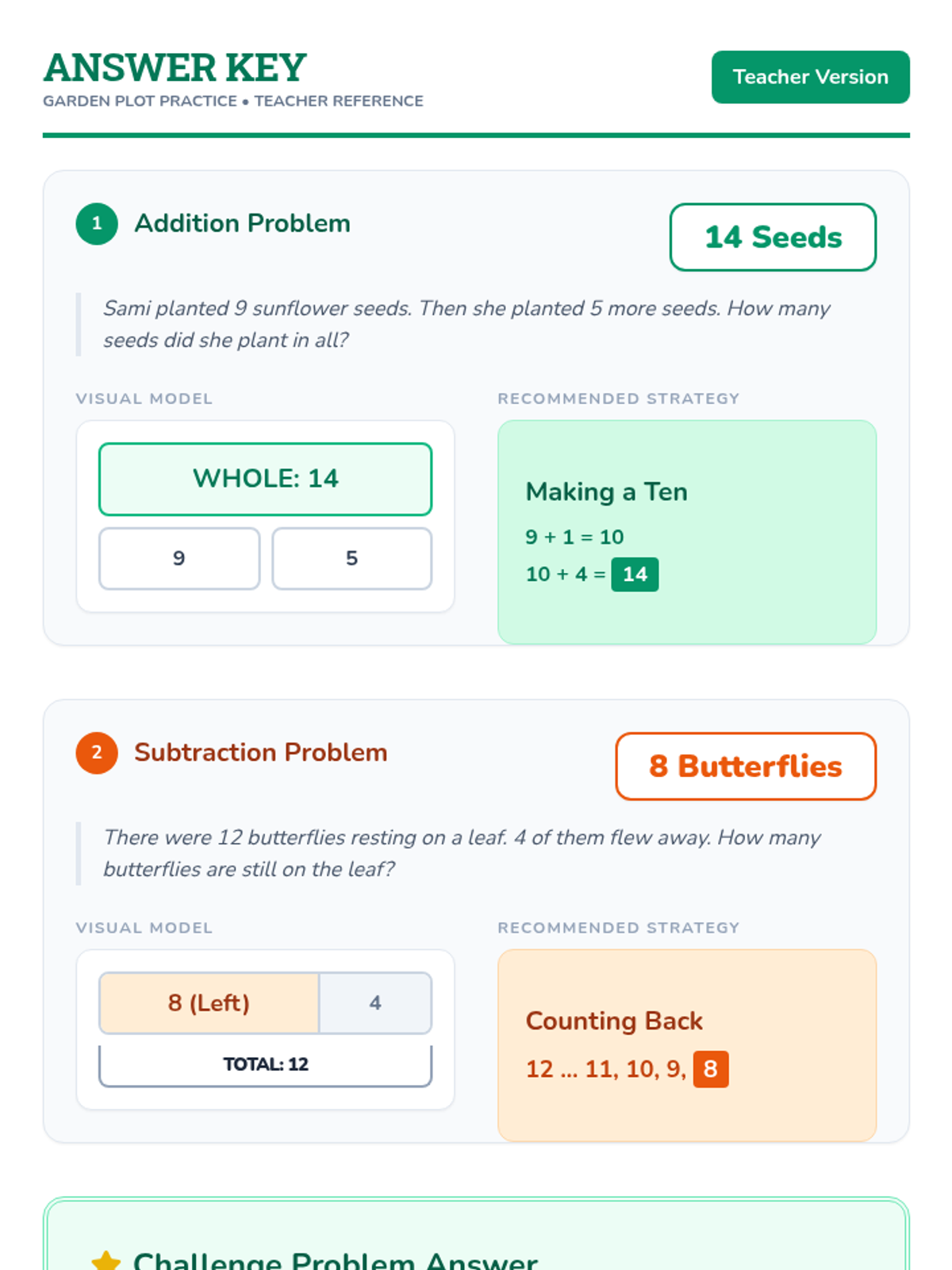
A K-2 math lesson focusing on solving addition and subtraction word problems using part-part-whole mats, bar models, and number lines, while applying counting on/back and making-a-ten strategies.
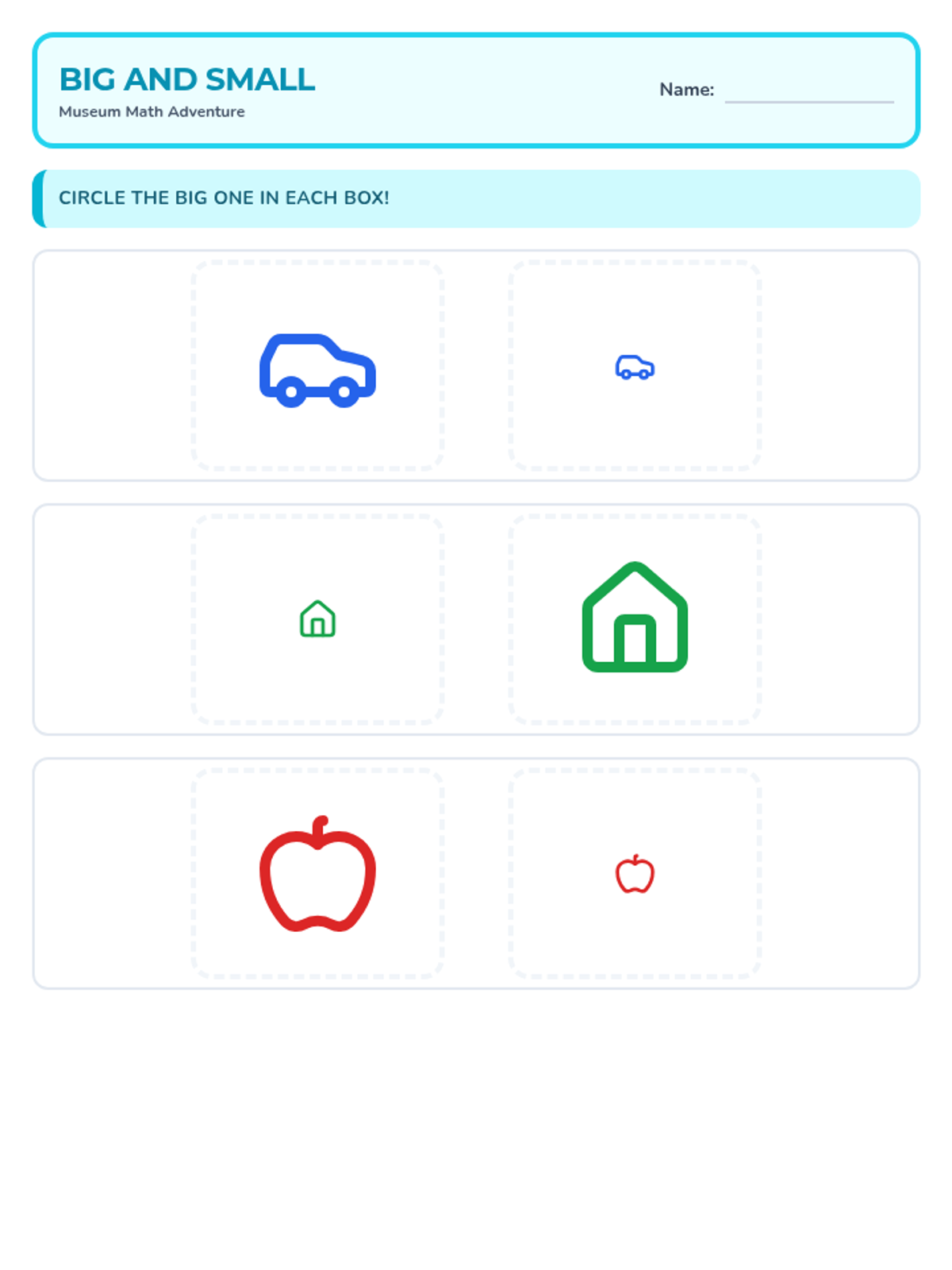
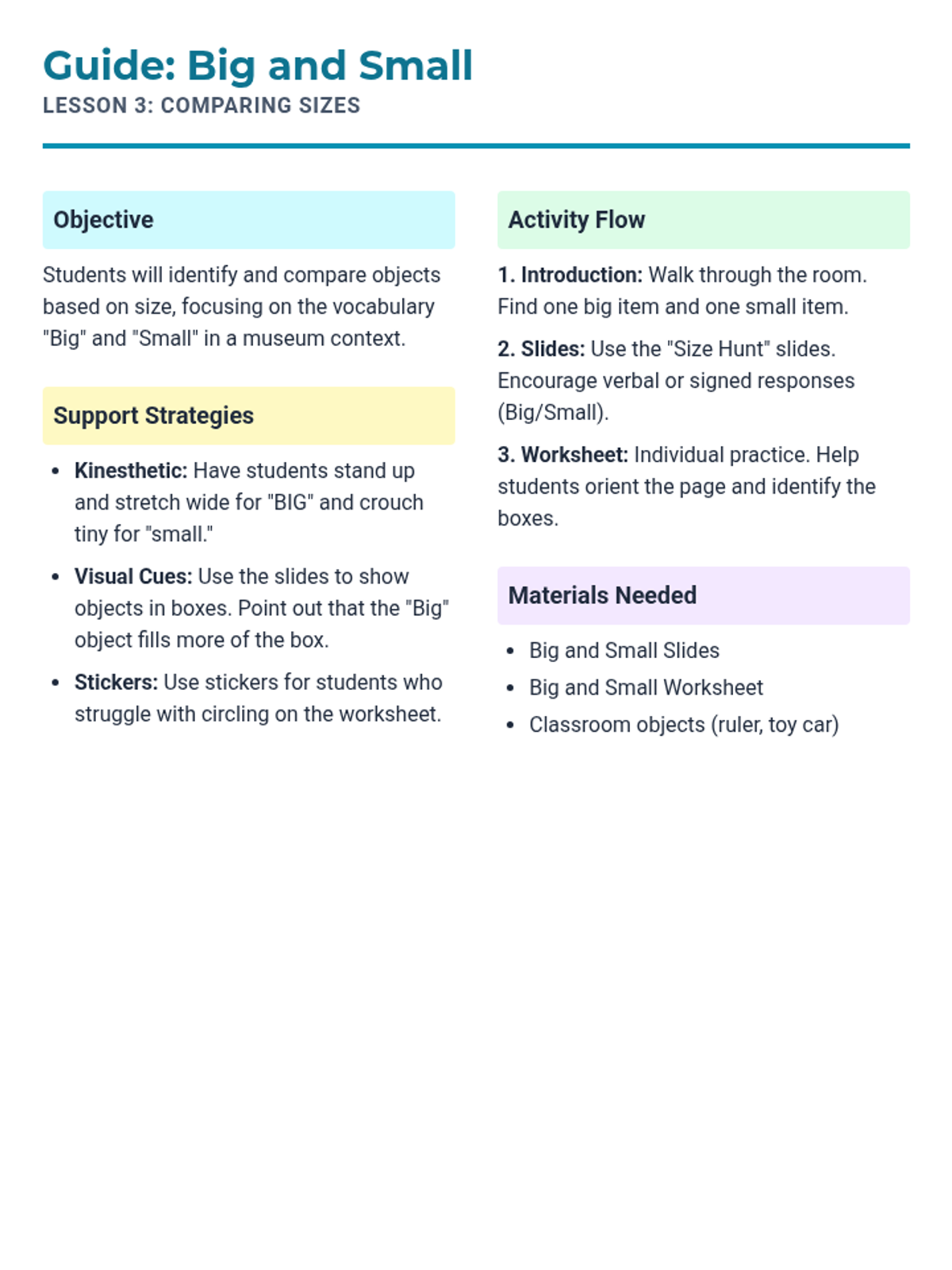
Students will explore the concepts of big, medium, and small by comparing various objects in the museum exhibits, promoting vocabulary development and visual discrimination.
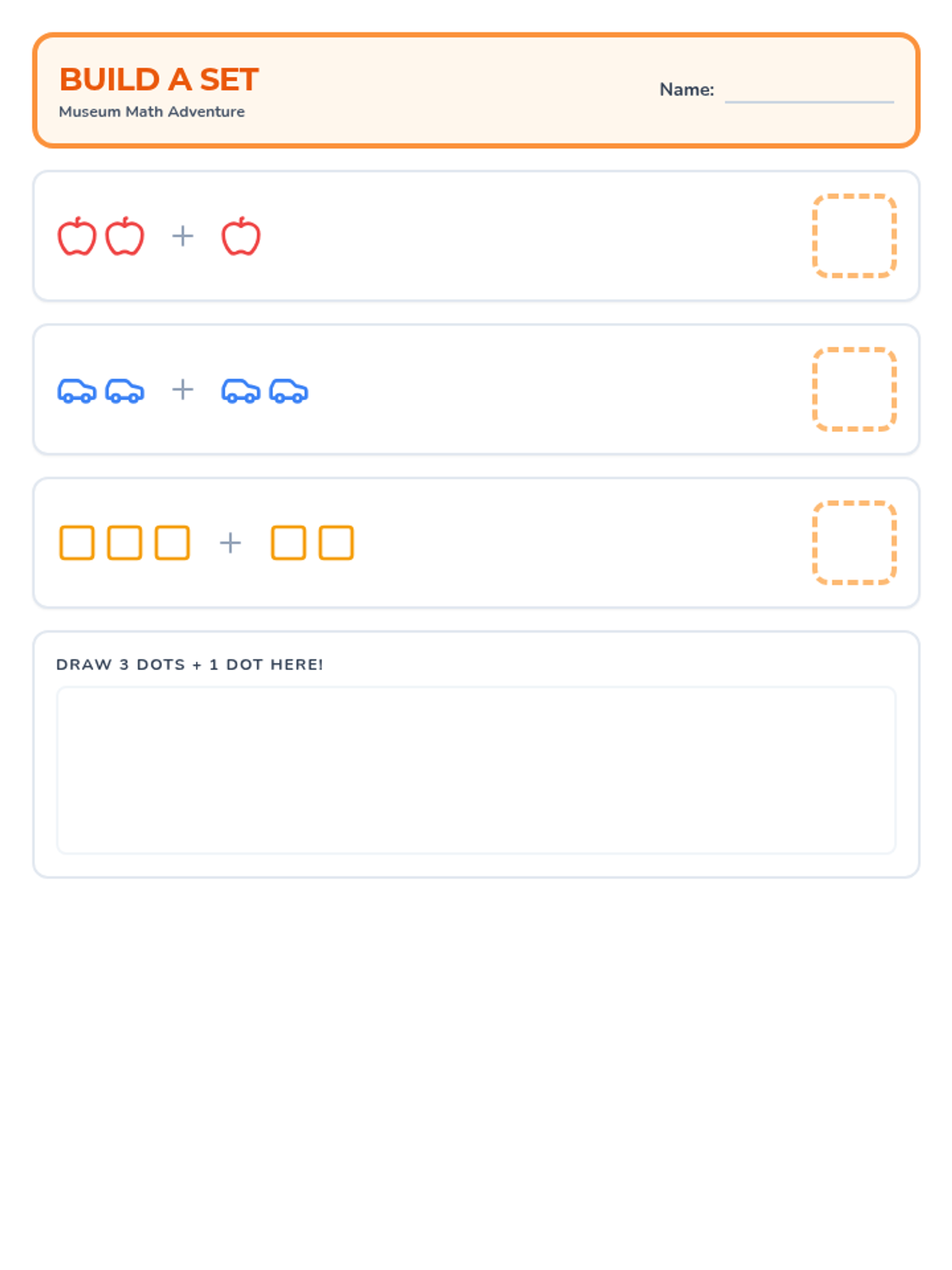
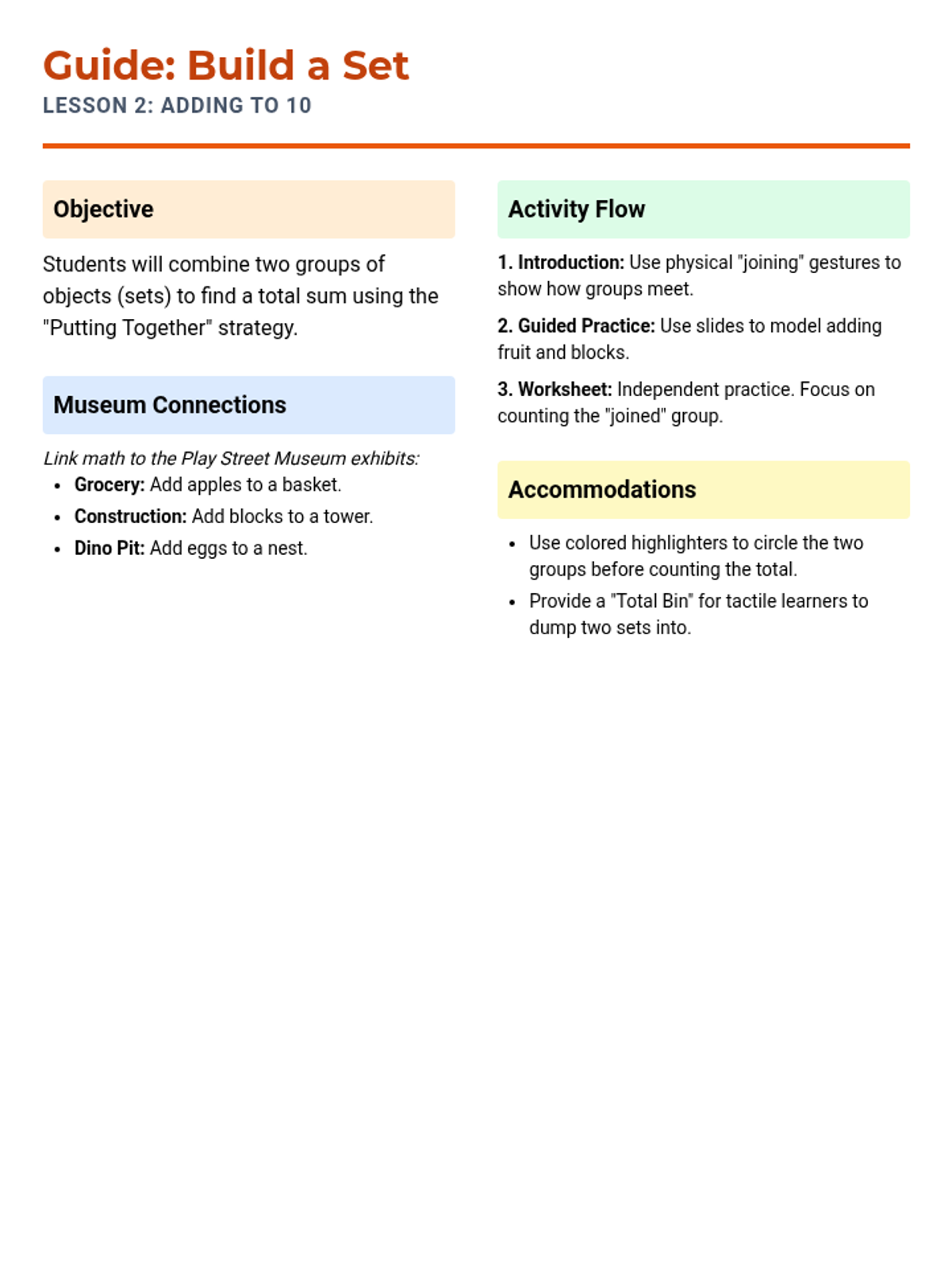
An introduction to simple addition by combining groups of museum objects, focusing on the concept of 'putting together' using visual aids and tactile play scenarios.
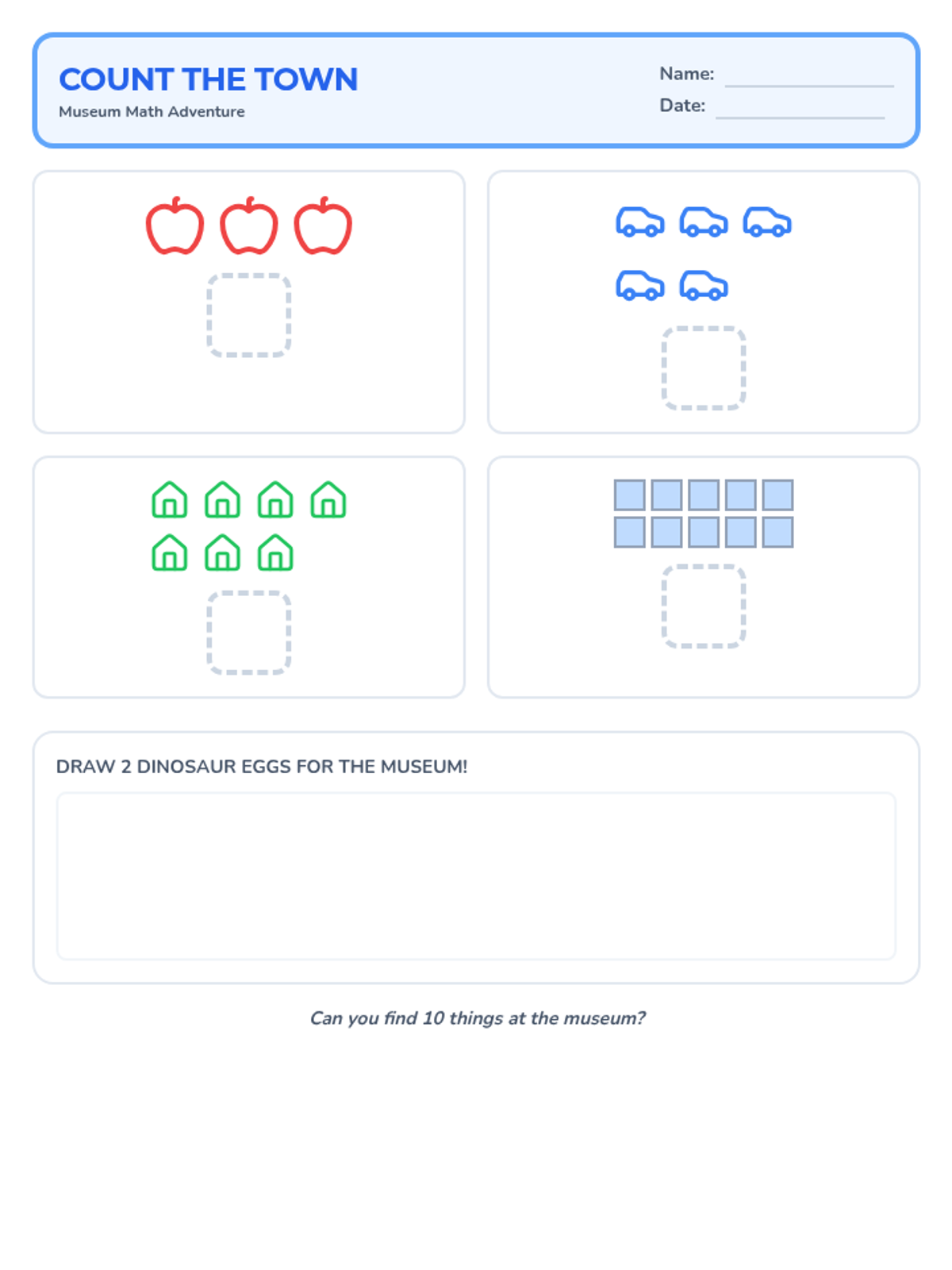
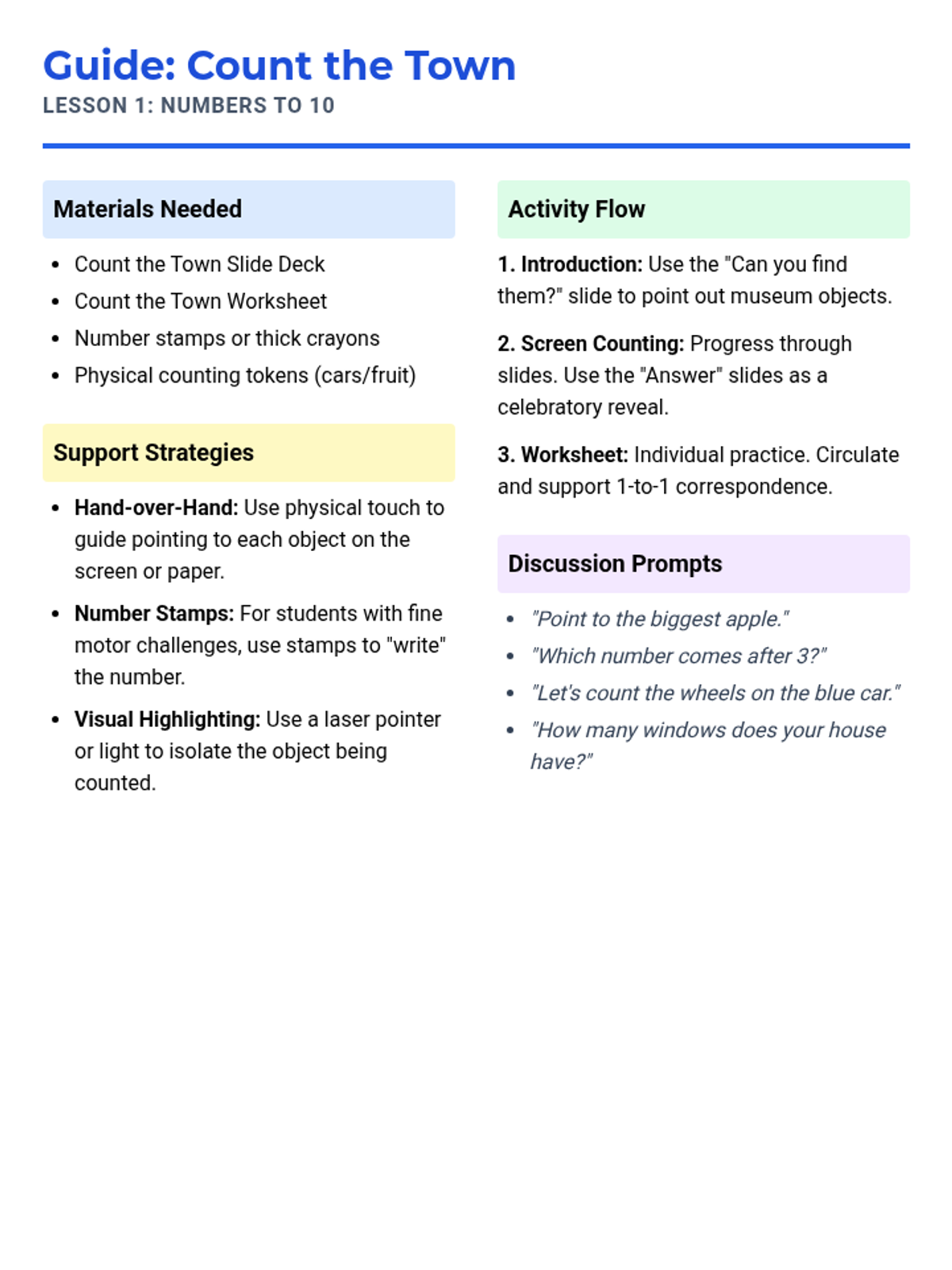
Students will practice identifying and counting numbers 1-10 using common items found in a play museum setting, such as grocery items, toy cars, and house windows.
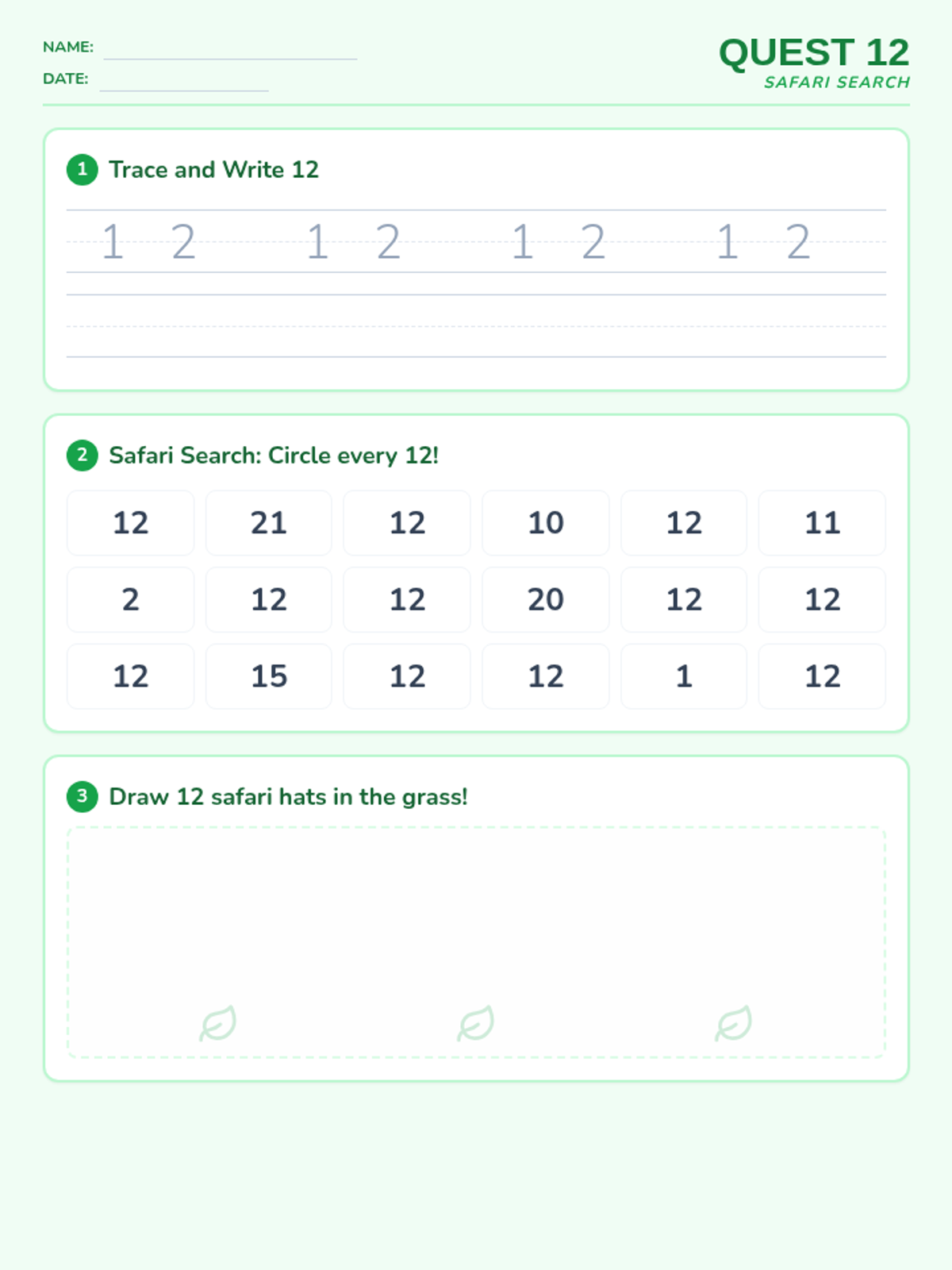
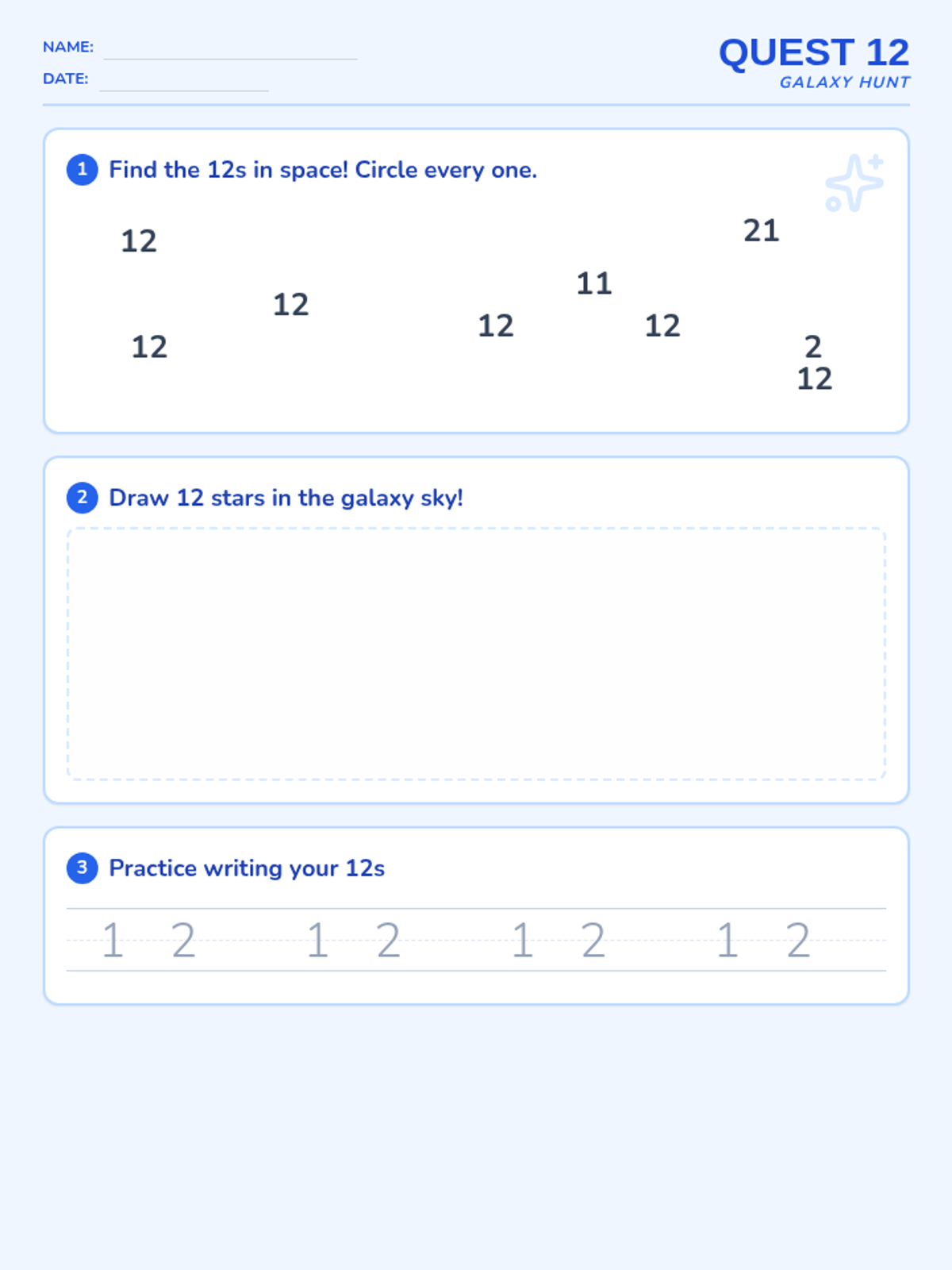
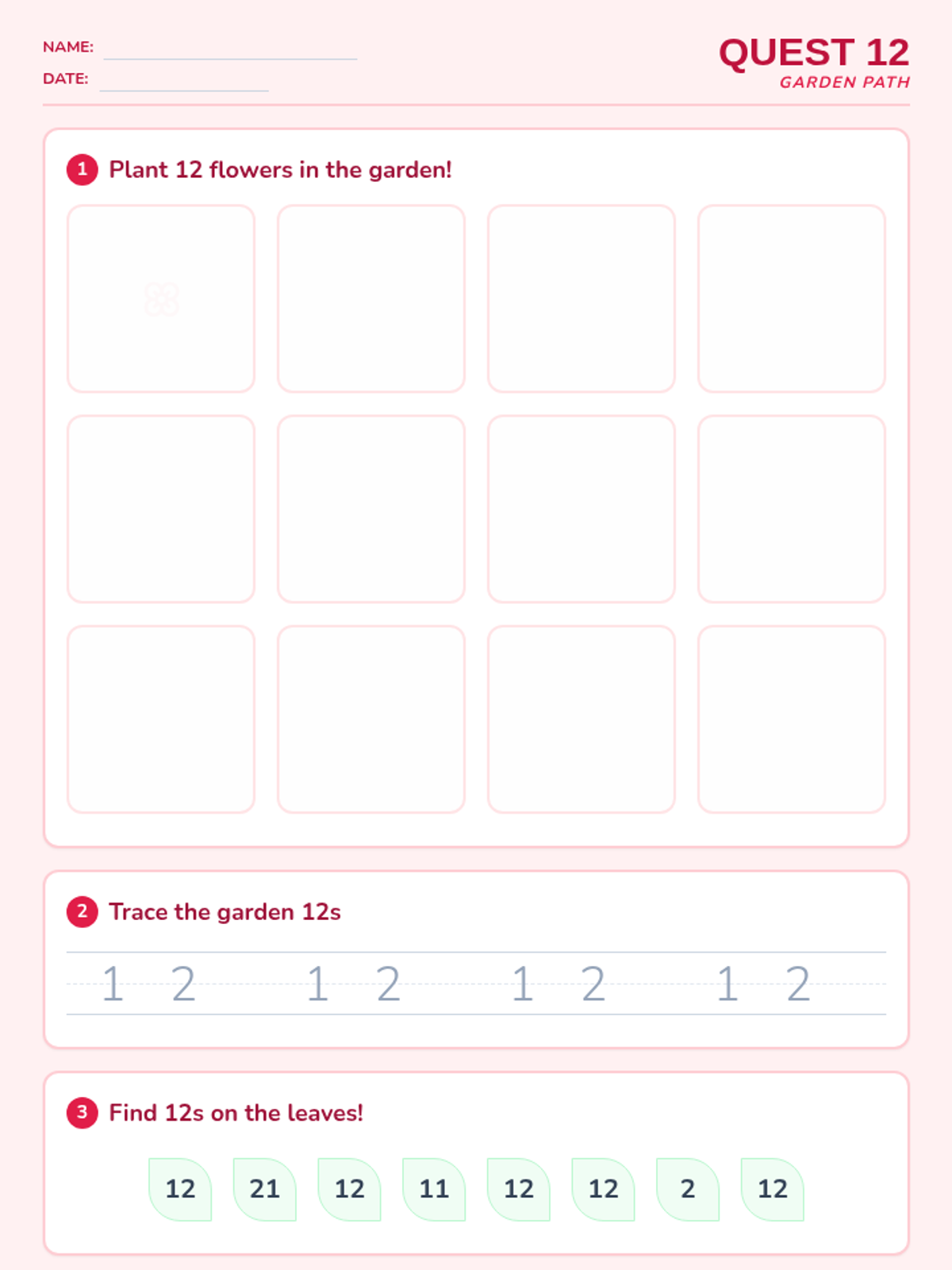
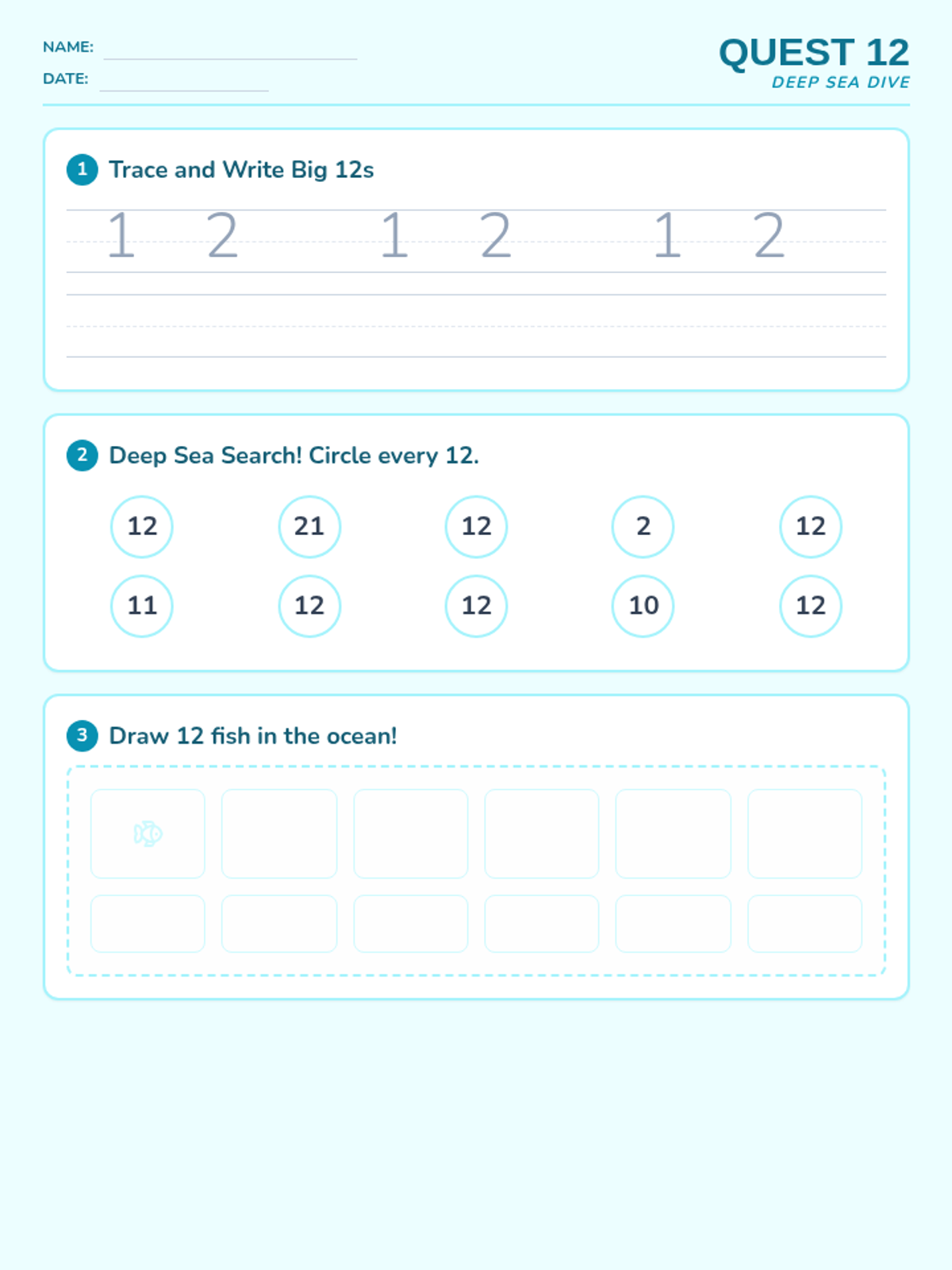
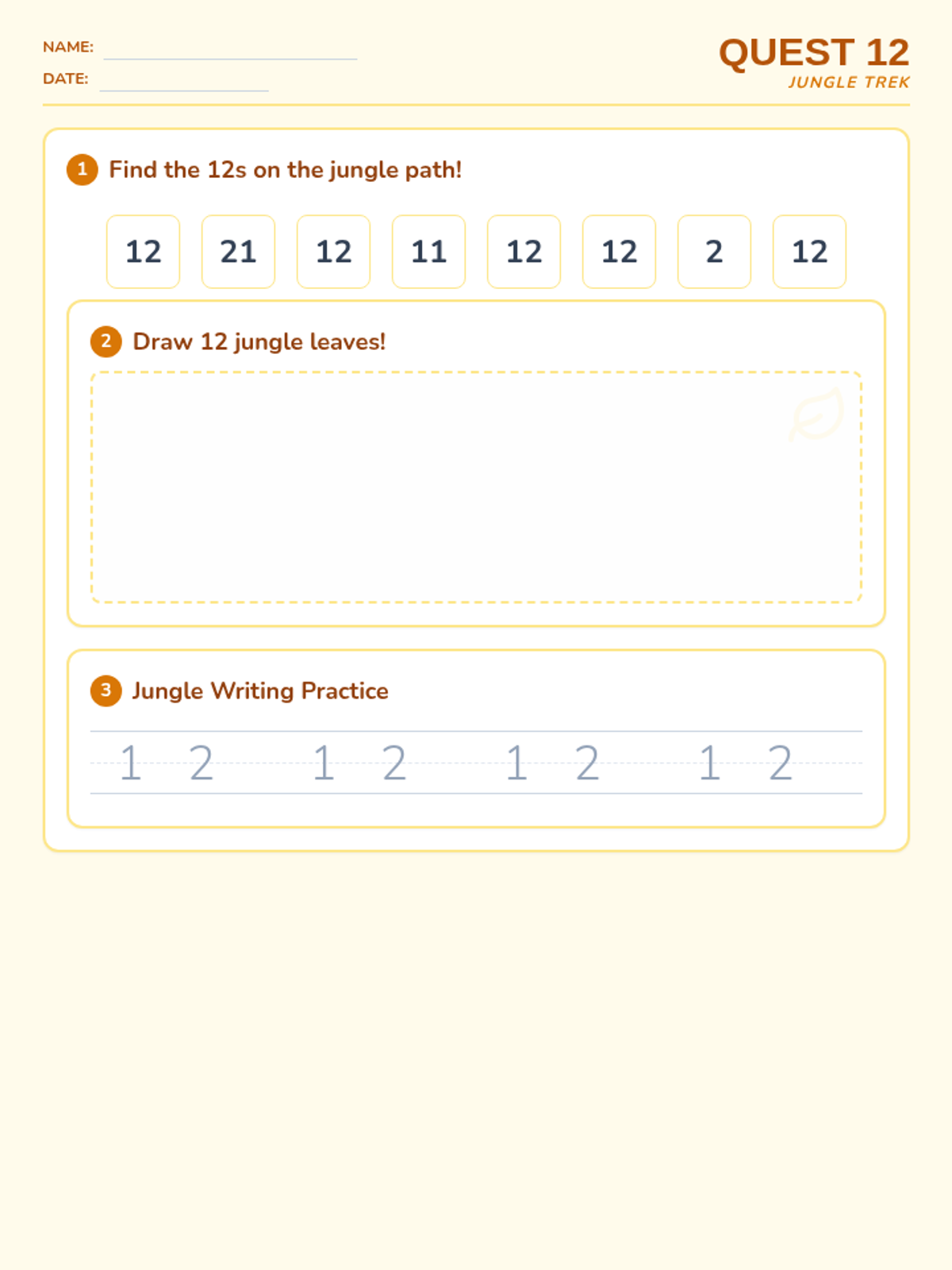
A collection of five varied practice pages designed for kindergarten students to master the number 12 through finding, writing, and drawing. Each page features a unique layout and theme to maintain engagement through repetition.
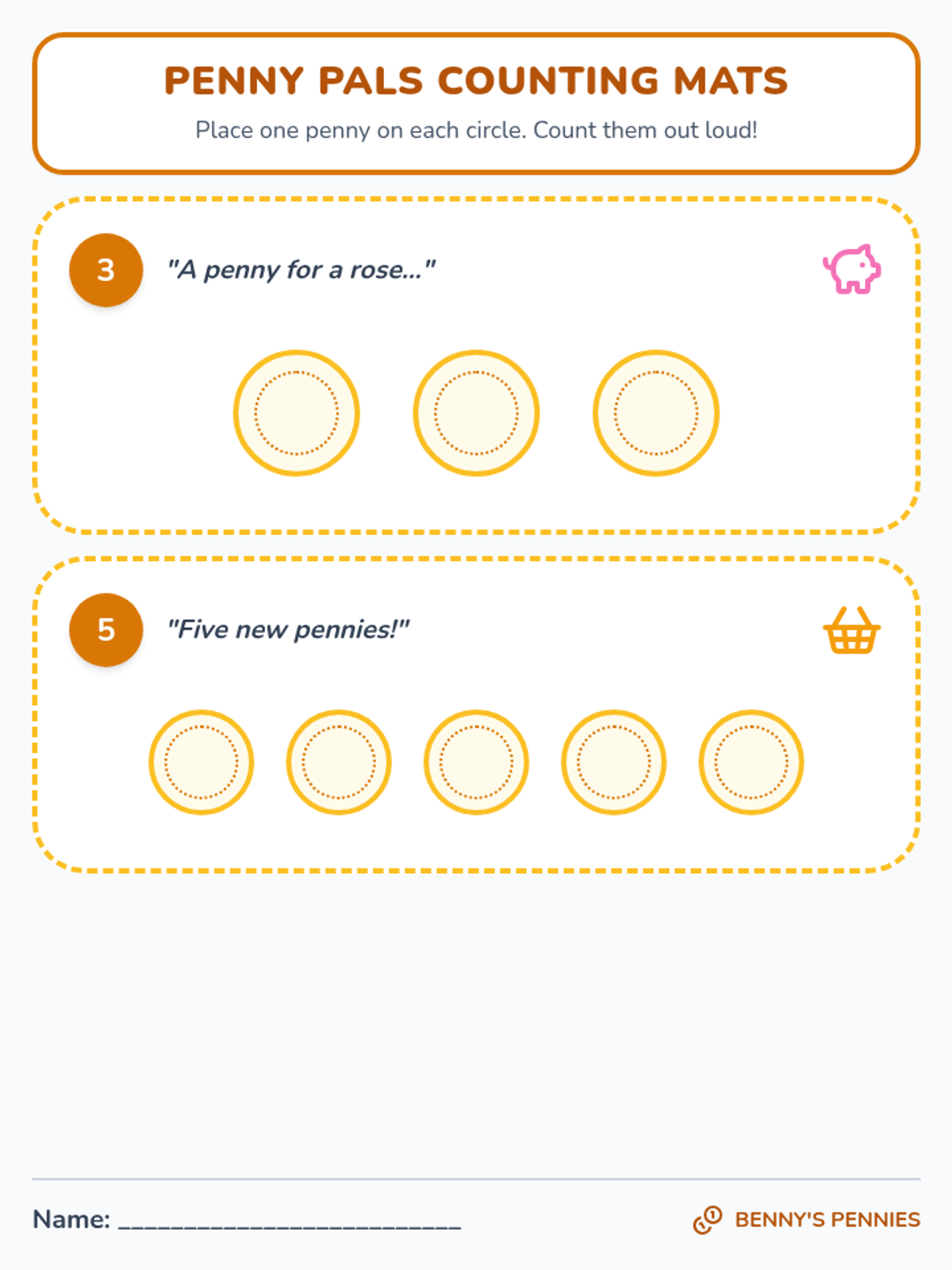
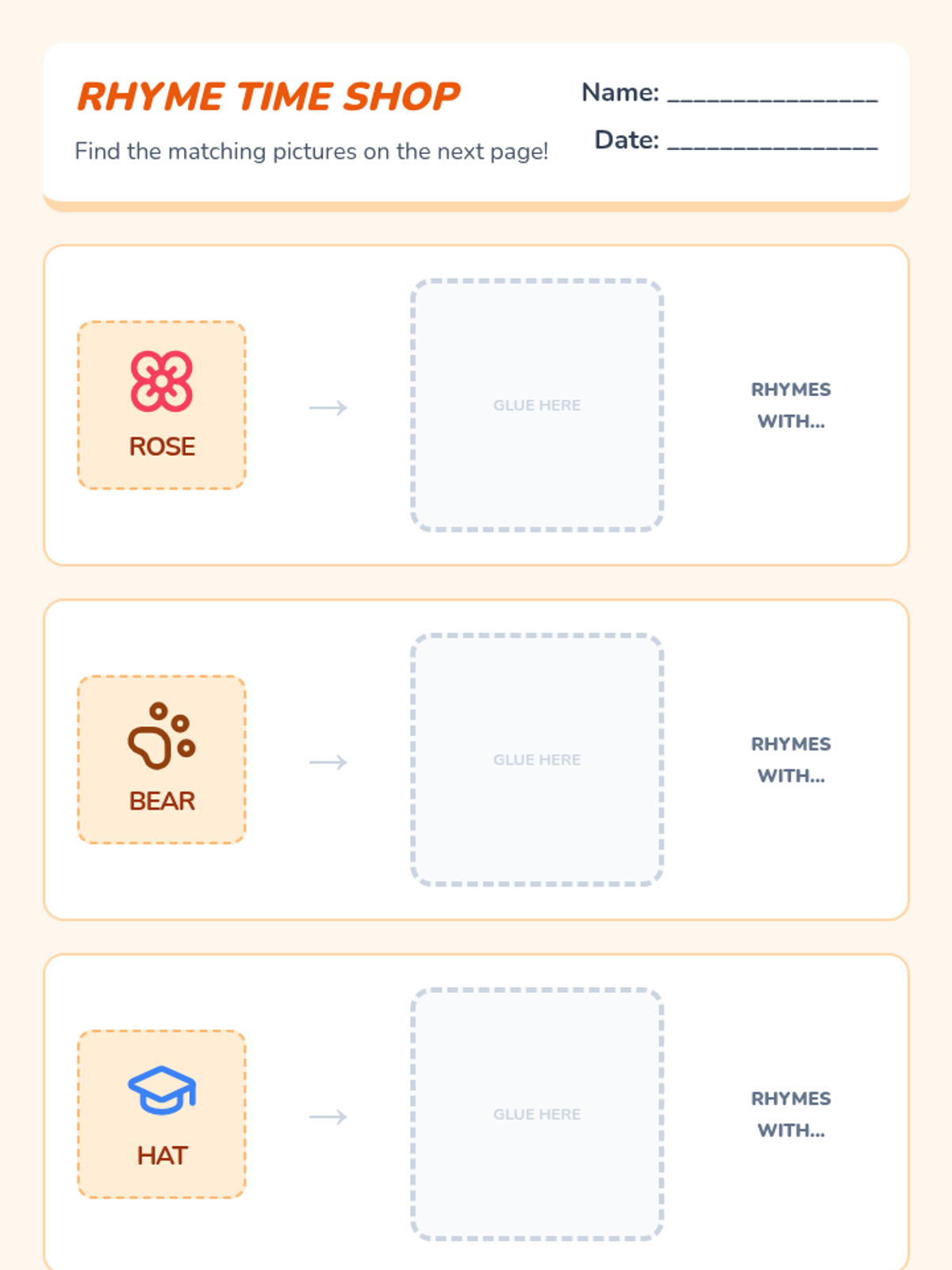
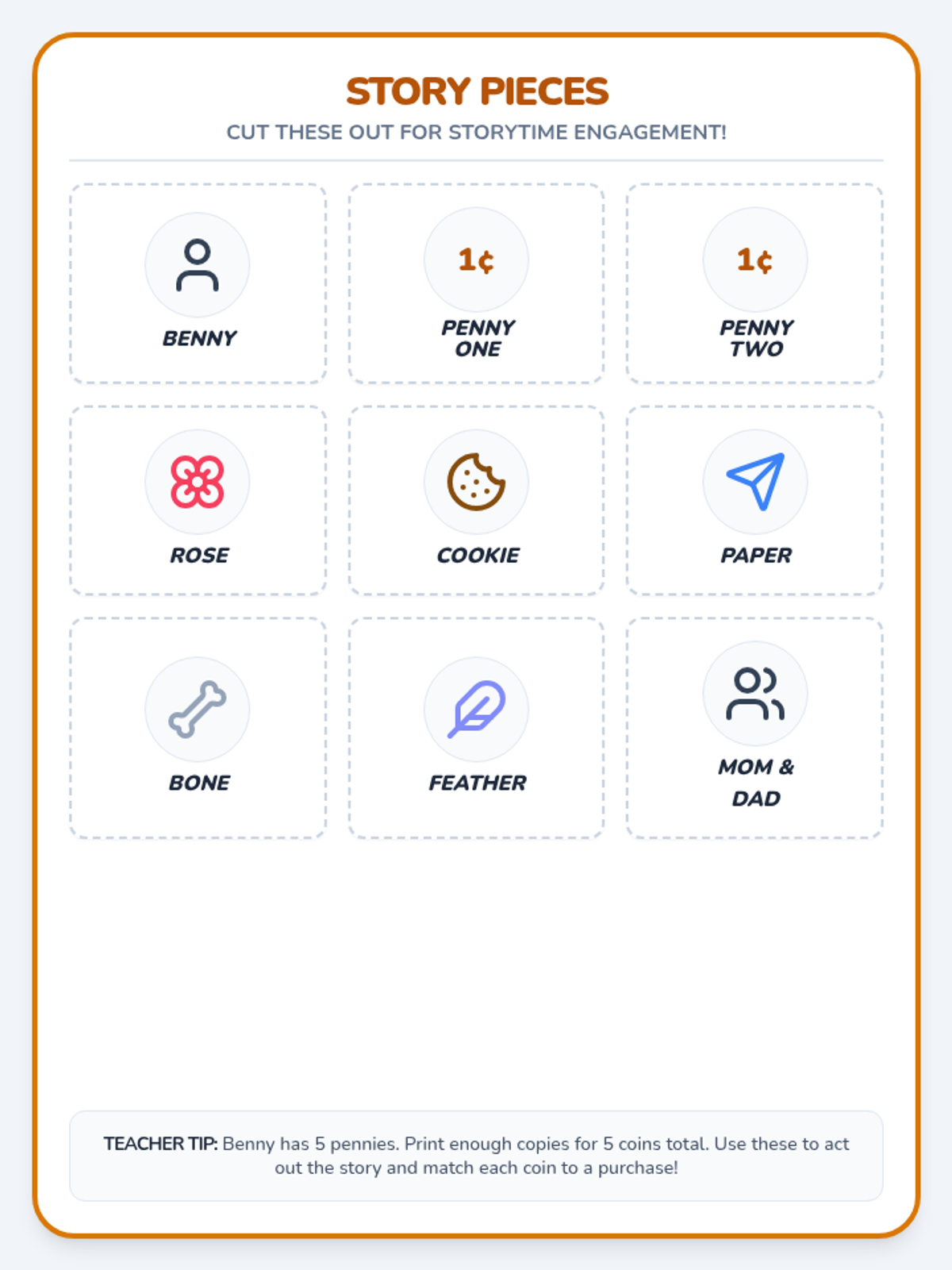
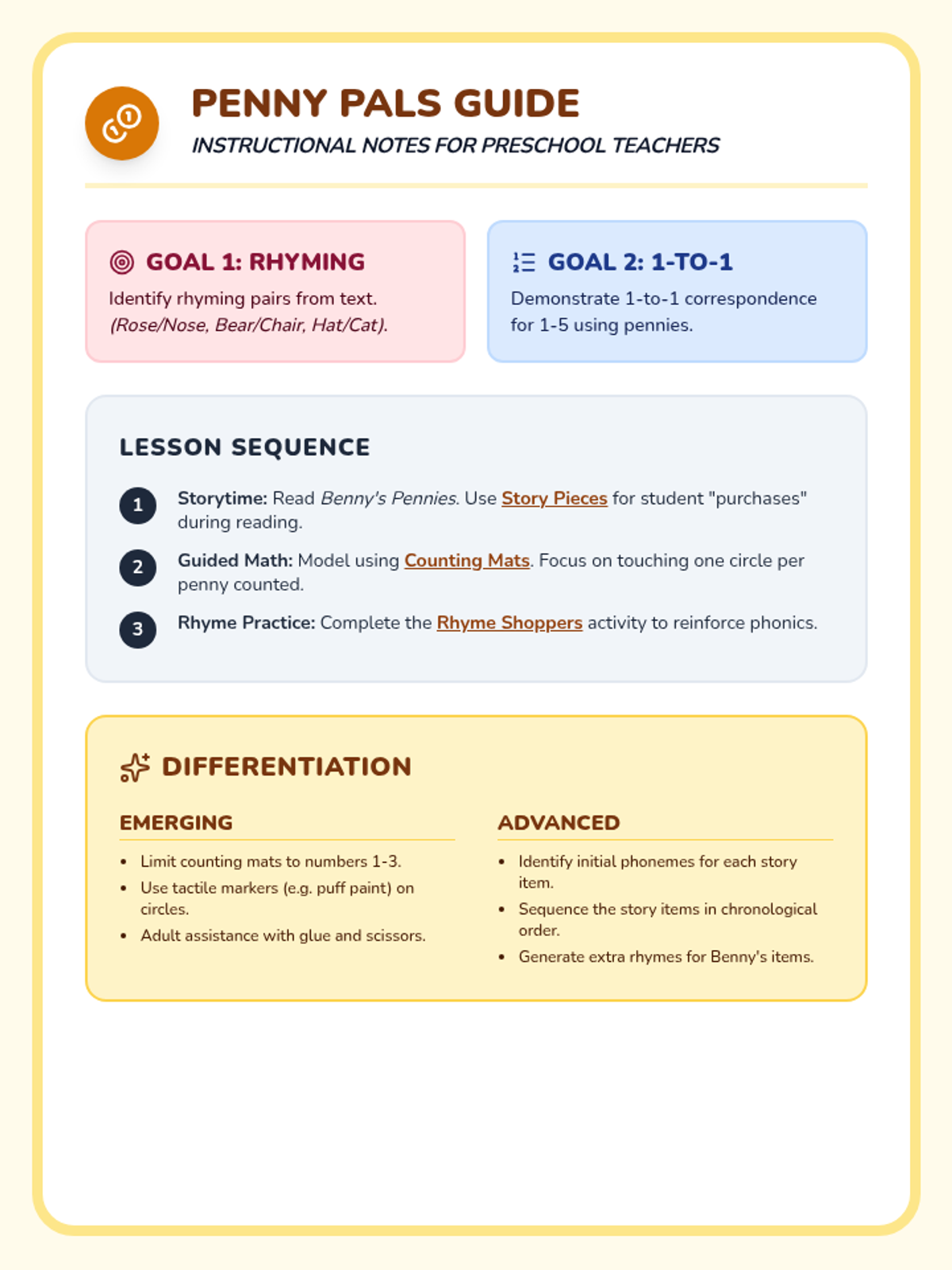
A preschool-focused lesson based on 'Benny's Pennies' by Pat Brisson, targeting one-to-one correspondence and rhyming through hands-on play.
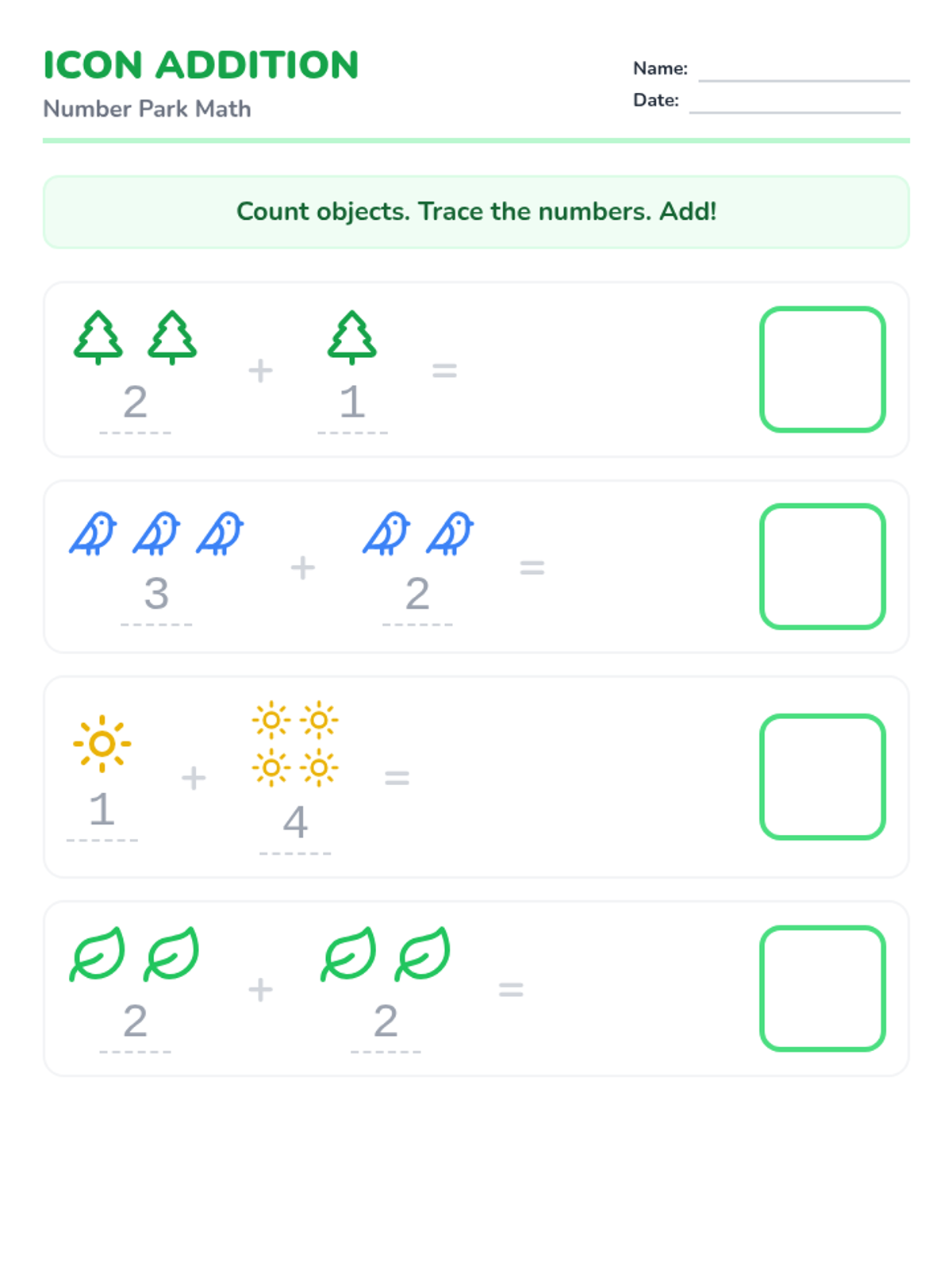
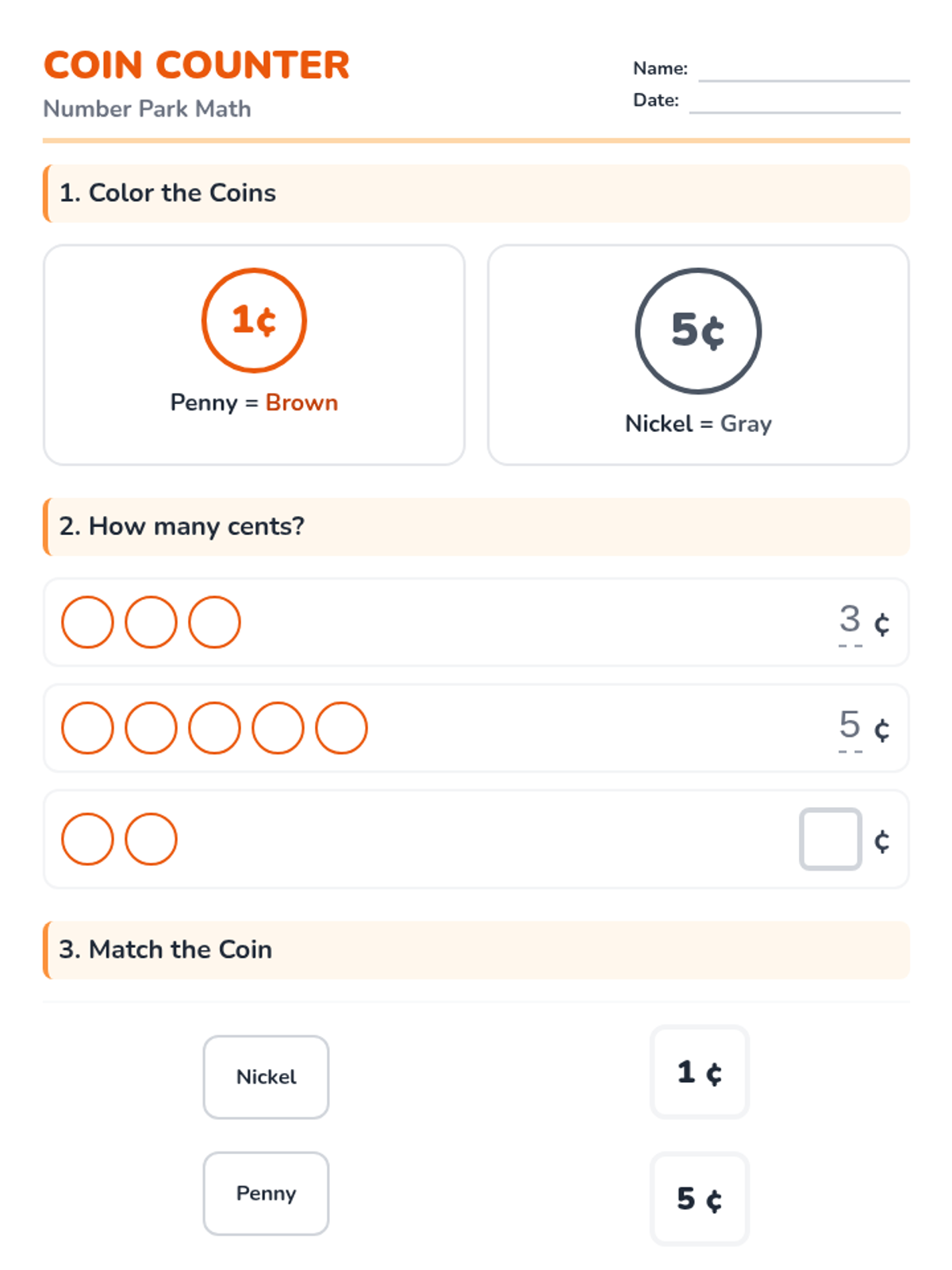
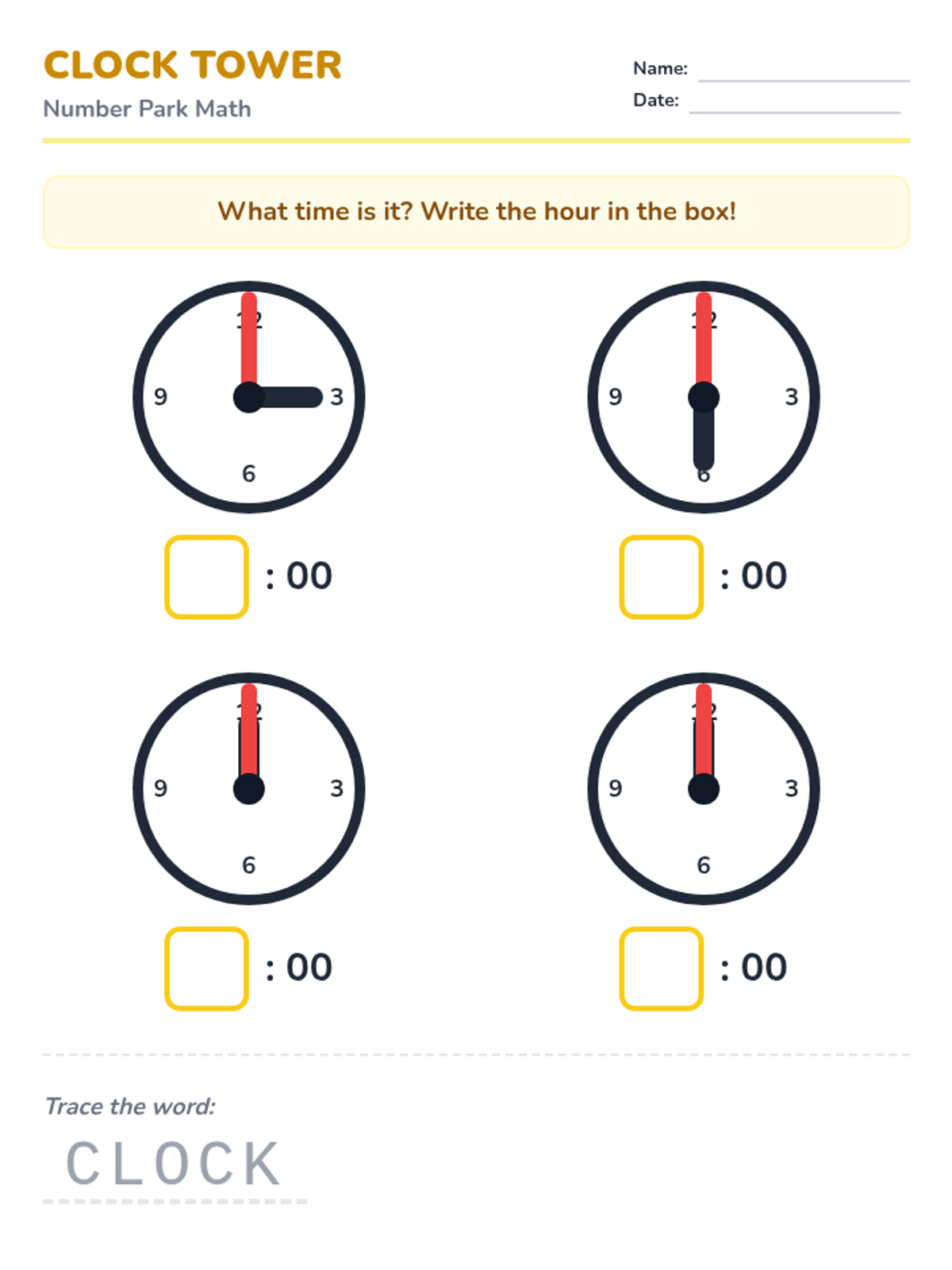
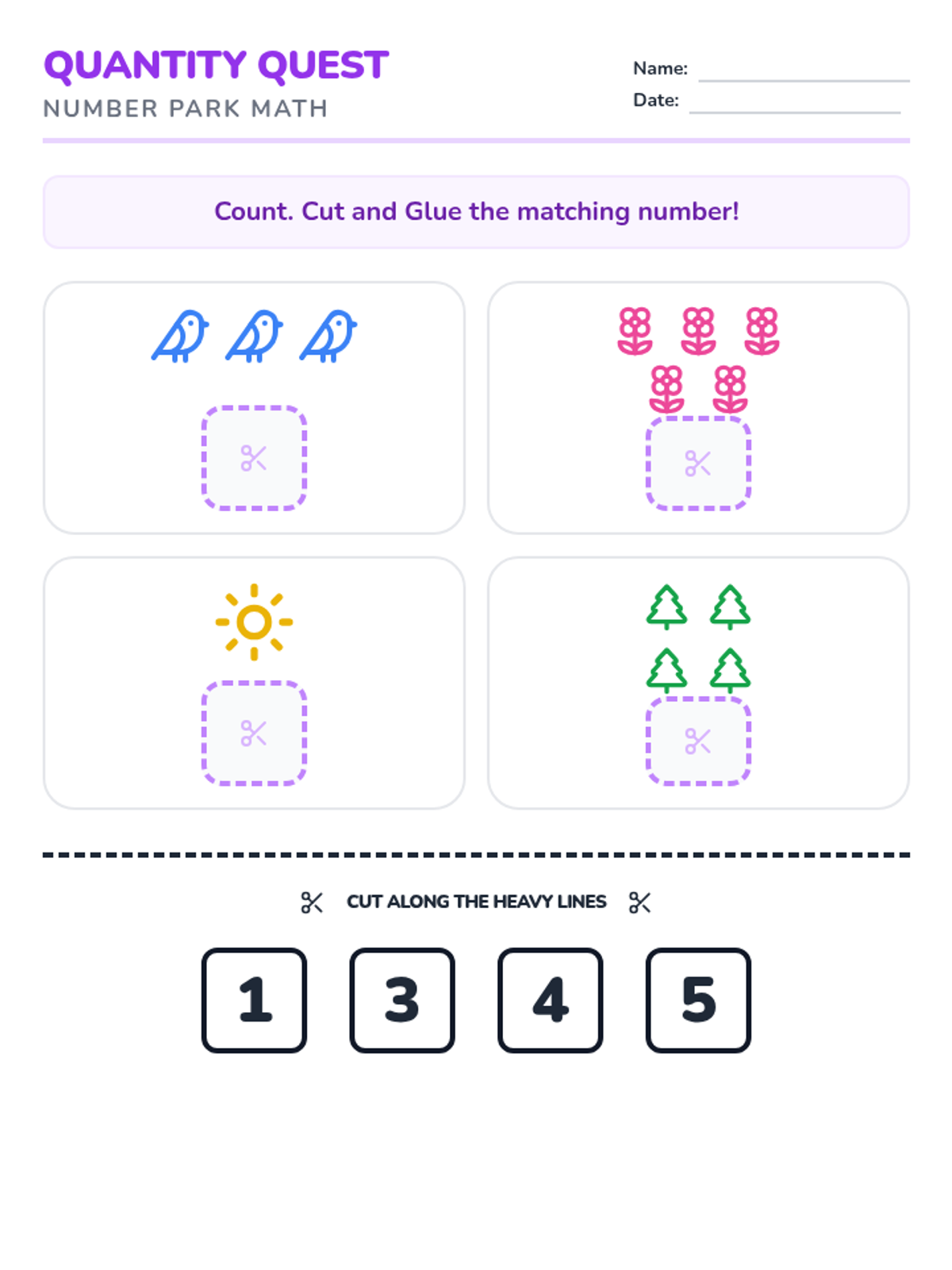
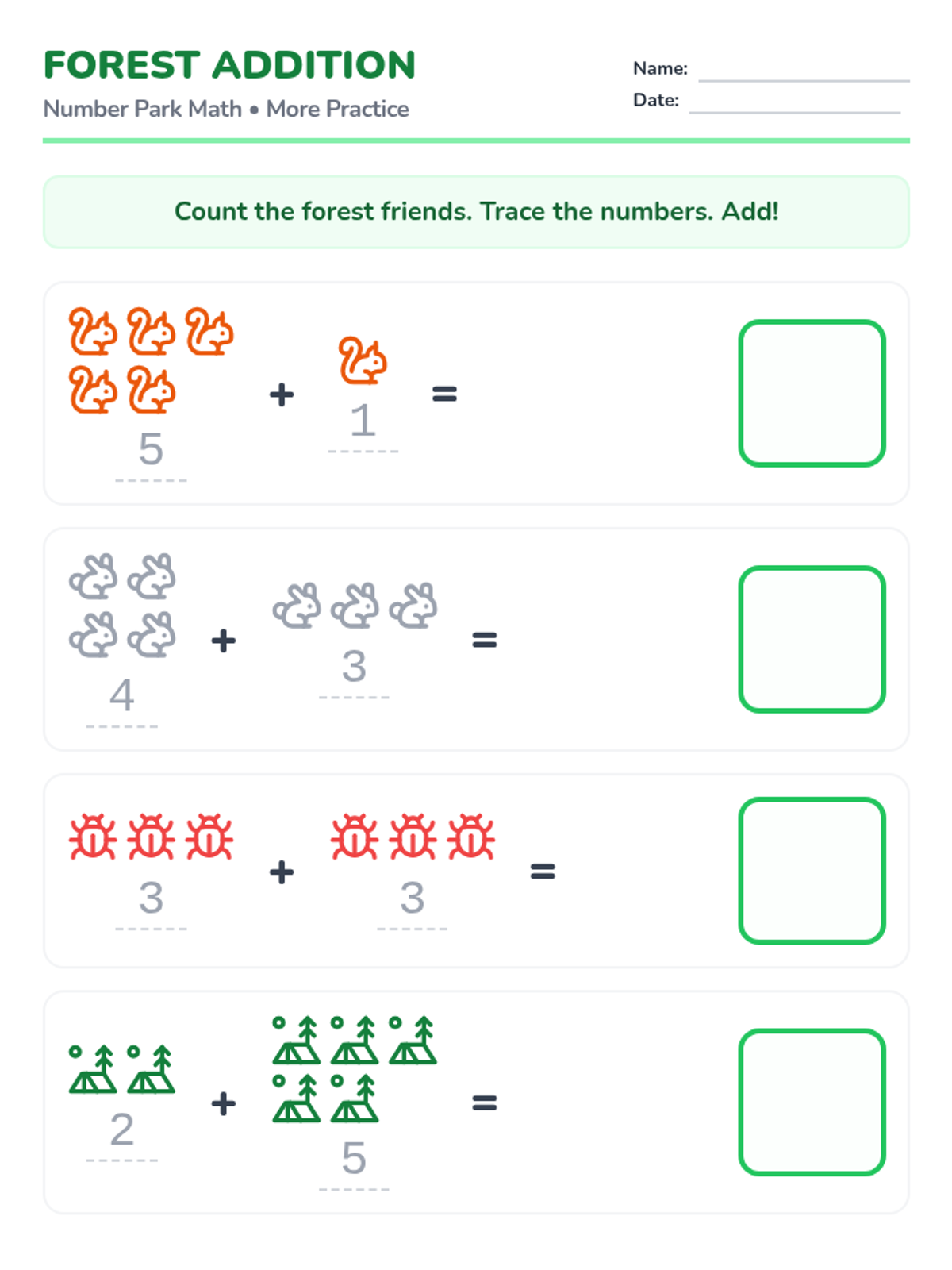
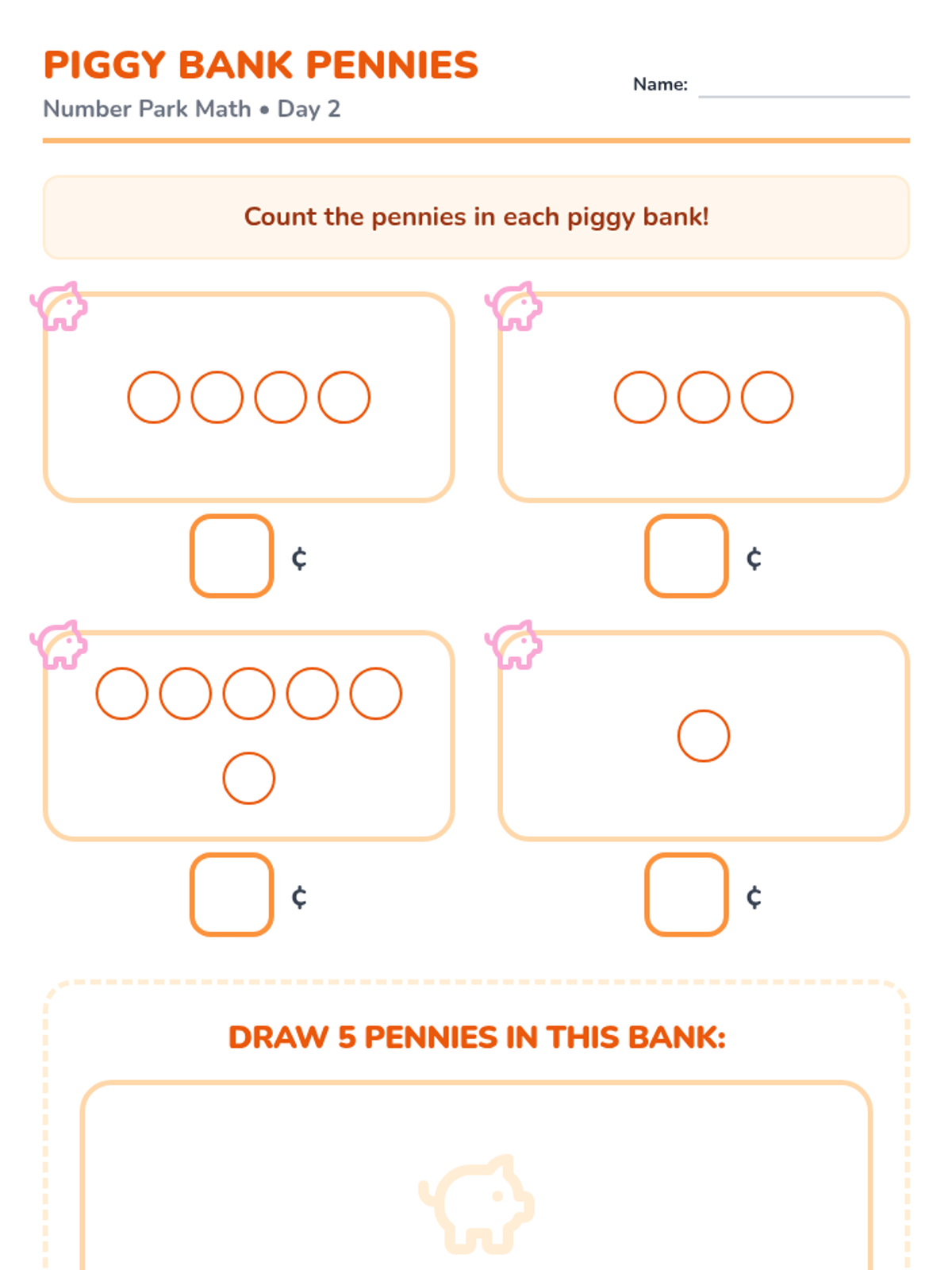
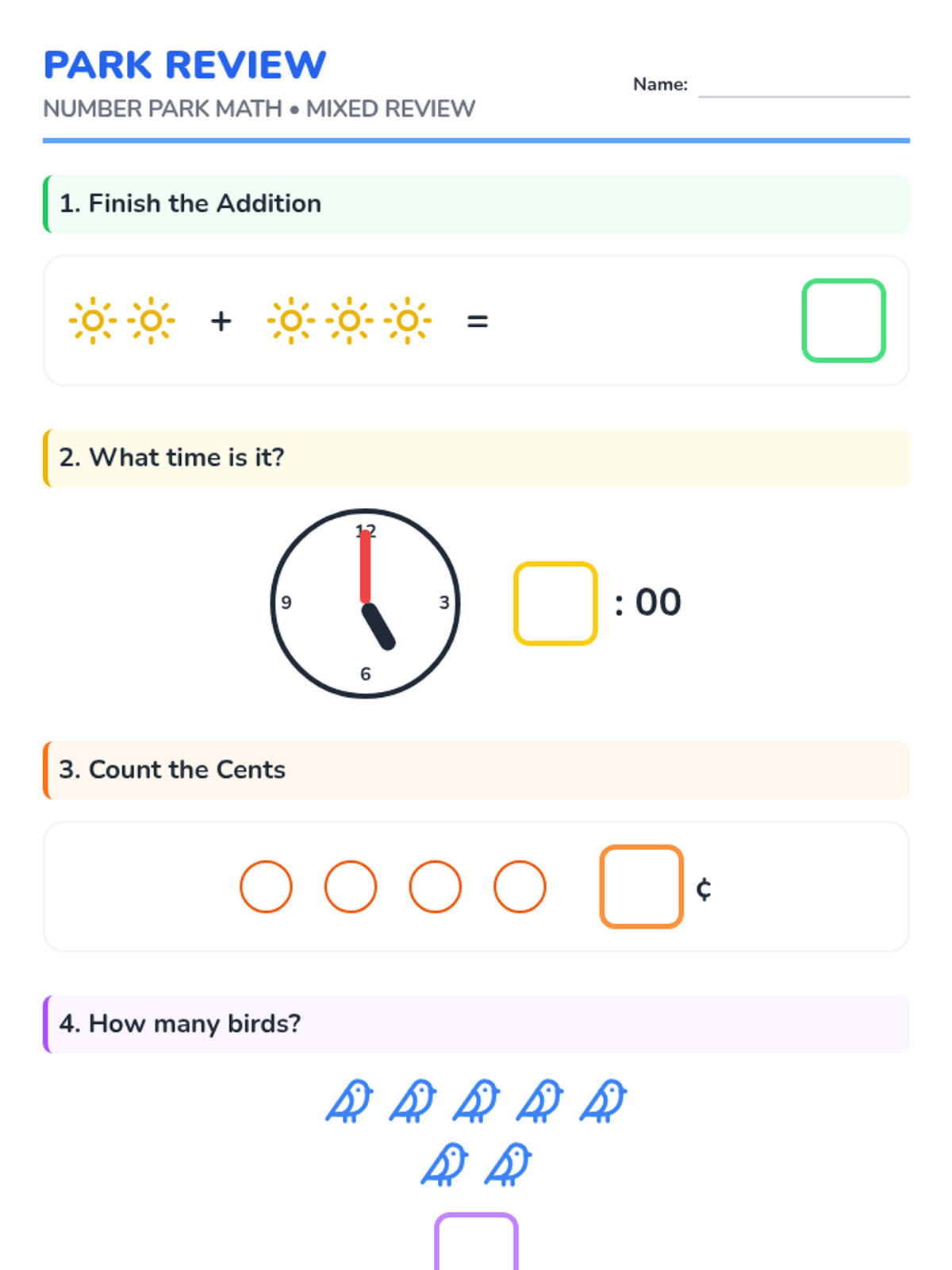
An expanded foundational math unit focusing on single-digit addition, coin identification, telling time to the hour, and number-quantity matching. This comprehensive packet includes multiple worksheets per skill for multi-day practice.
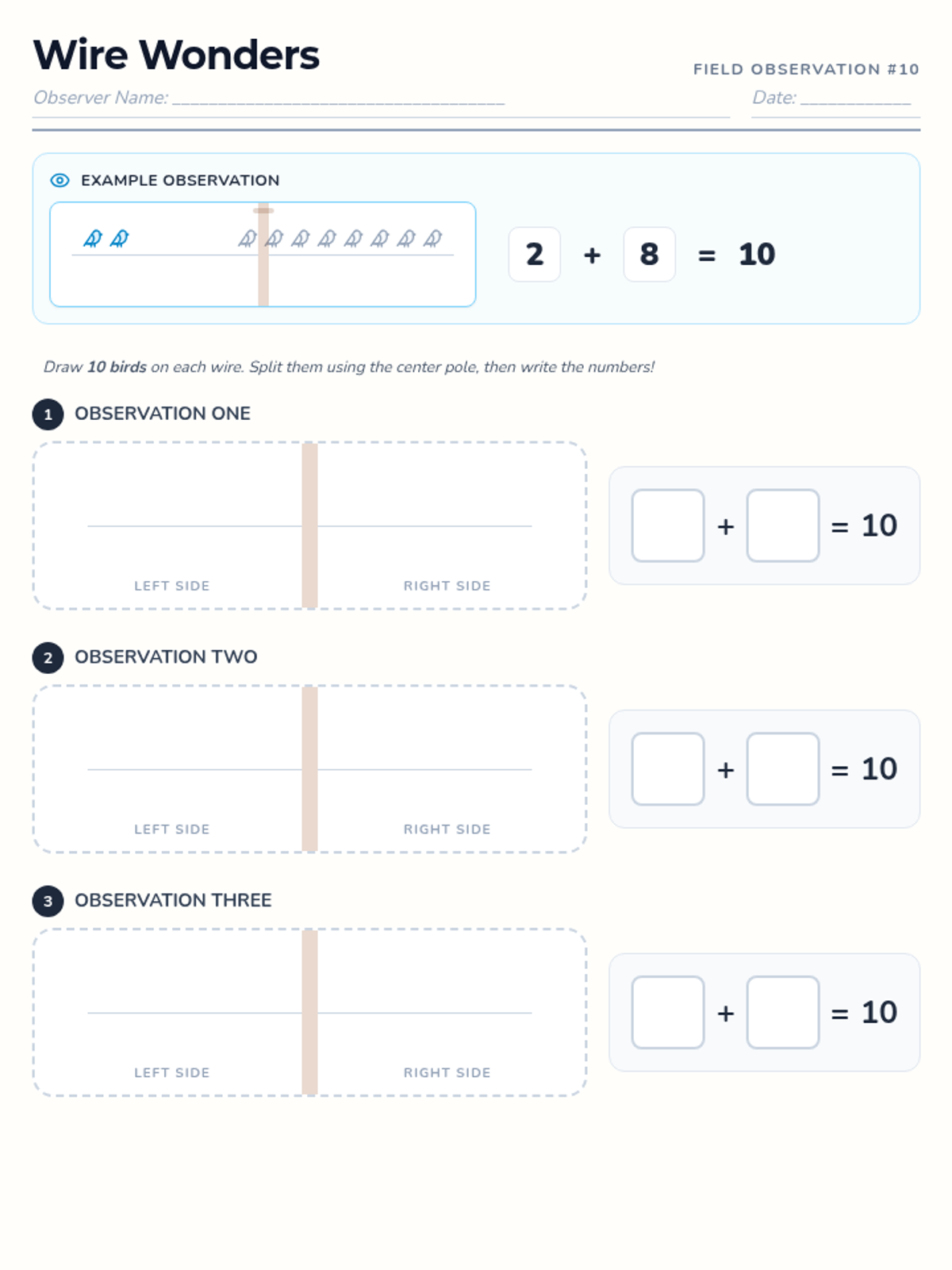
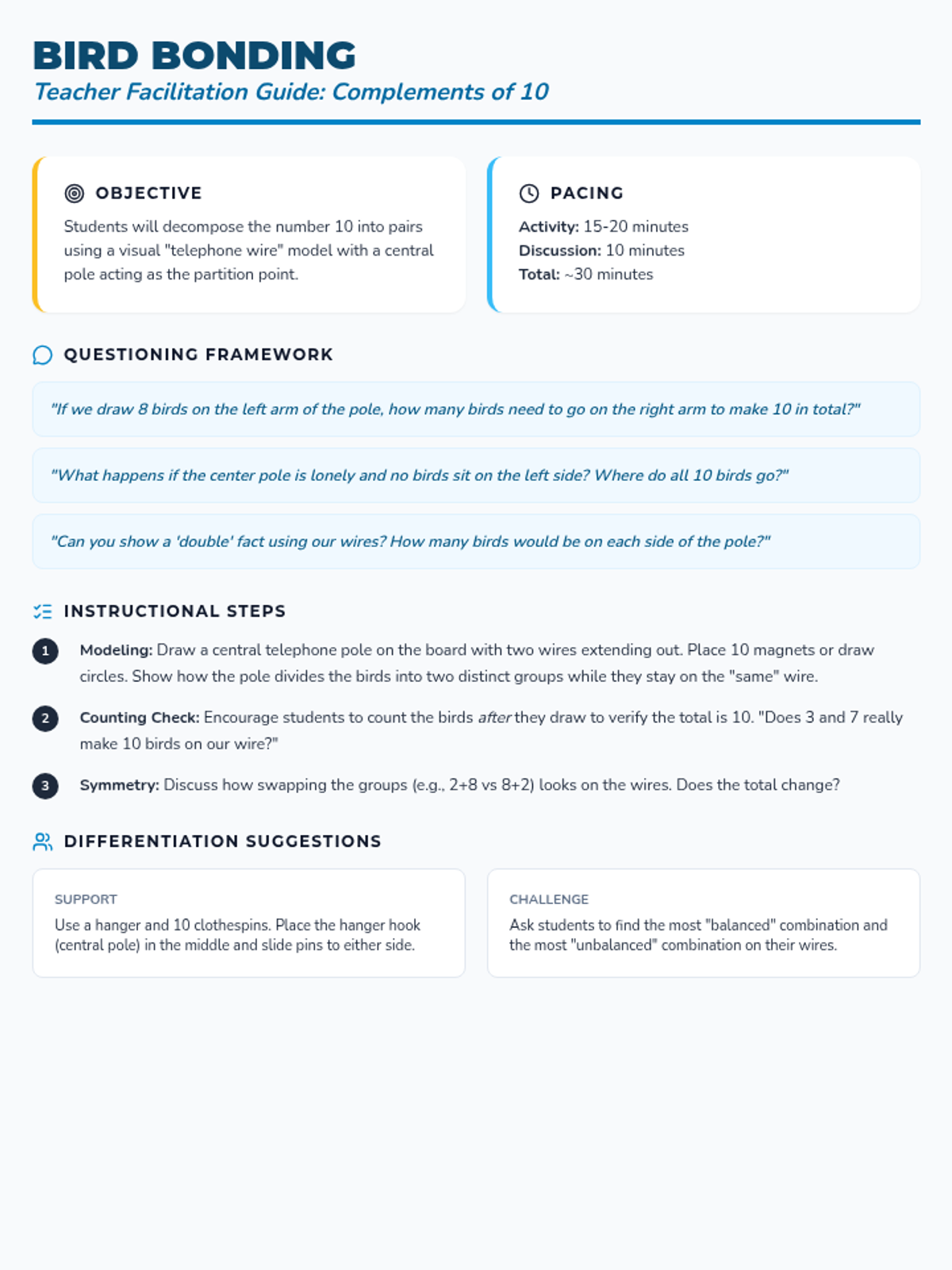
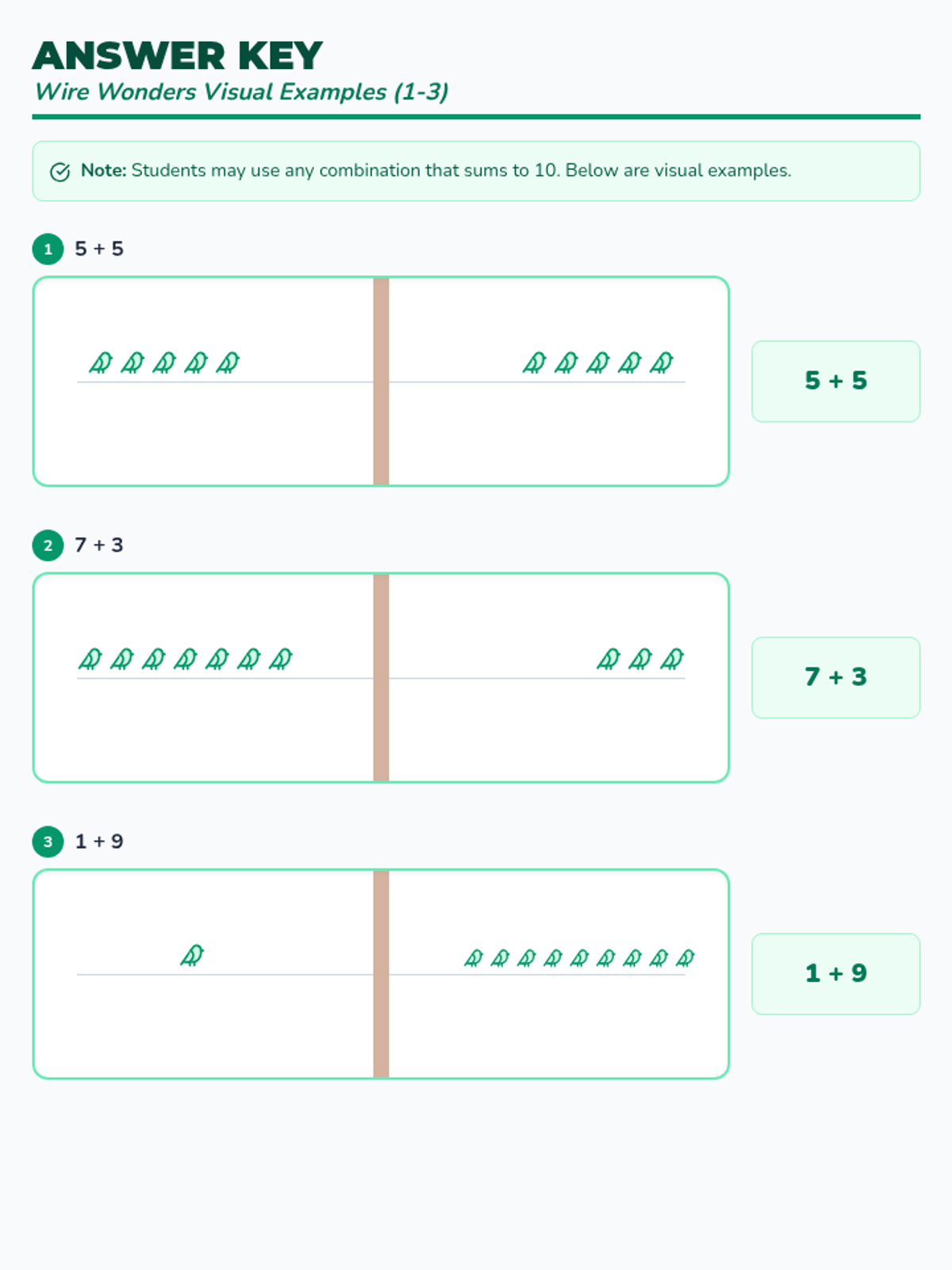
A foundational numeracy lesson where students use a telephone wire visual to explore and record combinations of numbers that sum to ten.
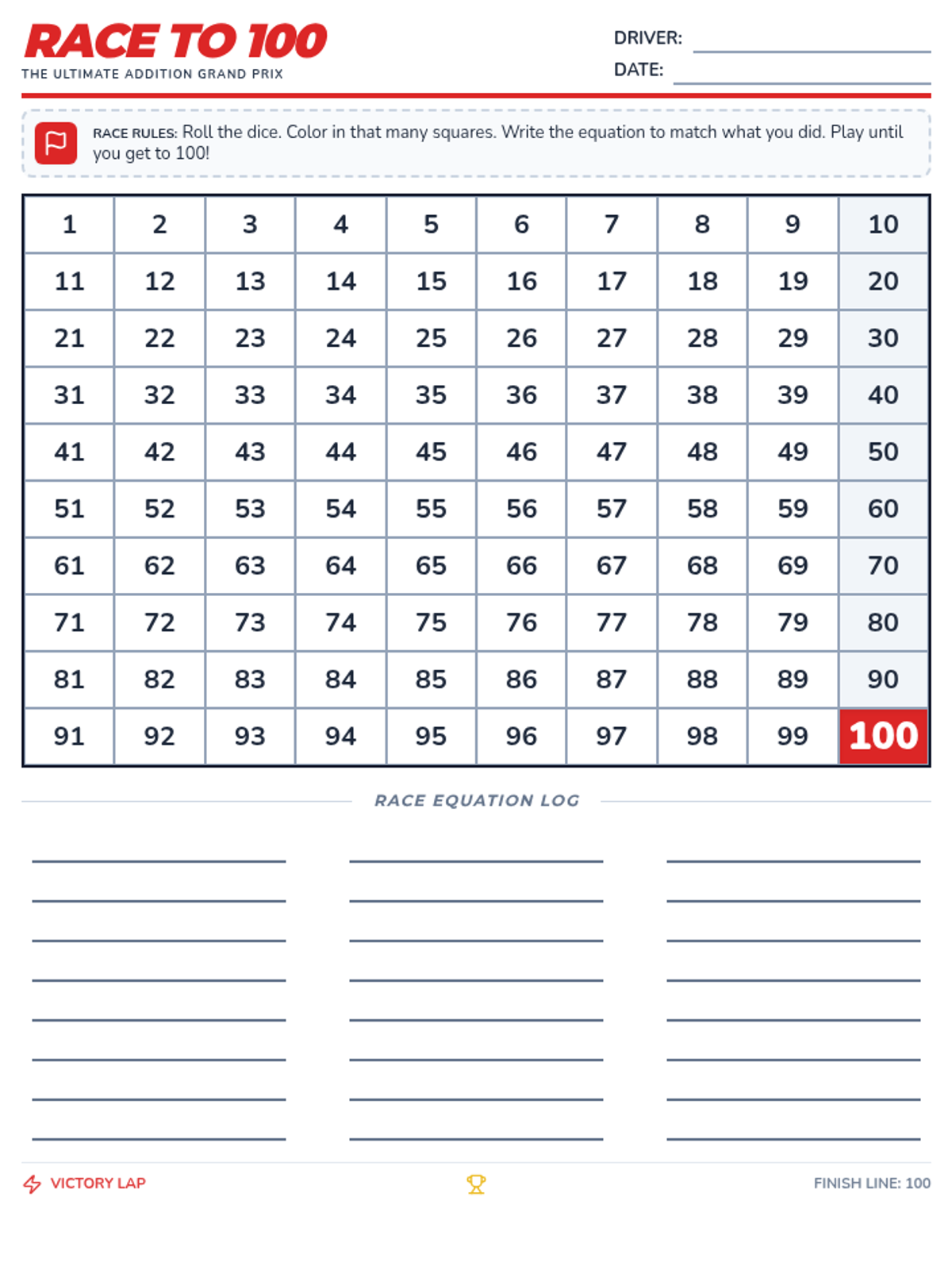
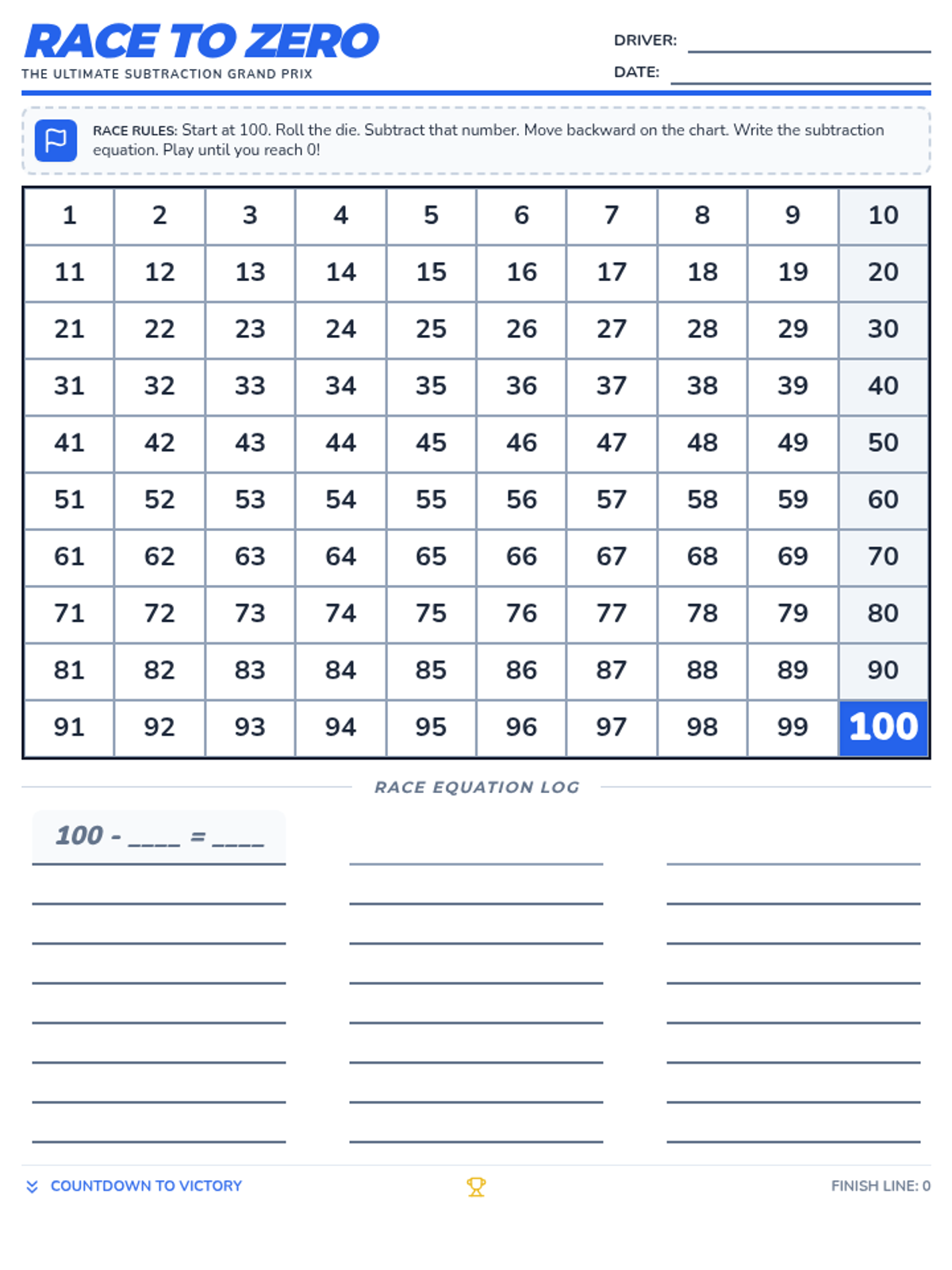
A collection of racing-themed math games focusing on addition and subtraction within 100 using a 100 chart.
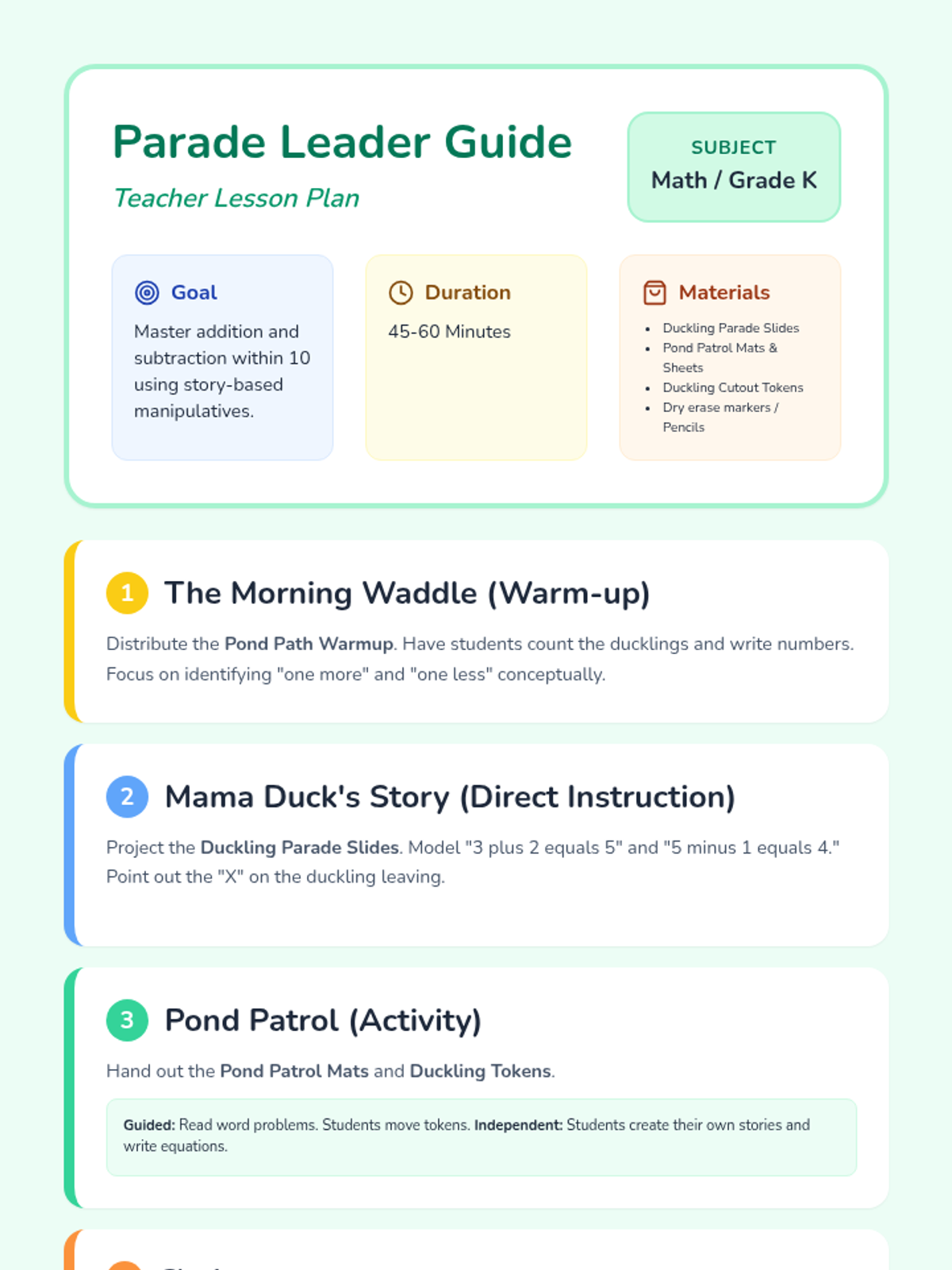
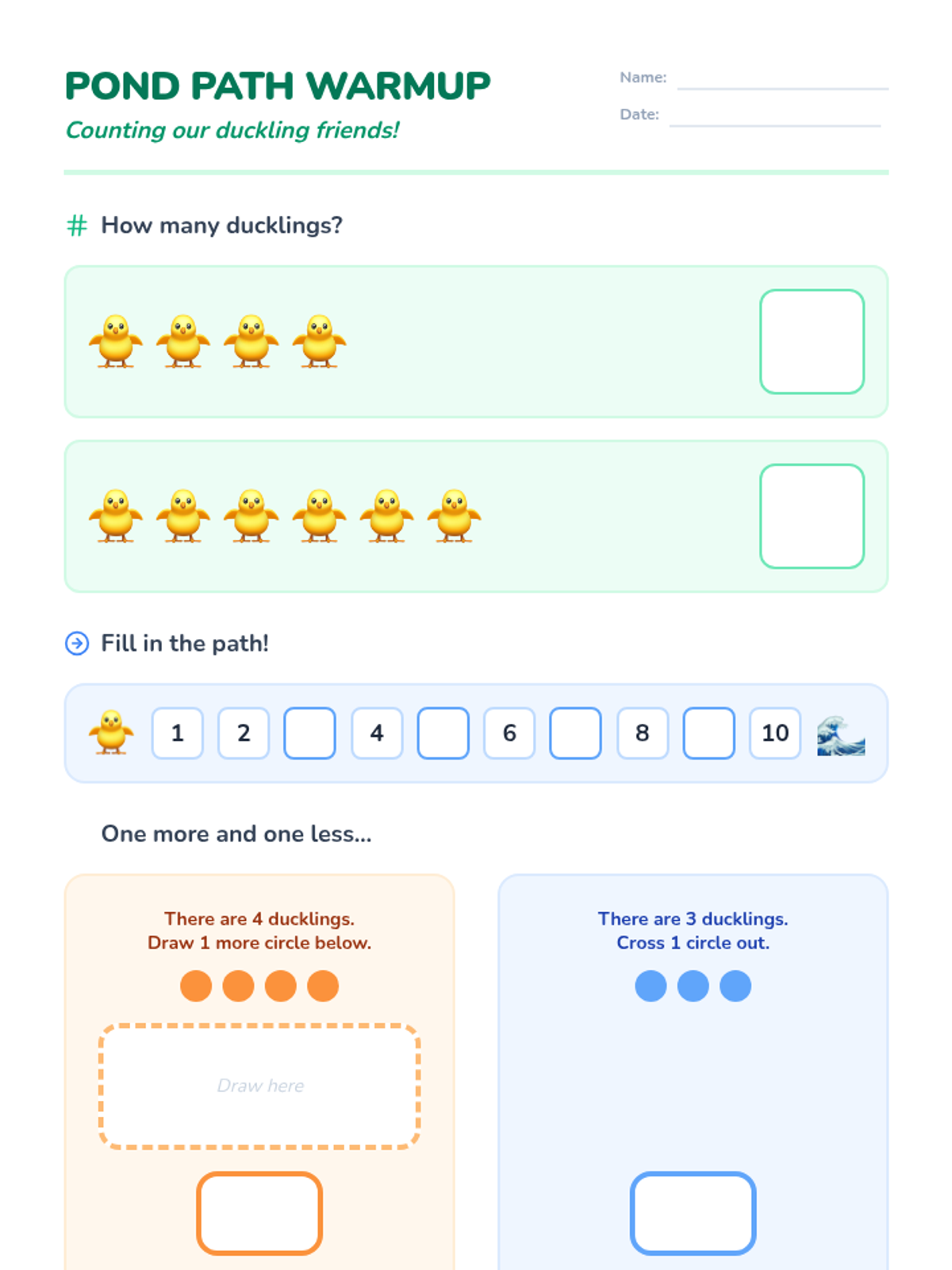
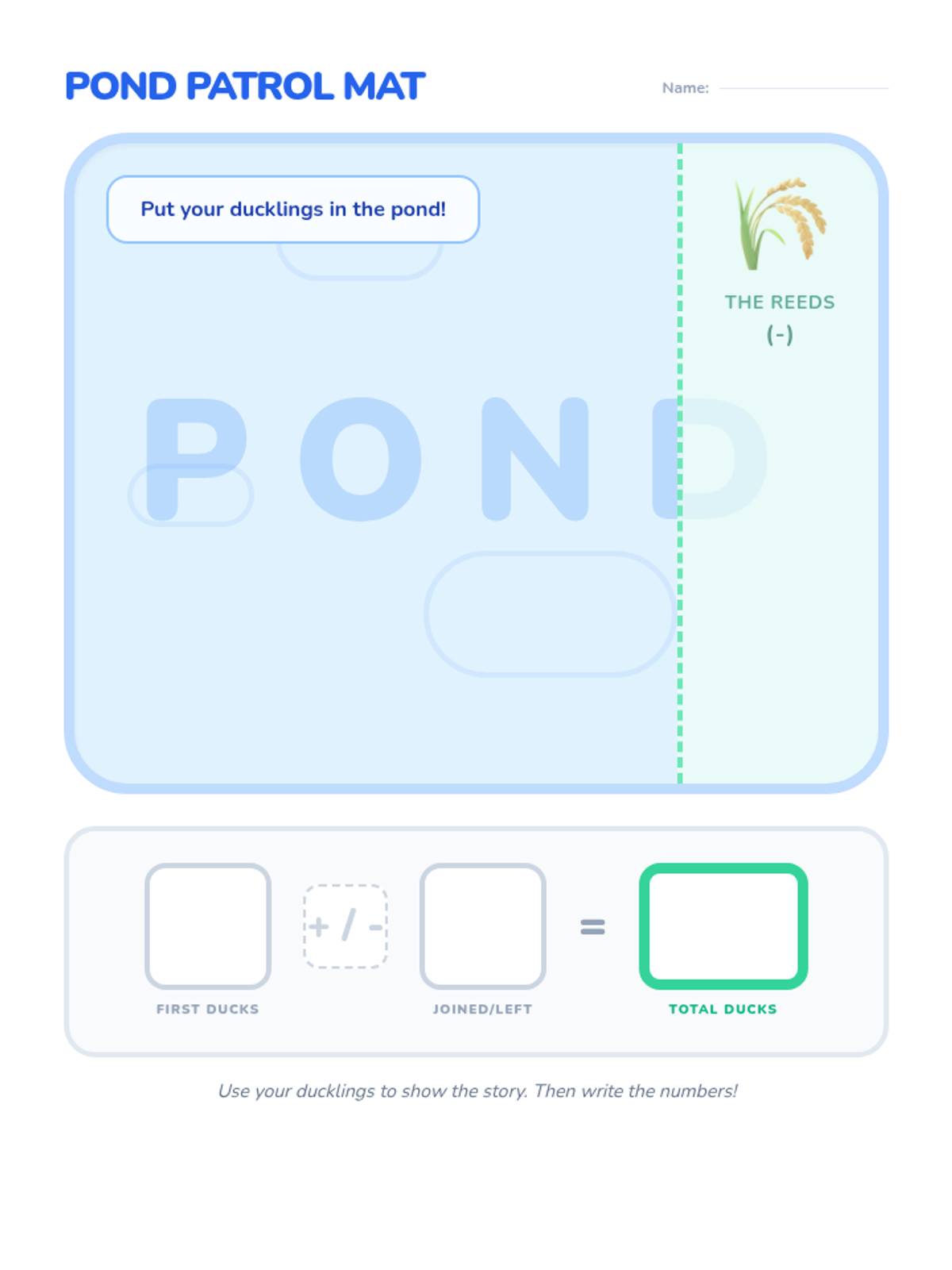
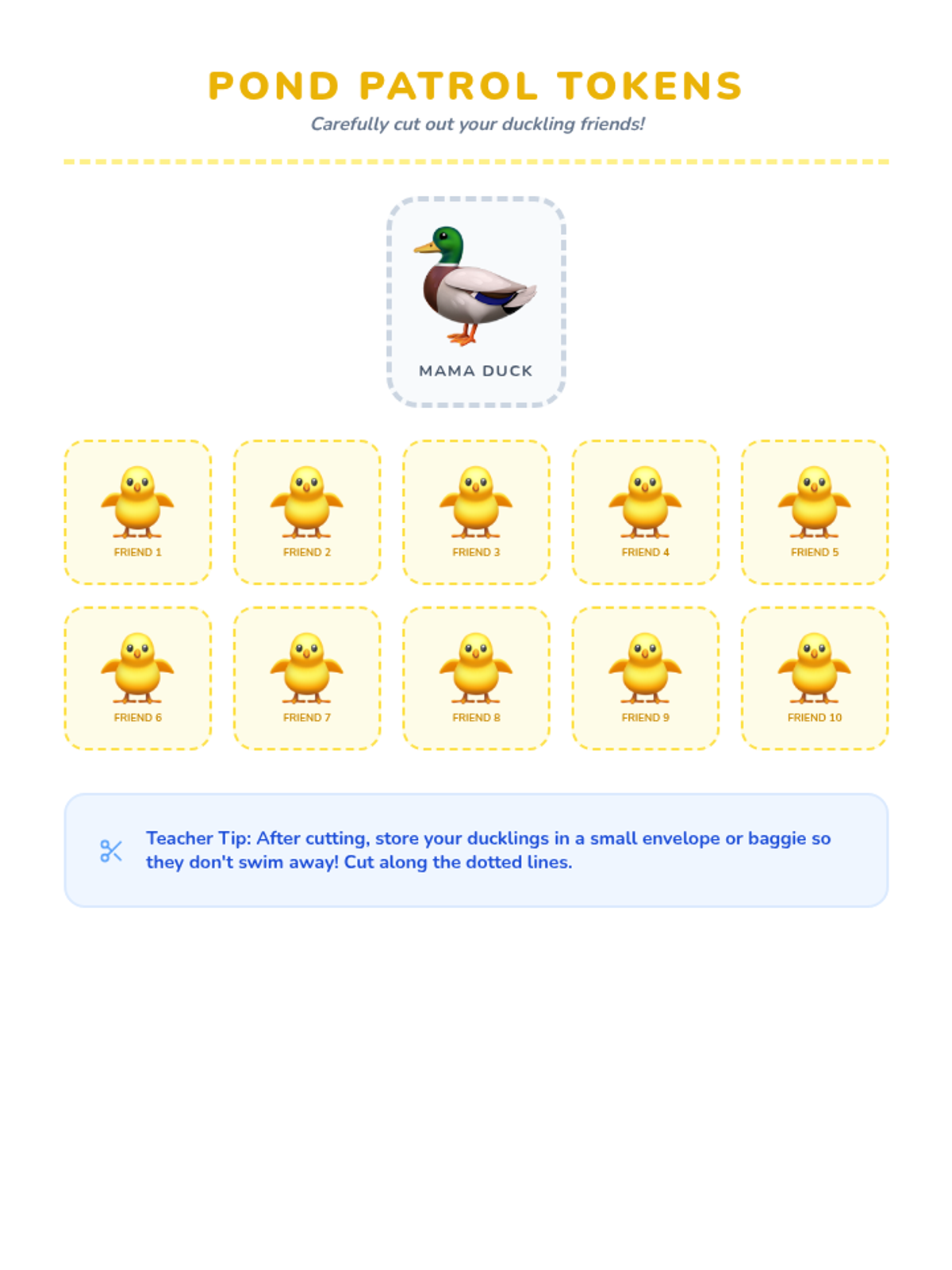
A hands-on kindergarten math lesson using a story-based pond adventure to master addition and subtraction within ten. Students follow Mama Duck's parade through the pond, adding and removing duckling manipulatives to solve word problems.