Geometric classification, measurement of area and volume, and the study of transformations and rigid motions. Builds toward complex proofs, trigonometry for general triangles, and the algebraic representation of conic sections.
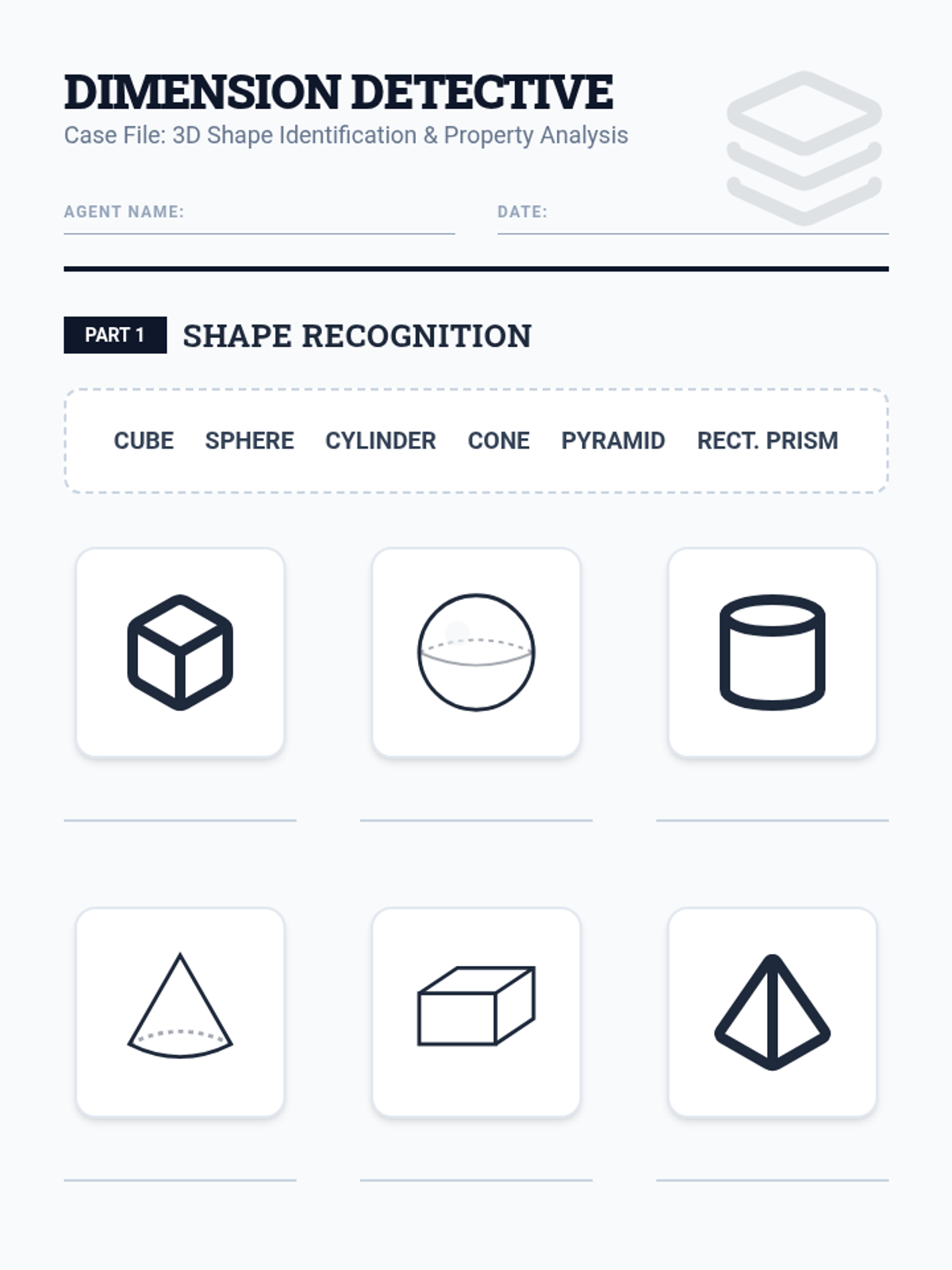
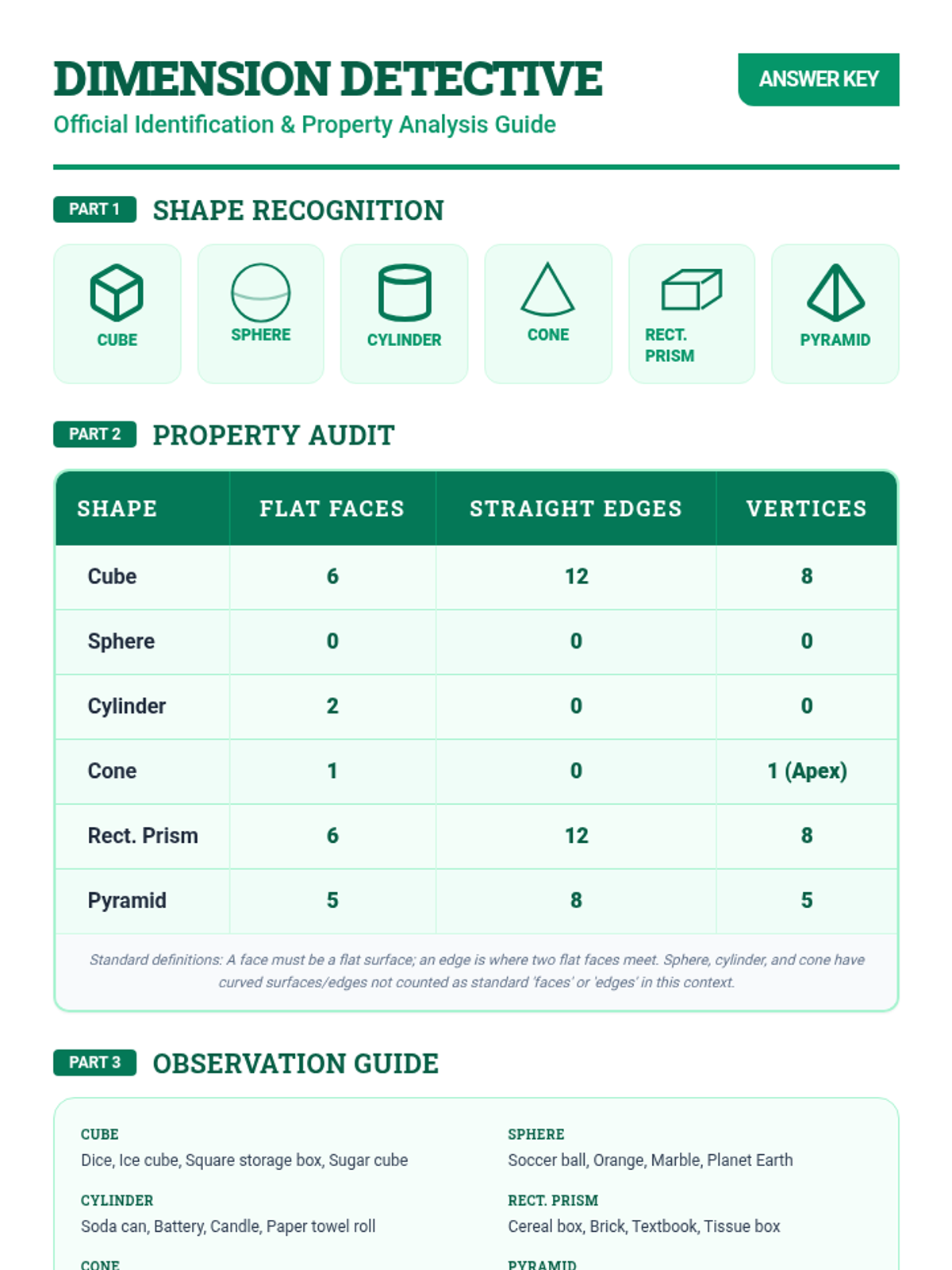
A comprehensive introduction to 3D geometric shapes including cubes, spheres, rectangular prisms, cones, pyramids, and cylinders. Students will learn to identify these shapes, count their attributes (faces, edges, vertices), and find them in the real world.
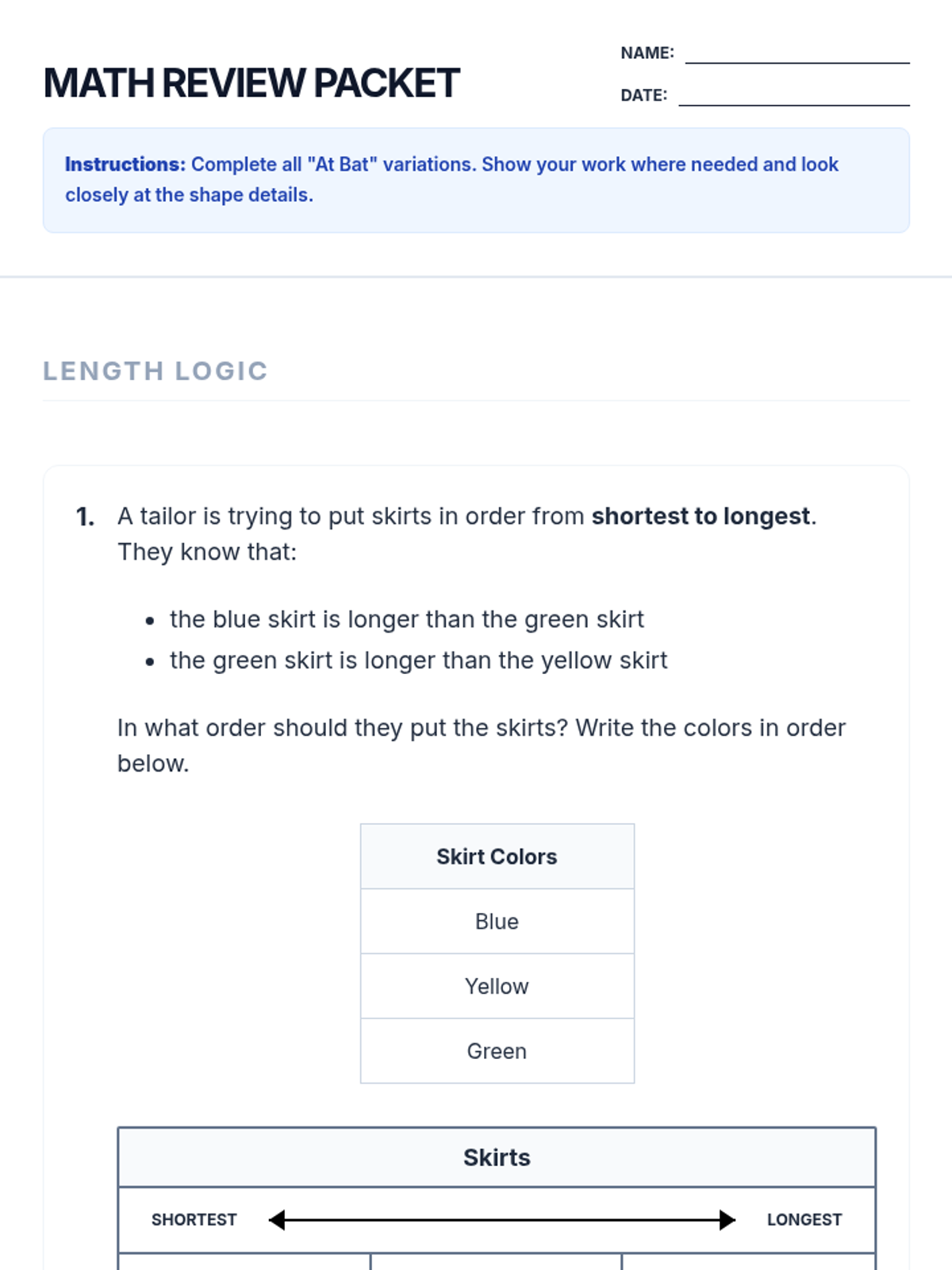
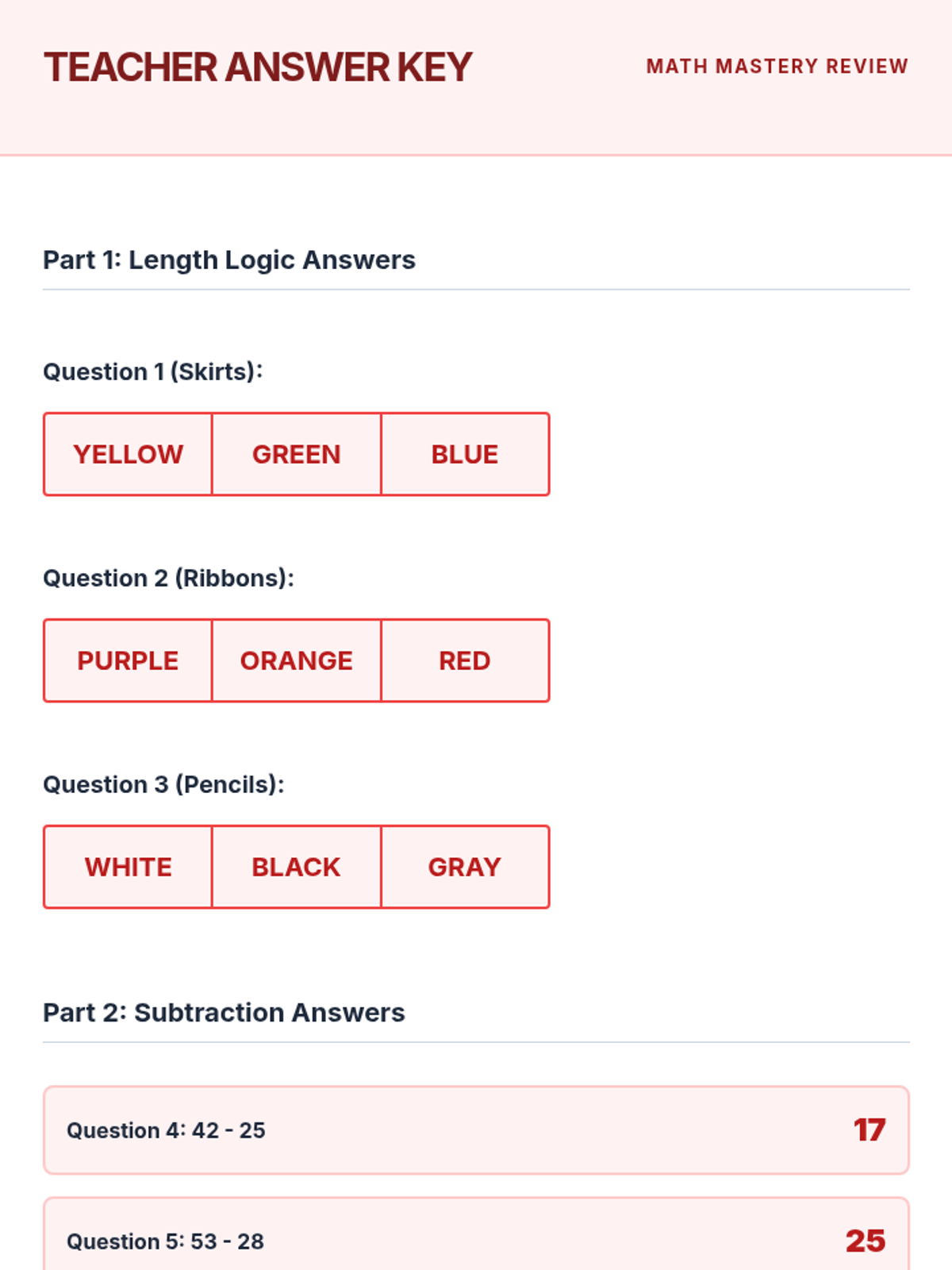
A comprehensive math review lesson designed to reinforce key elementary math skills including logical ordering, 2-digit subtraction, geometric attributes, and equal parts/fractions. This lesson uses a repeated "at-bat" structure to build mastery through multiple variations of the same problem format.
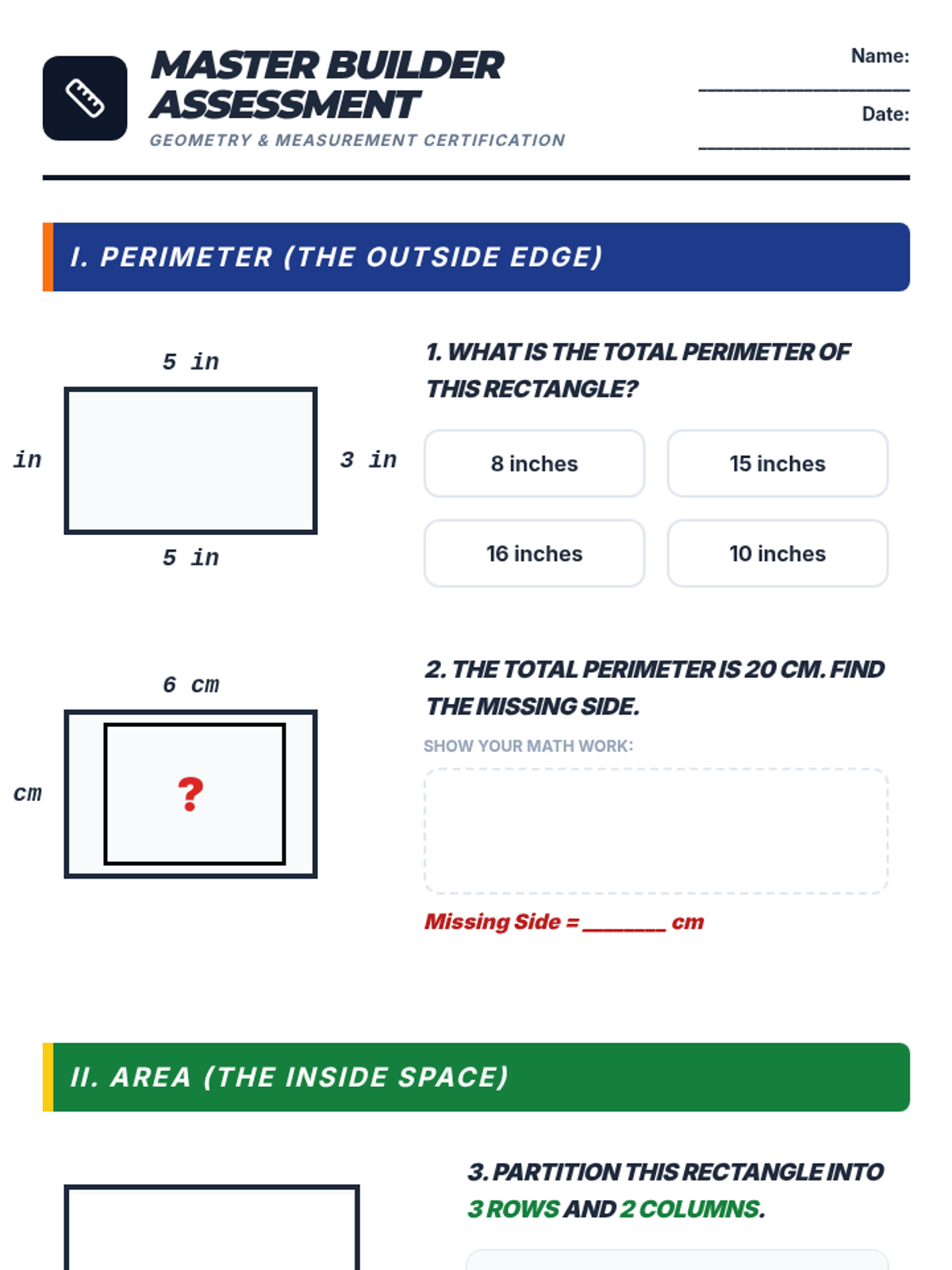
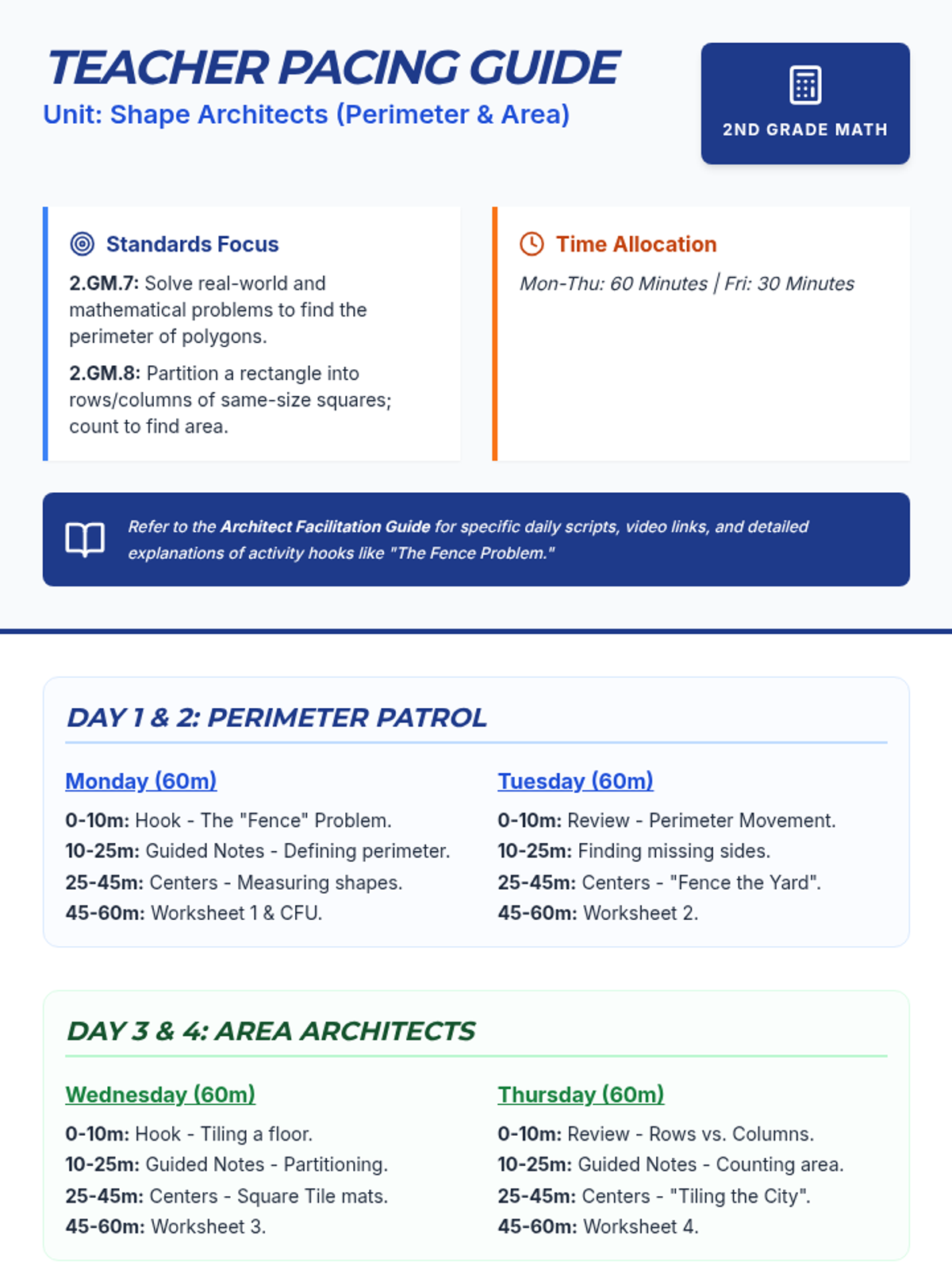
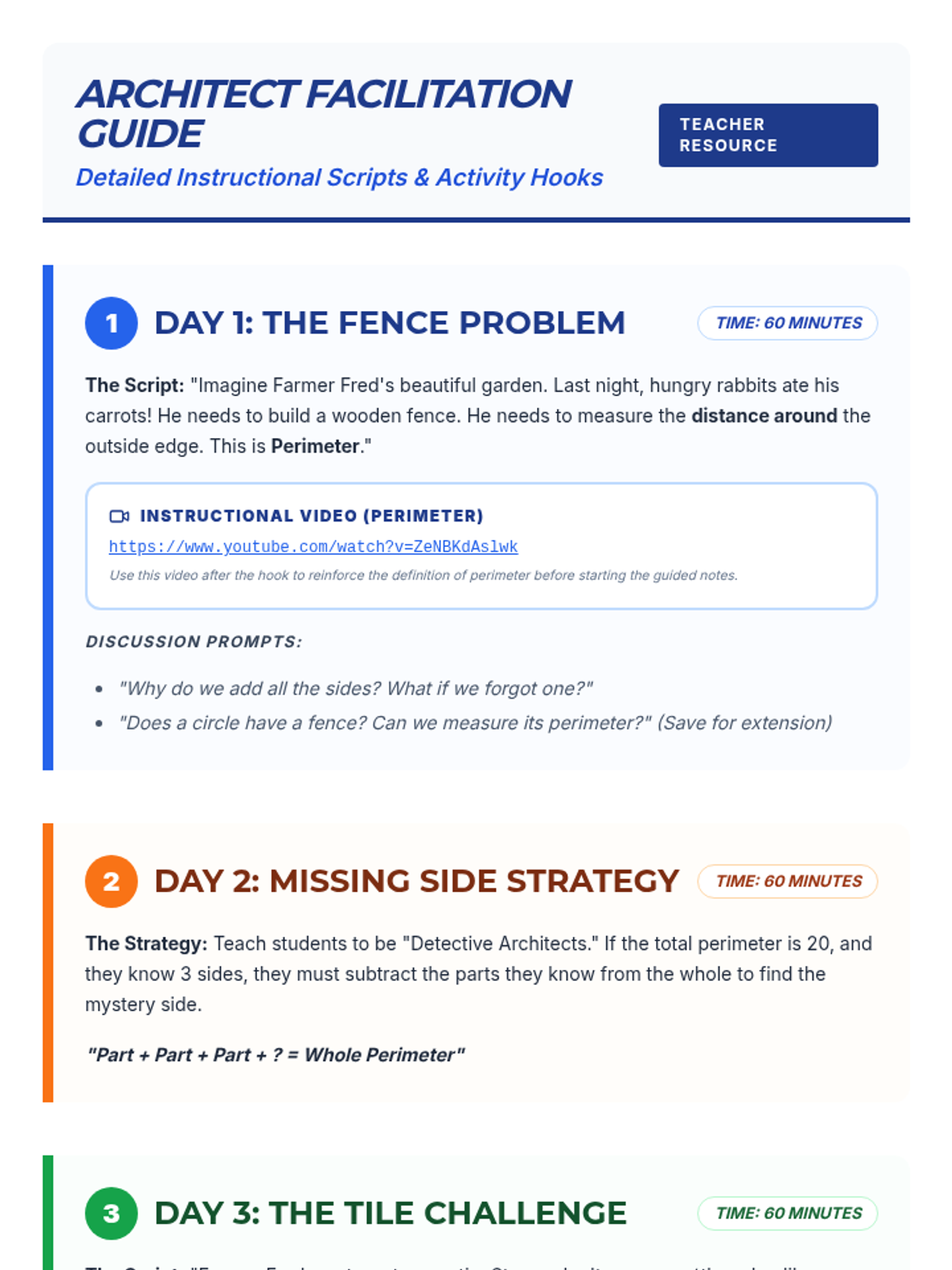
A cumulative review and formal assessment of perimeter and area concepts in a shortened Friday block.
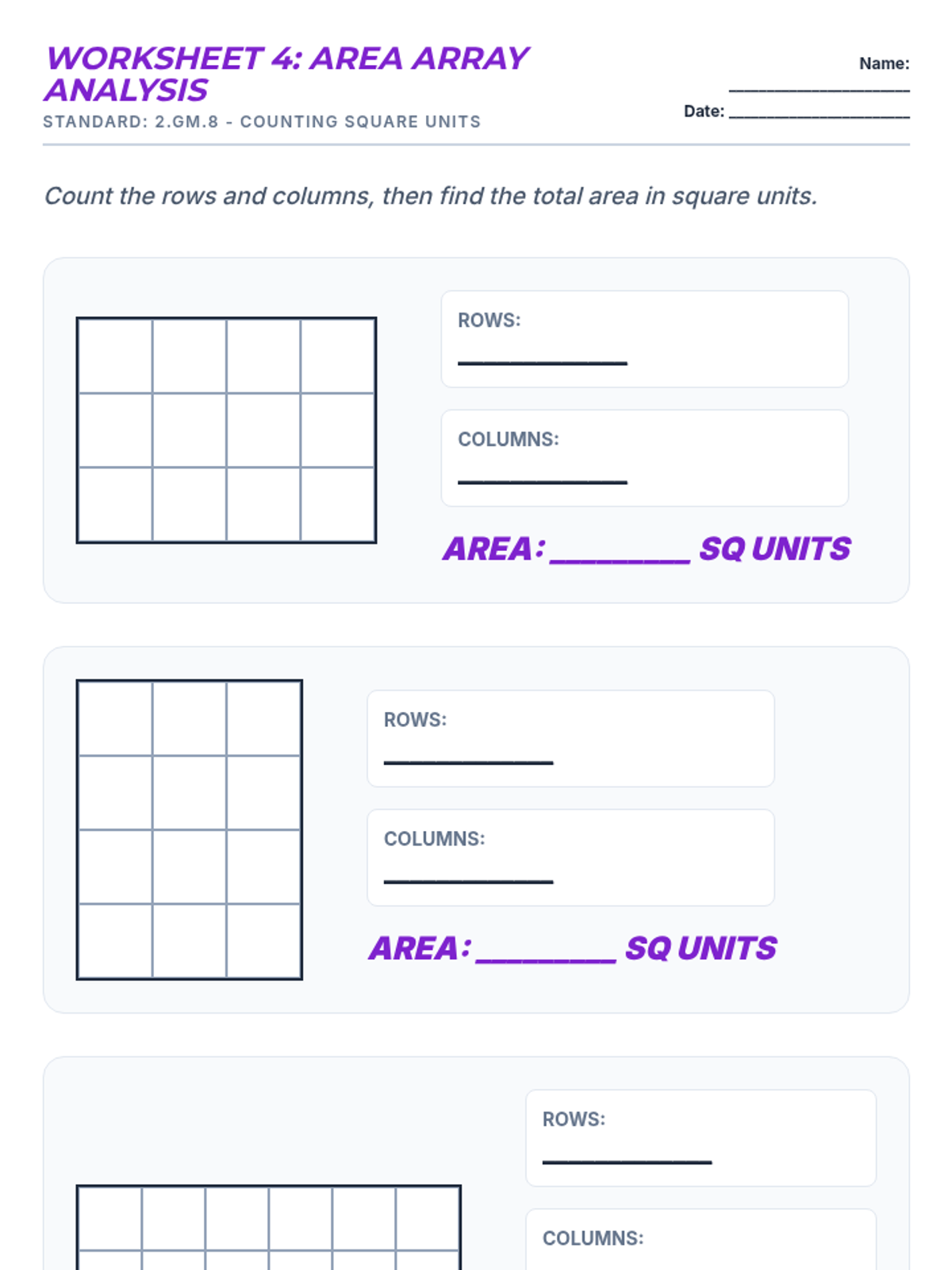
Reinforcing the concept of area through counting squares in arrays and understanding the relationship between rows, columns, and total area.
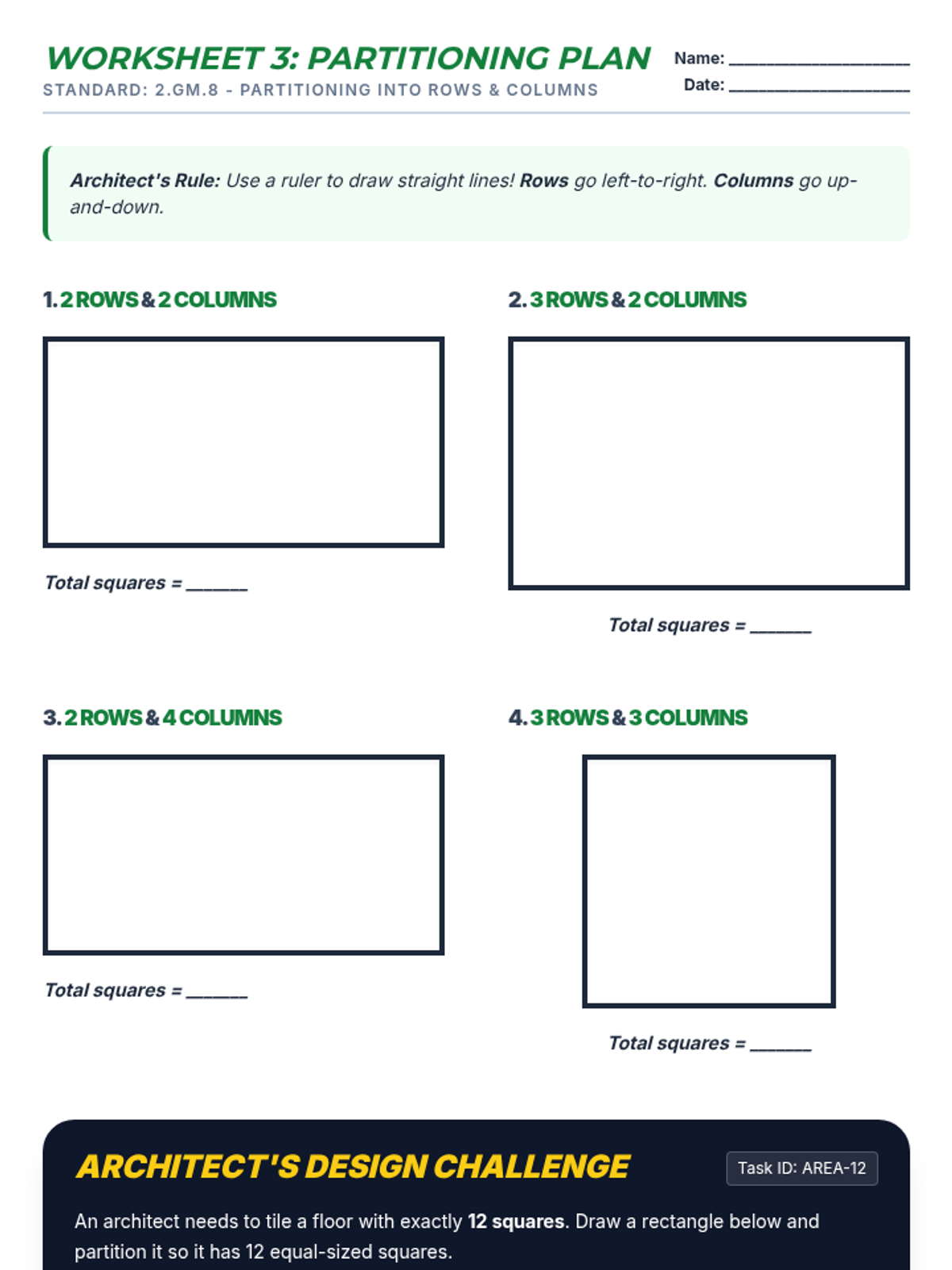
Introduction to area by partitioning rectangles into equal-sized rows and columns. Students will visualize area as the total number of squares inside a boundary.
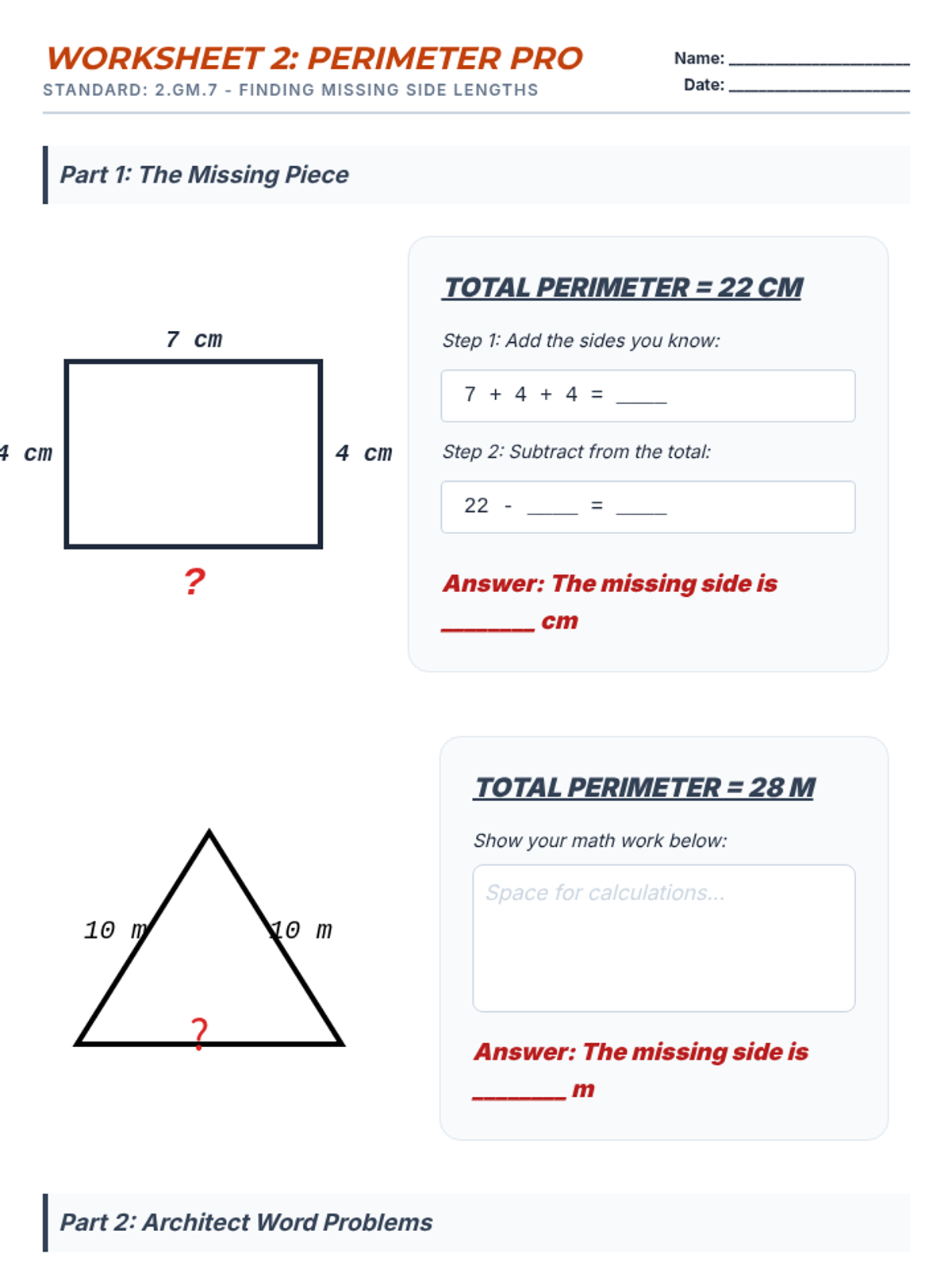
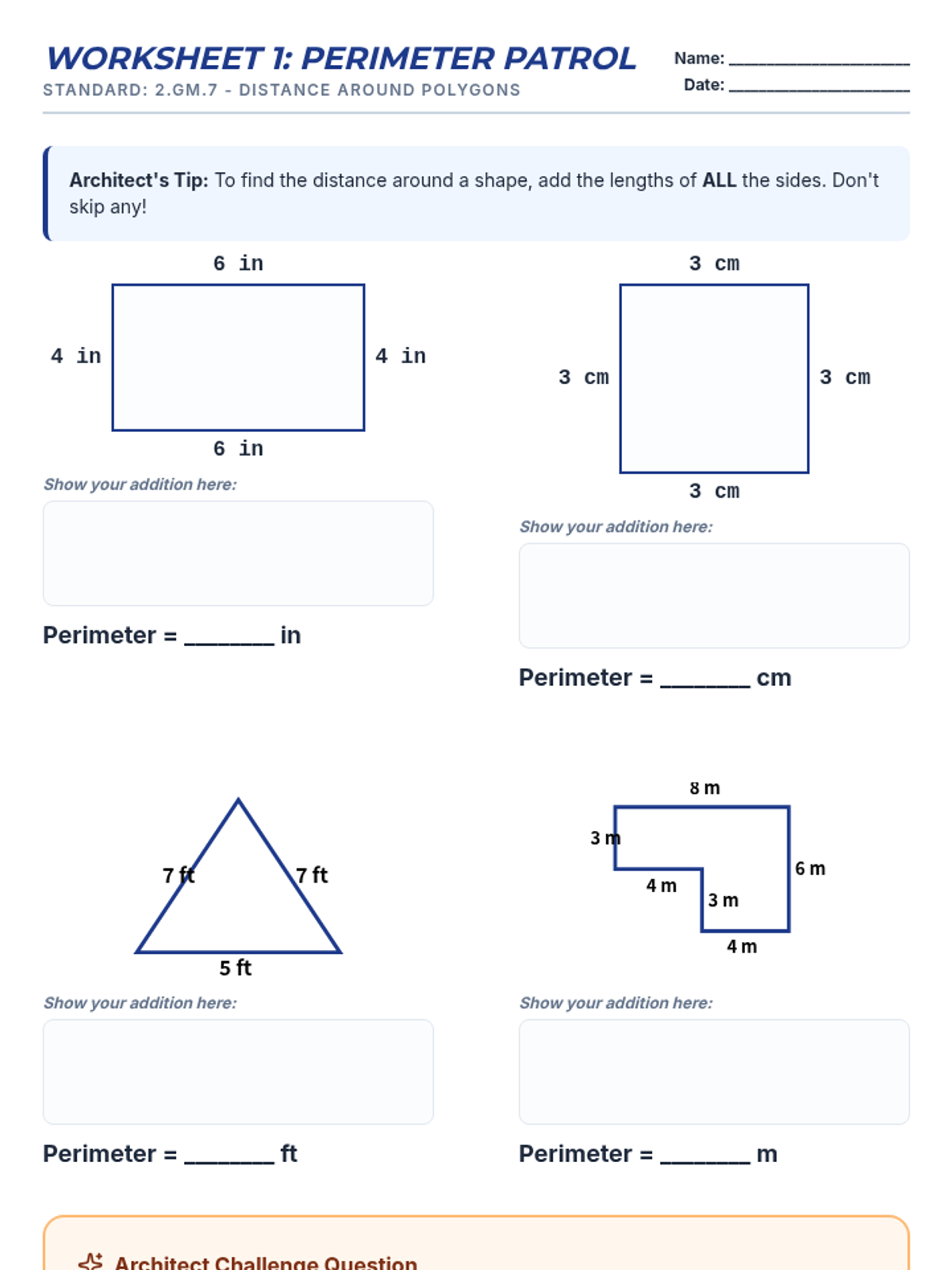
Advanced perimeter practice including finding missing side lengths and solving real-world word problems involving fences and borders.
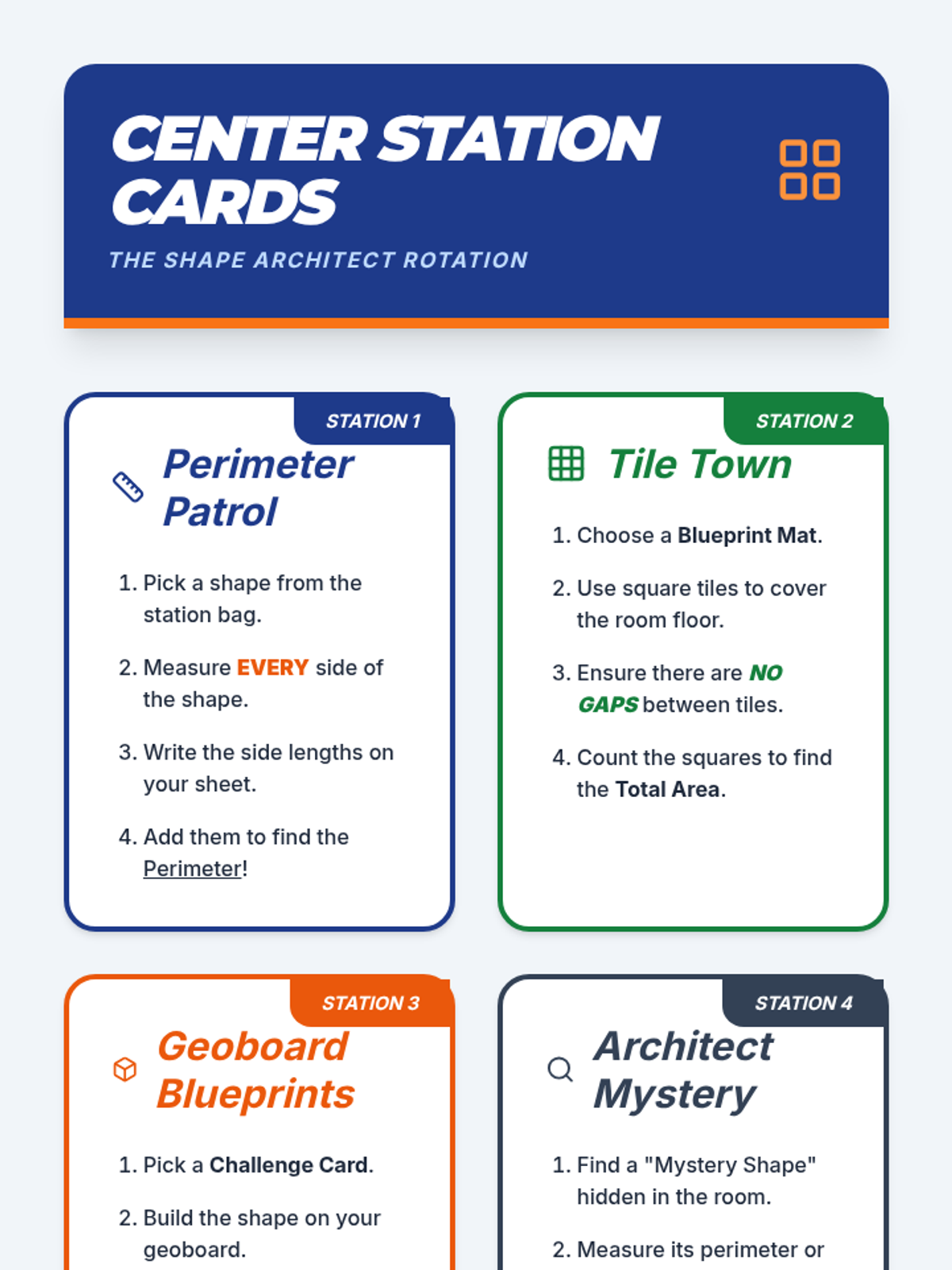
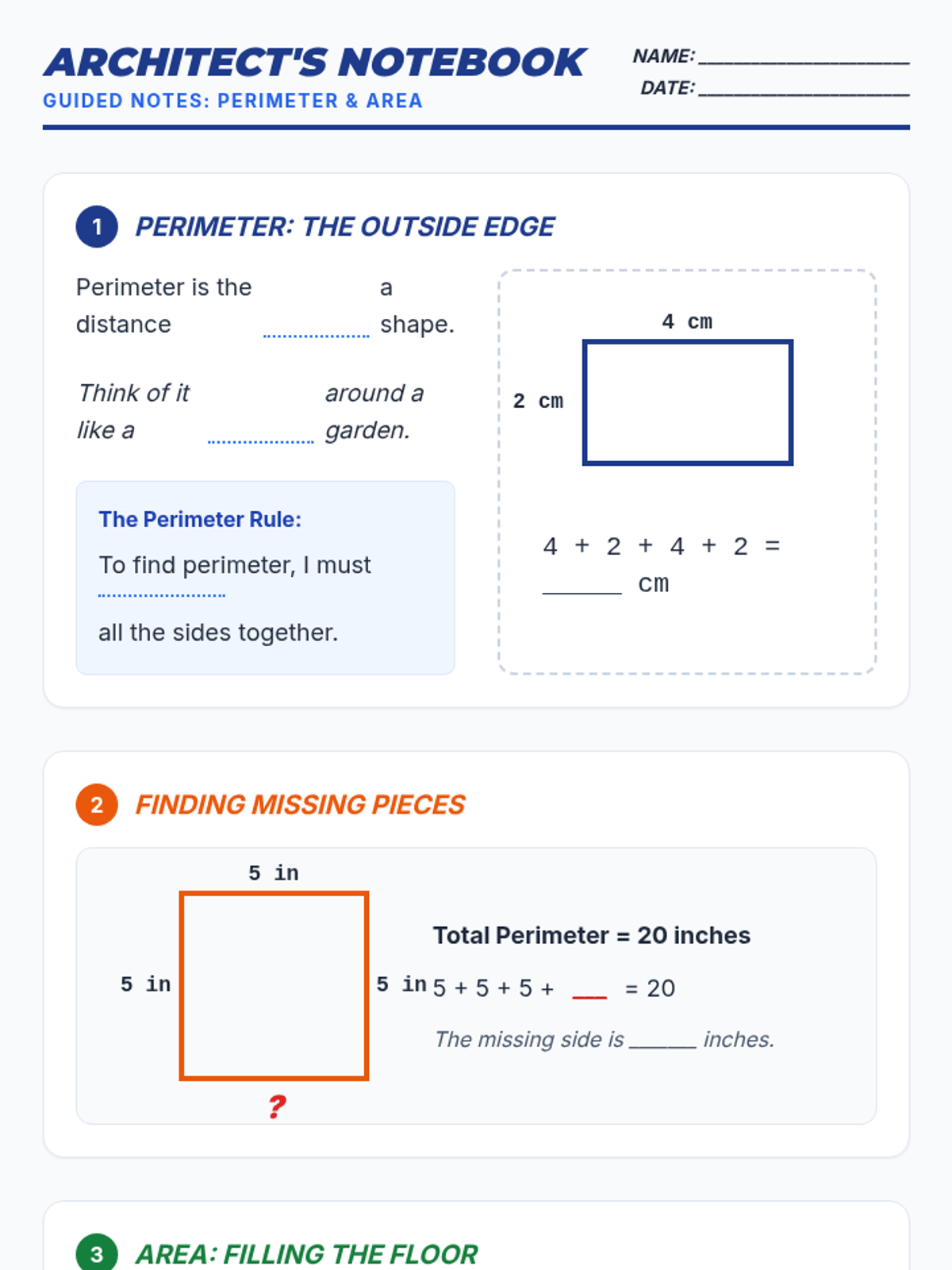
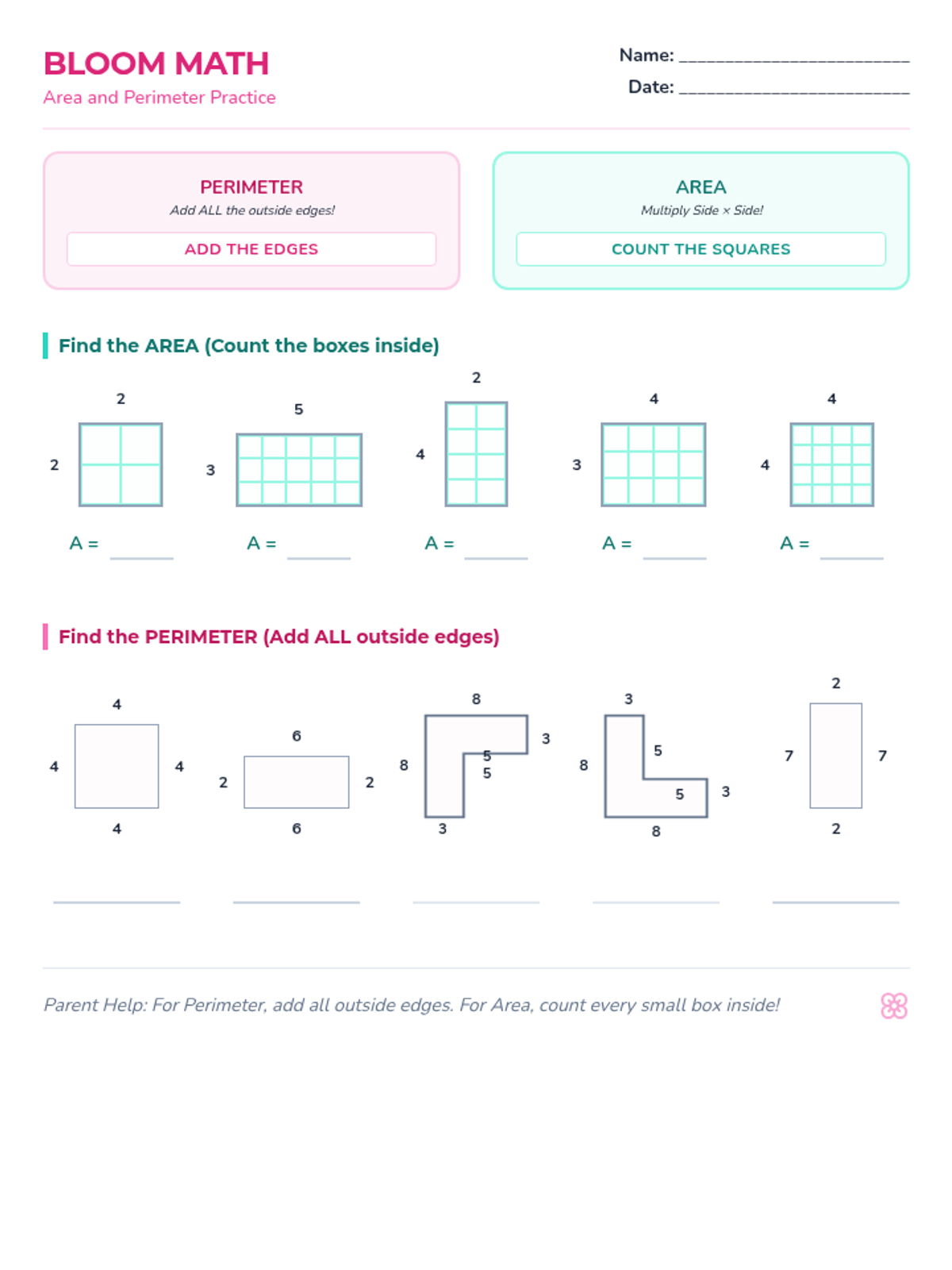
Introduction to perimeter as the distance around a shape. Students will learn to measure sides and add them together to find the total perimeter.
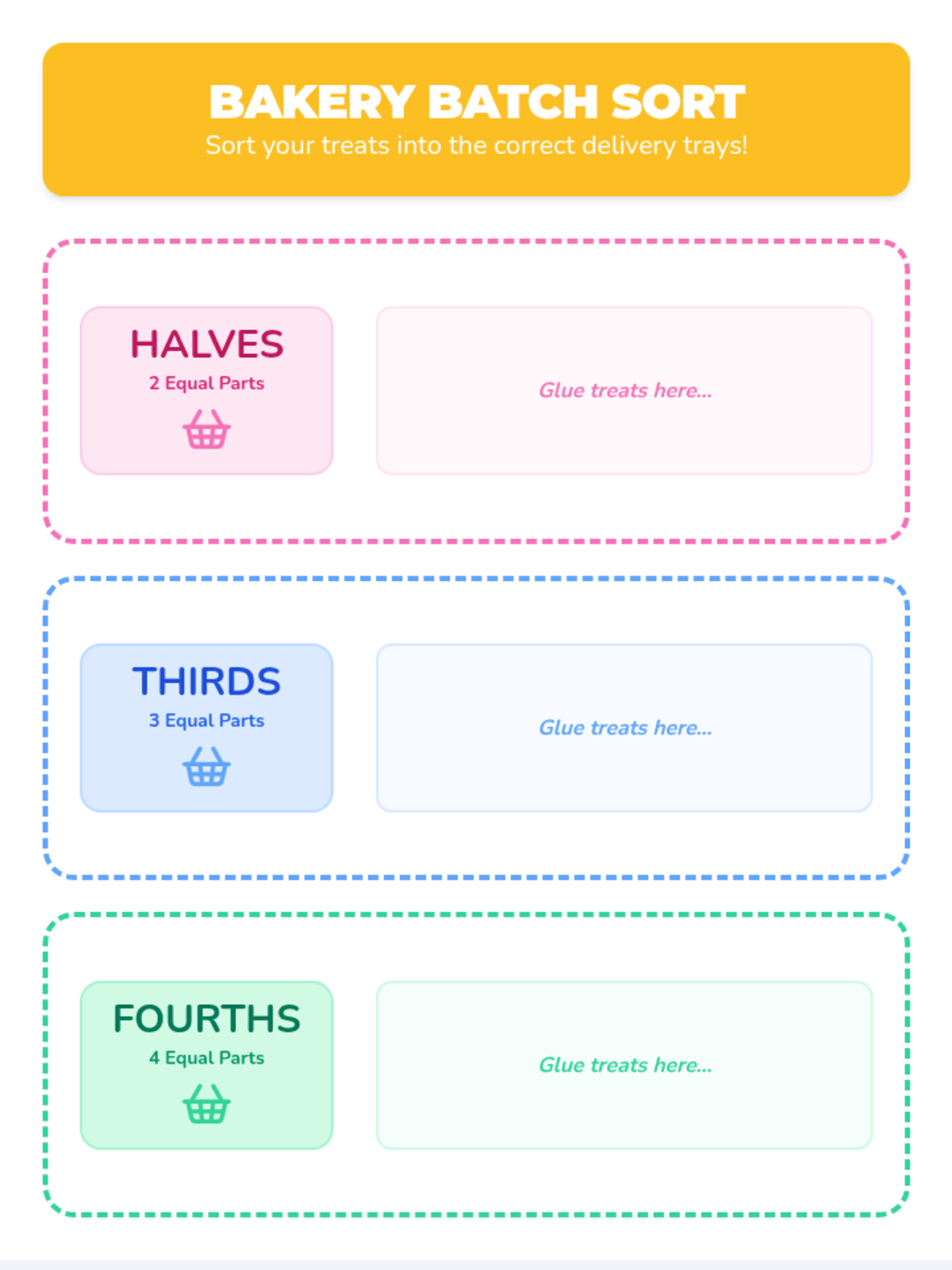
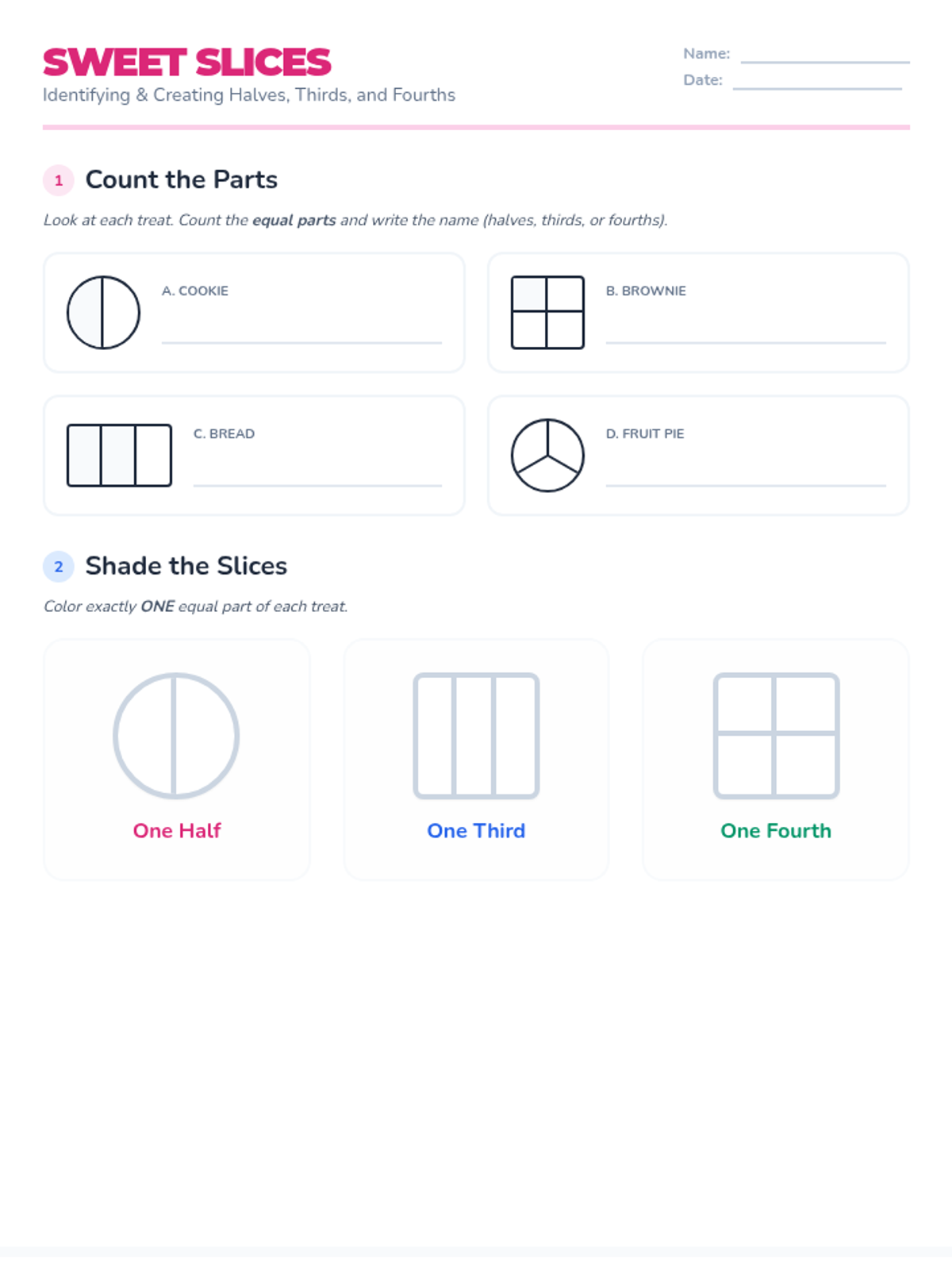
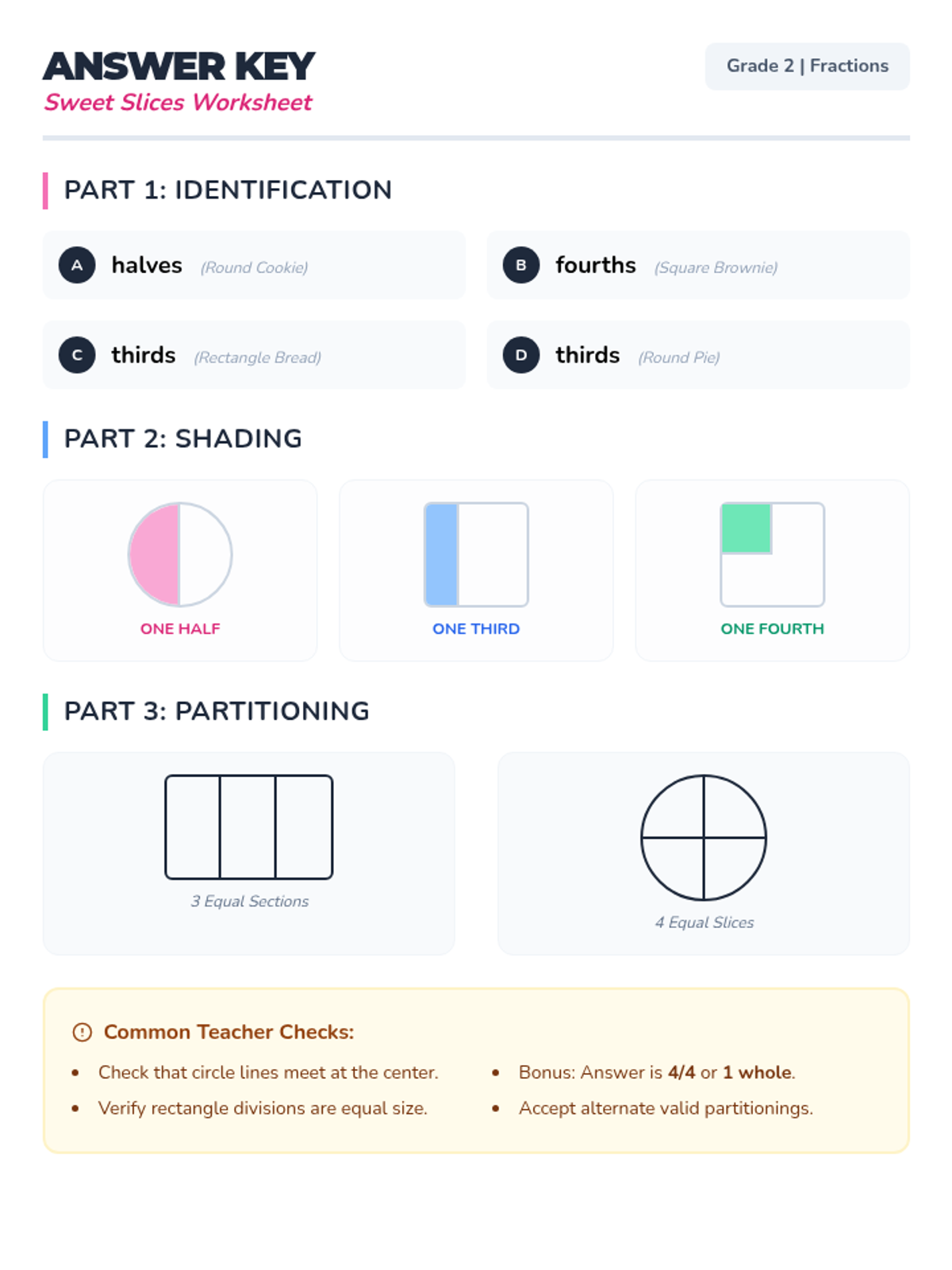
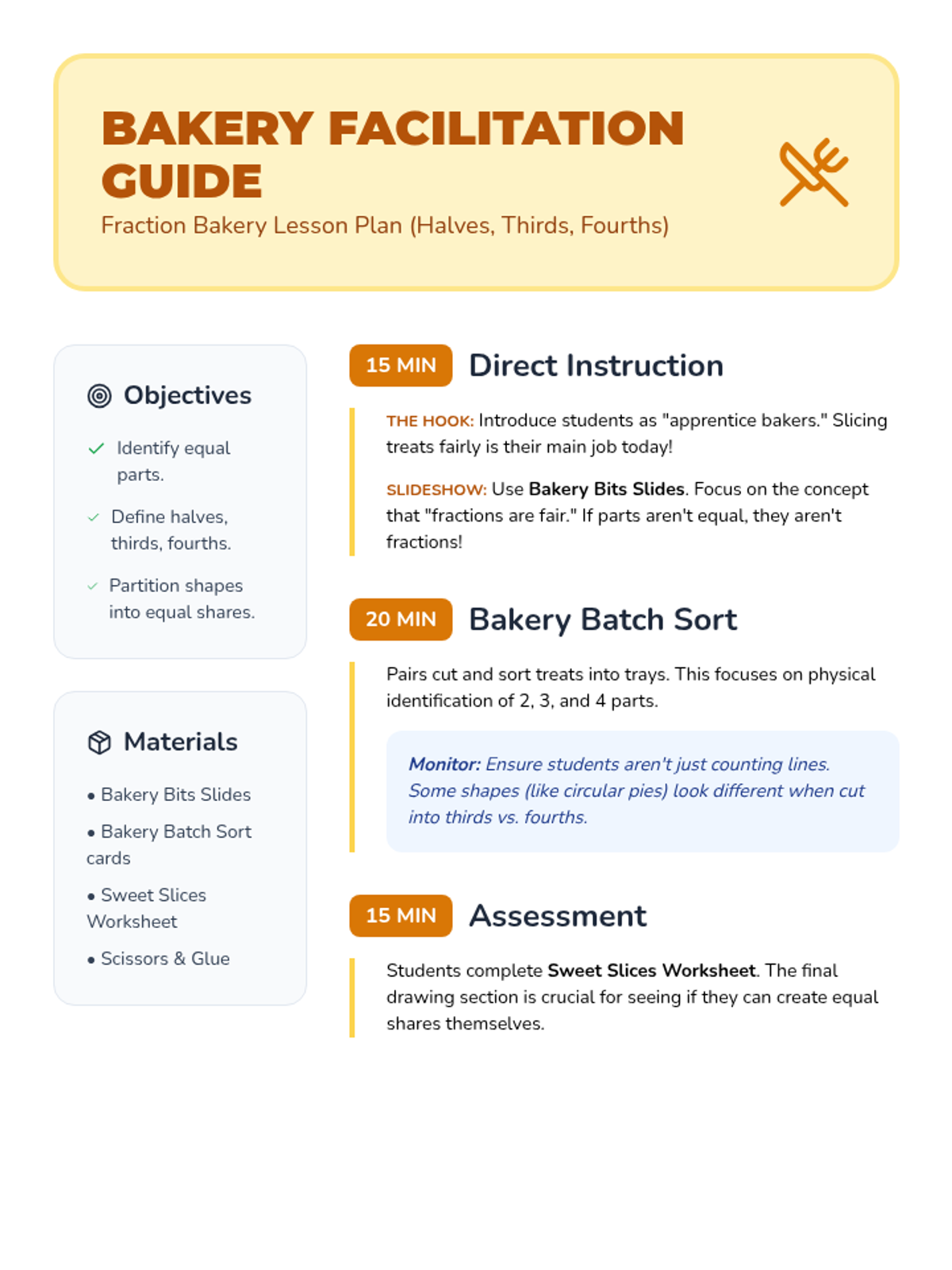
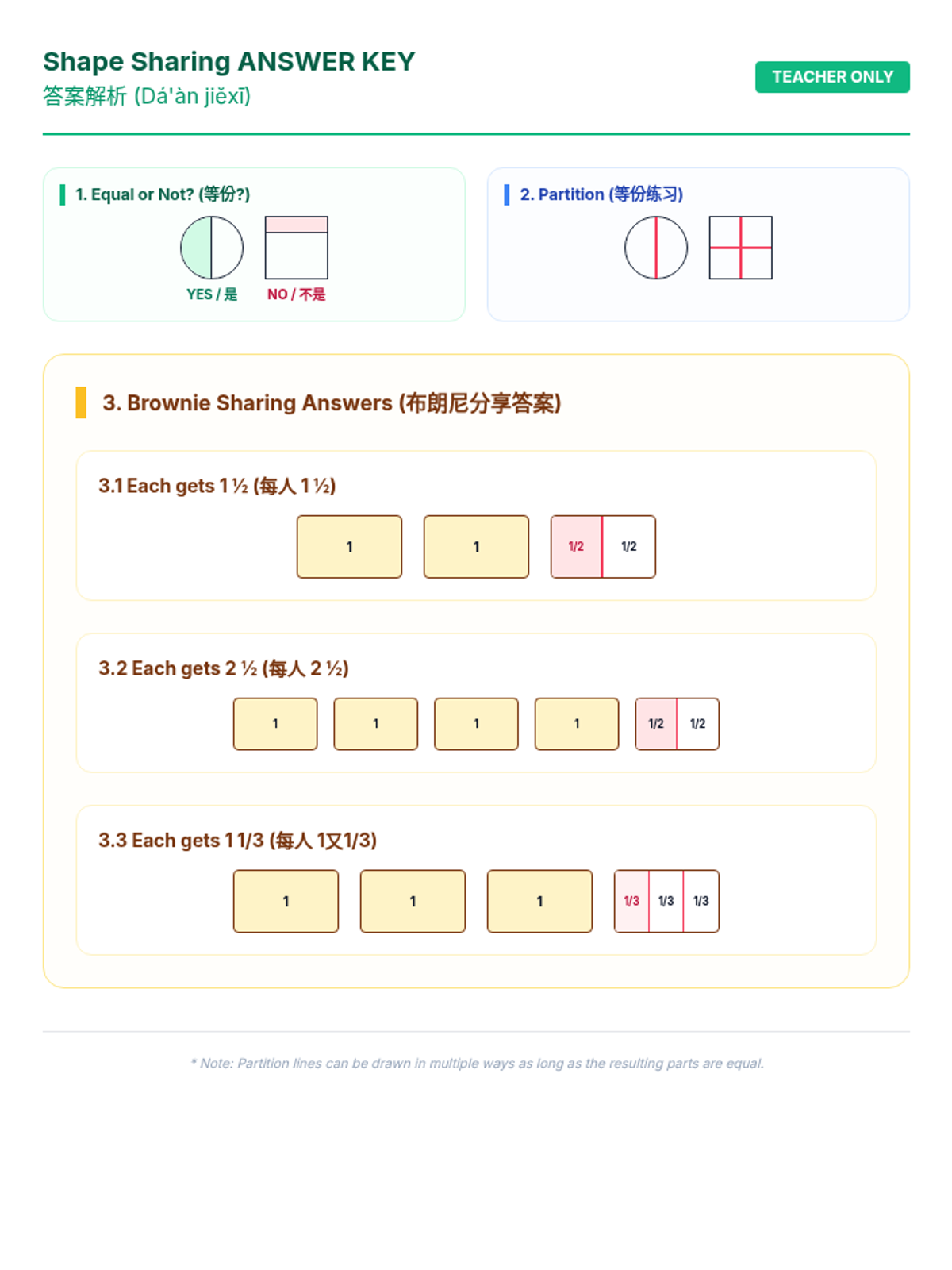
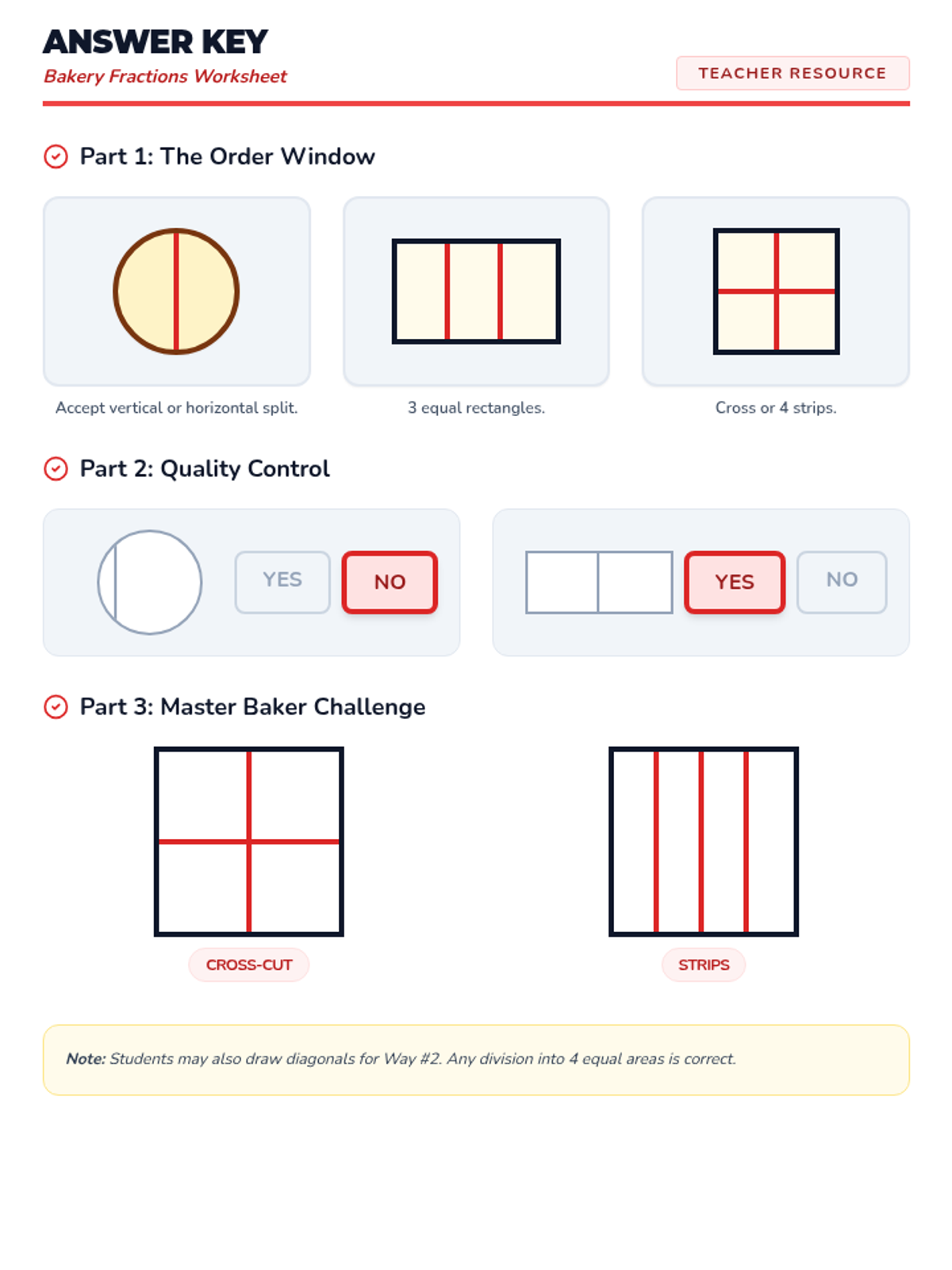
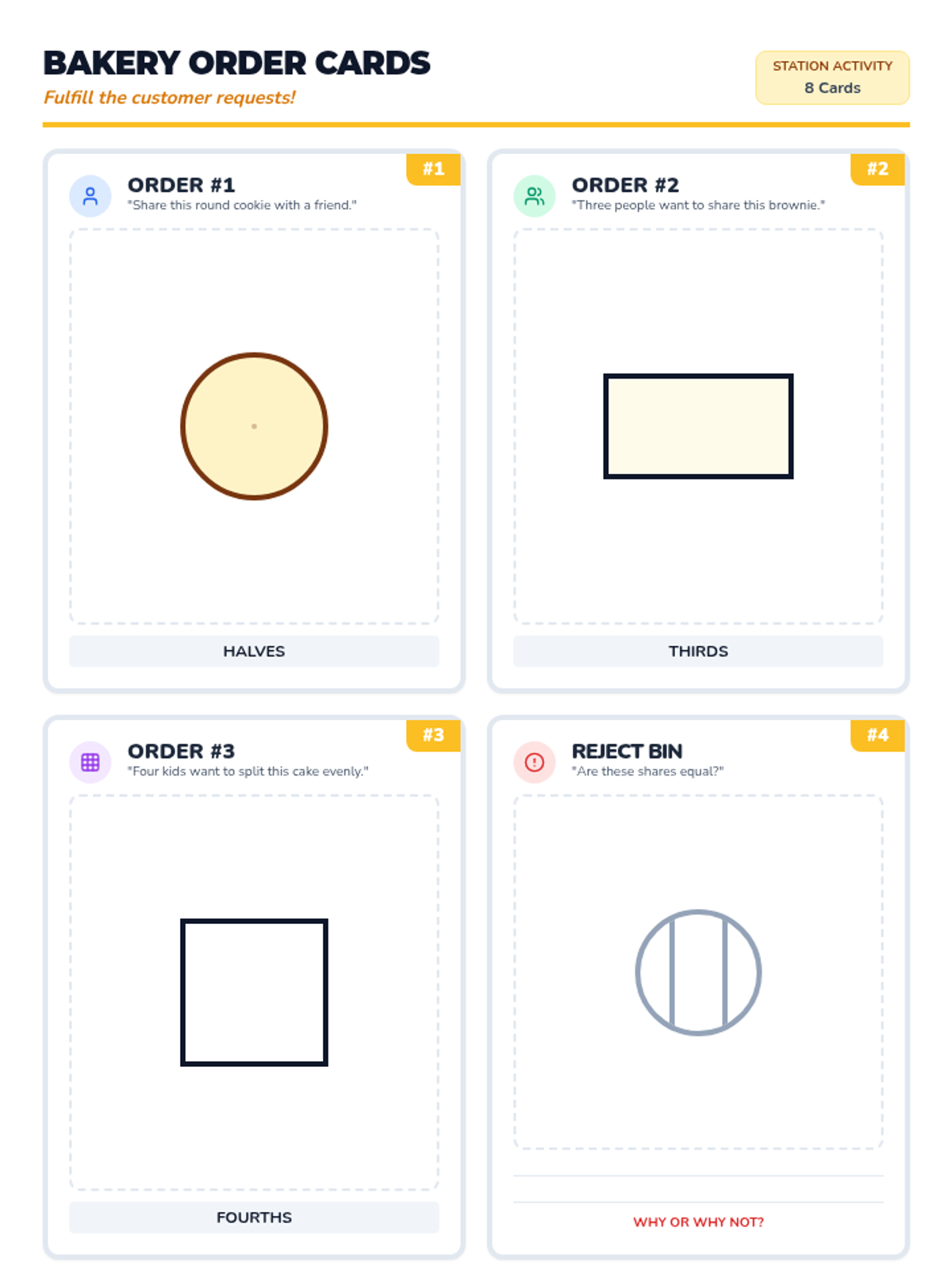
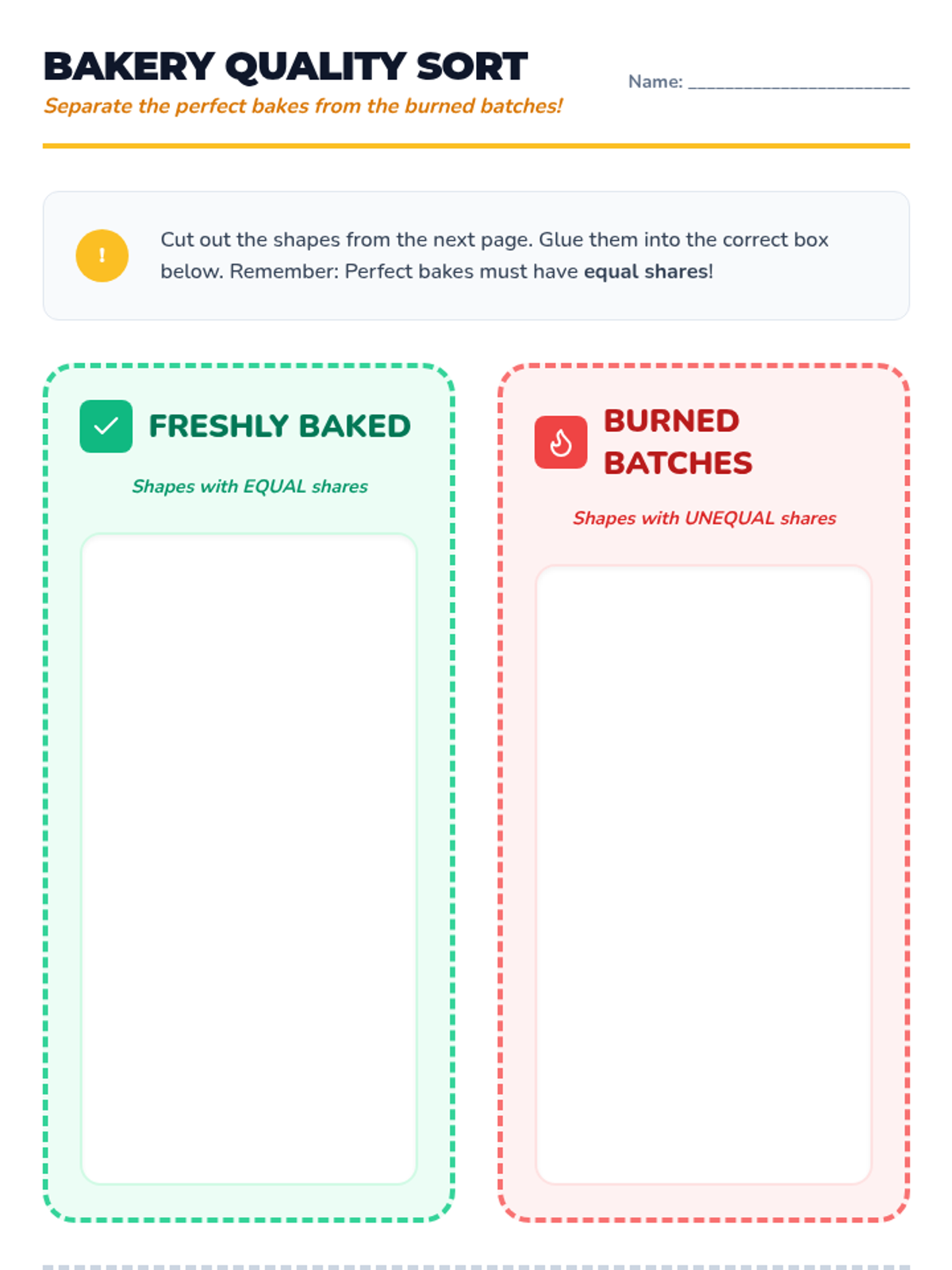
A hands-on introduction to fractions (halves, thirds, and fourths) using a bakery theme. Students will identify equal parts and sort shapes based on their fractional divisions.
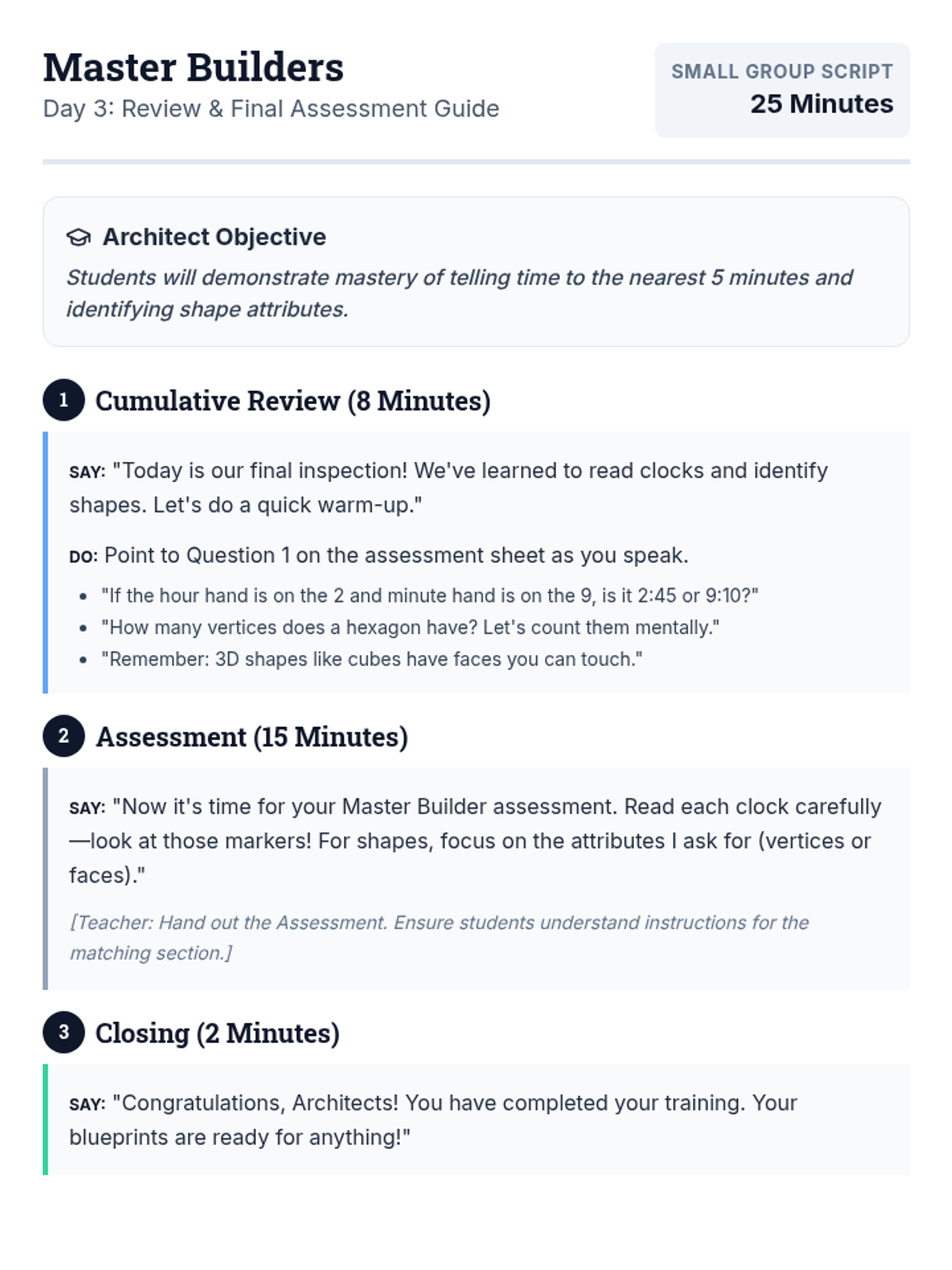
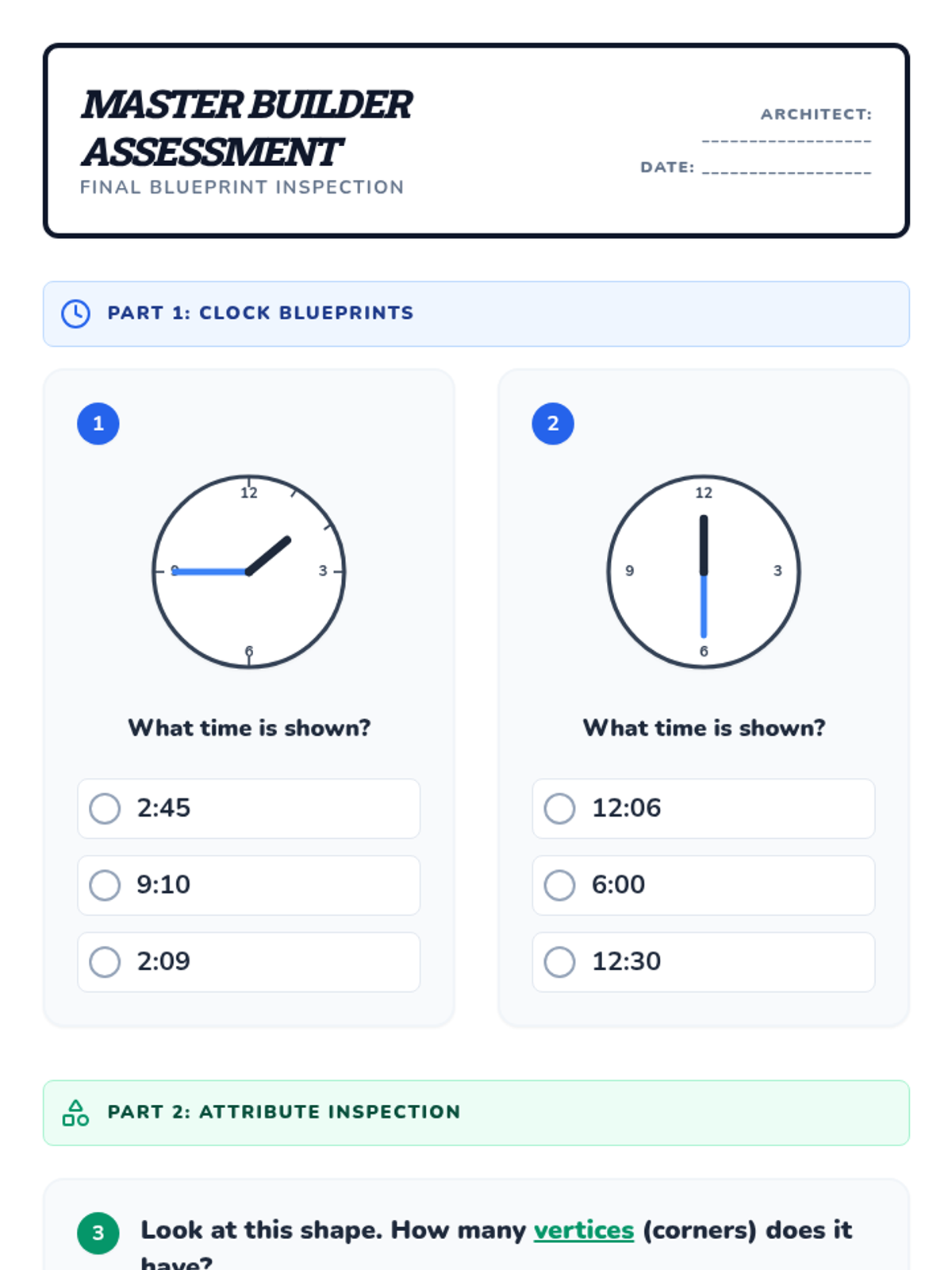
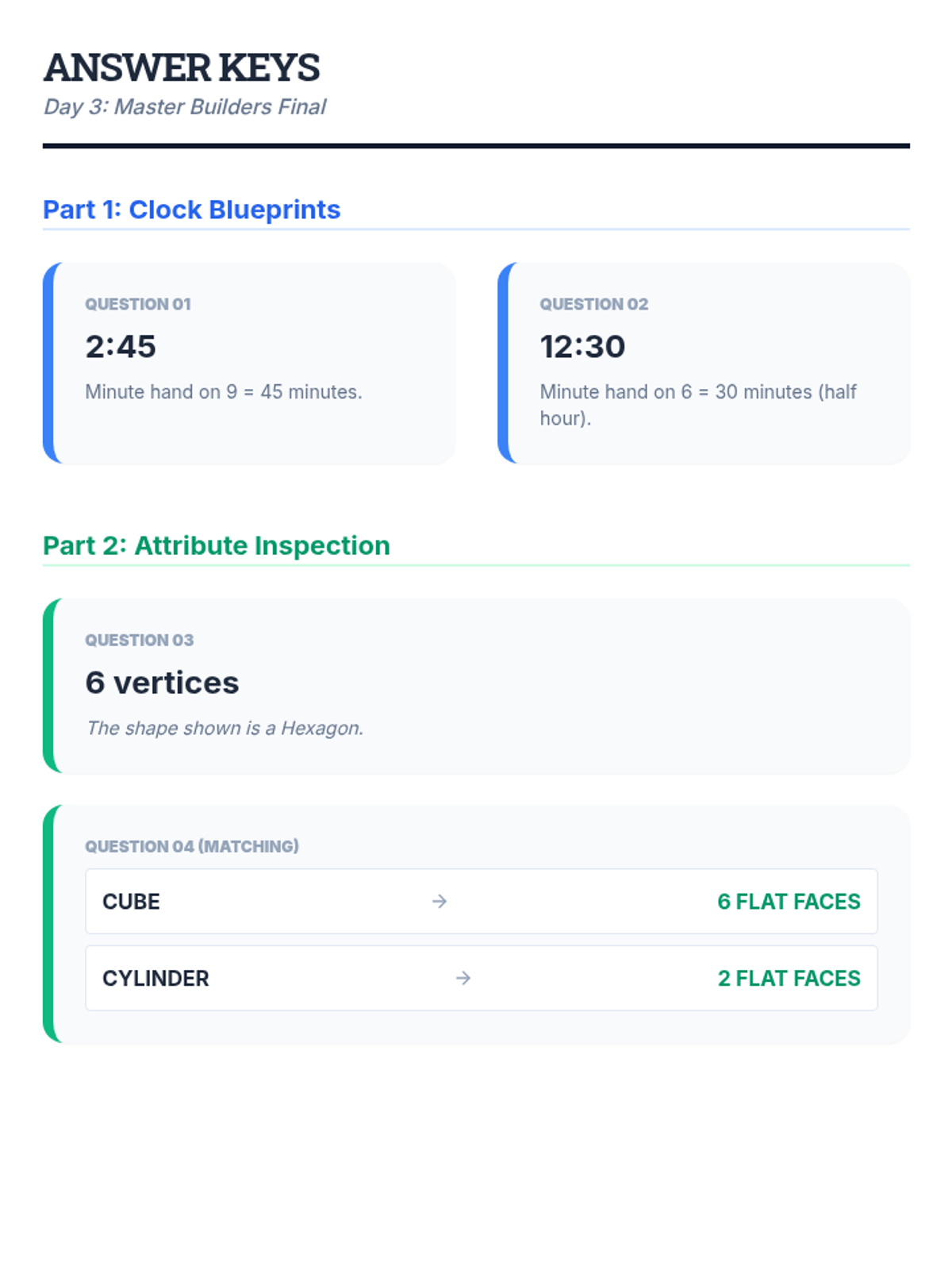
A cumulative review of time and shape attributes followed by a formal assessment to track student growth toward RIT 180 goals.
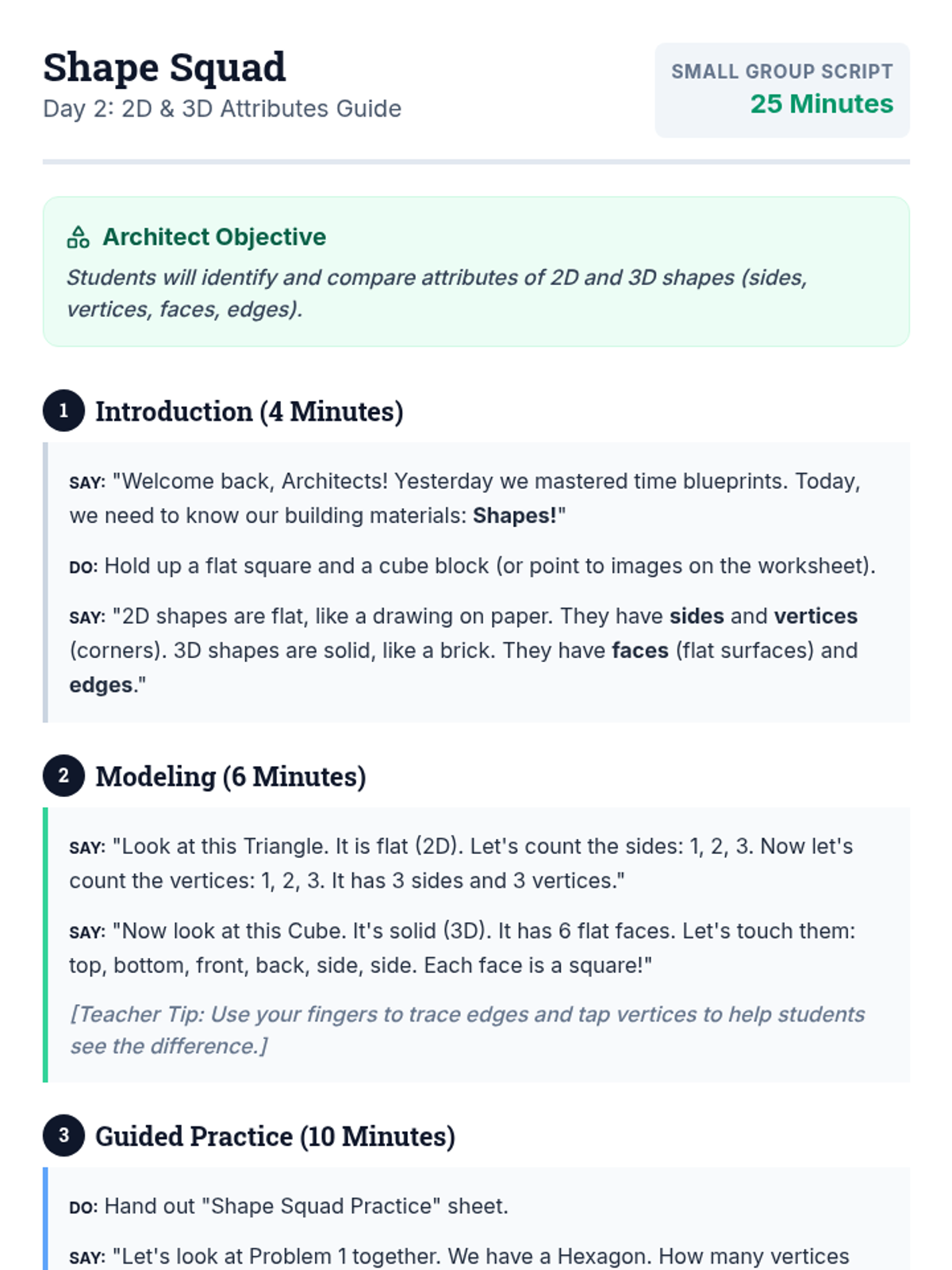
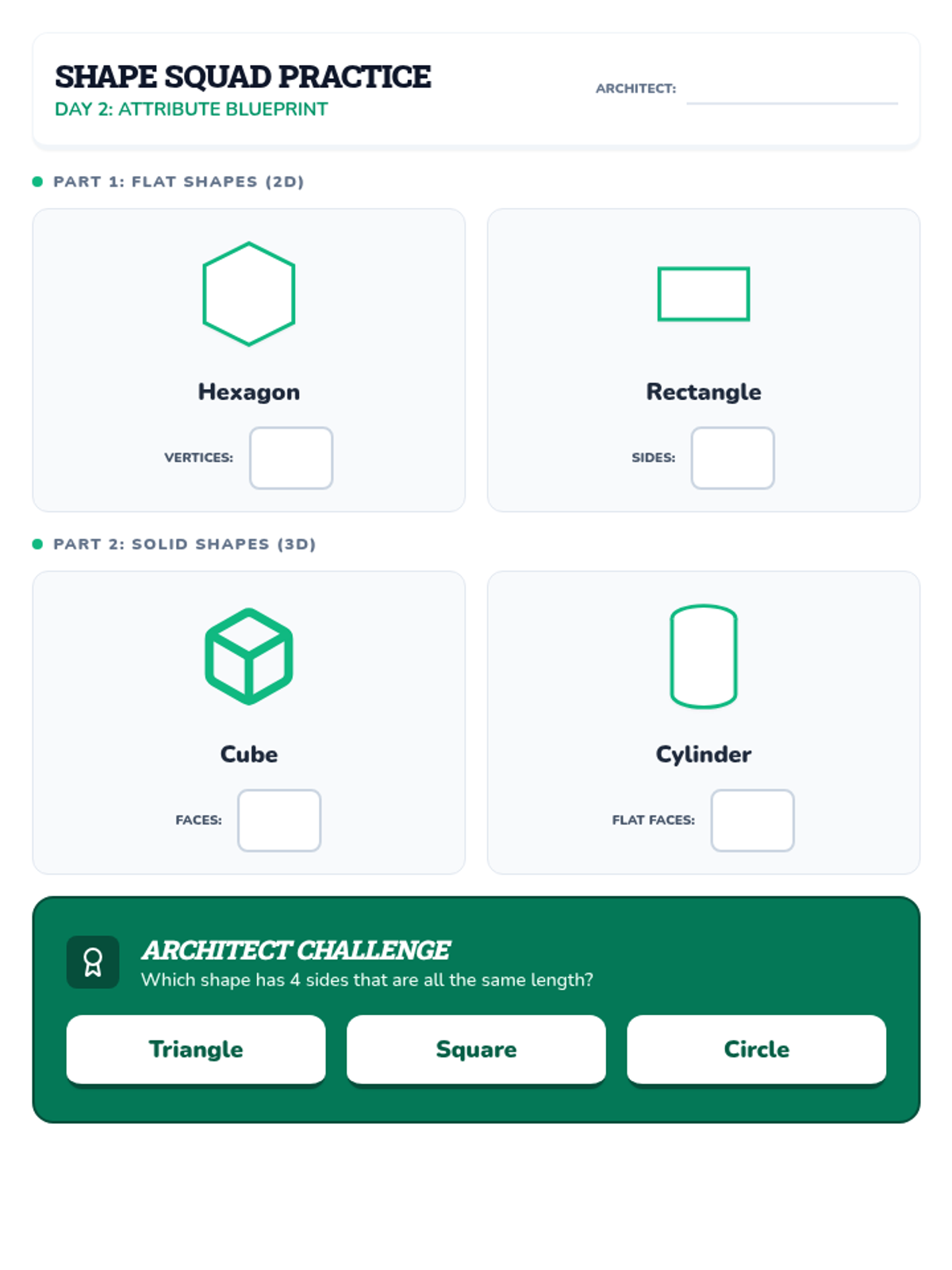
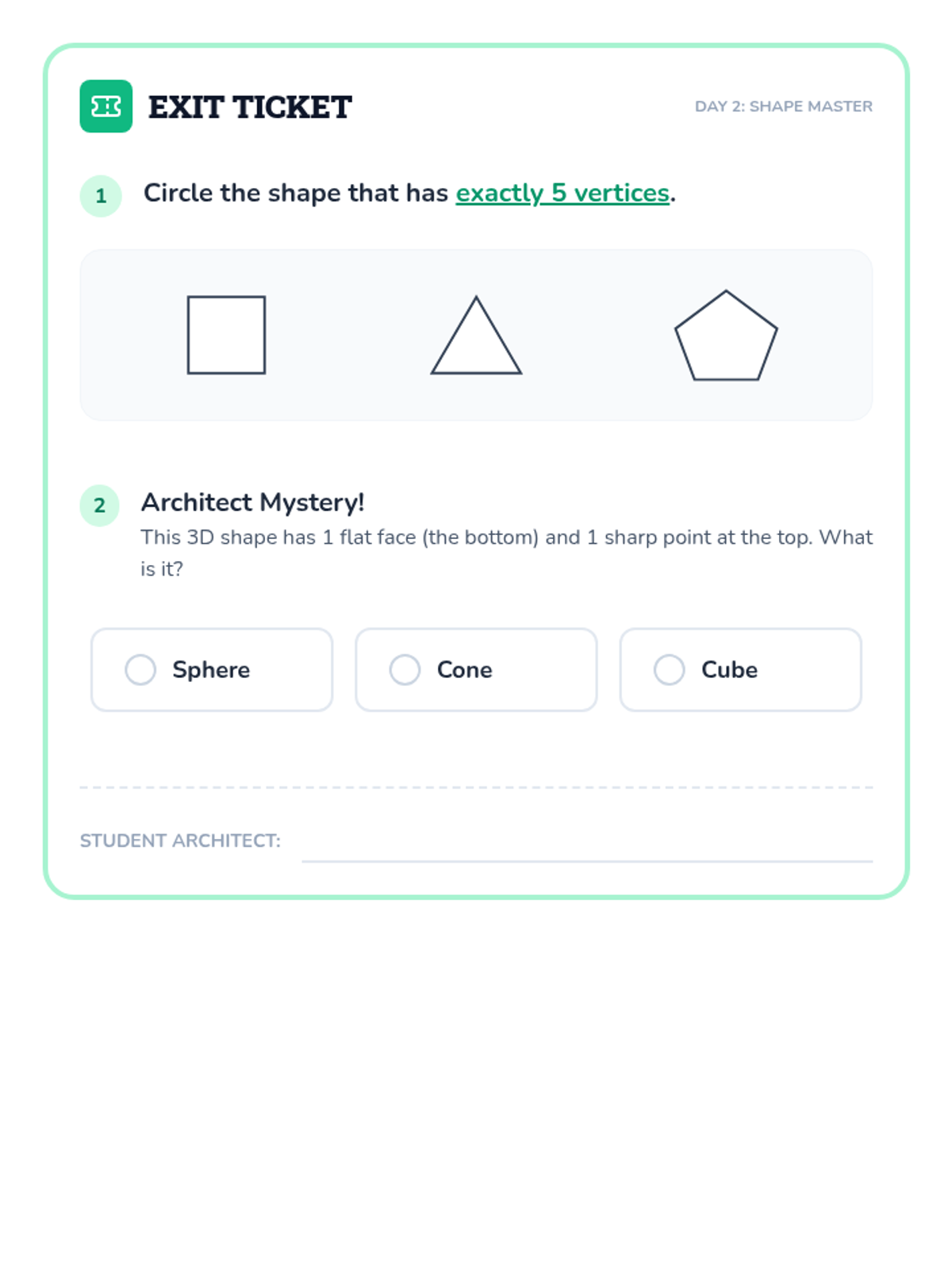
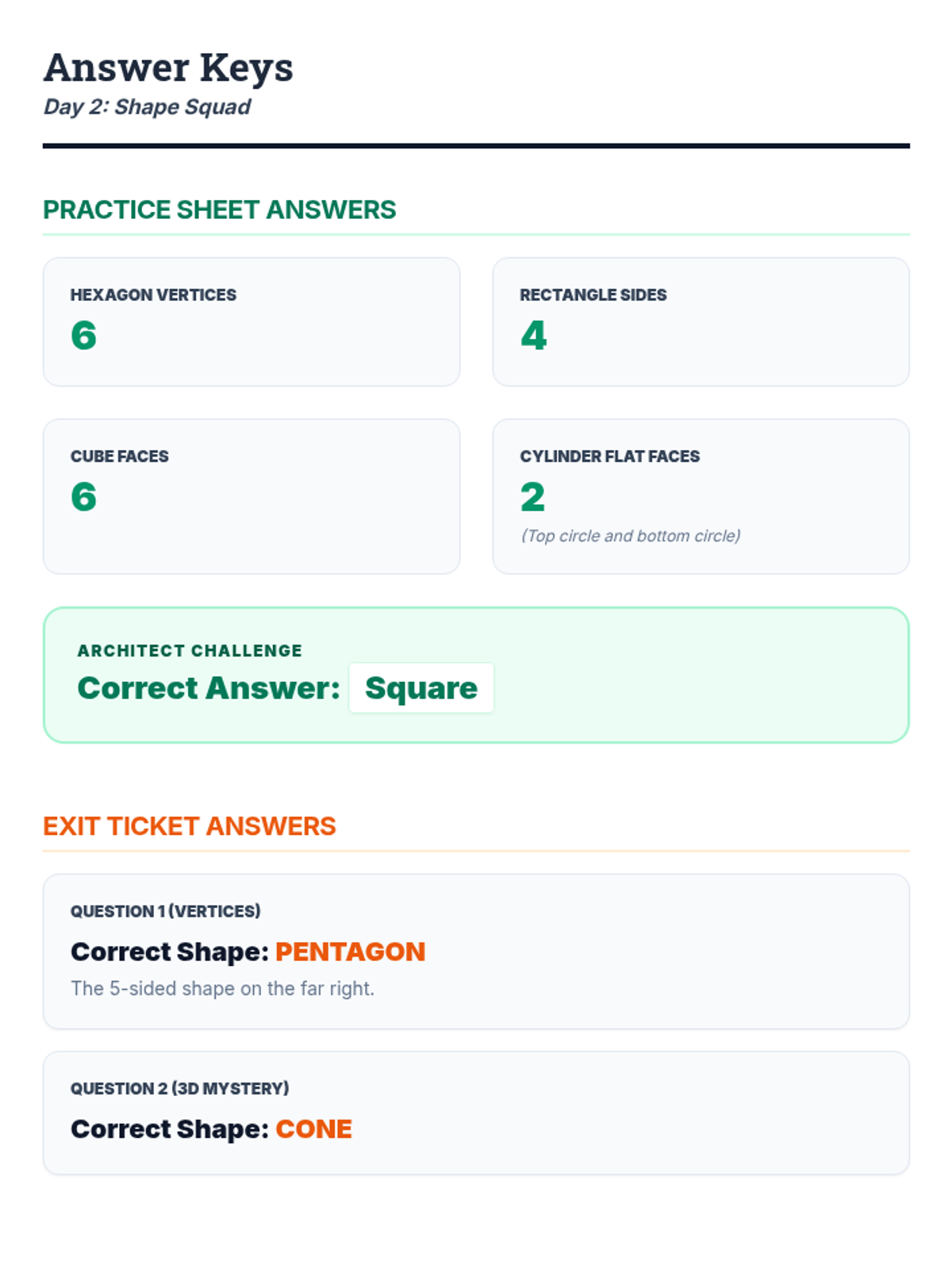
Identifying and describing defining attributes of 2D and 3D shapes, including sides, vertices, faces, and edges.
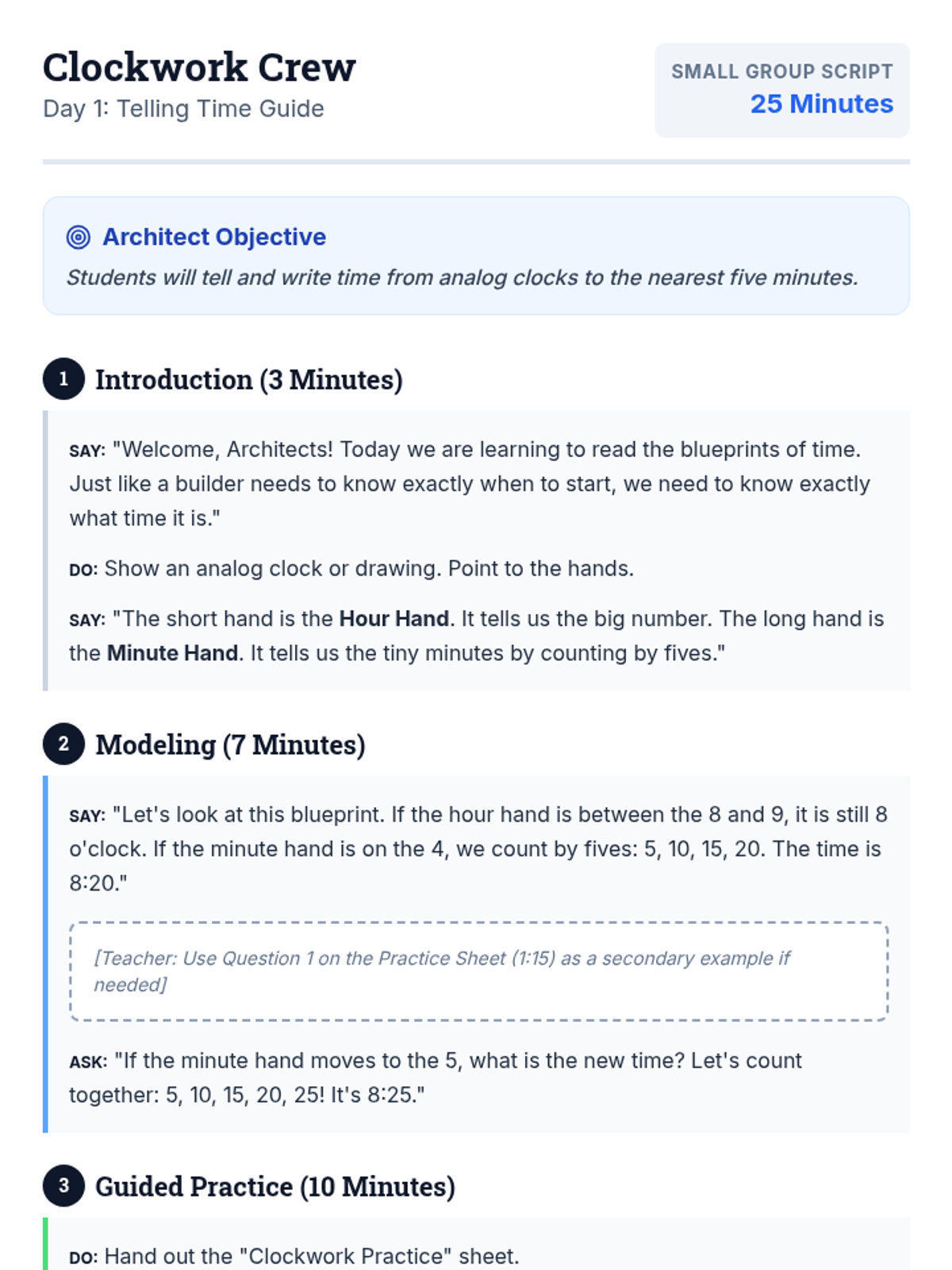
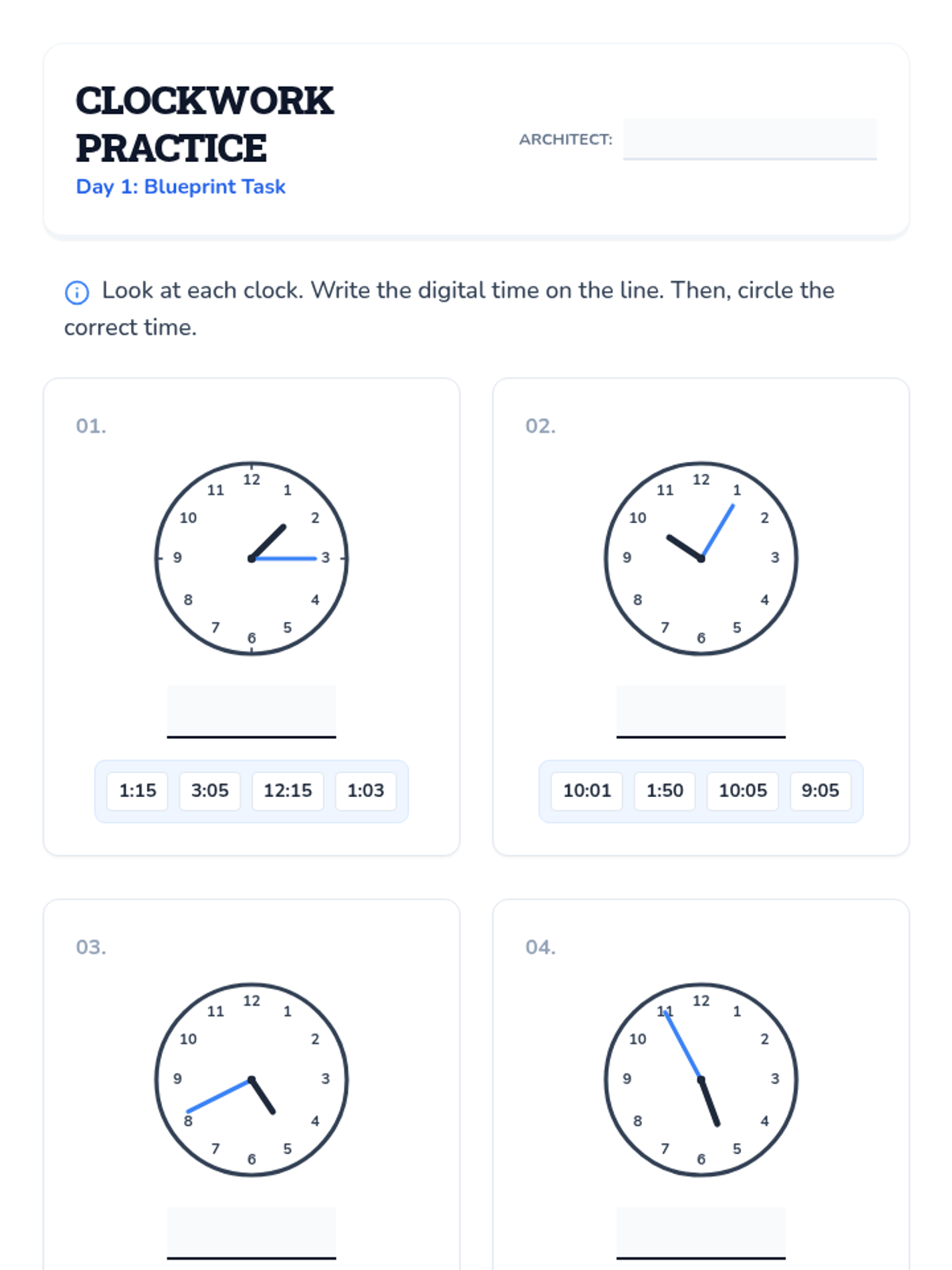
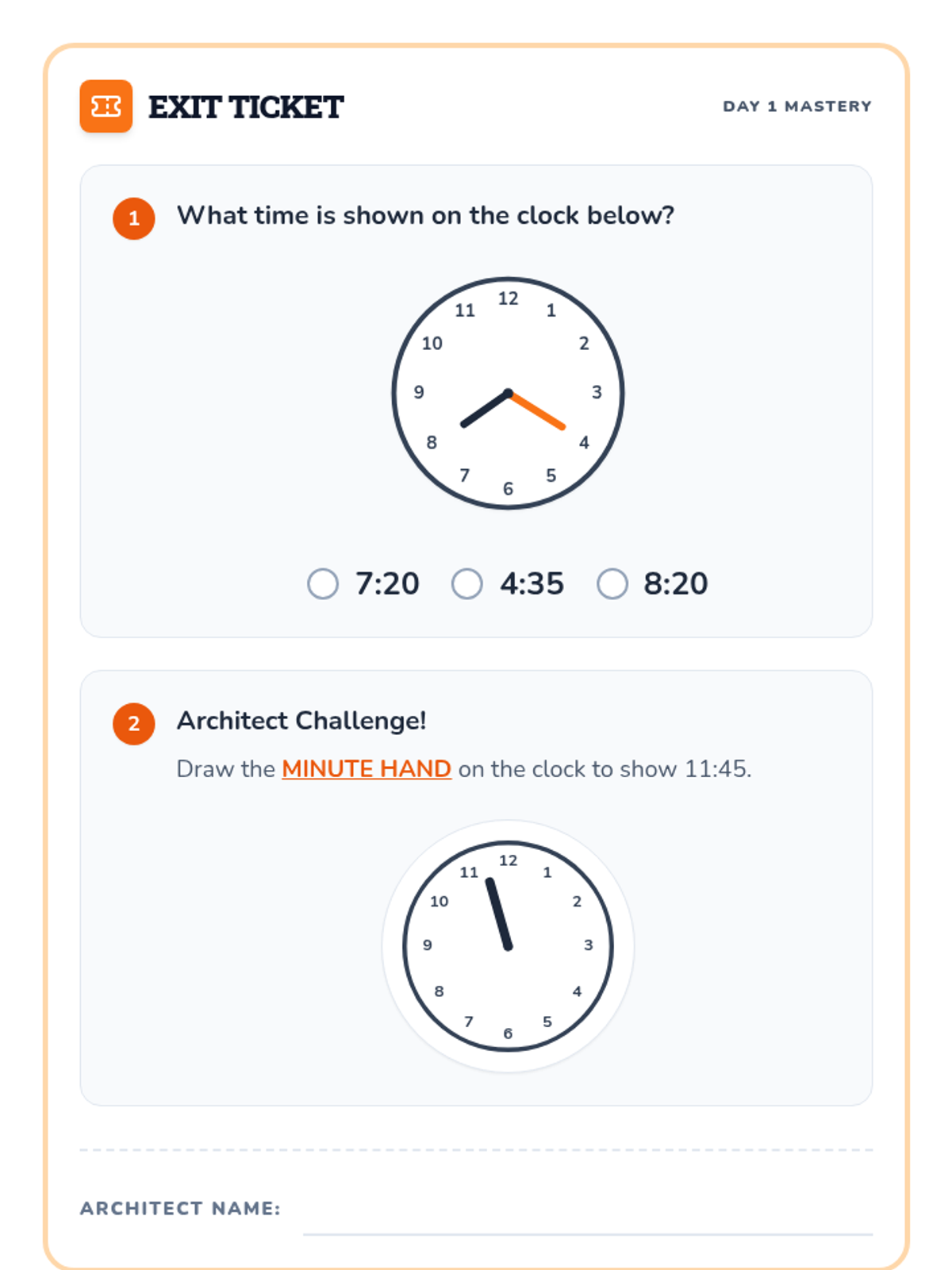
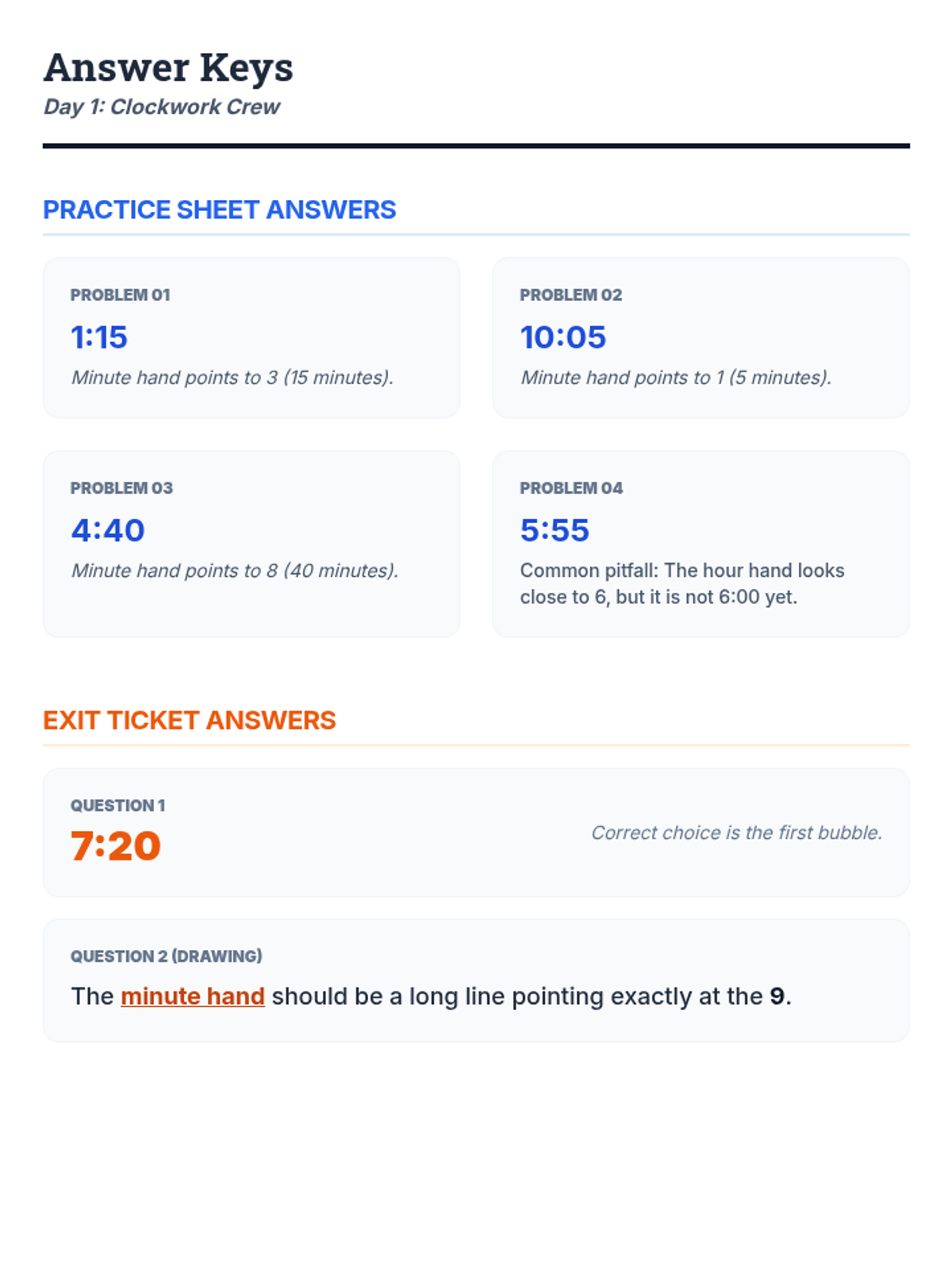
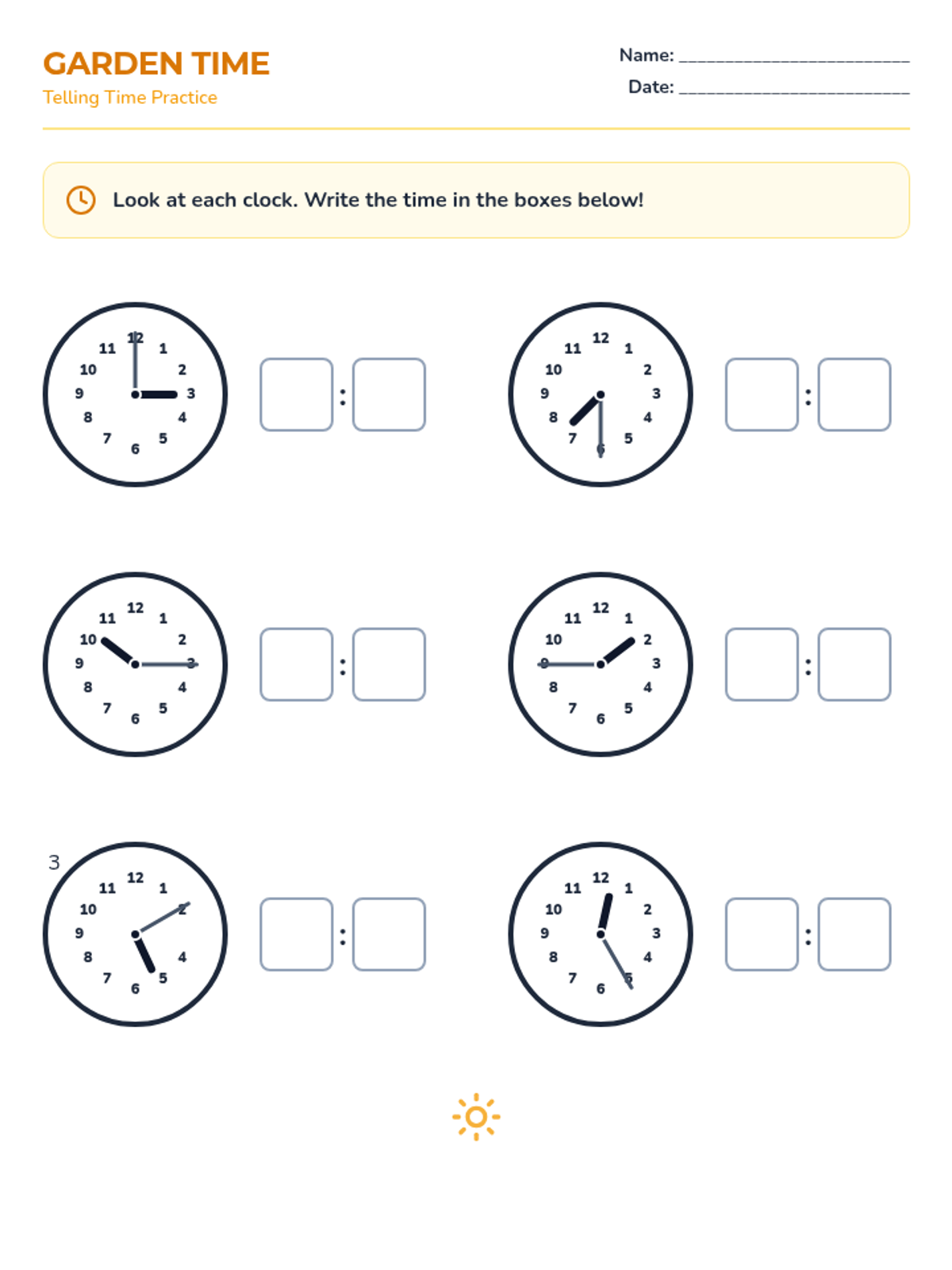
Mastering telling time to the nearest 5 minutes on an analog clock through guided practice and independent application.
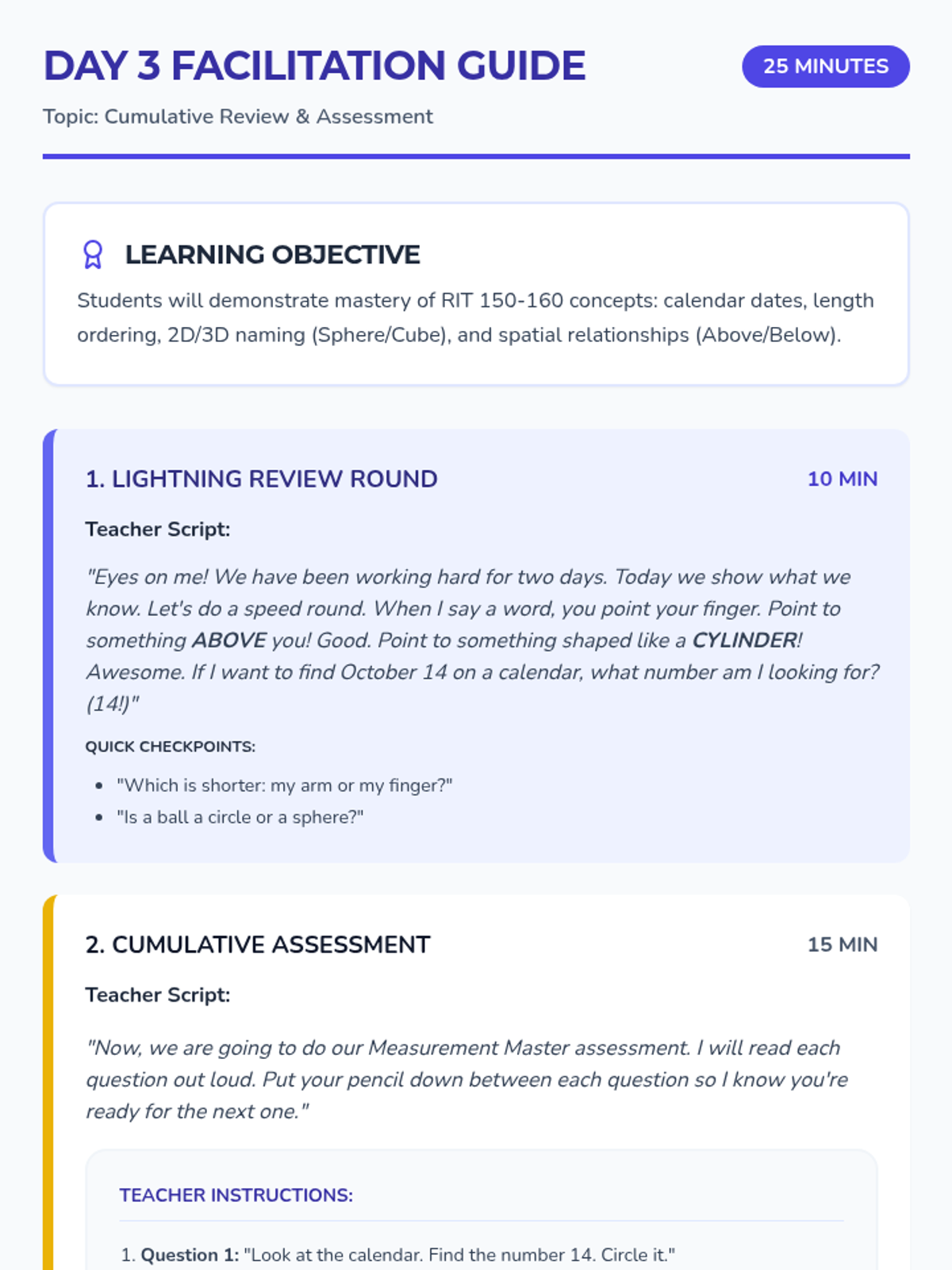
Day 3 provides a comprehensive review of all measurement and geometry concepts from the week, culminating in a cumulative assessment.
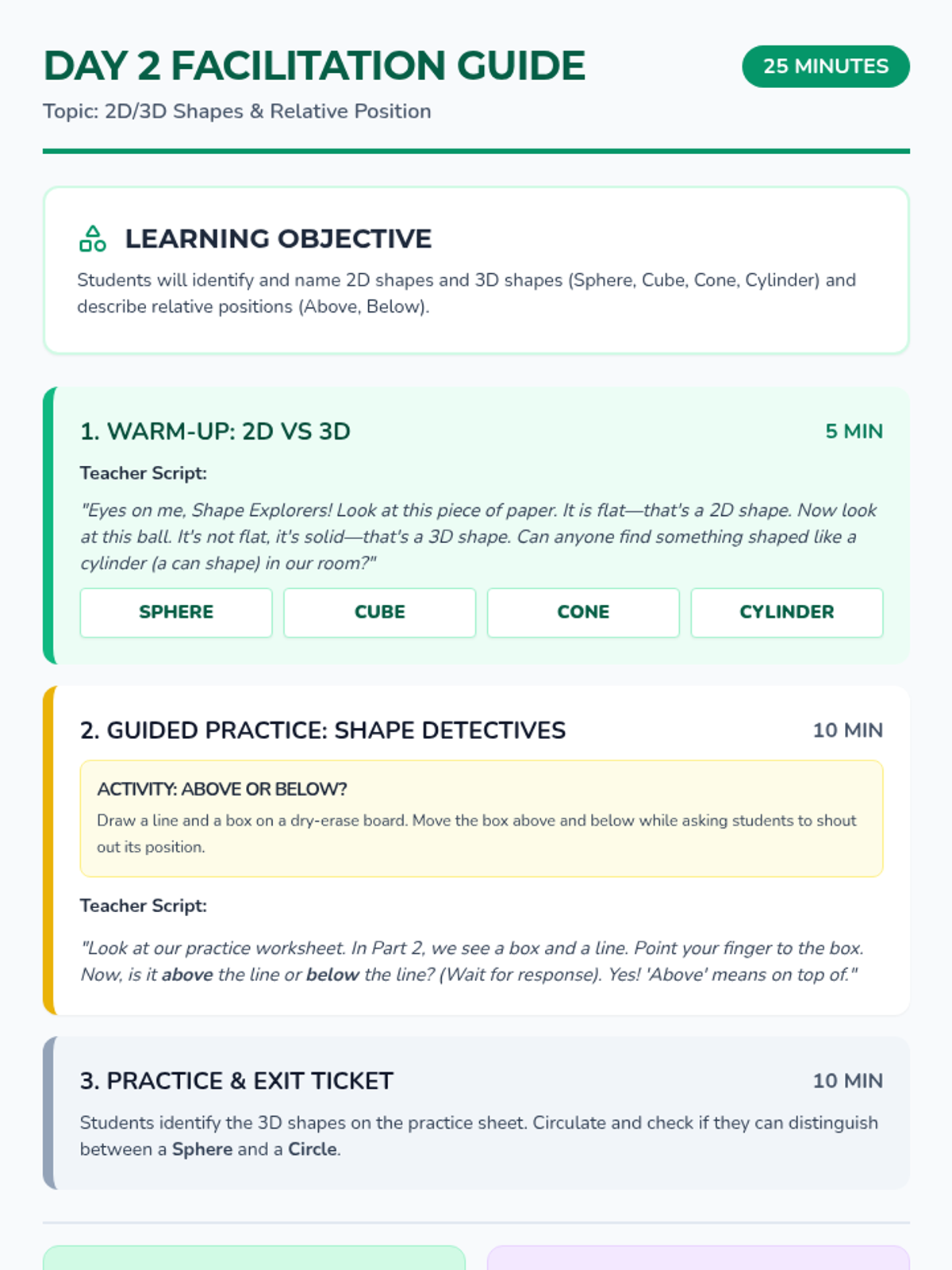
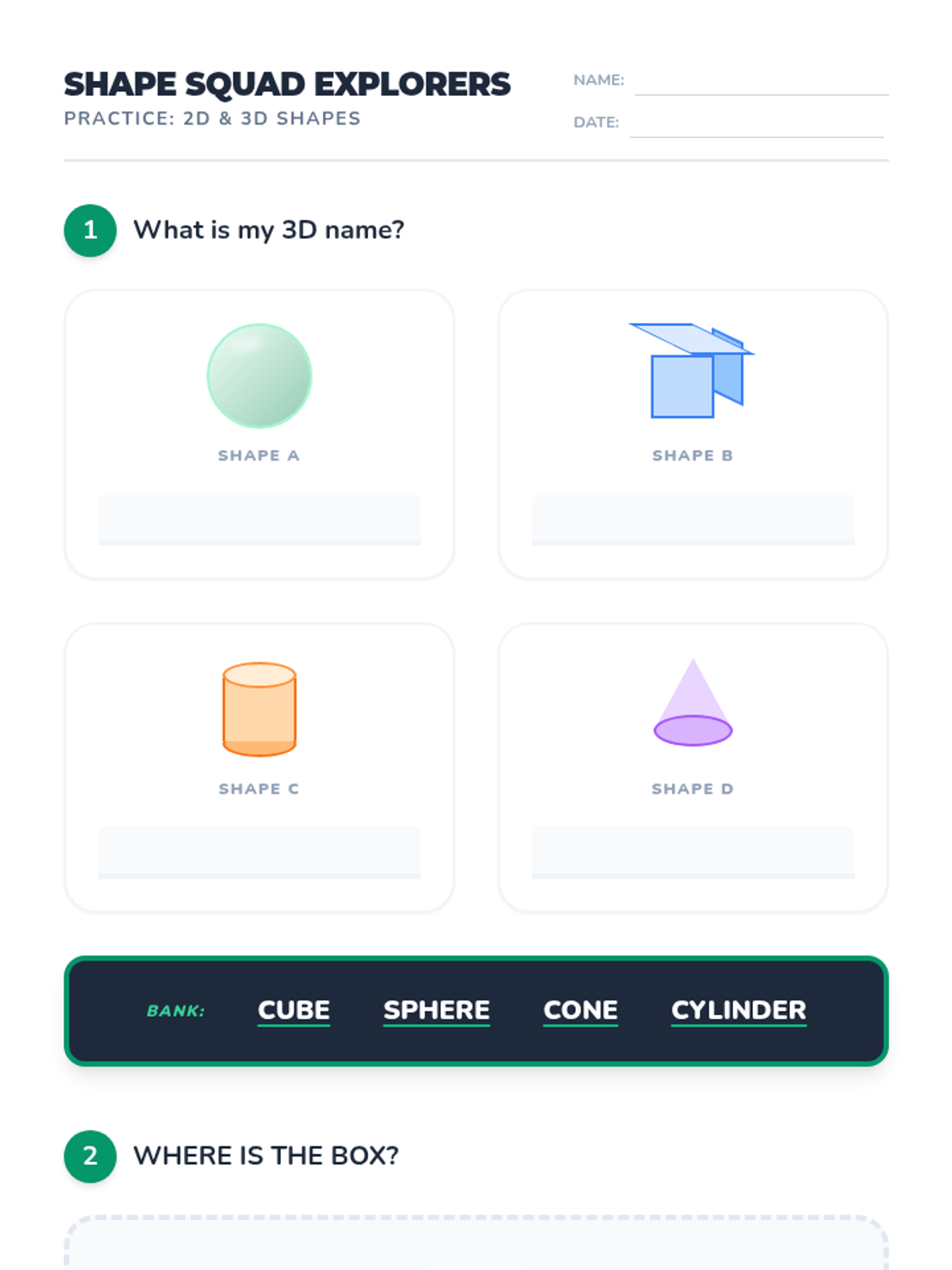
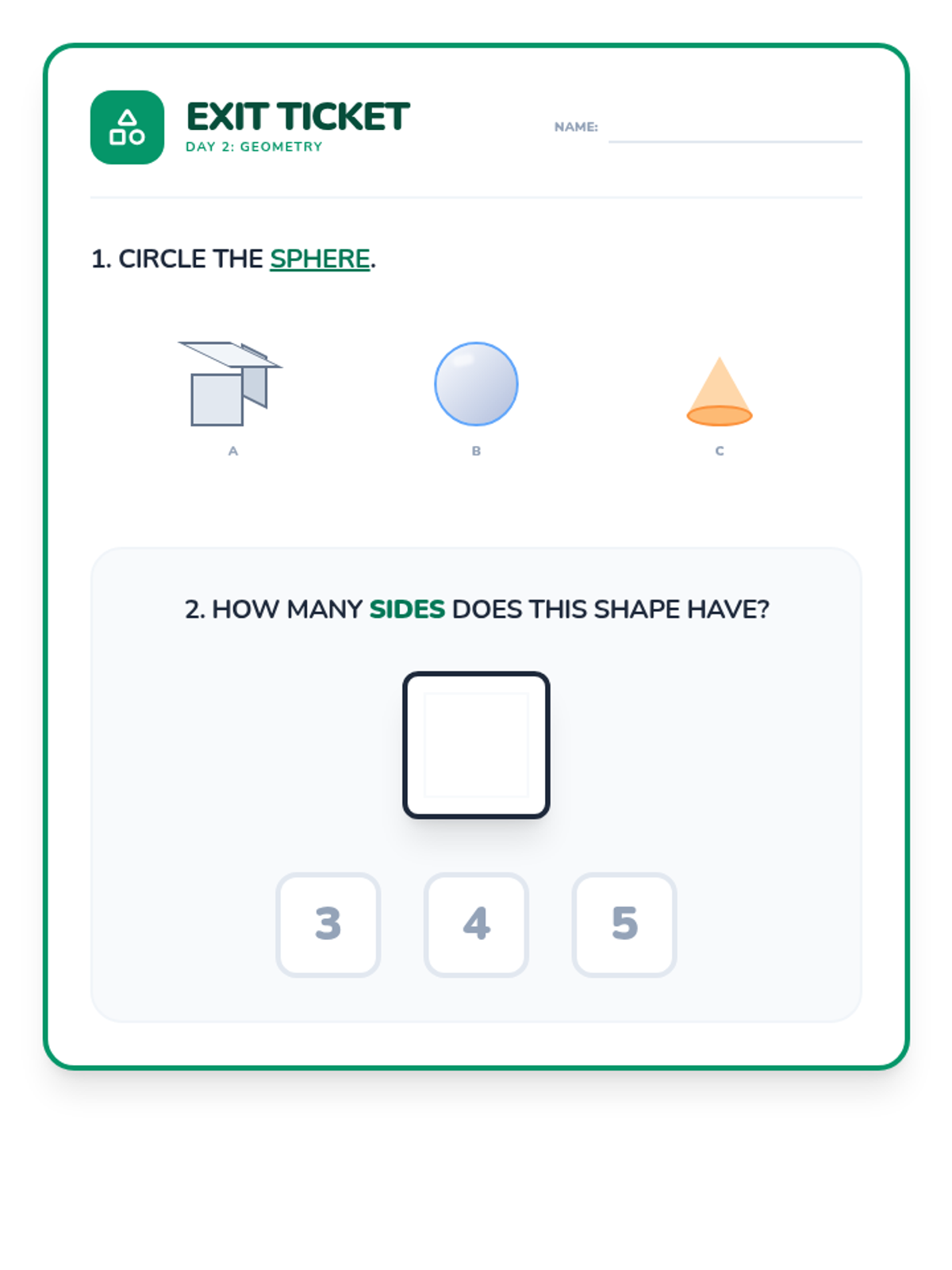
Day 2 covers identifying 2D and 3D shapes by name and attributes, as well as mixed geometry concepts like relative position and composite shapes.
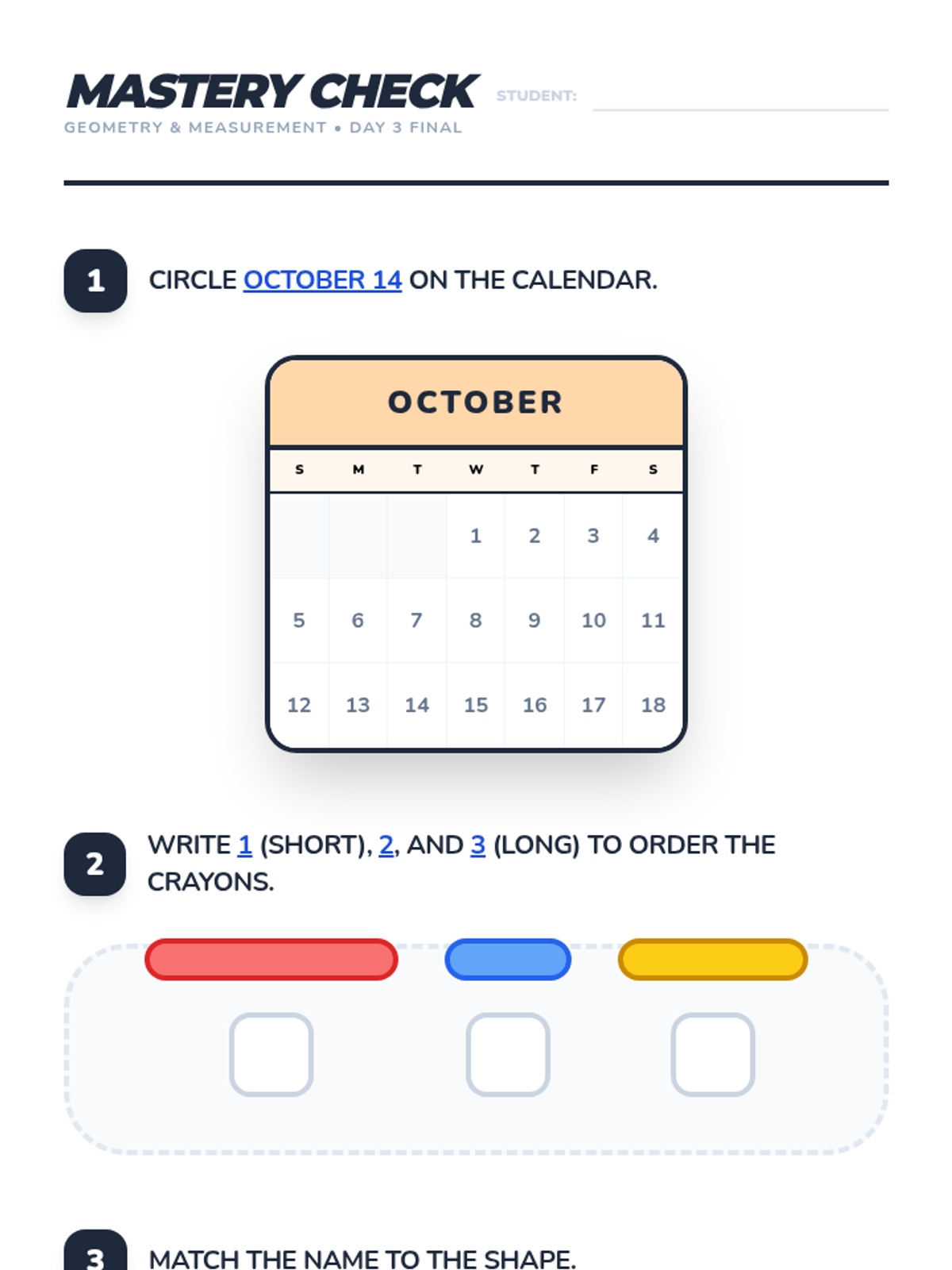
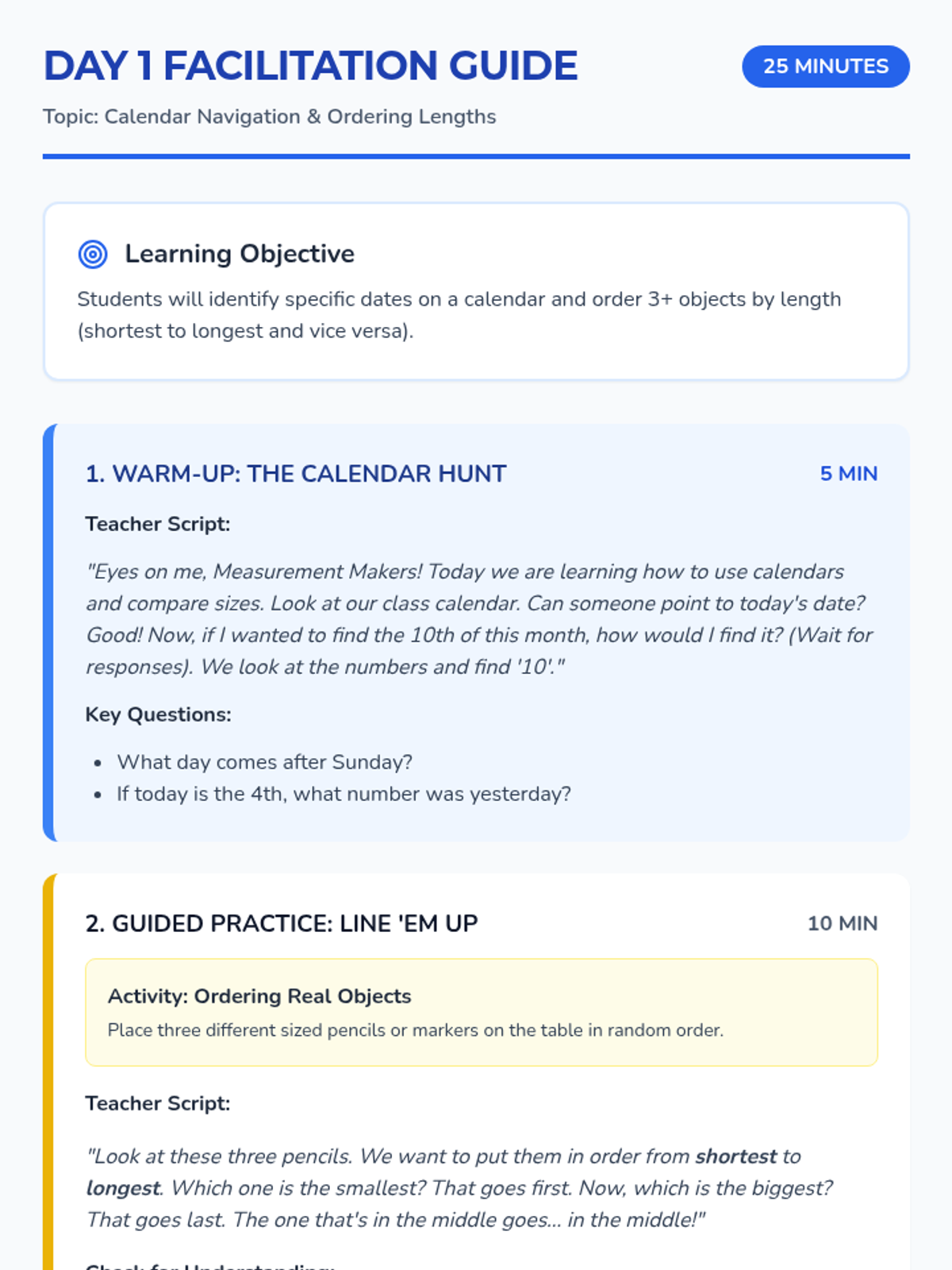
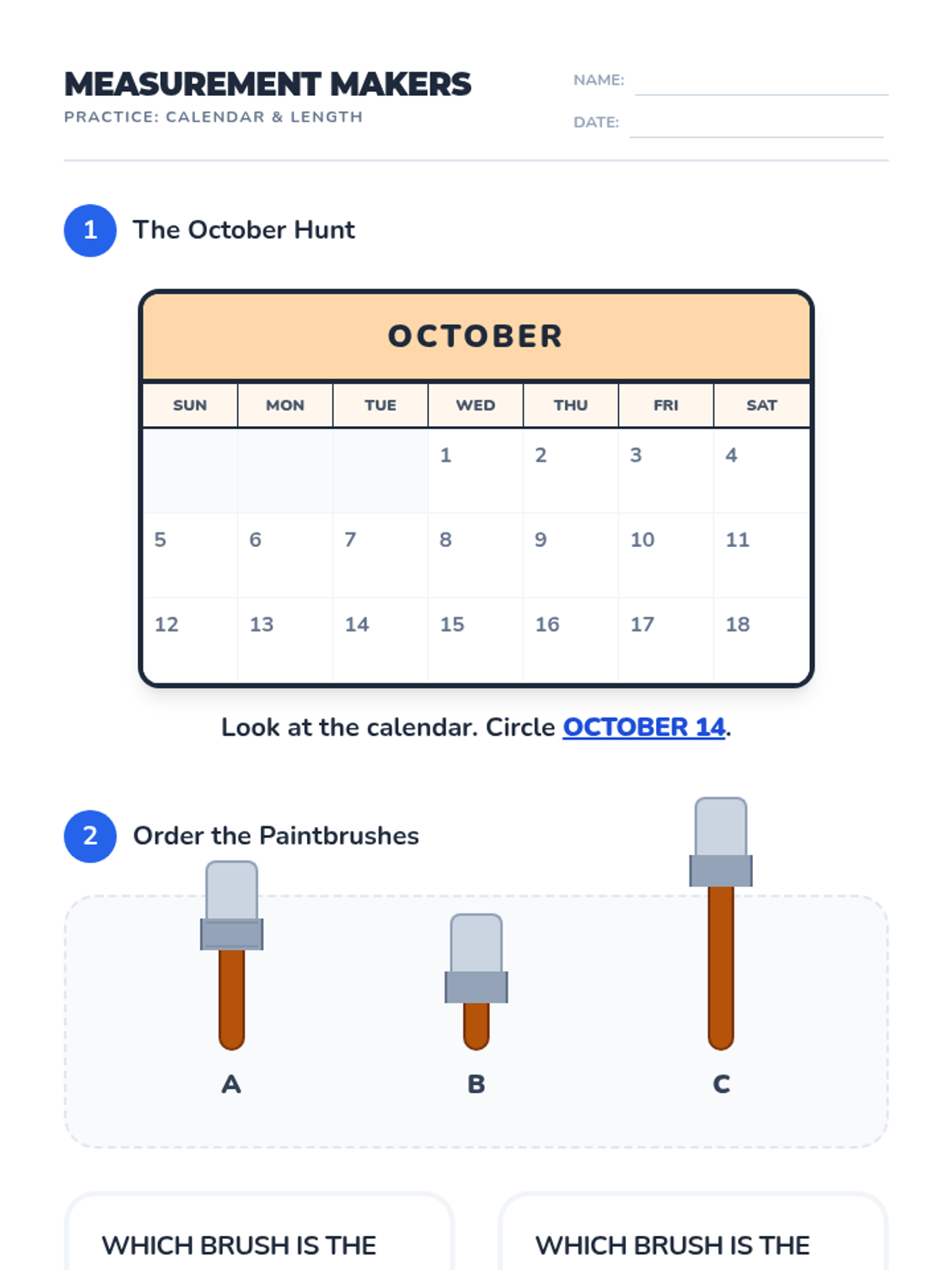
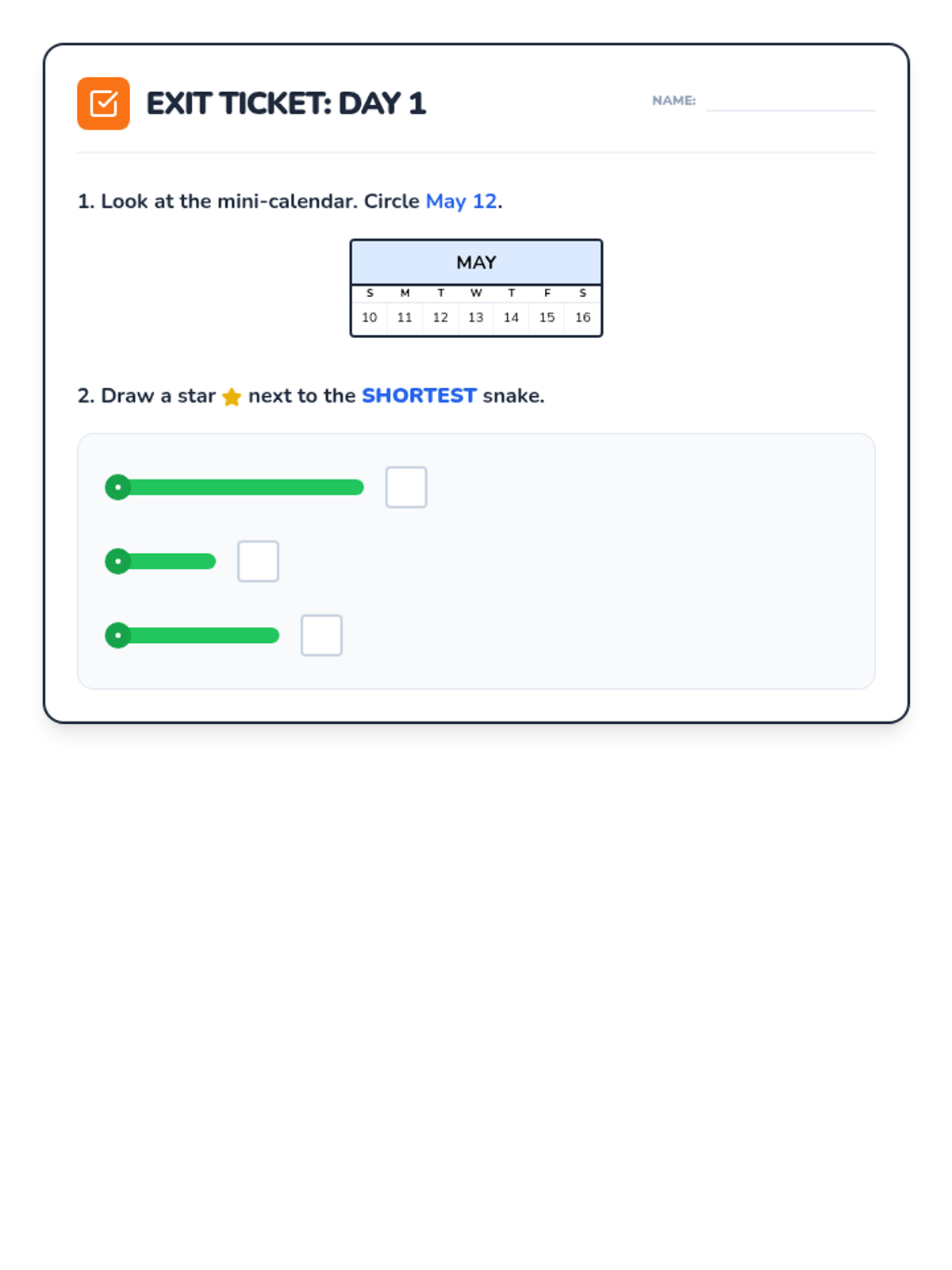
Day 1 focuses on calendar navigation (finding specific dates) and ordering objects by length, targeting foundational RIT 150-160 skills.
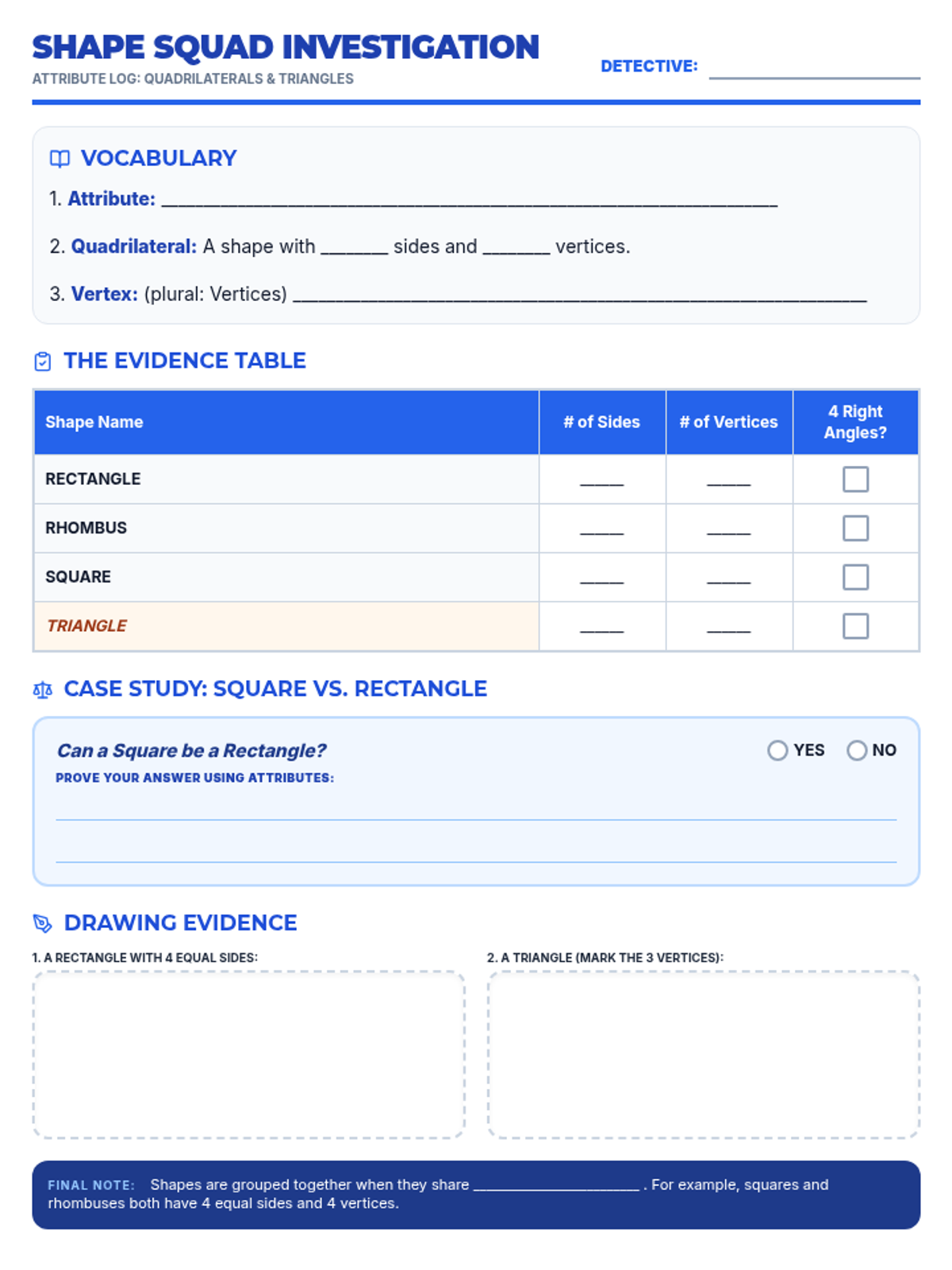
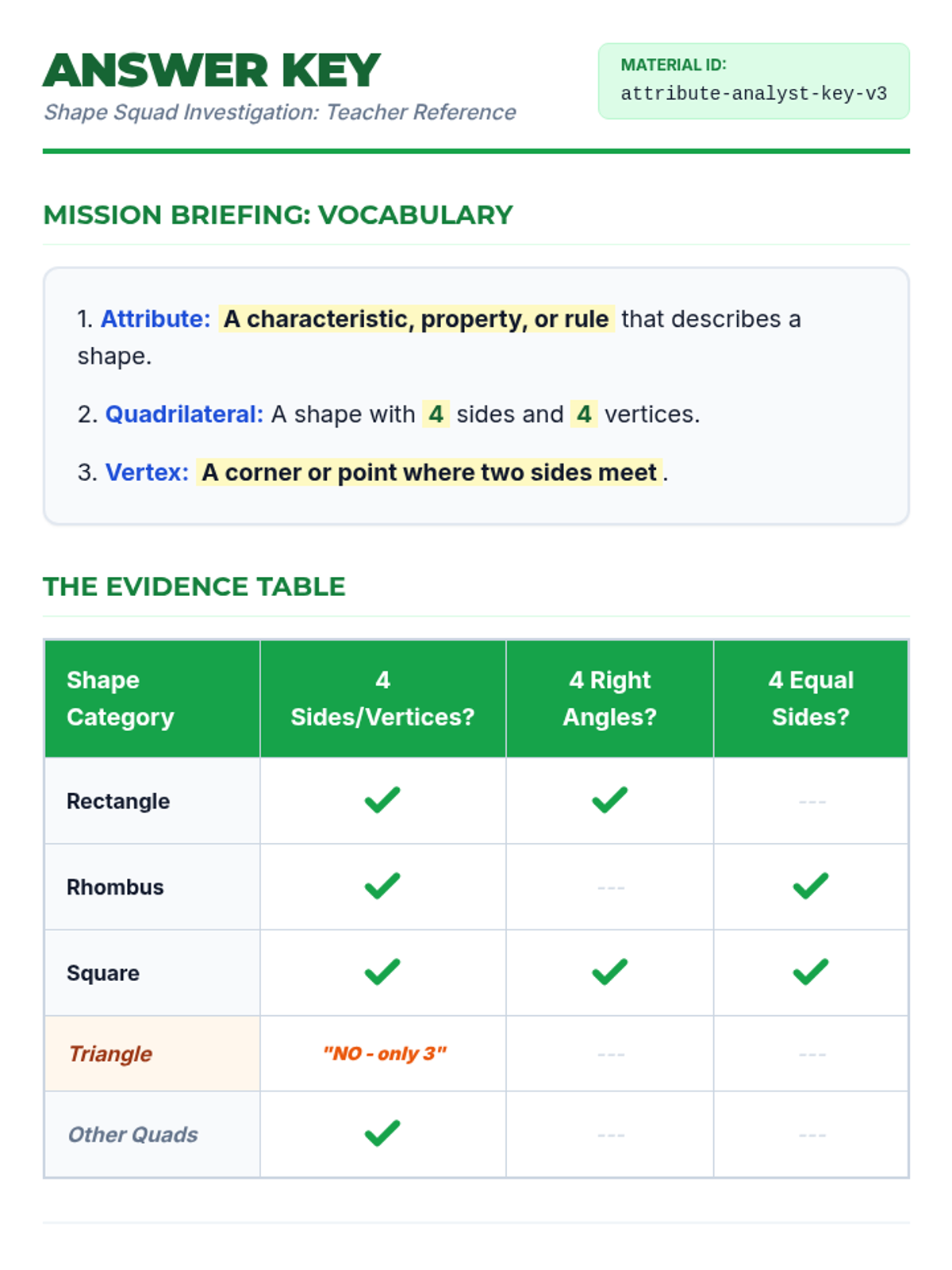
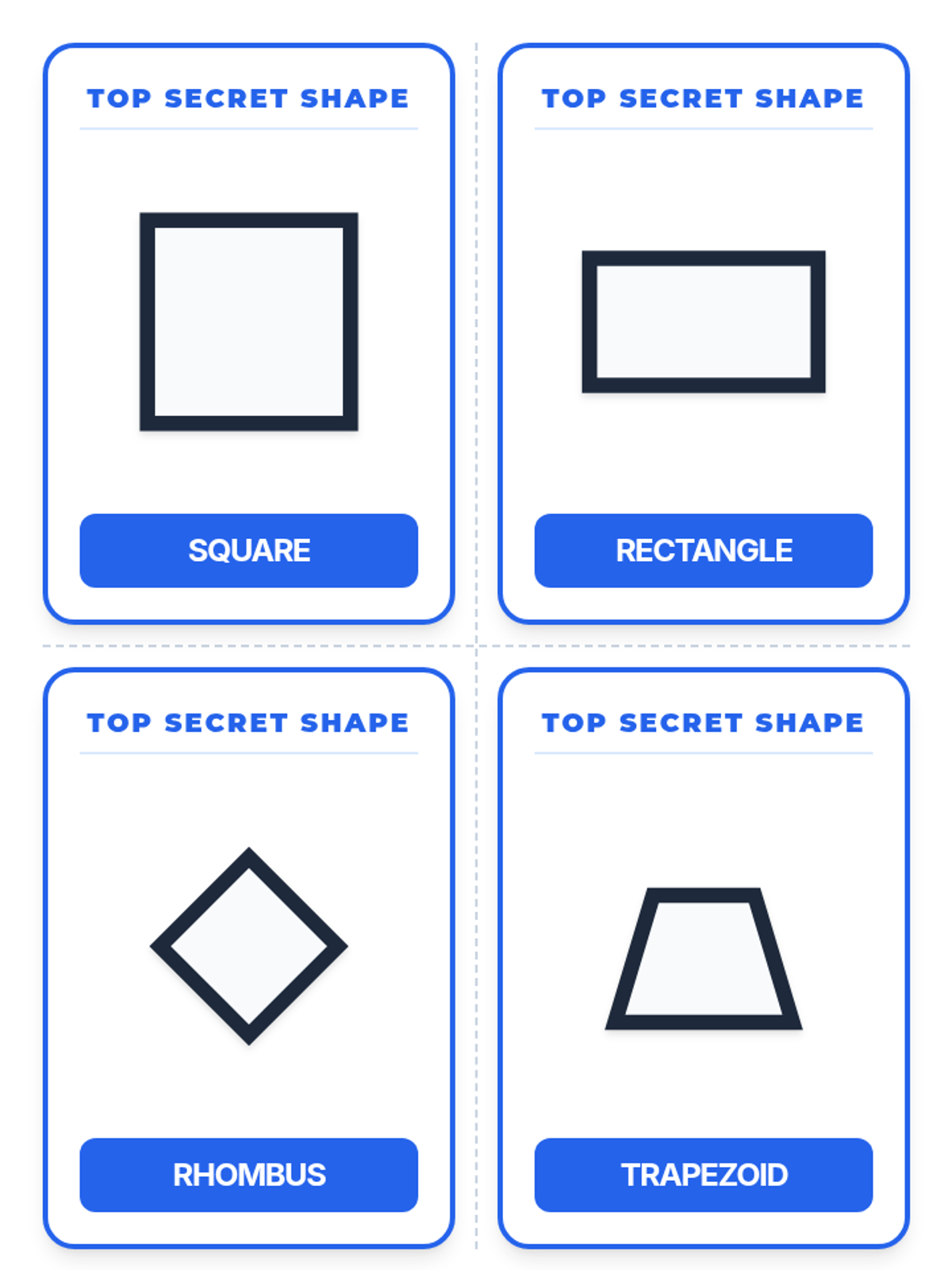
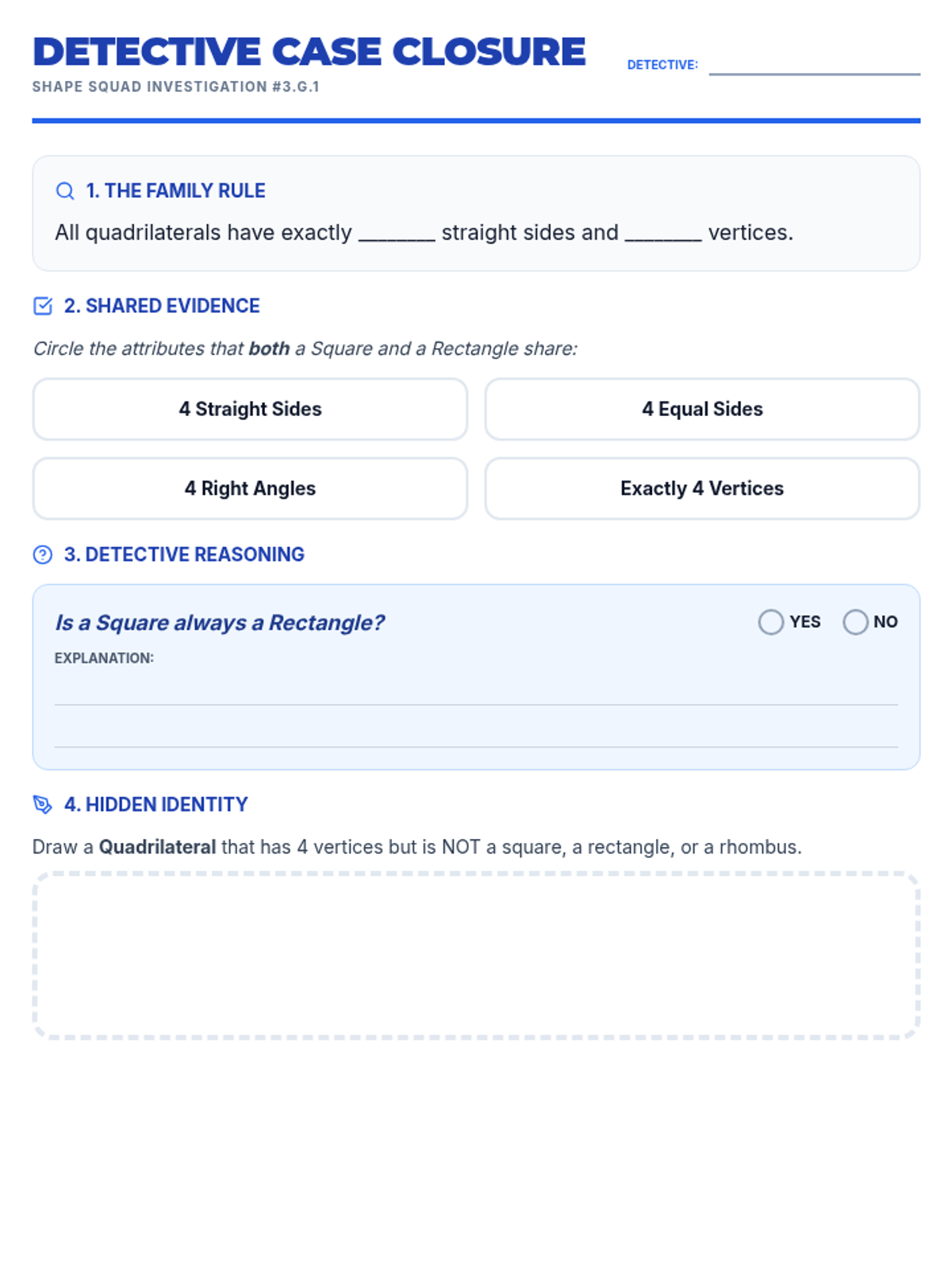
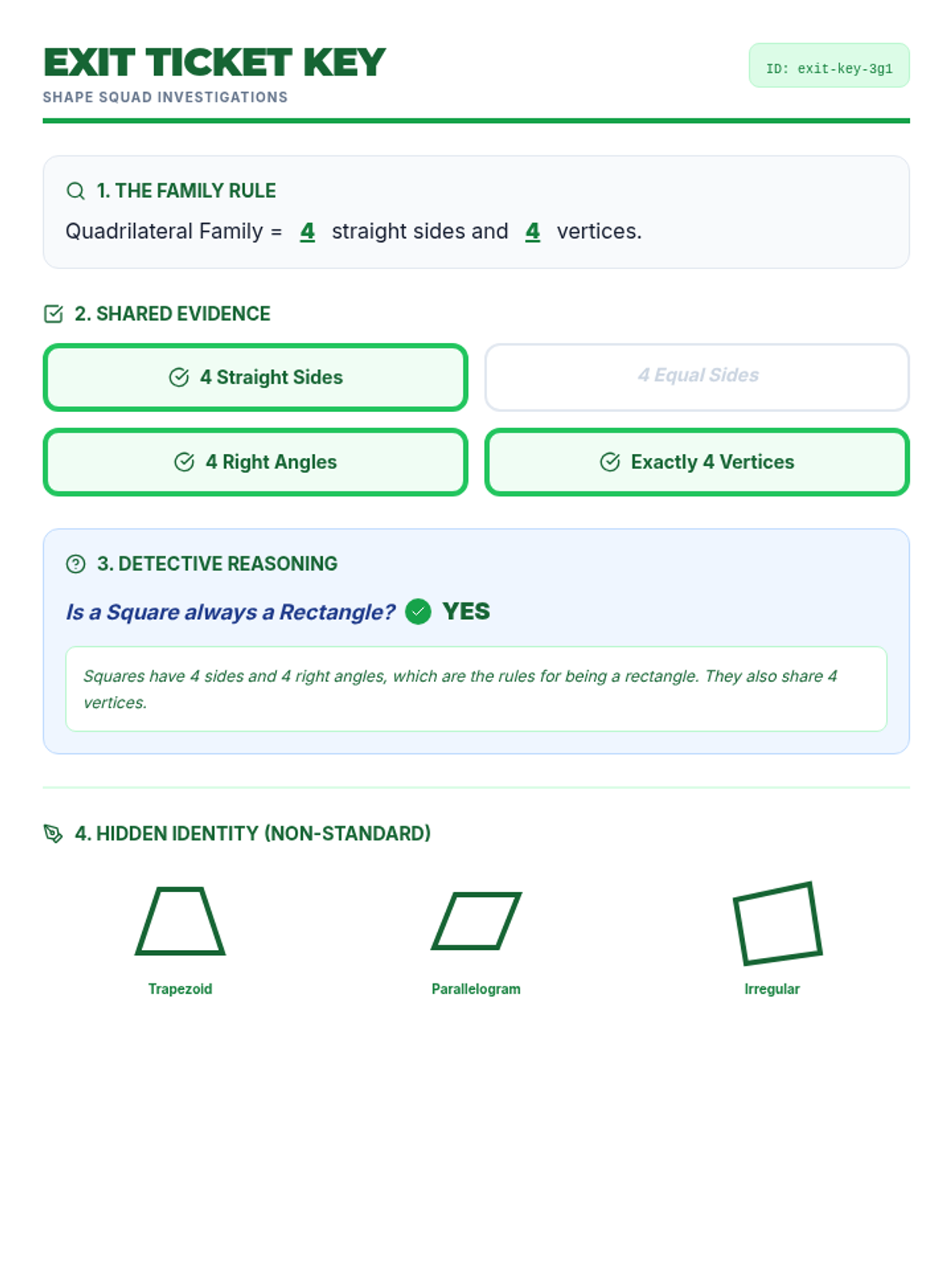
Students explore shared attributes of shapes to understand the category of quadrilaterals, specifically identifying squares, rectangles, and rhombuses while also creating non-standard quadrilaterals.
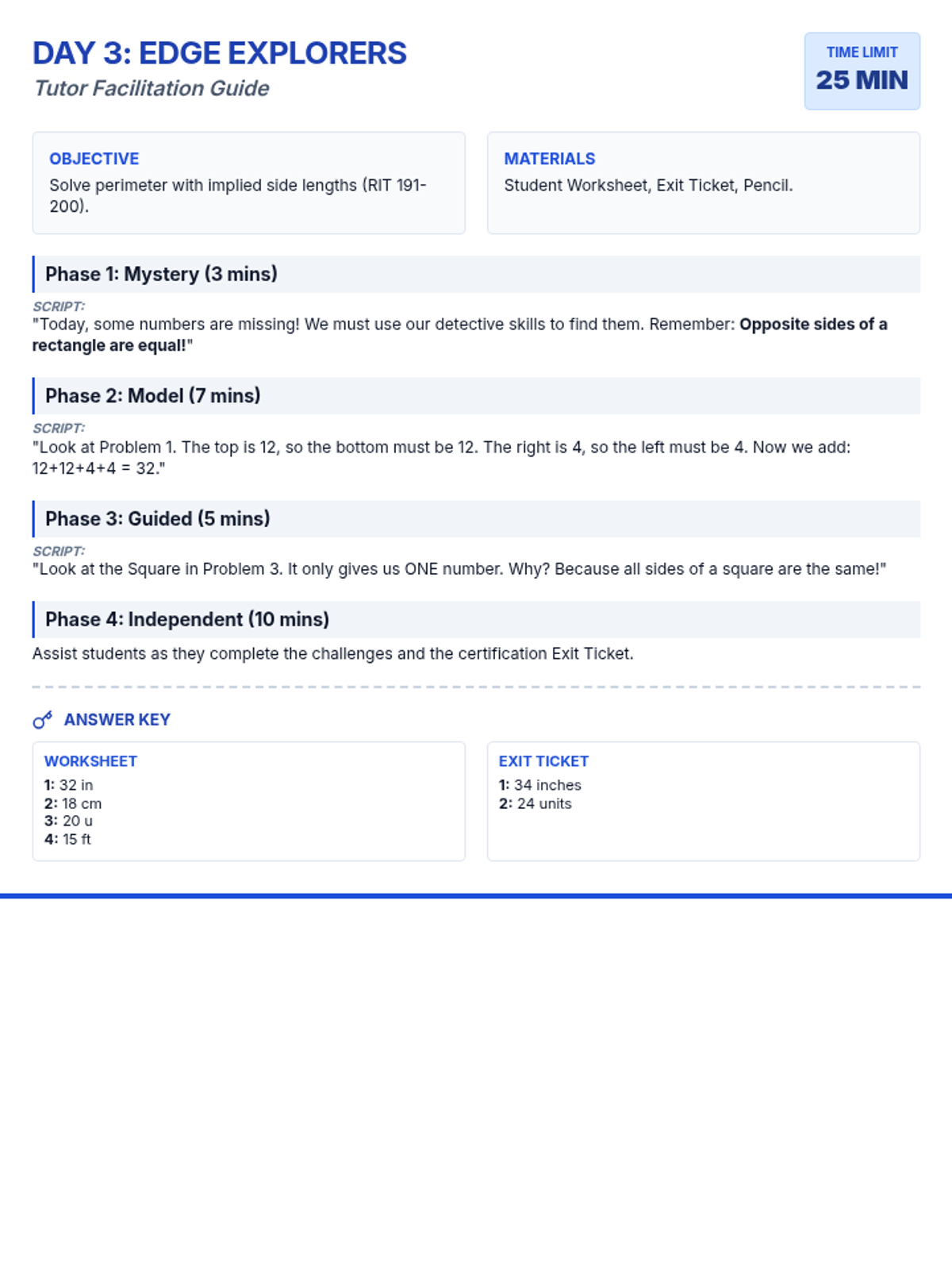
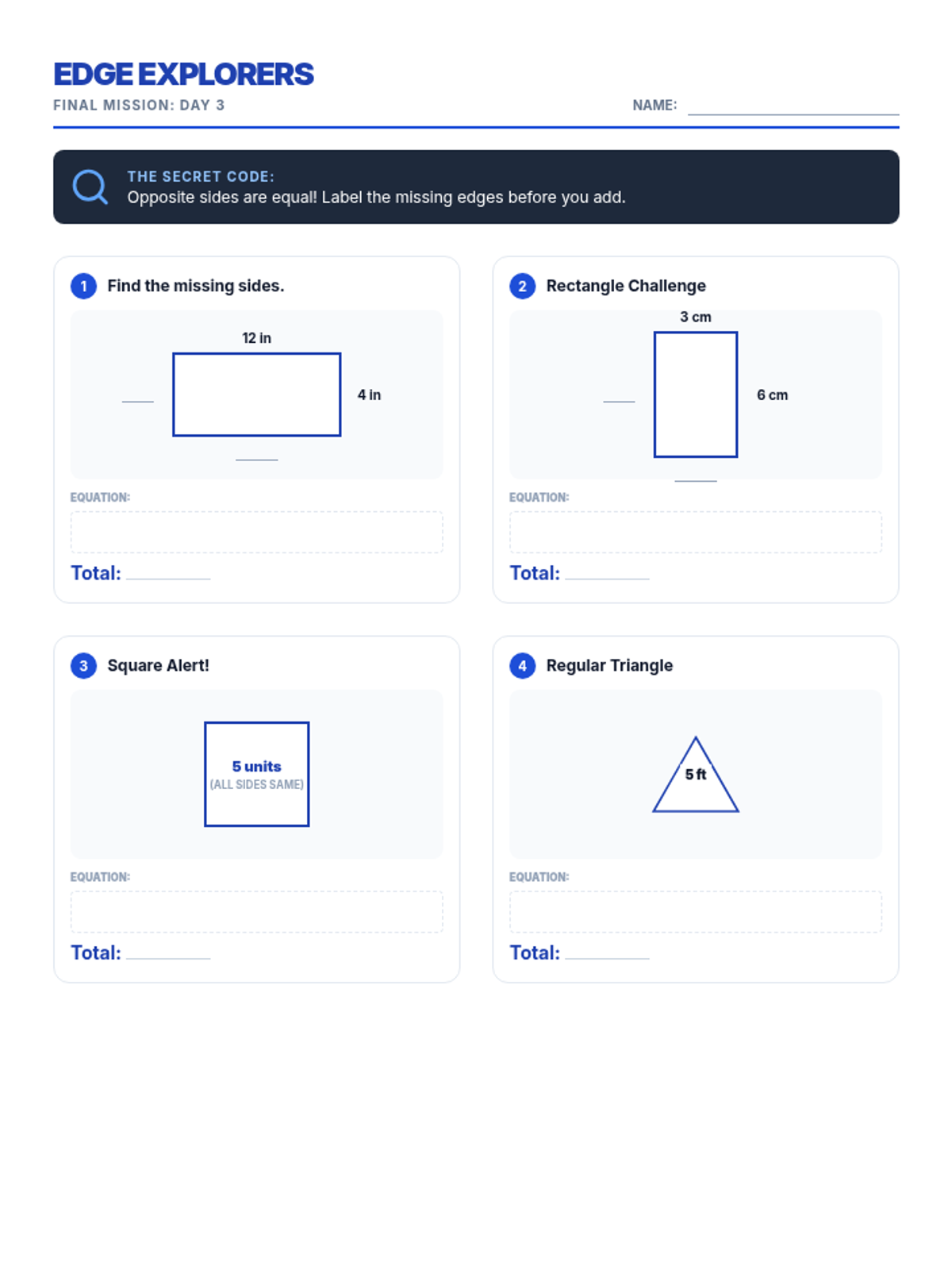
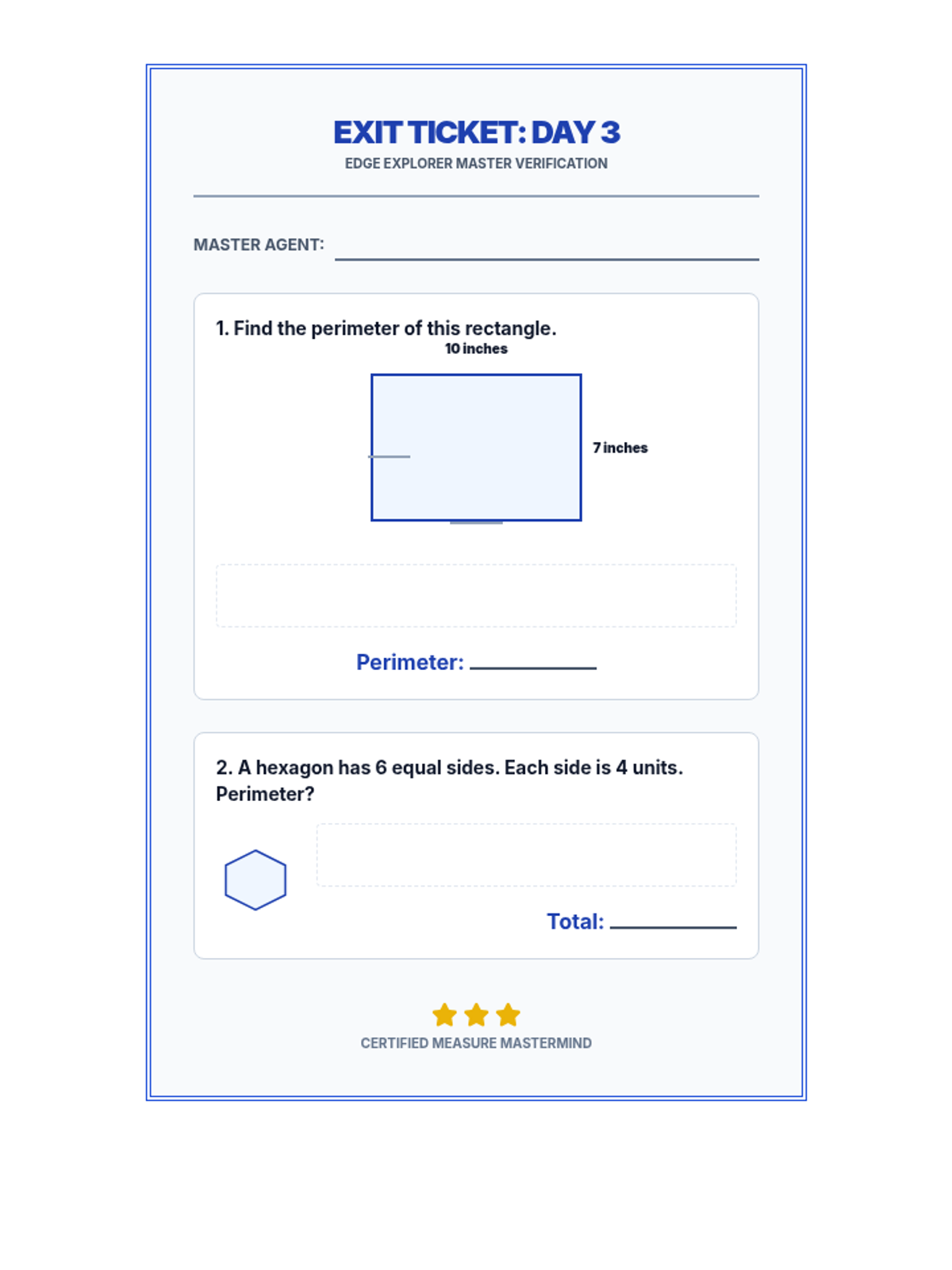
Students solve perimeter problems where some side lengths are implied or shapes are complex (191-200 focus).
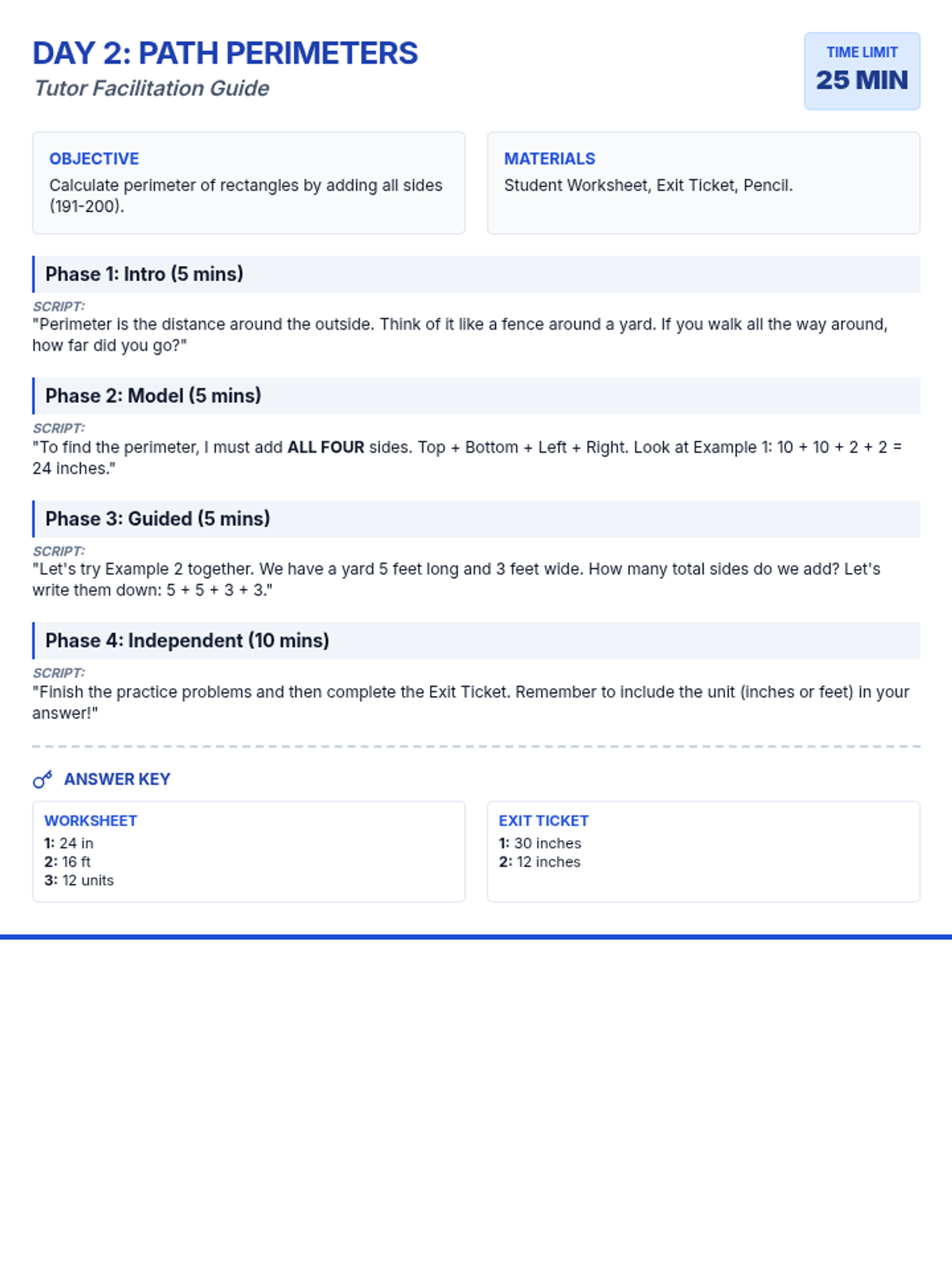
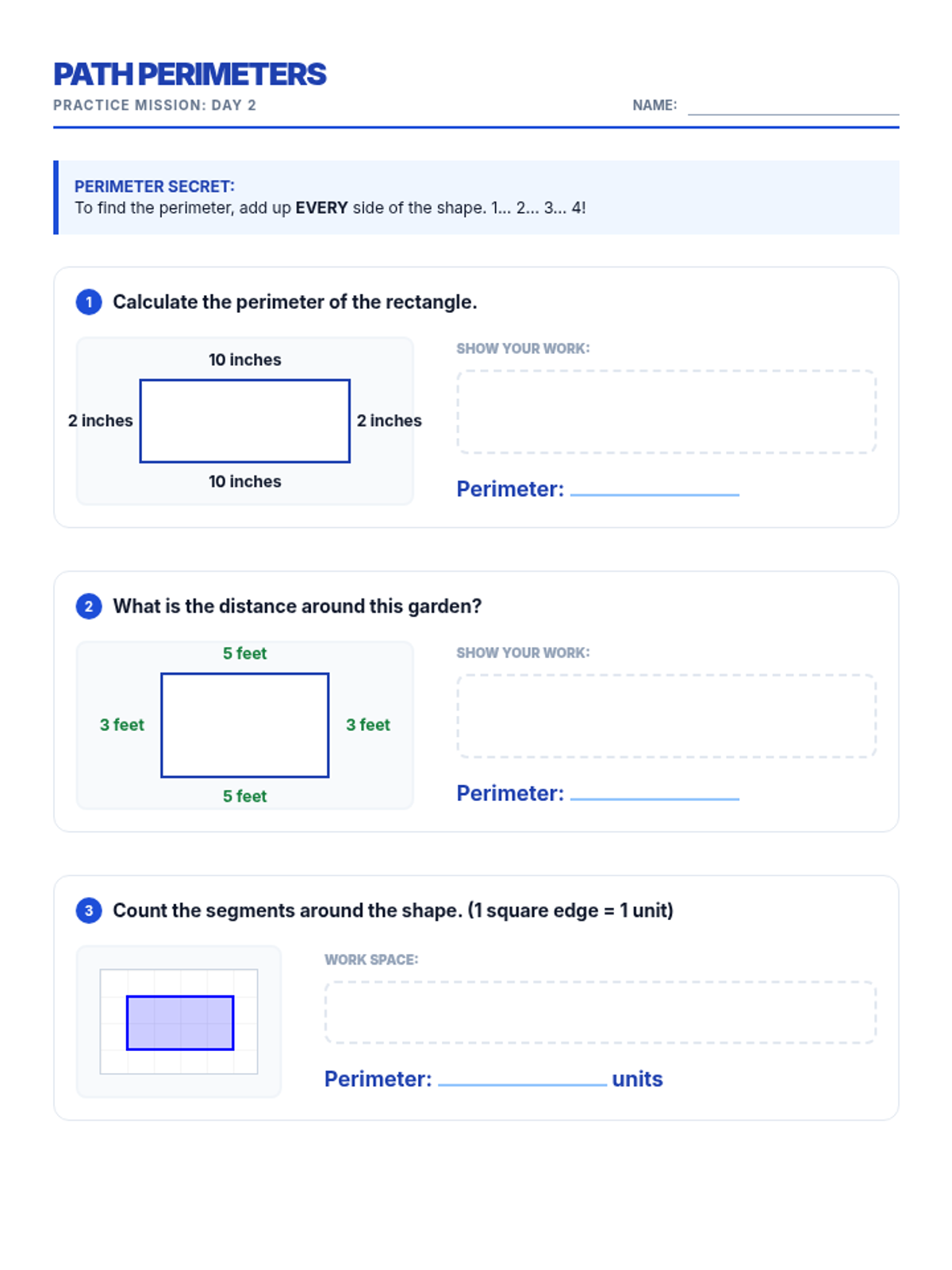
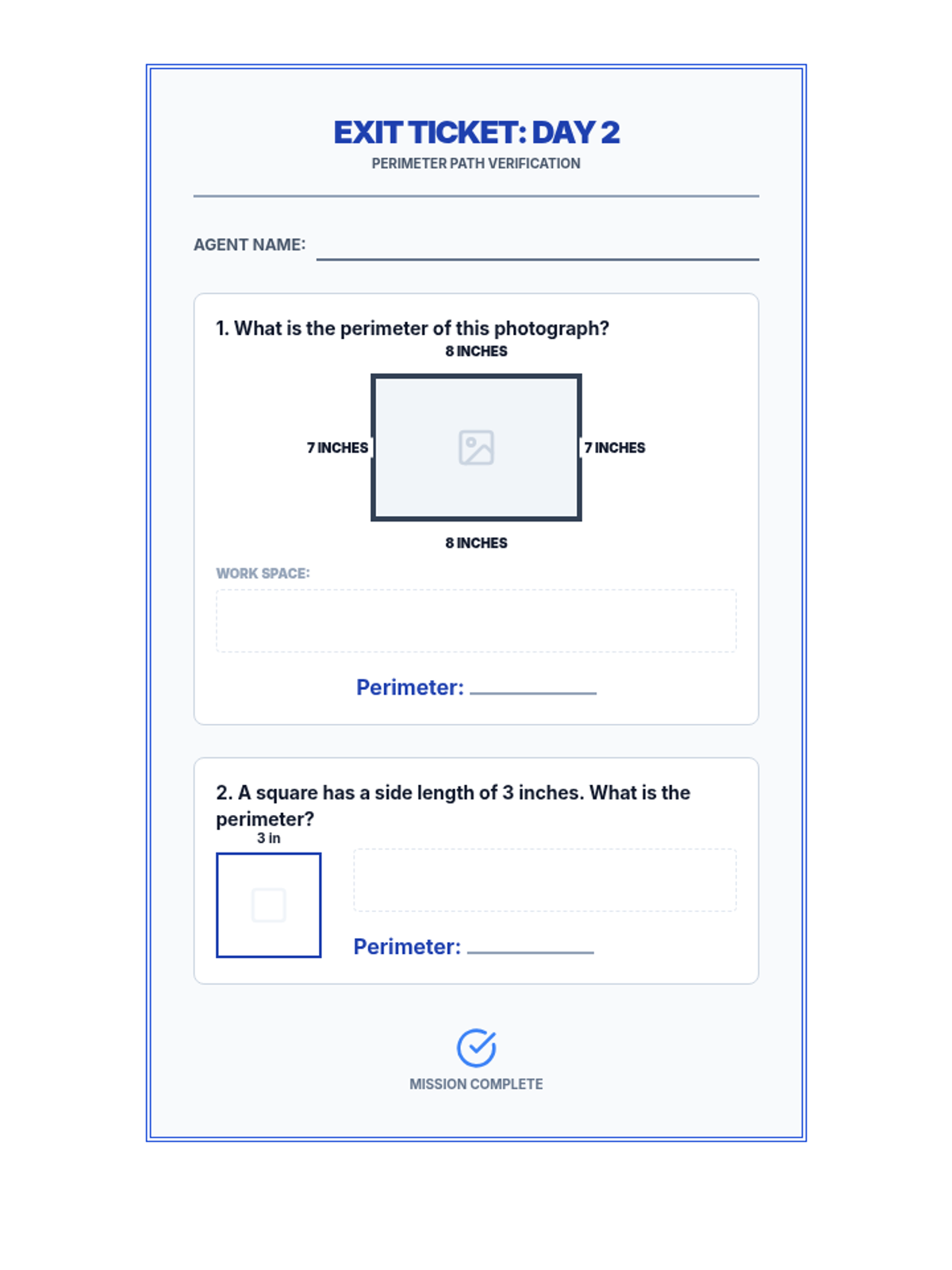
Students transition from basic counting and addition to calculating the perimeter of rectangles (191-200).
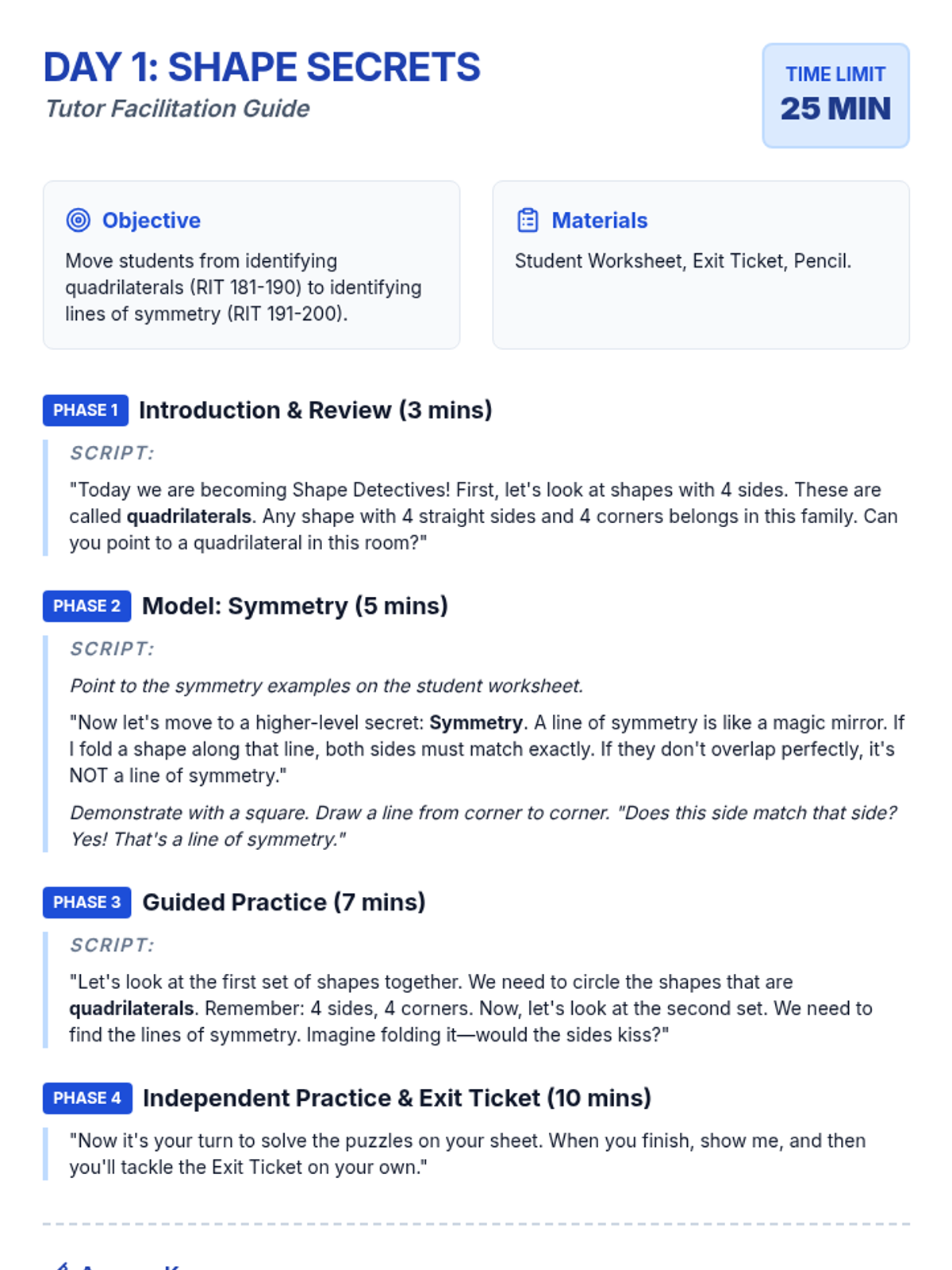
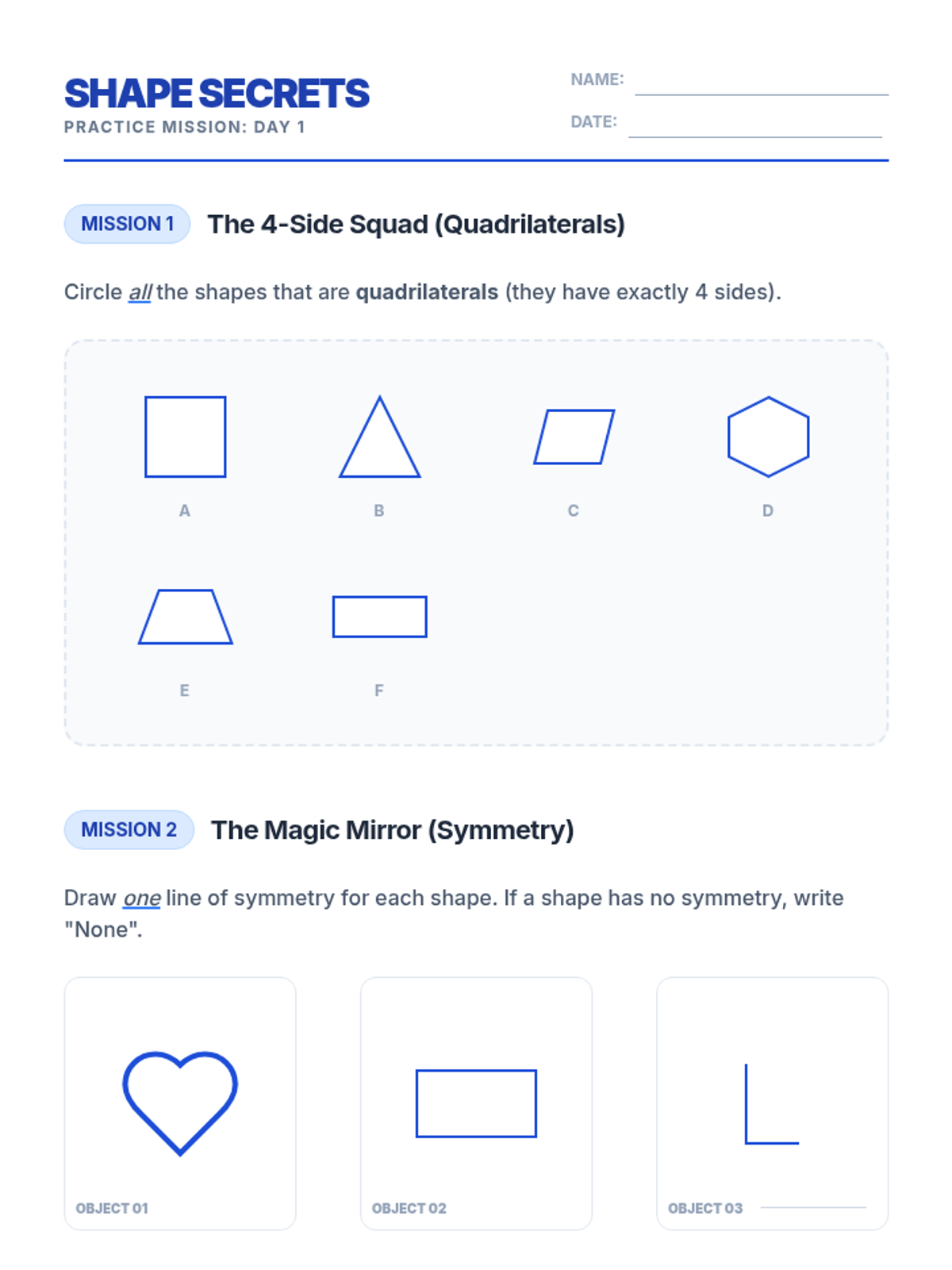
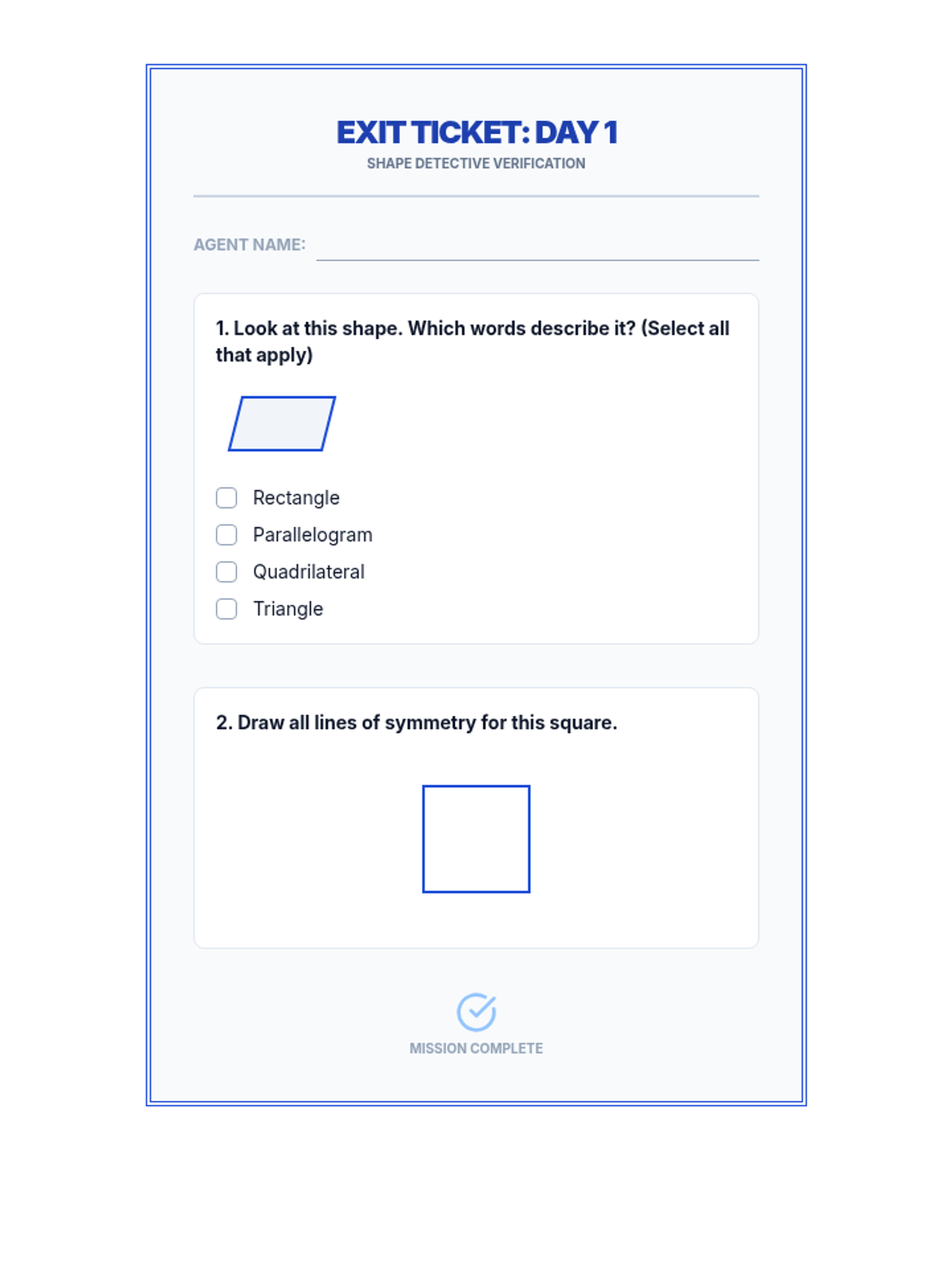
Students identify attributes of quadrilaterals (181-190) and explore lines of symmetry in 2D shapes (191-200).
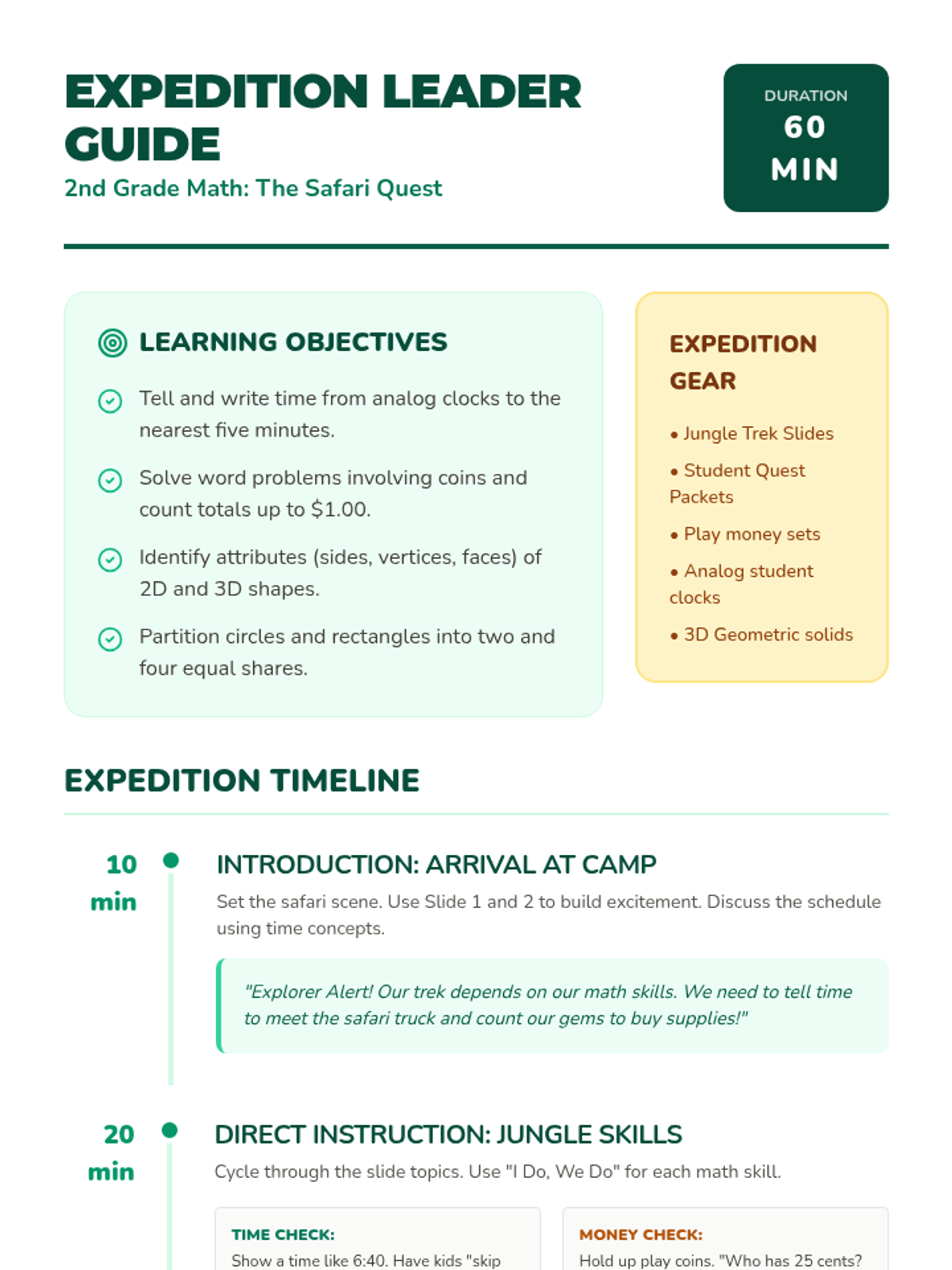
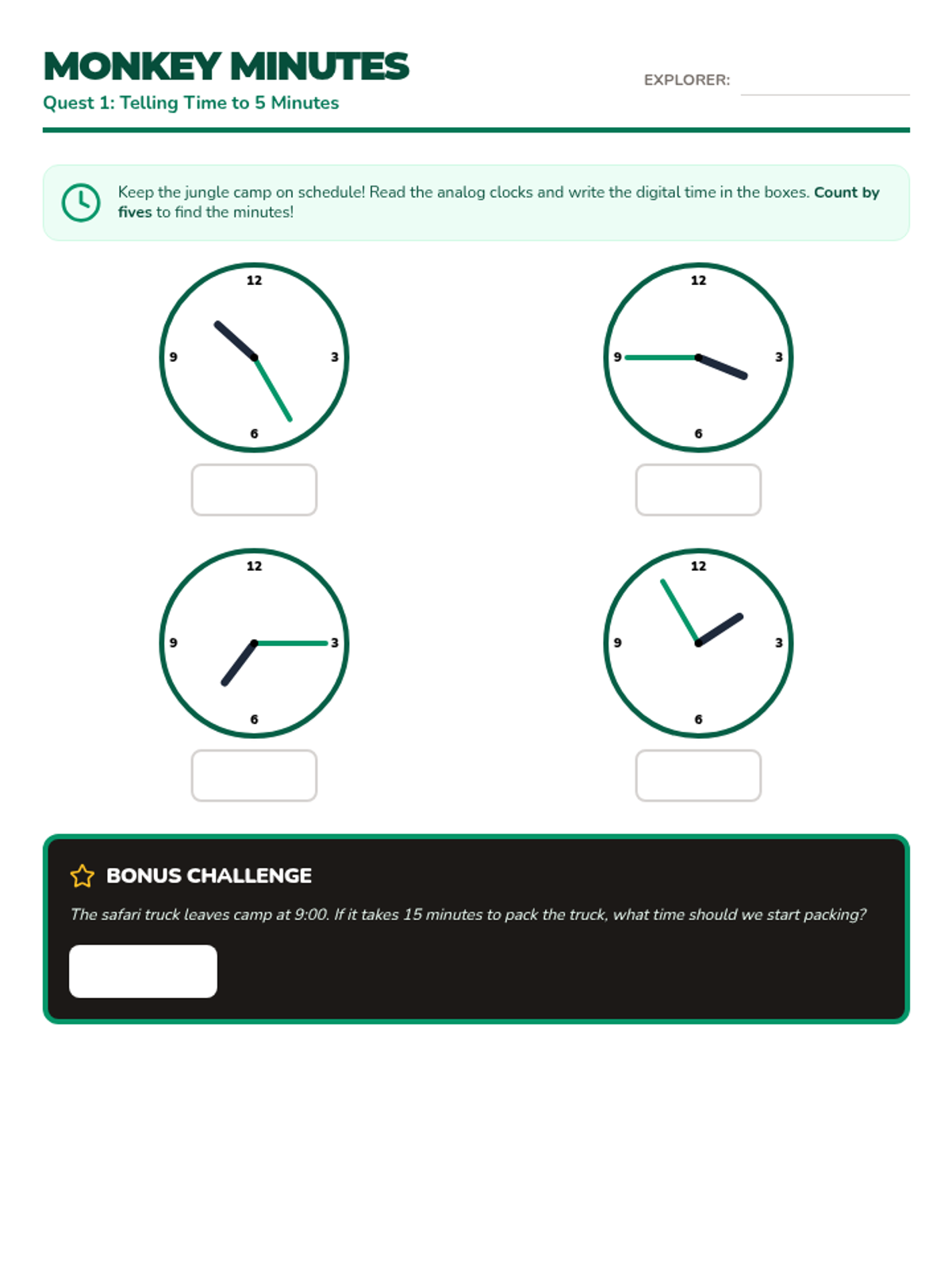
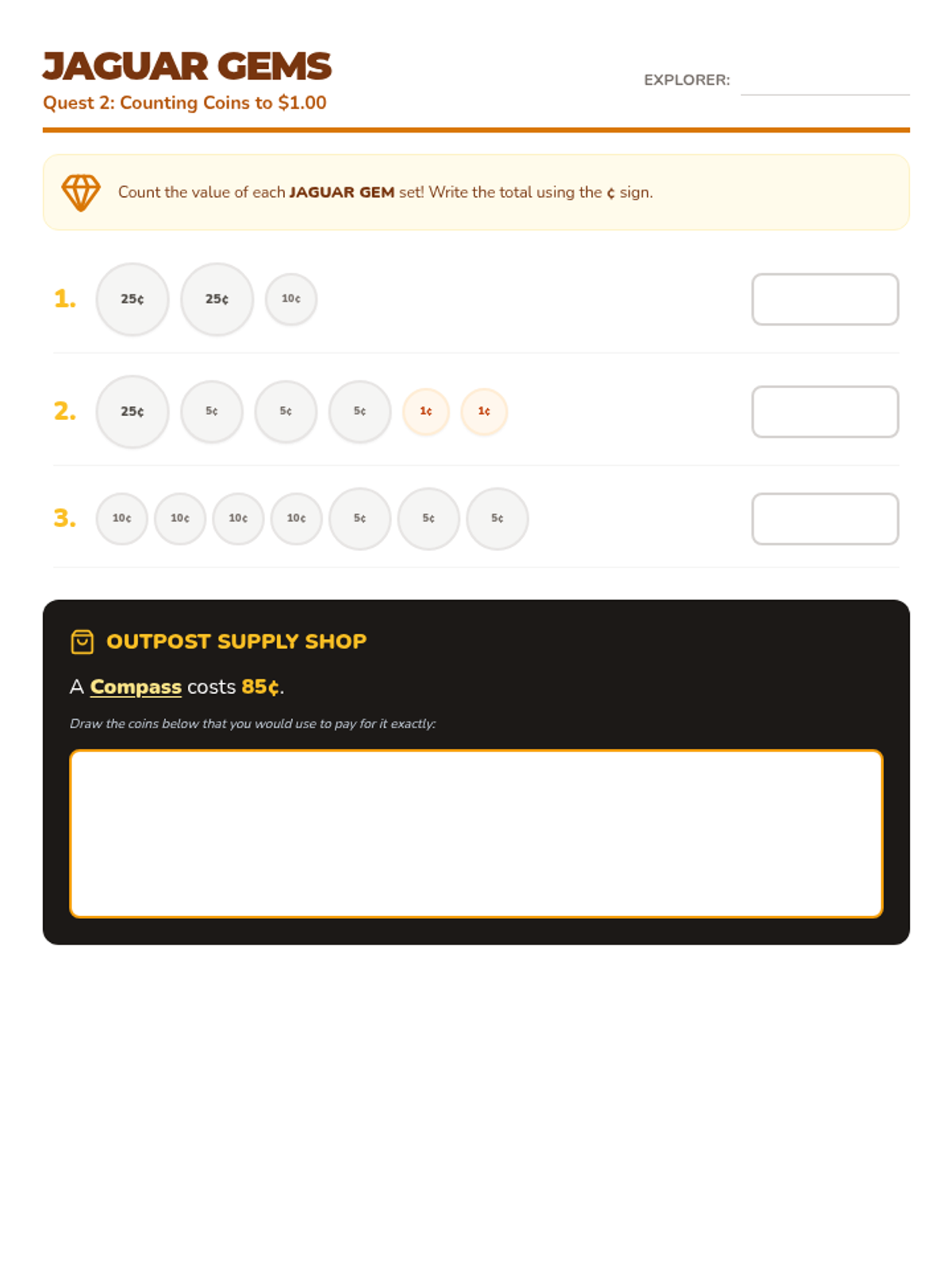
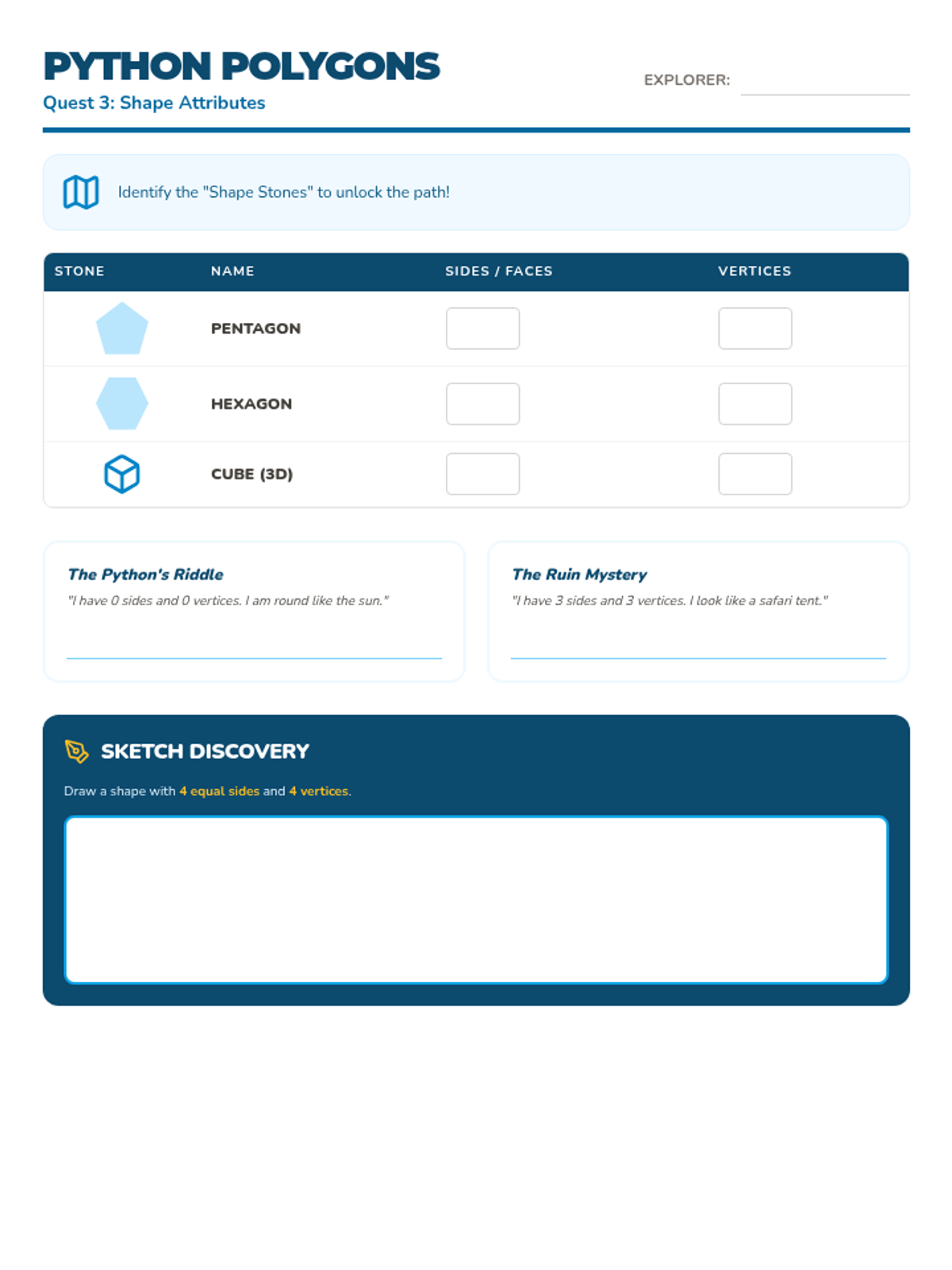
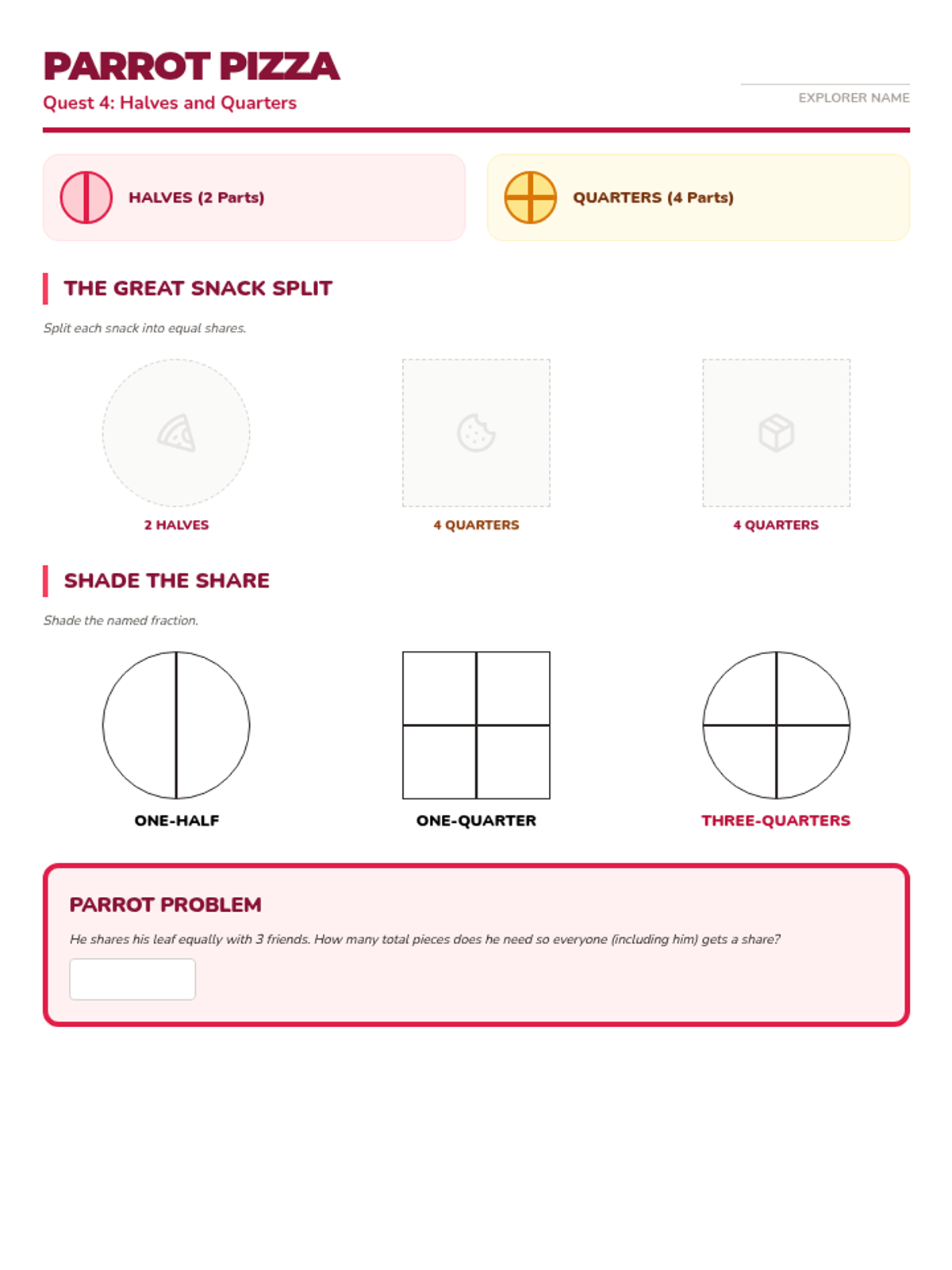
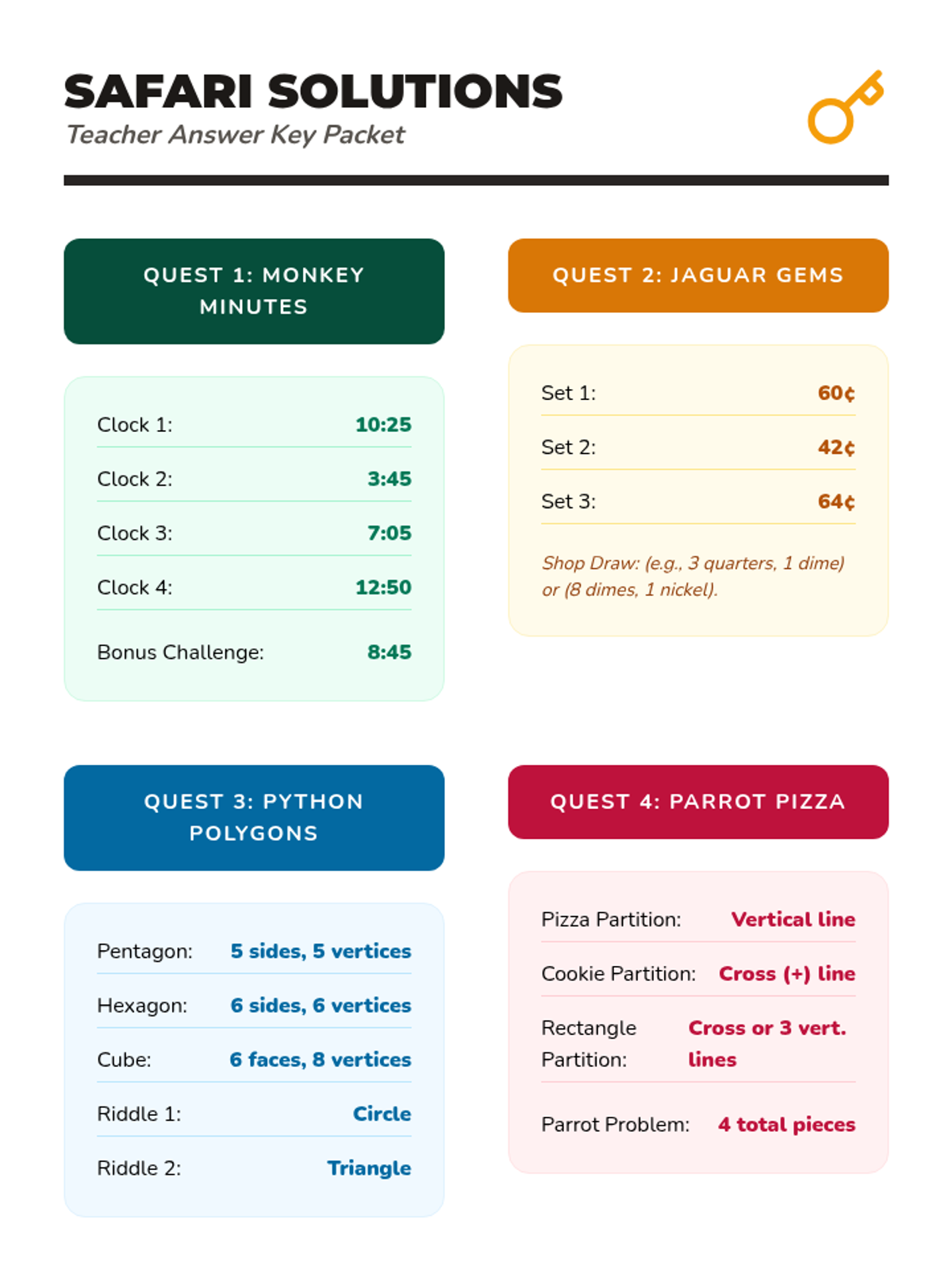
A high-energy math expedition where students master time, money, shapes, and fractions through a jungle-themed safari adventure. This lesson includes interactive slides, a comprehensive teacher guide, and skill-specific practice pages.
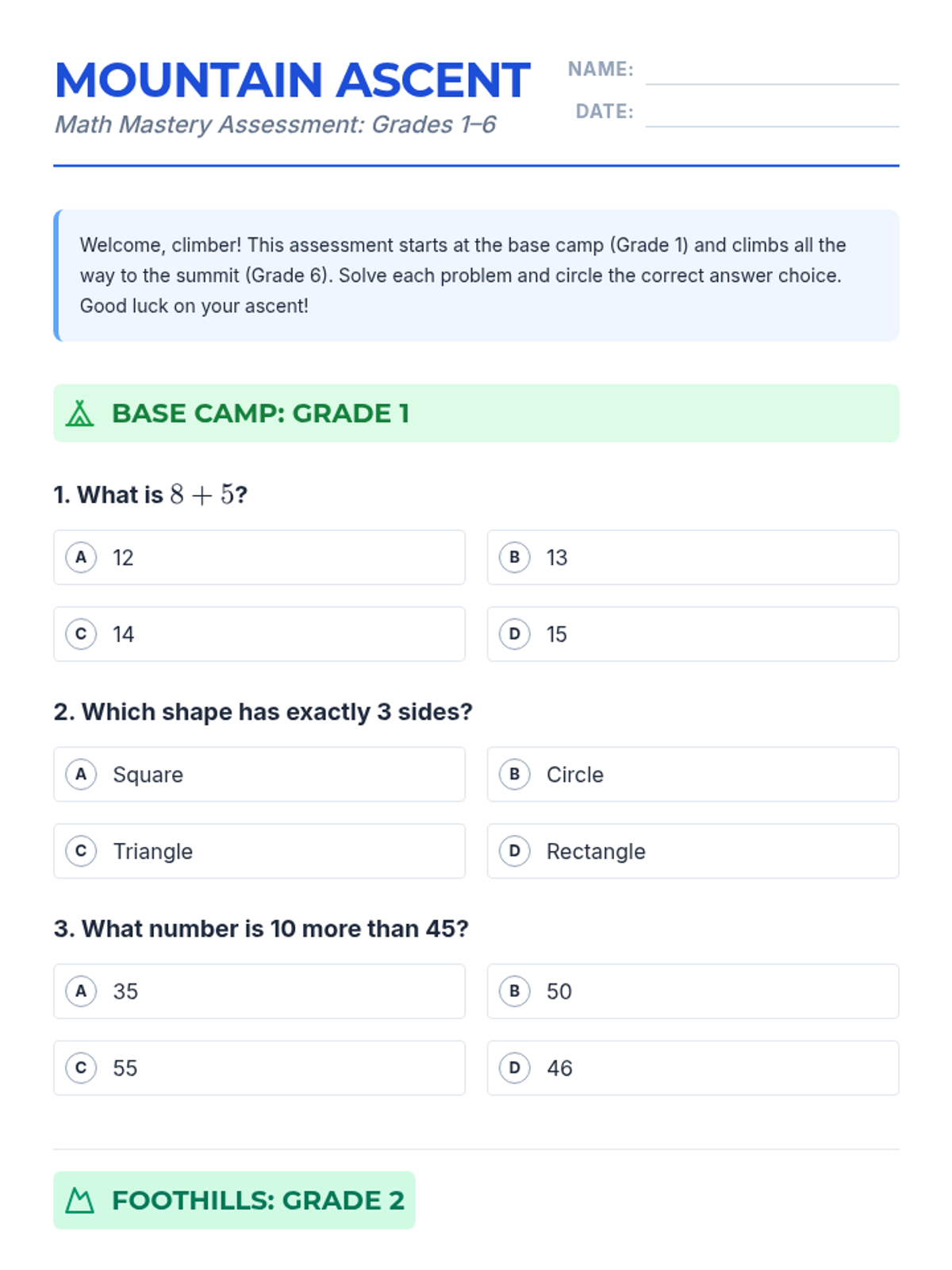
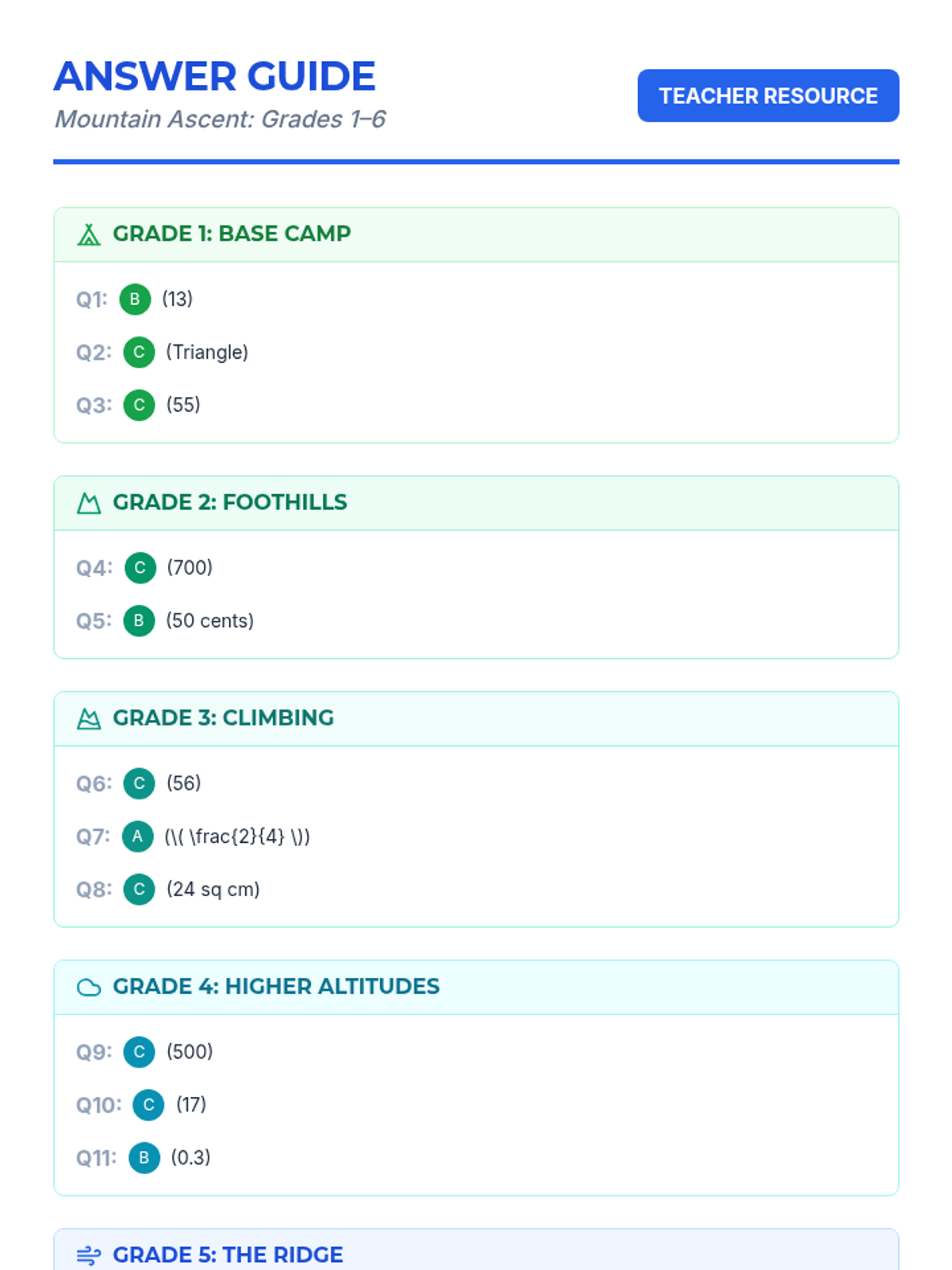
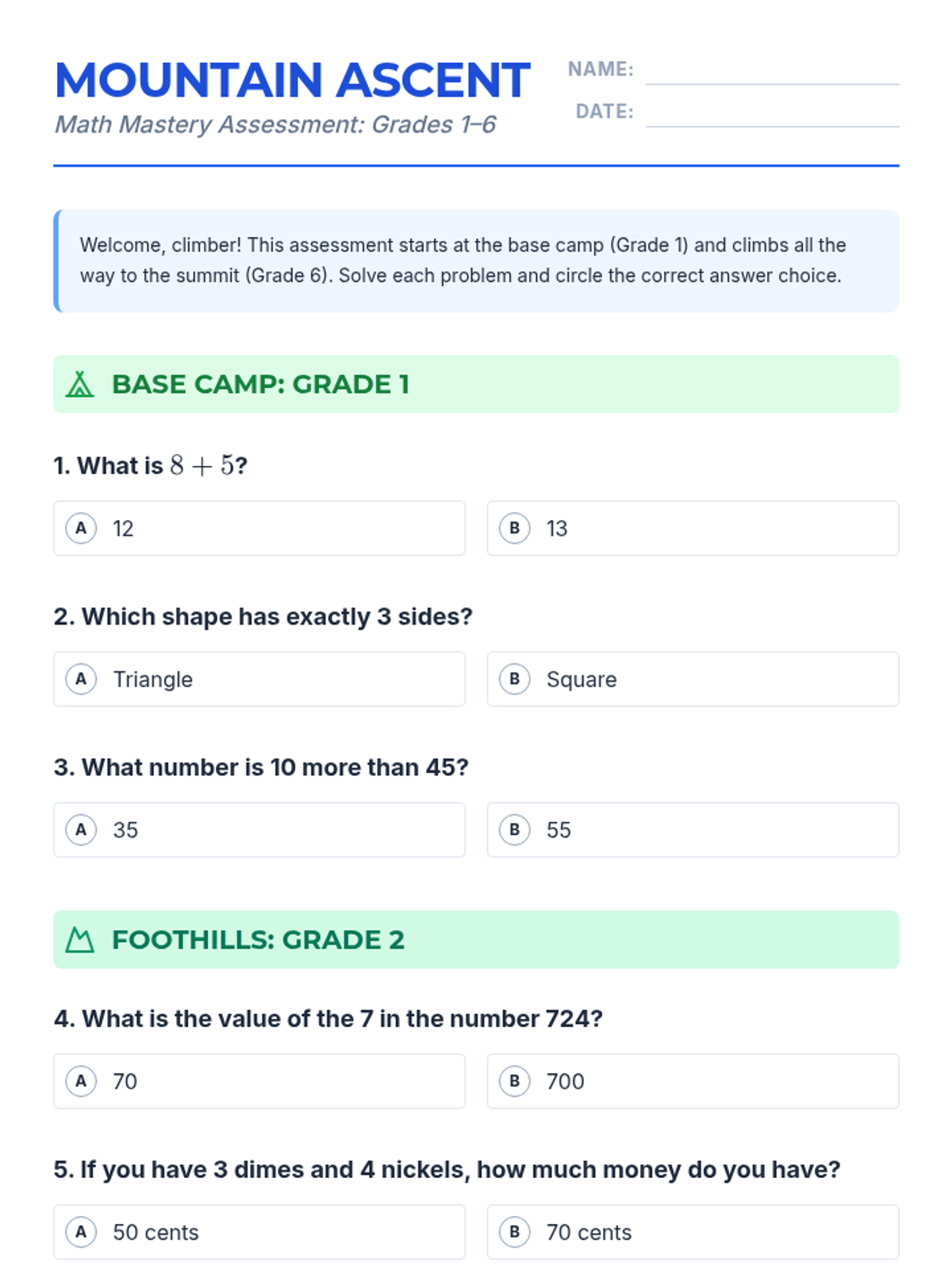
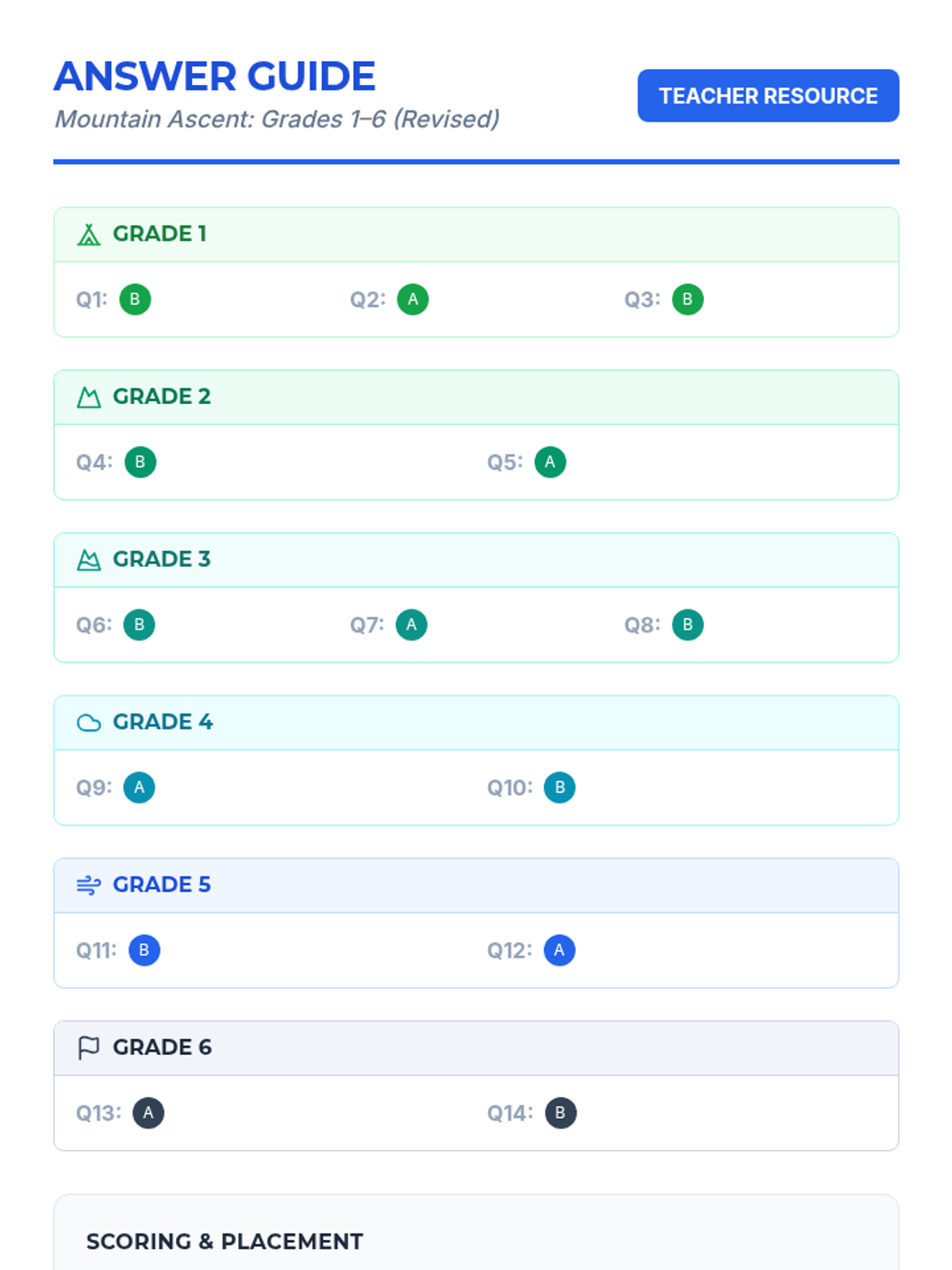
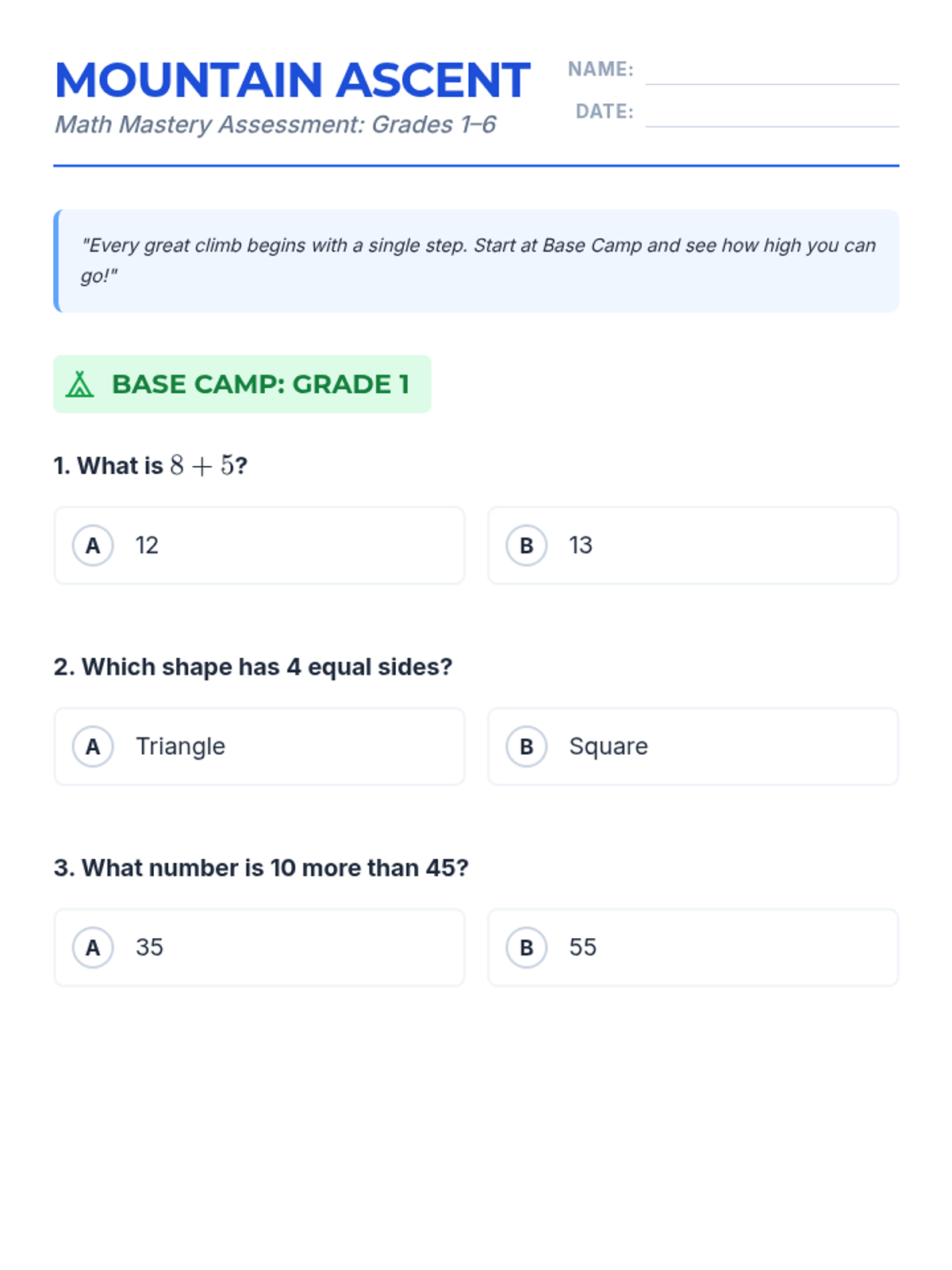
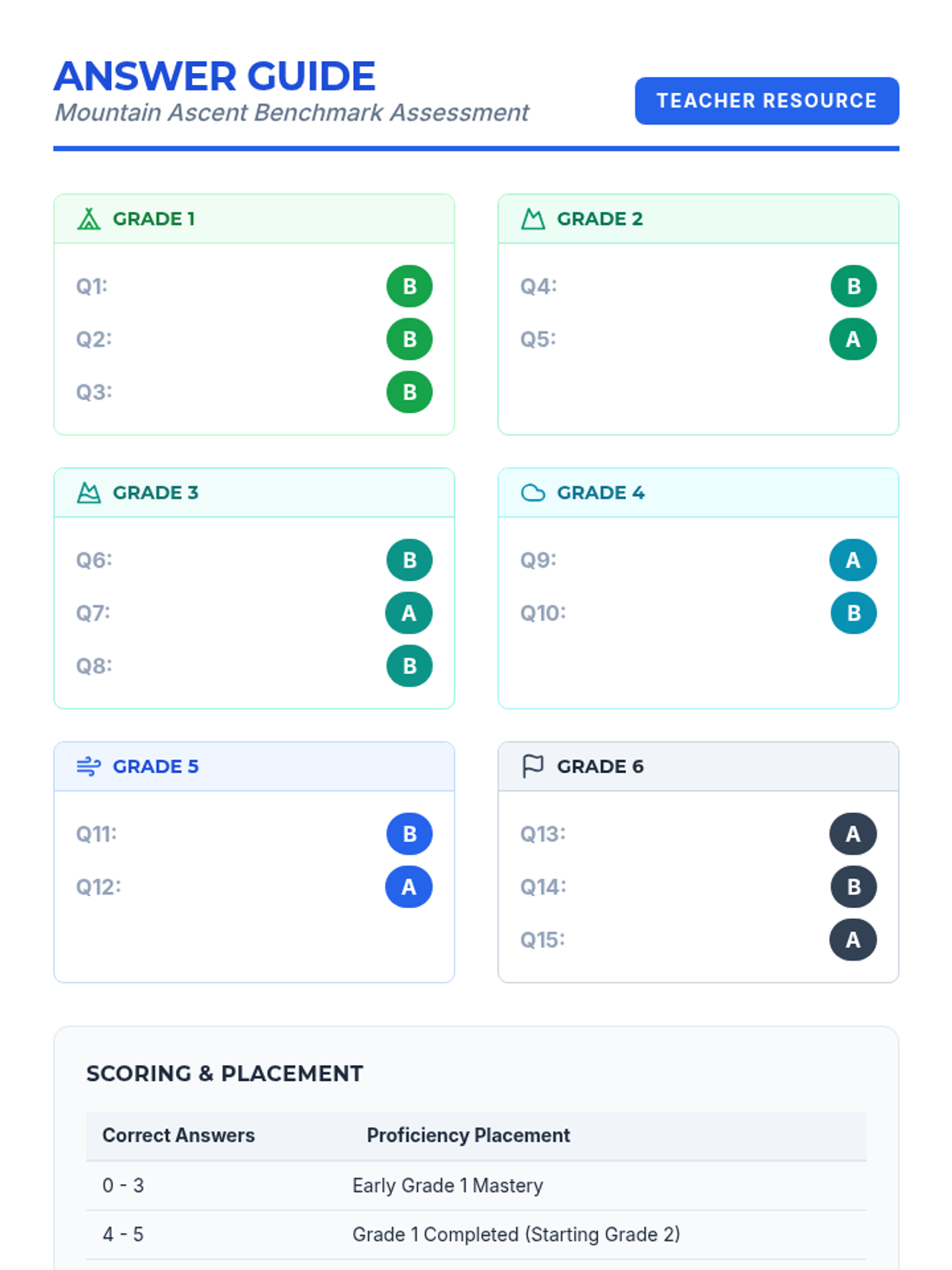
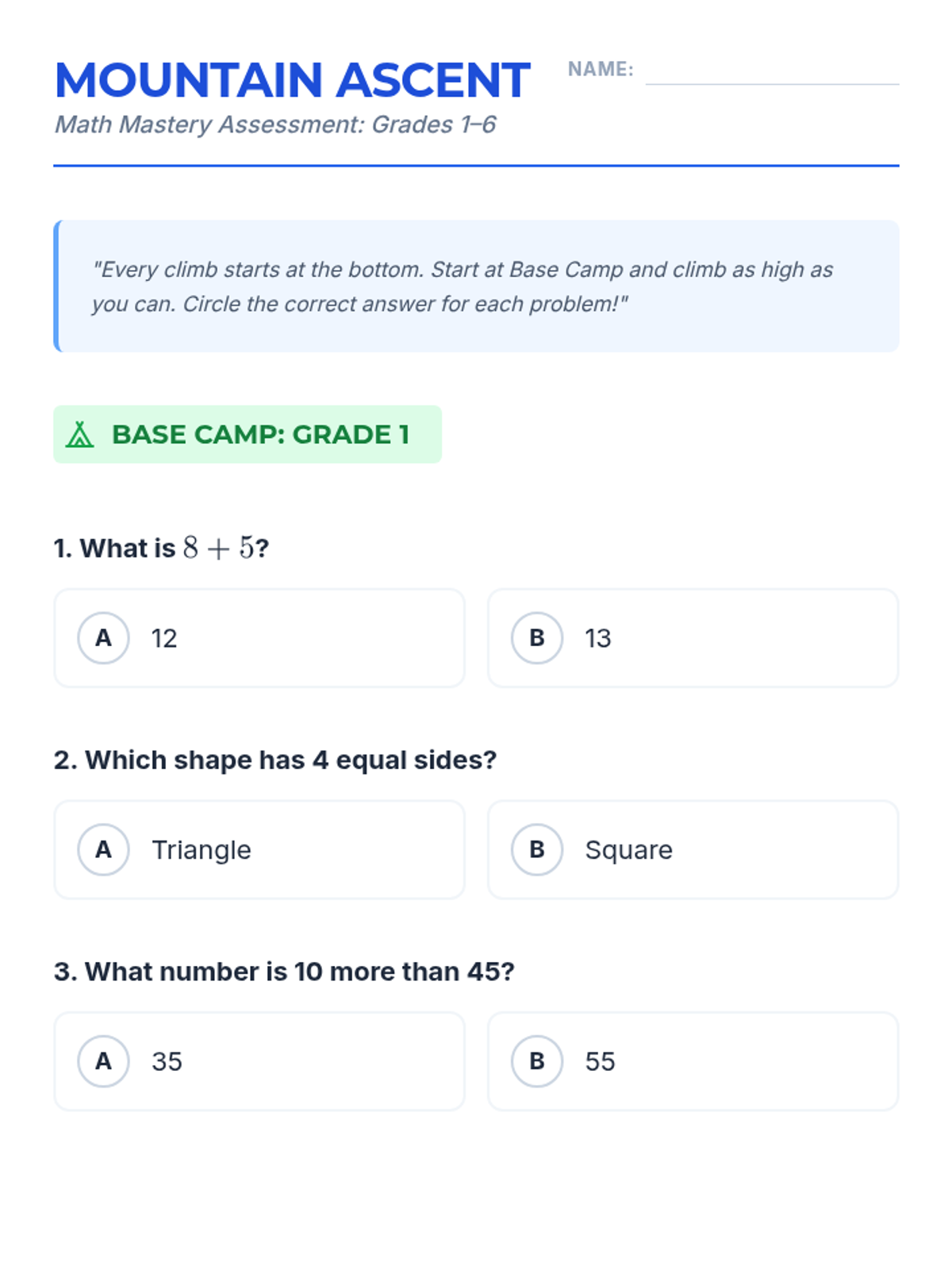
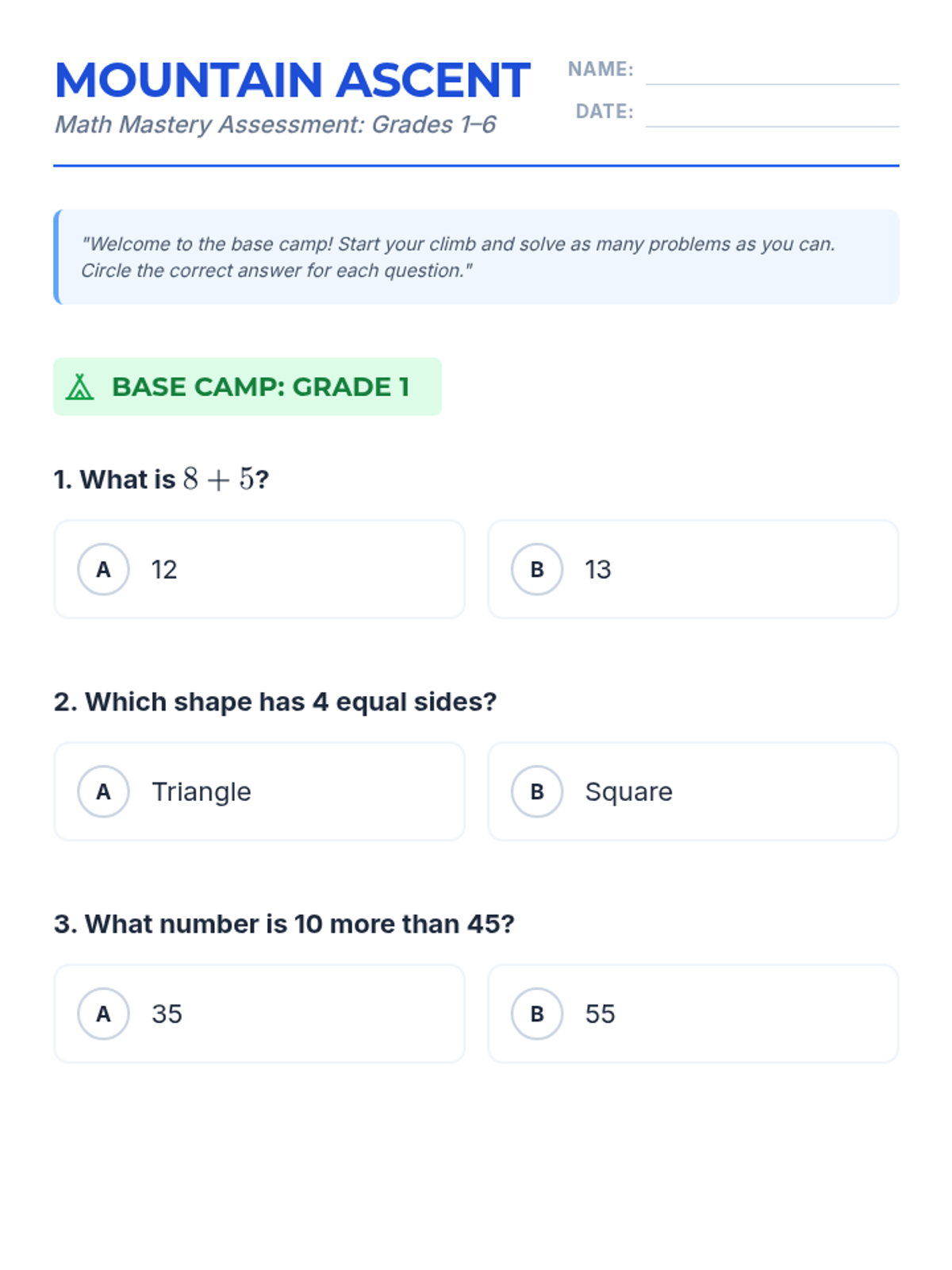
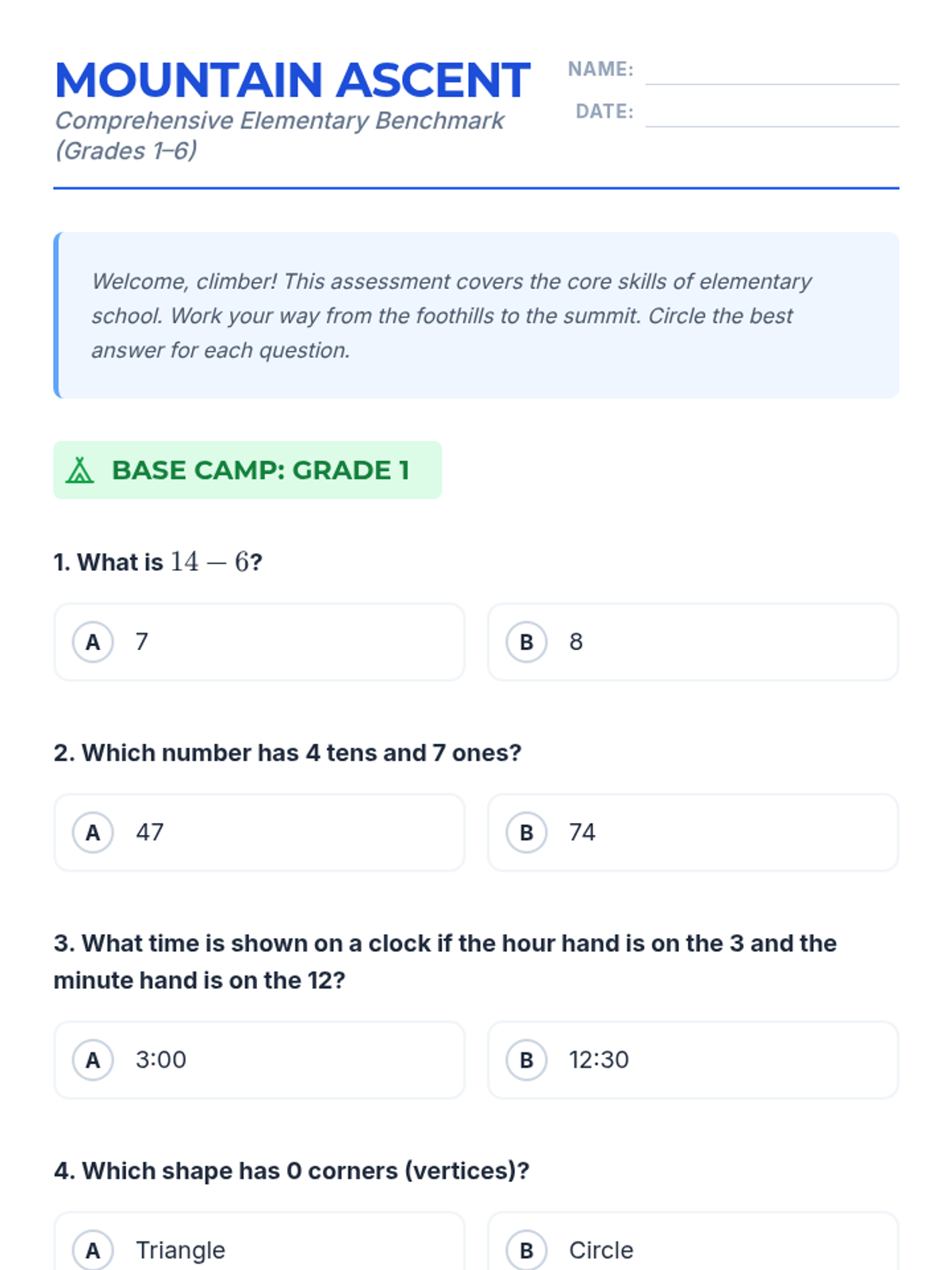
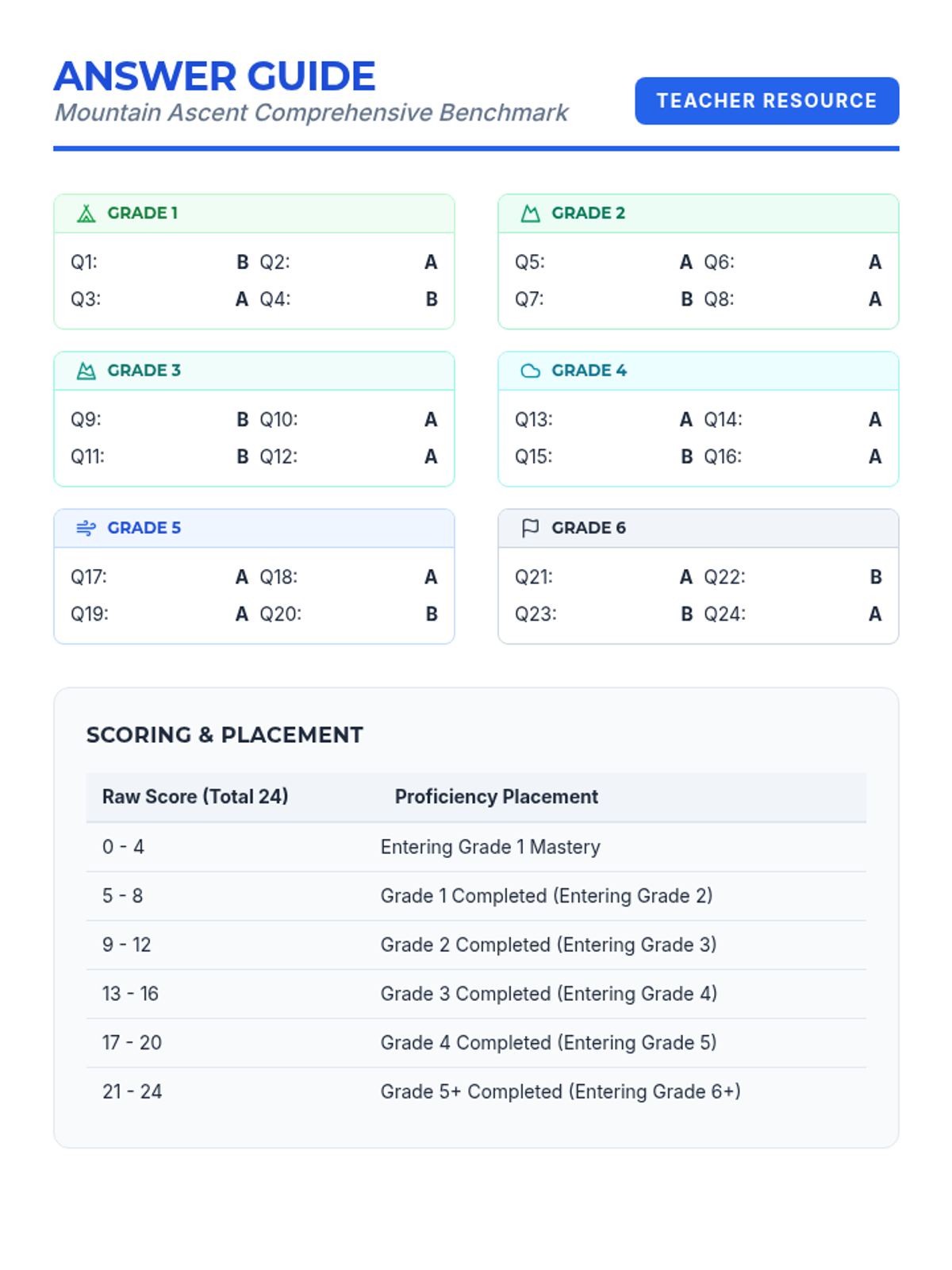
A comprehensive math benchmark assessment covering key standards from Grade 1 through Grade 6, designed to track student progress and identify skill gaps.
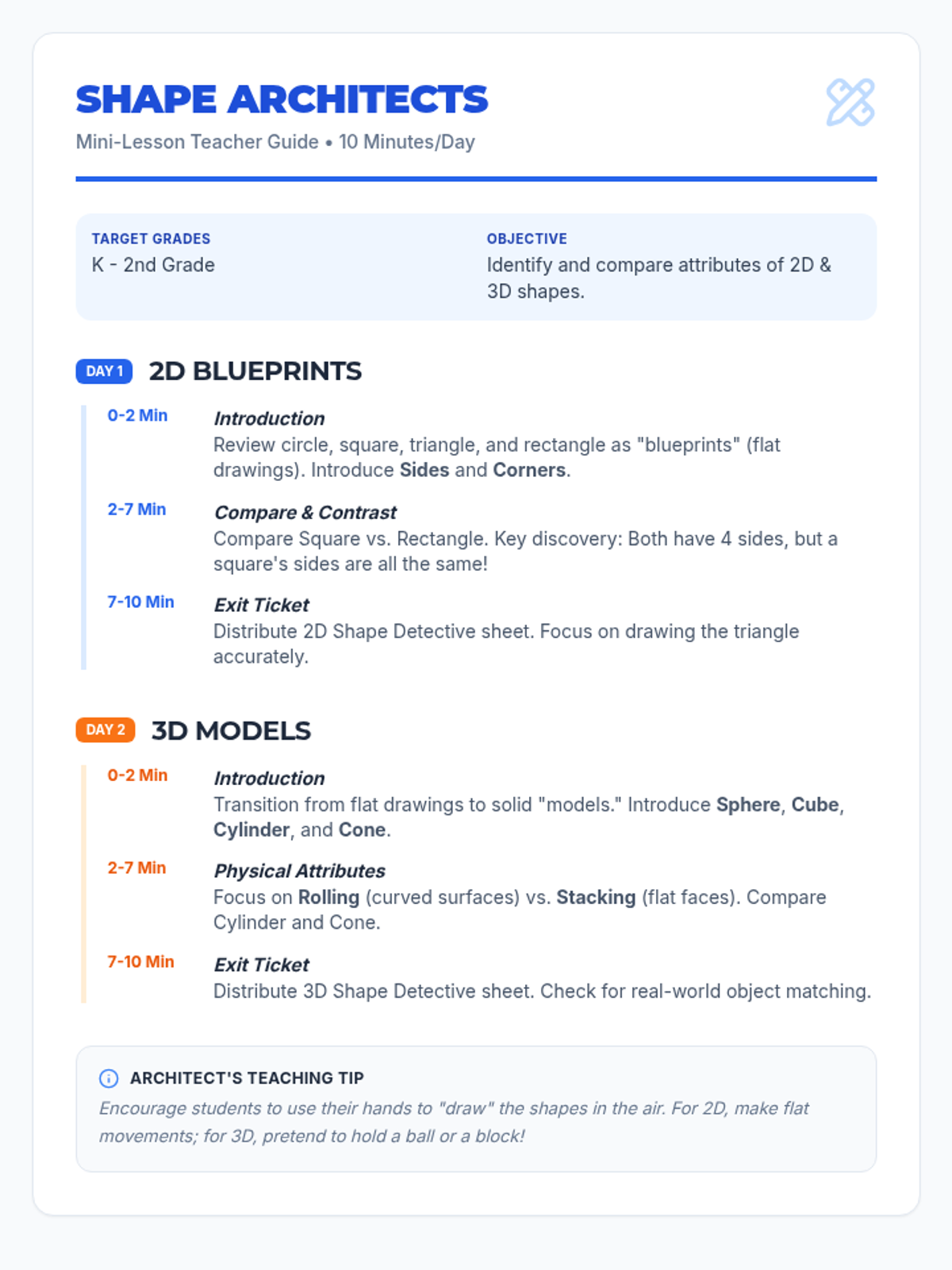
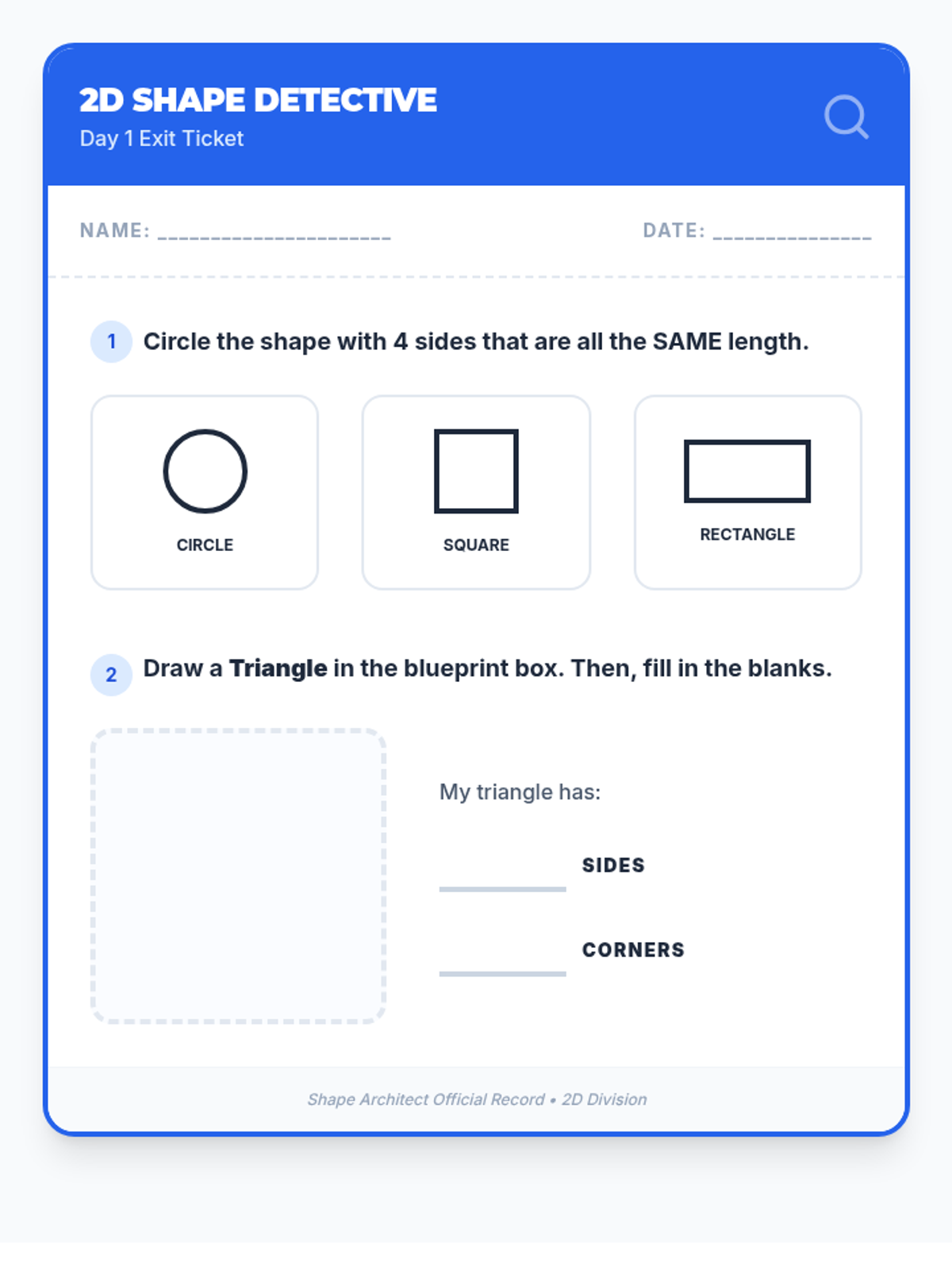
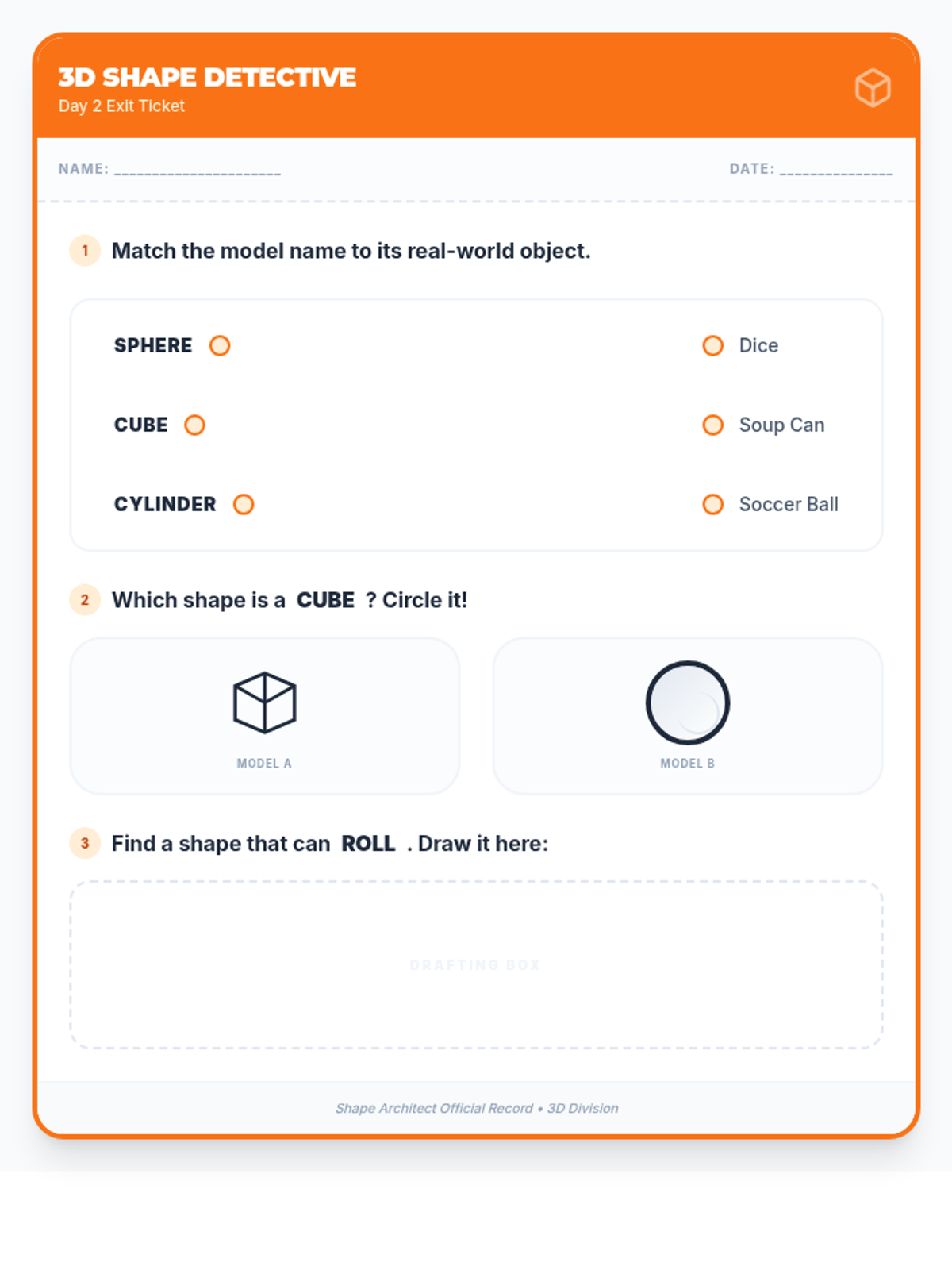
A two-day mini-lesson sequence focused on identifying, describing, and comparing 2D and 3D shapes through the lens of a "Shape Architect". Day 1 covers flat shapes (circles, squares, triangles, rectangles), while Day 2 explores solid shapes (spheres, cubes, cylinders, cones).
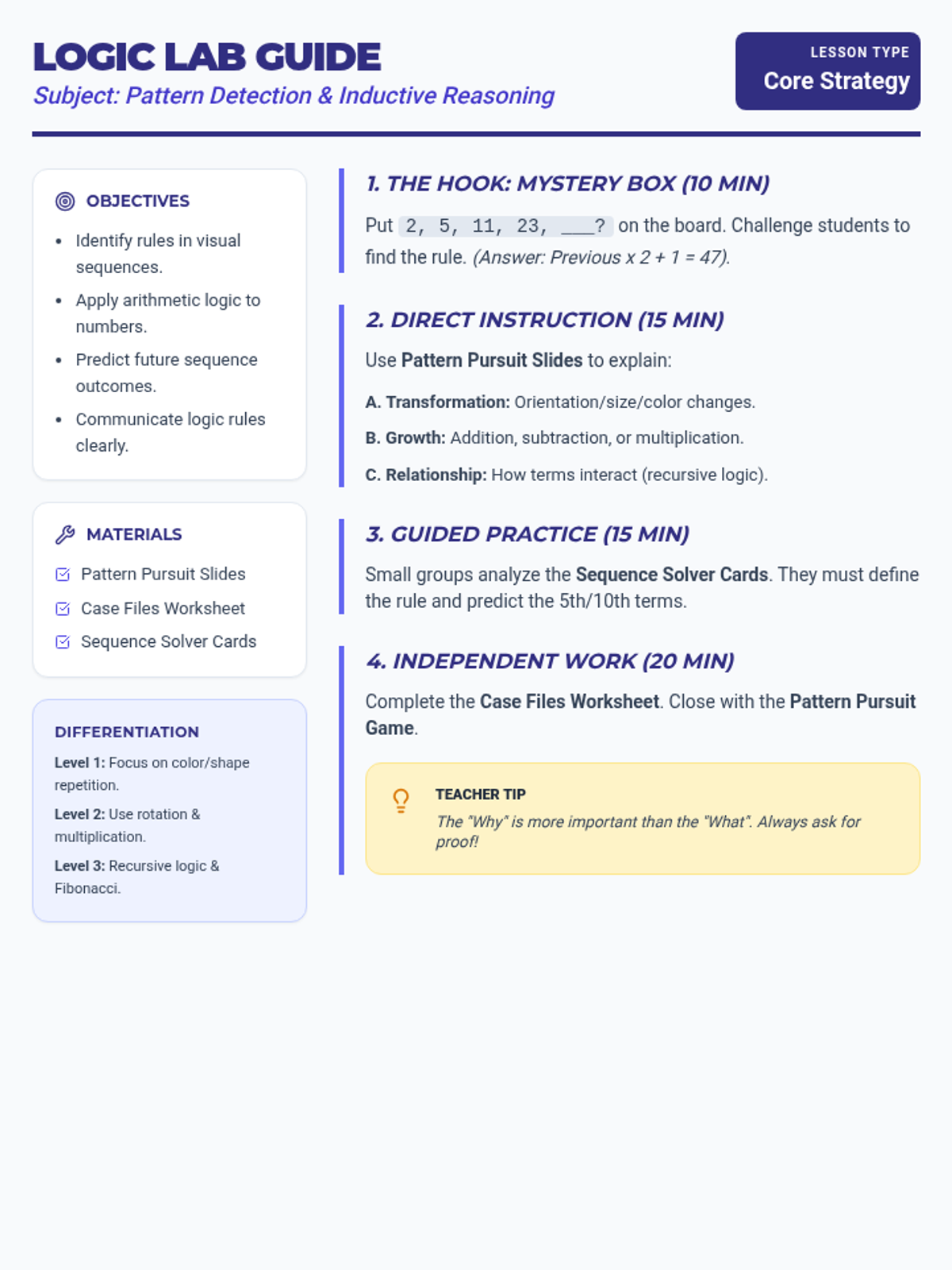
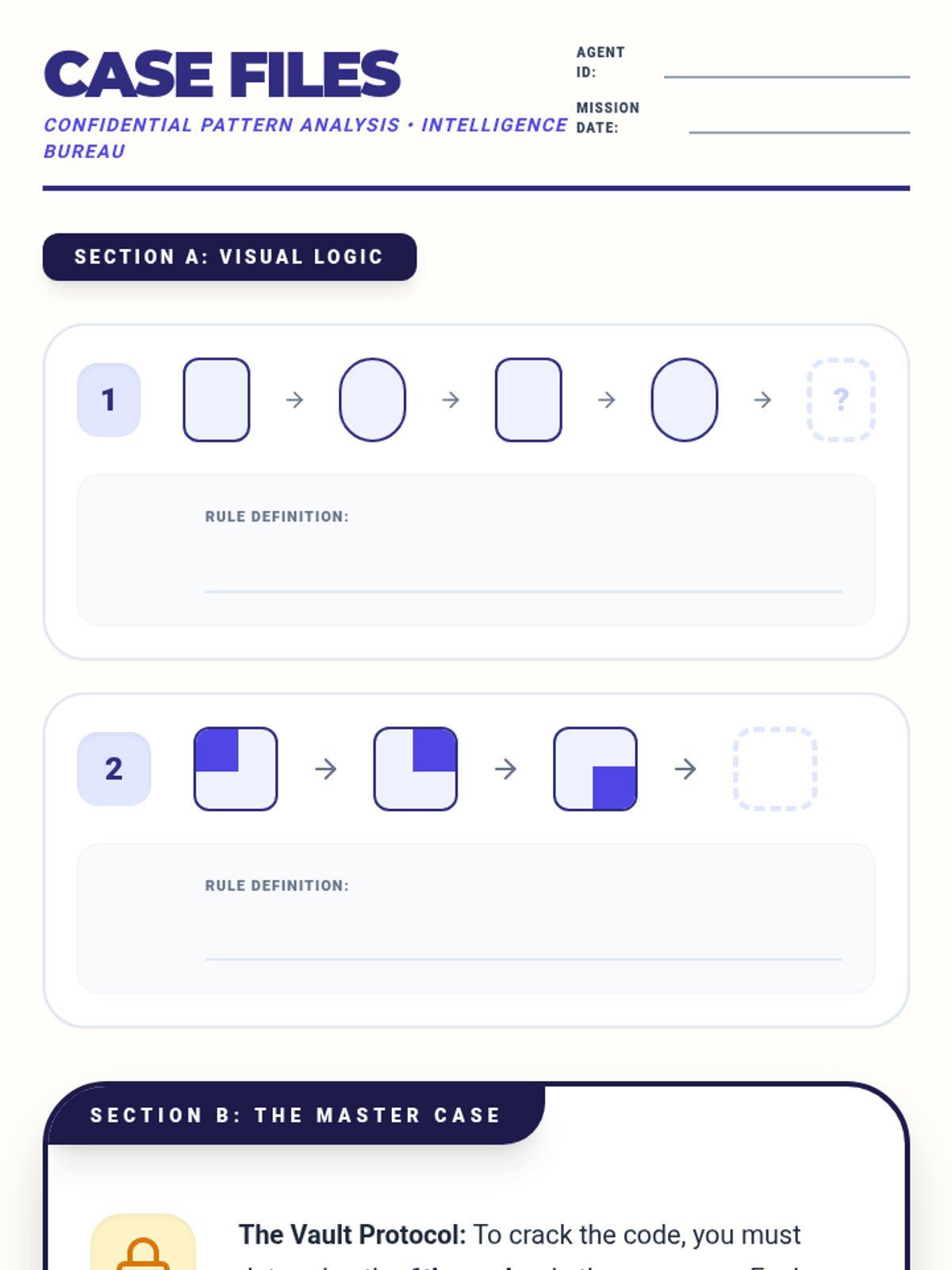
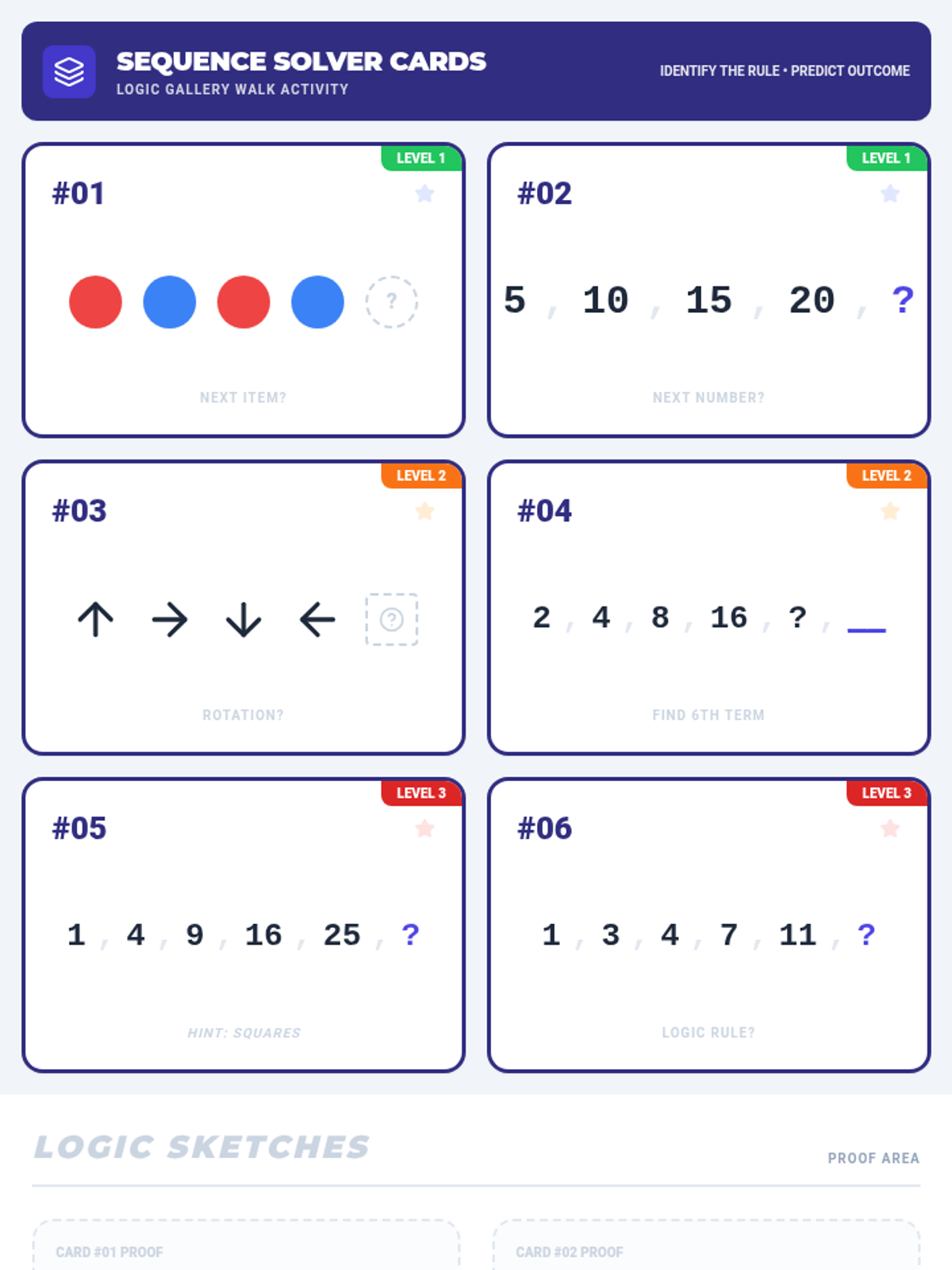
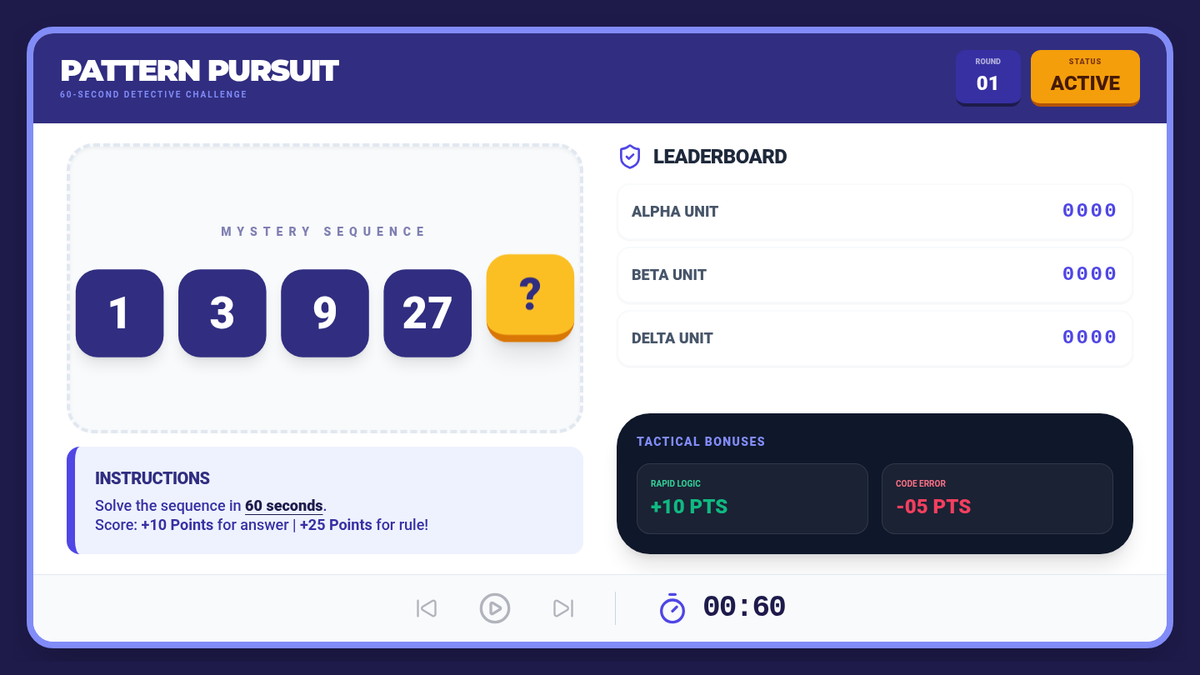
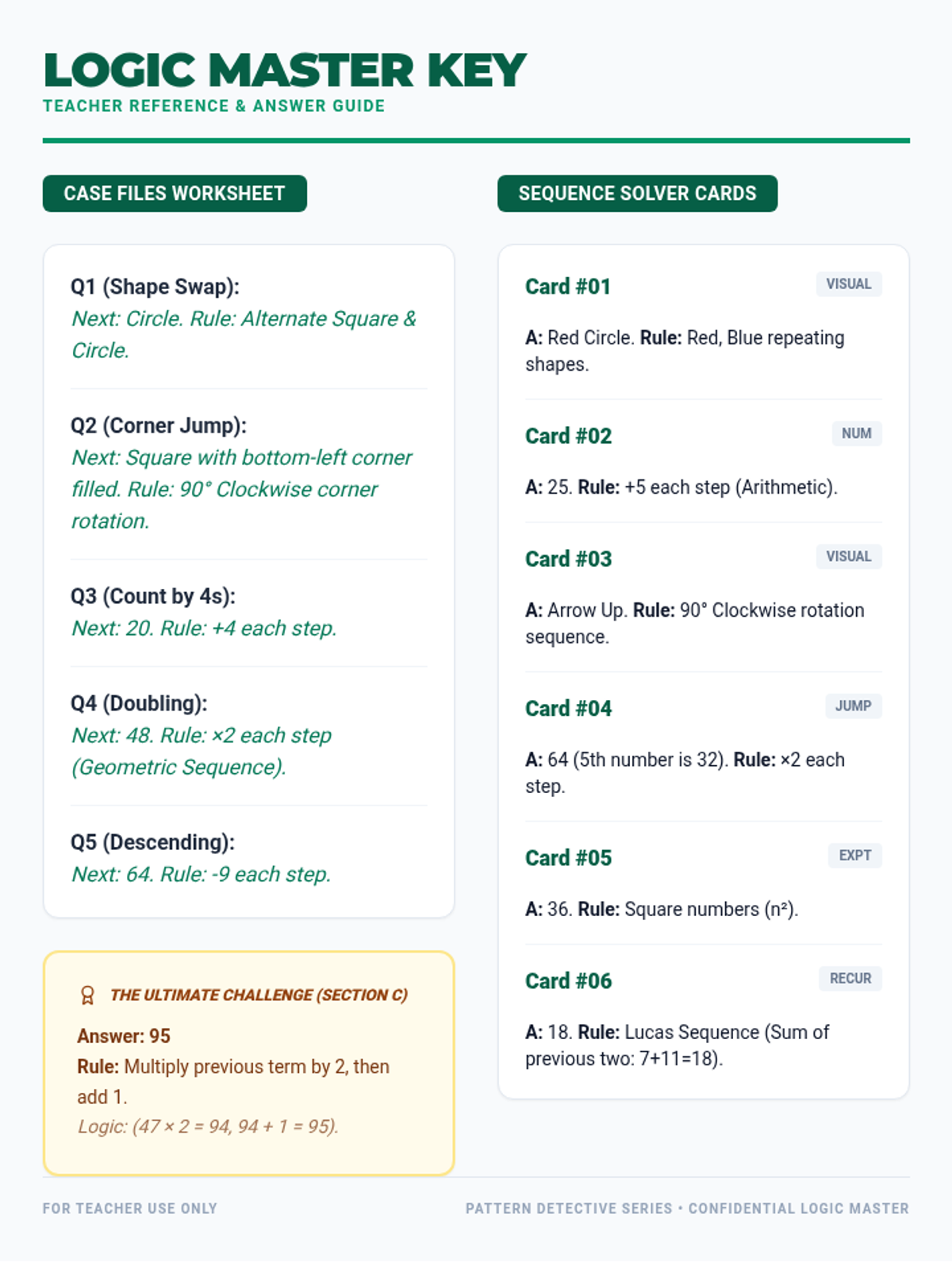
A comprehensive logic lesson where students act as detectives to identify rules in visual and numerical sequences, building inductive reasoning and prediction skills.
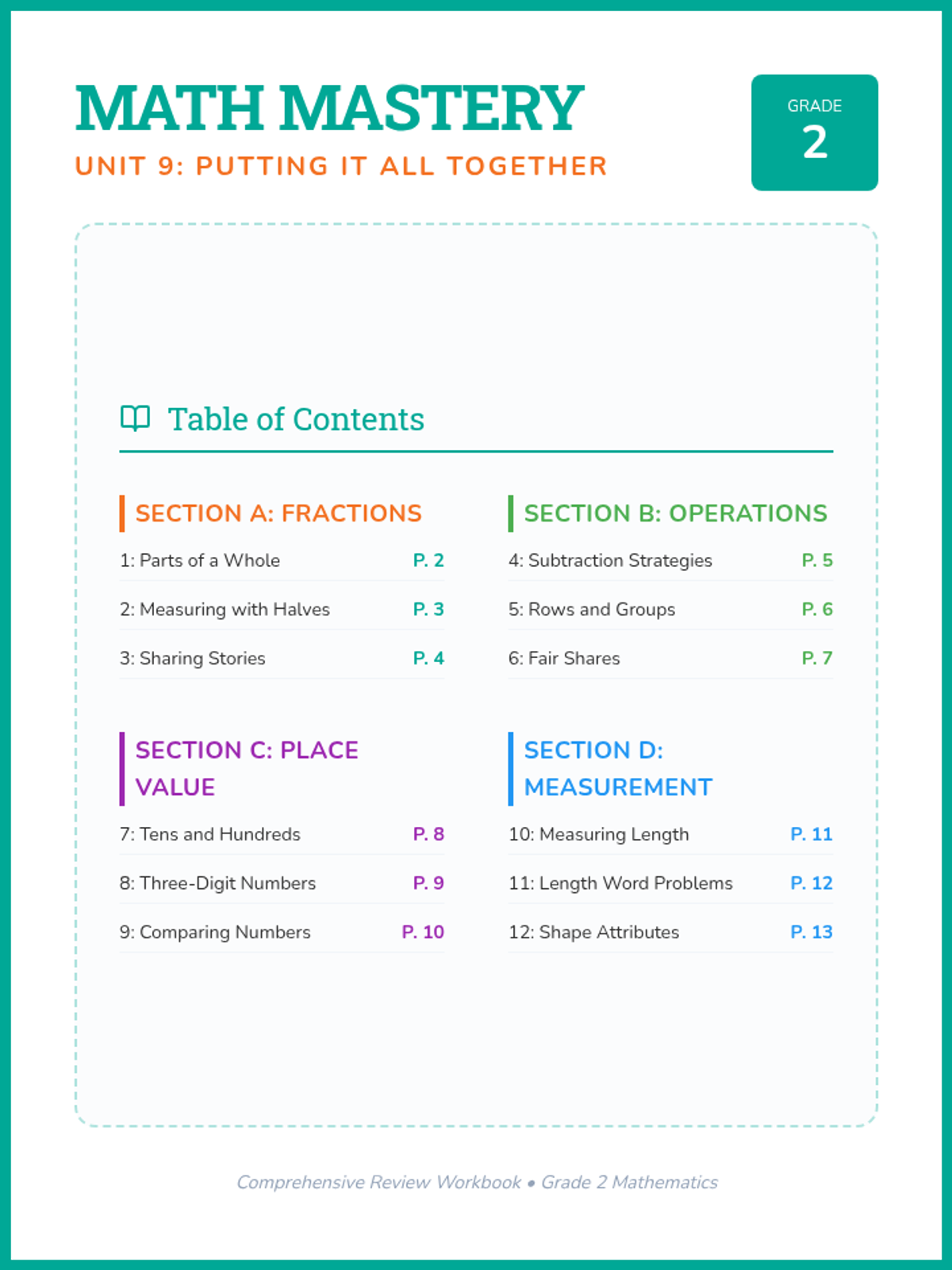
A series of lessons covering fraction reasoning and whole-number operations, adapted for 2nd-grade standards.
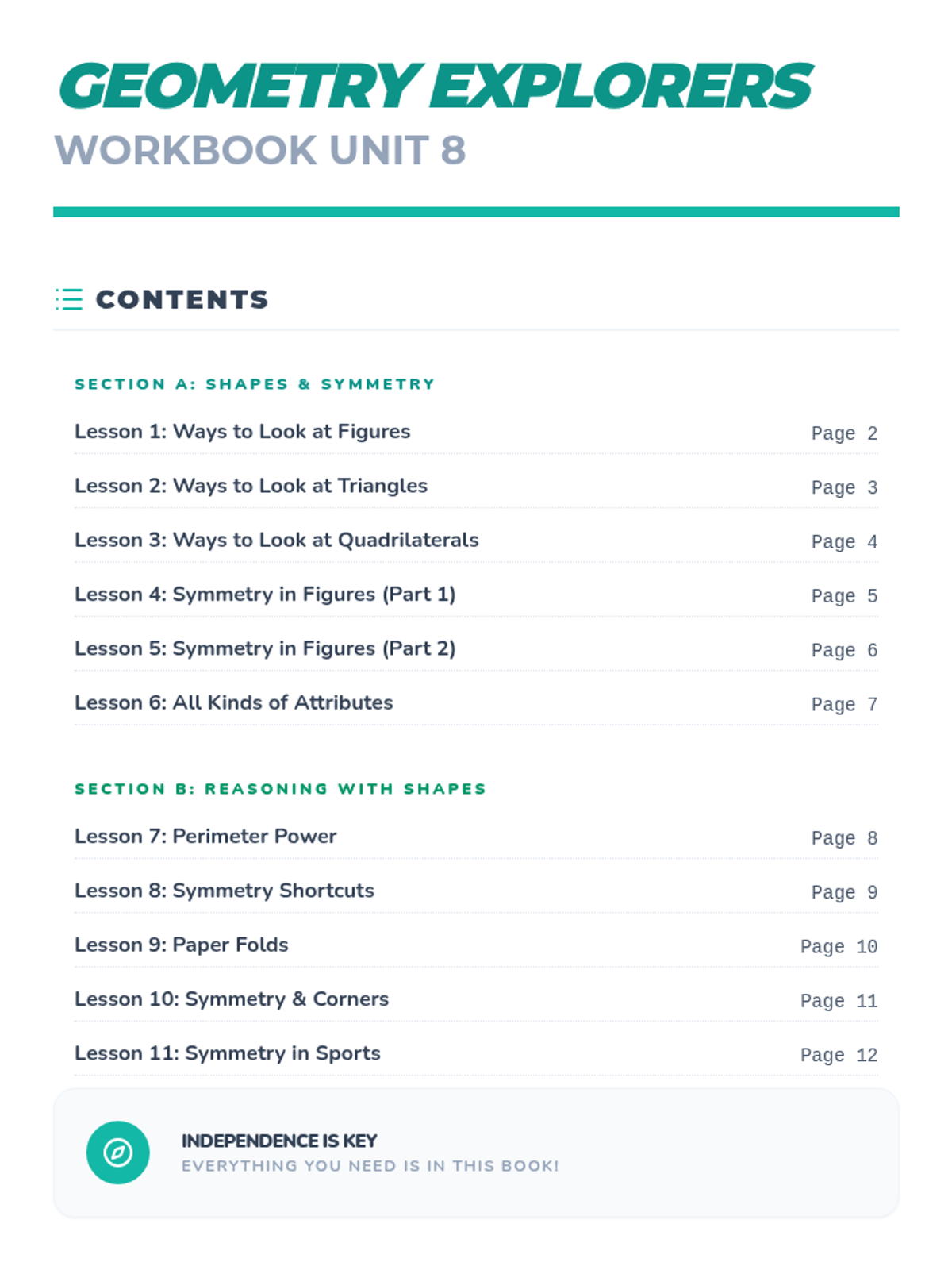
A collection of geometry lessons adapted for 2nd grade, focusing on identifying flat shapes by their attributes, exploring symmetry, and drawing geometric figures. This lesson covers basic shape properties, triangle and quadrilateral identification, and the fundamentals of symmetry.
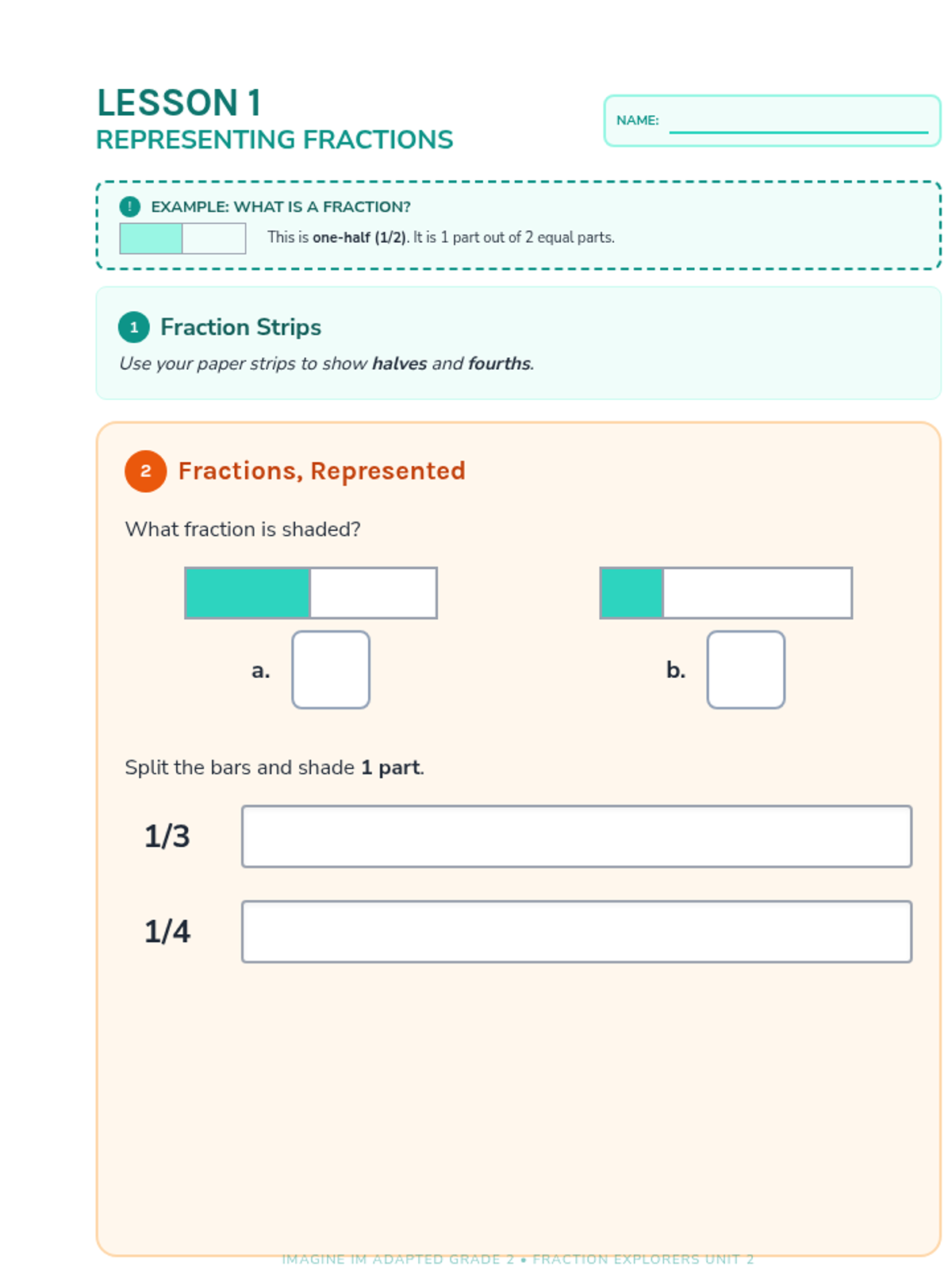
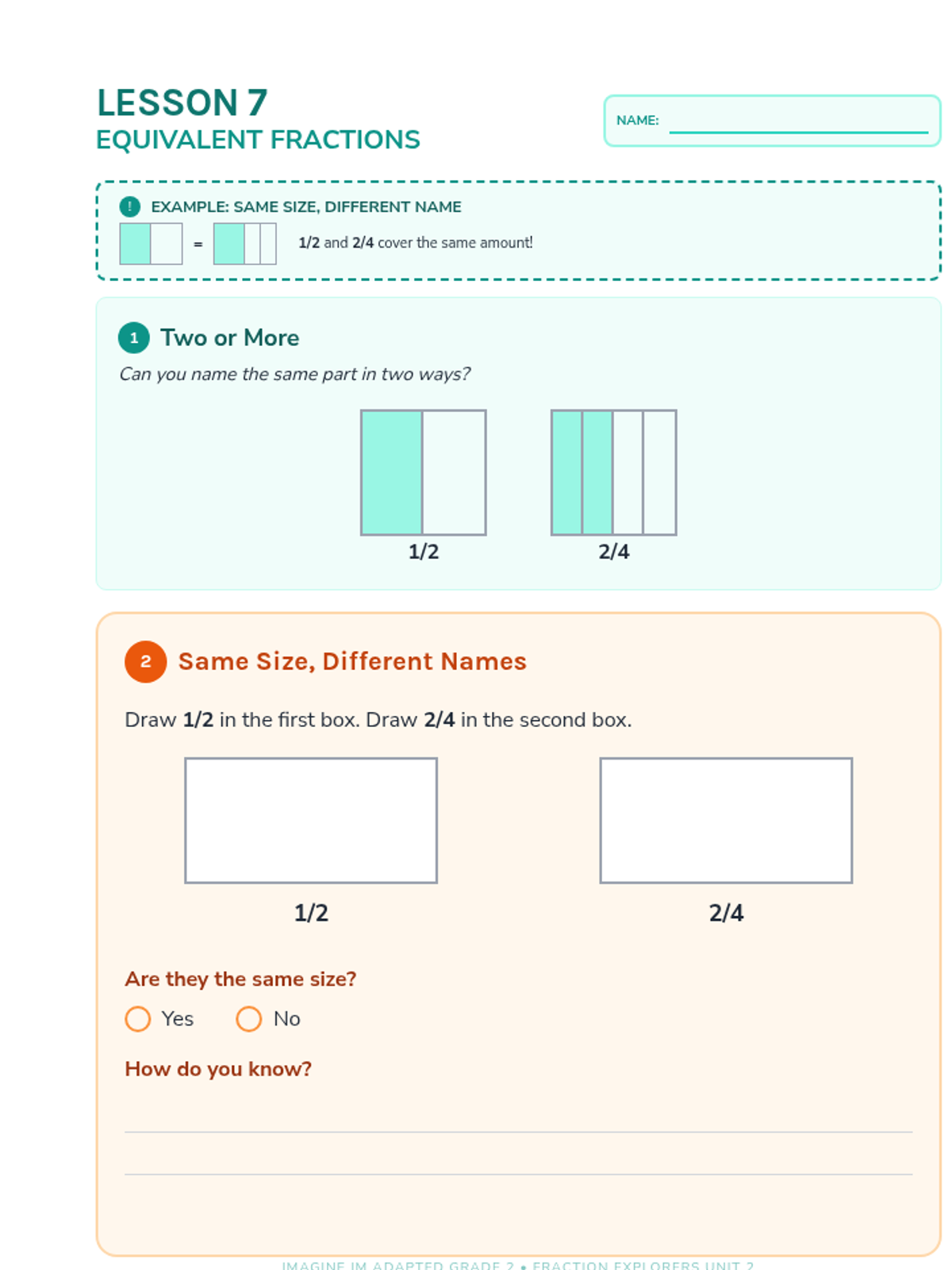
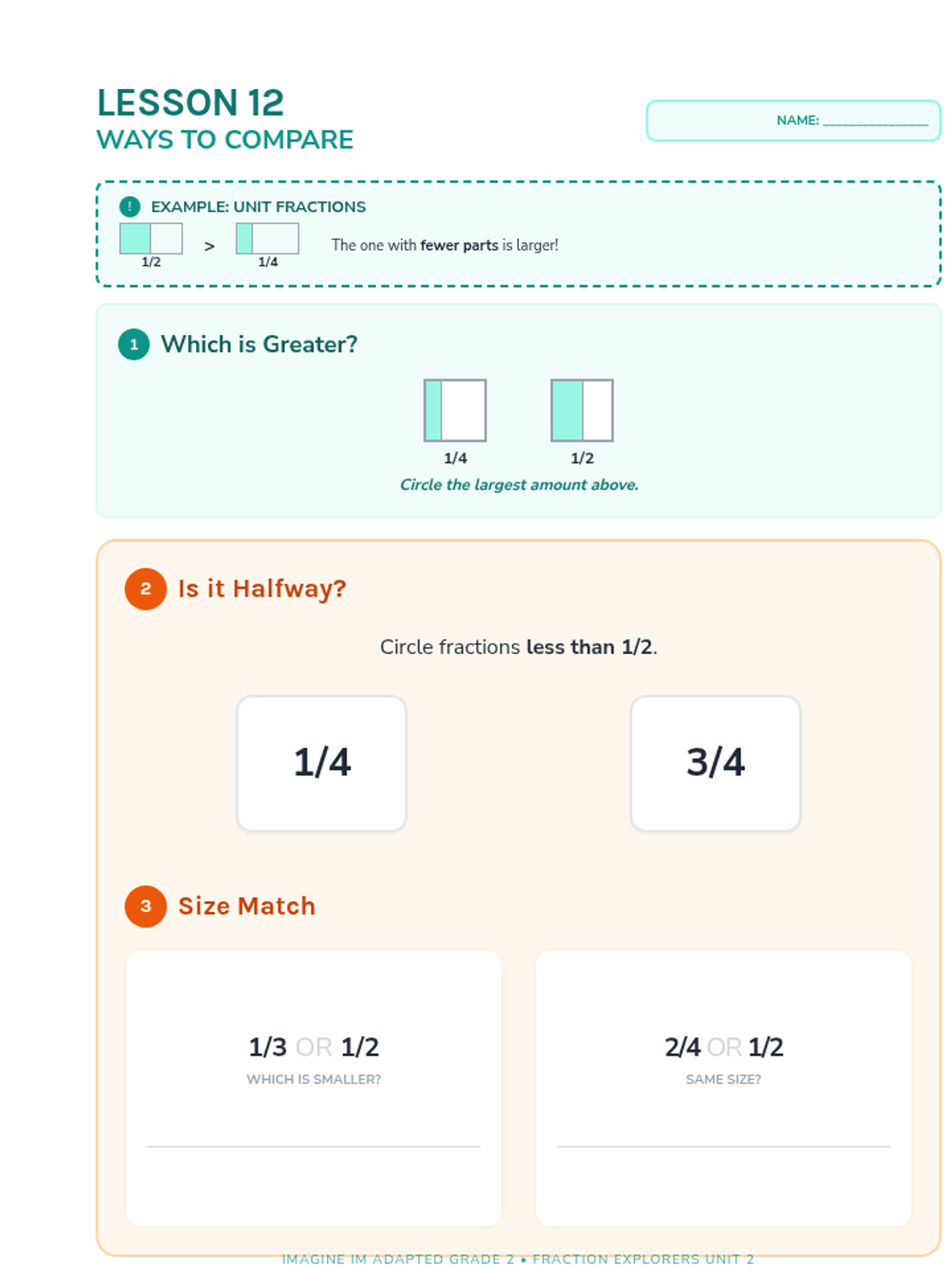
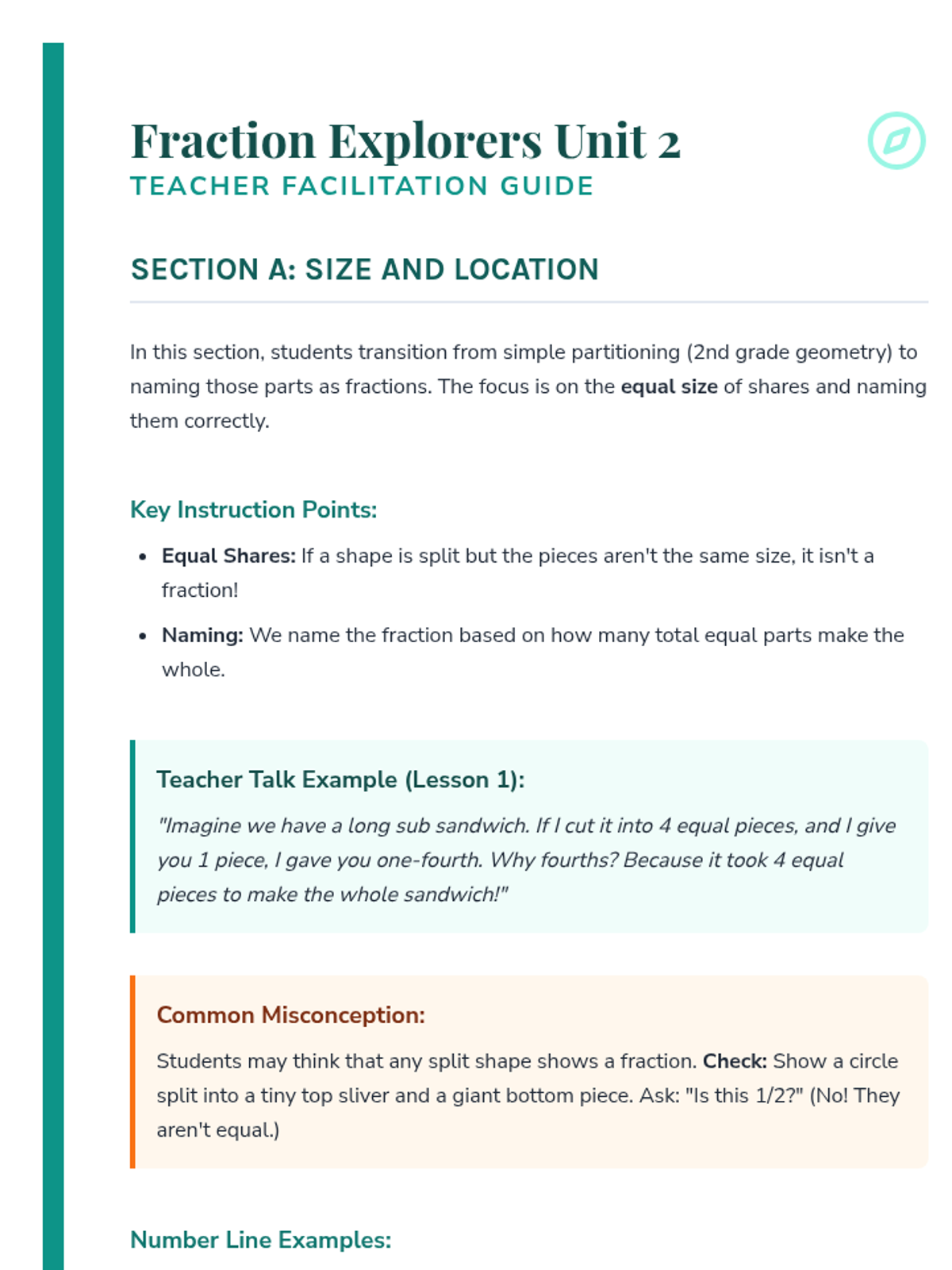
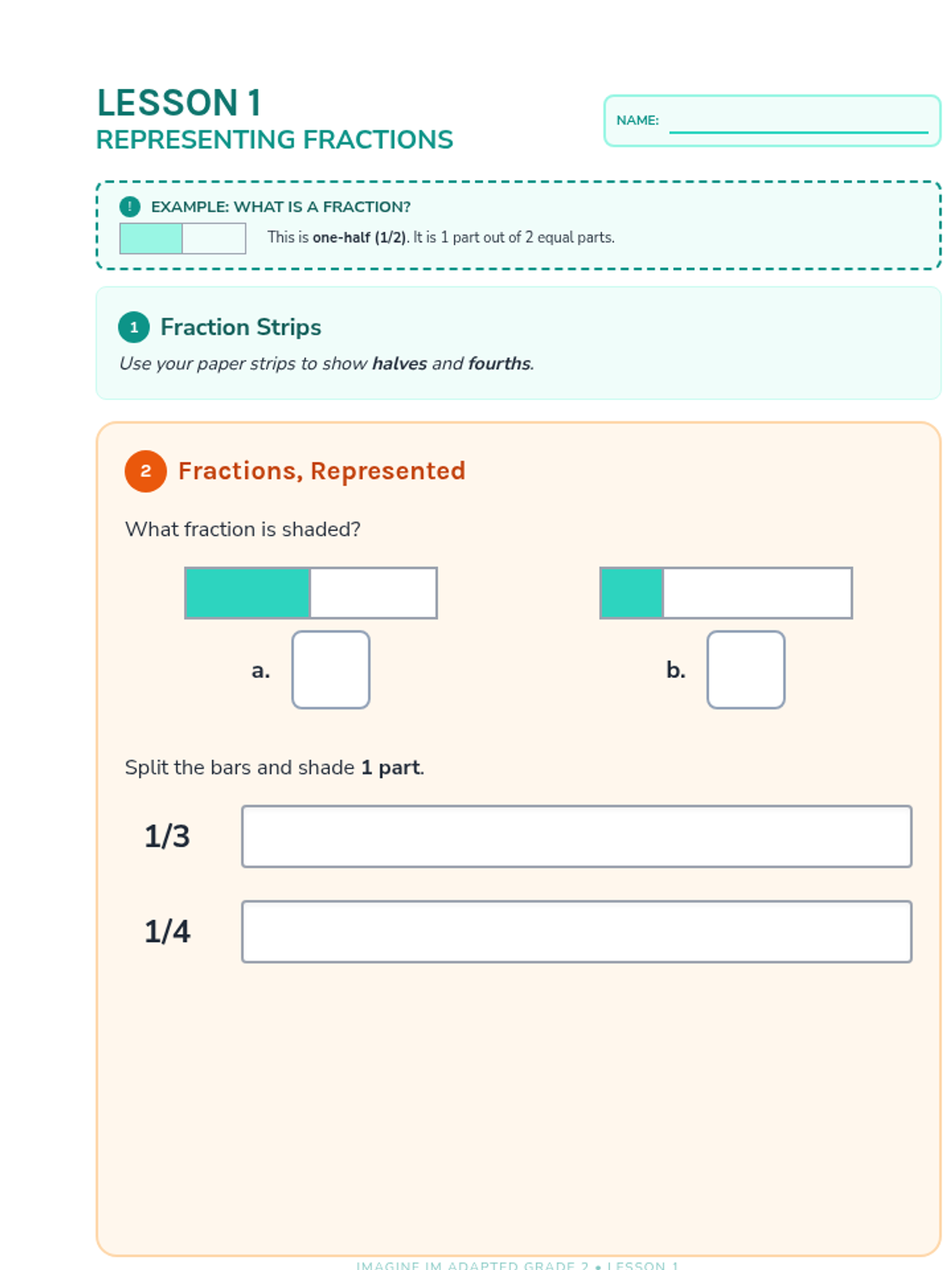
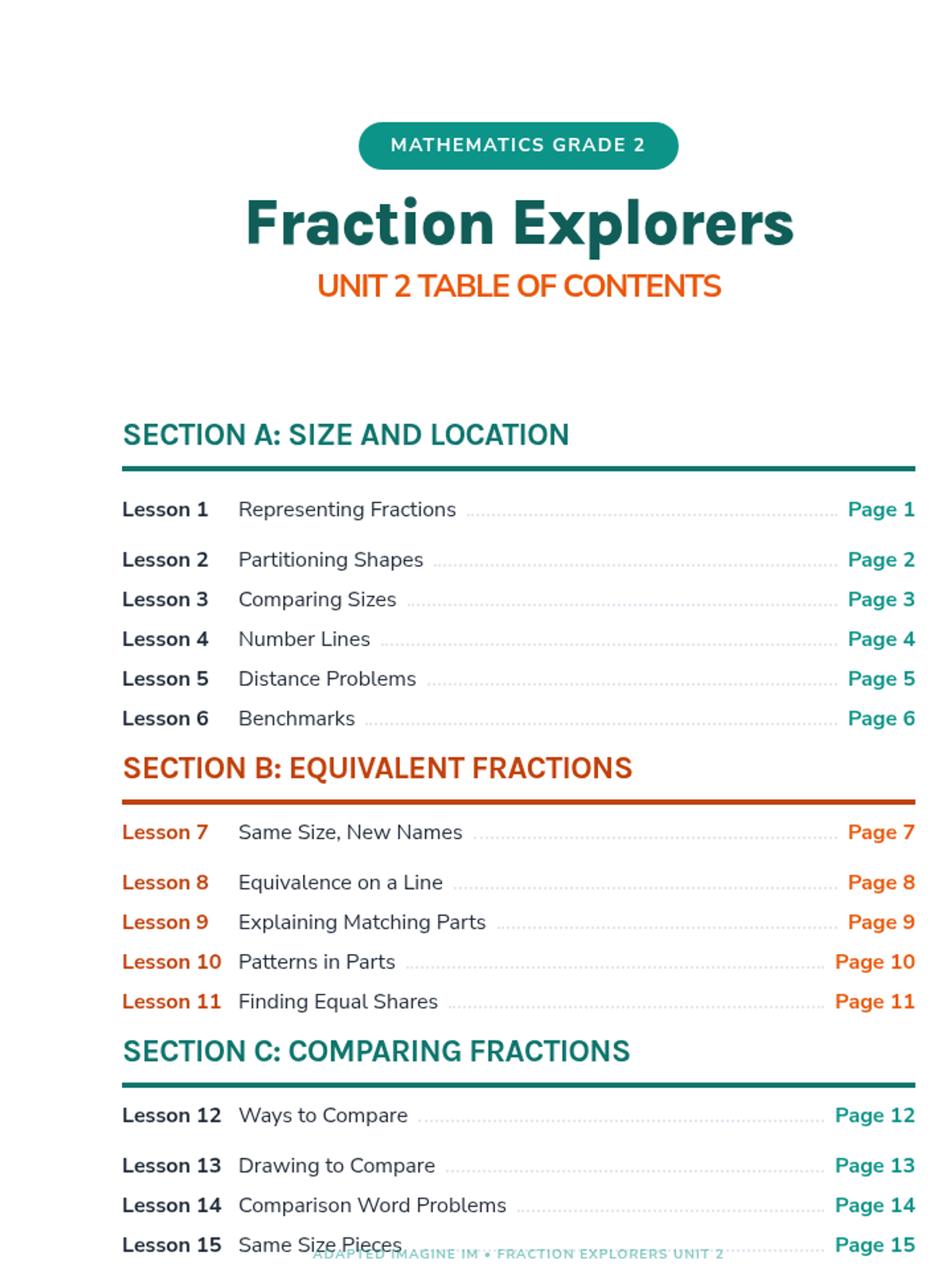
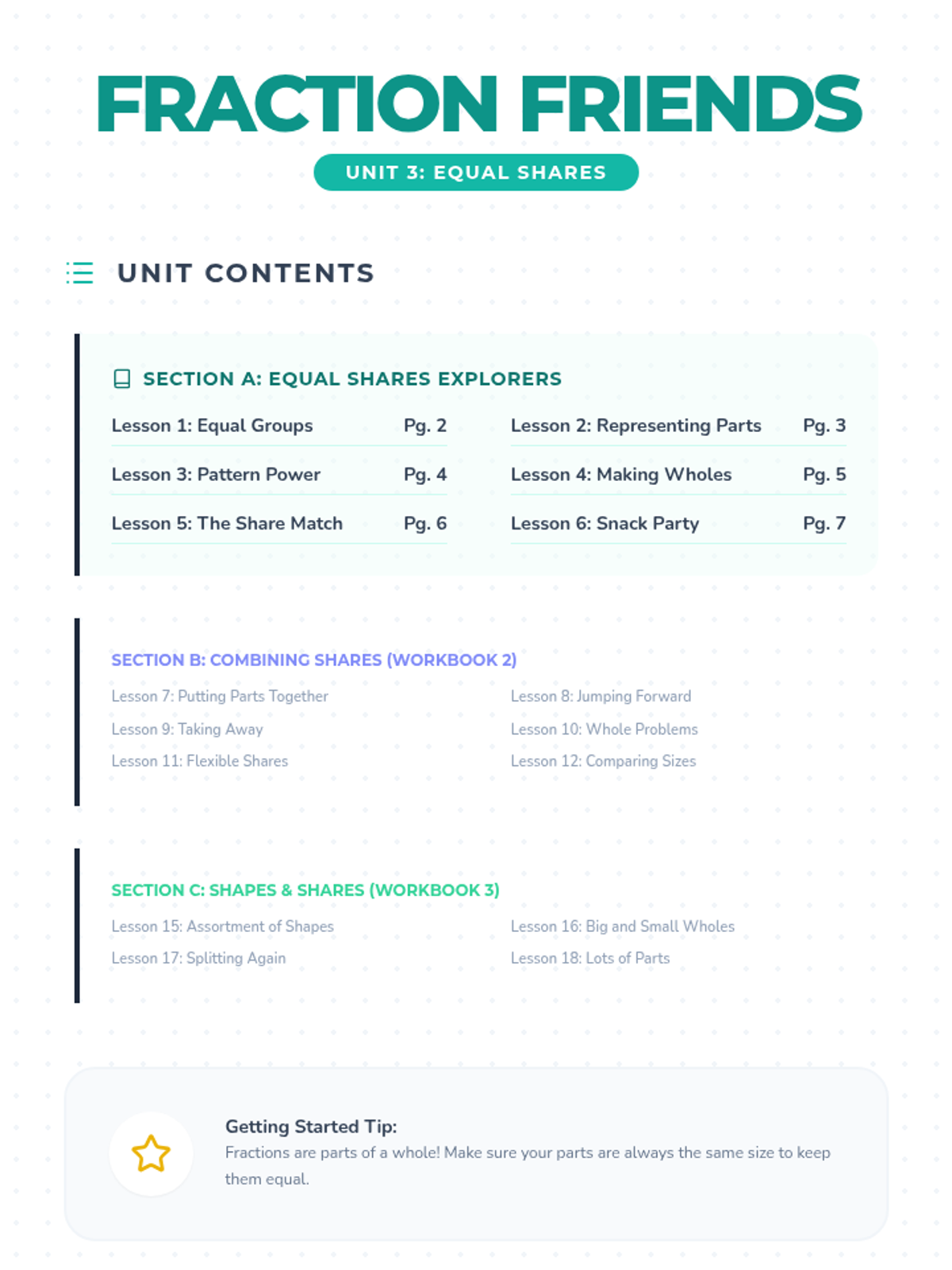
A complete workbook containing all 17 lessons for the Fraction Explorers Unit 2, covering basic representation, equivalence, and comparisons for 2nd grade students.
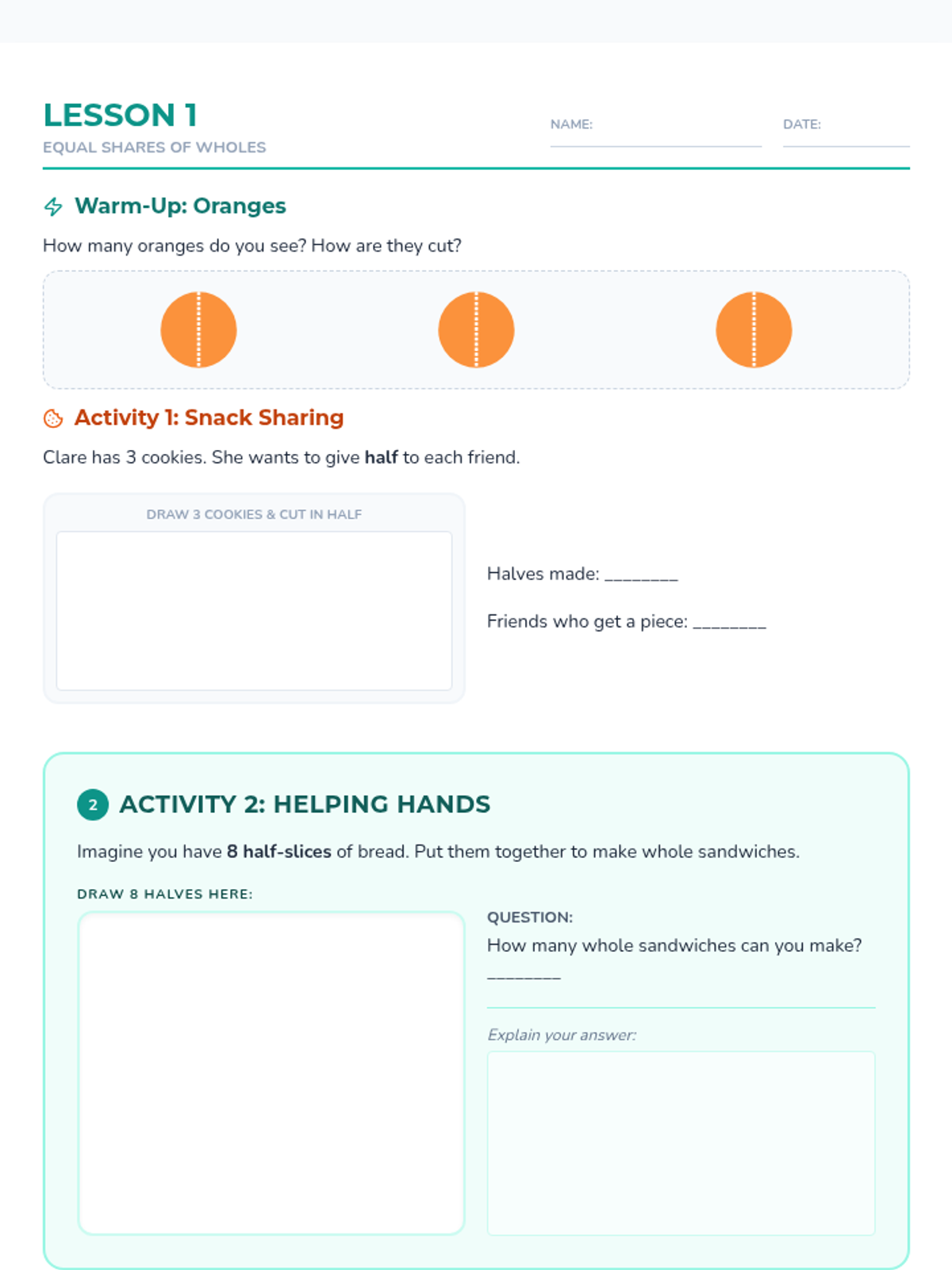
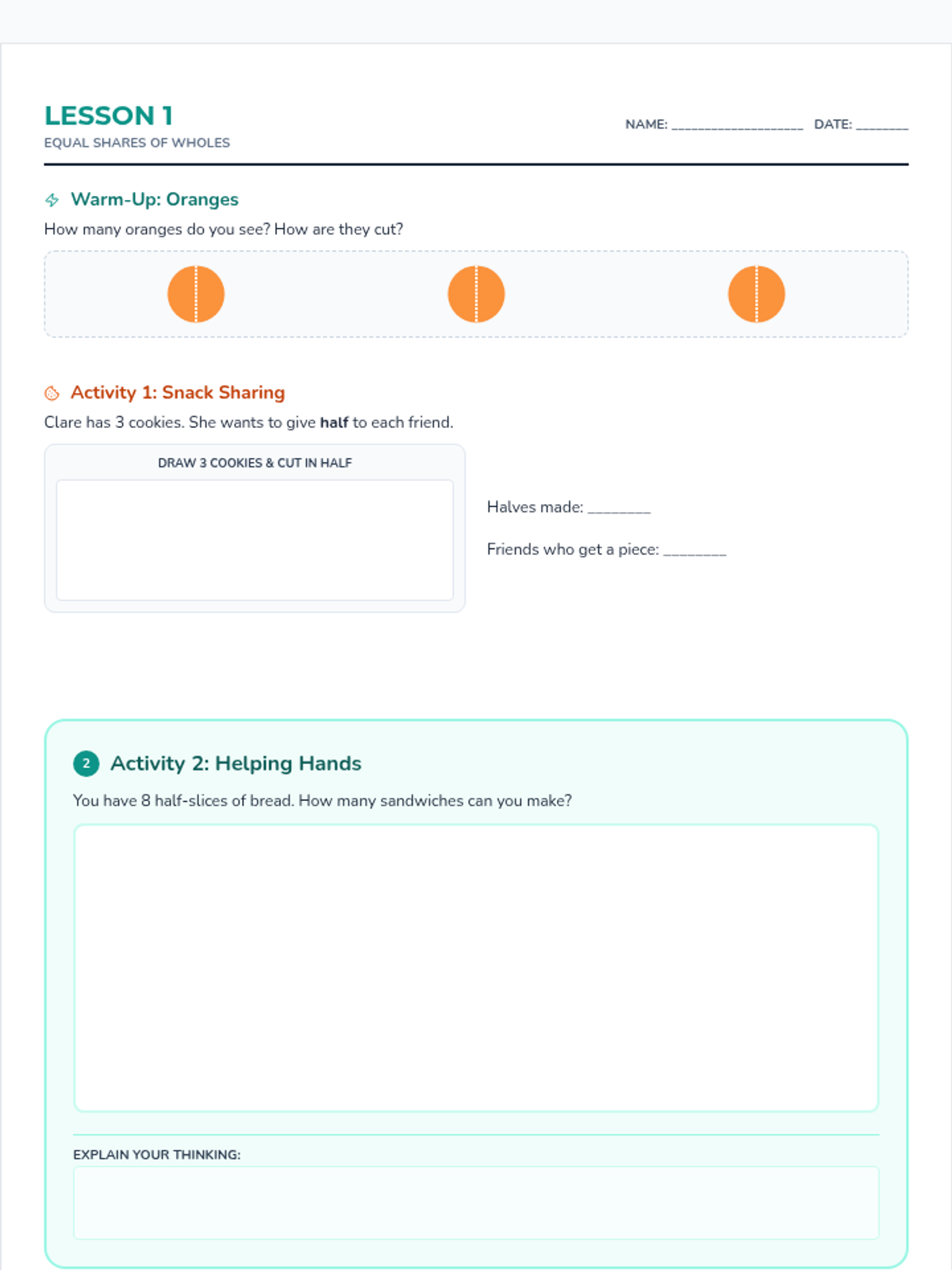
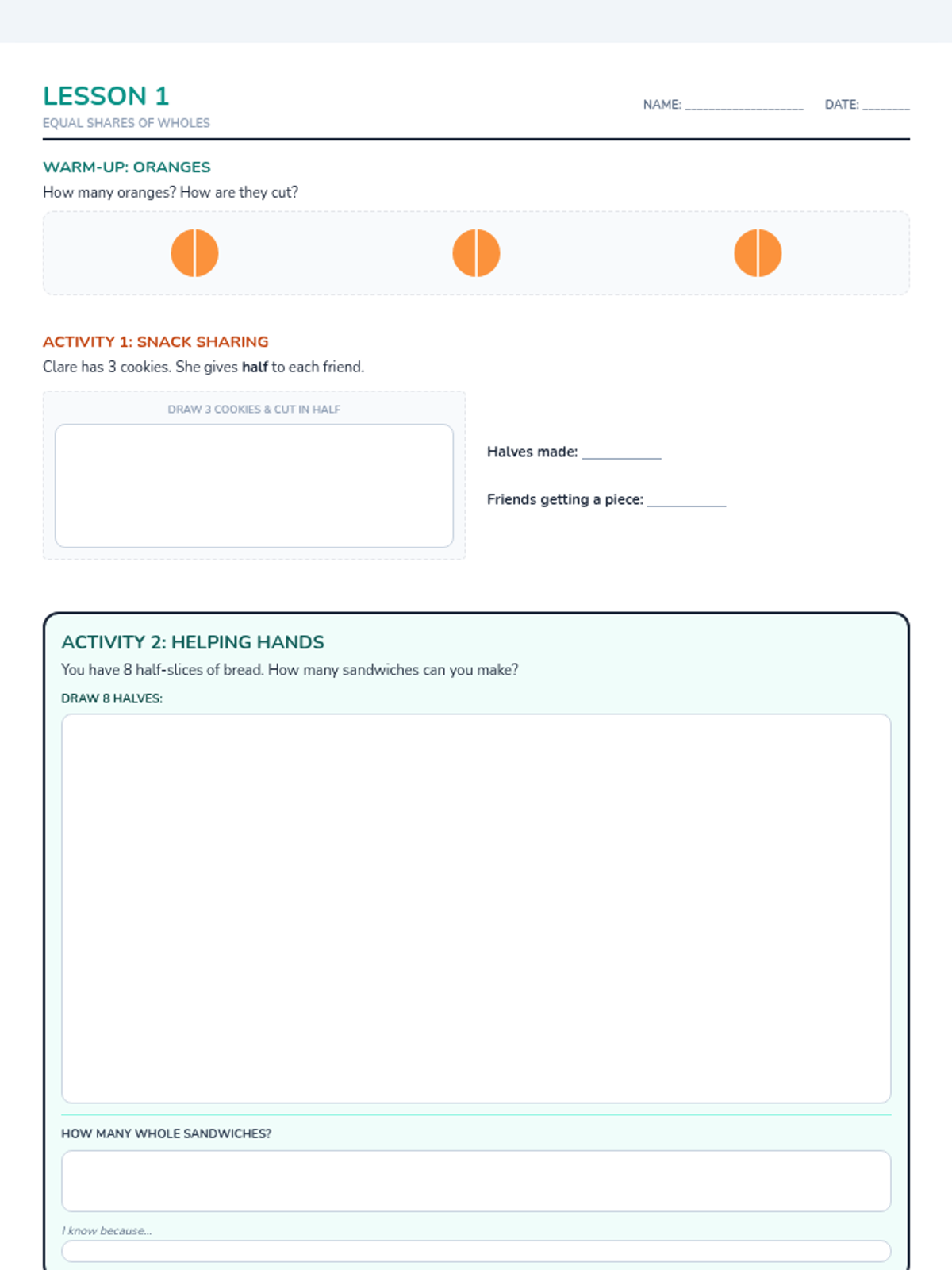
This lesson sequence introduces students to the concept of equal shares and partitioning shapes into halves, thirds, and fourths, using repeated addition to bridge the gap between parts and wholes. Students explore these concepts through hands-on activities with food-themed visuals and classroom objects.
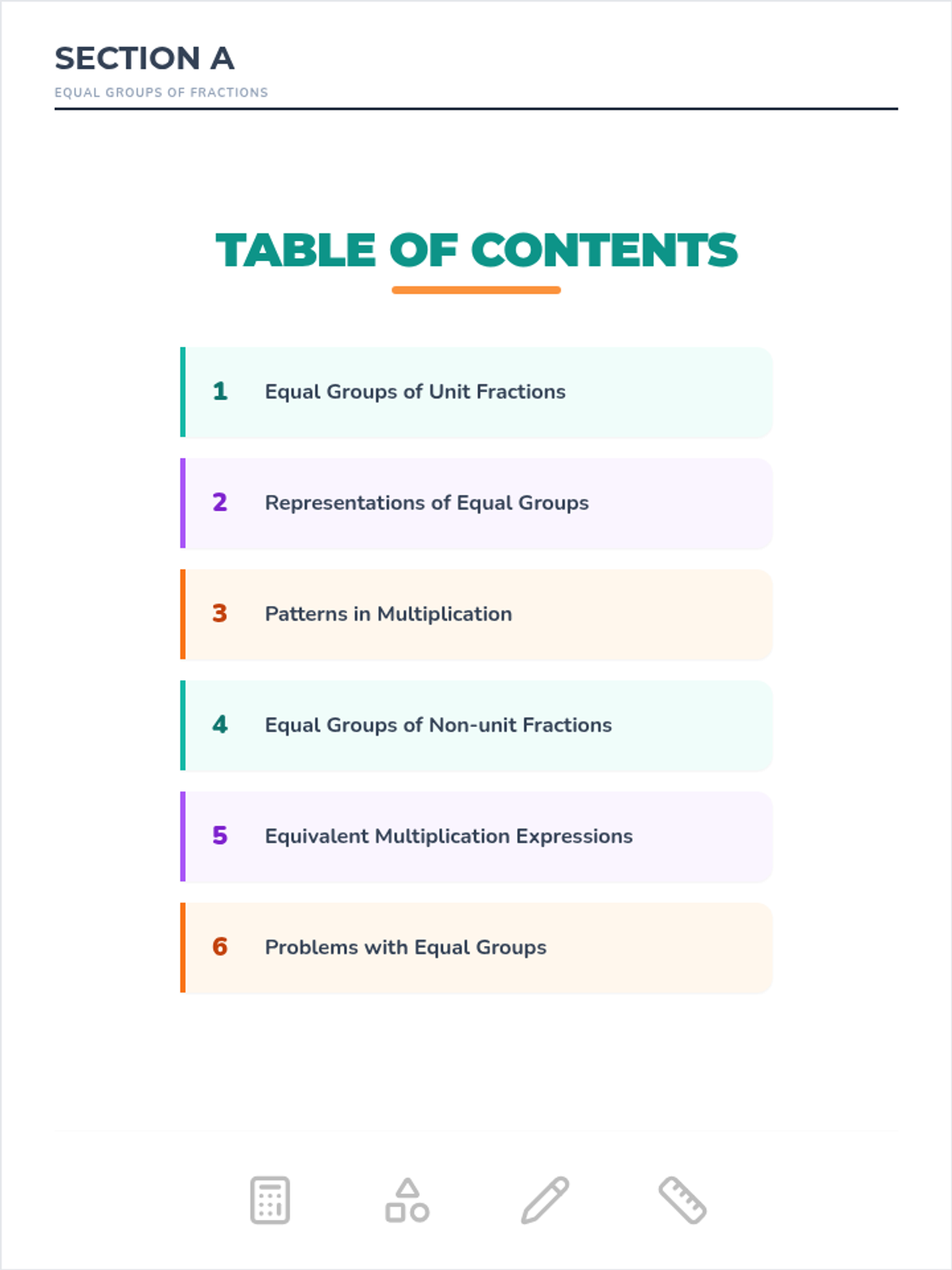
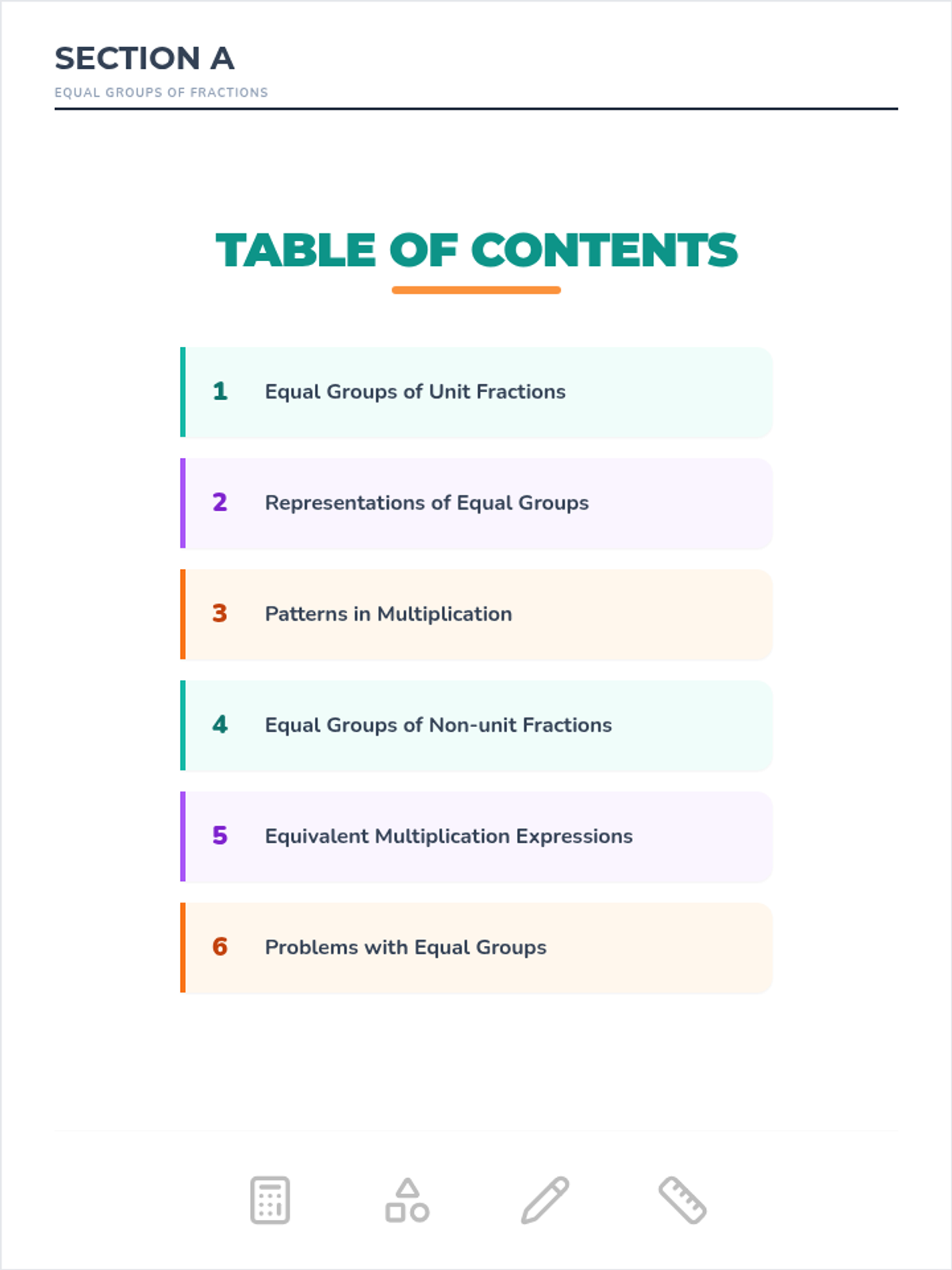
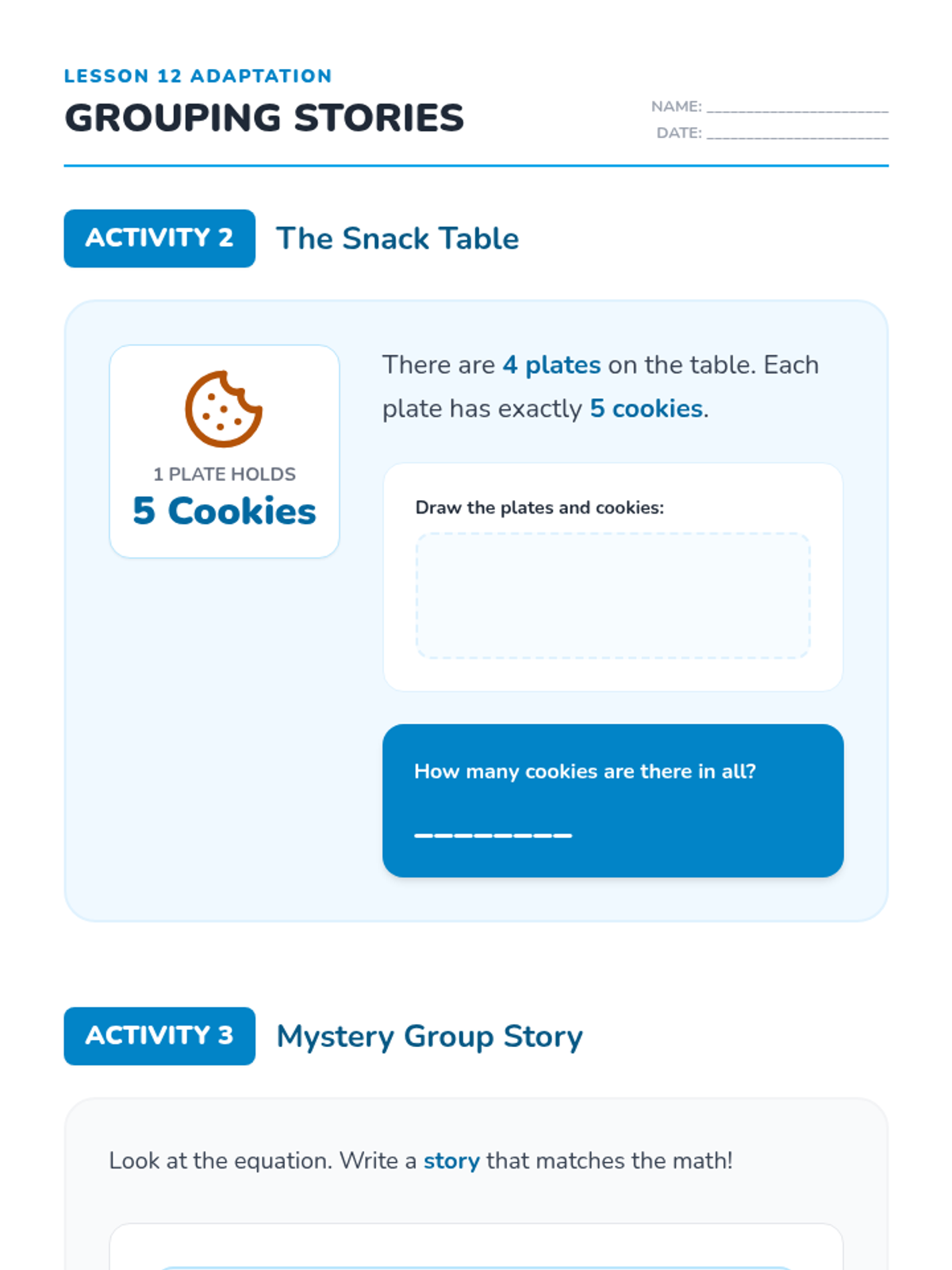
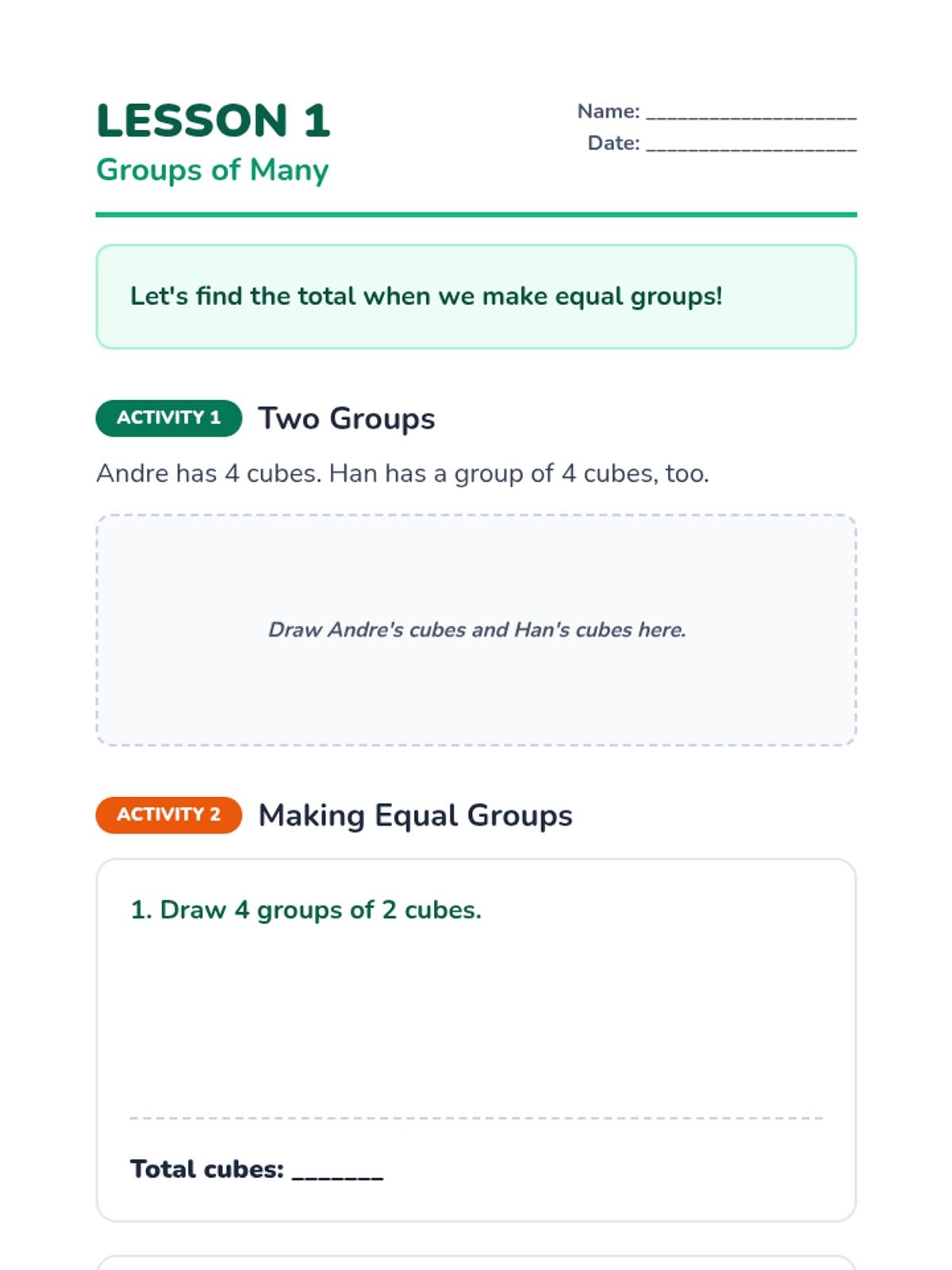
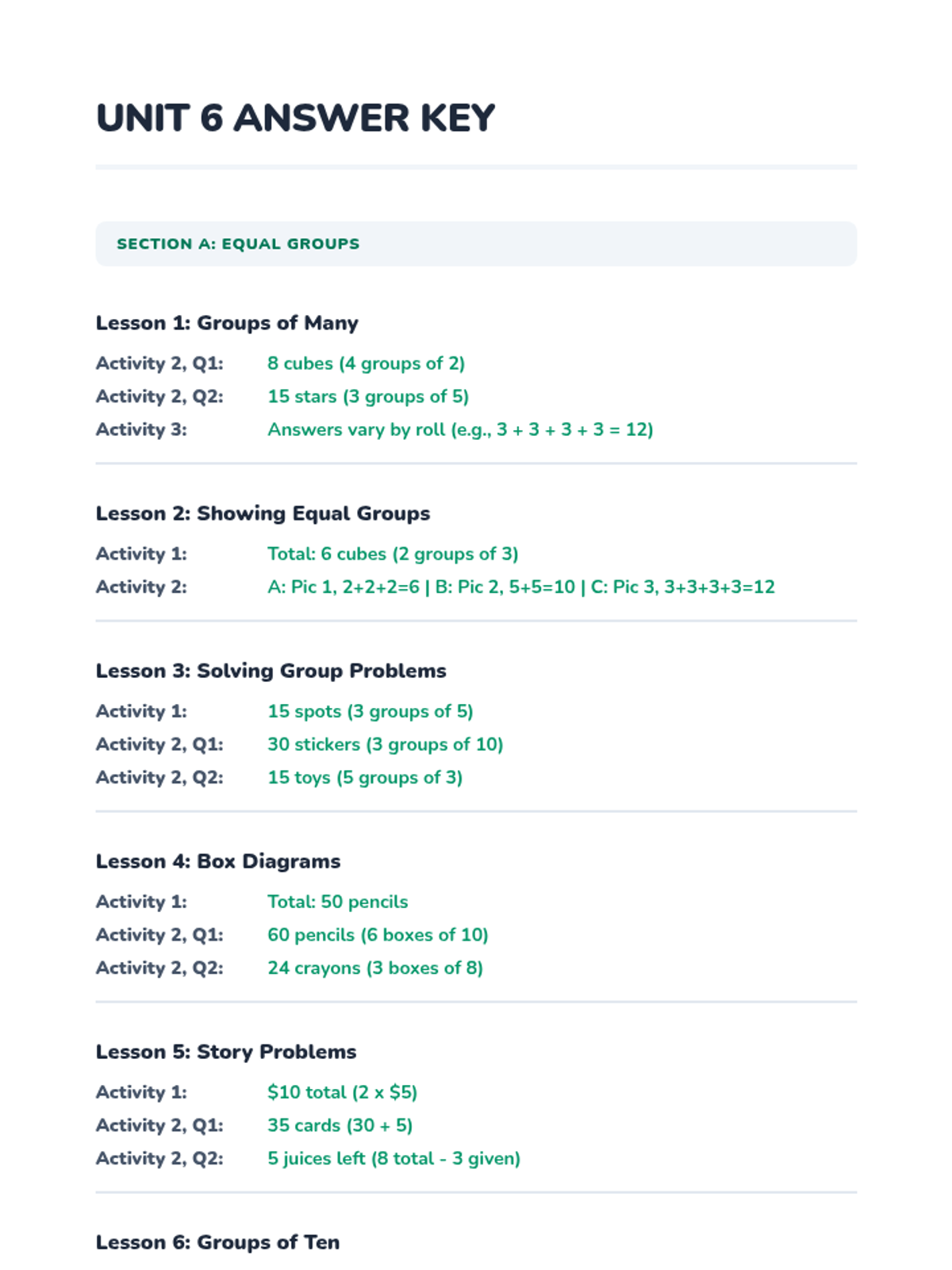
A collection of revised Activity 2 and Activity 3 exercises from the Imagine IM Unit 6 workbook, simplified for 2nd Grade Common Core standards while maintaining the original themes. Focuses on repeated addition, arrays, skip counting, and equal groups.
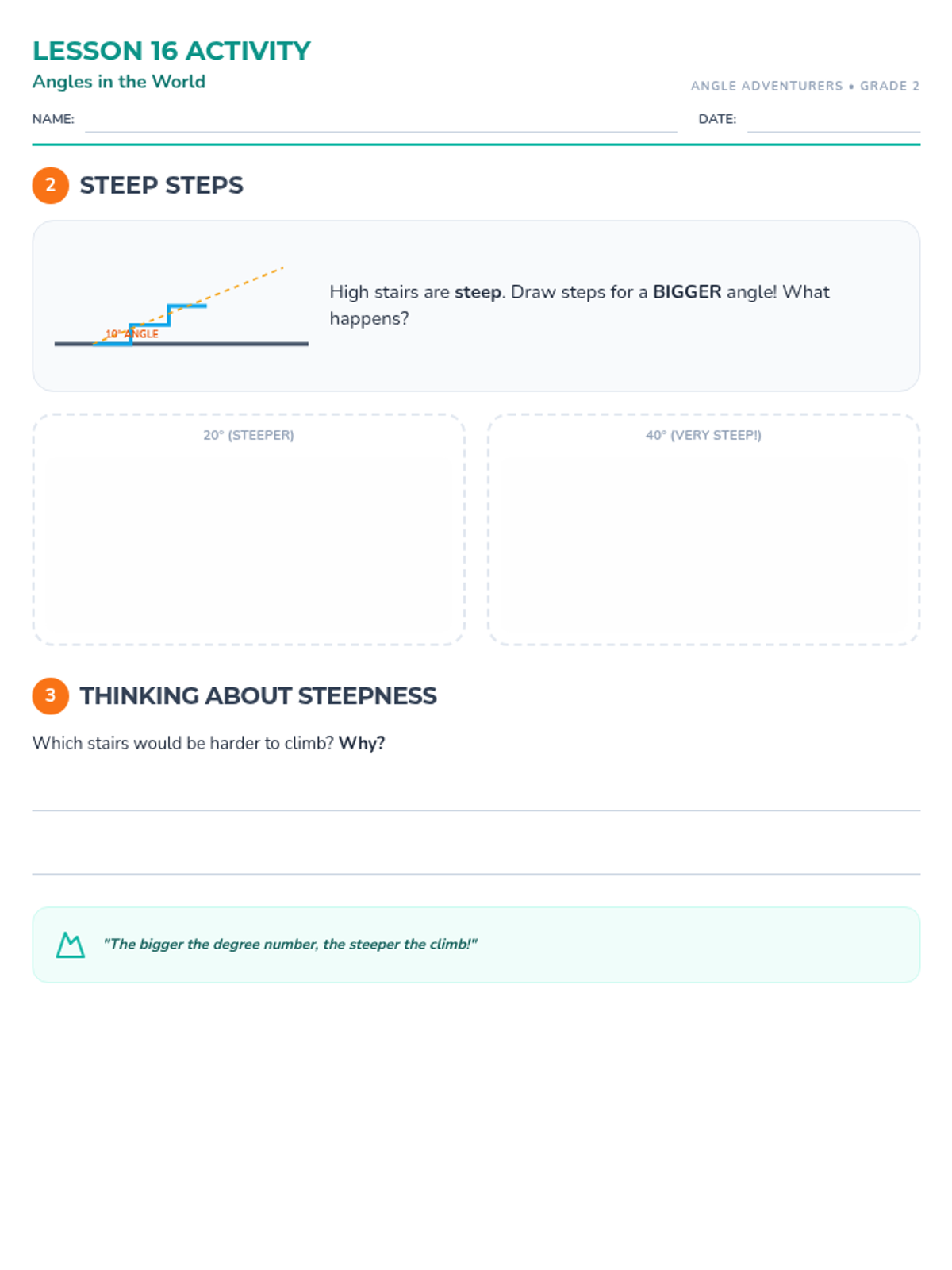
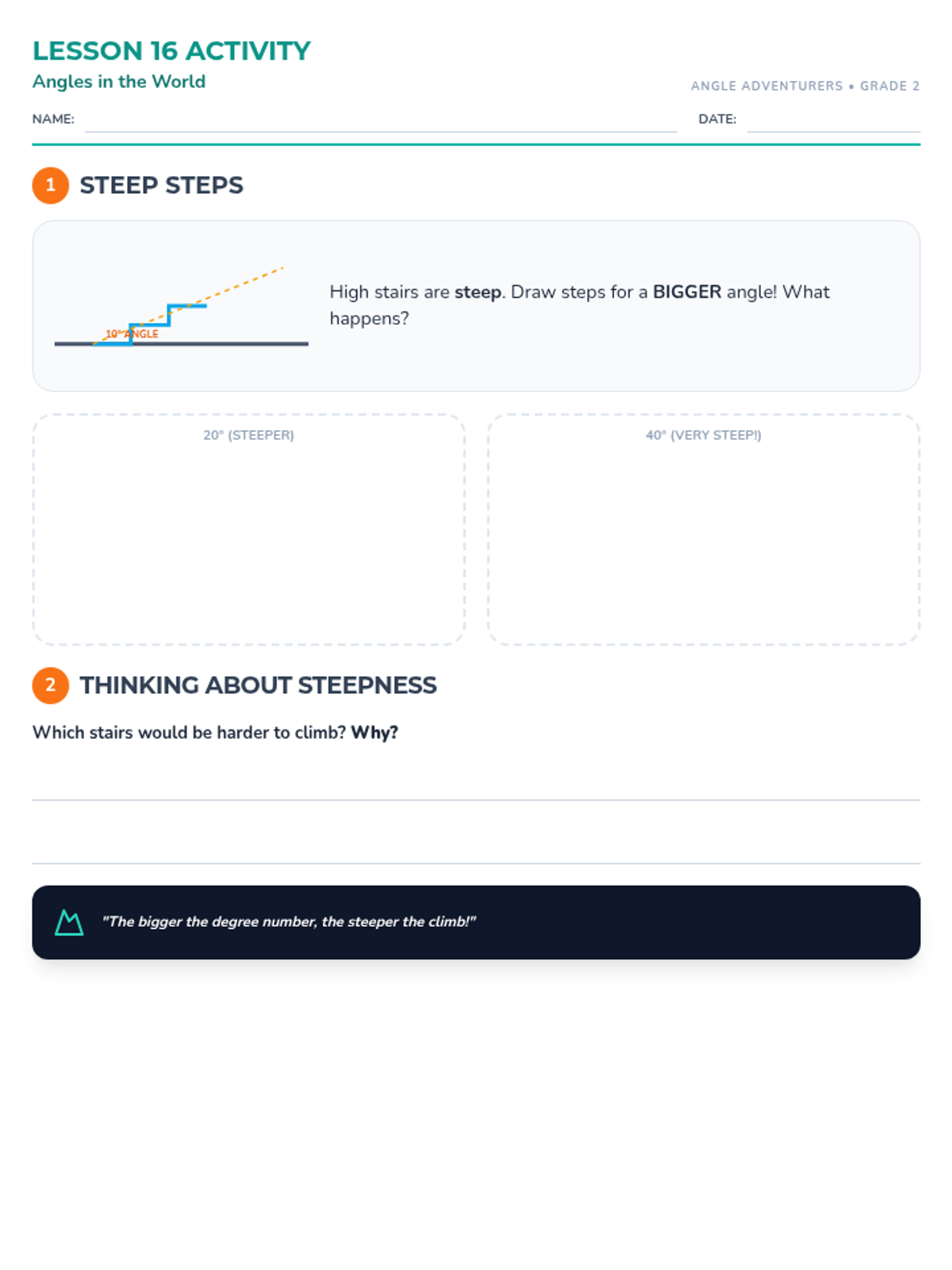
Final investigation where students look at the steepness of streets and steps through an angle lens.
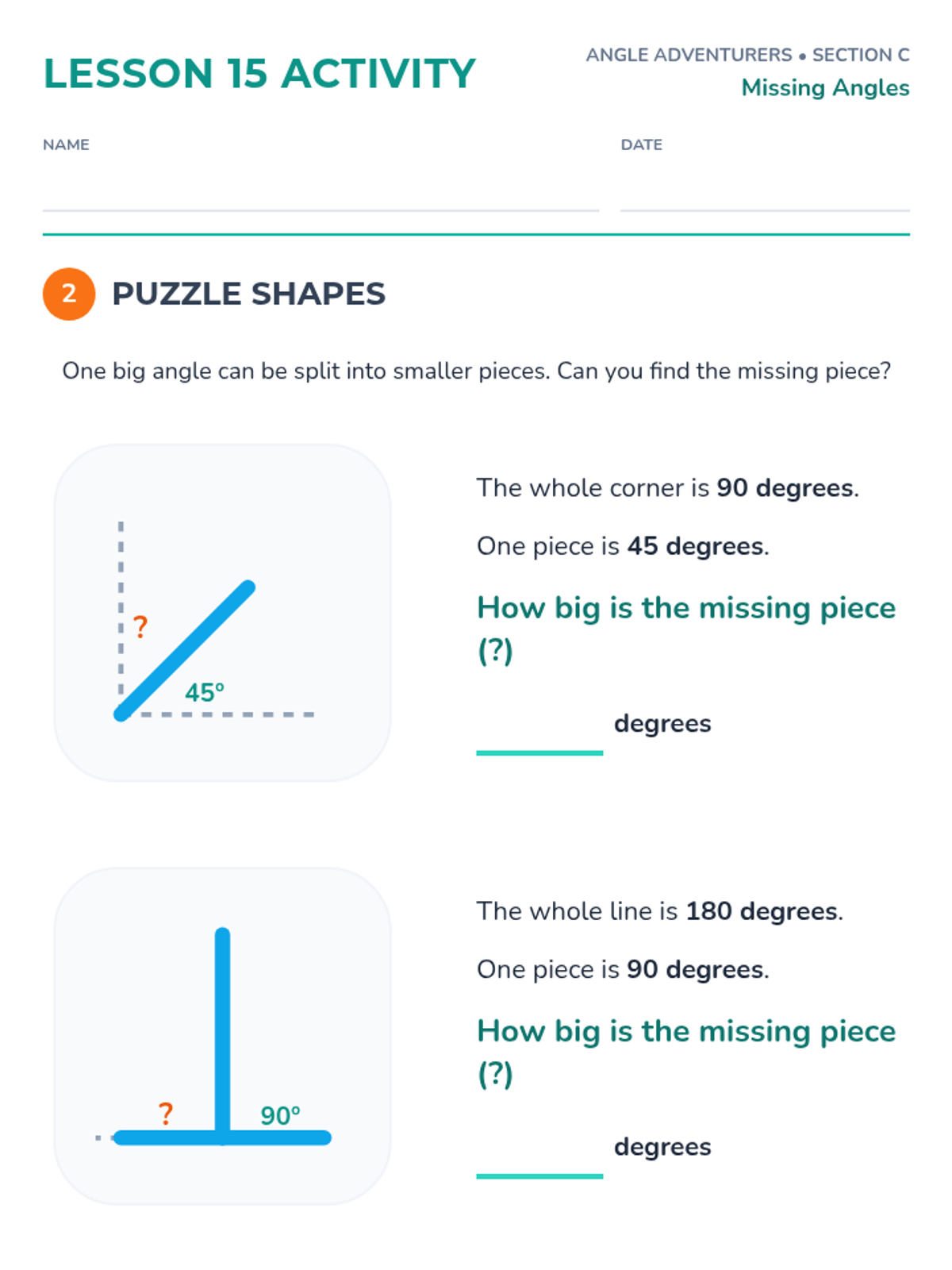
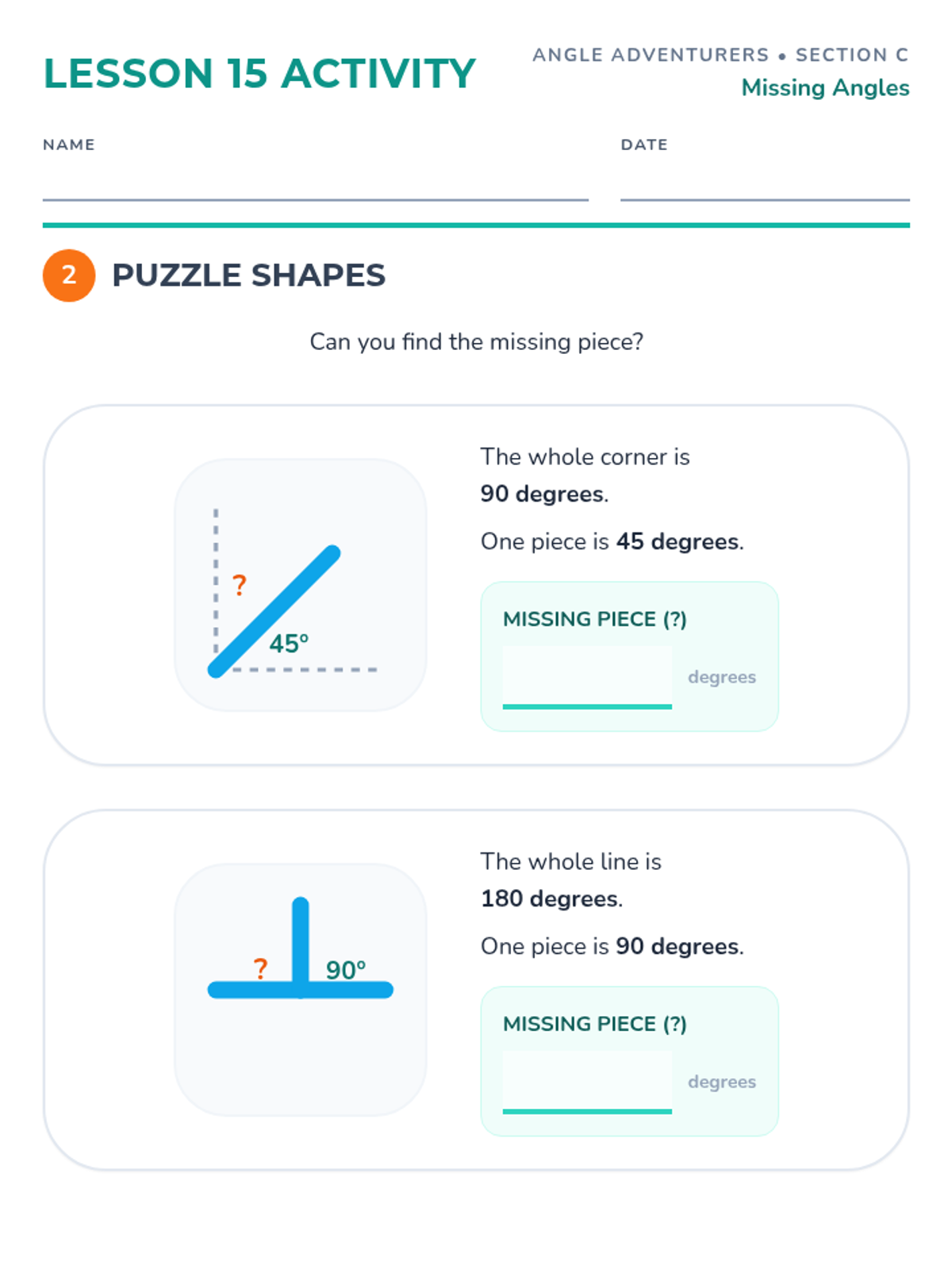
Finding missing angle measurements in composite figures.
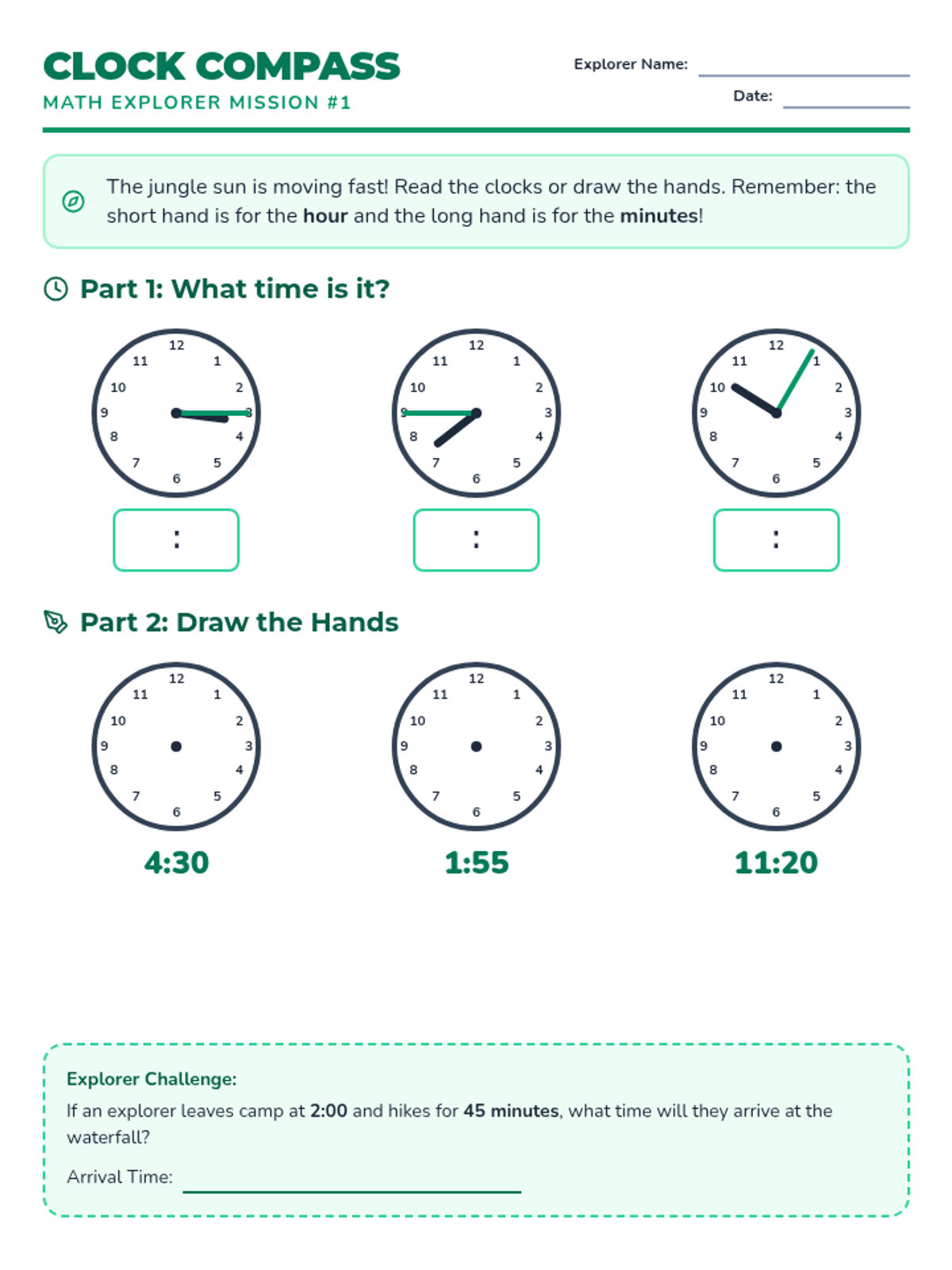
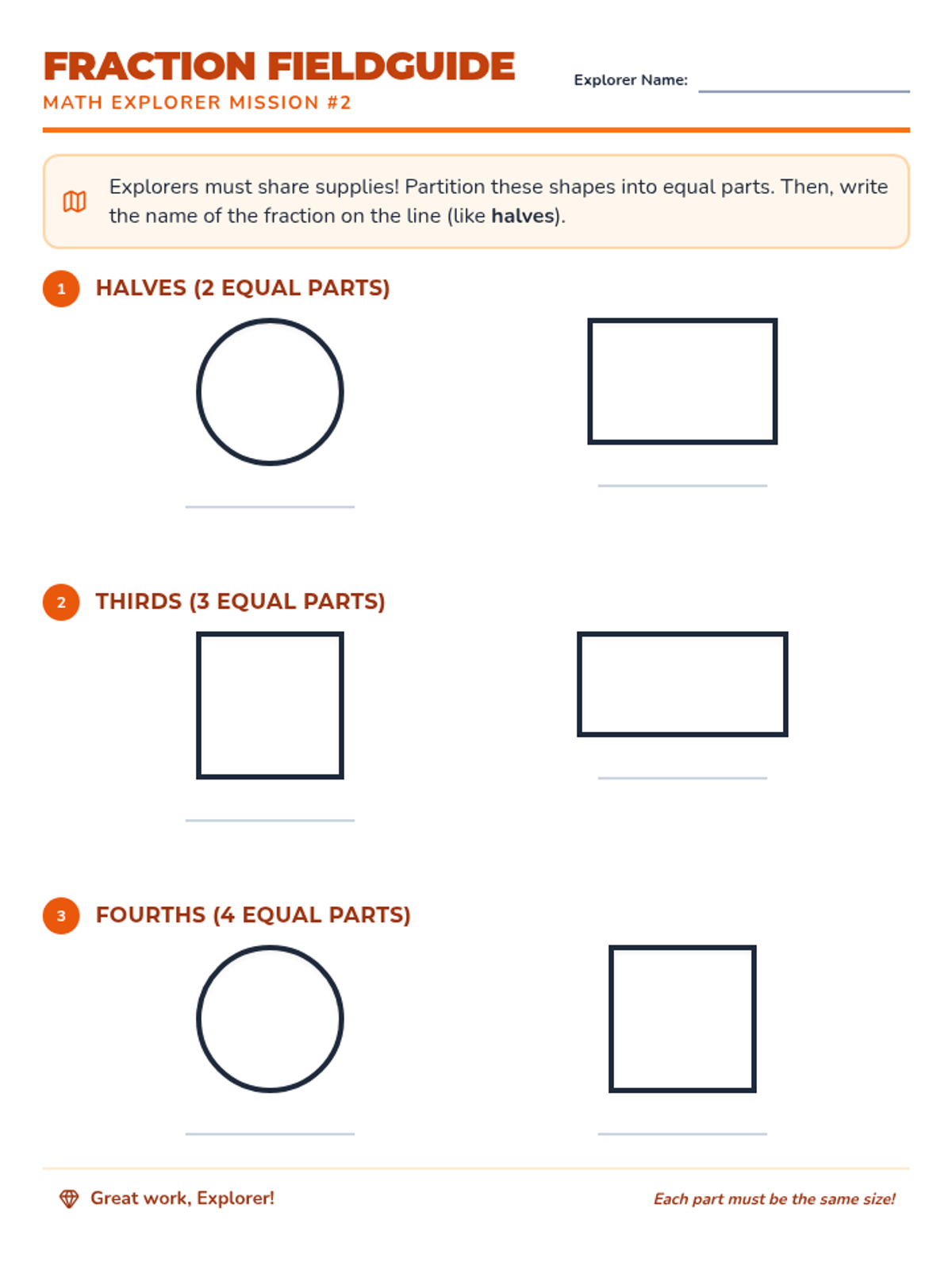
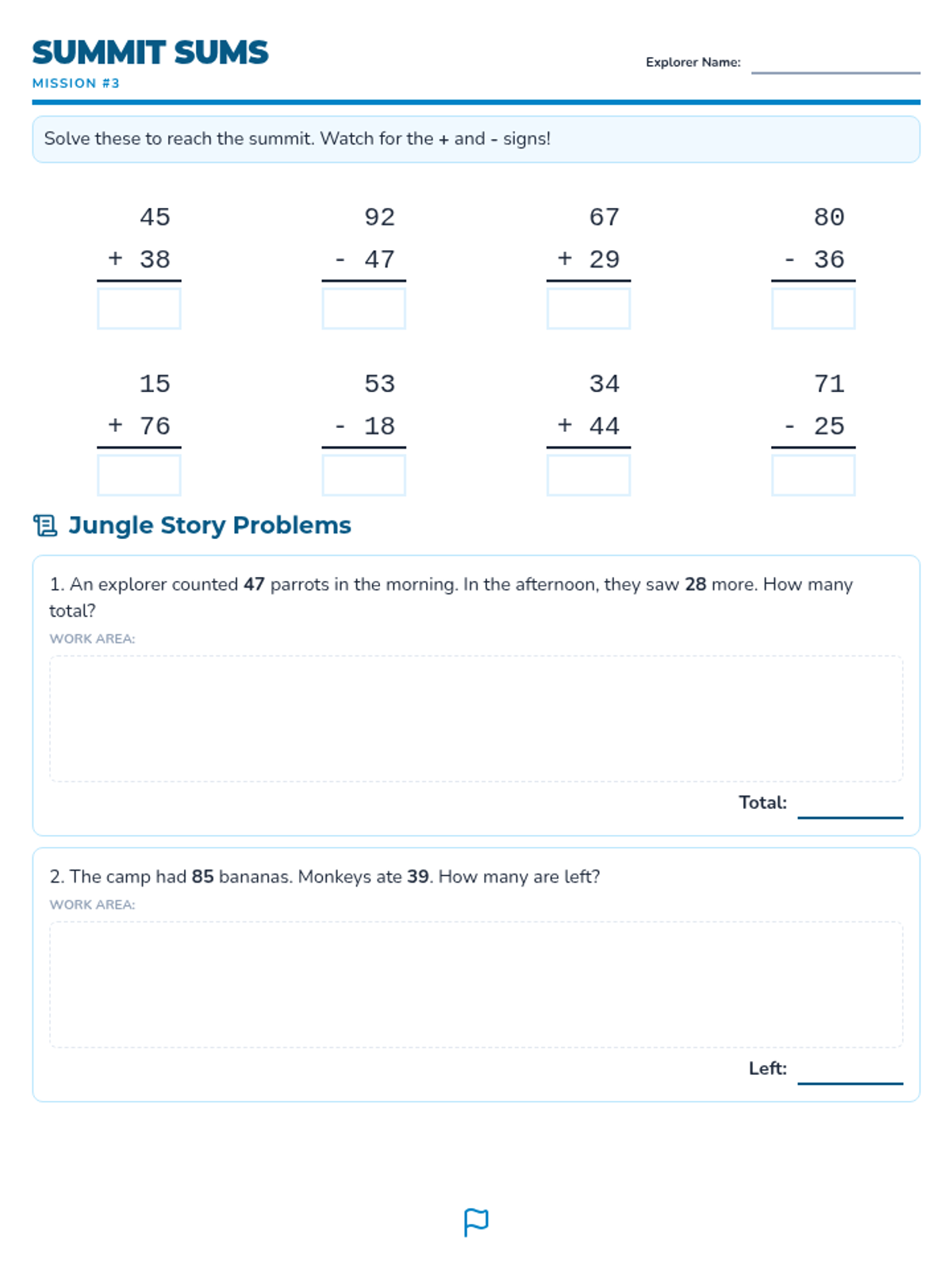
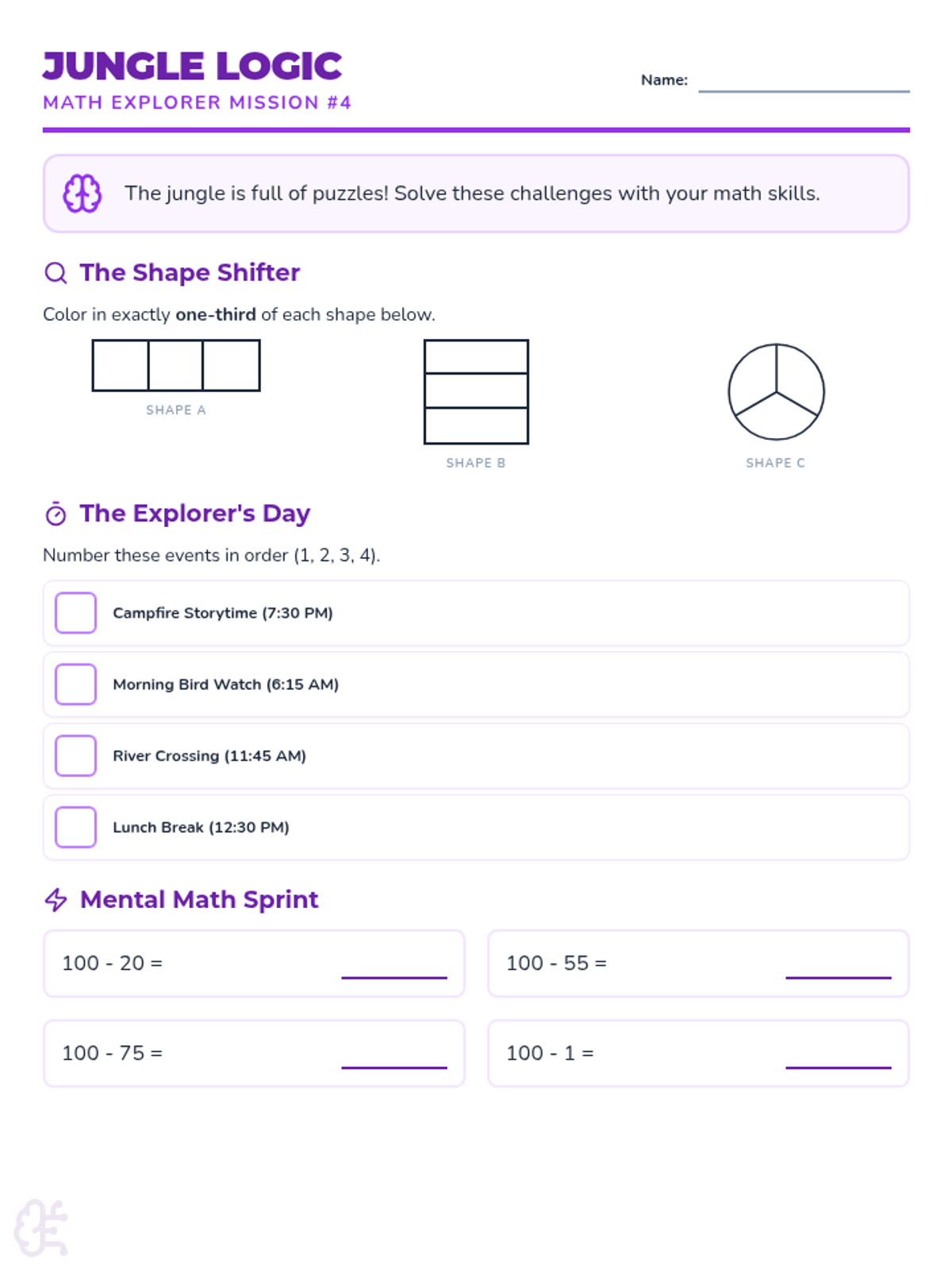
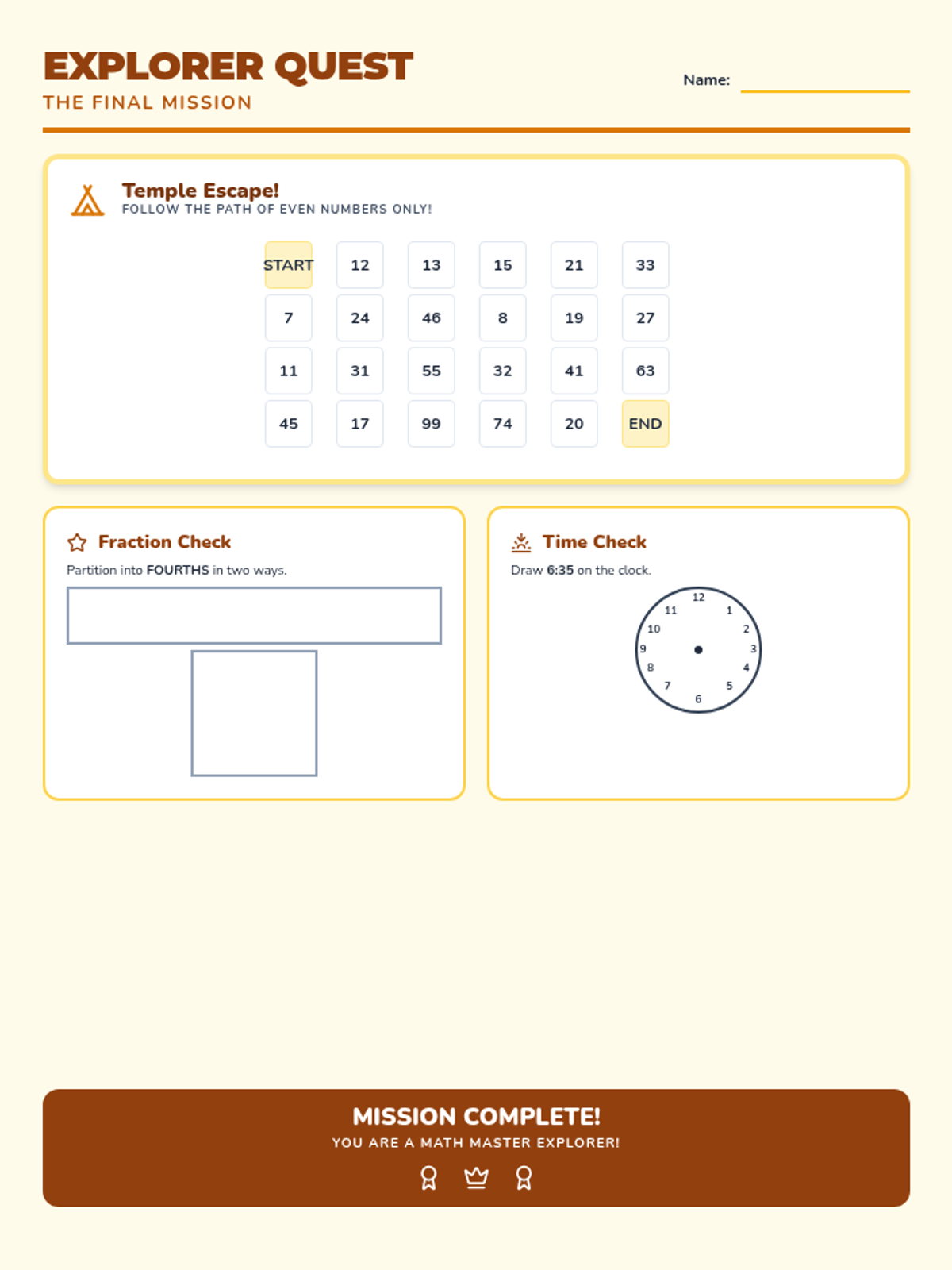
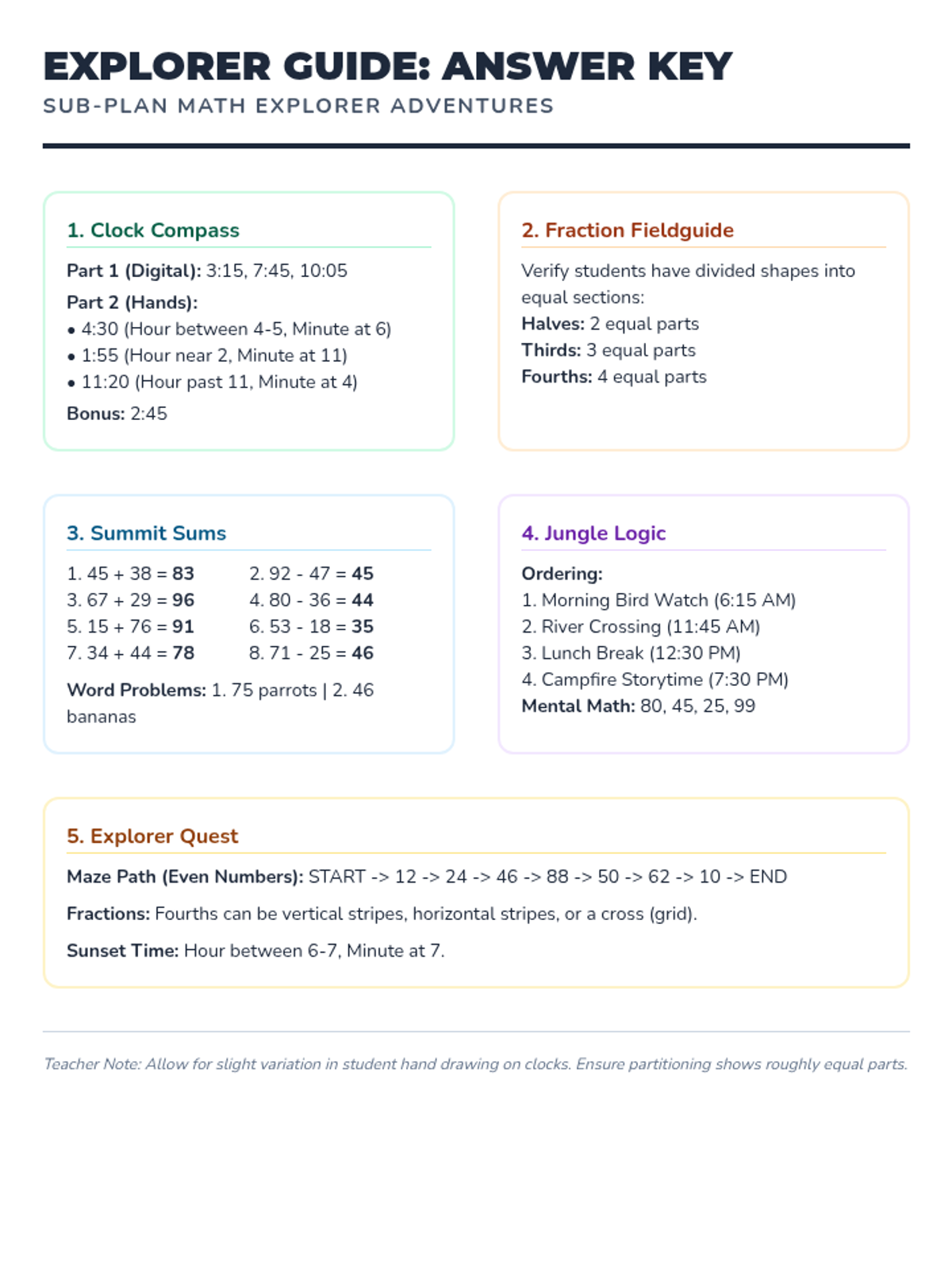
A comprehensive sub-plan packet for 2nd grade math, covering telling time, partitioning shapes into fractions, and addition/subtraction within 100 through an engaging jungle exploration theme.
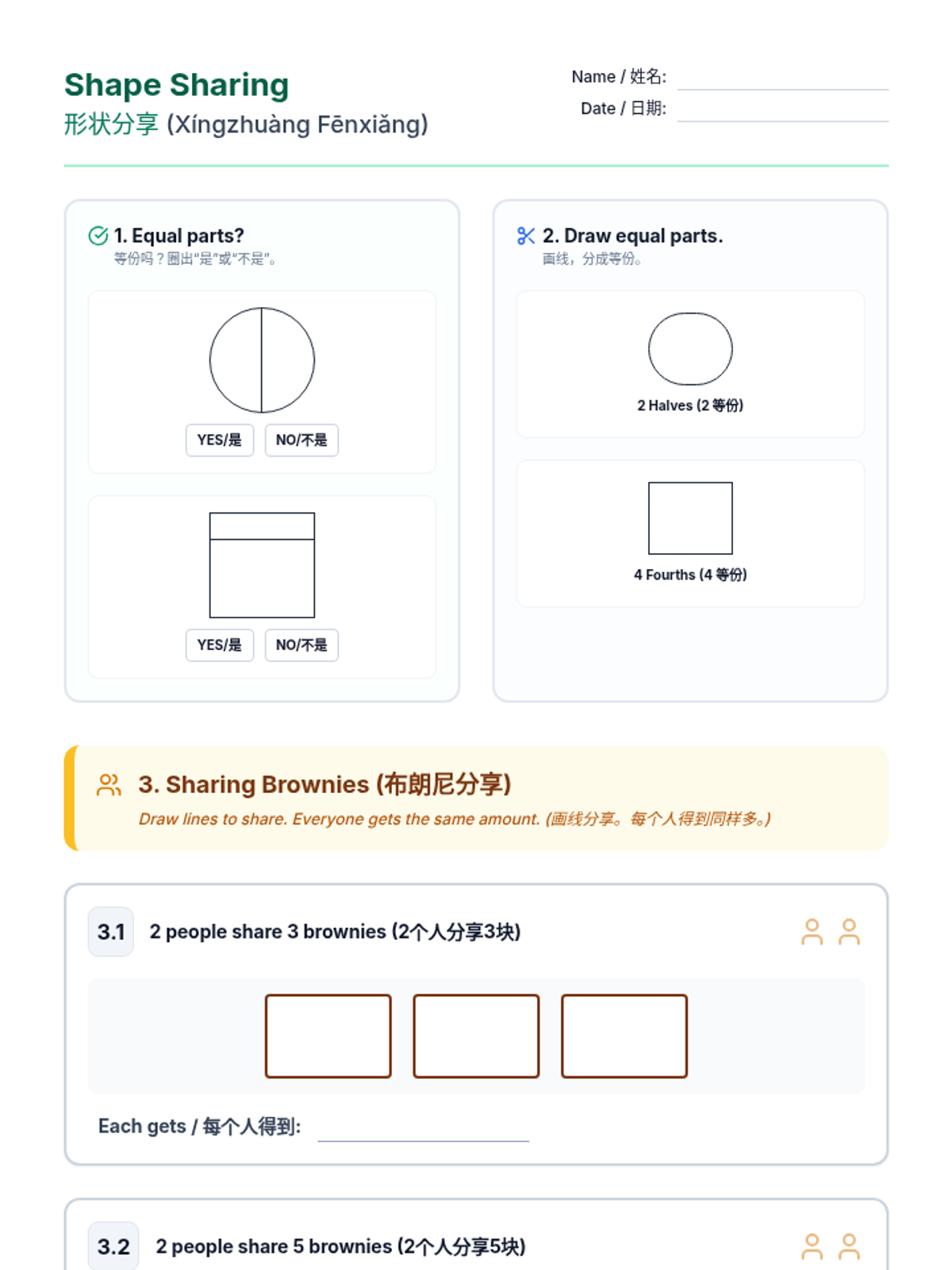
A bilingual (English/Simplified Chinese) lesson on partitioning shapes into equal shares (halves and fourths) for Level 1 ELL students. The lesson focuses on visual understanding and basic vocabulary like 'equal', 'half', and 'fourth'.
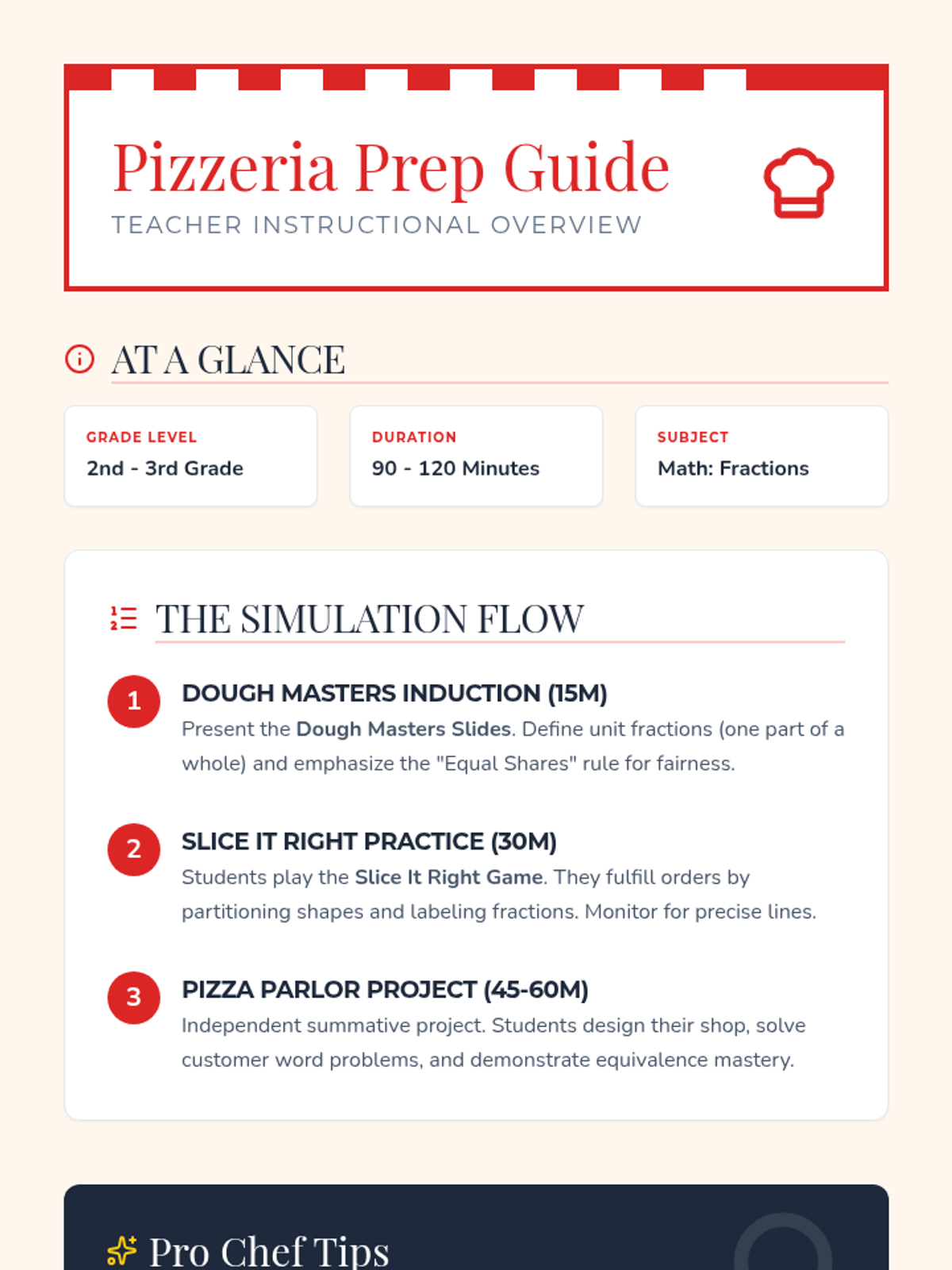
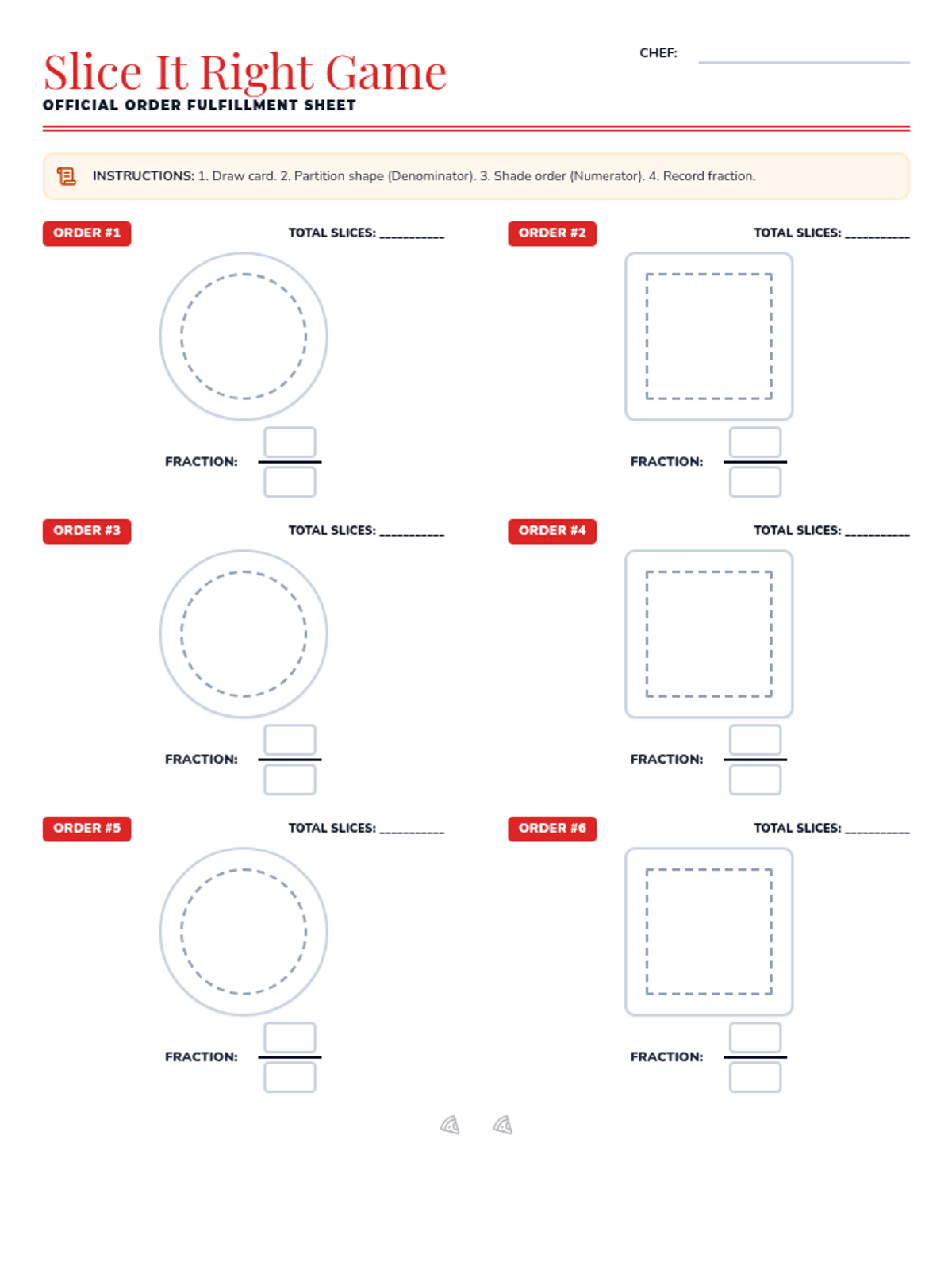
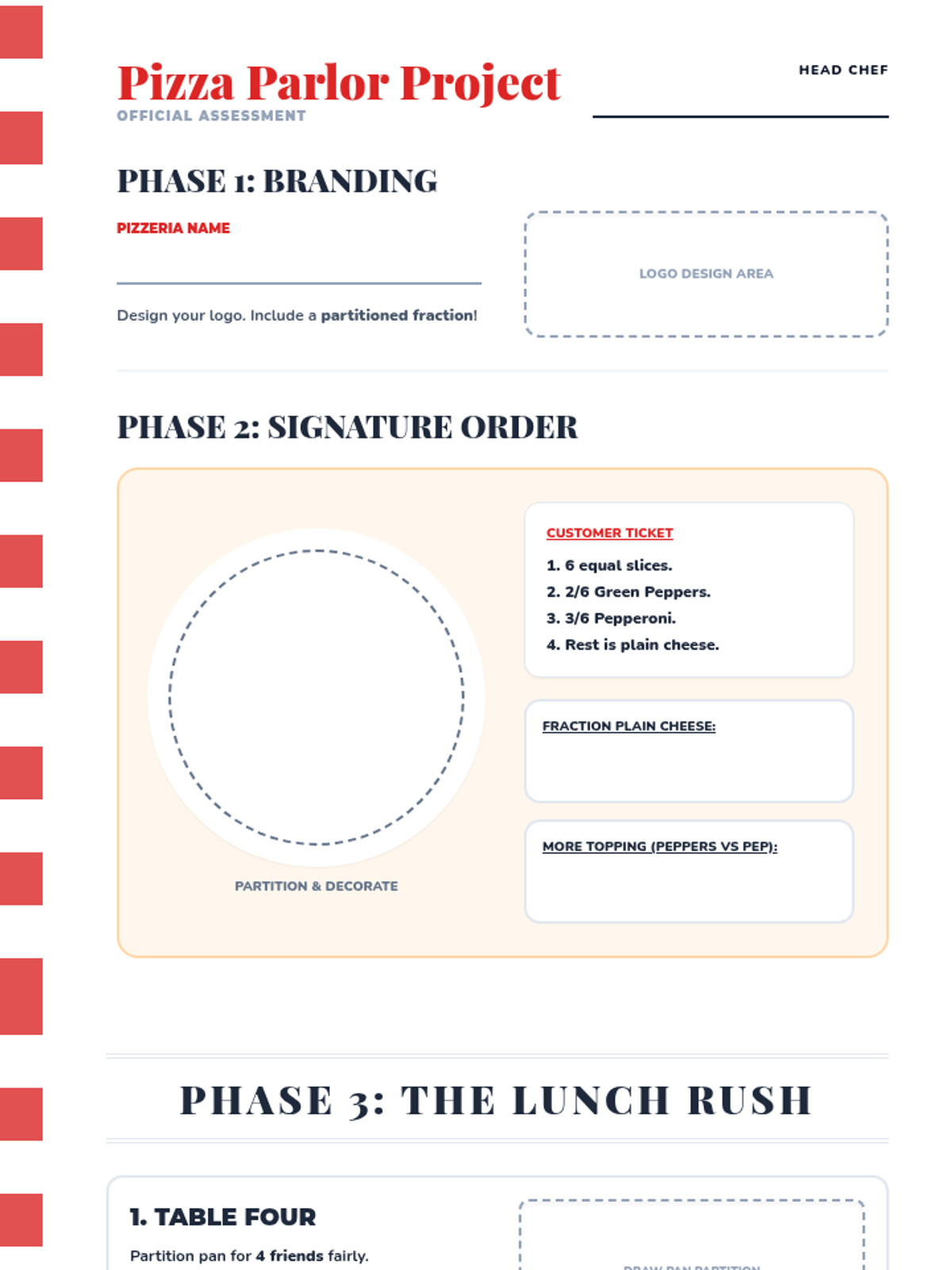
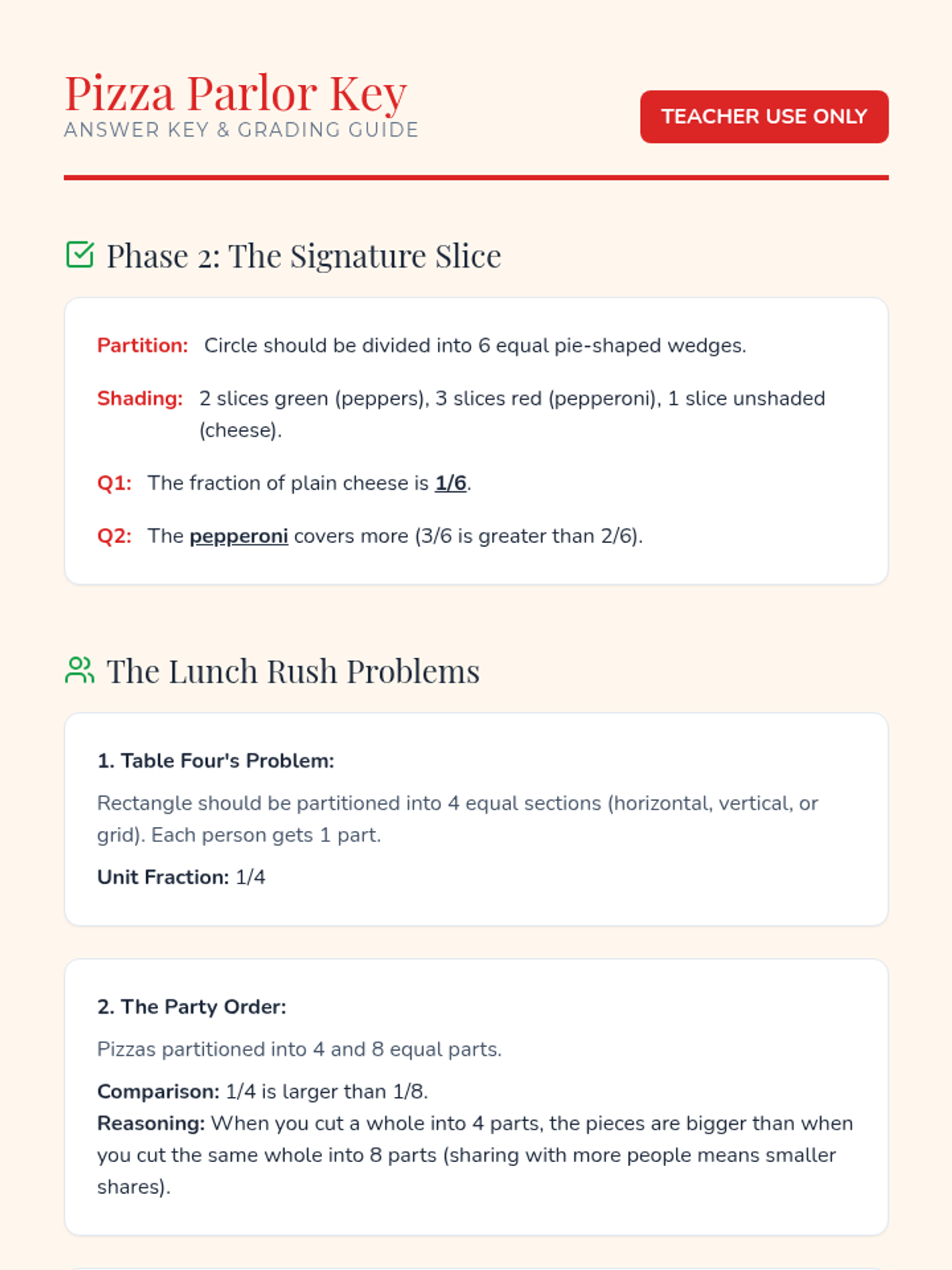
A comprehensive math simulation where students master unit fractions and partitioning through the lens of running a pizzeria. Includes instructional slides, a collaborative game, and an independent creative project.
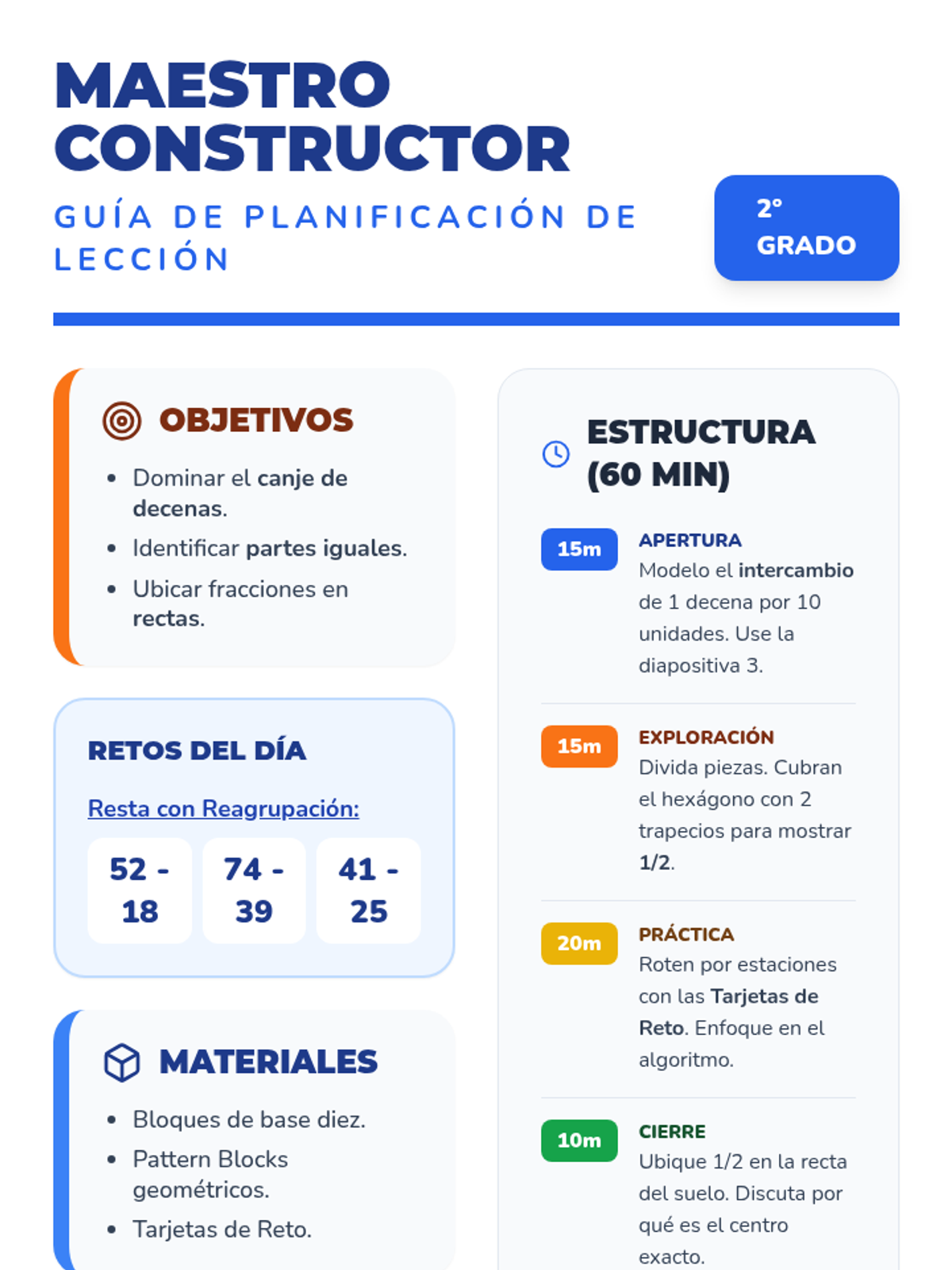
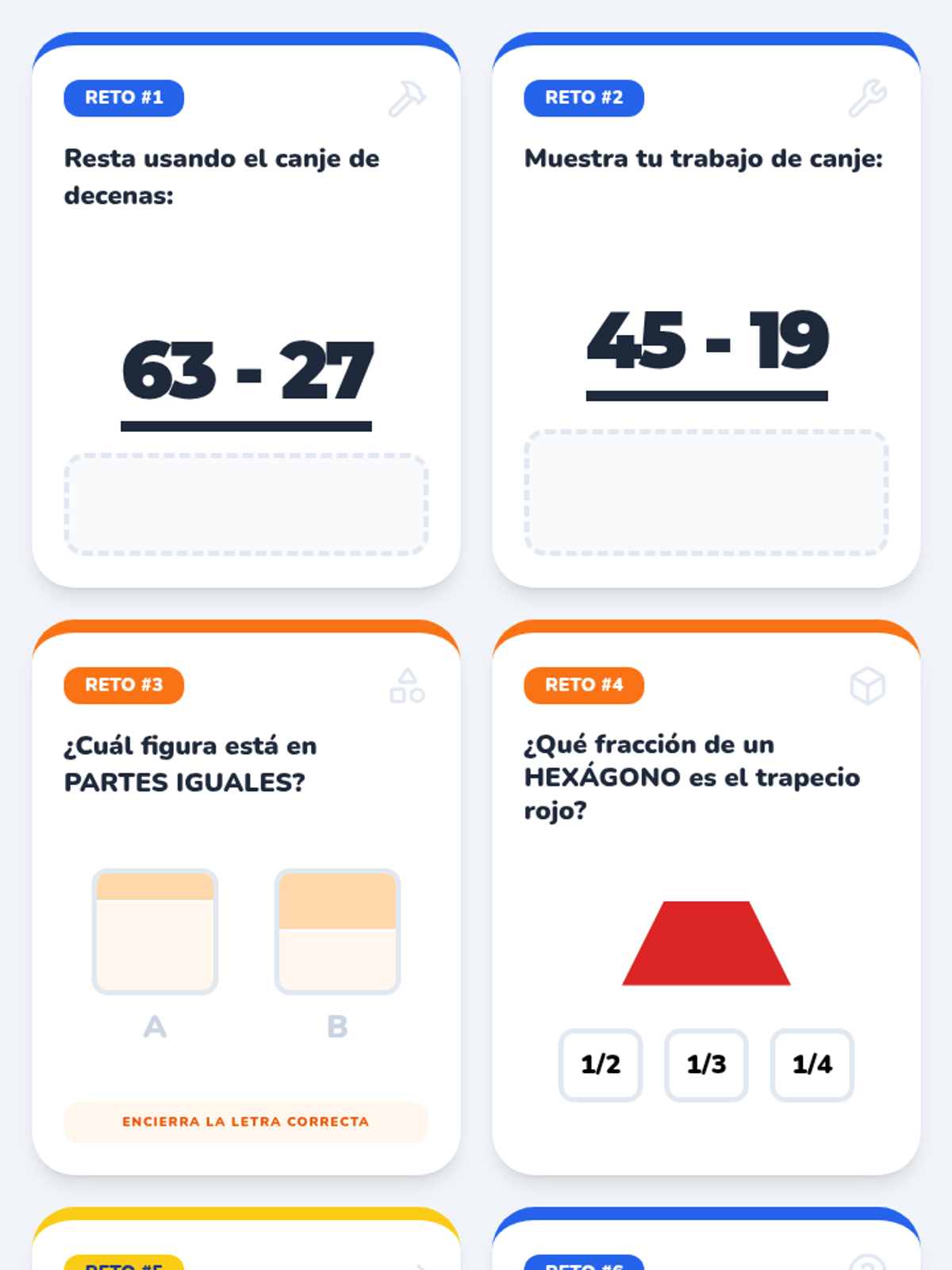
Una lección integral que cubre la resta con reagrupación y los fundamentos de las fracciones utilizando bloques geométricos y rectas numéricas para segundo grado.
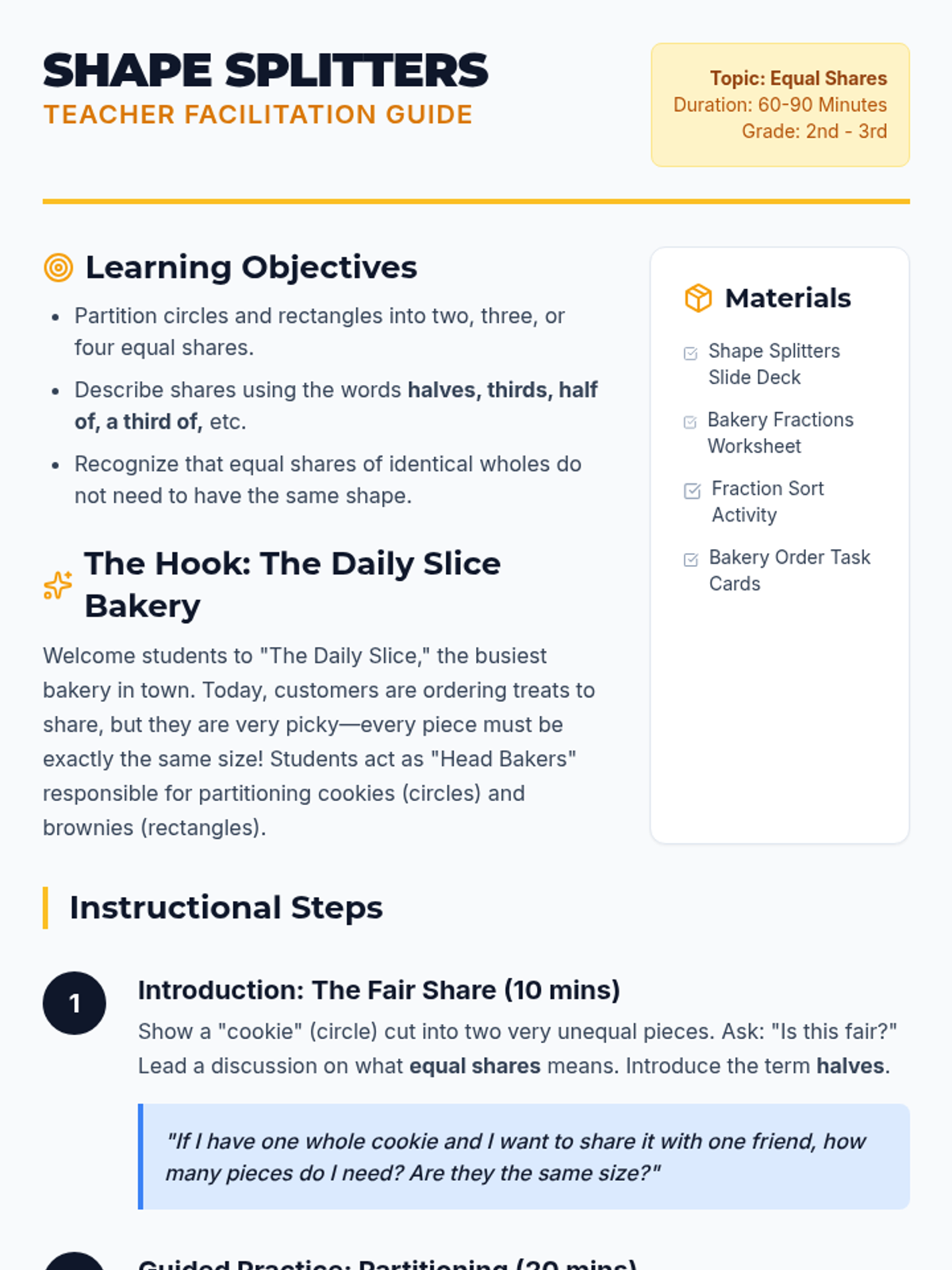
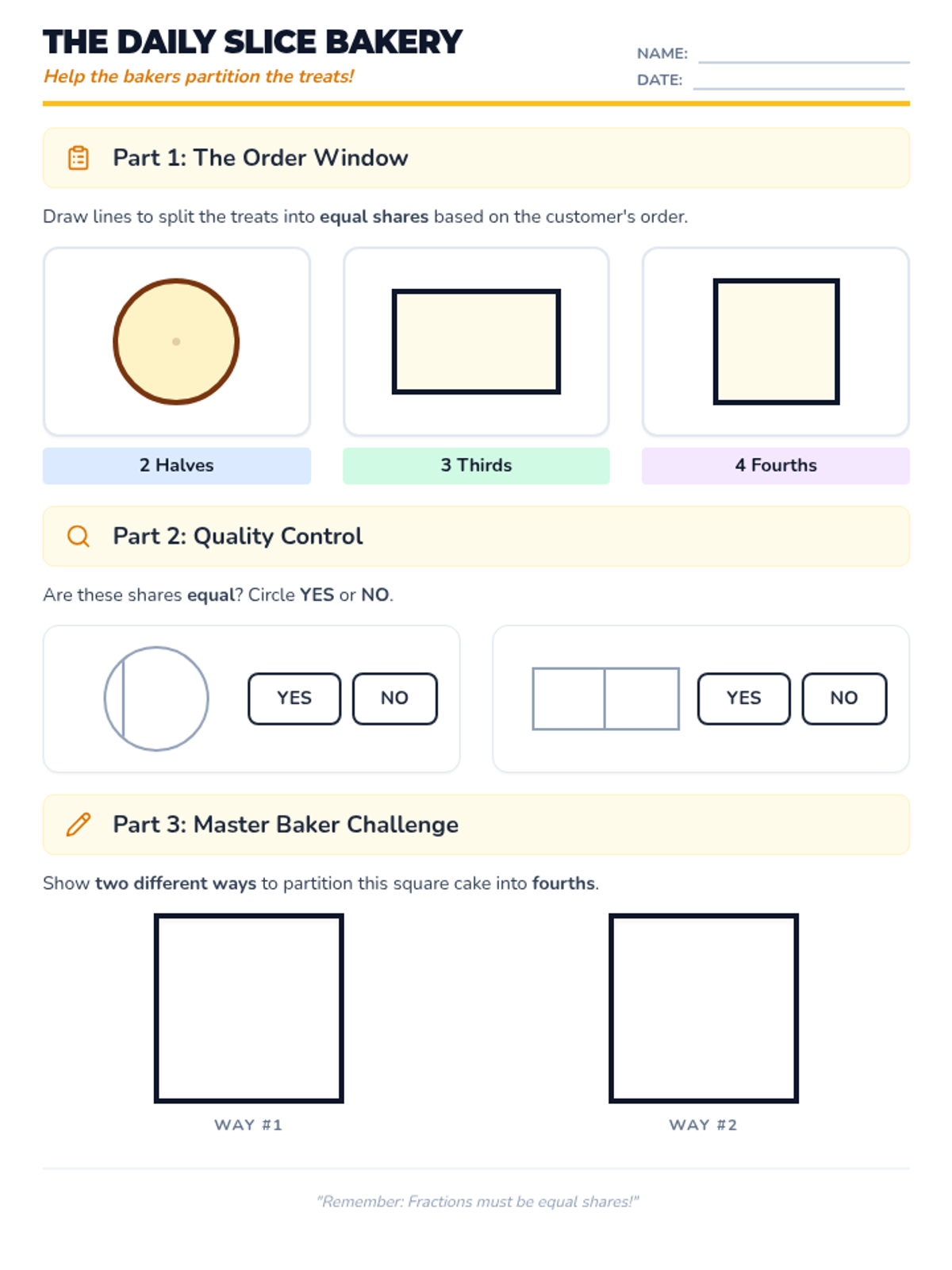
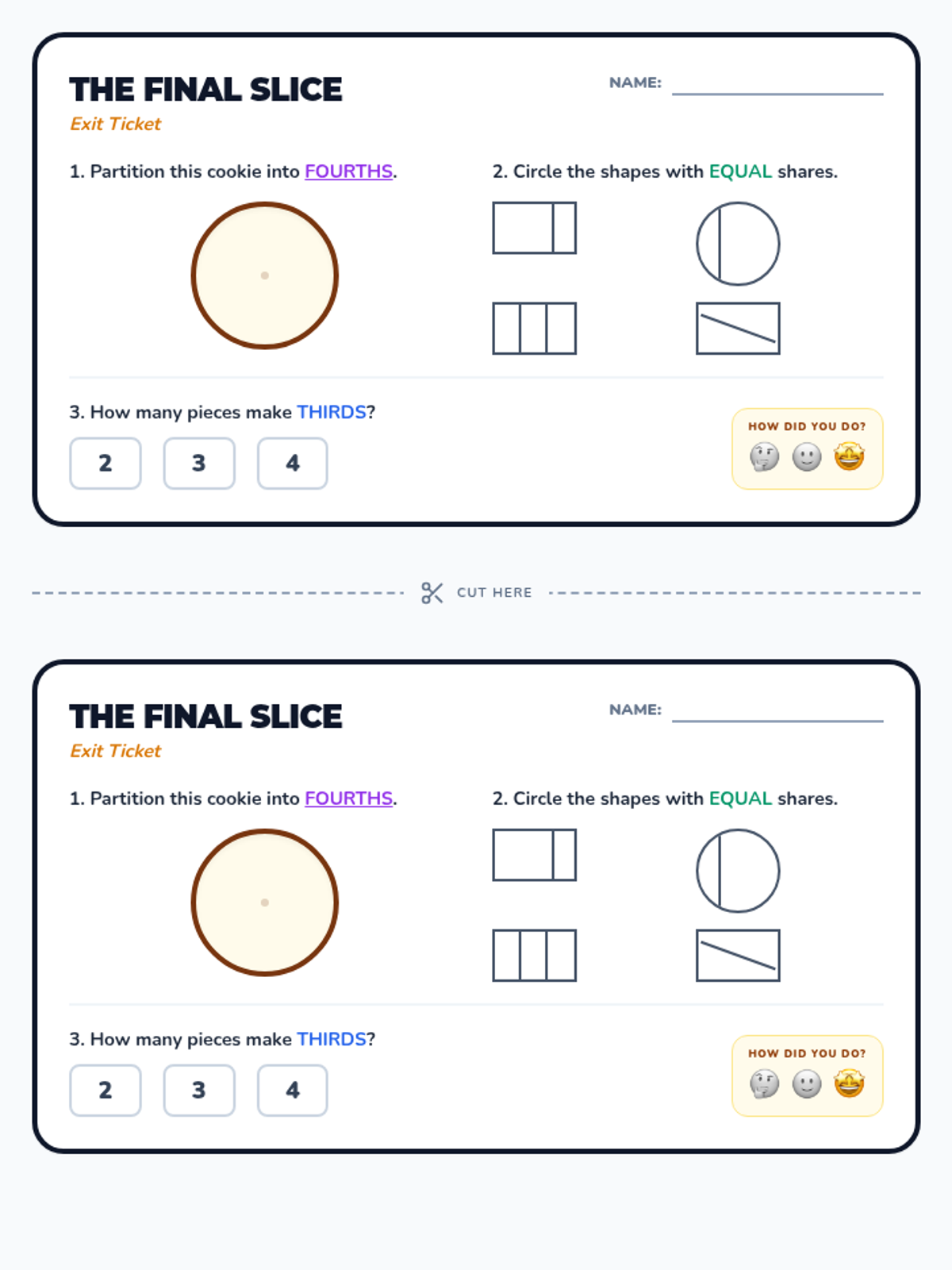
A hands-on introduction to partitioning circles and rectangles into halves, thirds, and fourths using a bakery theme. Students will learn to identify equal shares and use fractional language correctly.
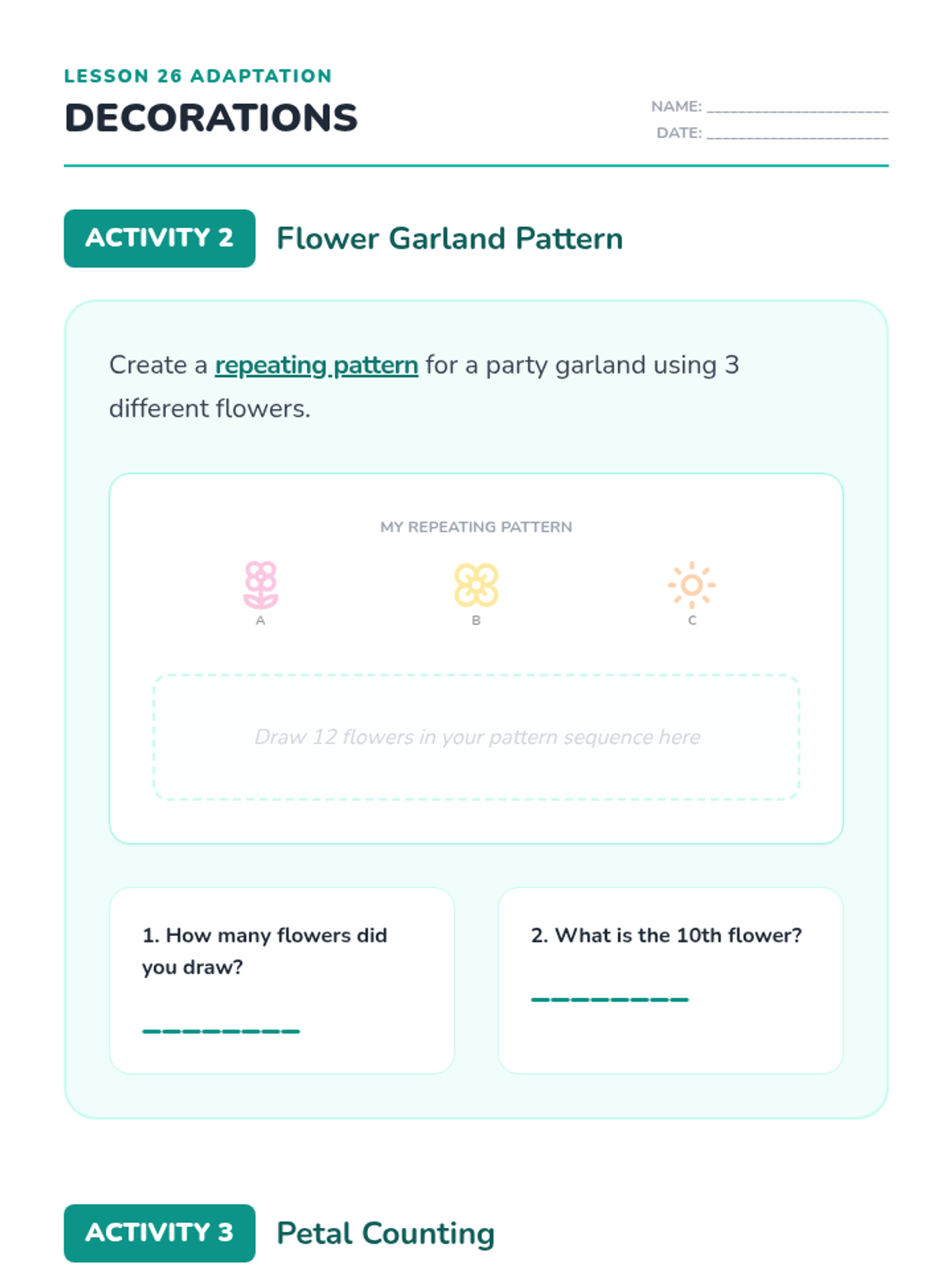
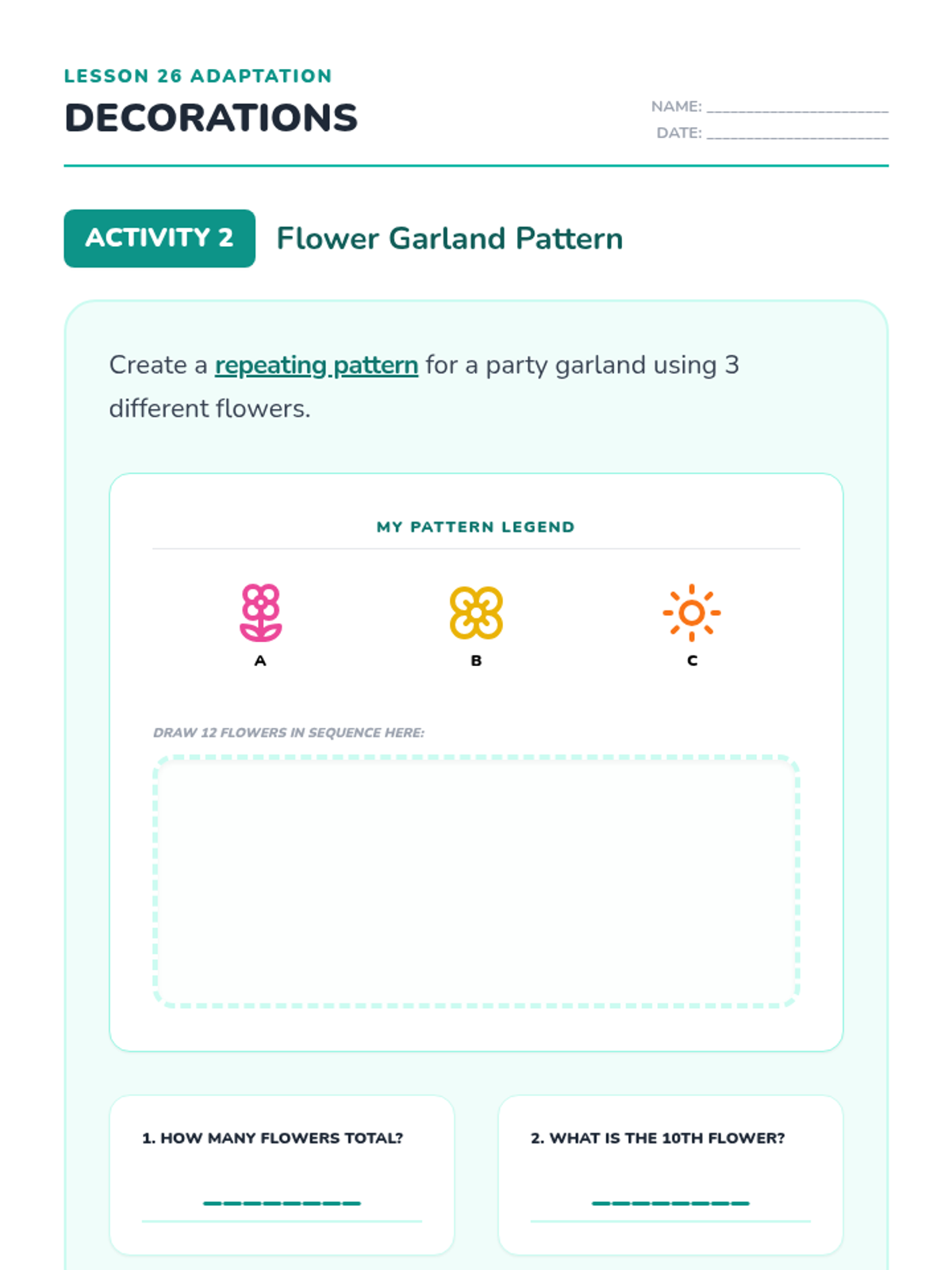
Activities focused on creating flower patterns and counting supplies using equal groups.
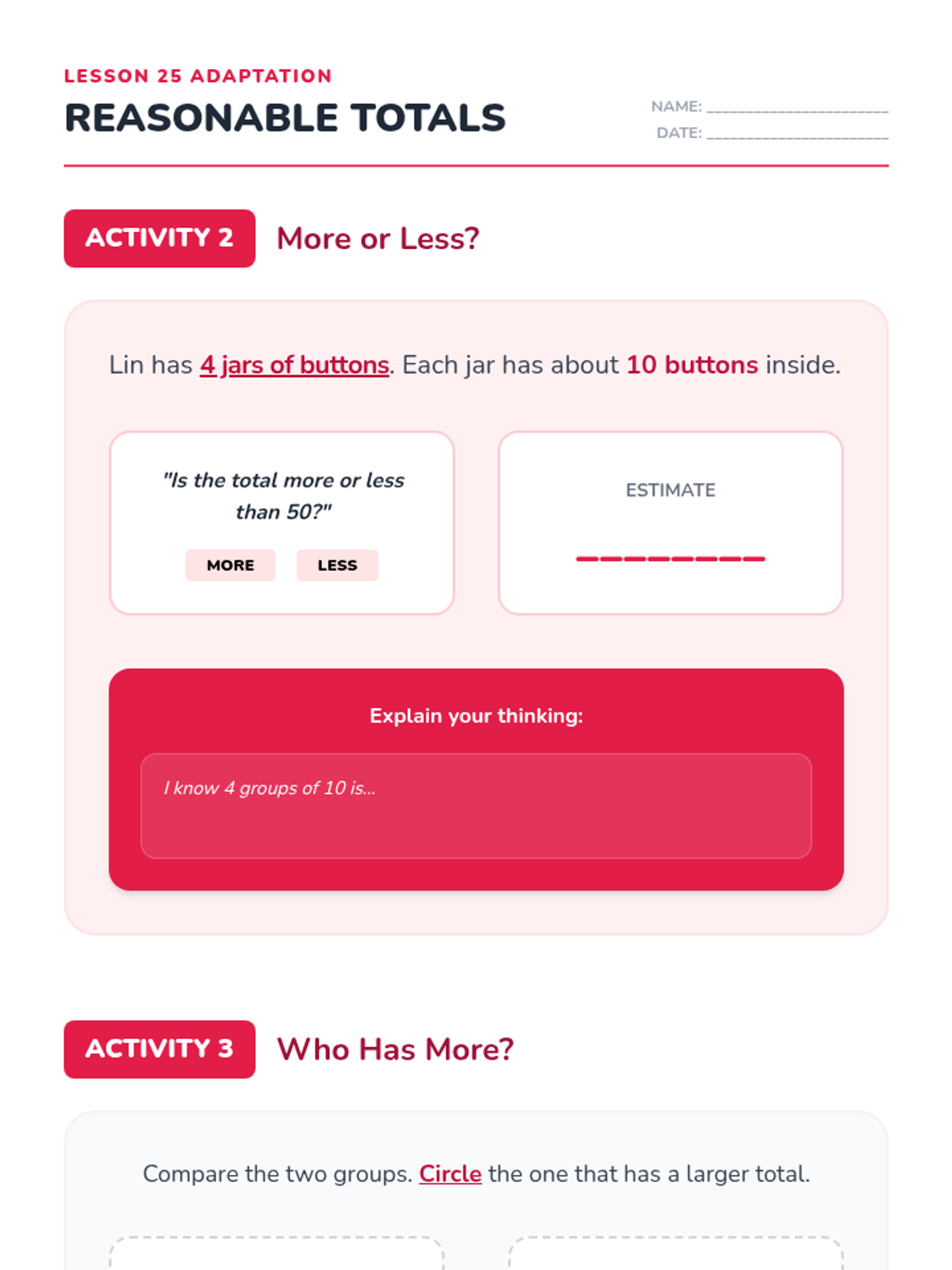
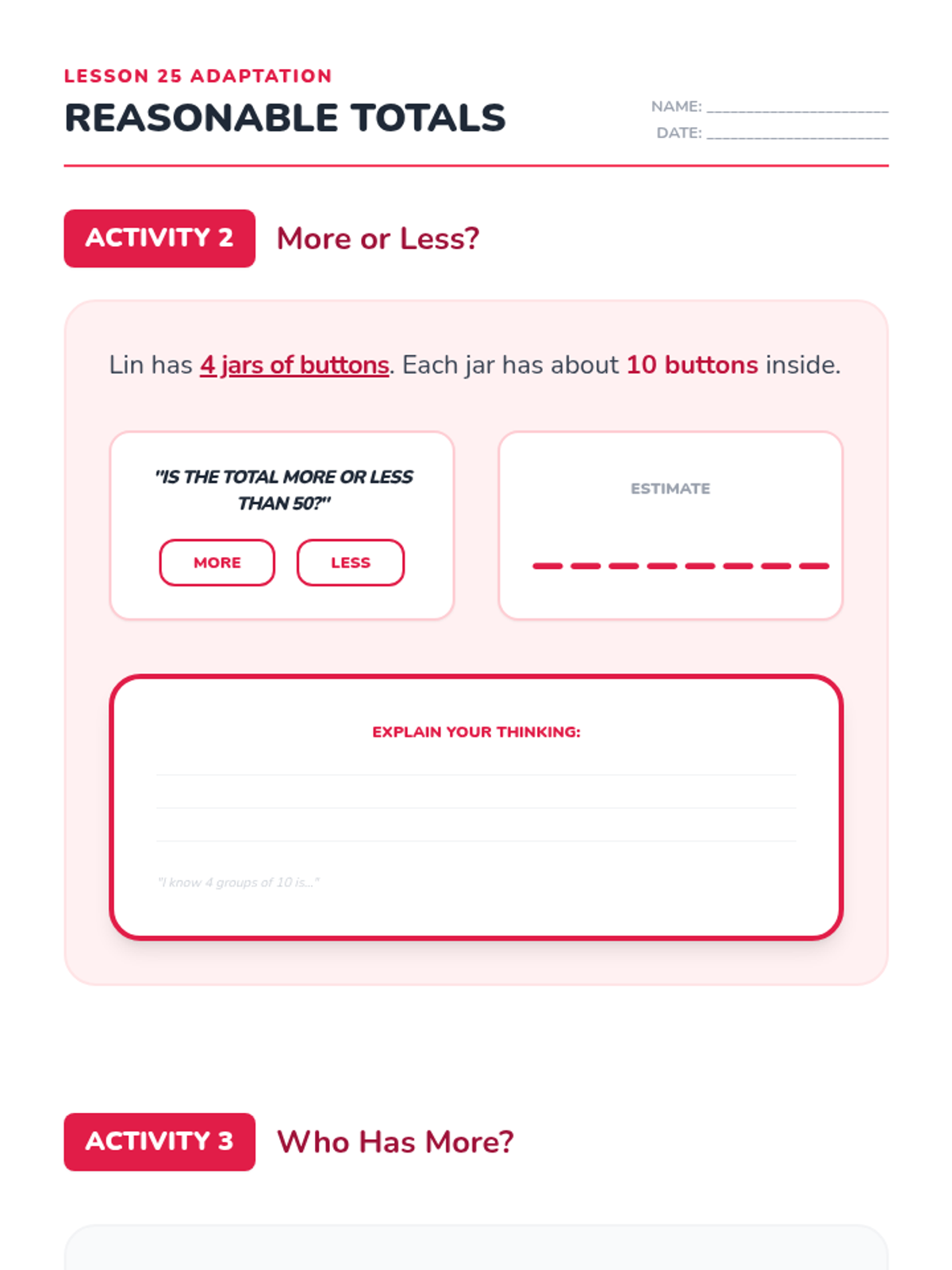
Activities focused on estimating group totals and comparing different sets of equal groups.
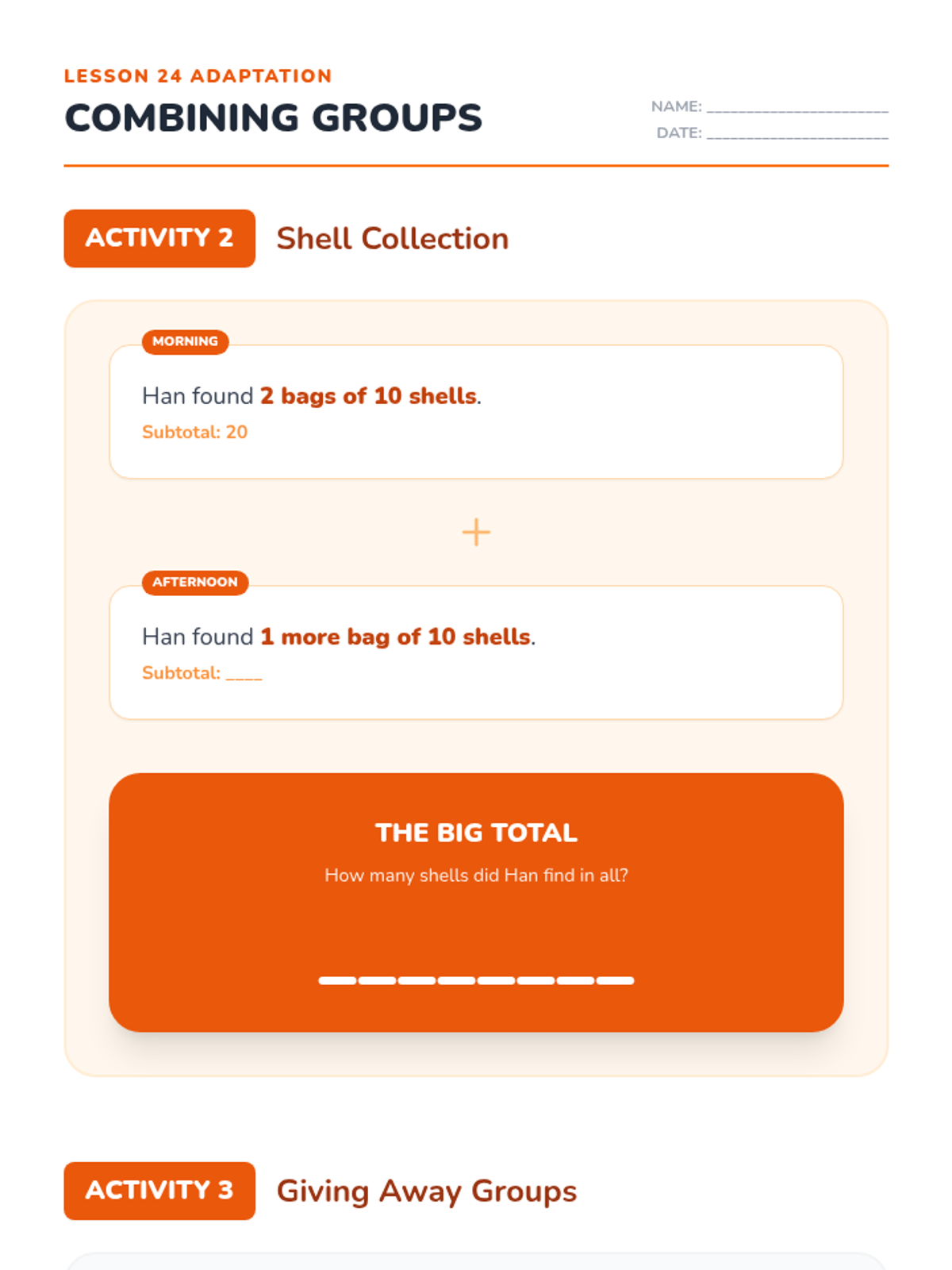
Activities focused on multi-step problems that combine groups or subtract from a total.
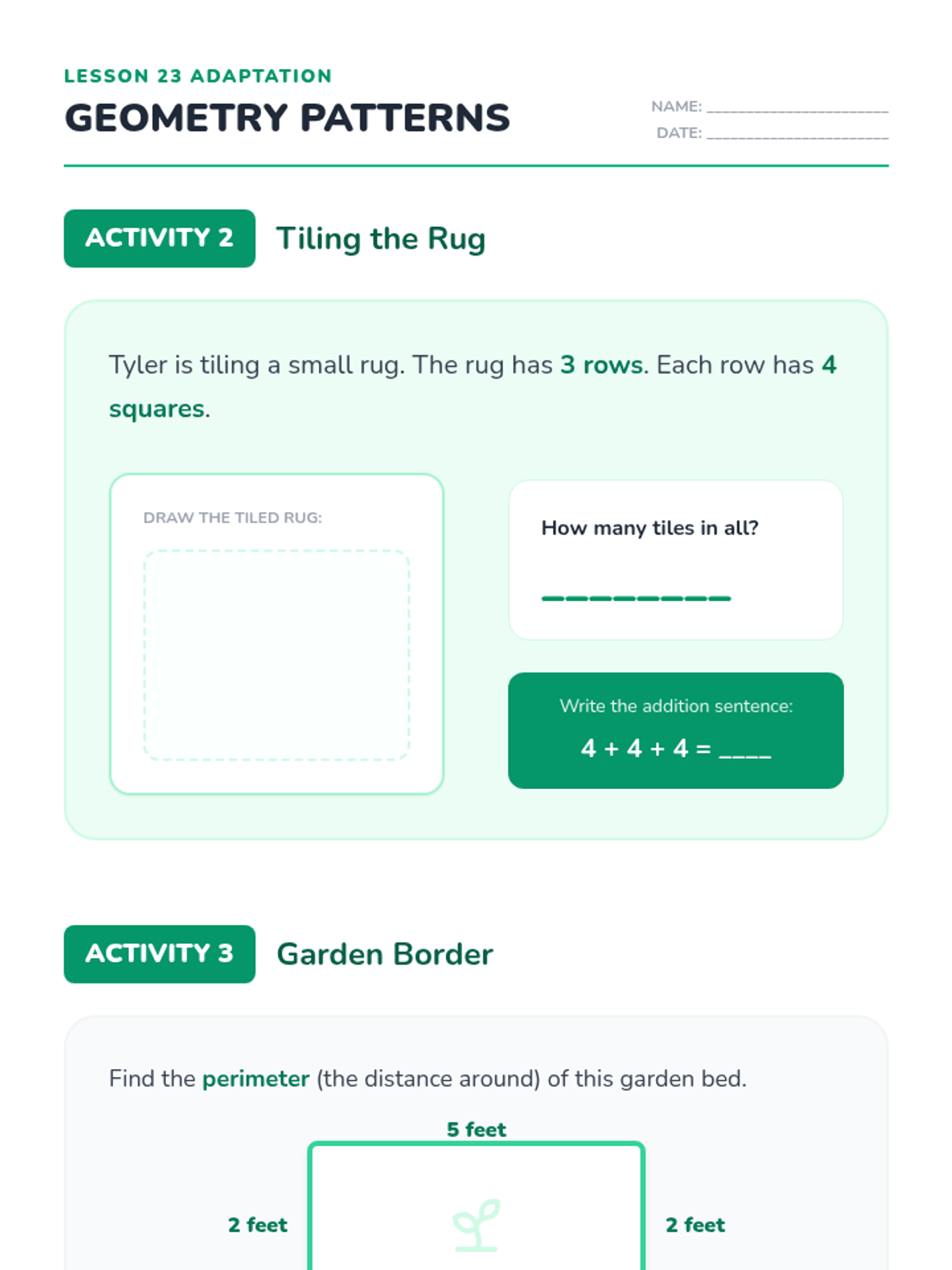
Activities focused on finding area by tiling and simple perimeter with small numbers.
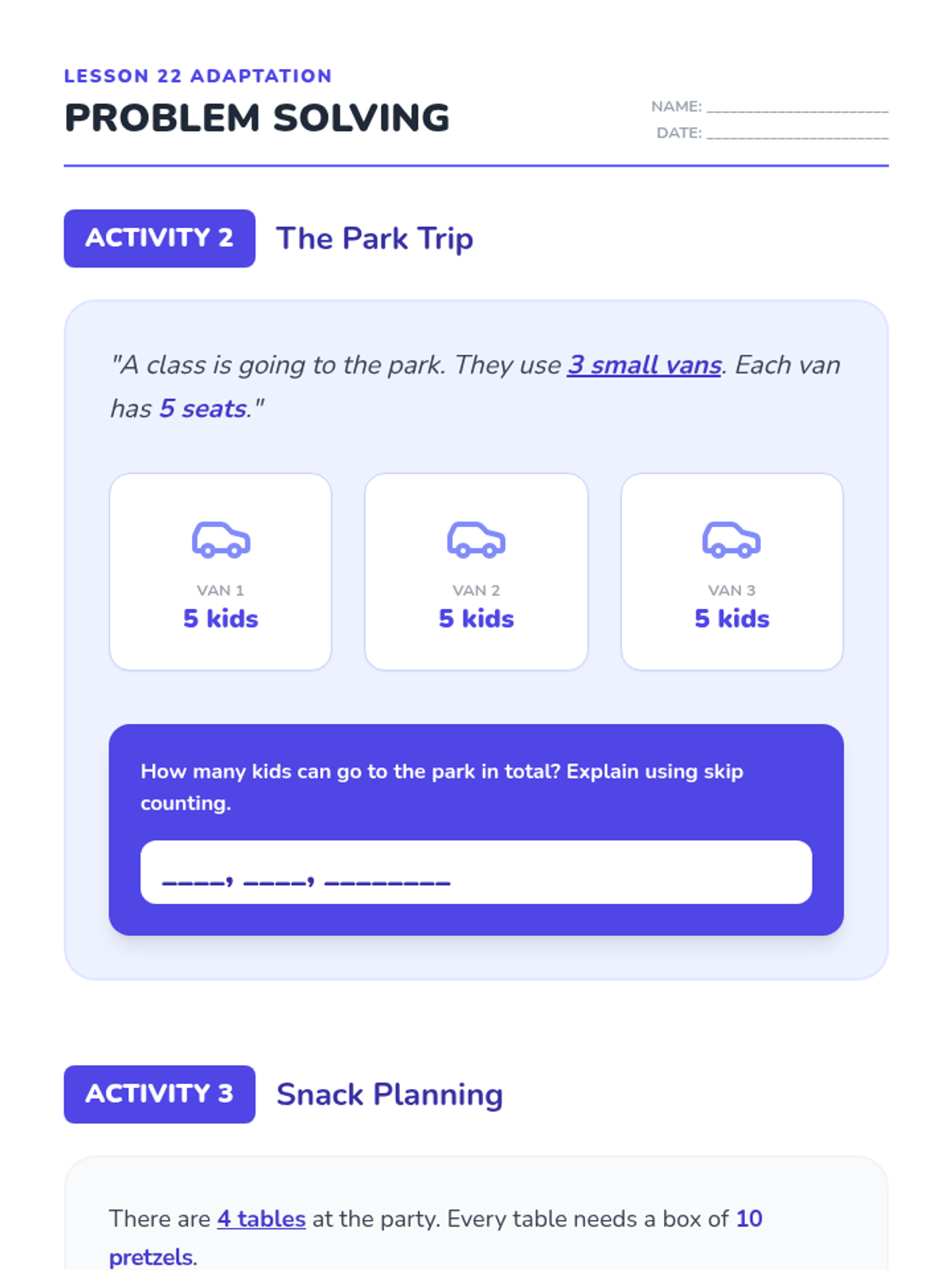
Activities focused on solving multi-step word problems using equal groups and skip counting.
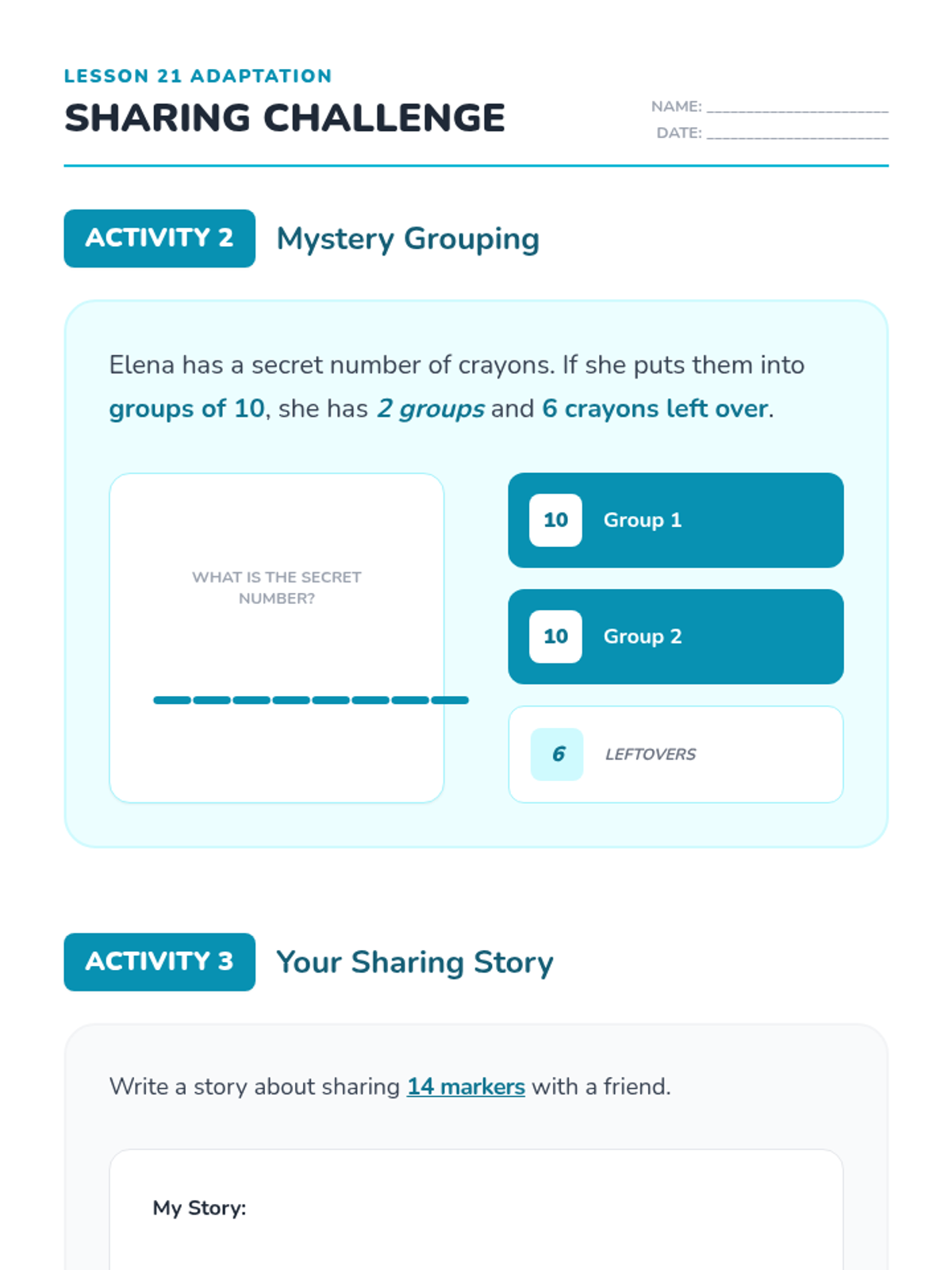
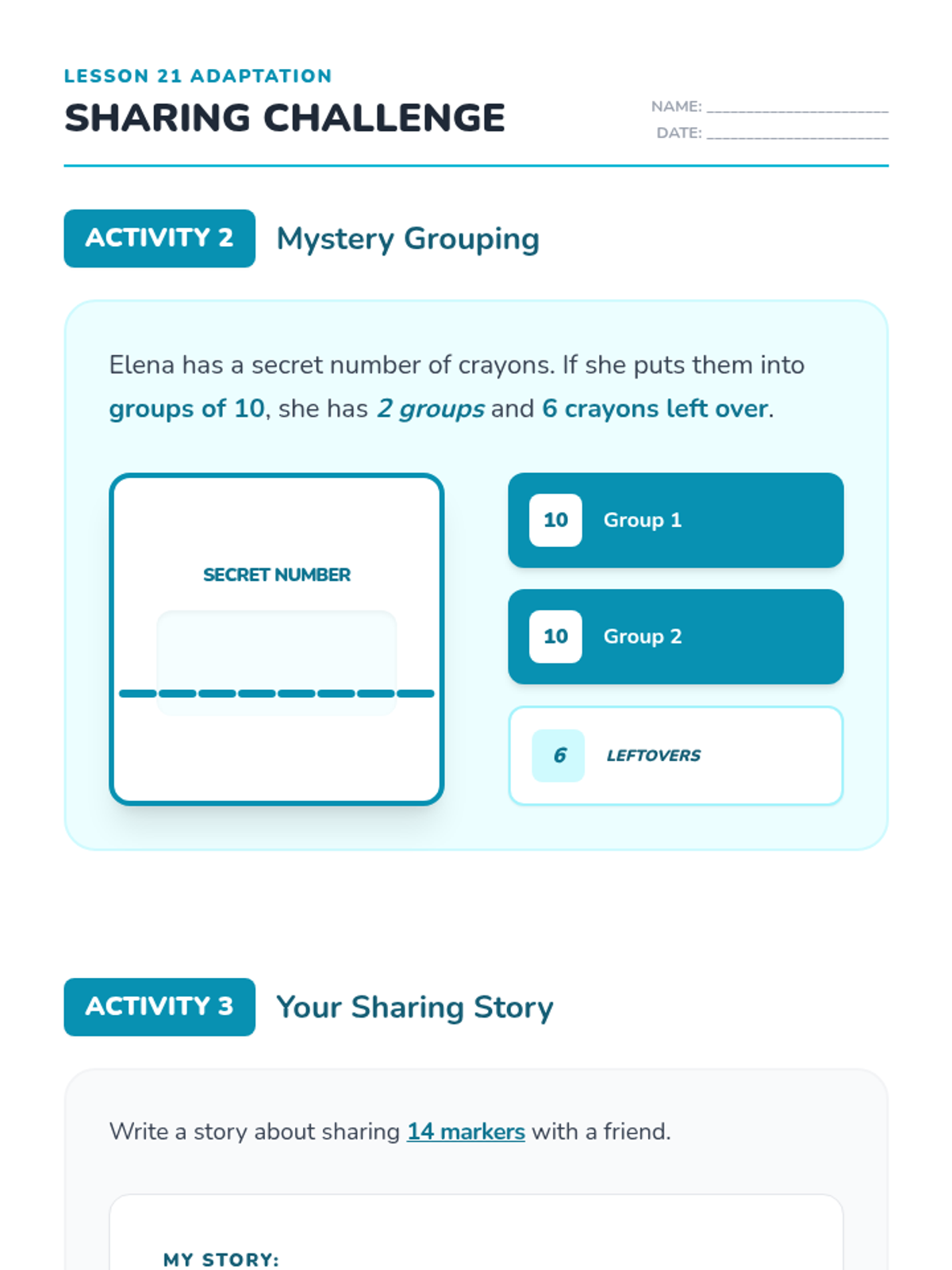
Activities focused on solving word problems involving grouping and sharing with remainders.
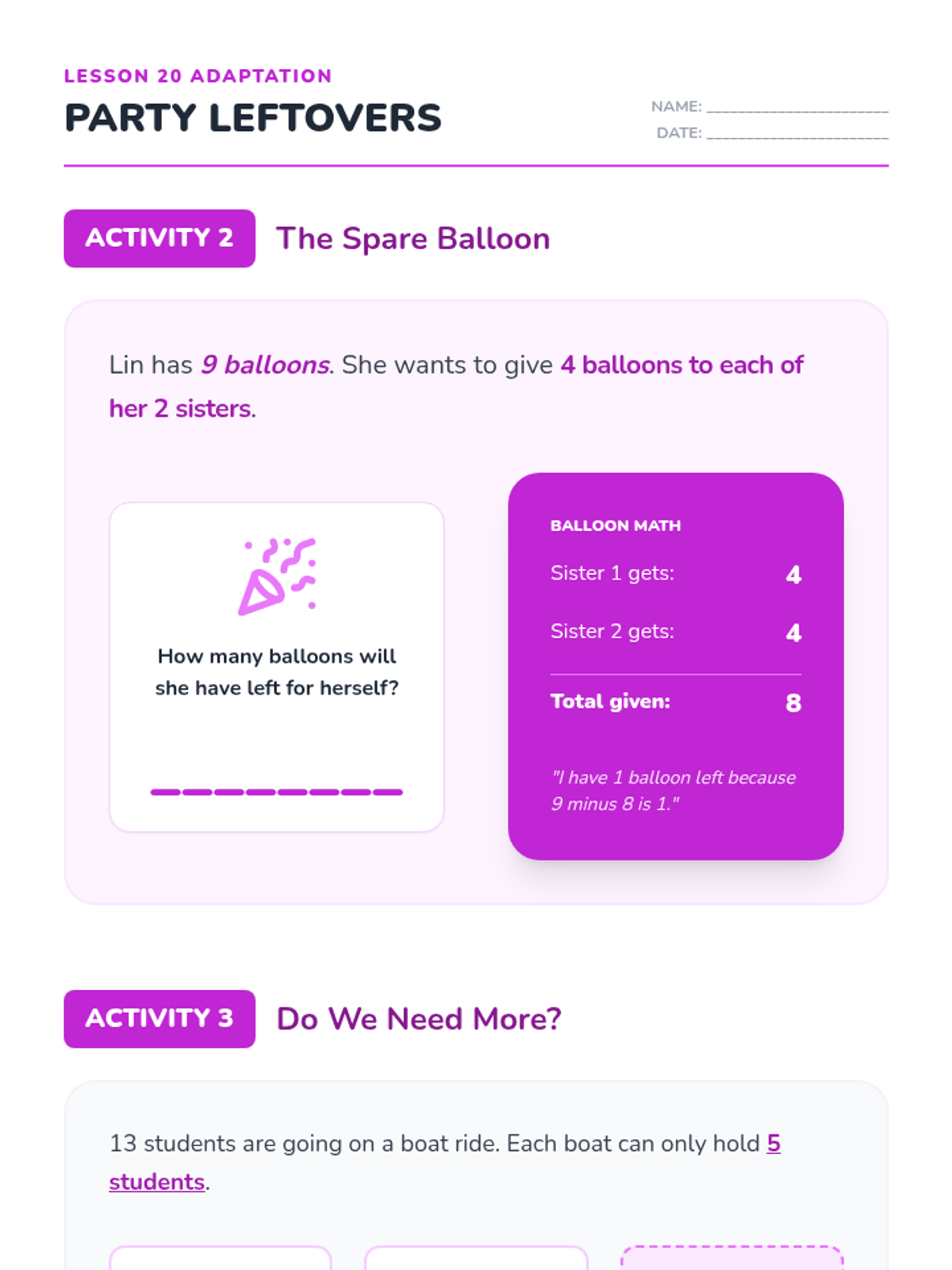
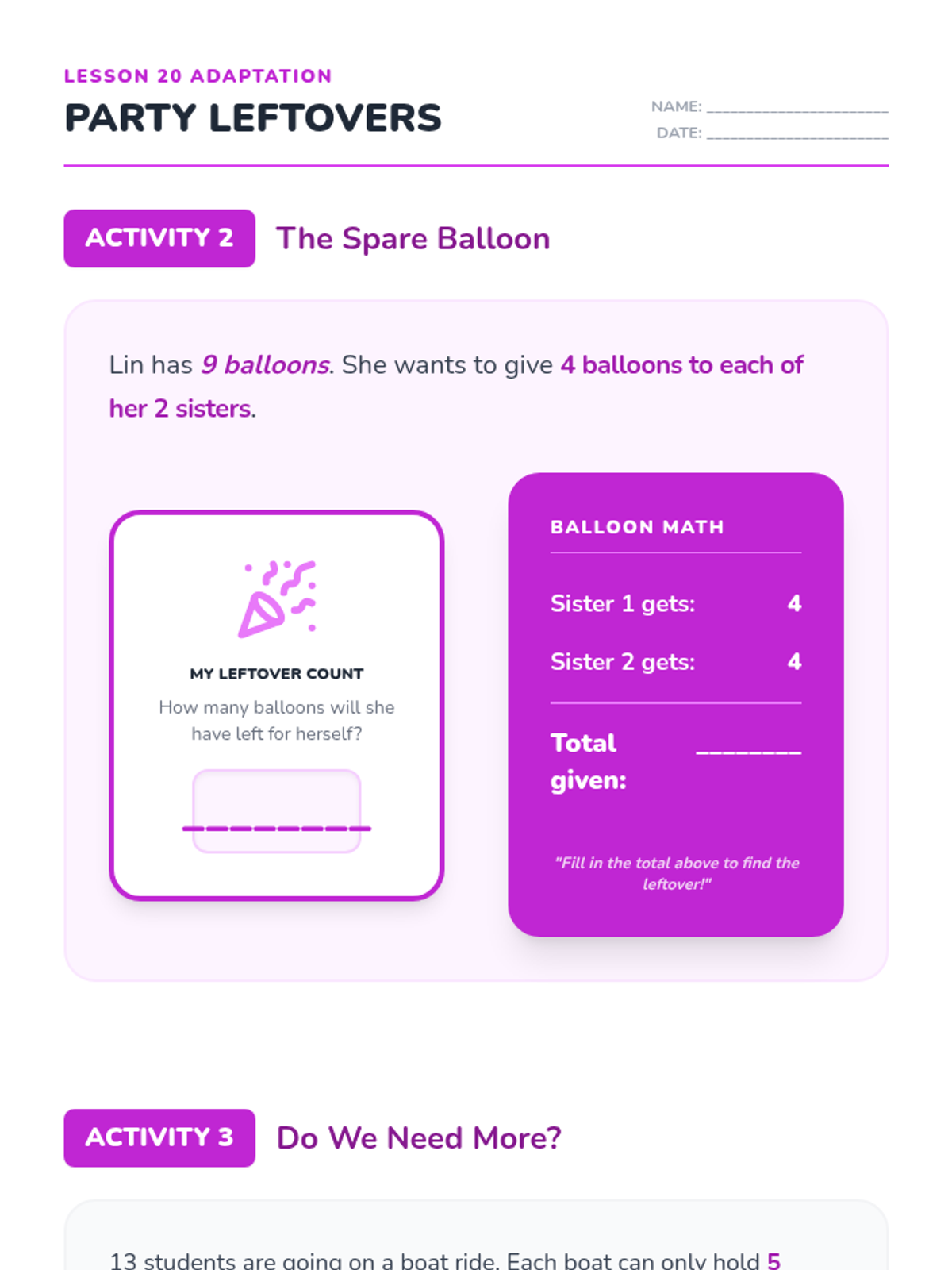
Activities focused on interpreting what leftovers mean in real-world situations.
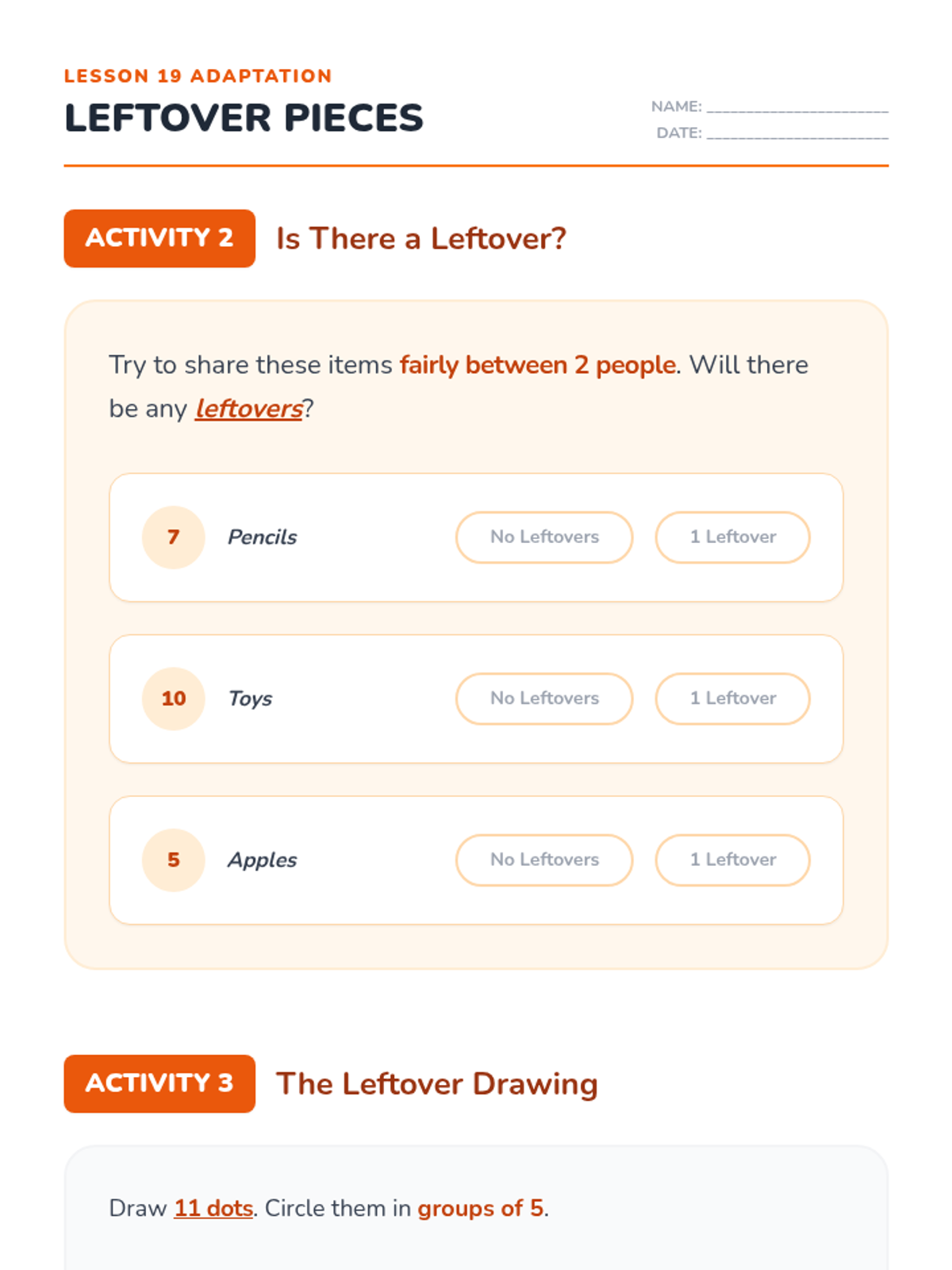
Activities focused on identifying leftovers when sharing groups of objects.
Activities focused on choosing strategies like circling groups to solve sharing problems.
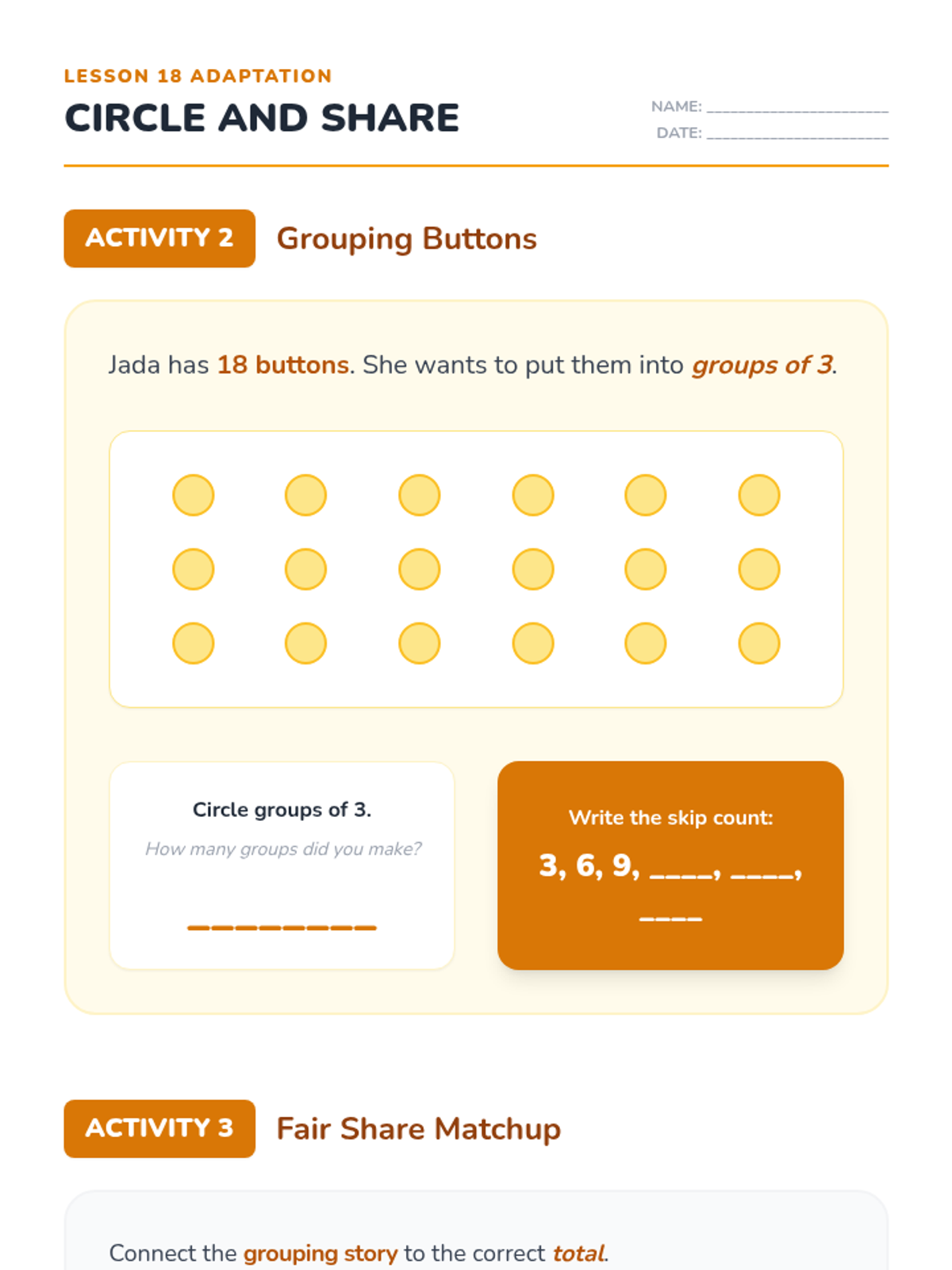
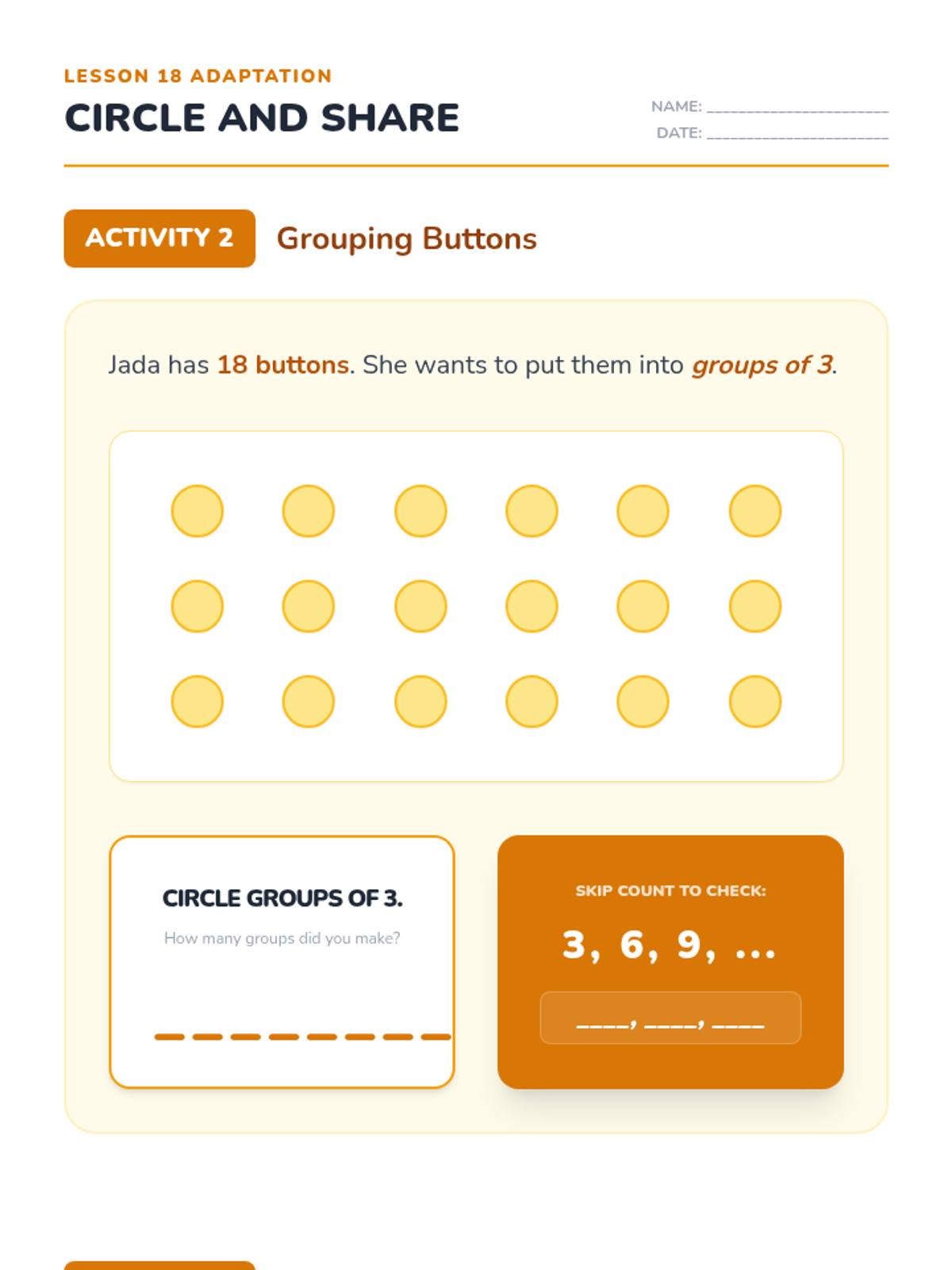
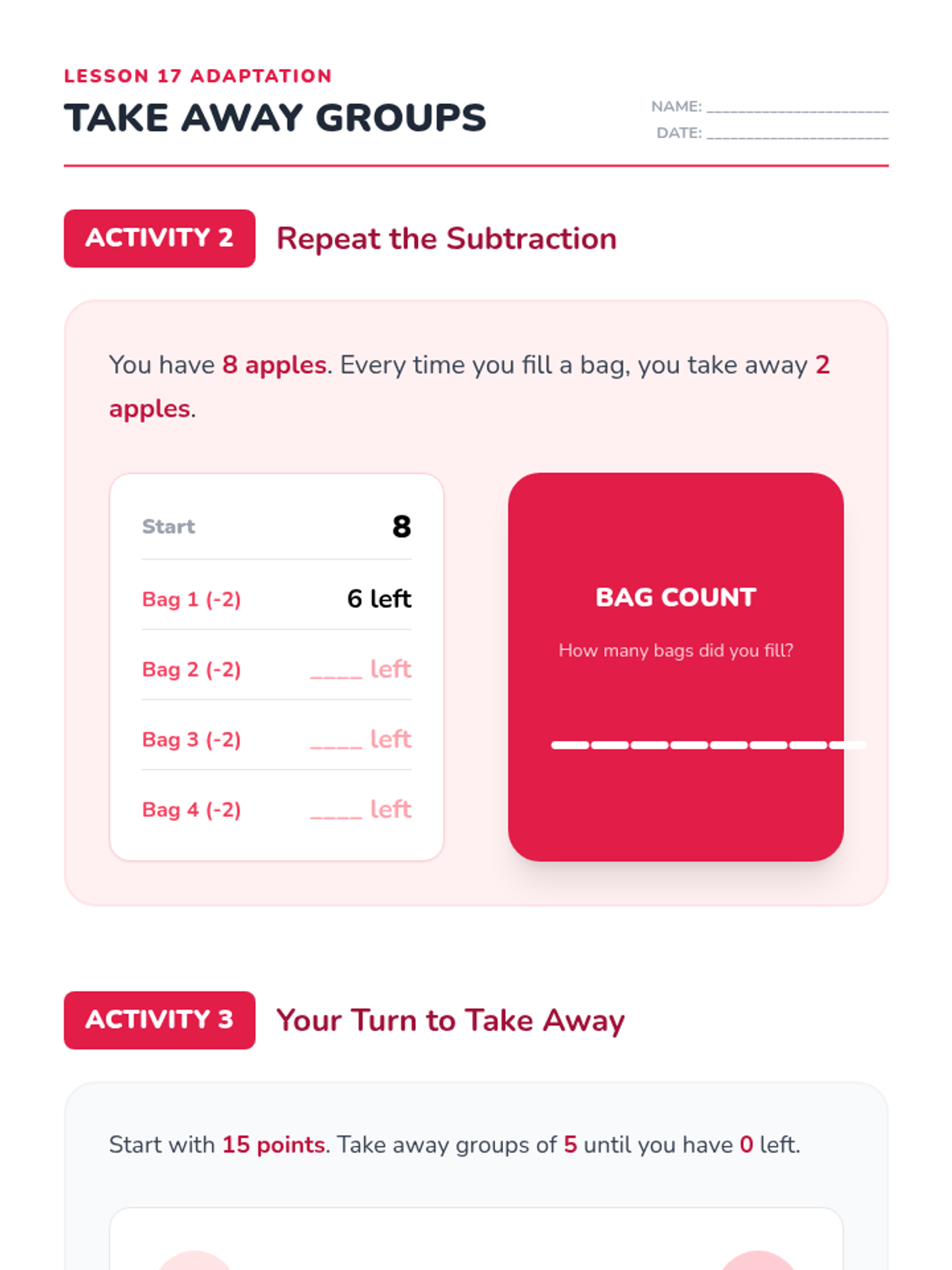
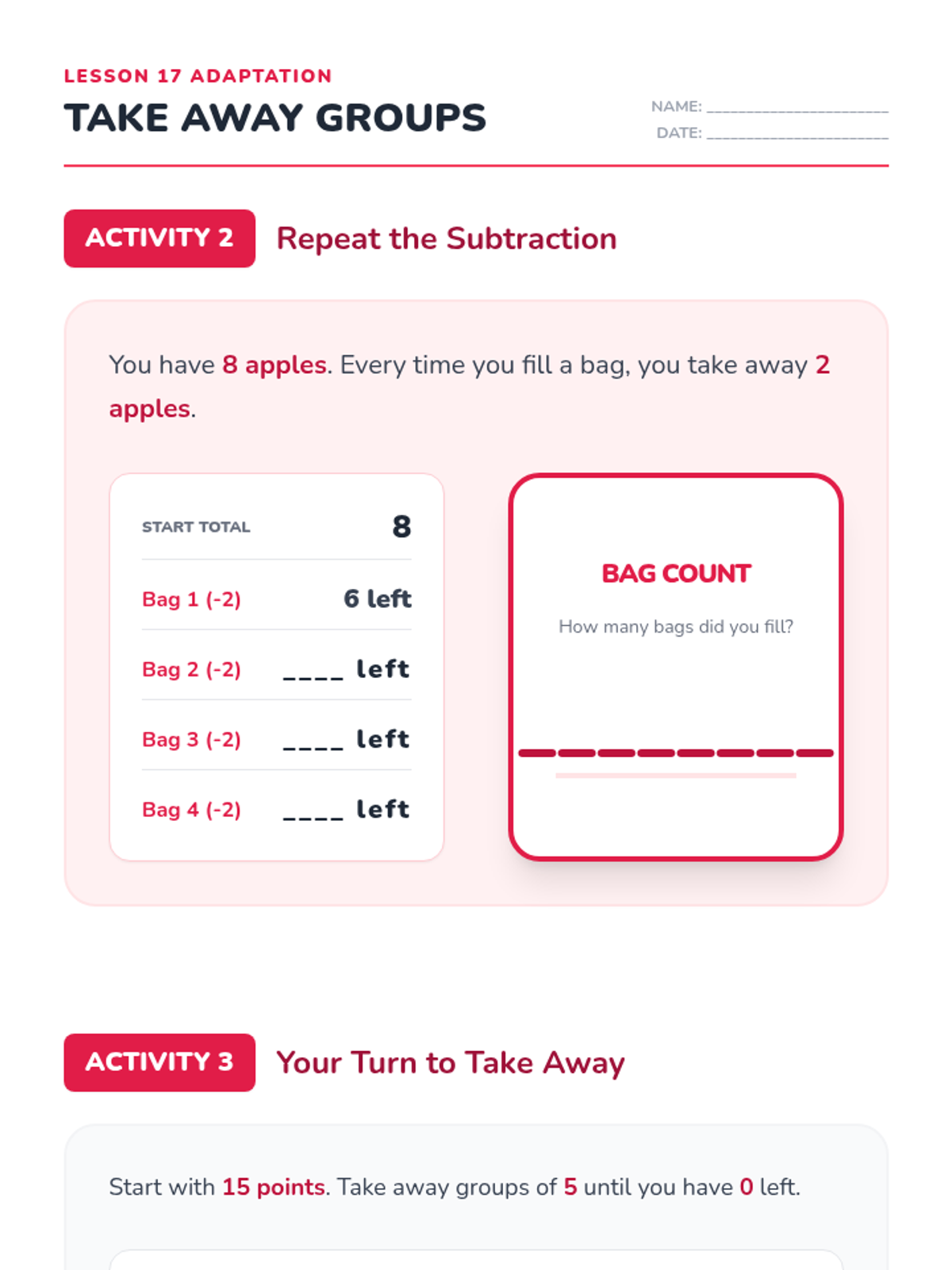
Activities focused on using repeated subtraction to solve simple sharing problems.
Activities focused on using drawings and diagrams to represent sharing situations.
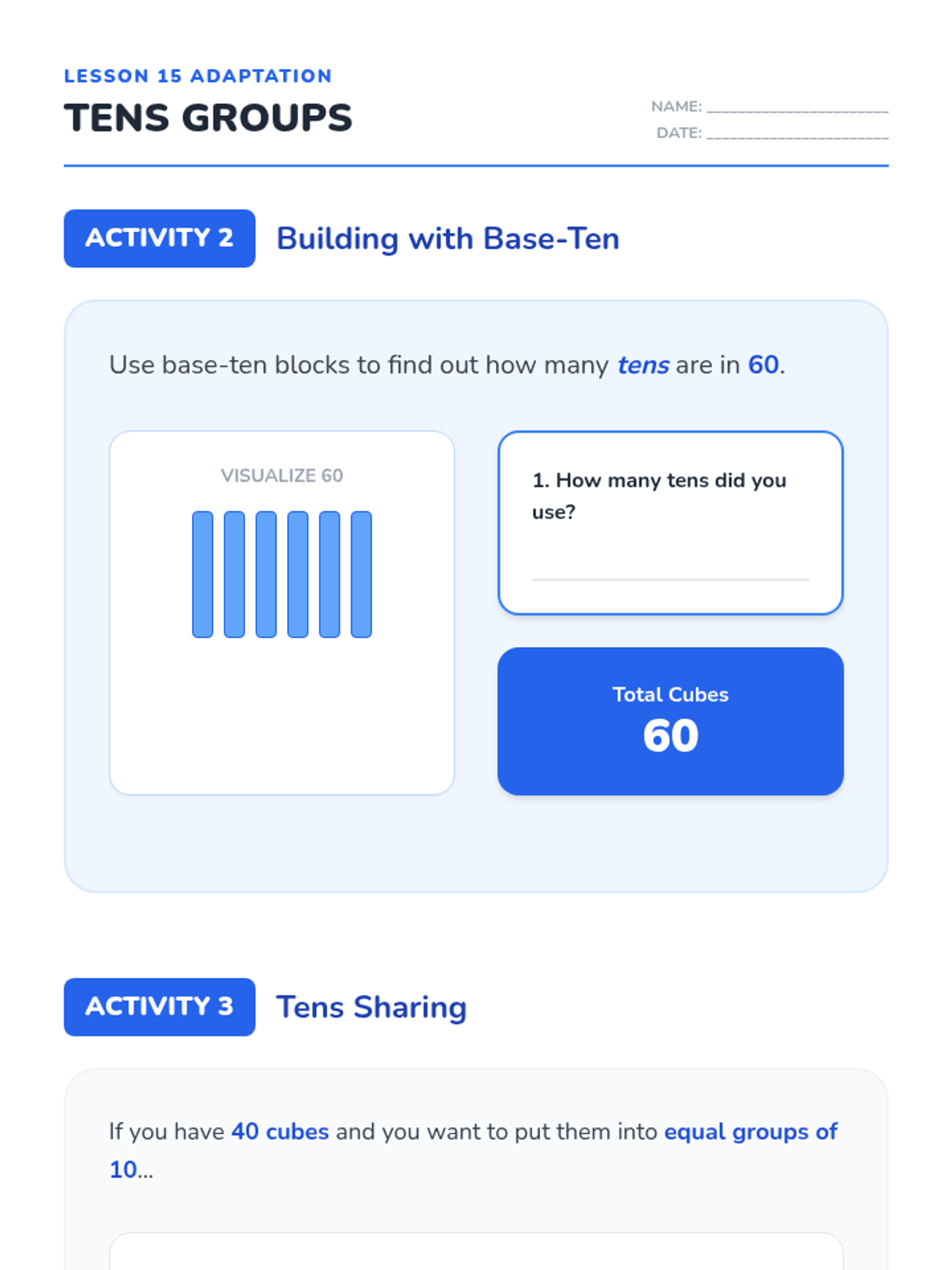
Activities focused on using base-ten blocks to find how many tens are in a number.
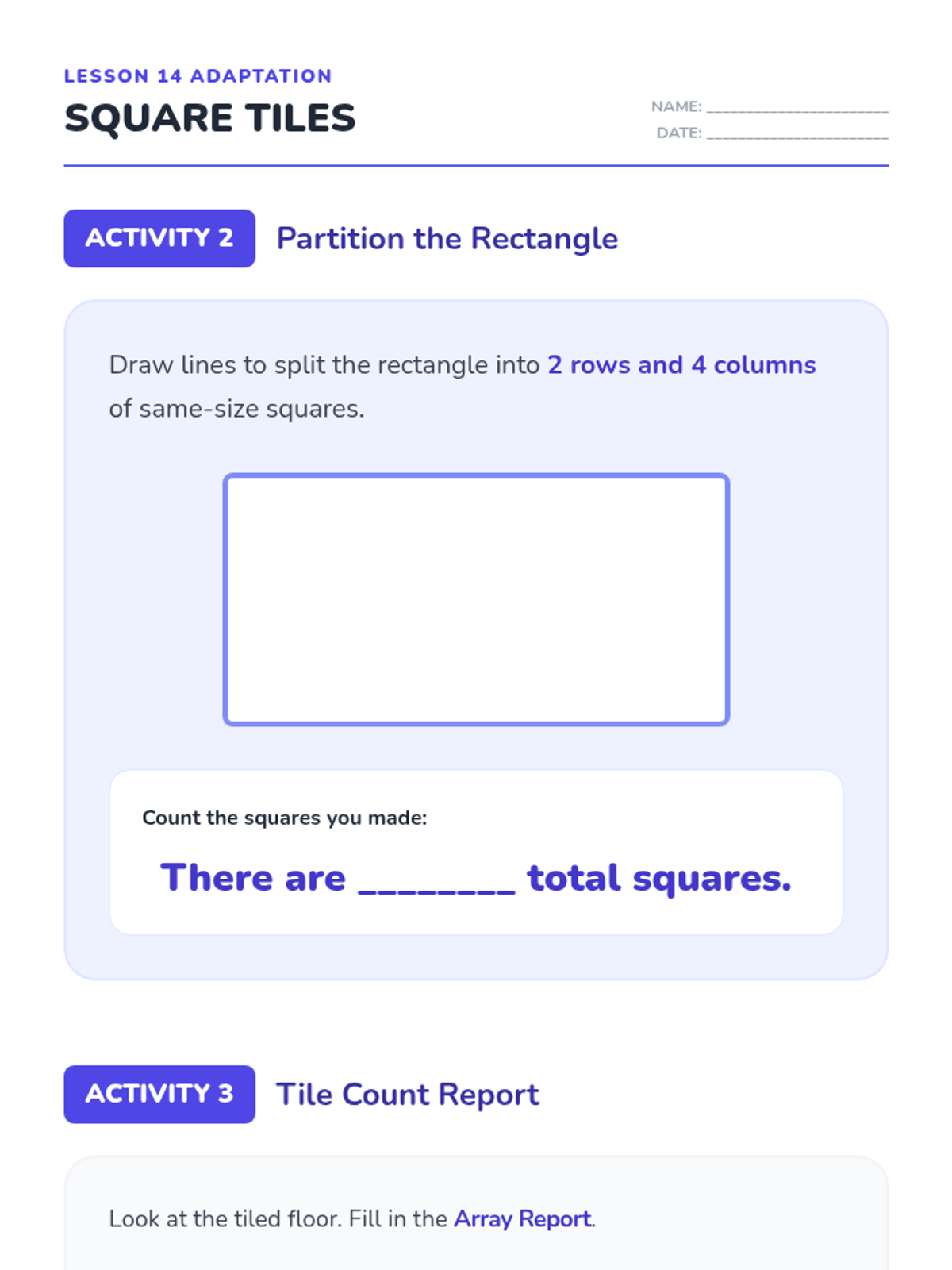
Activities focused on partitioning rectangles into rows and columns of same-size squares.
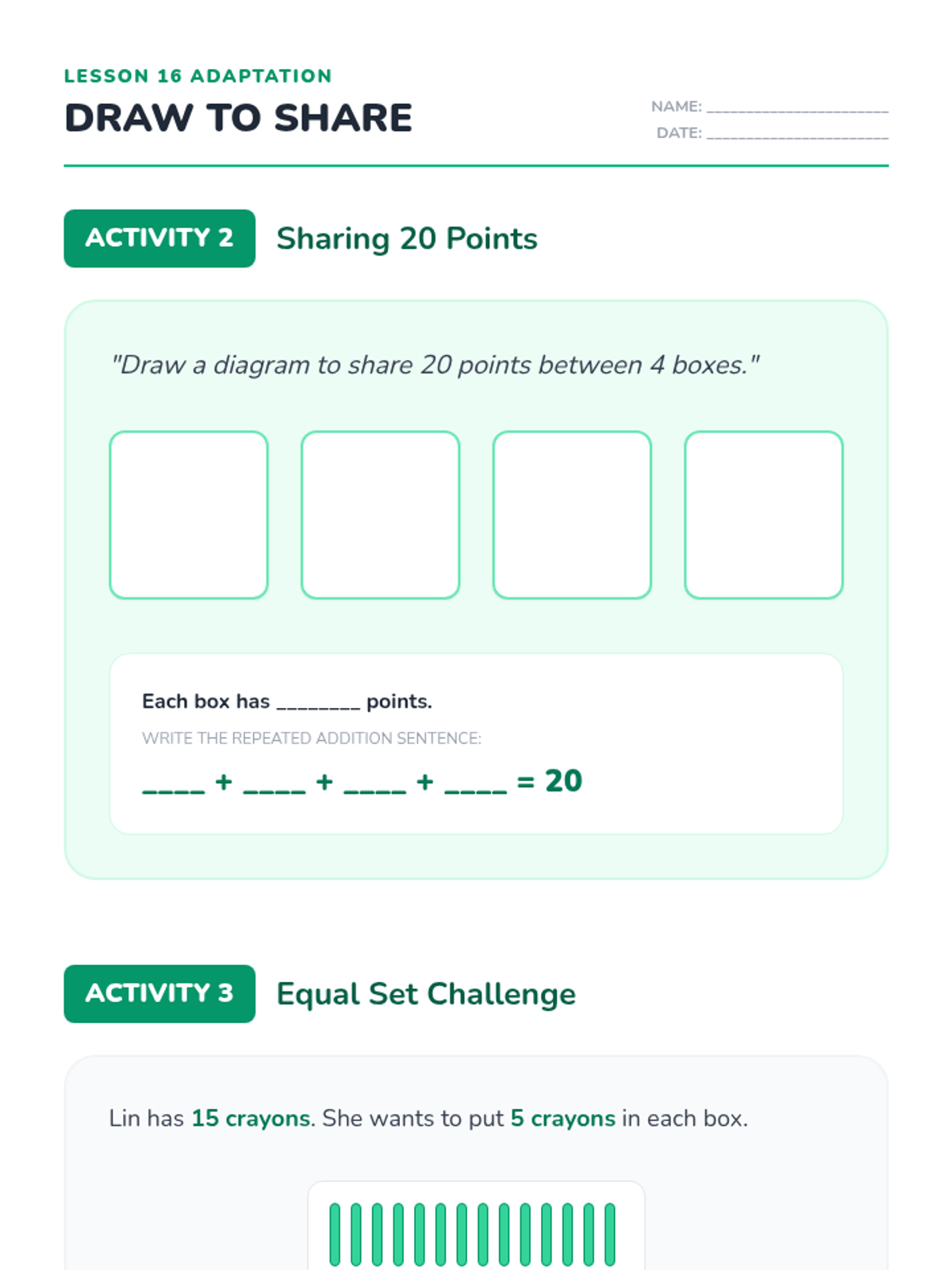
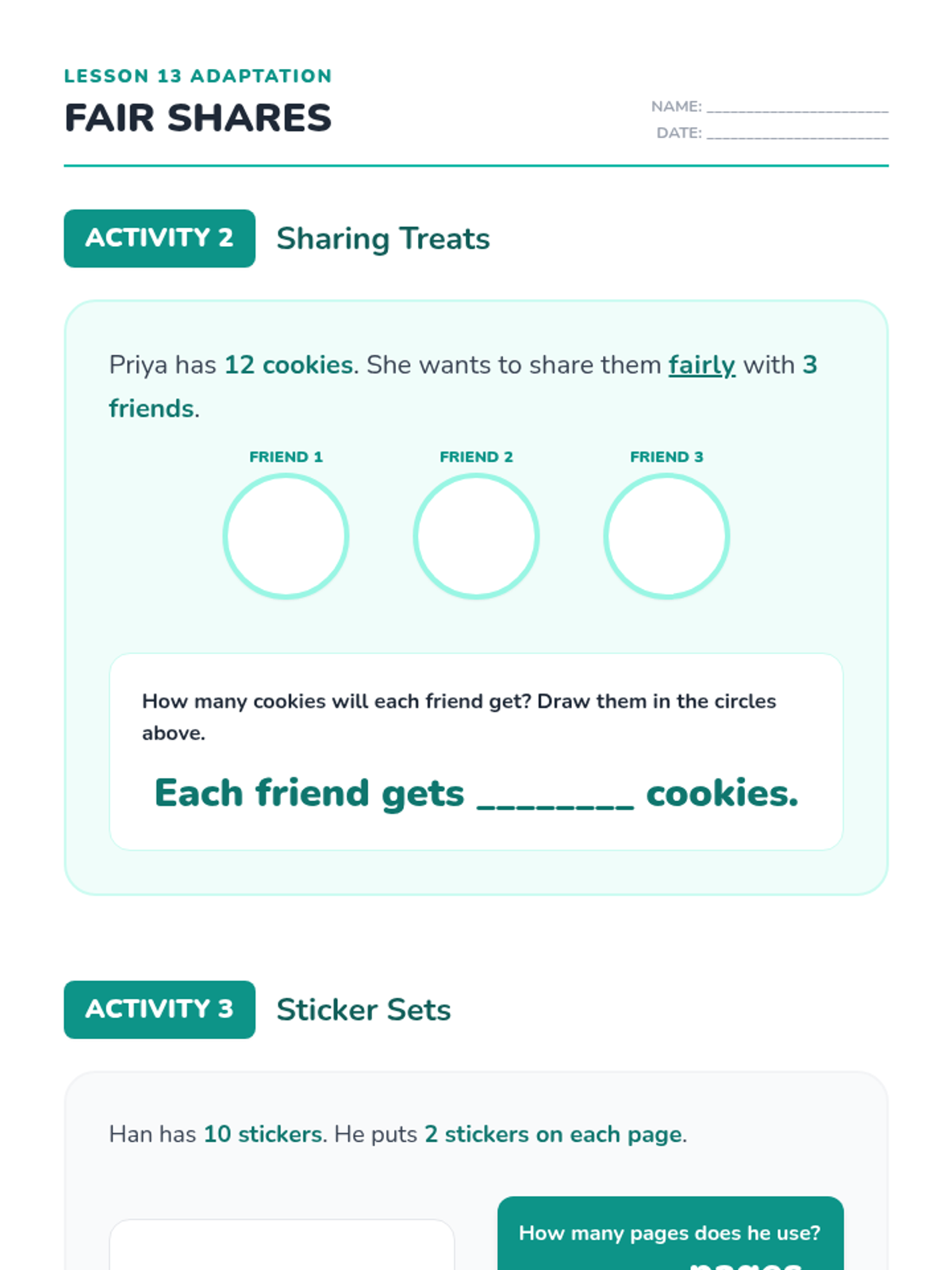
Activities focused on fair sharing and grouping objects into equal sets.
Activities focused on solving and creating word problems involving equal groups and arrays.
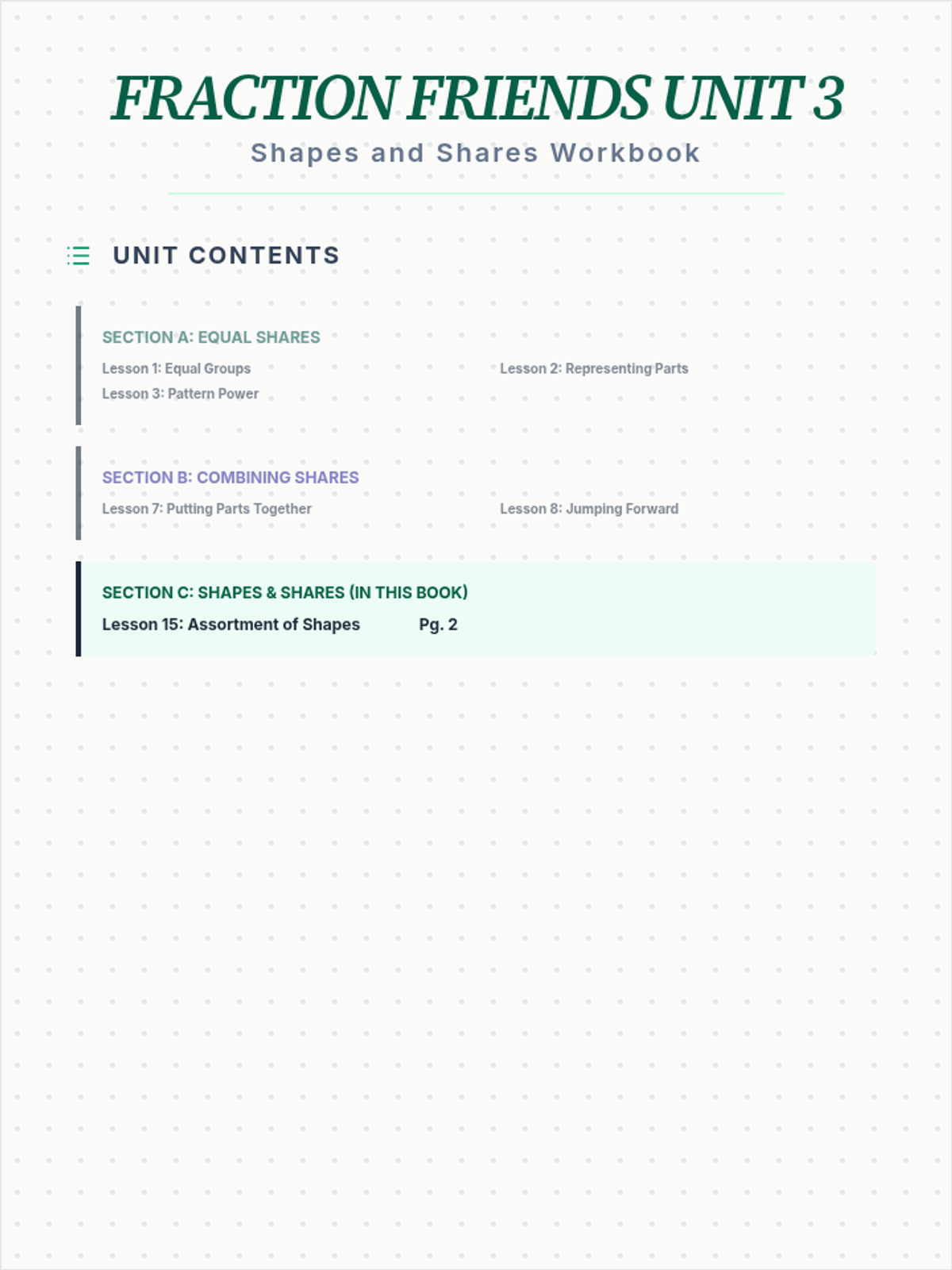
A series of activities for Section C, adapted for 2nd-grade students. This lesson explores partitioning various shapes, comparing shares across different-sized wholes, and using unit shares to build complex designs, continuing the focus on halves, thirds, and fourths.
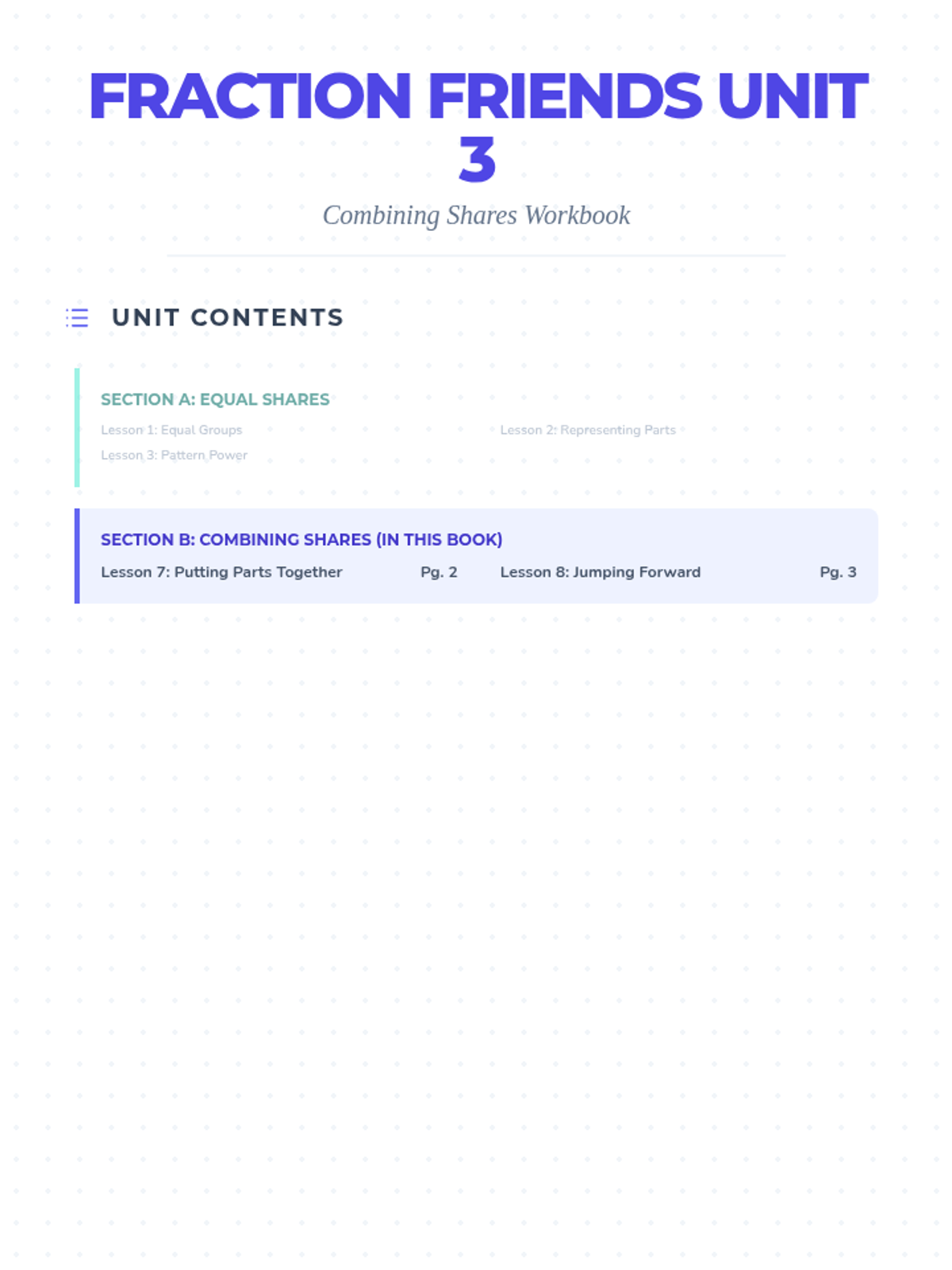
A series of activities for Section B, adapted for 2nd-grade students. This lesson focuses on combining and taking away equal shares (halves, thirds, and fourths) through visual models and simple number lines, emphasizing partitioning and skip counting.
A series of activities focusing on 2nd-grade partitioning and skip counting concepts, adapted from Imagine IM Grade 4 materials. Students explore halves, thirds, and fourths through visual models and real-world snack scenarios.
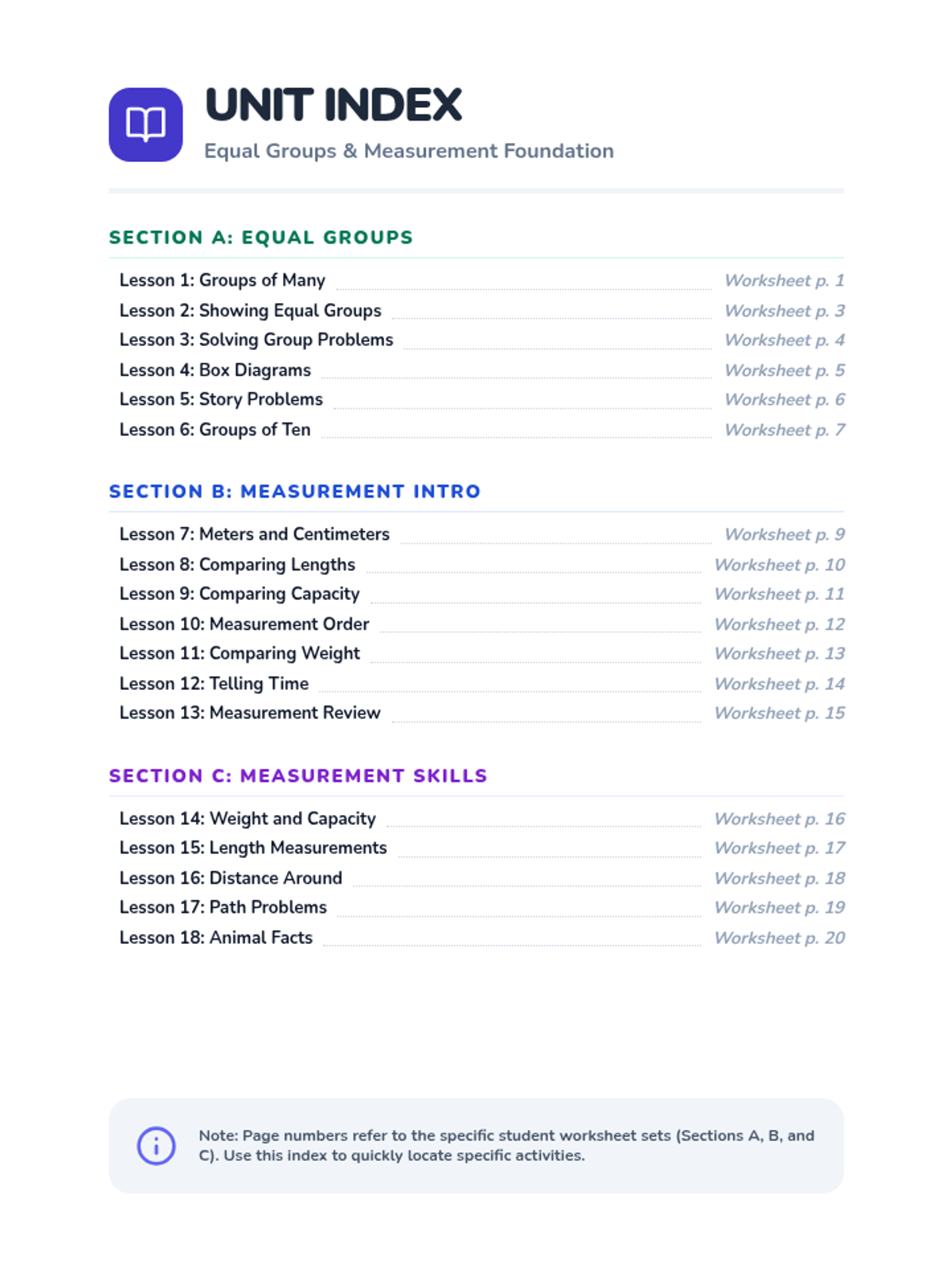
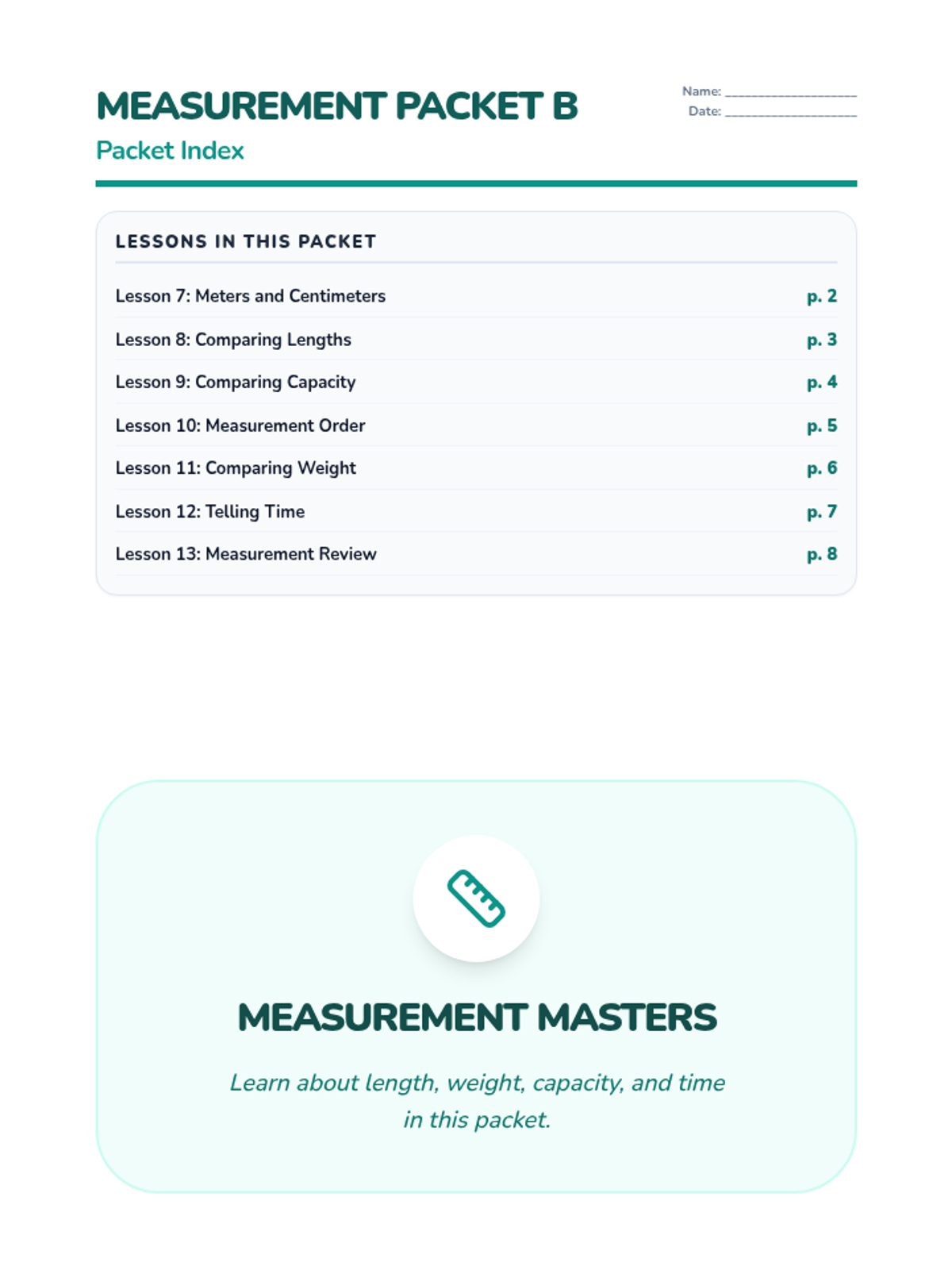
A comprehensive series of 2nd-grade math lessons focusing on building multiplication foundations through equal groups, repeated addition, and arrays, alongside measurement concepts. Includes concrete examples for all activities to support independent teacher delivery.
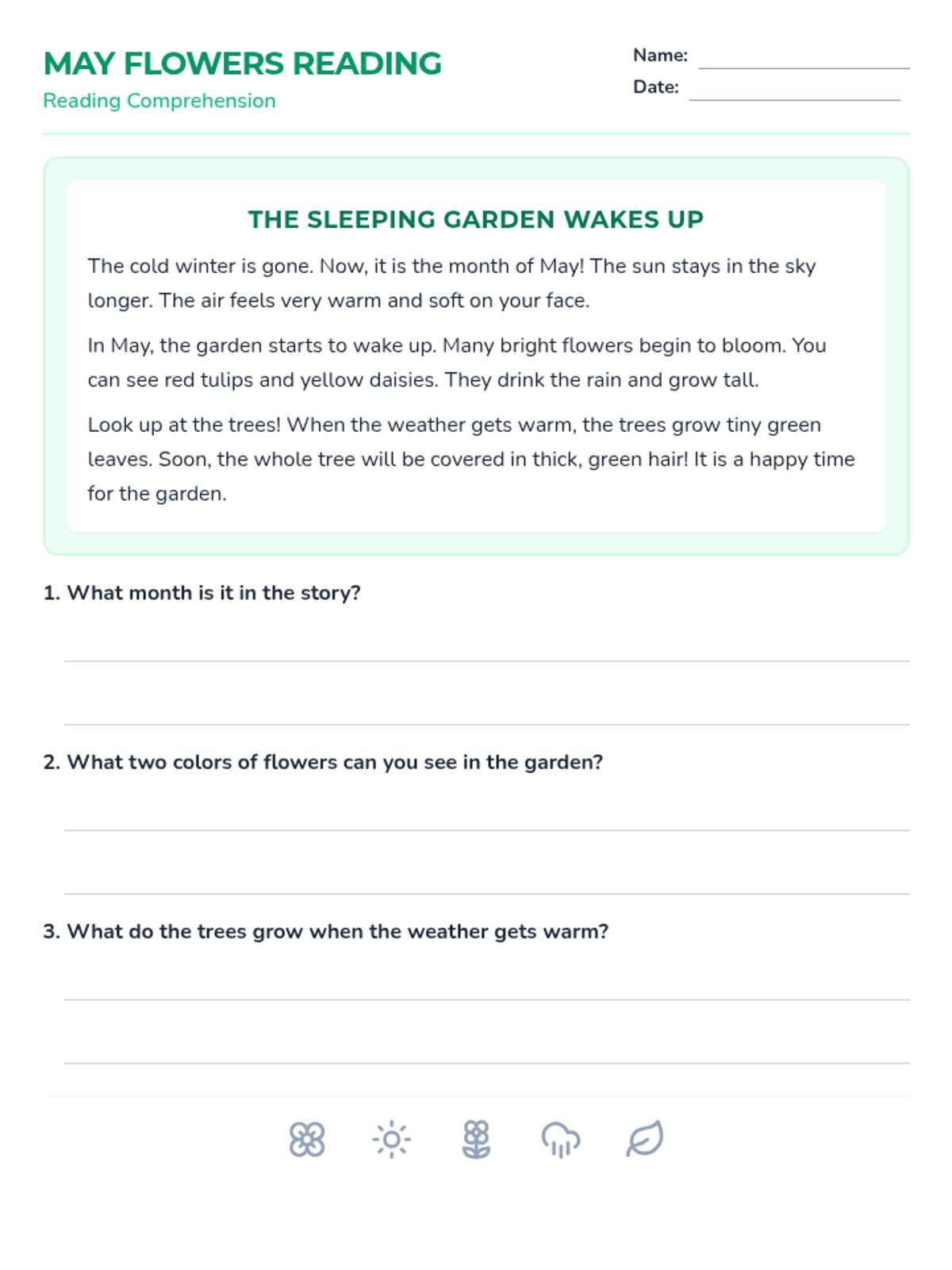
A set of four independent practice worksheets themed around springtime growth, focusing on reading comprehension, time-telling, grammar, and geometry.