Foundational fraction equivalence, ordering, and operations across the rational number system. Addresses multi-digit computation, decimal conversions, and the distinction between rational and irrational numbers.
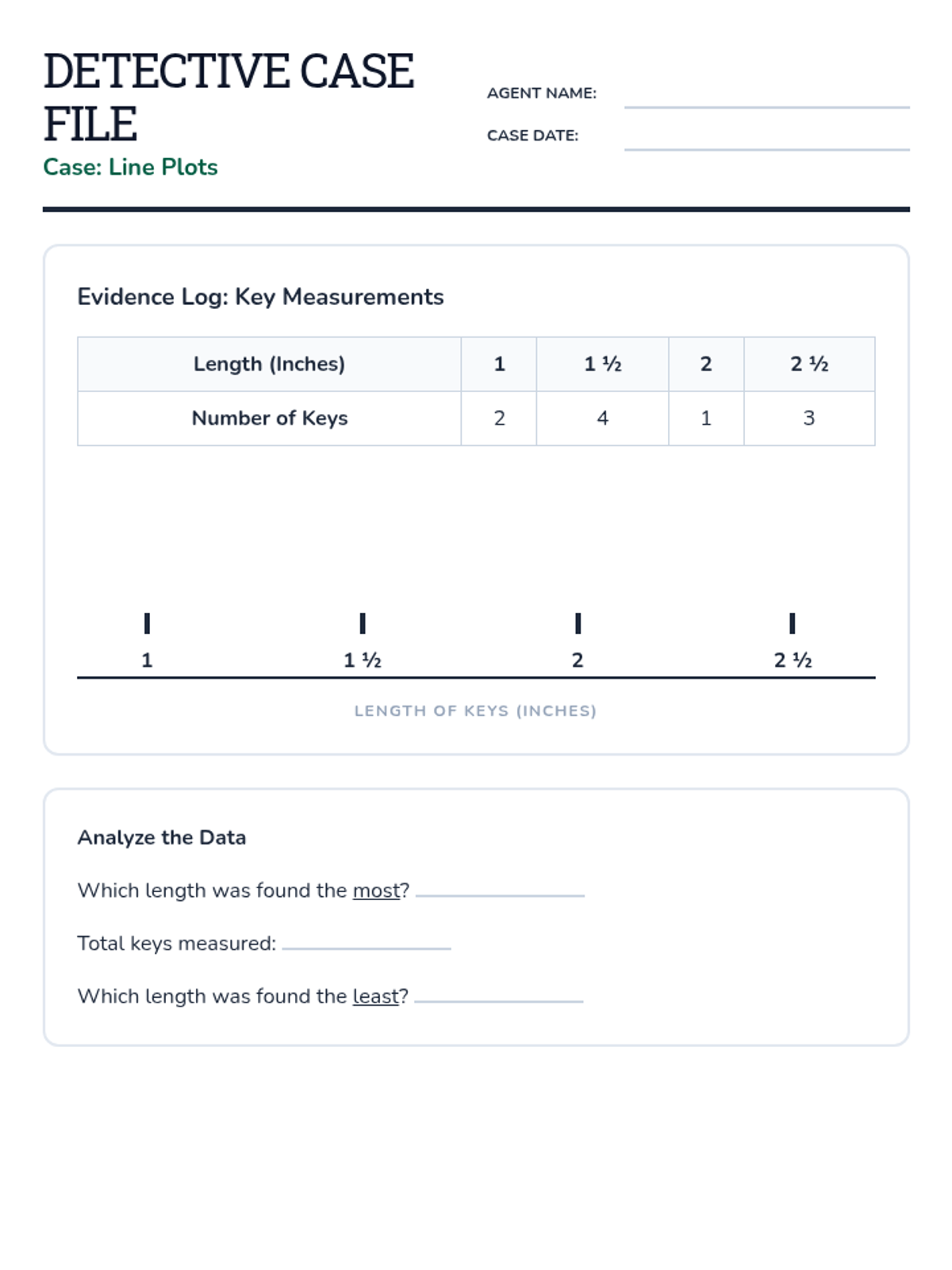
Students interpret and create line plots using measurement data involving fractions.
Students learn to measure objects to the nearest fourth of an inch and explore partition logic.
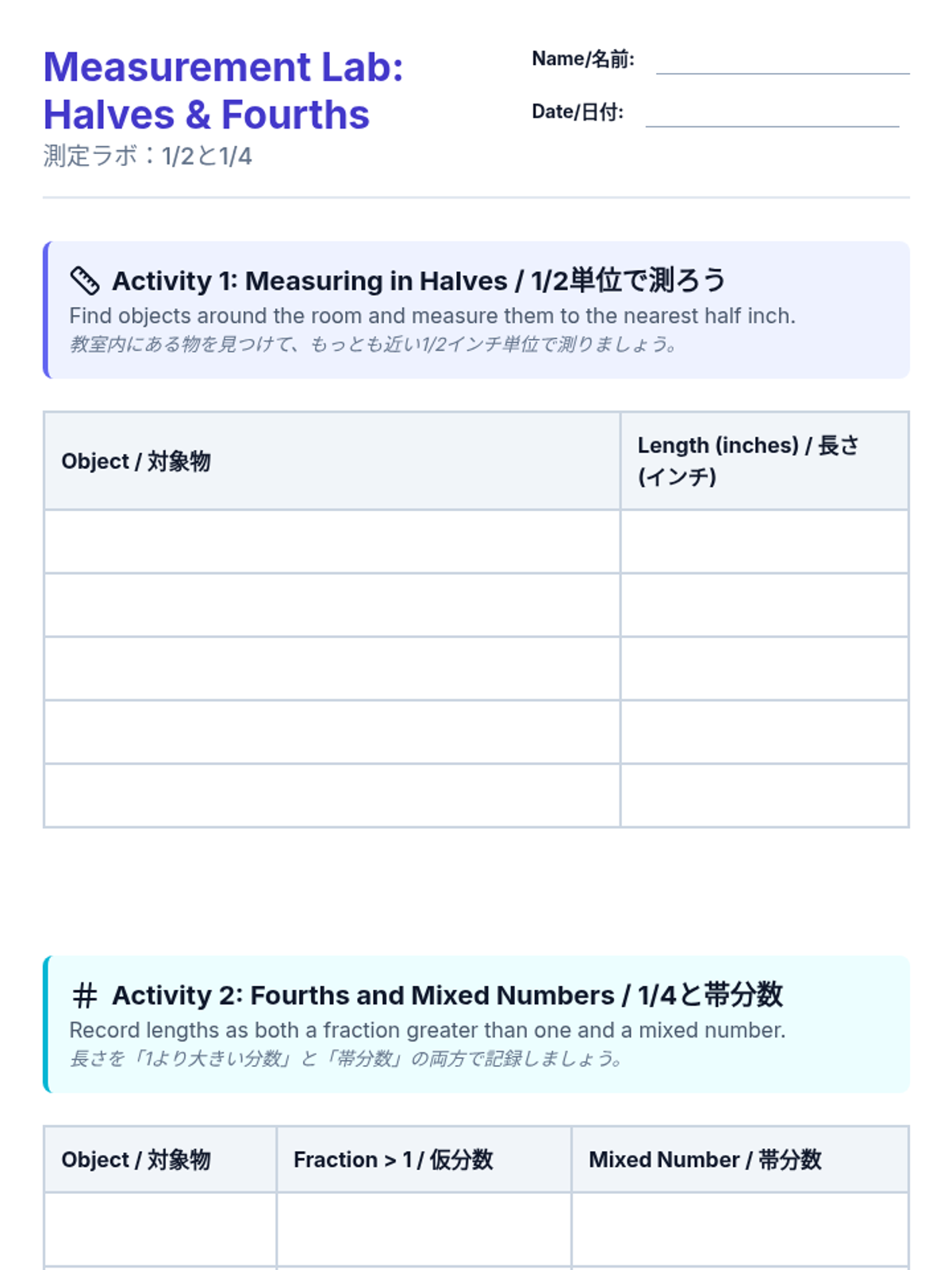
Students learn to measure objects to the nearest half-inch and are introduced to mixed numbers.
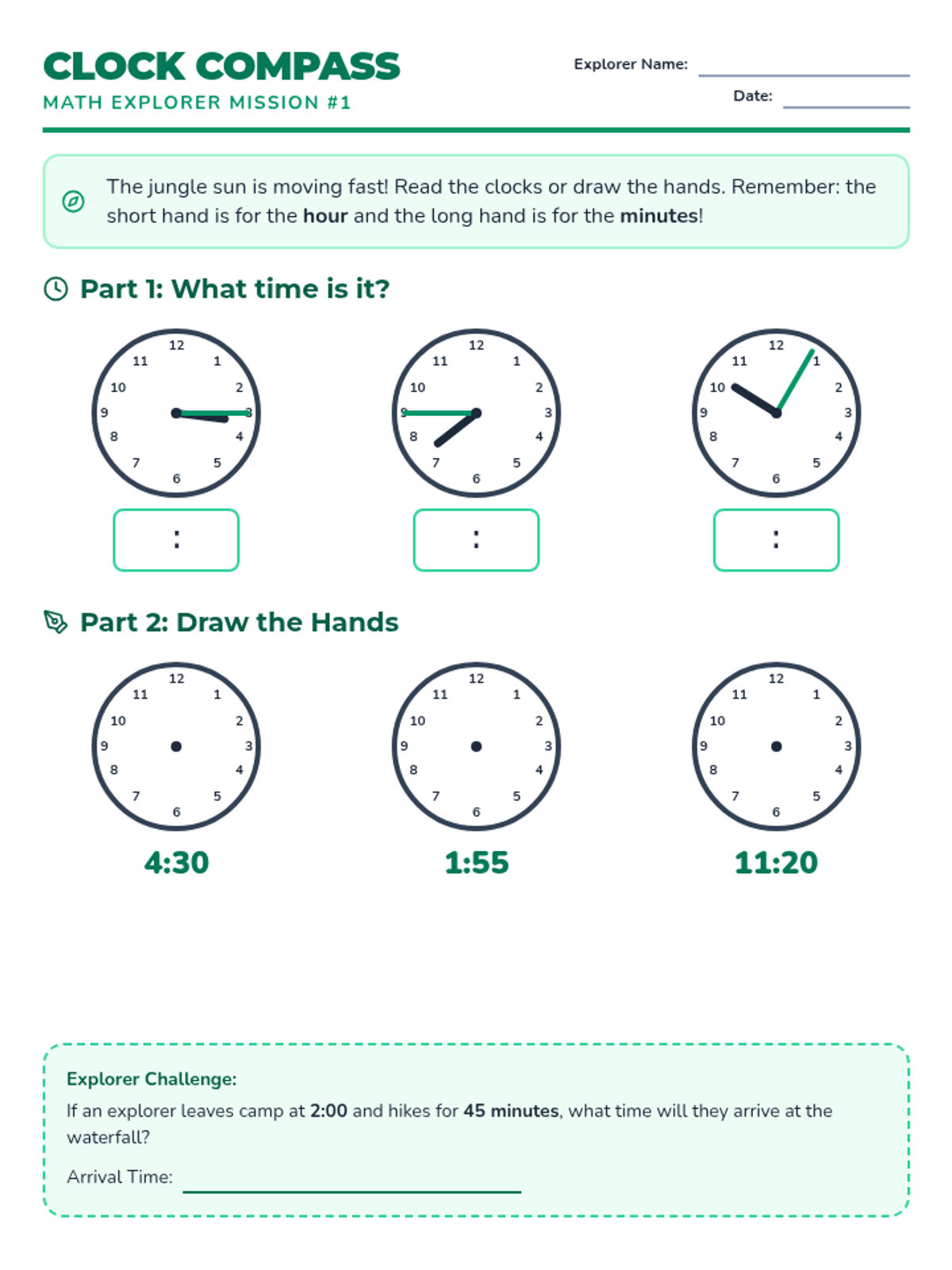
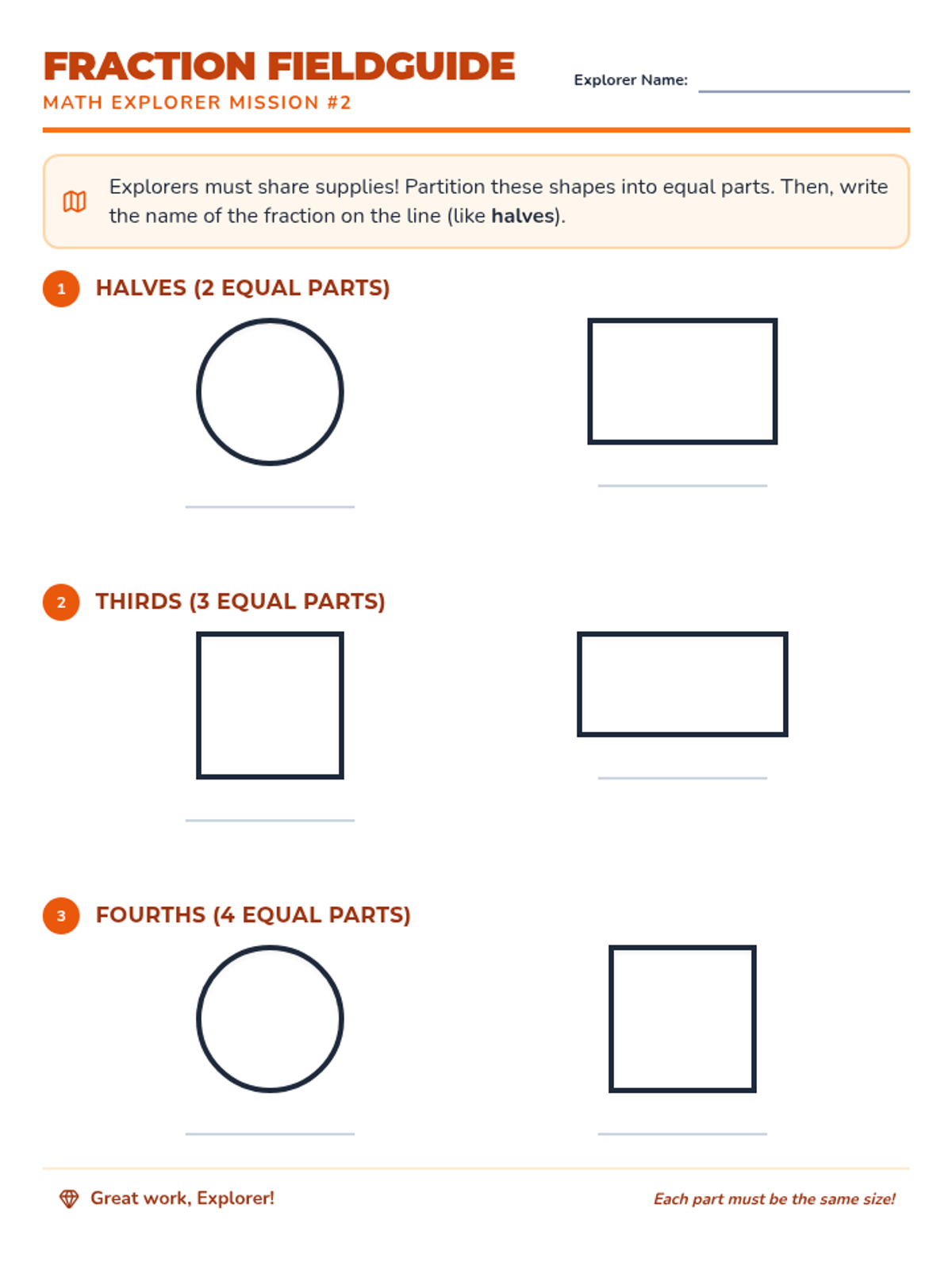
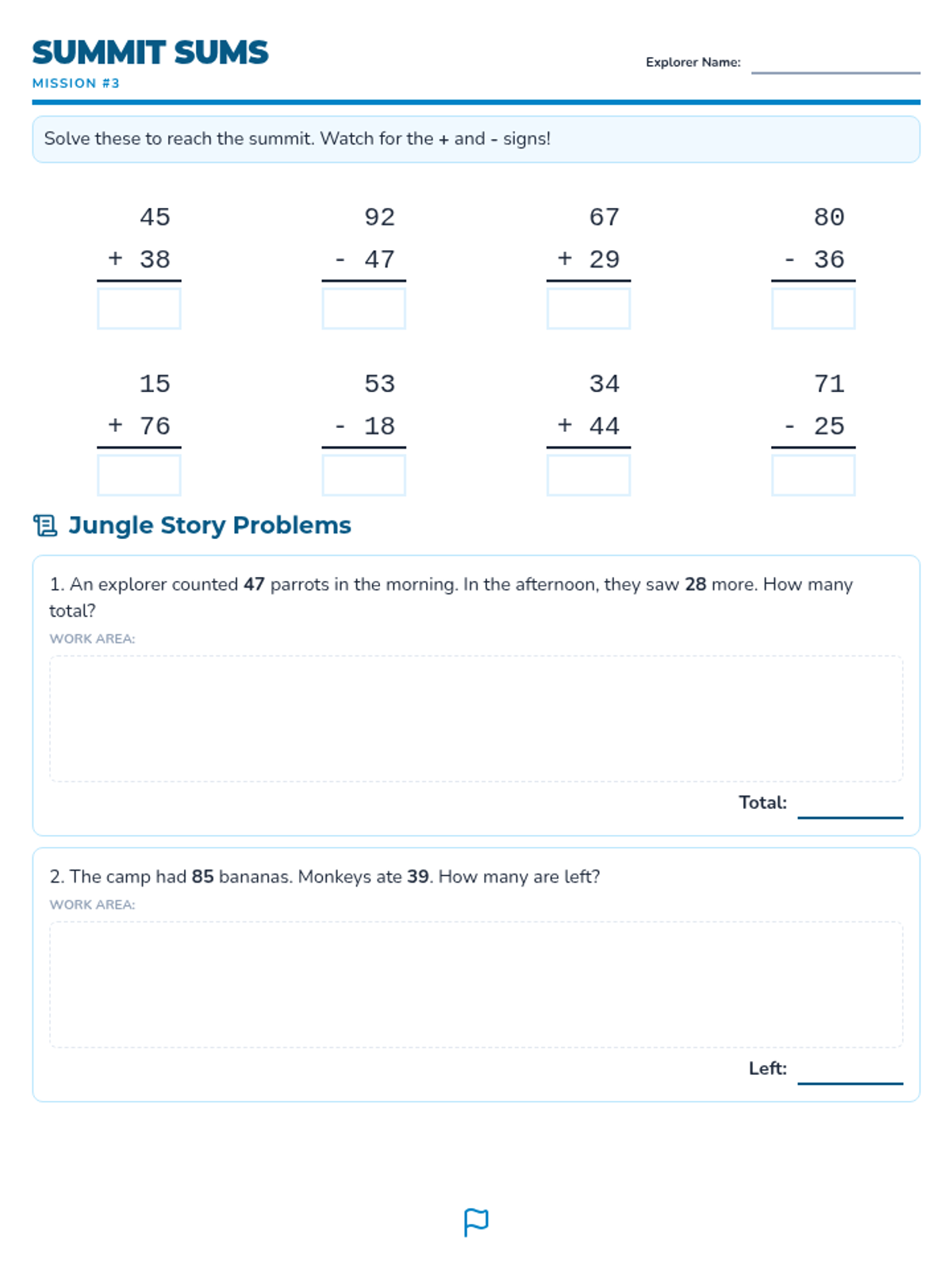
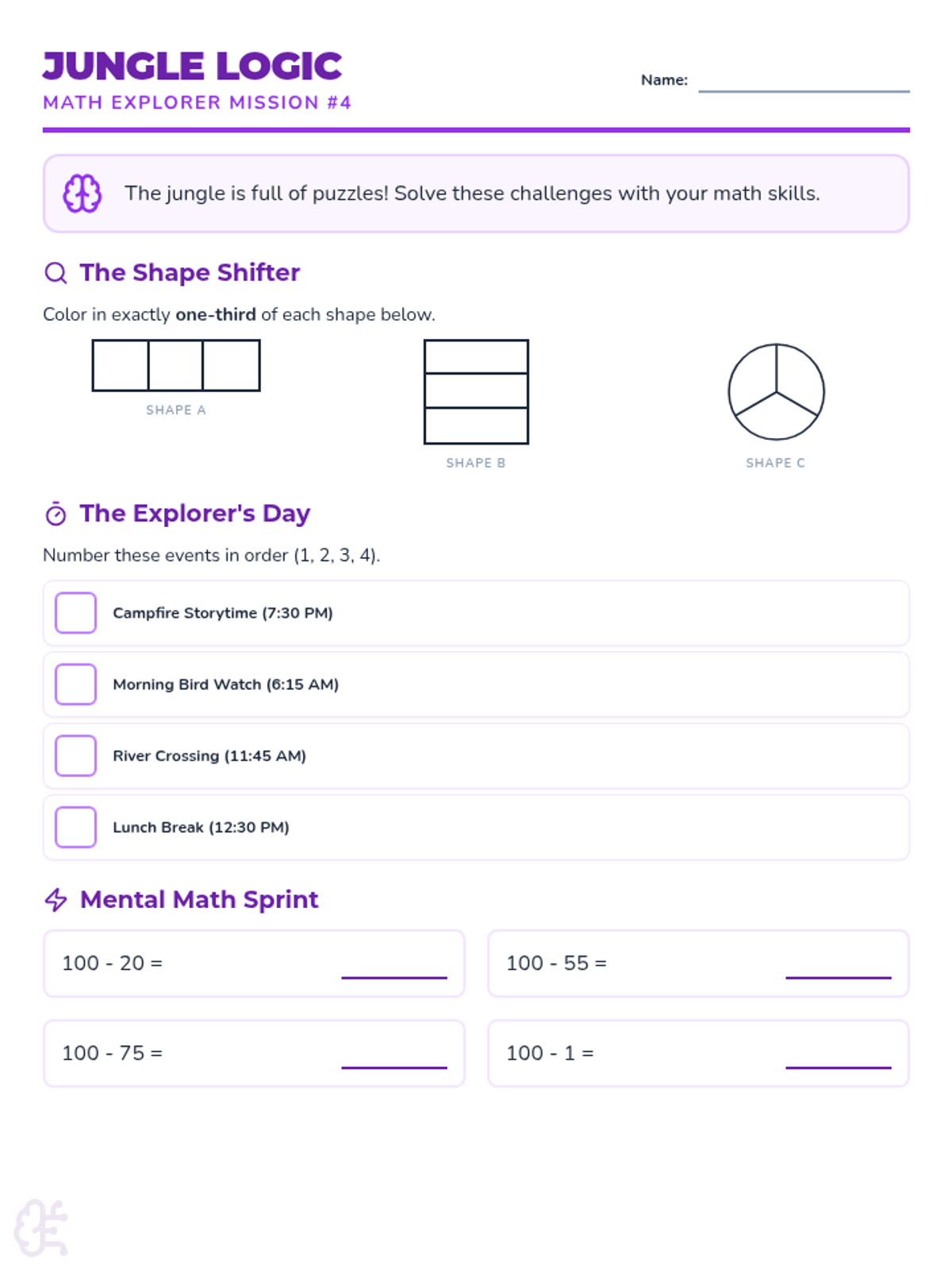
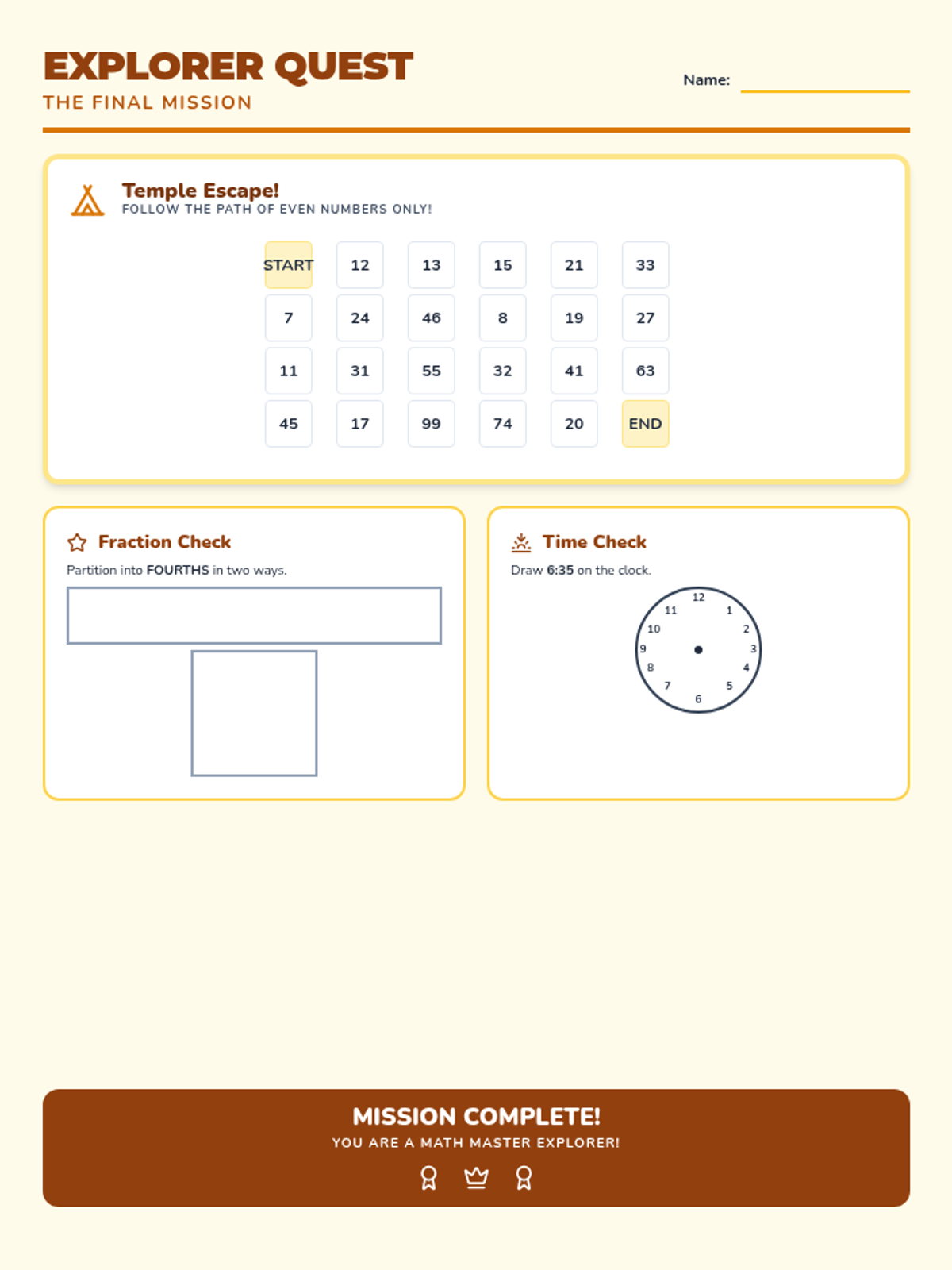
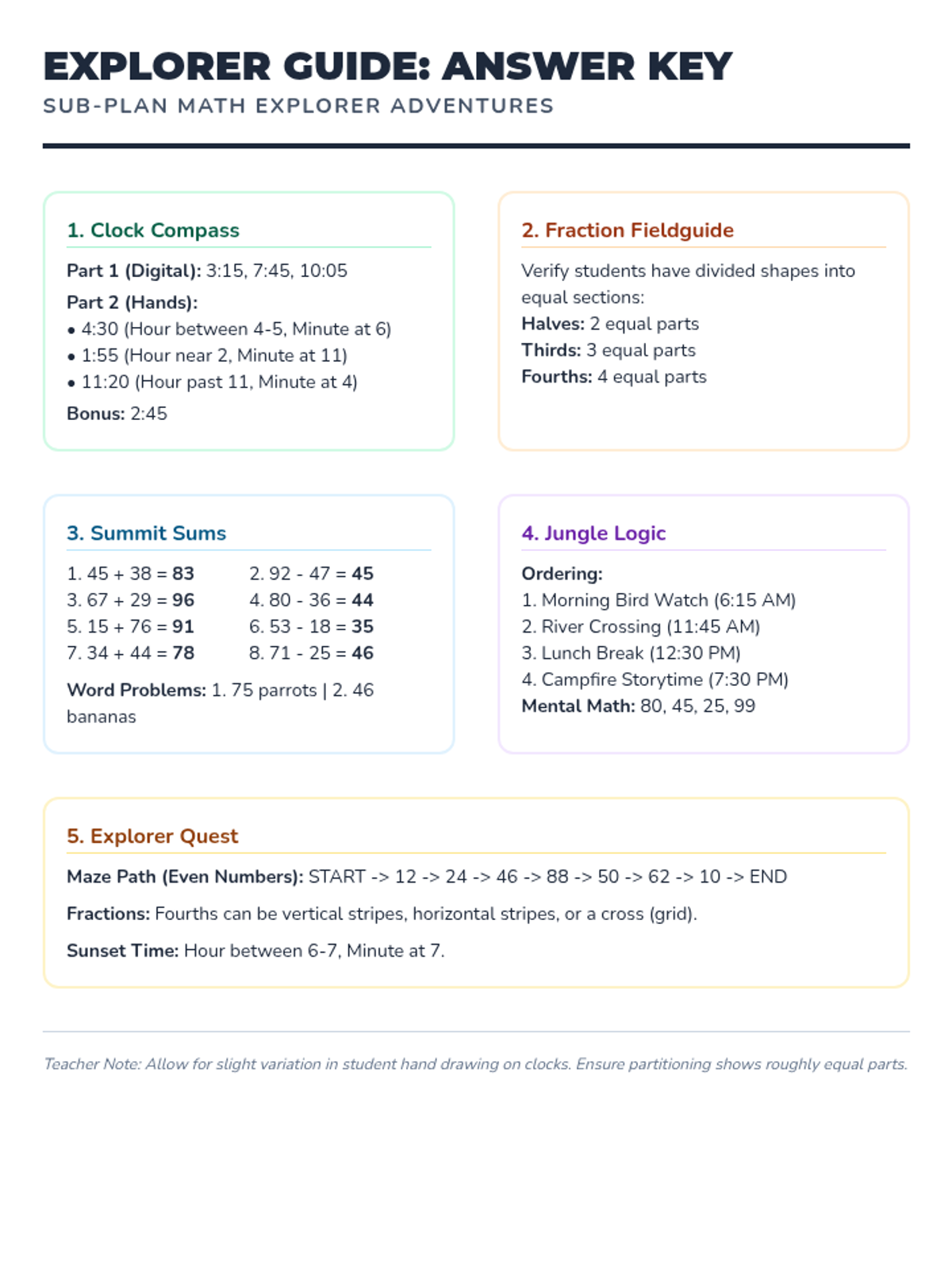
A comprehensive sub-plan packet for 2nd grade math, covering telling time, partitioning shapes into fractions, and addition/subtraction within 100 through an engaging jungle exploration theme.
Analyzing and creating line plots to represent measurement data.
Using fraction equivalence to measure and record lengths accurately.
Expanding measurement skills to fourths of an inch and practicing with mixed numbers.
Introduction to measuring length in halves of an inch and understanding mixed numbers.
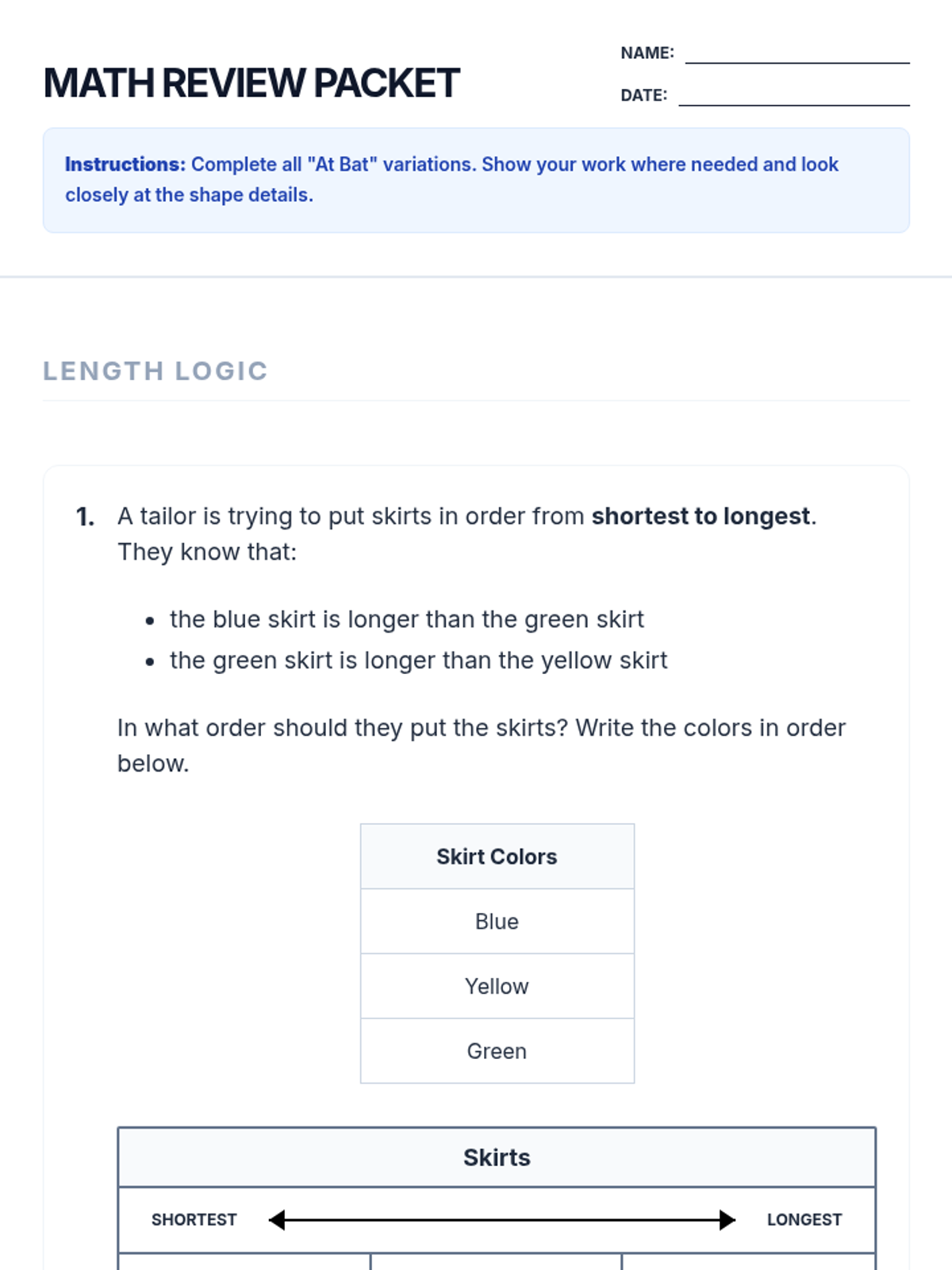
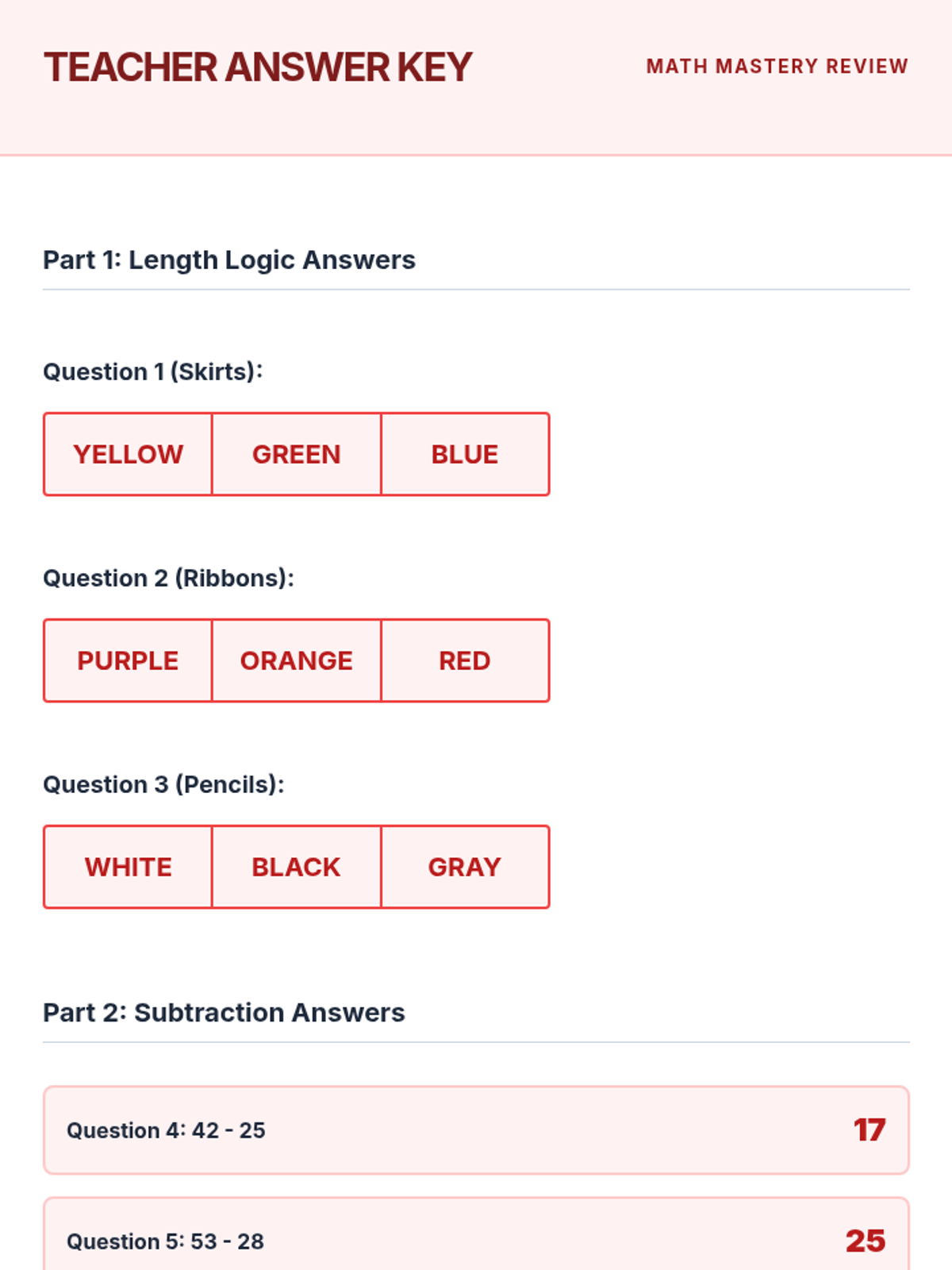
A comprehensive math review lesson designed to reinforce key elementary math skills including logical ordering, 2-digit subtraction, geometric attributes, and equal parts/fractions. This lesson uses a repeated "at-bat" structure to build mastery through multiple variations of the same problem format.
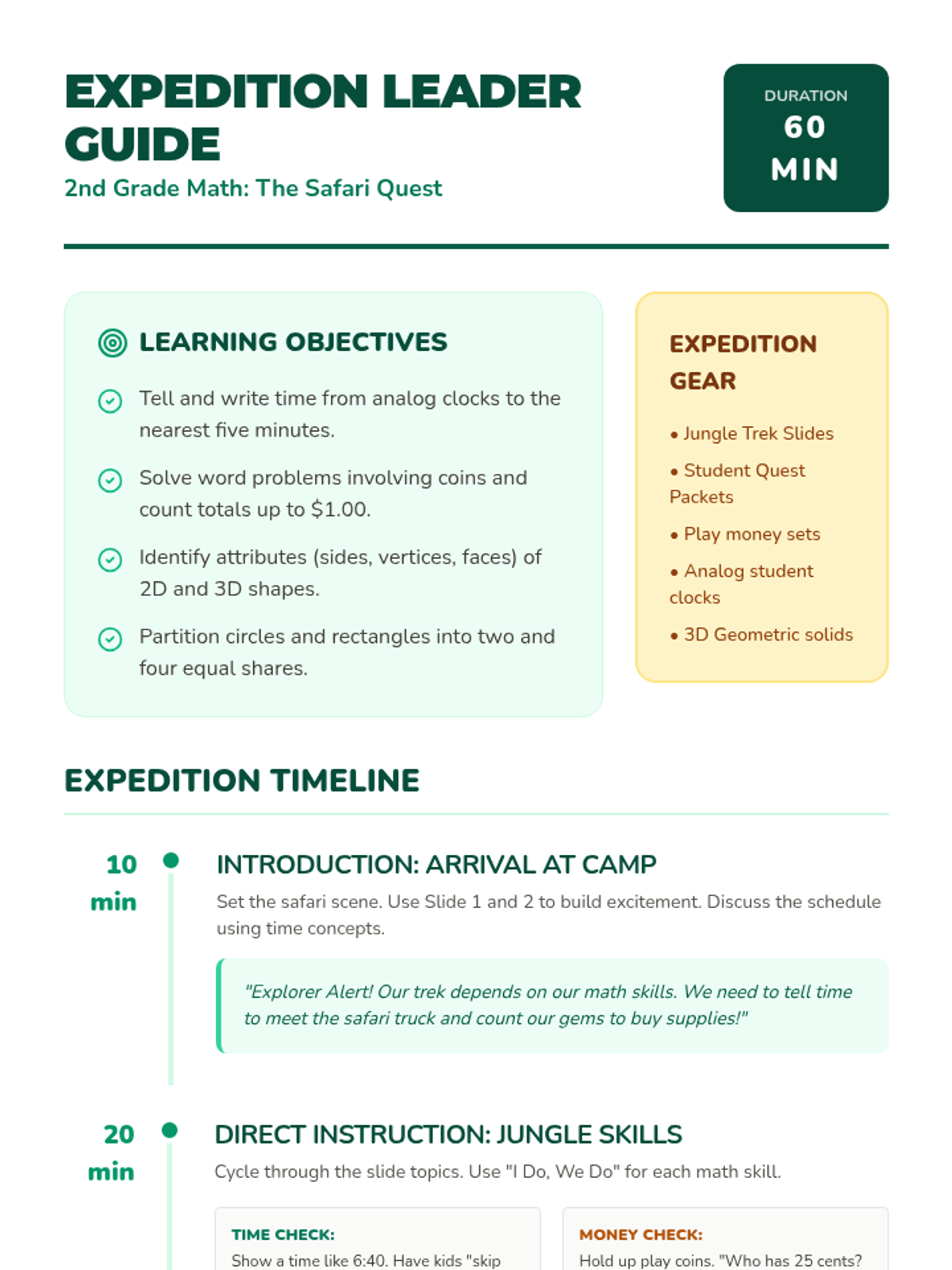
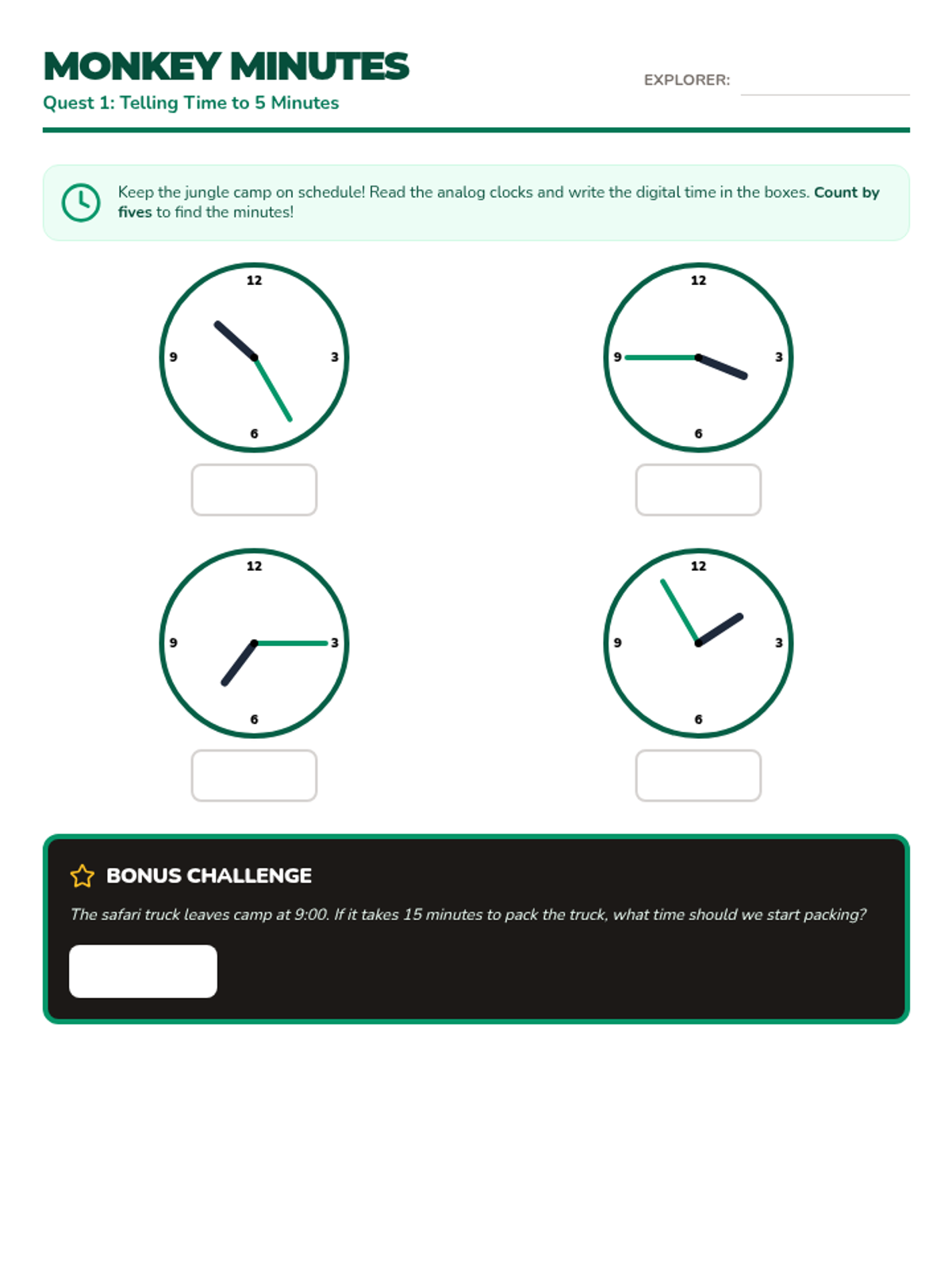
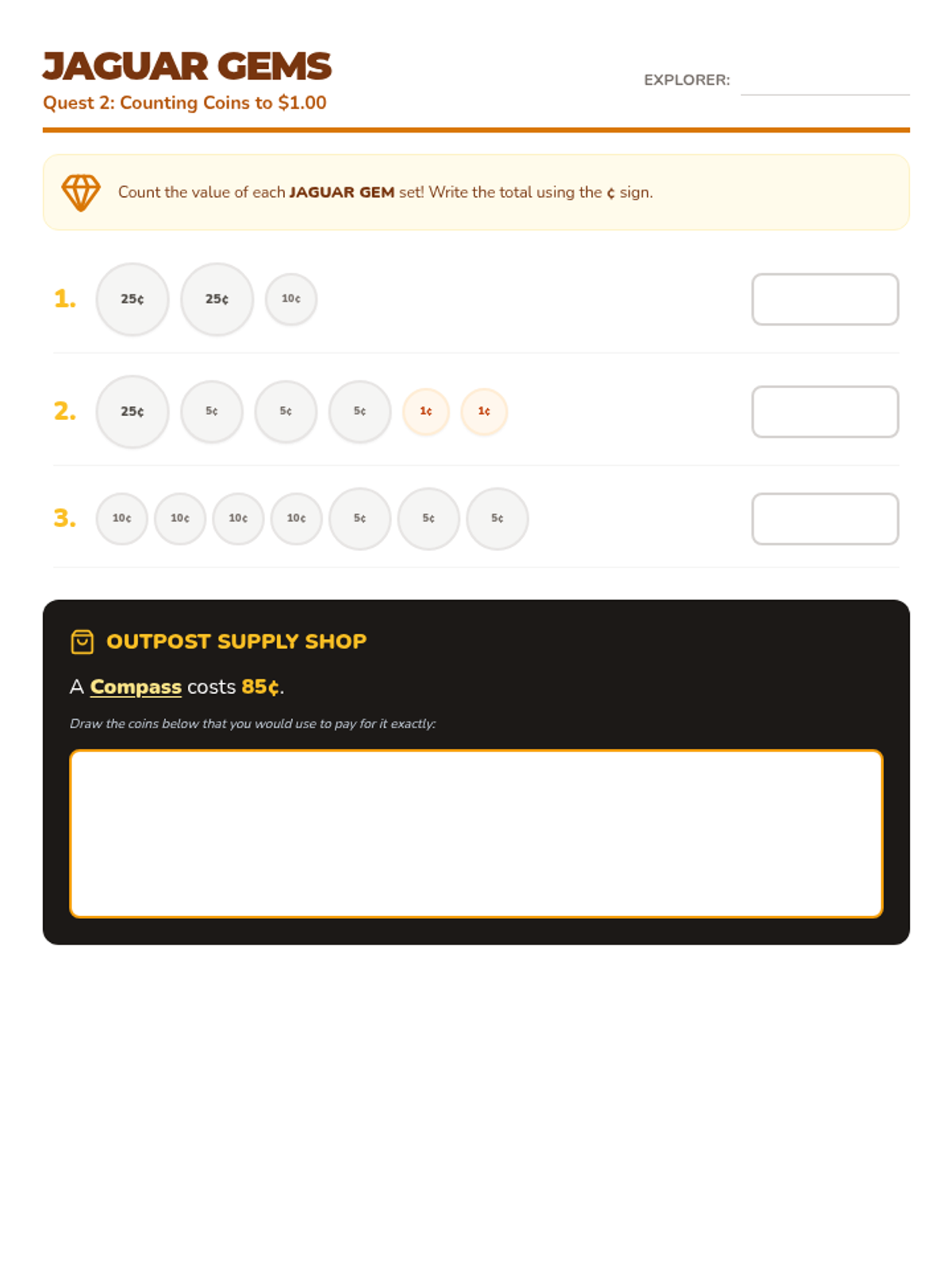
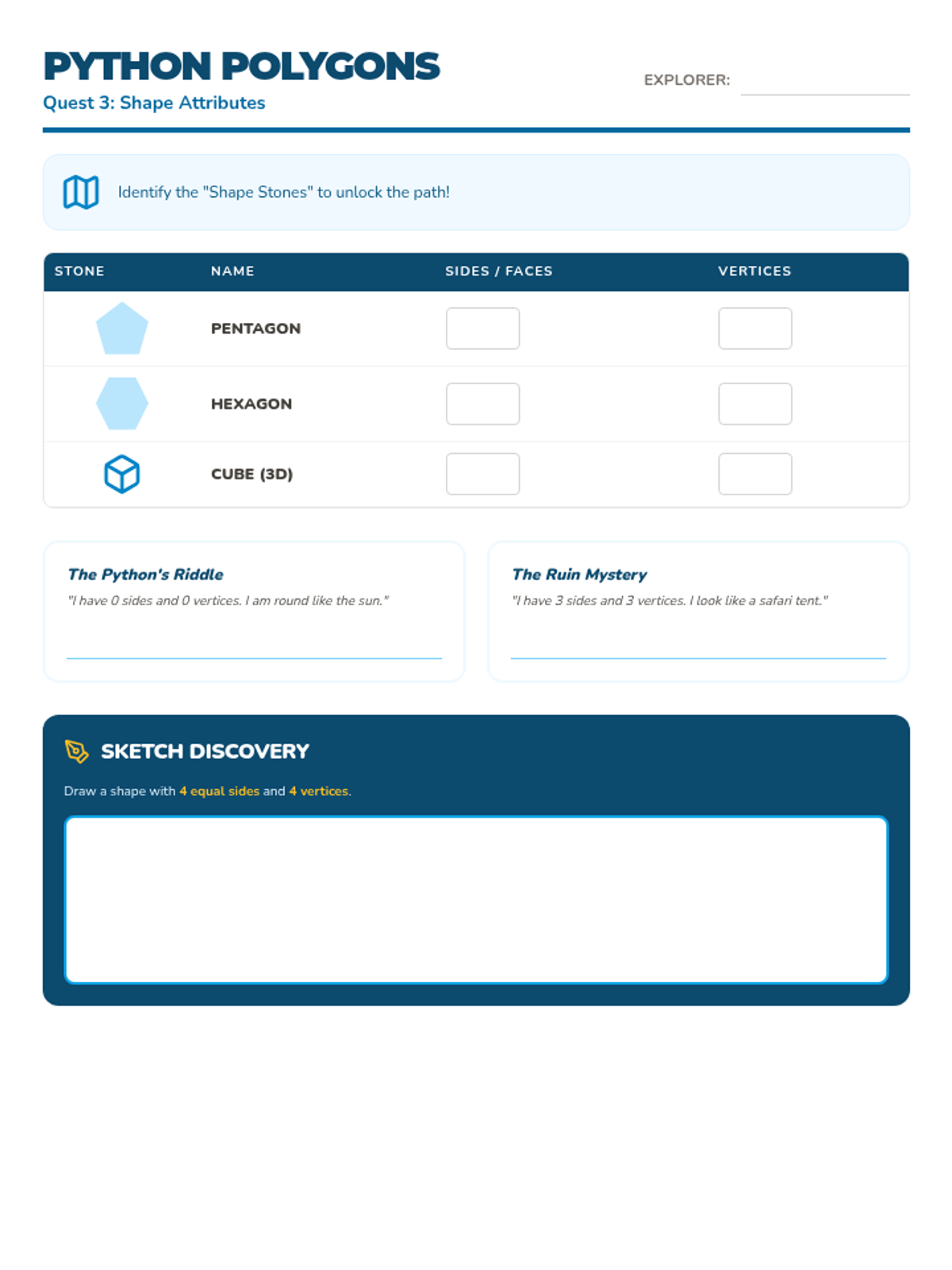
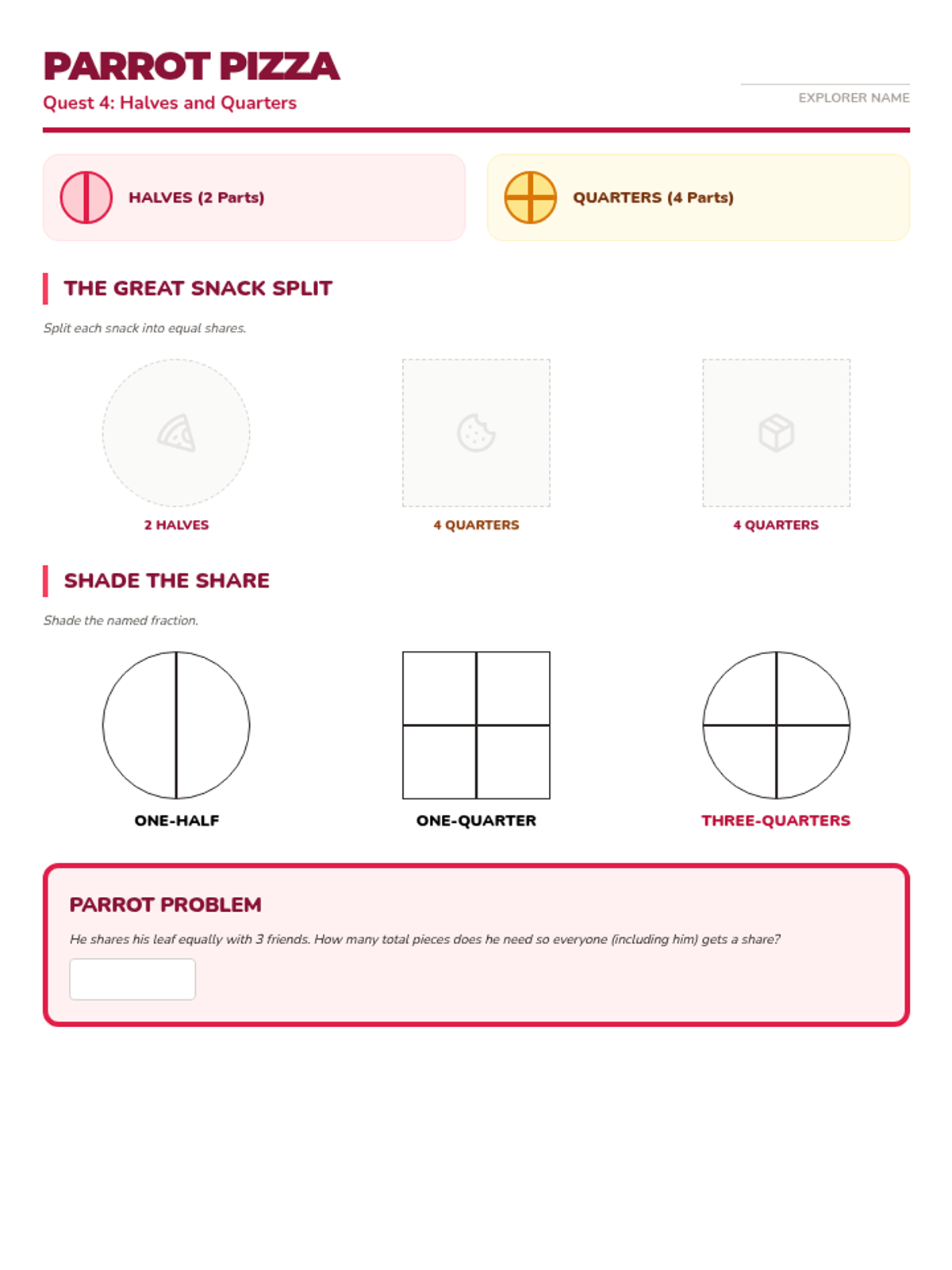
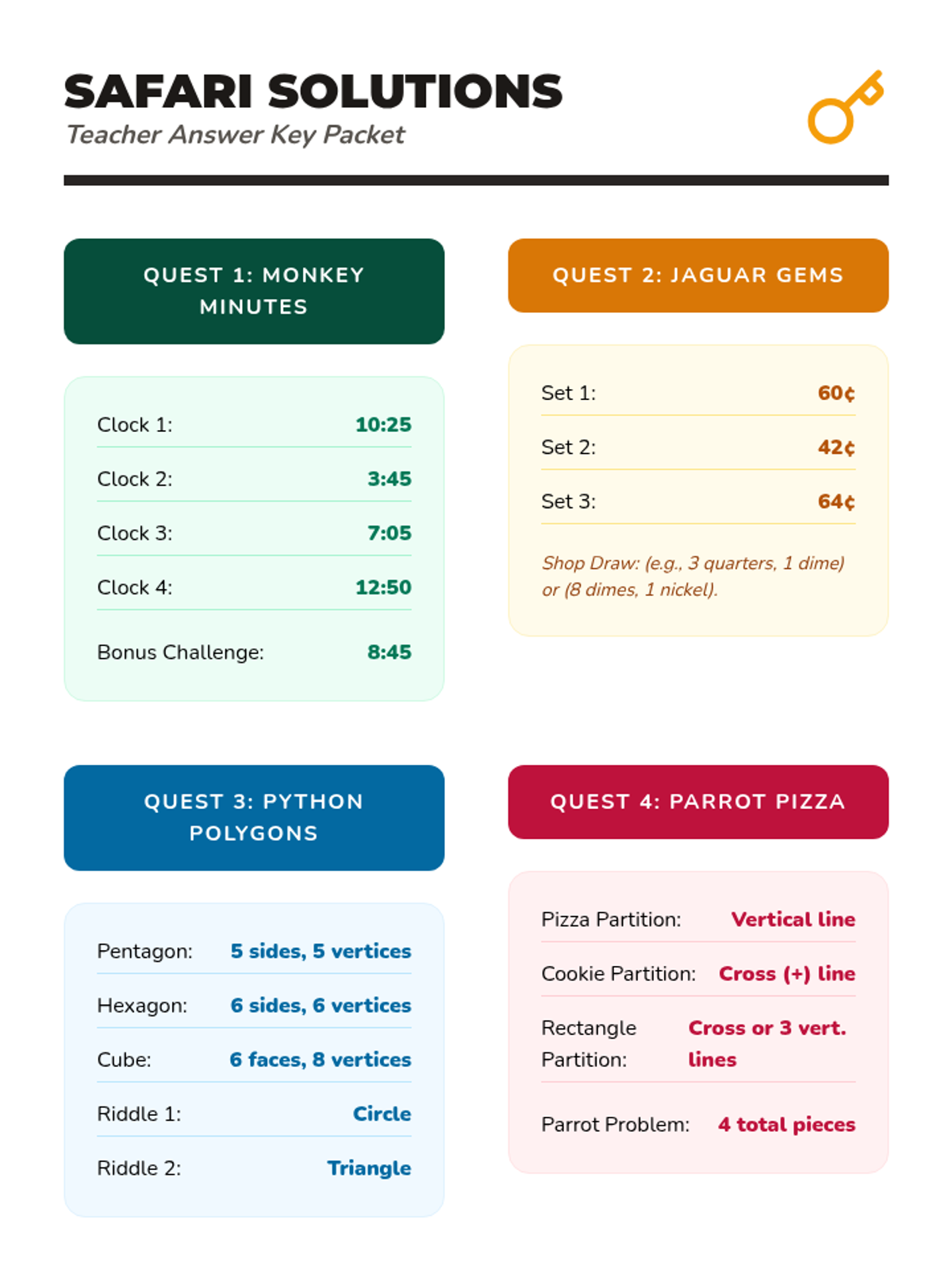
A high-energy math expedition where students master time, money, shapes, and fractions through a jungle-themed safari adventure. This lesson includes interactive slides, a comprehensive teacher guide, and skill-specific practice pages.
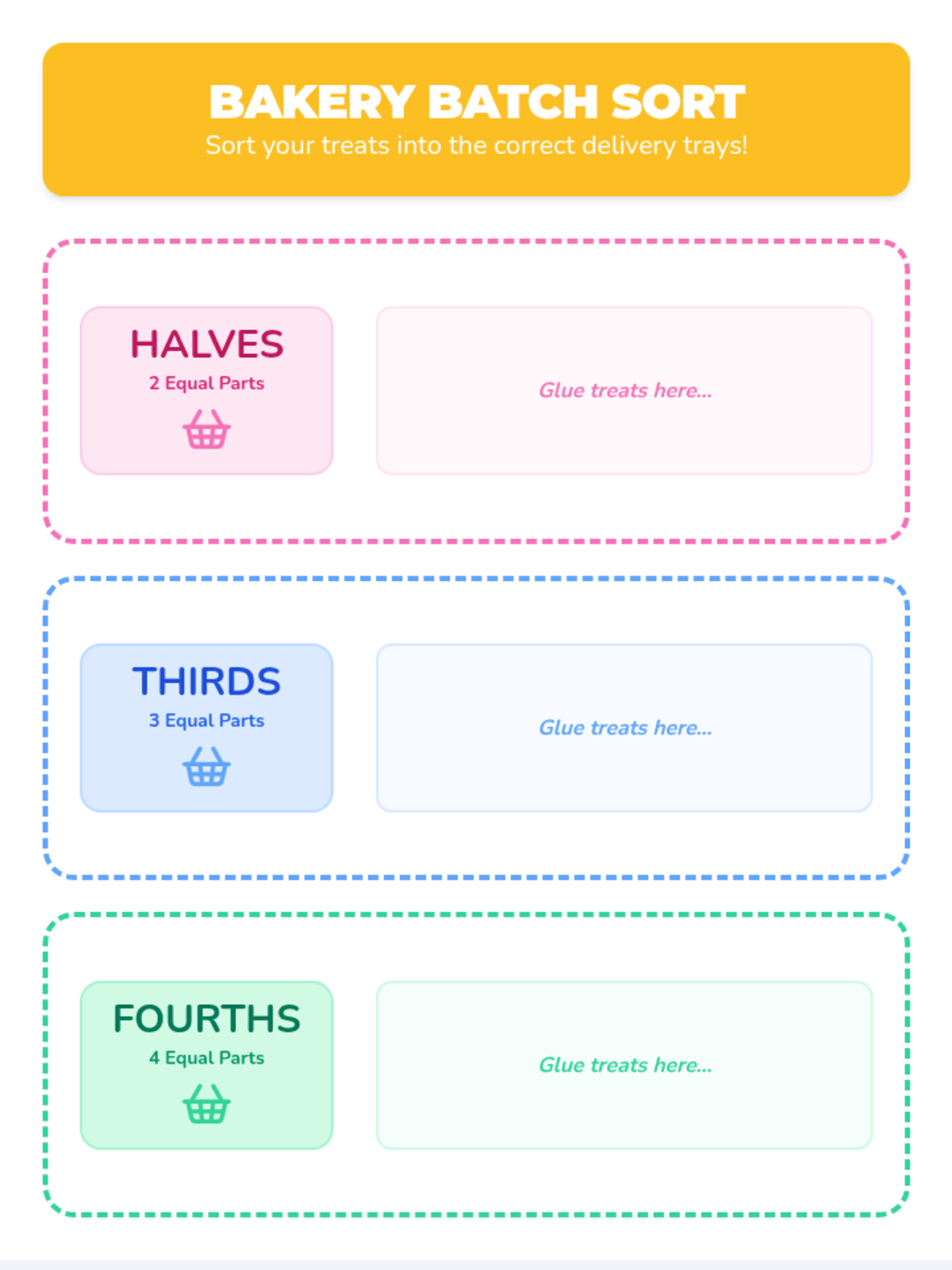
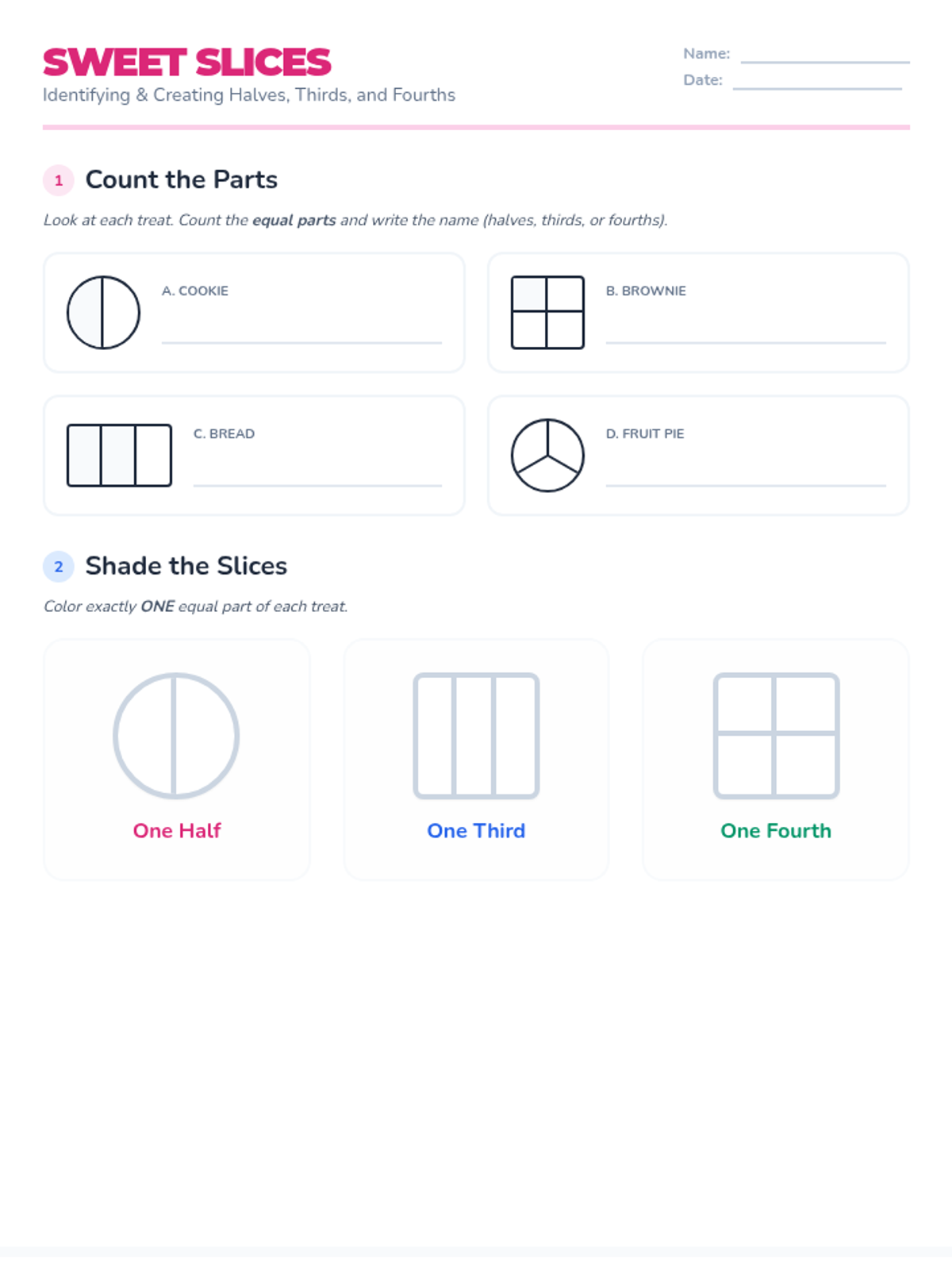
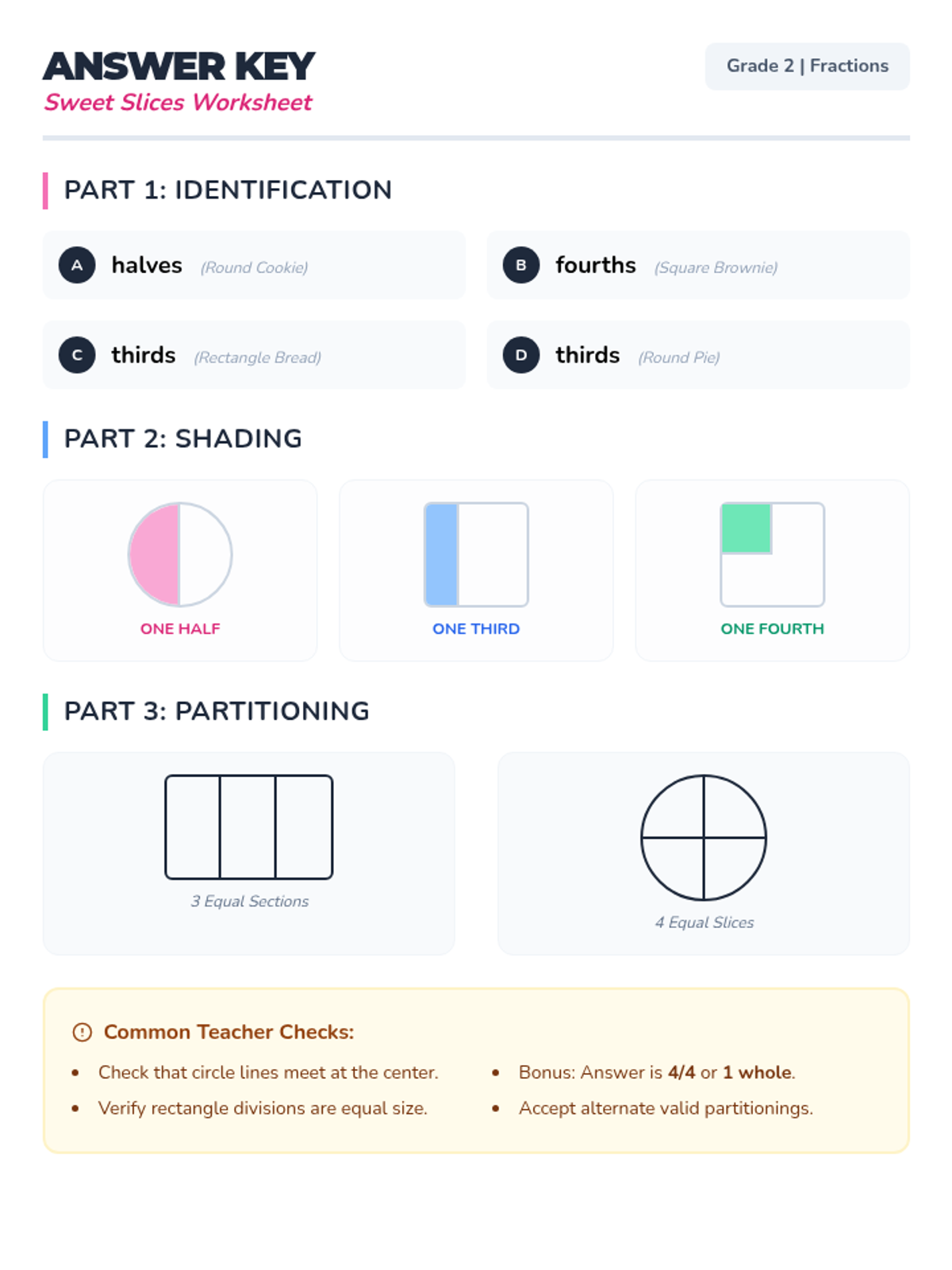
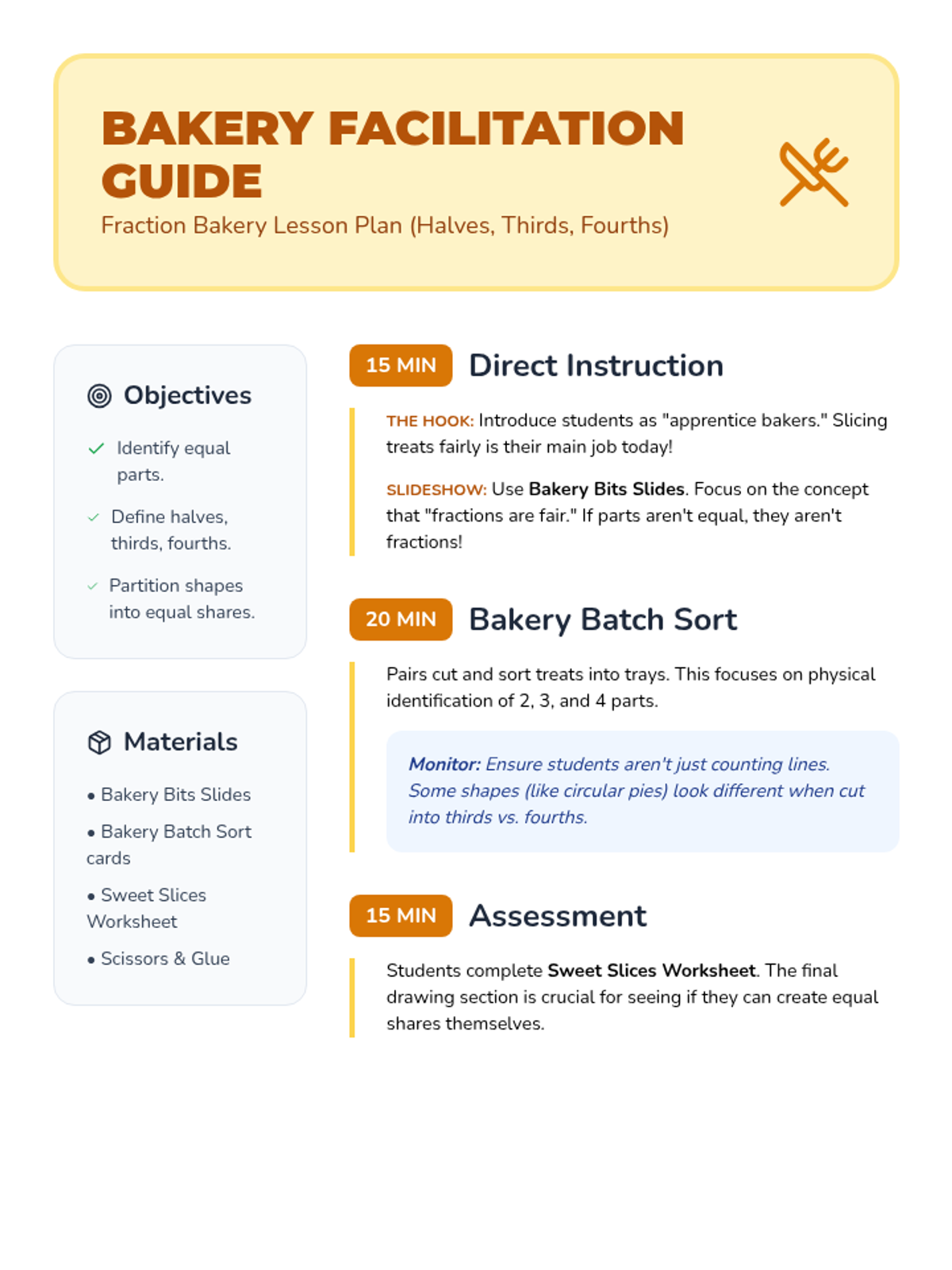
A hands-on introduction to fractions (halves, thirds, and fourths) using a bakery theme. Students will identify equal parts and sort shapes based on their fractional divisions.
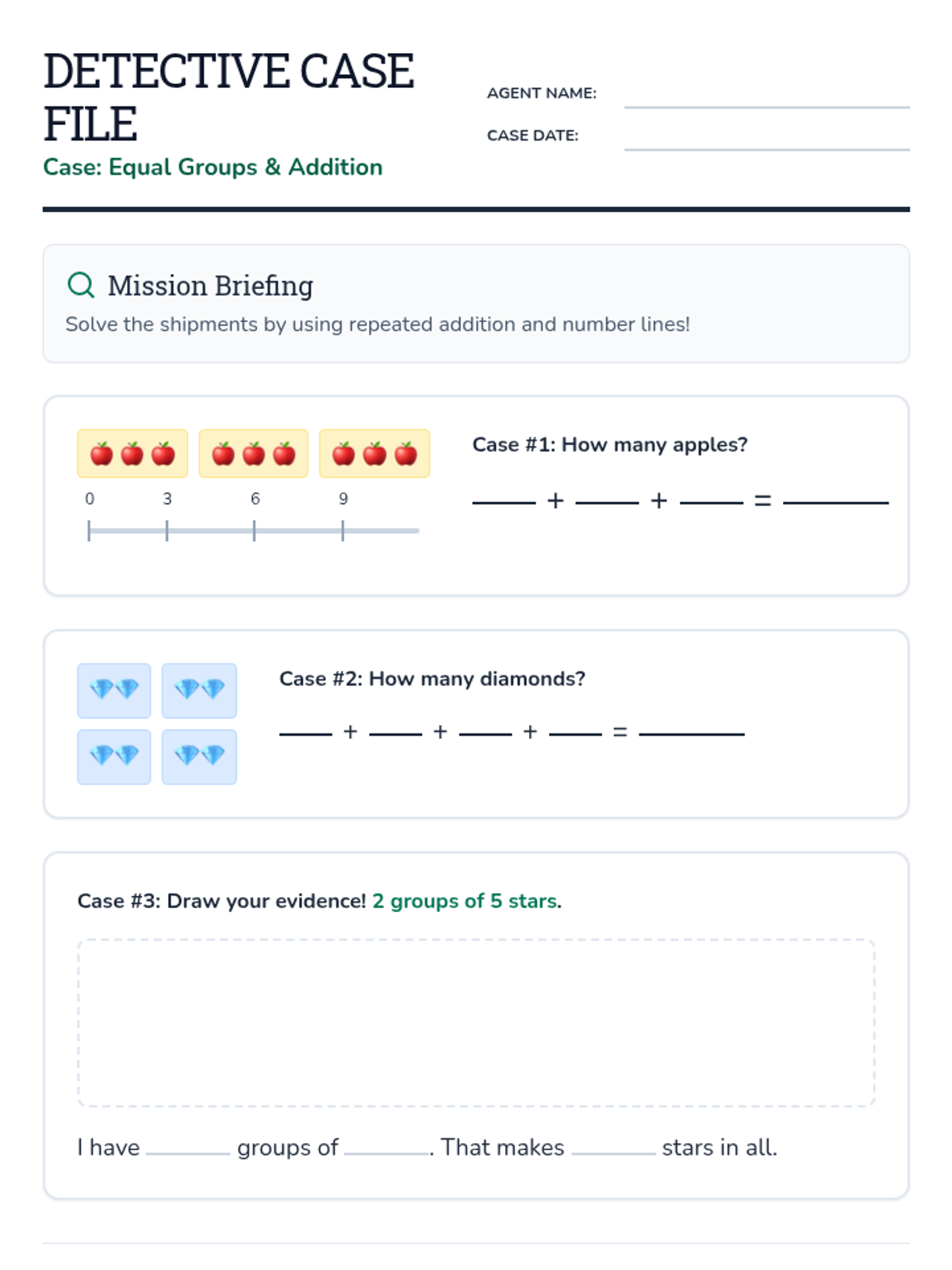
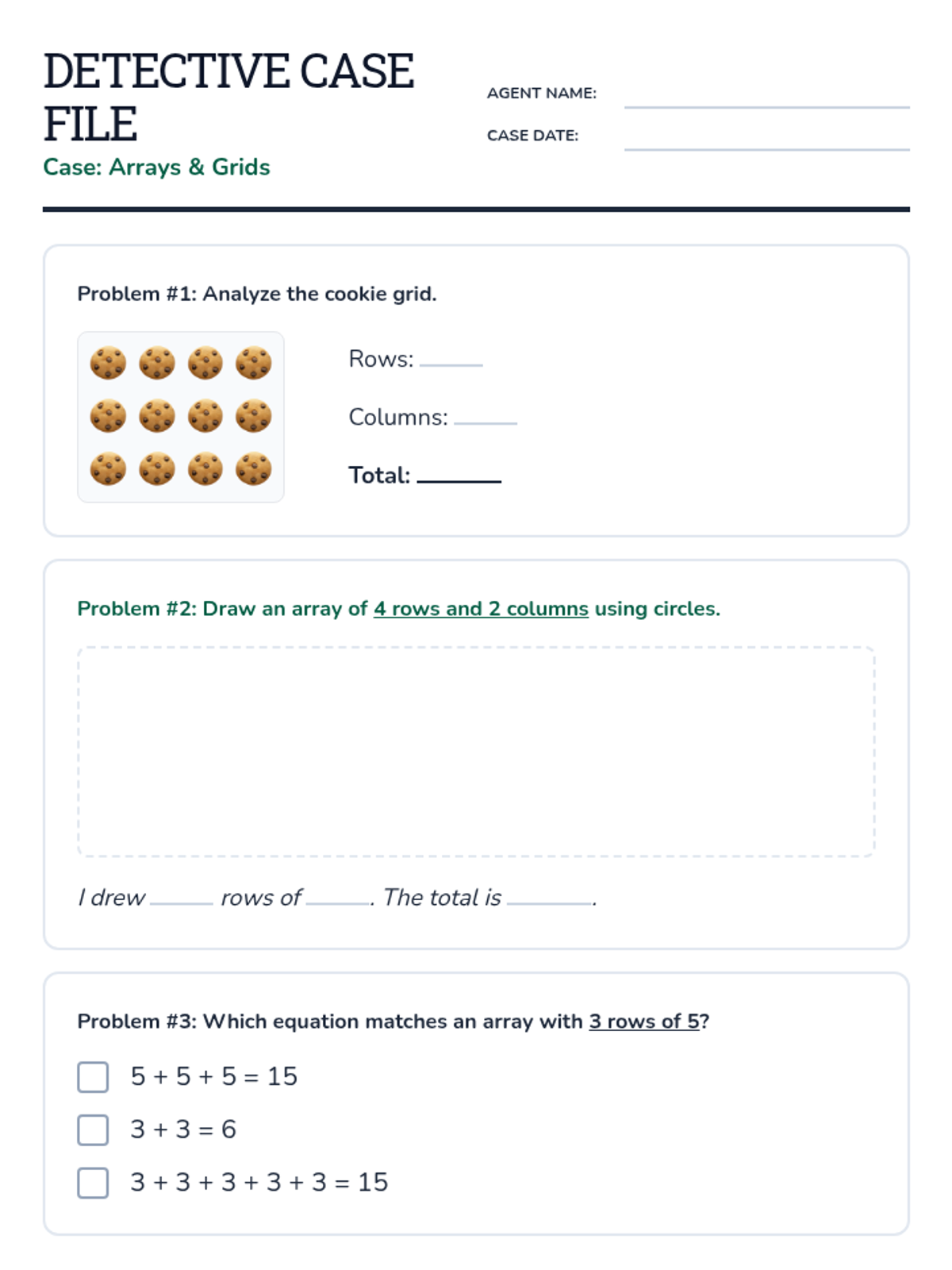
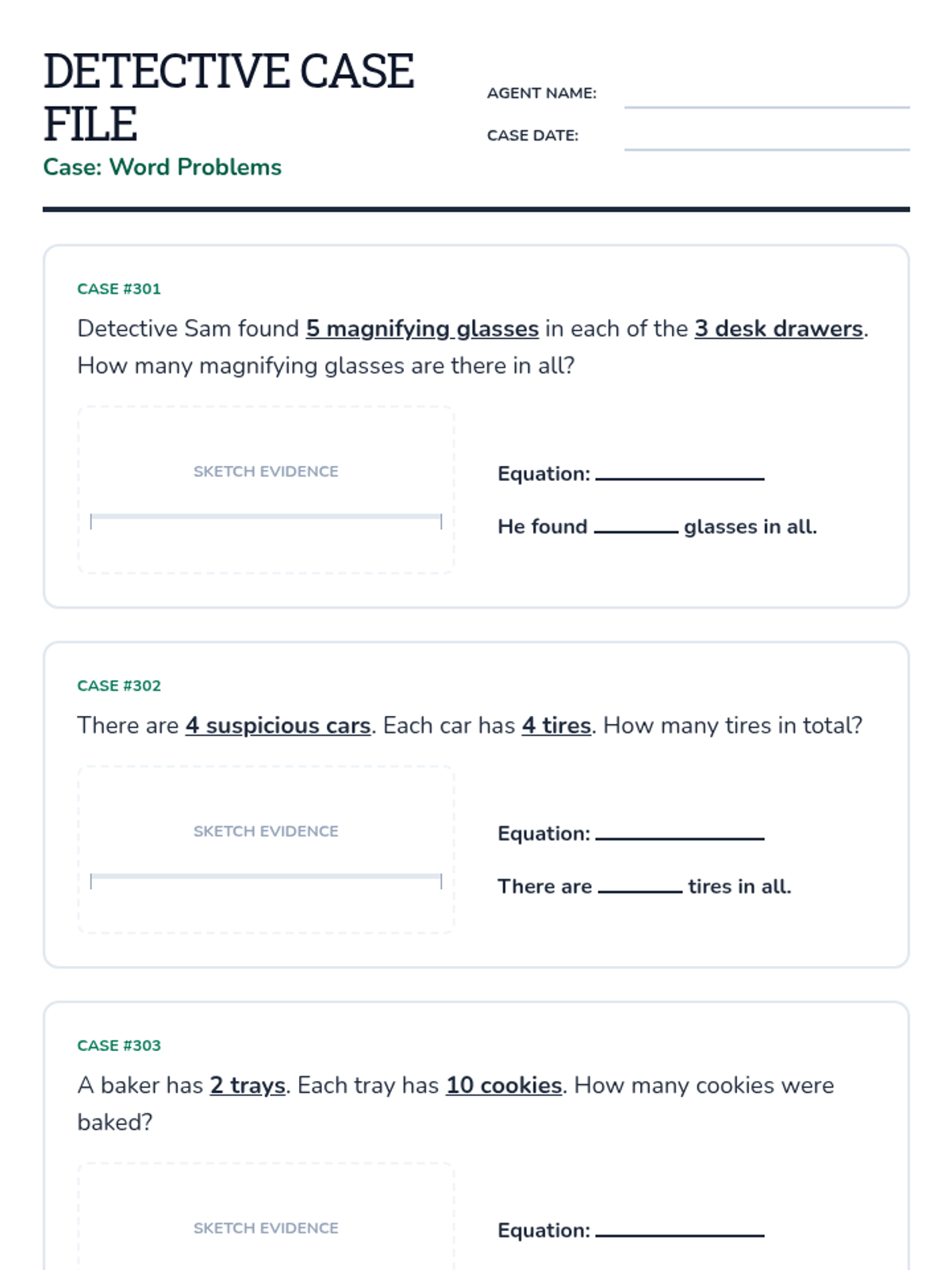
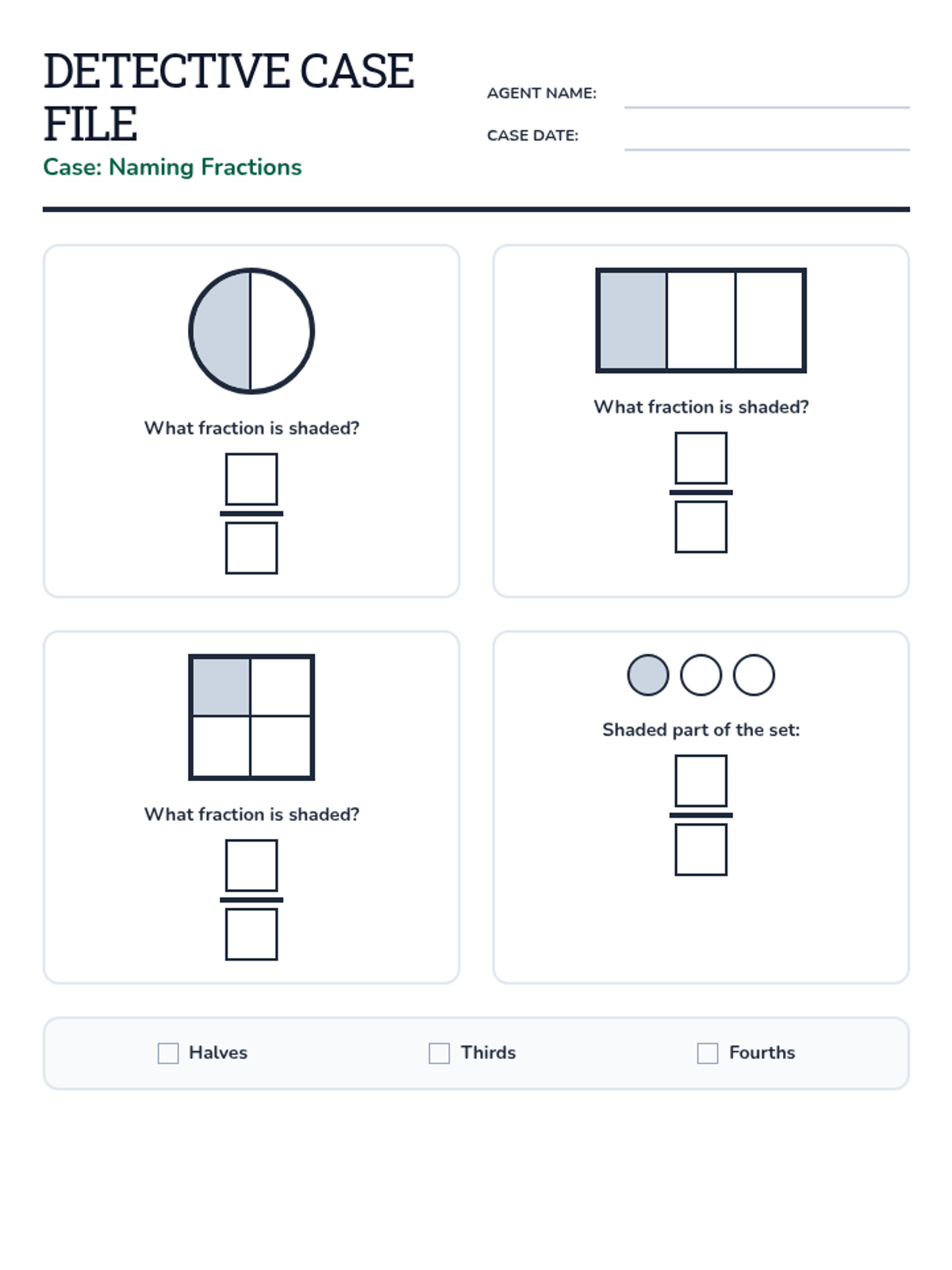
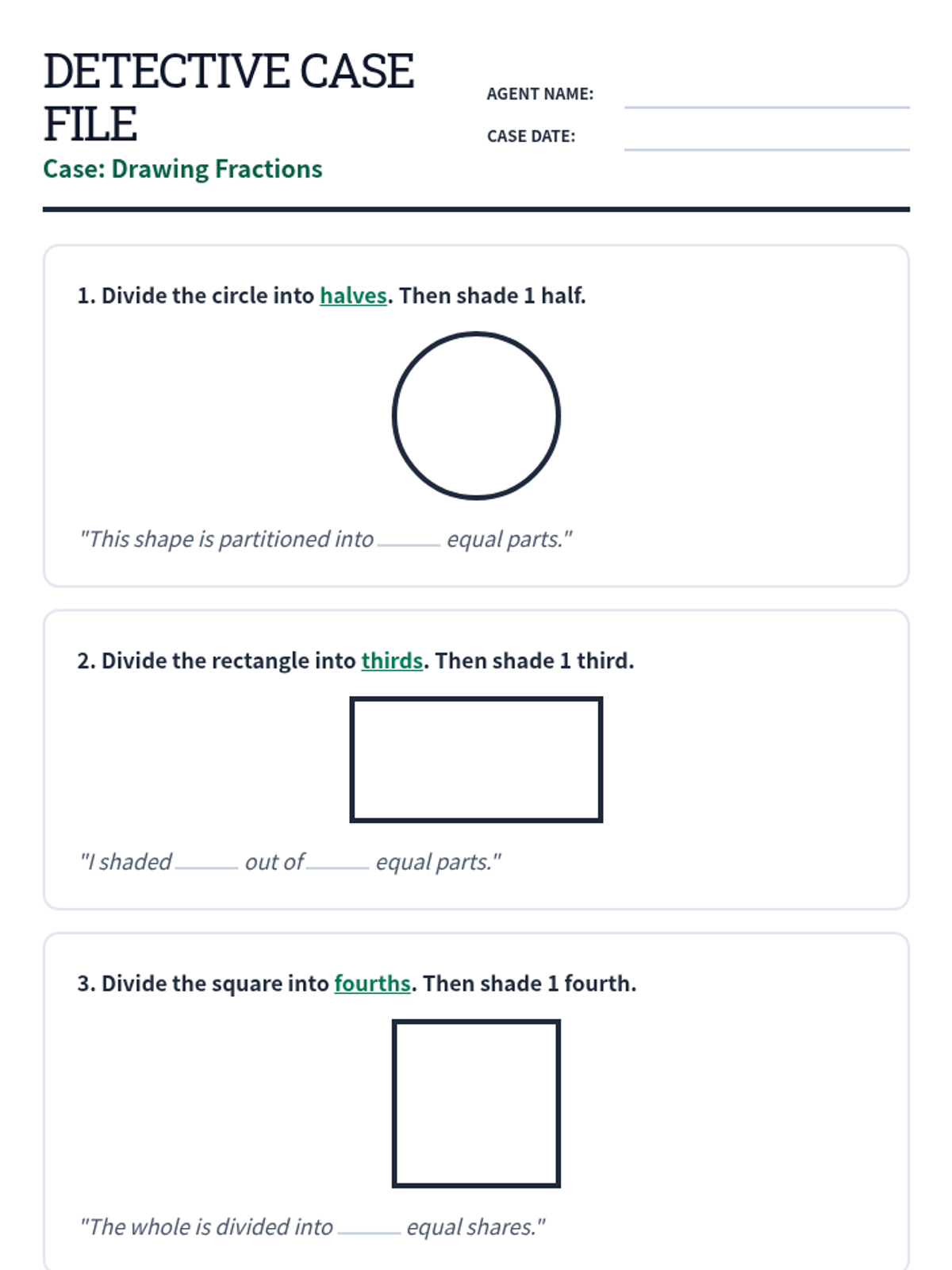
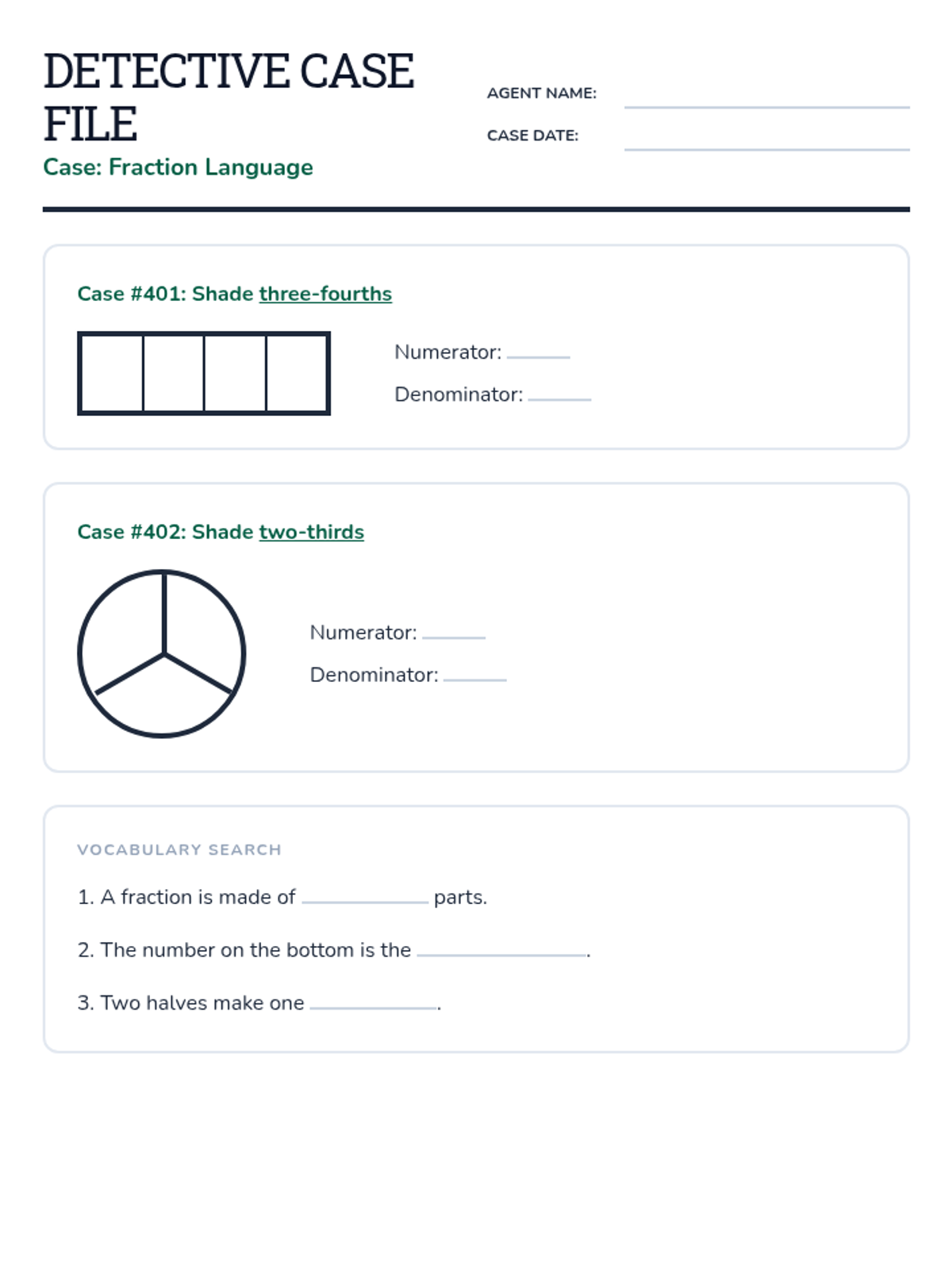
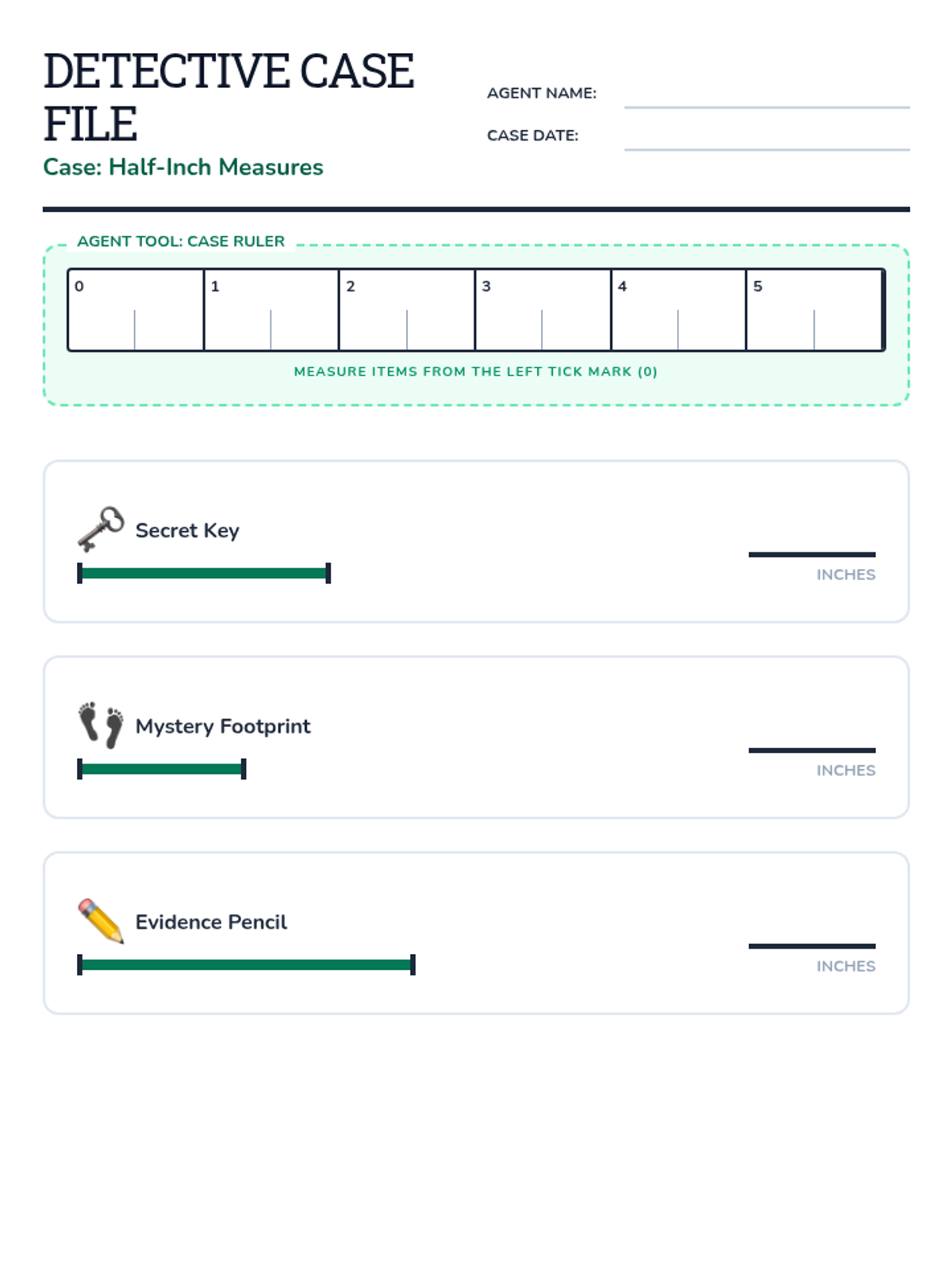
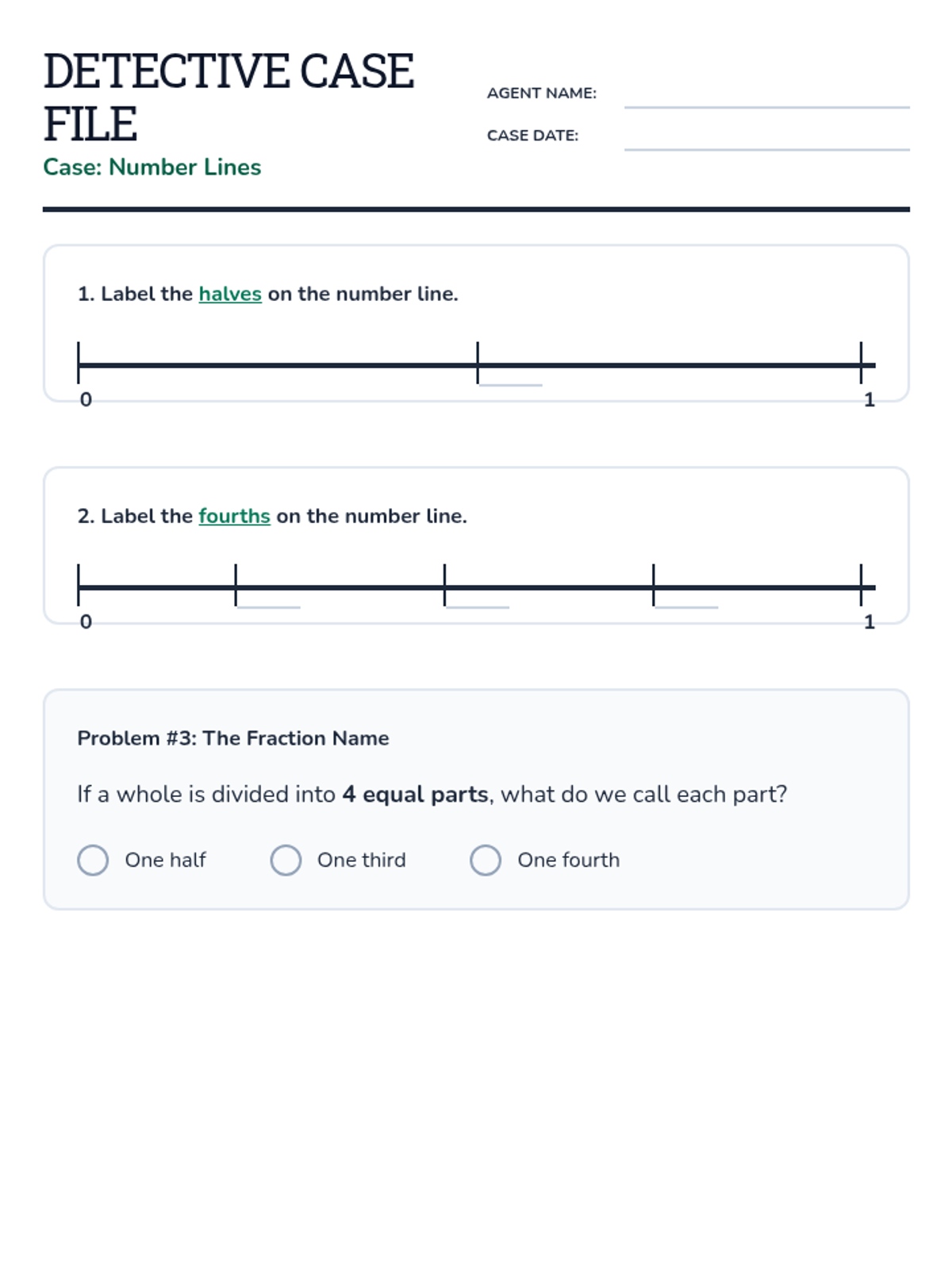
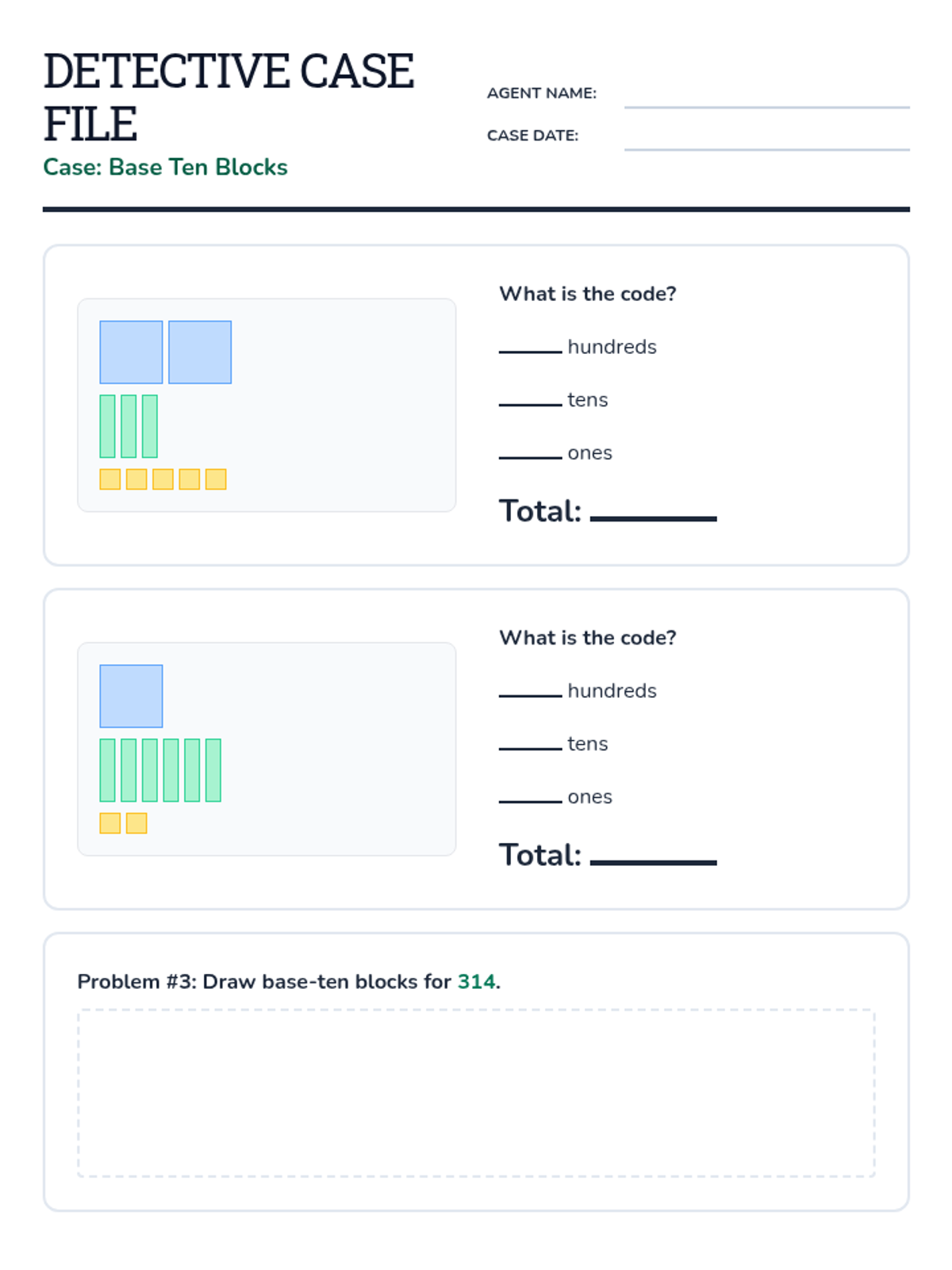
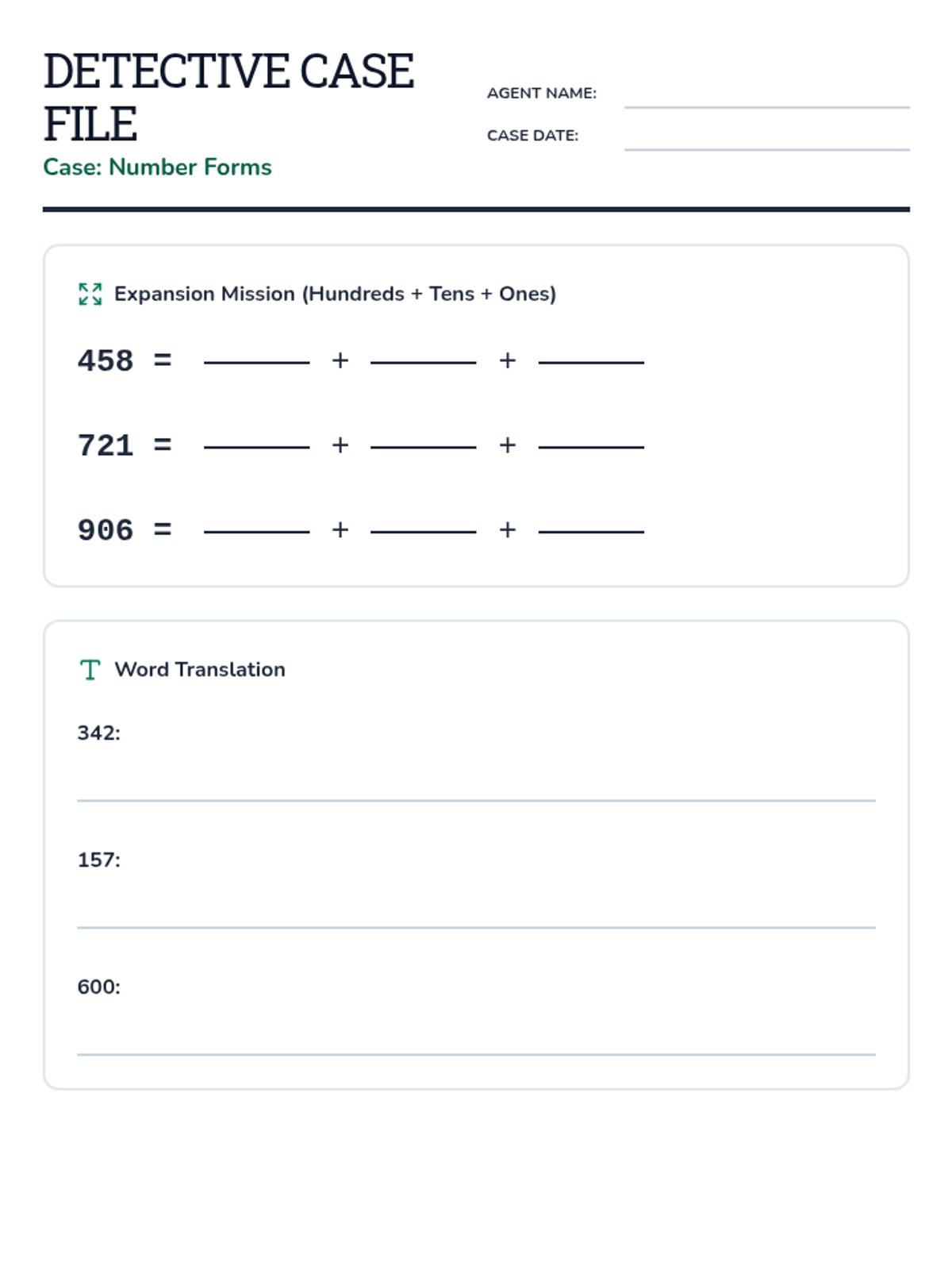
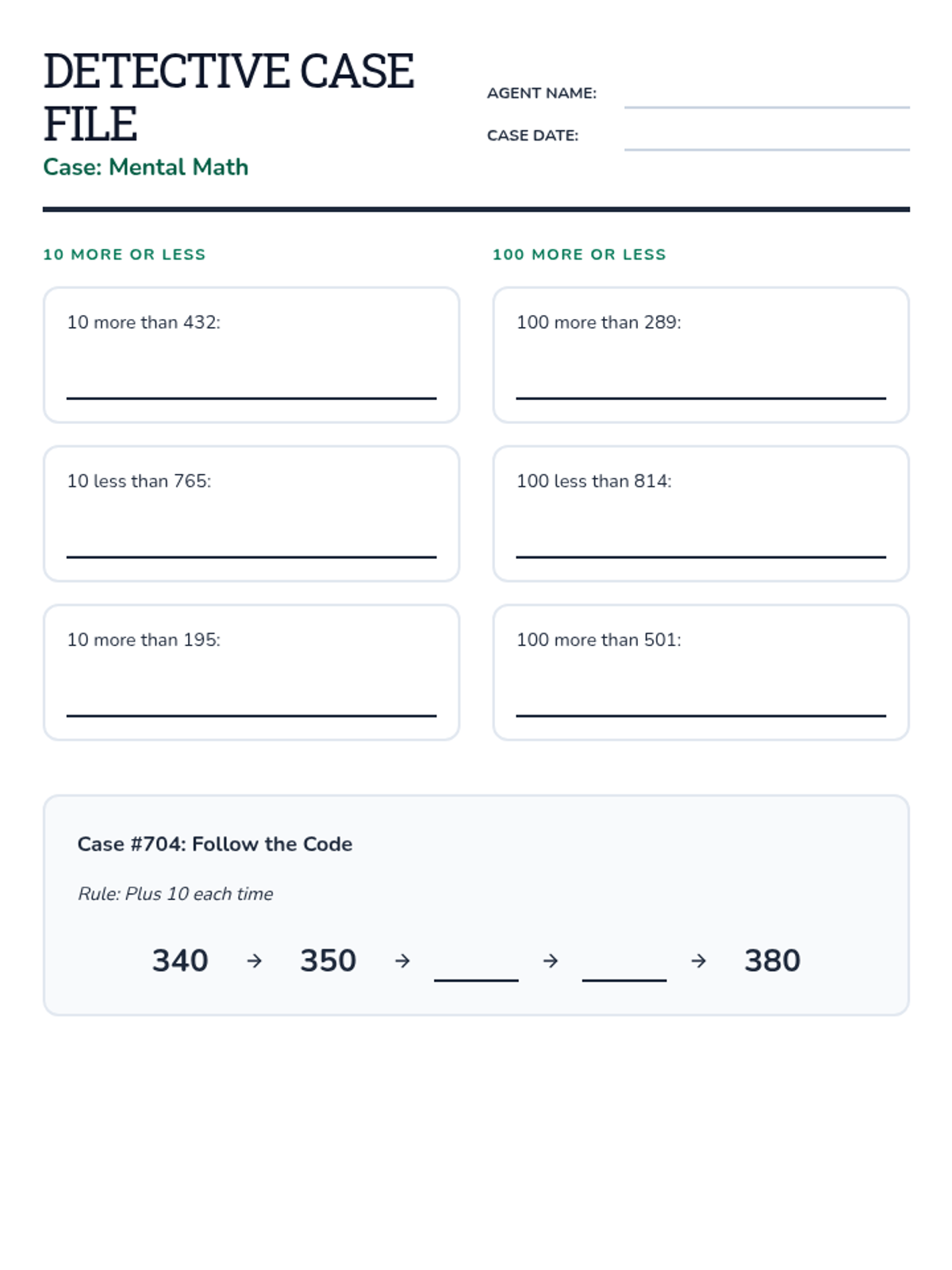
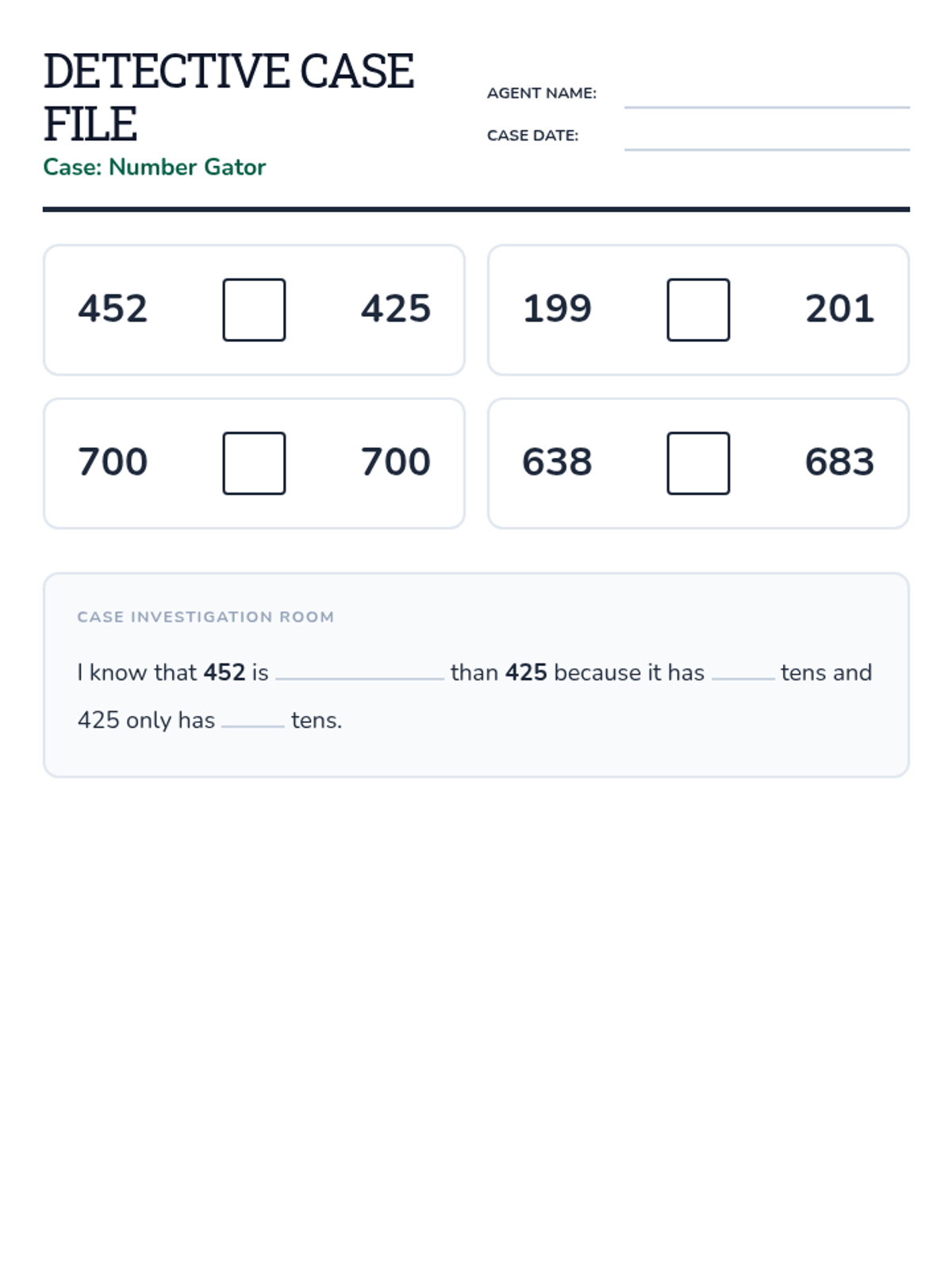
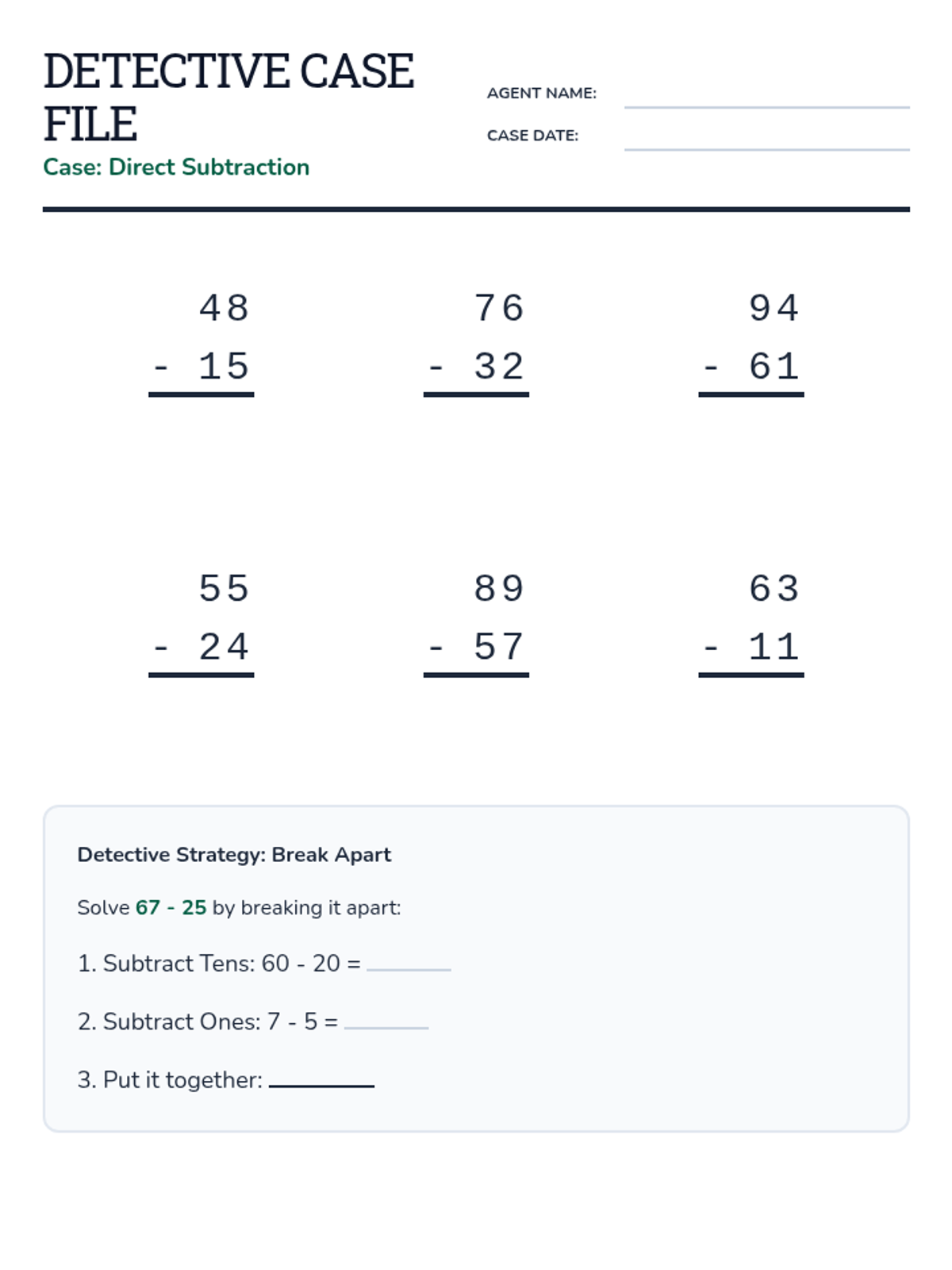
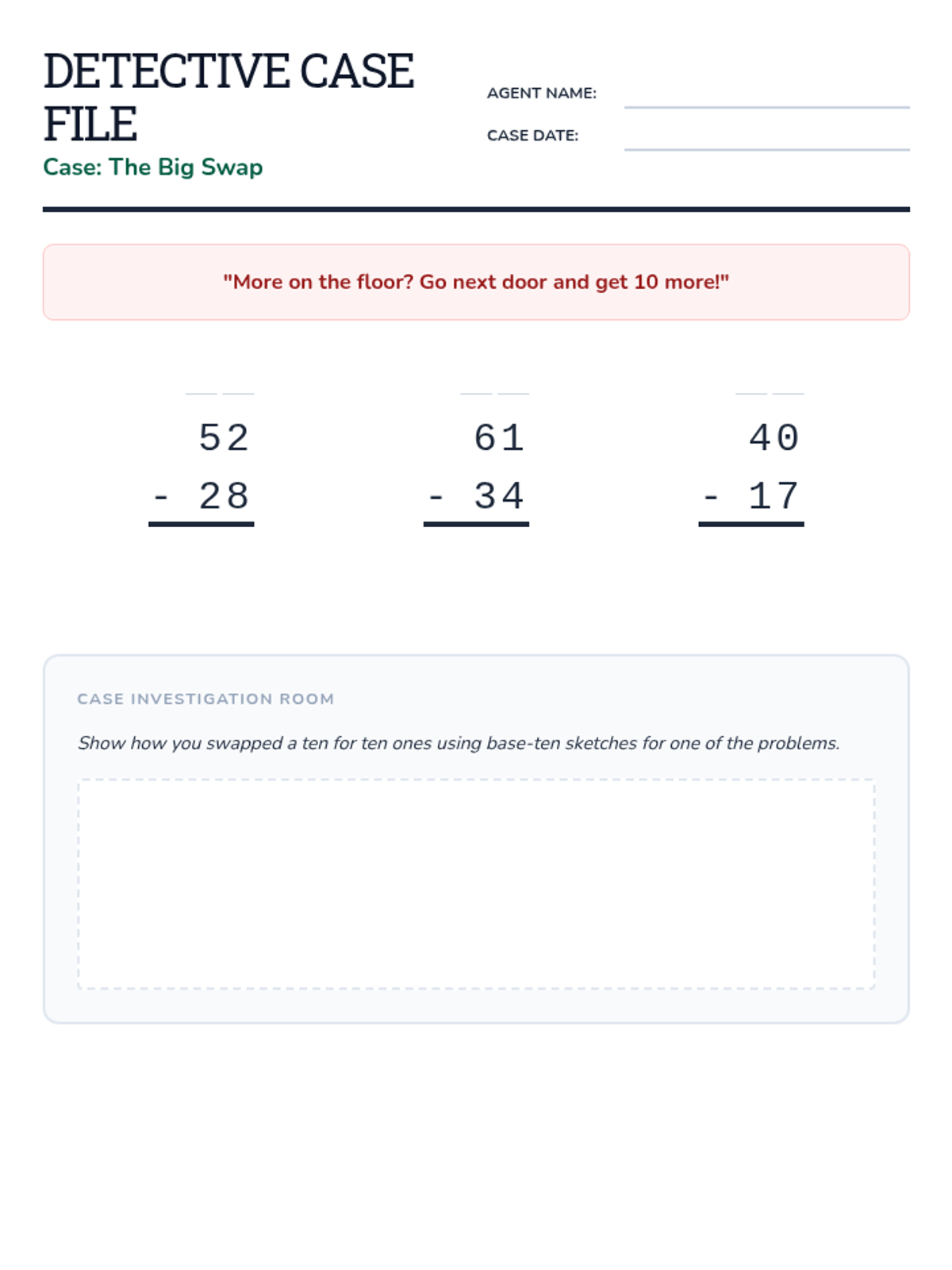
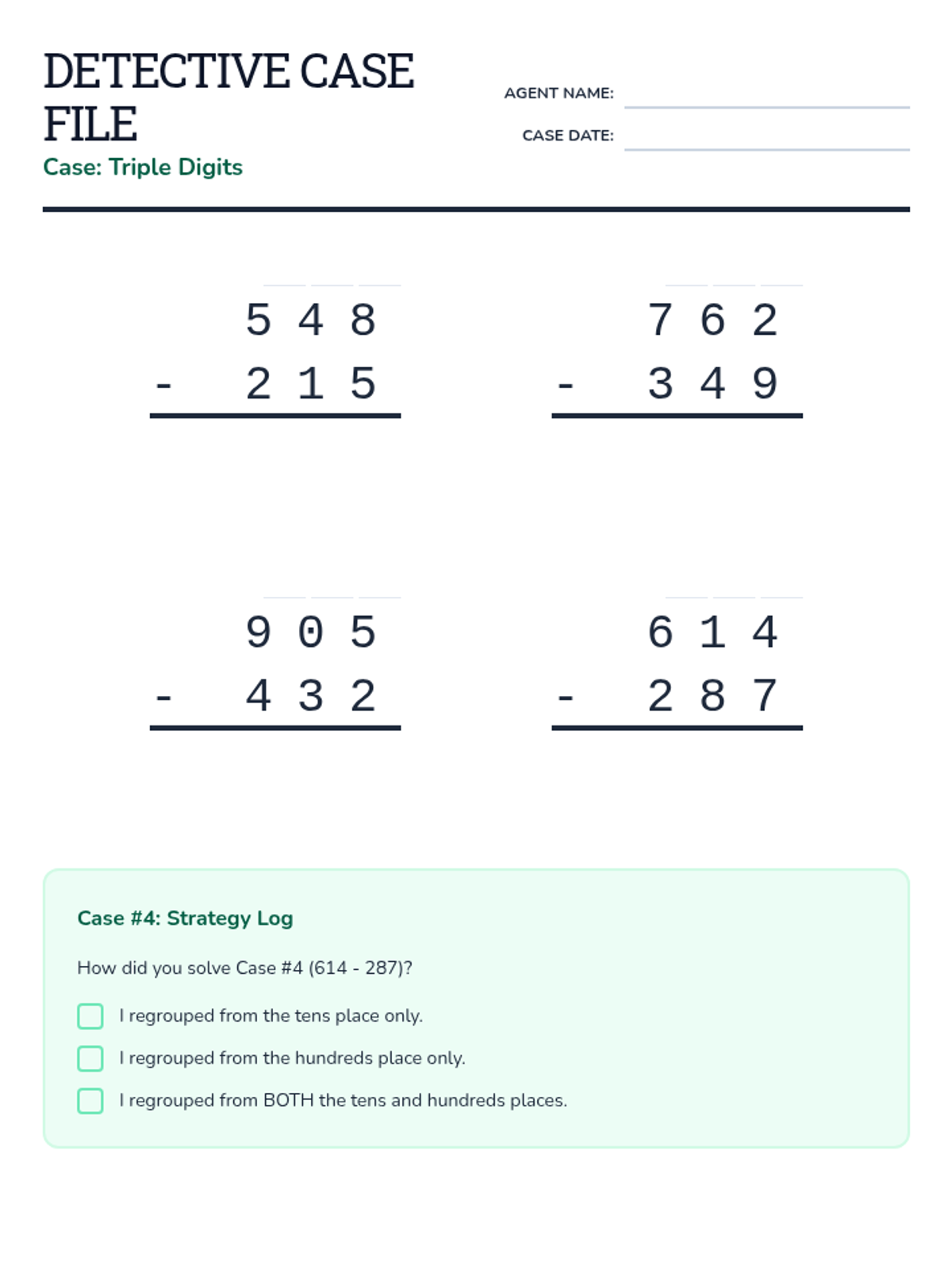
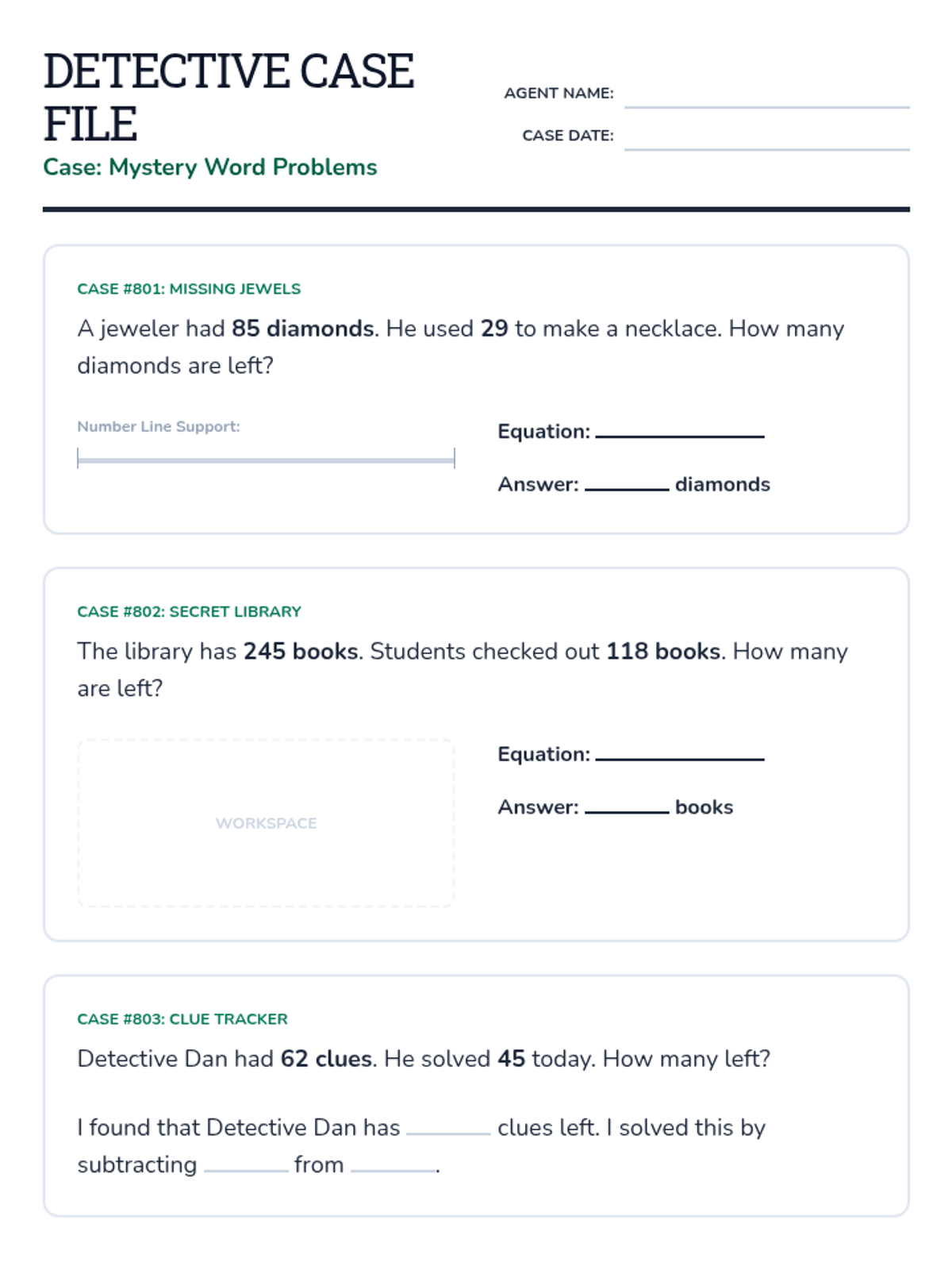
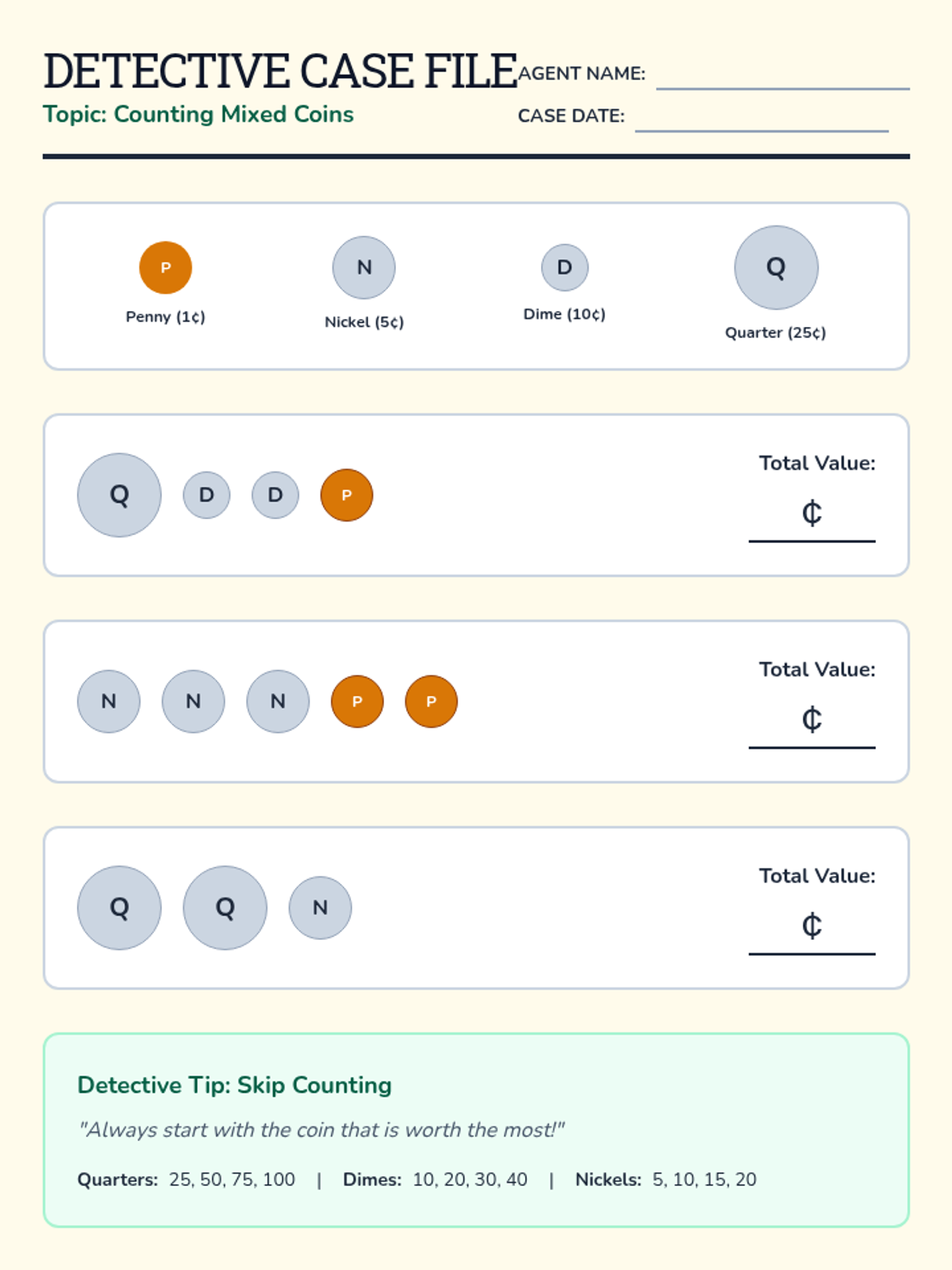
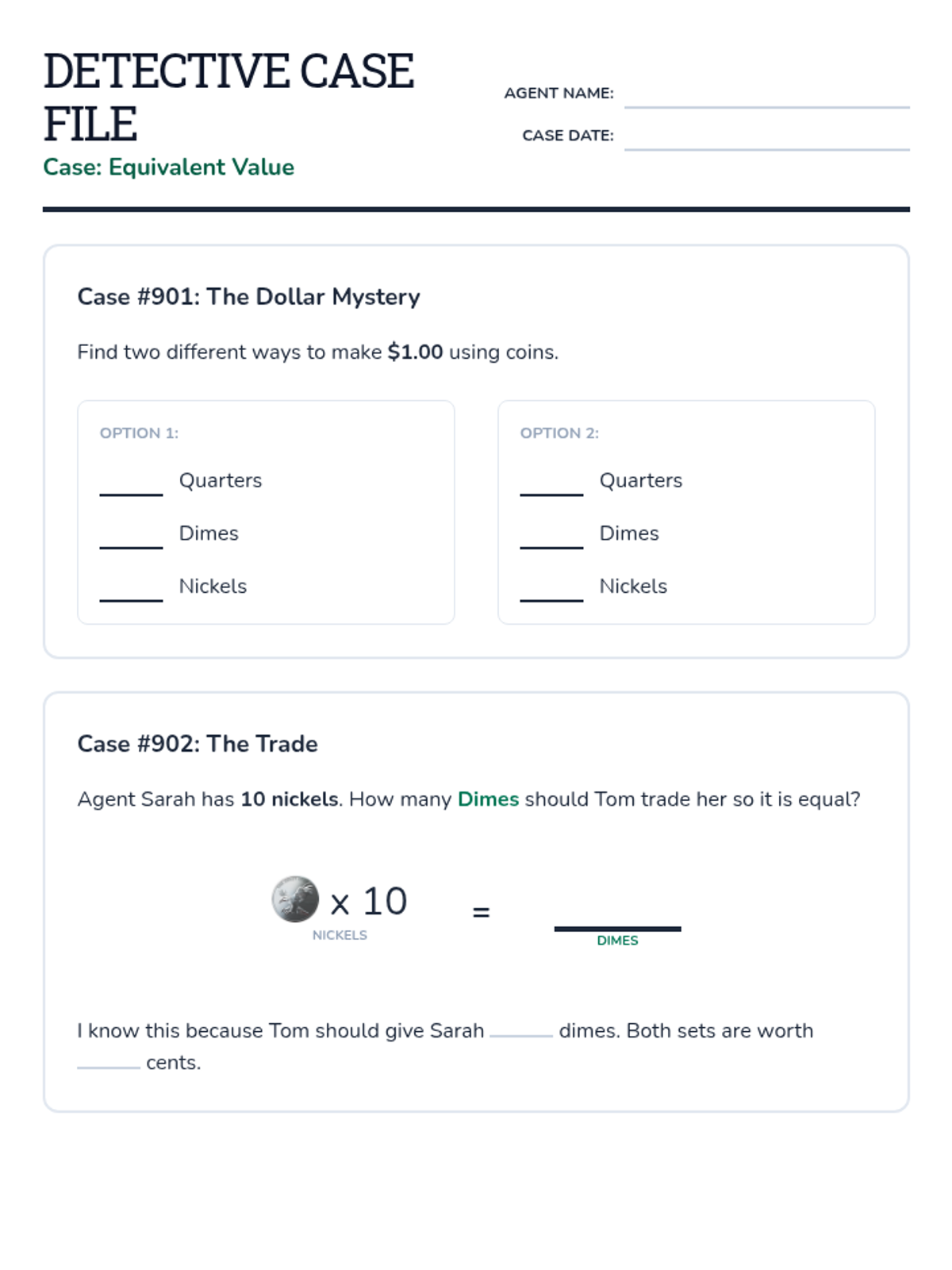
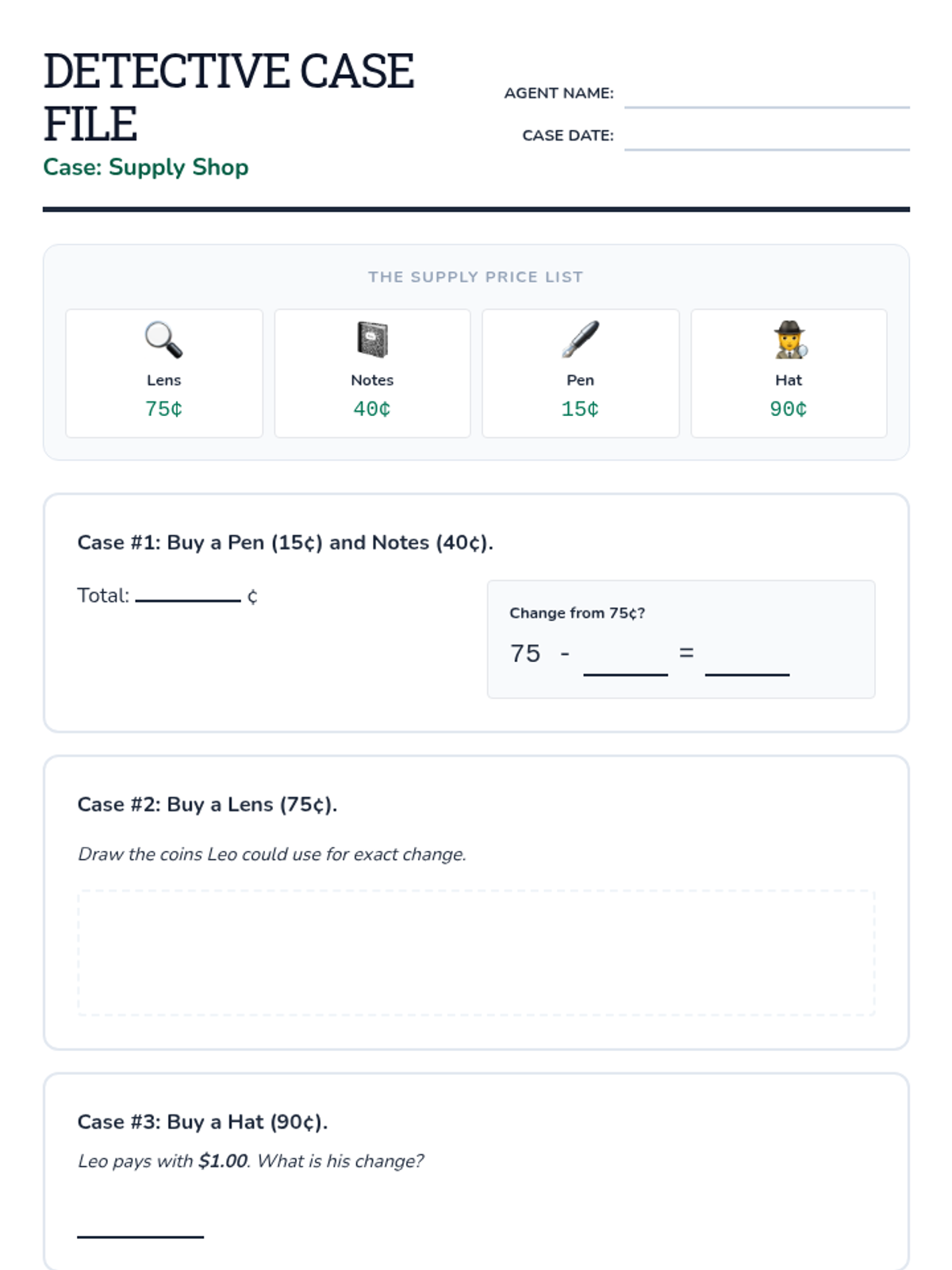
A comprehensive 20-worksheet review packet for 2nd grade math concepts including equal groups, fractions, measurement, place value, subtraction, and money, all themed as a 'Math Detective' case file.
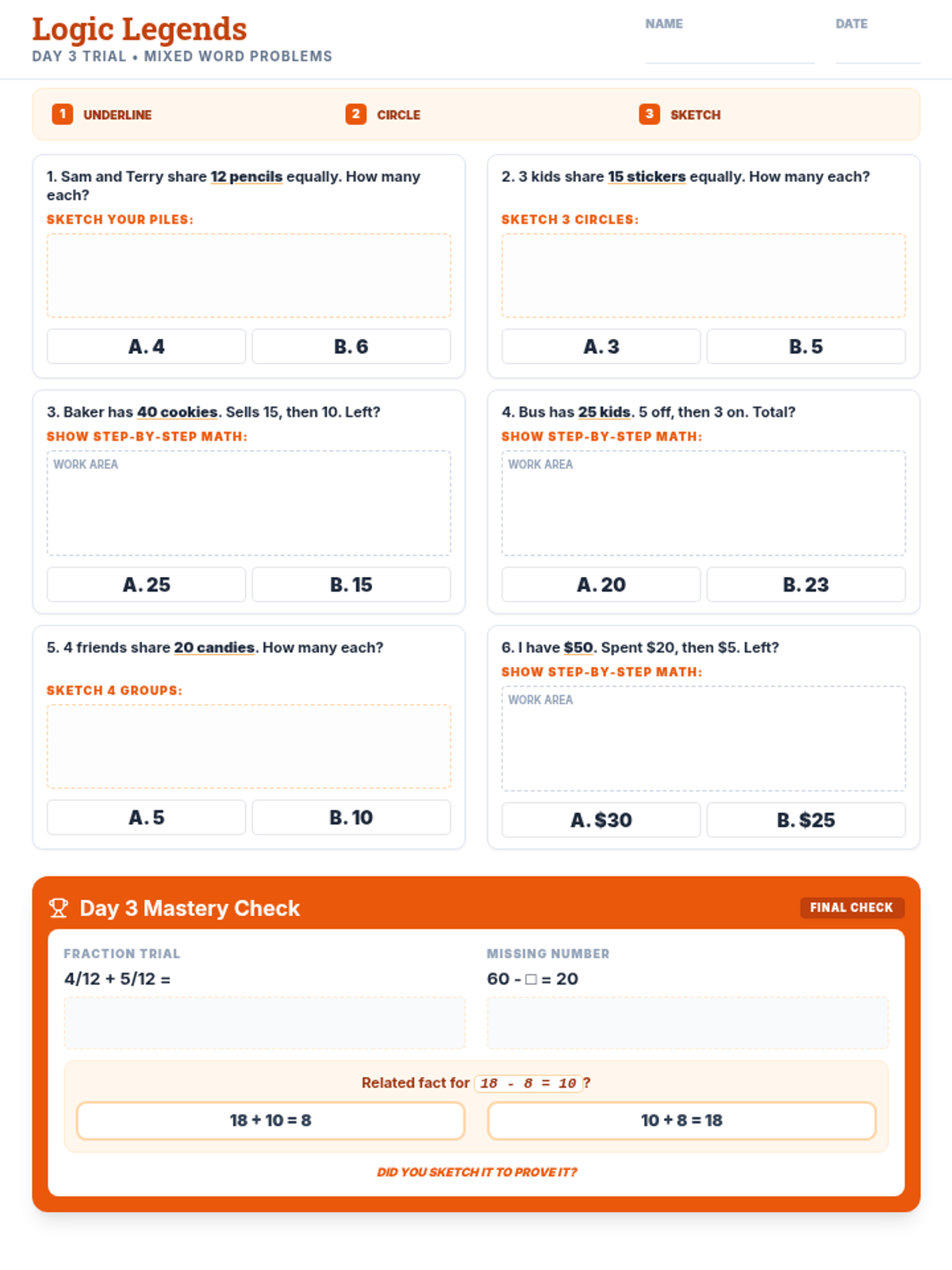
Students apply computation skills to solve real-world word problems involving equal groups and multi-step addition and subtraction.
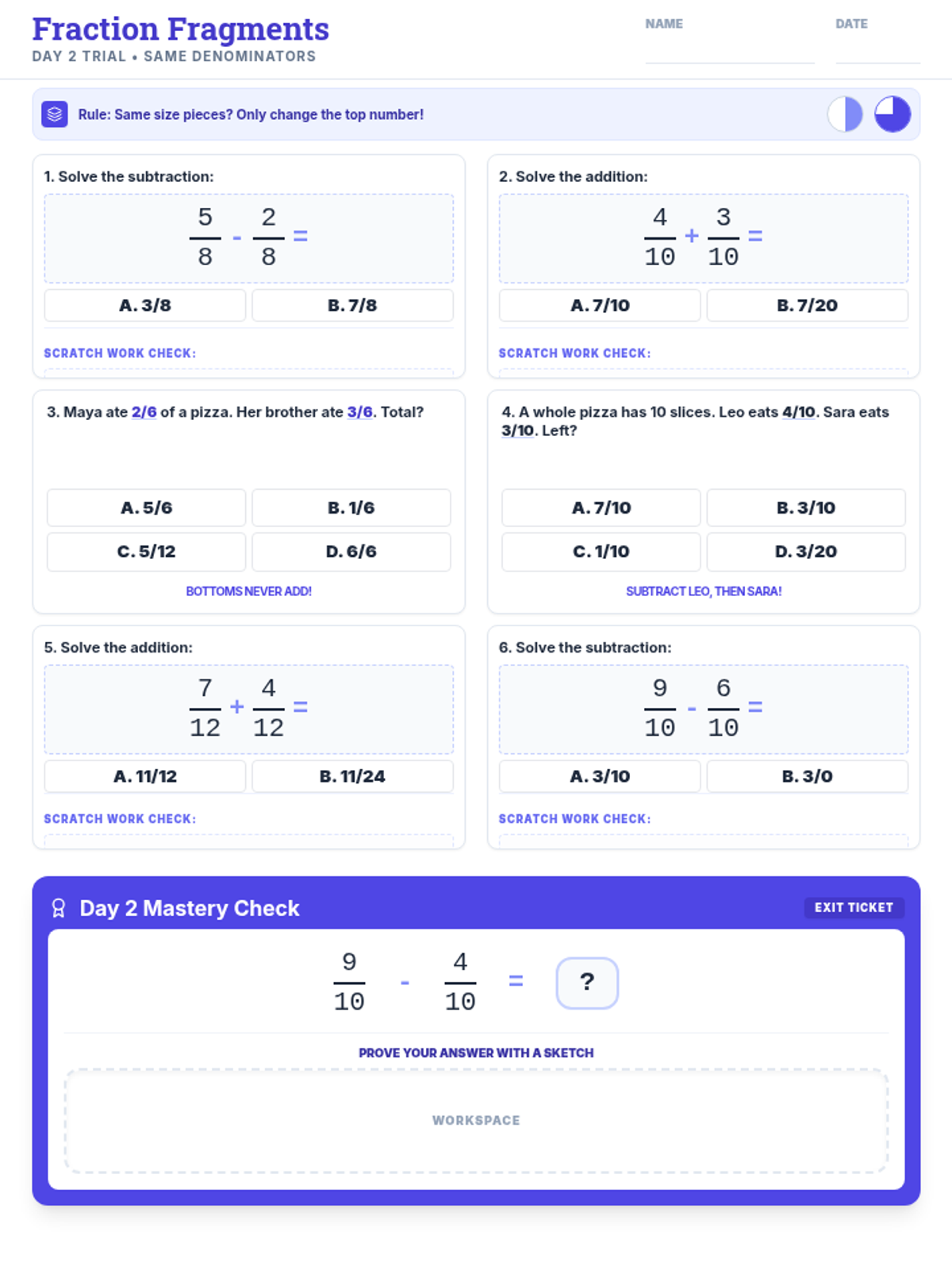
Students explore adding and subtracting fractions with common denominators using visual models and symbolic computation.
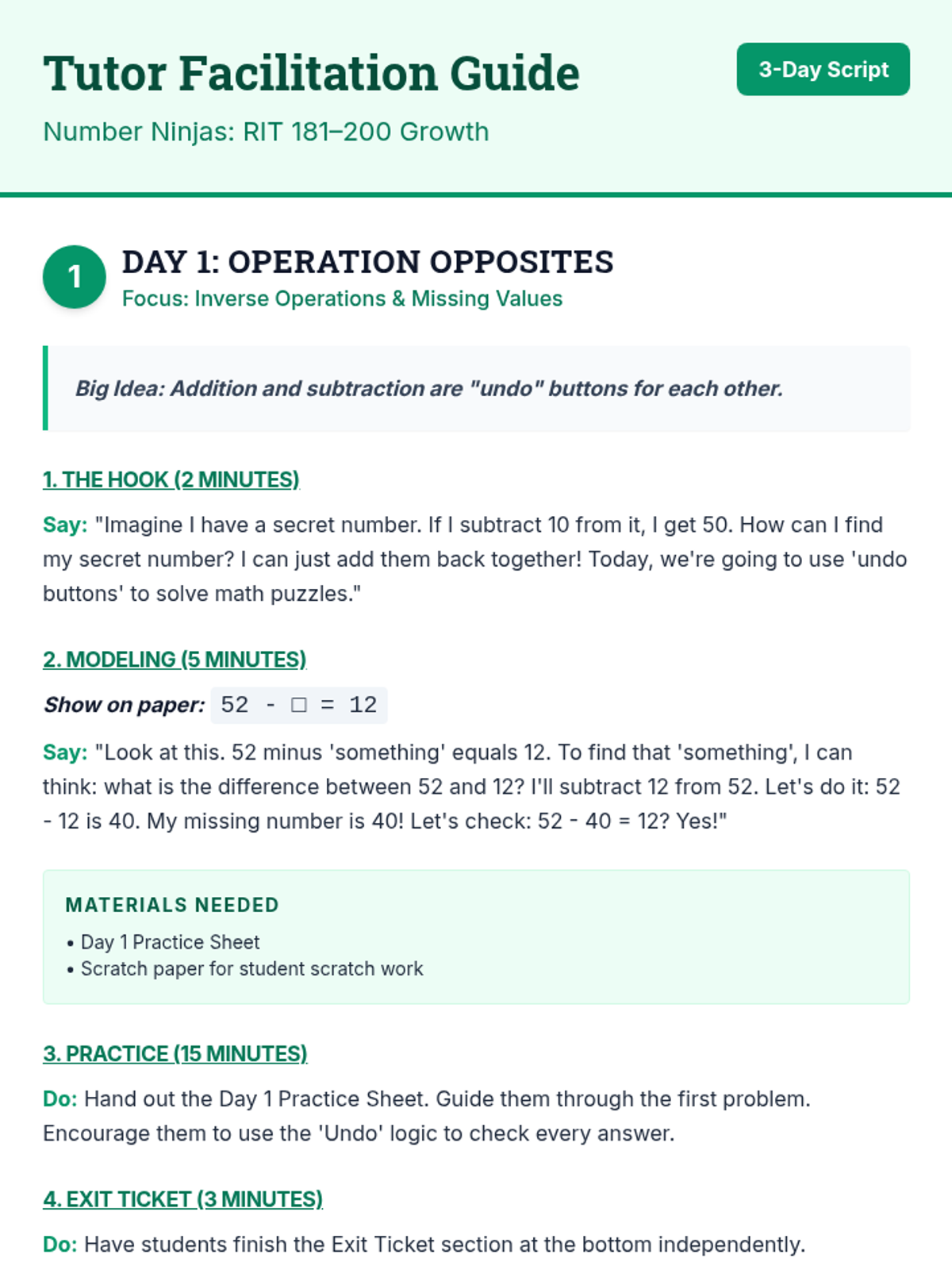
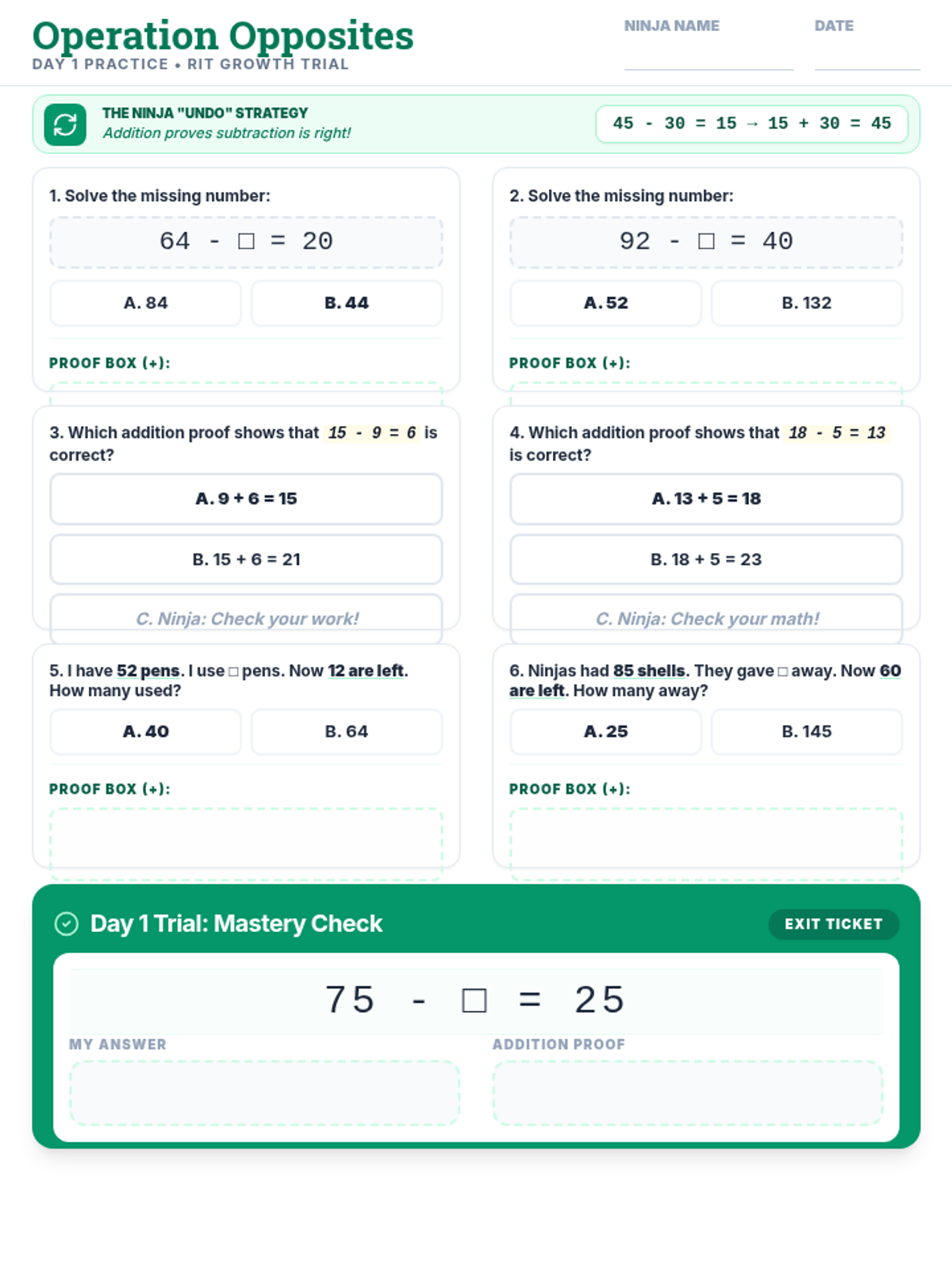
Students learn to use the relationship between addition and subtraction to solve for missing numbers and check their work, bridging the gap from simple subtraction to algebraic thinking.
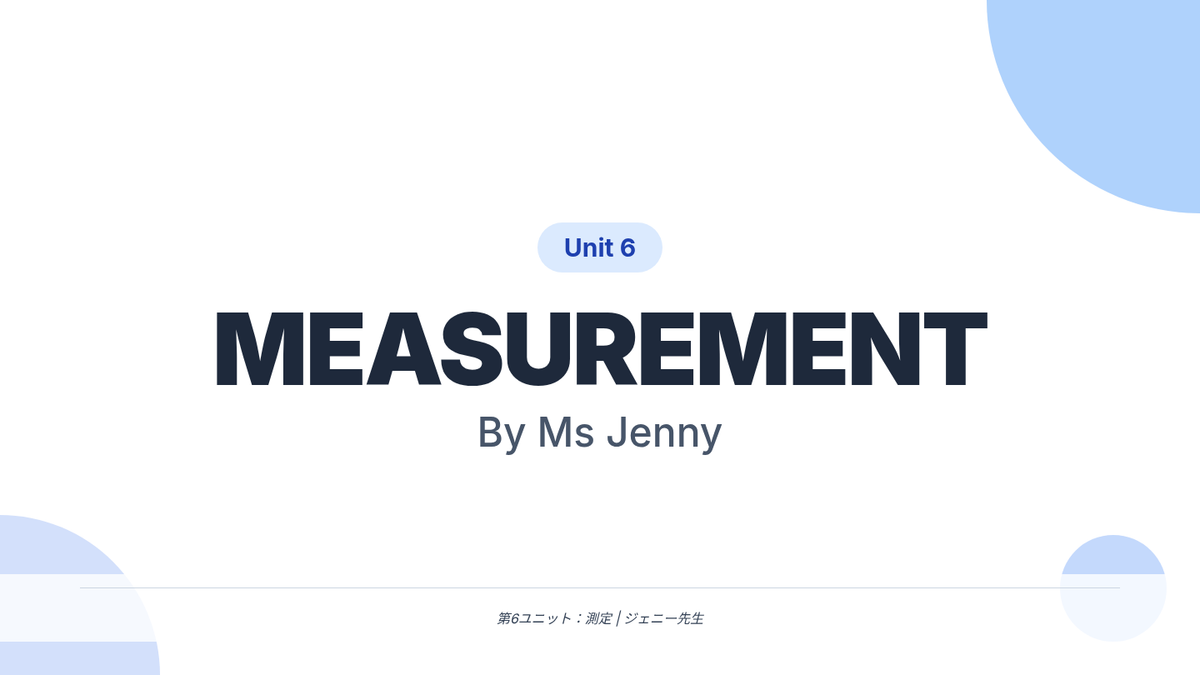
A foundational lesson on measurement, specifically focusing on inches and half-inches, translated into Japanese. Students learn to partition rulers and record data.
A comprehensive introduction to measurement, focusing on length, using inches and halves of an inch. Students learn to use rulers, collect data, and represent it on line plots while developing precision in their measurements.
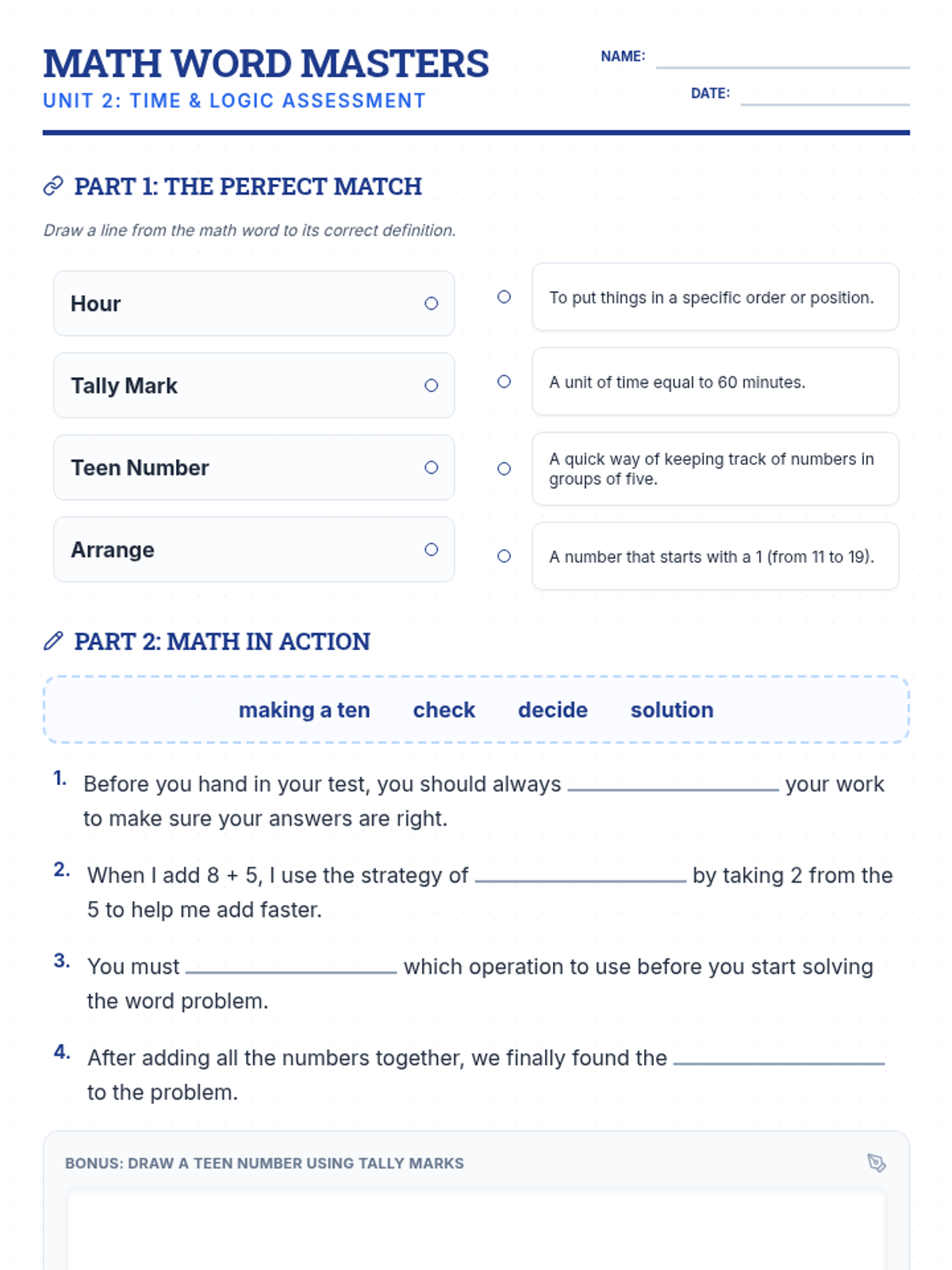
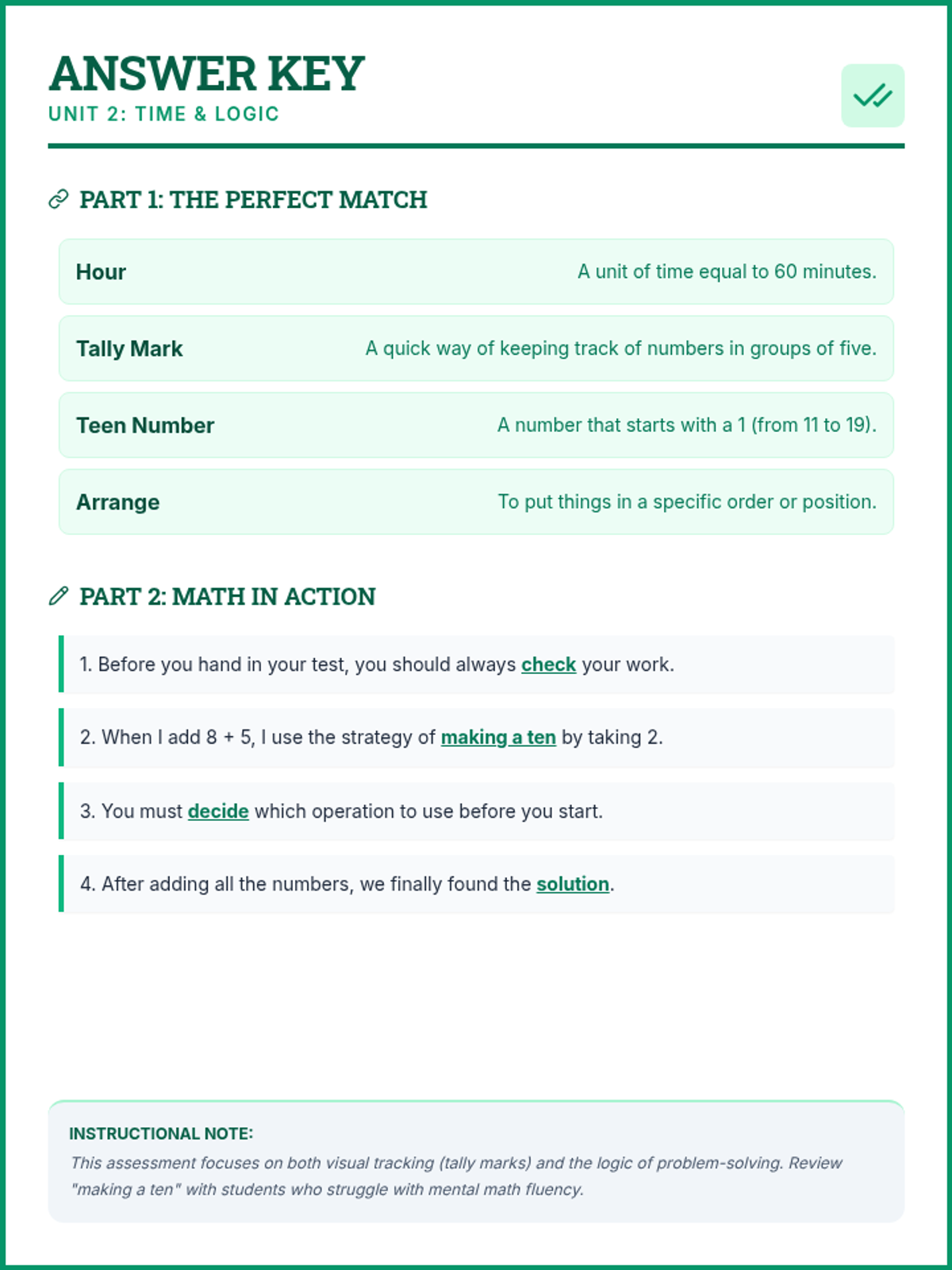
Vocabulary assessment for Unit 2 covering time, counting, and problem-solving strategies.
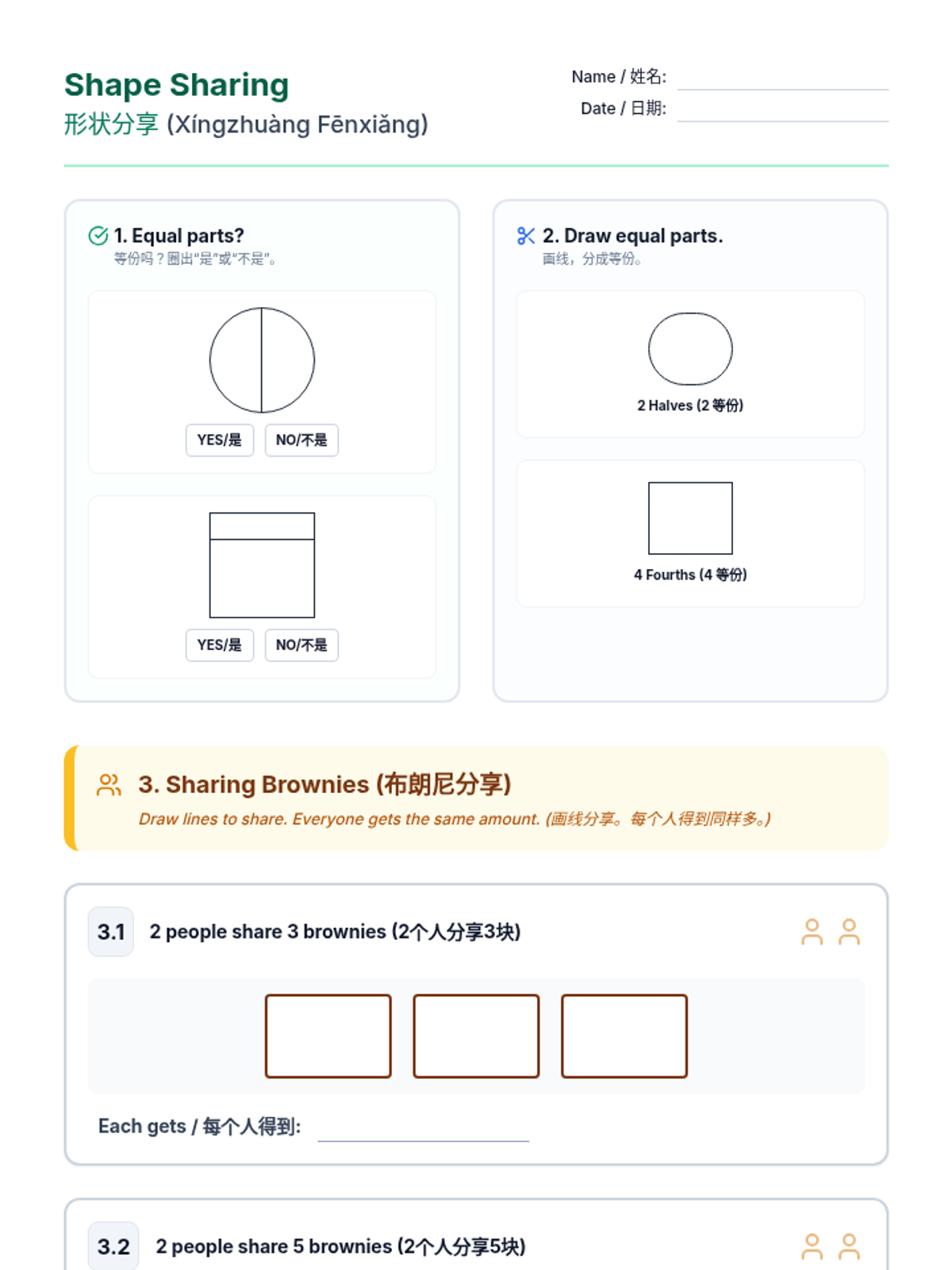
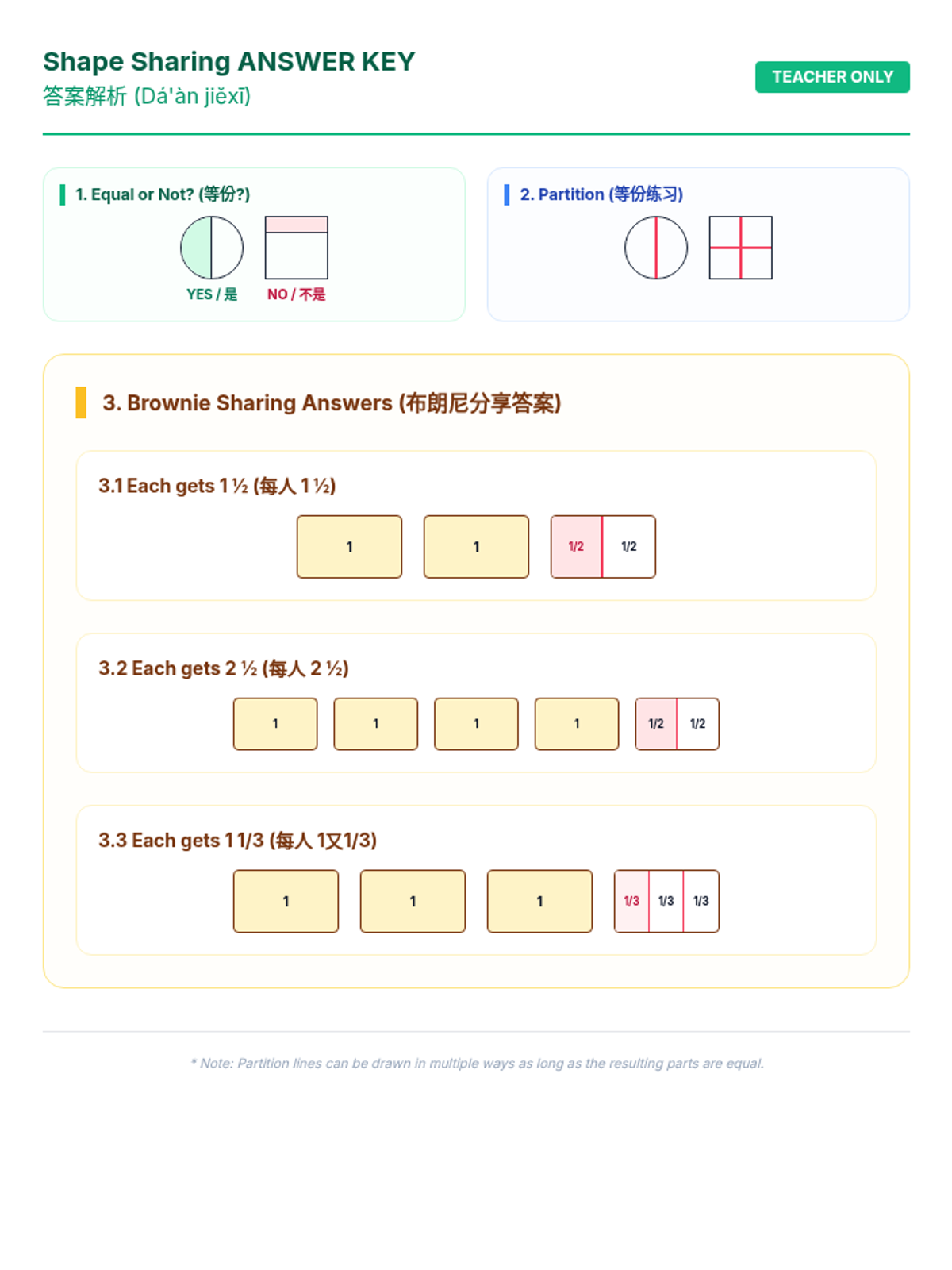
A bilingual (English/Simplified Chinese) lesson on partitioning shapes into equal shares (halves and fourths) for Level 1 ELL students. The lesson focuses on visual understanding and basic vocabulary like 'equal', 'half', and 'fourth'.