Techniques for brainstorming, collaborative project management, and individual artistic expression. Guides students through the iterative creative process from initial concept to final execution.
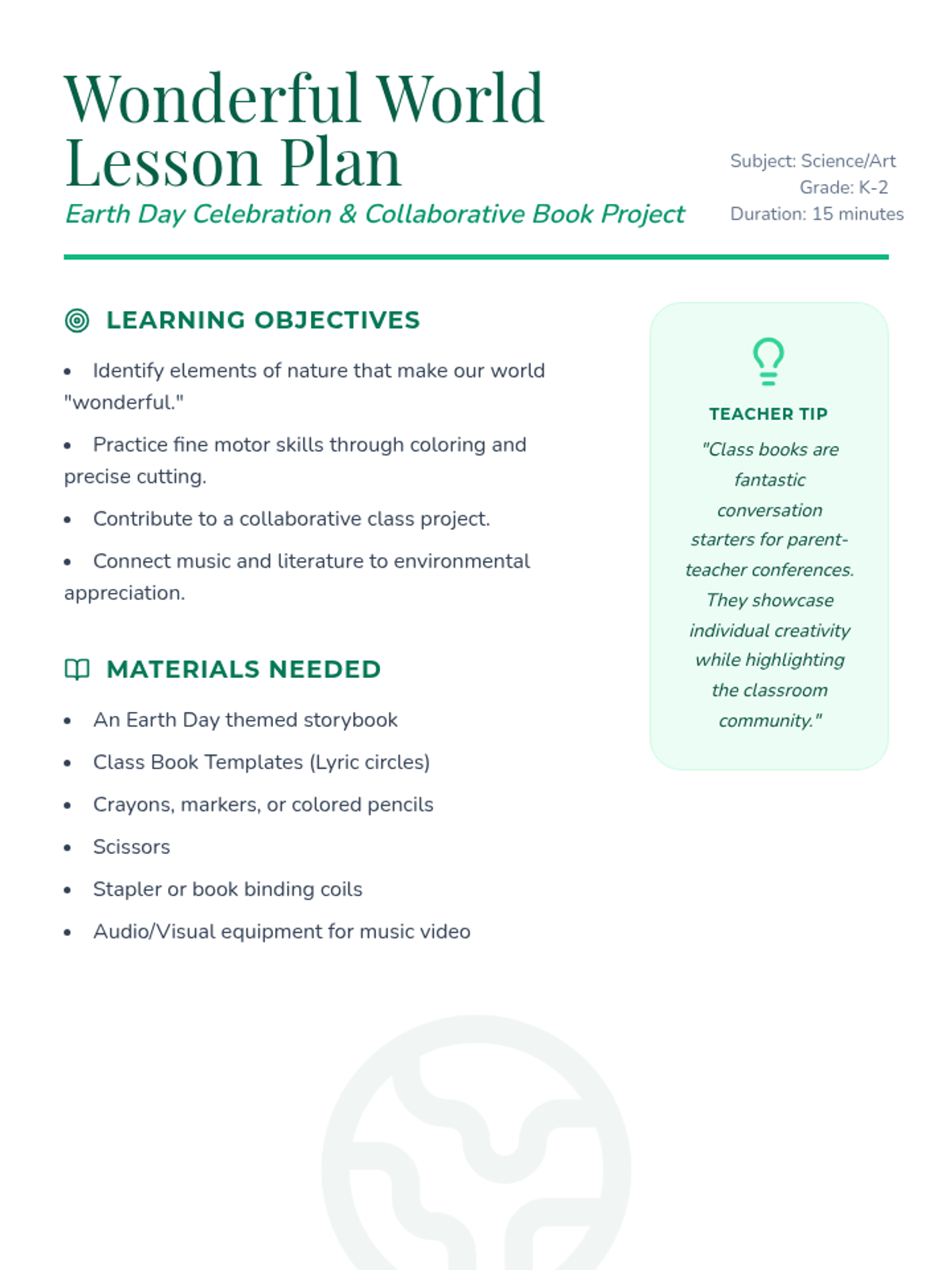
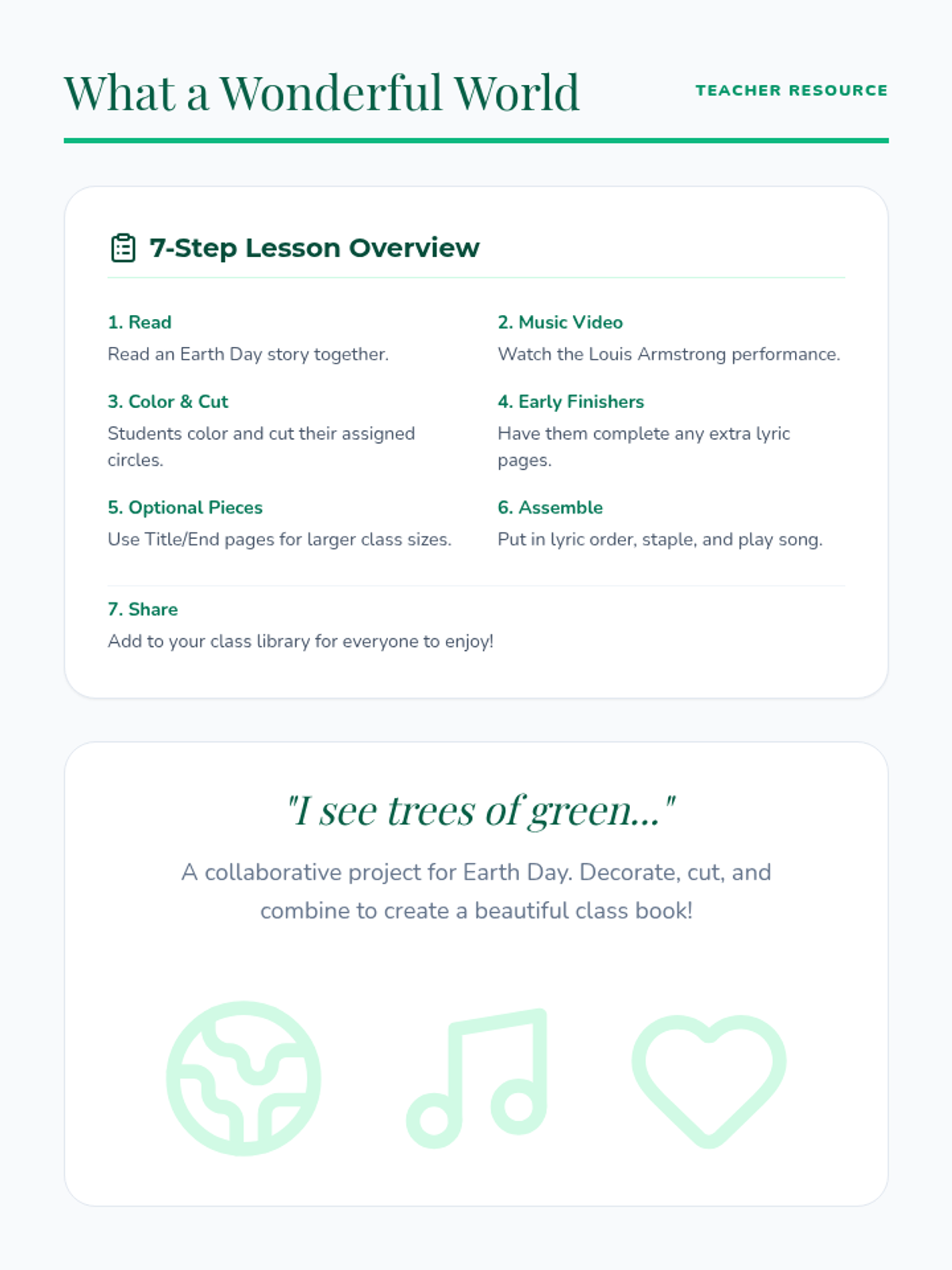
A collaborative Earth Day lesson where students create a class book inspired by Louis Armstrong's 'What a Wonderful World'. Includes a detailed teacher guide and presentation slides with a video embed.
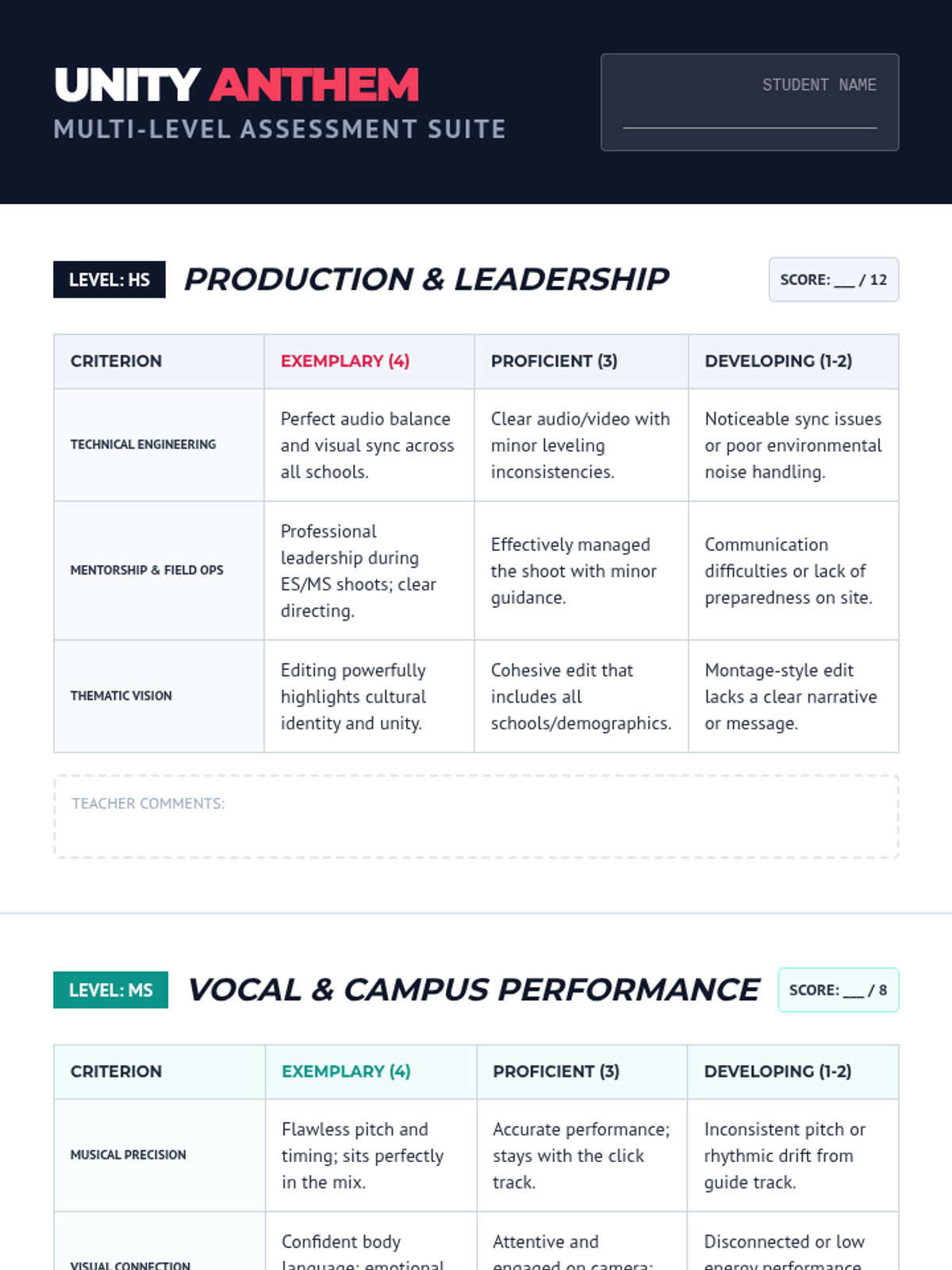
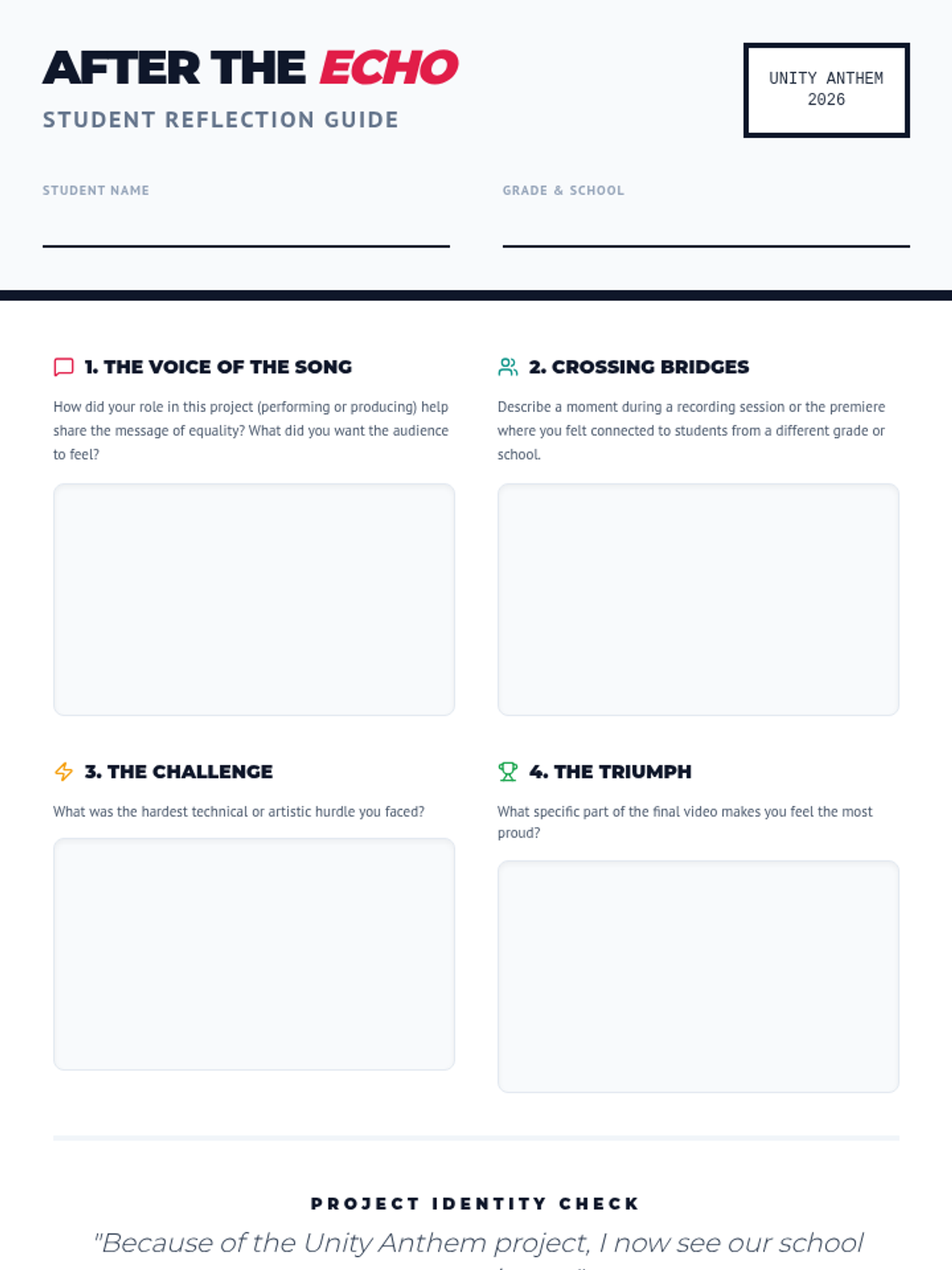
The final premiere of the music video at the All-town Music Tech Showcase, followed by a live performance and student reflection on the collaborative process.
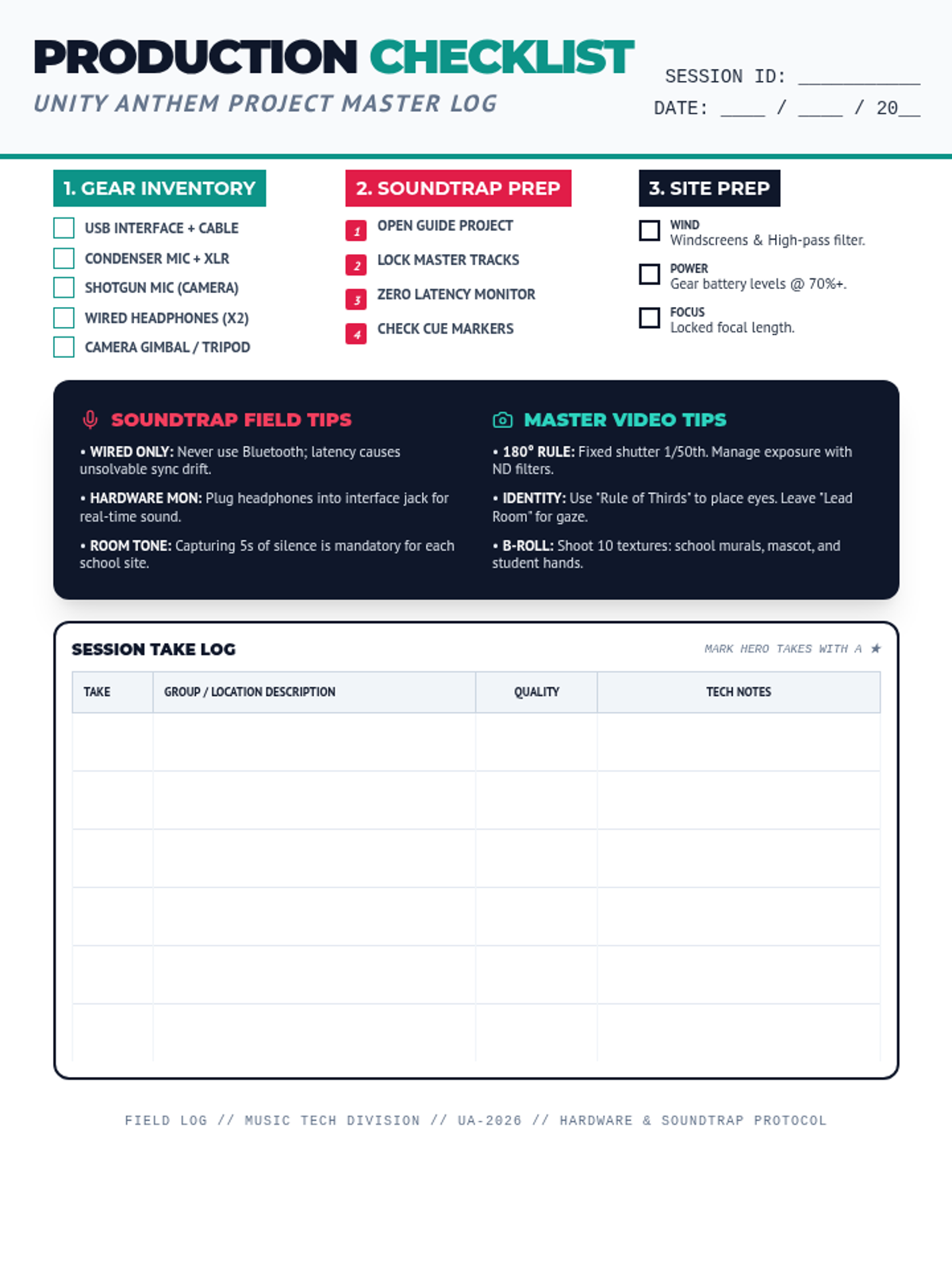
The technical phase involving on-location recordings at elementary and middle schools, followed by high school student-led mixing and video production.
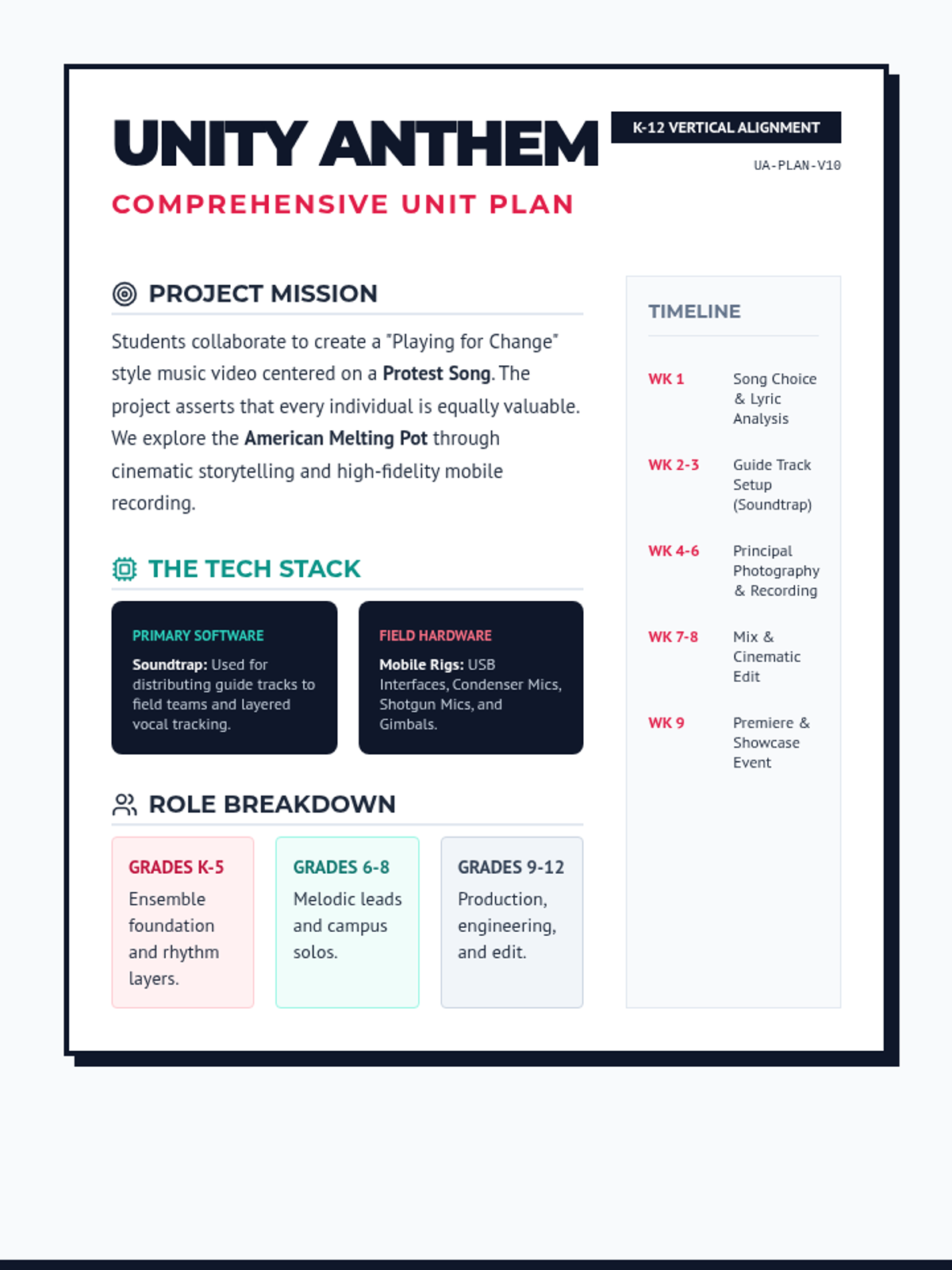
Introduction to the 'Playing for Change' concept, exploring the themes of the chosen protest song, and laying the groundwork for the K-12 collaboration.
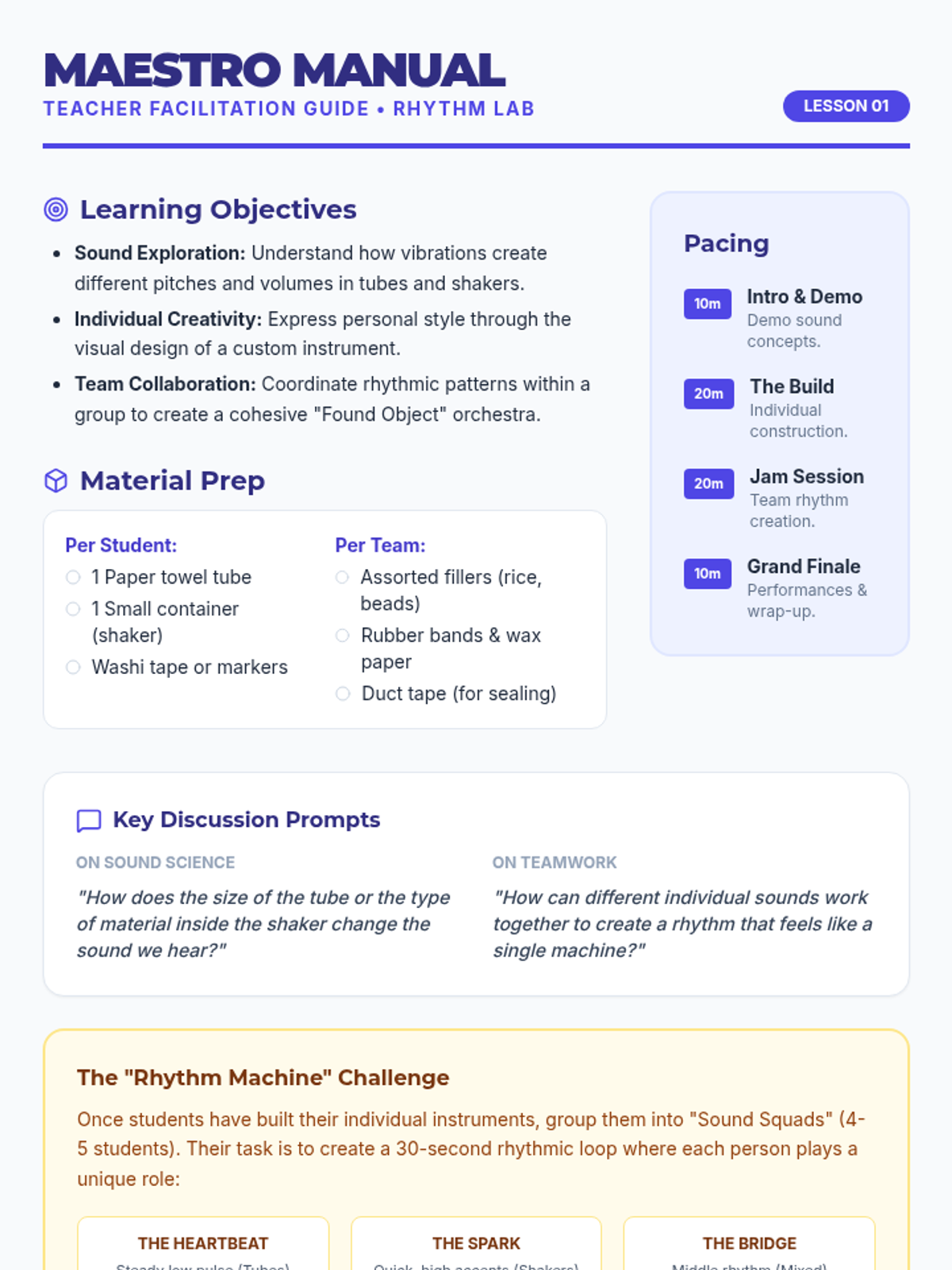
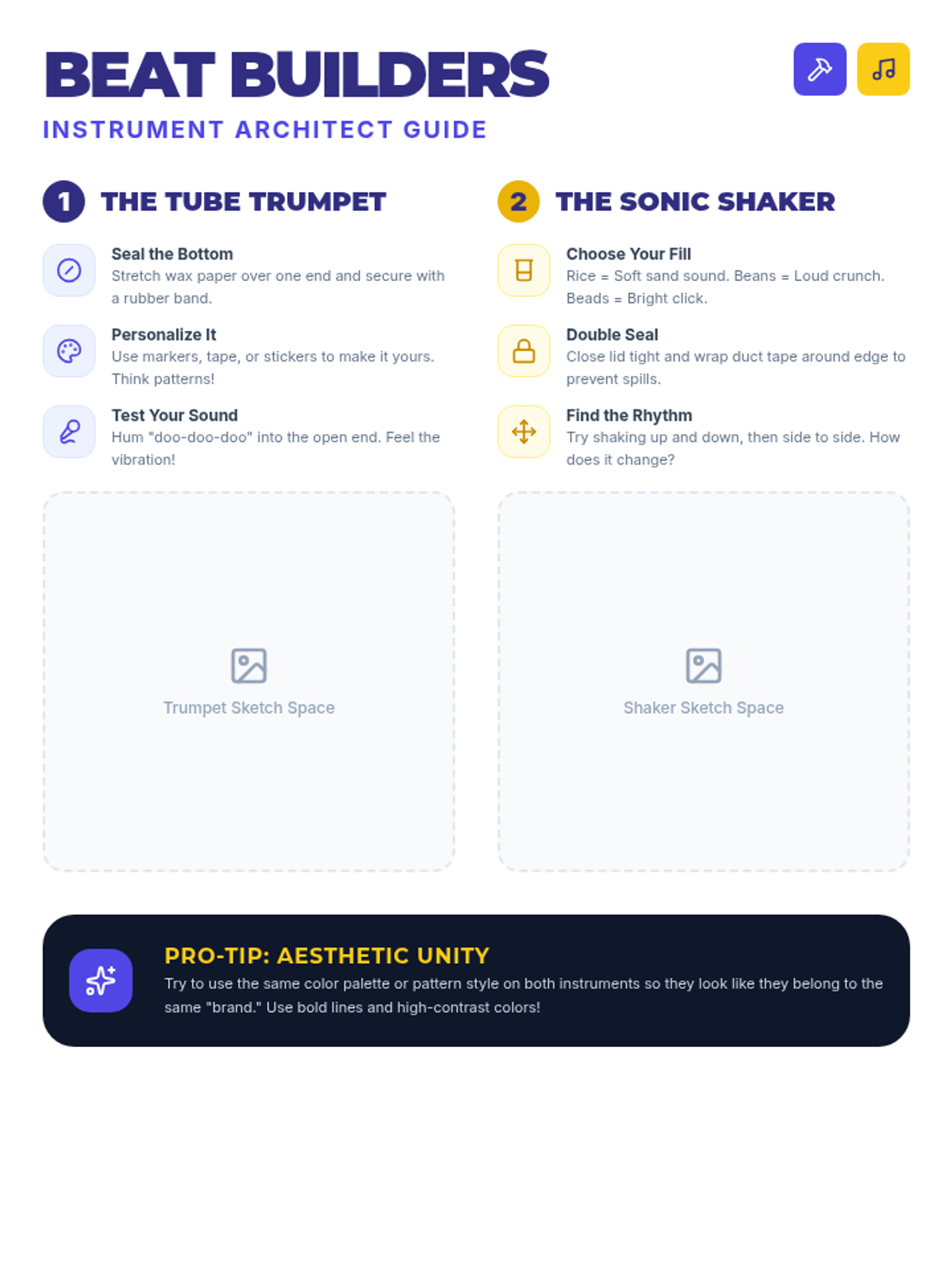
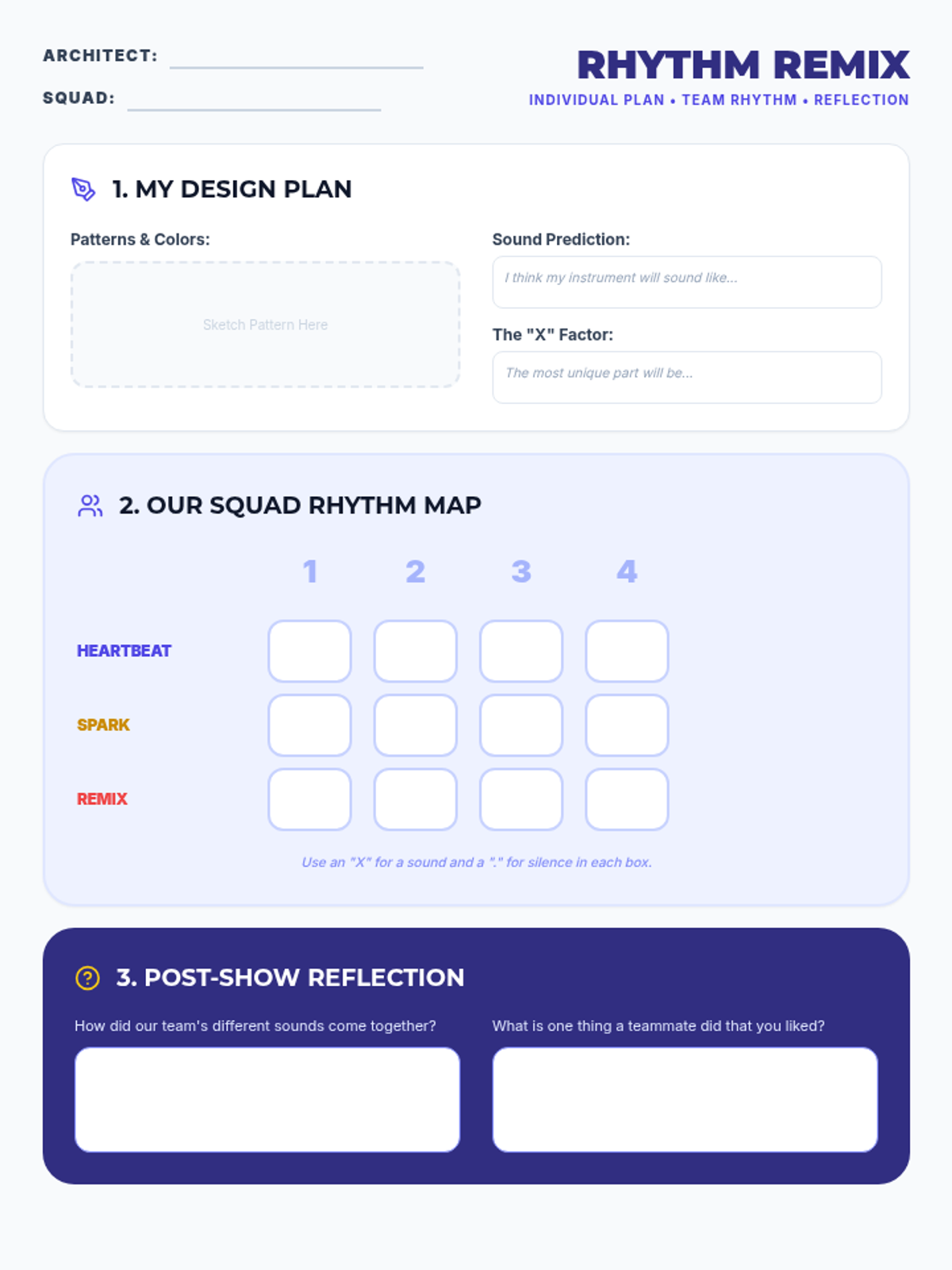
Students explore the science and art of sound by constructing DIY instruments from recycled materials. The lesson emphasizes individual creative design followed by a collaborative team performance.
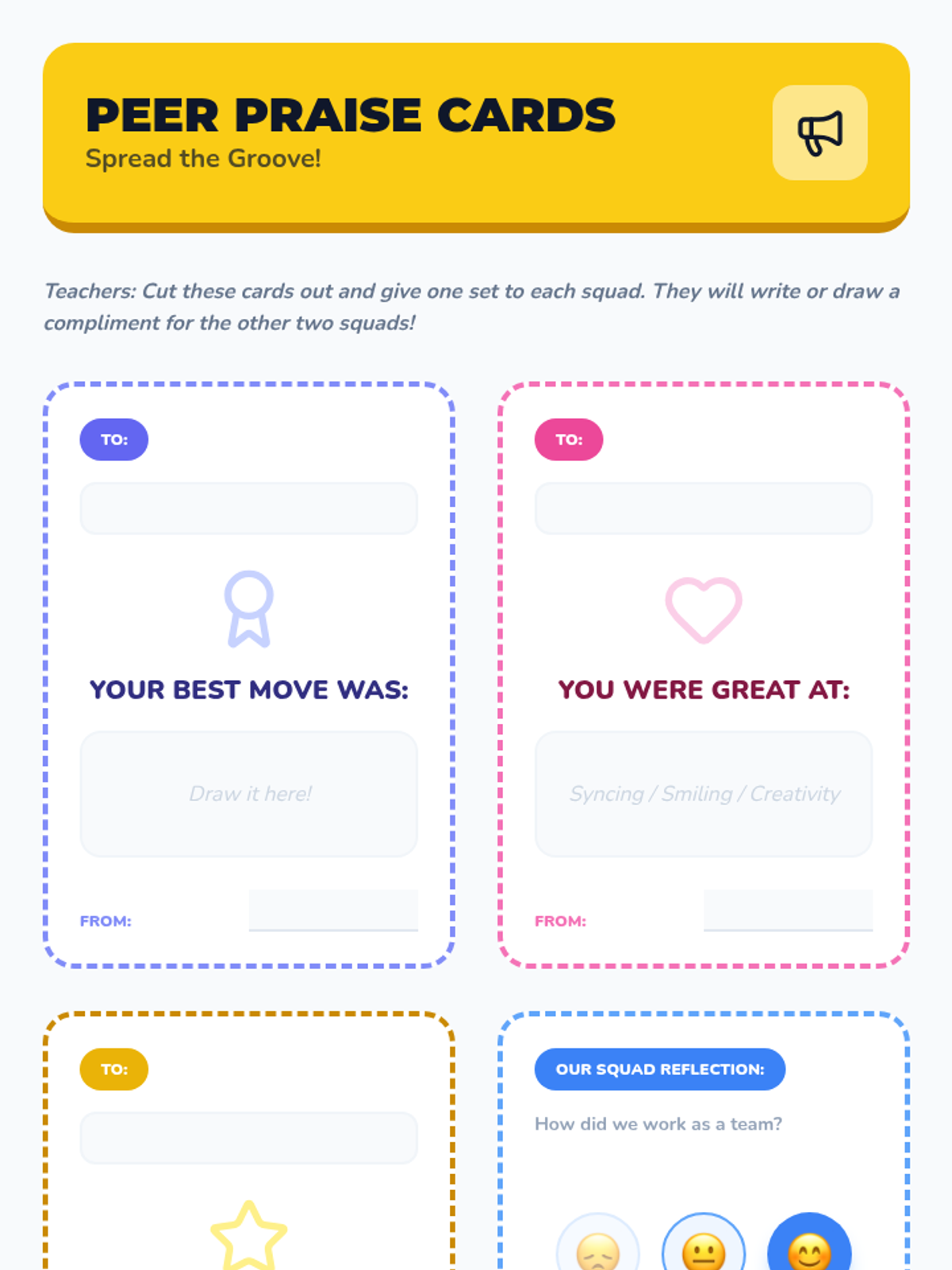
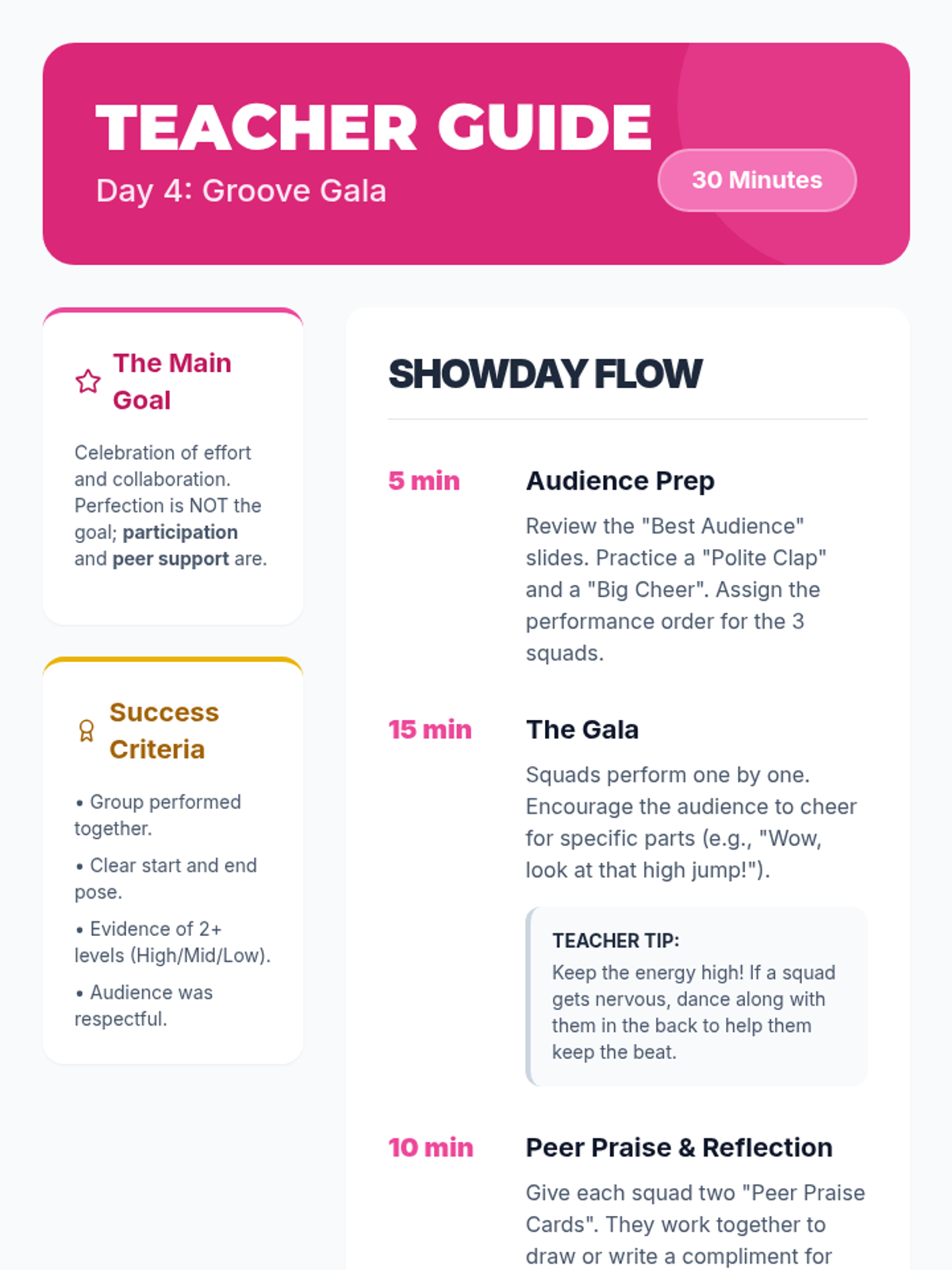
The final performance day where groups showcase their choreography and celebrate each other's creativity.
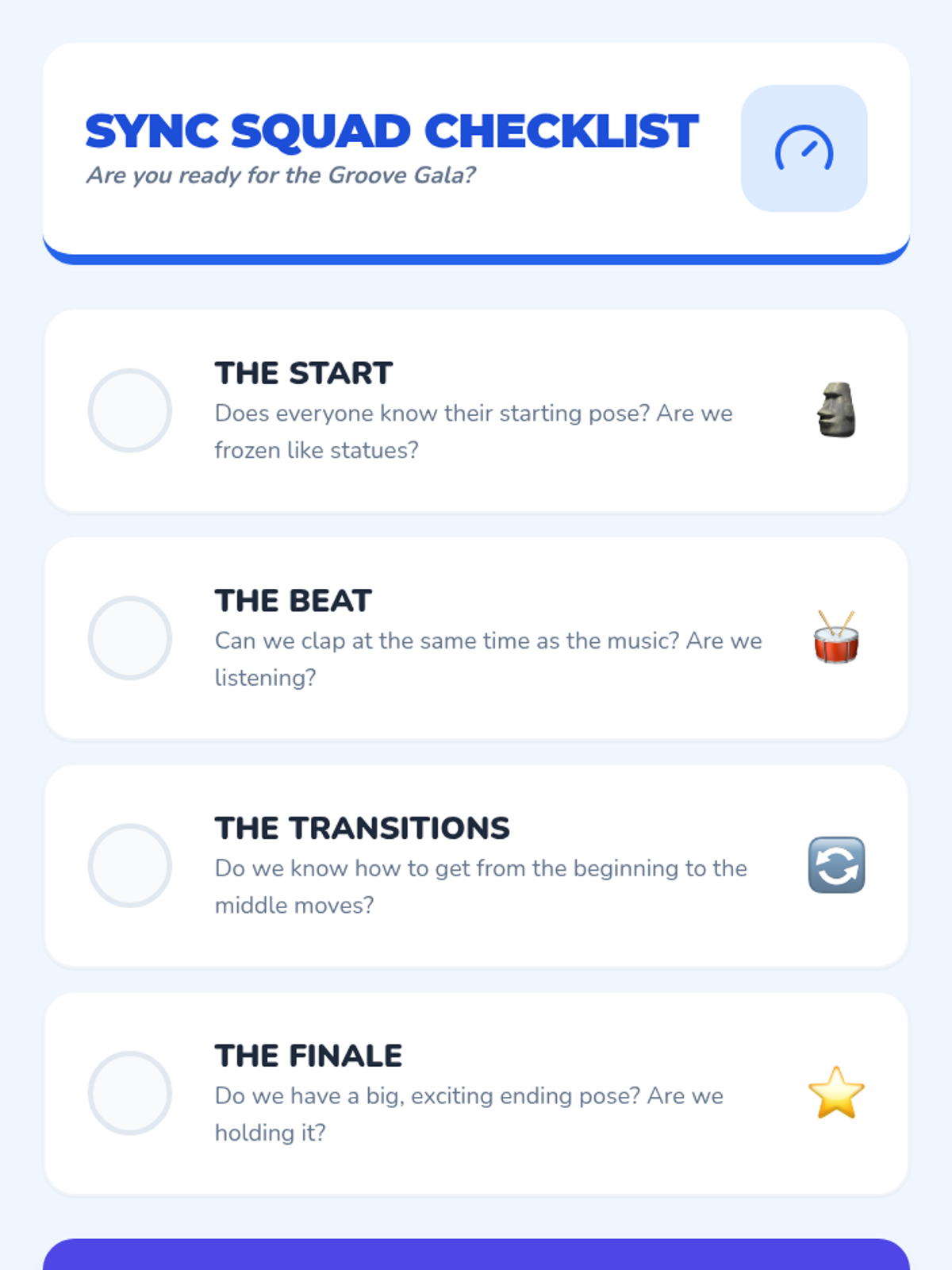
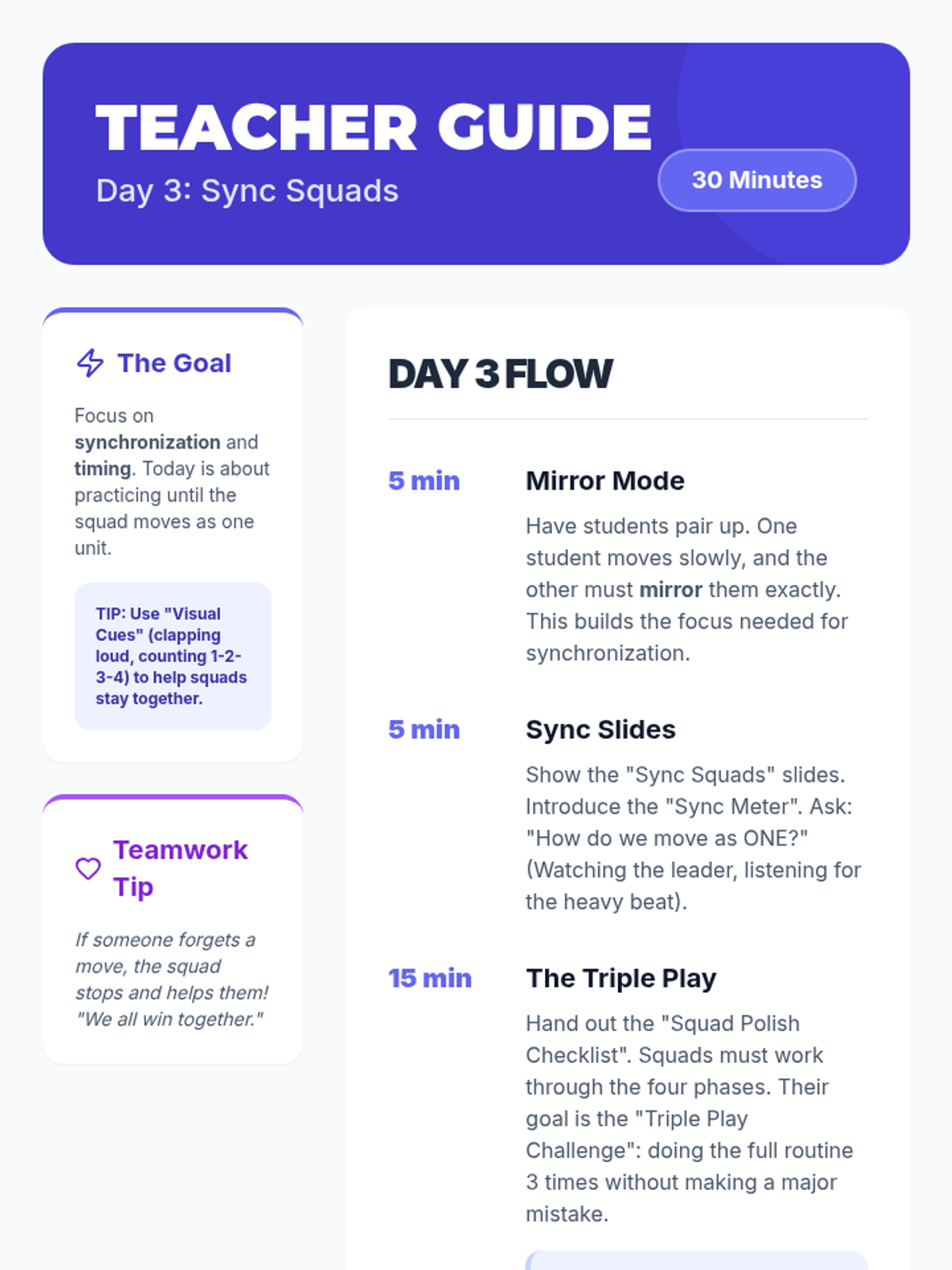
Squads practice their full routine, adding transitions and ensuring every member is in sync.
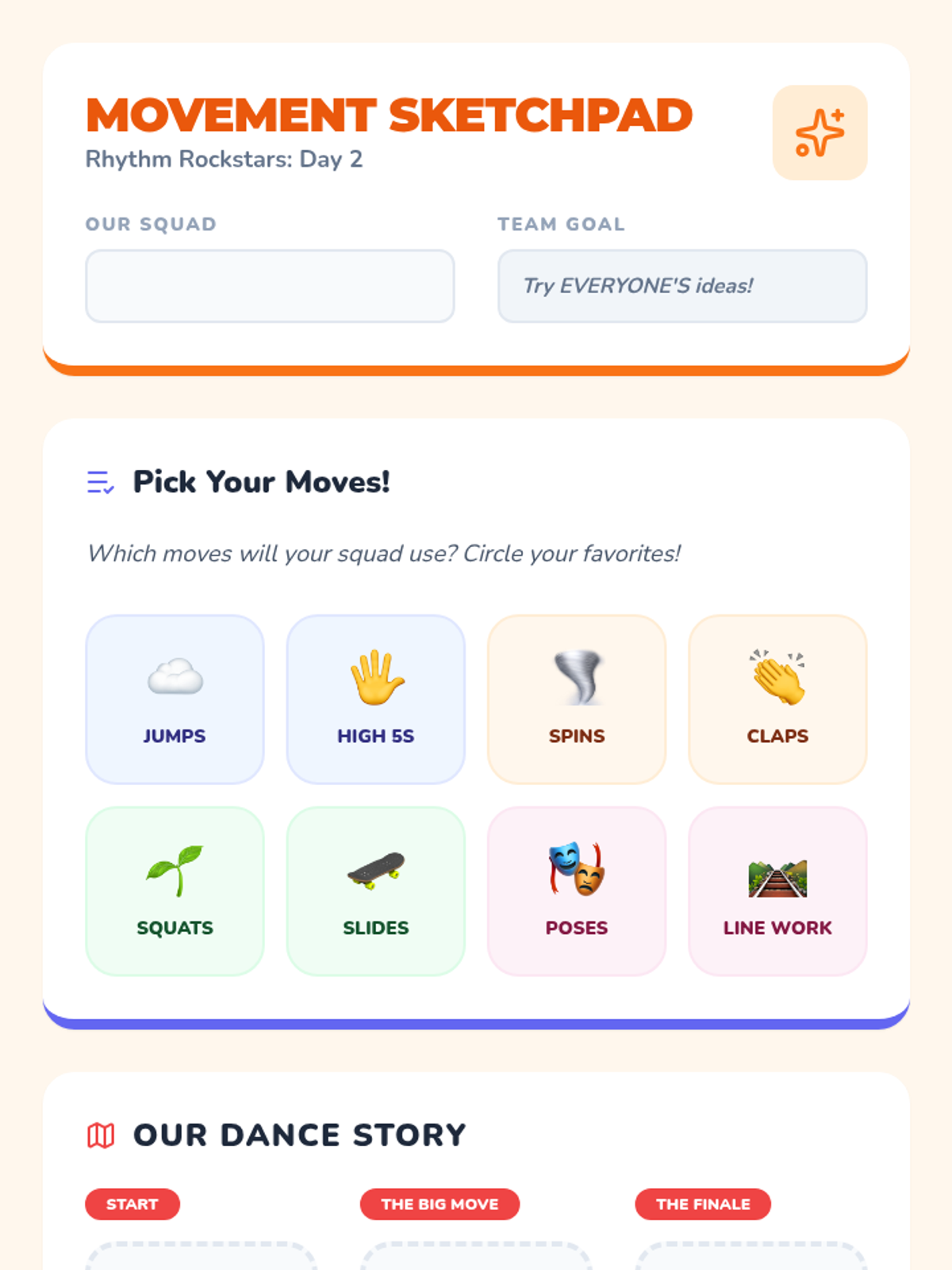
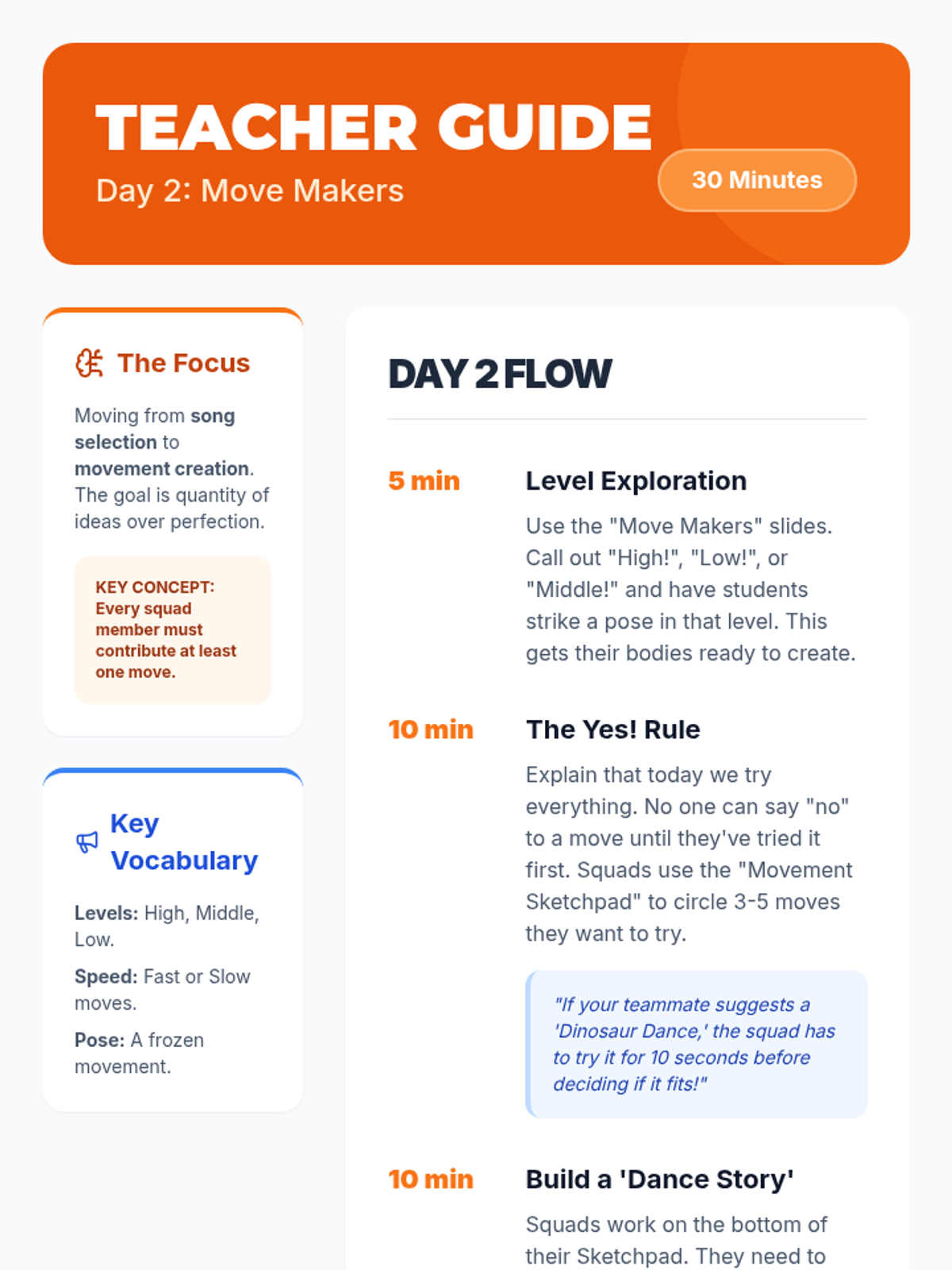
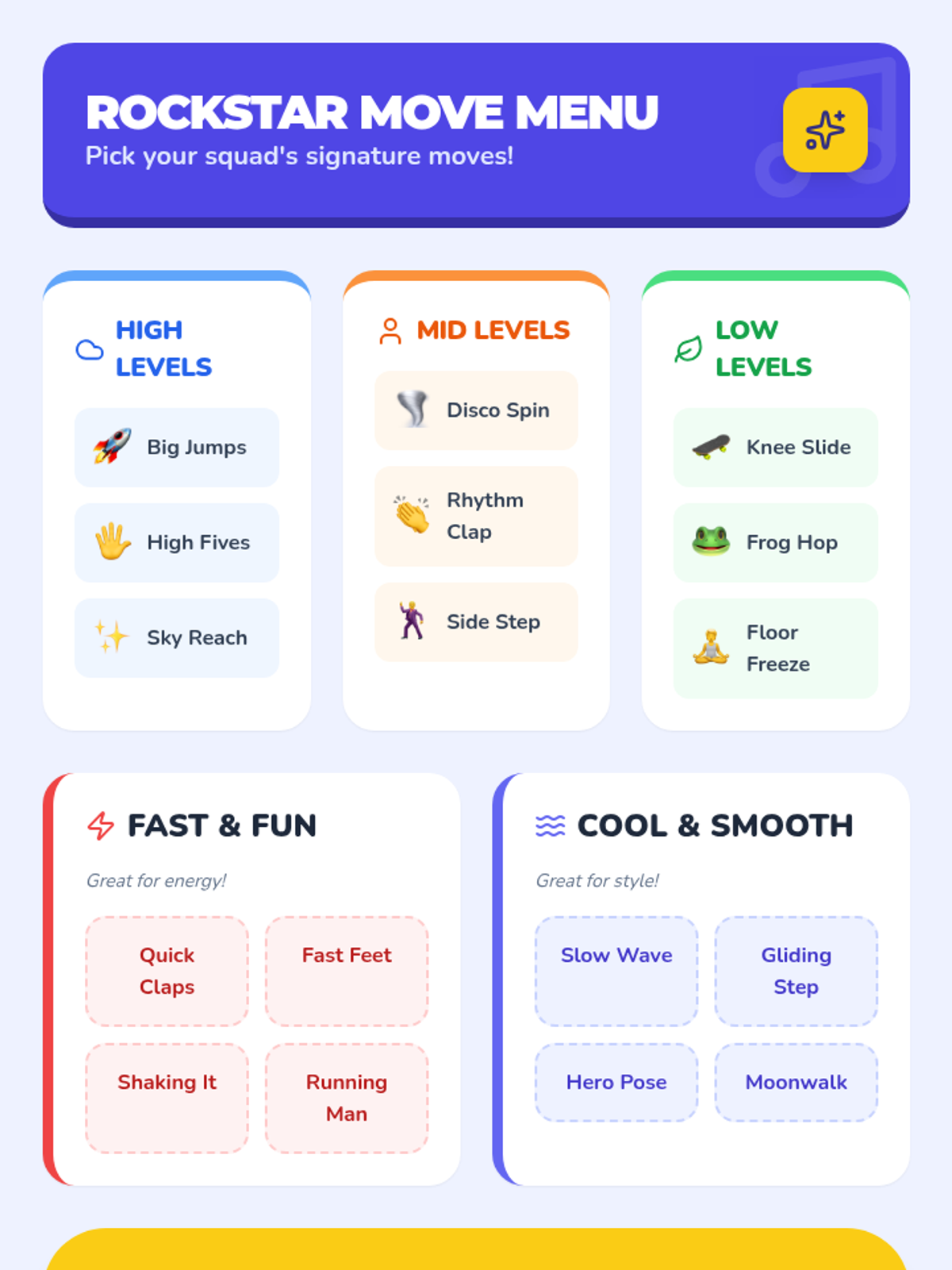
Groups brainstorm dance moves using different levels and speeds, focusing on including everyone's ideas.
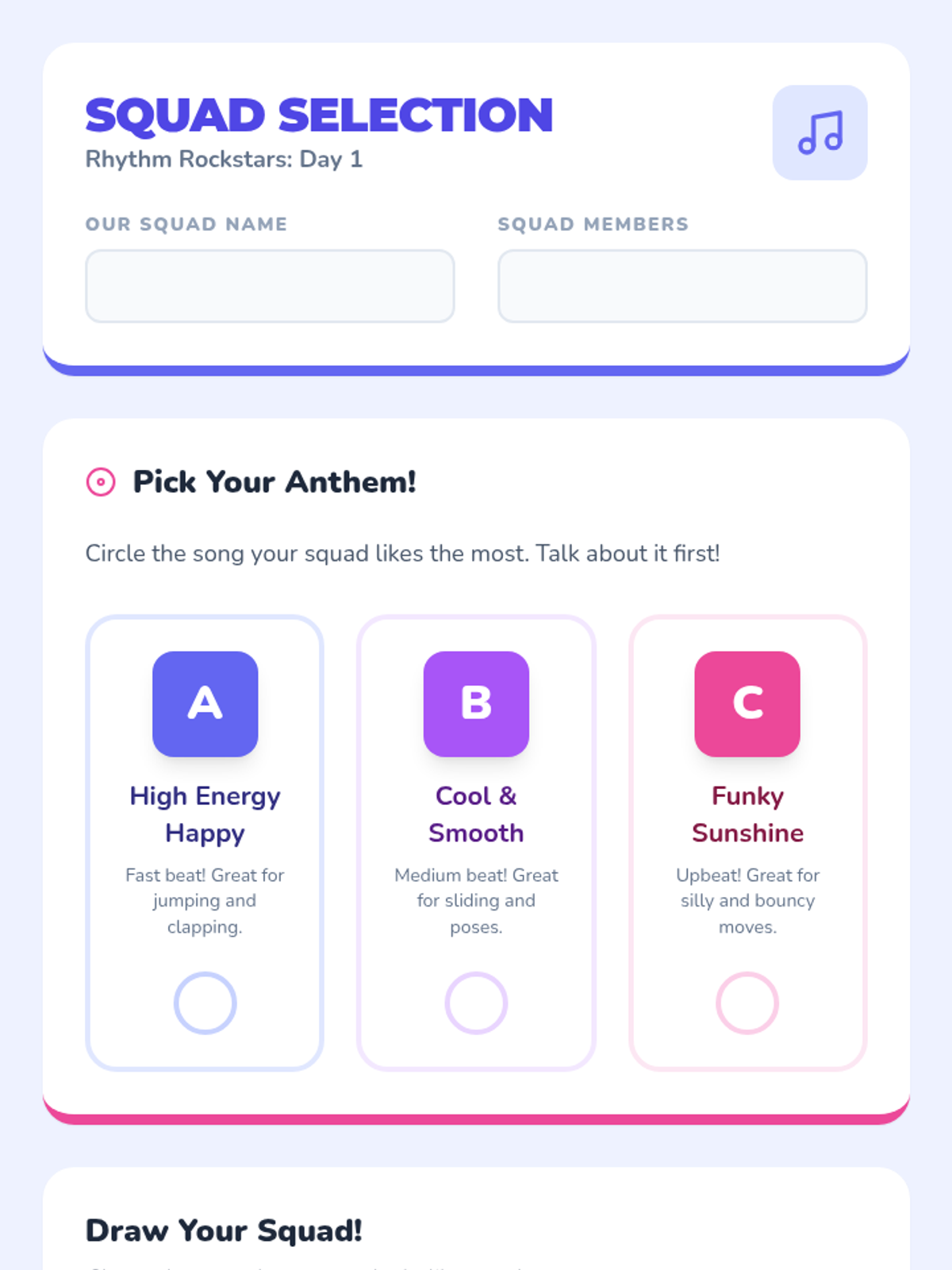
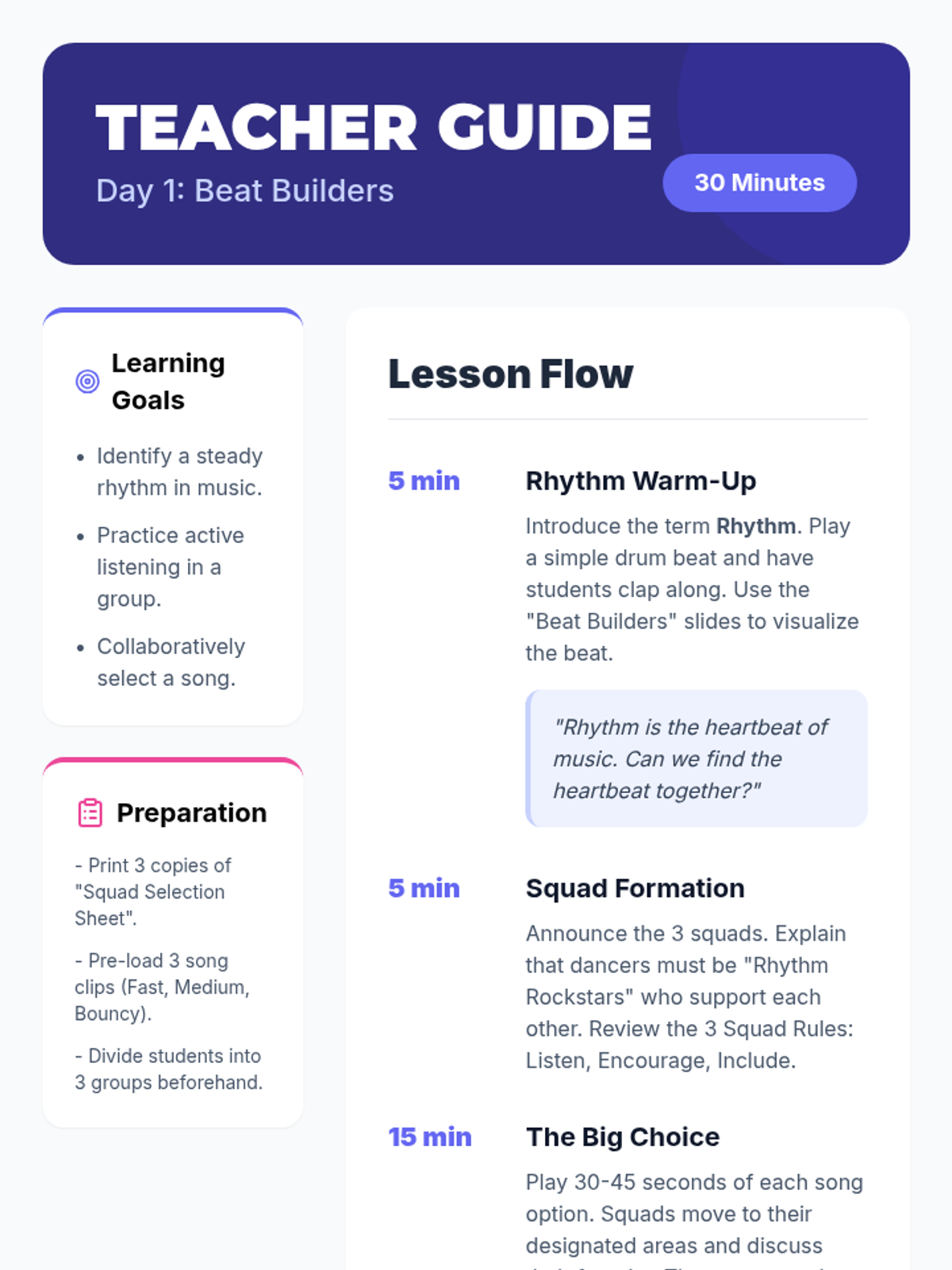
Students explore rhythm and tempo, form their dance squads, and select their group's performance song.
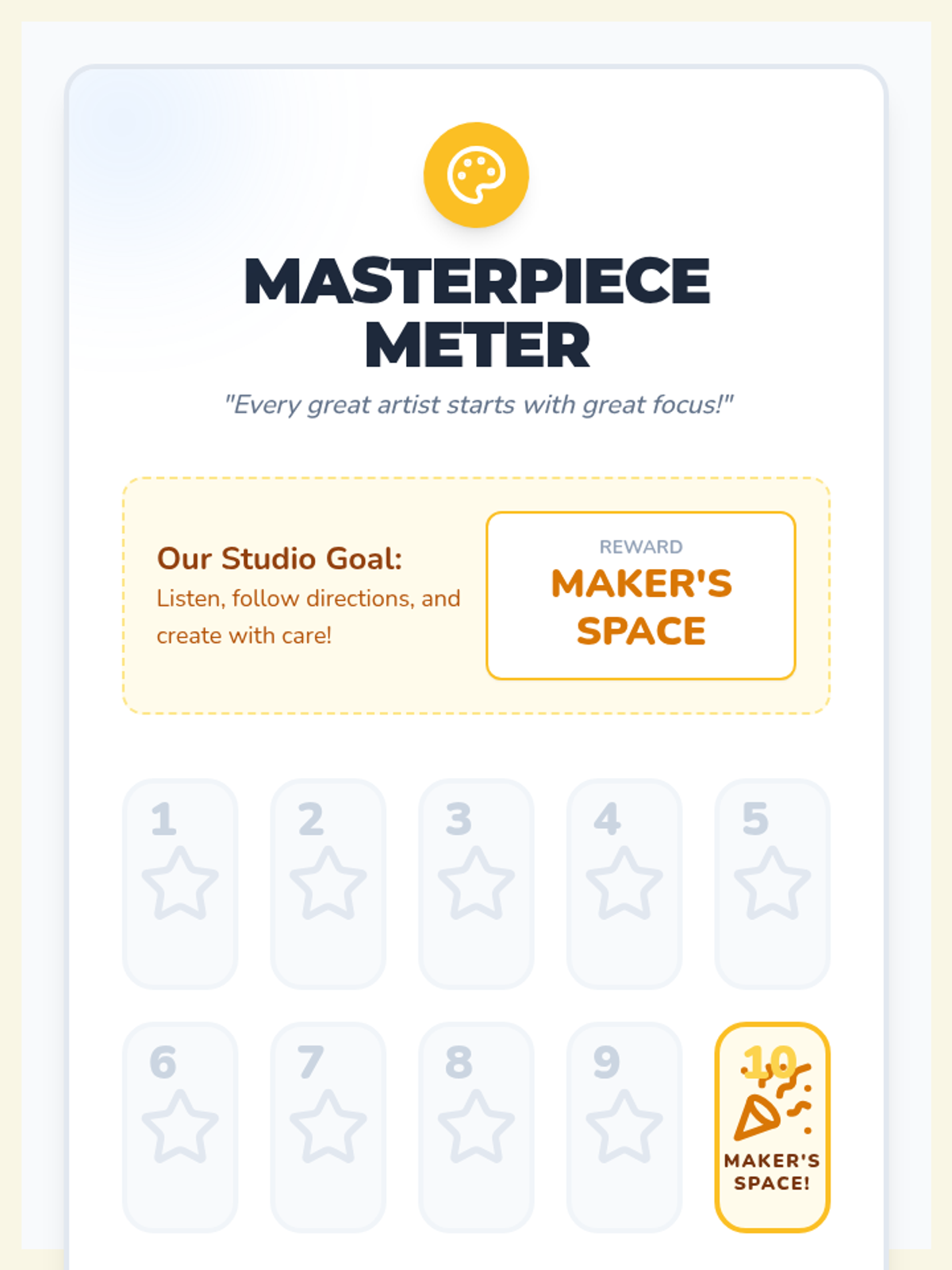
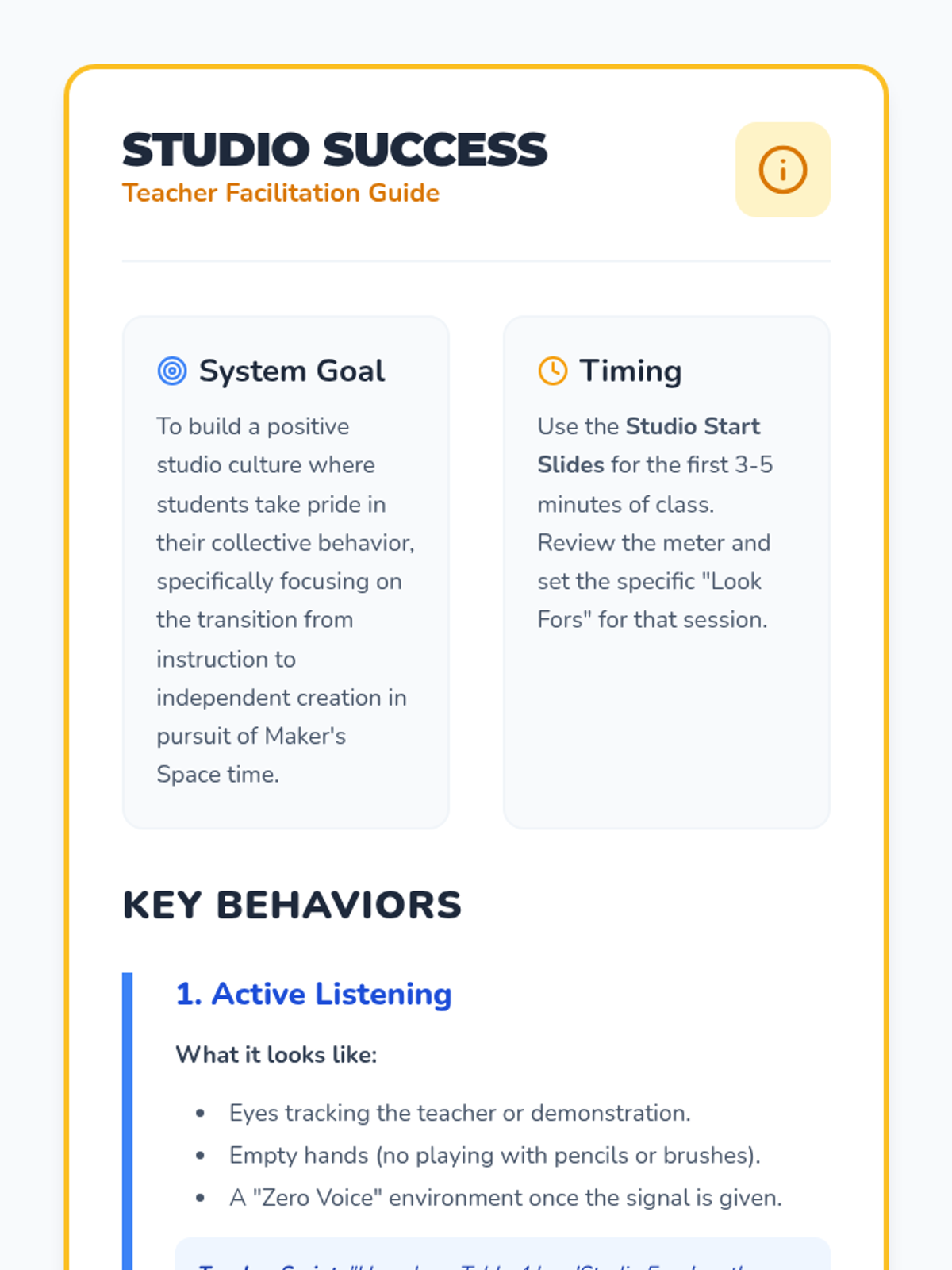
A system for art students to track their progress toward earning Maker's Space time by practicing active listening and following directions. This lesson includes a visual tracking chart, daily warm-up slides, and clear behavioral expectations.
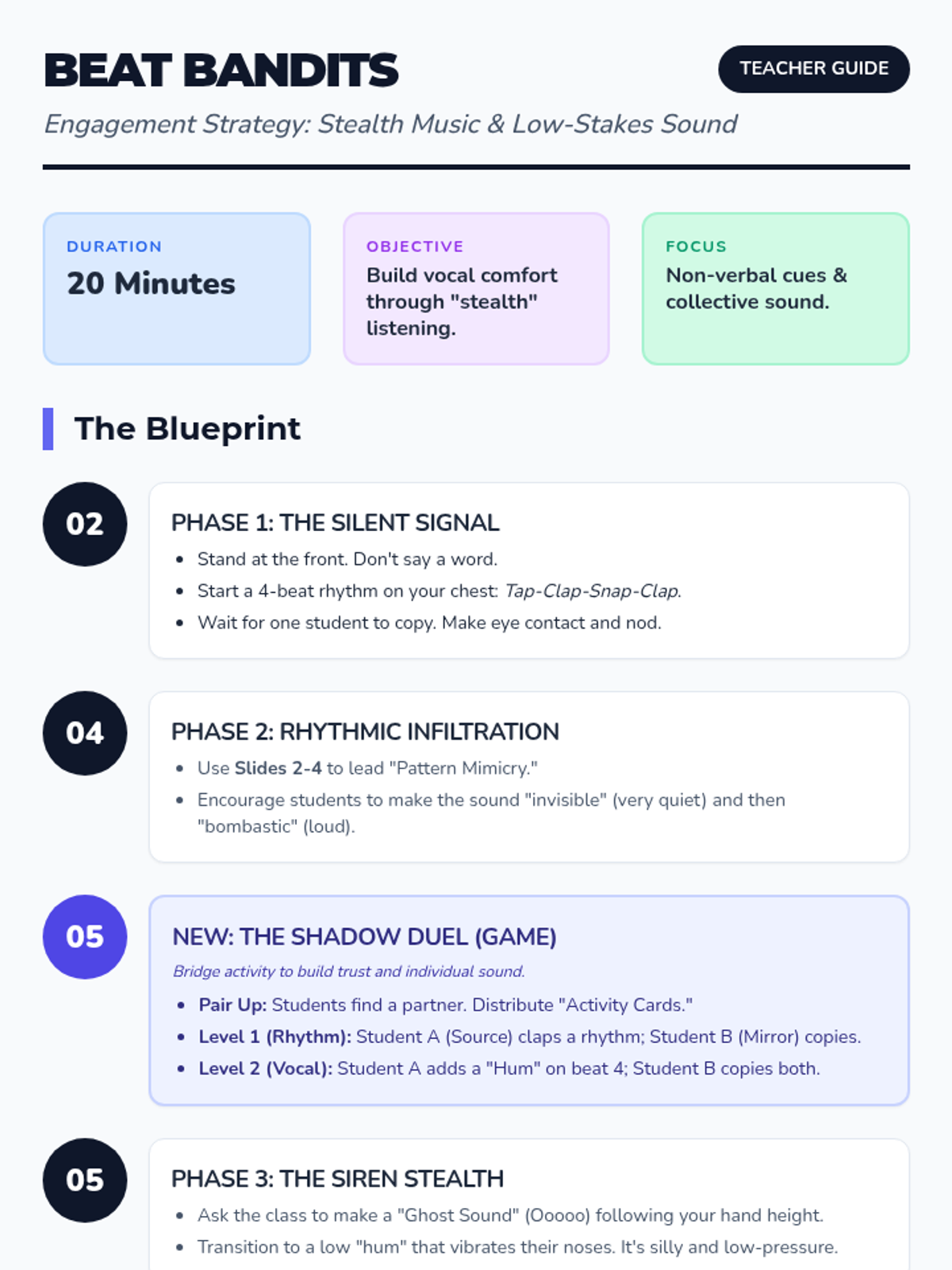
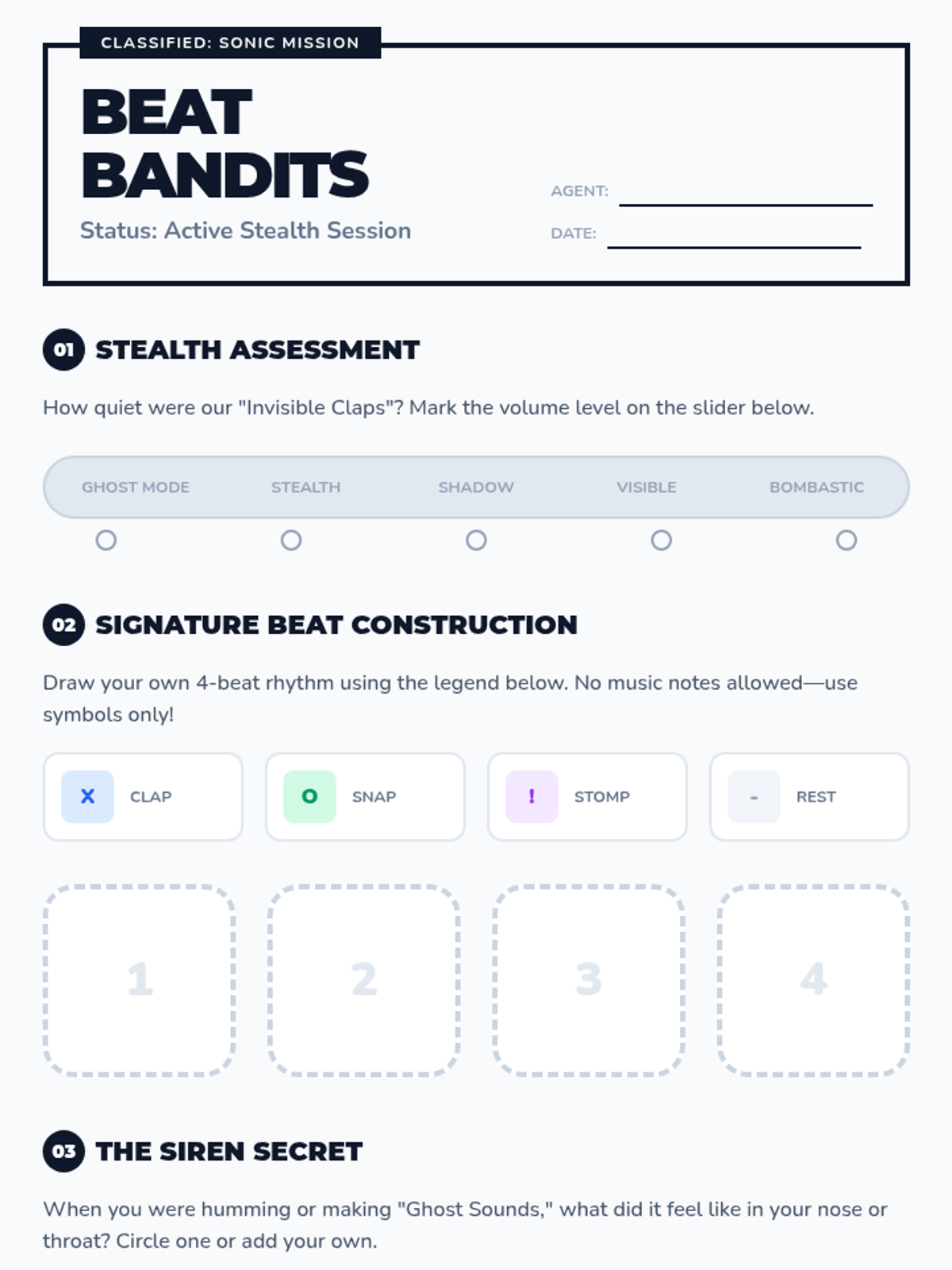
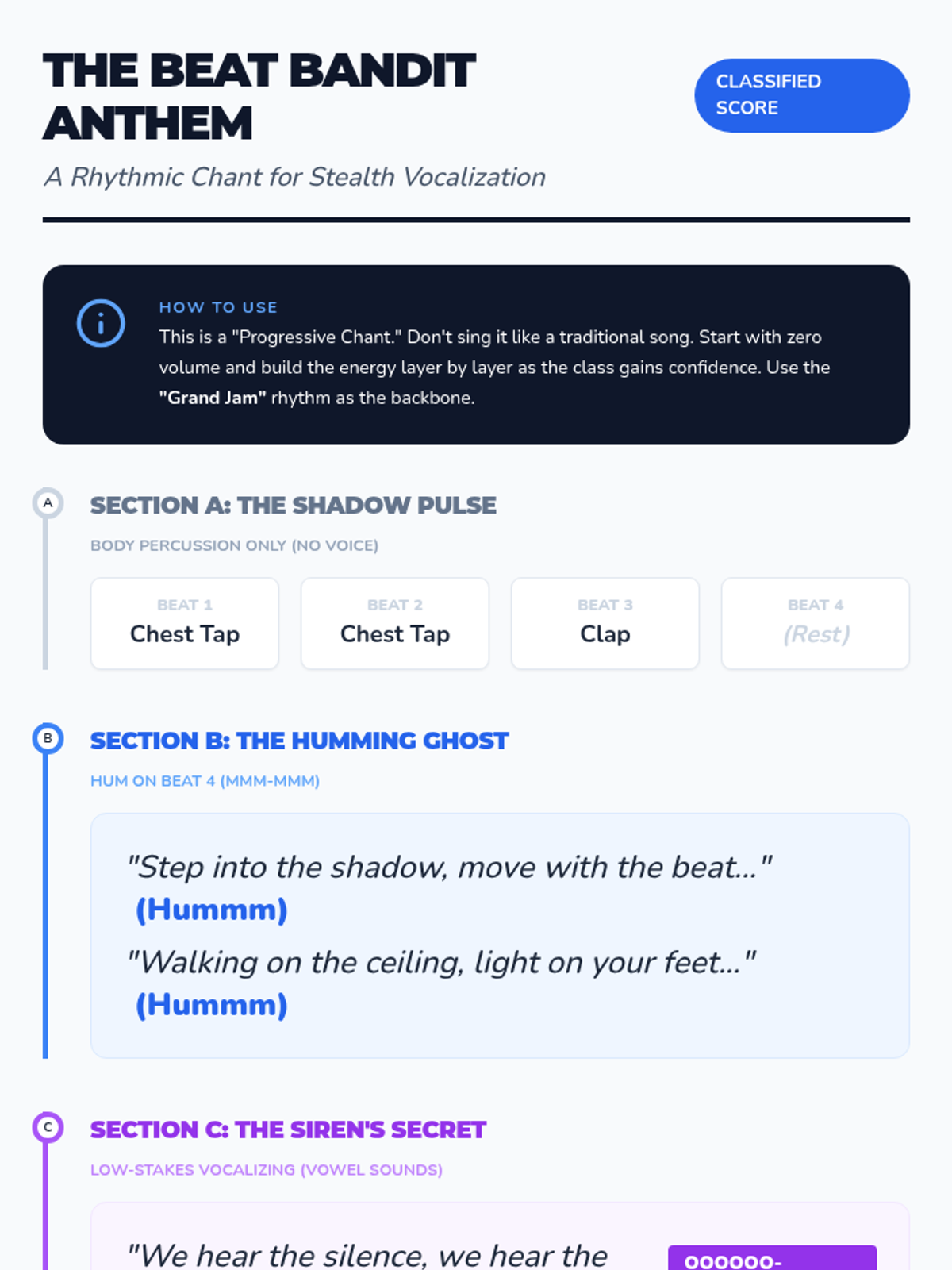
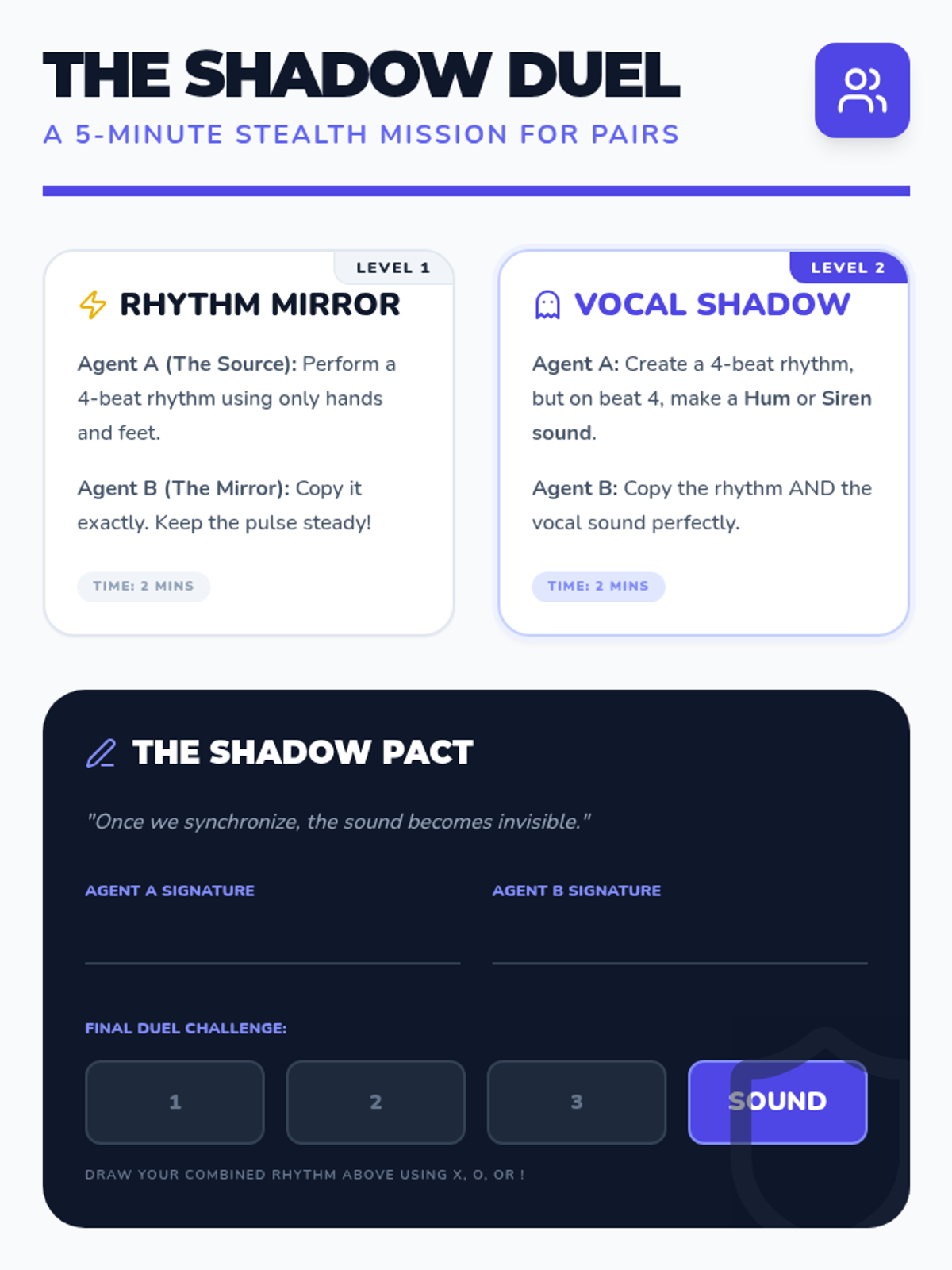
A high-energy, low-pressure 15-minute music lesson designed to engage disengaged students and build vocal confidence through rhythm and stealth games. This lesson moves from non-verbal rhythmic games to collective vocalizing to bypass the fear of singing.
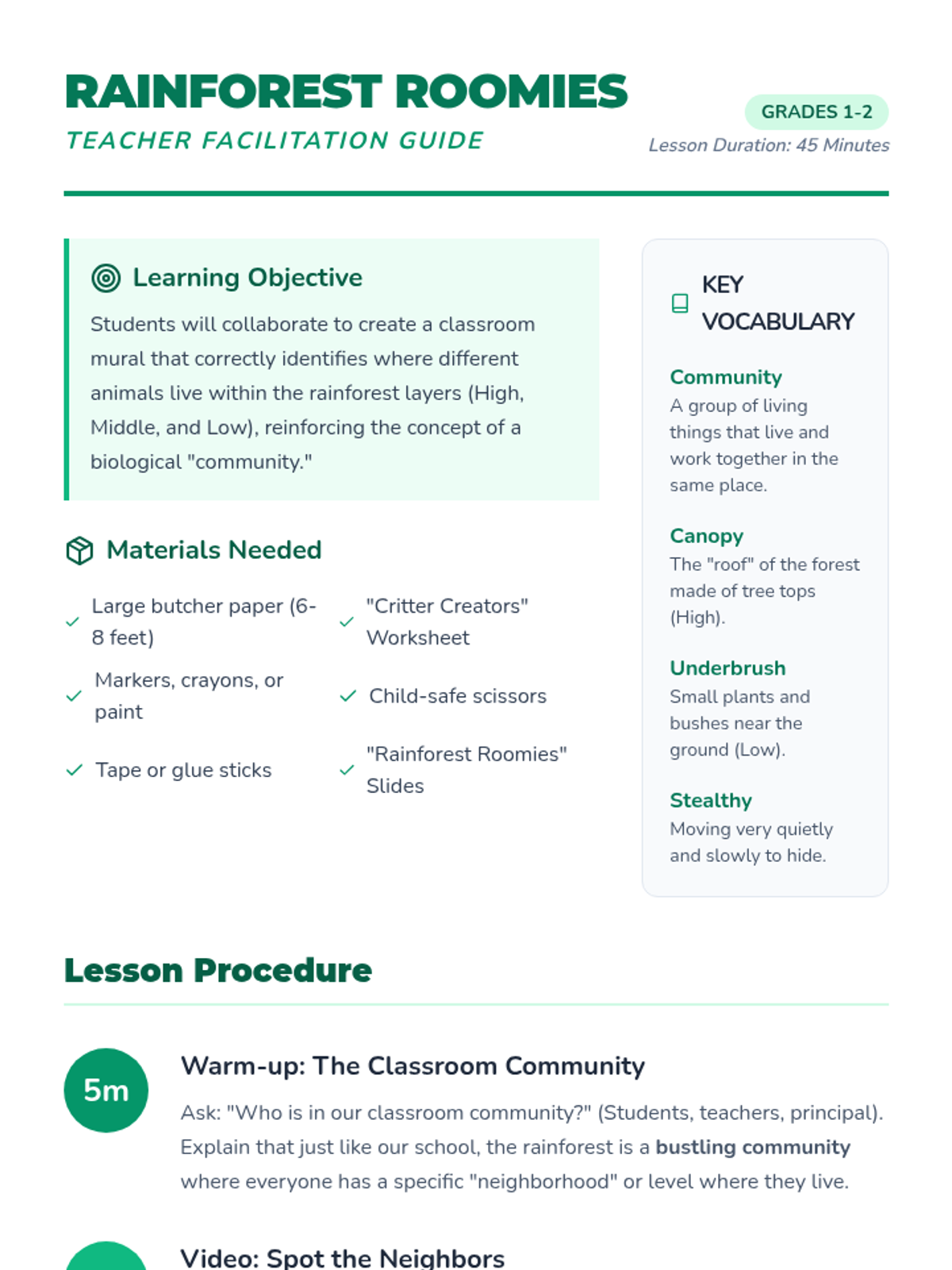
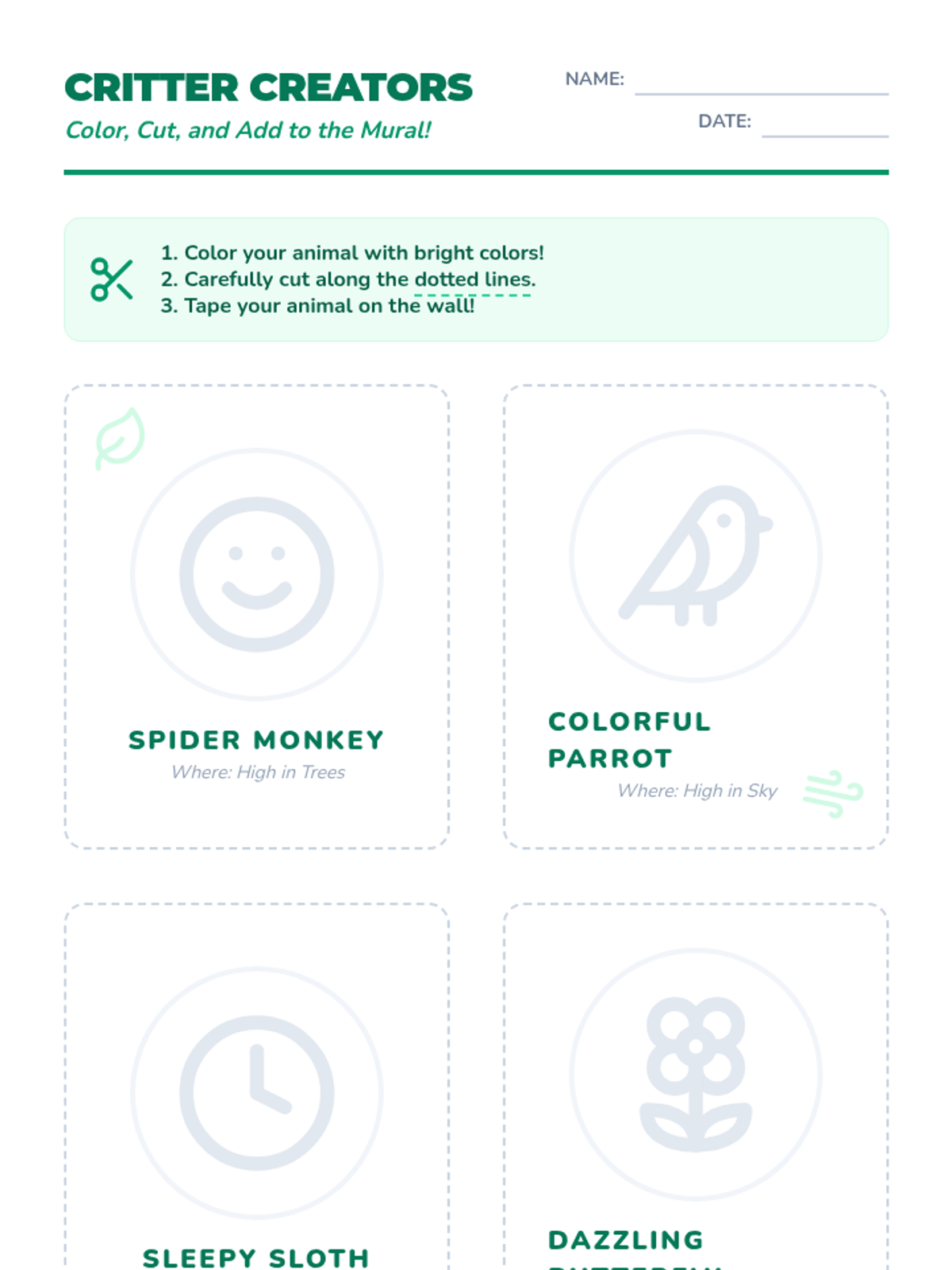
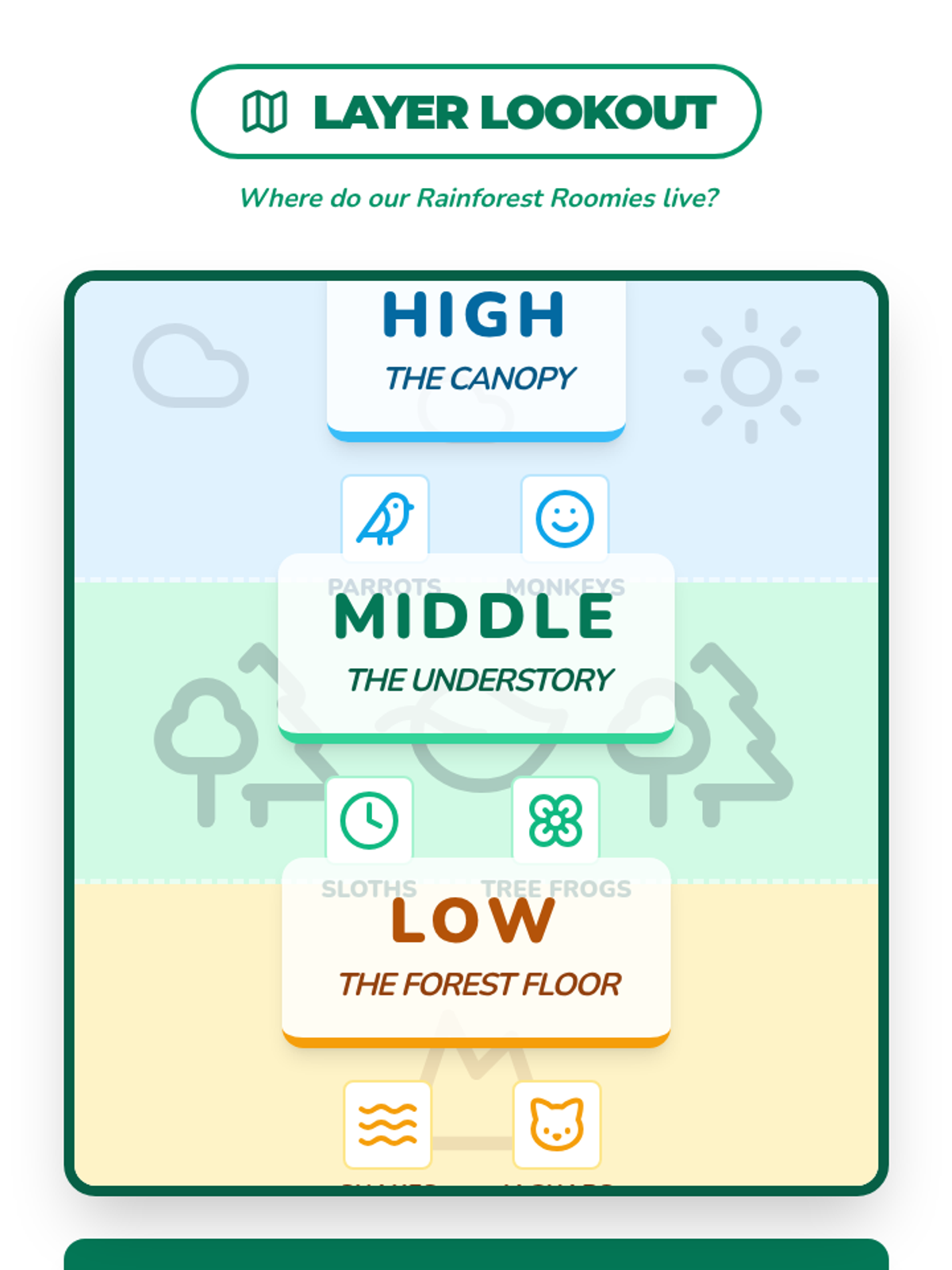
A collaborative art lesson where 1st and 2nd-grade students explore the concept of community by creating a layered mural of rainforest animals based on their habitats.
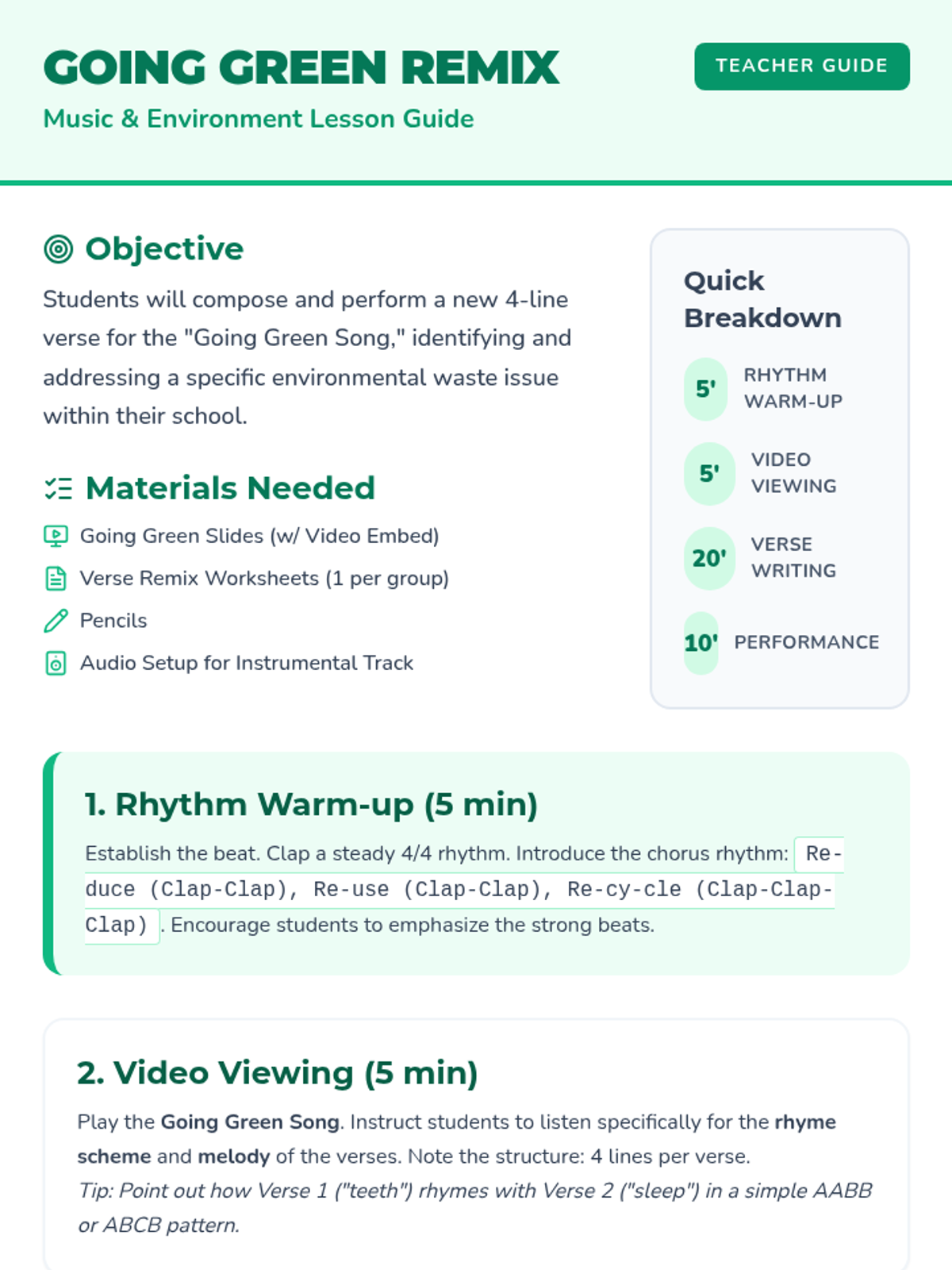
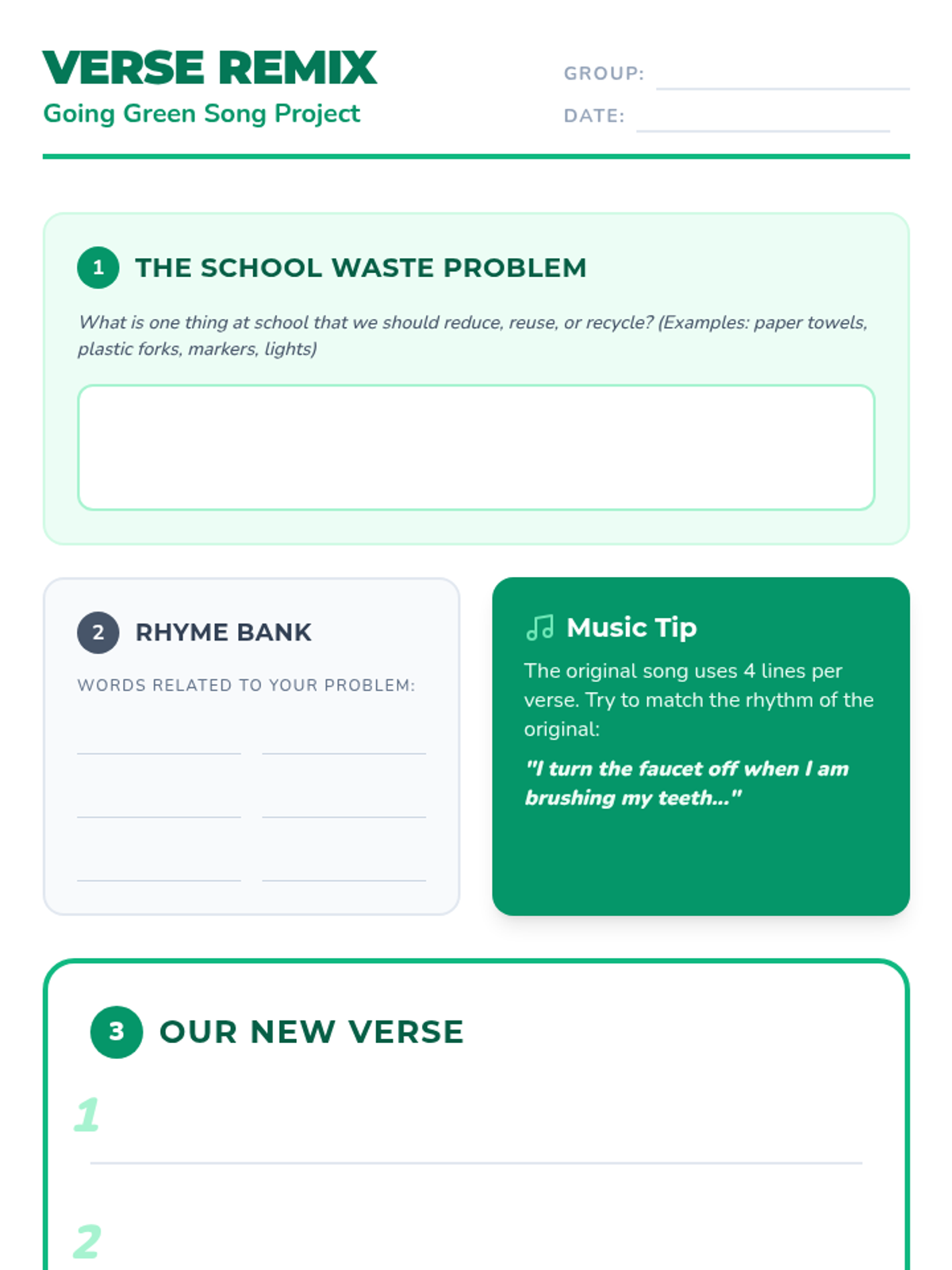
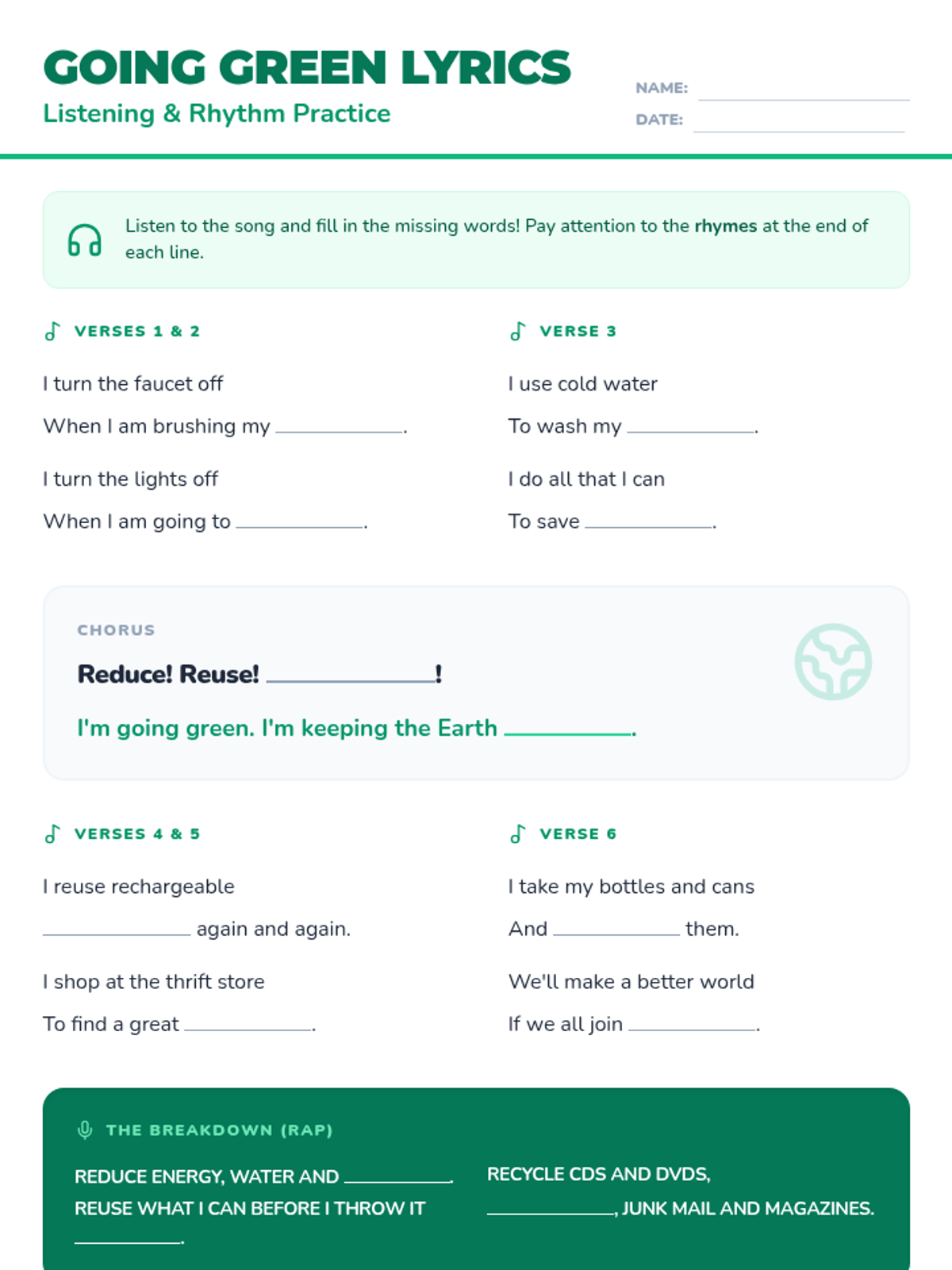
A music lesson where students compose and perform a new verse for 'Going Green Song' about environmental issues in their own school.
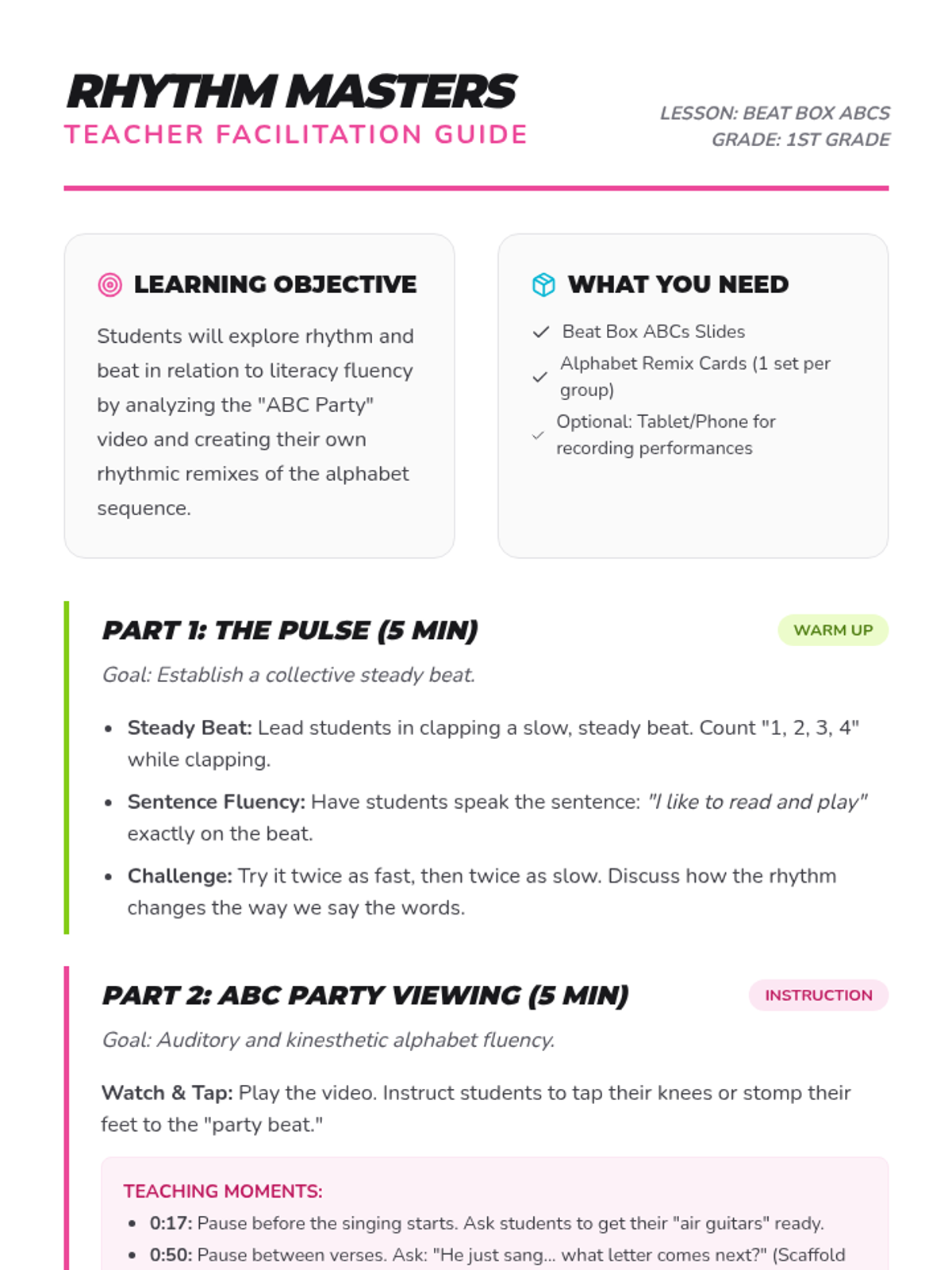
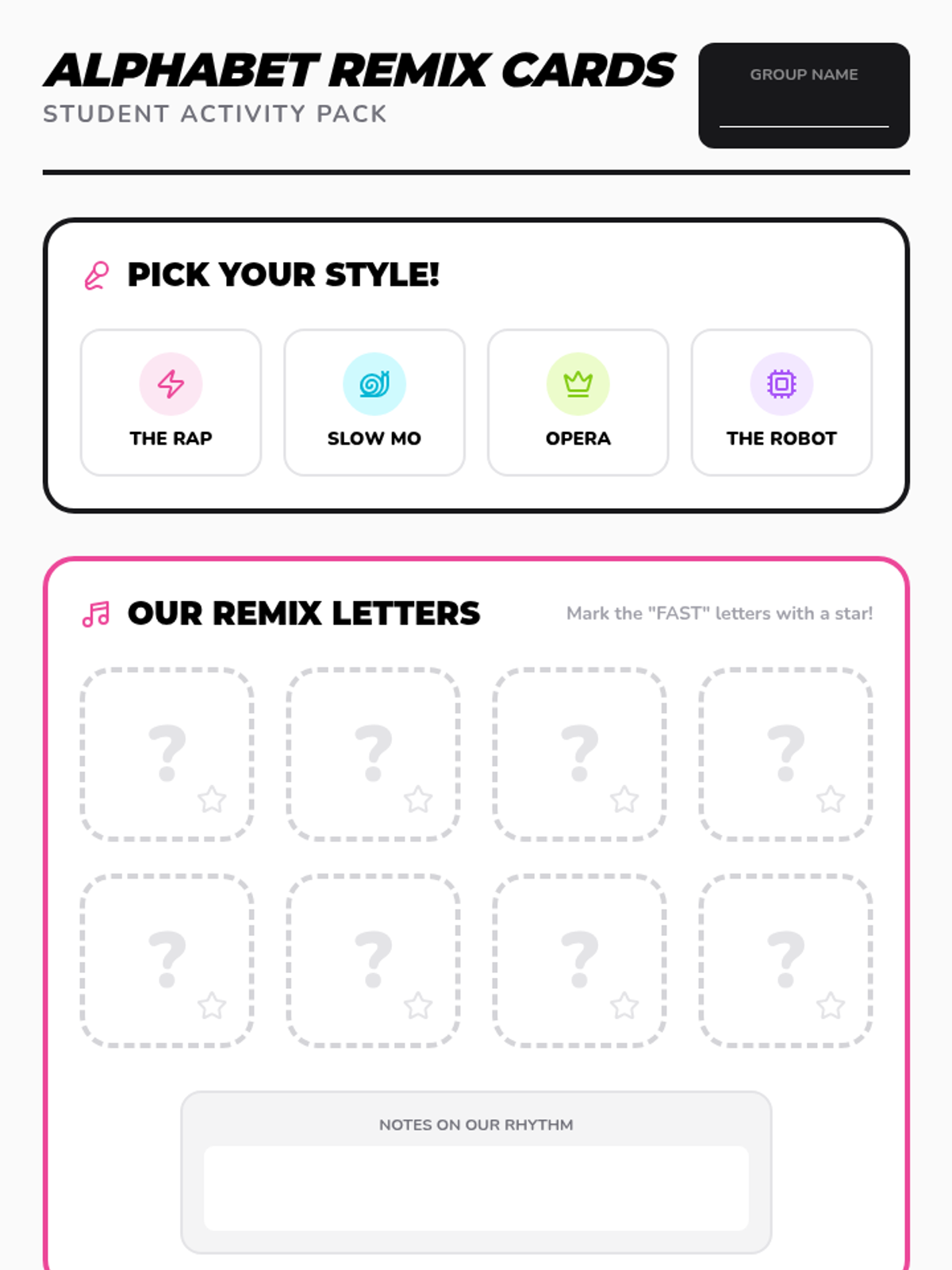
A high-energy 1st-grade lesson that uses music and rhythm to build alphabet fluency and phonological awareness. Students will analyze the 'ABC Party' video and collaborate to create their own rhythmic remixes of the alphabet.
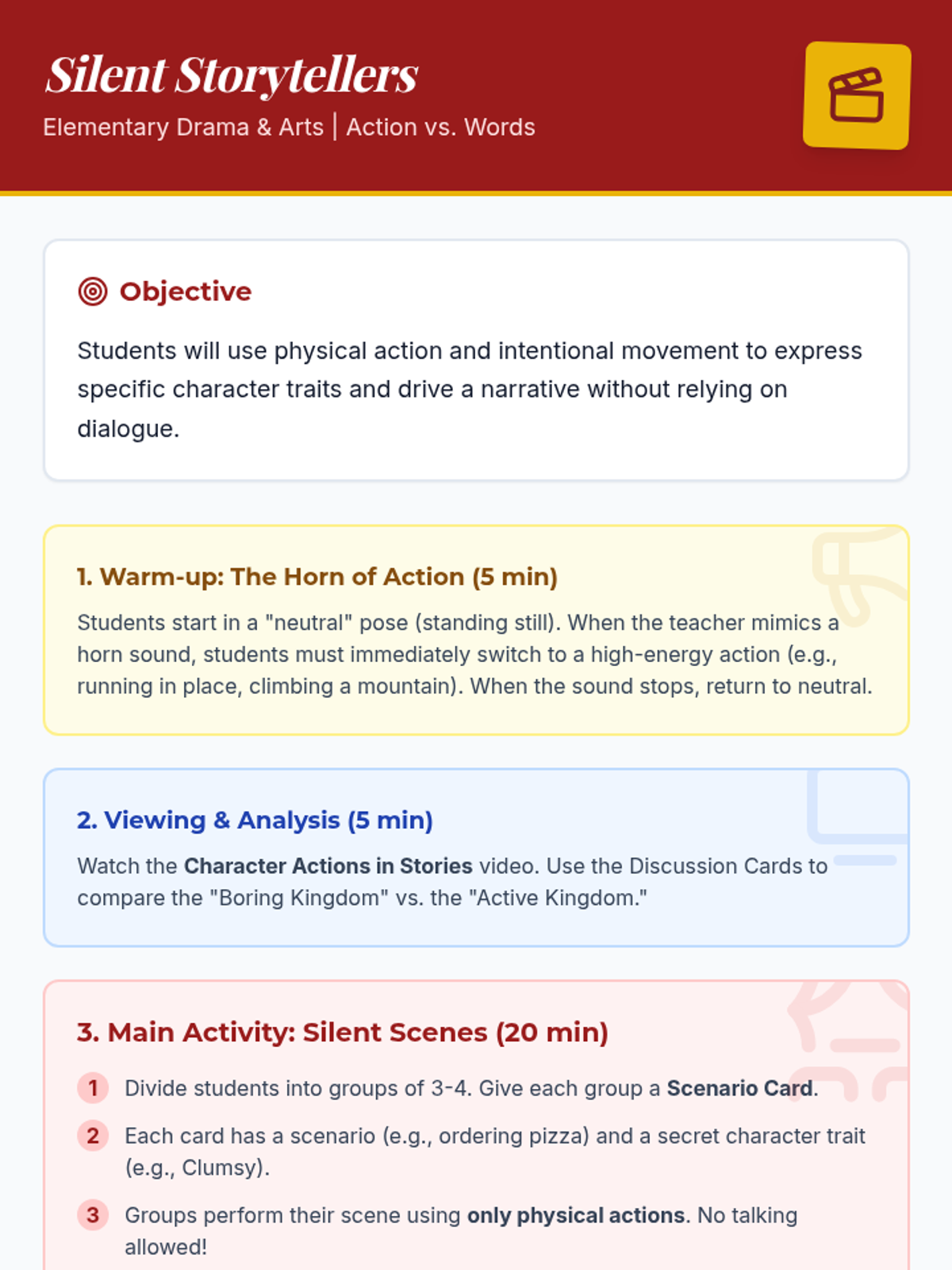
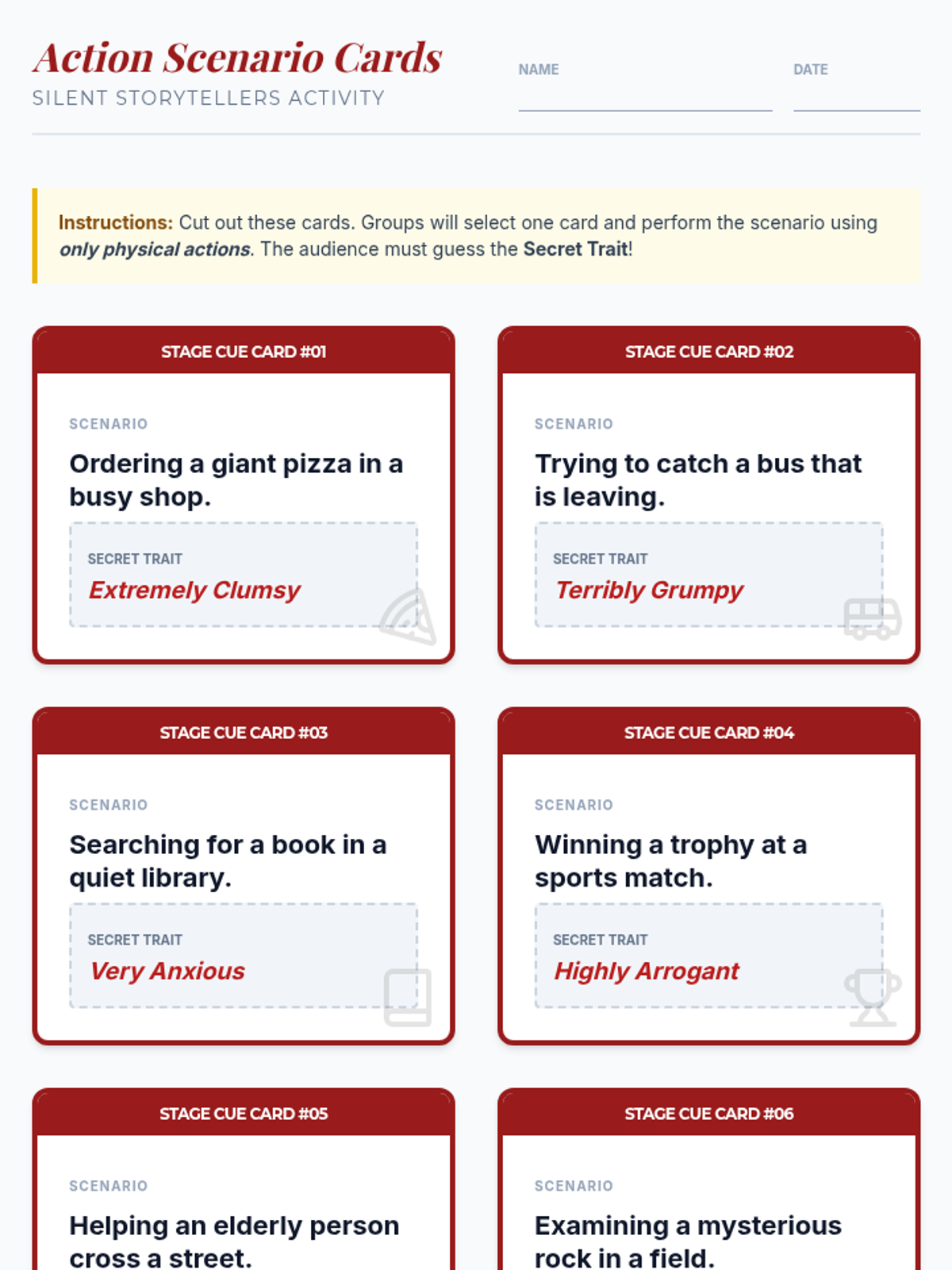
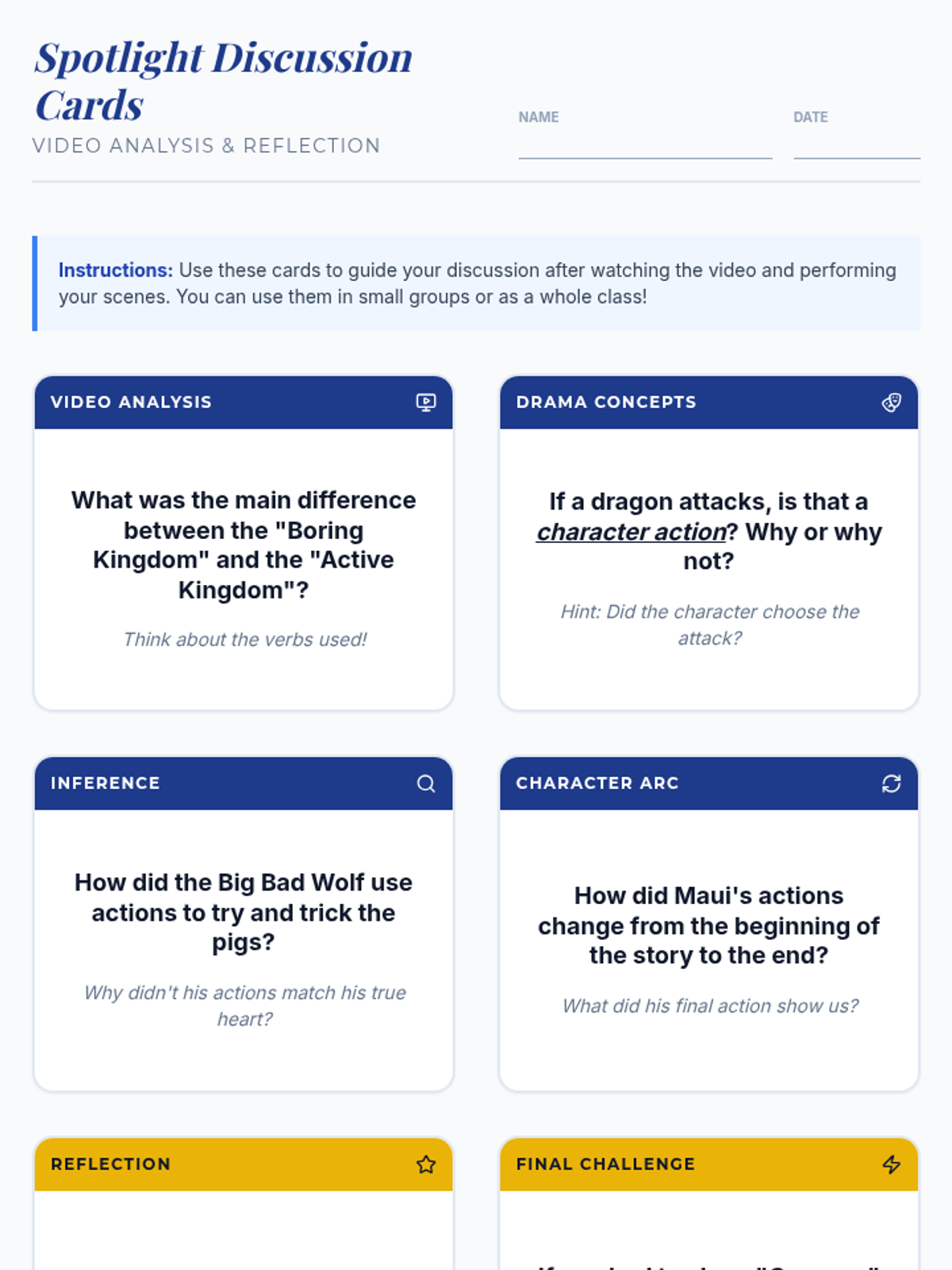
Students explore how physical action and decisions drive story and reveal character traits without using words, featuring a 'Silent Scenes' activity and a video analysis.
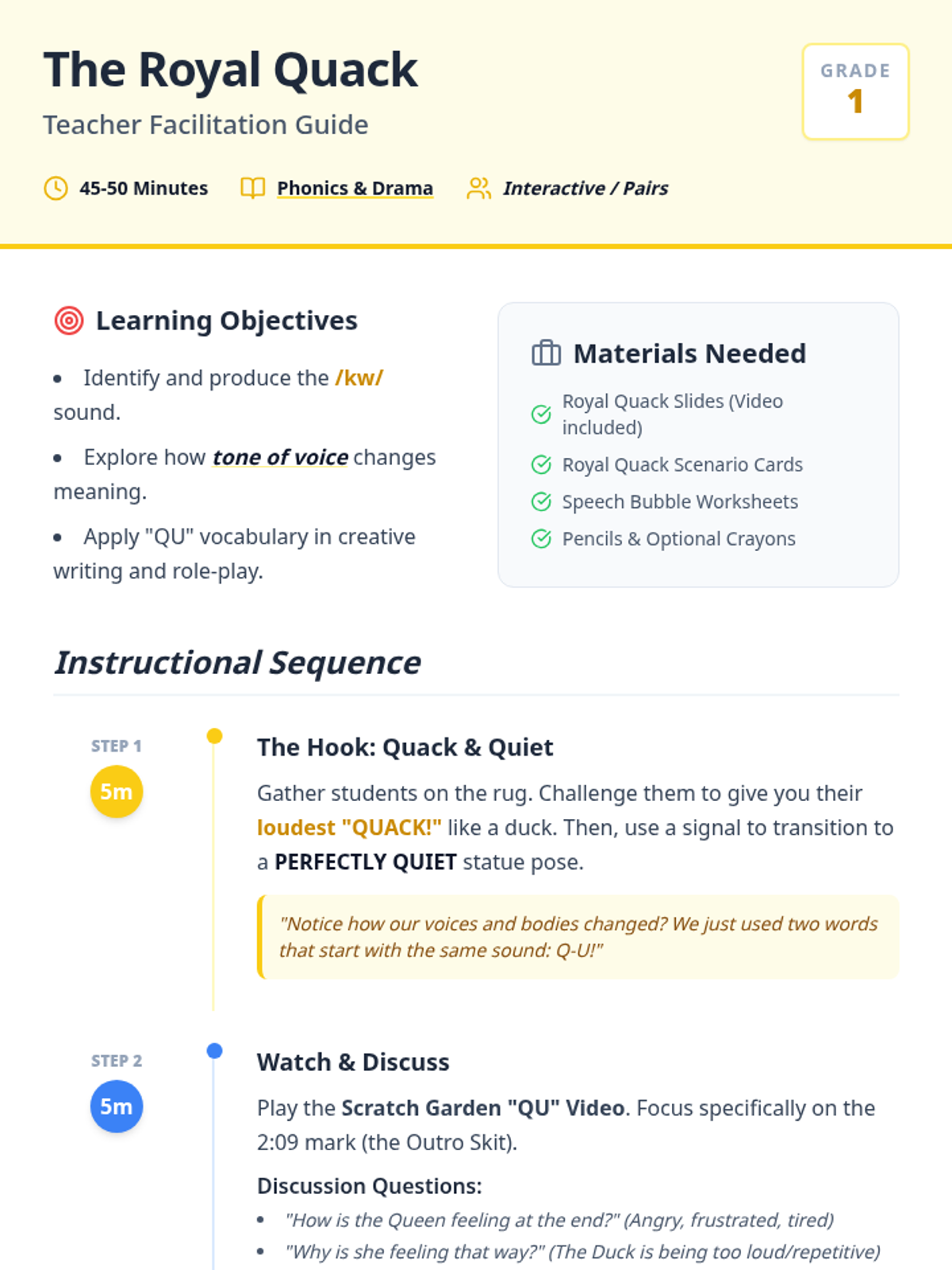
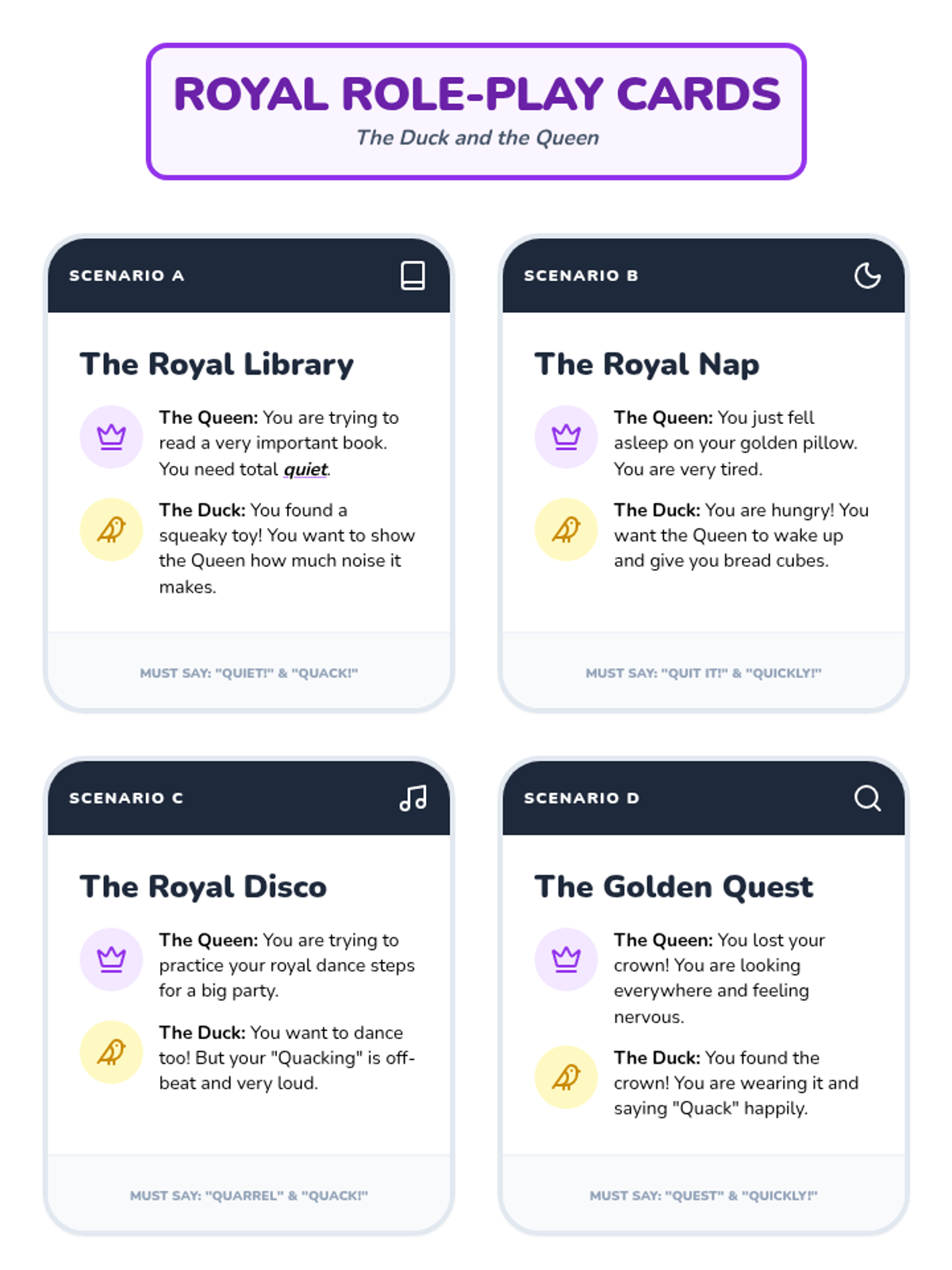
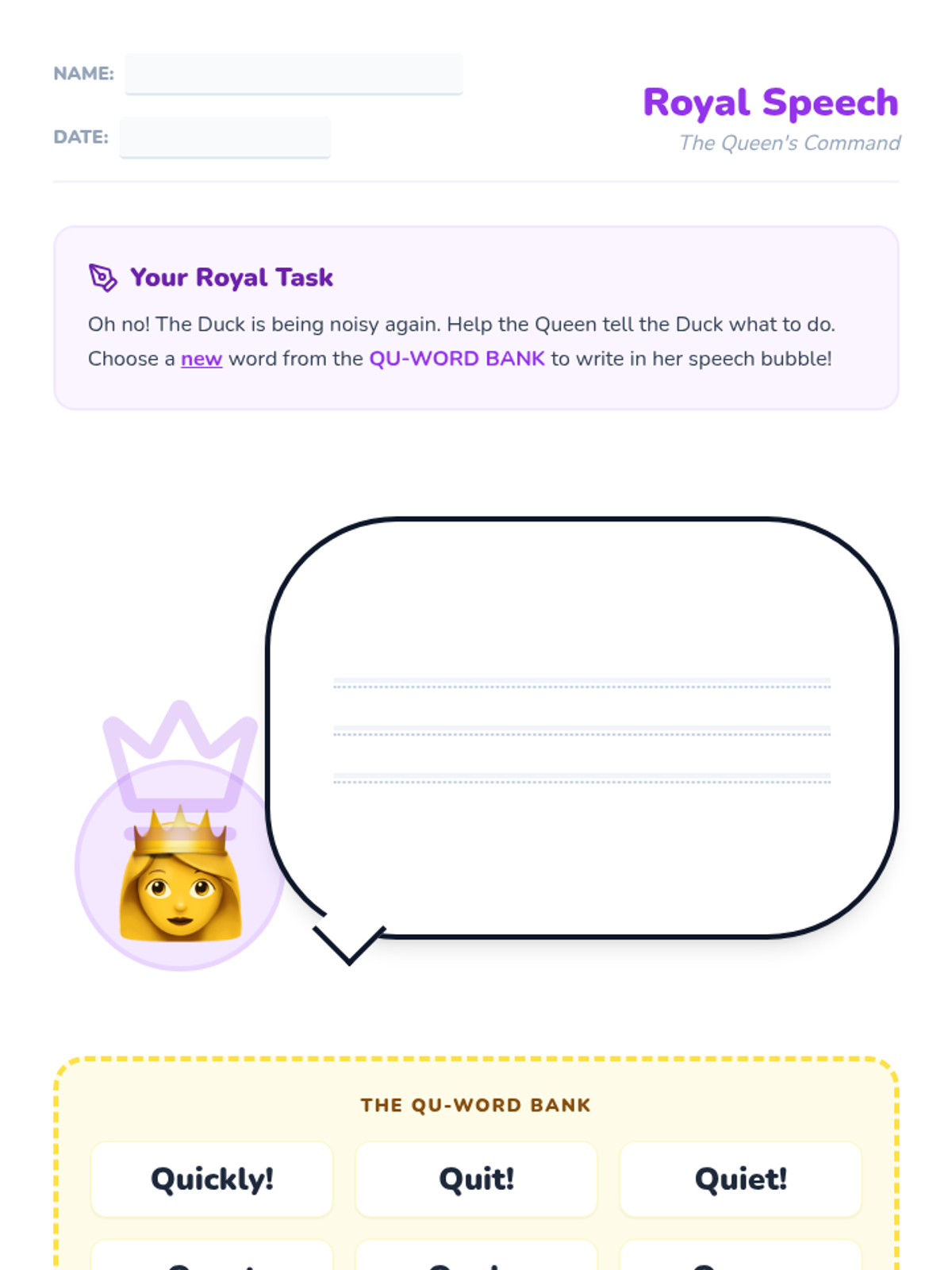
A 1st-grade drama and phonics lesson where students explore the /kw/ sound, tone, and character feelings through the interaction between a noisy Duck and a frustrated Queen.
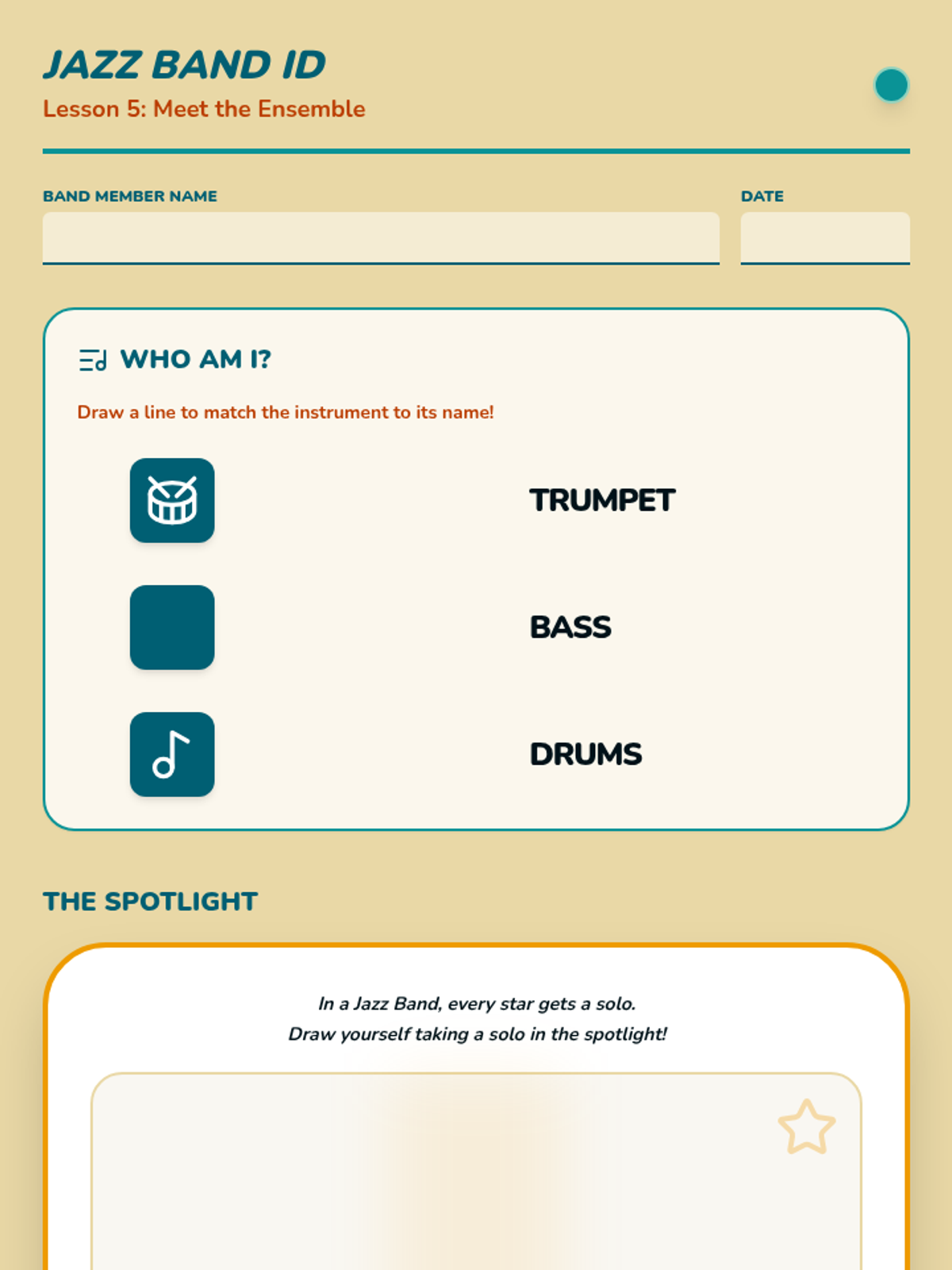
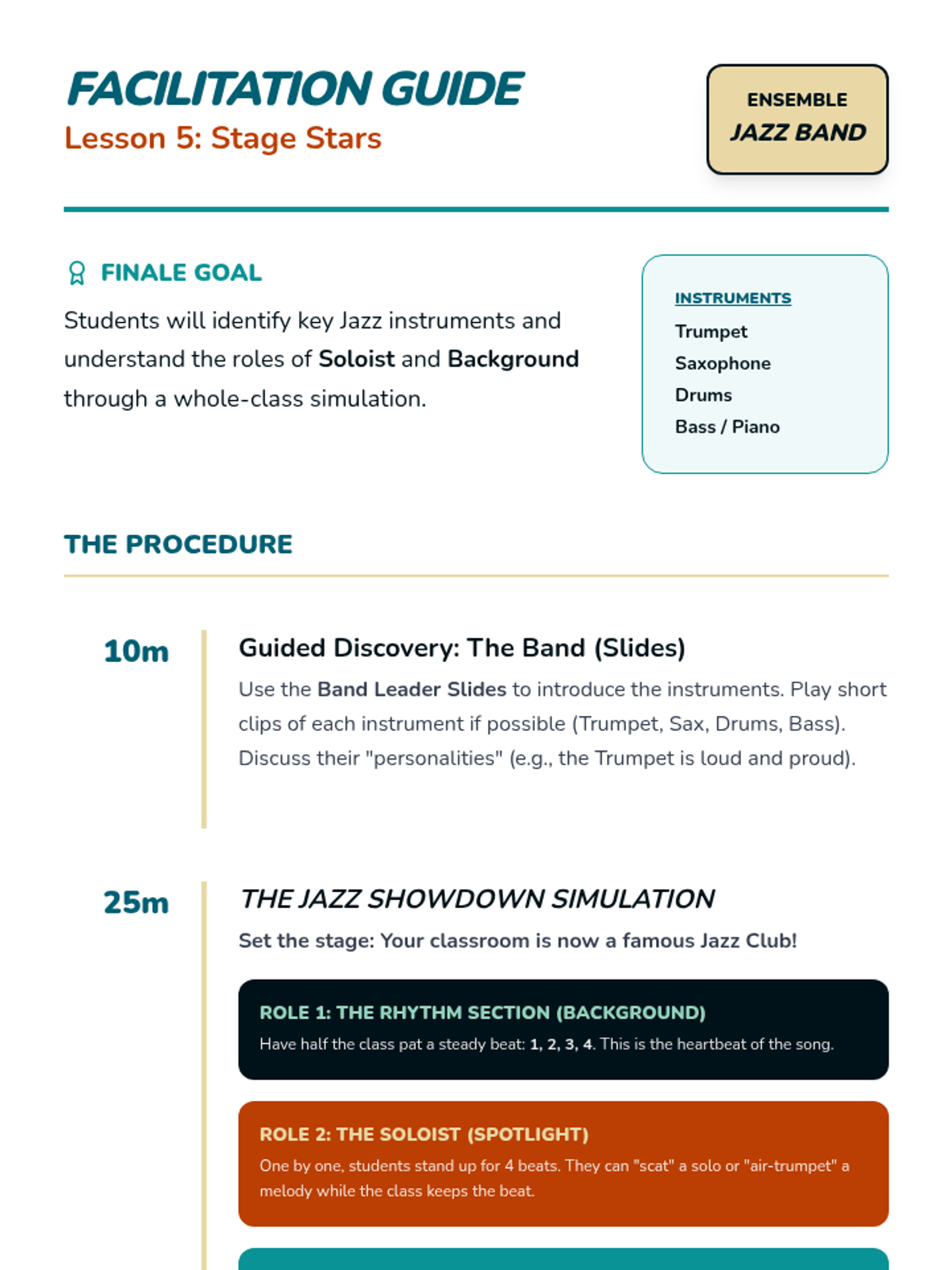
A celebration of the jazz ensemble where students identify instruments and role-play as soloists and background players.
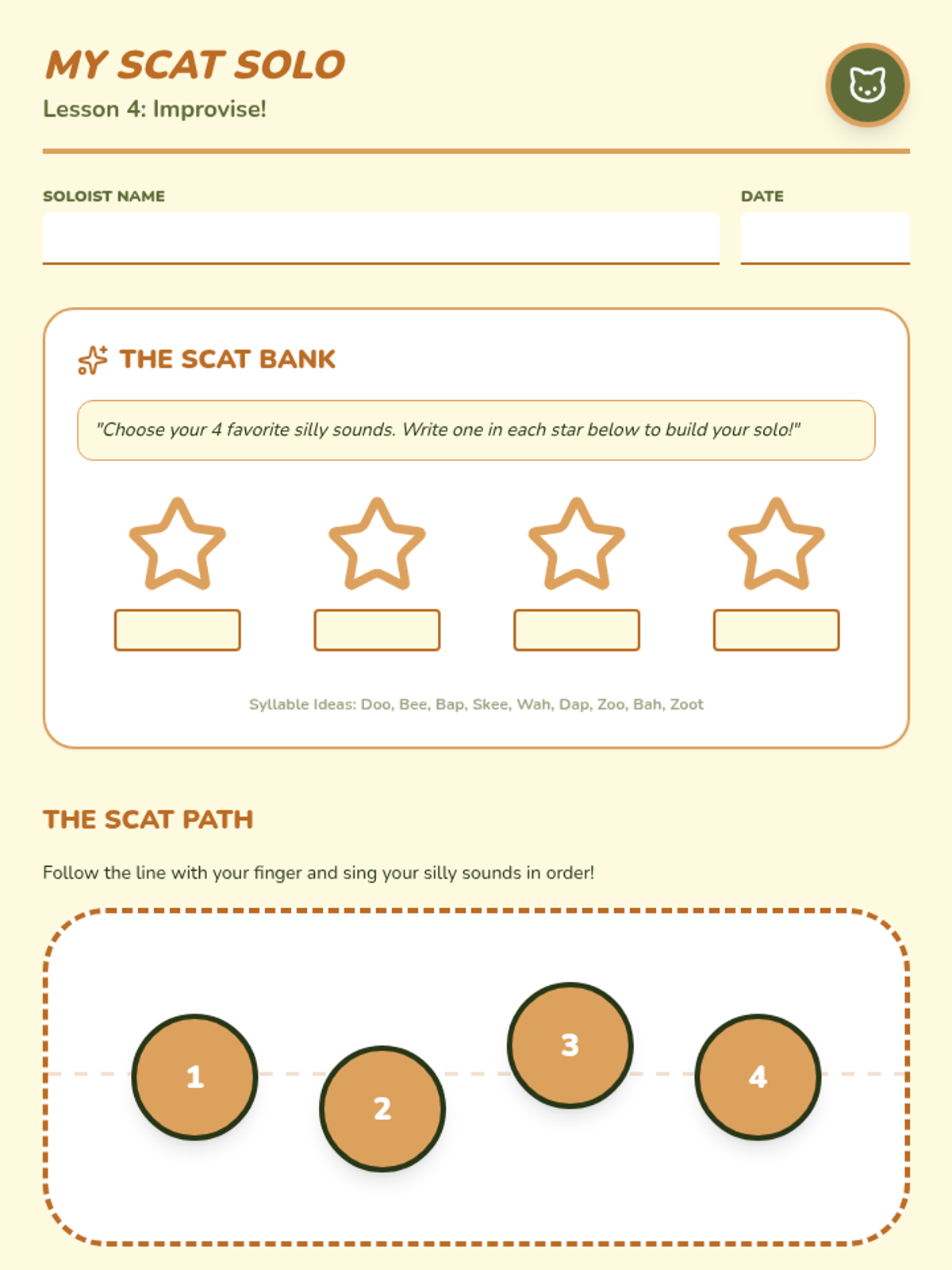
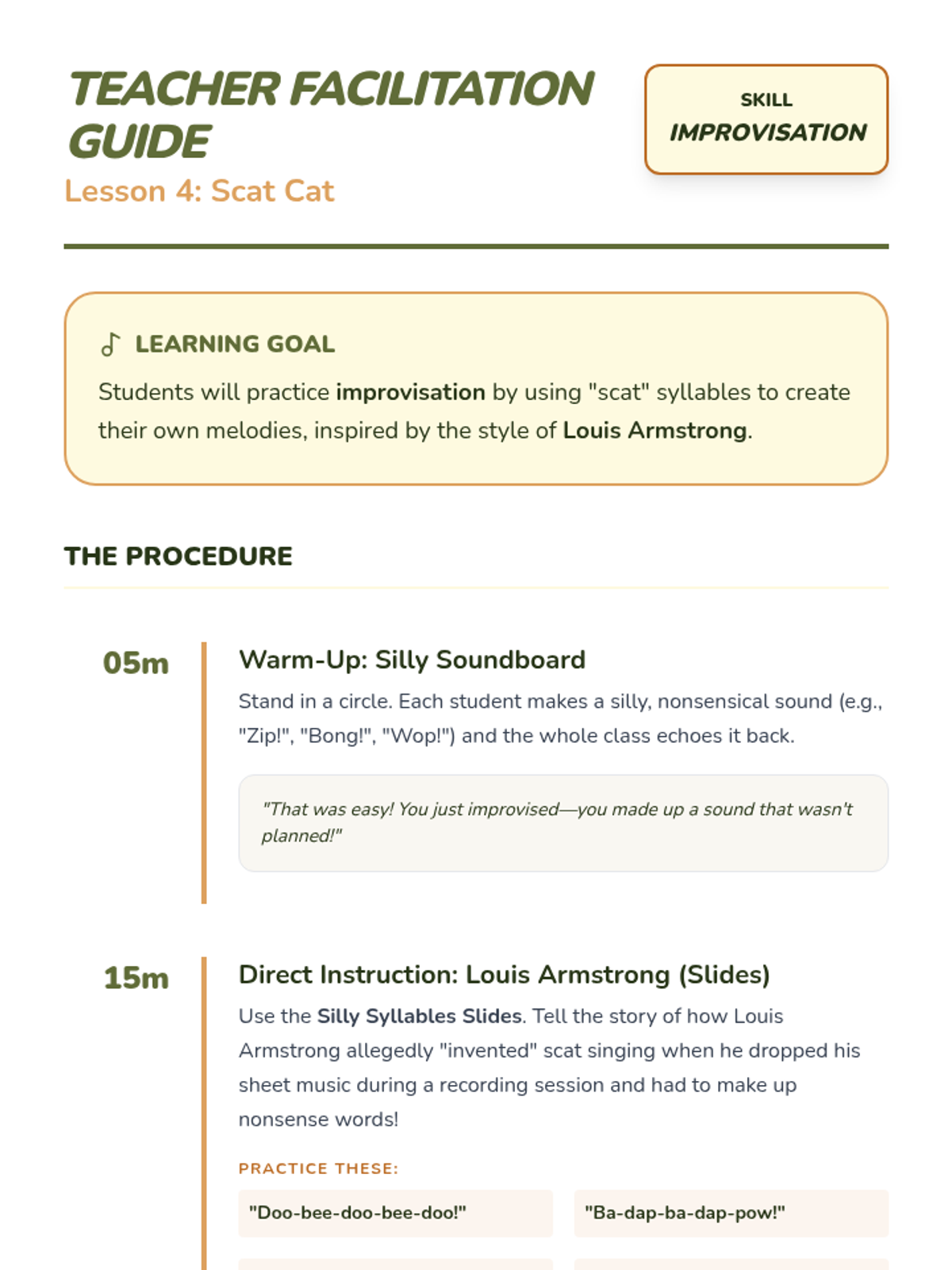
Students learn about Louis Armstrong and practice scat singing, discovering the freedom of improvisation and vocal creativity.
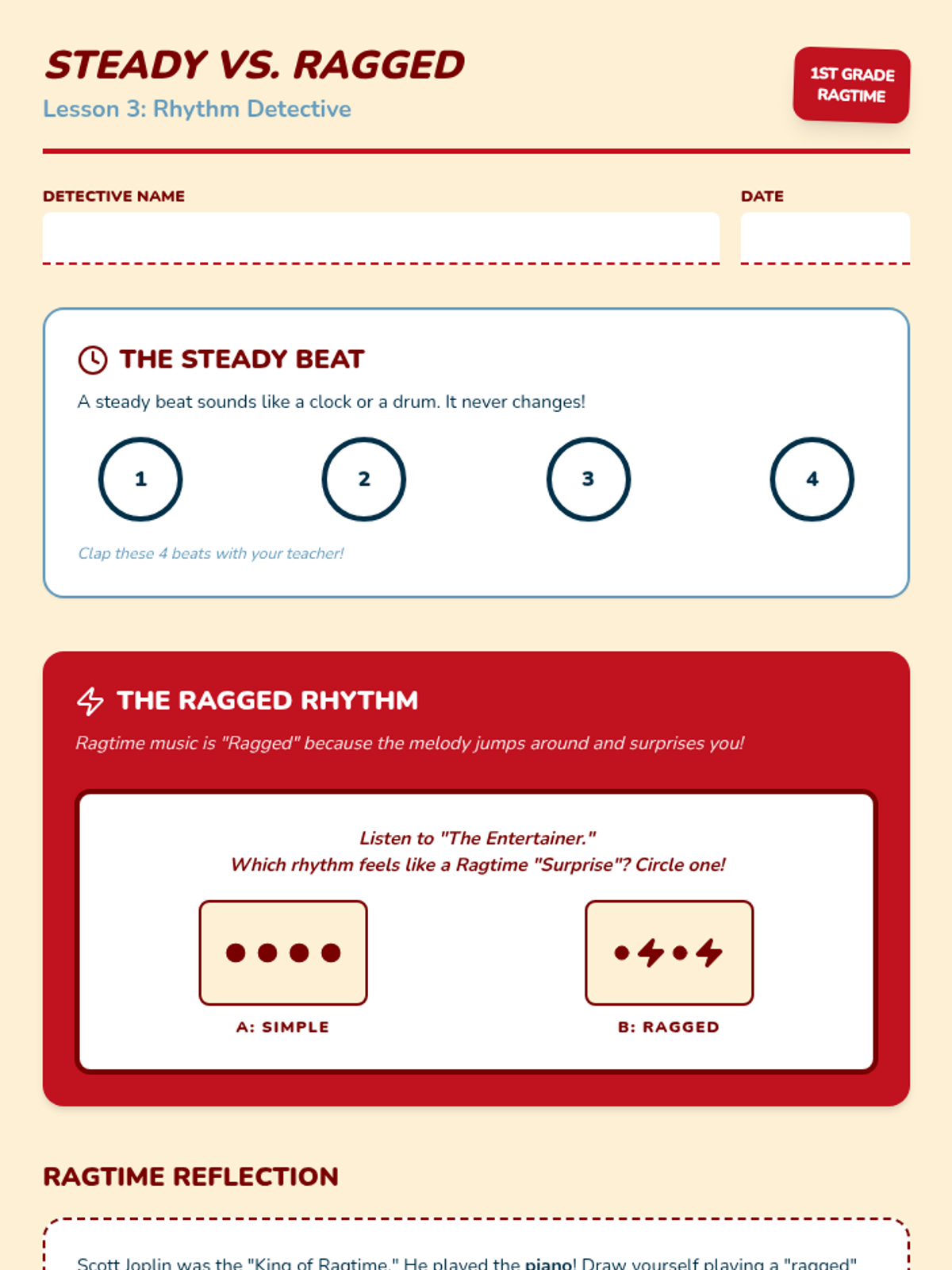
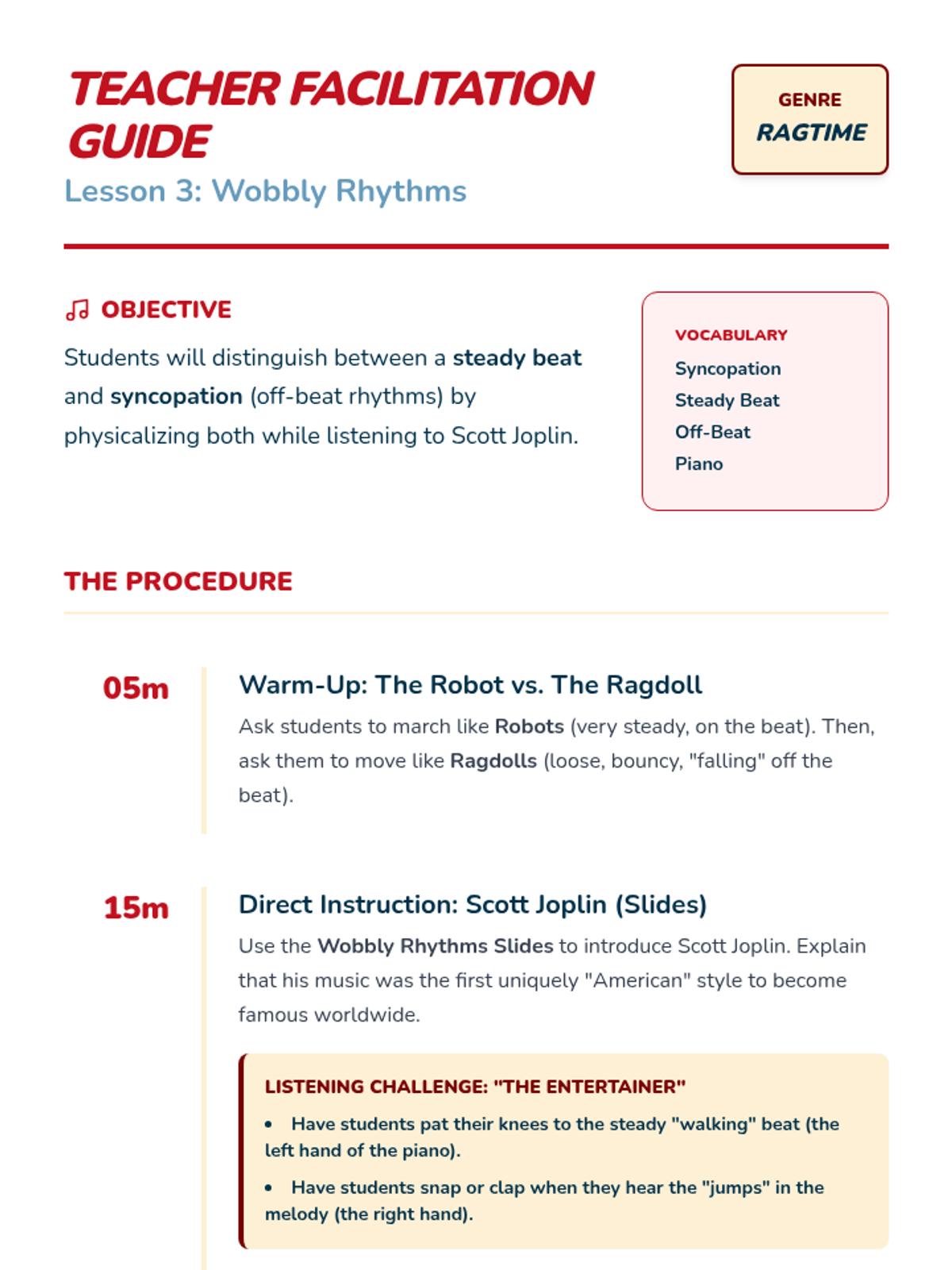
Students discover Ragtime and Scott Joplin, learning to identify 'ragged' syncopated rhythms while maintaining a steady beat.
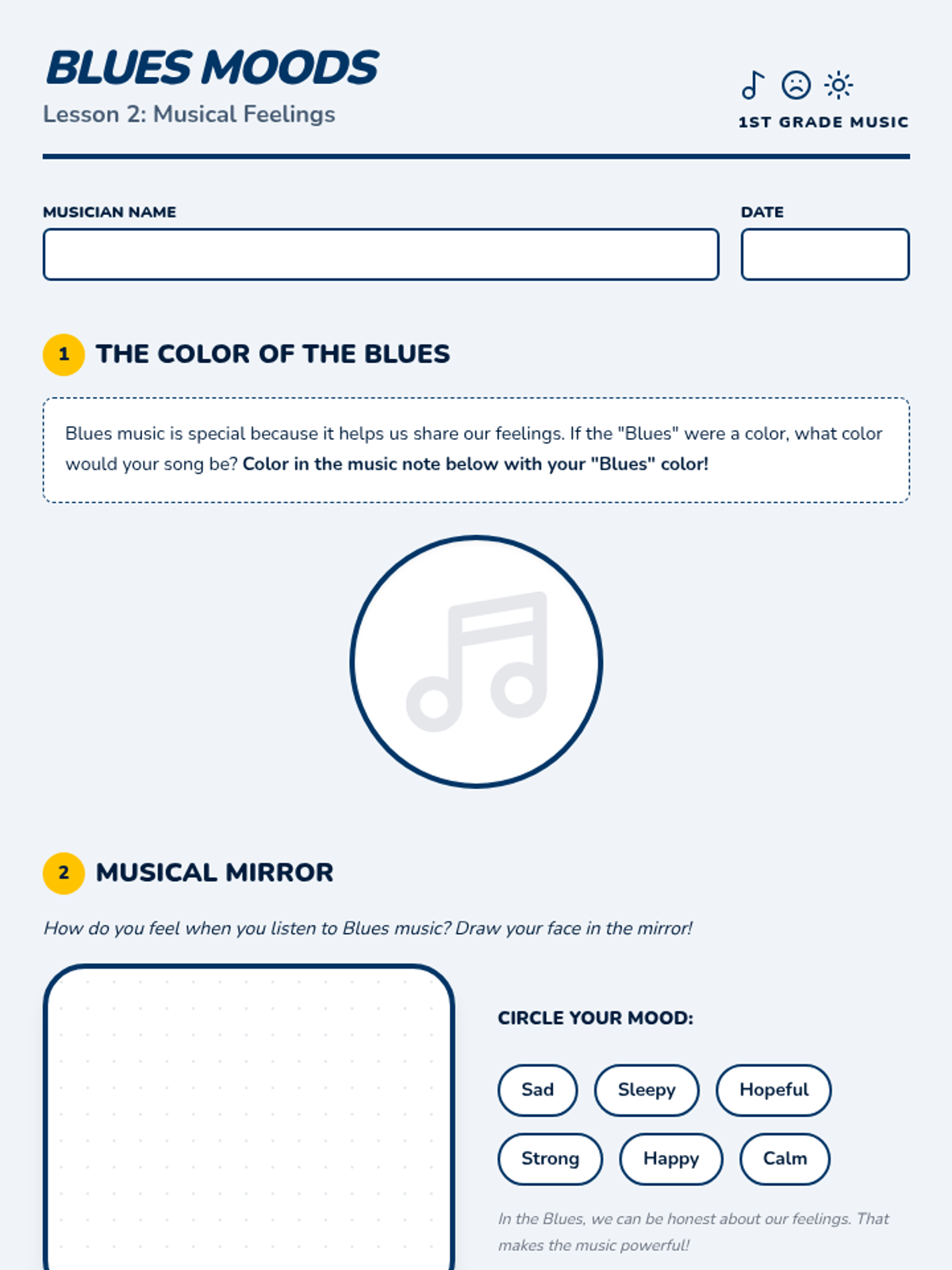
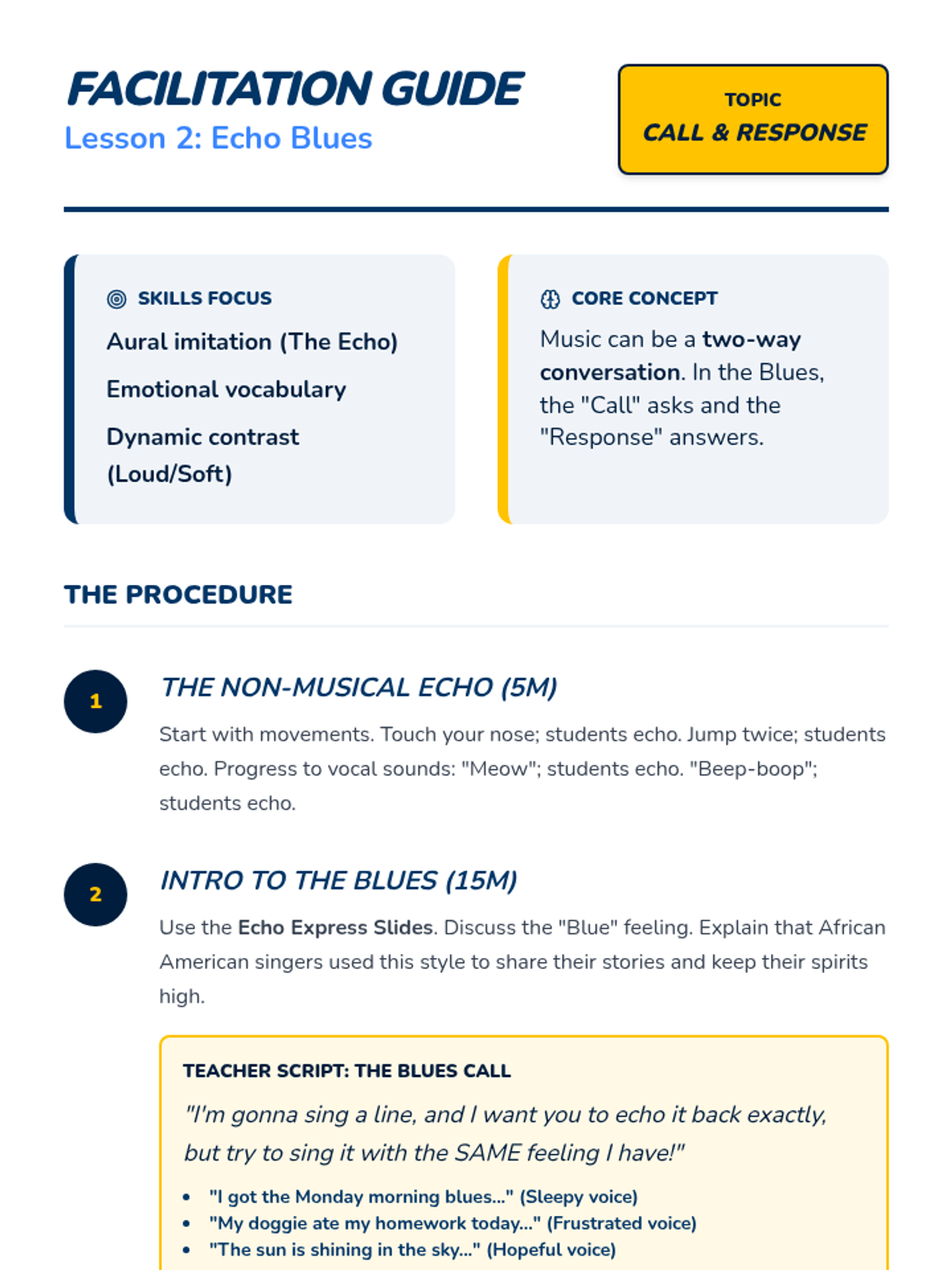
Introduction to the Blues genre and the technique of call-and-response, focusing on emotional expression and musical conversation.
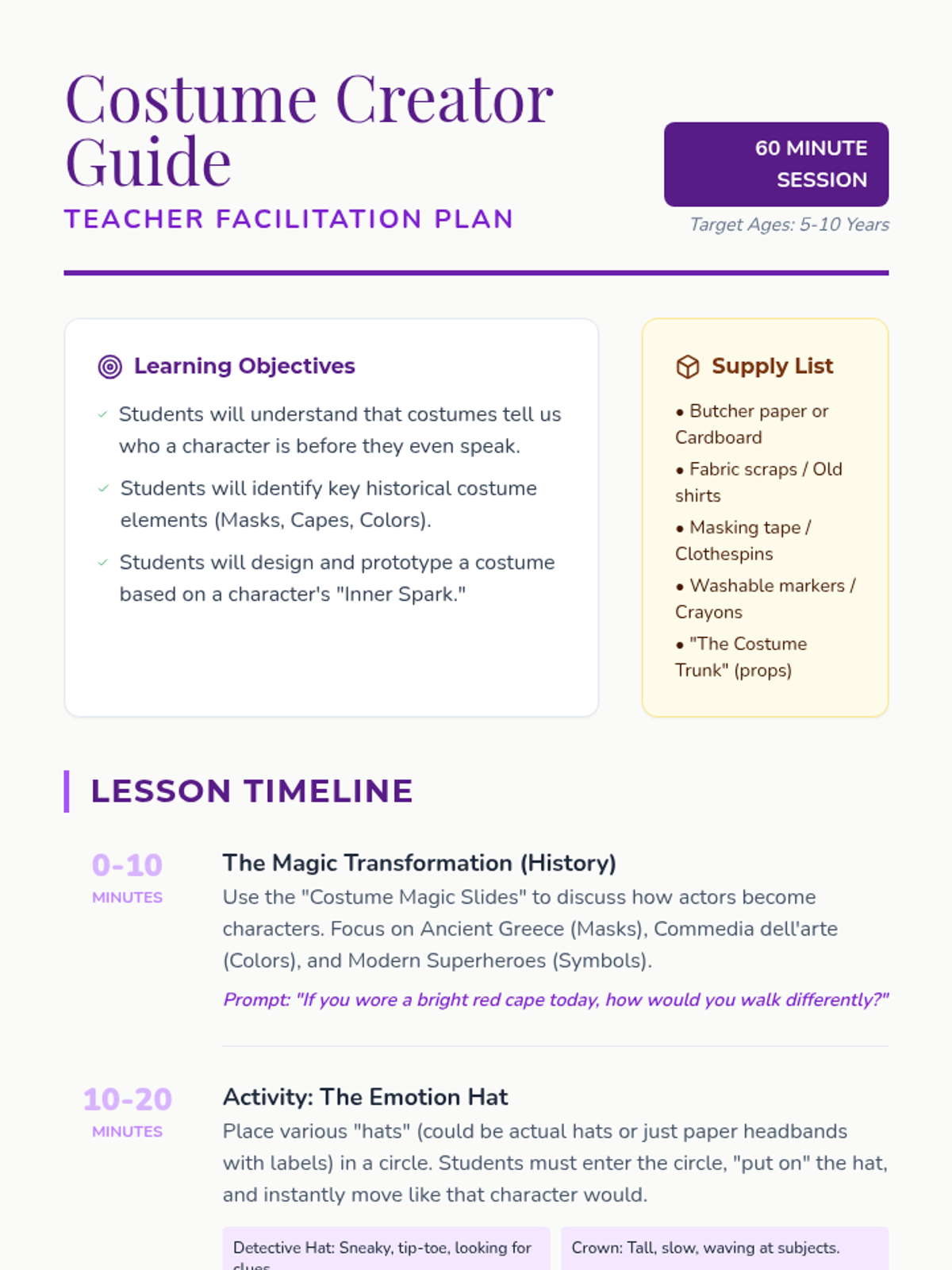
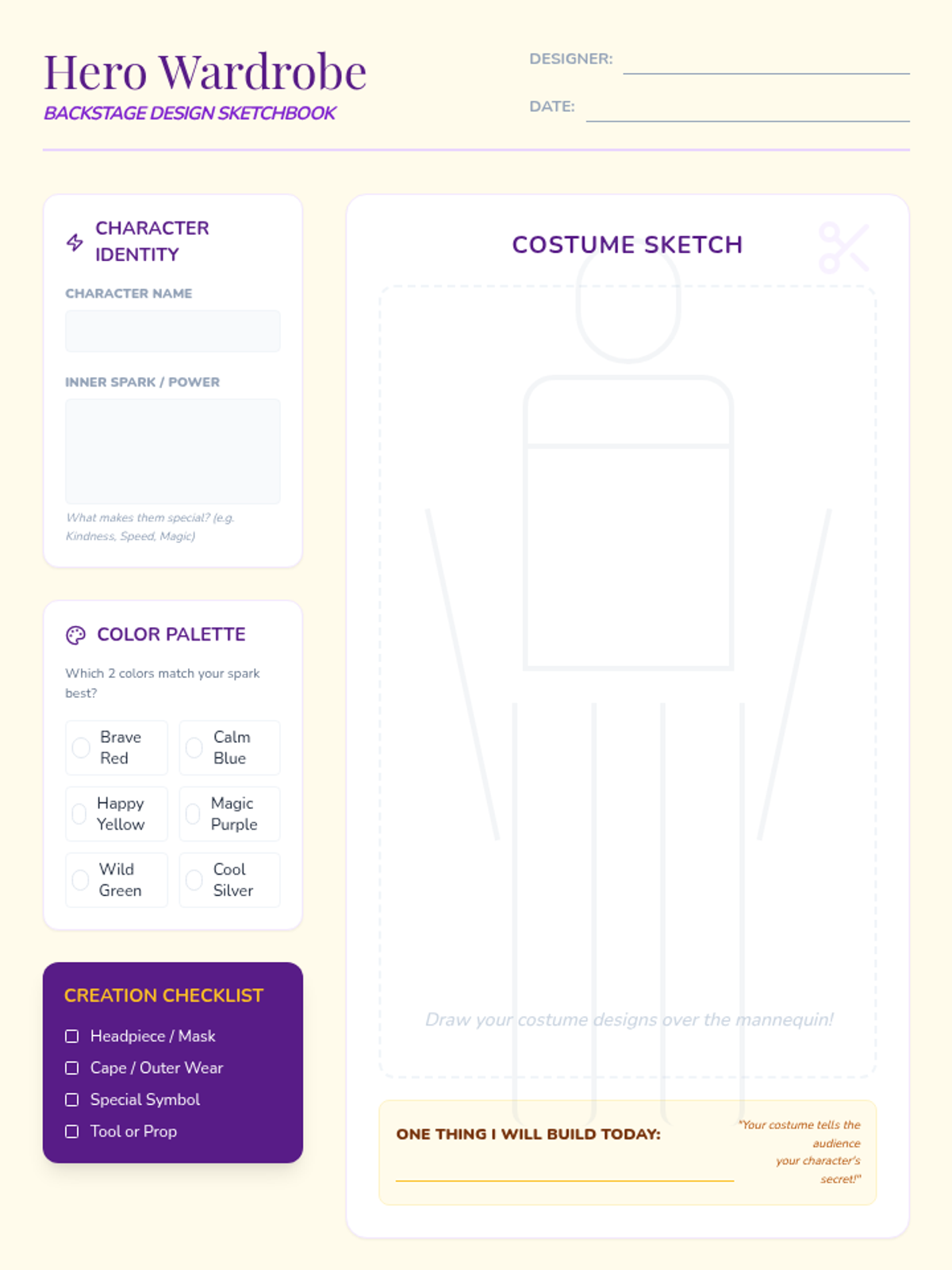
A 60-minute exploration into the world of theatrical costume design, featuring a simplified history of stage attire, interactive character-building games, and a hands-on design workshop for young creators.
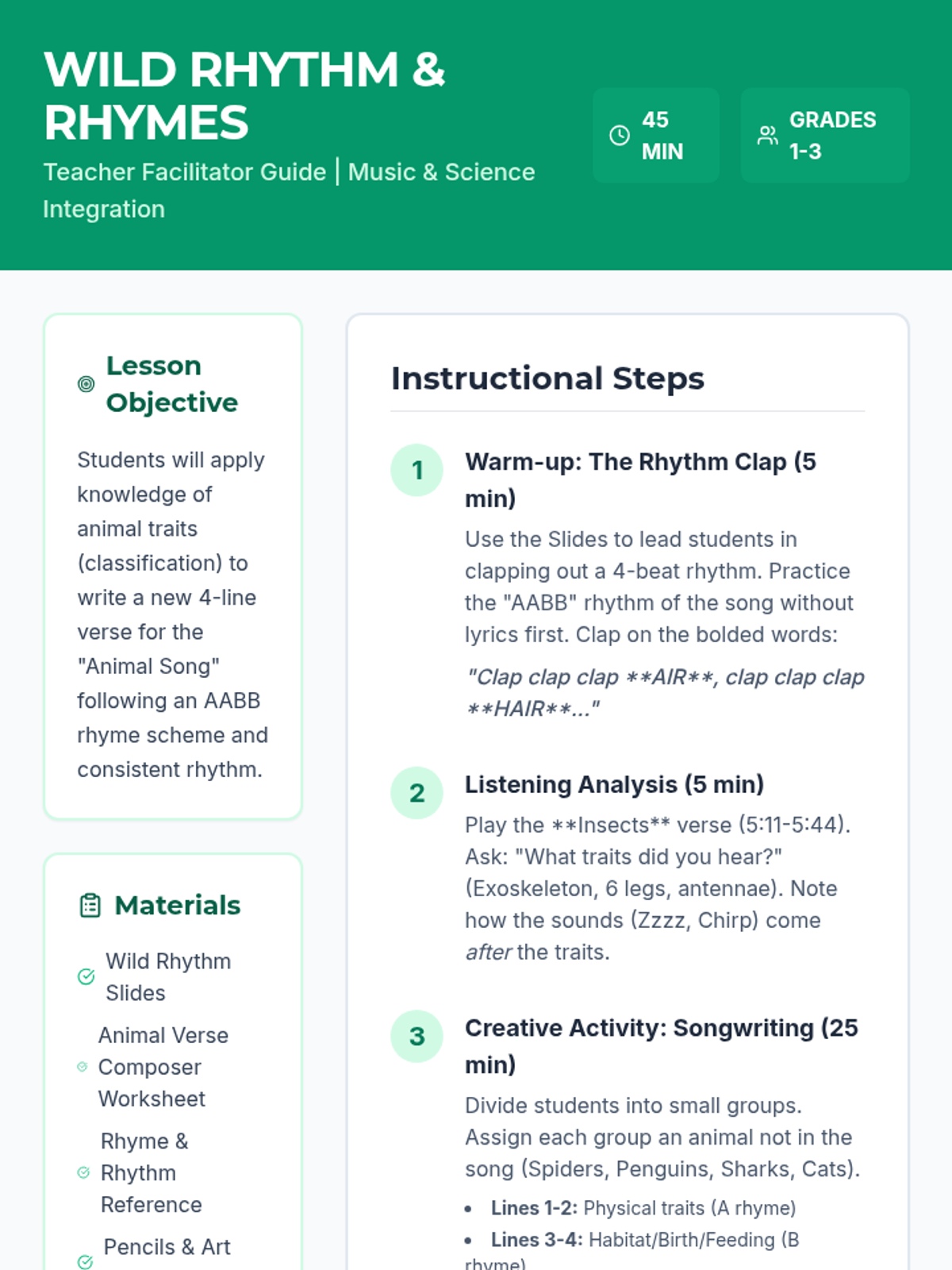
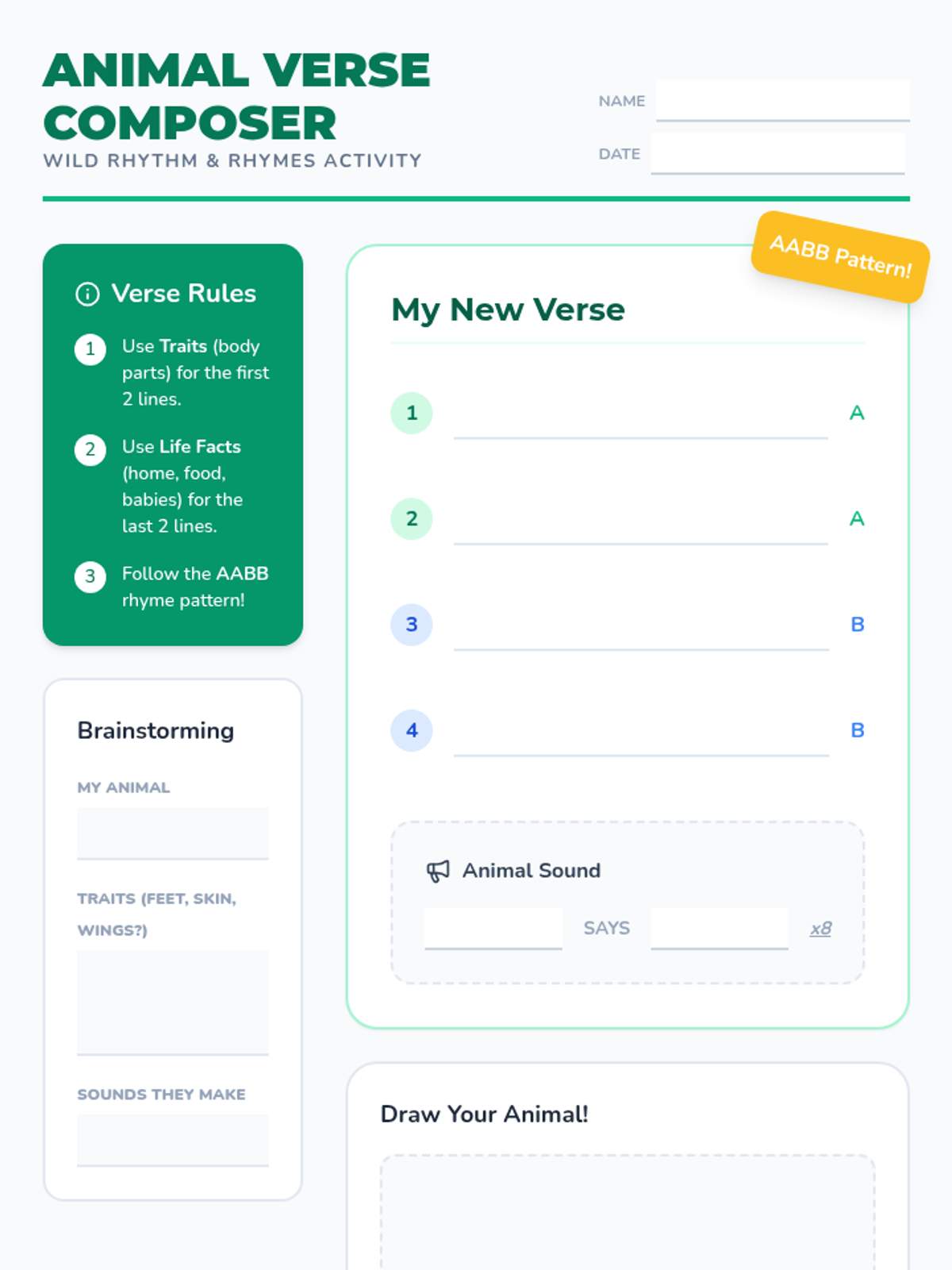
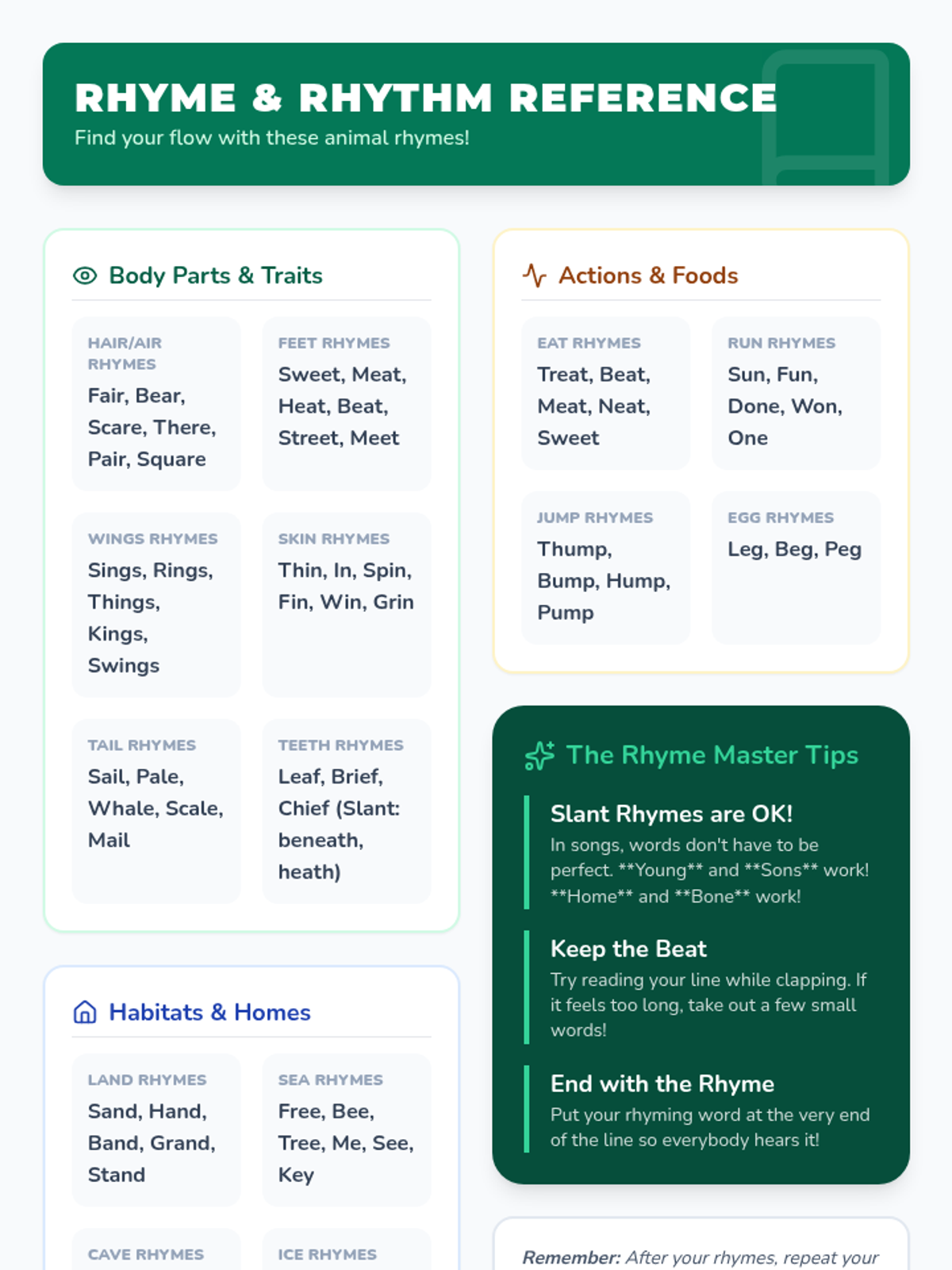
A music and science integration lesson where students analyze animal classifications and write their own verses for the 'Animal Song' using AABB rhyme schemes.
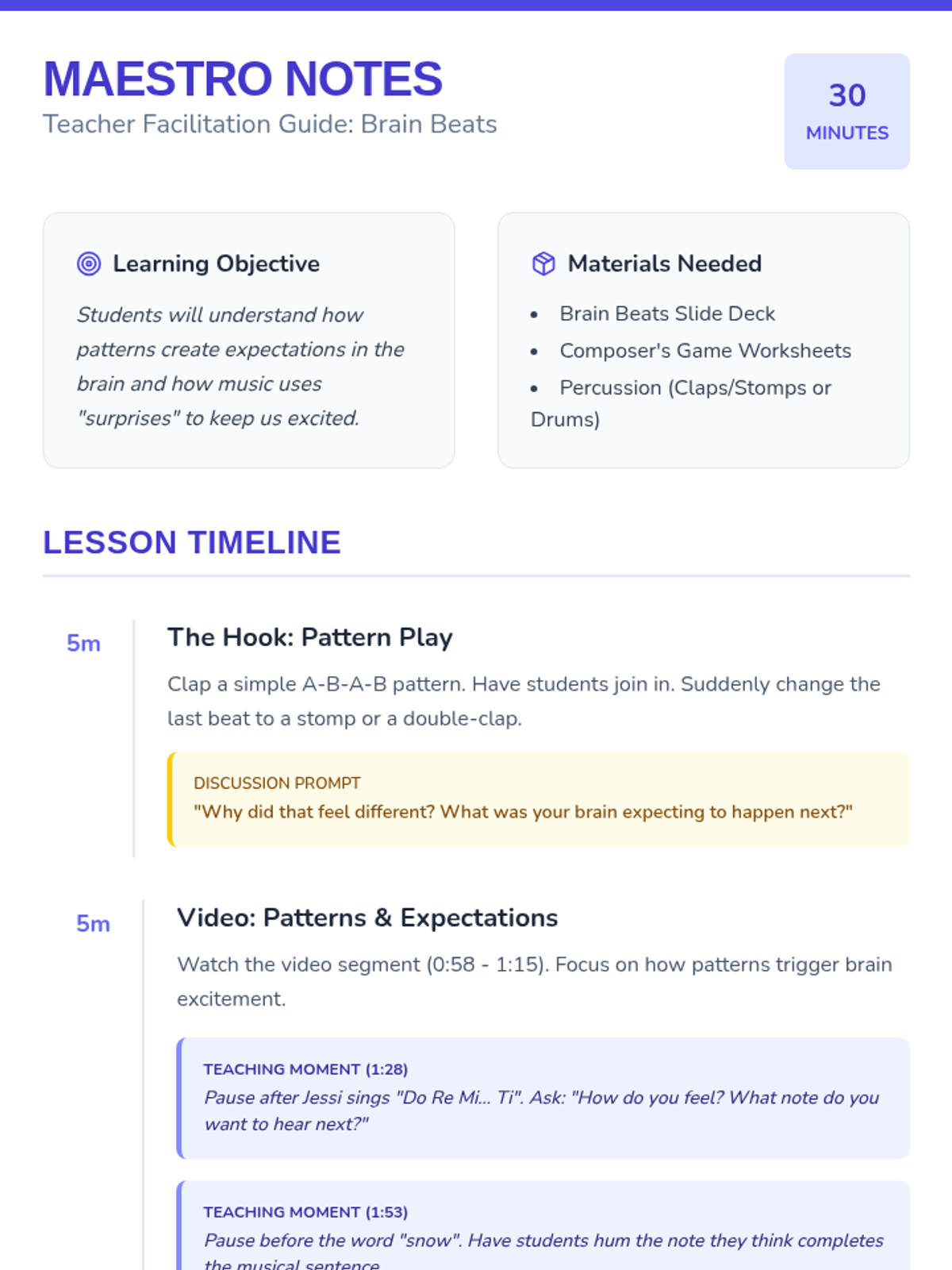
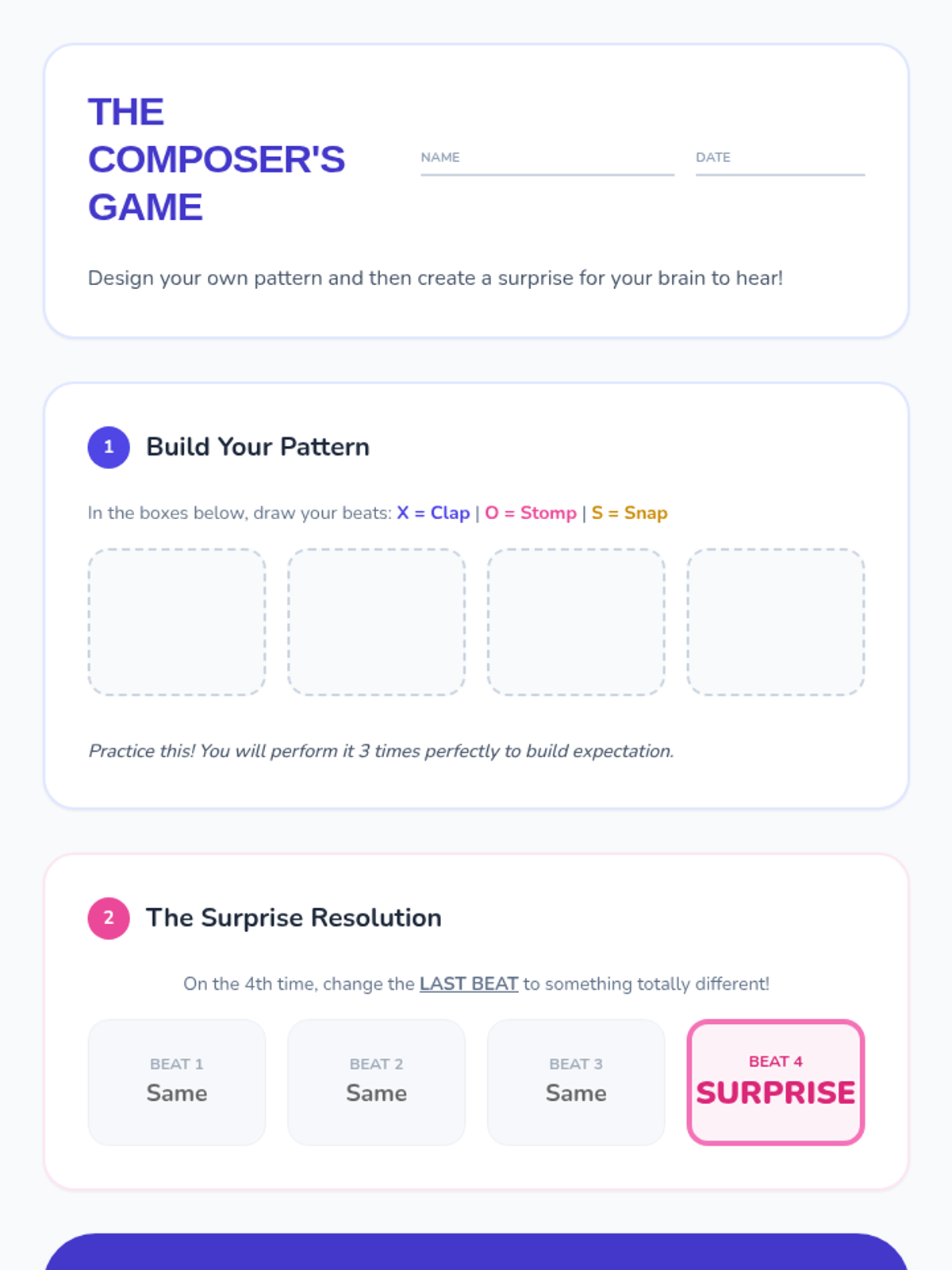
Students explore how the brain uses patterns and expectations to process music, learning about the 'tonic' and 'resolution' through a rhythmic composition game.
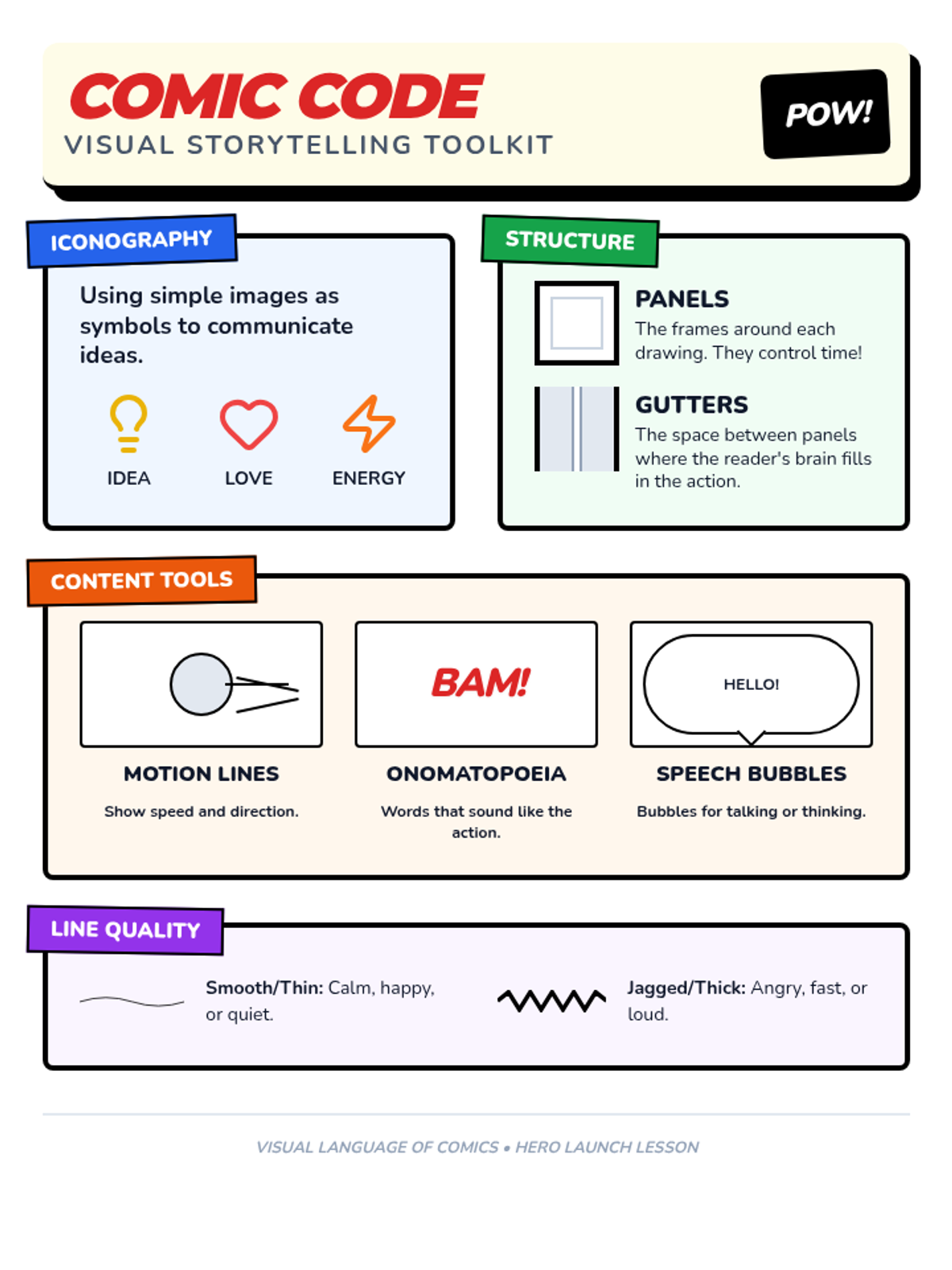
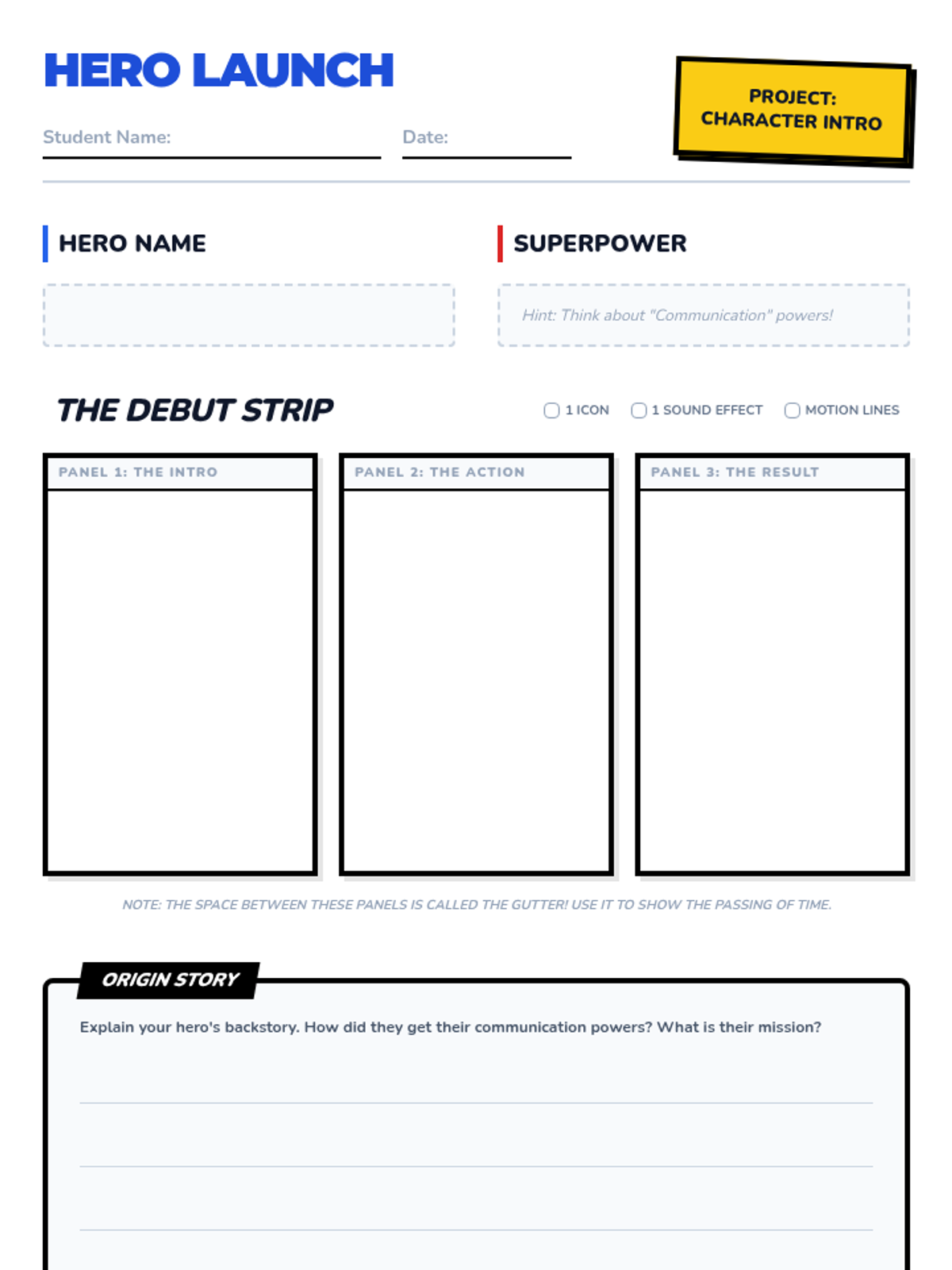
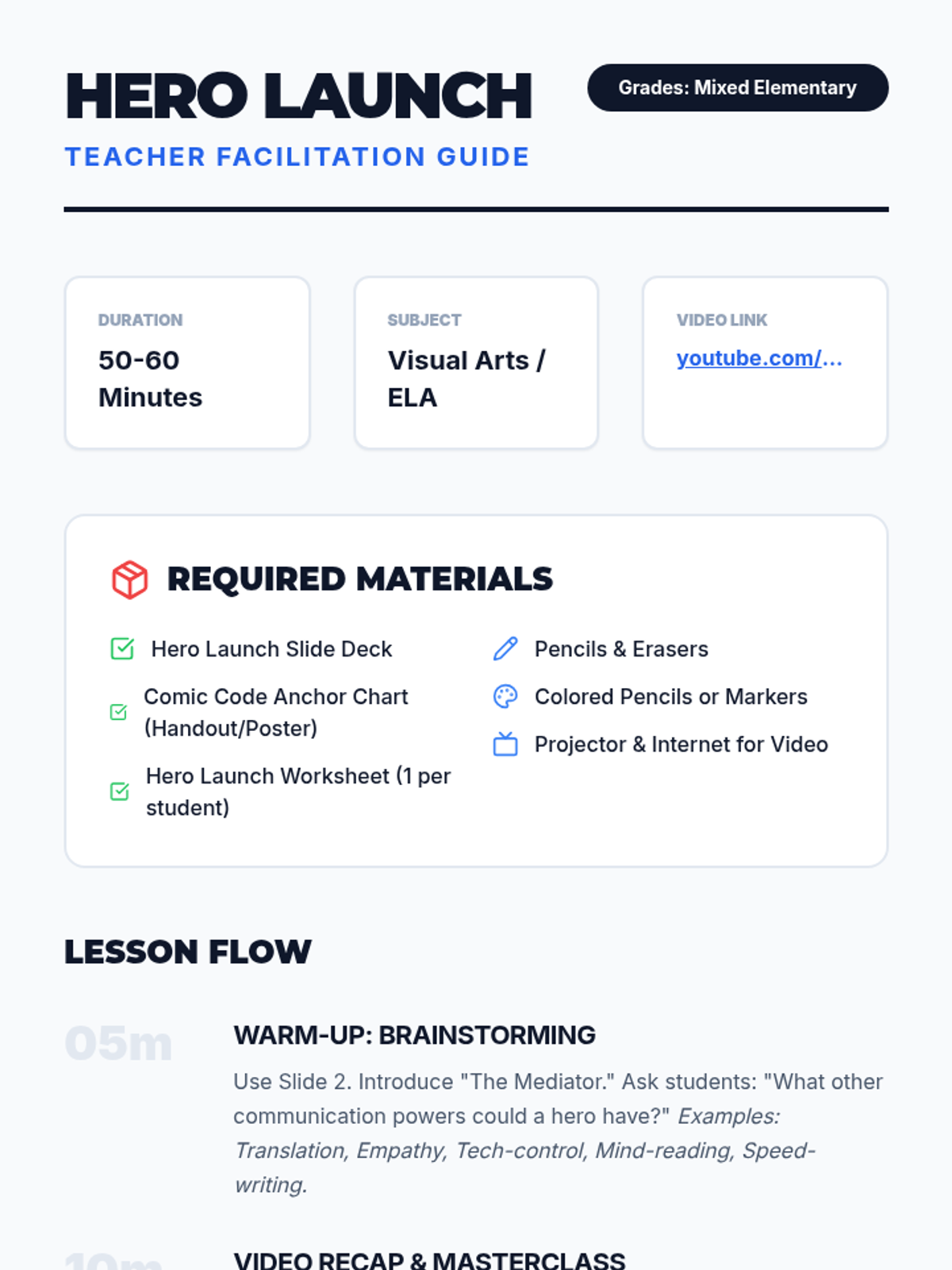
Students learn the visual language of comics—including iconography, panels, and gutters—to design an original superhero and introduce them in a three-panel 'Hero Launch' comic strip.
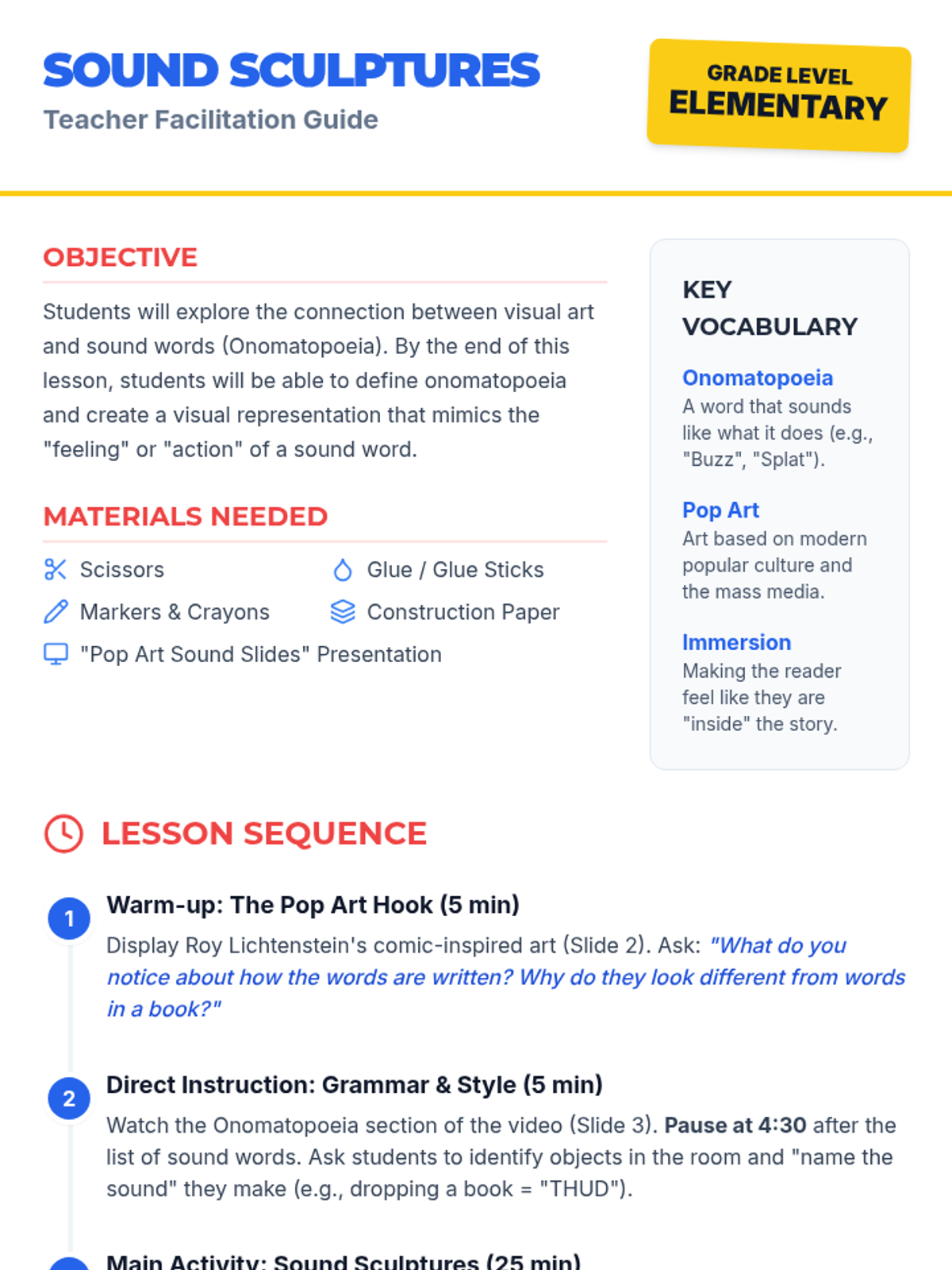
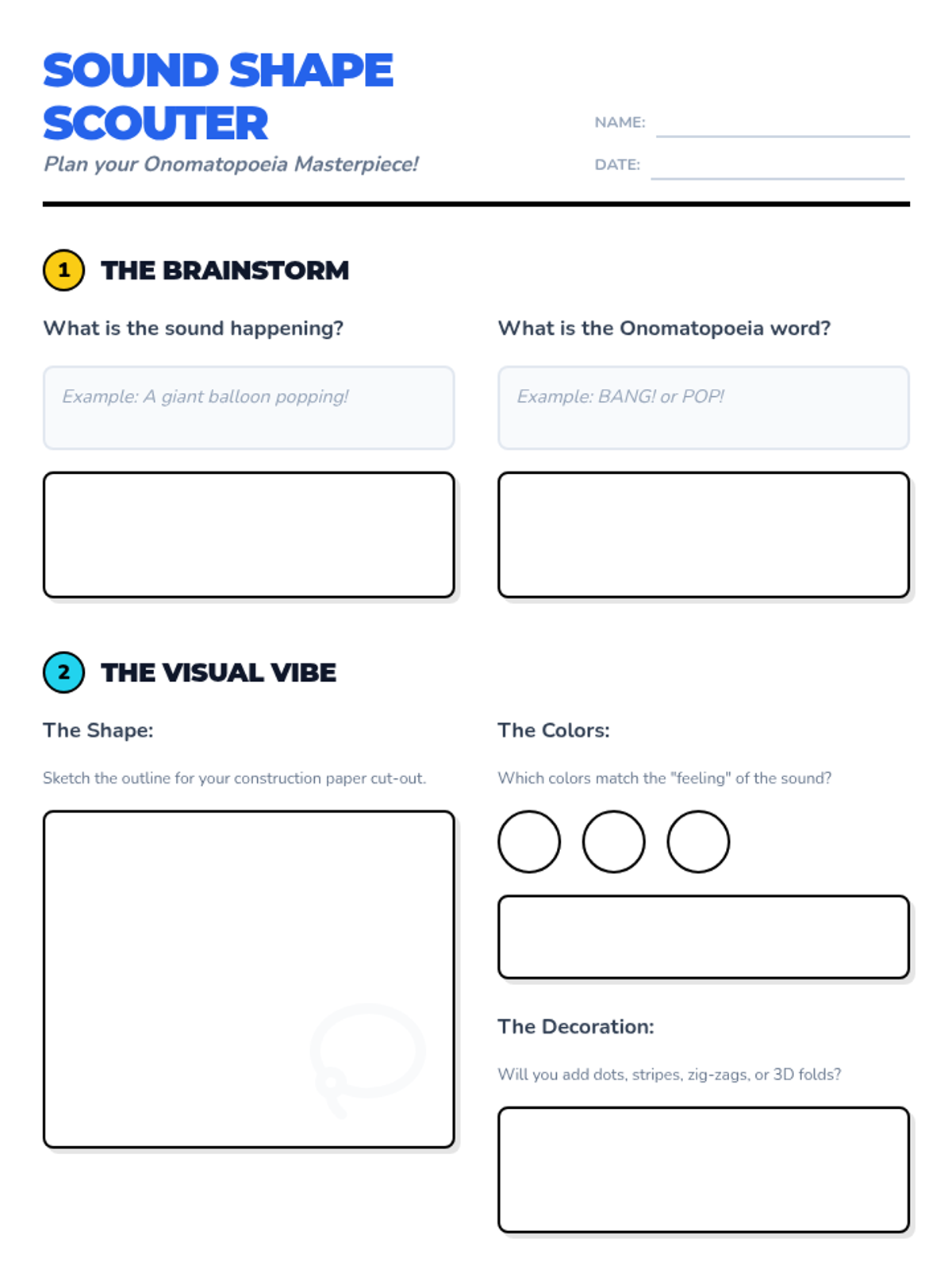
Students will explore the intersection of language and visual art by identifying onomatopoeia in Pop Art and creating 3D 'Sound Sculptures' that represent the visual feeling of a sound.
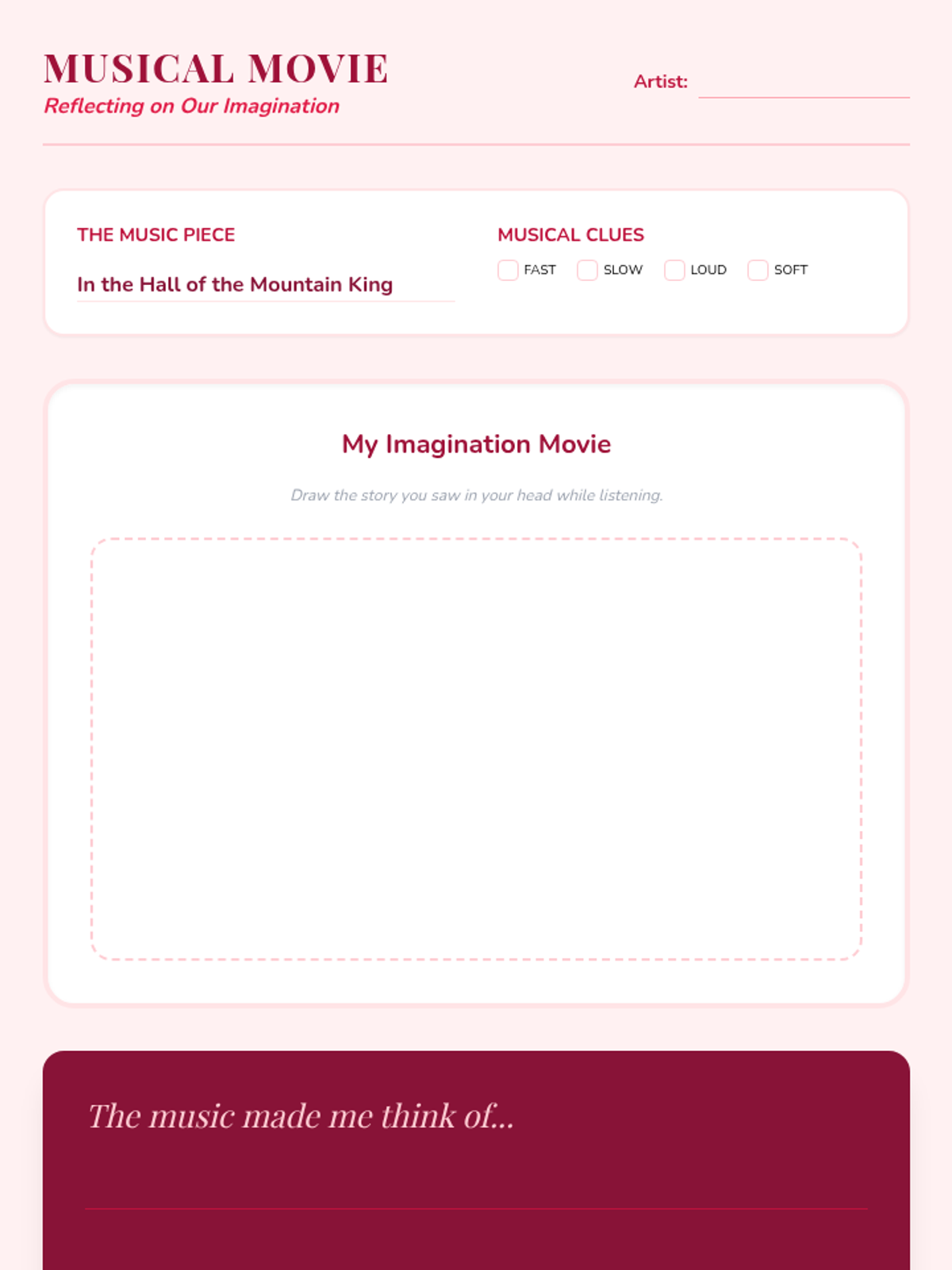
Students reflect on the programmatic music heard throughout the unit and describe the imagery it evokes in their imagination.
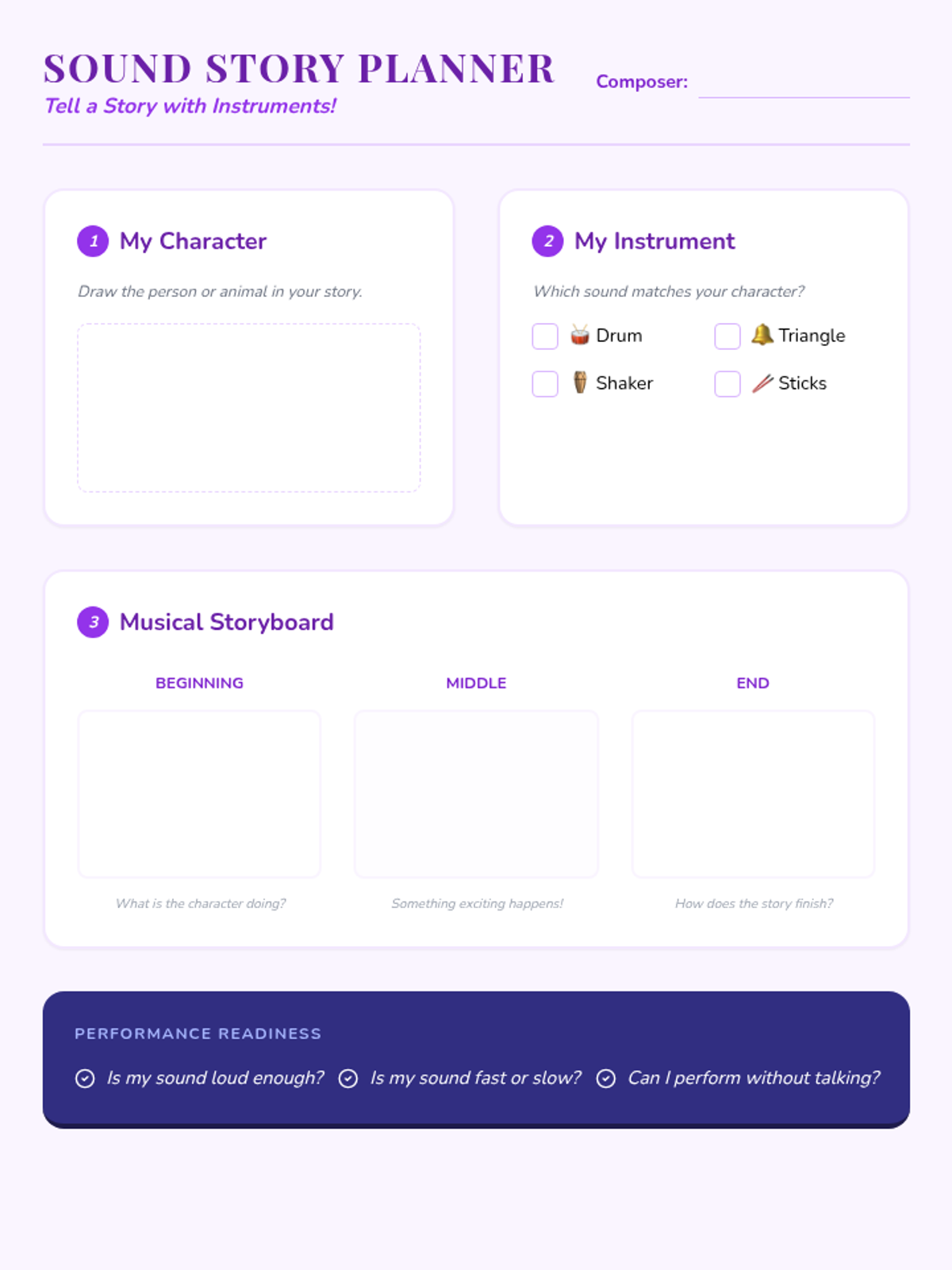
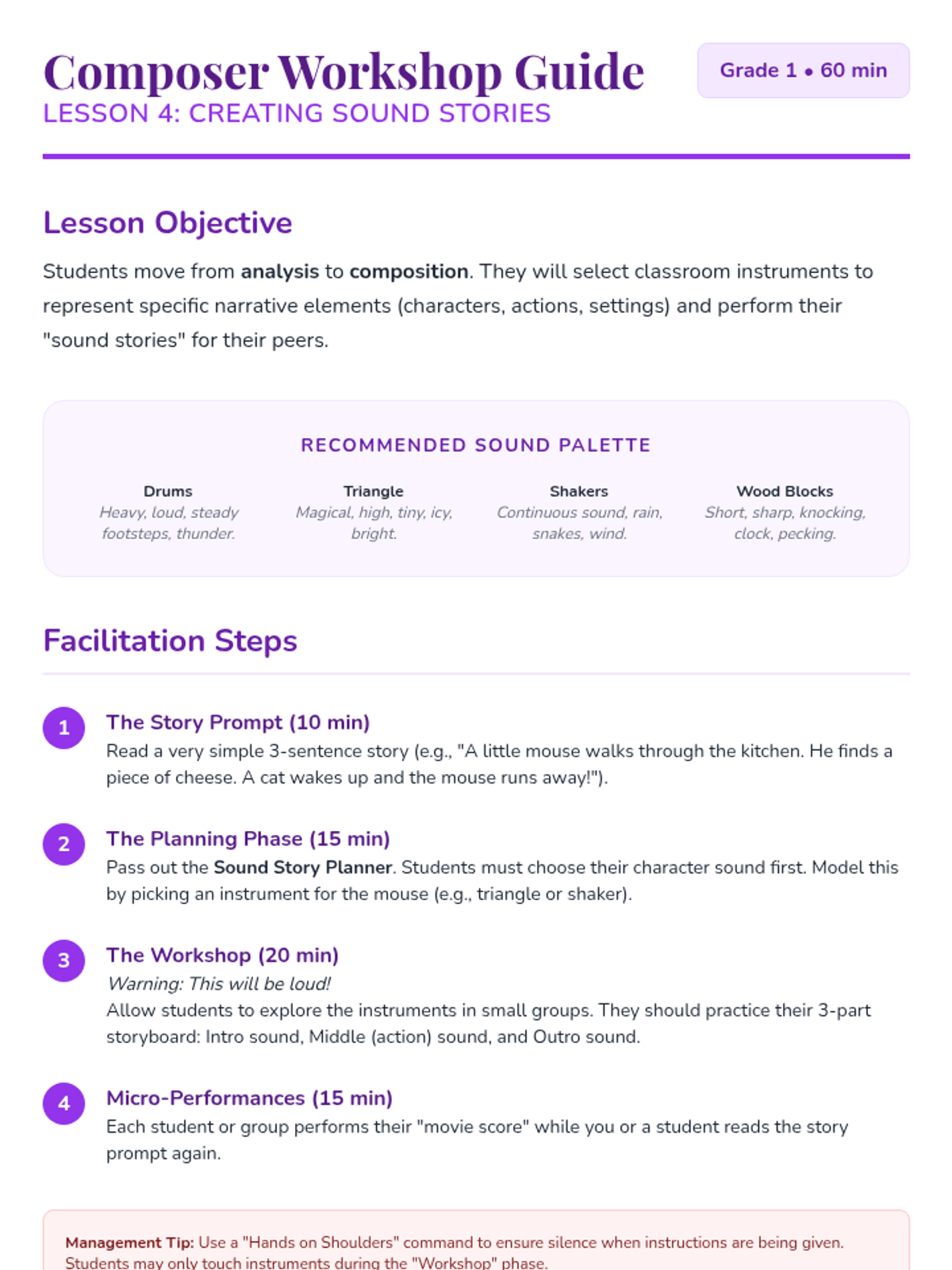
Students use classroom instruments to compose their own soundscapes for short narratives.
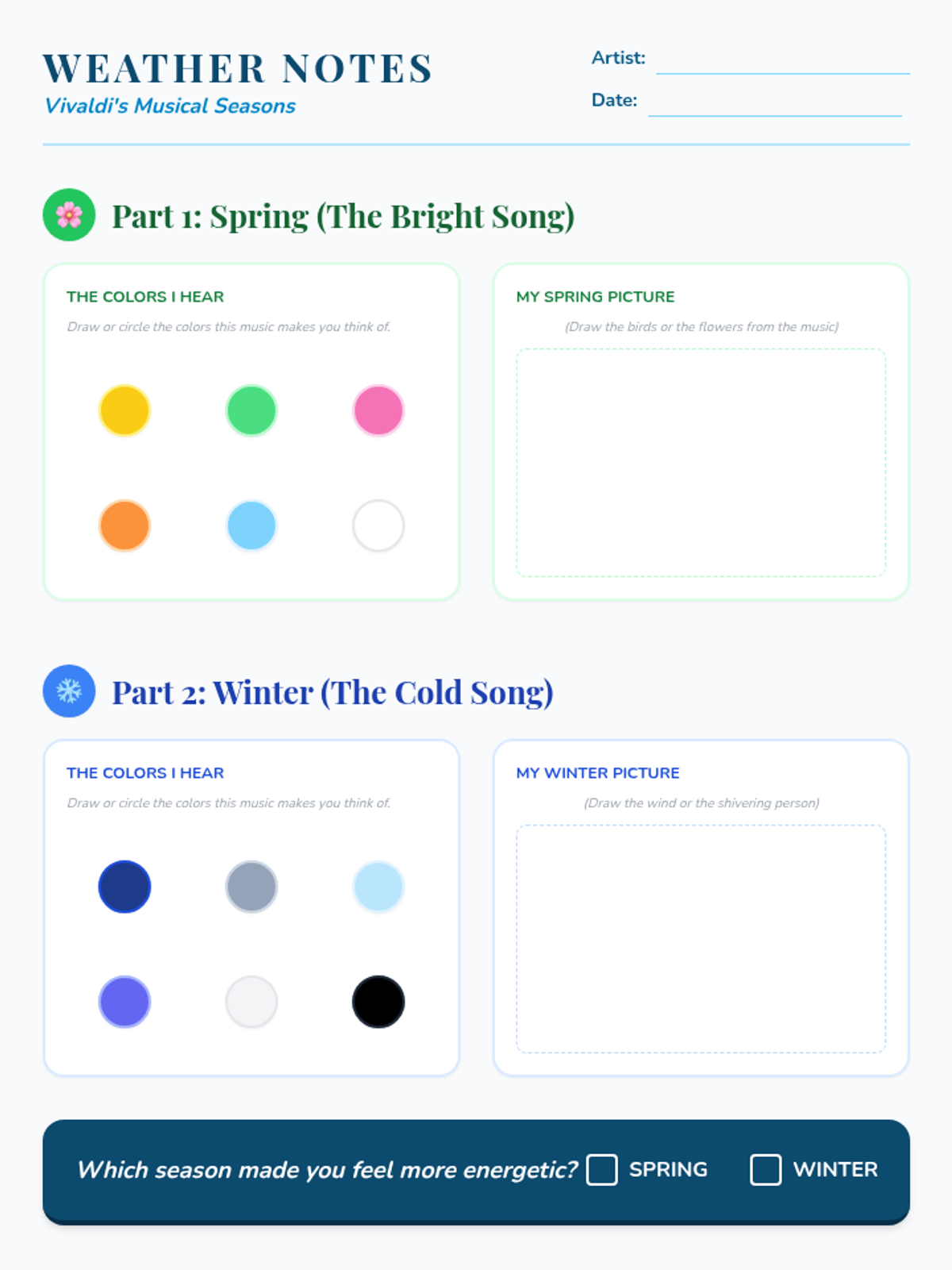
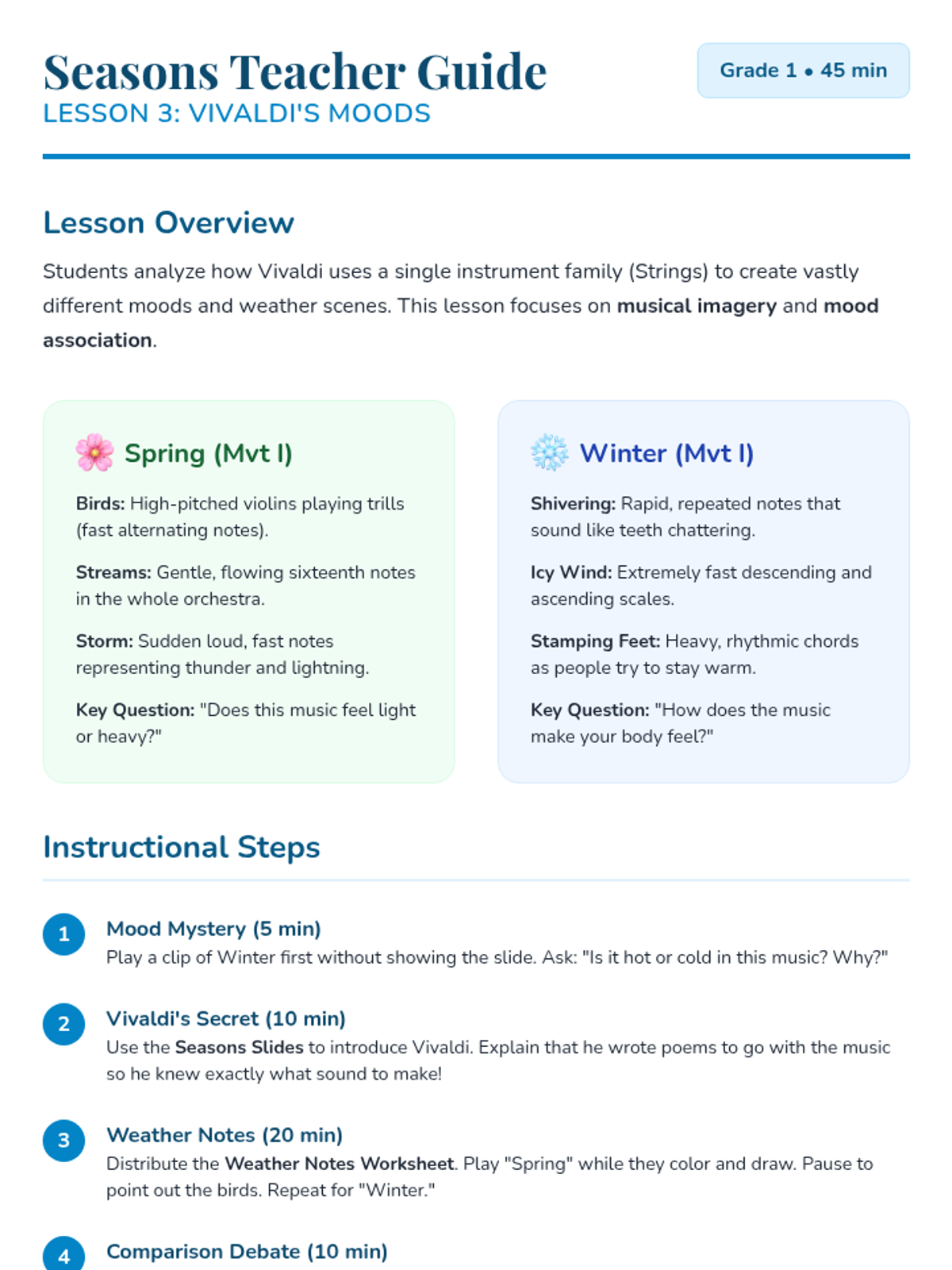
Students compare 'Spring' and 'Winter' from Vivaldi's 'Four Seasons' to see how music creates mood and depicts weather.
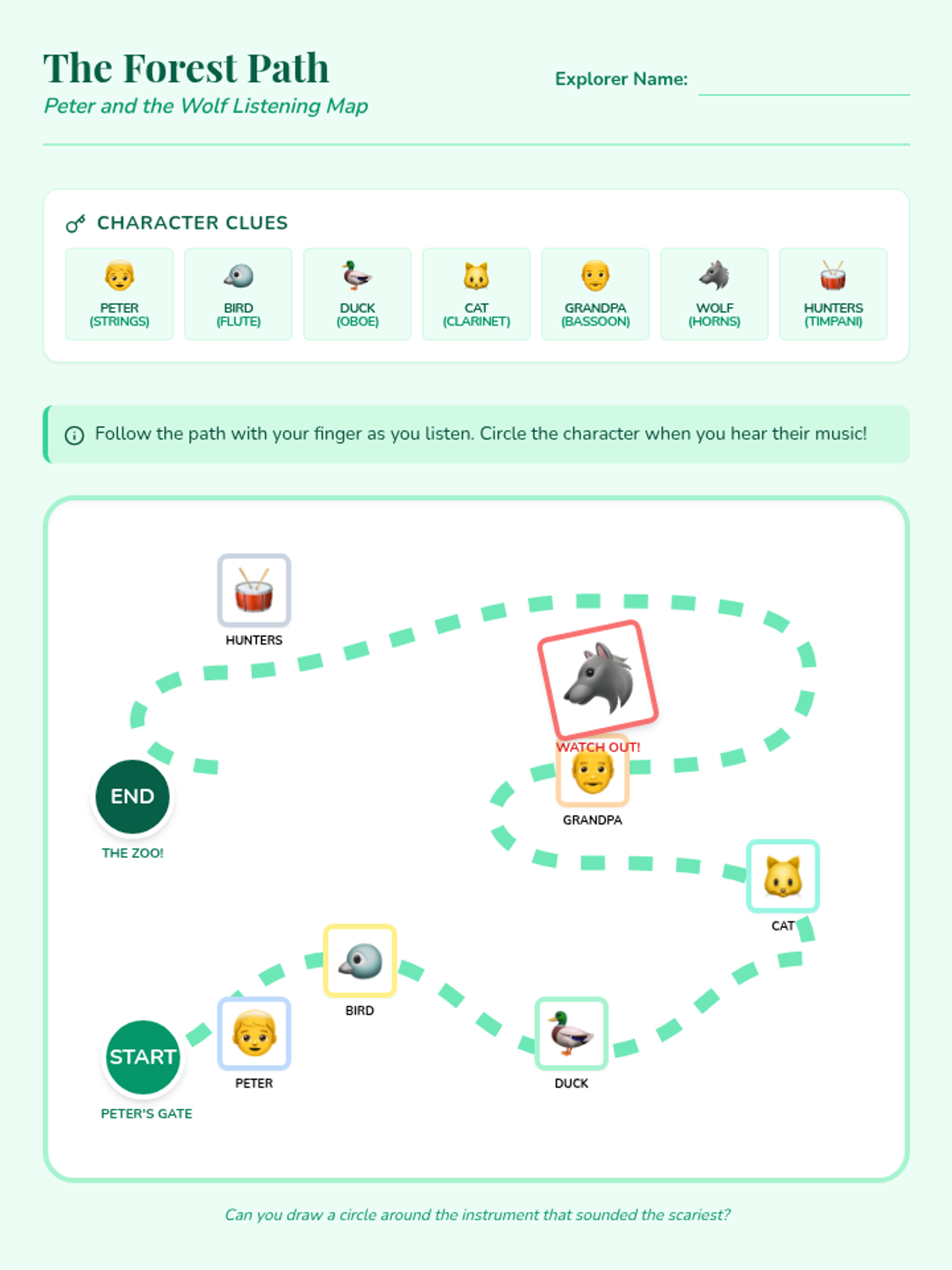
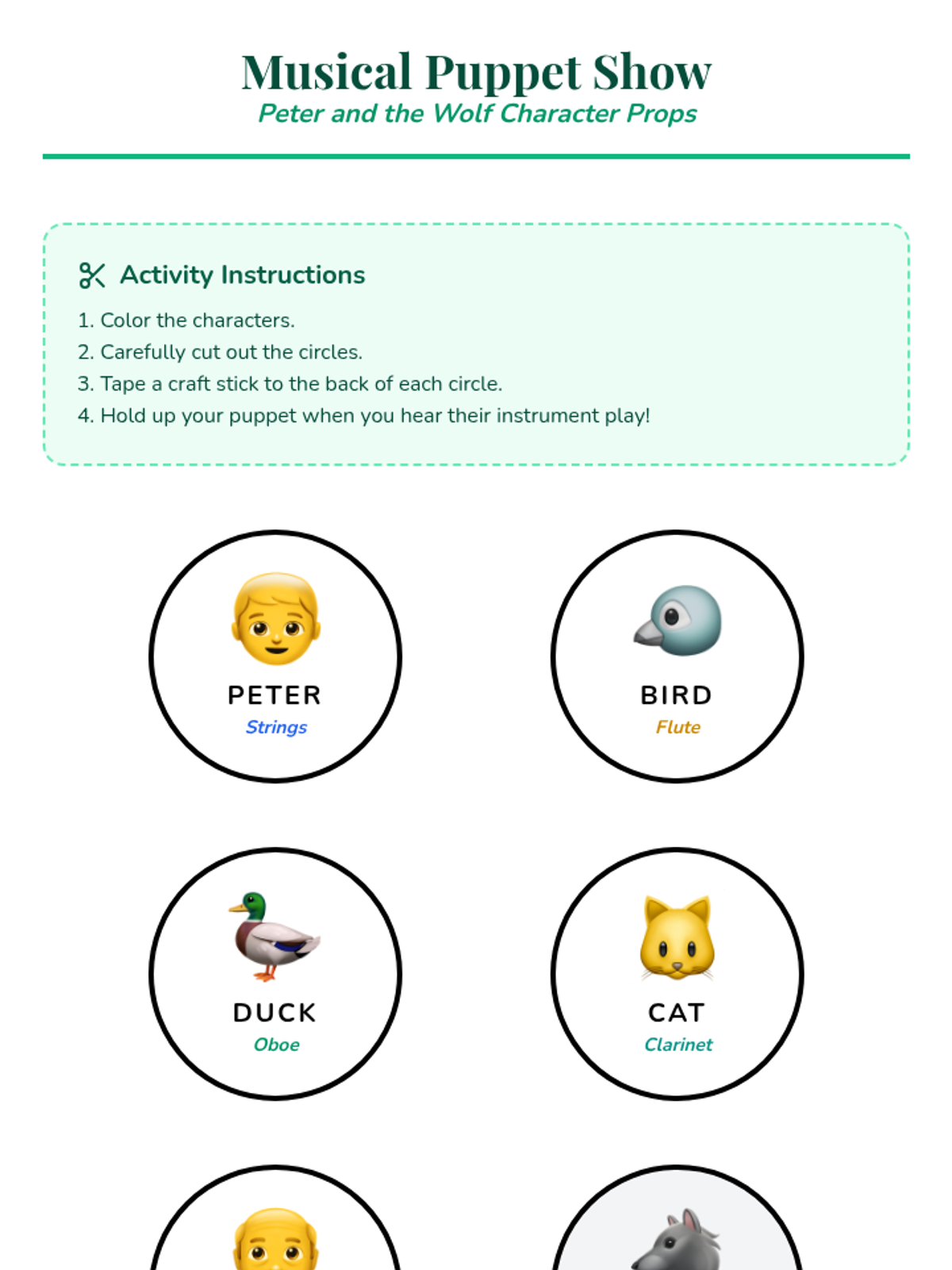
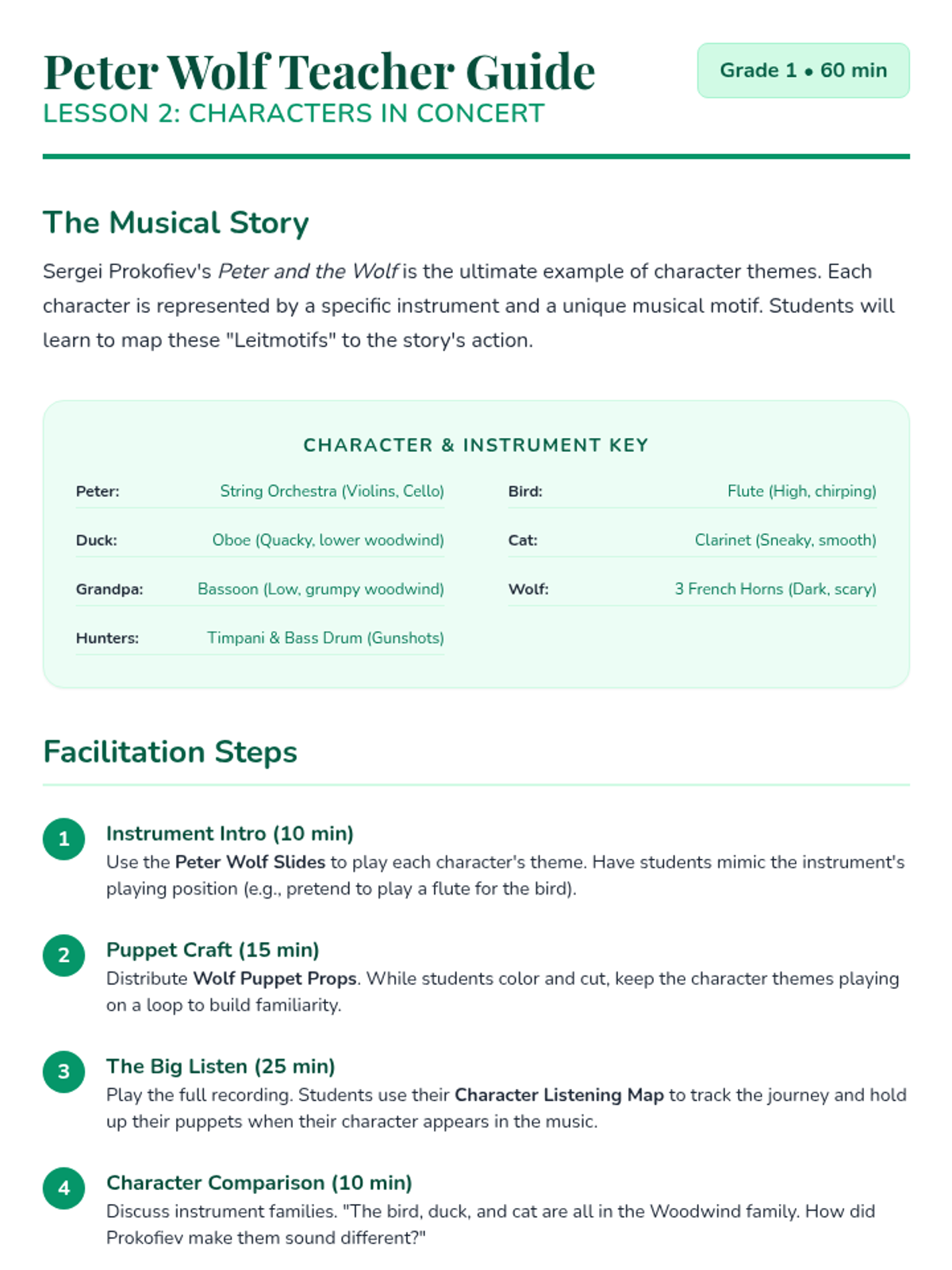
Students map characters to specific instruments in Prokofiev's 'Peter and the Wolf' and track the narrative through a visual listening map.
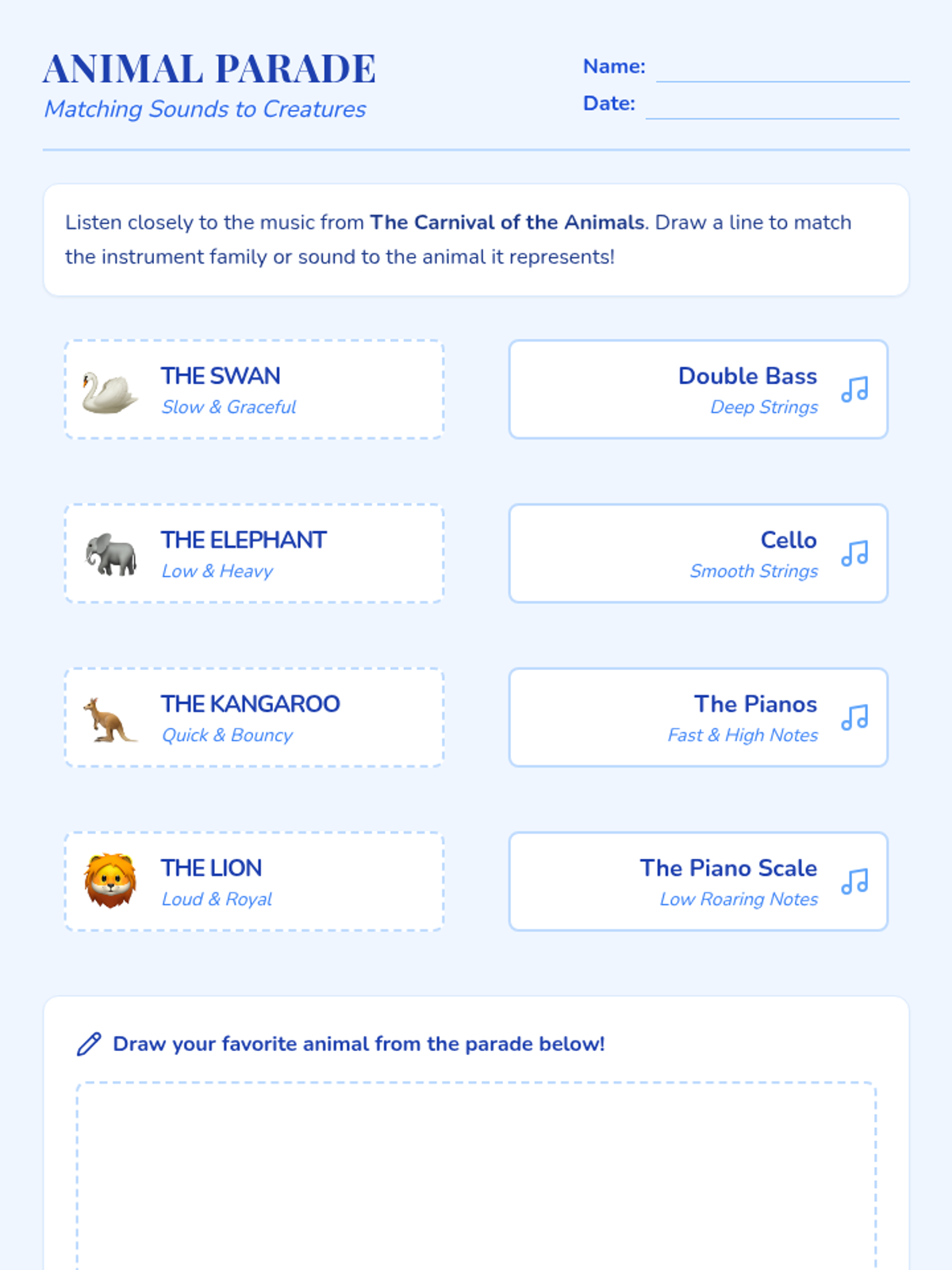
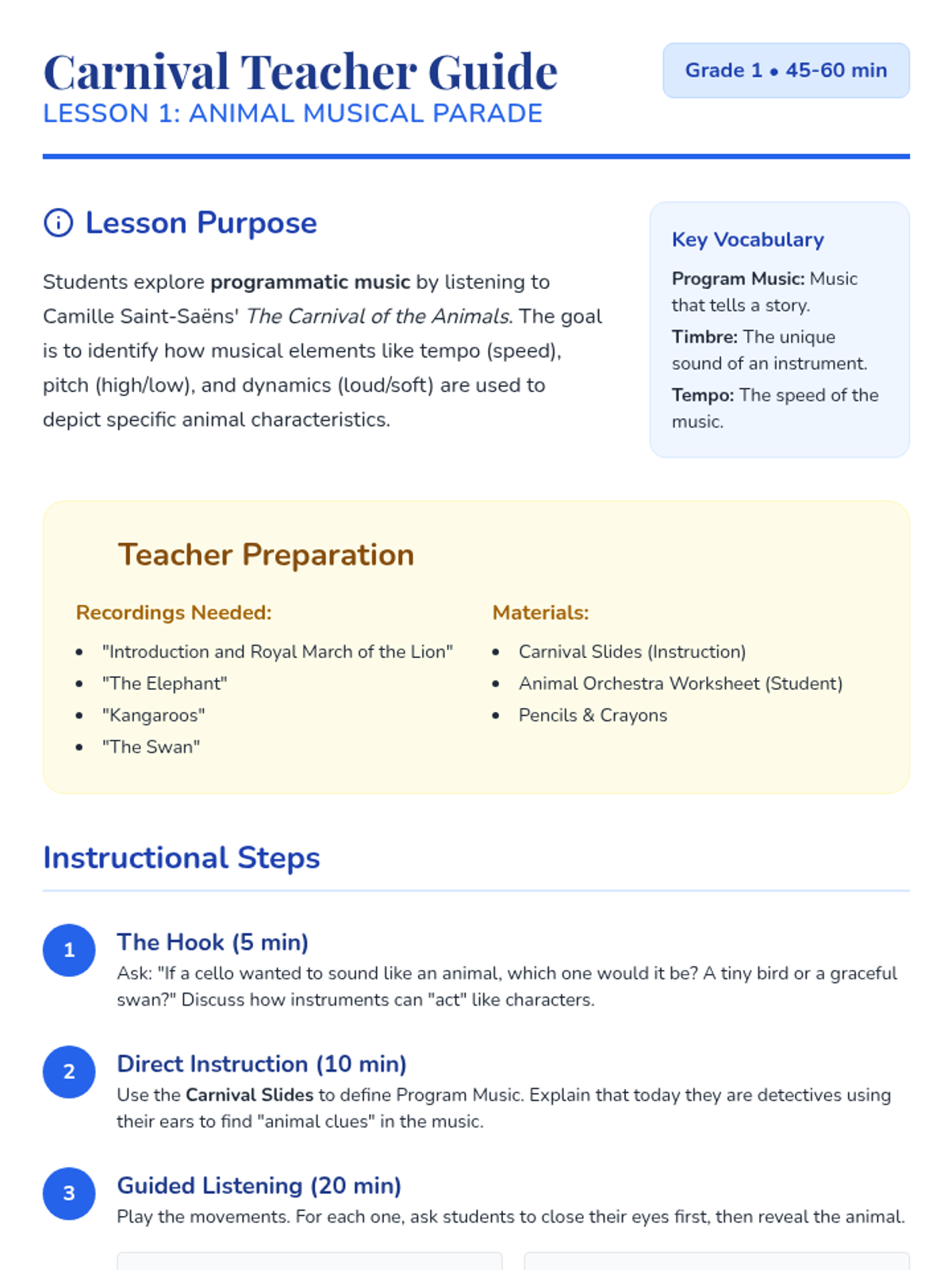
Students listen to selections from Saint-Saëns' 'Carnival of the Animals' to identify how different instruments and musical elements represent various animals.
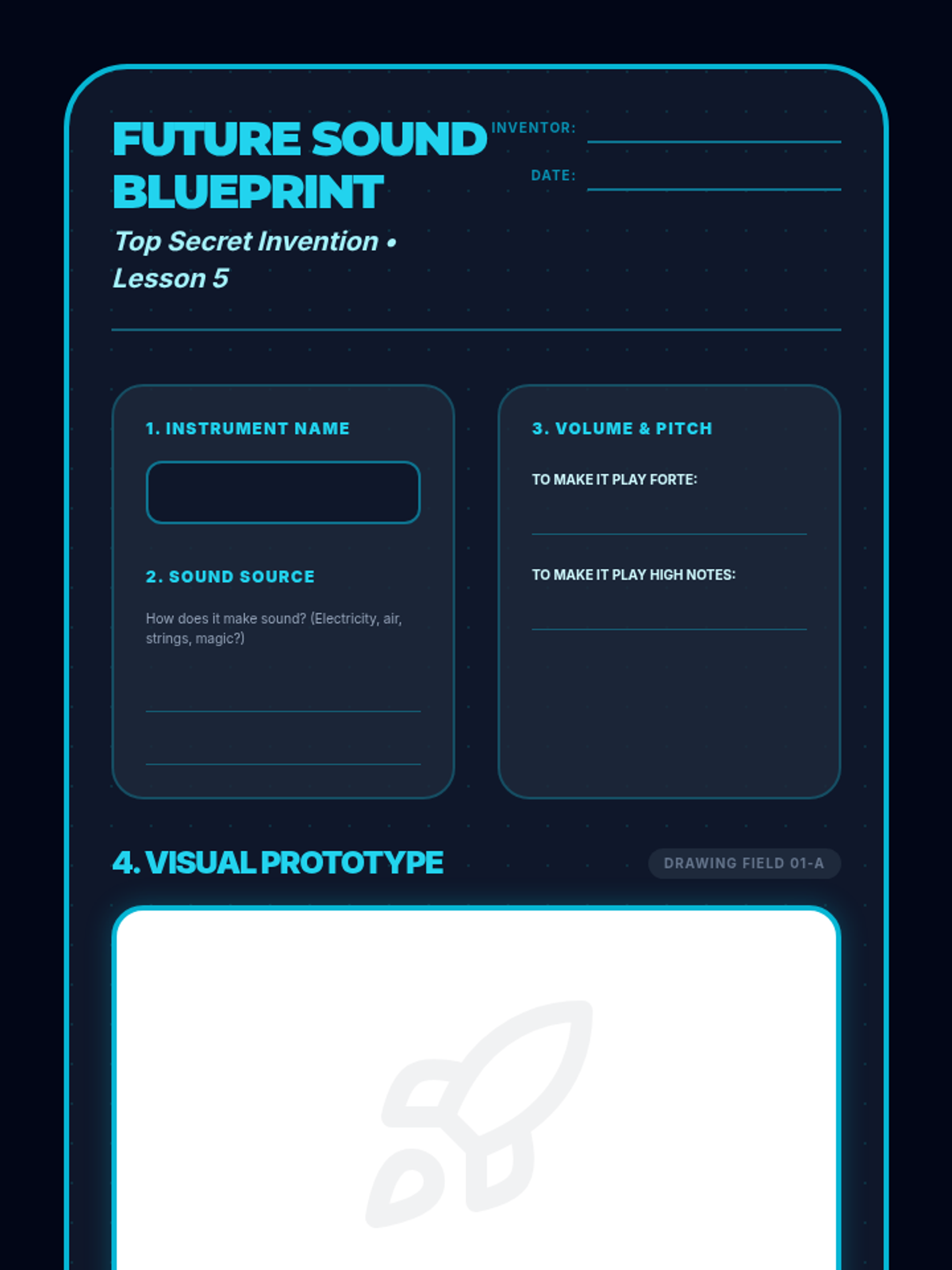
Students synthesize their learning to design a prototype of an 'instrument of the future,' explaining how it produces sound.
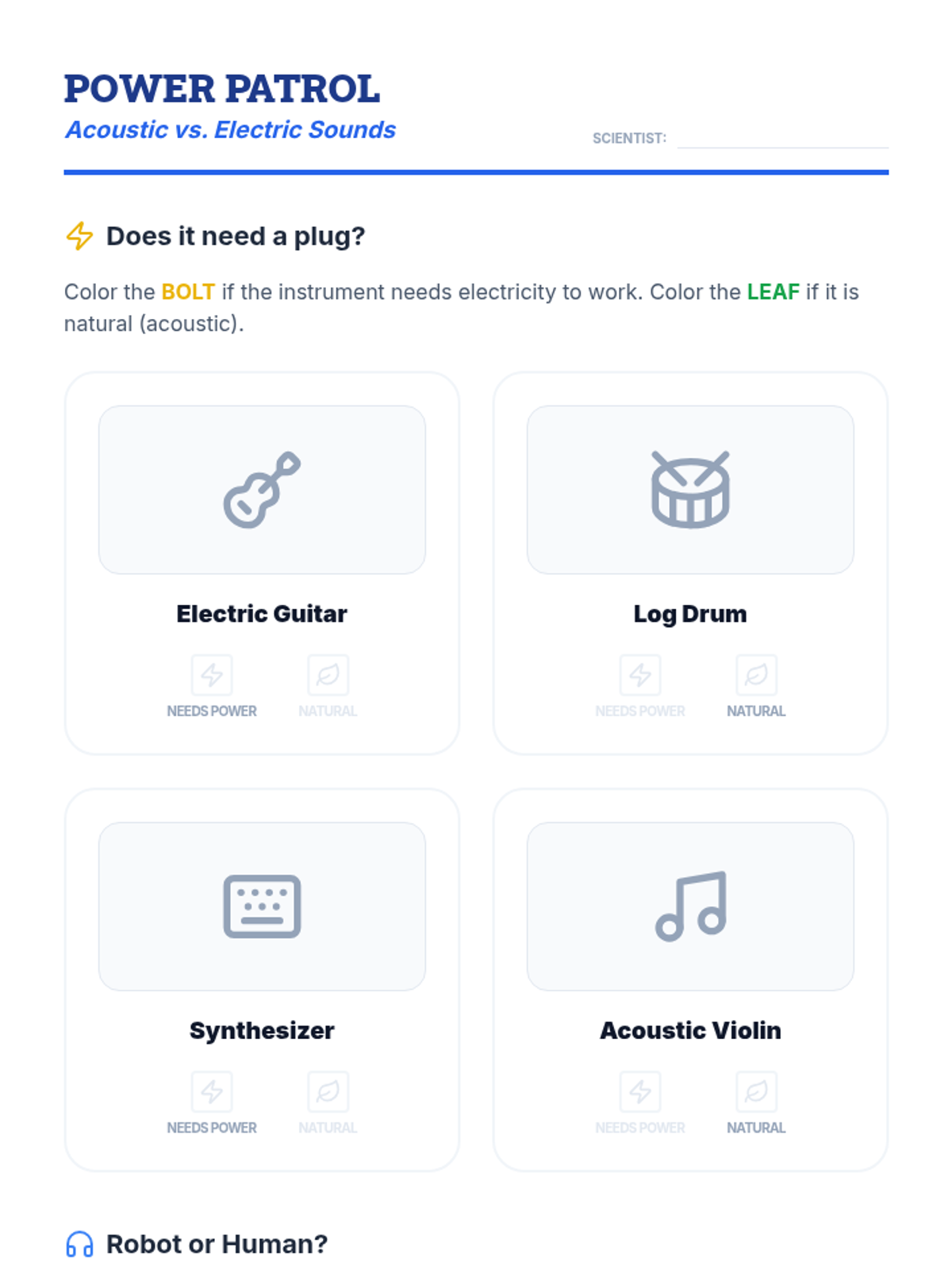
Students discover how electricity changed music by exploring electric guitars and synthesizers, experimenting with digital sound creation.
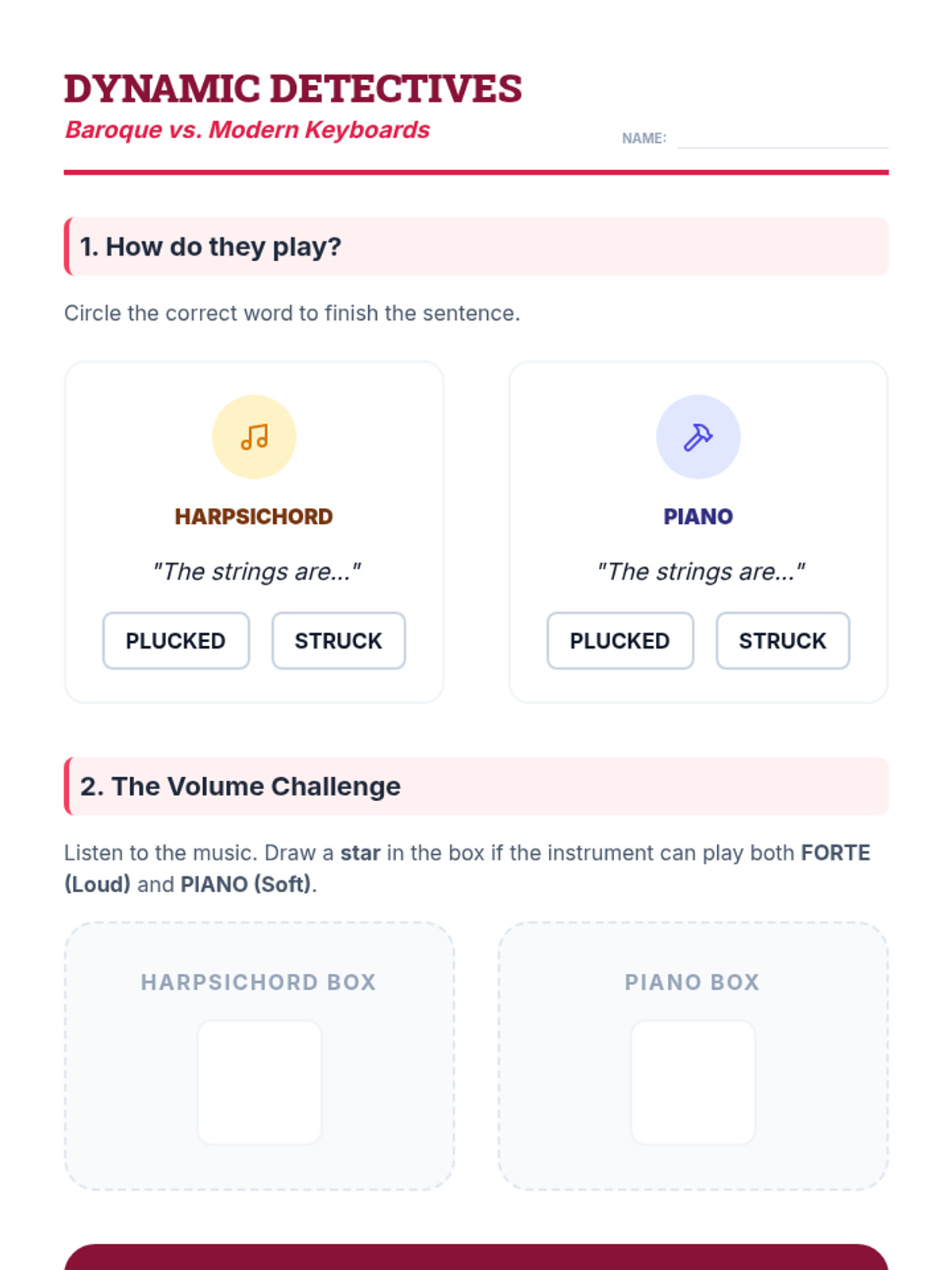
Students contrast the harpsichord and piano, exploring how mechanical changes allowed for dynamic control (loud and soft sounds).
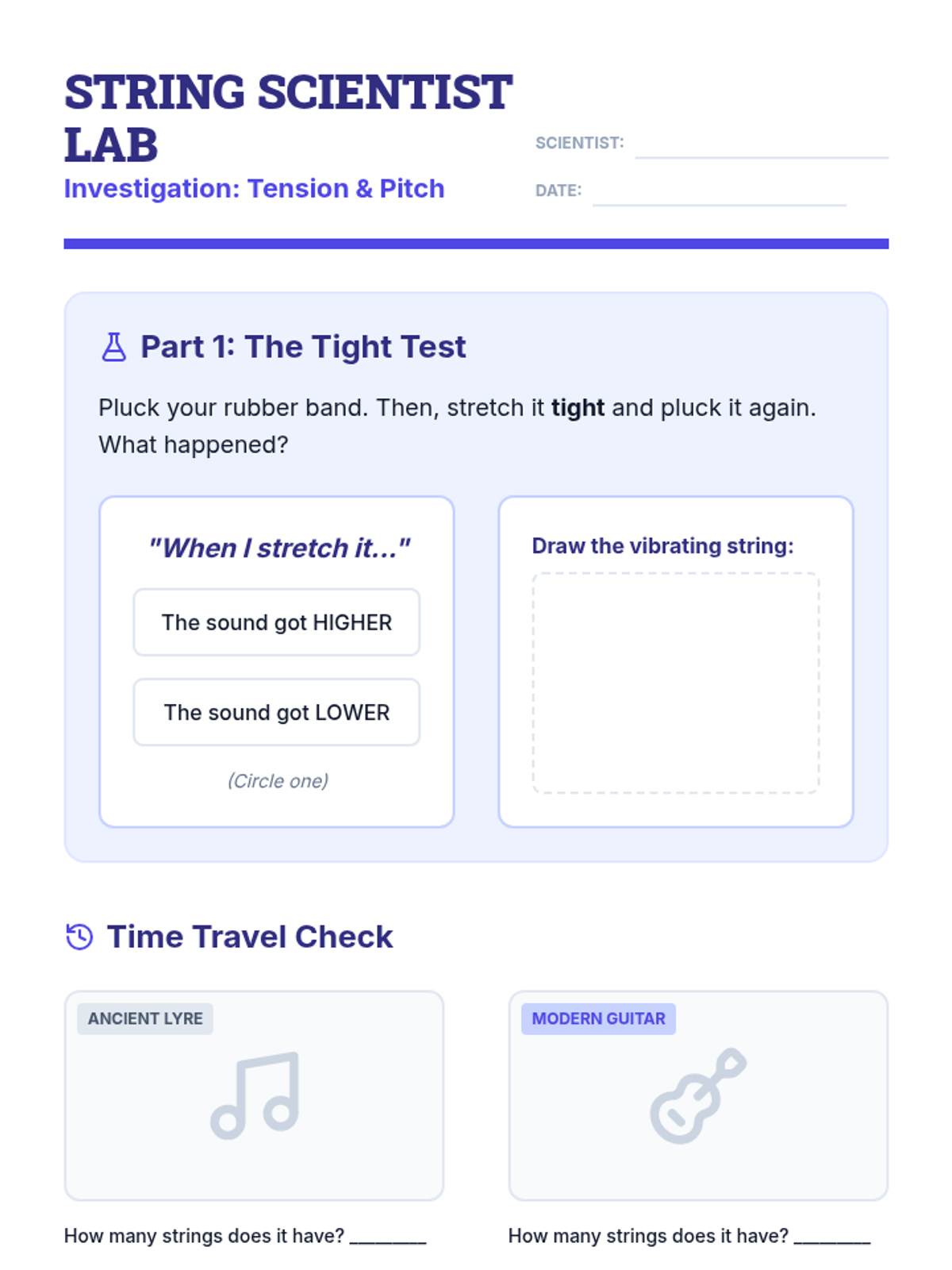
Students investigate the evolution of string instruments by comparing ancient lyres to modern acoustic guitars, focusing on pitch and tension.
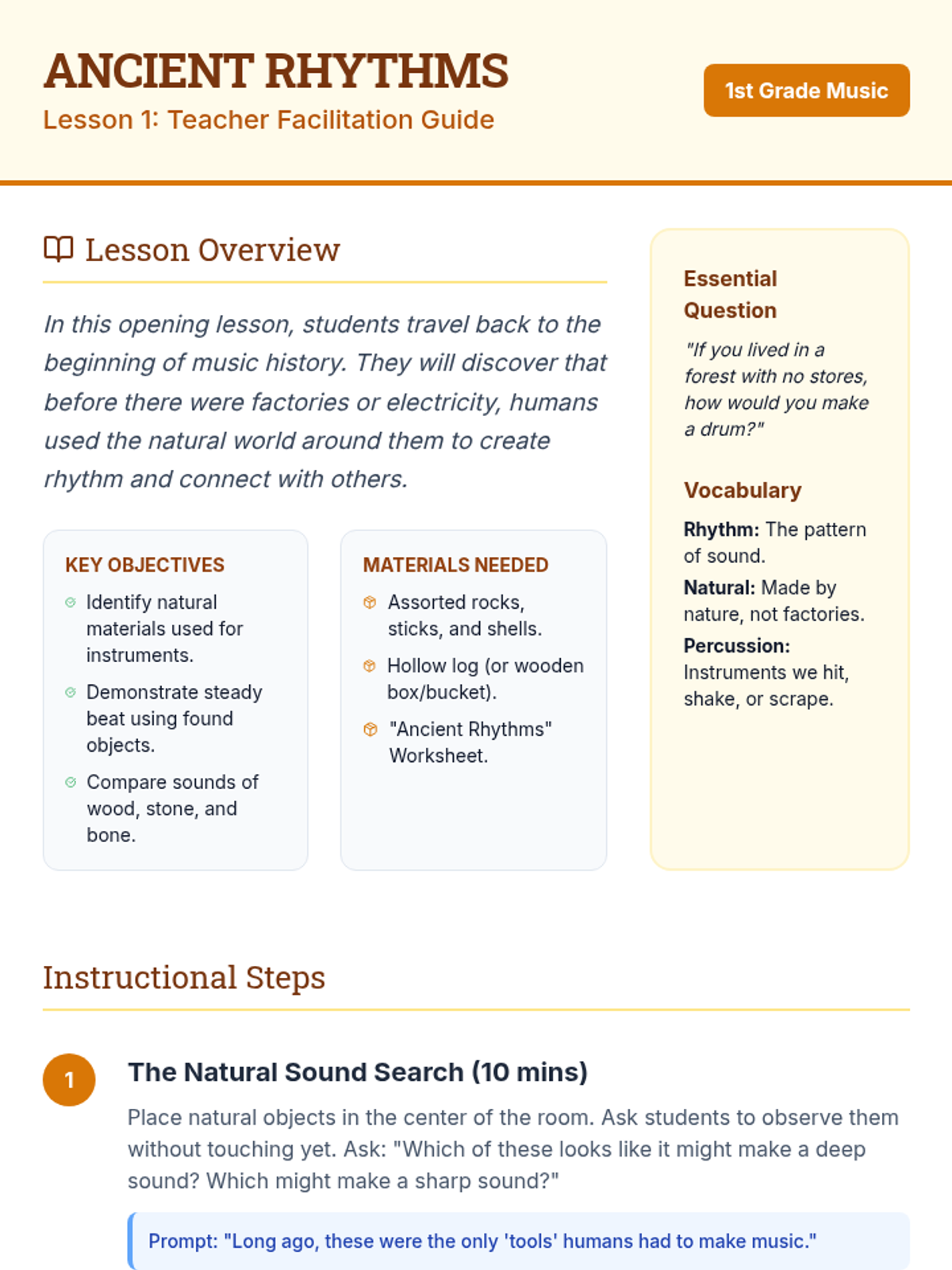
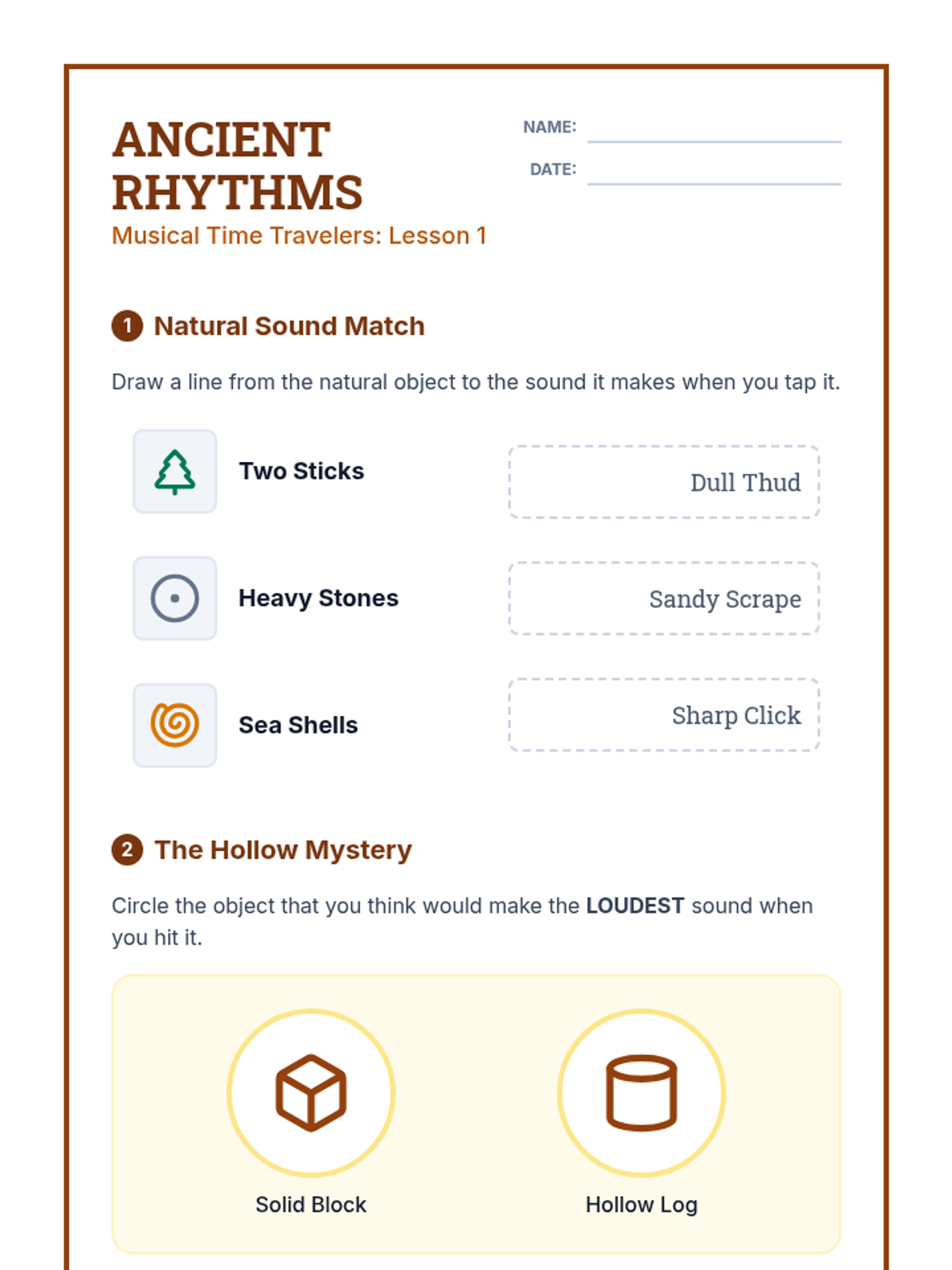
Students explore how early humans created music using natural materials like wood, stones, and hollow logs, participating in a rhythm circle with found objects.
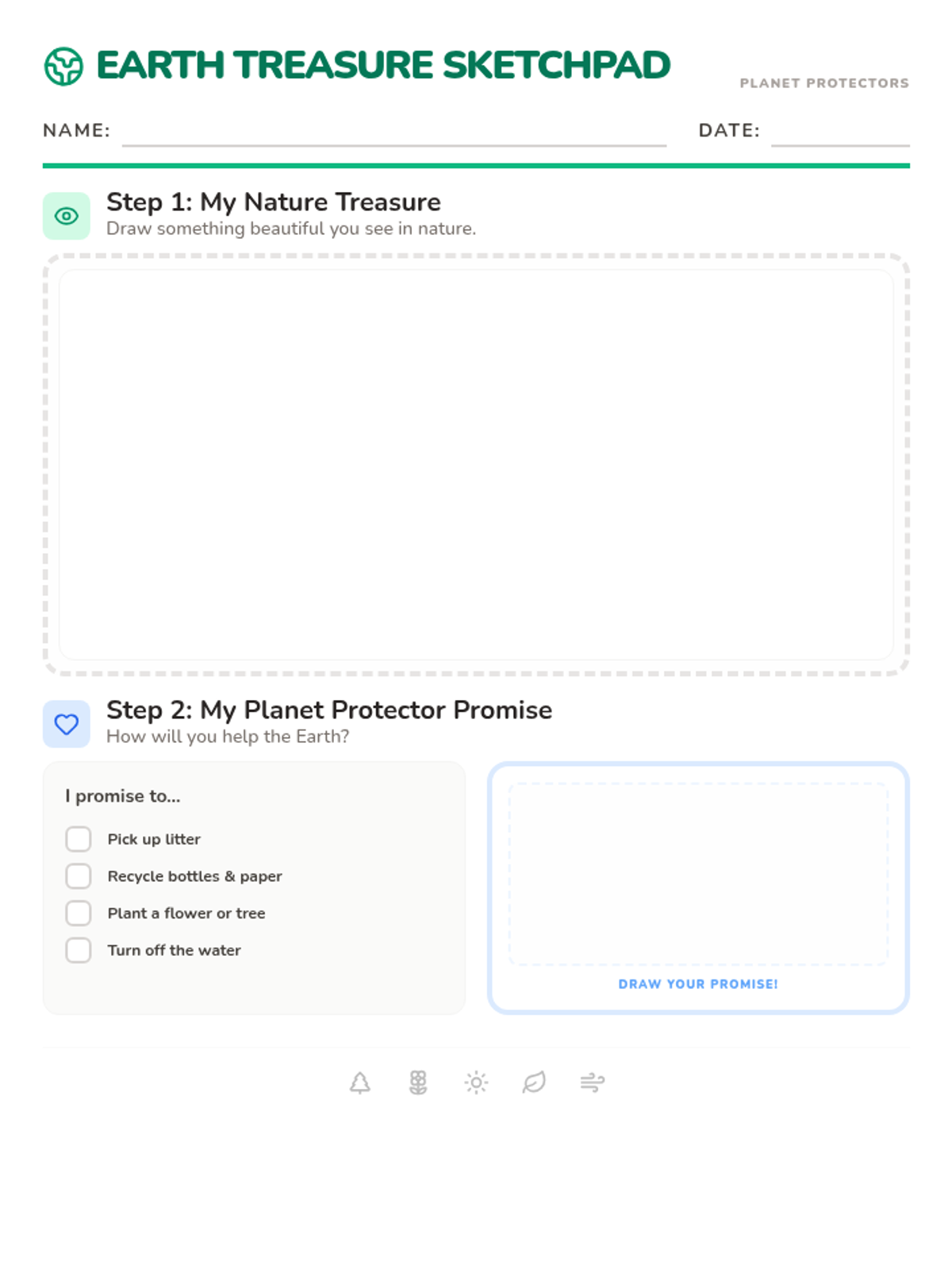
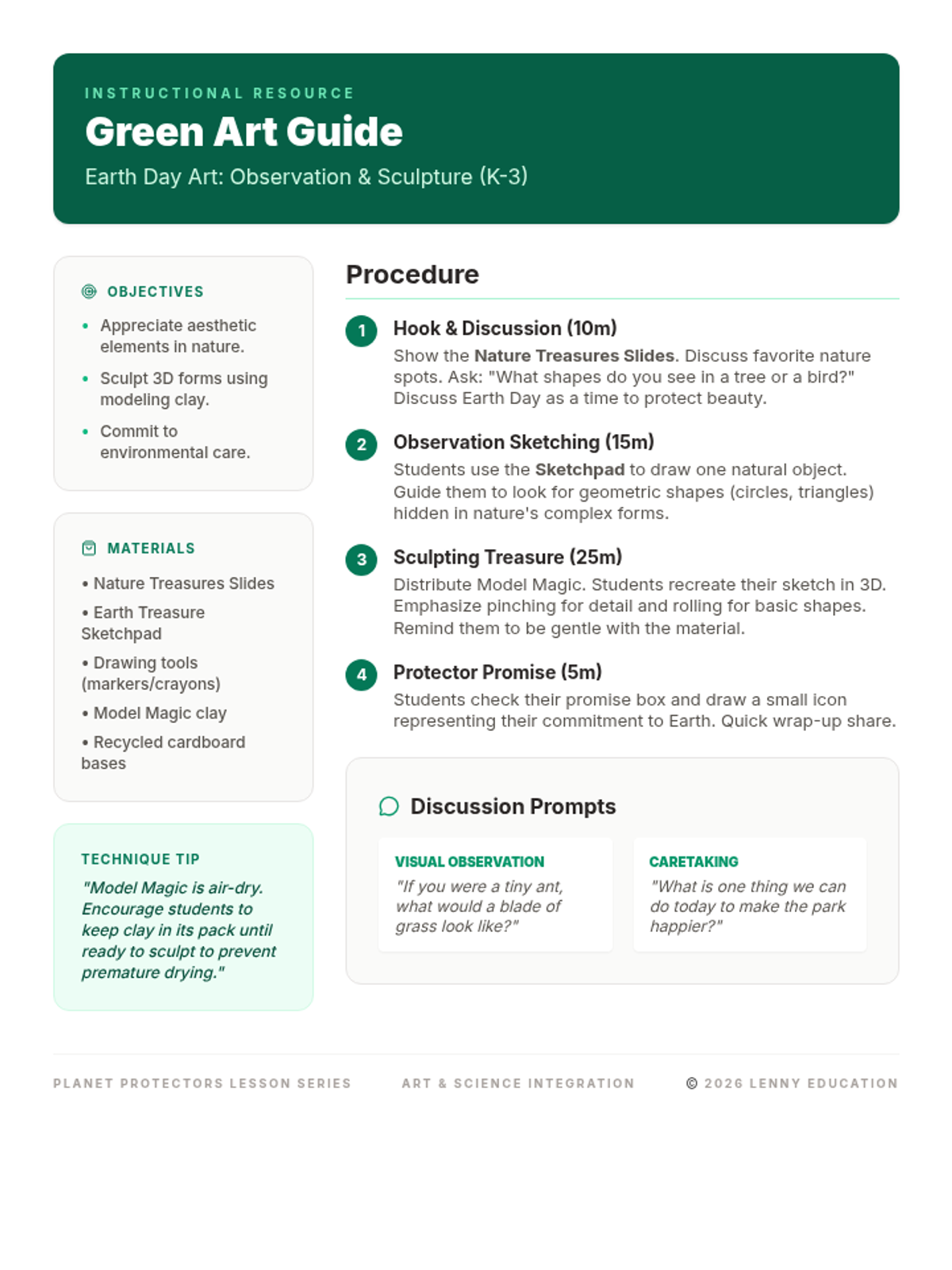
A primary art lesson exploring the beauty of nature and our role in keeping the Earth clean. Students observe natural wonders and create their own "Earth Treasures" using drawing and sculpting materials.
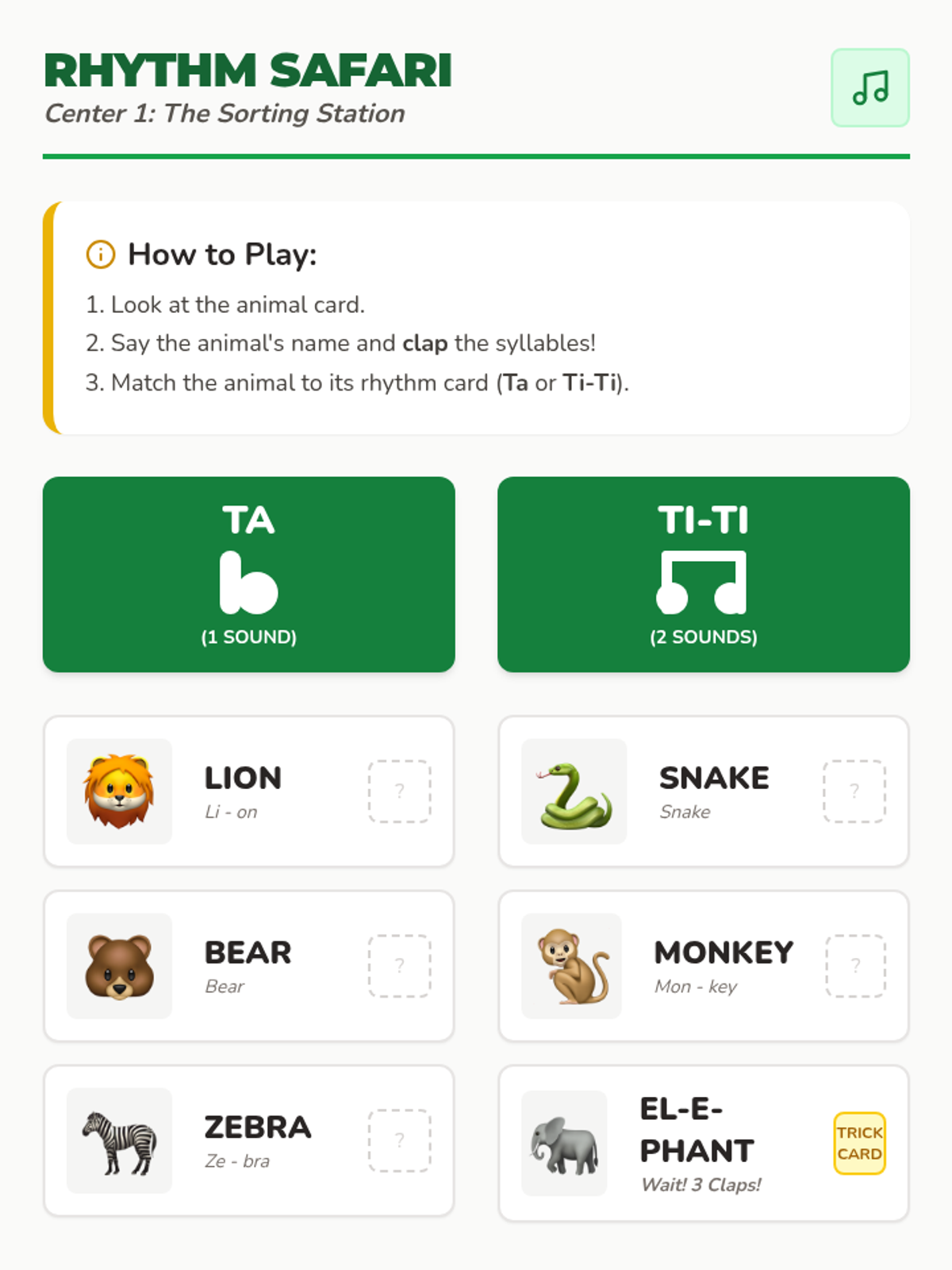
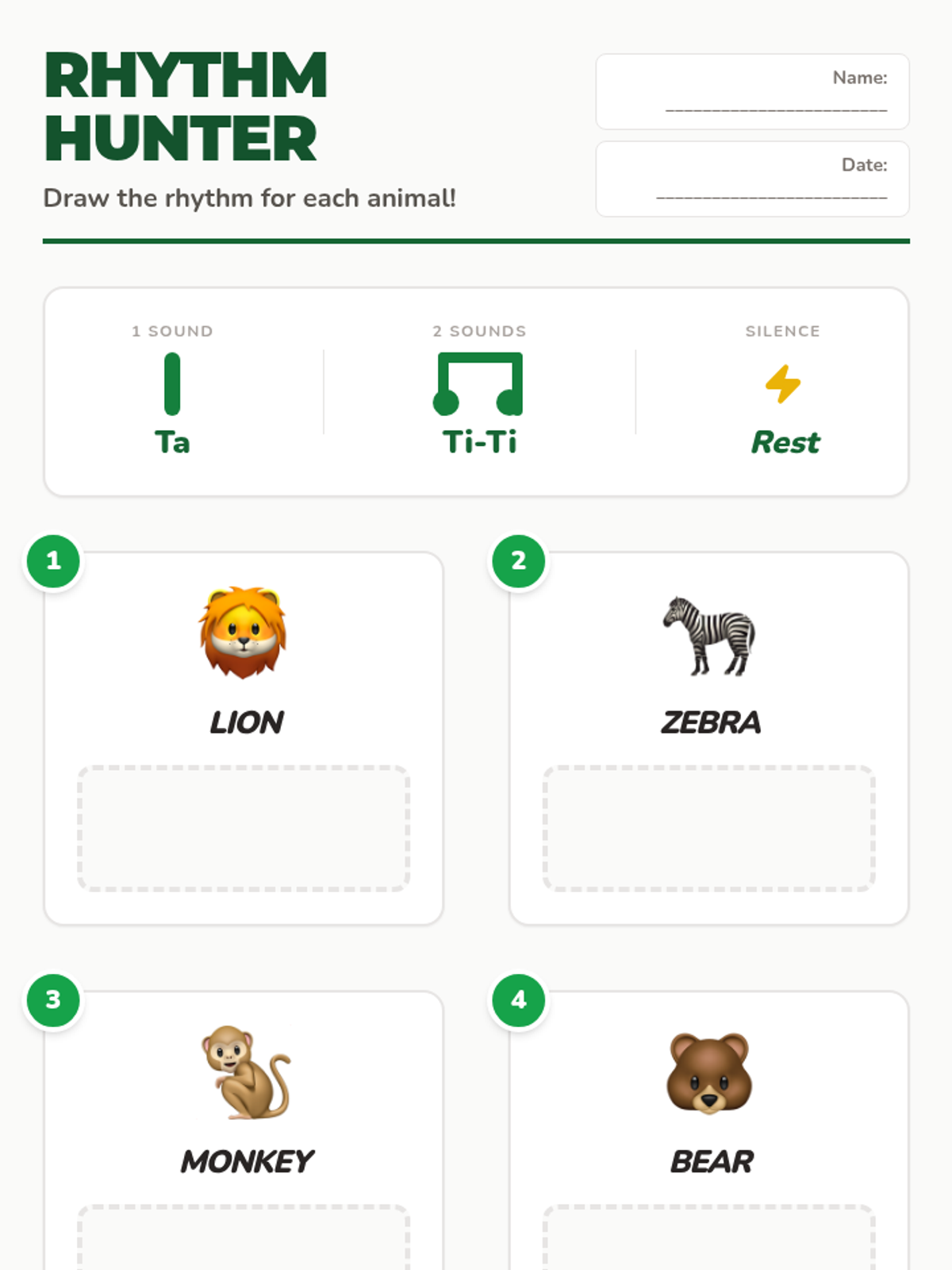
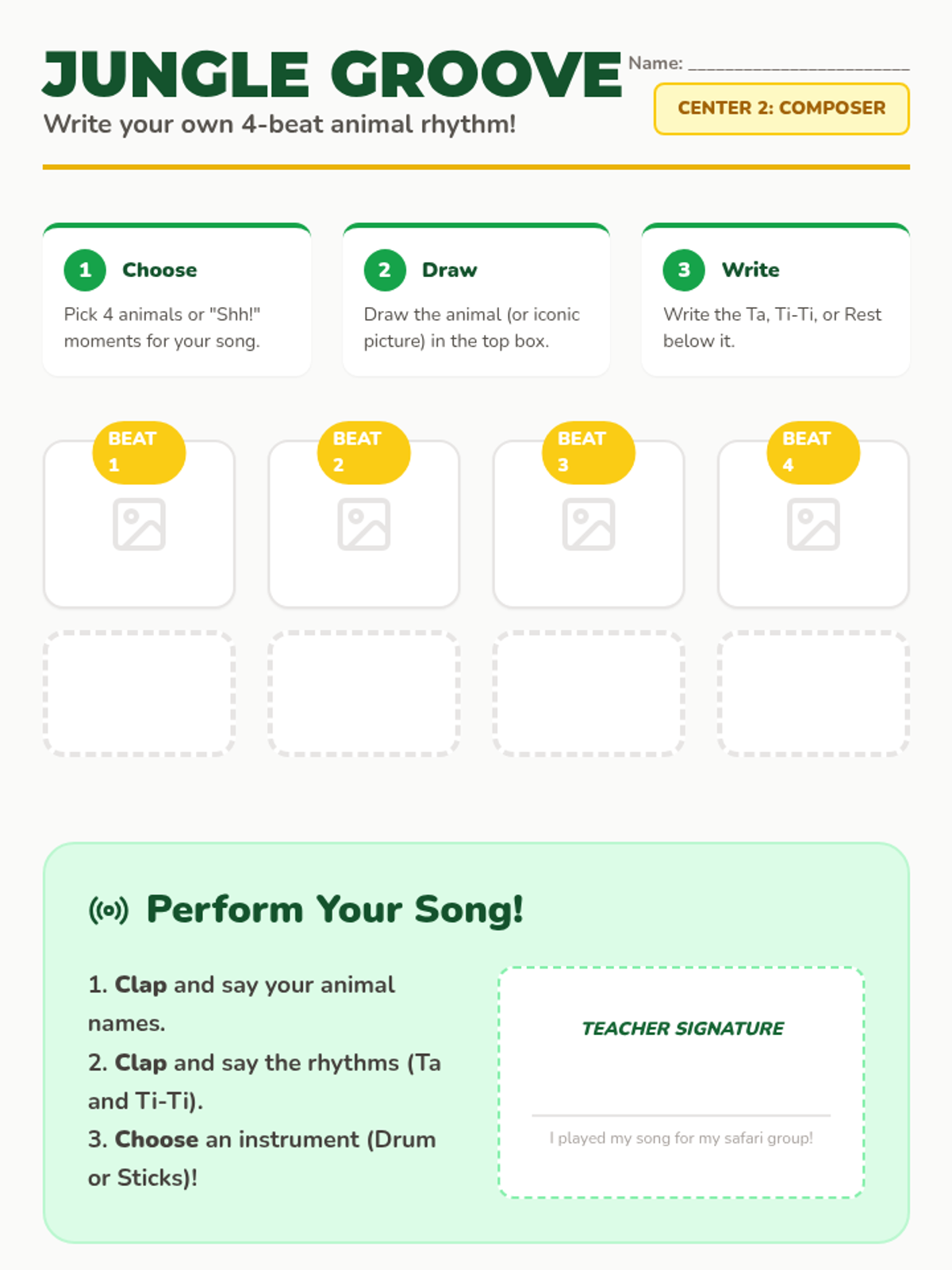
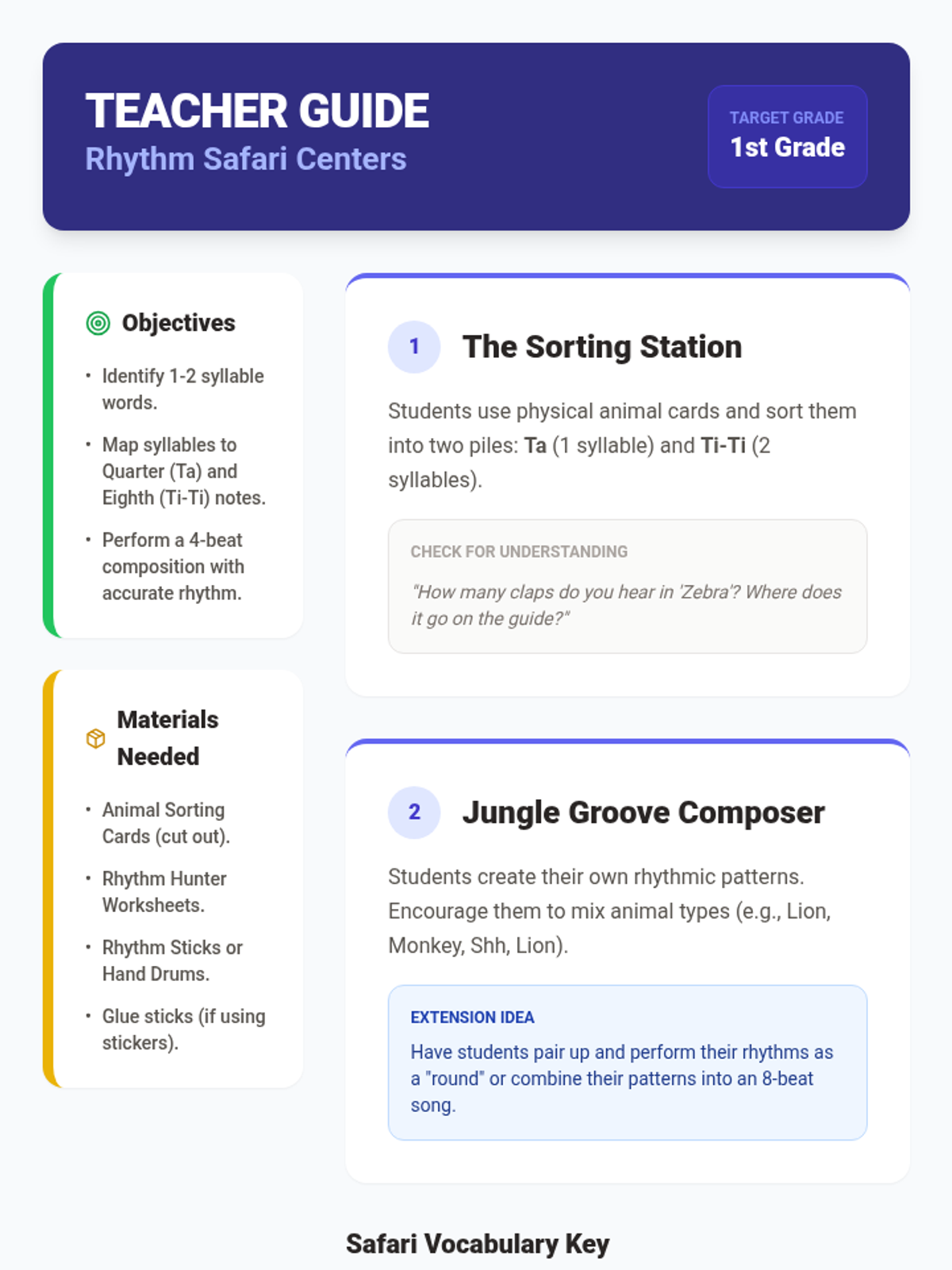
A series of music center activities for first graders to connect word syllables to rhythmic notation (Ta and Ti-Ti) through a zoo animal theme. Students will sort animal names by rhythm and create their own rhythmic patterns.
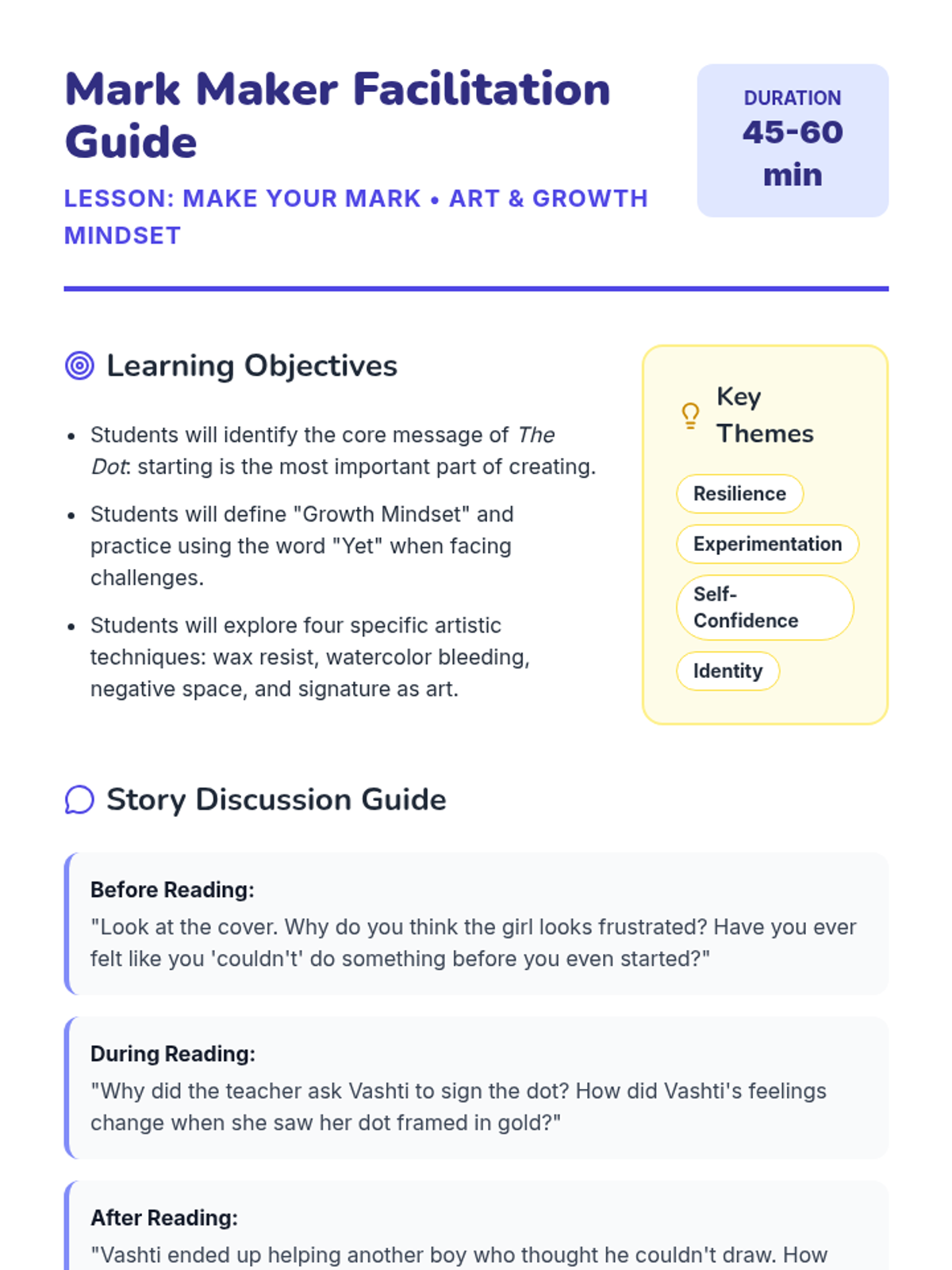
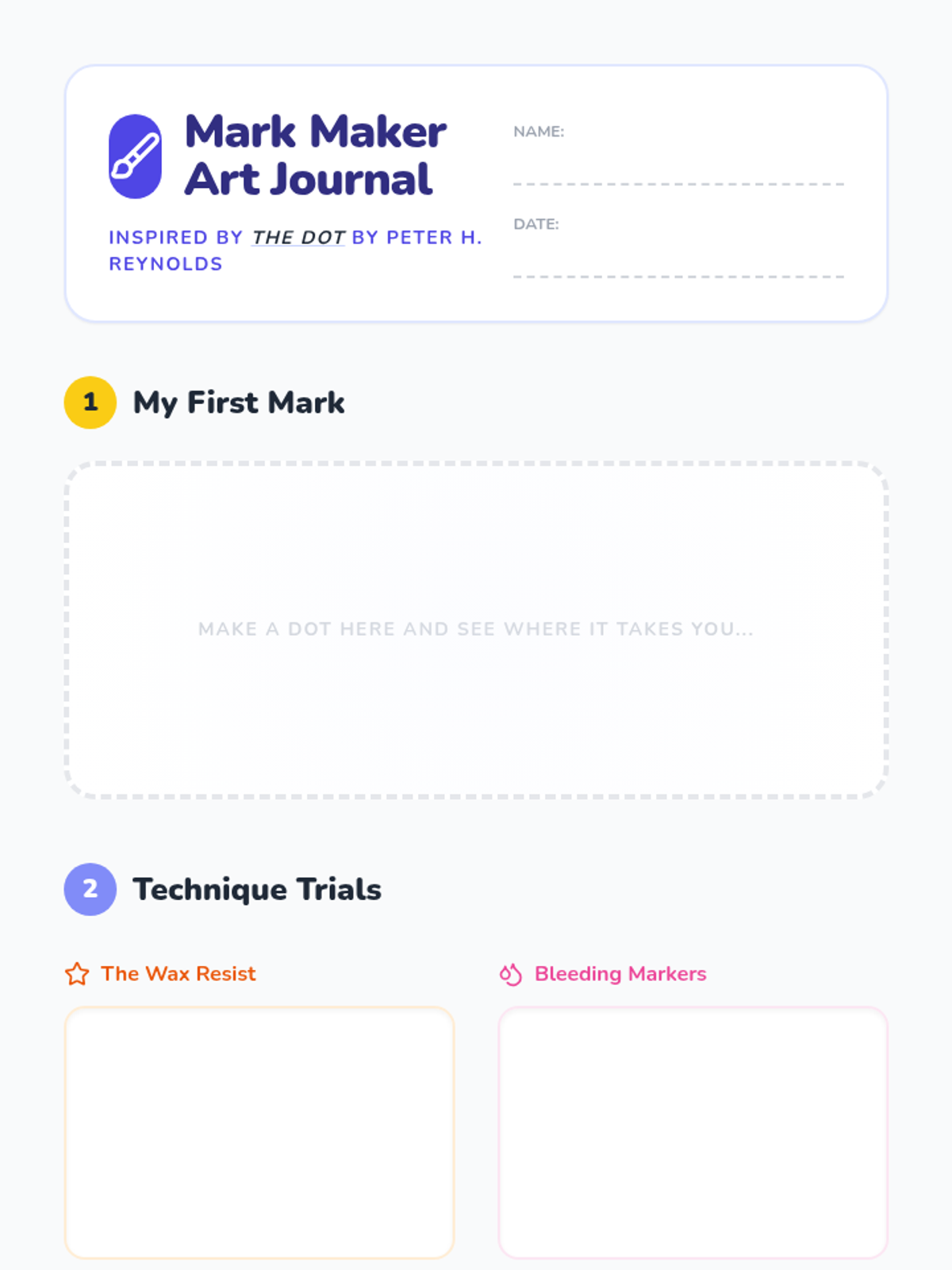
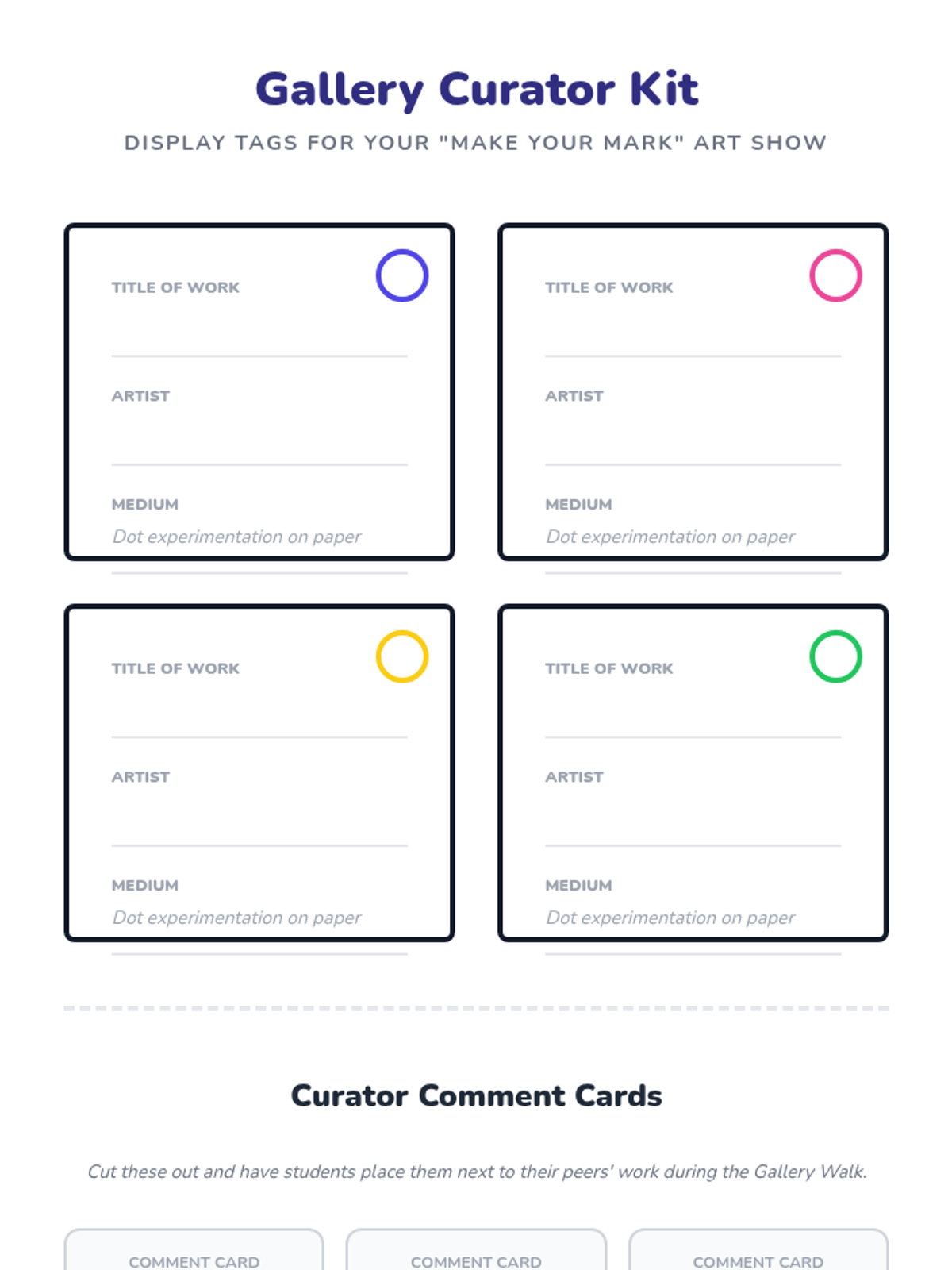
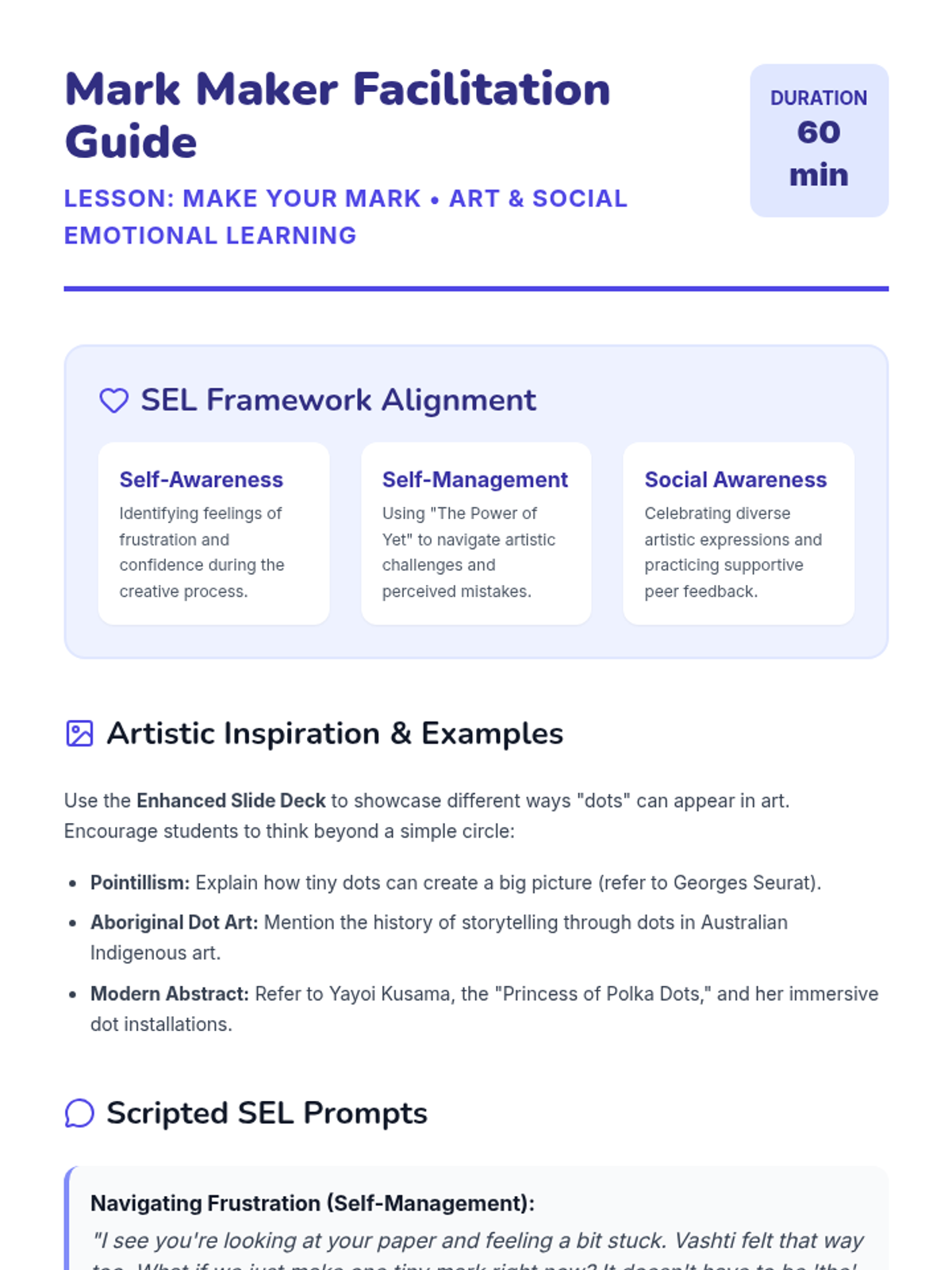
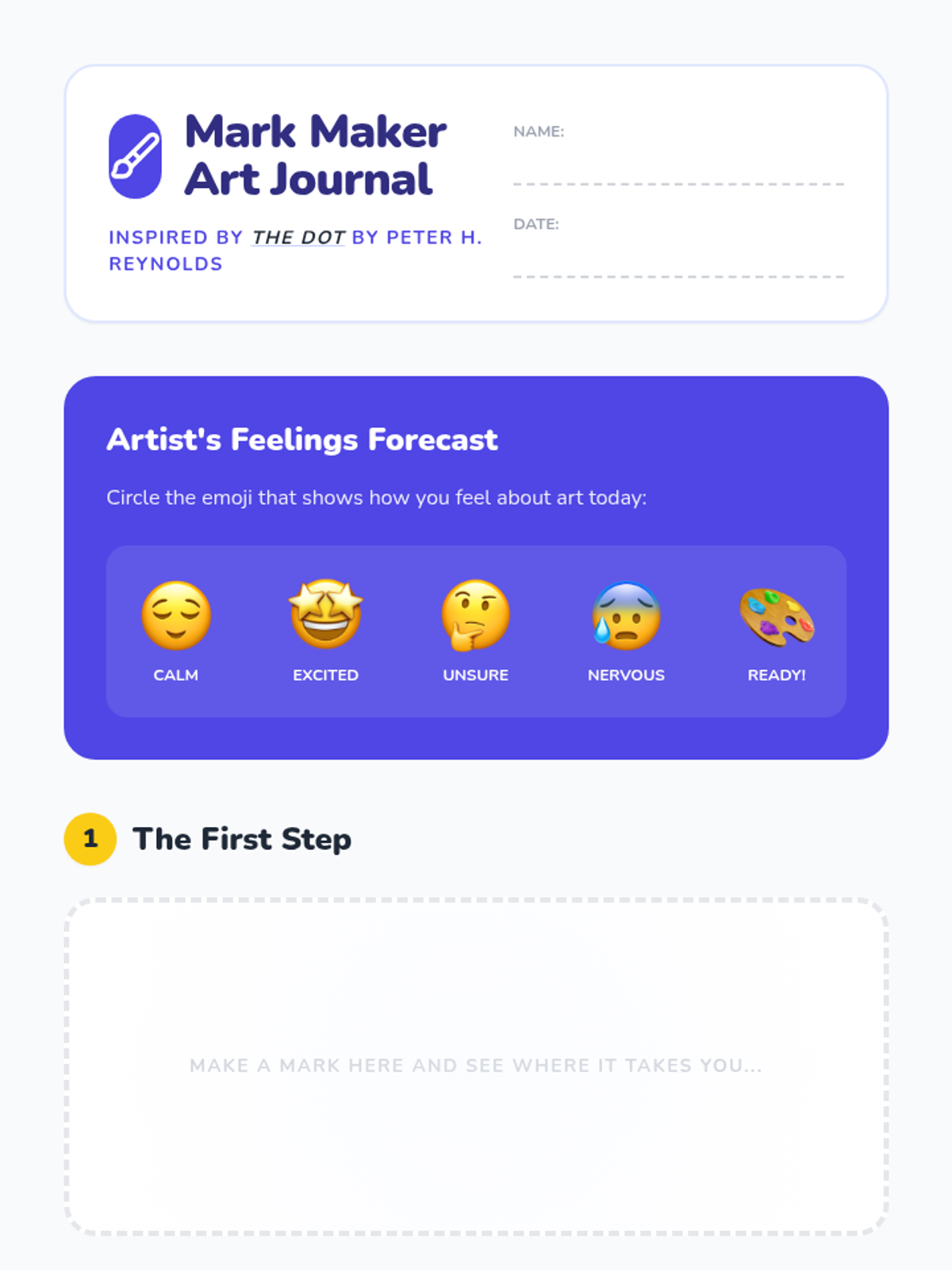
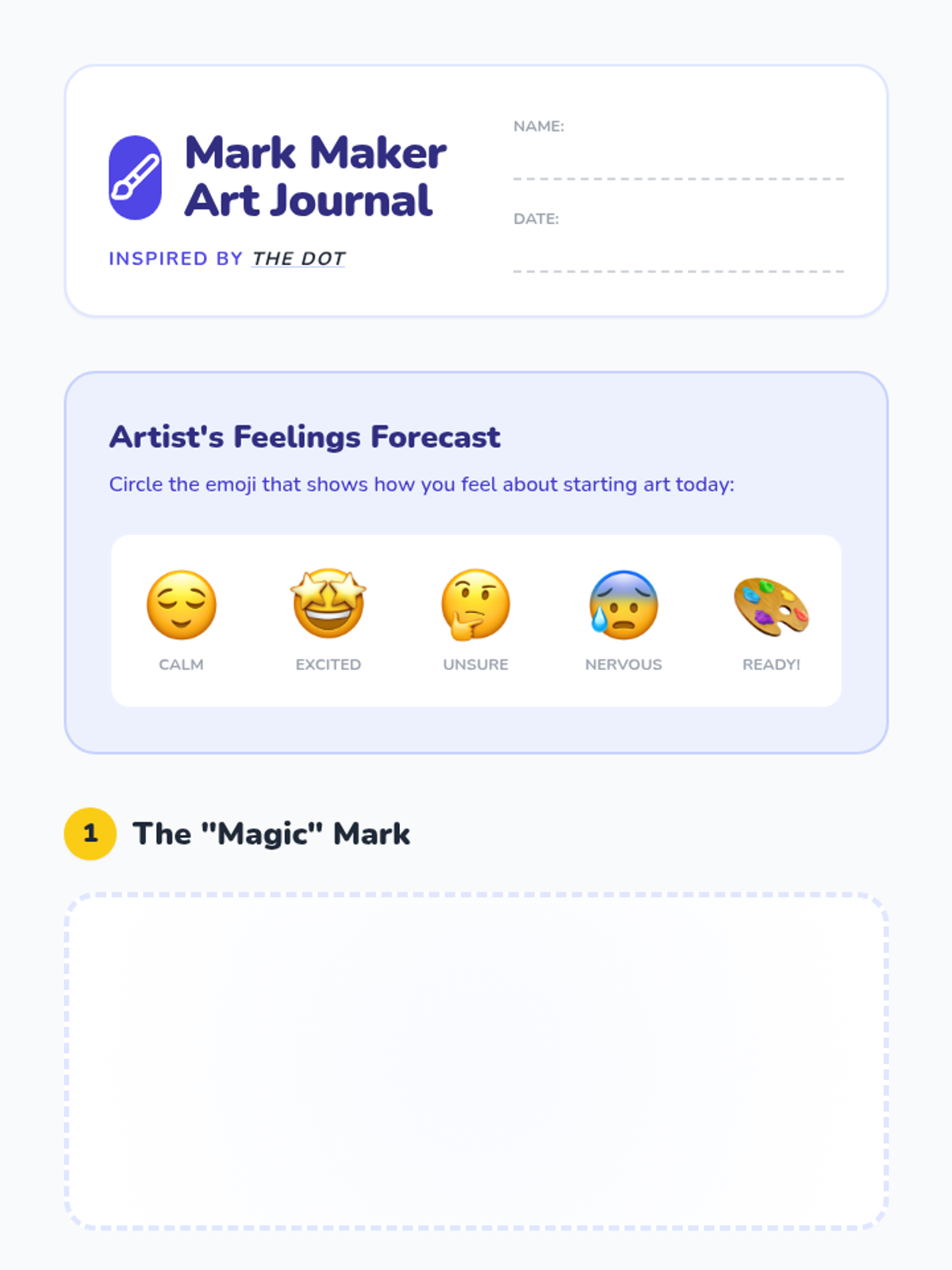
A creative art lesson inspired by 'The Dot' by Peter H. Reynolds, focusing on growth mindset and artistic experimentation. Students will learn that 'making your mark' starts with just one small step.
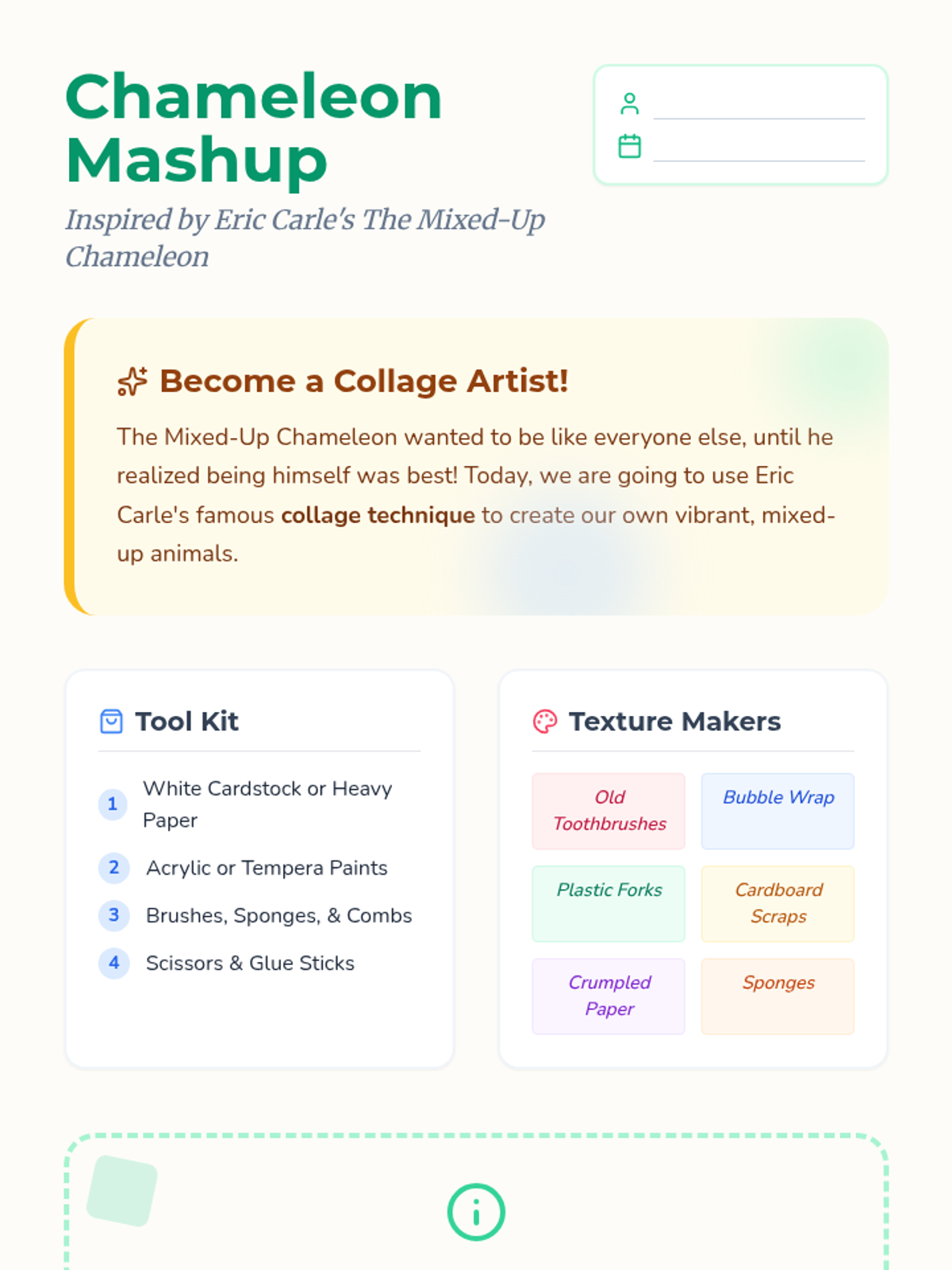
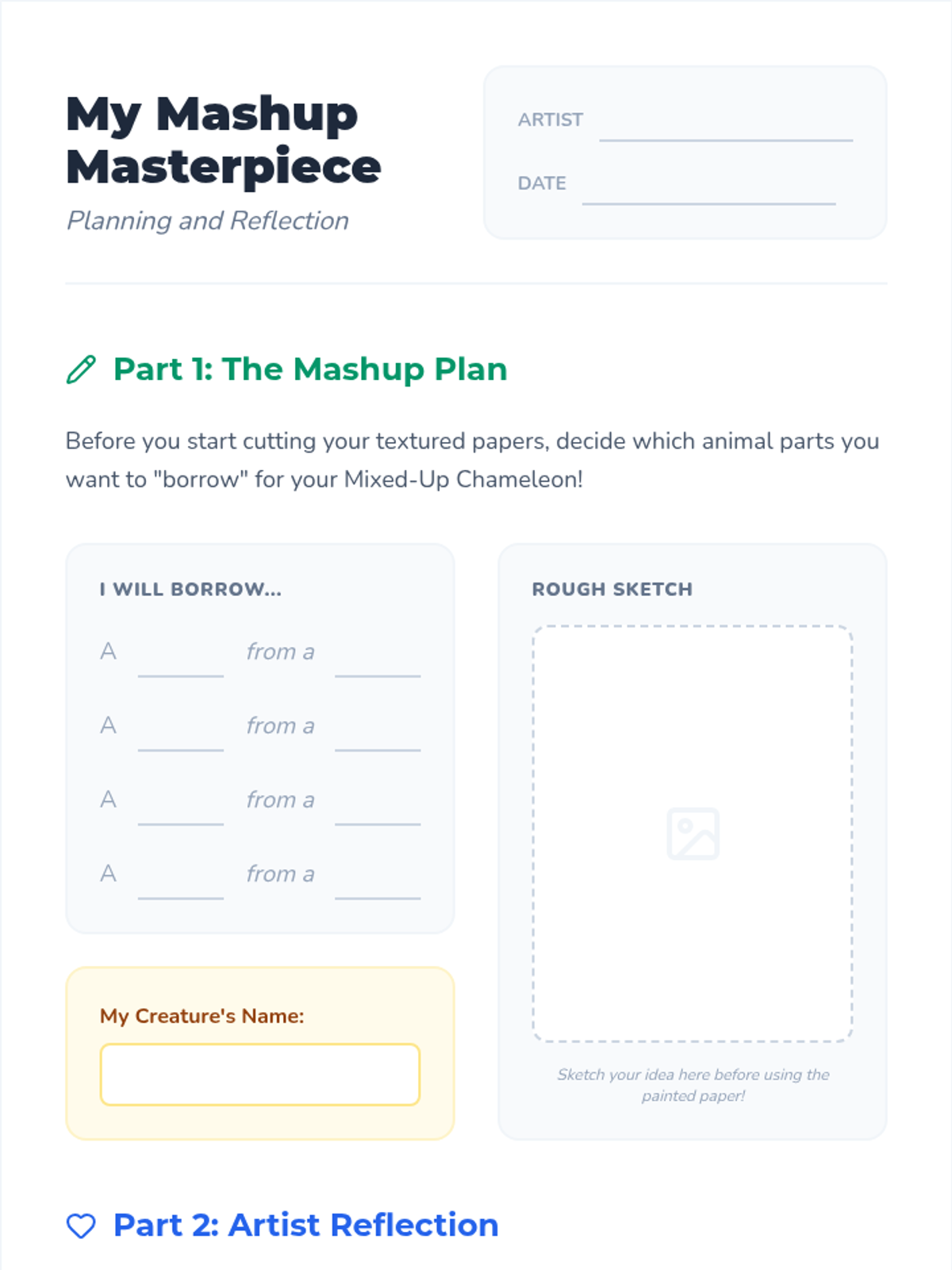
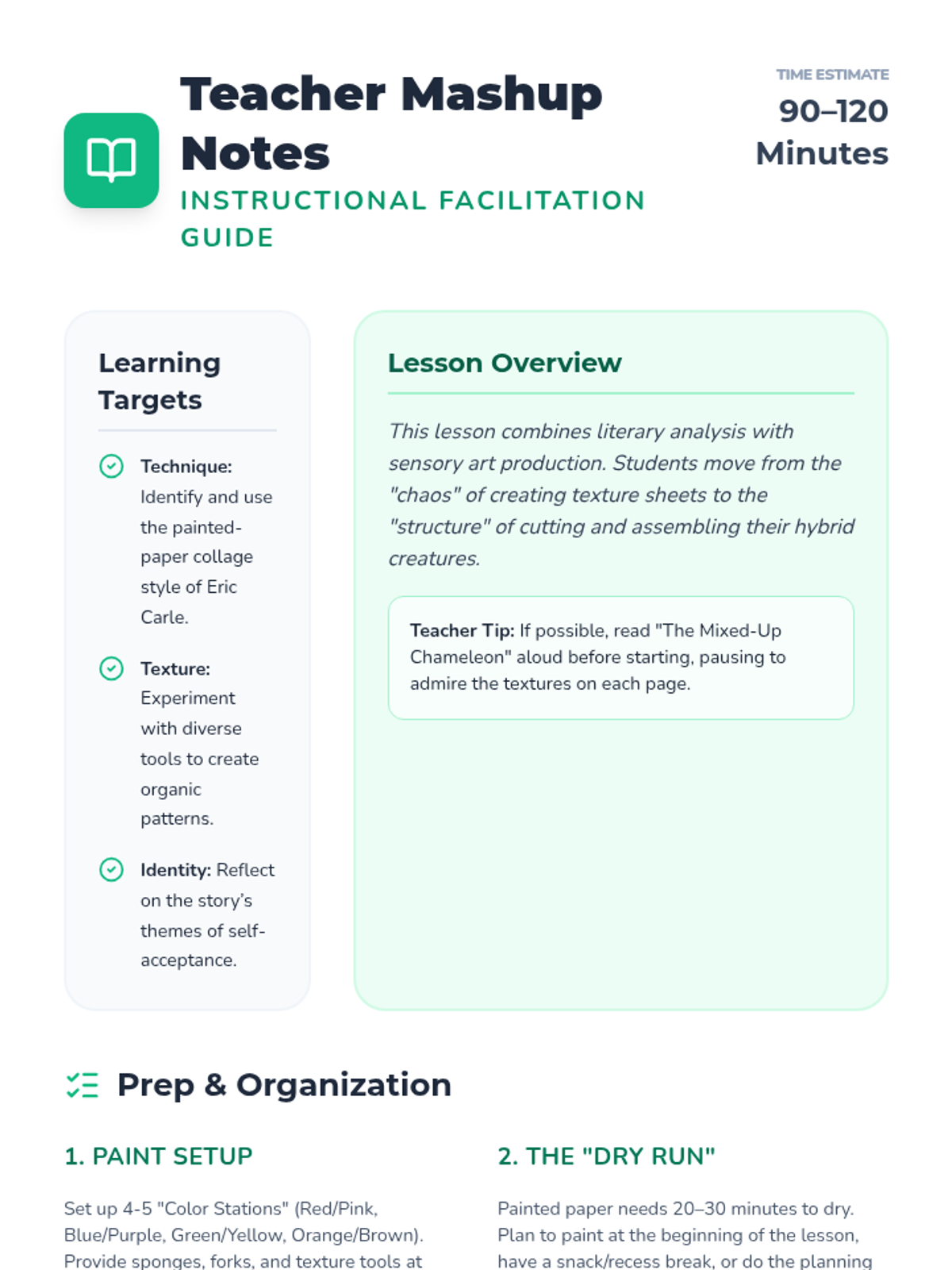
A creative art lesson where students explore identity and diversity by creating their own mixed-up animals inspired by Eric Carle's colorful collage style. Students will learn the 'painted paper' technique to create vibrant textures.
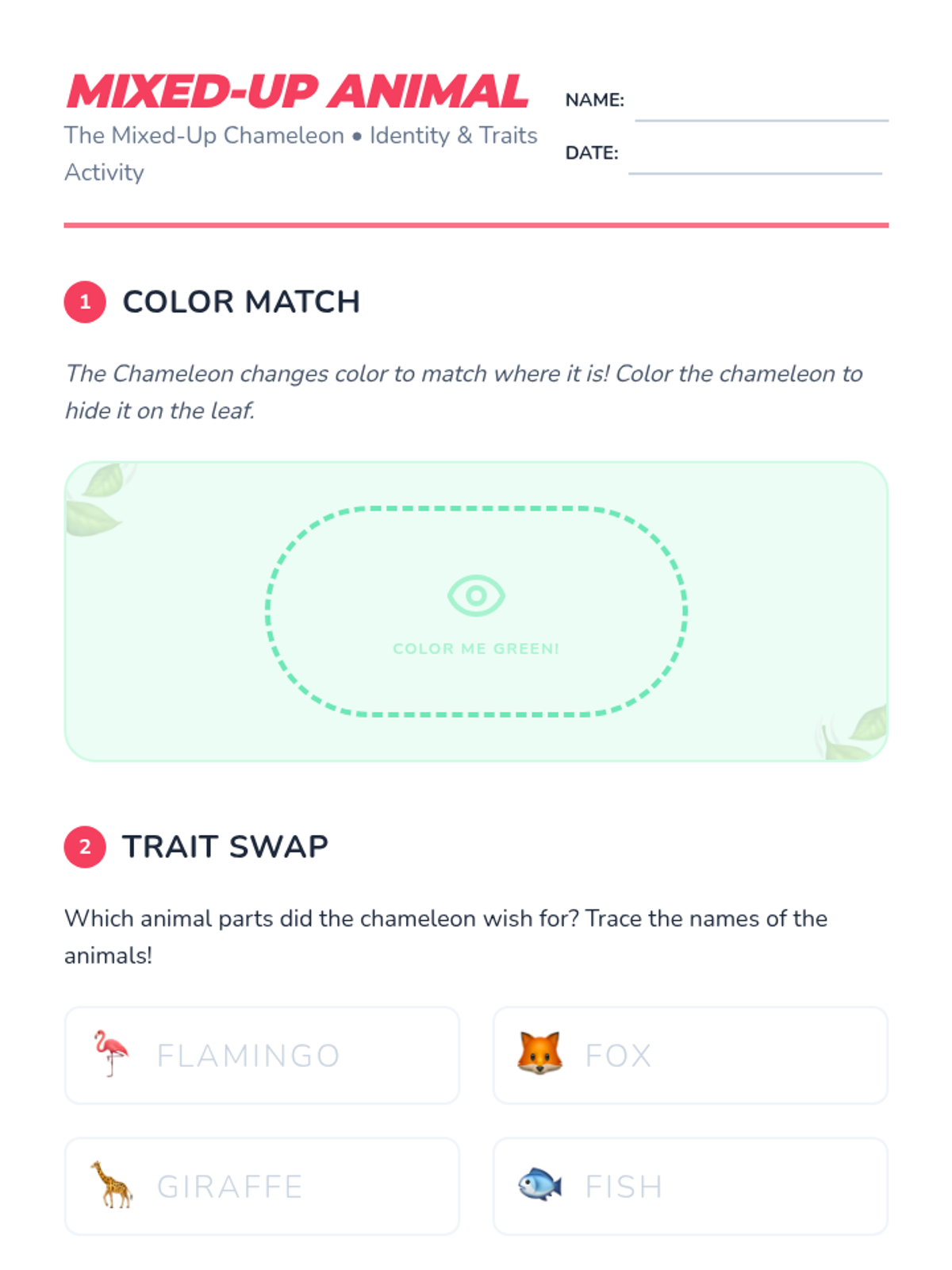
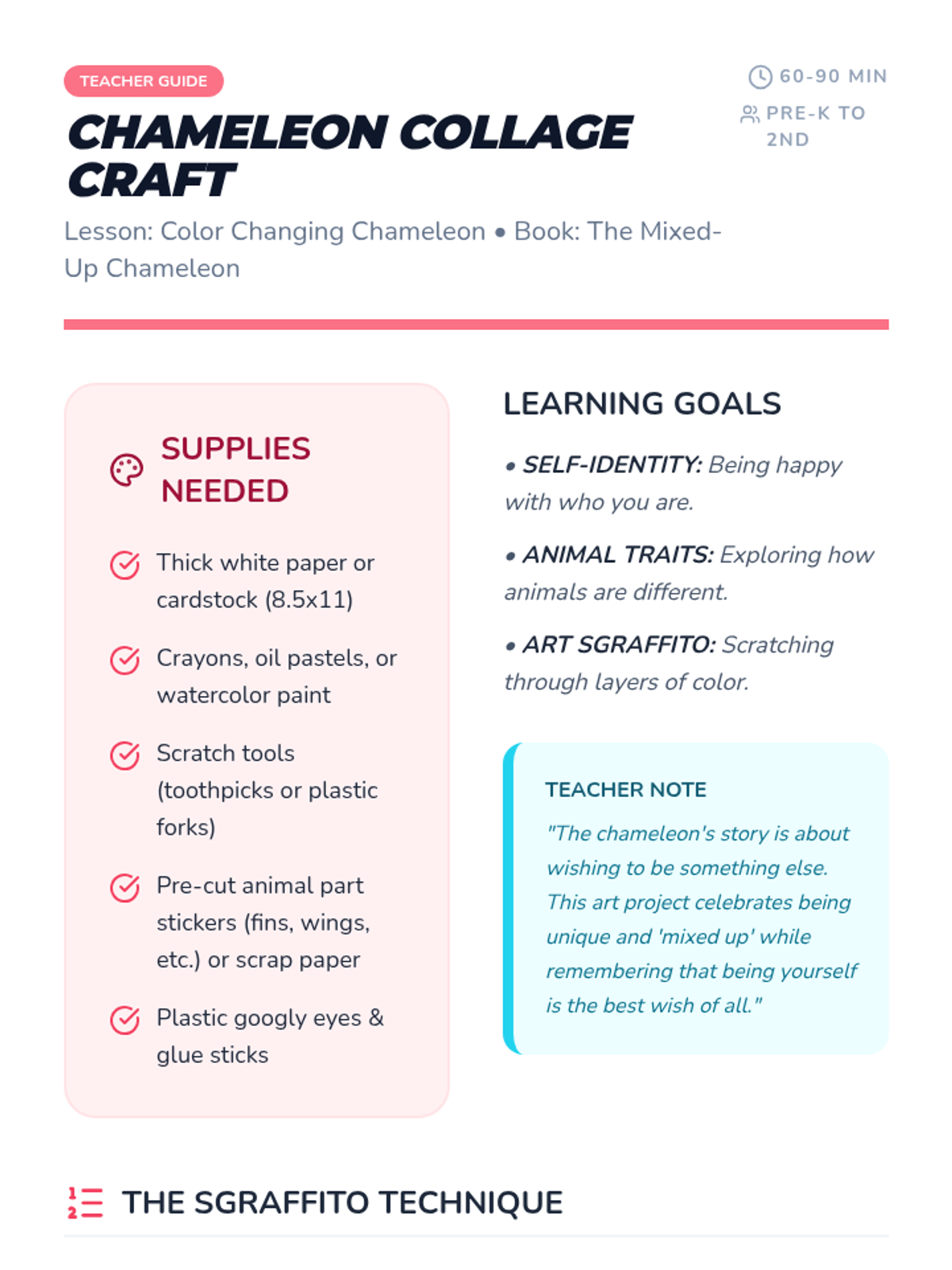
Focusing on 'The Mixed-Up Chameleon,' this lesson explores the vibrant world of colors and animal traits through layered collage and mixed-media art.
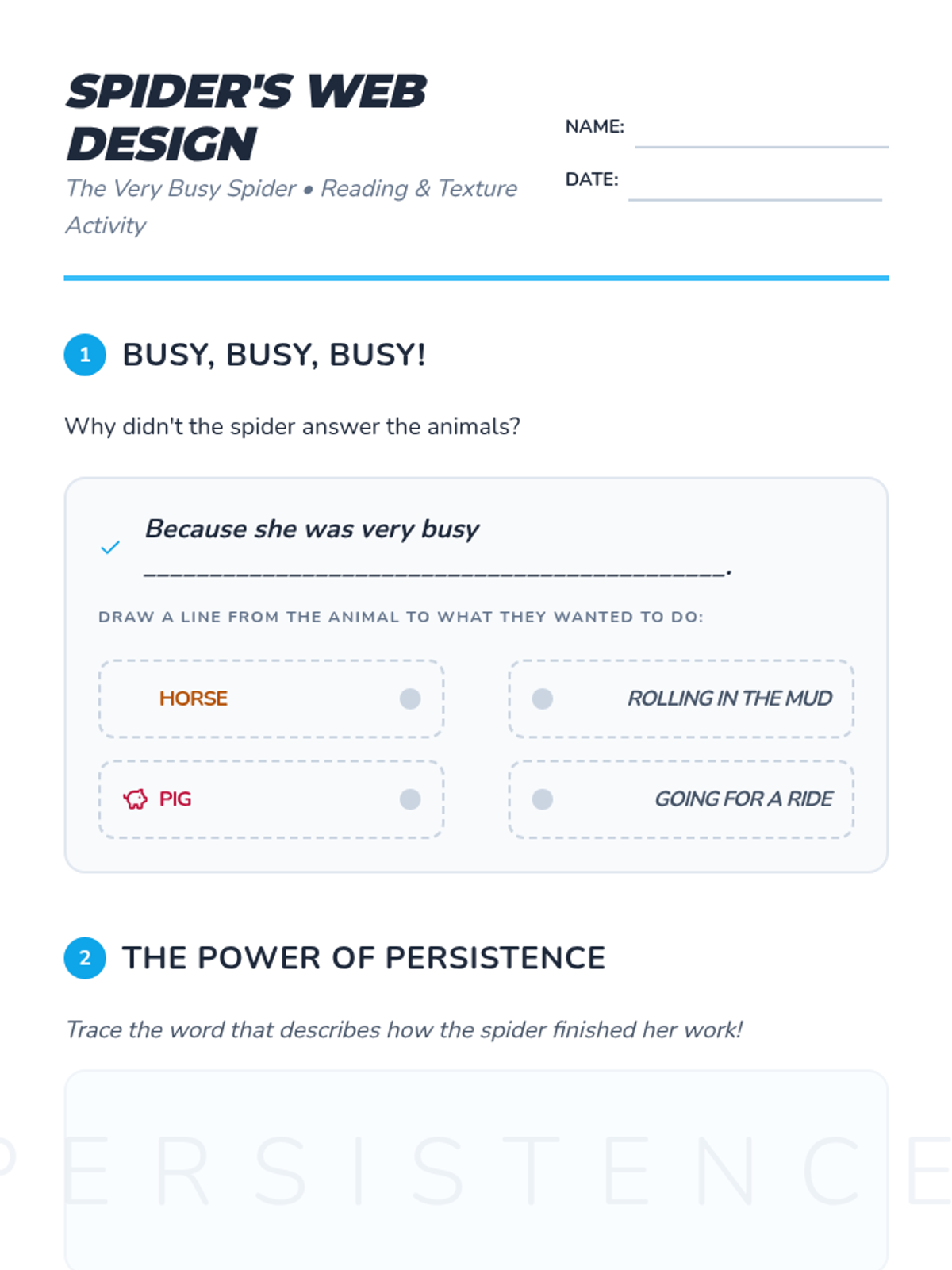
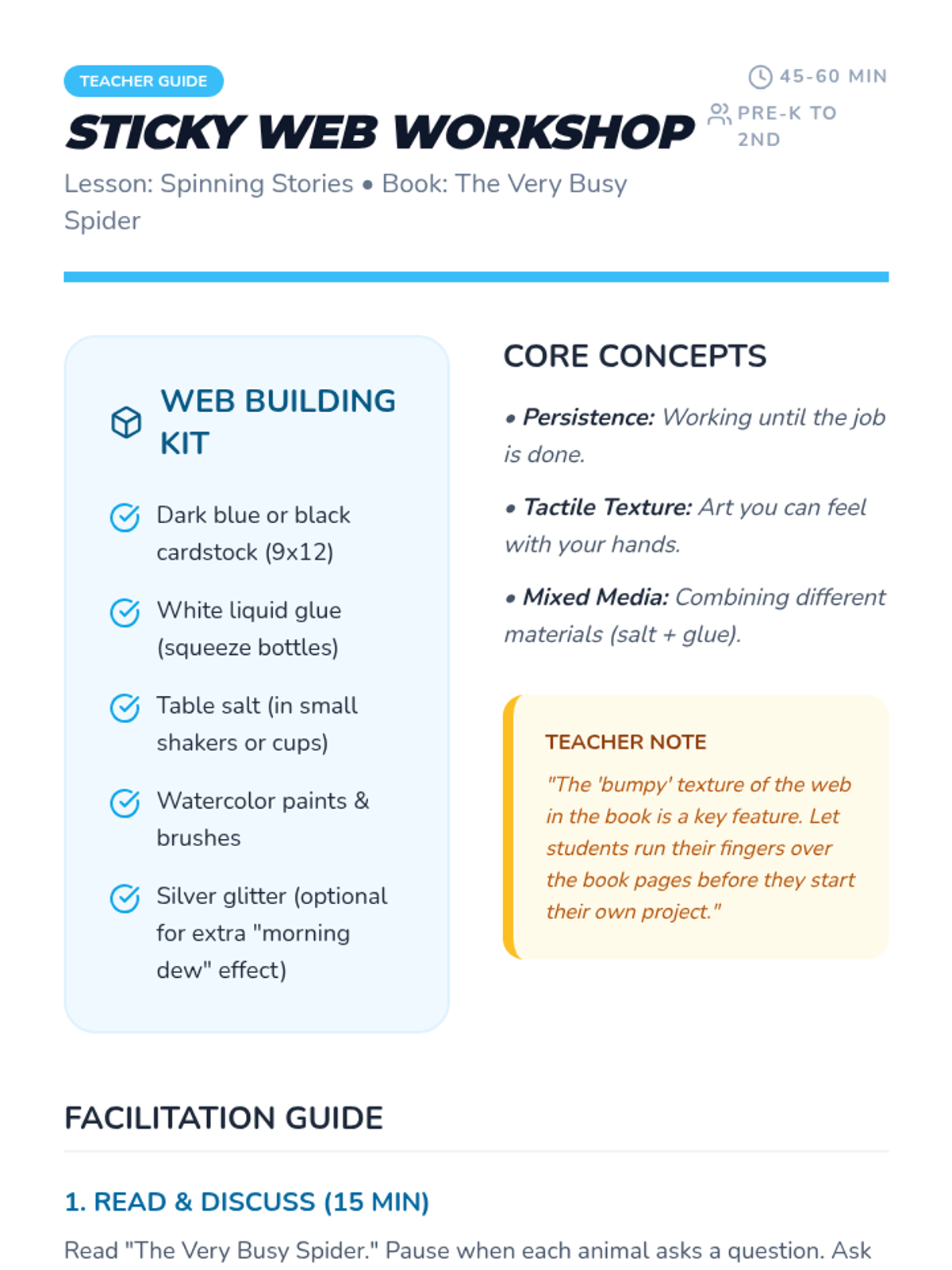
Focusing on 'The Very Busy Spider,' this lesson explores the themes of hard work and persistence while teaching students how to create tactile textures in their art using mixed media.
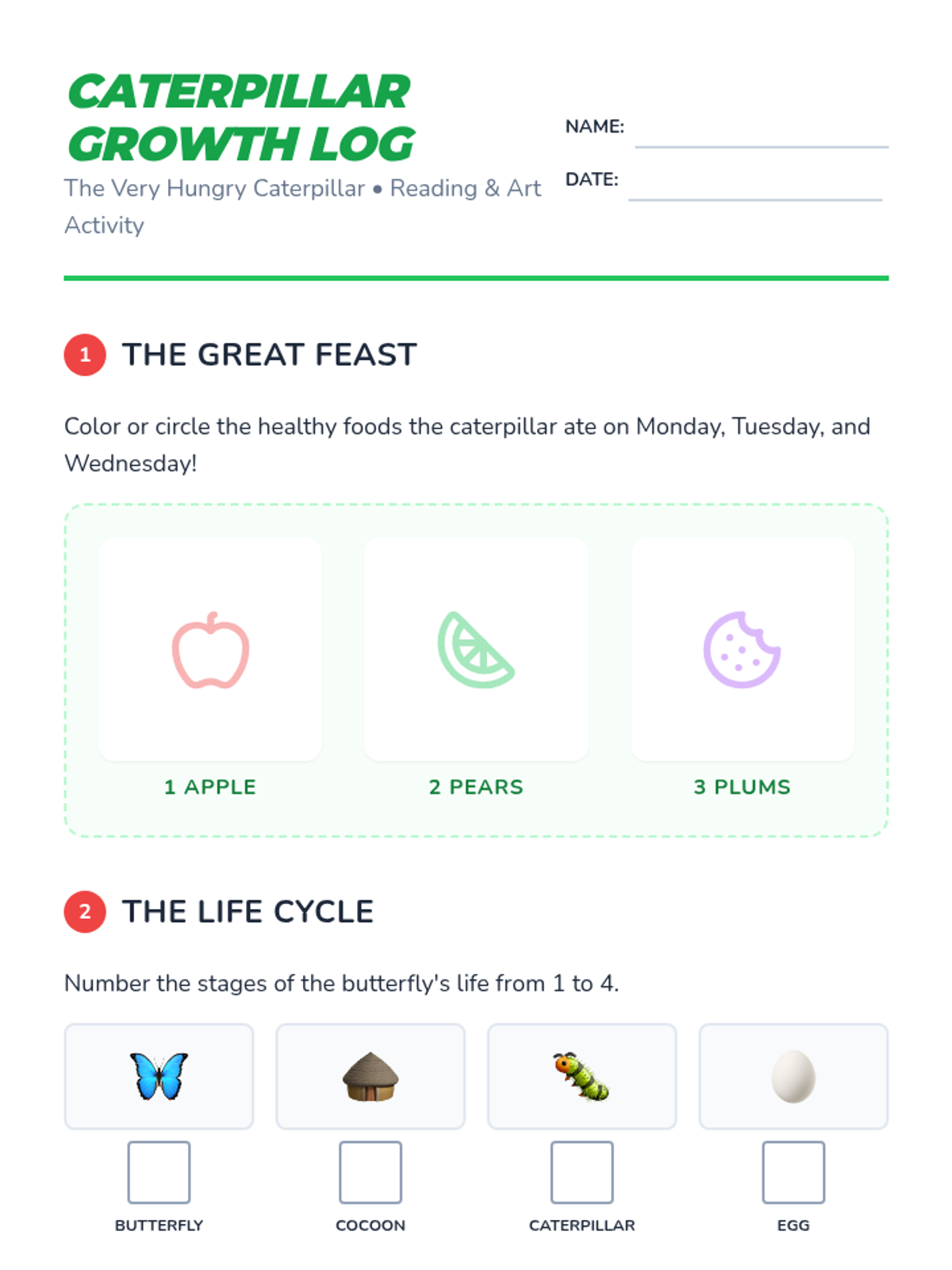
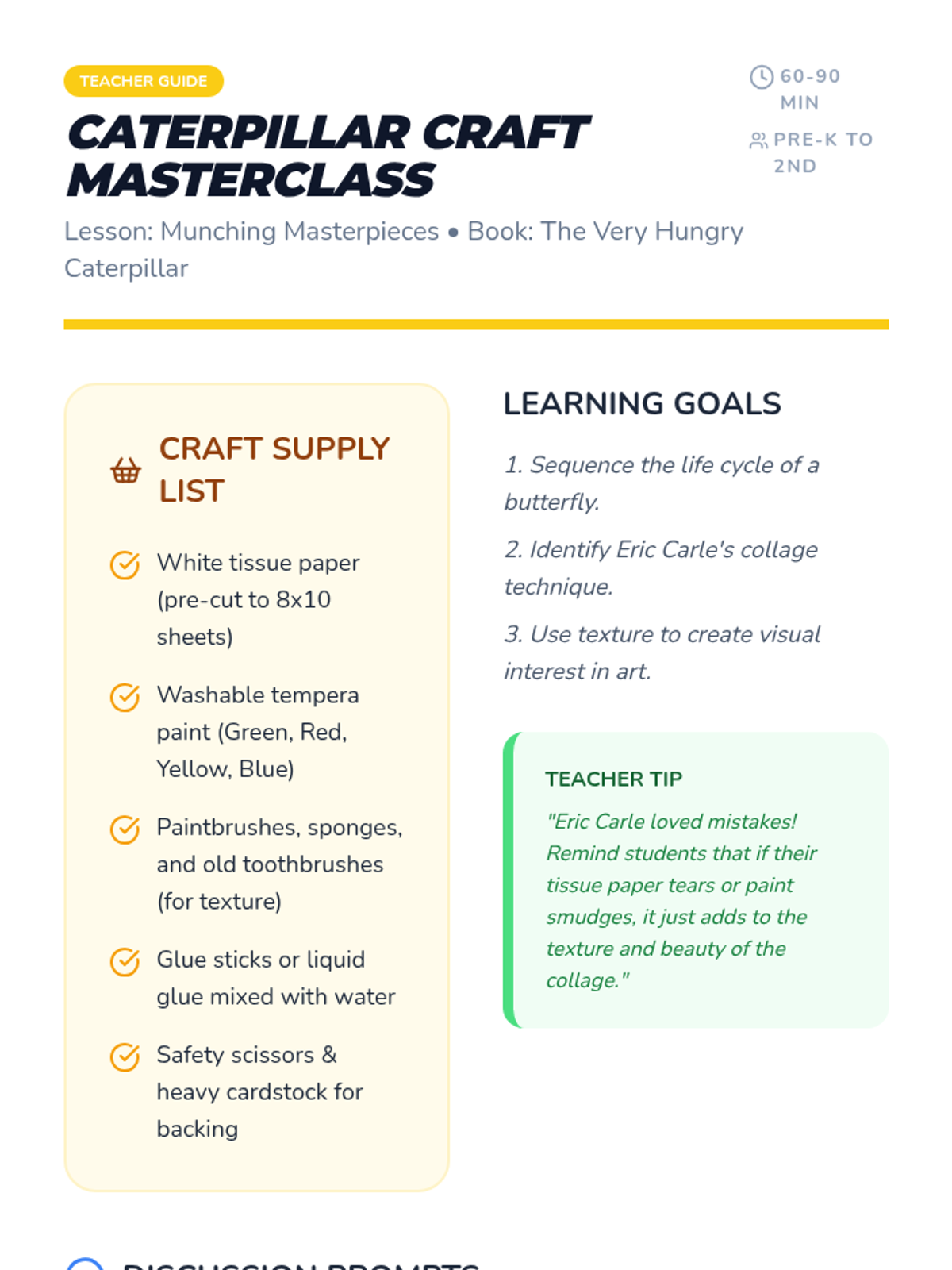
Focusing on 'The Very Hungry Caterpillar,' this lesson teaches students about the life cycle of a butterfly through the lens of Eric Carle's signature tissue paper collage technique.
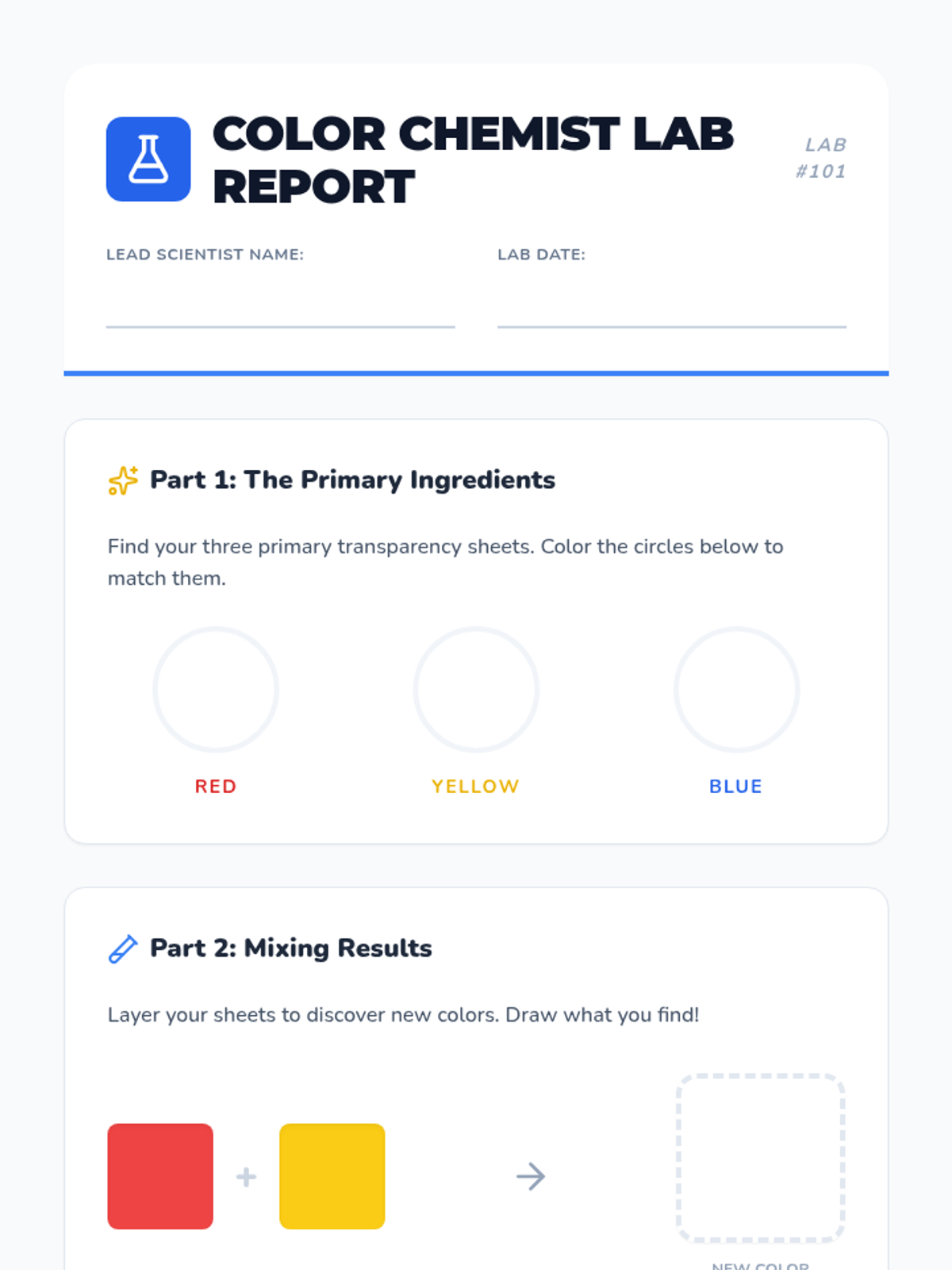
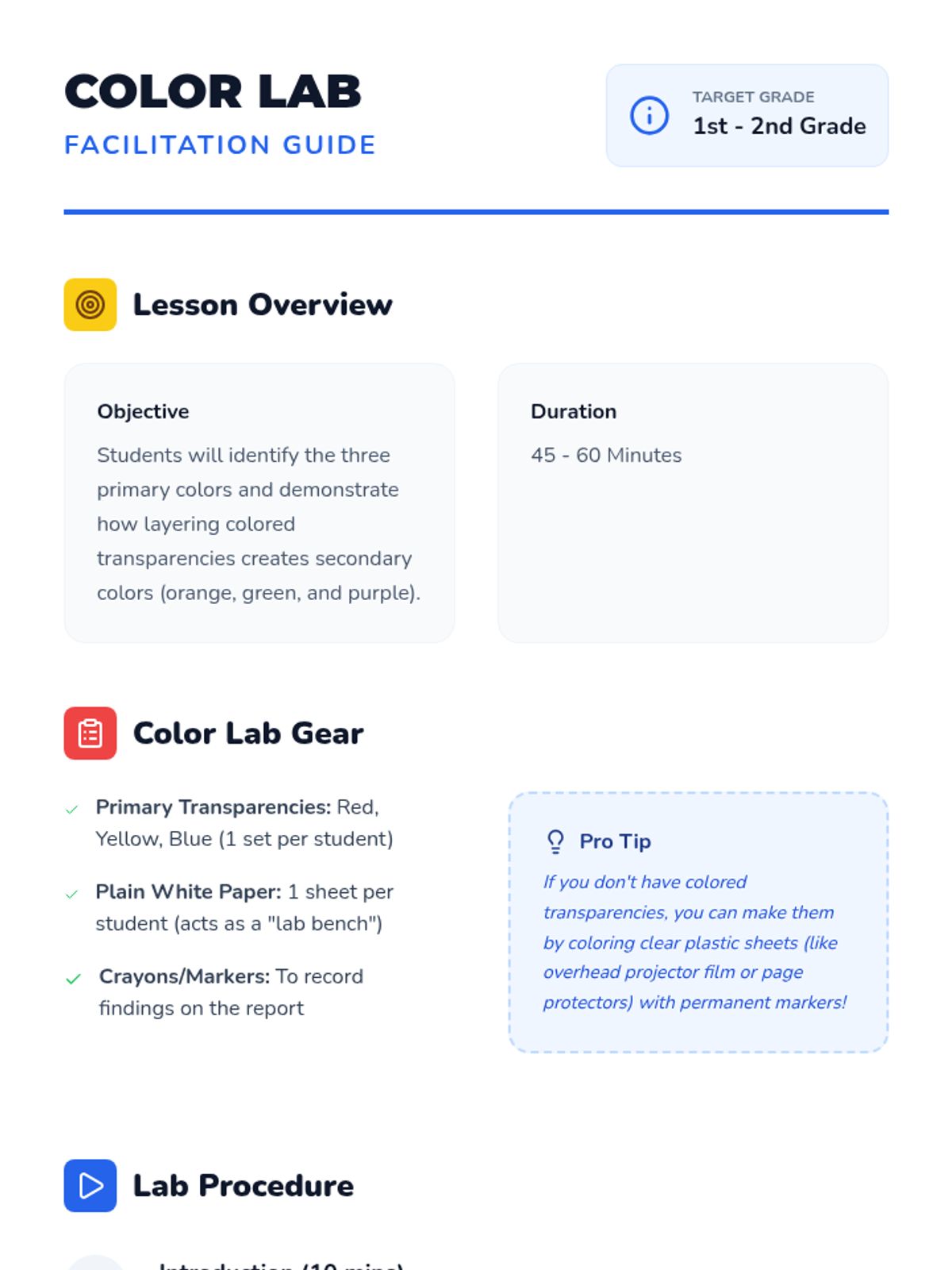
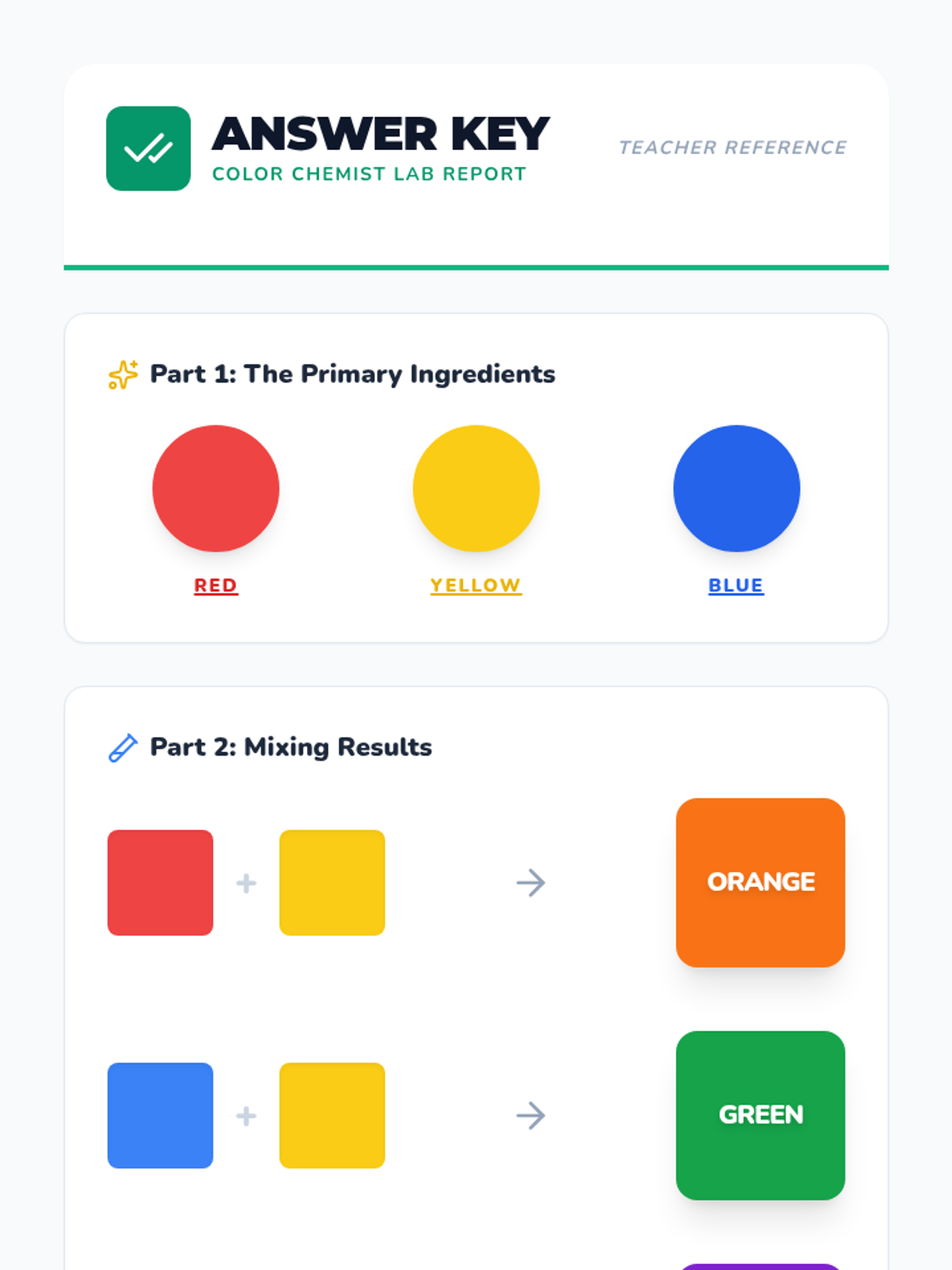
A hands-on exploration of primary color mixing using colored transparencies. Students act as 'Color Chemists' to discover how layering red, blue, and yellow creates new colors.
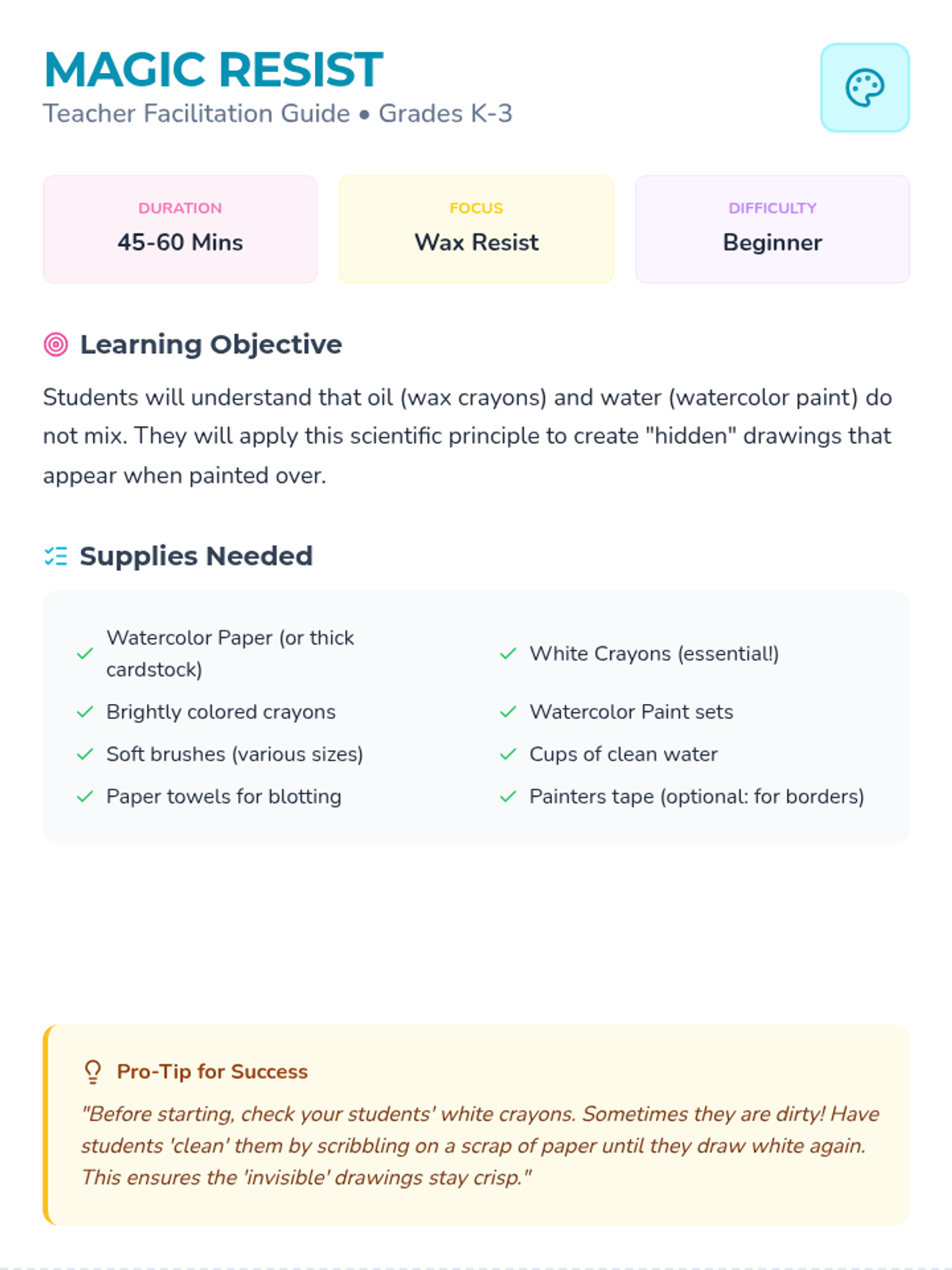
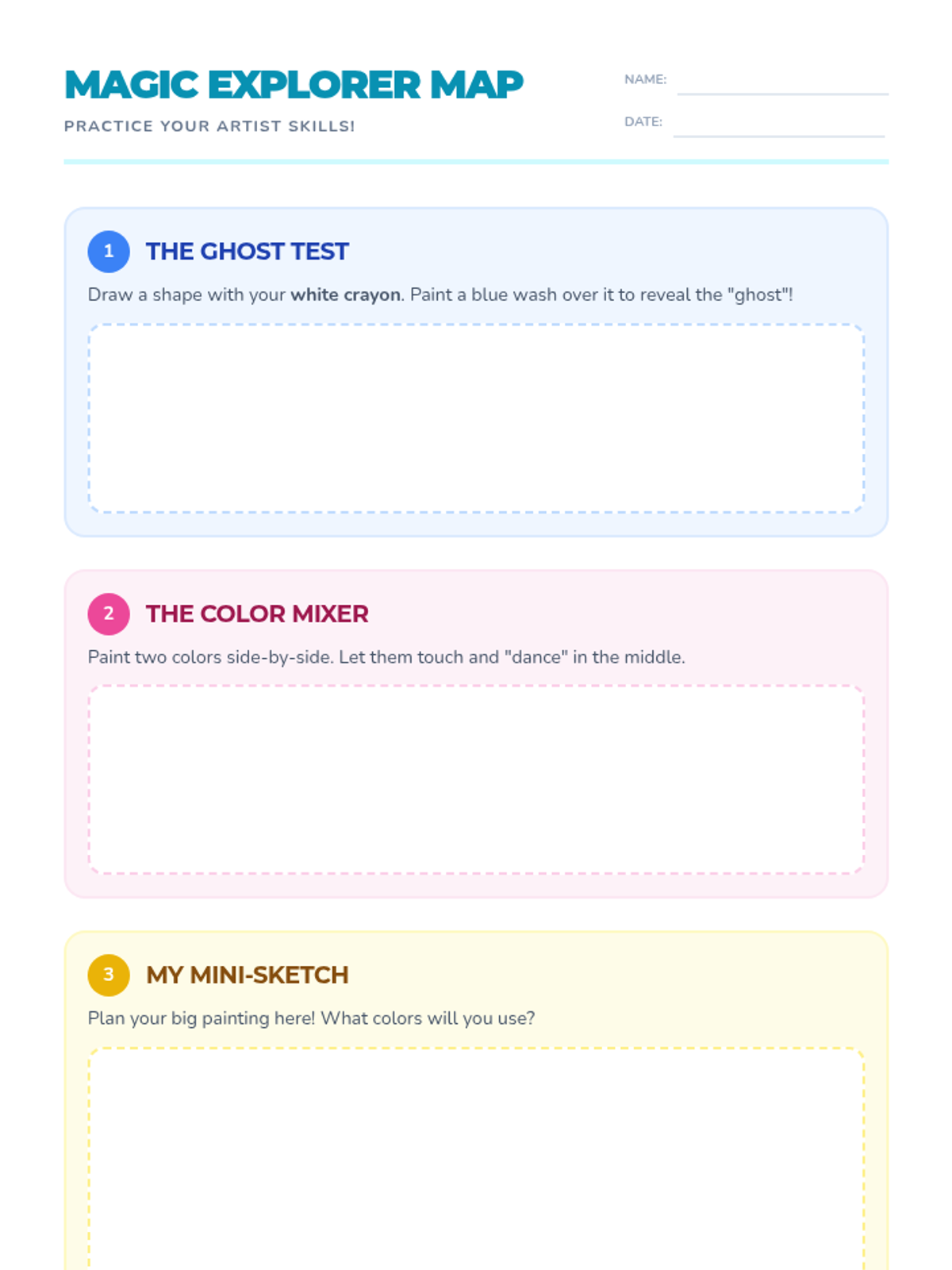
Students explore the wax-resist watercolor technique to create vibrant landscapes. This lesson introduces basic color mixing and the "magic" of how oil and water don't mix.
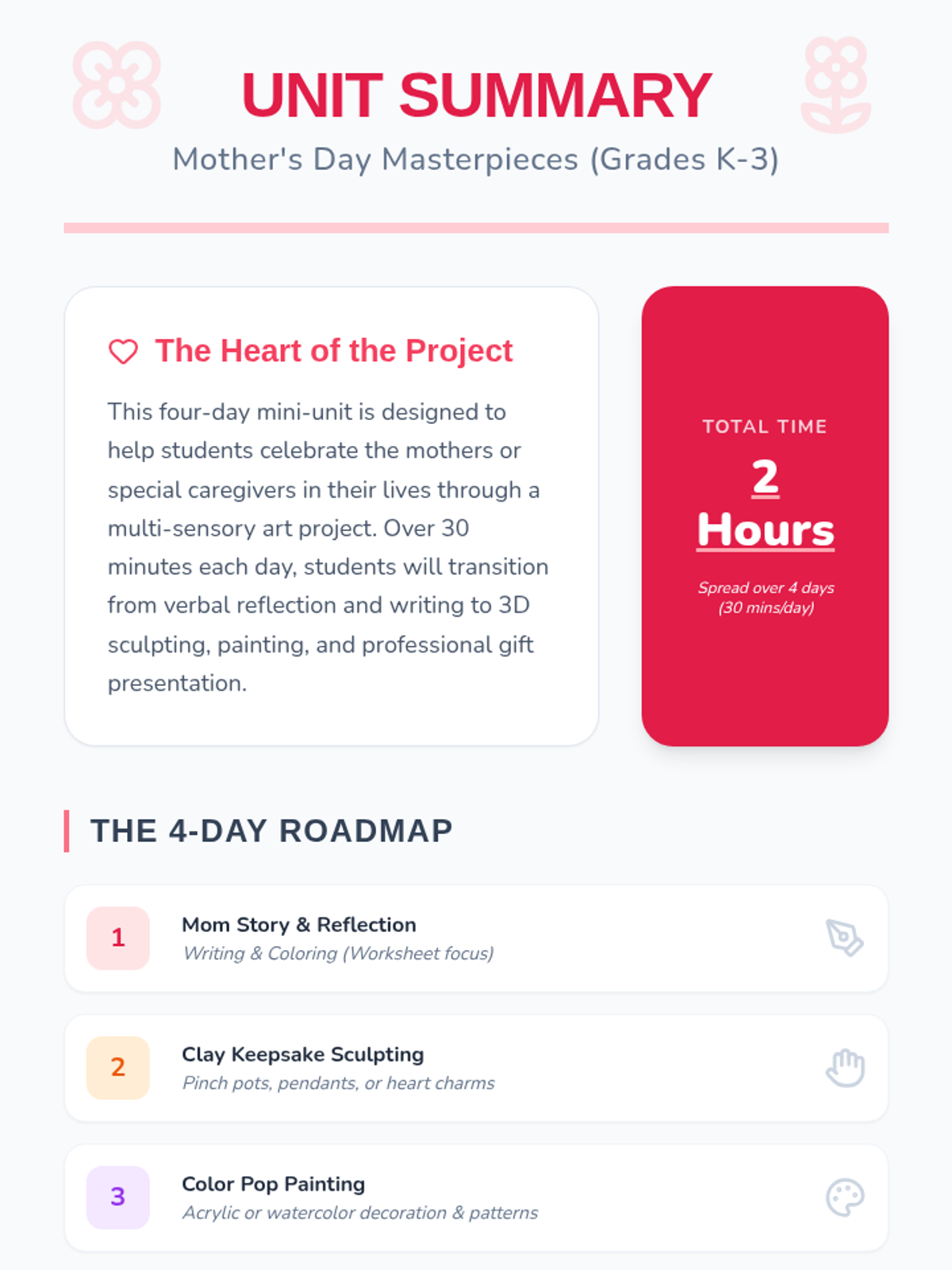
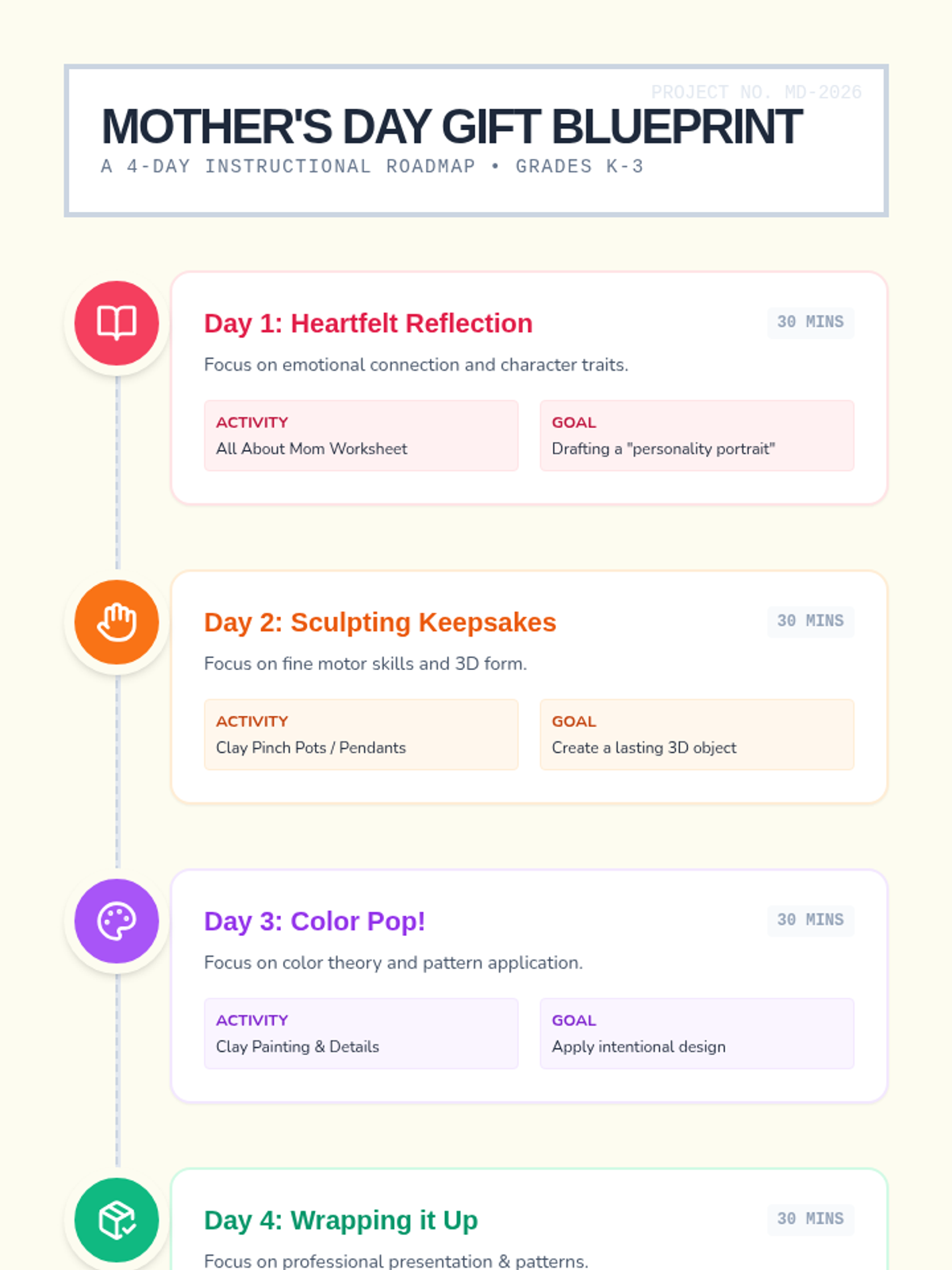
High-level planning resources and summaries for the Mother's Day unit.
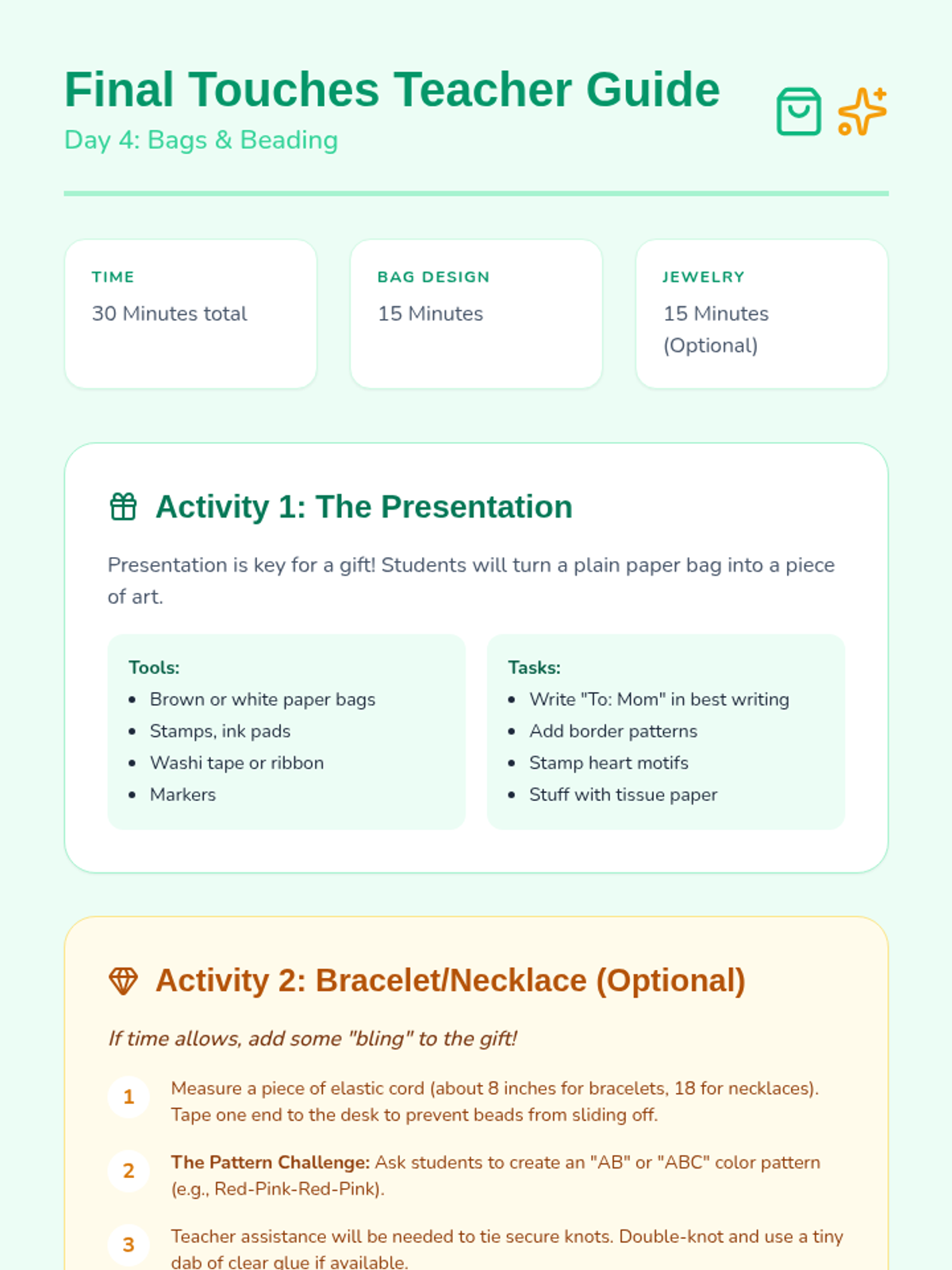
Students decorate gift bags for their creations and, if time permits, bead a personalized necklace or bracelet to complete the gift set.
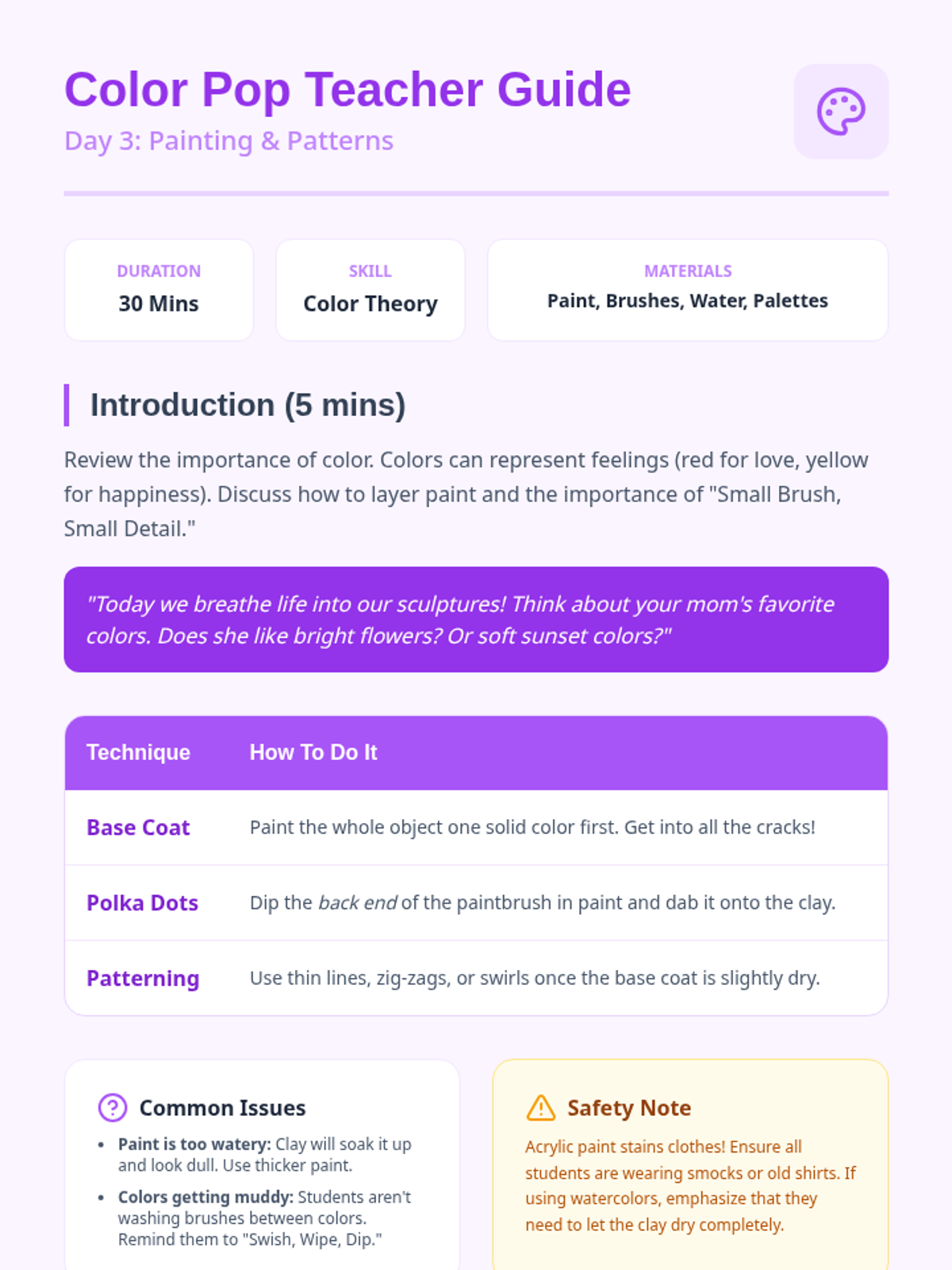
Students add personality and color to their dried clay creations using acrylic paints or watercolors, focusing on patterns and vibrant designs.
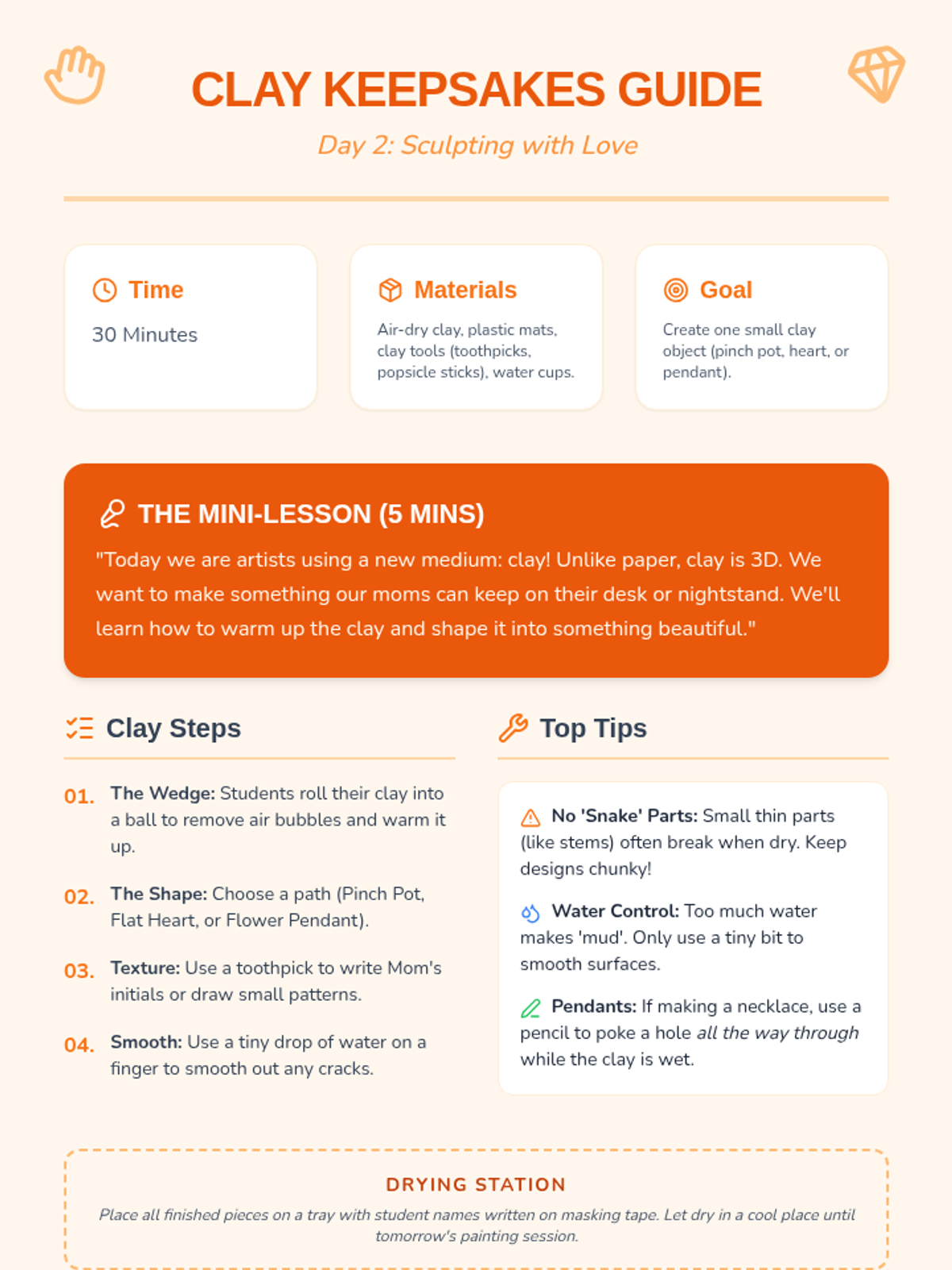
Students use their fine motor skills to sculpt a special clay creation, such as a pinch pot or a pendant, as a lasting gift for their mothers.
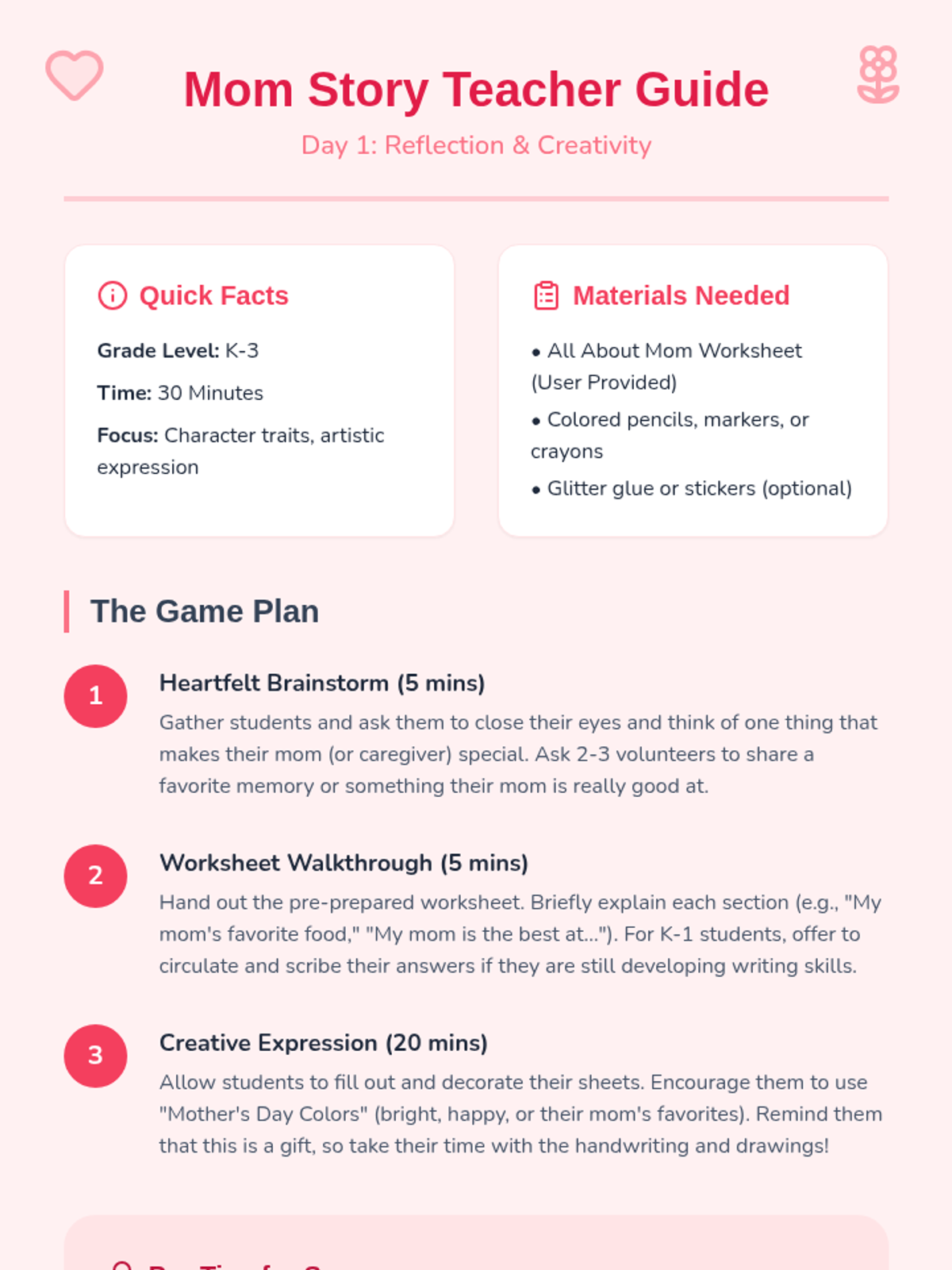
Students reflect on their mothers' unique qualities while completing and decorating an 'All About Mom' worksheet with creative details and vibrant colors.
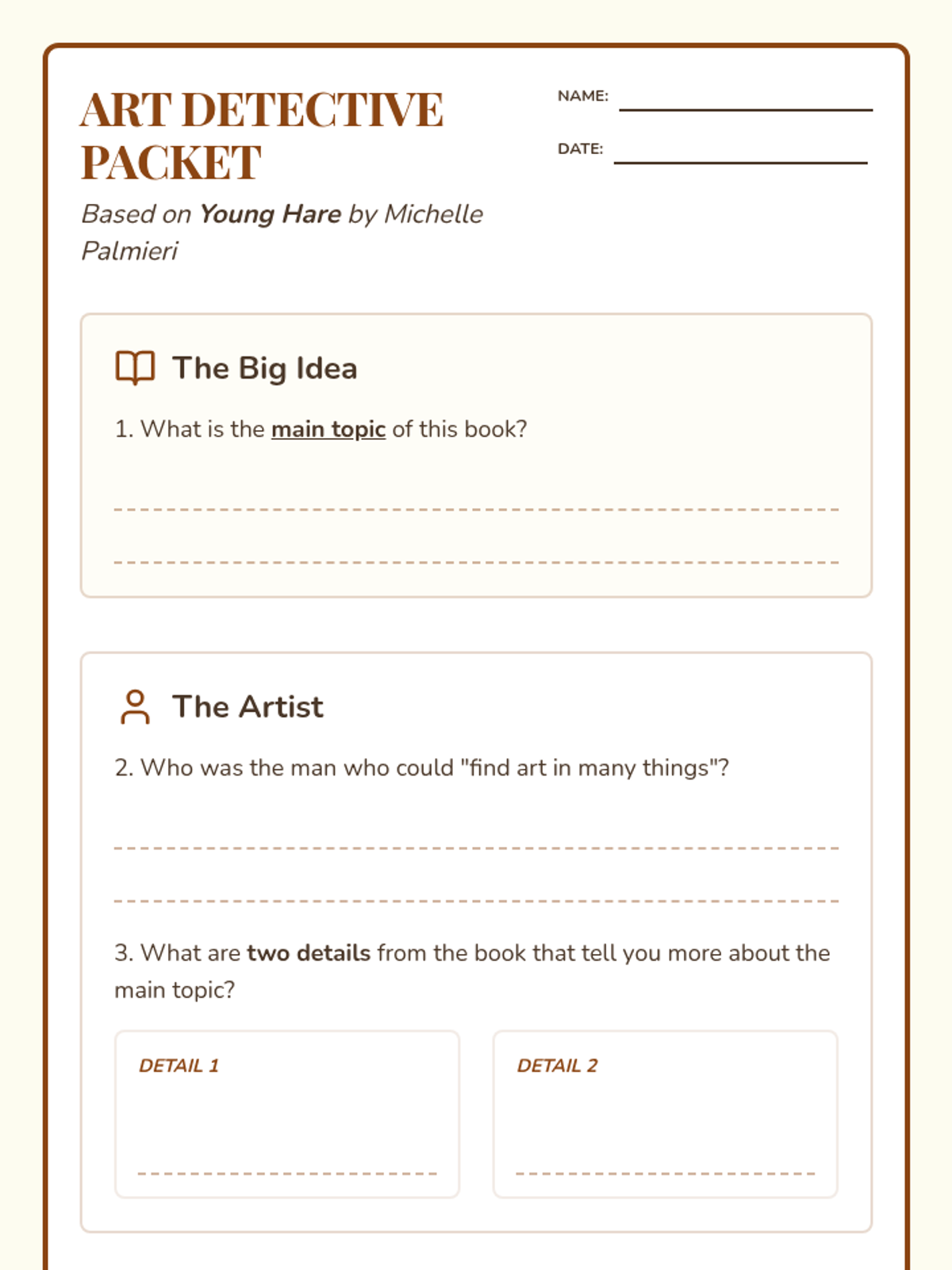
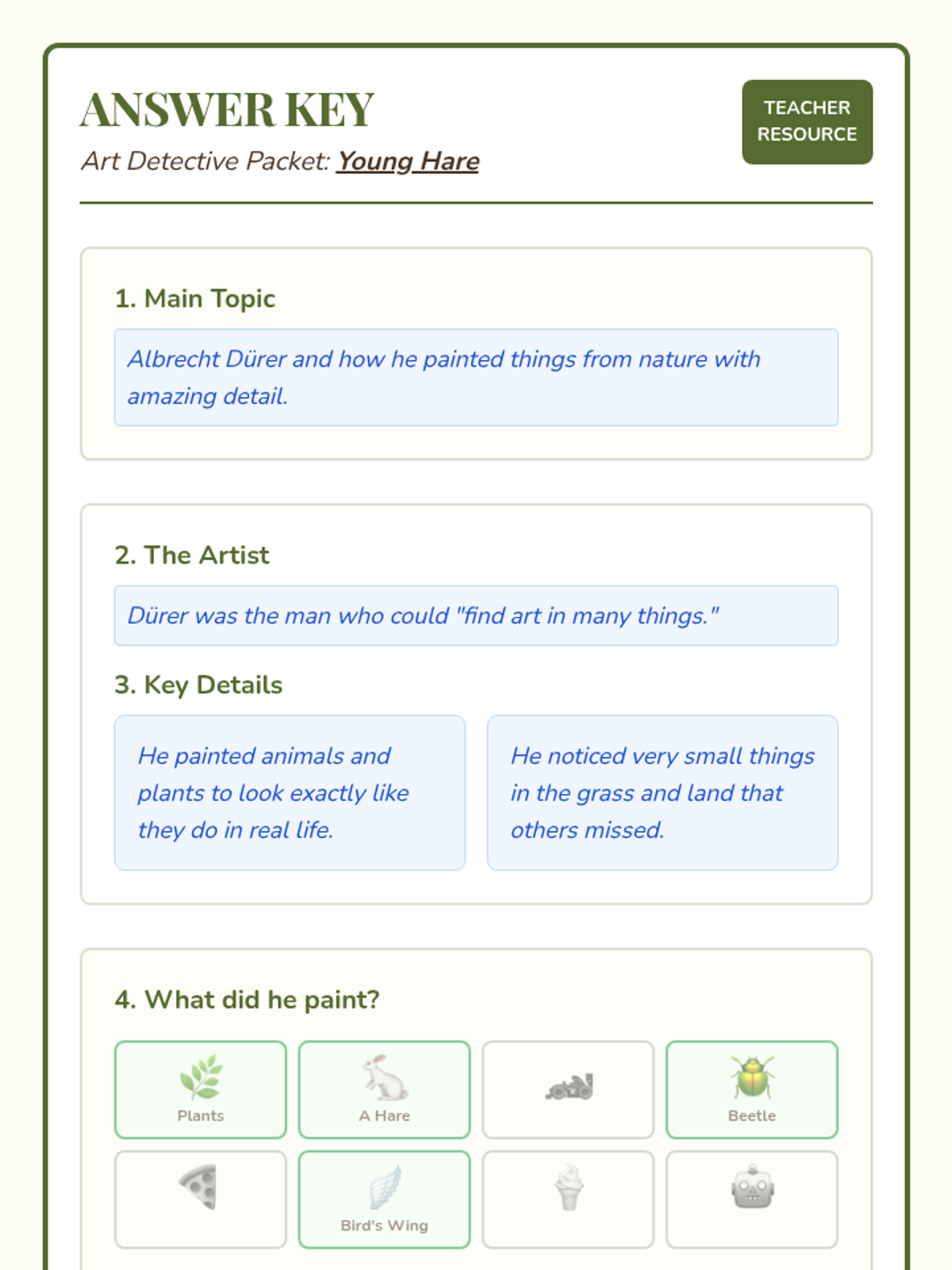
A comprehensive reading and art appreciation packet based on Michelle Palmieri's book about the artist Albrecht Dürer, designed for advanced first graders.
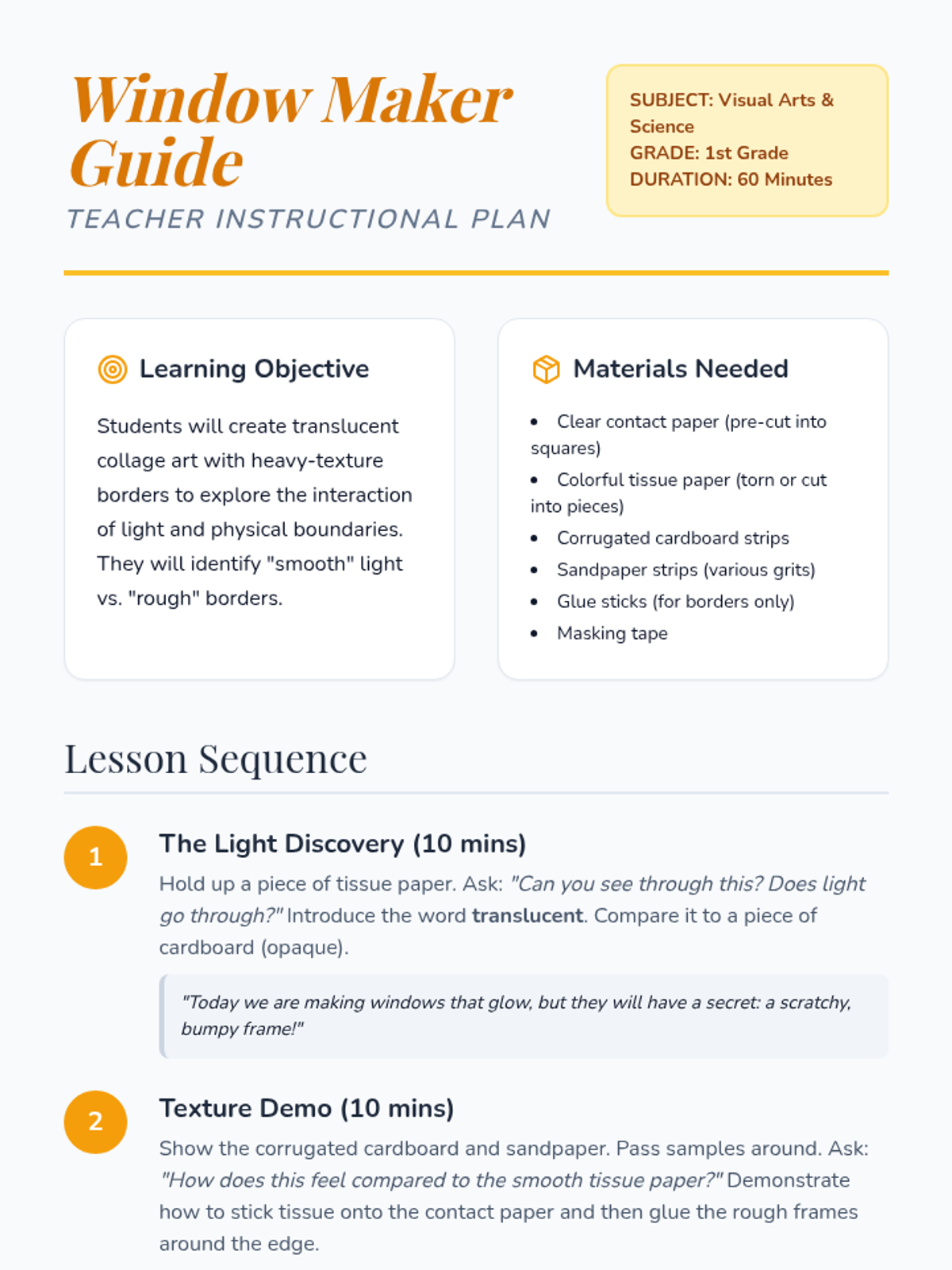
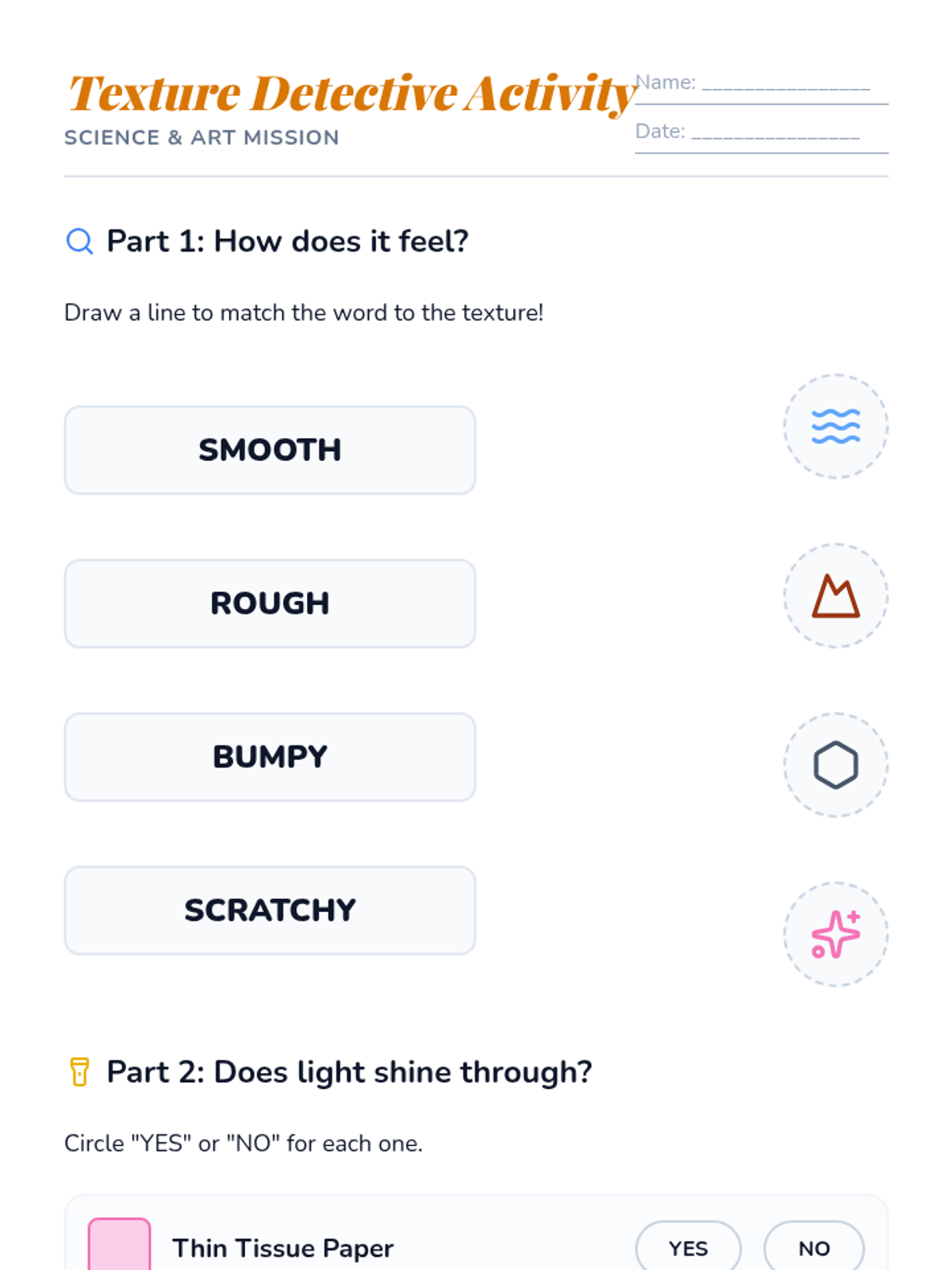
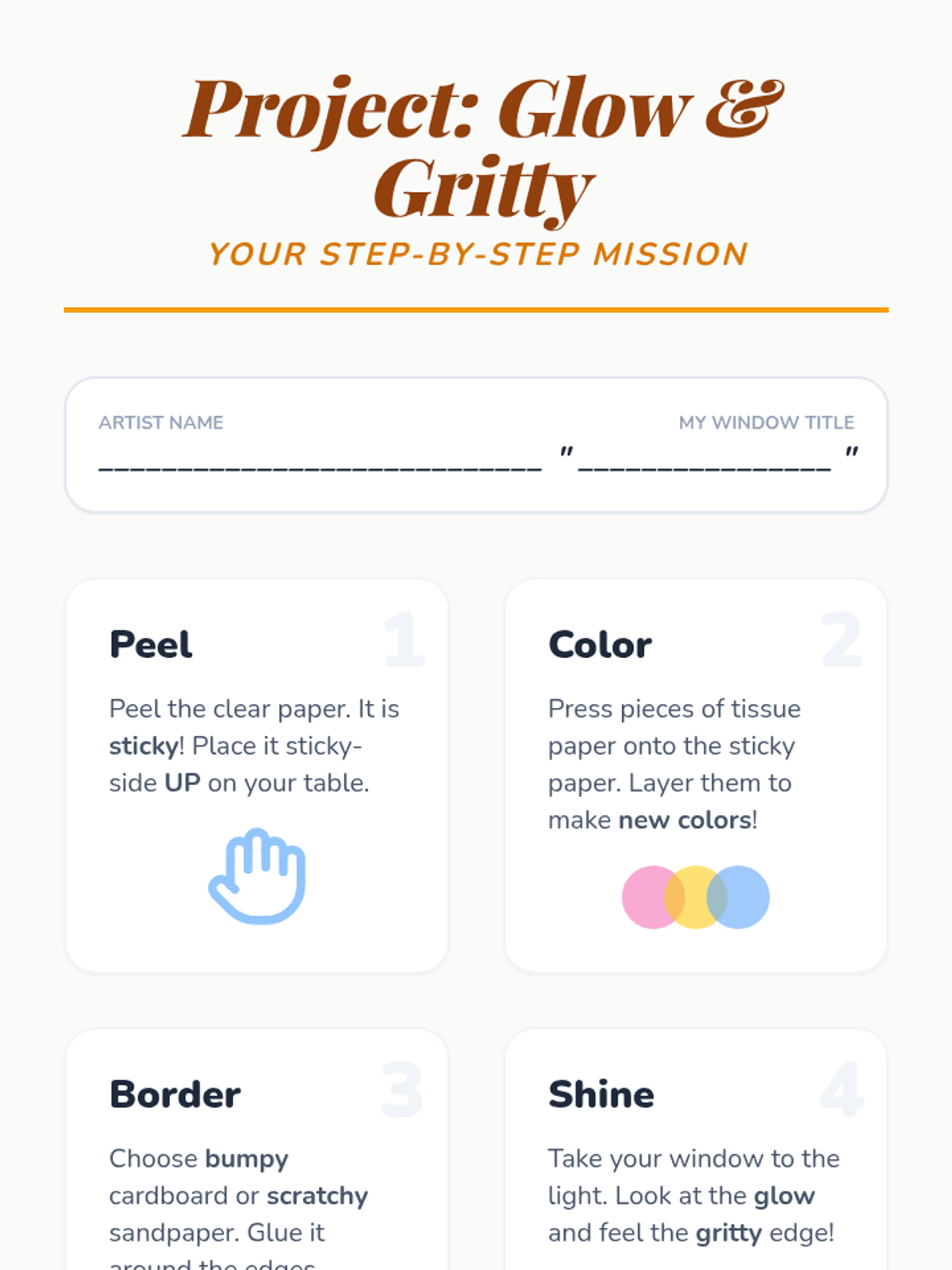
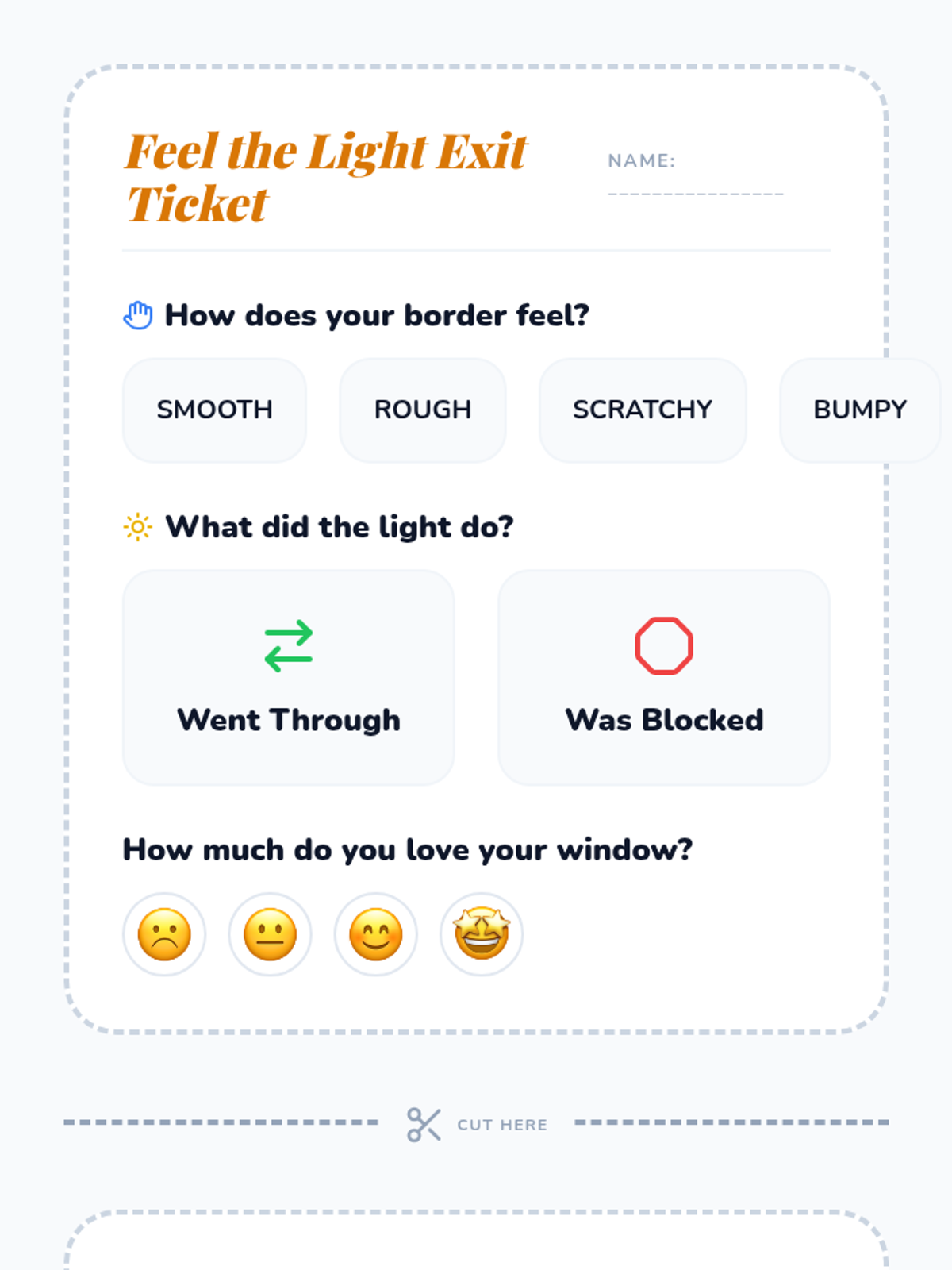
A hands-on art and science lesson where 1st graders explore translucency and texture by creating tissue paper 'stained glass' windows with rough, tactile borders. Students investigate how light interacts with different materials and distinguish between smooth and textured surfaces.
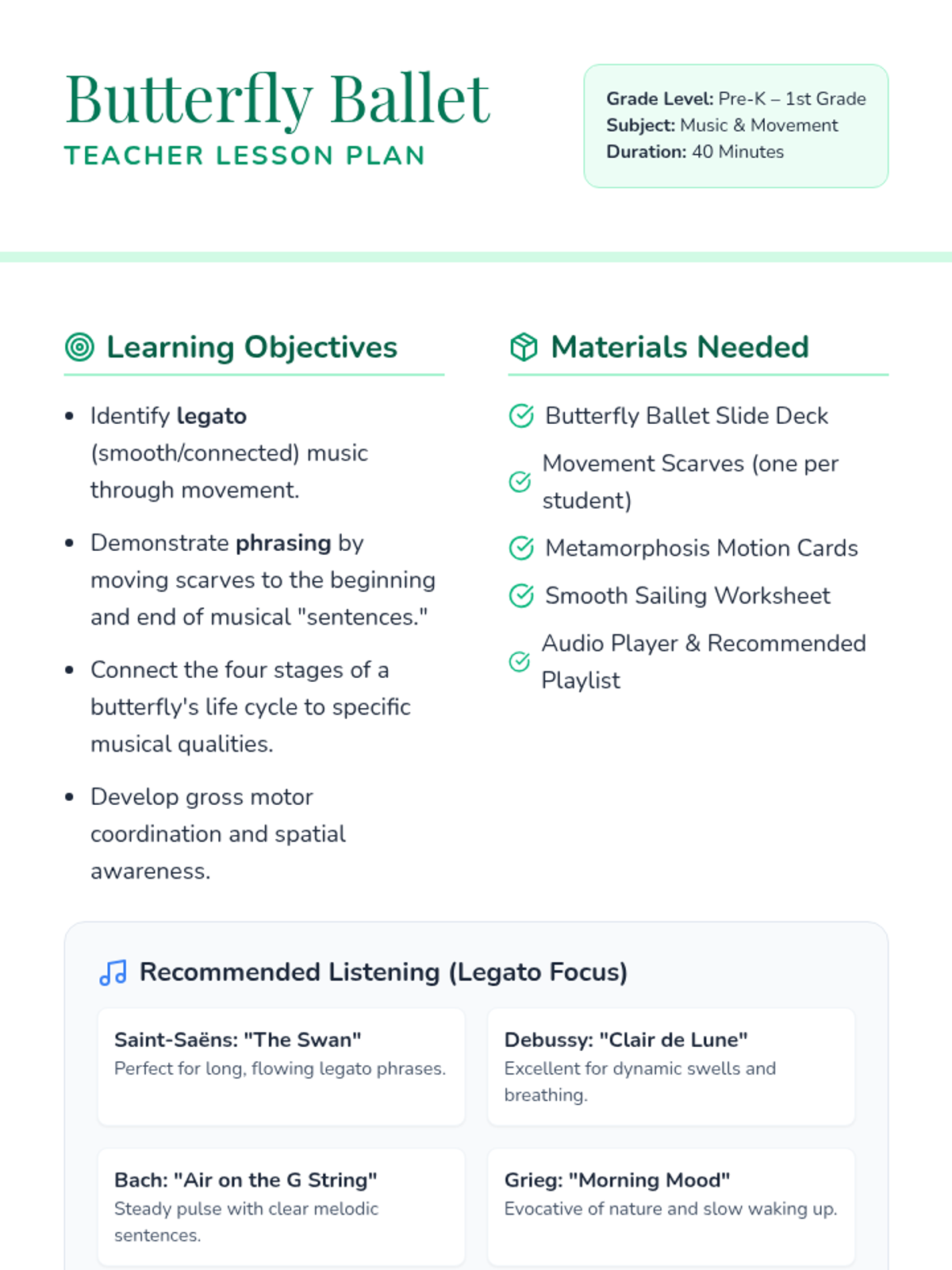
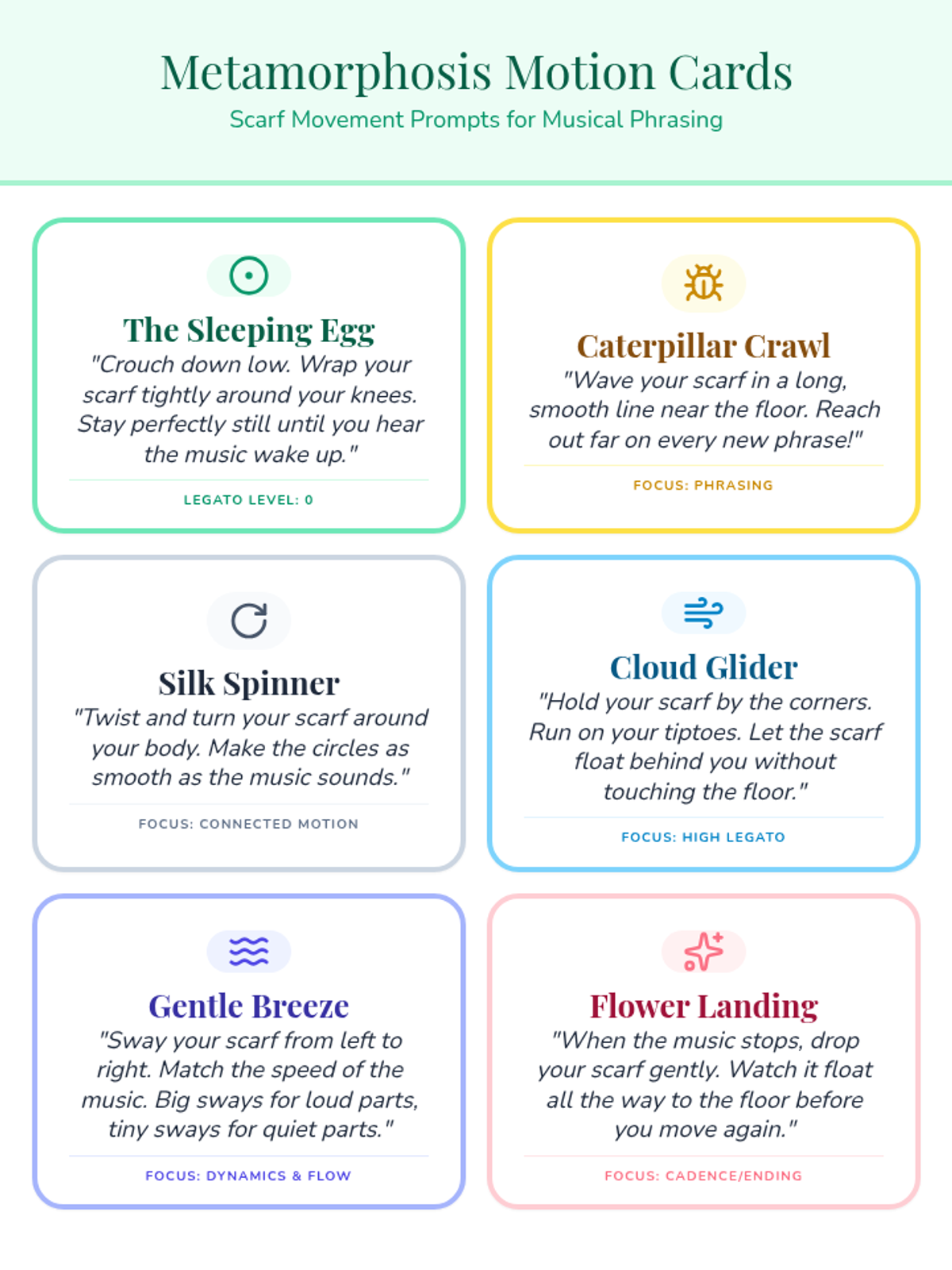
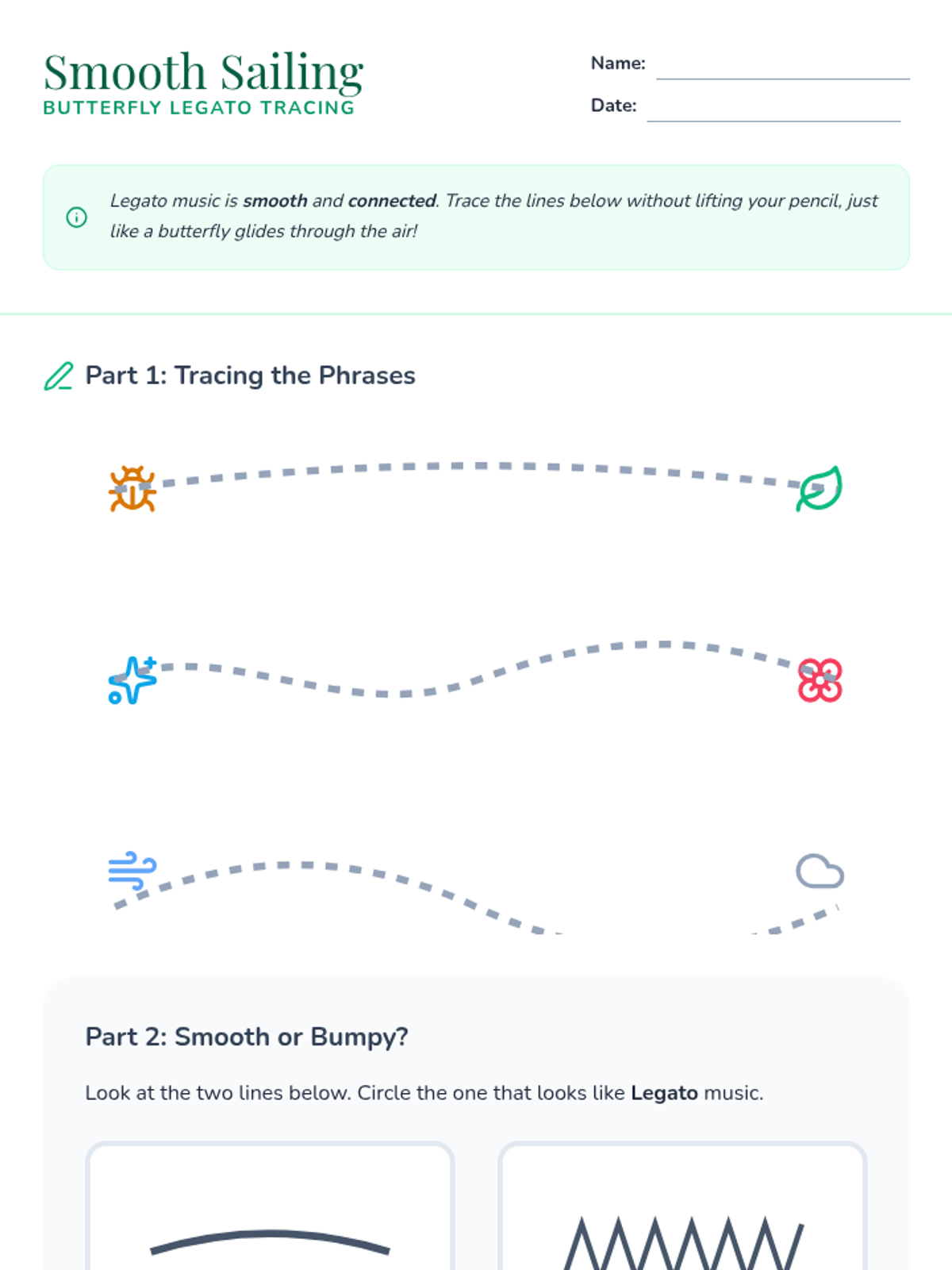
A music and movement lesson for early childhood students exploring phrasing and legato through the life cycle of a butterfly. Students use scarves to interpret smooth musical lines while learning about metamorphosis.
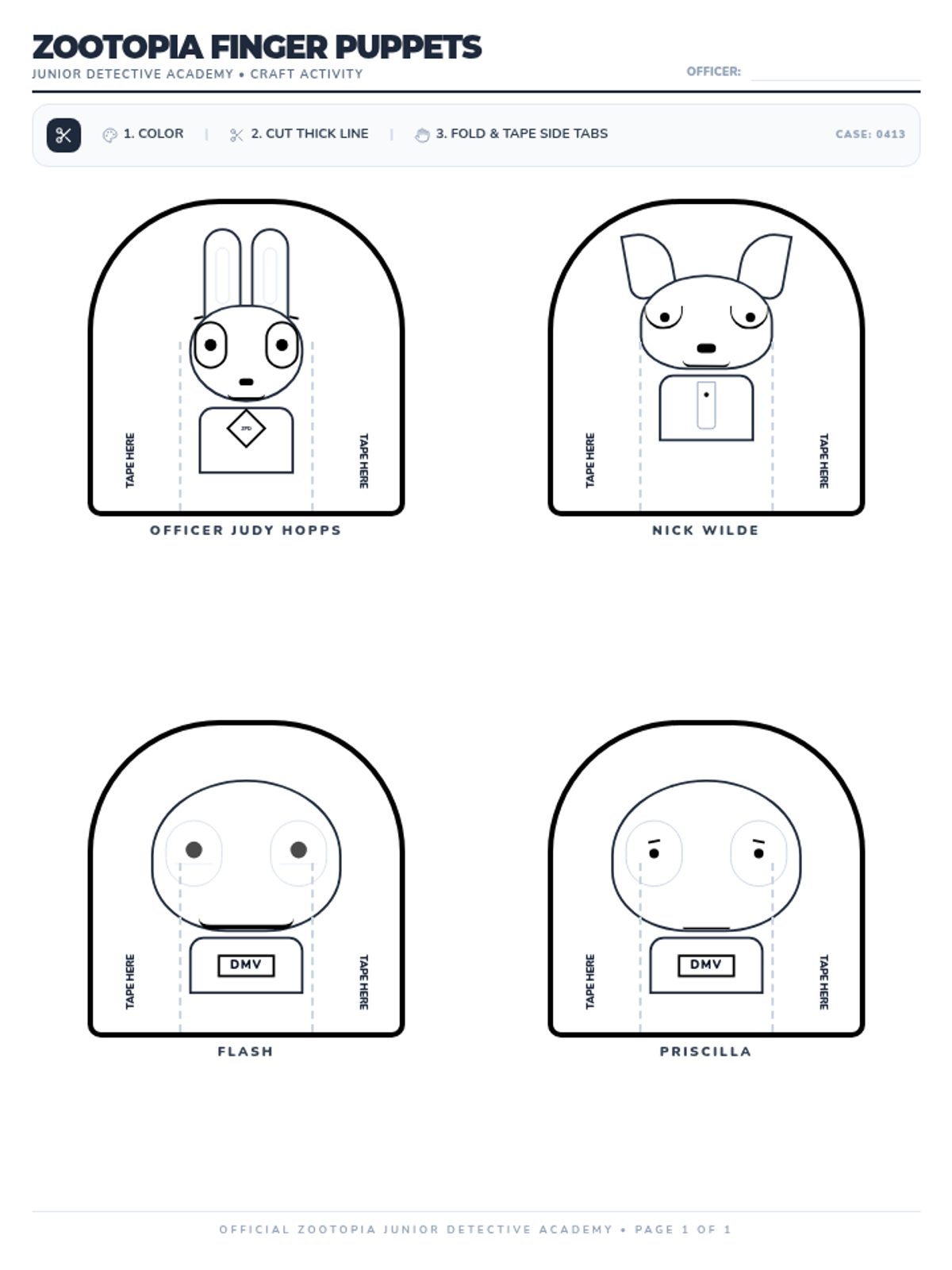
A creative craft lesson where students color and create their own finger puppets of favorite Zootopia characters to practice storytelling and role-playing.
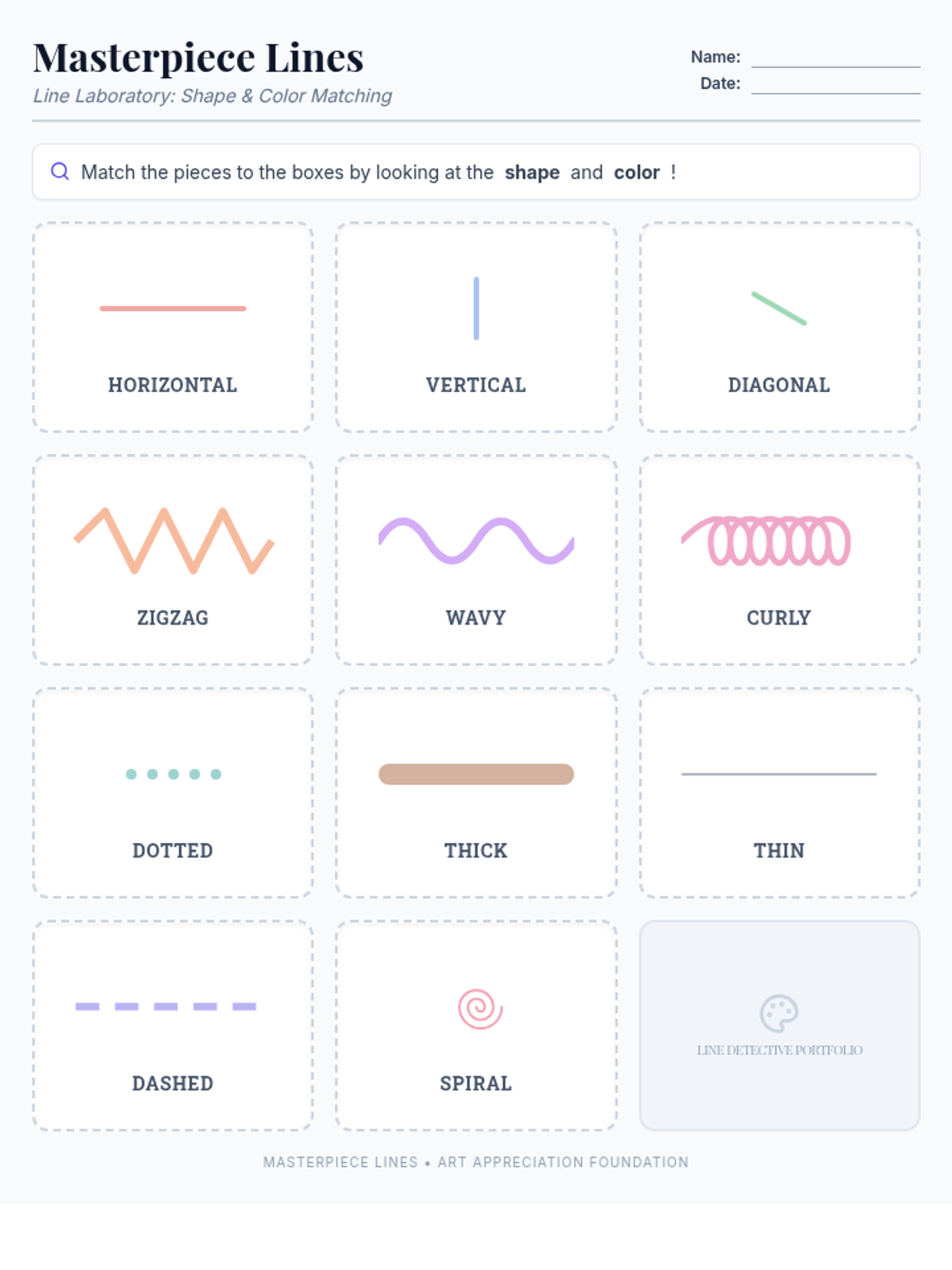
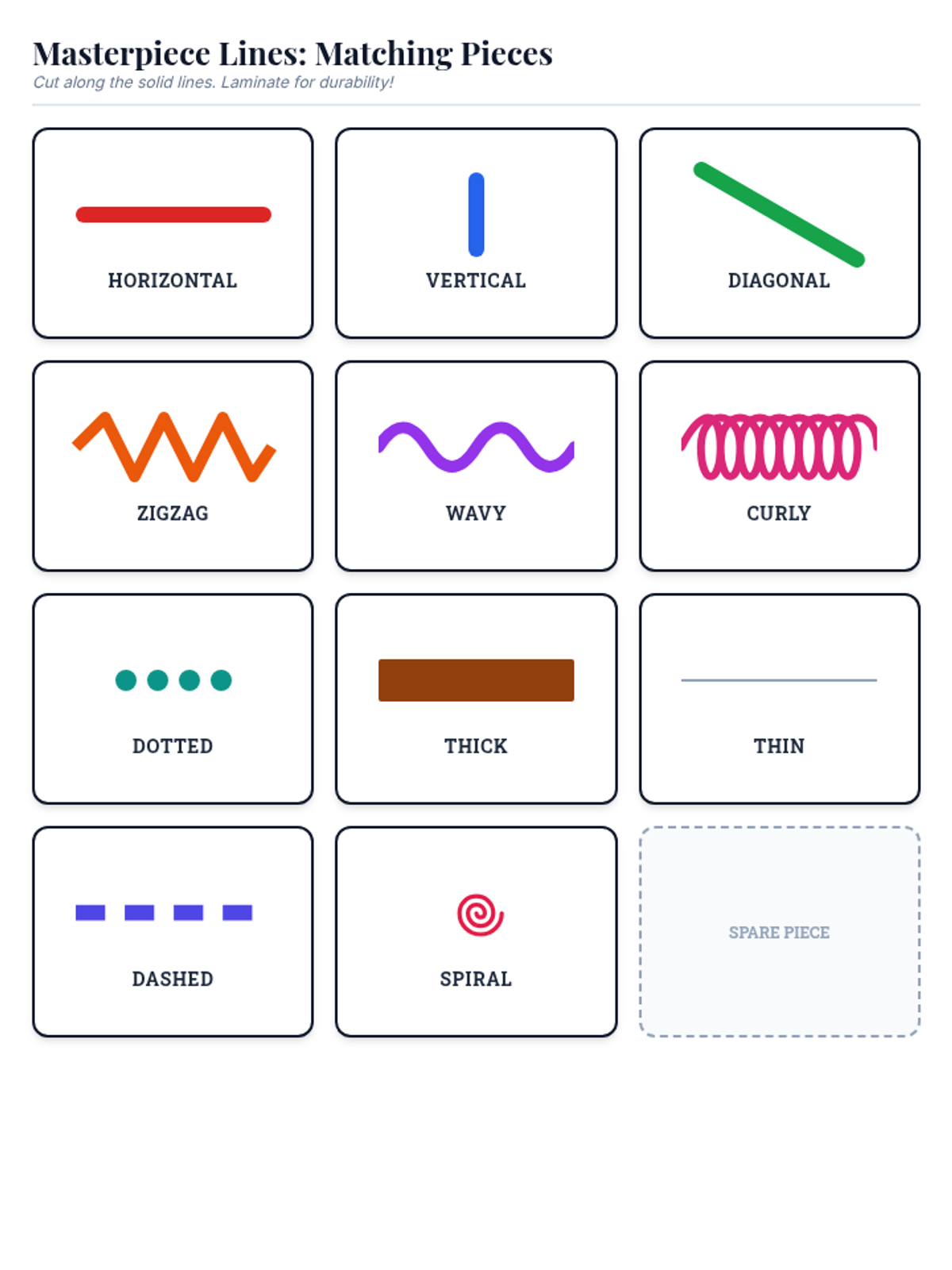
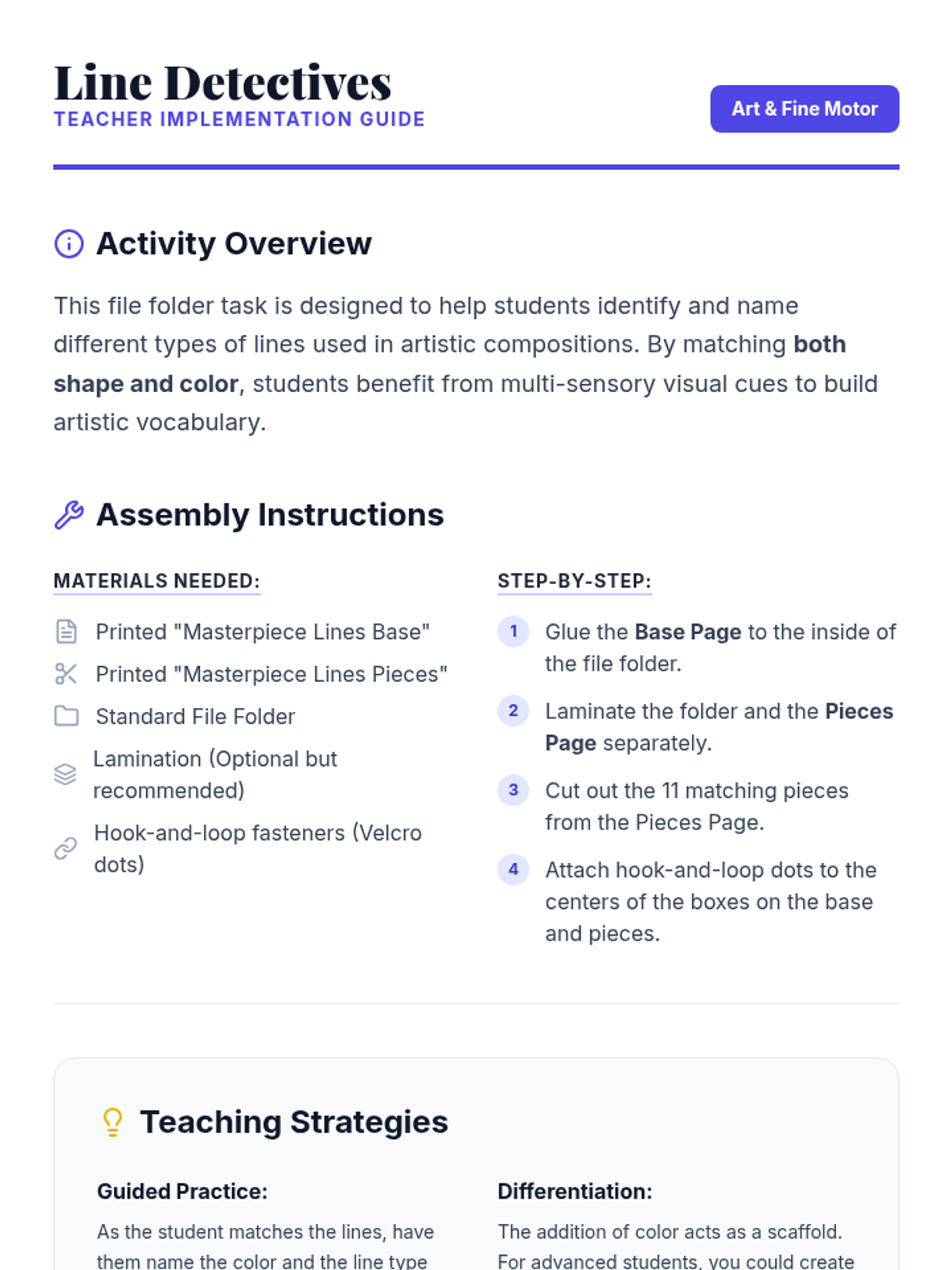
A hands-on activity for students to identify and match various line types used in art, from basic directional lines to complex decorative patterns.