Fundamental techniques for drawing, painting, sculpture, and photography alongside modern digital design principles. Analyzes historical artistic movements while building skills in printmaking and graphic media.
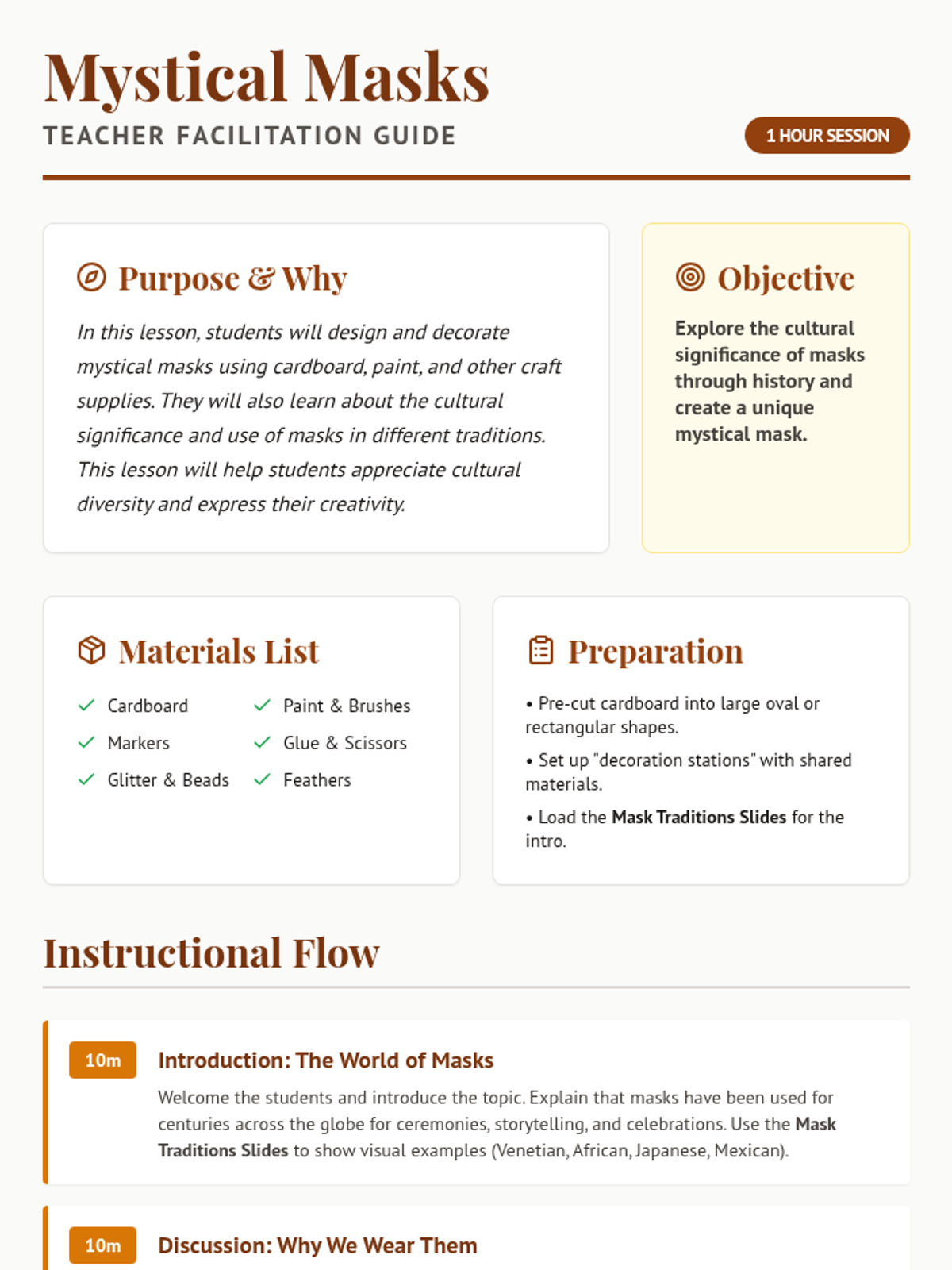
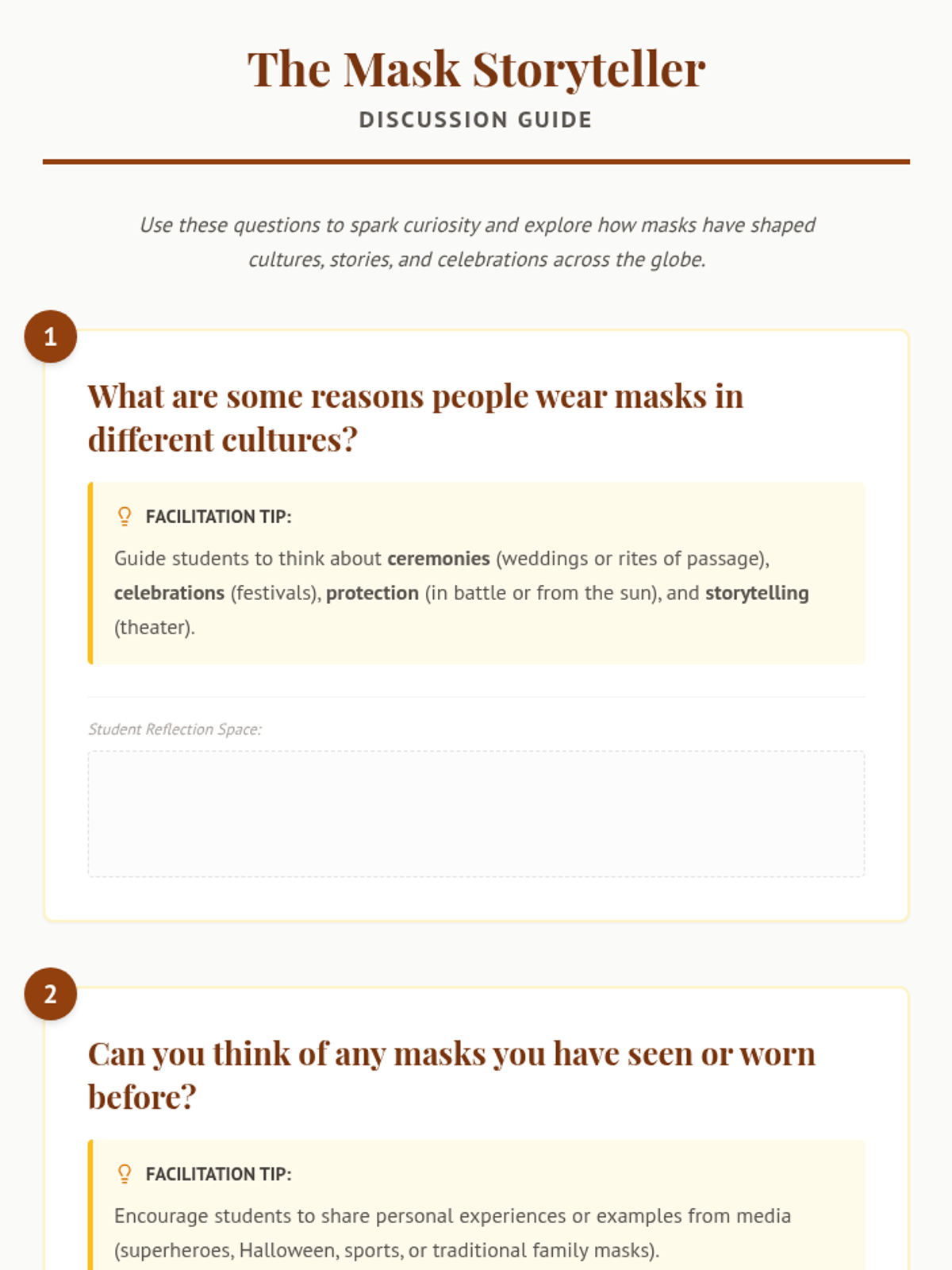
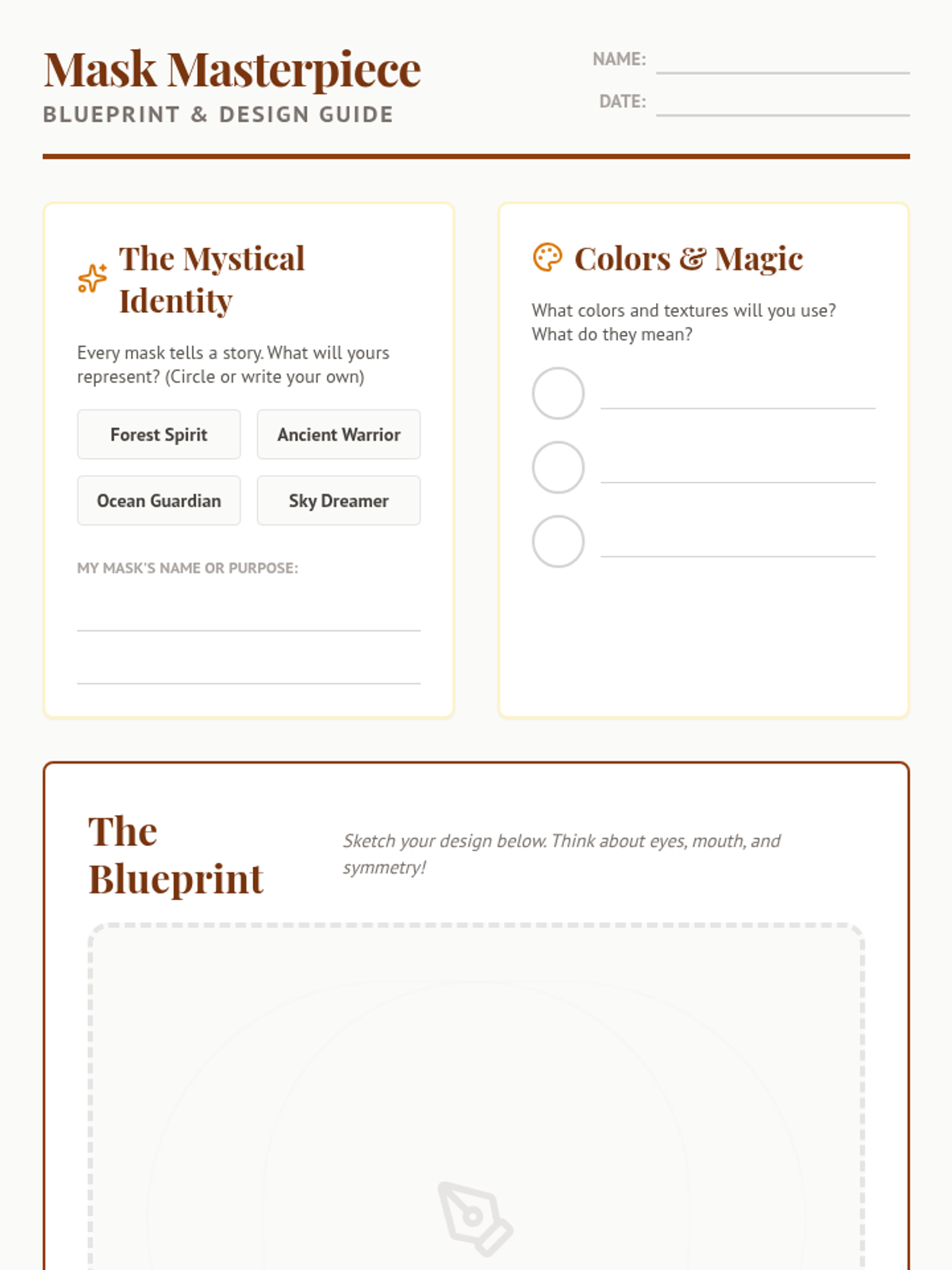
Students explore the cultural significance of masks from around the world and design their own mystical masks using cardboard and craft supplies.
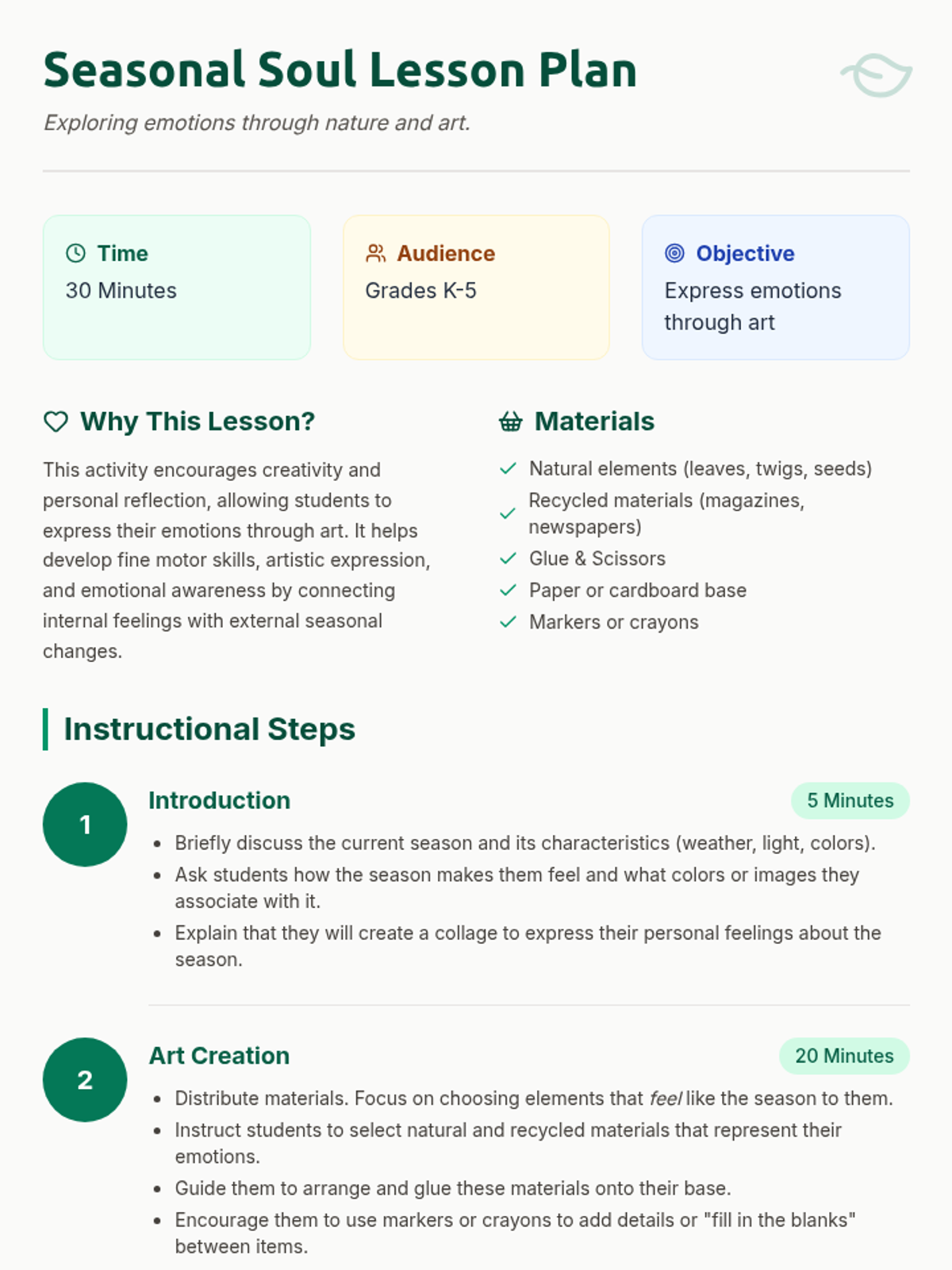
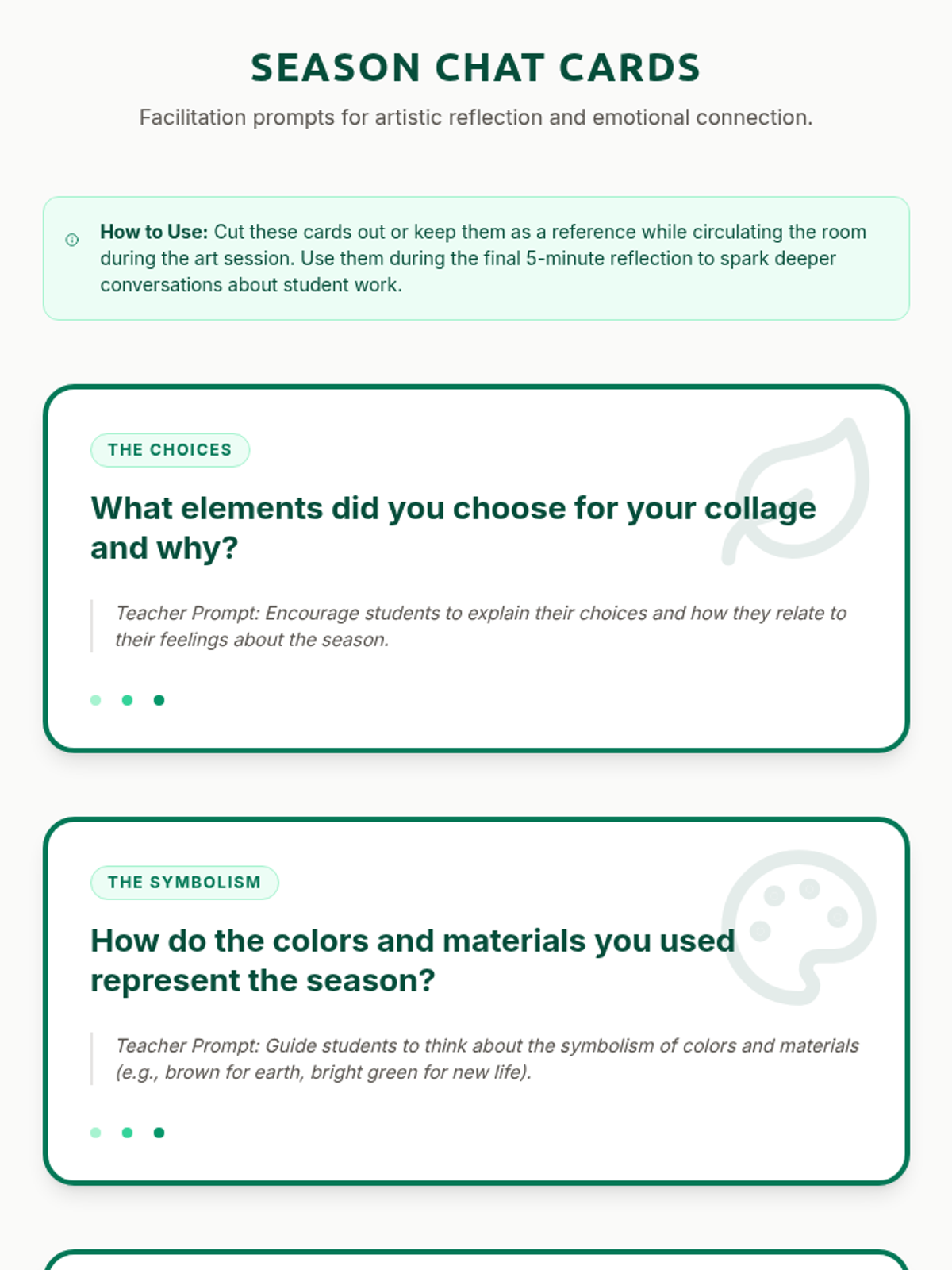
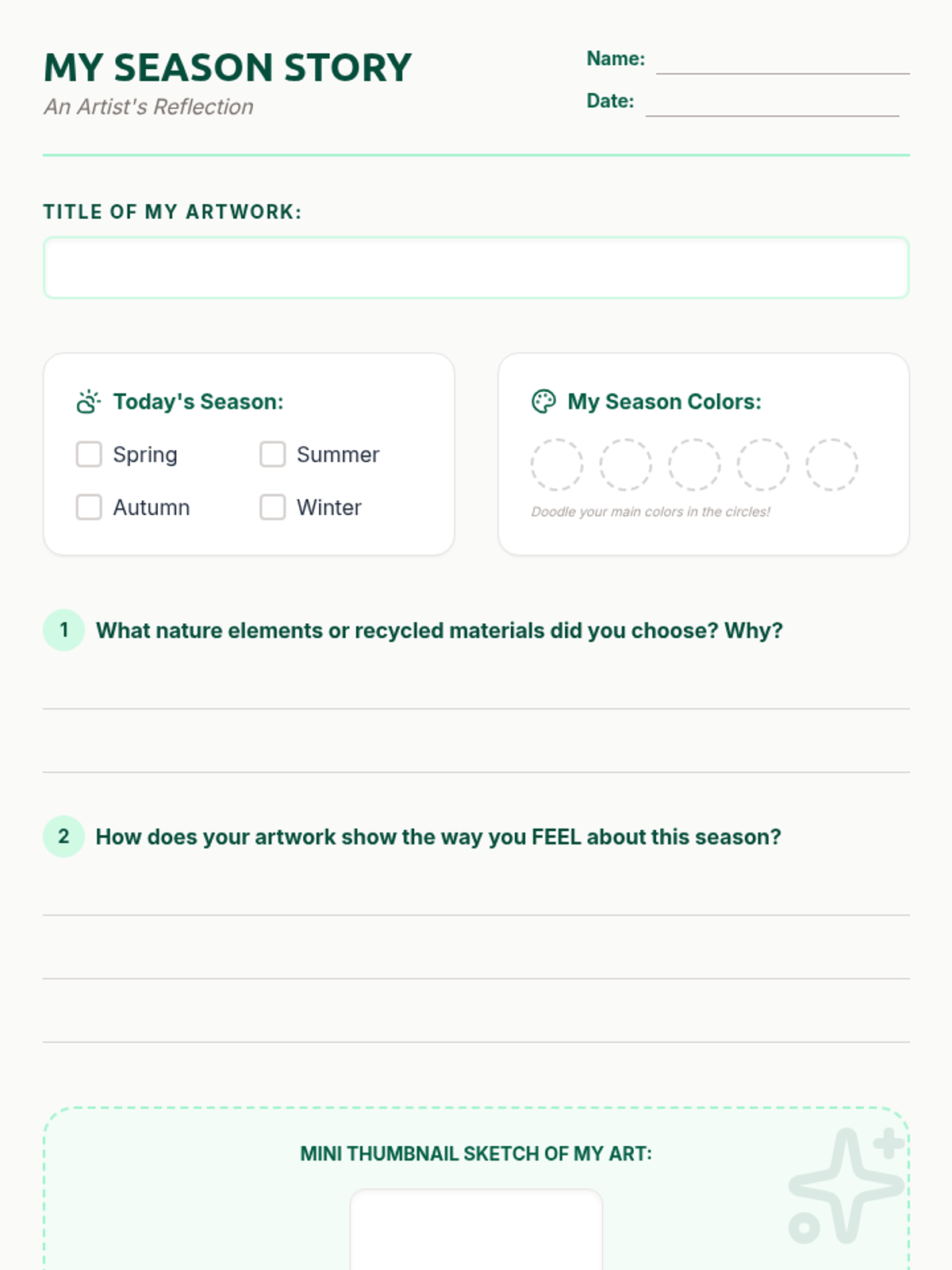
In this lesson, students will create collage artworks that represent their feelings about the current season using elements from nature and recycled materials. This activity encourages creativity and personal reflection, allowing students to express their emotions through art. It helps develop fine motor skills, artistic expression, and emotional awareness.
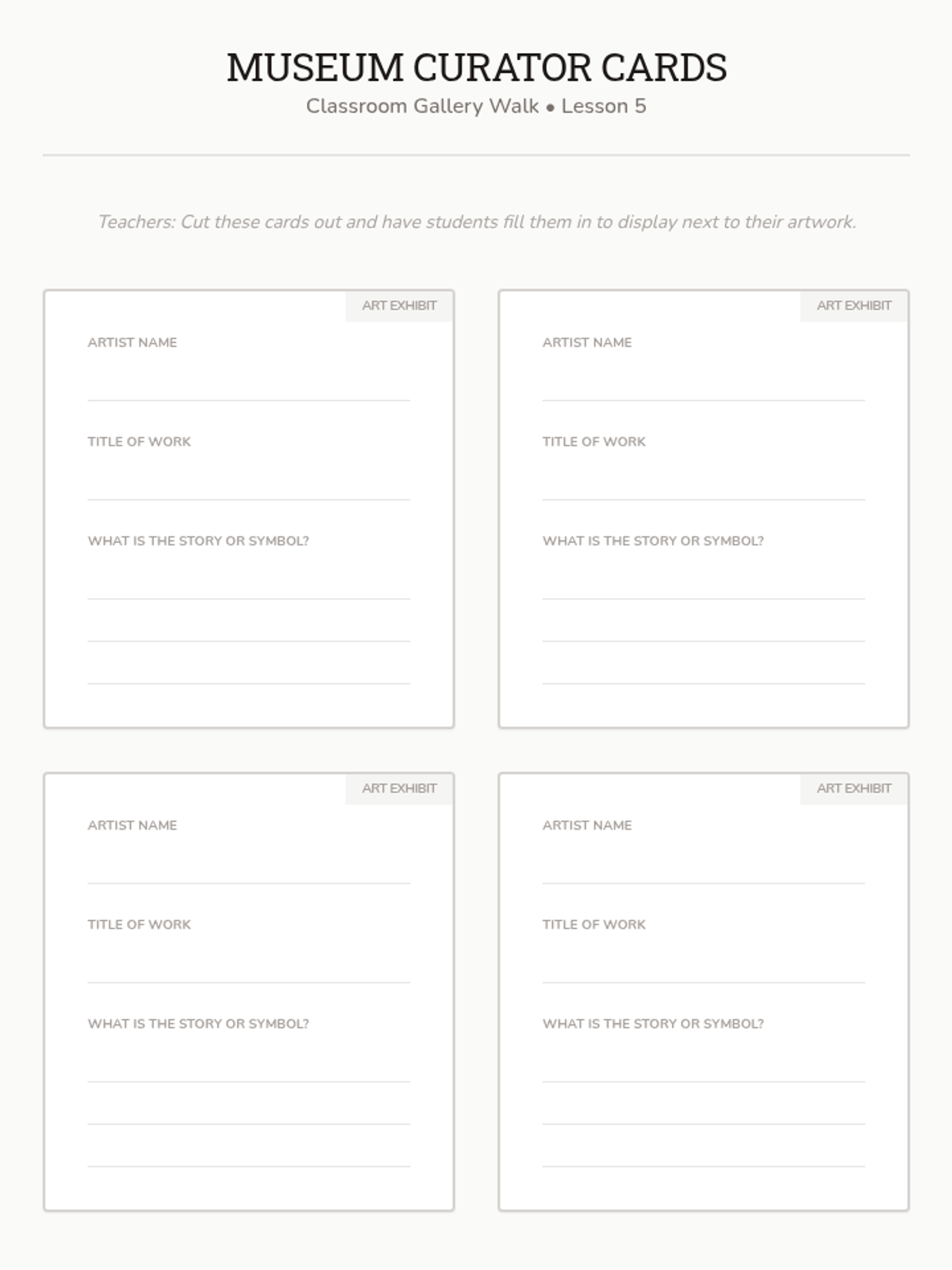
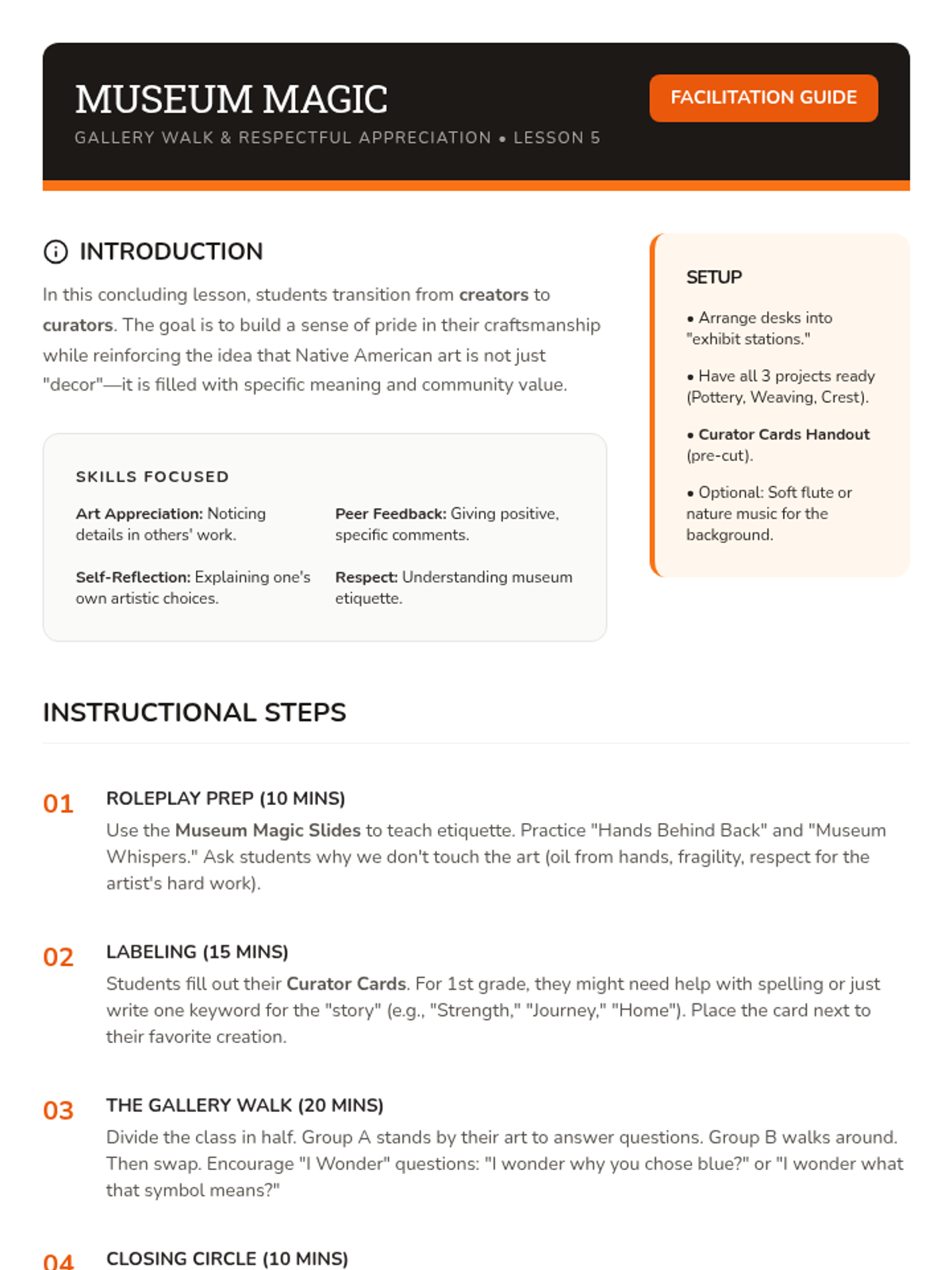
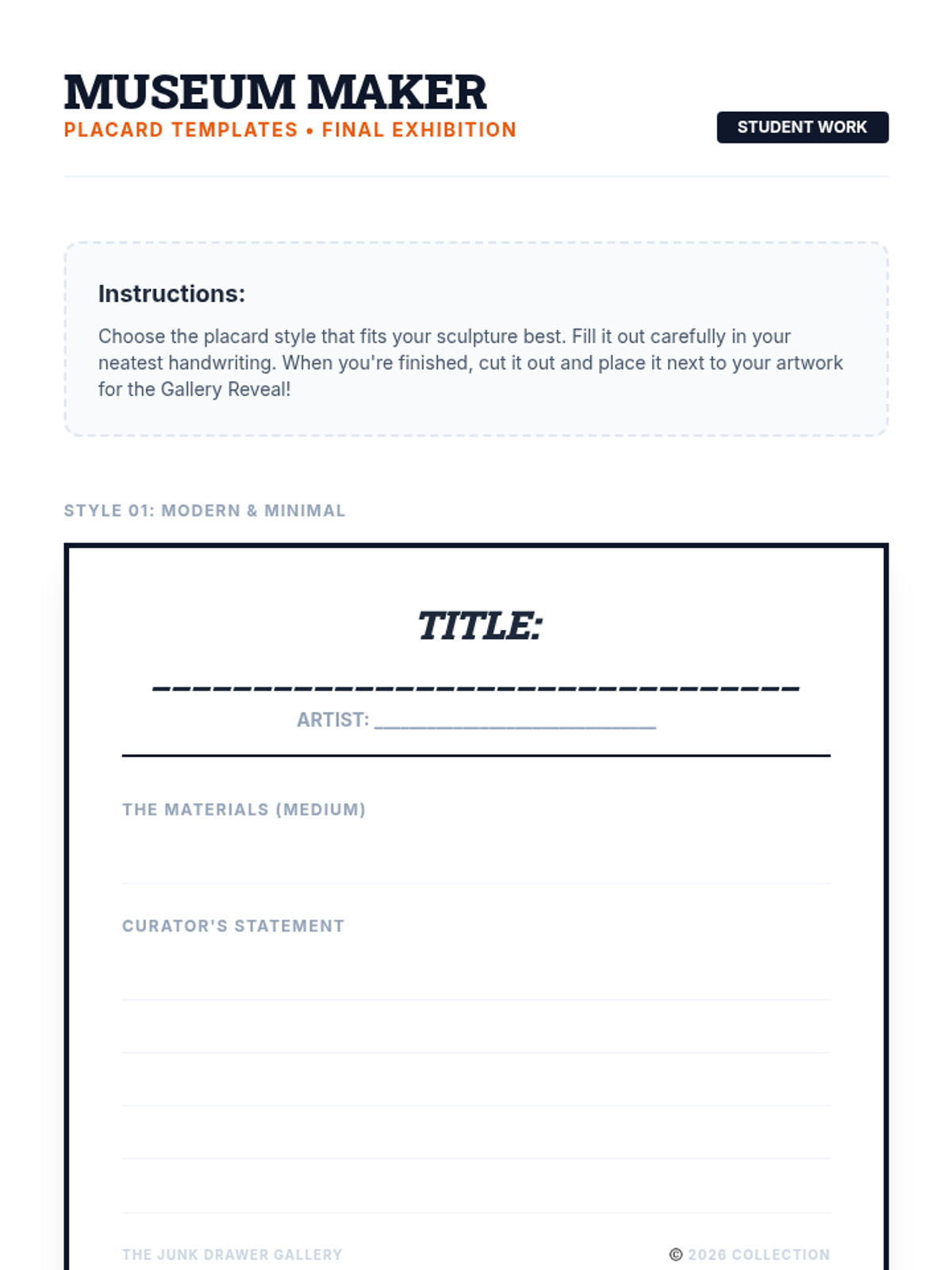
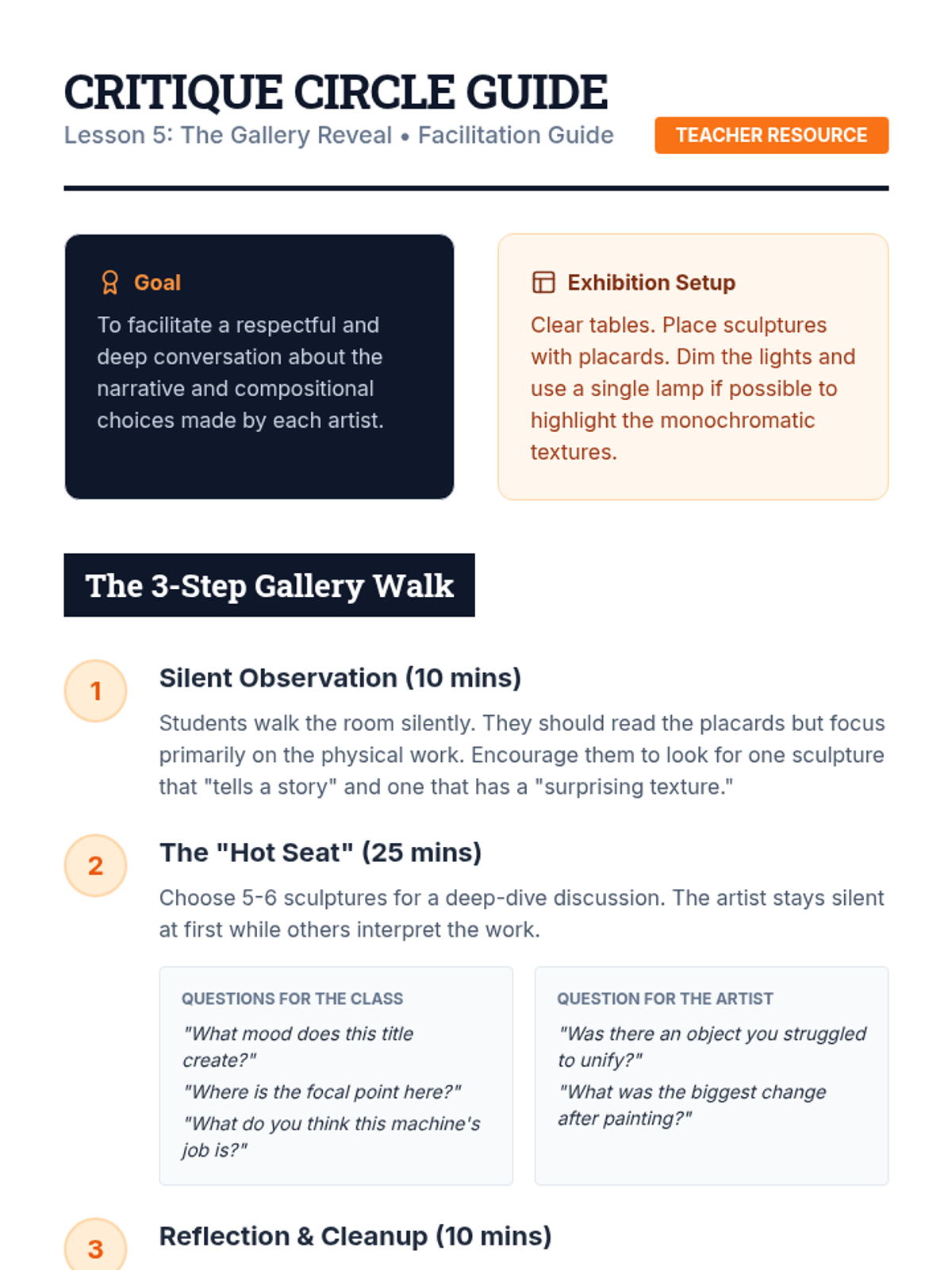
Students curate a classroom museum of their work, practicing respectful observation and sharing the meanings behind their artistic choices.
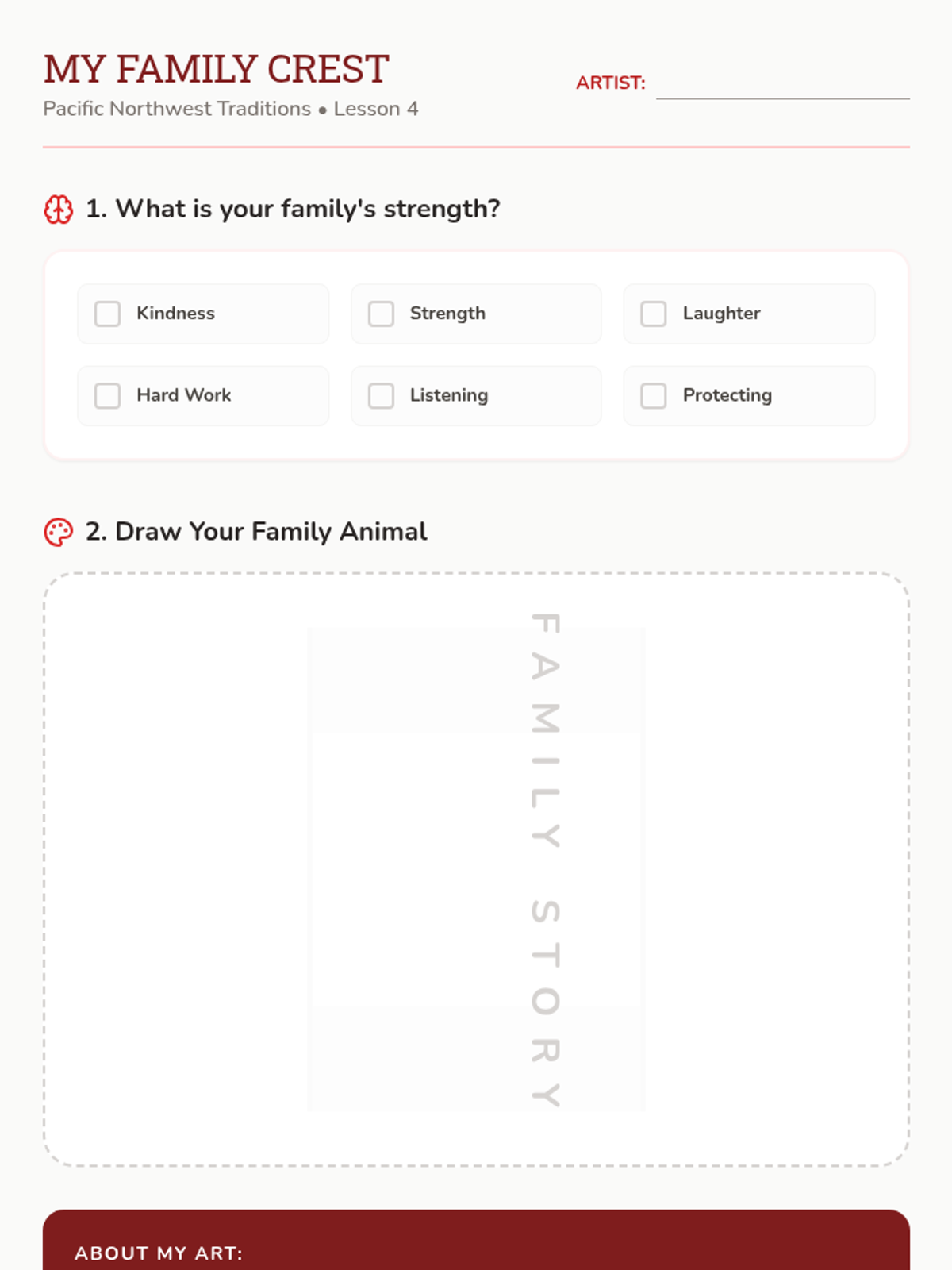
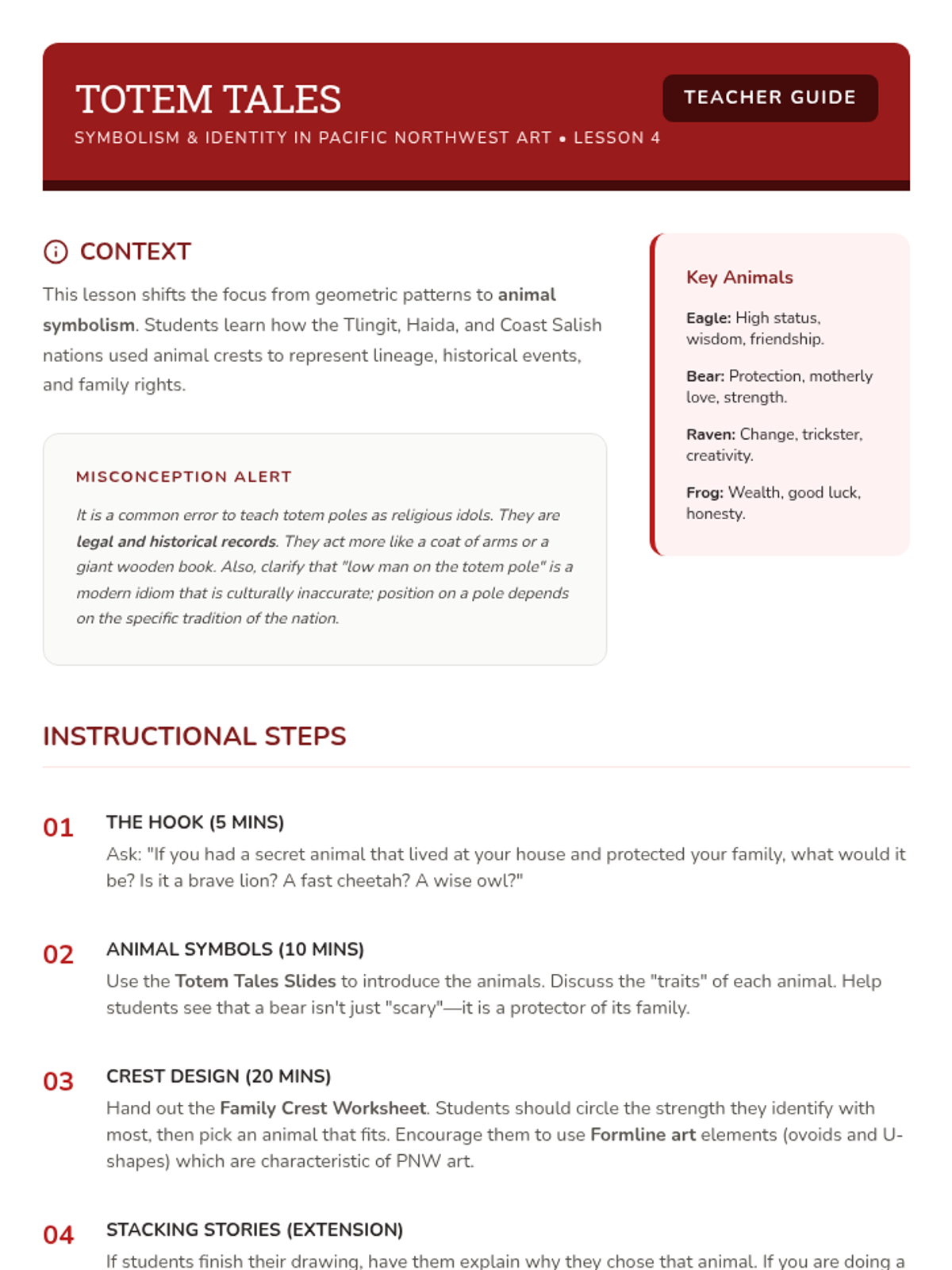
Focusing on the Pacific Northwest, students design family crest animals that represent their own family's strengths and stories.
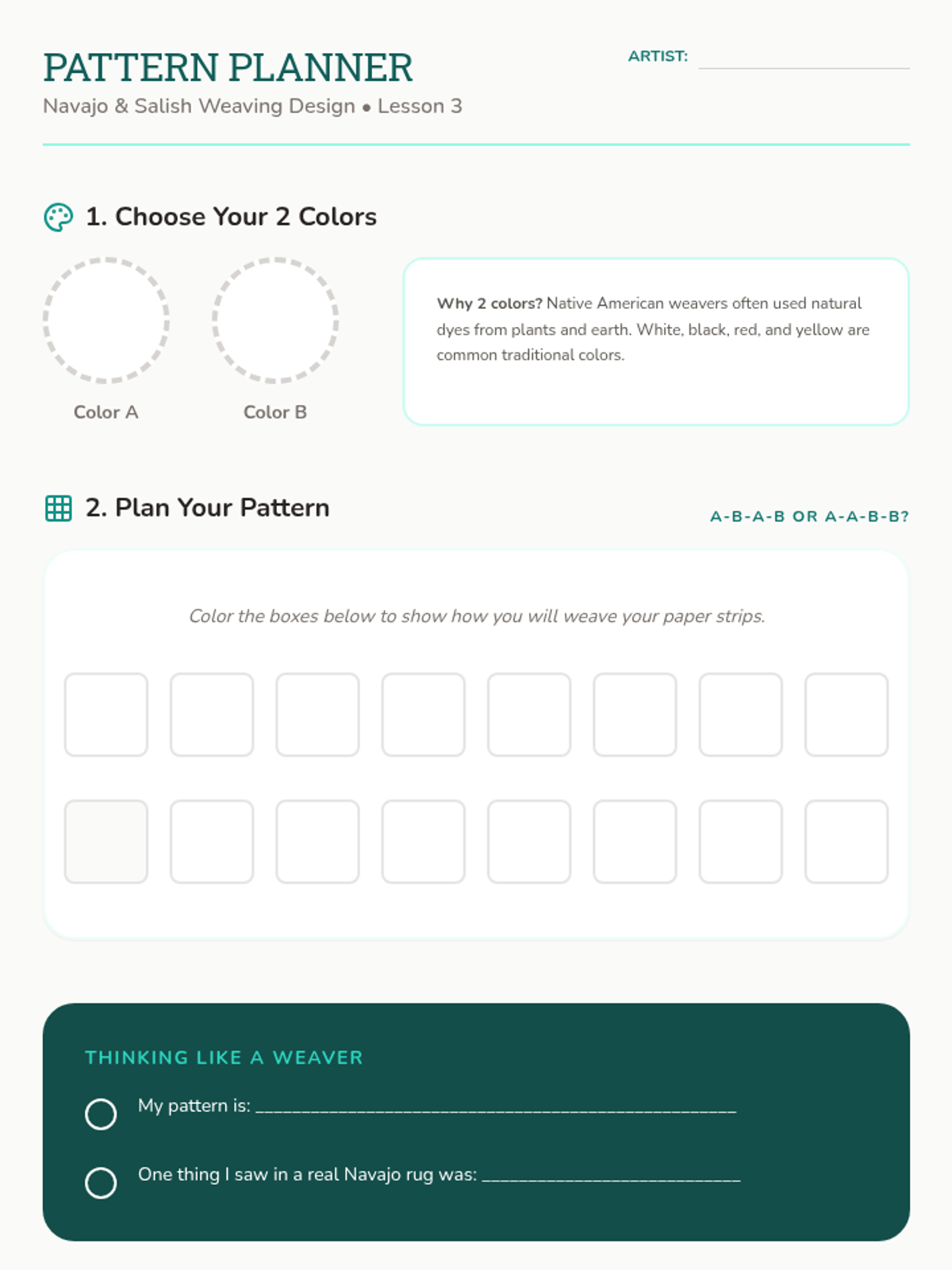
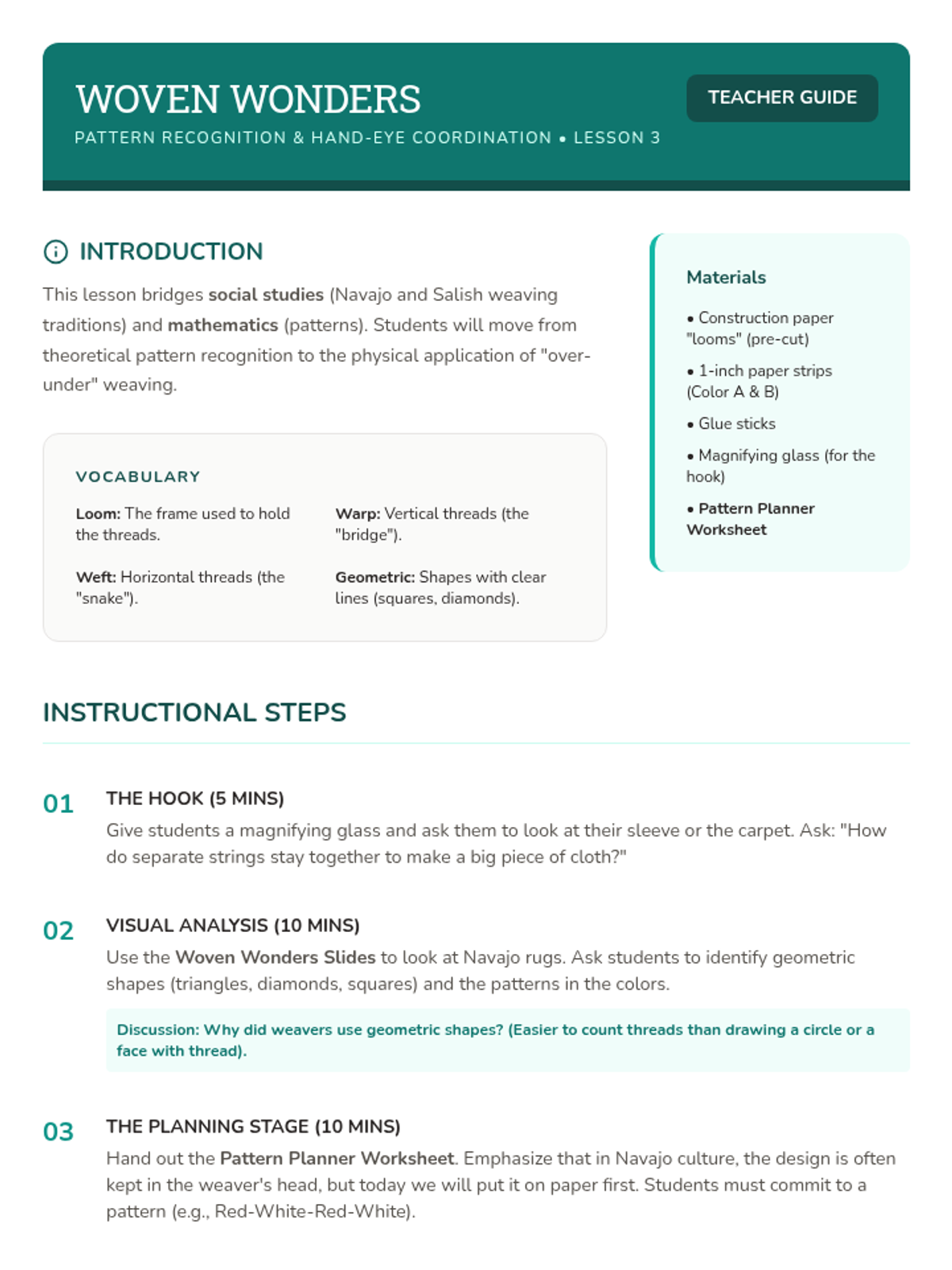
Students investigate the geometric patterns of Navajo and Salish weaving, practicing their own over-under patterns using paper strips or looms.
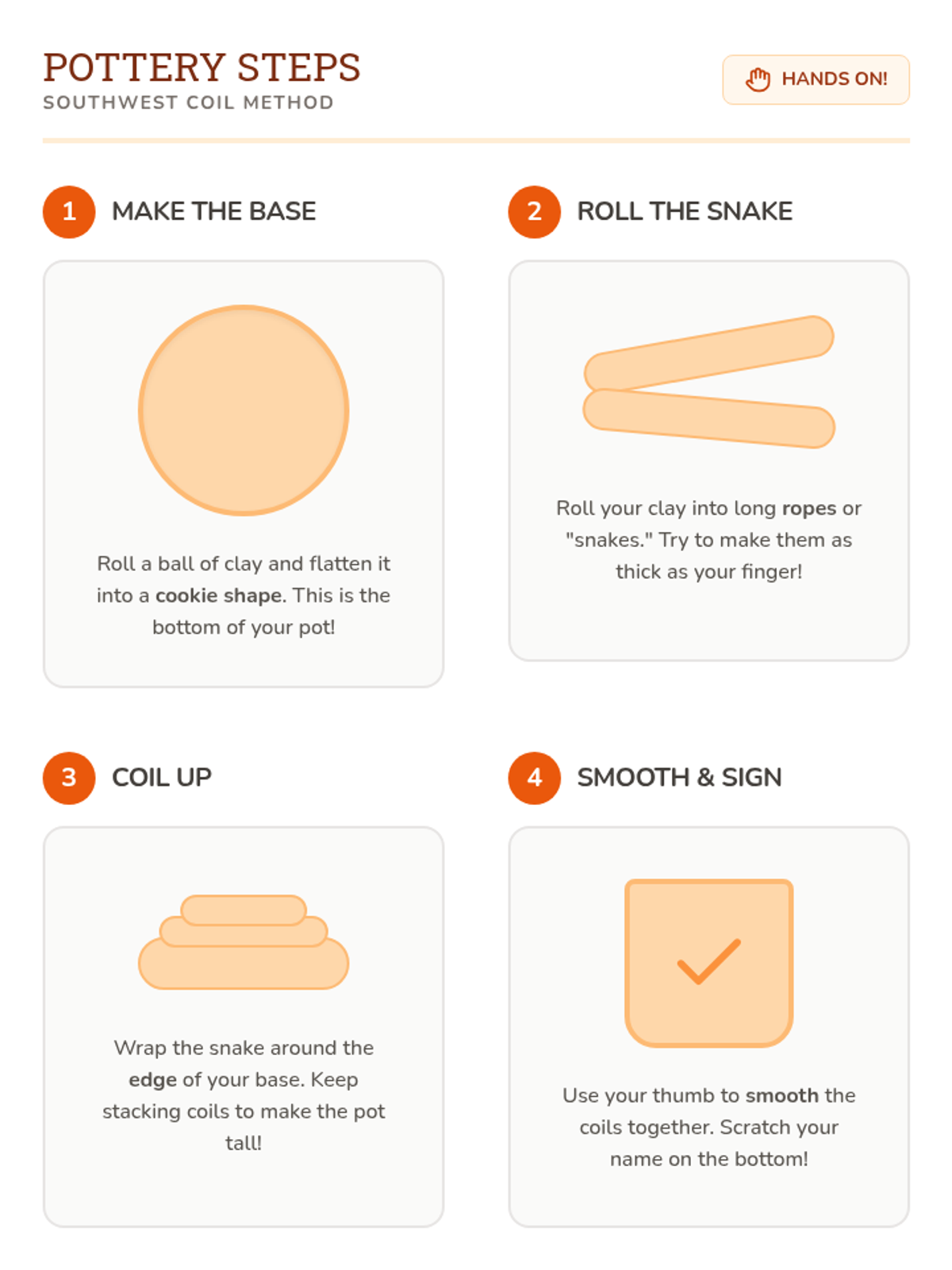
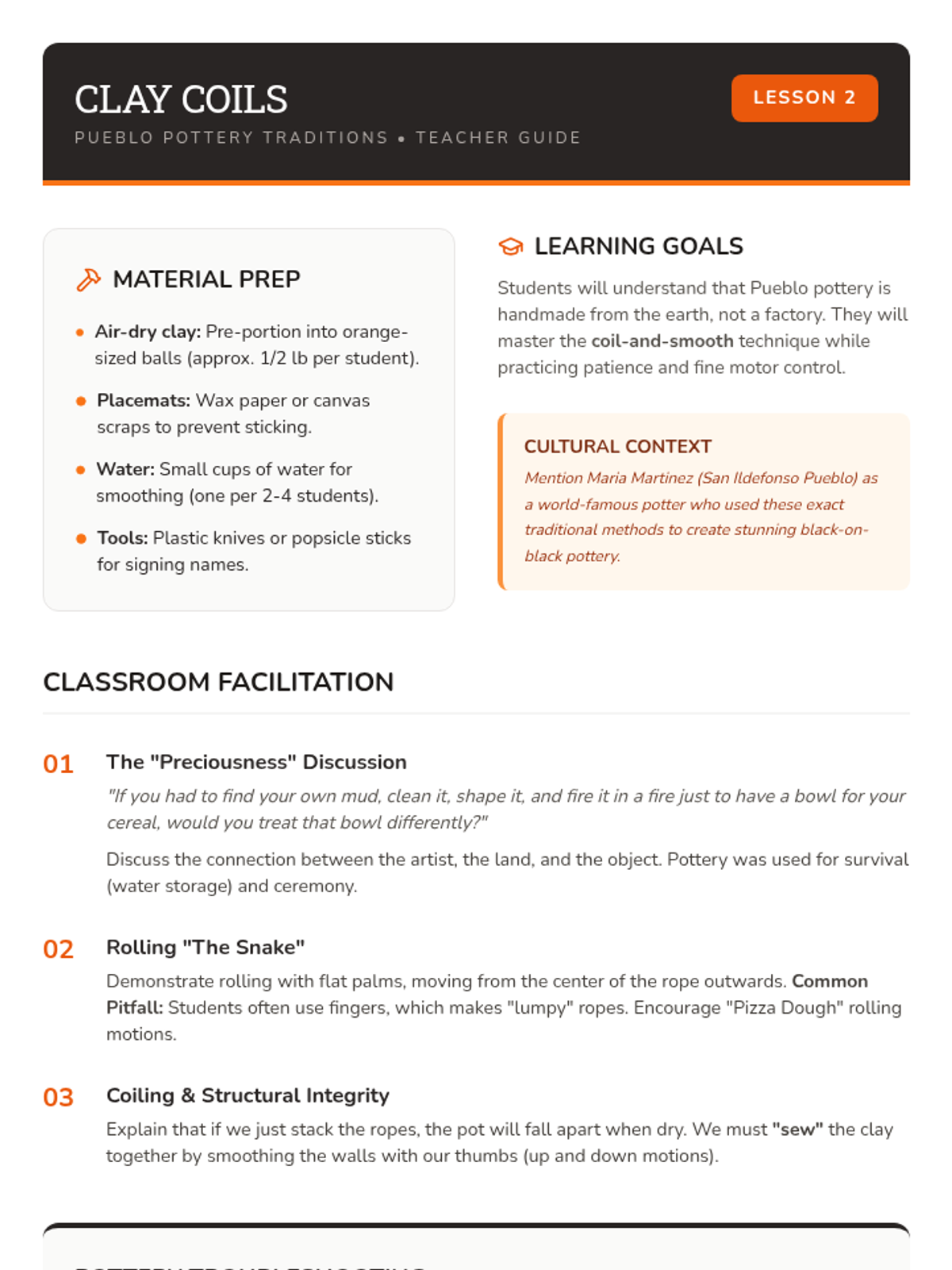
Inspired by Southwestern pottery traditions, students learn the coil method to create small clay vessels while discussing the importance of clay in indigenous cultures.
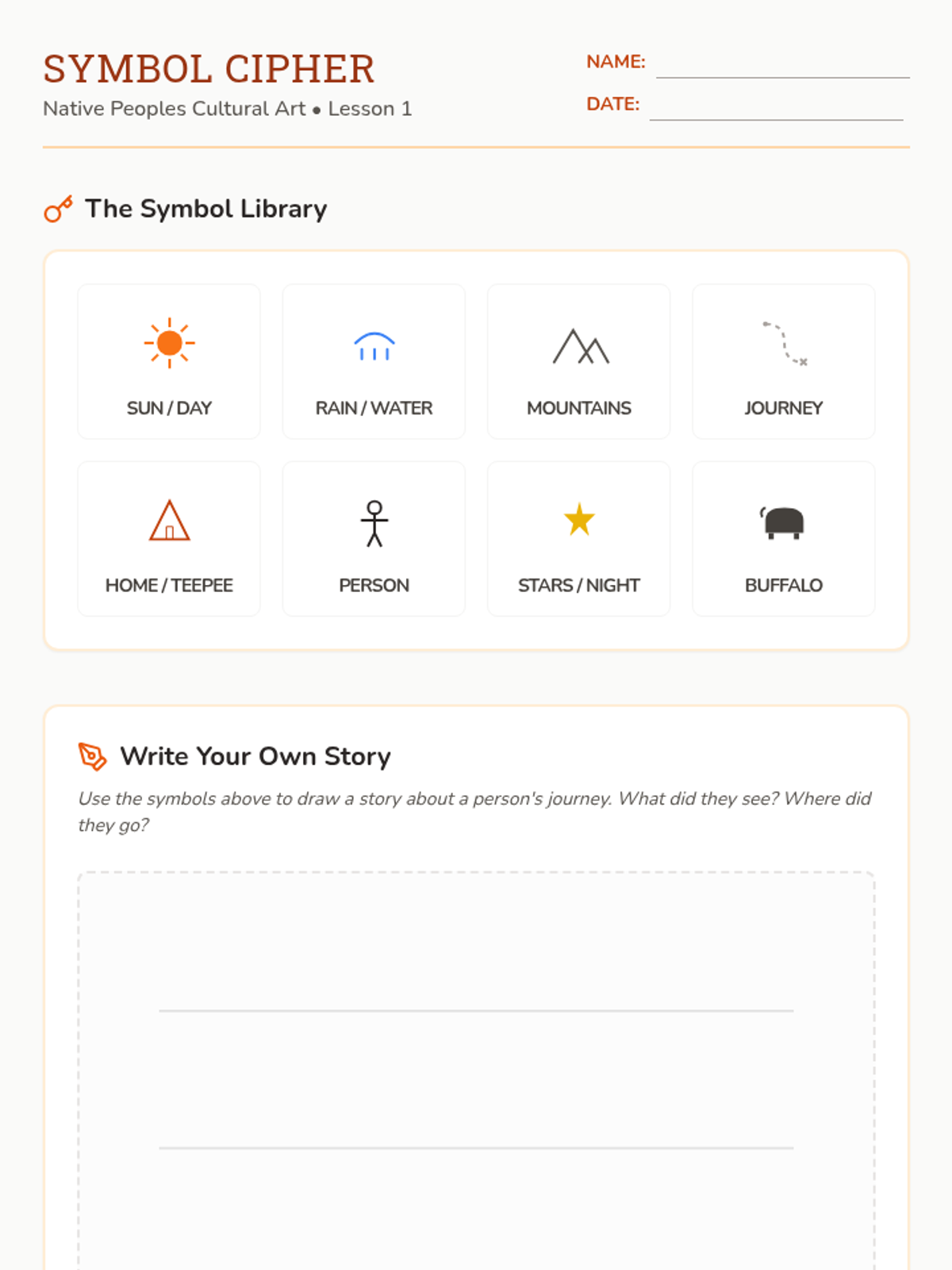
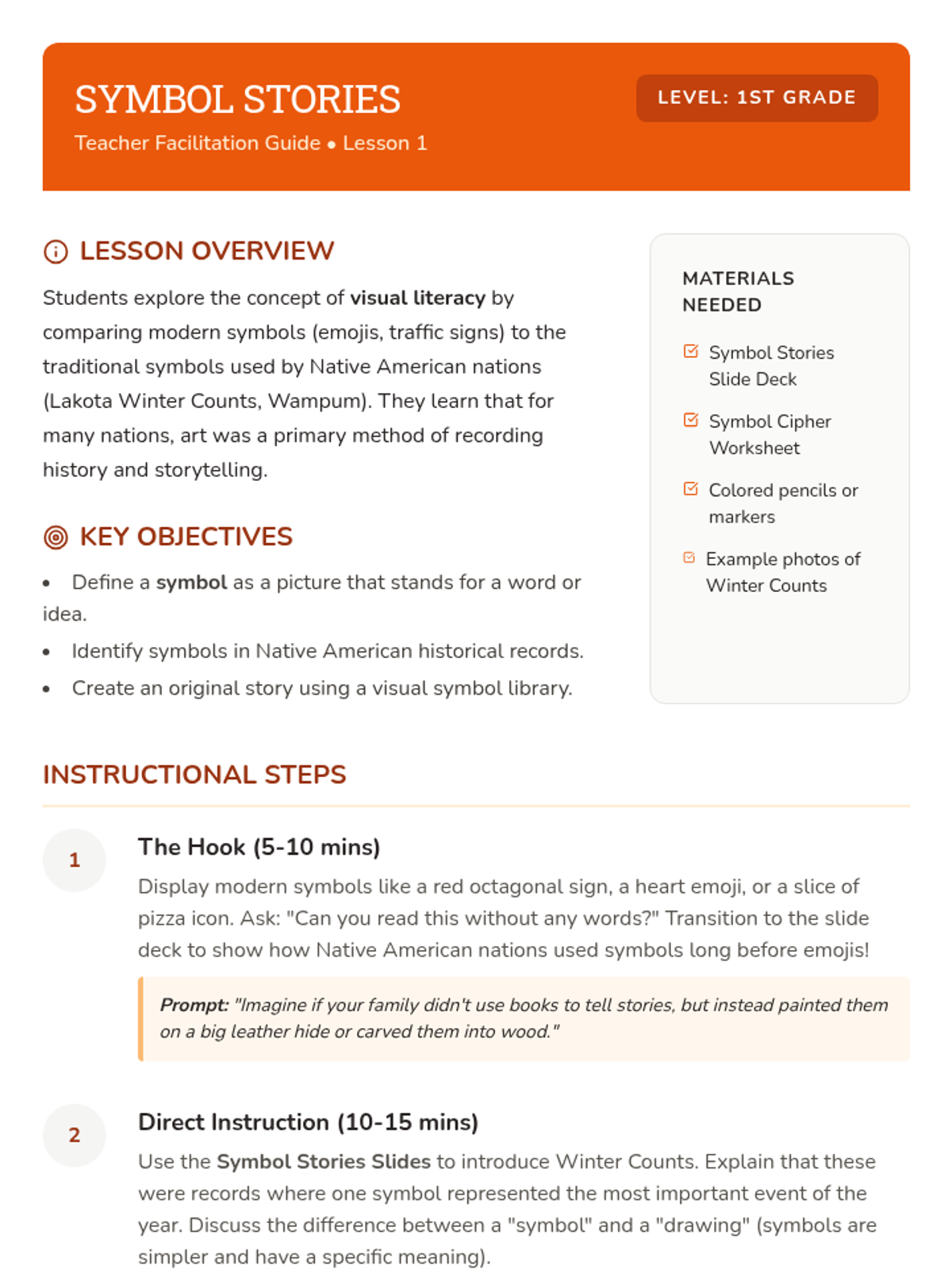
Students explore how pictures can be a language by looking at Native American symbols and creating their own stories using simple visual representations.
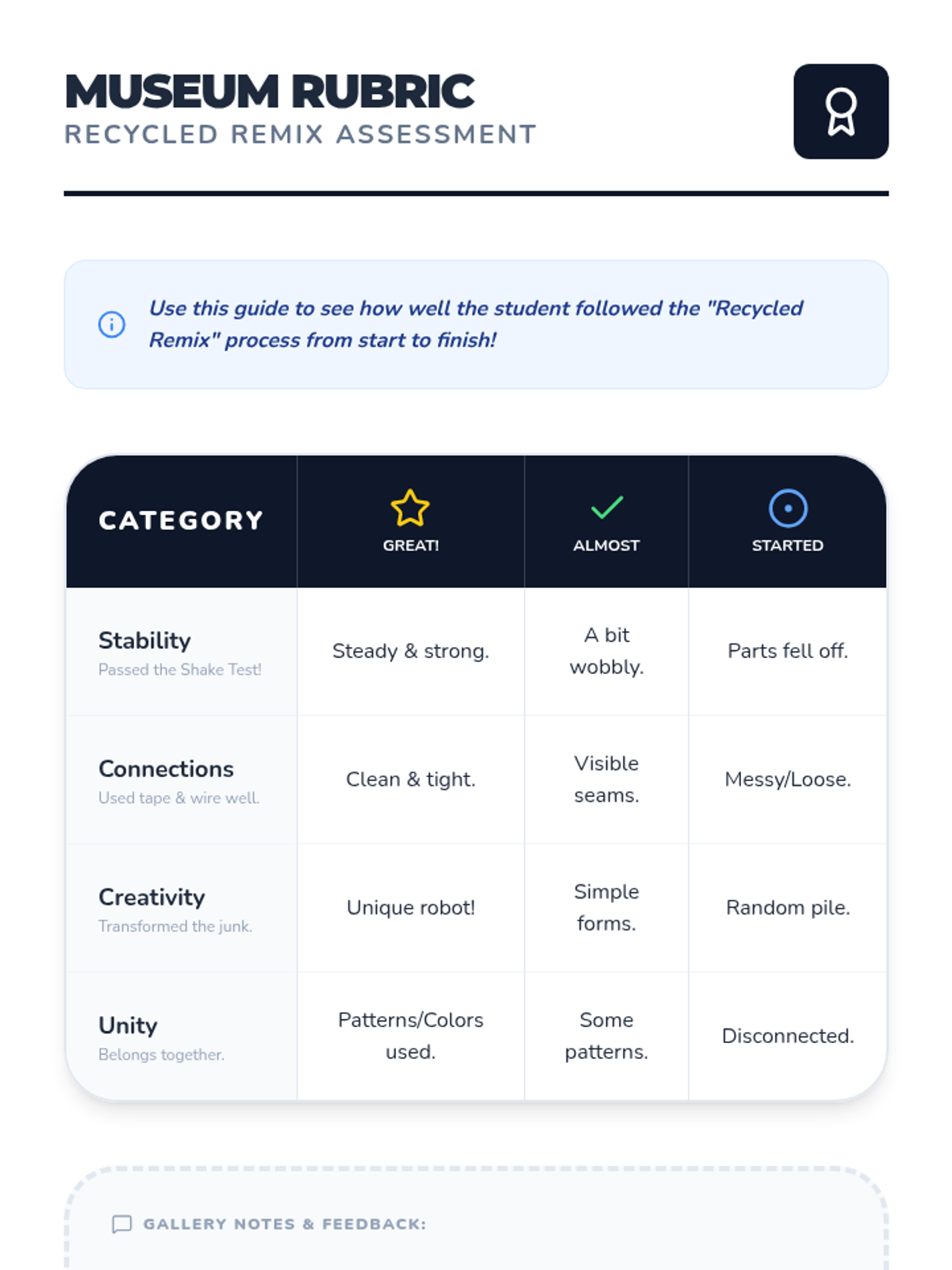
Students write a museum placard for their work and participate in a class critique to interpret the hidden stories in each other's work.
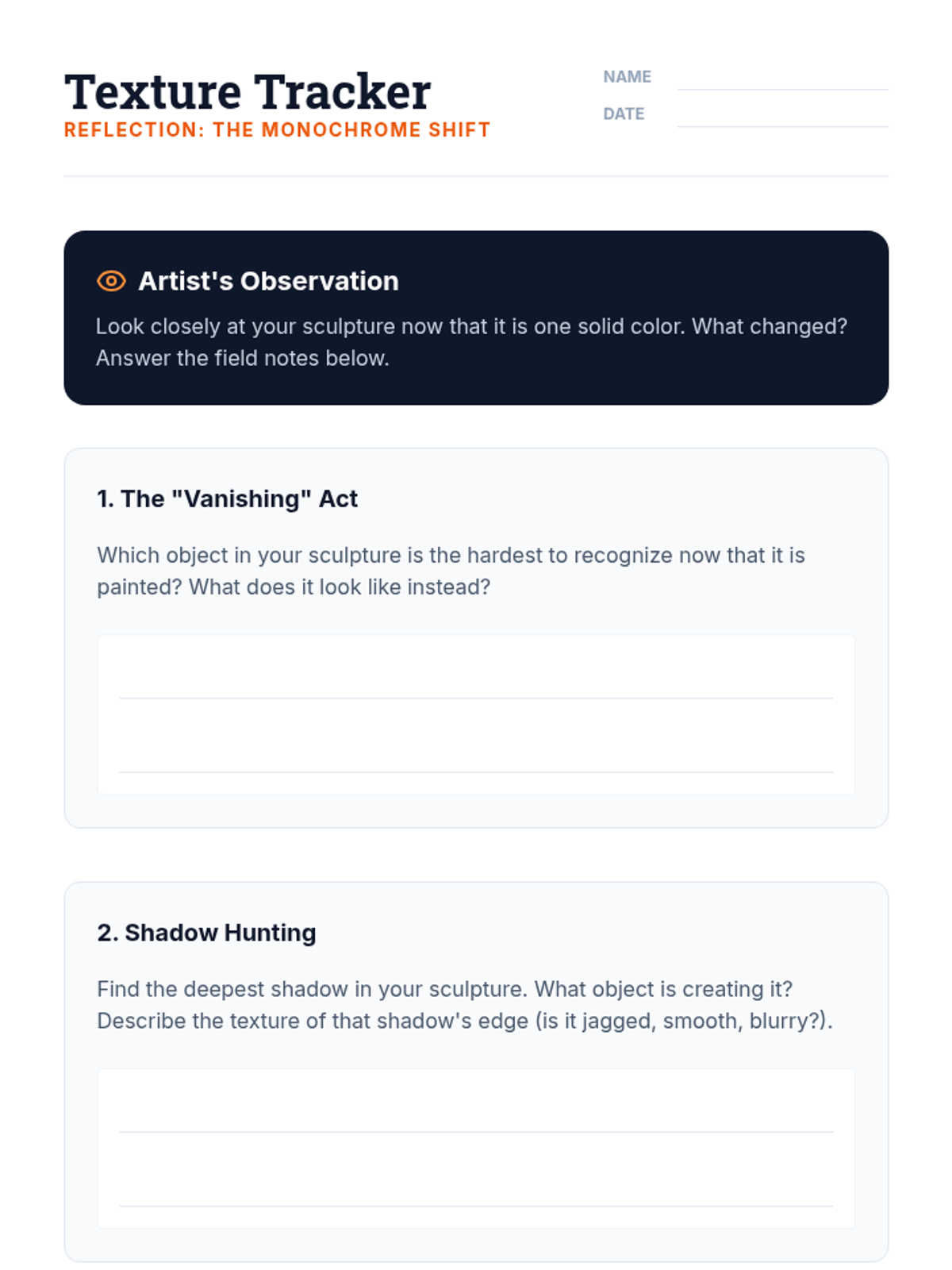
Students learn the concept of unity by applying a single color to their multi-colored assemblage. This transforms the collection of trash into a cohesive sculptural relief.
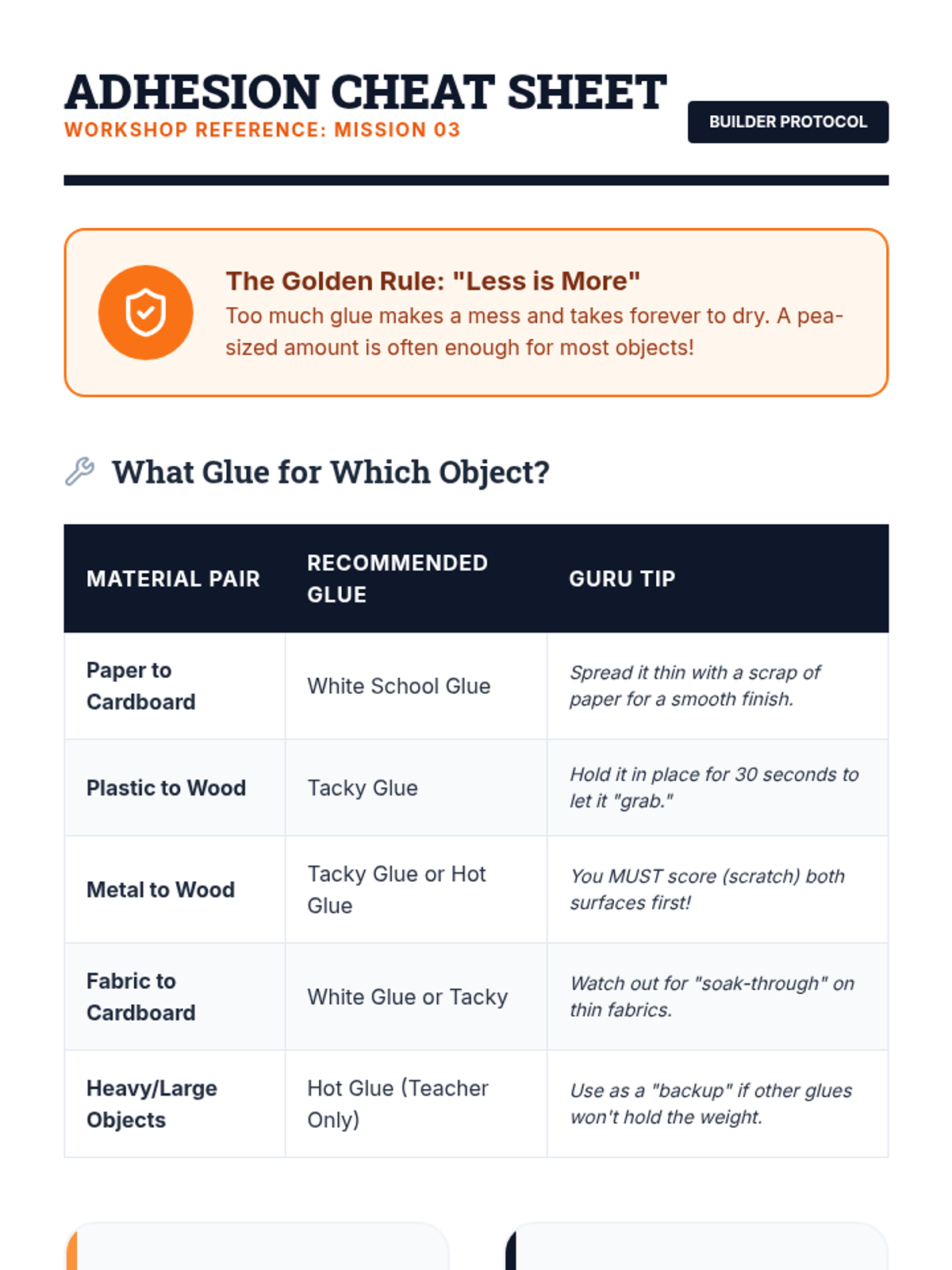
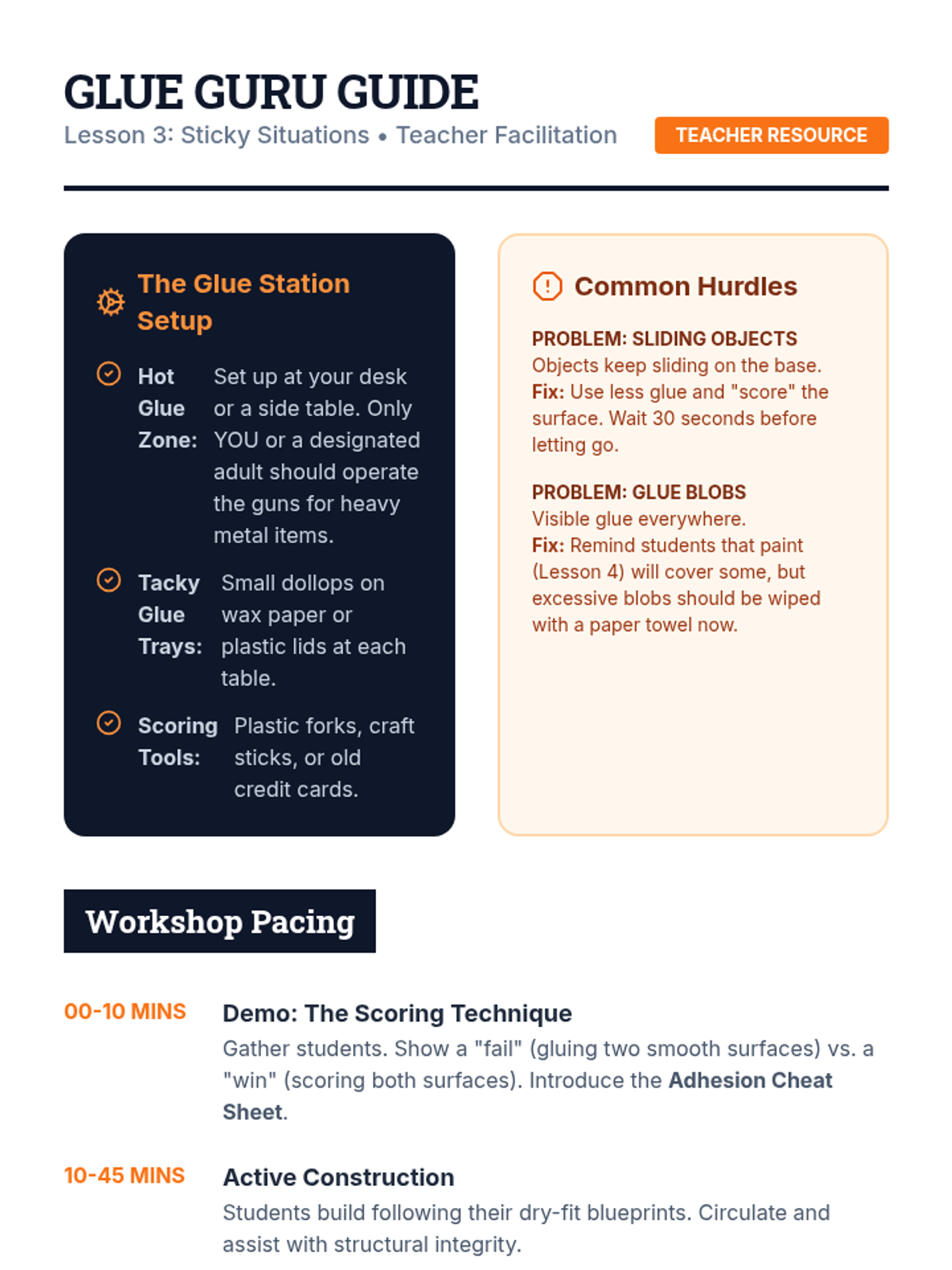
A focused workshop on how to glue different materials together effectively. Students construct their assemblage, considering layers and depth to create a relief map of objects.
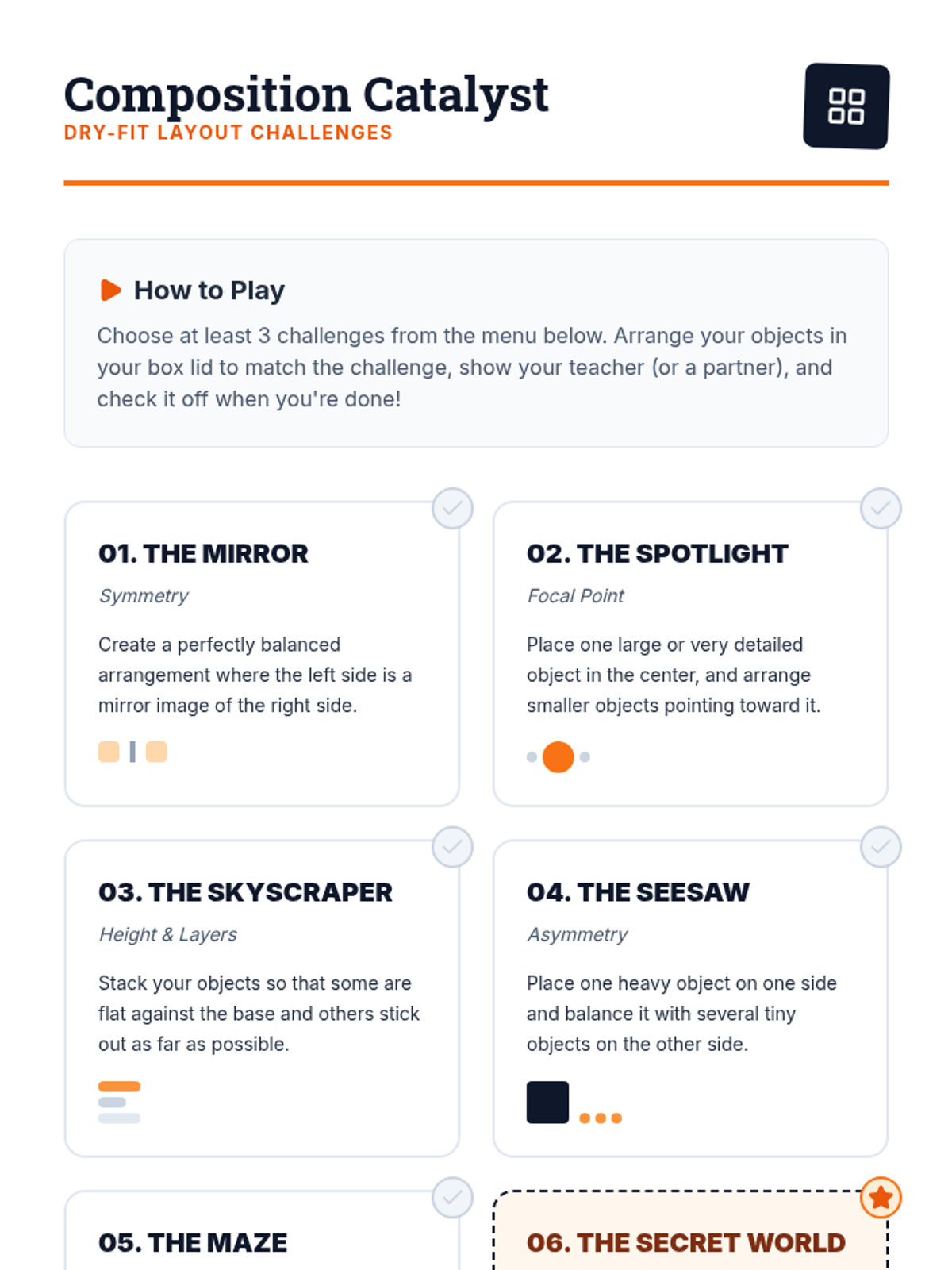
Students sort their collected materials by size, shape, and texture. They begin laying out potential compositions in a box lid or on a board, experimenting with symmetry, asymmetry, and focal points without gluing anything yet.
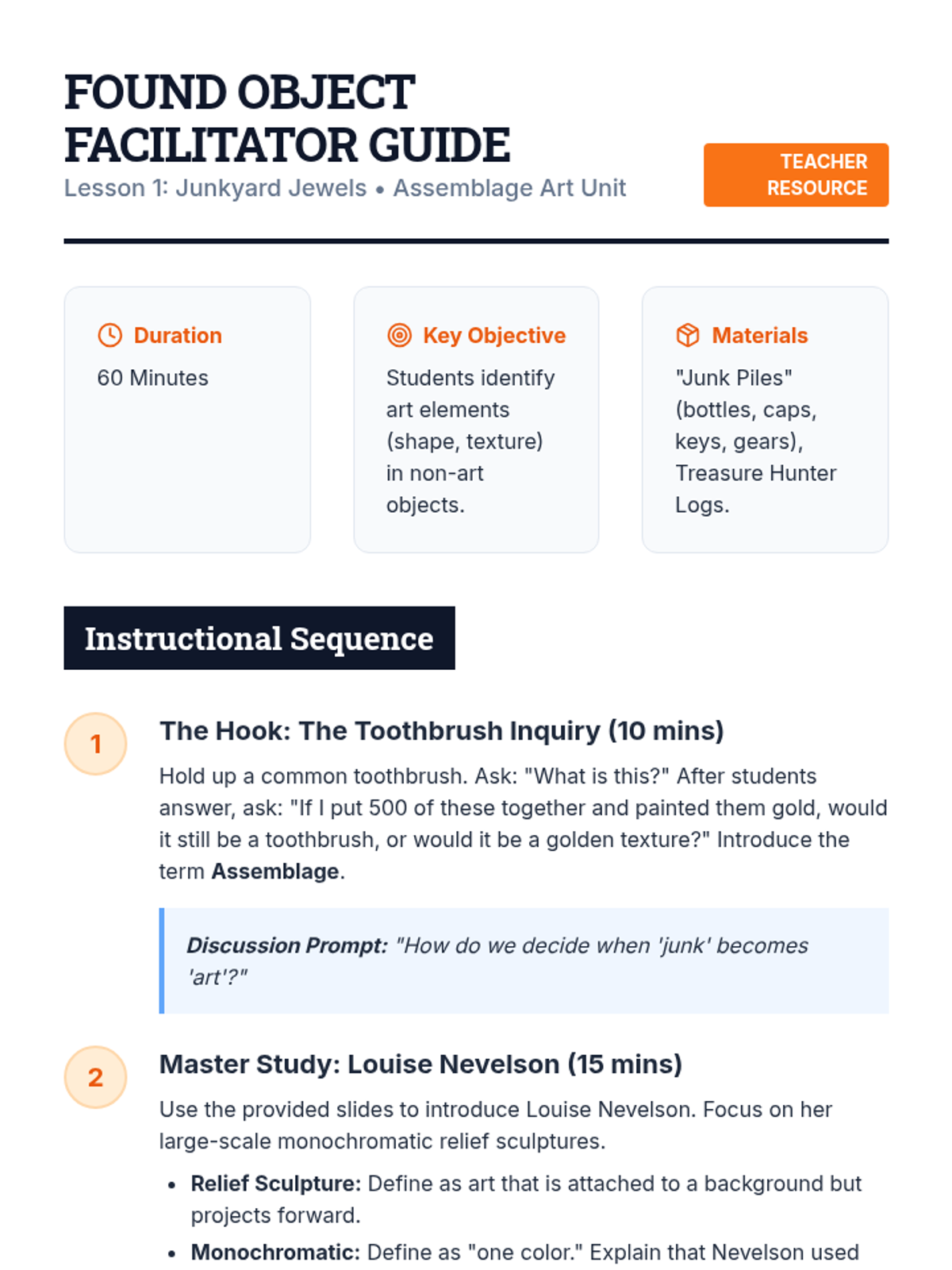
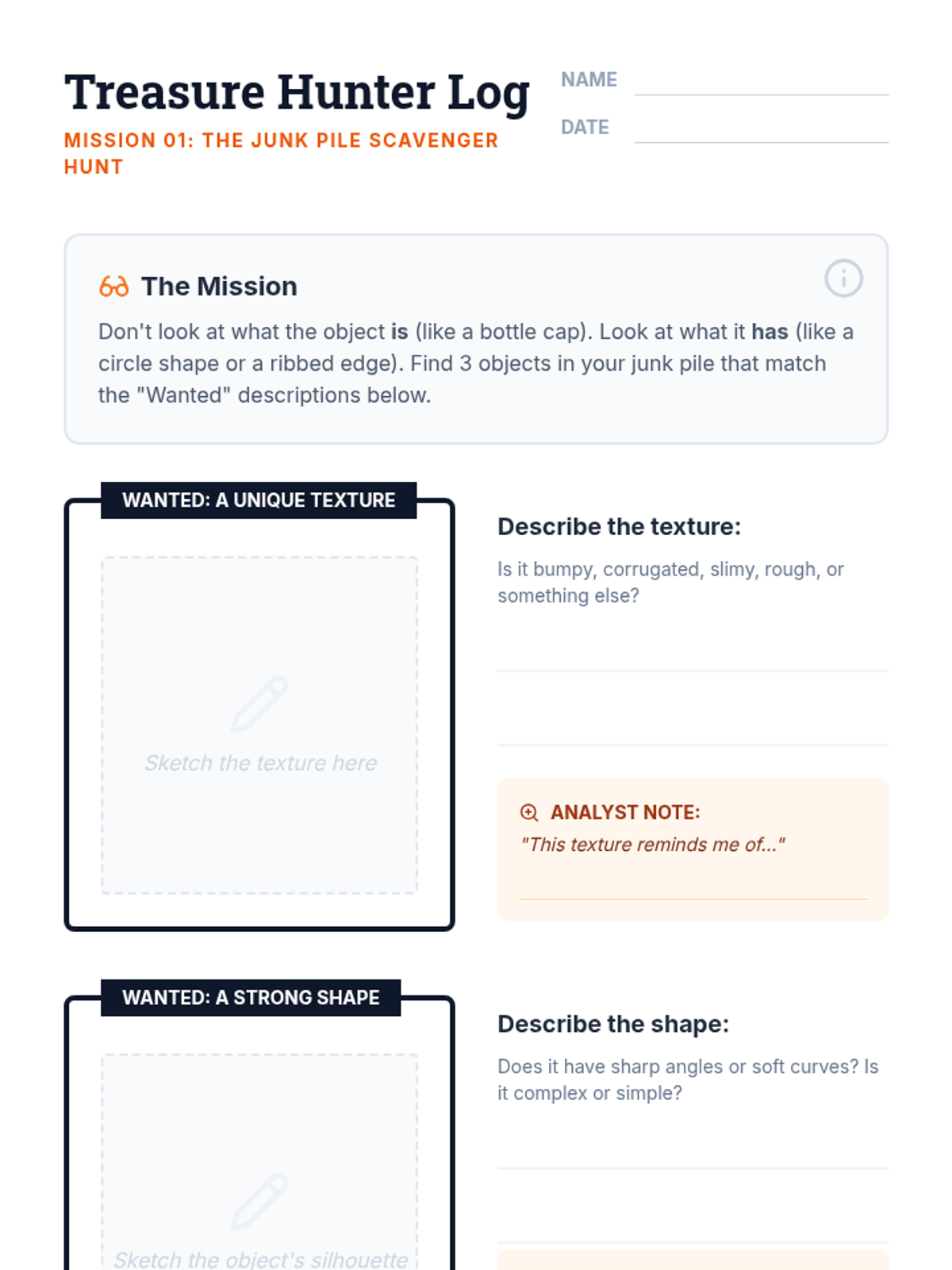
Students examine the work of assemblage artists to identify how everyday objects are used as art materials. They participate in a 'scavenger hunt' analysis to find shapes and textures within a pile of random items.
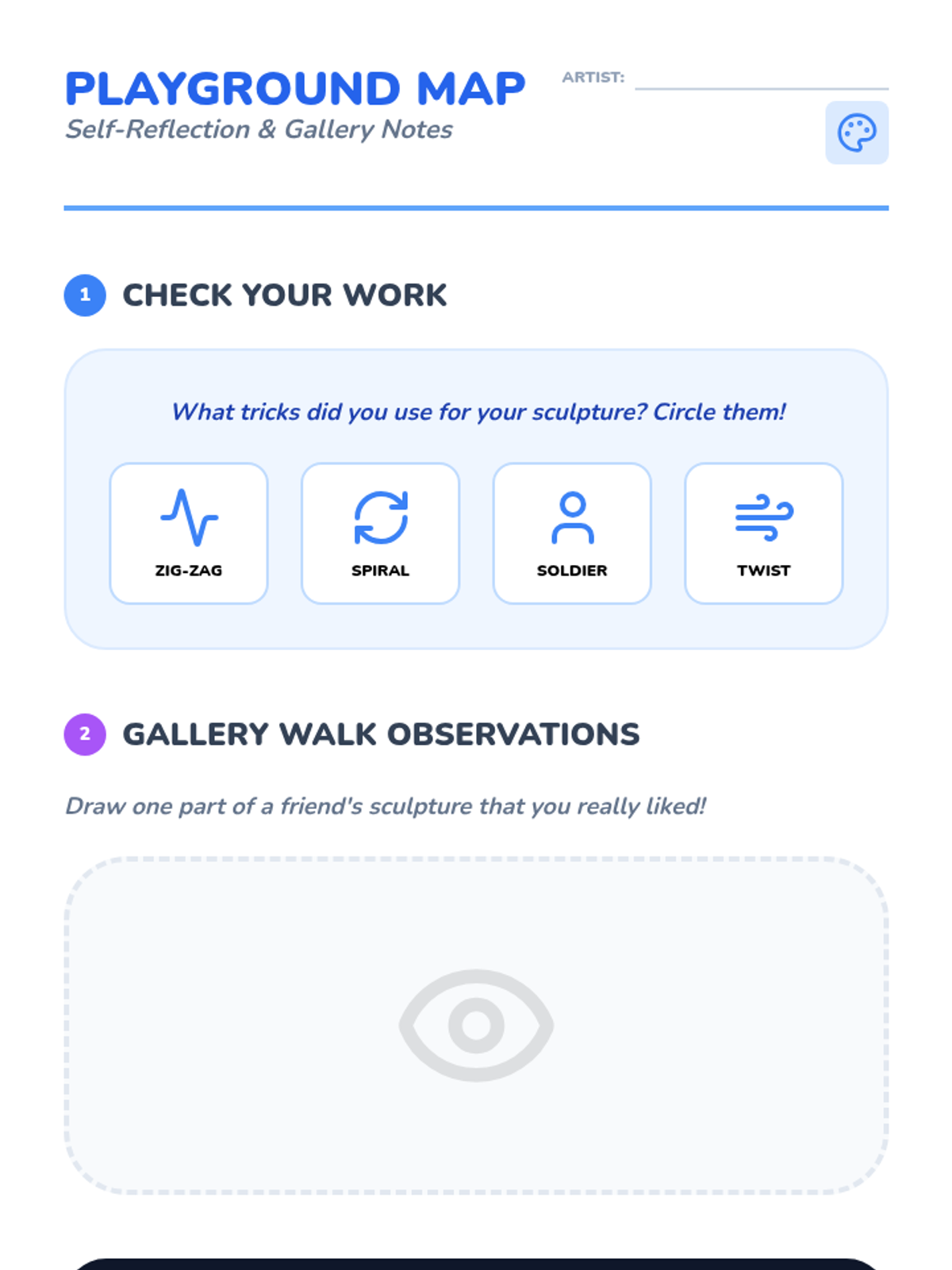
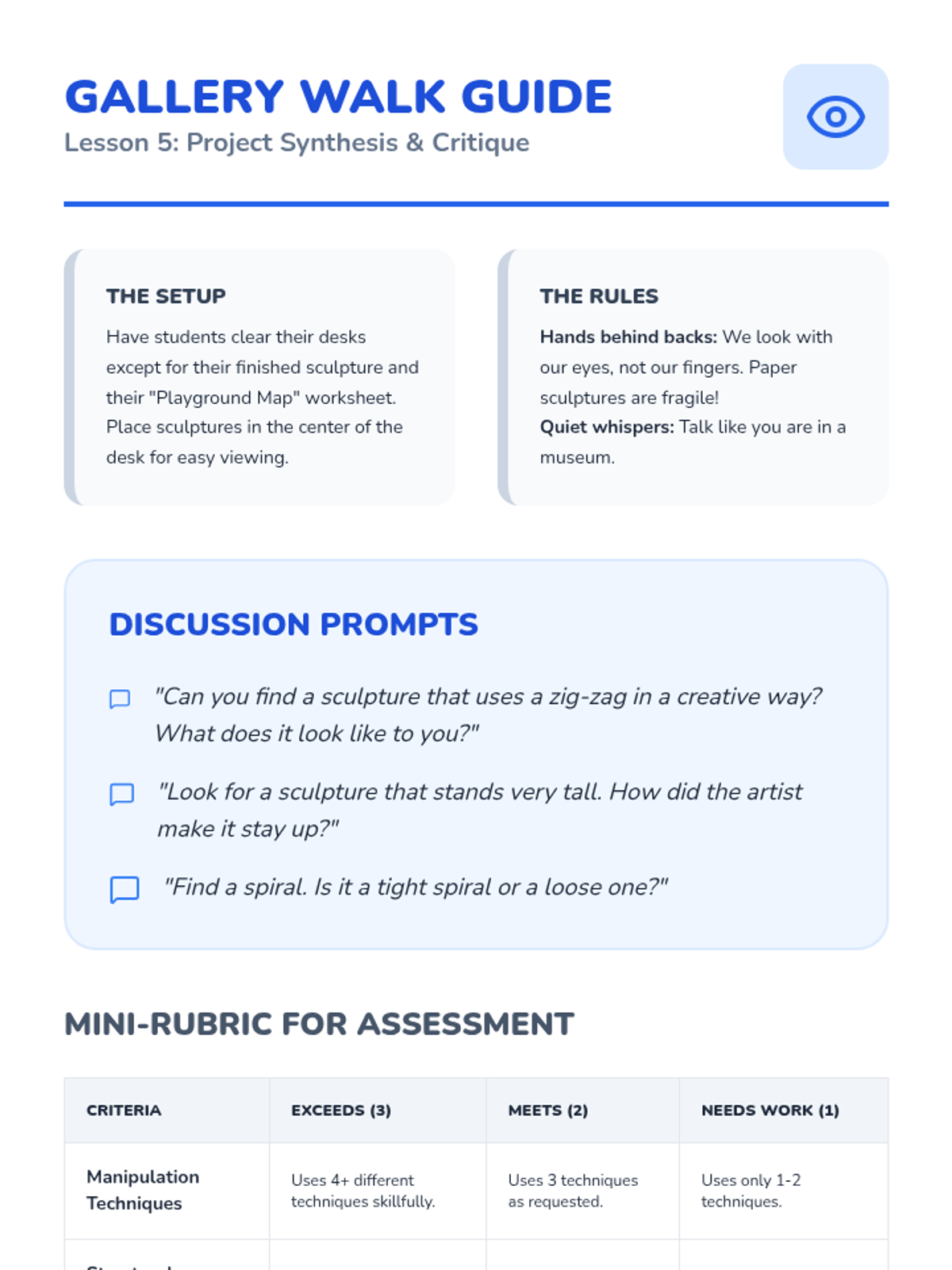
In this culminating lesson, students combine all learned techniques—folding, curling, and attaching—to create an abstract sculpture inspired by a playground structure. They must include at least three different types of paper manipulation. The lesson ends with a gallery walk to view the variety of forms created.
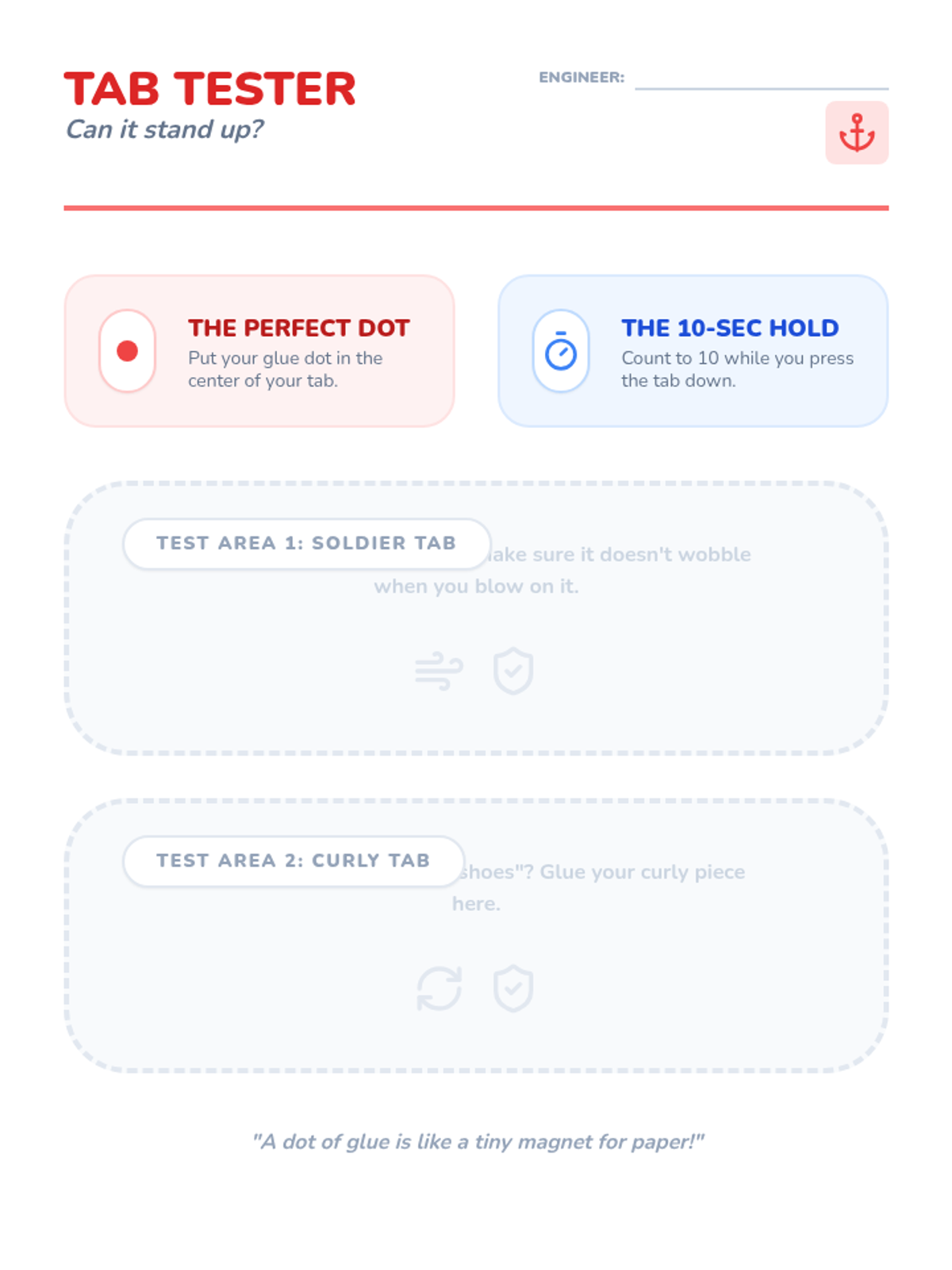
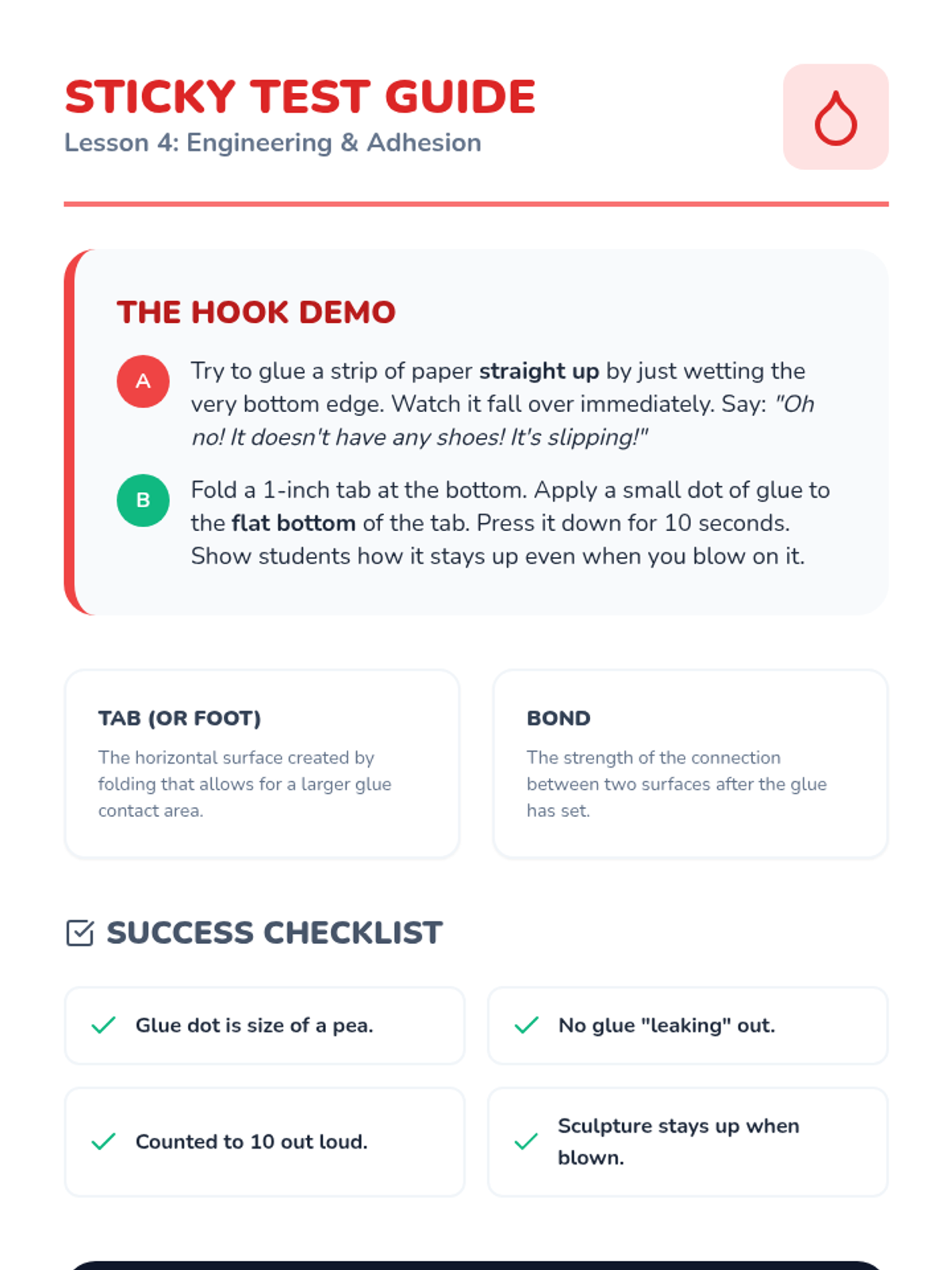
Students learn the specific engineering technique of creating 'feet' or tabs to attach their 3D paper forms to a base. The teacher models proper glue application (dot not a lot) to ensure structural integrity. Students practice attaching their practice pieces to a sturdy cardboard base.
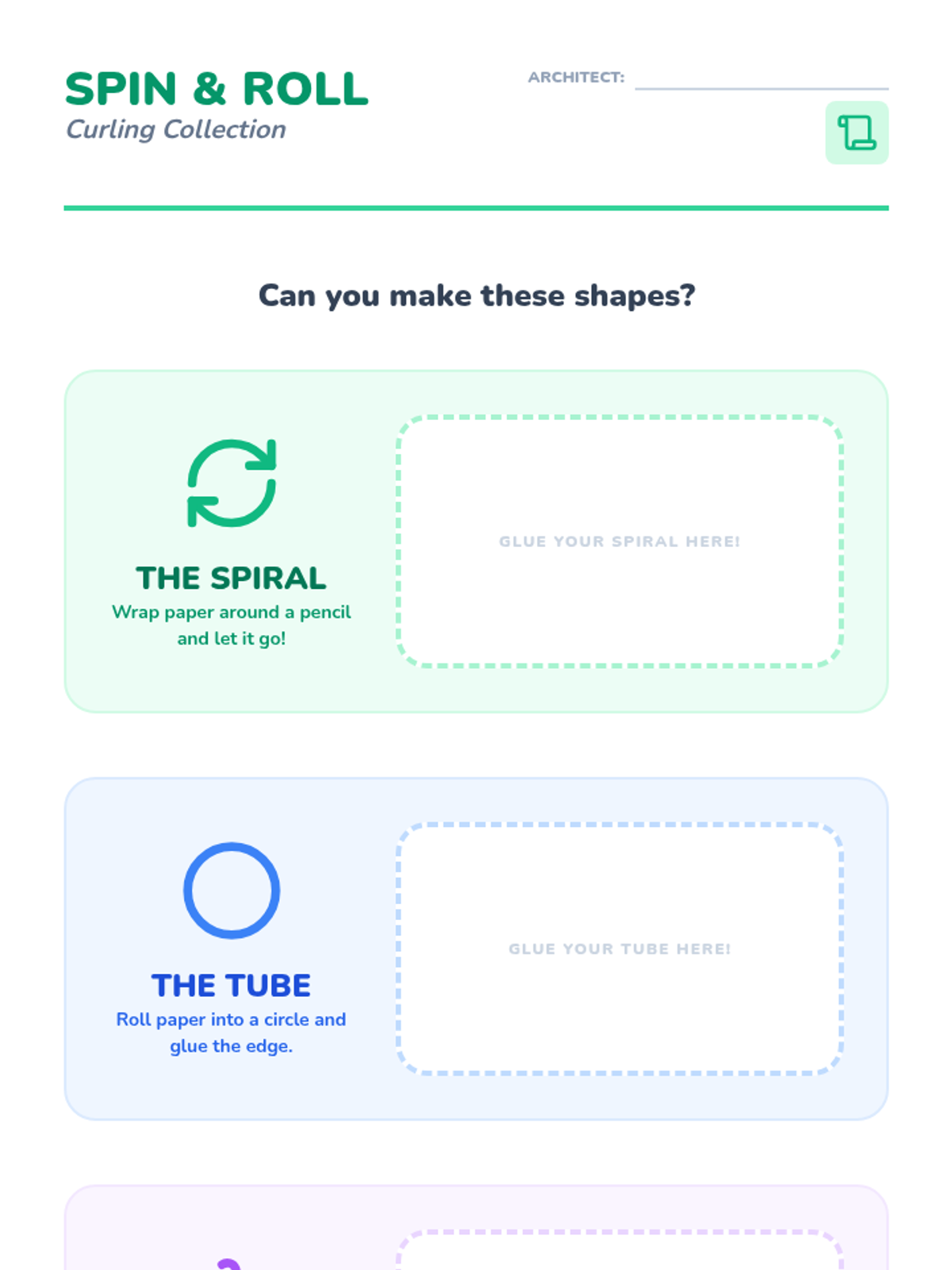
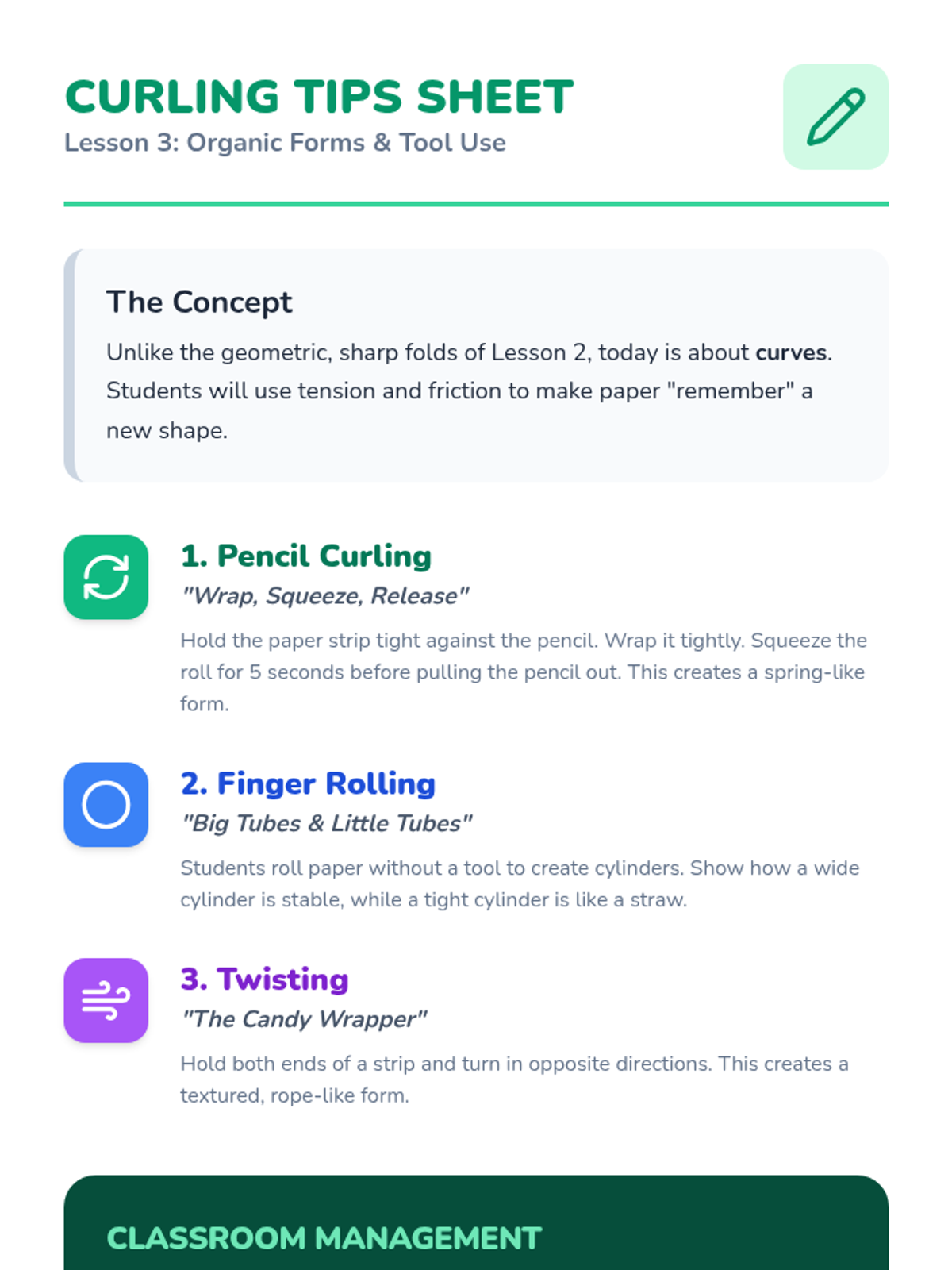
Students explore organic forms by wrapping paper around pencils to create spirals and rolling paper into cylinders. They learn how to use tools like pencils and markers to manipulate paper into curved 3D forms.
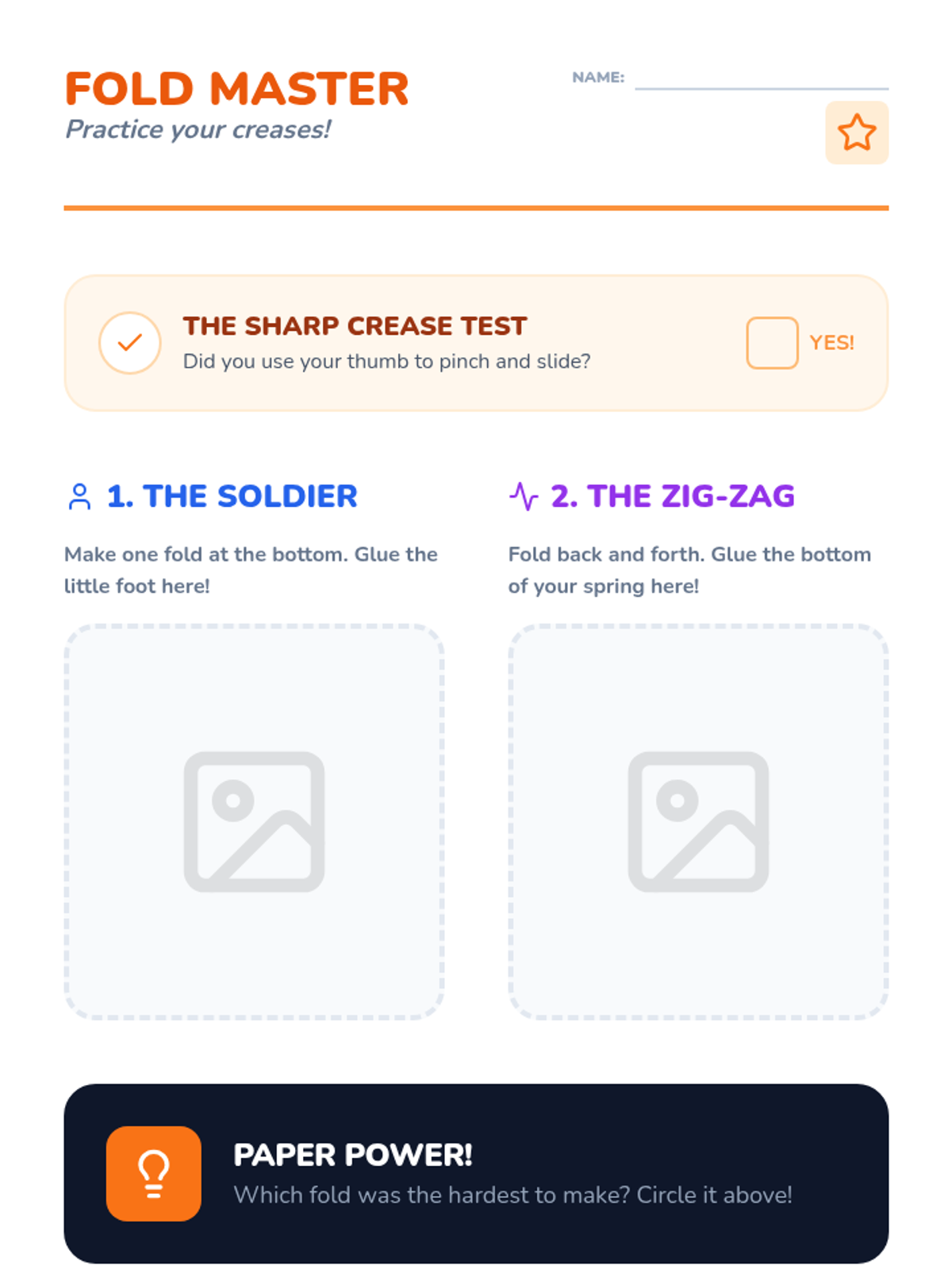
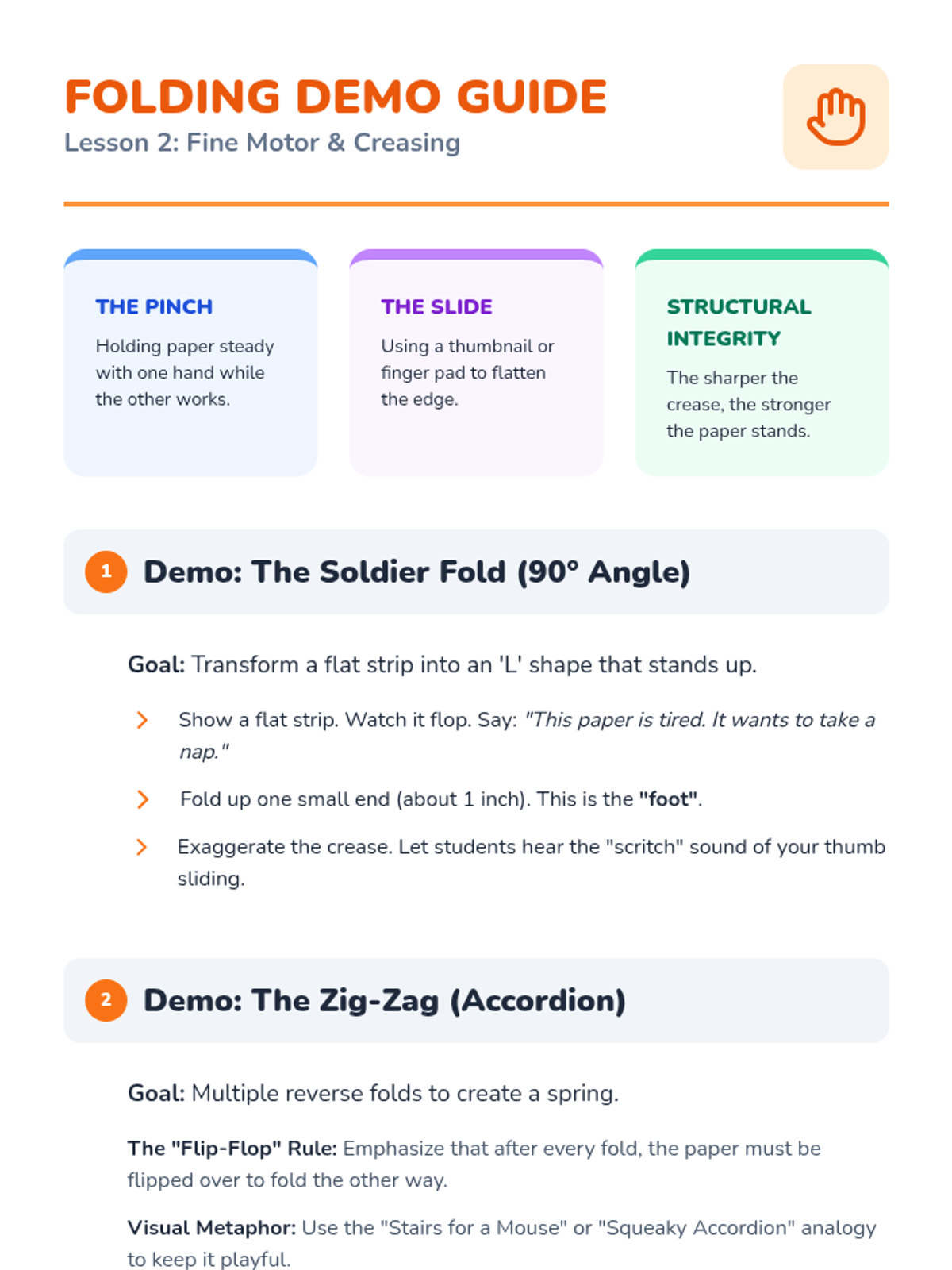
Students learn to change the structure of paper strips through various folding methods, such as accordion folds, zig-zags, and simple creases. They practice making paper stand vertically by manipulating its balance points.
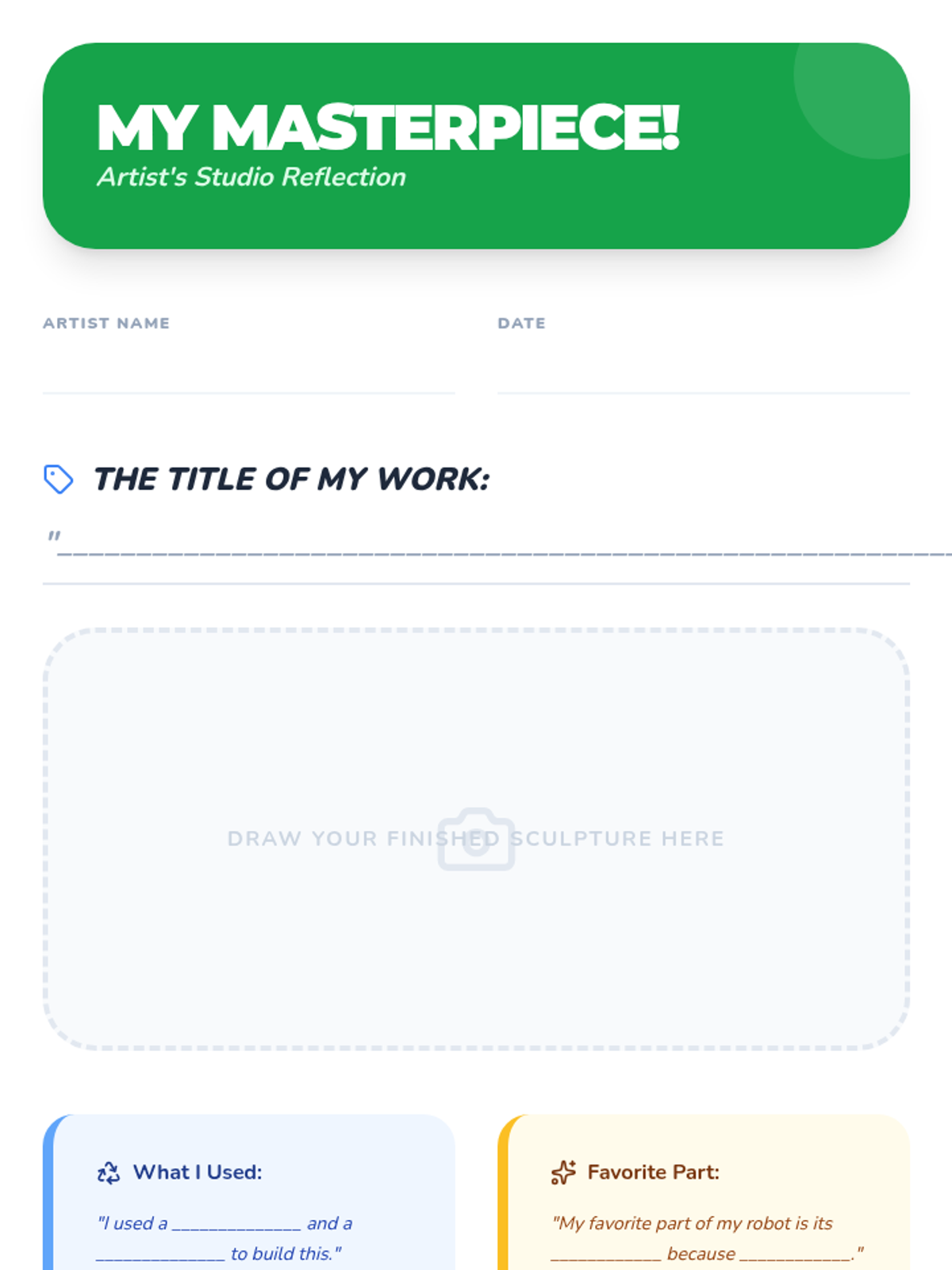
Students complete their sculptures and reflect on how they transformed trash into a unified work of art.
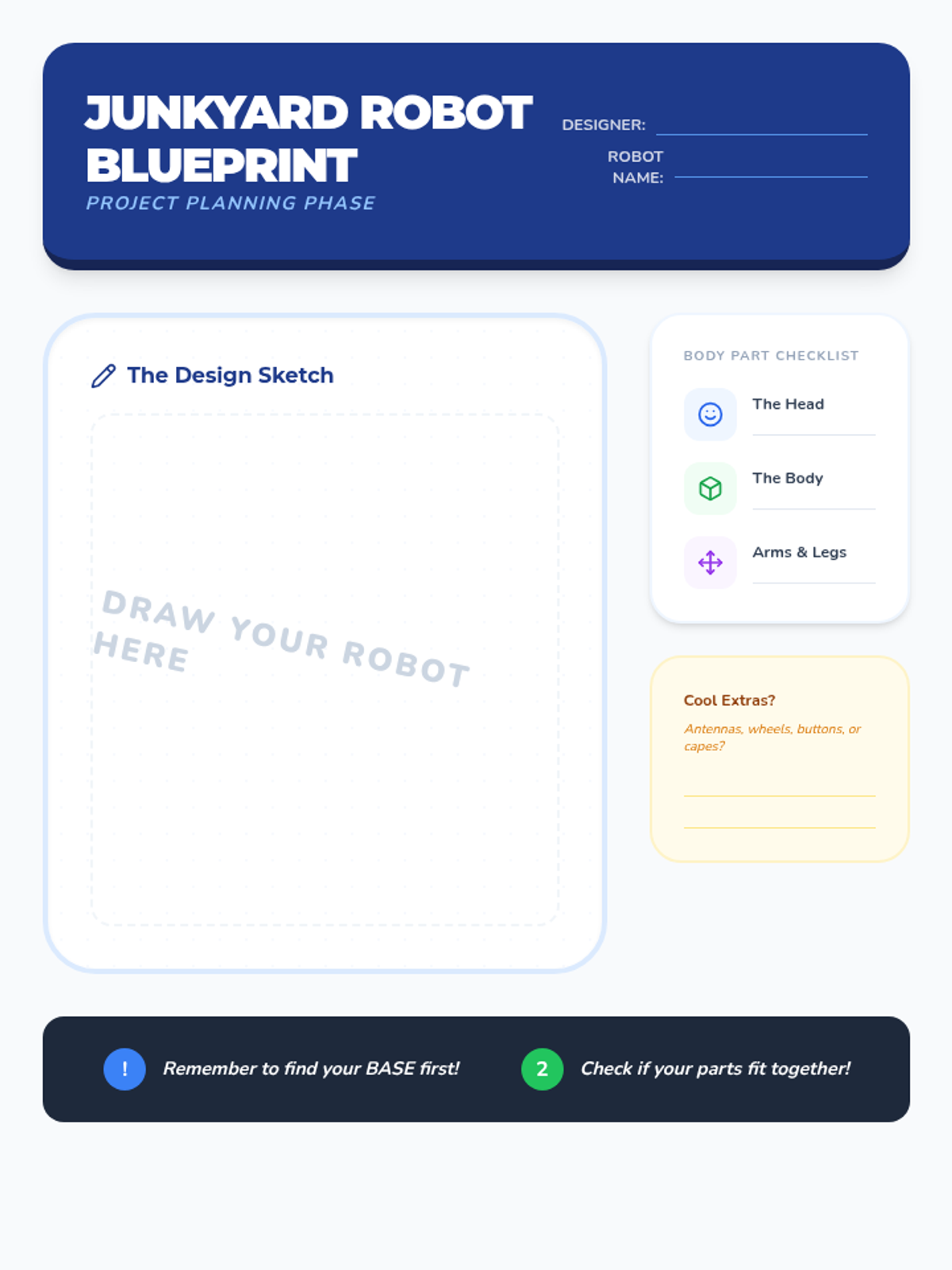
Students plan and design a robot or character sculpture by selecting specific objects based on their forms.
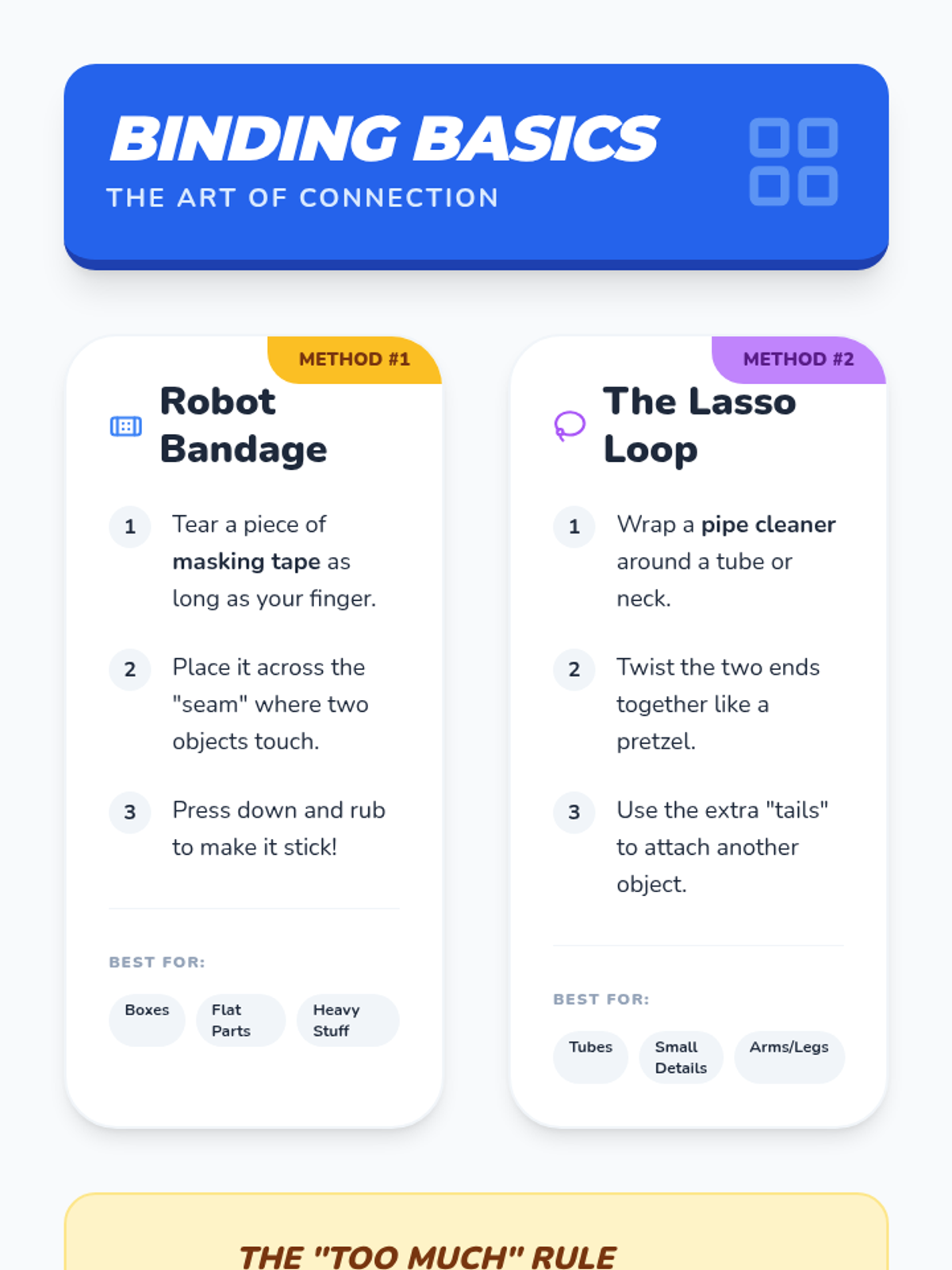
Students learn and practice techniques for permanently attaching objects using tape, wire, and ties.
Students select one photo they took, crop it, apply a filter, and add a digital element to tell a specific story. They present their 'before' and 'after' images to the class.
Students practice overlaying digital stickers or drawing on top of their photographs. This introduces the concept of mixed media and digital layers.
Using simple photo editing software, students apply black-and-white, sepia, and bright filters to their photos. They discuss how different filters make the photo feel.
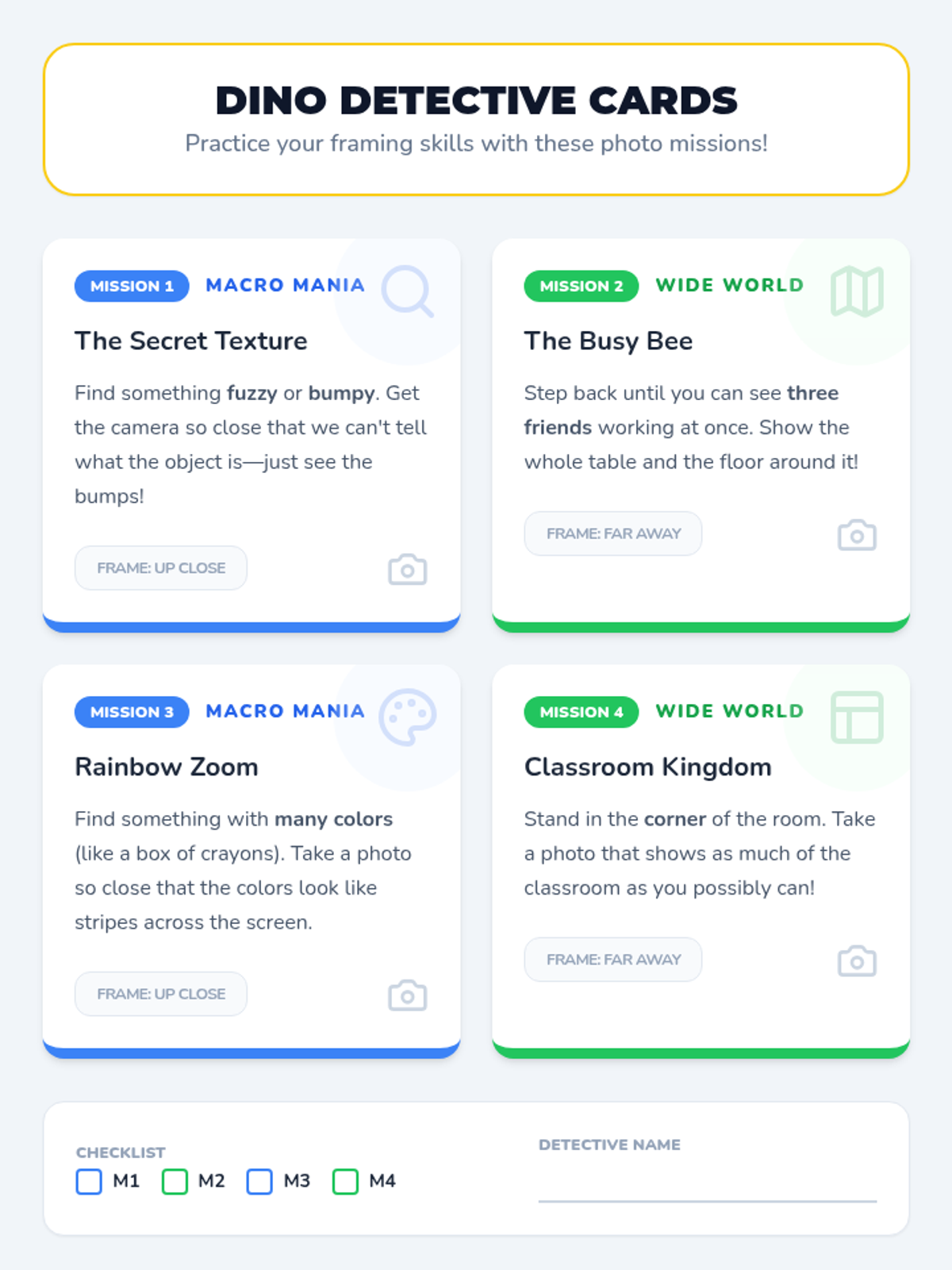
Students explore the concept of framing by taking photos up close (macro) and from far away. They discuss how changing their position changes what is included in the picture.
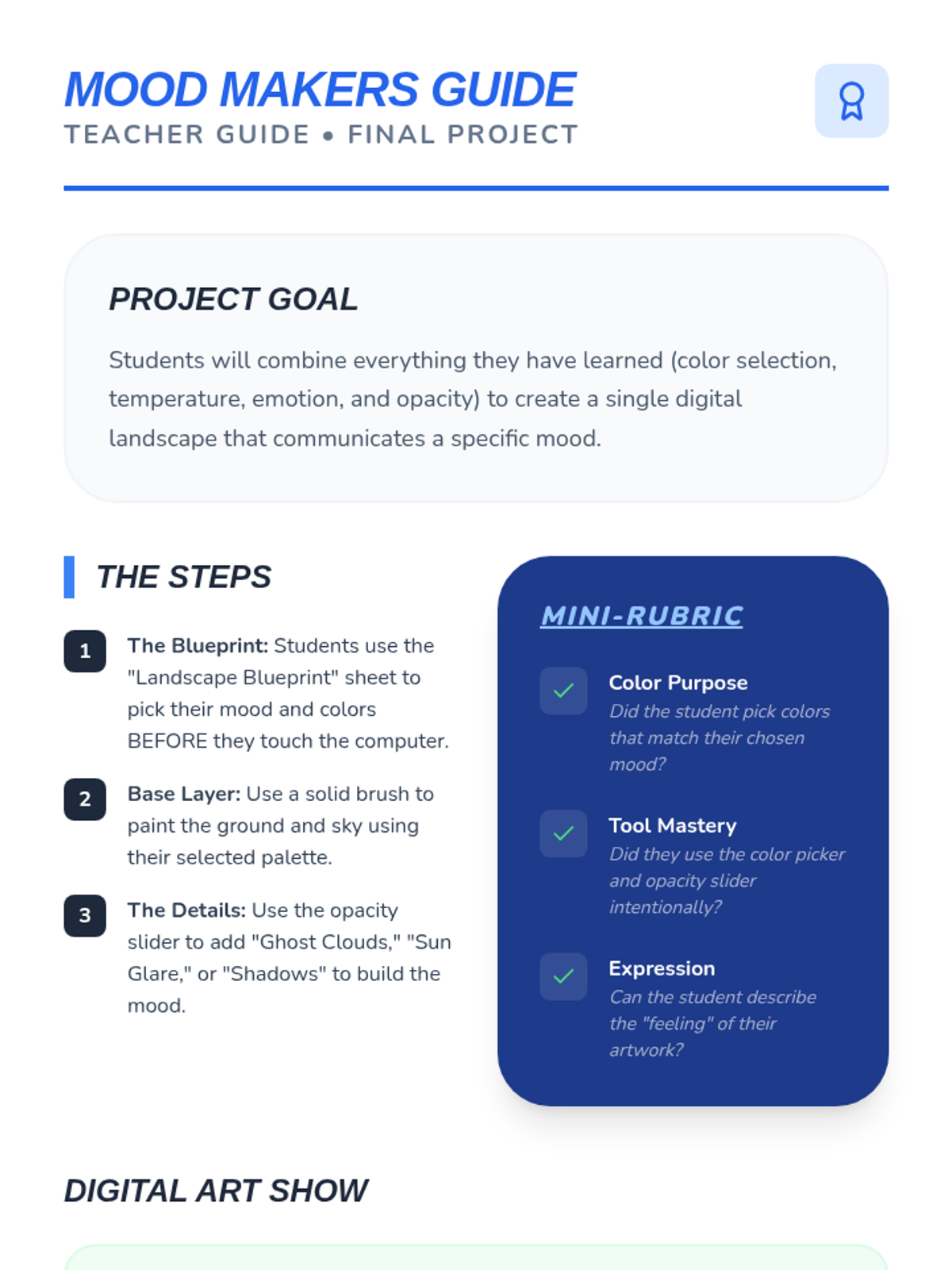
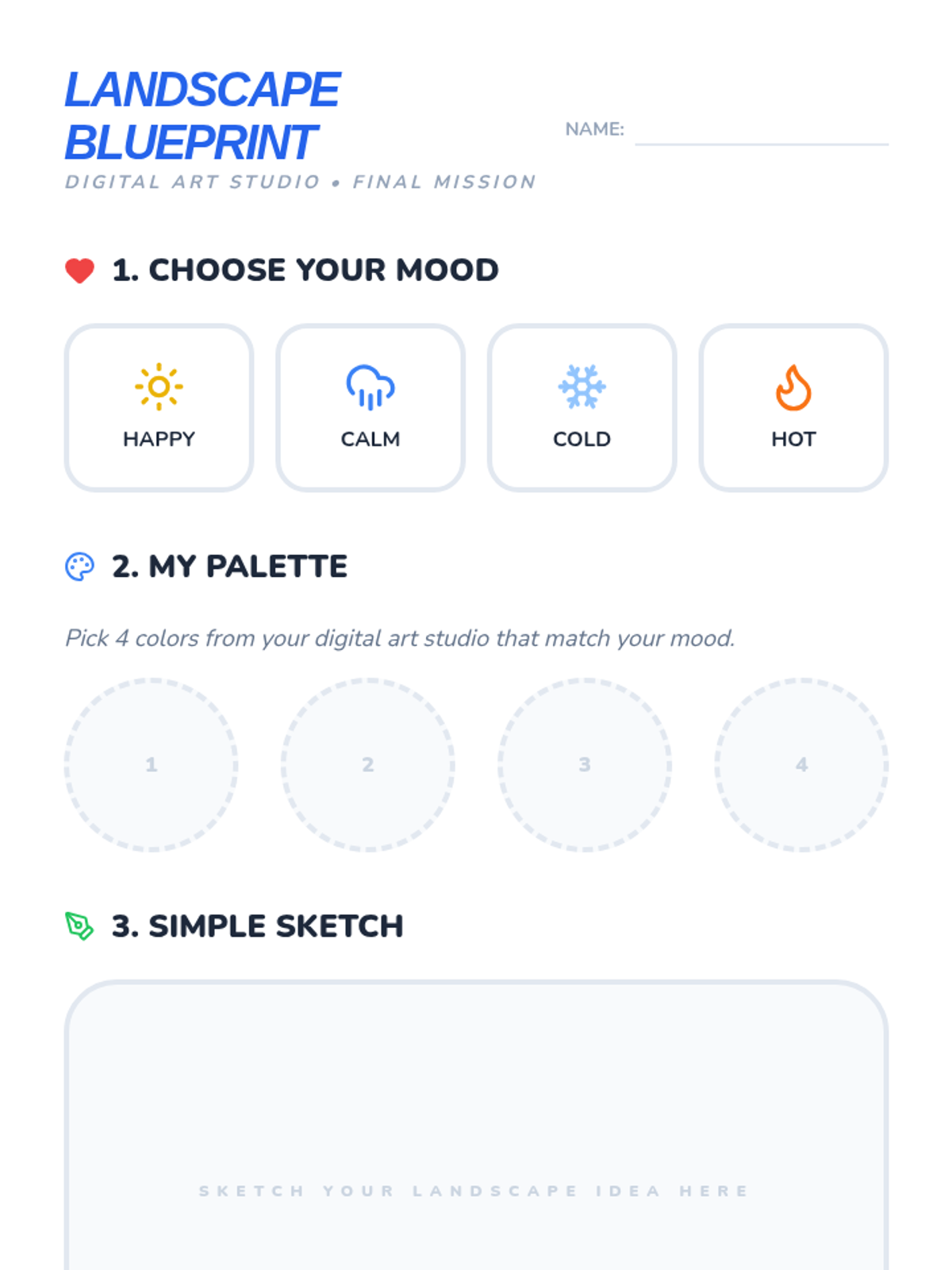
Students synthesize their skills to create an expressive digital landscape that conveys a specific temperature and mood.
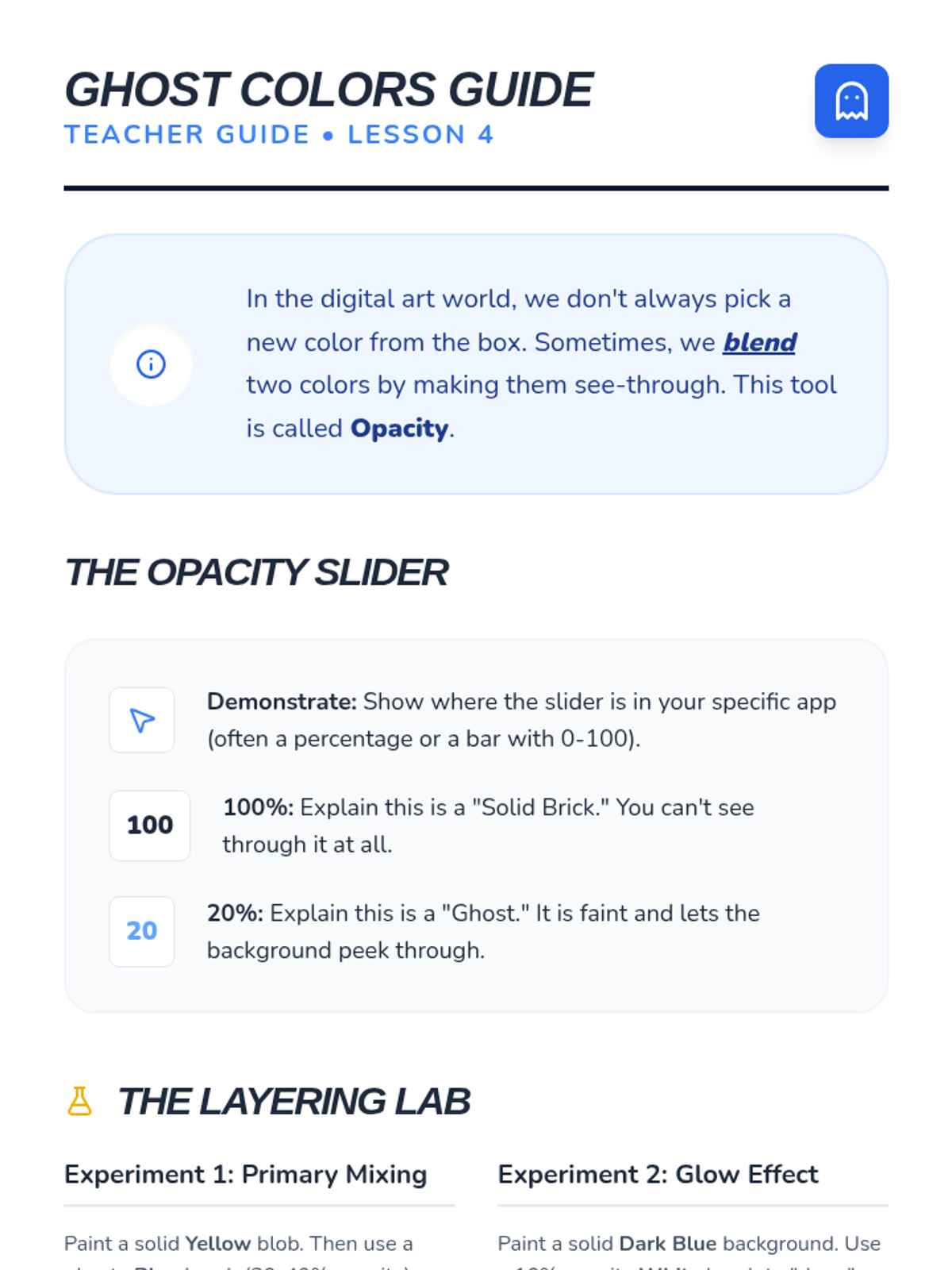
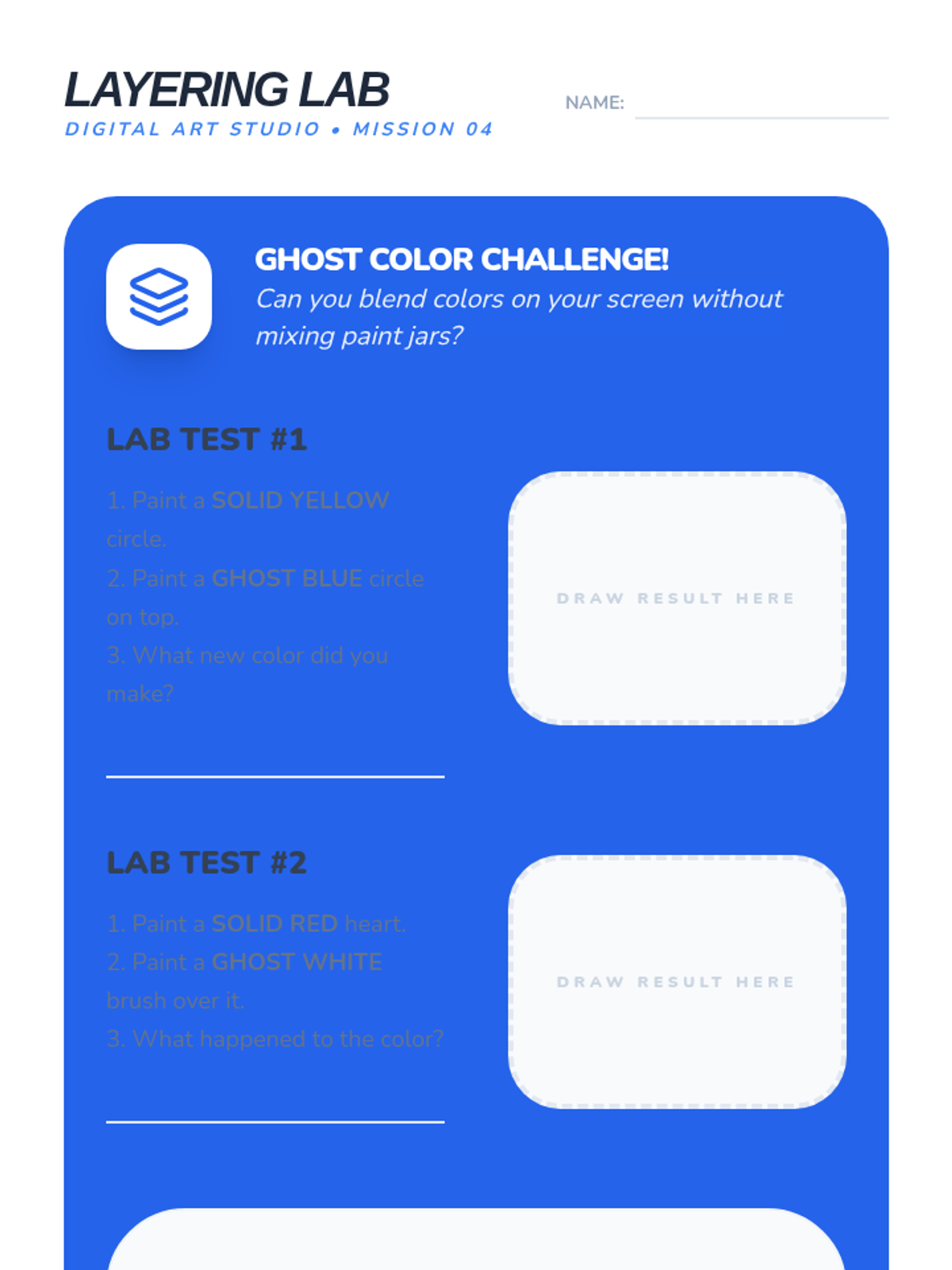
Students experiment with the opacity slider to blend colors and create translucent 'ghost colors' digitally.
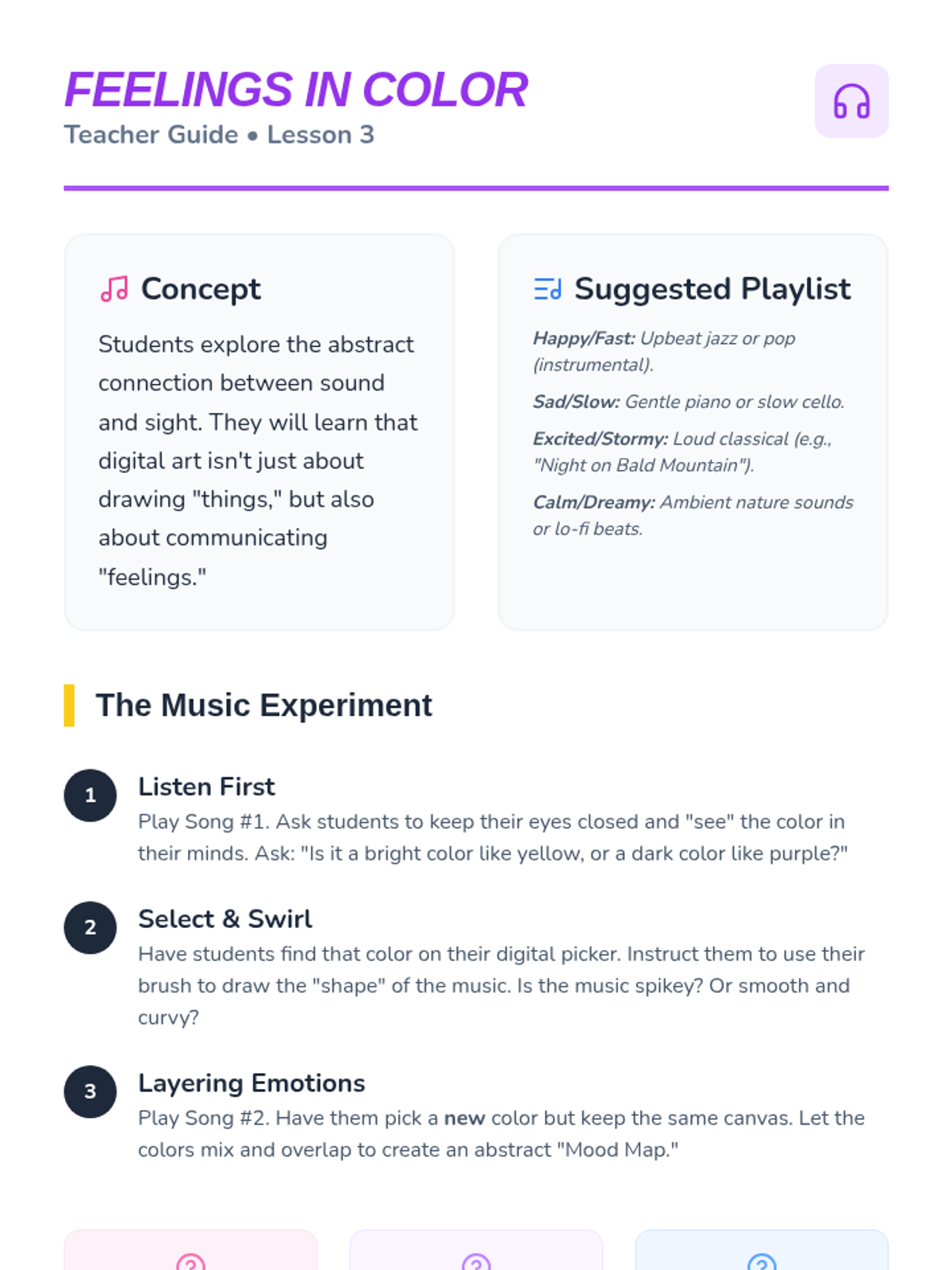
Students connect auditory cues to visual expression by choosing digital colors that represent emotions and music.
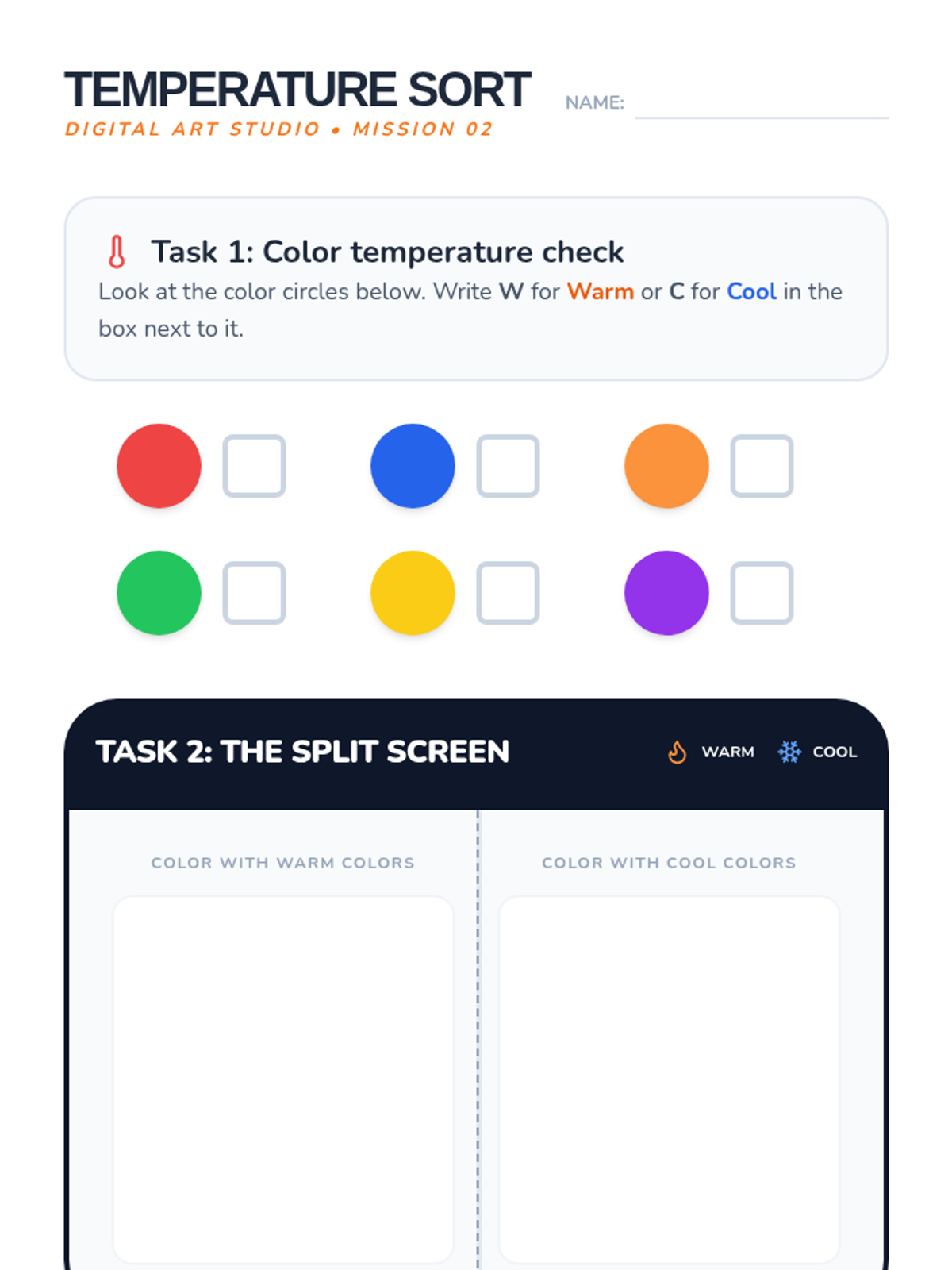
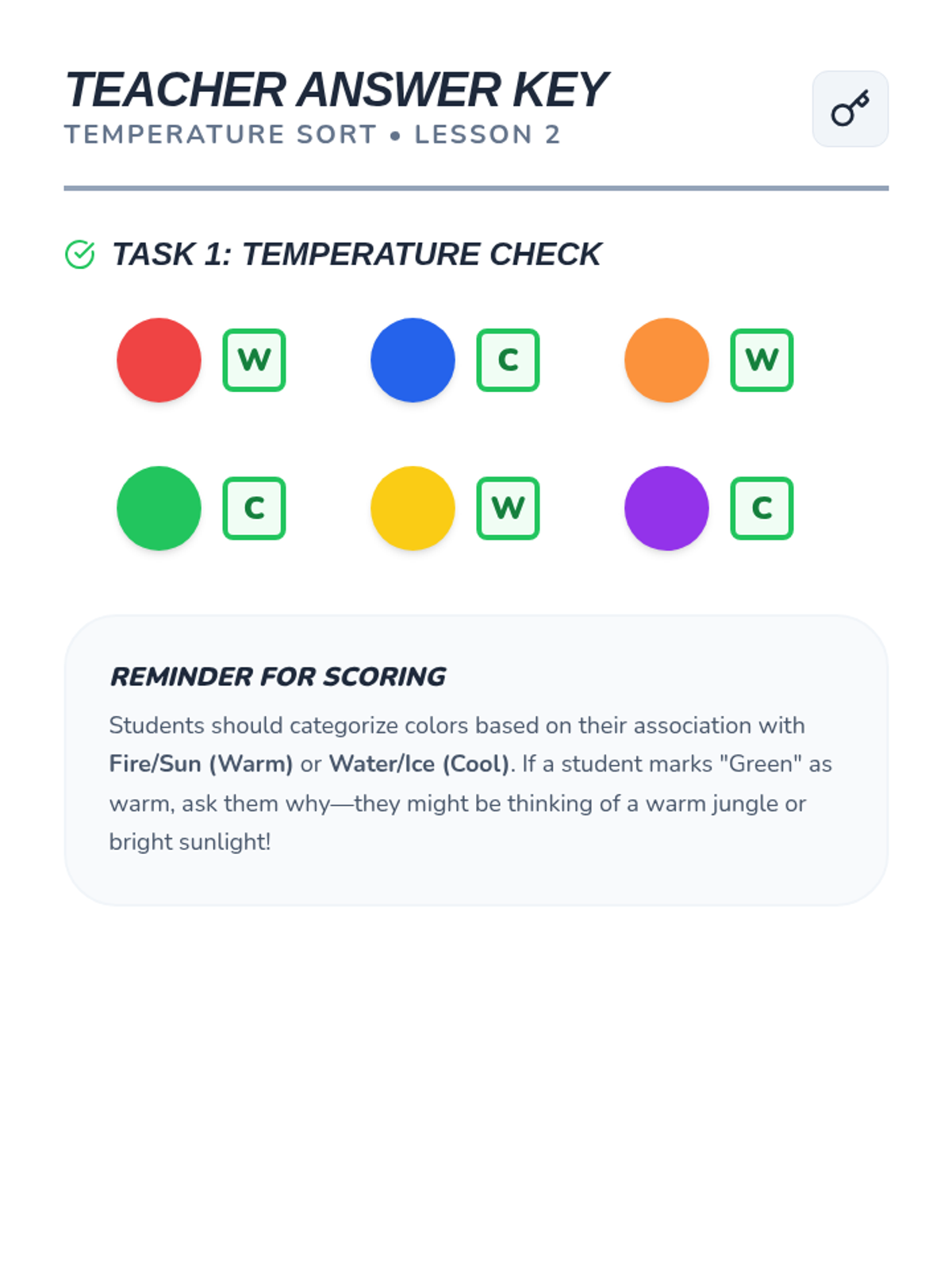
Students categorize colors into warm and cool groups and apply them to create digital split-screen artworks.
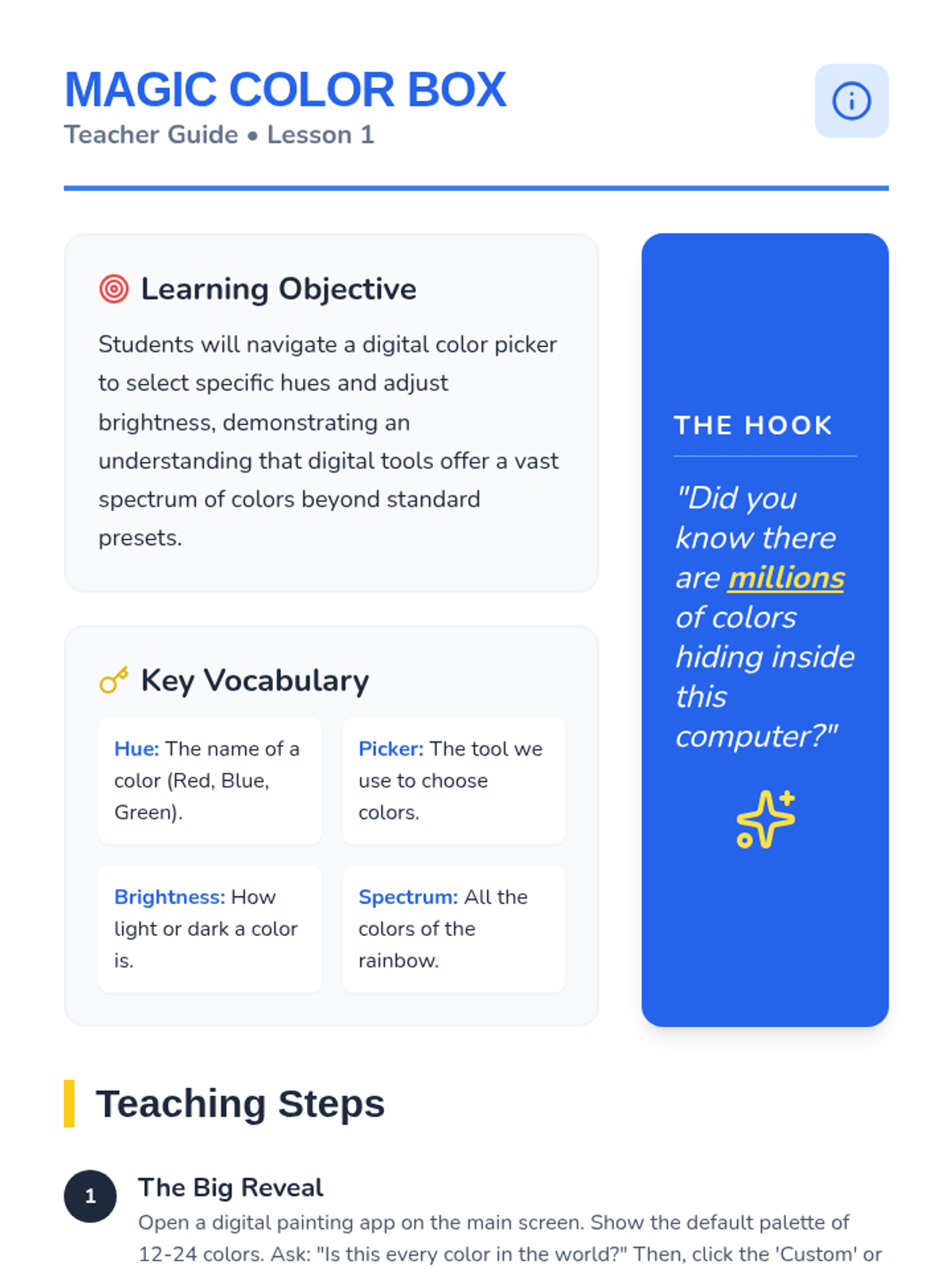
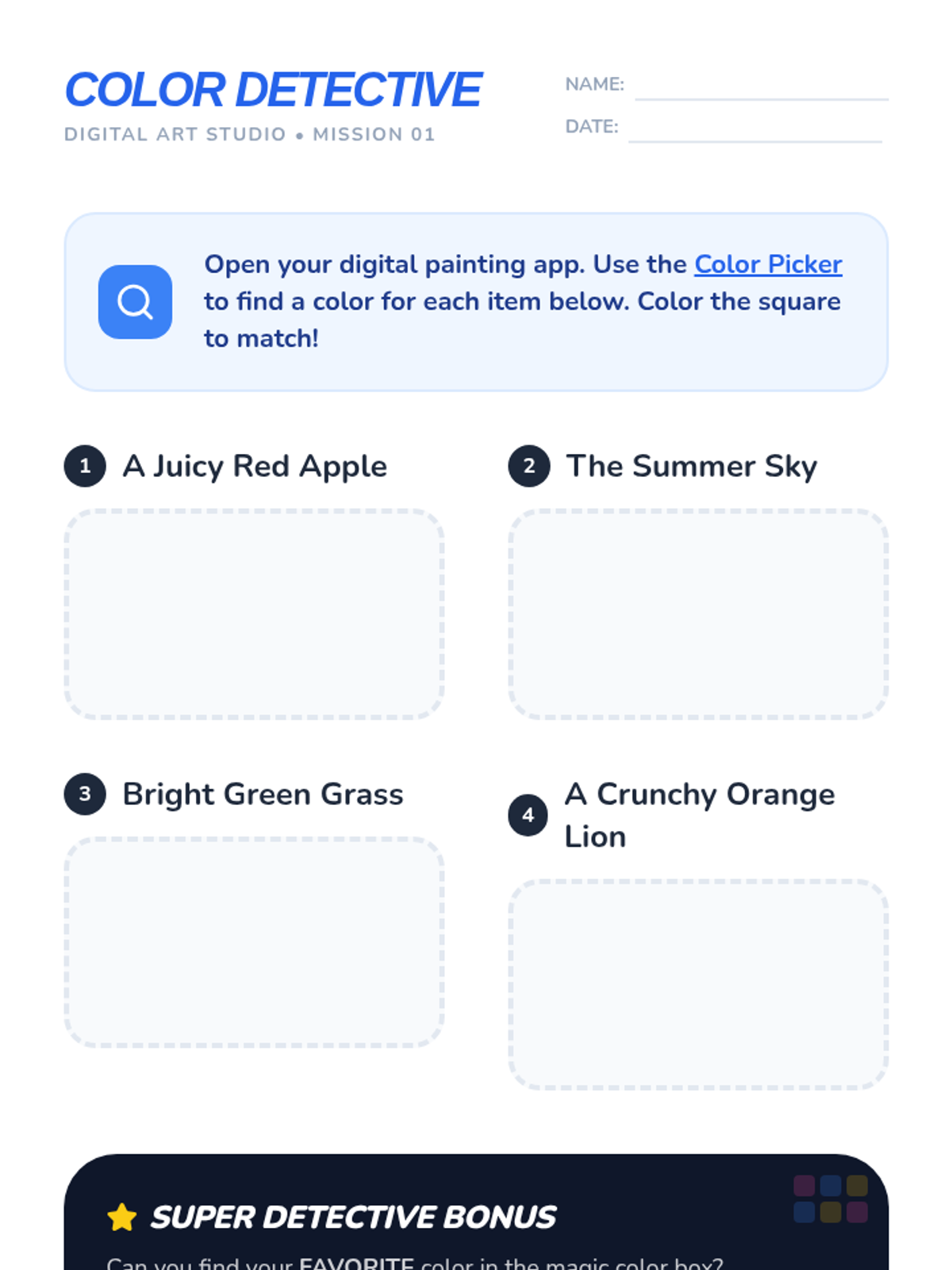
Students explore the digital color wheel and learn to navigate brightness and hue sliders to find the perfect colors.
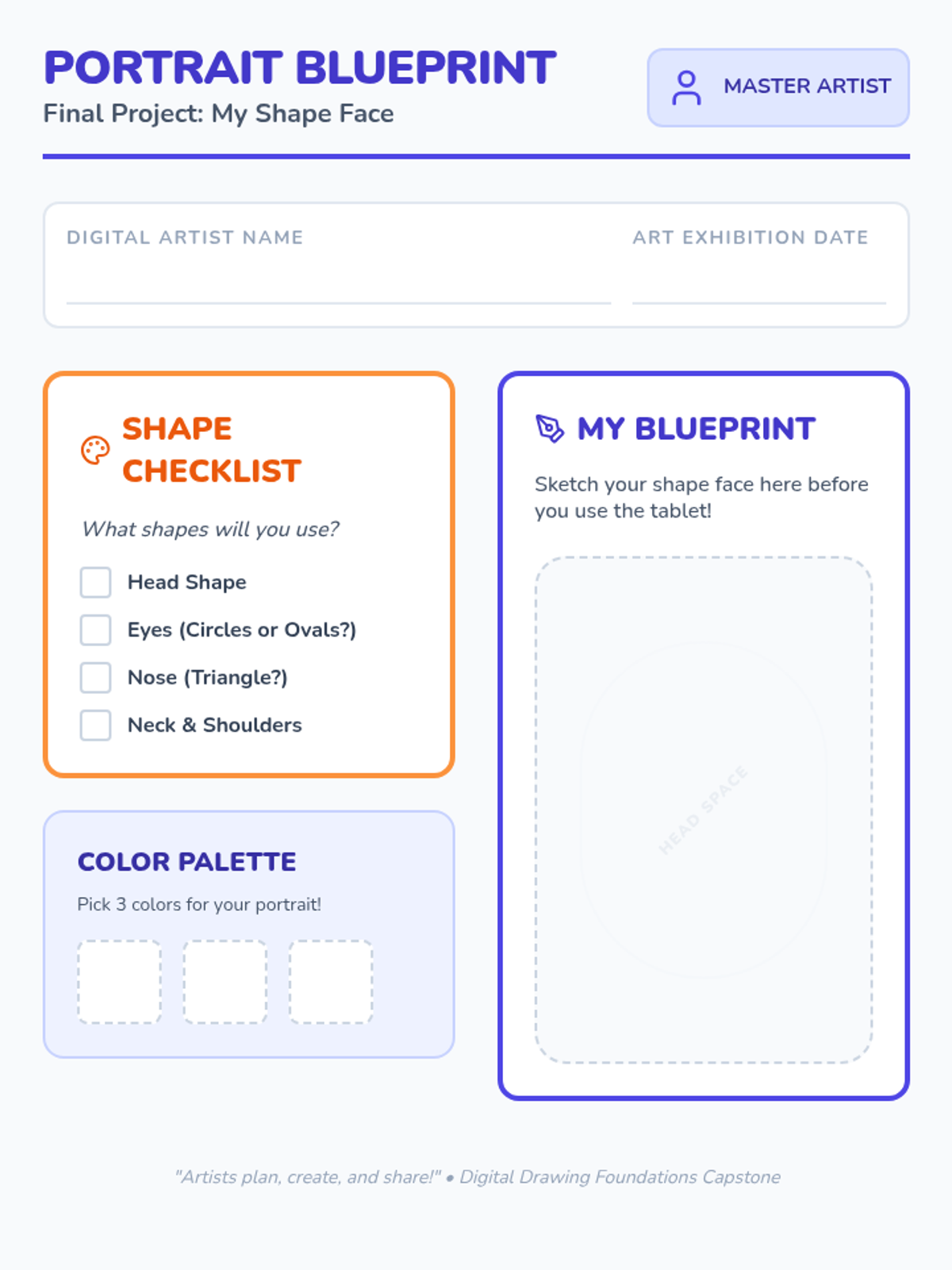
Students apply all learned skills to create a geometric self-portrait using shapes, lines, and colors.
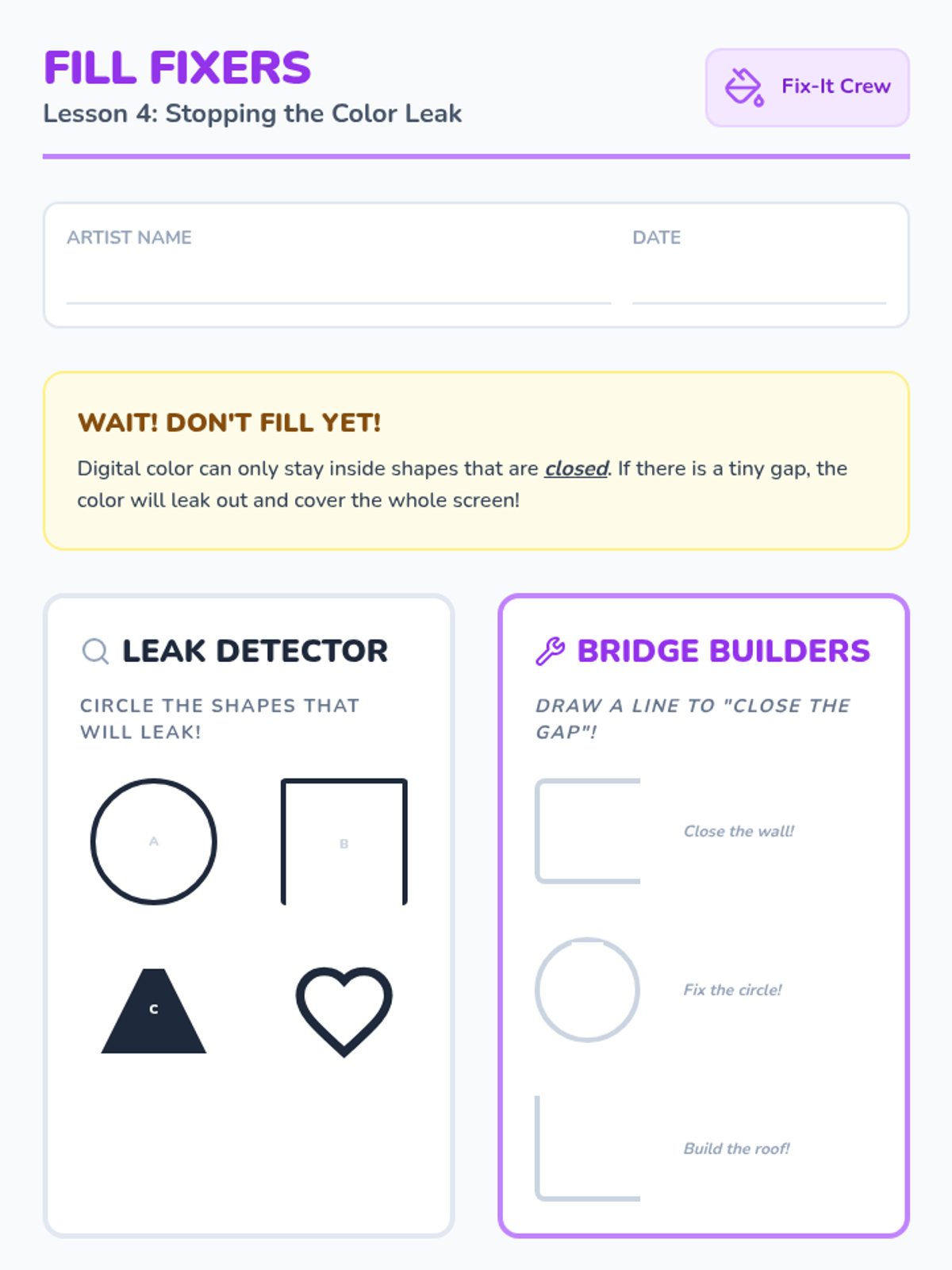
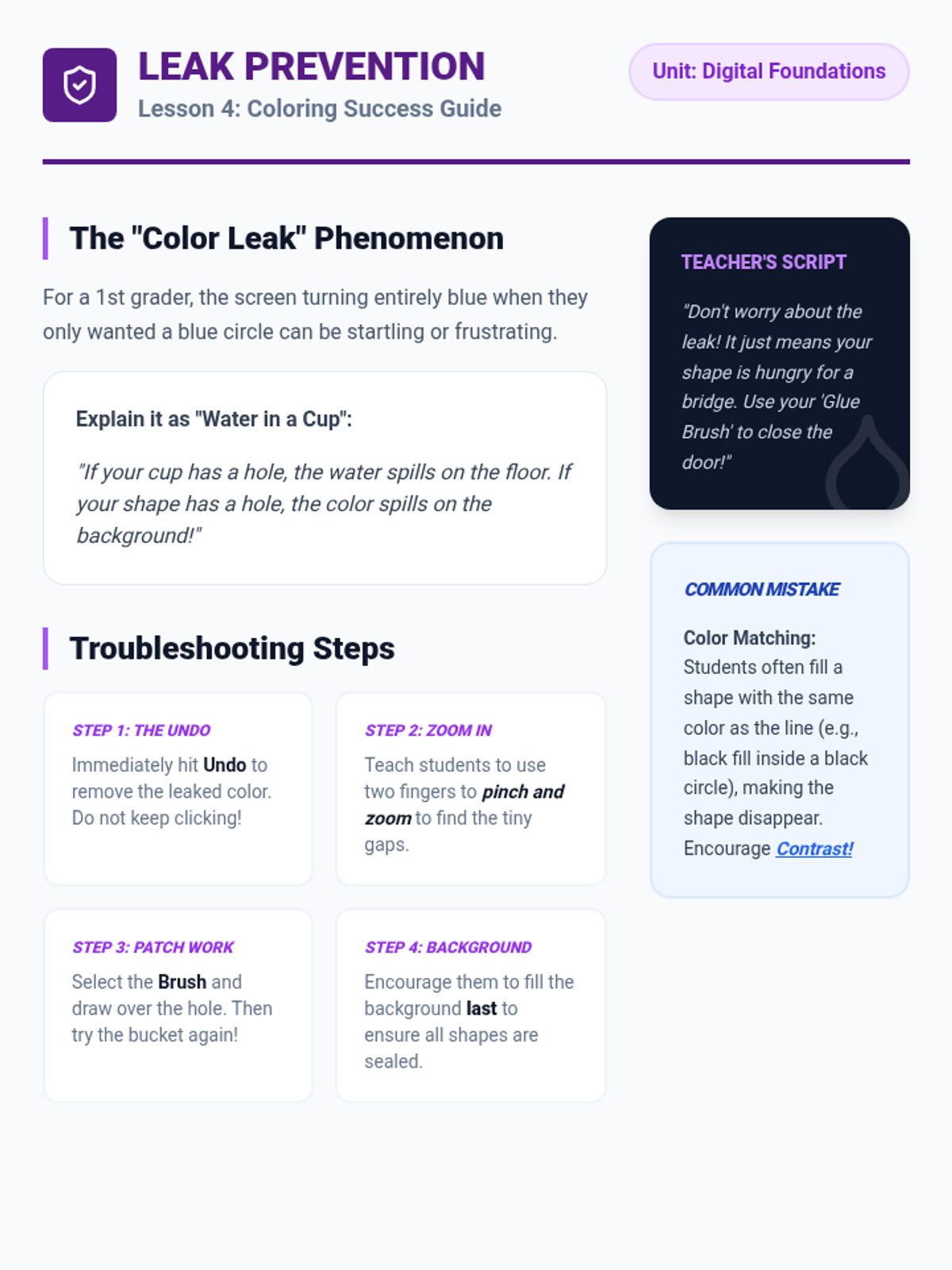
Students learn to use the fill bucket tool and the importance of 'closing the gap' to prevent color leaks.
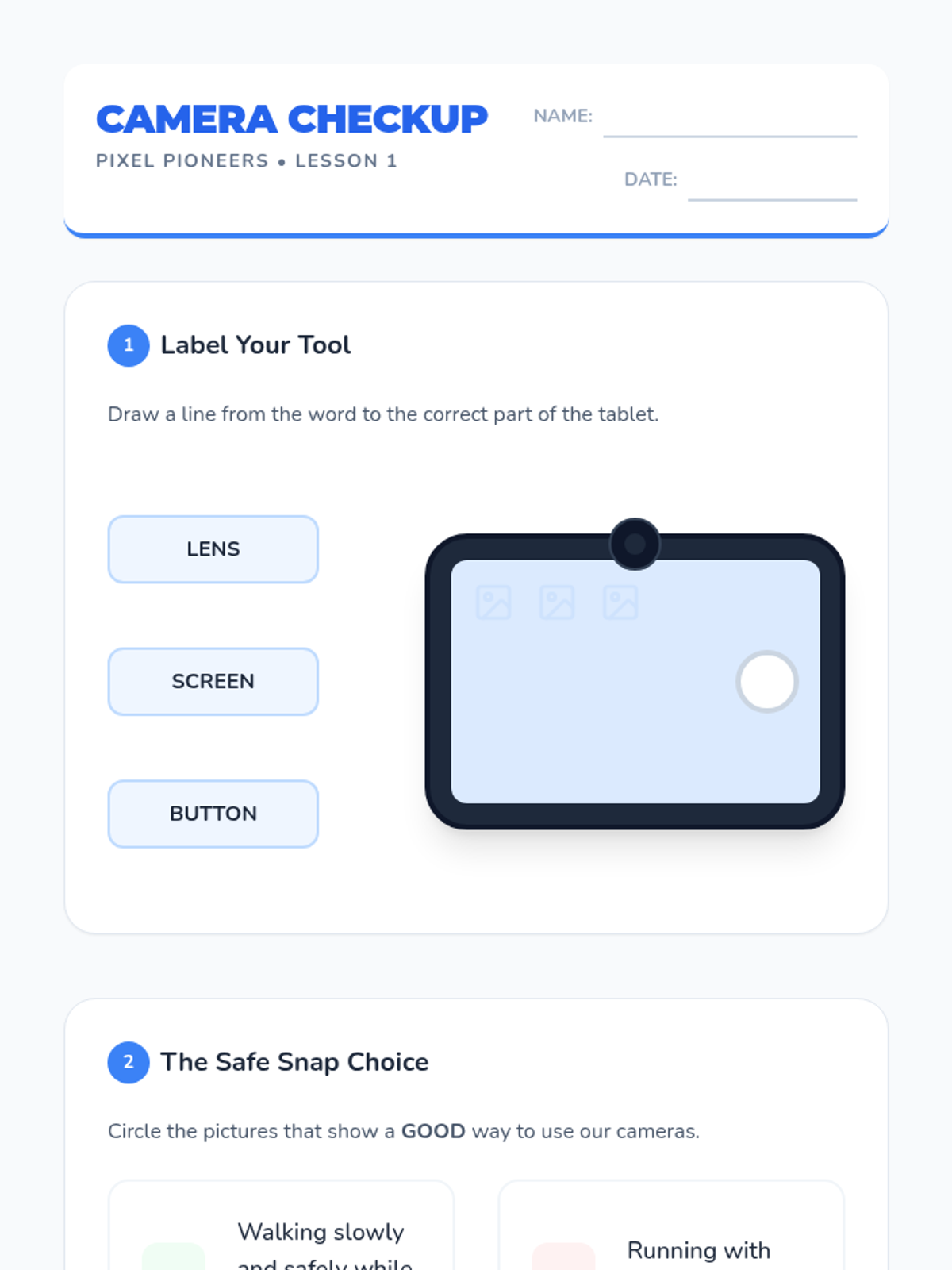
Students learn how to safely hold a tablet for photography, identify the camera lens, and practice taking steady photos of stationary objects.
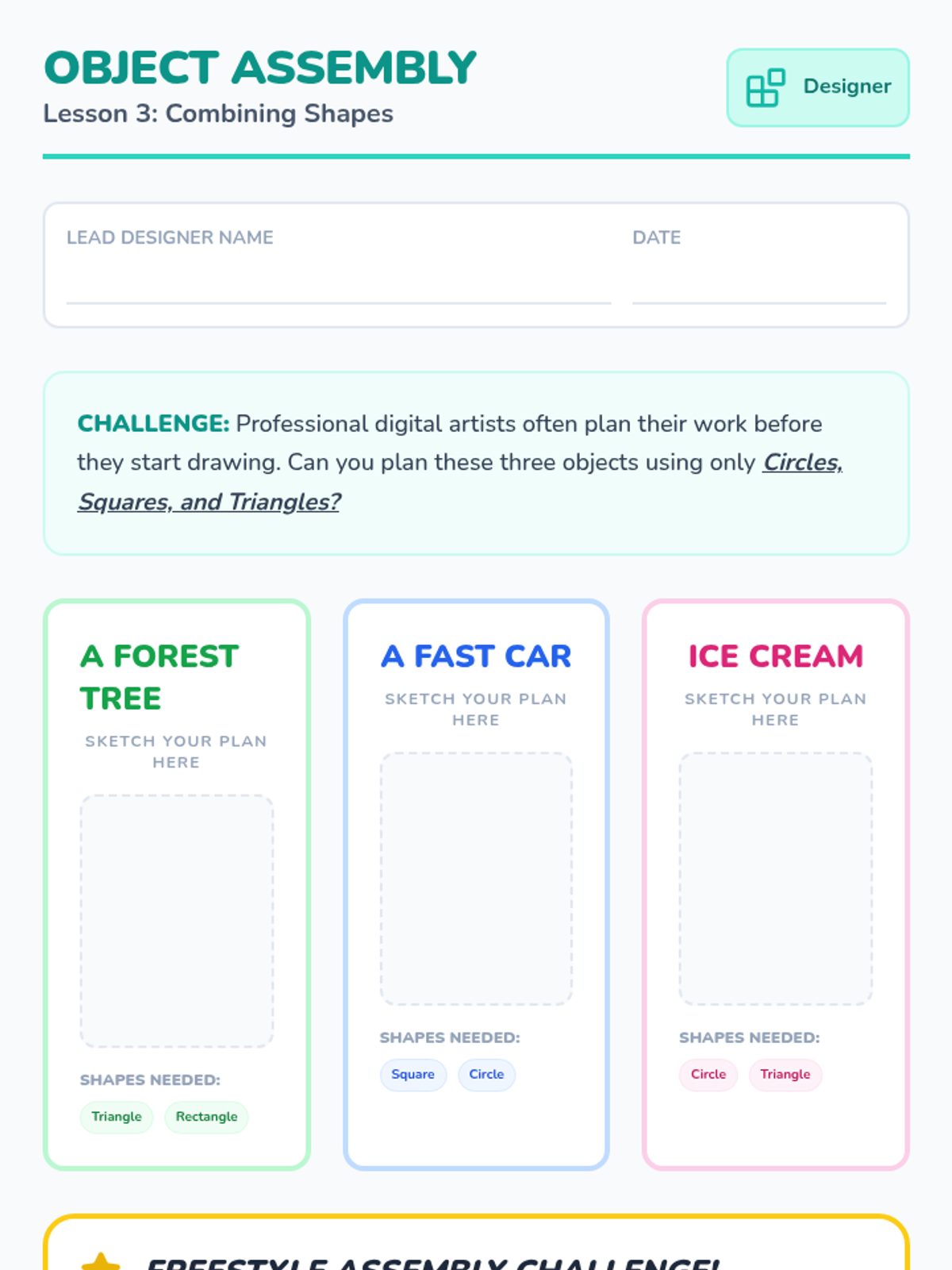
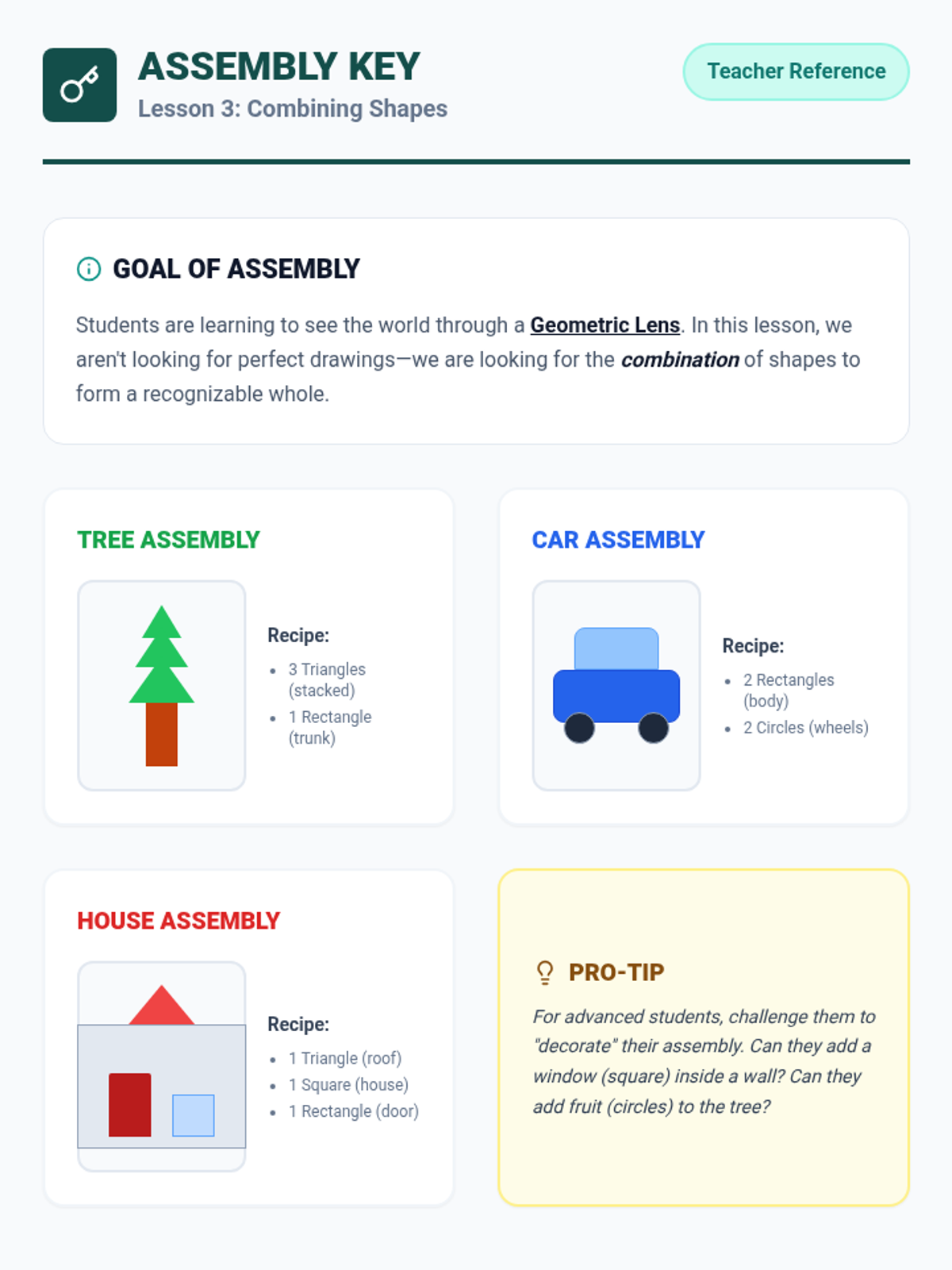
Students combine multiple shapes to form recognizable objects, introducing the concept of design assembly.
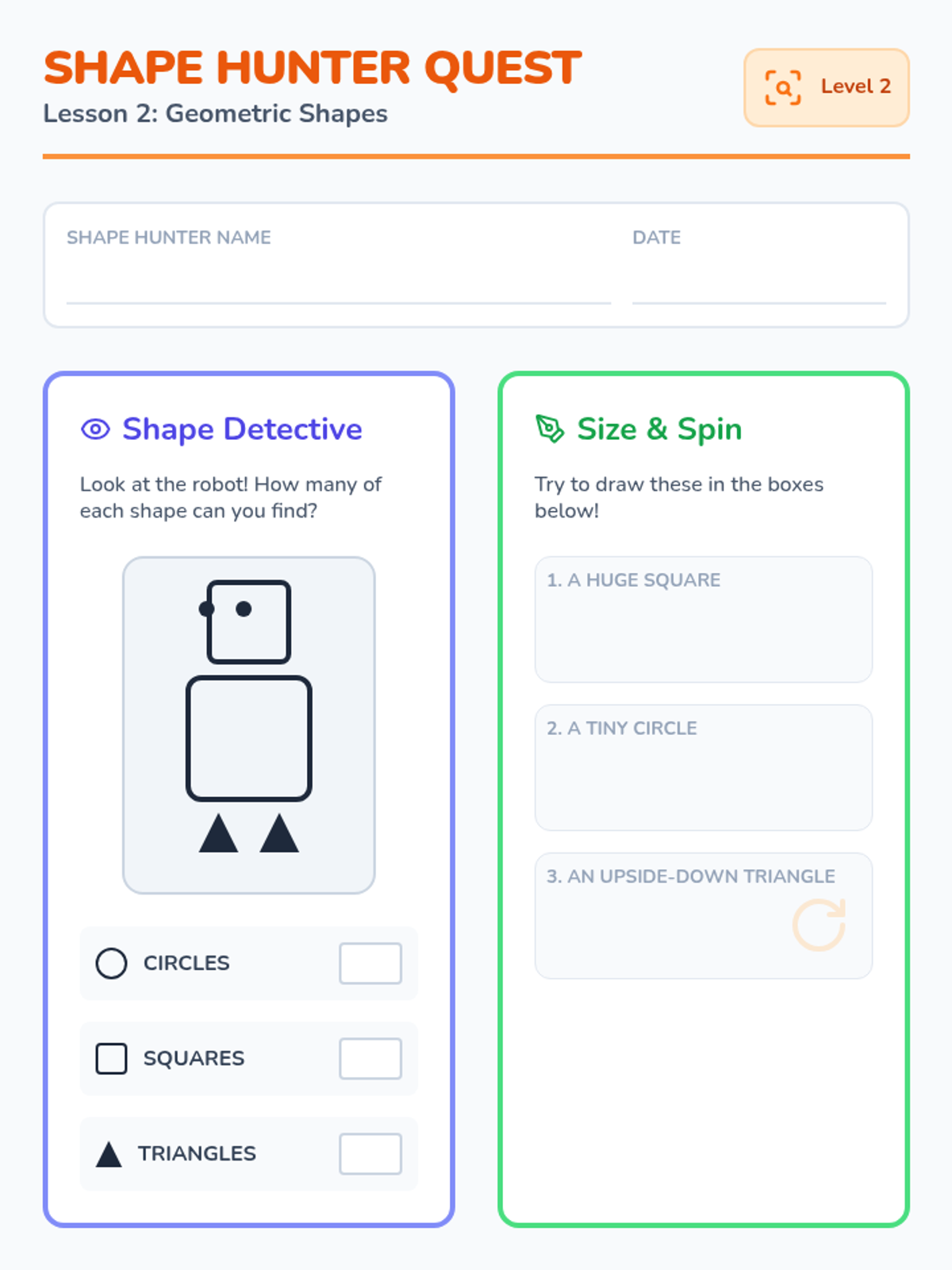
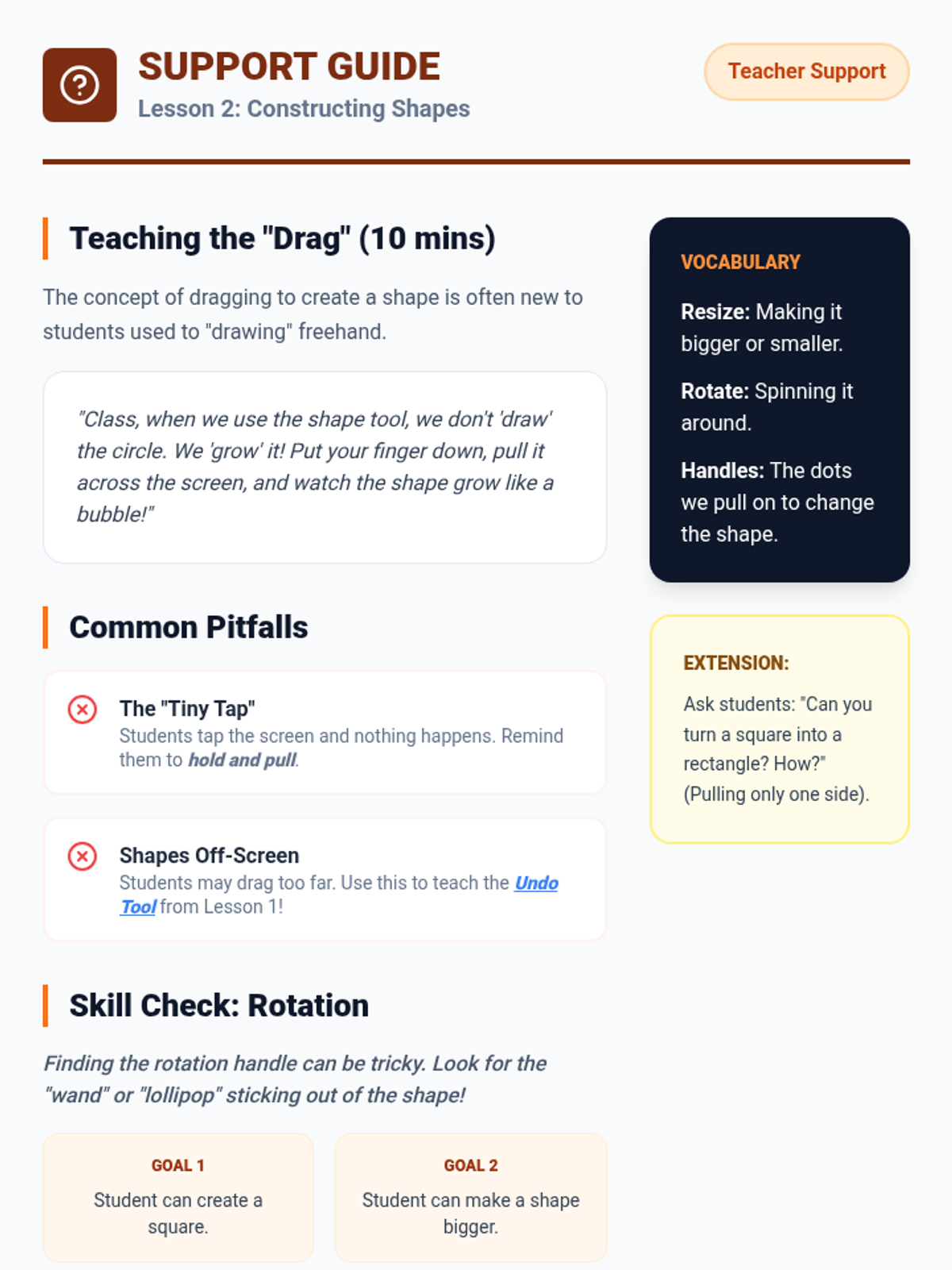
Students discover the shape tool, learning to create, resize, and rotate circles, squares, and triangles.
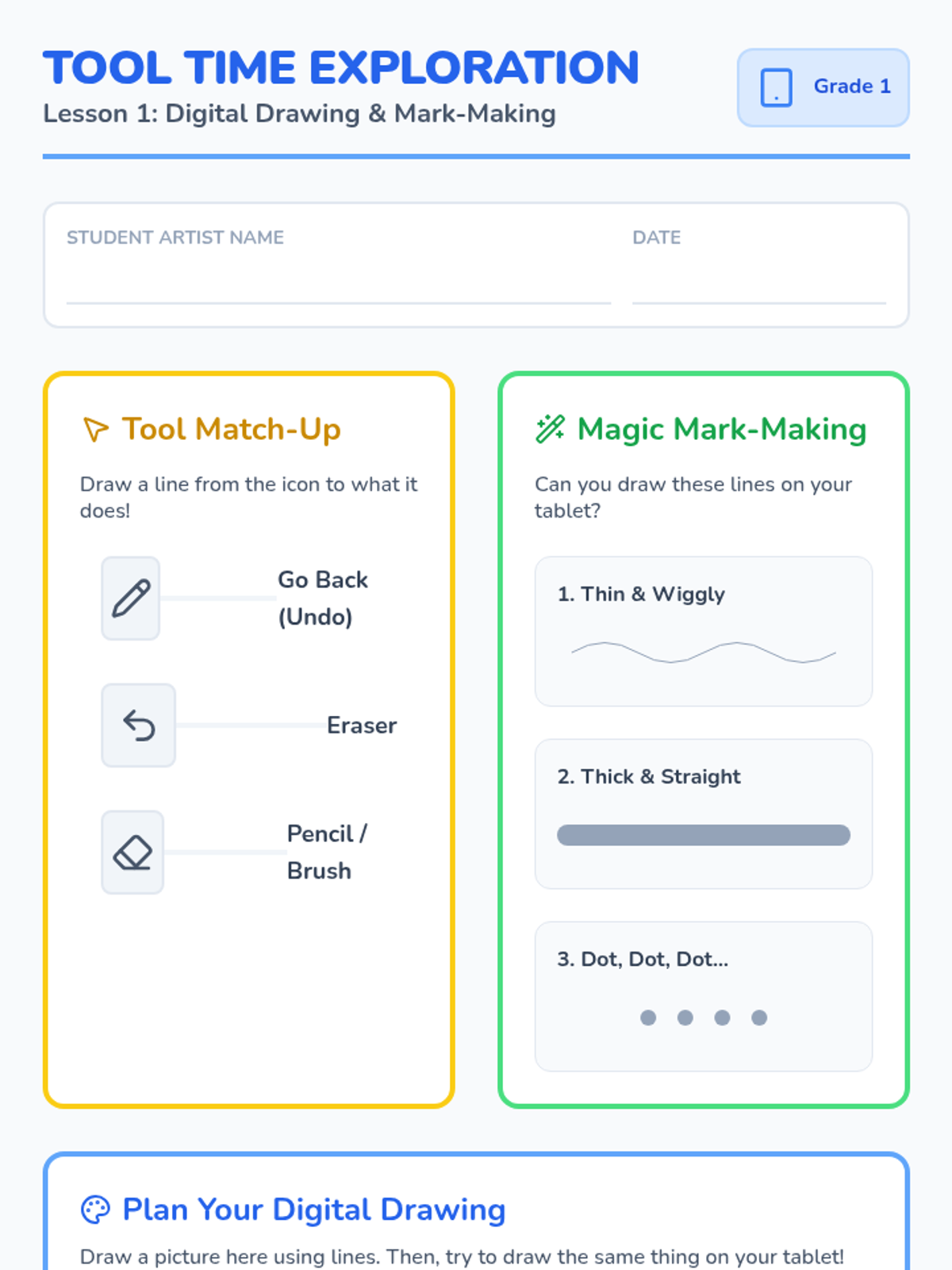
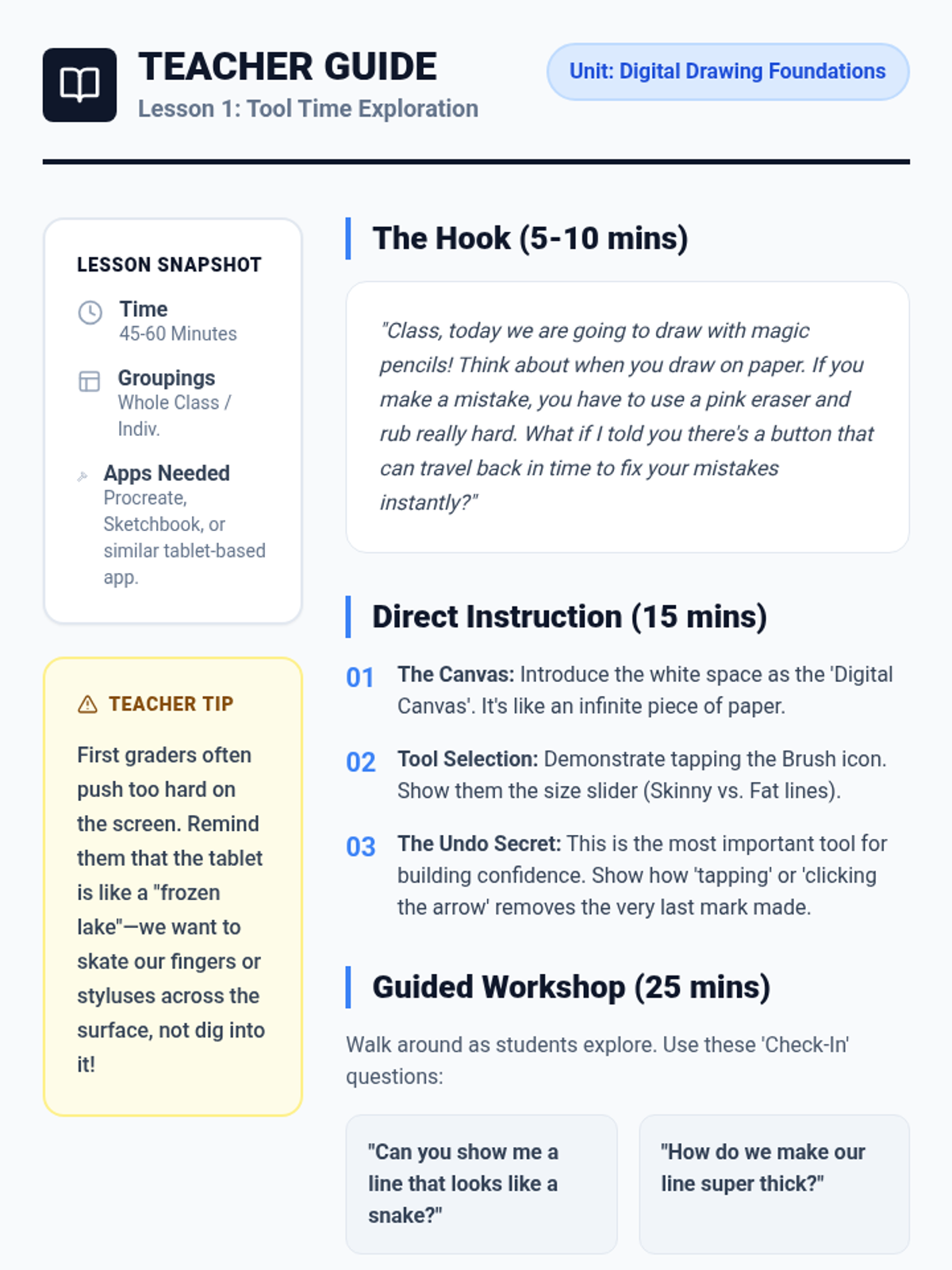
Students explore a basic digital drawing interface, learning to select brushes, change line thickness, and use the undo function.
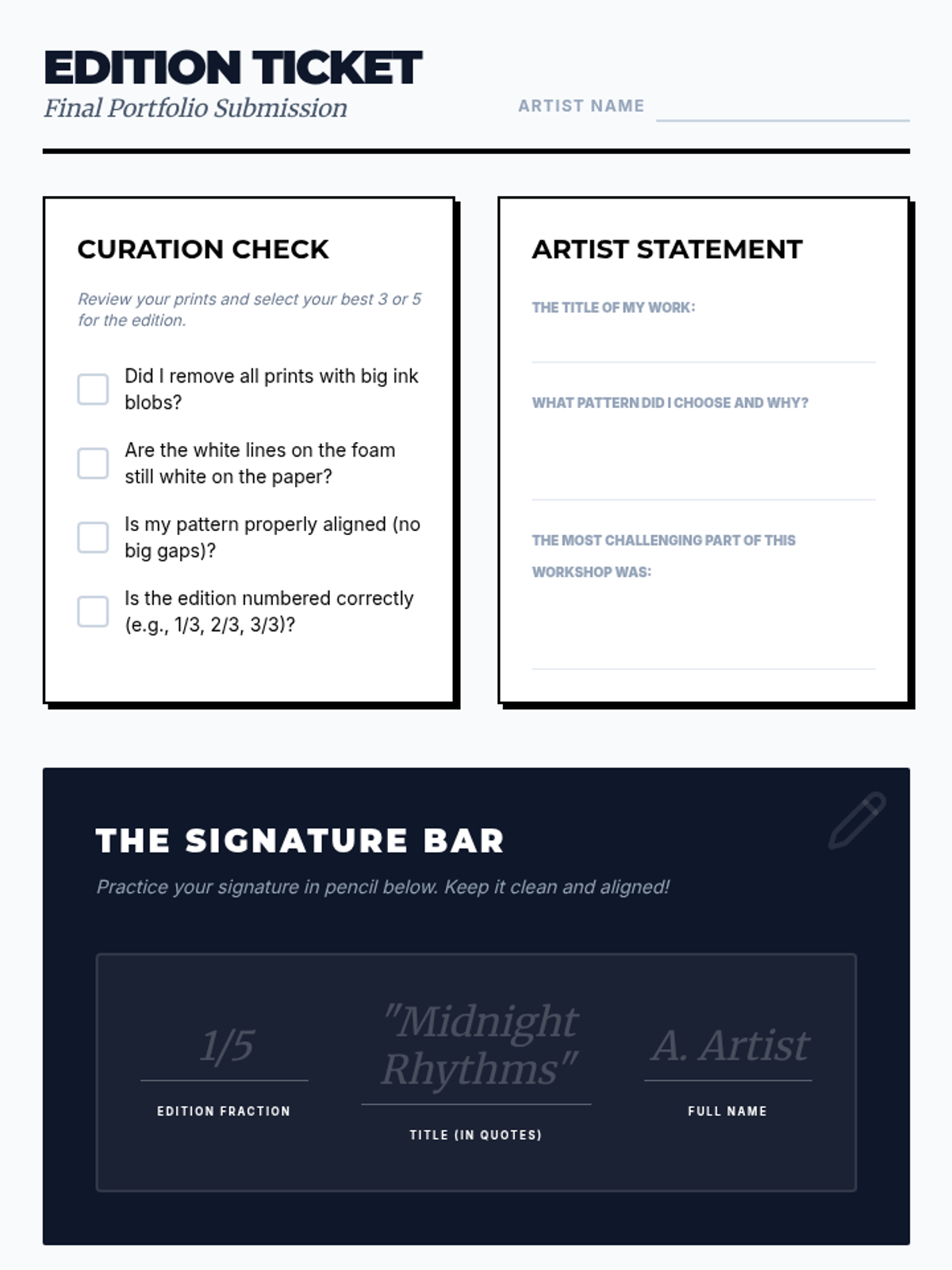
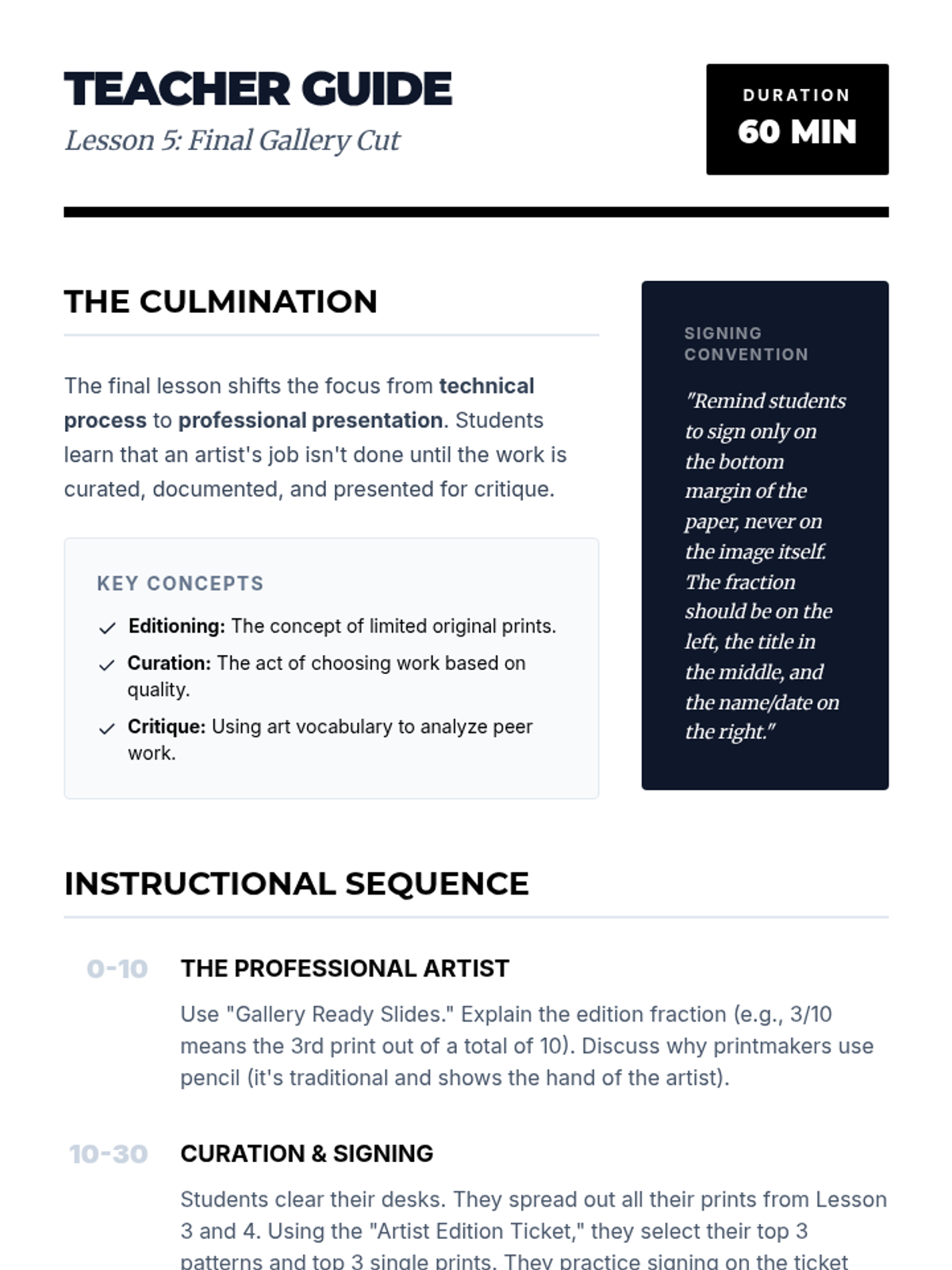
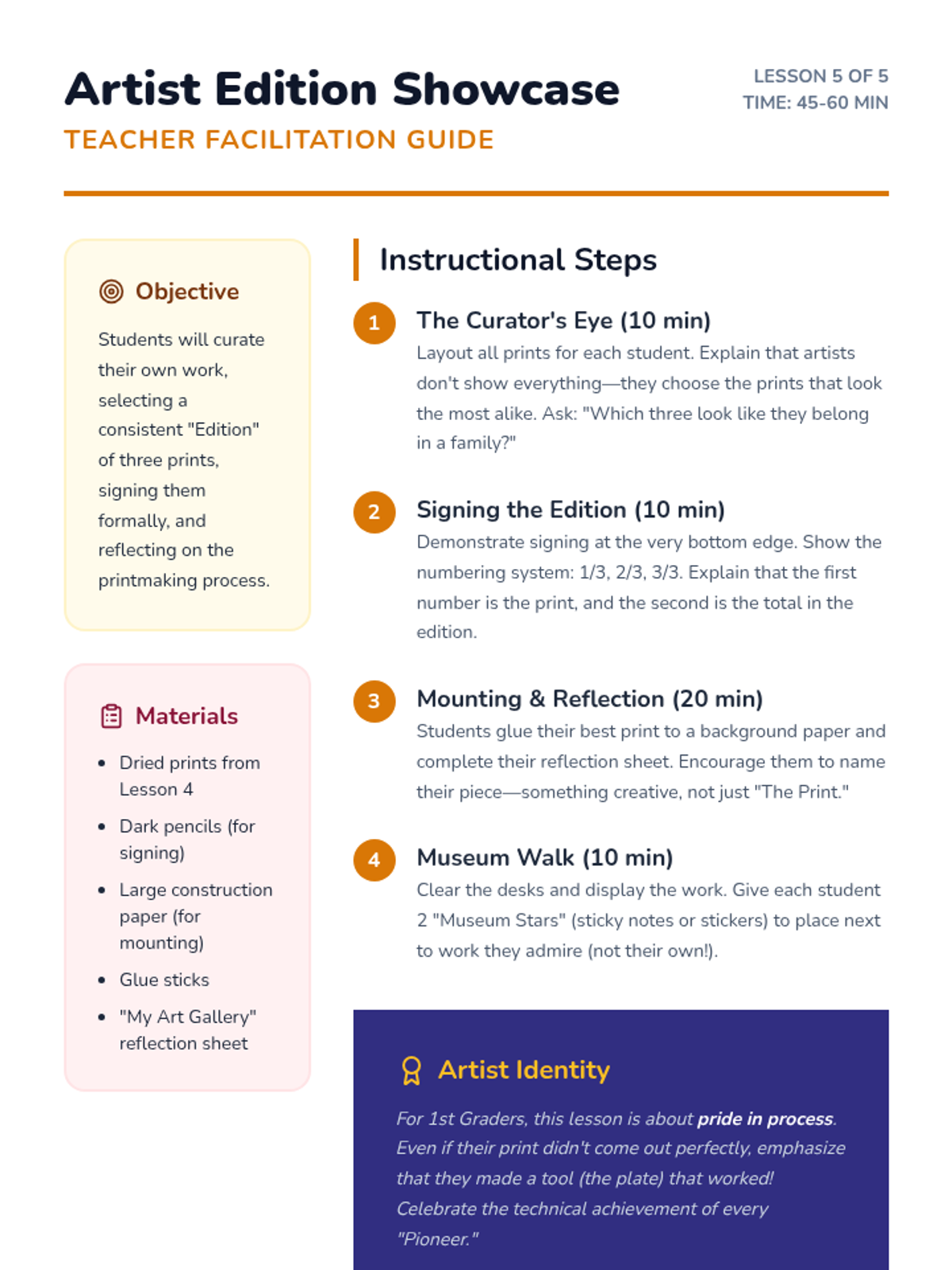
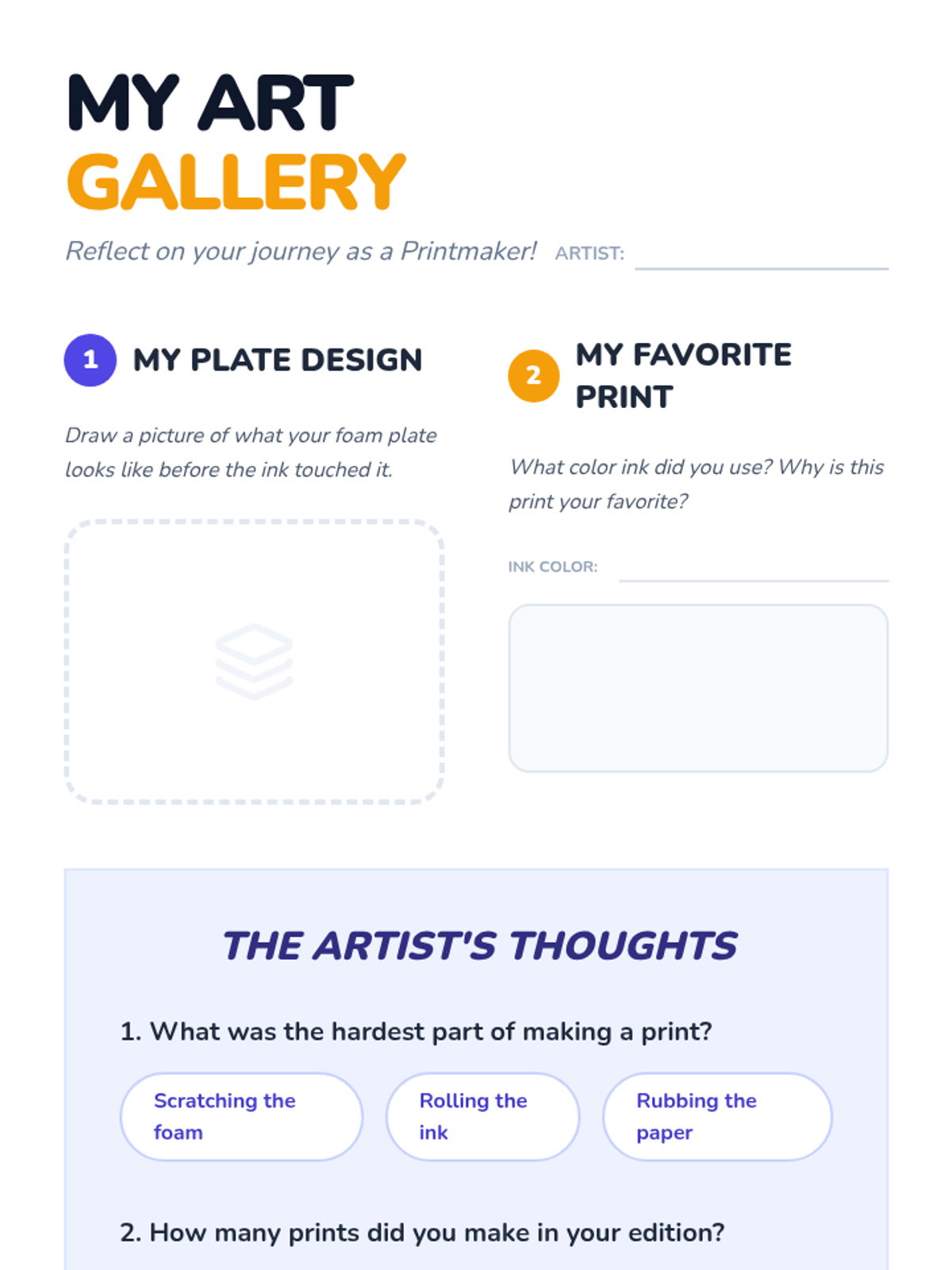
Students sign, number, and curate their final print editions followed by a peer gallery walk.
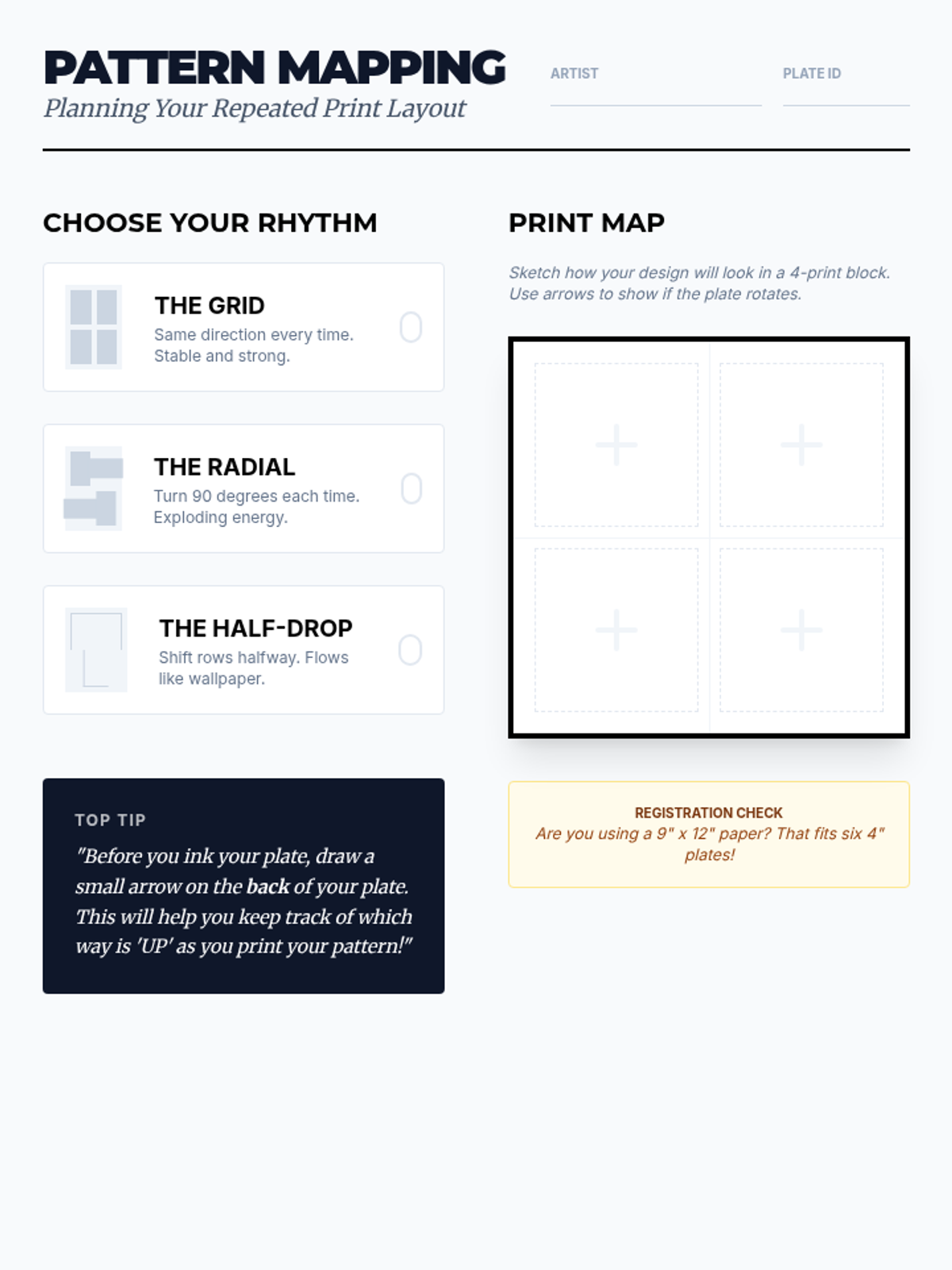
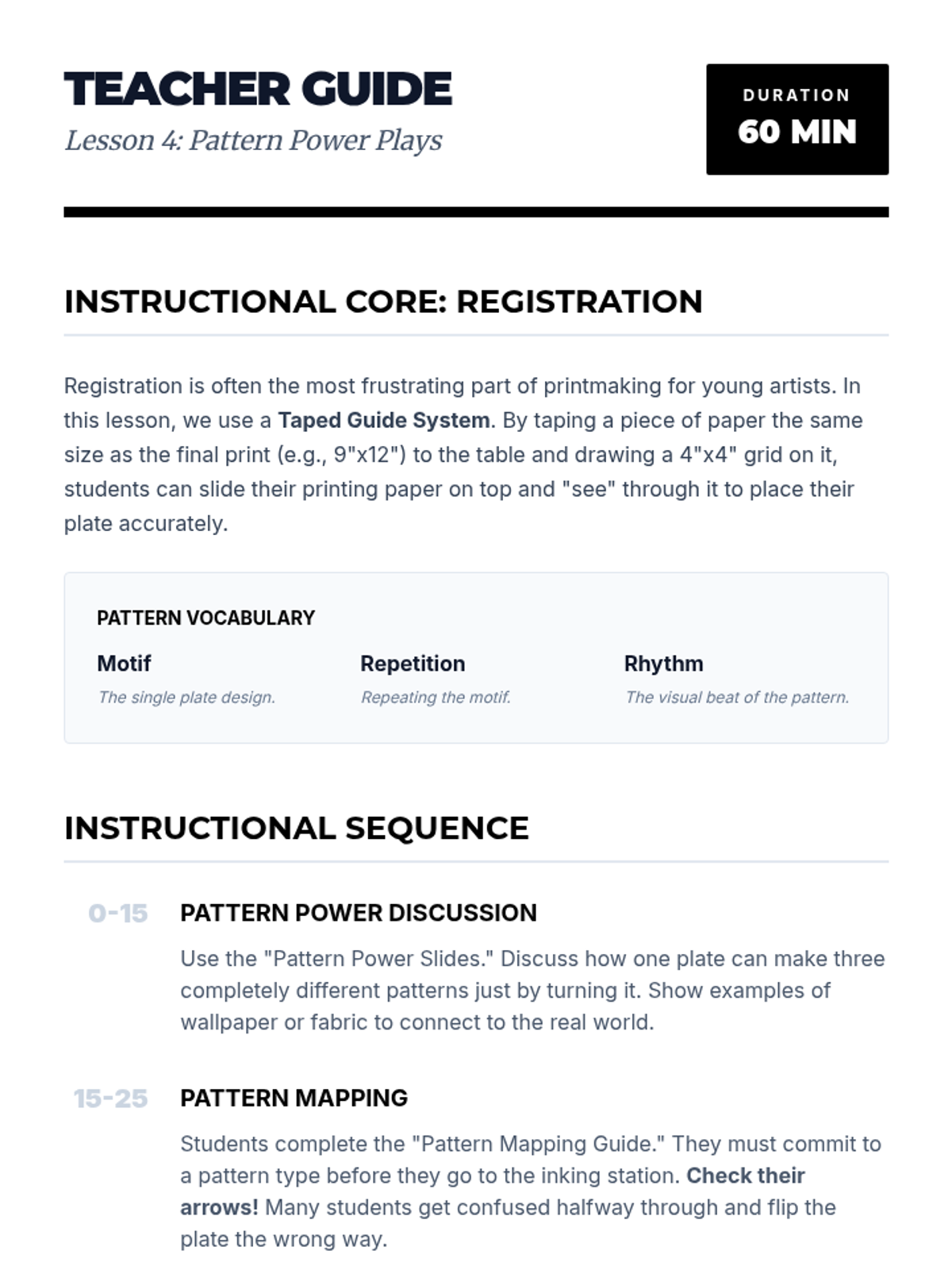
Students create complex patterns by repeating their prints using registration techniques for alignment.
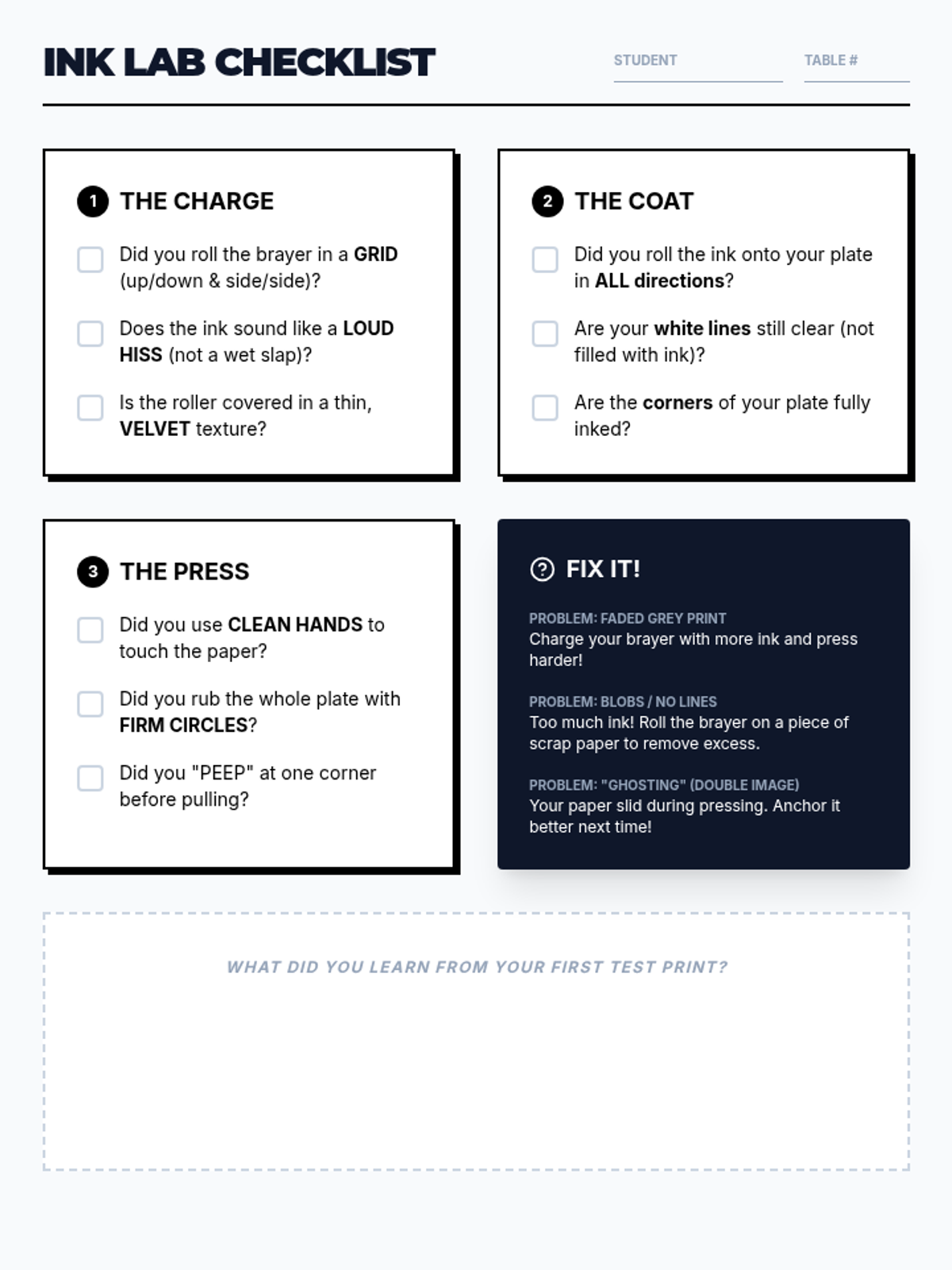
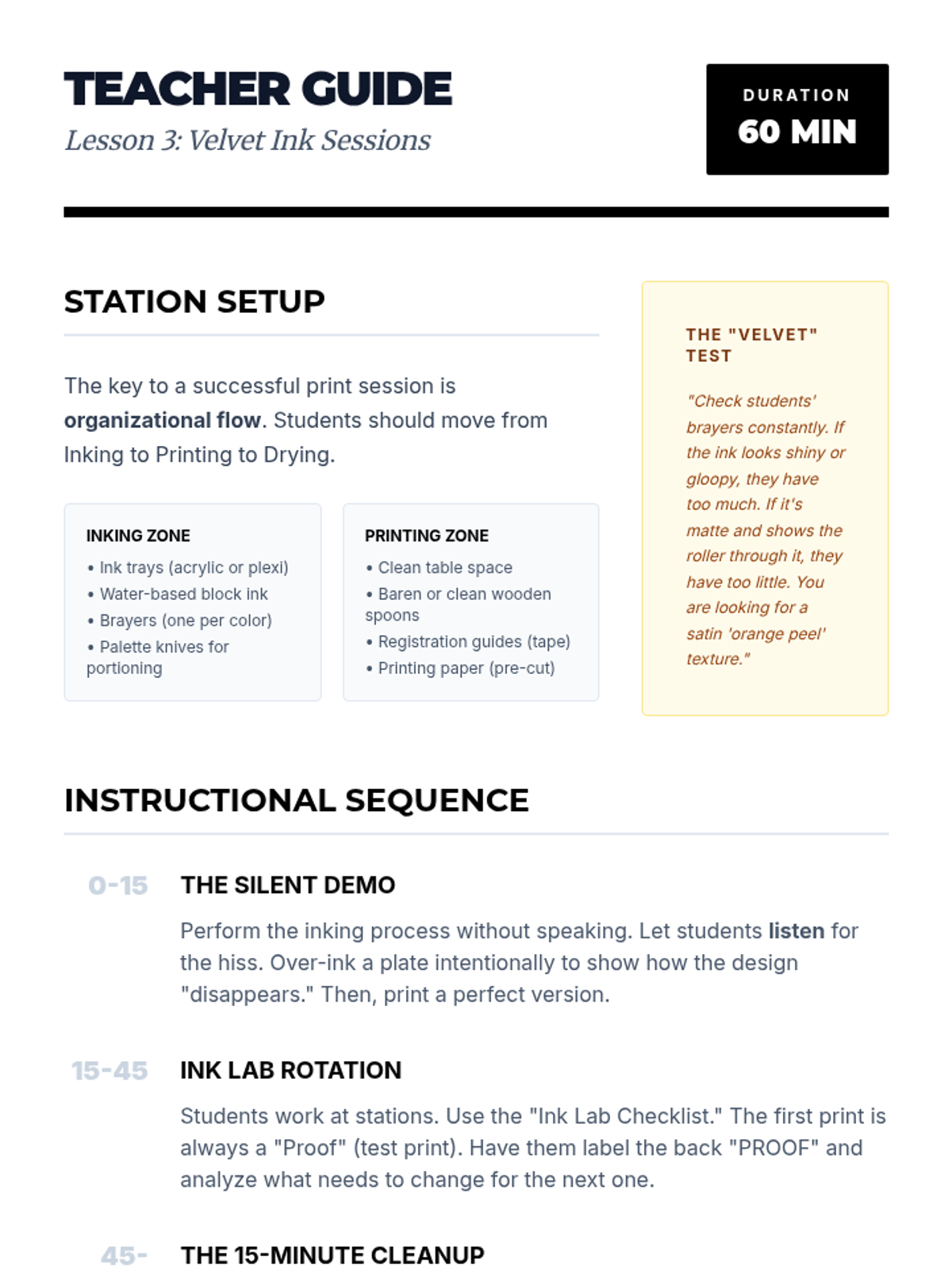
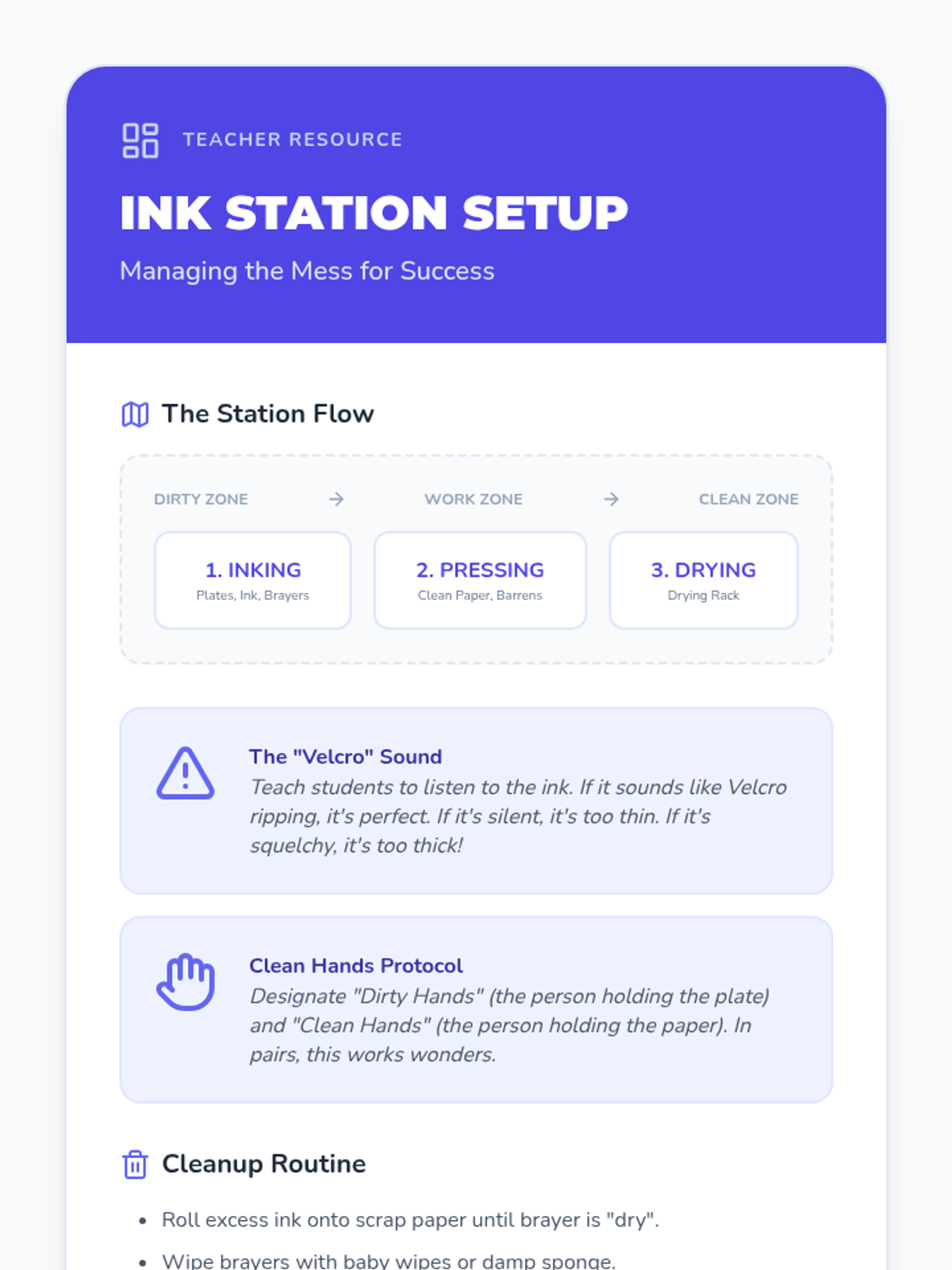
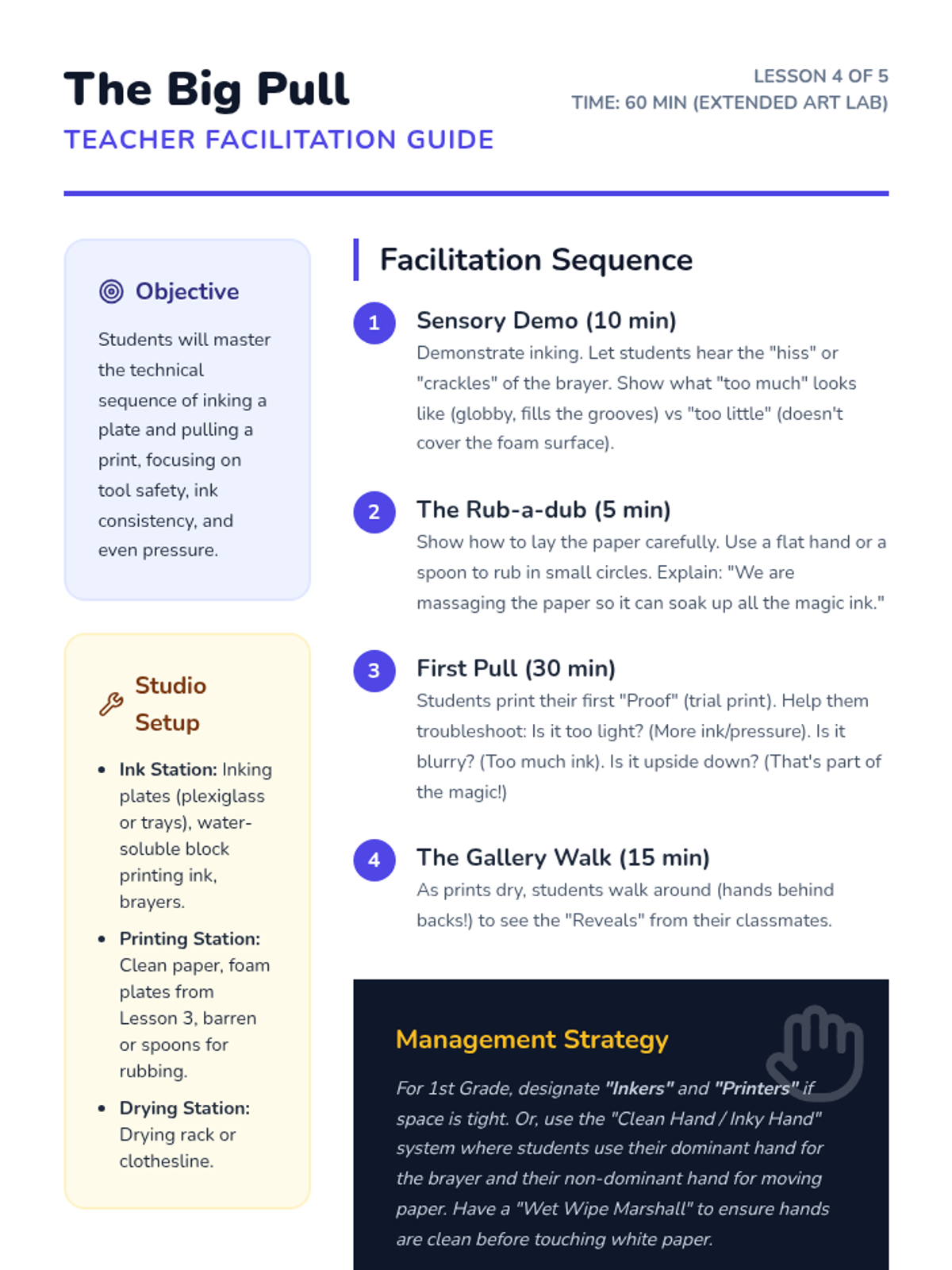
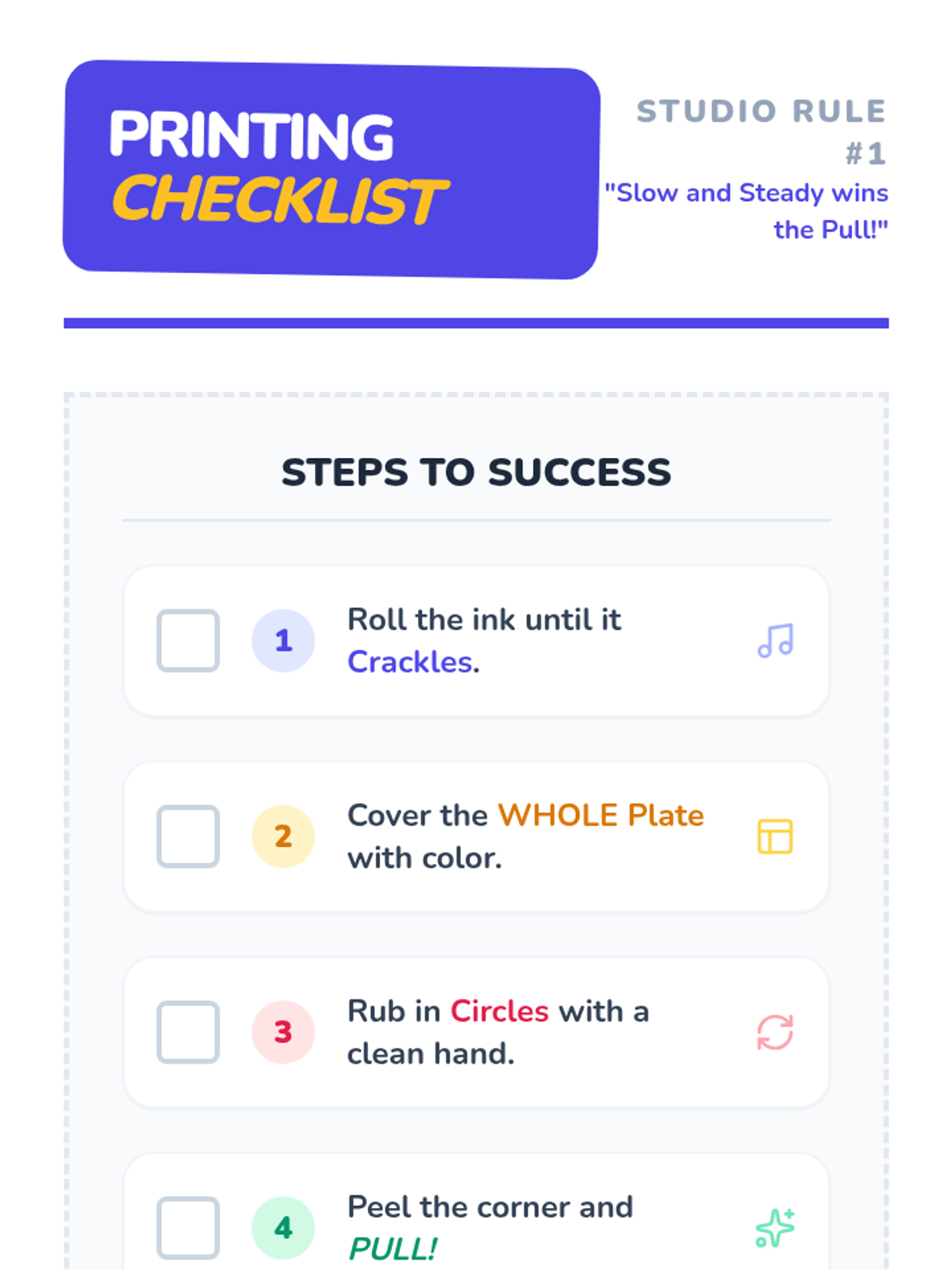
Focuses on the technical aspects of rolling ink, achieving the perfect 'velvet' texture, and charging the plate.
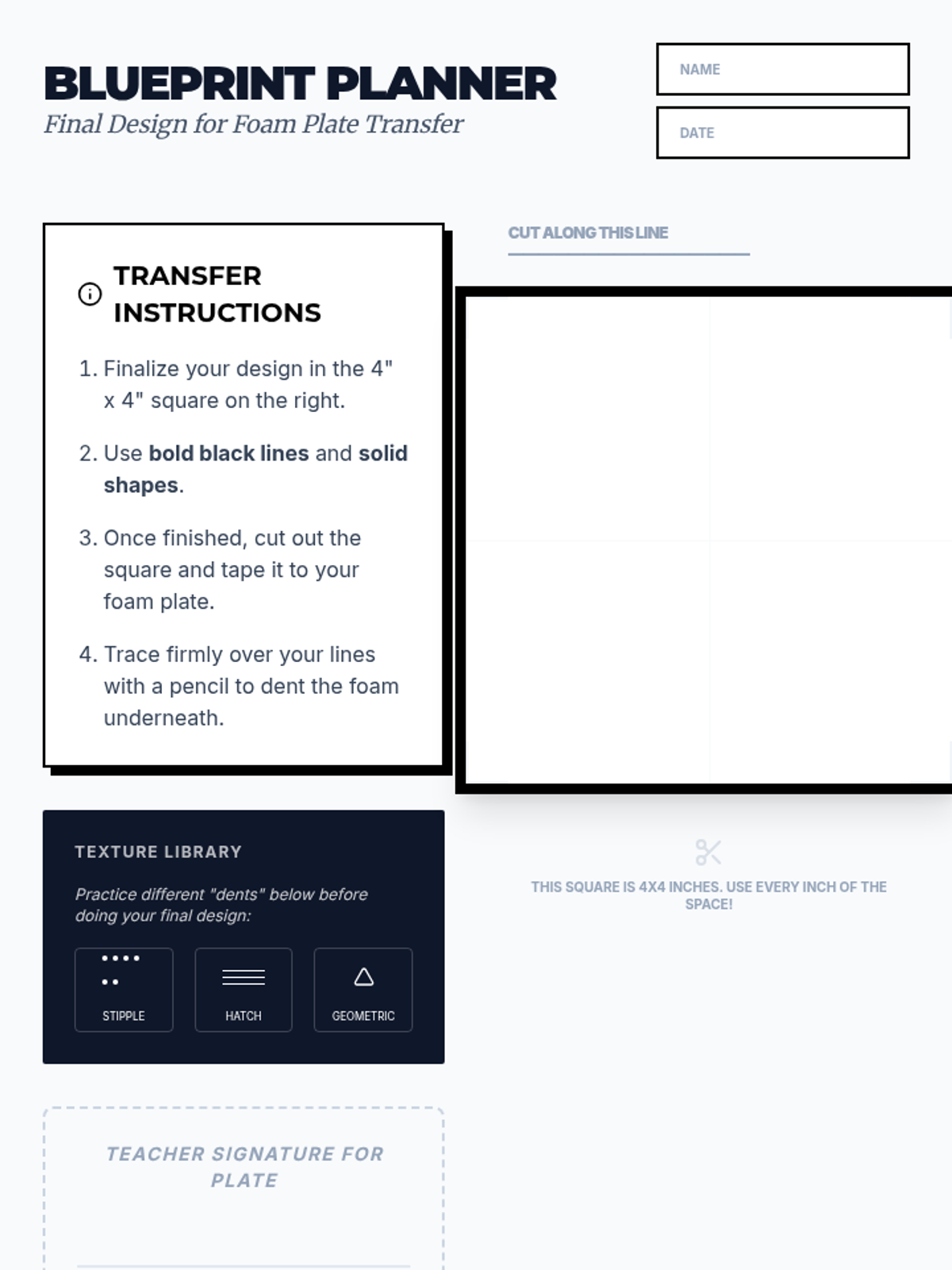
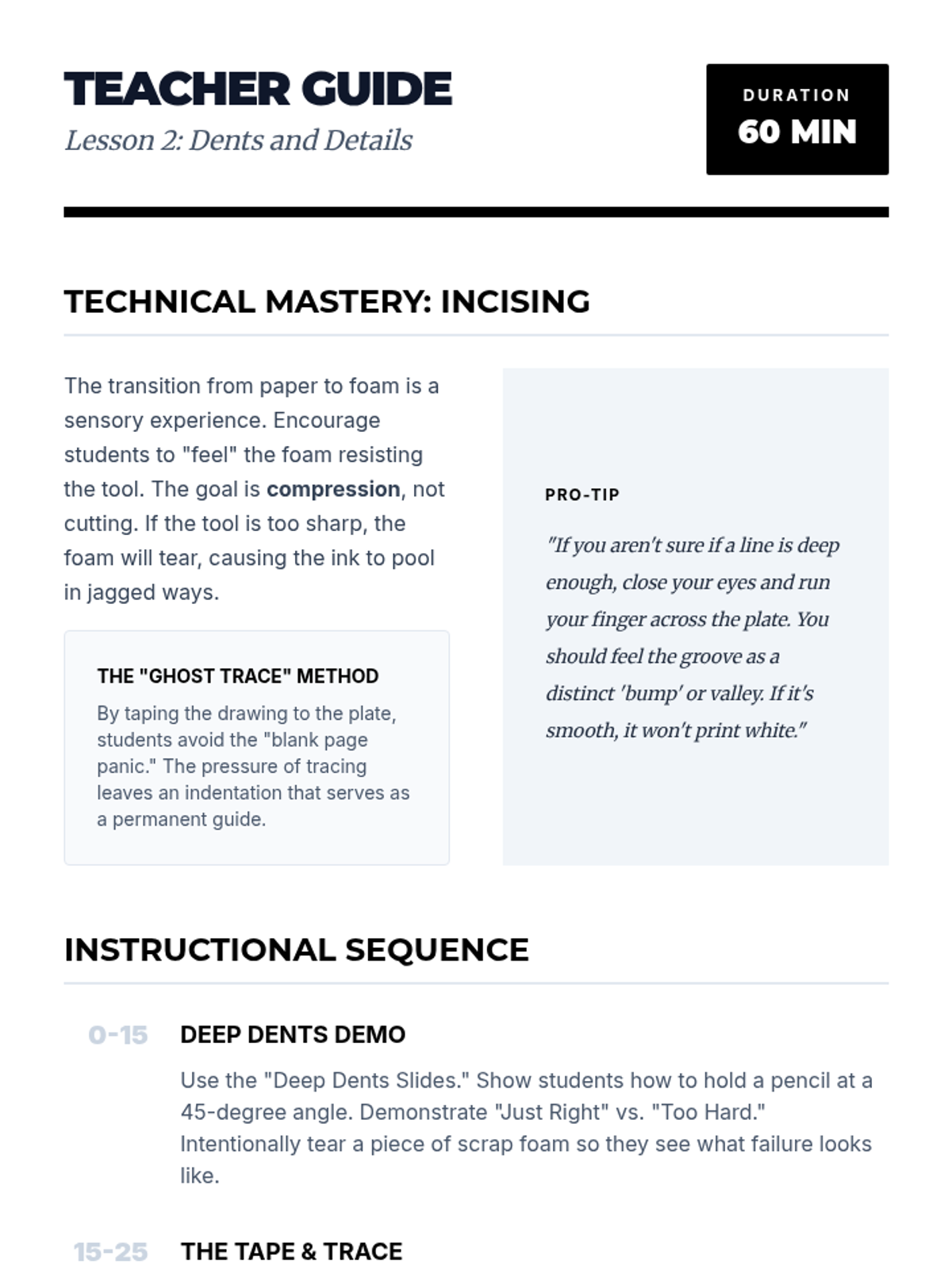
Students transfer designs to foam plates and experiment with line weight and texture using incising tools.
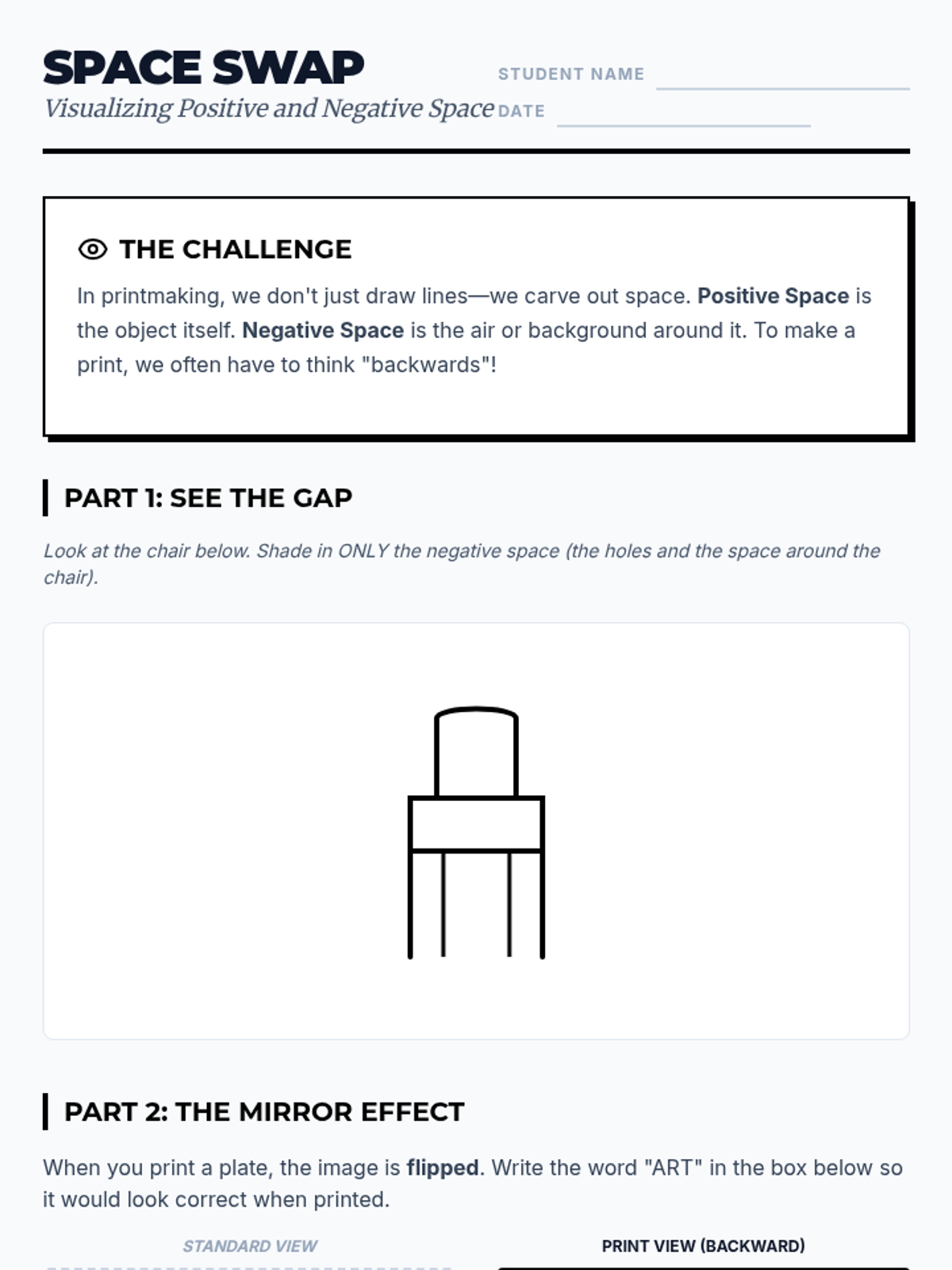
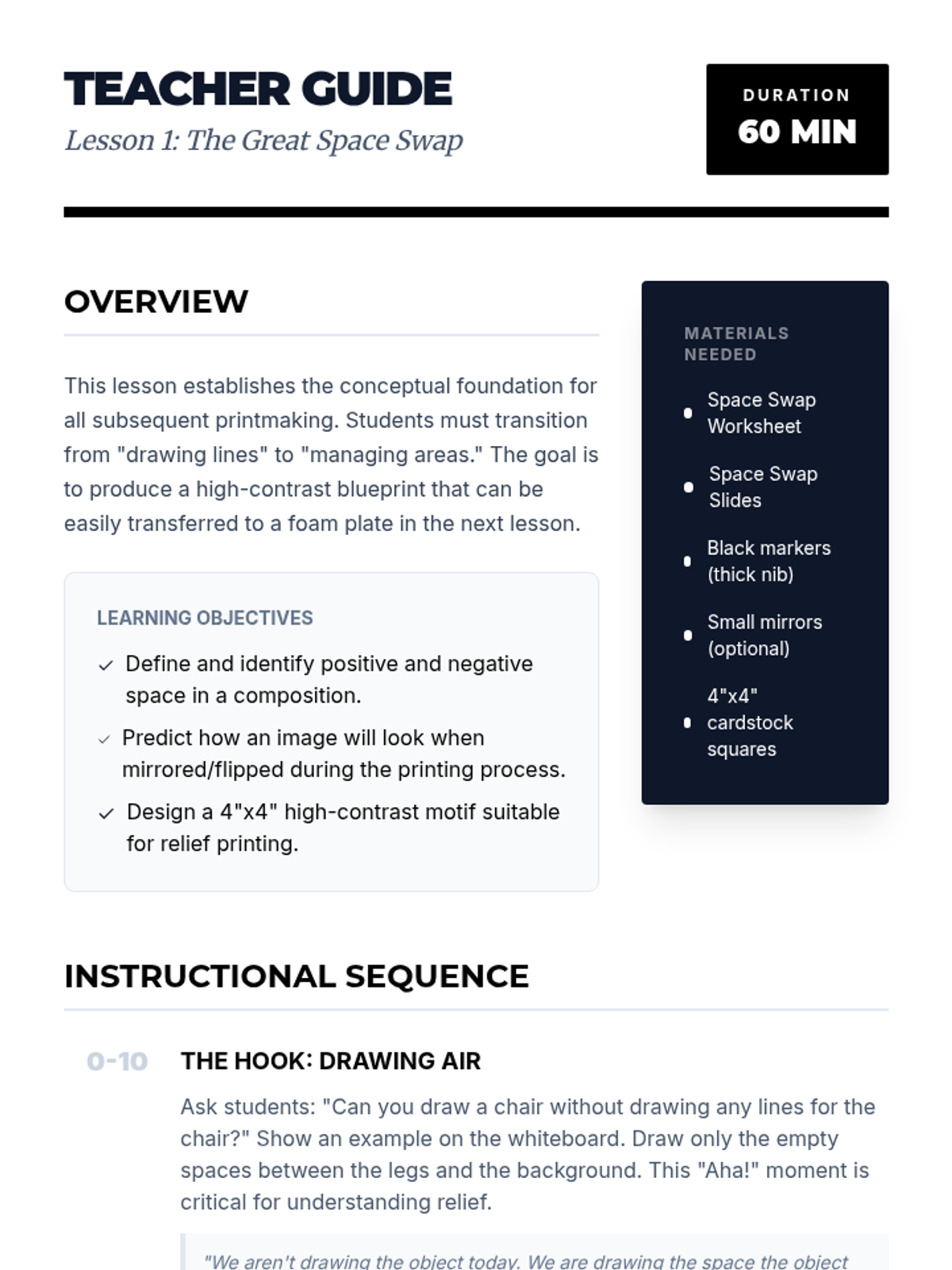
Students investigate positive and negative space through high-contrast drawing and learn how images mirror when printed.
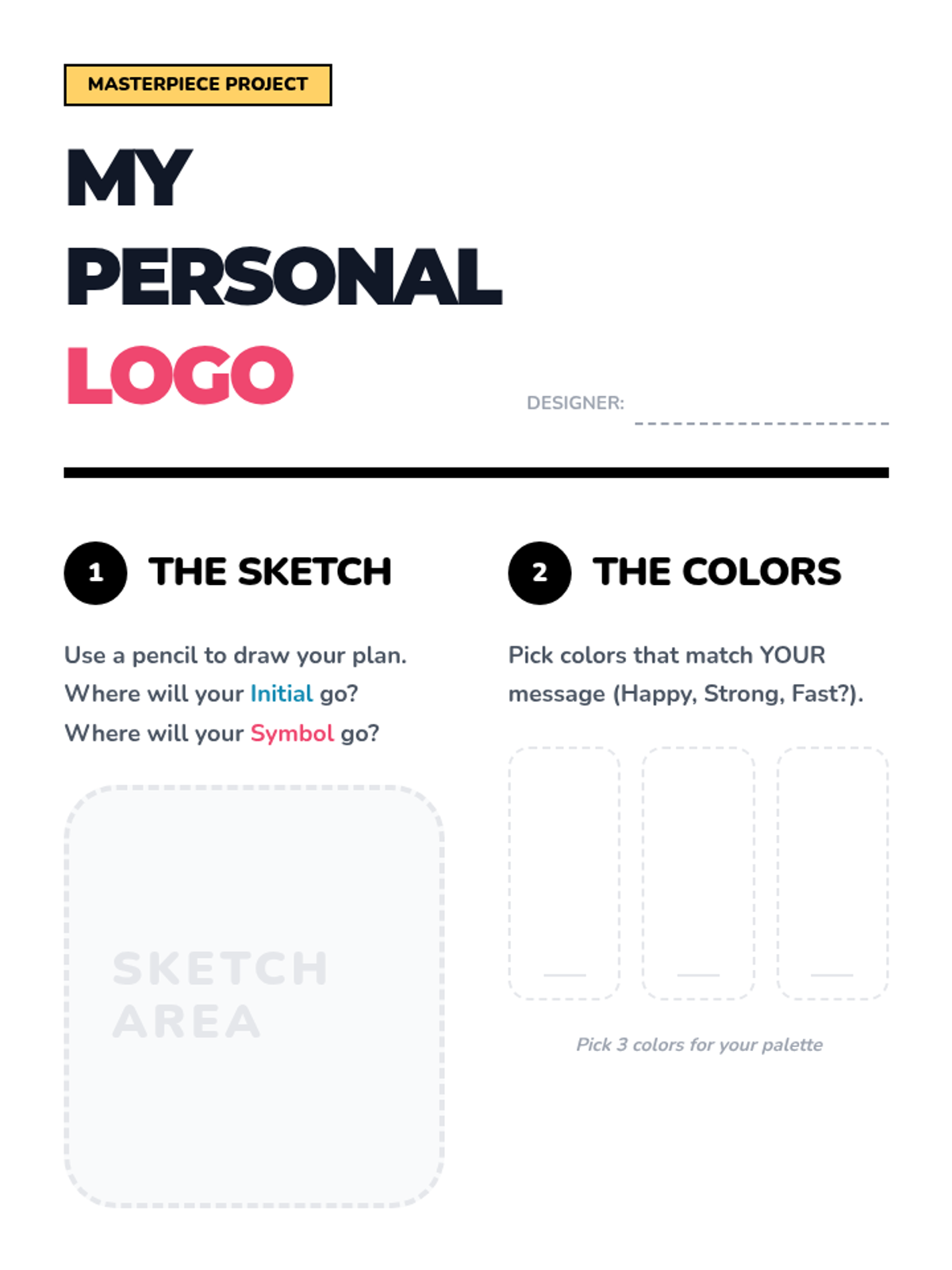
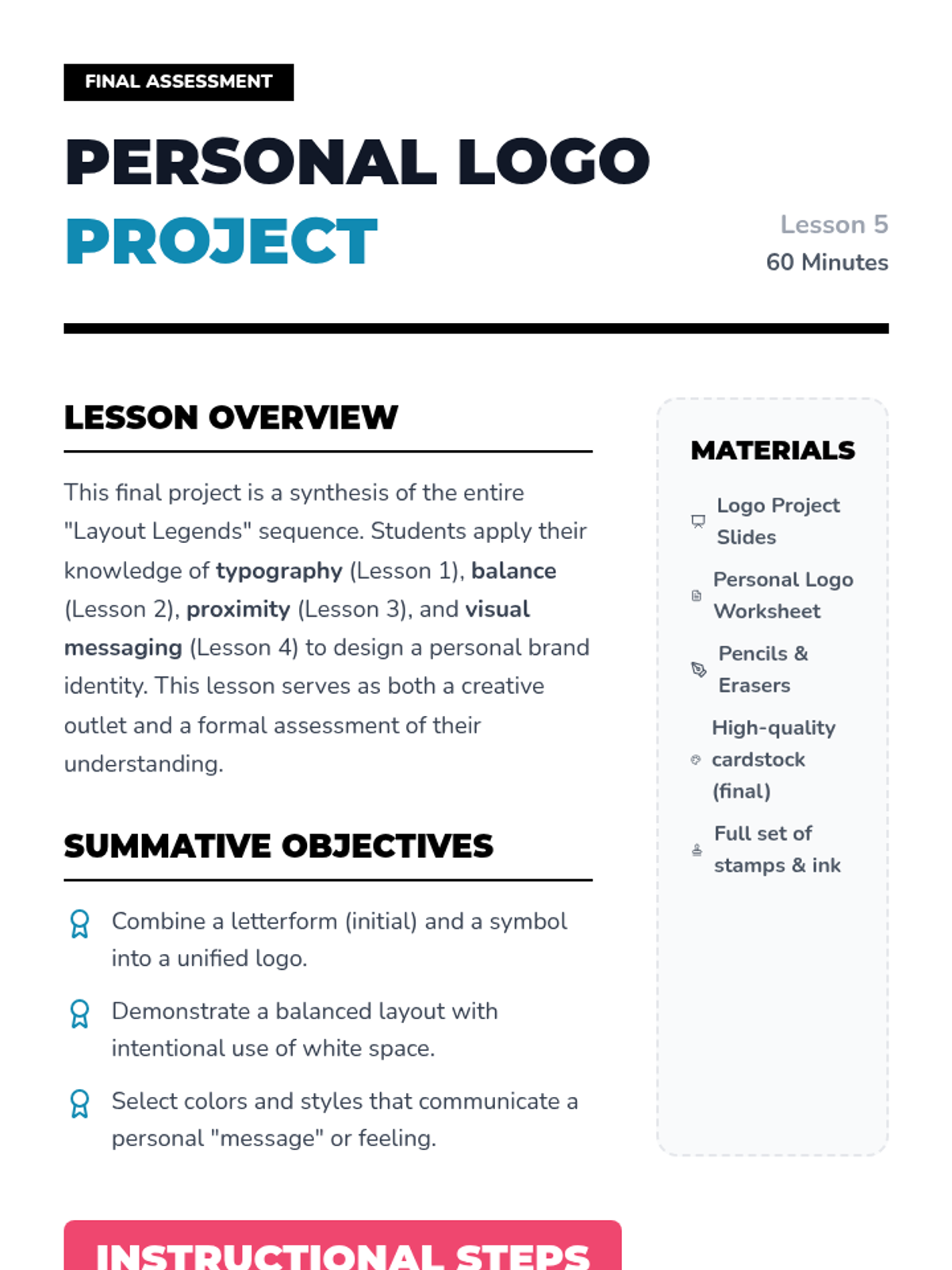
Students synthesize their skills to create a personal logo using their initial and a meaningful symbol.
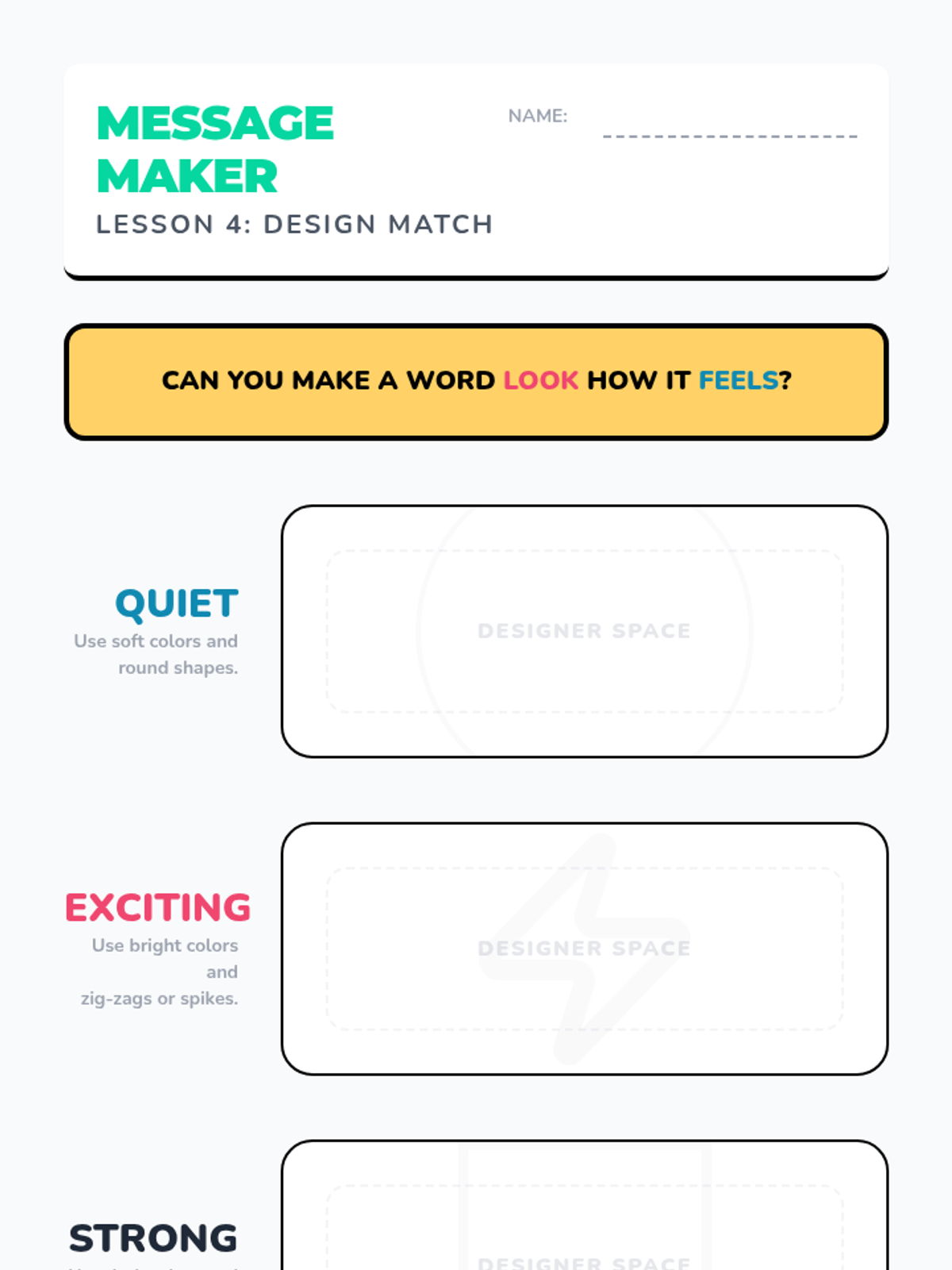
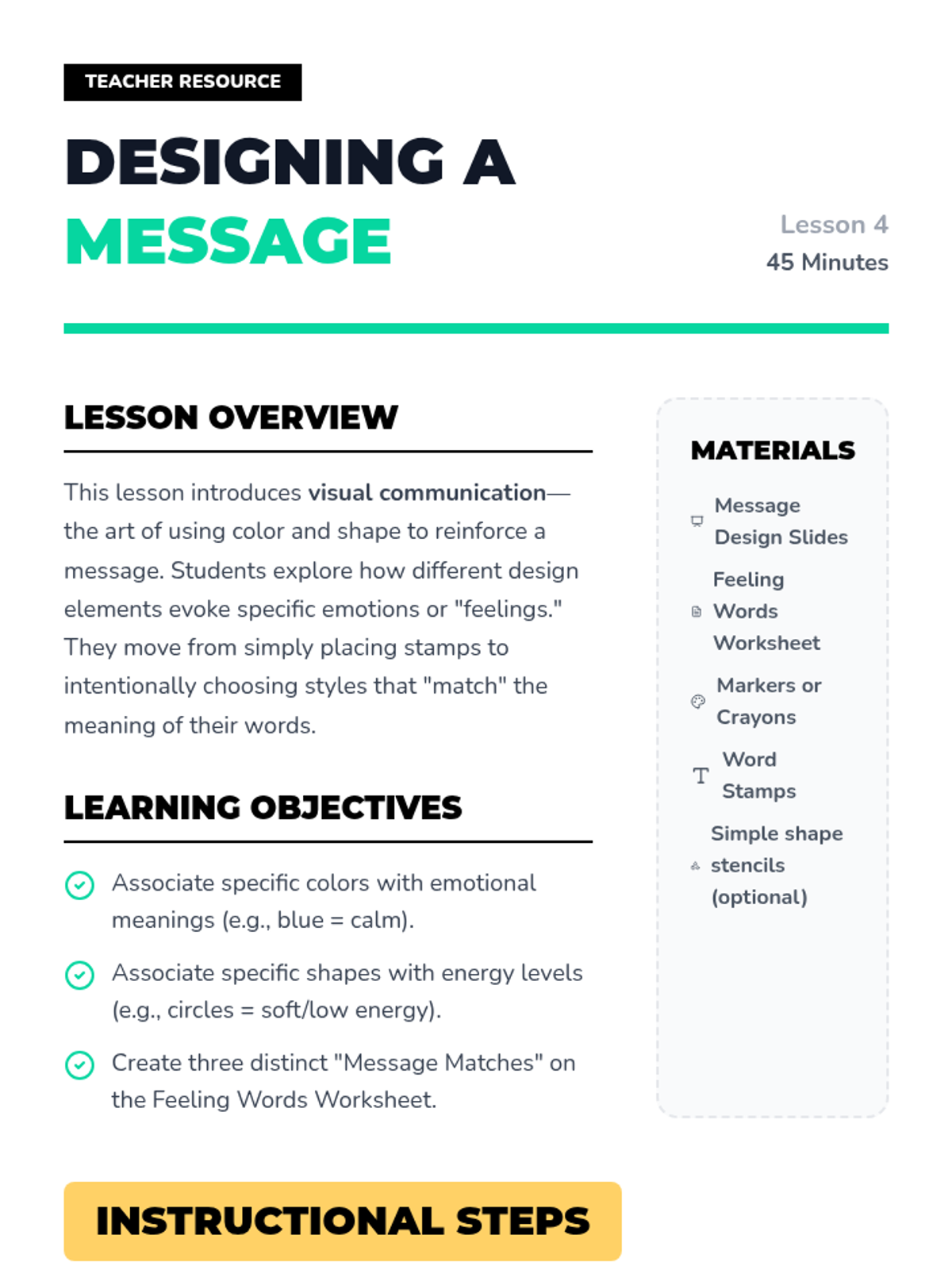
Students use color and style to match the visual look of a word to its emotional meaning.
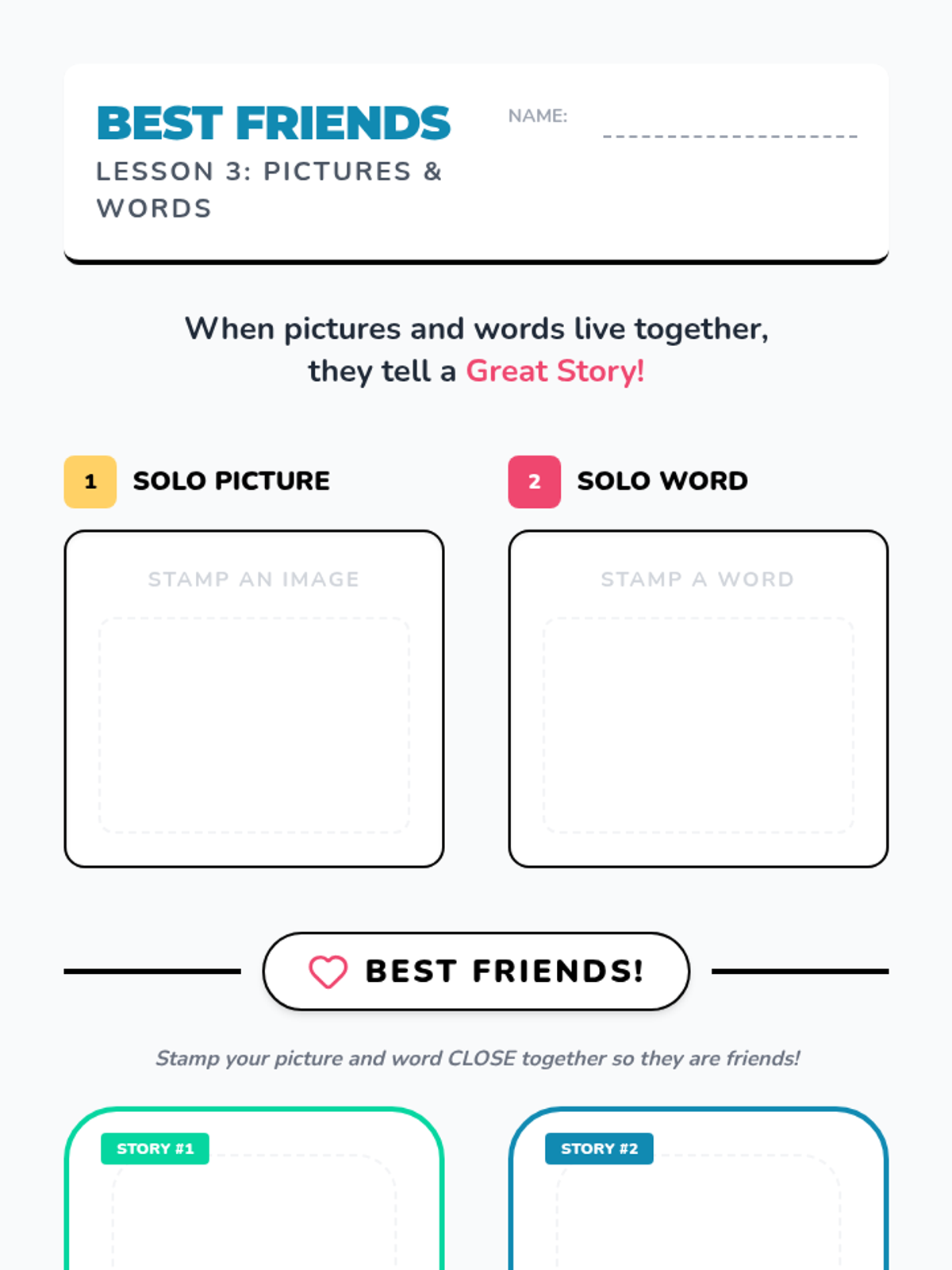
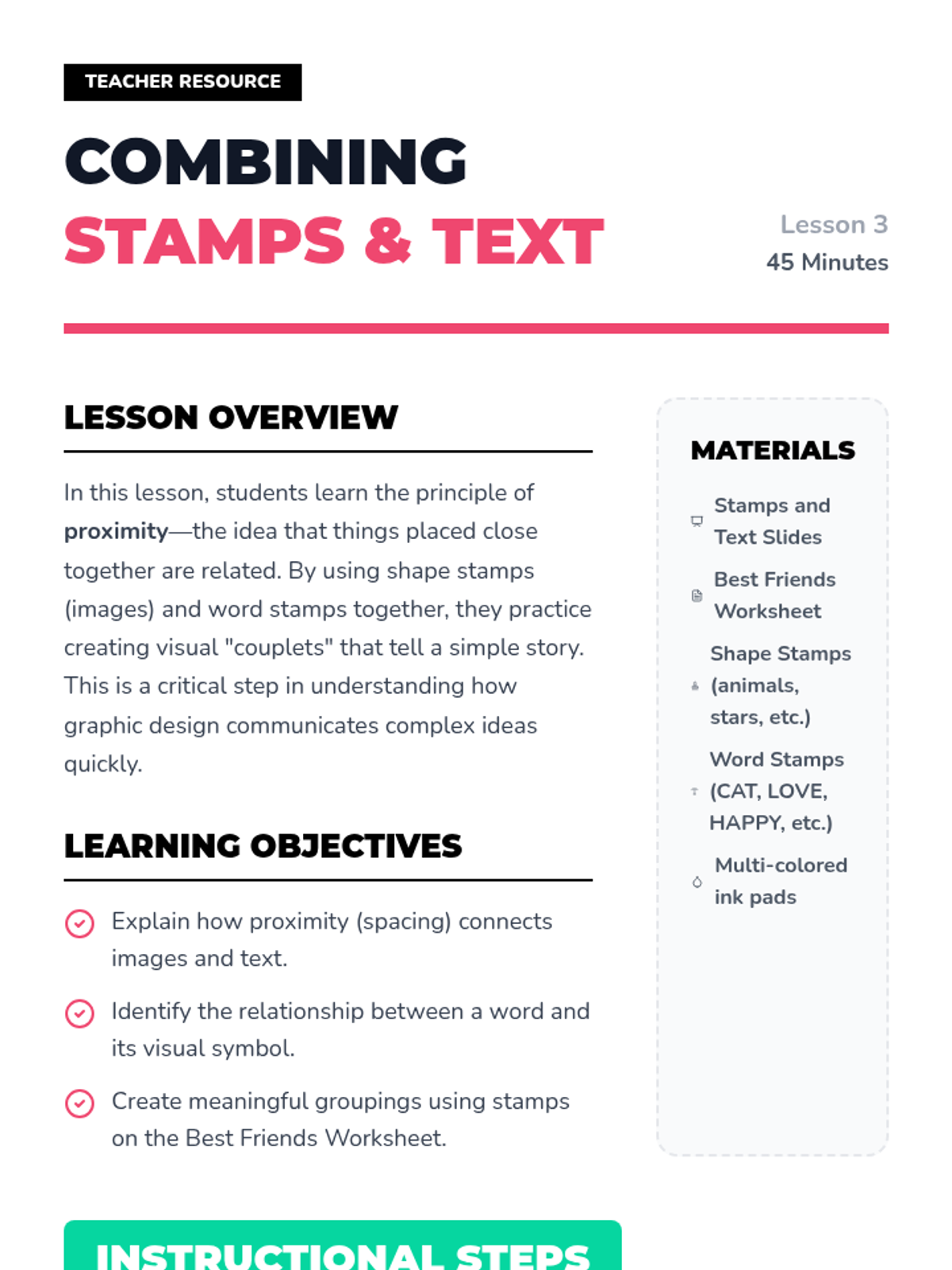
Students learn to associate images with text by placing stamps near relevant words.
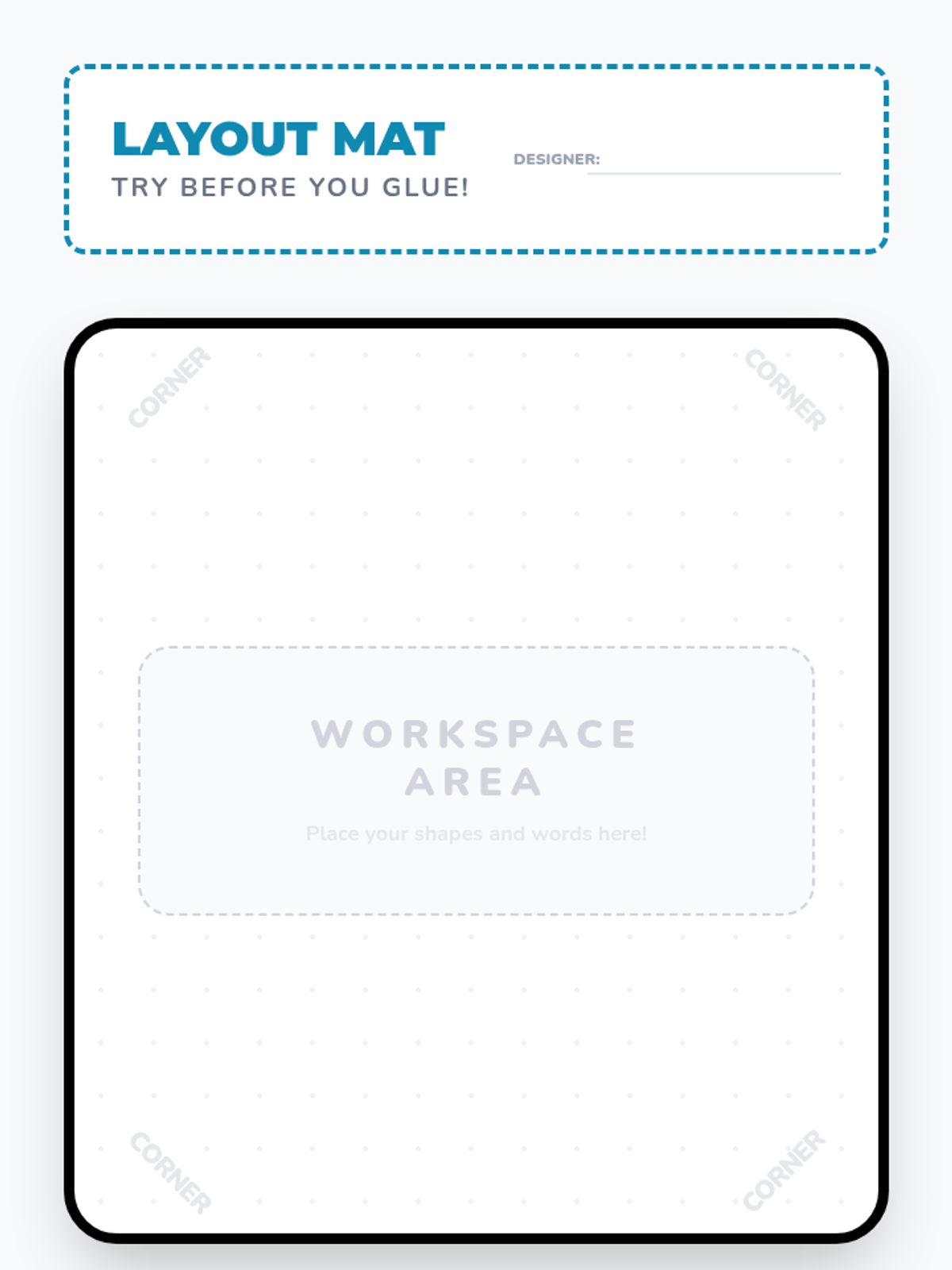
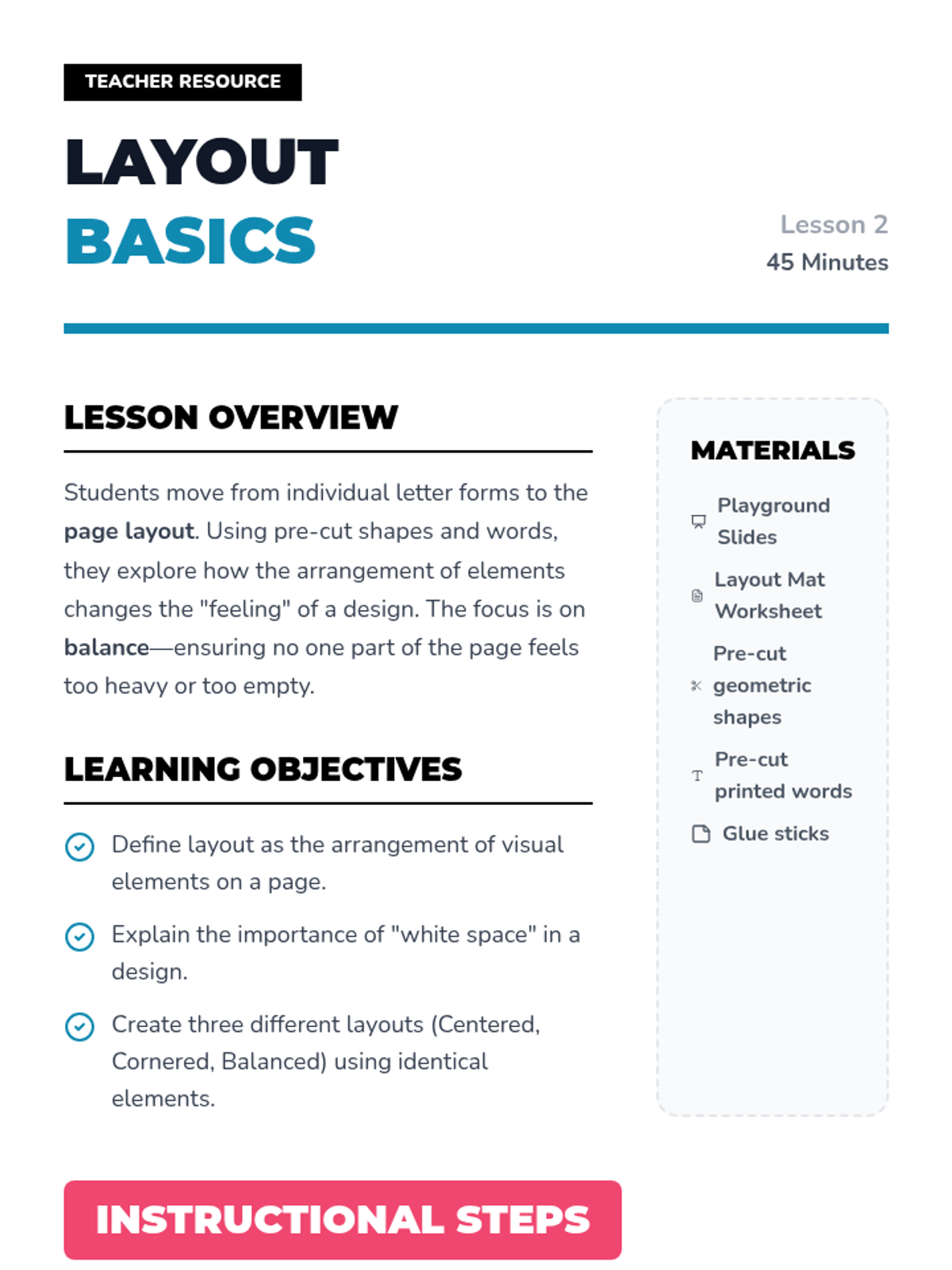
Students learn about balance and white space by arranging shapes and words on a page.
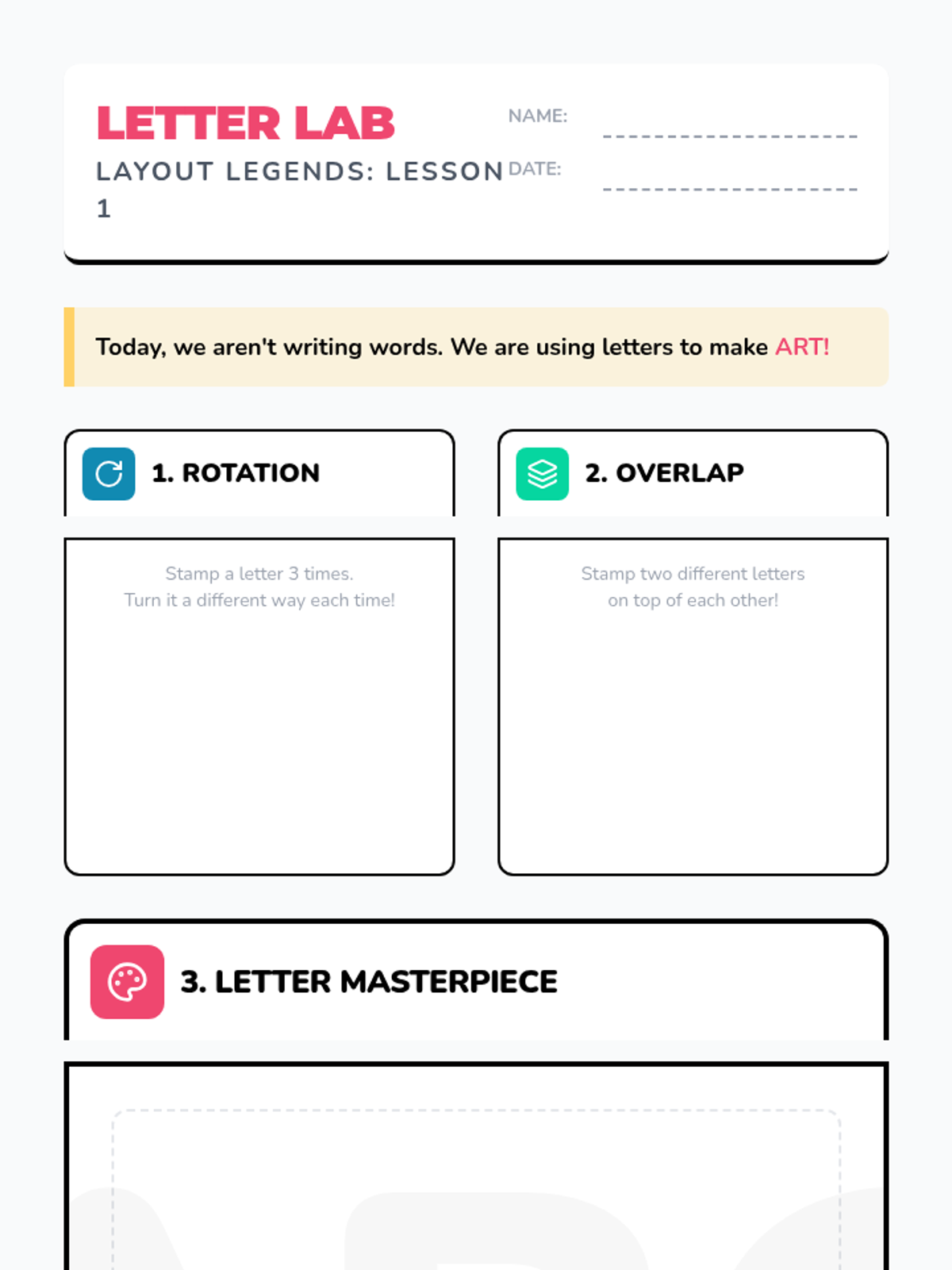
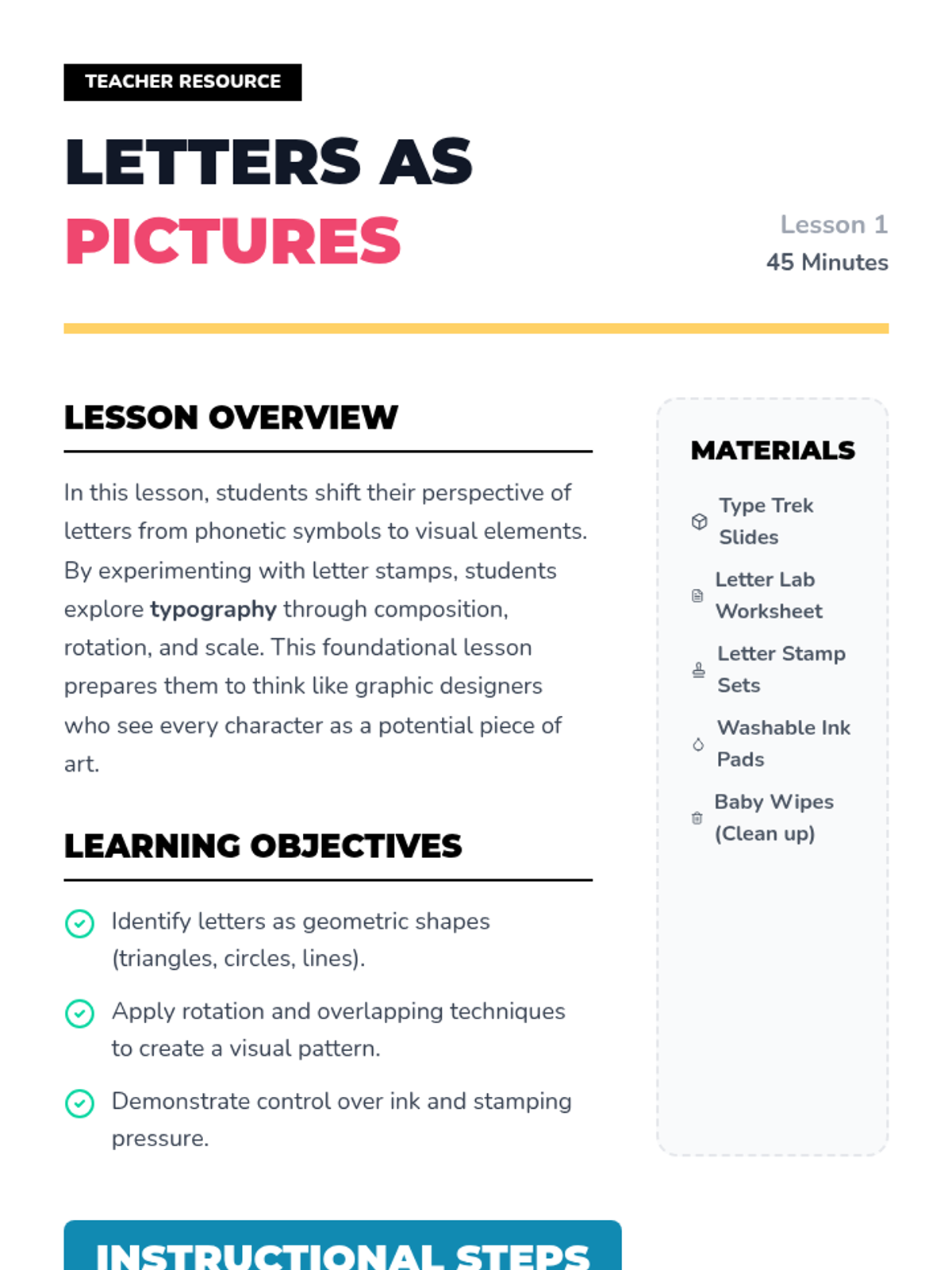
Students explore letters as visual shapes rather than just symbols for sounds, experimenting with rotation and overlapping.
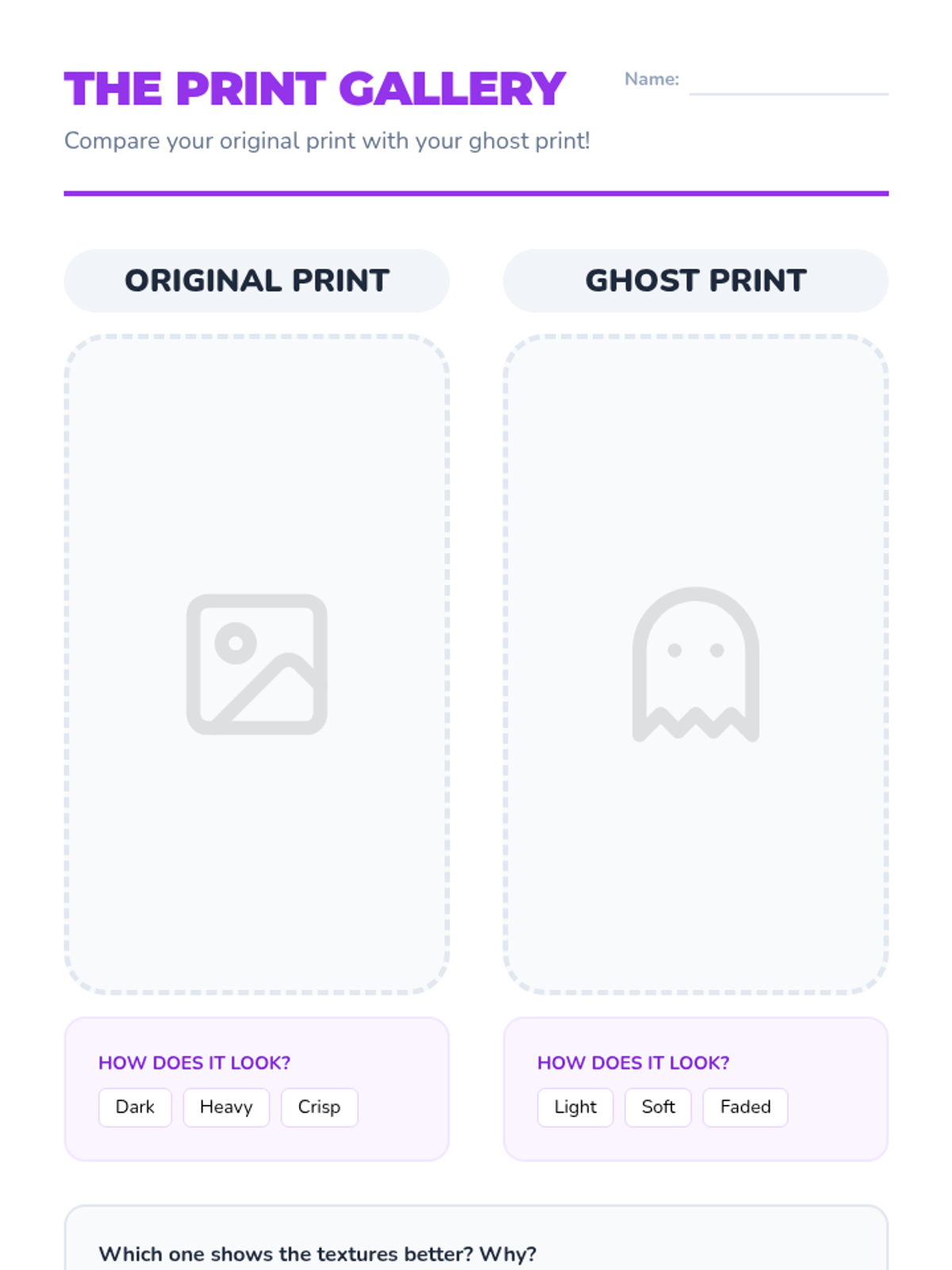
Students experiment with ghost printing and variations in ink amount to understand how different pressures and ink levels affect the final image.
Students ink their plates and use hand-pressure to transfer their textured designs onto paper, comparing the result to their initial rubbings.
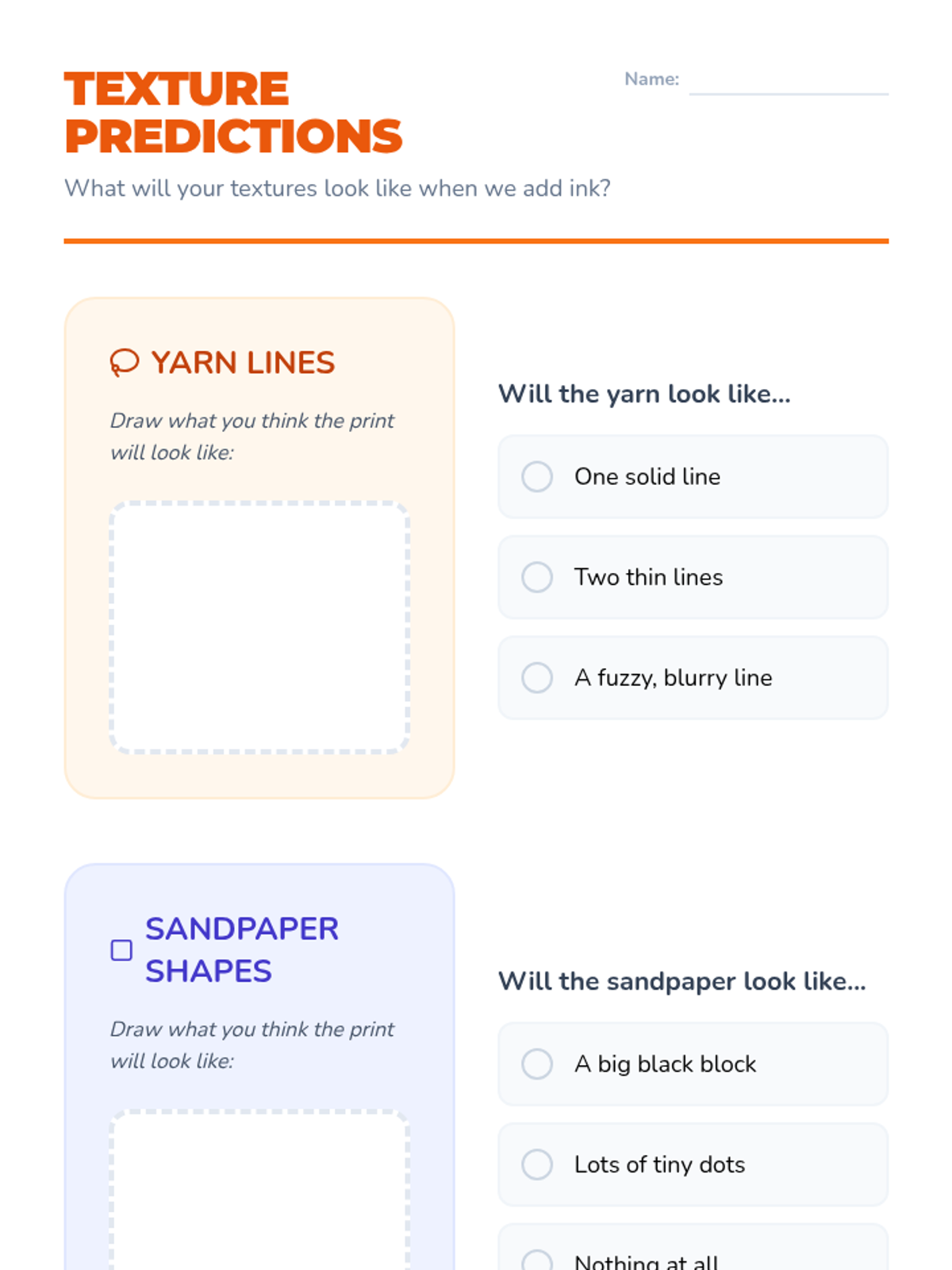
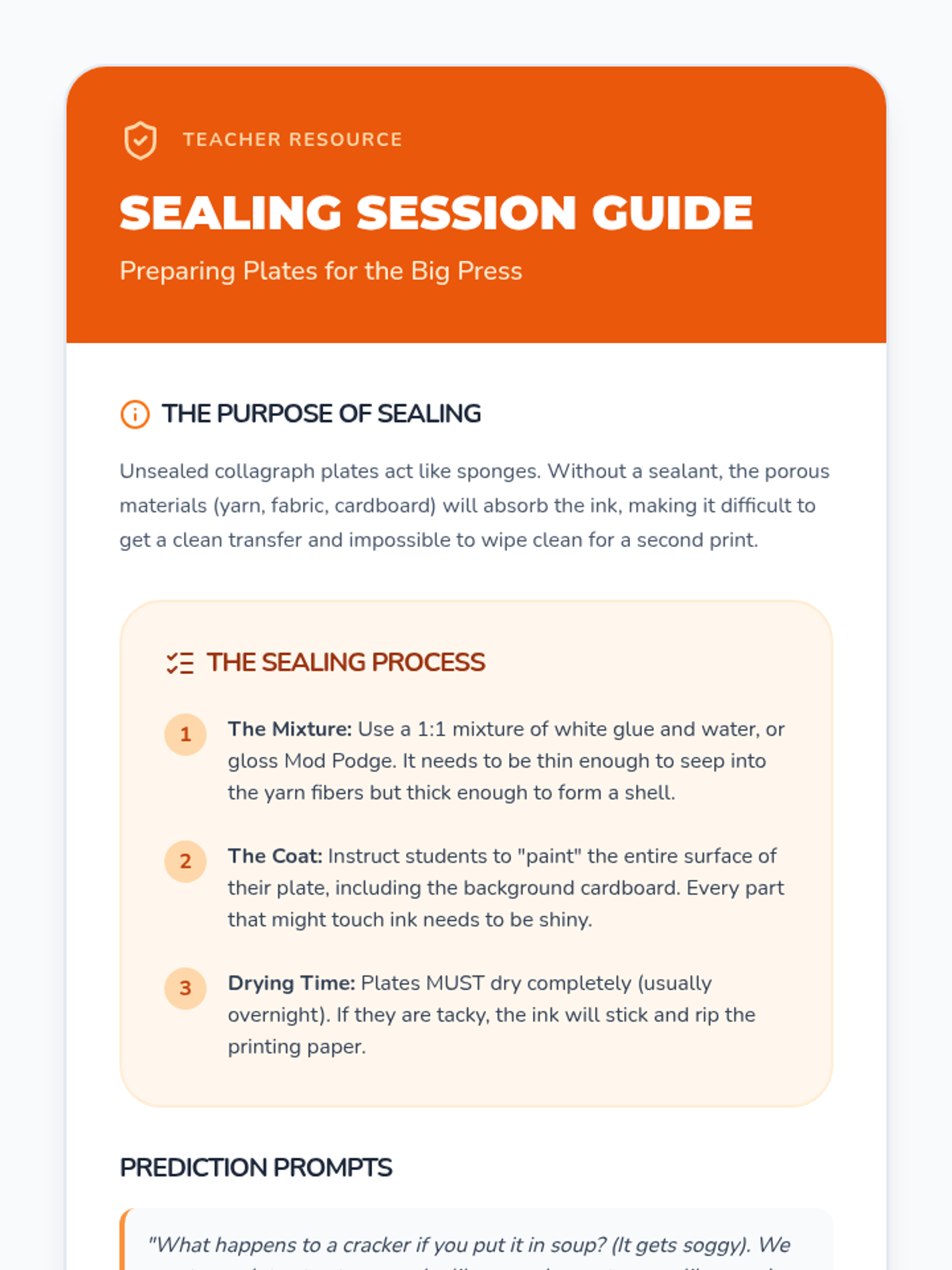
Students seal their textured plates with glue or sealant to prepare them for ink, while making predictions about the final print results.
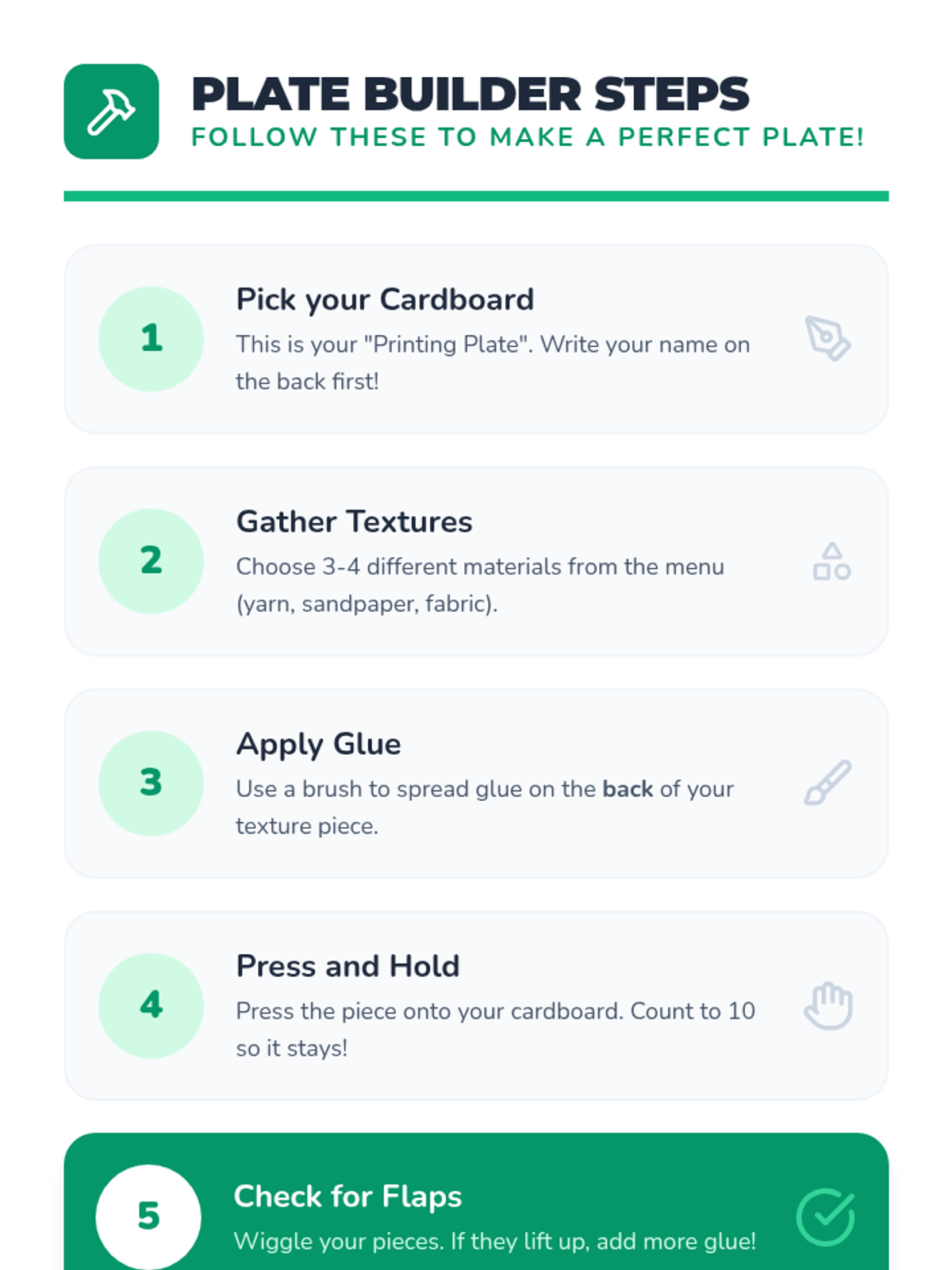
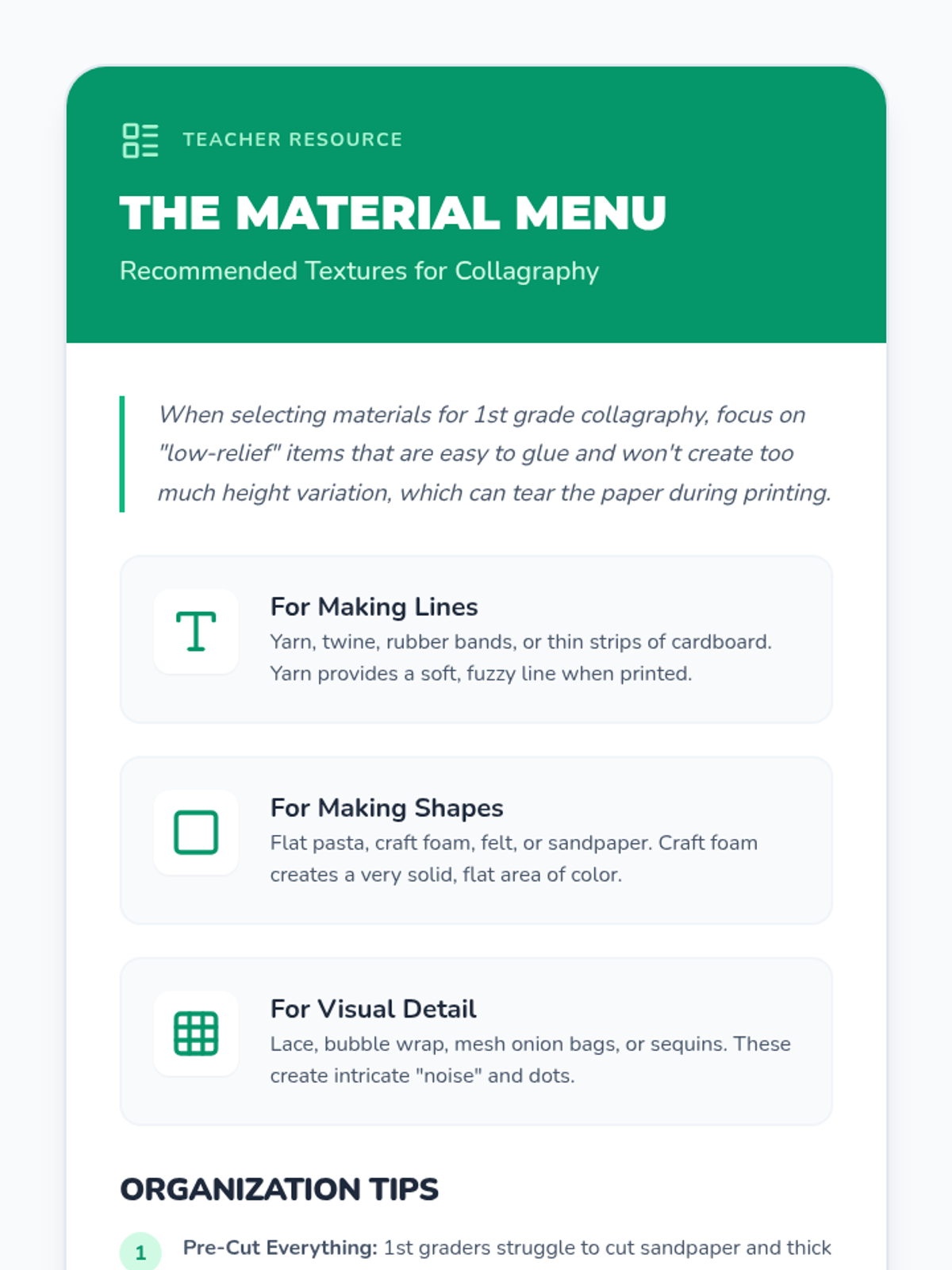
Students construct a printing plate by gluing various textured materials like yarn and sandpaper onto cardboard, creating a 'sculptural' stamp.
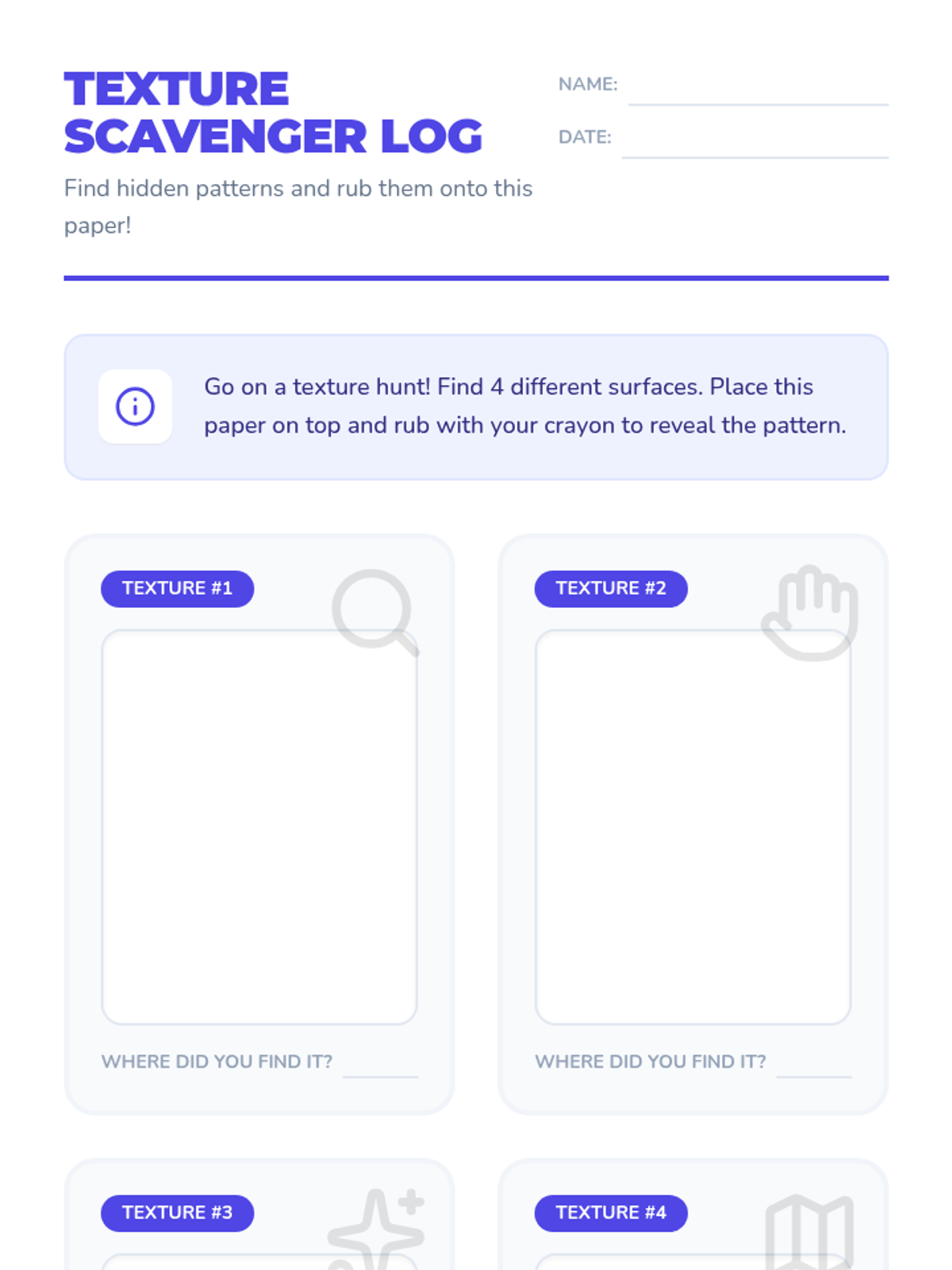
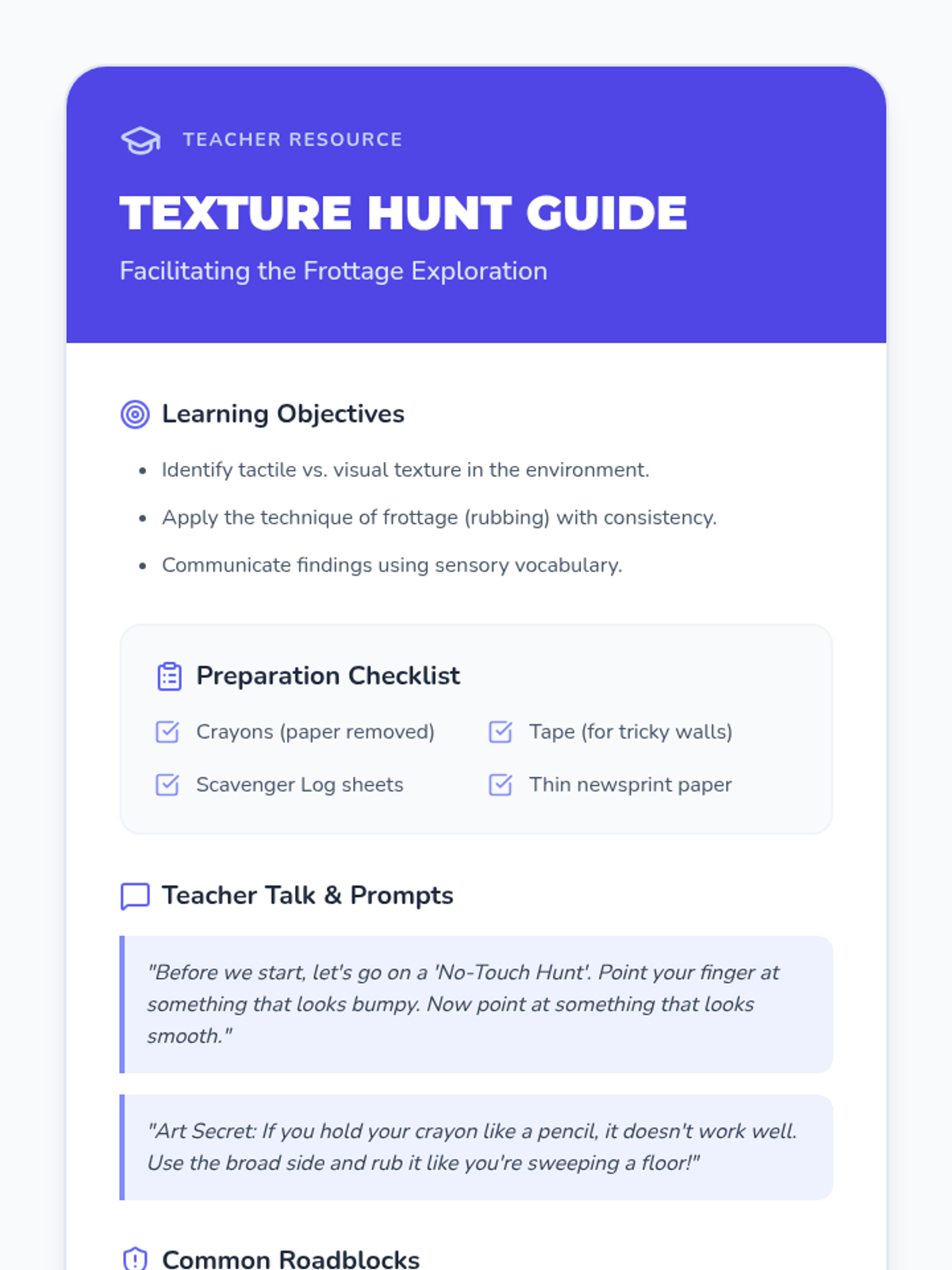
Students use crayons and thin paper to take rubbings (frottage) of various textured surfaces, learning to identify and observe tactile qualities.
Students create a numbered edition of their work, selecting their best prints to sign and display.
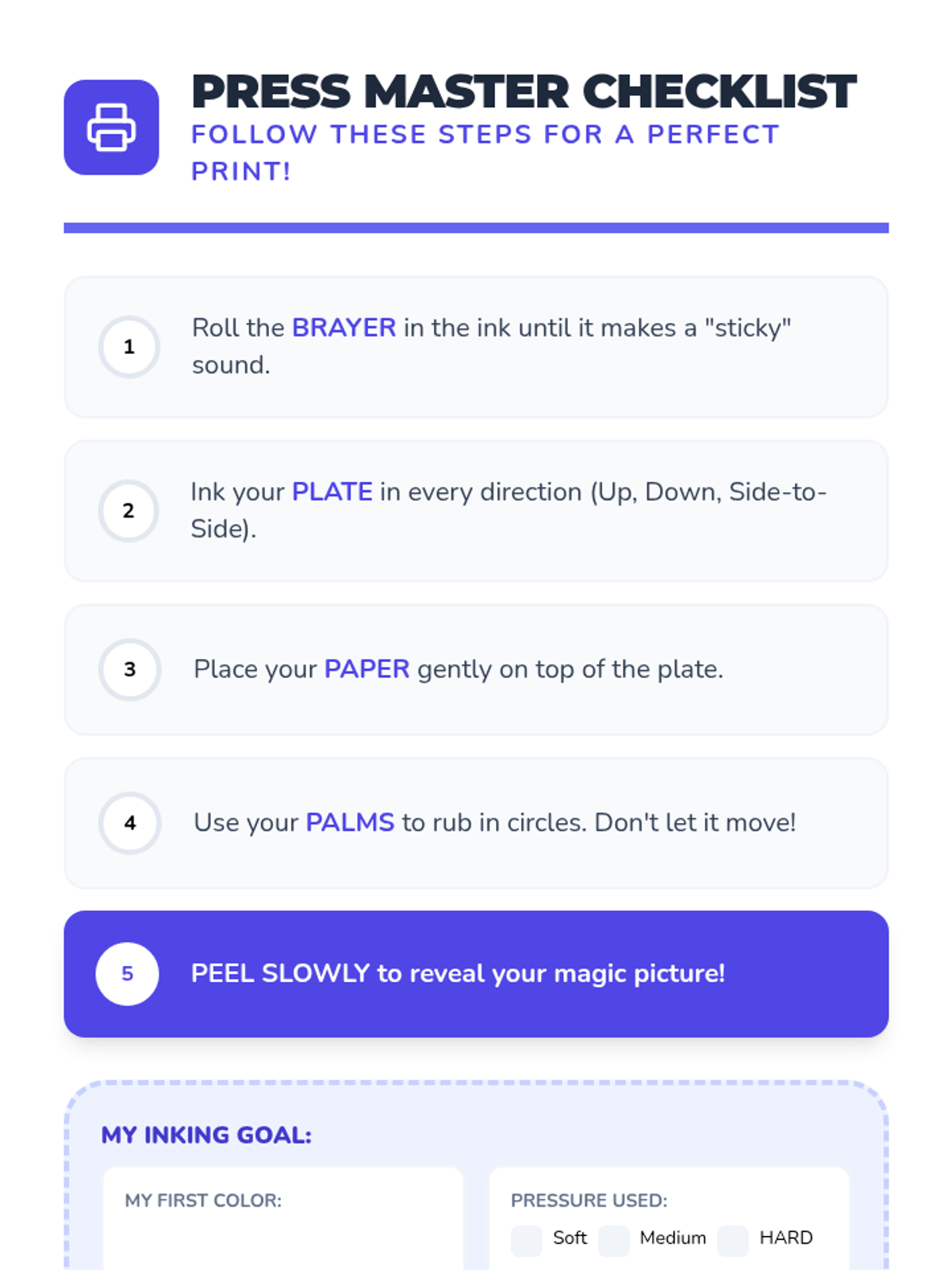
Students master the tools of the trade—brayers and ink—to transfer their foam designs onto paper.
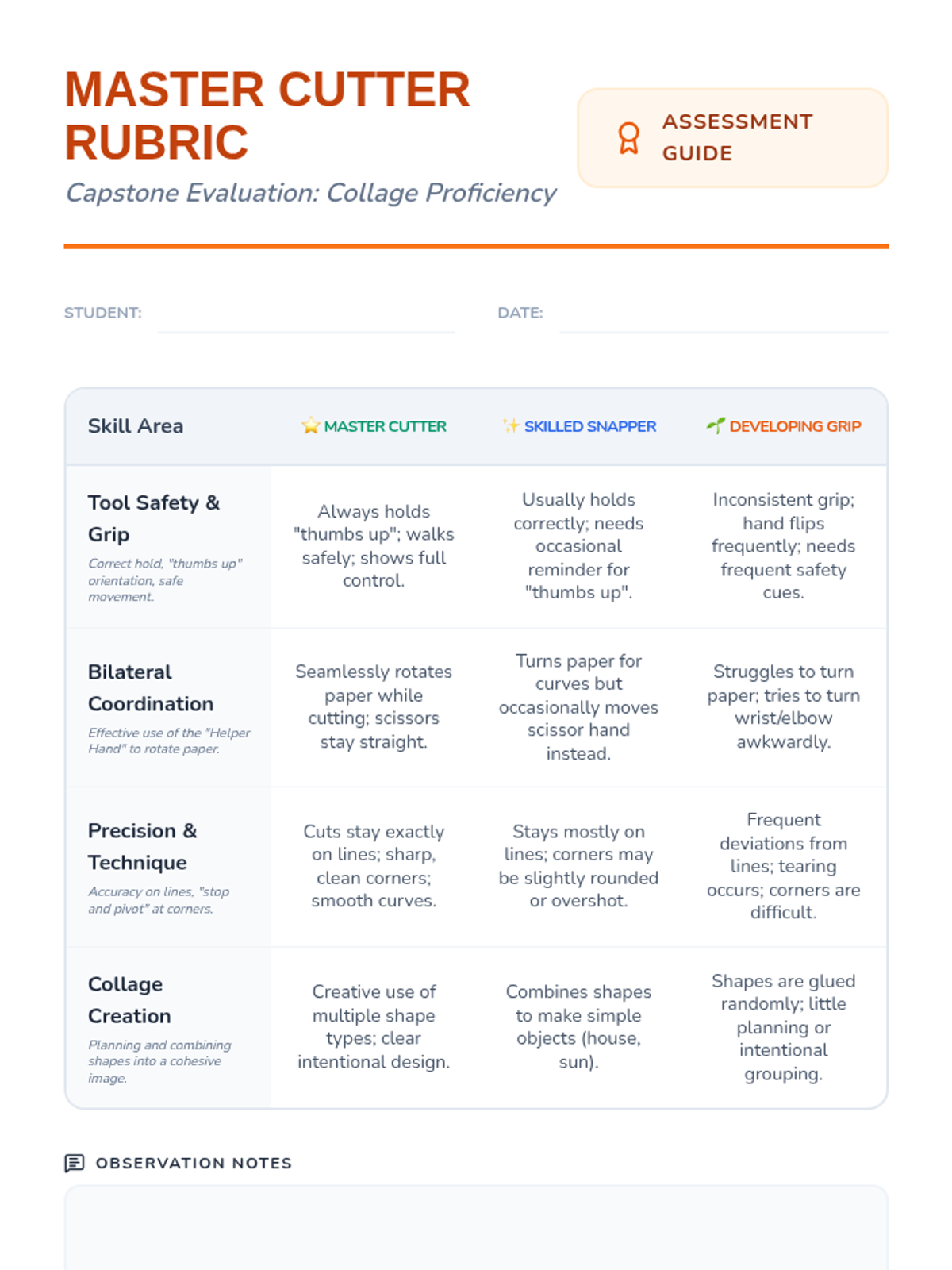
A culminating project where students plan and create a collage using a variety of cut shapes.
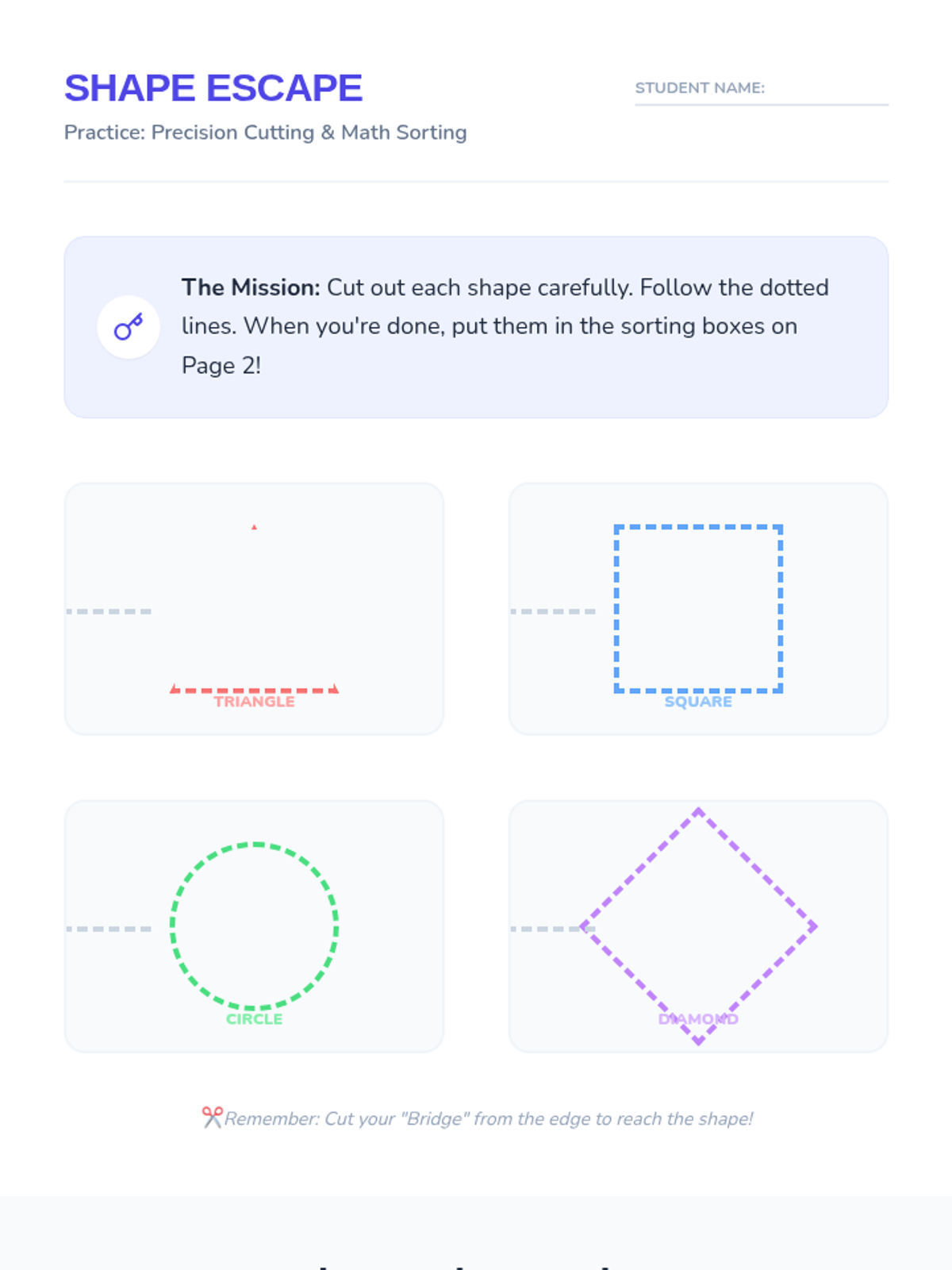
Applies all previous skills to cut out specific geometric shapes with precision.
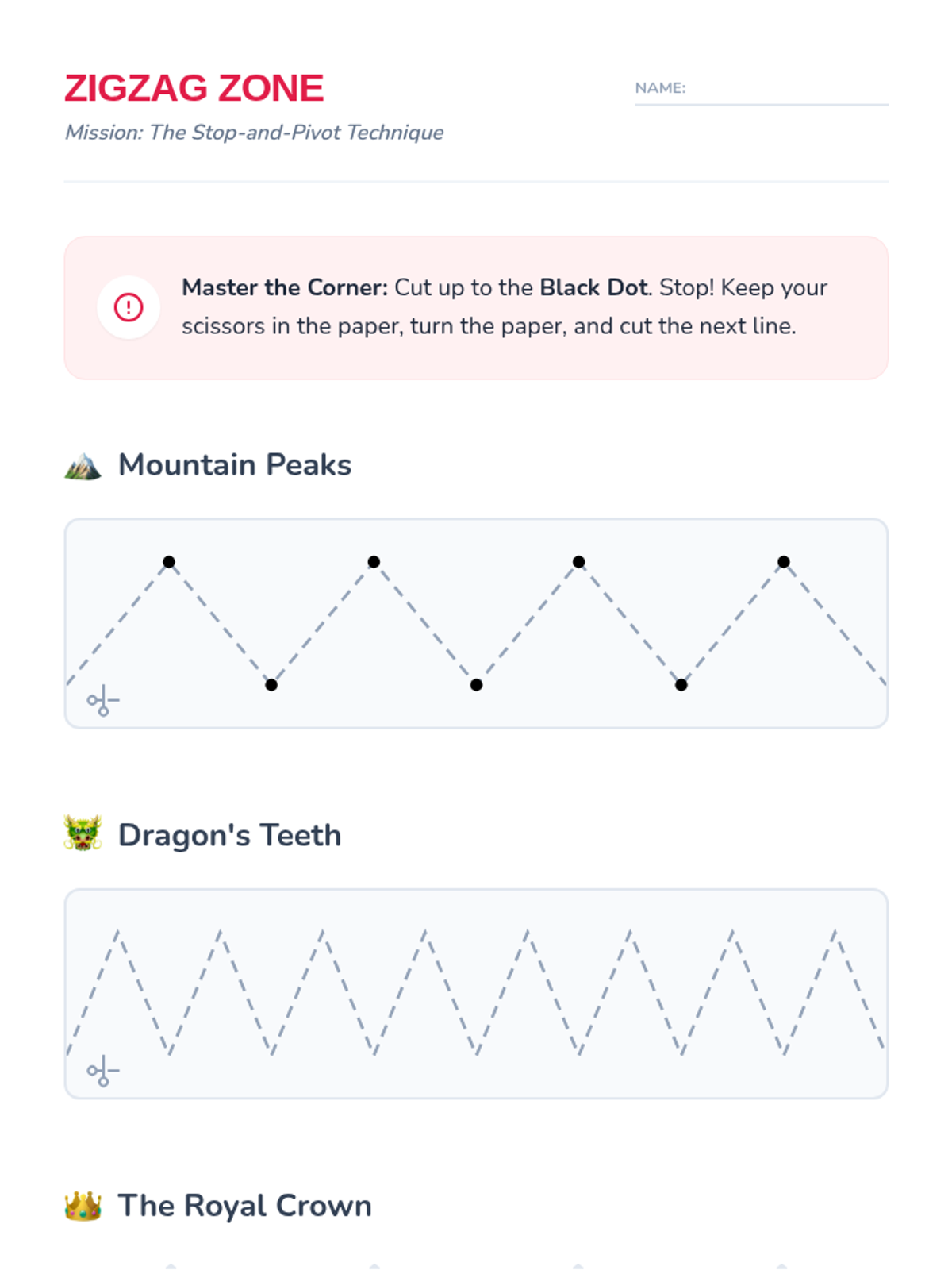
Focuses on the 'stop-and-pivot' technique for cutting sharp angles and zigzag patterns.
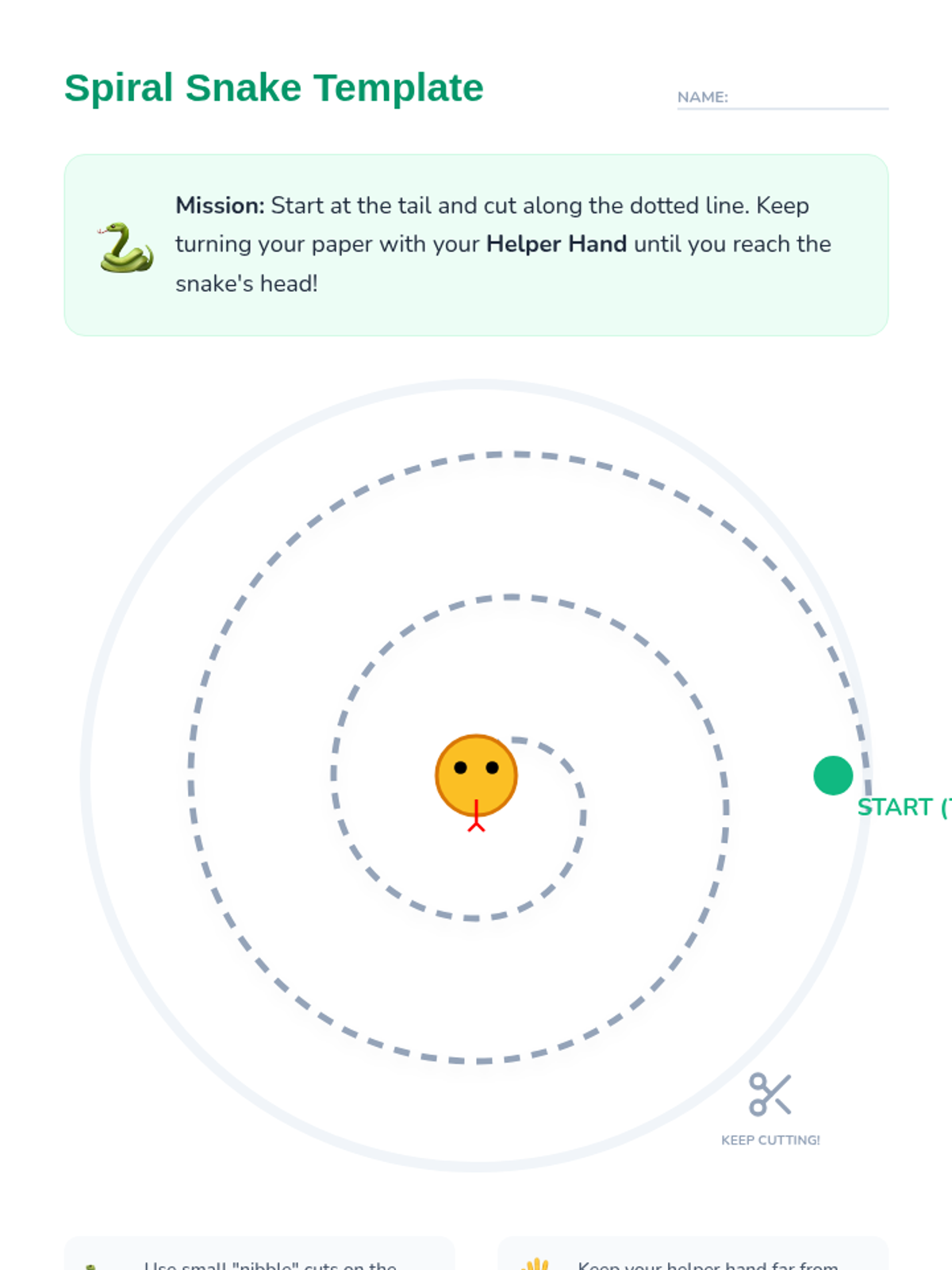
Teaches students how to use their 'helper hand' to rotate paper while cutting curved paths and spirals.
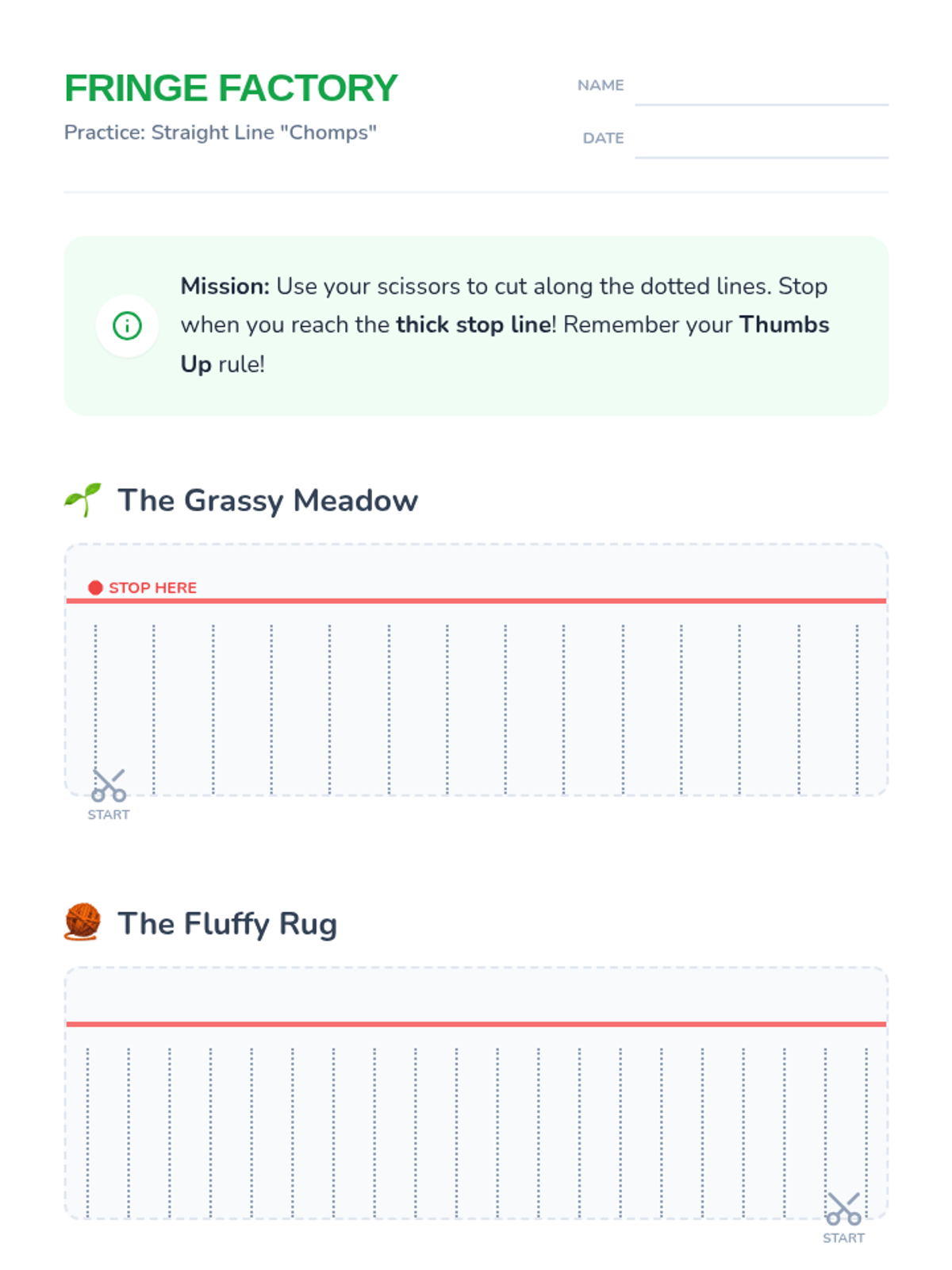
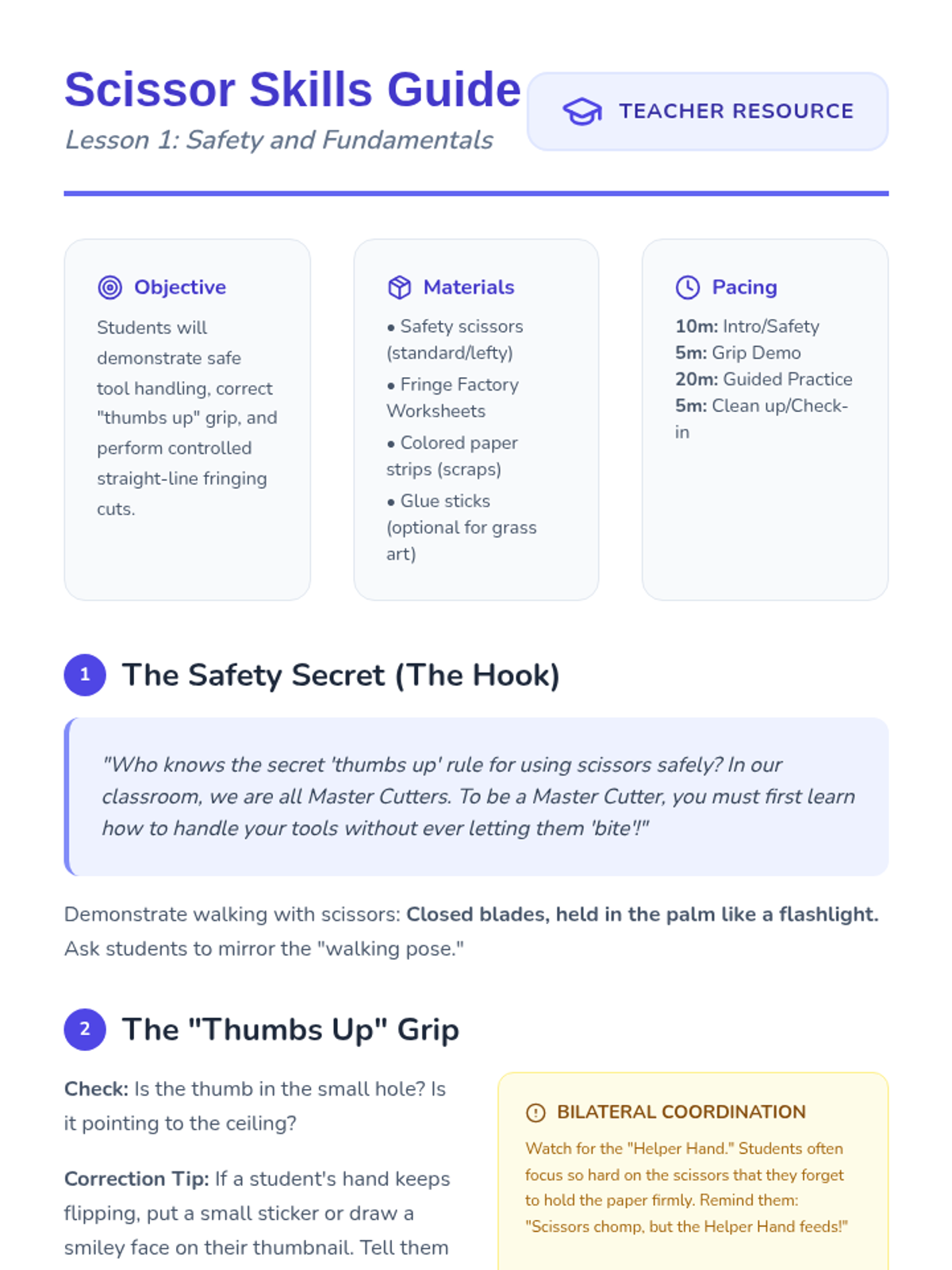
Introduces scissor safety, the 'thumbs up' grip, and basic straight-line cutting through fringing activities.
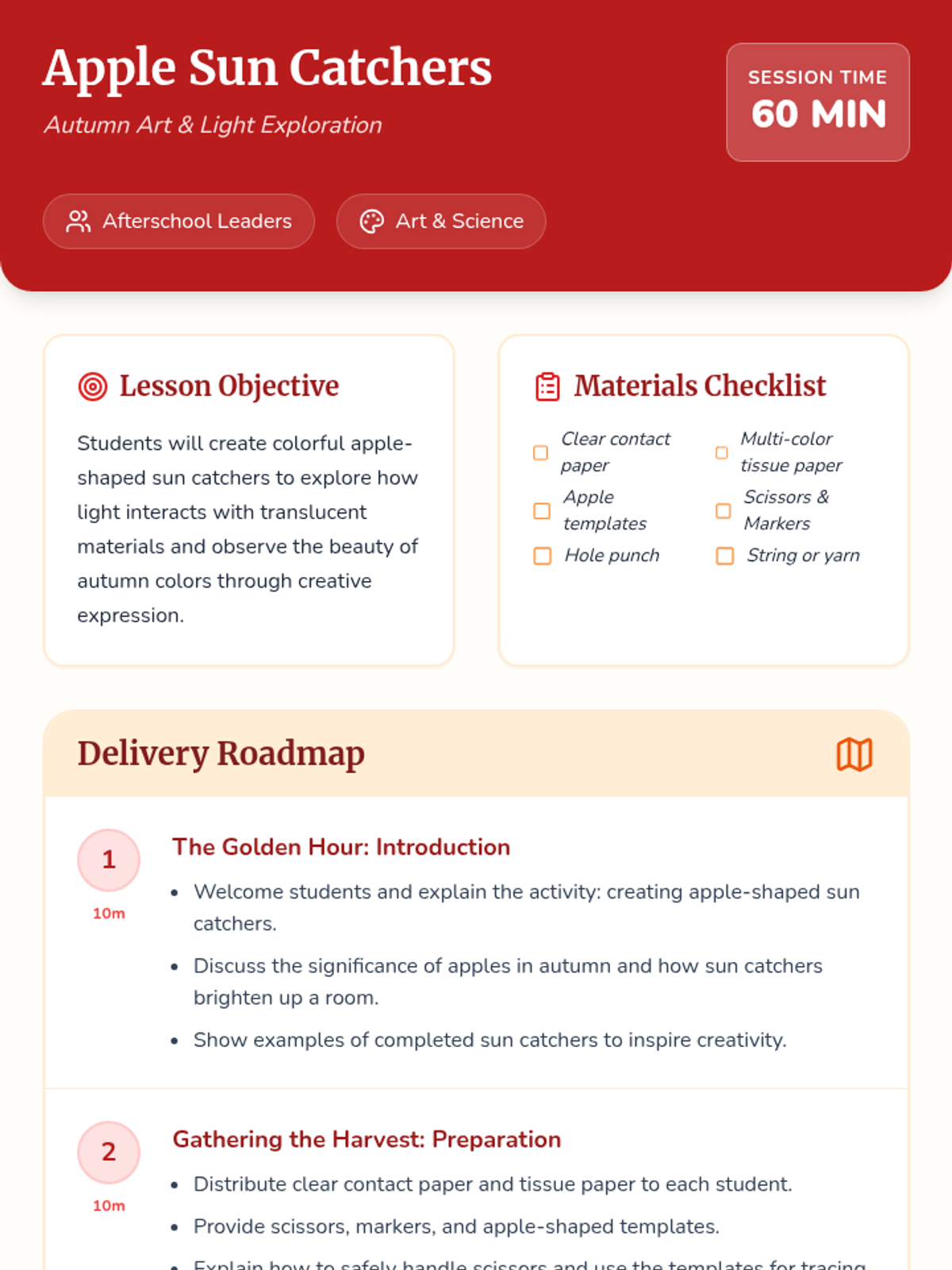
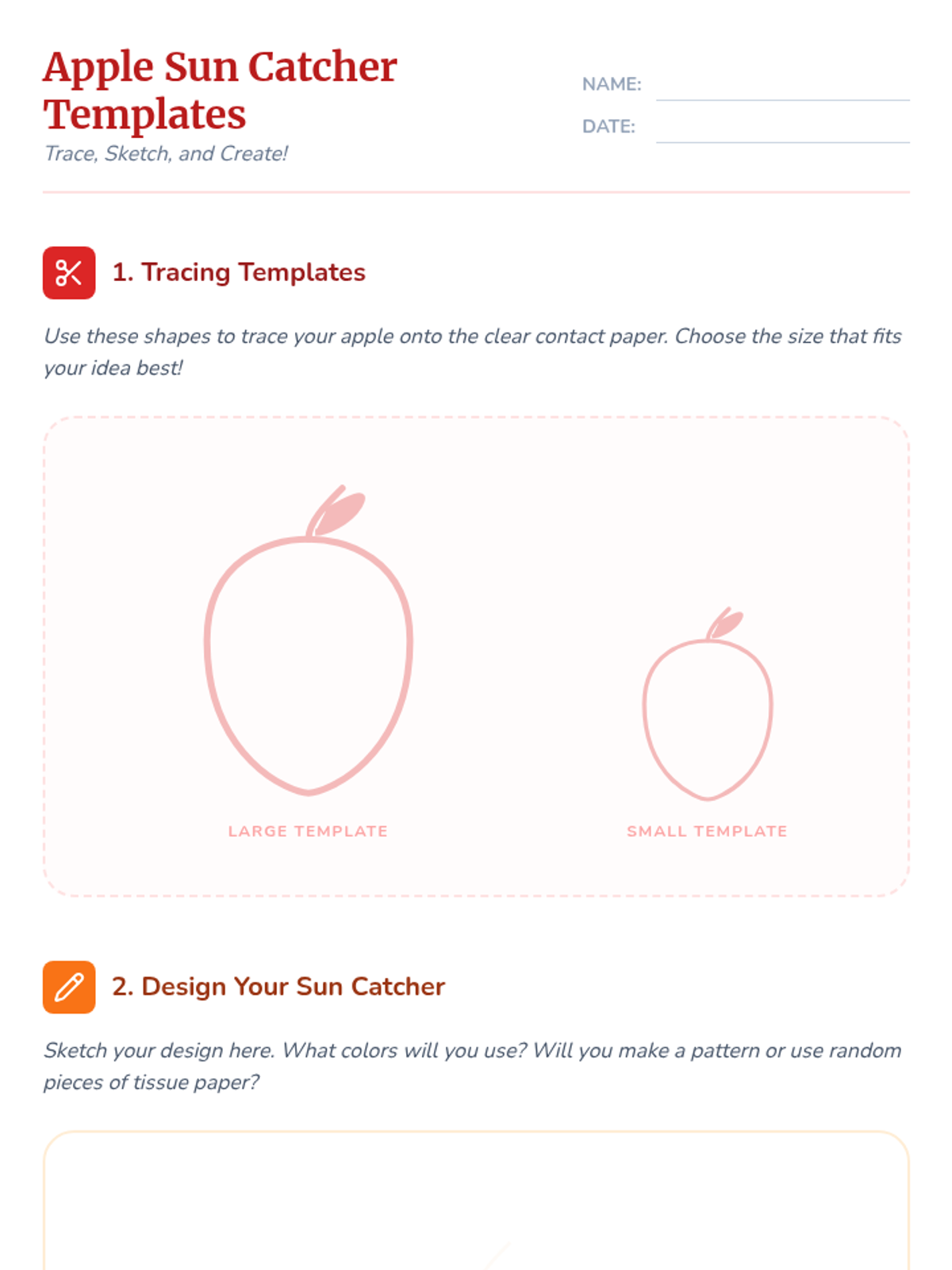
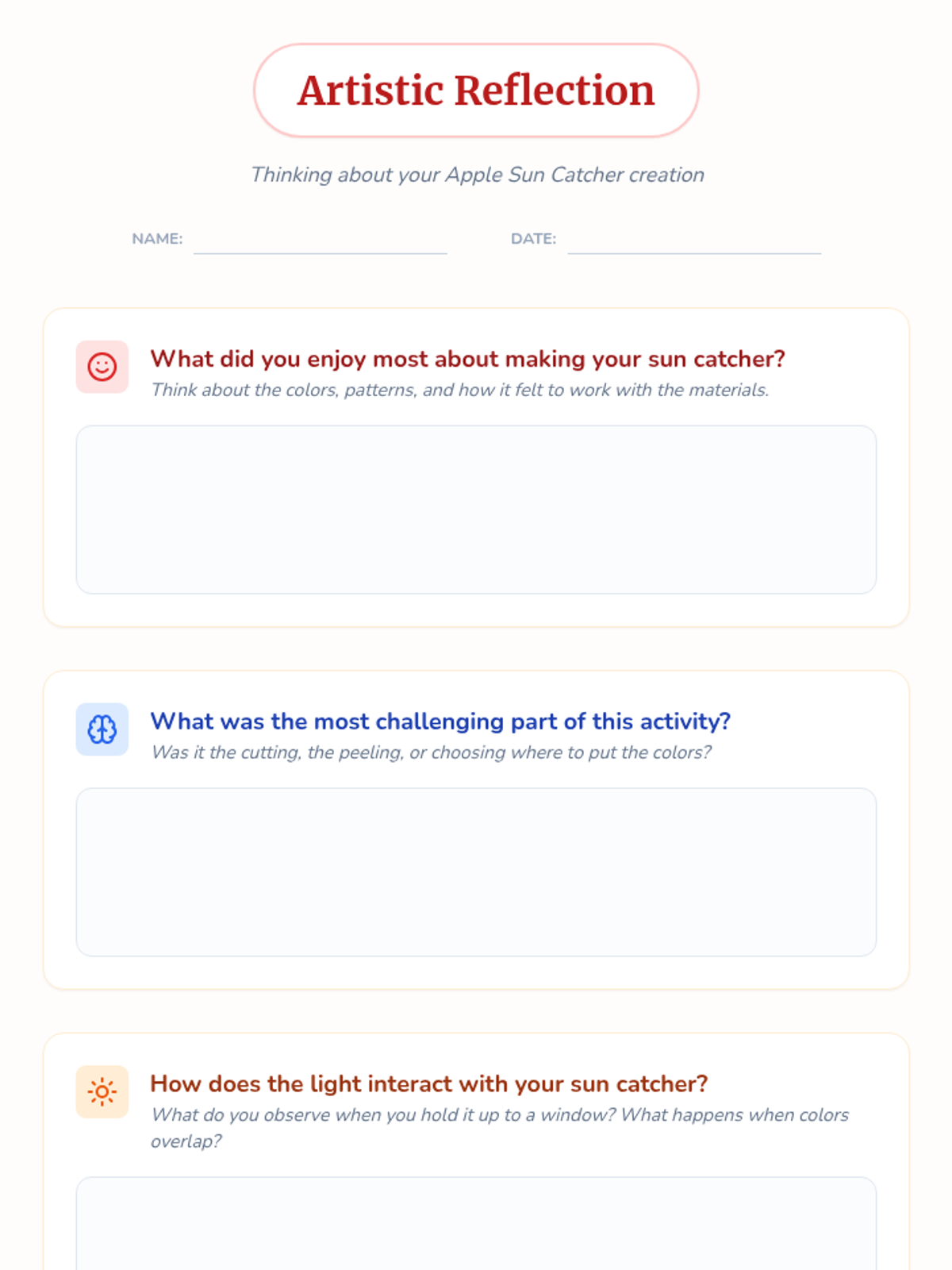
A hands-on autumn art lesson where students create apple-shaped sun catchers using tissue paper and contact paper to explore color and light.
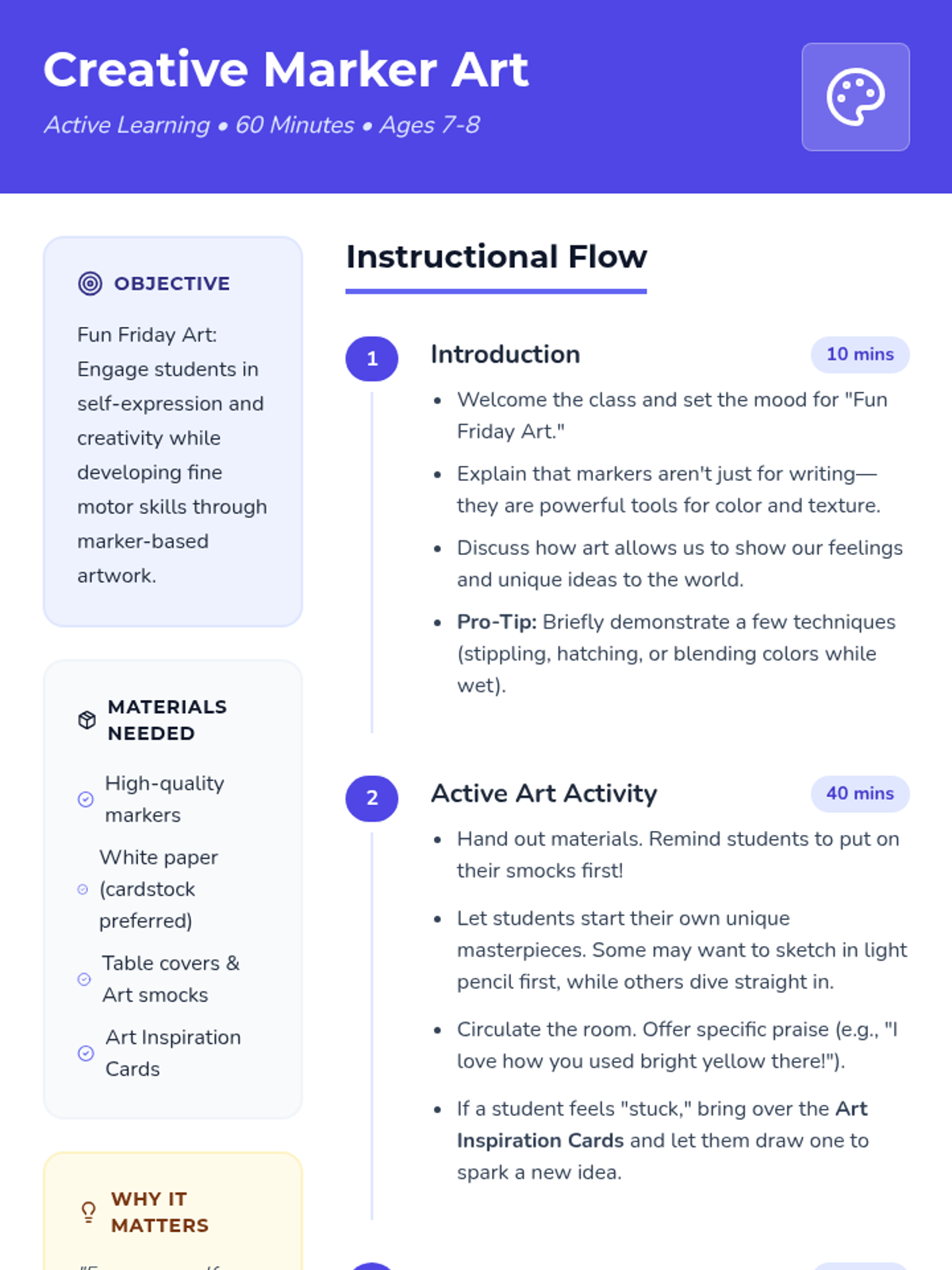
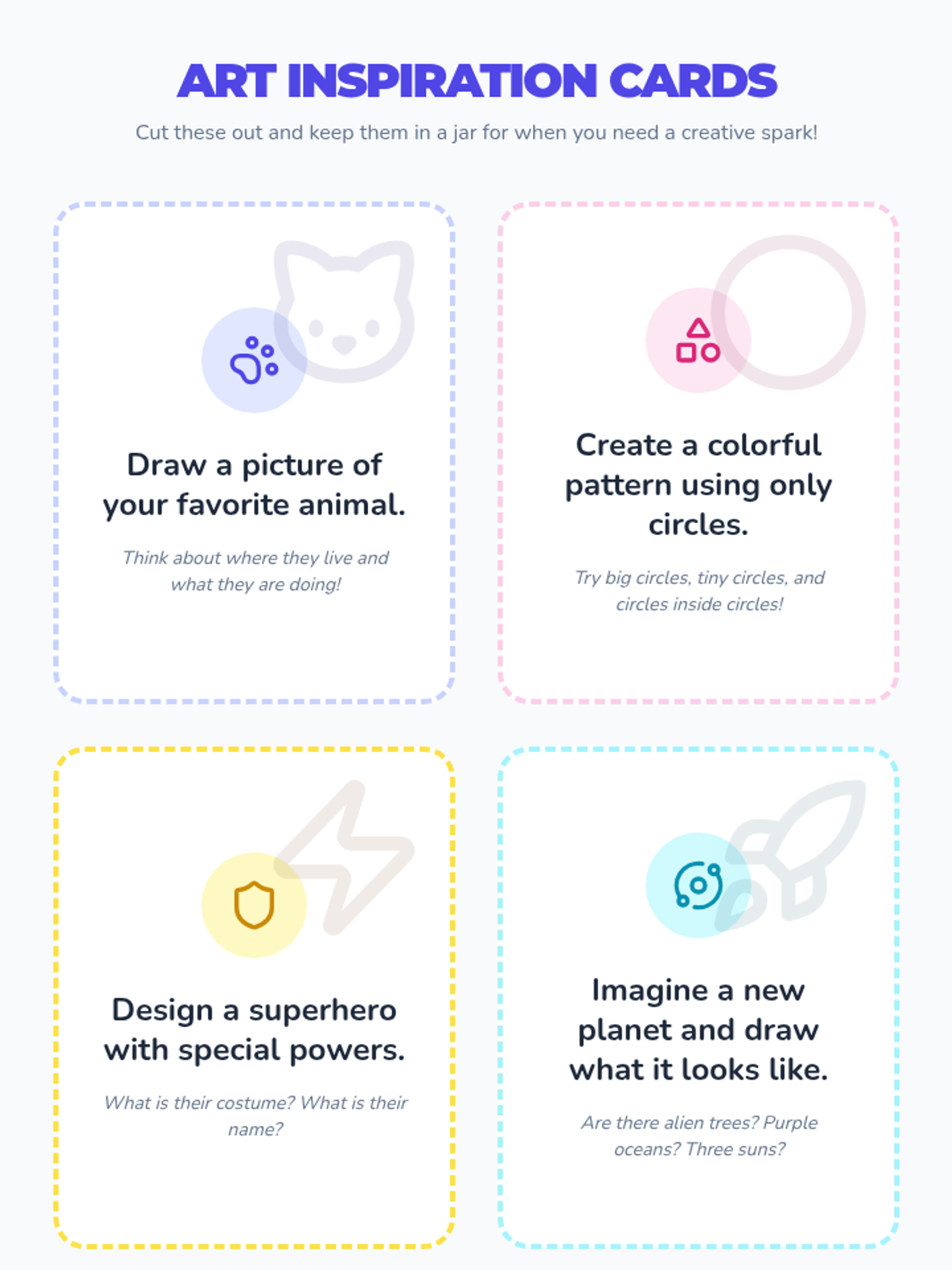
A vibrant 60-minute art lesson for 7-8 year olds focusing on self-expression and fine motor skills through marker art. Students explore creativity using inspiration cards and active guided practice.
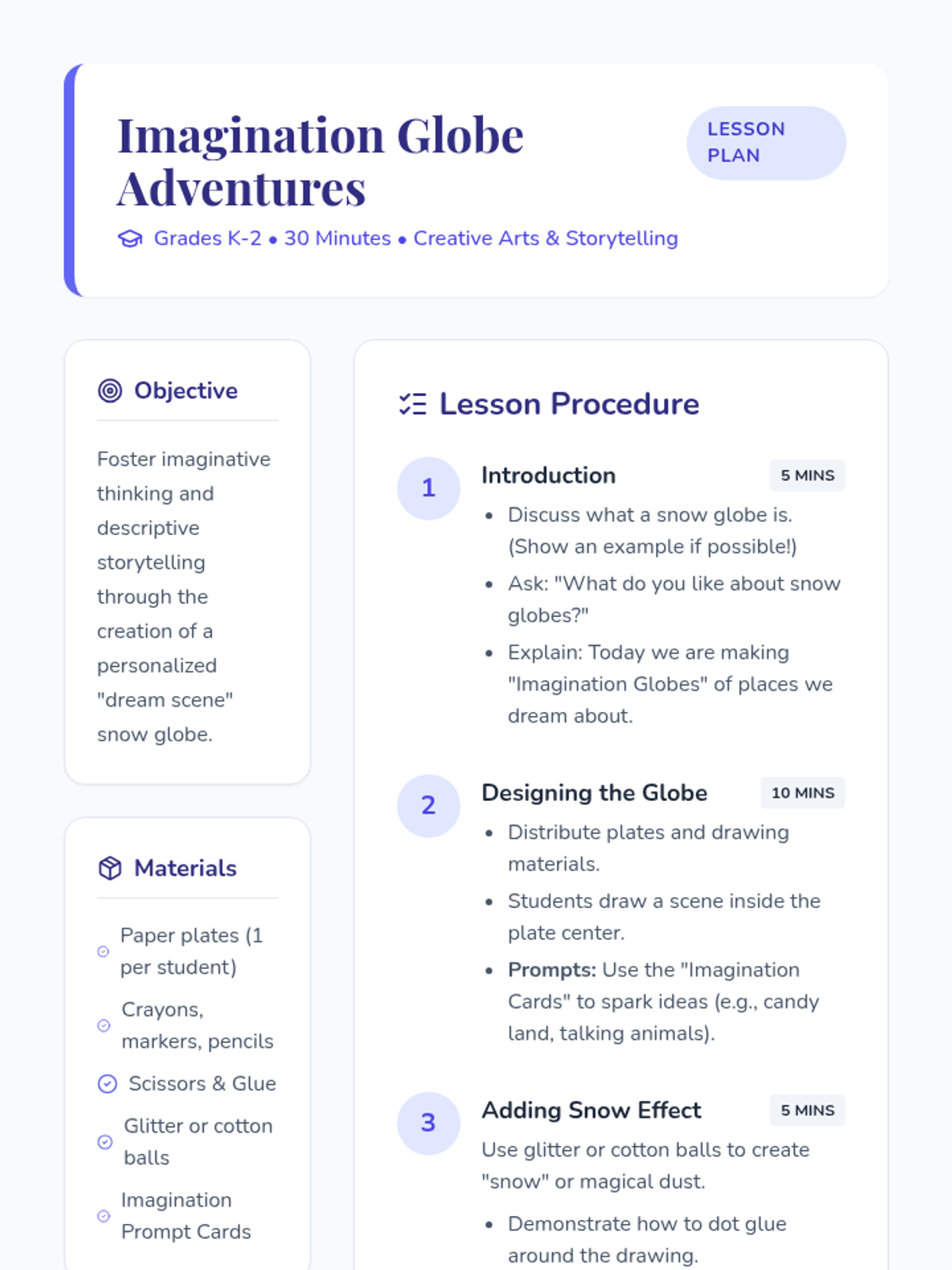
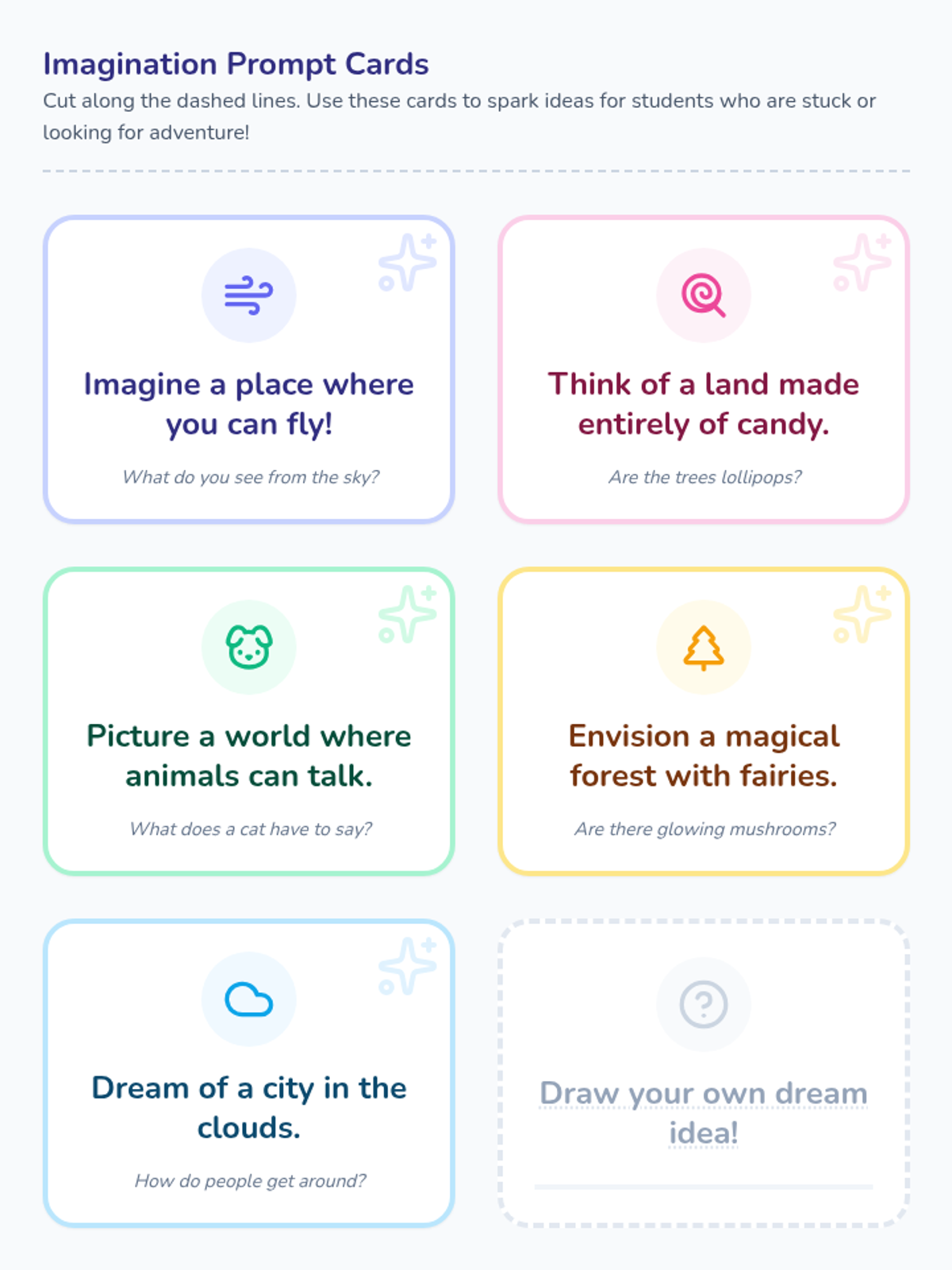
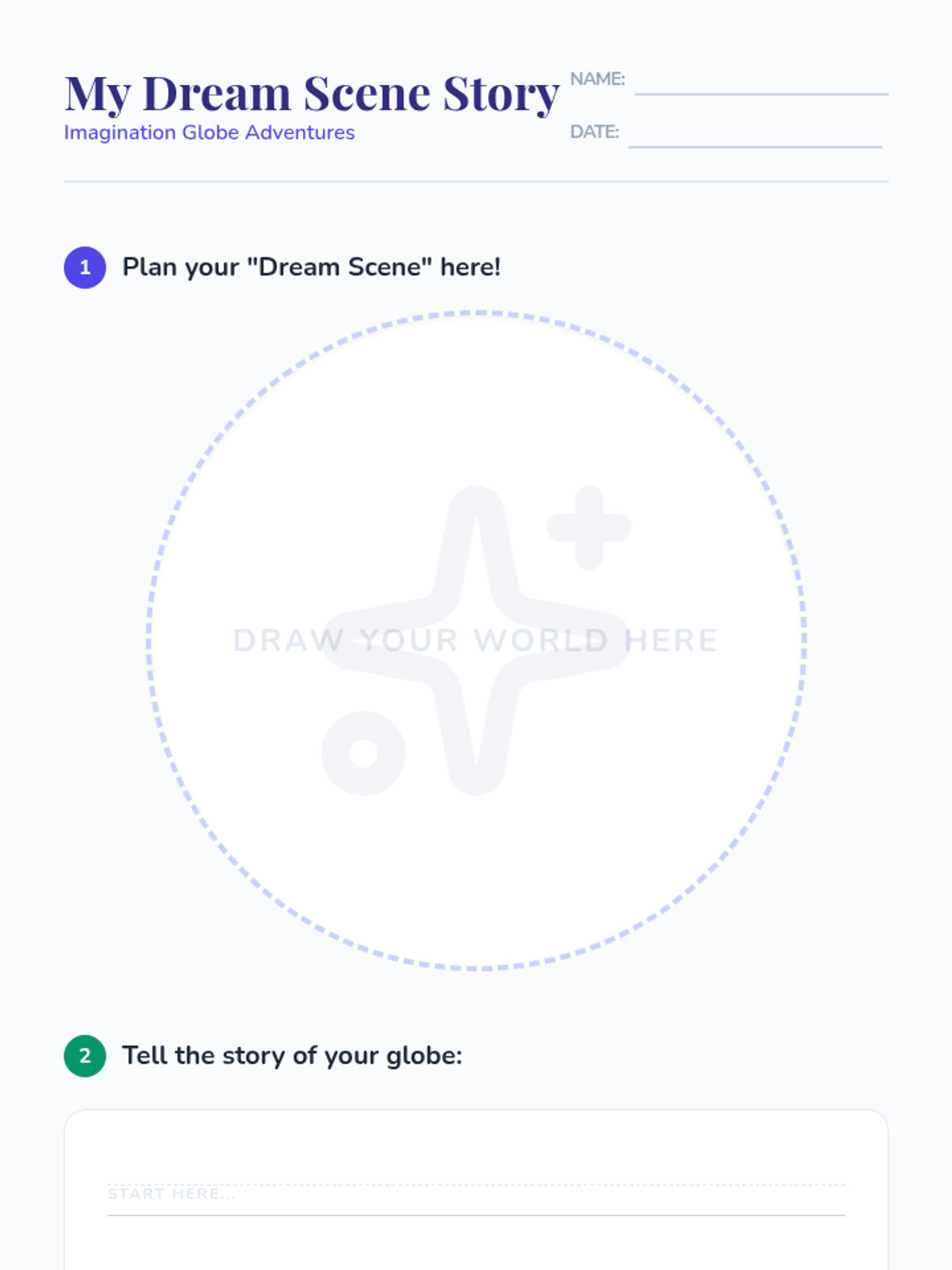
Students design personalized snow globes using paper plates to explore imaginative storytelling and creative expression. This K-2 lesson fosters dreaming and aspirational thinking through hands-on art.
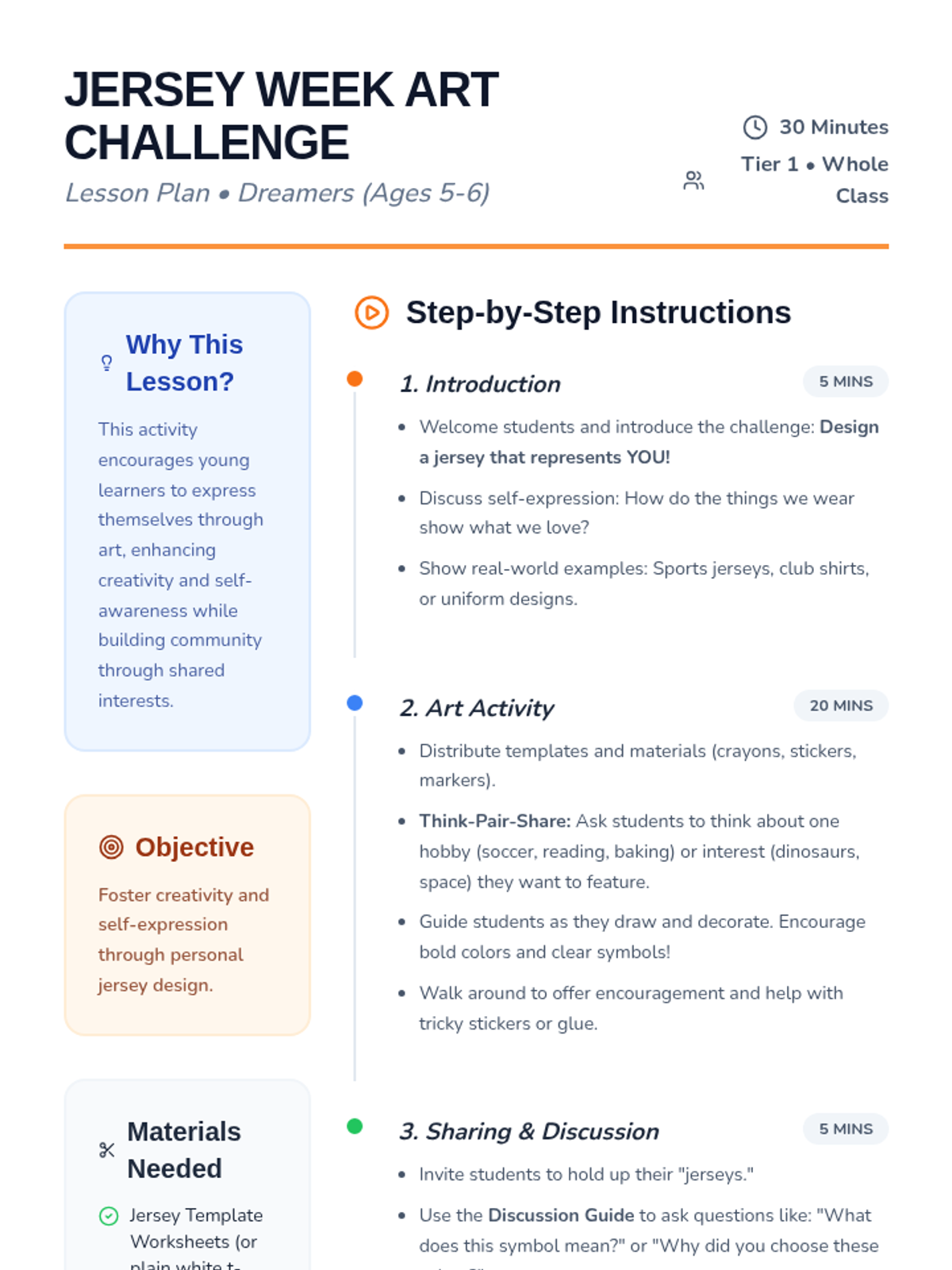
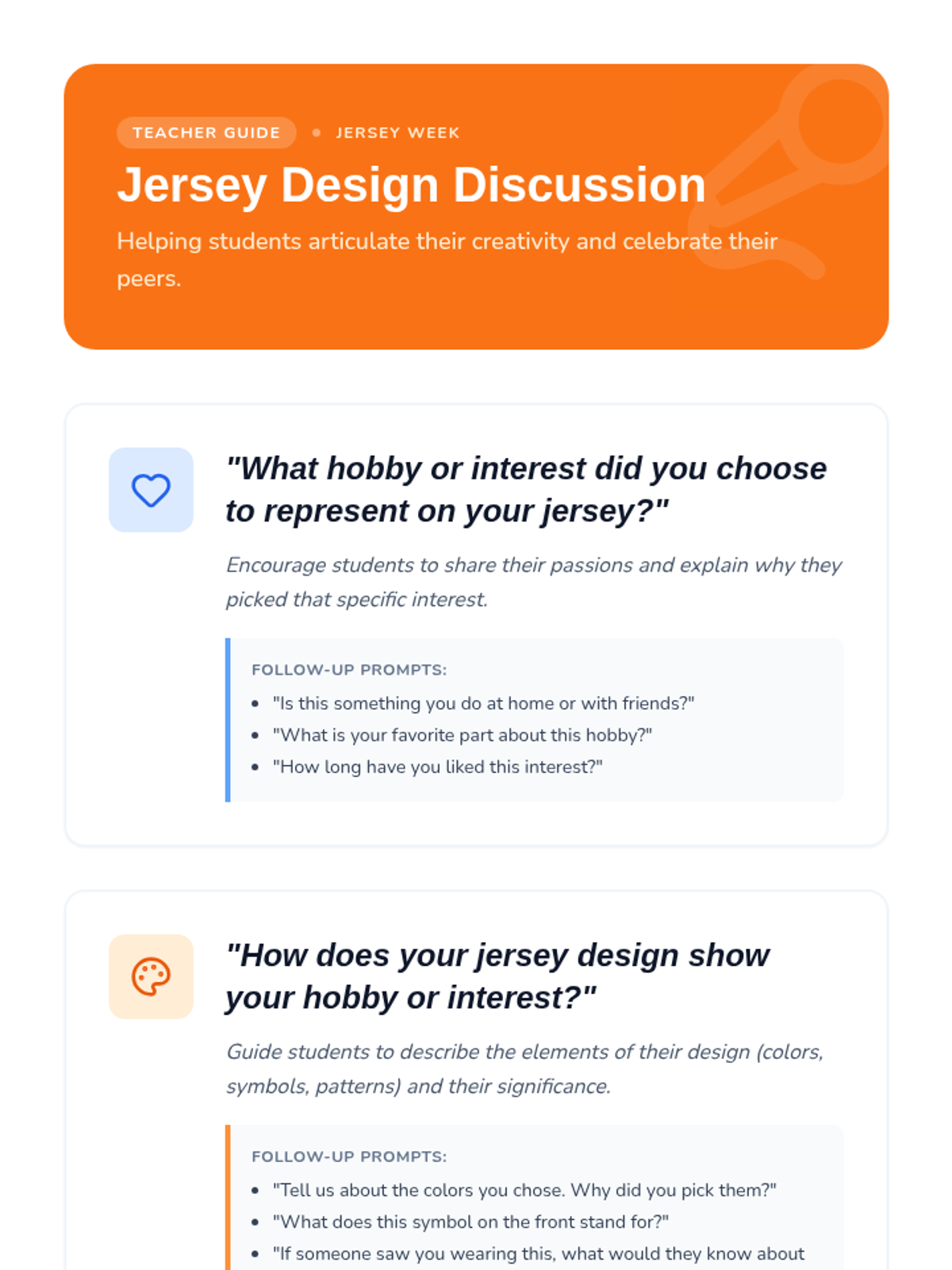
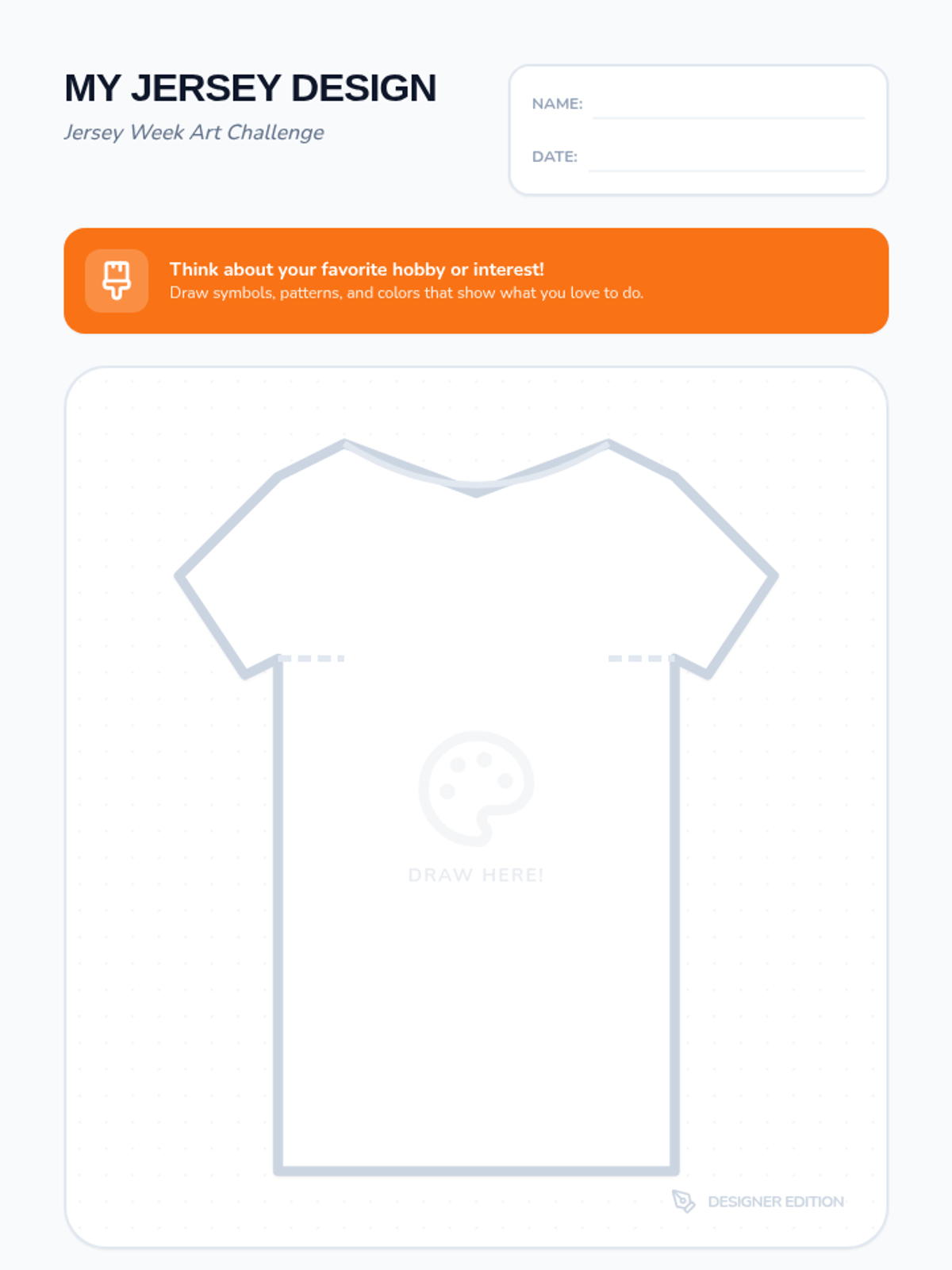
A creative art challenge where students design jerseys representing their favorite hobbies or interests, fostering self-expression and community.
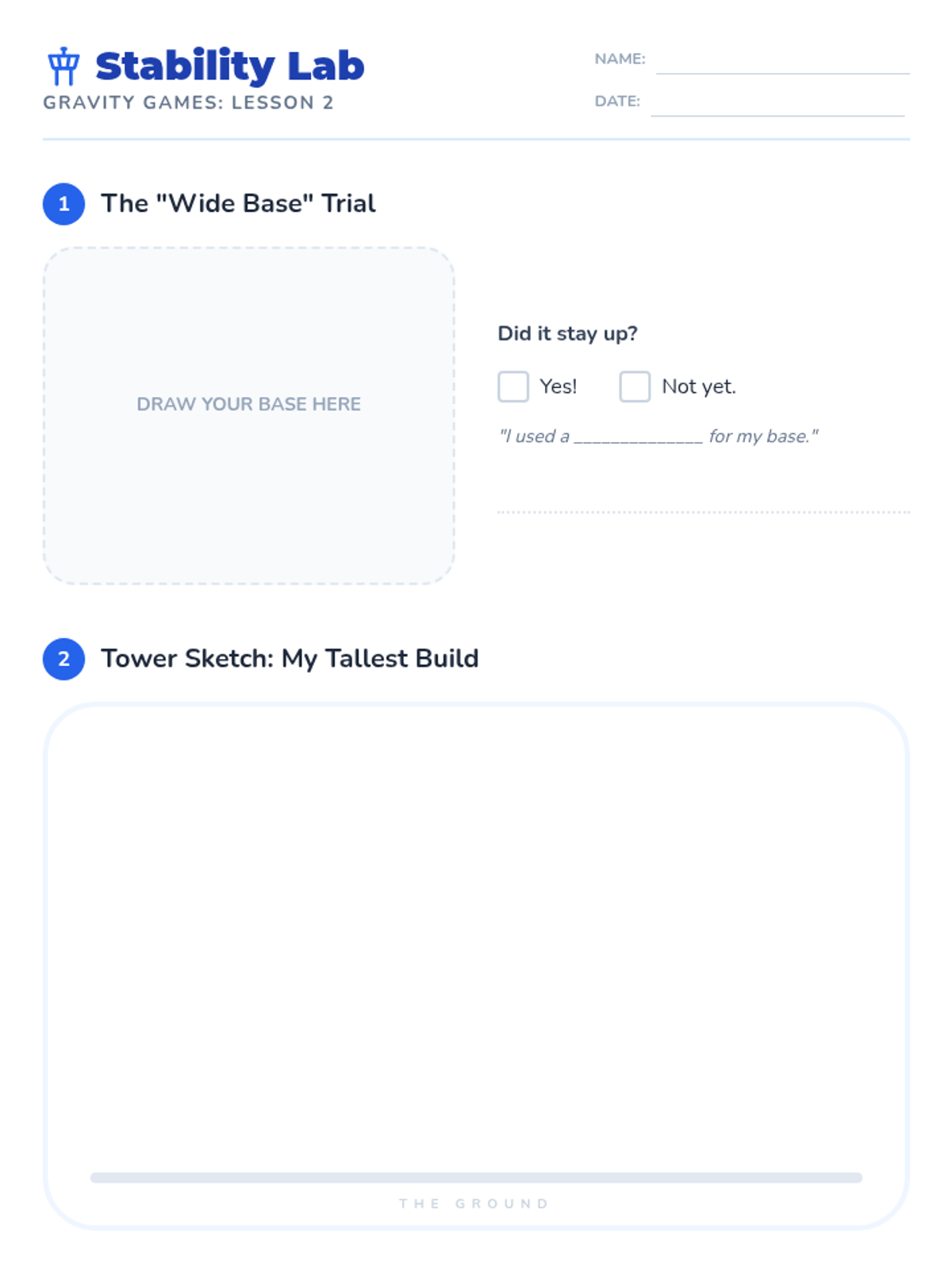
Students explore gravity and balance through temporary stacking challenges without adhesives.
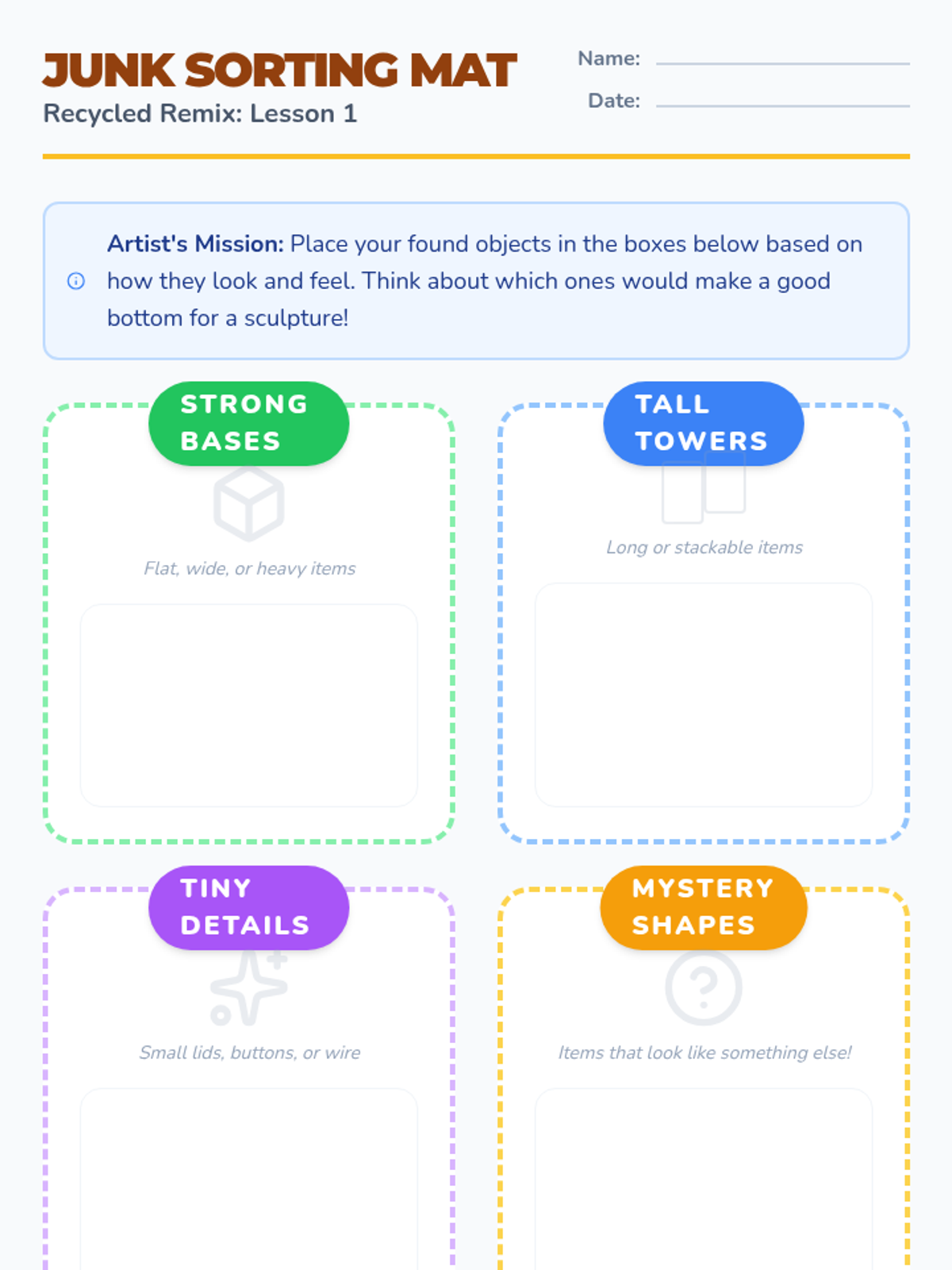
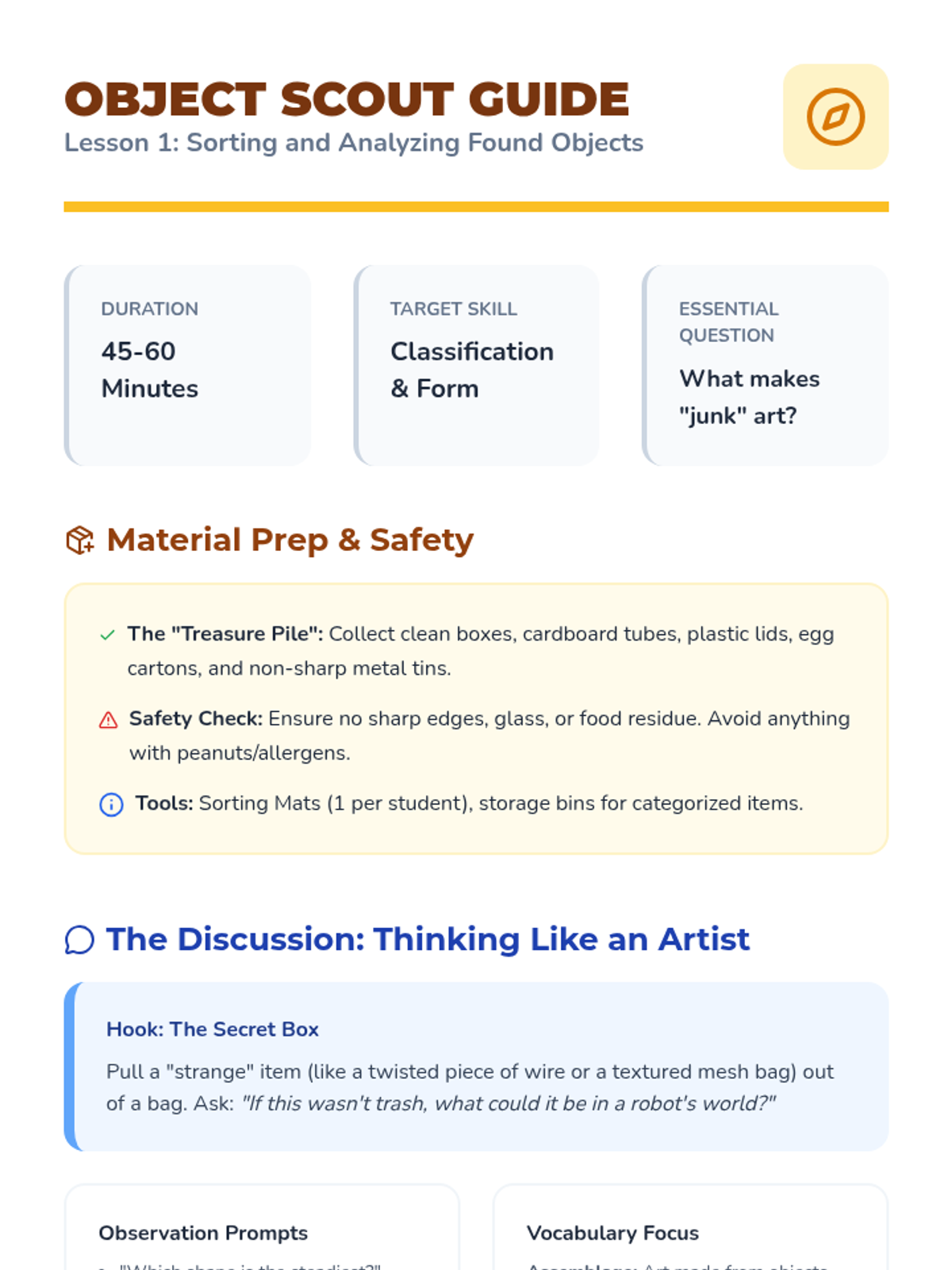
Students examine, categorize, and analyze found objects to understand their physical properties and artistic potential.
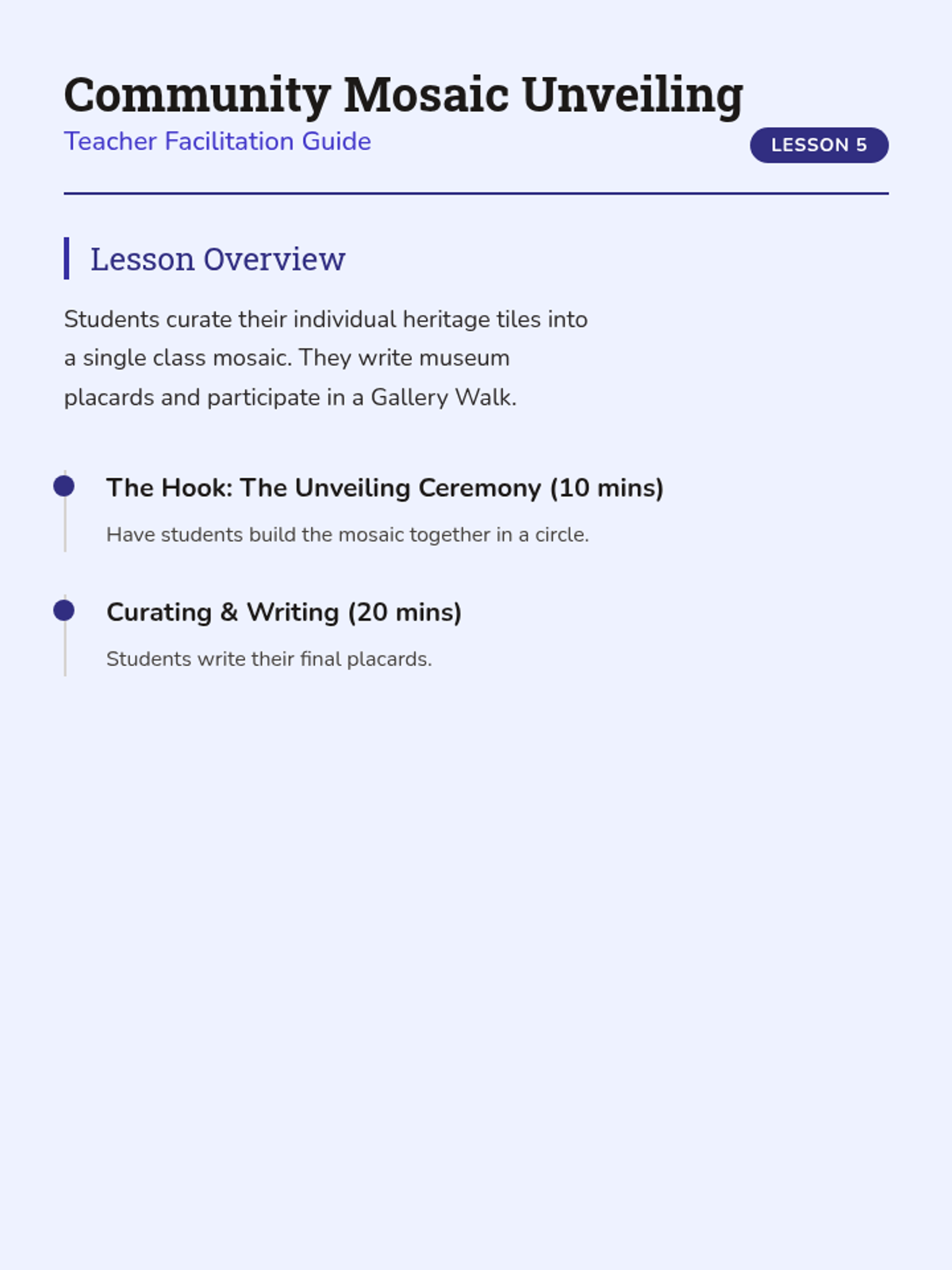
Students assemble their individual tiles into a collective class mosaic, write museum placards, and reflect on the diversity and unity of their classroom community.
Students design and create a square heritage tile incorporating their personal symbols, focusing on artistic techniques like balance and repetition.
Students reflect on their own family traditions and community experiences to brainstorm and sketch personal symbols that represent their unique heritage.
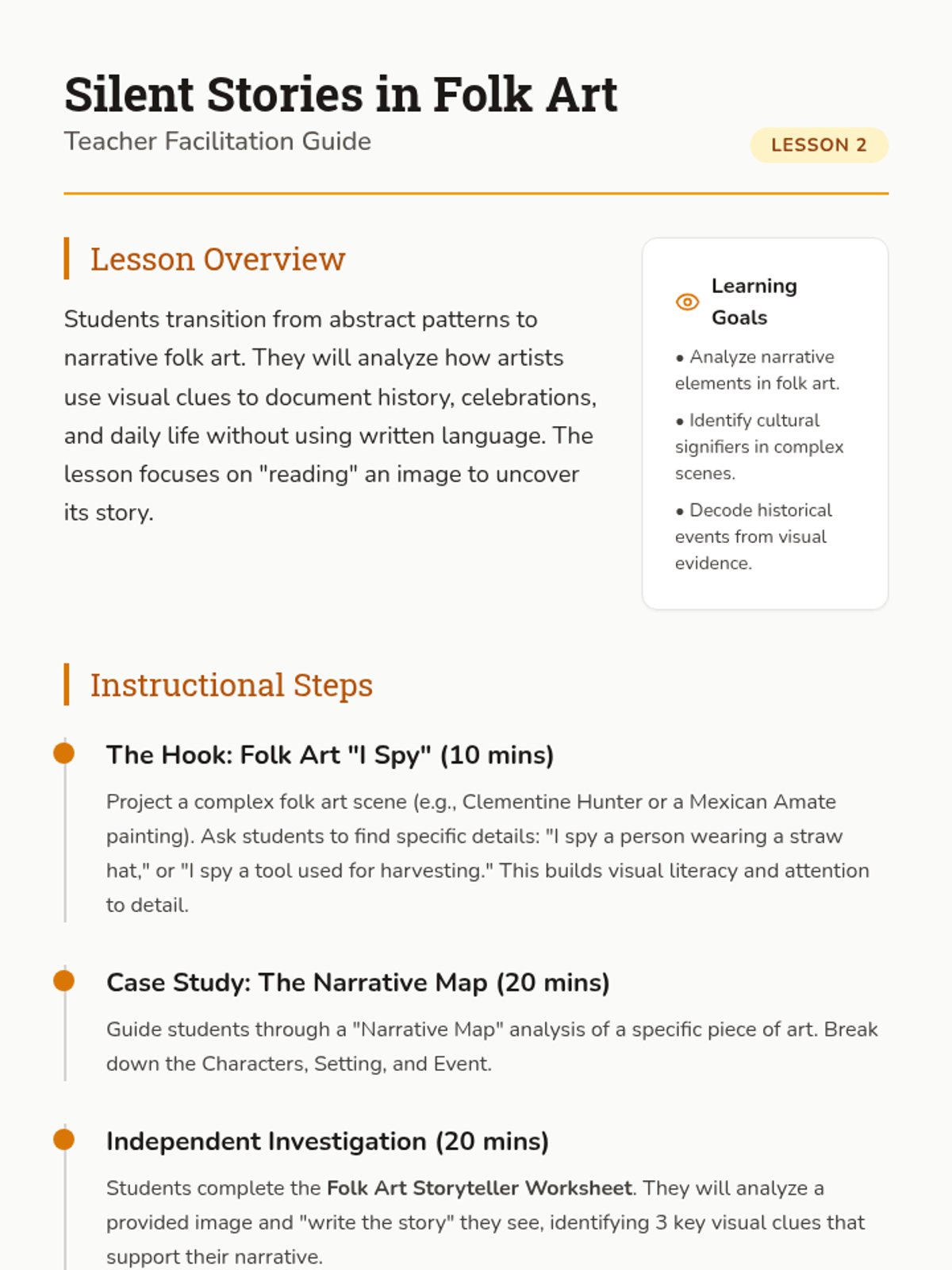
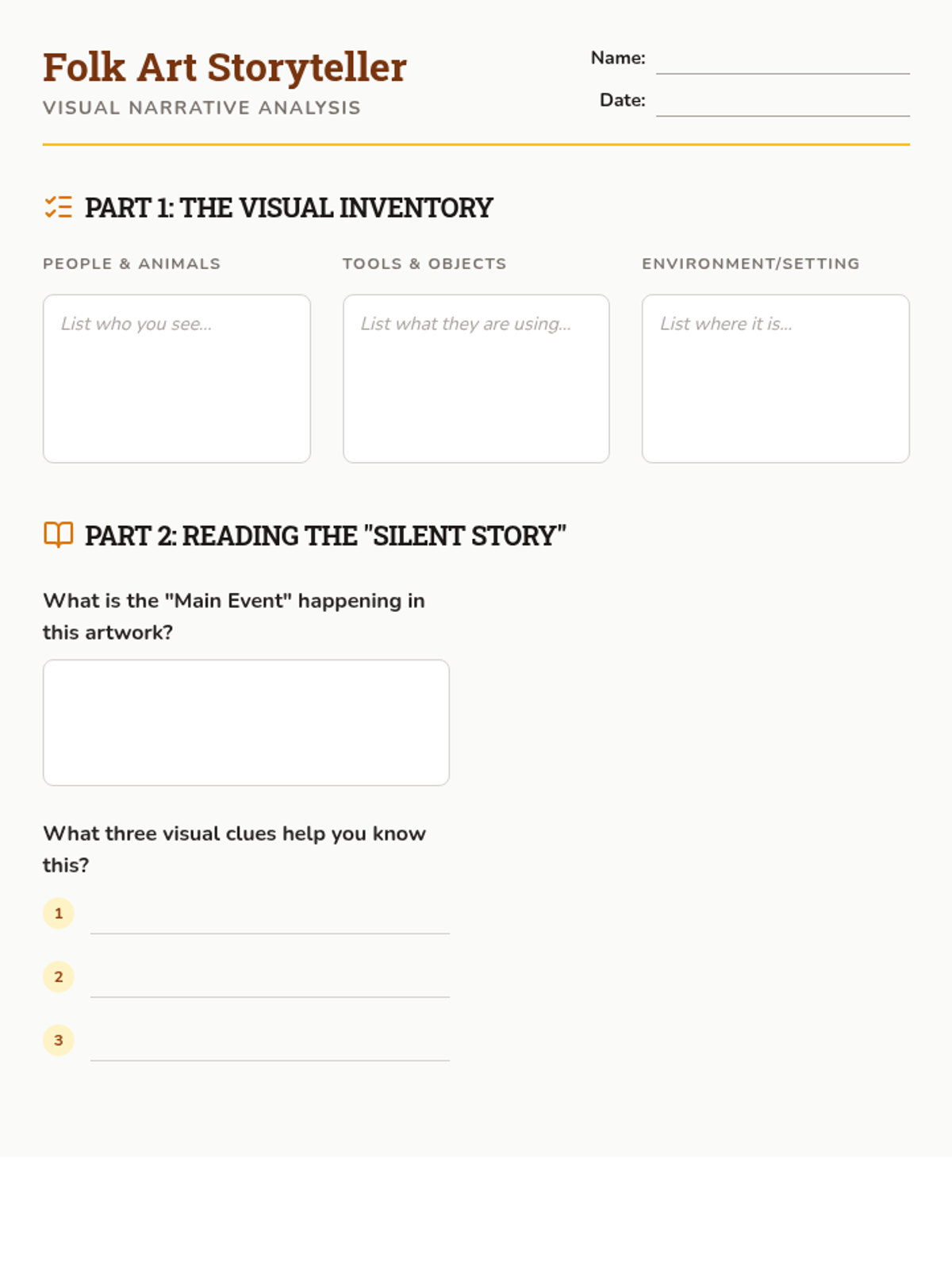
Students explore how folk art documents daily life and legends without words, using visual literacy skills to analyze narrative scenes and community celebrations.