Techniques for brainstorming, collaborative project management, and individual artistic expression. Guides students through the iterative creative process from initial concept to final execution.
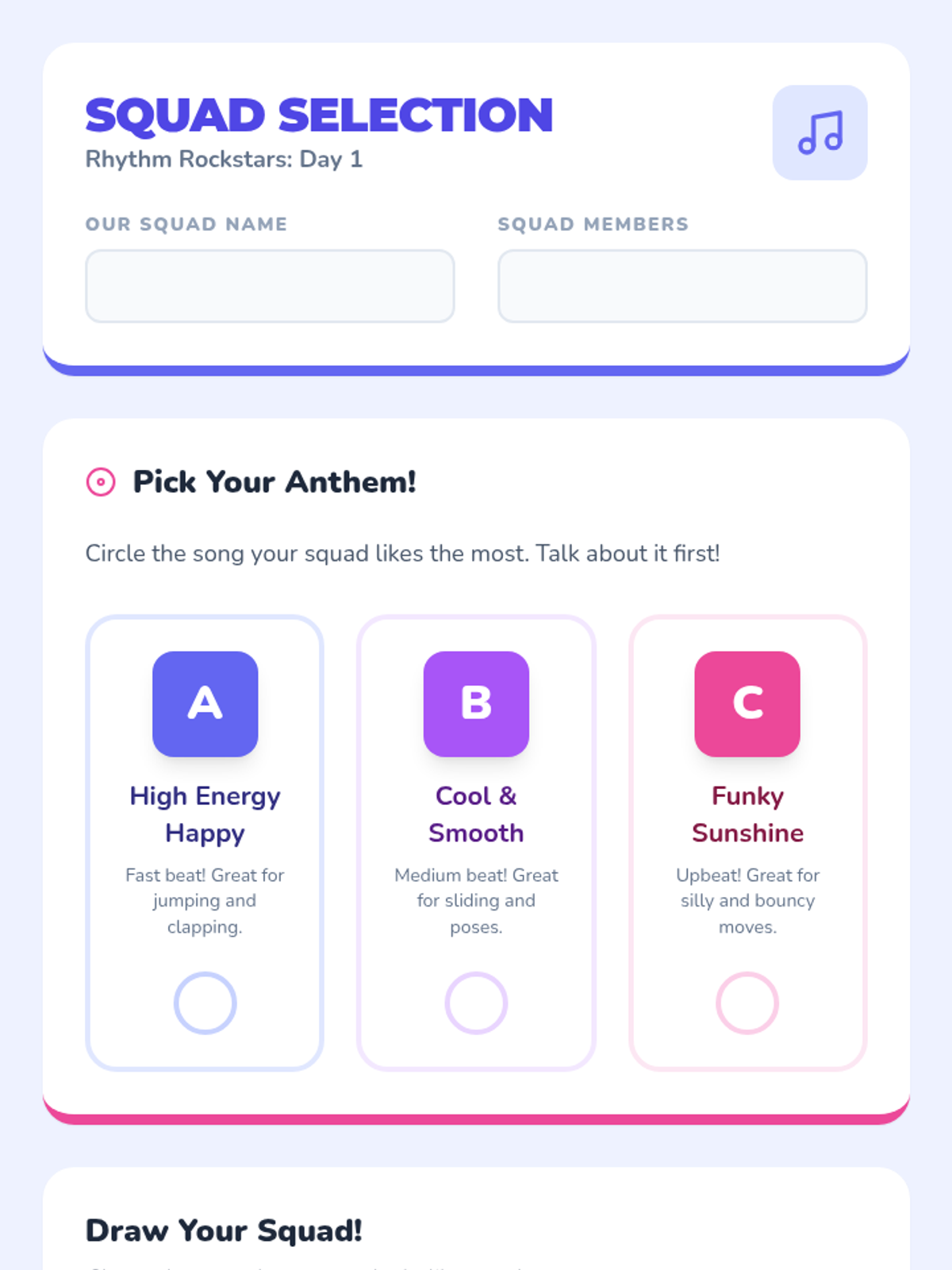
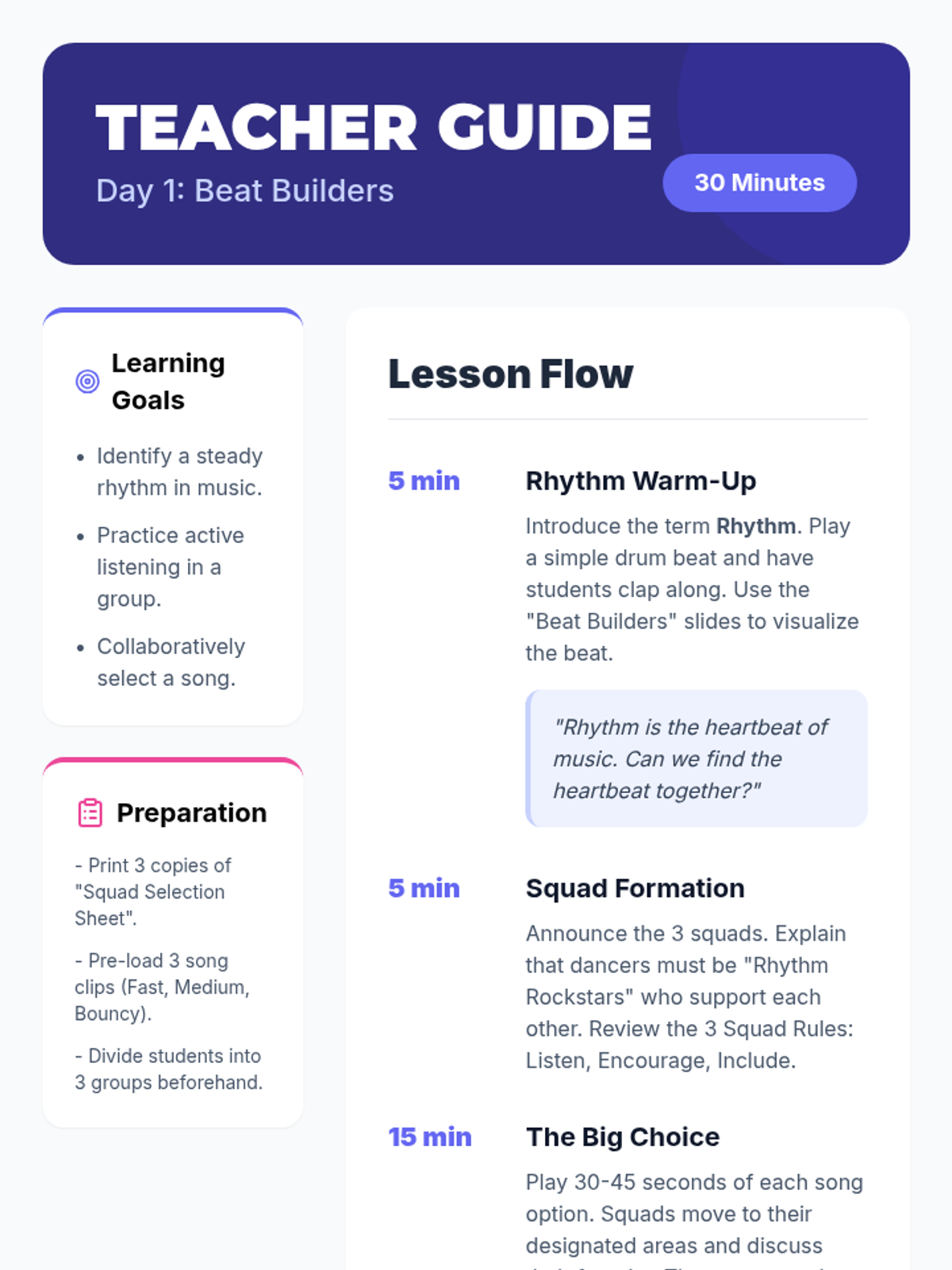
A four-day music and movement unit for K-3 students focused on collaboration, rhythm, and creative choreography. Groups work together to select songs and build original dance routines.
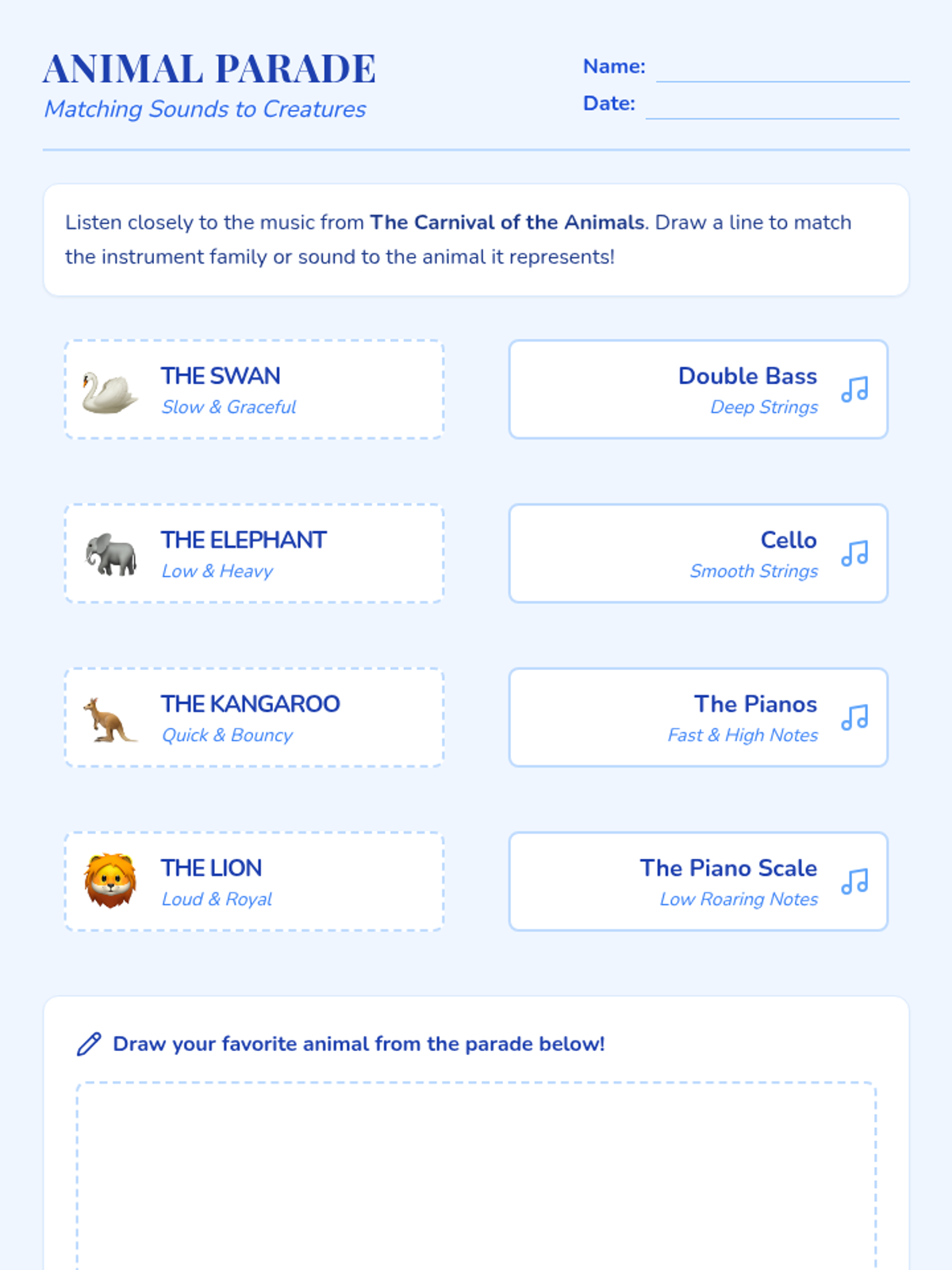
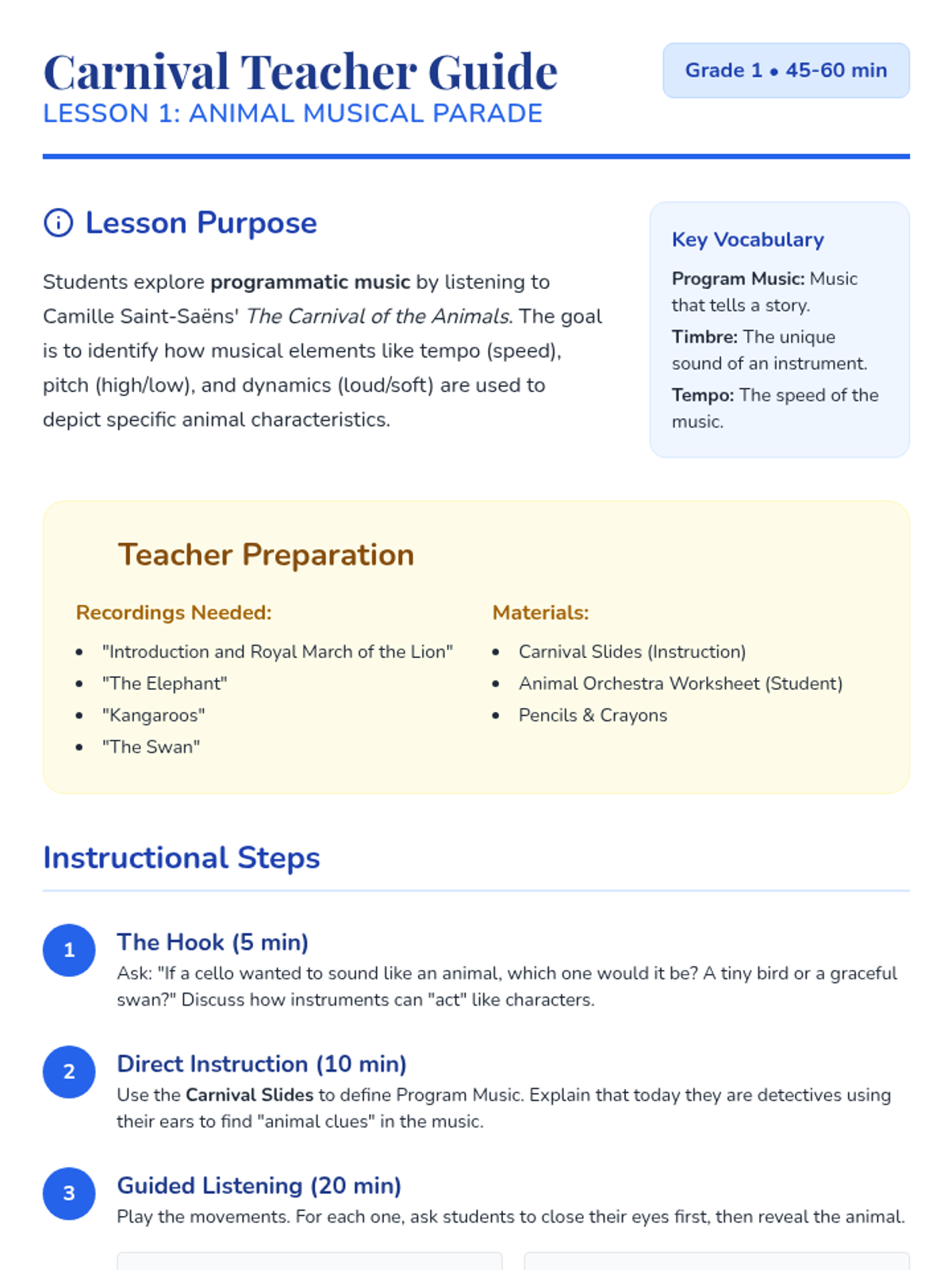
A 1st Grade music sequence focused on programmatic music, teaching students how composers use instruments, tempo, and pitch to tell stories without words. Students explore famous works like Saint-Saëns' Carnival of the Animals, Prokofiev's Peter and the Wolf, and Vivaldi's Four Seasons before creating their own sound stories.
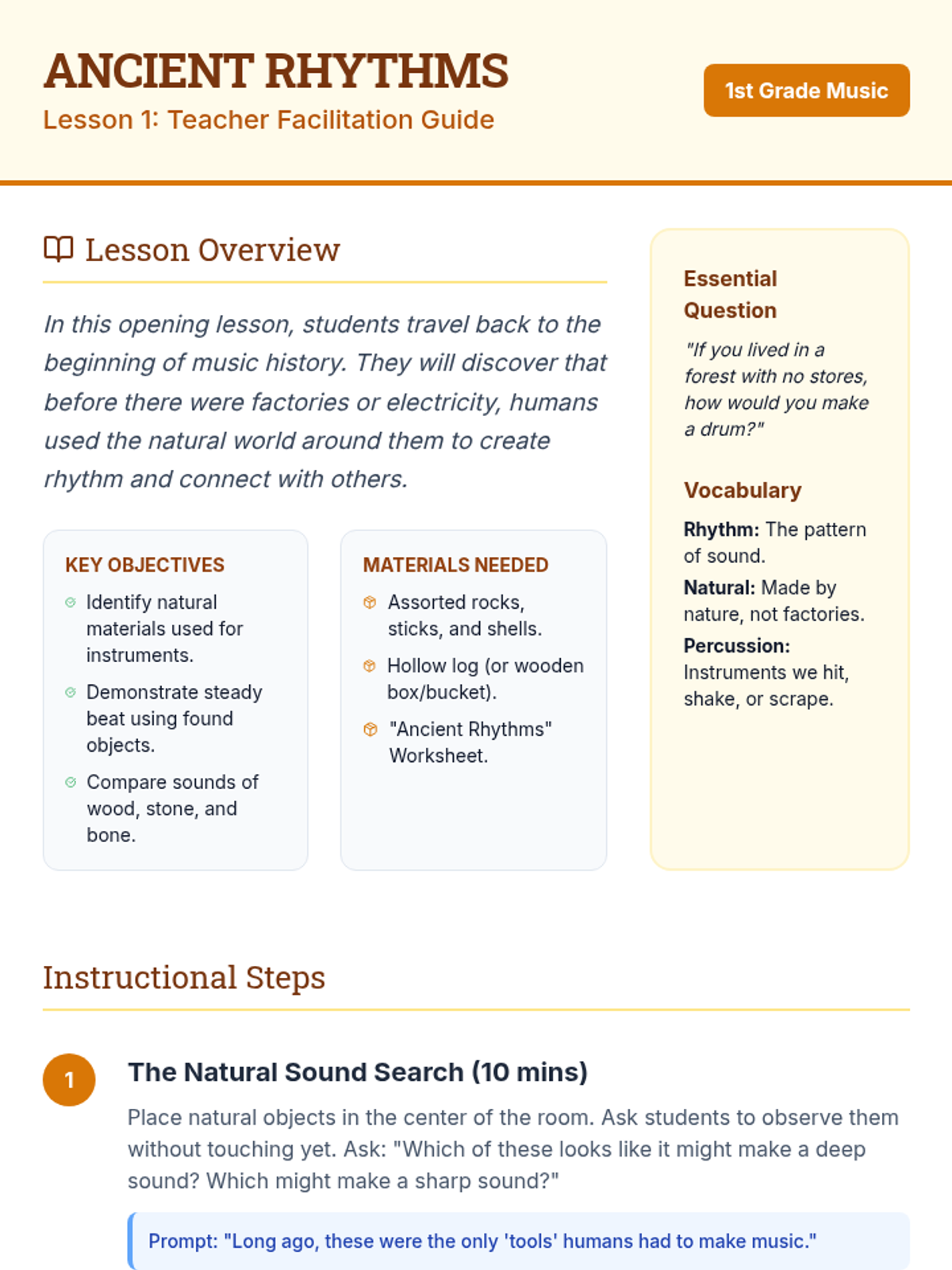
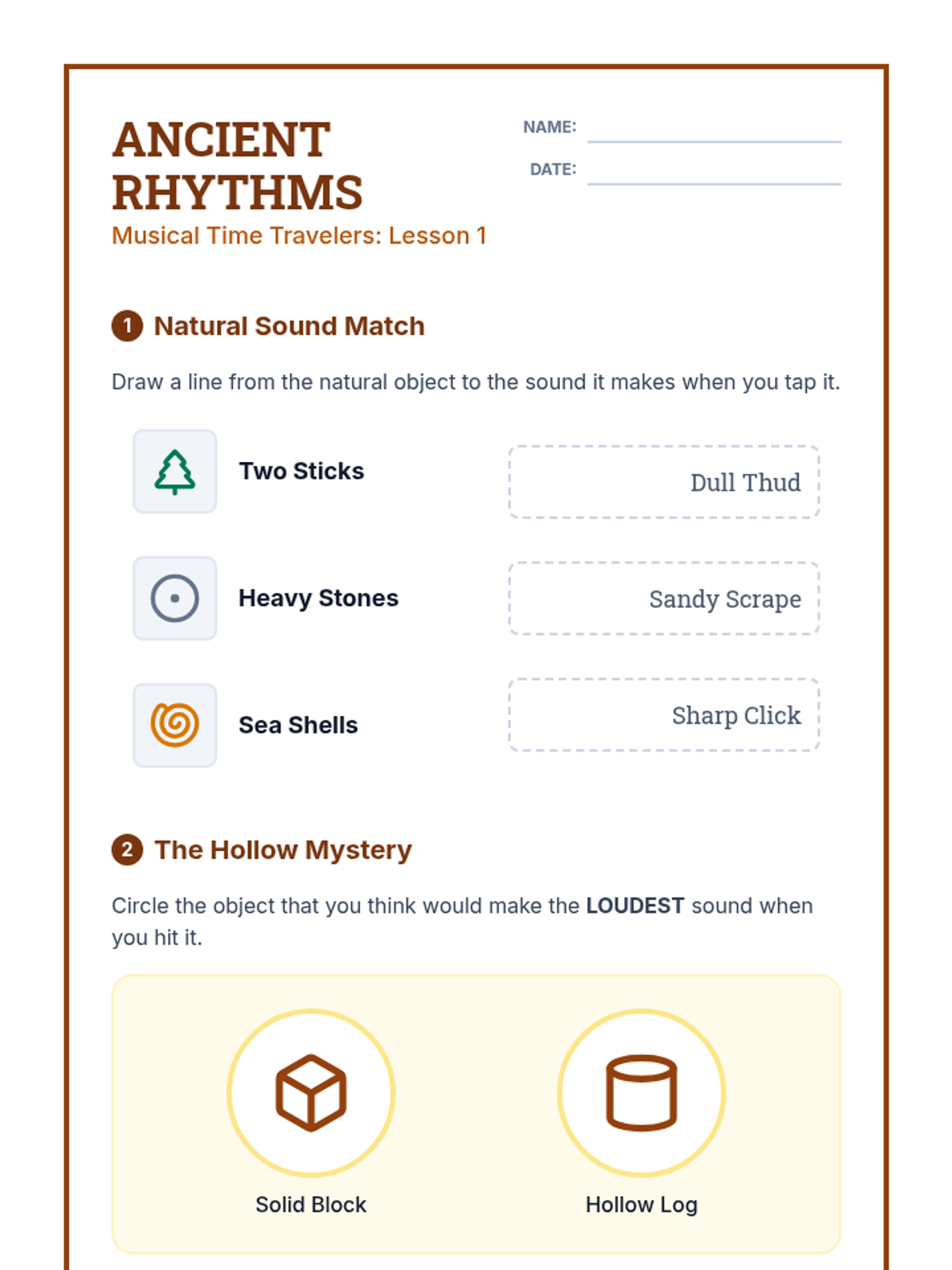
An inquiry-based exploration of music history for 1st graders, tracing the evolution of instruments from natural ancient materials to modern electronic synthesizers. Students develop comparative analysis skills and sound discrimination through hands-on activities, movement, and creative design.
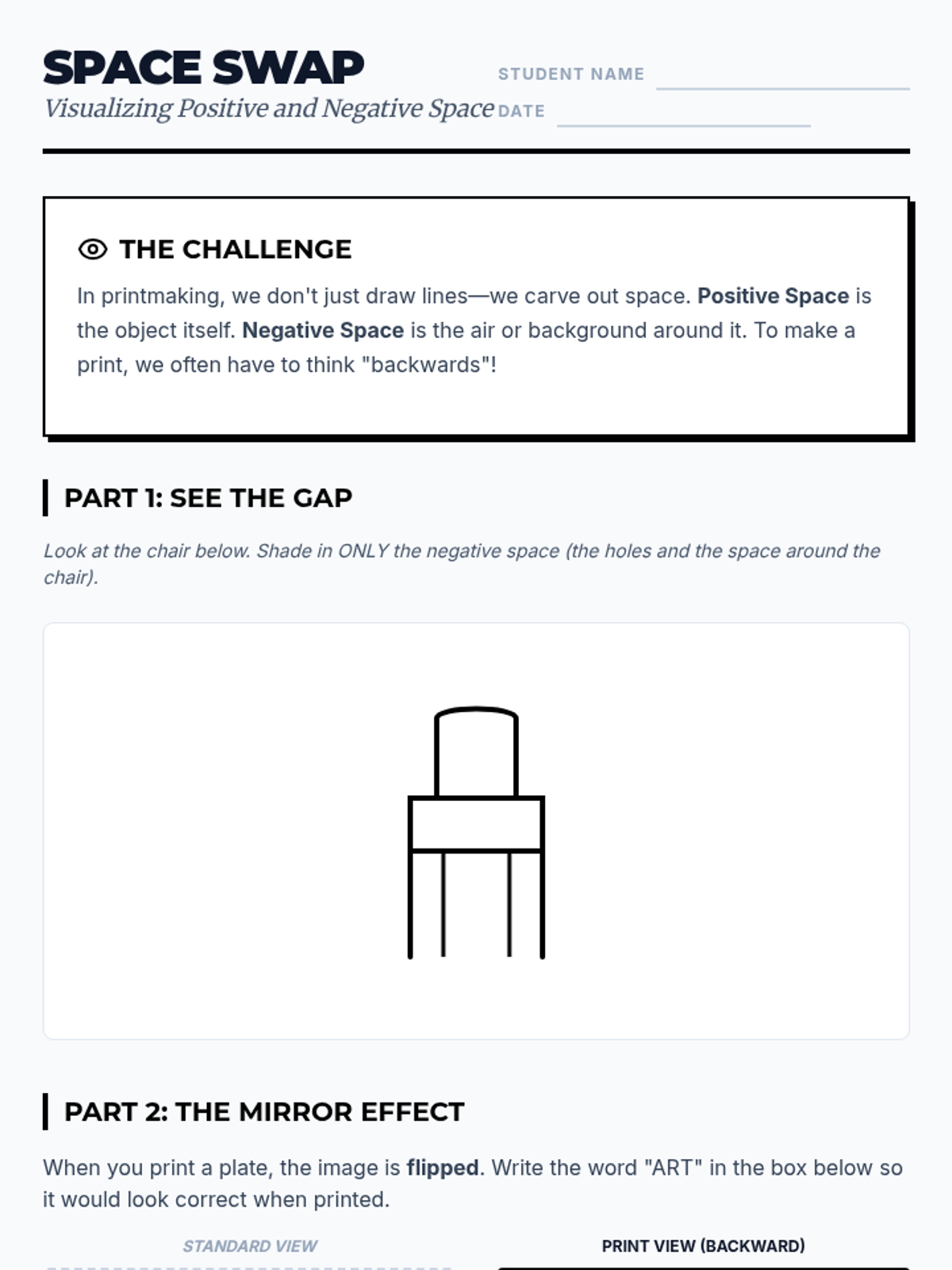
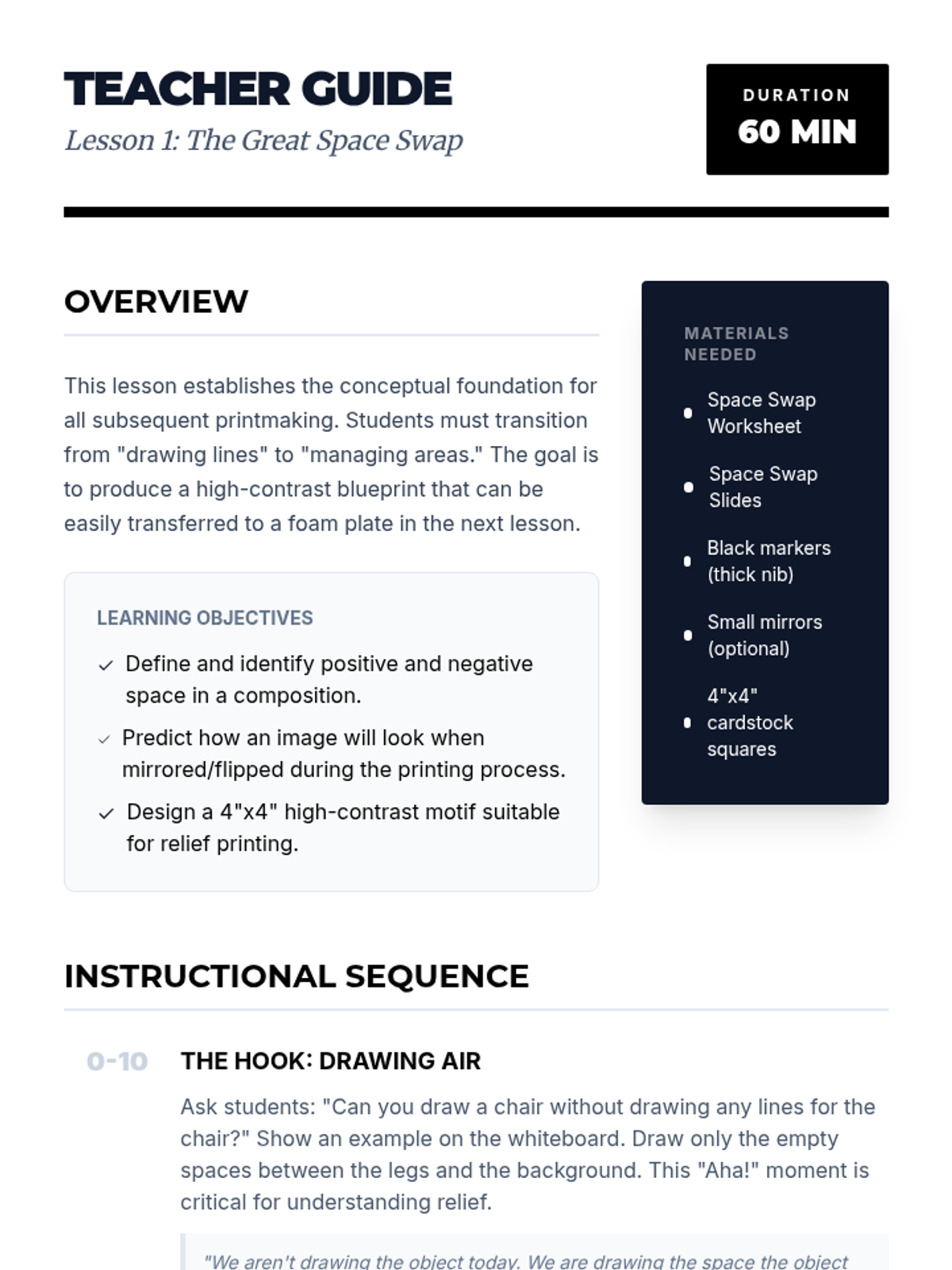
Students explore relief printing using soft foam plates, focusing on positive and negative space, inking techniques, and pattern creation. The sequence culminates in a professional-style edition of prints and a gallery walk critique.
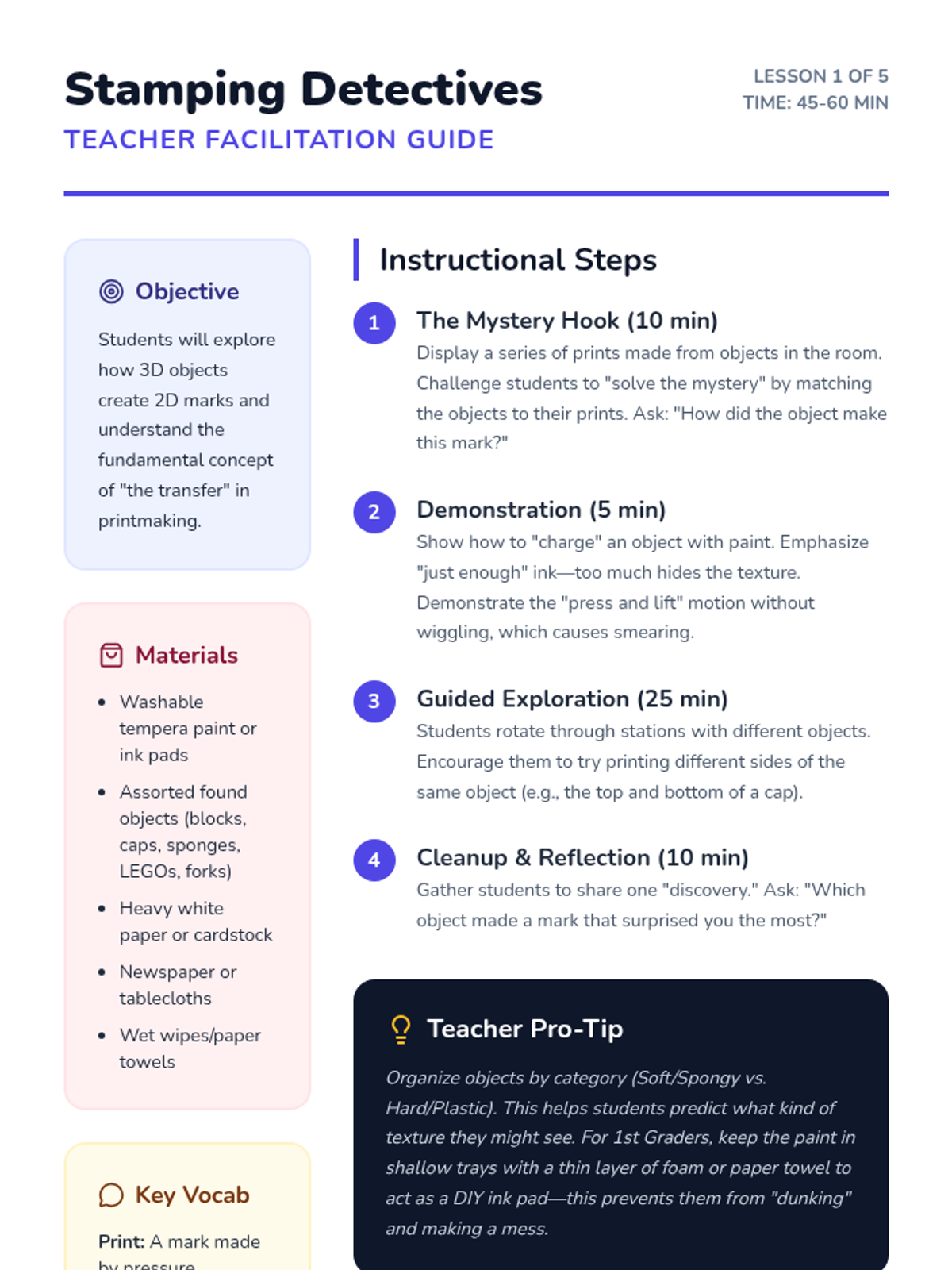
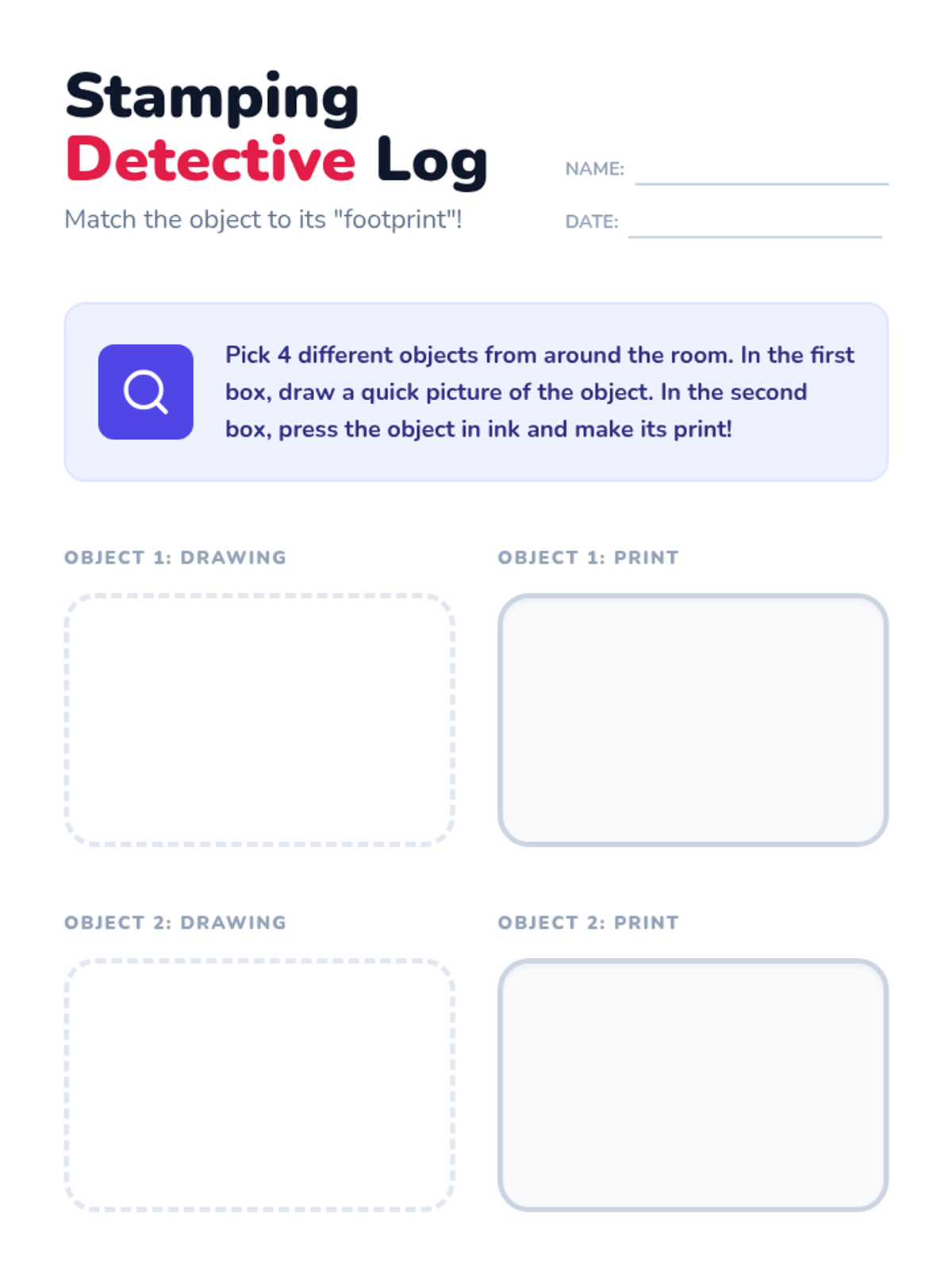
A 1st Grade sequence introducing relief printing, from found object stamping to creating original scratch-foam plate editions. Students explore texture, pattern, and the technical process of inking and pulling prints.
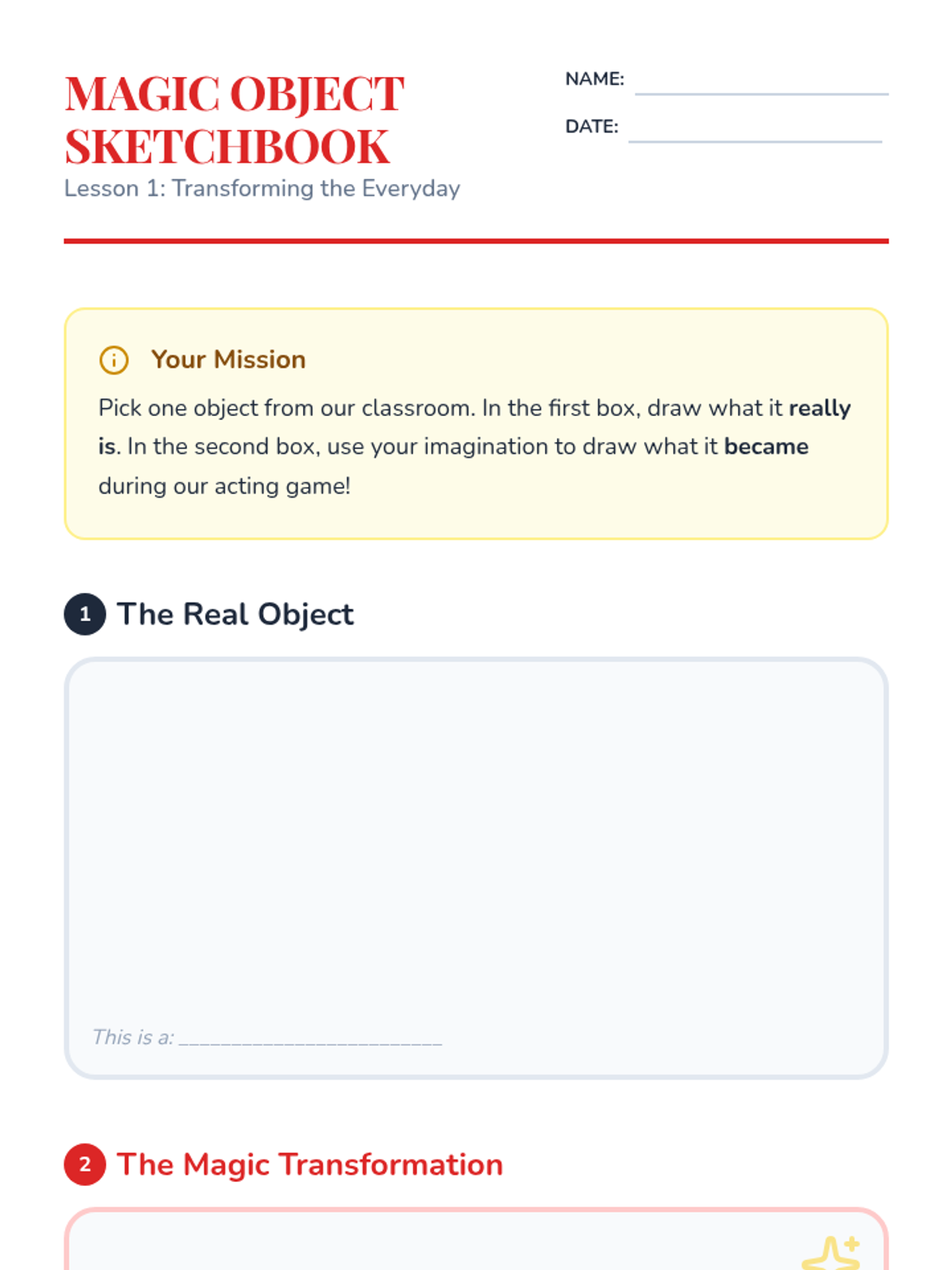
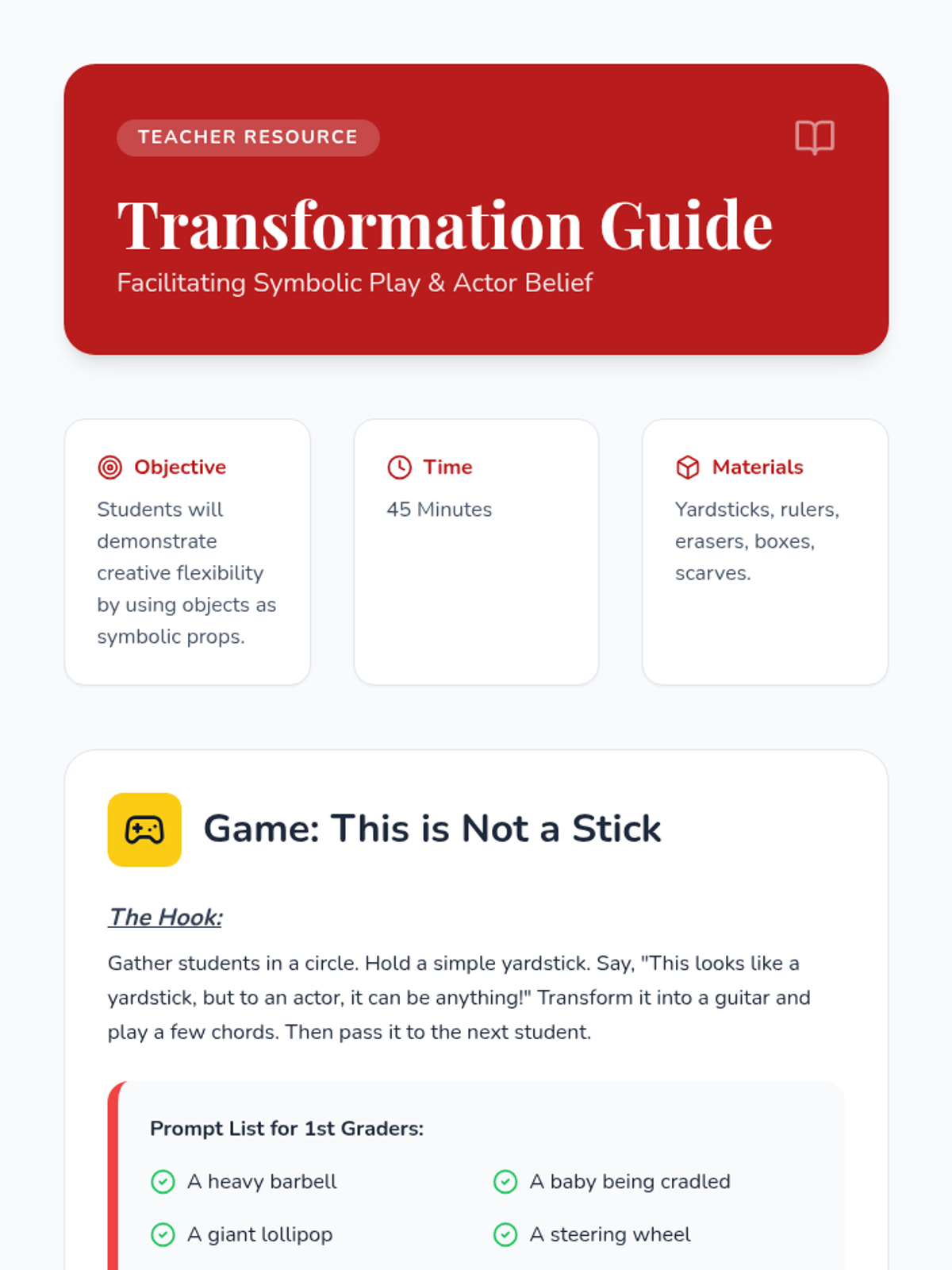
A 1st-grade theatre sequence focusing on symbolic play, collaborative world-building, and the 'Yes, And' principle of improvisation to create and perform original stories.
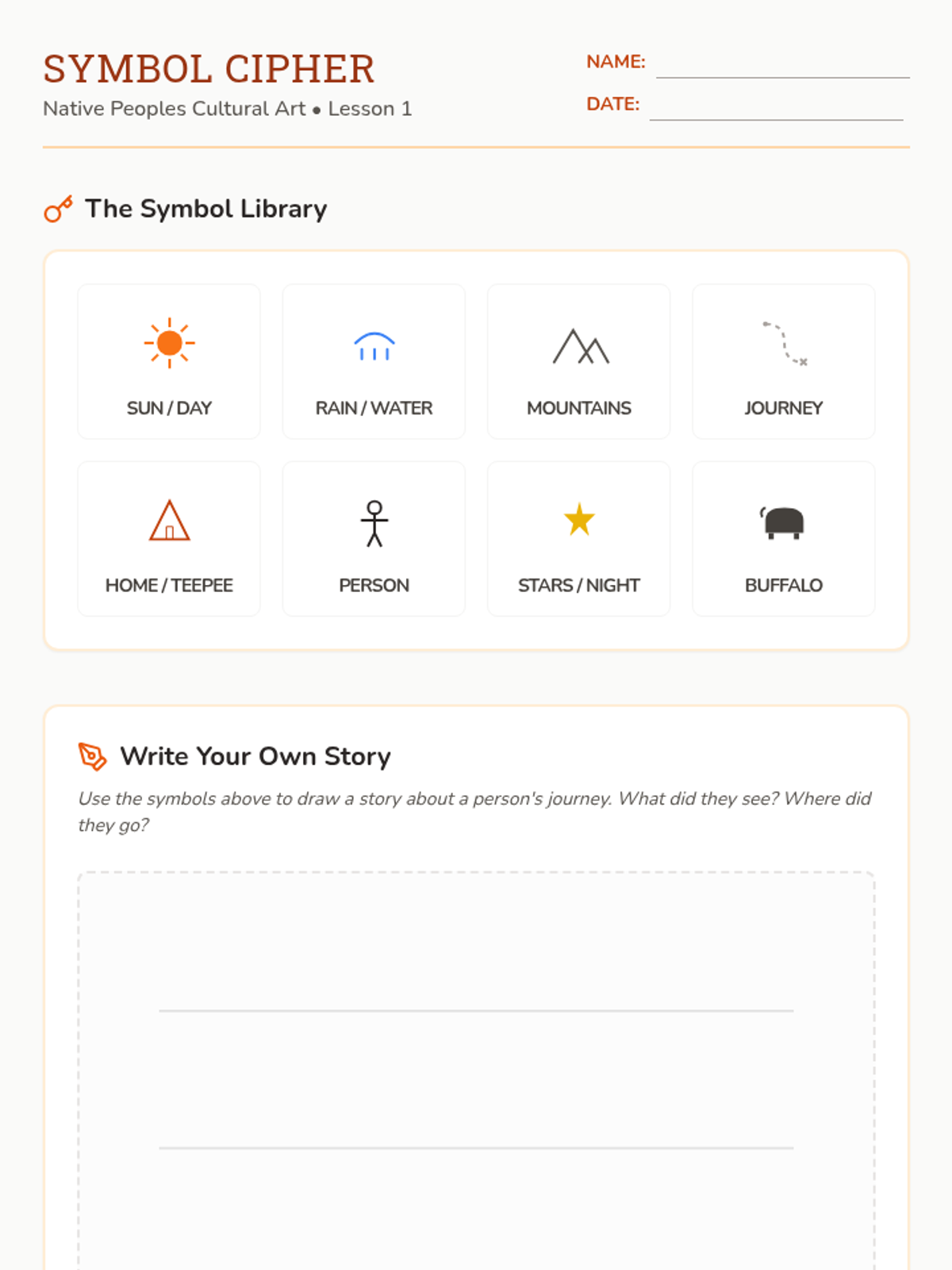
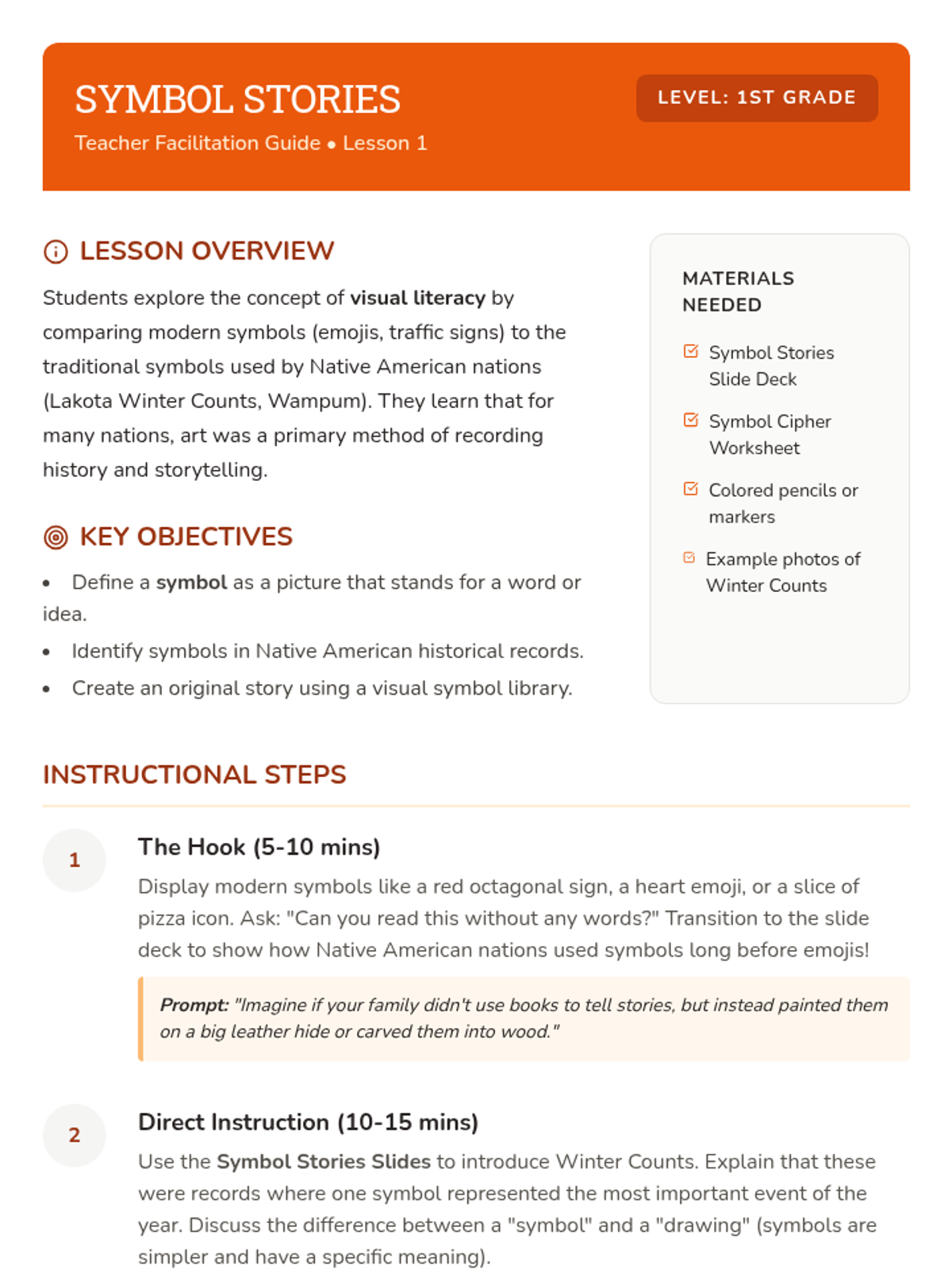
This workshop-style sequence immerses 1st-grade students in the artistic traditions of various Native American nations, focusing on patterns, symbols, and craftsmanship. Students explore pottery, weaving, and carving to understand how art reflects community history and personal identity.
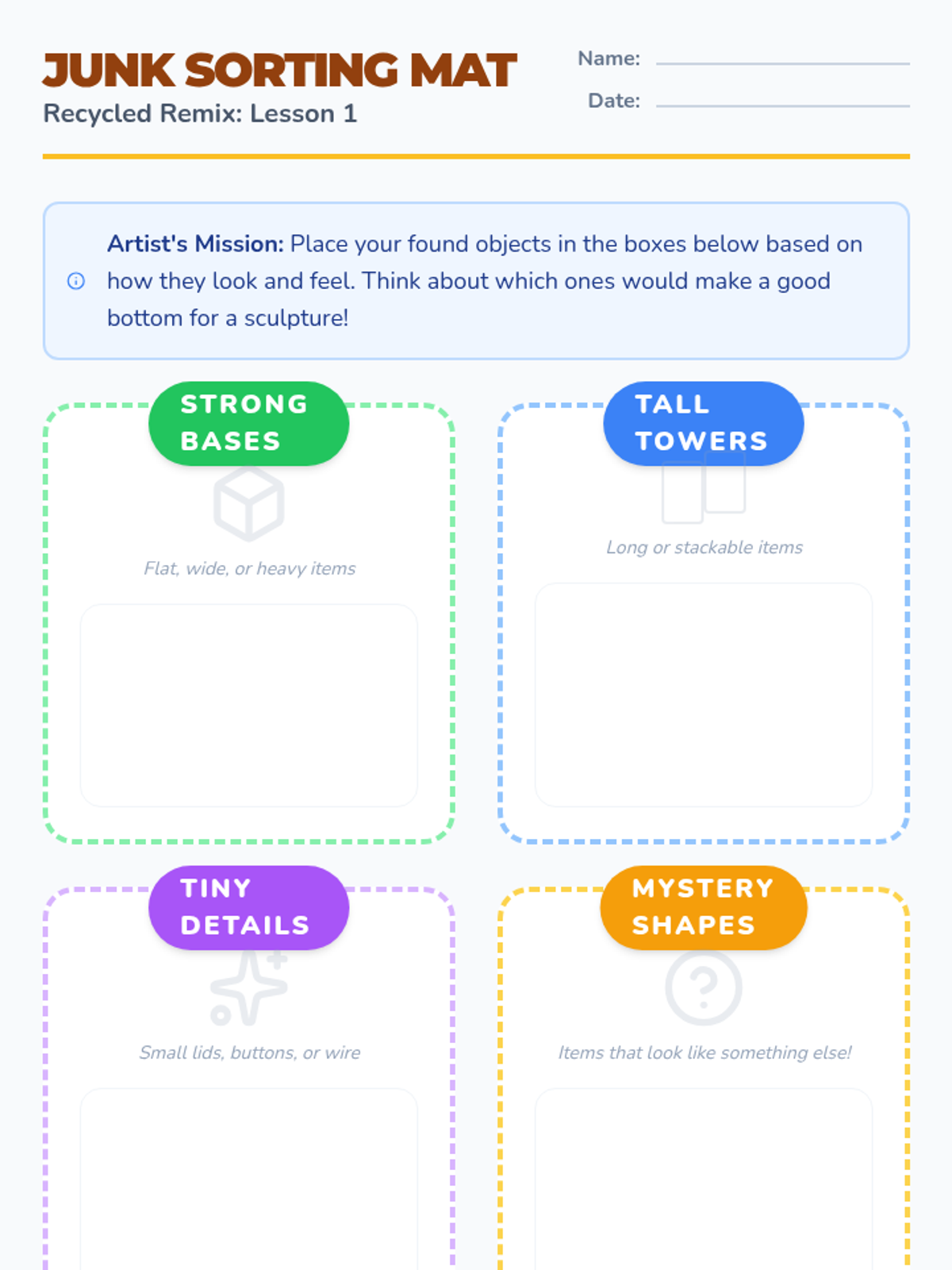
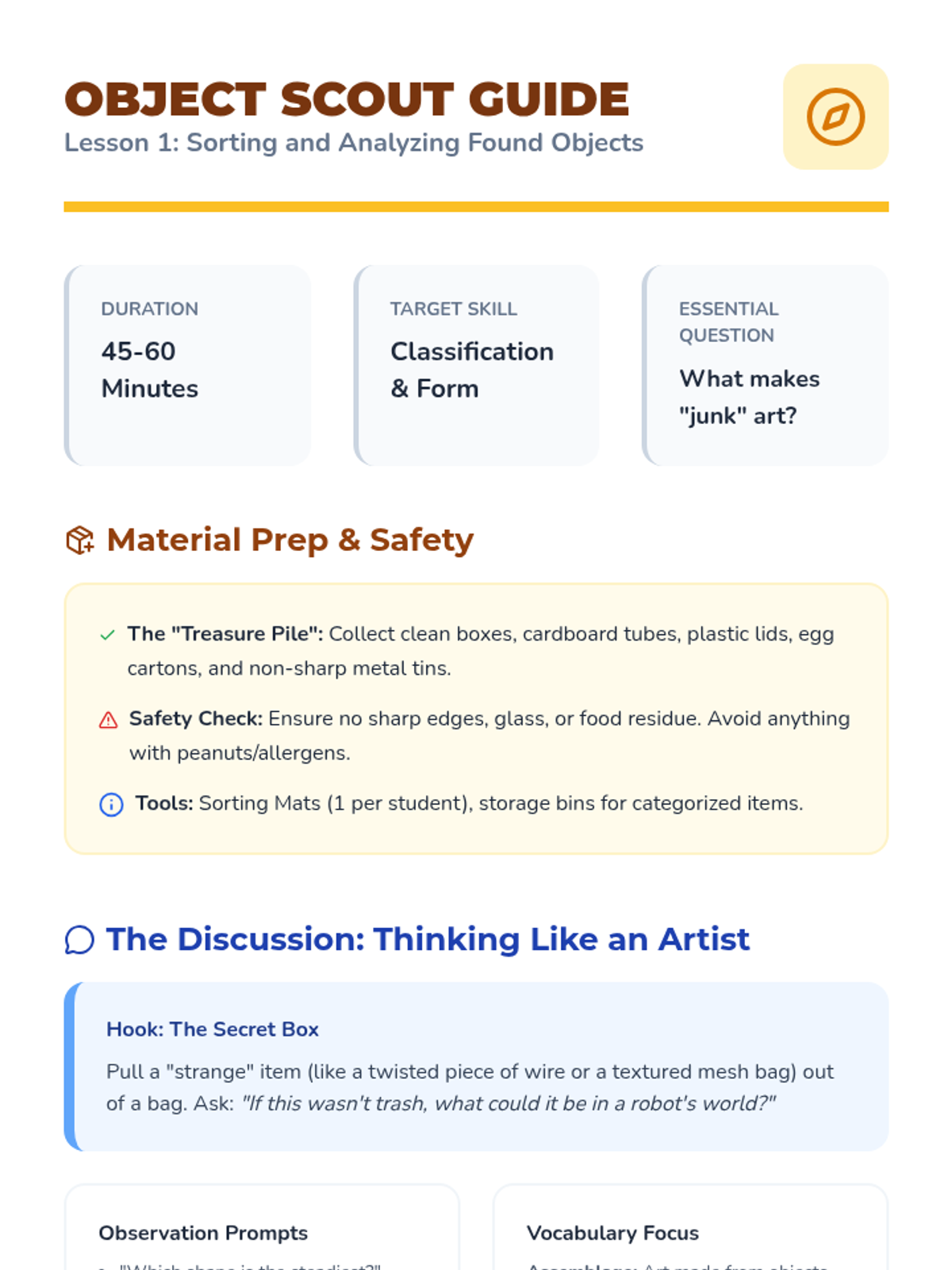
A sequence for 1st Grade students on assemblage art, focusing on building sculptures from found objects and recycled materials while exploring engineering concepts like stability and connection.
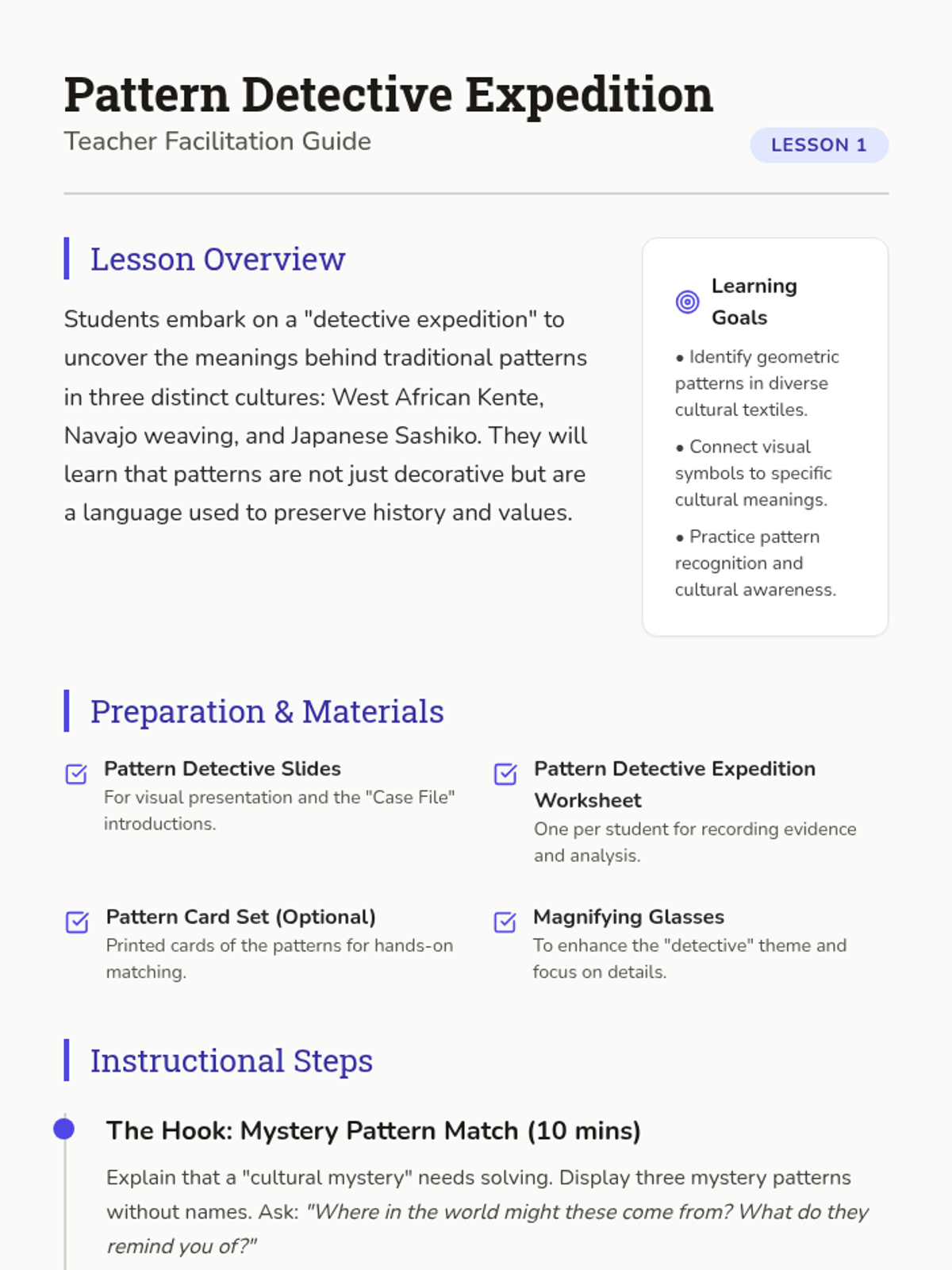
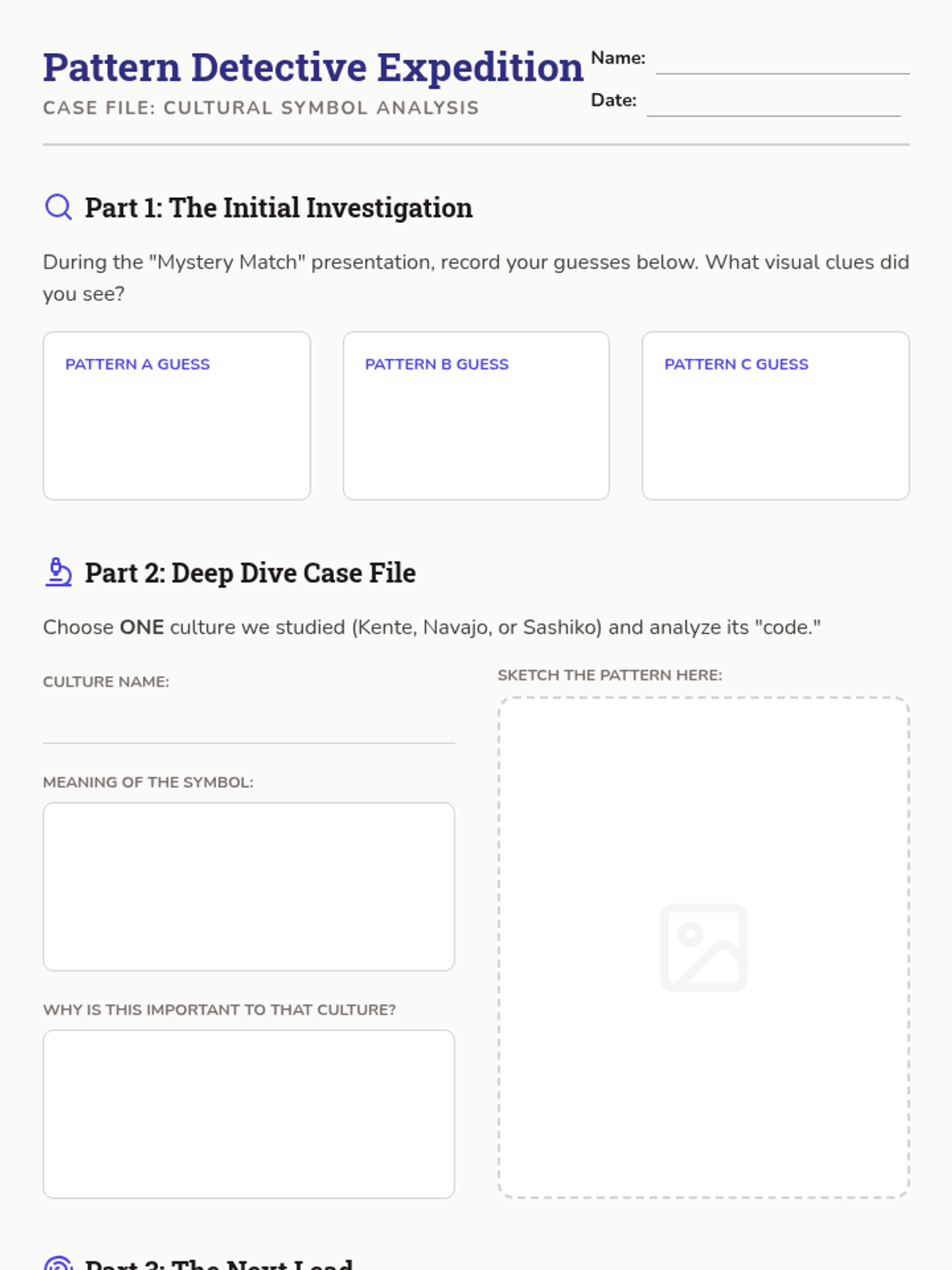
This 5-lesson sequence explores how art preserves cultural heritage. Students analyze patterns from West African, Navajo, and Japanese traditions, identify personal cultural symbols, and create a collaborative class mosaic that celebrates their diverse backgrounds and shared community.
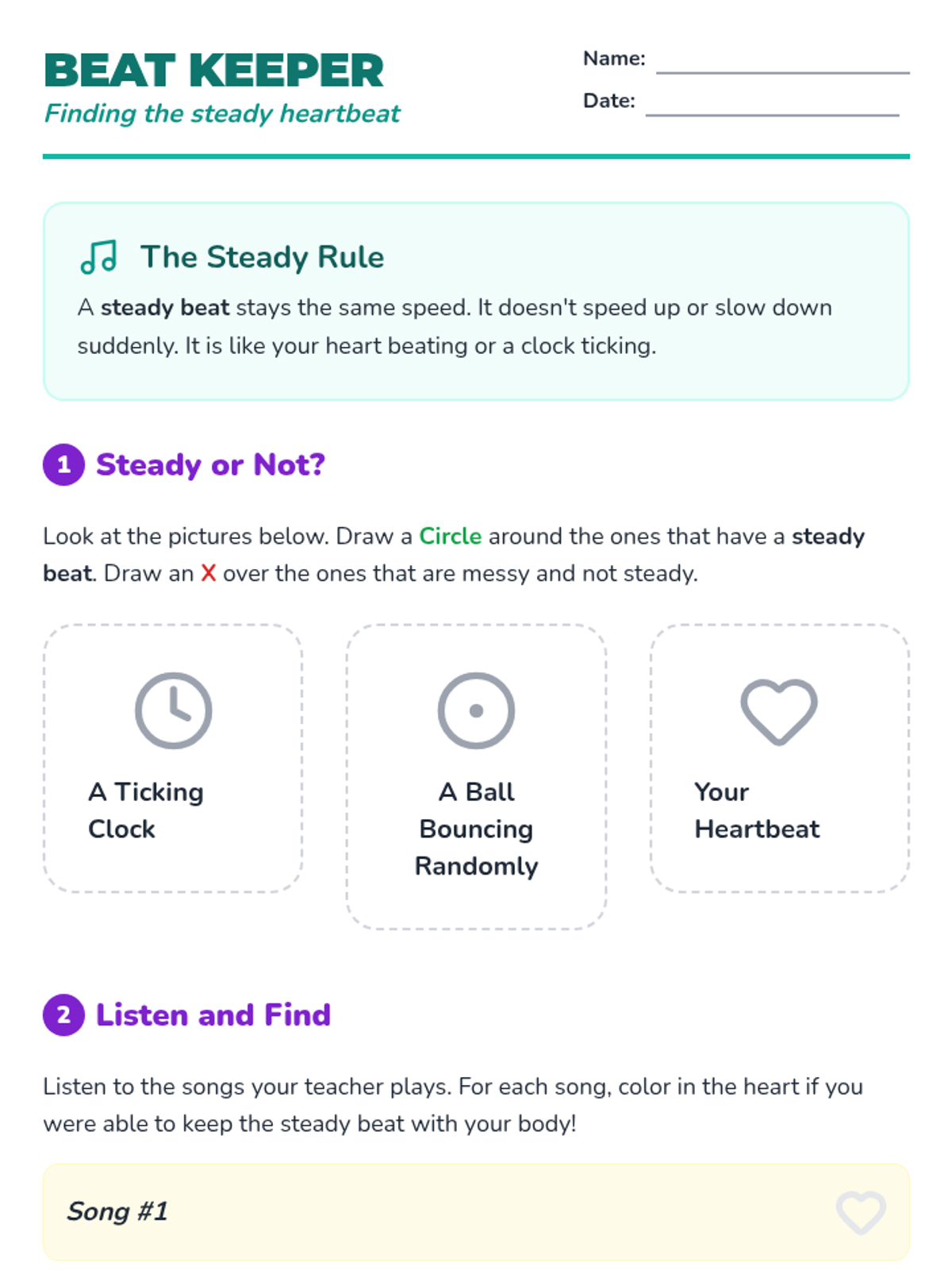
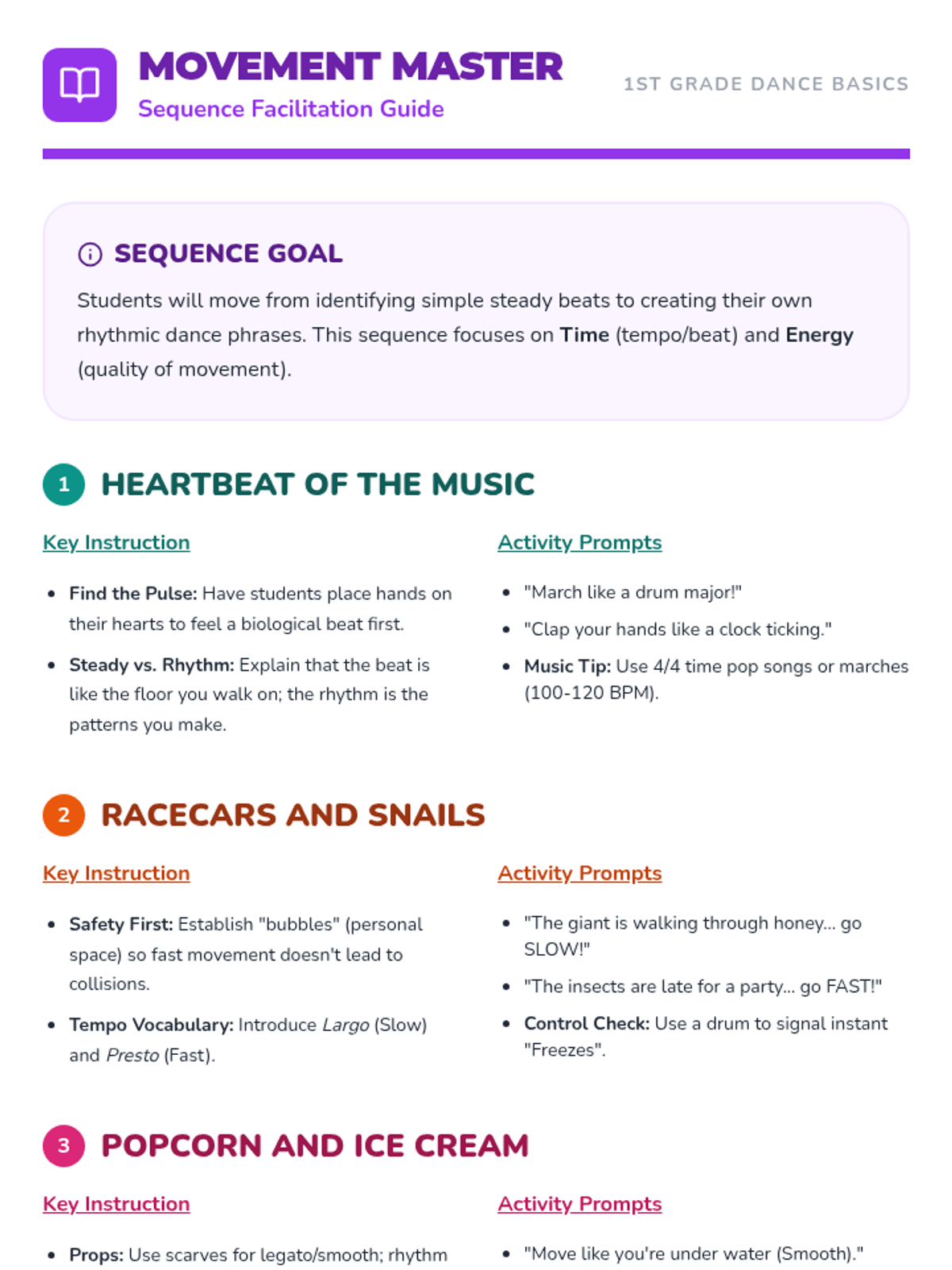
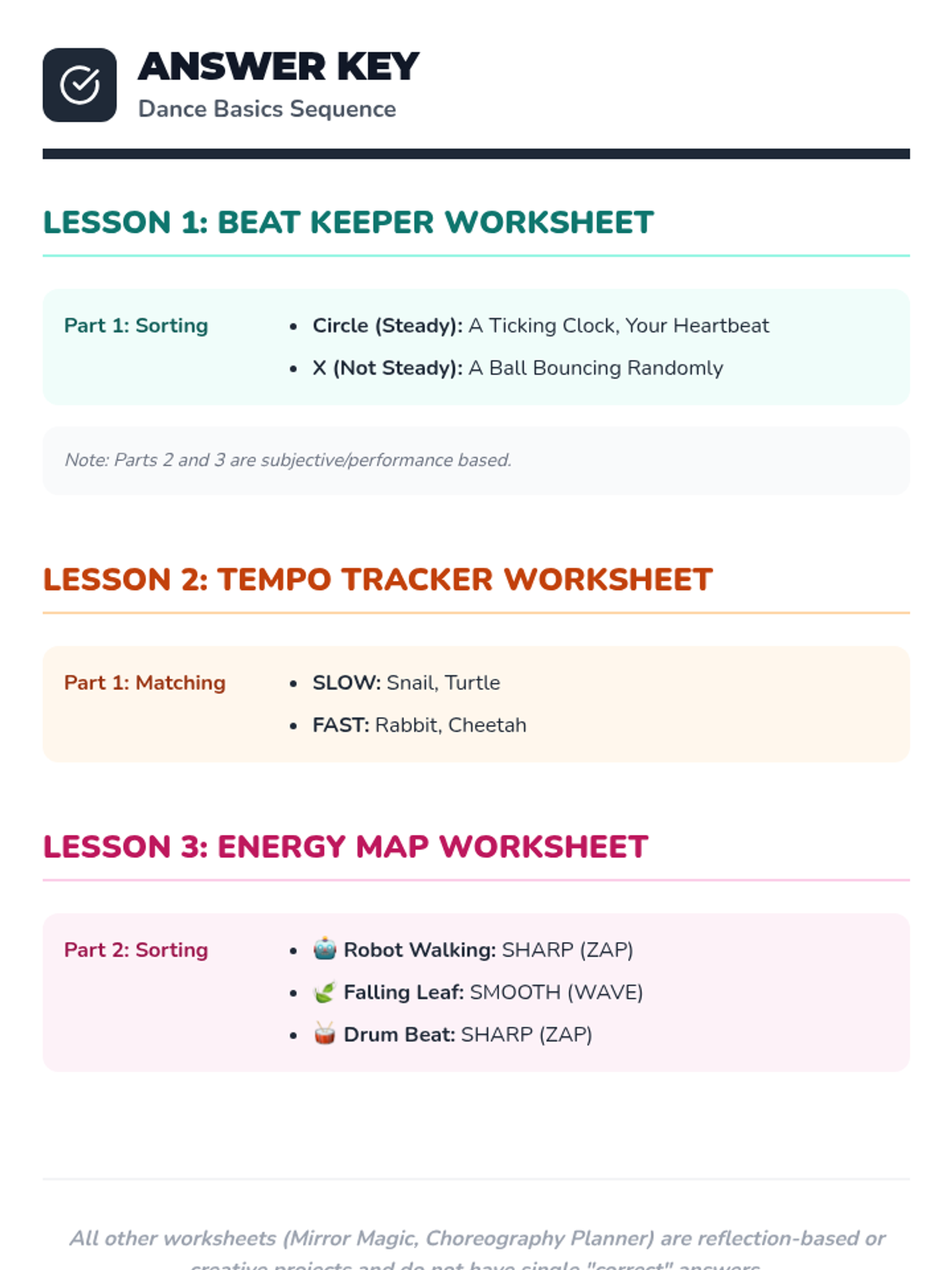
Students explore the elements of 'Time' and 'Energy' in dance. They learn to identify the steady beat, adjust to tempo changes, explore contrasting movement qualities, and eventually choreograph their own simple 8-count phrases.
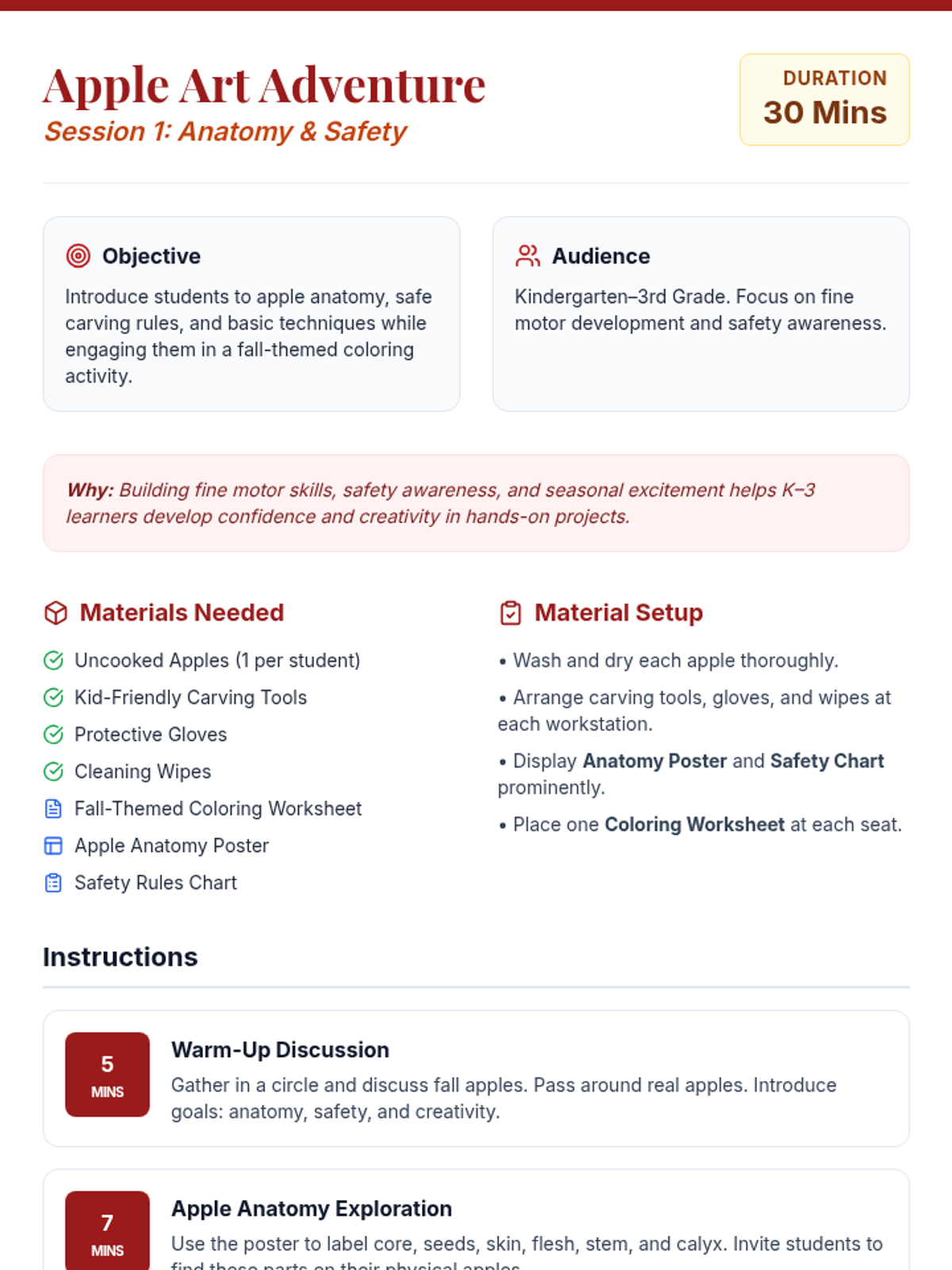
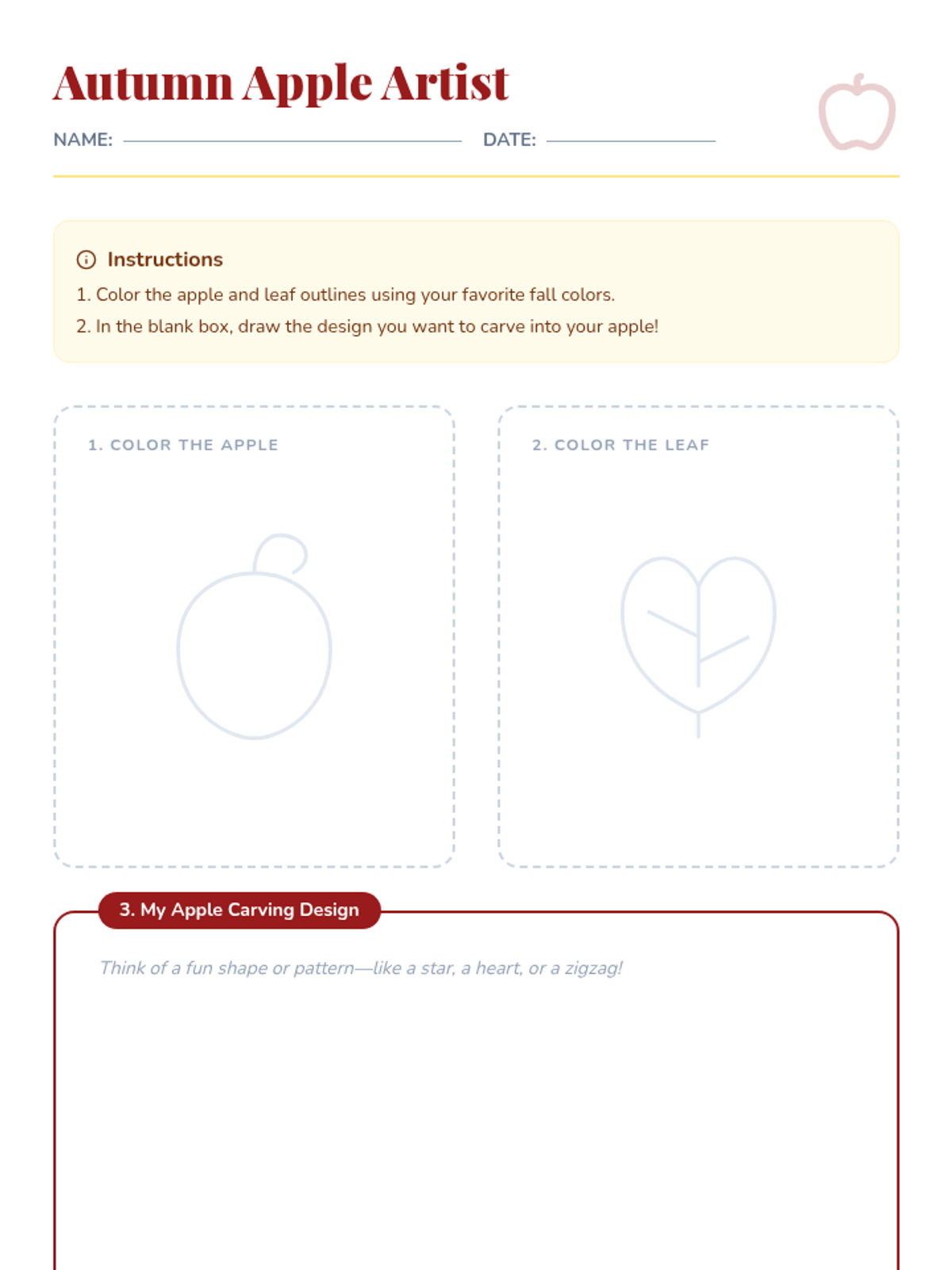
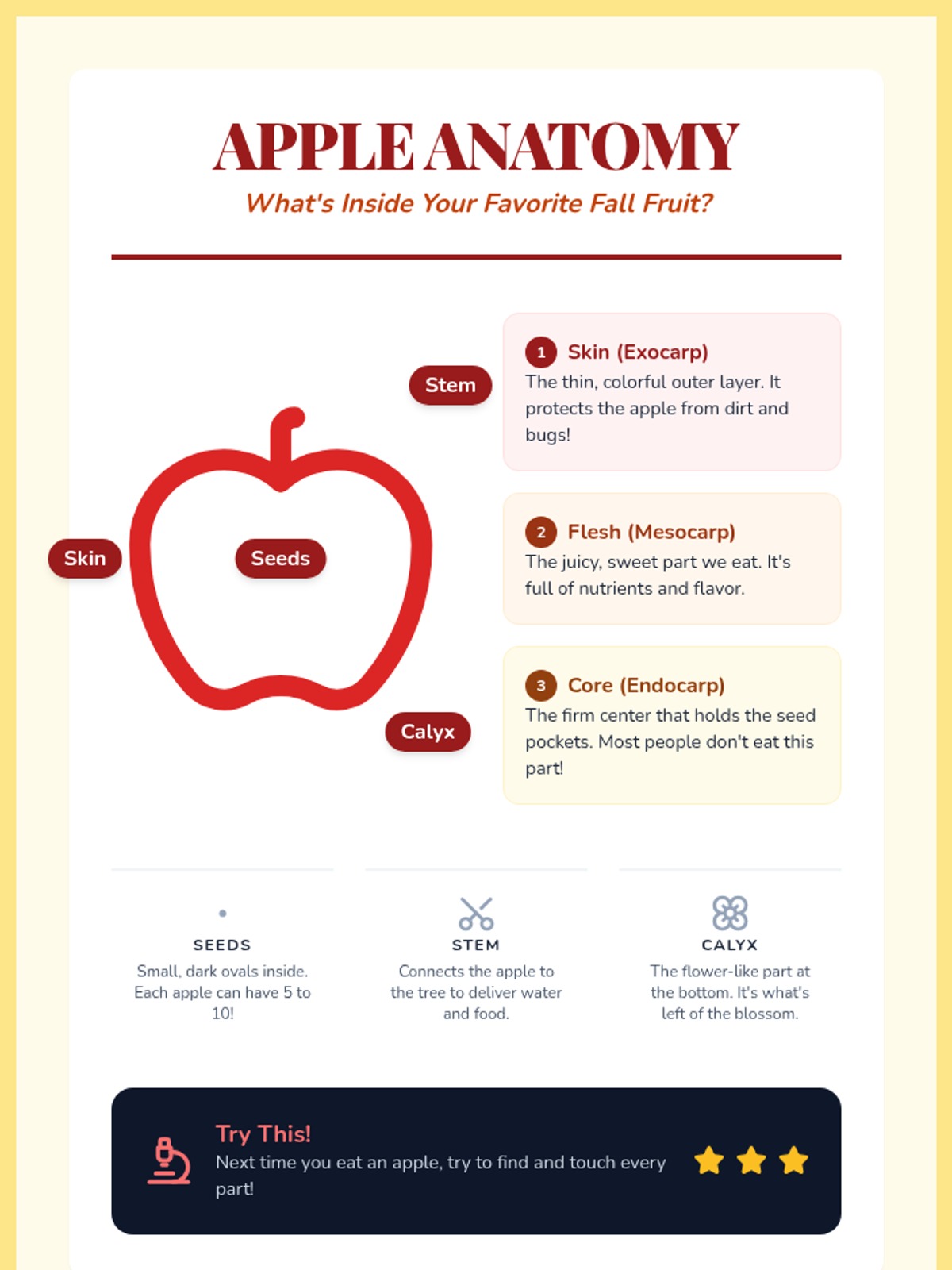
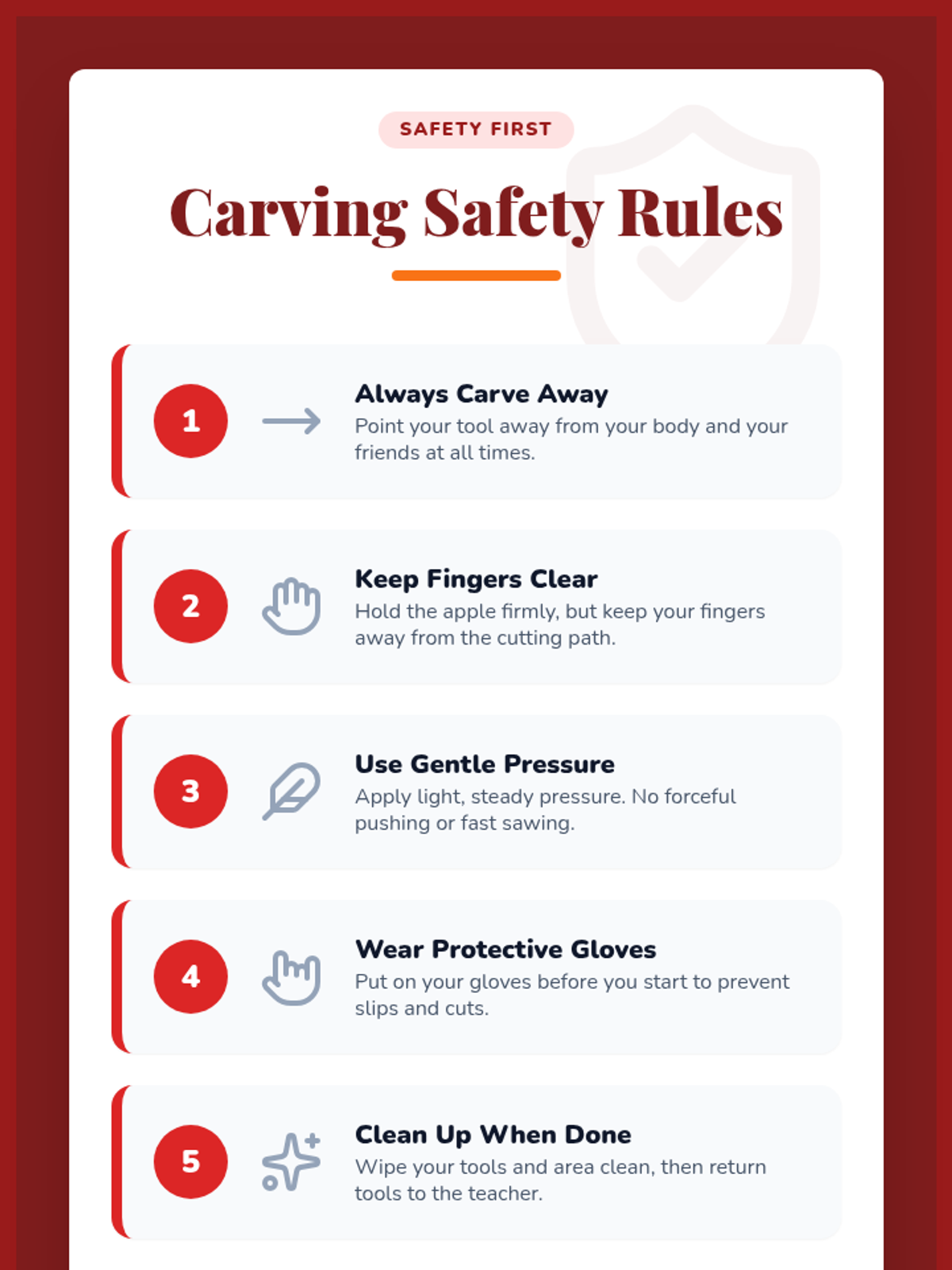
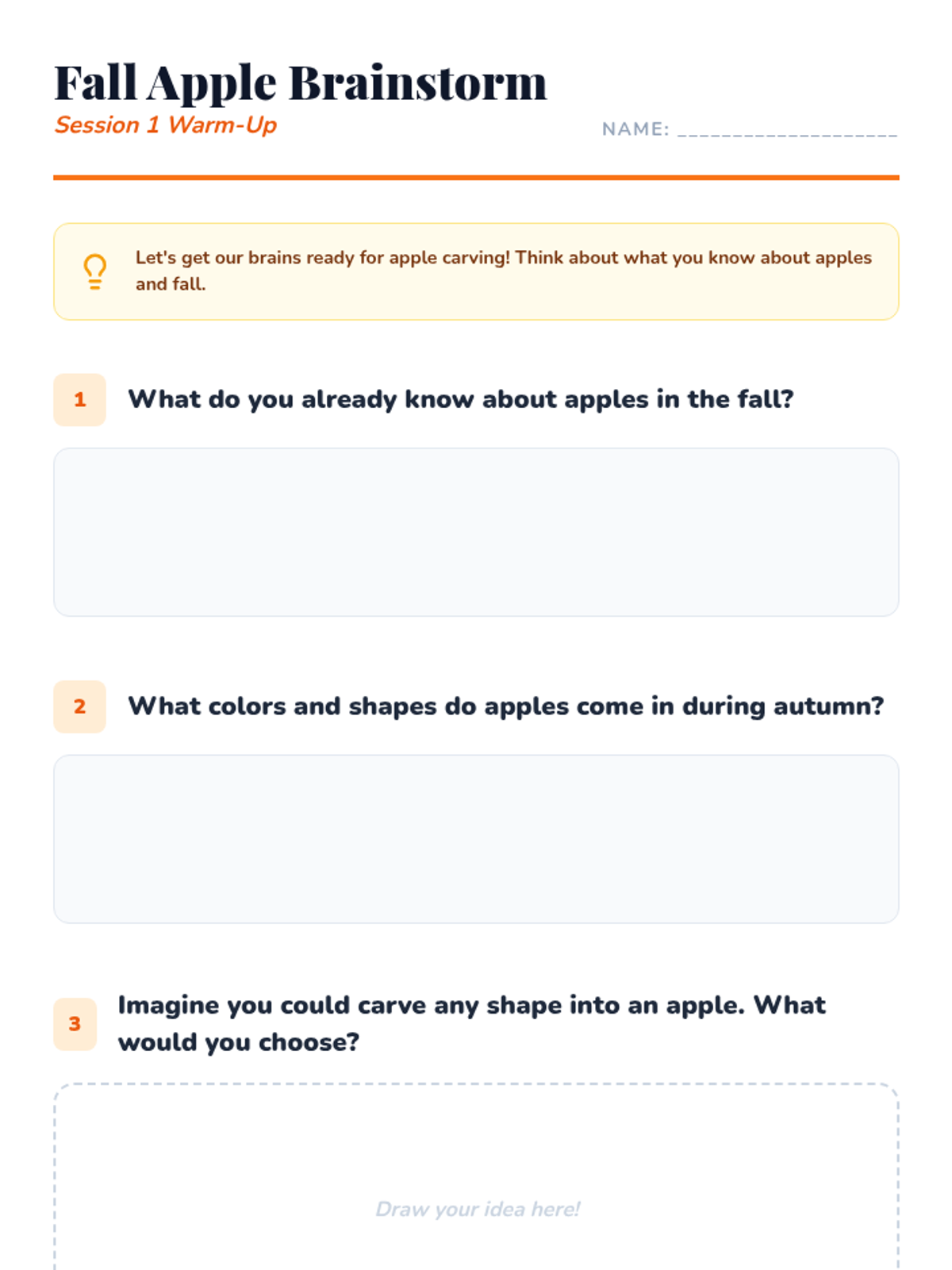
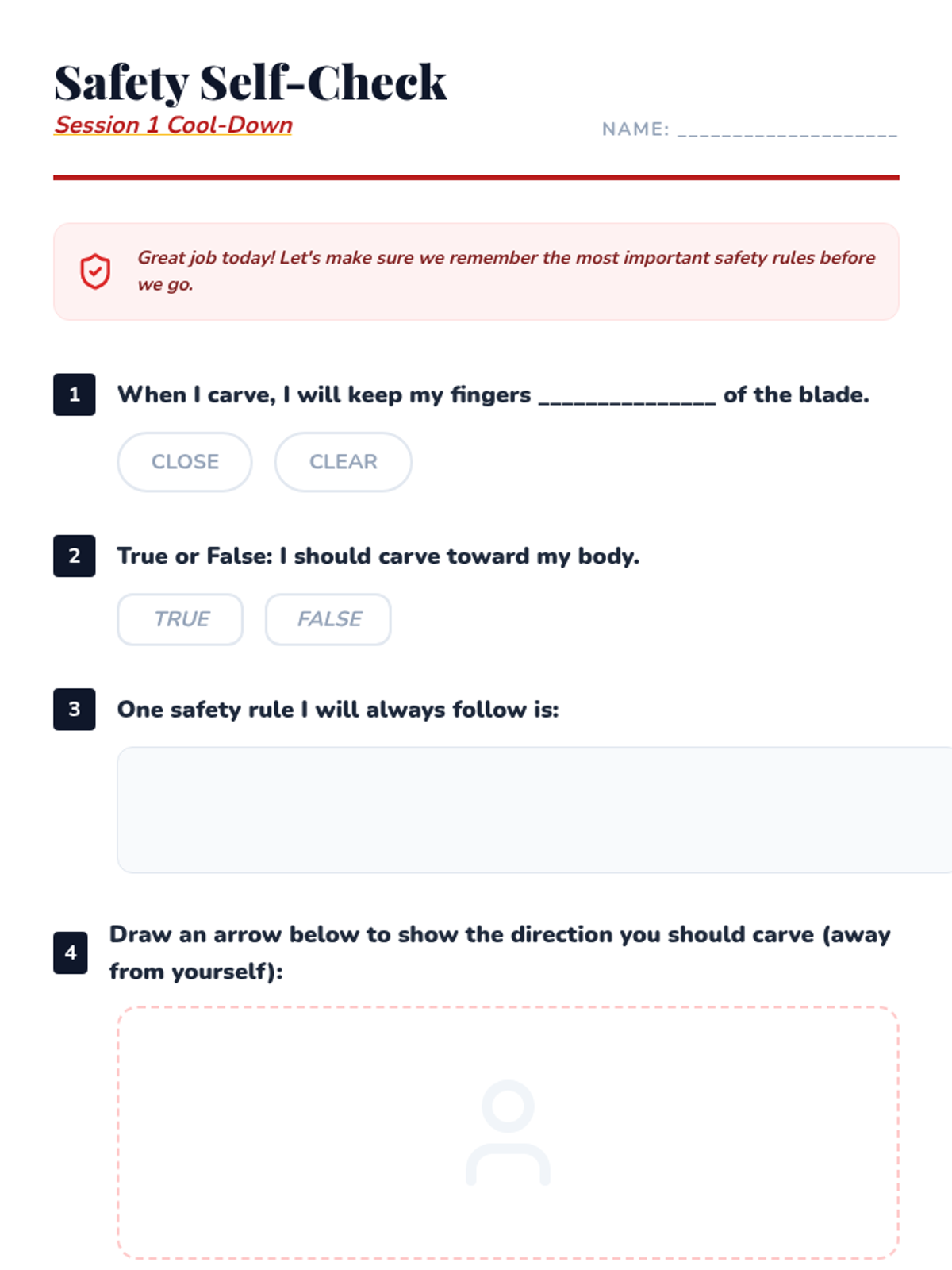
A 4-session fall-themed sequence for K-3 students focusing on apple anatomy, safe carving techniques, creative decoration, and celebratory printmaking. Students develop fine motor skills and safety awareness while creating unique edible art.
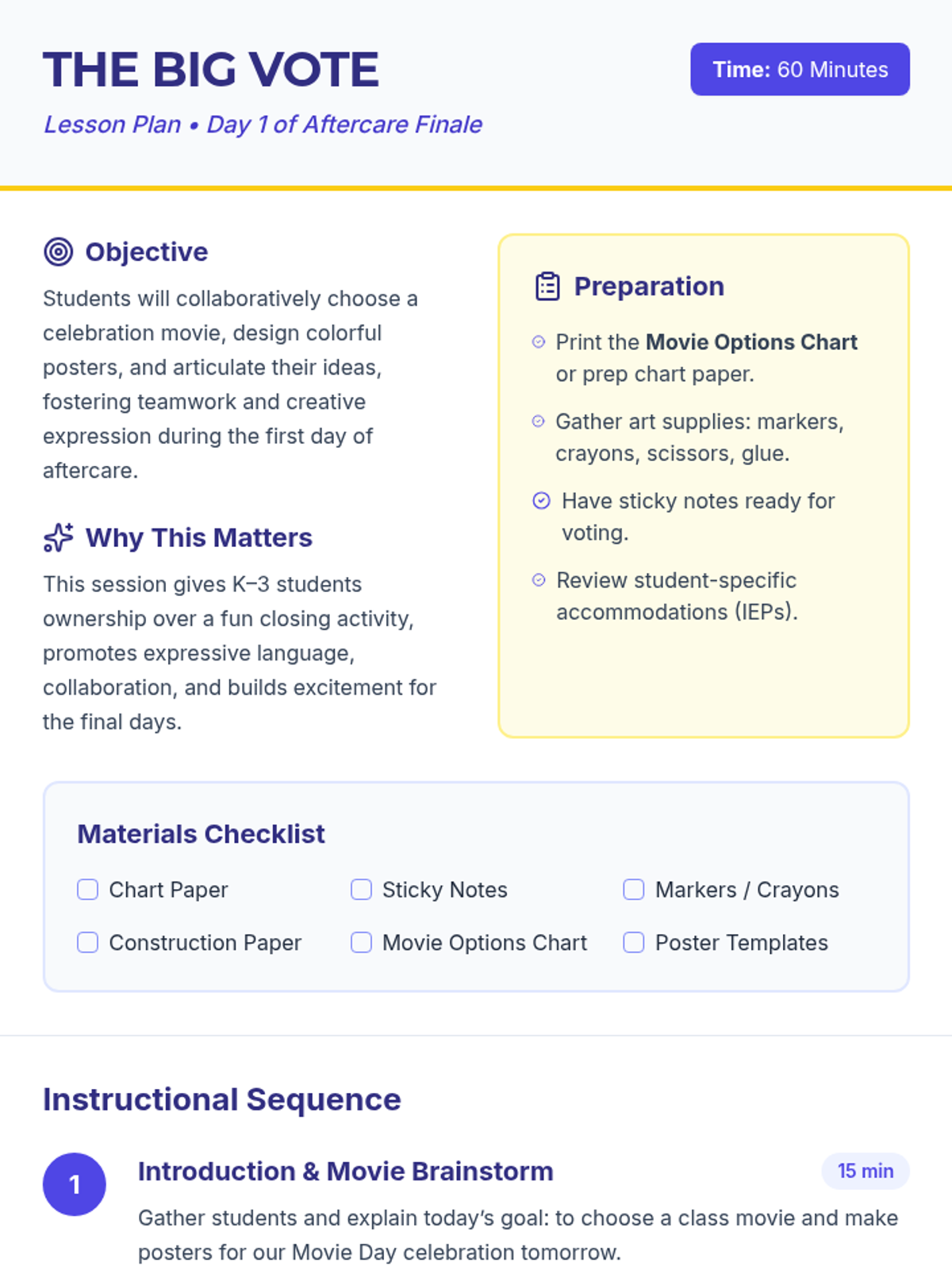
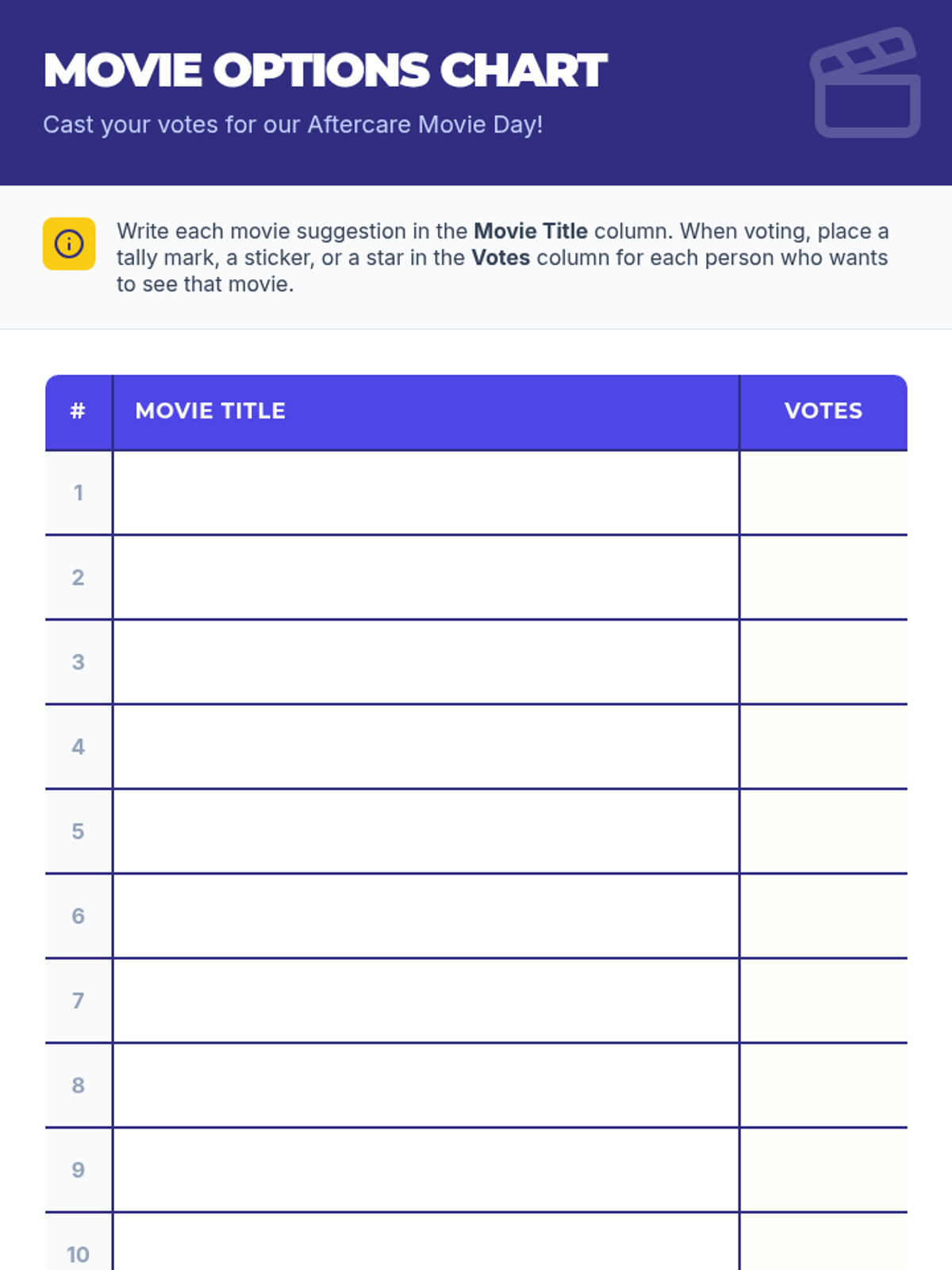
A fun two-day closing celebration for K–3 students where they collaborate to choose a class movie, design promotional posters, and enjoy a guided cinema experience with reflective activities.
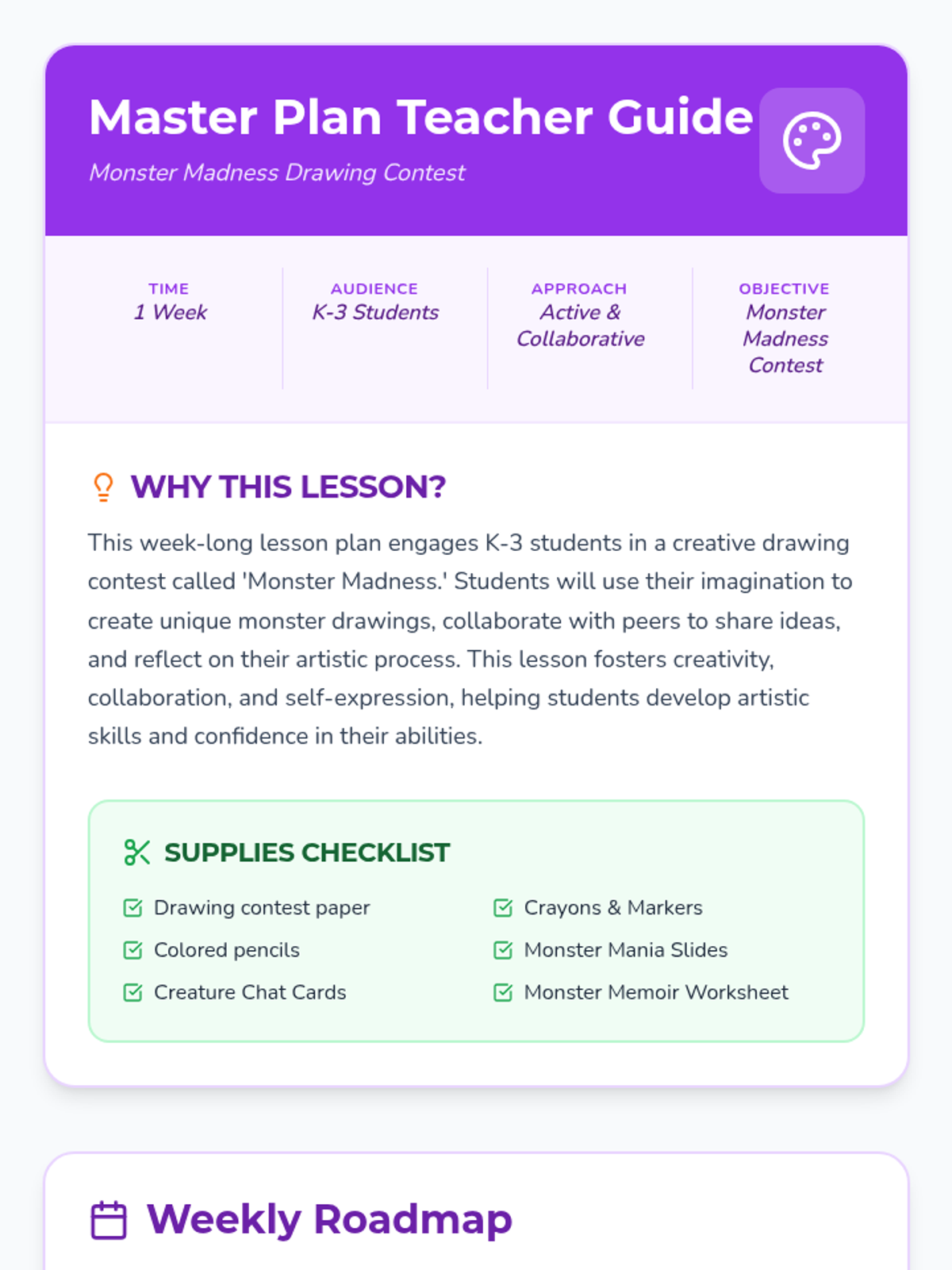
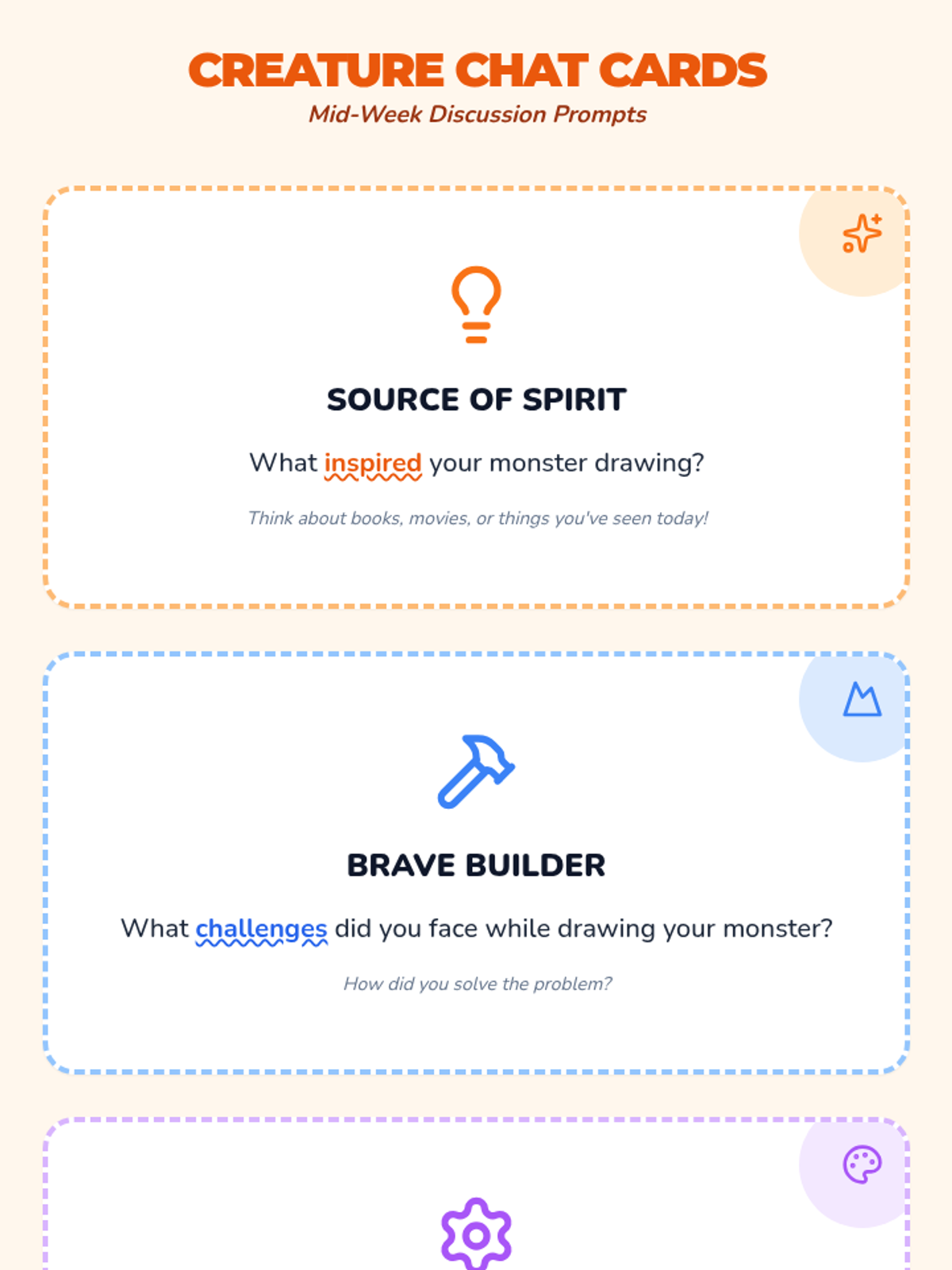
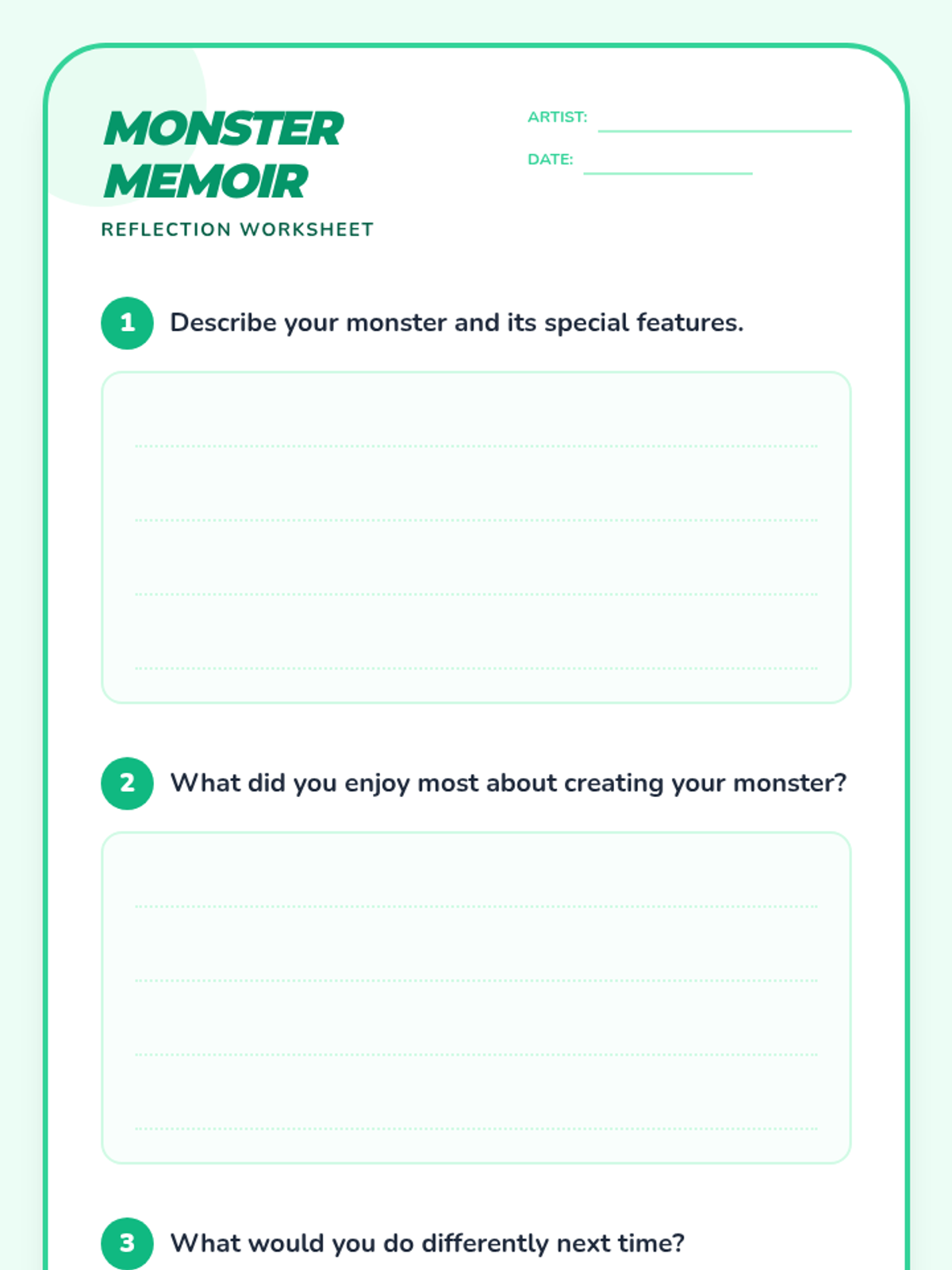
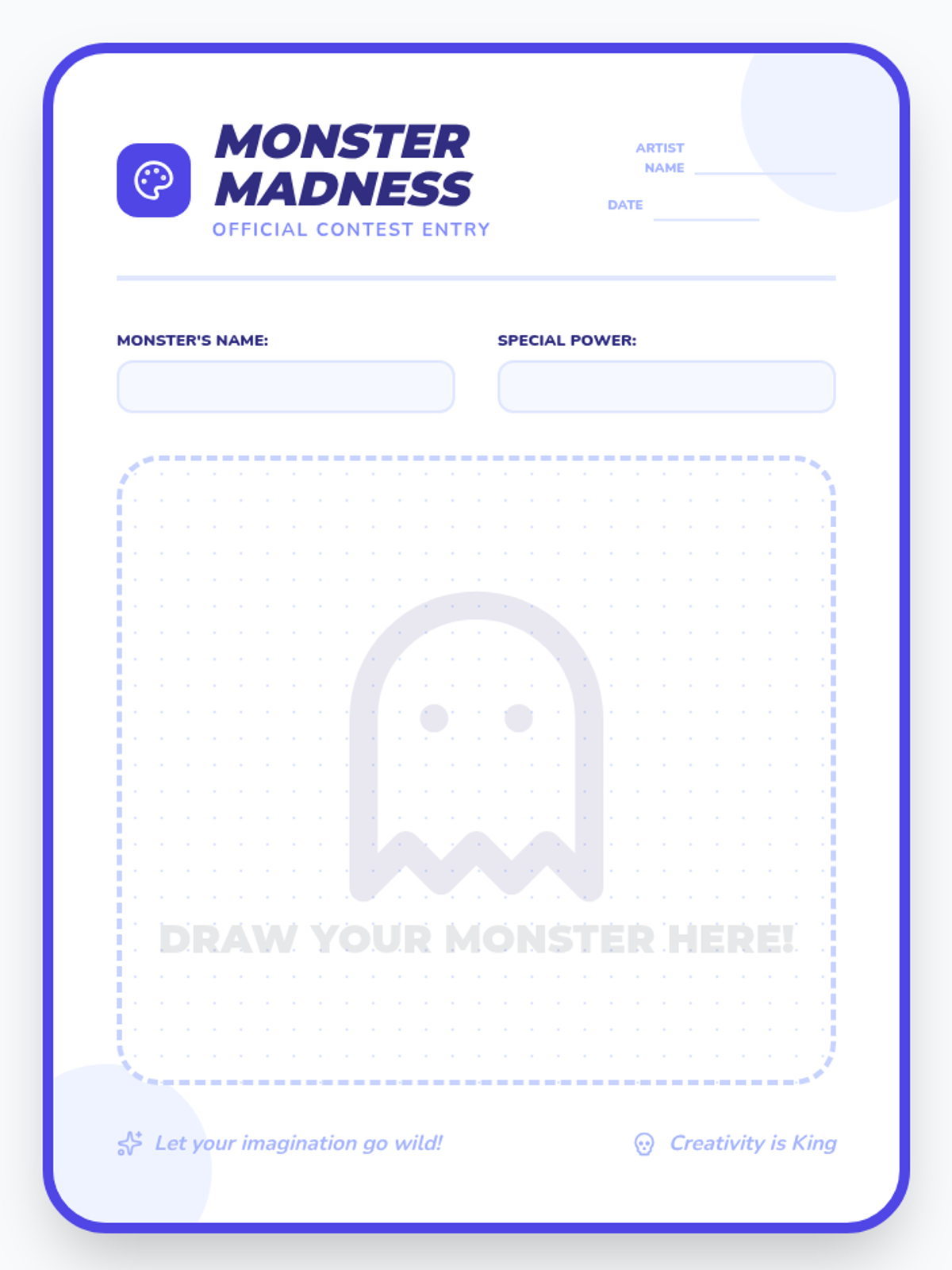
A week-long creative journey where students design, draw, and reflect on their own unique monsters while practicing artistic skills and collaboration.
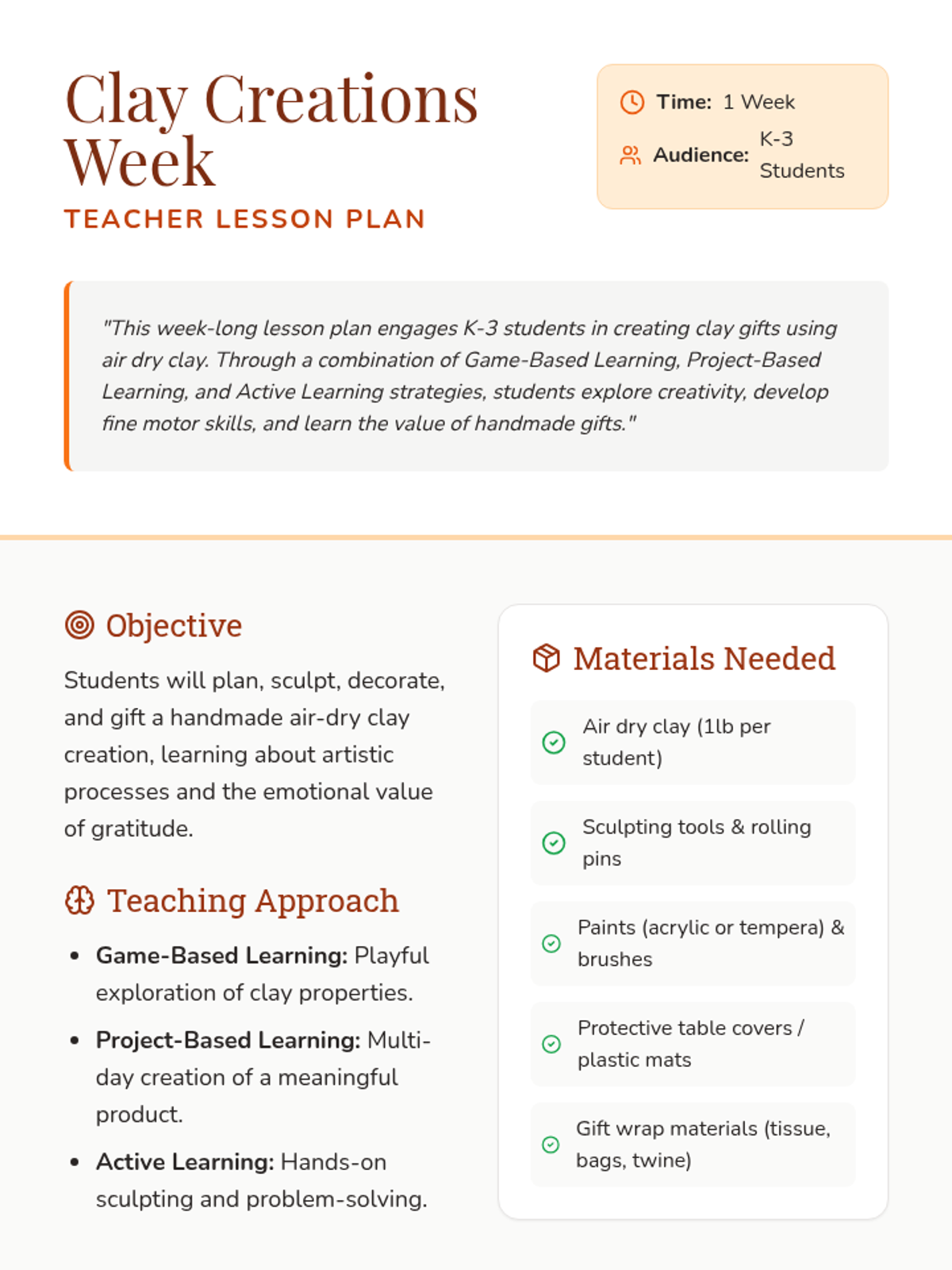
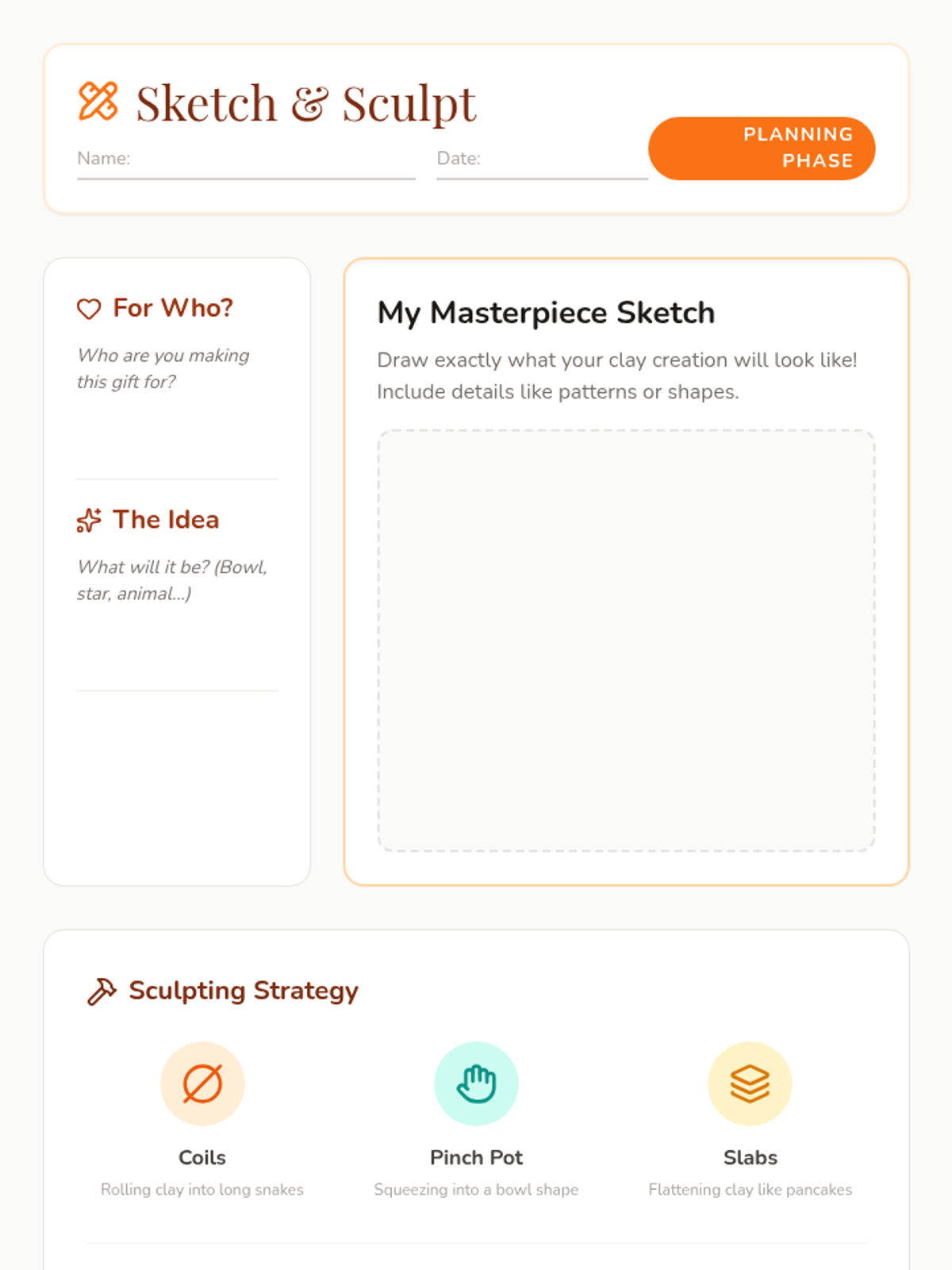
A week-long journey into the art of ceramics for young learners, focusing on fine motor skills, creative planning, and the emotional value of handmade gifts. Through structured sculpting and decorating sessions, students transform simple clay into meaningful keepsakes.
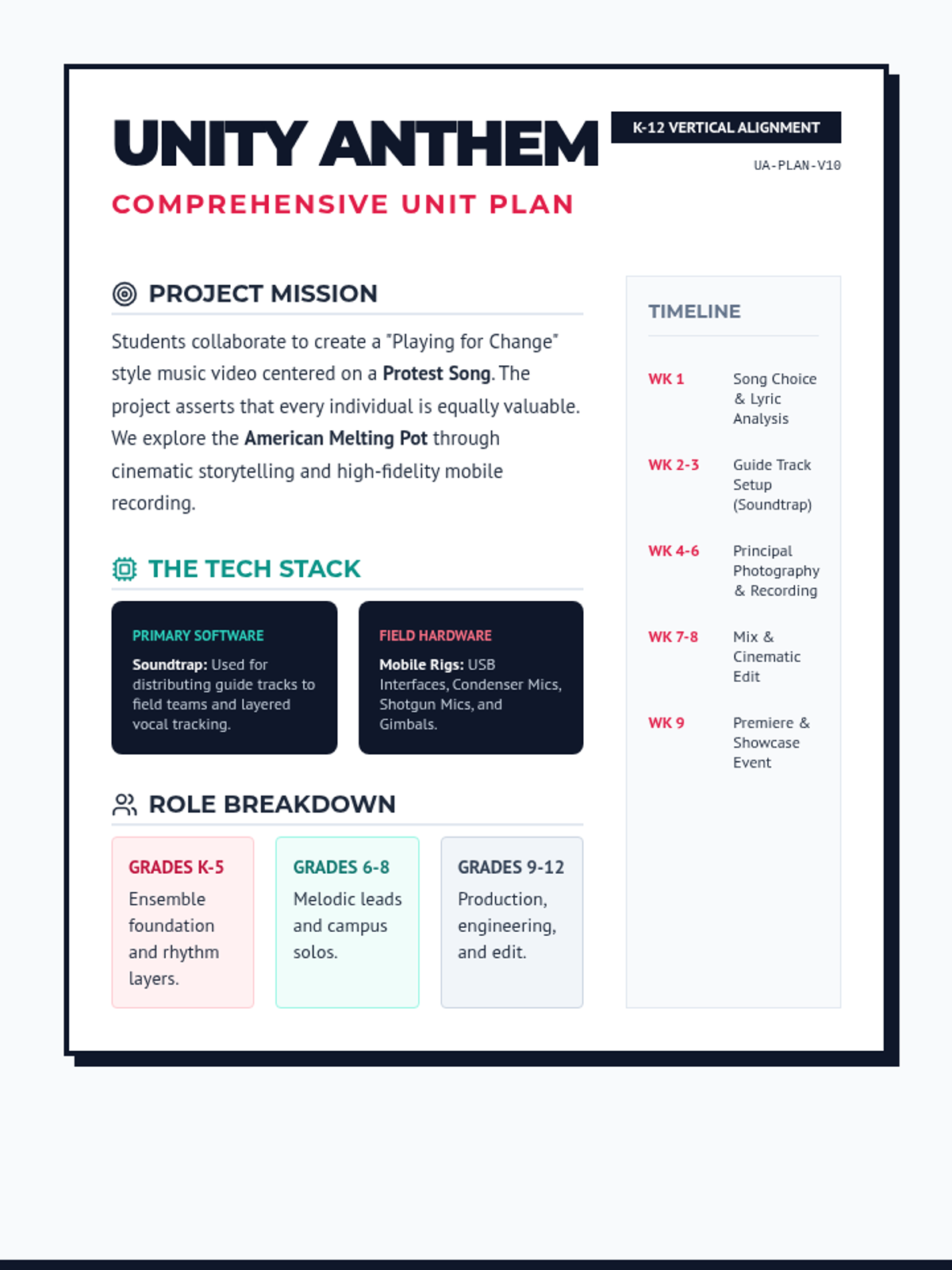
A K-12 collaborative music video project where students across all grade levels work together to produce a 'Playing for Change' style cover of a protest song centered on equality and cultural identity. High school students lead production, while K-8 students provide the musical and visual heart of the performance.
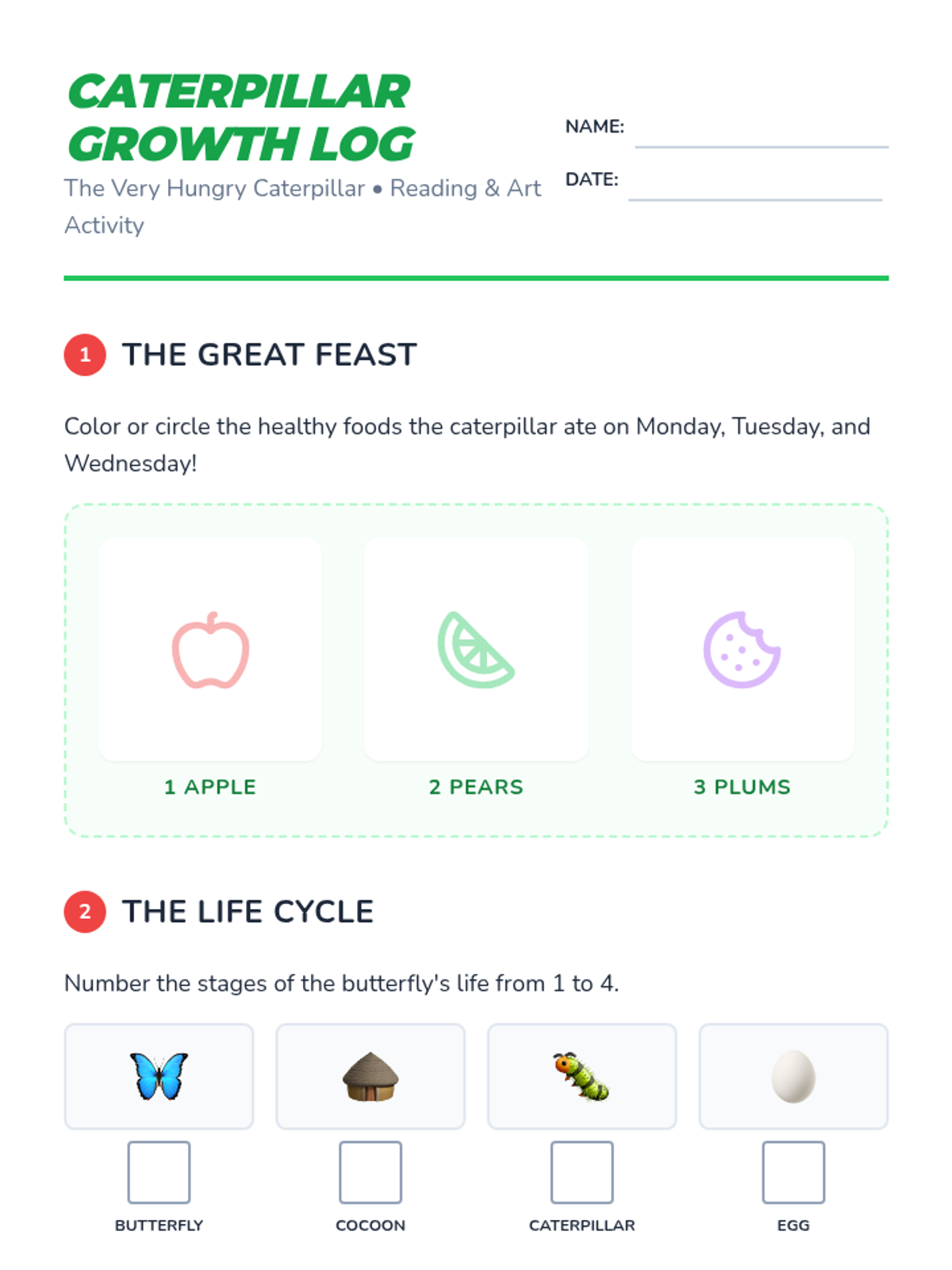
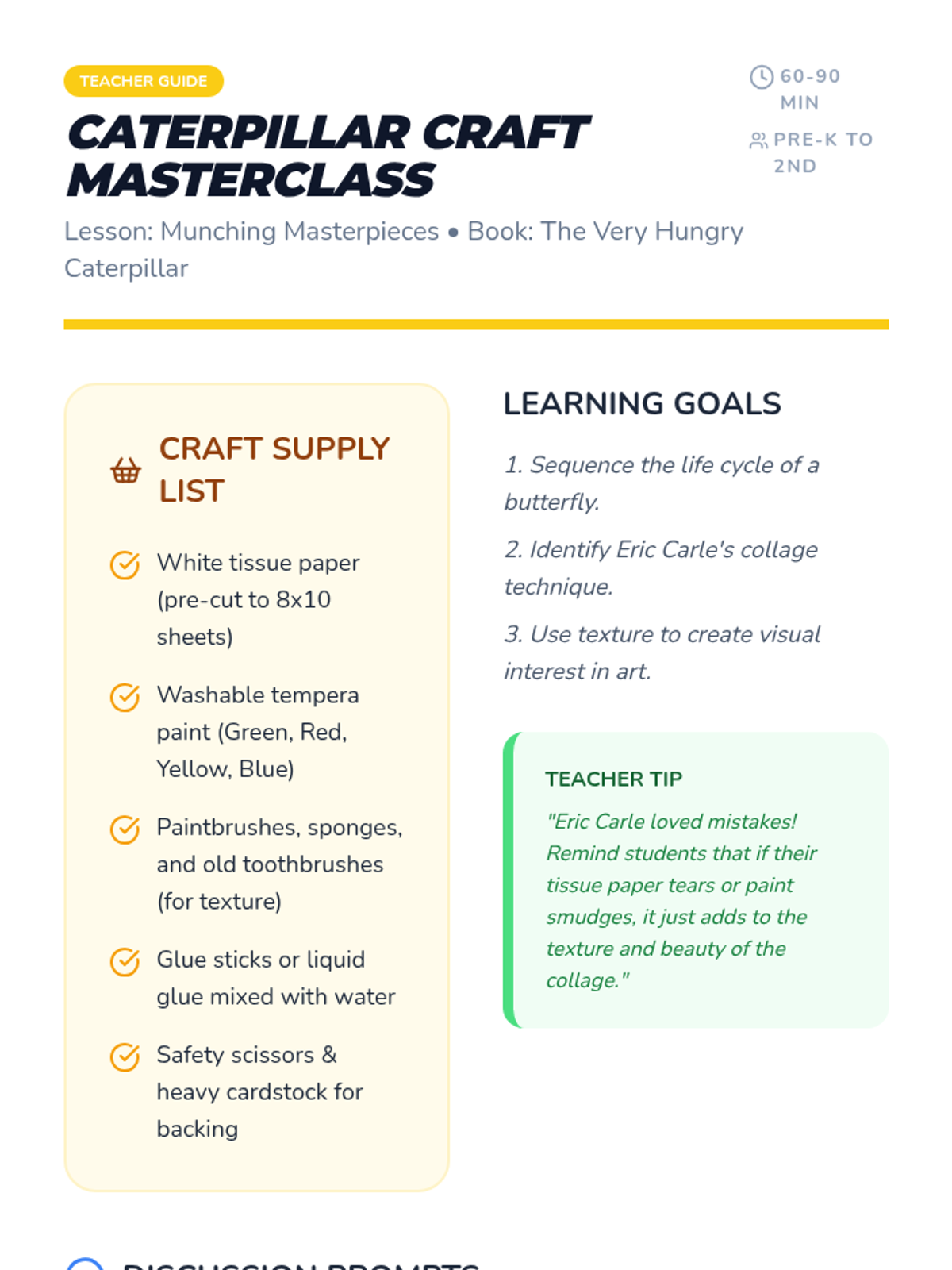
A series of lessons exploring the iconic stories and art techniques of Eric Carle, combining literacy with hands-on collage and texture-based art projects.
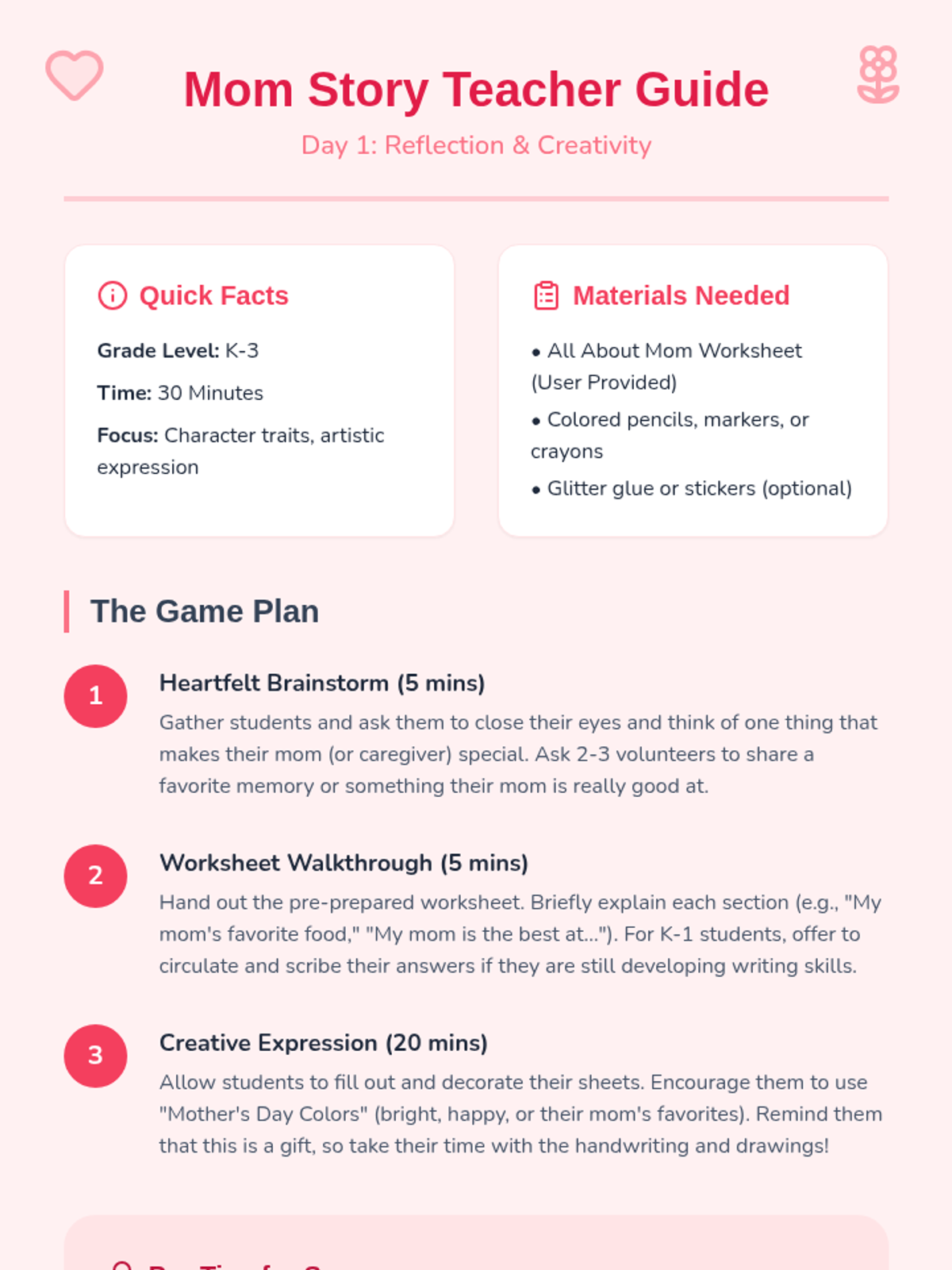
A four-day Mother's Day gift-making unit for grades K-3. Students will complete a worksheet, sculpt and paint clay keepsakes, and create custom gift packaging with optional beaded jewelry.
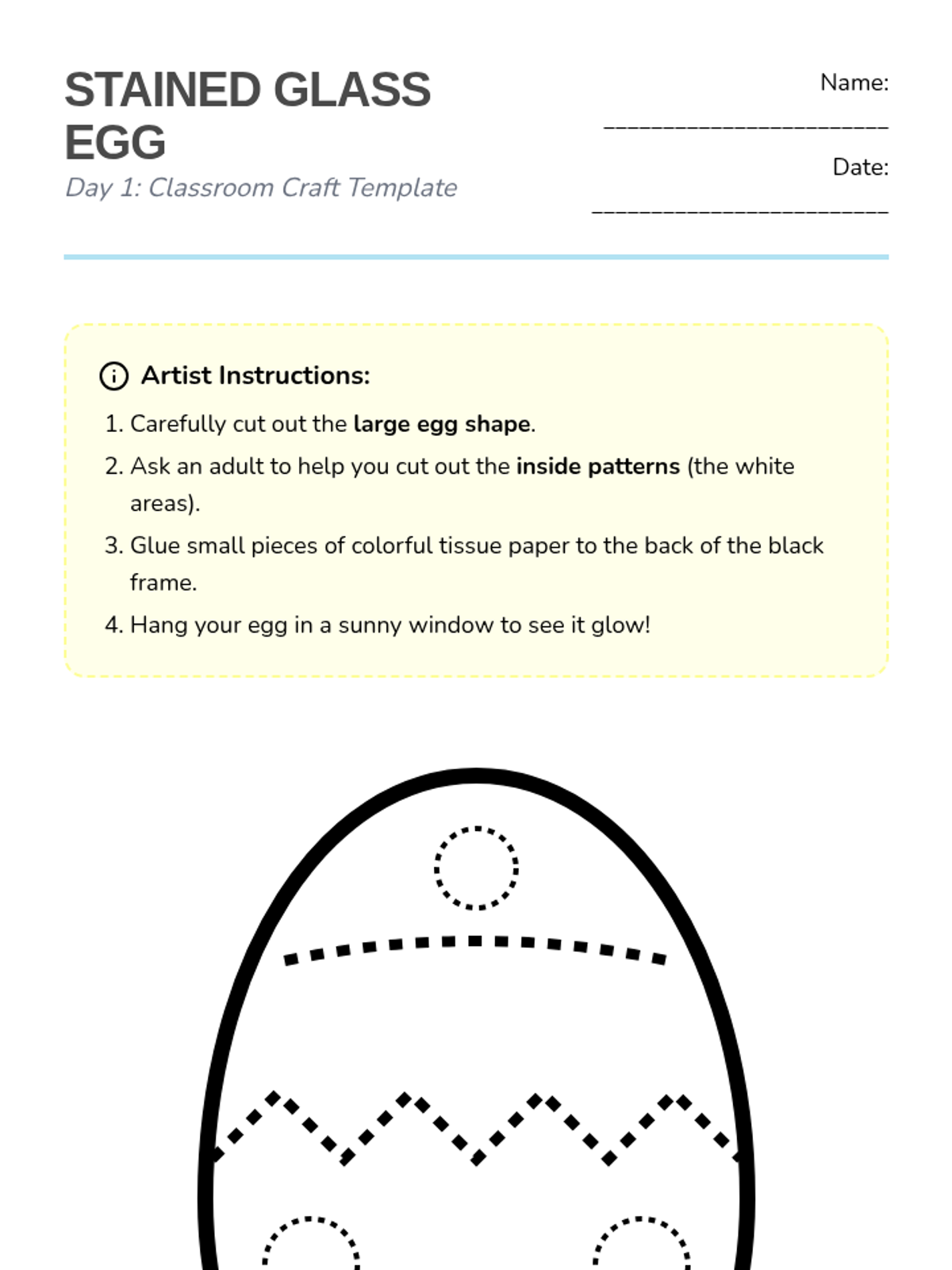
A four-day Easter unit for K-3 students exploring the history and symbols of Easter through hands-on crafts and outdoor movement activities. Each day focuses on a different tradition: eggs, bunnies, flowers, and community celebration.
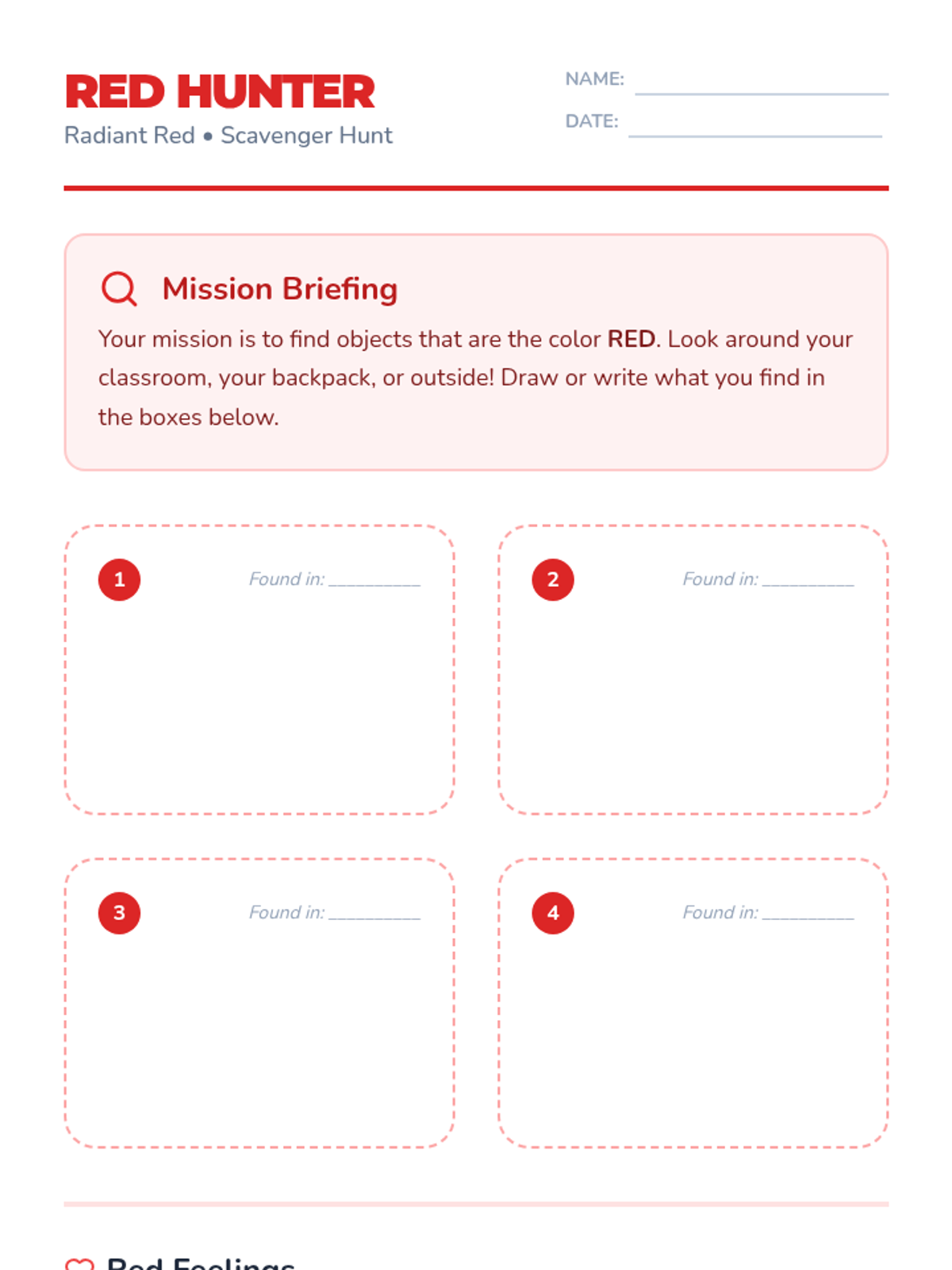
A vibrant journey through the primary and secondary colors, exploring objects, emotions, and the science of mixing. Students will discover the unique characteristics of red, blue, yellow, and green while learning how they combine to create new hues.
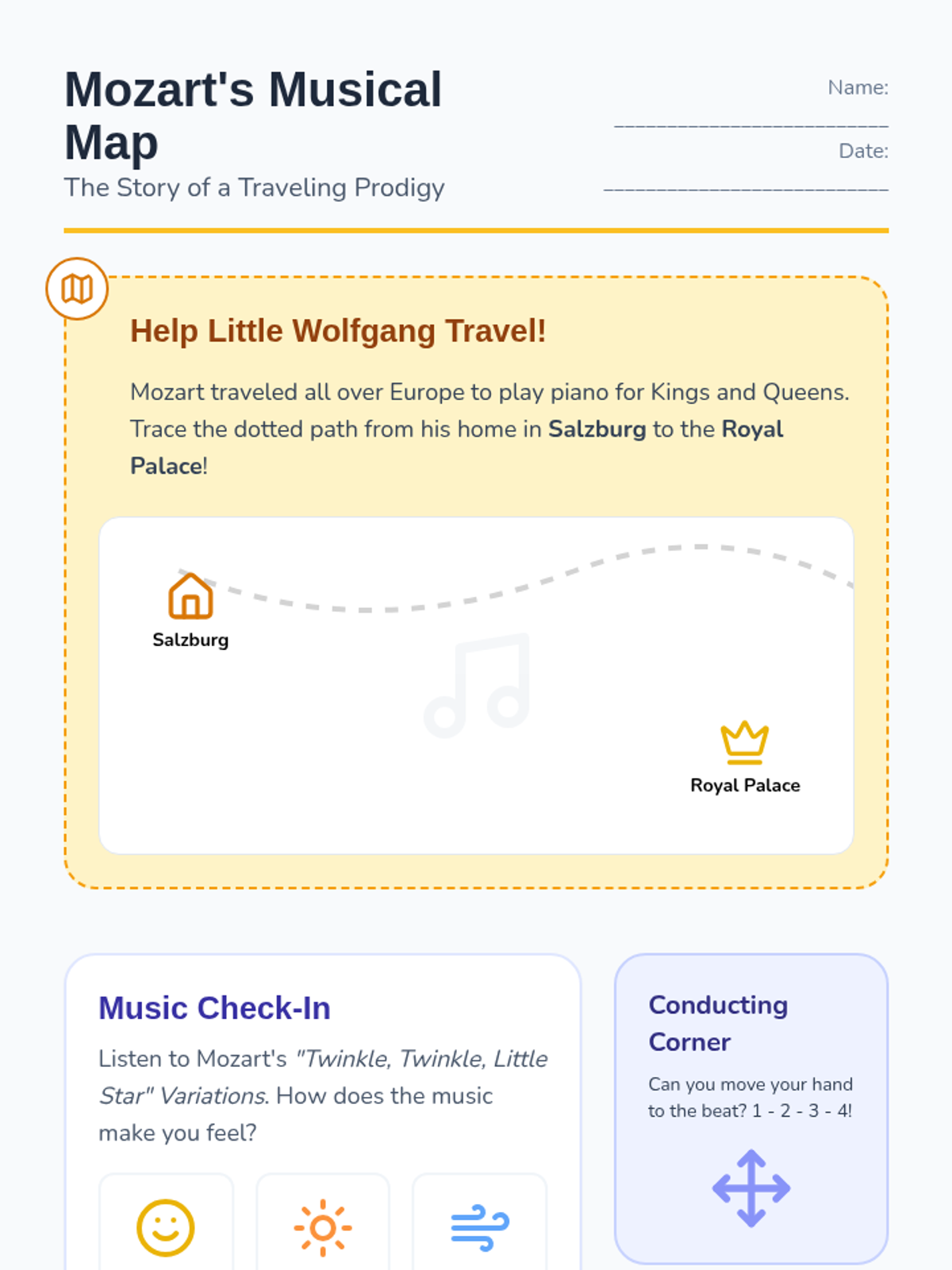
A 1st Grade music history sequence exploring the lives and works of Mozart, Beethoven, Tchaikovsky, and John Williams through storytelling, active listening, and sensory exploration.
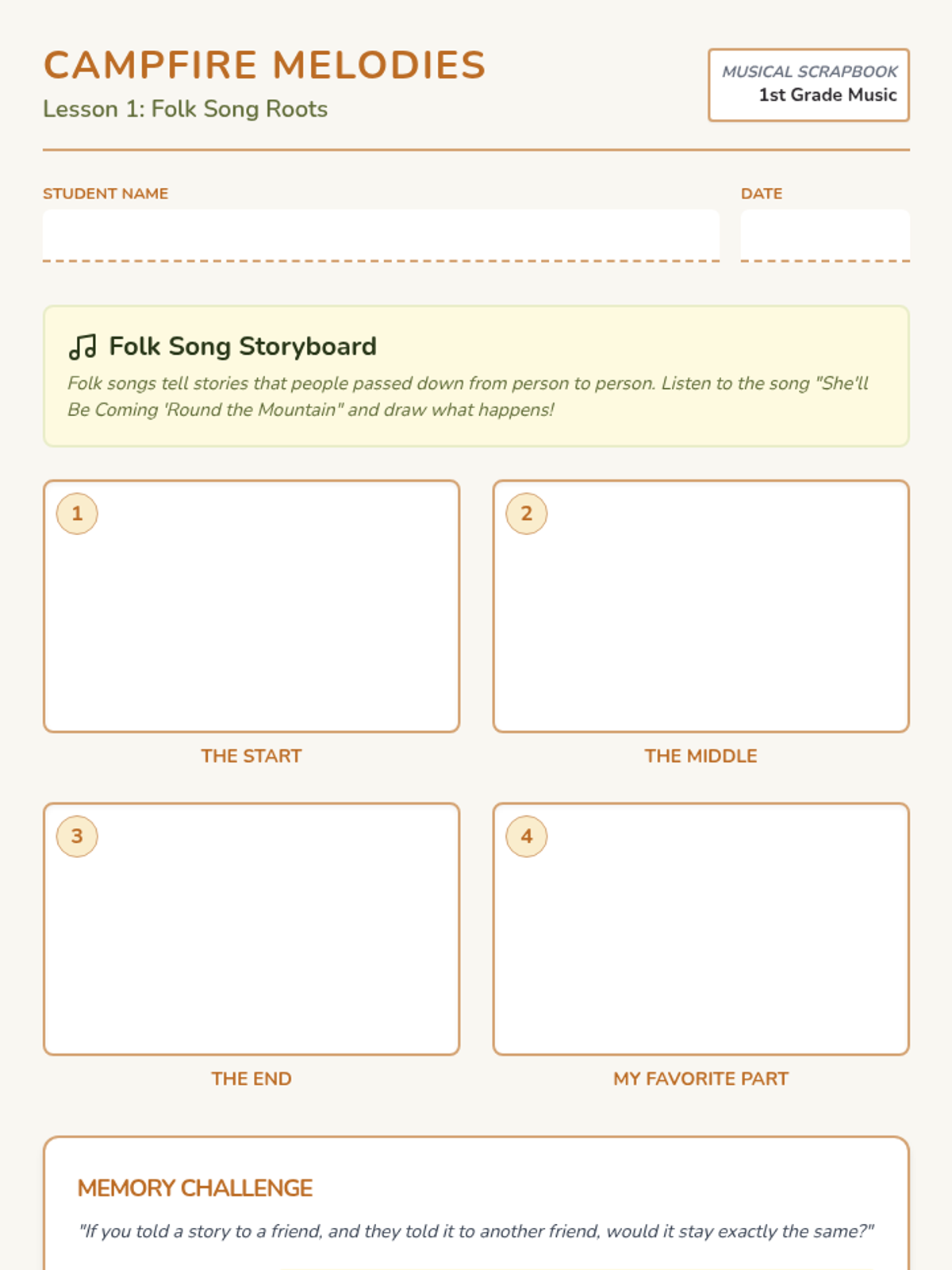
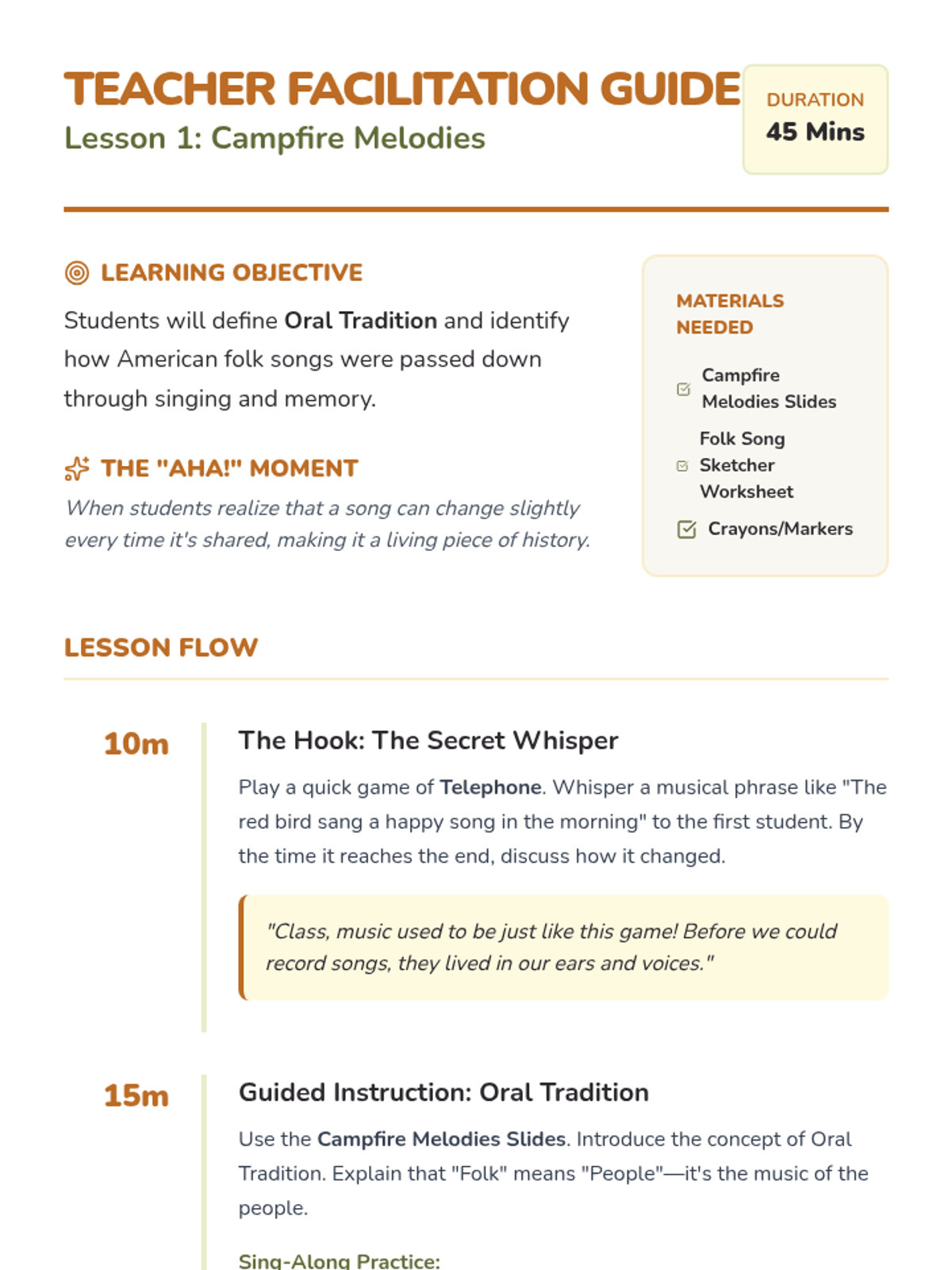
This 1st Grade sequence explores the uniquely American roots of Folk, Blues, and Jazz. Students learn about oral traditions, call-and-response, syncopation, and improvisation through interactive singing and rhythmic games.
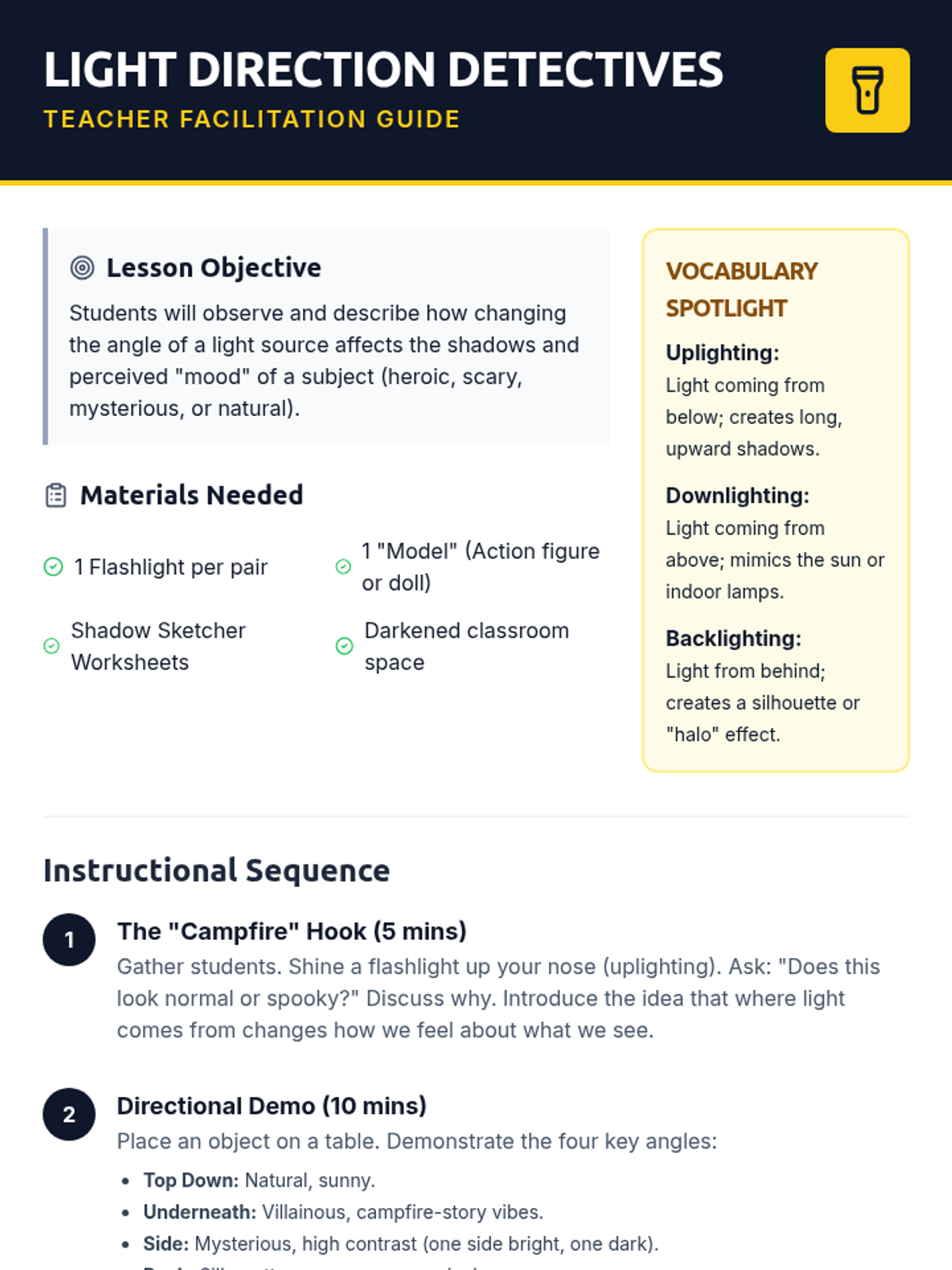
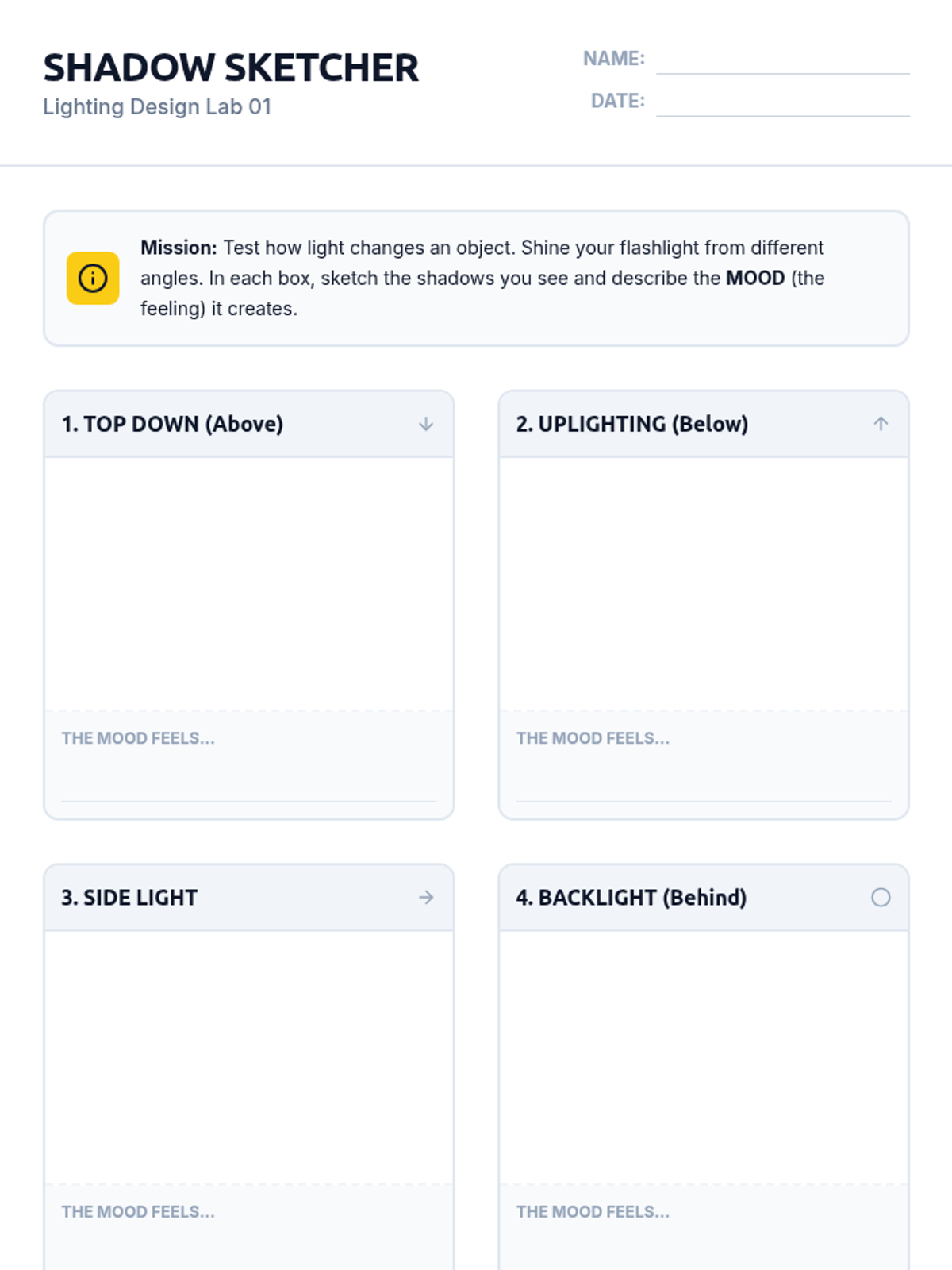
Students explore the basics of stage lighting, including direction, shadow, and color, to understand how lighting design creates mood and tells stories in theater.
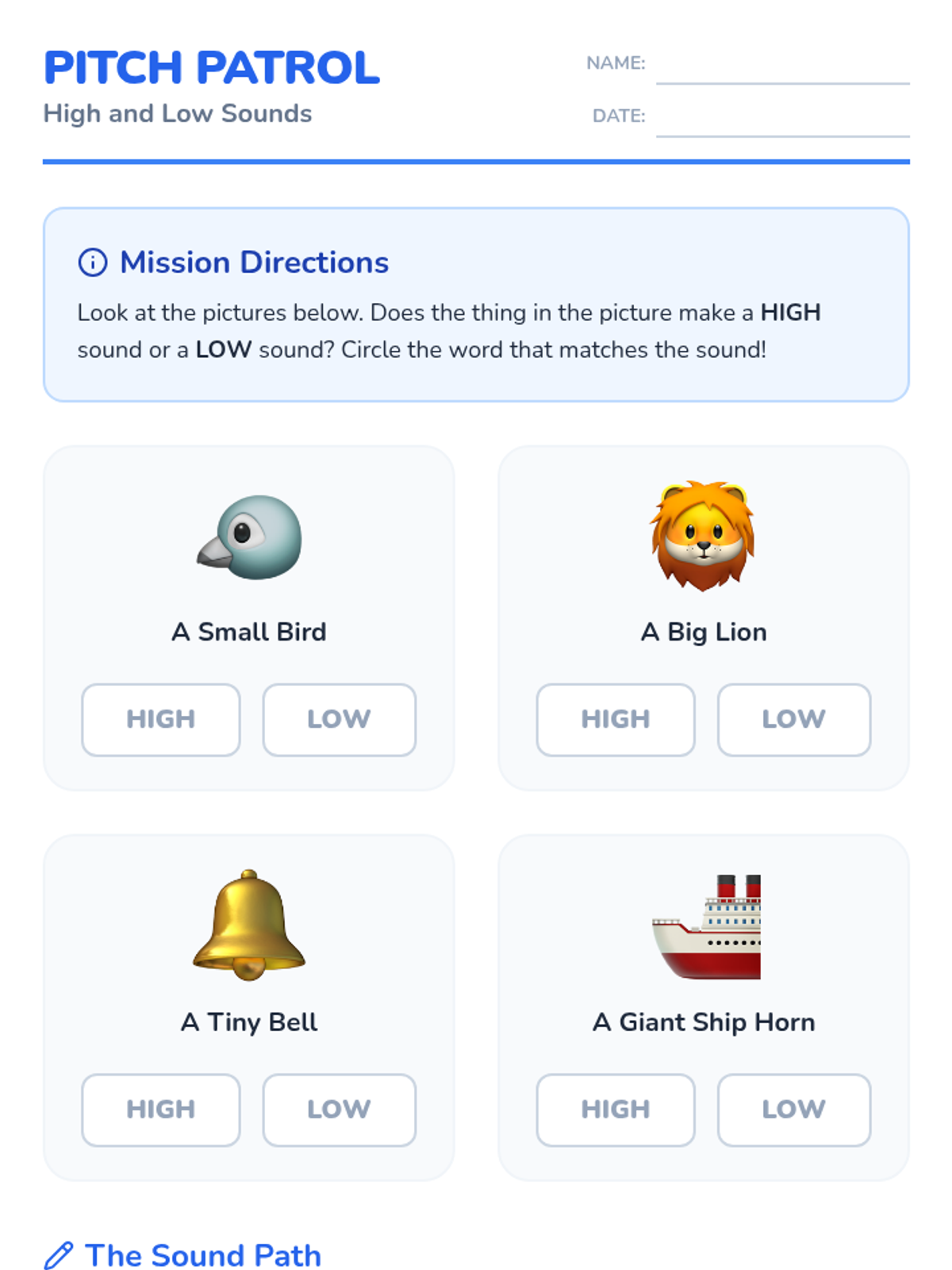
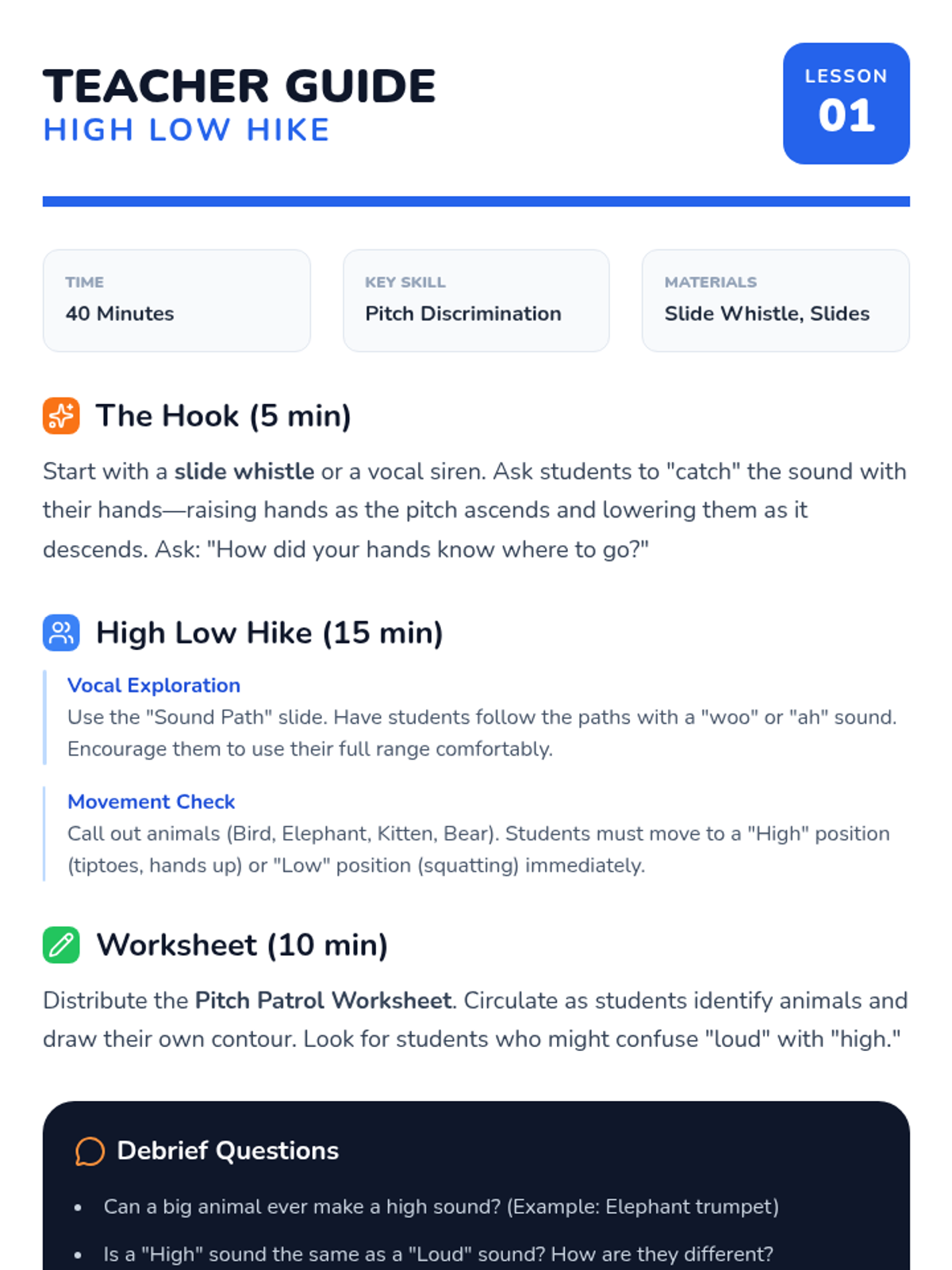
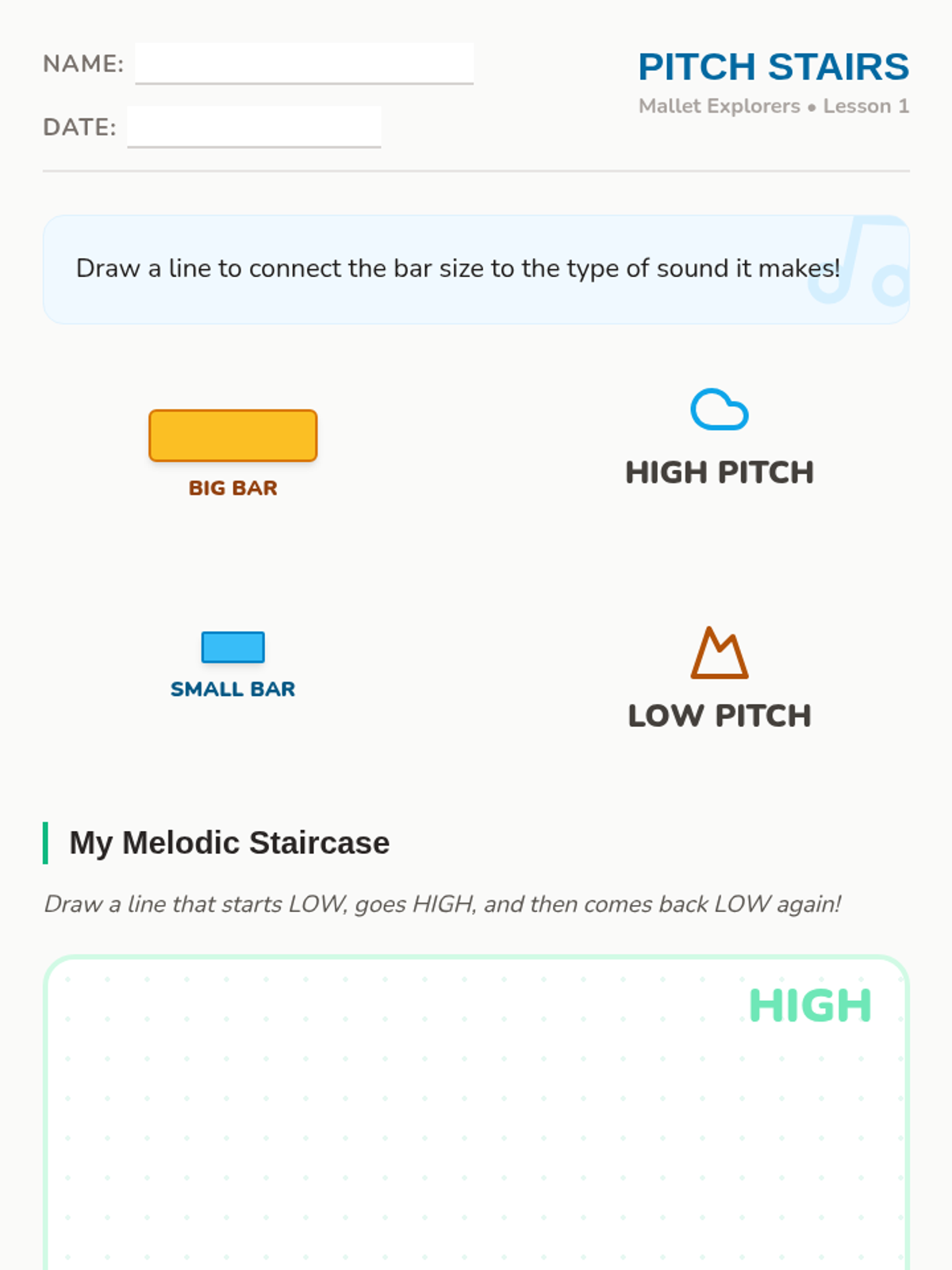
A 1st-grade music sequence focusing on pitch discrimination, melodic contour, Sol-Mi intervals, and the basics of the musical staff through movement and composition.
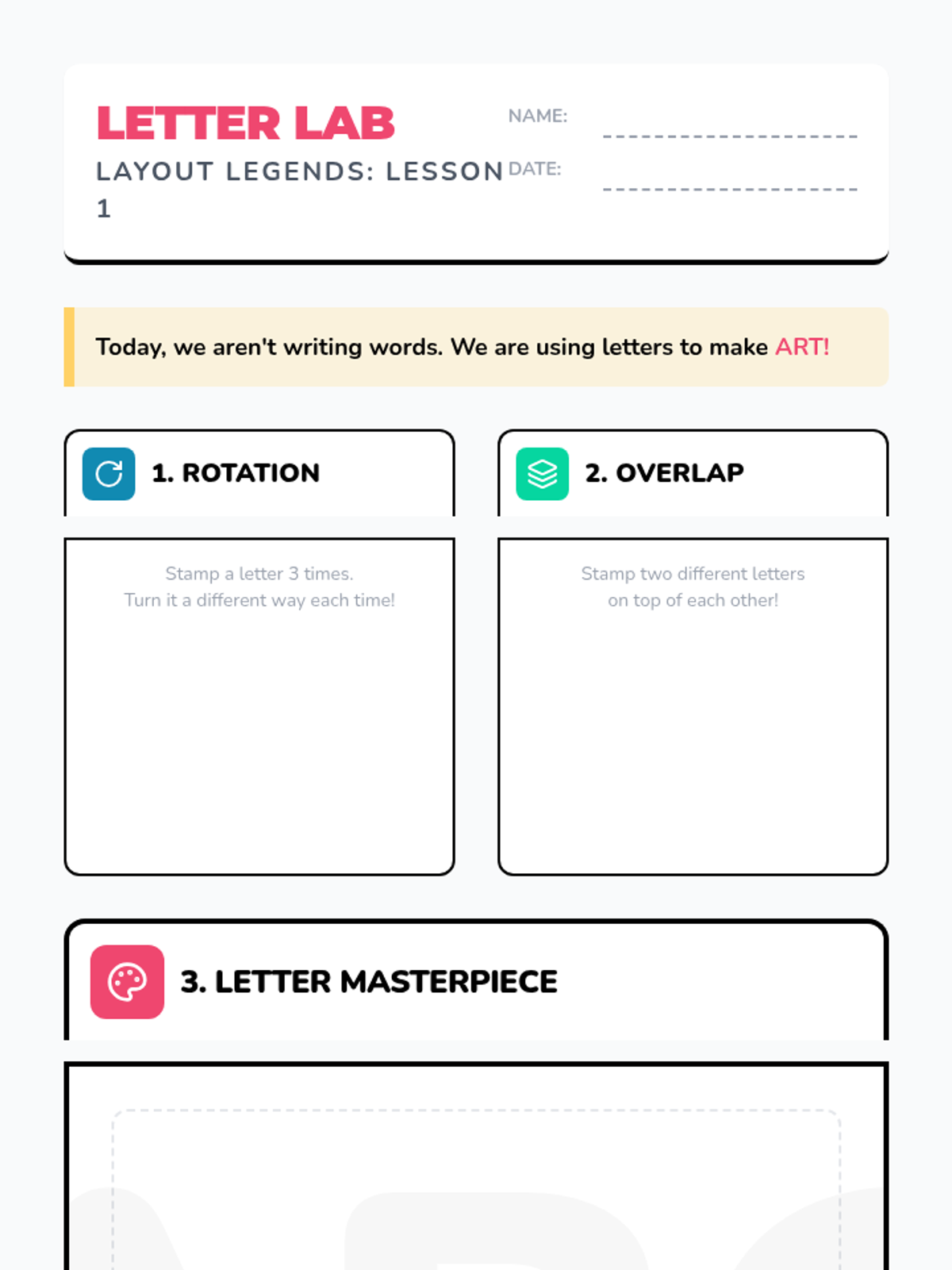
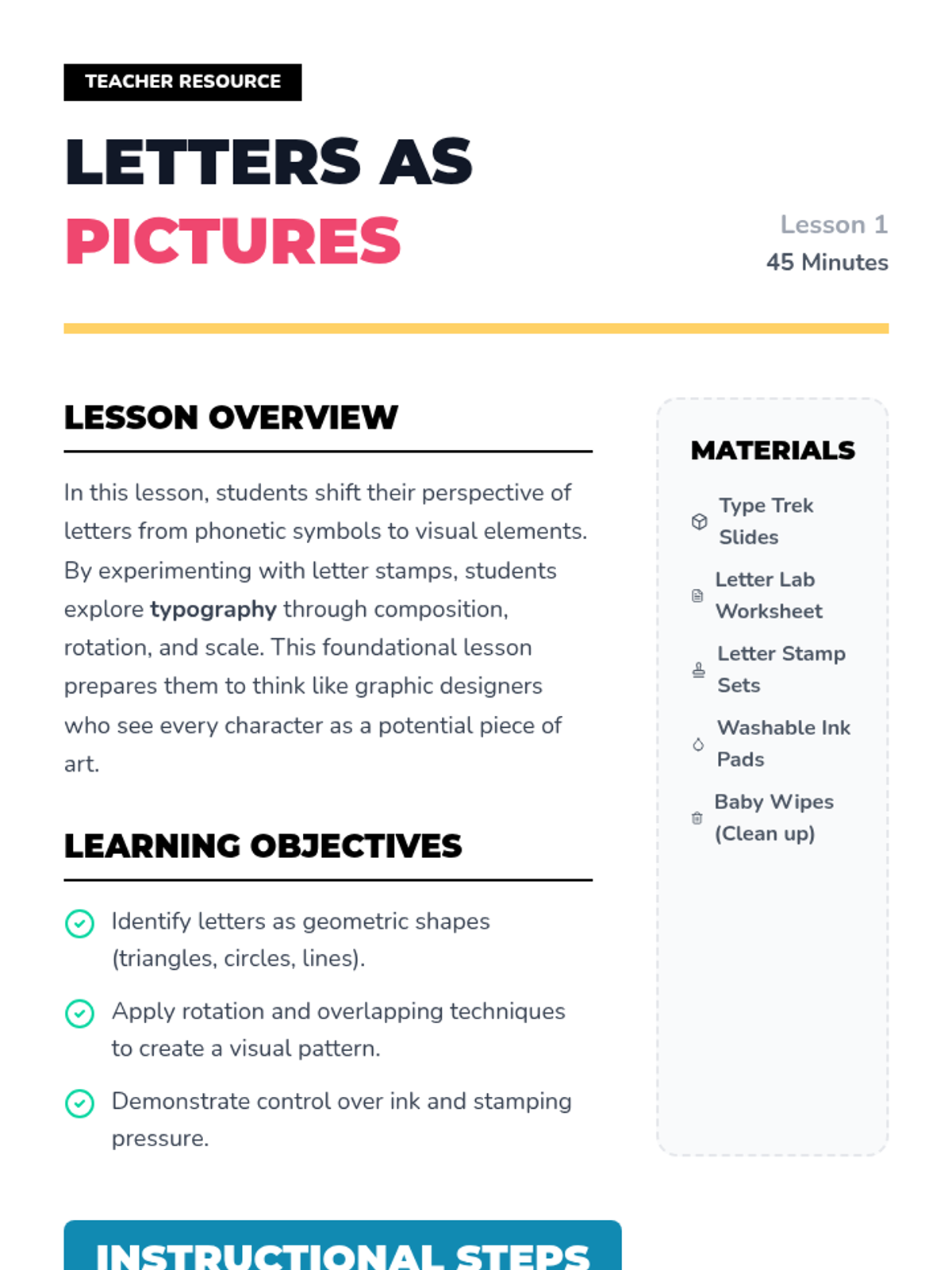
An introductory graphic design sequence for 1st graders, exploring typography, layout, and visual communication through printmaking and stamping.
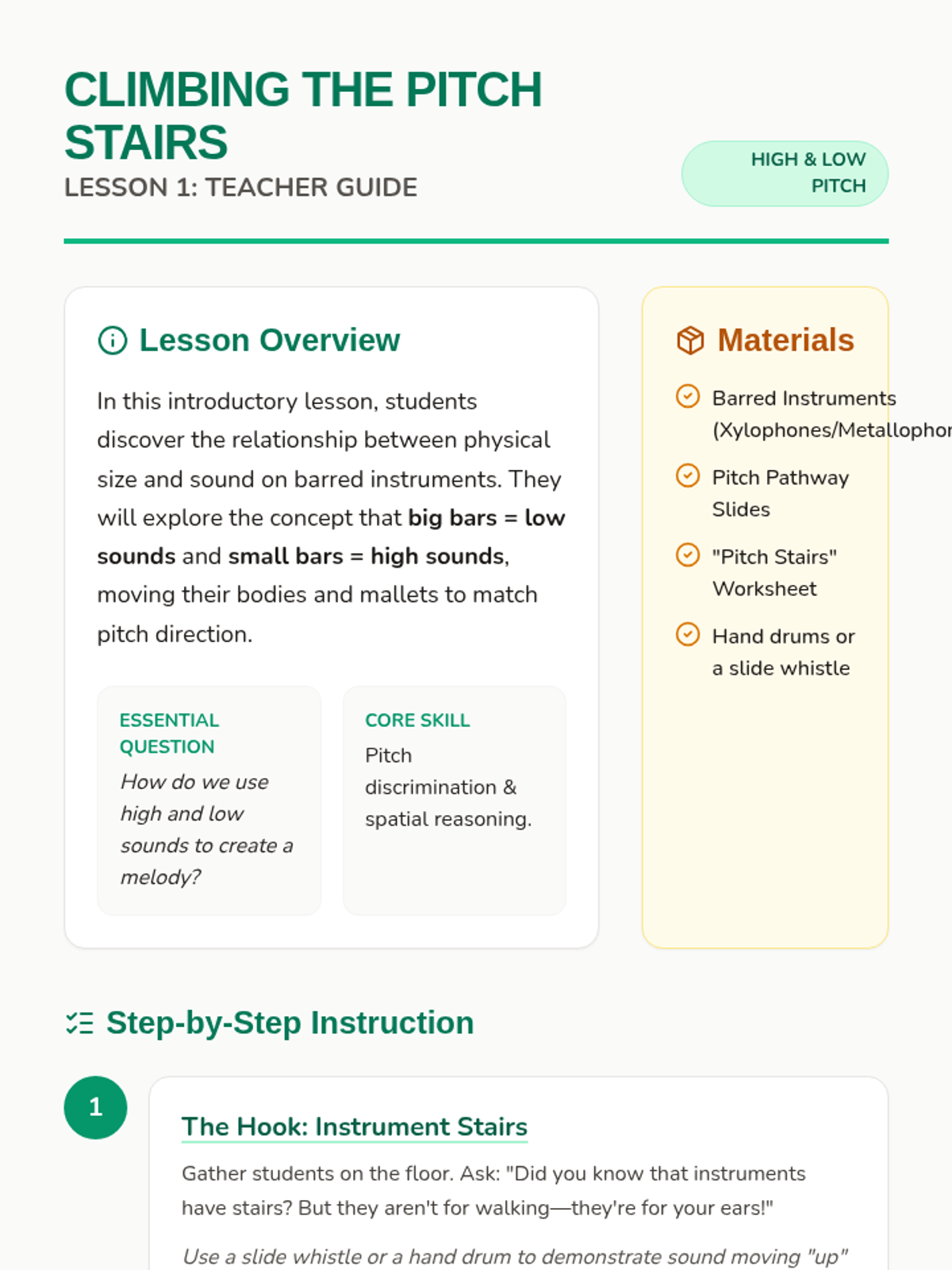
A comprehensive 1st-grade music unit where students learn to play melodies on barred instruments. They explore pitch direction, master proper mallet technique, and perform as an ensemble using bordun accompaniments and improvisation.
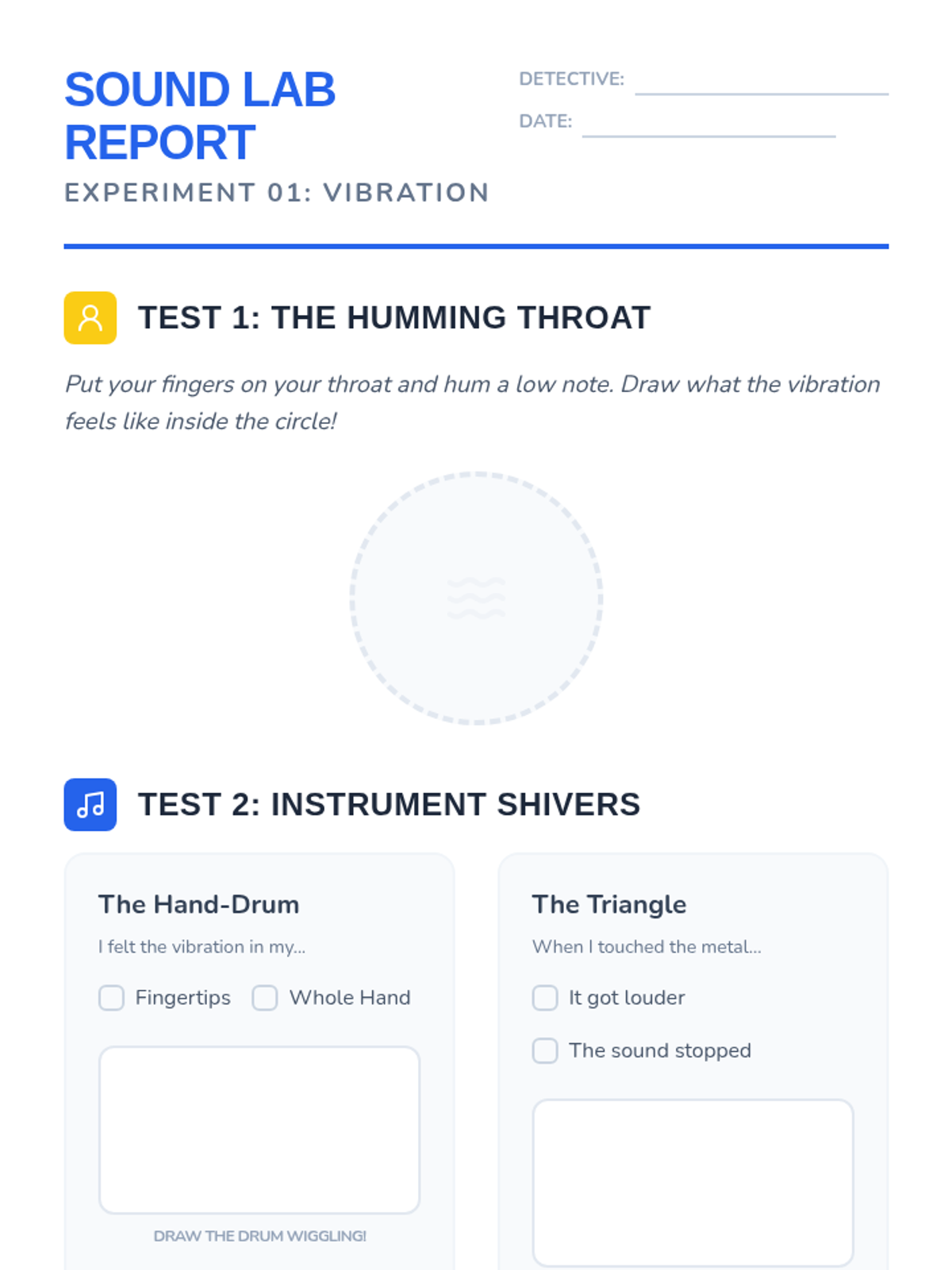
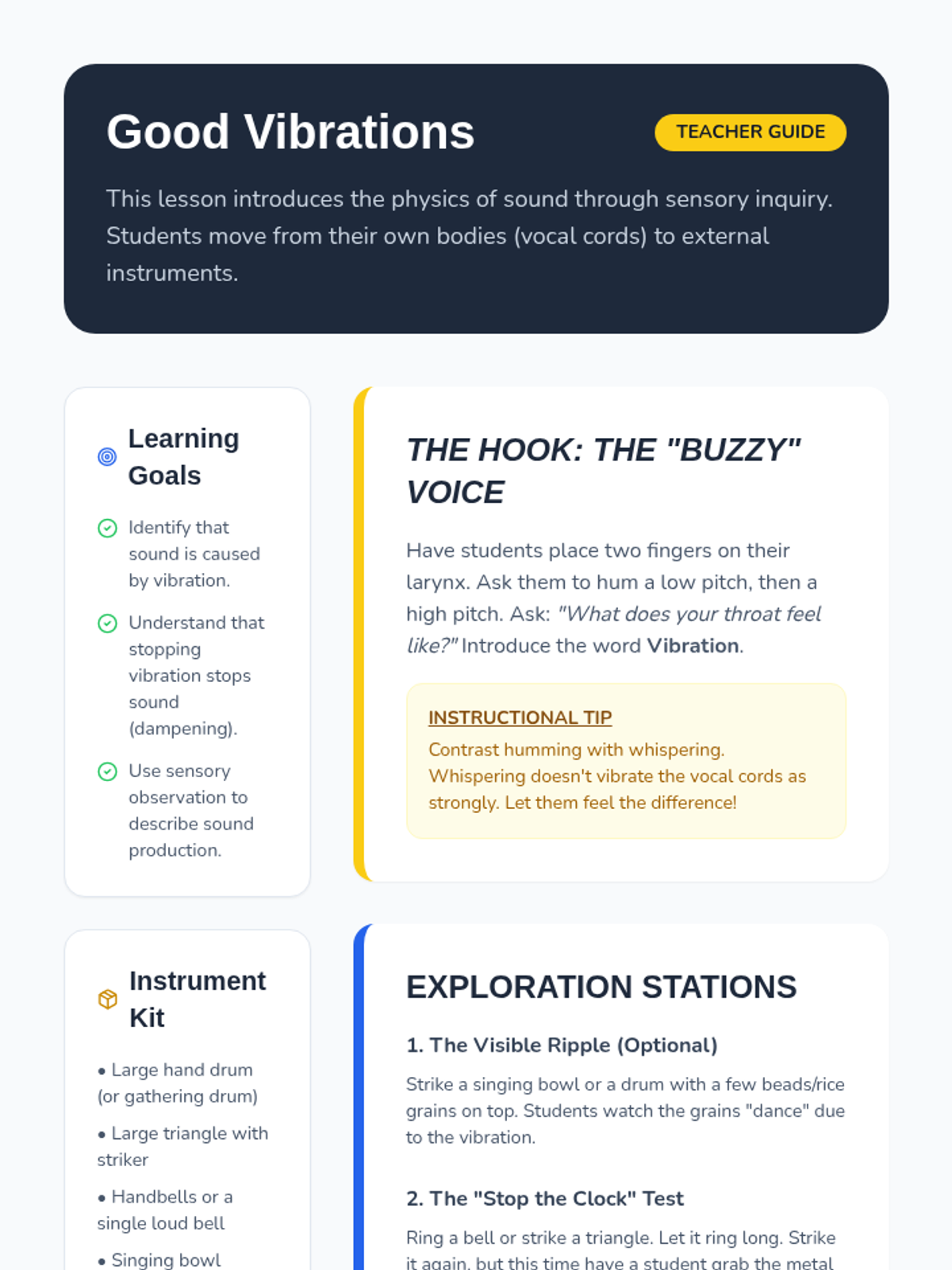
In this inquiry-based sequence, 1st-grade students explore the science of sound and instrument classification. Through hands-on investigation, they discover how materials (wood, metal, skin) determine an instrument's timbre and family, culminating in a sound-story project.
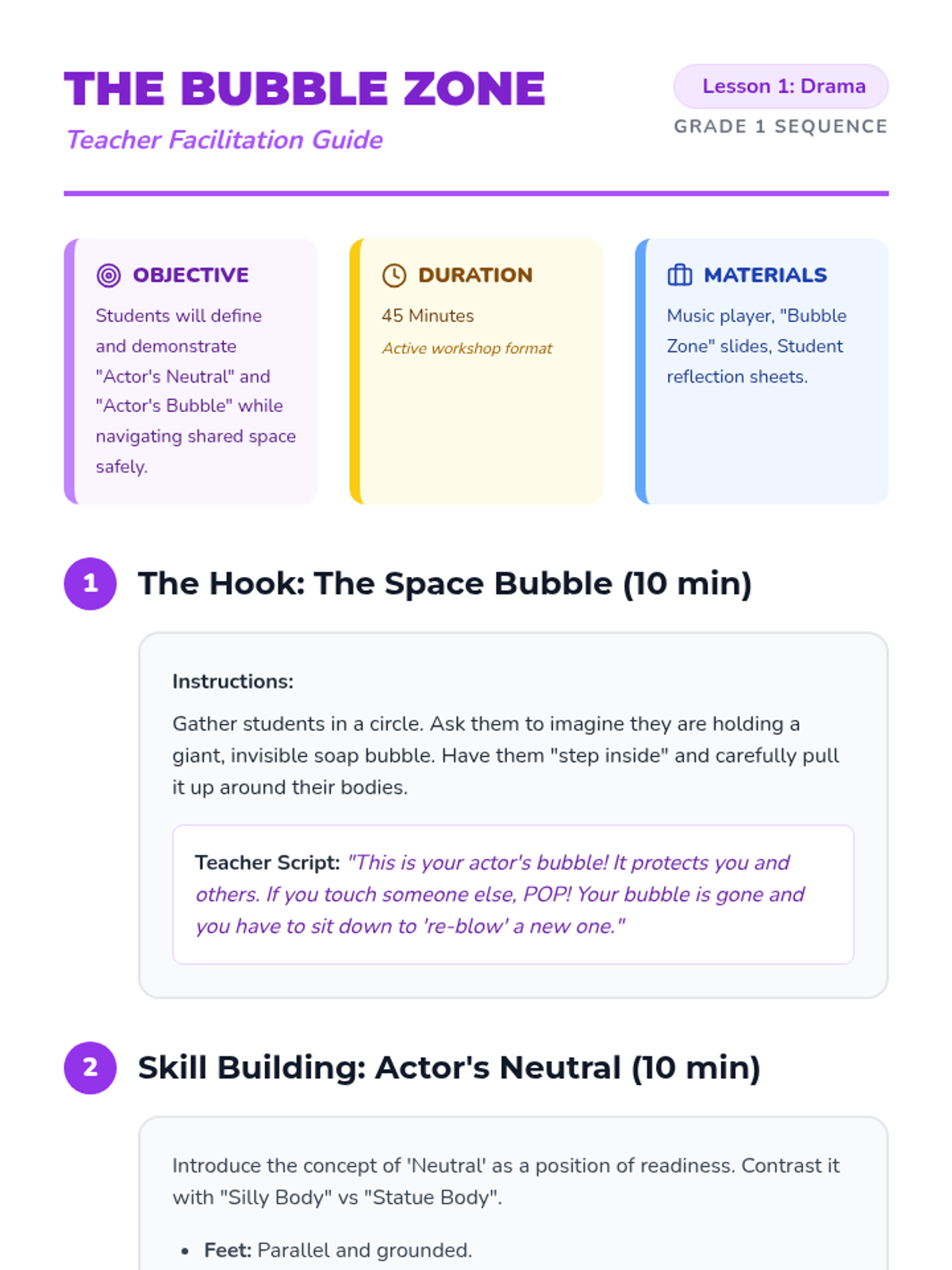
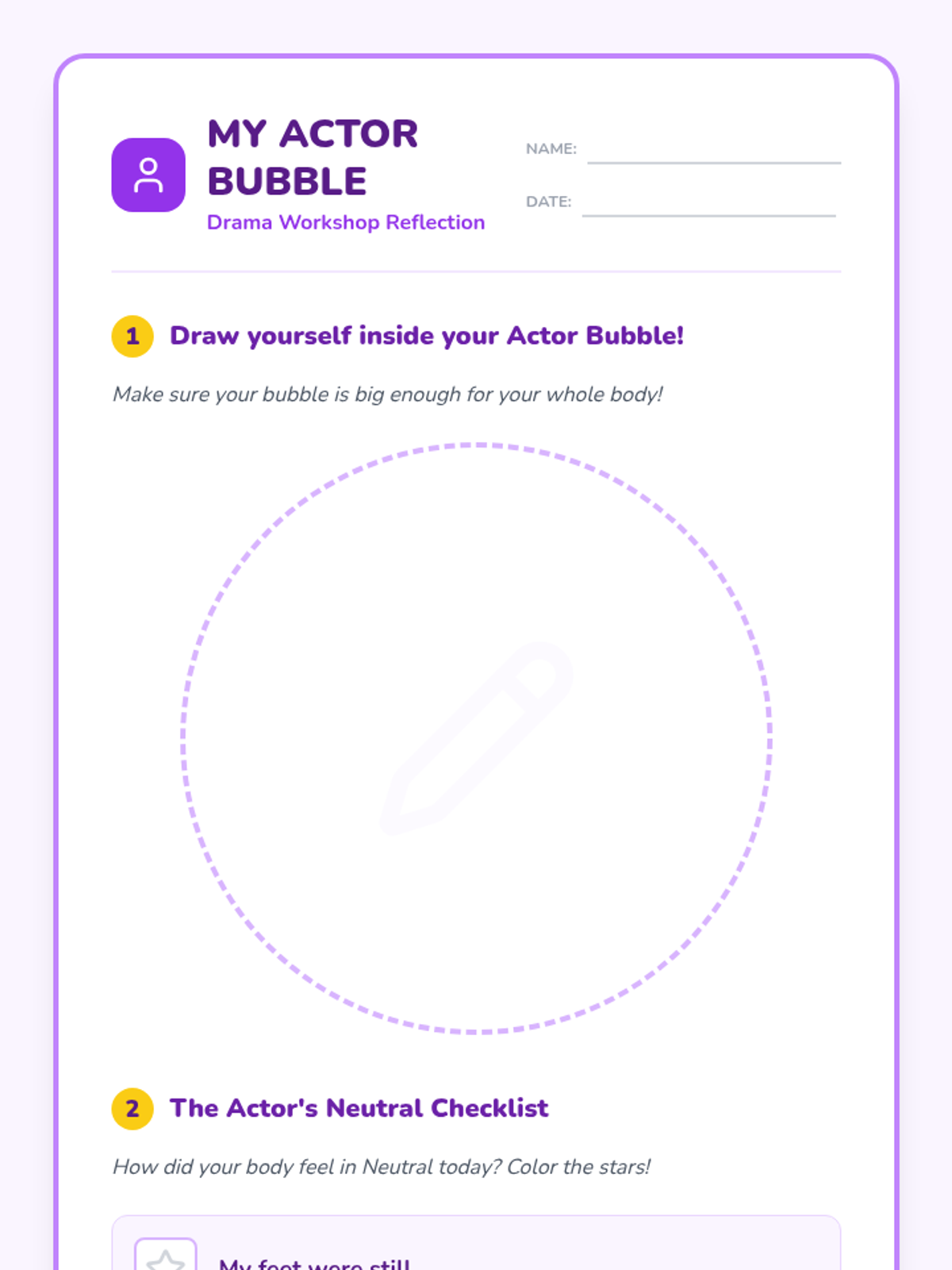
A 1st-grade theater sequence focusing on the actor's primary tools: the body and the voice. Students progress from spatial awareness and physical levels to emotional expression and vocal variety, culminating in a short character performance.
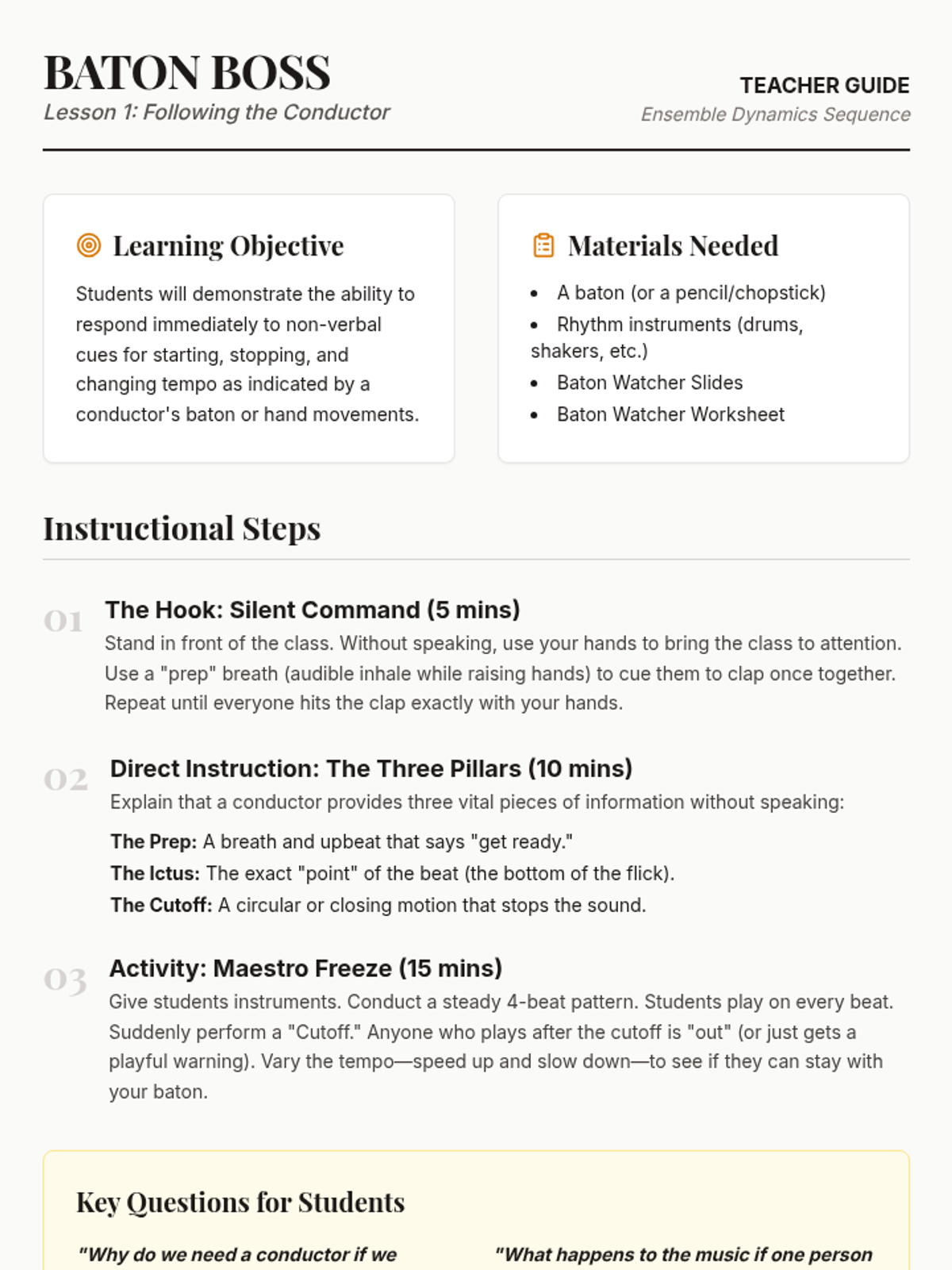
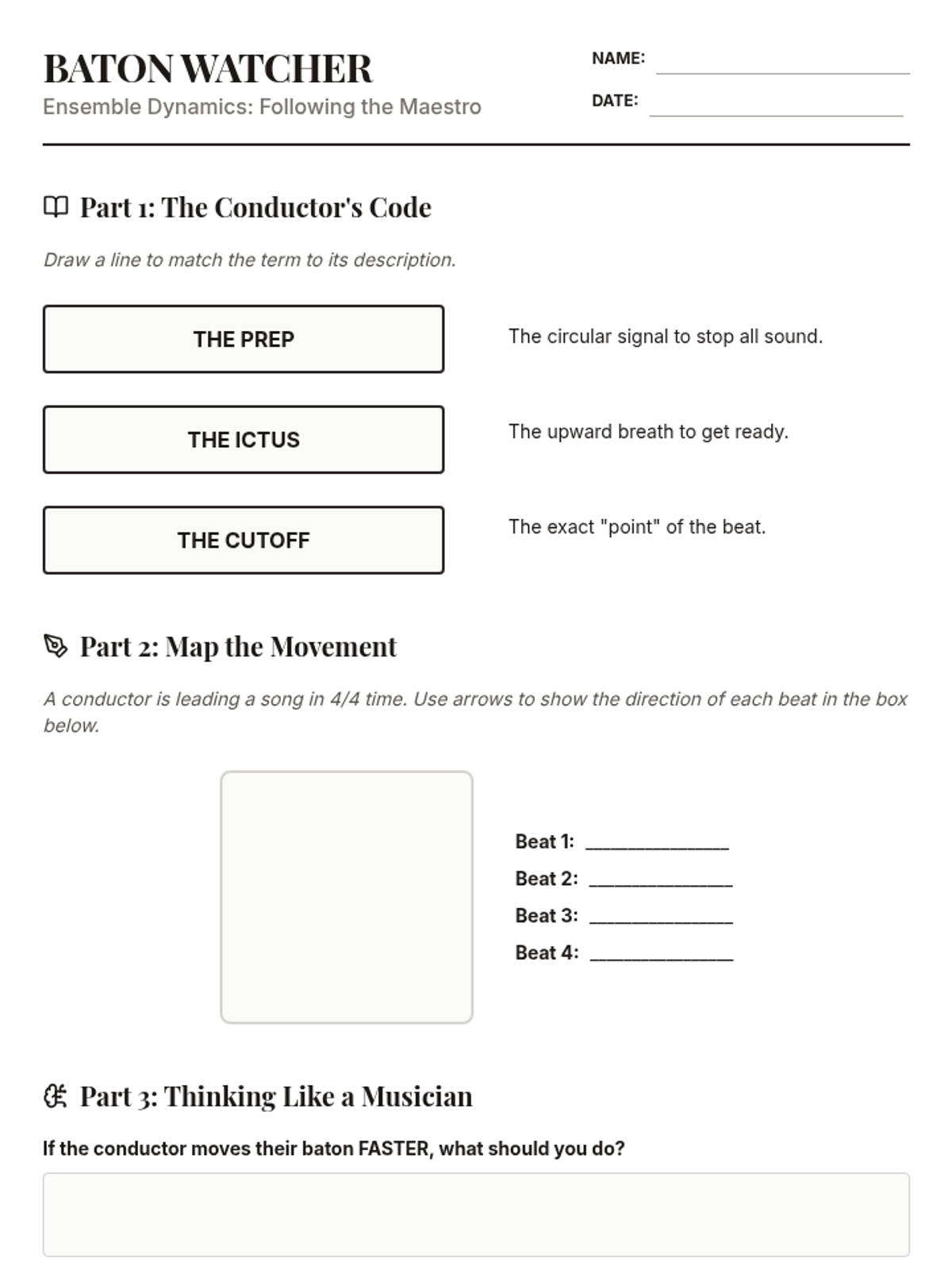
This sequence explores how musicians work together as an ensemble, focusing on conducting cues, dynamic control, balance, and tempo maintenance. Students transition from following a leader to collaborating in small independent groups.
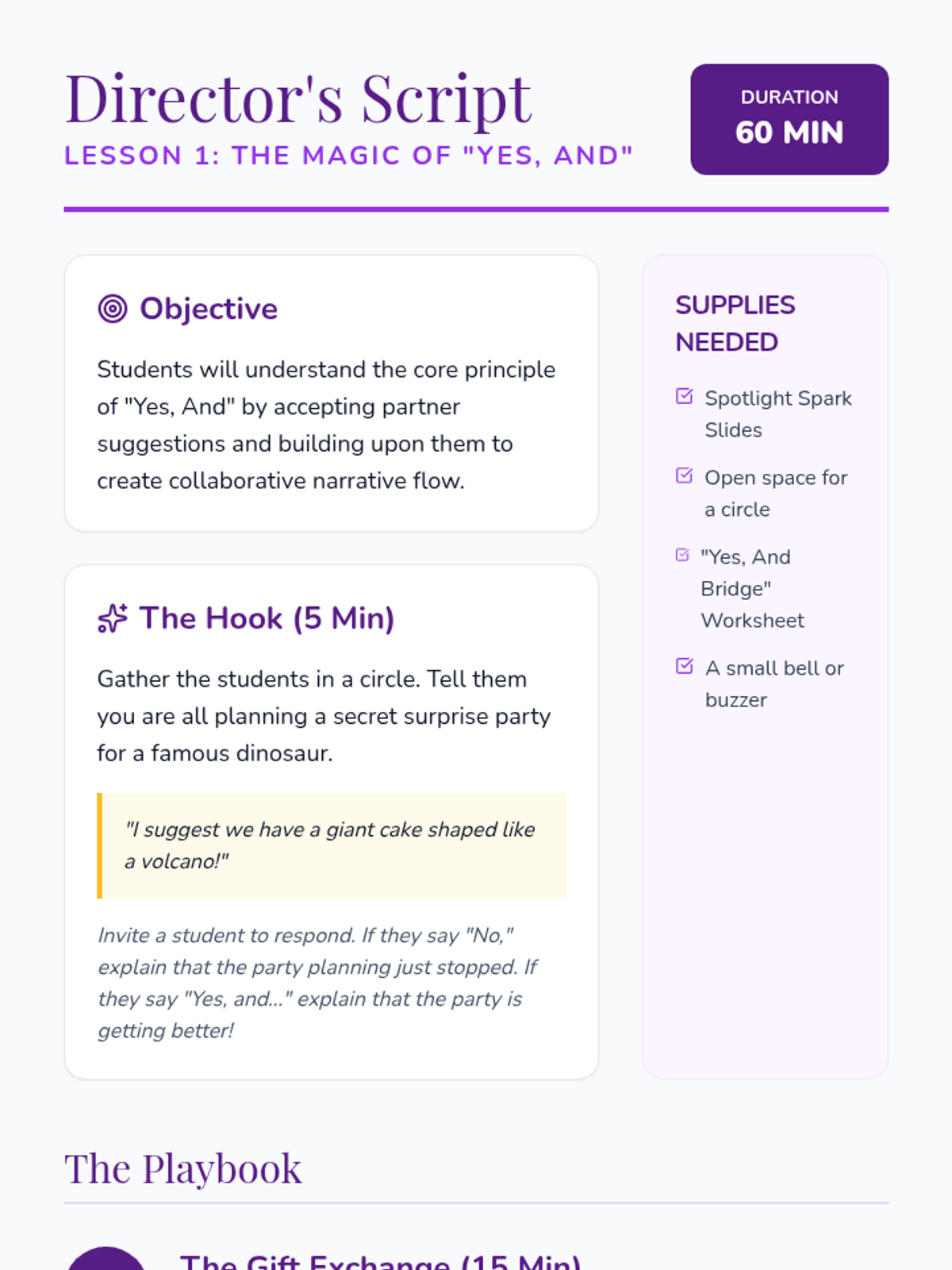
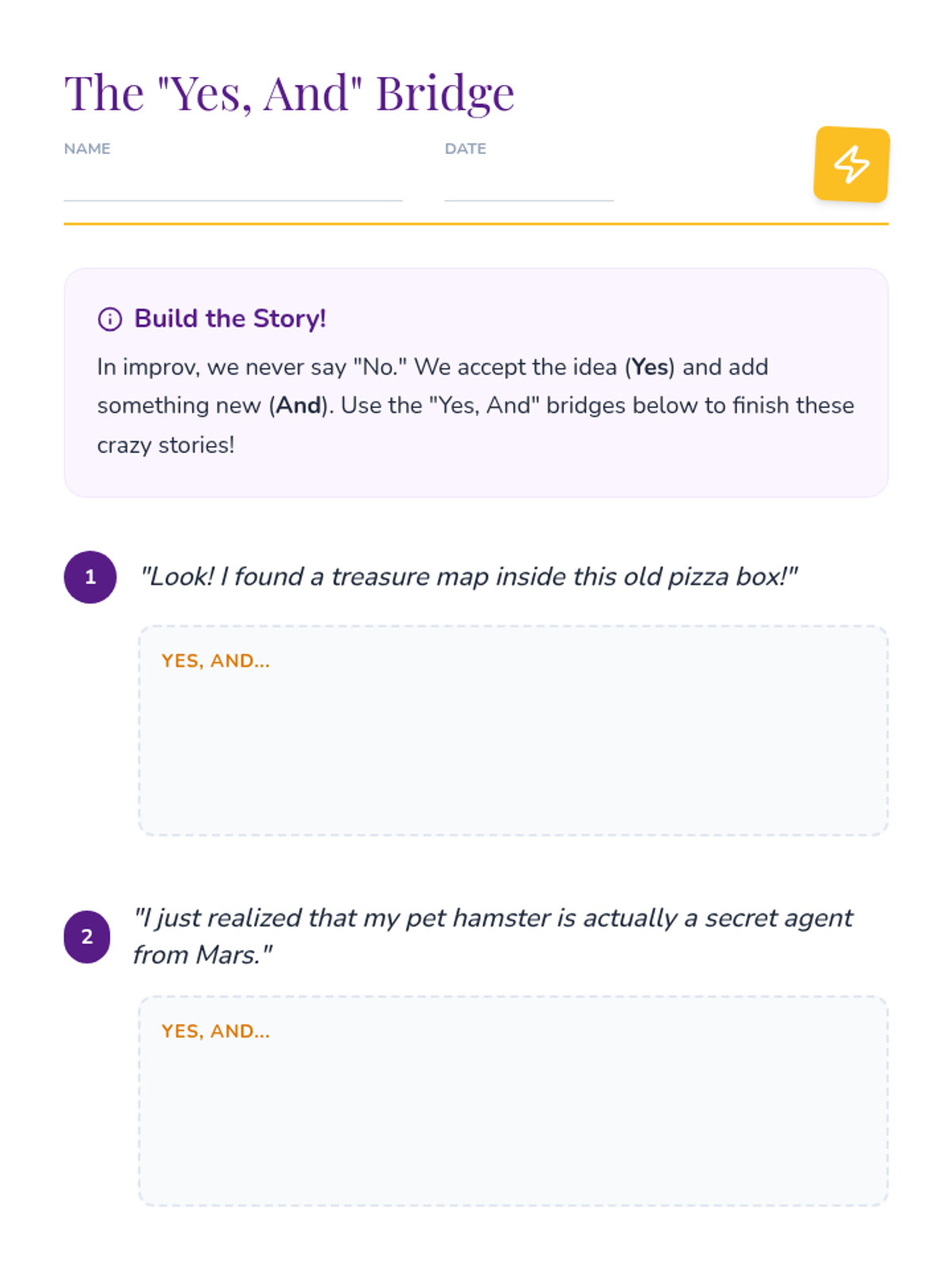
This sequence develops improvisation skills and ensemble collaboration, teaching students to react authentically in the moment. Students build trust and creative confidence by practicing 'Yes, And,' establishing environments, and solving narrative problems as a team.
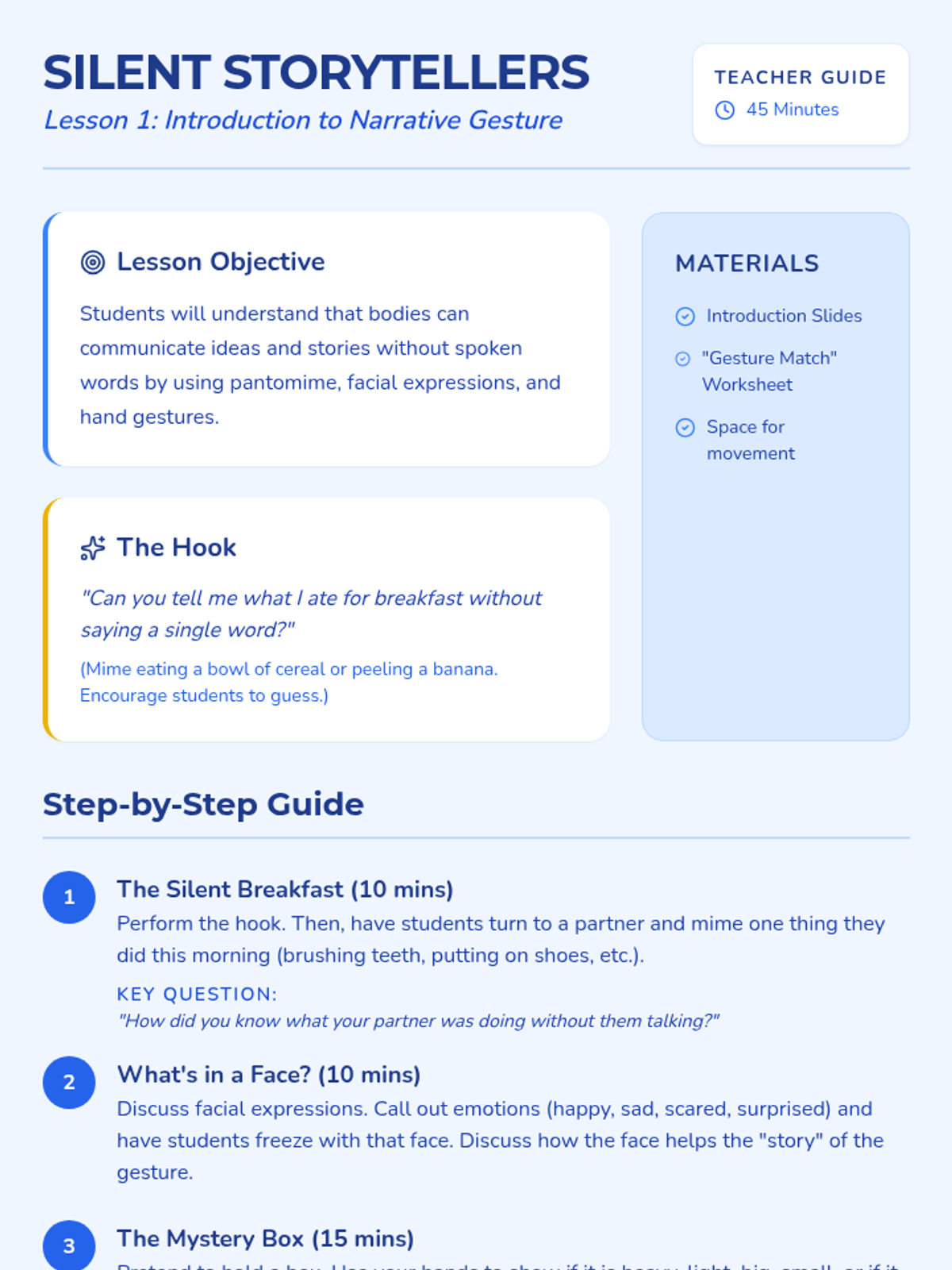
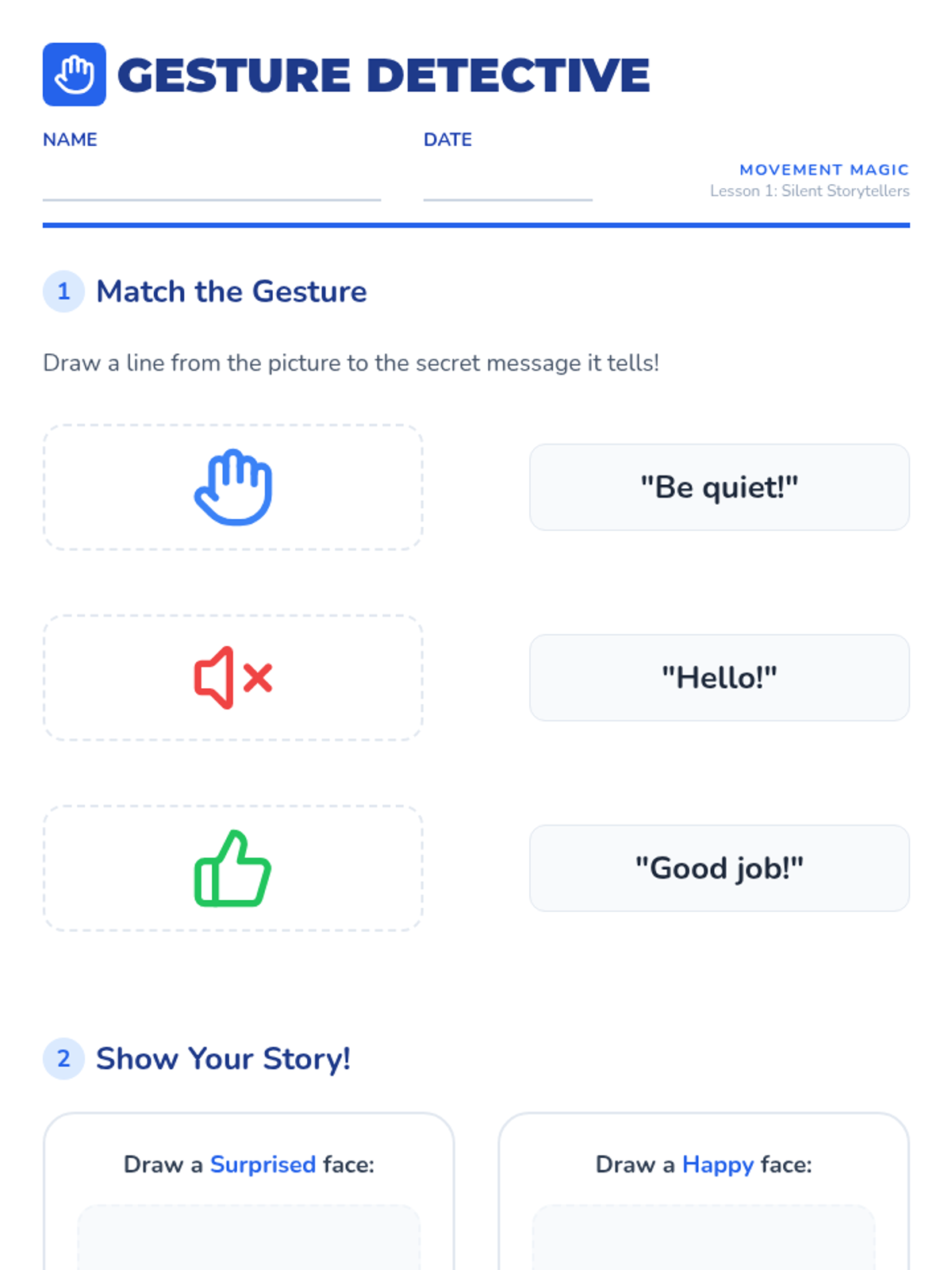
A first-grade dance sequence exploring how different cultures use movement and gesture to tell stories without words, featuring Hawaiian Hula, Indian Classical Dance, and Ballet.
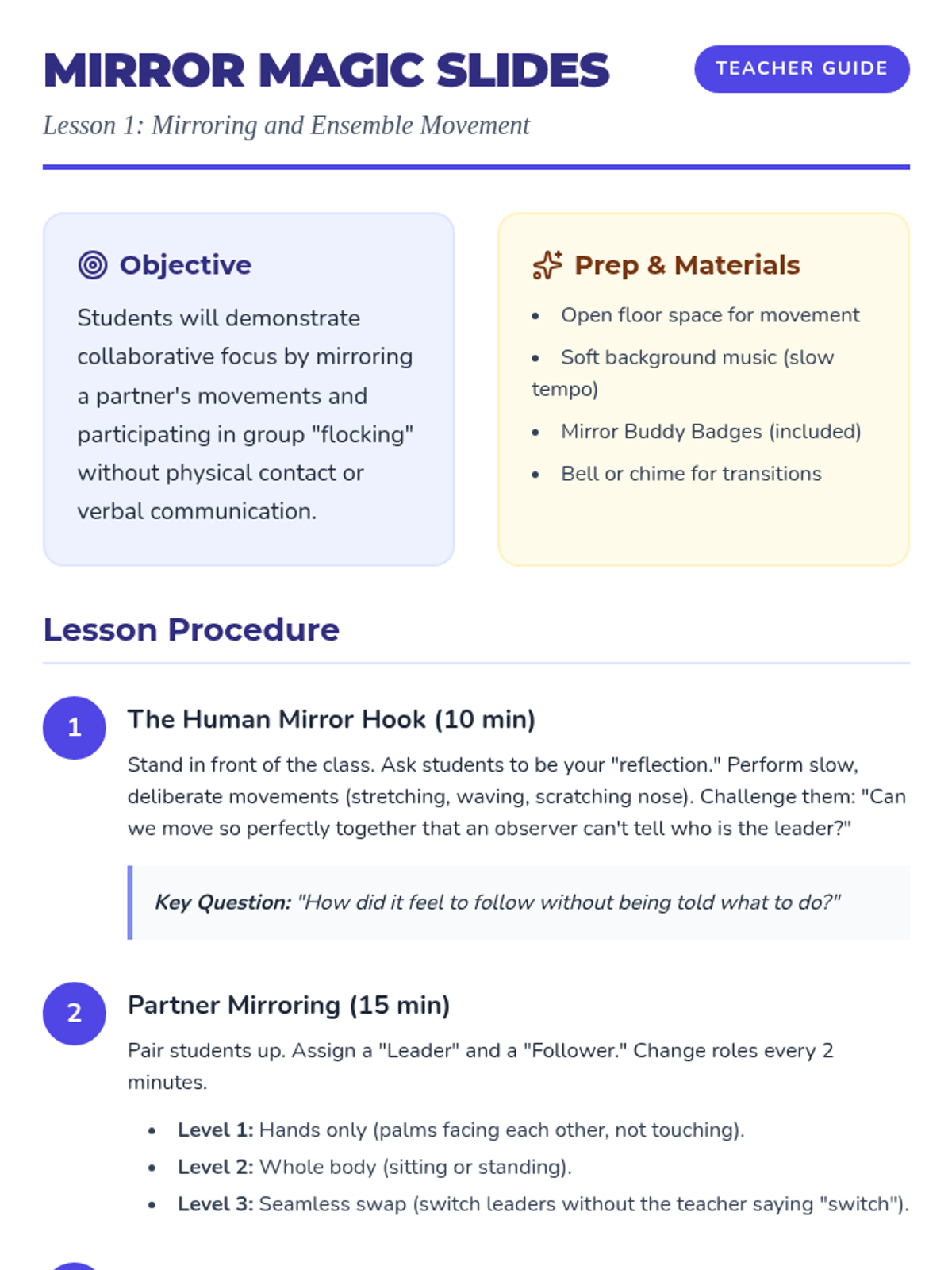
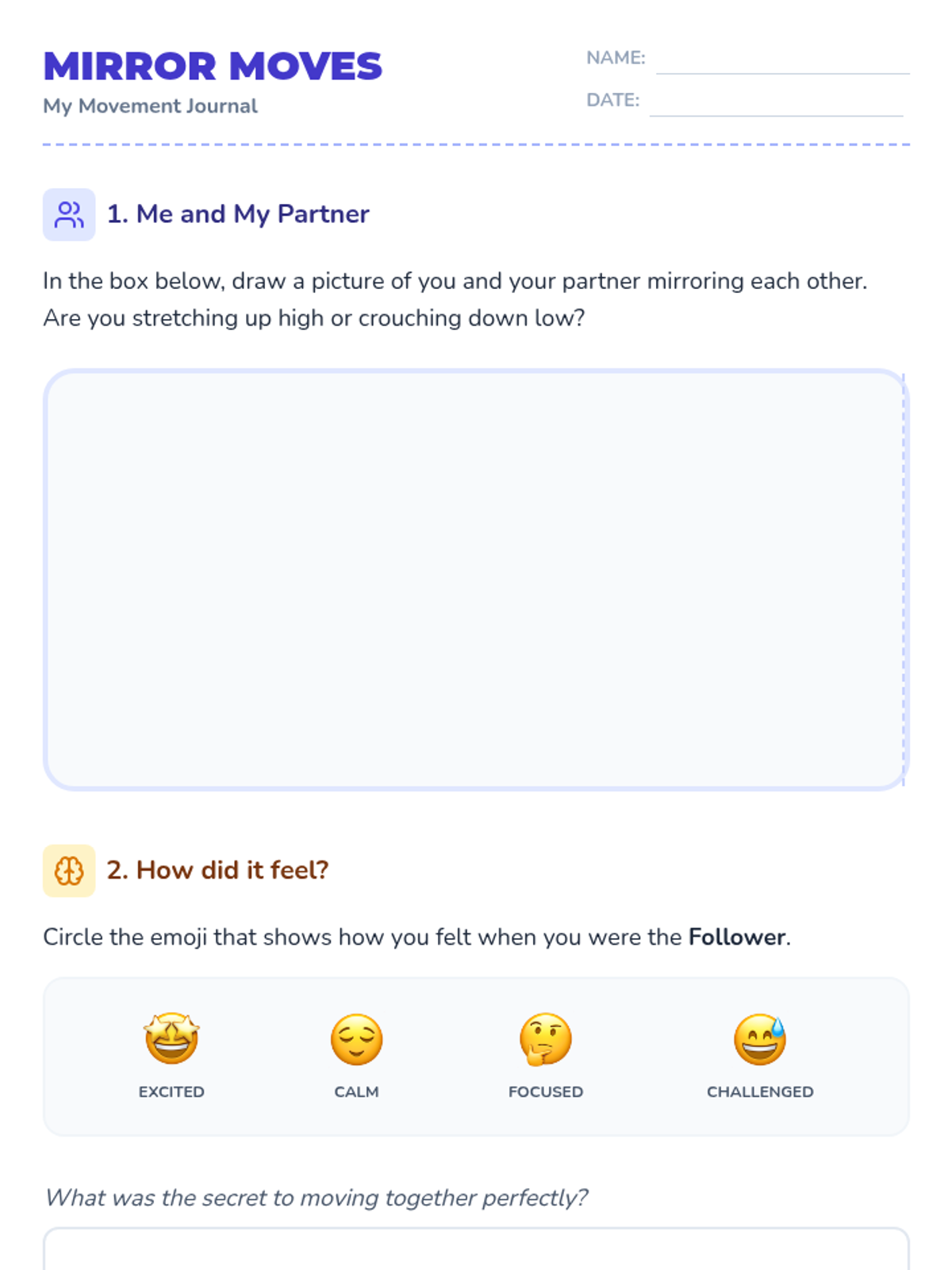
A 1st Grade performing arts sequence focused on ensemble skills, movement, and improvisational storytelling to develop collaboration and non-verbal communication.
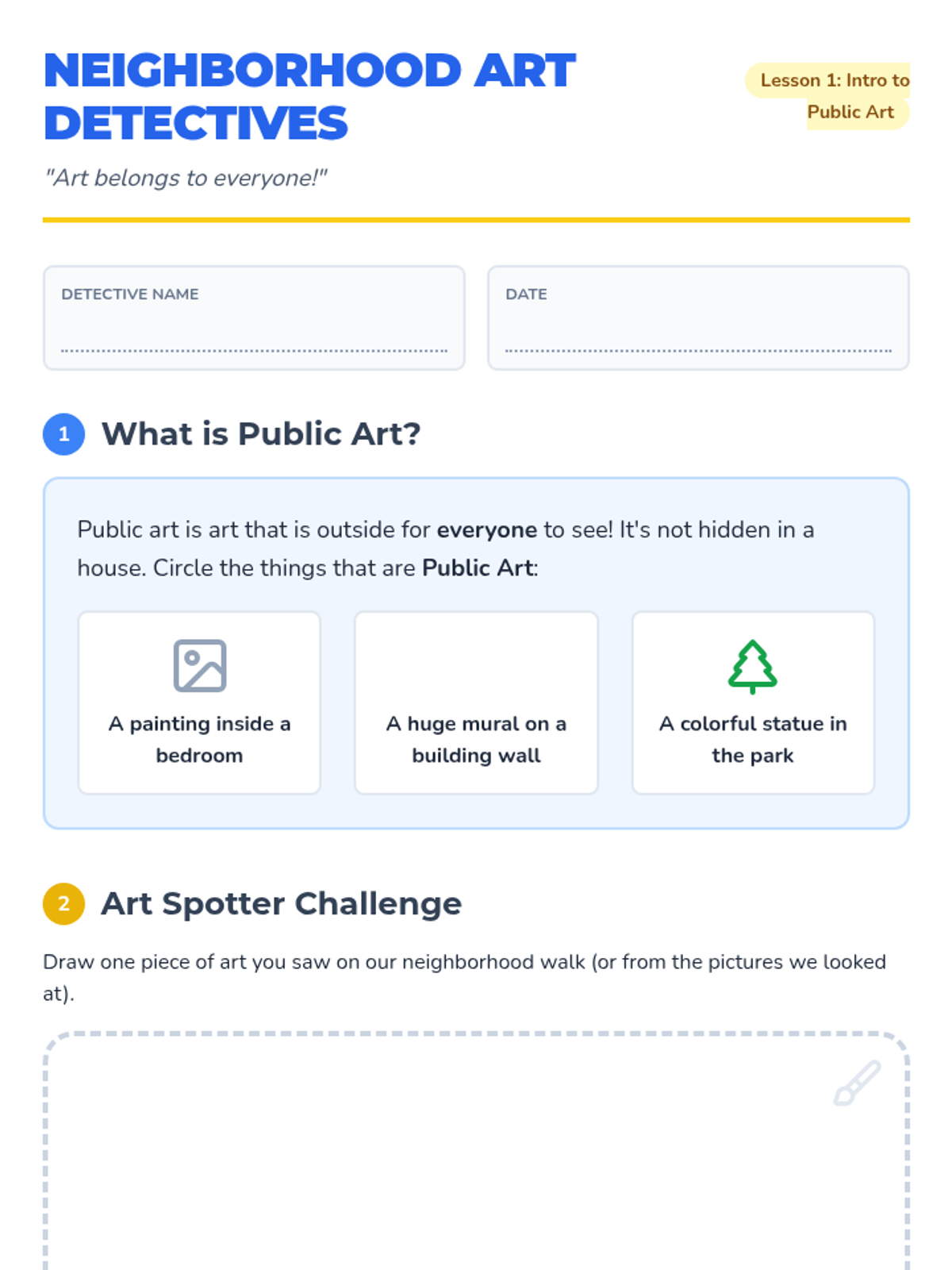
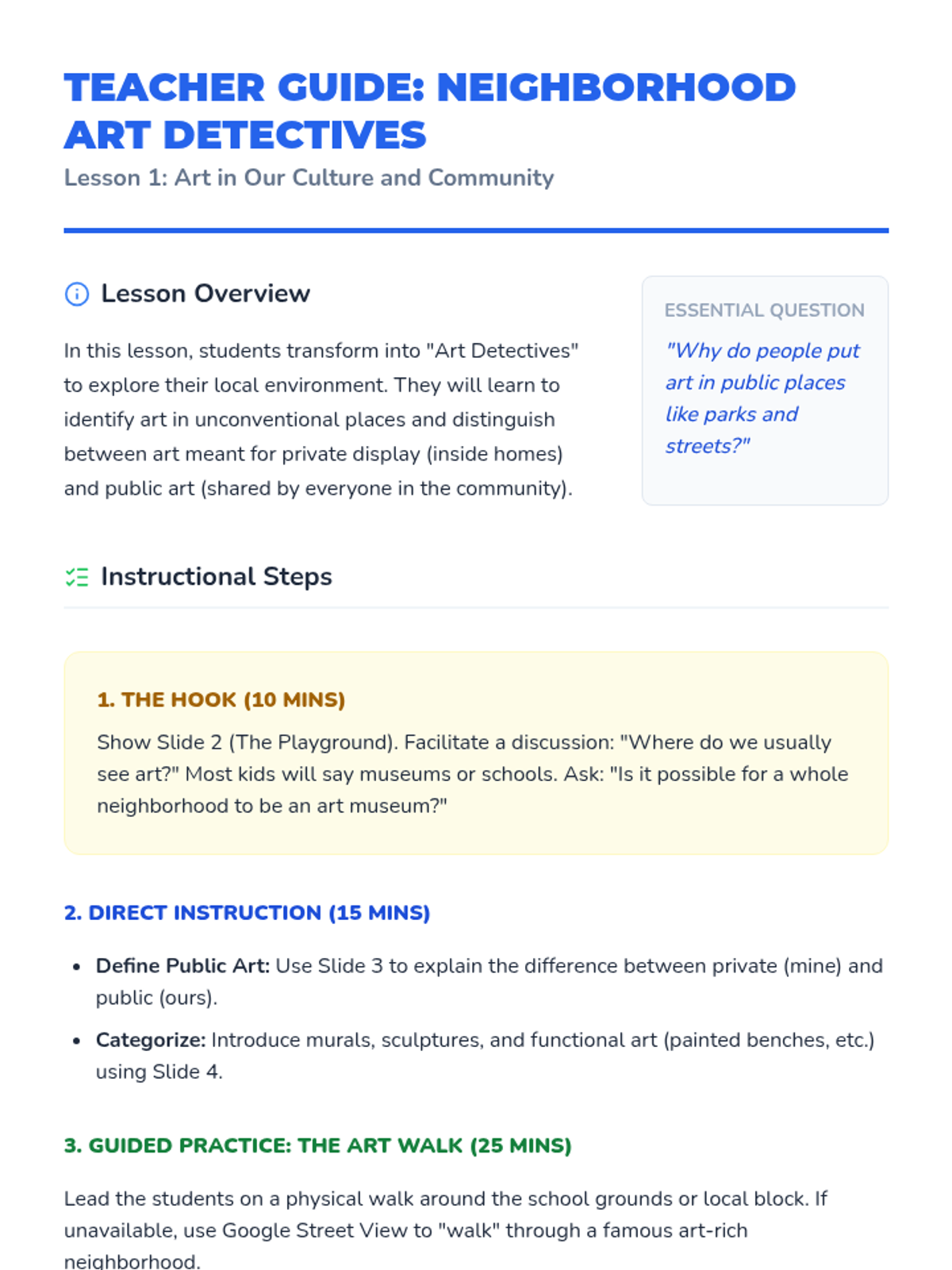
Students investigate the purpose and presence of art within their local neighborhoods and public spaces, learning how artworks tell stories about local history and cultural identity.
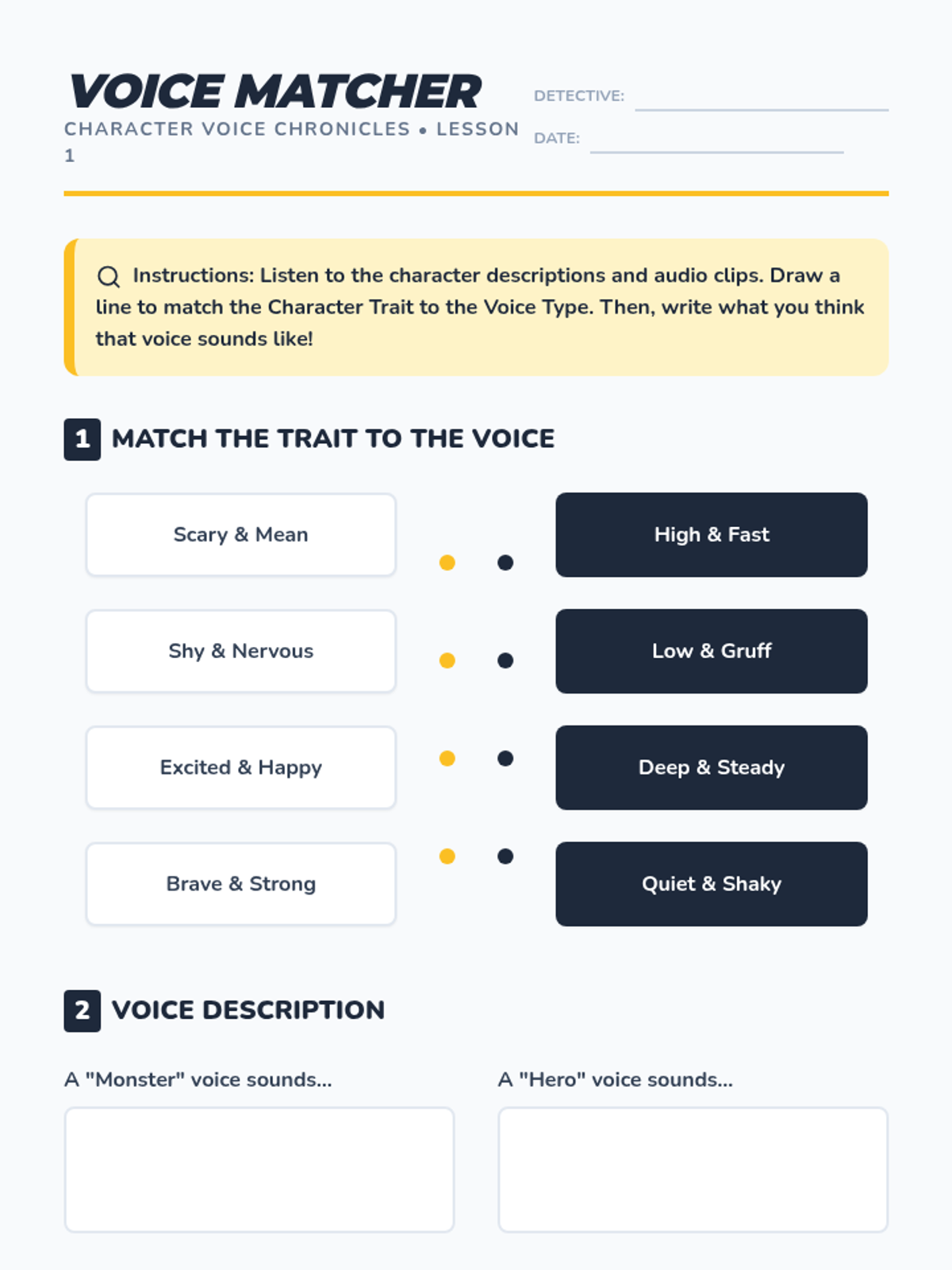
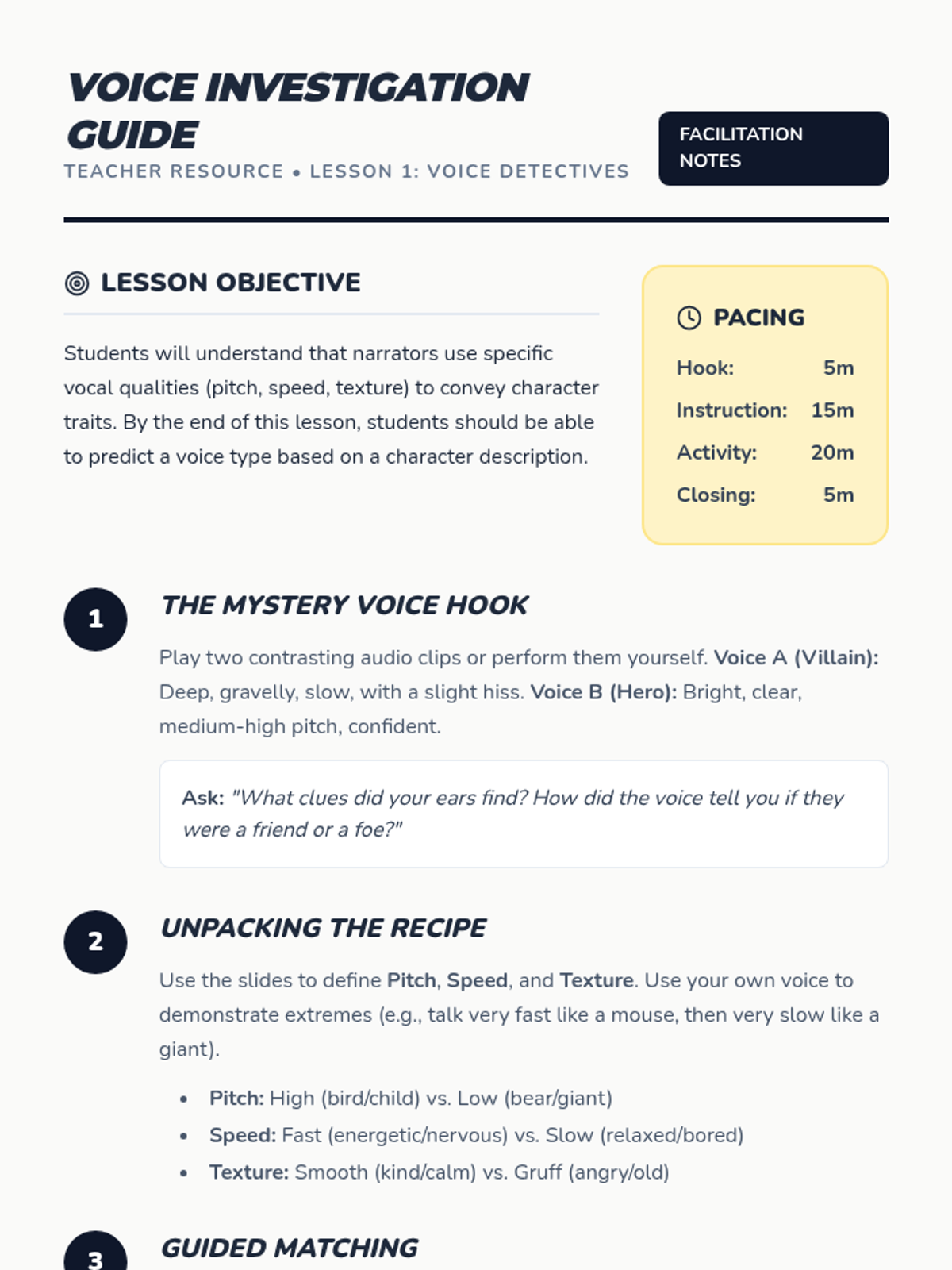
Students analyze how narrators use distinct voices to differentiate characters, map character traits to vocal qualities, and practice performing dialogue for a final Reader's Theater performance.
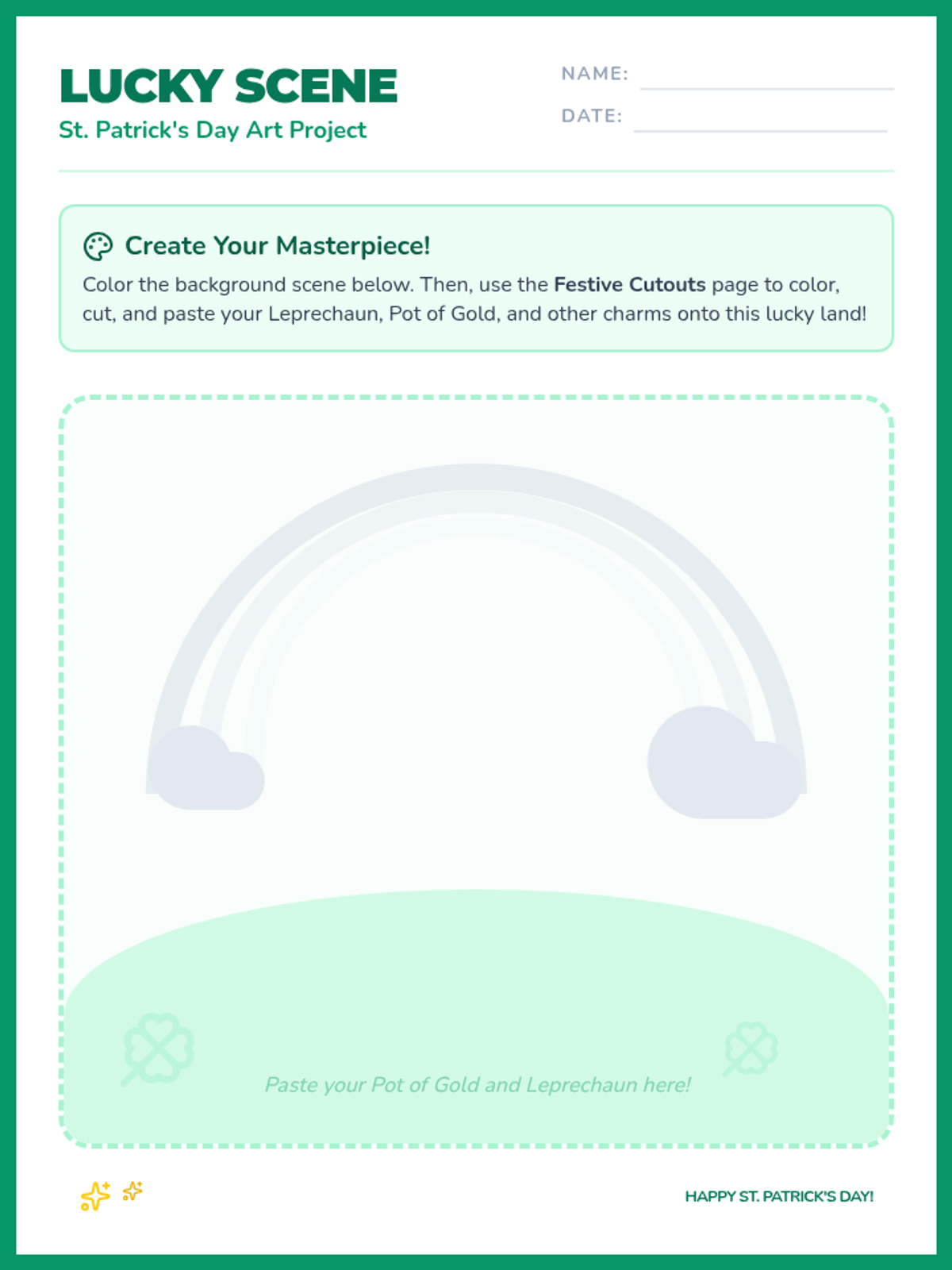
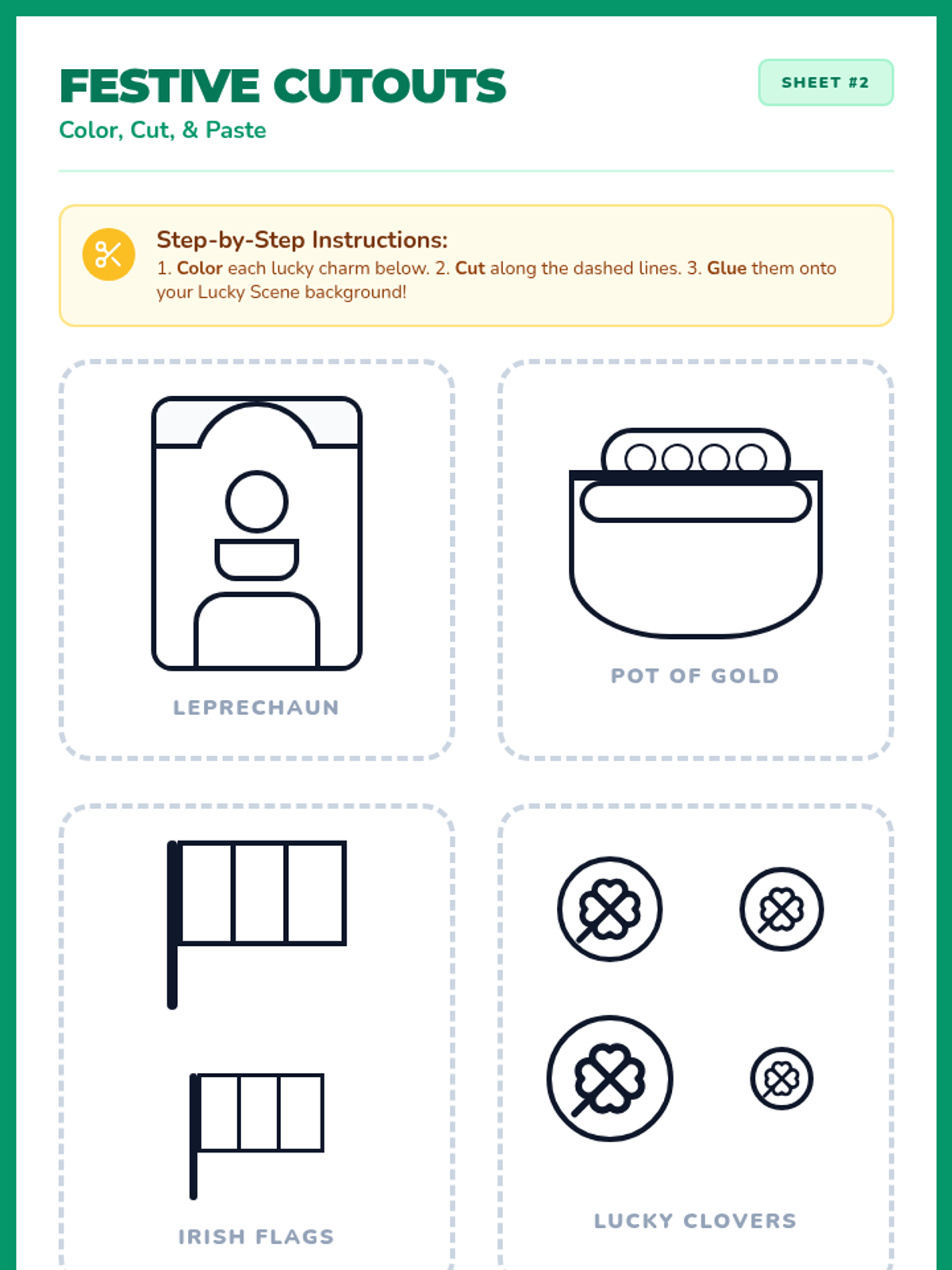
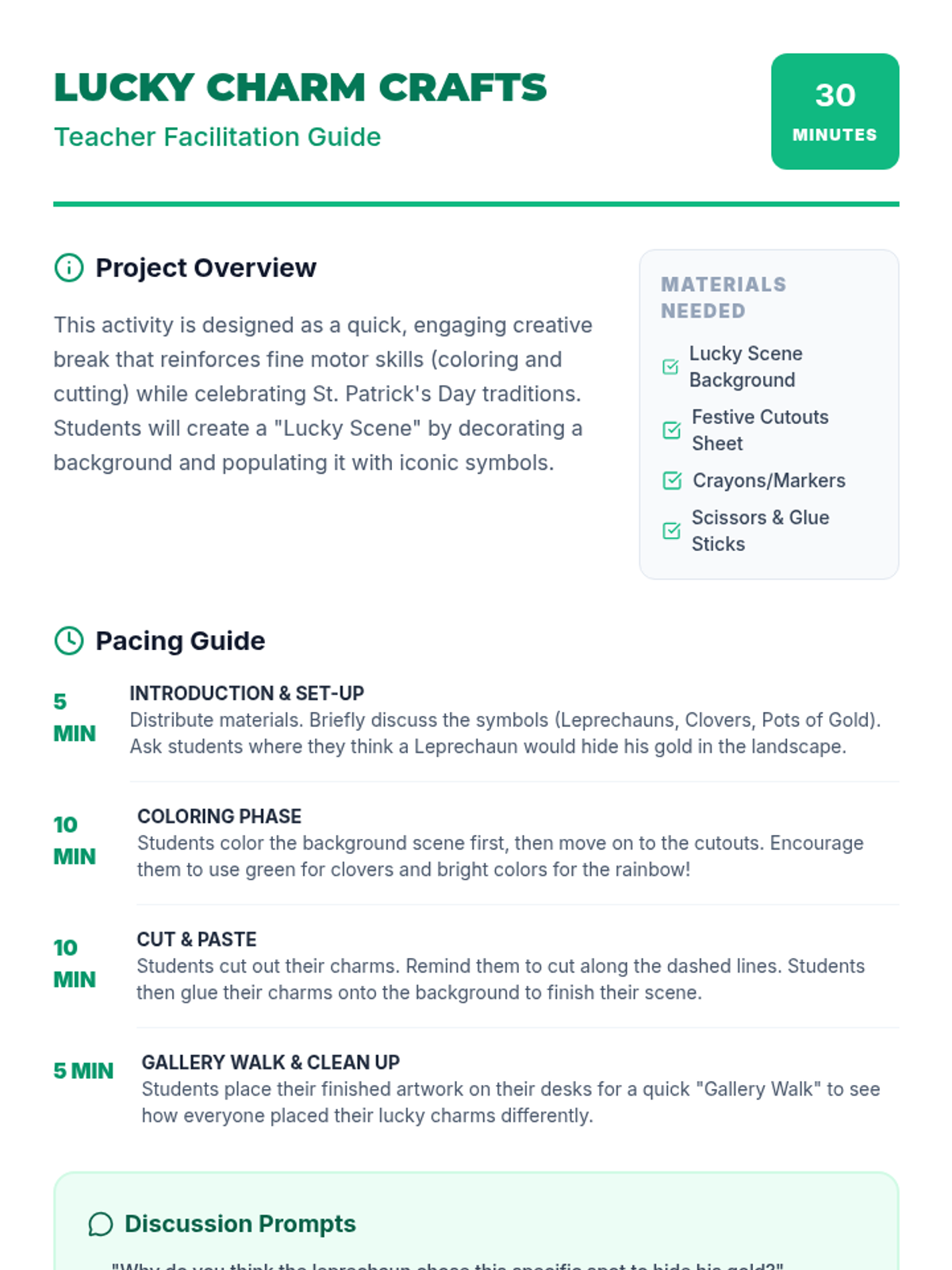
A festive art and culture sequence centered around St. Patrick's Day traditions and symbols.