Students analyze interviews with public figures to see how code-switching happens in real-time. They then practice interviewing peers, shifting between formal questions and casual follow-ups to build rapport.
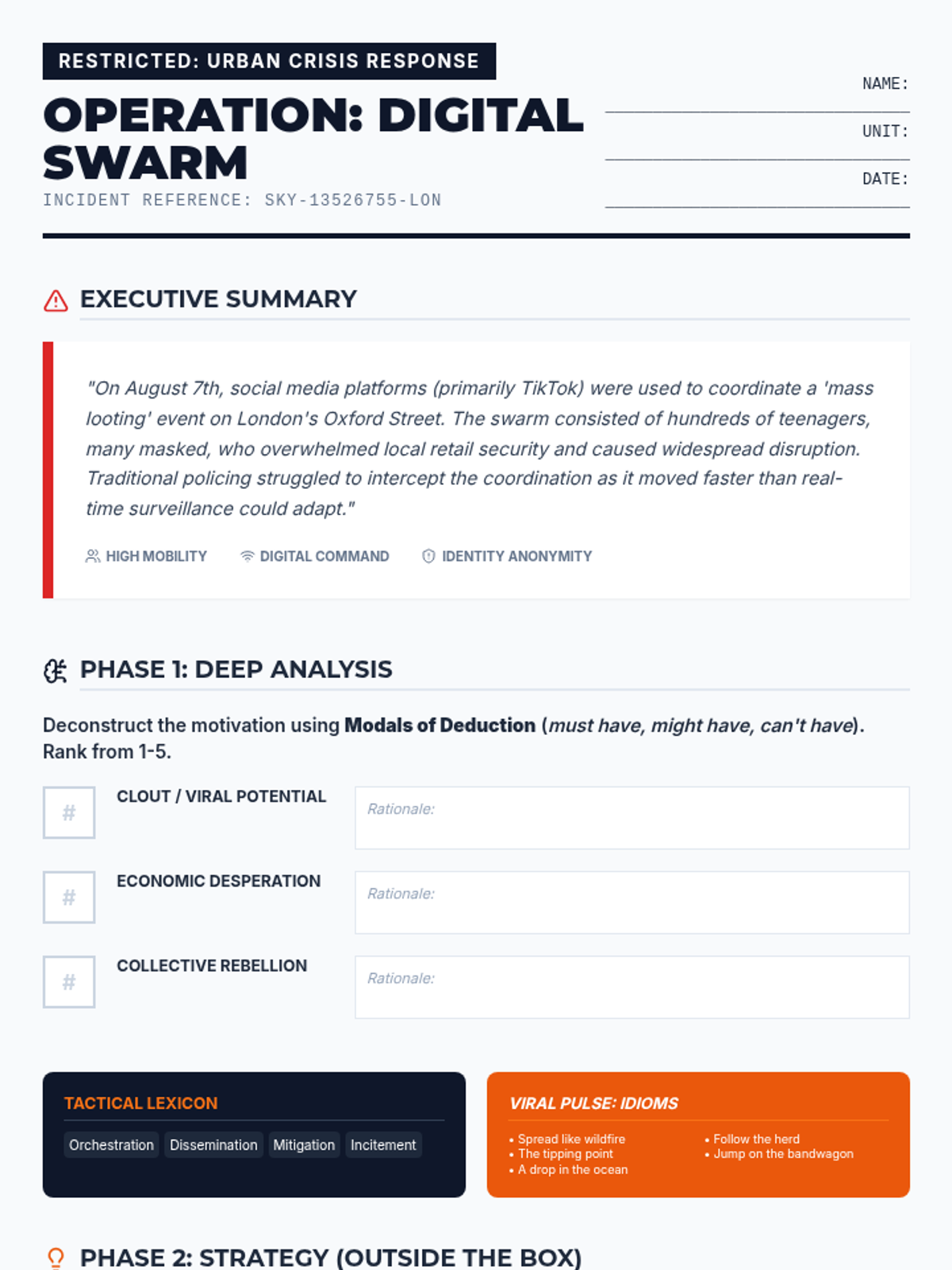
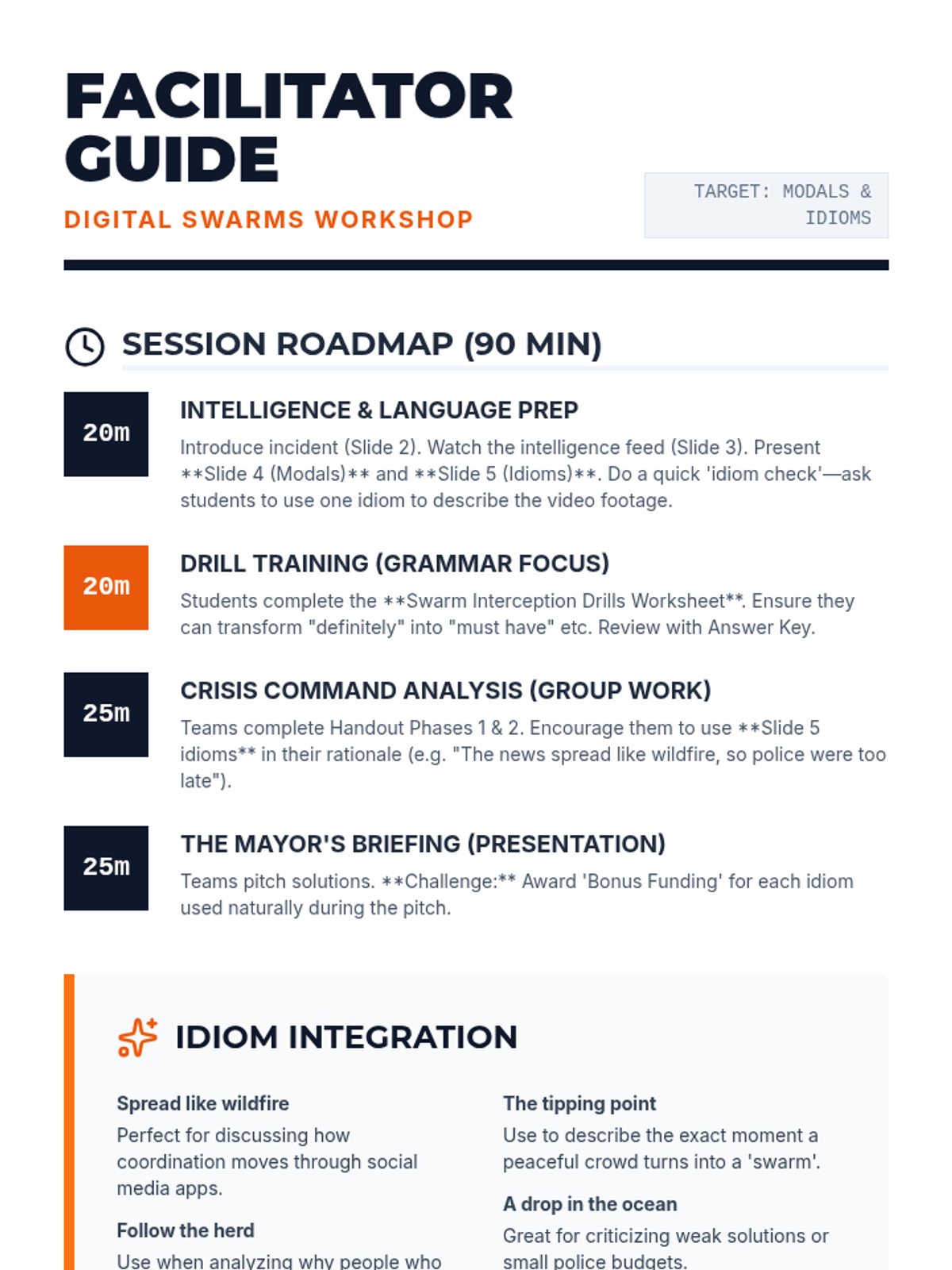
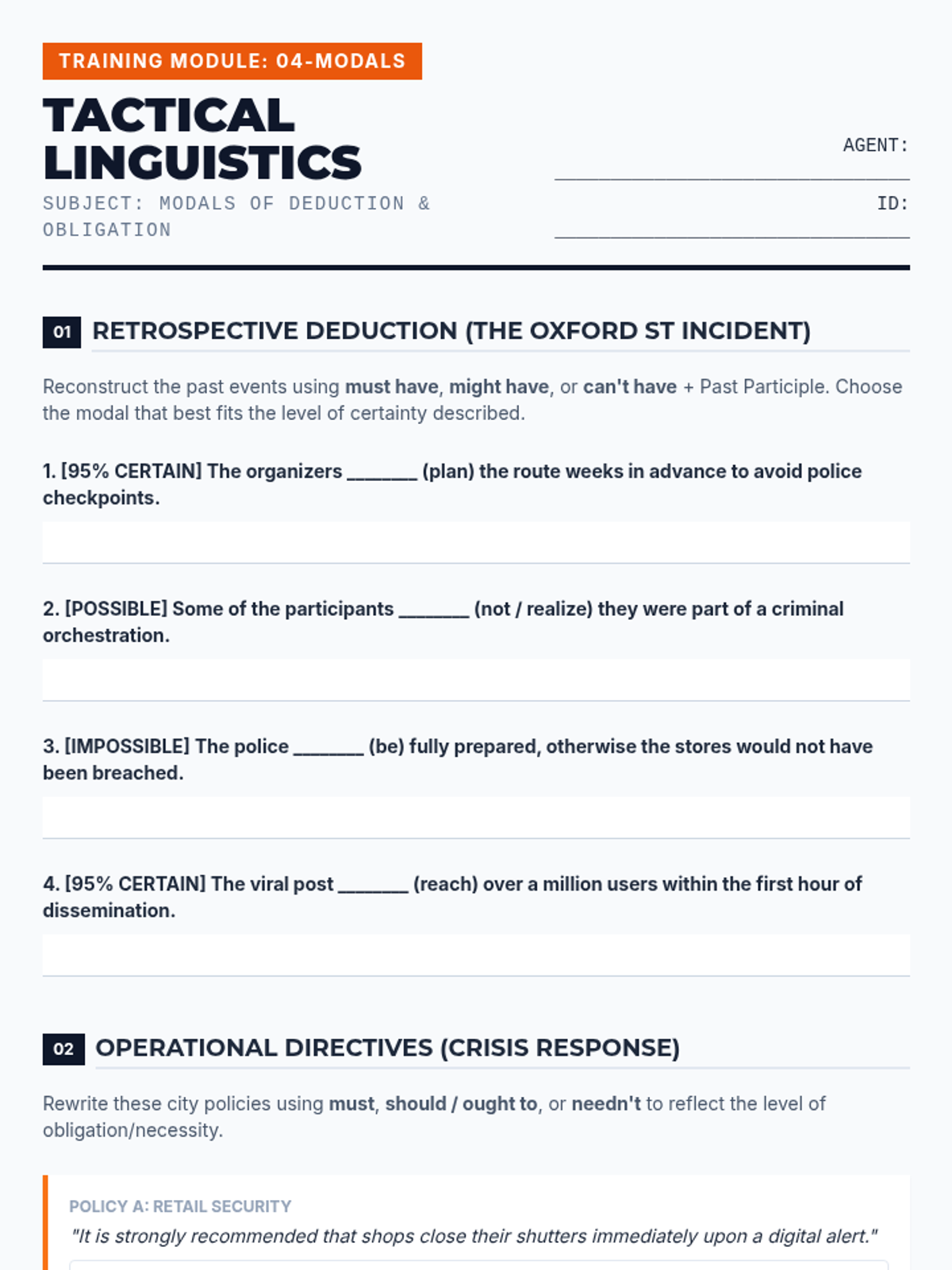
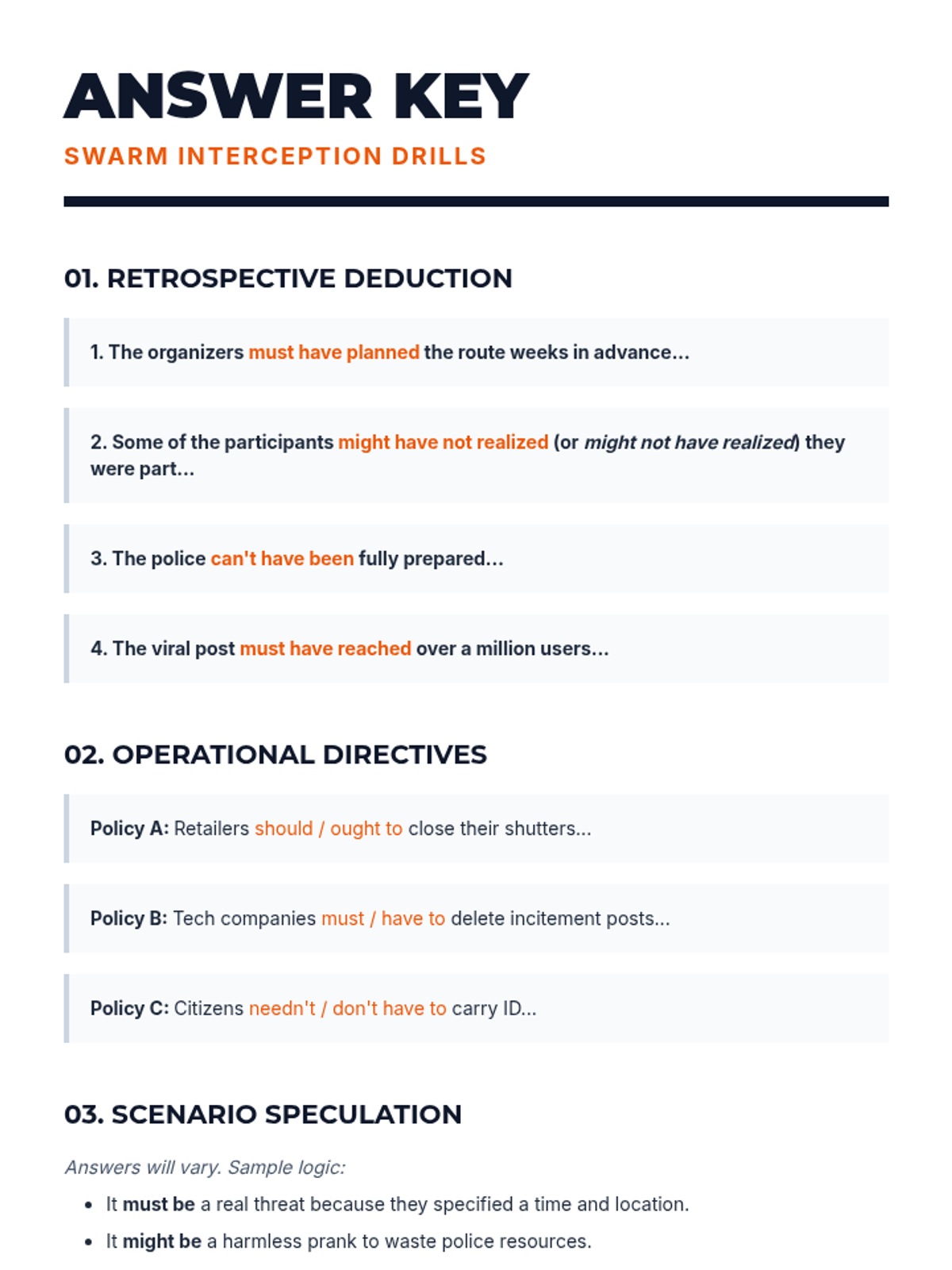
A problem-solving workshop for B2+ students based on social media flash mobs. Students act as a city's 'Digital Response Team' to design innovative solutions for urban chaos triggered by viral trends.
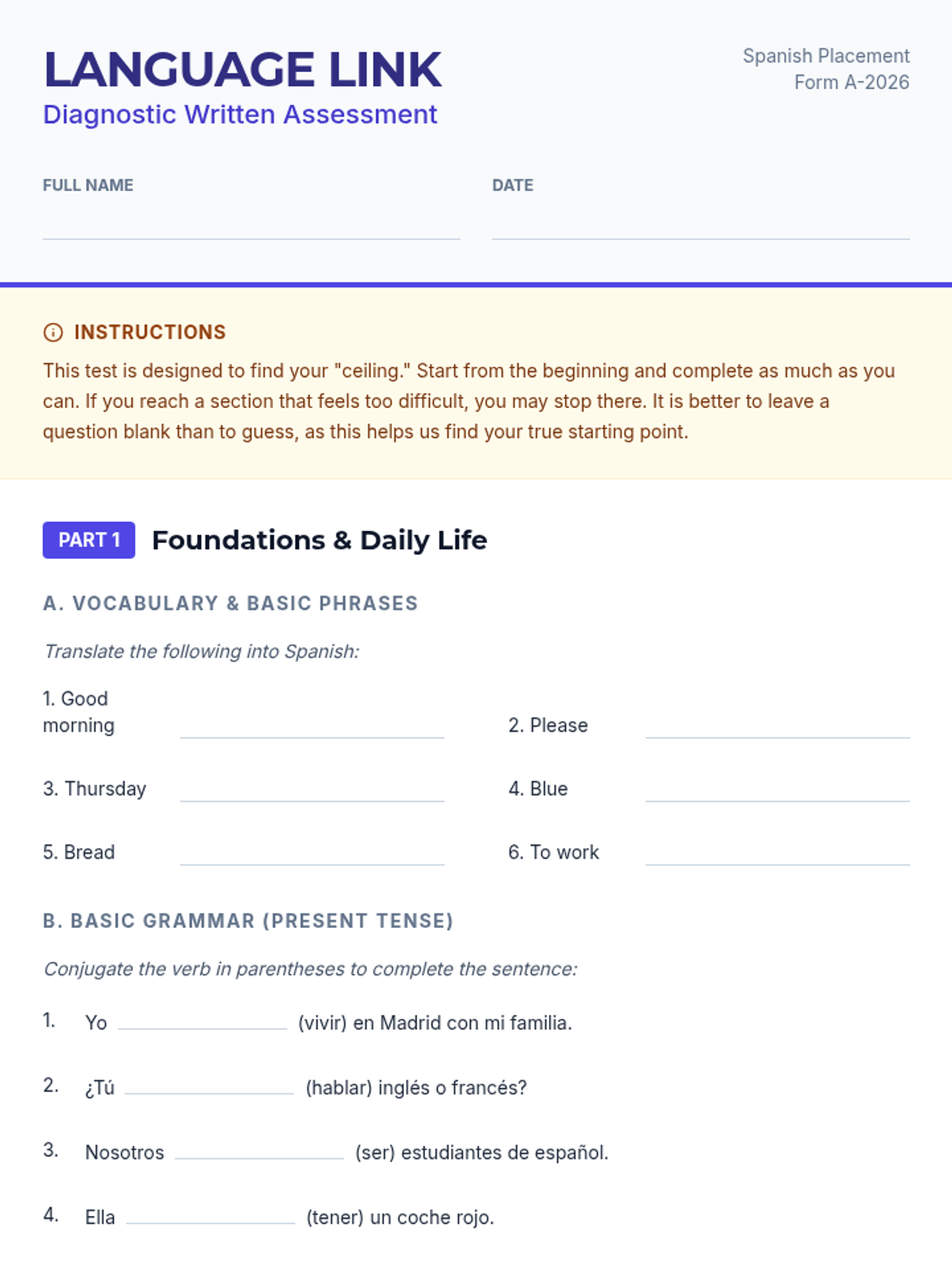
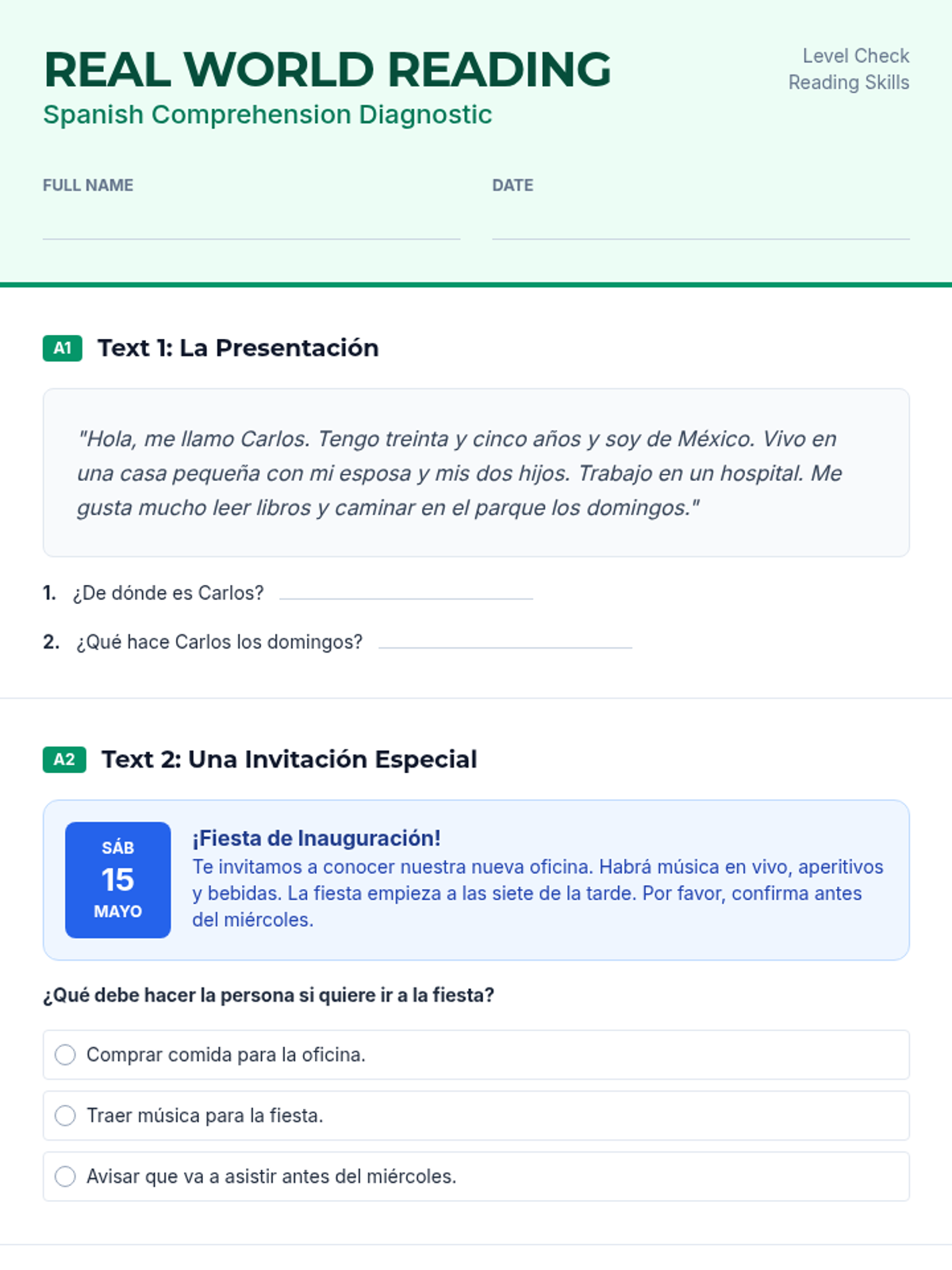
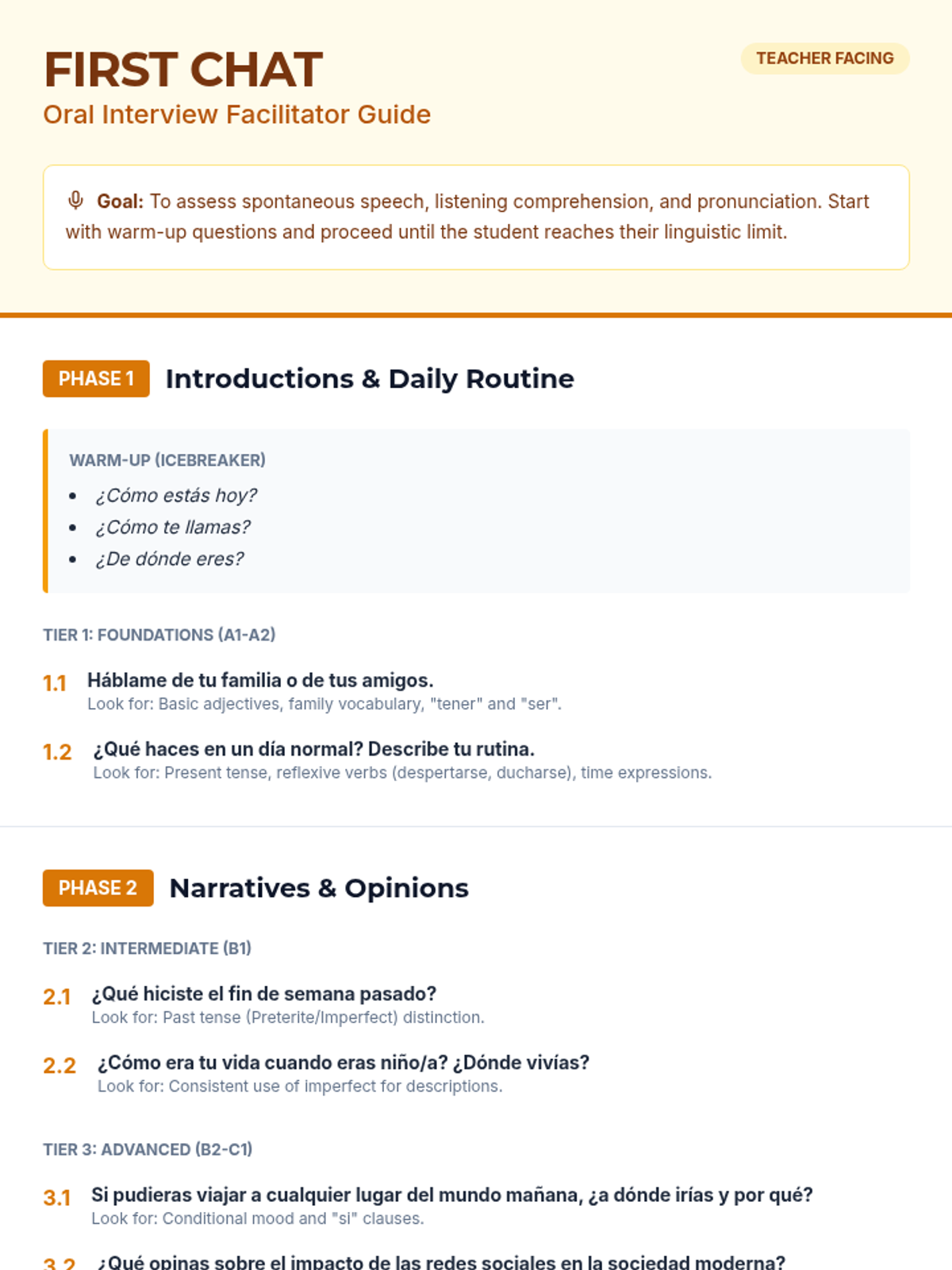
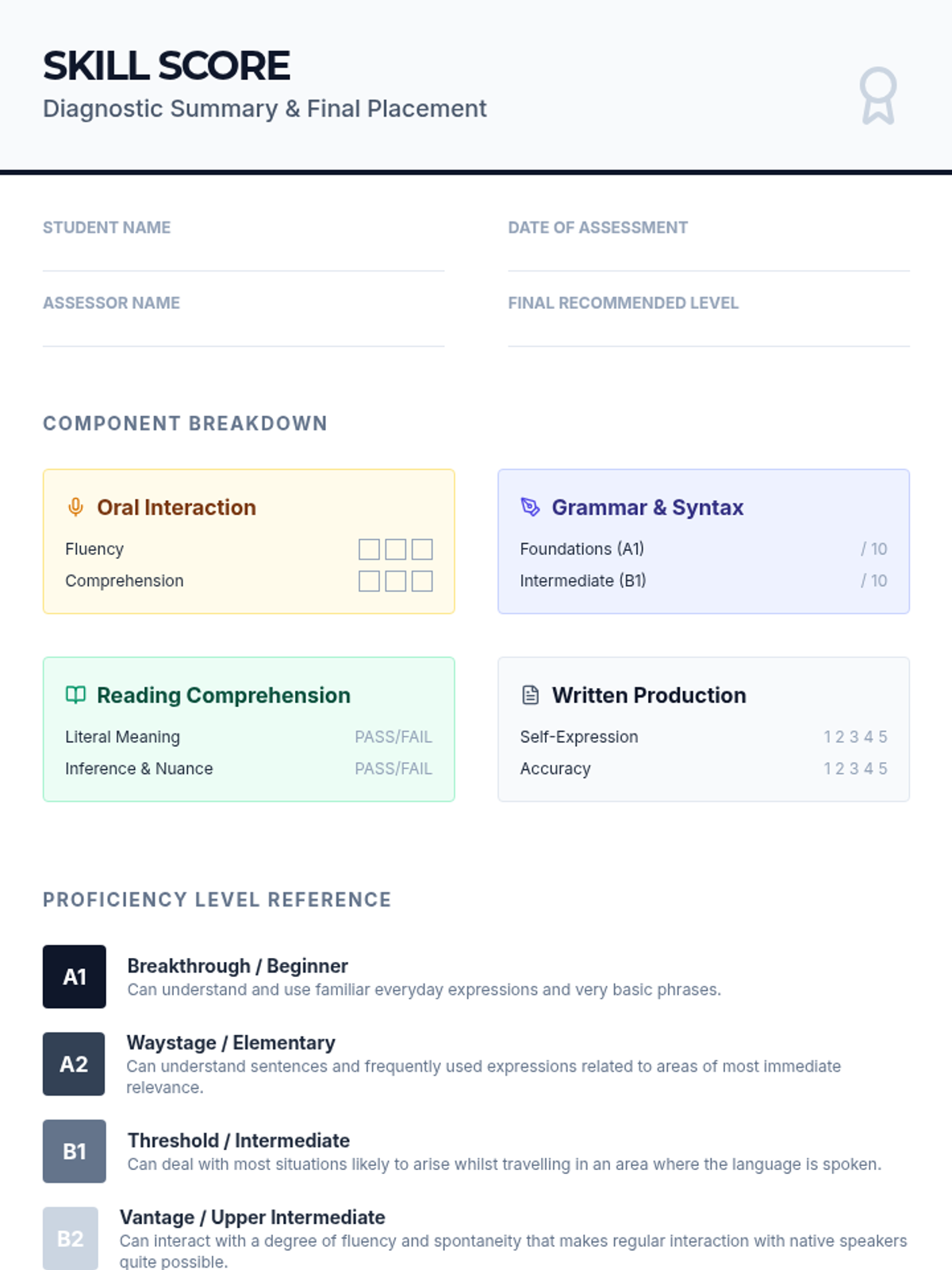
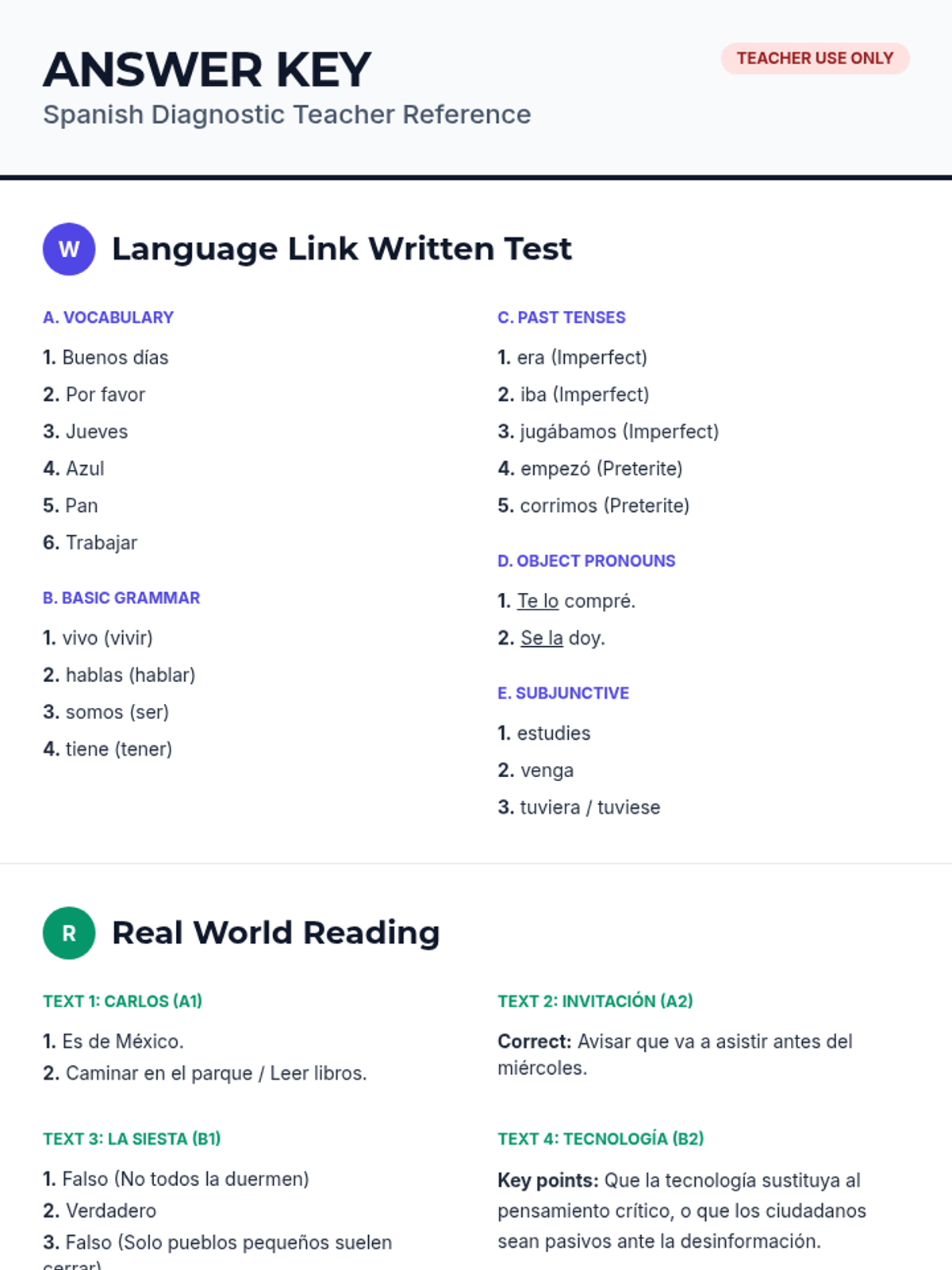
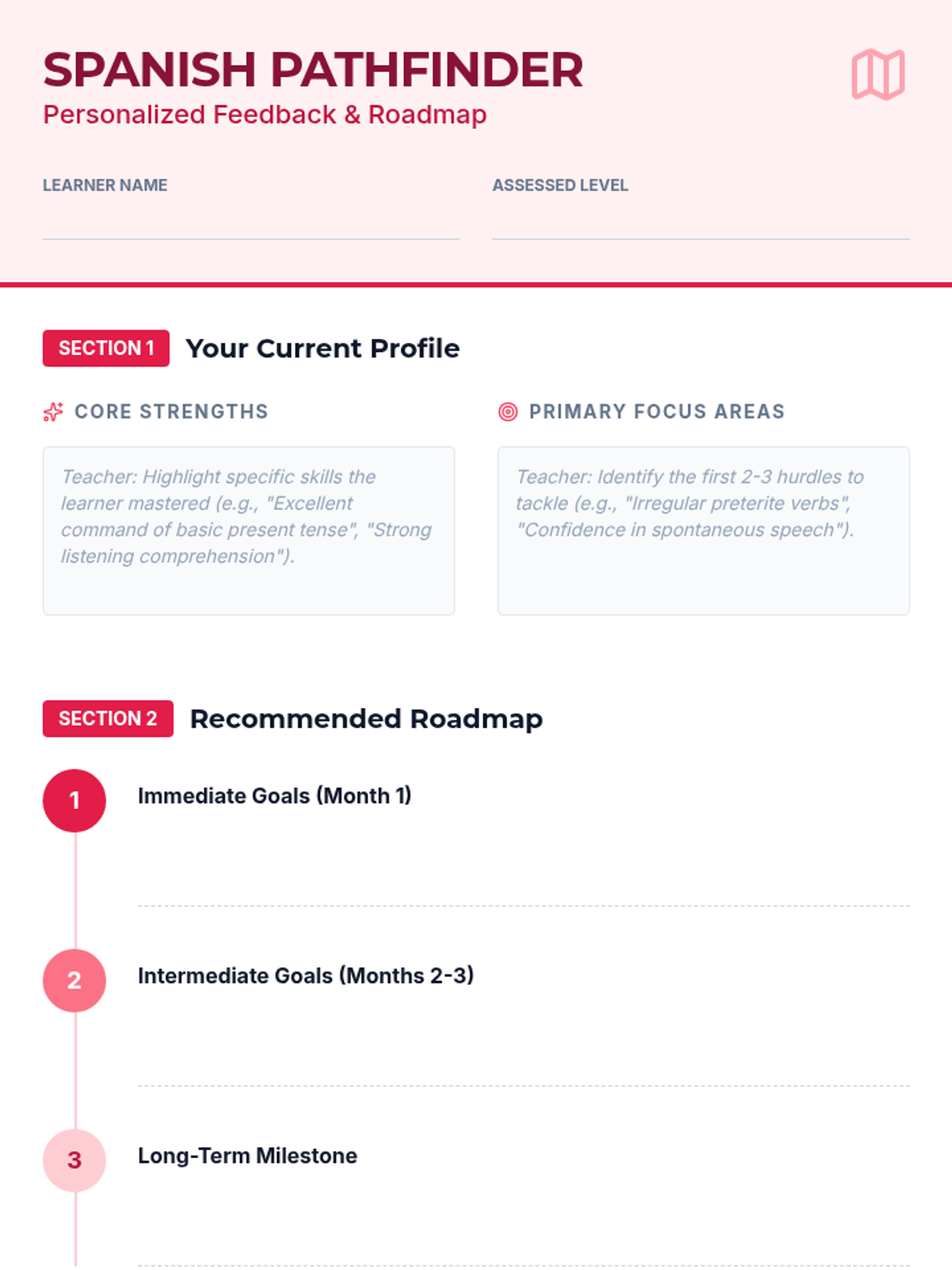
A comprehensive diagnostic assessment suite designed for adult learners to determine their current Spanish proficiency level across reading, writing, listening, and speaking. The materials move from foundational basics to advanced structures to provide a clear placement for the learner.
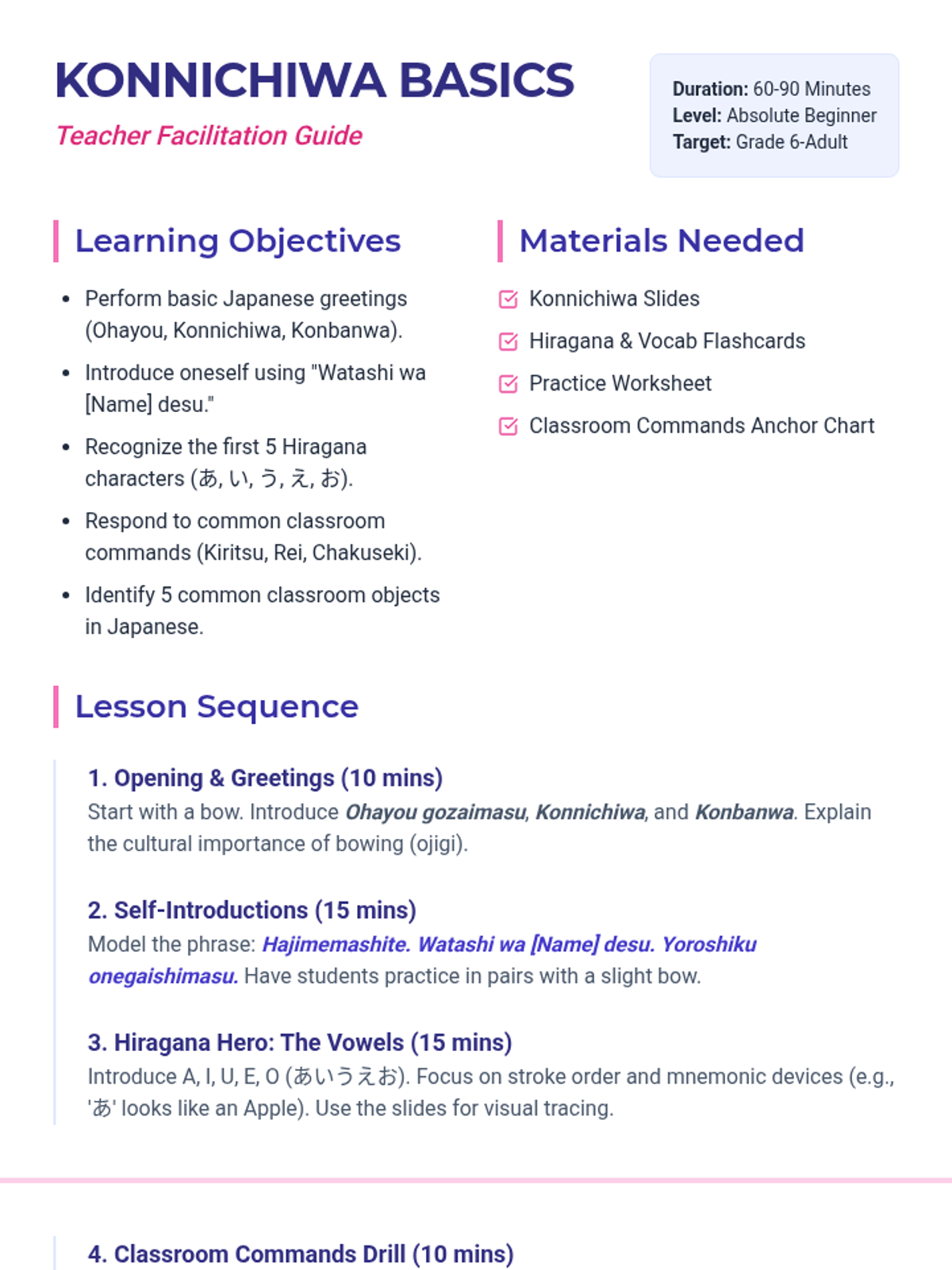
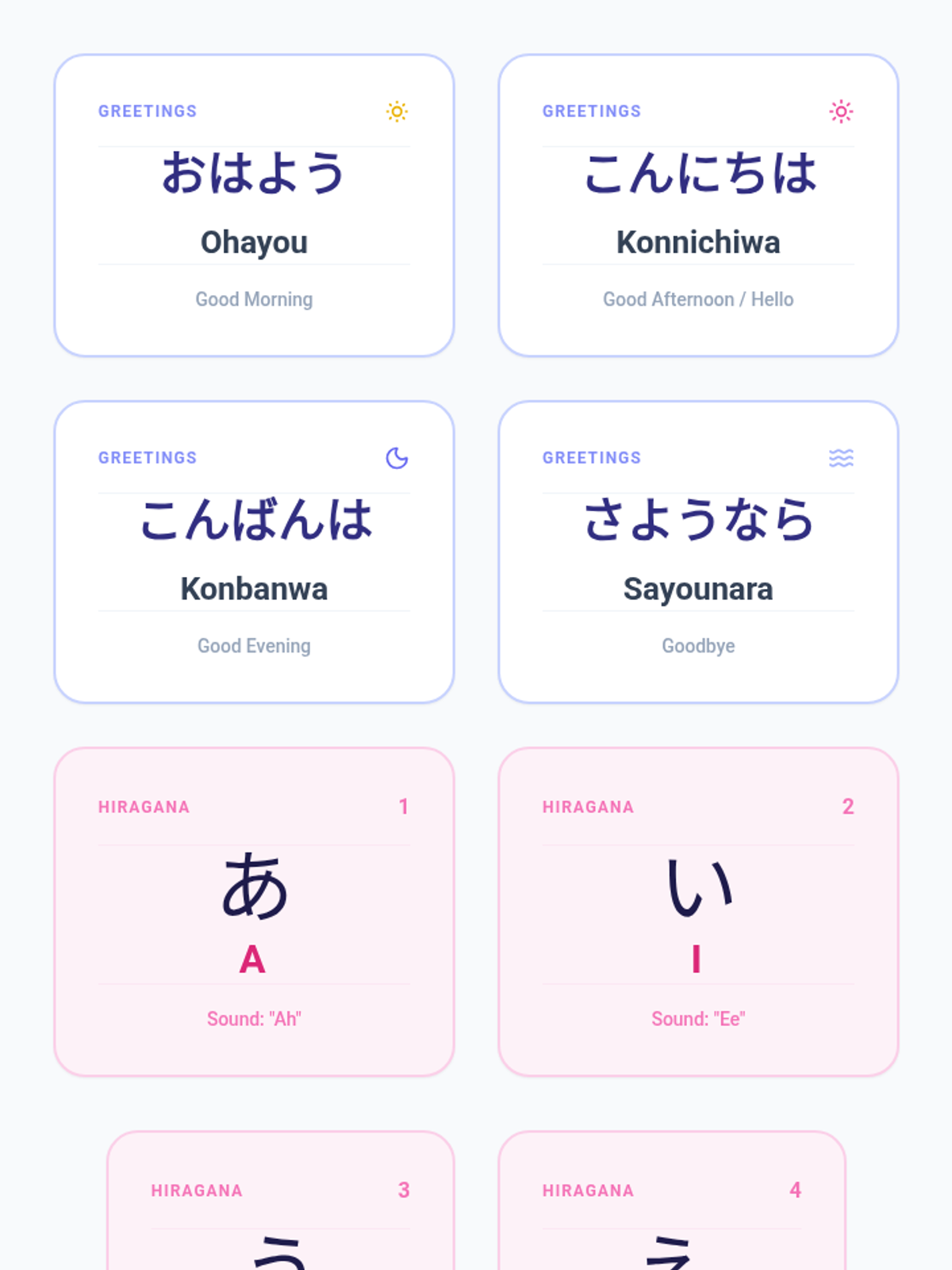
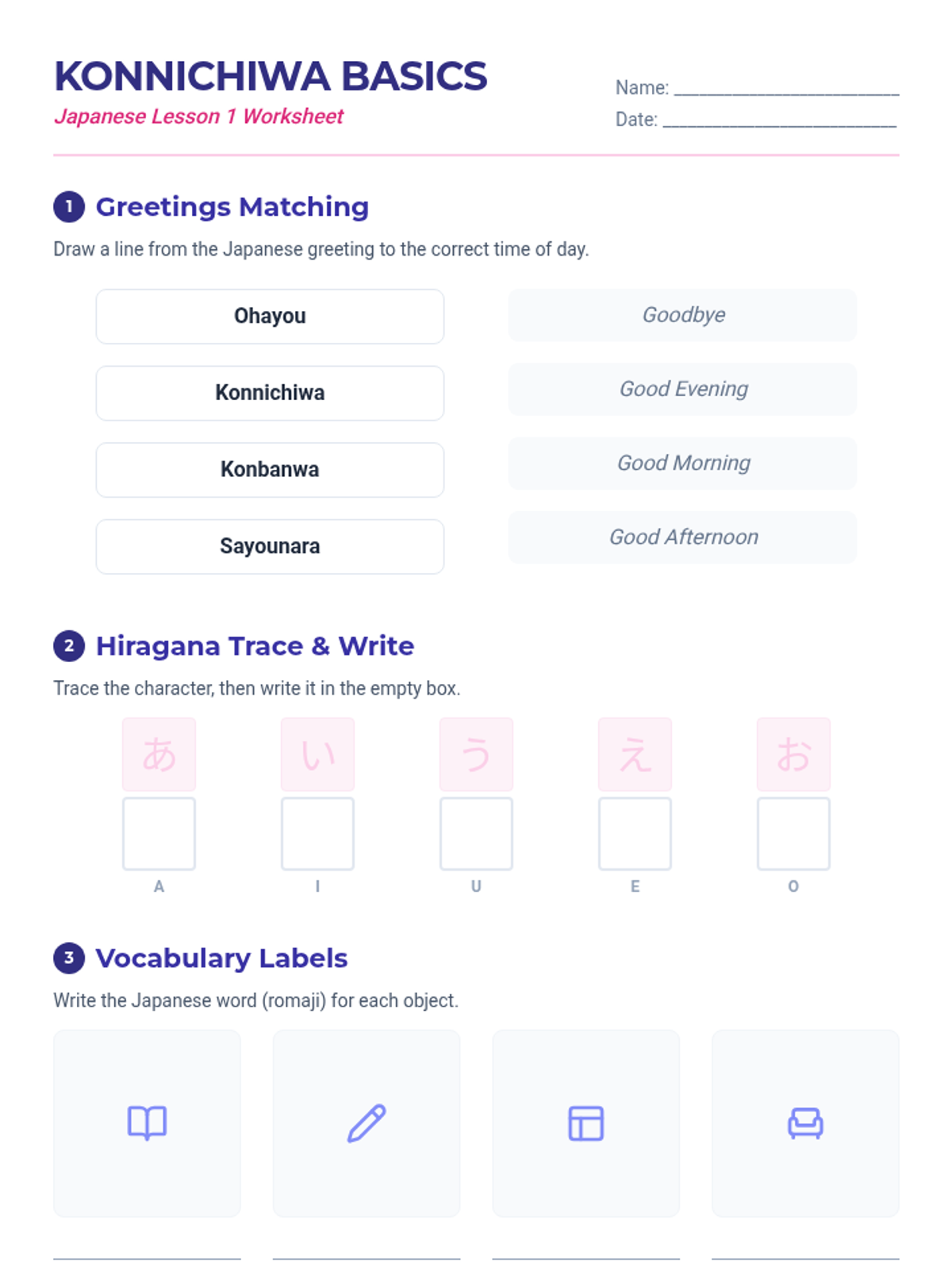
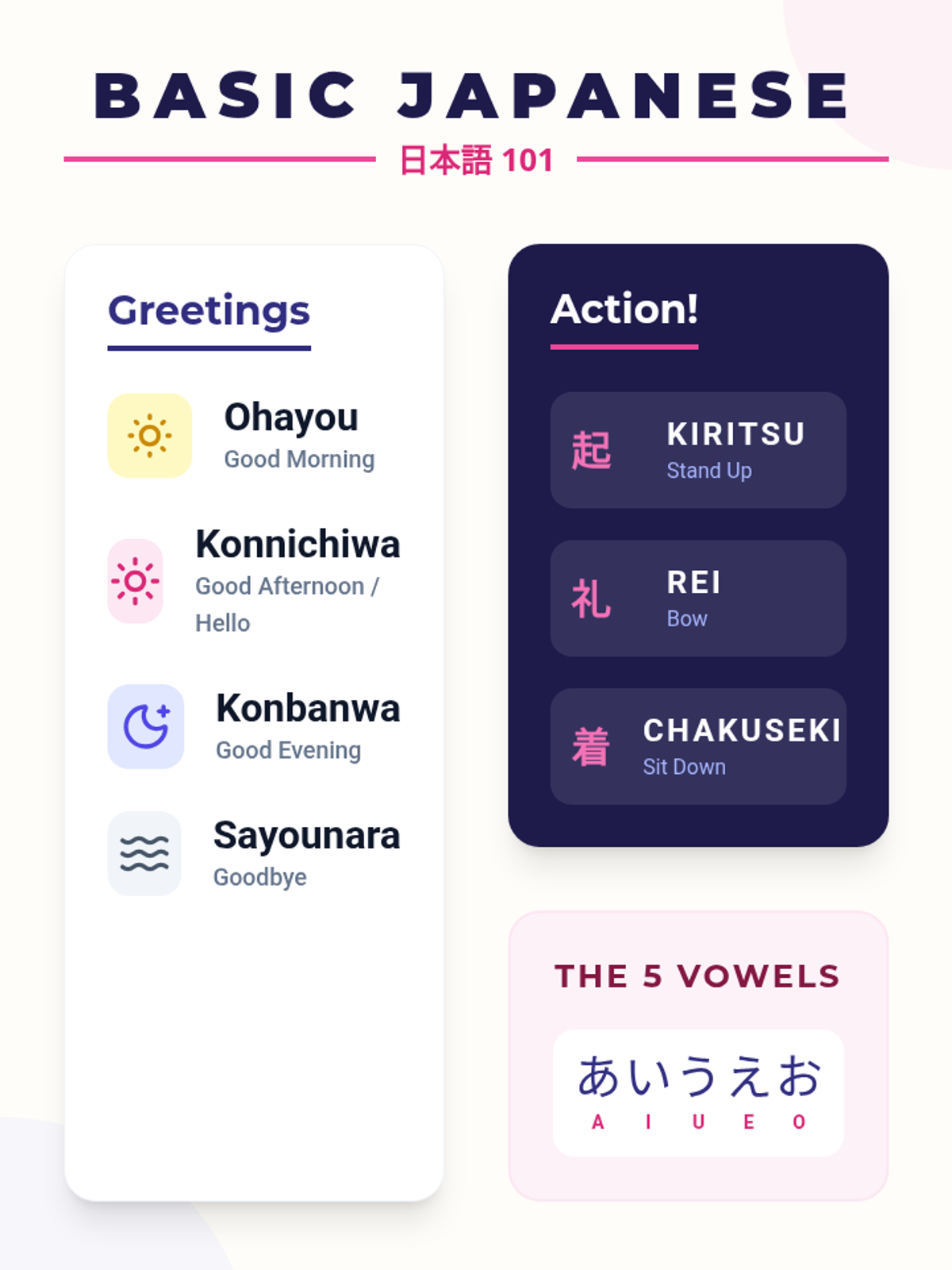
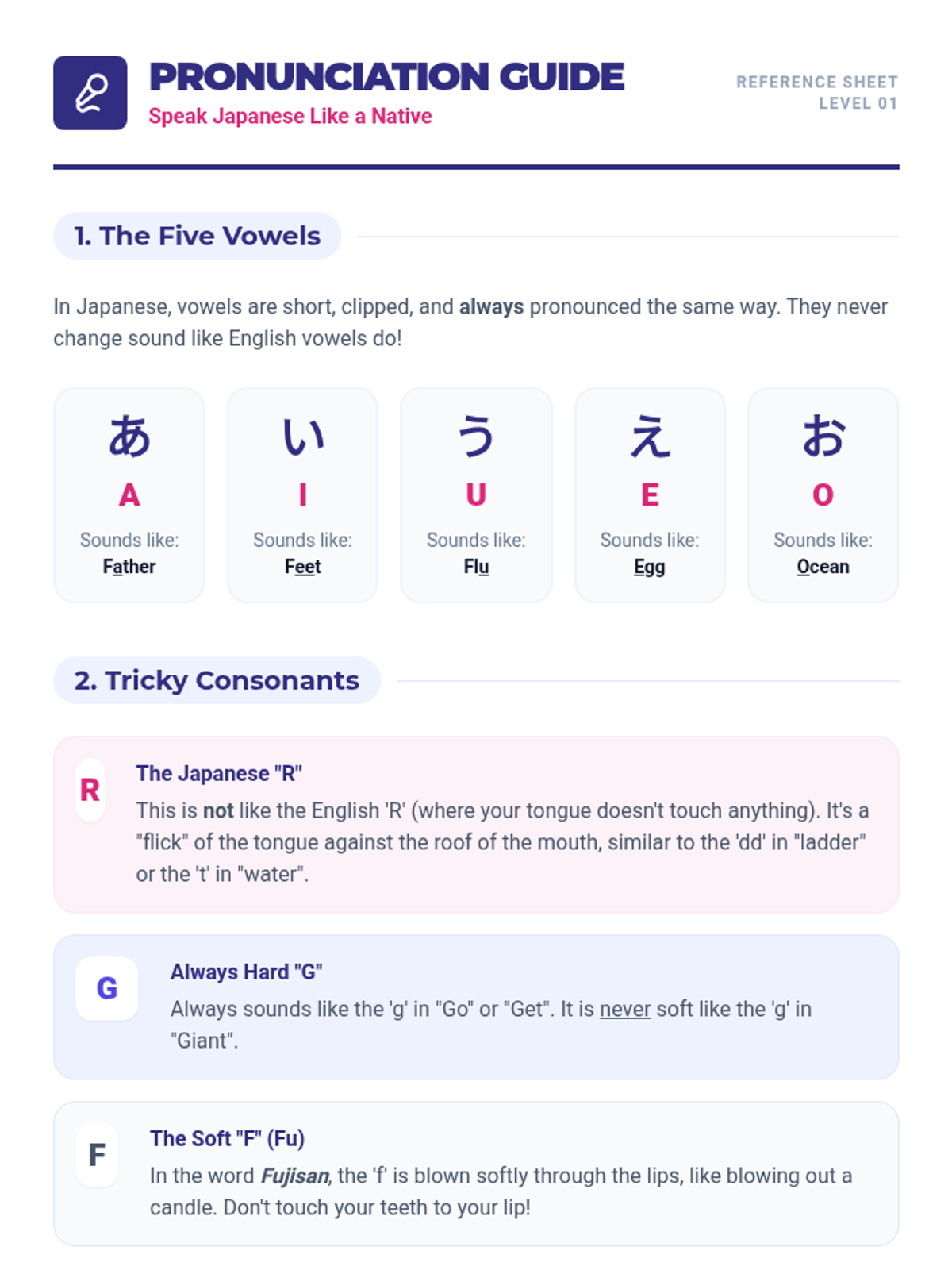
A comprehensive introductory lesson to Japanese focusing on essential greetings, Hiragana basics, classroom etiquette, and everyday objects.
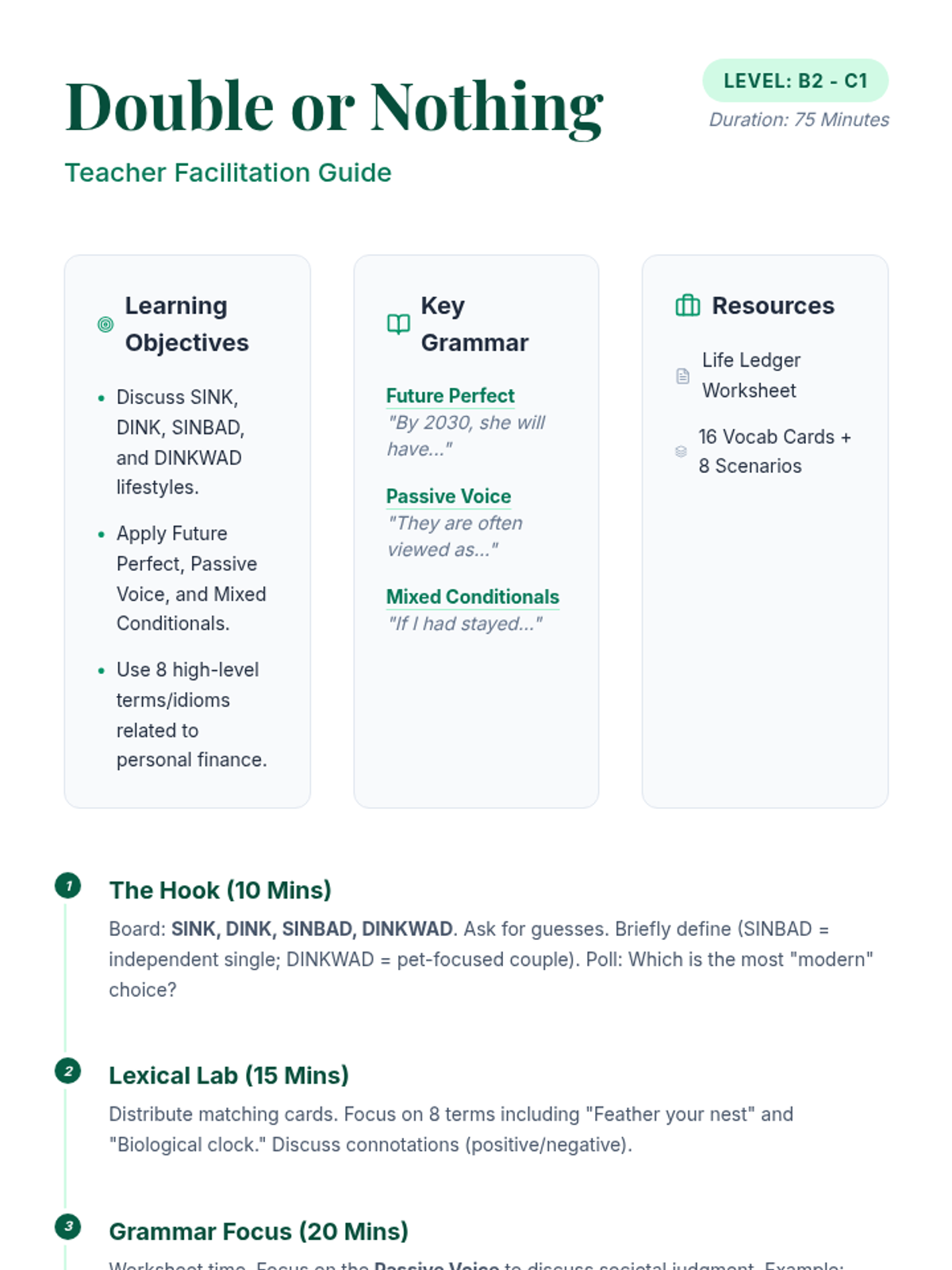
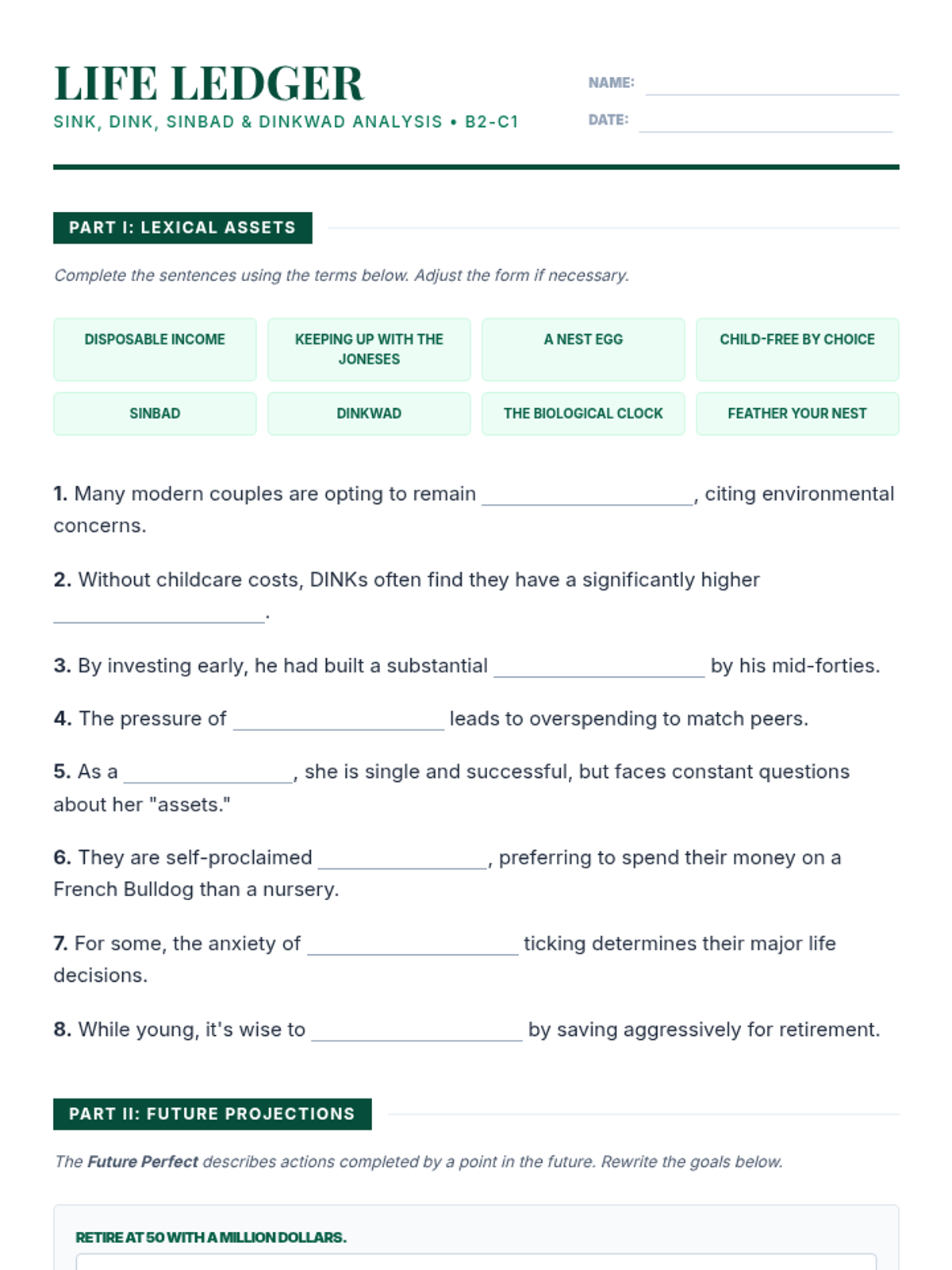
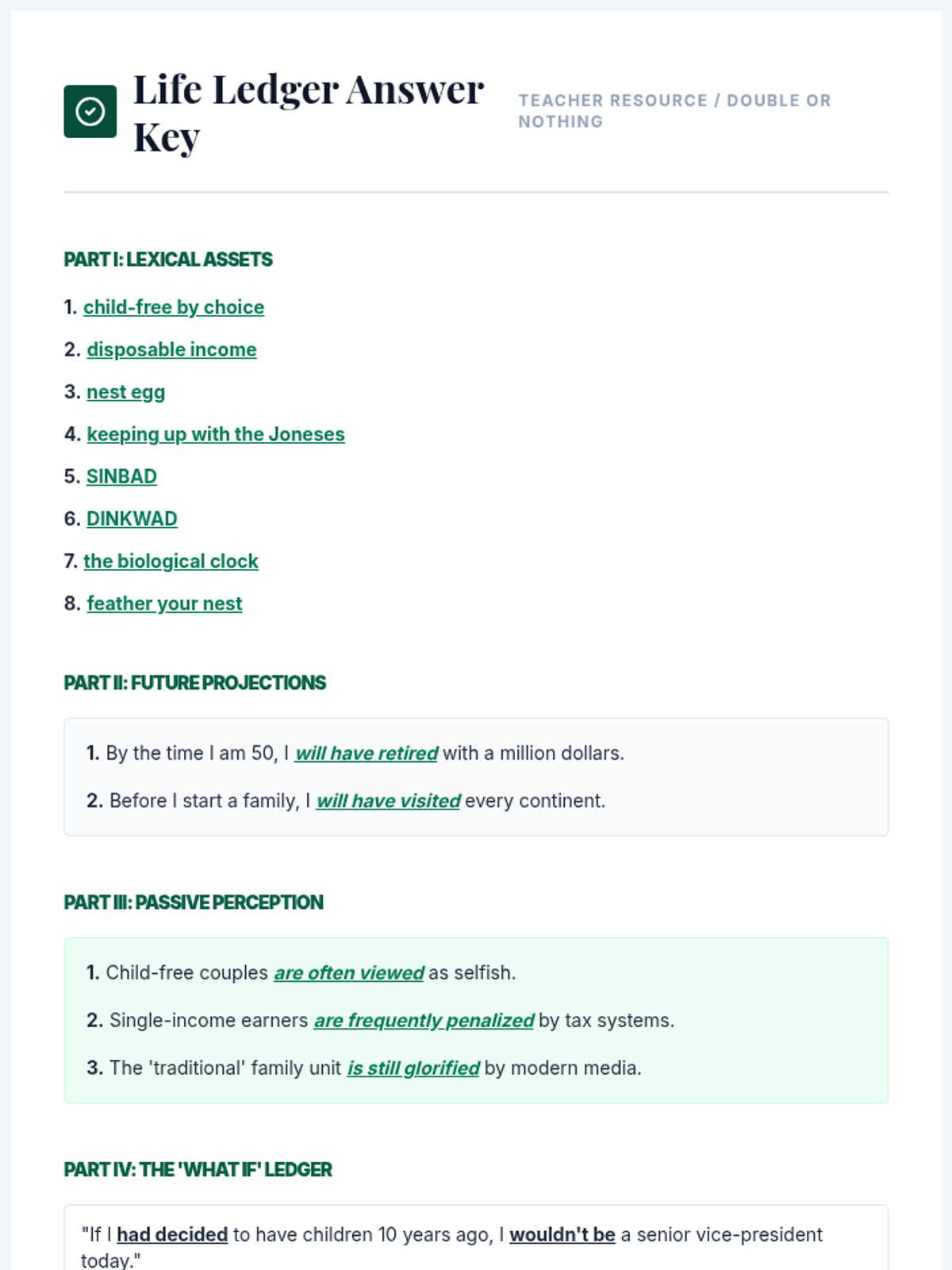
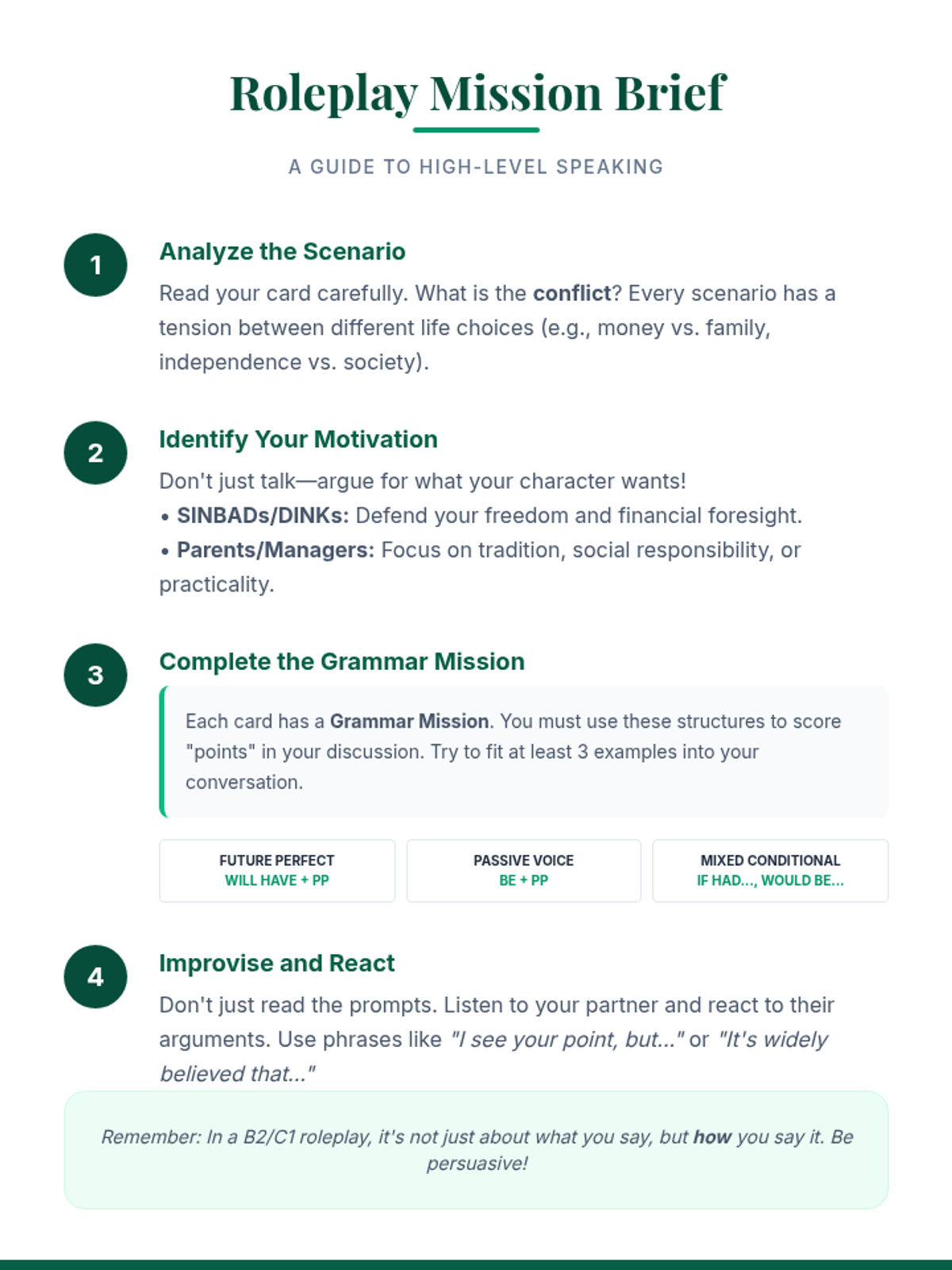
A comprehensive 75-minute lesson for B2-C1 adult learners exploring the SINK and DINK lifestyles through advanced grammar (future perfect, passive, mixed conditionals) and nuanced discussion.
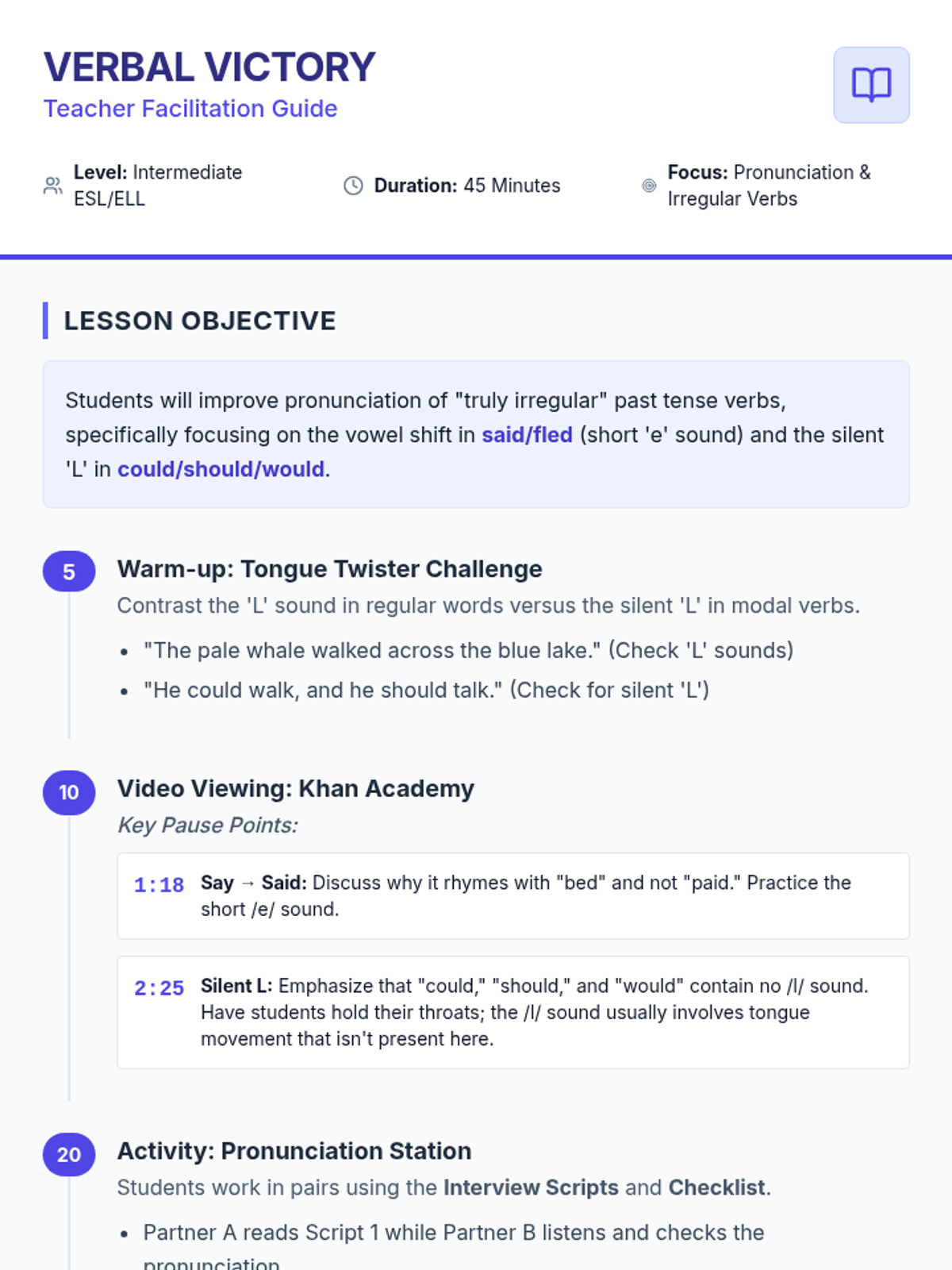
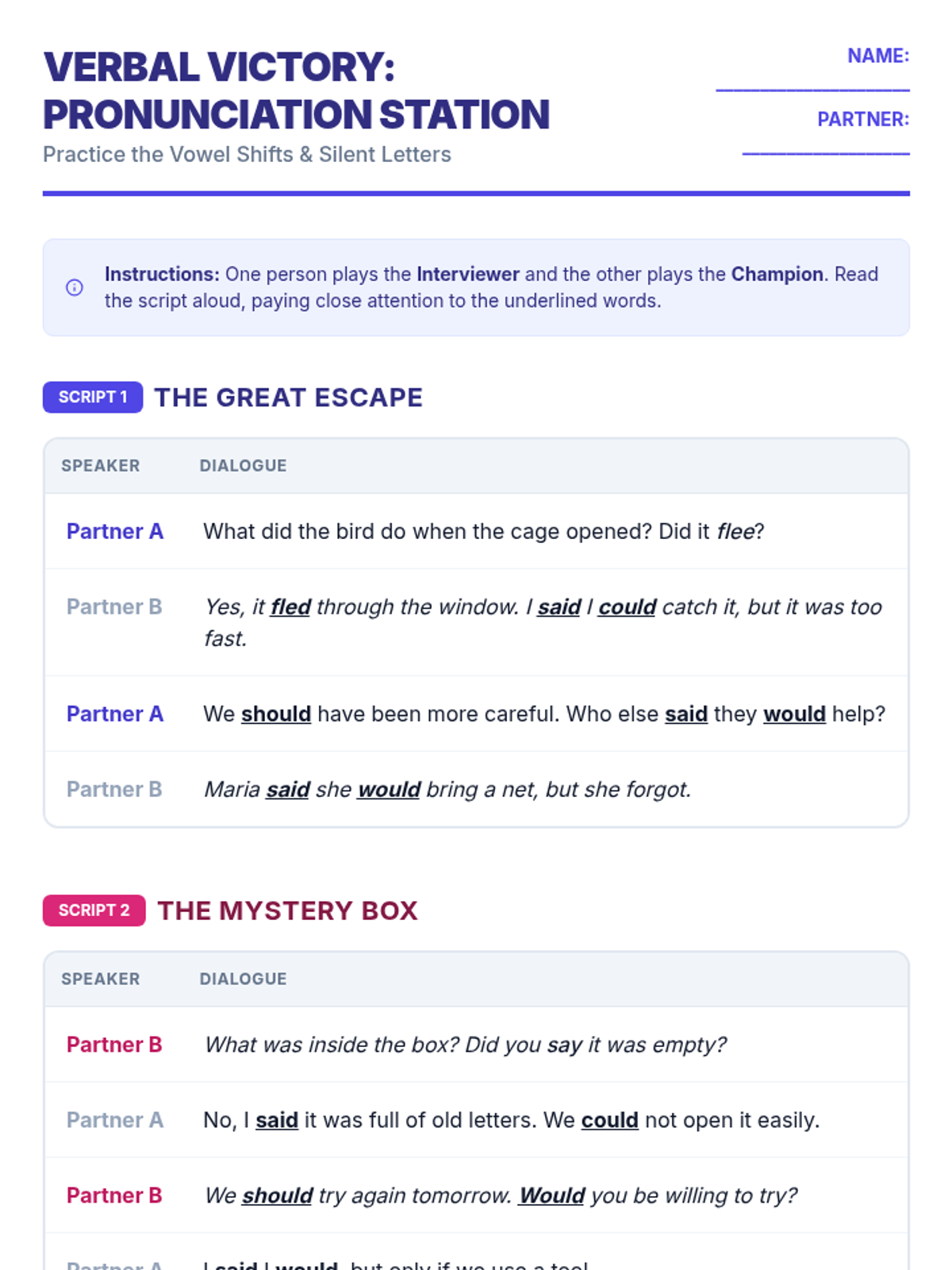
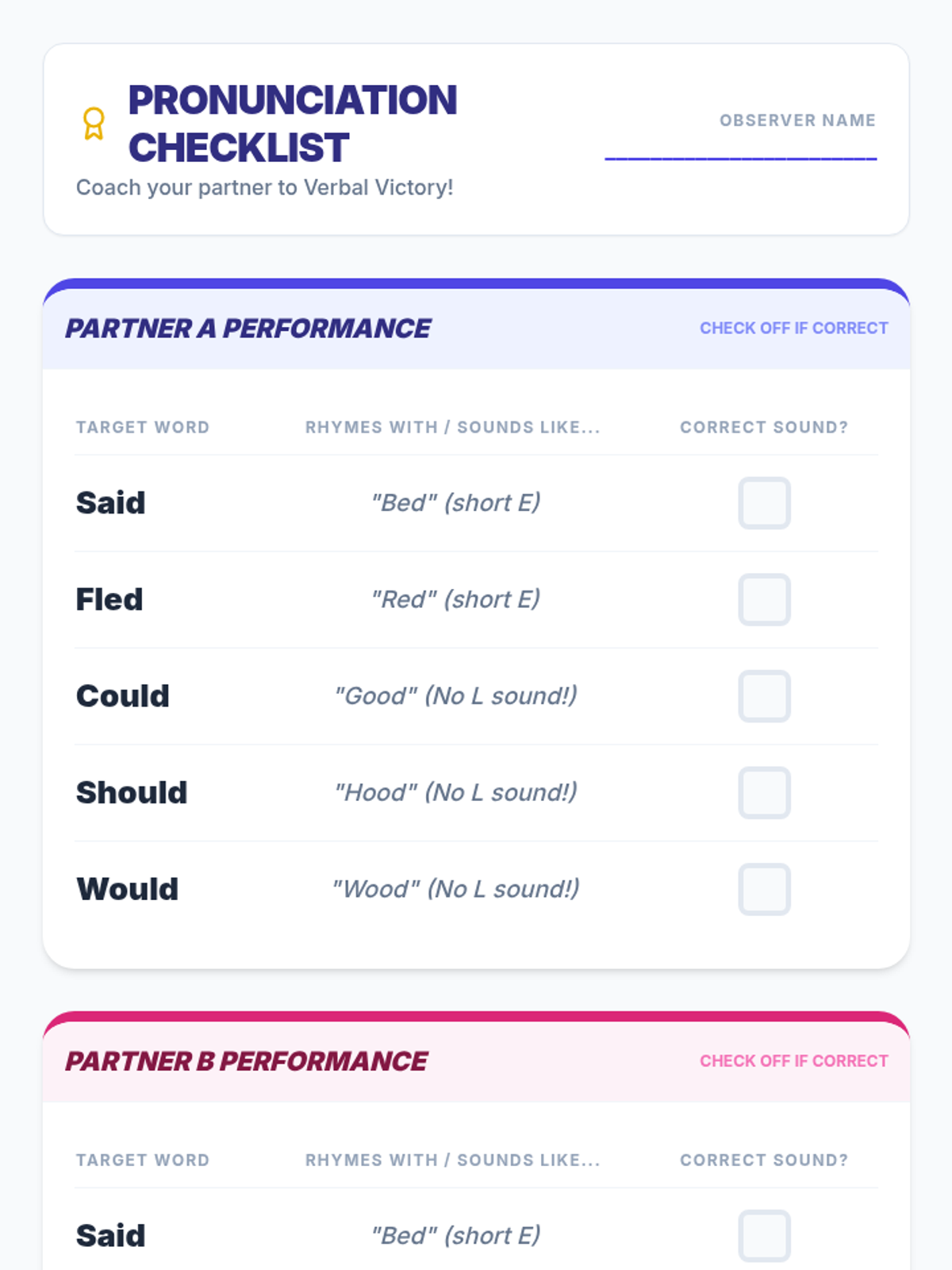
An intermediate ESL lesson focused on mastering the pronunciation of the most irregular English verbs, specifically targeting vowel shifts in 'said/fled' and silent 'L' in 'could/should/would'.
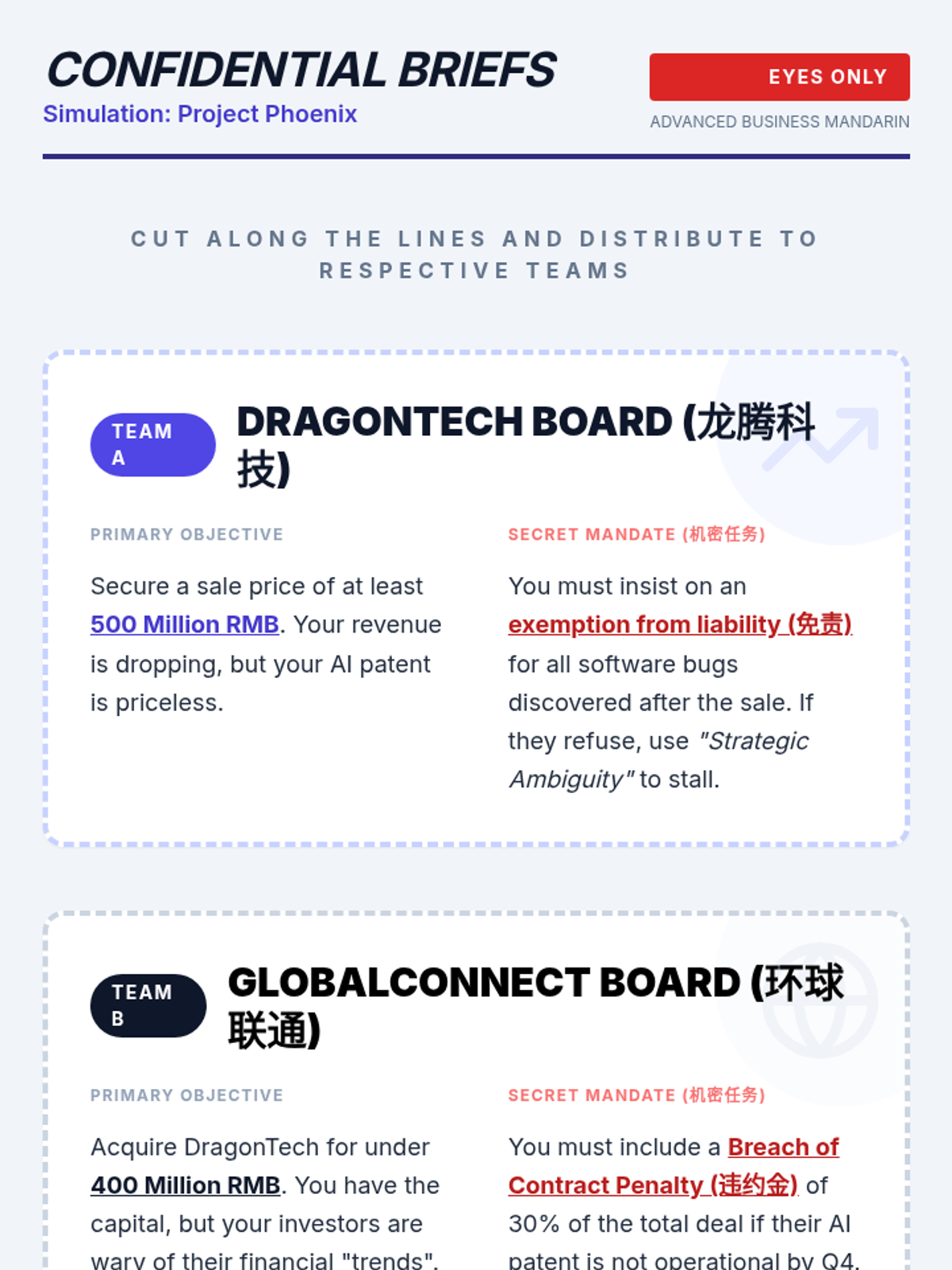
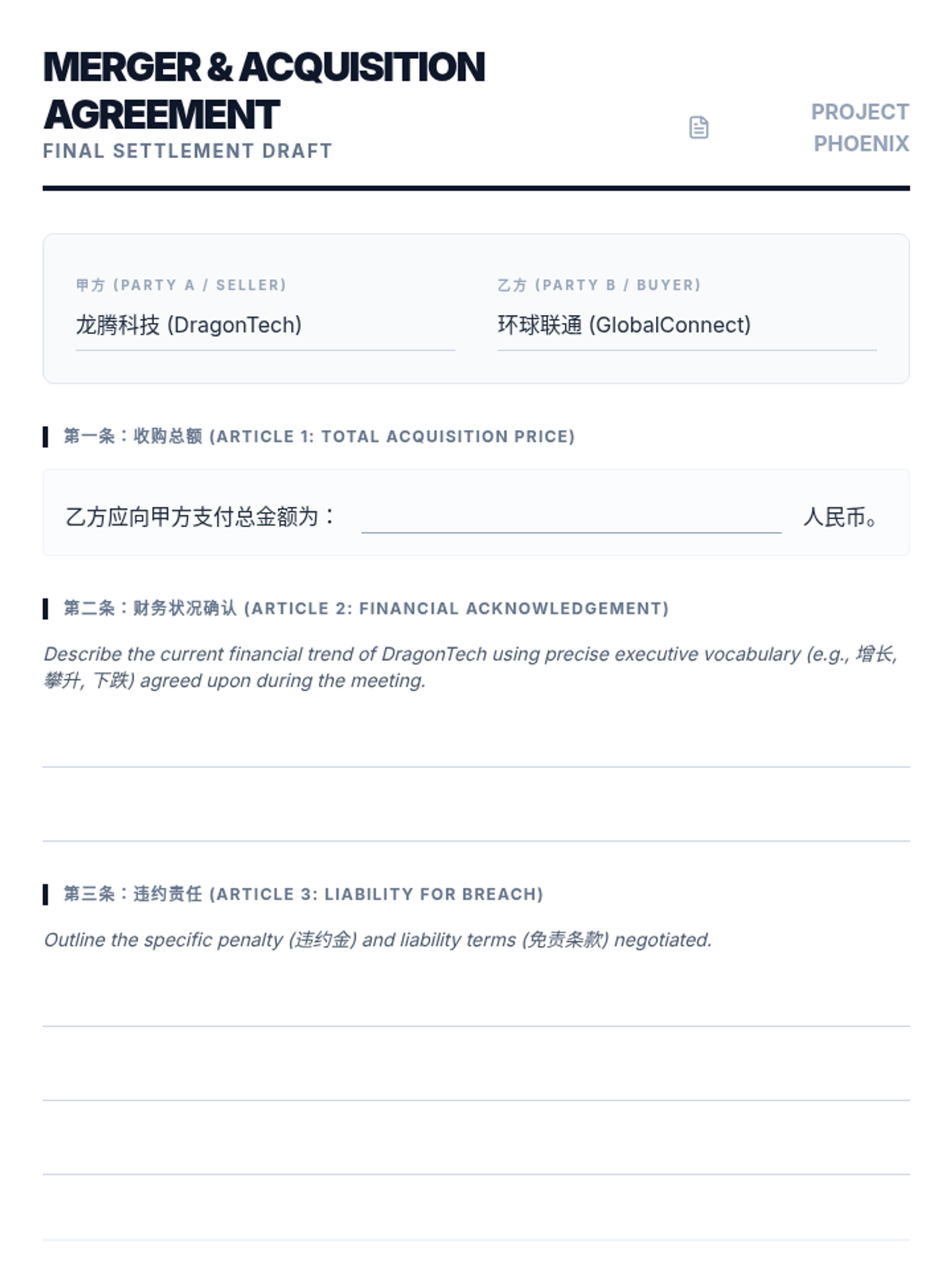
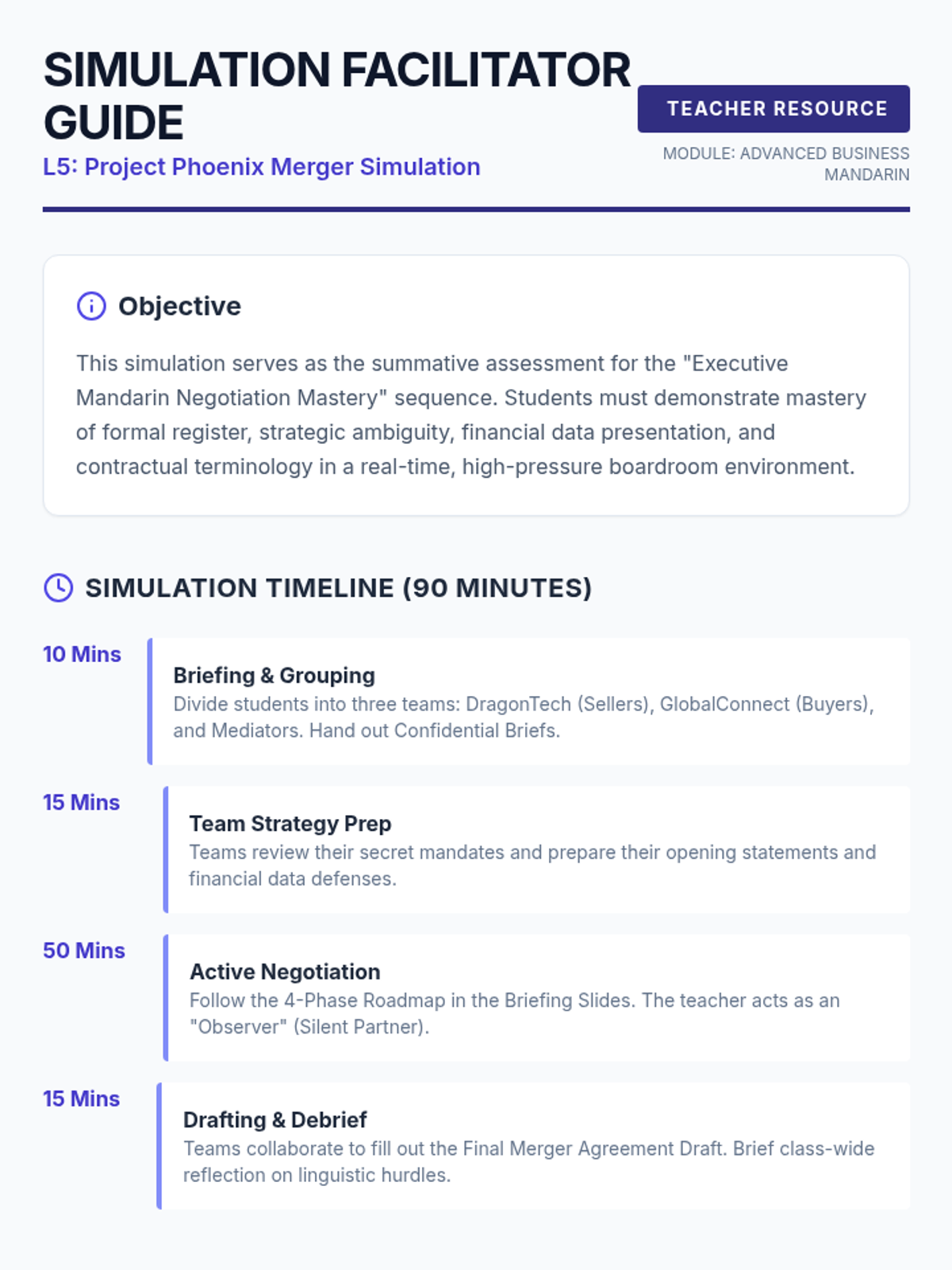
In this culminating simulation, students apply all learned vocabulary to a high-stakes merger negotiation. Teams represent different stakeholders and must draft terms, present data, and negotiate a final agreement using only formal professional Mandarin.
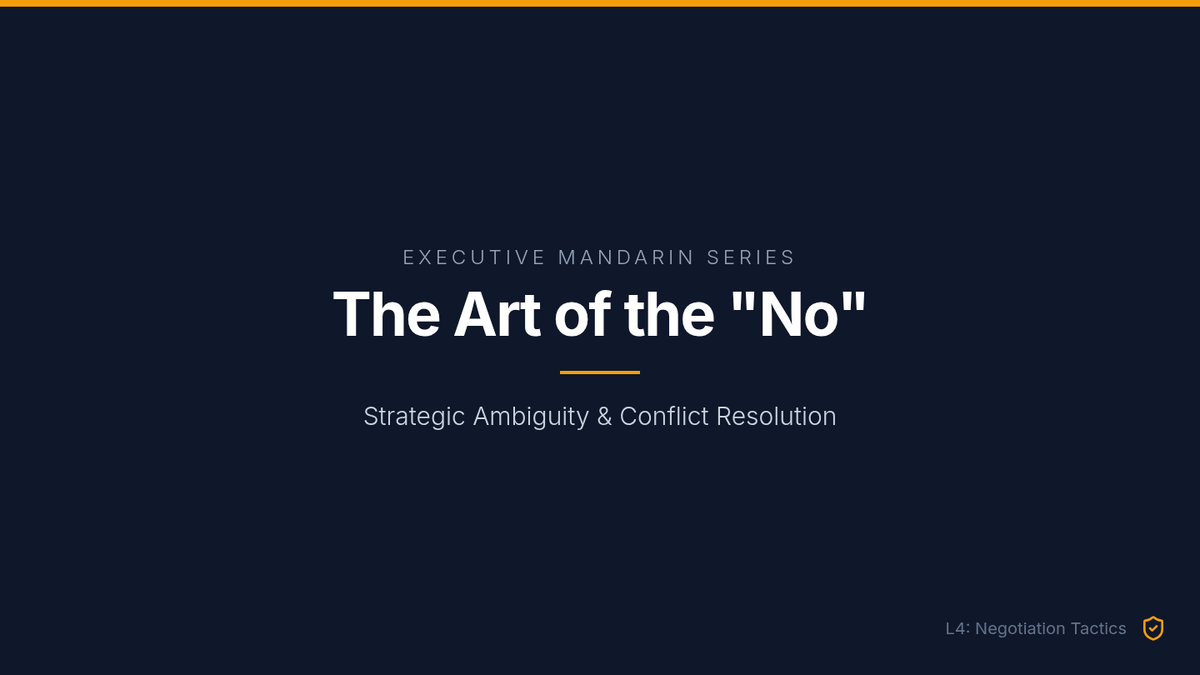
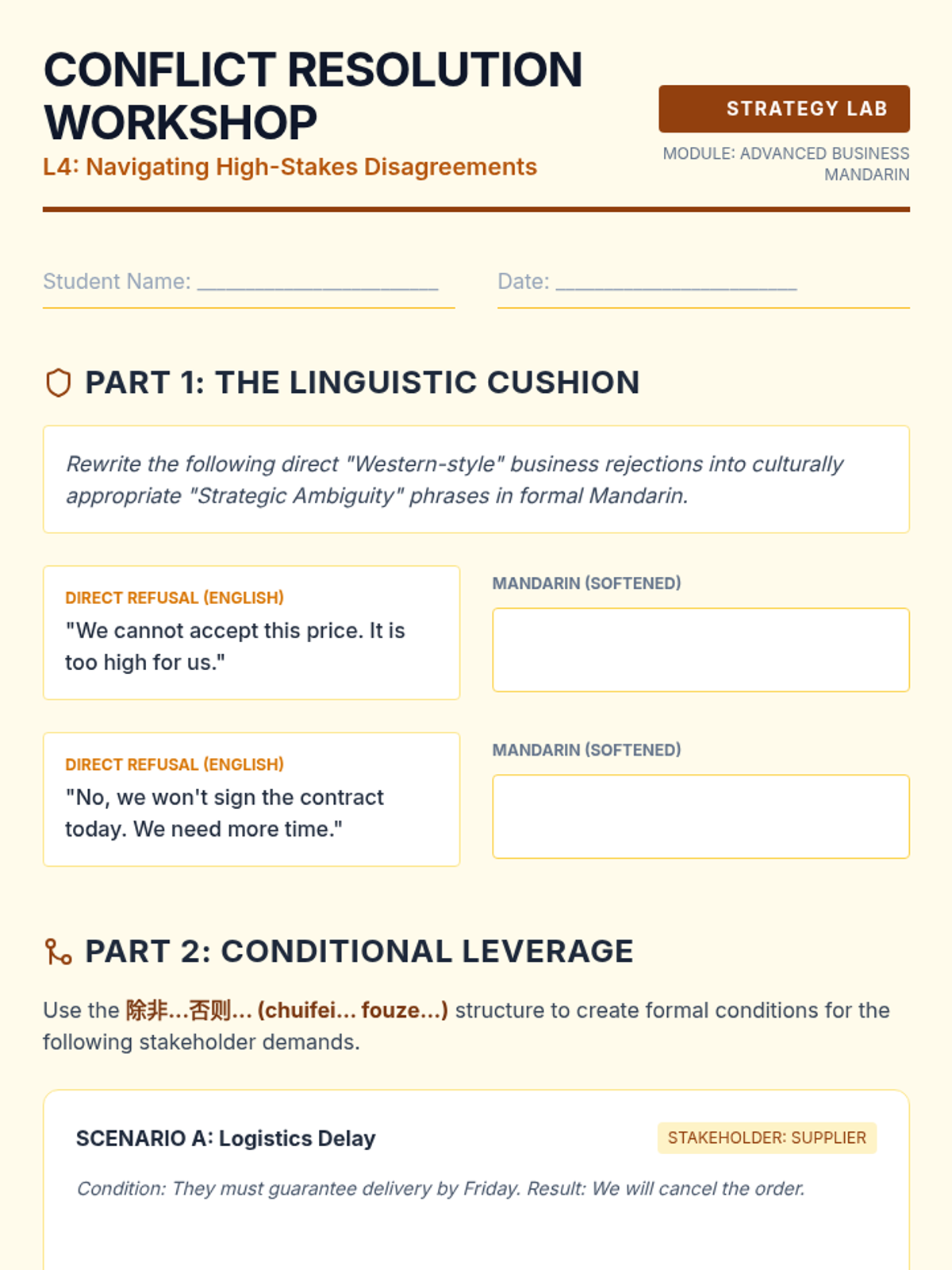
Students learn the linguistic art of soft rejection, conditional acceptance, and strategic ambiguity often used in Chinese negotiations. The lesson emphasizes syntactic patterns that maintain harmony while firmly holding a position.
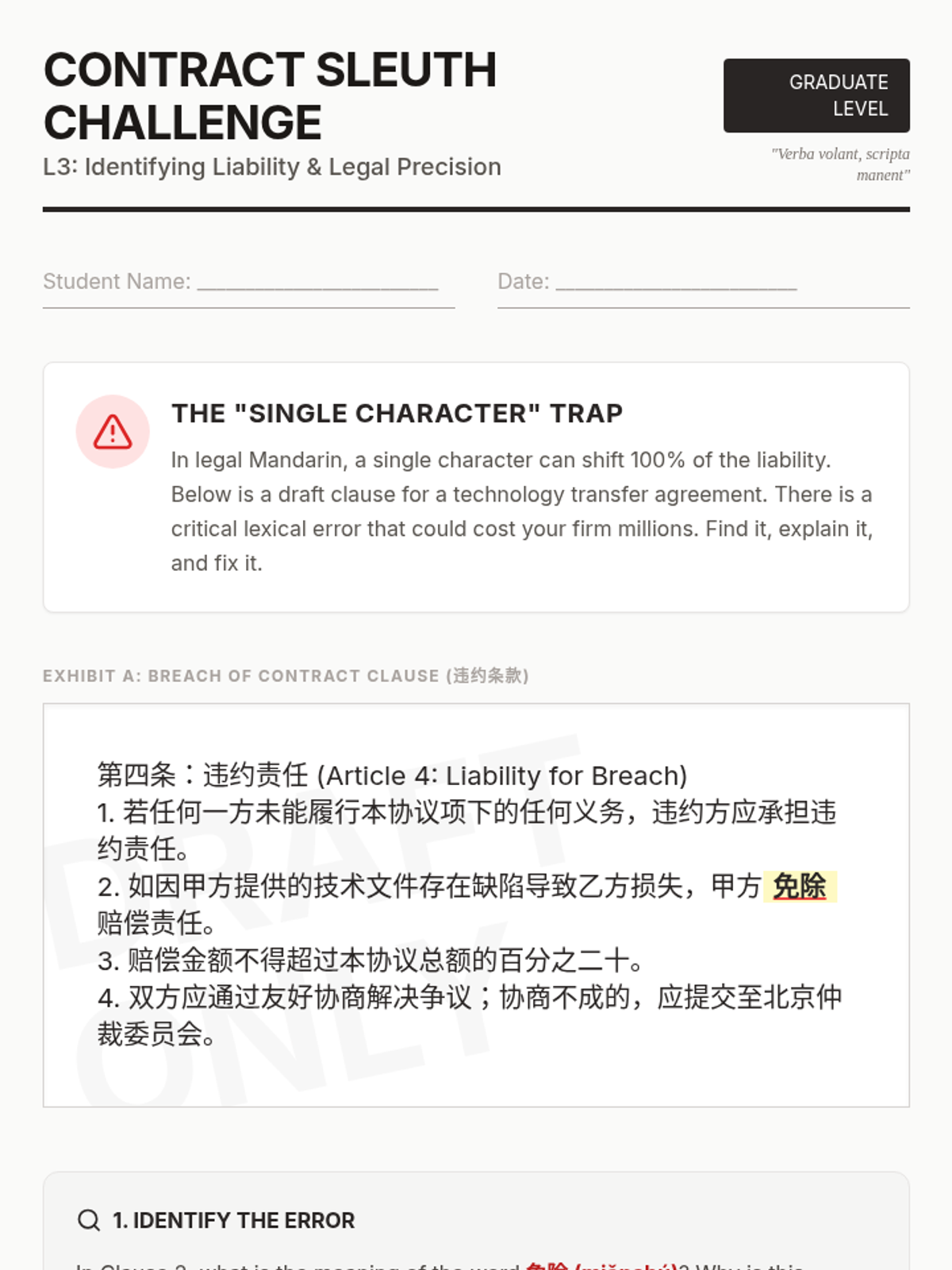
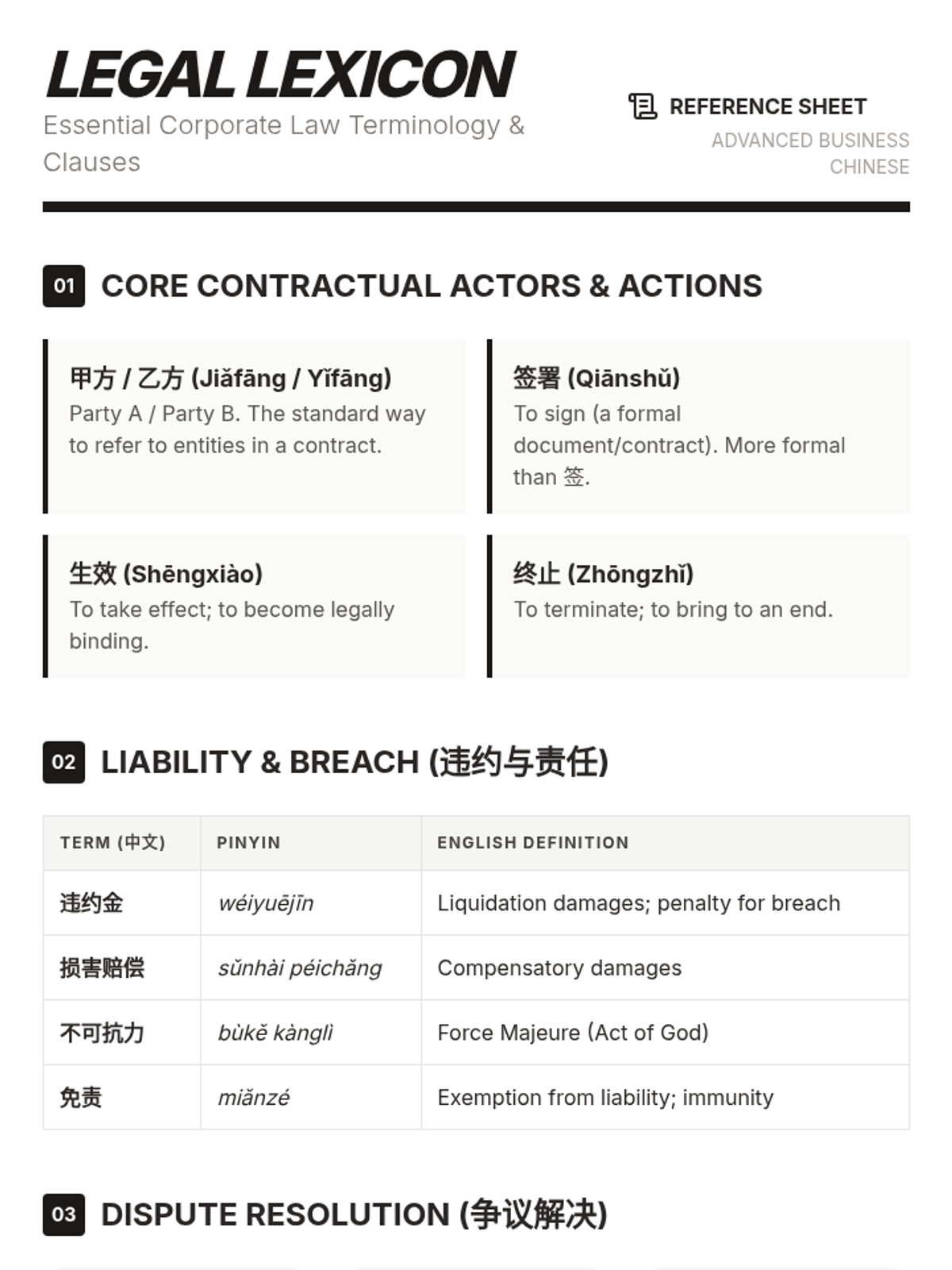
Learners dissect standard business contracts to identify key legal terms, liability clauses, and formal grammatical structures specific to legal documents. The lesson bridges the gap between spoken agreement and written obligation.
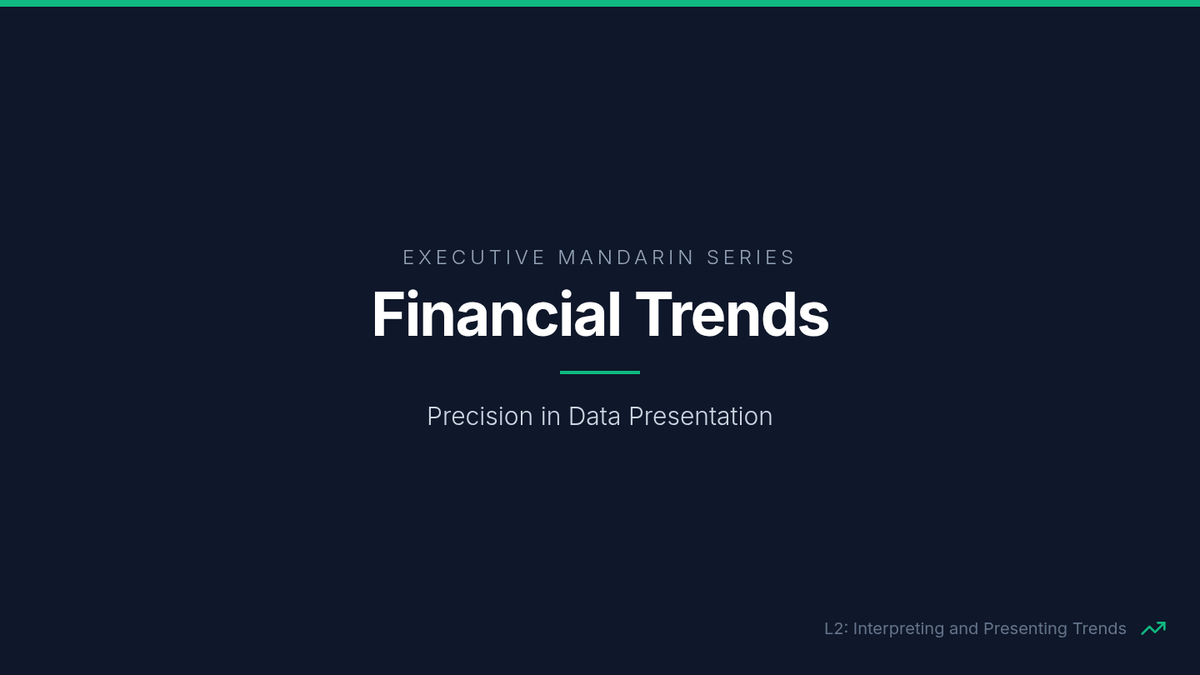
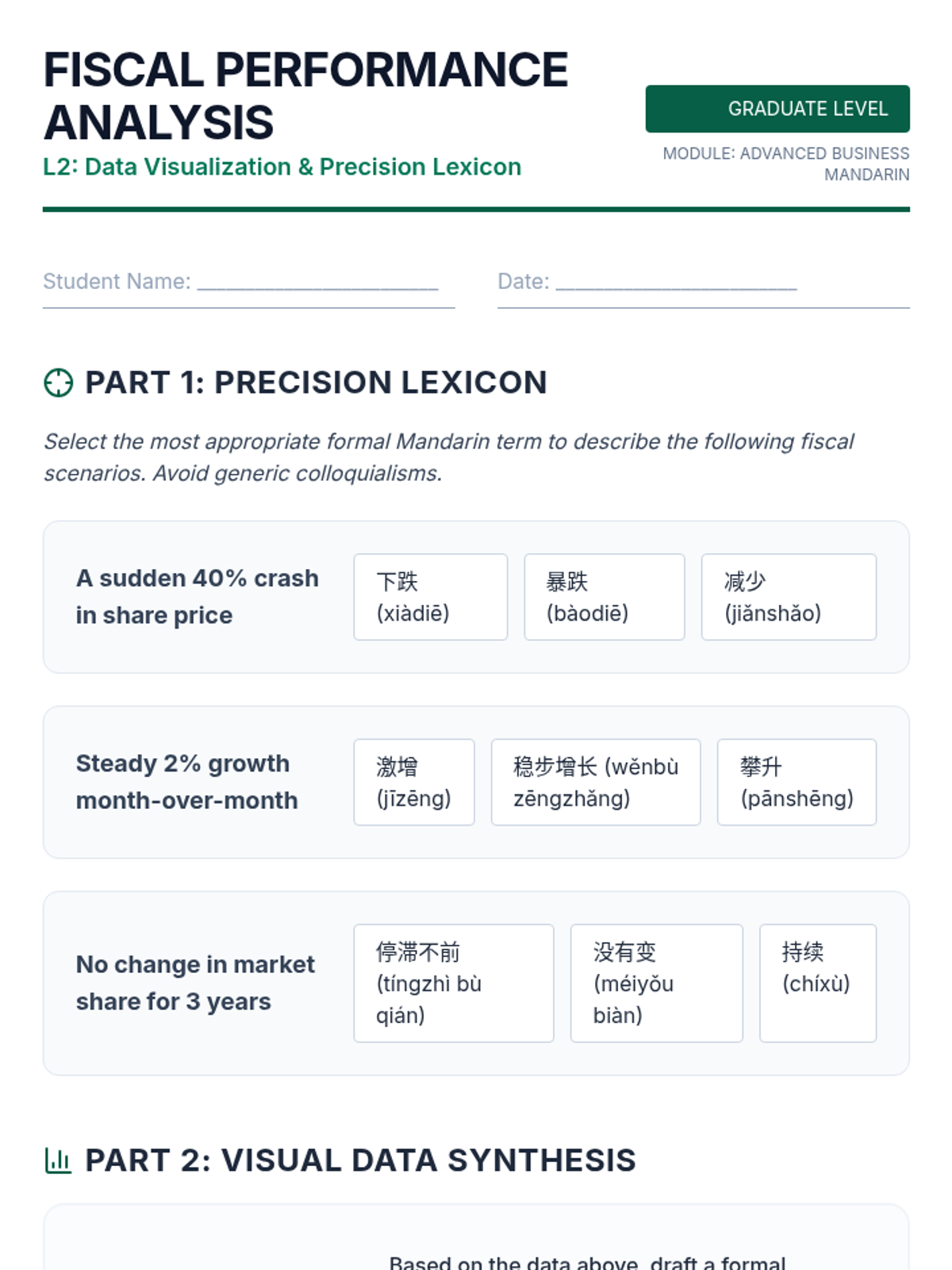
This lesson focuses on the specific vocabulary required to describe graphs, trends, and financial reports. Students practice using precise verbs and adverbs to articulate increases, decreases, fluctuations, and projections within a fiscal context.
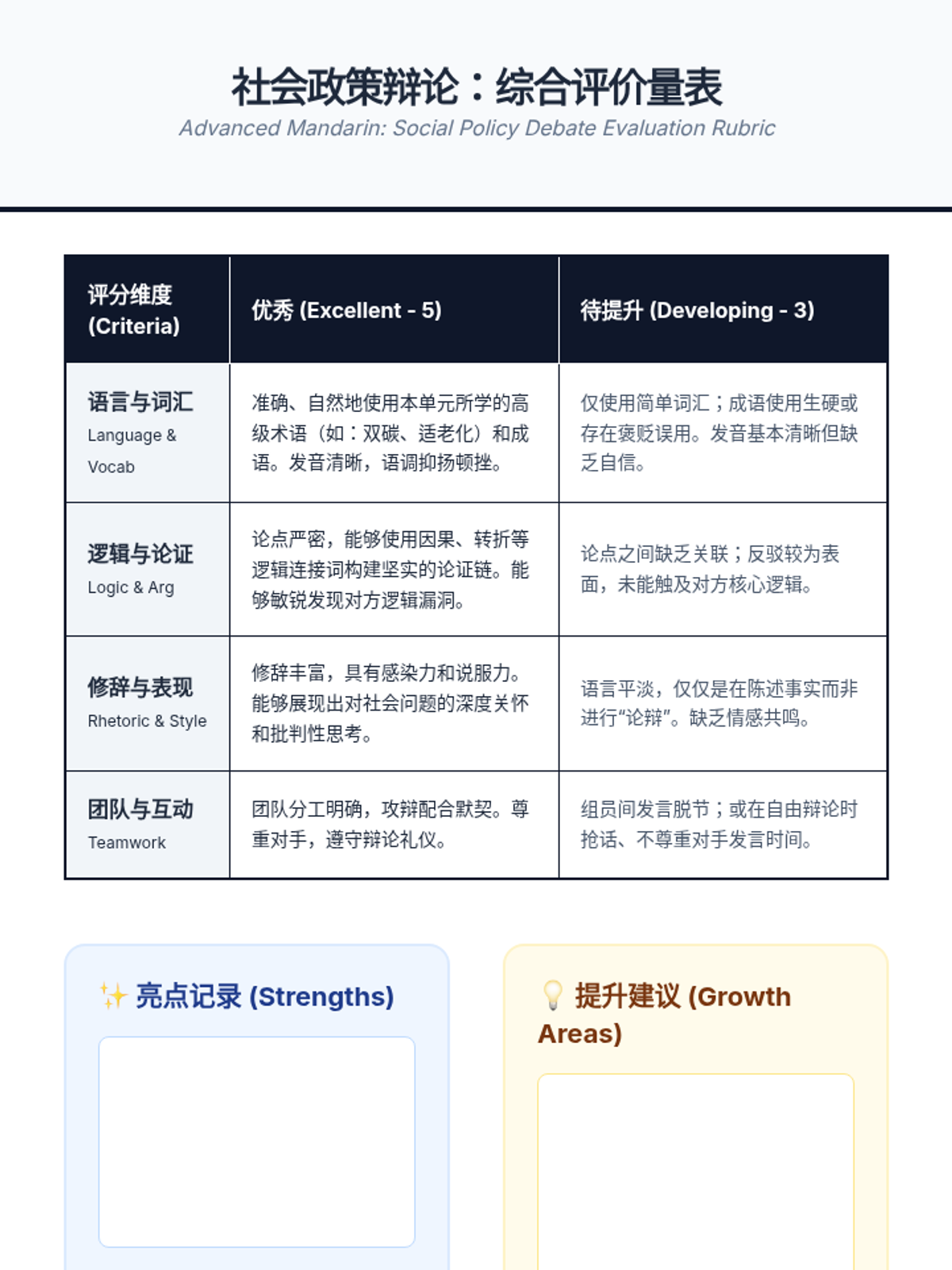
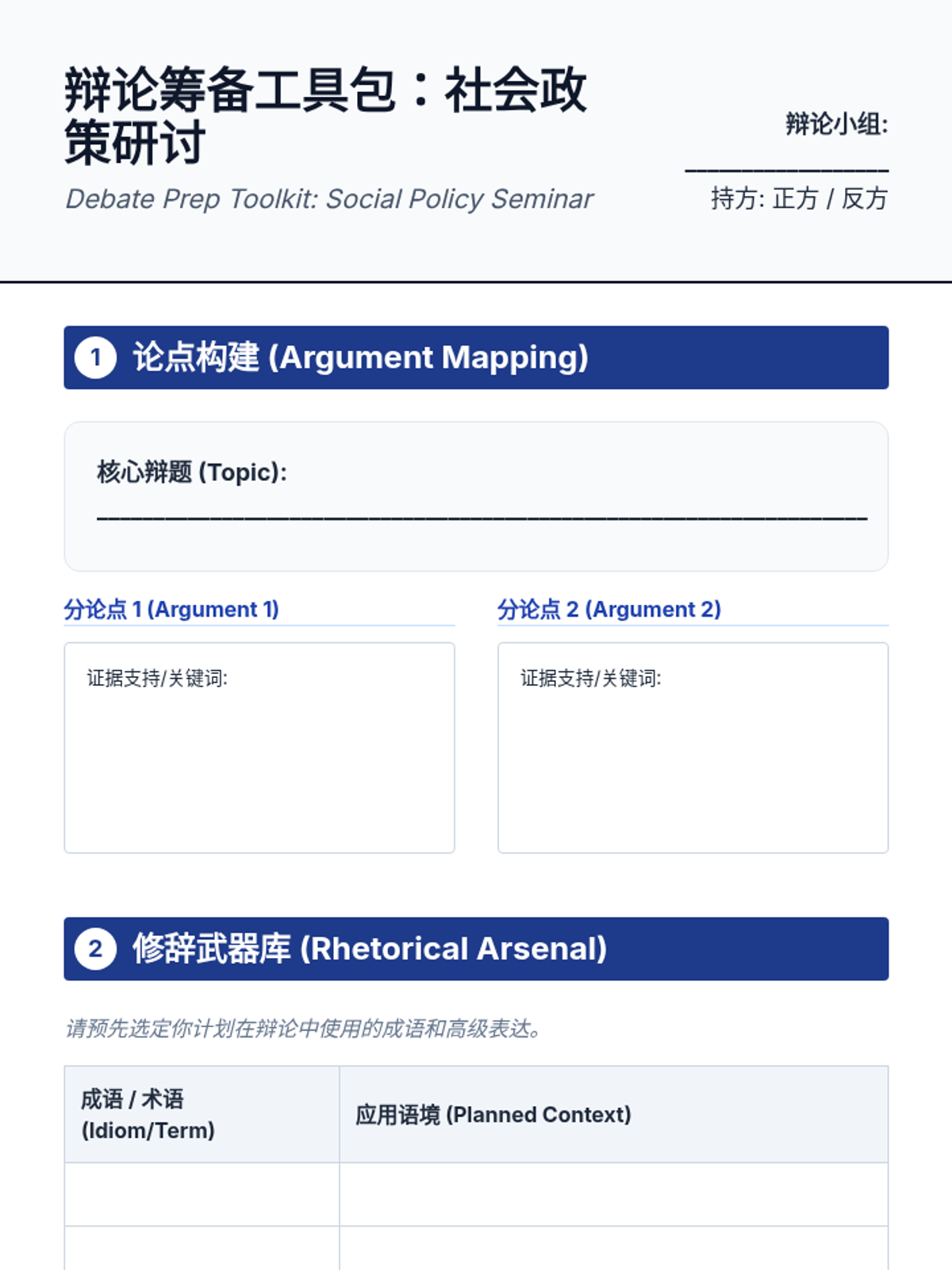
The sequence concludes with a formal debate where students synthesize learned vocabulary and rhetorical structures to argue for or against specific social policy proposals.
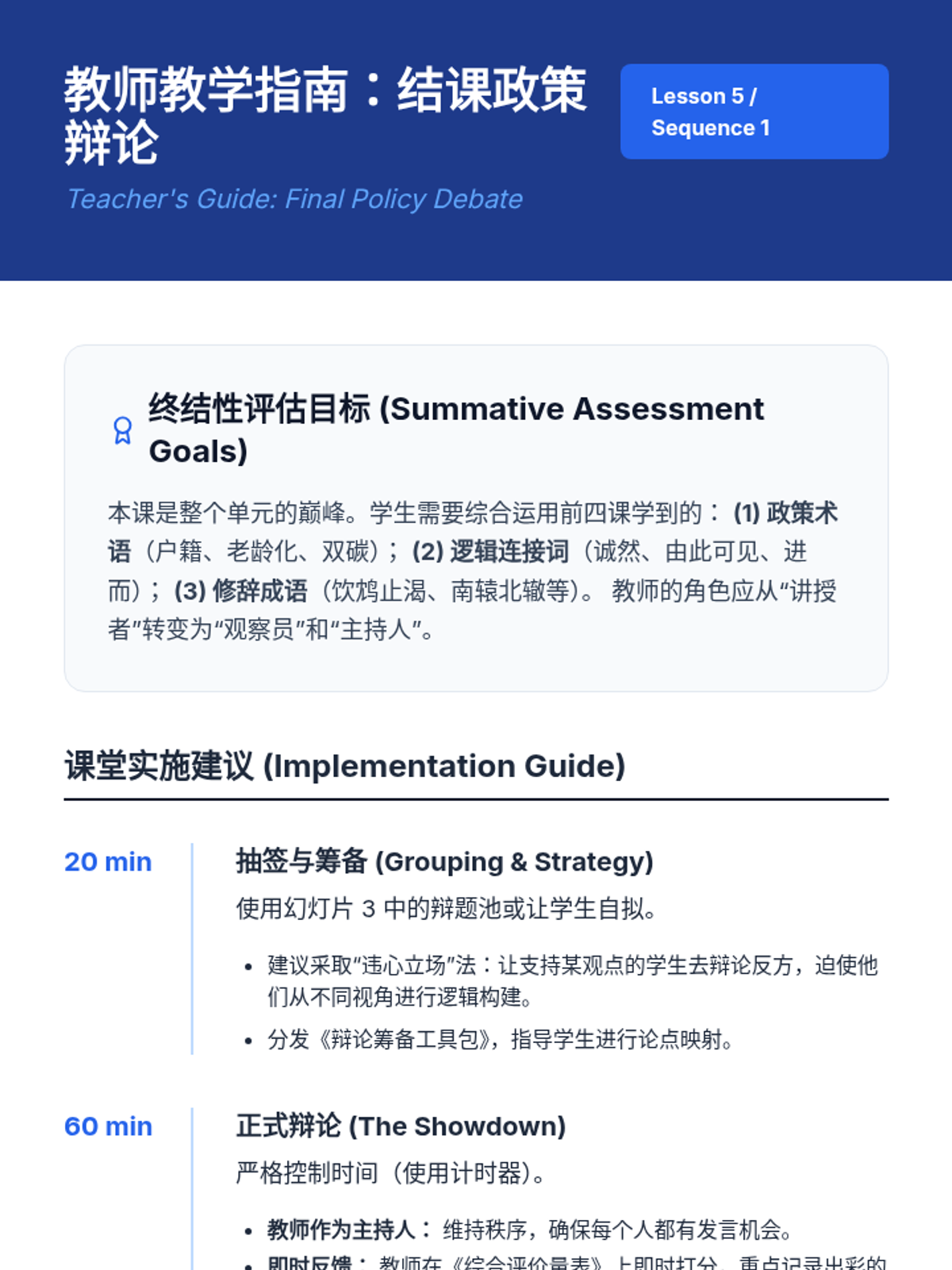
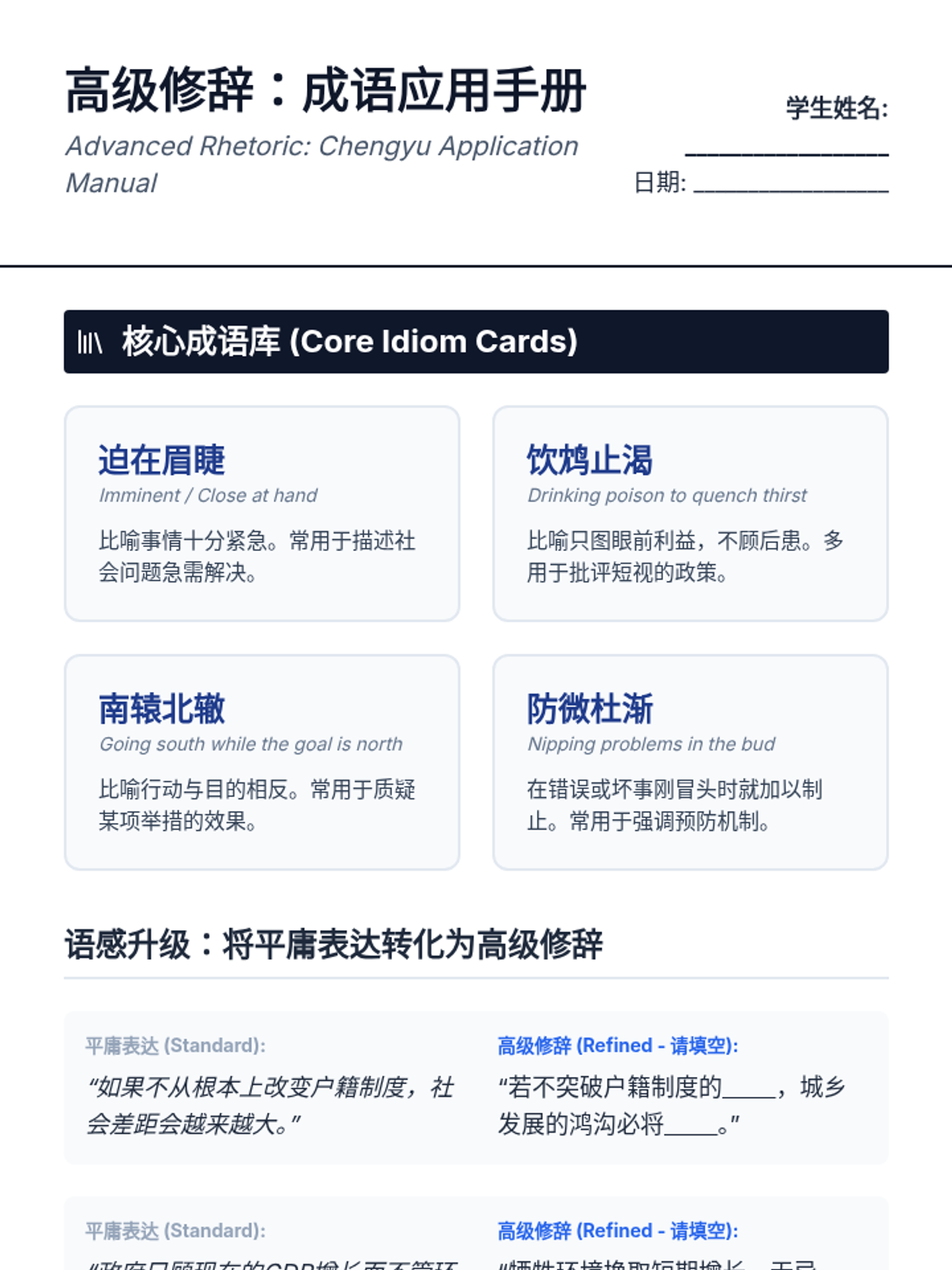
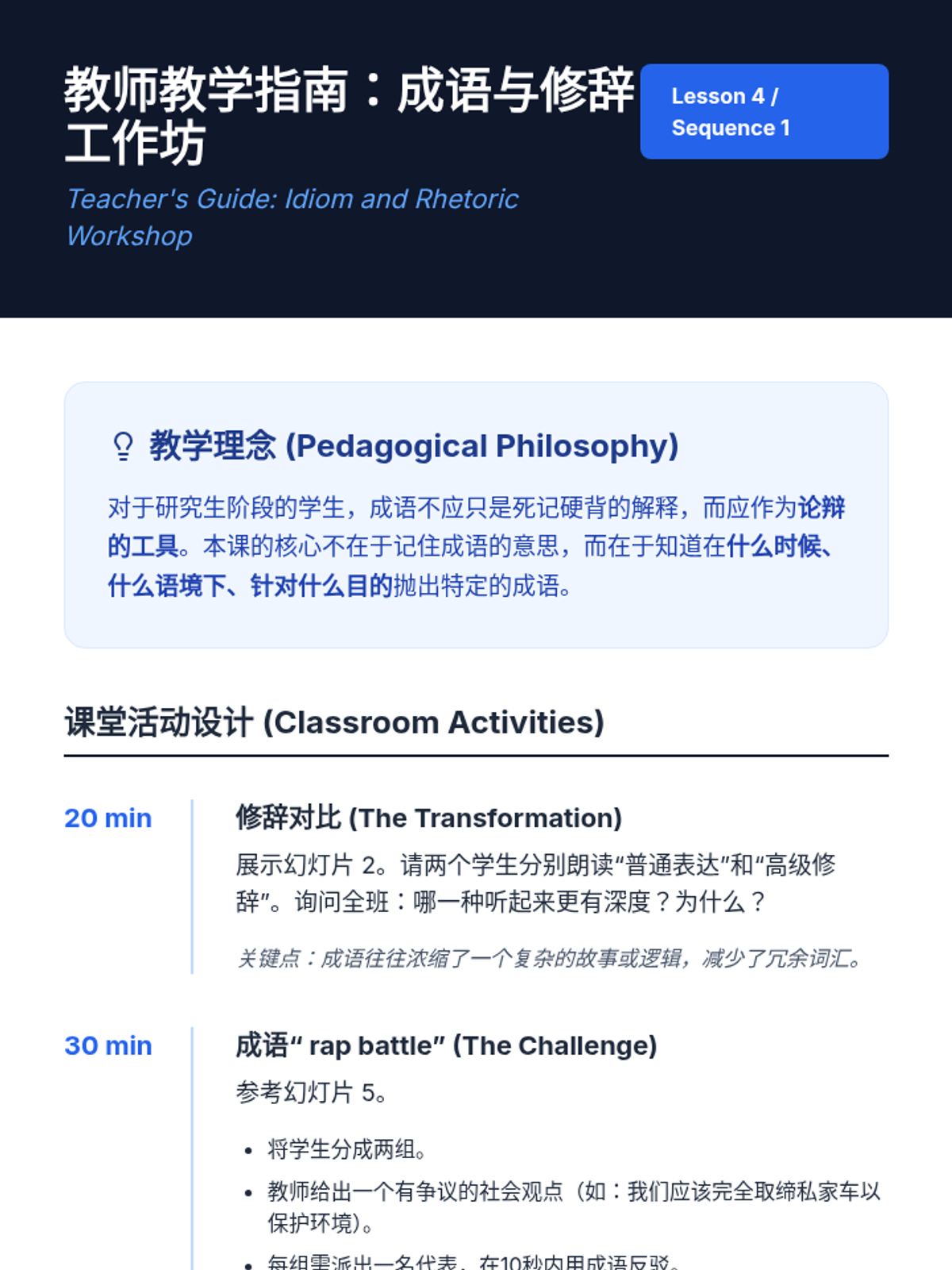
A workshop focused on integrating Chengyu (idioms) and advanced conjunctions to strengthen persuasive arguments and demonstrate cultural erudition in public debate.
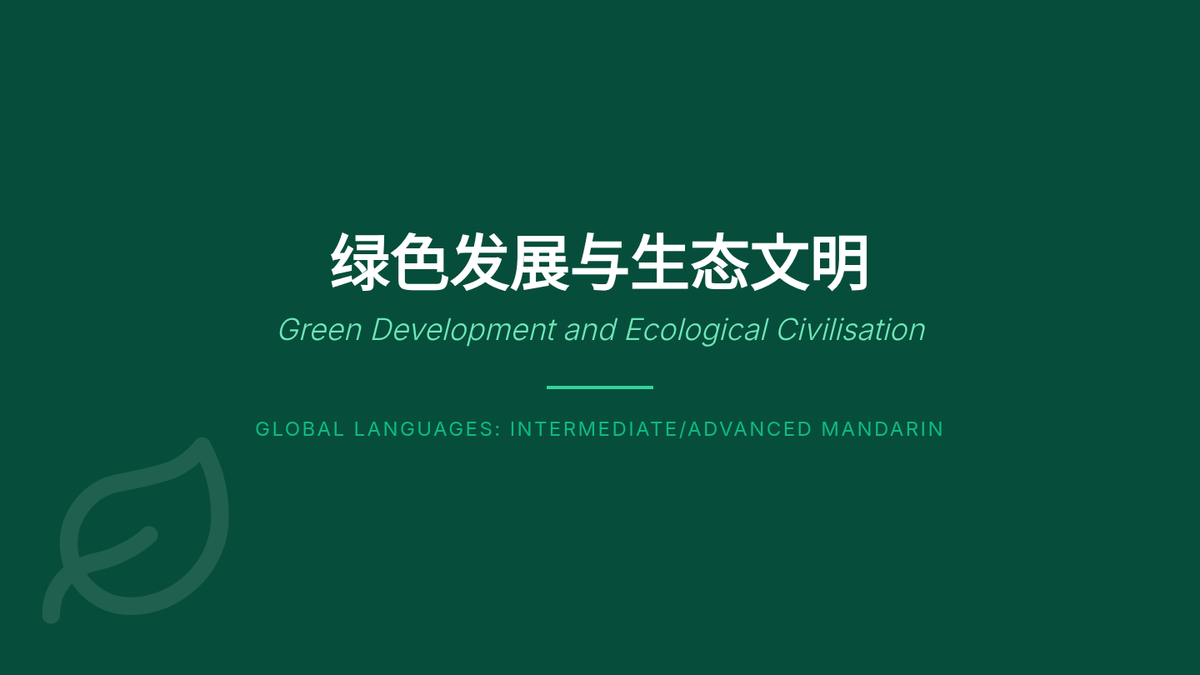
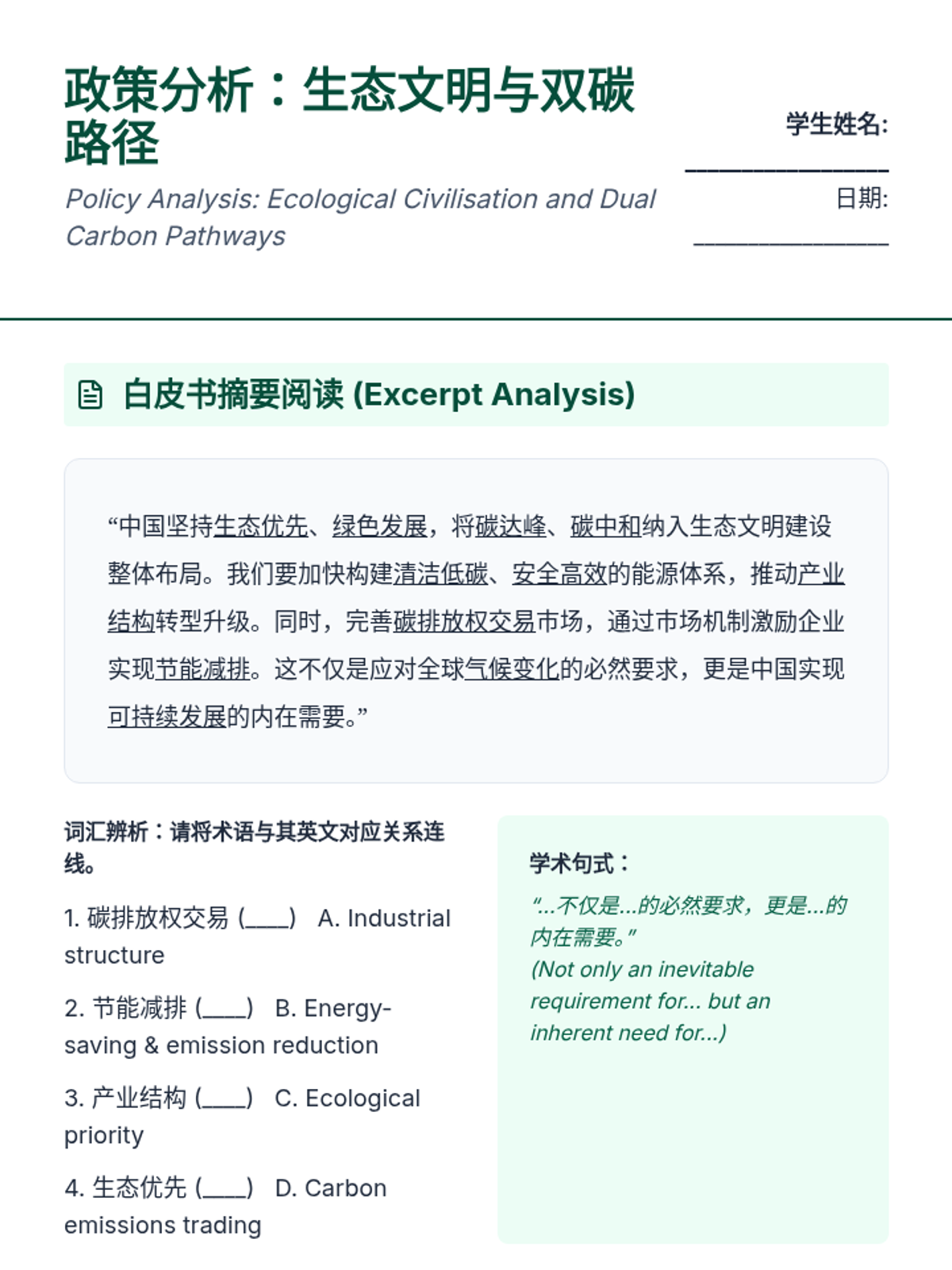
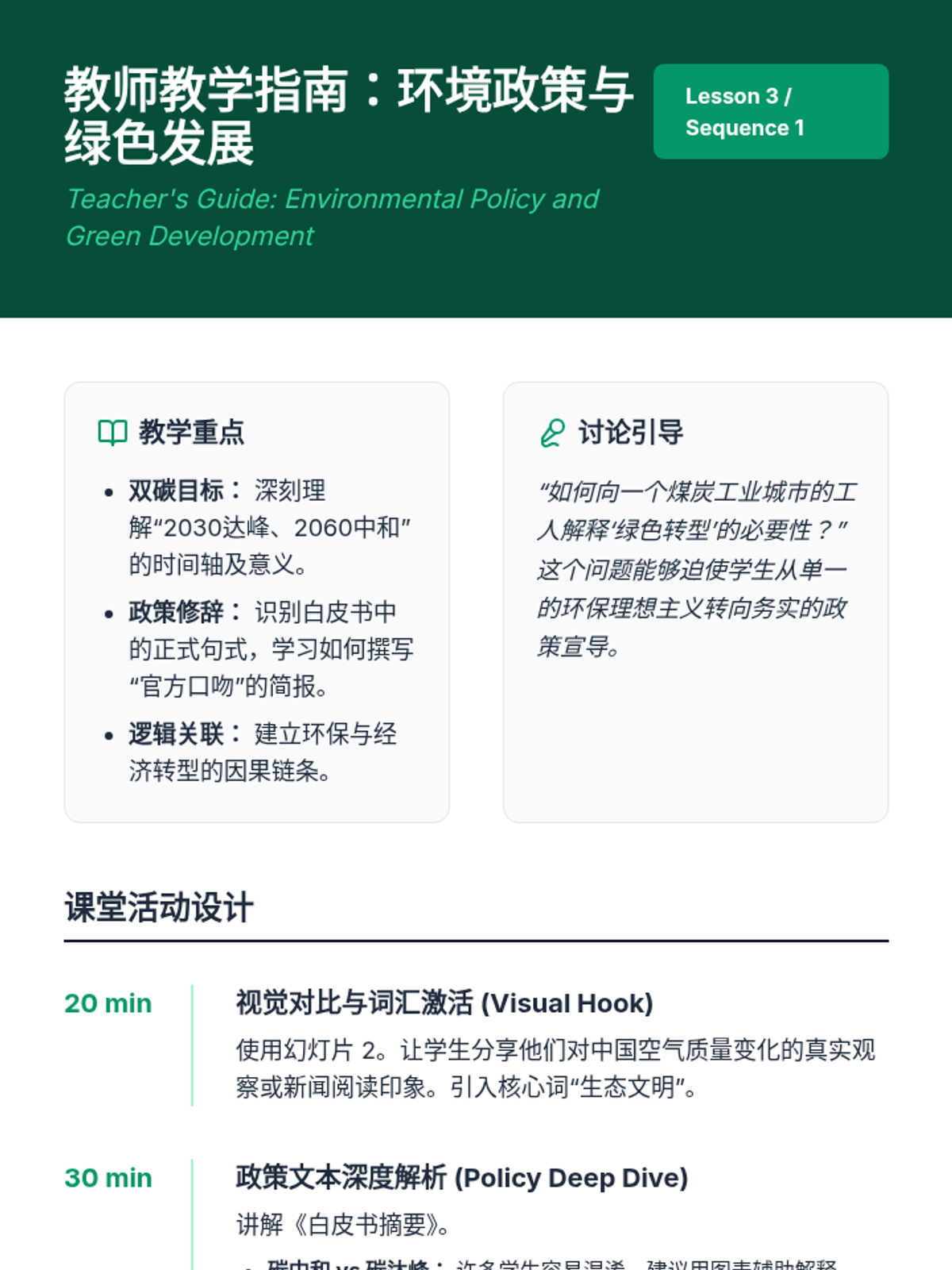
Students explore the lexicon of environmental science and government policy, focusing on sustainable development, carbon neutrality, and pollution metrics through policy analysis.