An introductory Spanish 1 lesson on social media vocabulary and expressing opinions (agreement/disagreement). Students will learn to identify key platforms and actions while discussing their digital habits.
A comprehensive 45-minute introductory lesson for Spanish 1 students focusing on school vocabulary, academic subjects, and essential present-tense verbs. Students will learn to describe their daily school routine, the places they go, and the activities they participate in using regular -ar verbs and key irregulars like Hacer, Ir, and Venir.
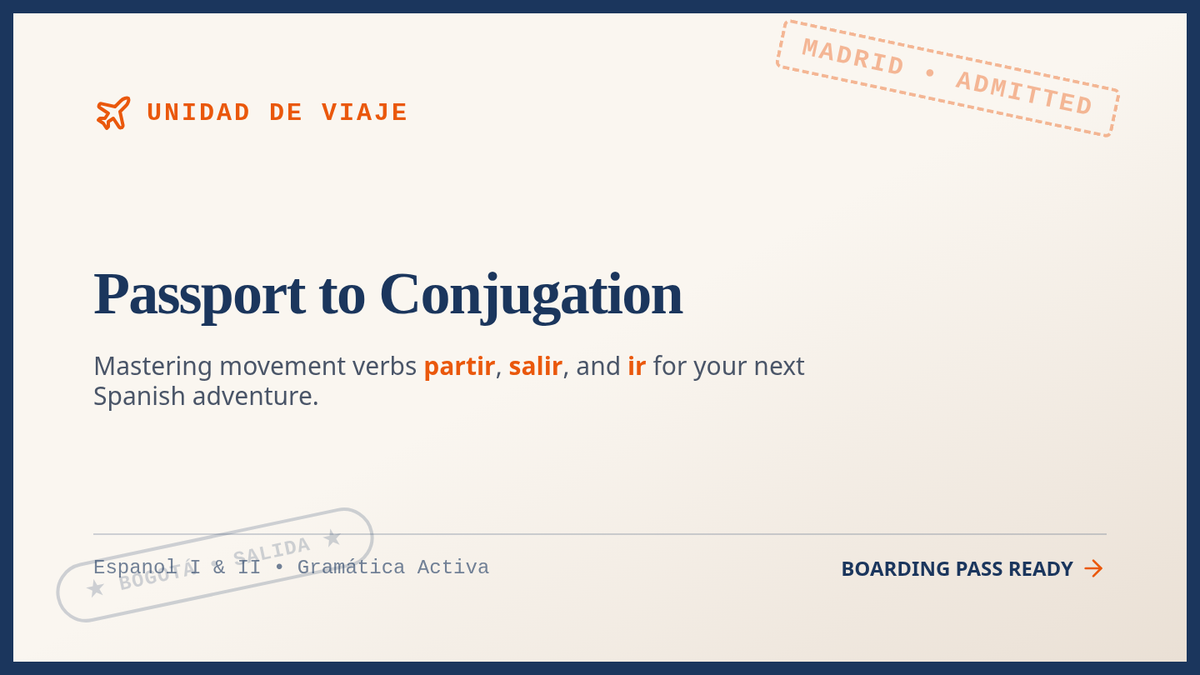
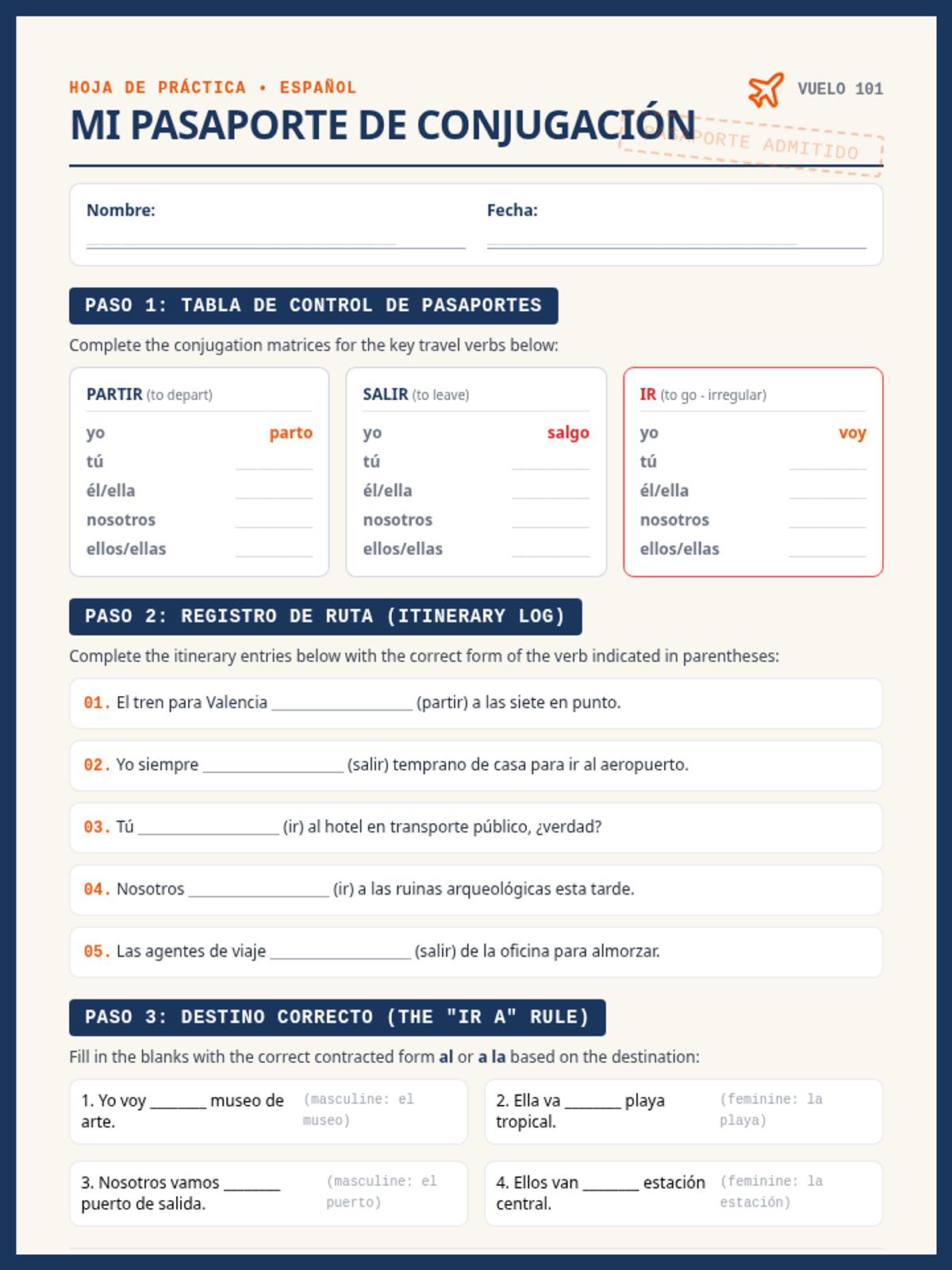
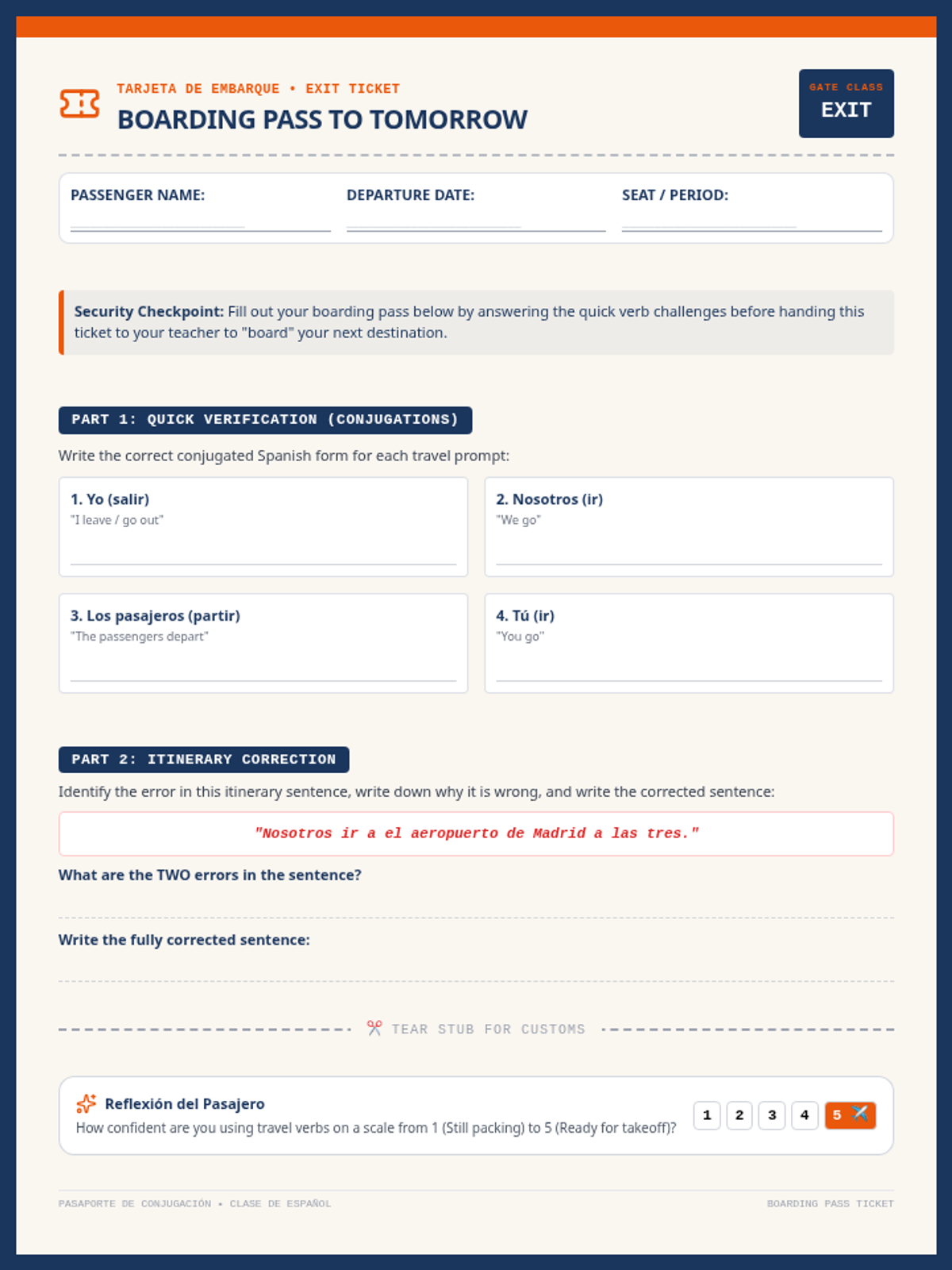
A comprehensive introduction to essential Spanish verbs, covering regular -ar and -er conjugations along with key irregular verbs like hacer, ir, and venir. Students will learn to describe daily actions and movement through interactive practice and translation.
Students focus on precise listening and spatial language. They practice drawing complex scenes based purely on verbal descriptions, using prepositions and adjectives to ensure accuracy—a key skill for oral communication and following directions.
Students practice describing a multi-step process—a common ELPA speaking task. They focus on using imperative verbs and sequence words to give clear directions for school-based tasks, such as logging into a Chromebook or navigating the cafeteria.
Focuses on retelling narratives and using sequence words. Students listen to short, school-themed stories and practice retelling them with a focus on chronological order and key details.
Students practice supporting an opinion with reasons—a key ELPA speaking task. They explore school-based 'this or that' choices and use academic sentence frames to defend their preferences in structured debates.
Students practice participating in academic discussions and providing precise verbal descriptions through a 'Sketch & Speak' partner activity. They use sentence frames to share opinions, solve school challenges, and practice oral clarity.
Students focus on 'Listen and Repeat' and 'Listening for Main Ideas' through school-based announcements and peer interactions. The lesson follows an I-Do, We-Do, You-Do structure to build confidence in auditory comprehension and oral mimicry.
La fin du régime, la Libération du 25 avril et la réflexion sur l'héritage historique du fascisme.
Découverte des figures de l'opposition antifasciste et des prémices de la Résistance.
Examen de l'introduction des lois raciales de 1938 et de leur impact dévastateur sur la société italienne.
Analyse des outils de propagande, de l'embrigadement de la jeunesse et du culte de la personnalité du Duce.
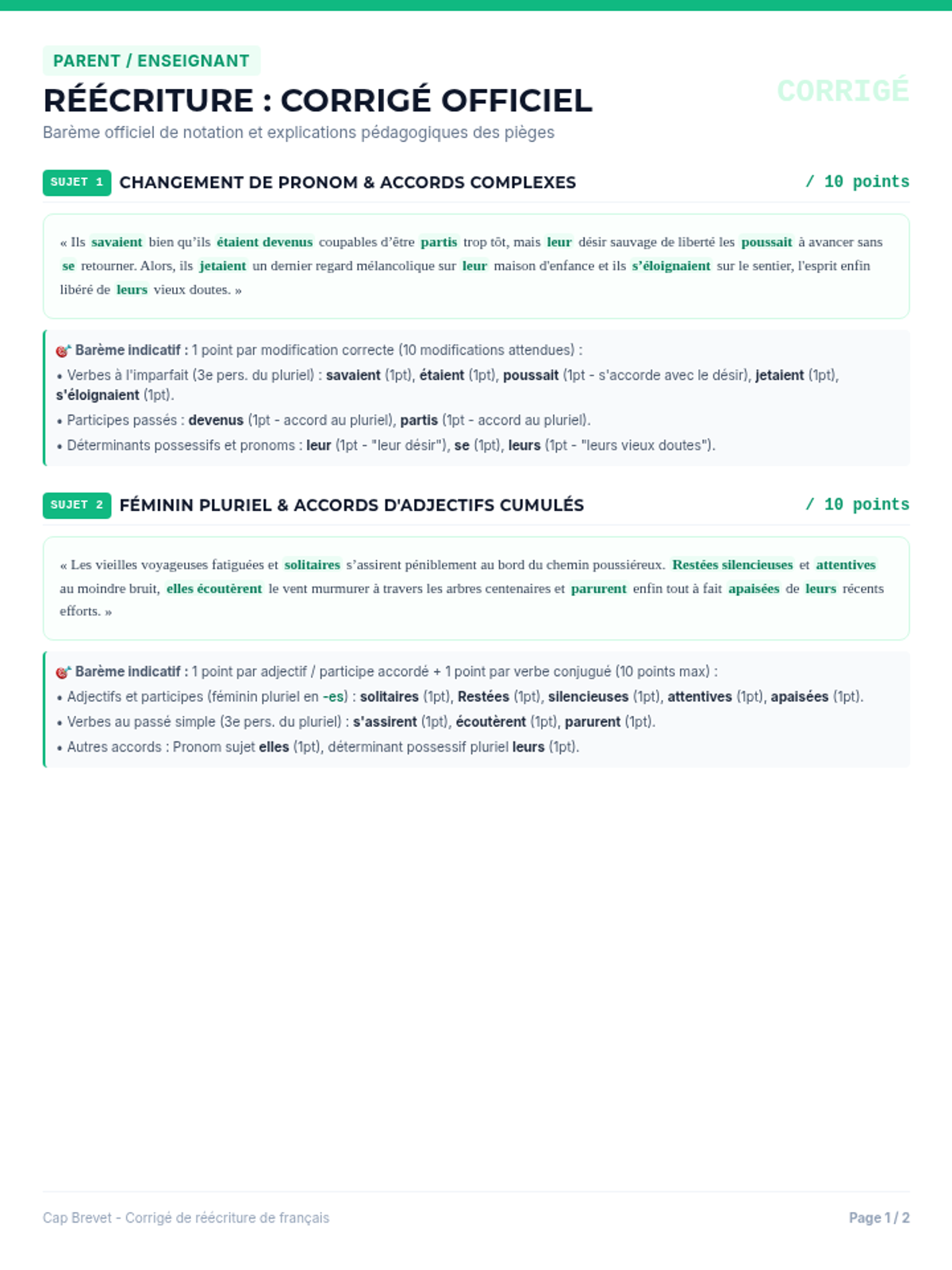
Étude de la crise de l'après-guerre en Italie et de la marche sur Rome qui a mené Mussolini au pouvoir.
A lightning-fast introduction to physical and personality traits in Spanish, focusing on the verb 'ser' and basic adjective agreement for beginners.
An introductory Spanish 1 lesson focused on family vocabulary, possessive adjectives, and the verbs ser, tener, and llamarse. Students will learn to describe their family members and pets while practicing subject pronouns.
An introductory Irish Gaelic (Gaeilge) lesson covering greetings, animals, colors, and basic conversational questions with a focus on pronunciation.
Une leçon interactive centrée sur les interactions sociales au restaurant, permettant aux élèves de maîtriser le vocabulaire de la commande, du service et du paiement.
A comprehensive introductory lesson to Japanese focusing on essential greetings, Hiragana basics, classroom etiquette, and everyday objects.
A comprehensive framework for foreign language educators to guide students through deep linguistic and cultural analysis of film, focusing on visual storytelling and advanced listening strategies.
A vibrant introductory lesson to Spanish vocabulary related to springtime and the months of March, April, and May. Students will learn key seasonal terms through visual aids and interactive activities.