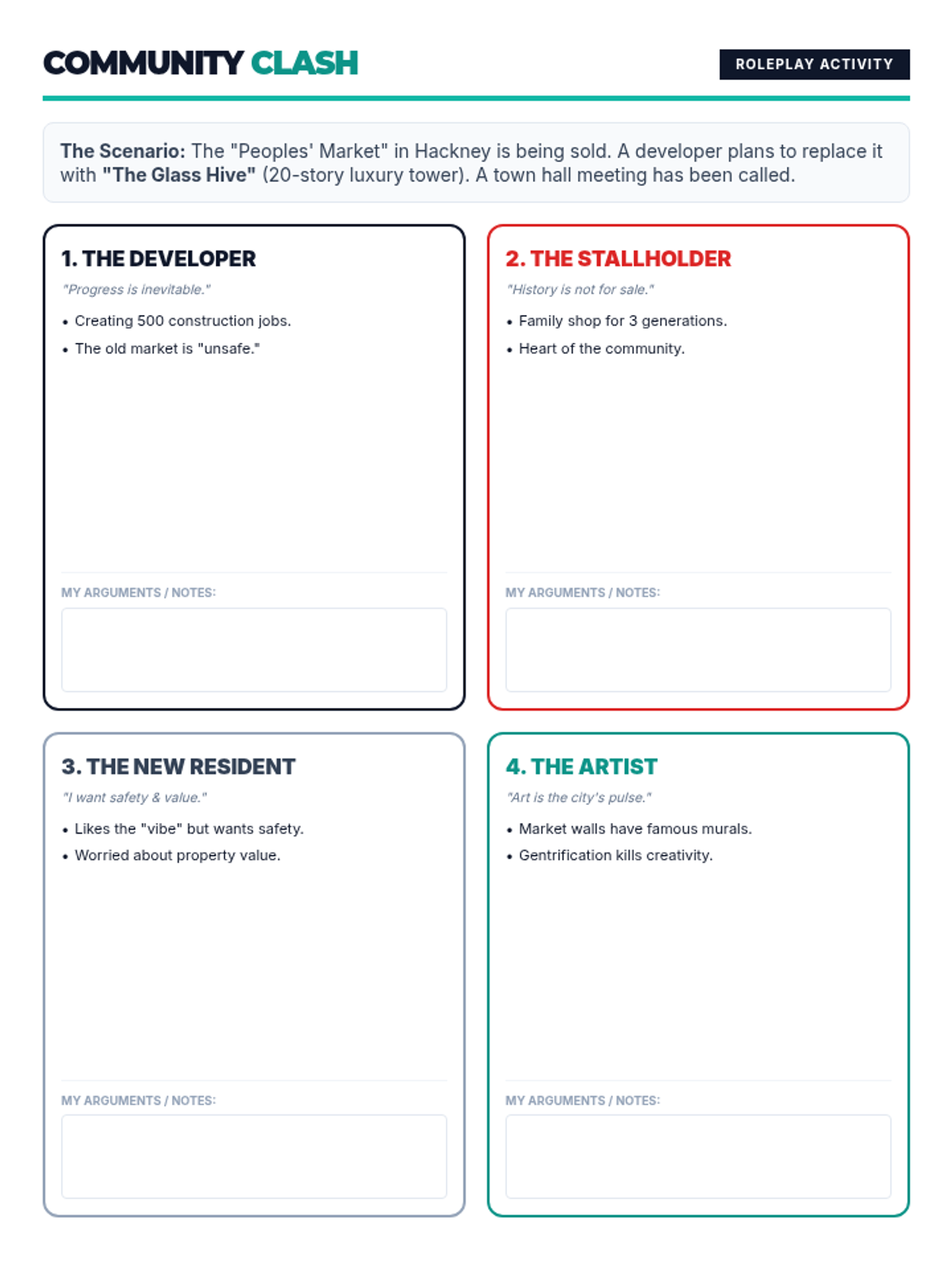
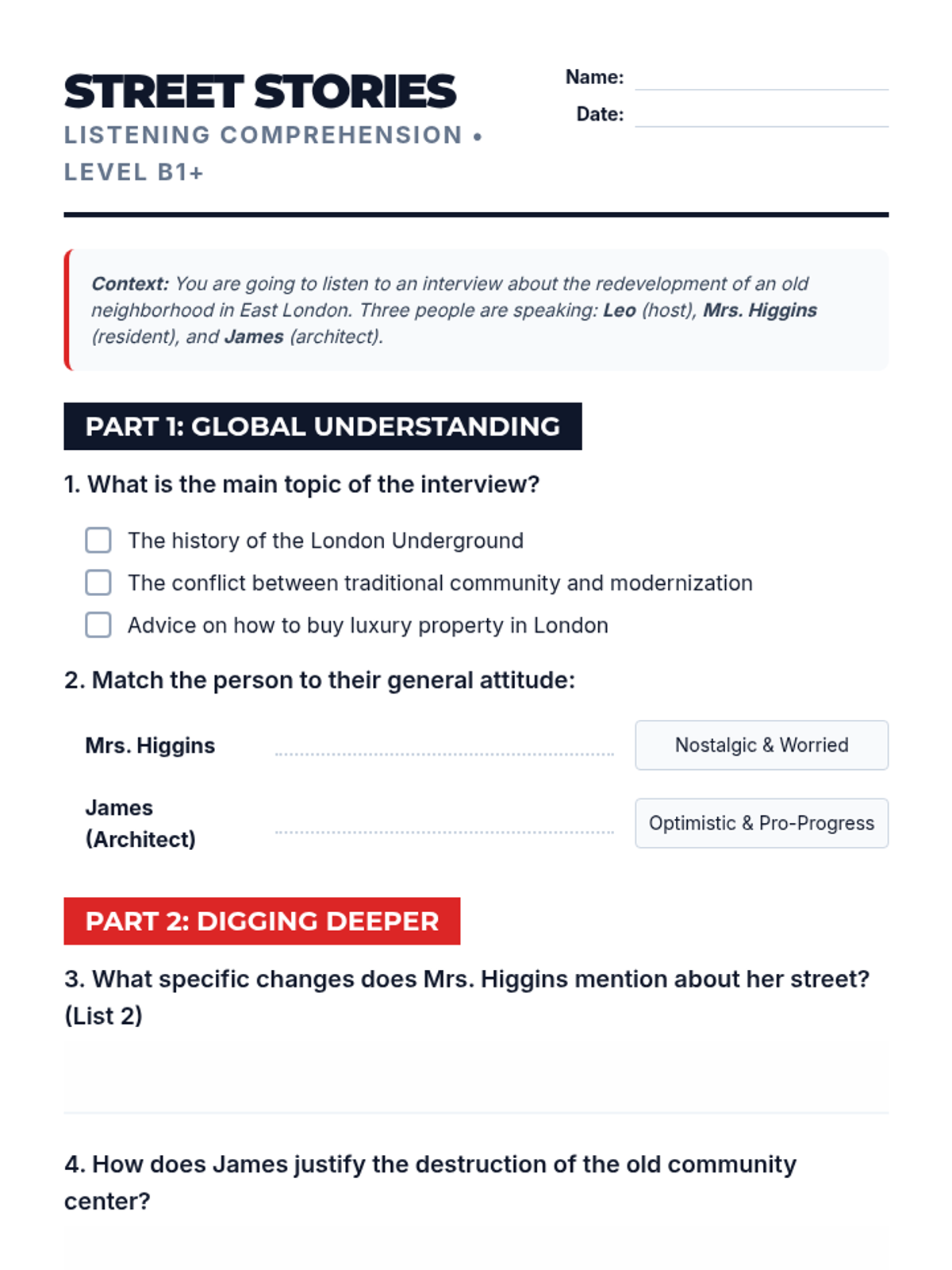
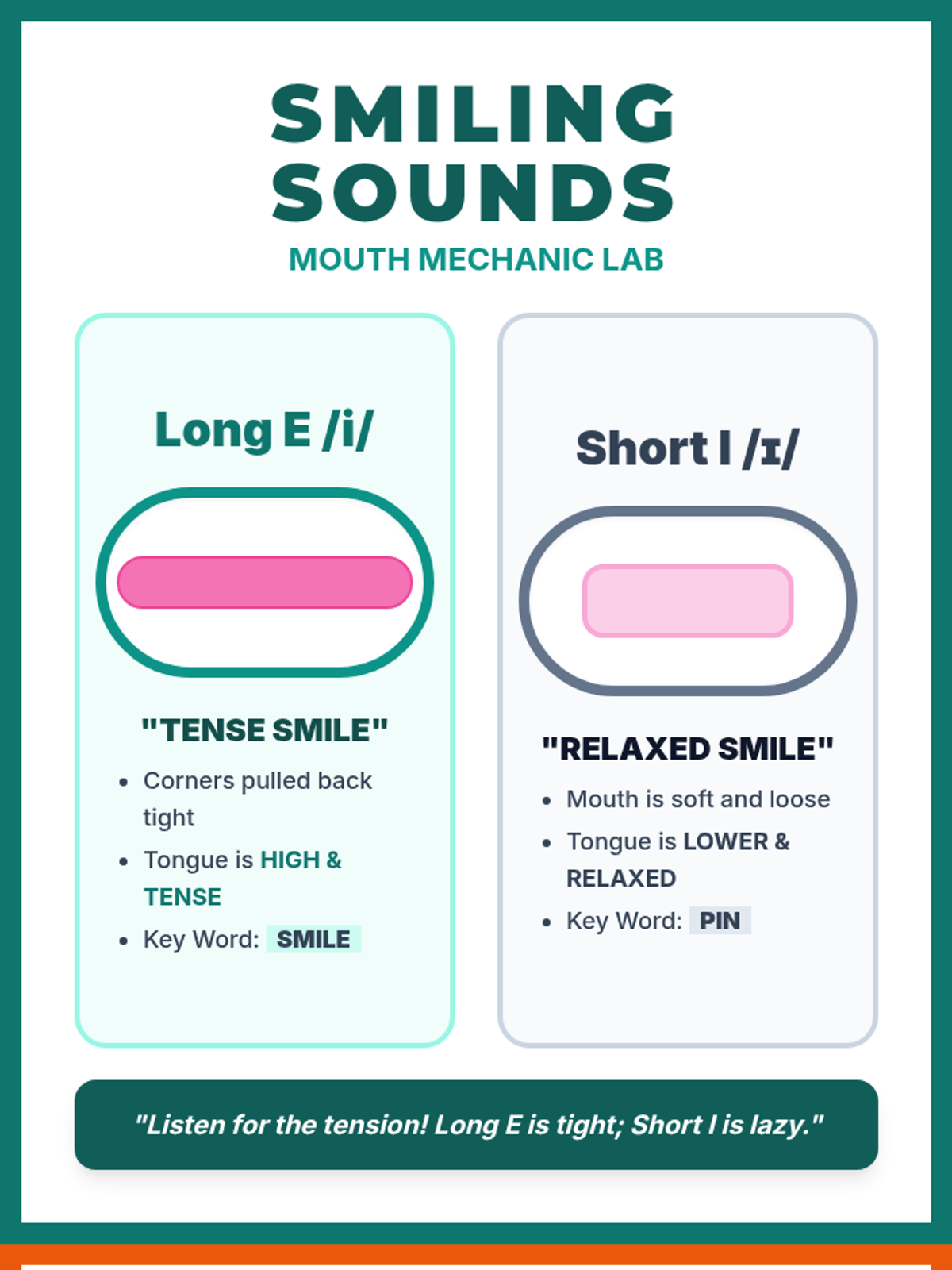
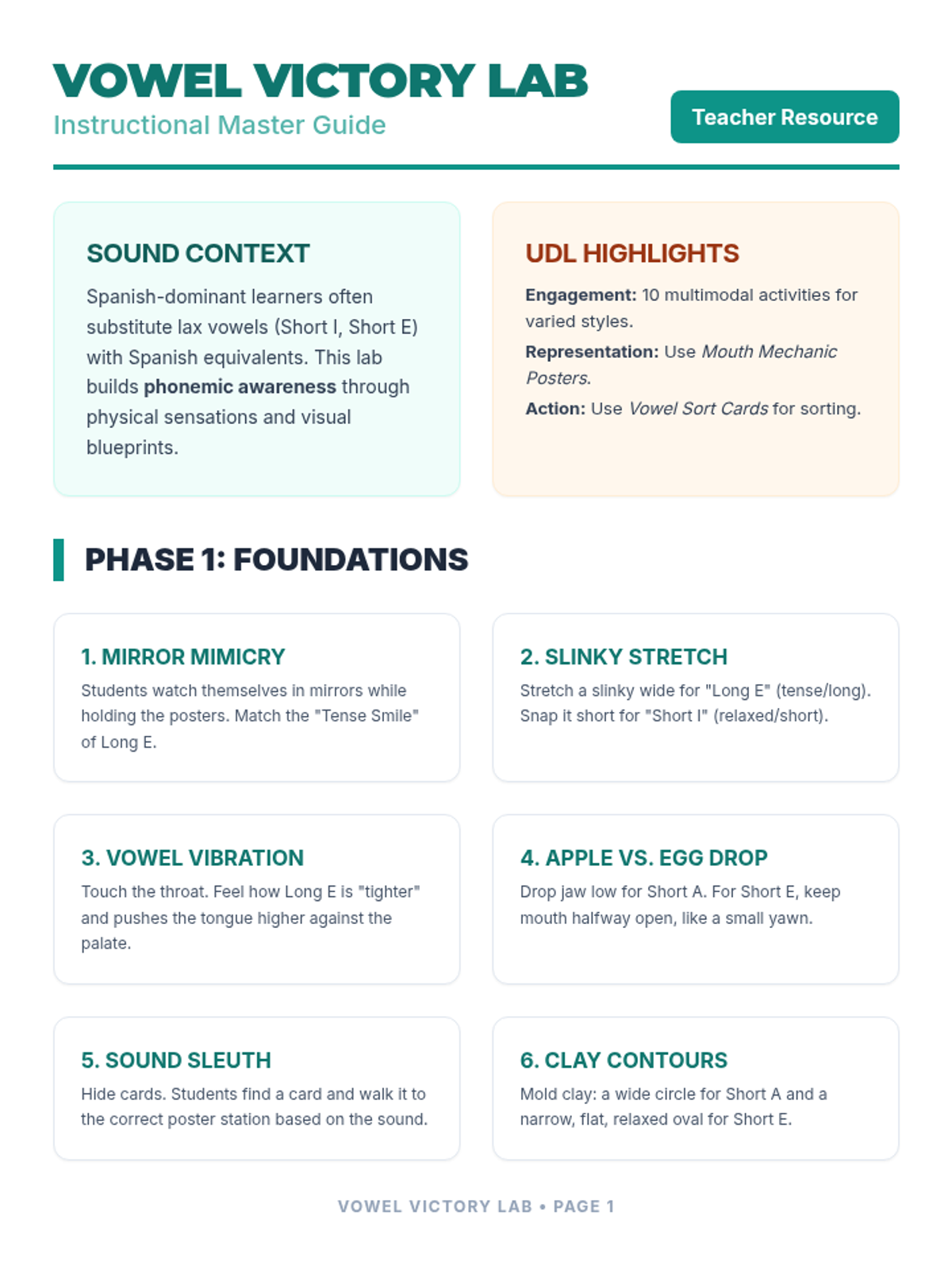
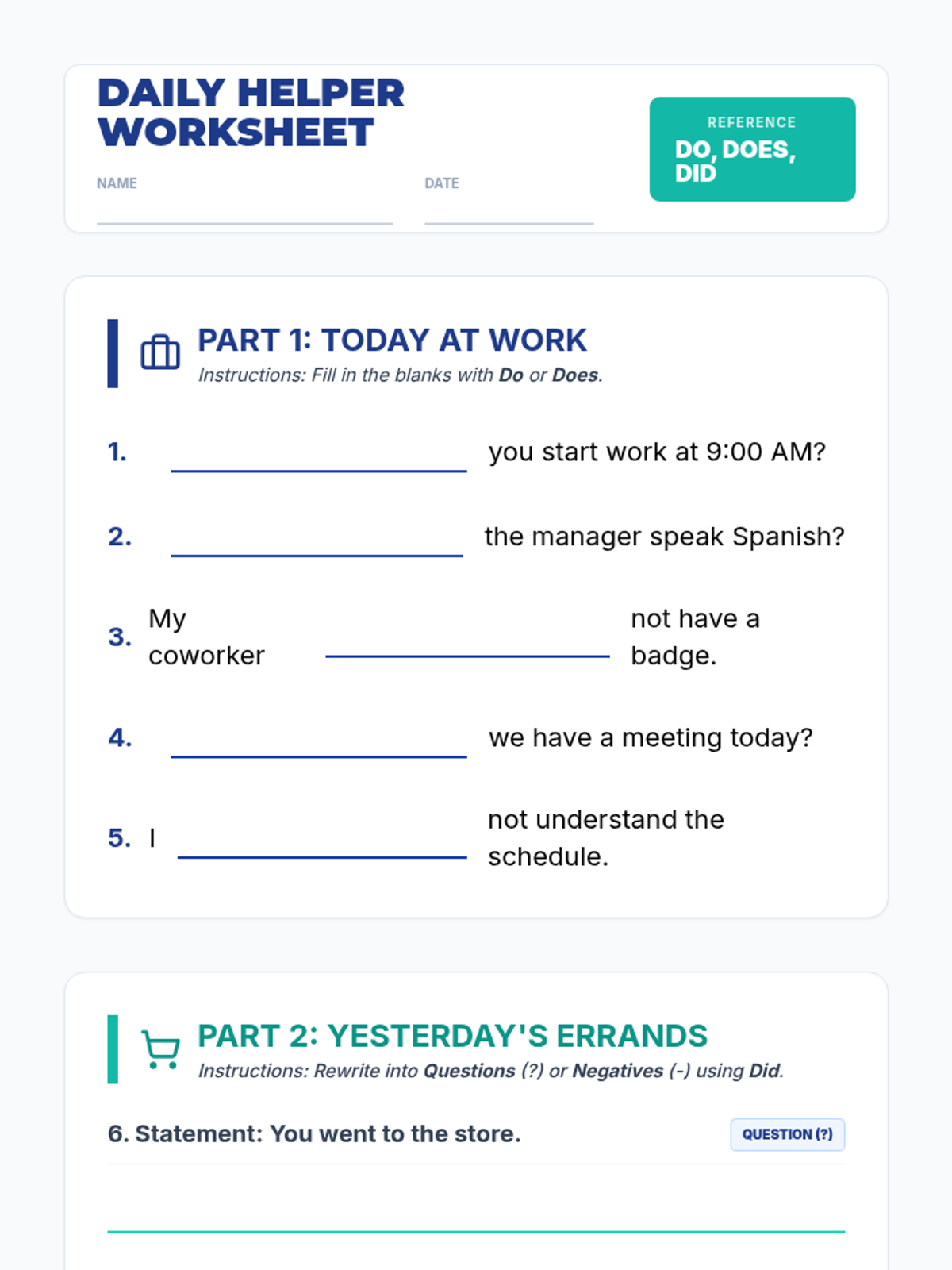
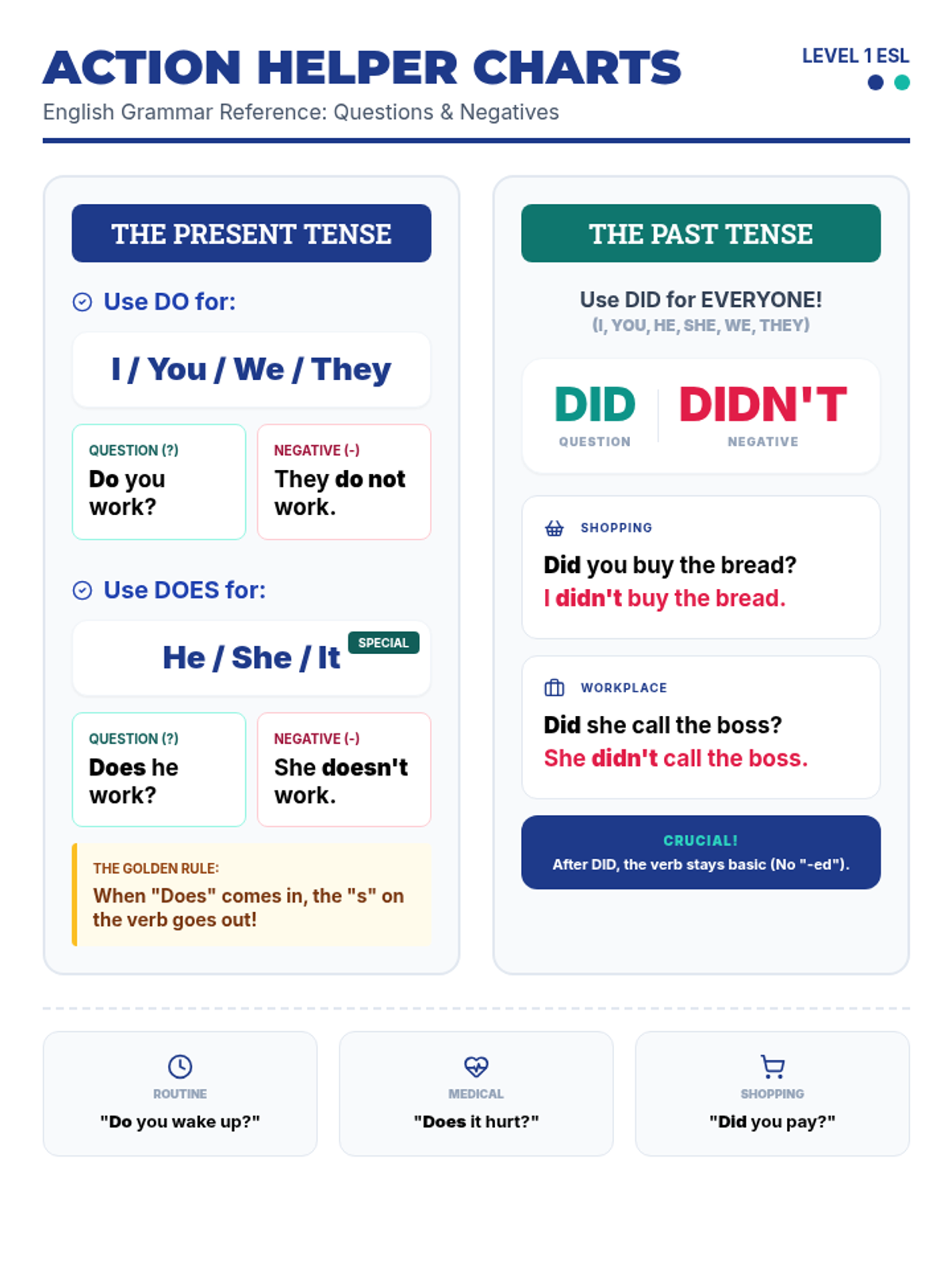
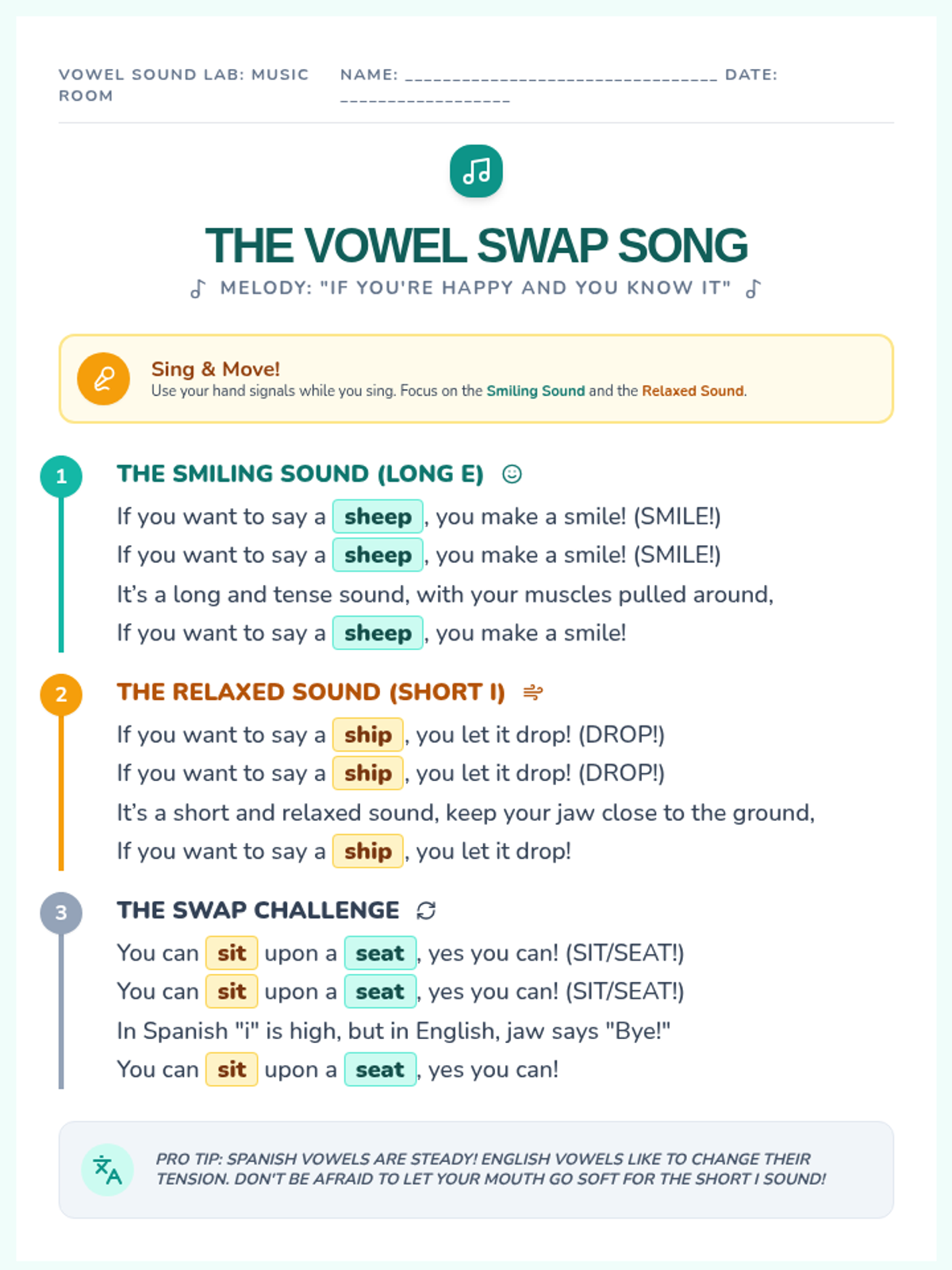
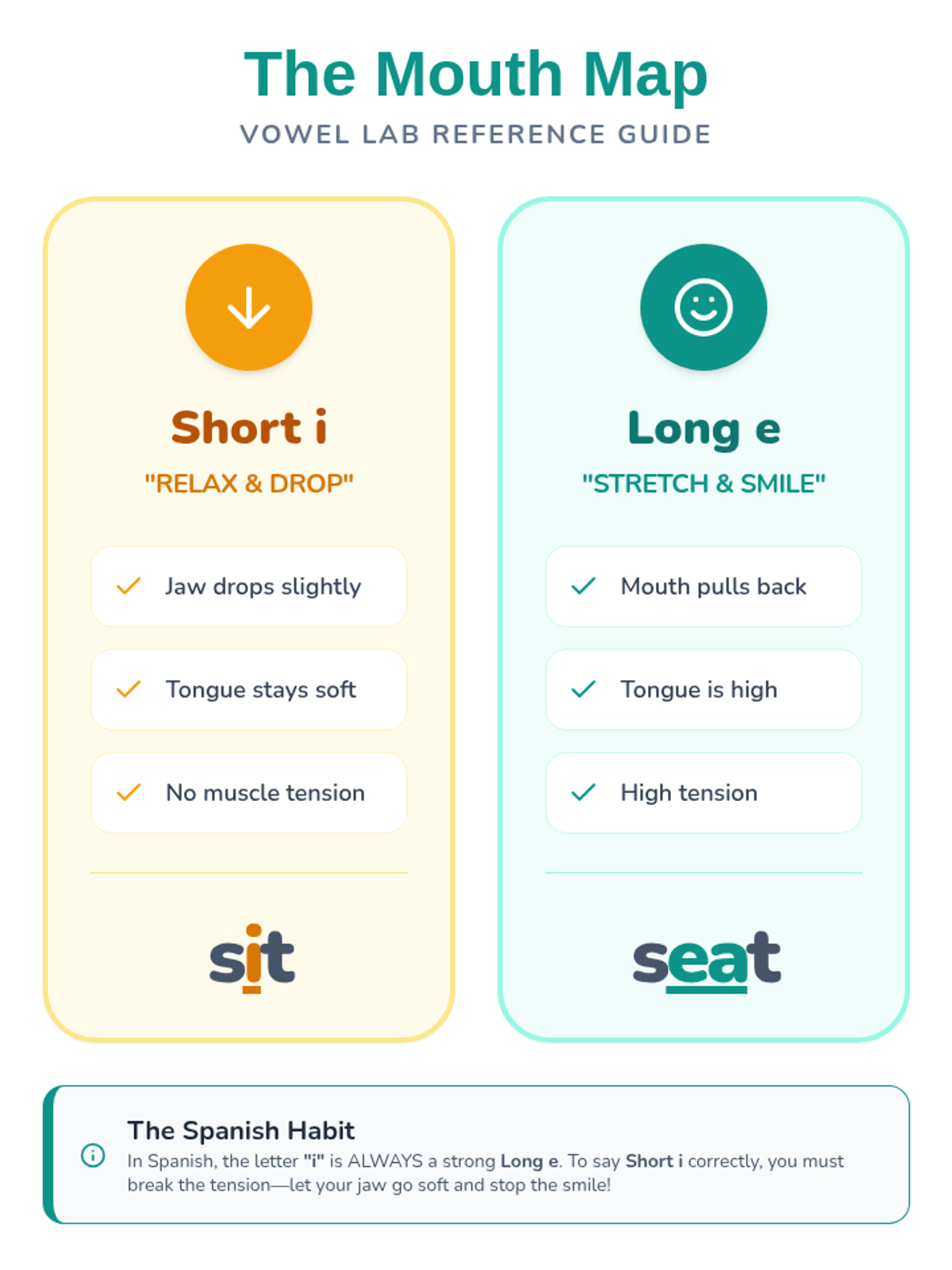
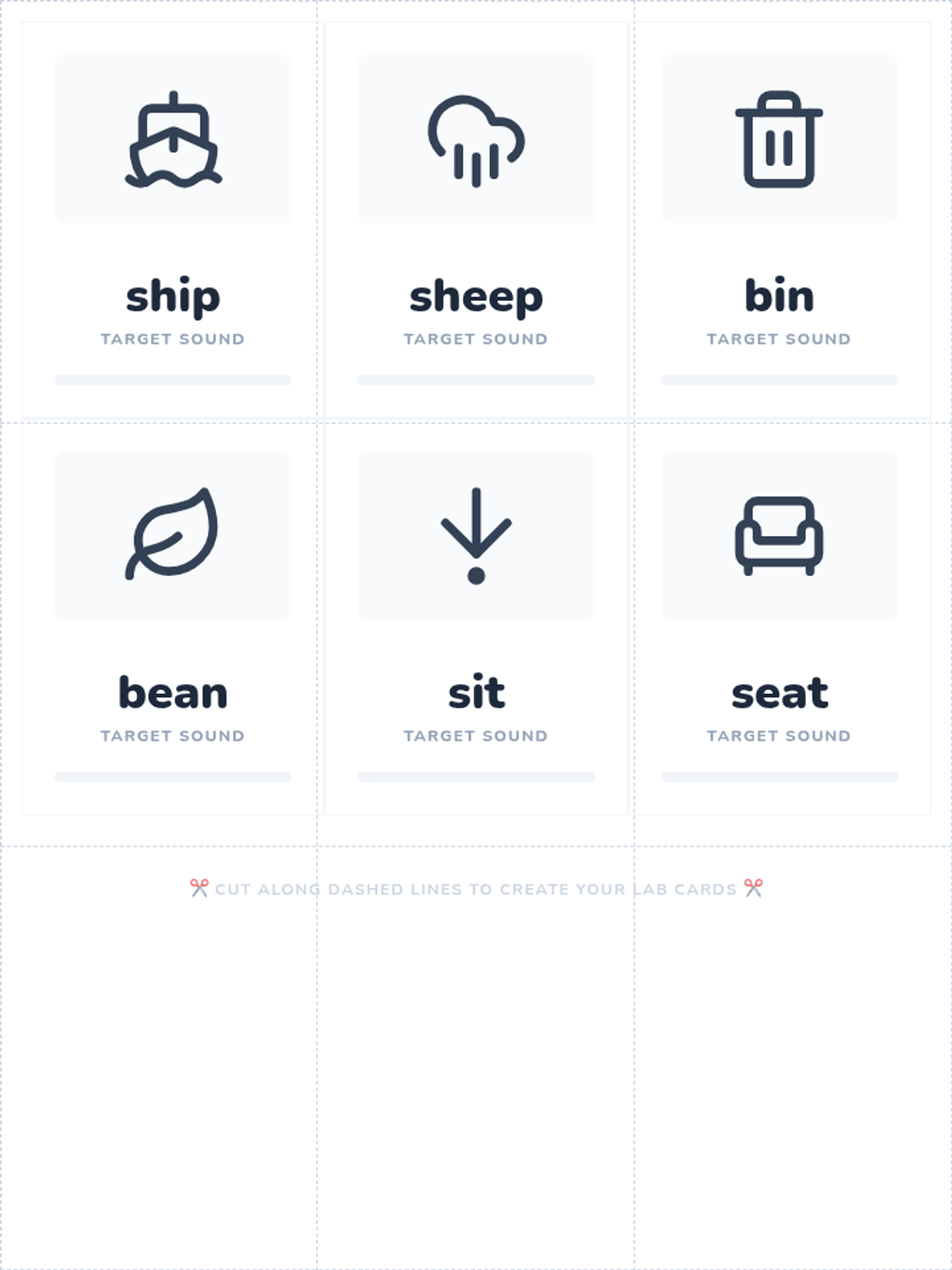
Facilitator guide for the final structured debate, including a suggested script for the moderator, classroom management tips, and differentiation strategies.
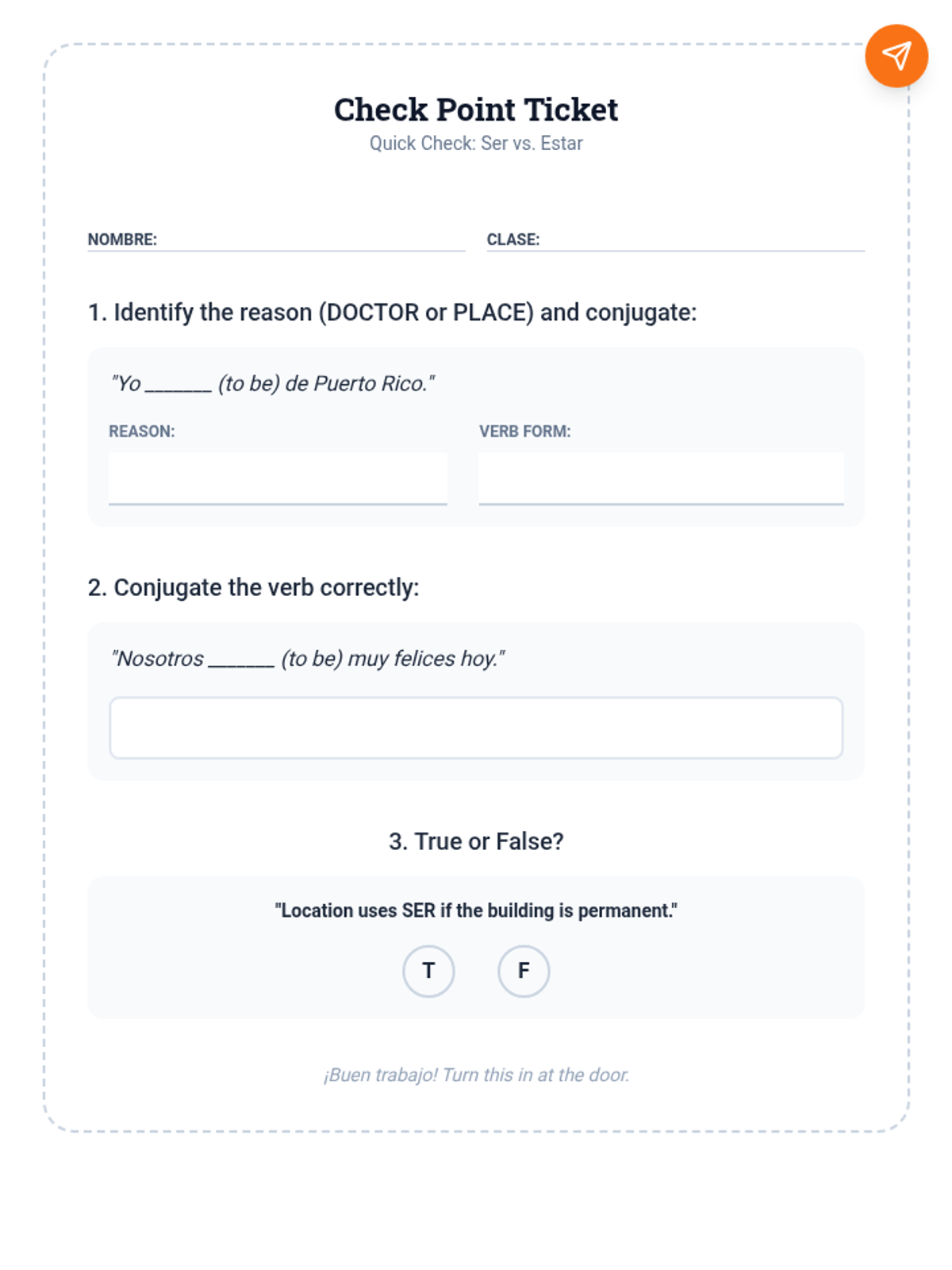
A comprehensive facilitator guide for the Sentence Builders lesson, featuring a step-by-step instructional flow, teacher scripts, ELL differentiation strategies, and checks for understanding.
Visual presentation for the 'Sentence Architect' lesson, introducing English Learners to the building blocks of simple sentences (Subject, Verb, Adjective) with guided practice slides.
An updated scaffolded writing worksheet for Level 1 English Learners featuring a 'Sentence Architect' theme. Includes a word bank, tracing, gap-fill, independent writing, and a self-check list.
An answer key for the Case Cracked Worksheet, providing correct article choices and a detailed breakdown of the sentence analysis section.
An answer key for the Greeting Gallery Quiz, providing teachers with correct responses and brief explanations for grading.
A practice worksheet focusing on identifying and using the nominative, accusative, and dative cases in simple German sentences, featuring article selection and sentence analysis.
A visual presentation covering essential German greetings, introduction phrases, and a high-level overview of the nominative, accusative, and dative cases.
A comprehensive quiz on German greetings, introductions, and basic social etiquette, featuring matching exercises, fill-in-the-blanks, and situational multiple-choice questions.
A set of structured discussion cards for adult learners to practice culinary vocabulary while sharing cultural dining experiences and personal preferences.
Role-play activity cards for the 'World Palette Bistro' scenario, featuring specific server duties and customer personalities with targeted vocabulary tasks.
A student worksheet for reinforcing food description vocabulary, including flavor matching, texture categorization, and a creative writing section.
A comprehensive teacher's guide and lesson plan for the Culinary Language Journey, featuring pacing, objectives, and differentiation strategies.
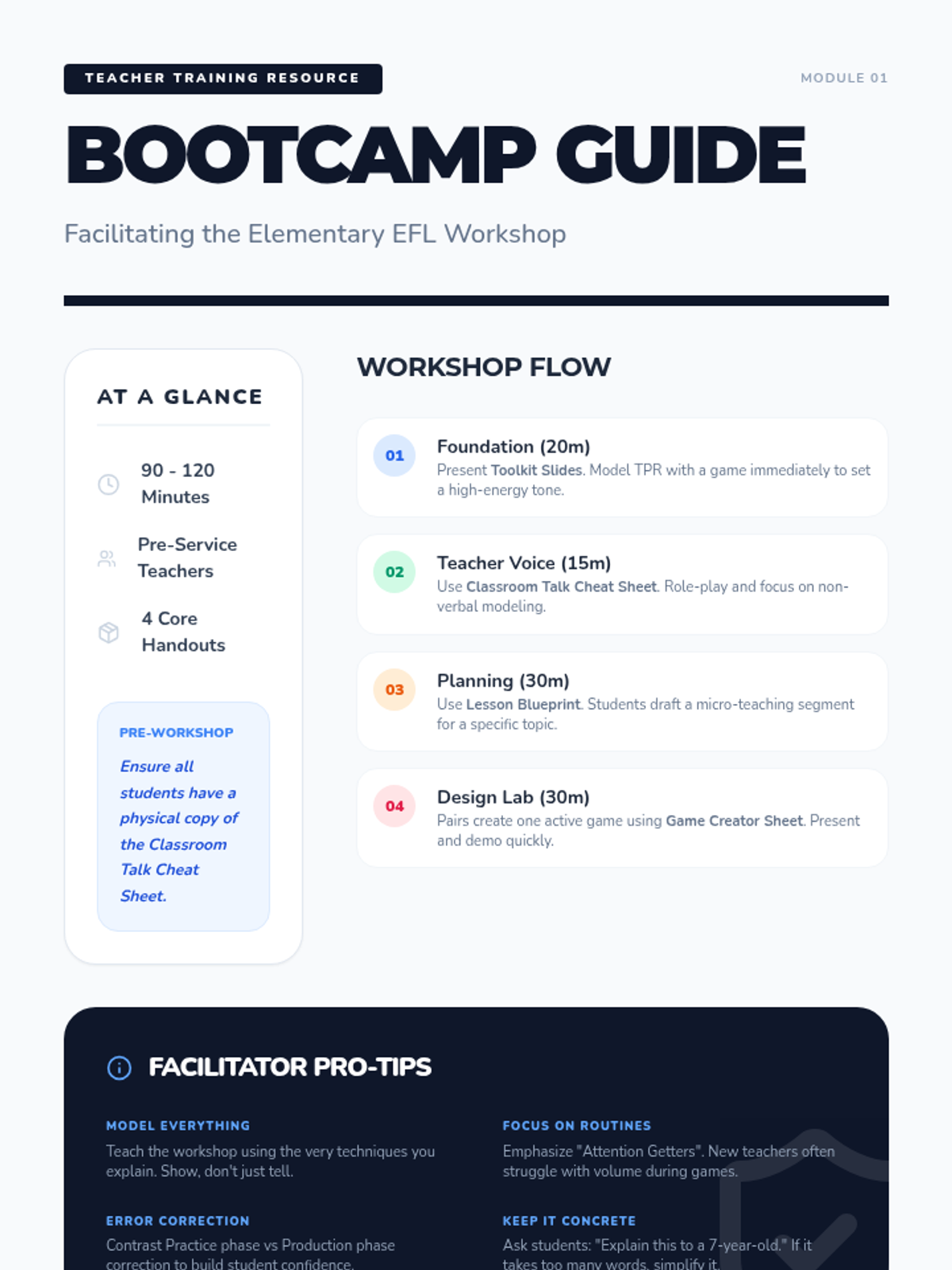
Updated slide deck for adult learners with increased font sizes for better visibility, covering food vocabulary, restaurant interactions, and cultural etiquette.
A student-facing small-group activity sheet providing structured scenarios with 'Secret Obstacles' and a peer-feedback framework for oral production.
A set of 8 printable conversation prompt cards featuring 'Spark Challenges' to encourage specific linguistic targets during spontaneous speaking.
A visual guide for teachers and students explaining the shift from accuracy to fluency, providing warm-up prompts, and offering "Survival Phrases" to keep conversations moving.
A comprehensive teacher guide for implementing oral fluency strategies, including a 4-phase instructional flow, target outcomes, and specific feedback techniques.
A facilitation guide for teachers to lead the receptive practice portion of the ASL lesson, including specific hand formation scripts and teaching tips.
Visual presentation for the introductory ASL lesson, covering the manual alphabet, numbers 1-5, gendered signs for family, and common object vocabulary.
The teacher's answer key for the Sign Signals Worksheet, including correct answers, acceptable formation descriptions, and a grading guide.
A comprehensive practice worksheet for beginner ASL students, covering fingerspelling, numbers 1-10, family members, and common household objects through various activity types.
A presentation deck for A1 adult EFL students to review there is/are, countable/uncountable nouns, and can/could with a focus on urban life.
A comprehensive answer key and teacher guide for the City Explorer and Foodie Finder worksheets, including specific tips for Spanish-speaking learners.
A second worksheet for A1 adult learners focusing on food vocabulary, countable vs. uncountable nouns, how much/many questions, and there is/there are.
A worksheet for A1 adult learners focusing on vocabulary for places in town and the grammar of Can, Can't, Could, and Couldn't in practical contexts.
Simple, bold 'High' and 'Low' tags for students to cut out and tape around the classroom to reinforce directional vocabulary.
A visual placement mat featuring a teeter-totter illustration and clearly labeled areas for students to place character cut-outs during the dictation activity.
Colorful character circles (Banana, Dog, Salamander, etc.) for students to use in the dictation activity. Designed for easy cutting and multiple sets per page.
Large, colorful vocabulary flashcards featuring playground equipment like the slide, swing, and seesaw/teeter-totter to support pronunciation and identification.
Engaging instructional slides for the Playground Ups and Downs lesson, featuring vocabulary, an embedded song video, practice prompts for Up/Down/High/Low, and clear activity instructions.
A comprehensive teacher guide for the Playground Ups and Downs lesson, including learning objectives, materials lists, pacing, and step-by-step facilitation instructions for the video and speaking activities.
A writing extension worksheet where students create a 'final draft' of their monster and complete a sentence describing what their monster can do with its extra body parts.
A bright, high-contrast slide deck to guide the lesson, featuring the embedded Body Parts Song video, step-by-step game instructions, and sentence frames for student presentations.
Large, clear visual flashcards for key body parts, designed for 1st-grade ESL/ELL students to support vocabulary acquisition and Total Physical Response (TPR) activities.
An engaging 'Monster Builder' activity sheet where students roll a die to determine the number of body parts to draw, providing a creative way to practice vocabulary and numbers.
A comprehensive teacher's guide for the Body Builders lesson, featuring learning objectives, materials lists, a minute-by-minute procedure, and specific ESL/ELL support strategies.
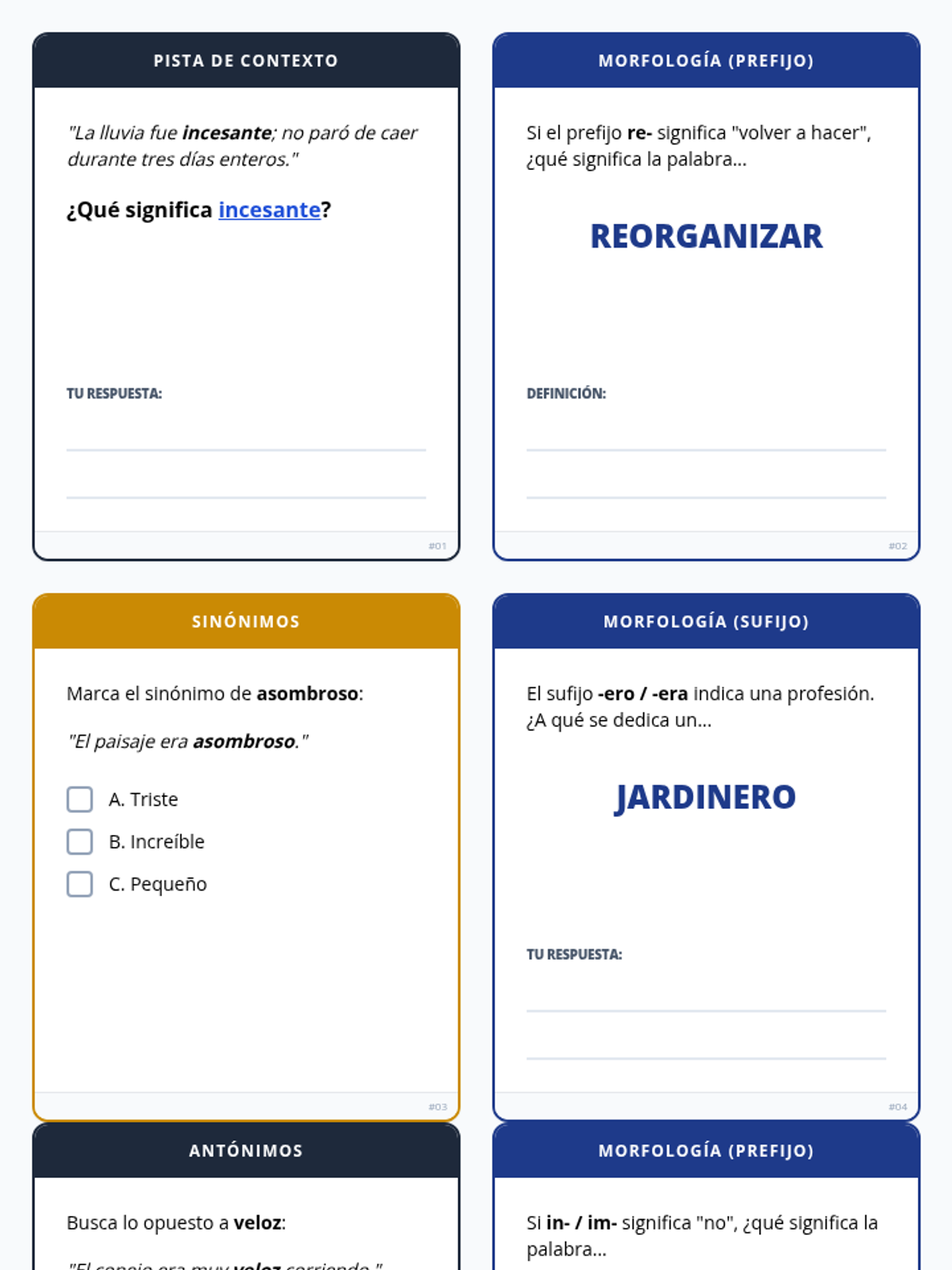
Printable number labels for the "Label the Room" classroom activity. Each card features a bold number word, its numeral equivalent, and a visual quantity representation for self-checking.
A student worksheet for ESL beginners to practice writing and recognizing numbers 1-10. Includes handwriting tracing, quantity drawing (bees), and a numeral-to-word matching activity.
A comprehensive teacher guide for the "Number Bees" ESL lesson, featuring step-by-step instructions, phonics tips for non-native speakers, differentiation strategies, and a structured lesson flow.
A vibrant slide deck for ESL students to learn numbers 1-10. It features a choral counting warm-up, an embedded instructional video with animated bees, phonics spotlights for tricky words, and visual instructions for a classroom labeling activity.
A high-contrast anchor chart for classroom display showing the present and past tense forms of be, have, do, and say, with pronunciation and usage tips for students.
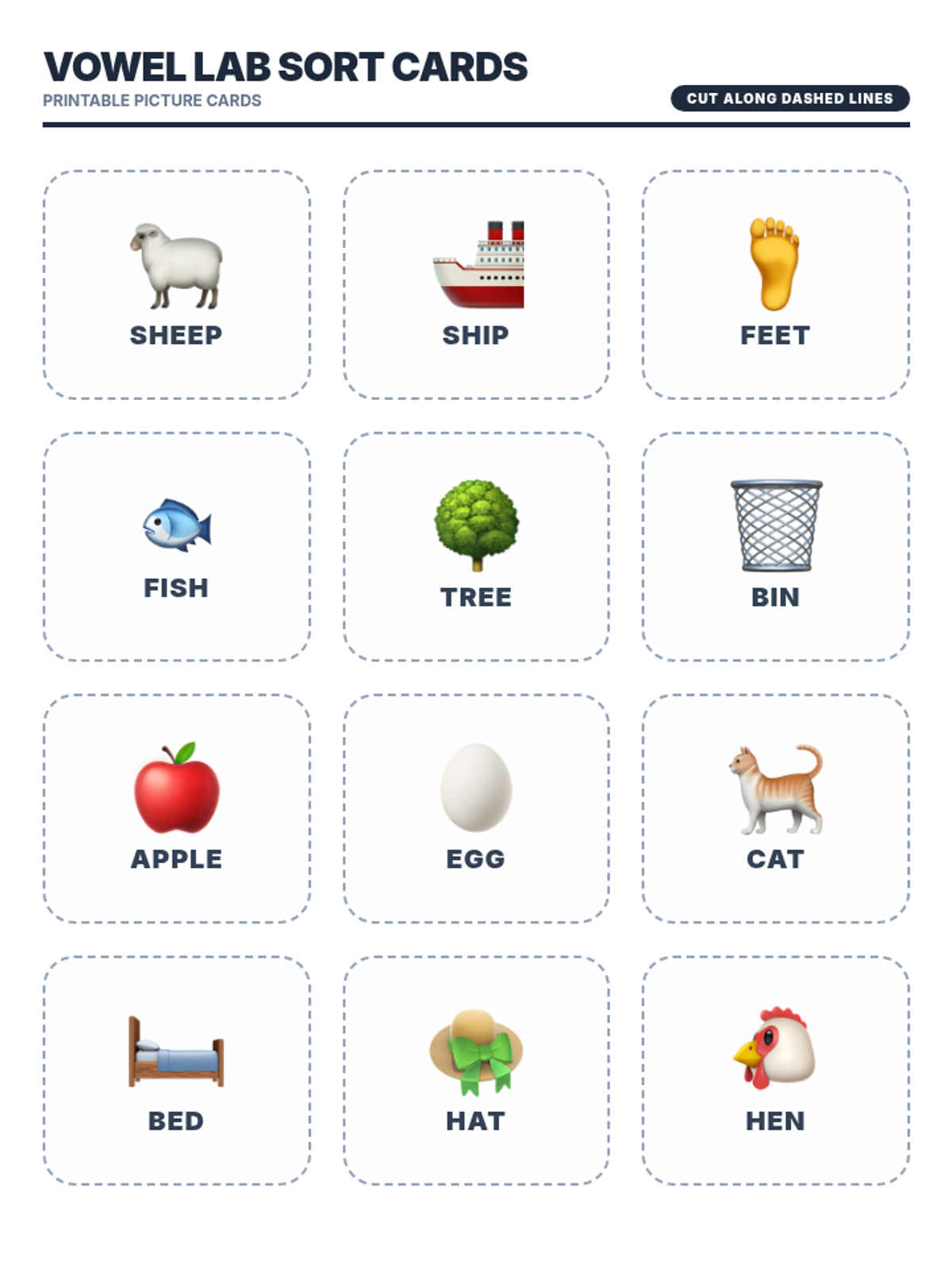
A set of six visual action cards (Run, Talk, Eat, Be, Say, Do) used for the warm-up activity to prompt student responses about past actions.