Techniques for brainstorming, collaborative project management, and individual artistic expression. Guides students through the iterative creative process from initial concept to final execution.
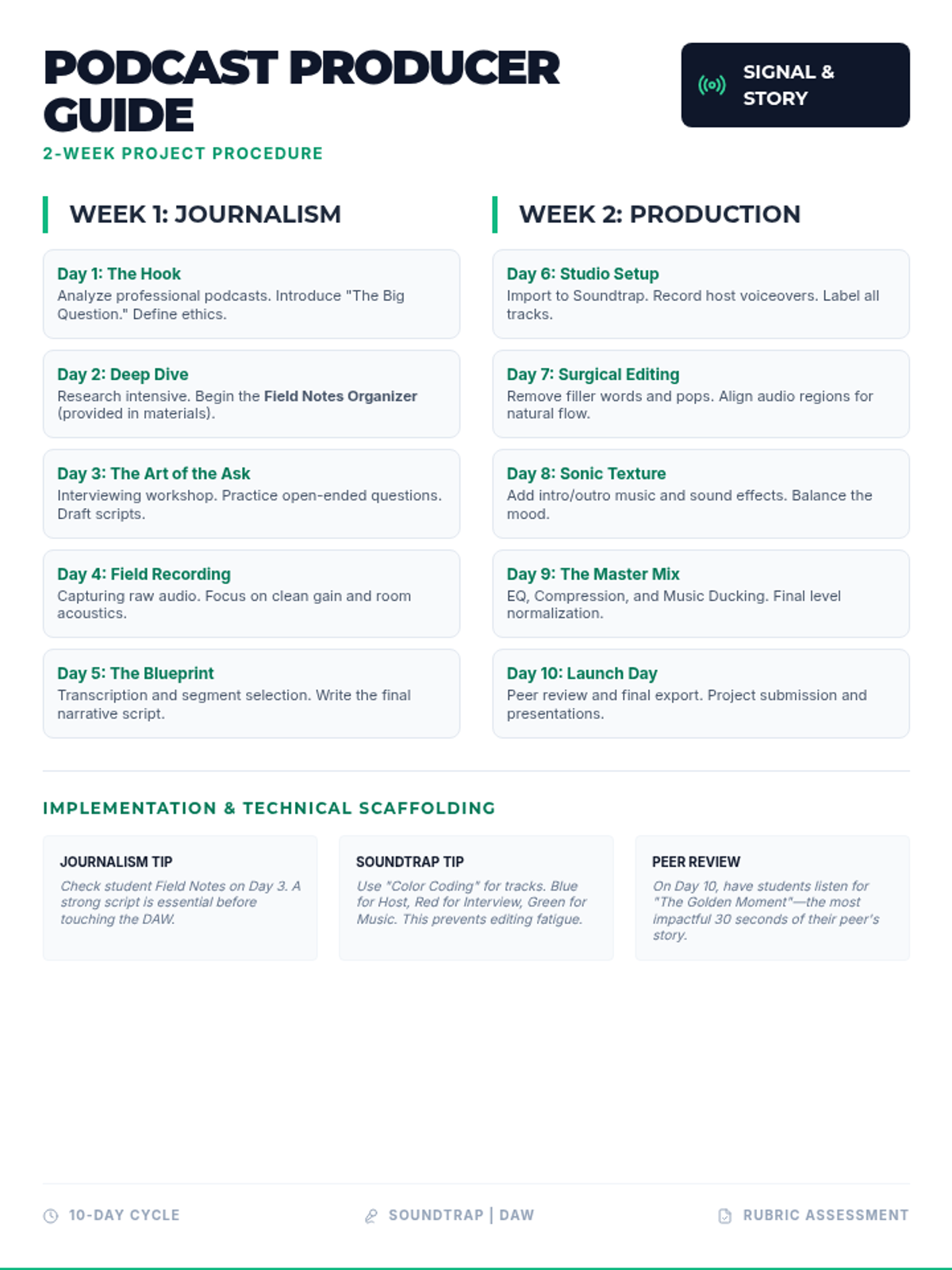
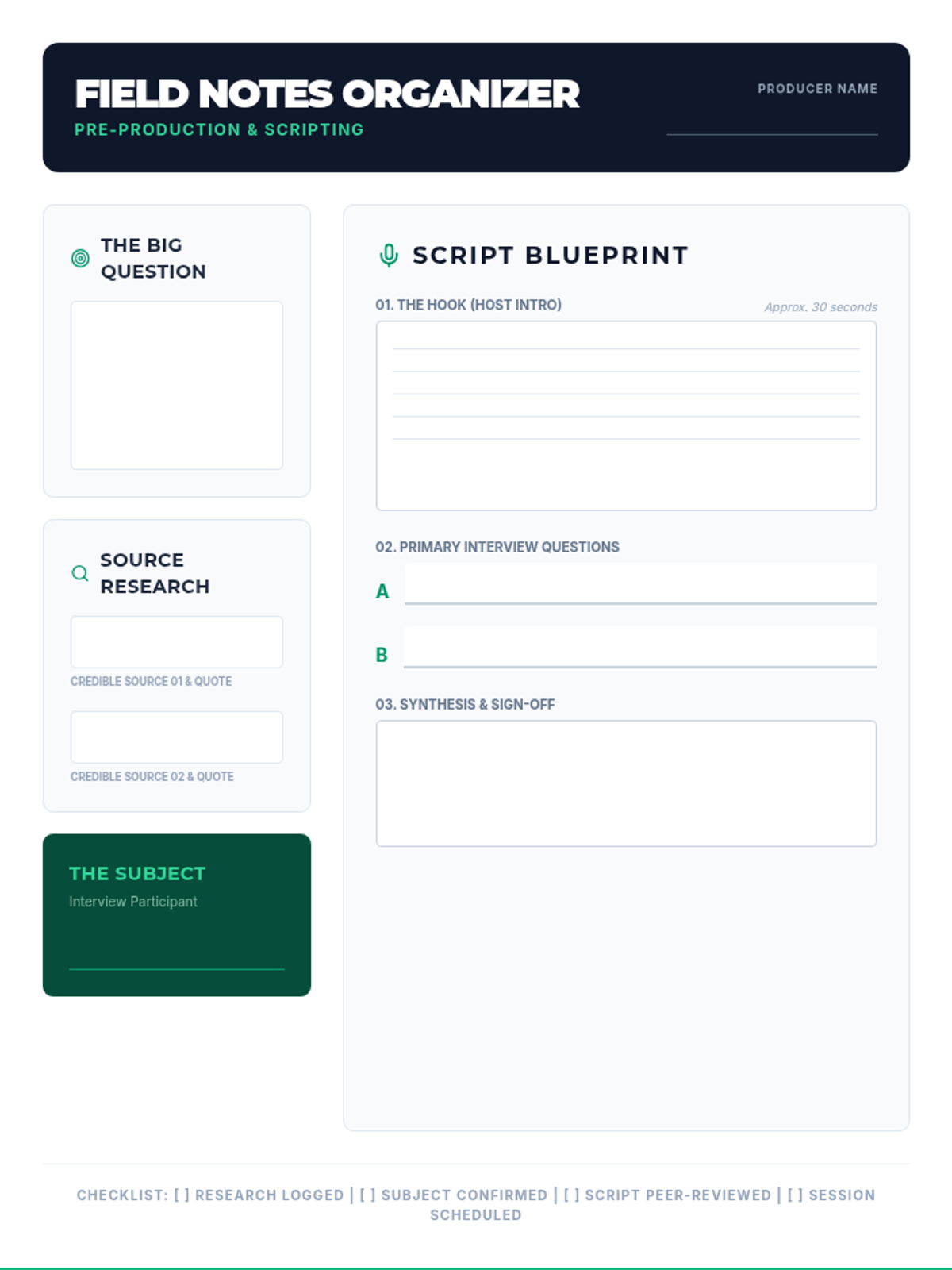
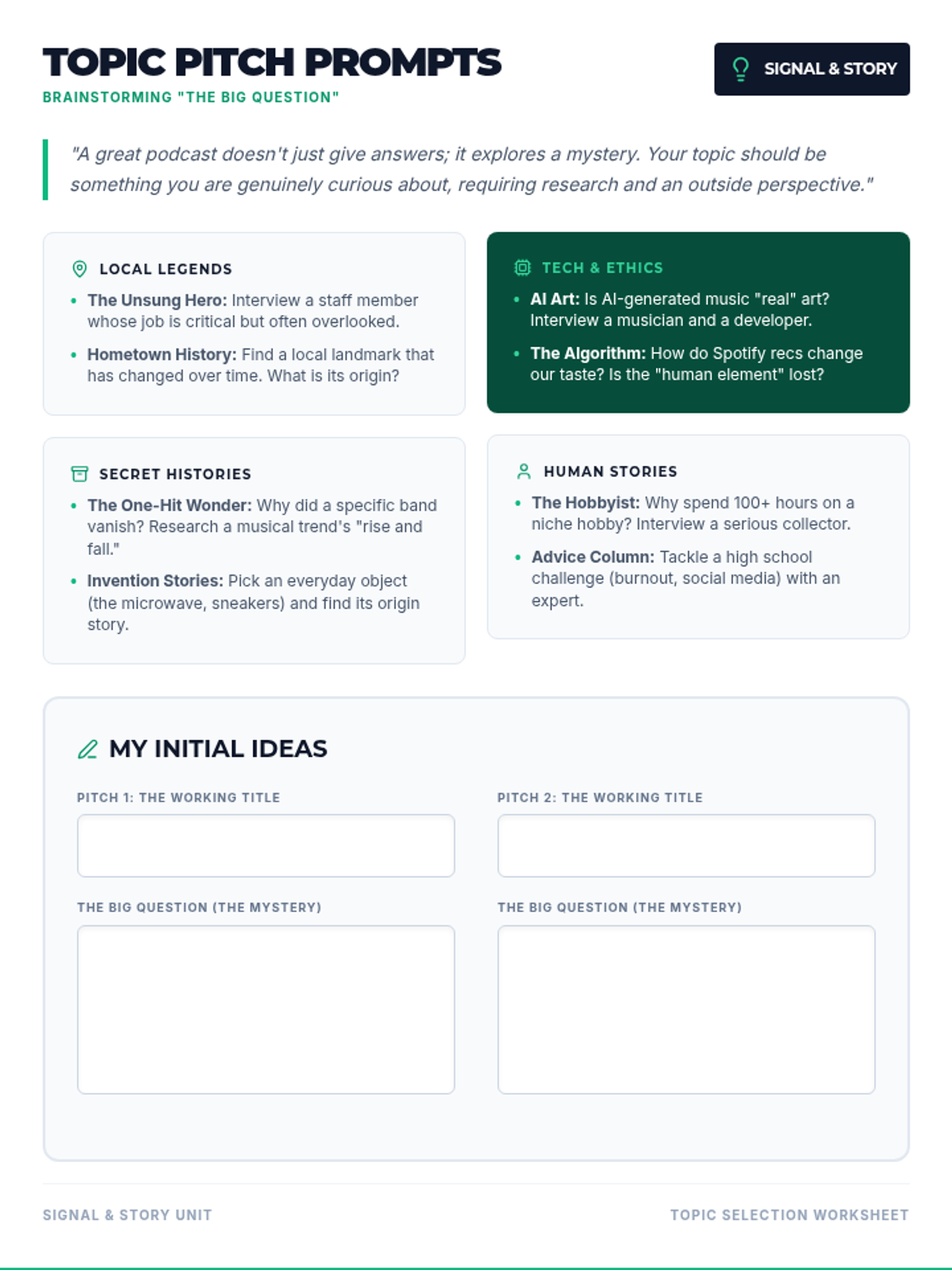
A 2-week comprehensive unit on podcast production, focusing on the intersection of journalistic research, interviewing, and technical audio mixing using Soundtrap. Students learn to craft compelling stories through sound while mastering professional digital audio workstation (DAW) workflows.
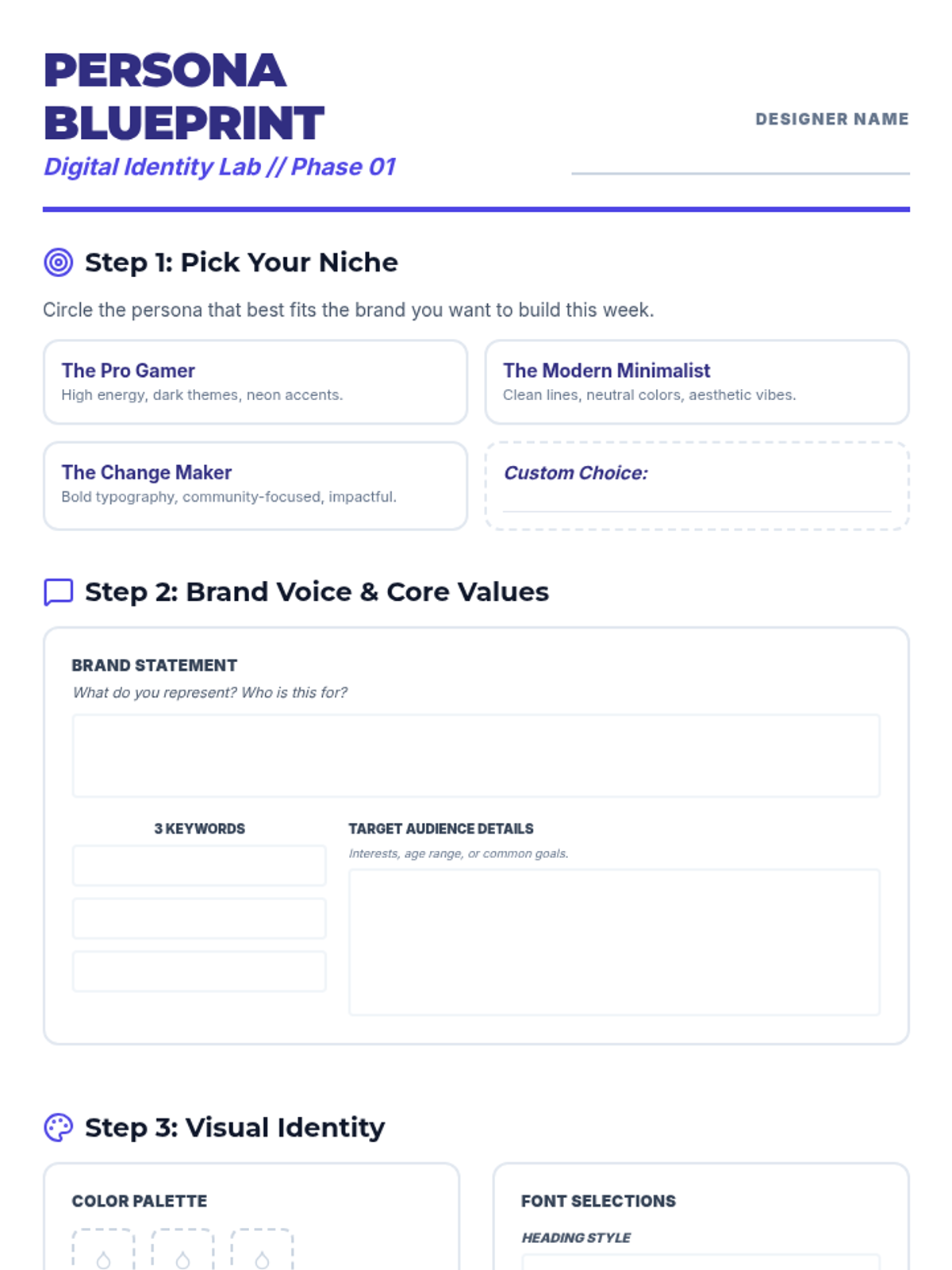
A 4-day project sequence where high school students explore their digital identity through personal branding in Canva and short-form video production in CapCut. Students choose a personal 'niche'—such as gaming, fashion, or social advocacy—to build a cohesive visual presence.
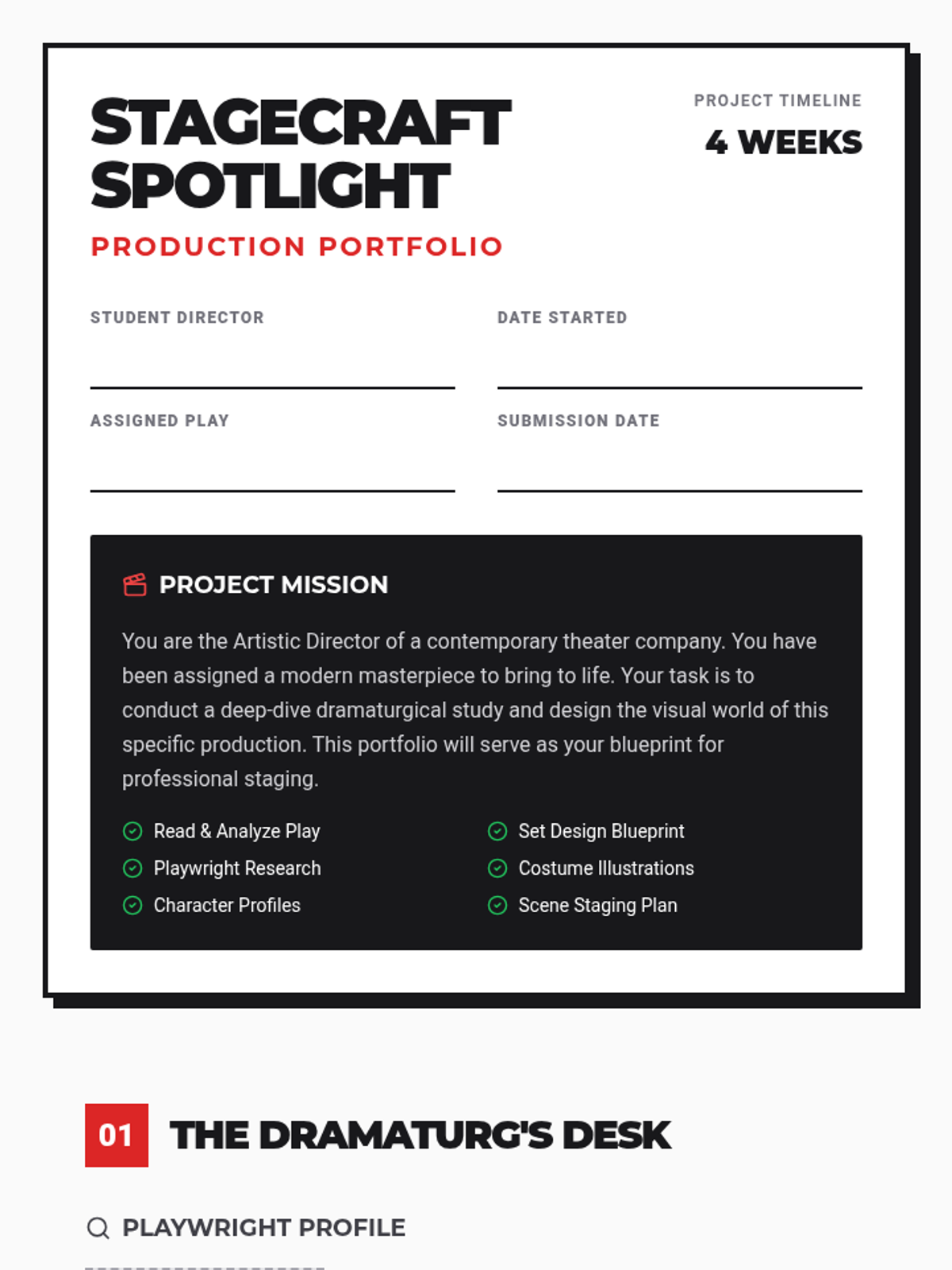
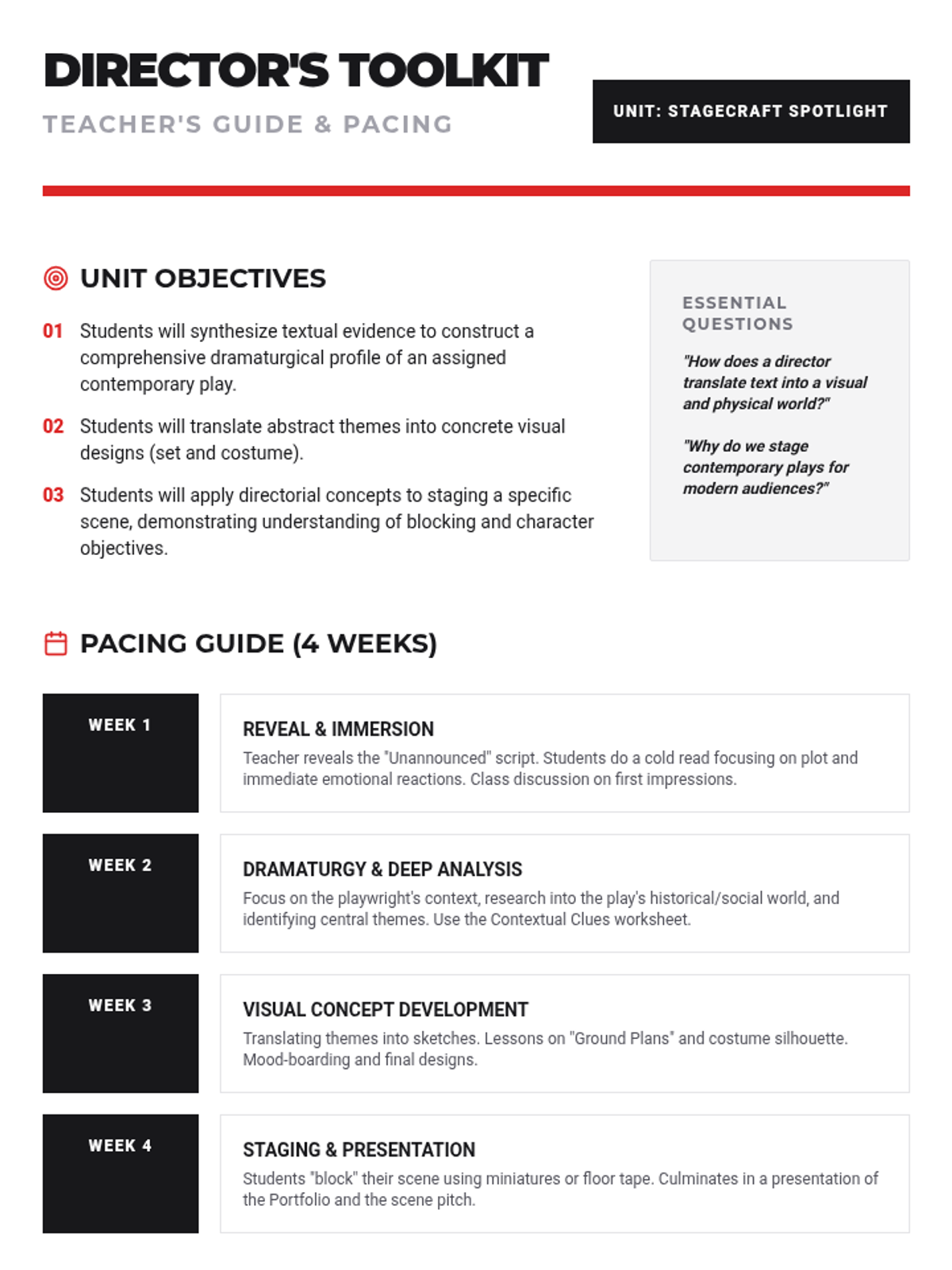
A comprehensive four-week unit and independent study guide for contemporary drama. Students analyze scripts, research playwrights, design technical elements, and stage scenes for a final production portfolio.
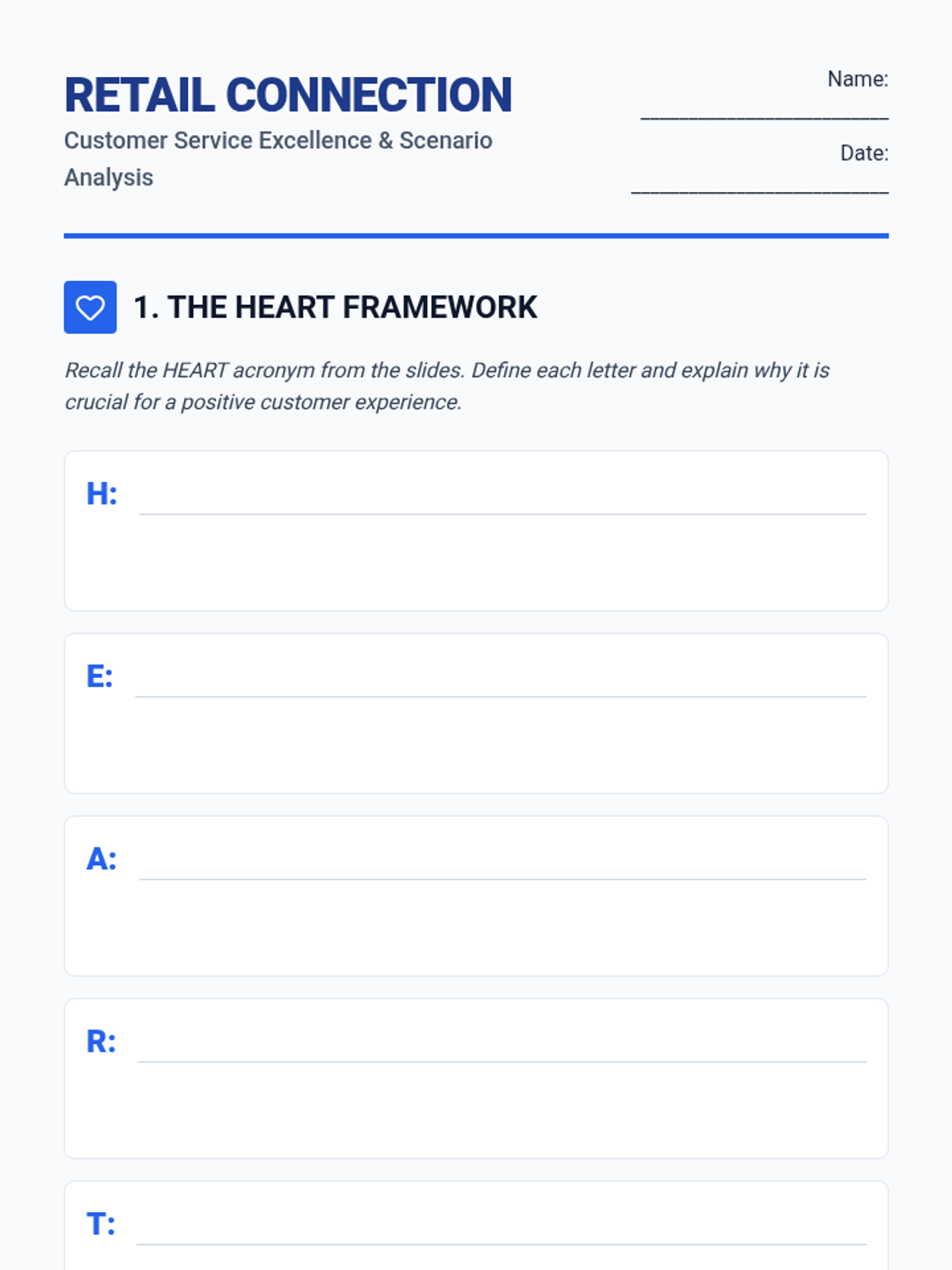
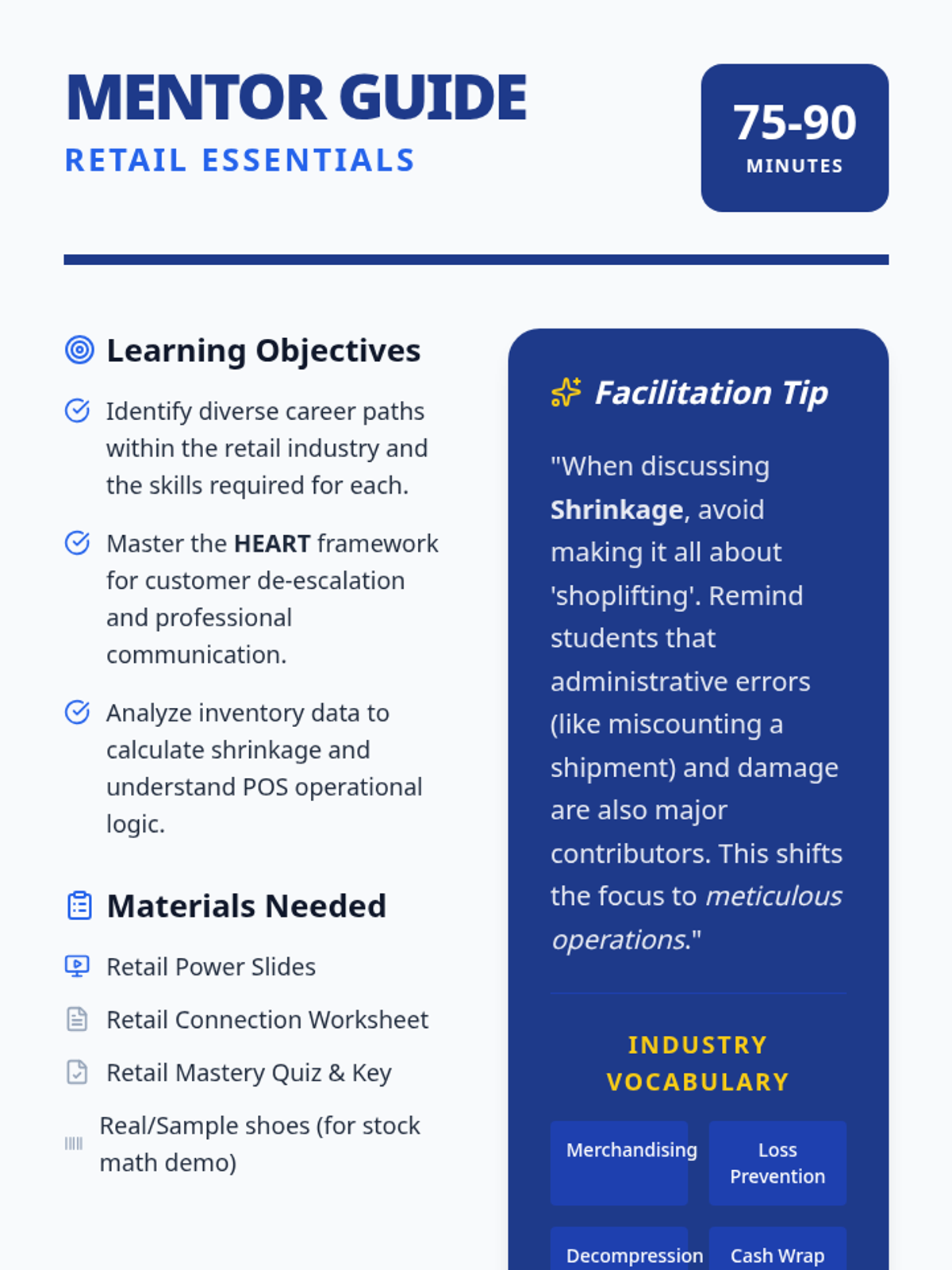
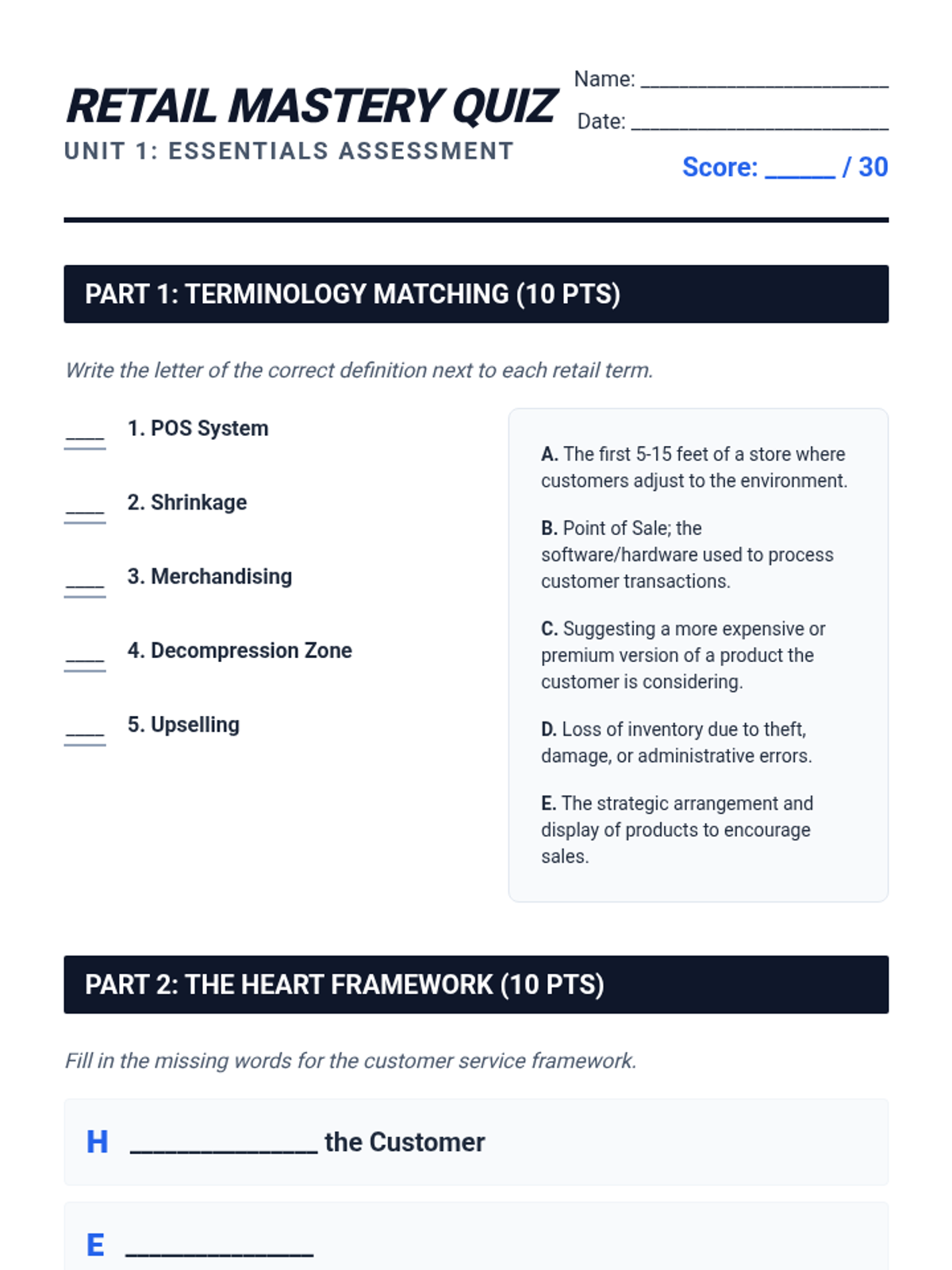
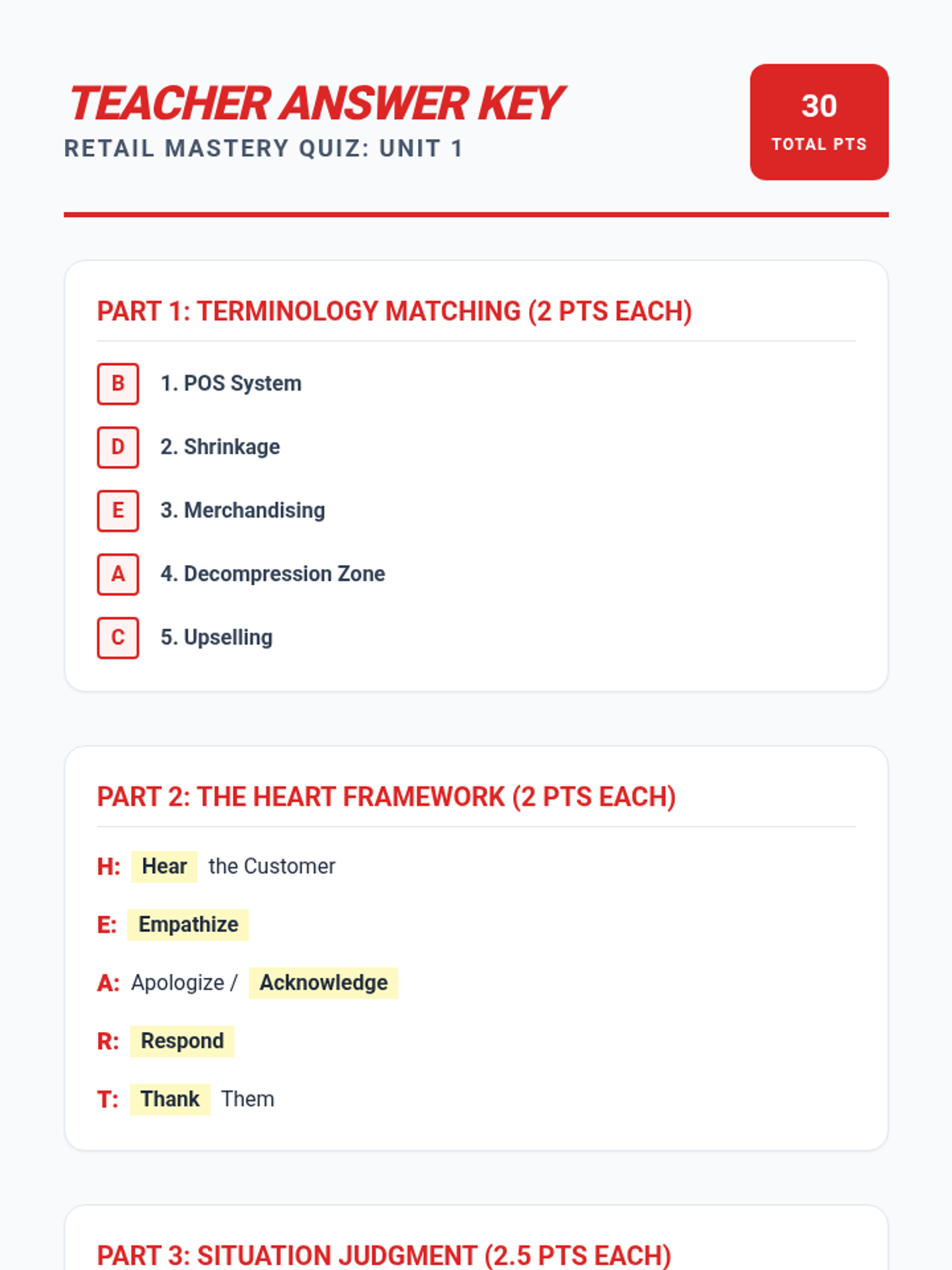
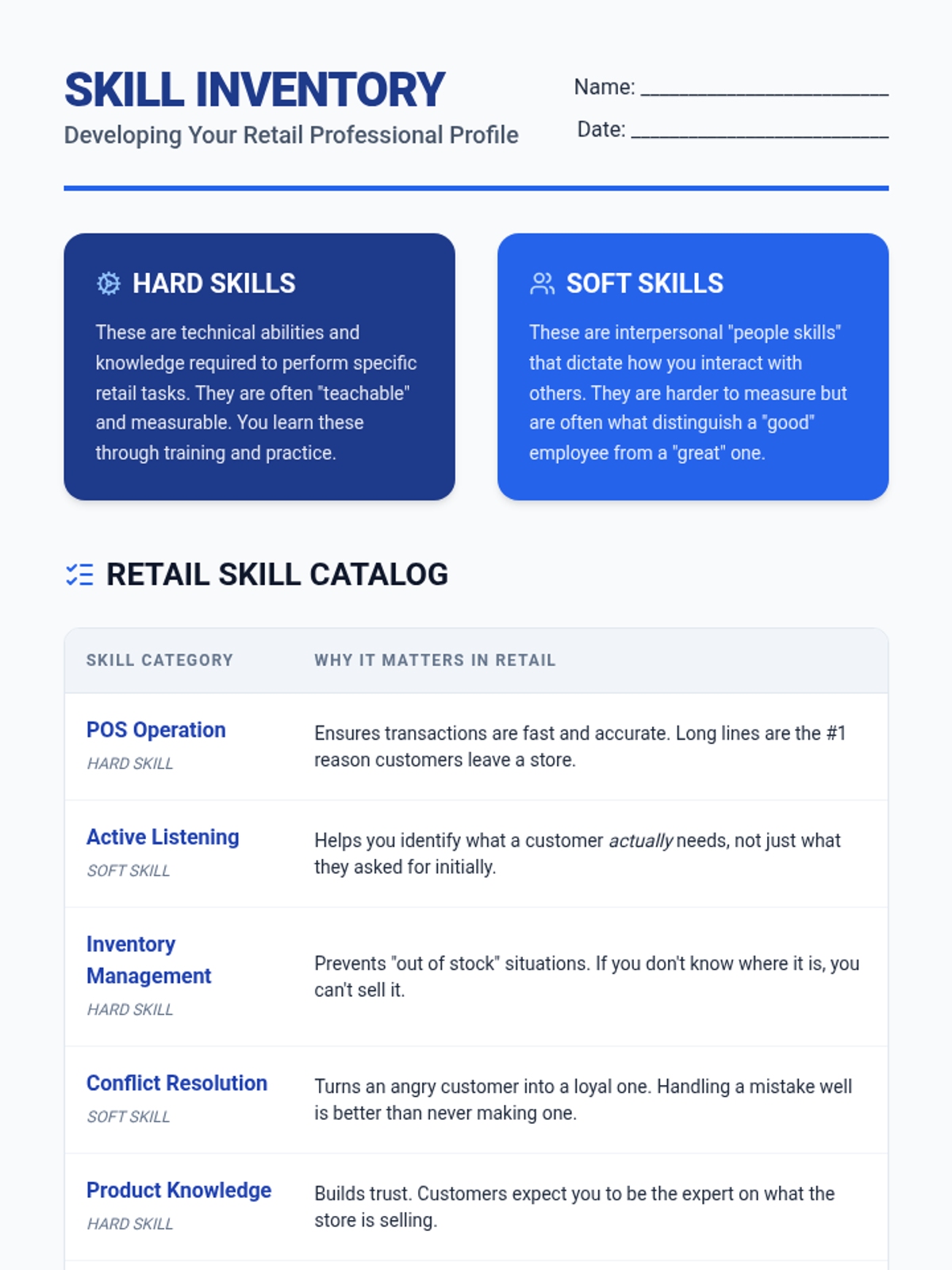
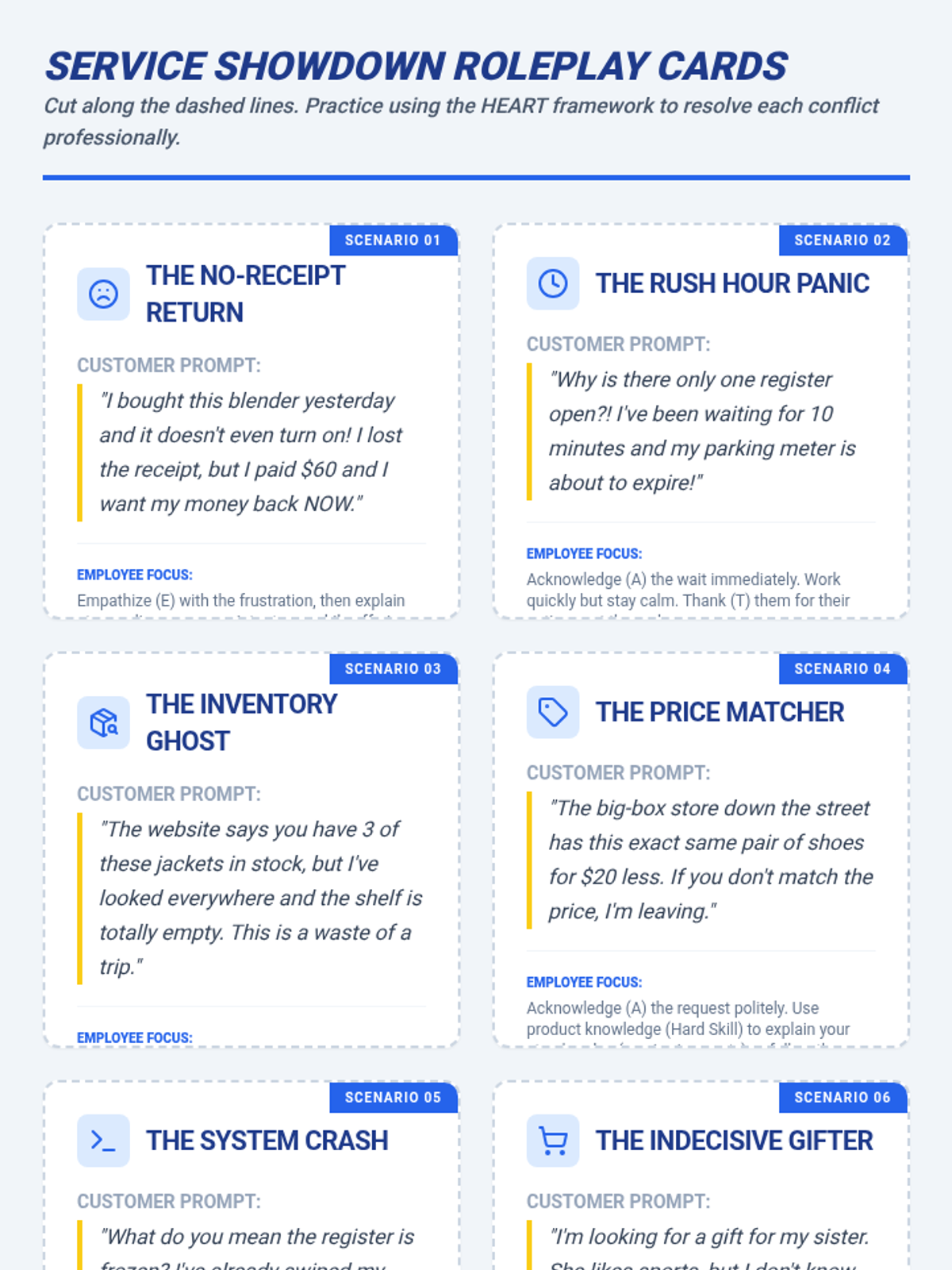
A hands-on career exploration unit focusing on the dynamic world of retail. Students will master customer service excellence, learn retail operations like inventory and POS systems, and design their own retail floor plan and brand strategy.
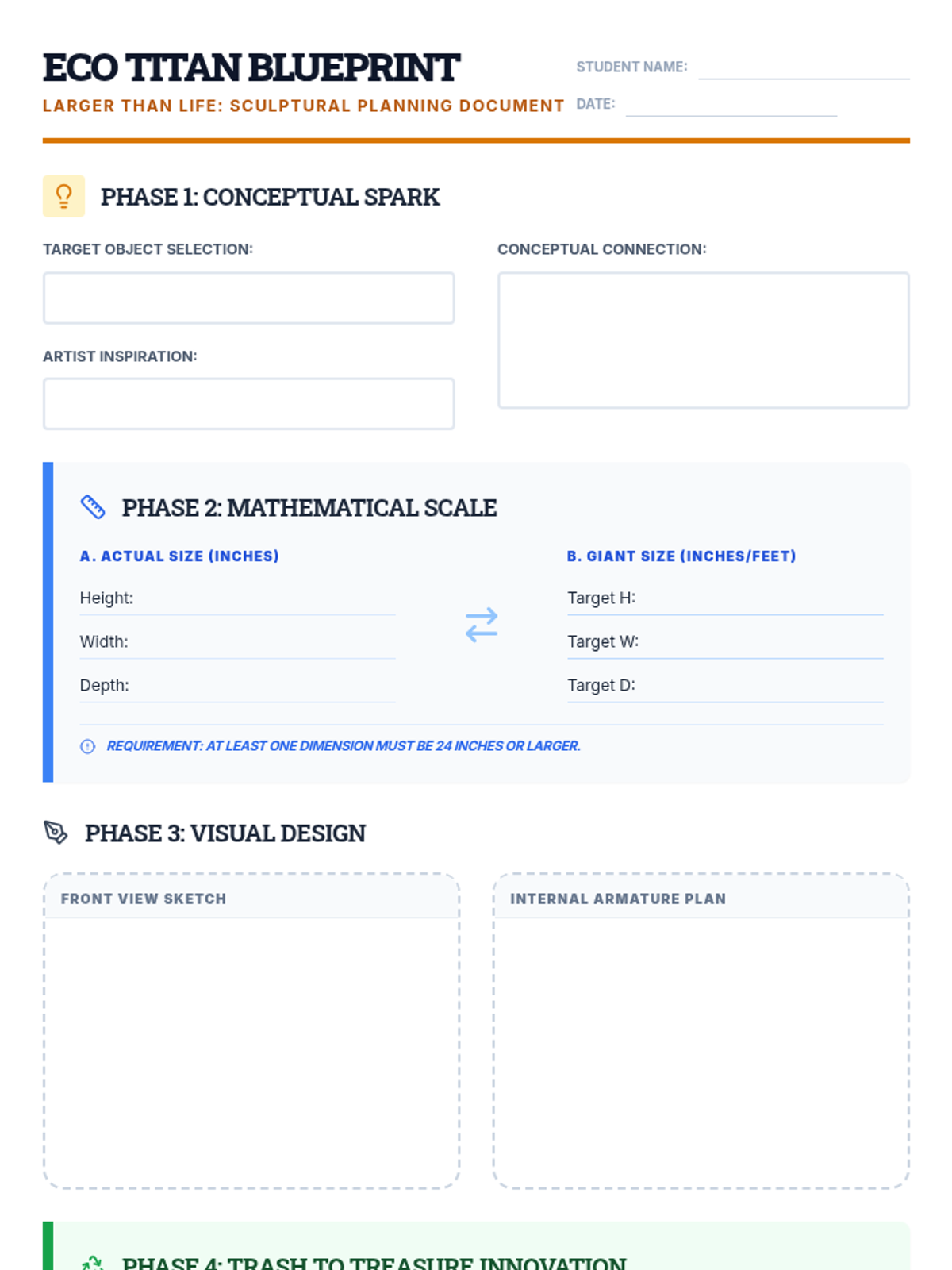
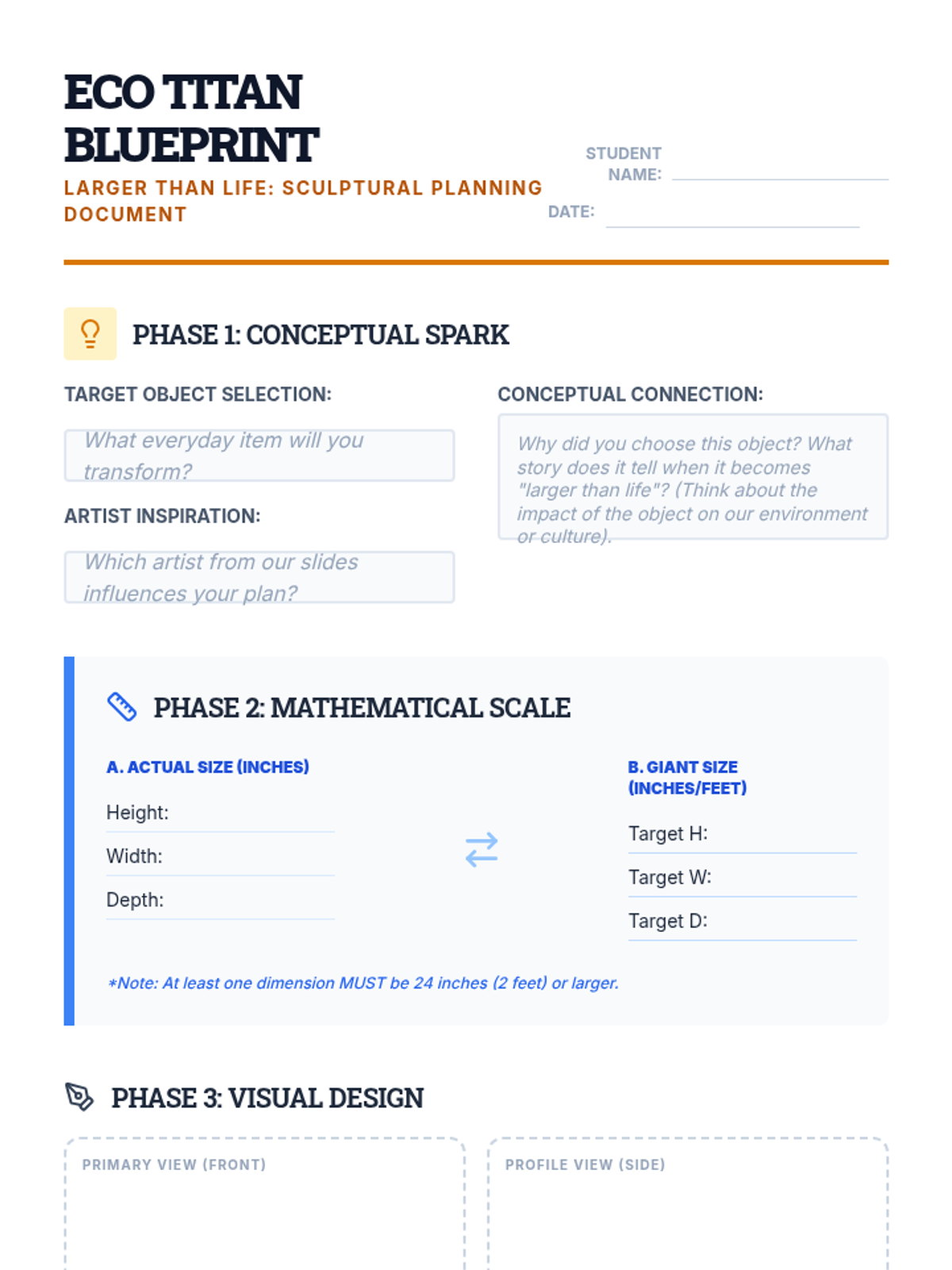
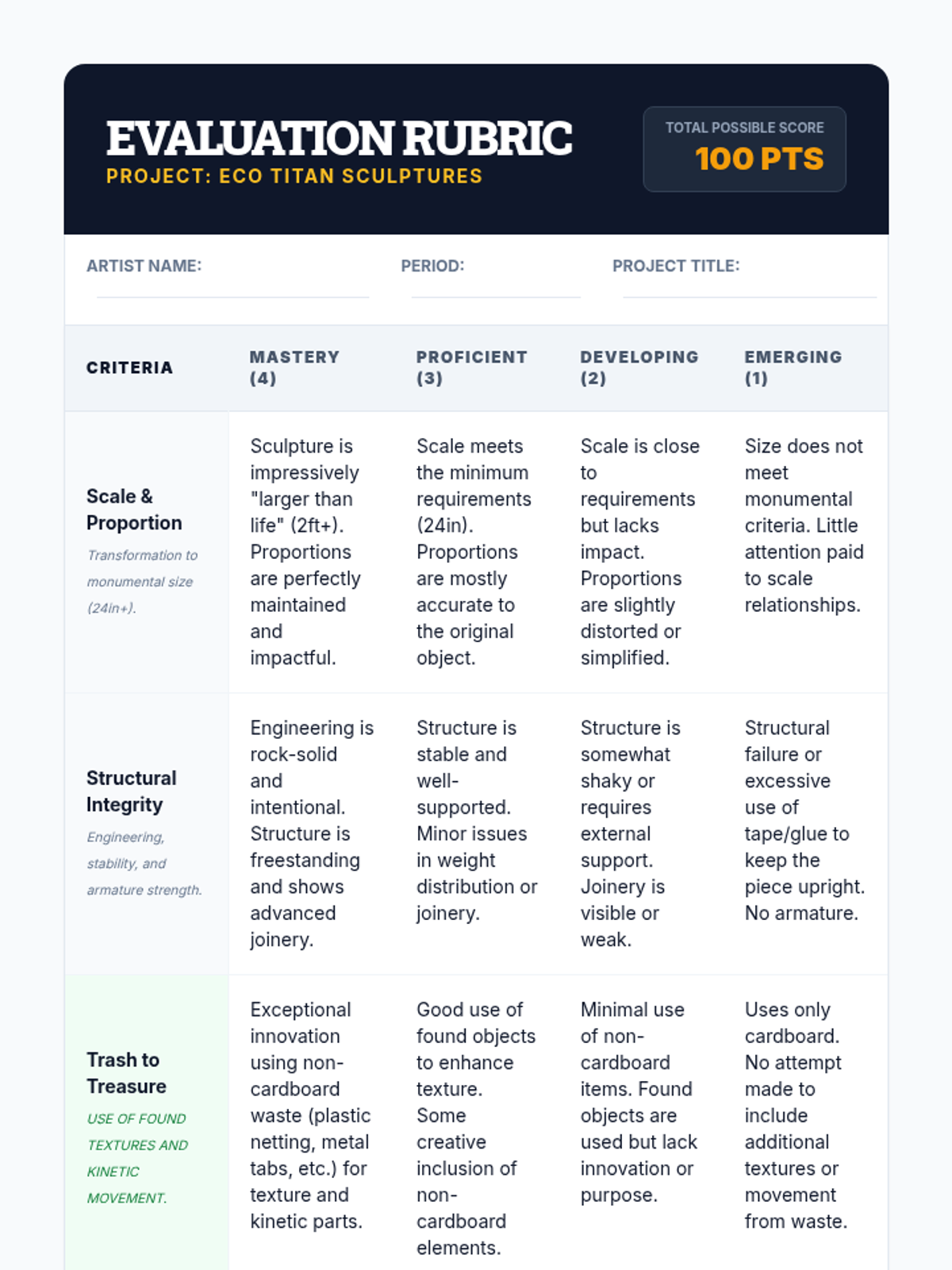
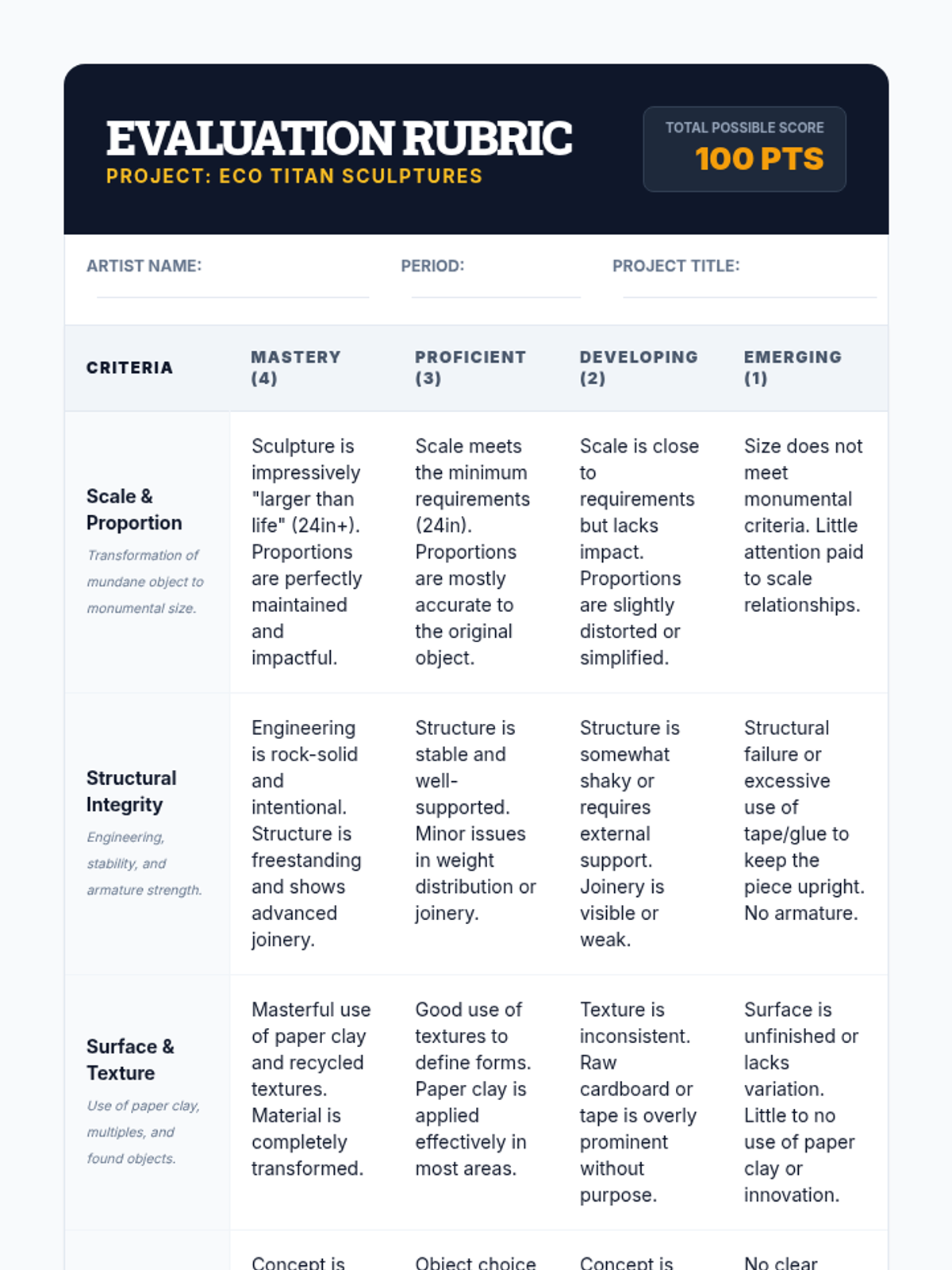
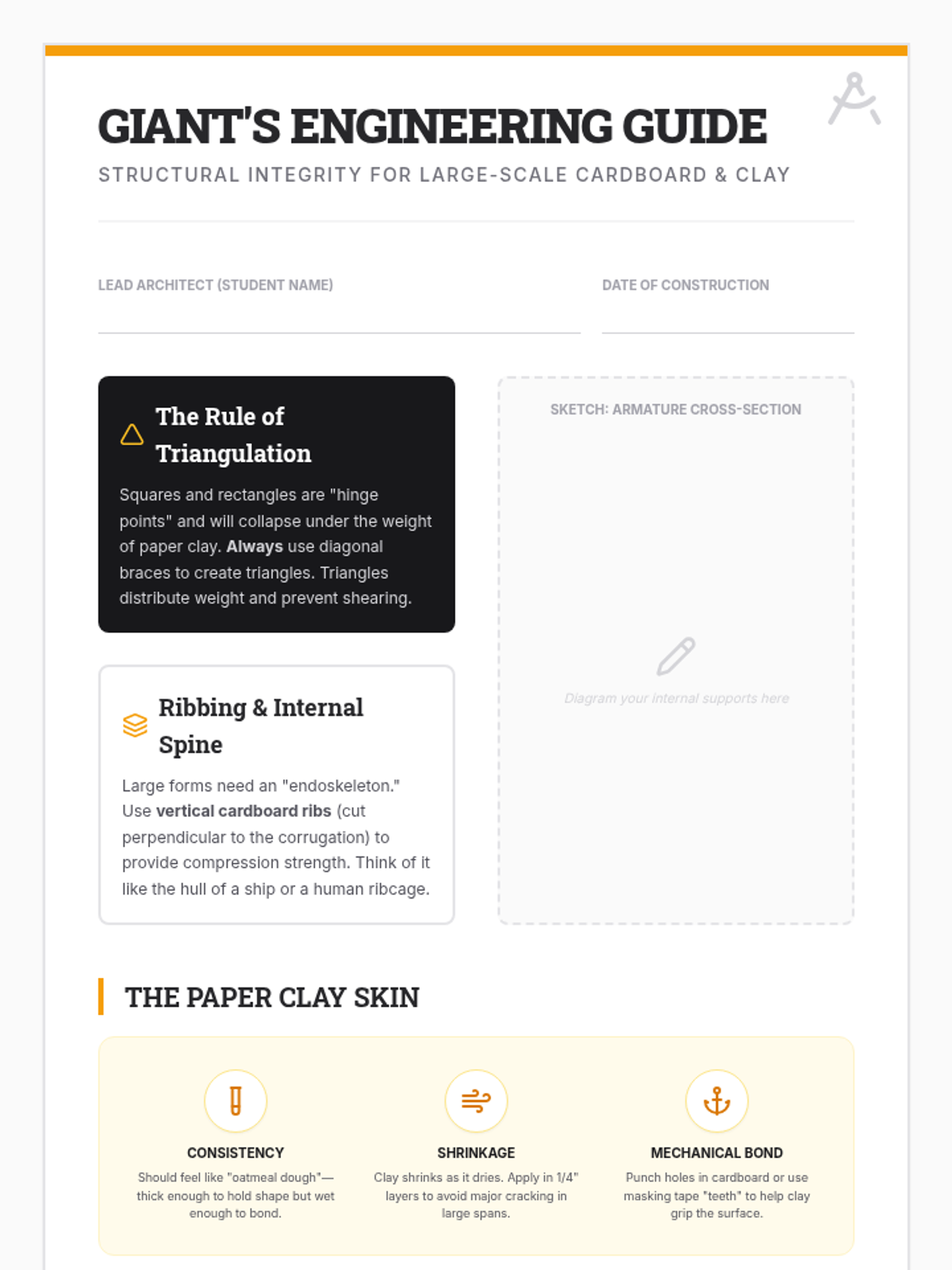
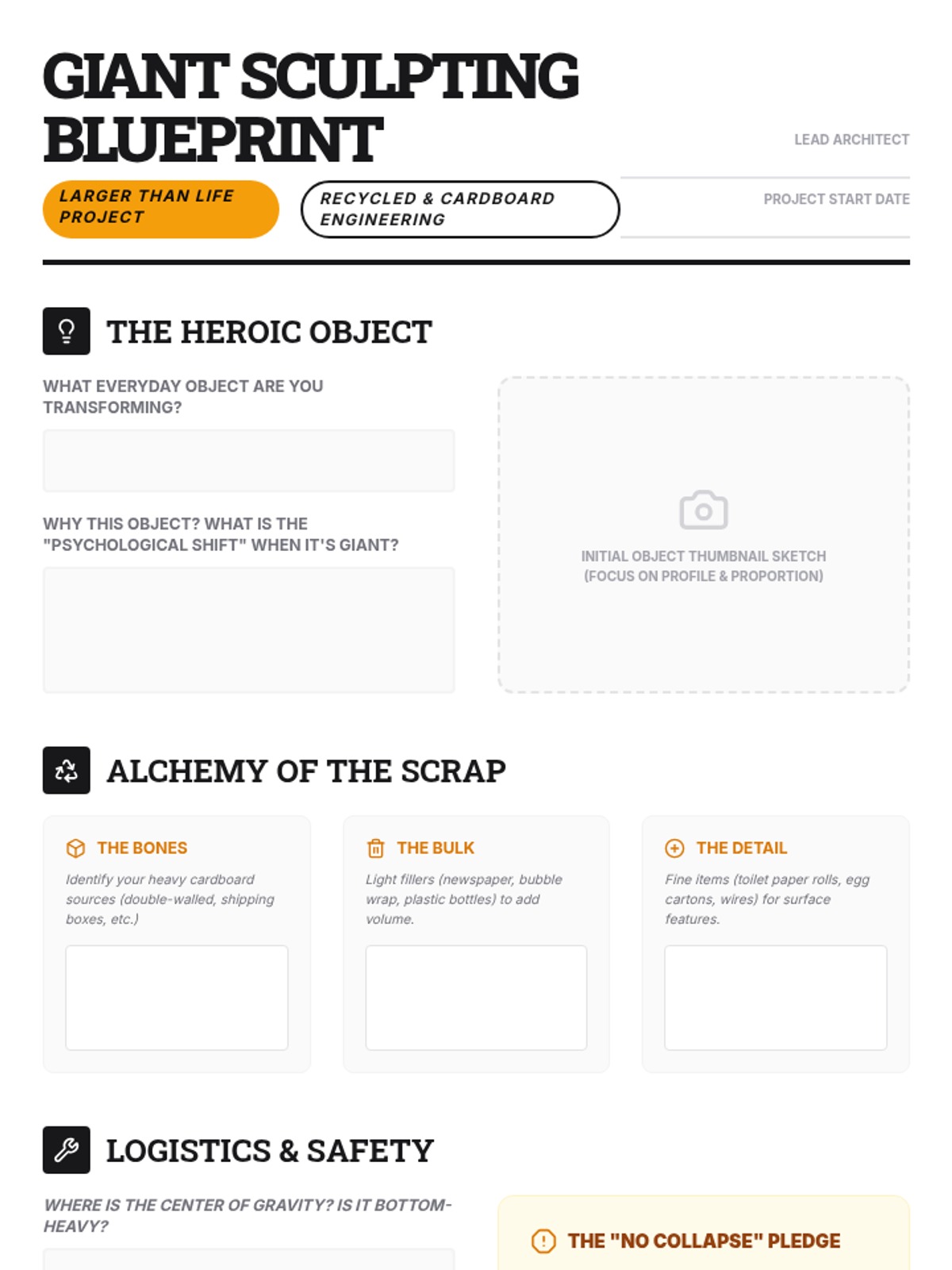
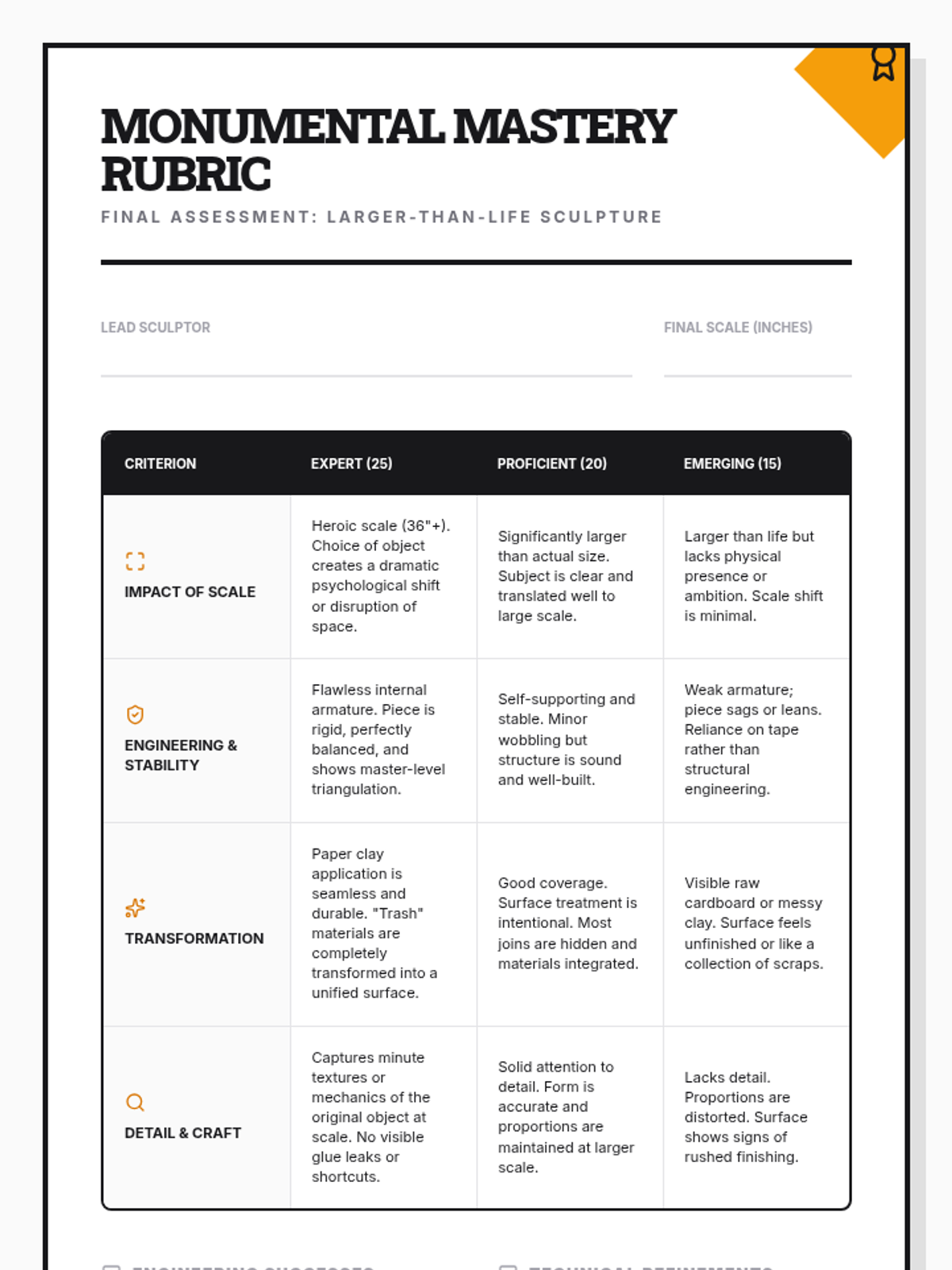
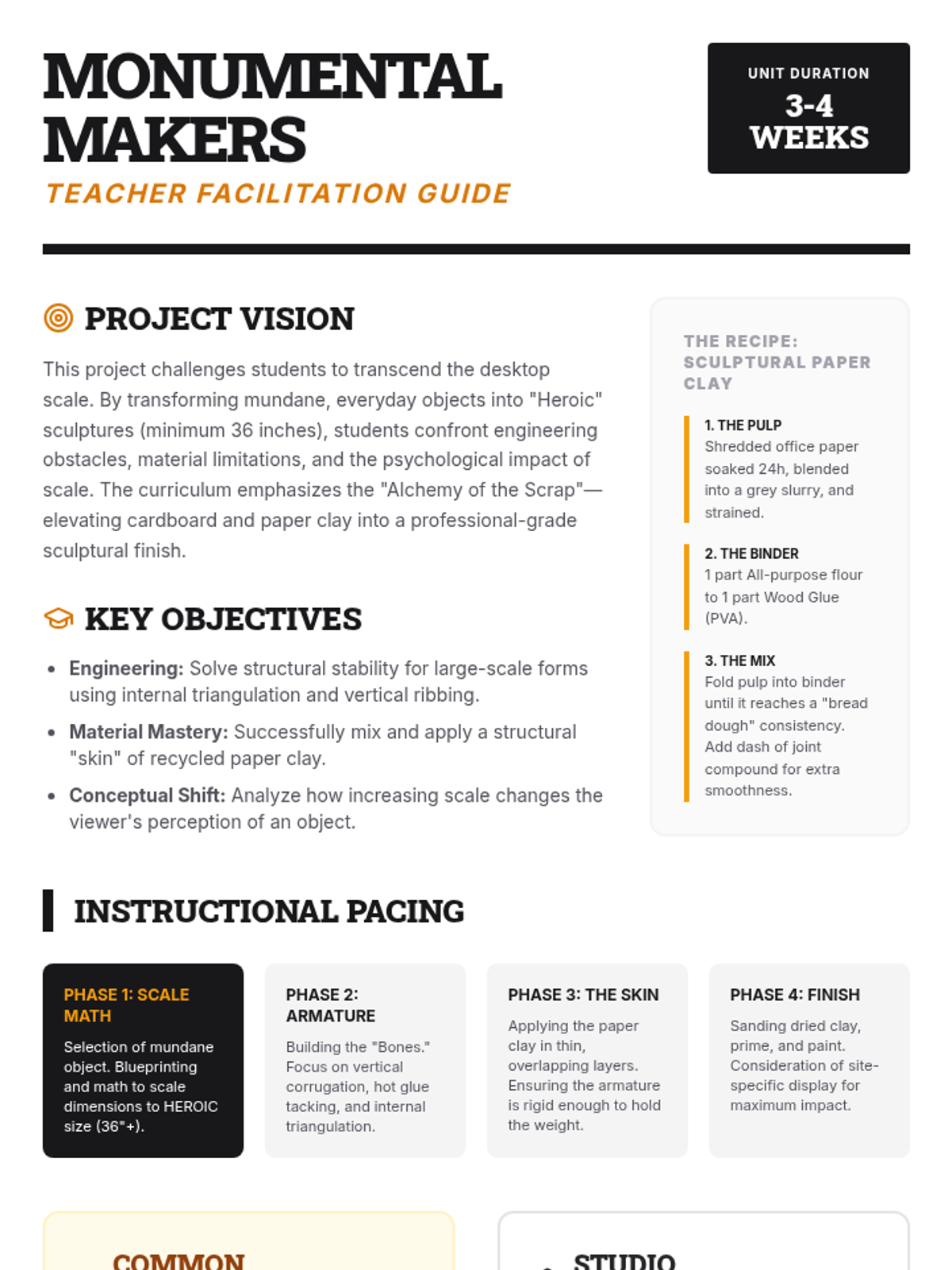
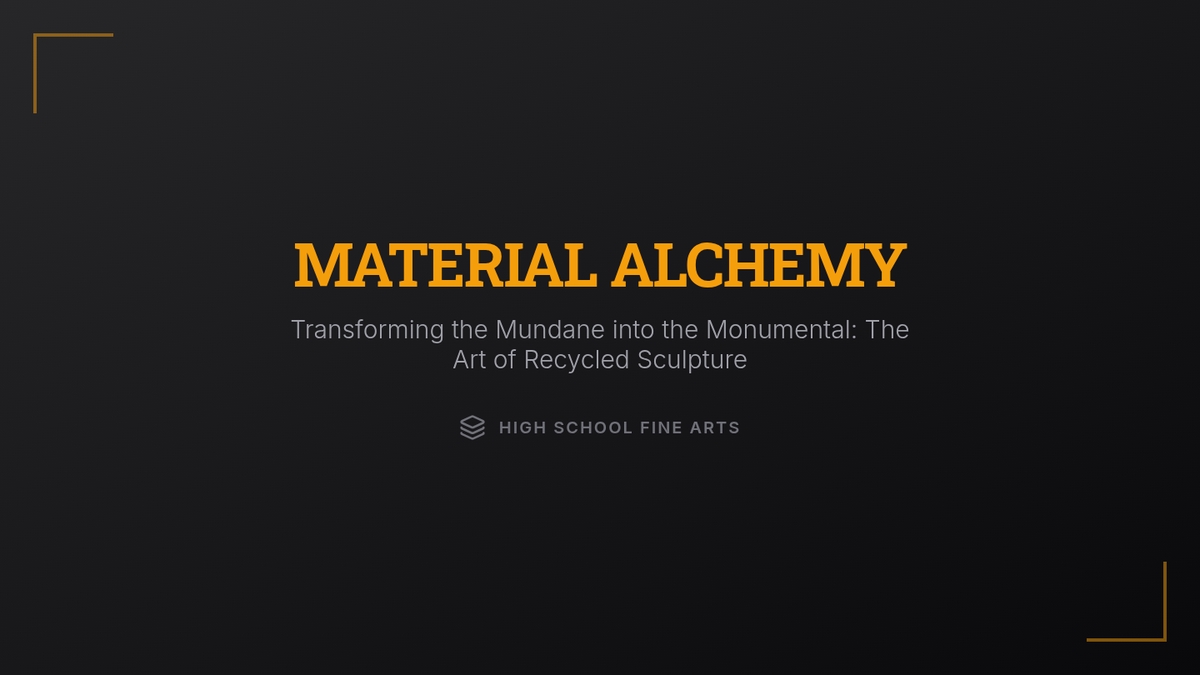
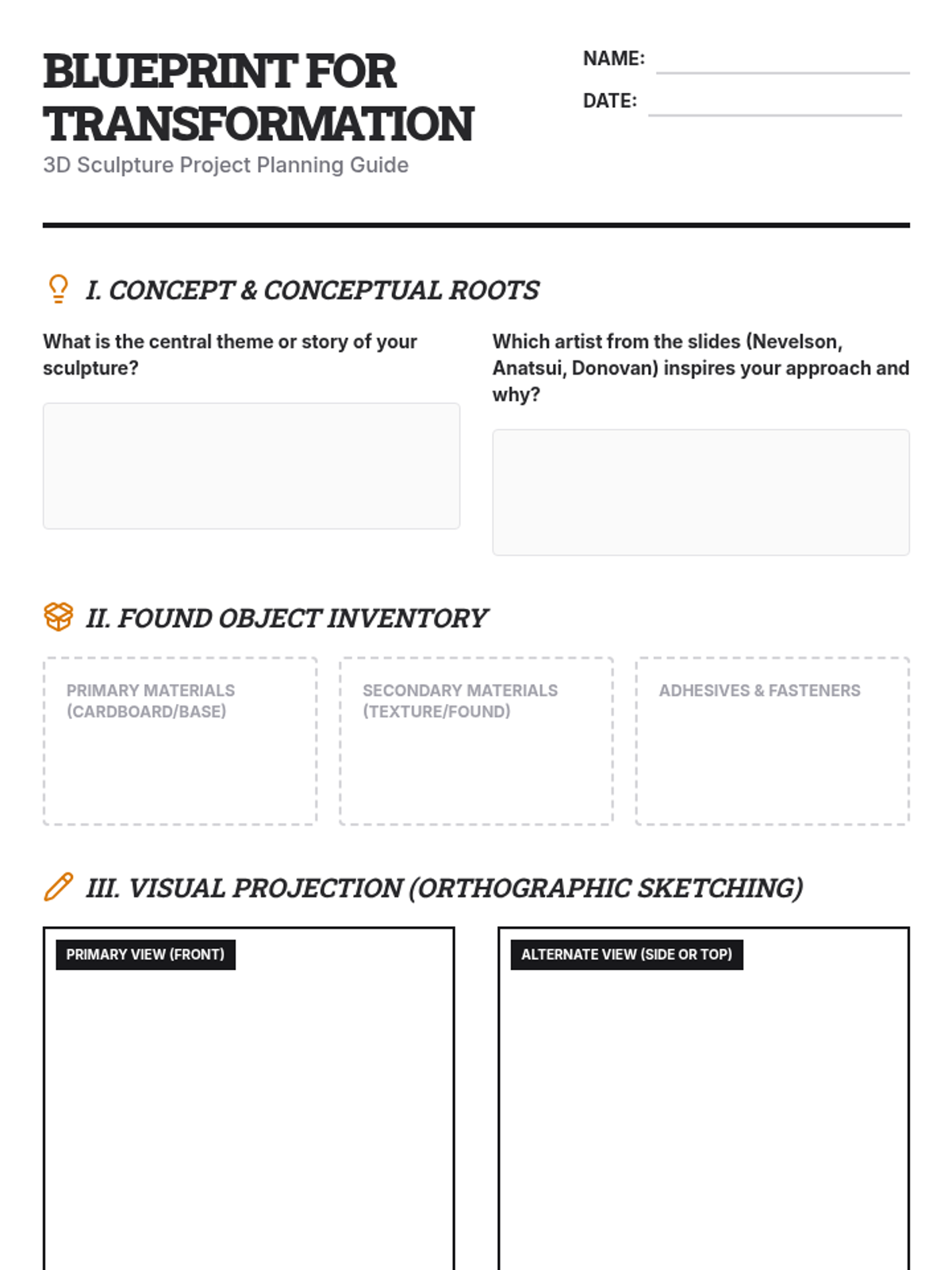
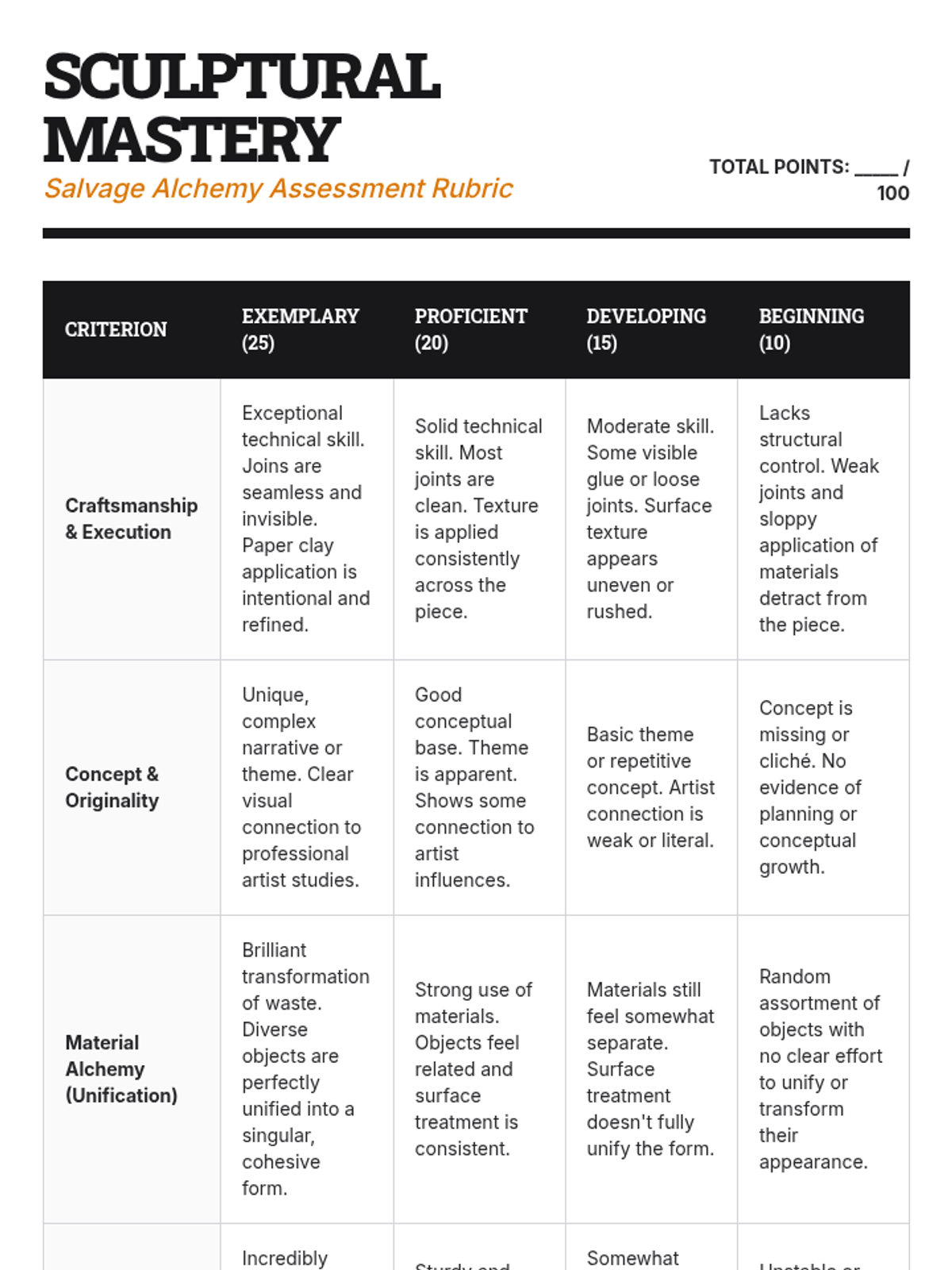
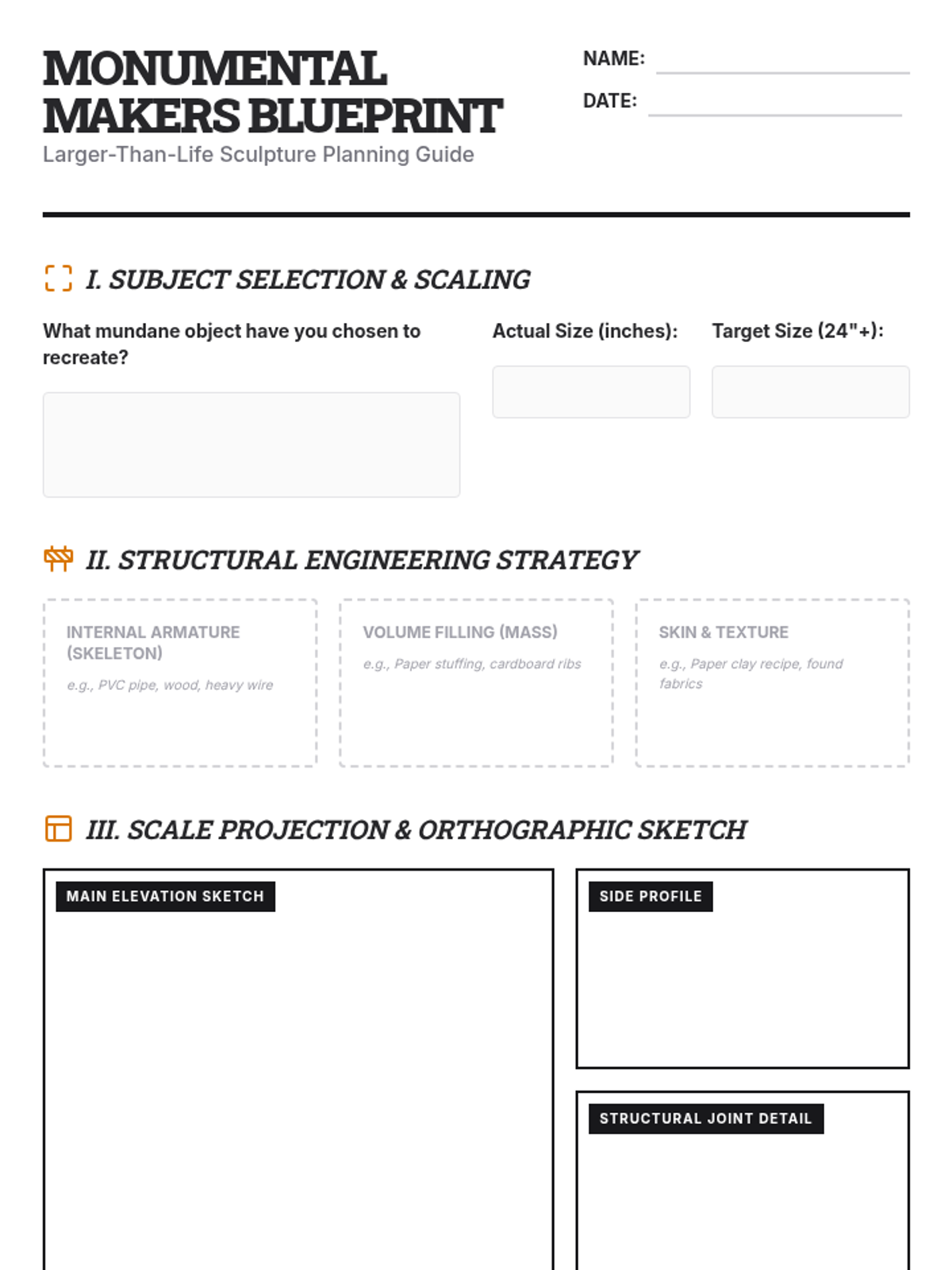
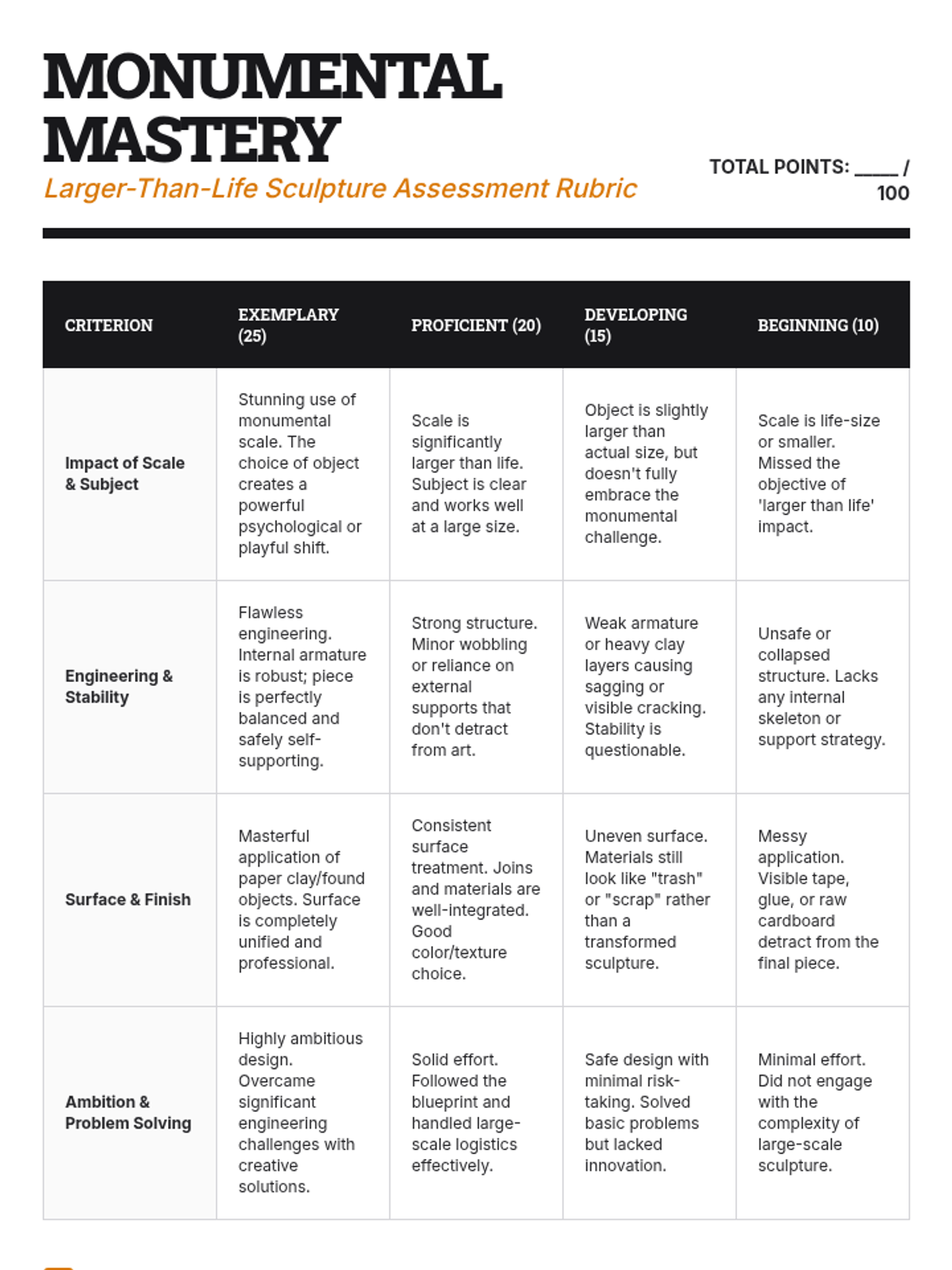
A high school art unit focused on creating massive, 'larger than life' sculptures using recycled cardboard, paper clay, and found objects. Students analyze contemporary environmental artists and master structural engineering and surface texture in 3D design.
A comprehensive 3D art unit that guides students from transforming recycled materials to mastering monumental scale, combining fine arts history with engineering and technical skill.
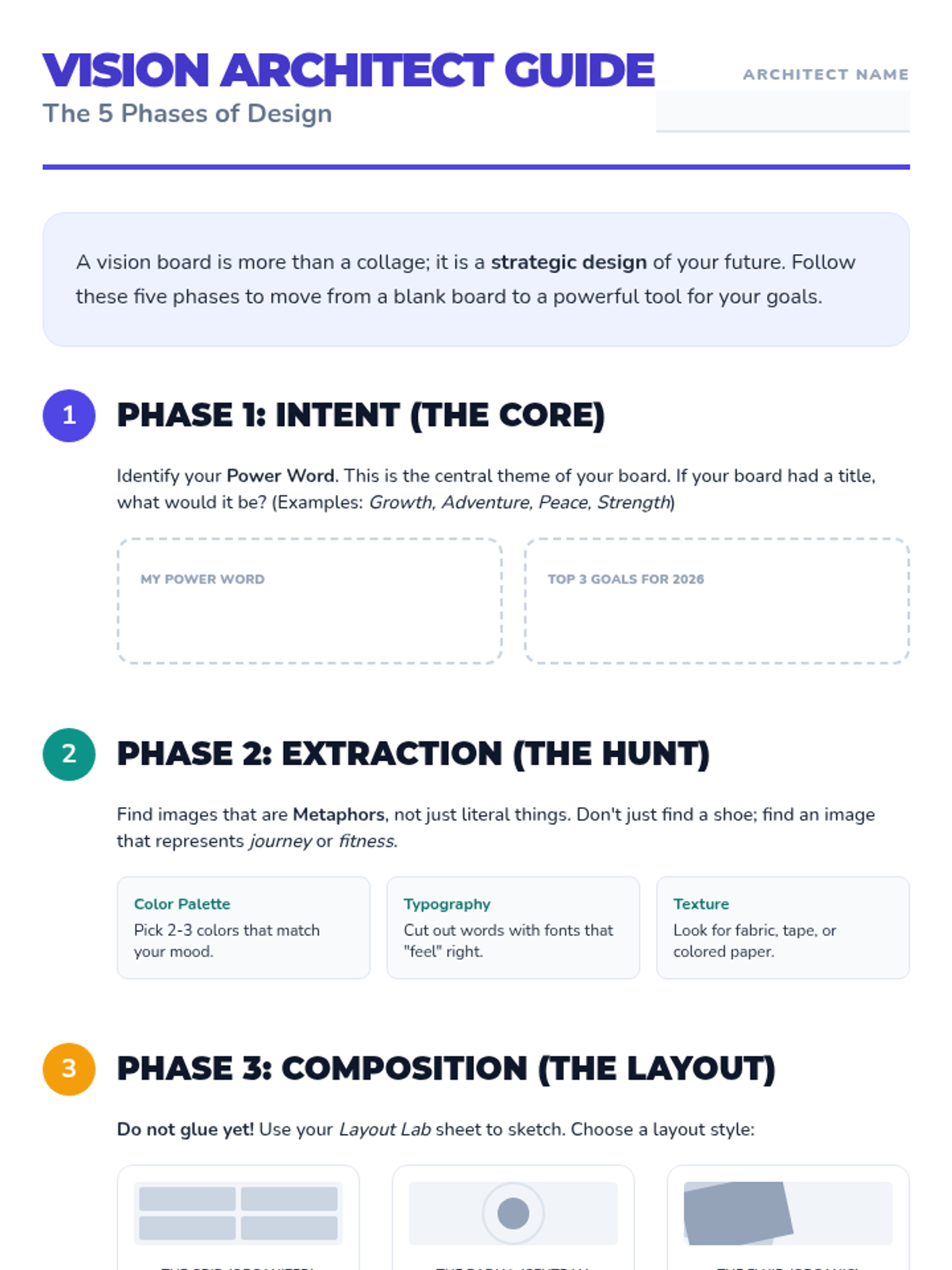
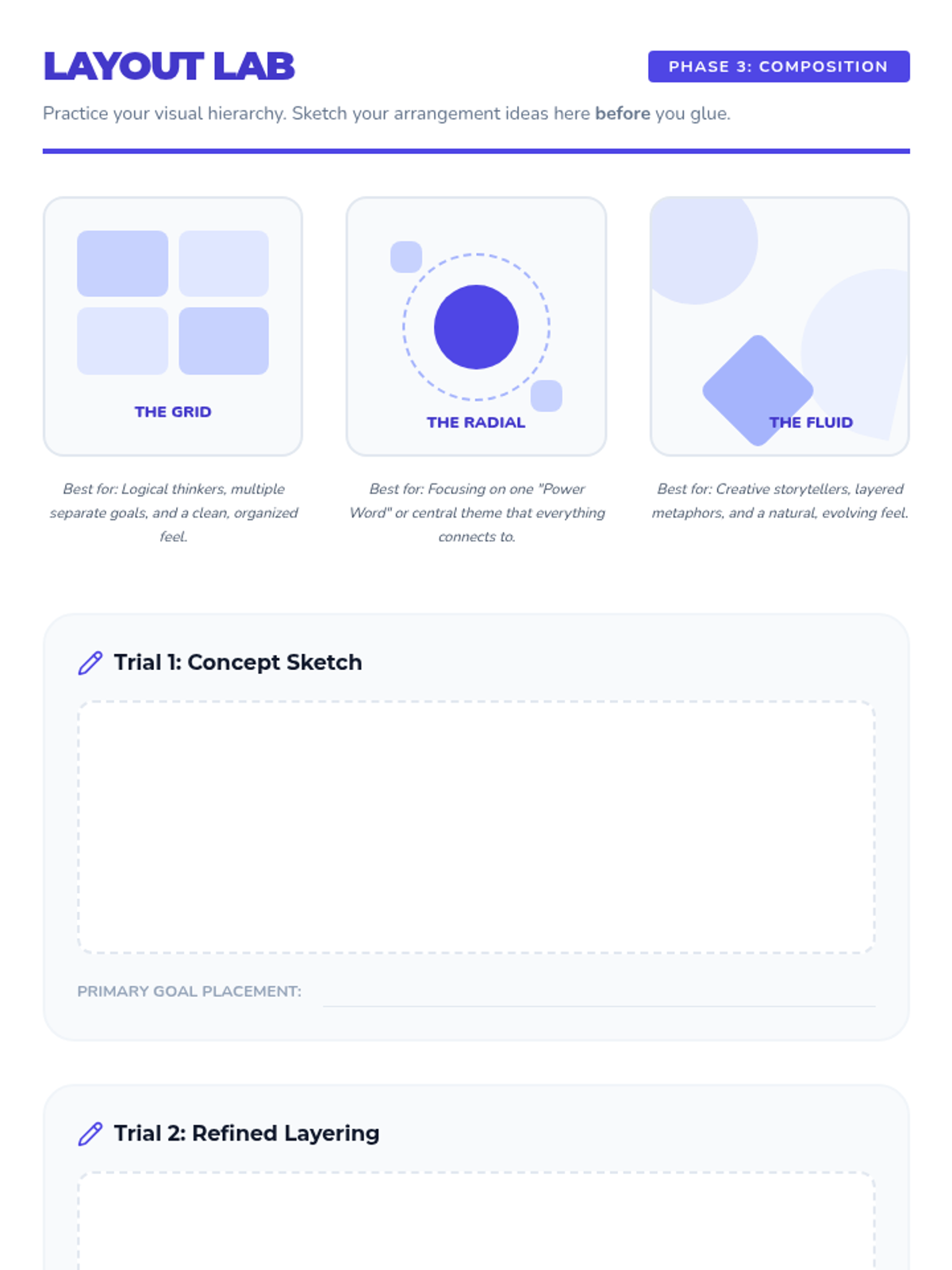
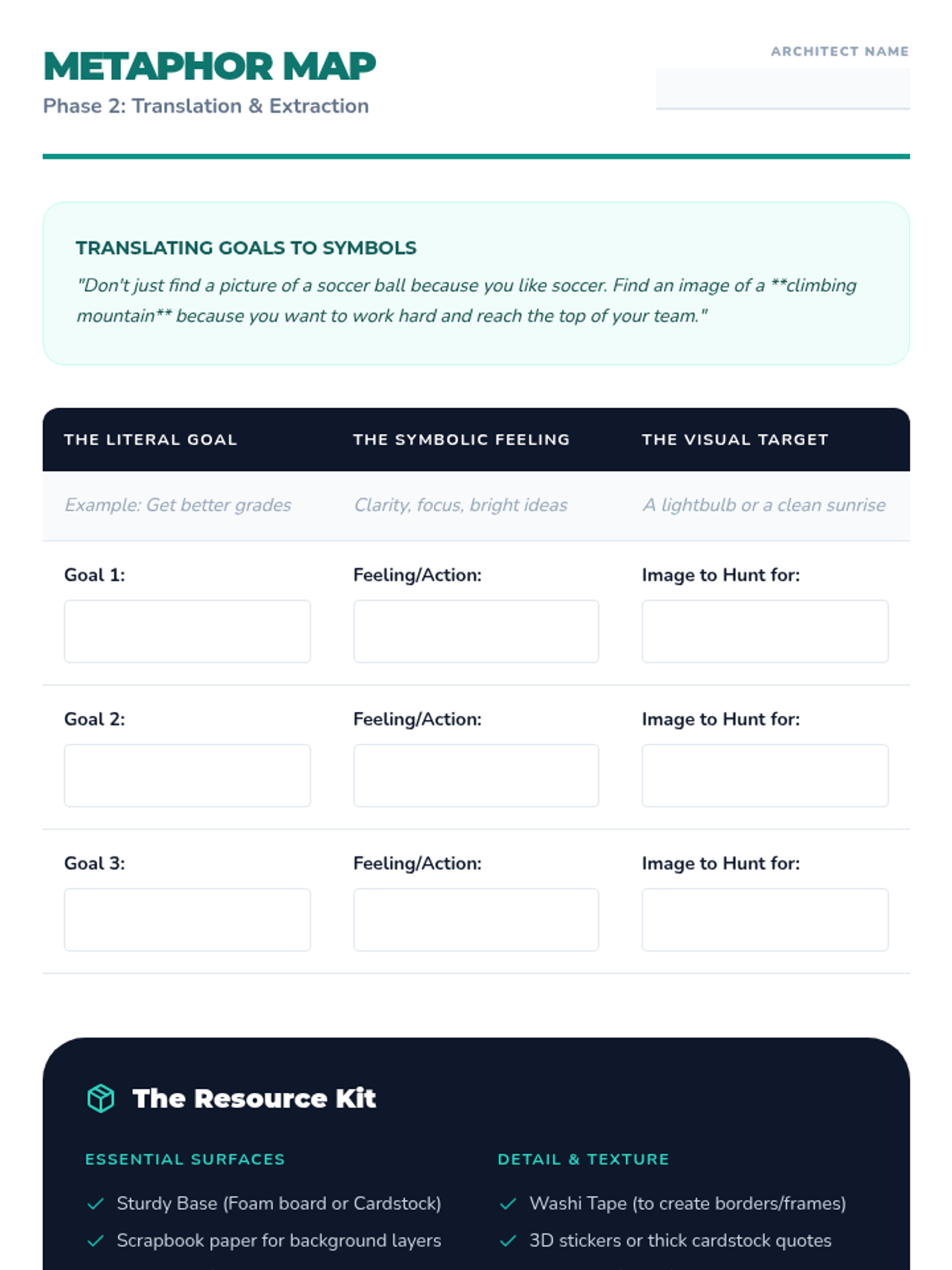
A comprehensive workshop sequence on goal setting and visual manifestation.
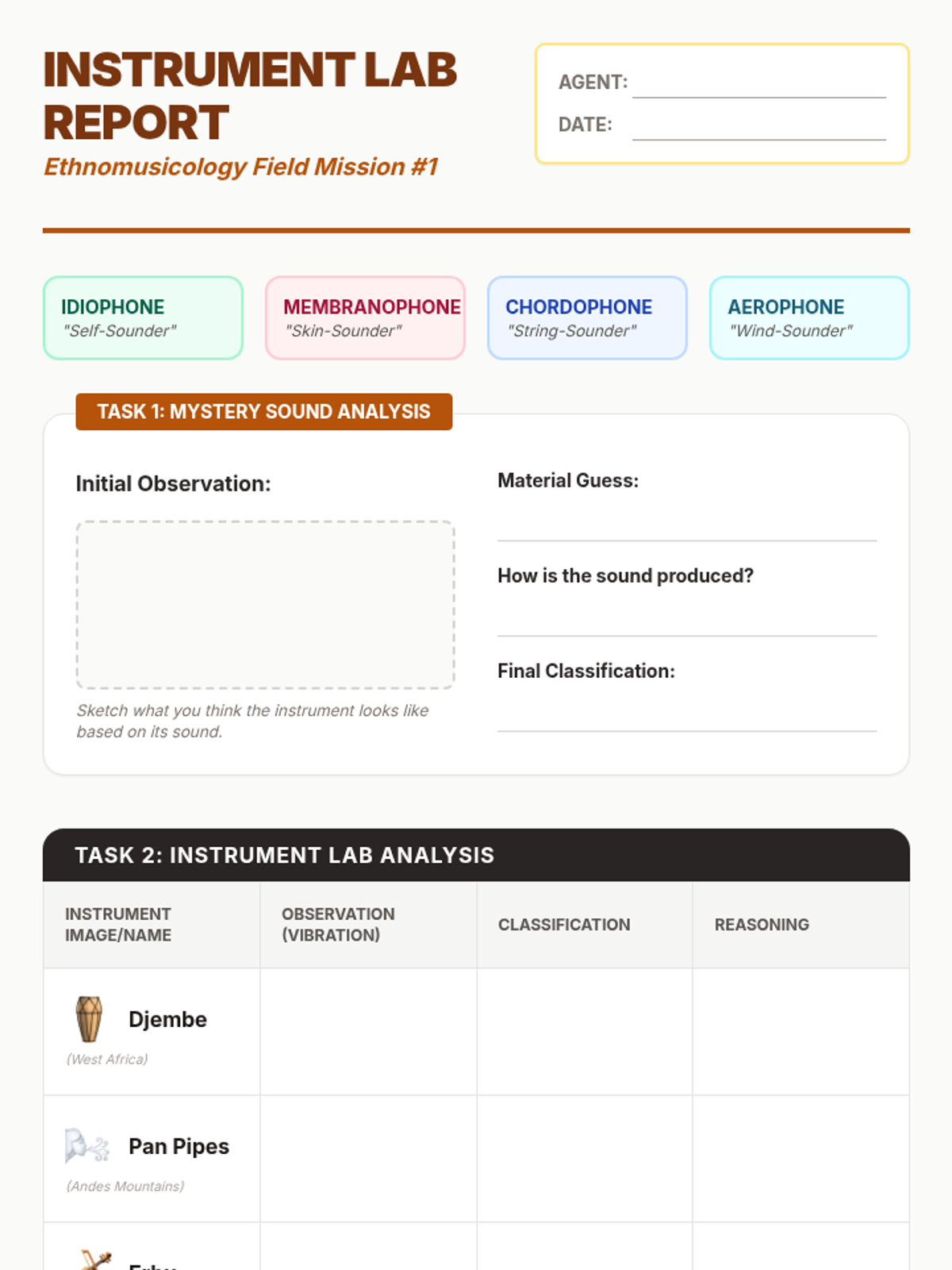
This project-based sequence takes students on a global tour as ethnomusicologists, examining how geography and culture influence musical instruments and sounds. Students classify instruments using the Hornbostel-Sachs system and explore rhythms and scales from Africa, Asia, and Latin America.
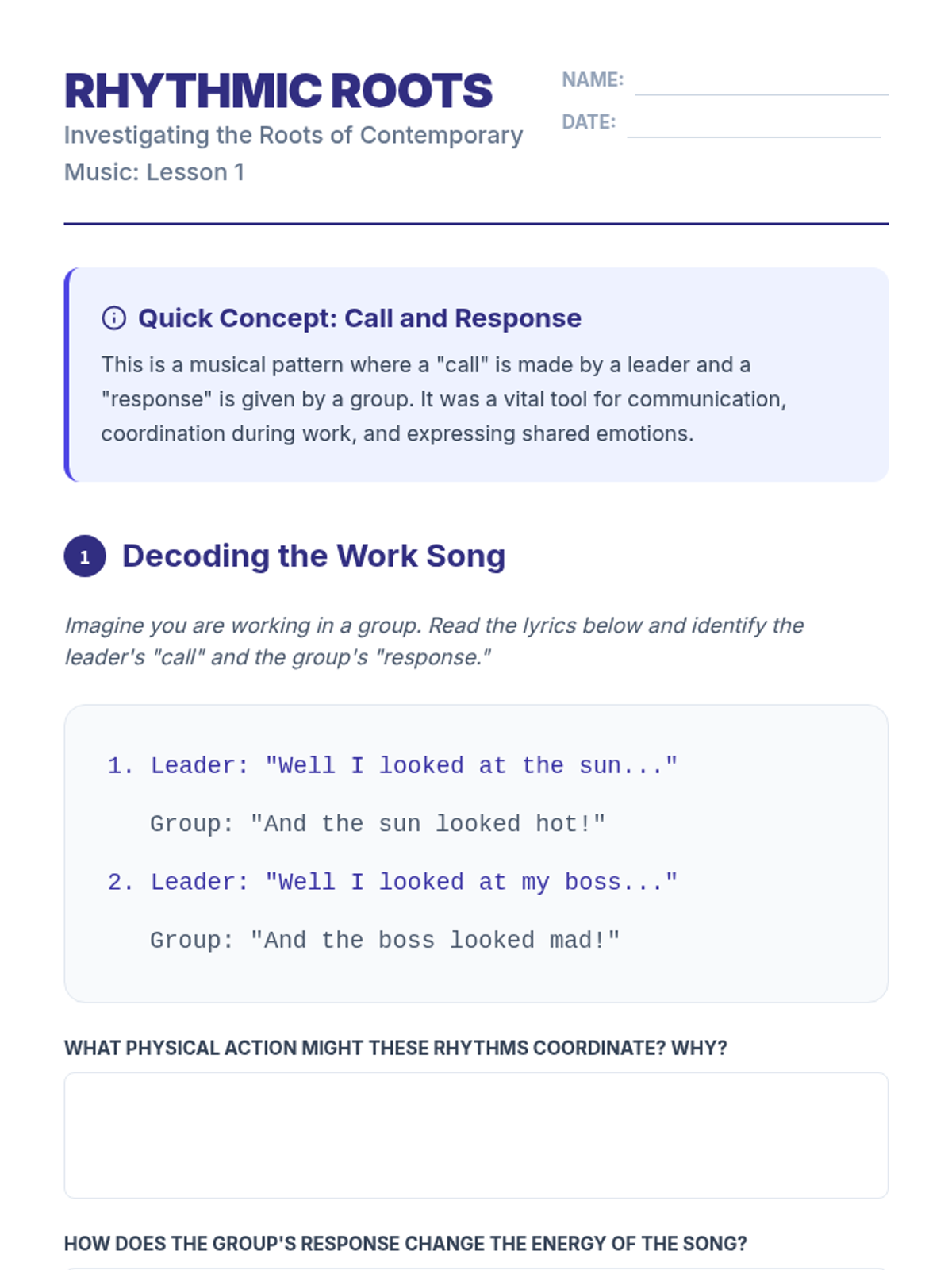
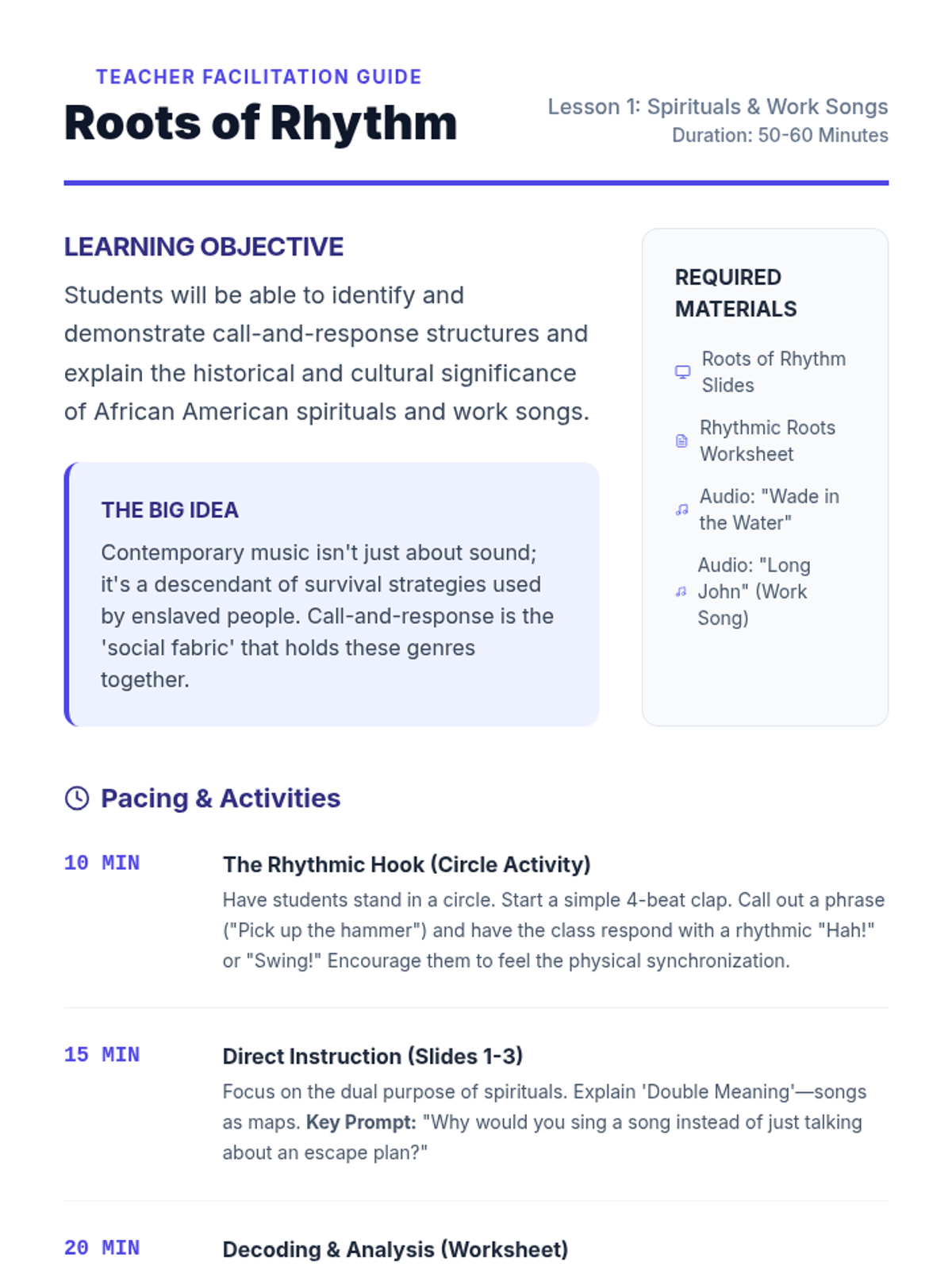
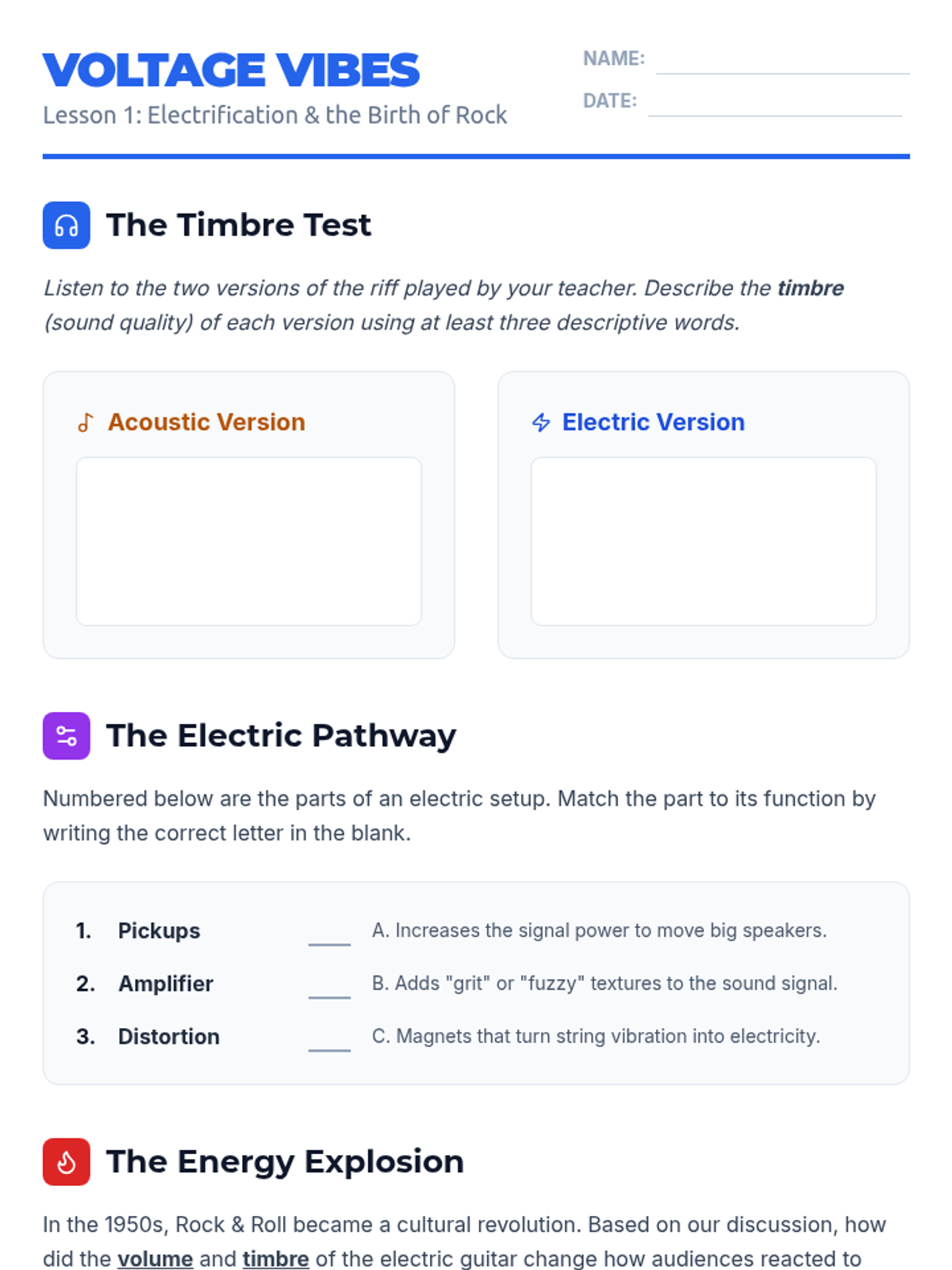
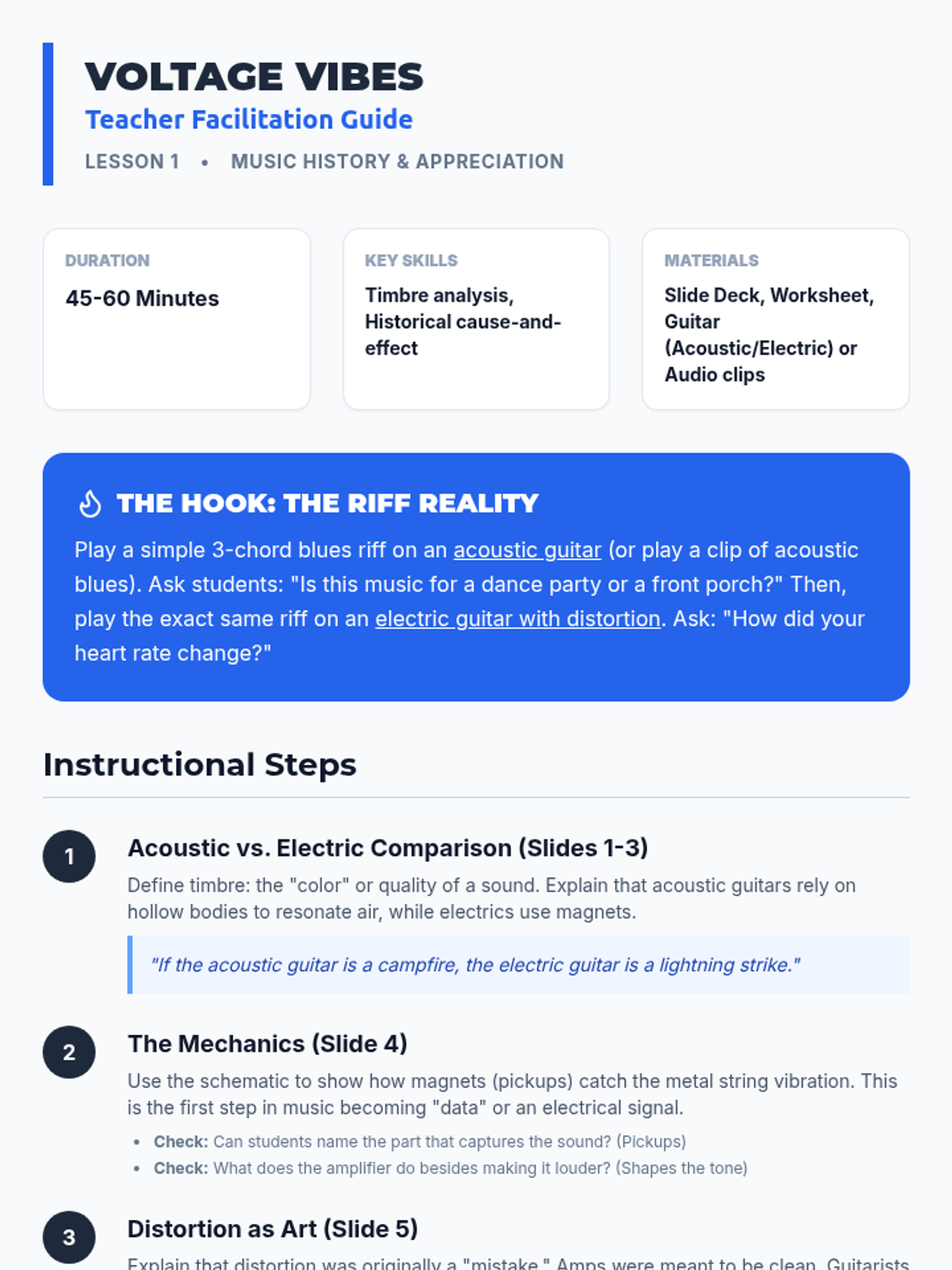
This sequence traces the evolution of contemporary music from 19th-century African American spirituals through the development of the Blues, Jazz, and Rock & Roll. Students investigate how cultural exchange, technology, and social struggles shaped the sounds we listen to today, culminating in a musical genealogy project.
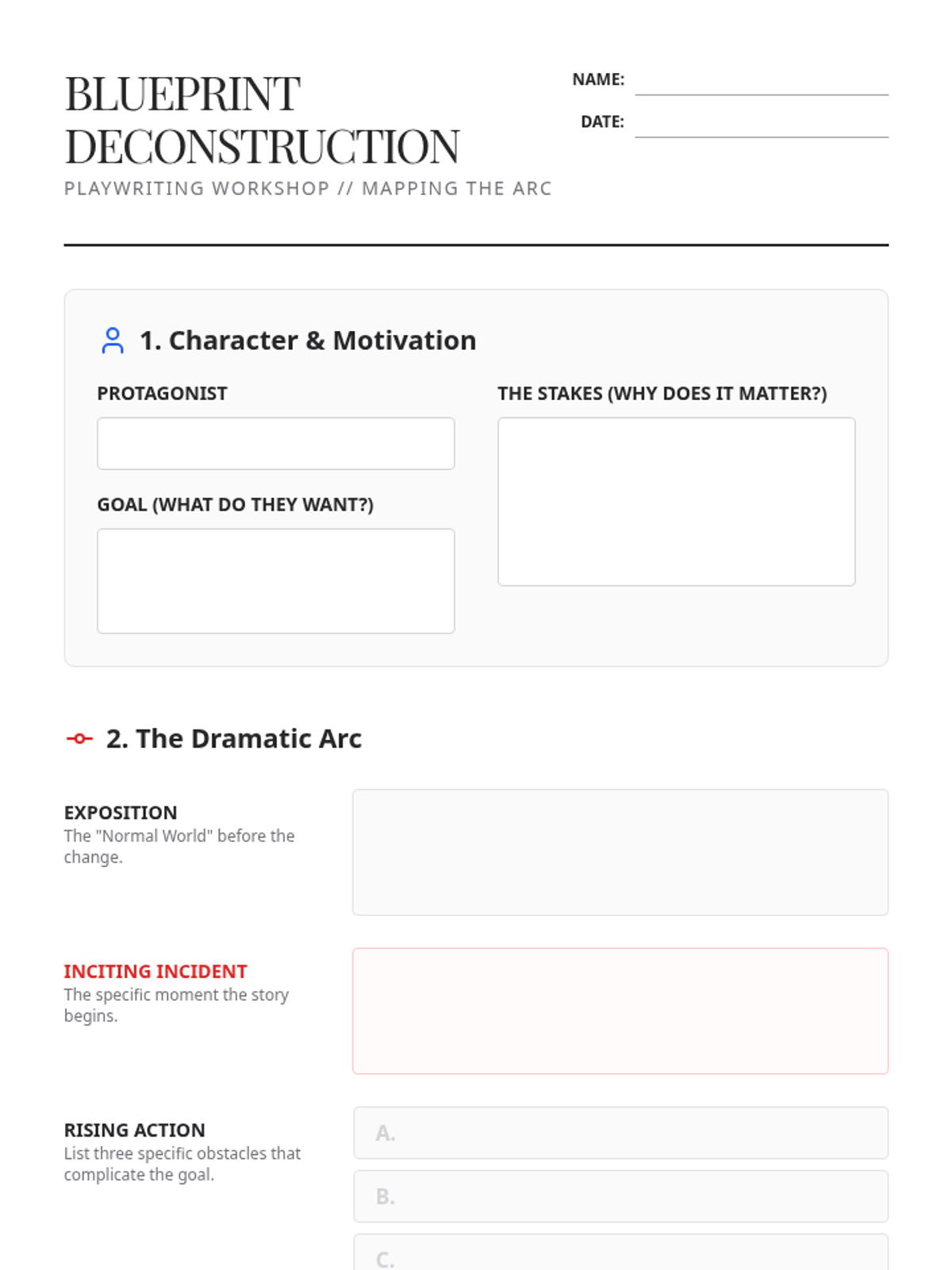
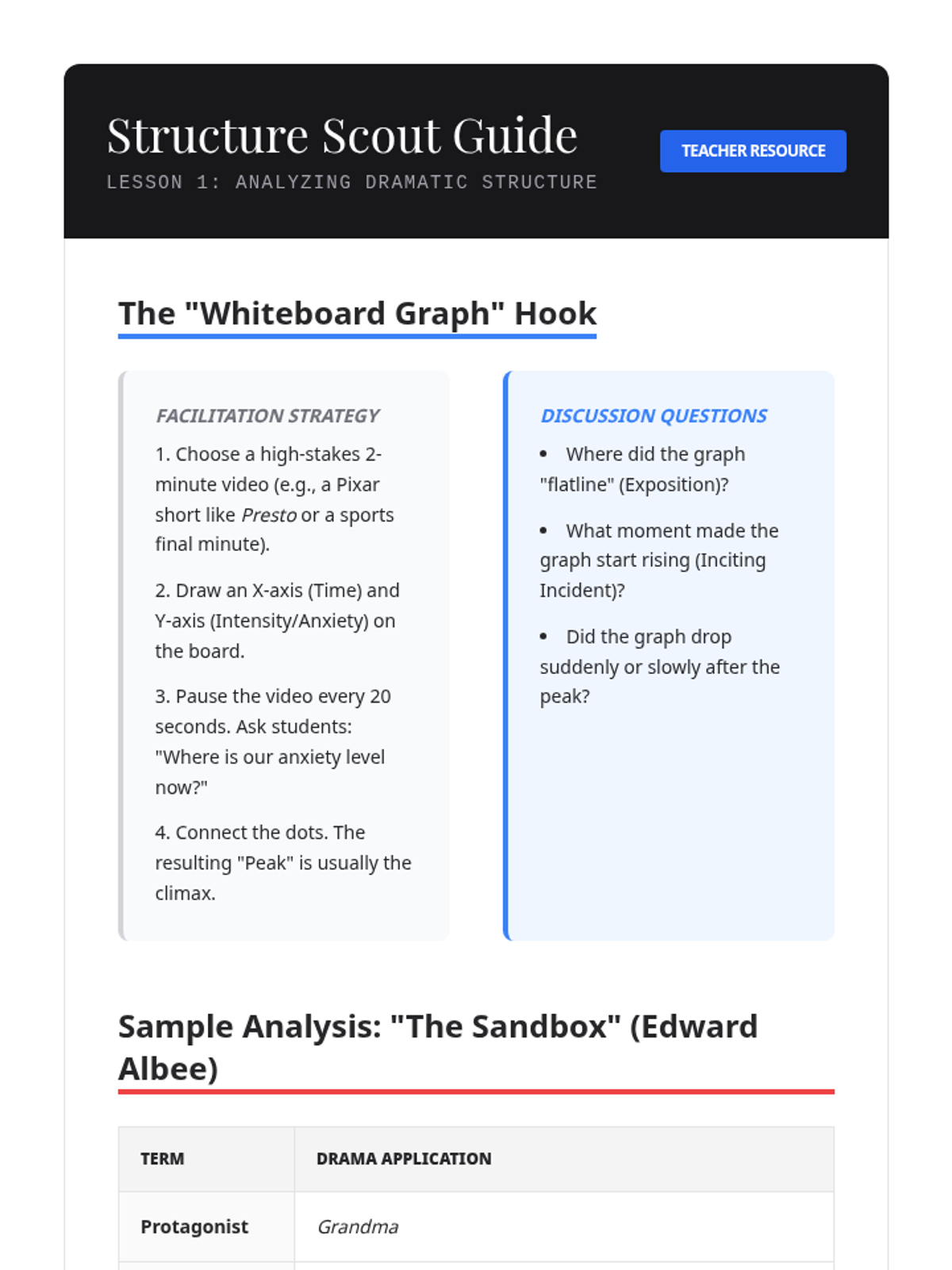
A comprehensive playwriting sequence for 9th-grade students focused on dramatic architecture, taking them from structural analysis to drafting and staged readings of a ten-minute play.
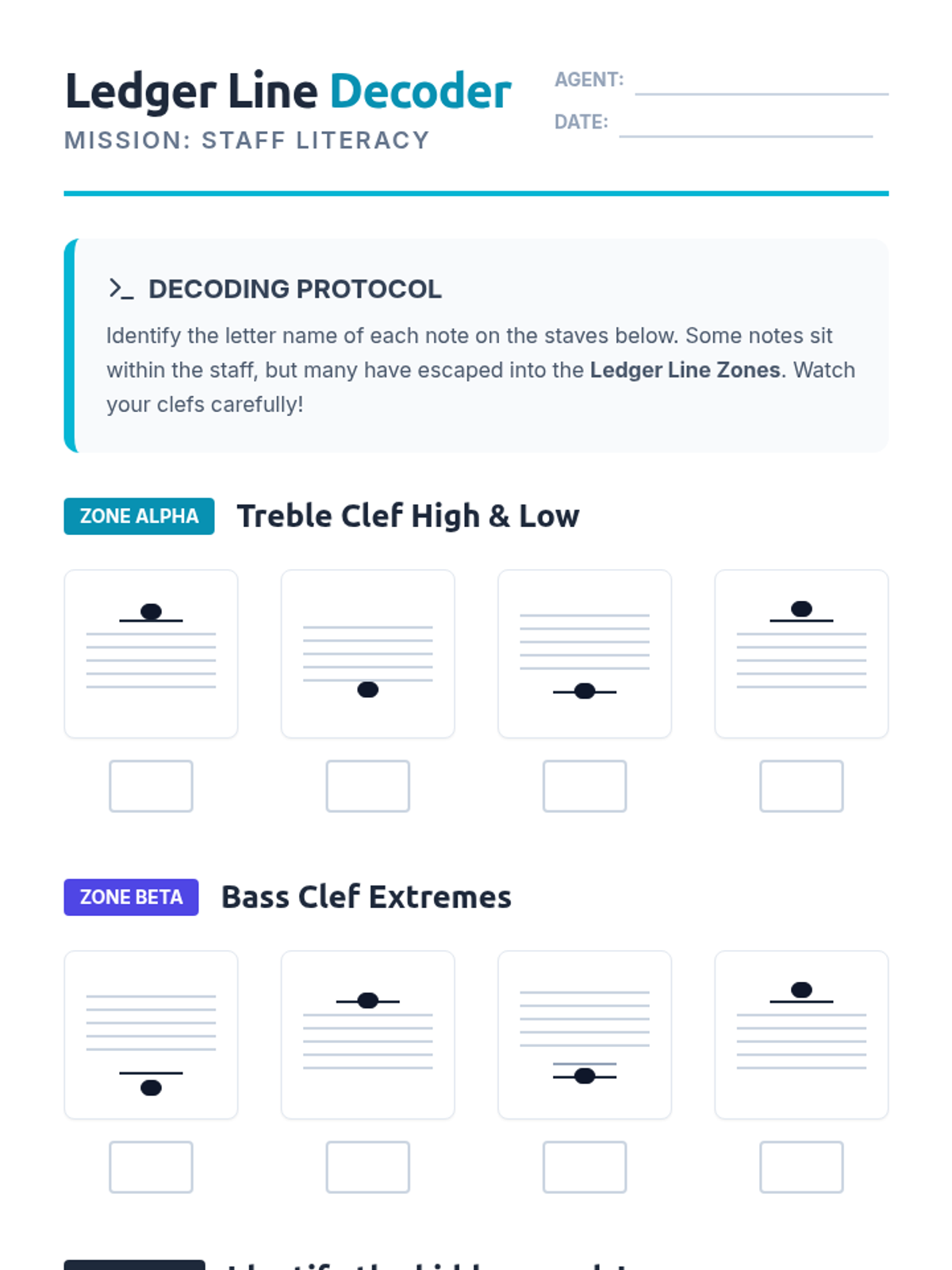
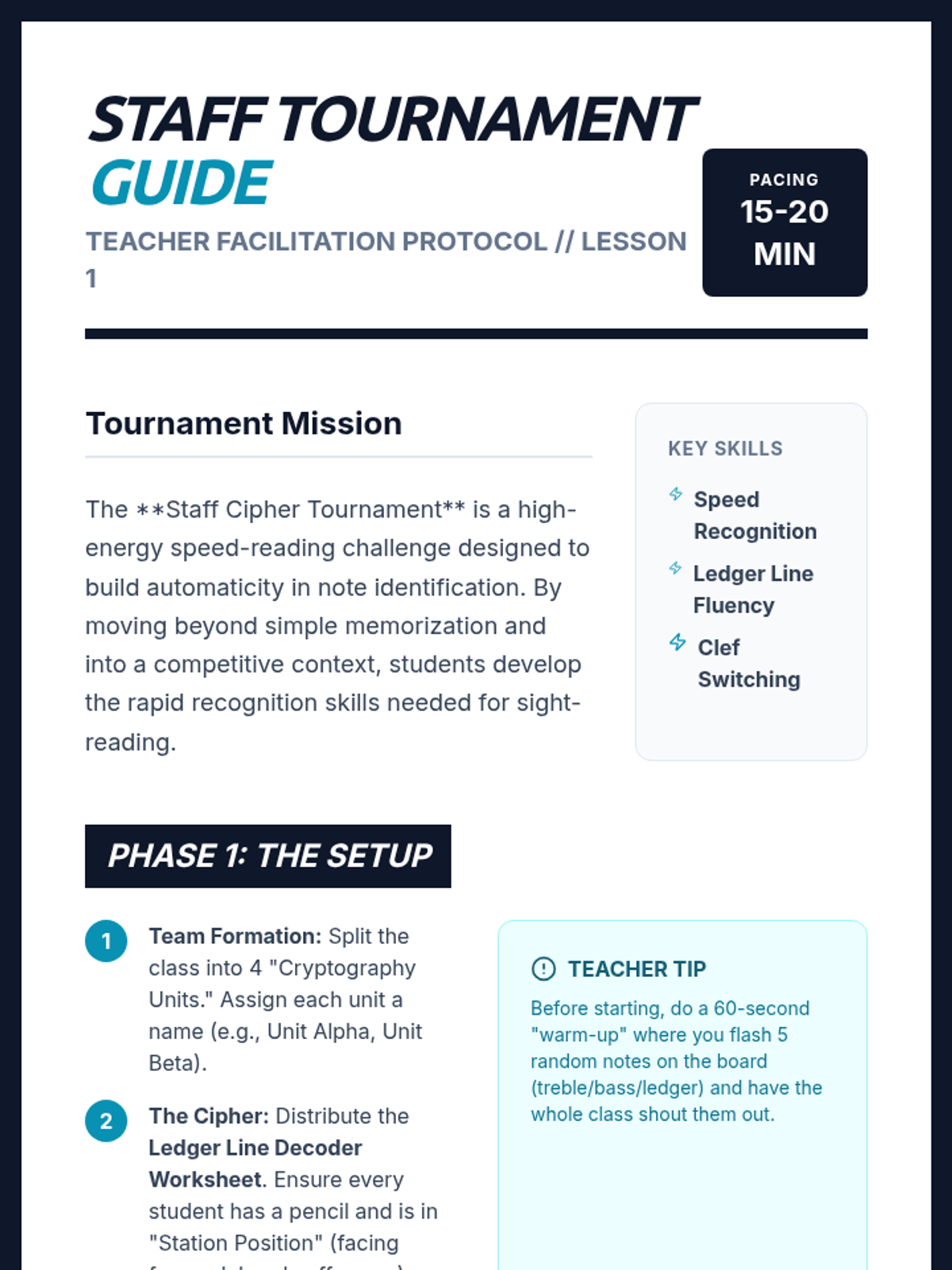
An inquiry-based journey into the logic of pitch organization, covering the Grand Staff, major scale construction, the Circle of Fifths, relative minors, and sight-singing applications. Students use a 'decoding' lens to master the patterns that govern tonal music.
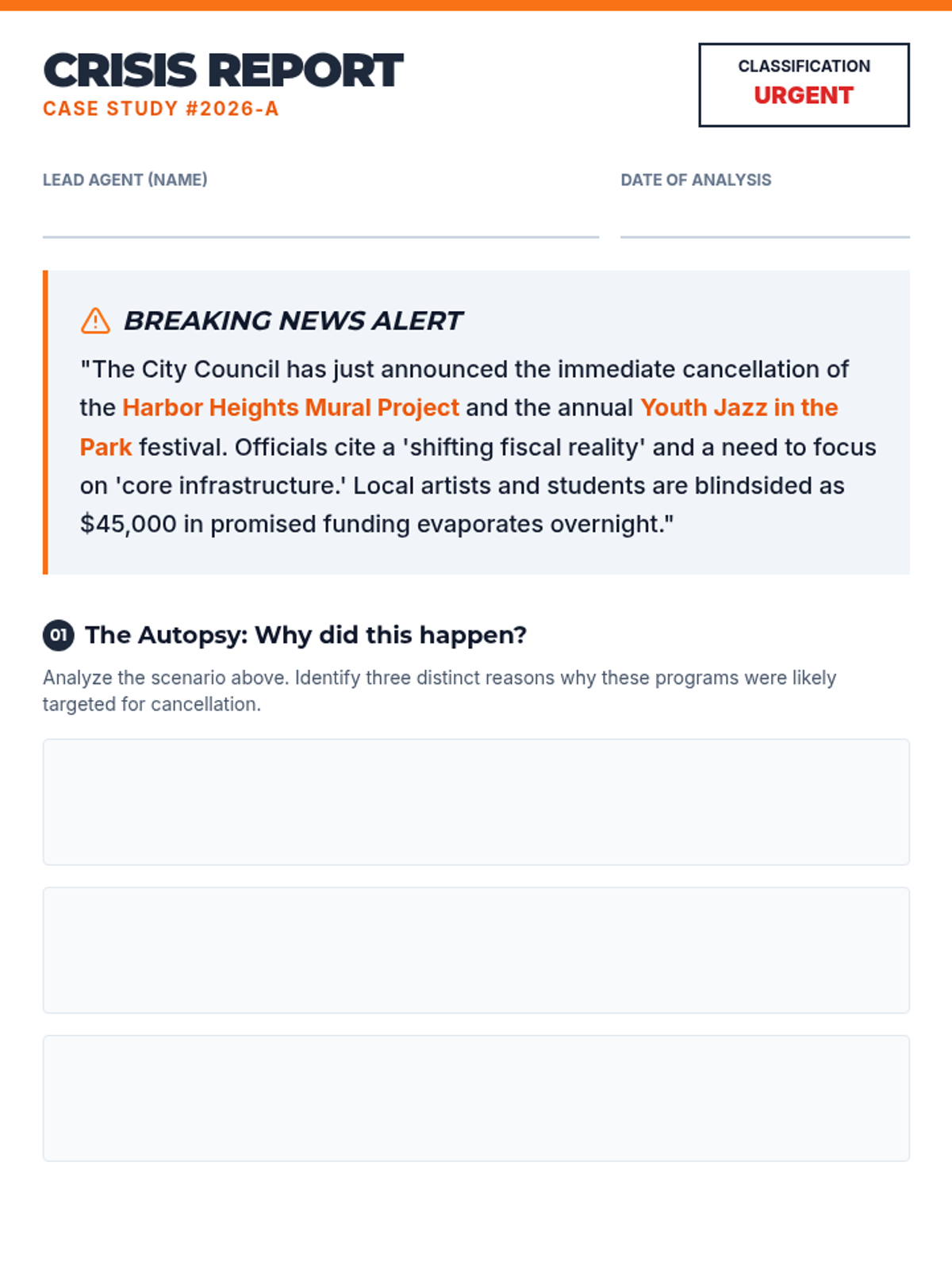
A project-based sequence where 7th-grade students act as community organizers to launch an arts advocacy campaign, moving from needs assessment to a final pitch.
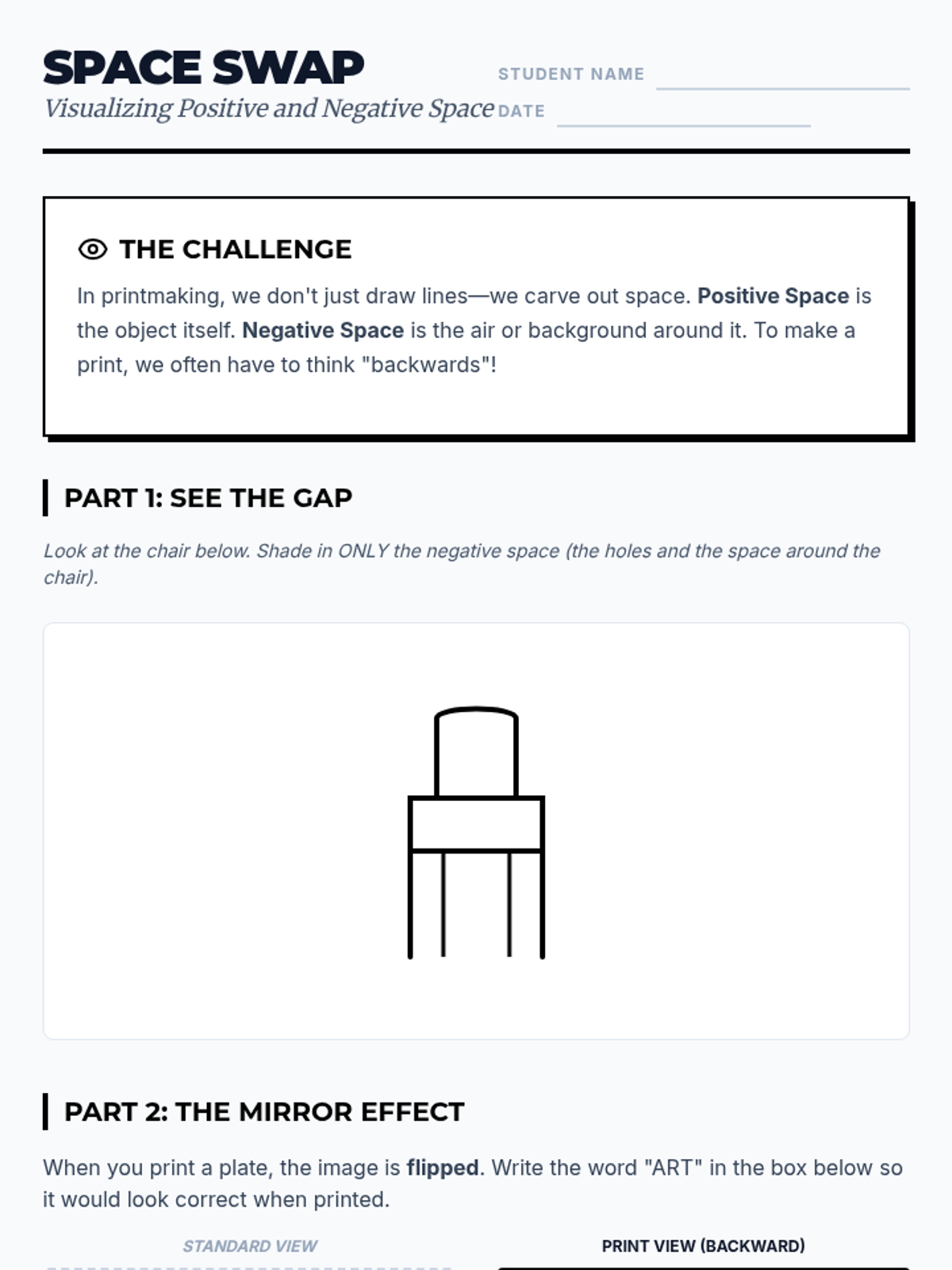
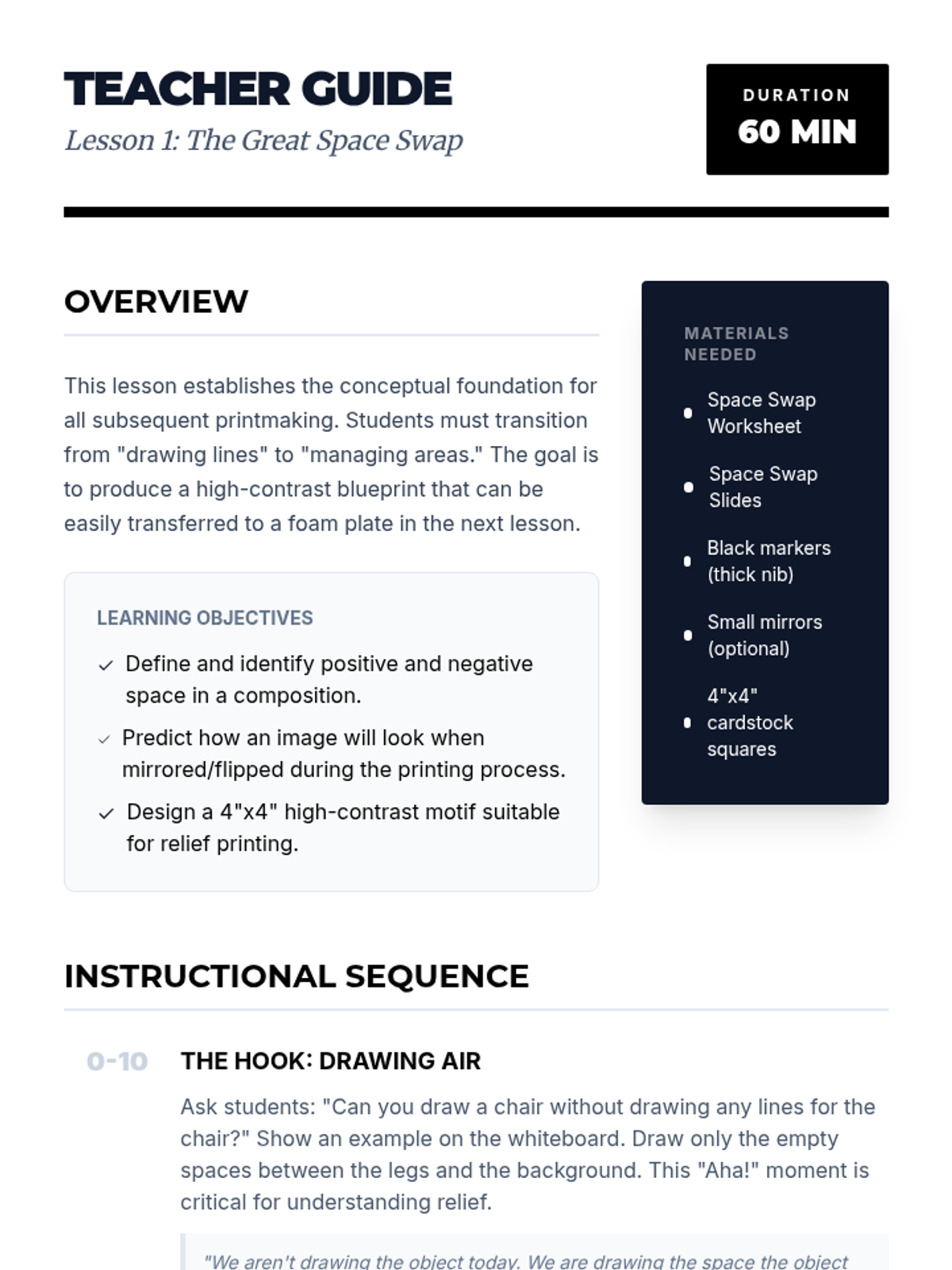
Students explore relief printing using soft foam plates, focusing on positive and negative space, inking techniques, and pattern creation. The sequence culminates in a professional-style edition of prints and a gallery walk critique.
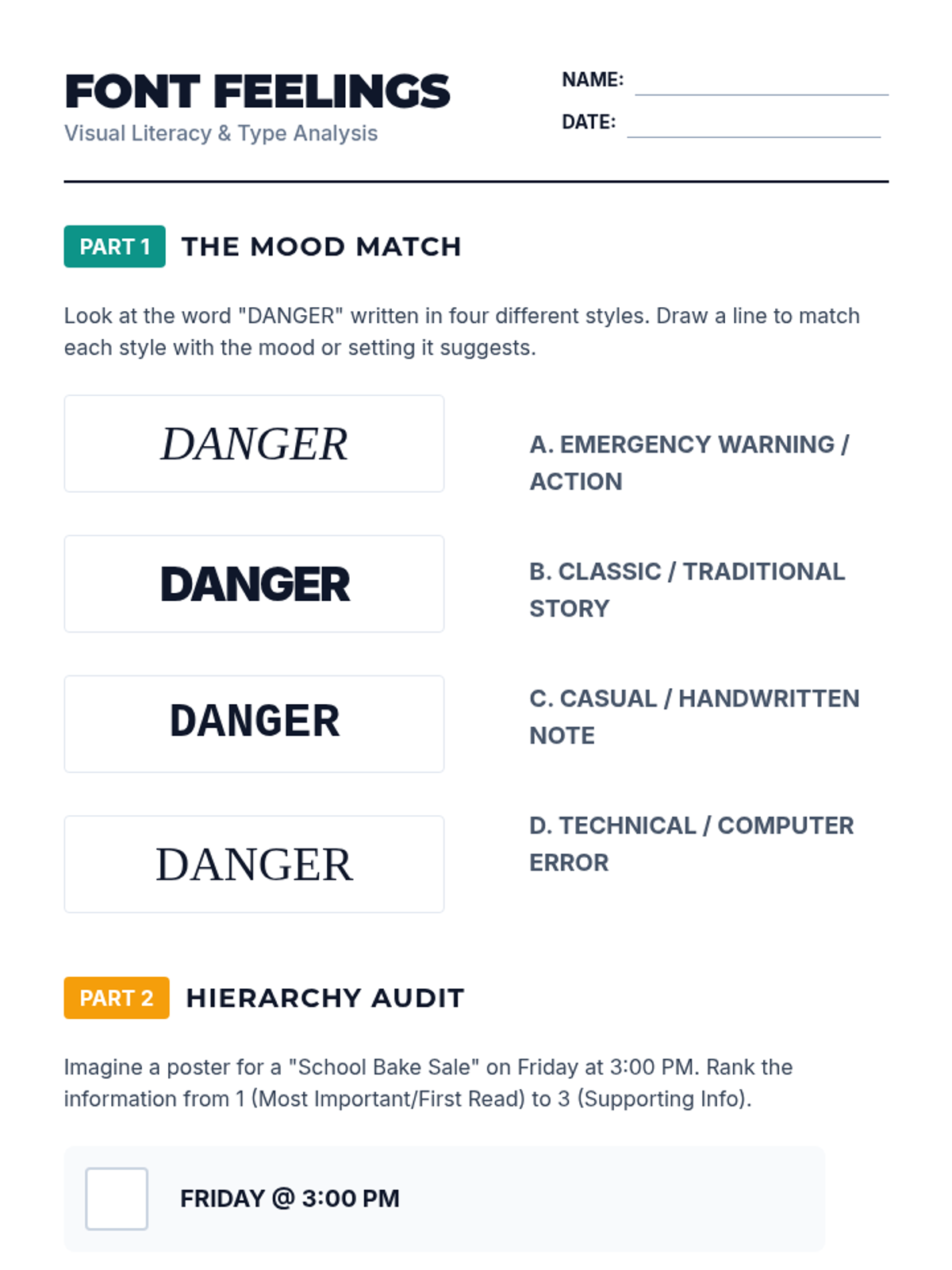
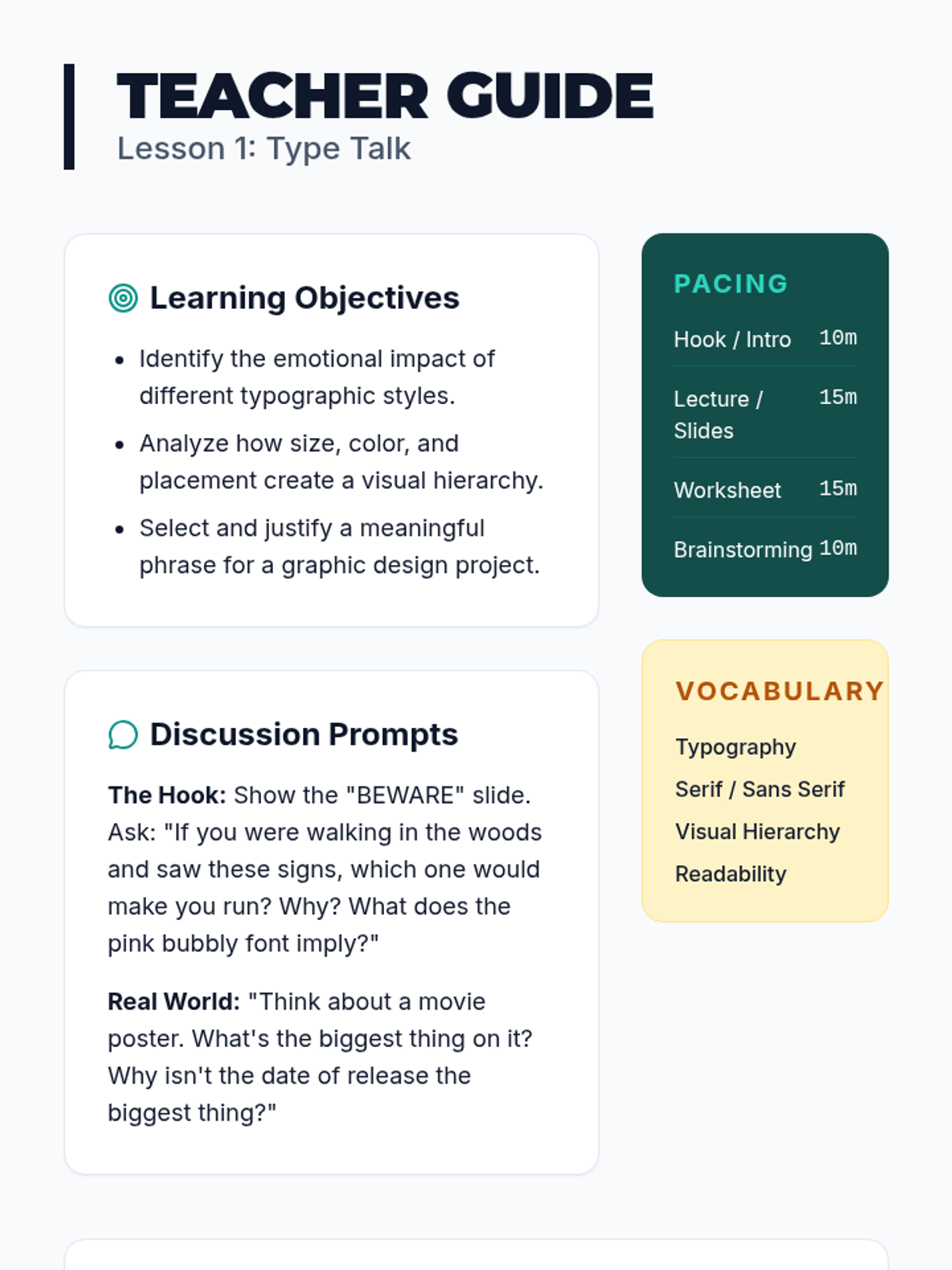
A comprehensive 7th-grade unit that integrates graphic design principles with the physical craft of screen printing. Students learn about typography, visual hierarchy, and composition while navigating the technical challenges of stencil-making and screen printing to create a persuasive poster series.
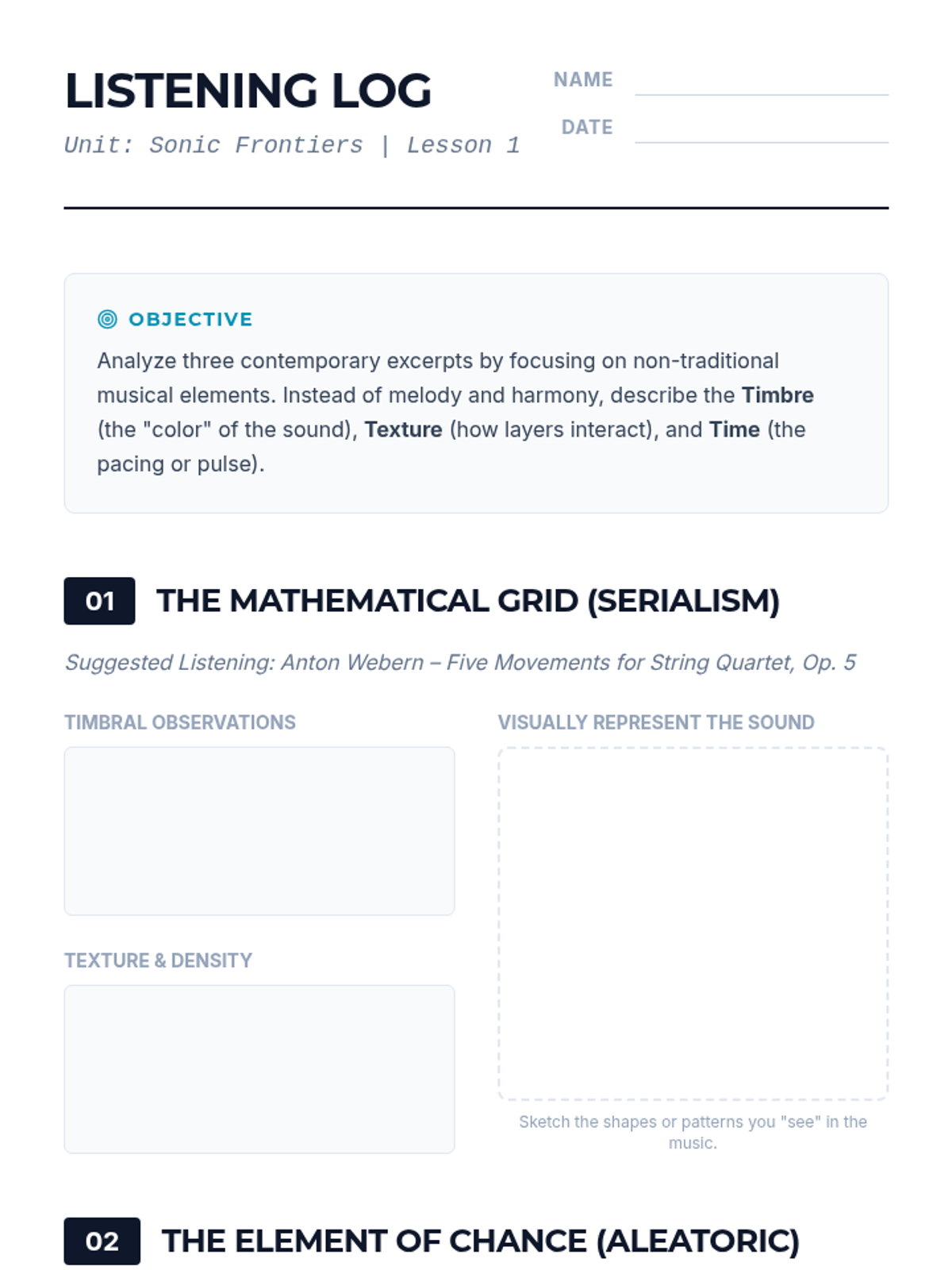
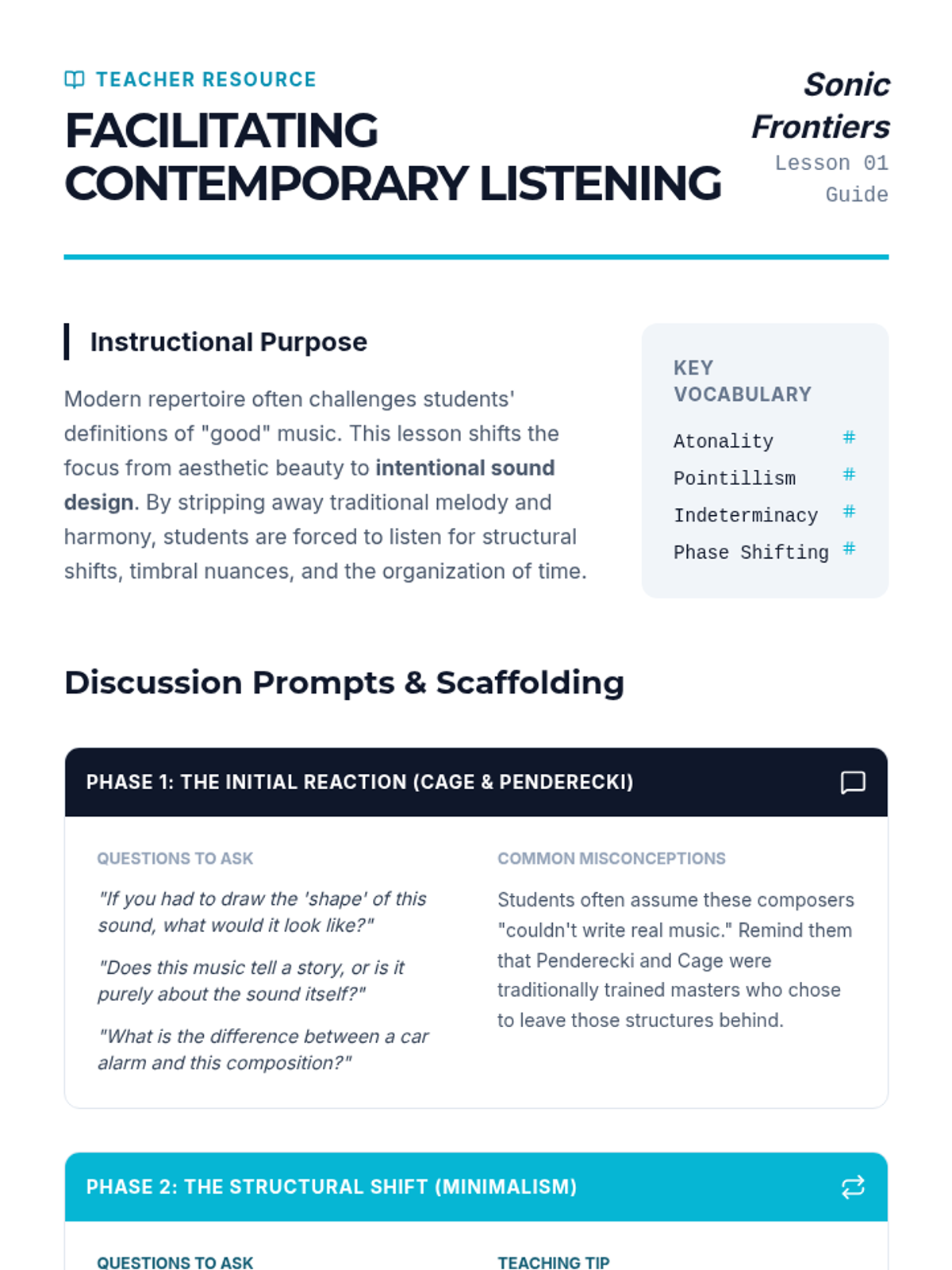
Students explore the evolution of instrumental music into the 20th and 21st centuries, focusing on non-traditional notation and extended techniques. The sequence covers major movements like serialism and minimalism, practical workshops on multiphonics and percussive effects, and project-based work with graphic scores.
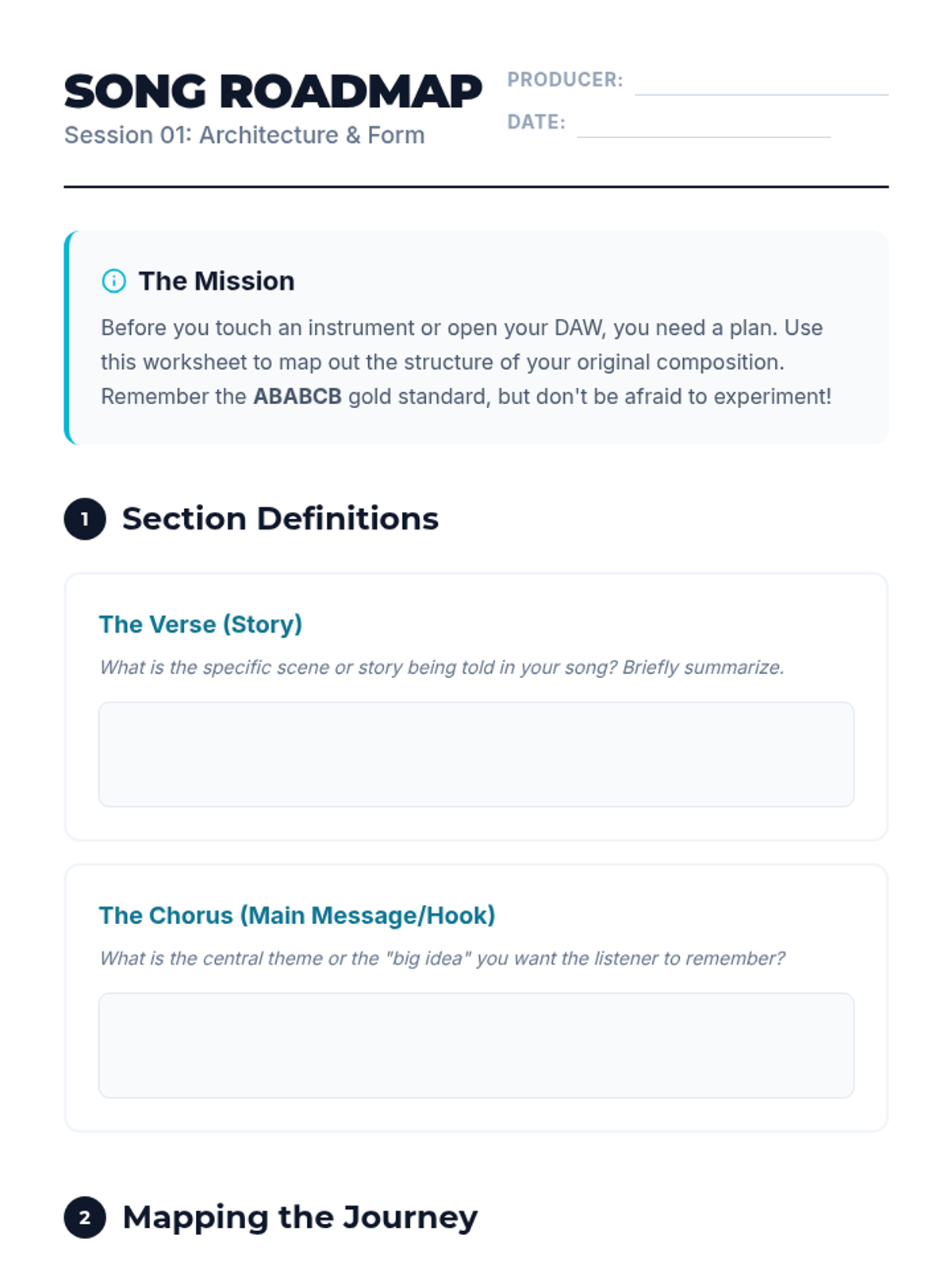
A comprehensive 5-lesson sequence for 8th-grade music students focusing on the architectural, creative, and technical aspects of songwriting, culminating in a final portfolio-ready composition.
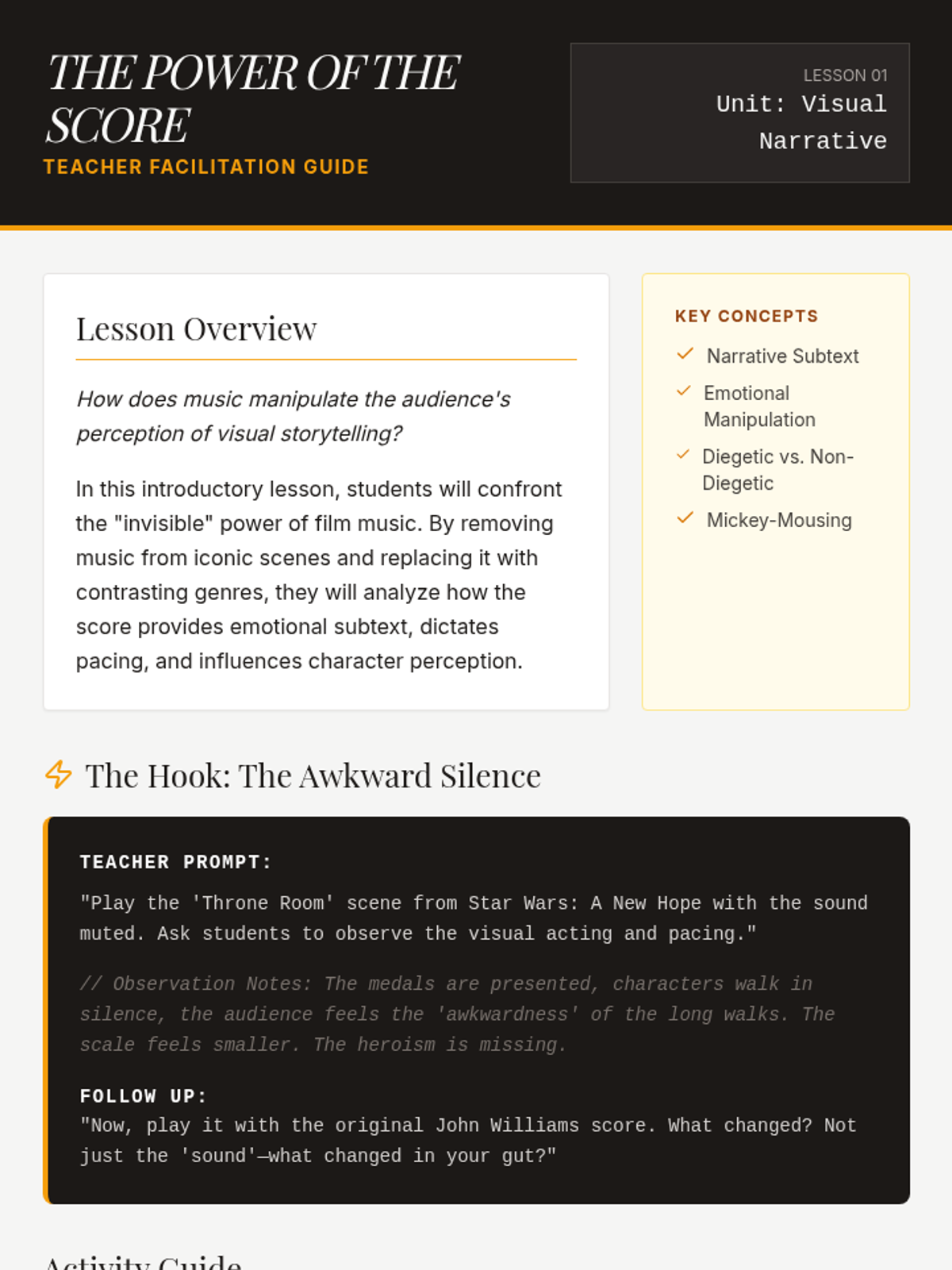
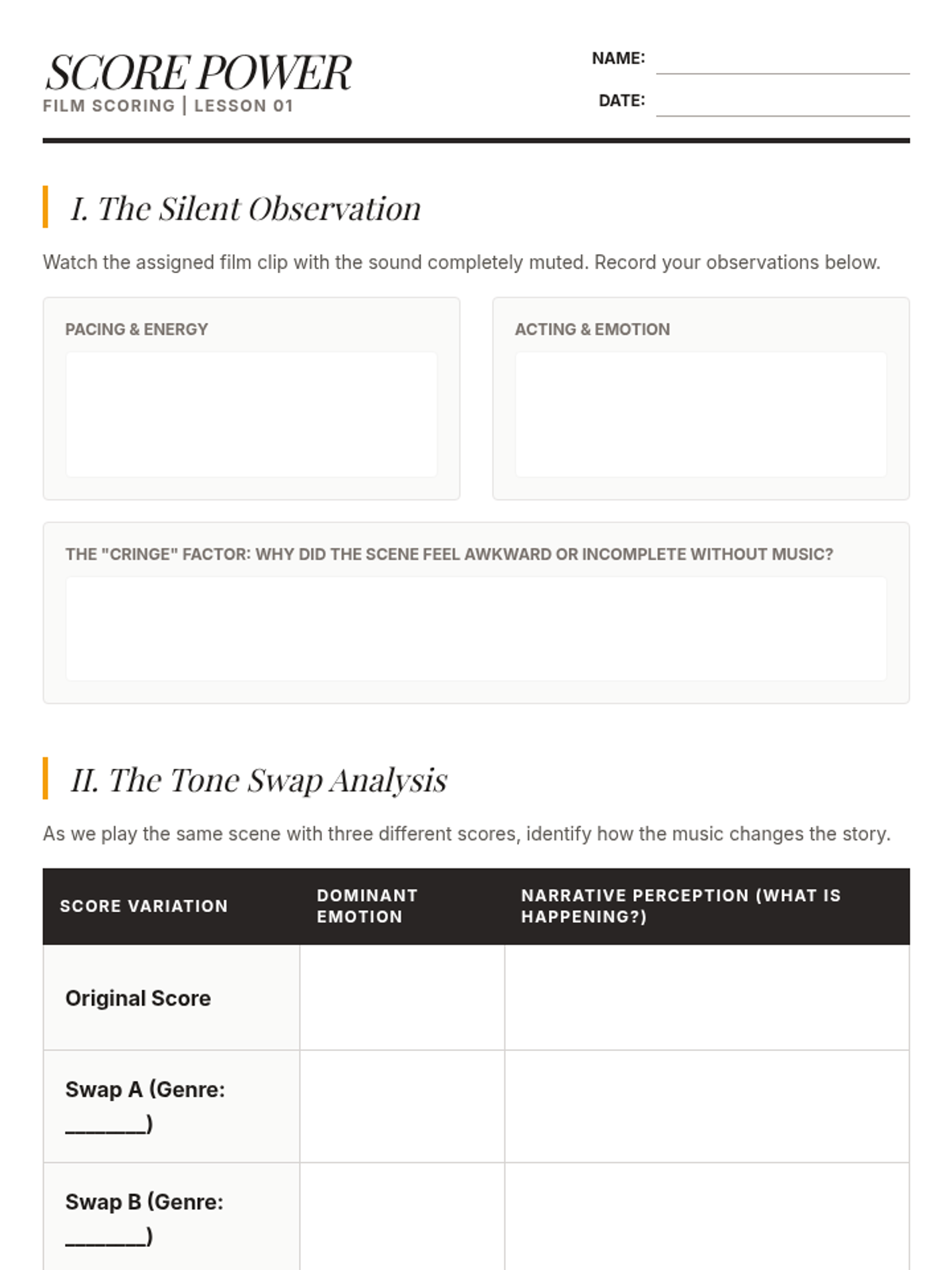
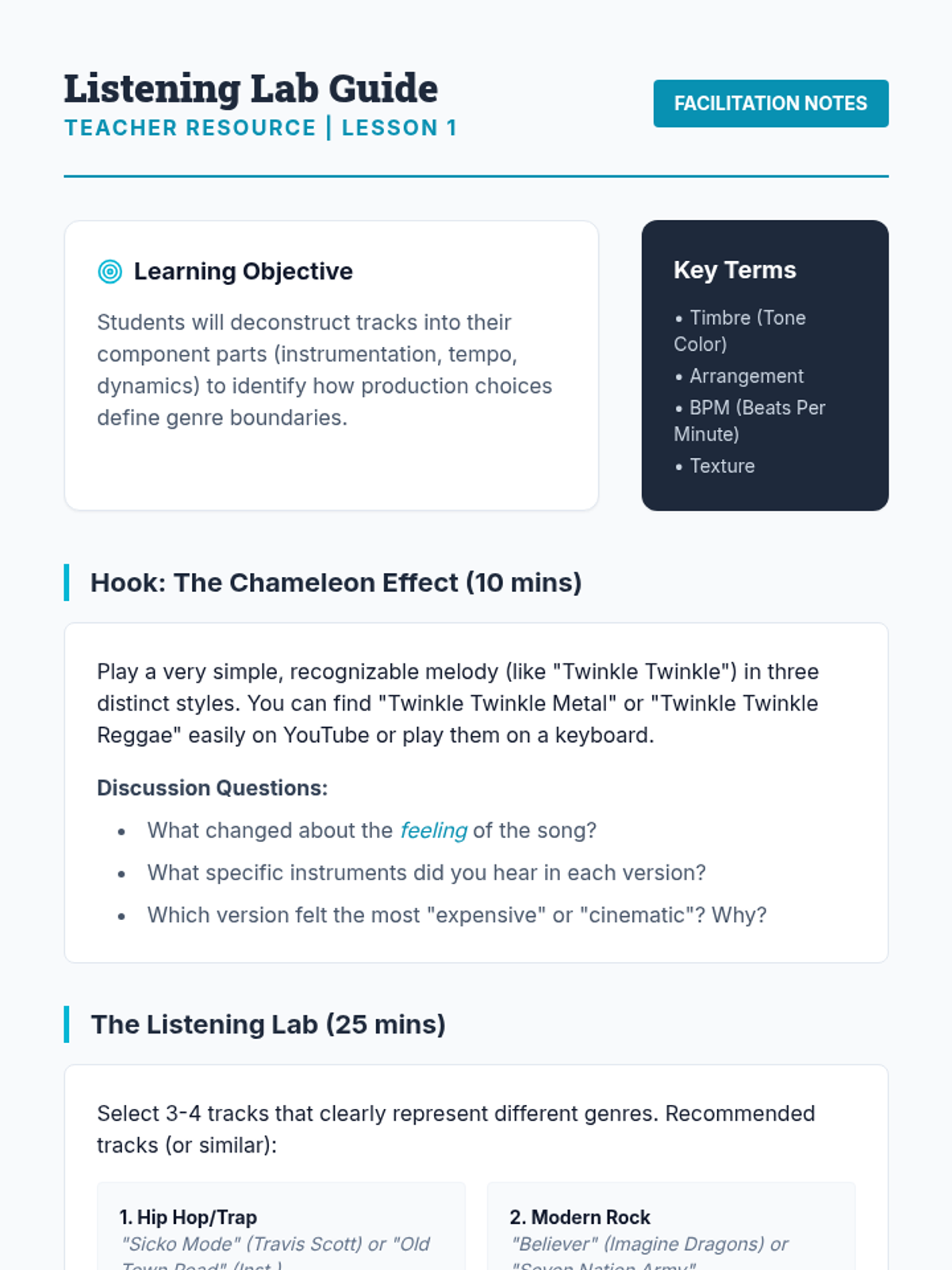
This sequence introduces students to the art of film scoring, focusing on how music influences emotional narrative. Students analyze case studies, create leitmotifs, explore orchestration, and practice synchronization before scoring their own short film clip.
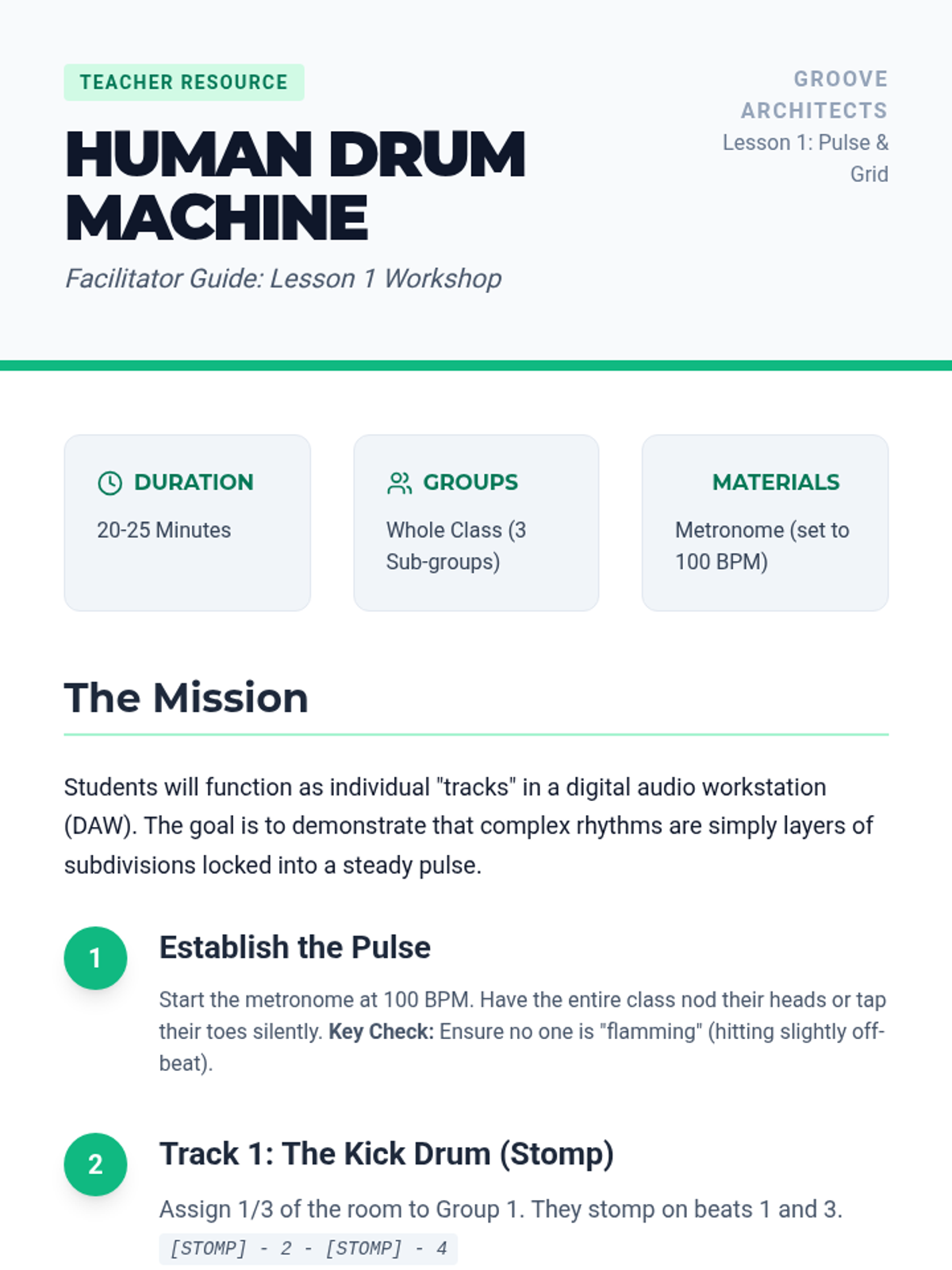
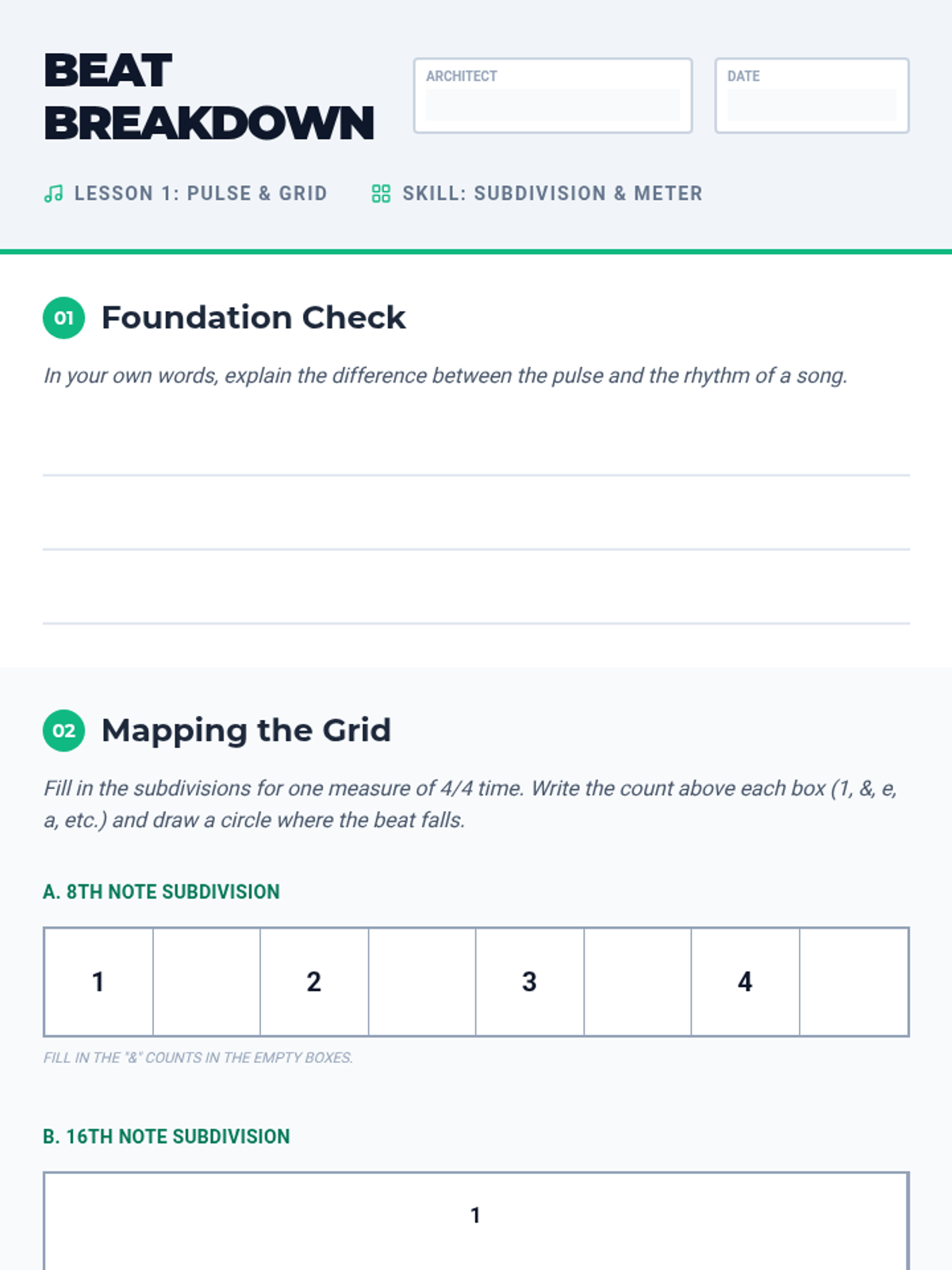
A comprehensive 5-lesson sequence for 7th-grade students on the fundamentals of rhythm, exploring subdivision, syncopation, ostinatos, and polyrhythms, culminating in an original percussion ensemble composition.
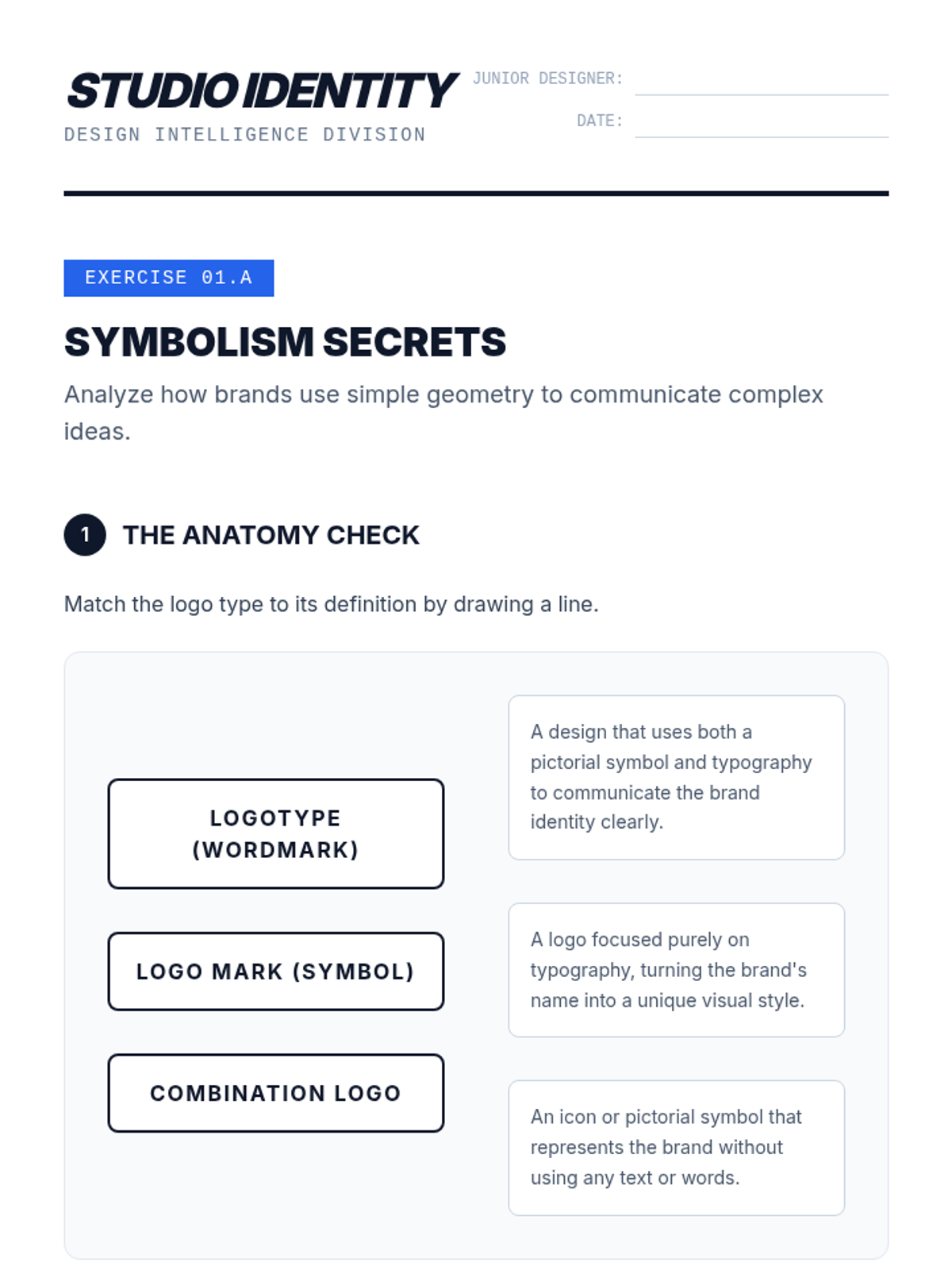
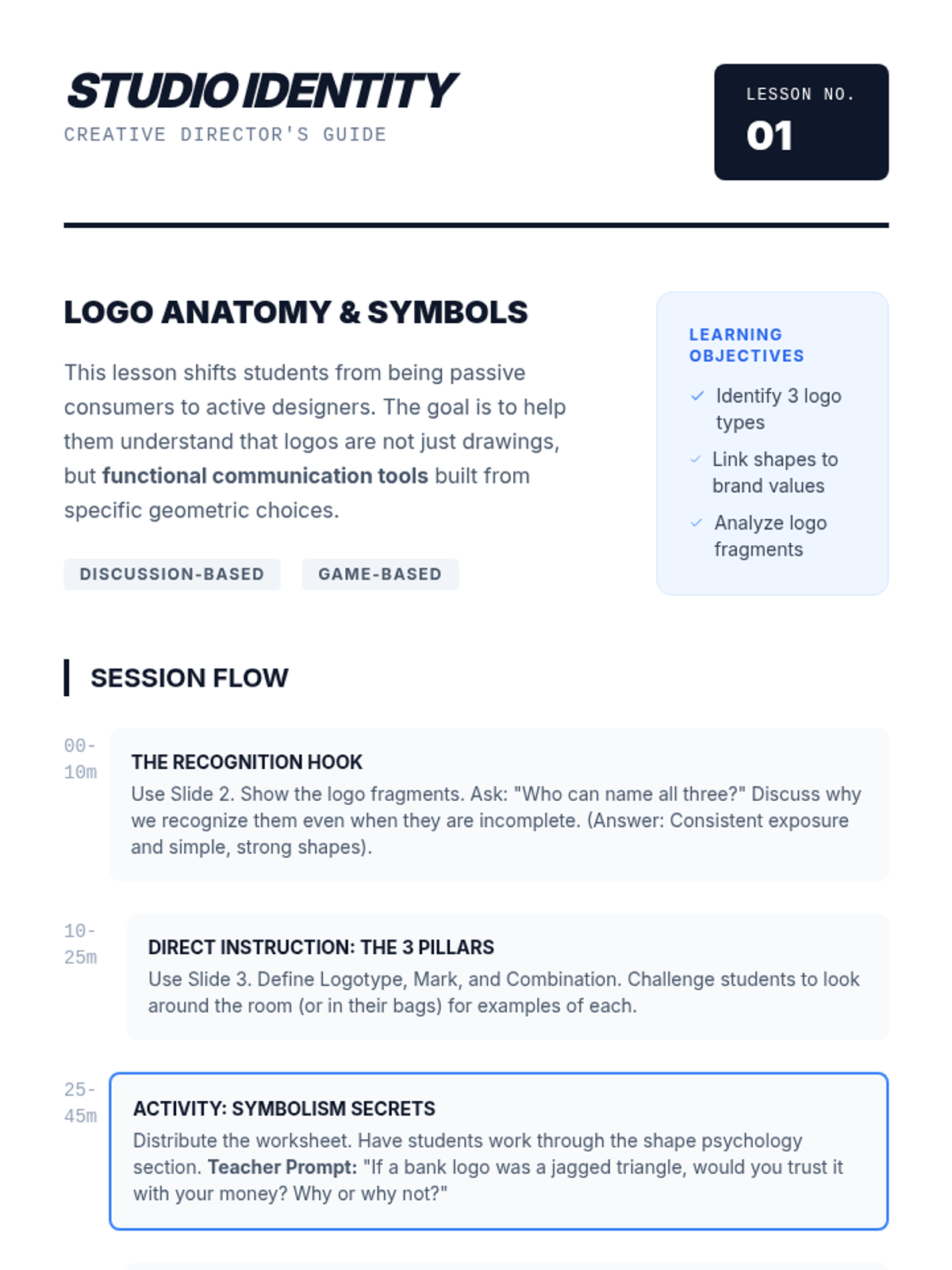
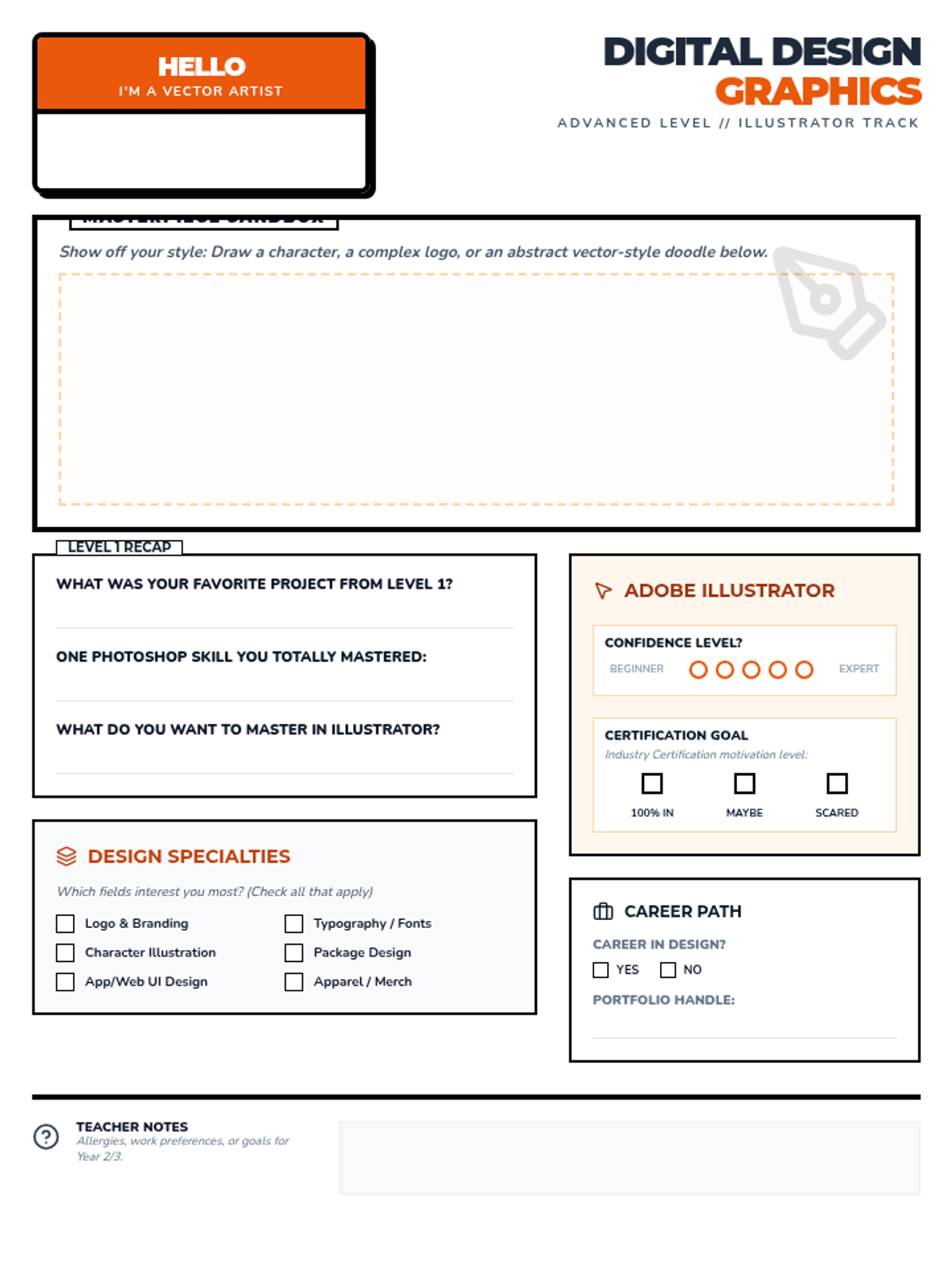
A comprehensive graphic design simulation where students act as a design agency to develop a full brand identity. They progress from analyzing logo symbolism and interpreting client briefs to digital vectorization and presenting a professional brand style guide.
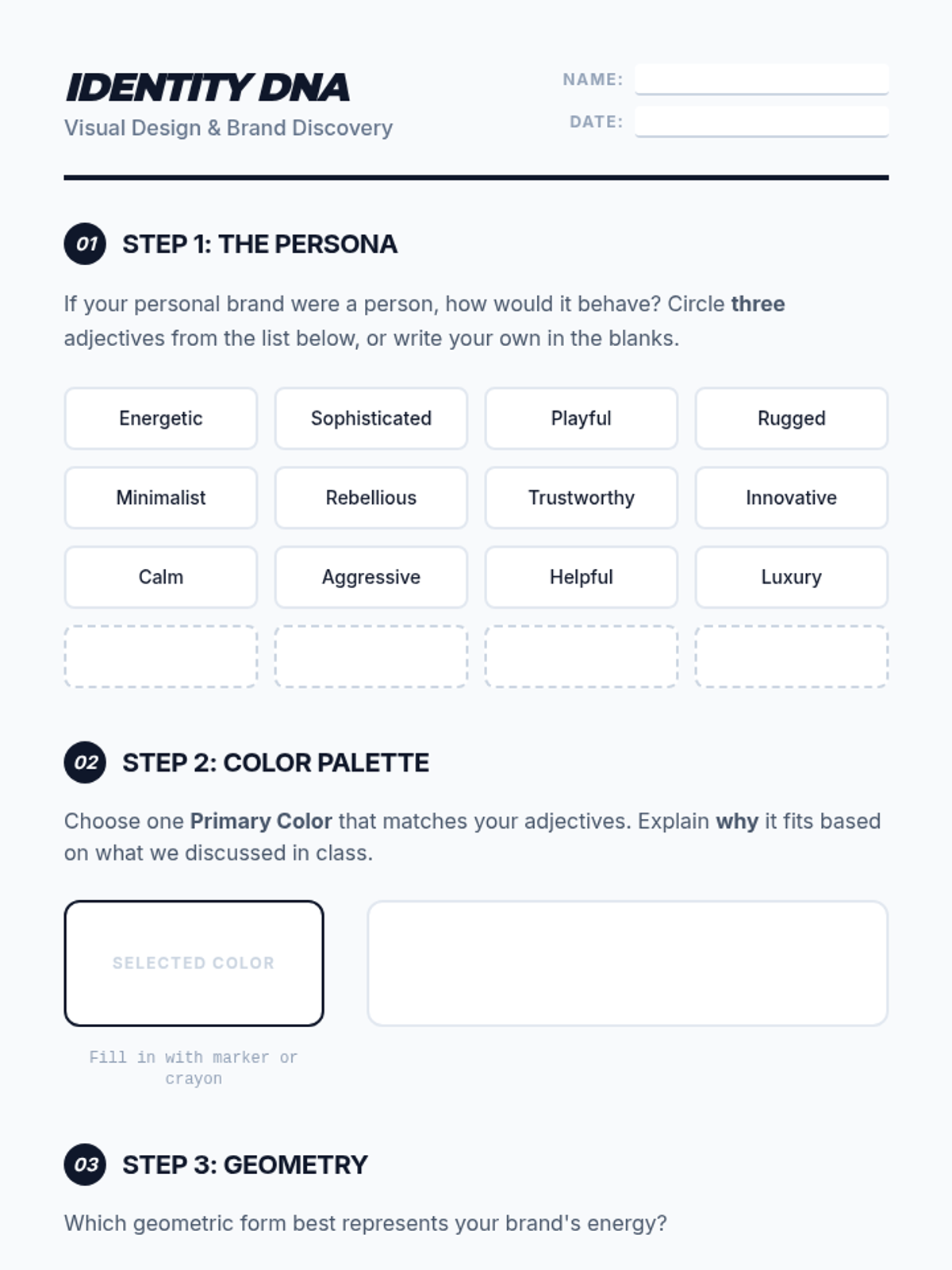
A comprehensive introduction to graphic design where students explore color psychology, master vector tools, and create a cohesive brand identity through logo design and typography.
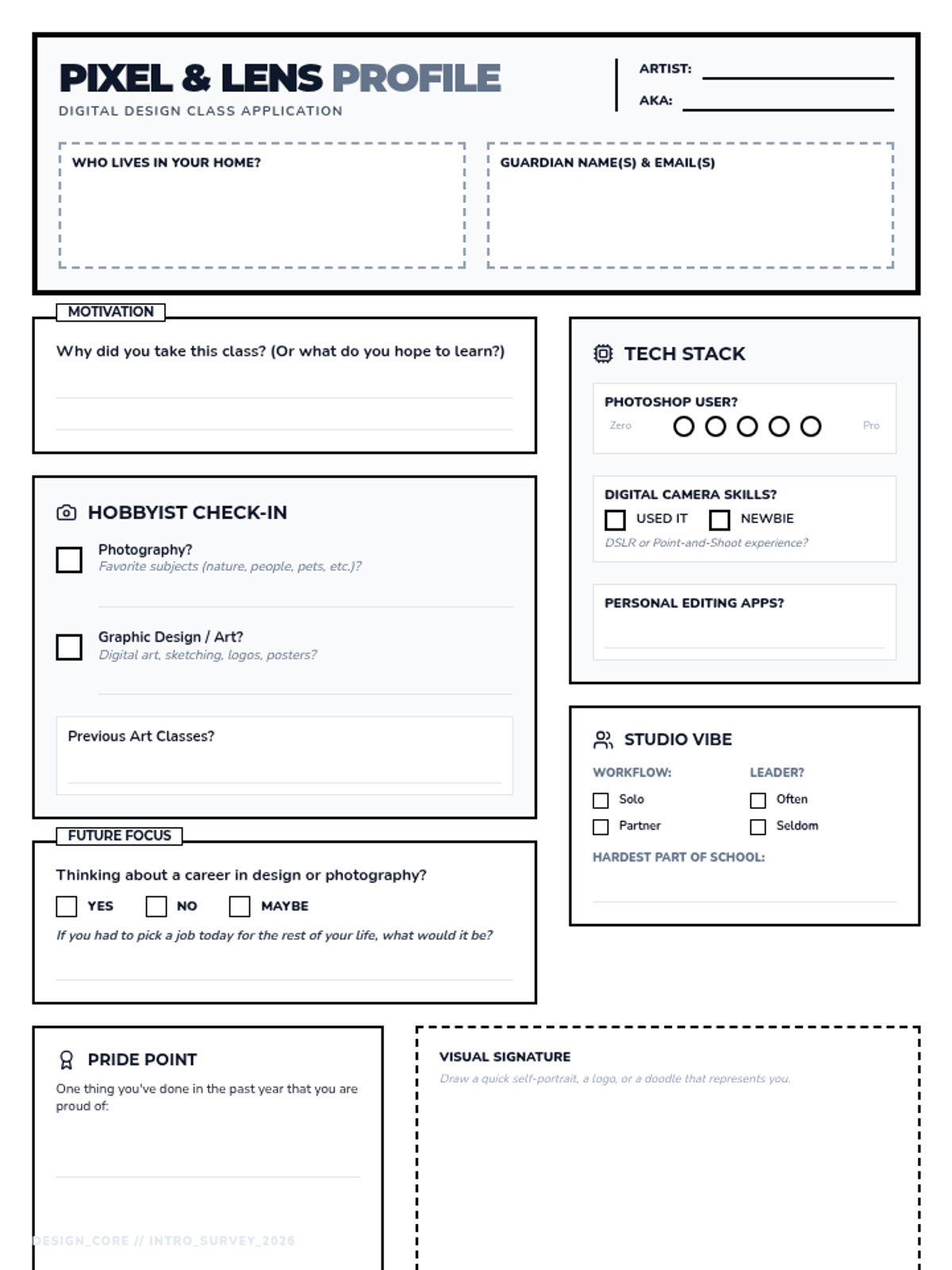
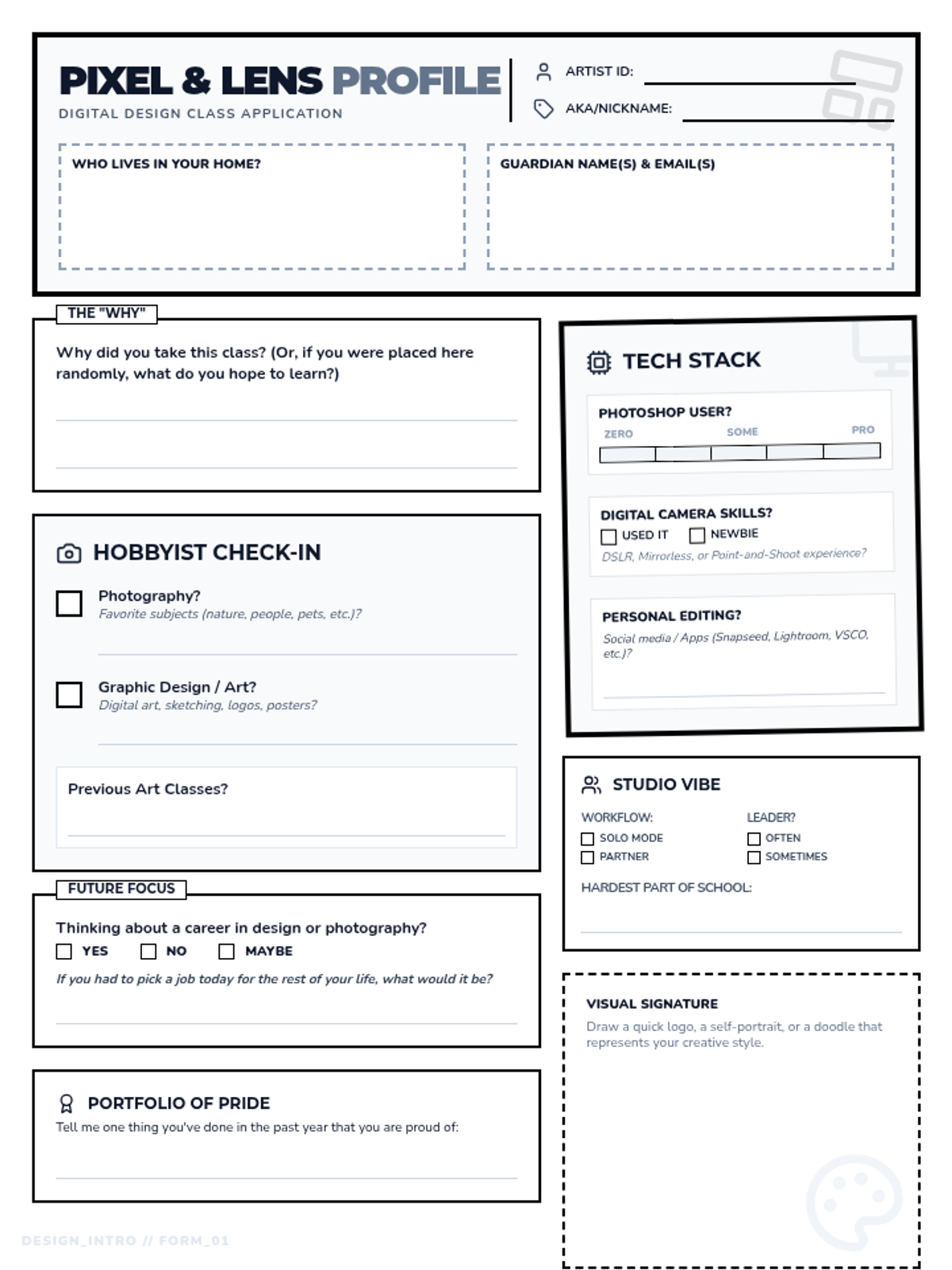
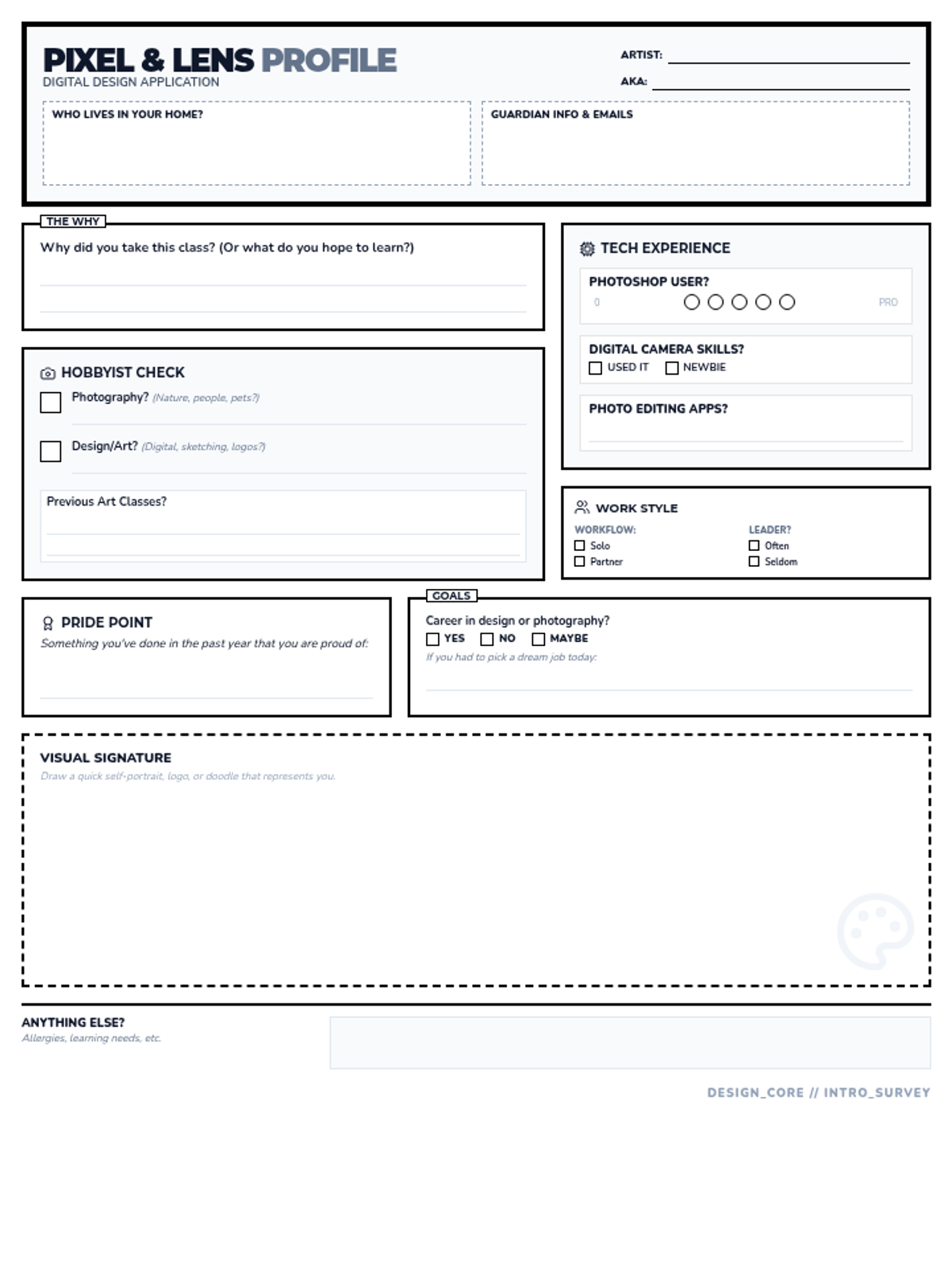
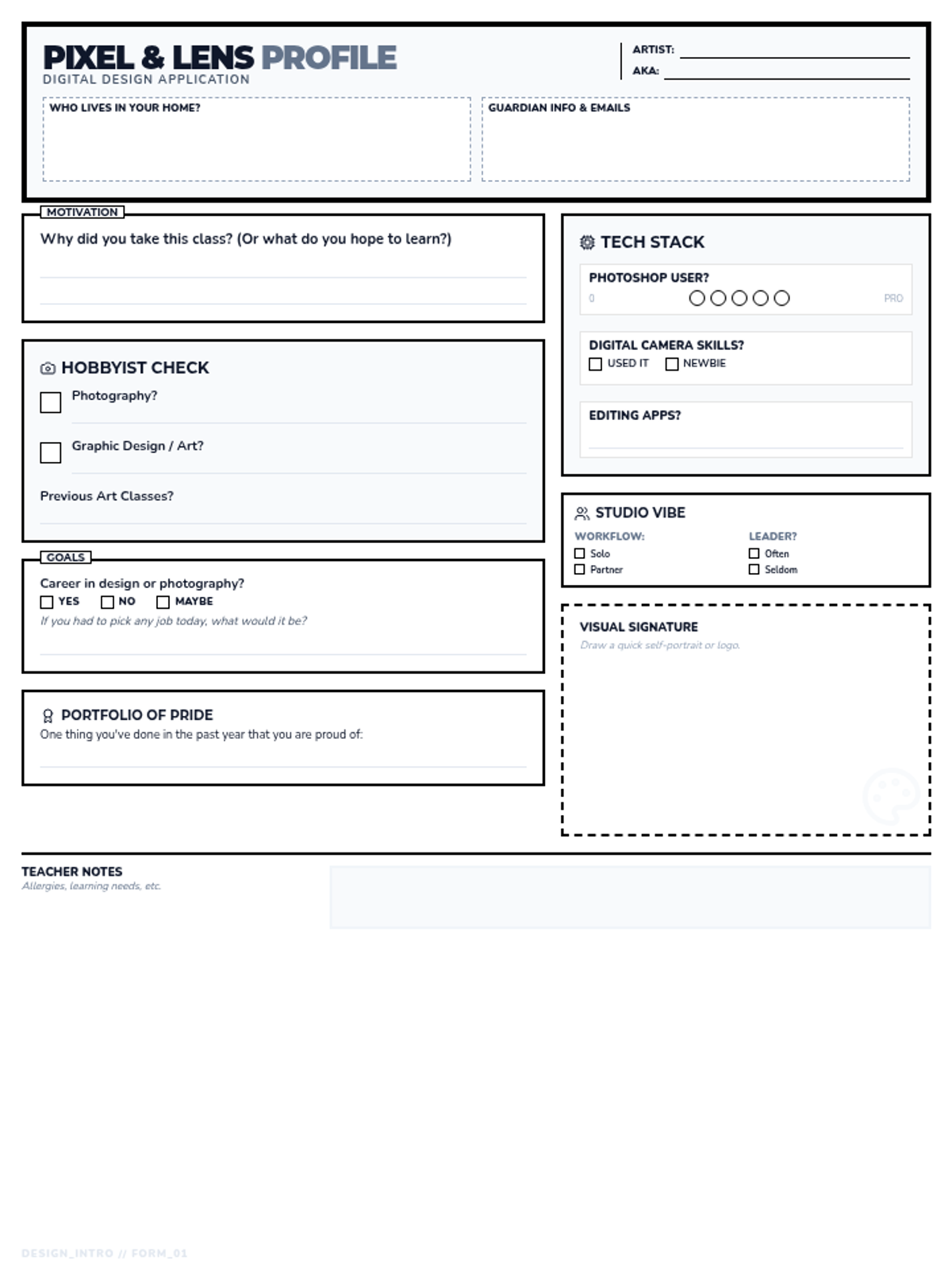
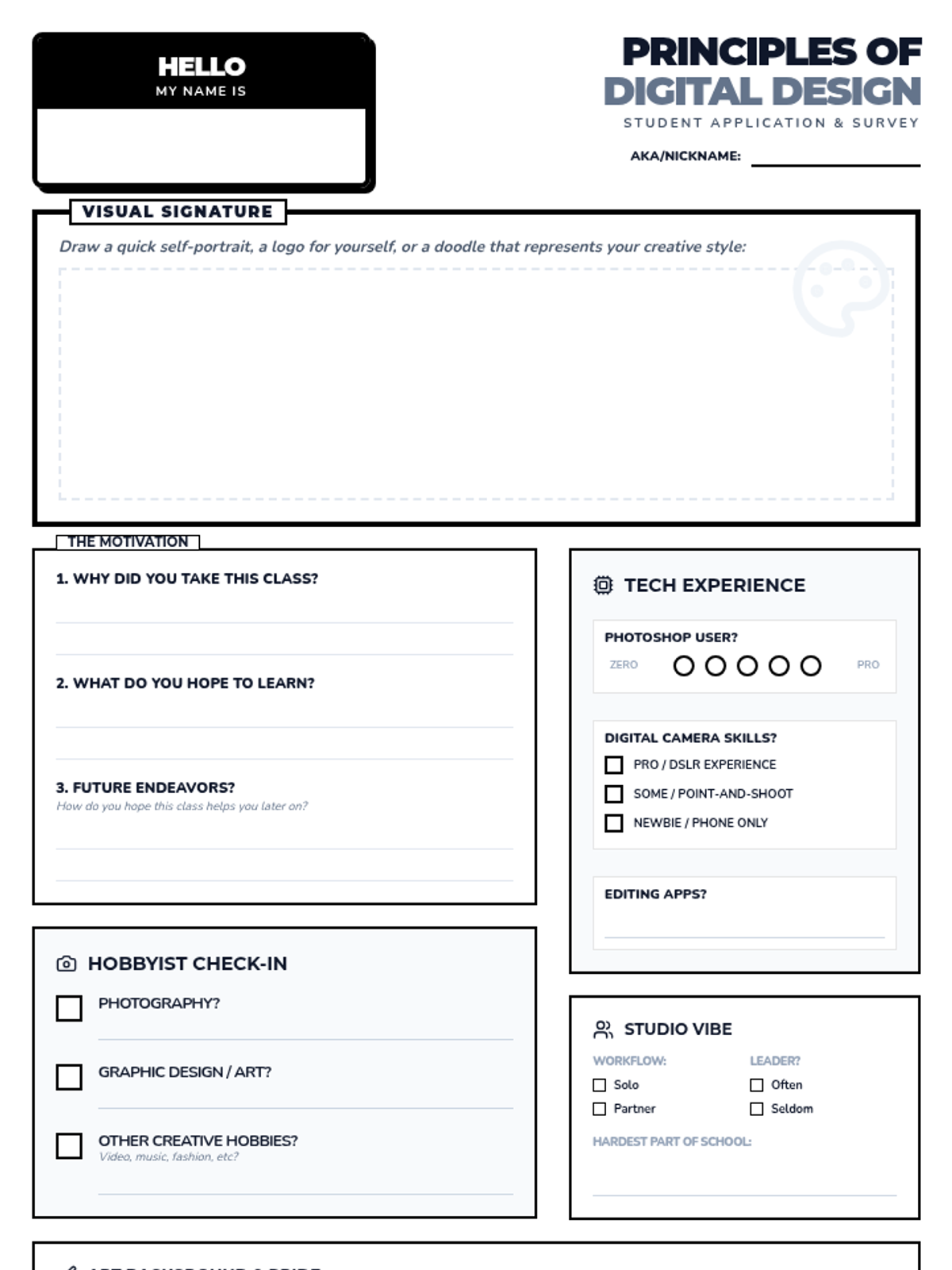
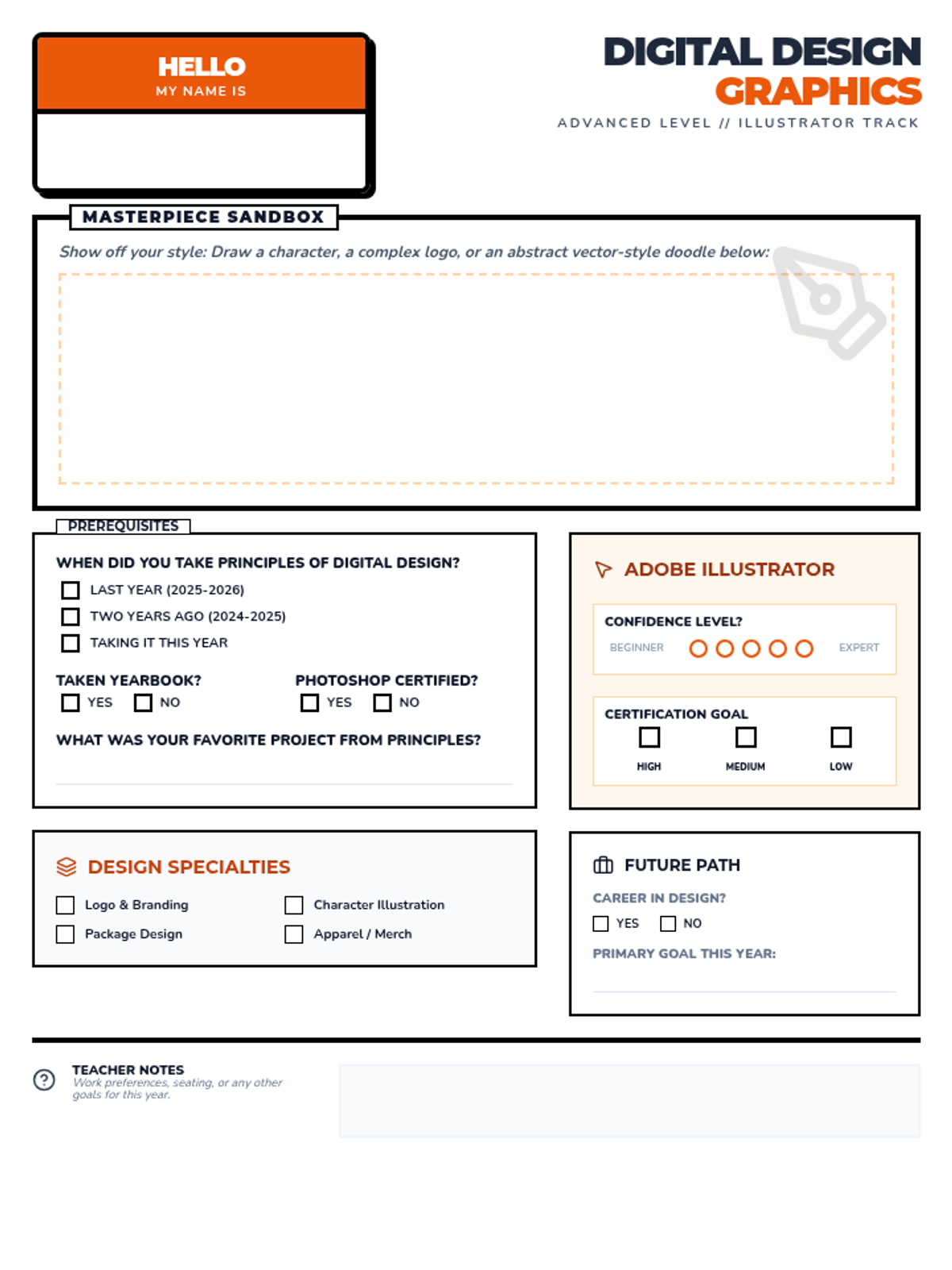
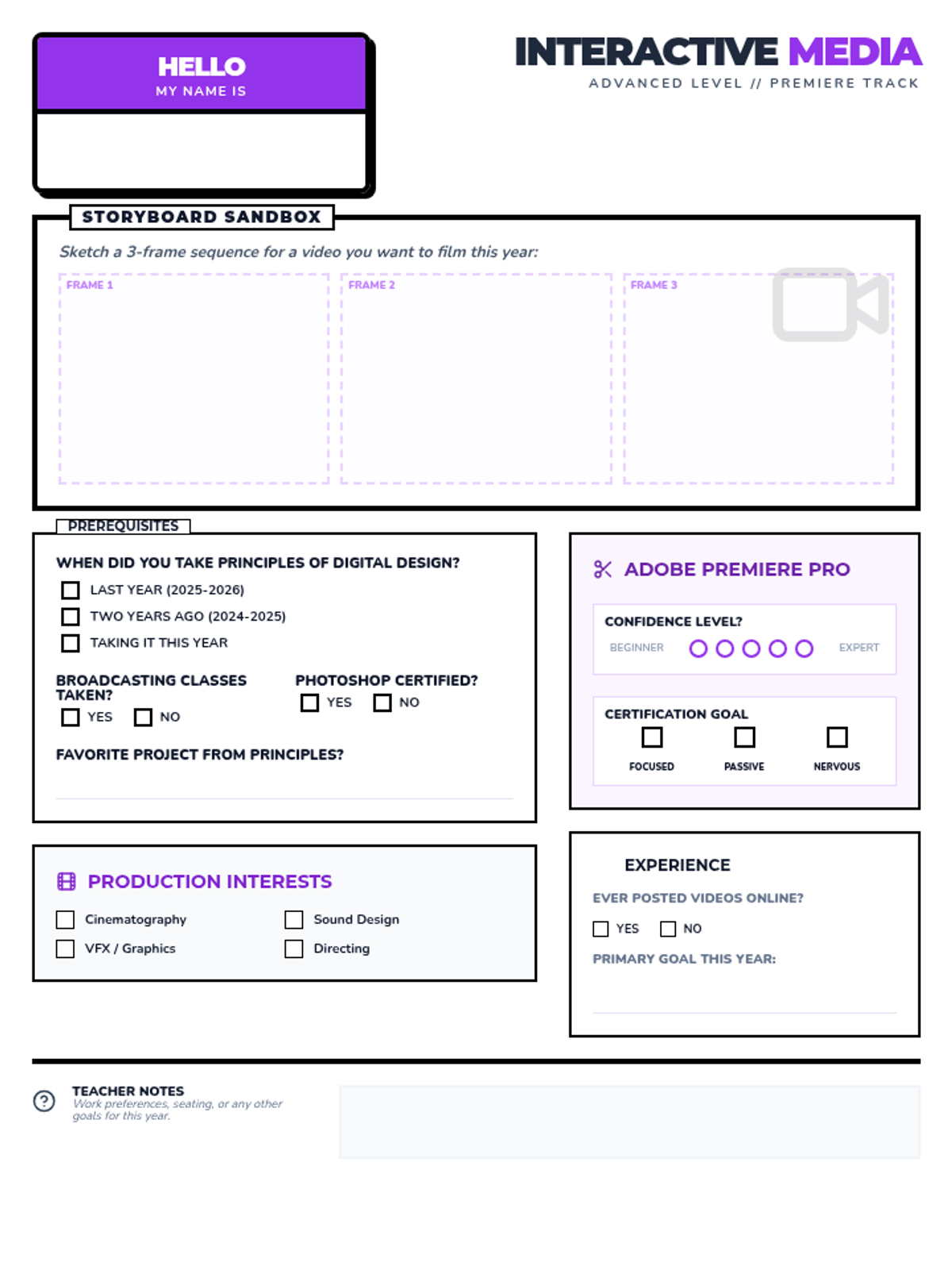
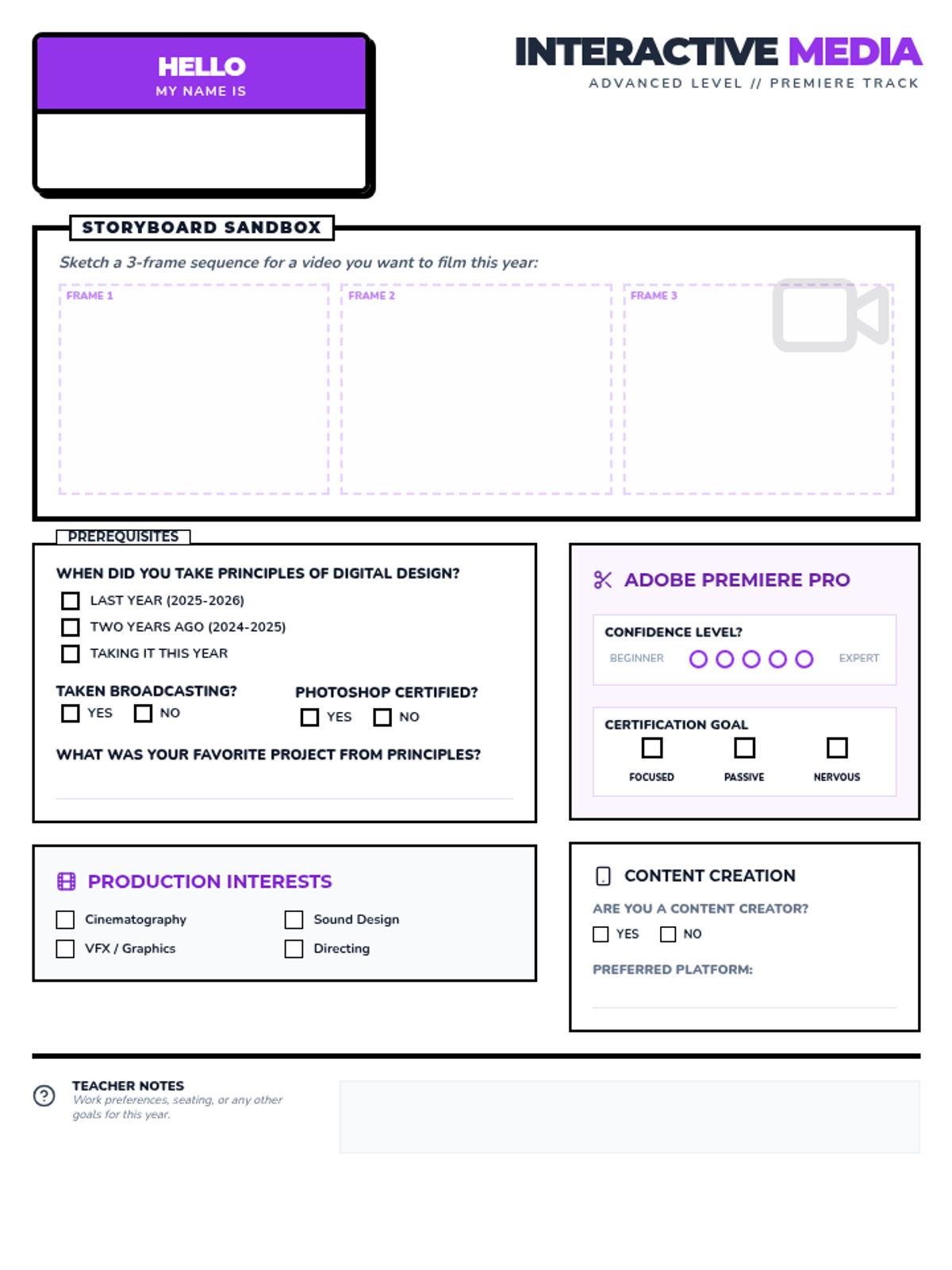
A sequence of introductory activities for new Digital Design students to build community and assess skill levels.
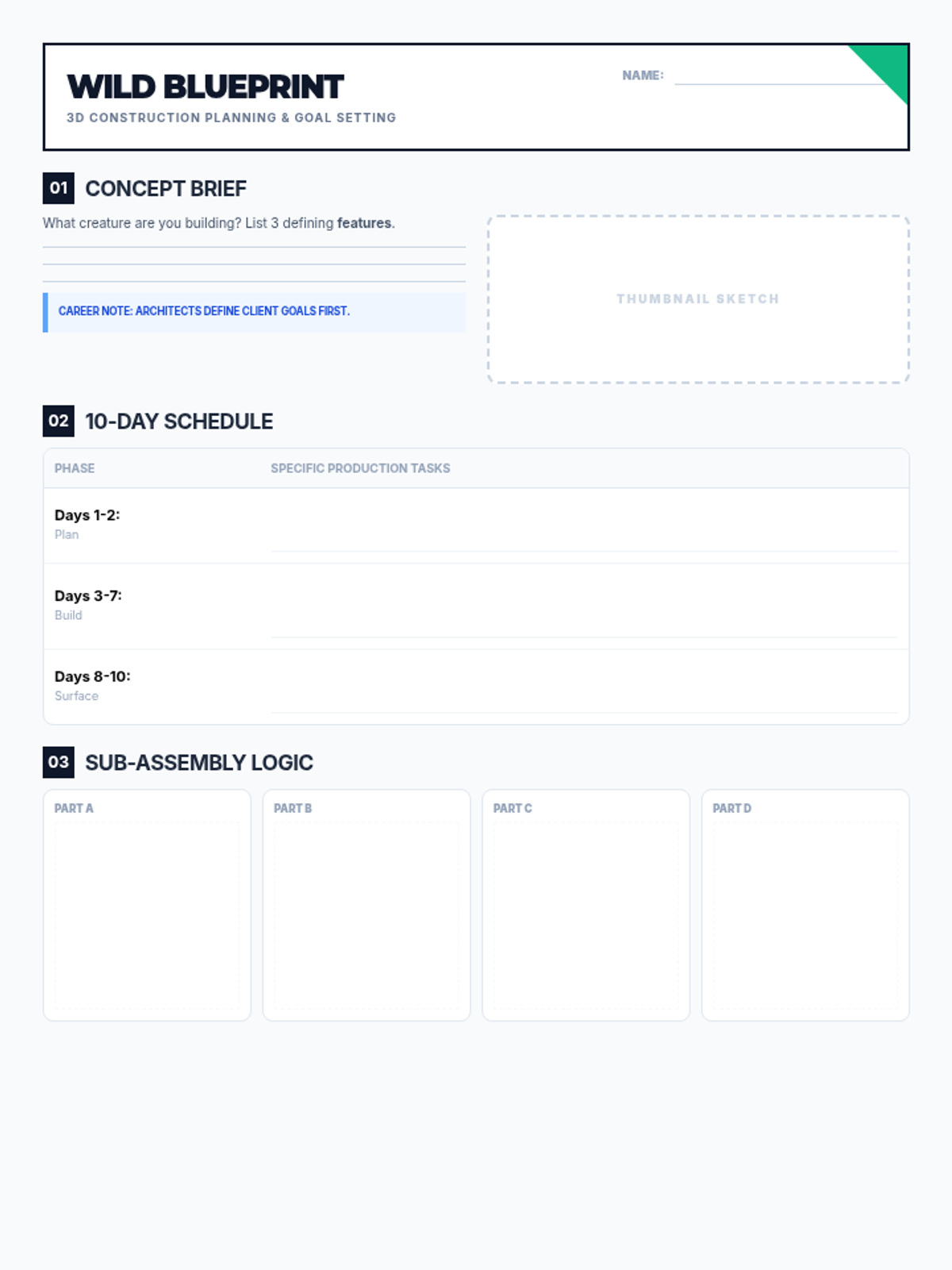
A 10-day unit exploring 3D paper construction through the creation of animal forms or masks, focusing on precision, perseverance, and paper engineering.
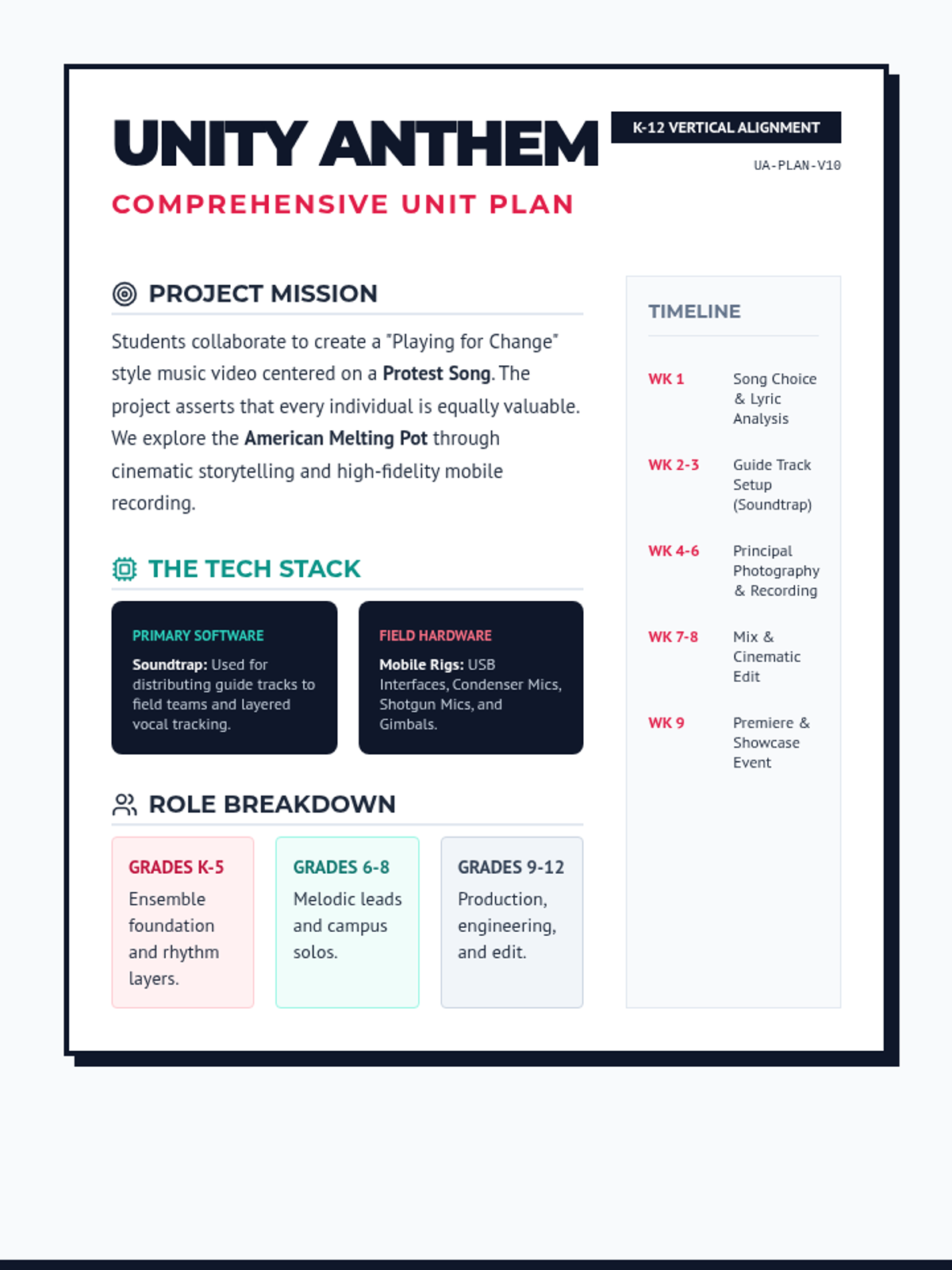
A K-12 collaborative music video project where students across all grade levels work together to produce a 'Playing for Change' style cover of a protest song centered on equality and cultural identity. High school students lead production, while K-8 students provide the musical and visual heart of the performance.
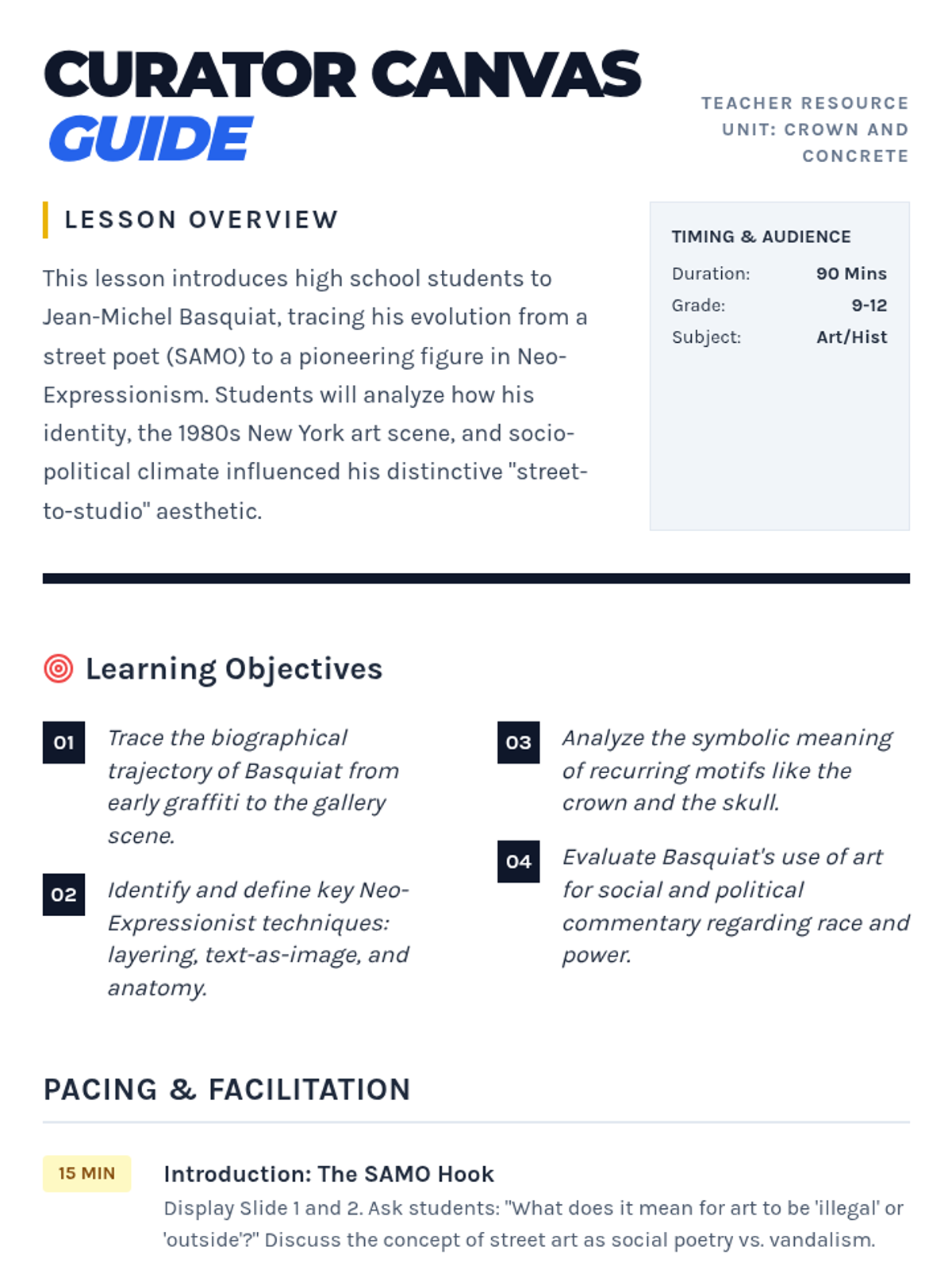
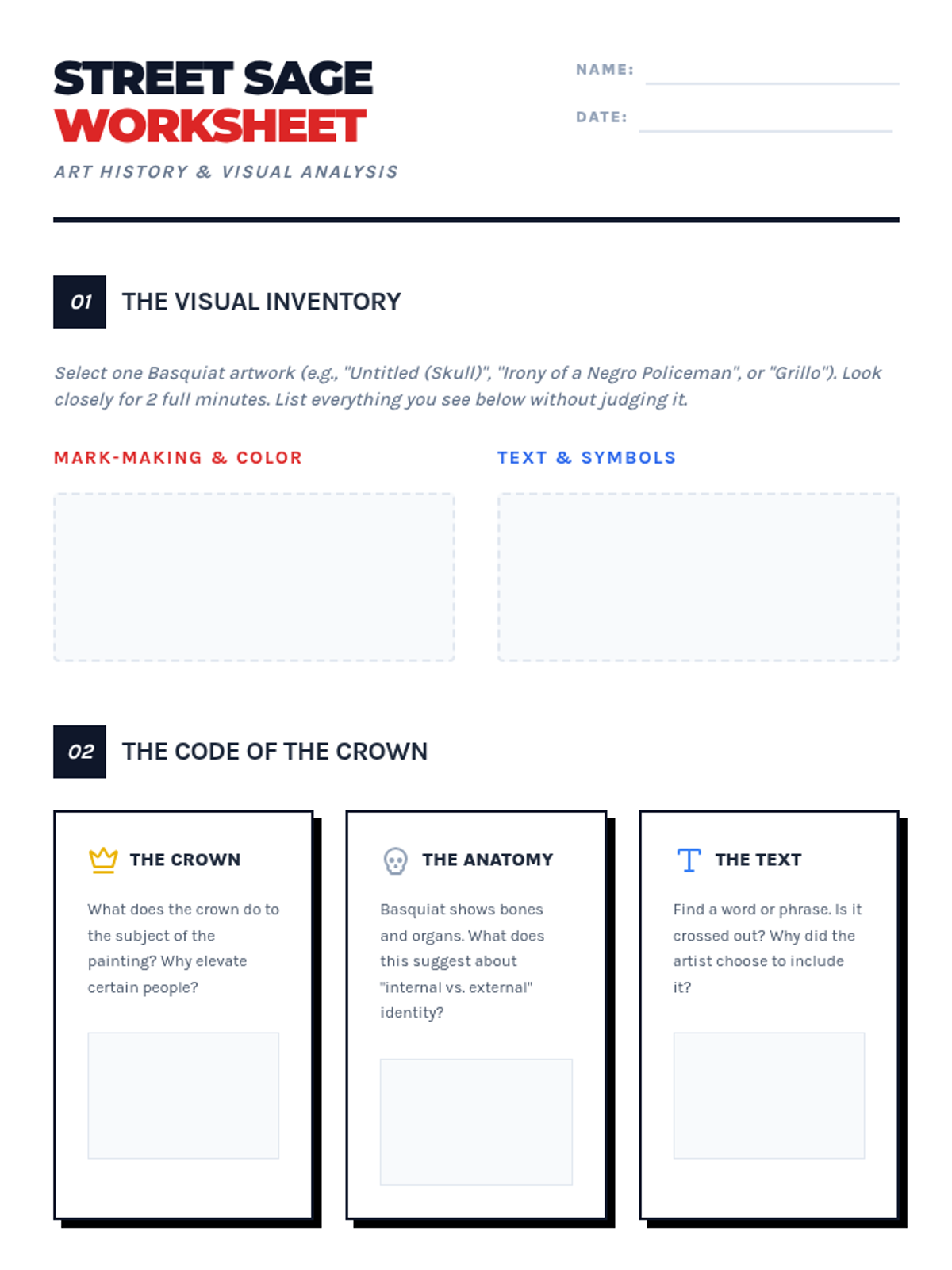
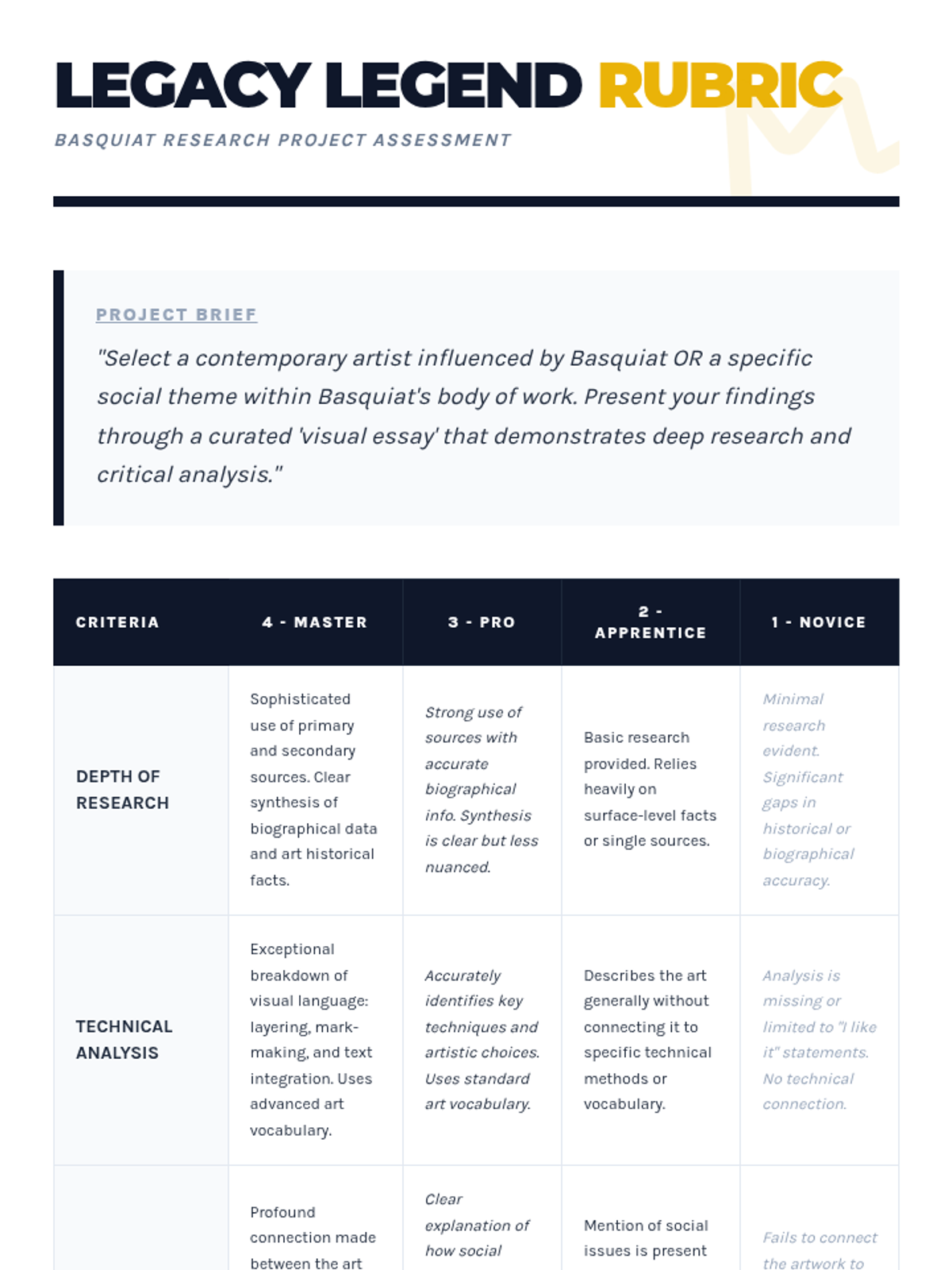
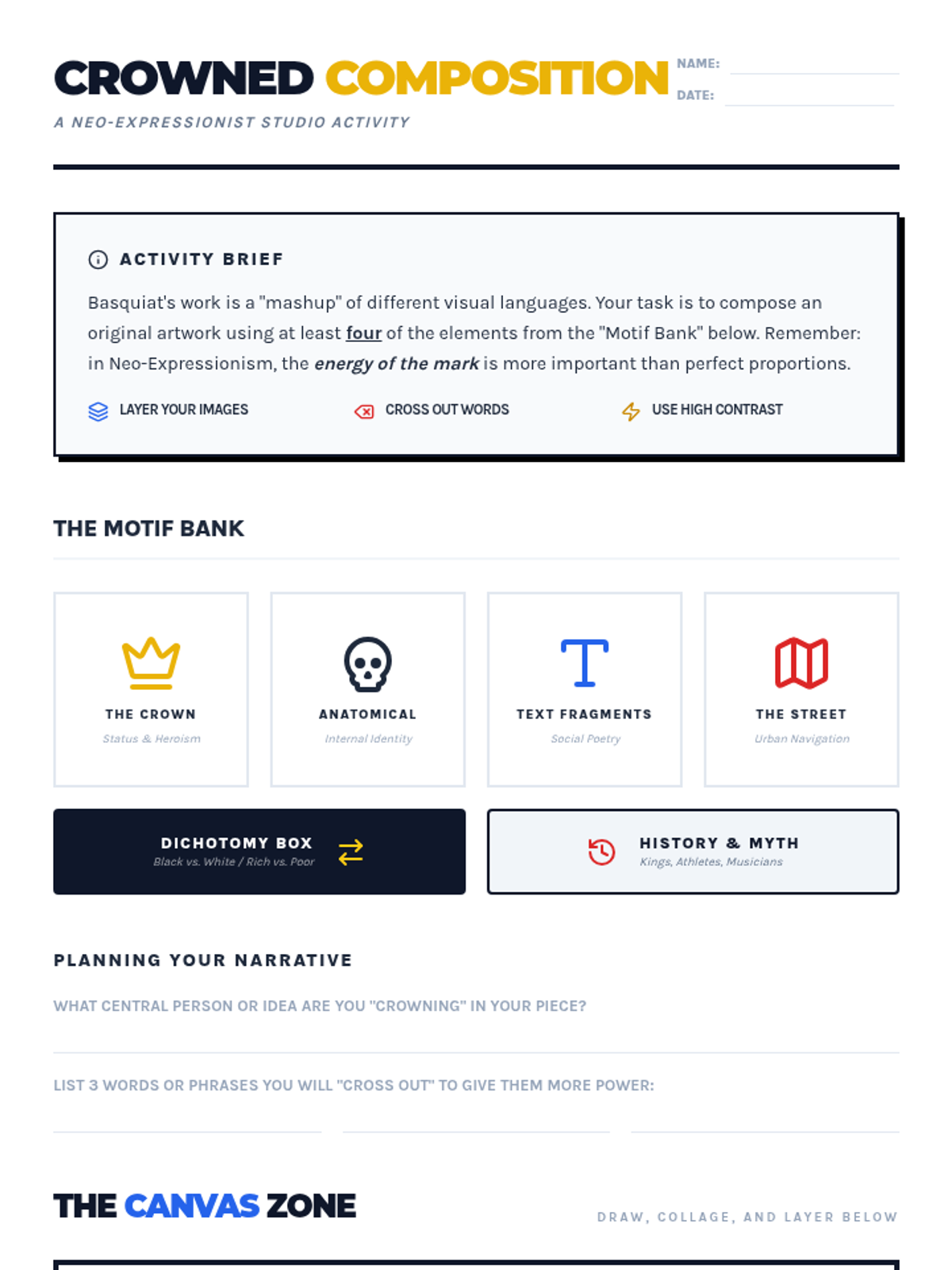
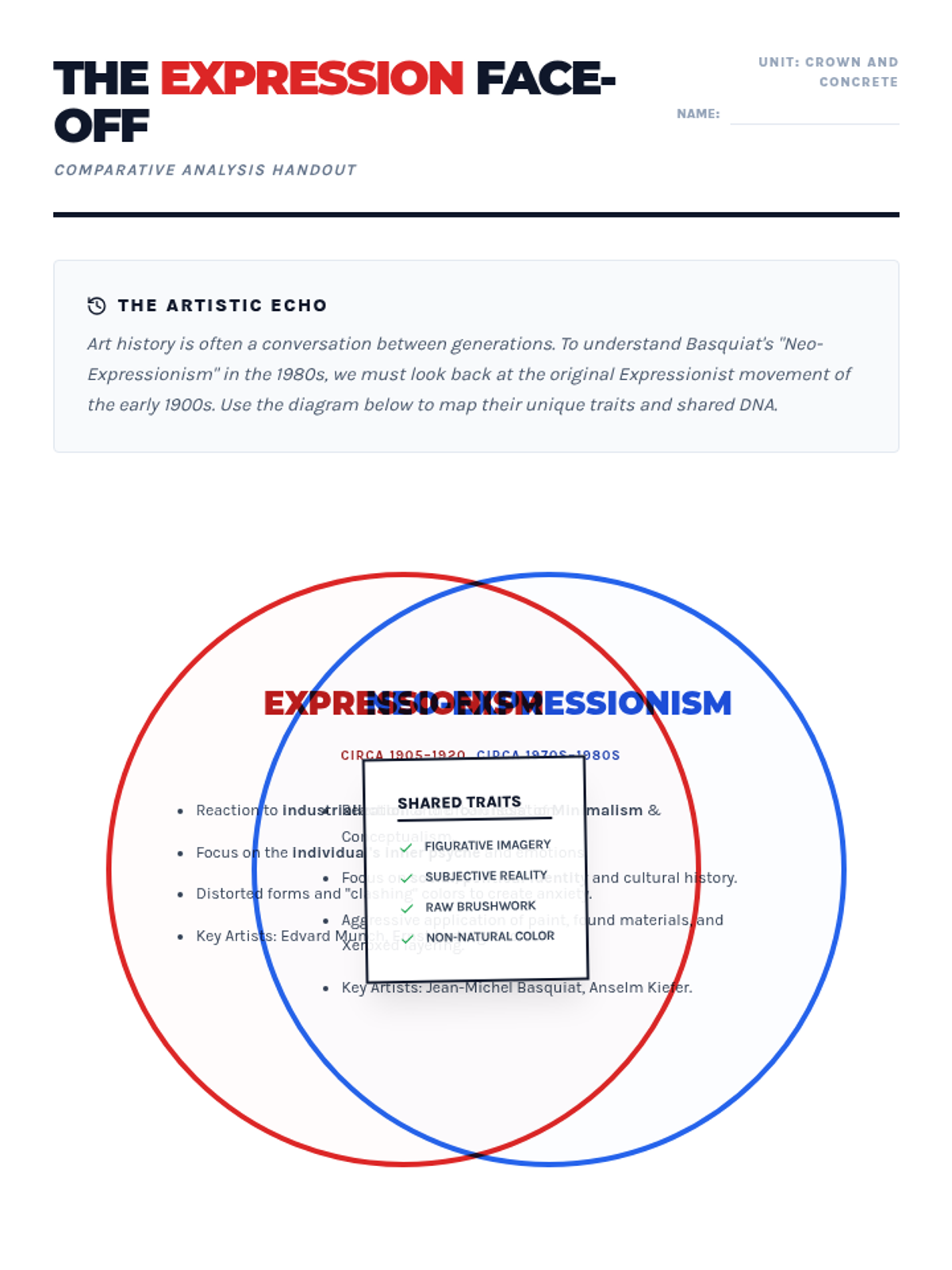
A high school art history and studio unit exploring the life, technique, and socio-political impact of Jean-Michel Basquiat. Students will trace his journey from SAMO graffiti to global art icon while analyzing his unique neo-expressionist style.
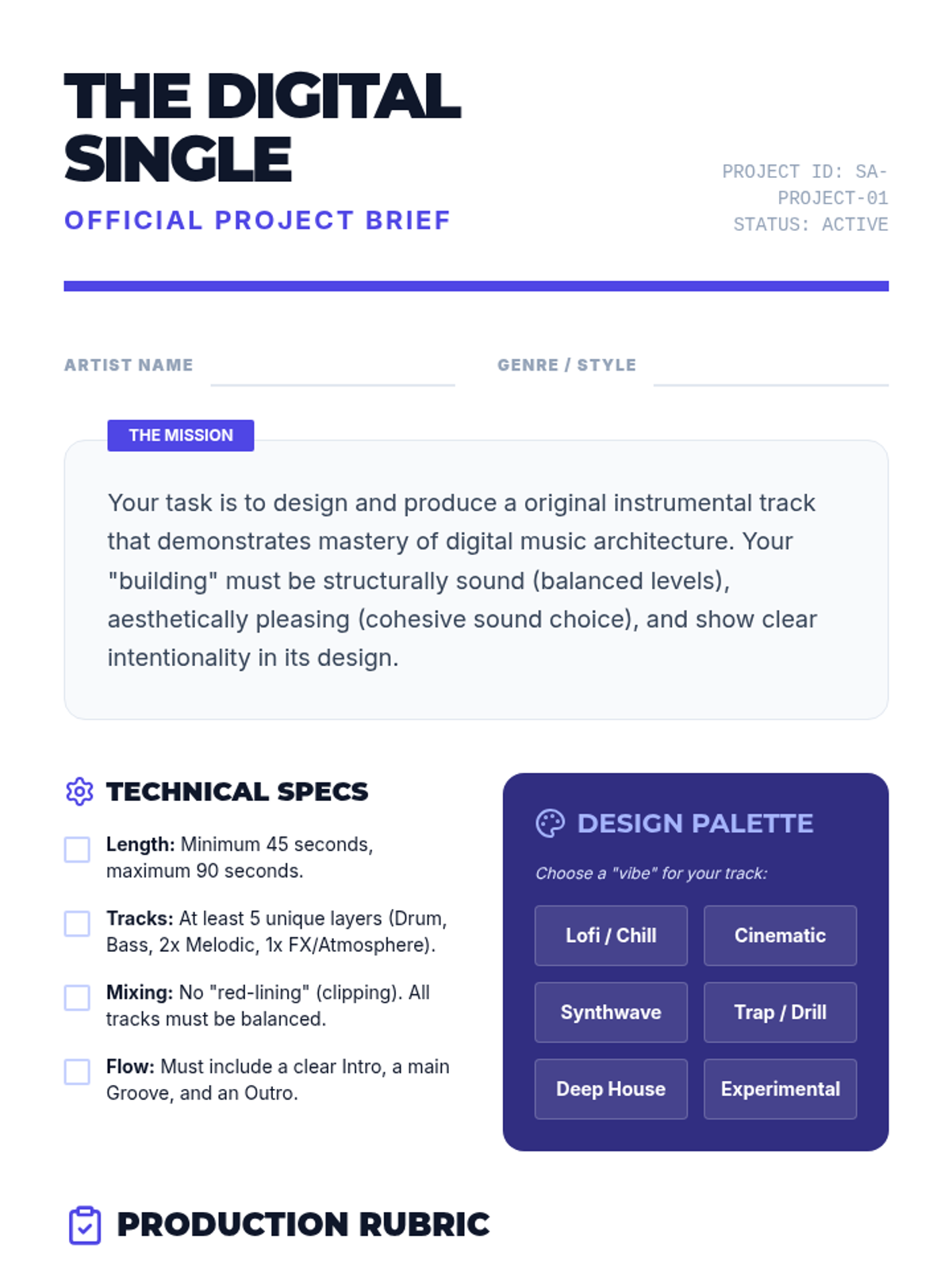
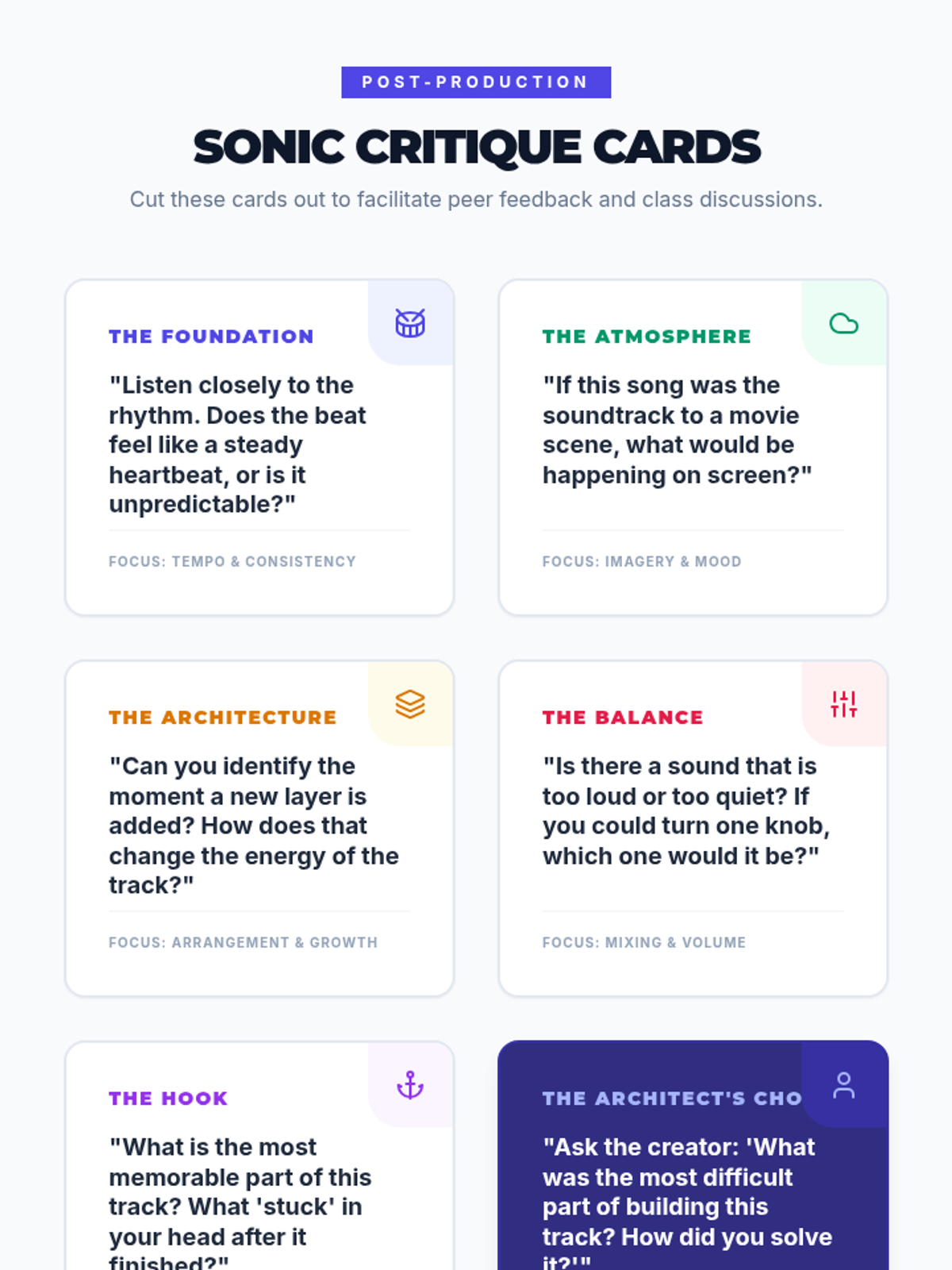
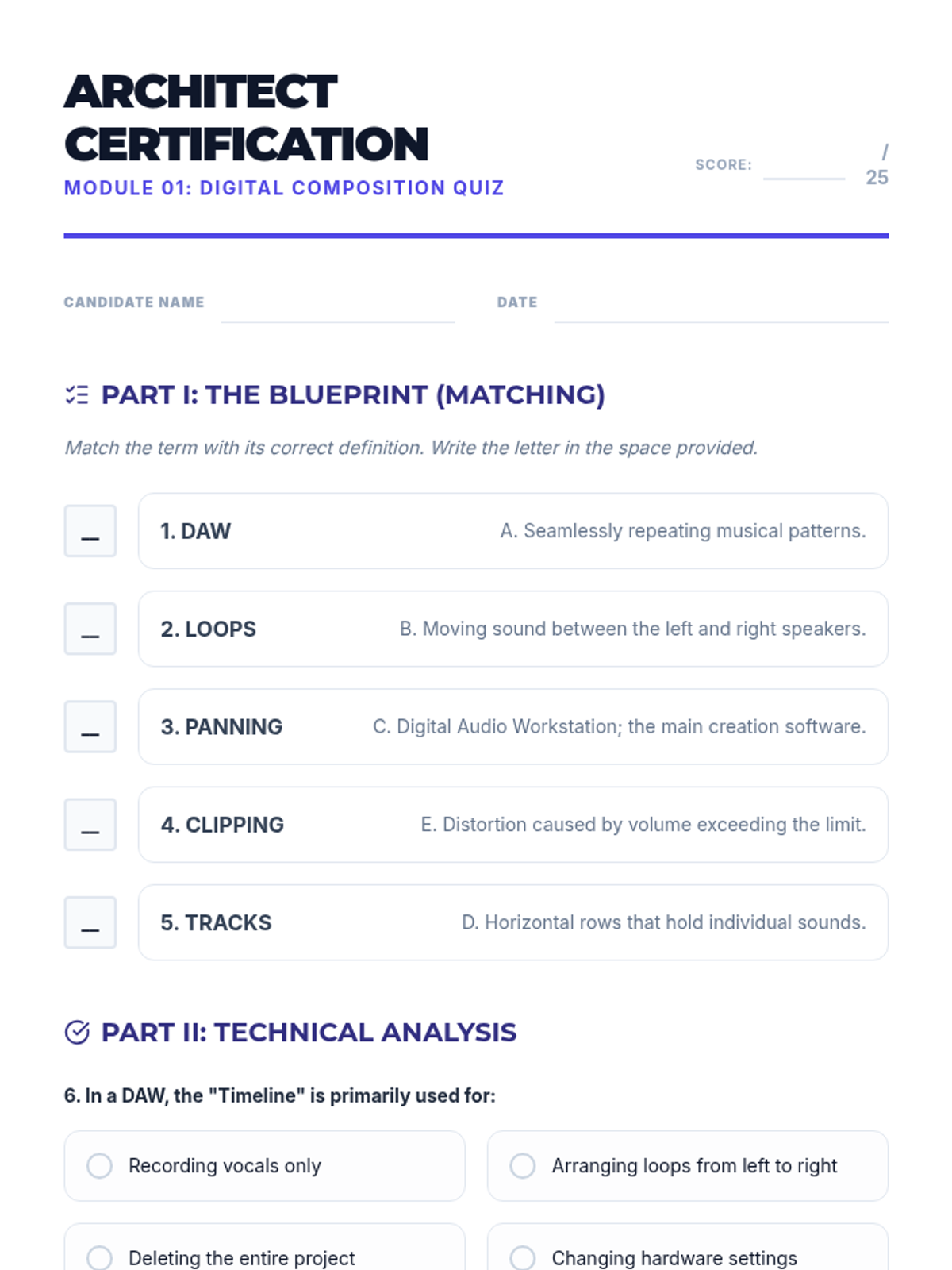
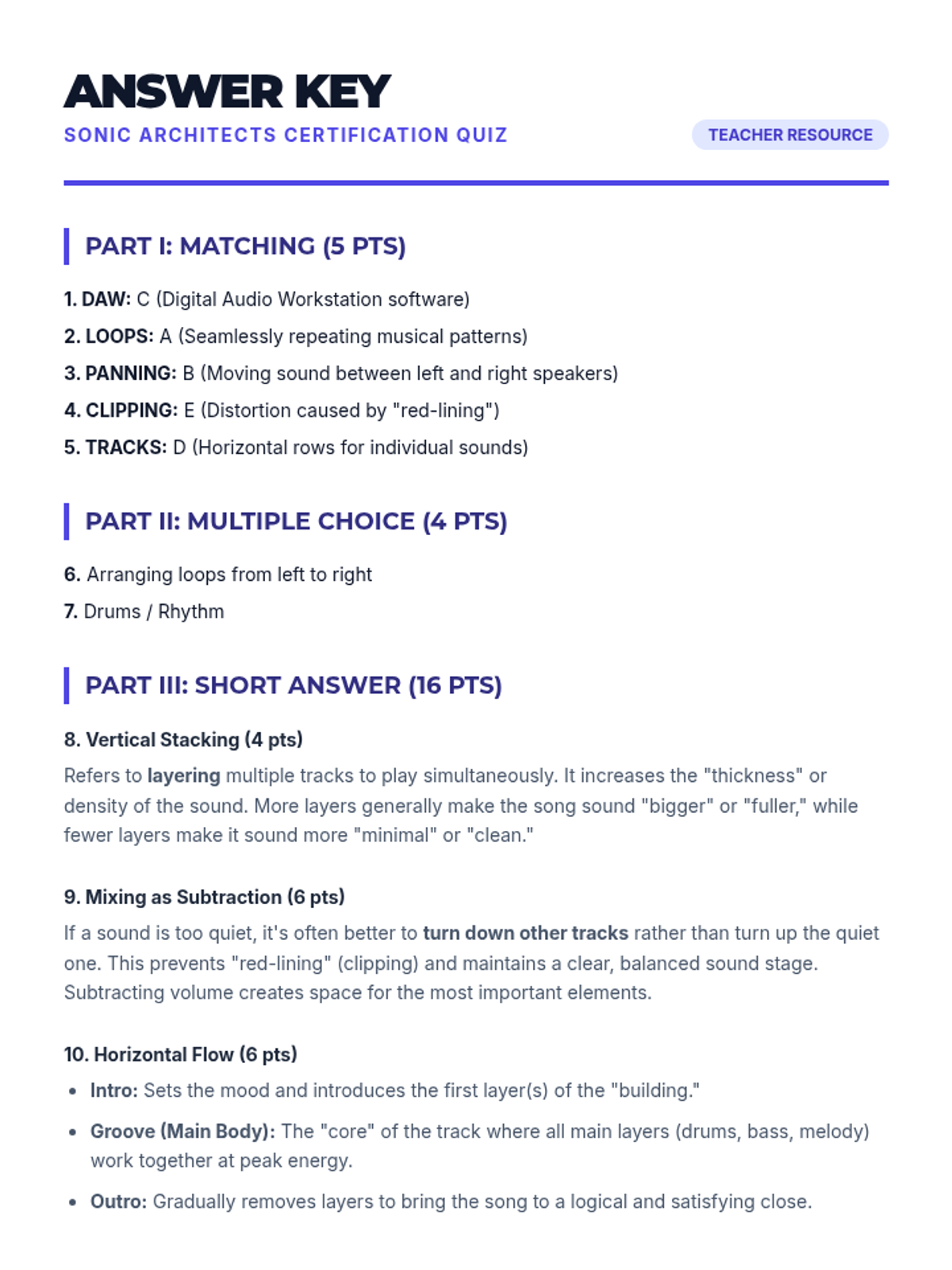
A comprehensive music technology unit where middle and high school students master digital audio production and collaborate to produce a multi-grade showcase concert, bridging the gap between classroom creation and public performance.
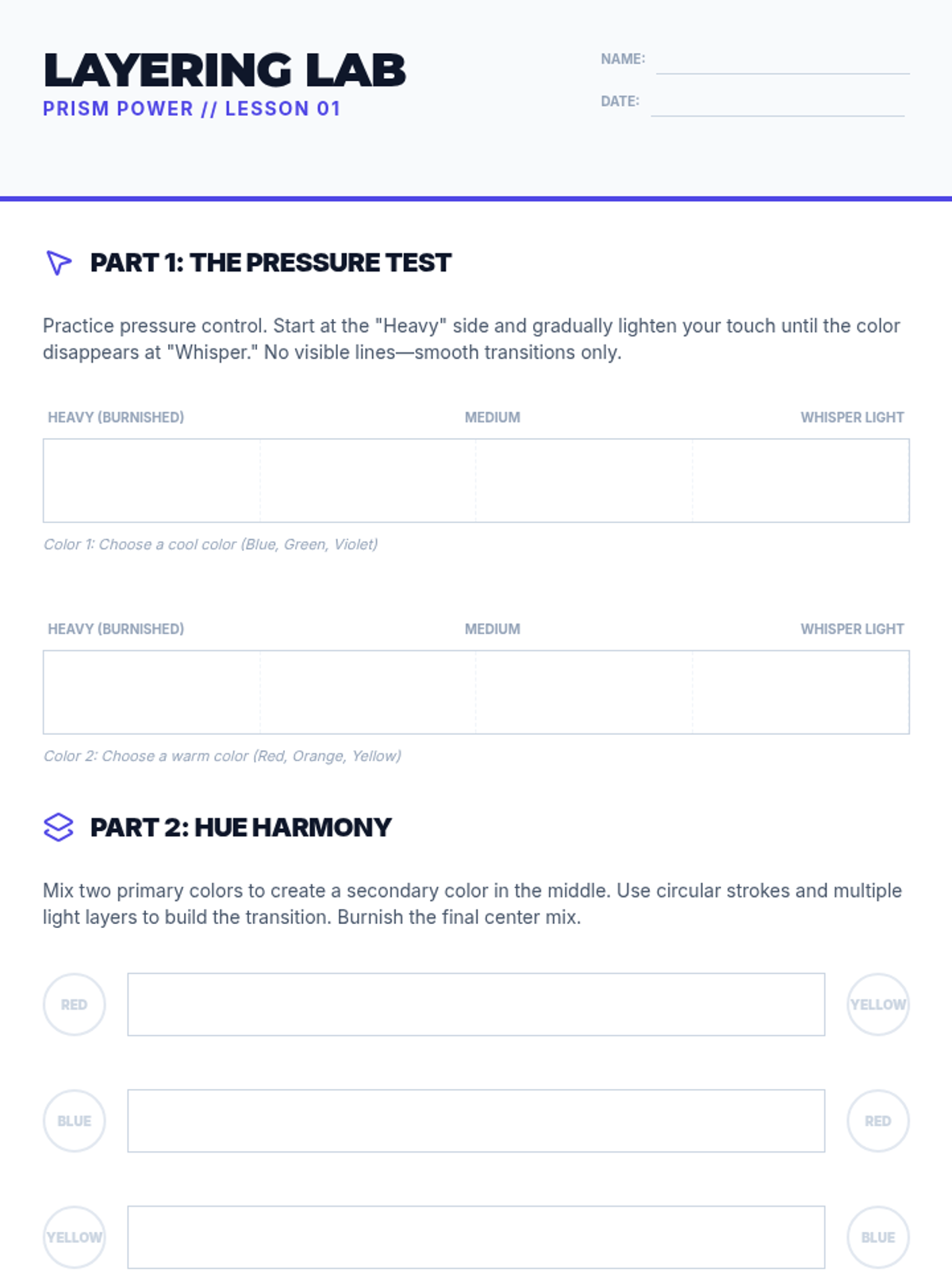
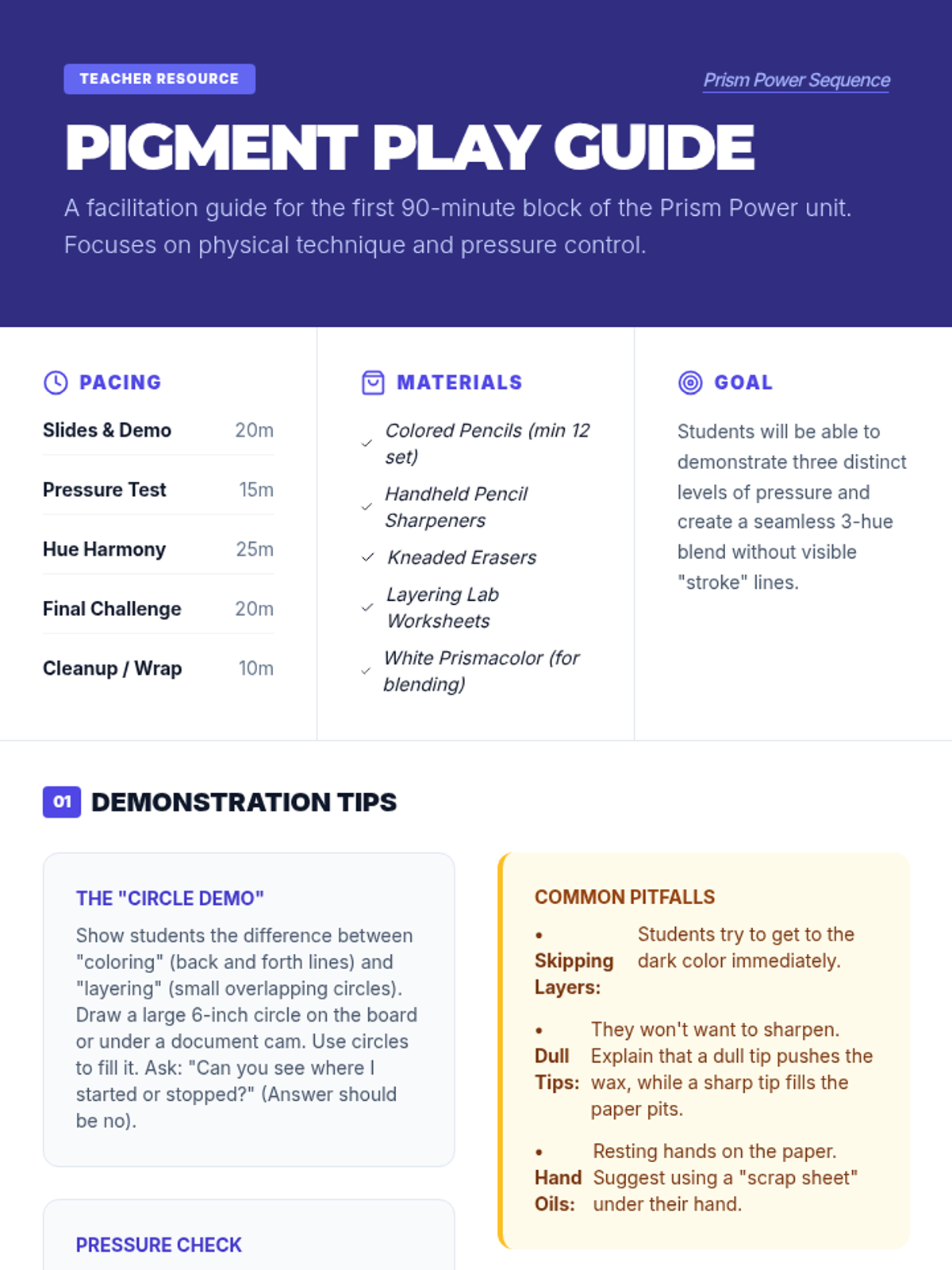
A high school visual arts sequence focusing on mastering colored pencil techniques, specifically layering, blending, and creating three-dimensional value. Students will progress from basic mechanics to rendering realistic forms with depth and vibrancy.
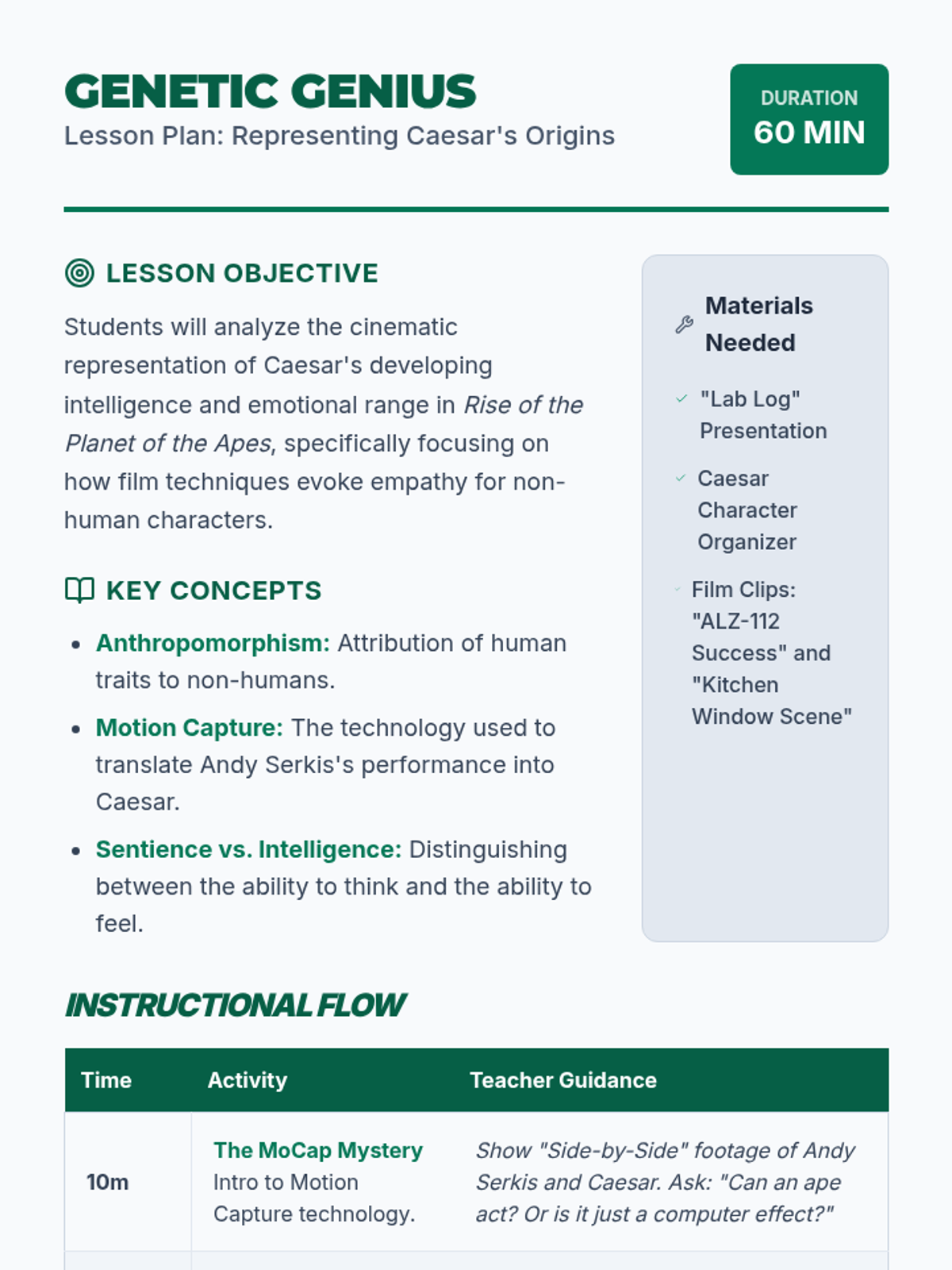
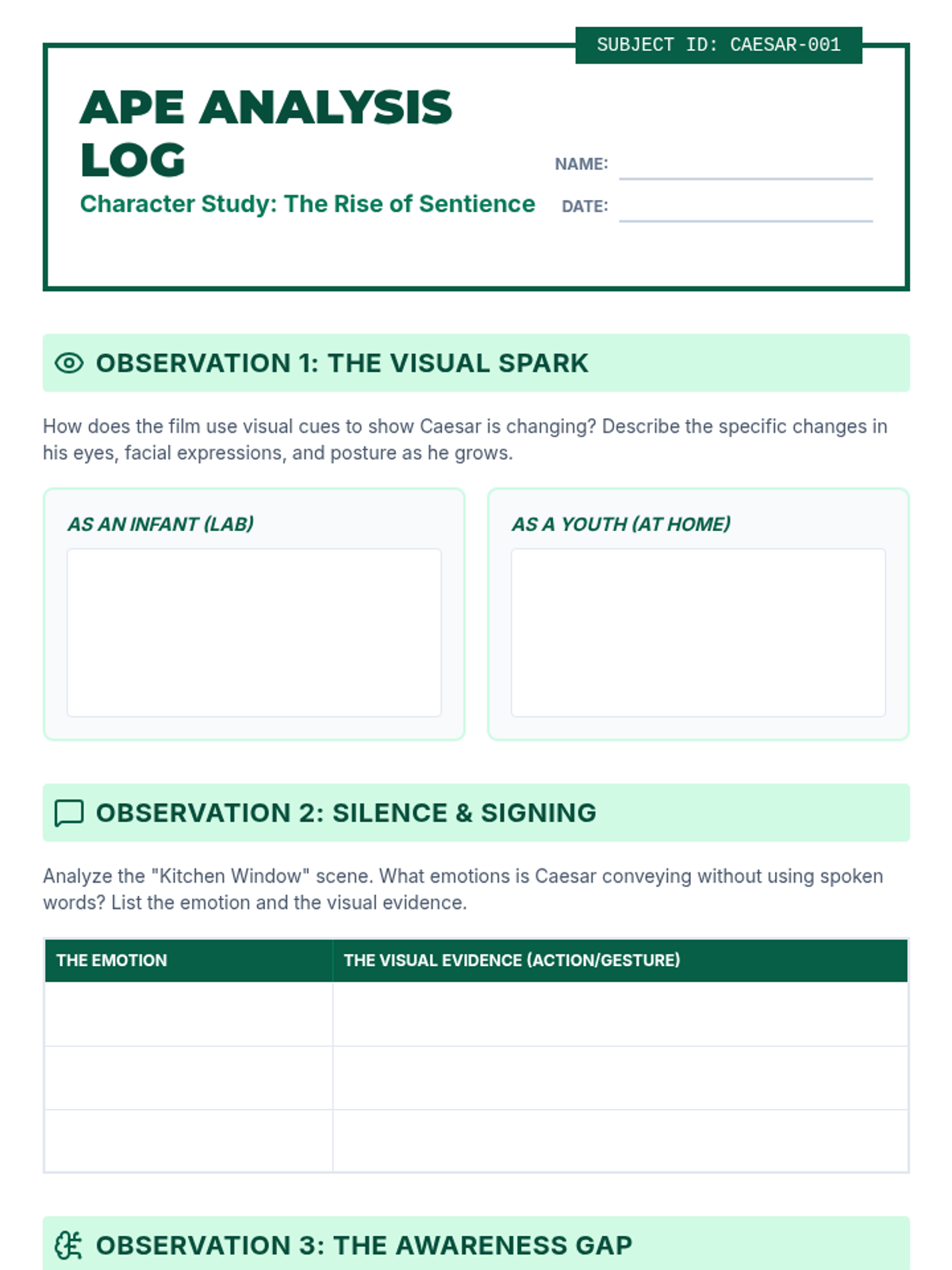
This sequence explores the representation of apes in the film 'Rise of the Planet of the Apes', focusing on the transition from scientific subjects to sentient leaders. Students analyze the use of motion-capture technology and narrative techniques used to humanize non-human characters.
This sequence investigates how the technological explosion of the 20th and 21st centuries, from the electric guitar to AI, redefined music genres and creation. Students analyze production techniques, listen for layers, and explore the concept of technology as a musical instrument.
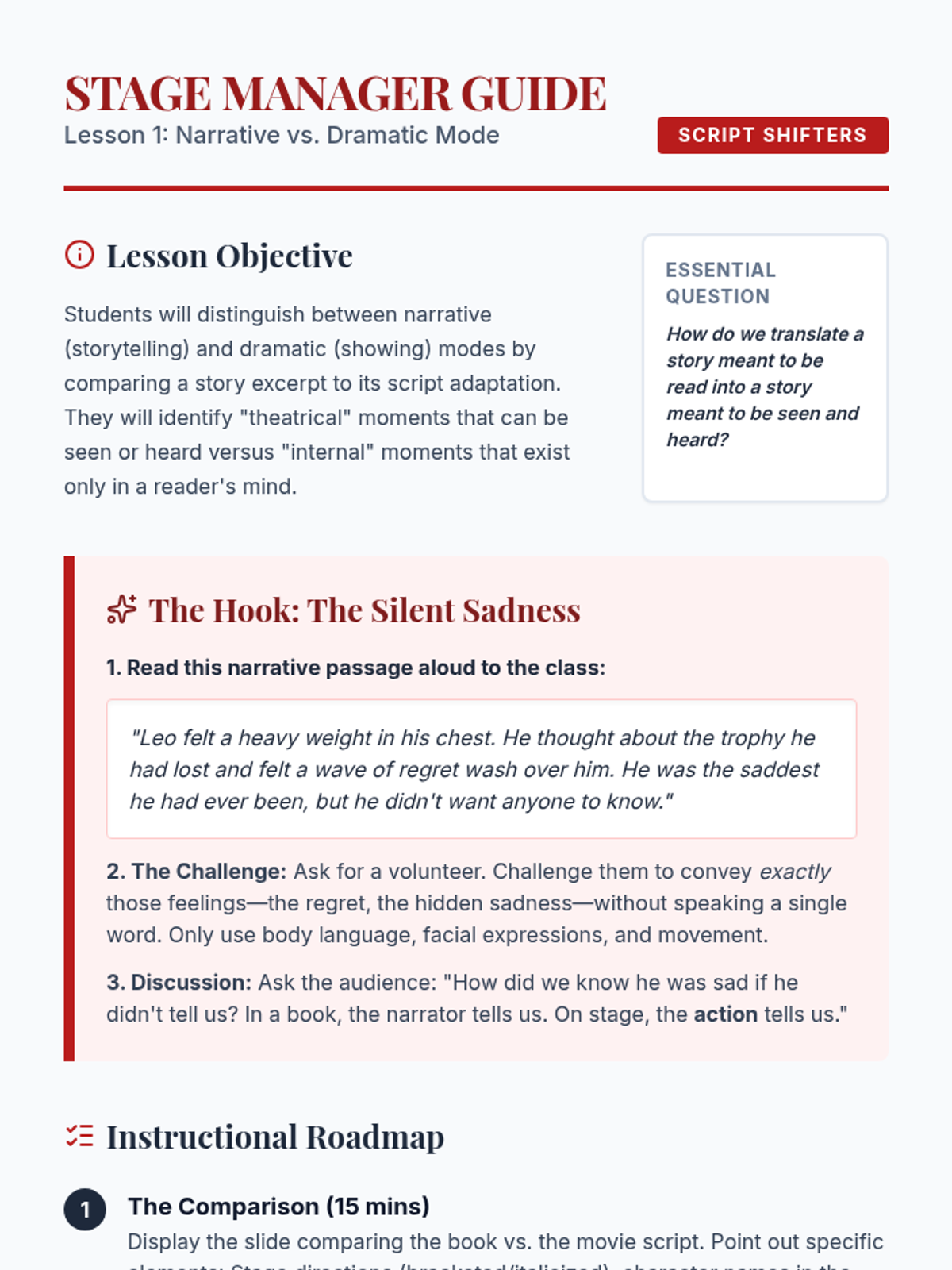
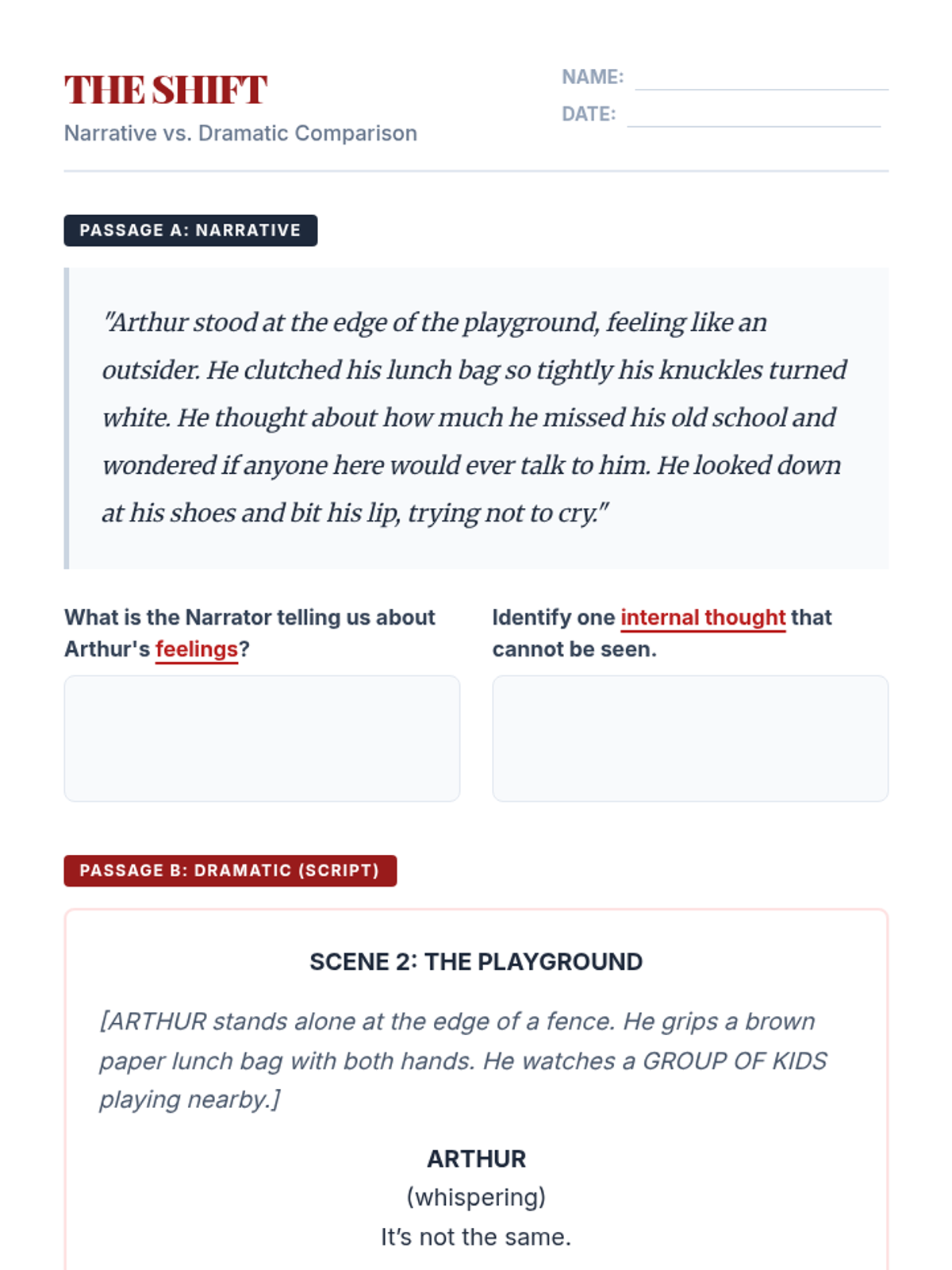
Students learn to translate narrative fiction into dramatic scripts by analyzing storytelling modes, converting internal thoughts to external actions, and drafting their own theatrical adaptations of fables.
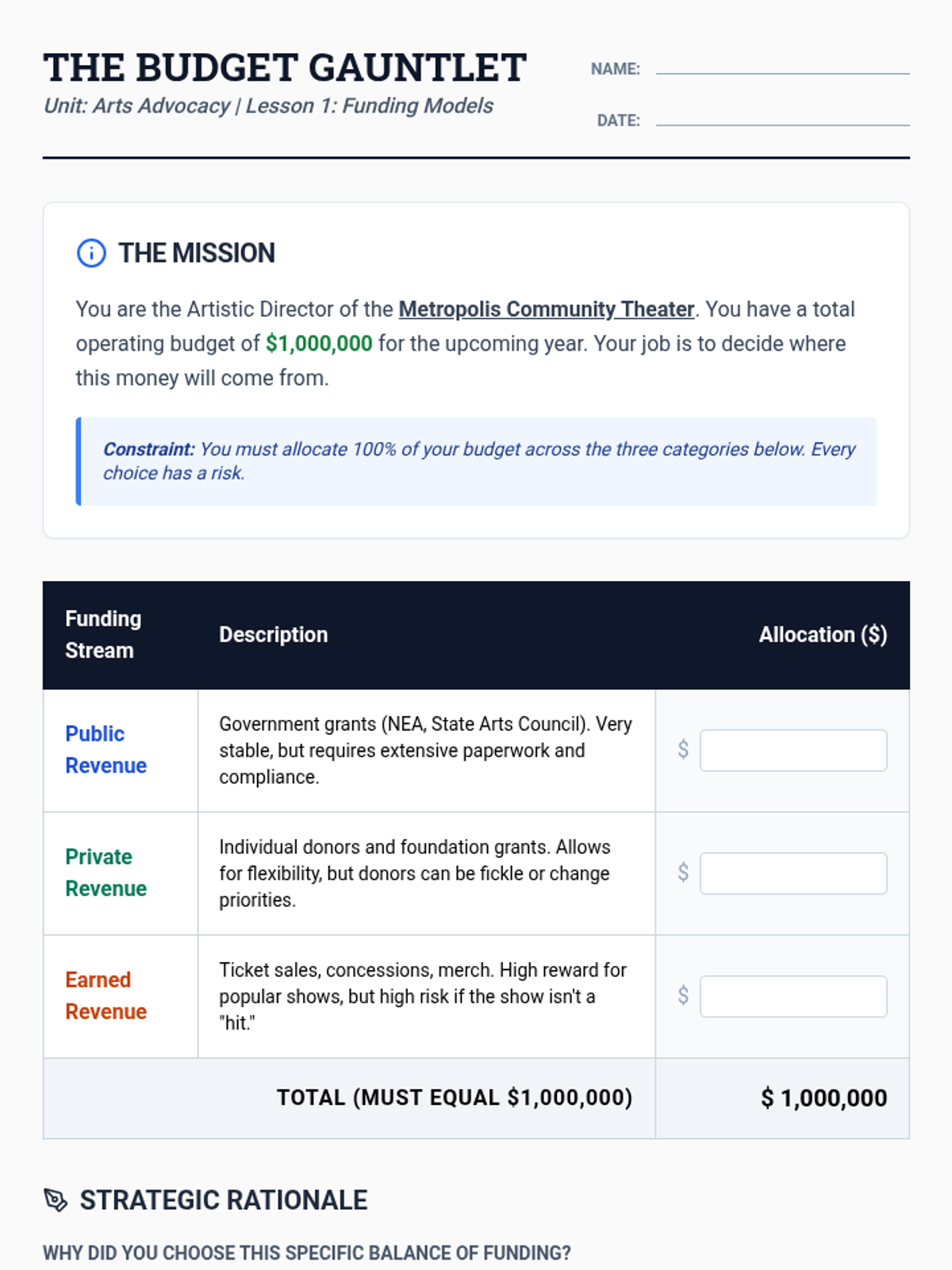
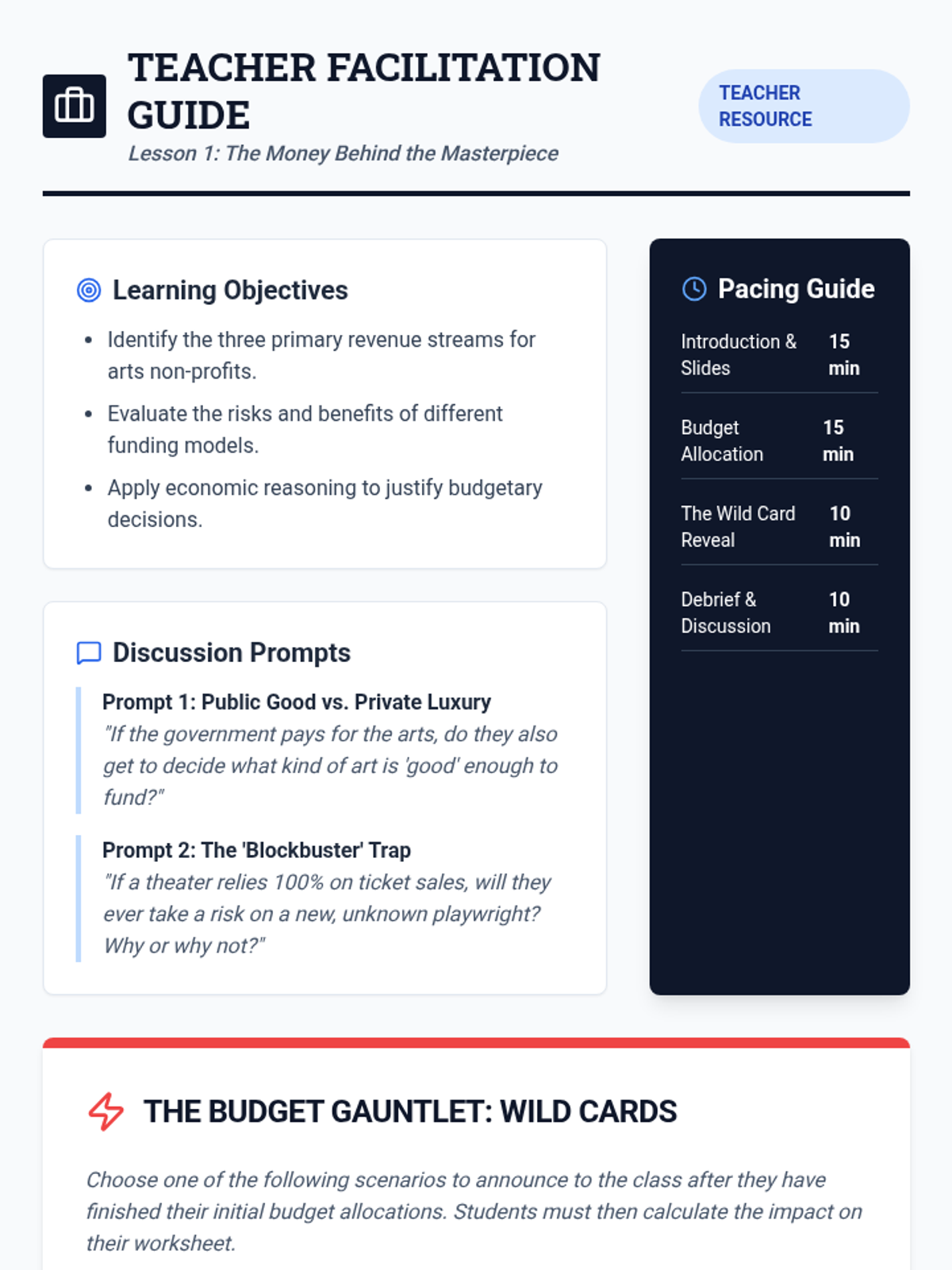
This 9th-grade sequence moves beyond art appreciation to explore the economic and policy frameworks of the arts sector. Students analyze funding models, historical controversies, grant writing, and urban policy, culminating in a mock legislative session on arts advocacy.
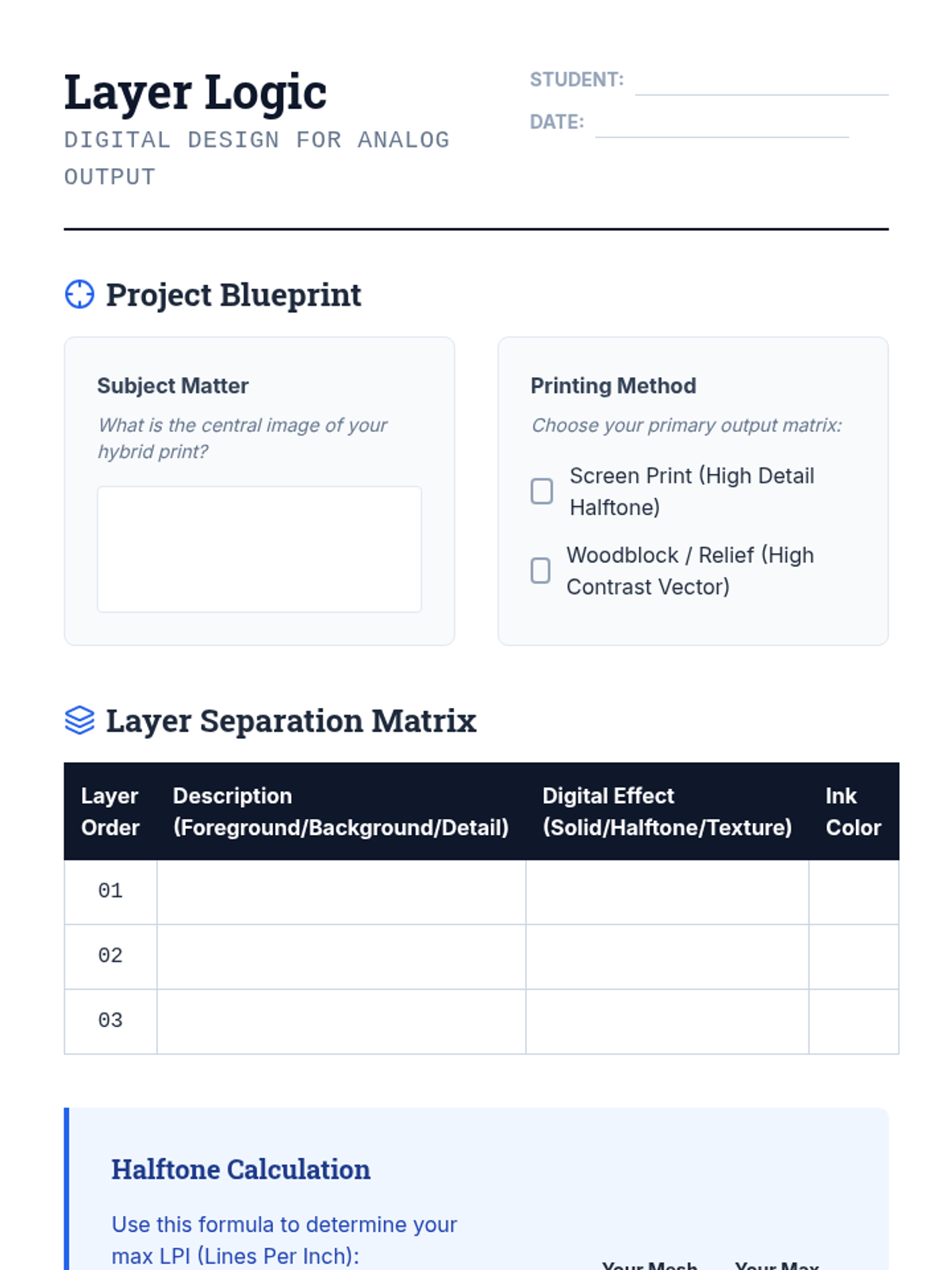
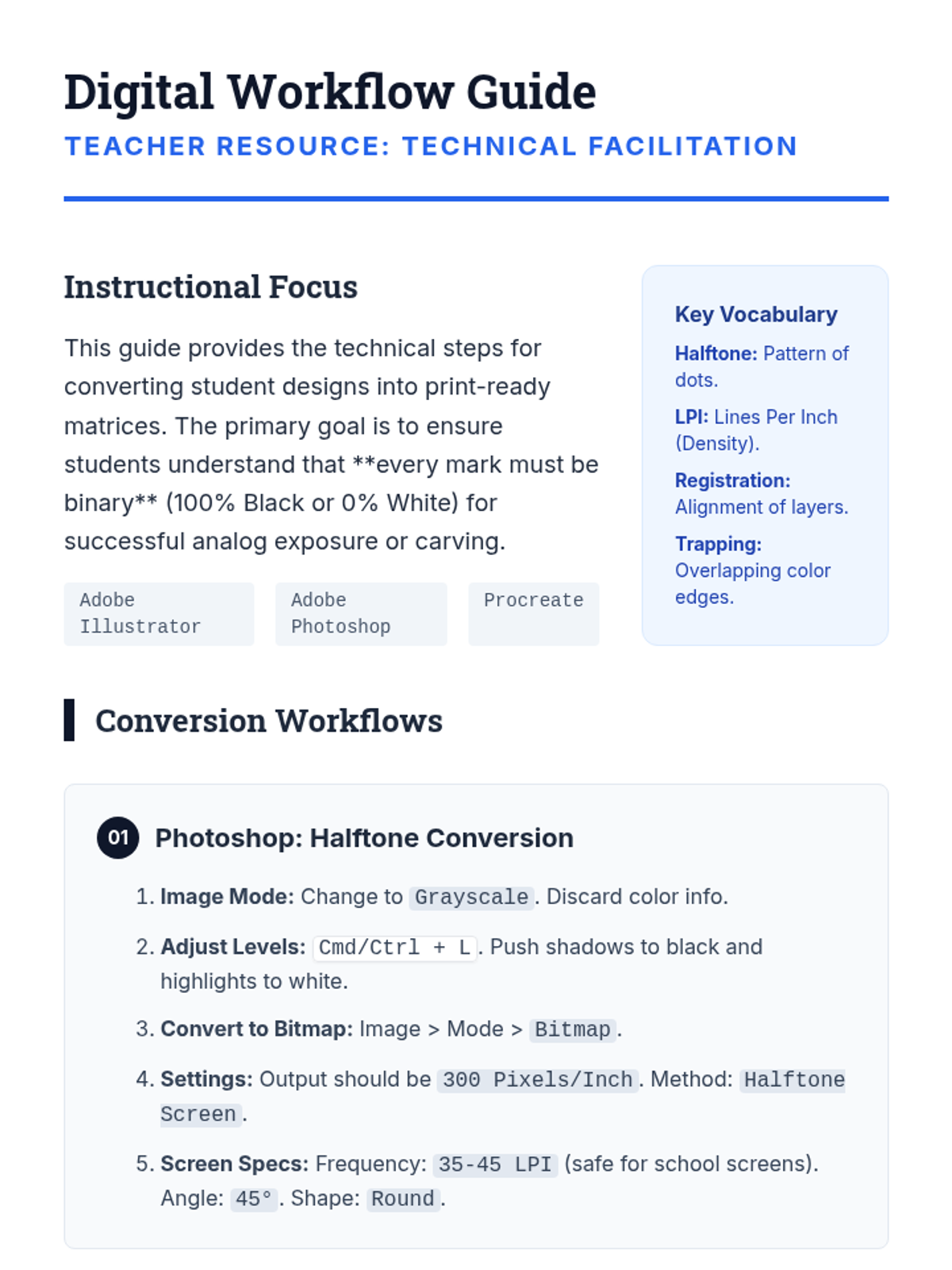
A high school sequence exploring the intersection of digital design and traditional printmaking. Students learn to bridge vector precision with analog texture through zine production and professional practice.
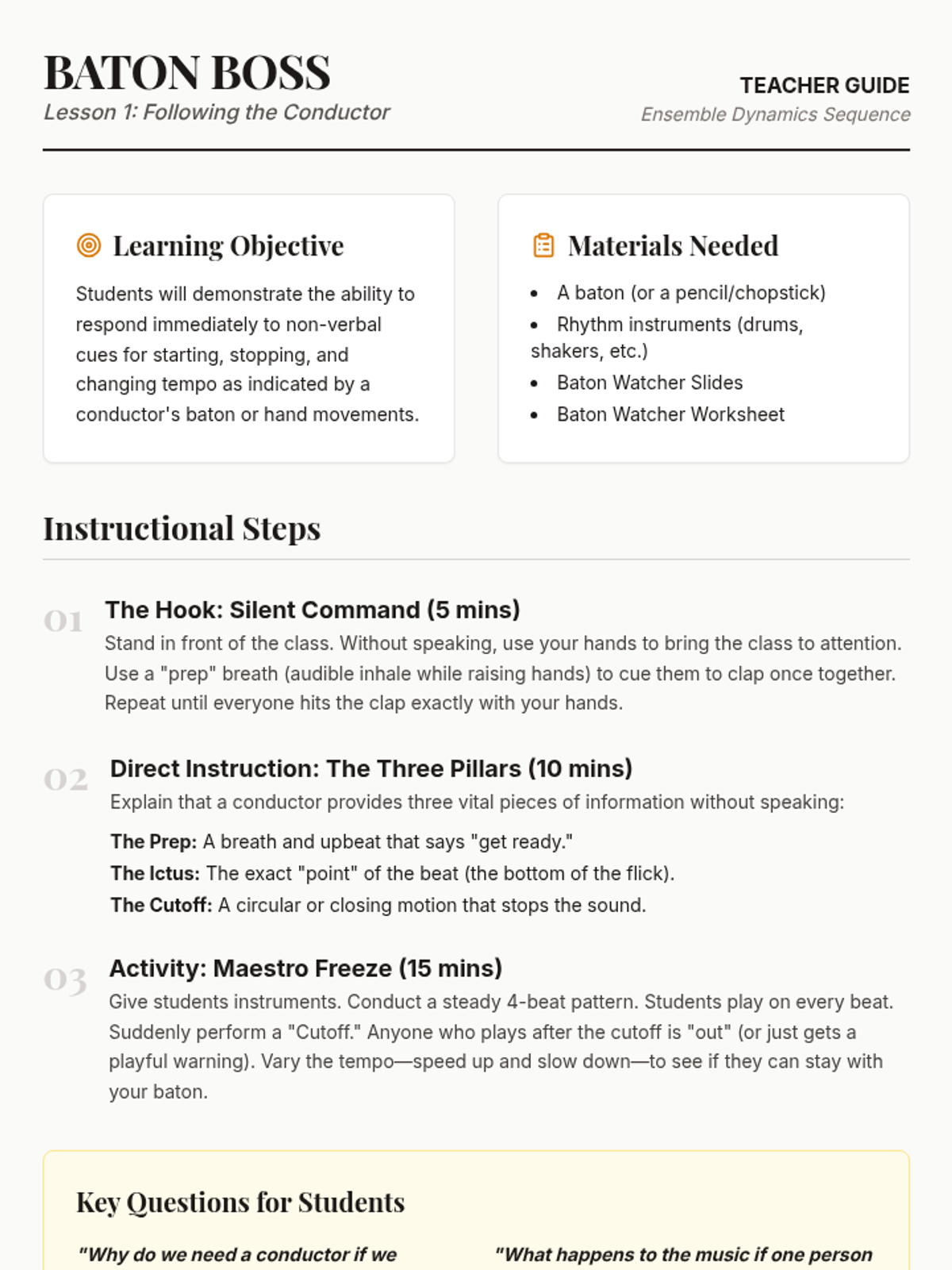
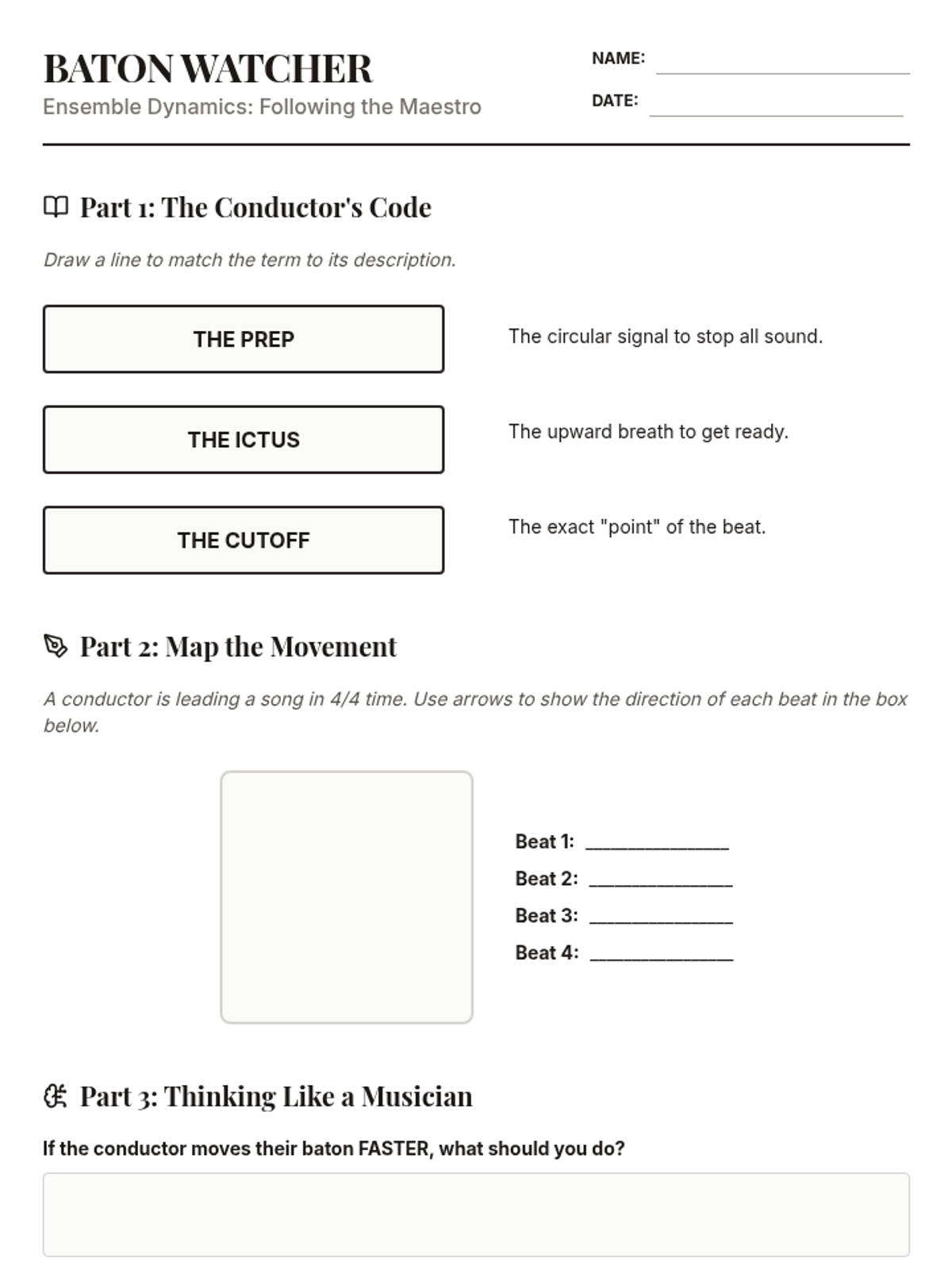
This sequence explores how musicians work together as an ensemble, focusing on conducting cues, dynamic control, balance, and tempo maintenance. Students transition from following a leader to collaborating in small independent groups.
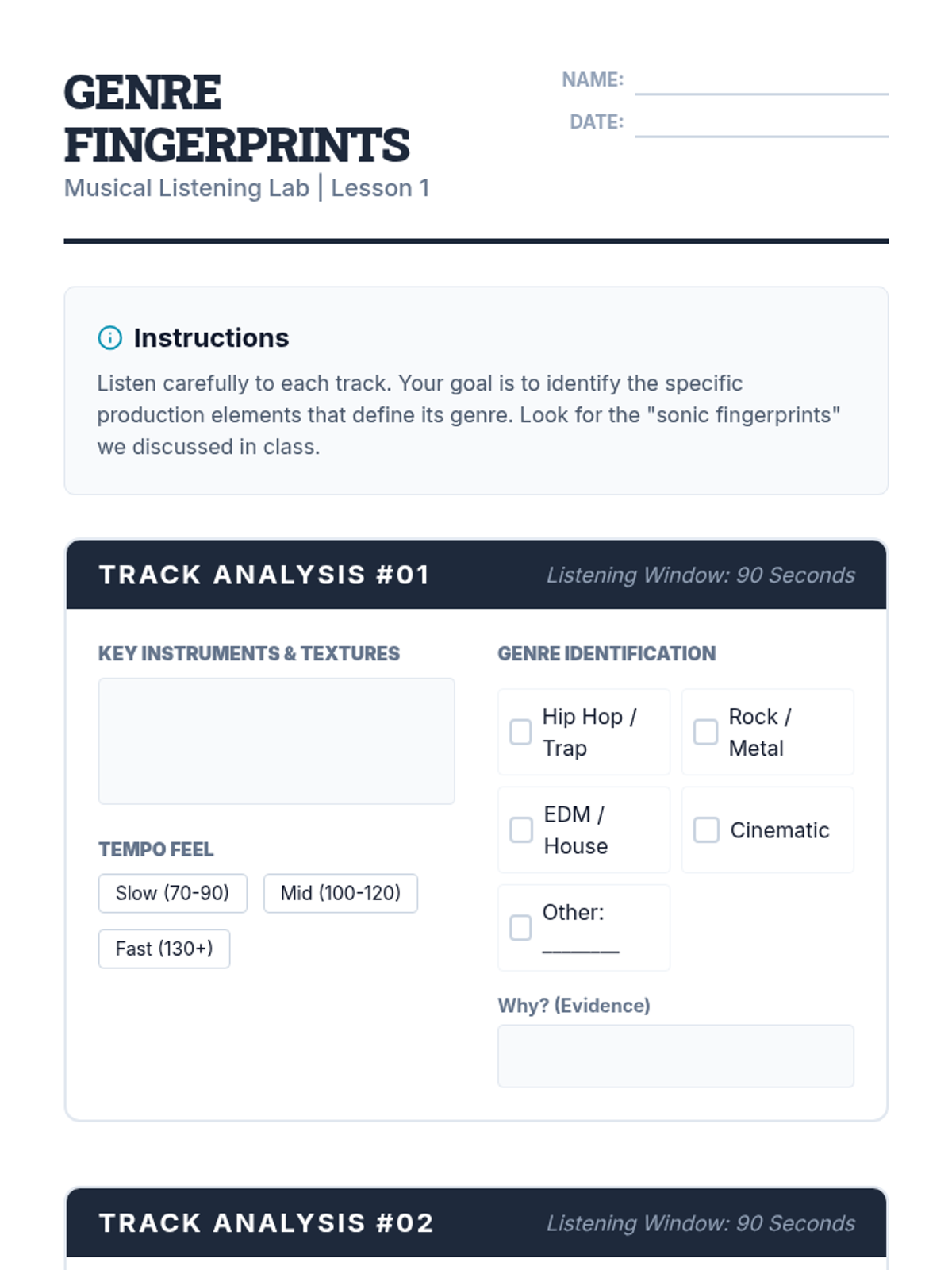
A 5-lesson sequence for 8th-grade music students focusing on musical arrangement, genre-based production, and the technical elements that define musical style. Students act as producers, transforming simple melodies into diverse genres like Hip Hop, Rock, and EDM.
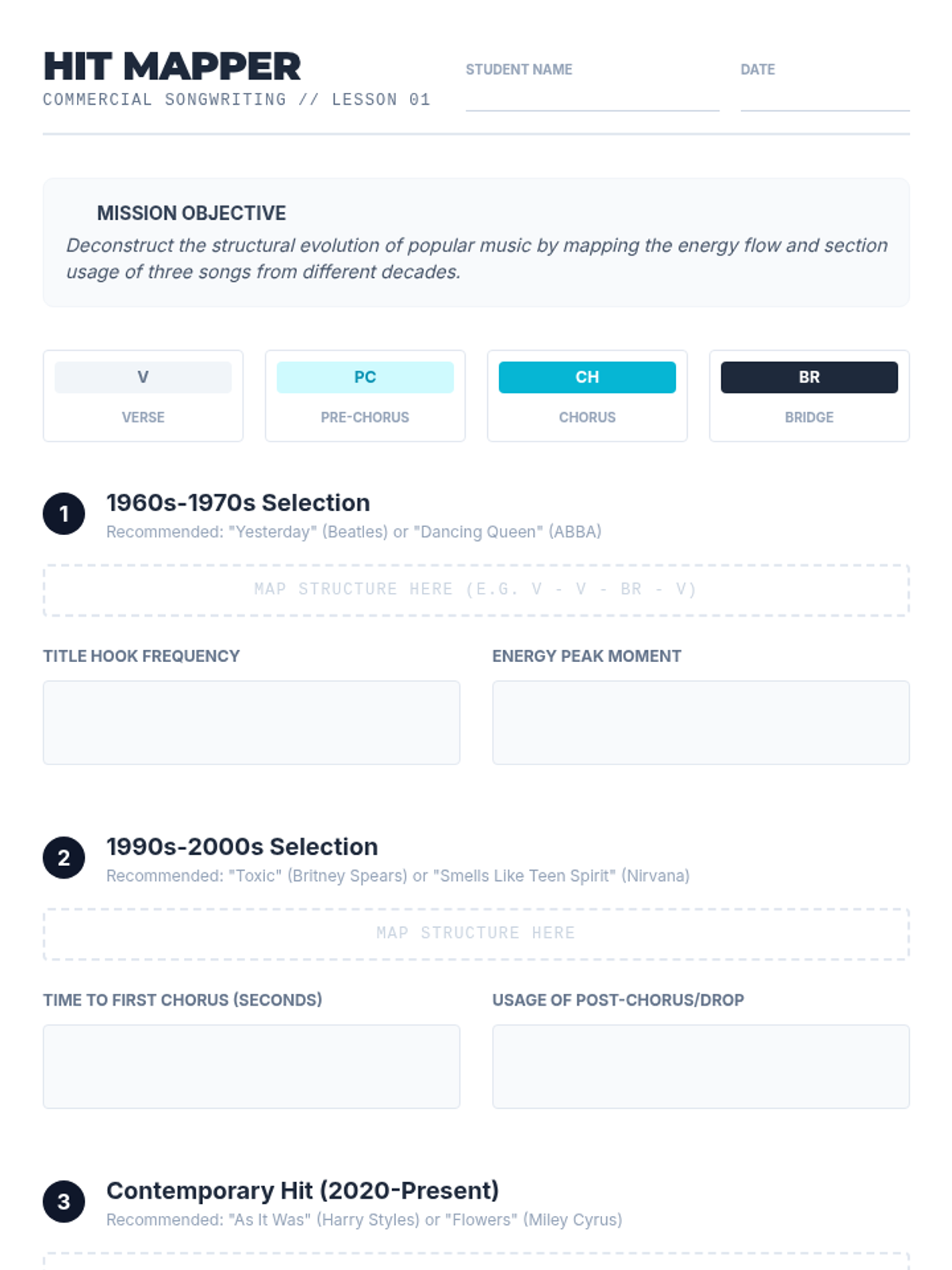
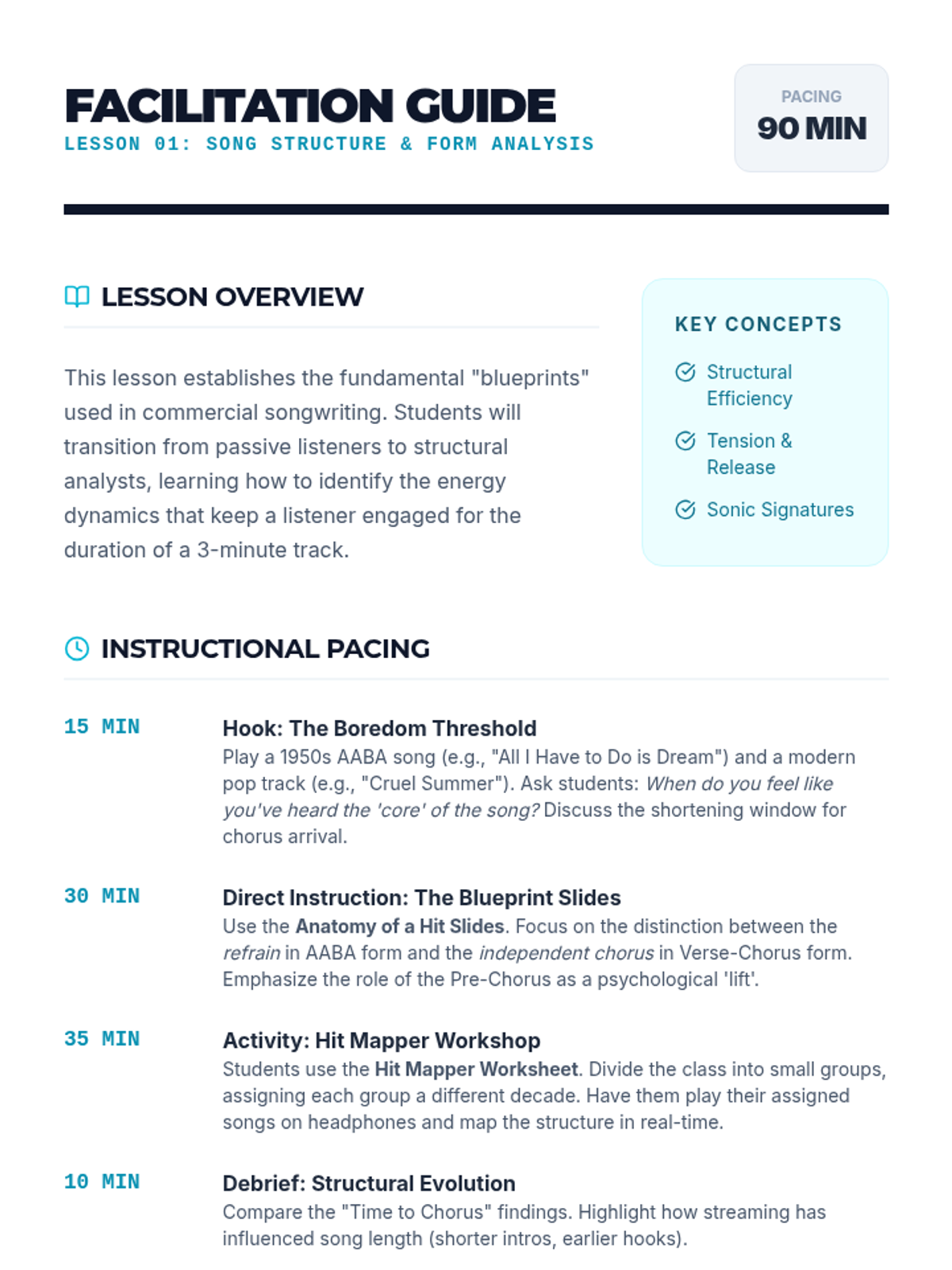
This sequence explores the mechanics of commercial songwriting, focusing on the structural patterns and lyrical techniques used in hit music. Students will move from analyzing song forms and prosody to crafting original hooks and bridges, culminating in a professional-style peer critique.
This sequence immerses students in the professional workflow of creating a cohesive visual identity, focusing specifically on the interplay between typography, color theory, and layout. Students progress from conceptual sketching and mood boarding to digital rendering and refinement of a logomark and accompanying marketing asset.
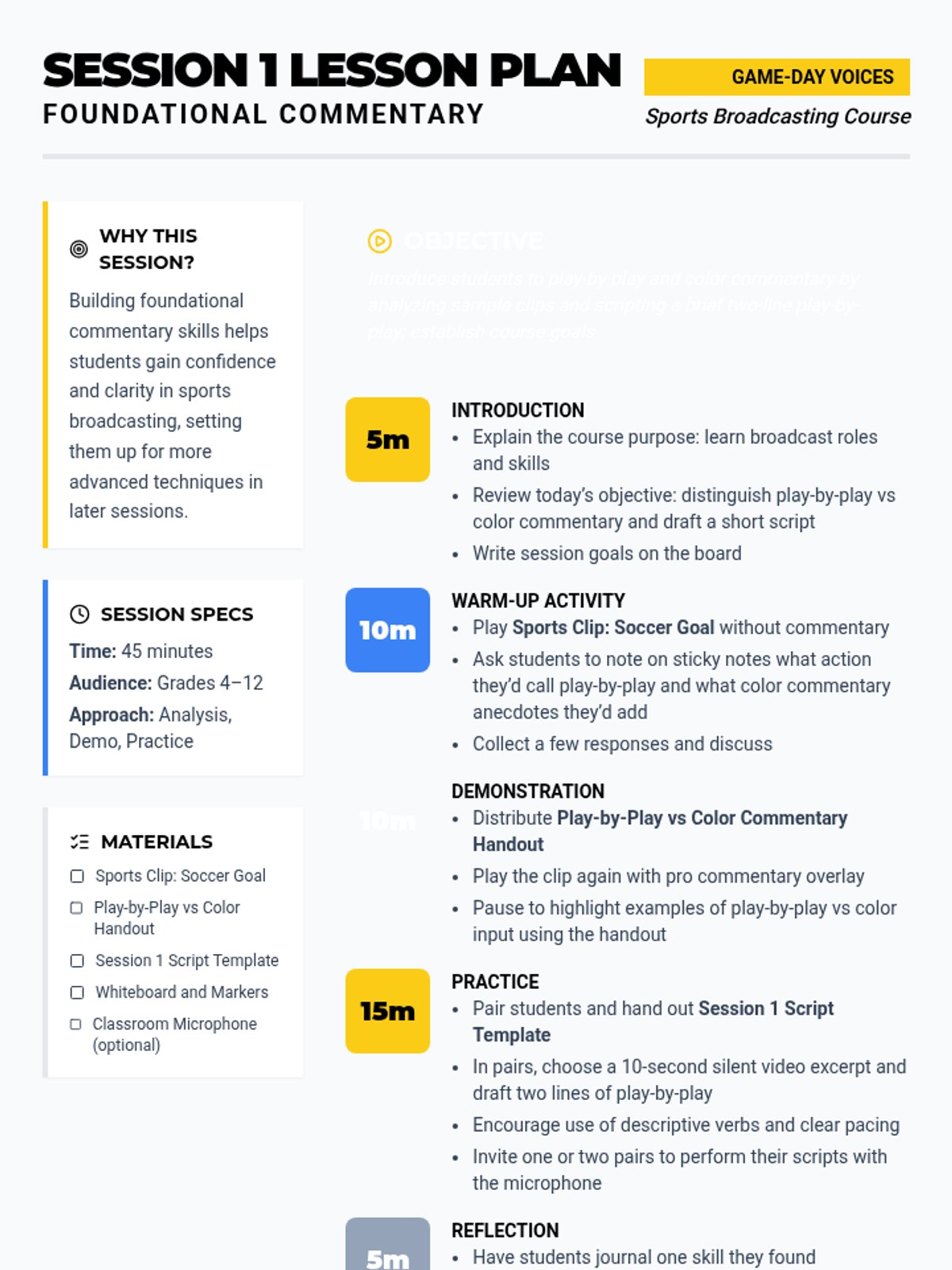
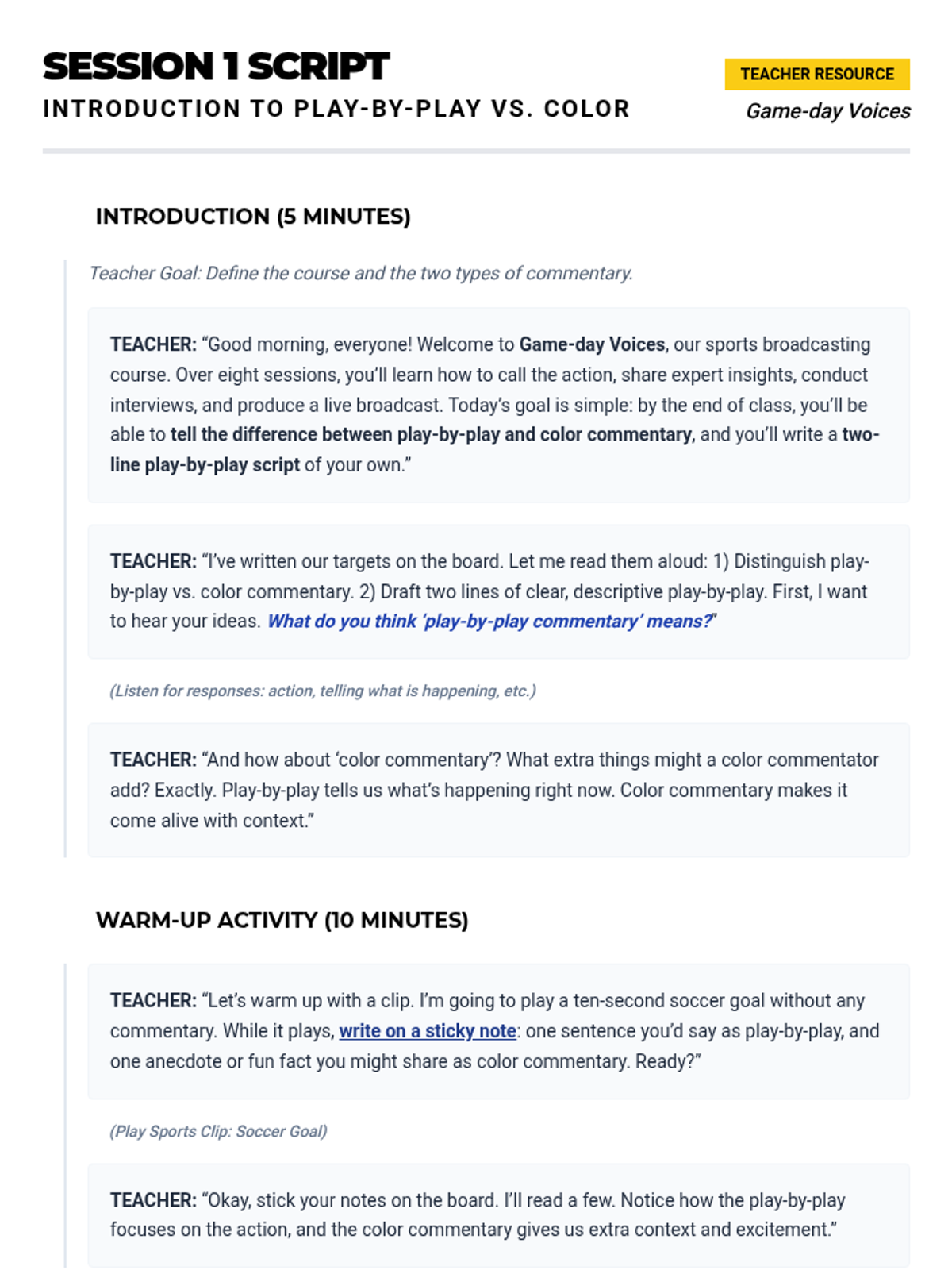
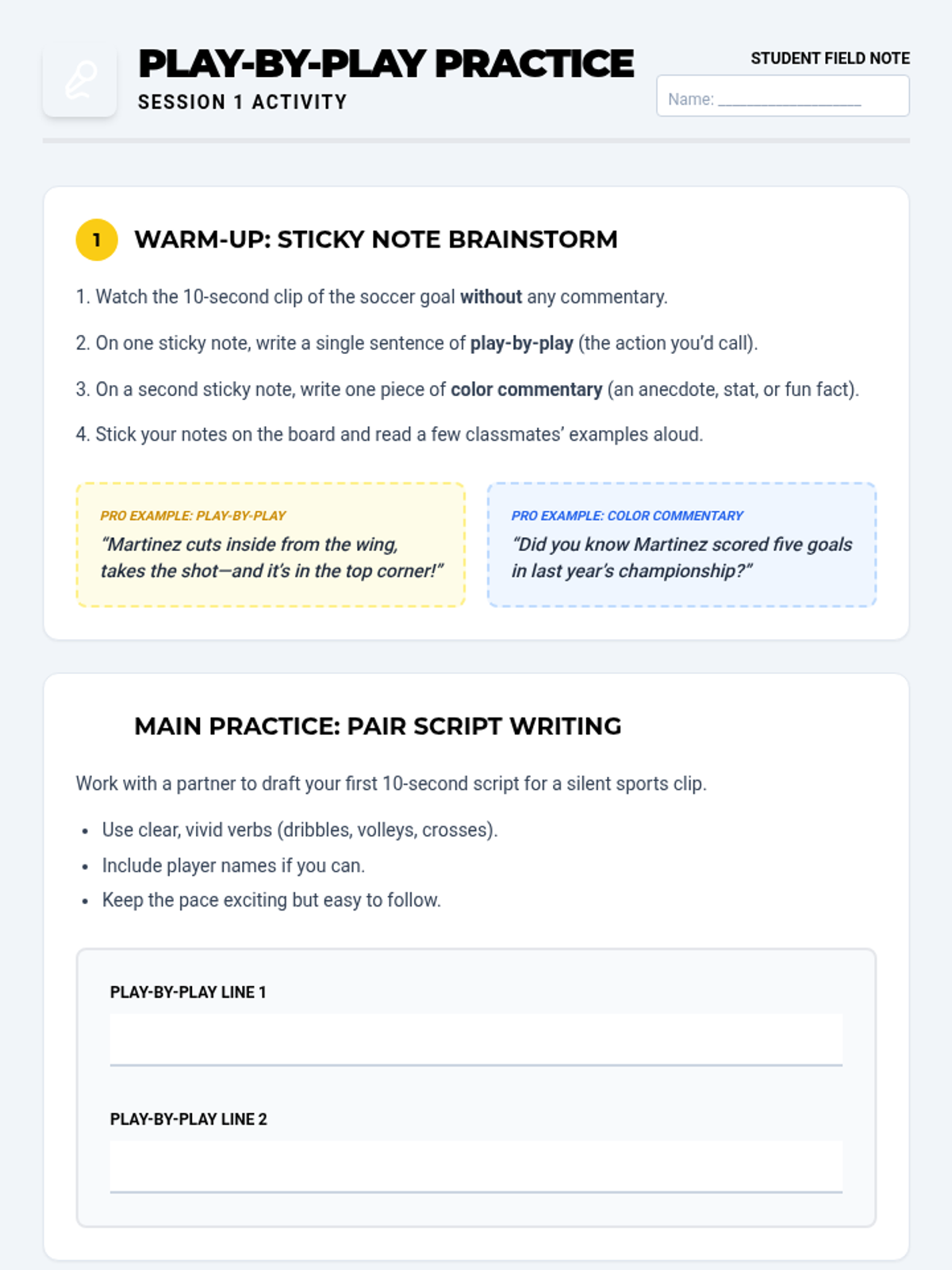
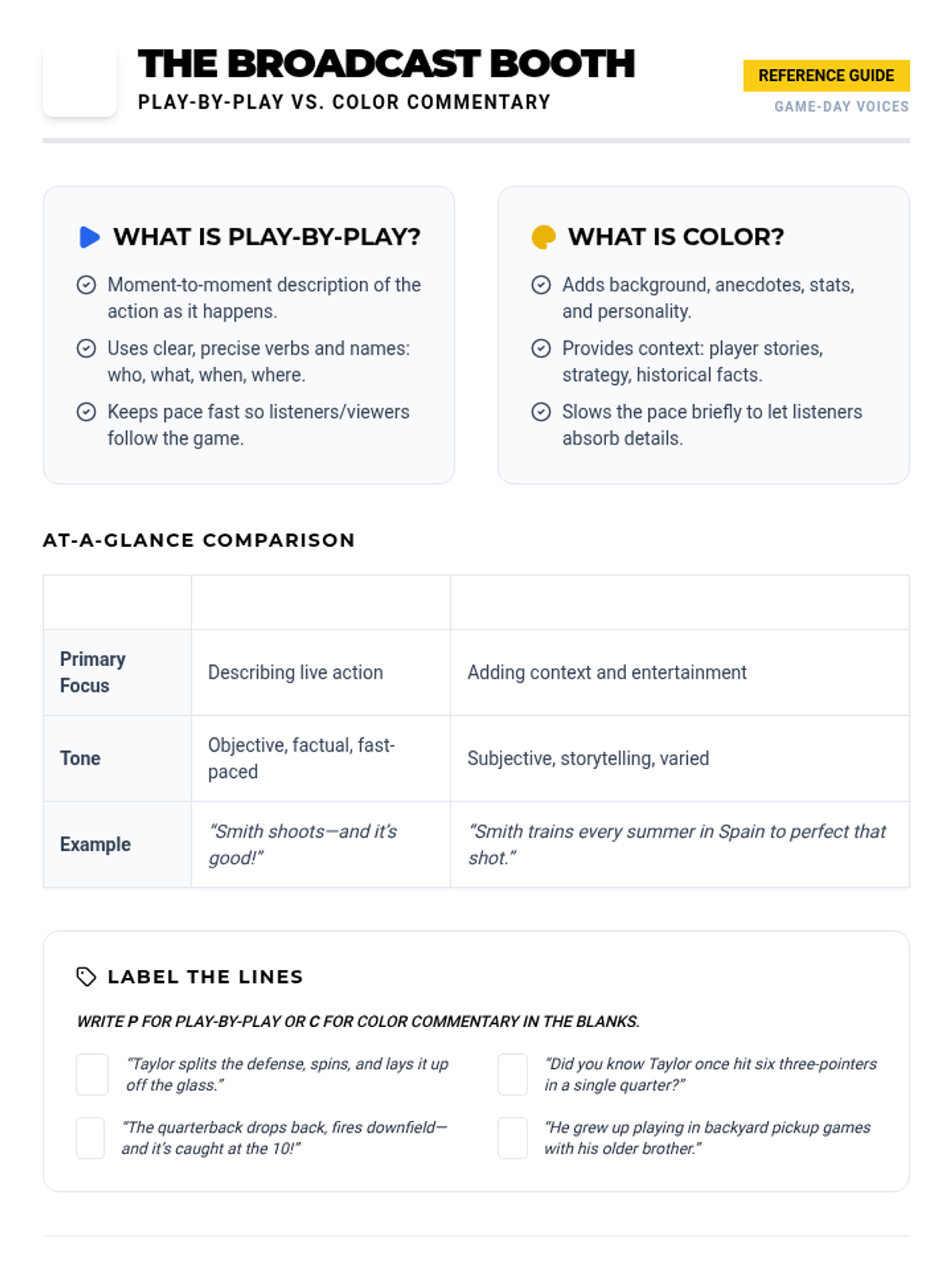
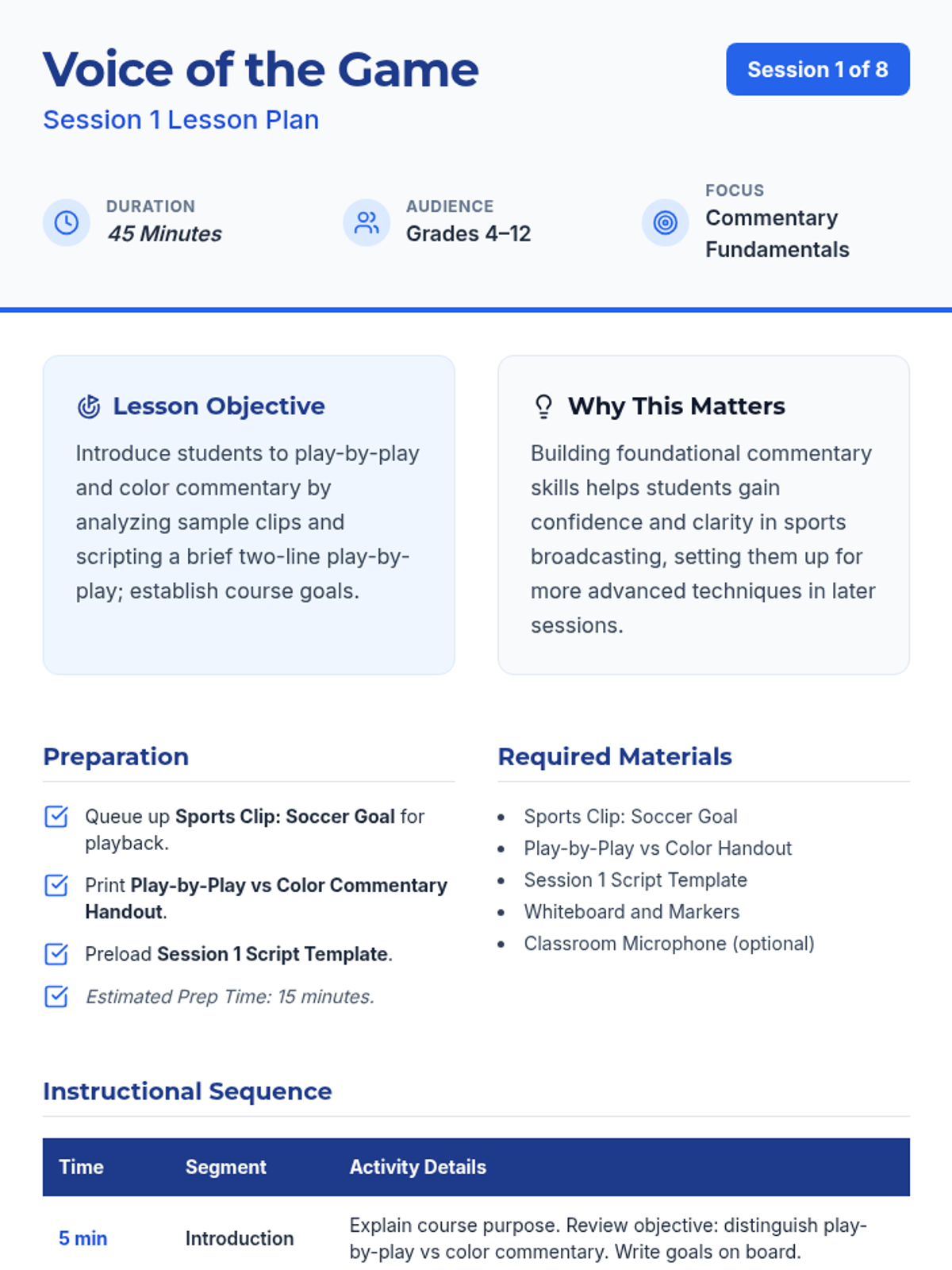
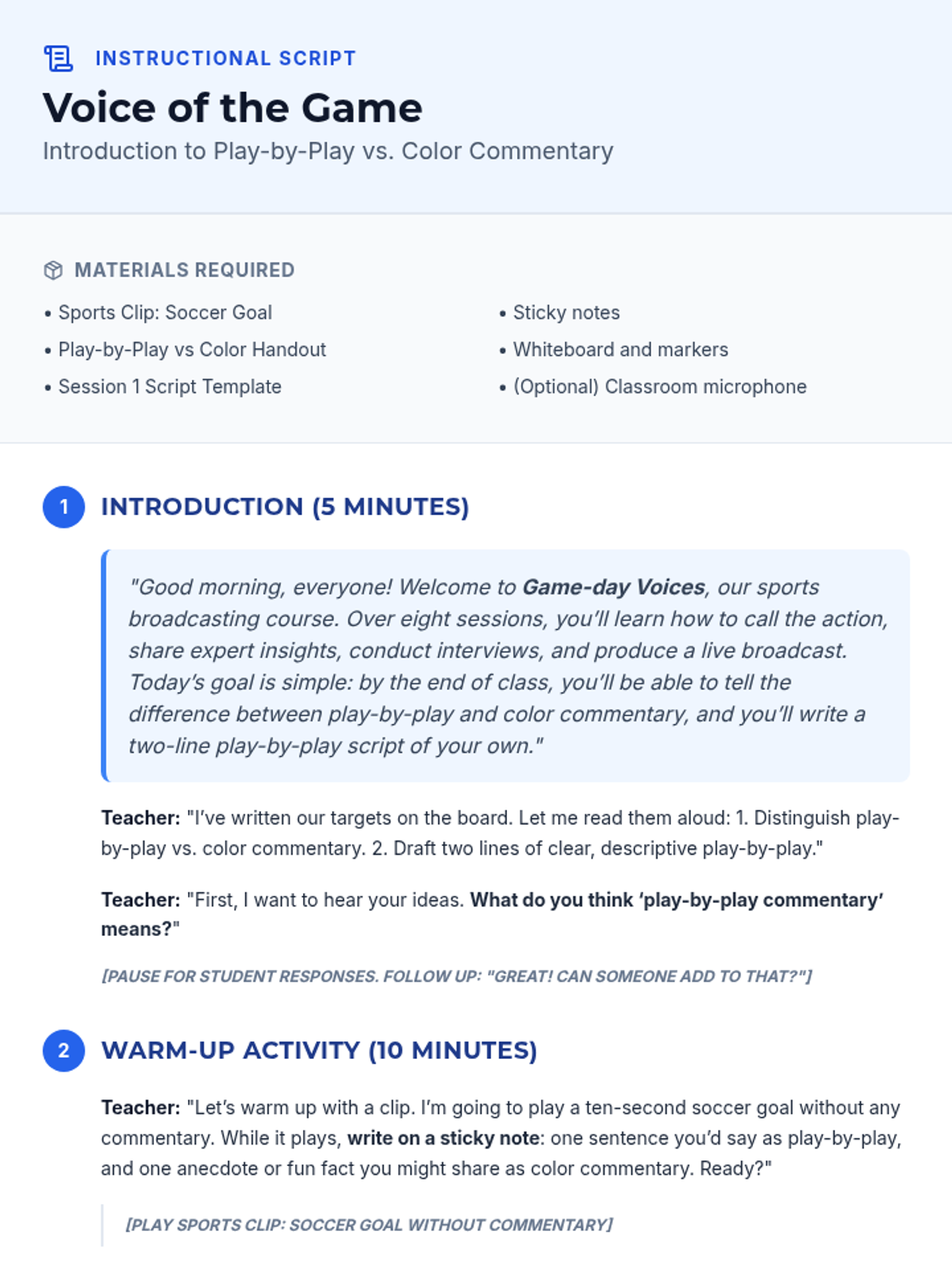
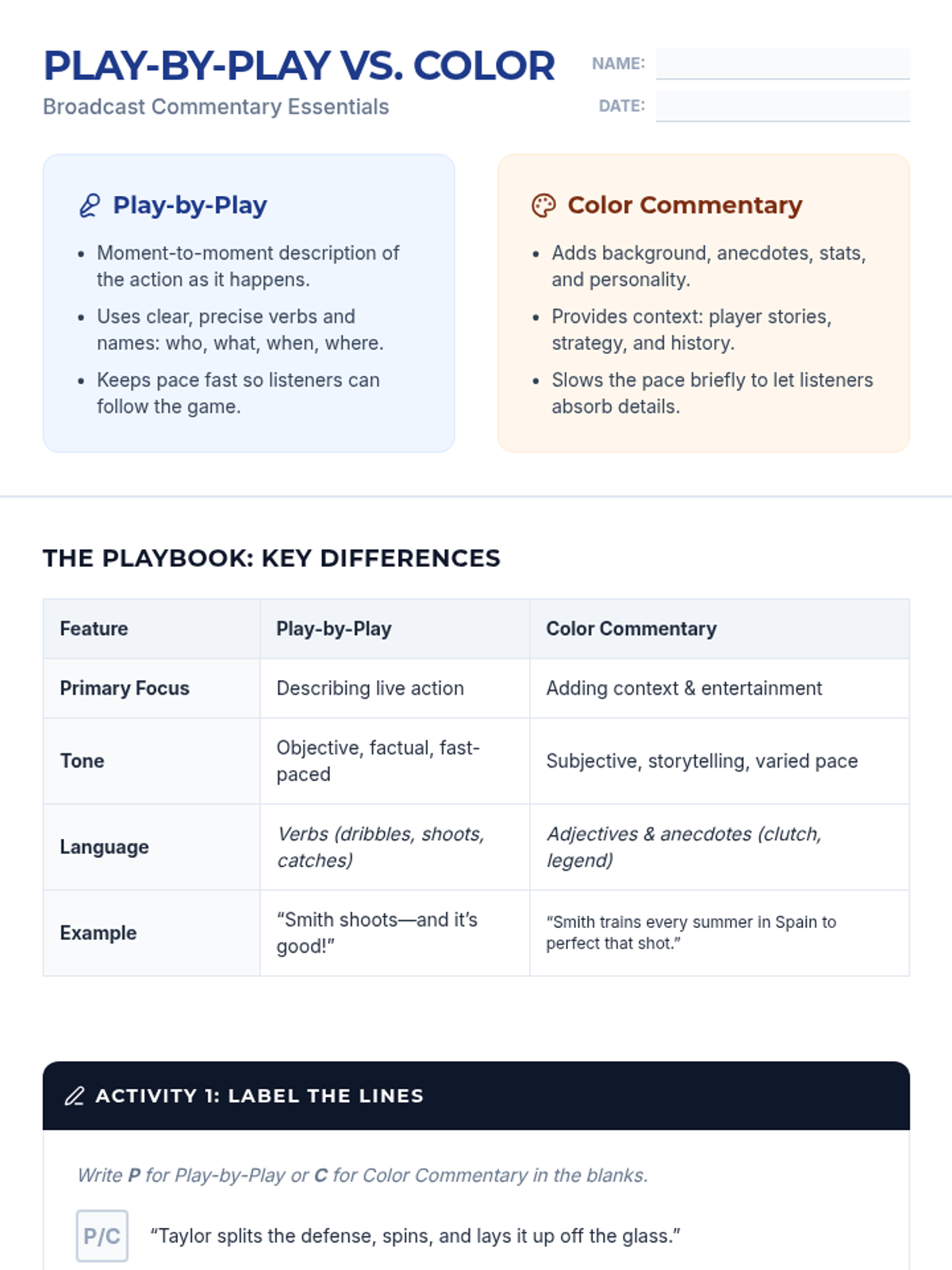
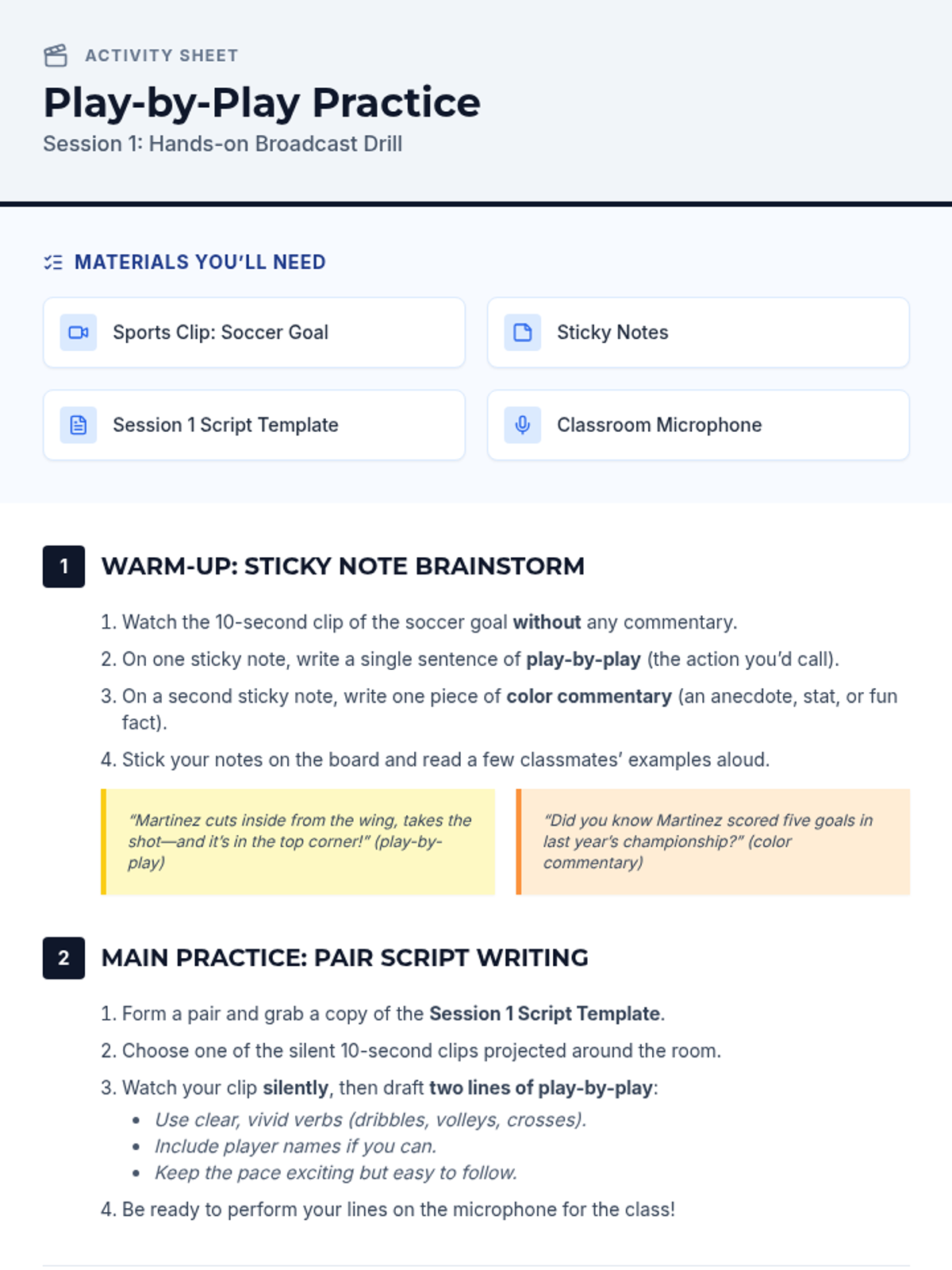
An 8-session sports broadcasting course for grades 4–12, covering play-by-play, color analysis, interviewing, and technical production. Students move from foundational commentary to producing a full capstone broadcast segment.
An 8-session sports broadcasting course for grades 4–12, covering play-by-play, color commentary, interviewing, camera work, audio mixing, and live production directing. Students progress from foundational vocal skills to a complete capstone broadcast project.
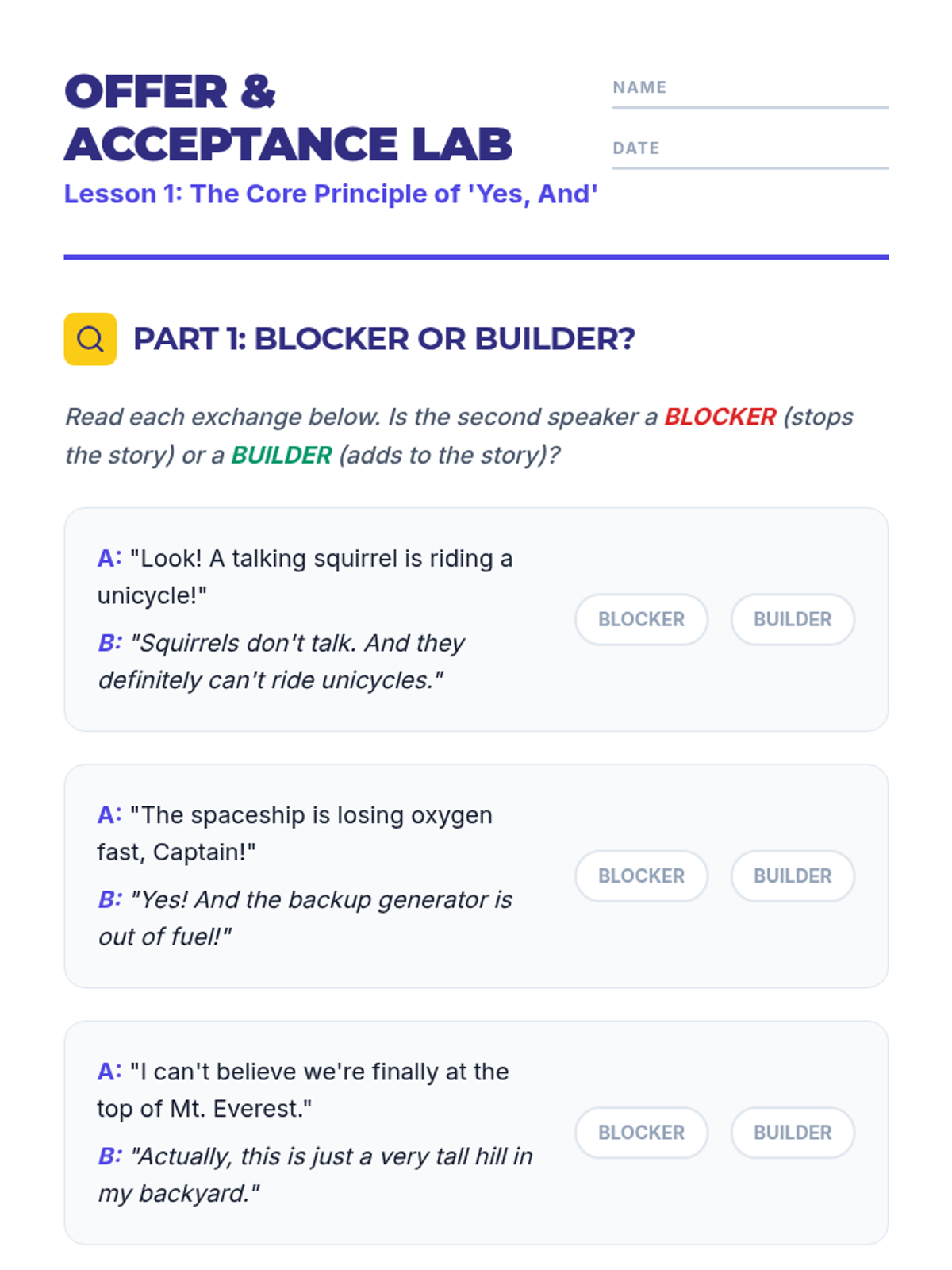
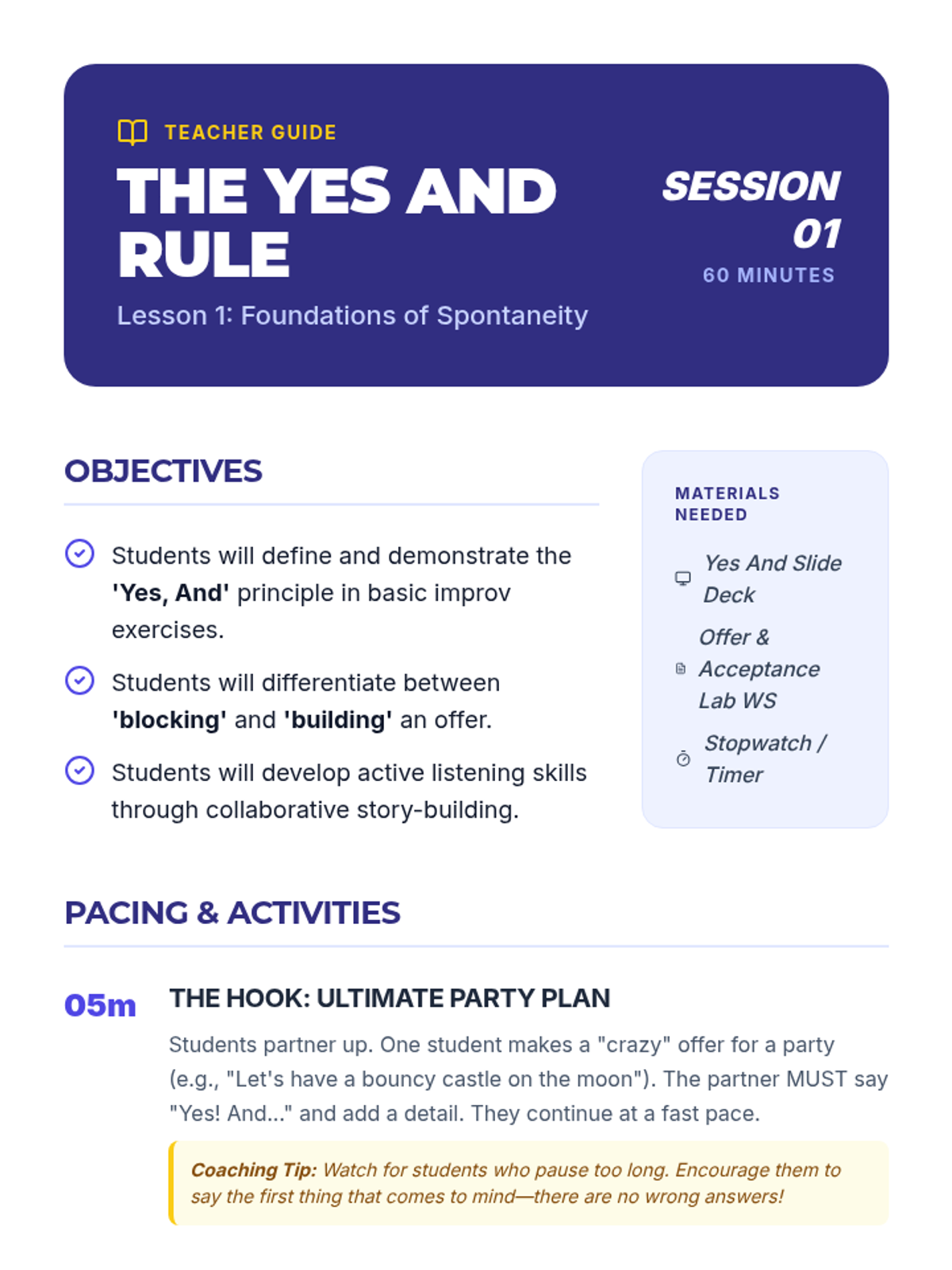
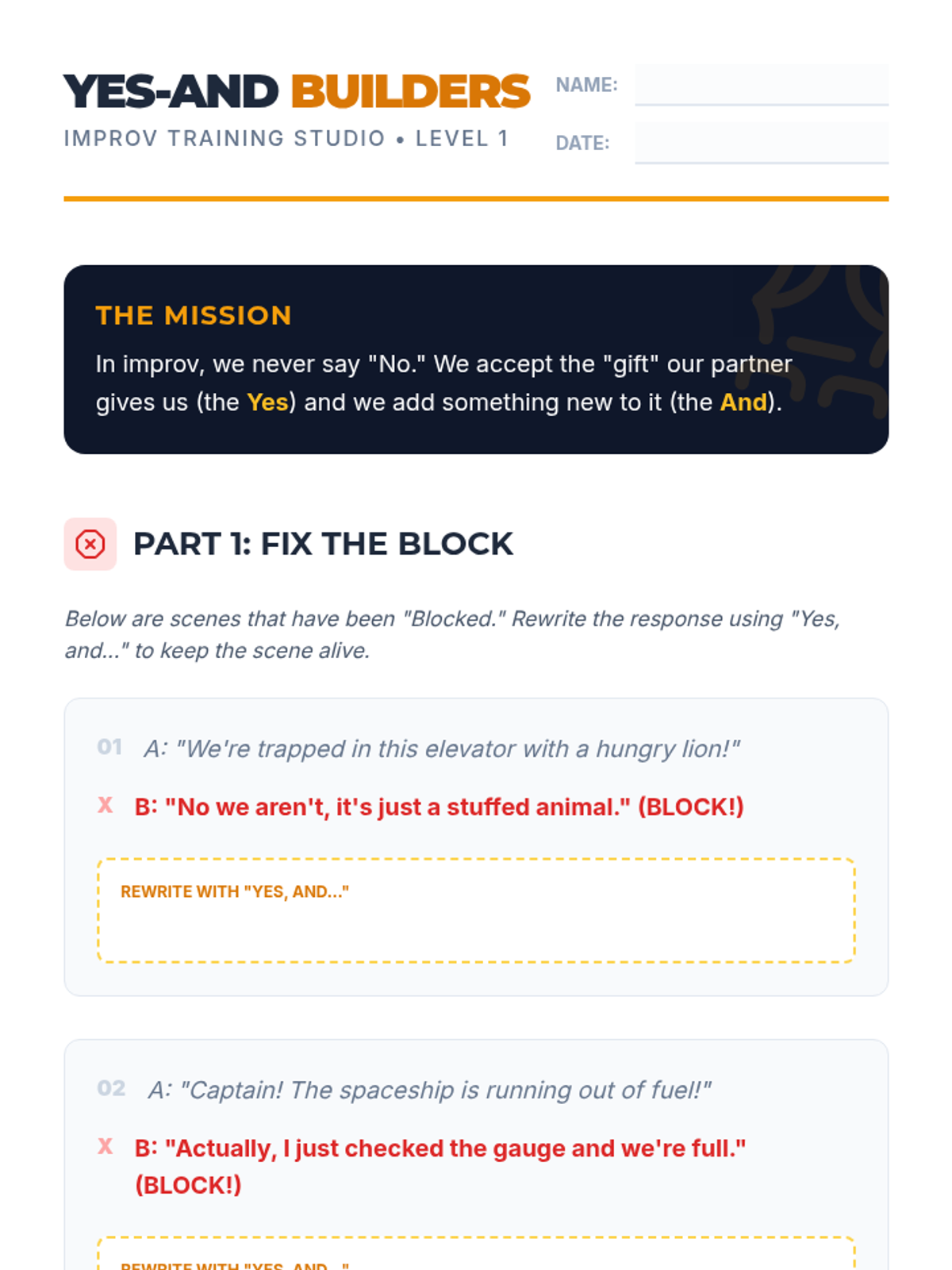
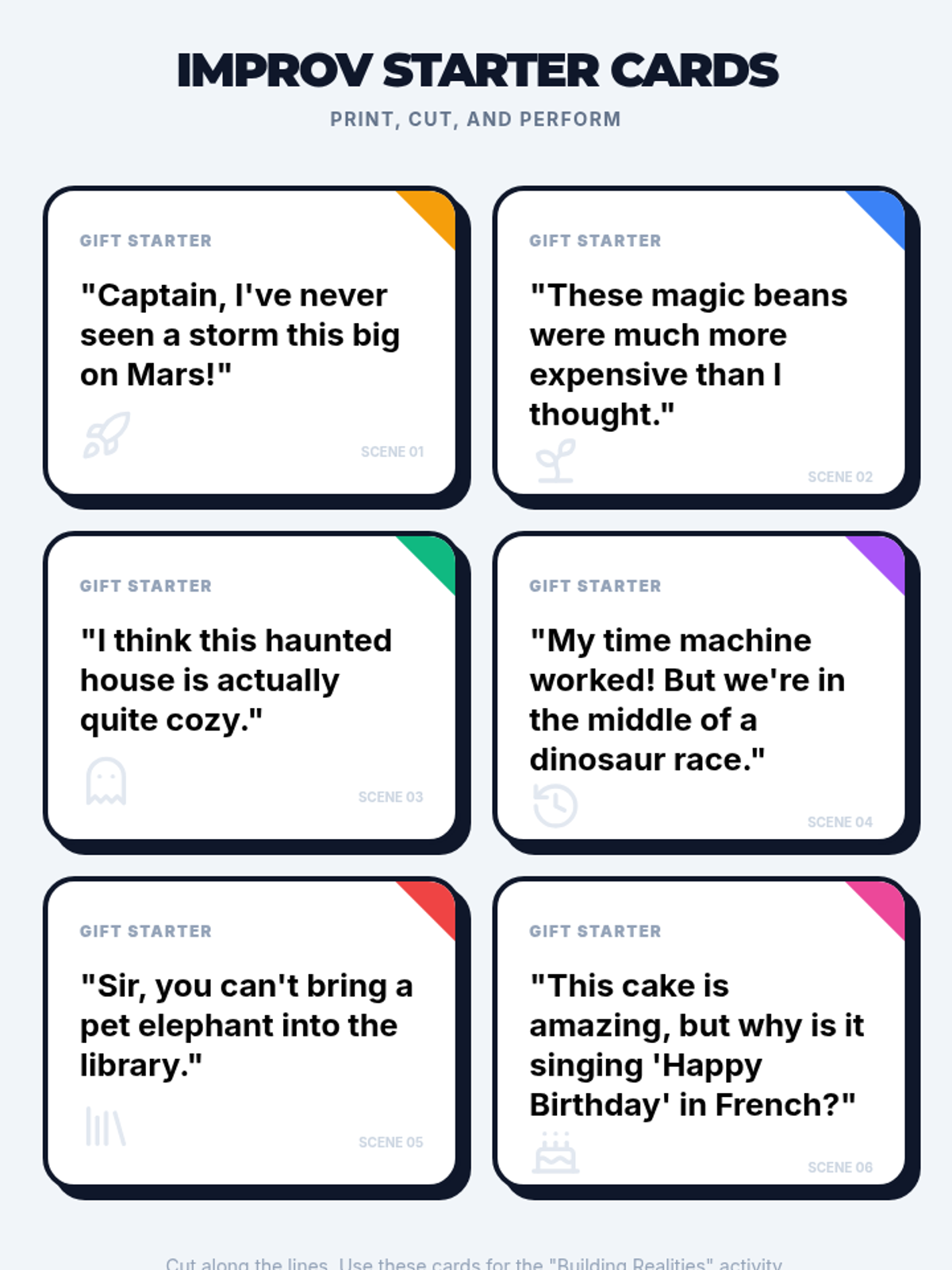
This sequence explores the foundational principles of theatrical improvisation, focusing on the 'Yes, And' rule, CROW (Character, Relationship, Objective, Where), object work, and status dynamics. Students will build ensemble trust and spontaneity through a variety of workshop games and simulations, culminating in a short-form improv performance.
This sequence focuses on improvisation and ensemble building, teaching students to think quickly and collaborate creatively. The arc moves from basic rule-setting (Yes, And) to active listening and reacting in the moment. Students learn to build scenes cooperatively without a script, focusing on maintaining character and narrative logic.
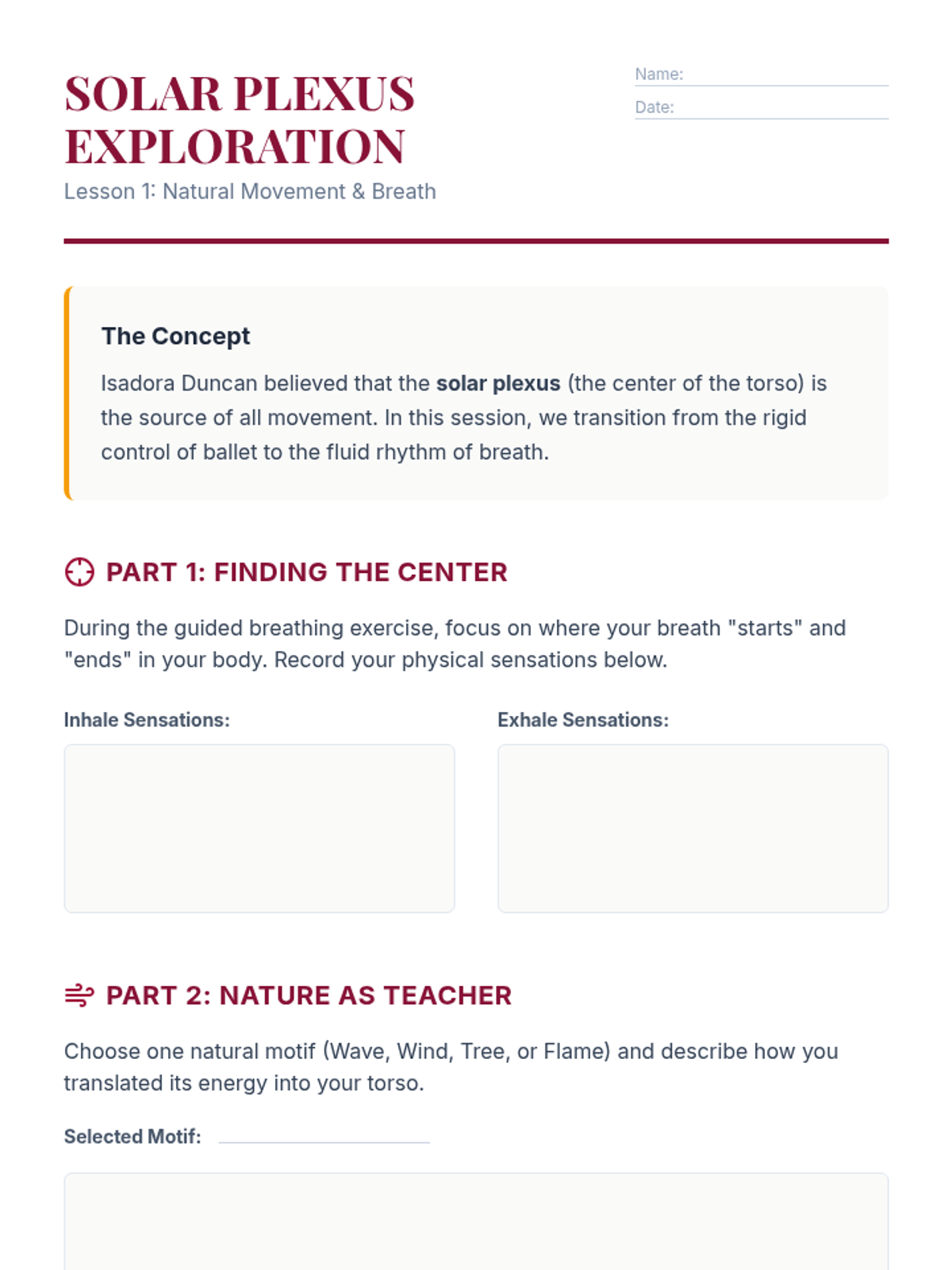
A 5-lesson sequence for 9th-grade students exploring the birth and evolution of modern dance, from Isadora Duncan's natural movement to Alvin Ailey's social commentary. Students will analyze key figures, practice foundational techniques, and create their own choreographic manifestos.
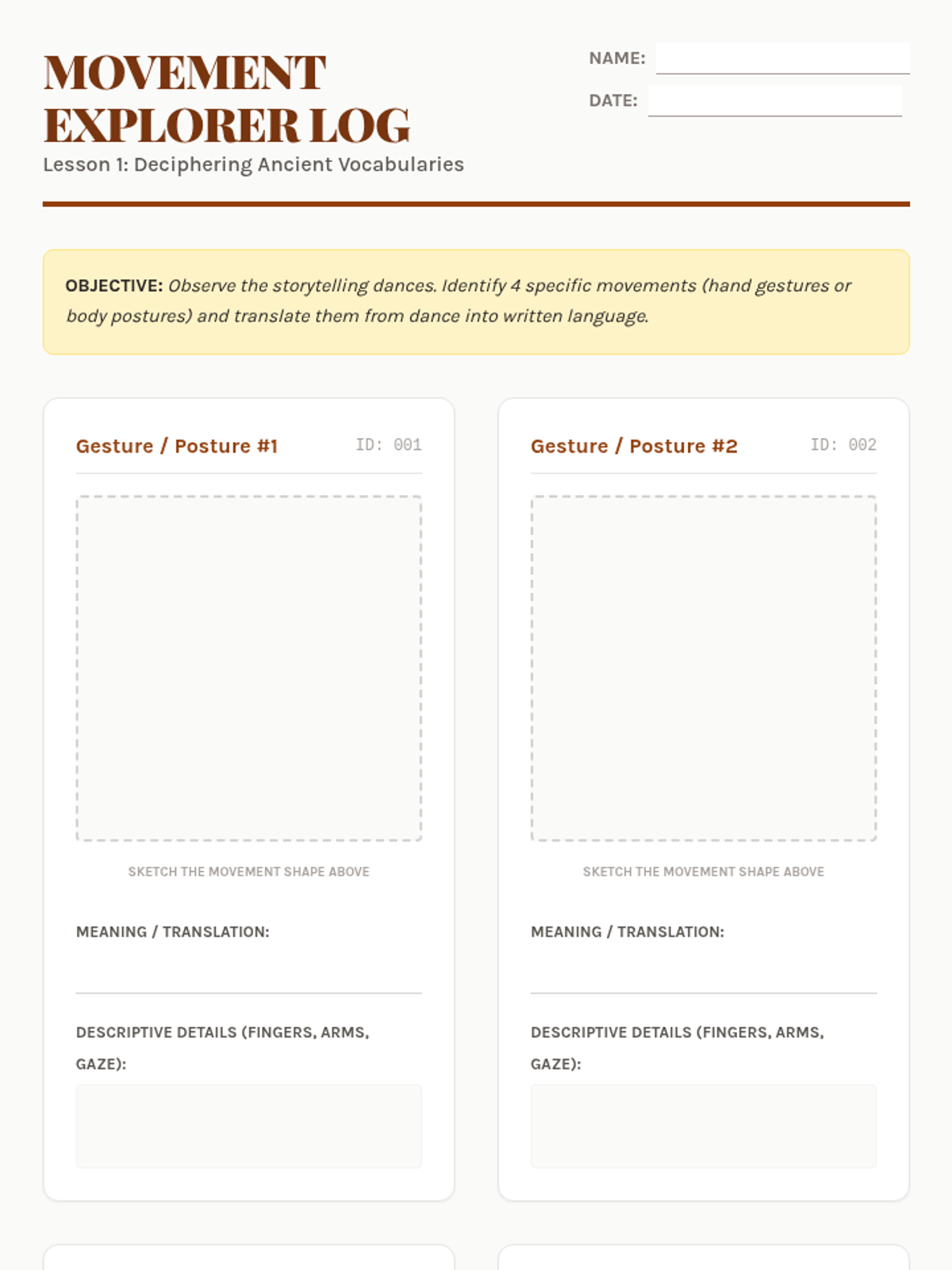
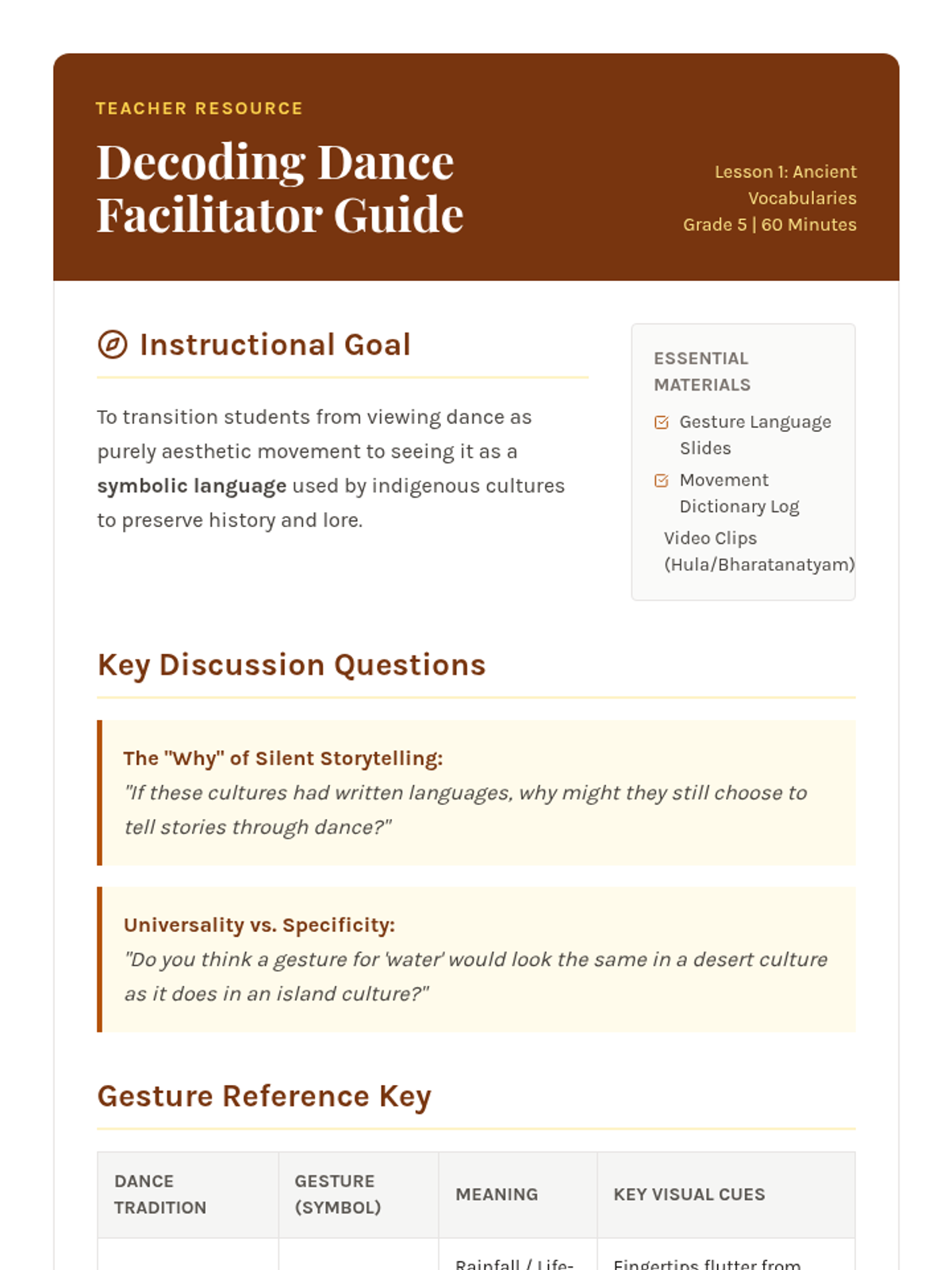
An inquiry-based exploration of dance as a language of storytelling and ritual in indigenous cultures, focusing on gesture, formation, regalia, and rhythm.
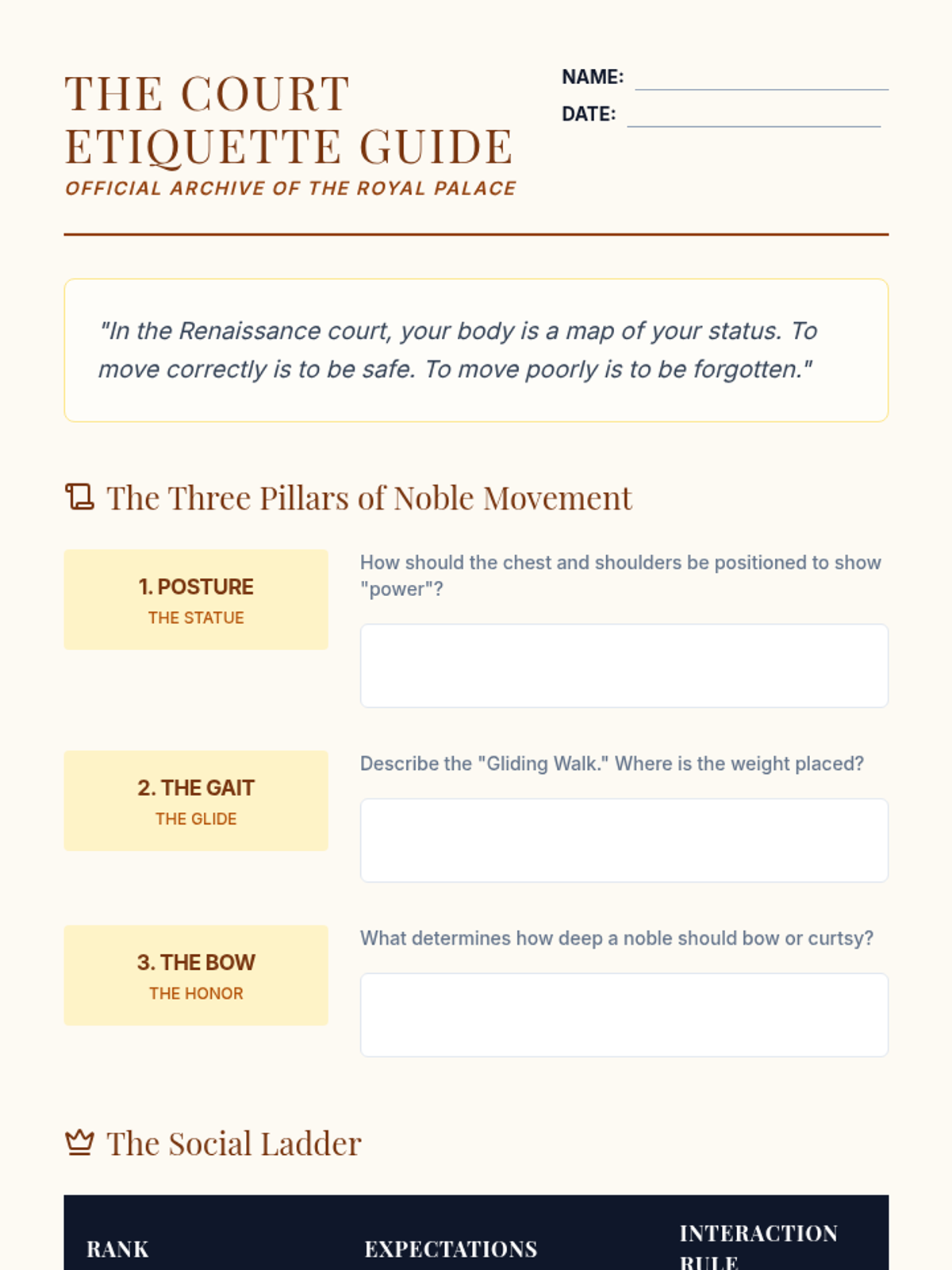
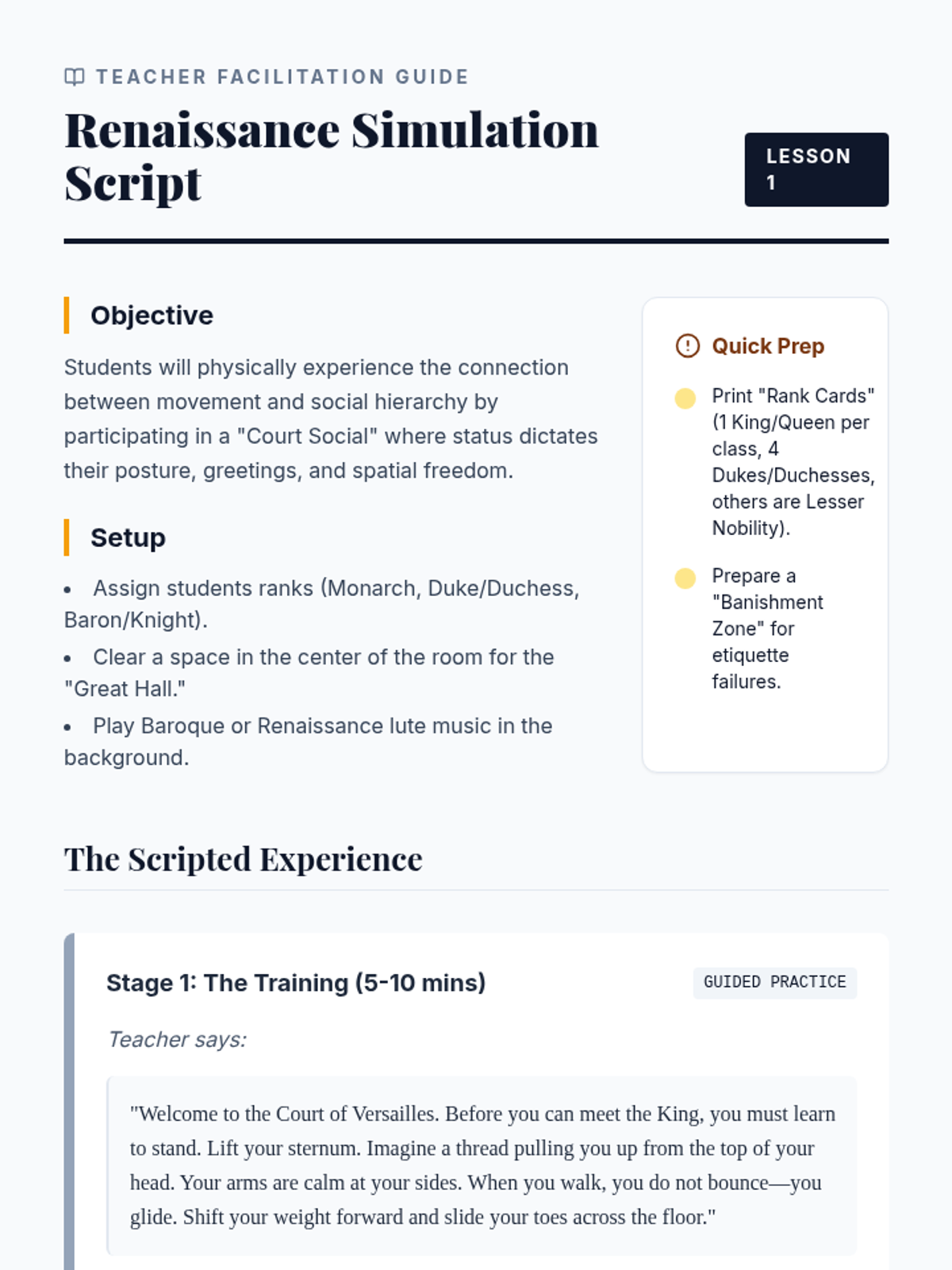
A journey through the history of classical dance, exploring how power, fashion, and social hierarchy shaped the movement styles of the Renaissance and Baroque eras into the formalized art of ballet. Students will move from court etiquette to the technical rigor of King Louis XIV's court, analyze Romantic era narratives, and create their own codified dance systems.
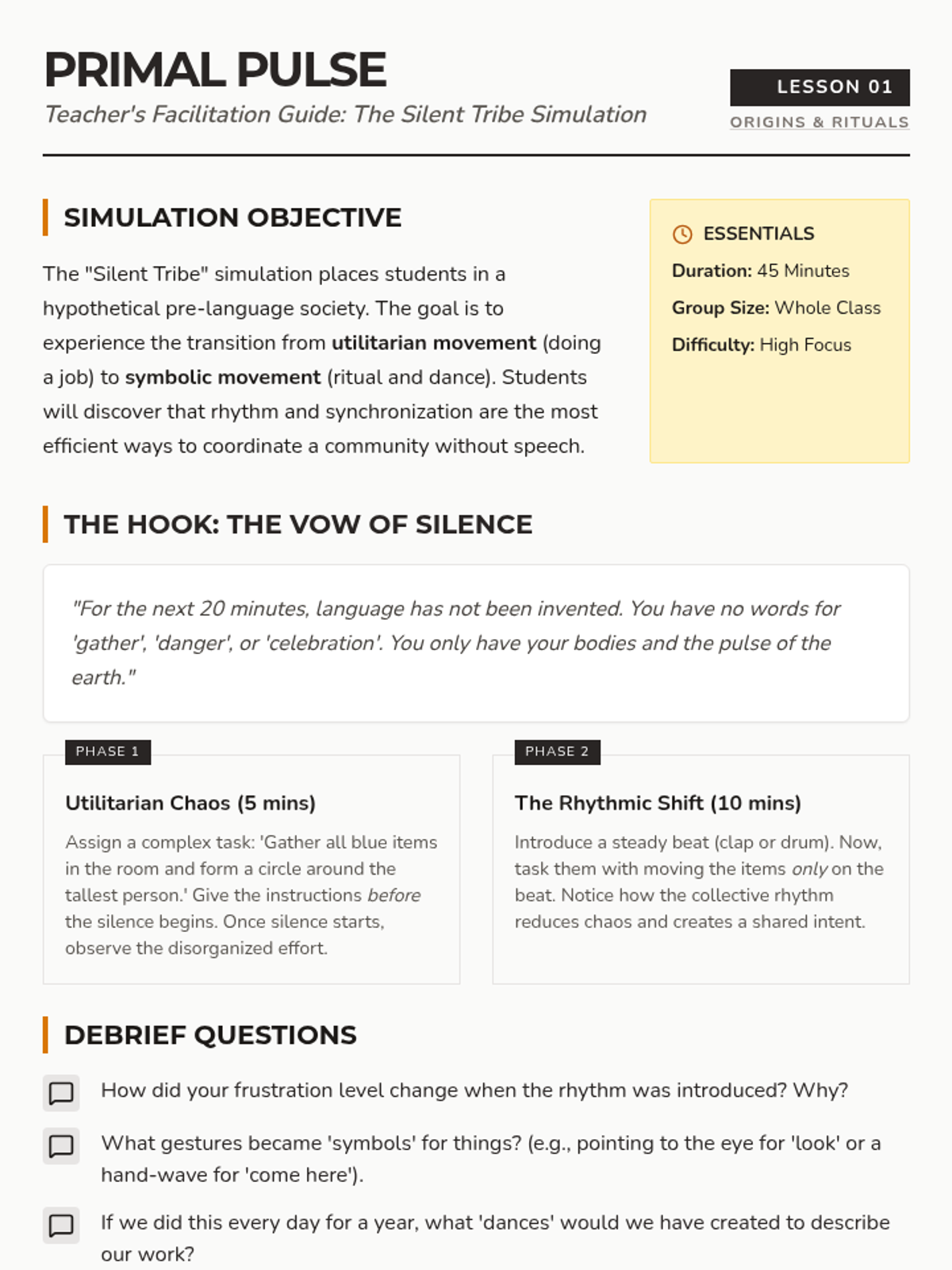
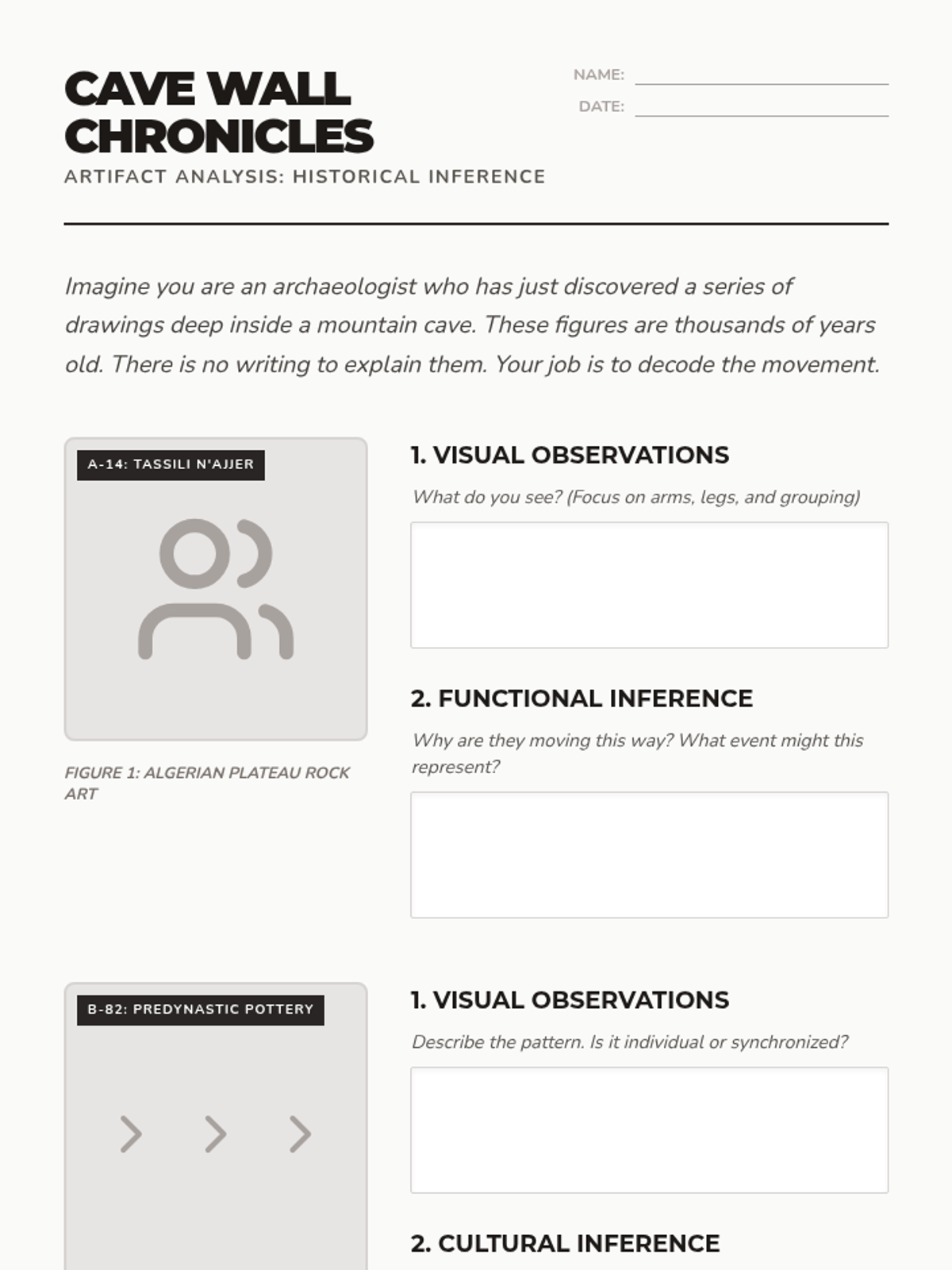
A 5-lesson unit exploring how dance served as the primary form of communication and history-keeping before written language, investigating Hawaiian, Greek, and West African traditions.