Analytical frameworks for interpreting history, geography, and civic information. Equips learners with tools for chronological sequencing, map literacy, and critical evaluation of primary and secondary sources.
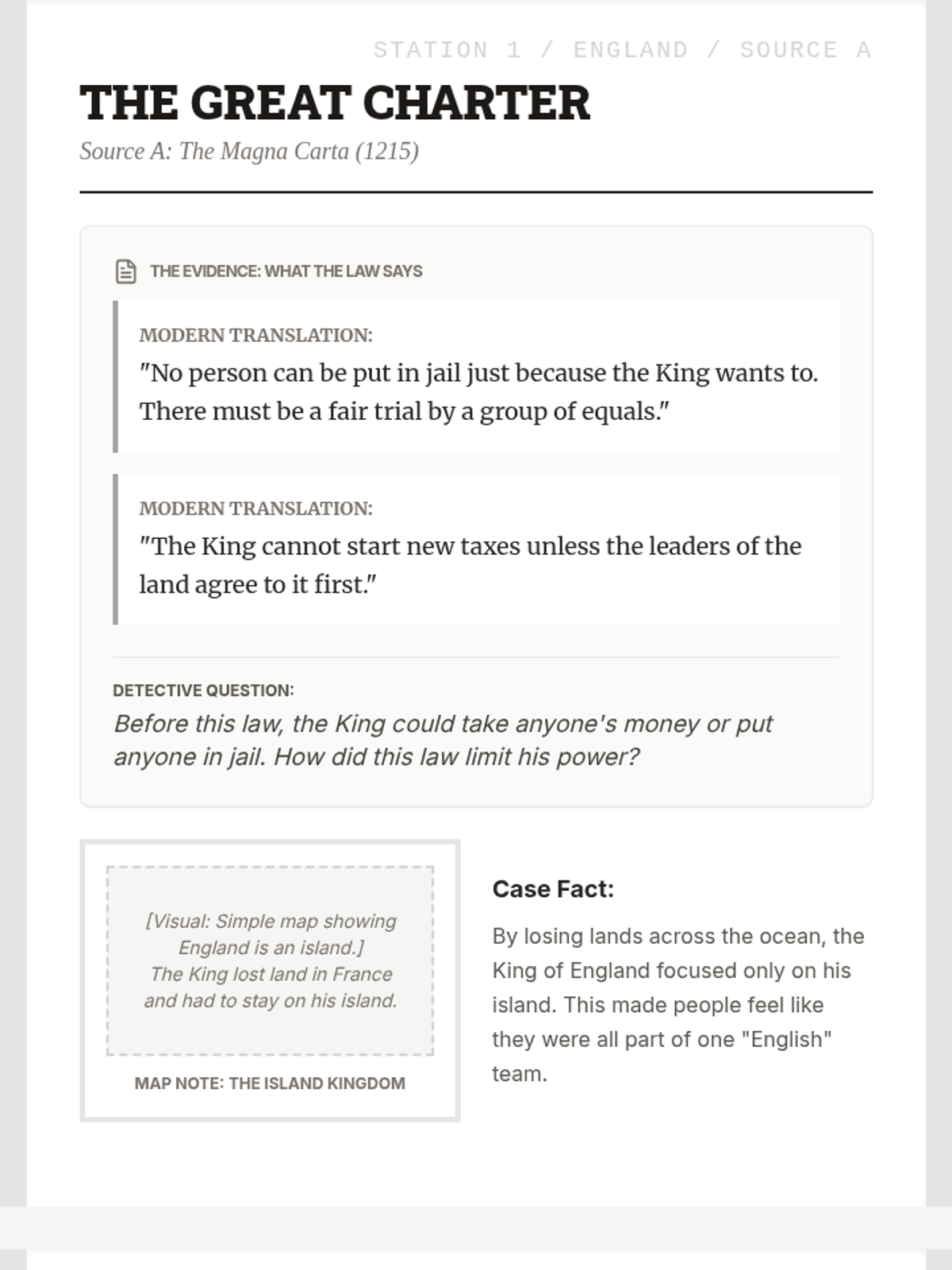
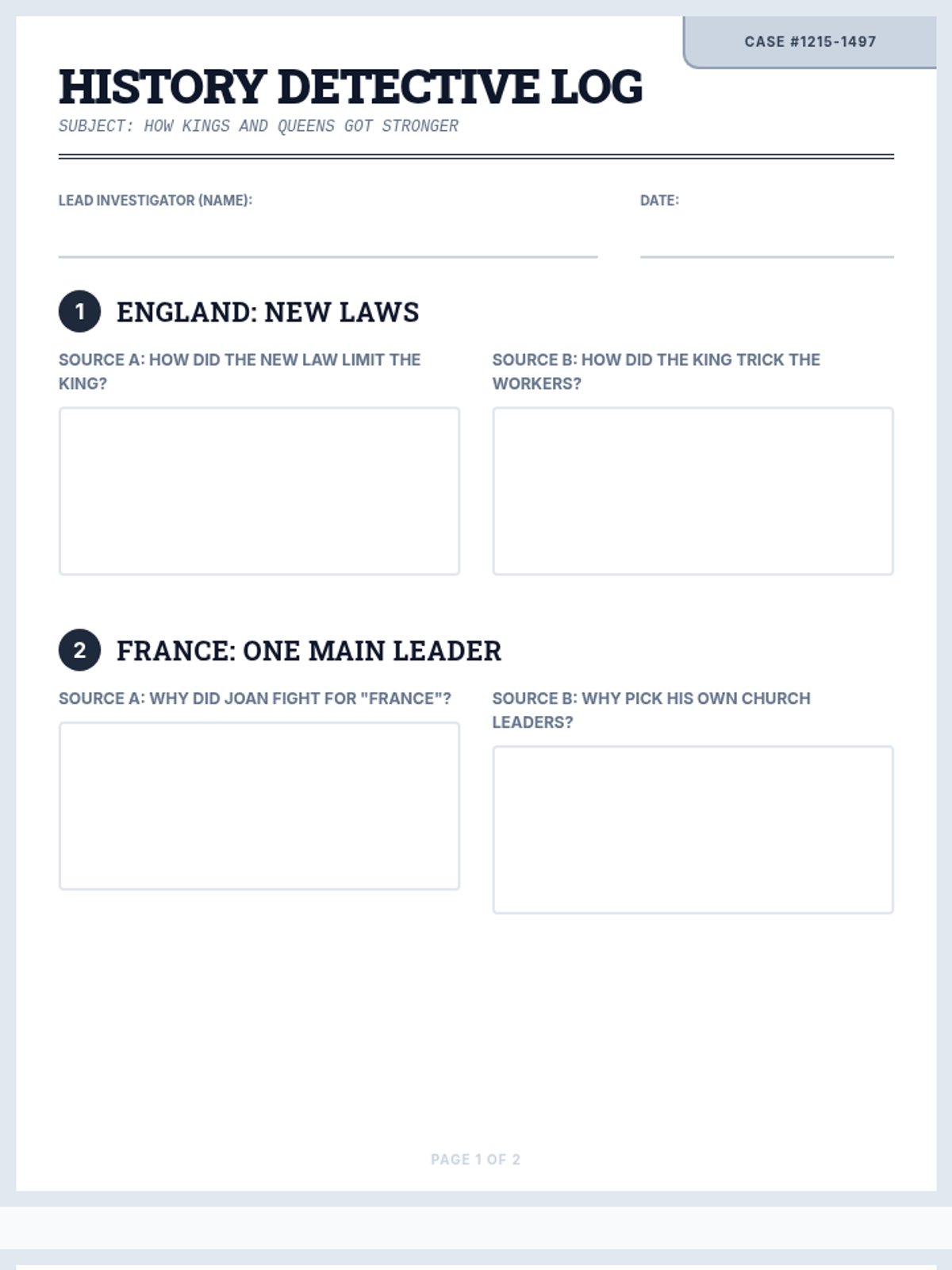
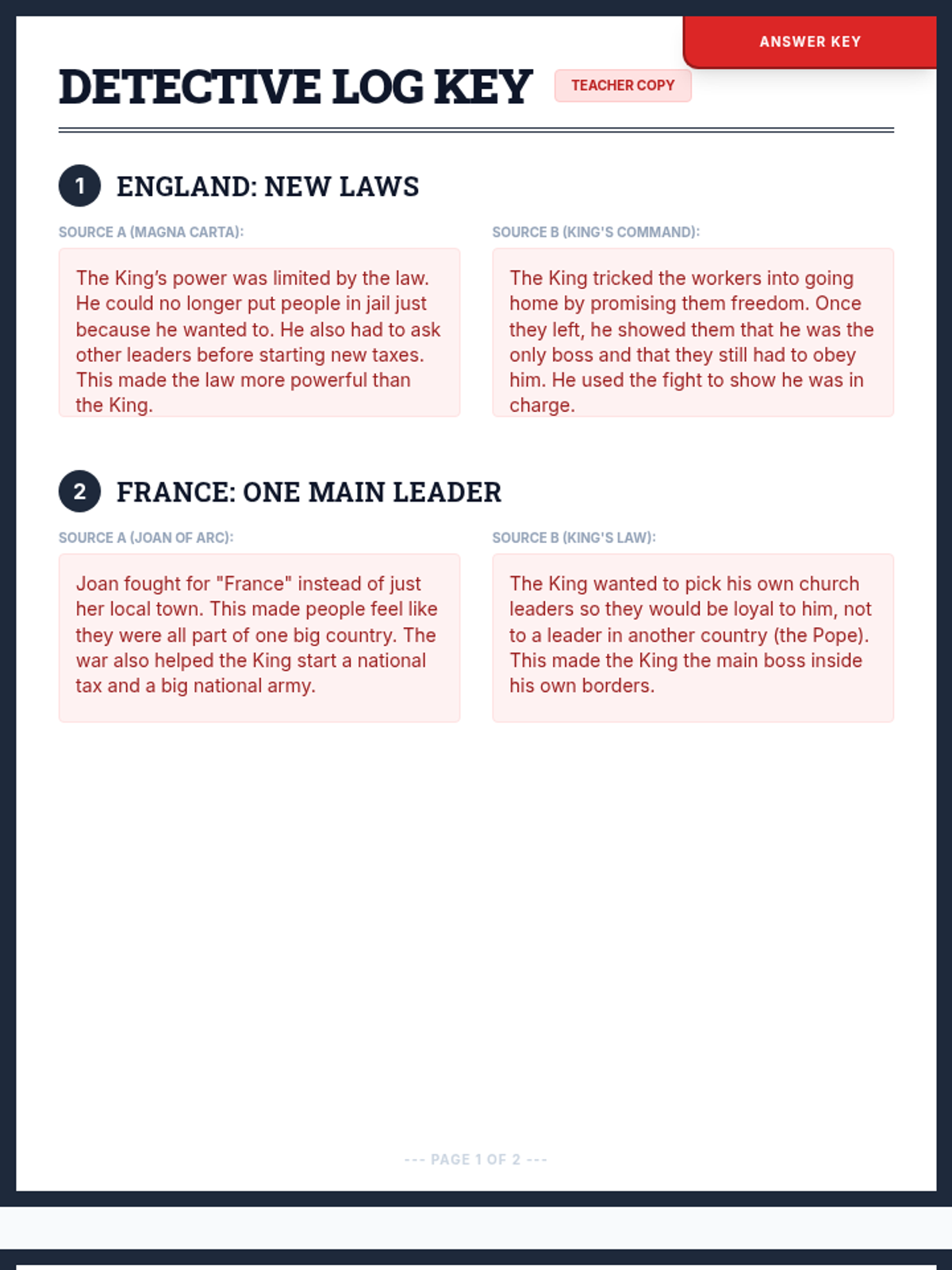
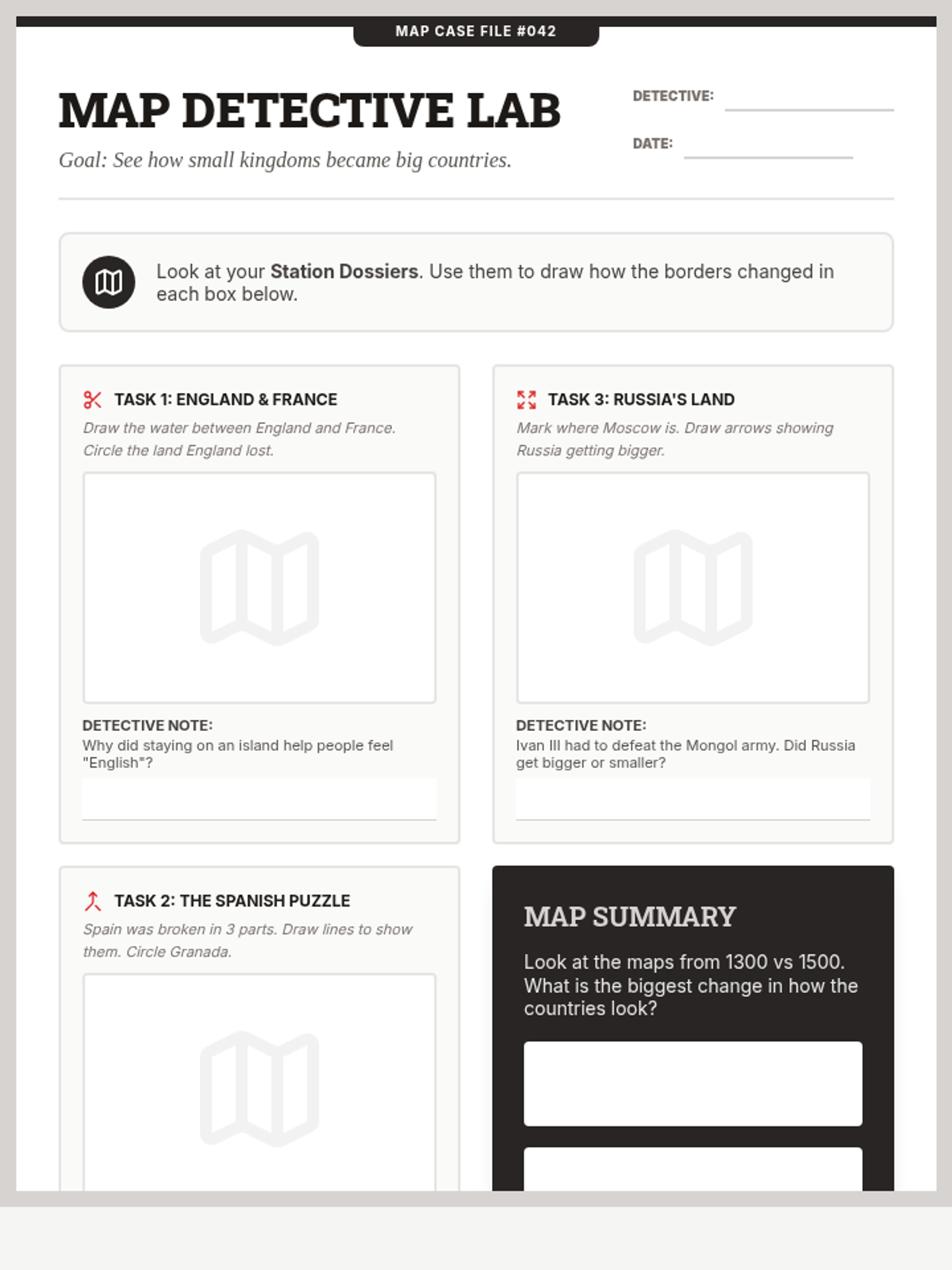
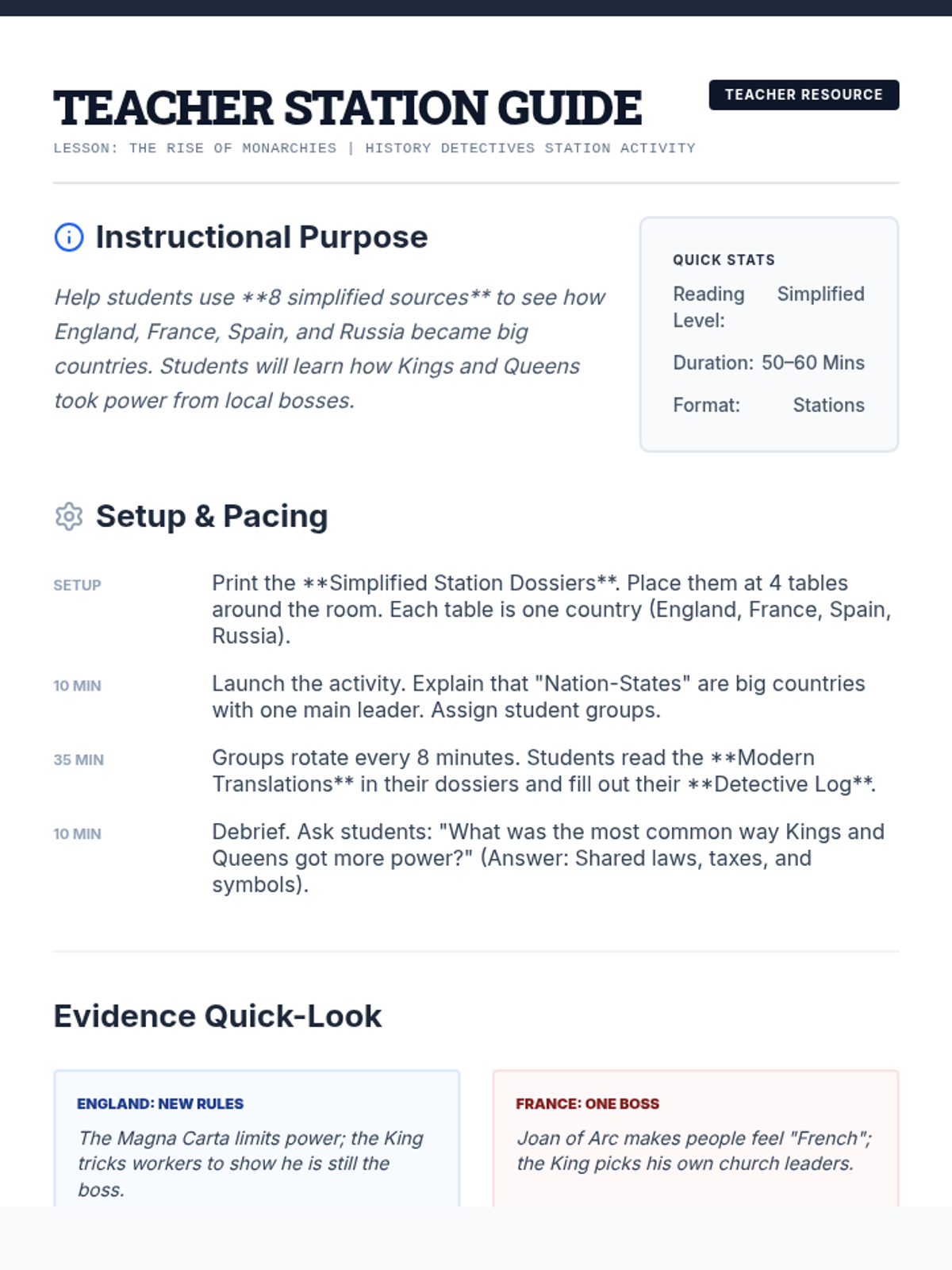
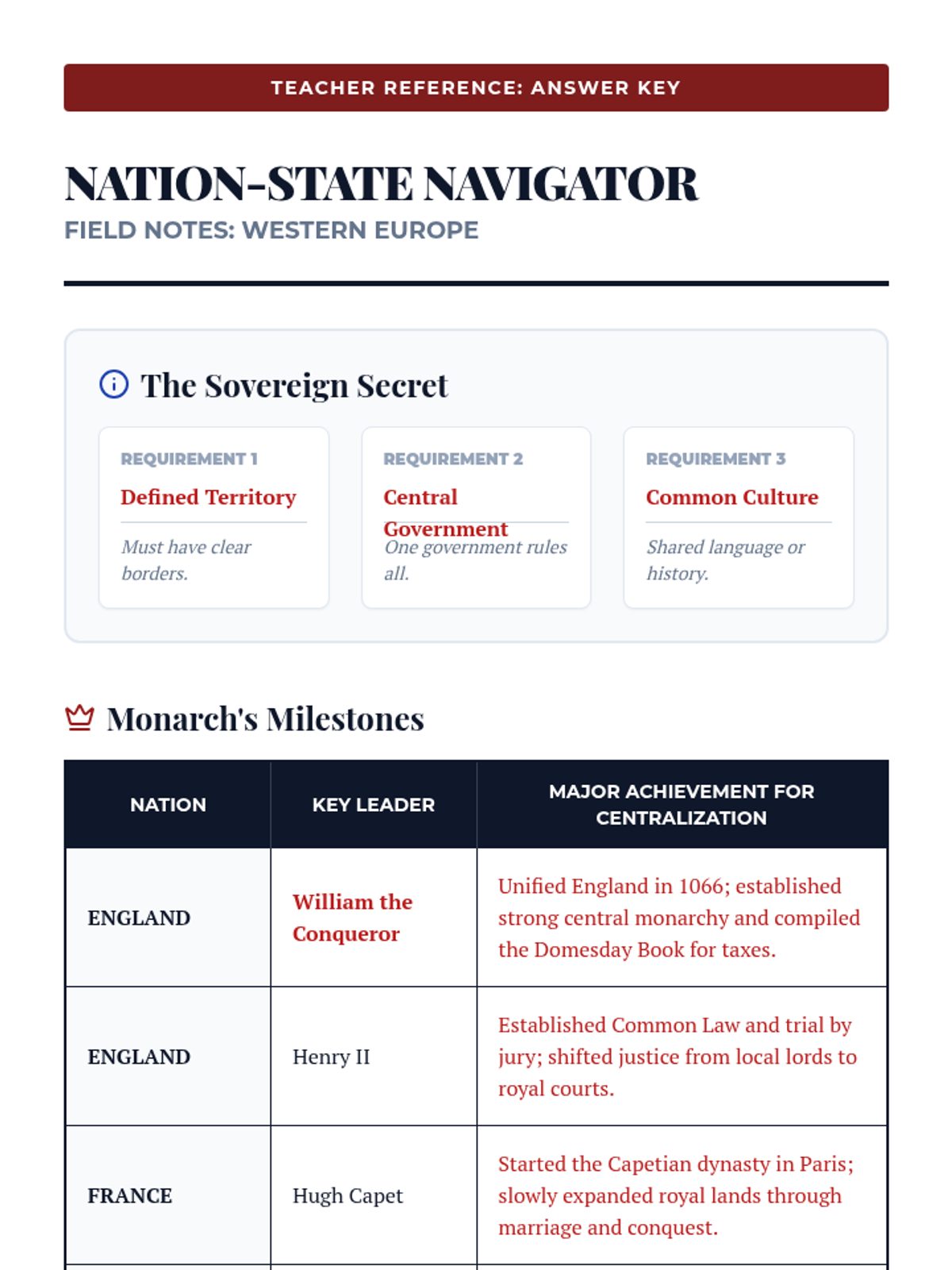
A comprehensive middle school history unit where students act as 'history detectives' to investigate the rise of nation-states in England, France, Spain, and Russia through primary source analysis.
A comprehensive unit exploring the diverse urban and rural land use patterns across the Balkan Peninsula, culminating in a comparative research project.
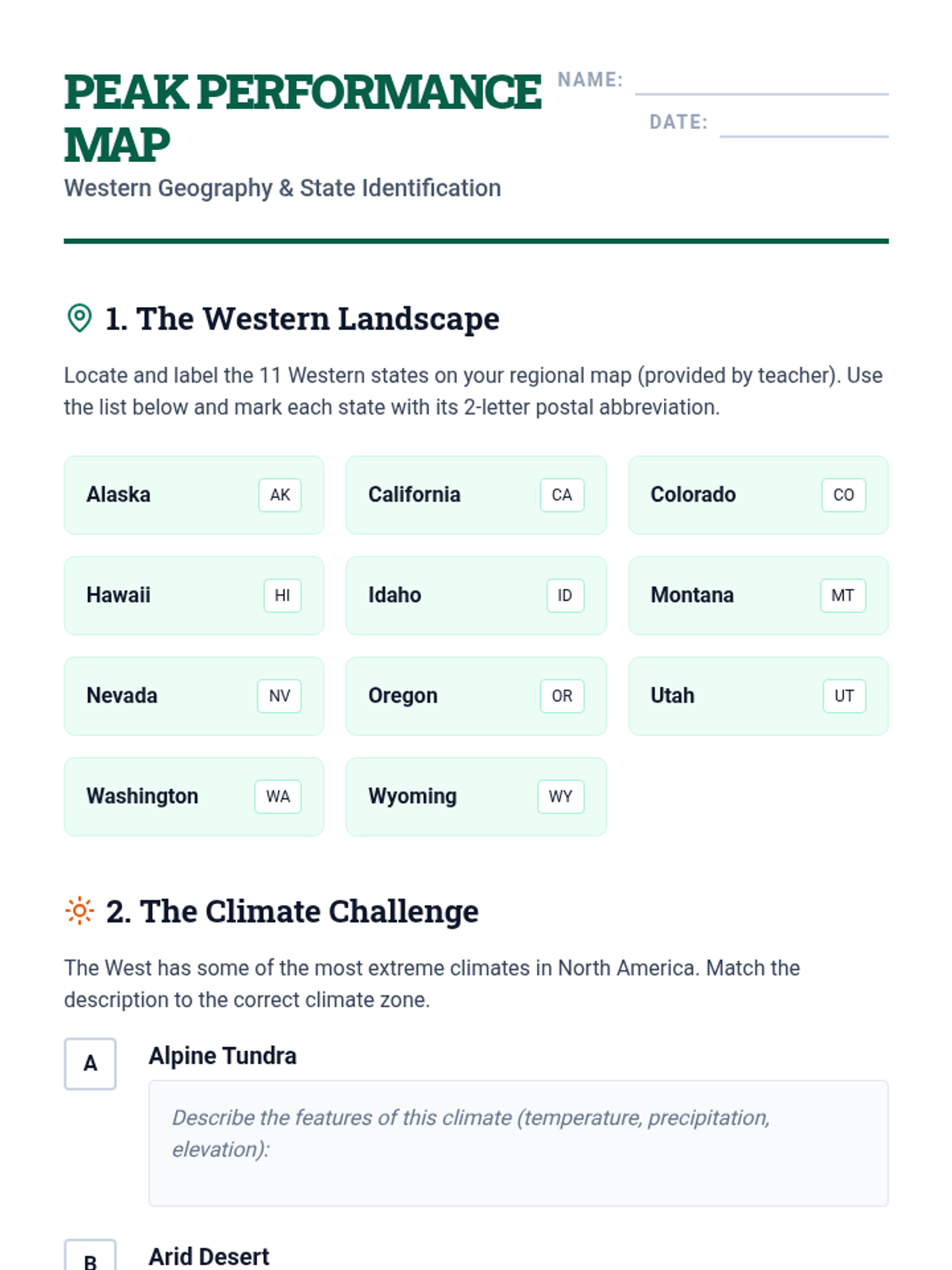
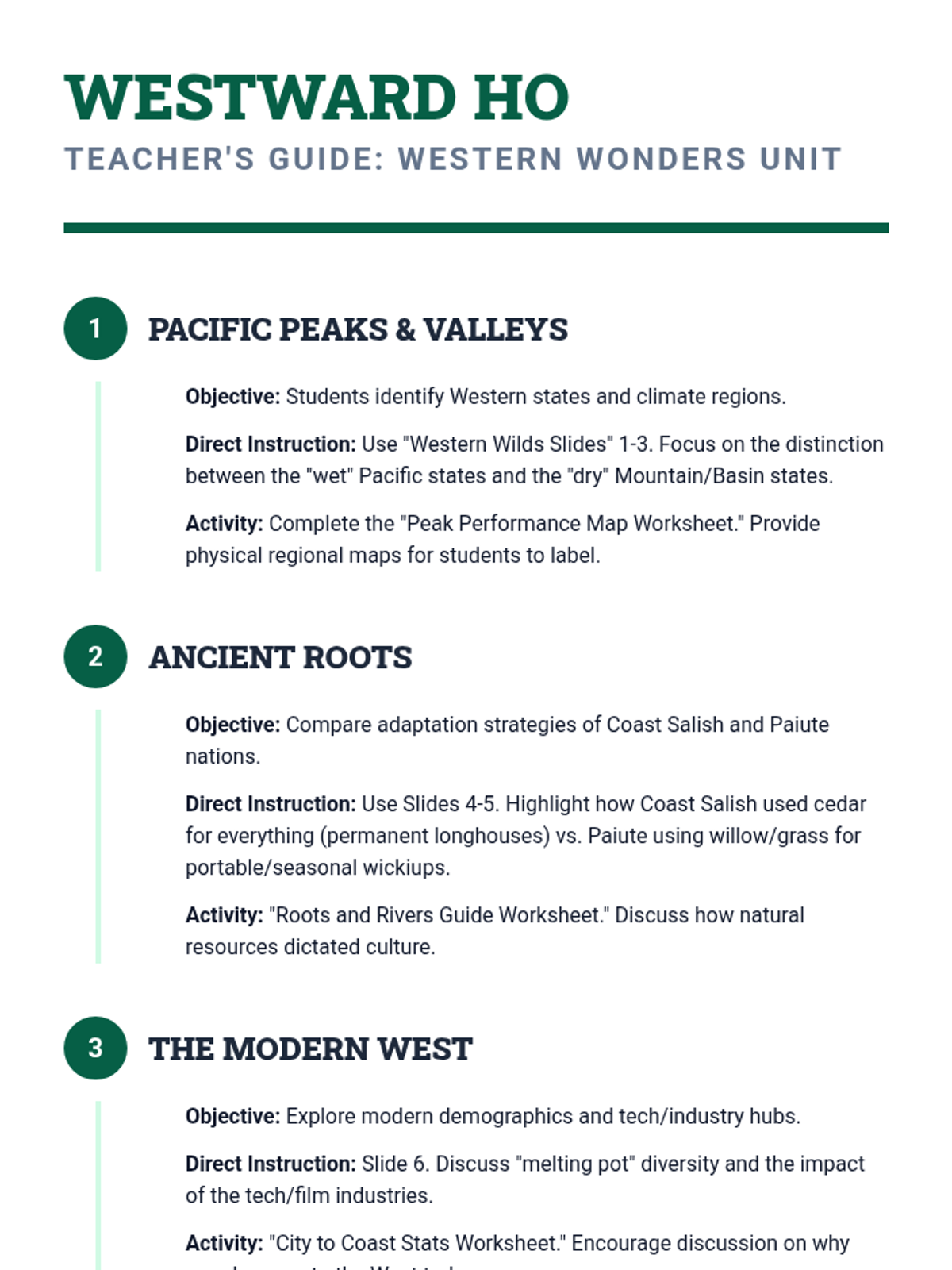
A 5-day unit exploring the geography, climate, indigenous cultures (Paiute and Coast Salish), and modern life of the Western United States, culminating in a travel brochure project.
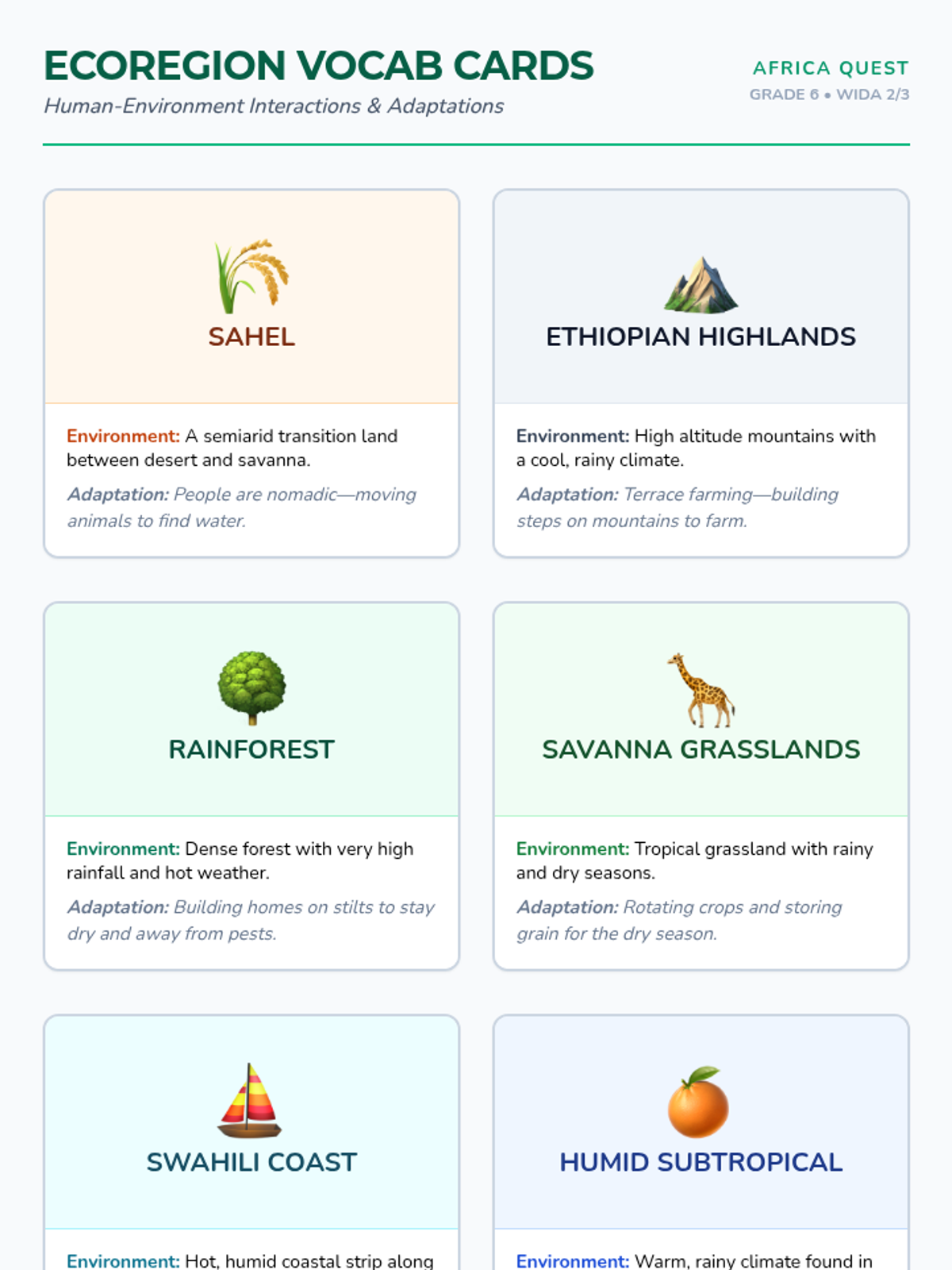
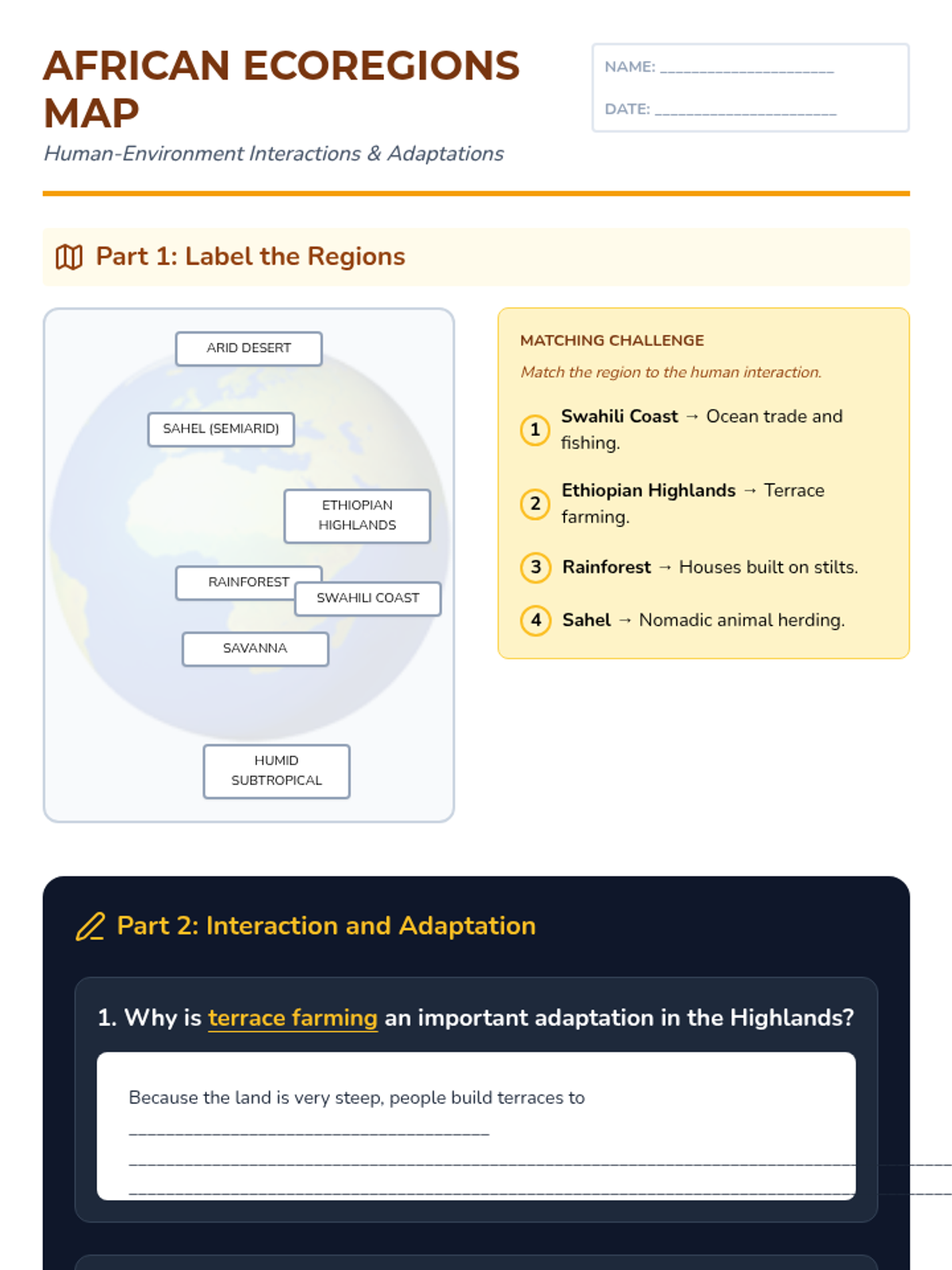
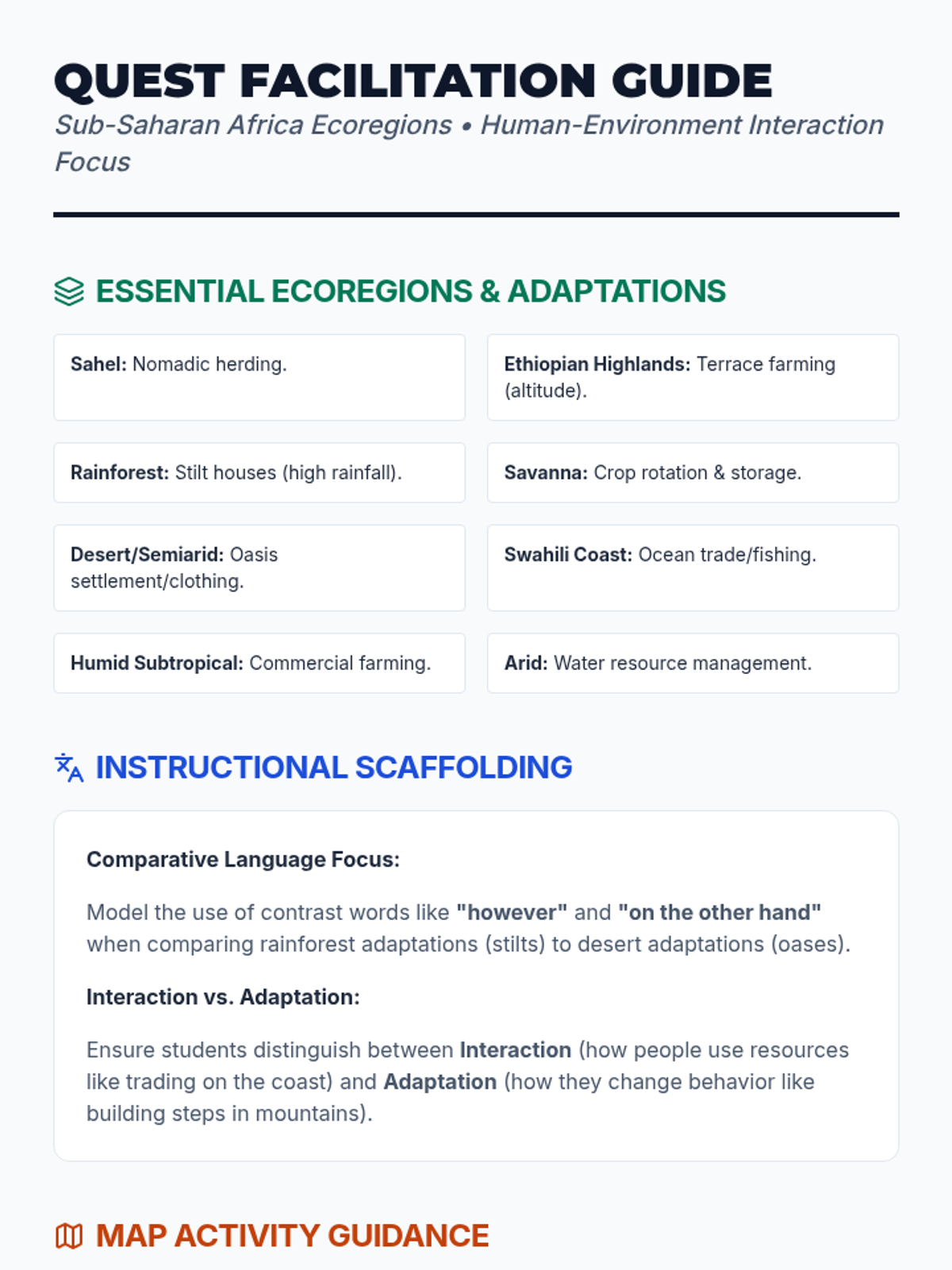
A grade 6 social studies unit focused on Sub-Saharan Africa's climates and human adaptations, specifically designed for ESL (WIDA levels 1 and 2) students with heavy visual support.
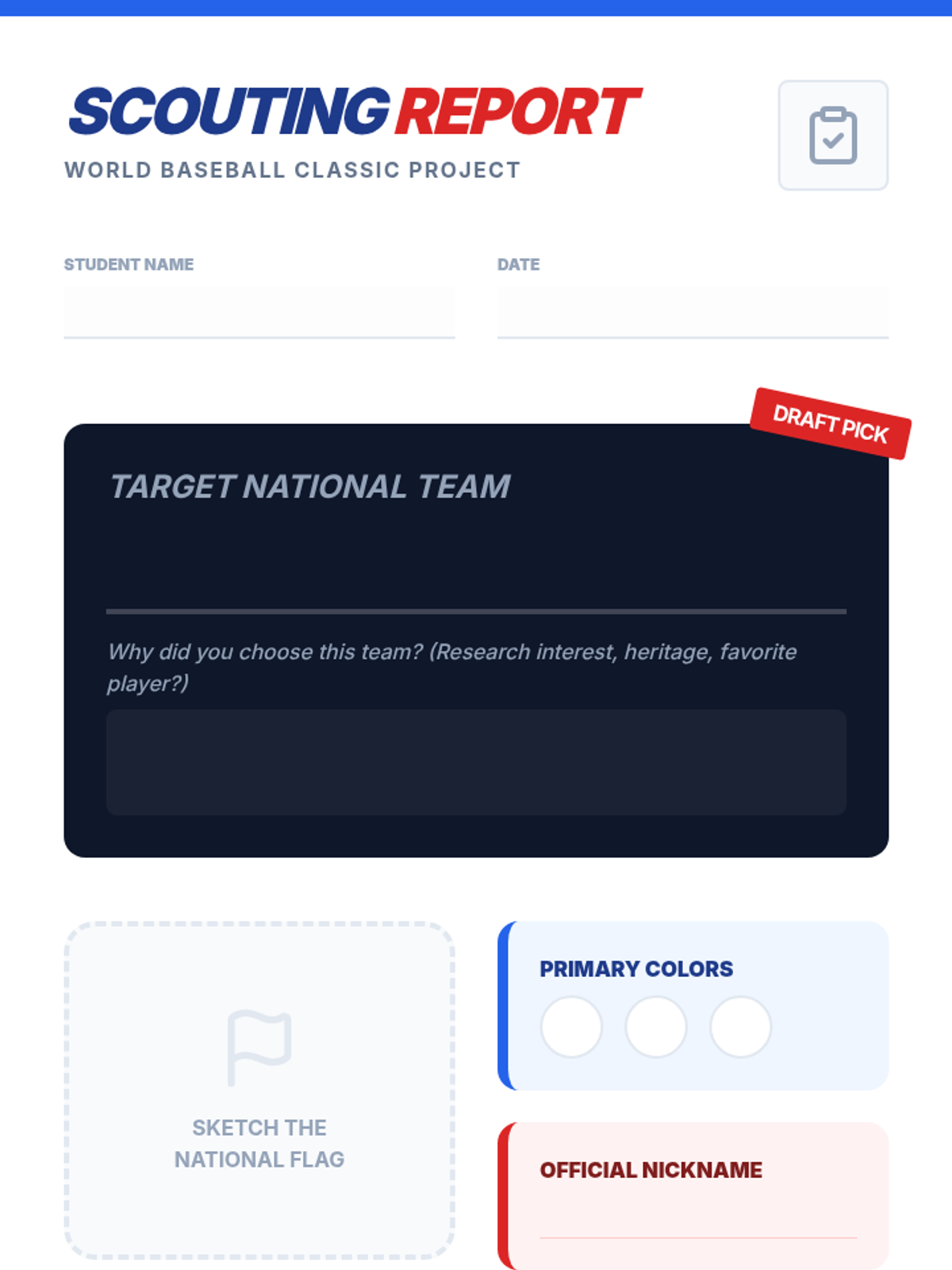
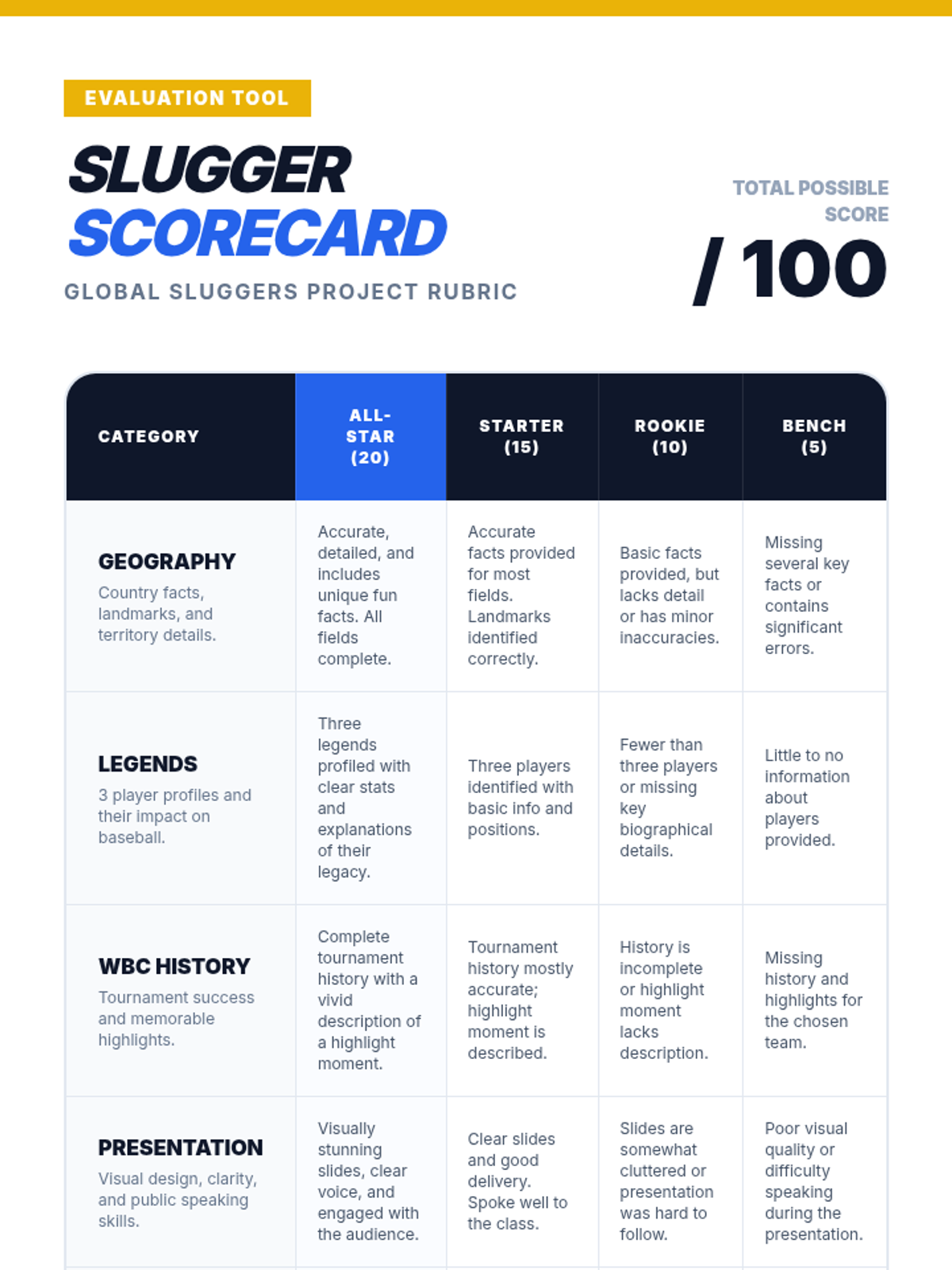
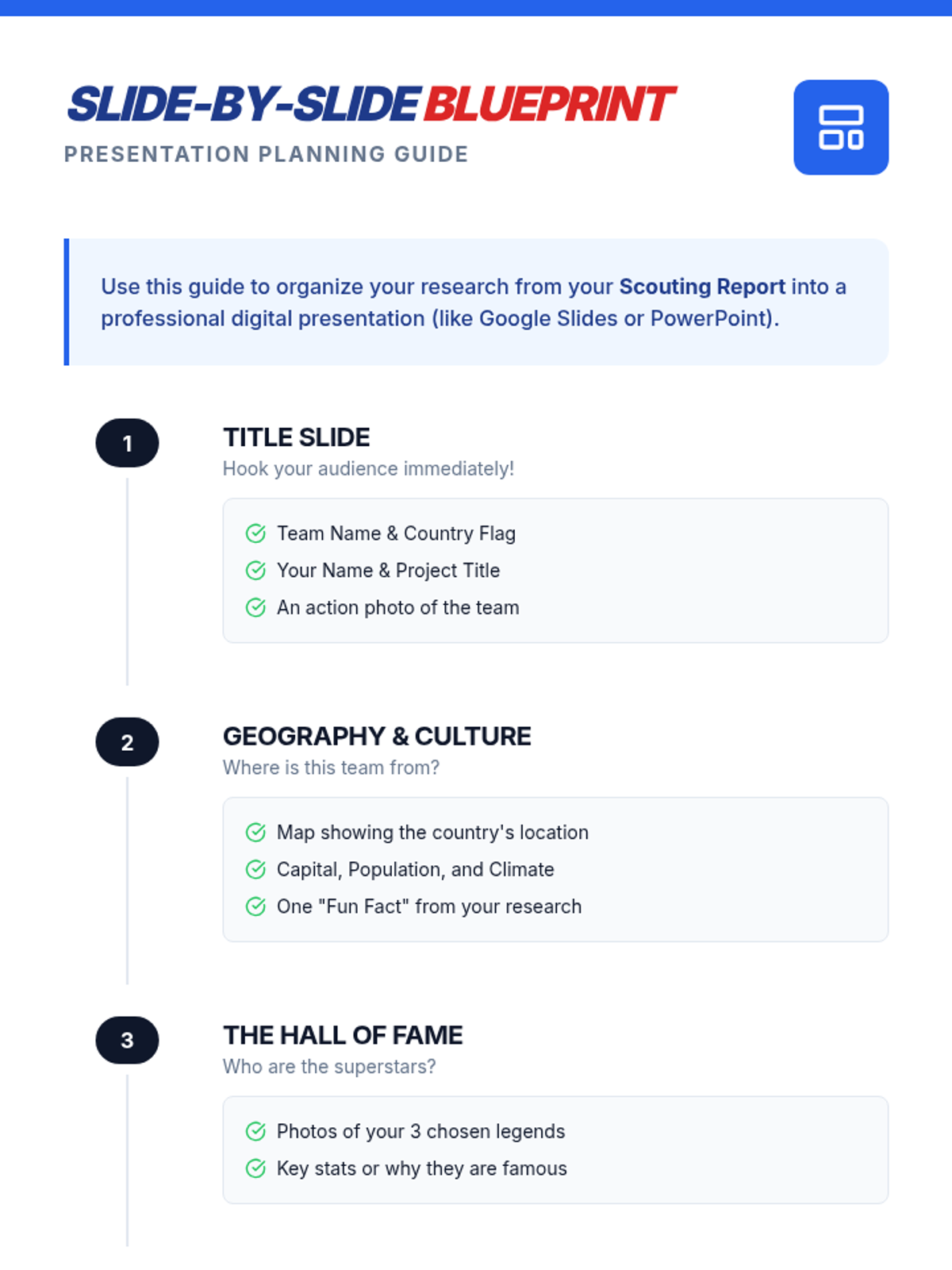
A research project where students explore the geography, history, and star players of teams competing in the World Baseball Classic.
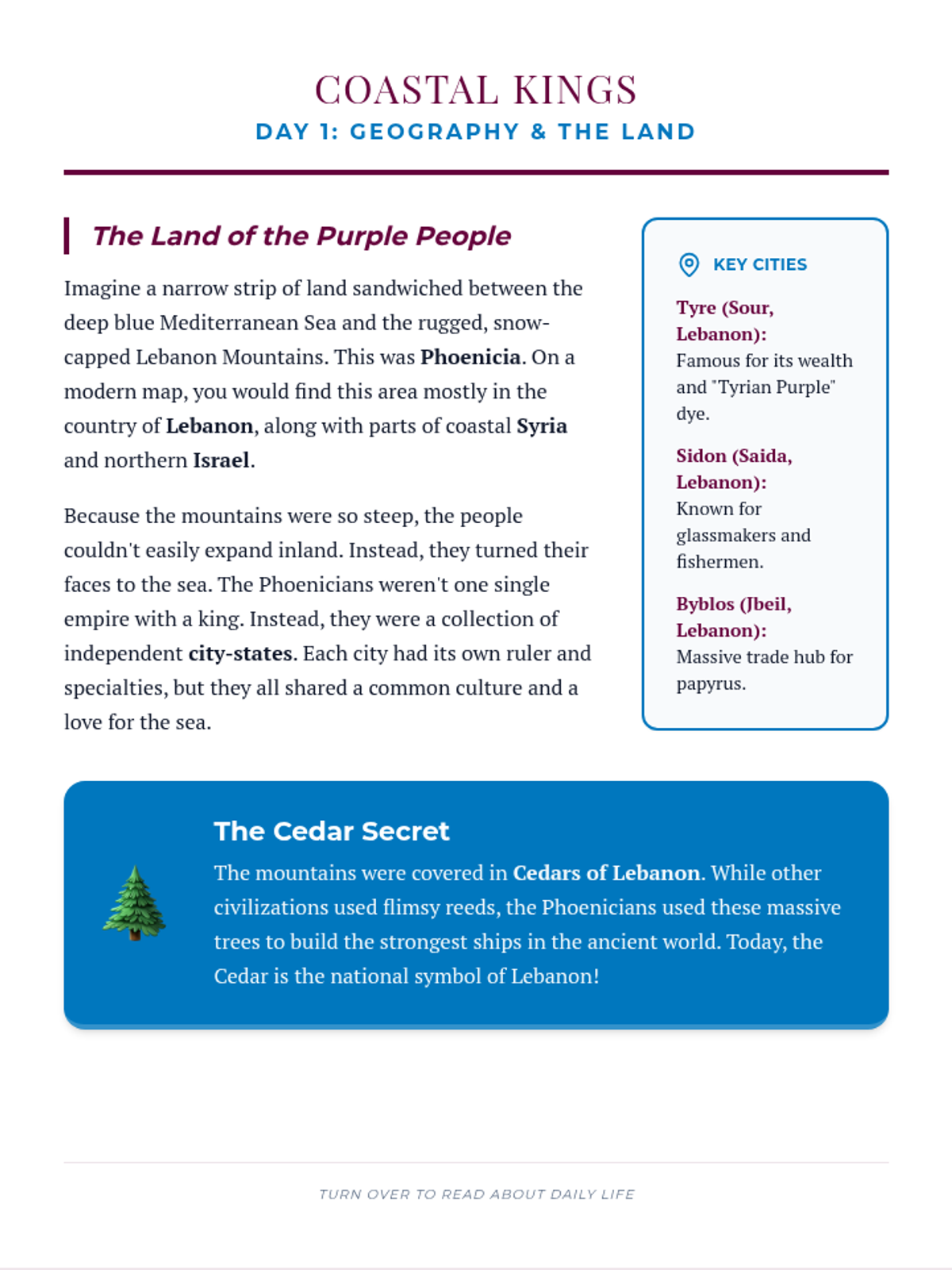
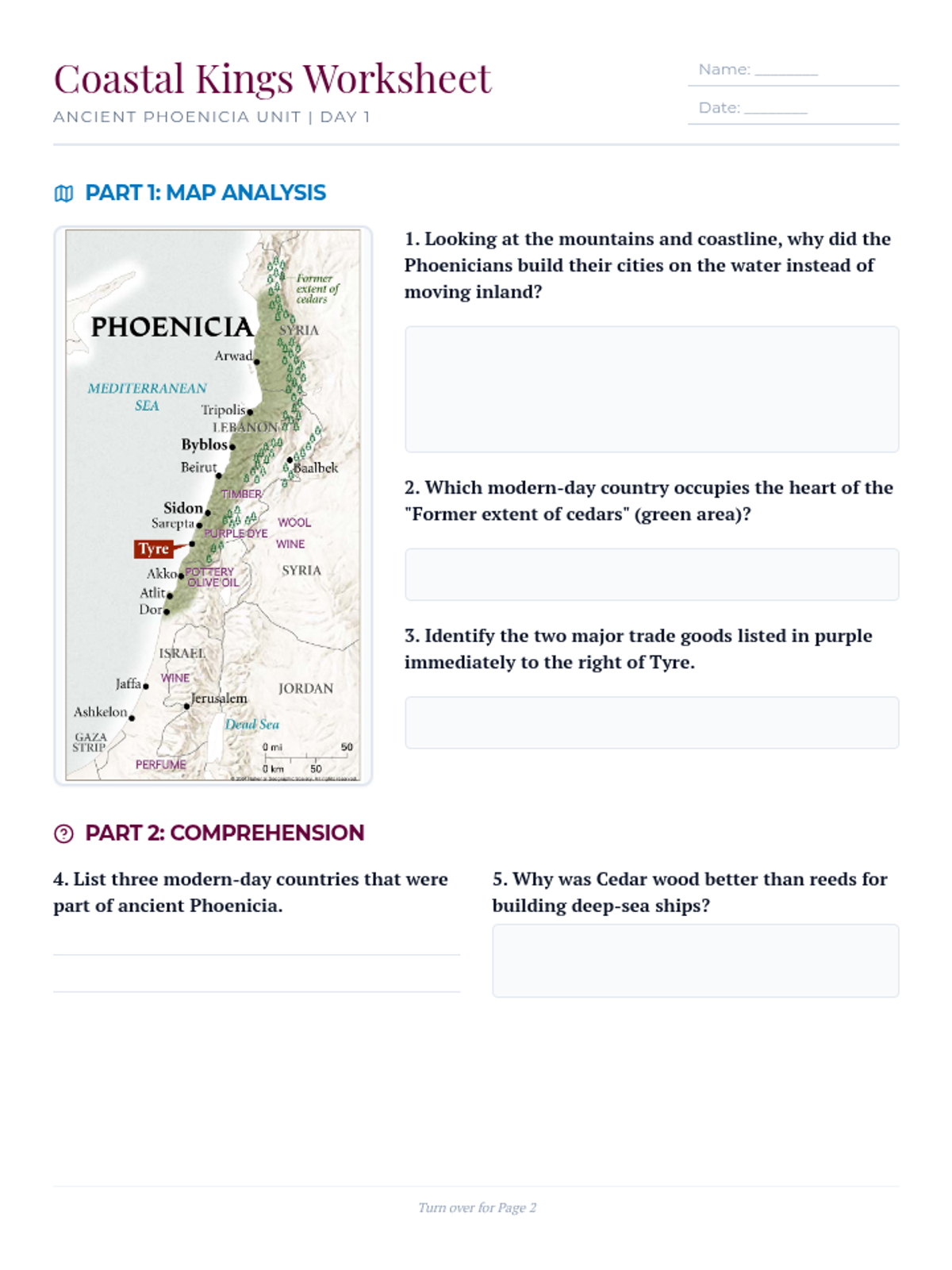
A four-day unit for middle school students exploring the geography, science, maritime technology, and lasting legacy of the ancient Phoenician civilization. The sequence alternates between social studies/geography and science/technology lessons, featuring hands-on activities and map analysis.
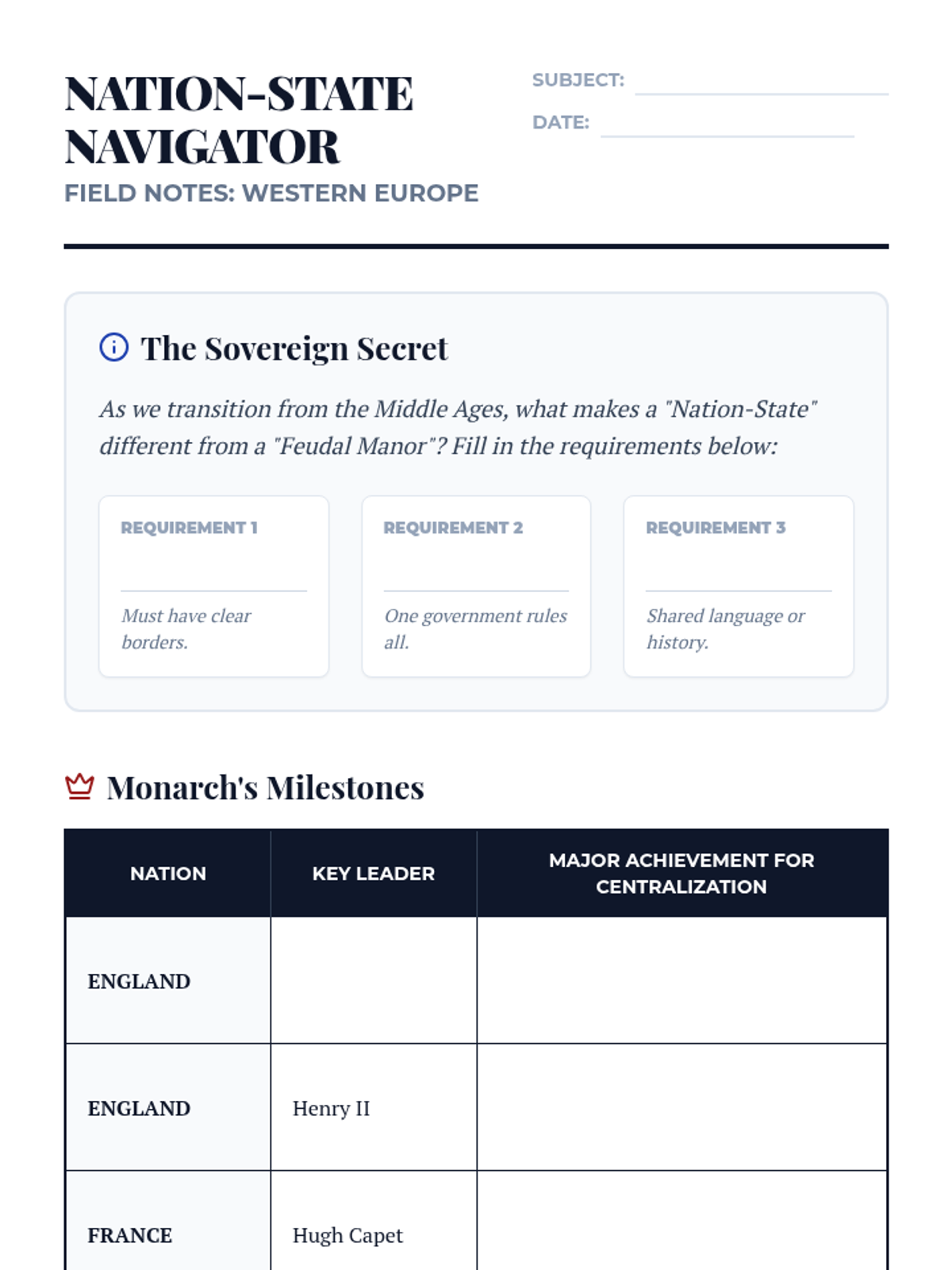
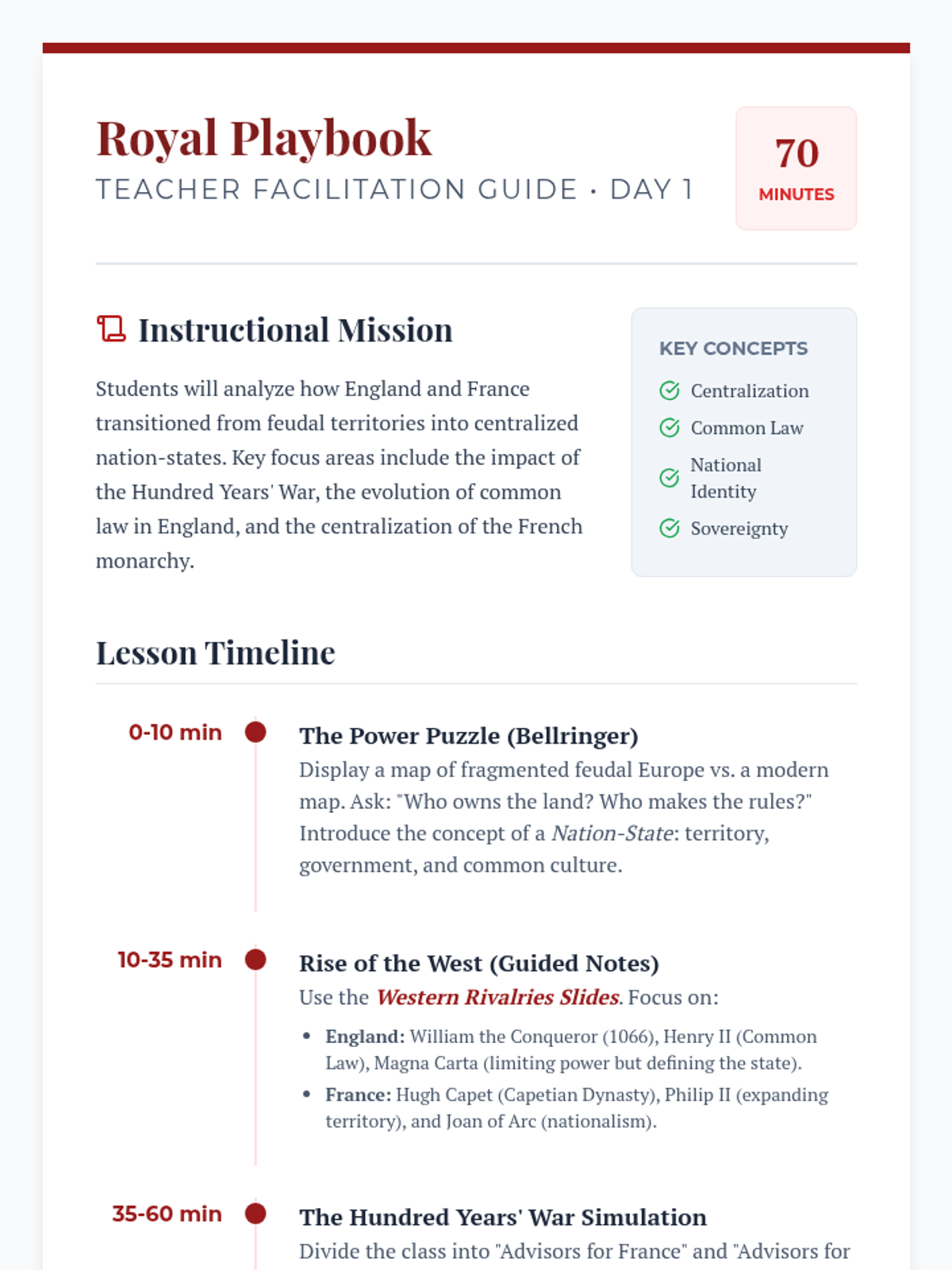
An exploration of the transition from feudal fragmentation into centralized nation-states in England, France, Spain, and Russia.
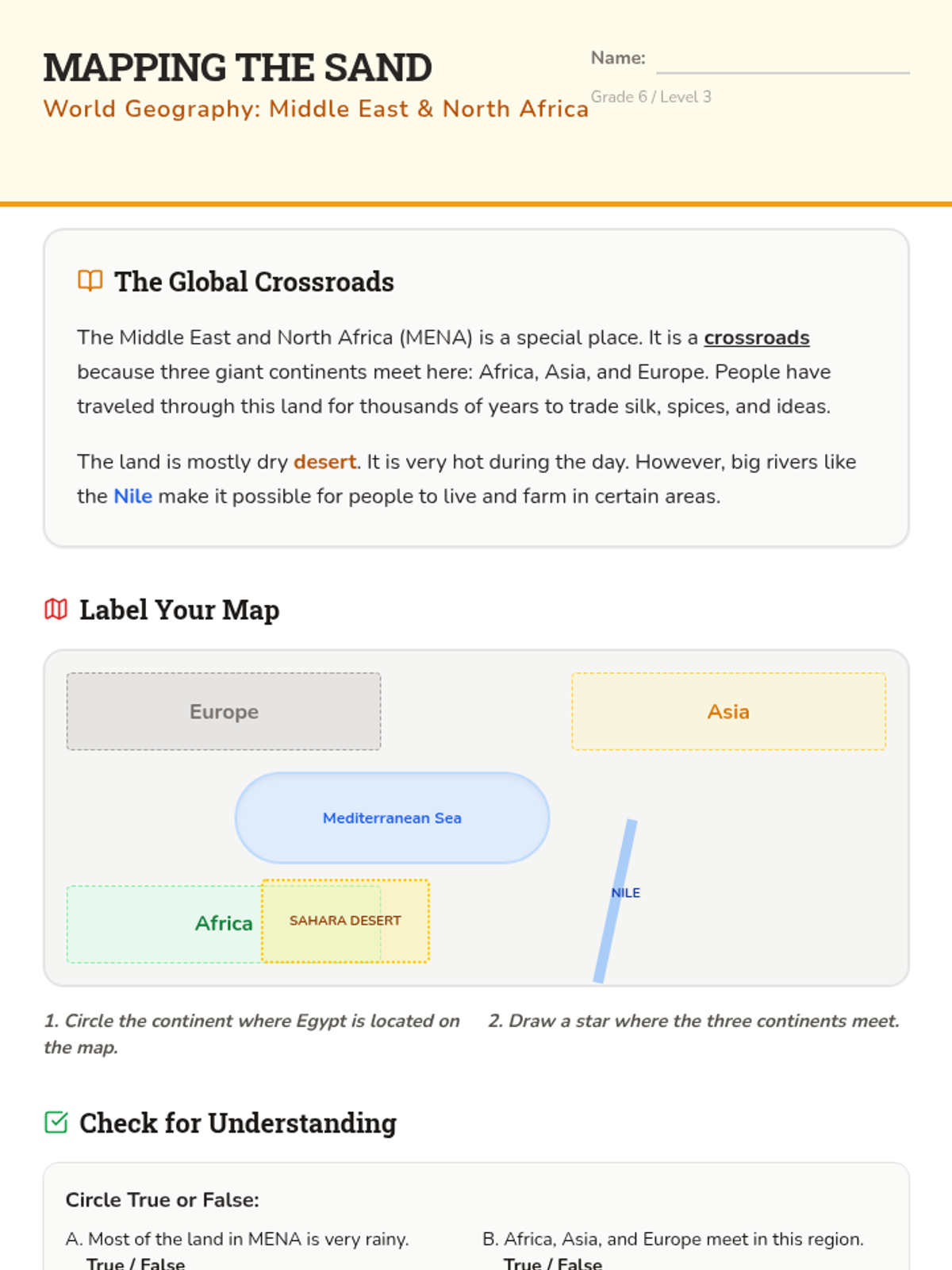
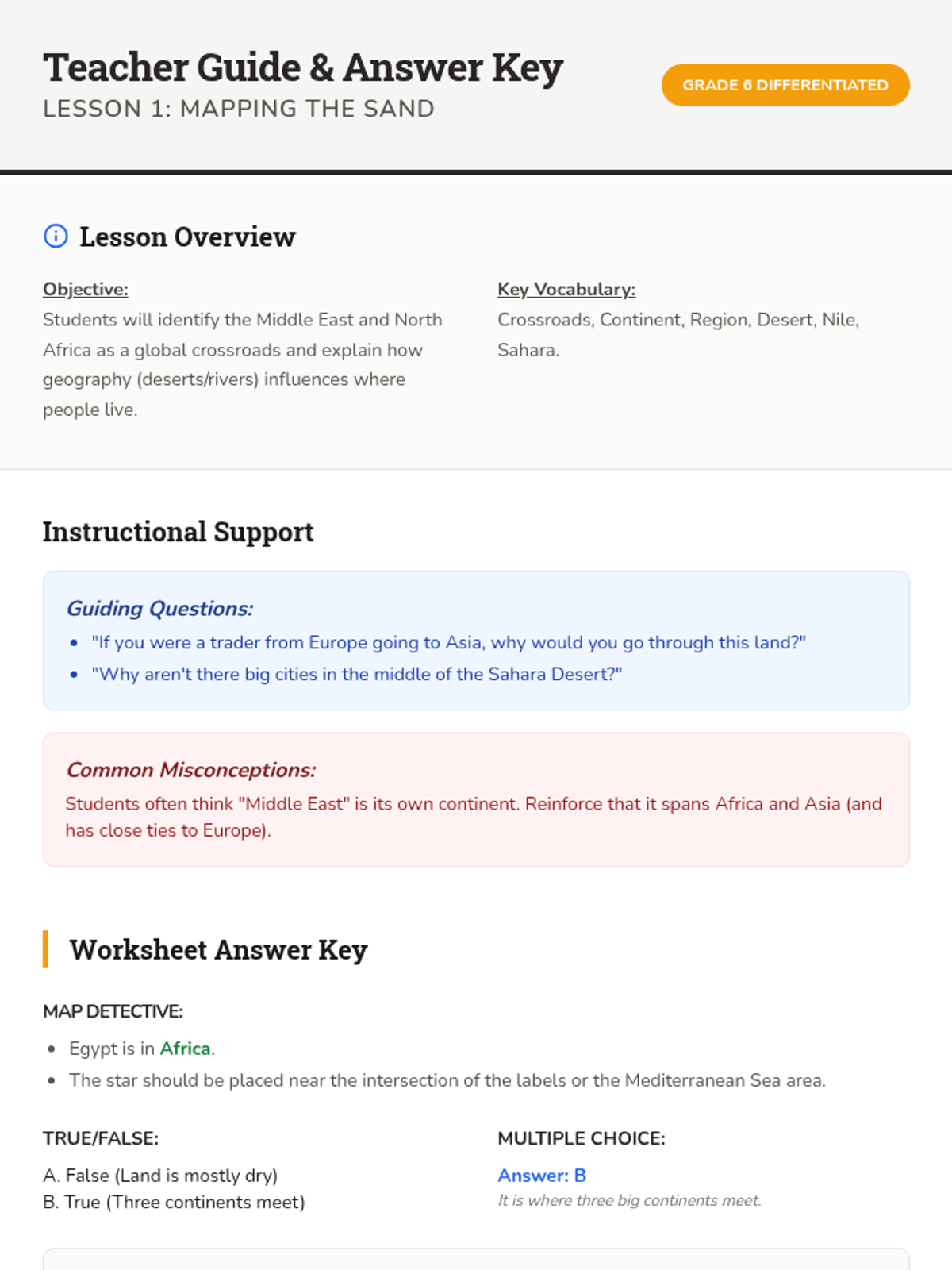
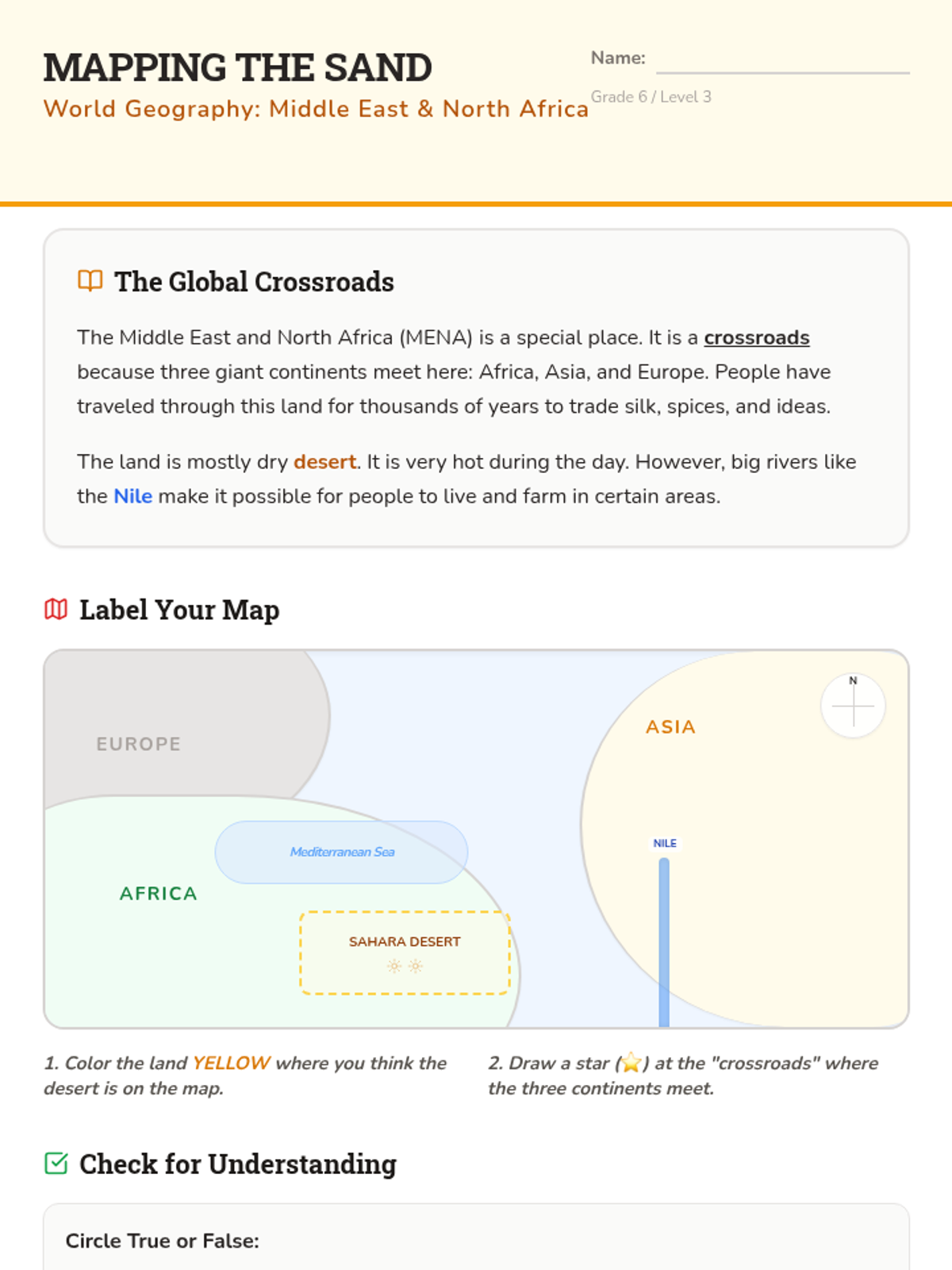
A differentiated social studies unit covering the geography, cultures, and empires of the Middle East and North Africa, adapted for 3rd-grade readability based on the DESE Investigating History Grade 6 curriculum.
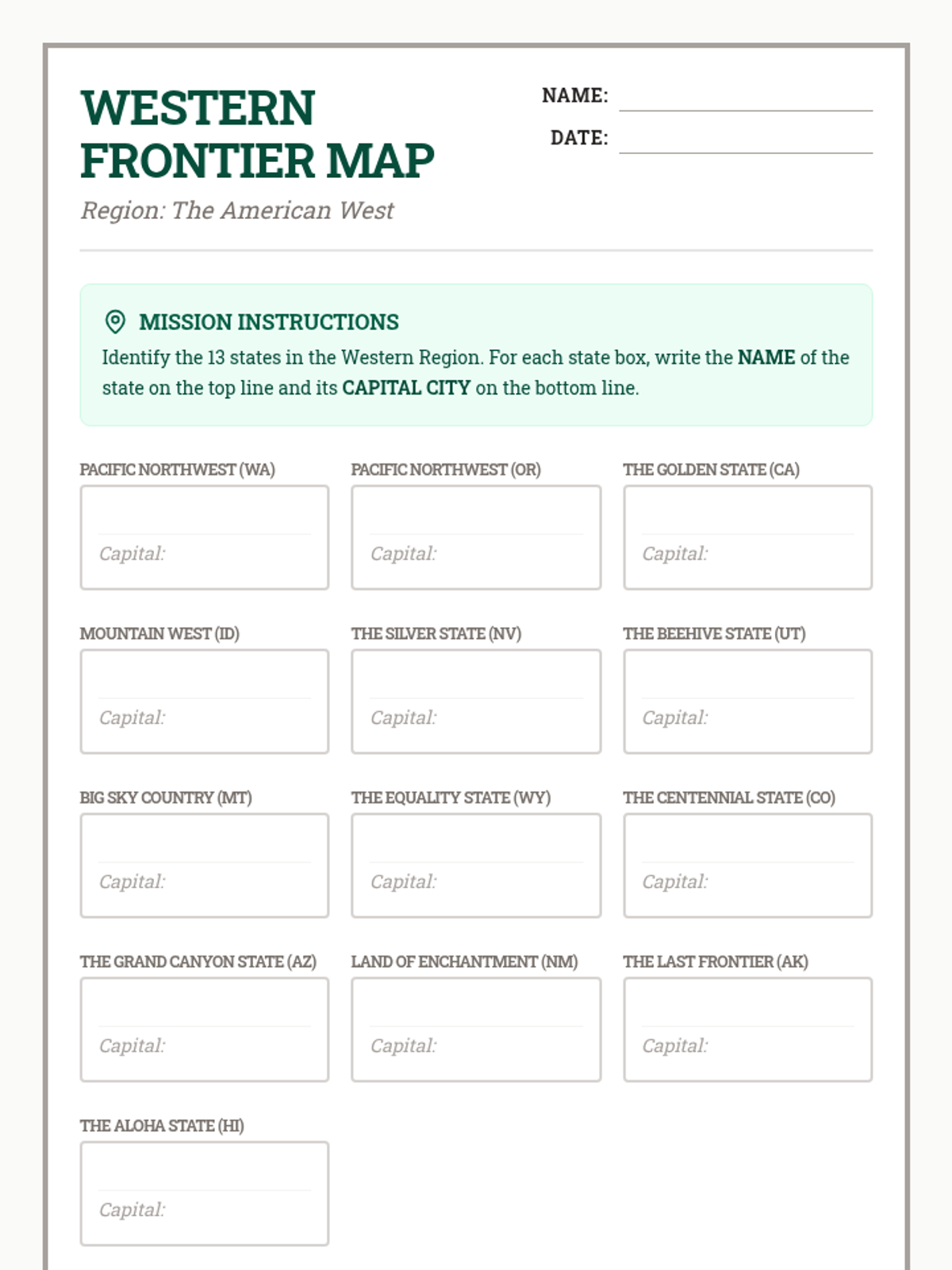
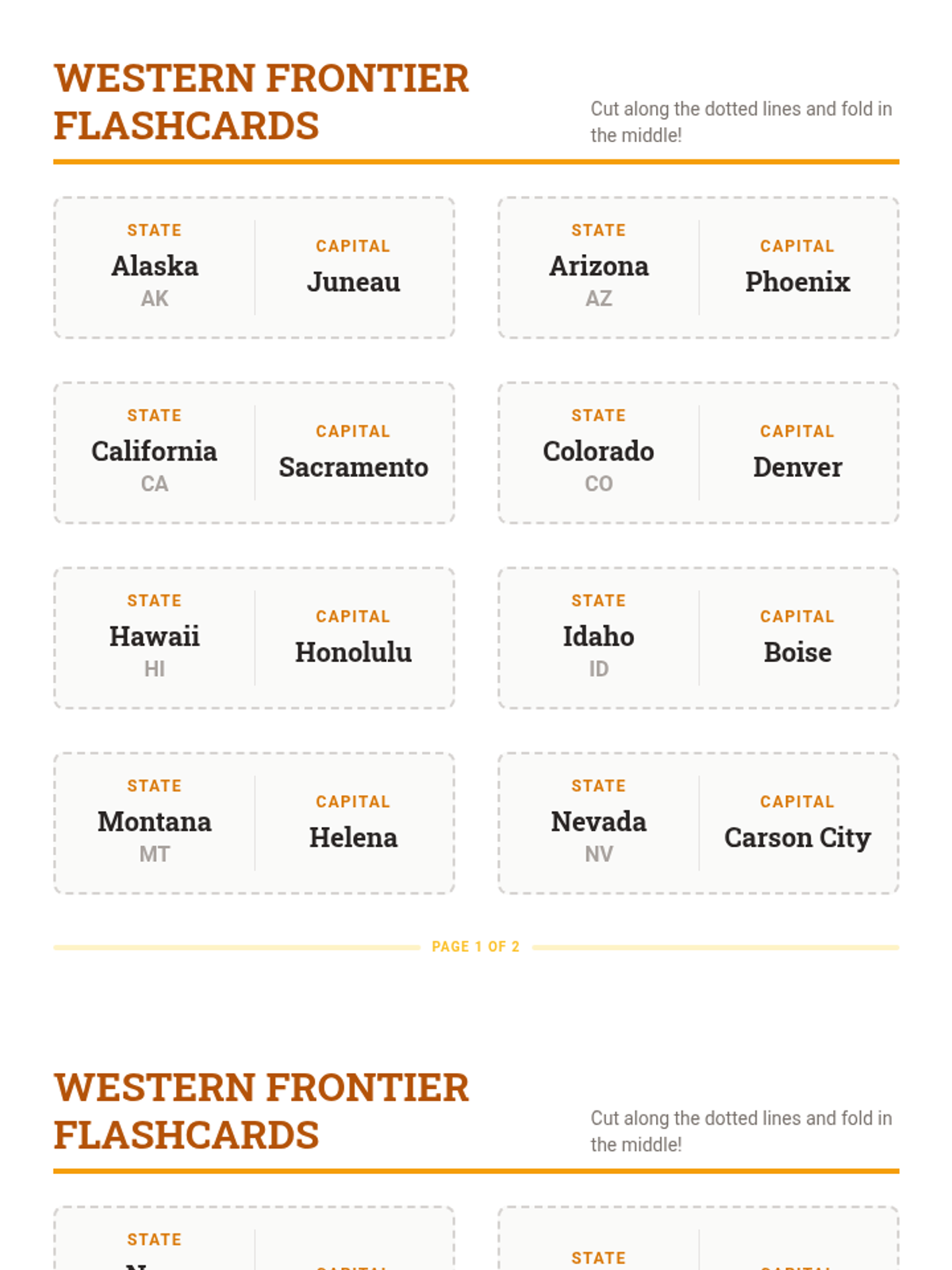
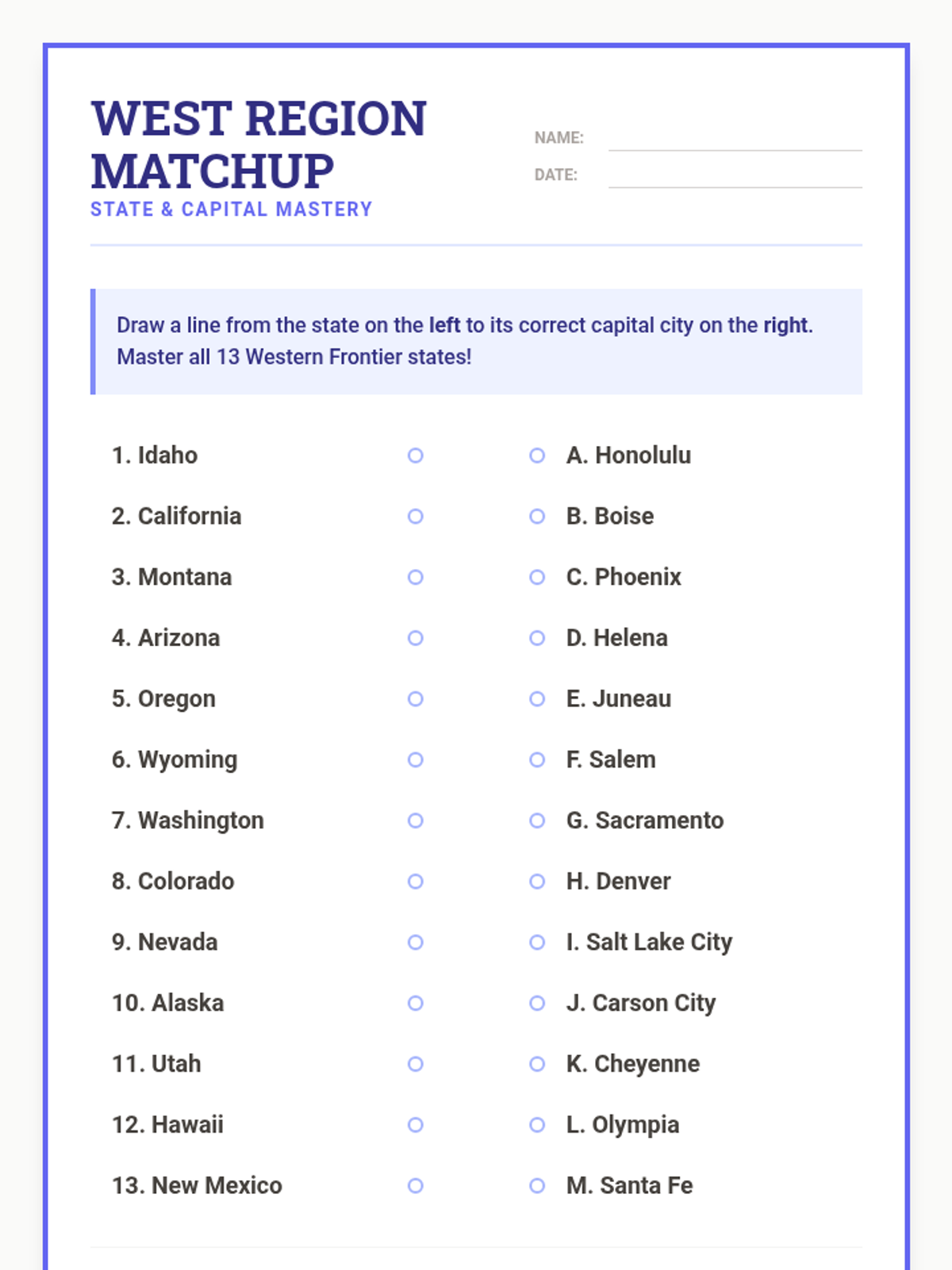
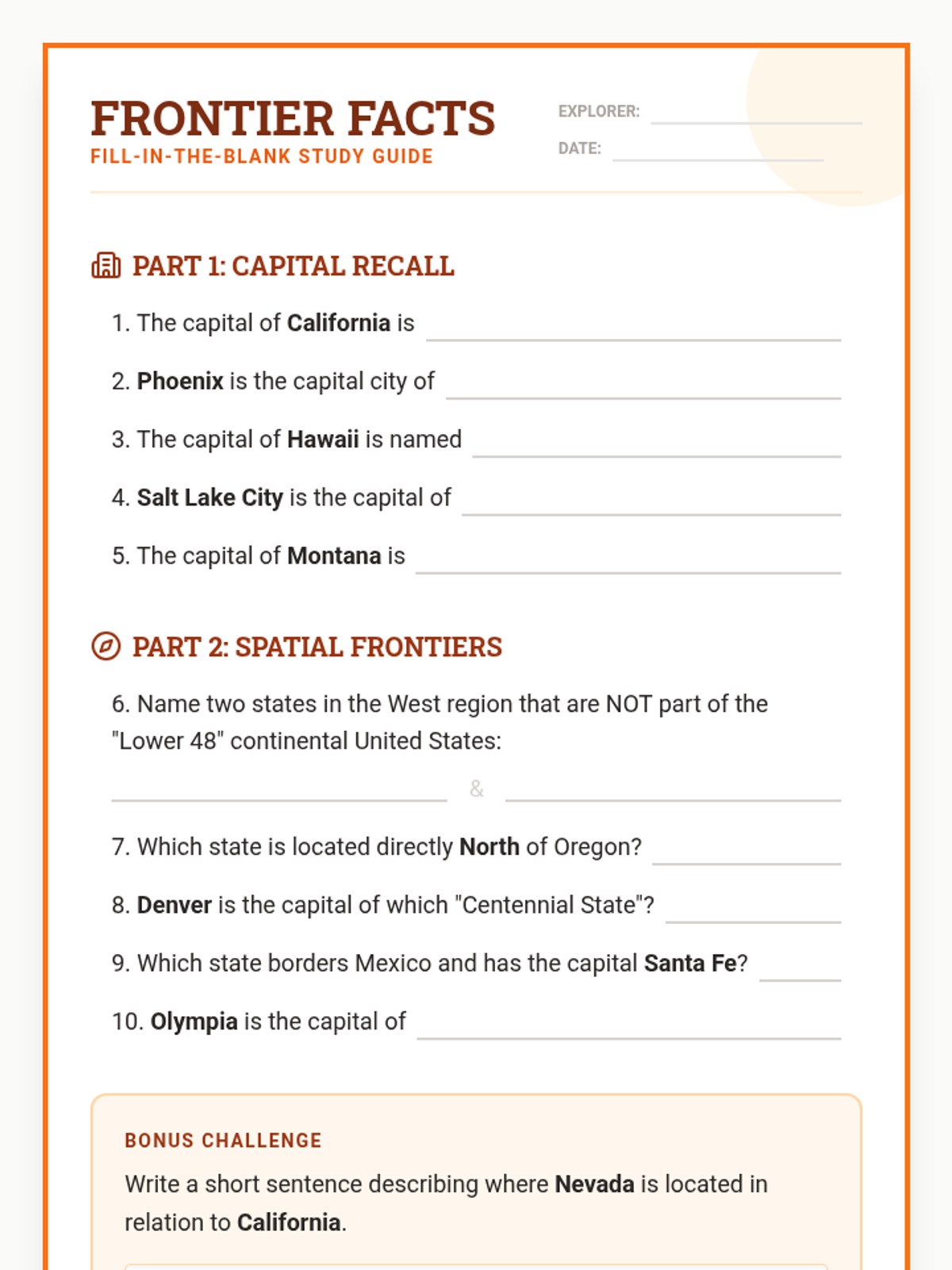
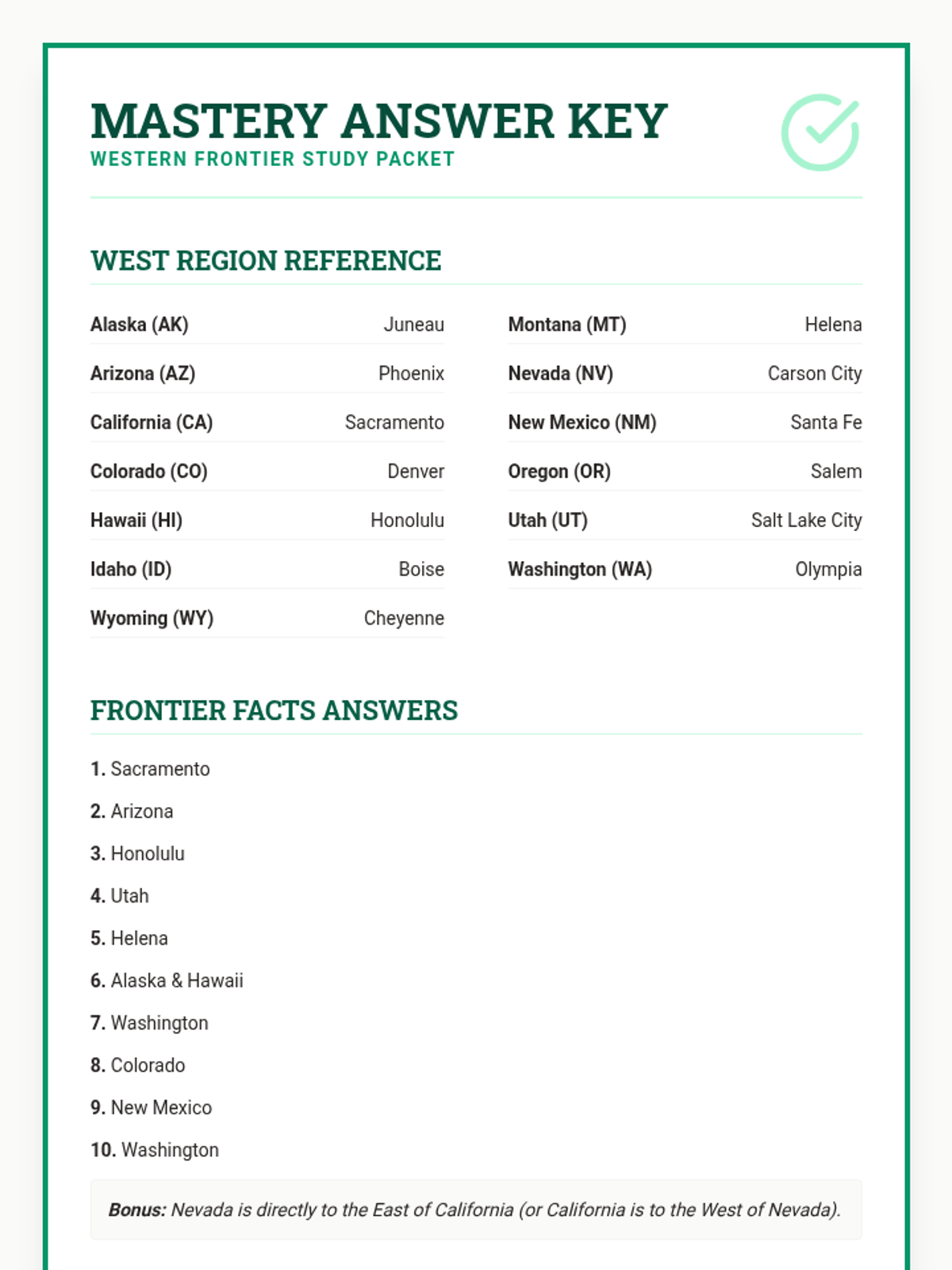
A deep dive into United States regional geography, starting with the Western region's states and capitals. This unit focuses on spatial recognition and memorization through varied active learning strategies.
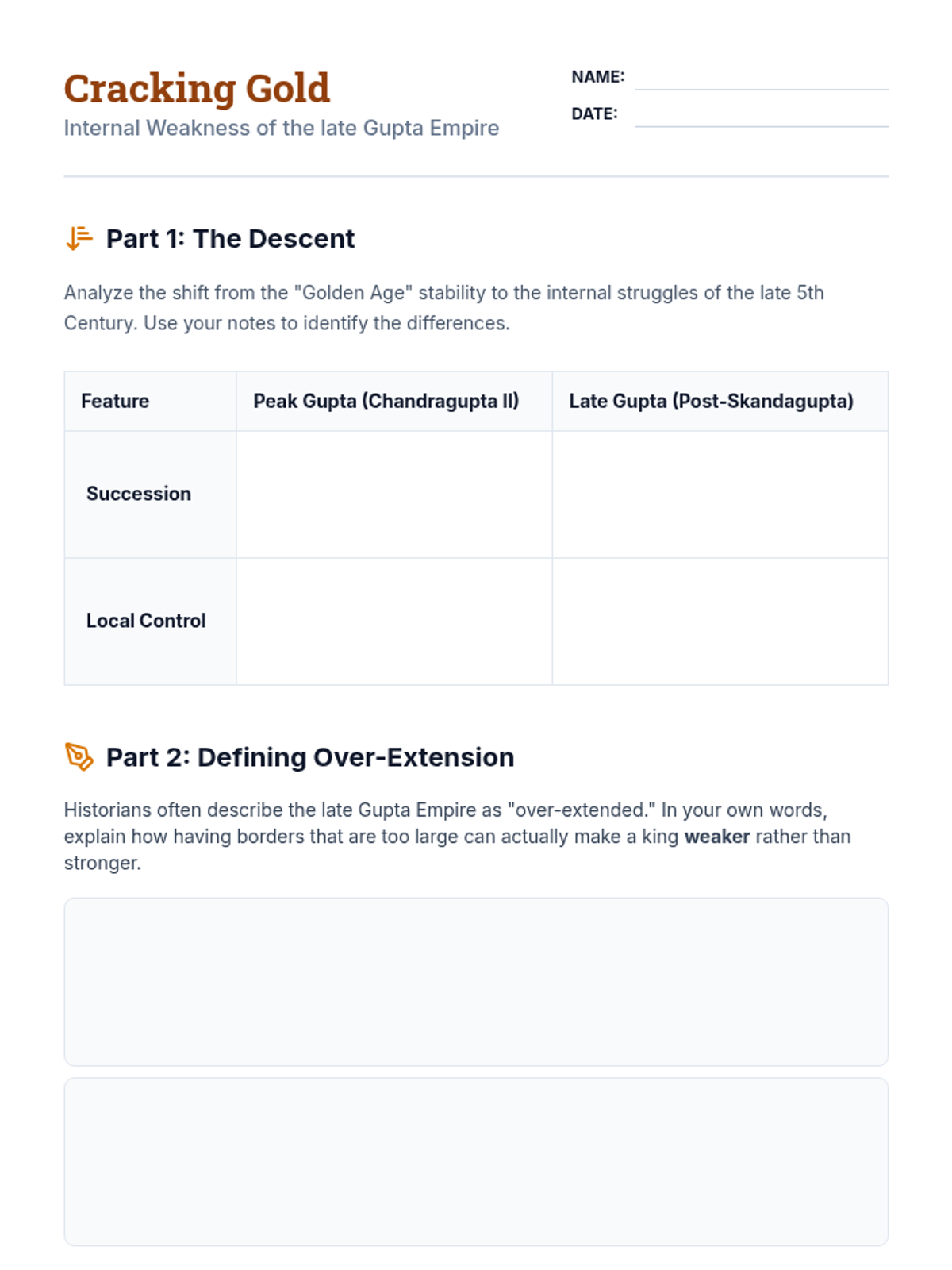
A 5-day unit exploring the multi-faceted decline of the Gupta Empire, from internal structural weaknesses to the devastating Huna invasions and economic collapse.
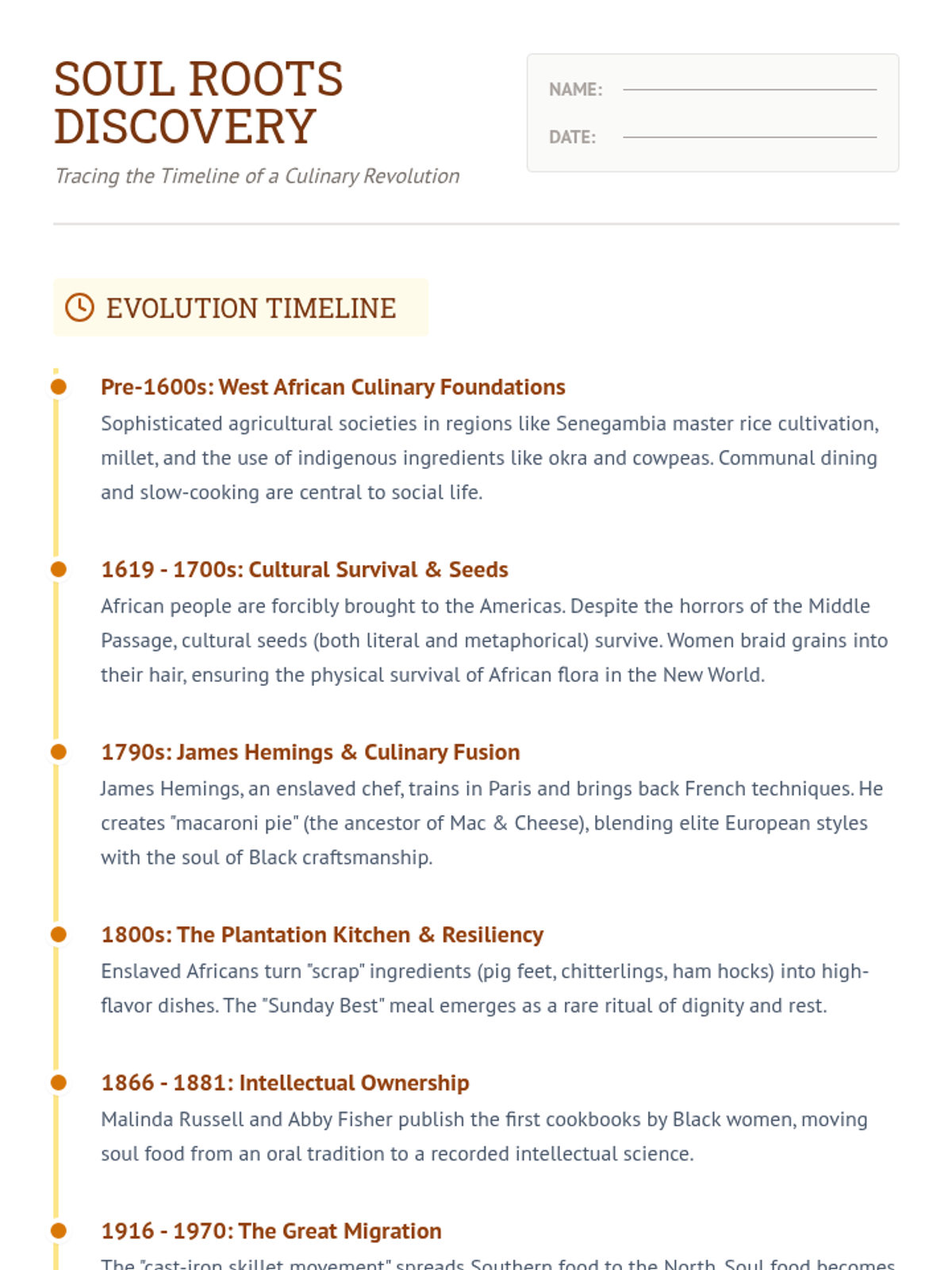
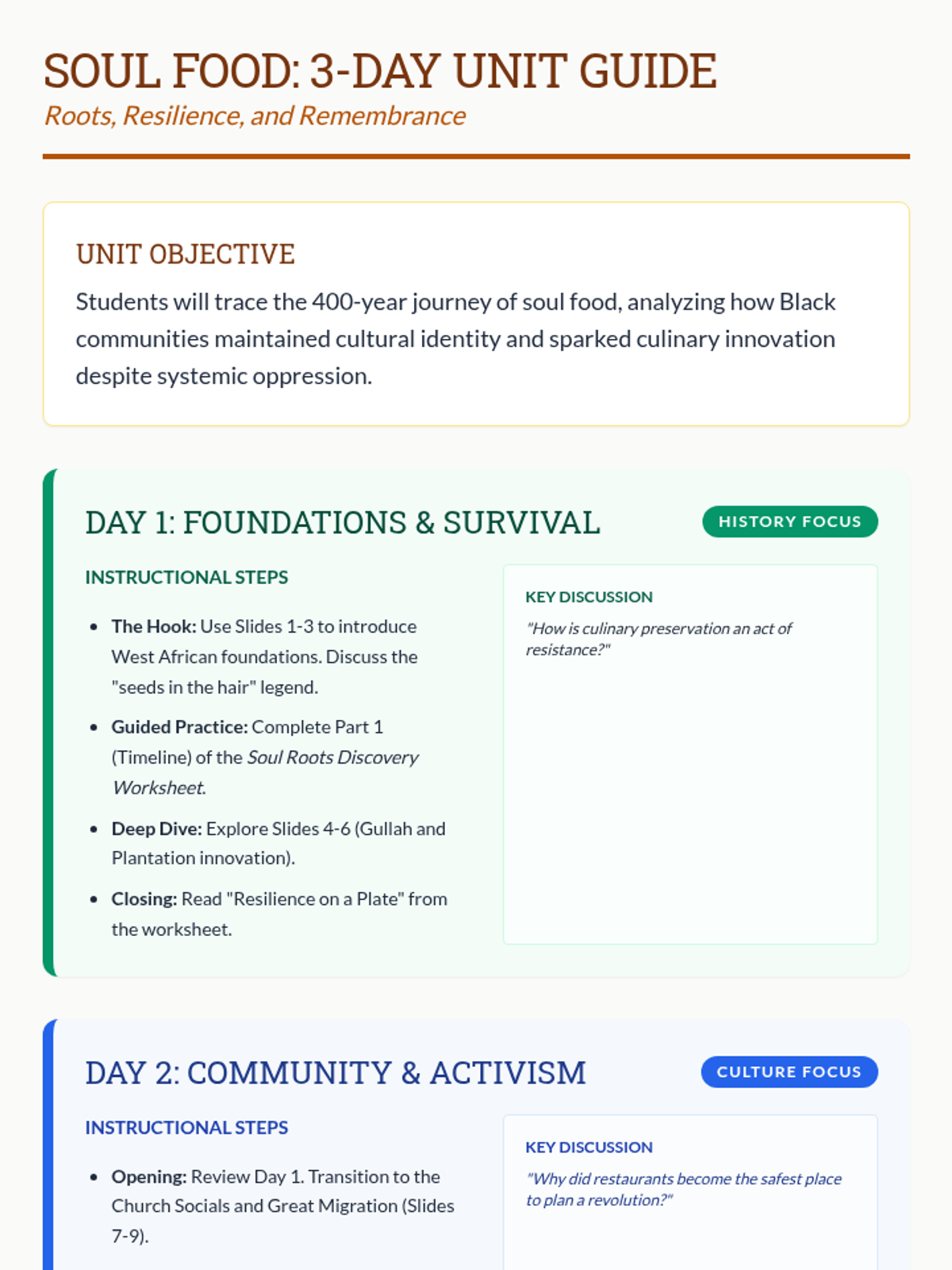
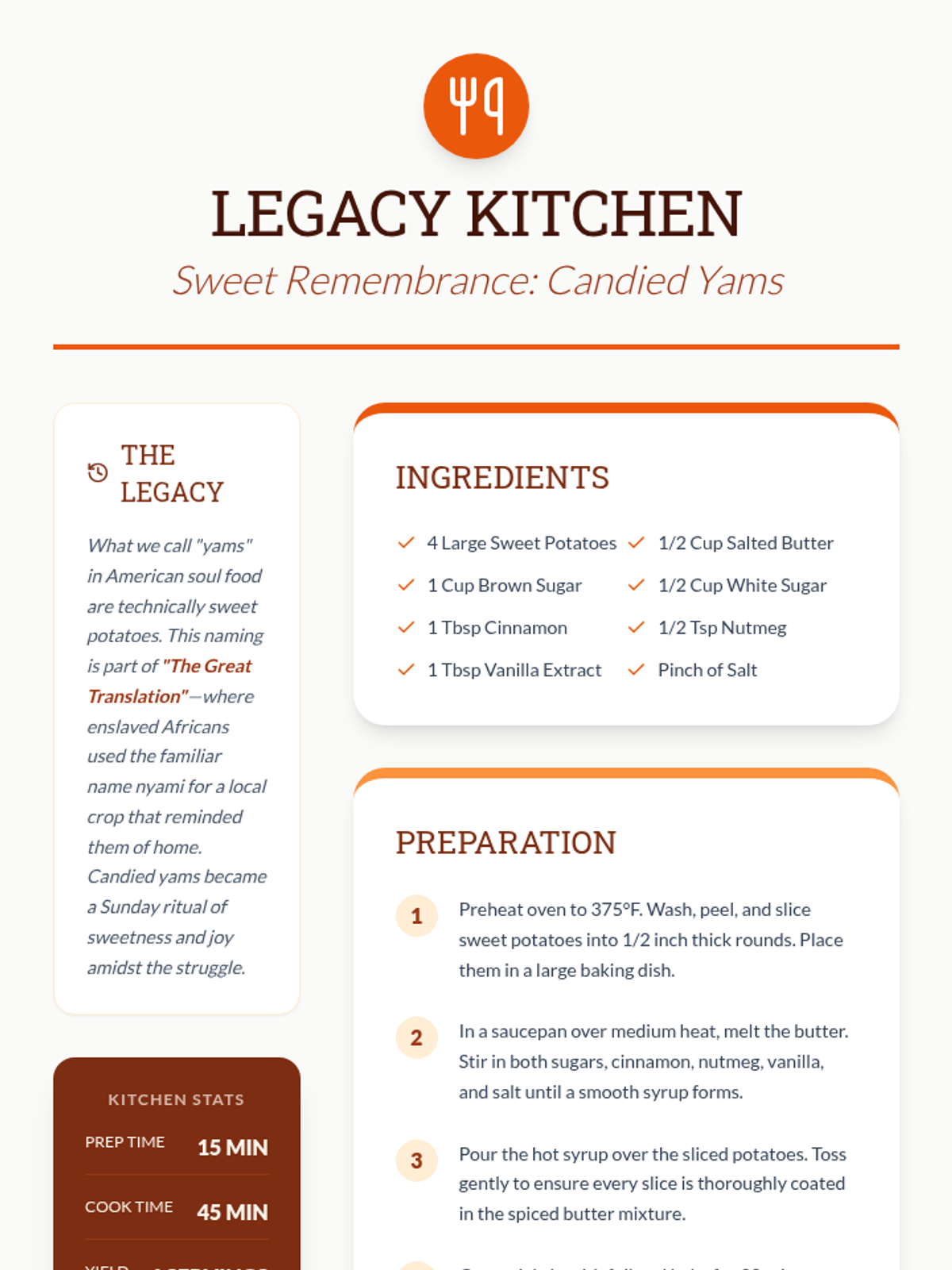
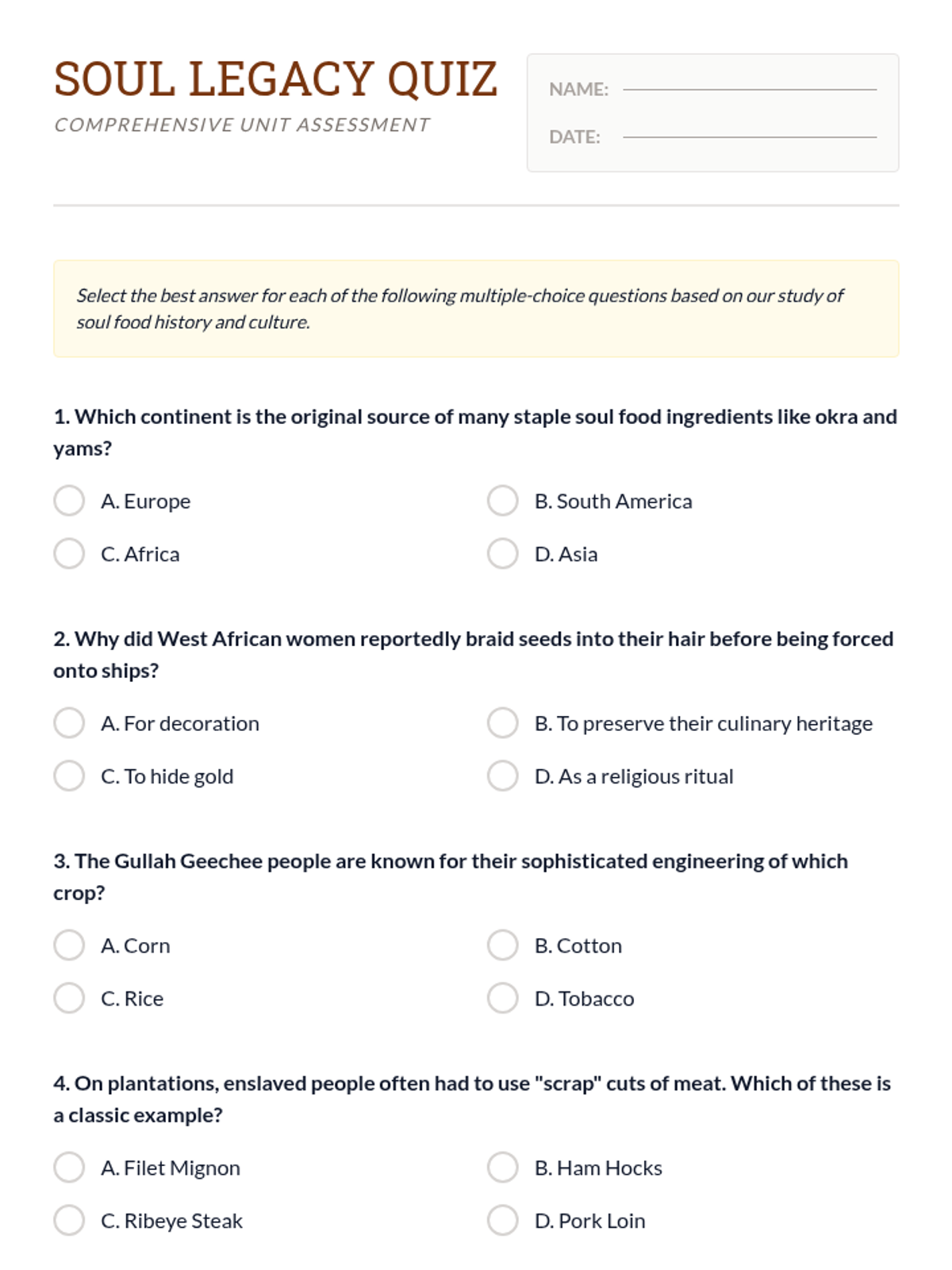
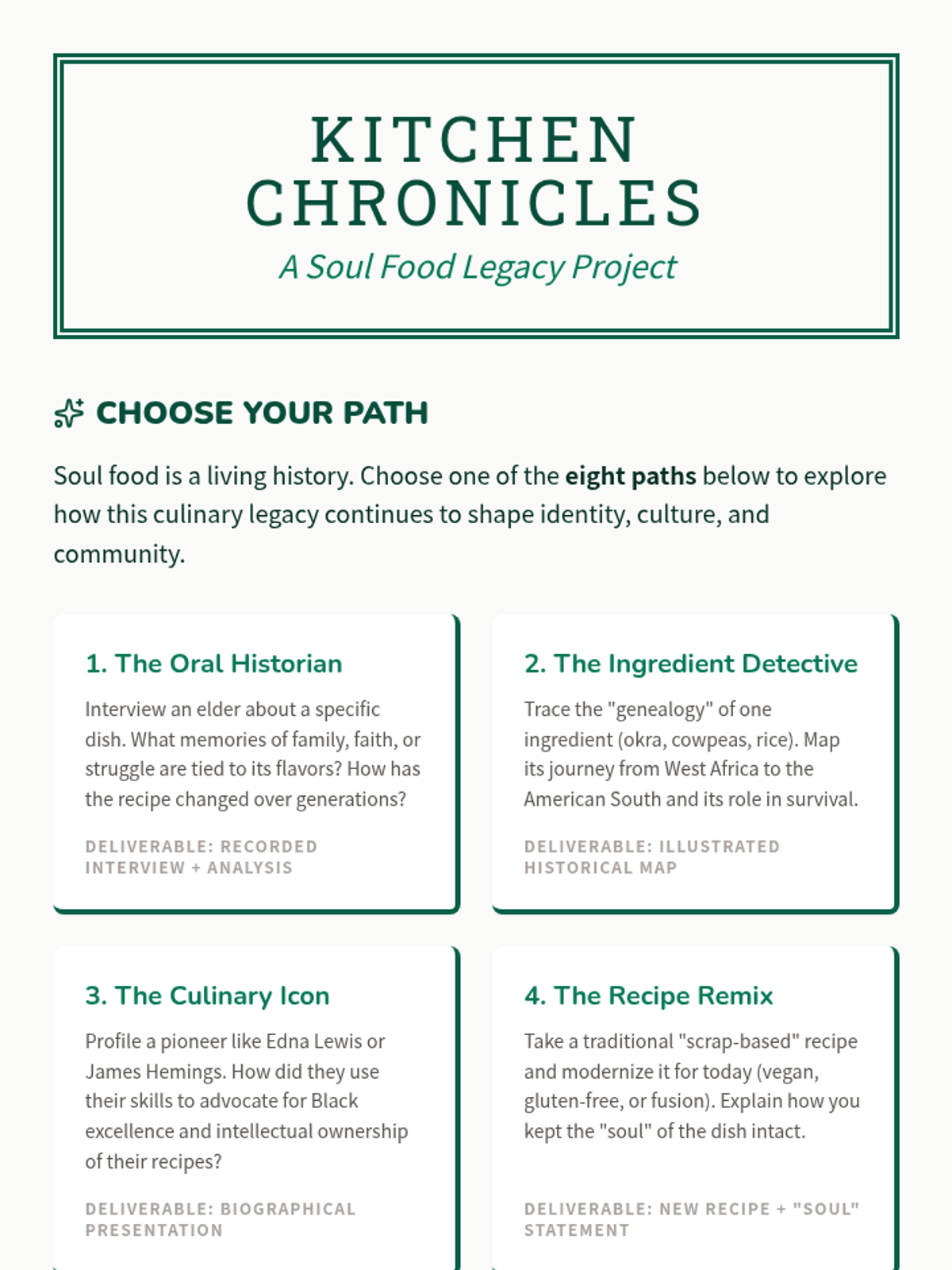
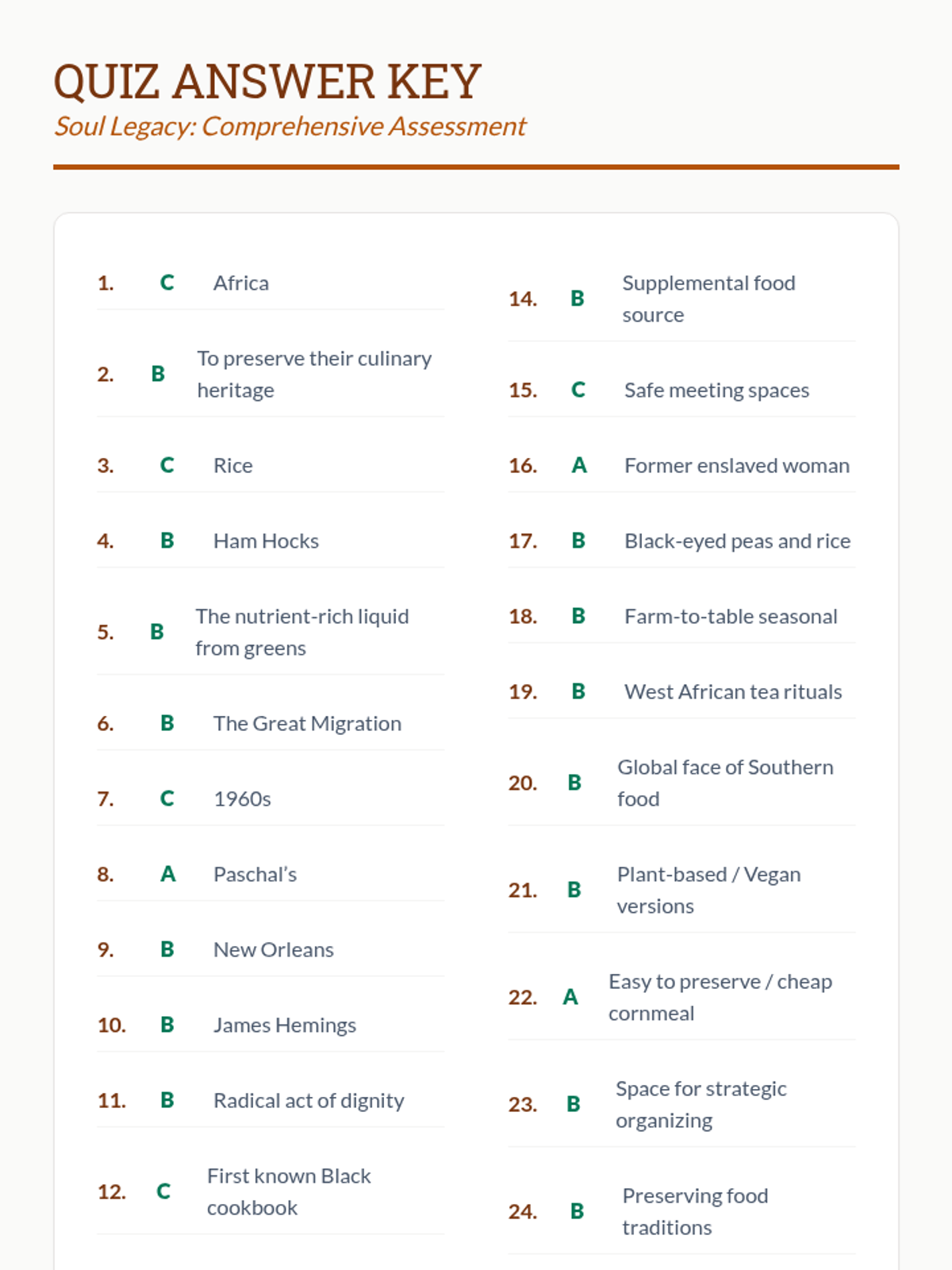
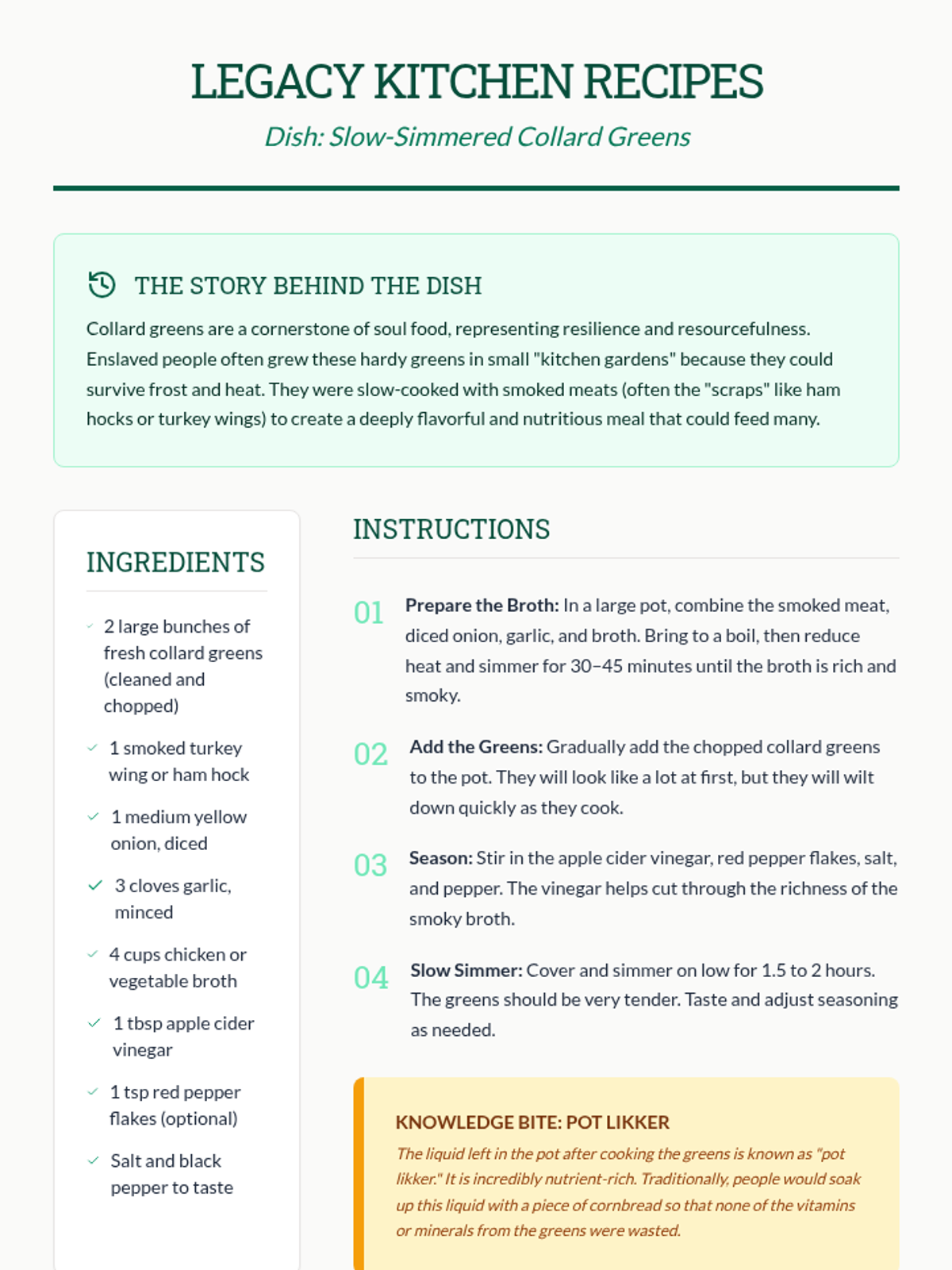
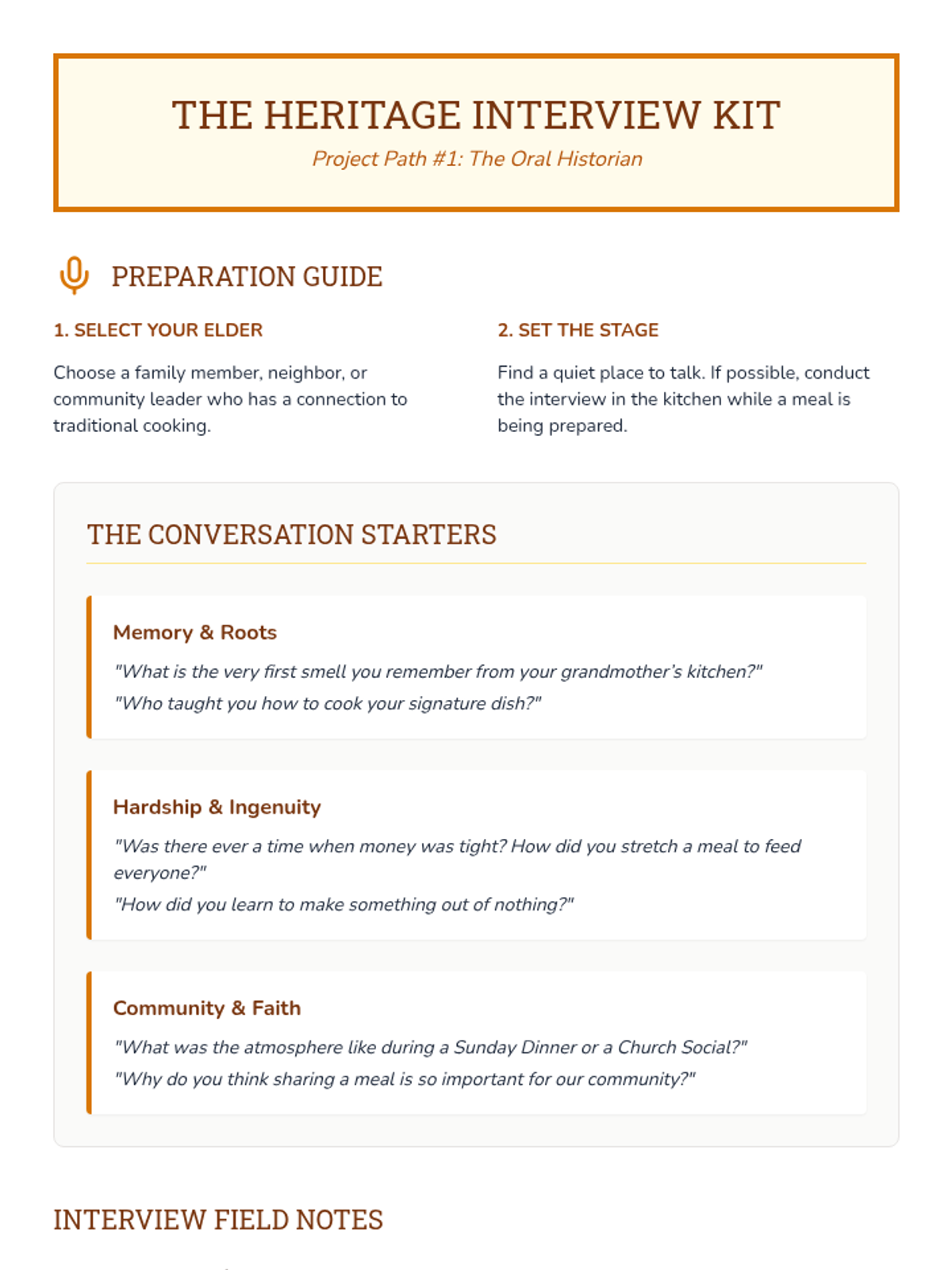
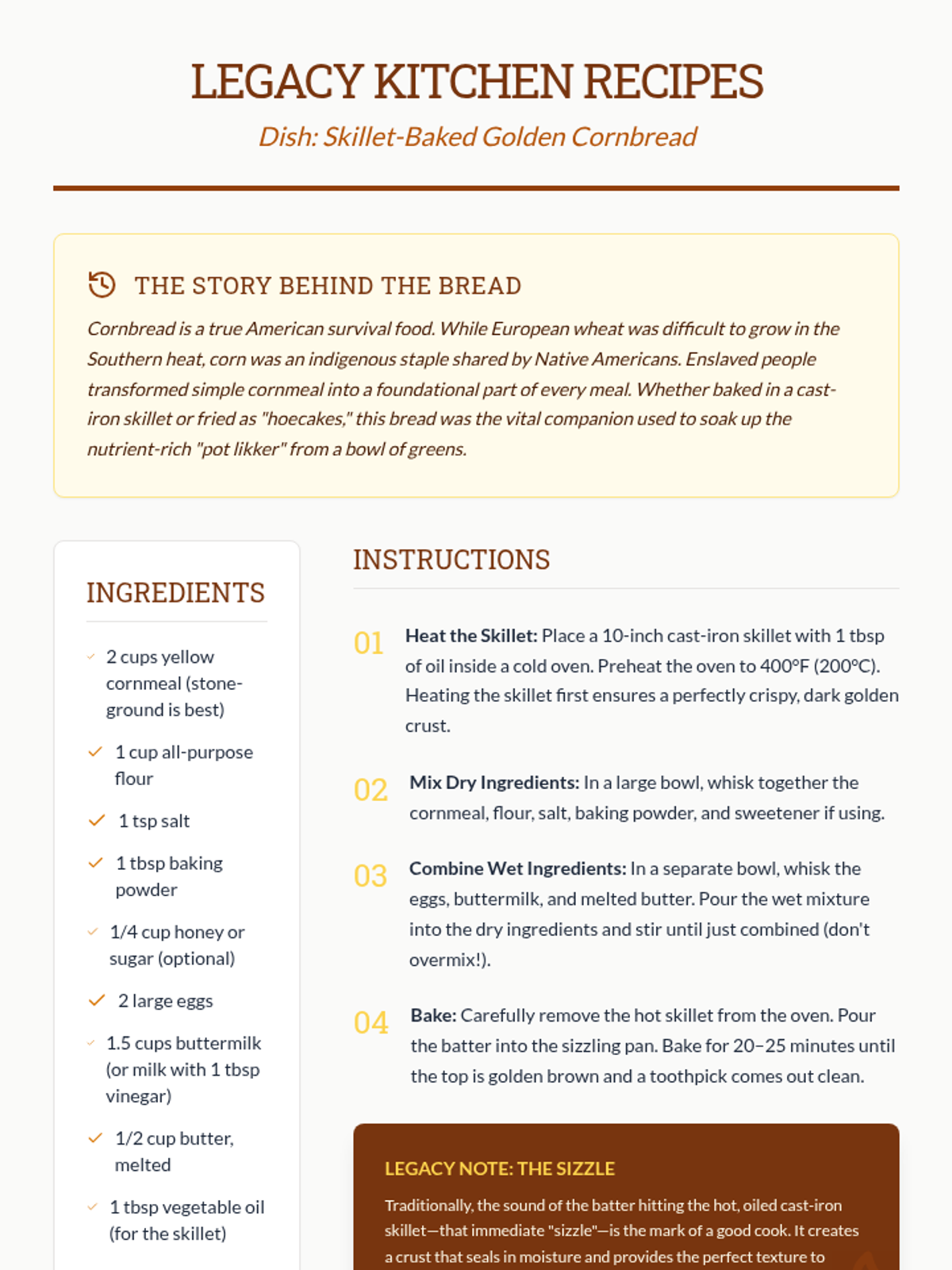
A comprehensive sequence exploring the deep roots, cultural resilience, and global impact of Black Soul Food.
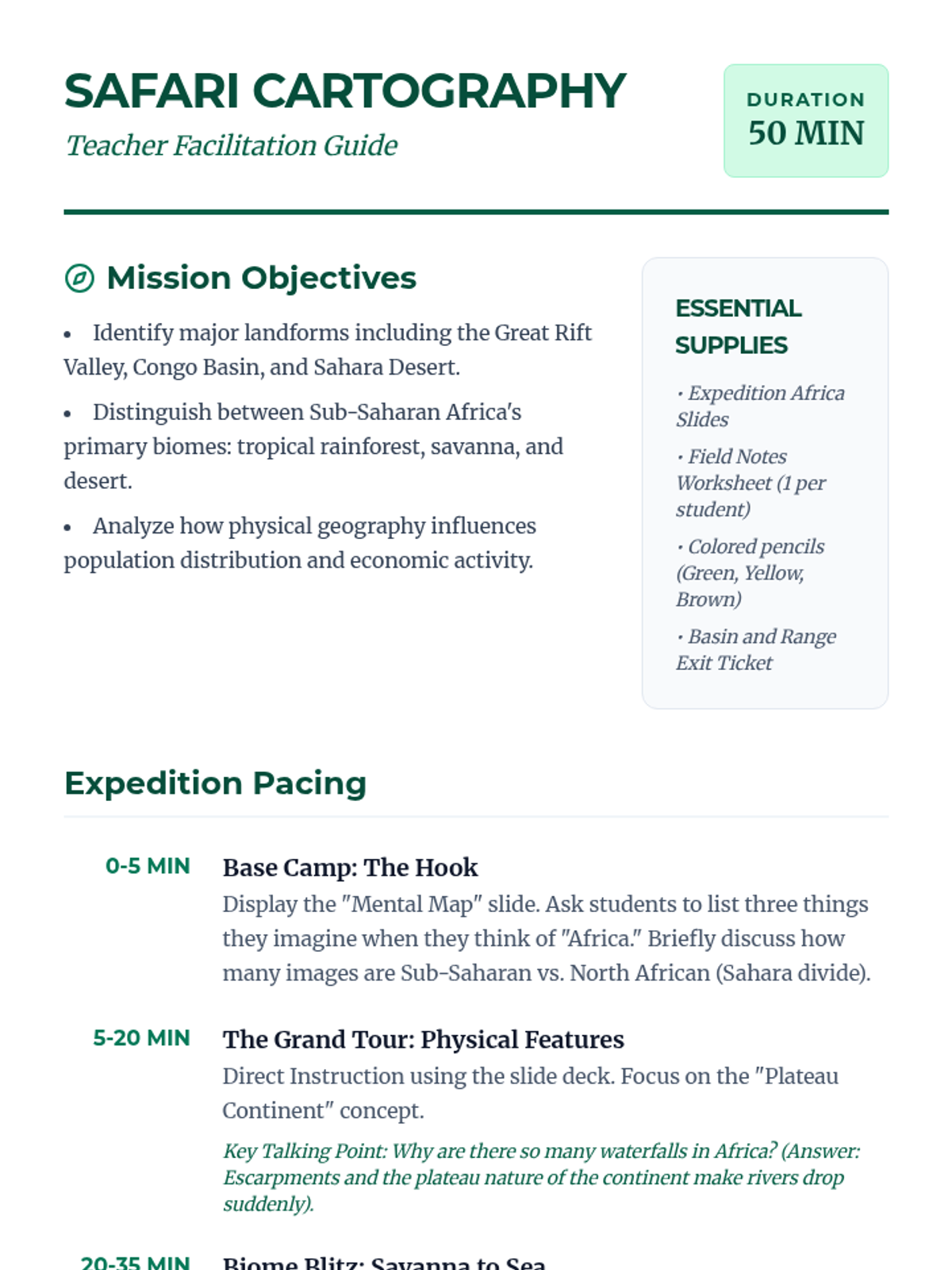
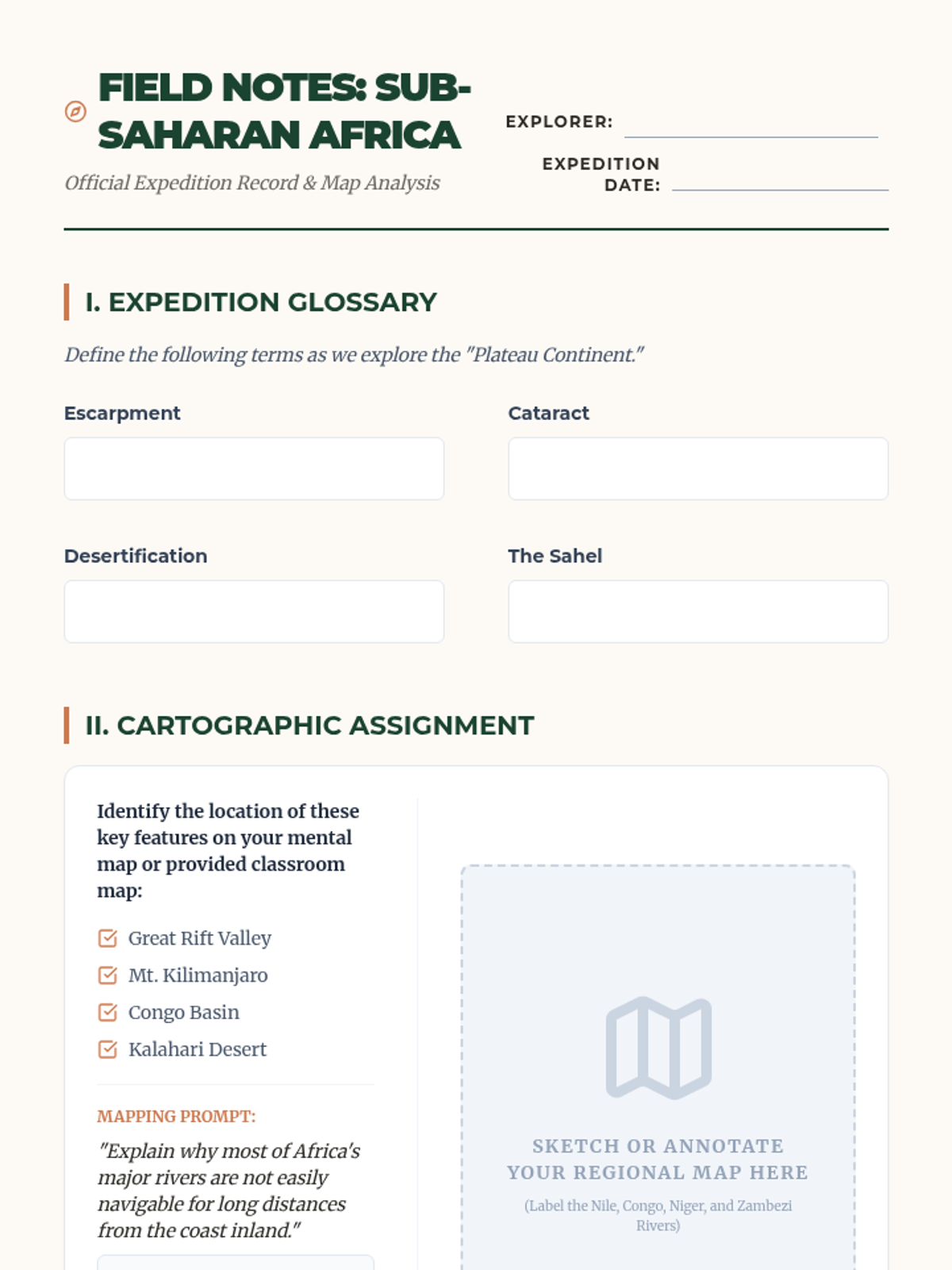
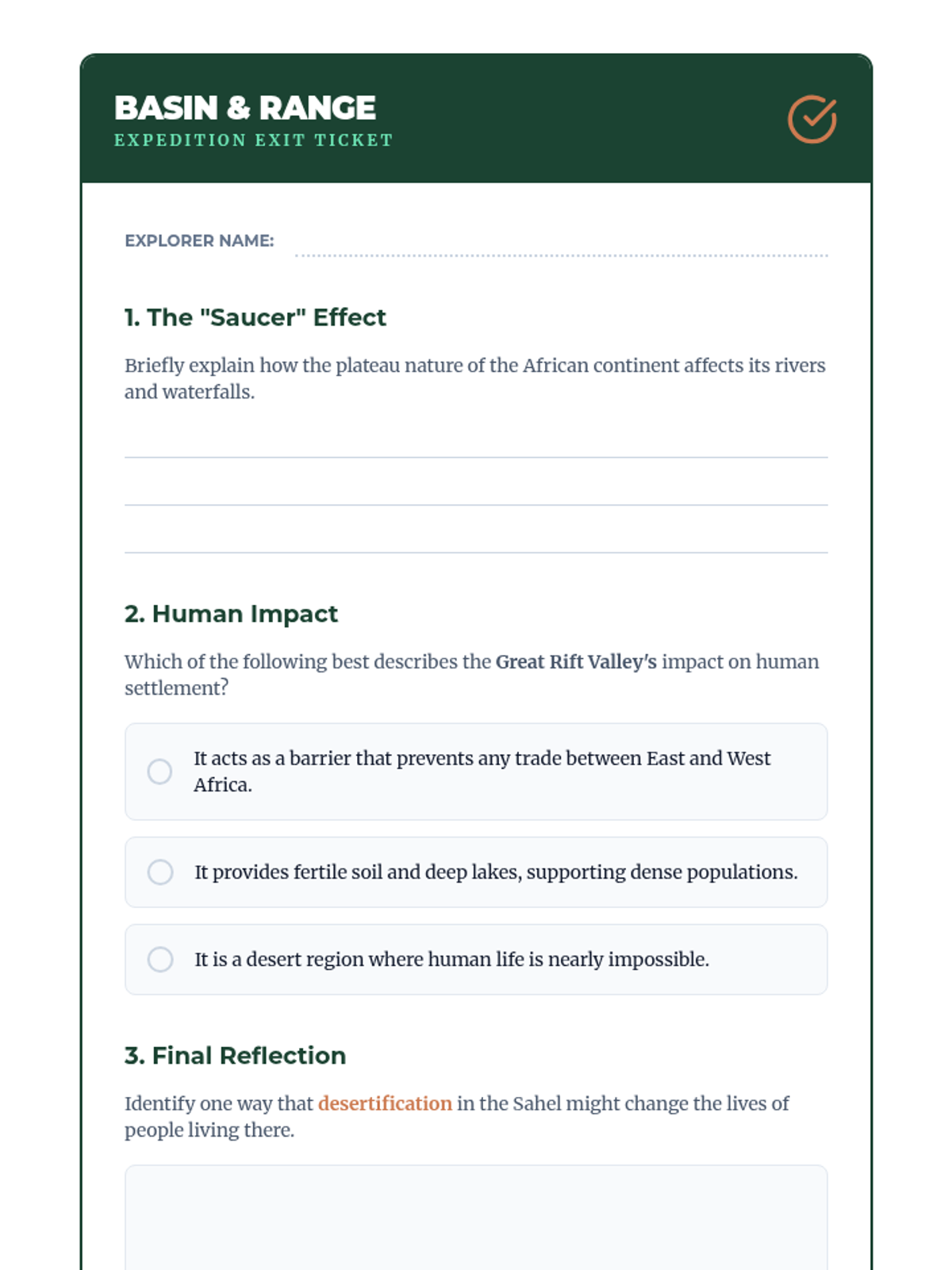
A comprehensive geography unit exploring the physical landscapes, climates, and human-environment interactions of Sub-Saharan Africa.
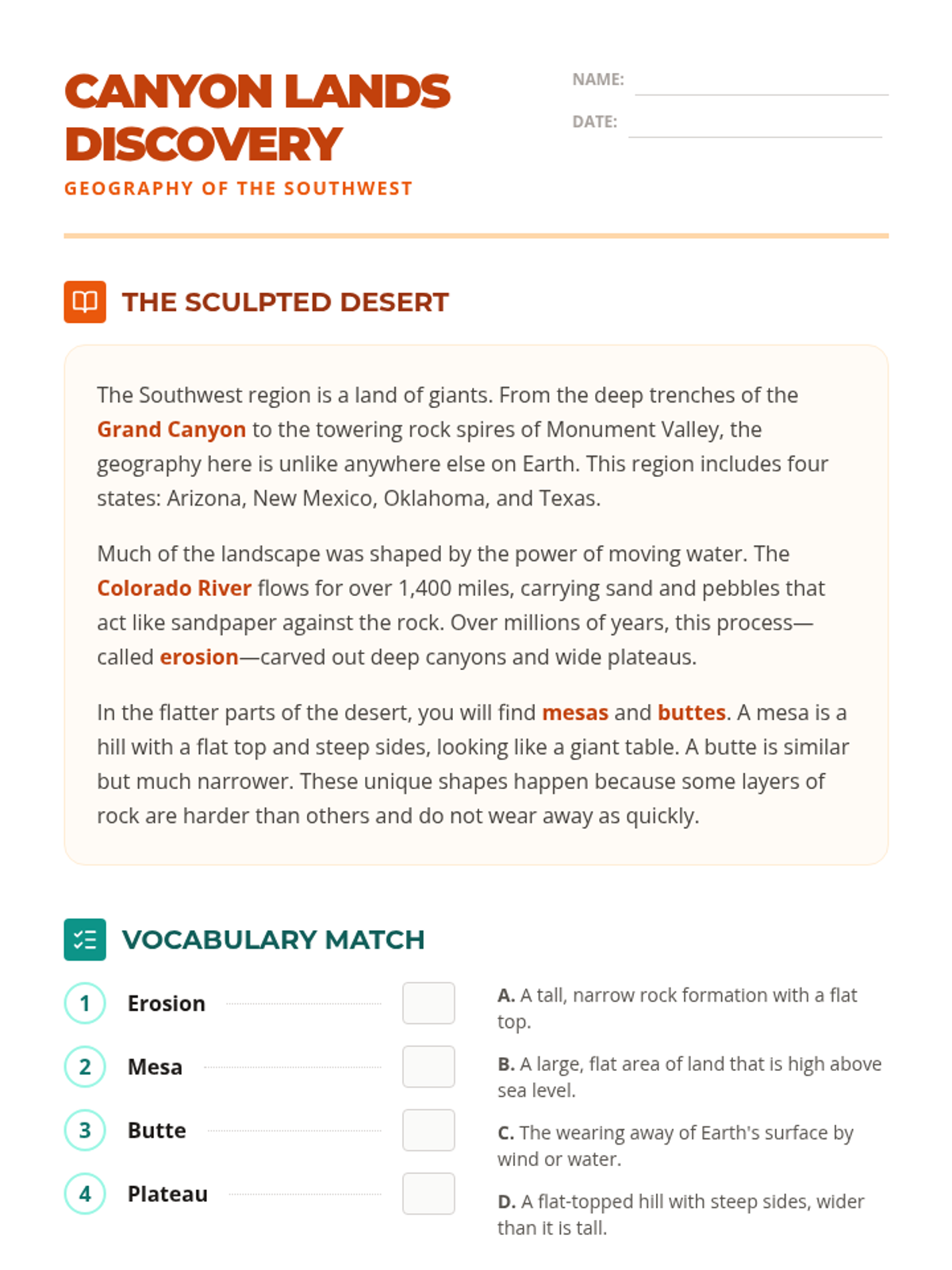
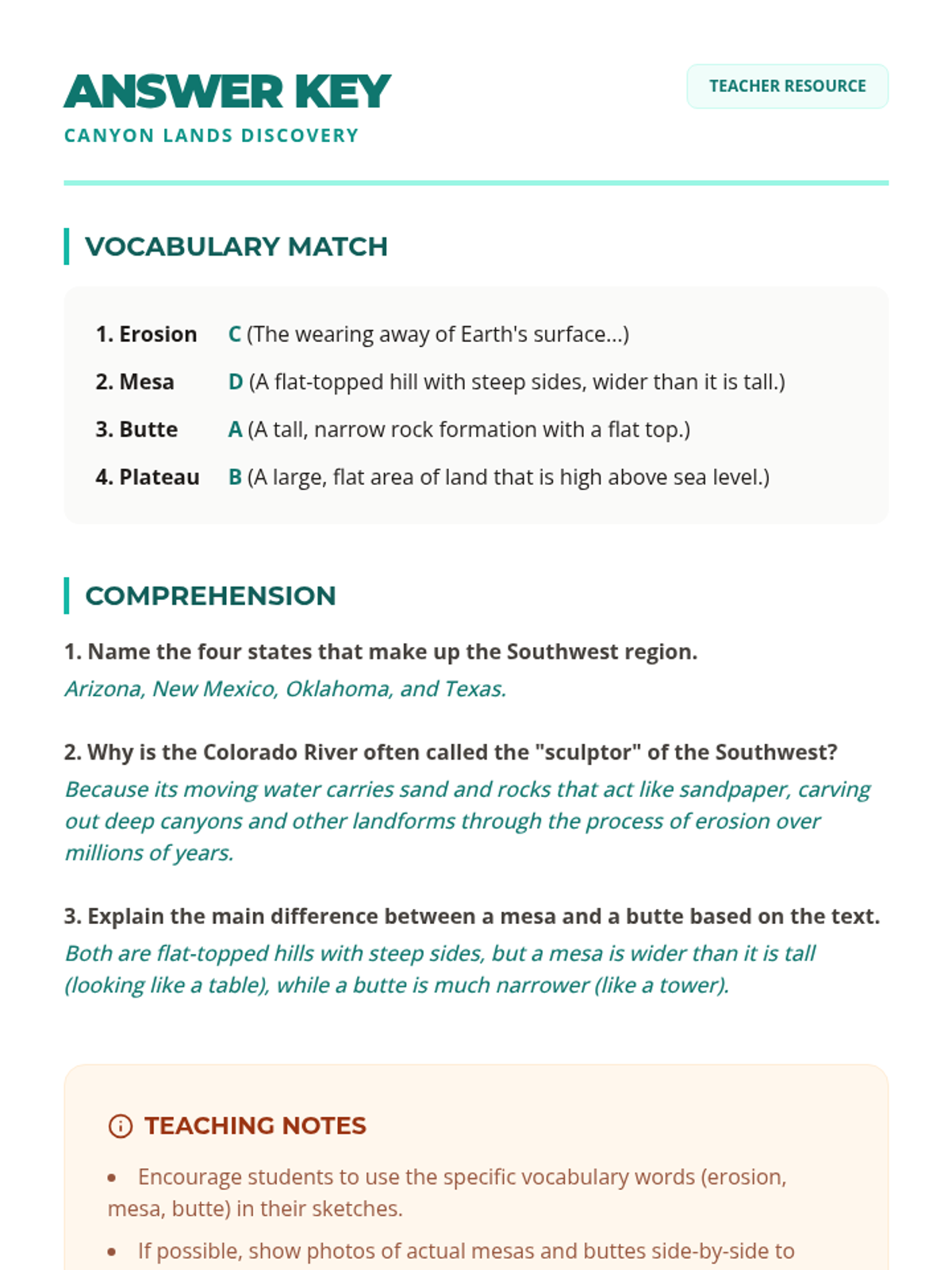
A comprehensive 5-lesson unit exploring the unique geography, climate, natural resources, diverse cultures, and political boundaries of the Southwest region of the United States.
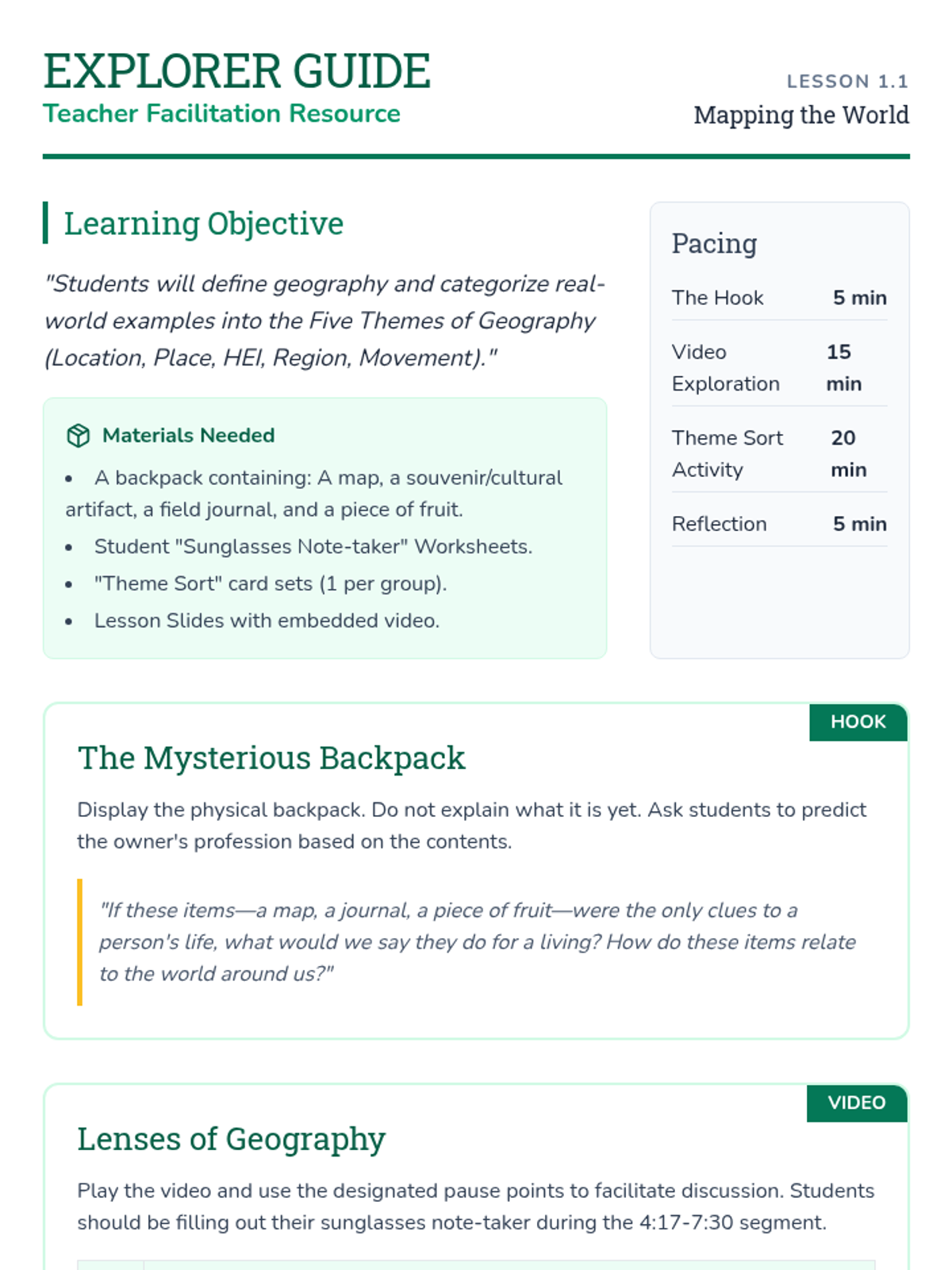
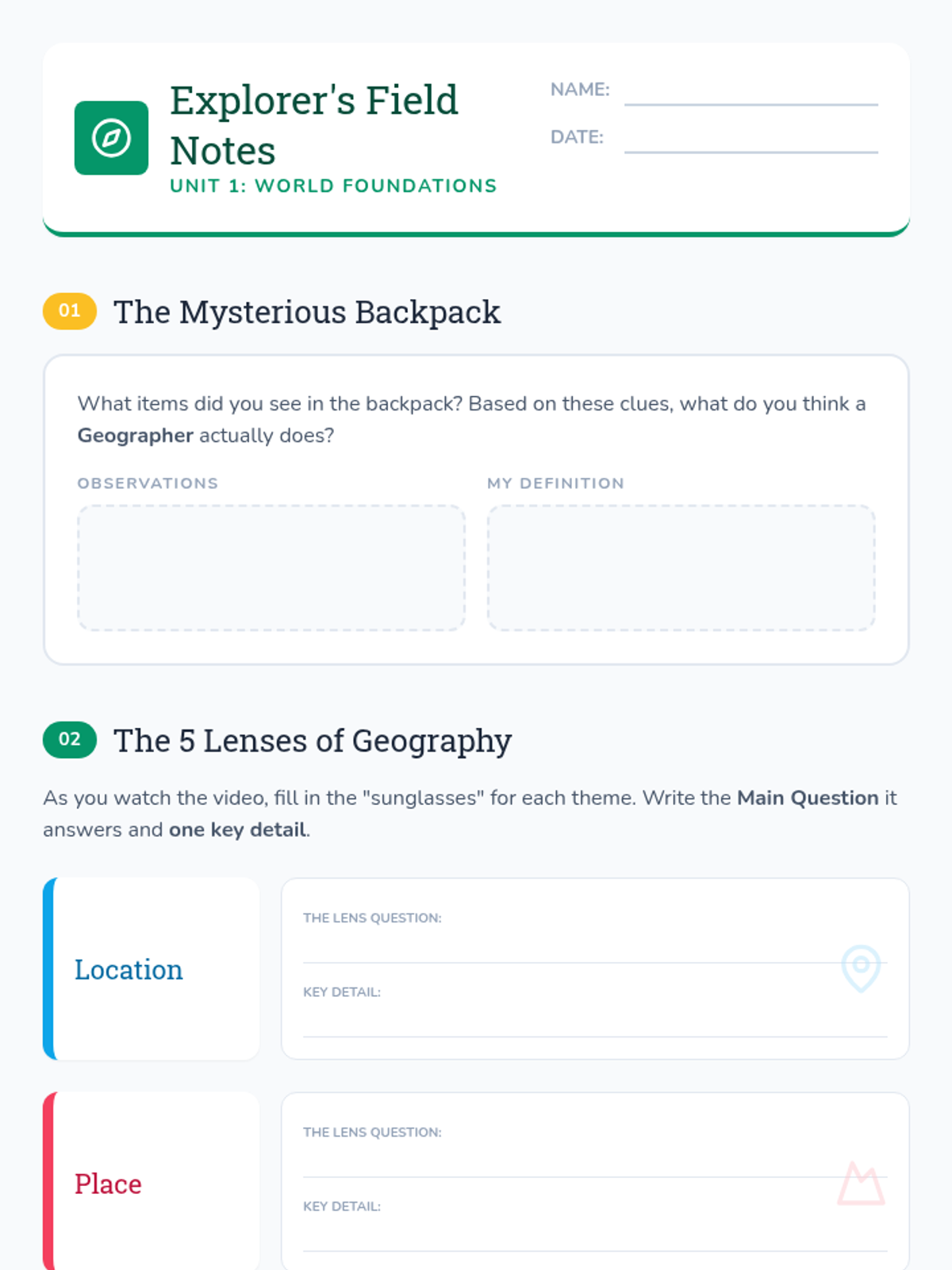
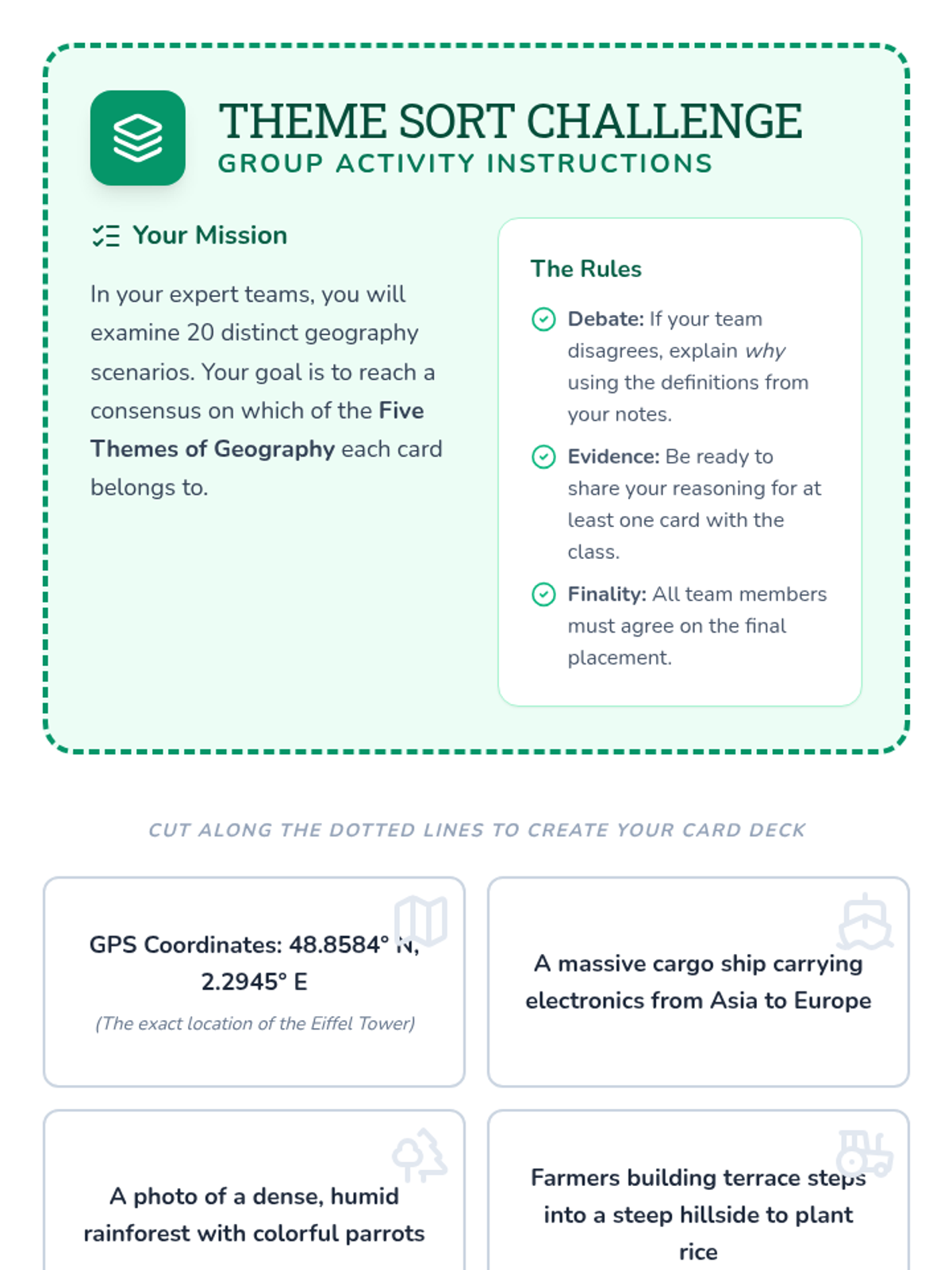
A comprehensive unit introducing the foundational concepts of geography, focusing on the Five Themes of Geography as a framework for understanding human and physical world interactions.
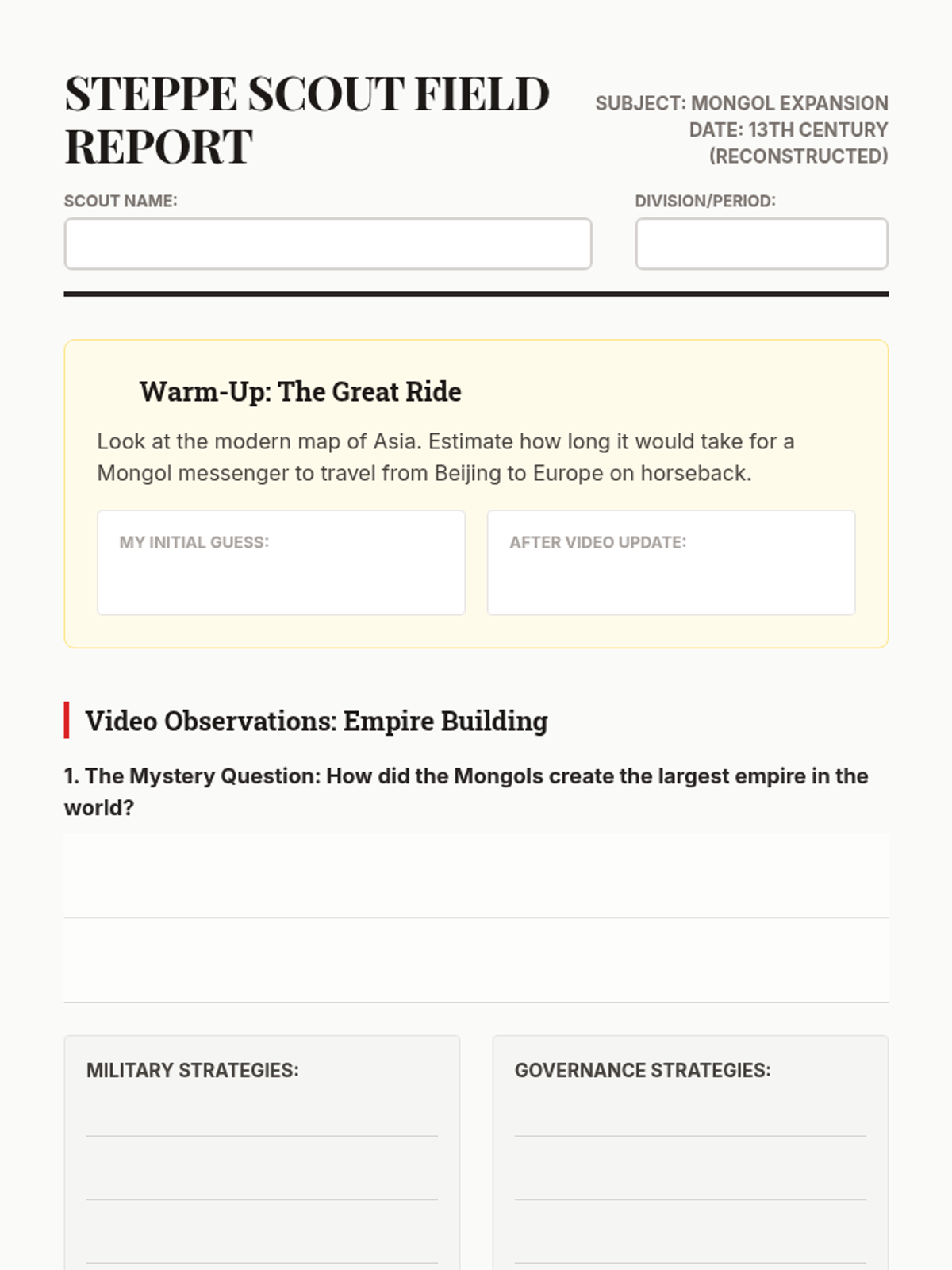
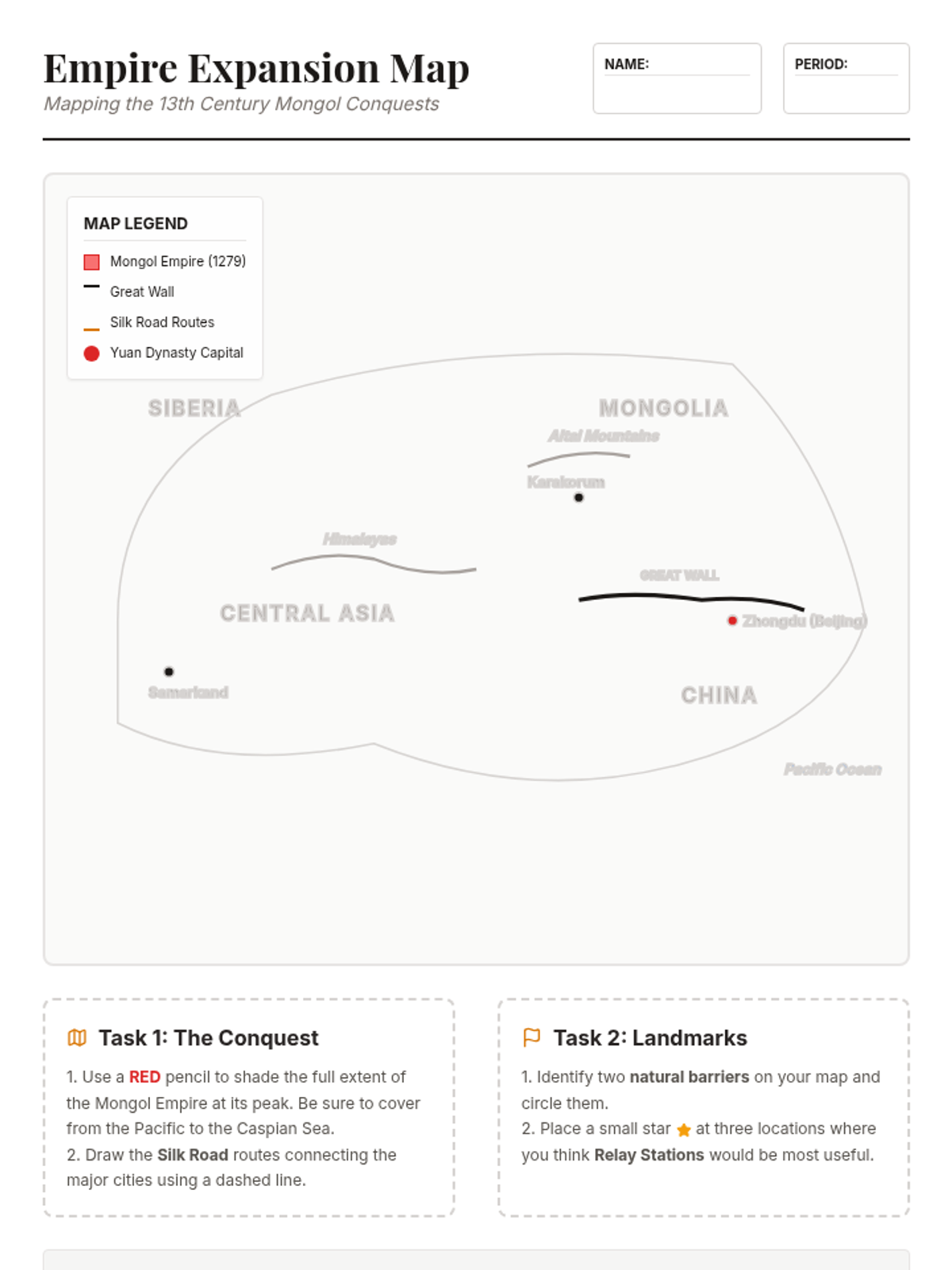
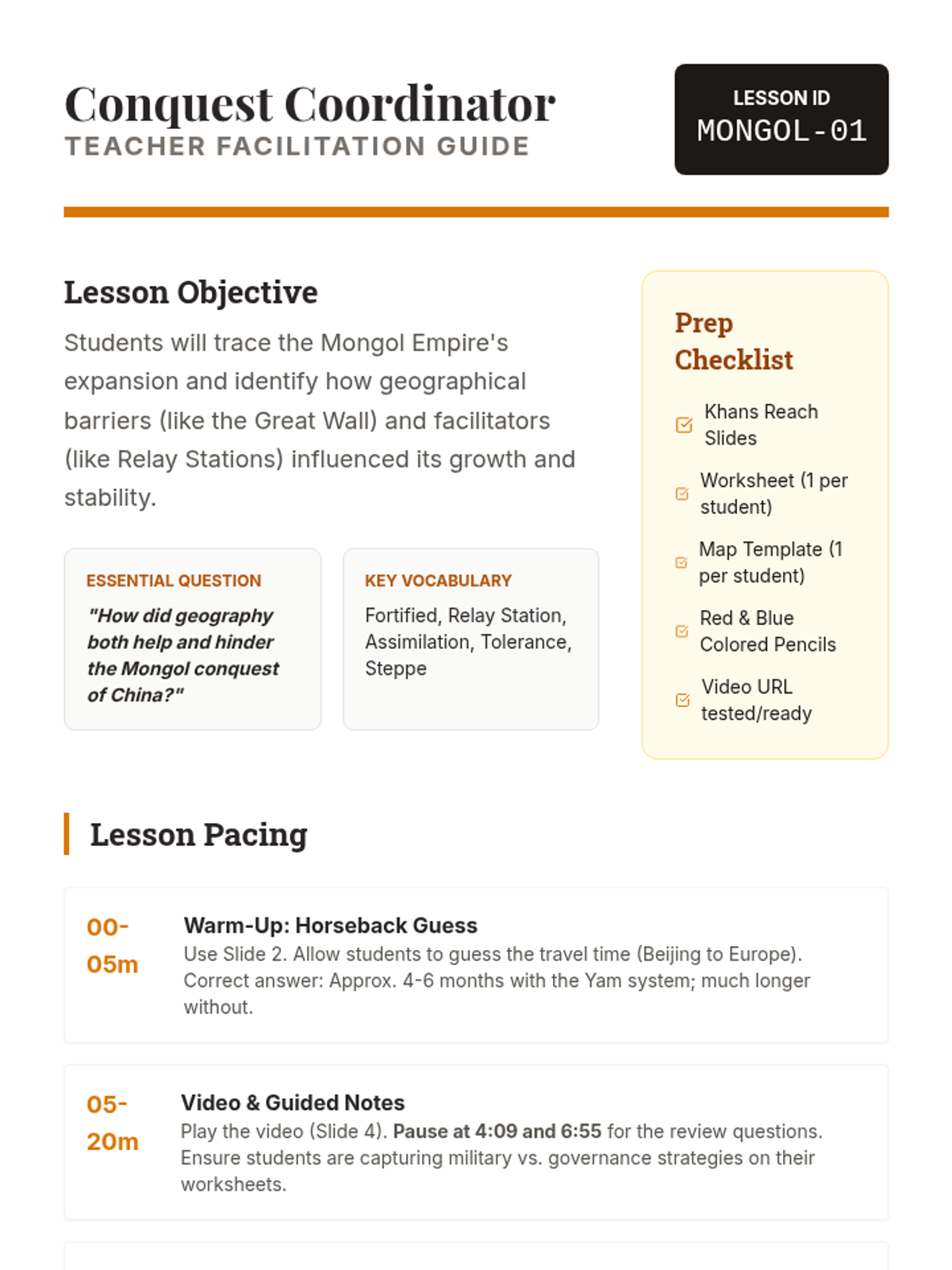
A series of lessons exploring the rise and impact of major global empires, focusing on their geographical expansion, governance strategies, and cultural legacies during the first global age.
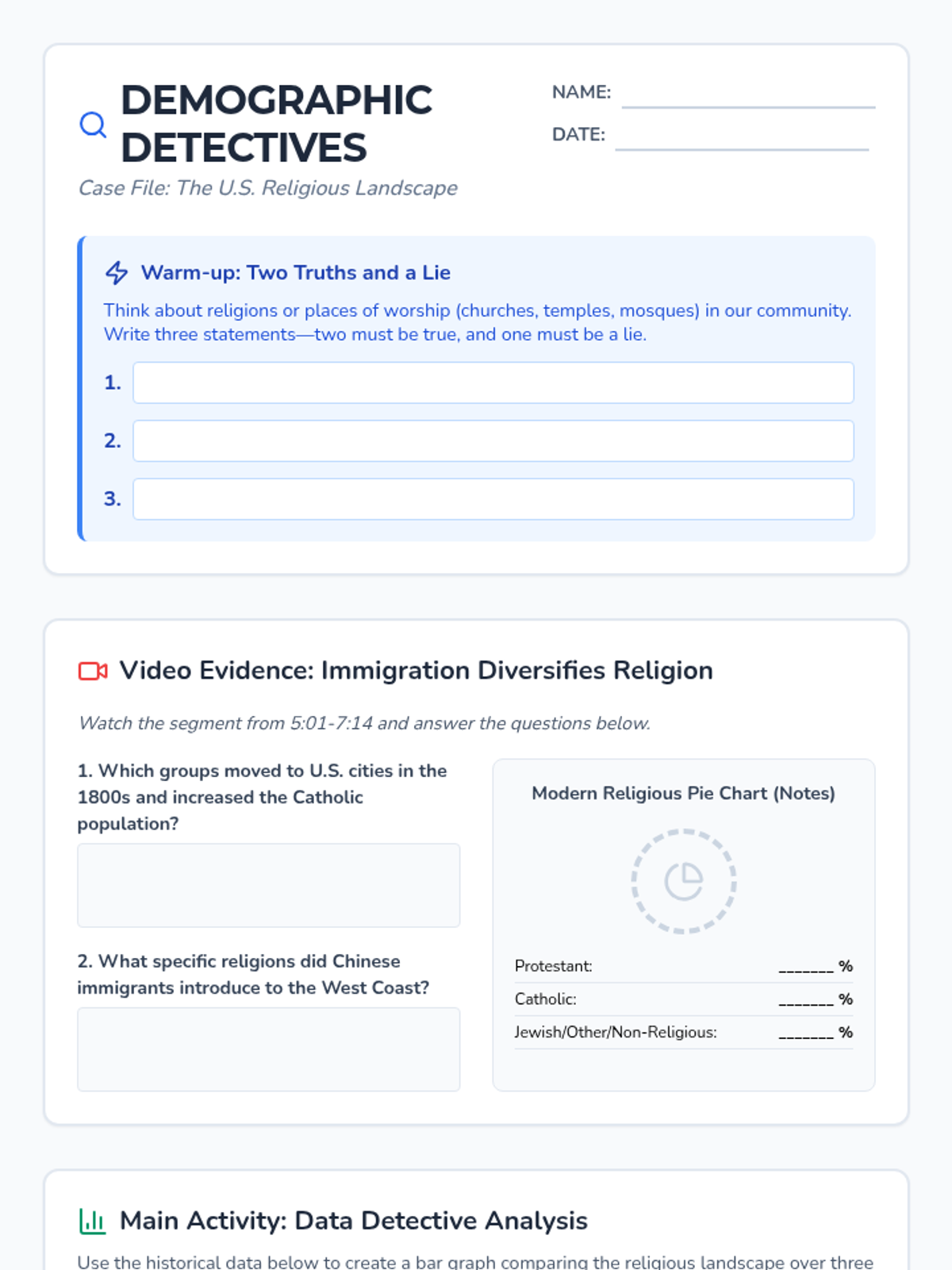
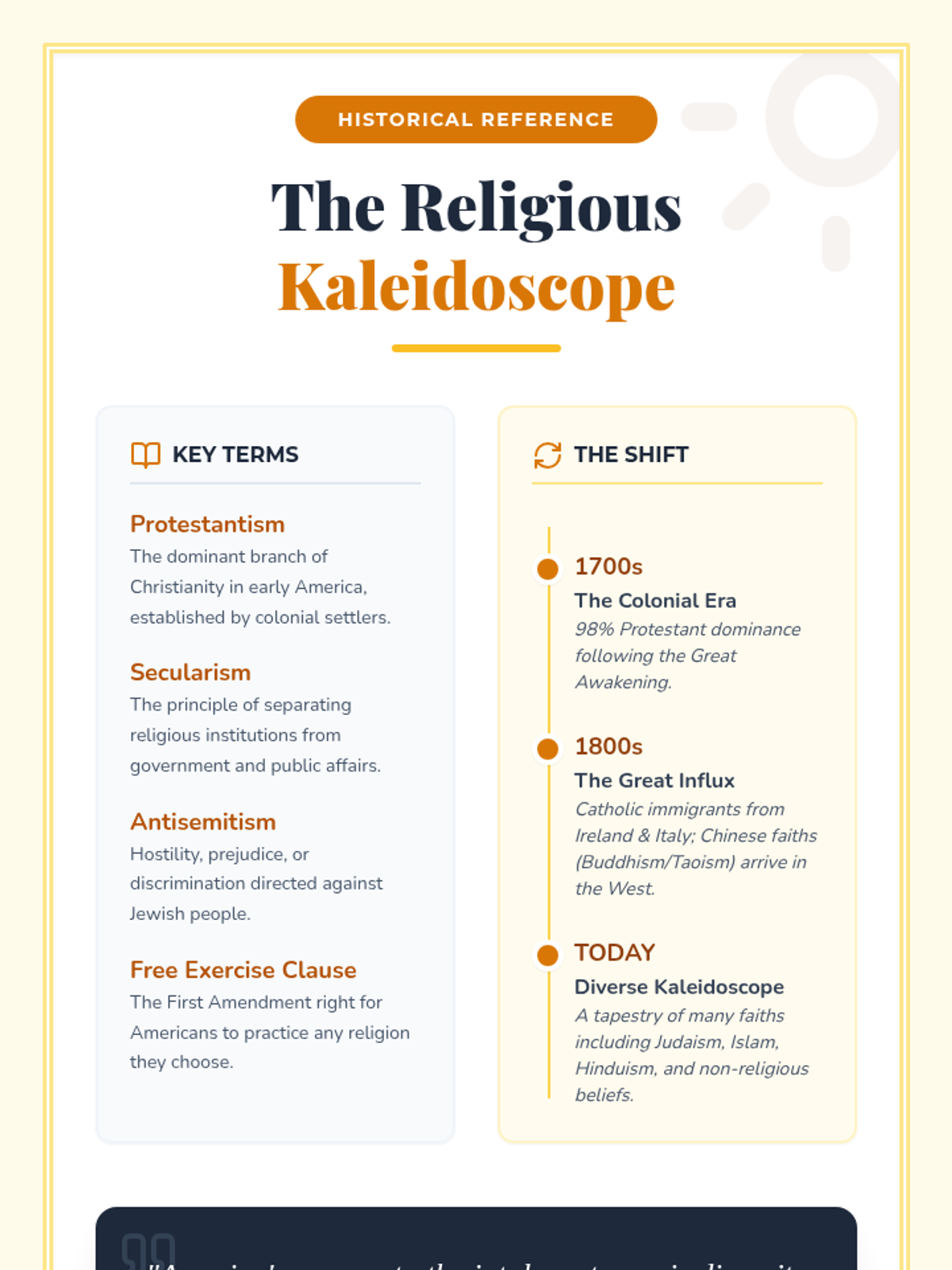
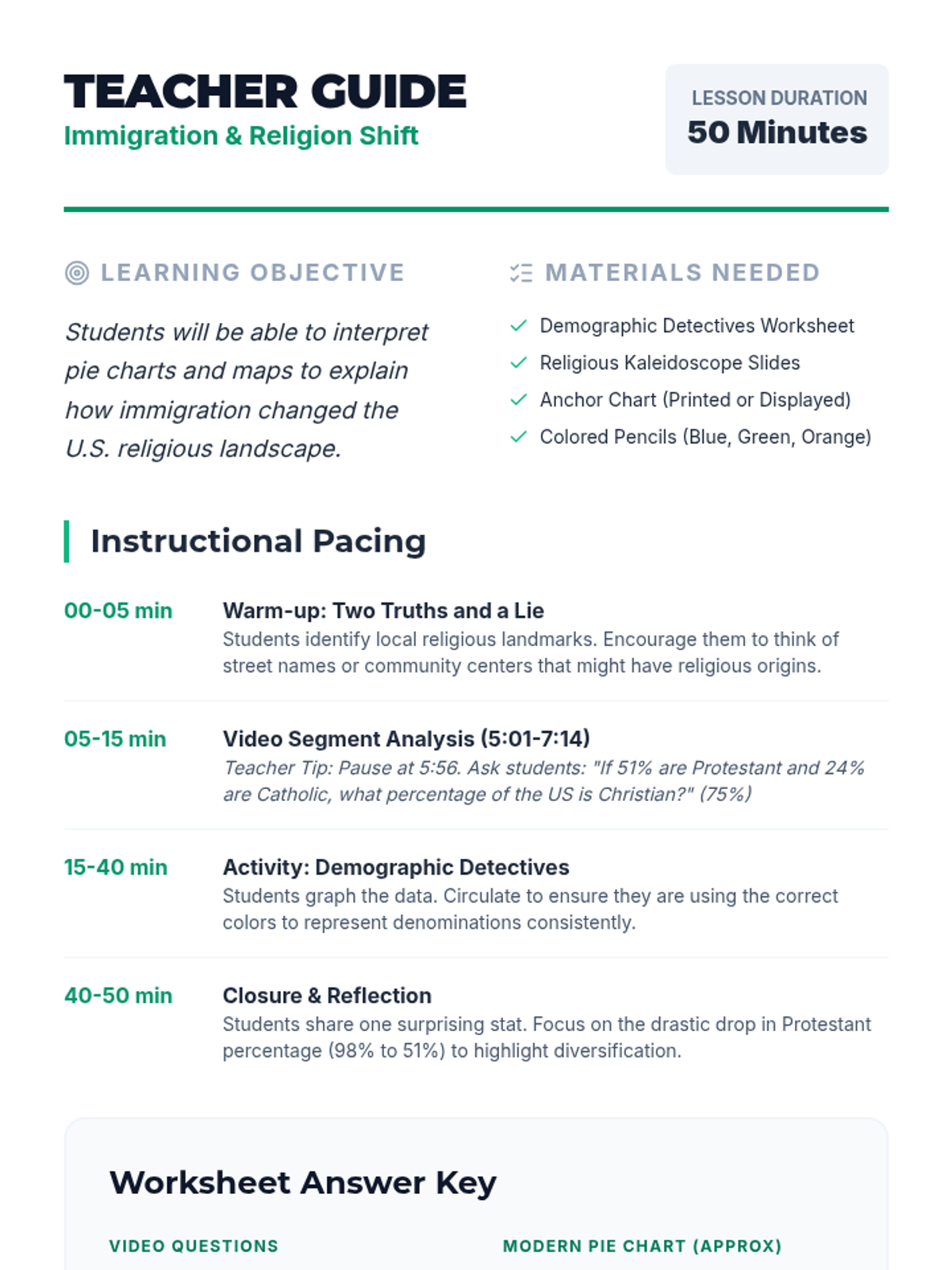
A series of lessons exploring how major historical events and social shifts have shaped the cultural and religious identity of the United States.
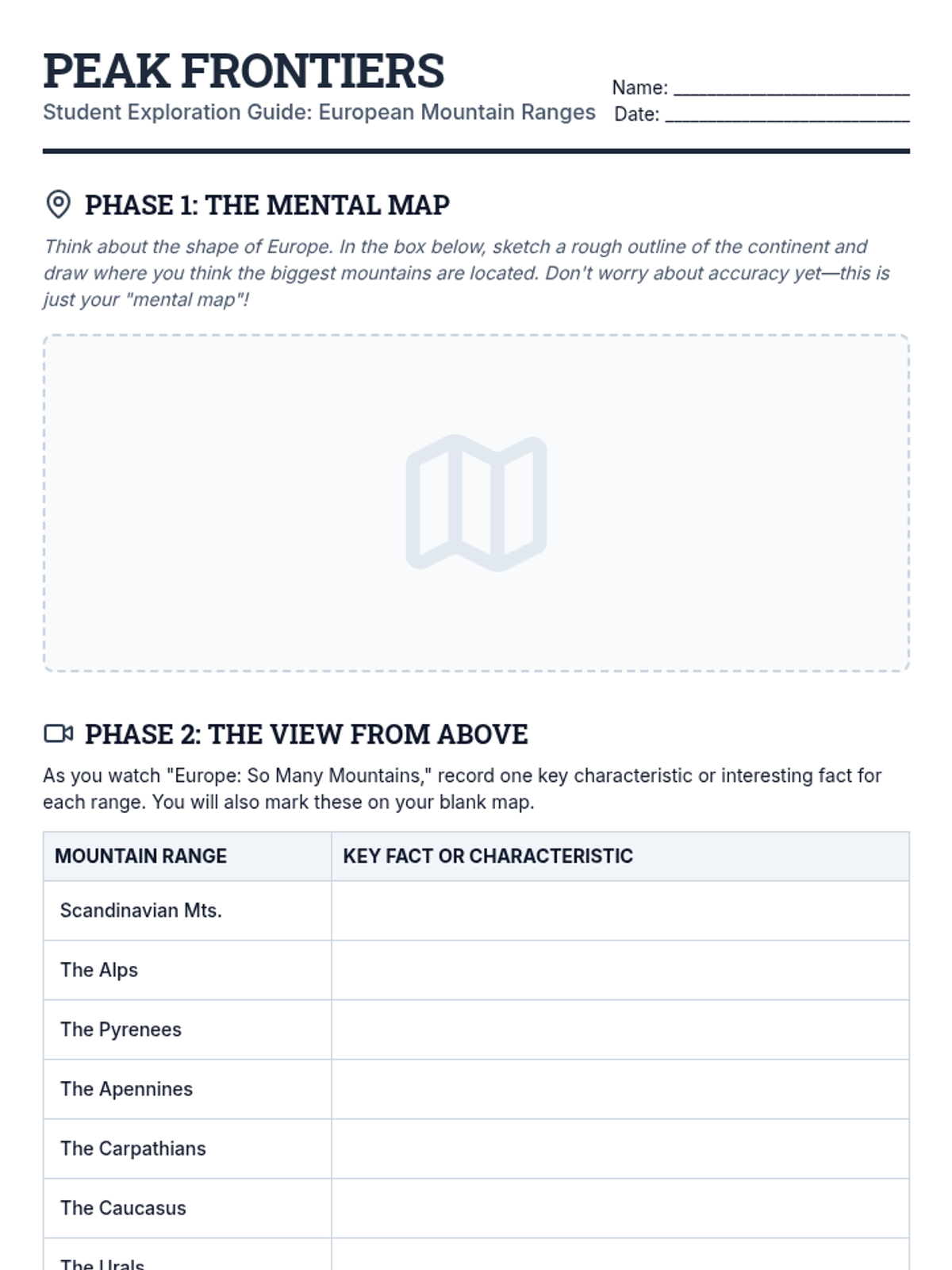
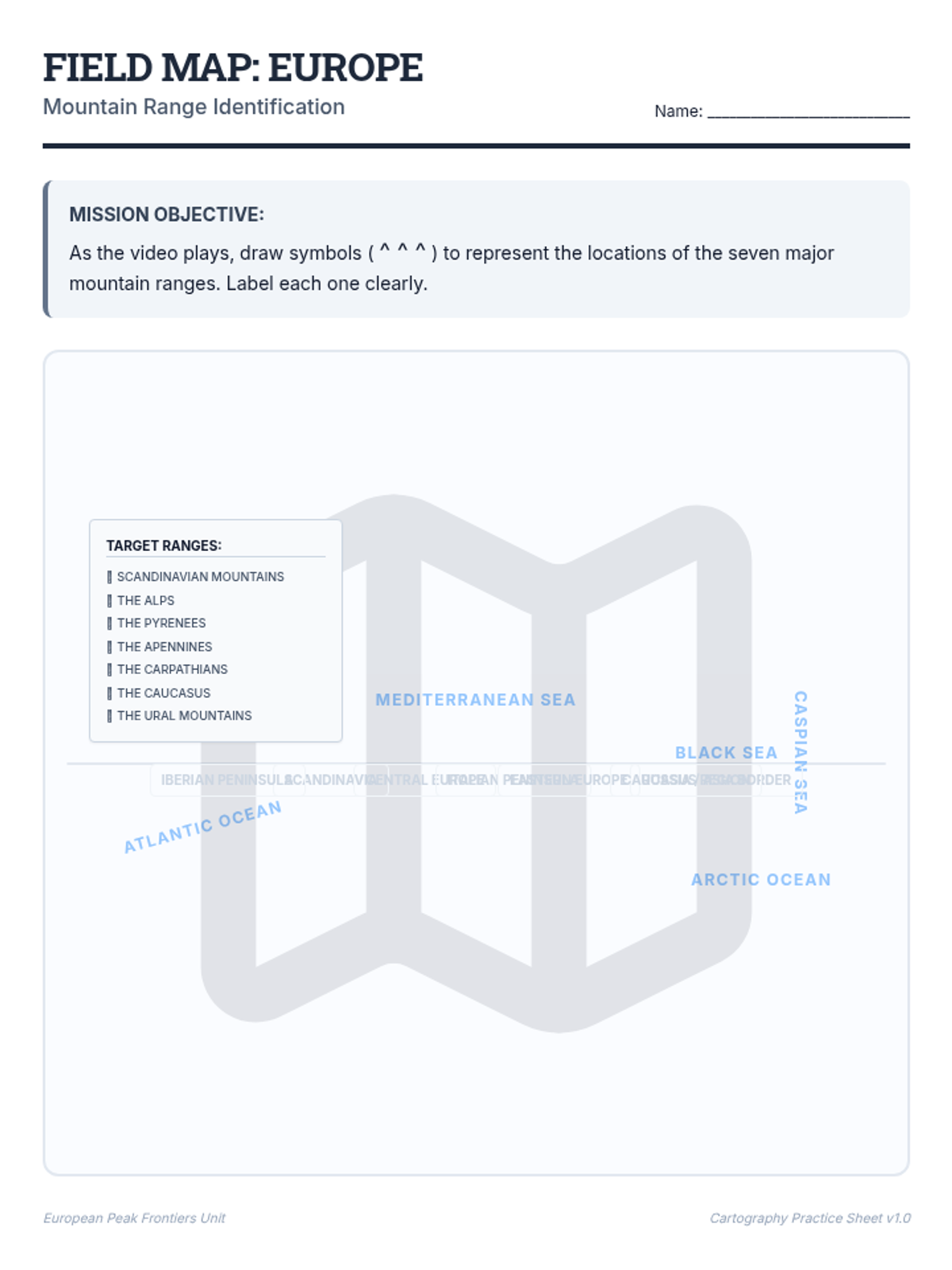
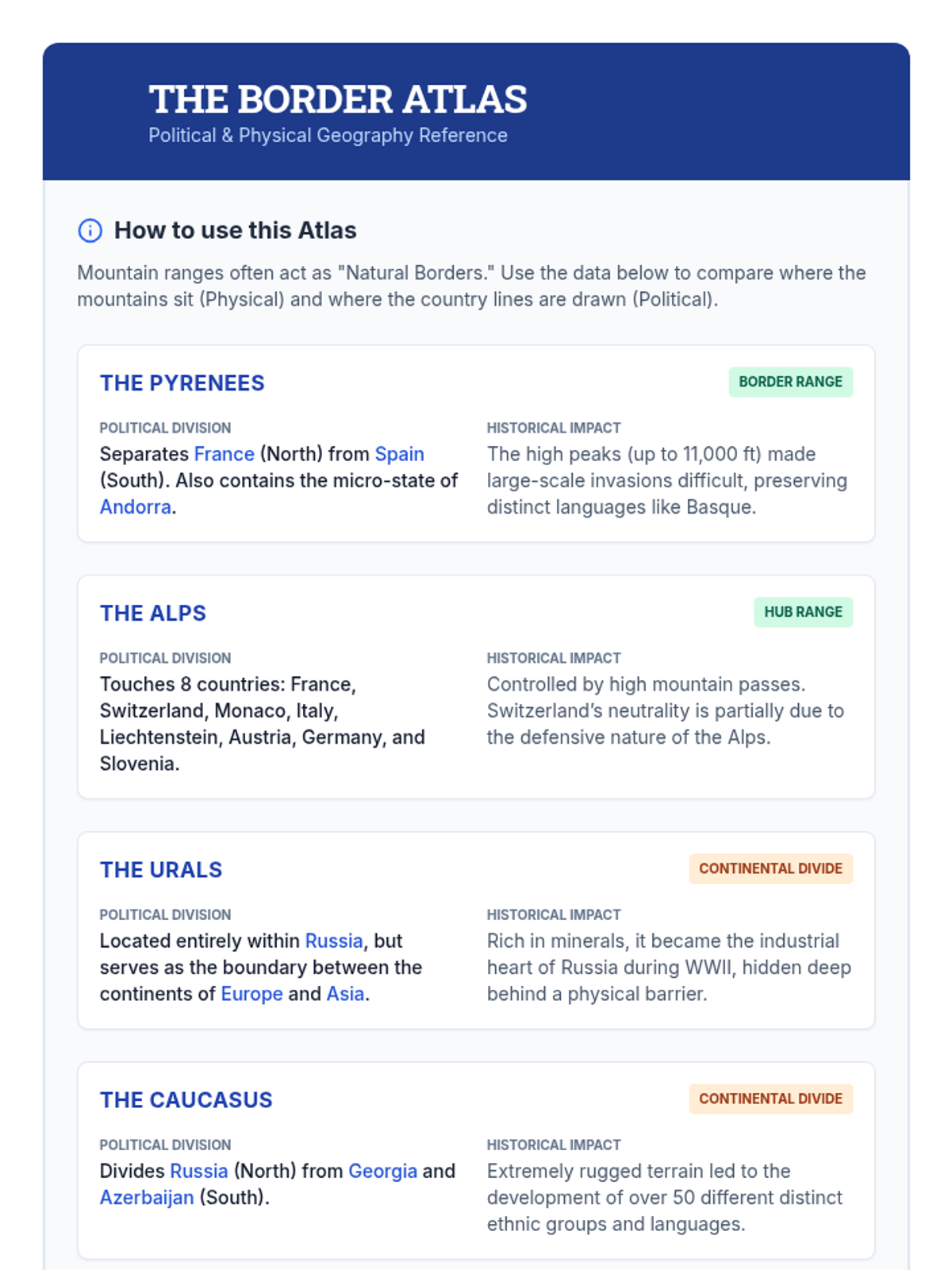
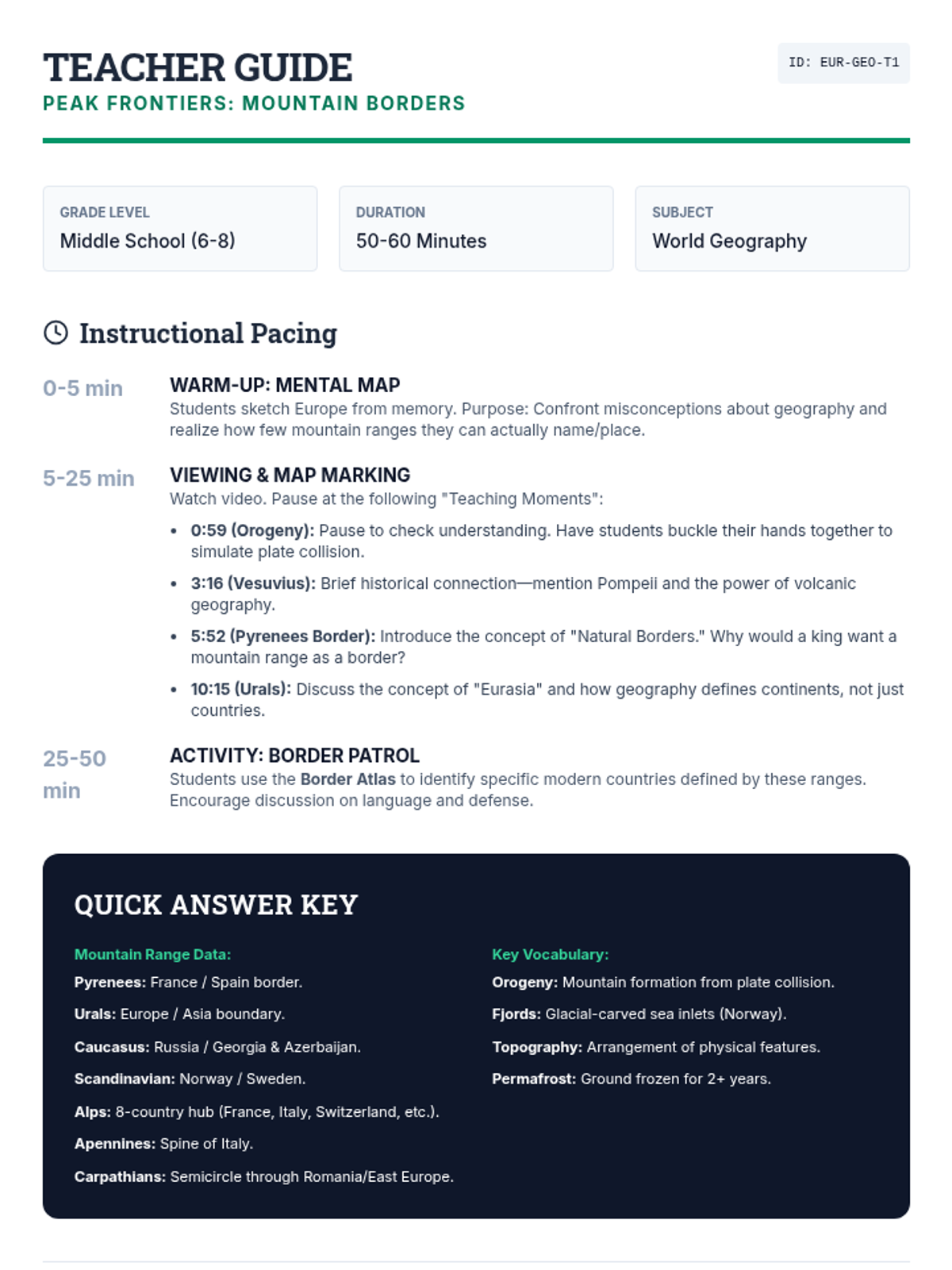
A comprehensive lesson sequence exploring the major mountain ranges of Europe, their geological formation, and their significant role as natural political and cultural borders.
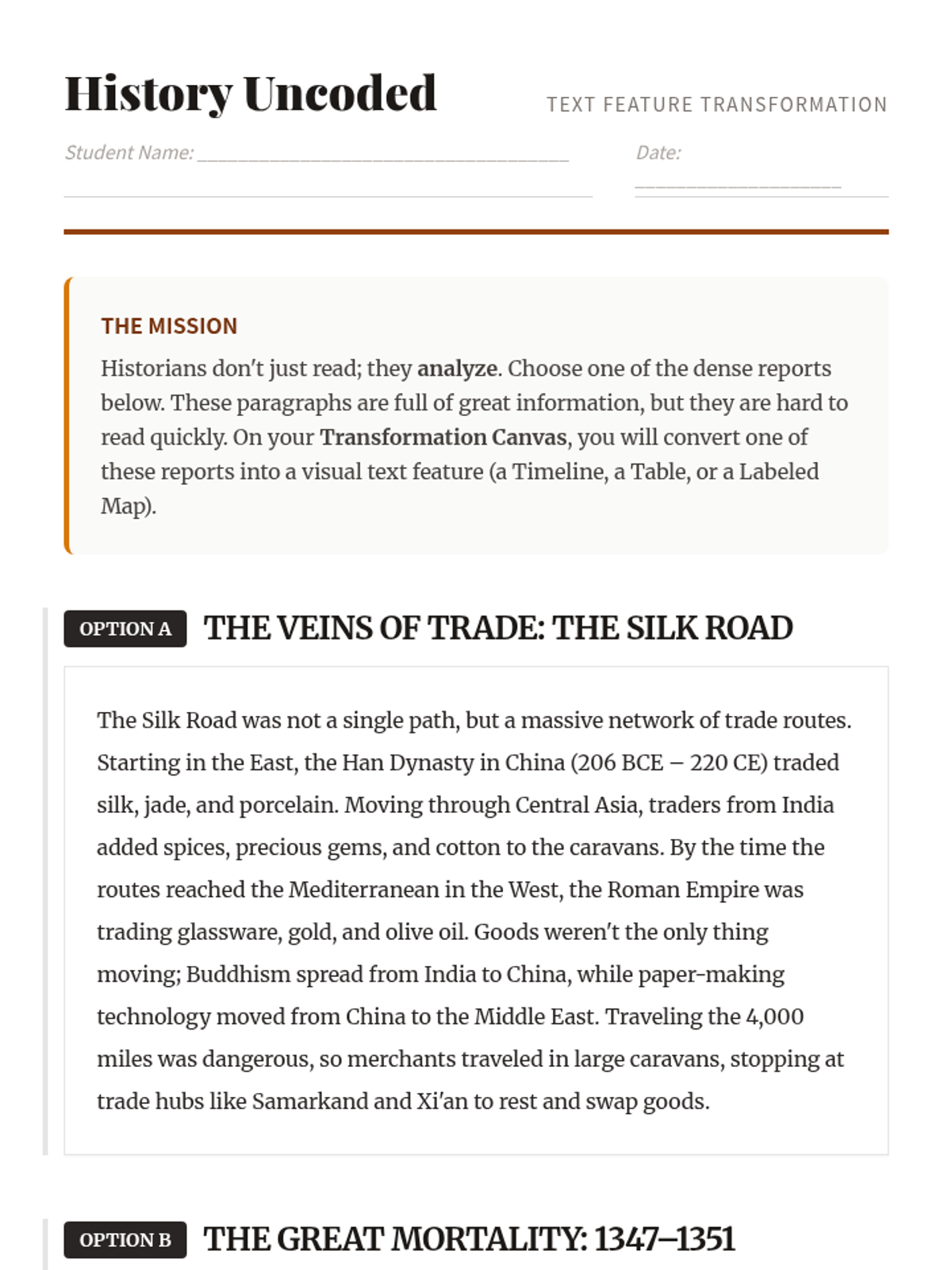
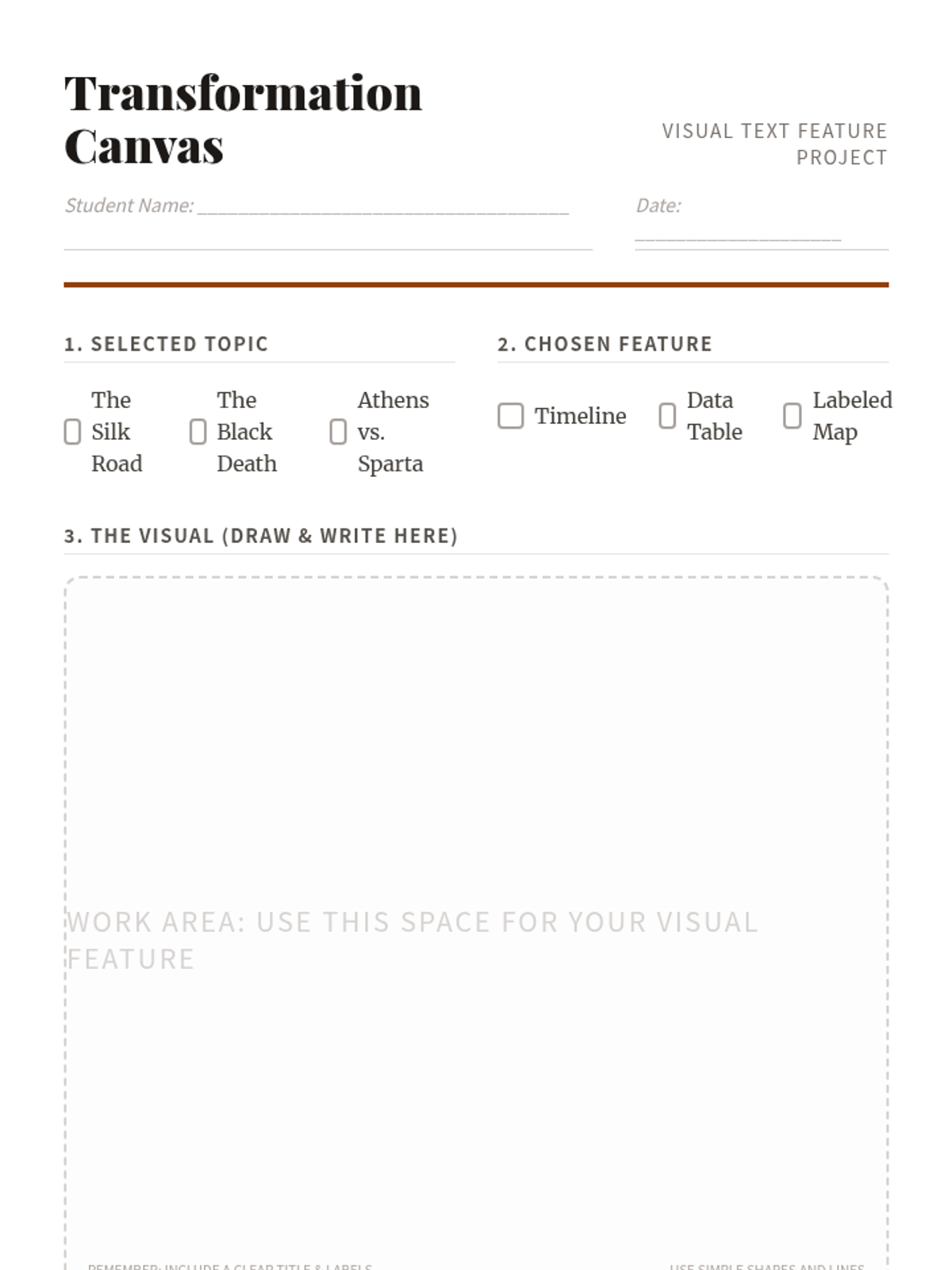
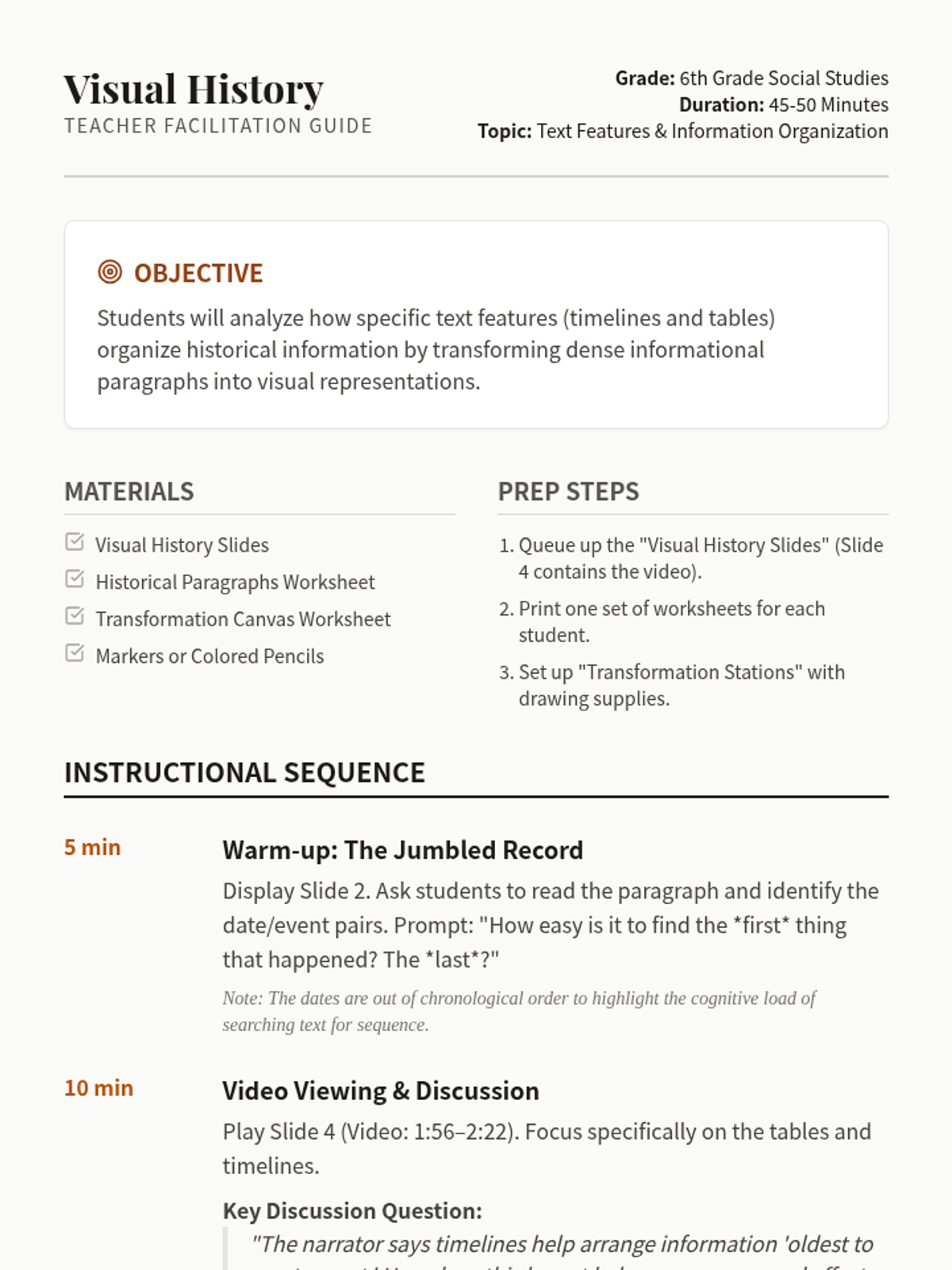
A lesson sequence focusing on how text features like timelines, tables, and maps help organize complex historical information for better comprehension.
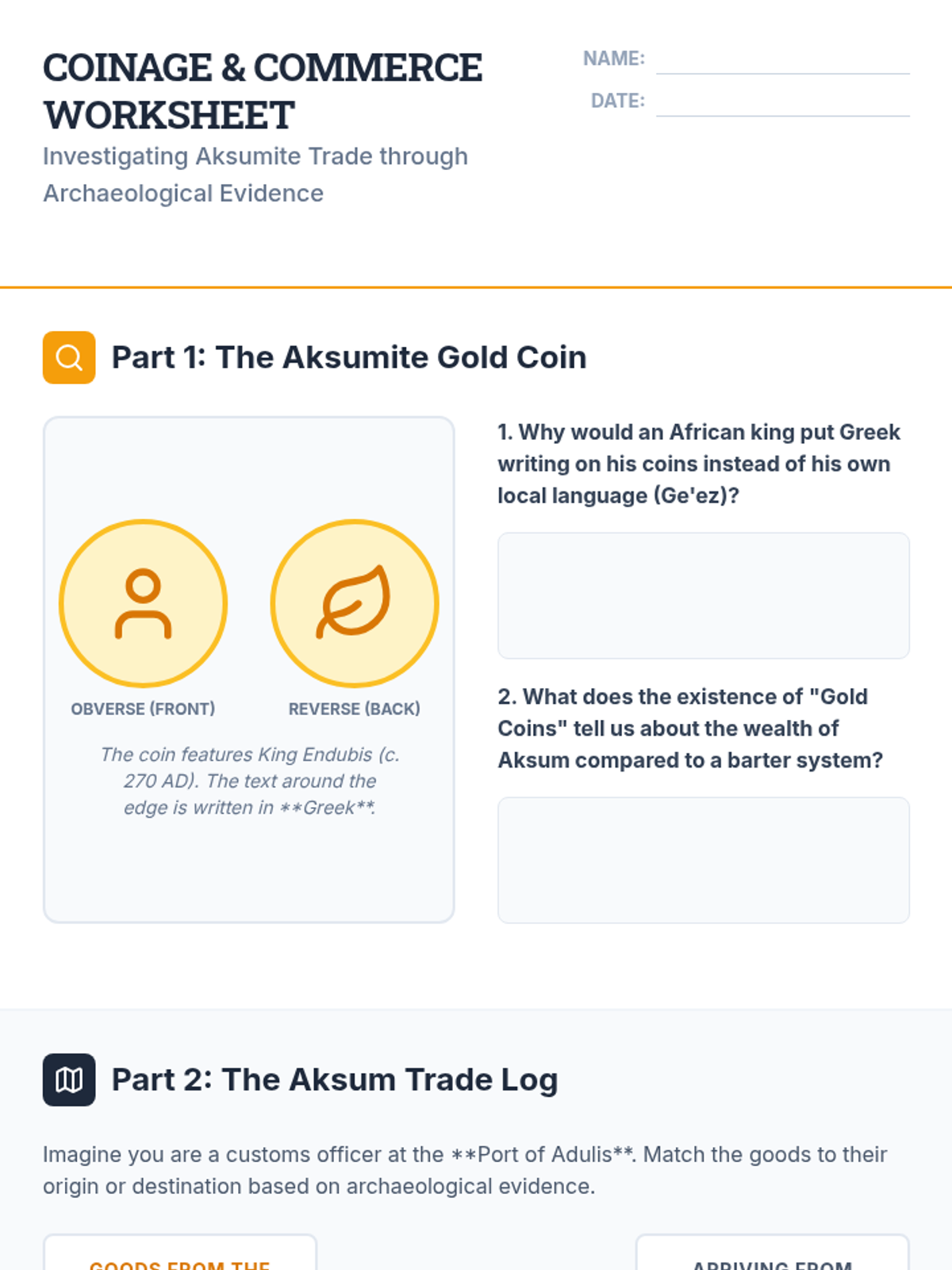
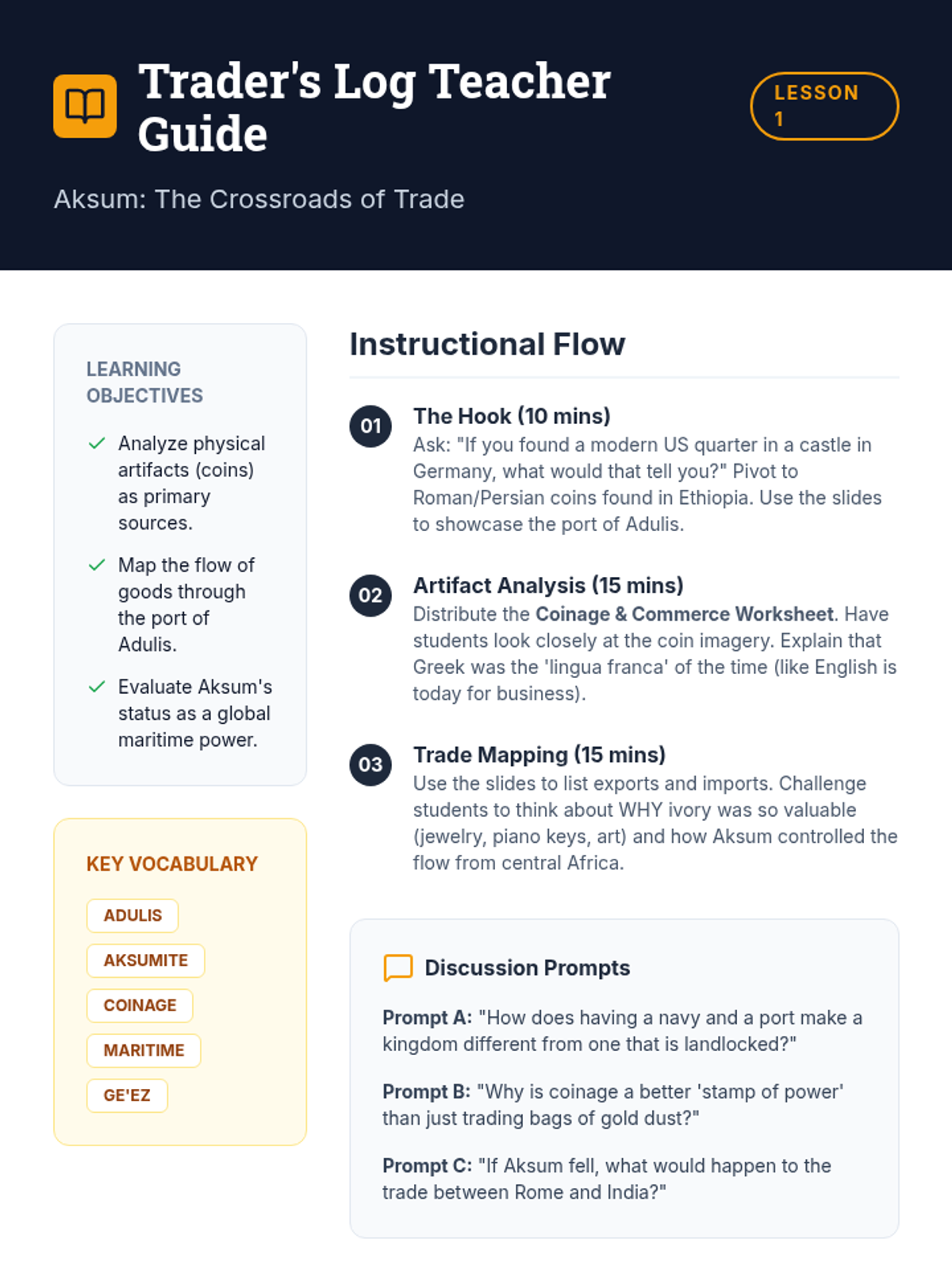
A 5-lesson sequence for 6th-grade students investigating the architectural feats and maritime trade networks of Aksum and Great Zimbabwe through archaeological evidence and historical analysis.
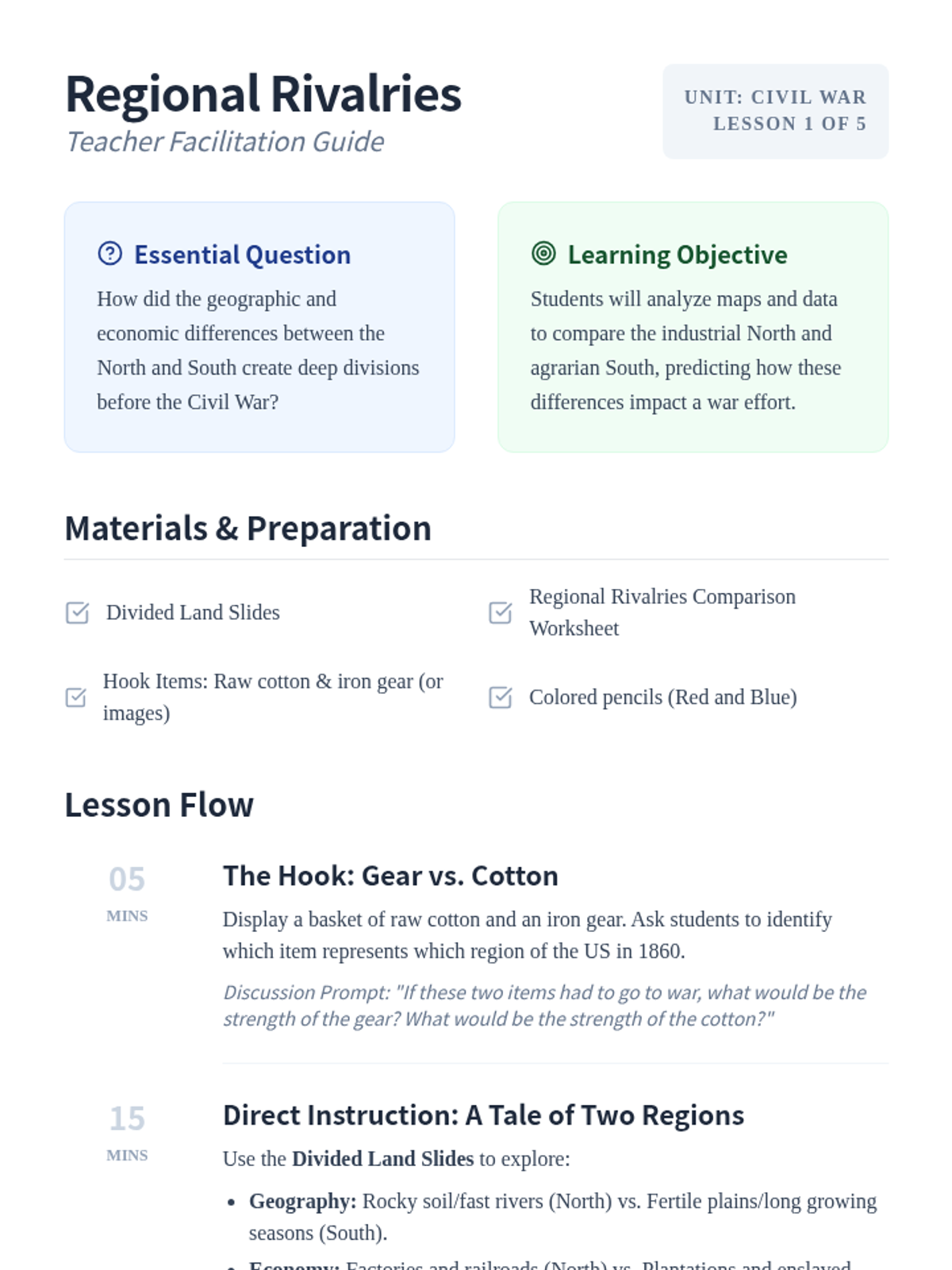
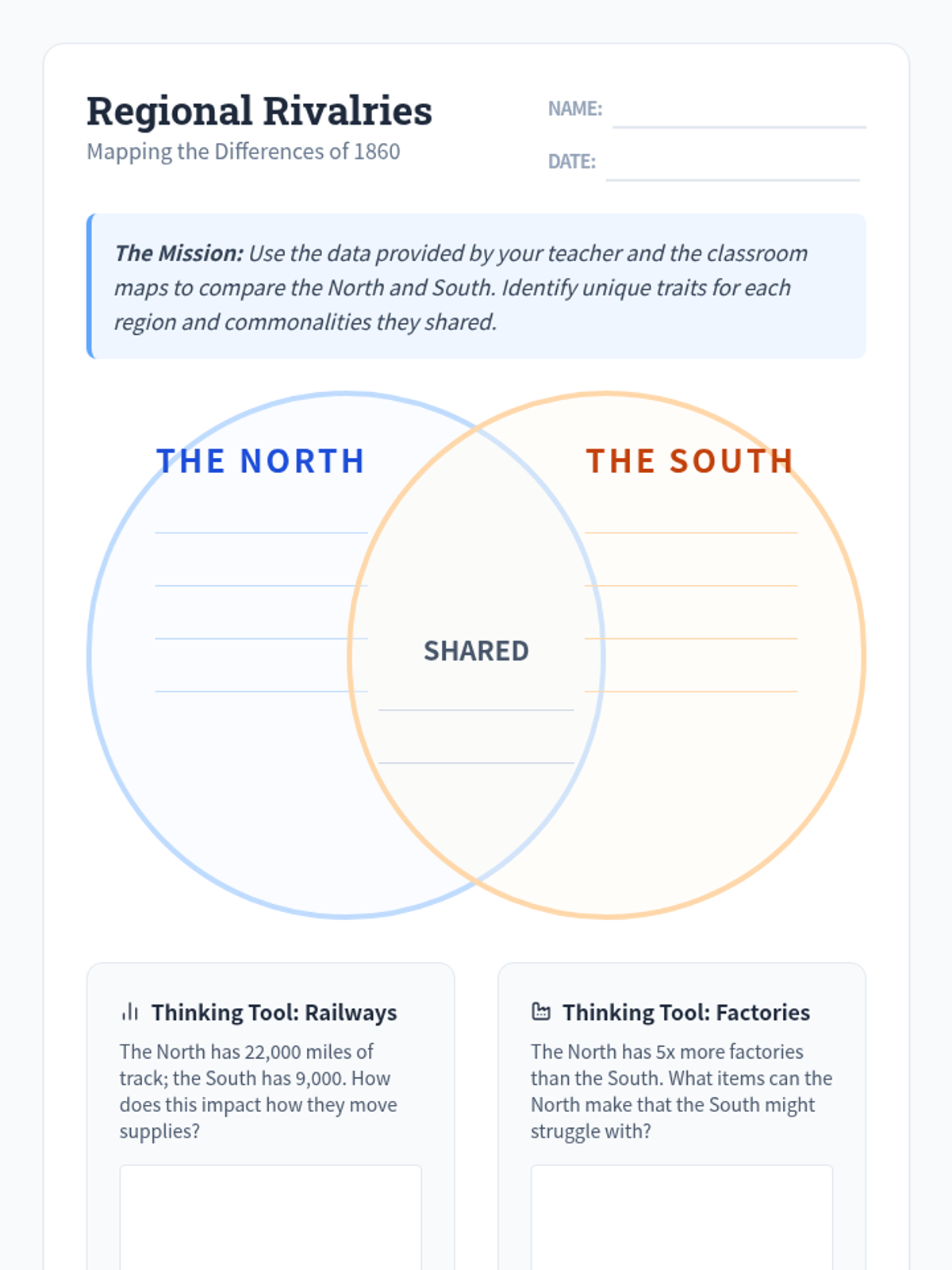
A 5-lesson sequence exploring the causes, conflicts, and human experiences of the American Civil War, focusing on the differences between the North and South, key turning points, and the final surrender.
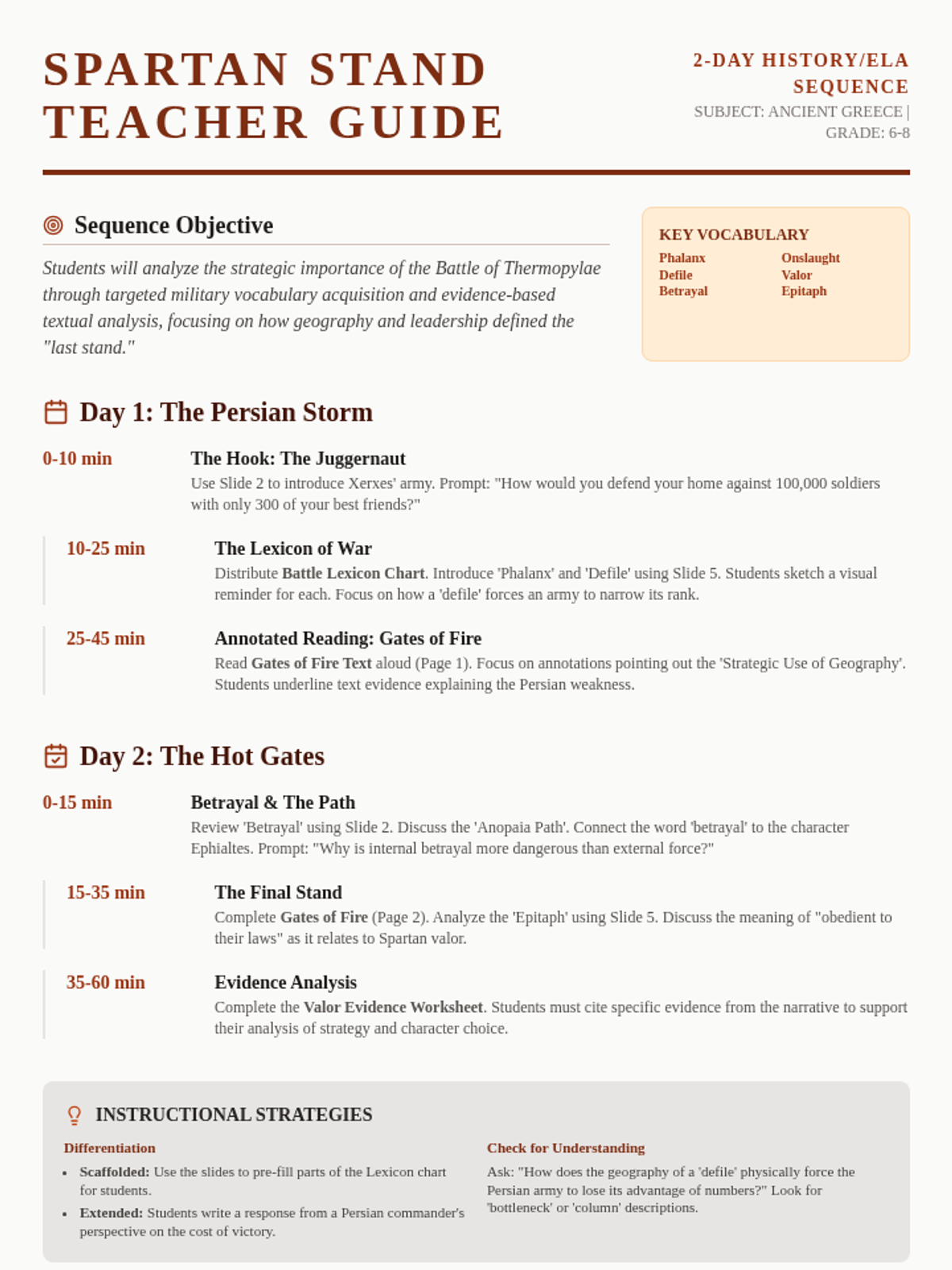
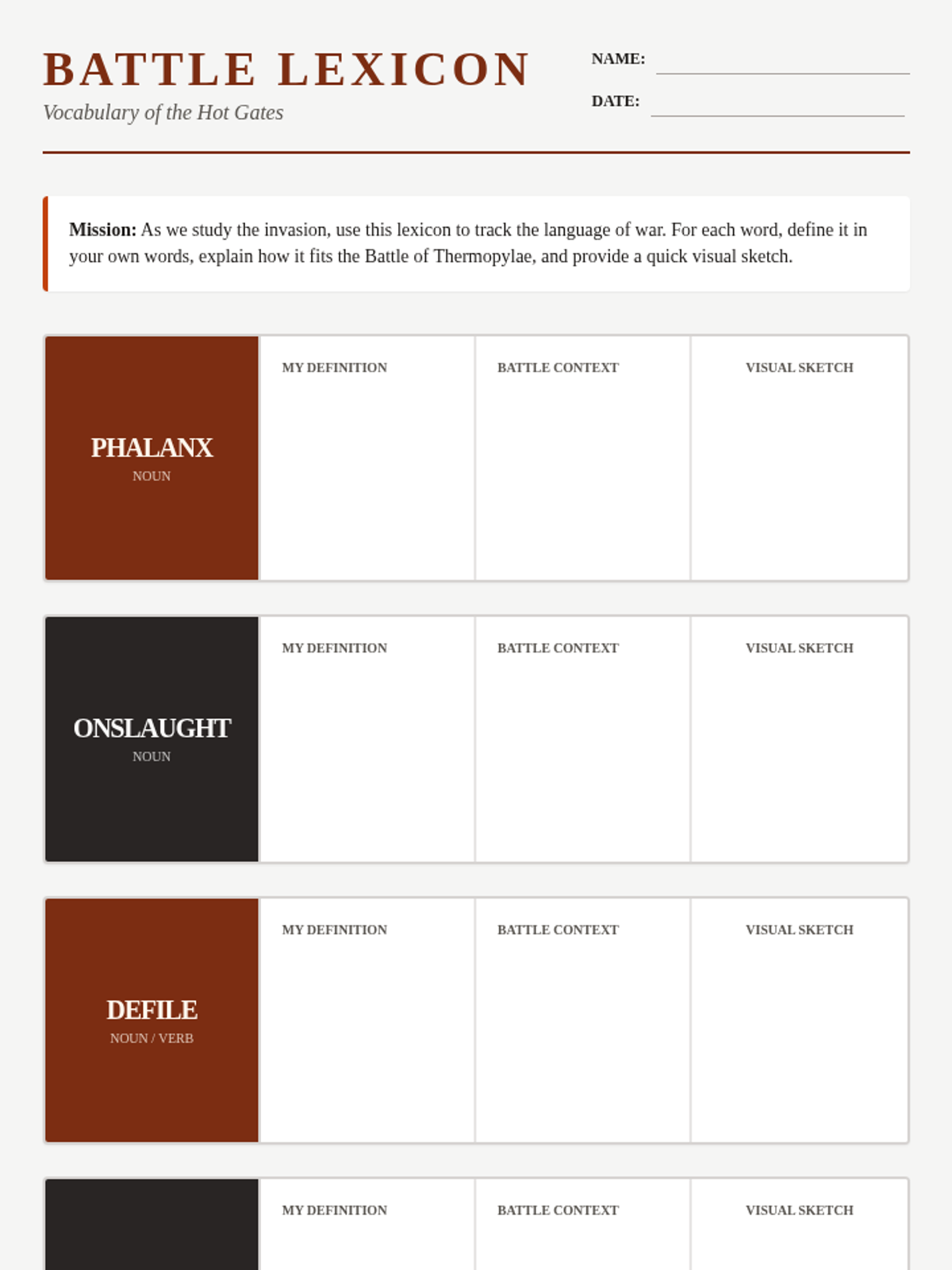
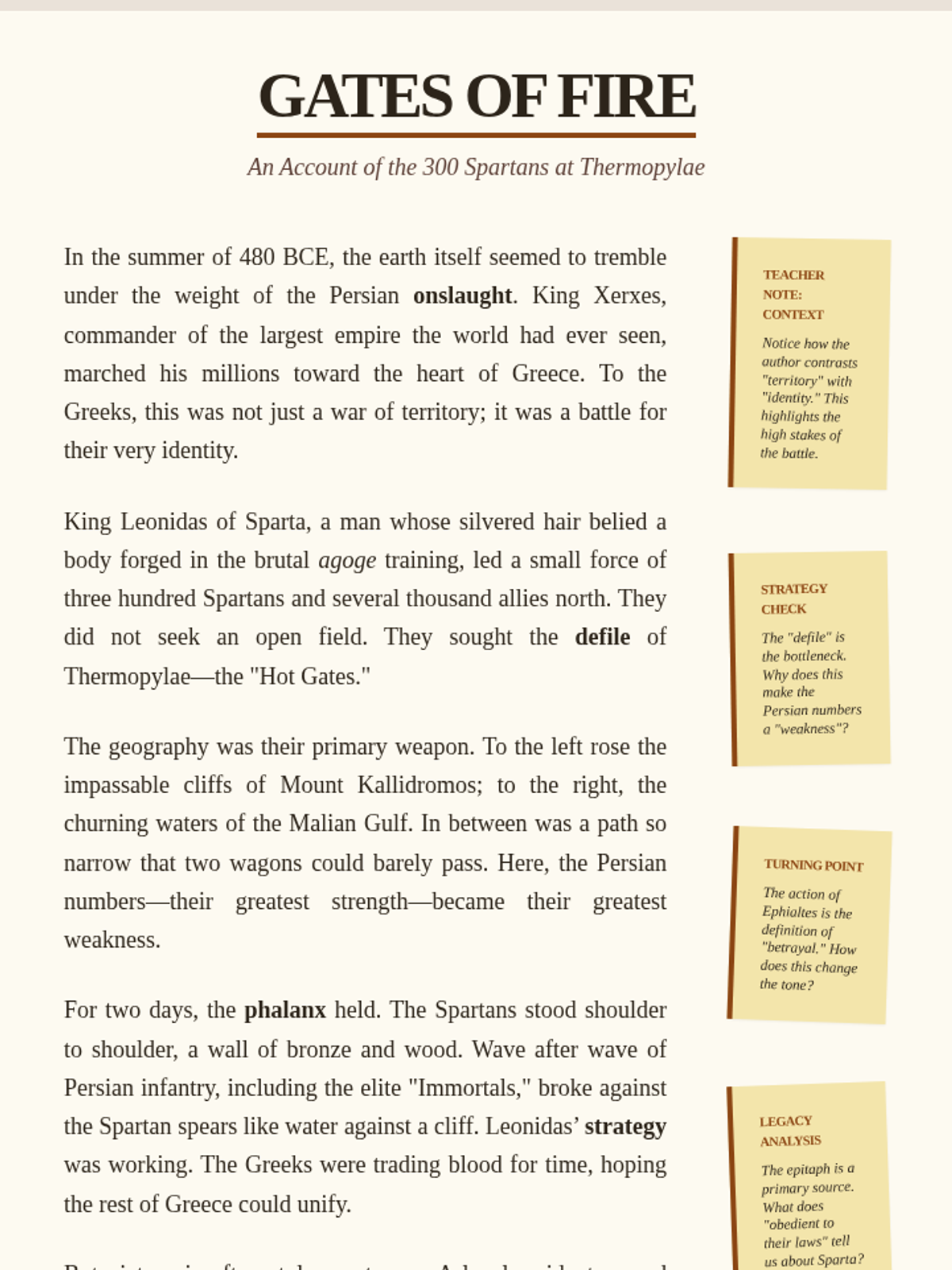
A two-day exploration of the Battle of Thermopylae, focusing on strategic geography, historical context, and the concept of valor through evidence-based analysis and targeted vocabulary acquisition.
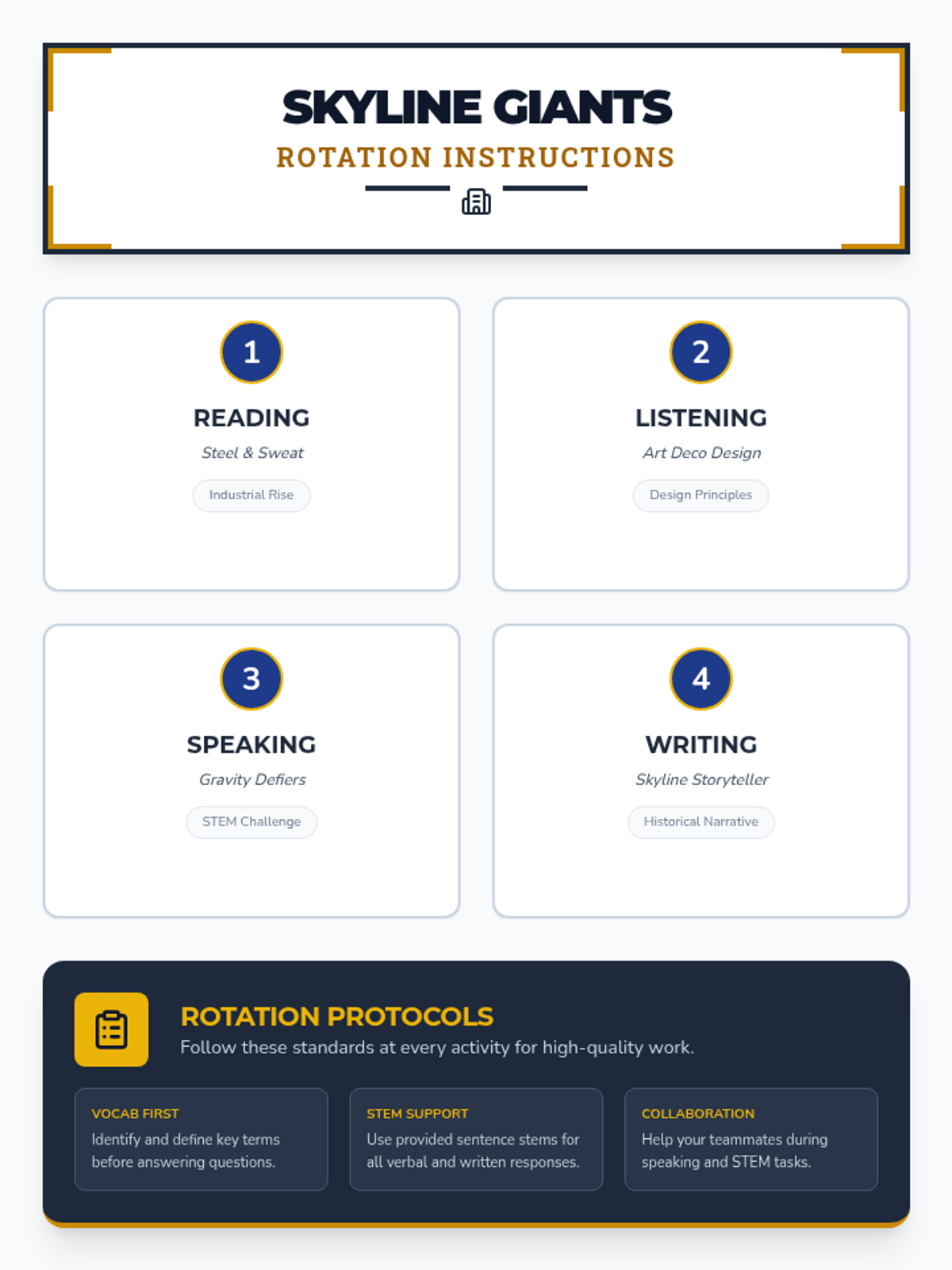
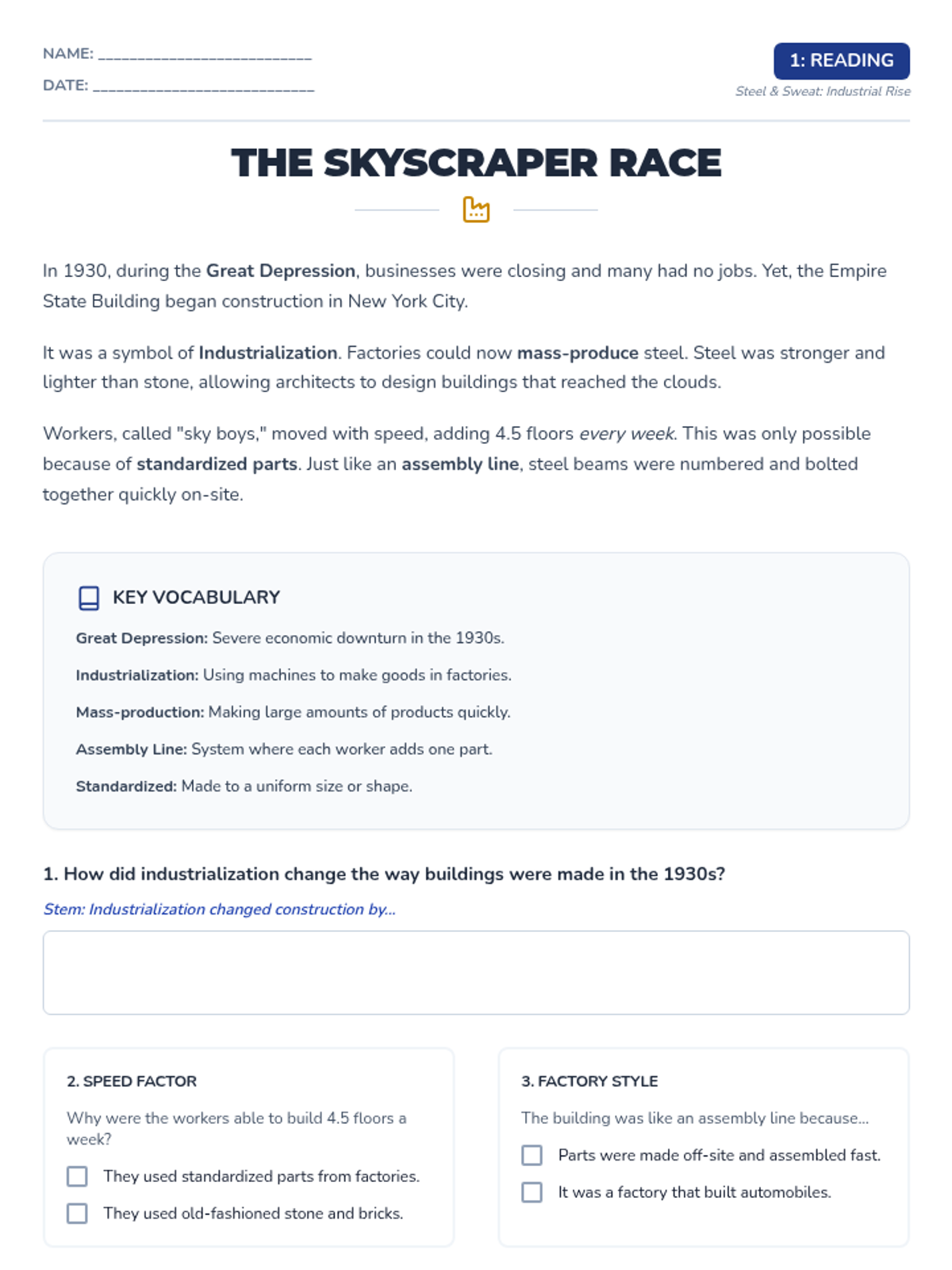
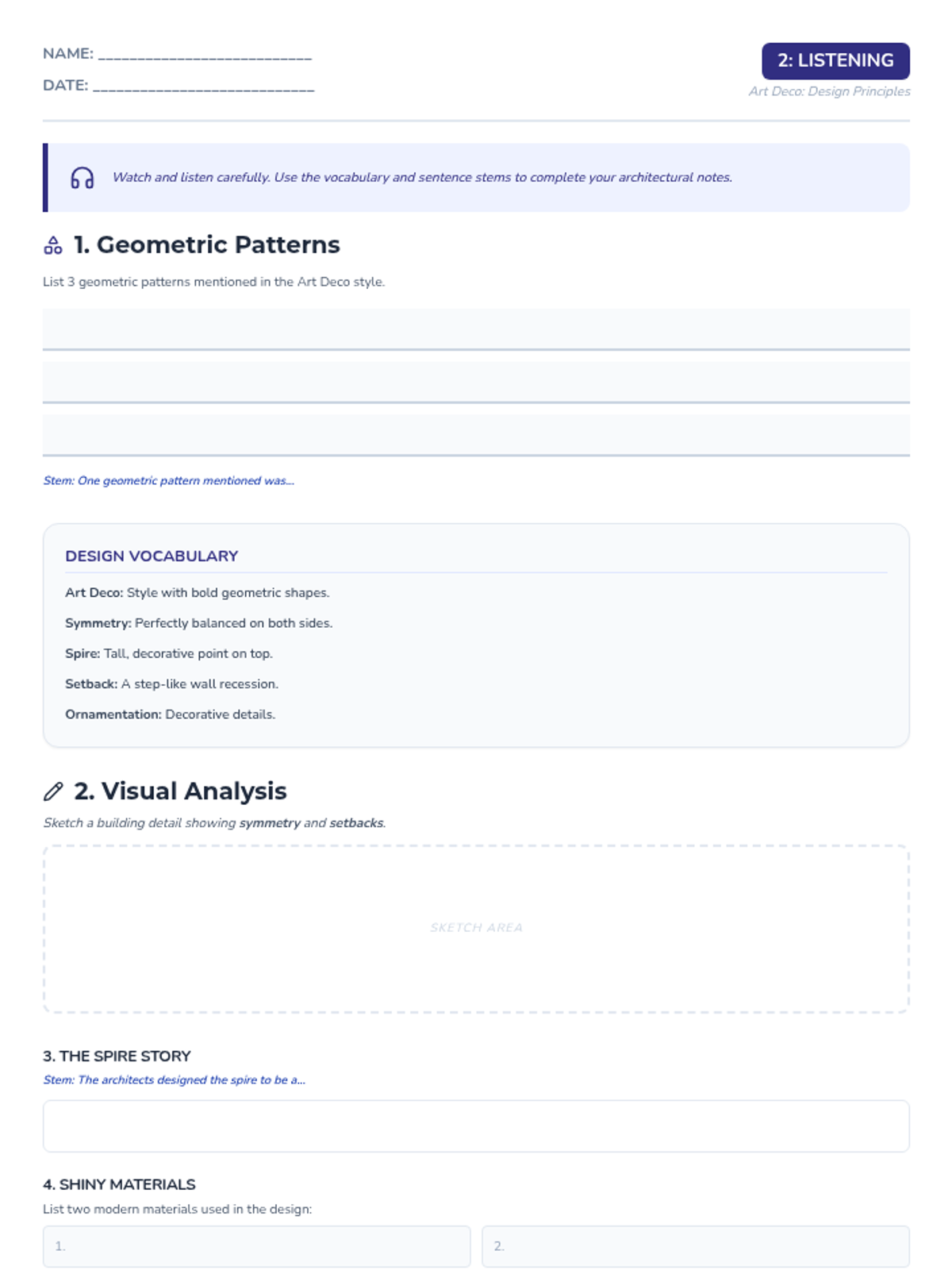
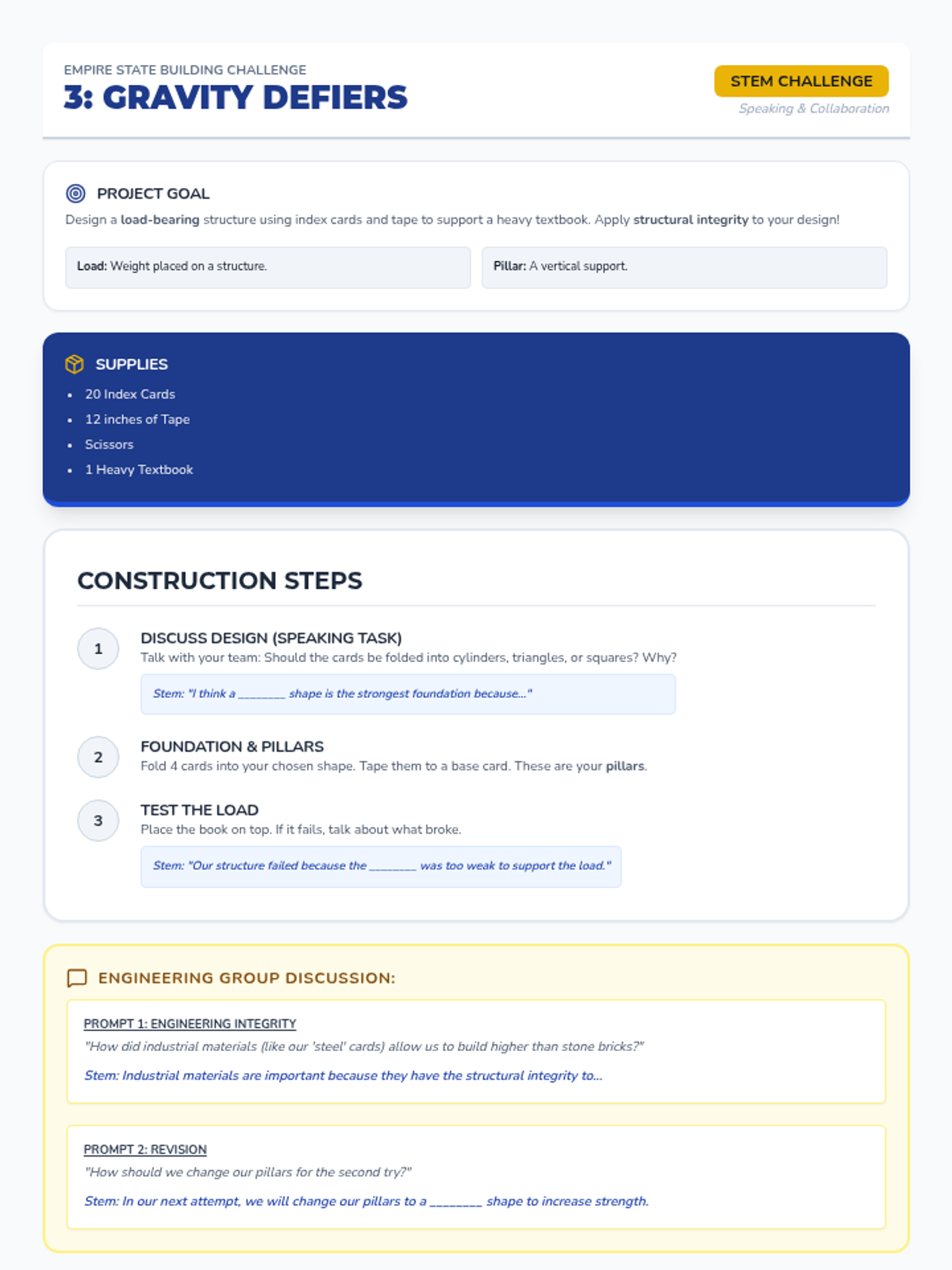
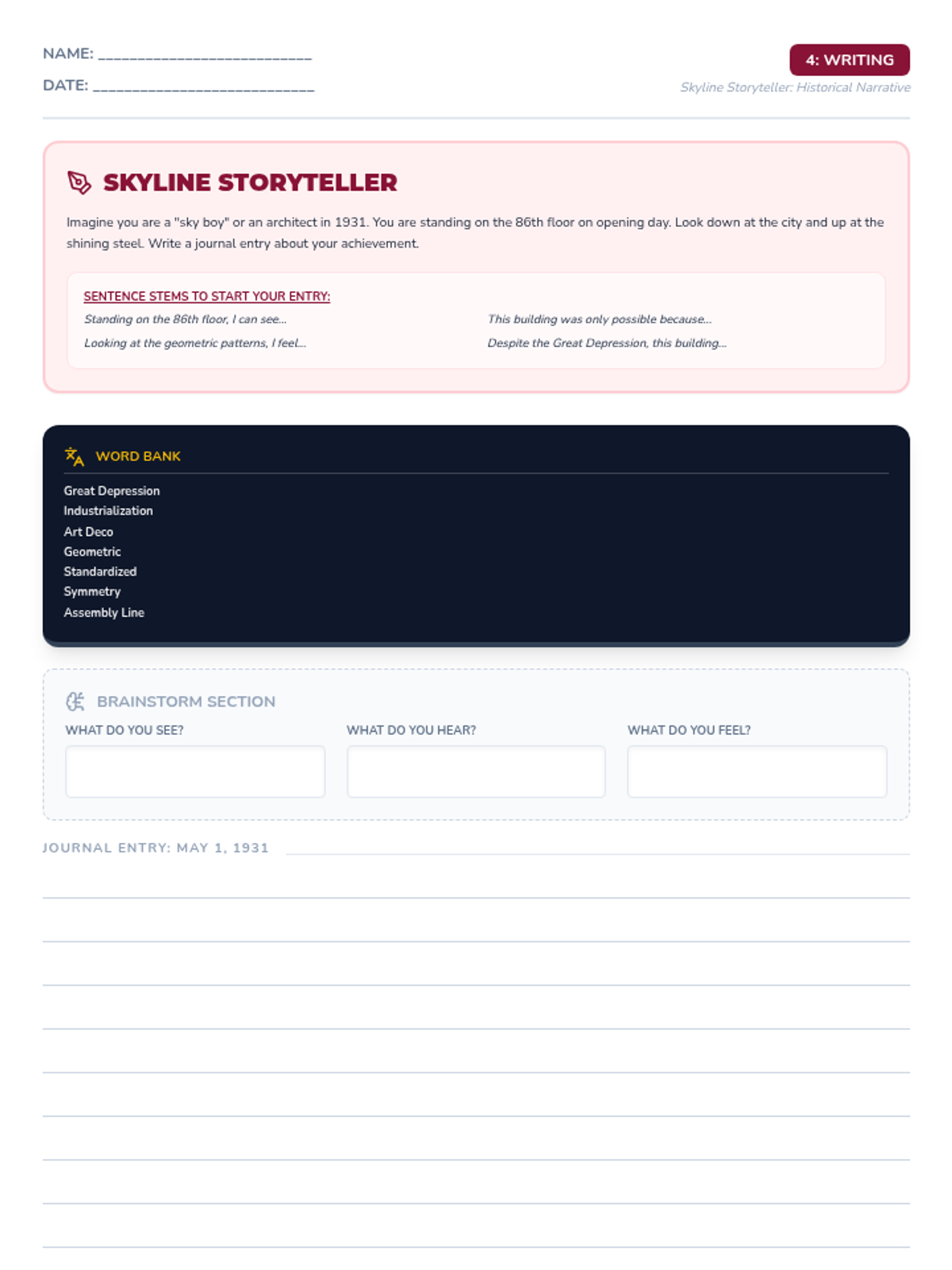
A comprehensive unit exploring the intersection of industrial innovation and architectural design through the iconic lens of the Empire State Building. Students analyze the socio-economic impacts of the Great Depression on construction and the geometric principles of Art Deco style.
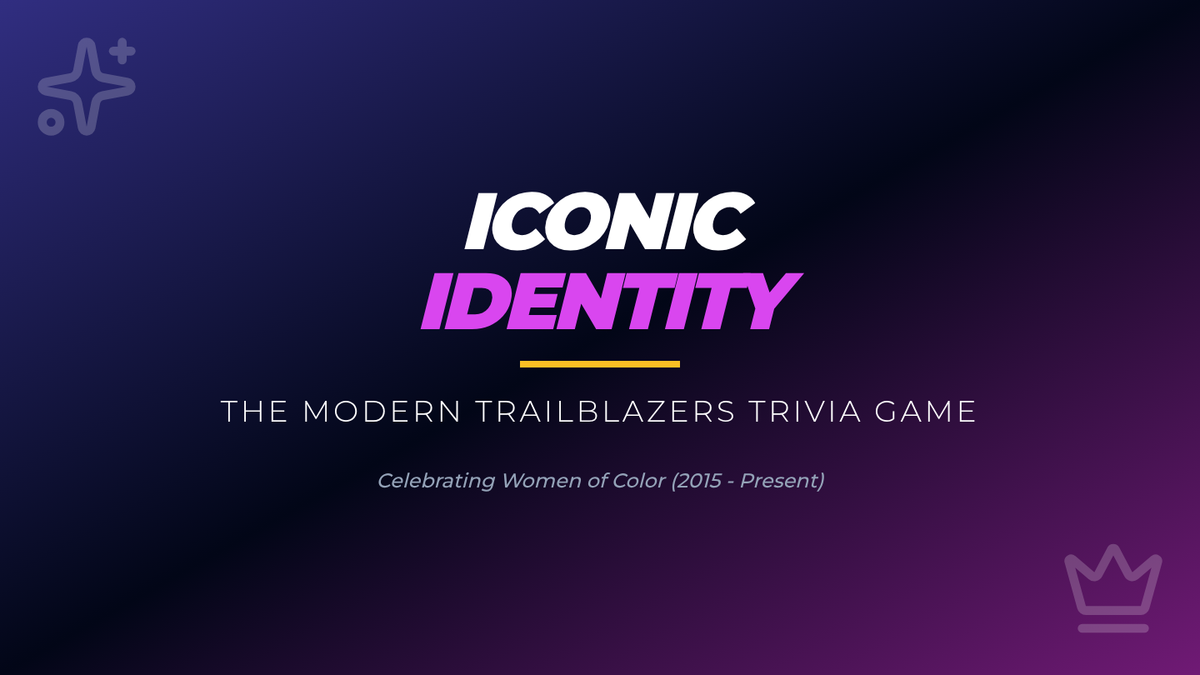
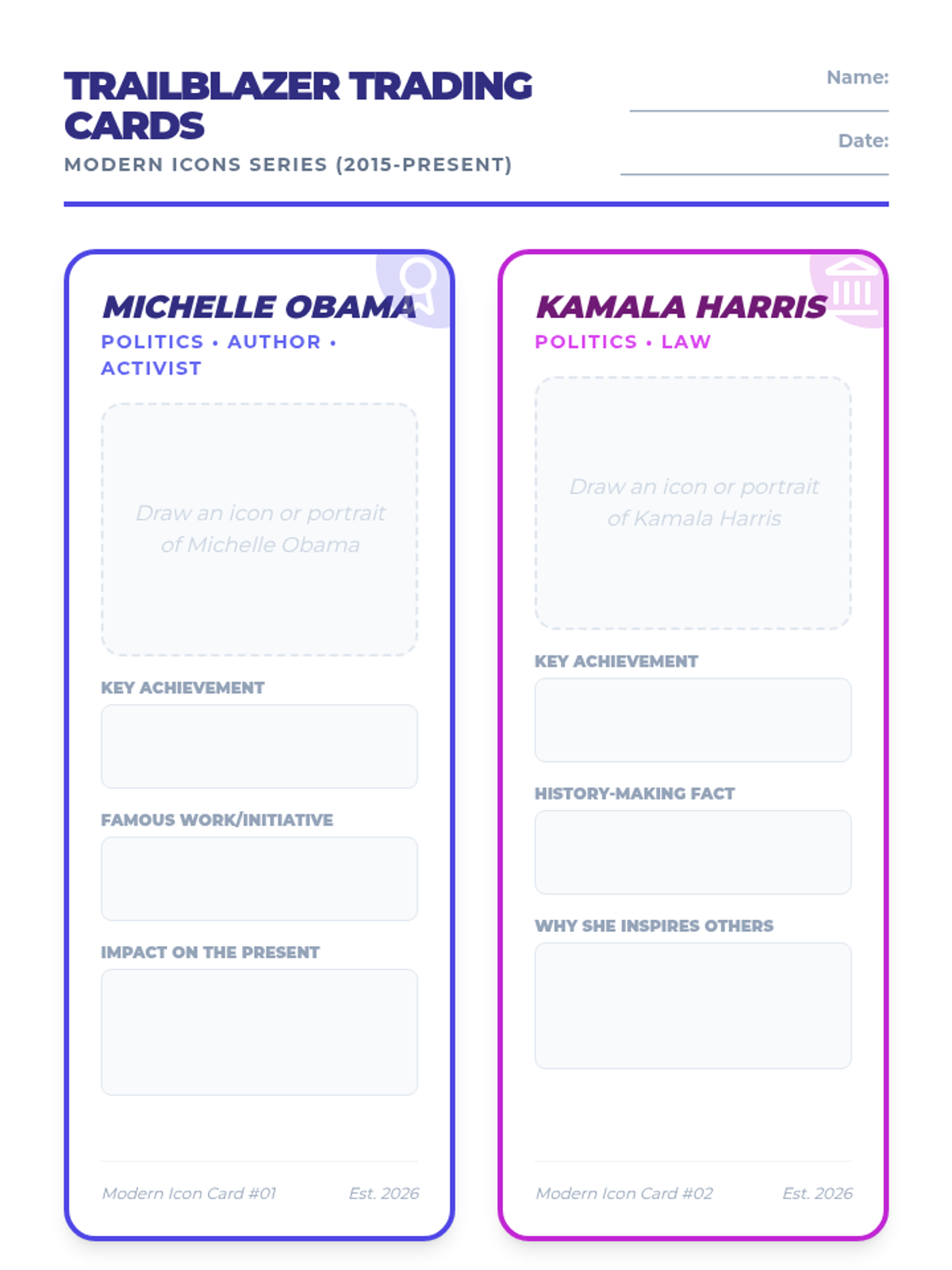
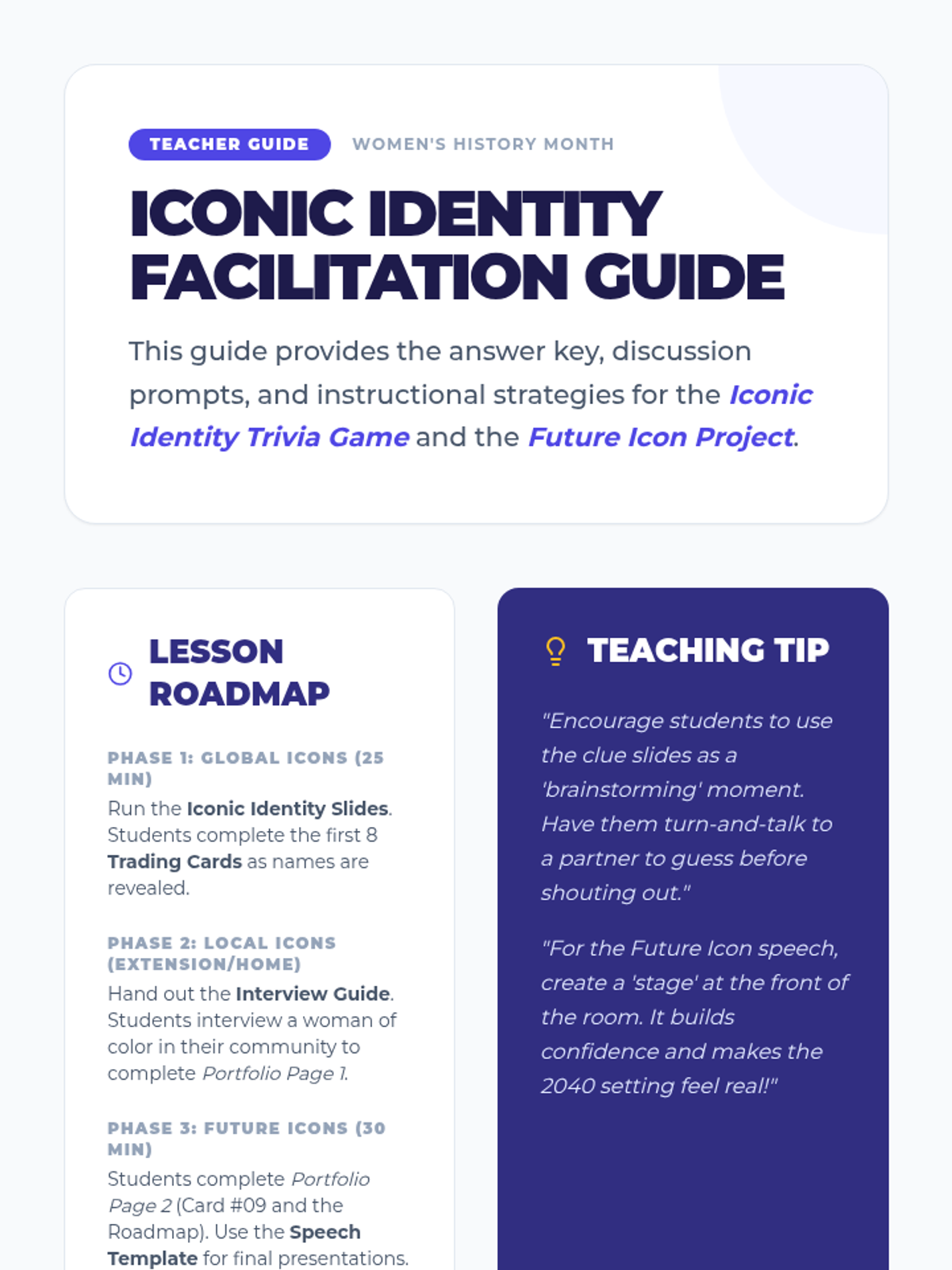
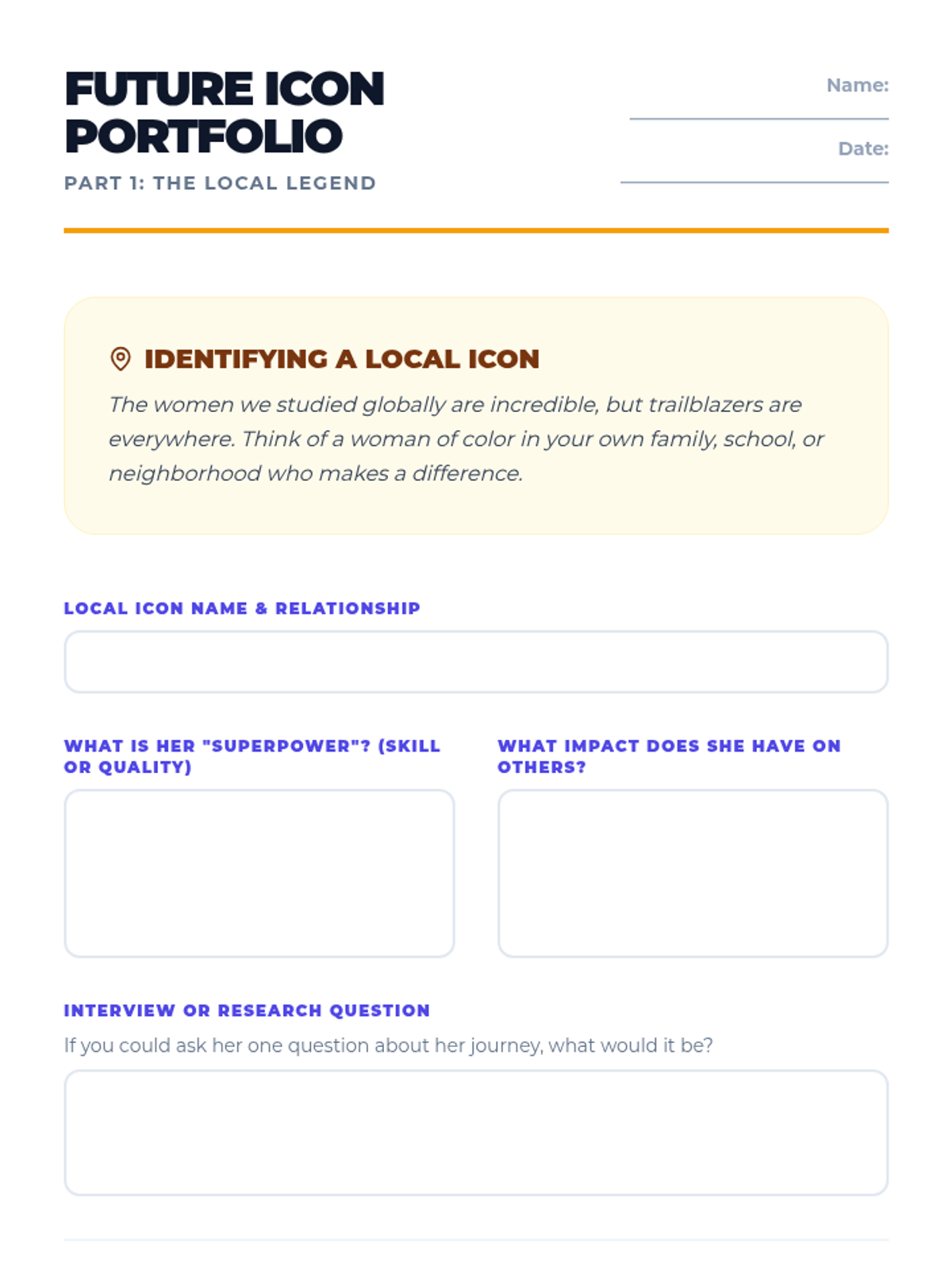
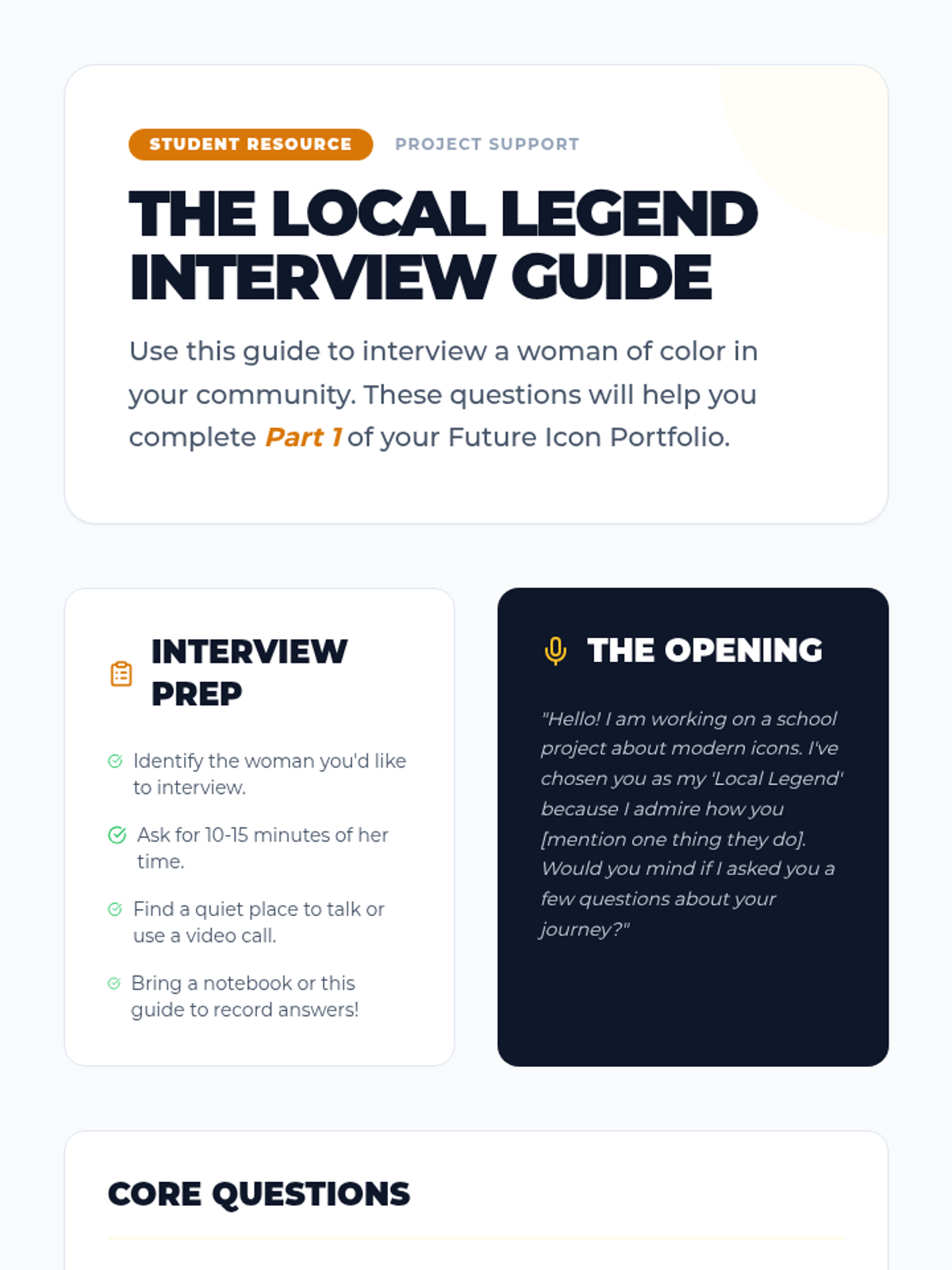
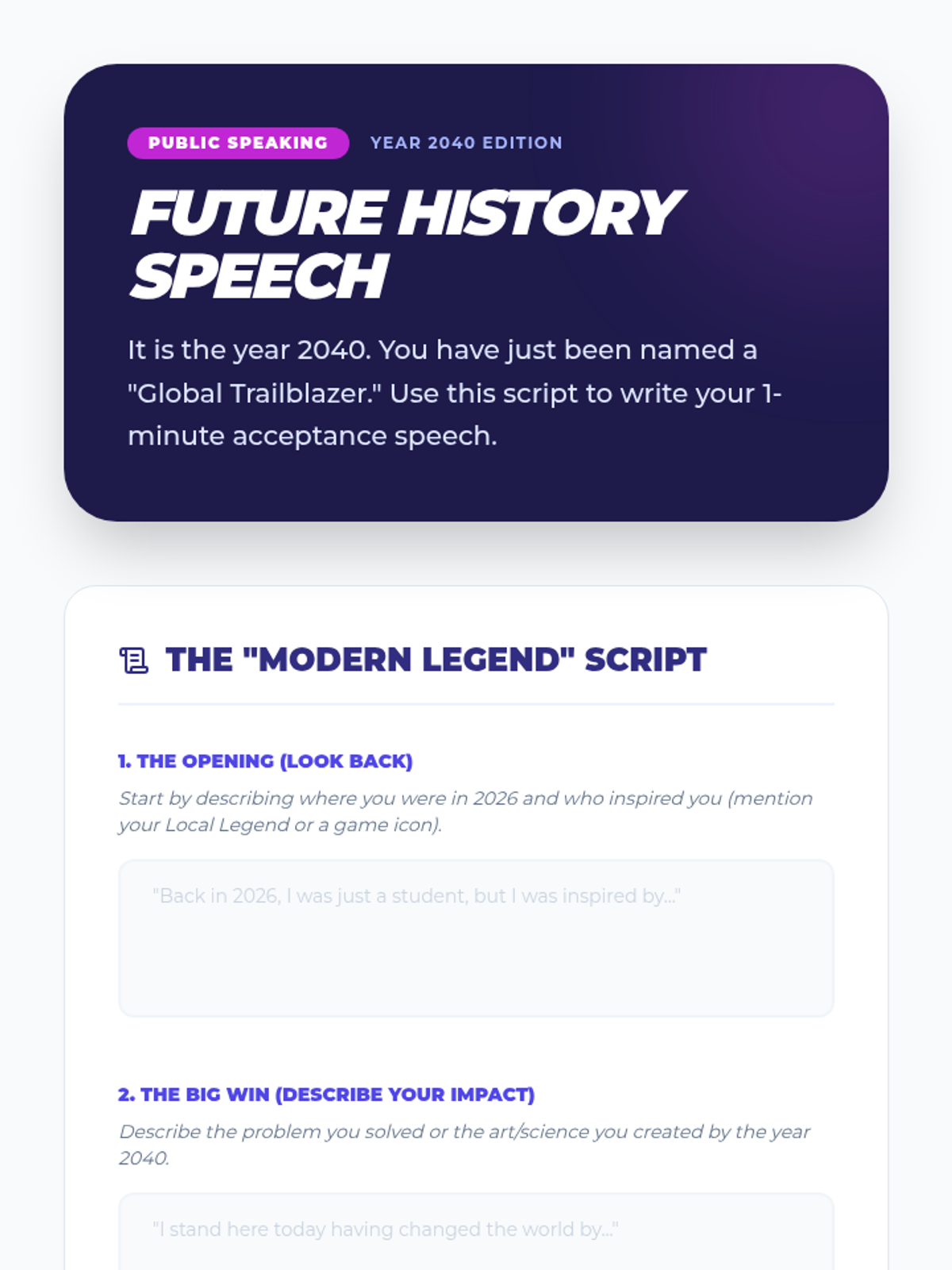
A tribute to influential women of color from 2015 to the present, focusing on their achievements in politics, science, arts, and activism. Students explore biographies through a trivia-style game and creative research activities.
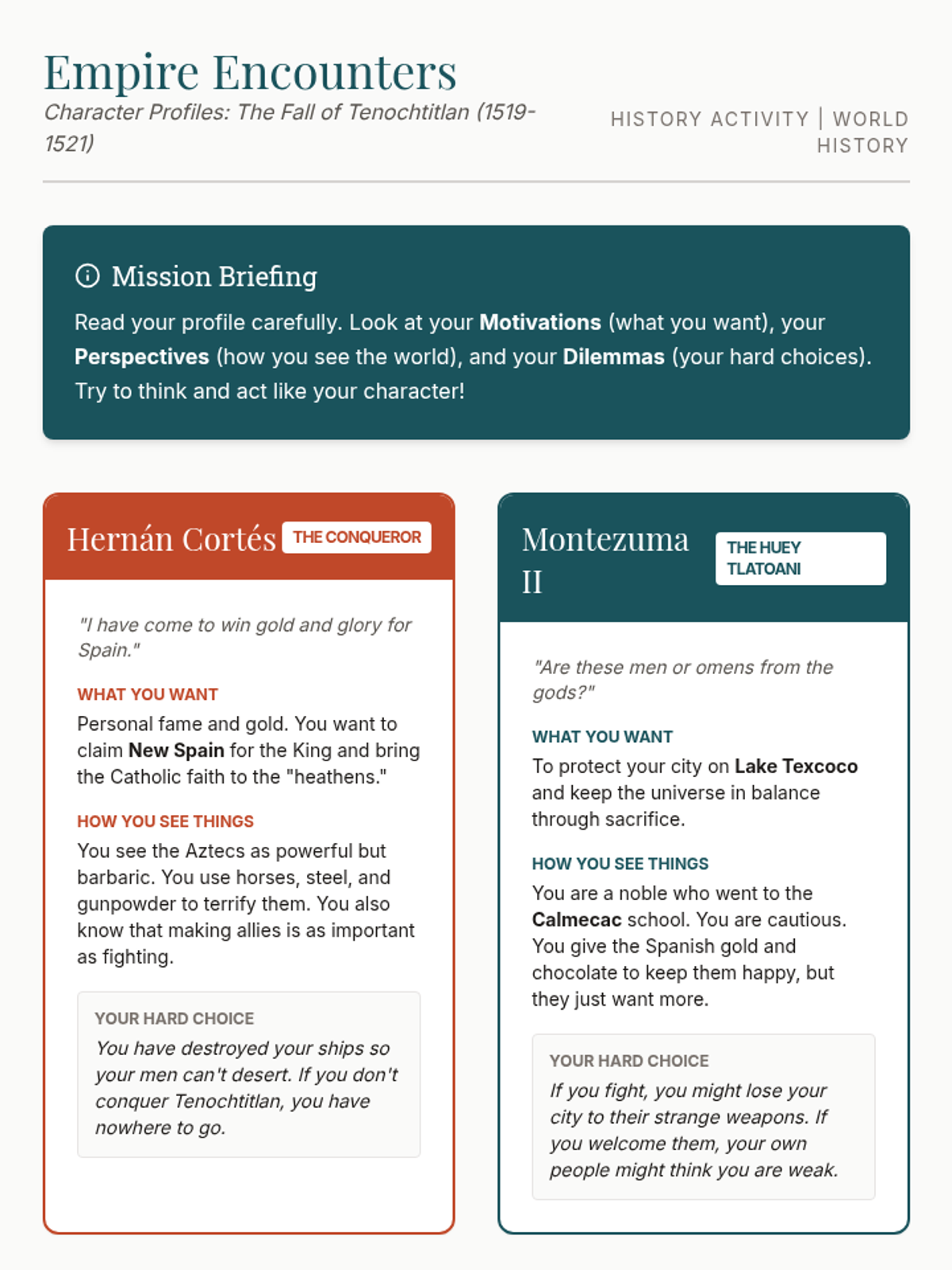
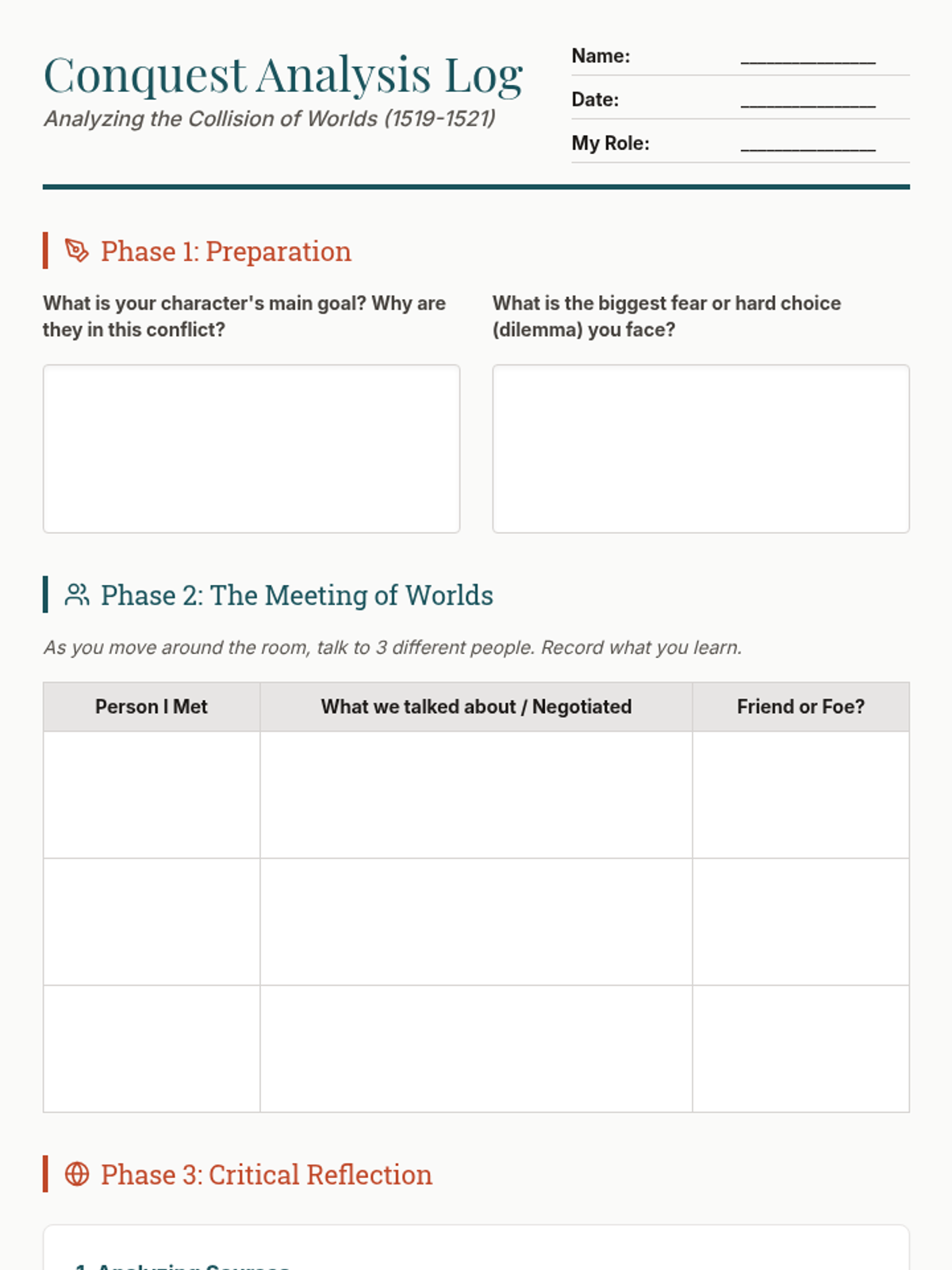
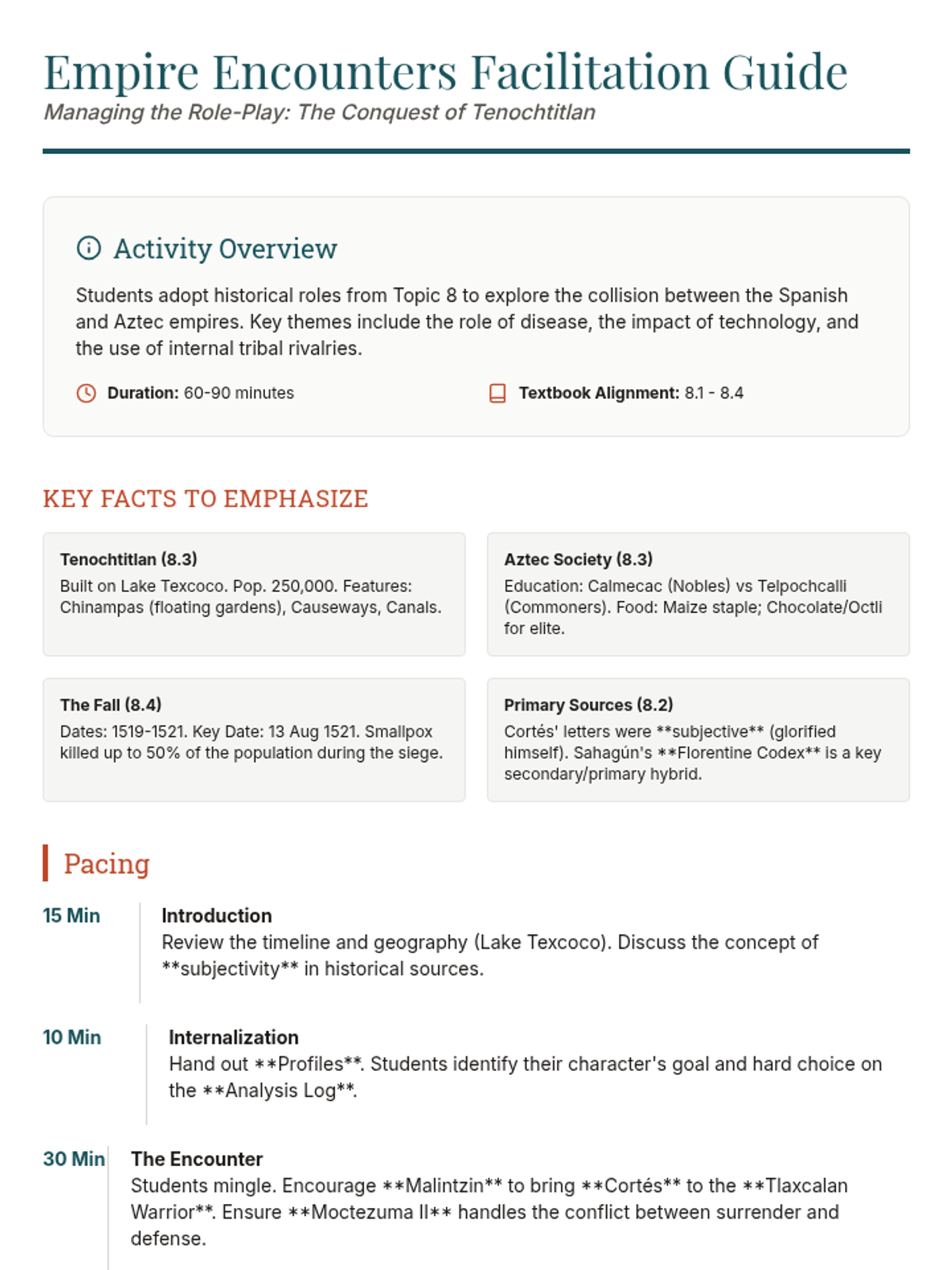
A deep dive into the 16th-century contact between European powers and indigenous American civilizations, exploring the complexities of conquest, resistance, and the emergence of a new global order.
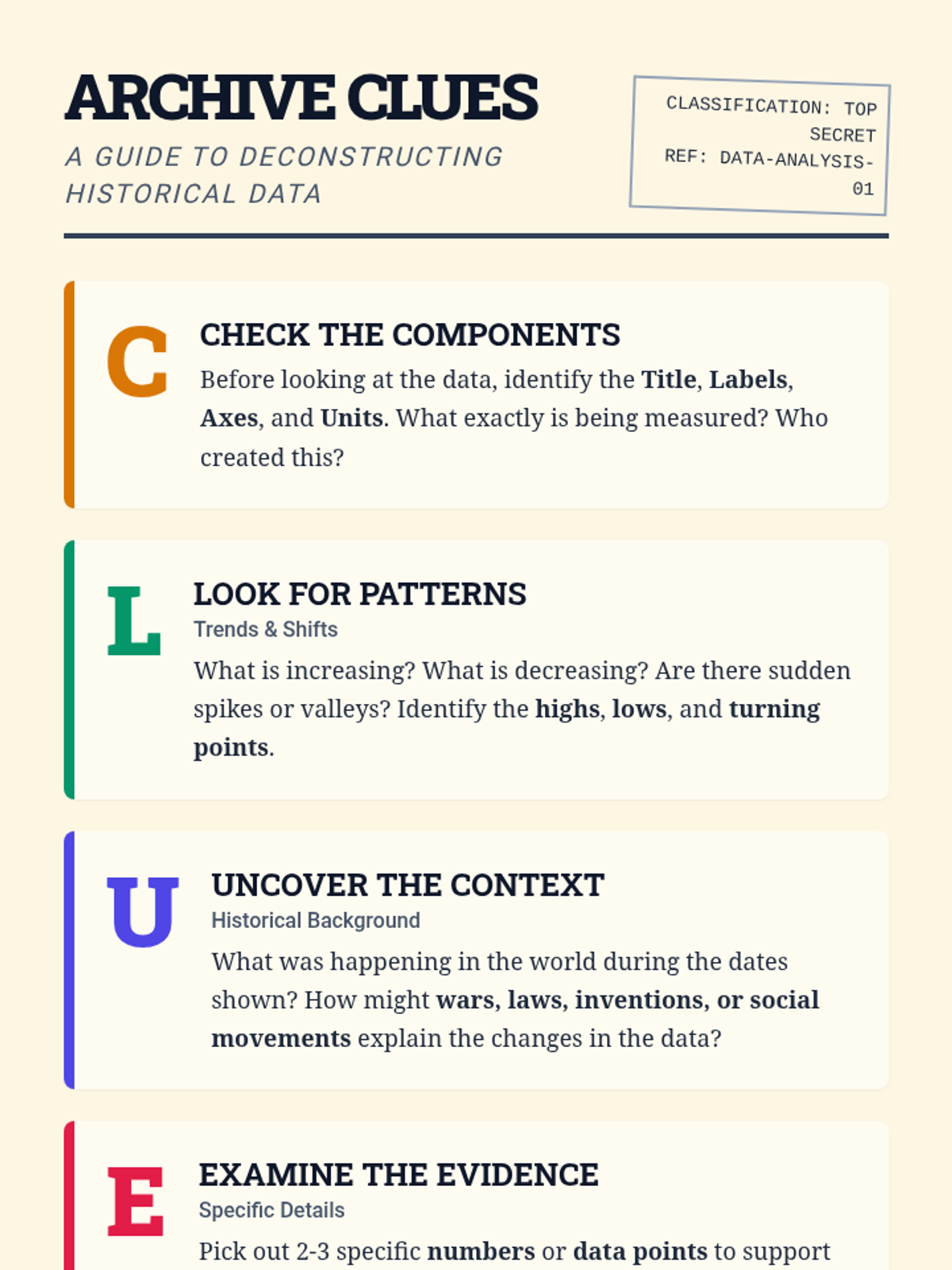
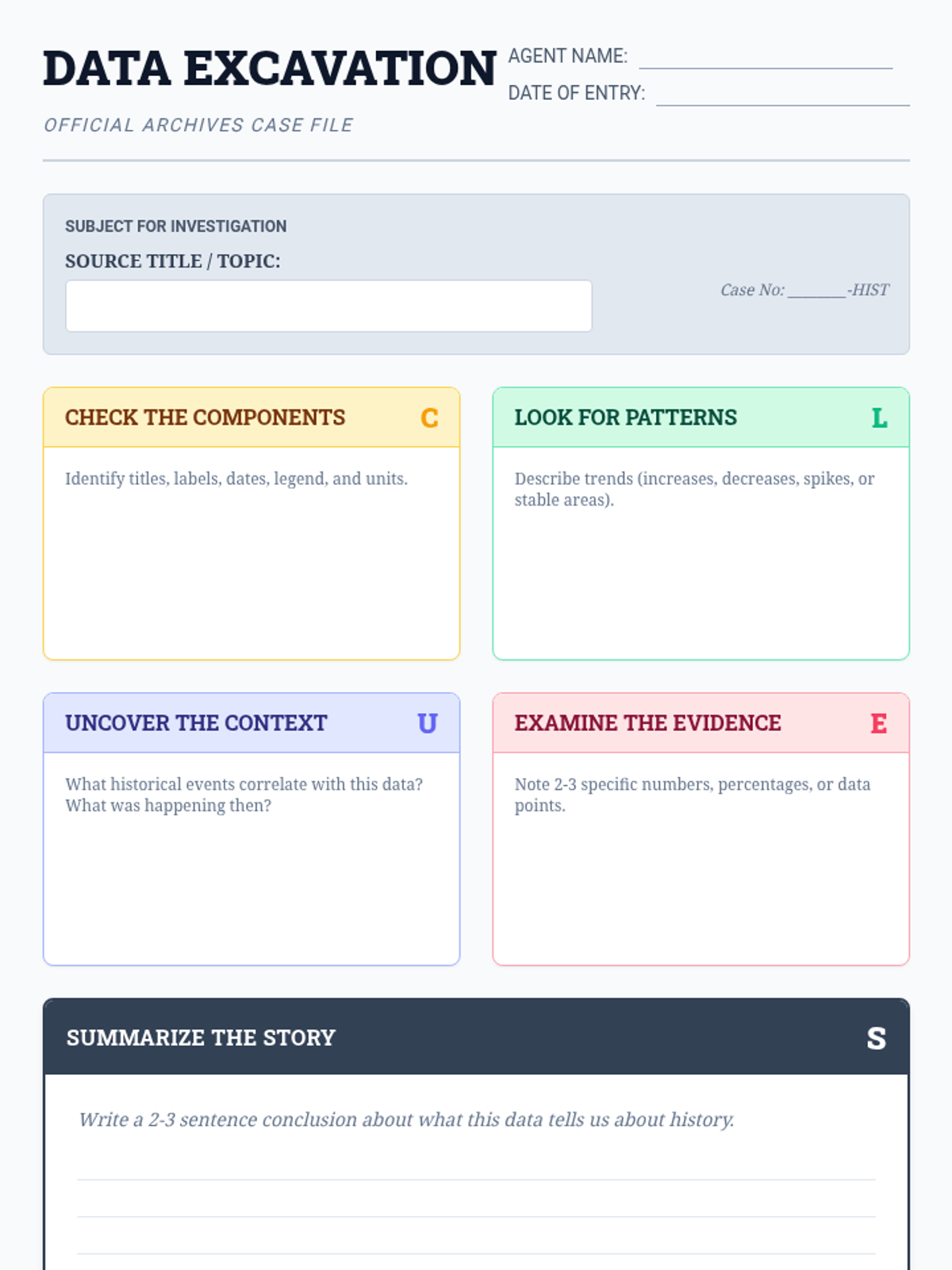
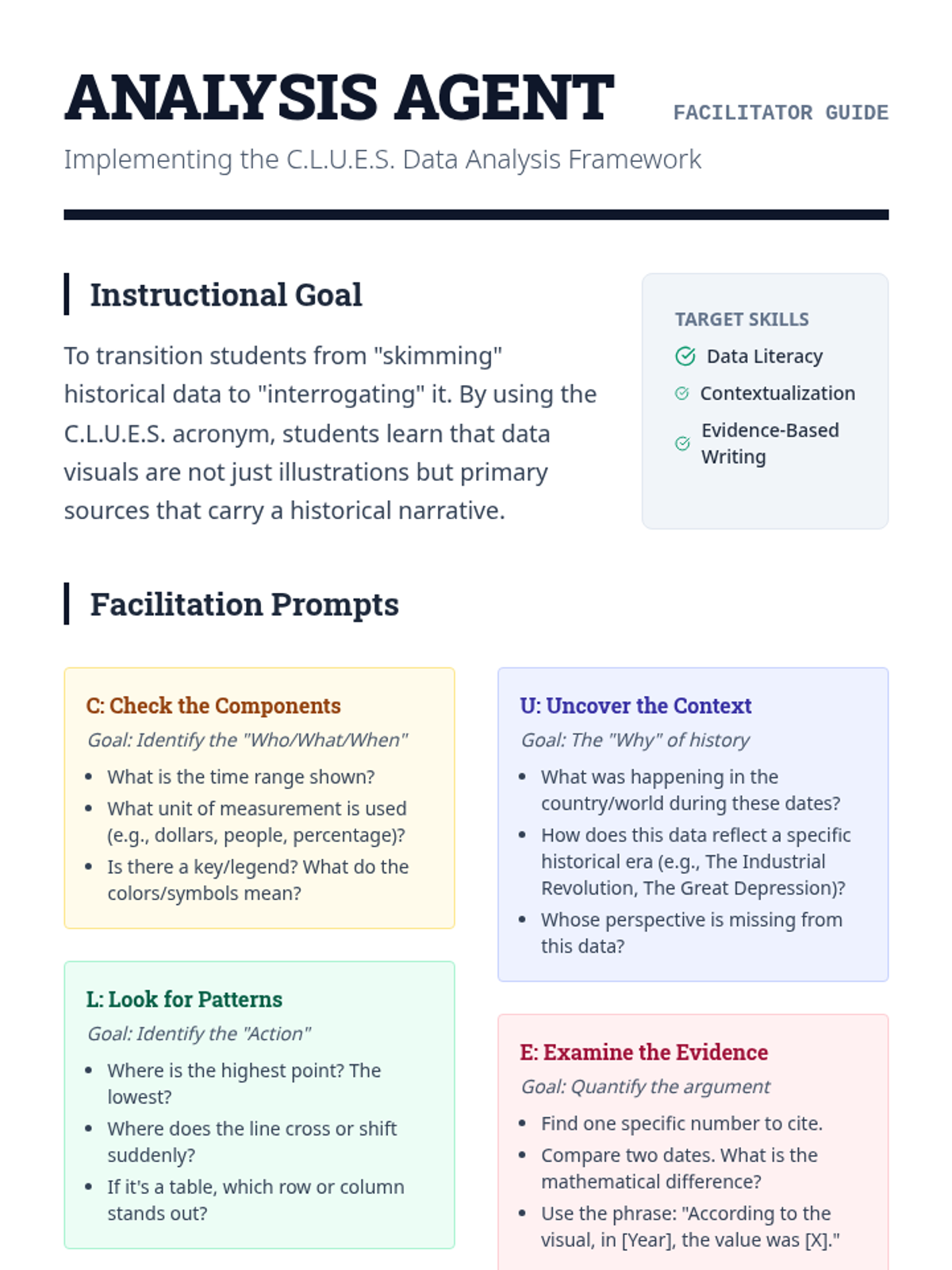
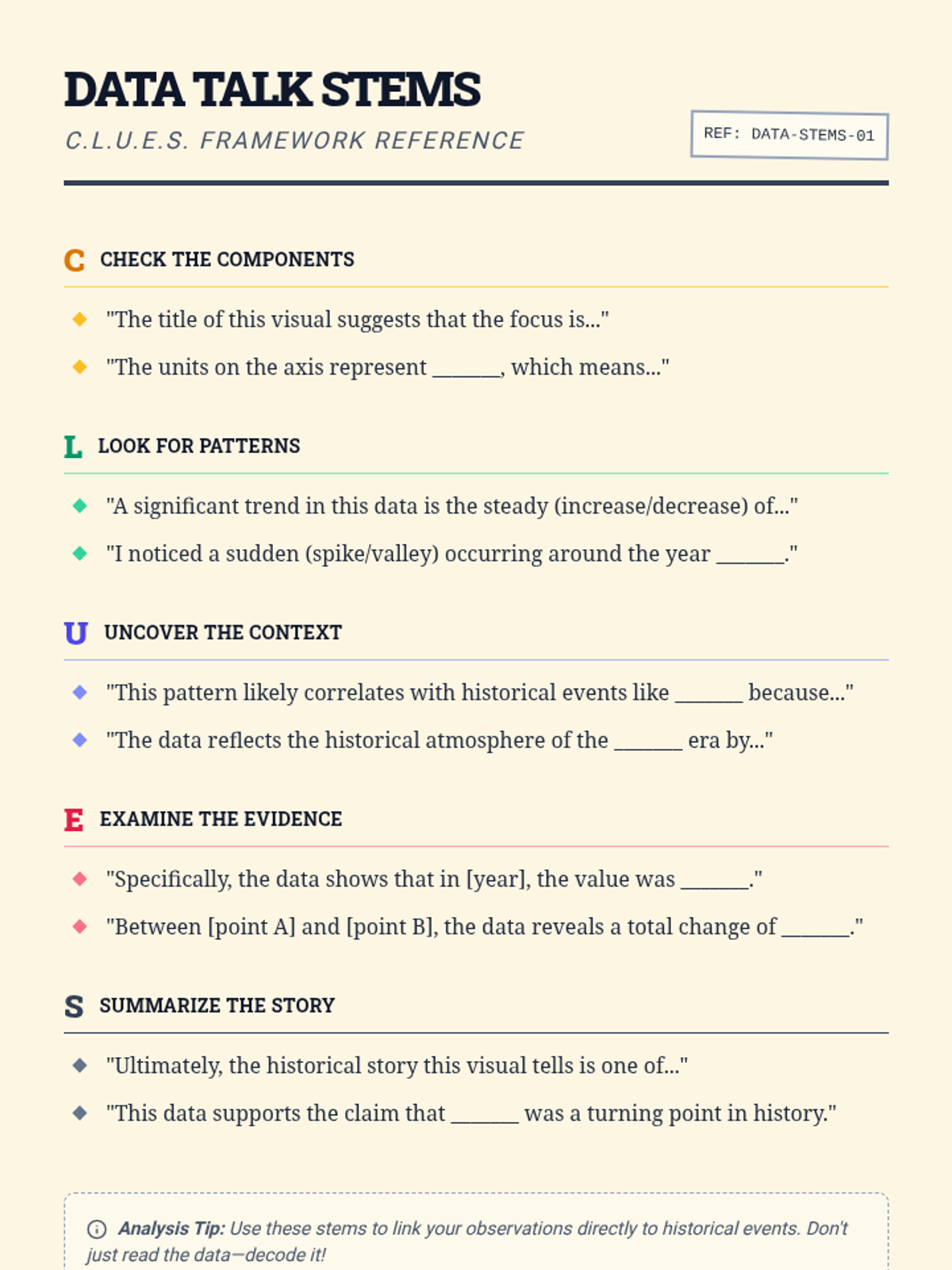
A series of lessons designed to turn students into historical investigators by providing structured frameworks for analyzing visual data and written primary sources.
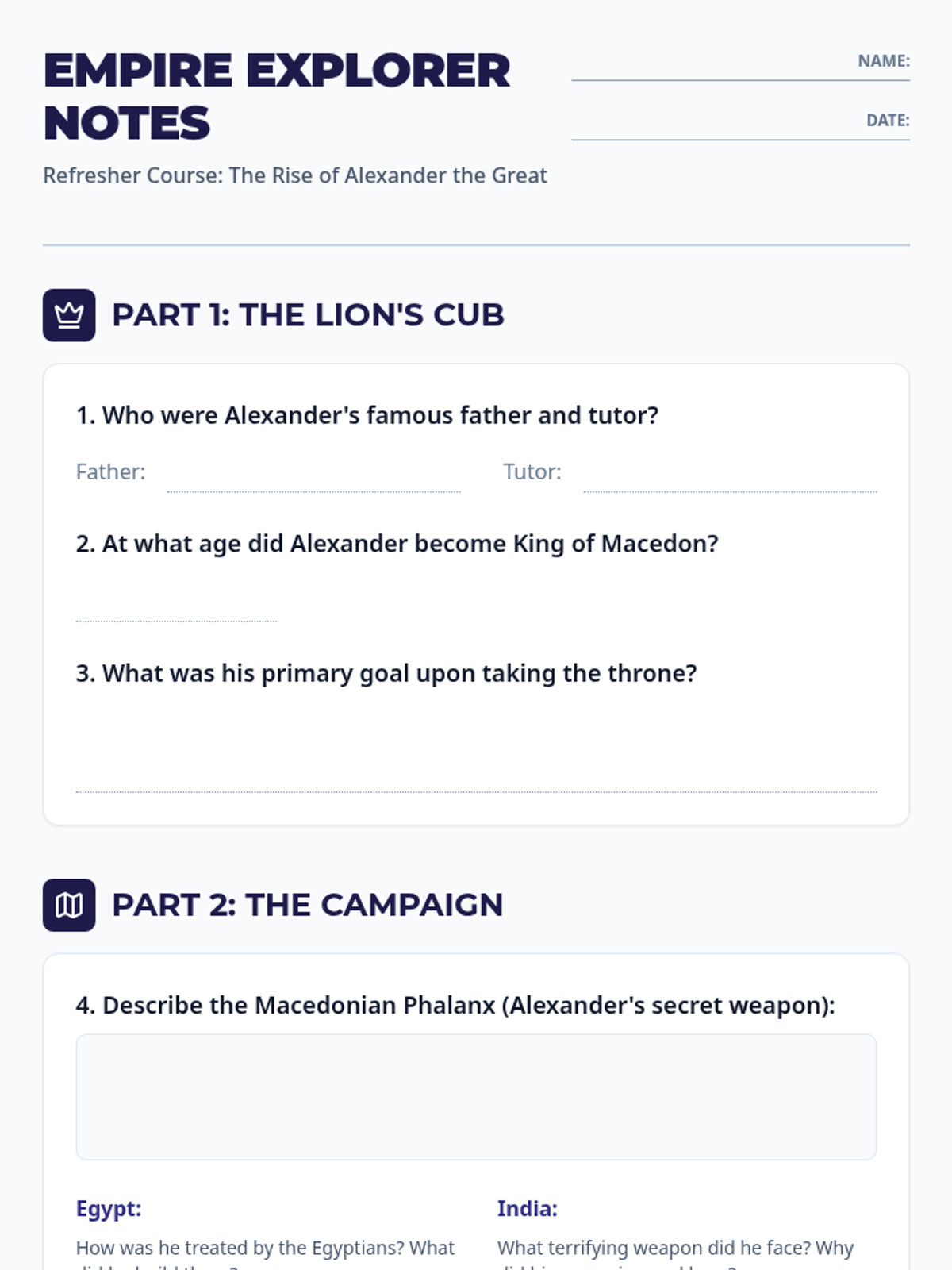
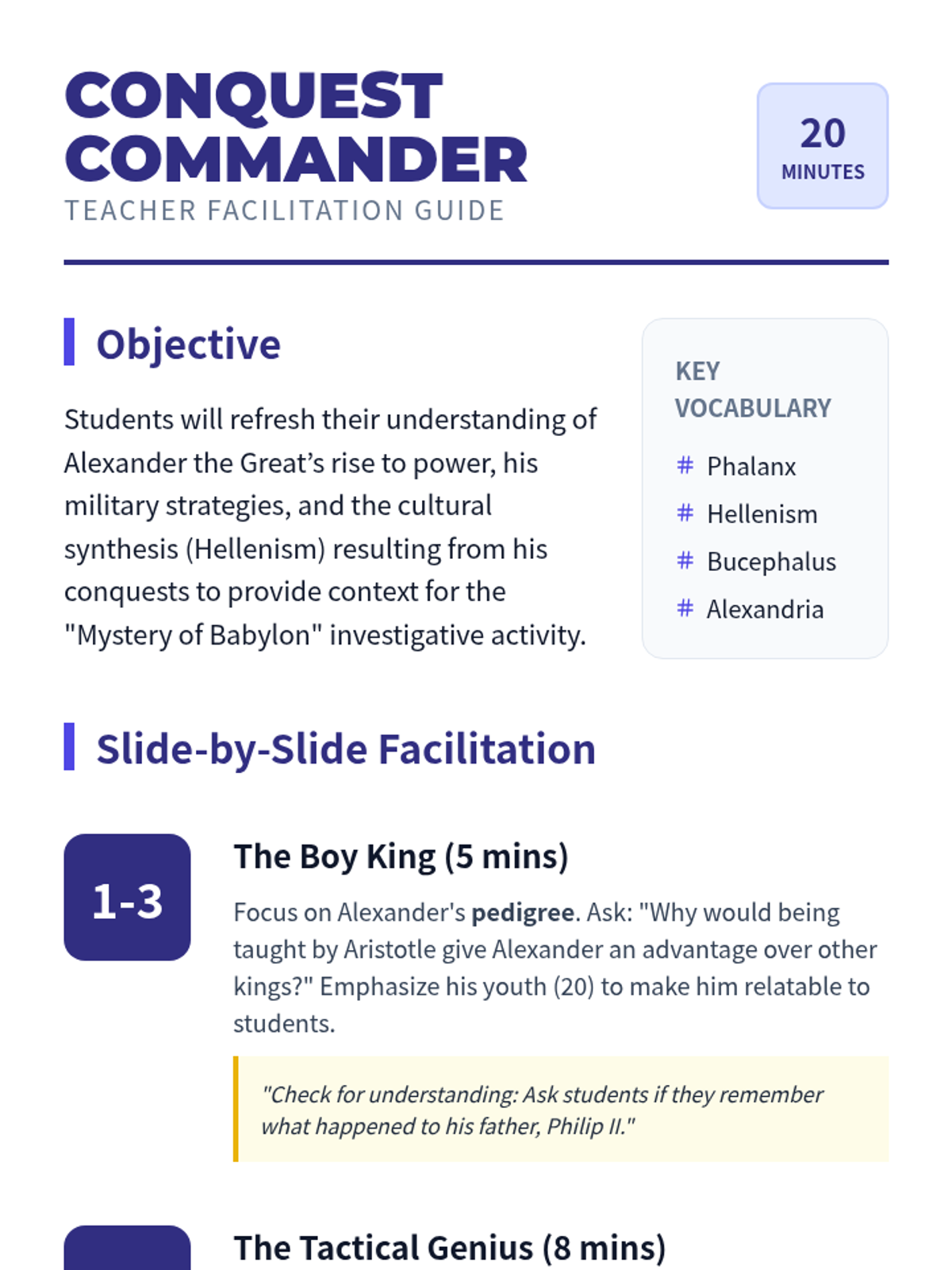
A comprehensive unit on the life, conquests, and lasting impact of Alexander the Great, featuring instructional refreshers, investigative mysteries, and critical source analysis.
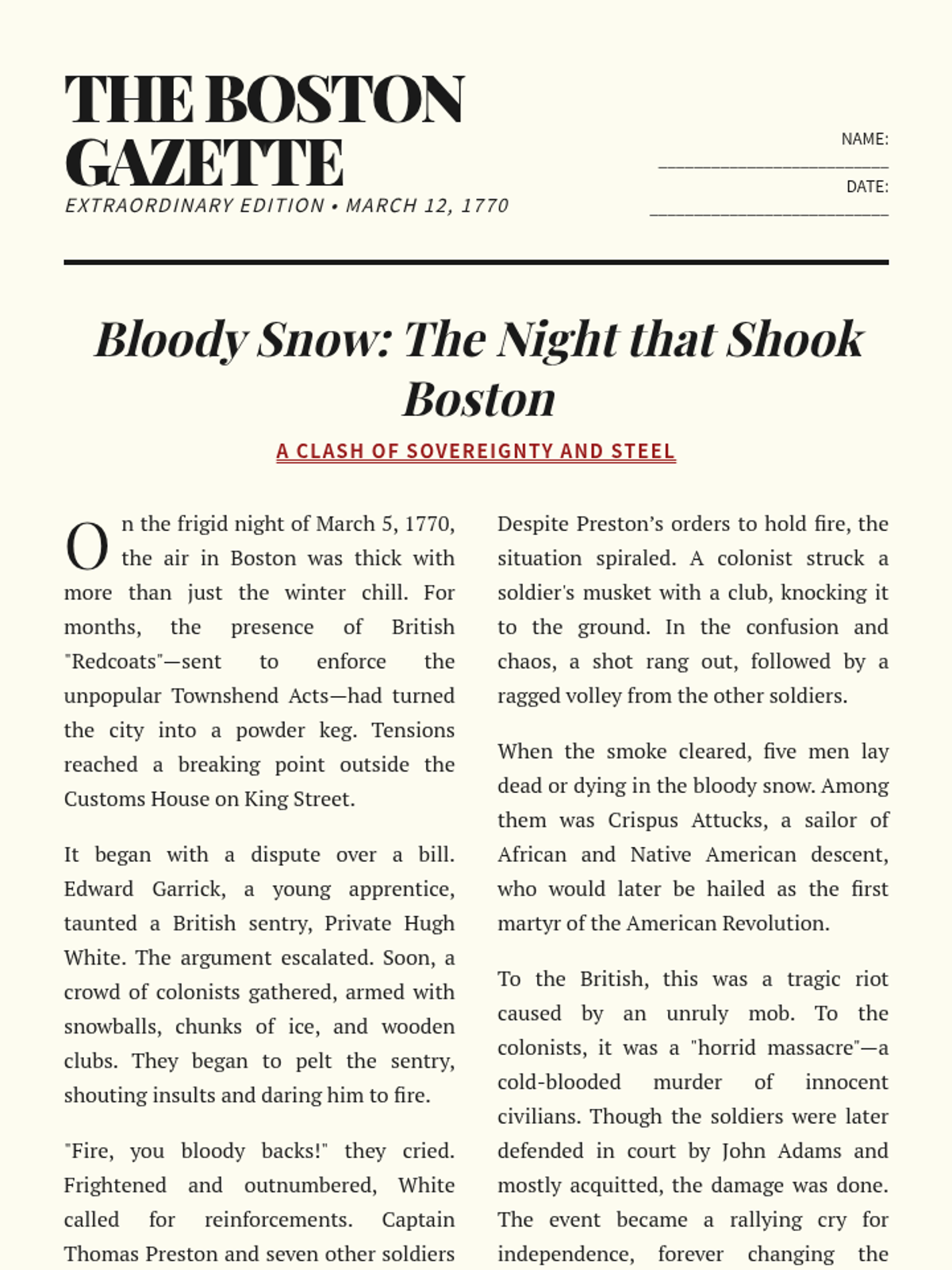
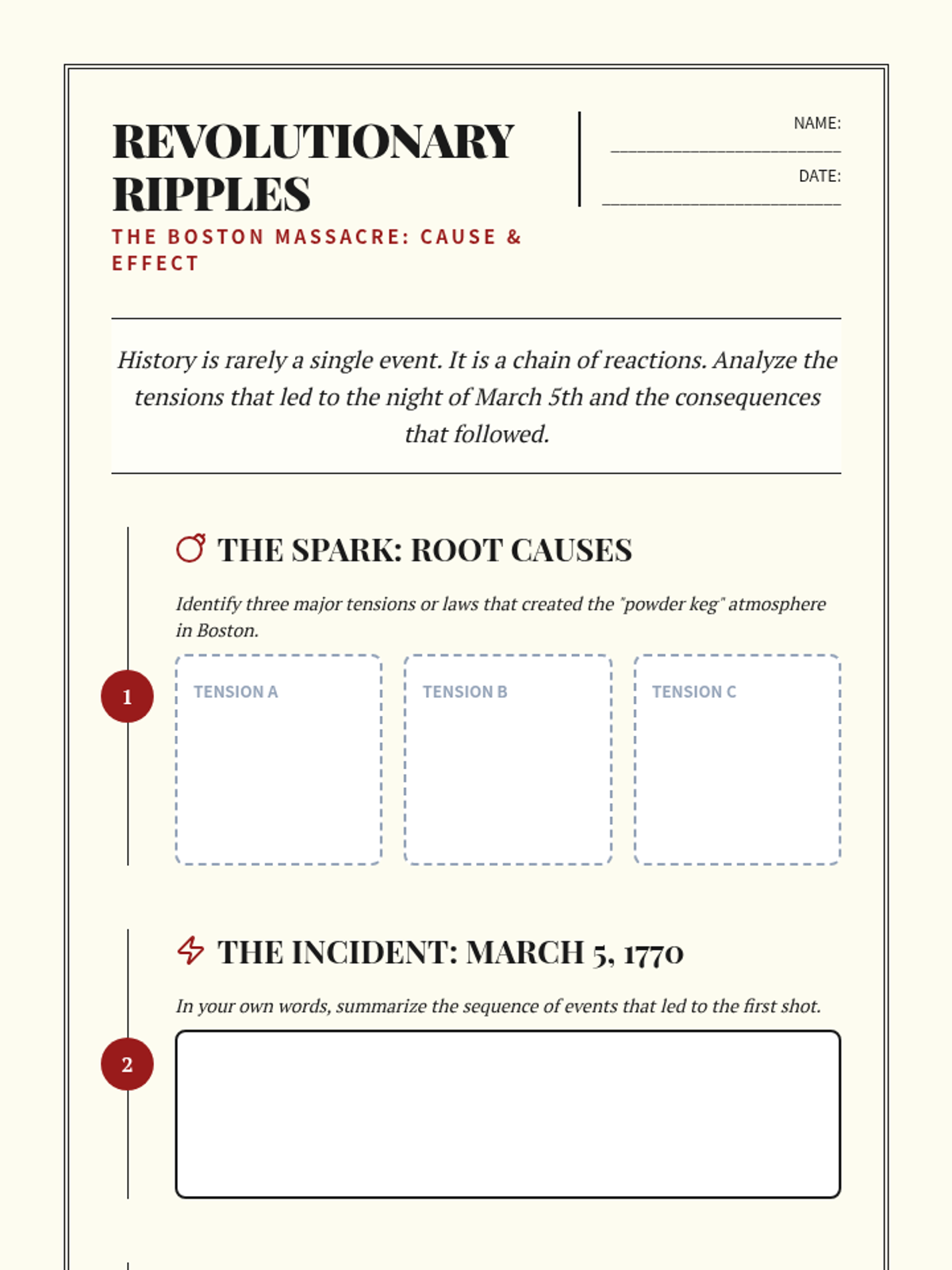
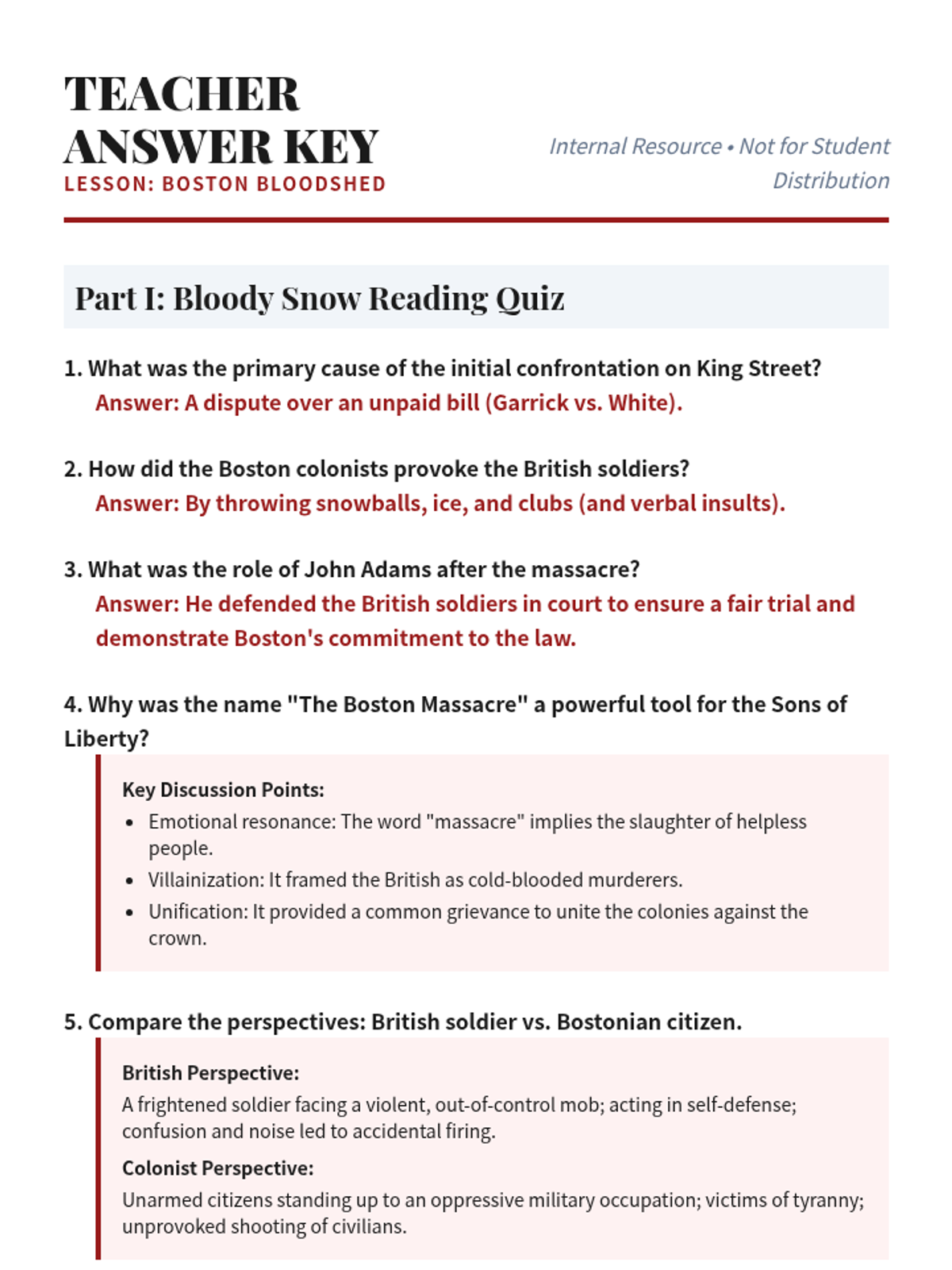
A series of lessons exploring the escalating tensions in the American colonies leading up to the Revolutionary War, focusing on key events, influential figures, and the power of colonial media.
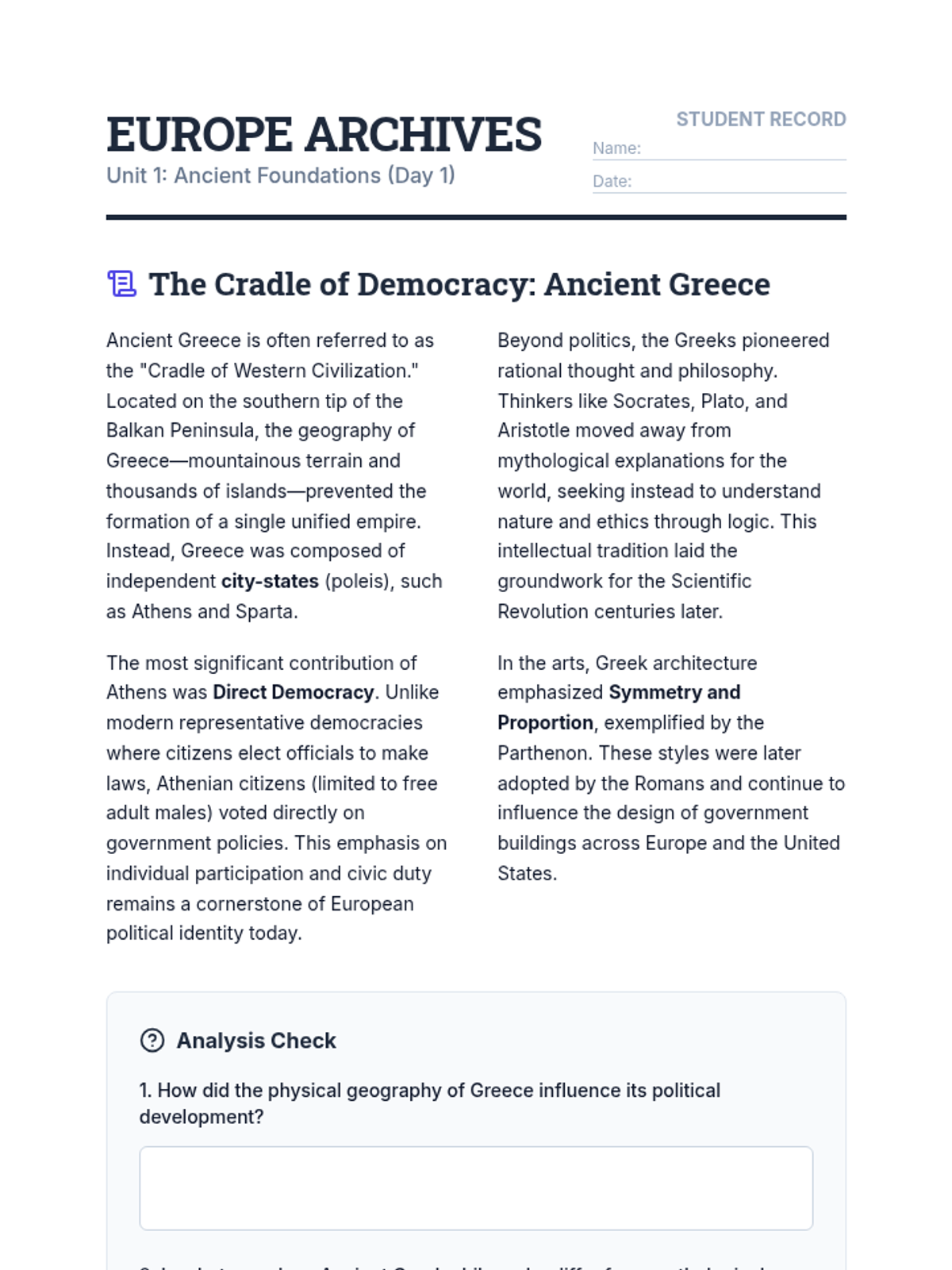
A comprehensive week-long remediation packet covering Europe's history, culture, economics, and the European Union through reading passages and high-level analysis.
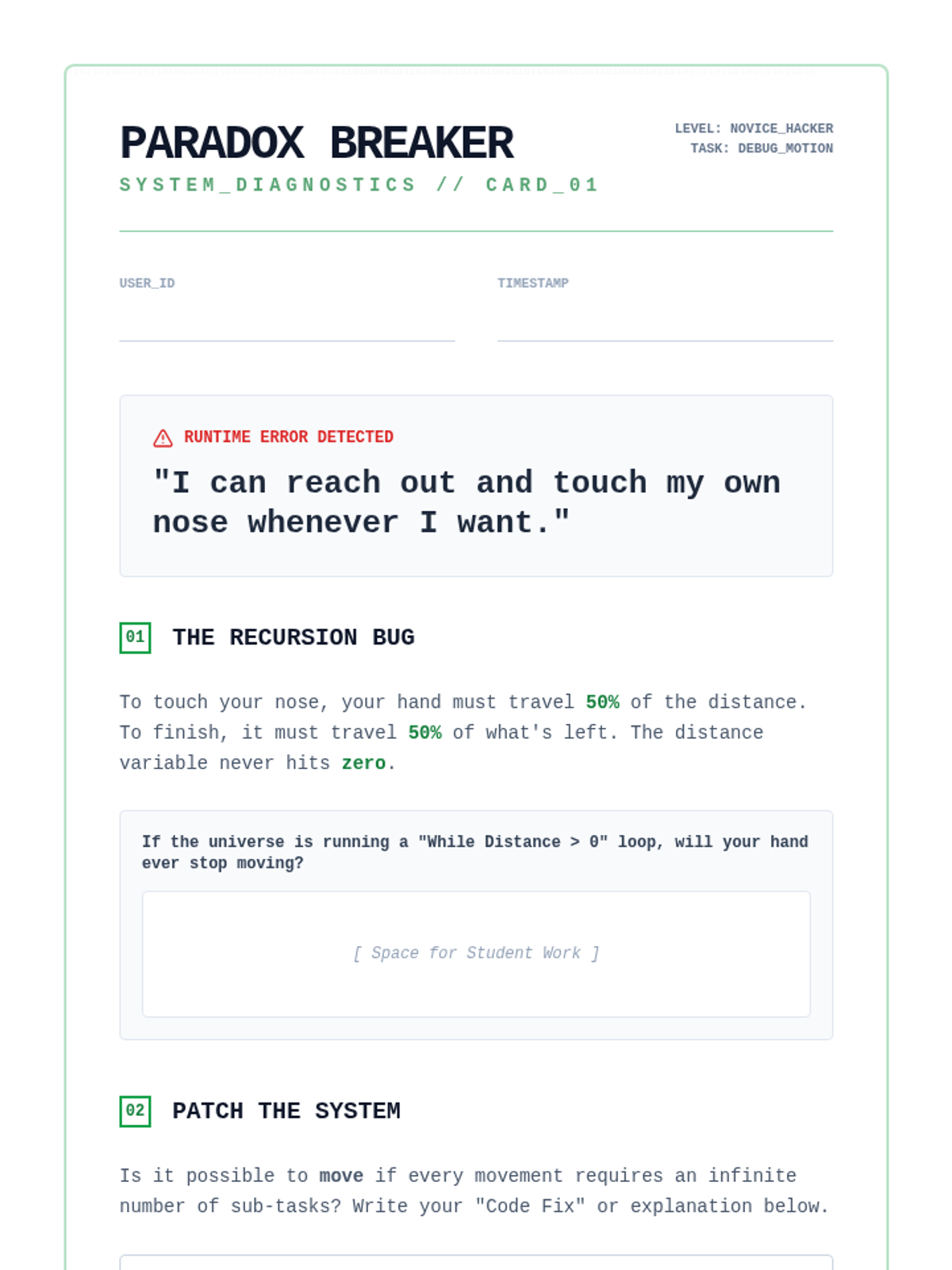
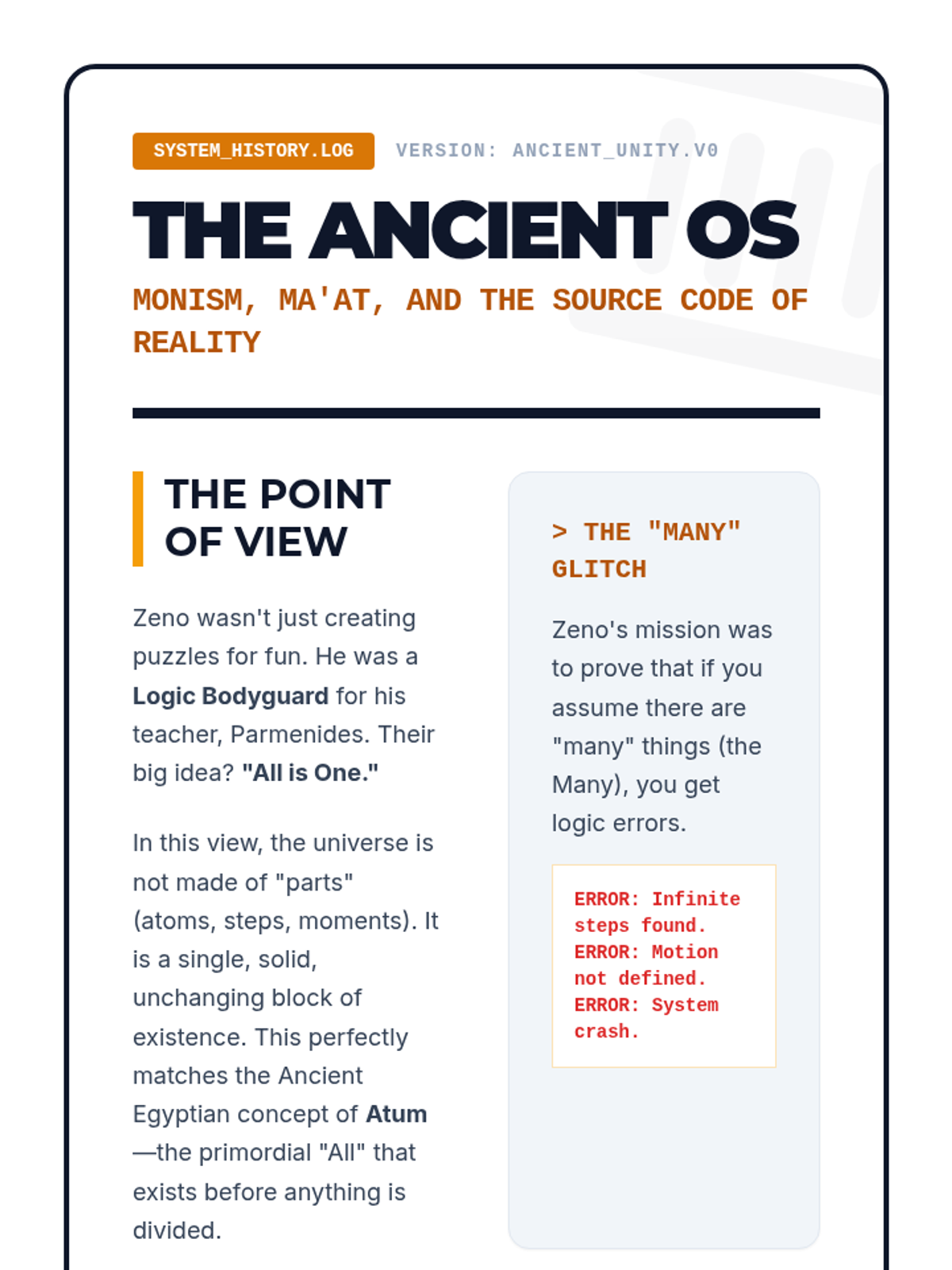
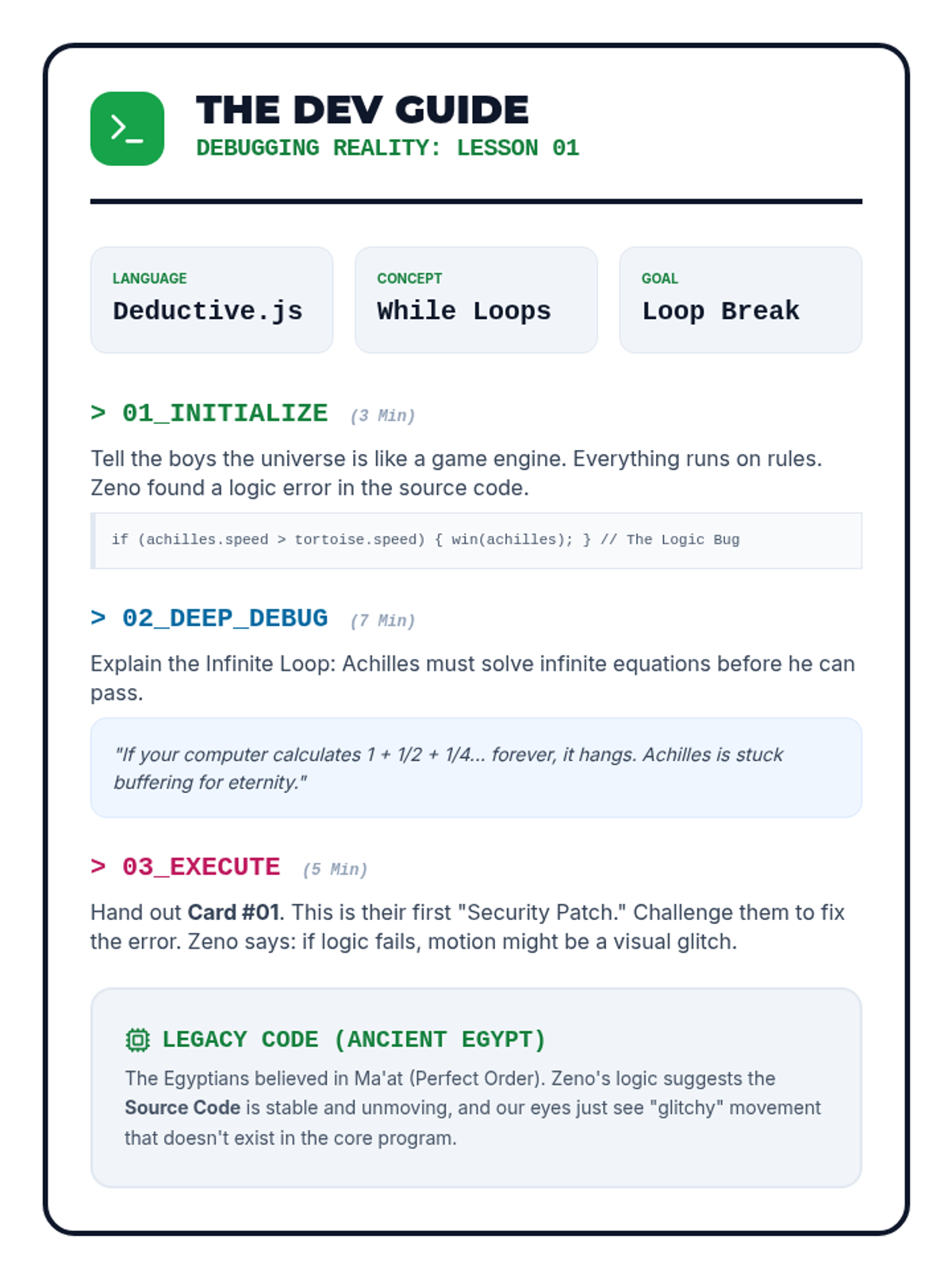
A series of four 10-15 minute logic lessons for middle school students, focusing on Zeno's paradoxes and the 'Paradox Player' thinking style. Students will learn to break ideas into tiny steps, push logic to extremes, and identify contradictions through 'Paradox Breaker' activities.
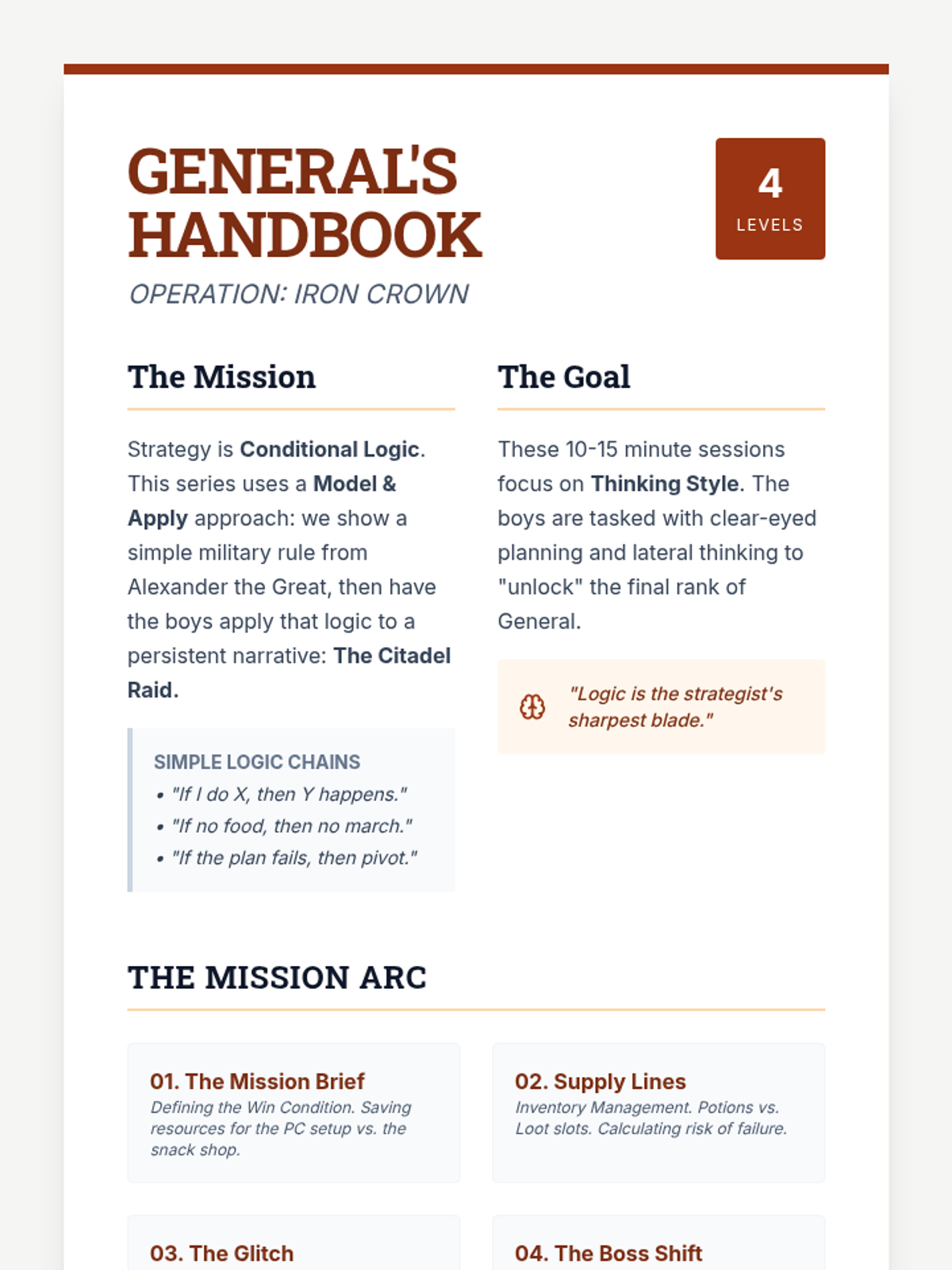
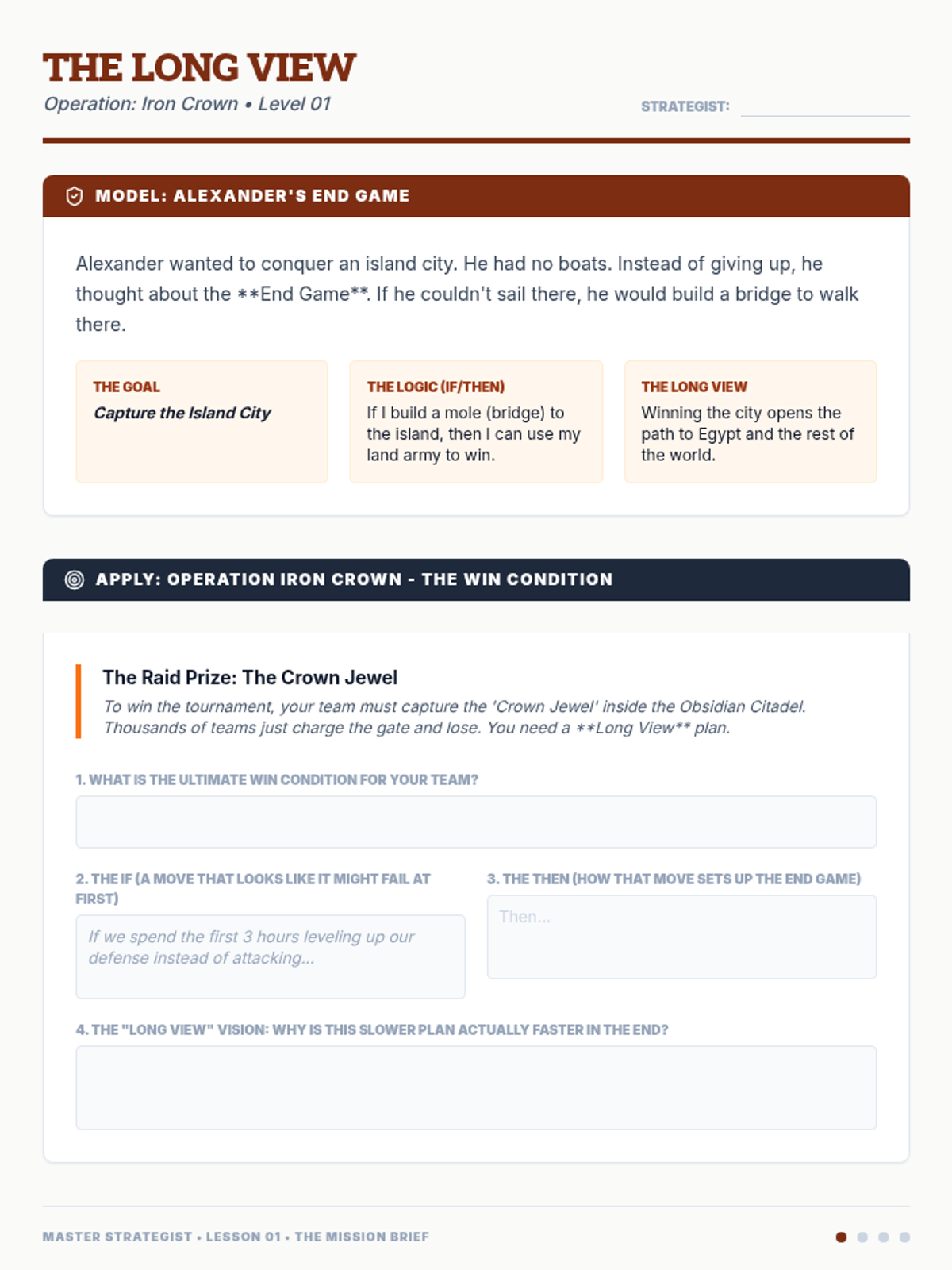
A 4-part series for middle schoolers exploring the philosophy of strategy, logic, and leadership through the lens of Alexander the Great. Each 10-15 minute lesson focuses on critical thinking, conditional logic, and tactical decision-making.
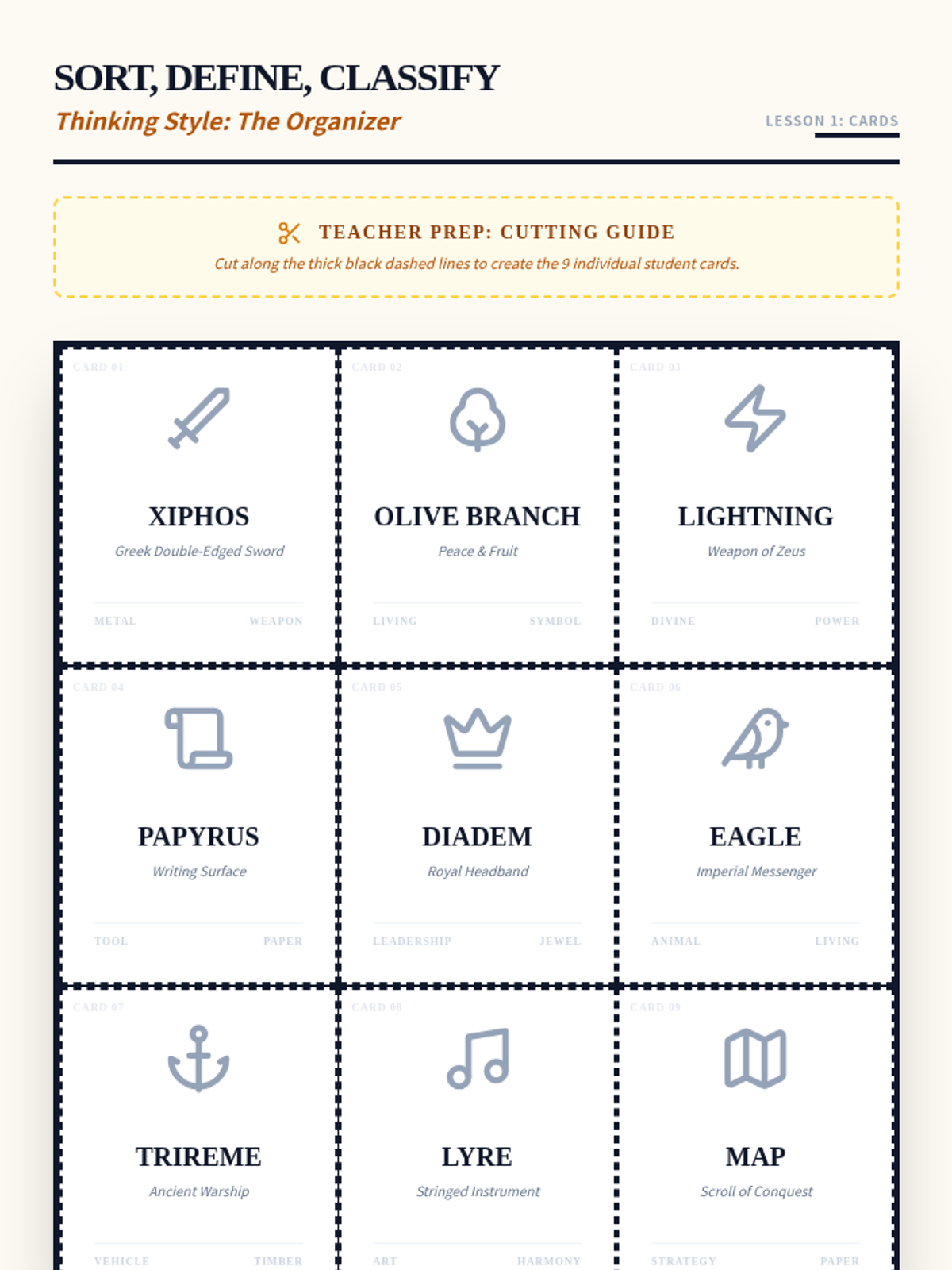
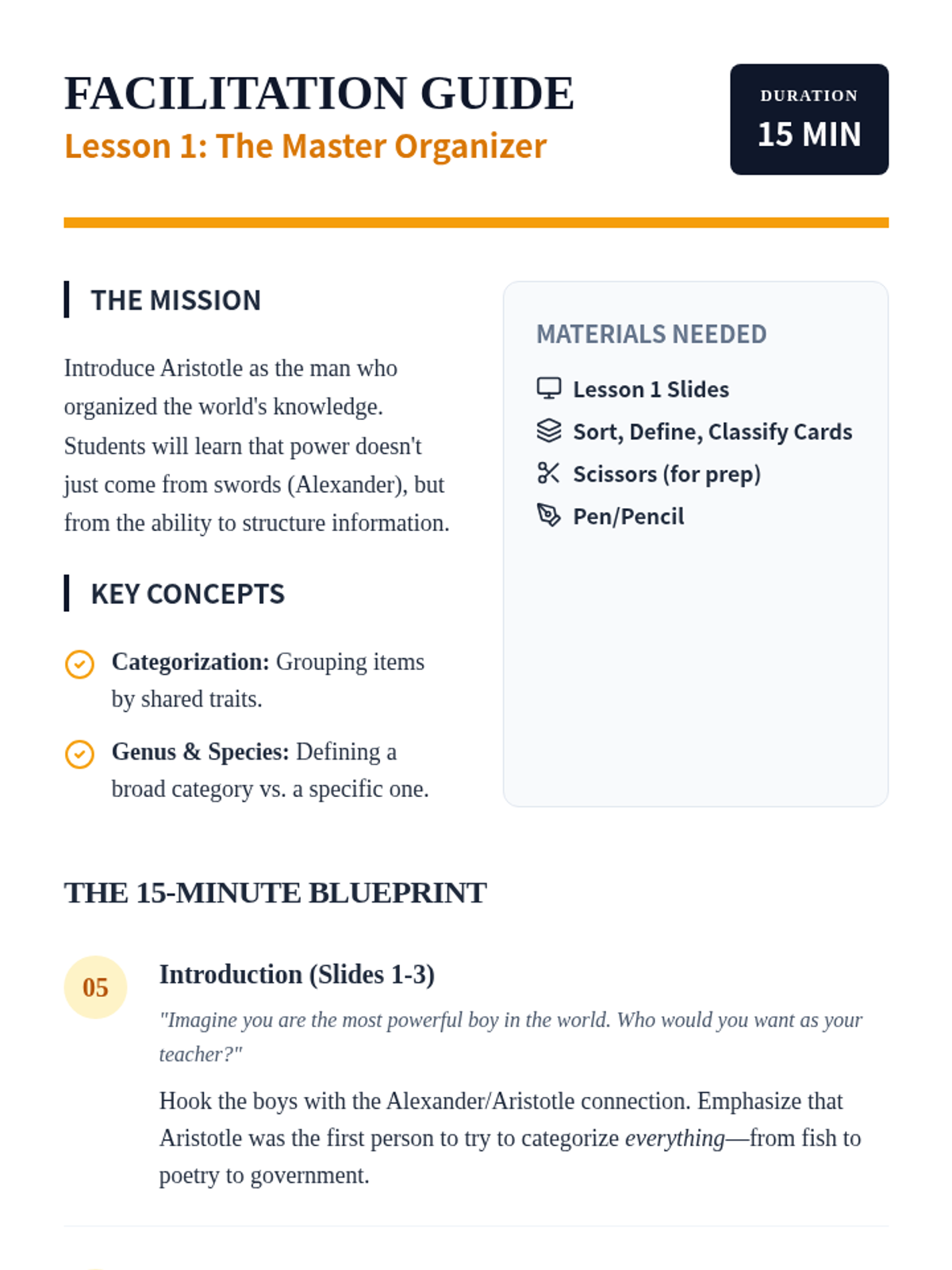
A four-part series for middle schoolers on Aristotelian logic and philosophy, focusing on categorization, reasoning, and ethics, with a historical tie-in to Alexander the Great.
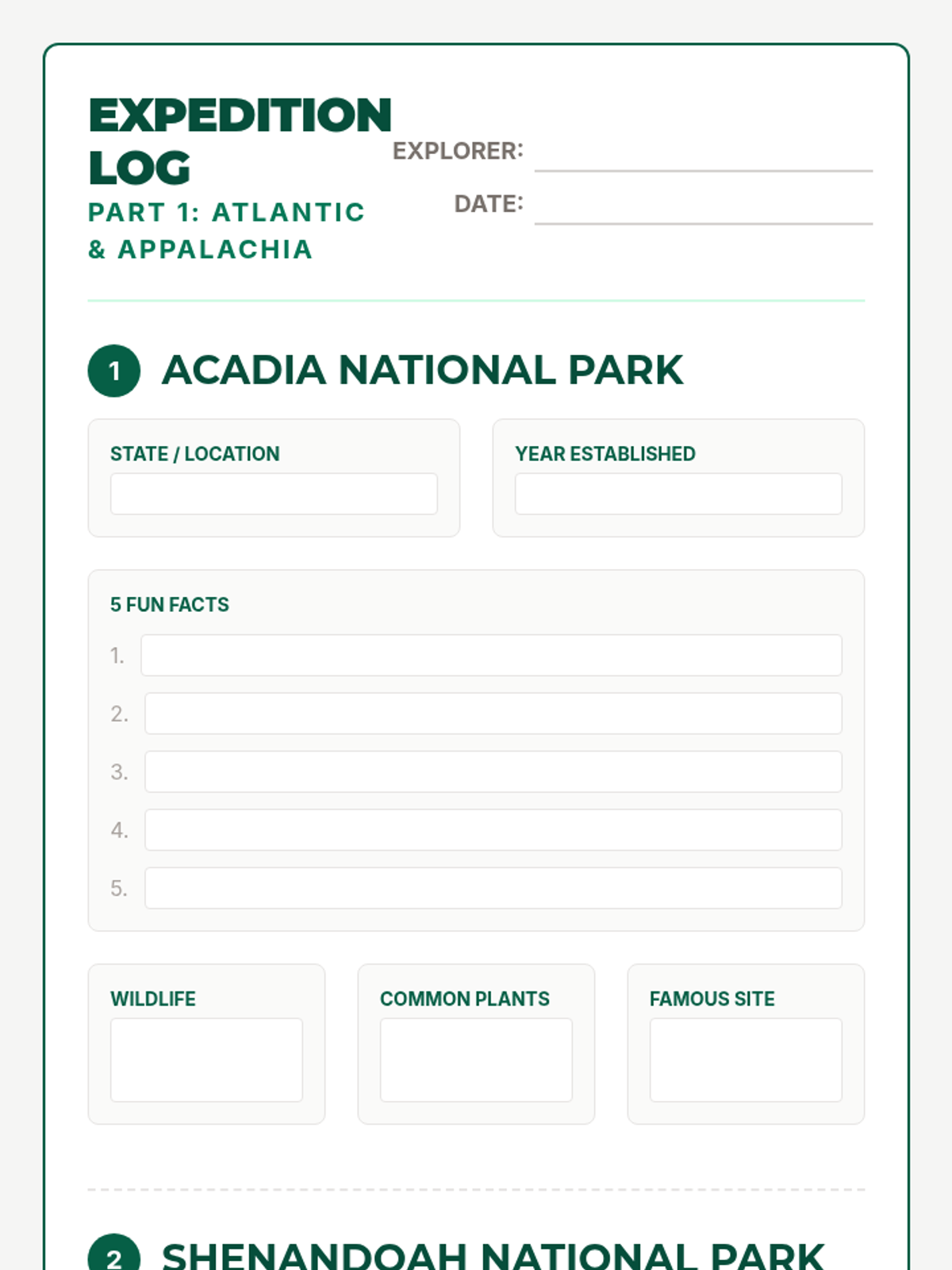
A comprehensive exploration of all 63 United States National Parks, divided by geographic region. Students will discover the history, wildlife, and unique features of each park while recording key data in their field logs.
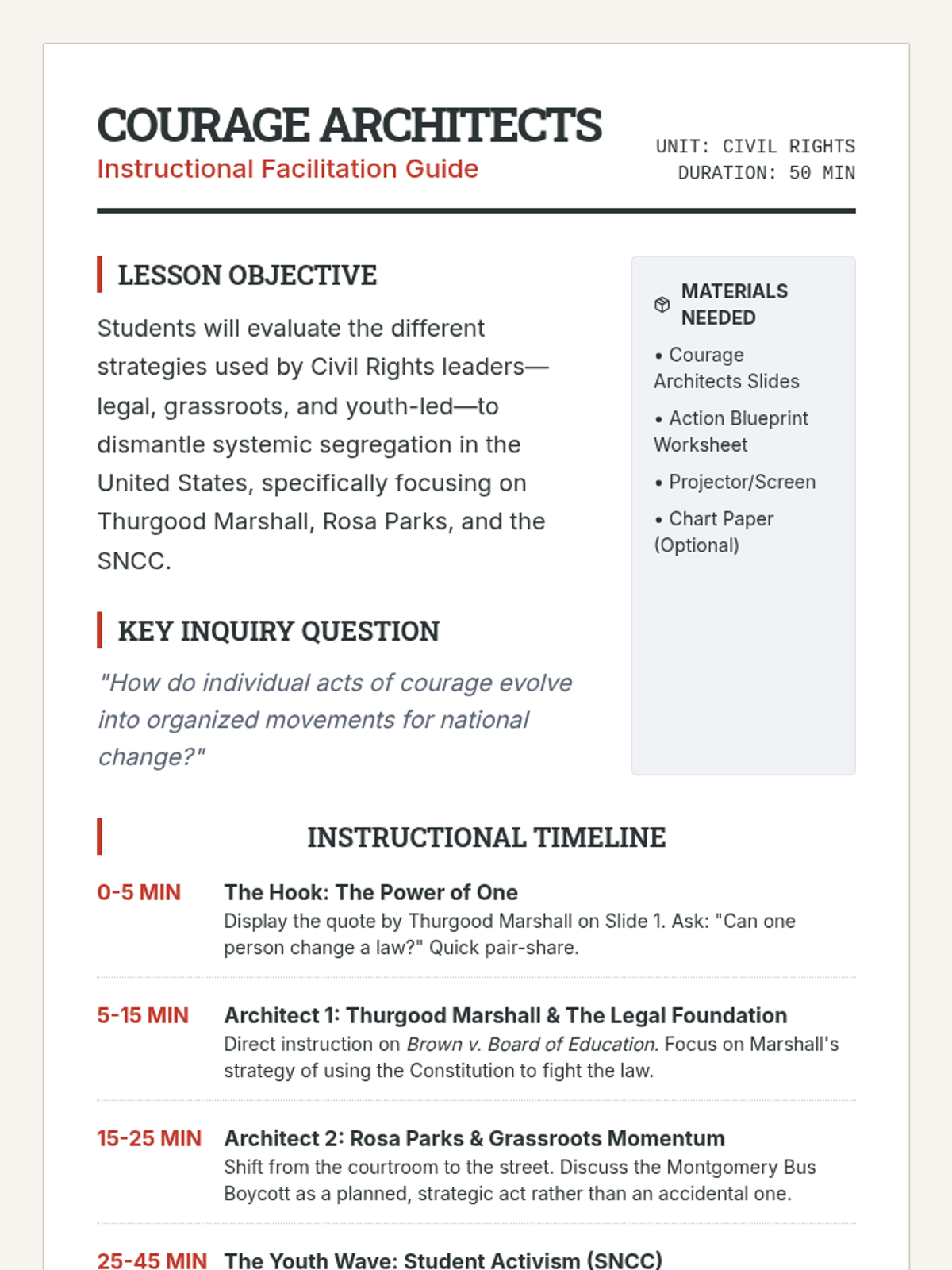
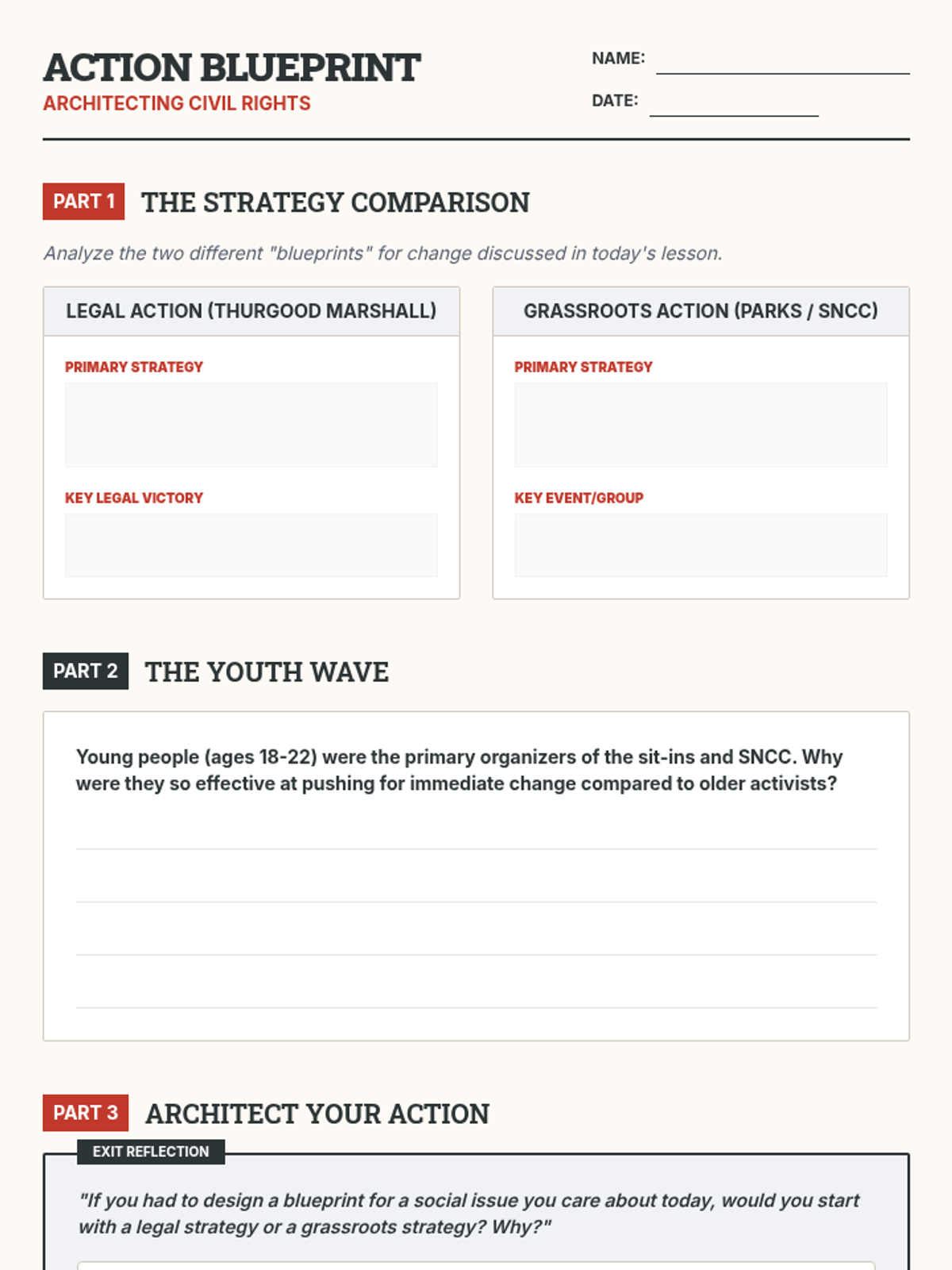
A comprehensive unit on the Civil Rights Movement, focusing on the strategic leadership of key figures and the transformative power of youth-led activism through primary source analysis and classroom instruction.
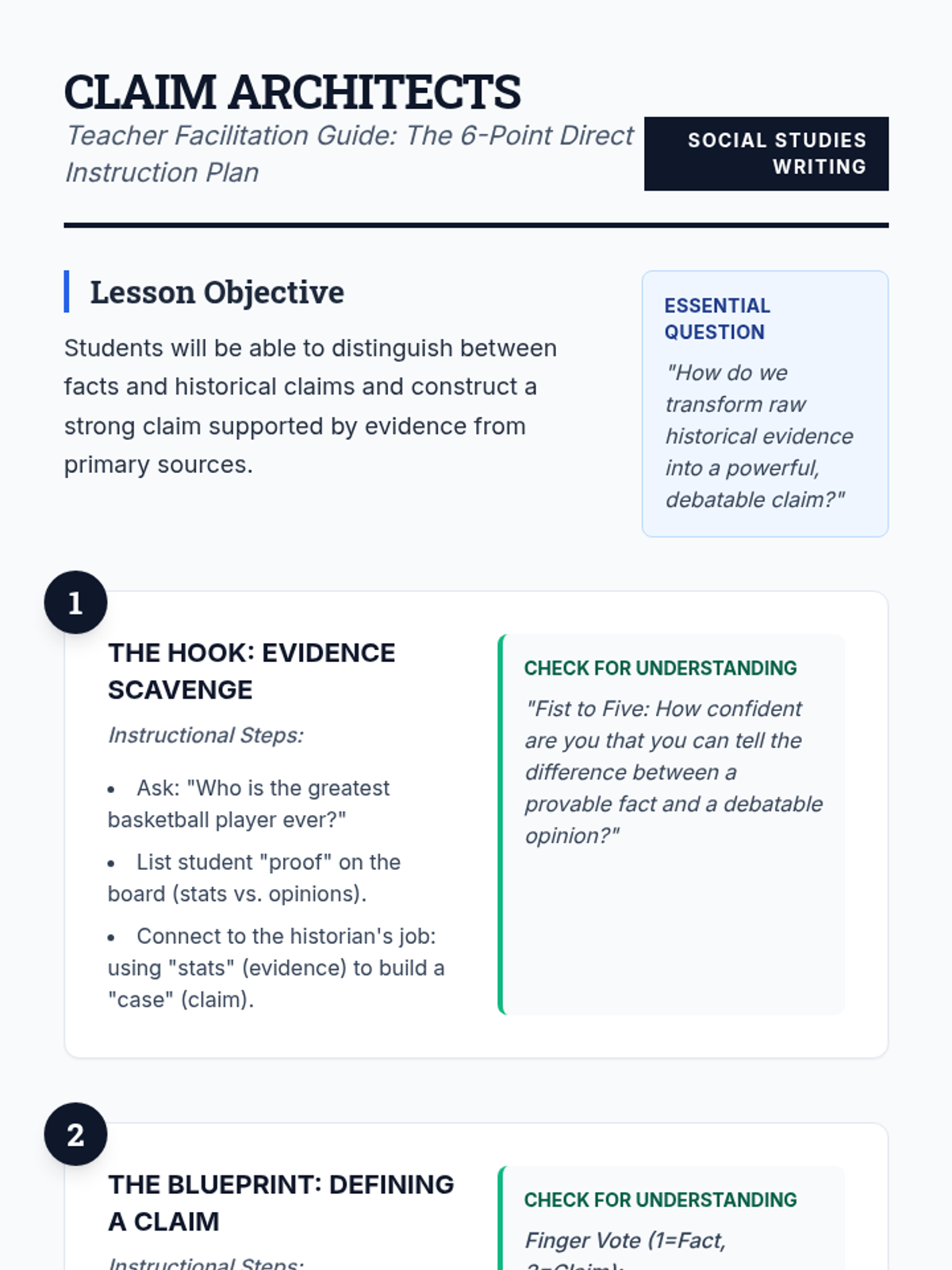
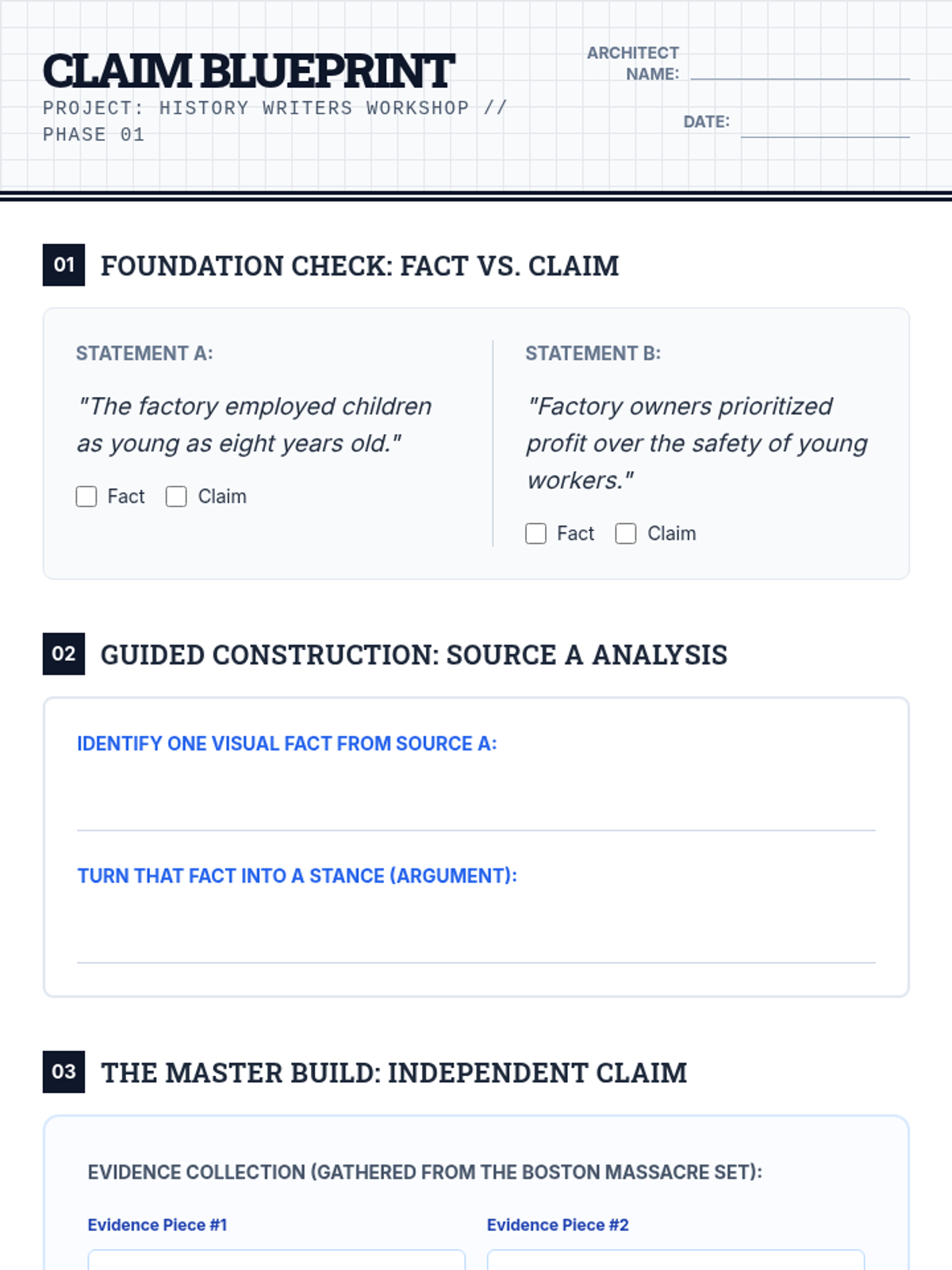
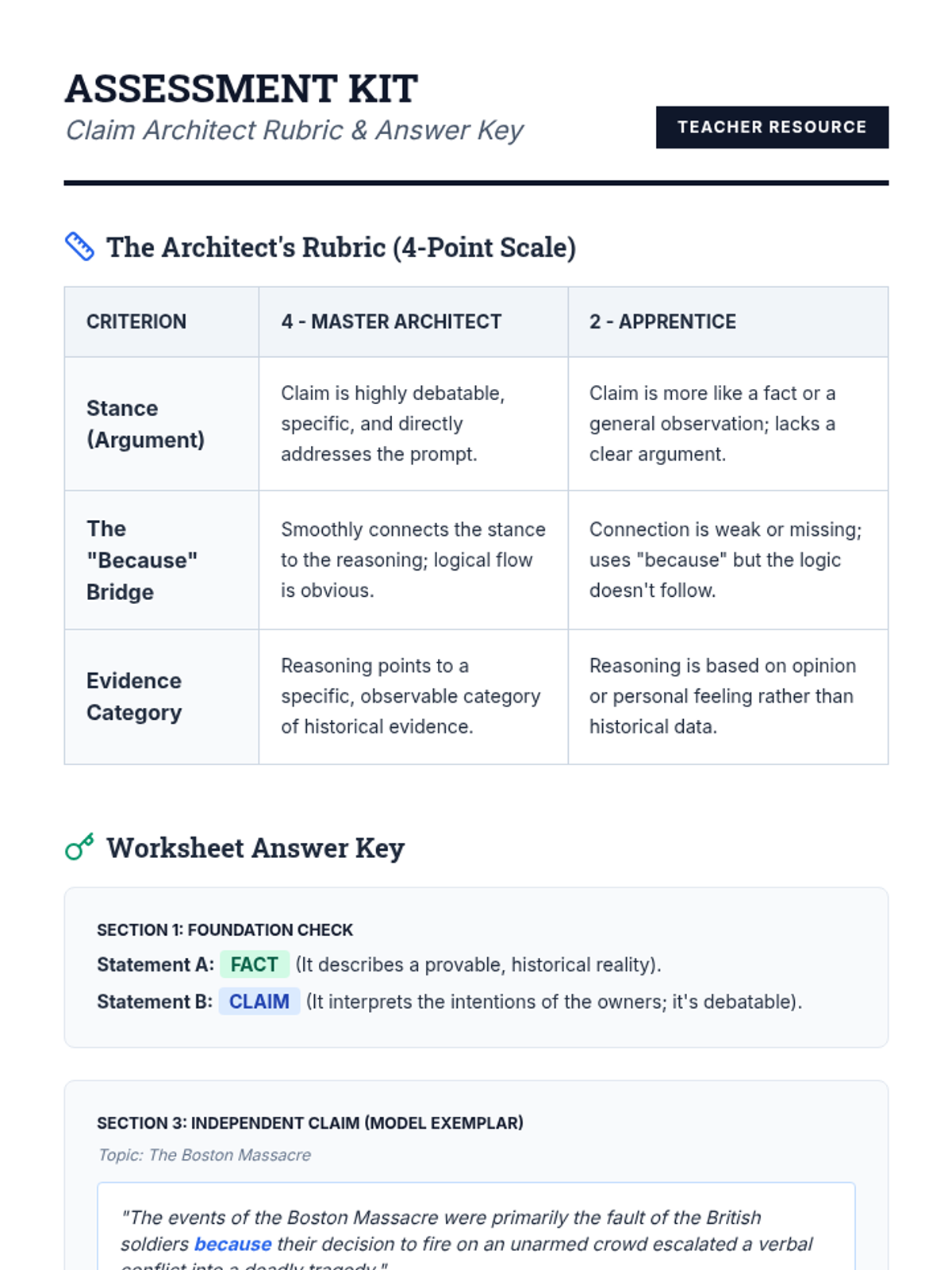
A series of lessons designed to improve historical writing skills, focusing on evidence analysis, claim construction, and argumentative structure.
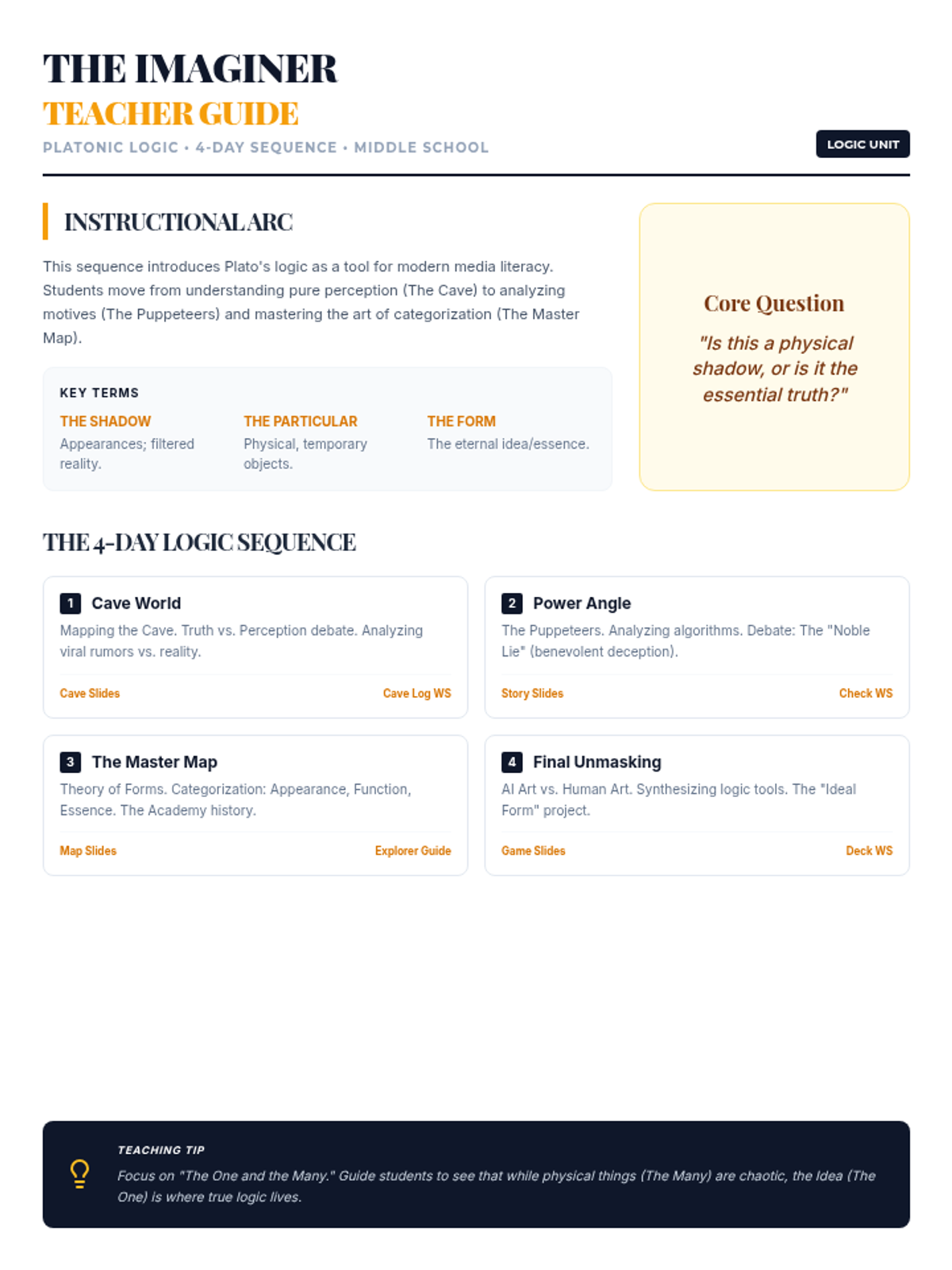
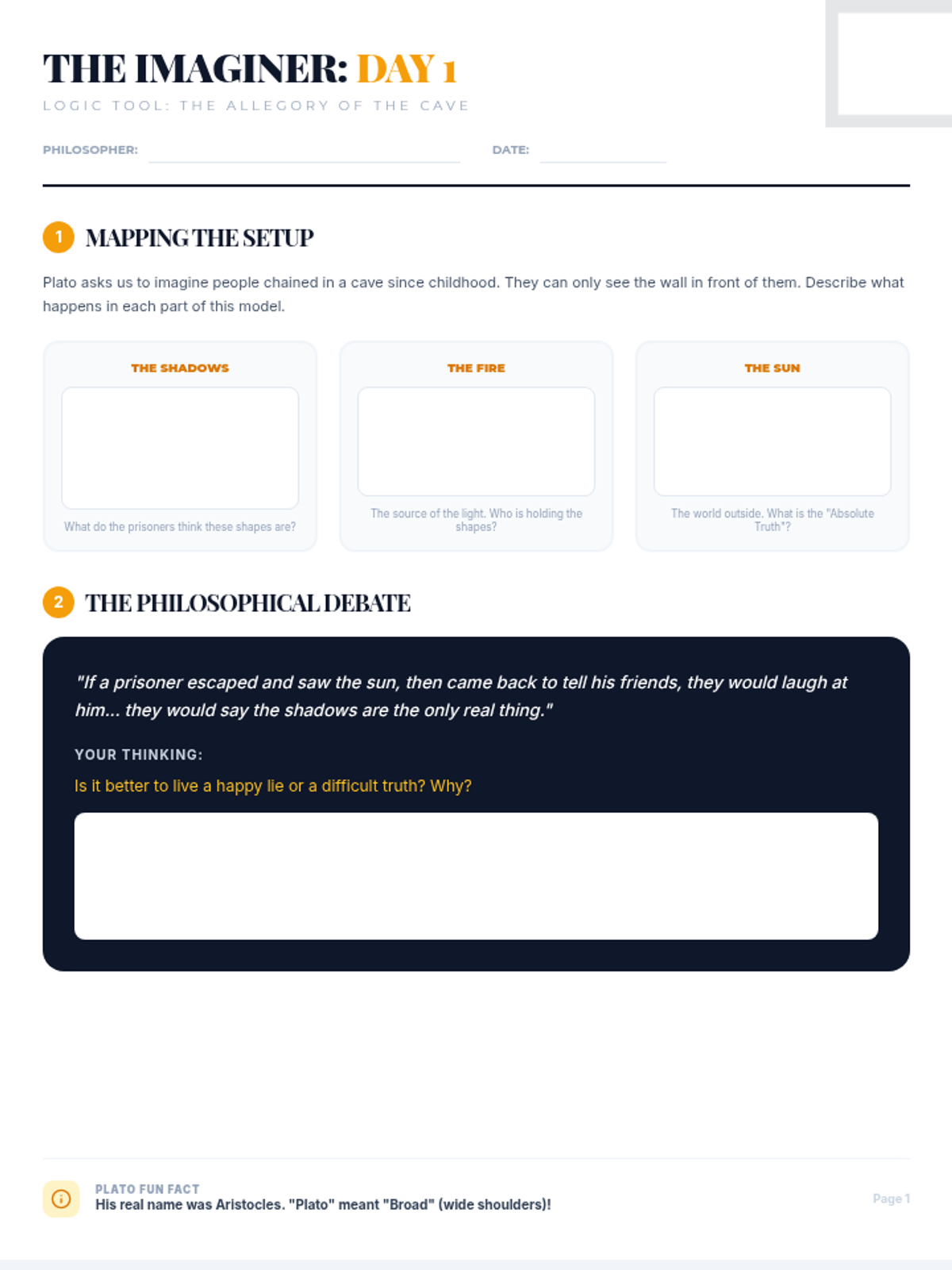
A four-day introductory logic and philosophy sequence for middle schoolers focusing on Plato's 'Thinking Style.' Students explore the Allegory of the Cave, perception vs. reality, and the Theory of Forms through the lens of 'The Imaginer,' culminating in a visual analysis game.
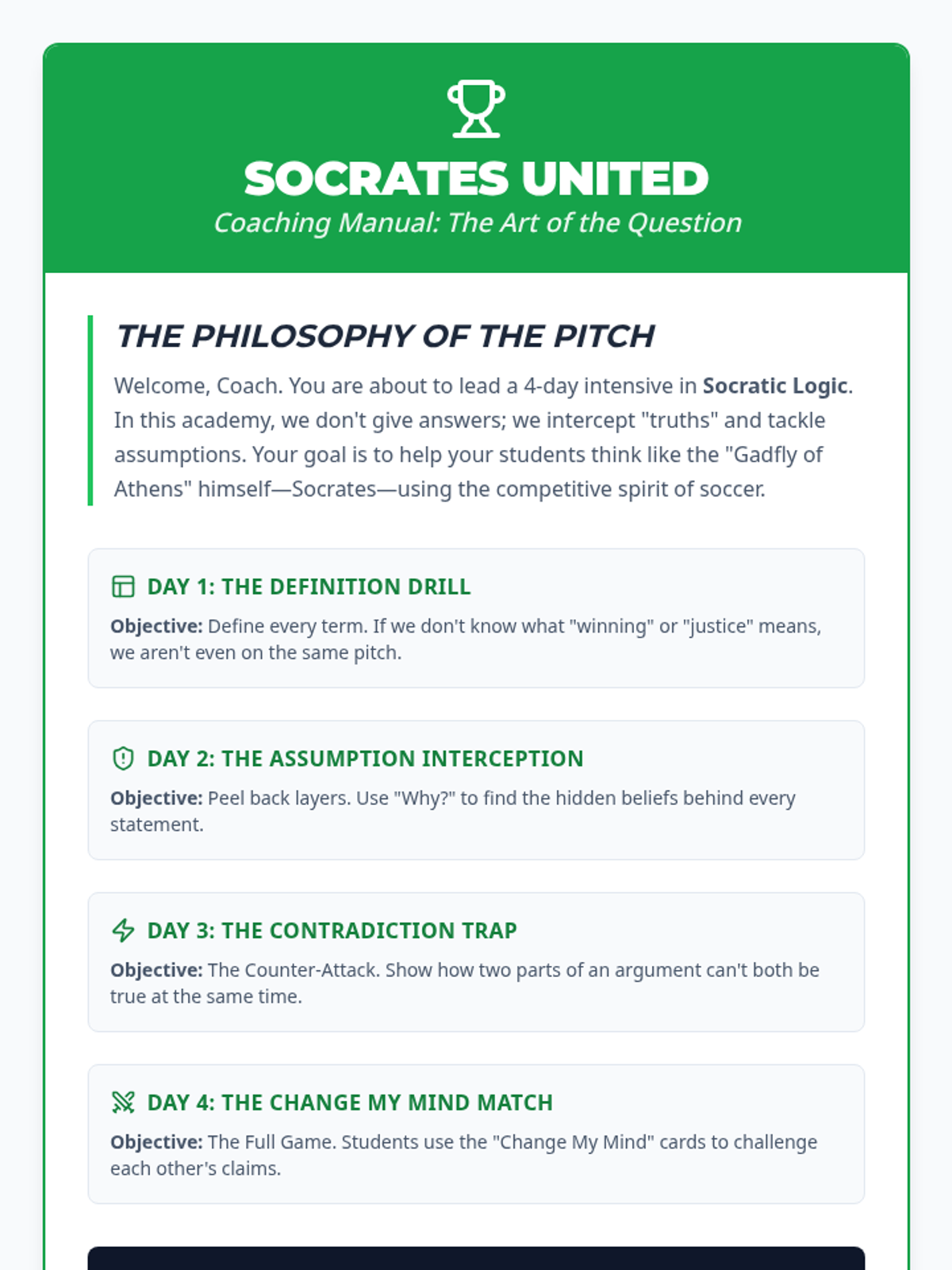
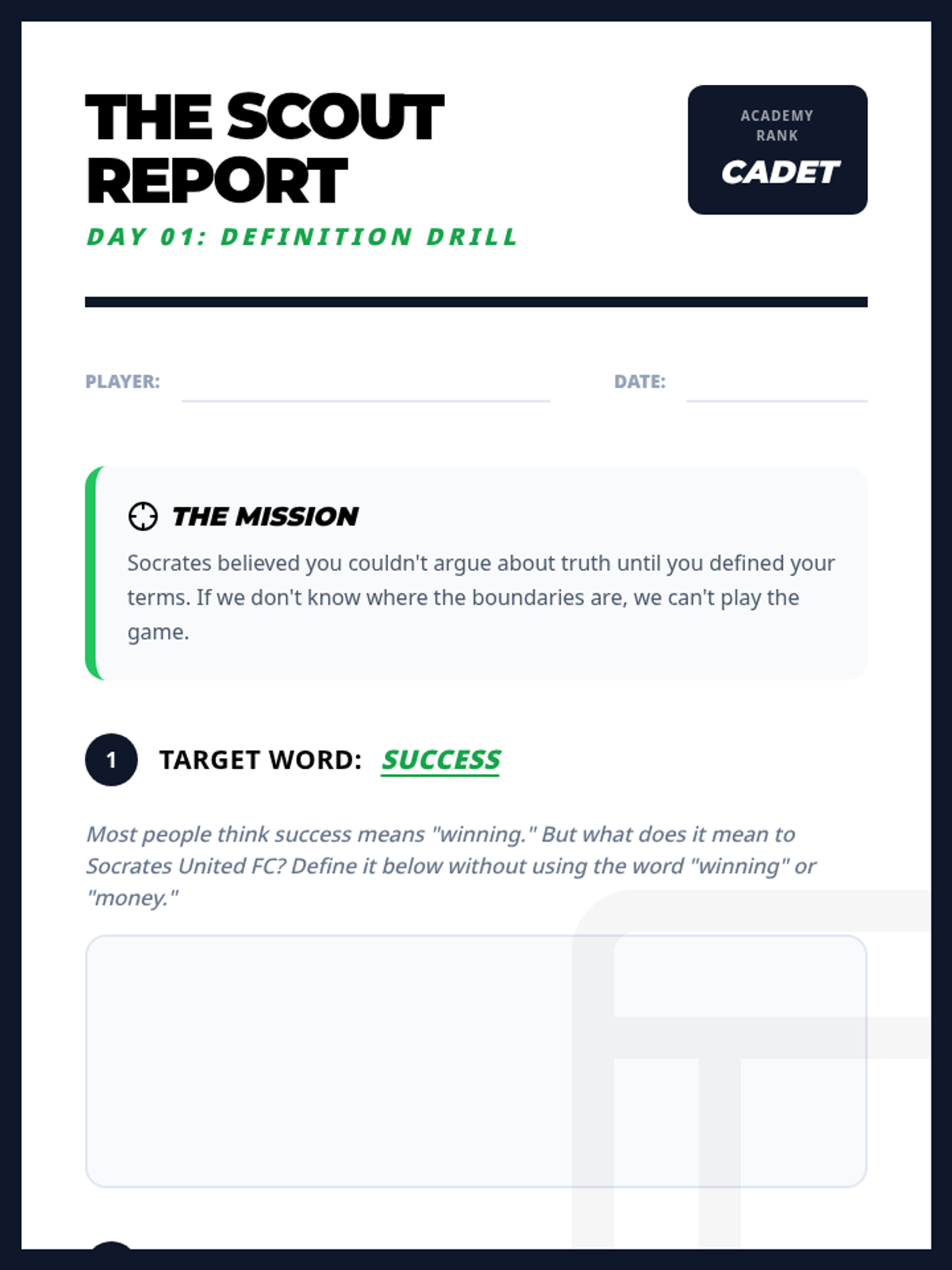
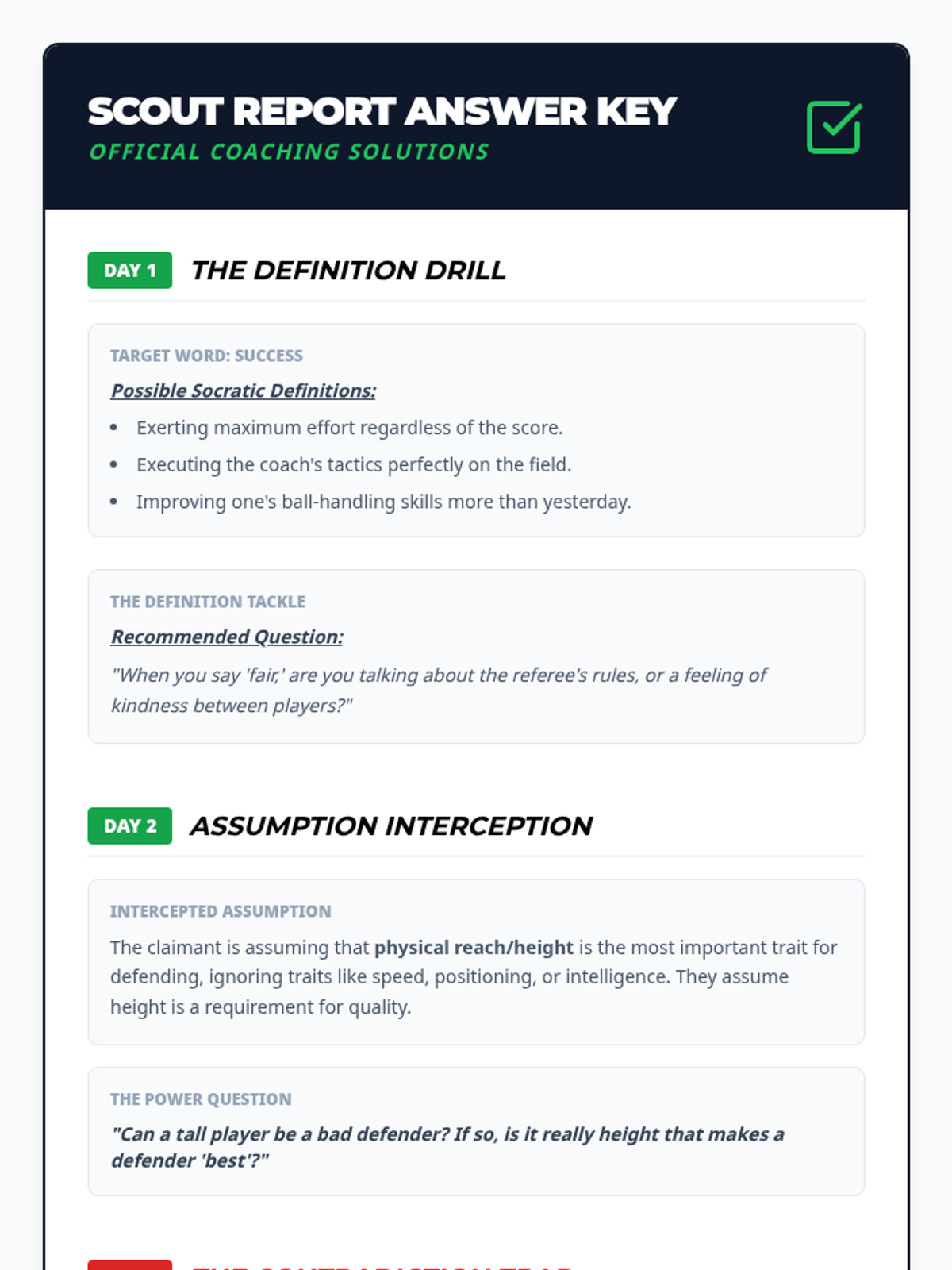
A 4-day logic sequence for middle school students themed around soccer and the Socratic method. Students learn to think like Socrates by questioning definitions, assumptions, and contradictions through the lens of 'Socrates United FC'.
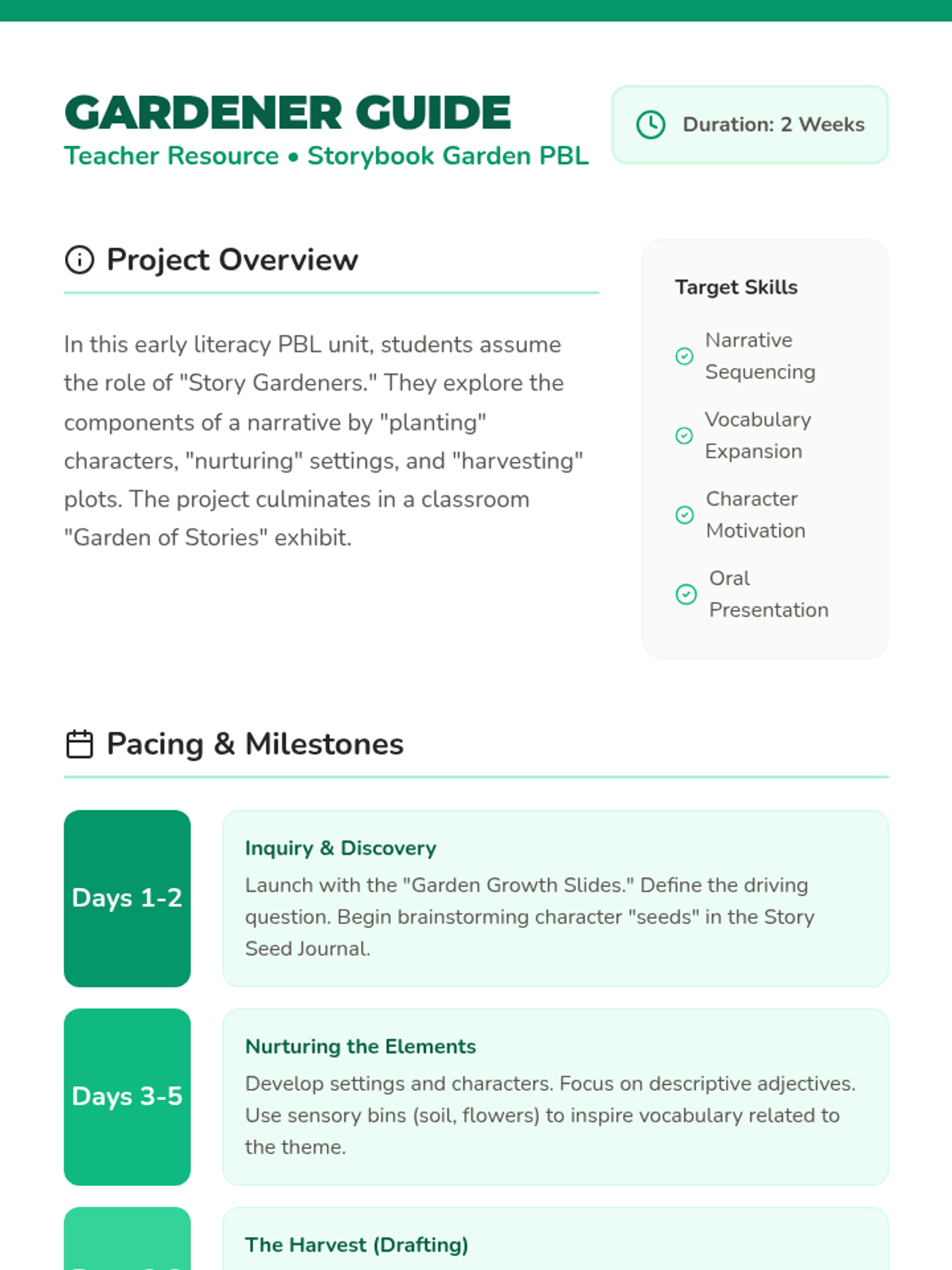
A comprehensive collection of Project-Based Learning (PBL) units spanning early childhood literacy, elementary math and science, and middle school social studies. Each unit guides students through inquiry, creation, and presentation within a themed 'Discovery Files' framework.
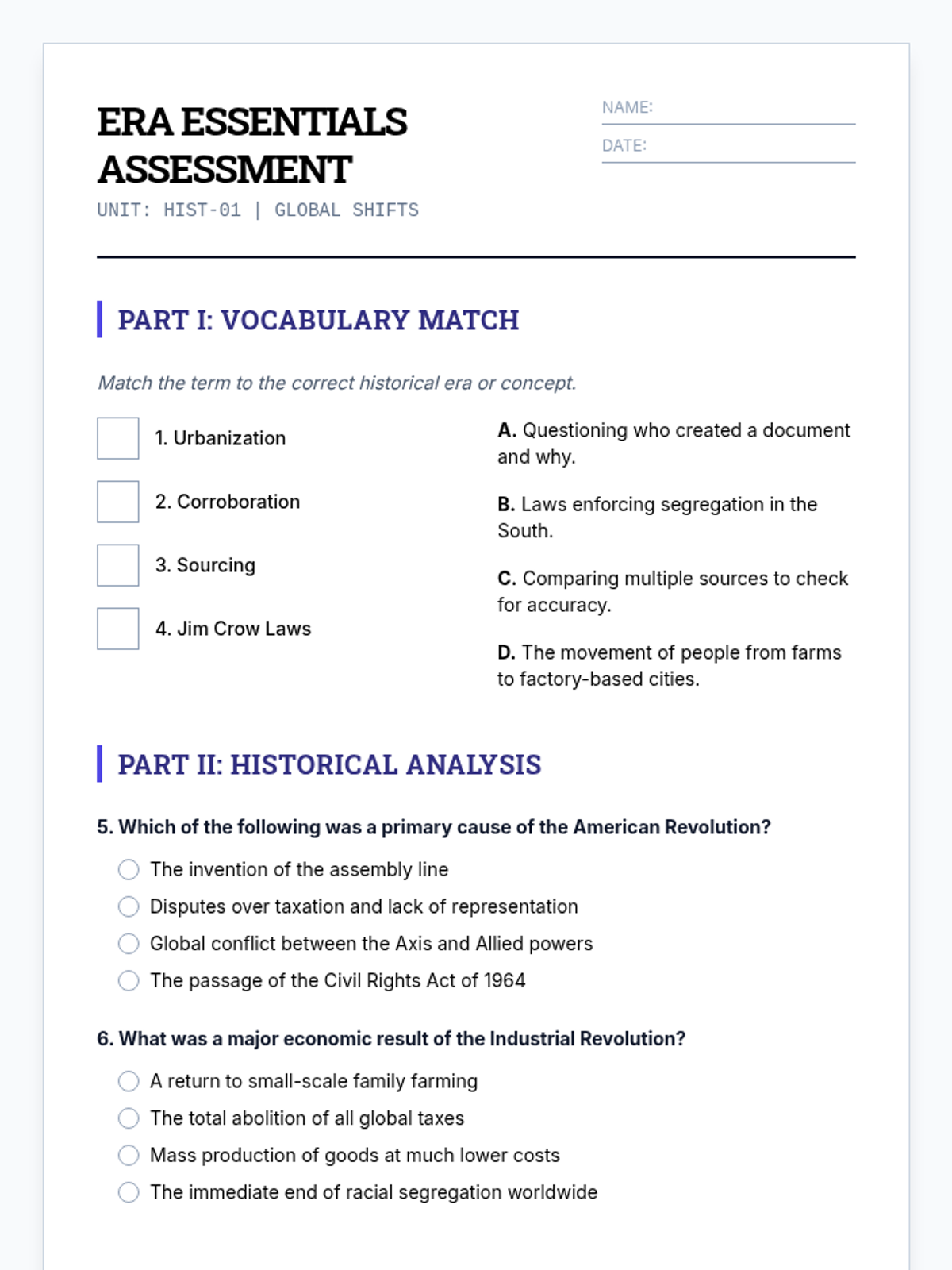
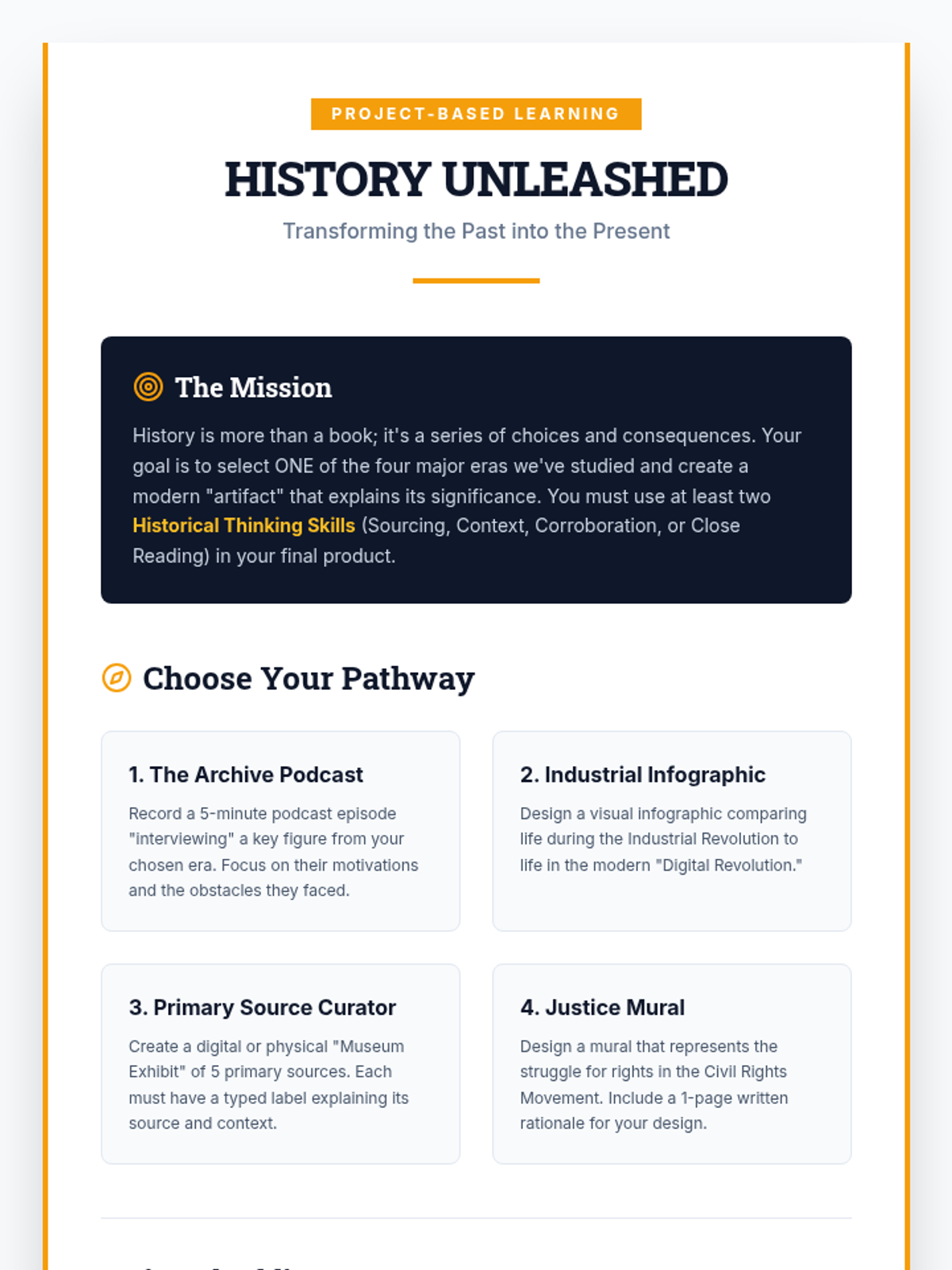
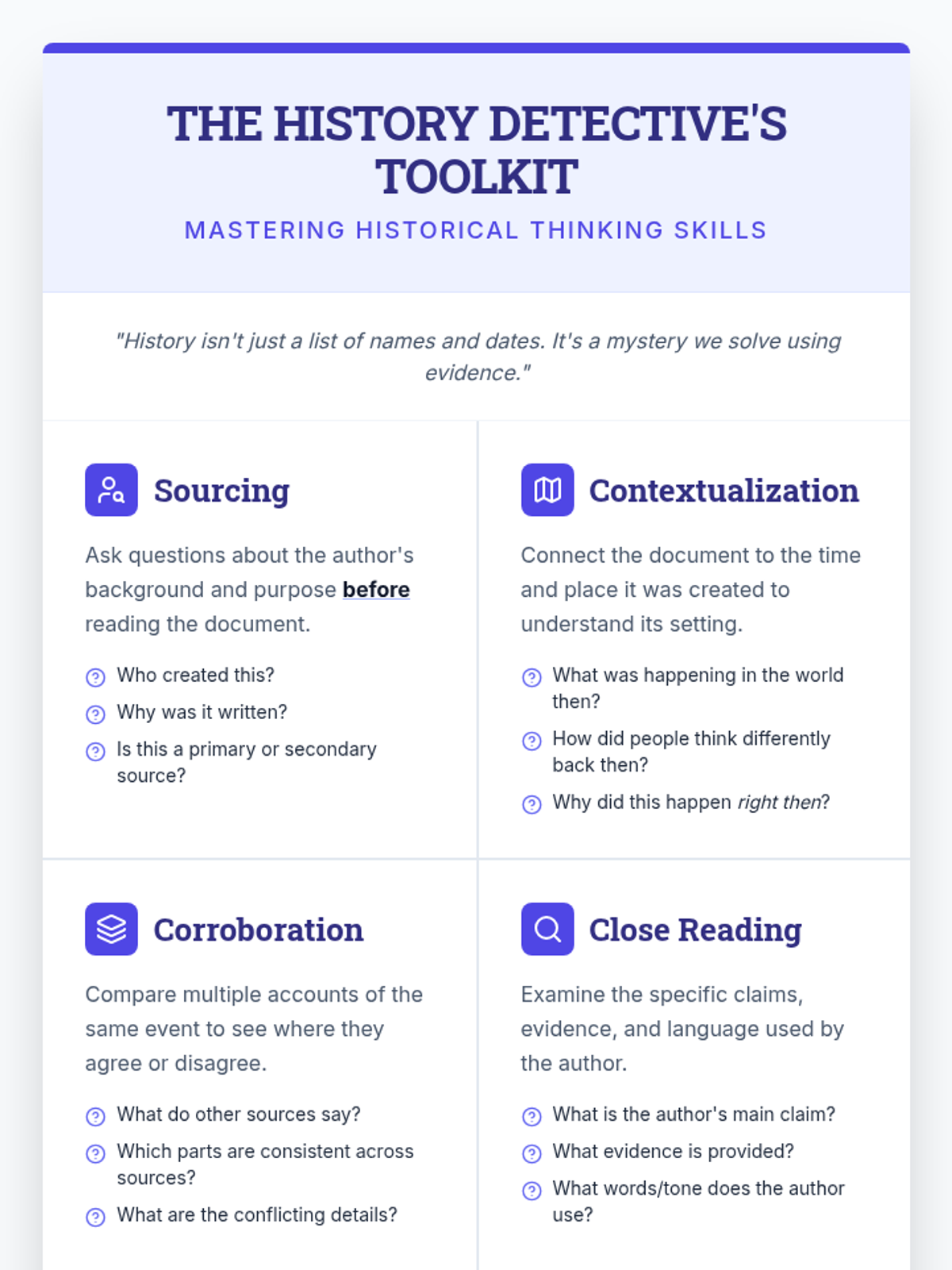
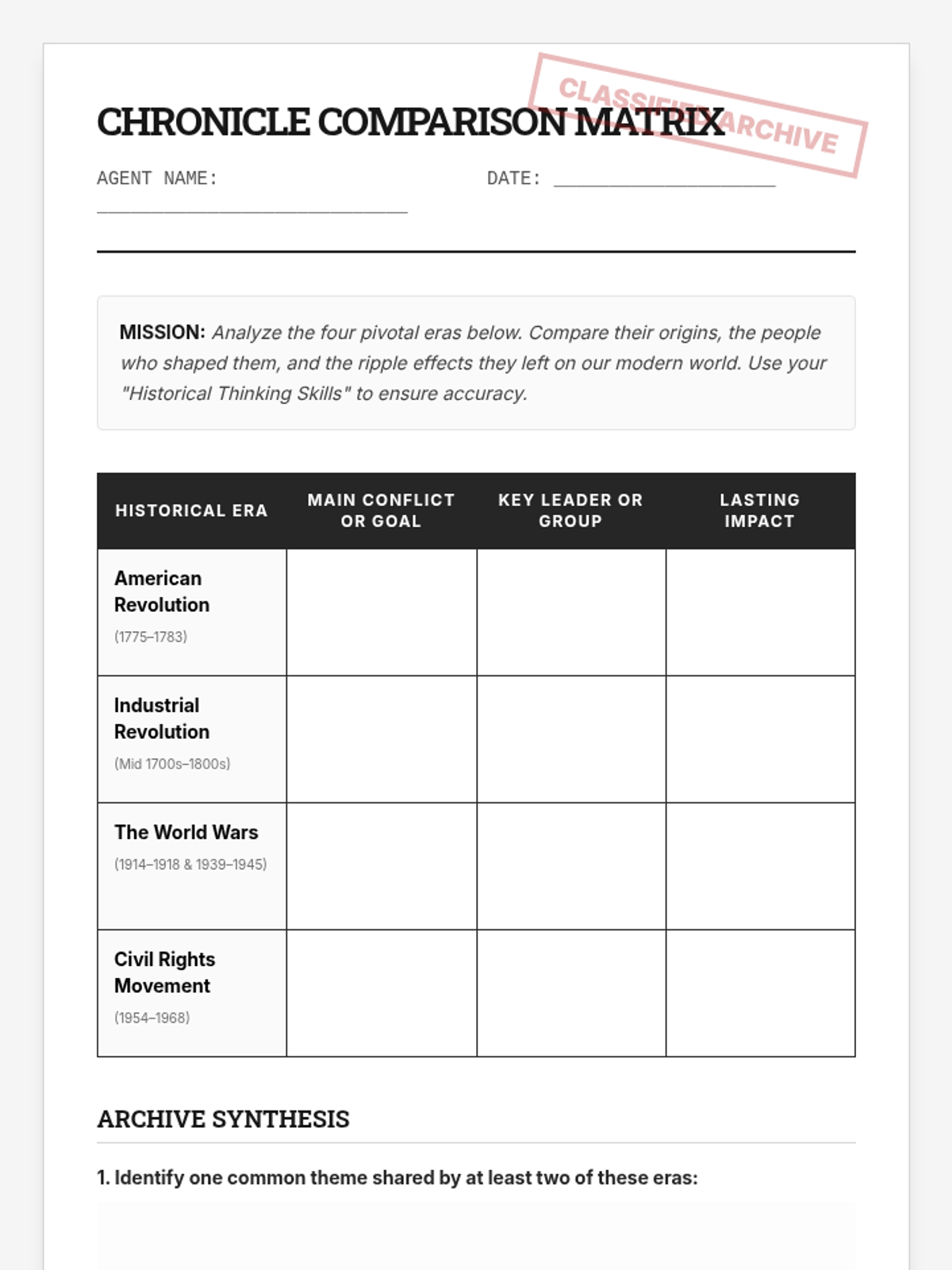
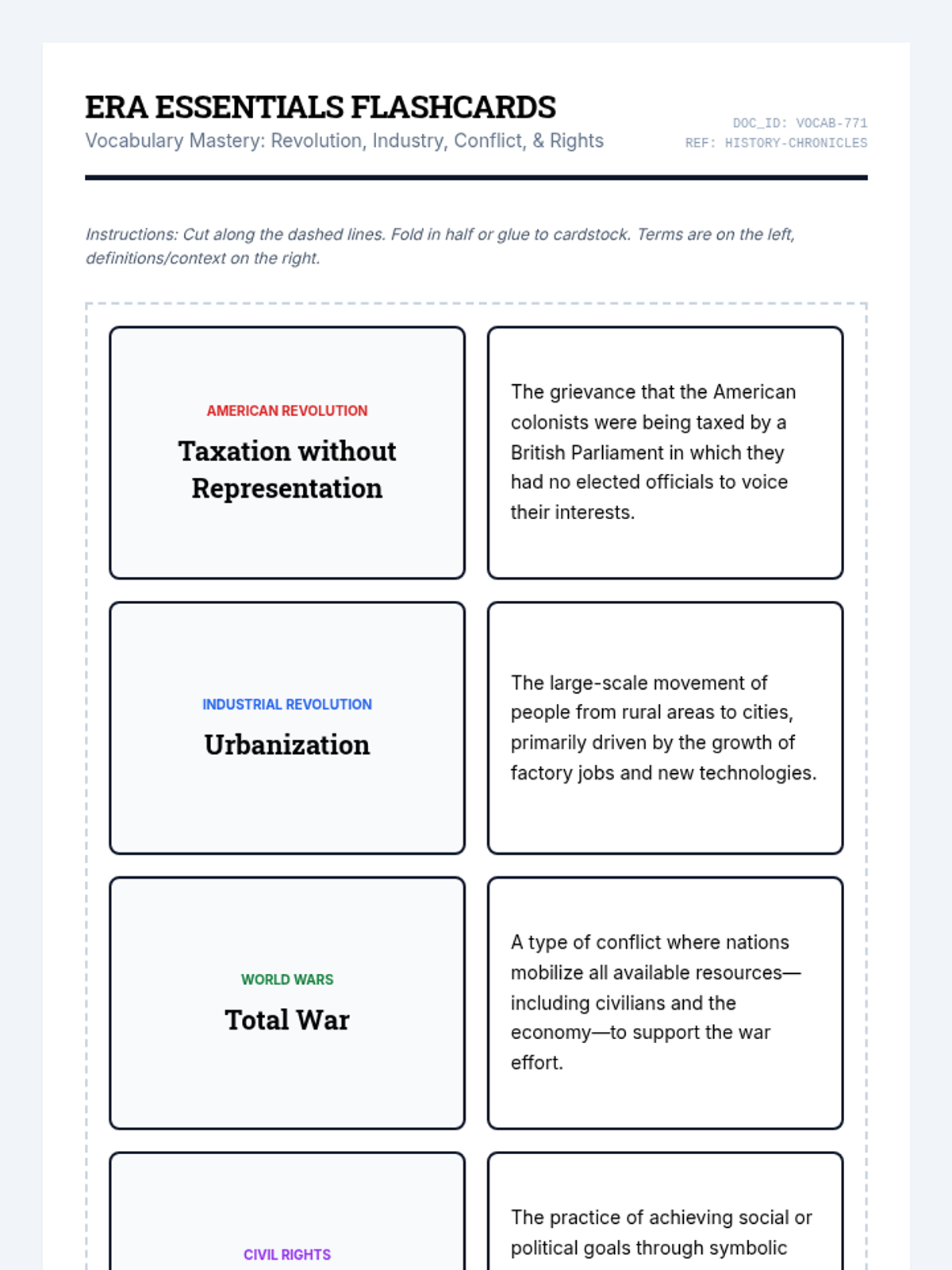
A comprehensive history sequence covering the American Revolution, Industrial Revolution, World Wars, and the Civil Rights Movement, focusing on developing historical thinking skills.
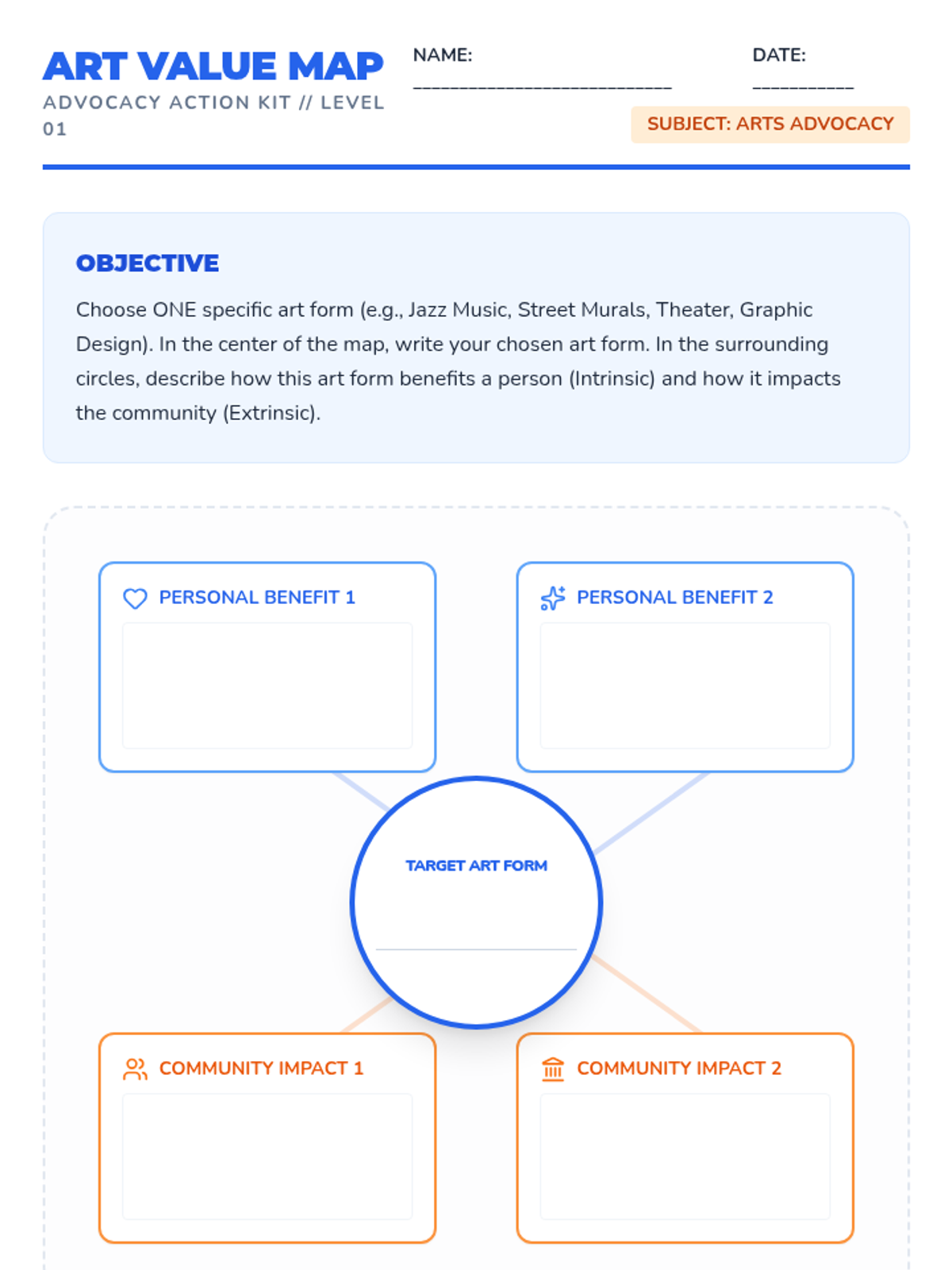
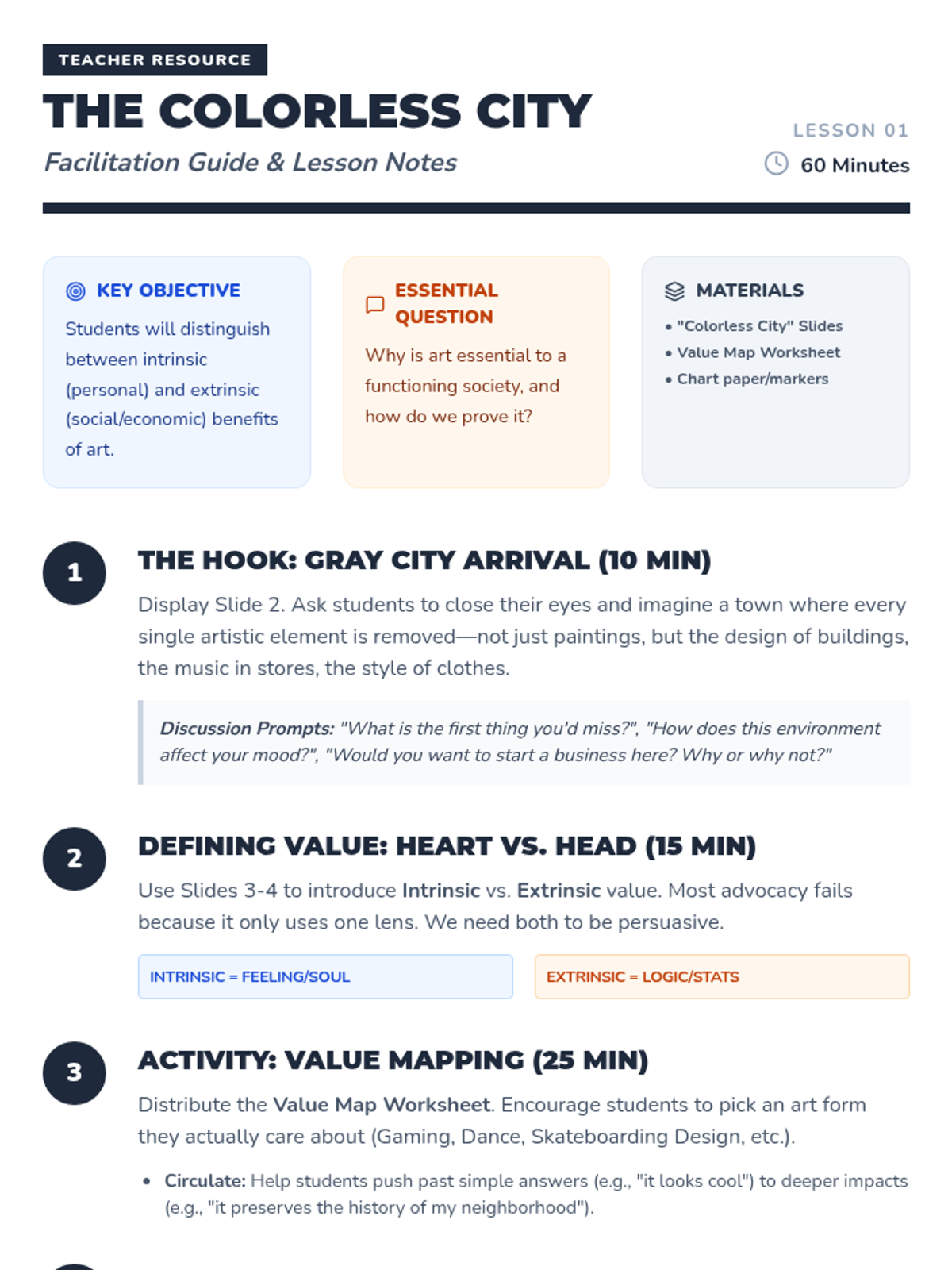
A project-based sequence where 6th-grade students design persuasive campaigns for arts education. Students explore the value of the arts, analyze stakeholder perspectives, and craft compelling narratives and visuals to advocate for community arts programs.
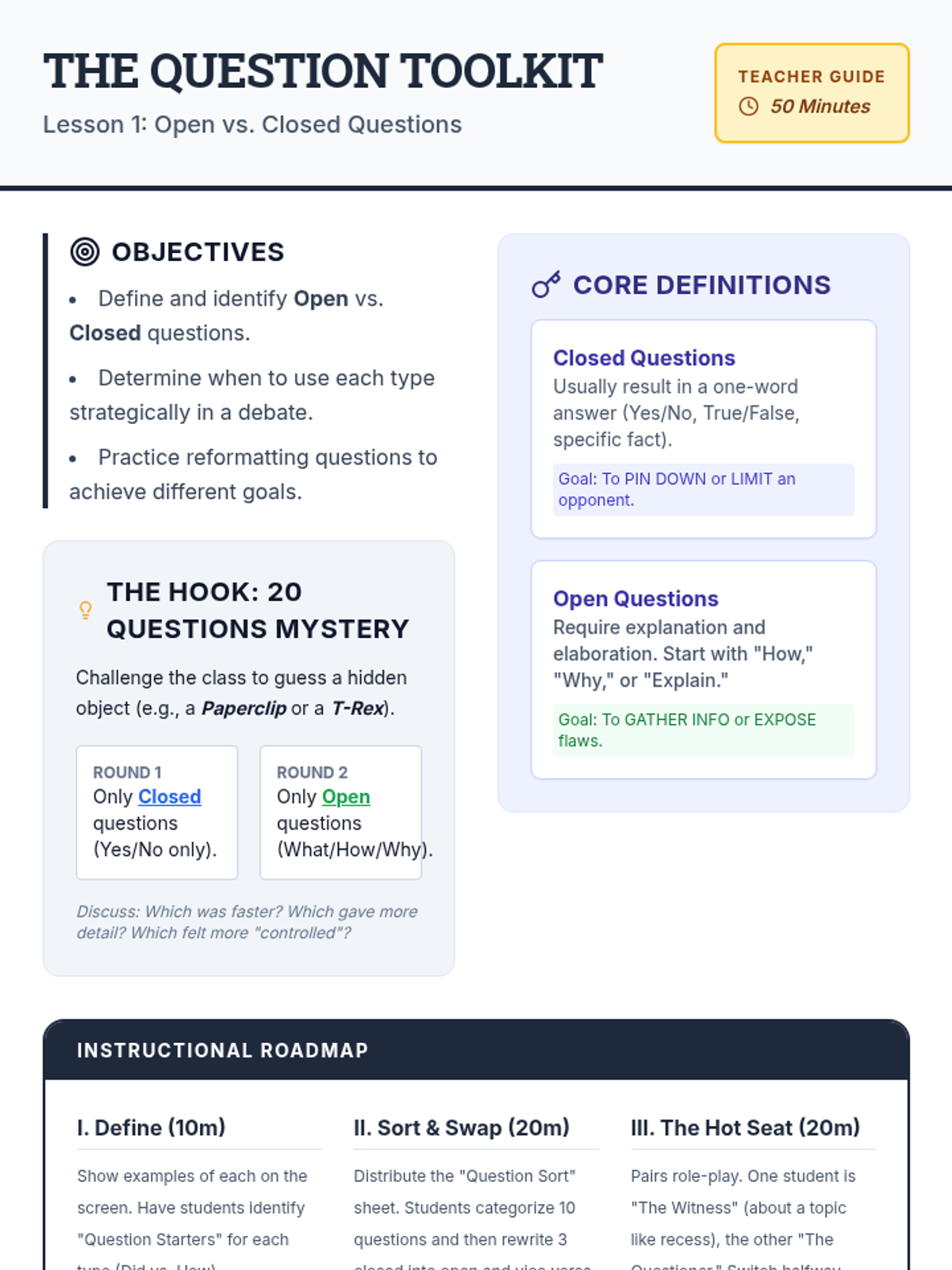
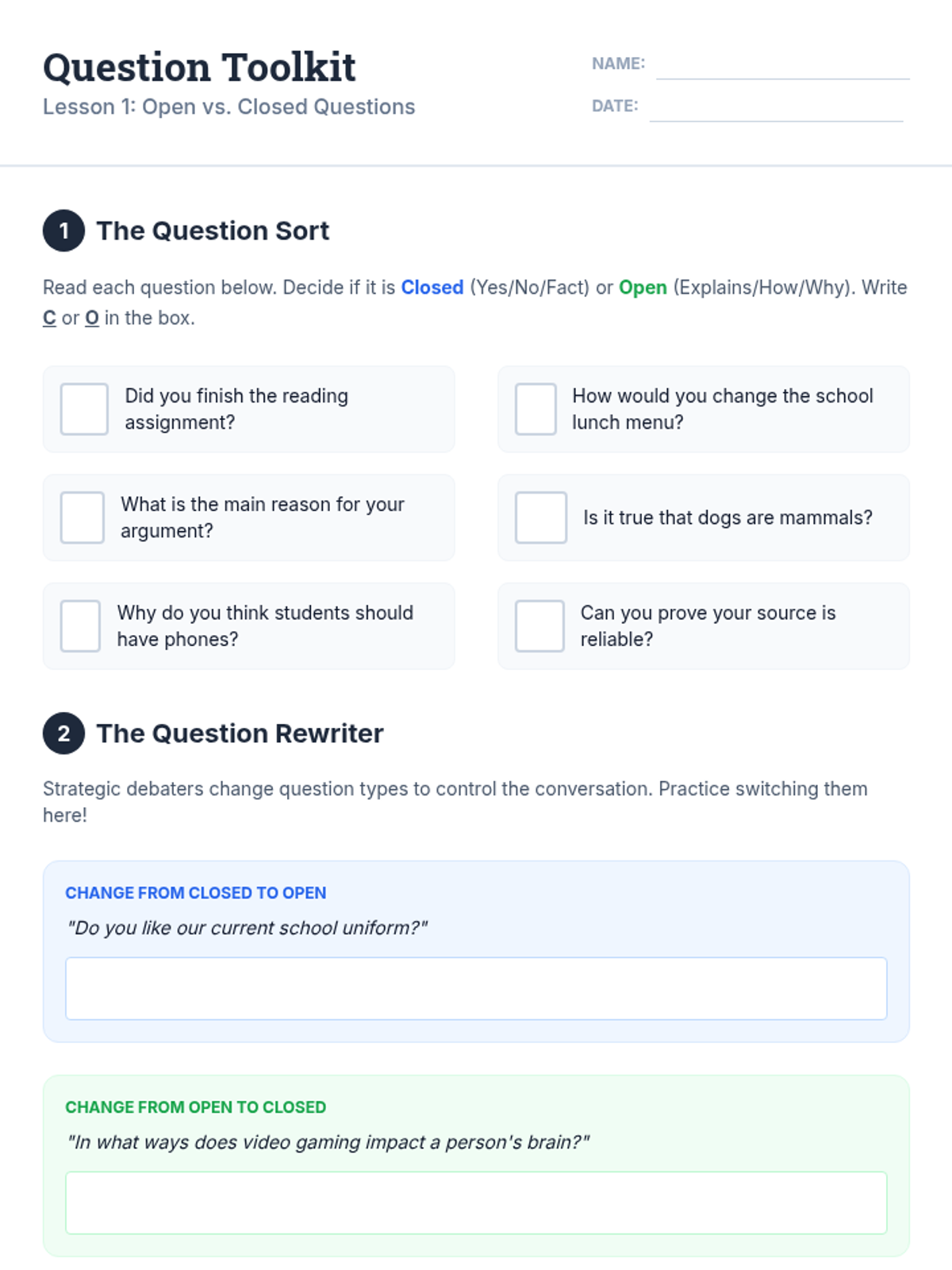
This sequence introduces 6th-grade students to the strategic art of questioning in debate. Students progress from basic question types to constructing sophisticated 'lines of questioning' designed to reveal logical gaps and clarify arguments, culminating in a live cross-examination simulation.
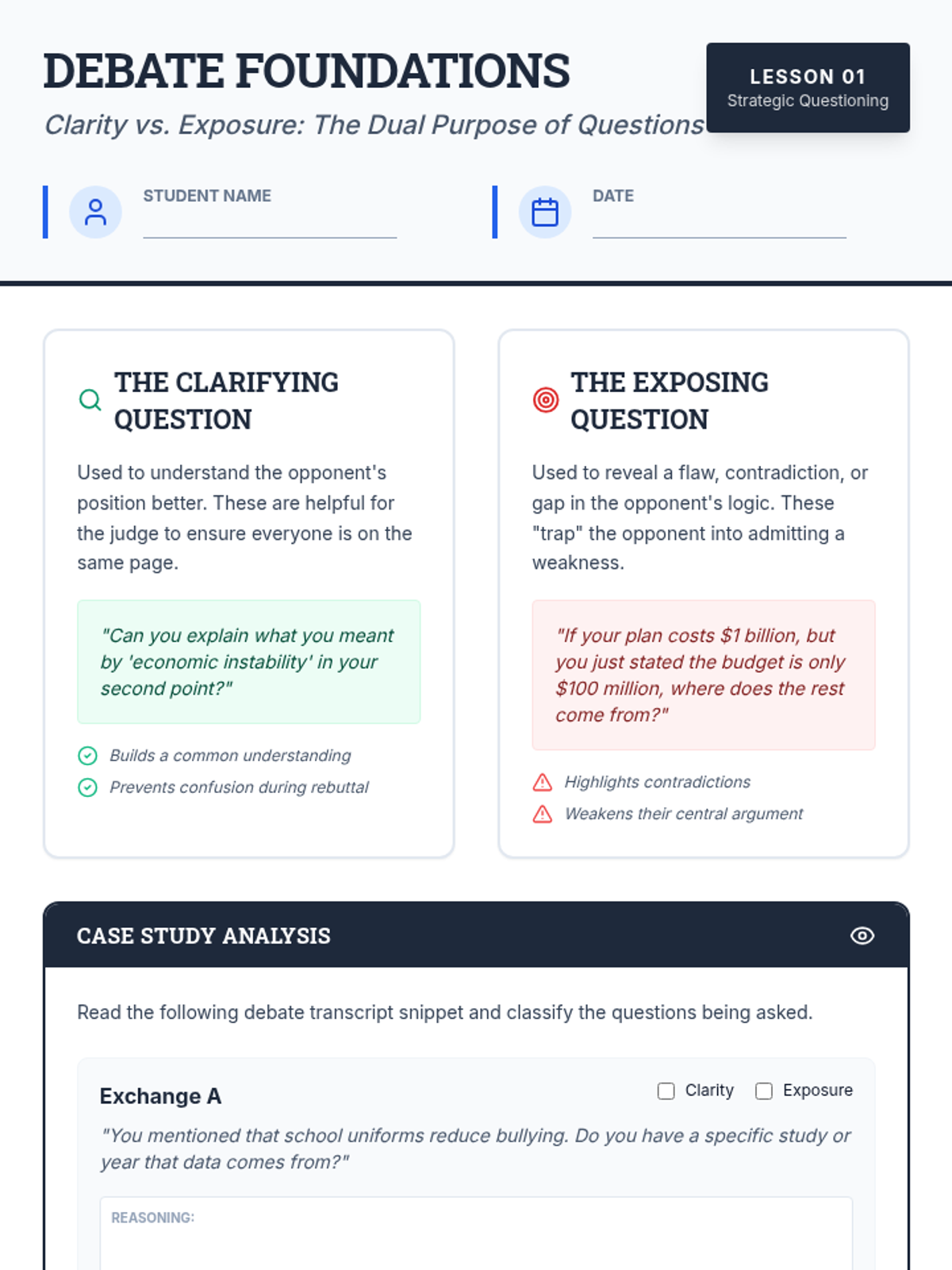
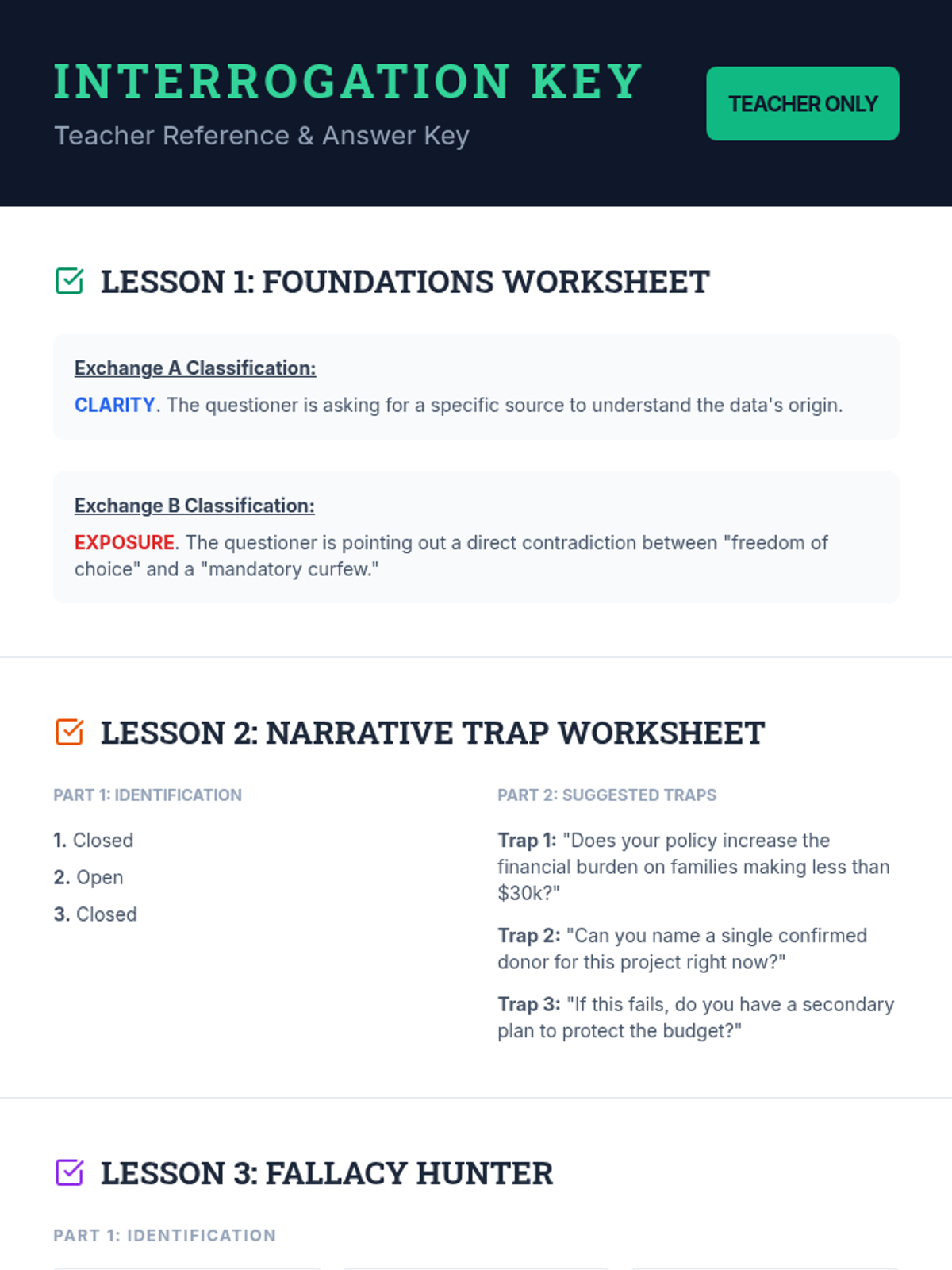
This middle school sequence introduces students to the strategic art of questioning in competitive debate. Students learn to distinguish between clarifying and exposing questions, master closed-ended inquiry, identify logical fallacies, and develop the agility to ask effective follow-up questions during high-pressure cross-fire simulations.
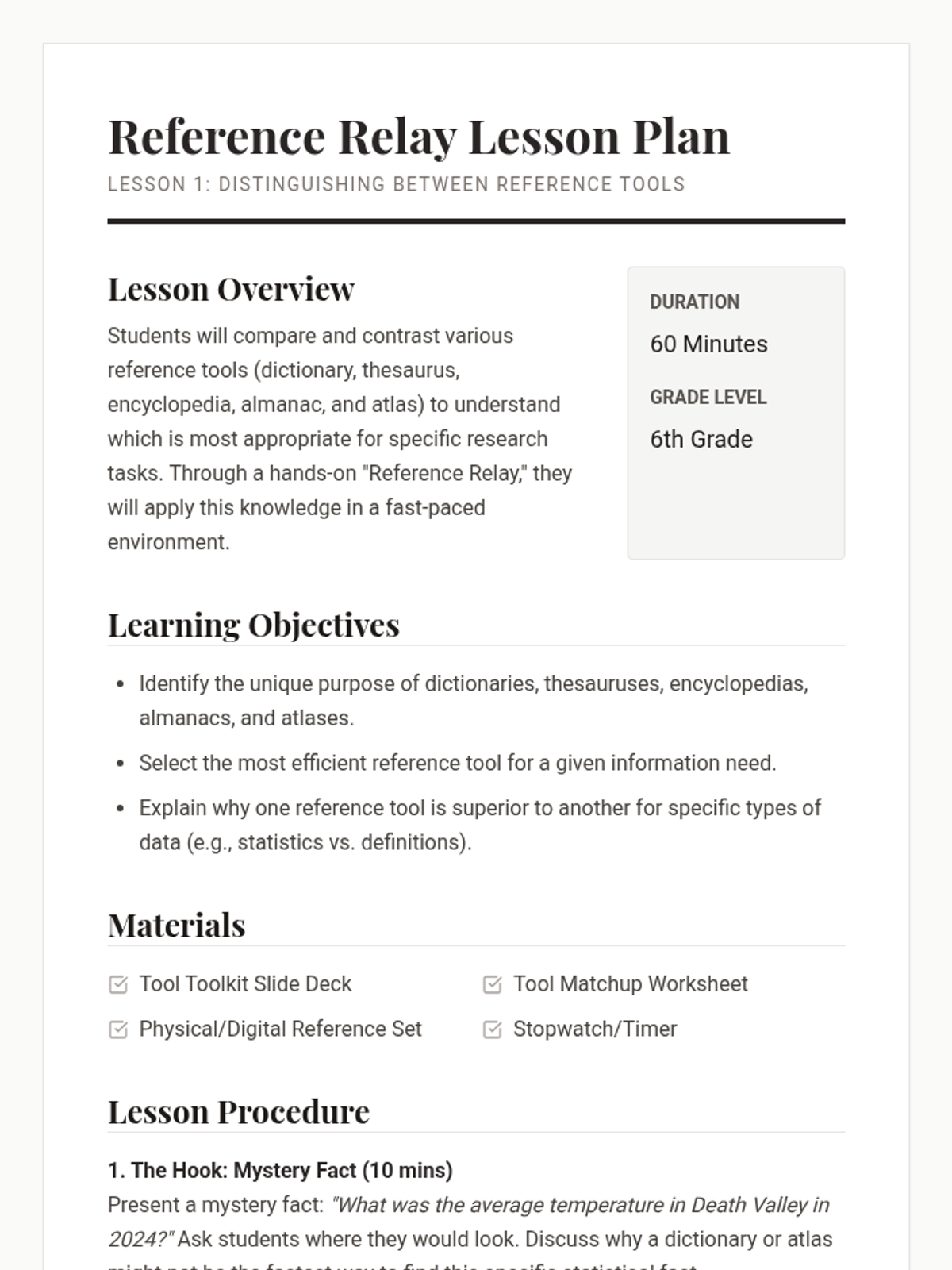
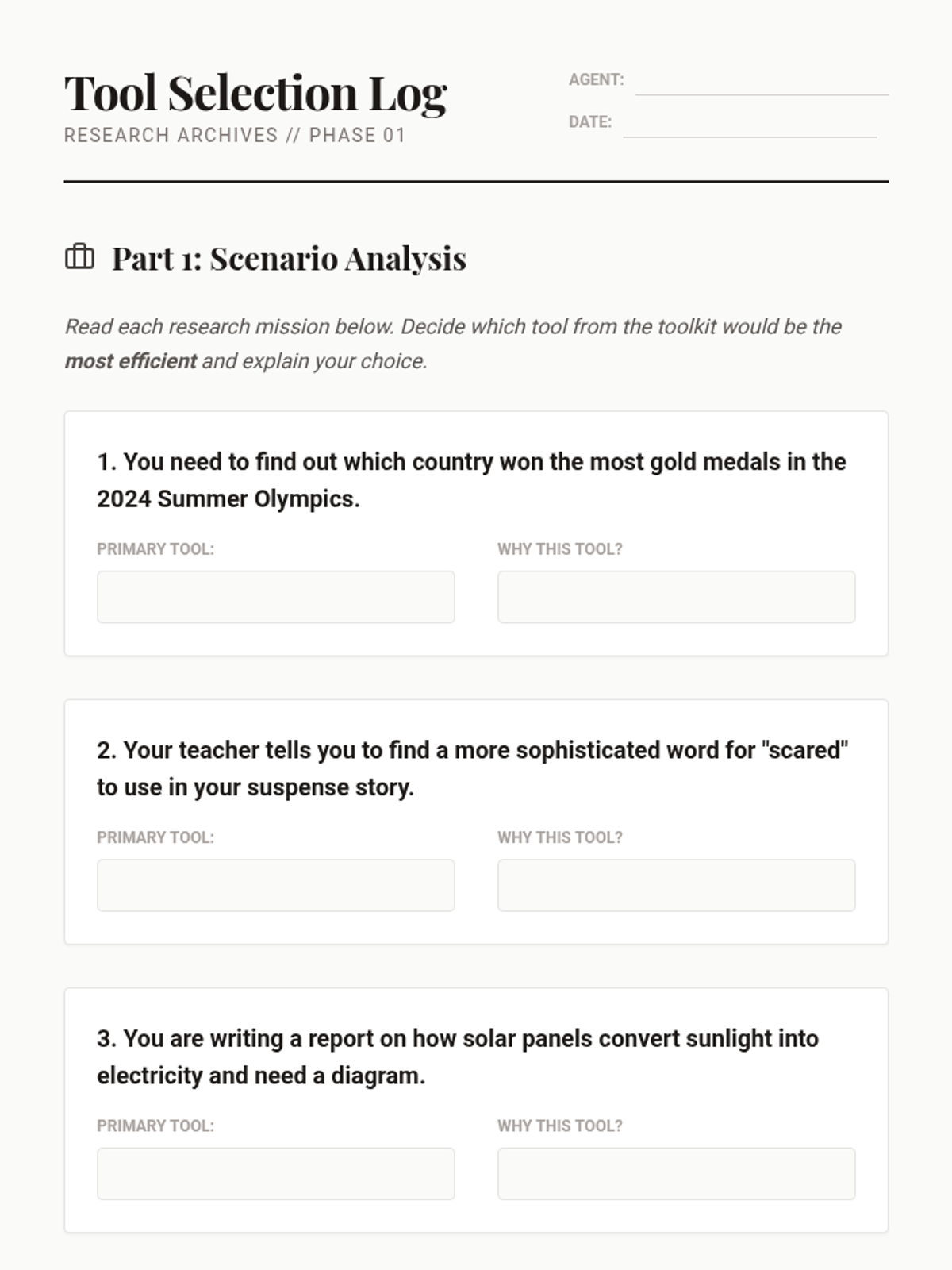
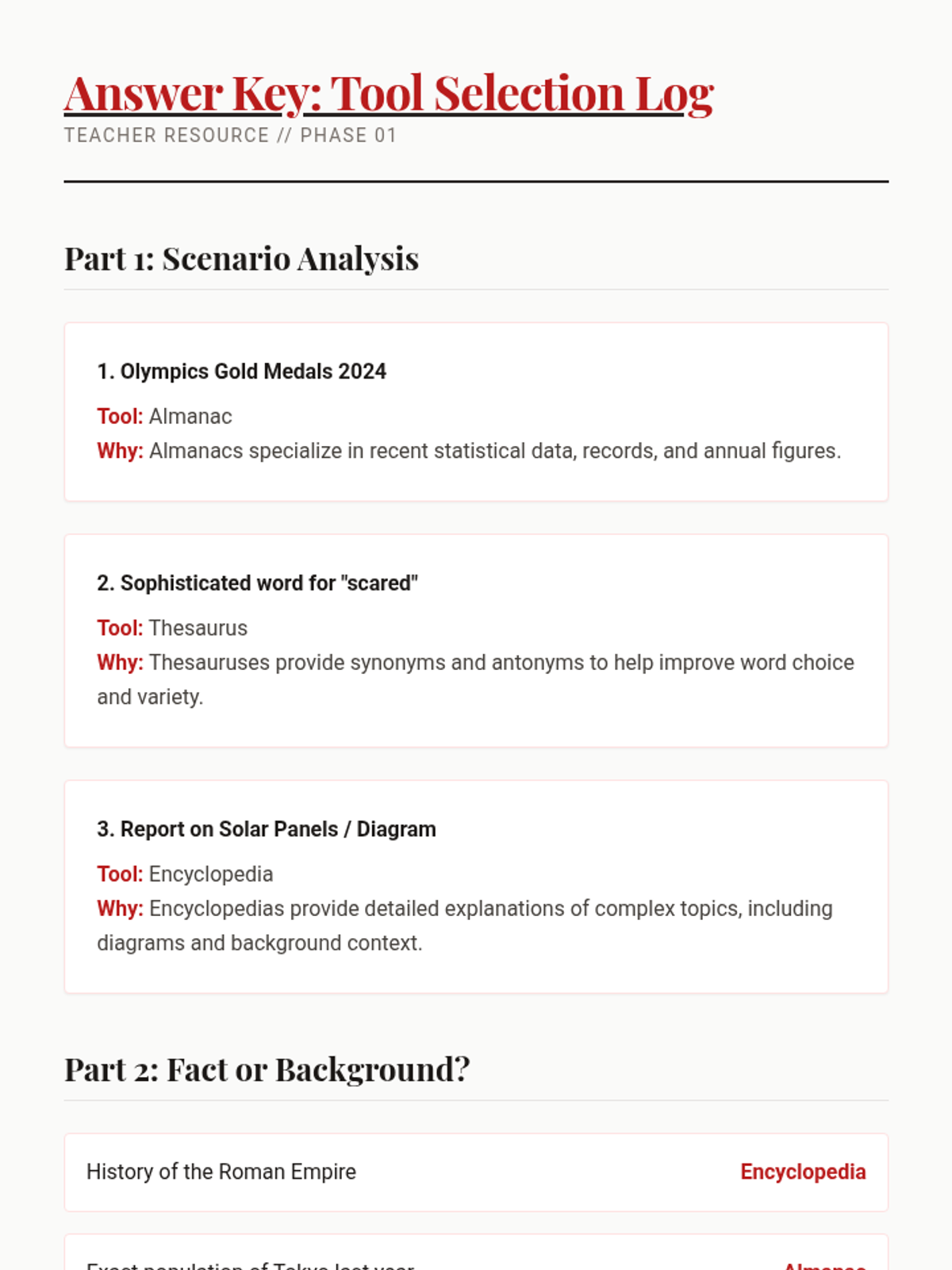
A comprehensive inquiry-driven sequence guiding 6th-grade students through modern information retrieval, from print reference tools to digital search strategies and academic citation.
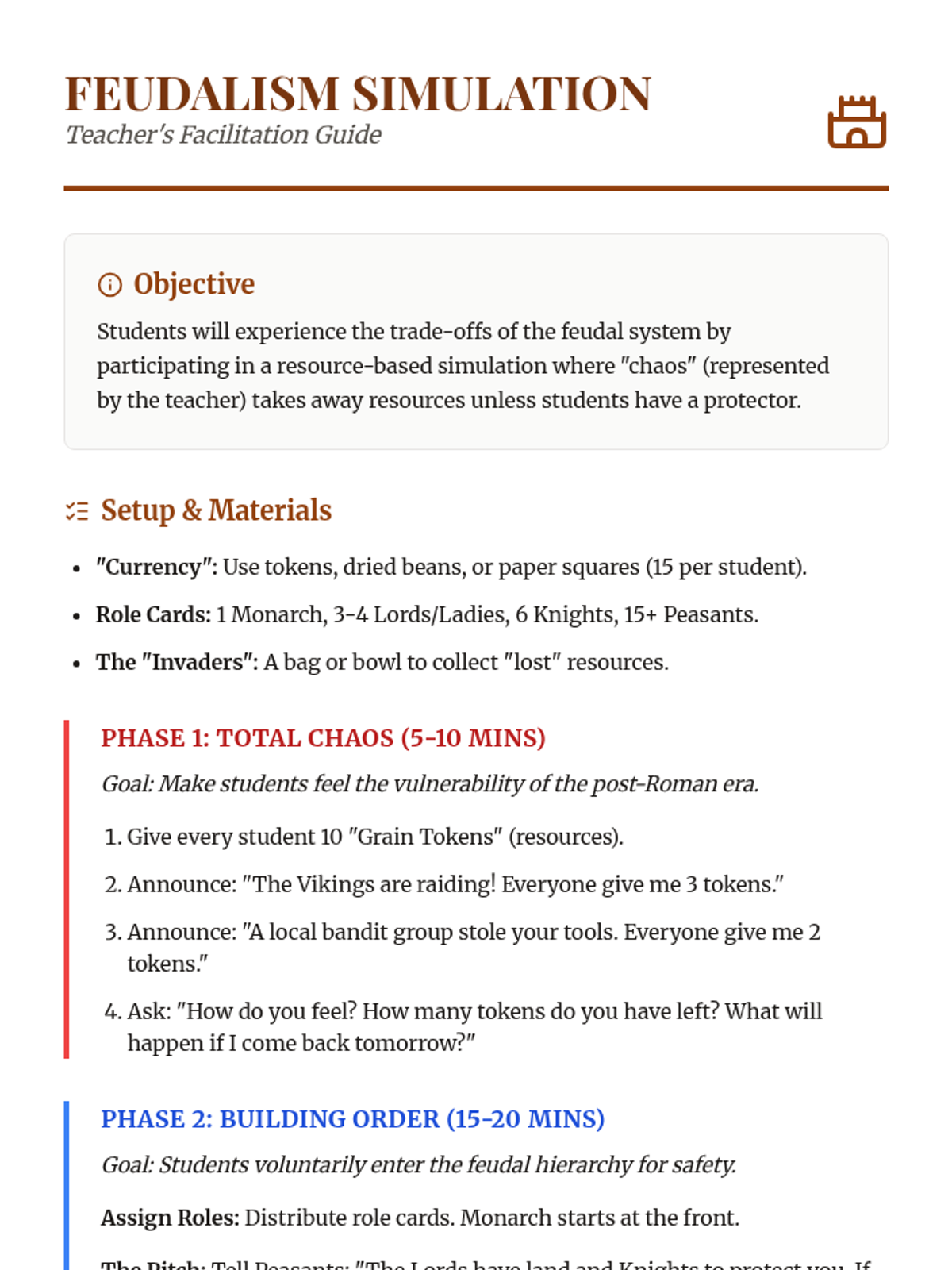
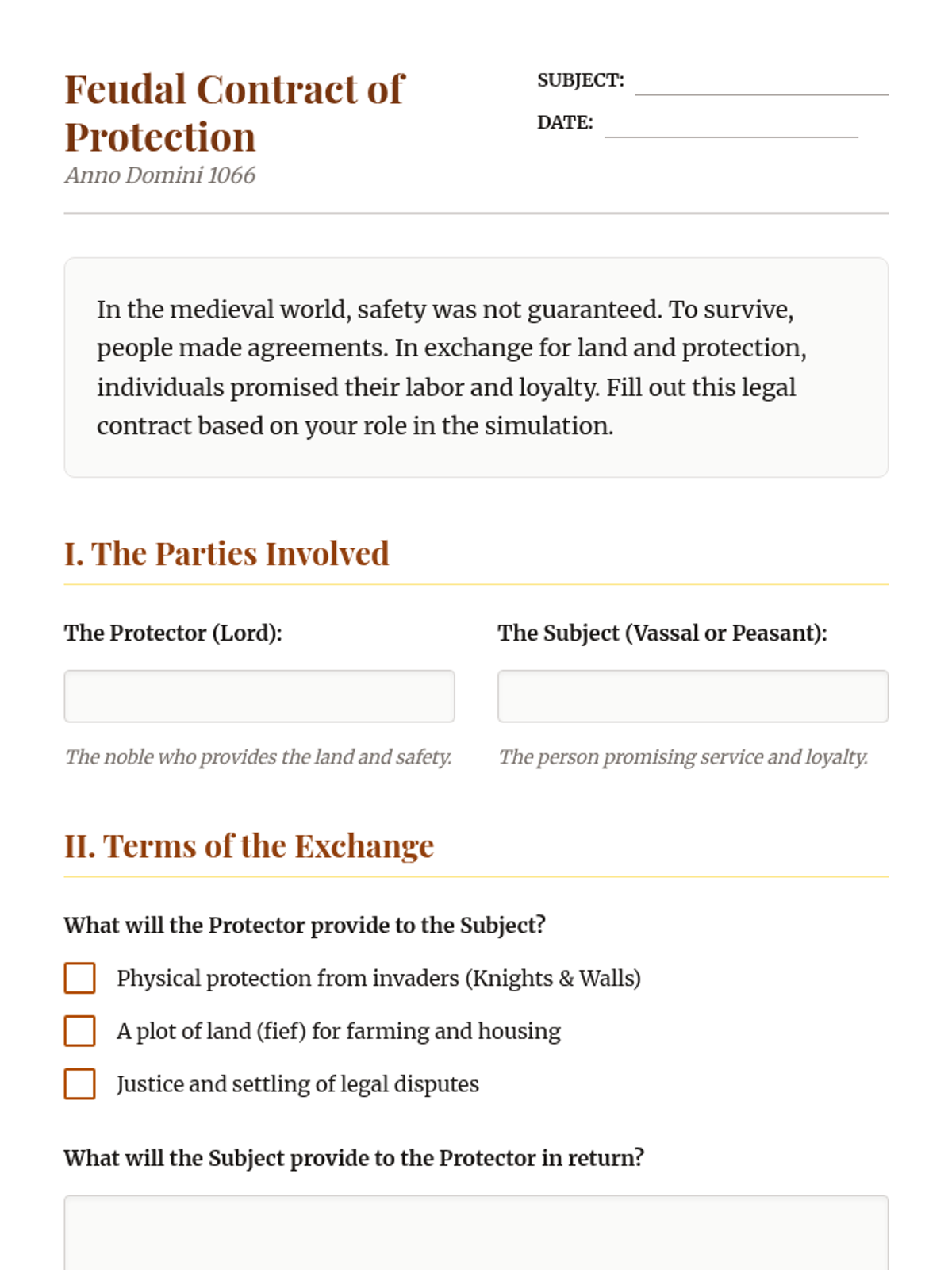
This sequence immerses students in the rigid social structure of medieval Europe through a simulation-based approach. Students explore the mutual obligations between monarchs, lords, knights, and peasants to understand how the feudal system provided order after the fall of Rome.
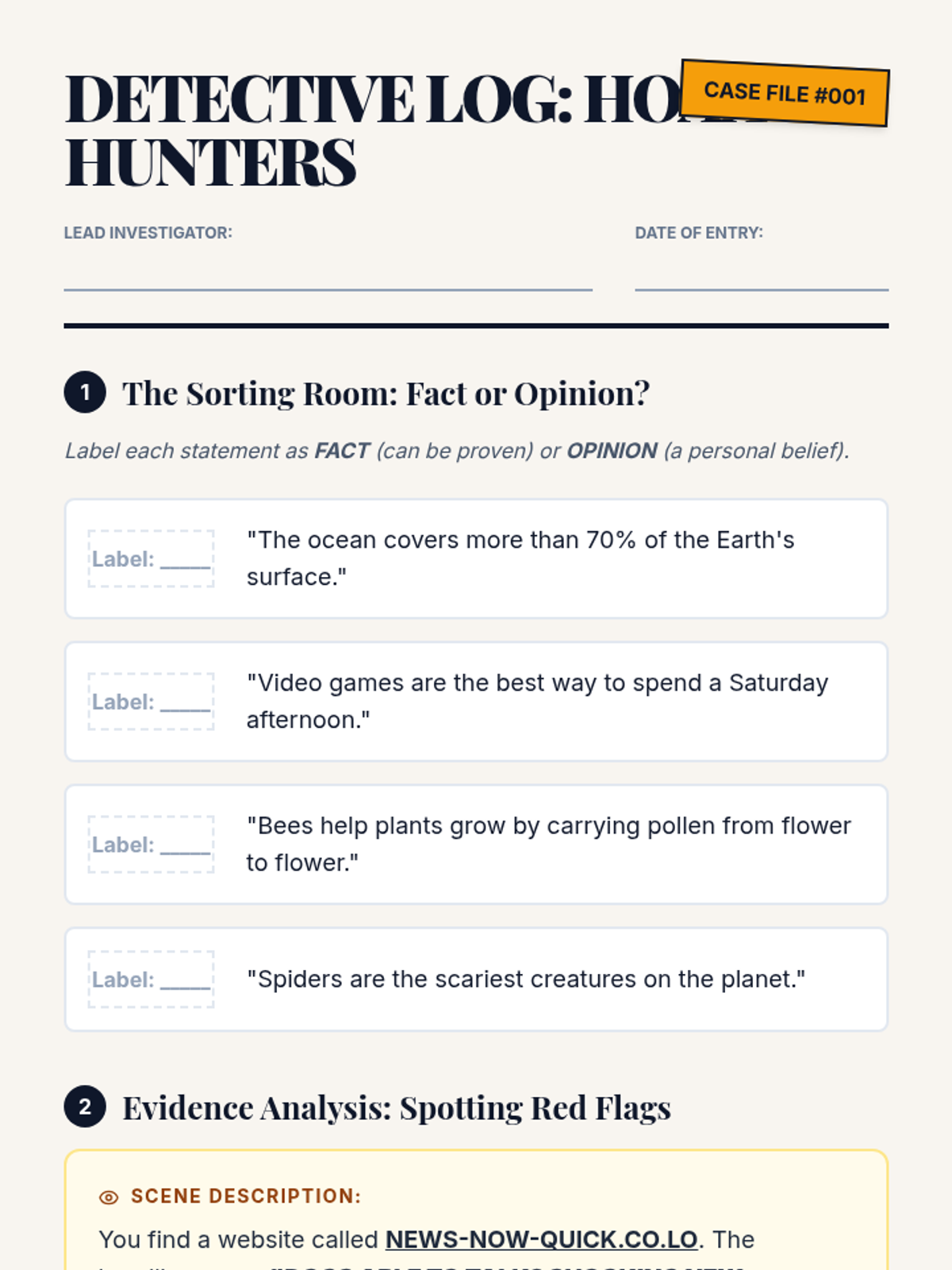
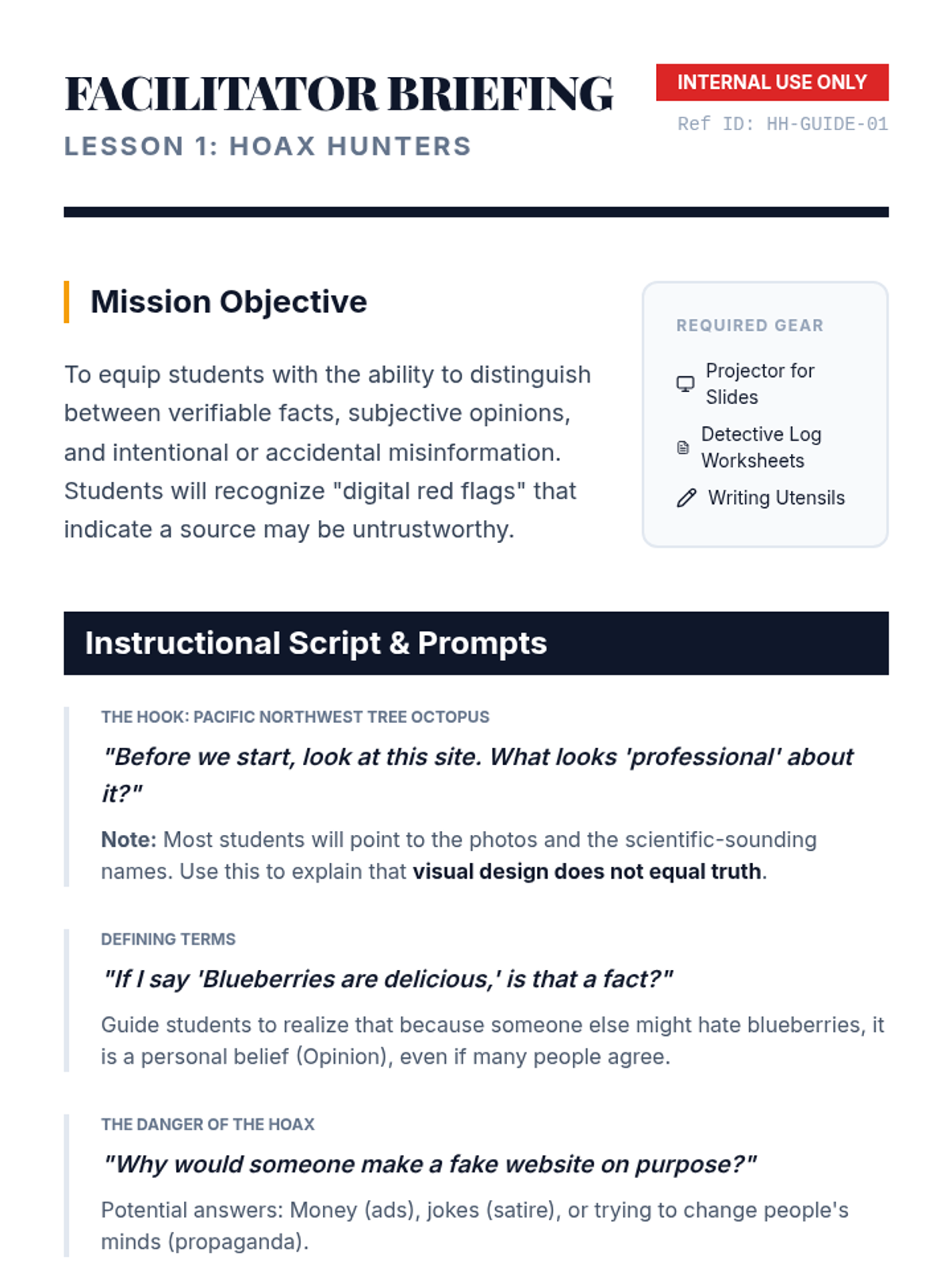
A 5th-grade sequence focusing on evaluating online credibility and gathering reliable evidence for debate. Students progress from identifying misinformation to masterfully curating a bank of verified sources using lateral reading and corroboration.