Examining foundational arguments from major thinkers alongside contemporary debates on morality, governance, and the nature of existence. Addresses core concepts like political structures, consciousness, and the conflict between agency and fate.
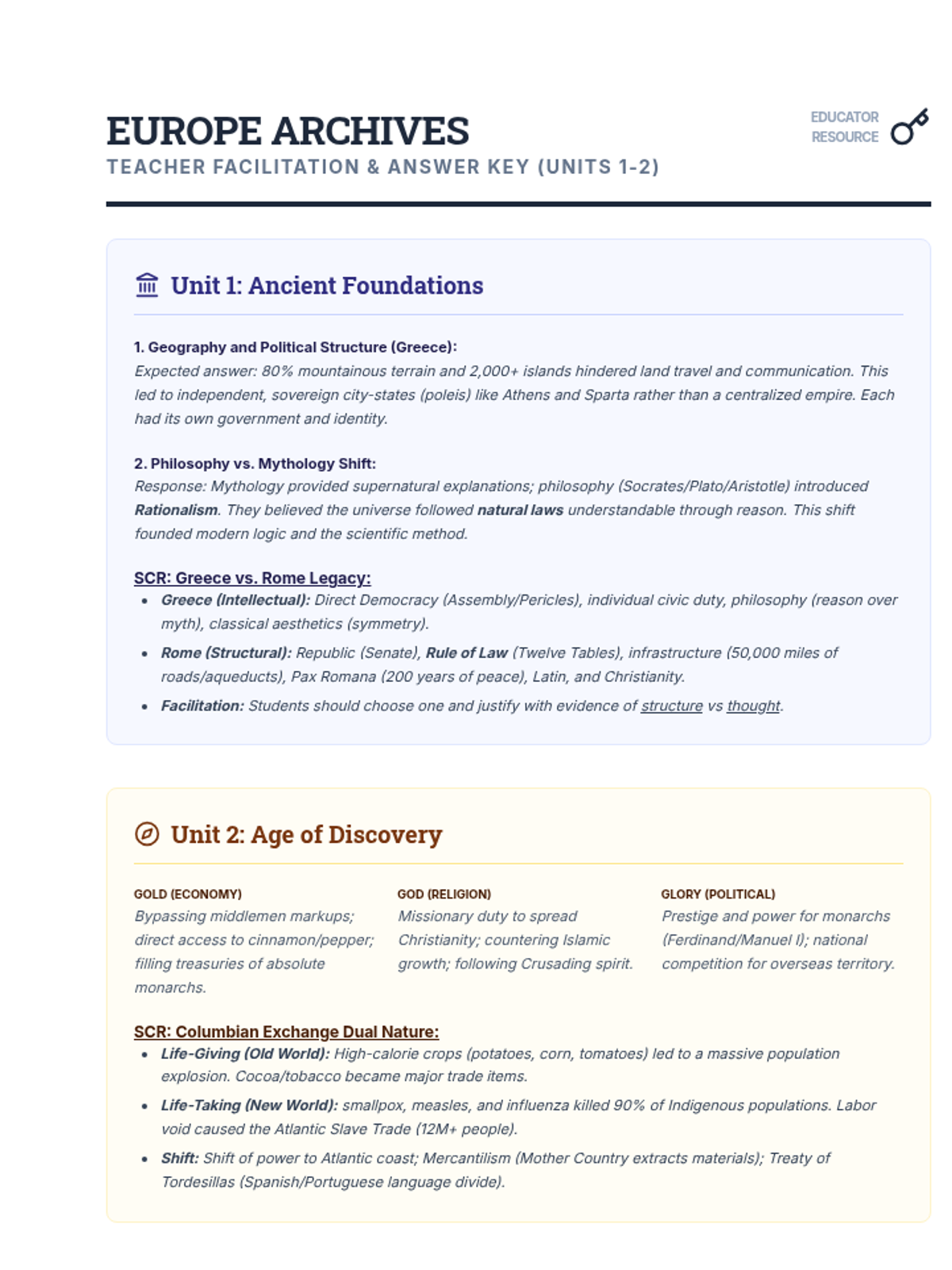
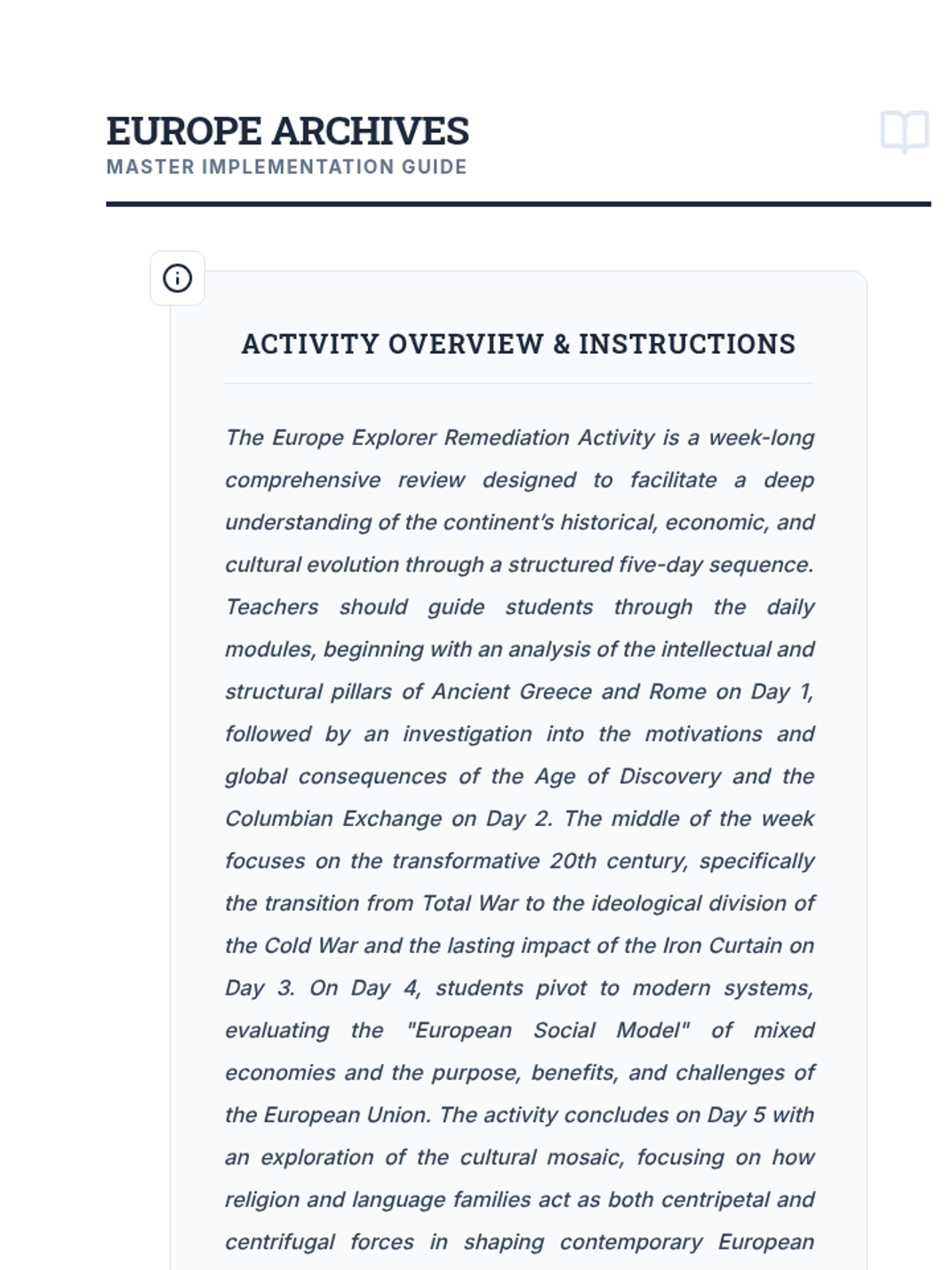
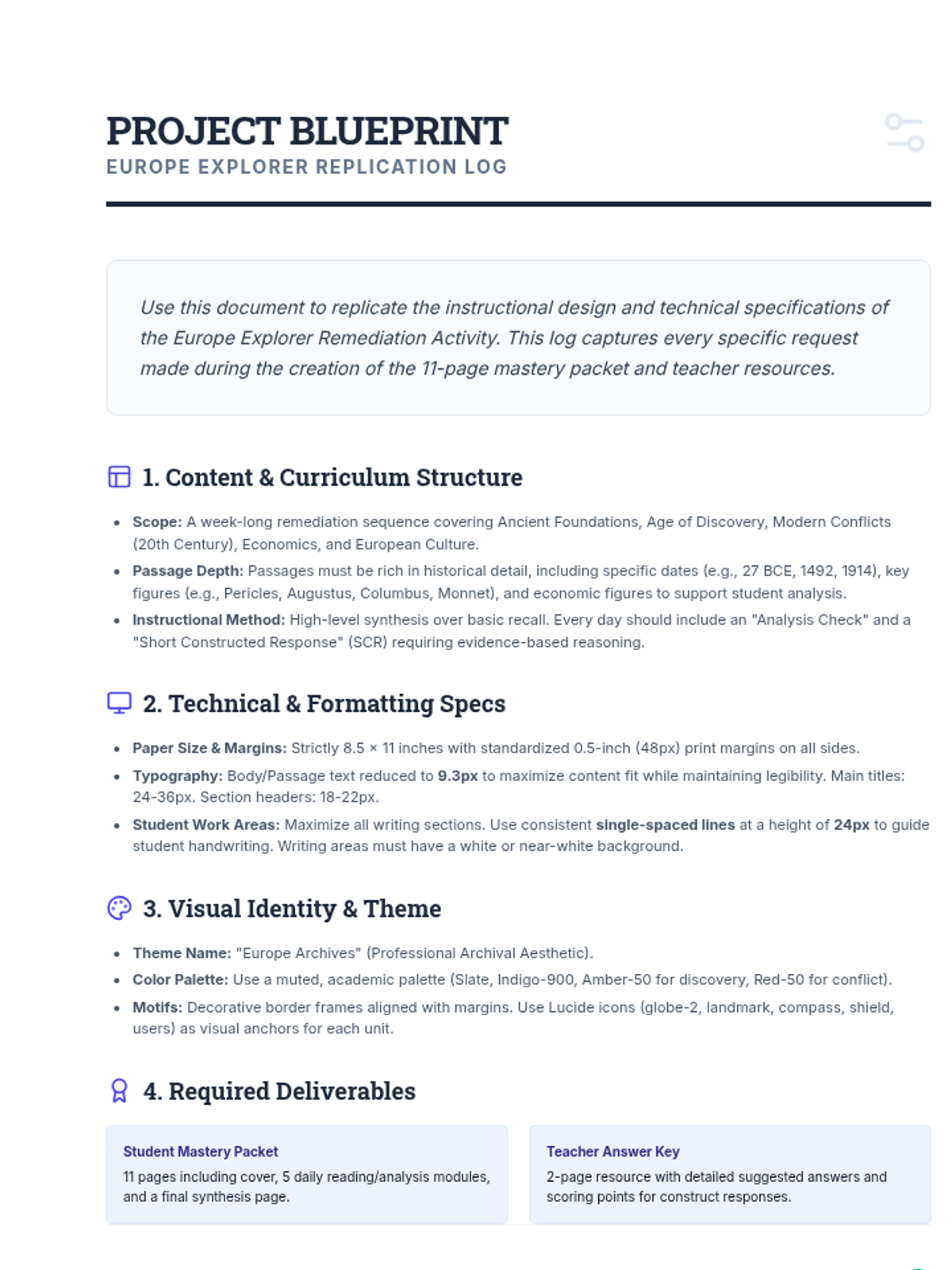
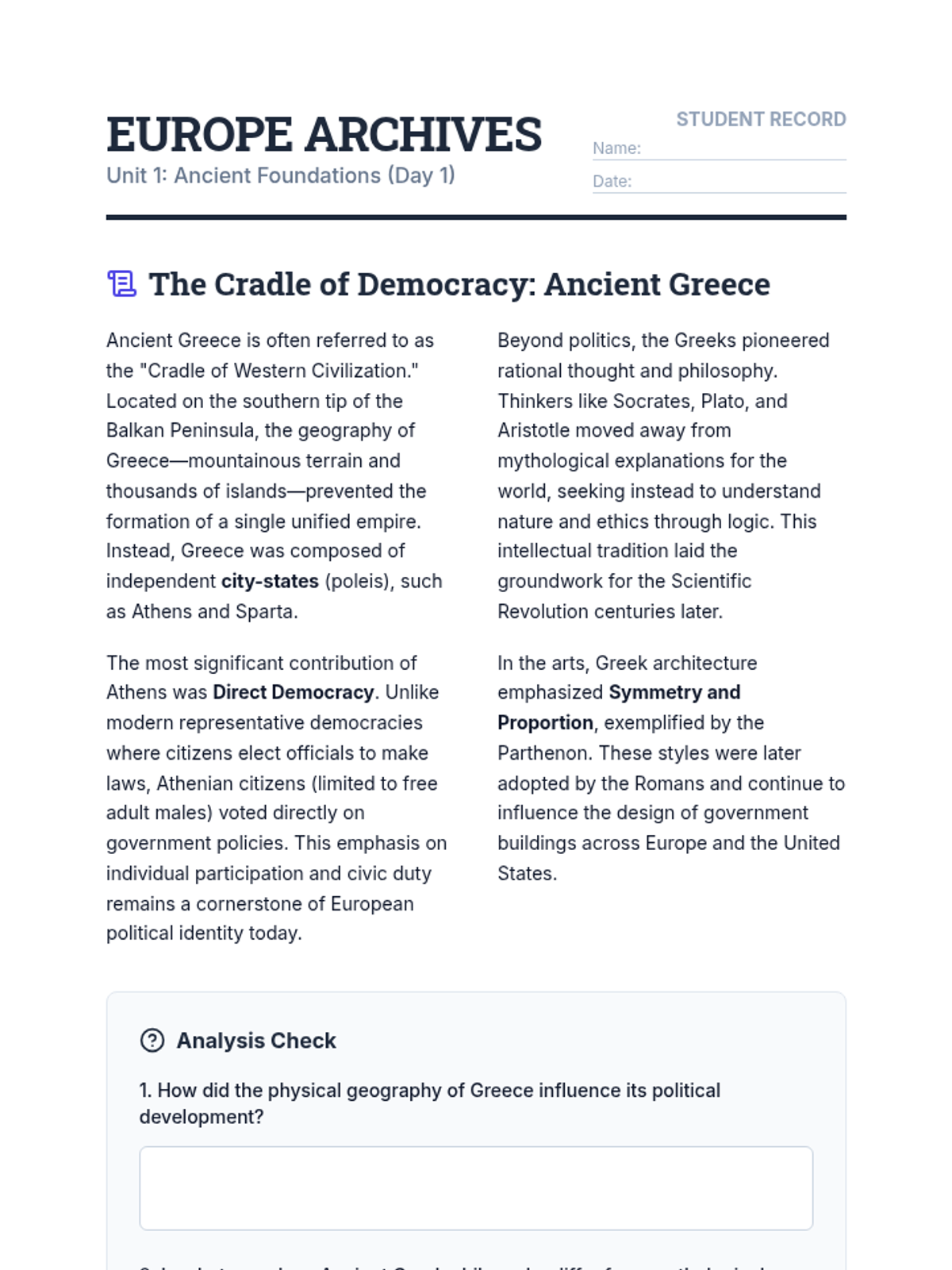
A comprehensive week-long remediation packet covering Europe's history, culture, economics, and the European Union through reading passages and high-level analysis.
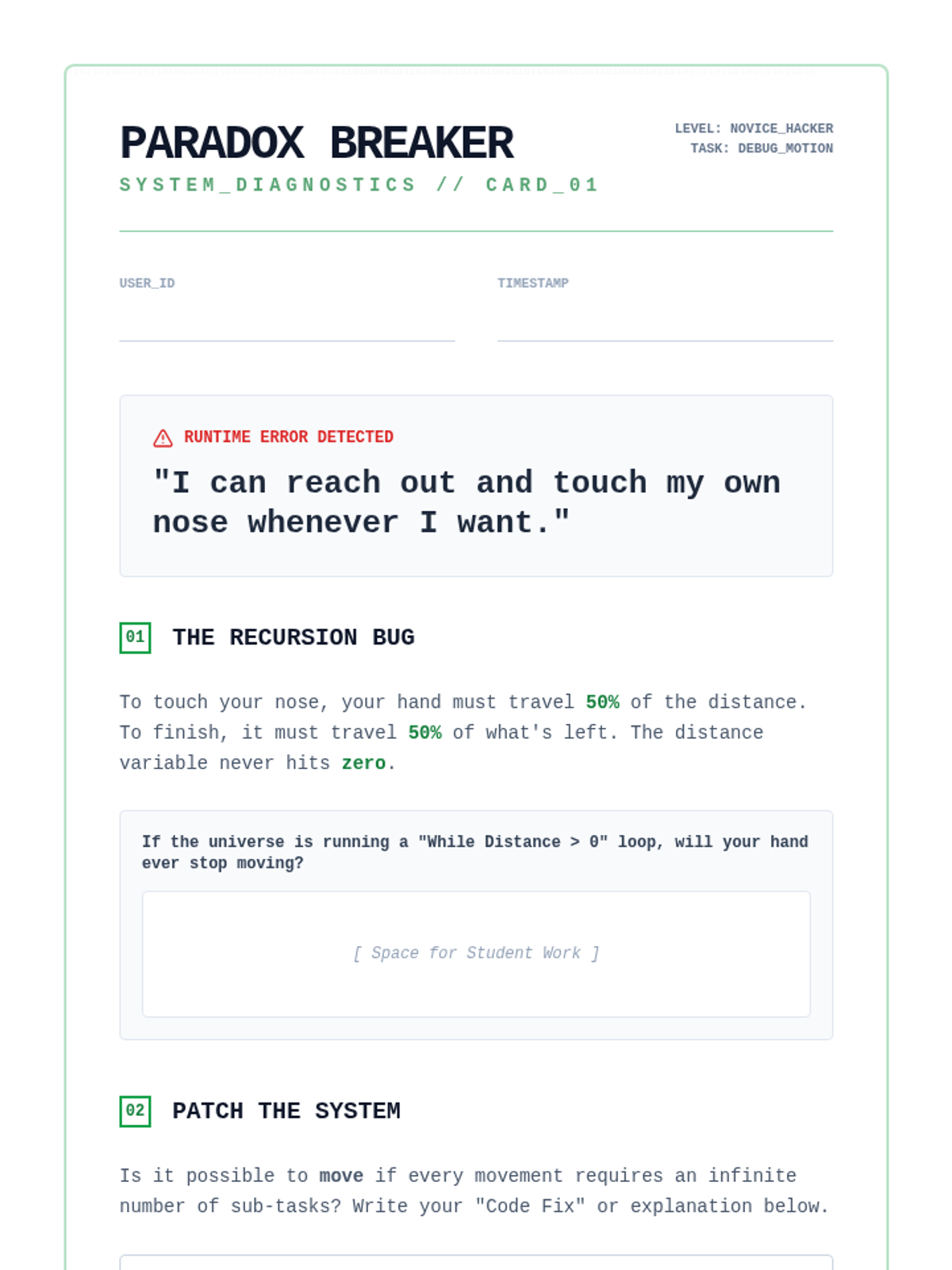
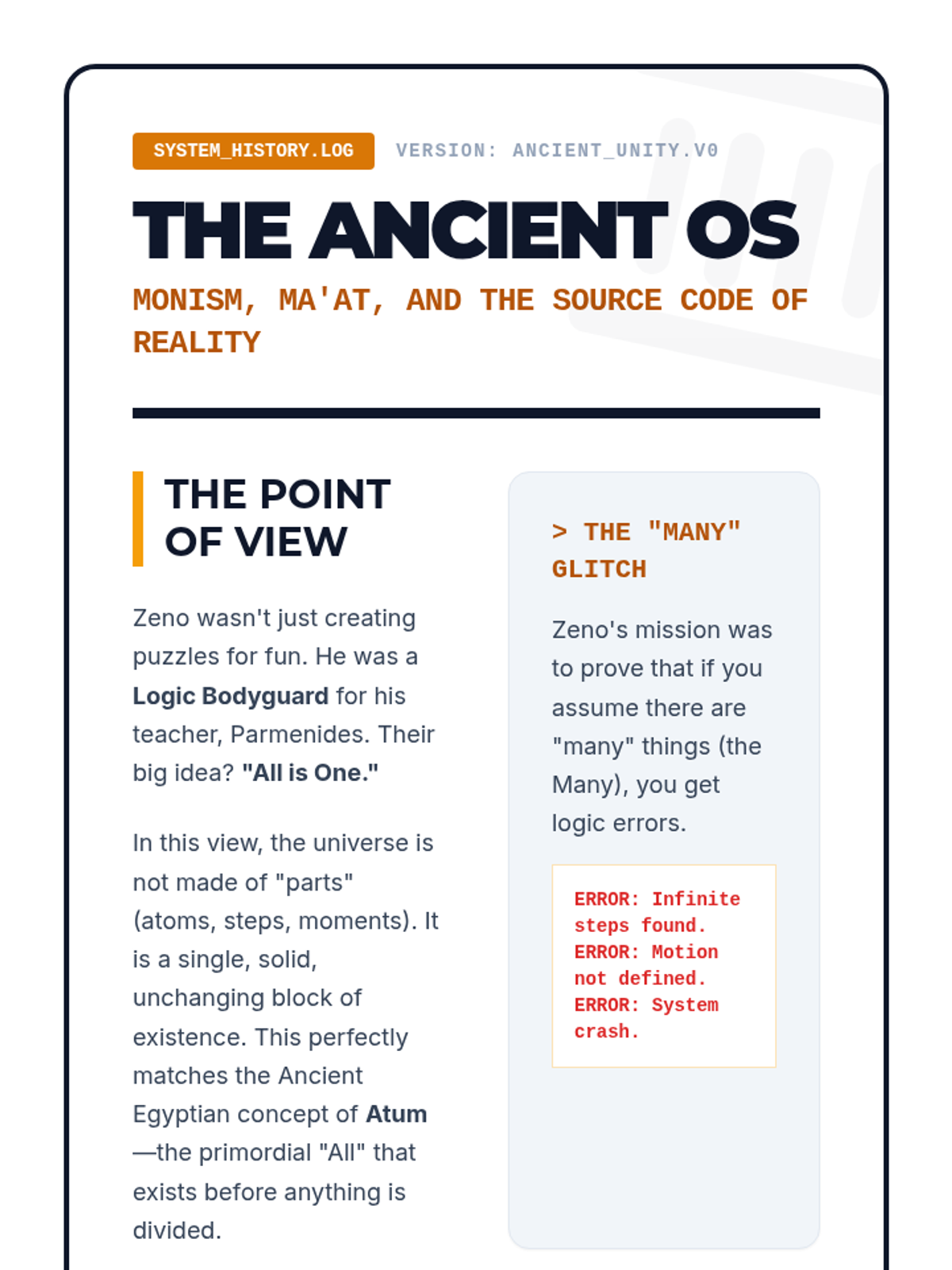
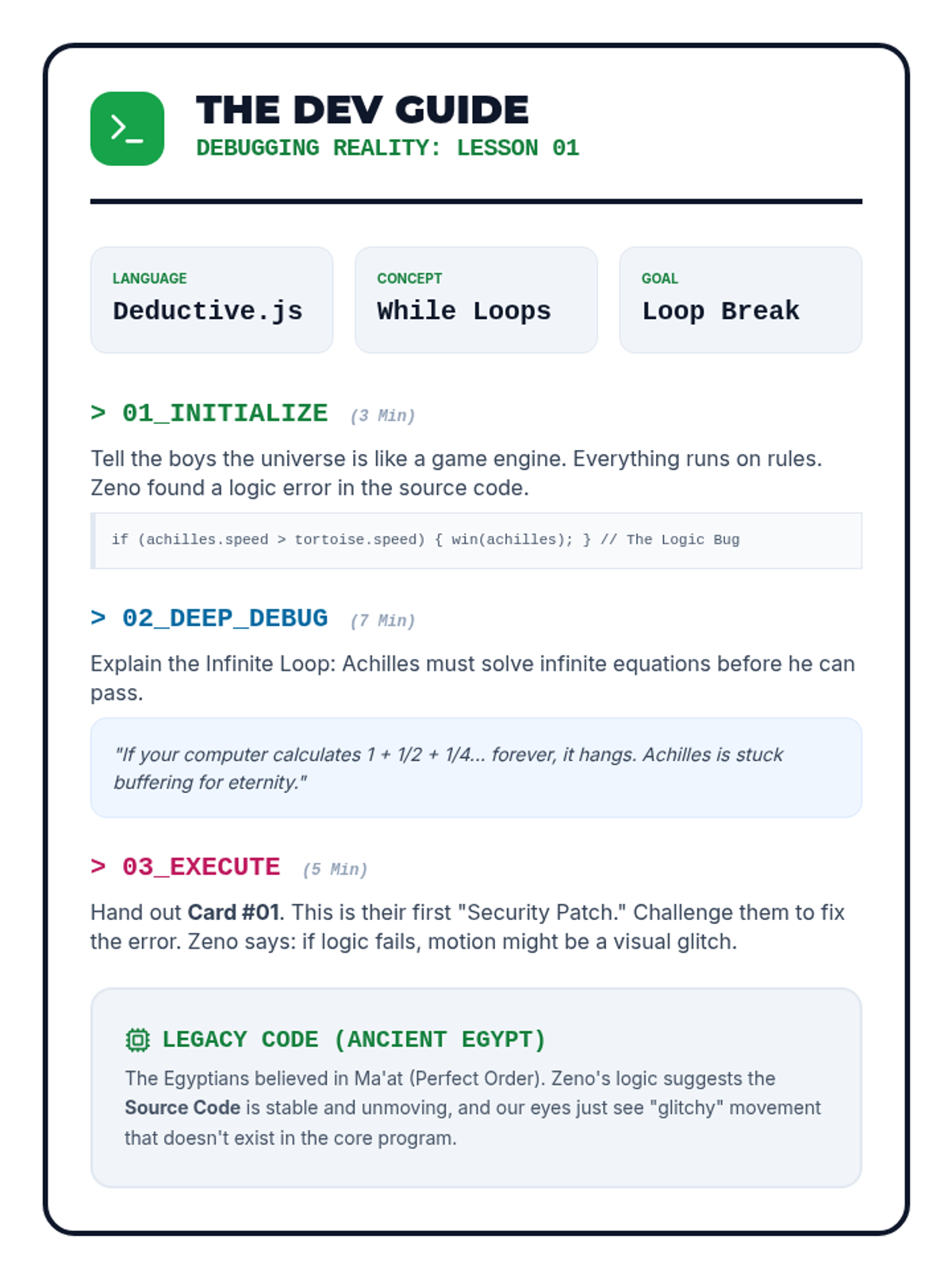
A series of four 10-15 minute logic lessons for middle school students, focusing on Zeno's paradoxes and the 'Paradox Player' thinking style. Students will learn to break ideas into tiny steps, push logic to extremes, and identify contradictions through 'Paradox Breaker' activities.
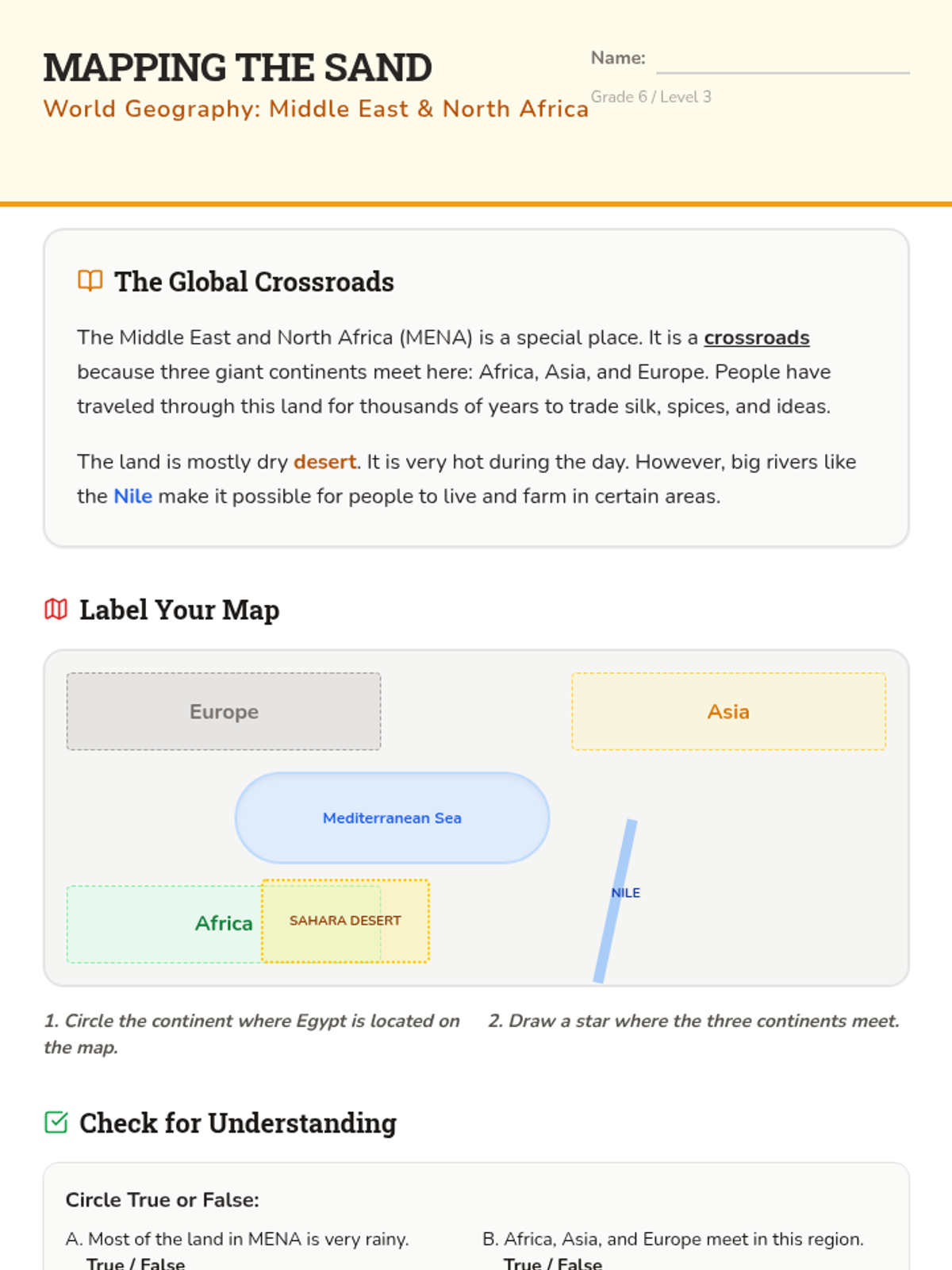
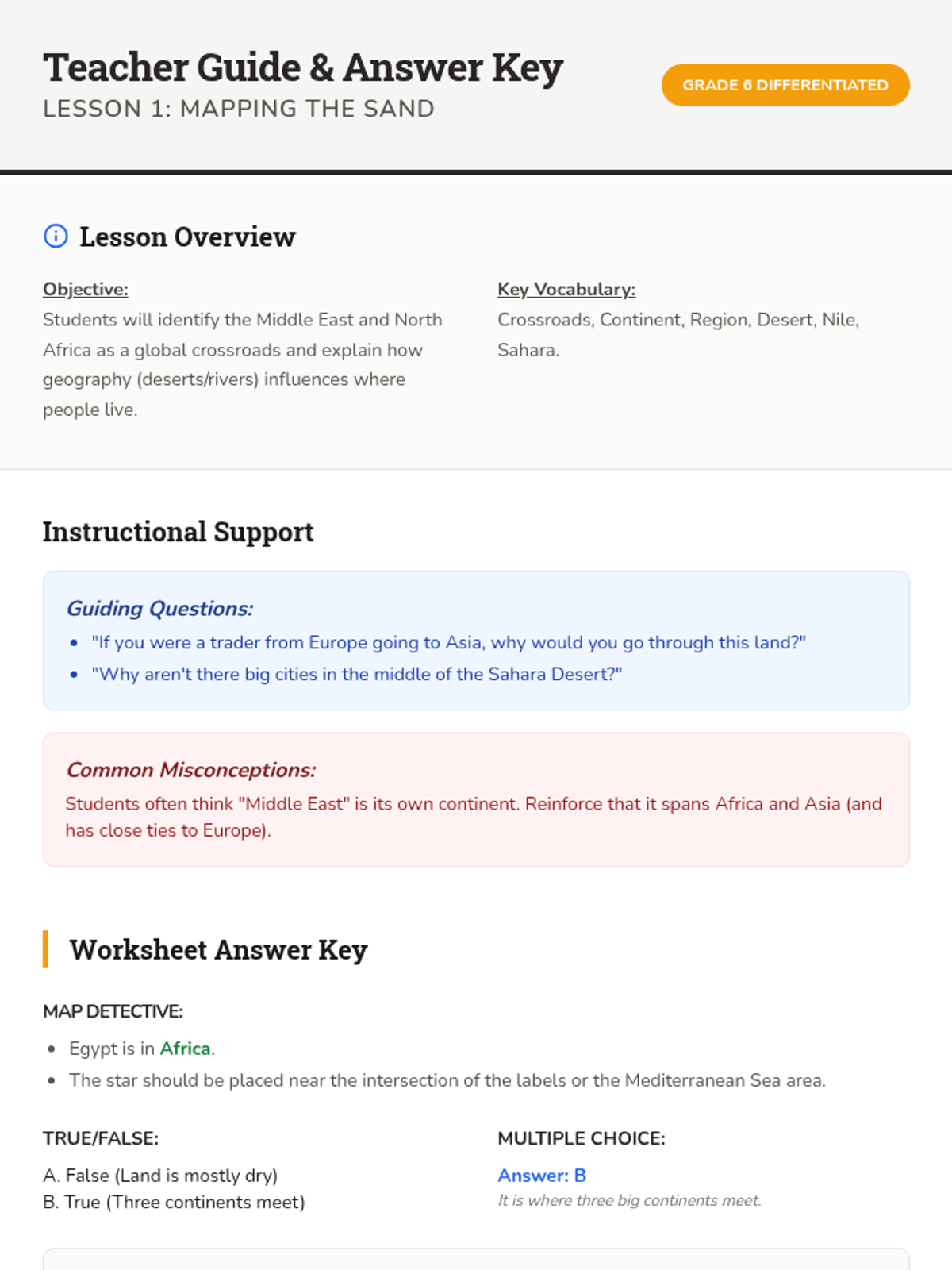
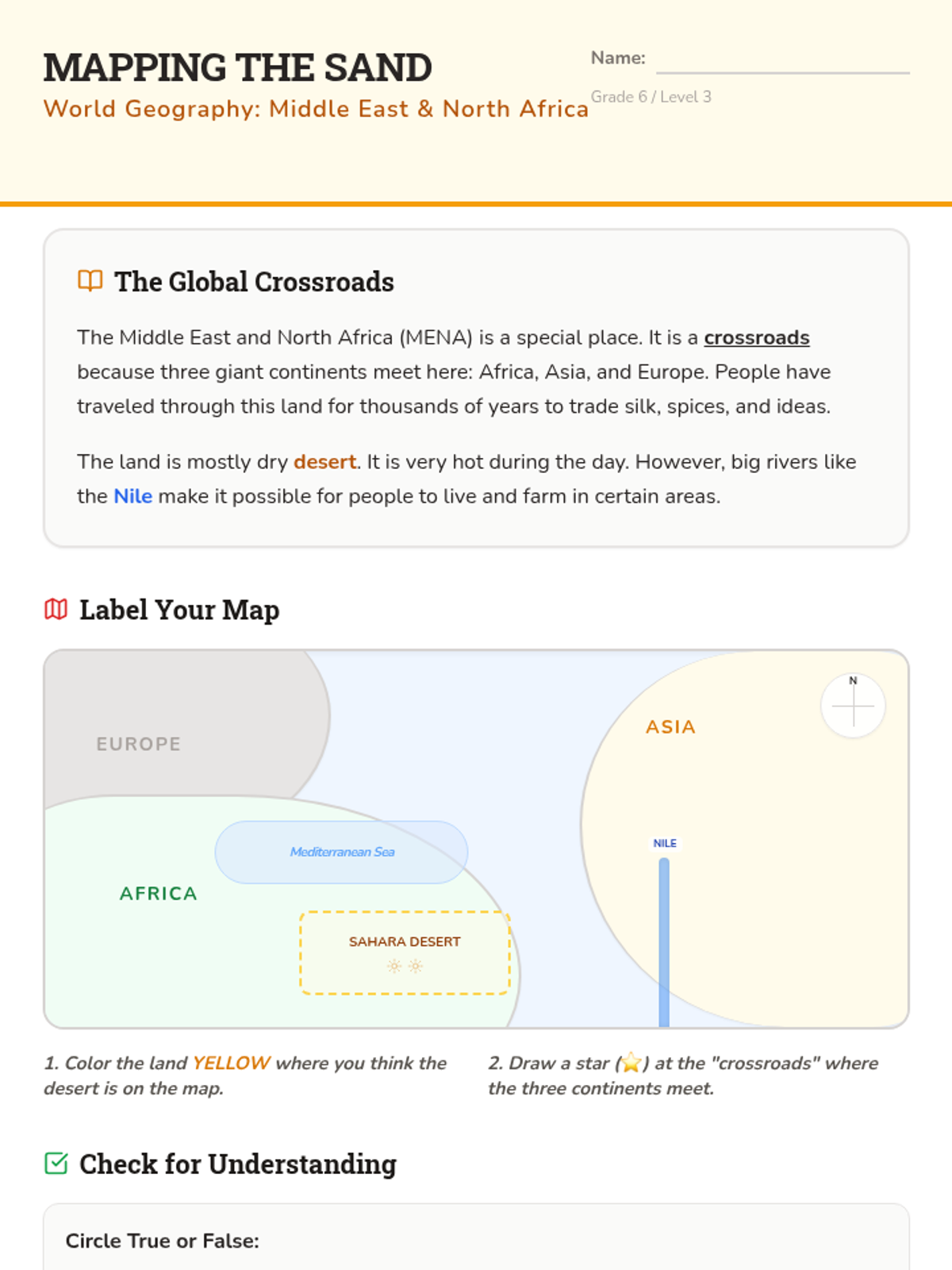
A differentiated social studies unit covering the geography, cultures, and empires of the Middle East and North Africa, adapted for 3rd-grade readability based on the DESE Investigating History Grade 6 curriculum.
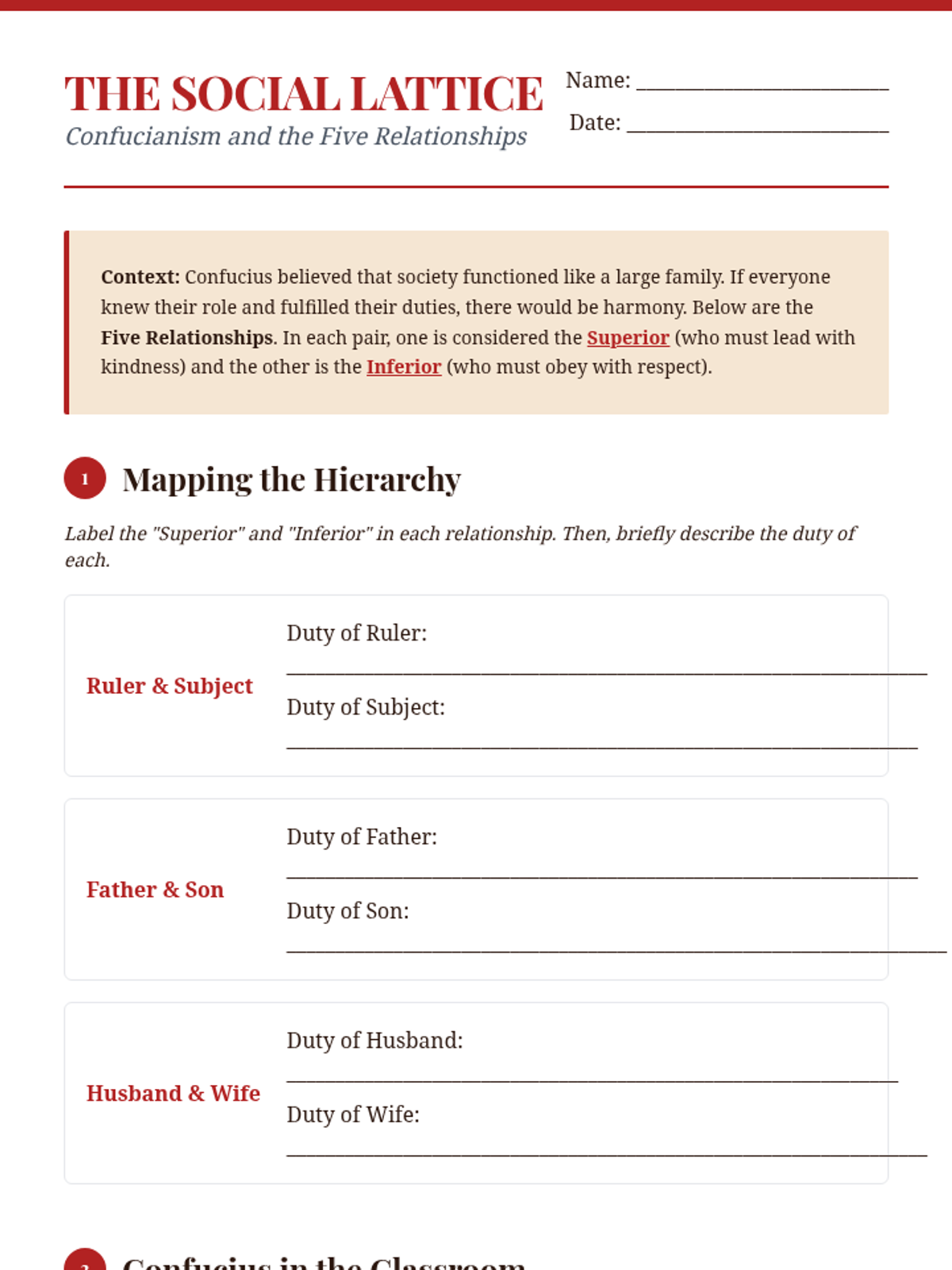
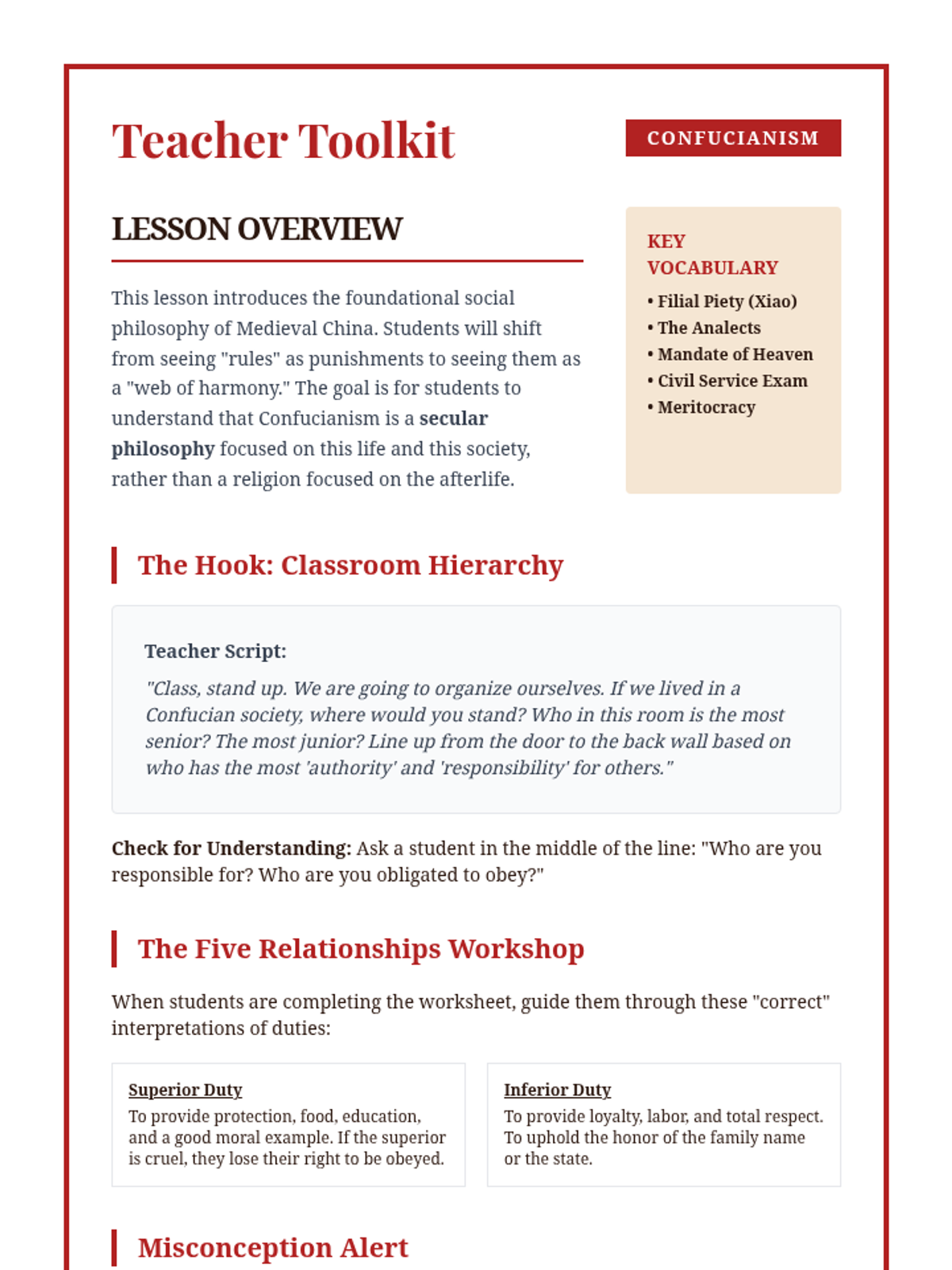
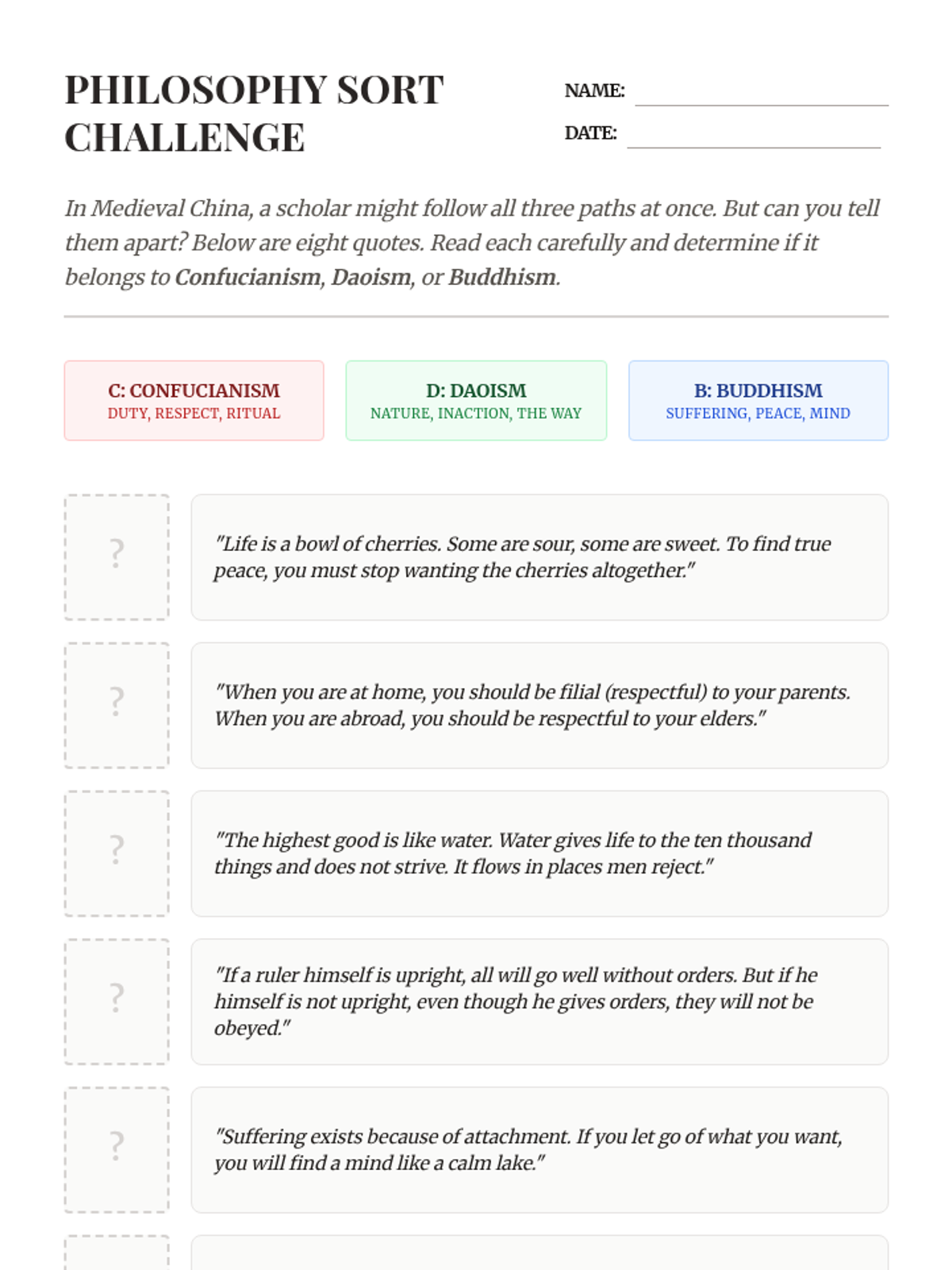
A 5-lesson sequence exploring the major religious and philosophical traditions of Medieval Asia (Buddhism, Confucianism, Daoism, and Islam), focusing on their core tenets, influence on governance, and eventual syncretism.
This sequence tracks the movement and transformation of belief systems across Medieval Asia. Students map the spread of Buddhism from India to China, Korea, and Japan, and examine the foundational role of Confucianism in Chinese society. Through case studies of specific monks and scholars, students see how religions adapt to local cultures. The sequence builds toward an understanding of how Neo-Confucianism blended these philosophies, shaping the social fabric of the Ming and Song dynasties.
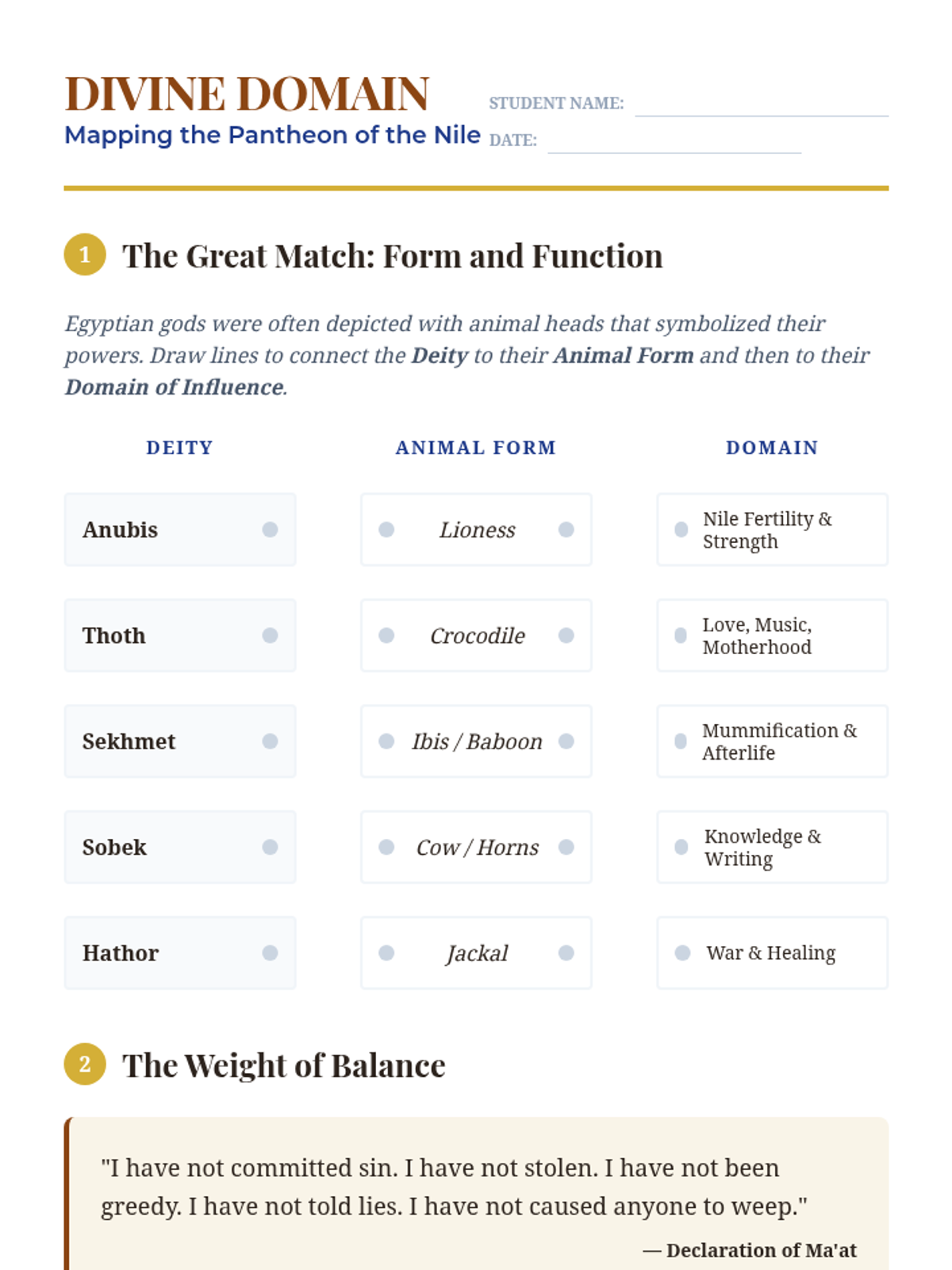
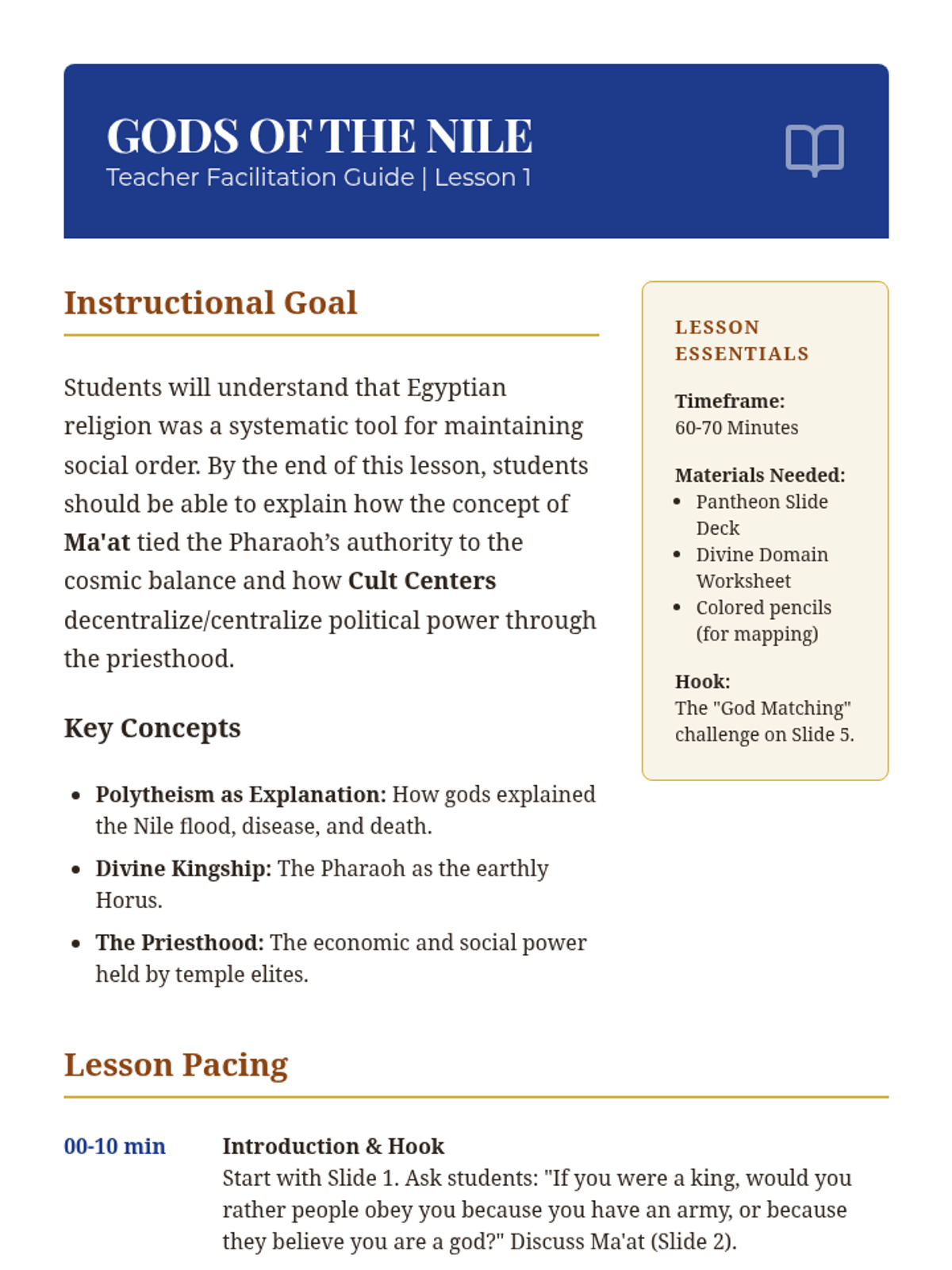
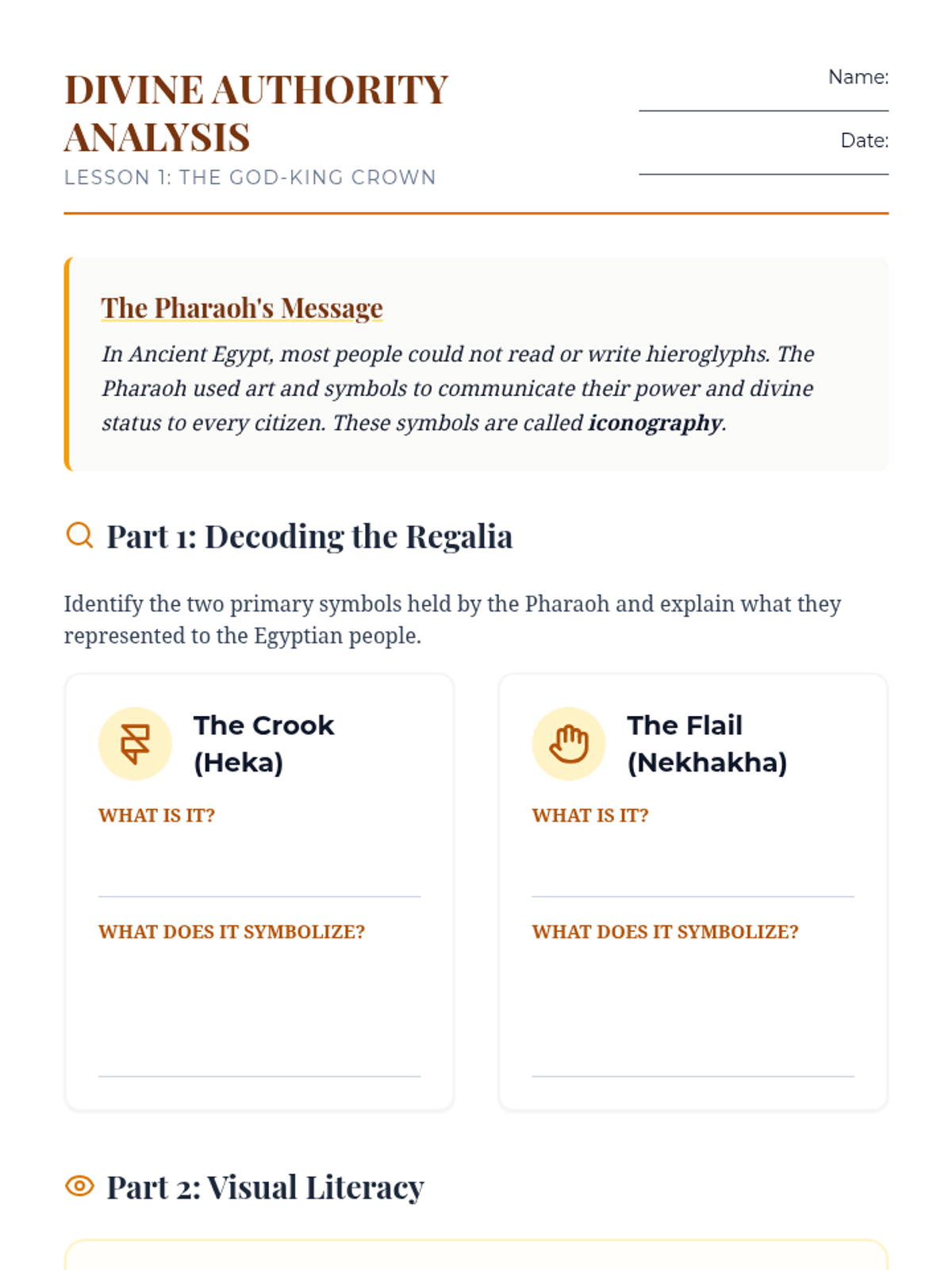
This sequence explores the intersection of religious belief and political power in Ancient Egypt, focusing on the radical Amarna period and its aftermath. Students analyze how the pharaohs used the divine to maintain social order and the consequences of disrupting that order.
A comprehensive 6th-grade Social Studies sequence exploring the intersection of religion, social structure, and governance in Ancient Egypt. Students investigate the Pharaoh's role, the social hierarchy, mummification rituals, pyramid engineering, and the leadership of Hatshepsut and Ramses II.
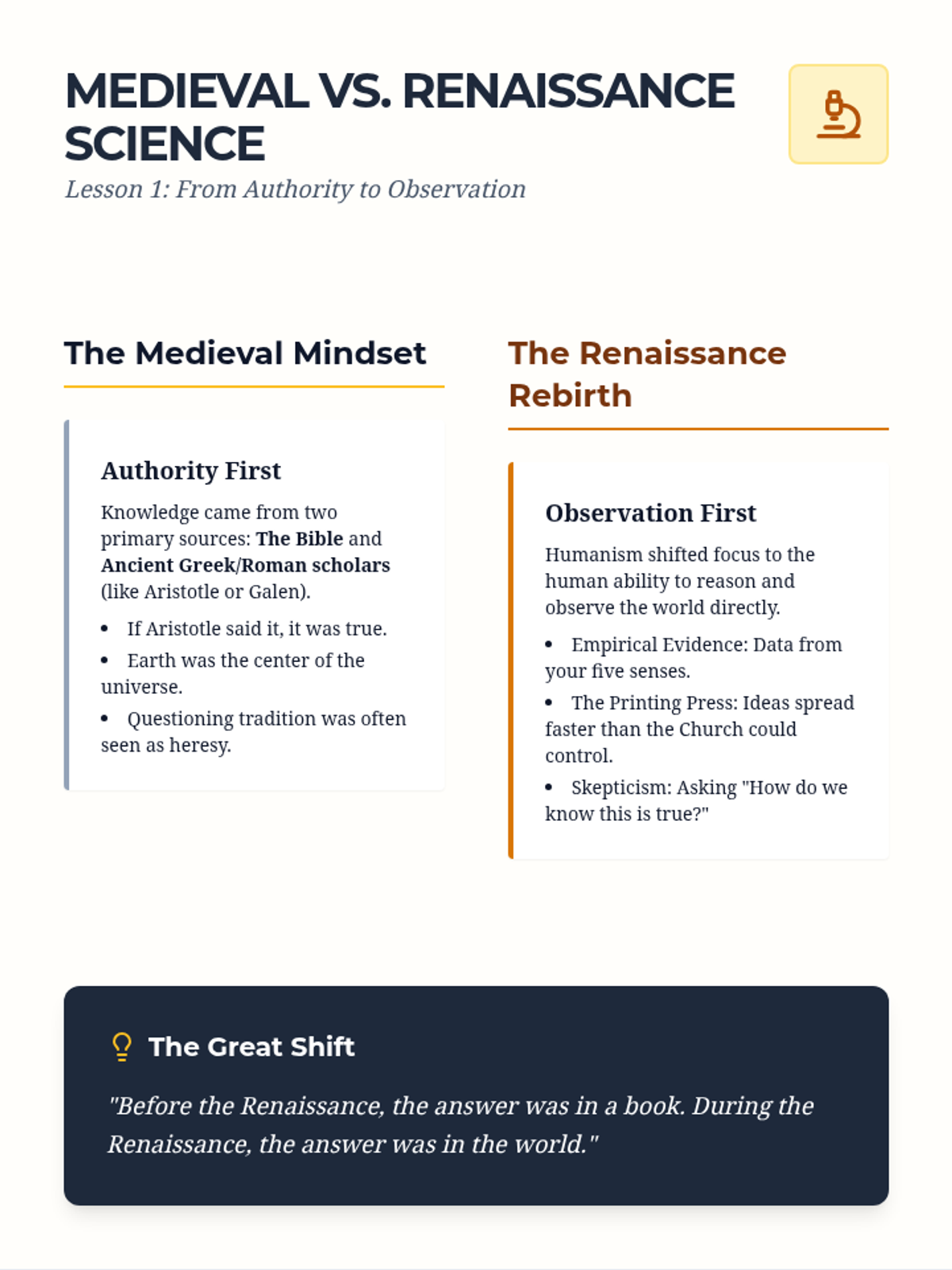
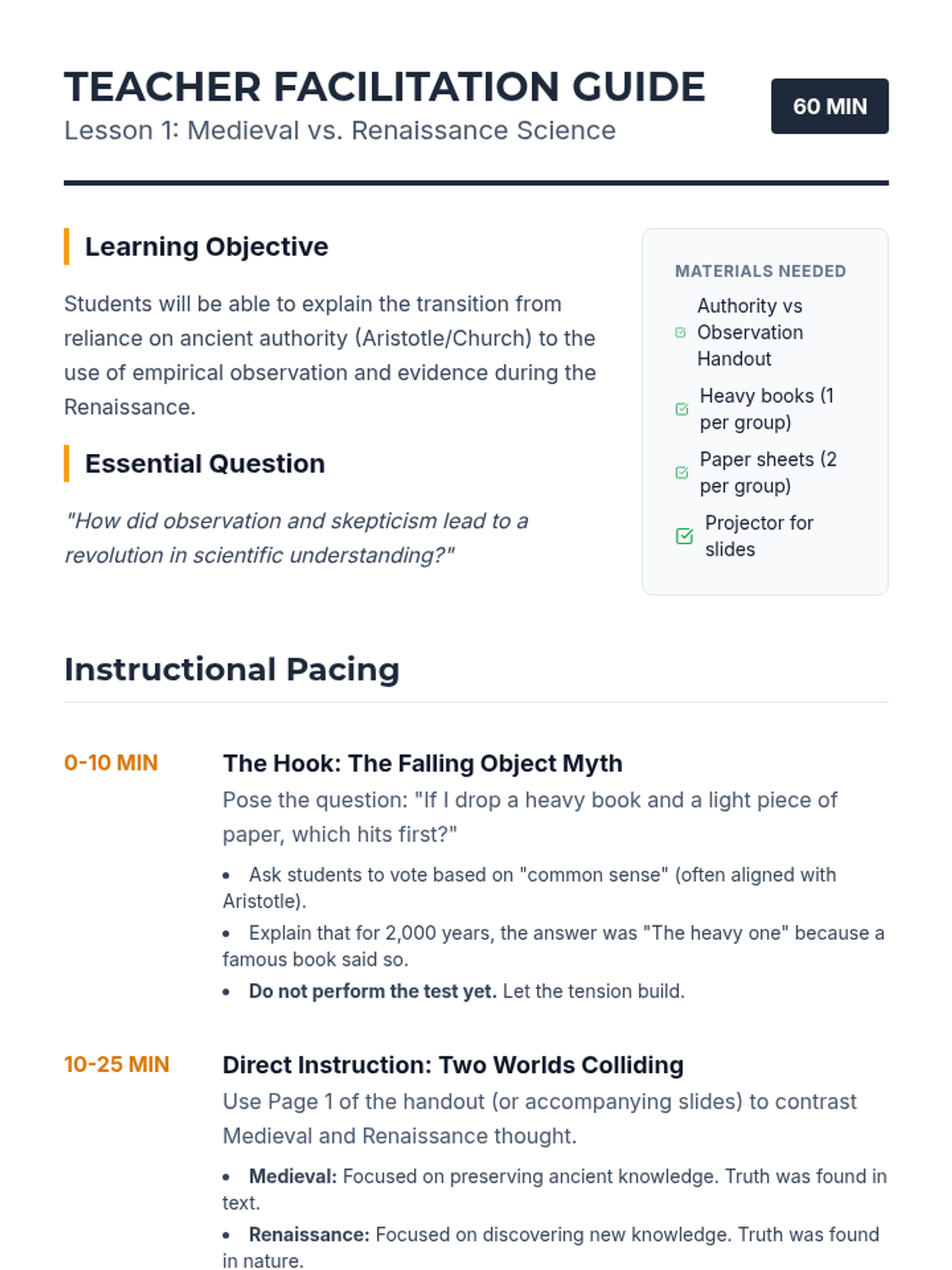
This sequence explores the shift from medieval reliance on tradition to the Renaissance focus on observation and experimentation. Students investigate key figures like Da Vinci, Vesalius, and Galileo, culminating in a project on the era's lasting scientific legacy.
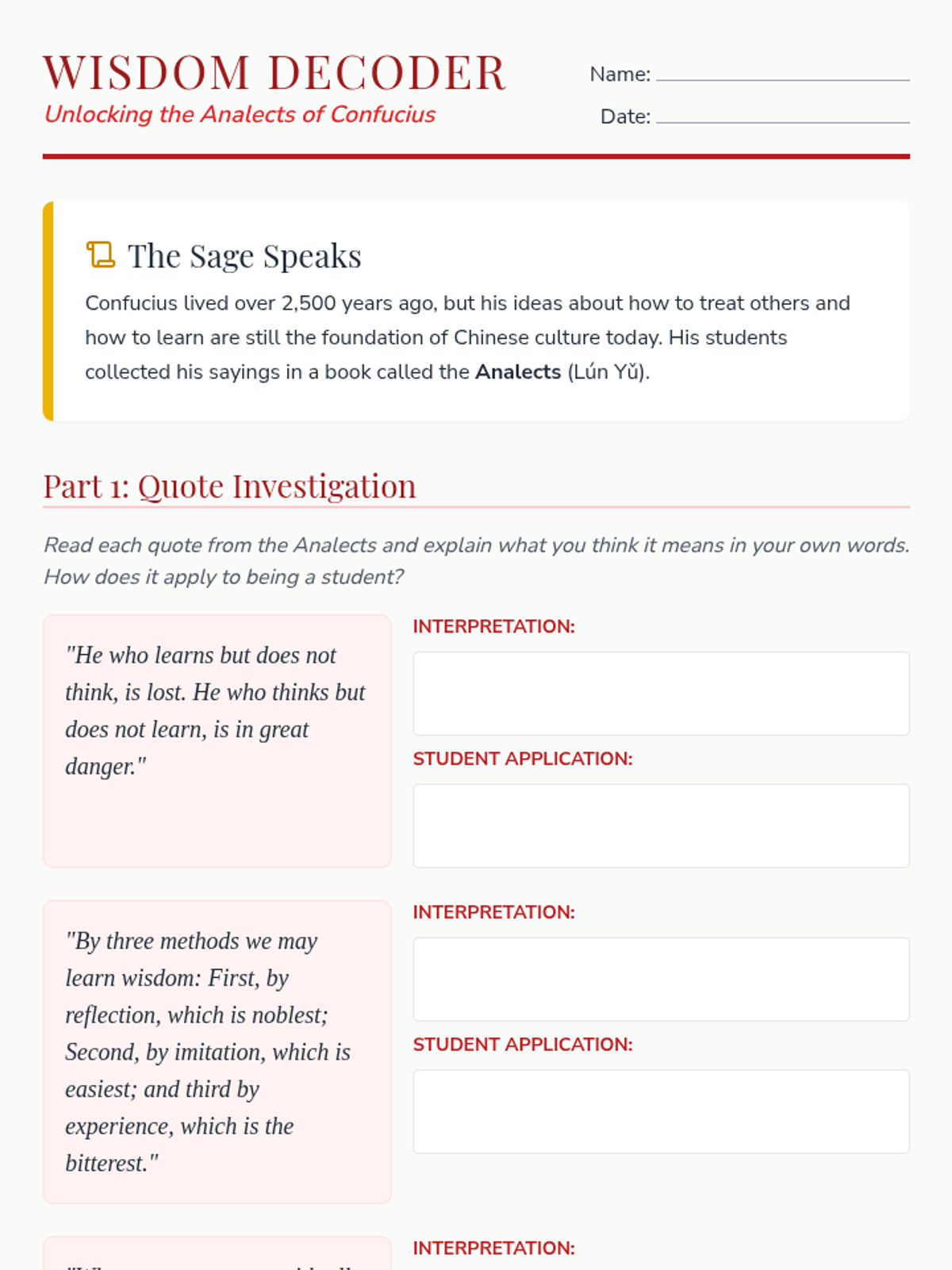
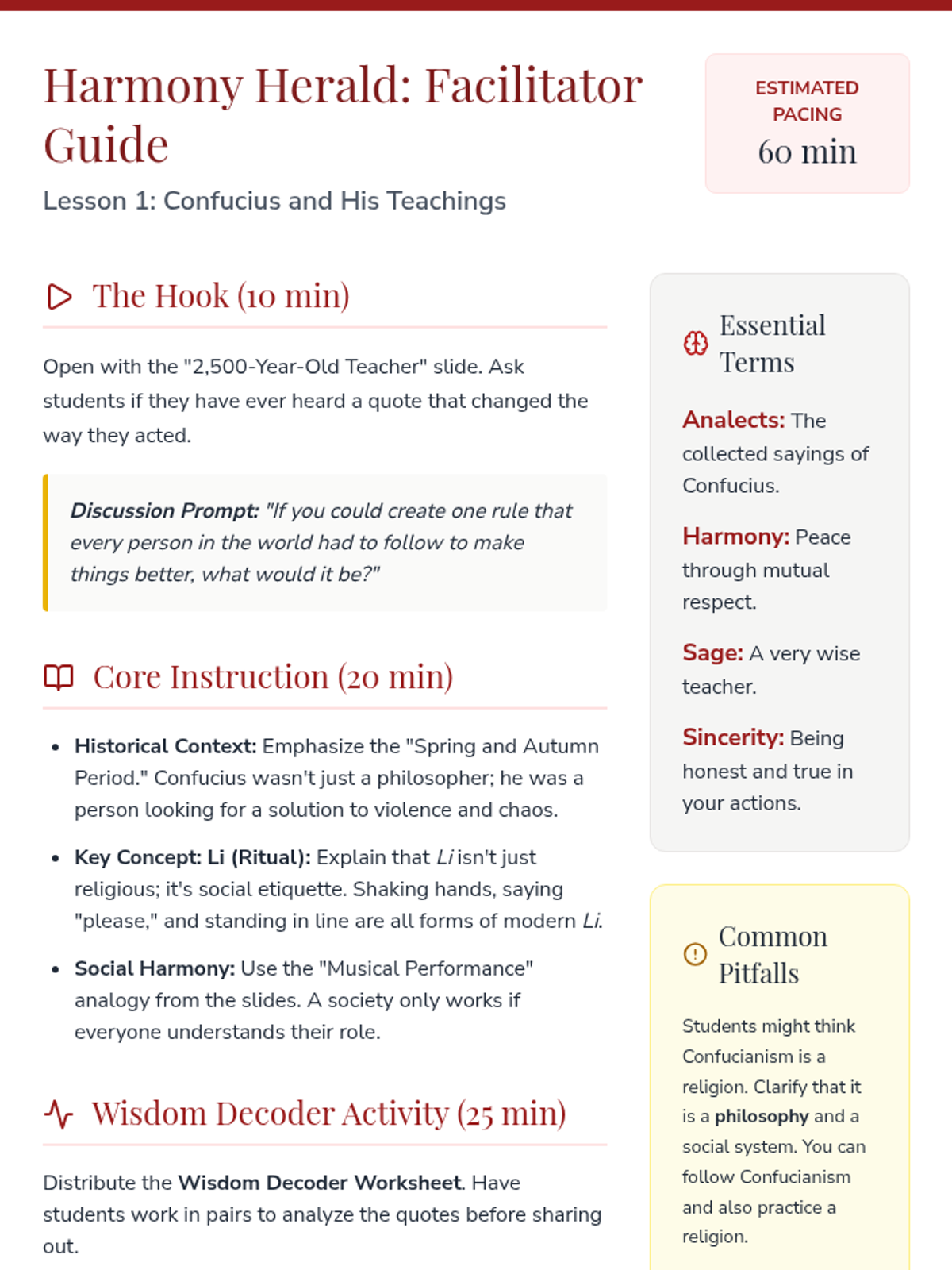
This sequence explores the deep-rooted influence of Confucianism on Chinese family life and education. Students will analyze ancient concepts like Filial Piety and the Five Relationships to understand how traditional values shape modern behavior, academic pressure, and social harmony in China.
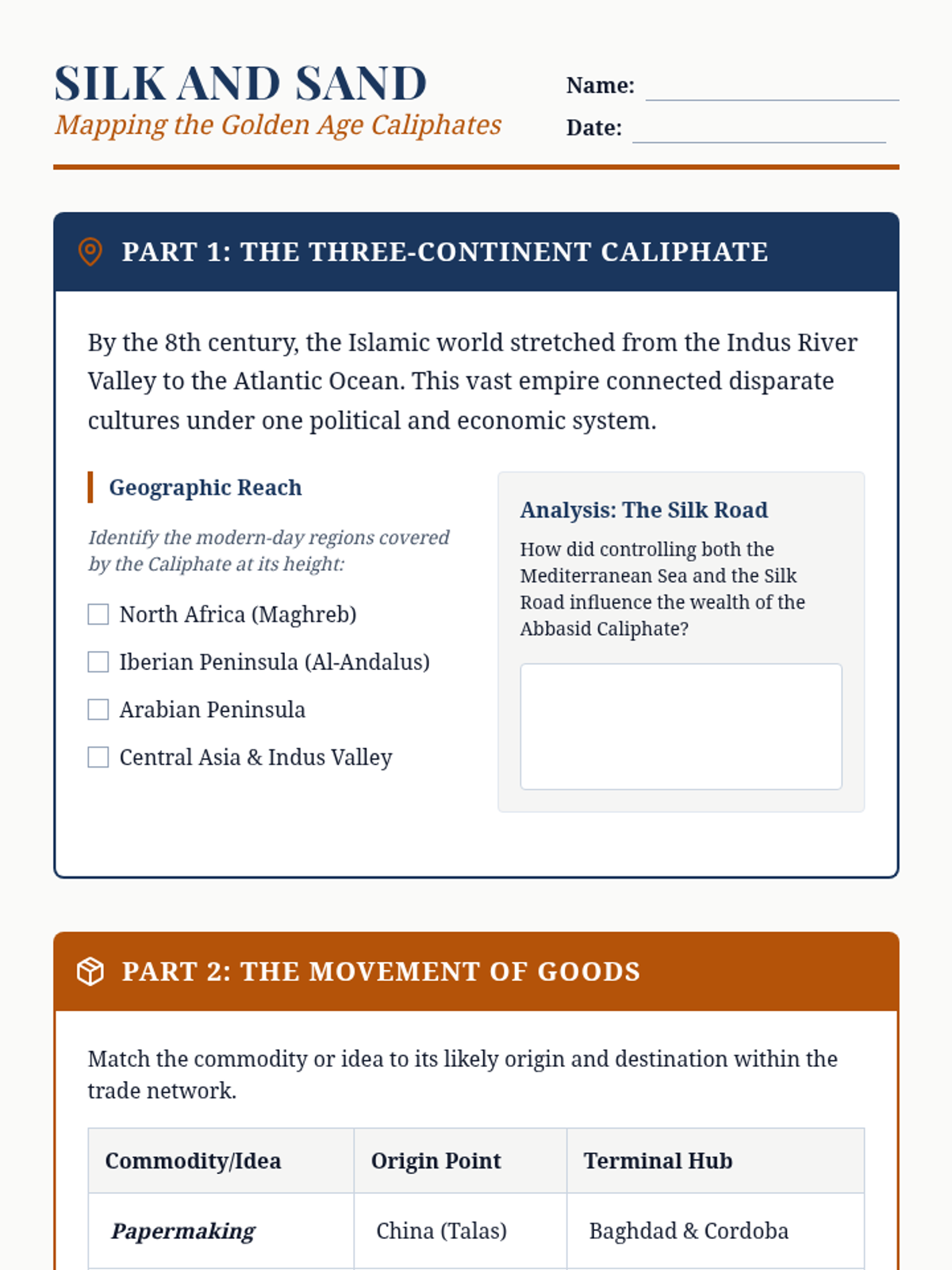
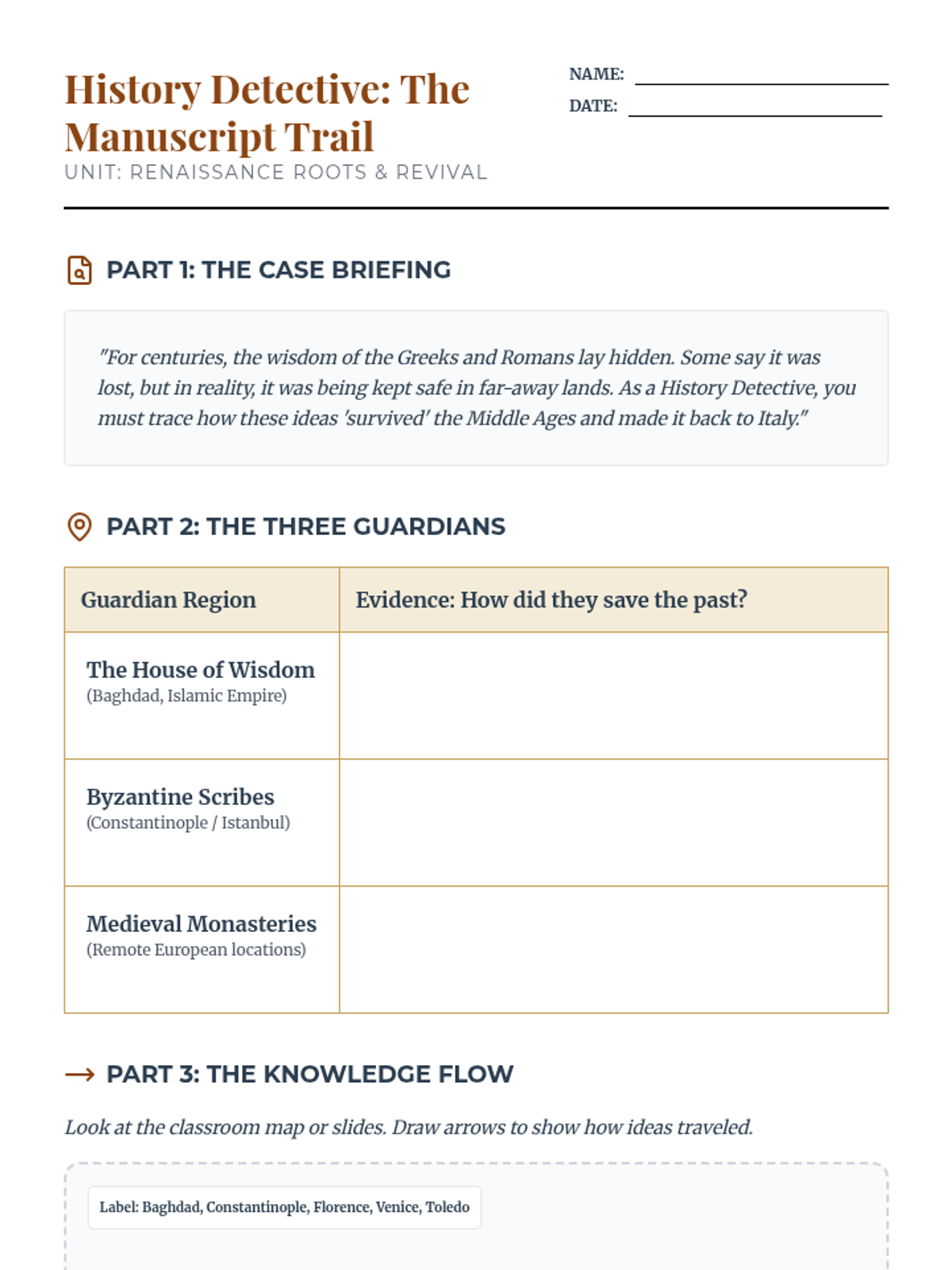
Students explore the intellectual, cultural, and geographic expansion of the Islamic world during the European 'Dark Ages,' focusing on the House of Wisdom and the diffusion of knowledge. The sequence culminates in a museum-style exhibit connecting these advancements to the later European Renaissance.
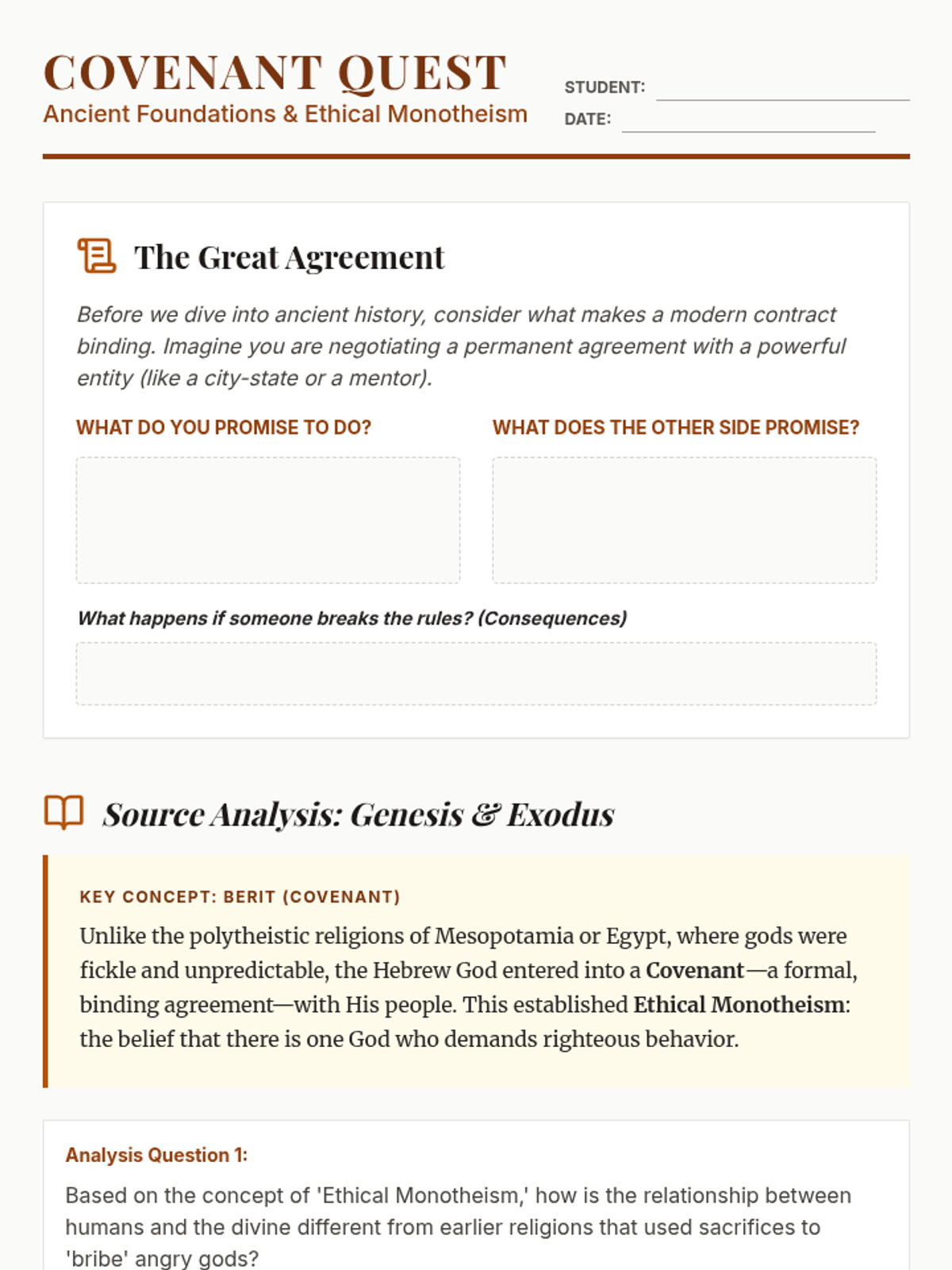
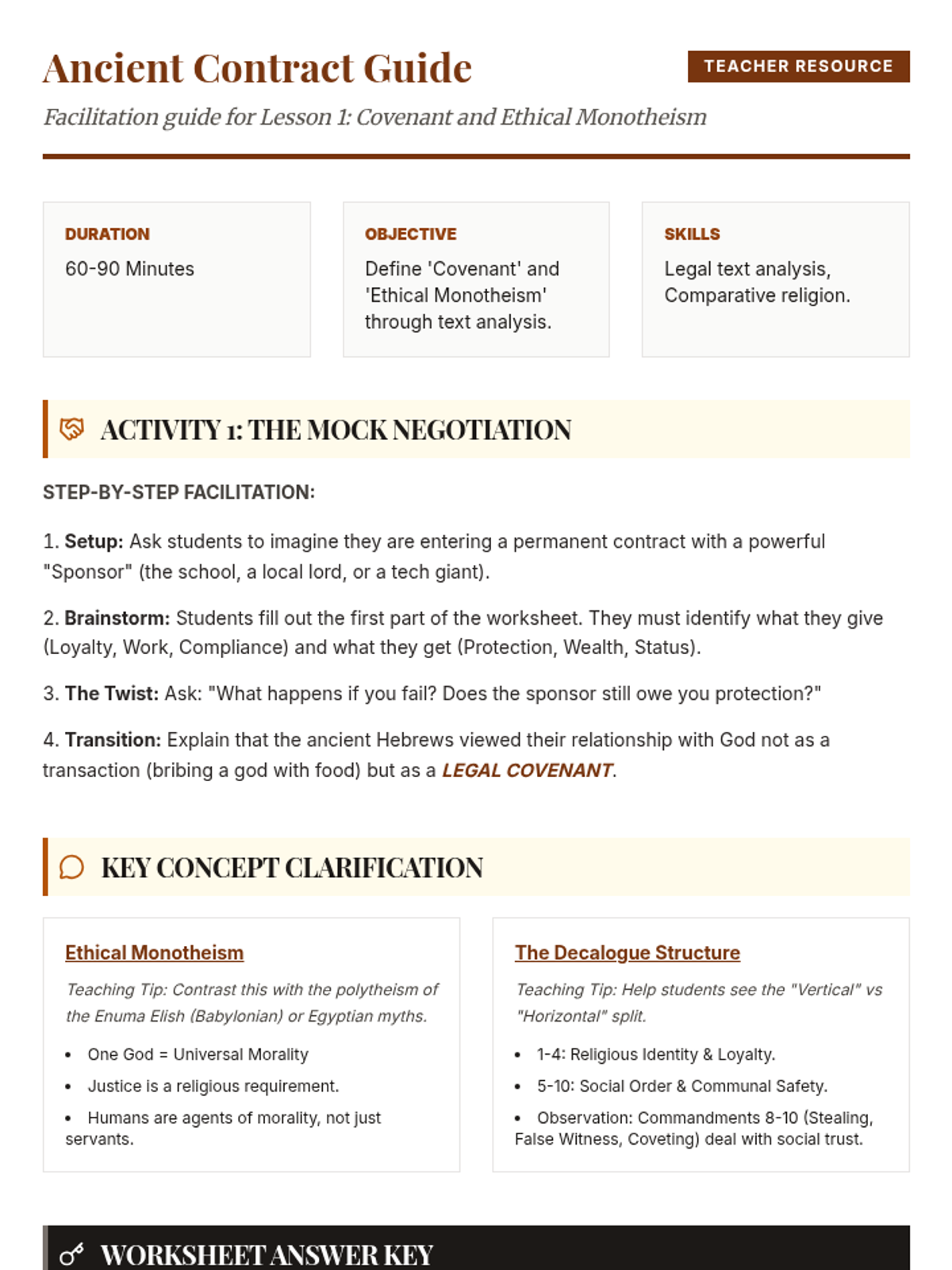
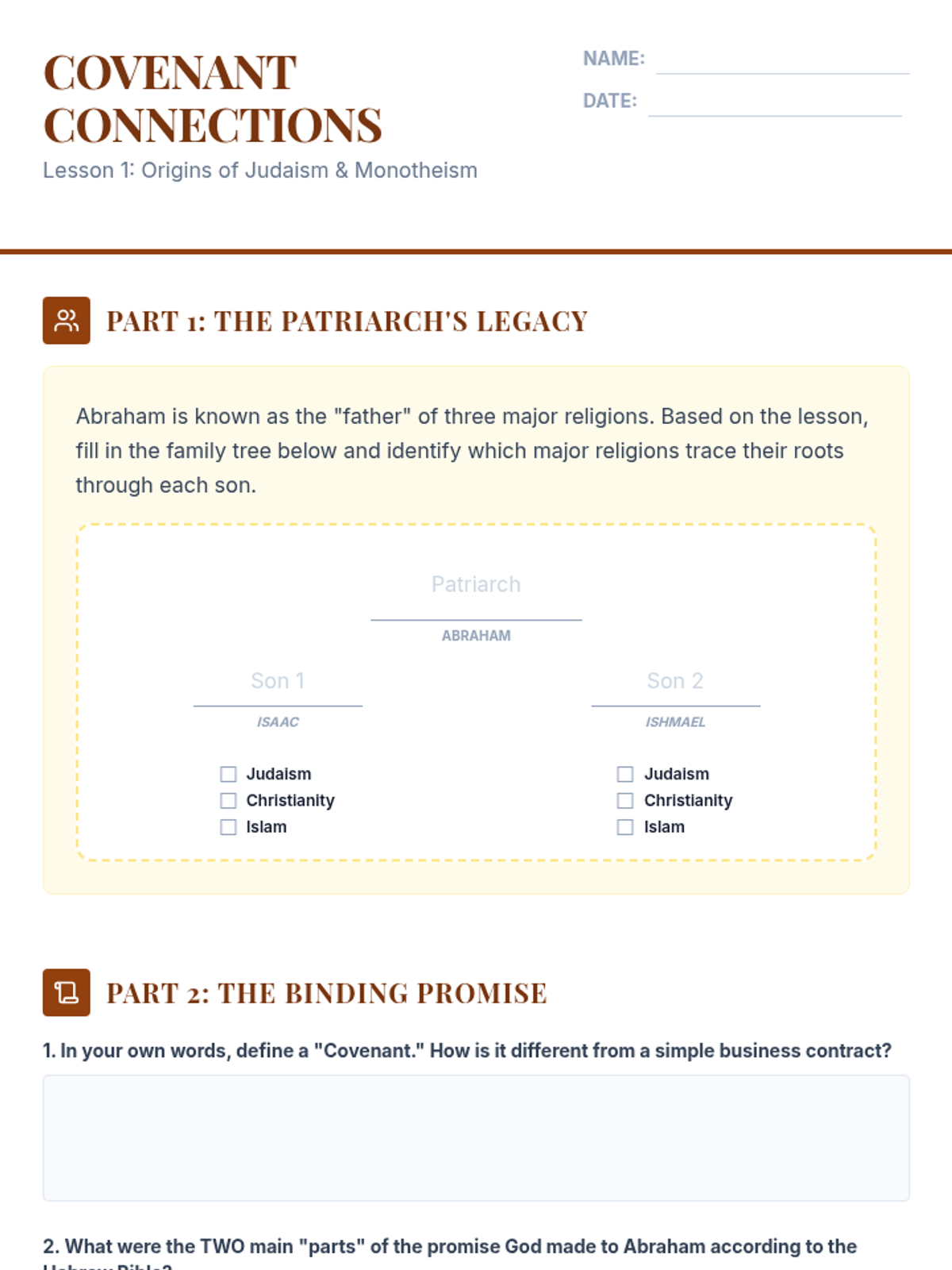
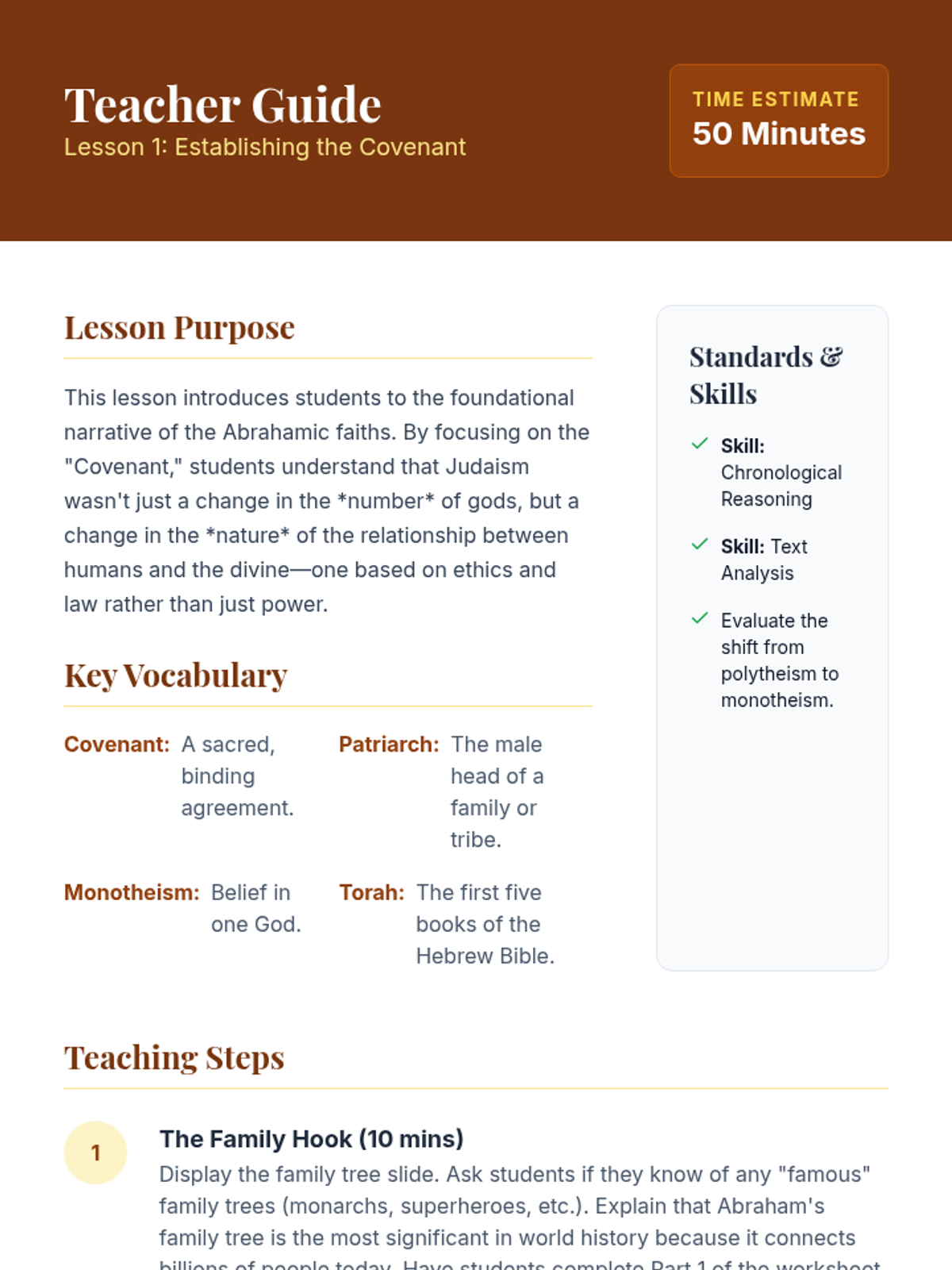
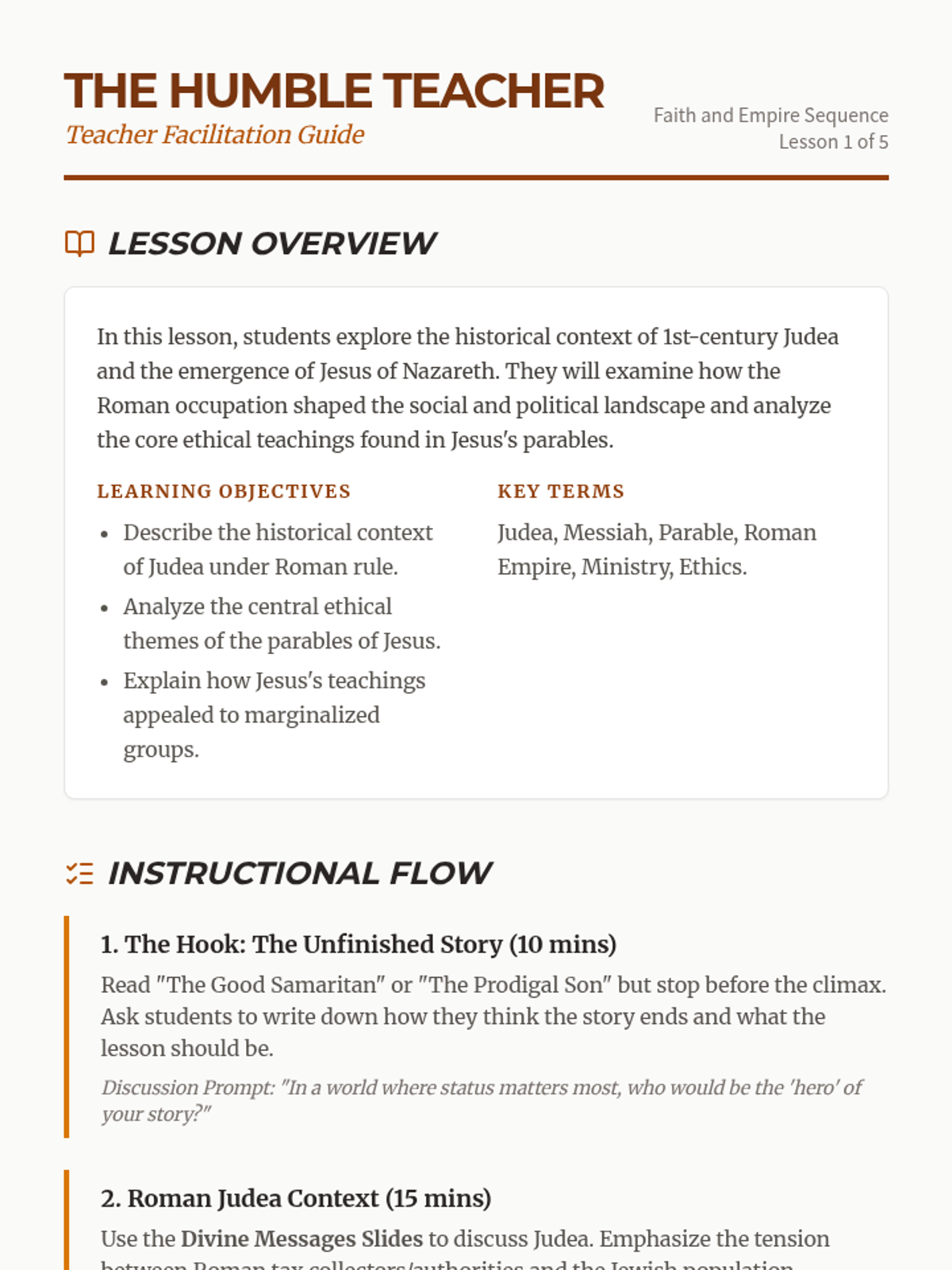
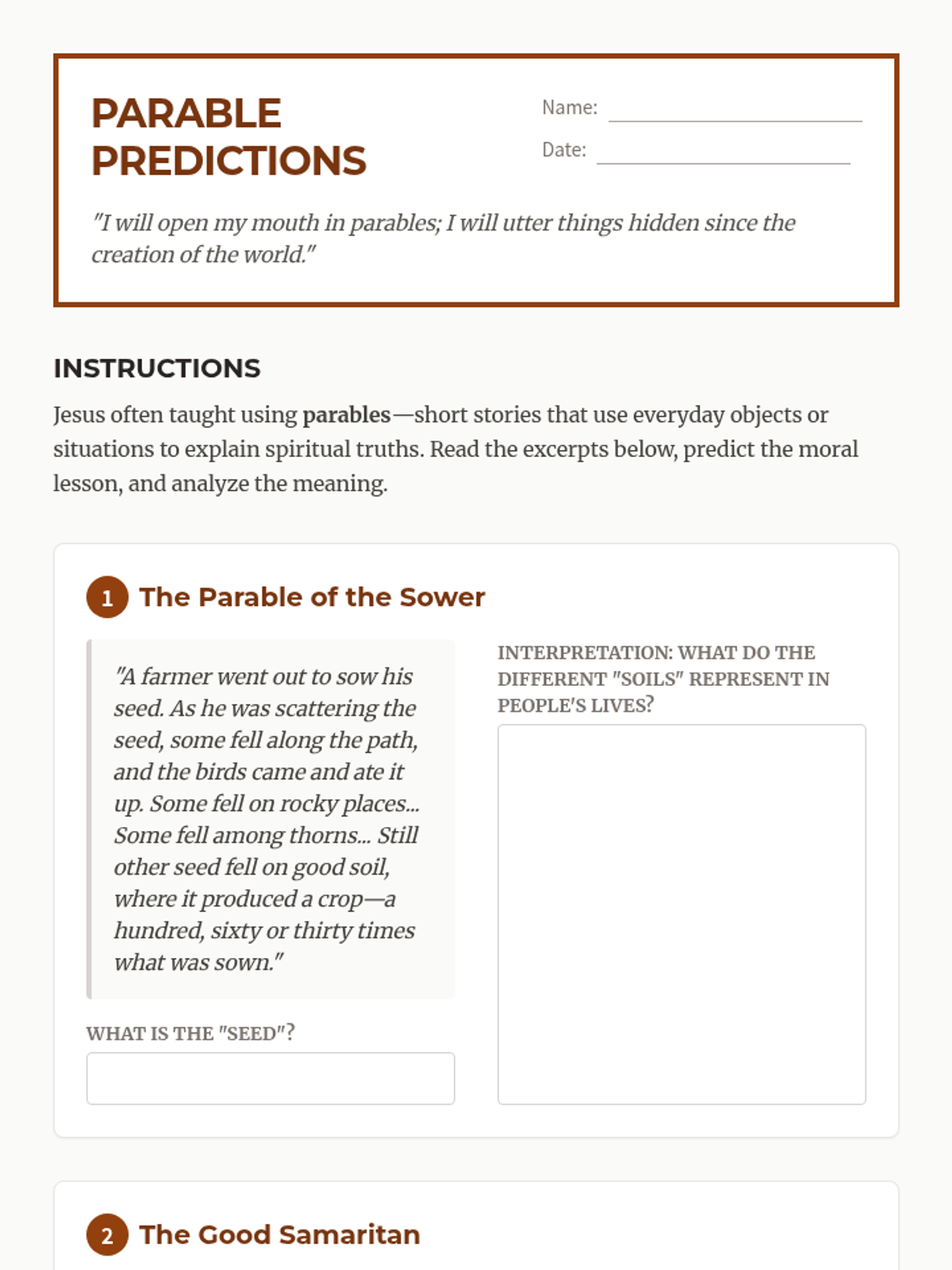
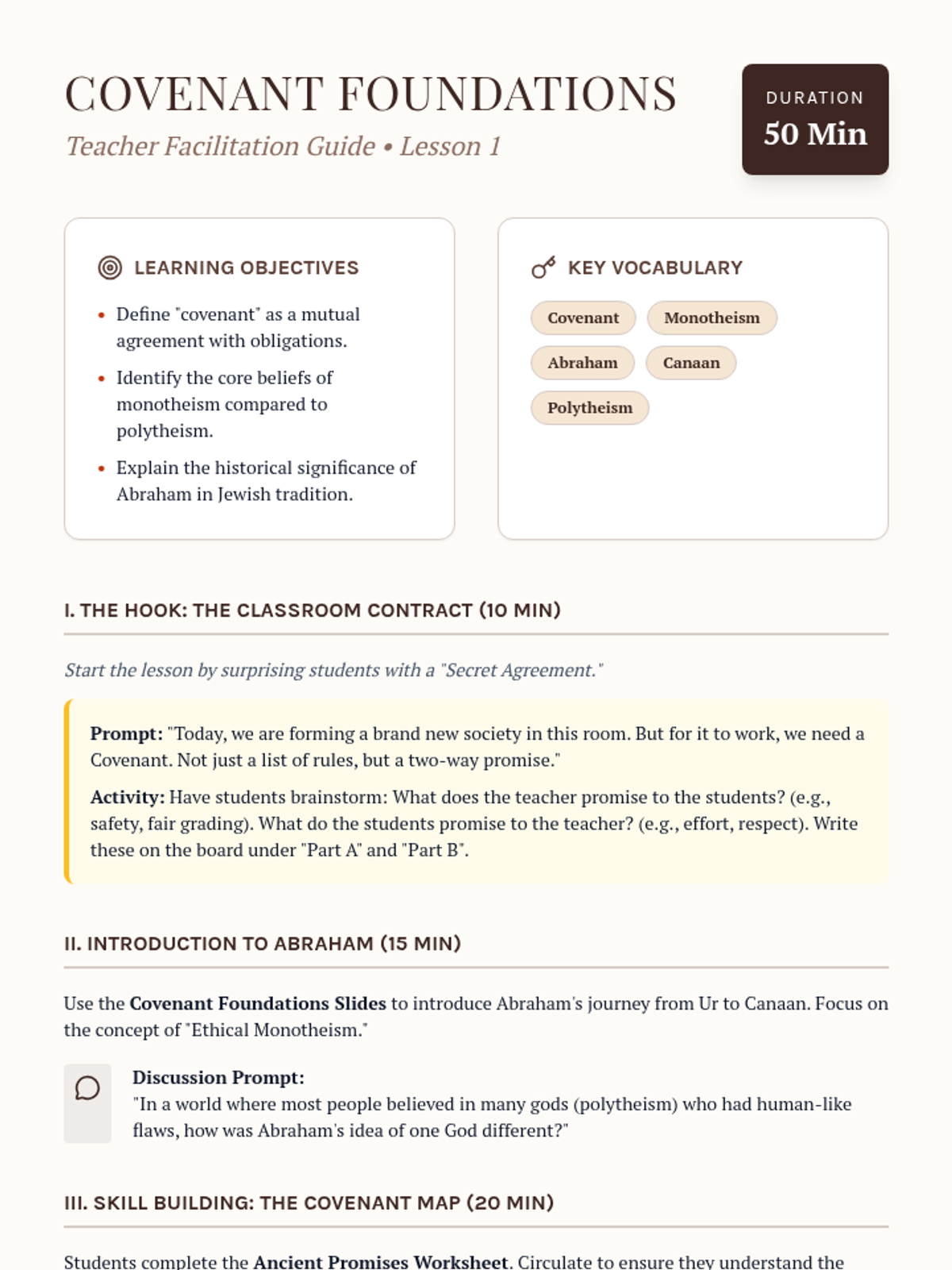
This sequence explores the origins and evolution of Judaism and Early Christianity, focusing on the concept of 'Covenant' and the shift from polytheism to monotheism within the Roman Empire. Students analyze foundational texts and historical shifts that redefined community identity and ethics.
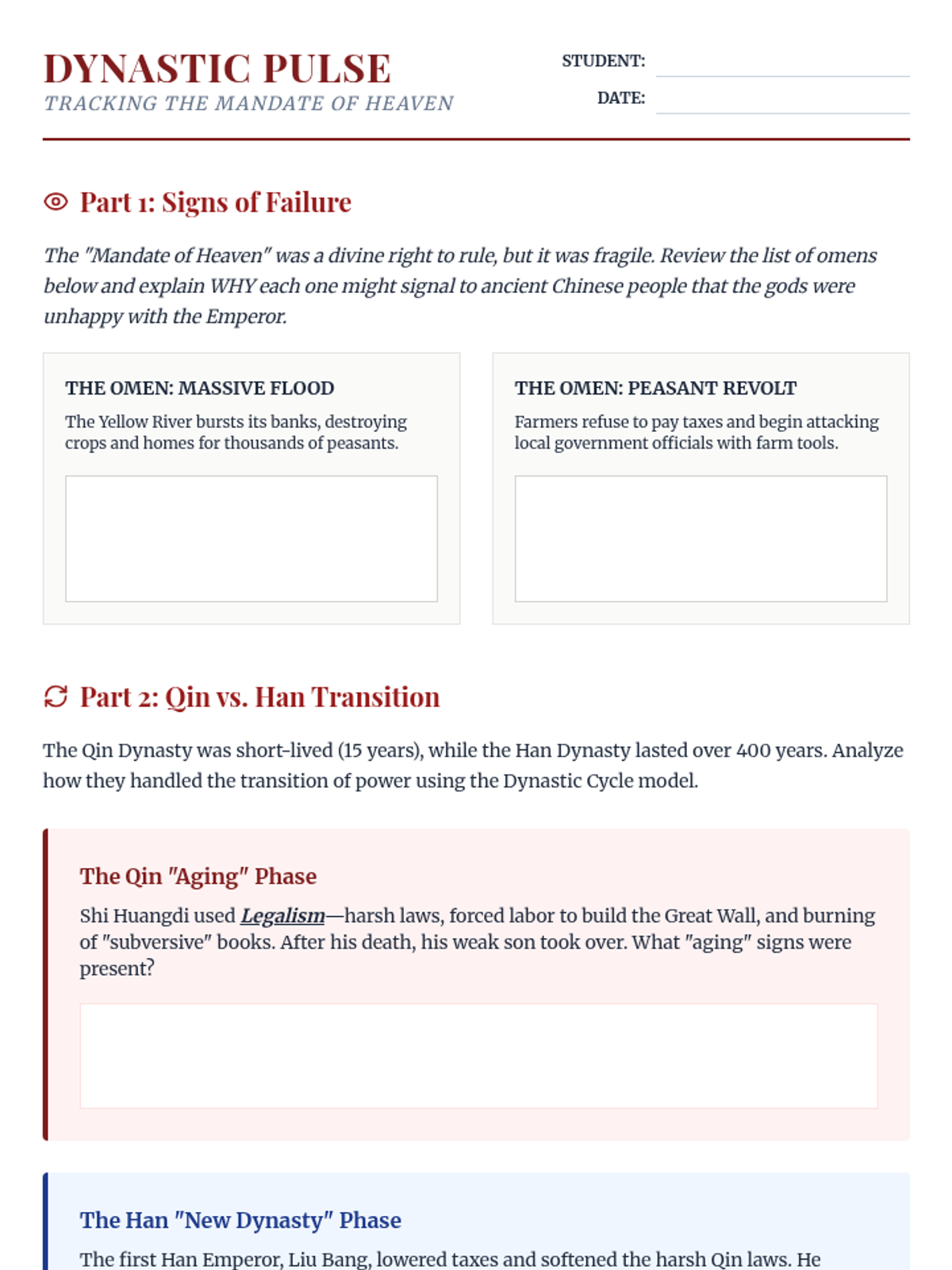
A 5-lesson unit exploring the Han Dynasty's dual pillars of power: a centralized Confucian bureaucracy and the vast economic networks of the Silk Road. Students analyze the Mandate of Heaven, simulate civil service exams, map trade routes, and investigate cultural syncretism through the spread of Buddhism.
A comprehensive exploration of Judaism, Christianity, and Islam, focusing on their shared historical roots in the Middle East and their development as monotheistic traditions.
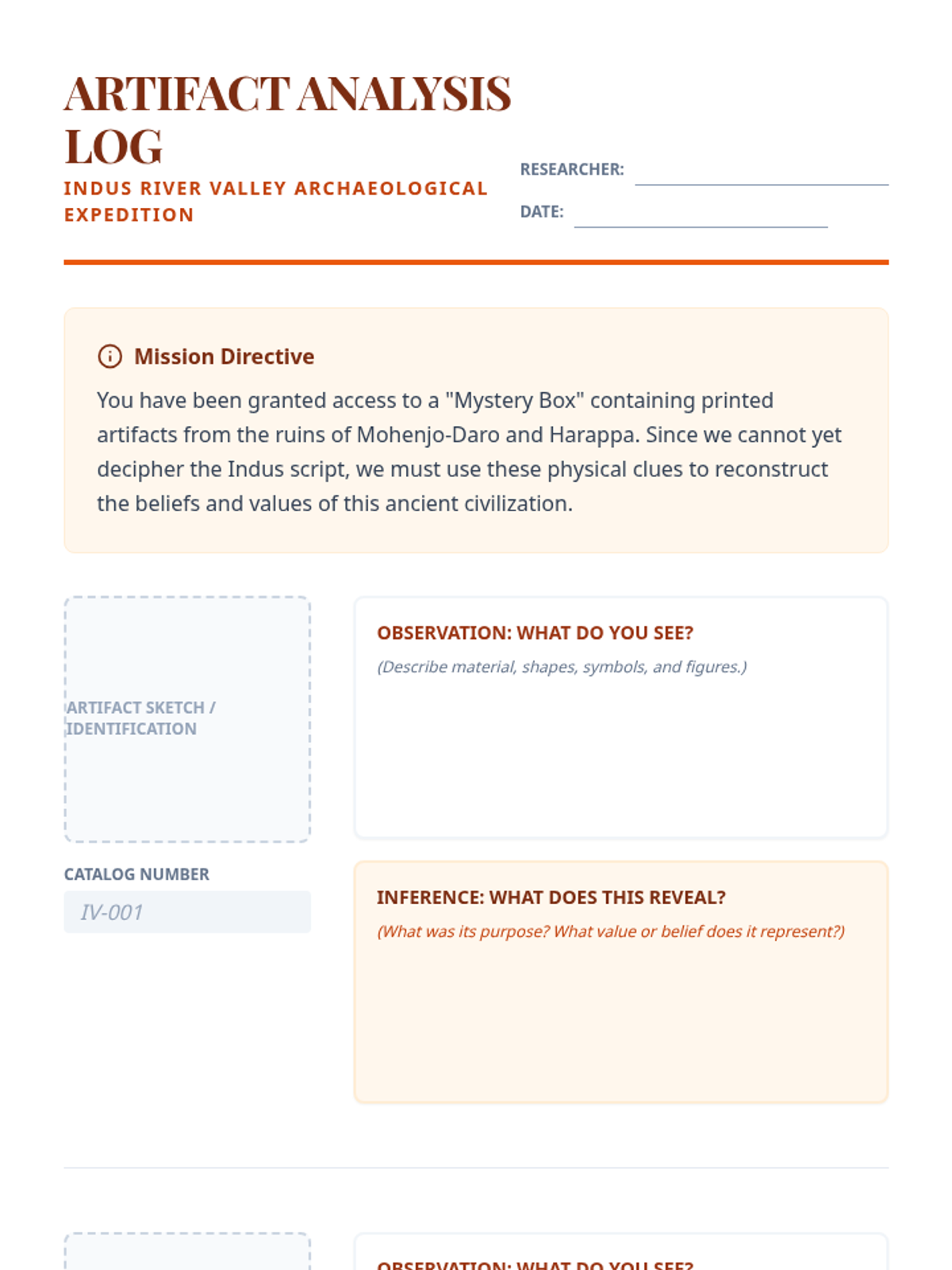
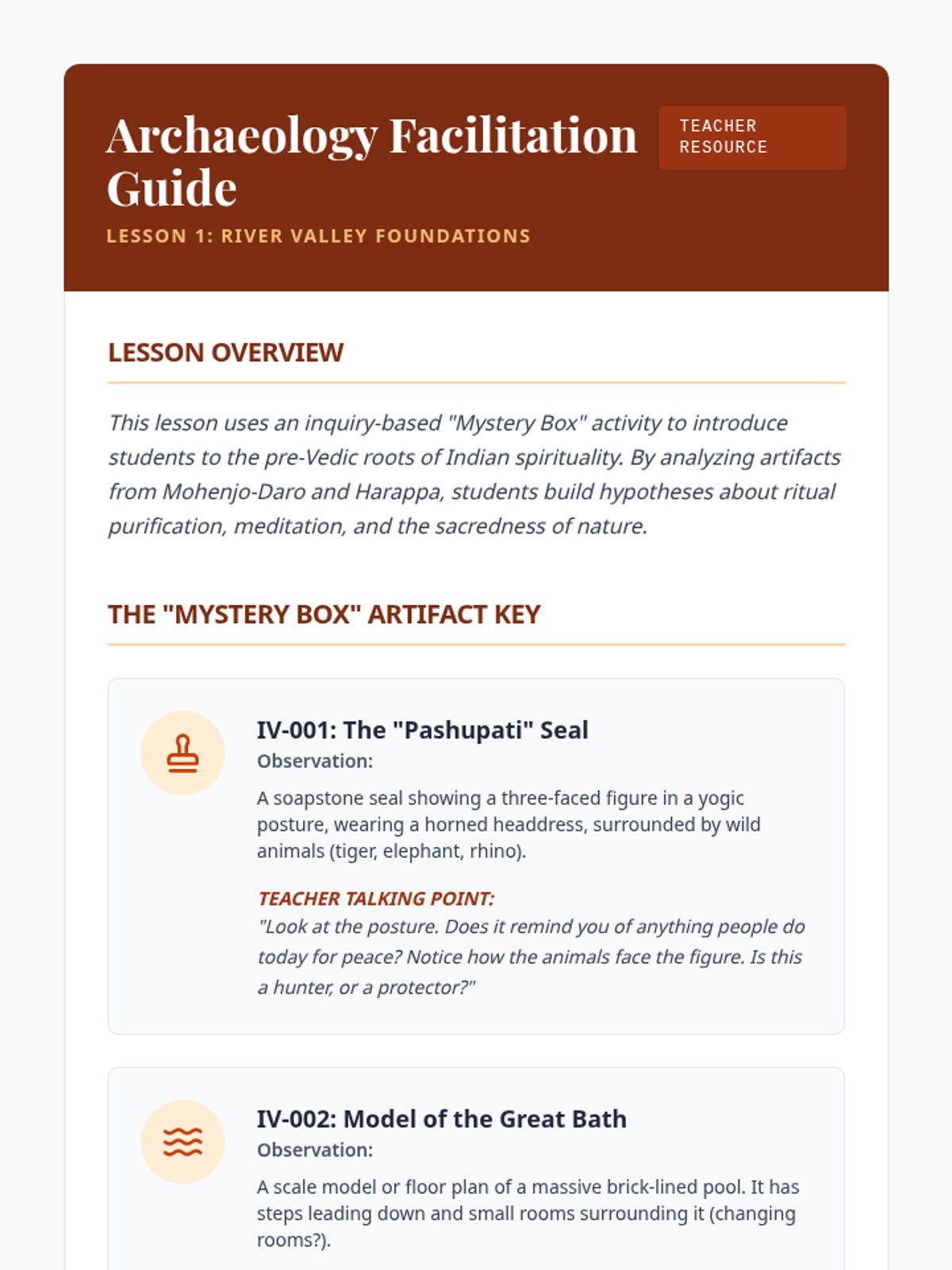
This sequence explores the historical origins and philosophical foundations of Hinduism and Buddhism, tracing their development from the Indus River Valley to their diffusion across Asia via the Silk Road. Students analyze archaeological evidence, primary texts, and social structures to understand how geography and context shape belief systems.
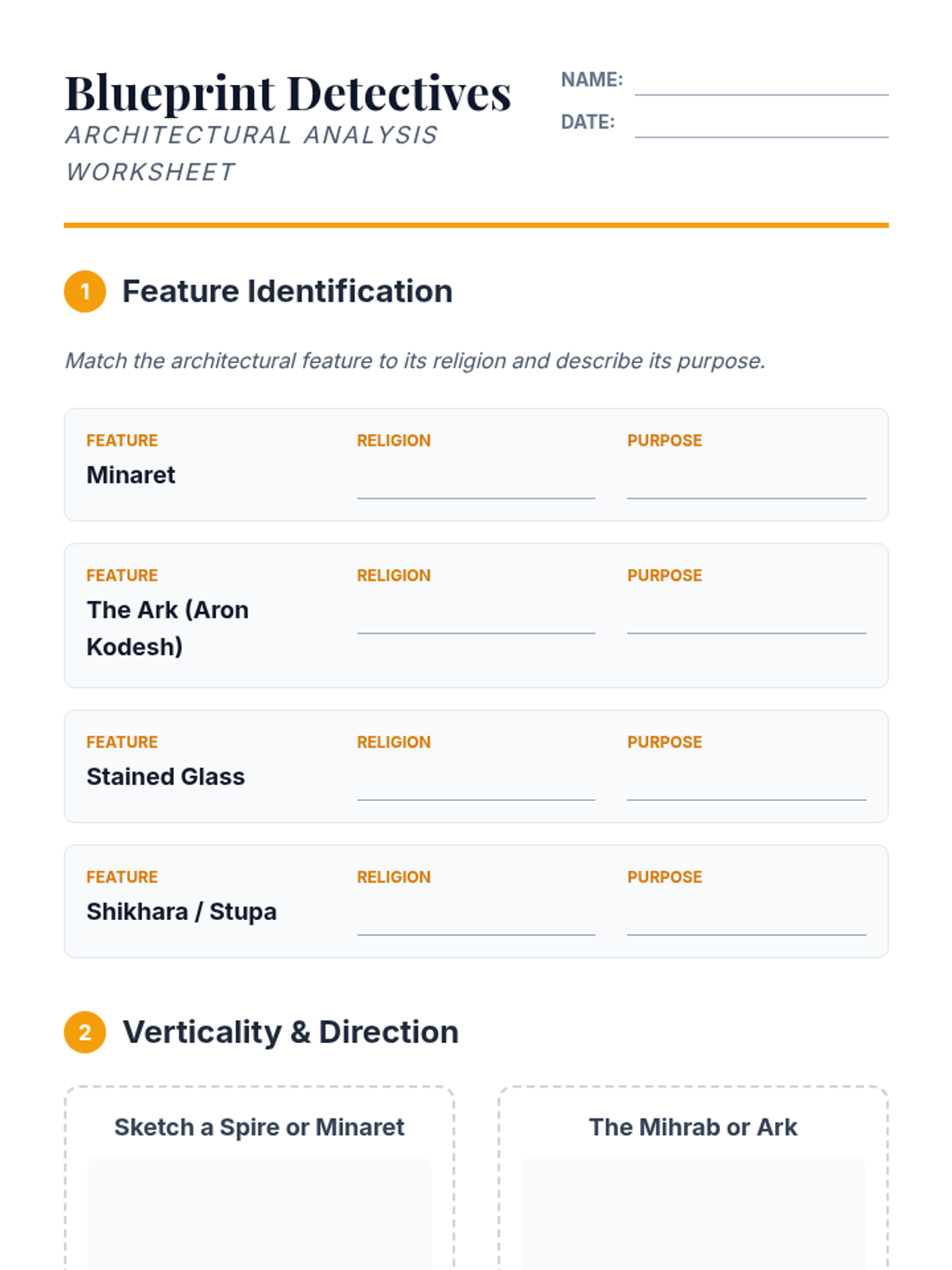
A 6th-grade Social Studies unit exploring the five major world religions through the lens of sacred architecture, festivals, ethics, and art. Students engage in comparative analysis and creative synthesis to understand how diverse traditions express core beliefs.
This sequence examines the emergence and expansion of Christianity and Islam, highlighting their roots in the Abrahamic tradition and the role of empire and trade in their diffusion.
A comprehensive 5-lesson unit for 6th-grade students exploring the origins of Judaism, from the Covenant of Abraham through the Exodus and the Diaspora. Students examine ethical monotheism, the development of law, and the cultural resilience of the Jewish people through sacred texts and traditions.
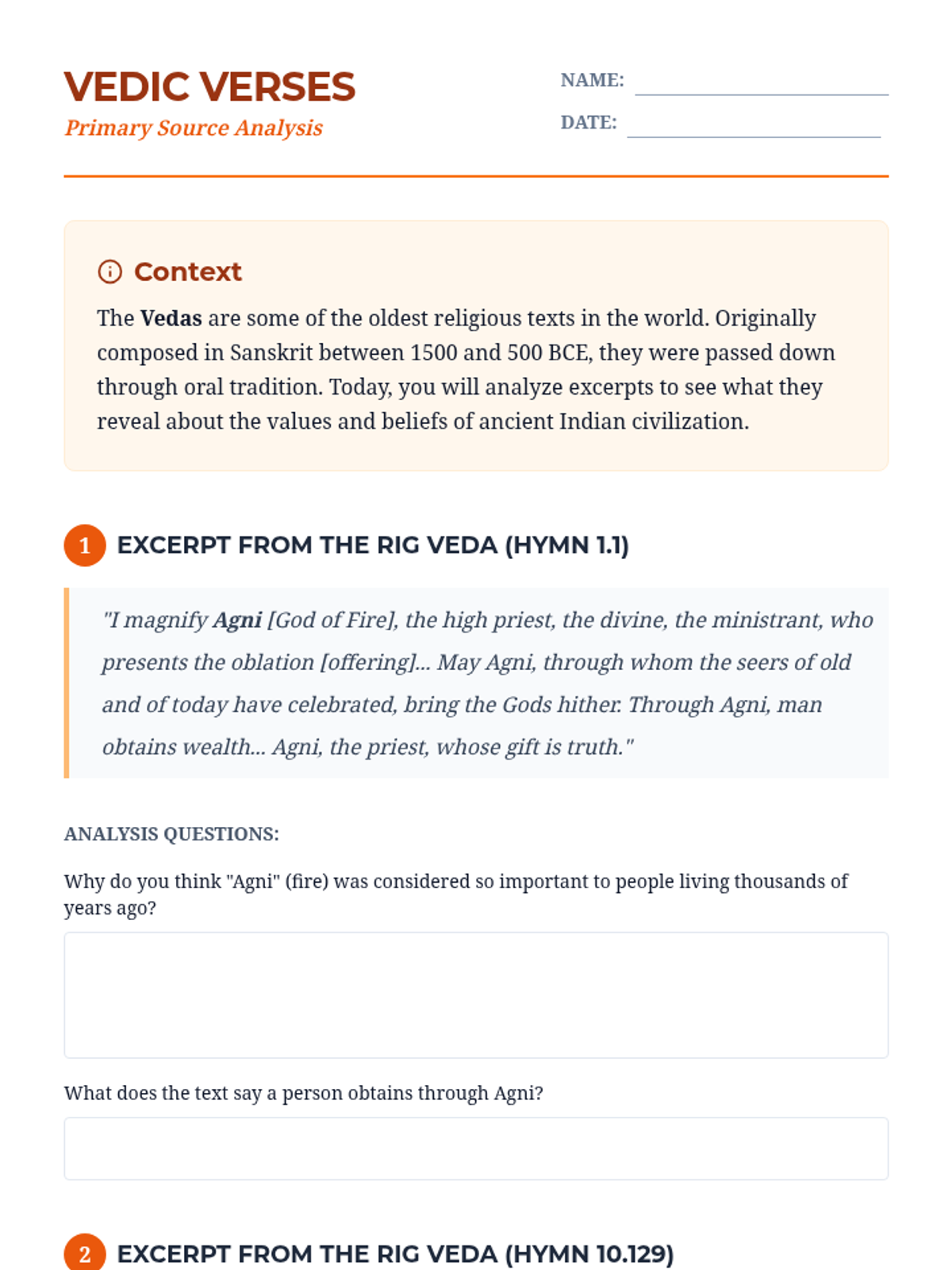
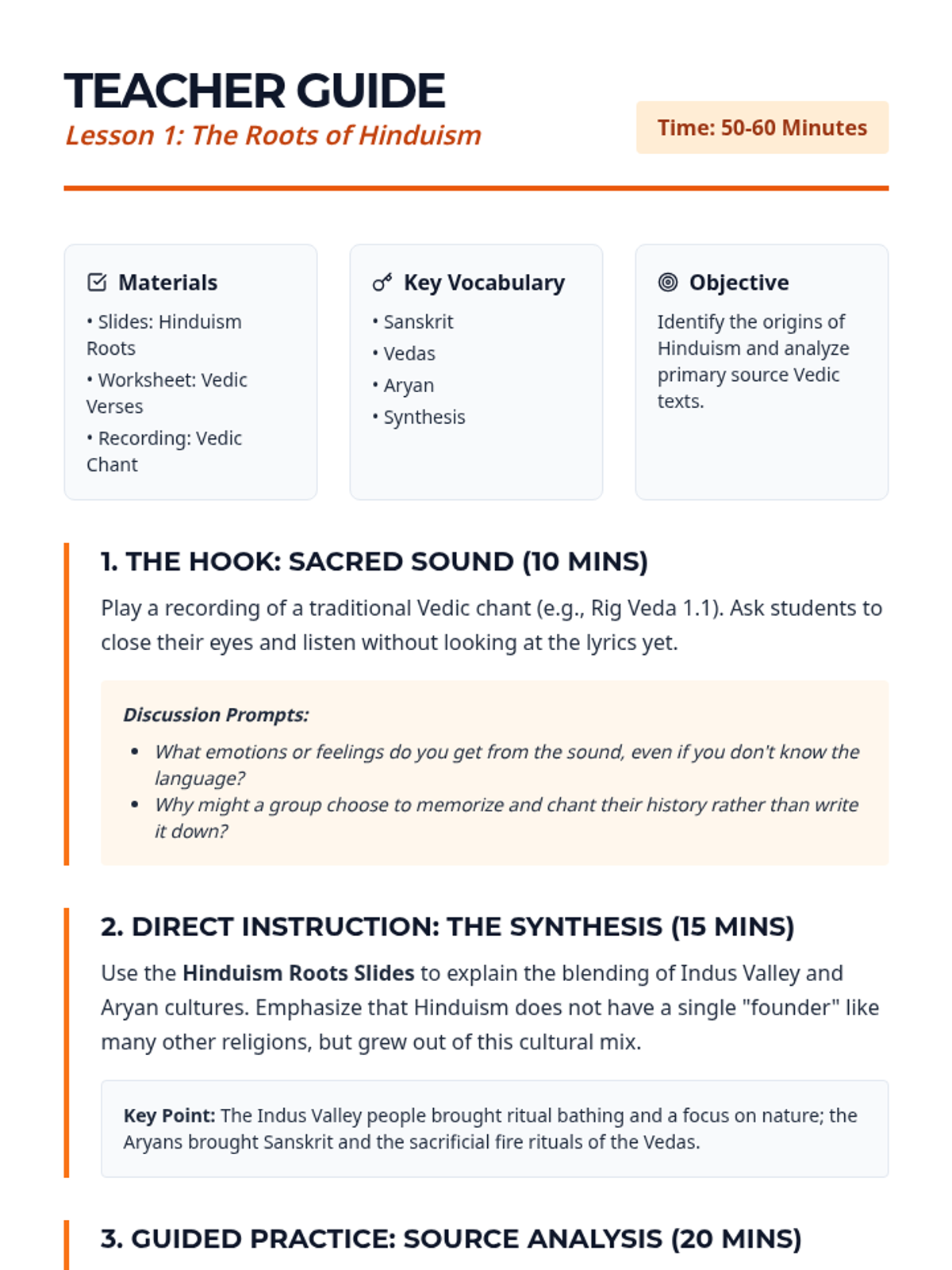
This sequence explores the historical and spiritual foundations of Hinduism and Buddhism in ancient India. Students analyze the origins of the Vedas, the core tenets of Karma and Dharma, the life and teachings of Siddhartha Gautama, and the expansion of these traditions under Emperor Ashoka.
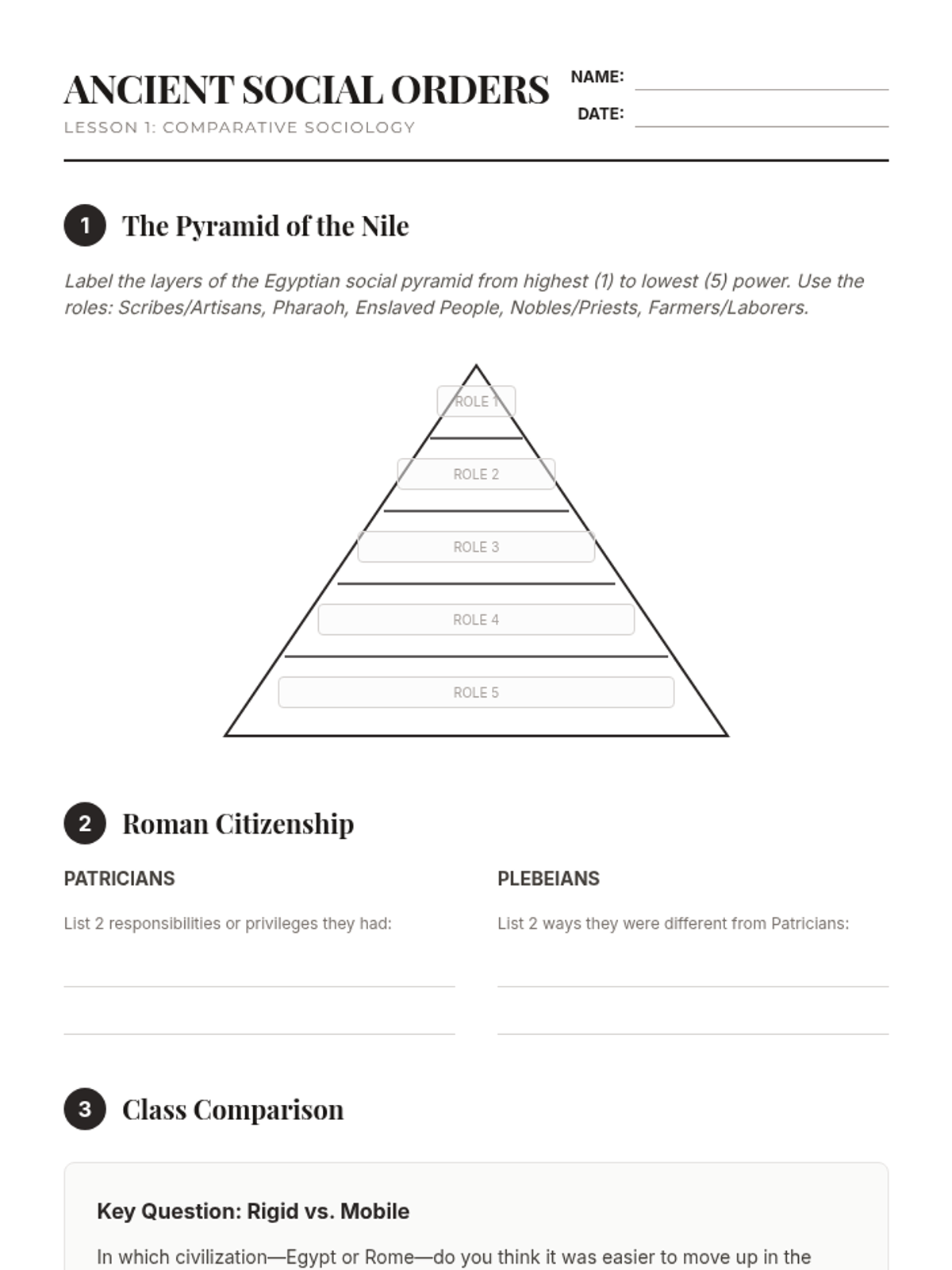
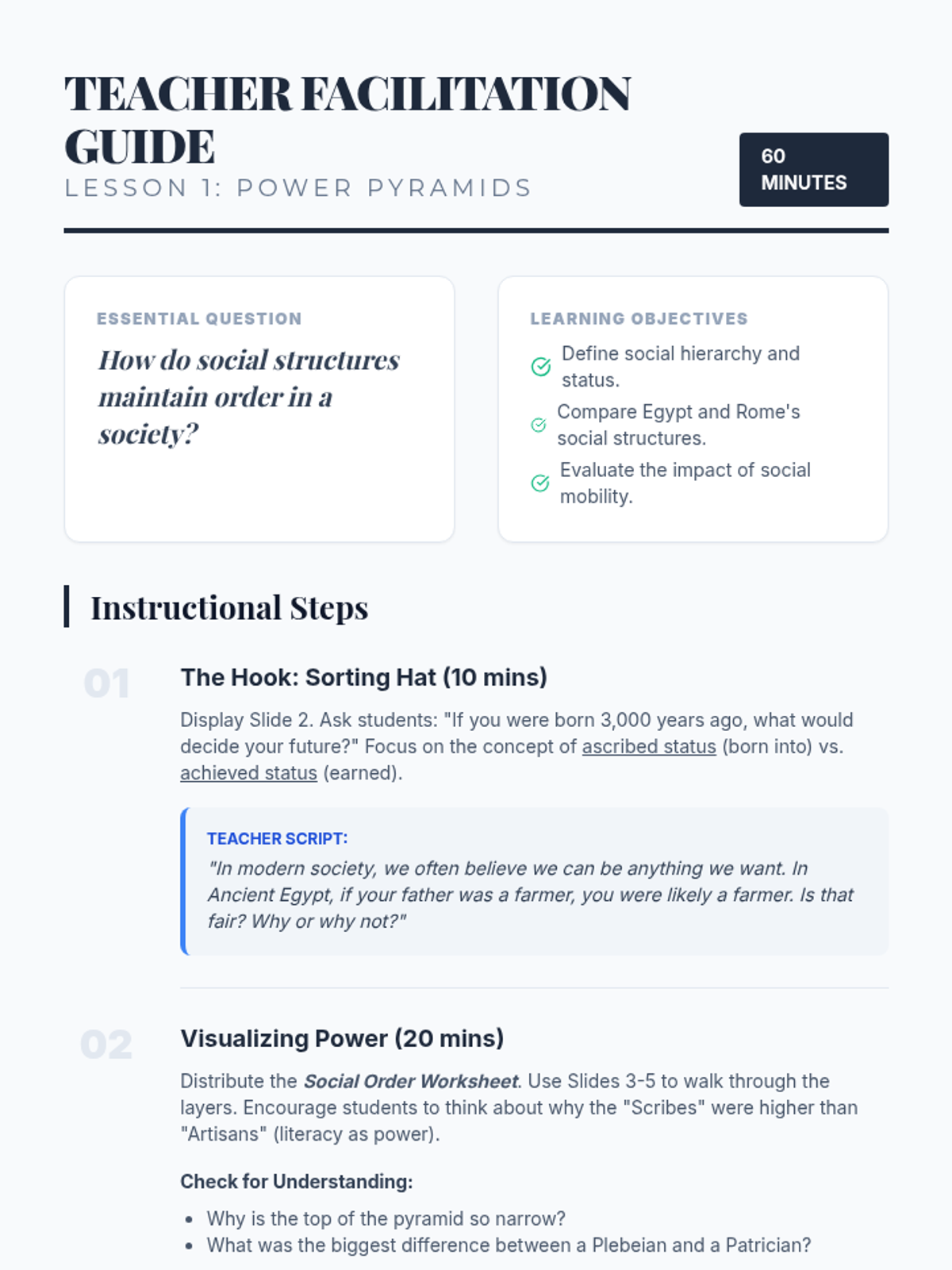
A 6th-grade Social Studies sequence exploring how social structures and religious beliefs created order across ancient civilizations including Egypt, Rome, China, Greece, and Mesopotamia. Students compare social hierarchies, gender roles, and the connection between divine authority and political power.
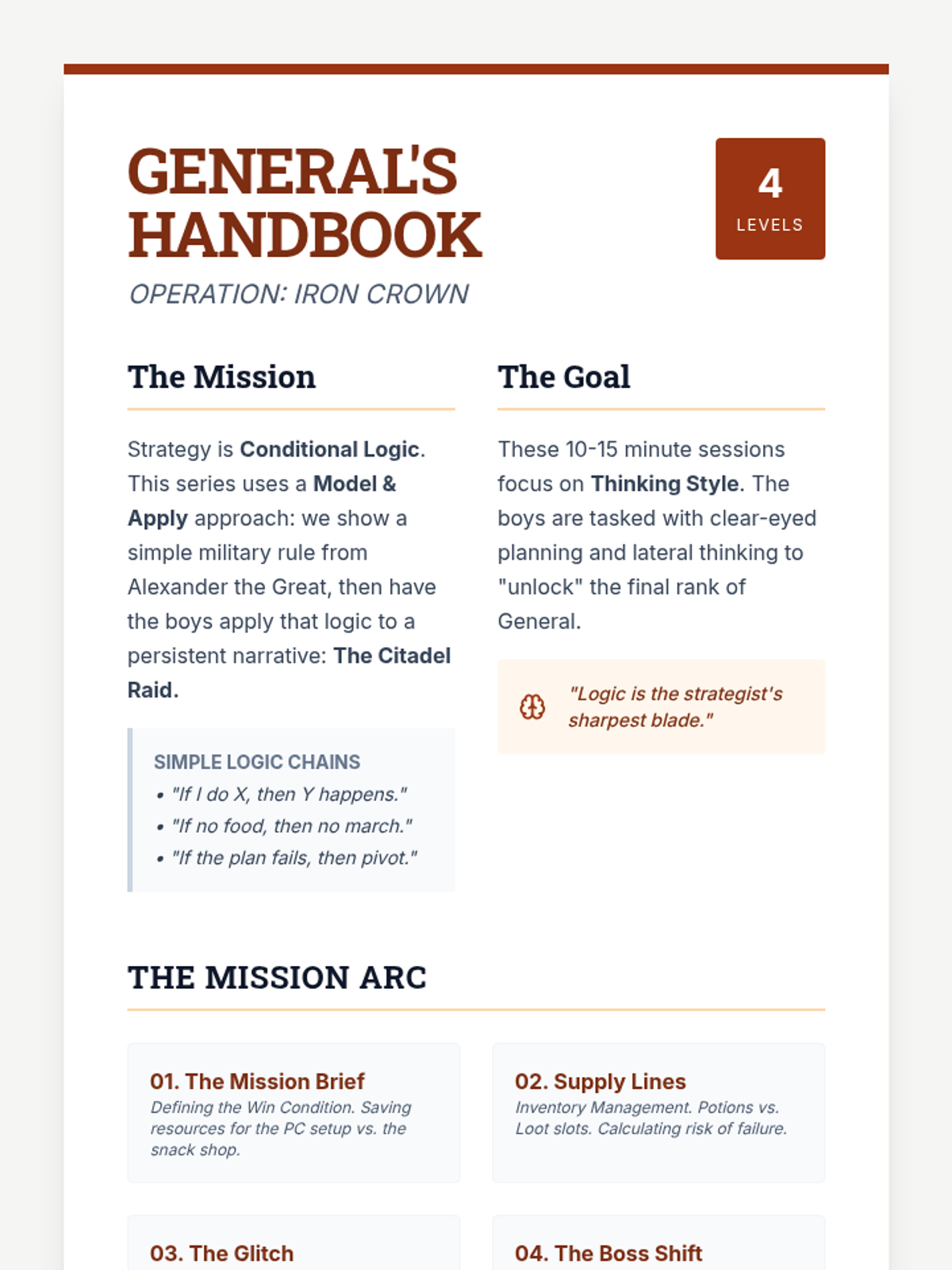
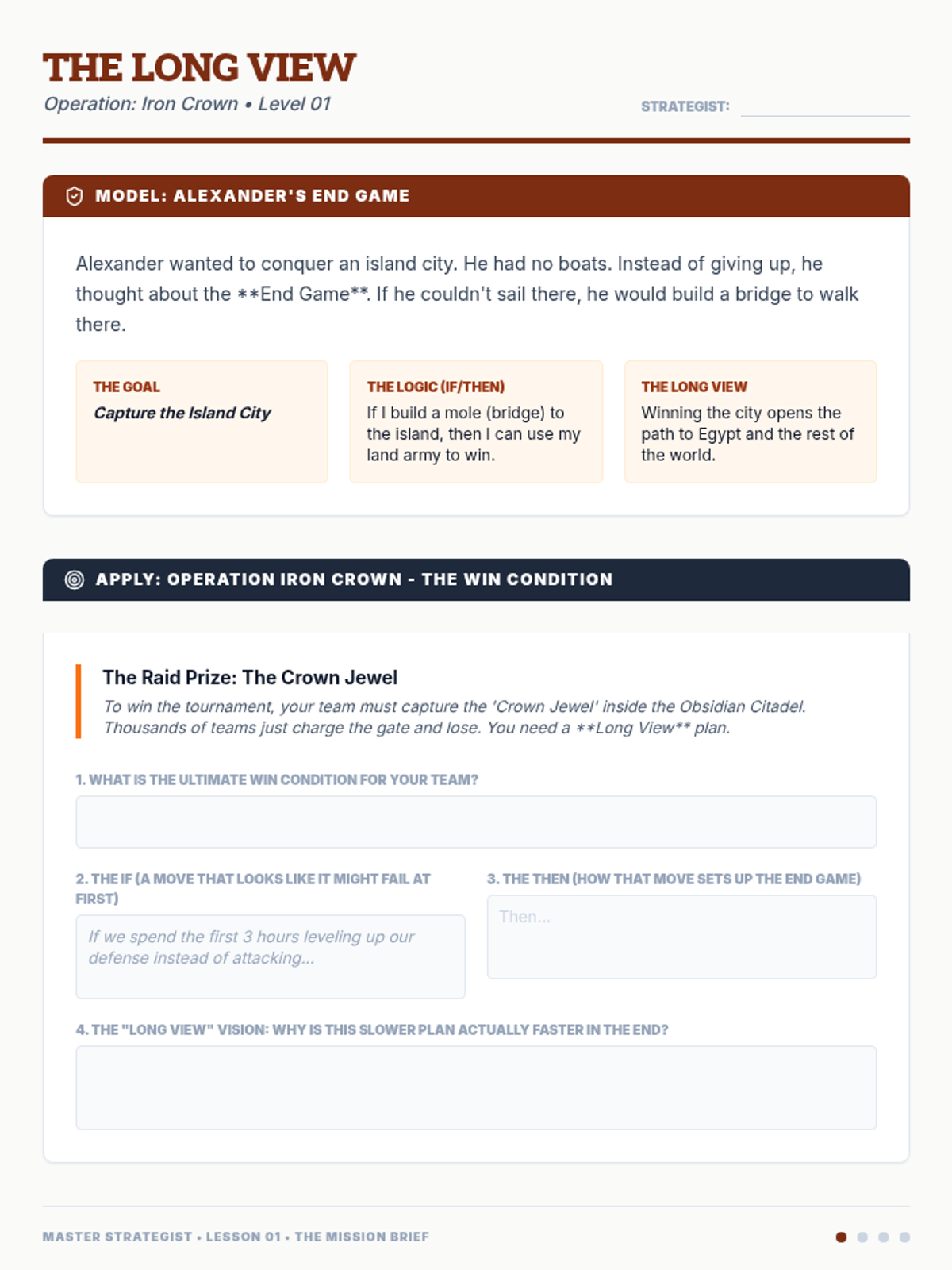
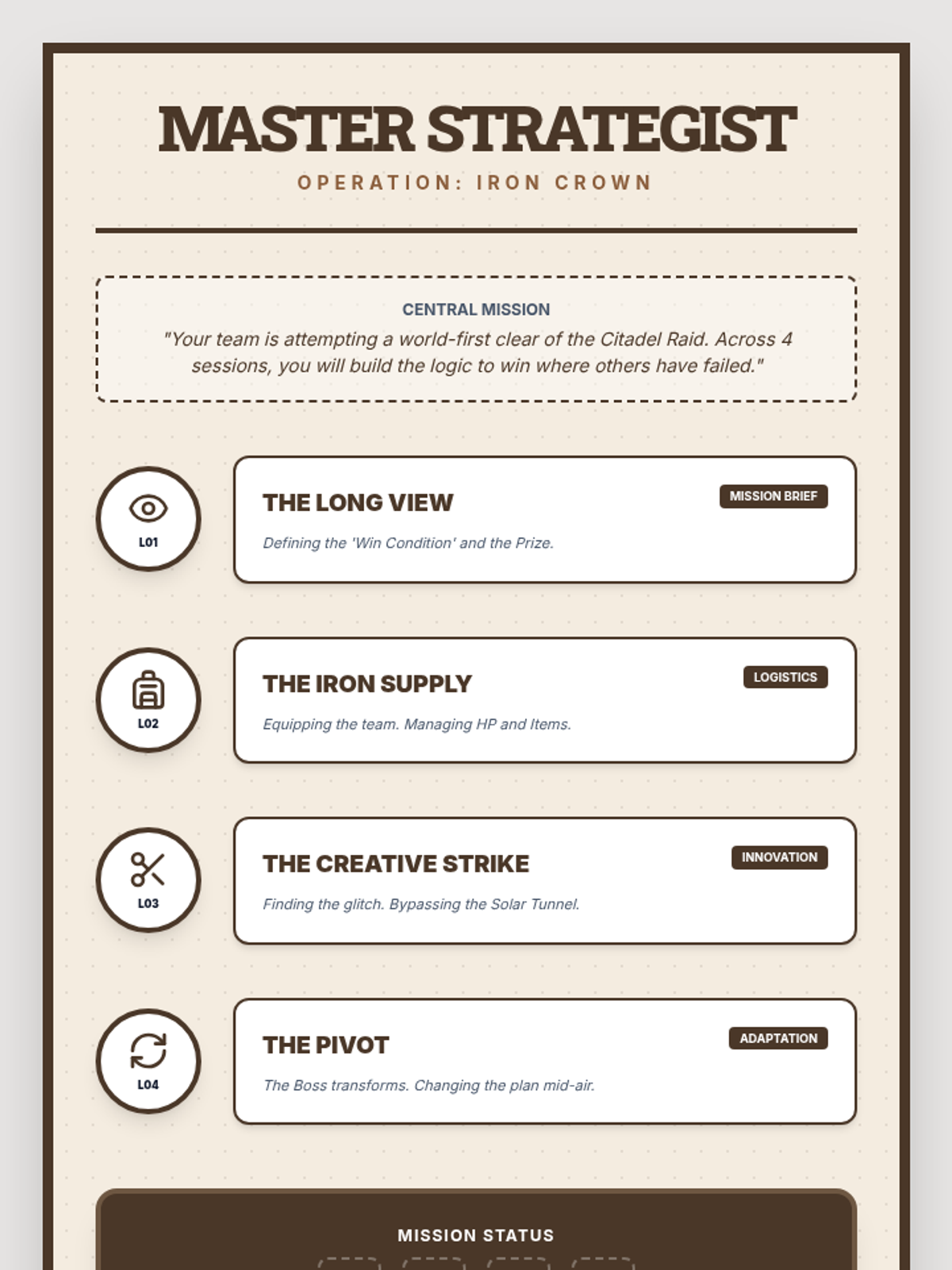
A 4-part series for middle schoolers exploring the philosophy of strategy, logic, and leadership through the lens of Alexander the Great. Each 10-15 minute lesson focuses on critical thinking, conditional logic, and tactical decision-making.
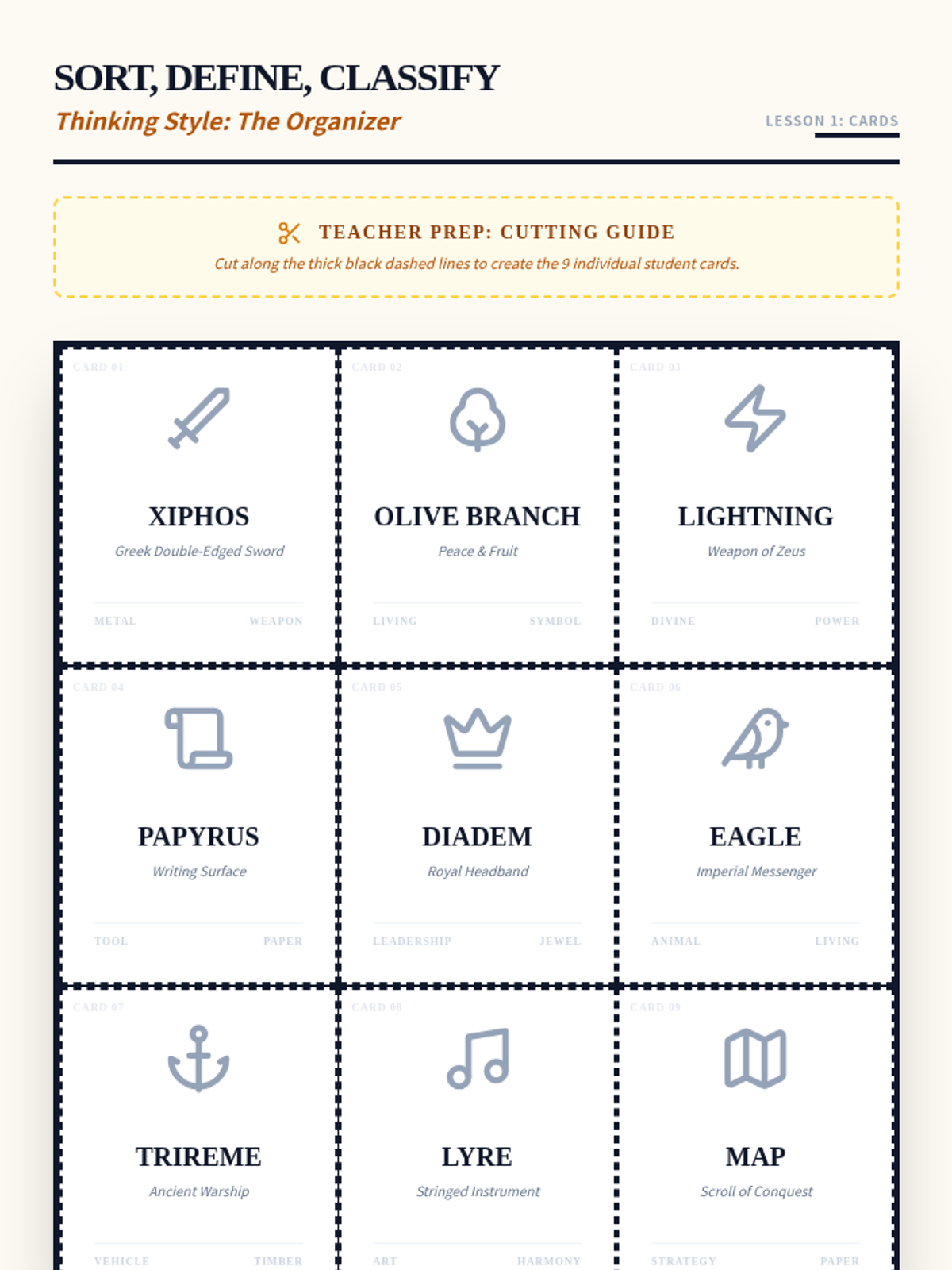
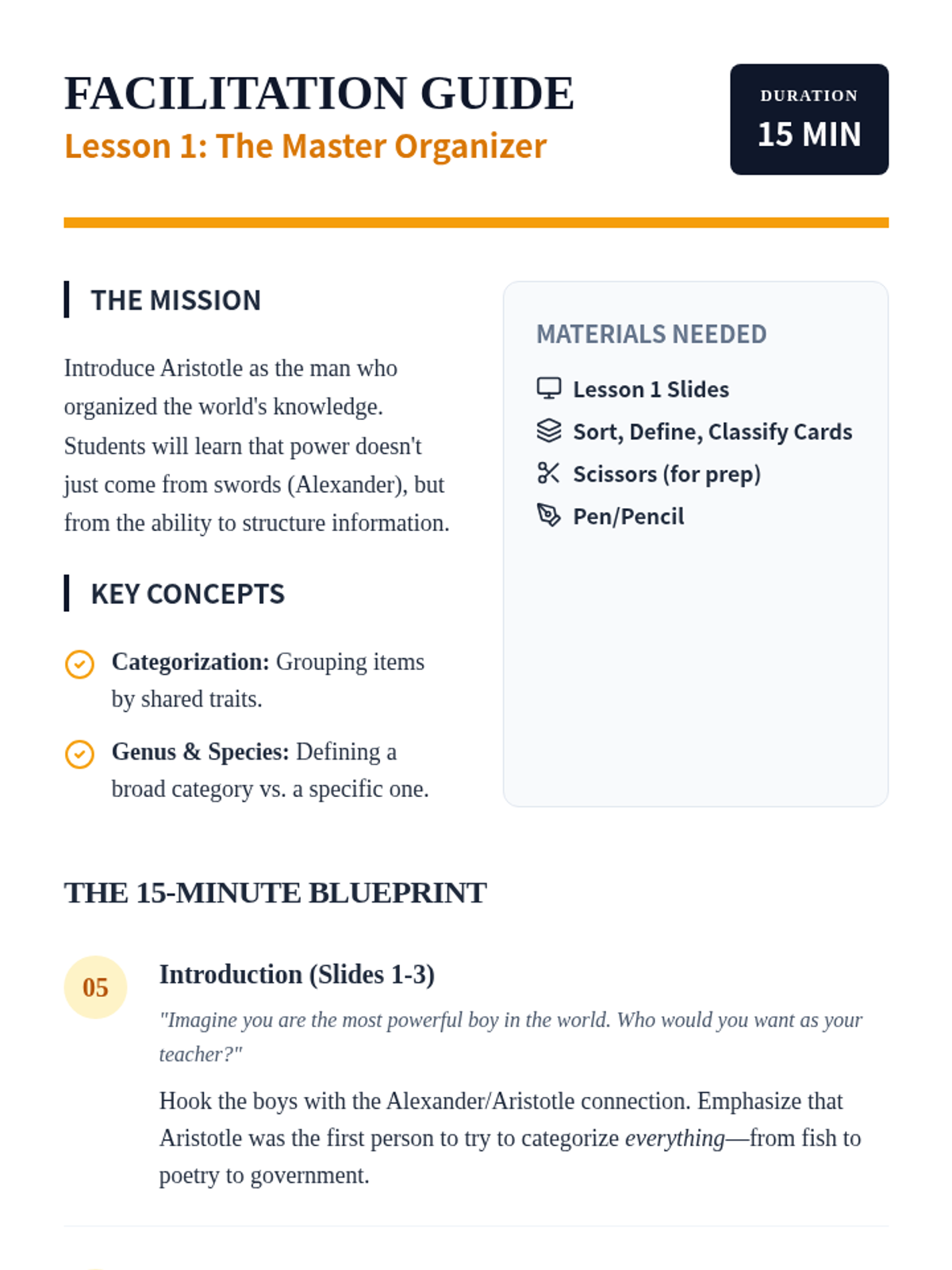
A four-part series for middle schoolers on Aristotelian logic and philosophy, focusing on categorization, reasoning, and ethics, with a historical tie-in to Alexander the Great.
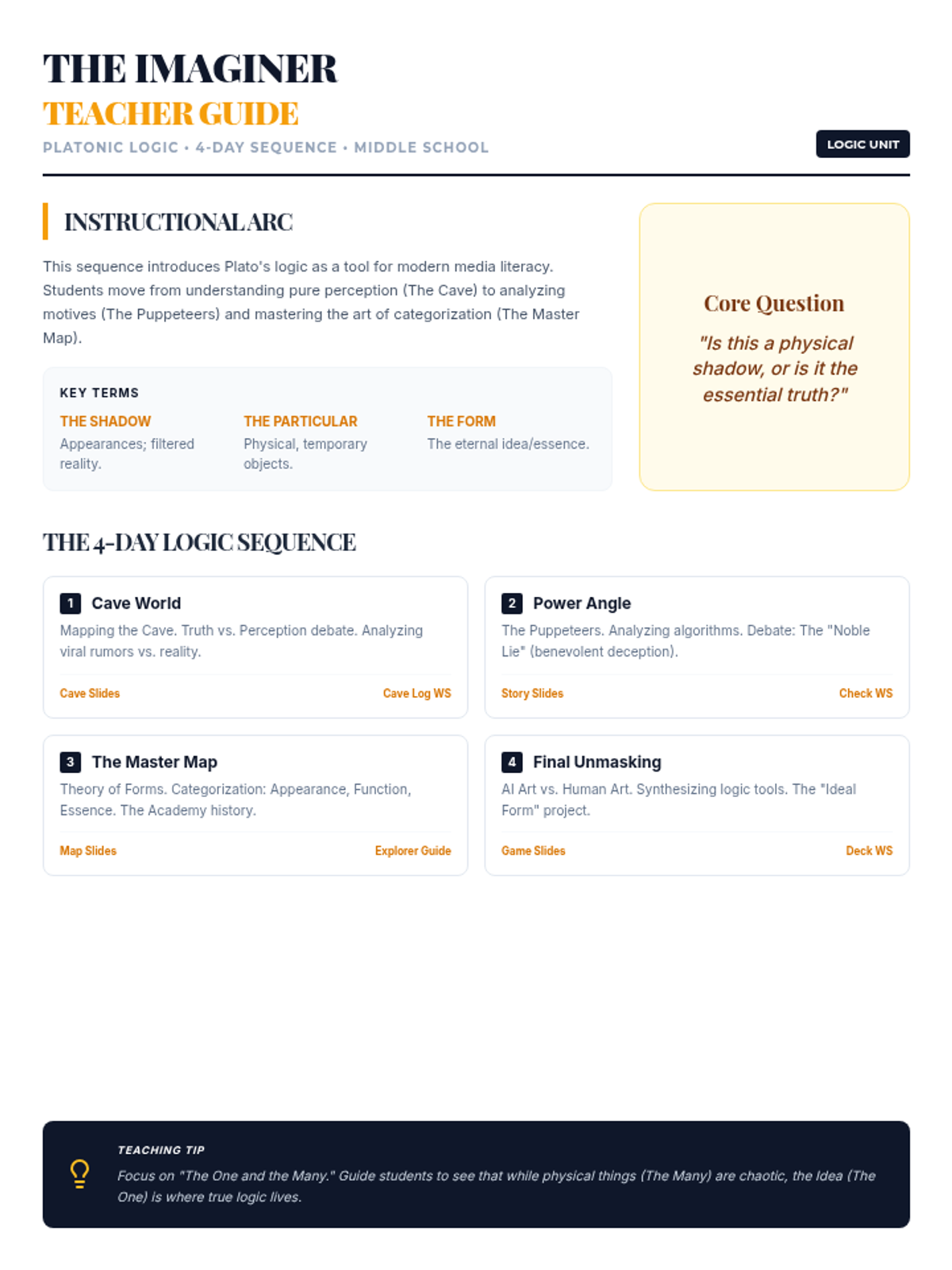
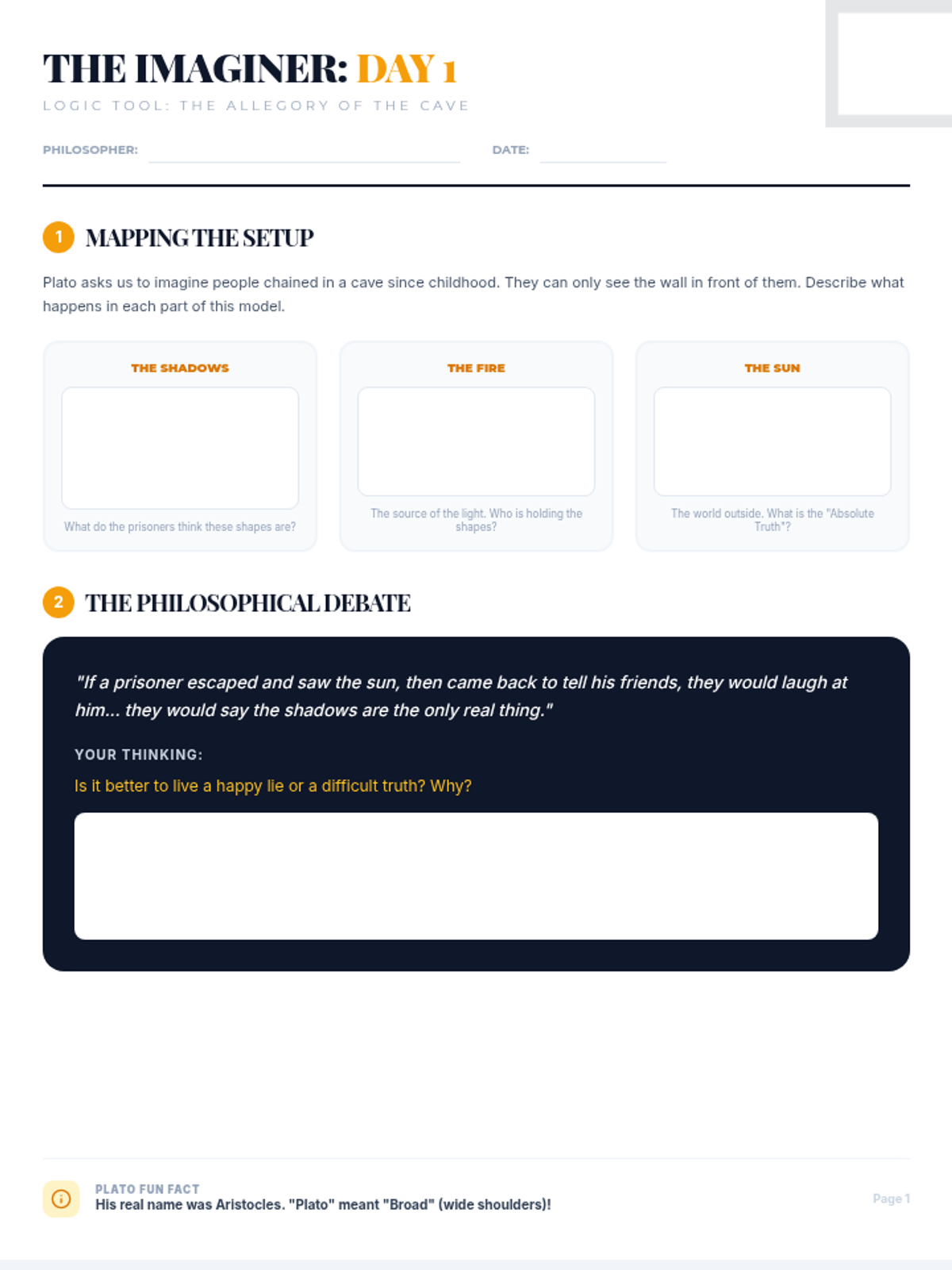
A four-day introductory logic and philosophy sequence for middle schoolers focusing on Plato's 'Thinking Style.' Students explore the Allegory of the Cave, perception vs. reality, and the Theory of Forms through the lens of 'The Imaginer,' culminating in a visual analysis game.
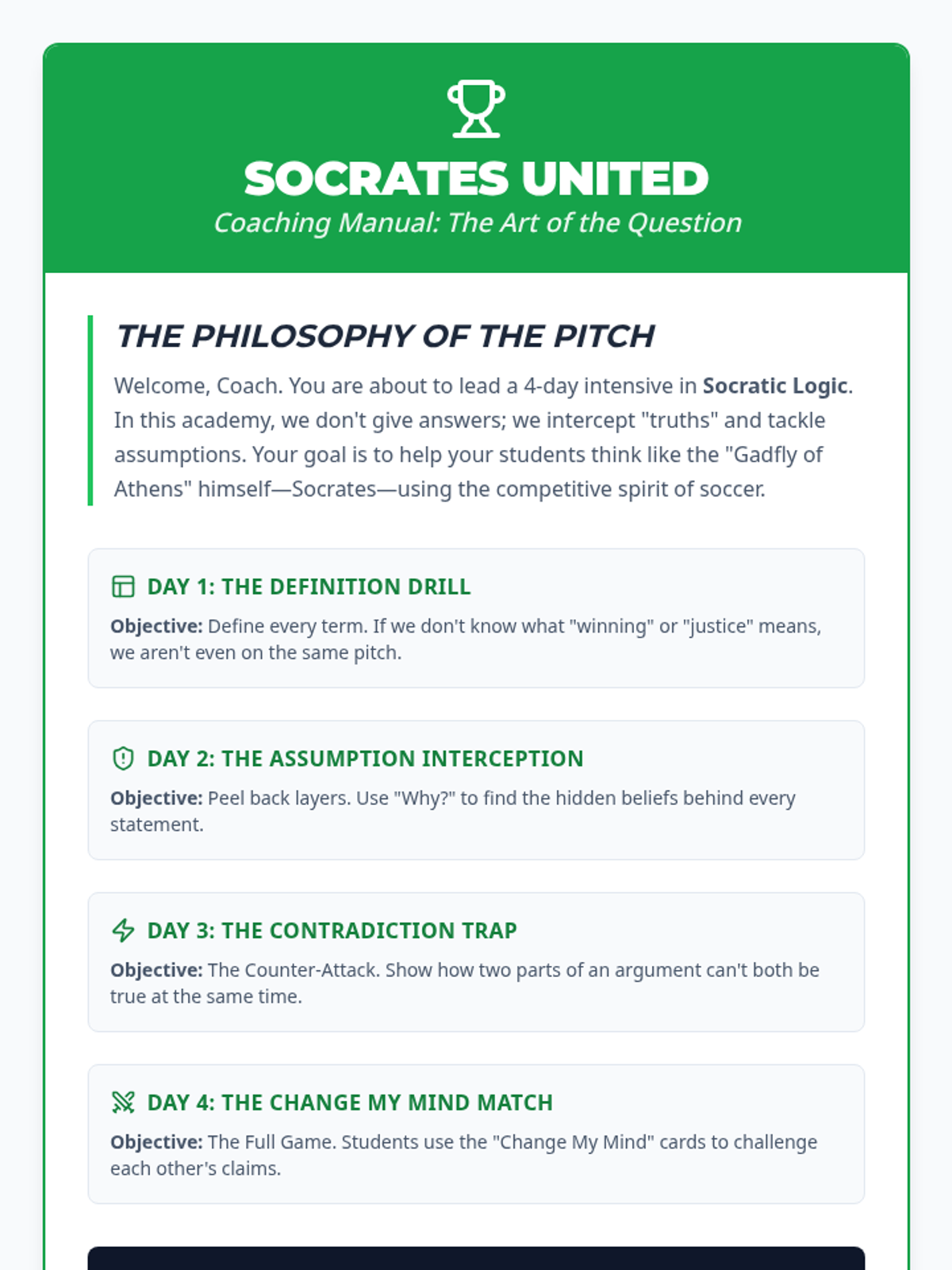
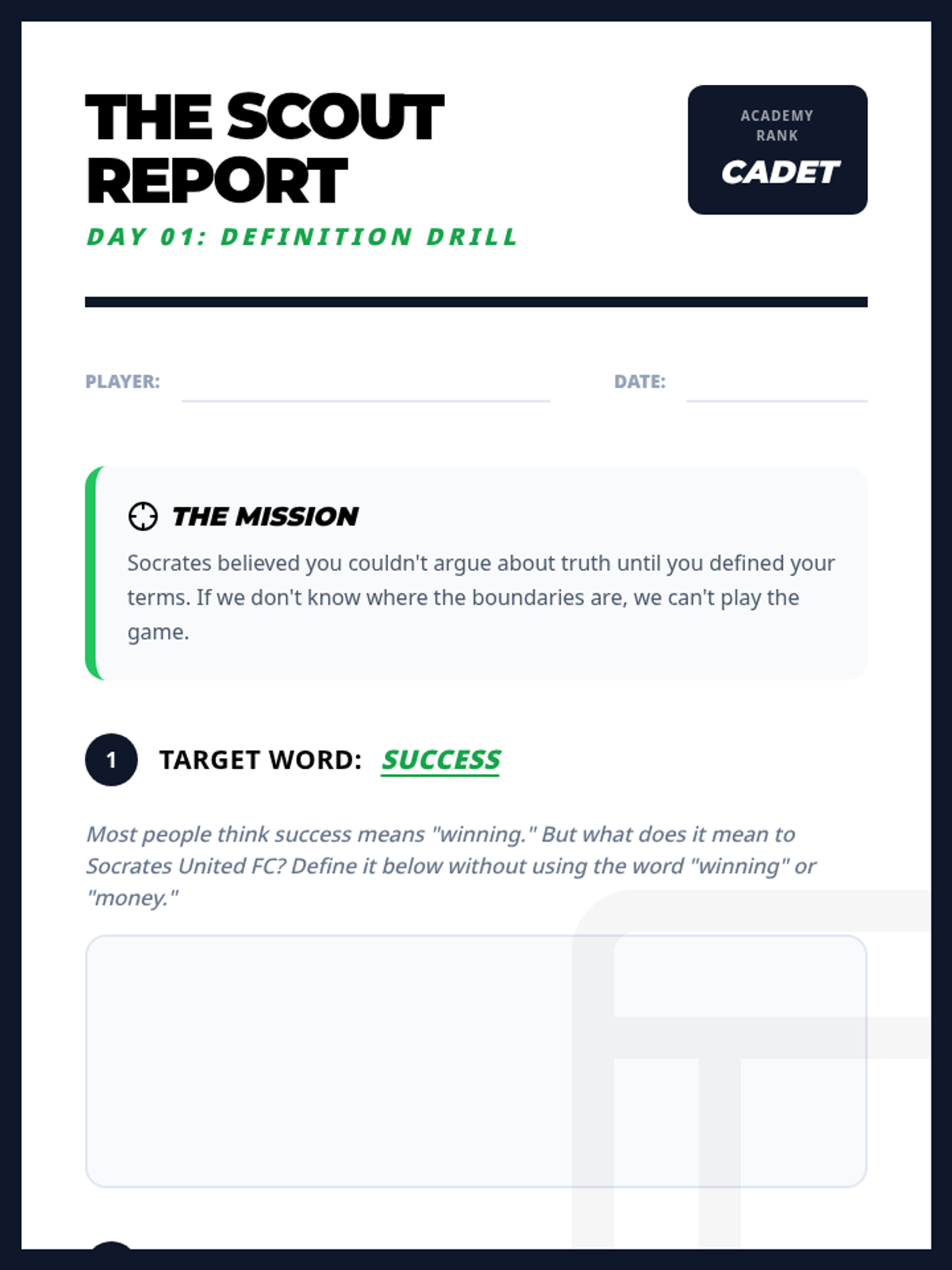
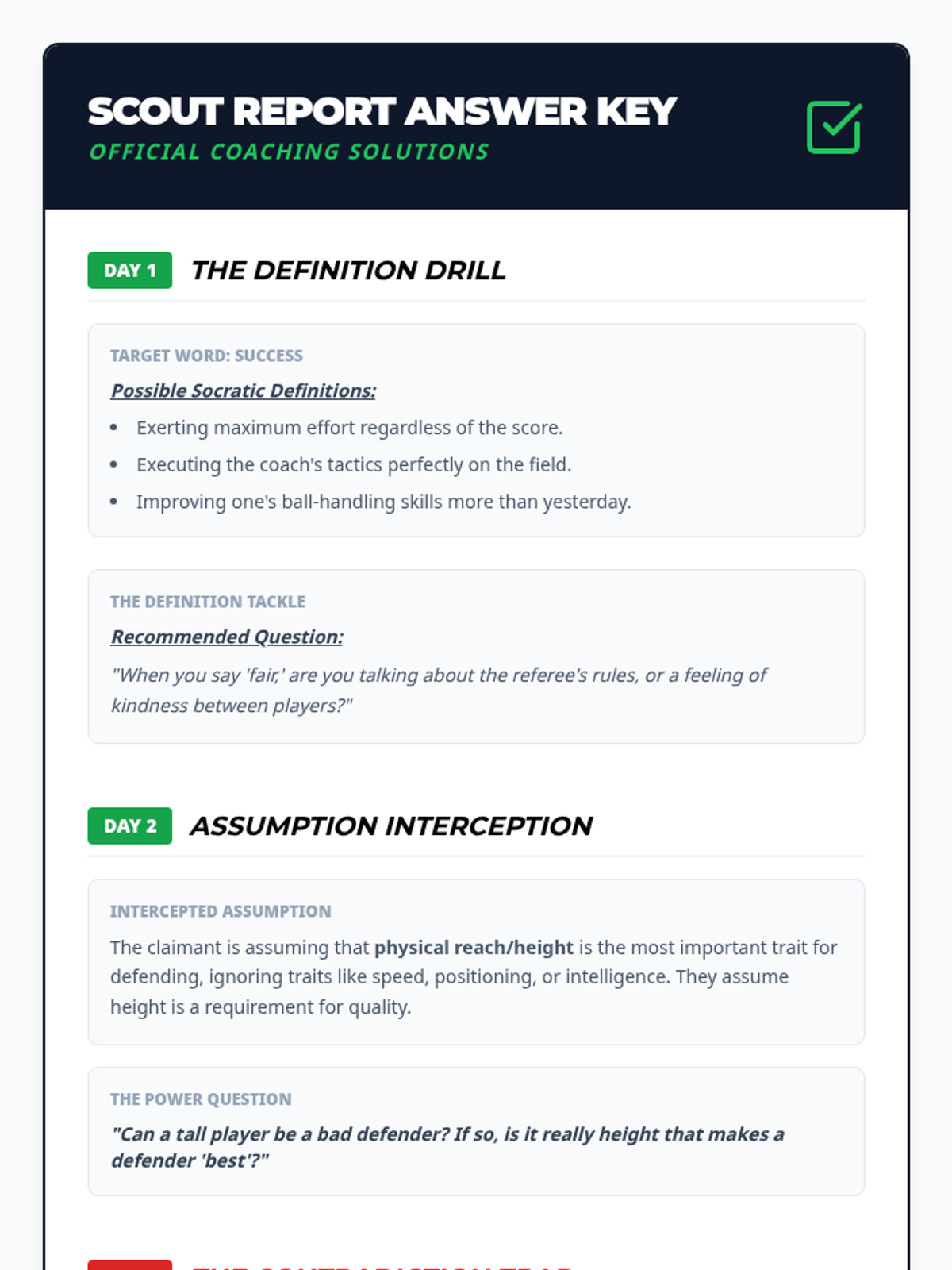
A 4-day logic sequence for middle school students themed around soccer and the Socratic method. Students learn to think like Socrates by questioning definitions, assumptions, and contradictions through the lens of 'Socrates United FC'.
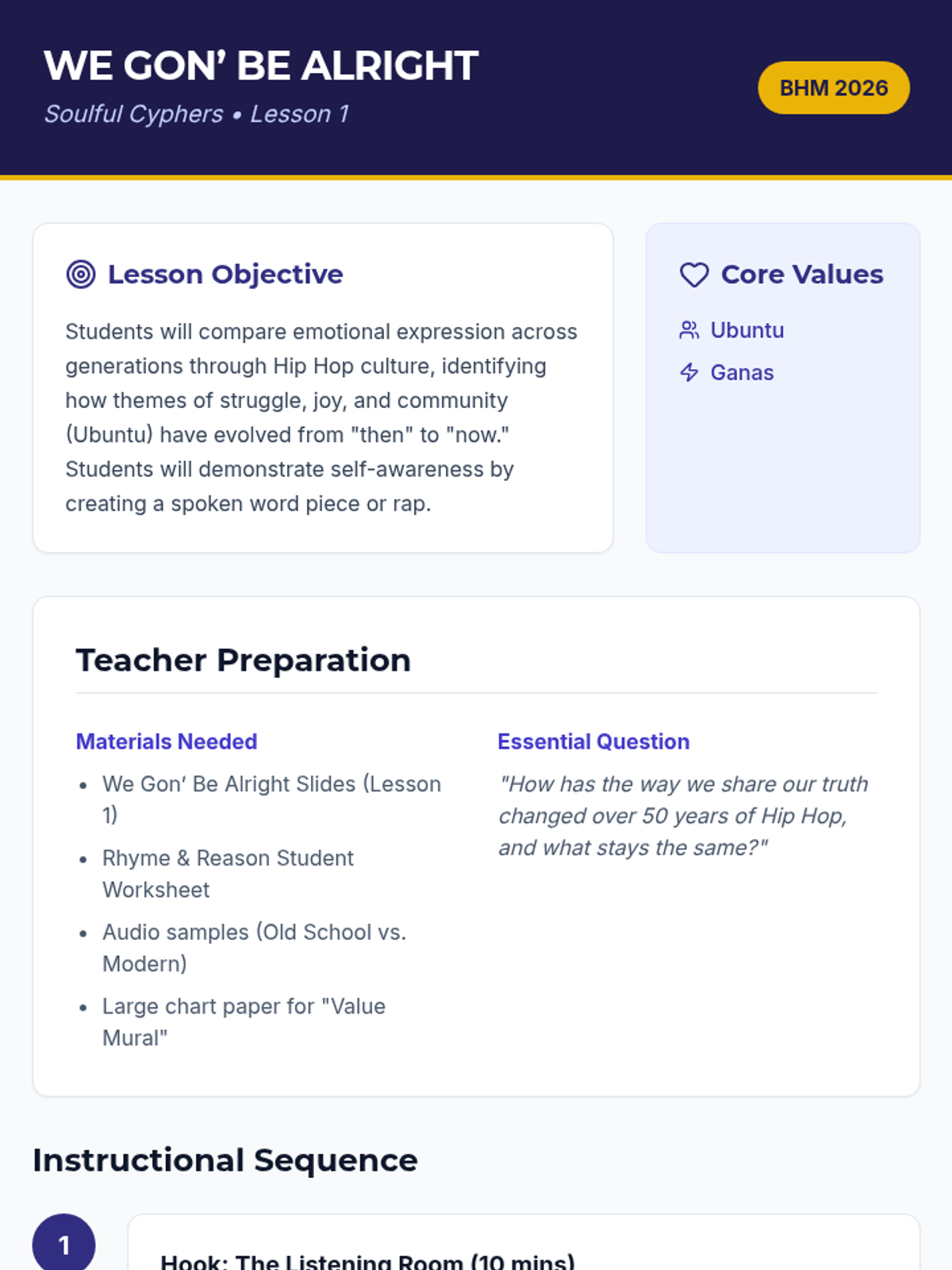
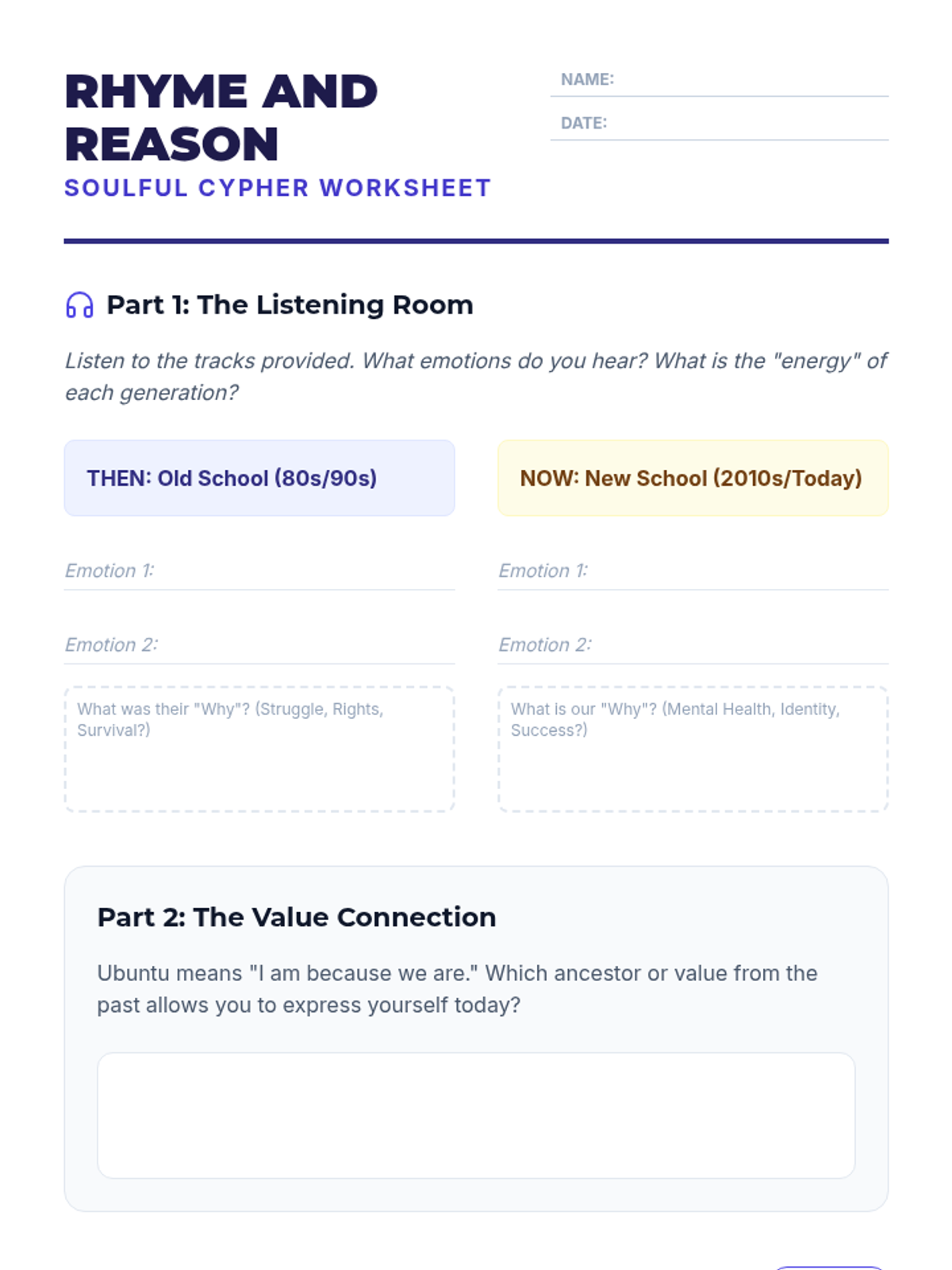
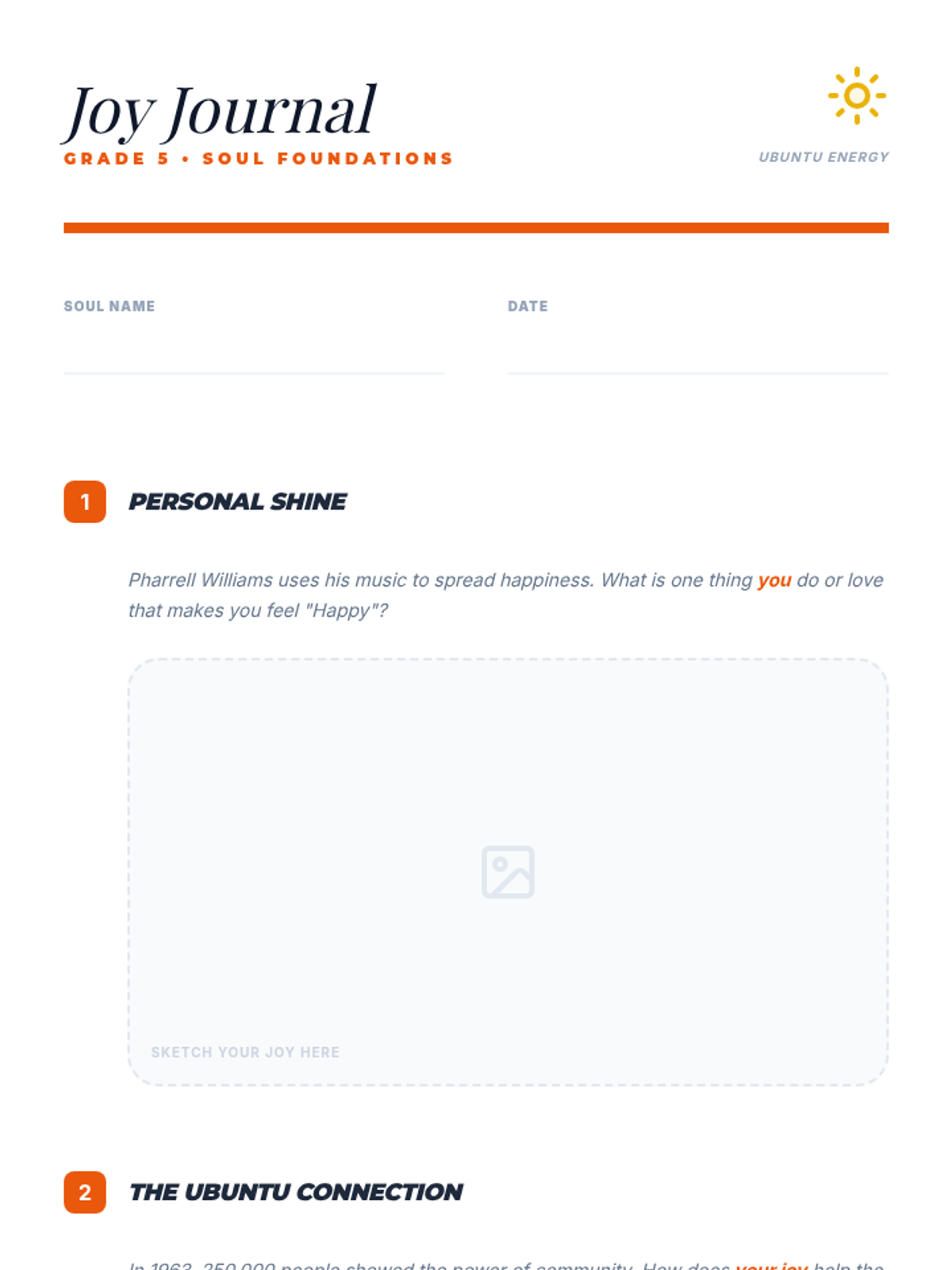
A comprehensive 6-lesson Black History Month curriculum for 5th-8th graders, exploring historical excellence, emotional expression, and community through the lens of five core values: Virtus, Kenkyo, Sankofa, Ubuntu, and Ganas. Inspired by a century of resilience and brilliance.
A 6-lesson sequence divided by grade level (5th, 6th, and 7th), celebrating 100 years of Black history through school values. Each grade explores two distinct lessons focusing on community joy, personal excellence, and mental health advocacy.
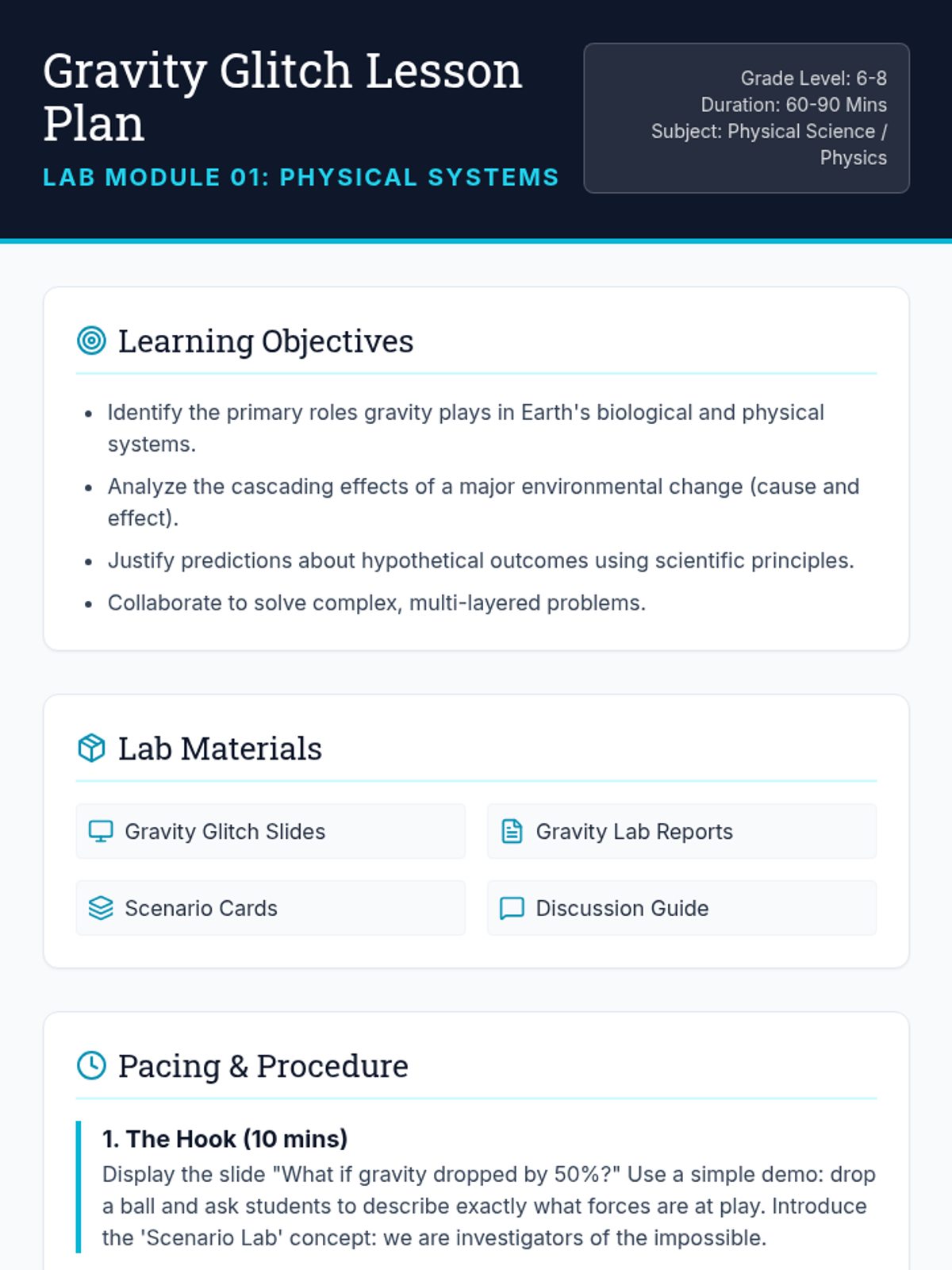
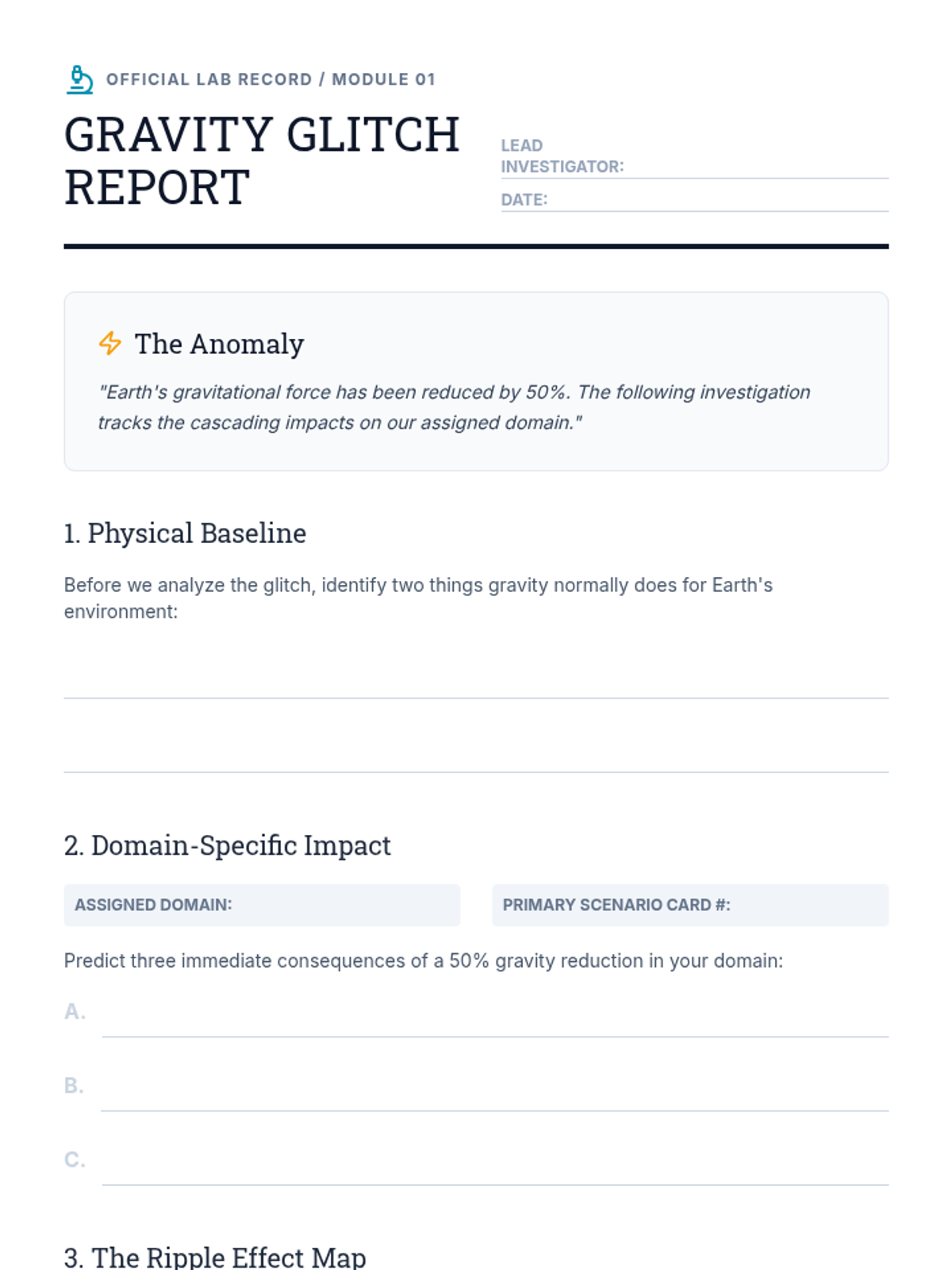
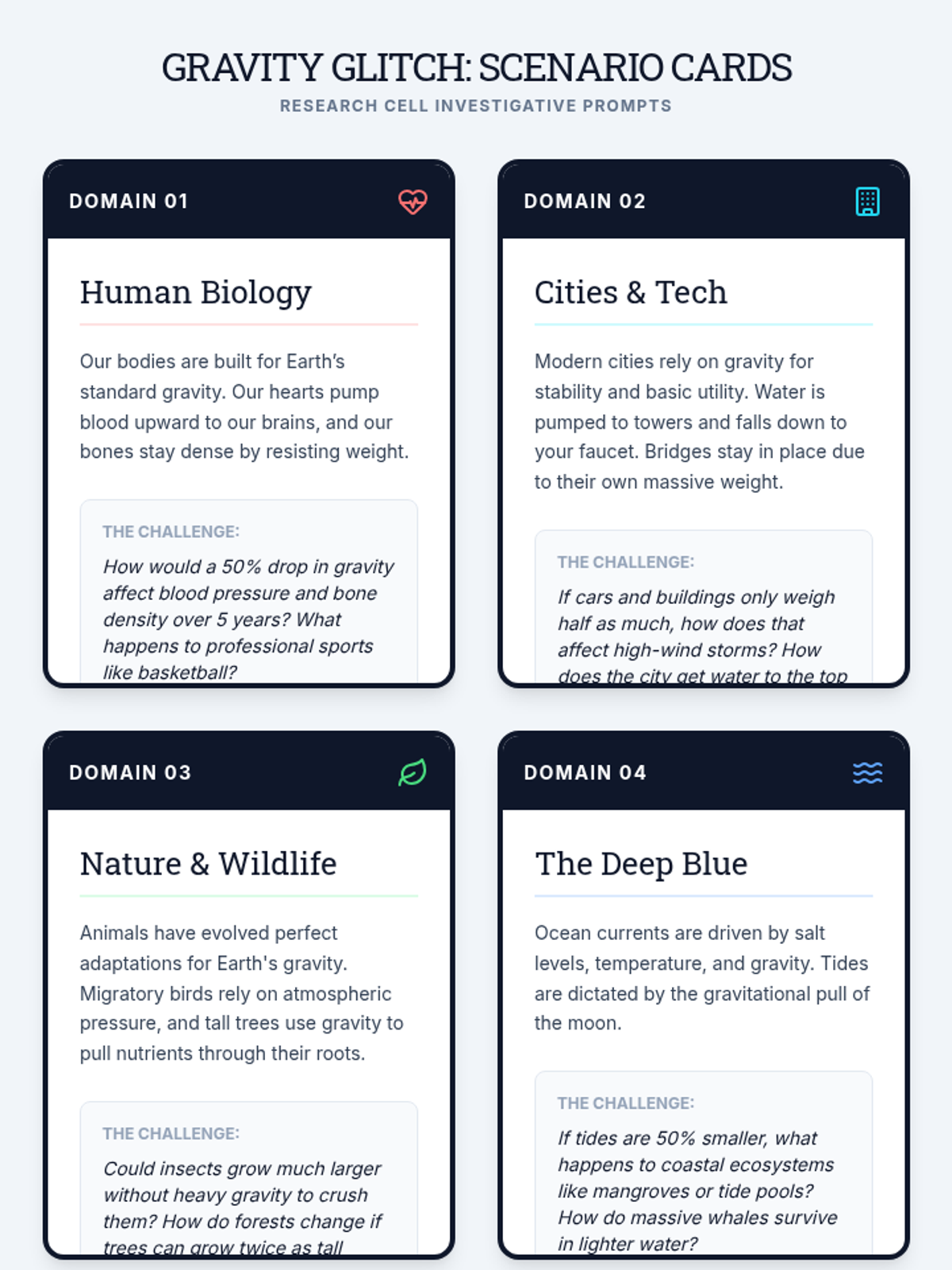
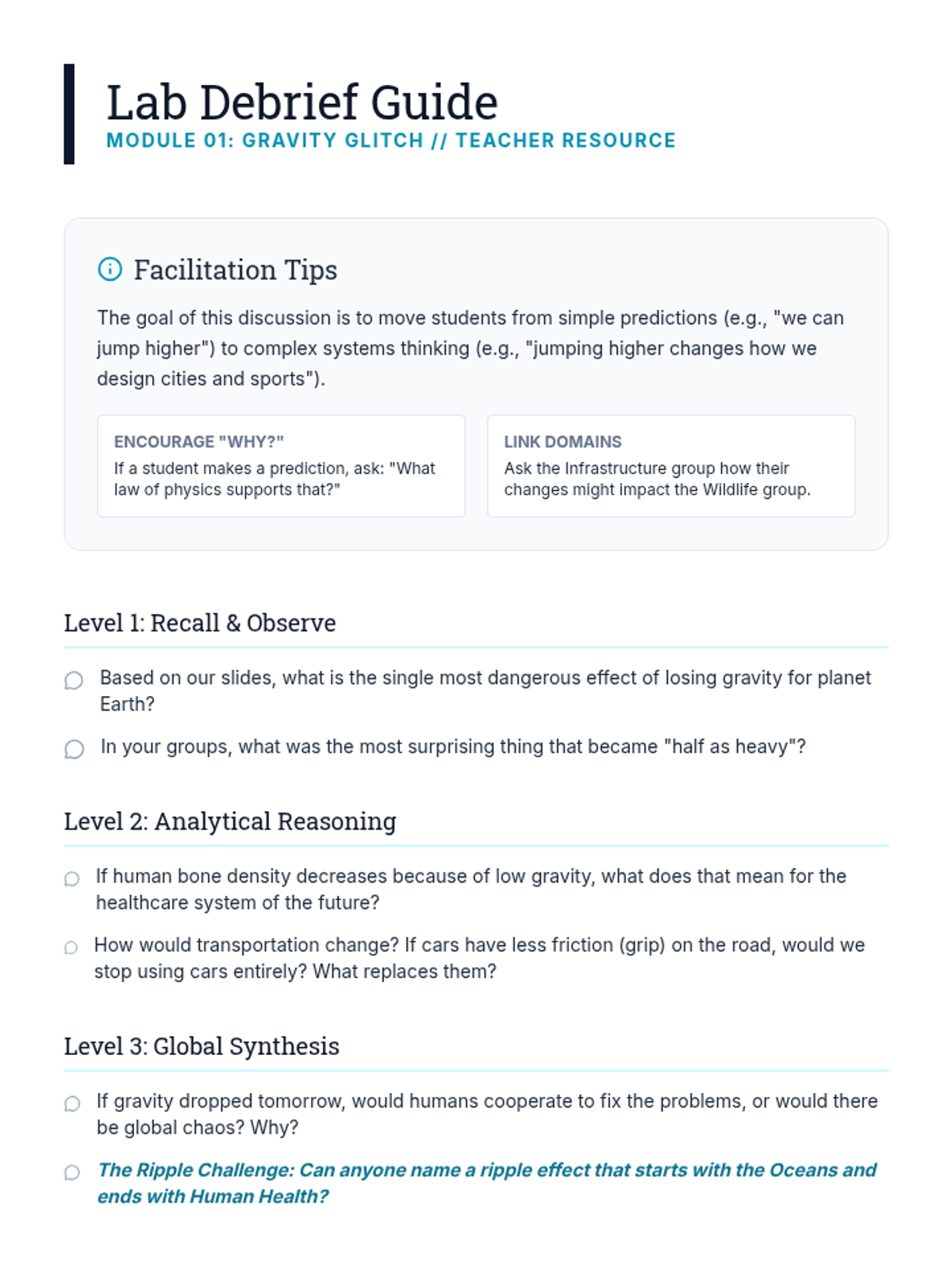
A series of three investigative modules where middle school students analyze hypothetical disruptions to science, history, and society to develop critical cause-and-effect reasoning skills.
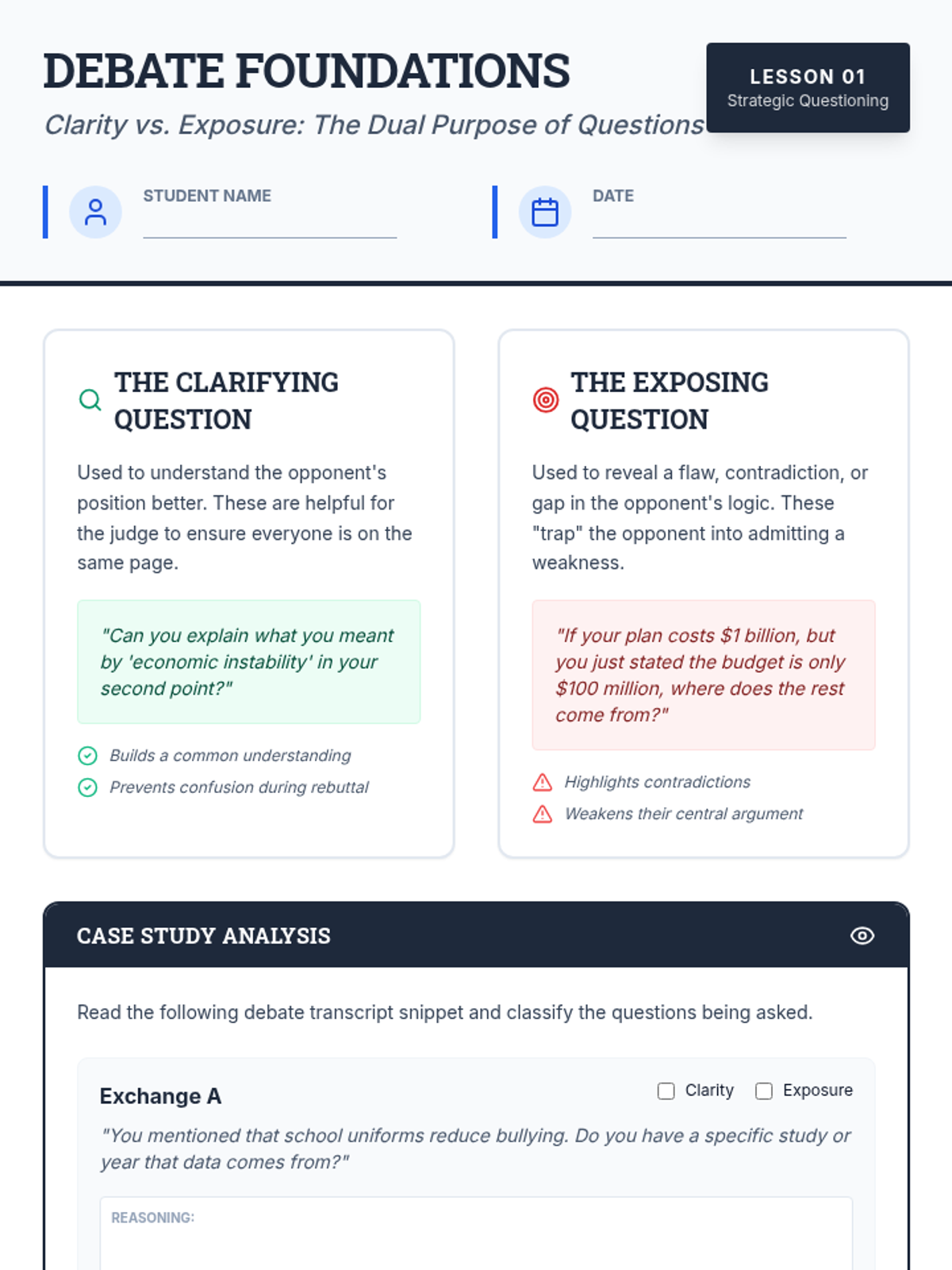
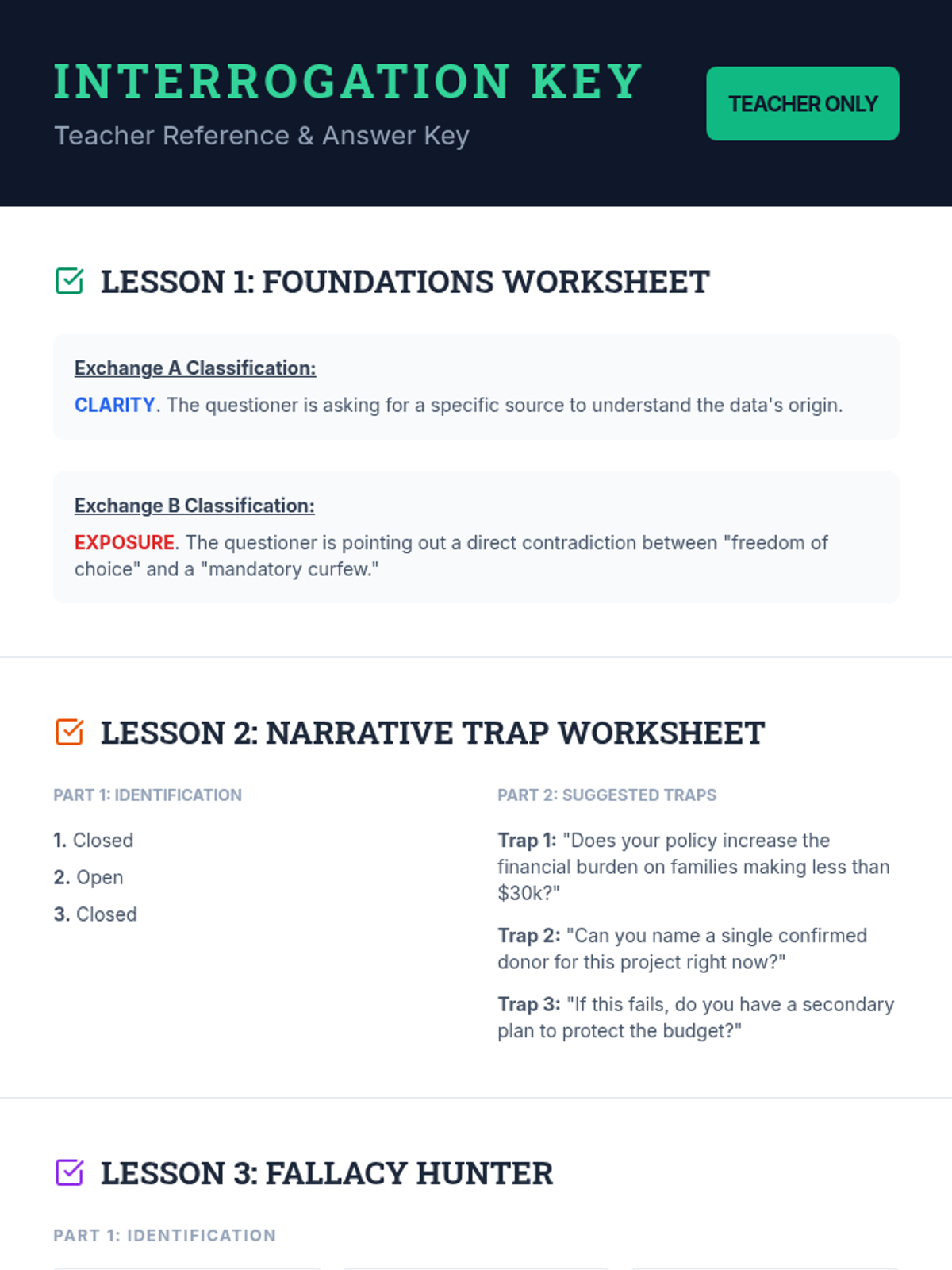
This middle school sequence introduces students to the strategic art of questioning in competitive debate. Students learn to distinguish between clarifying and exposing questions, master closed-ended inquiry, identify logical fallacies, and develop the agility to ask effective follow-up questions during high-pressure cross-fire simulations.
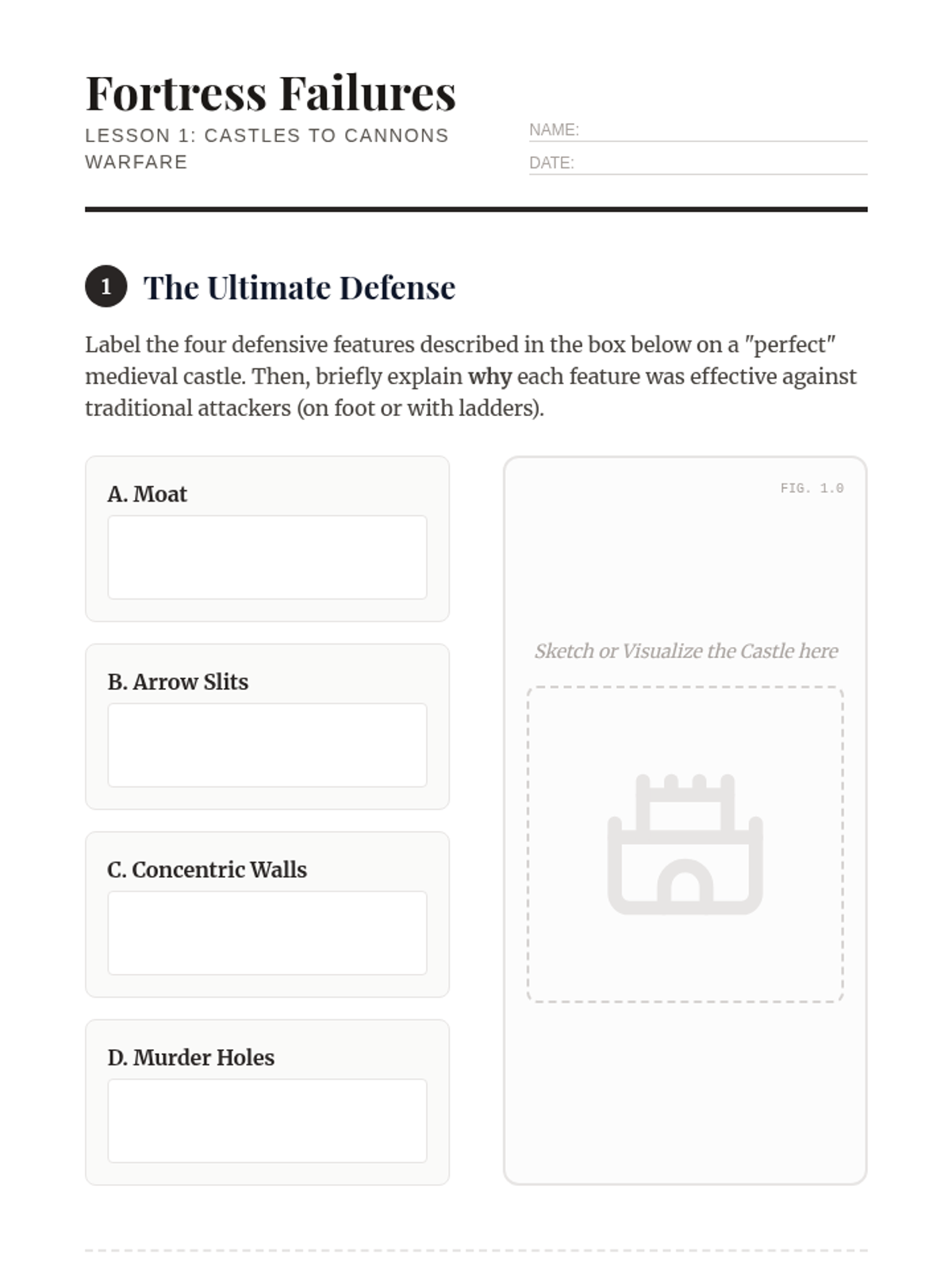
A 5-lesson unit exploring the technological, economic, political, and cultural shifts that moved Europe from the Medieval era into the Early Renaissance. students analyze the evolution of warfare, the rise of the middle class, the foundations of democracy, and the birth of humanism.
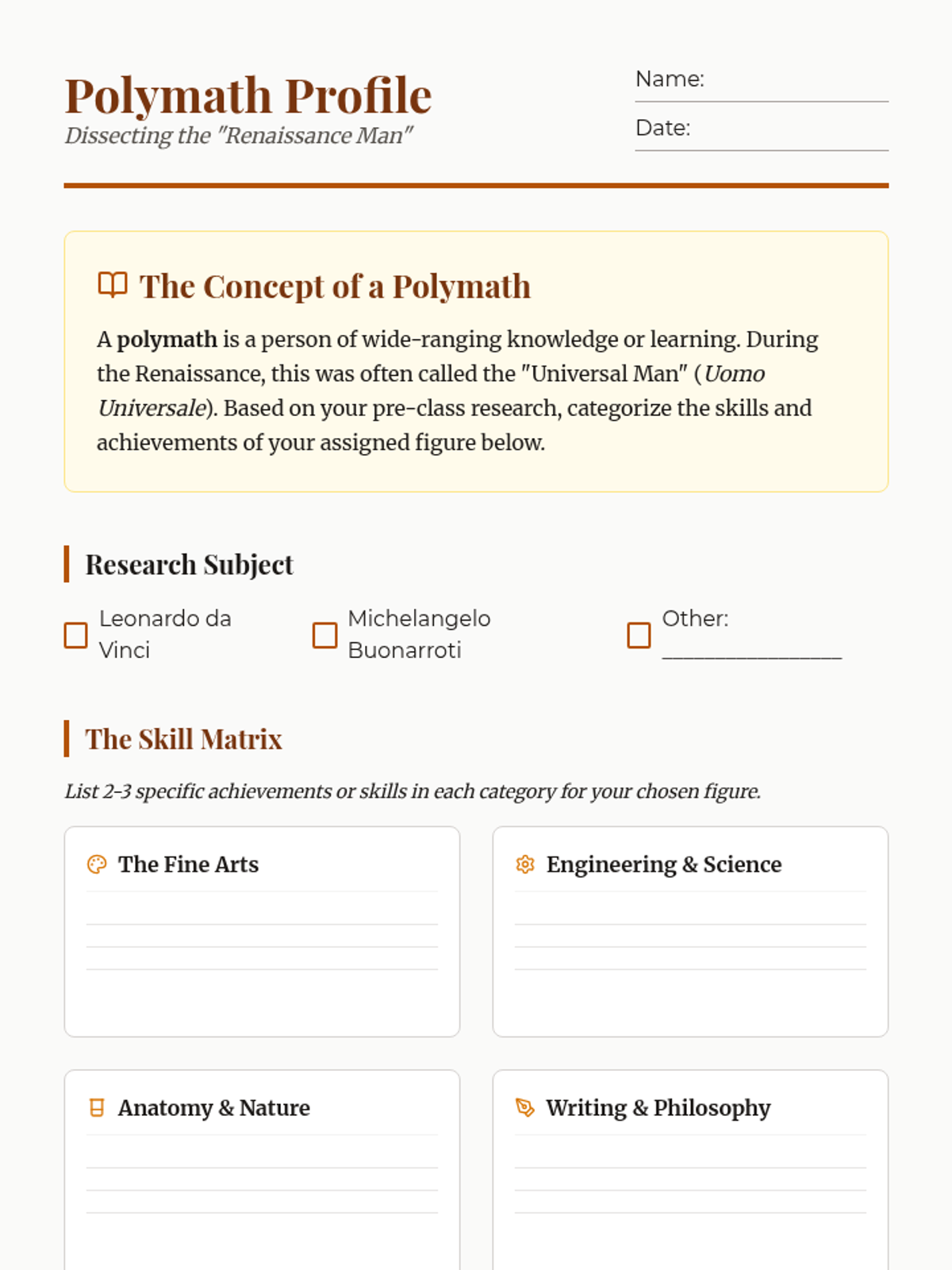
This sequence explores the Renaissance through its most influential figures, focusing on polymaths, powerful women, political thinkers, and explorers. Students engage in flipped learning, inquiry-based research, and ethical debates, culminating in a 'Meeting of the Minds' dinner party role-play.
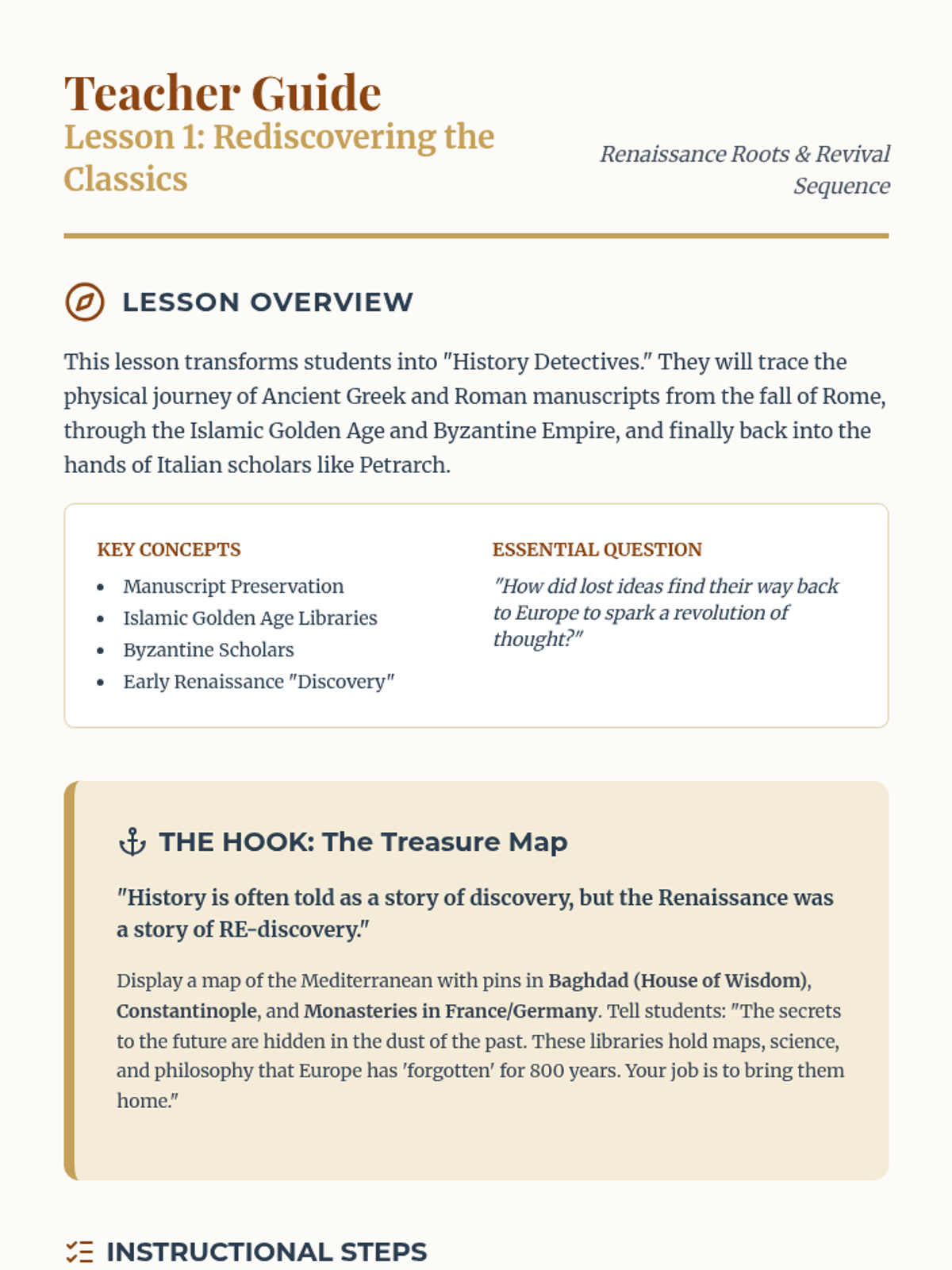
This sequence explores the intellectual shift from medieval scholasticism to Renaissance Humanism. Students investigate the rediscovery of classical texts, define Humanism, examine the 'Renaissance Man' ideal, and analyze Humanist themes in literature, concluding with a reflection on Humanism's legacy in modern education.
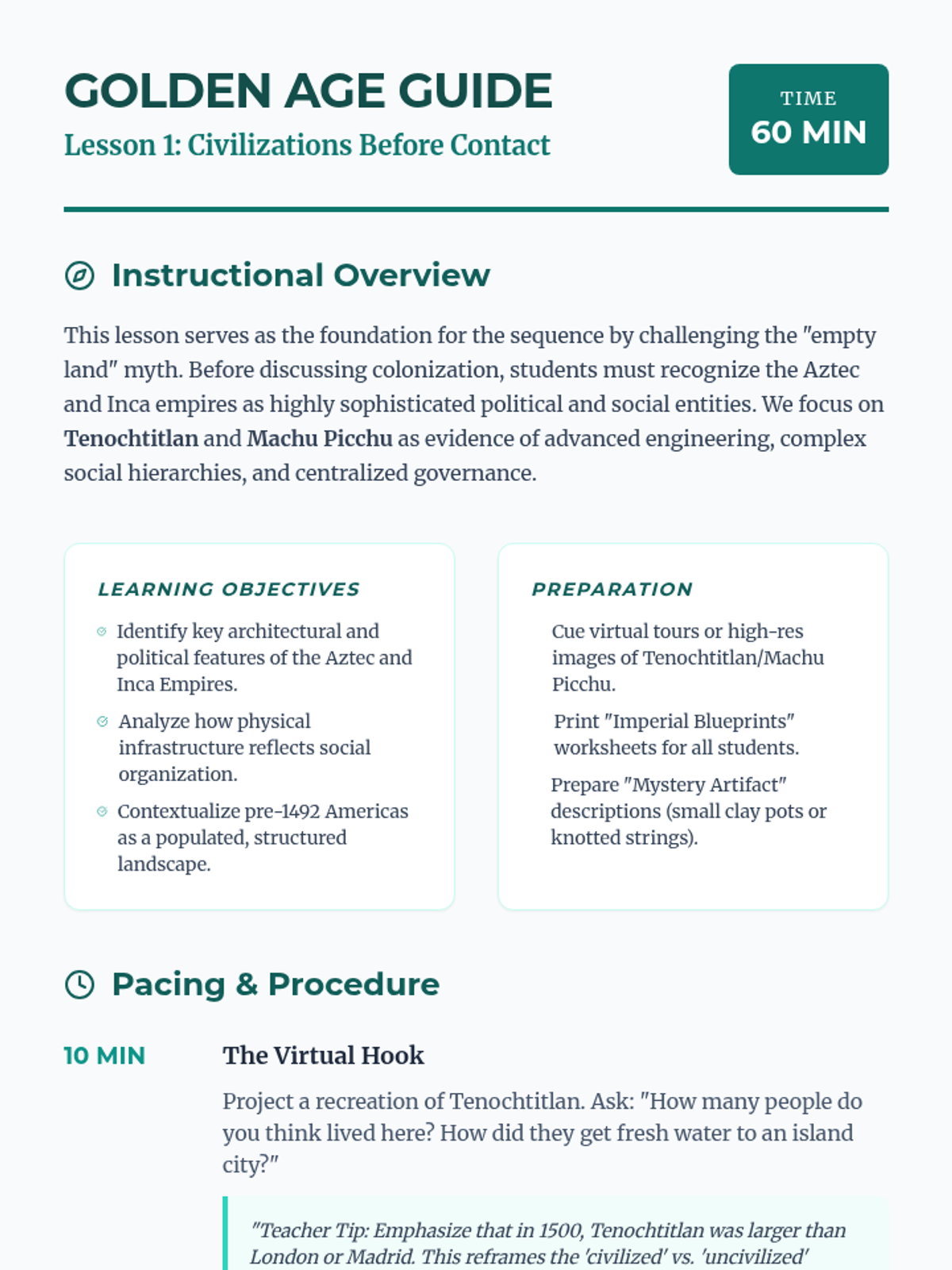
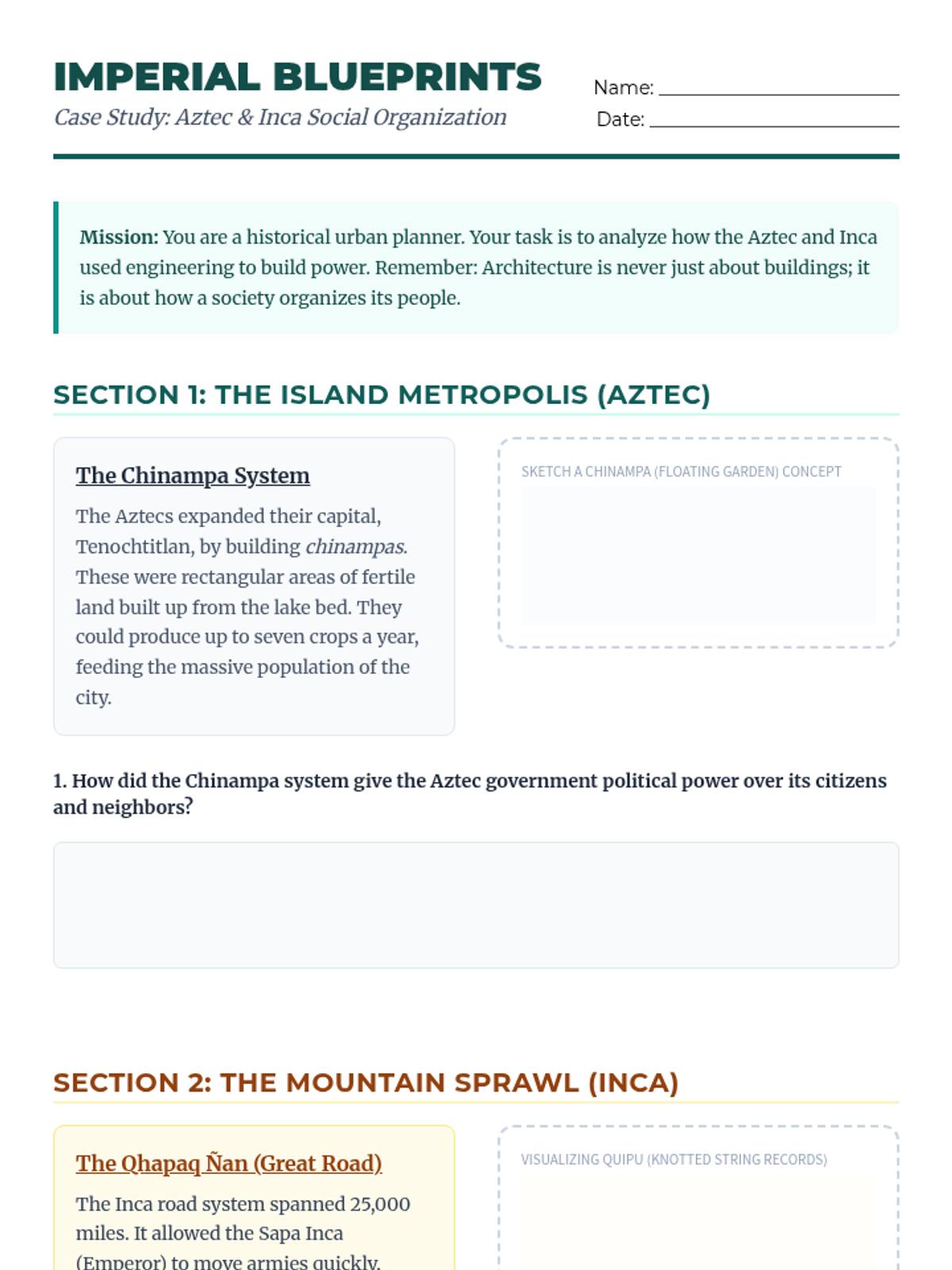
A critical exploration of the Age of Exploration, focusing on the sophisticated Aztec and Inca empires, the complexities of first encounters, and the long-term socio-political impacts of Spanish colonization. Students analyze primary sources and debate historical narratives to understand the shift from sovereign empires to colonial territories.
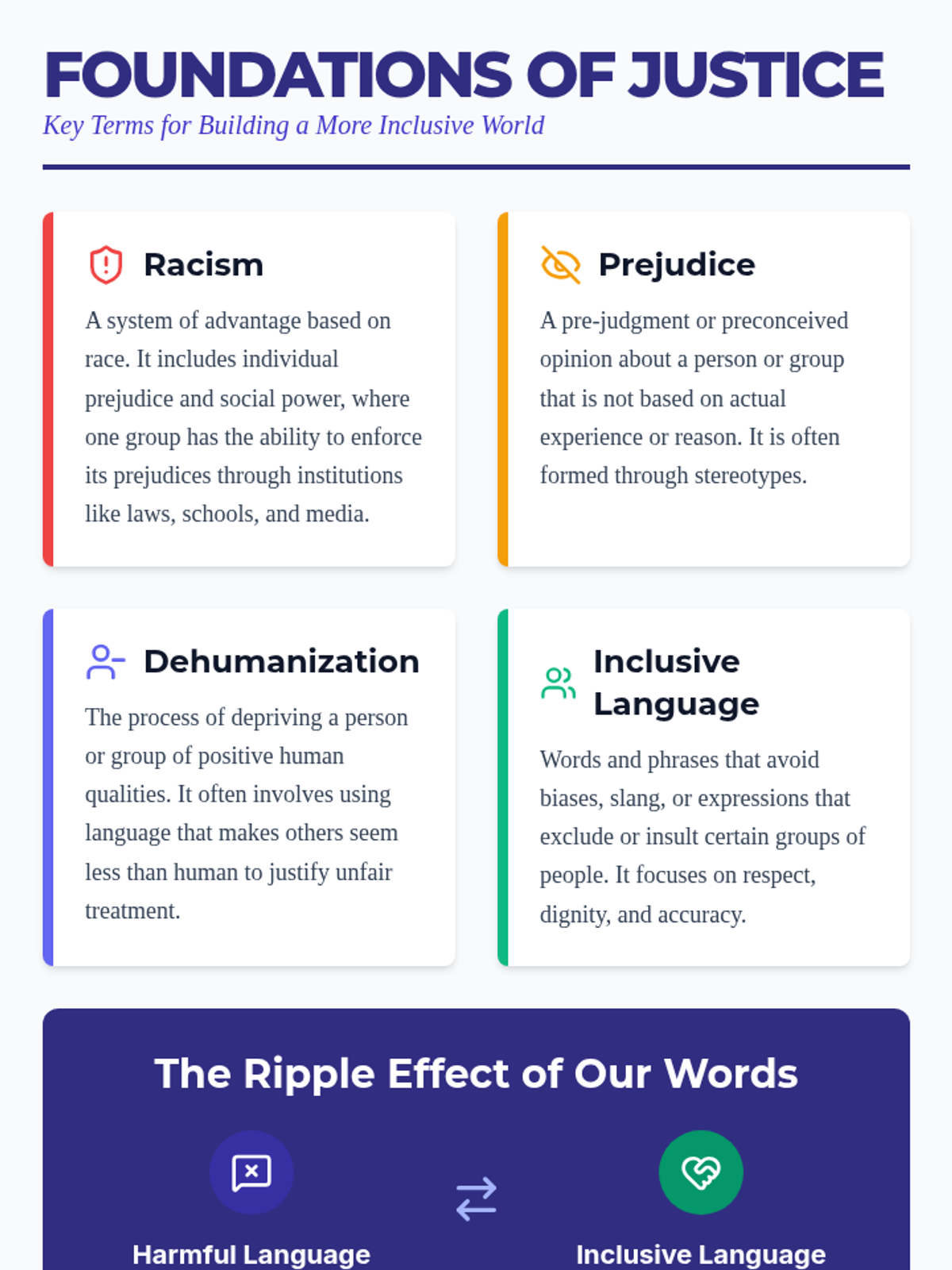
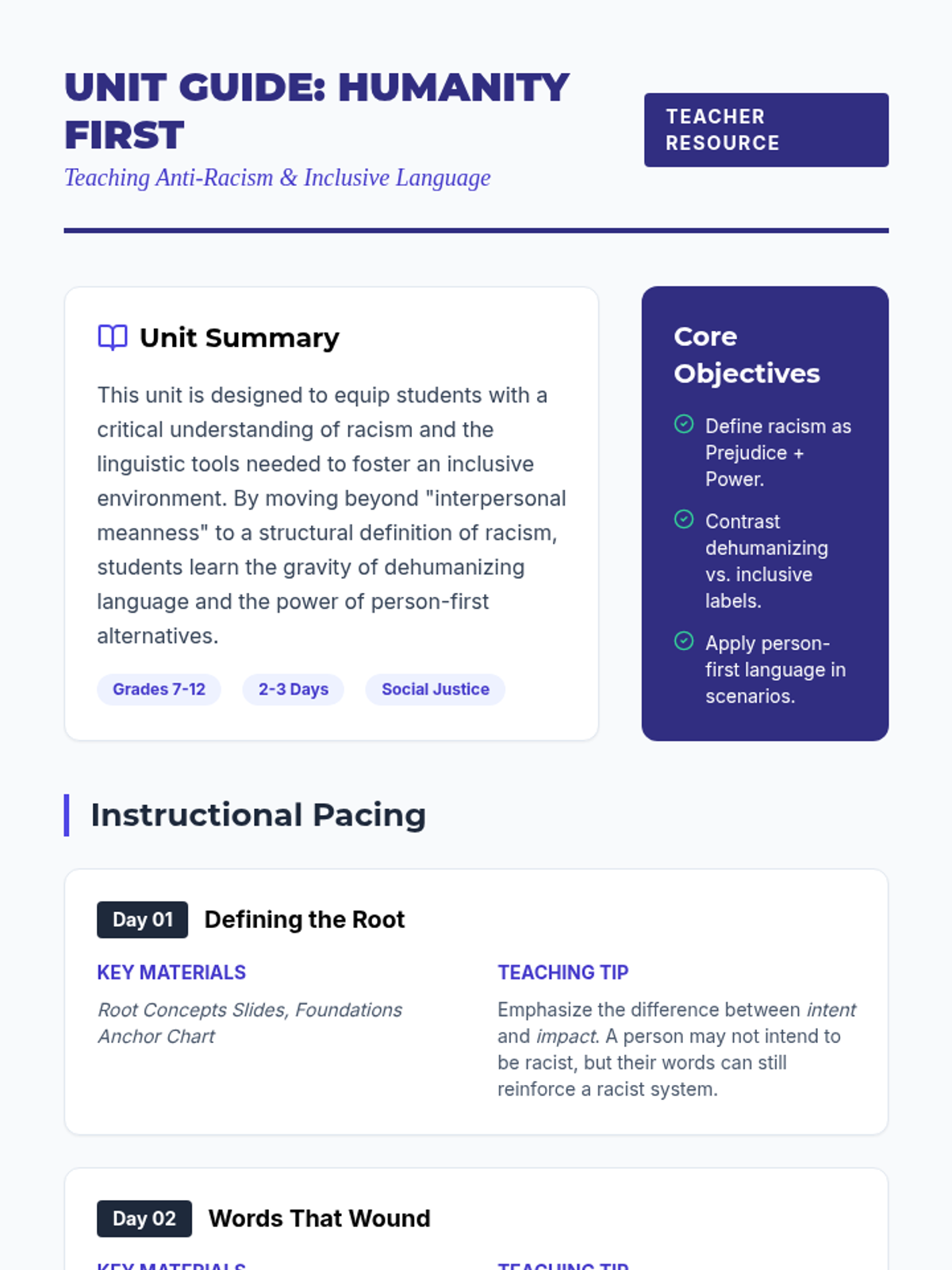
A 4th-grade unit focused on kindness, fairness, and understanding how our words can make everyone feel like they belong, regardless of their background or skin color.
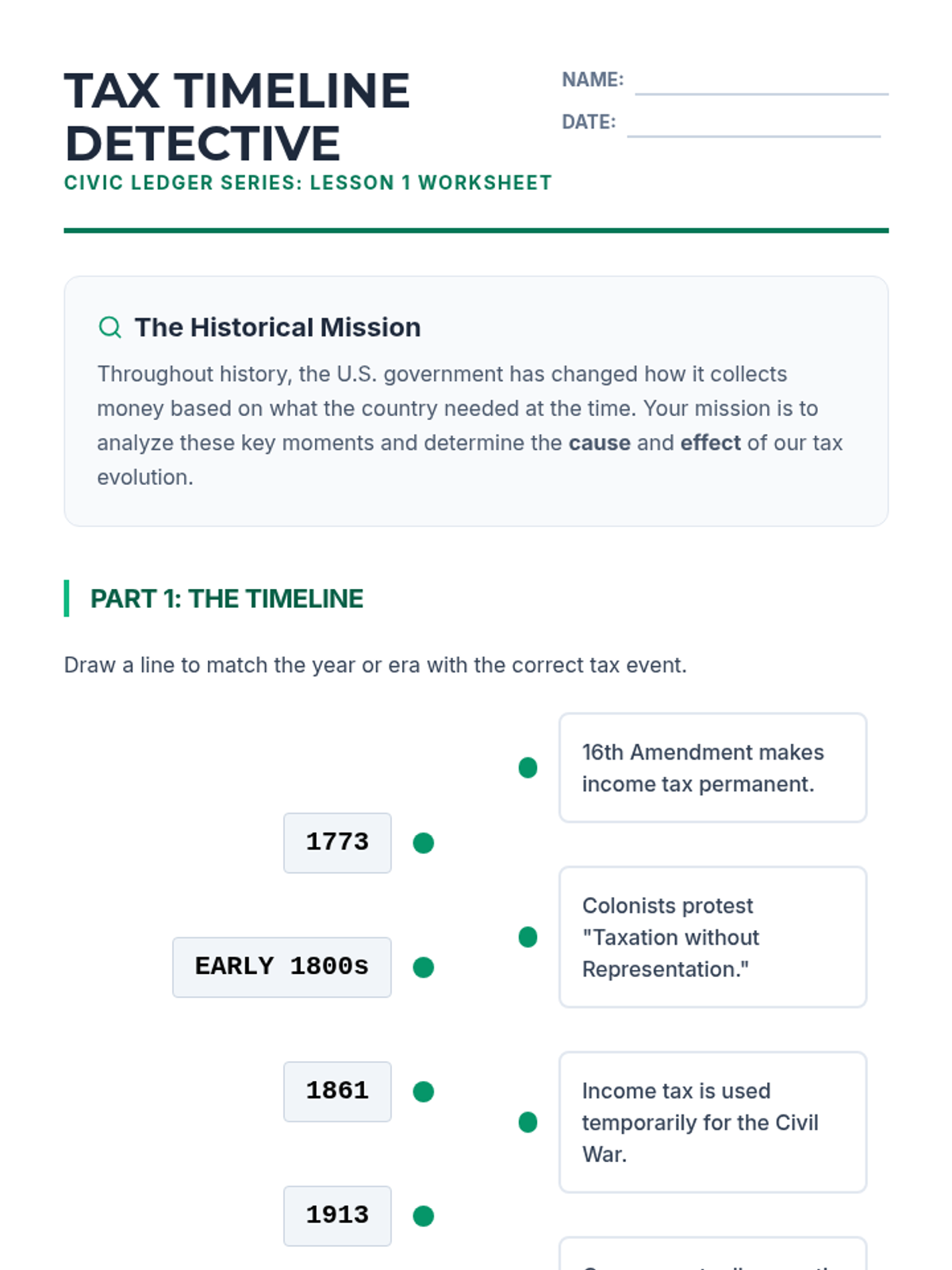
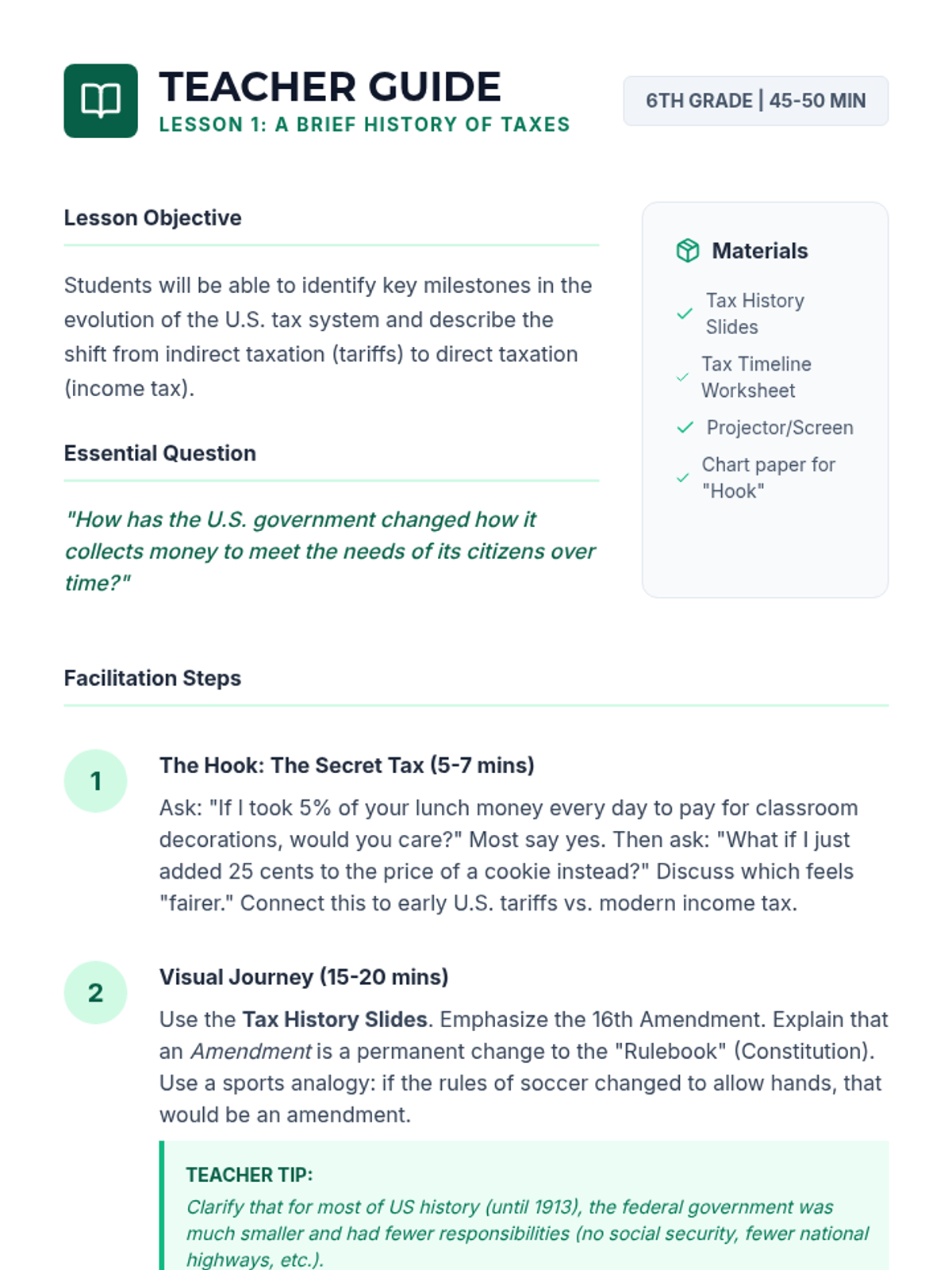
This sequence explores the evolution of the US tax system and the ethical debates surrounding different tax structures. Students will investigate the concept of 'fairness' in financial policy and design their own tax system for a fictional nation.
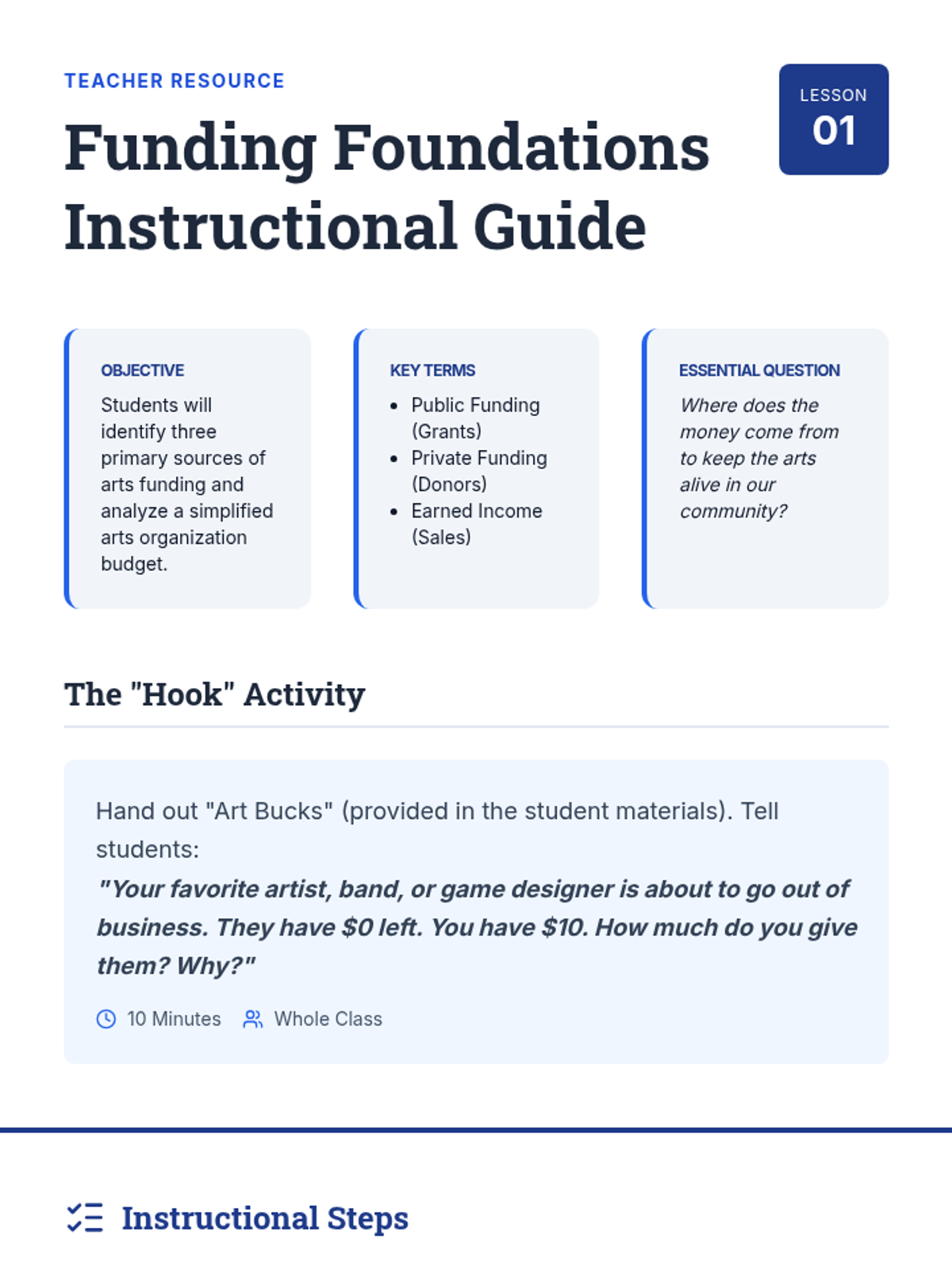
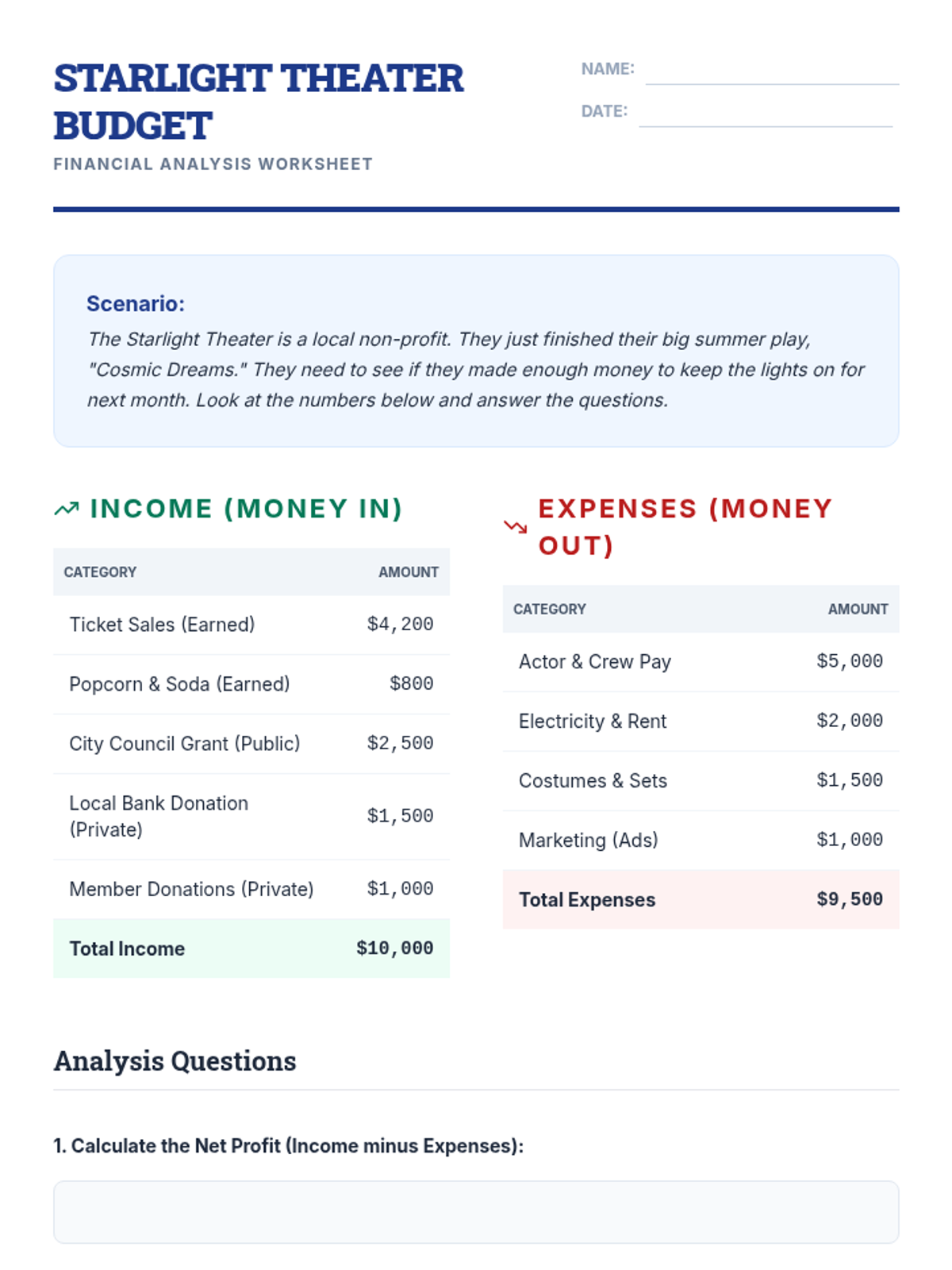
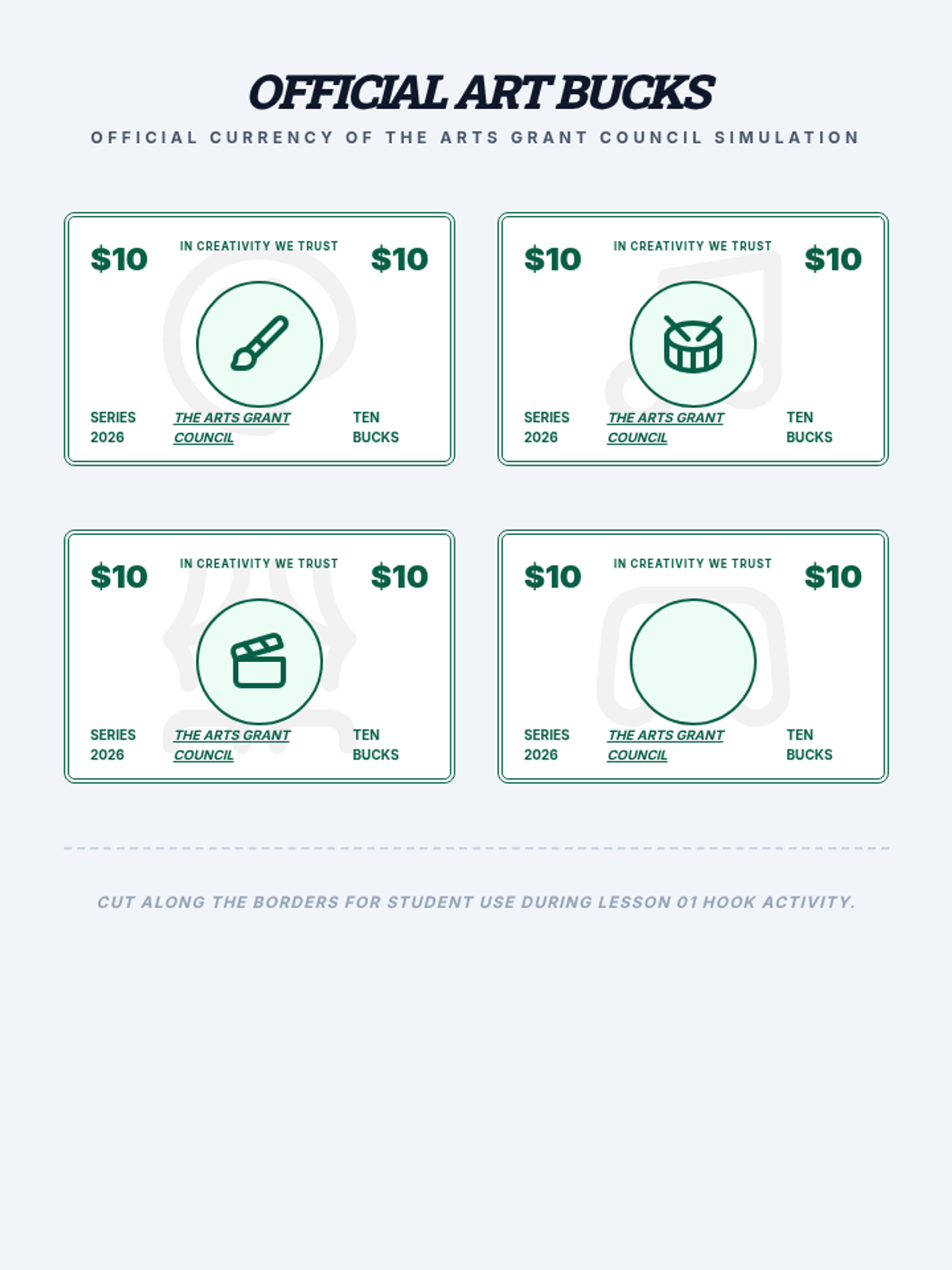
A simulation-based sequence where 6th-grade students act as members of a fictional Community Arts Grant Council to evaluate proposals, understand funding models, and make difficult resource allocation decisions.
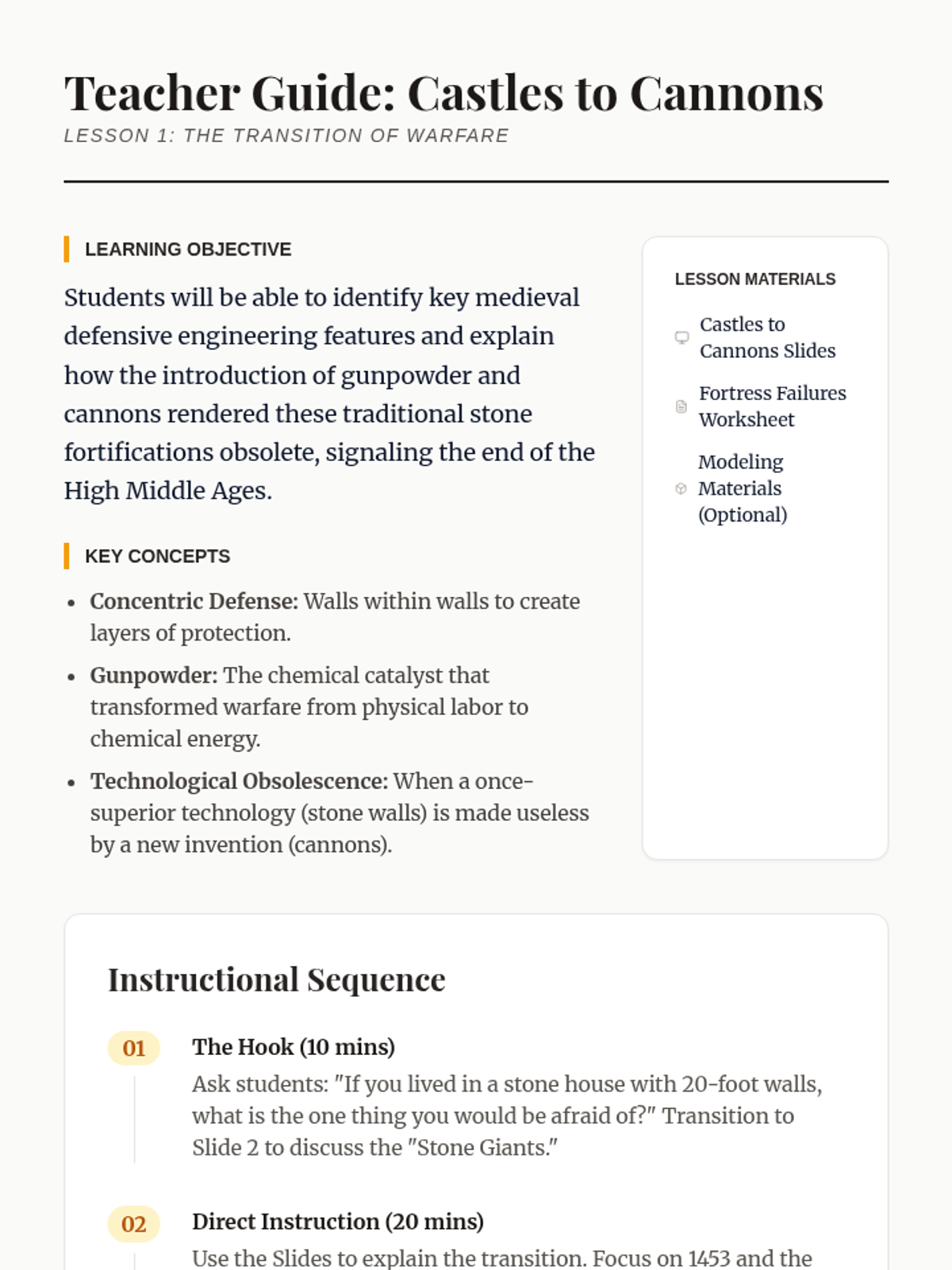
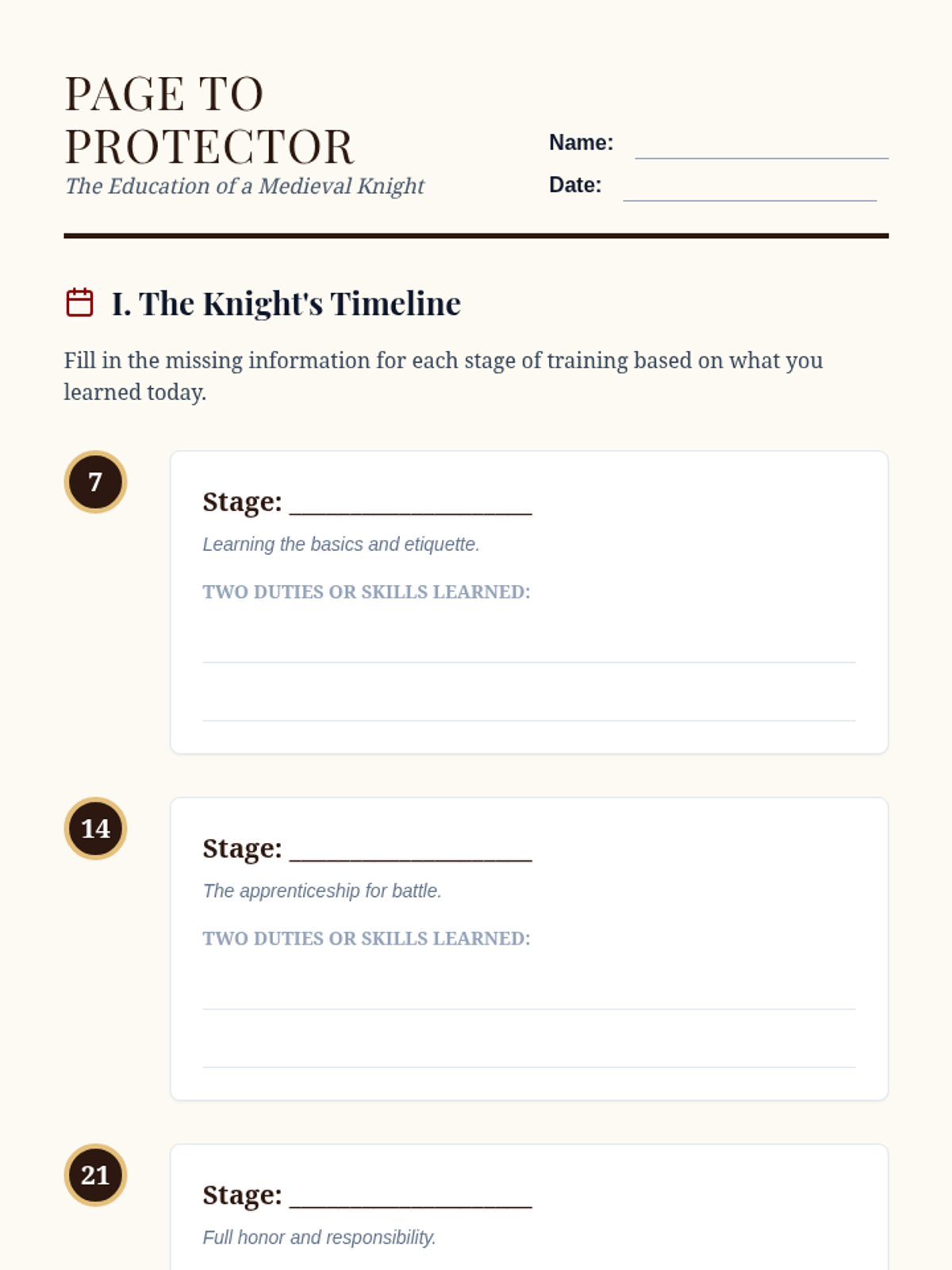
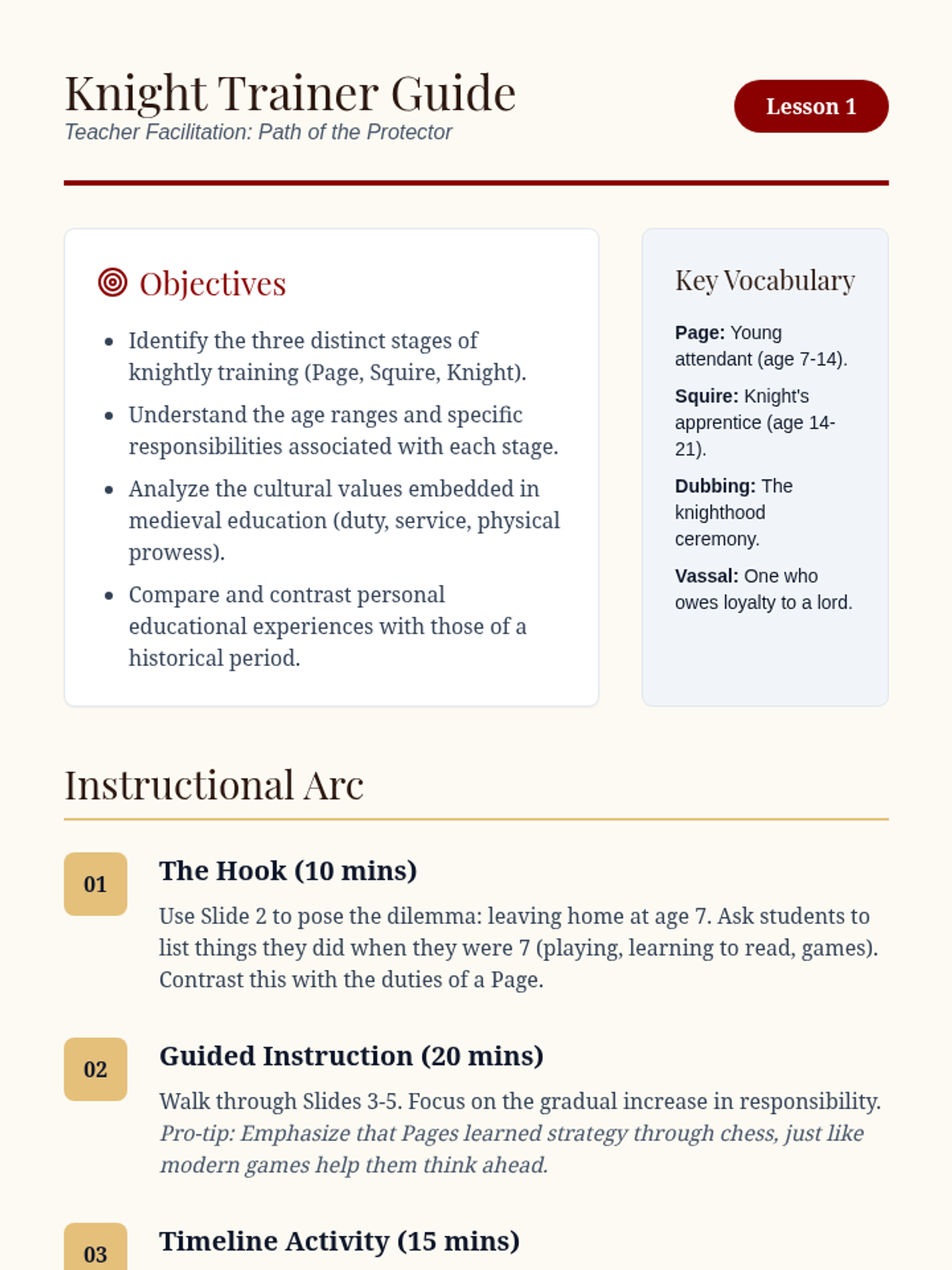
A journey into the world of medieval knights and castles, exploring the training, ethics, engineering, and symbolism of the Middle Ages. Students learn about the life of a knight, the construction of fortresses, and the code of chivalry through hands-on activities and historical analysis.