Examining foundational arguments from major thinkers alongside contemporary debates on morality, governance, and the nature of existence. Addresses core concepts like political structures, consciousness, and the conflict between agency and fate.
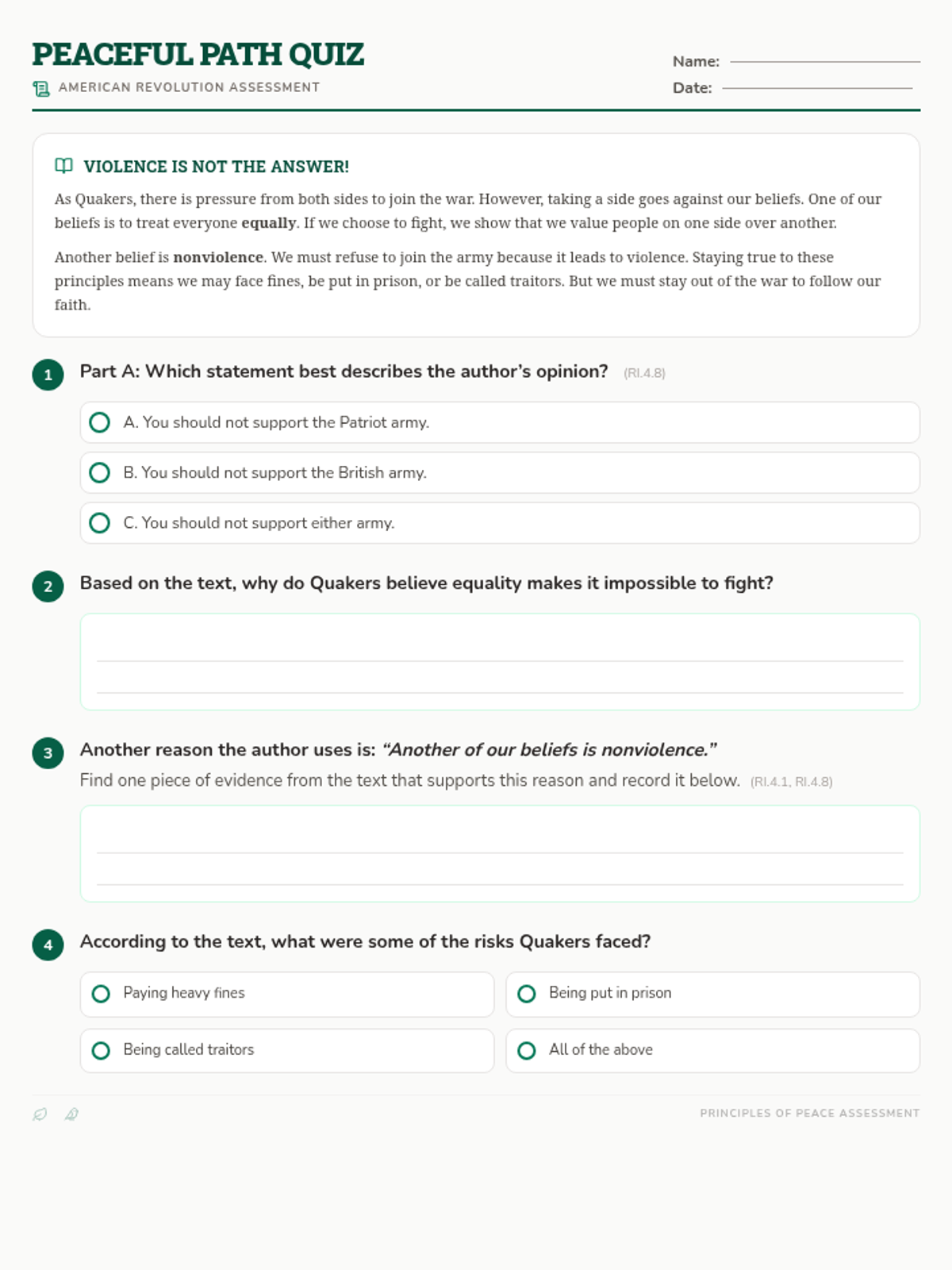
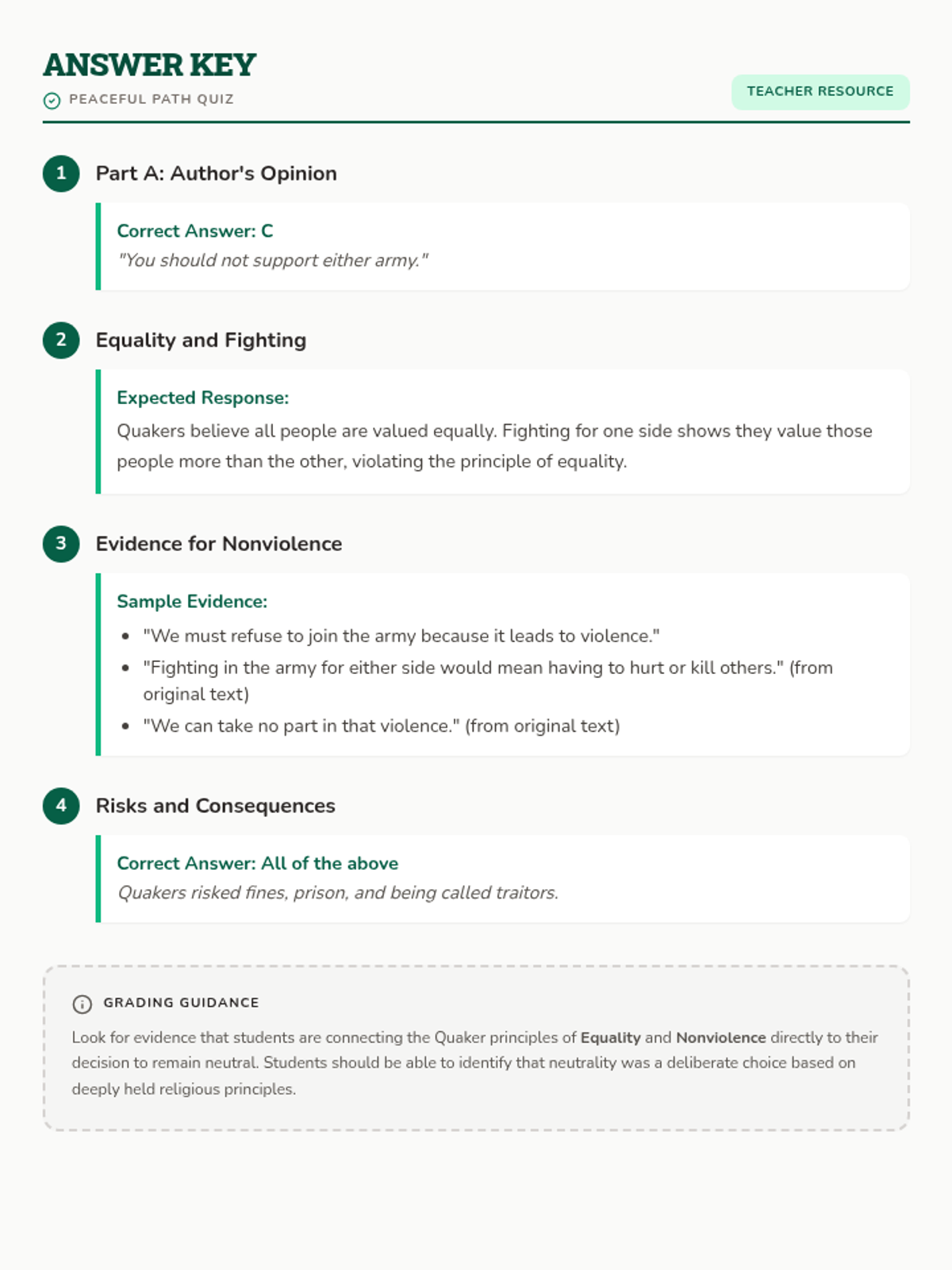
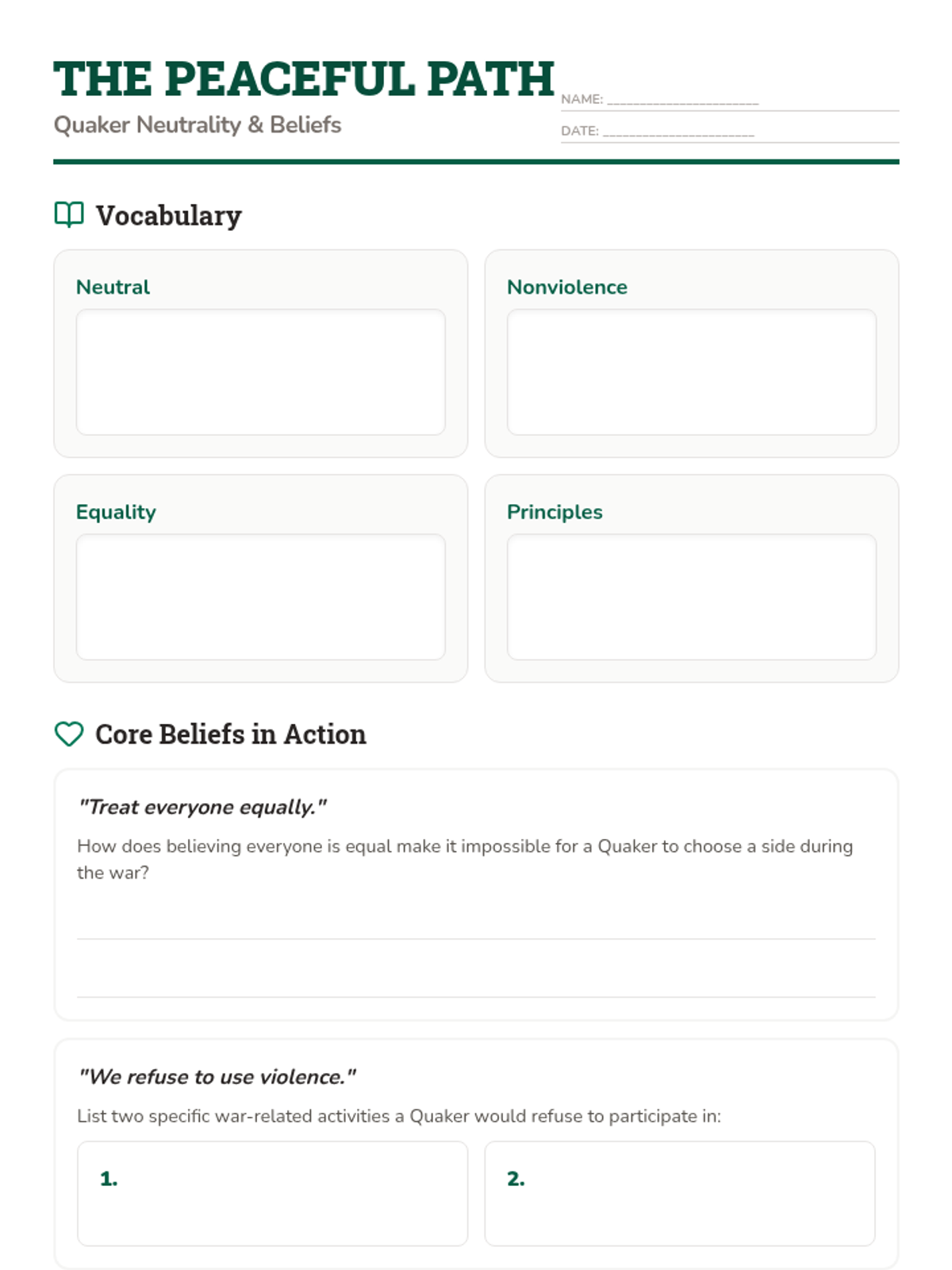
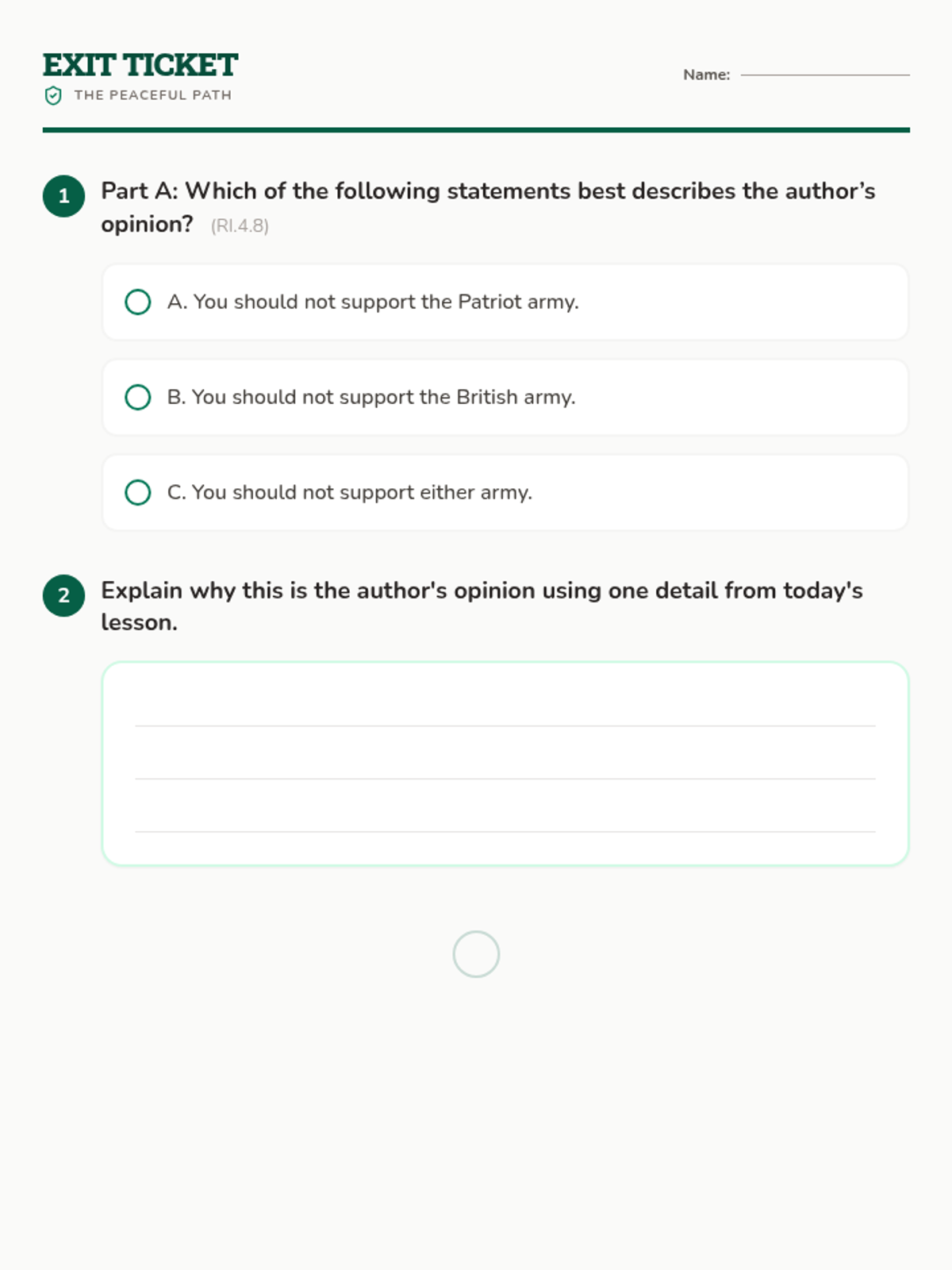
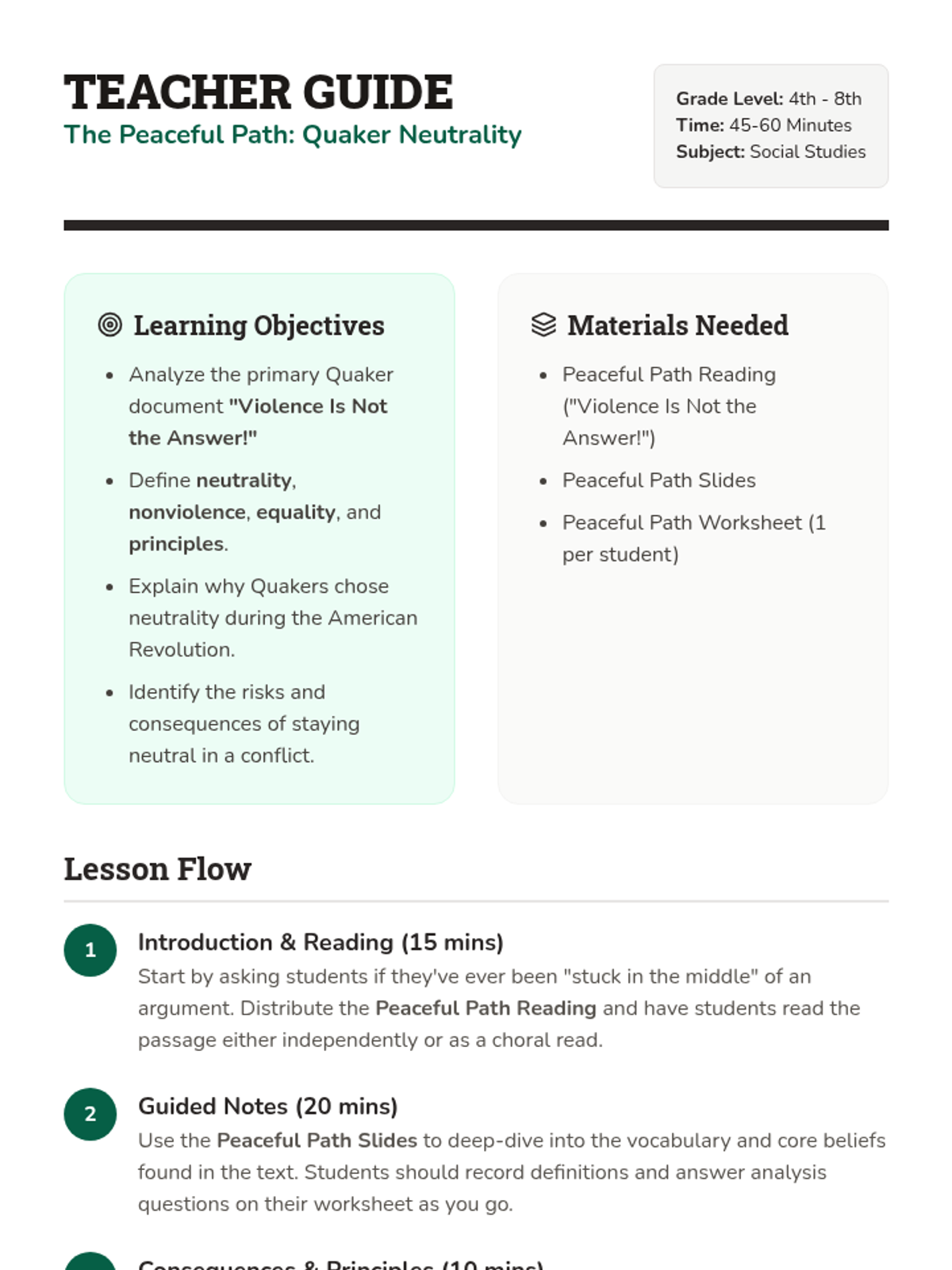
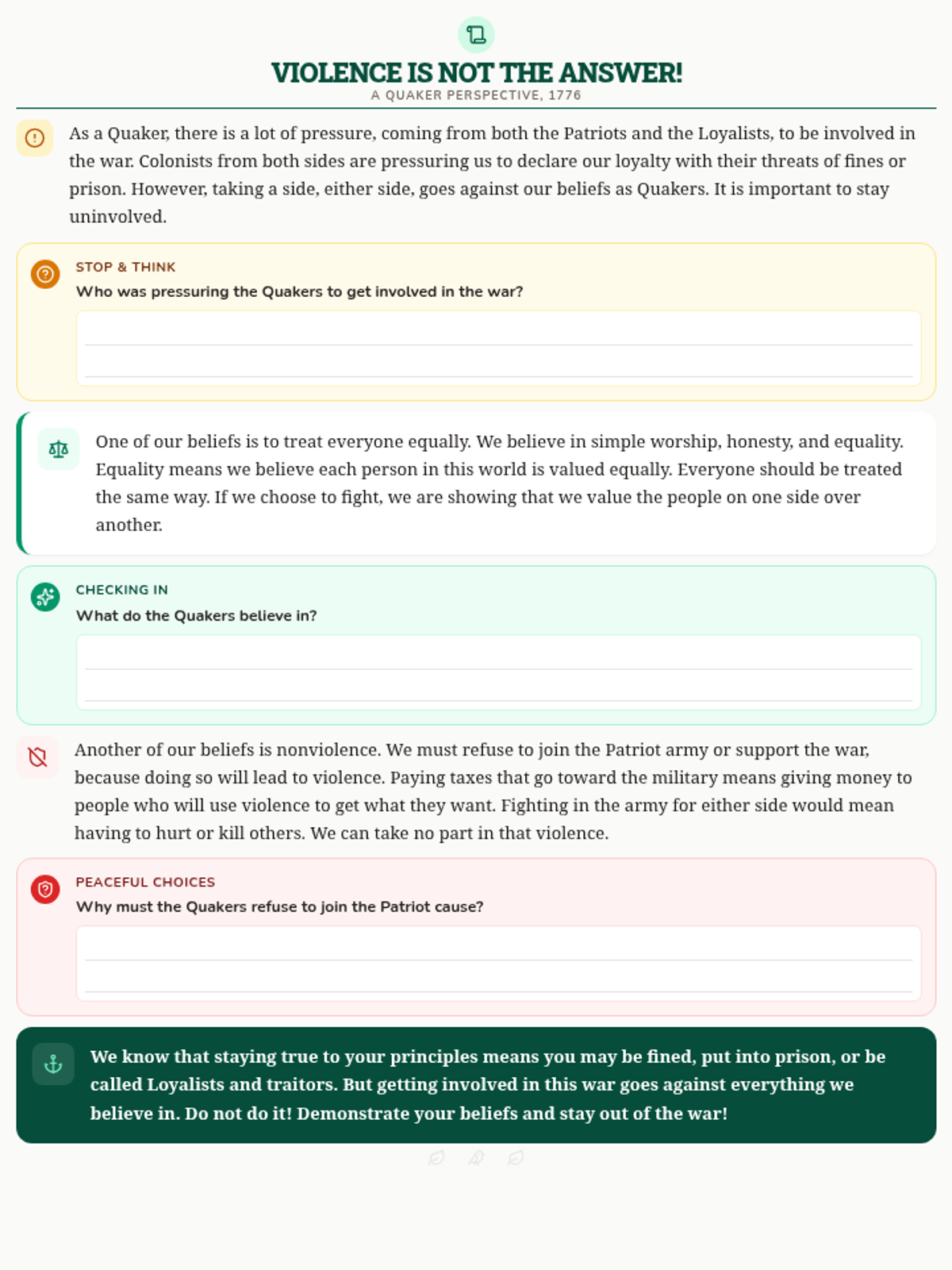
A lesson exploring the Quaker perspective during the American Revolution, focusing on their commitment to neutrality and nonviolence despite external pressures.
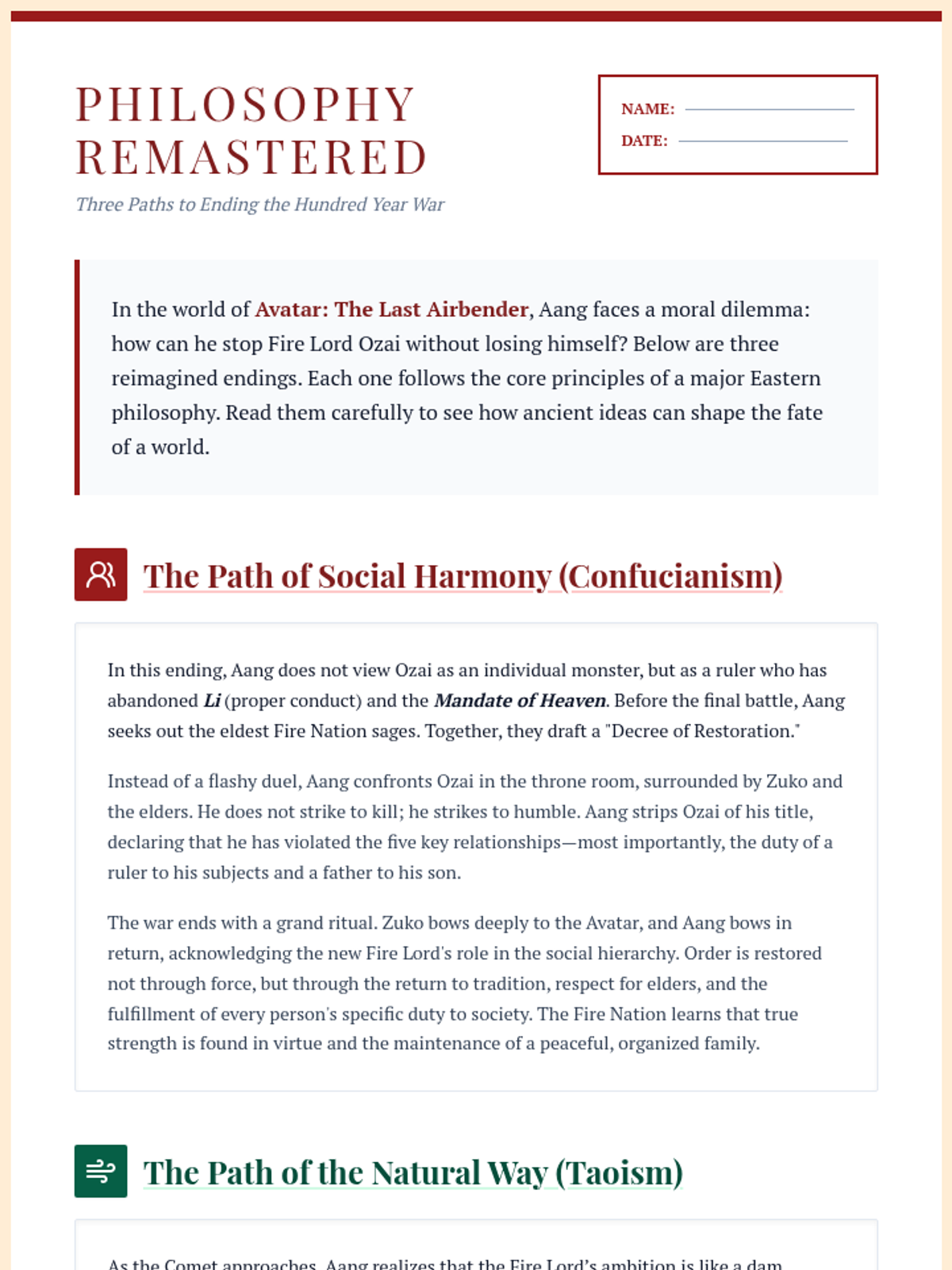
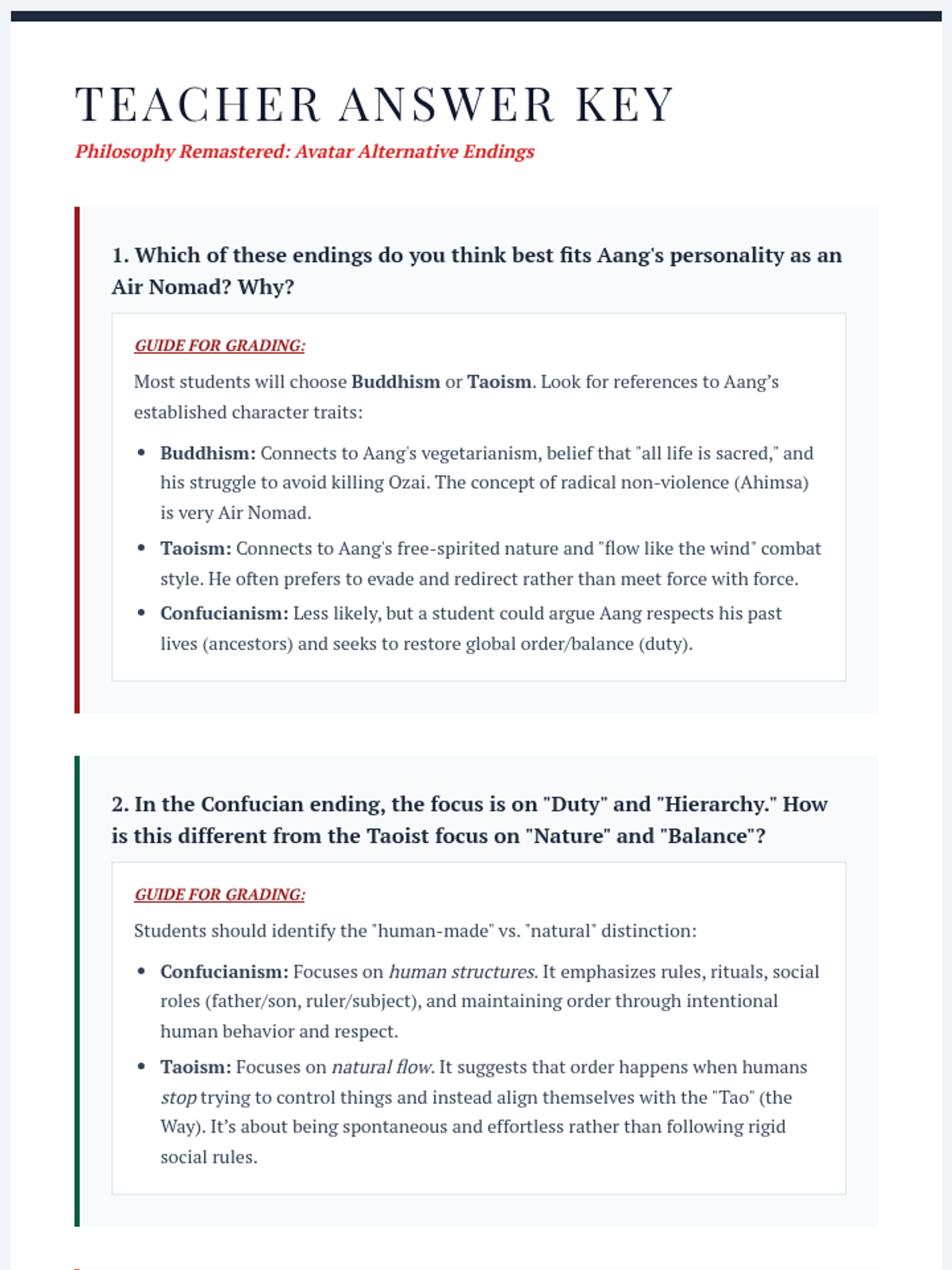
Students explore the core tenets of Confucianism, Taoism, and Buddhism by analyzing three alternative endings to the Avatar: The Last Airbender series, each reflecting a different Eastern philosophy.
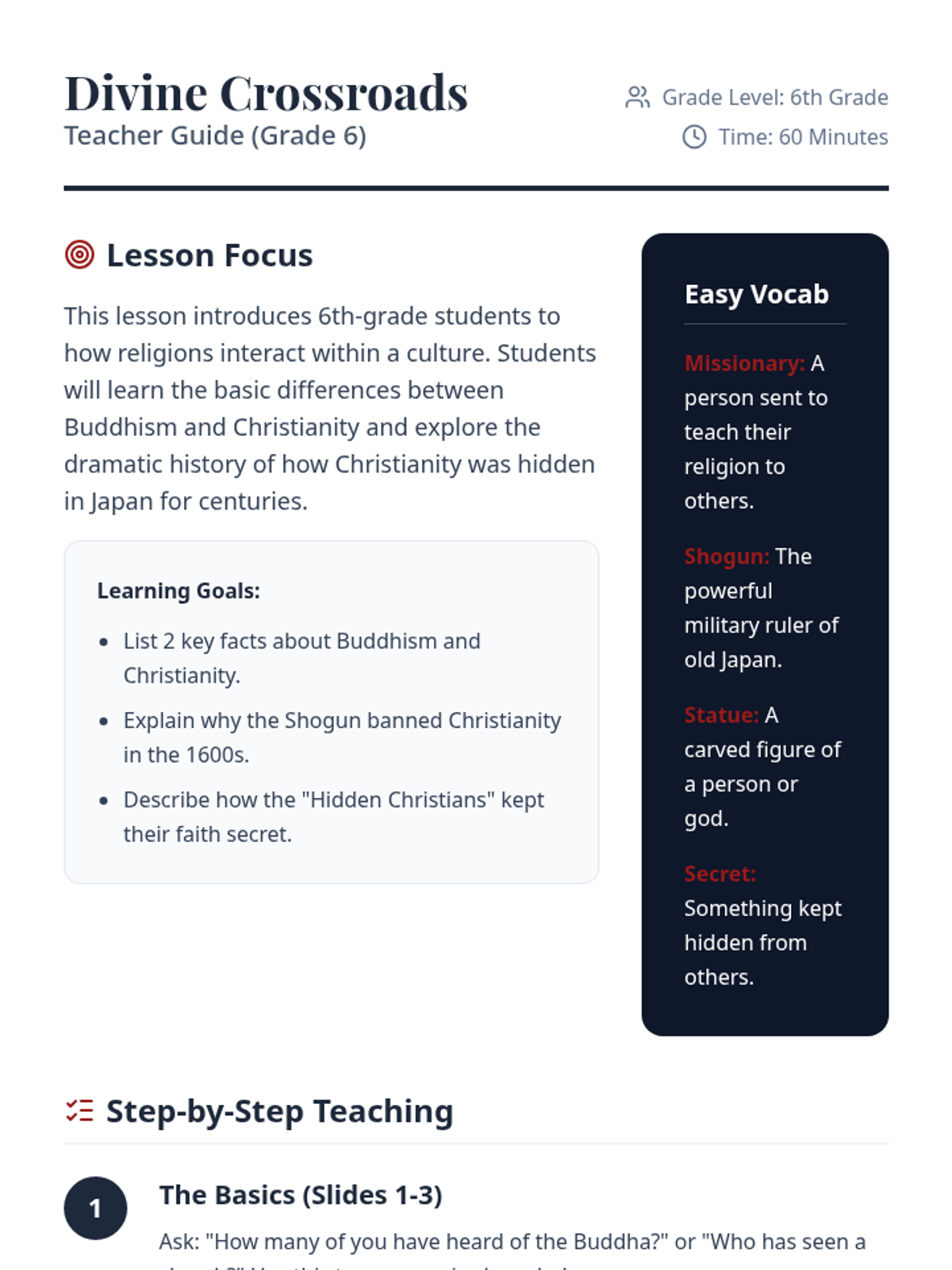
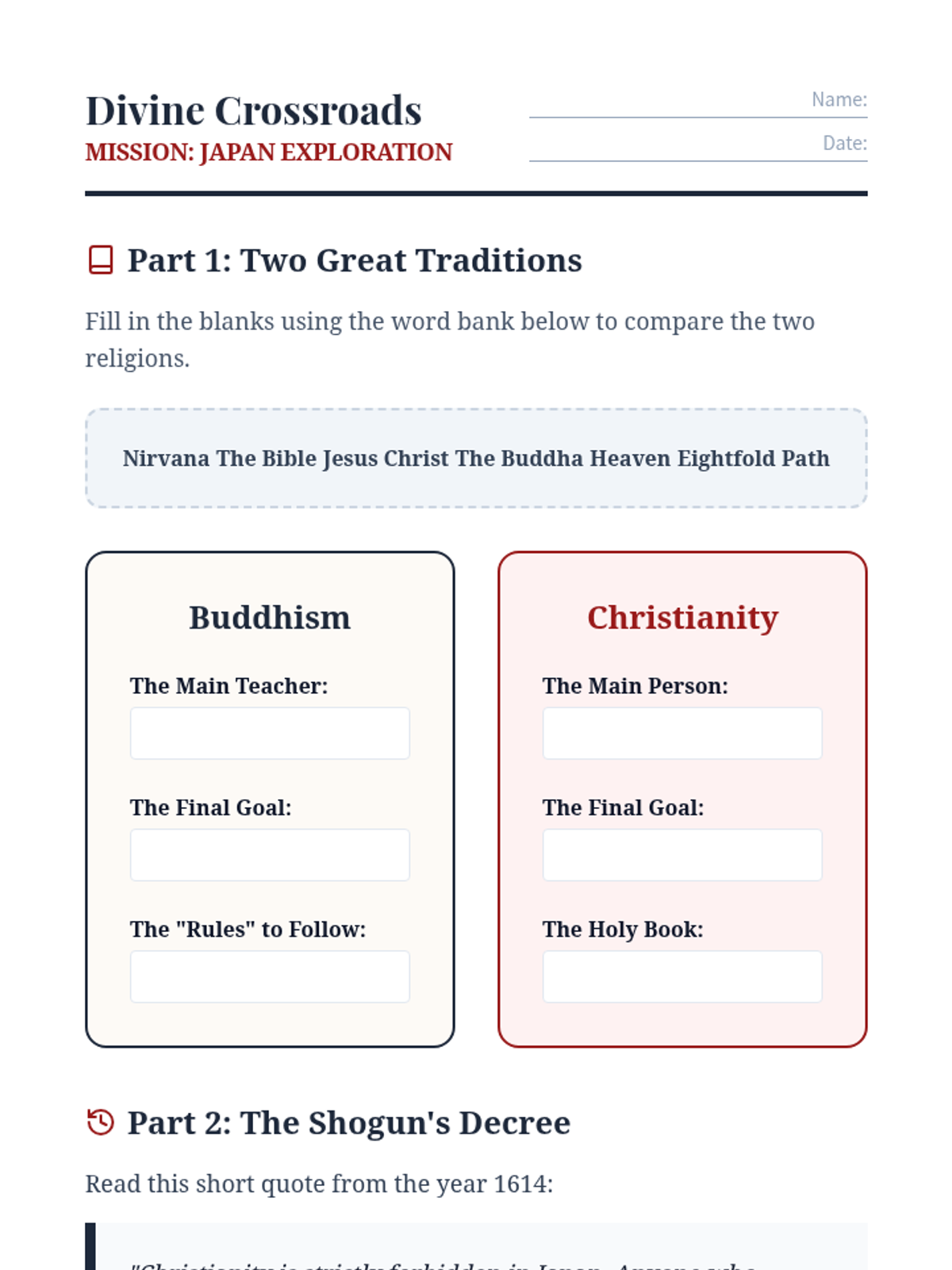
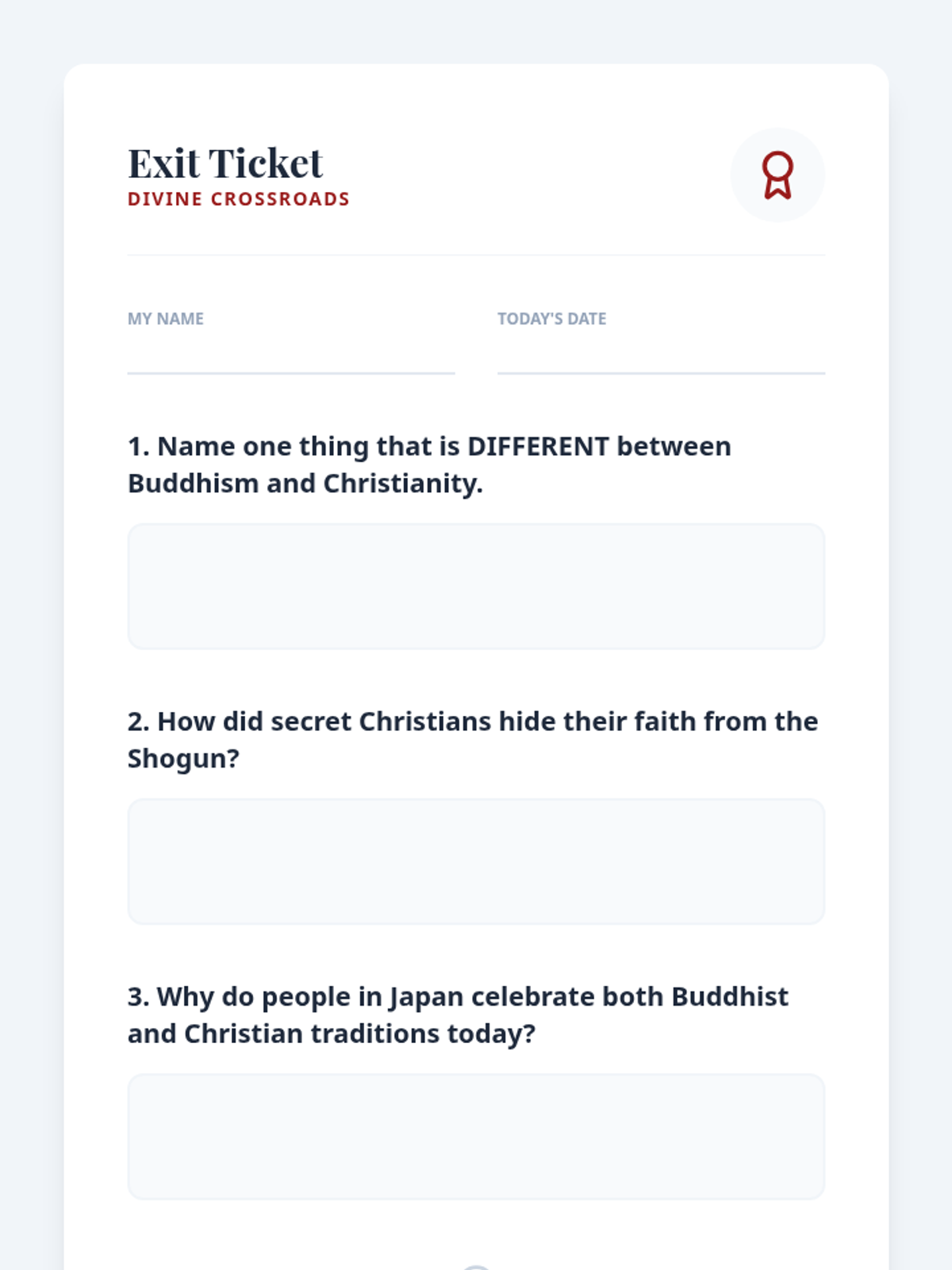
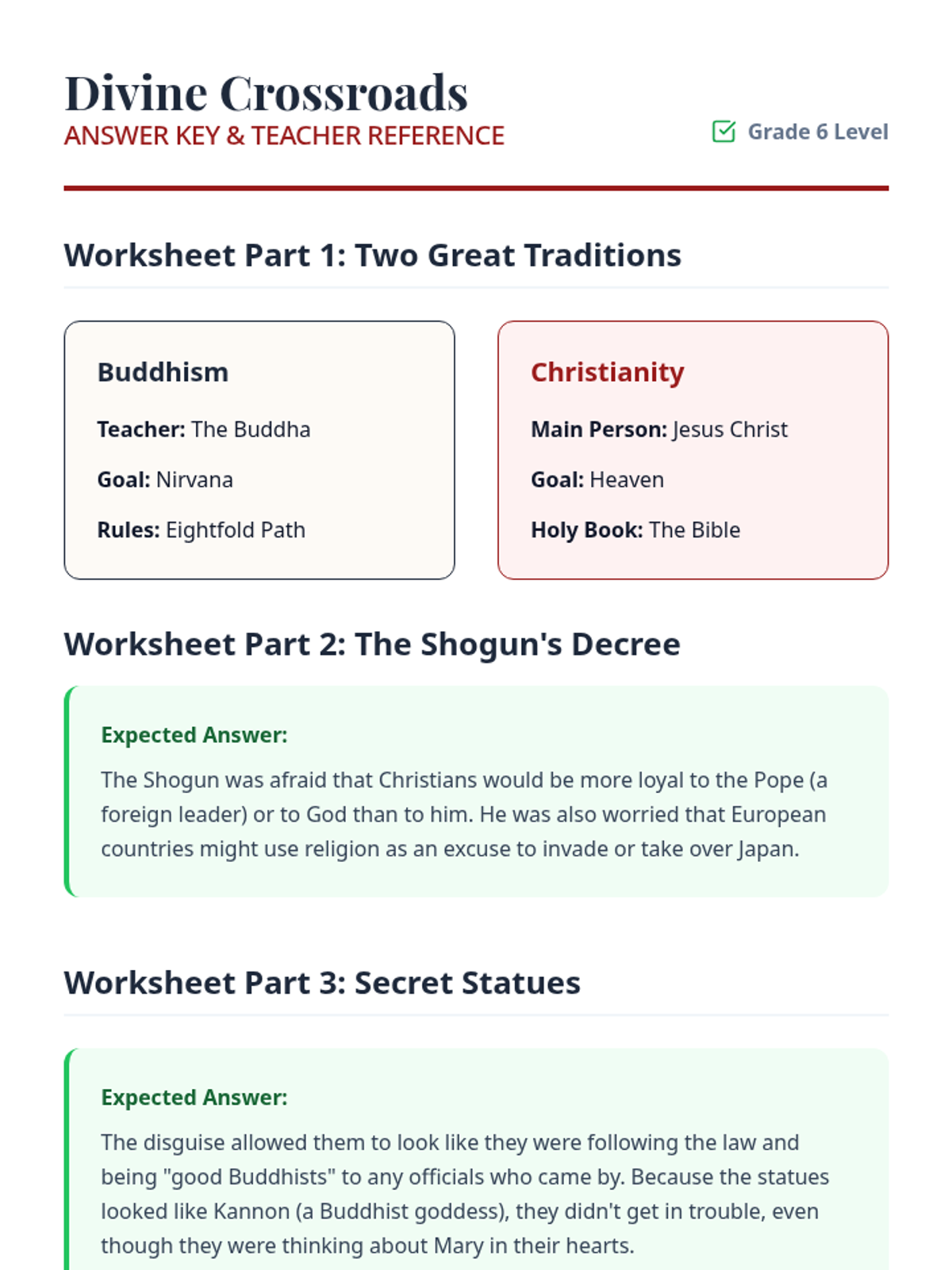
This lesson explores the historical and philosophical interaction between Buddhism and Christianity in Japan. Students will examine core beliefs, the history of Jesuit missions and the 'Hidden Christians,' and how these faiths have uniquely blended into modern Japanese cultural practices.
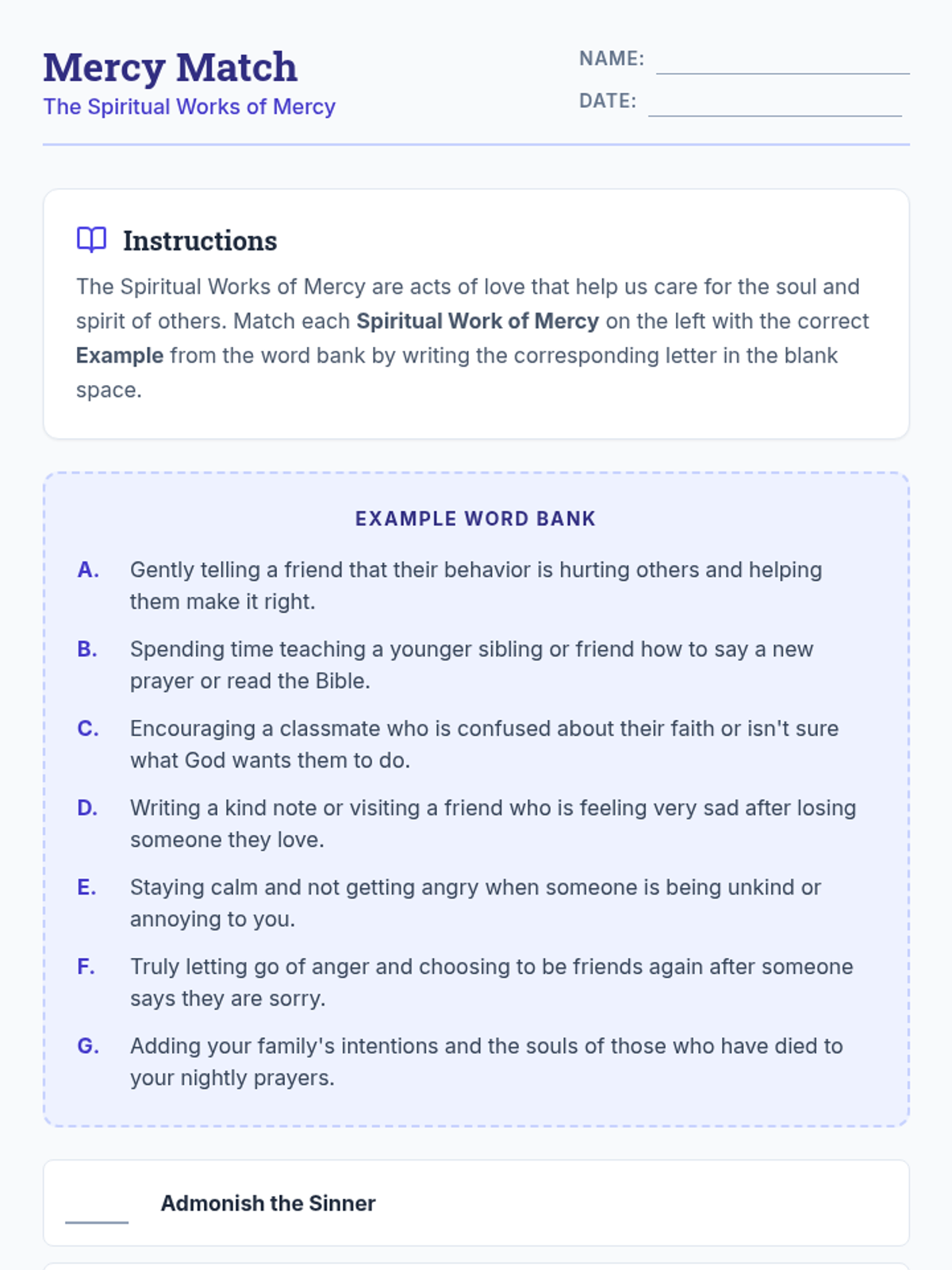
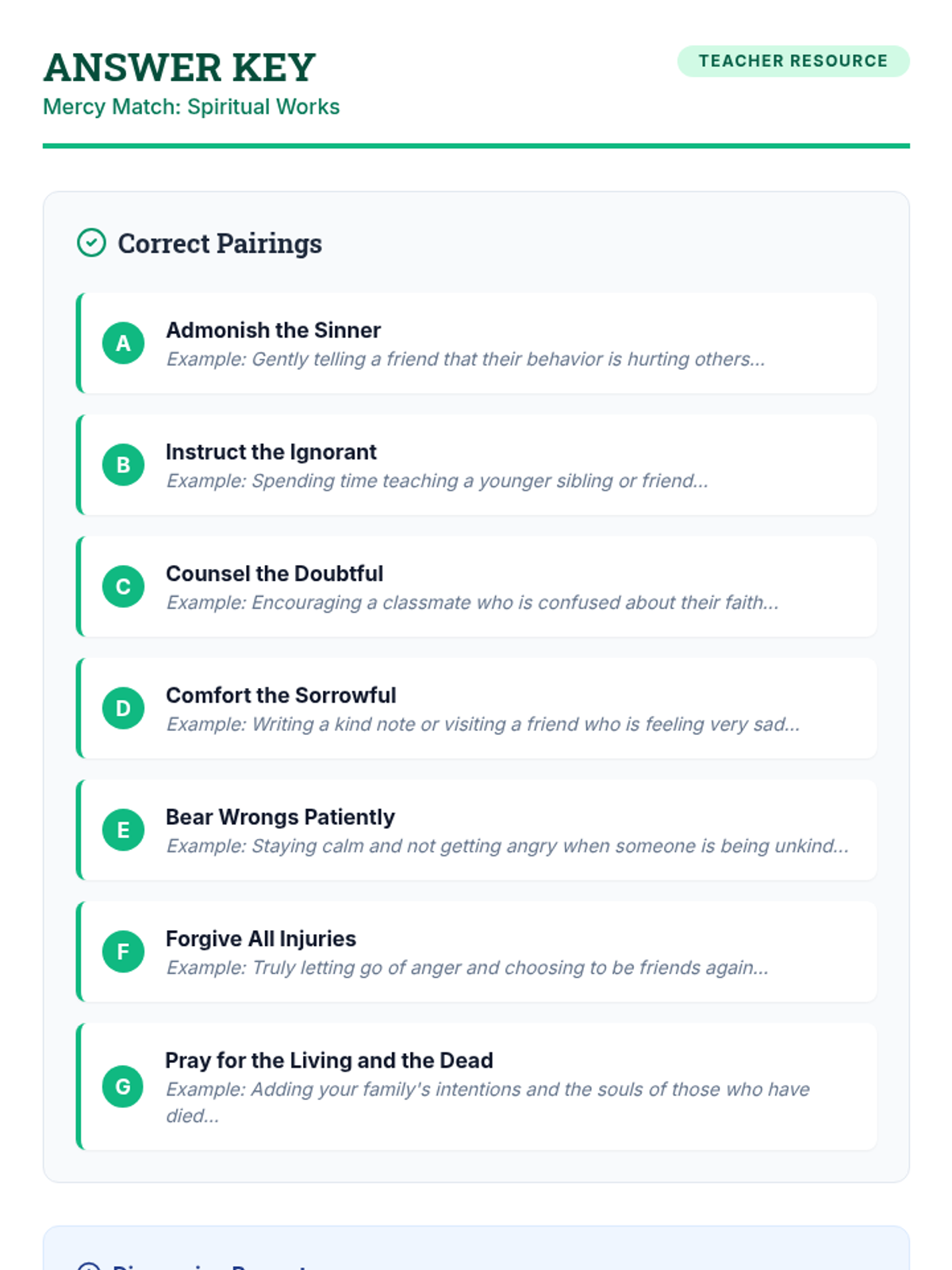
A focused lesson on the seven Spiritual Works of Mercy, helping students identify and apply these acts of love to their daily lives.
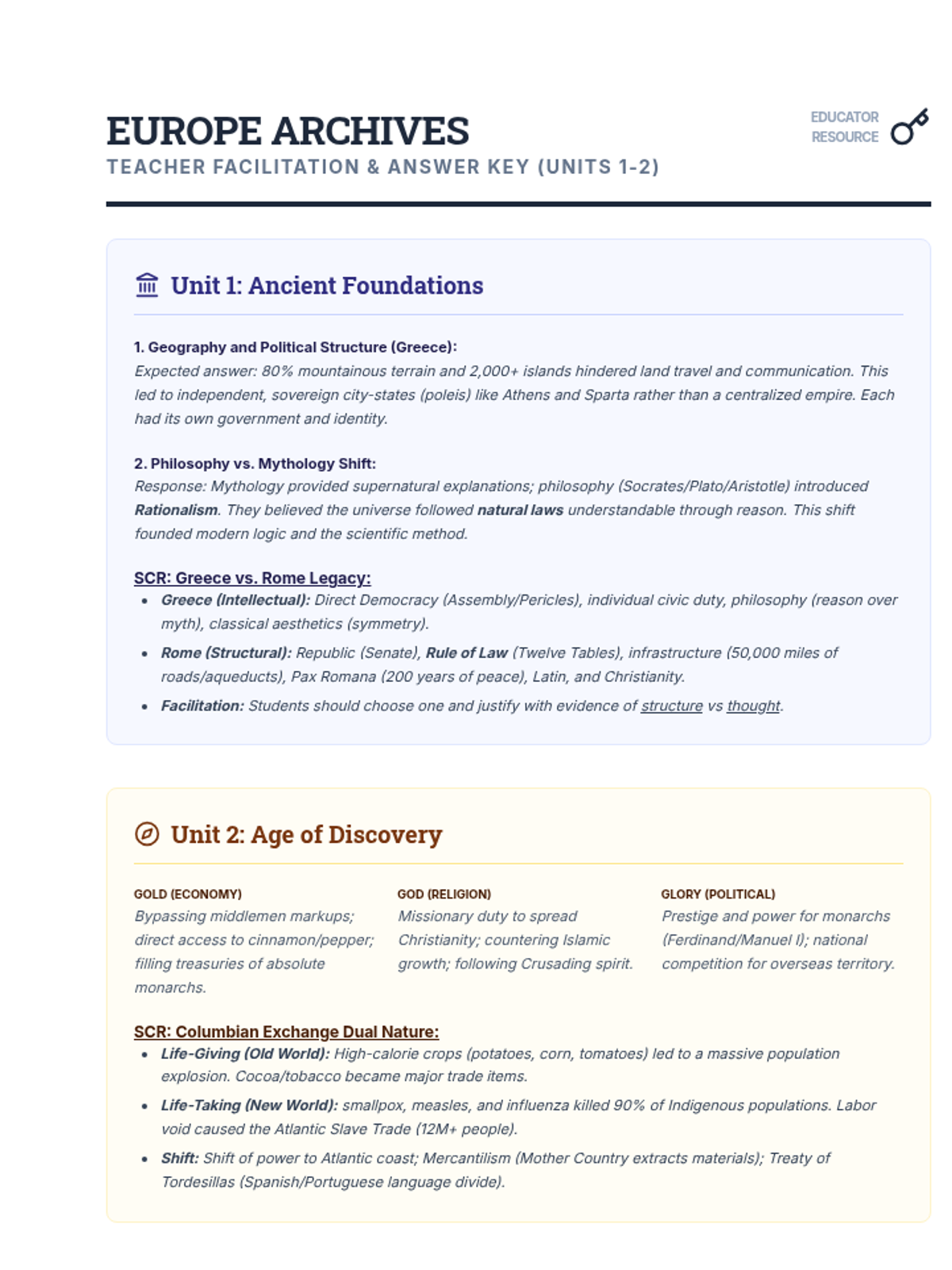
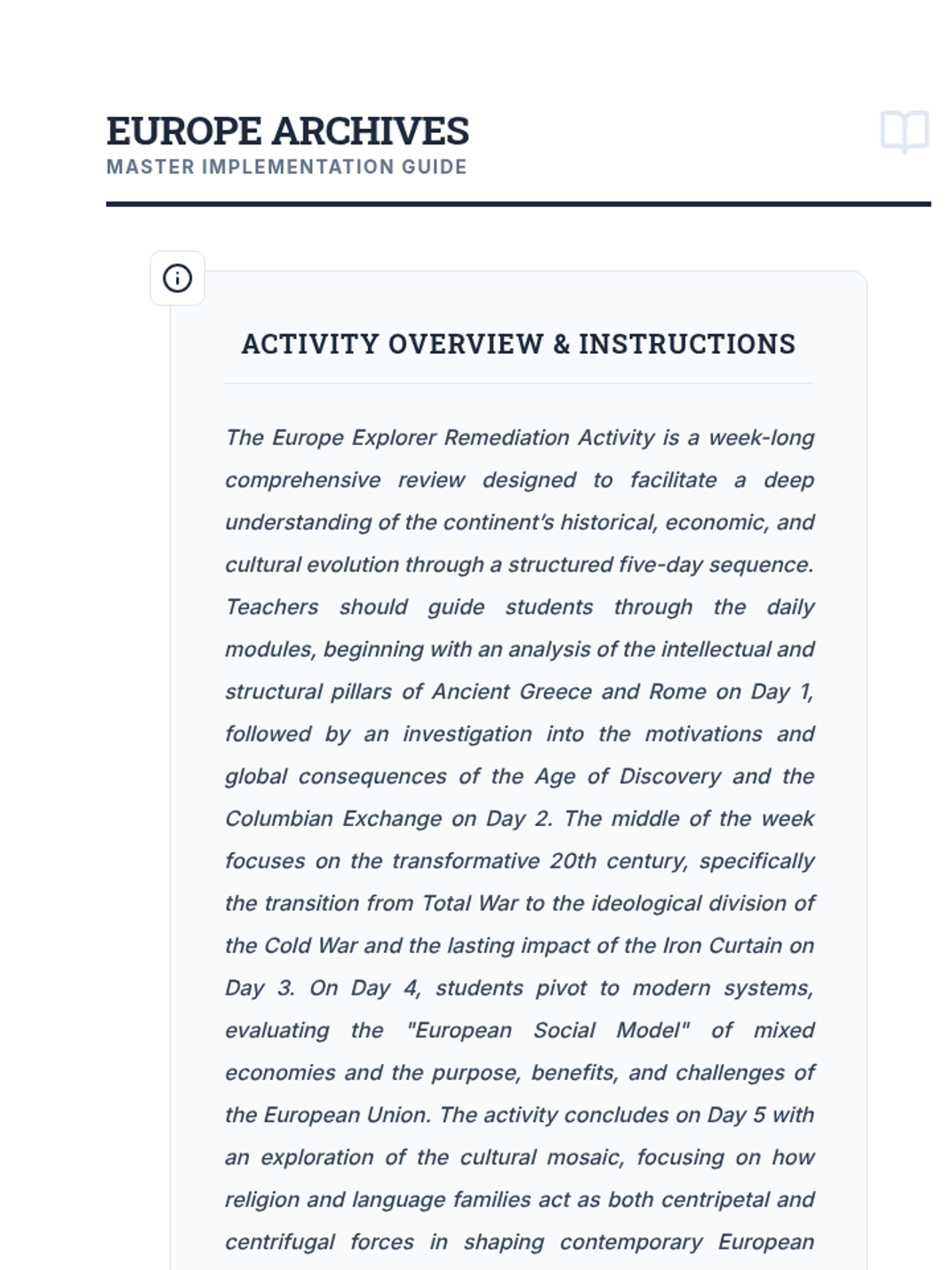
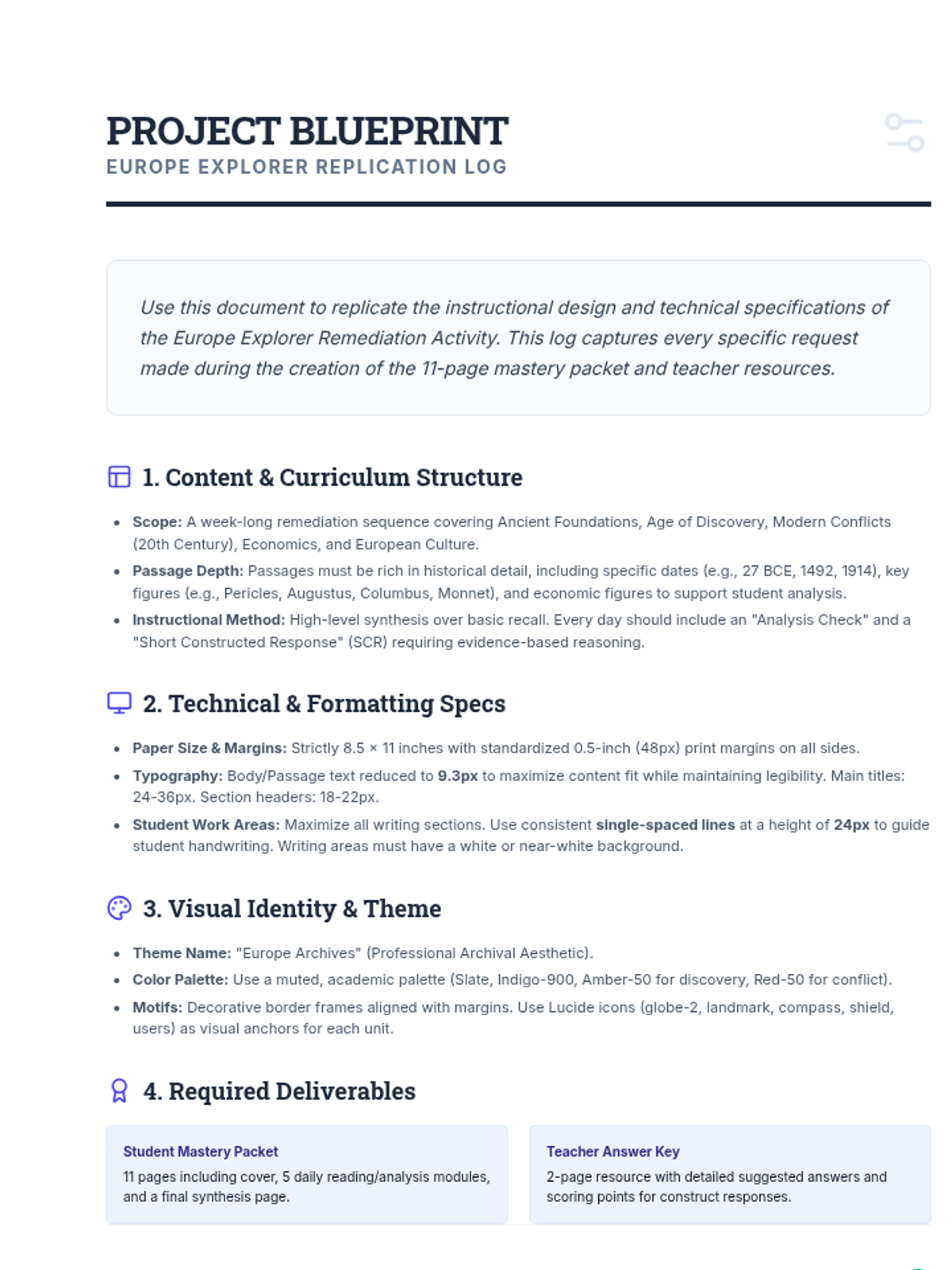
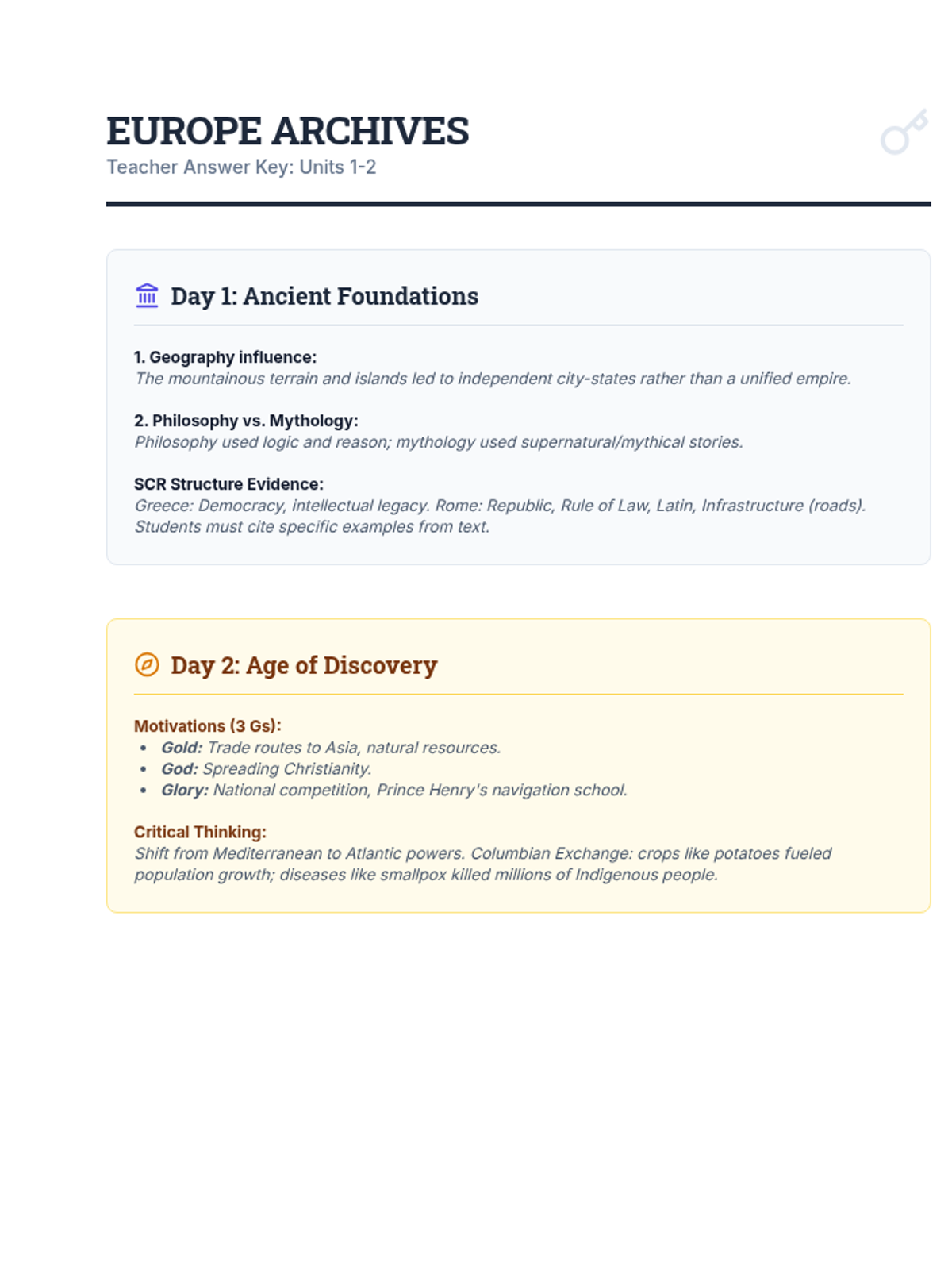
Comprehensive answer keys and teacher facilitation guides for the Europe remediation packet.
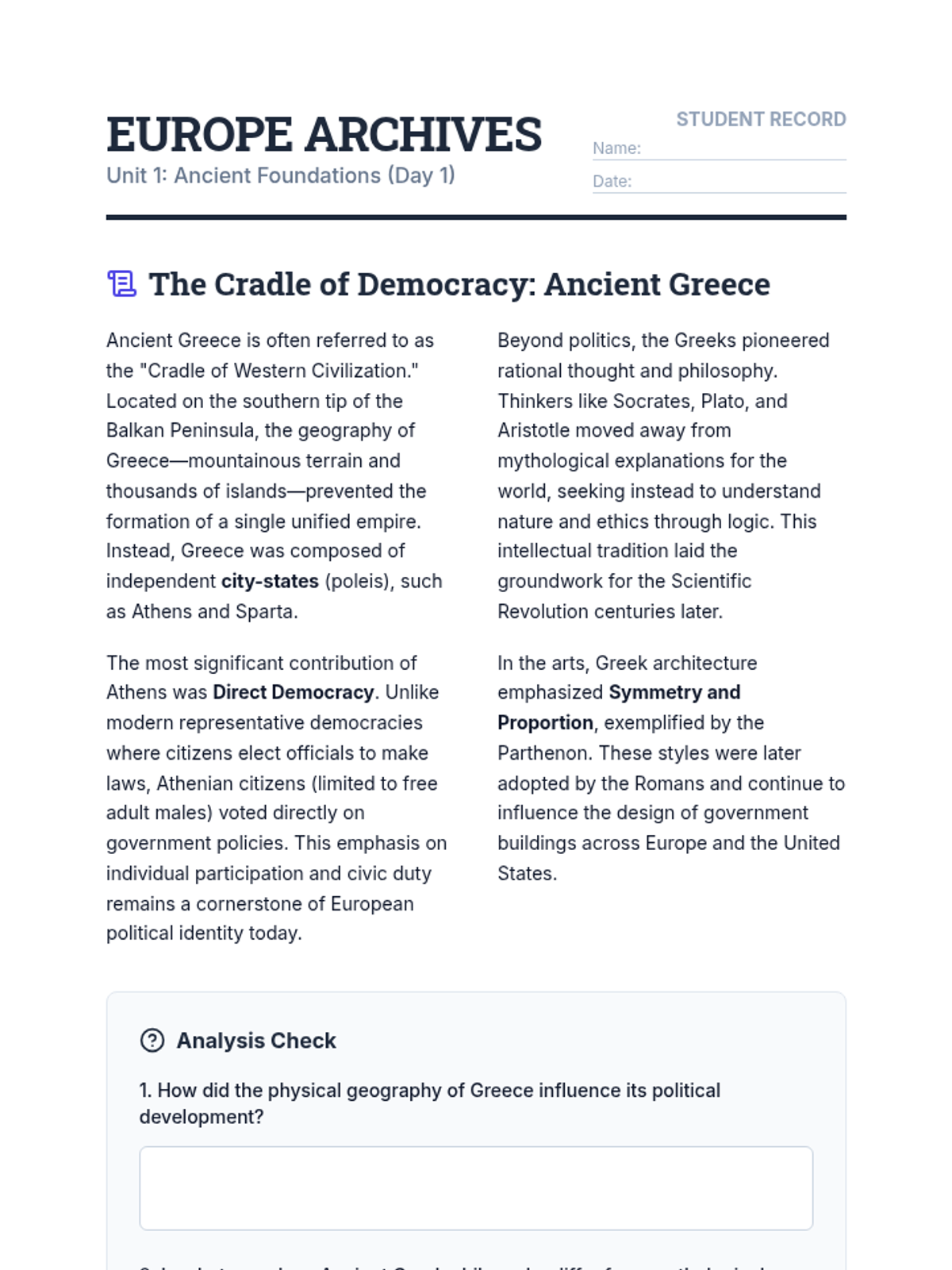
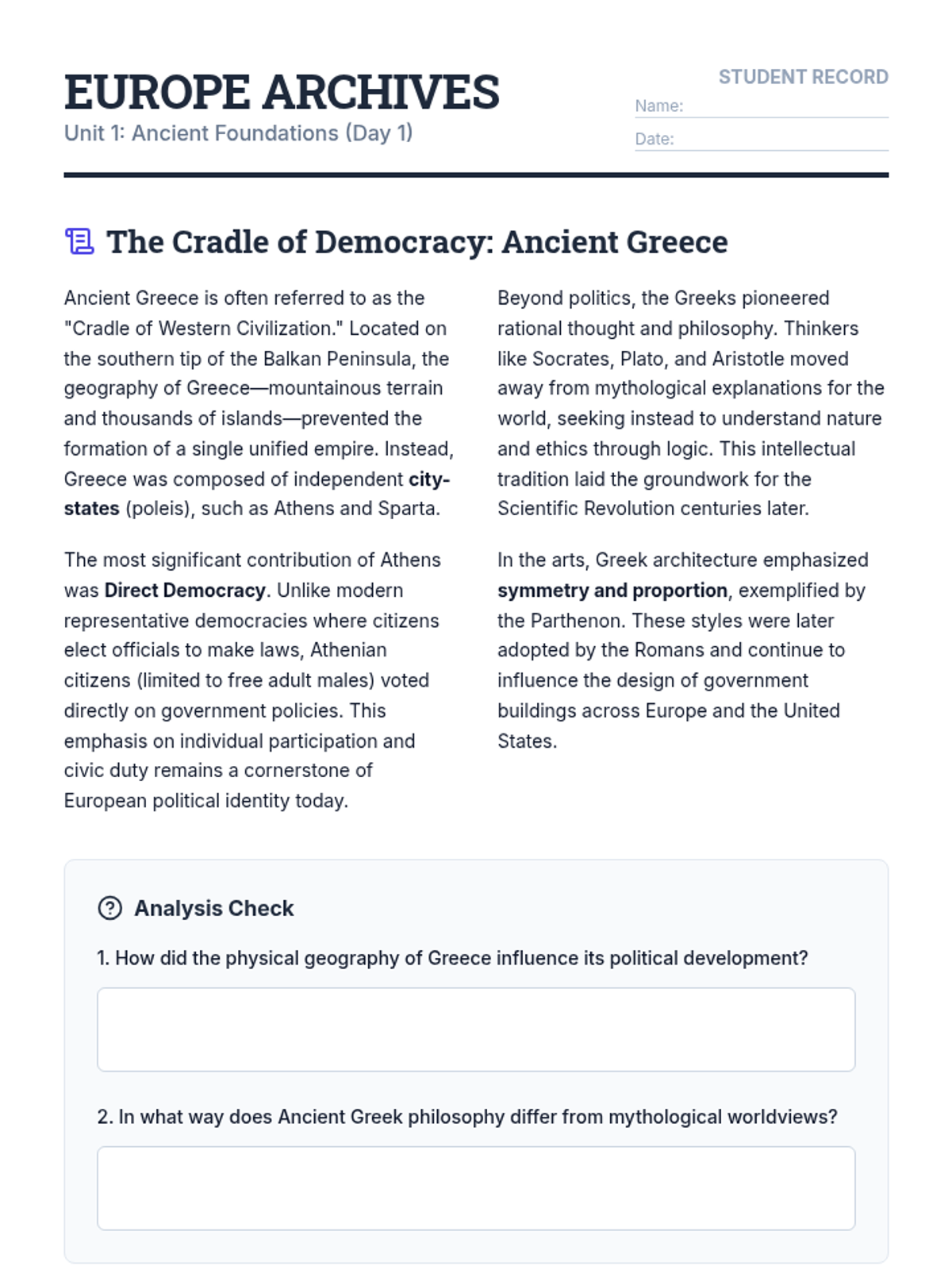
A deep dive into how the philosophies, government structures, and architecture of Ancient Greece and Rome laid the groundwork for modern European society.
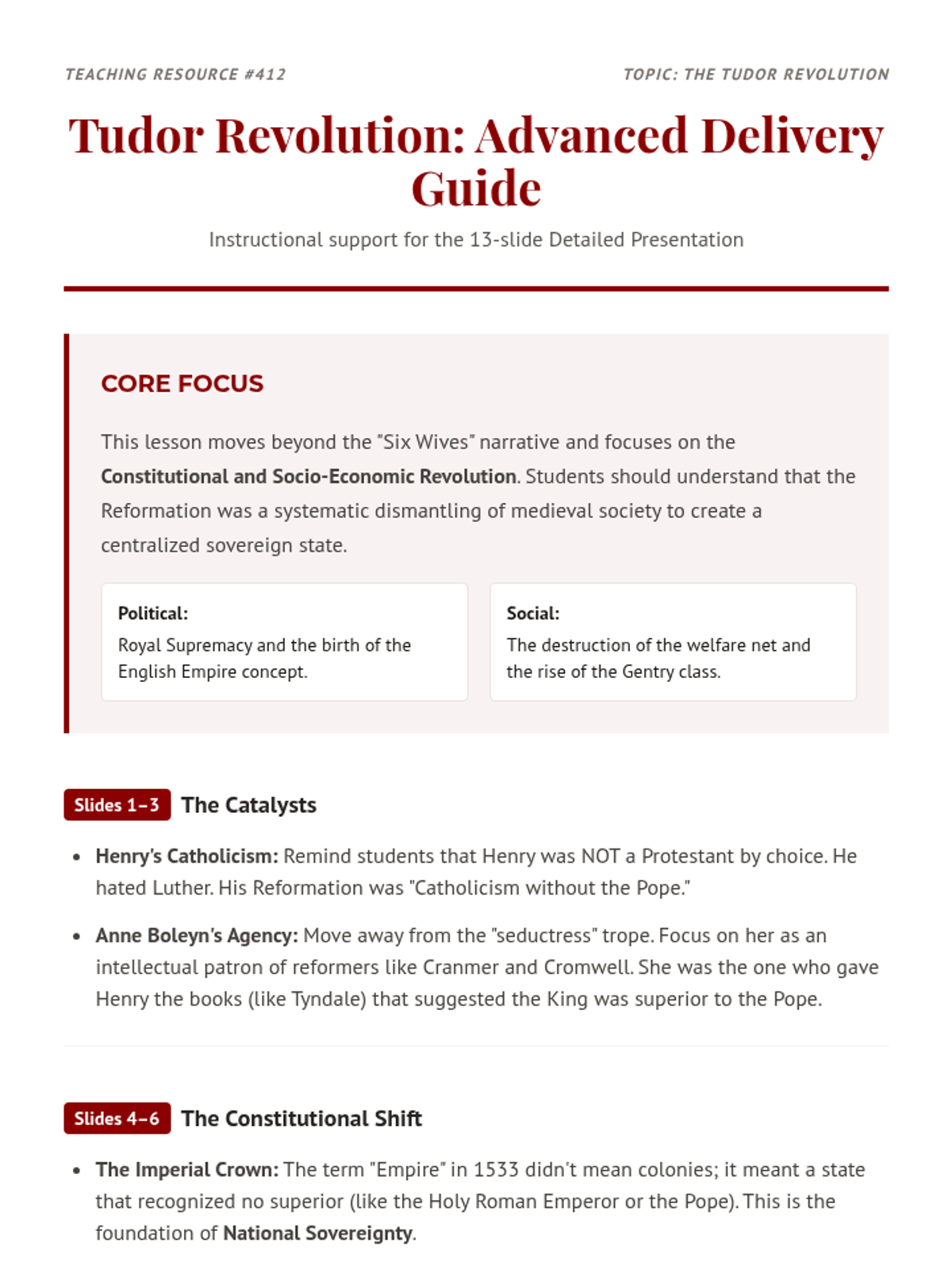
This lesson explores the transformative reign of Henry VIII and Anne Boleyn, focusing on the religious, political, and social upheavals of the English Reformation and its lasting impact on English society.
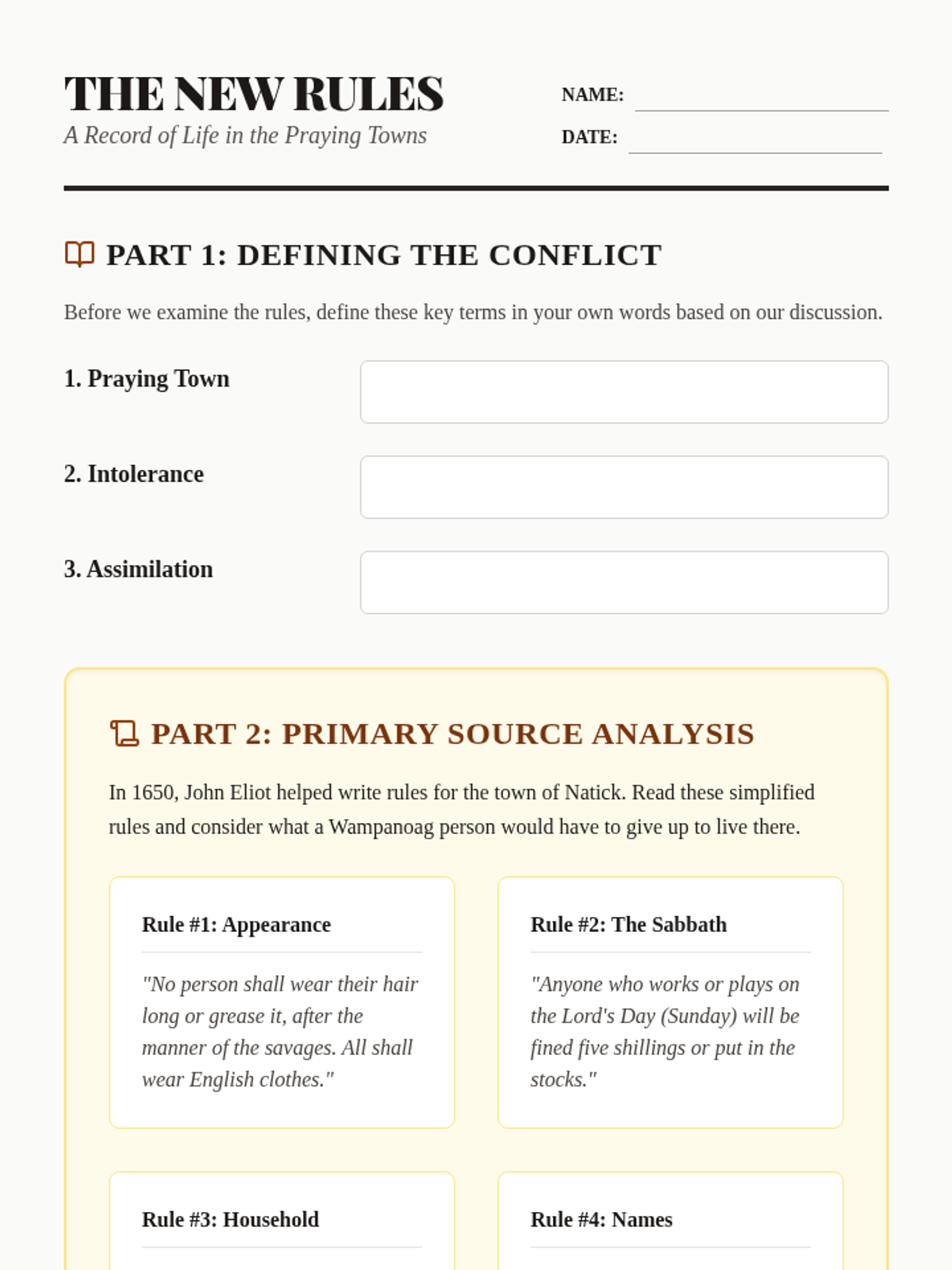
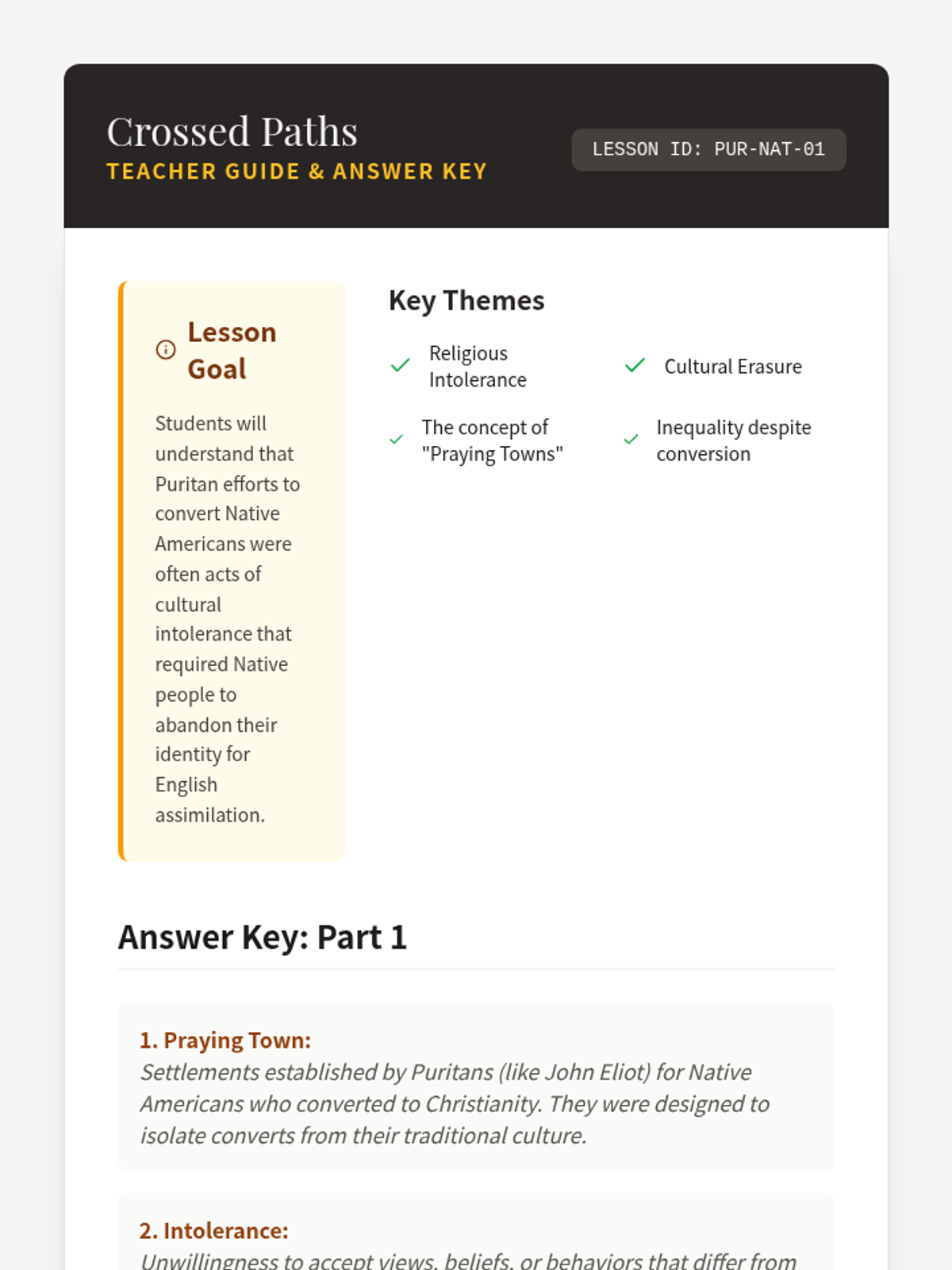
A lesson exploring the complex and often intolerant relationship between Puritans and Native Americans in 17th-century New England, focusing on the establishment of Praying Towns and the pressure to convert.
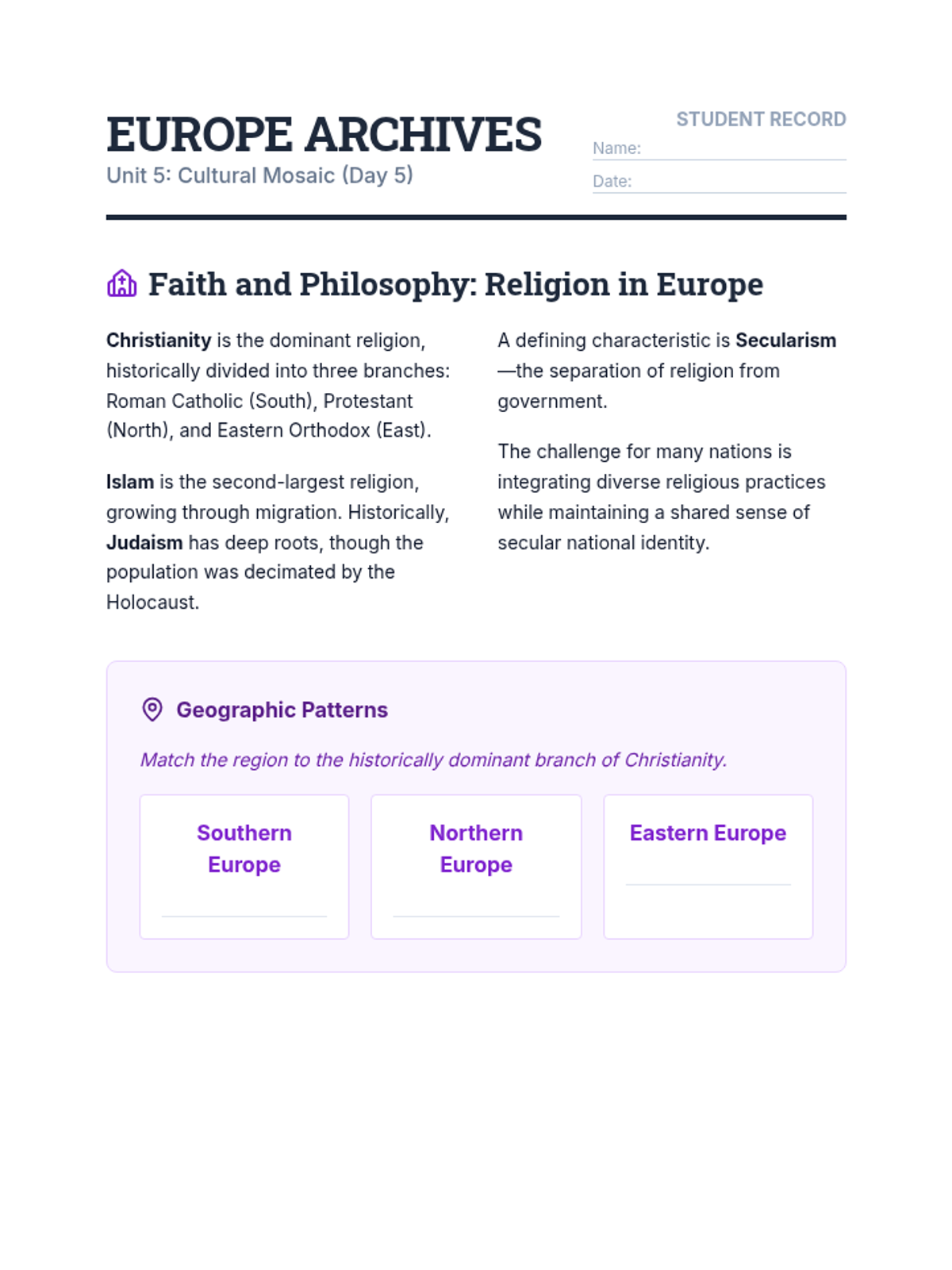
Examines the diverse cultural landscapes of Europe, including religion, language, and the concept of a shared European identity.
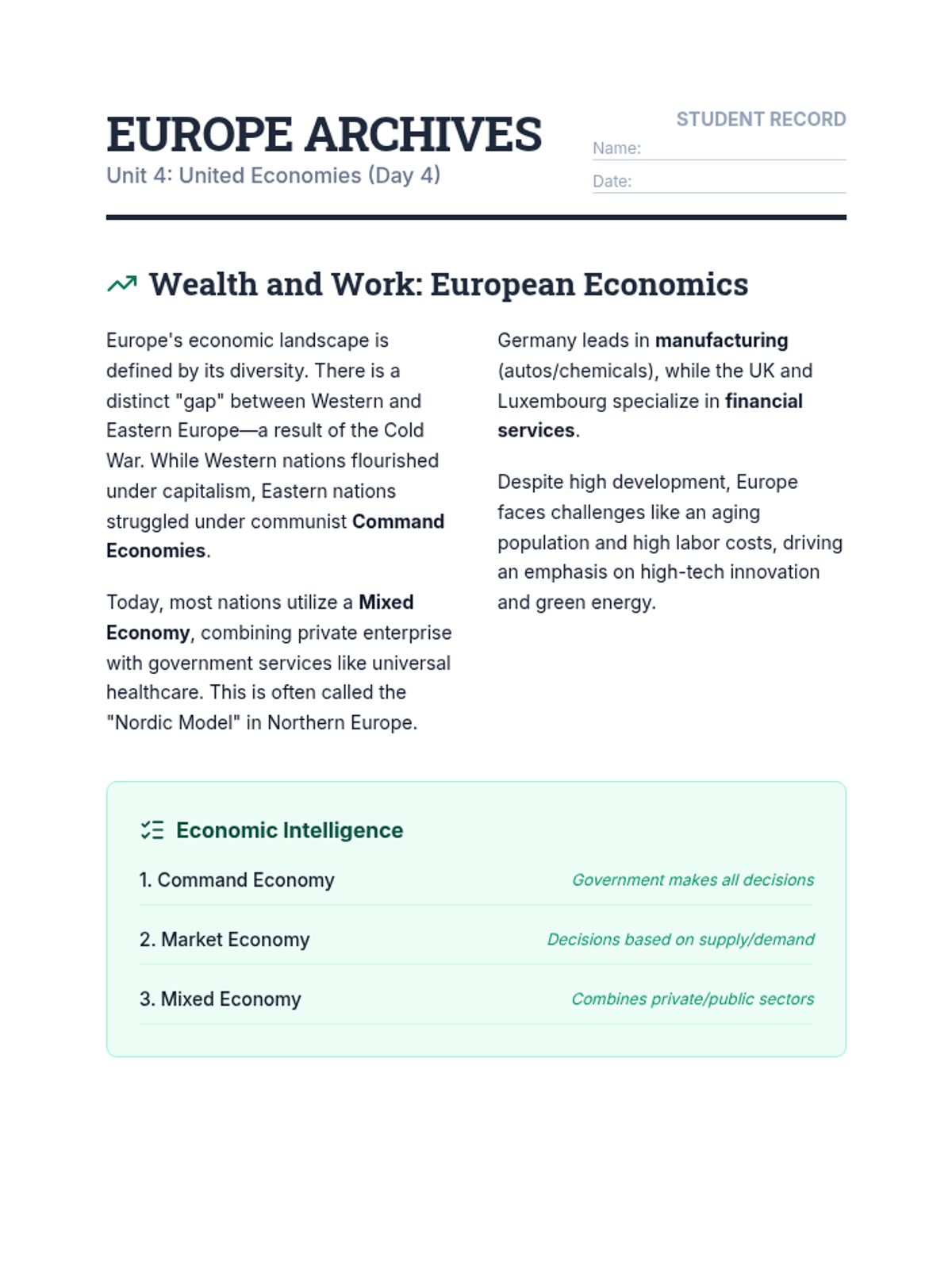
Investigates European economic systems and the formation, purpose, and challenges of the European Union.
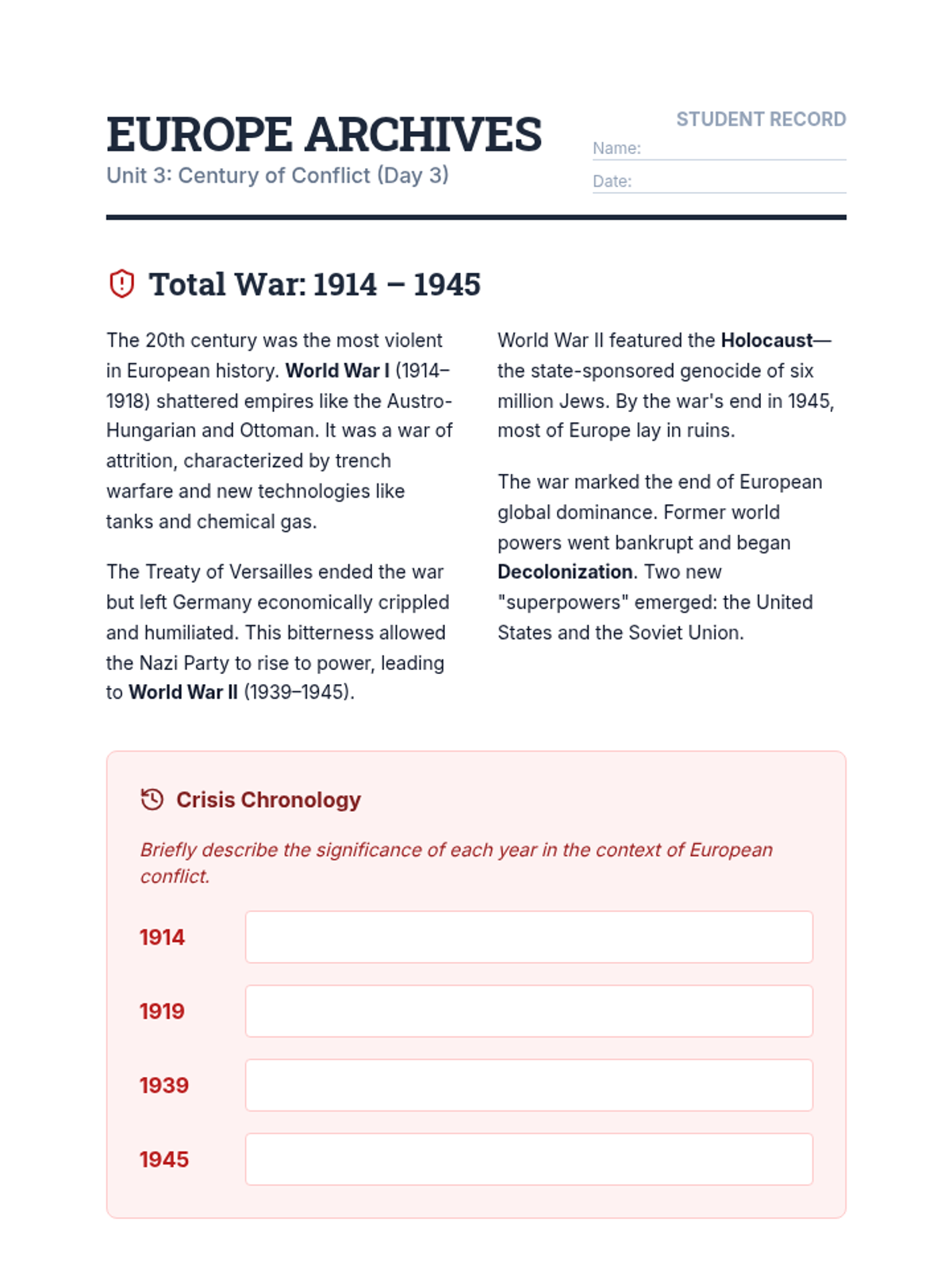
Analyzes the impact of the World Wars and the subsequent Cold War on the political and physical landscape of Europe.
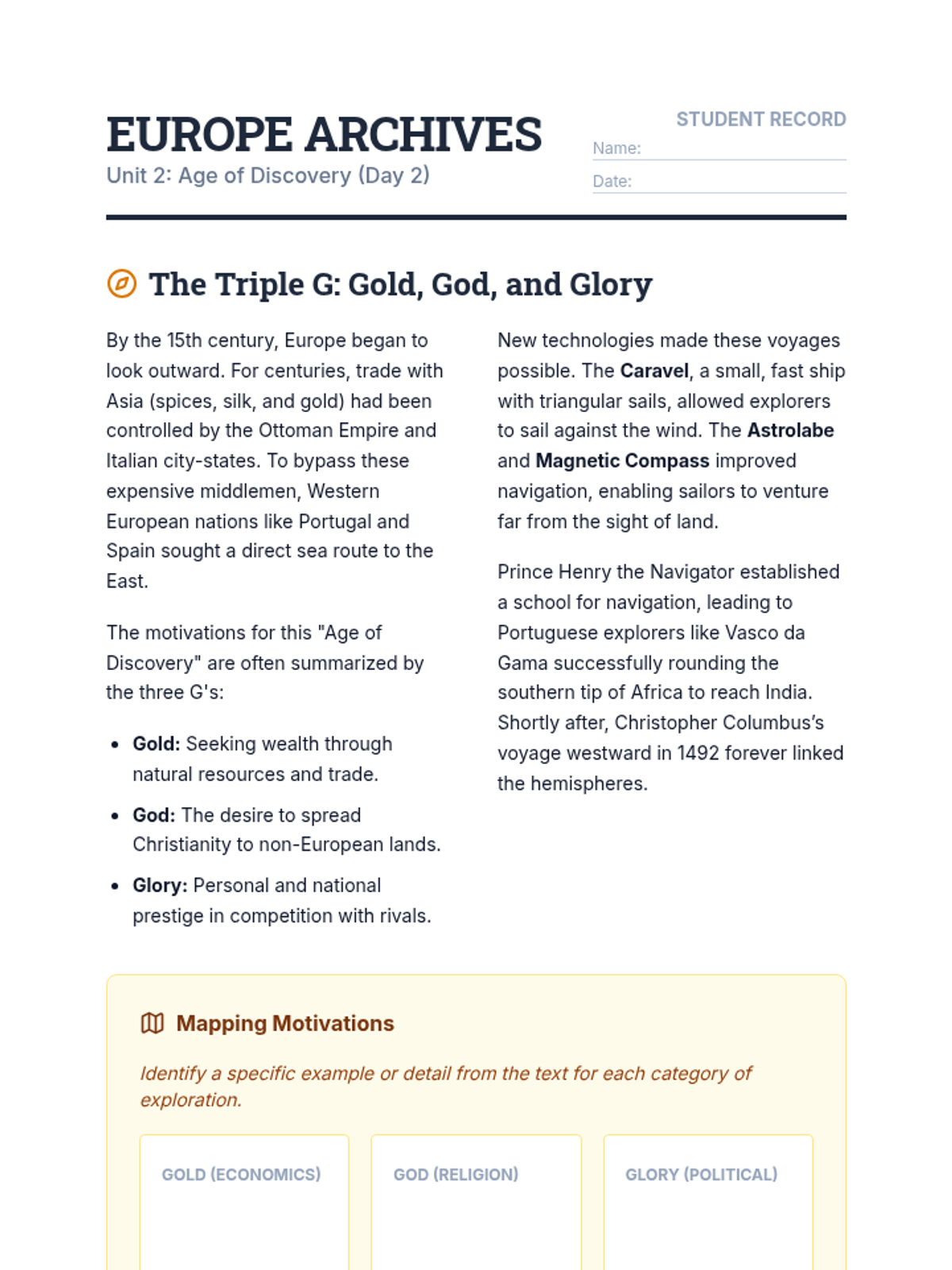
Explores the motivations, key figures, and global consequences of European exploration, focusing on the shift in power and cultural exchange.
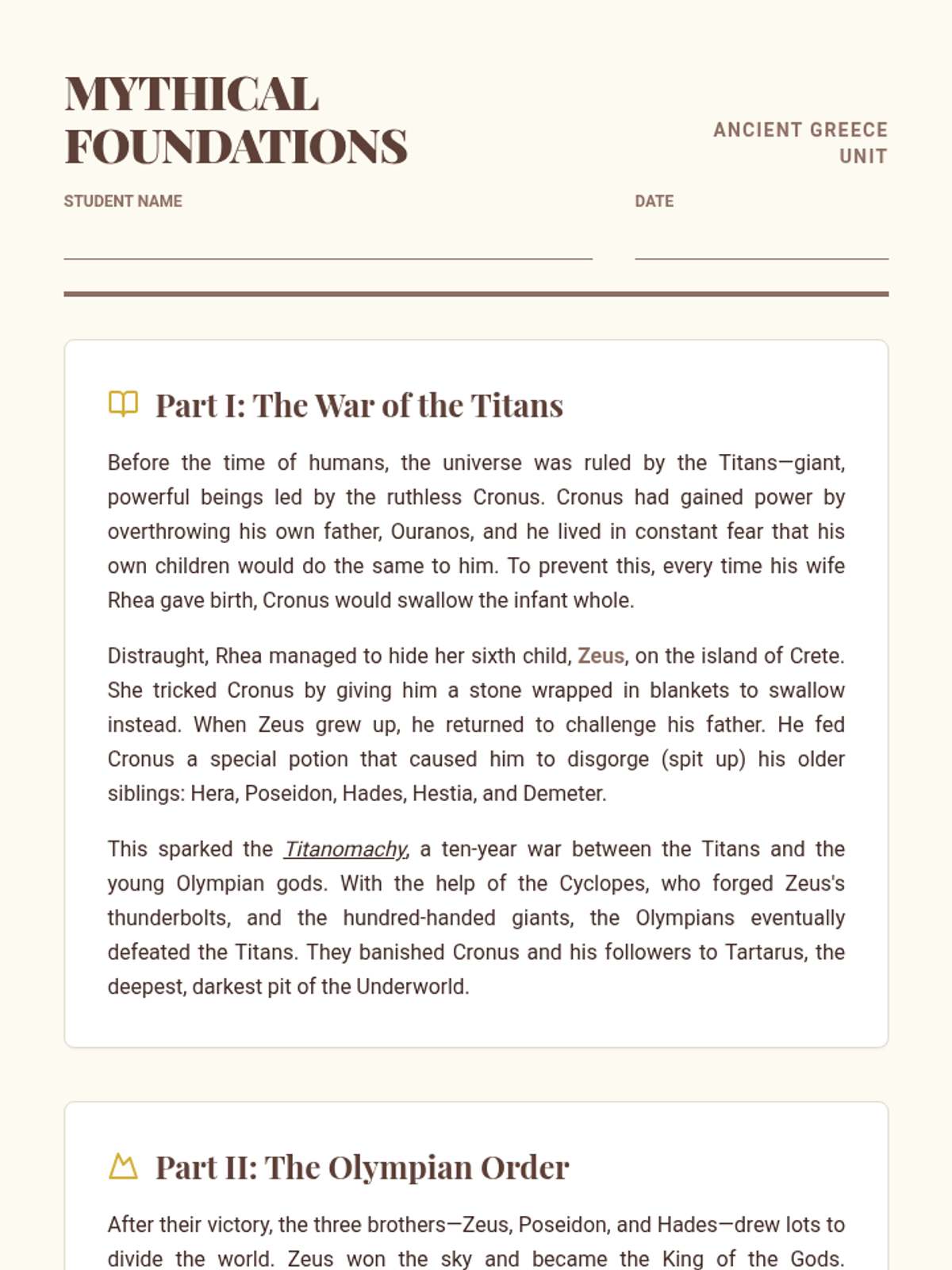
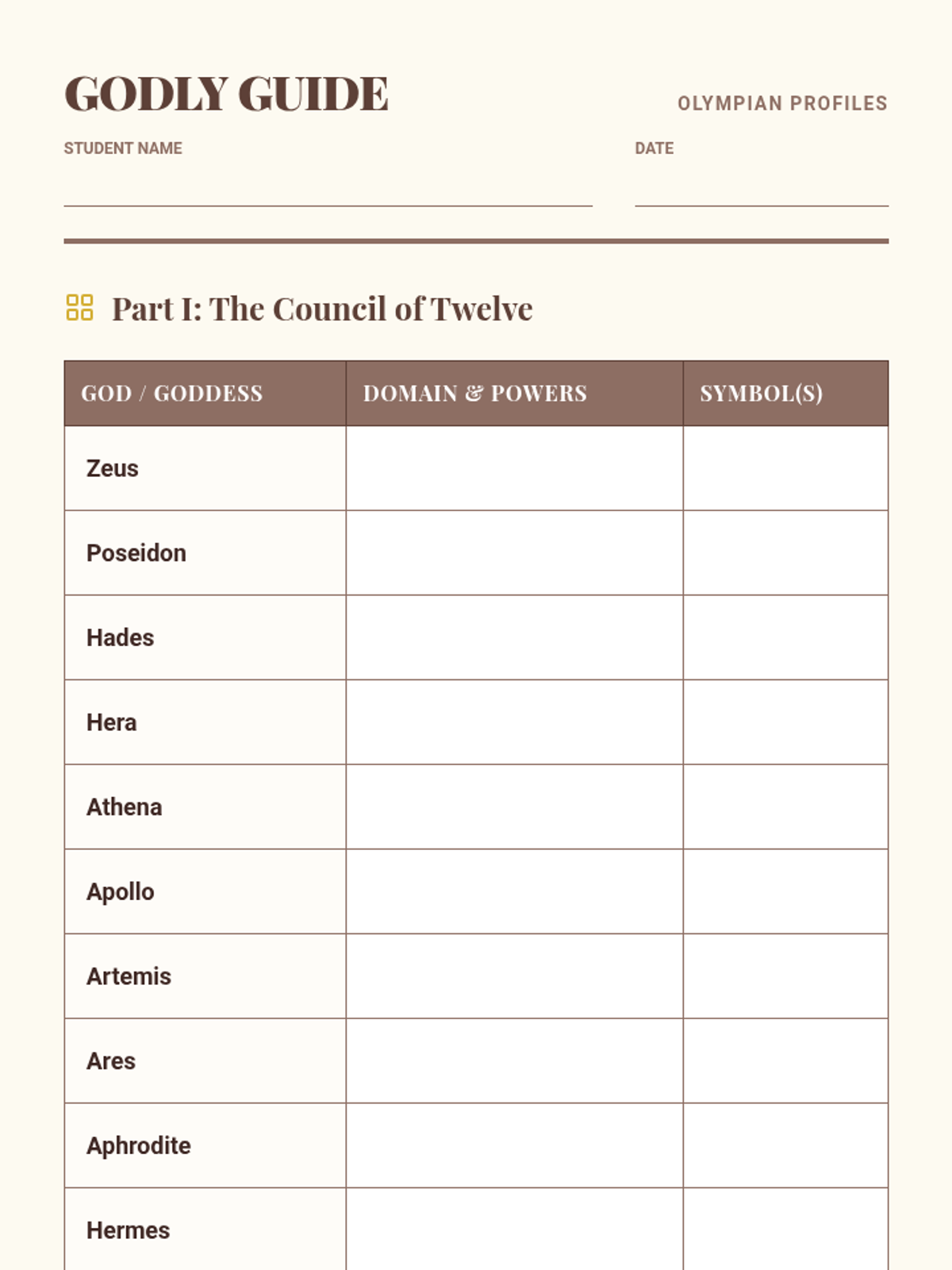
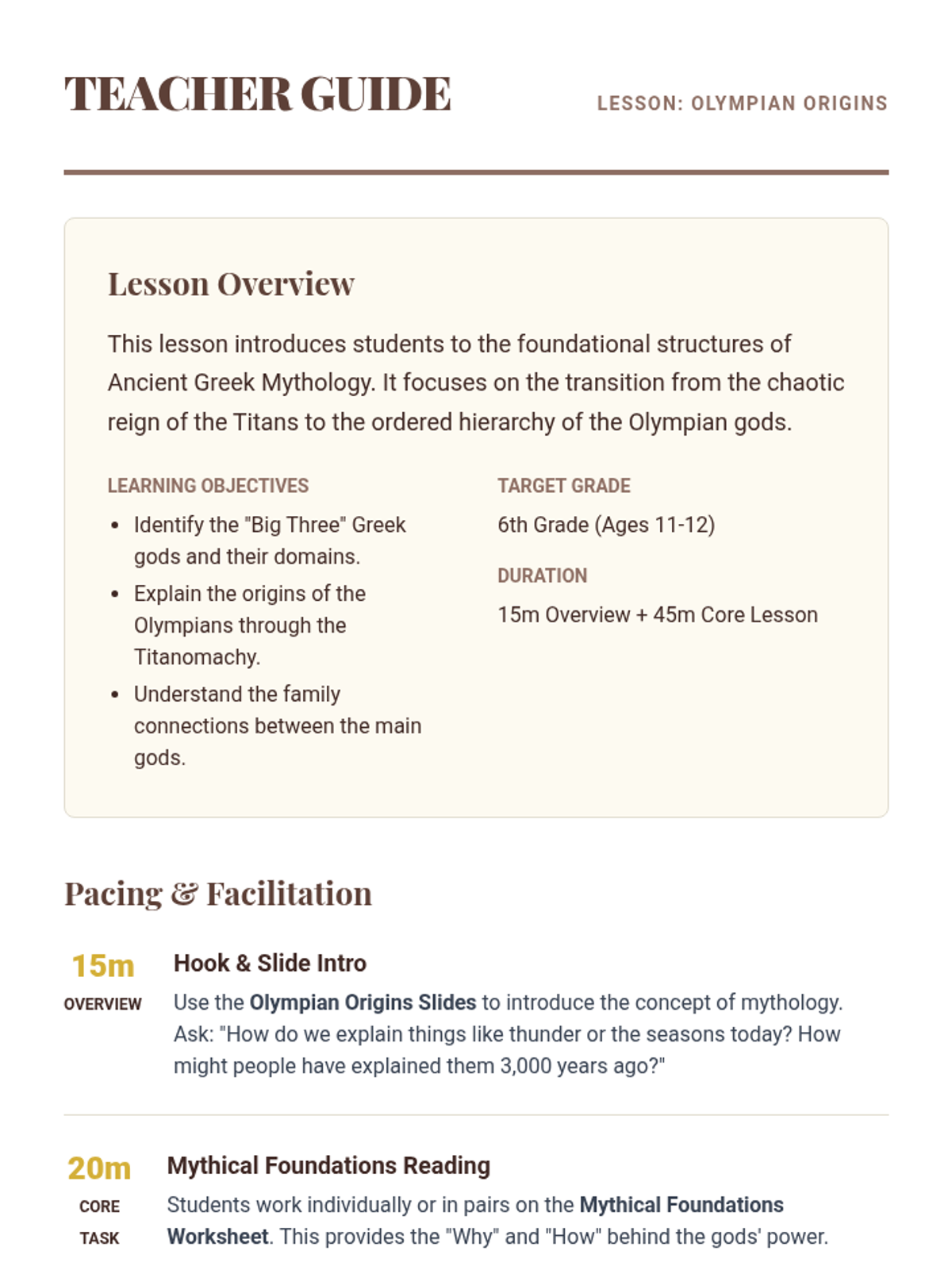
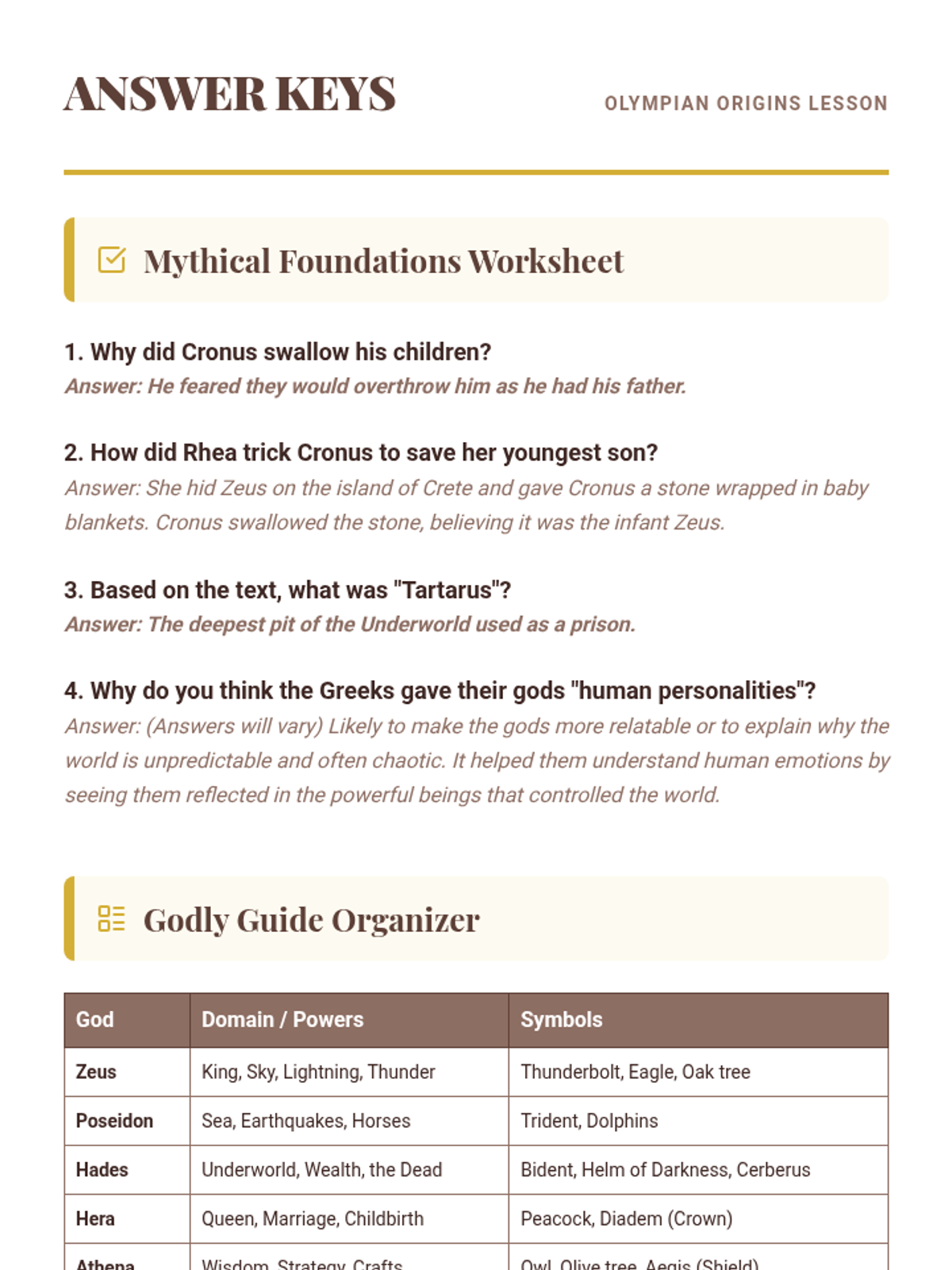
An introductory lesson to Ancient Greek Mythology, focusing on the Olympian gods, their unique powers, and the complex family tree that connects them.
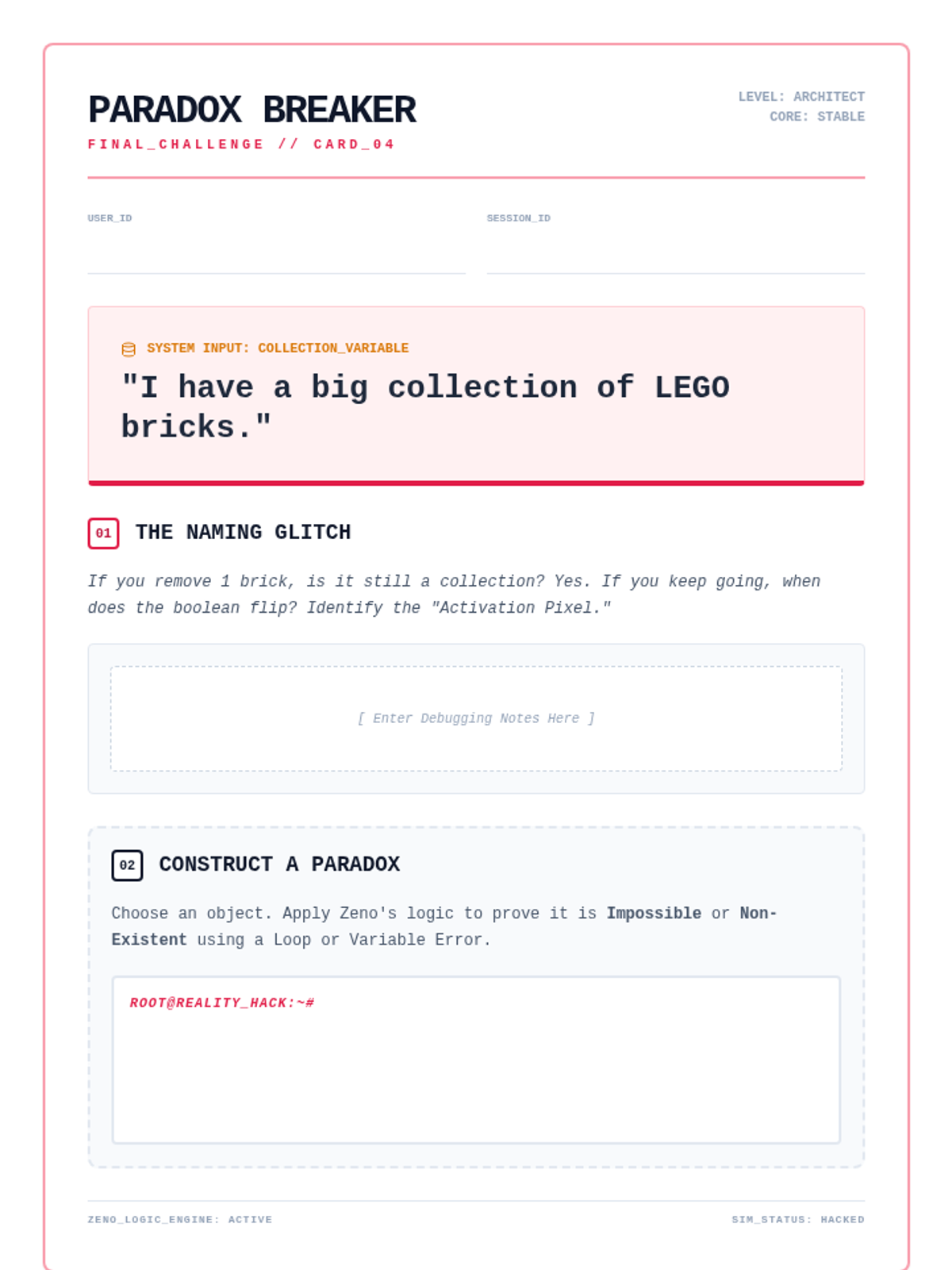
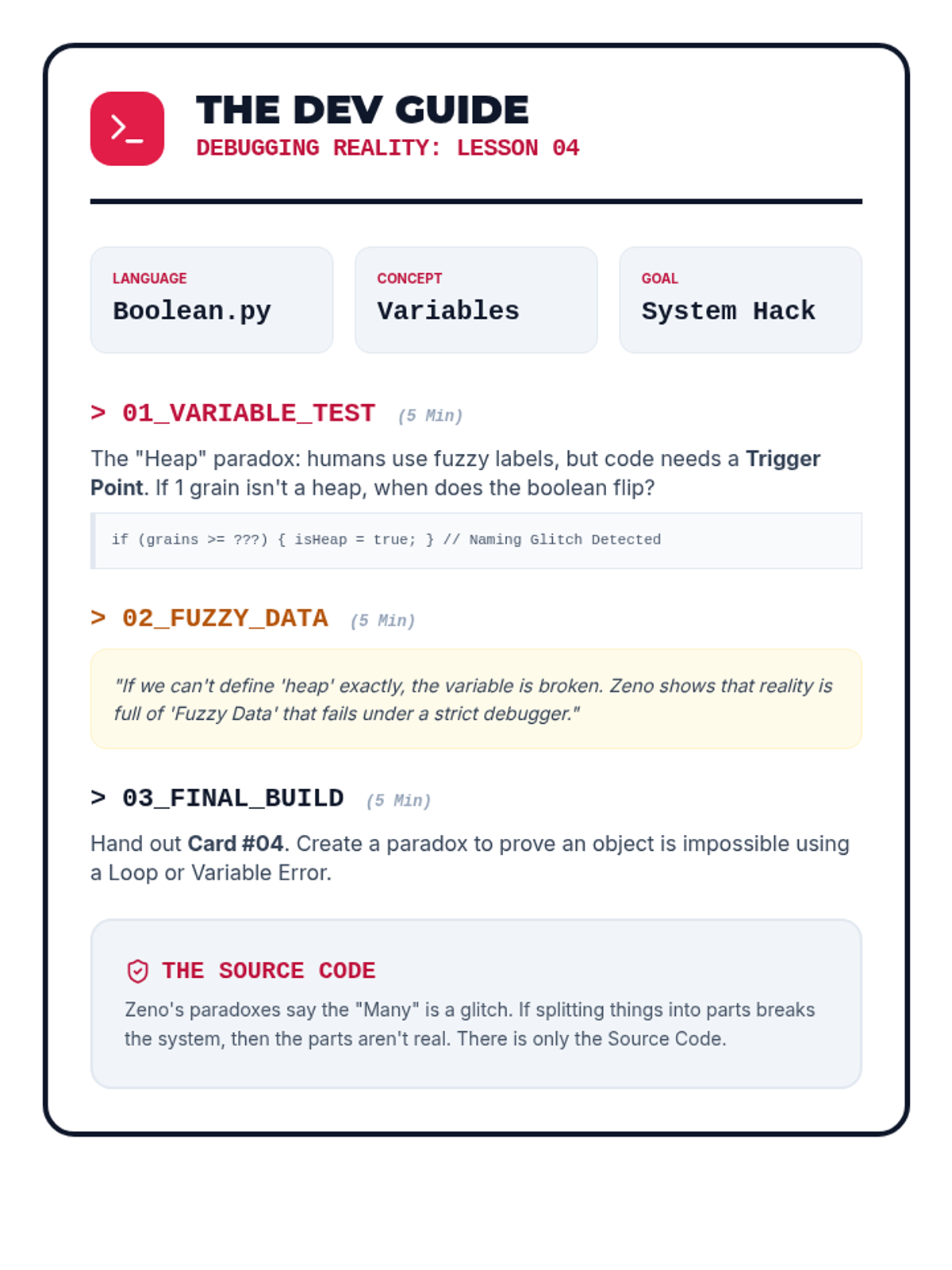
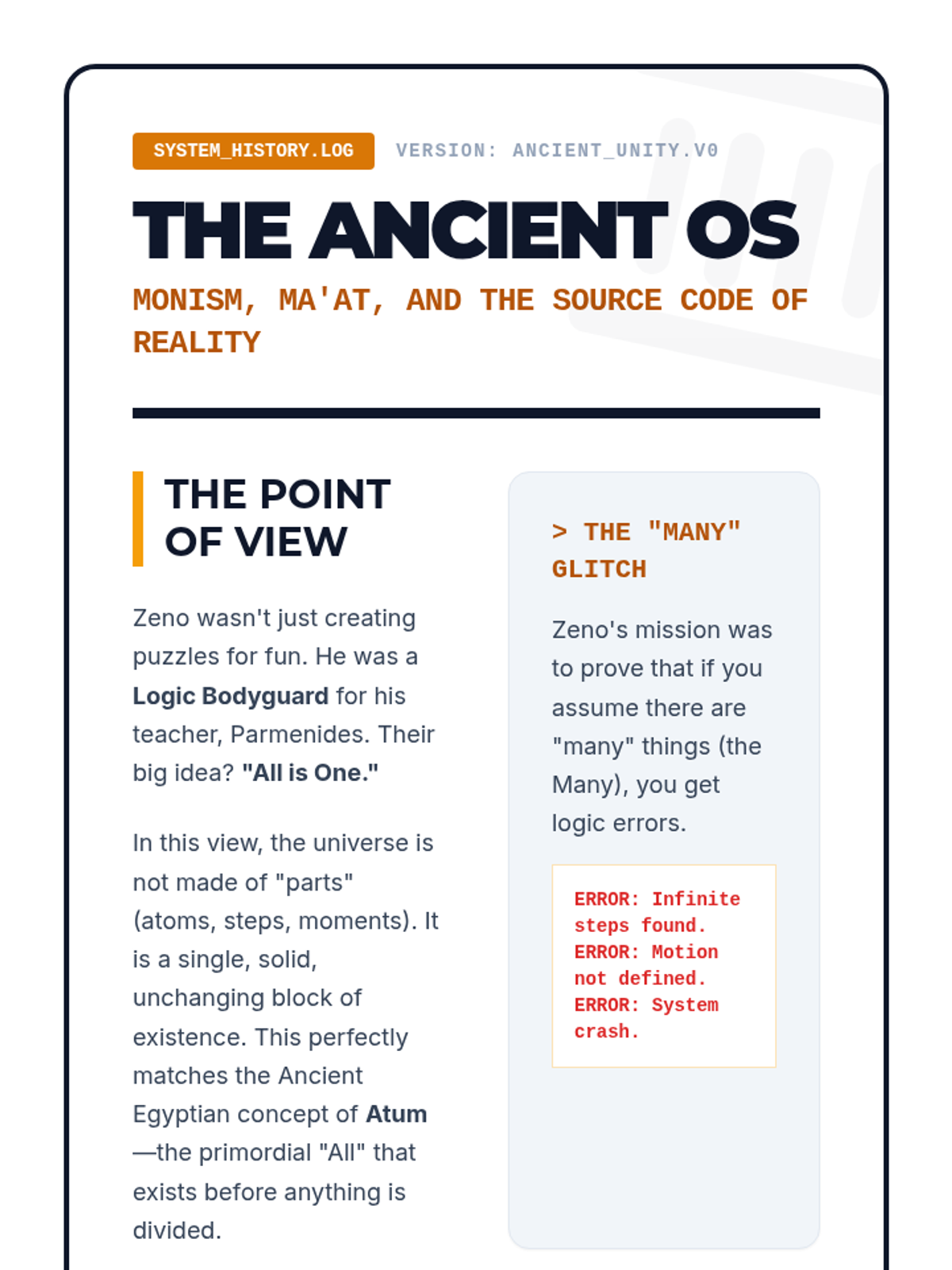
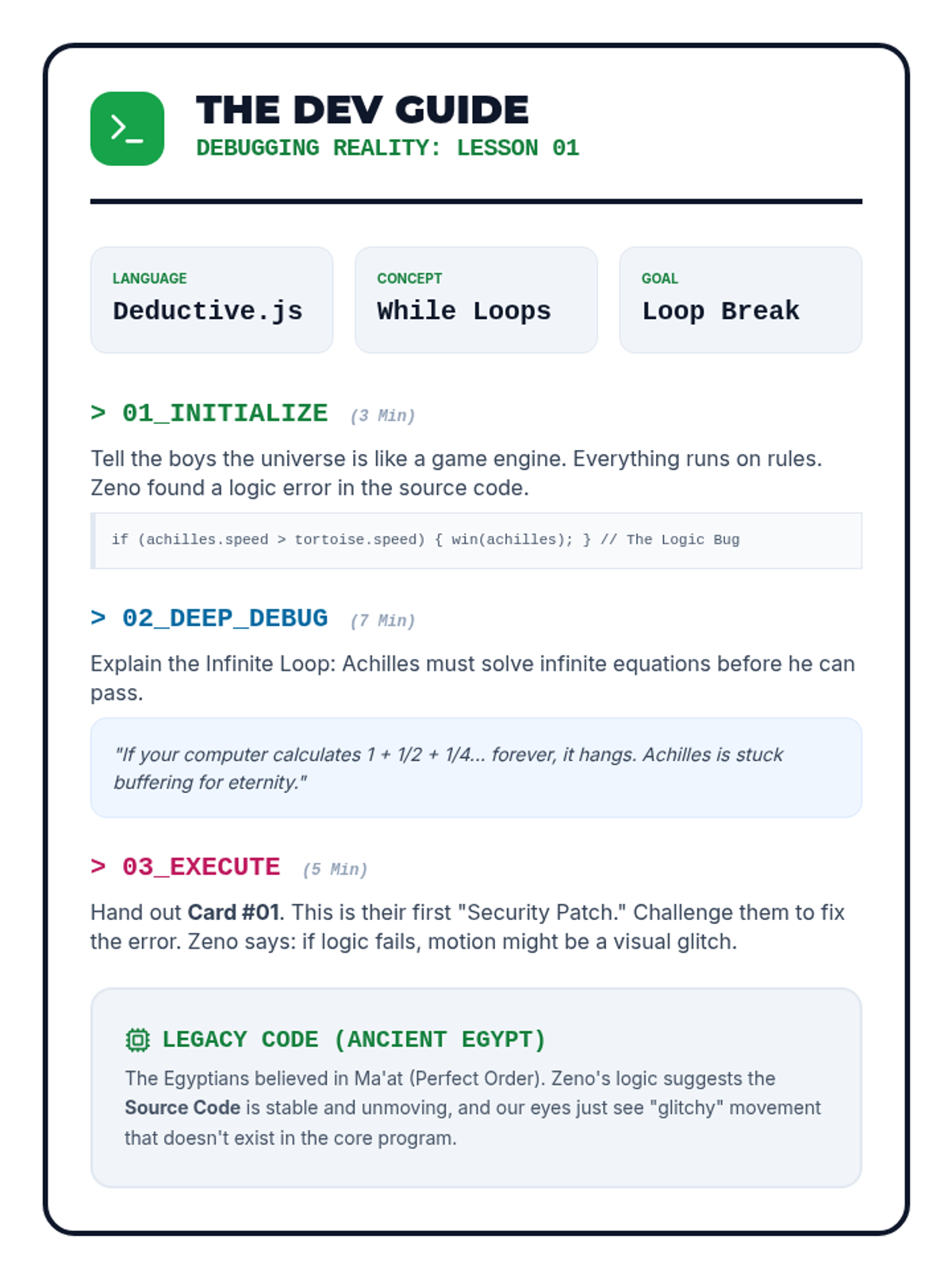
Students apply Zeno's logic to everyday scenarios and learn to use humor and extreme logic to expose flaws in arguments.
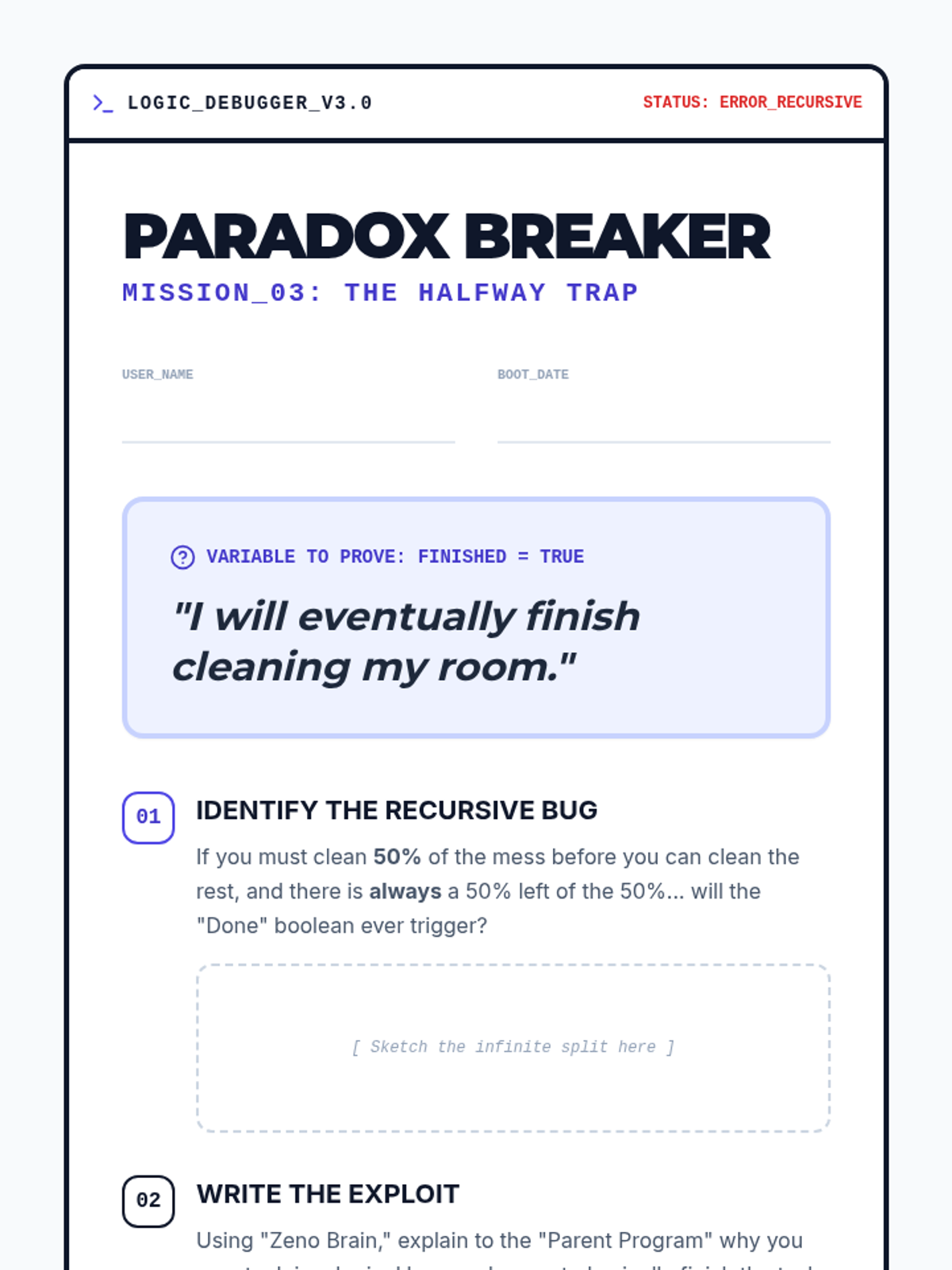
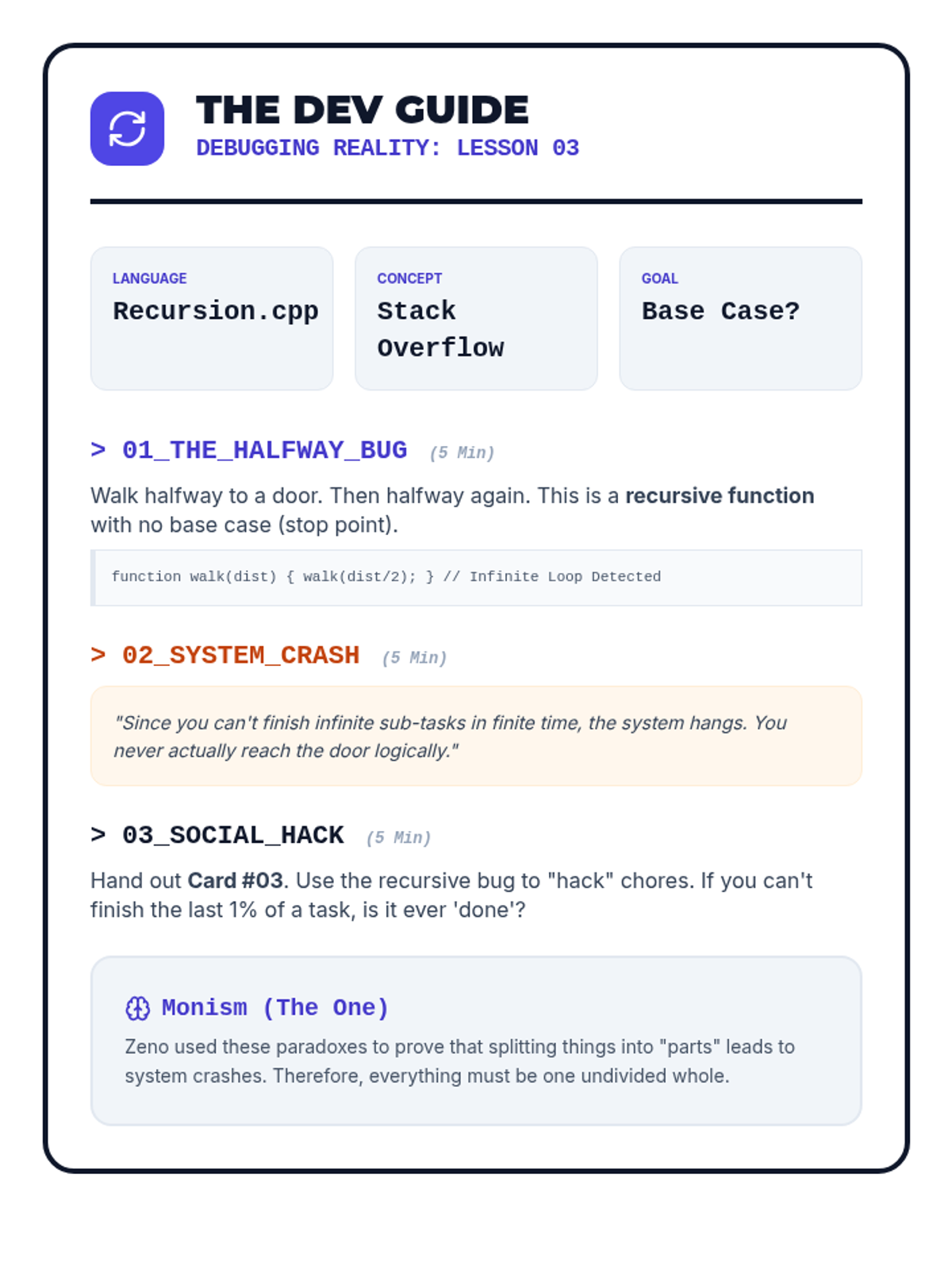
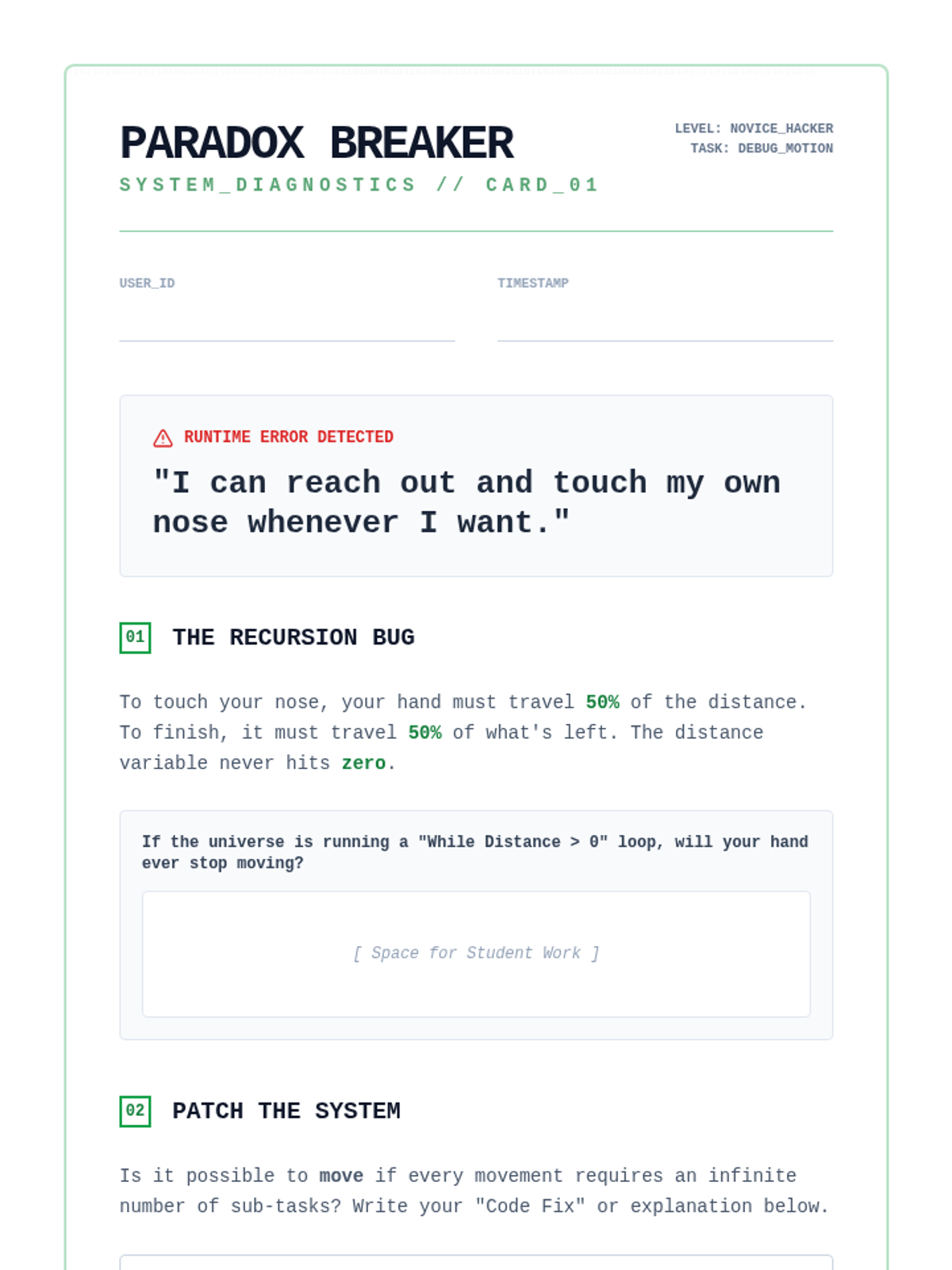
Students tackle the Dichotomy Paradox, learning how to break large goals into infinite tiny steps and the logical hurdles that arise.
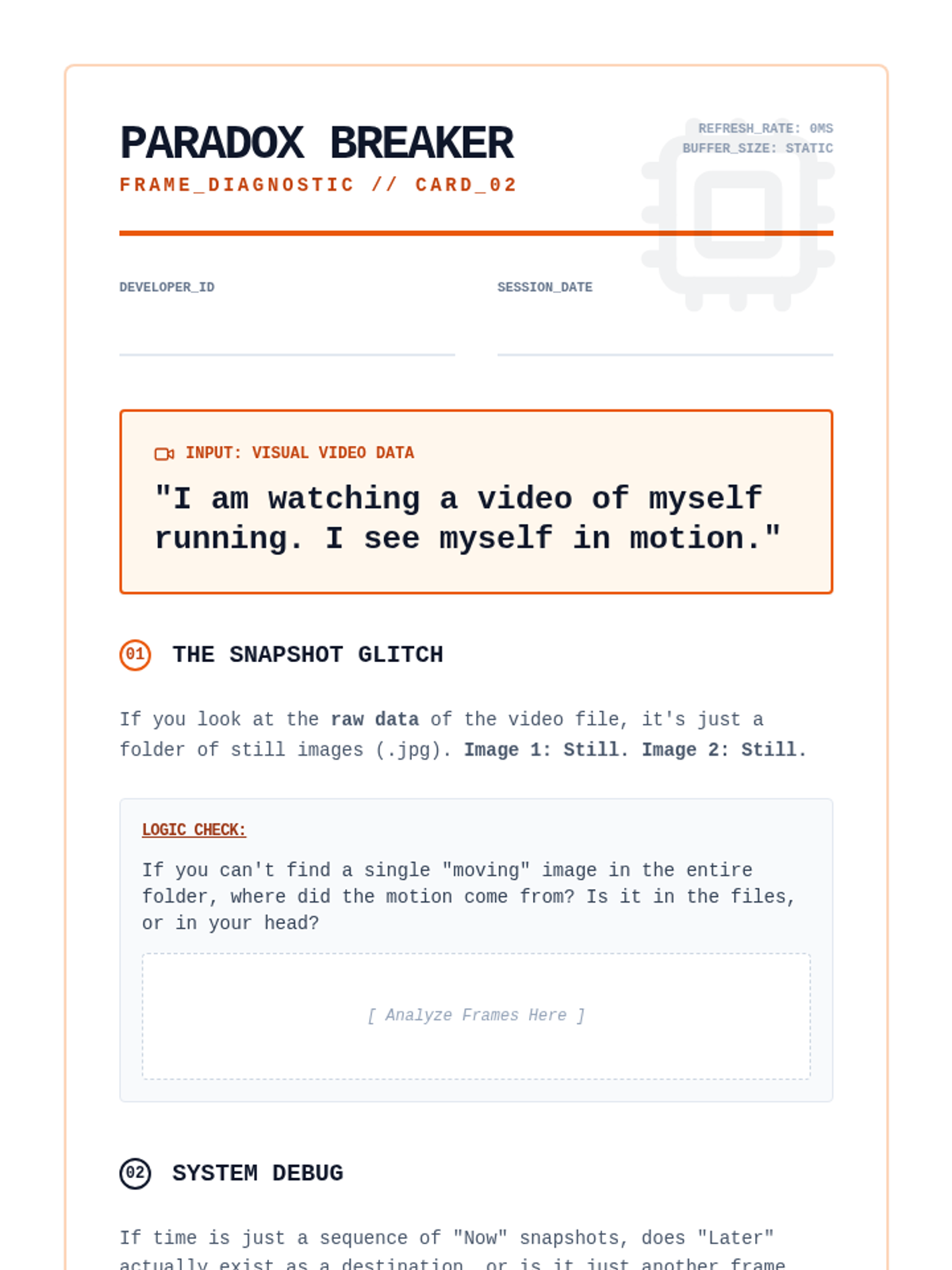
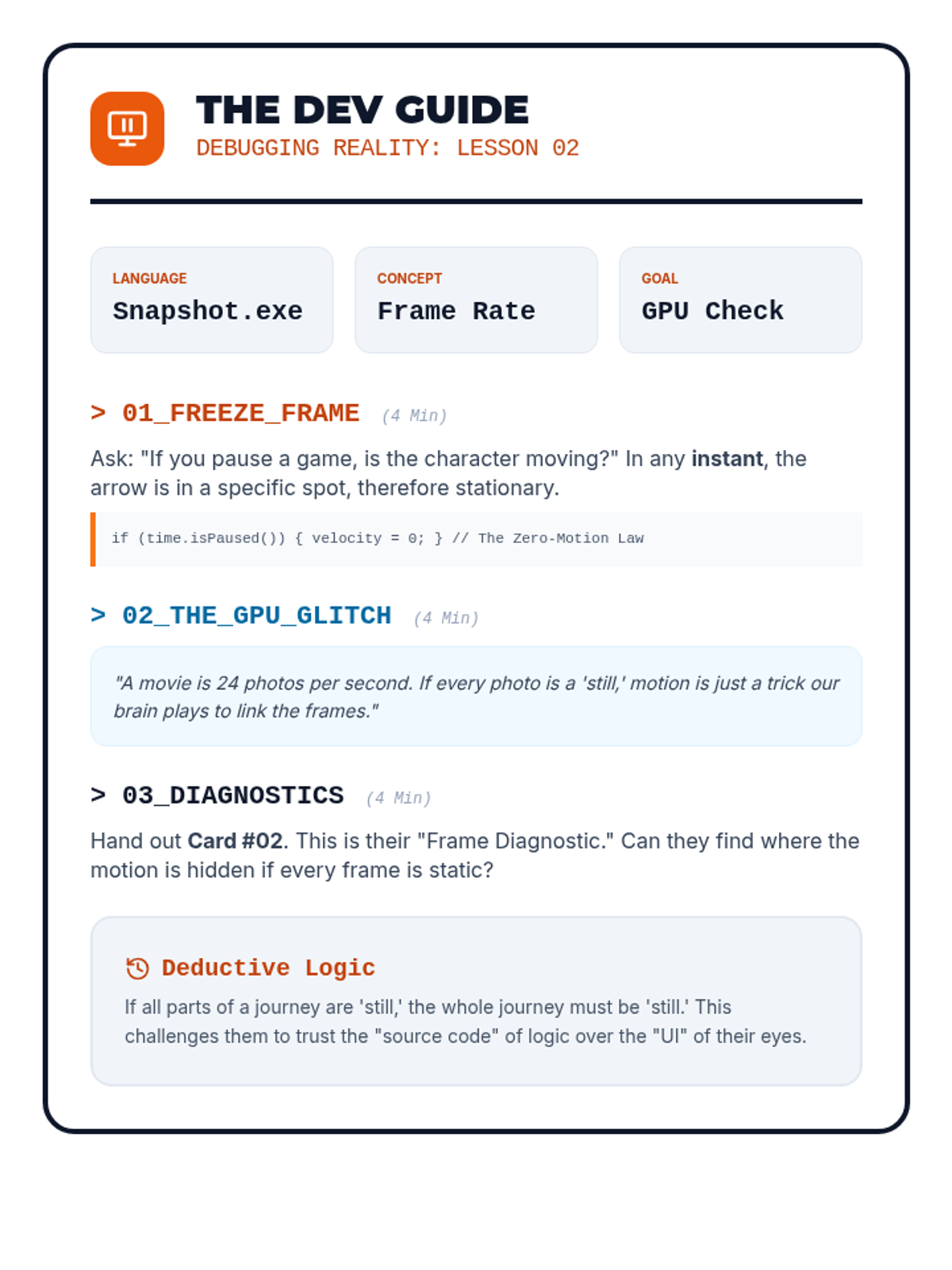
Students examine the Arrow Paradox to challenge the concept of motion and the nature of the 'now'.
Students explore the famous Achilles and the Tortoise paradox to understand the infinite divisibility of space and time.
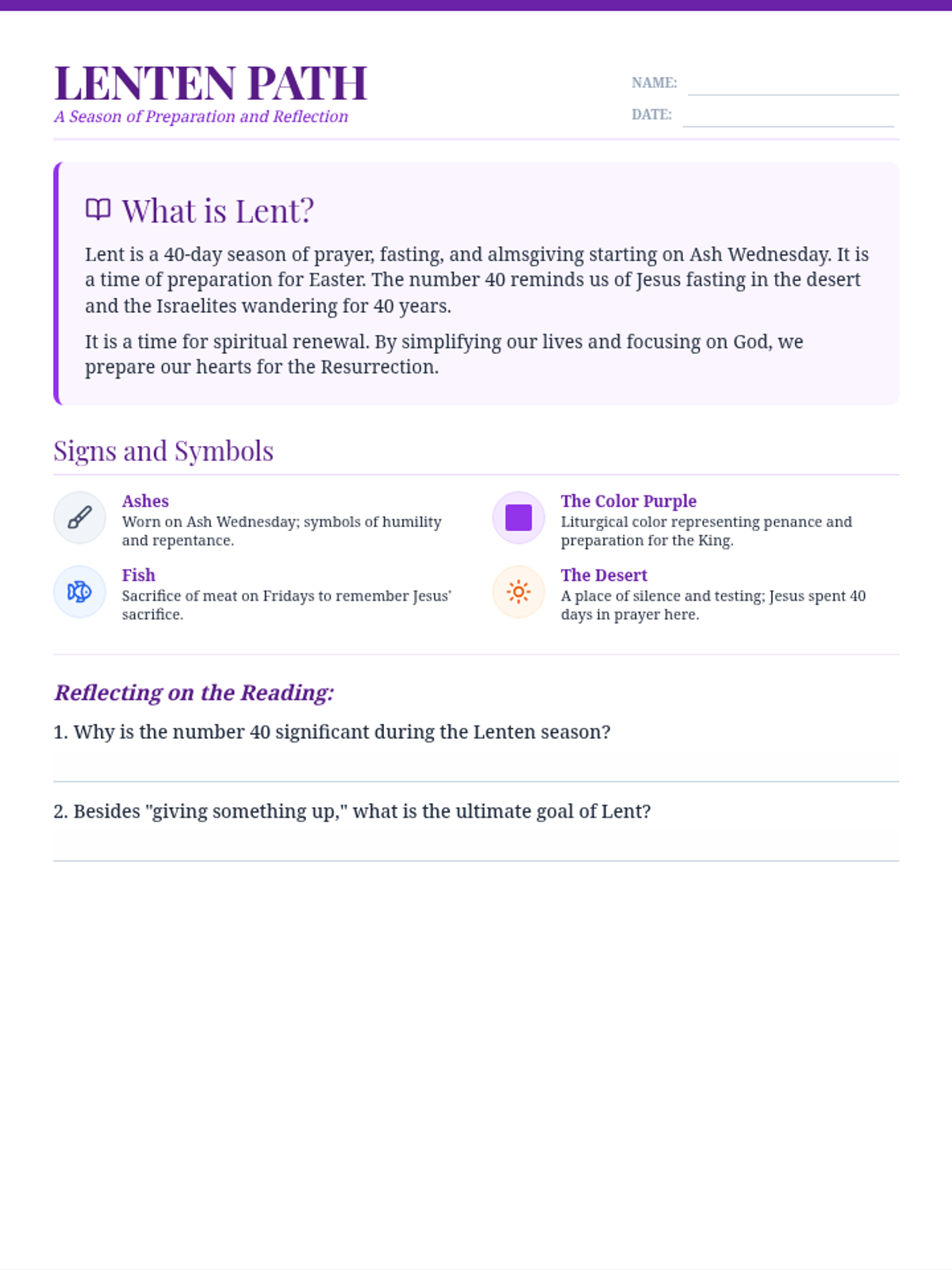
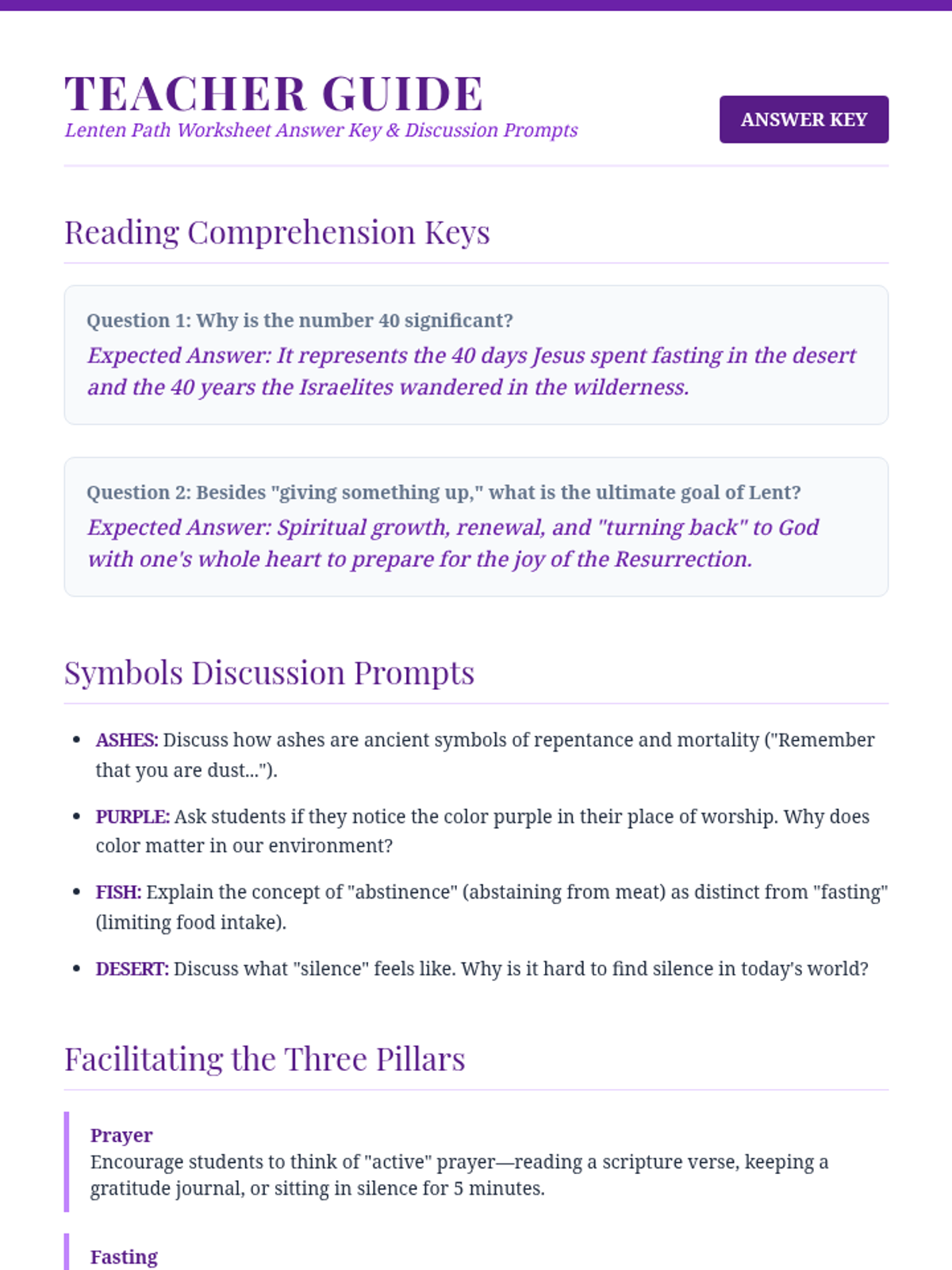
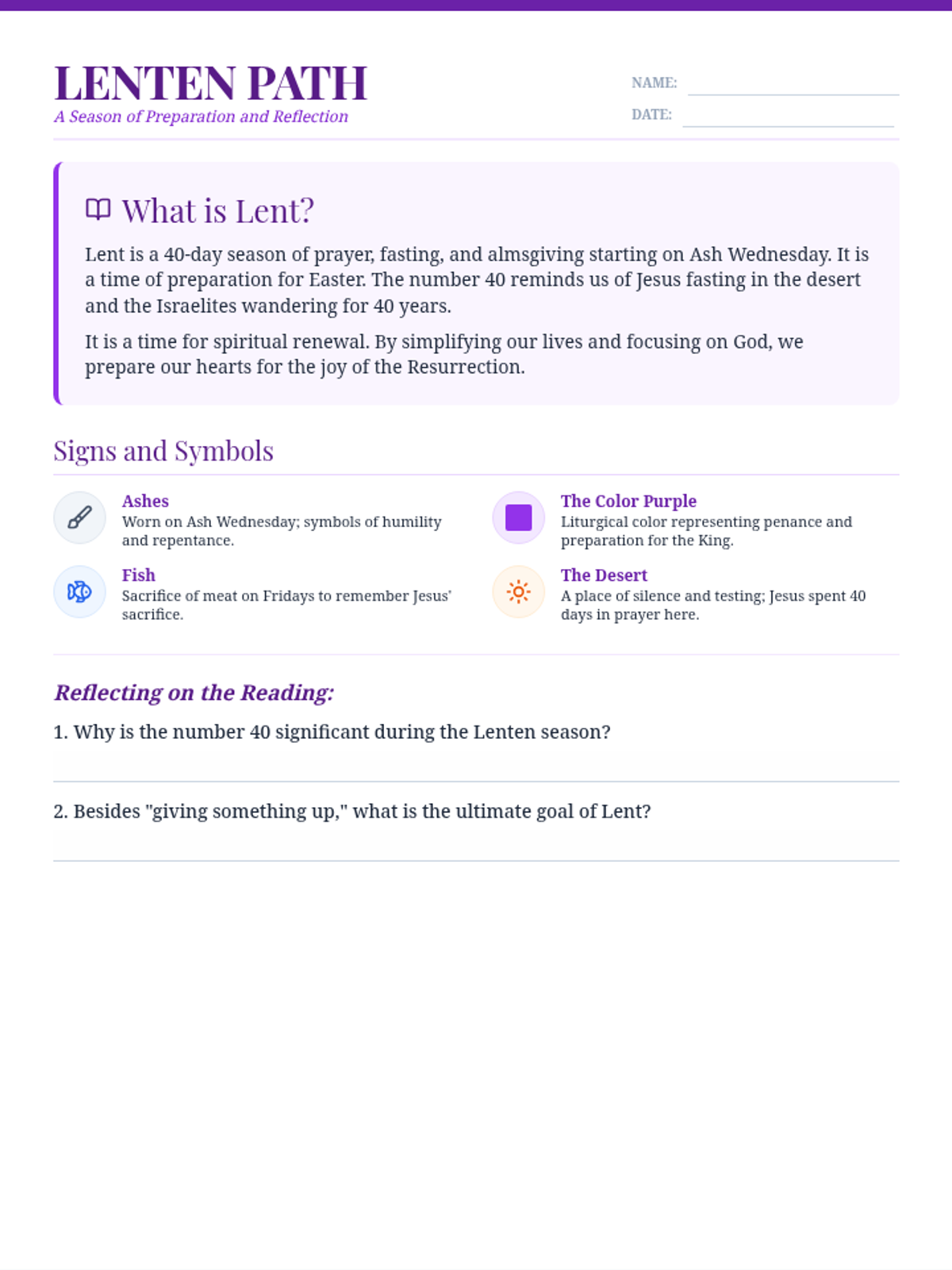
A lesson focused on understanding the purpose, traditions, and personal practices of the Lenten season.
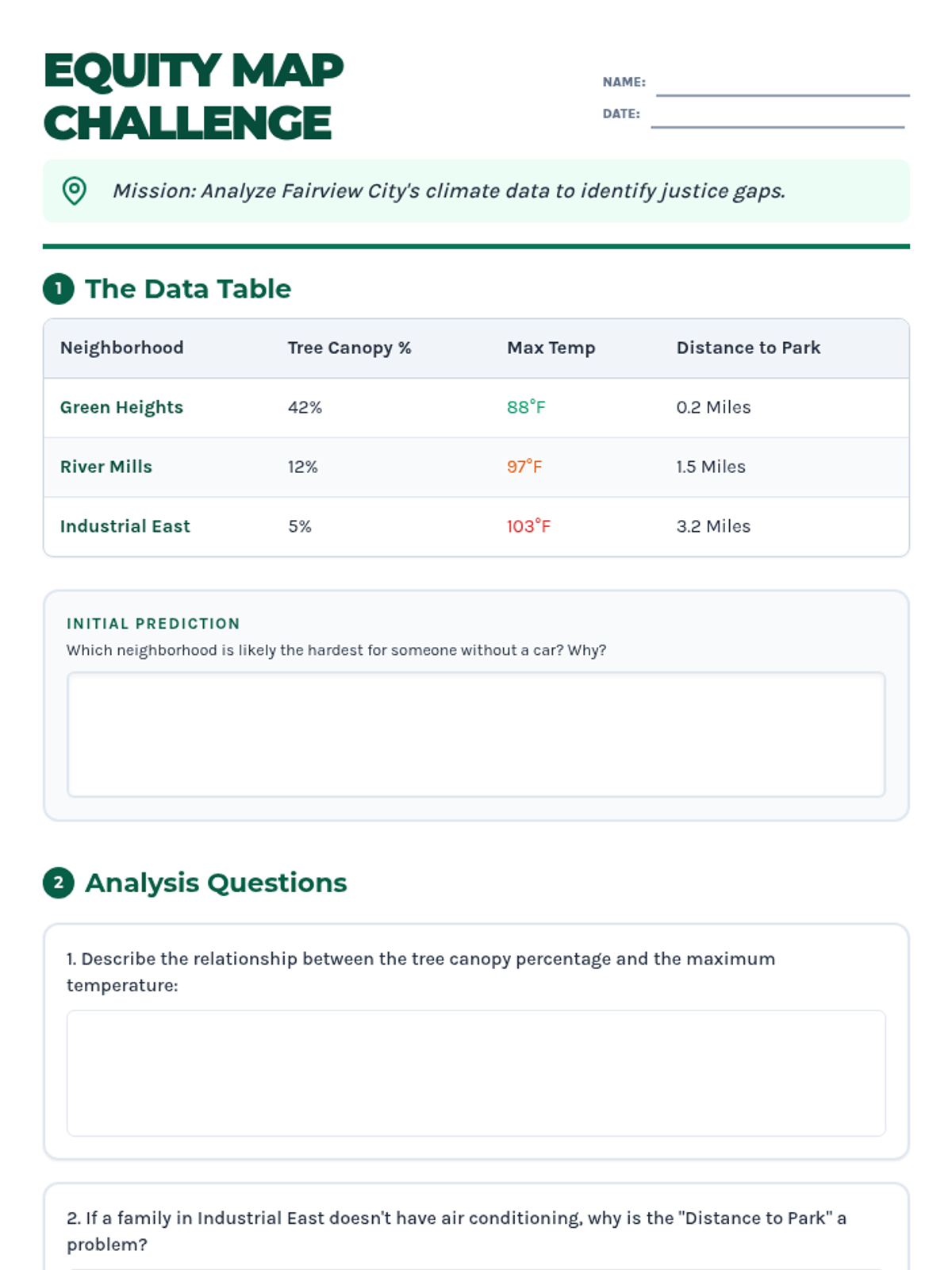
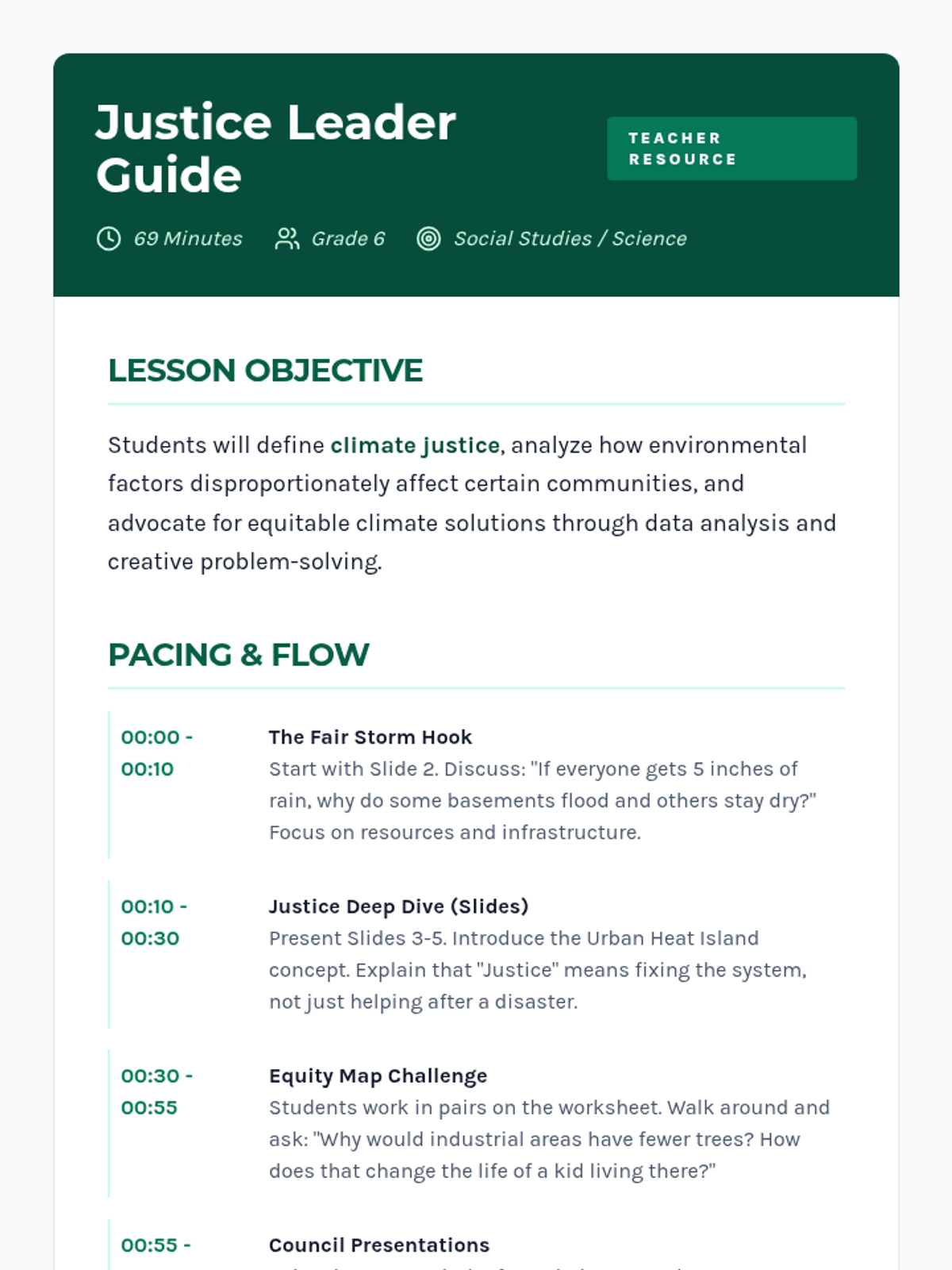
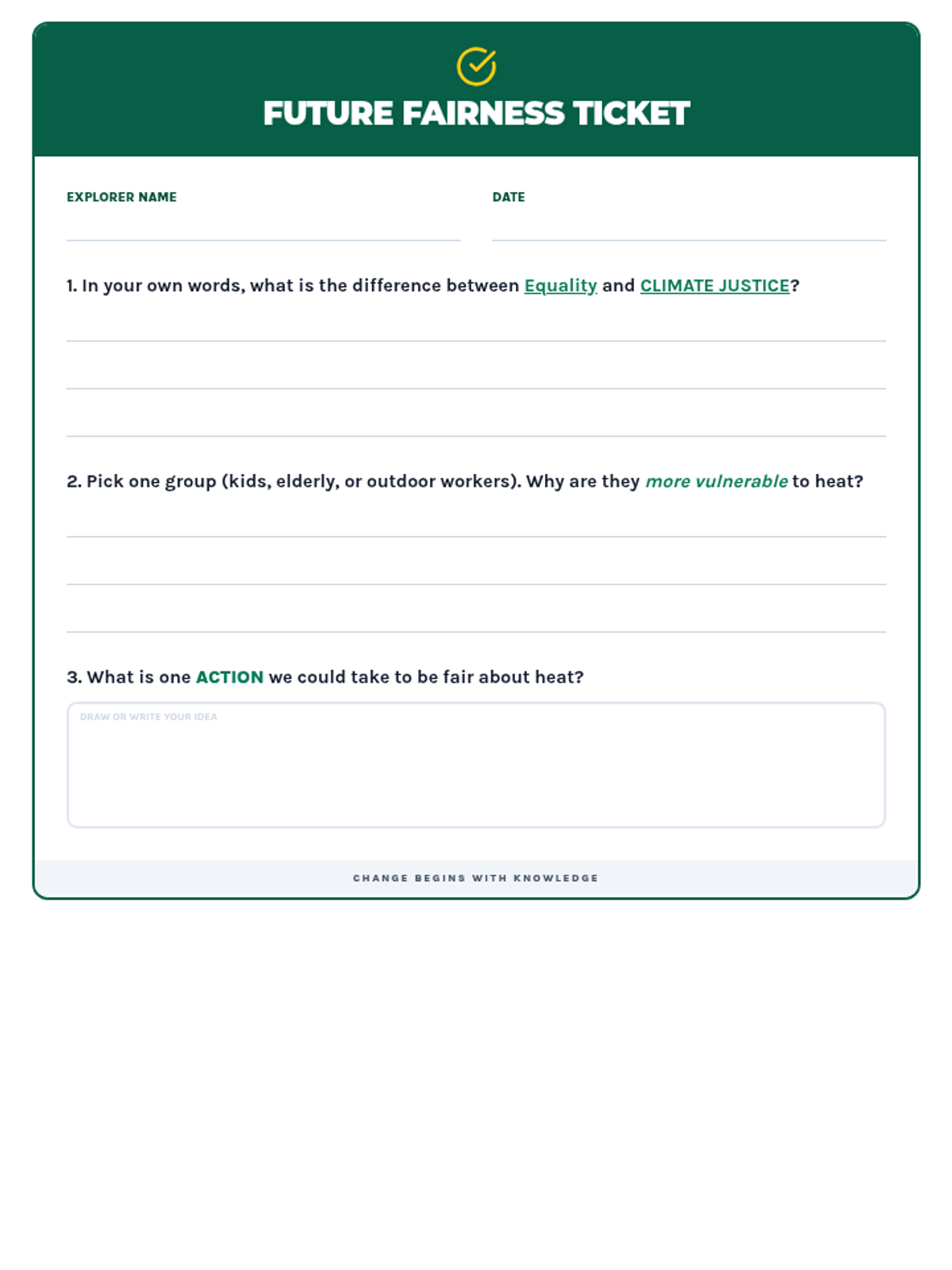
A 69-minute lesson exploring the intersection of environmental issues and social equity, specifically designed for 6th-grade students to understand why climate change affects different communities in different ways and what fair solutions look like.
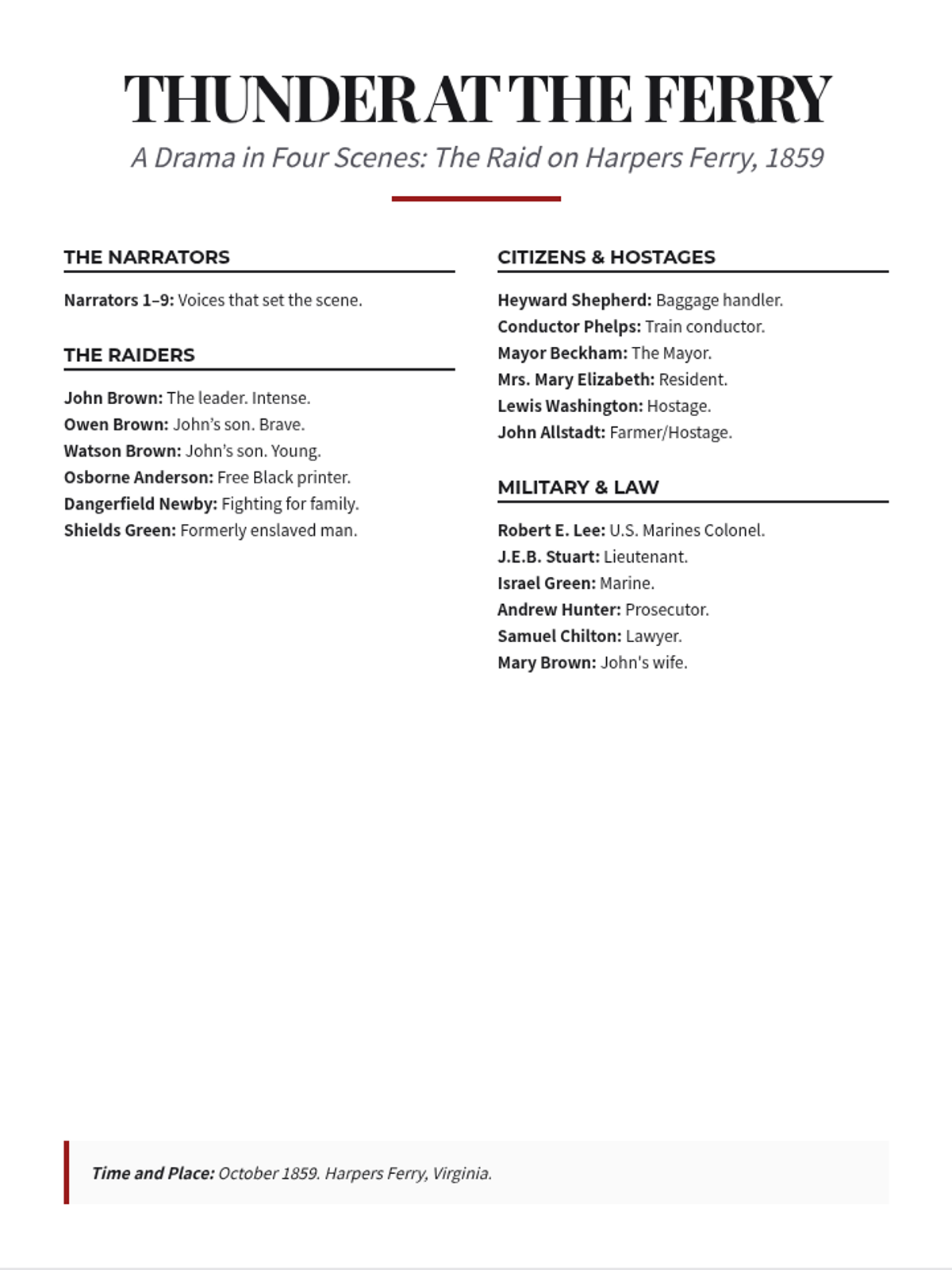
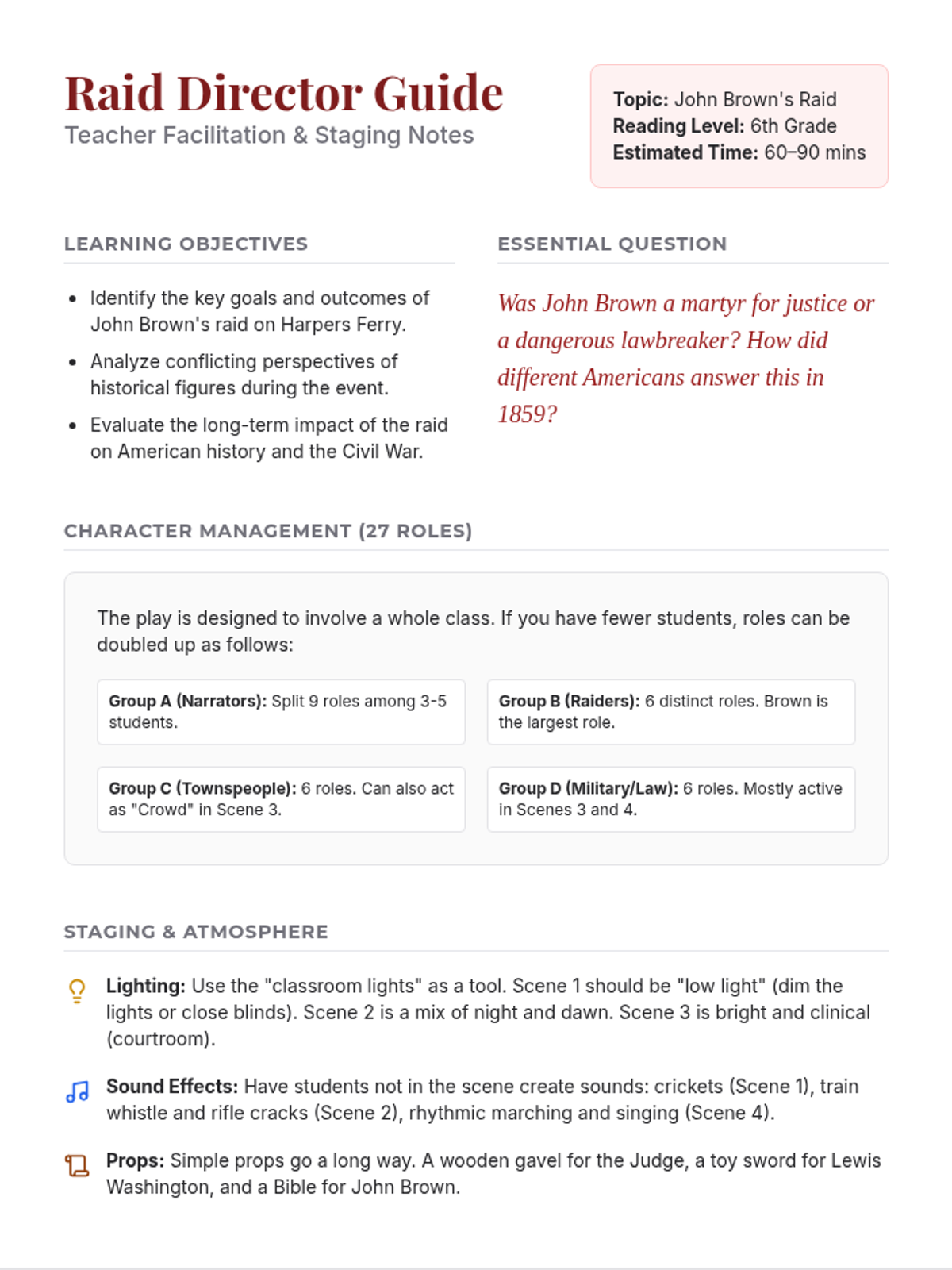
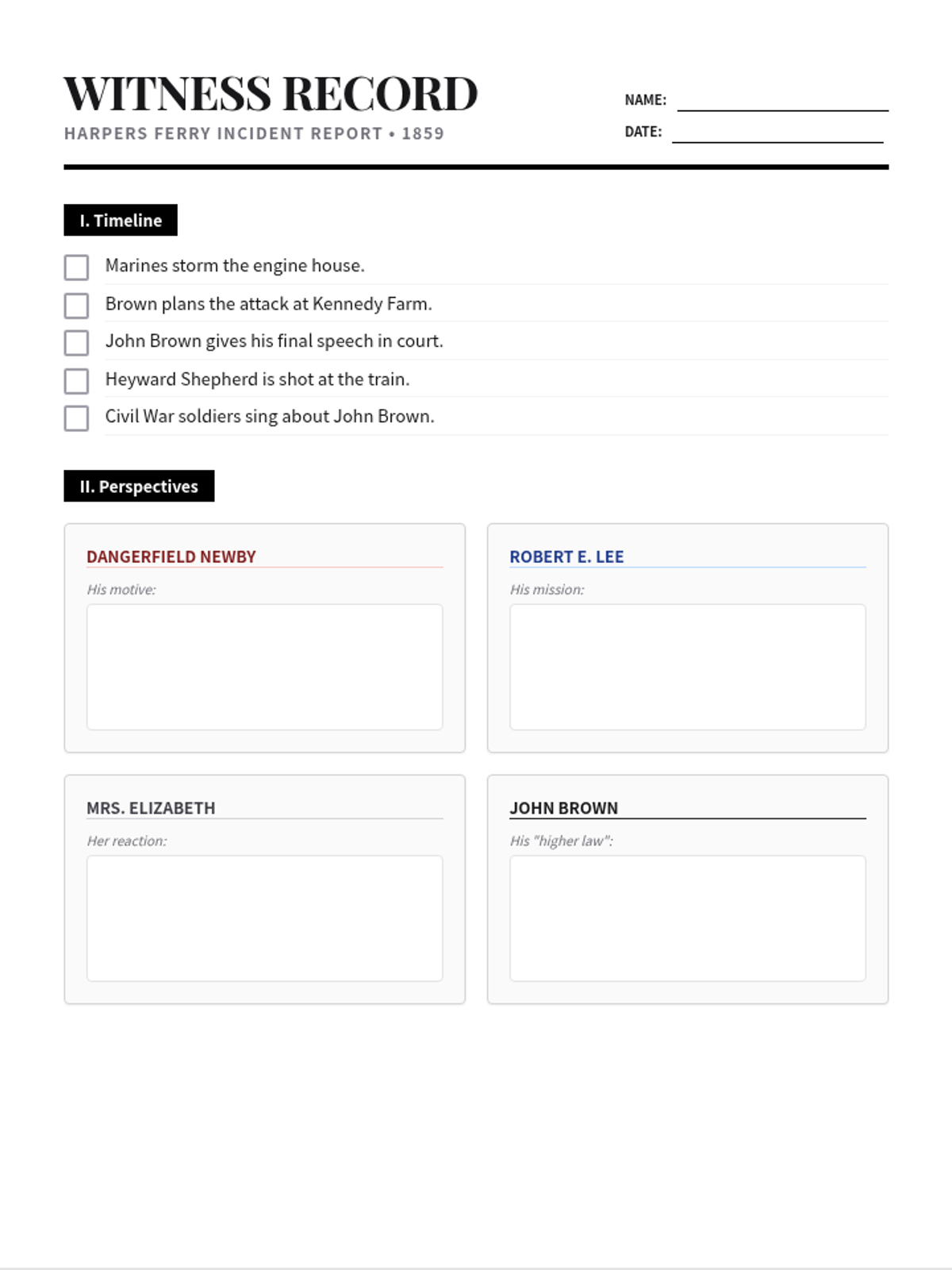
A dramatic exploration of John Brown's 1859 raid on Harpers Ferry, focusing on the conflicting perspectives of the raiders, the military, and the local community through a 4-scene classroom play.
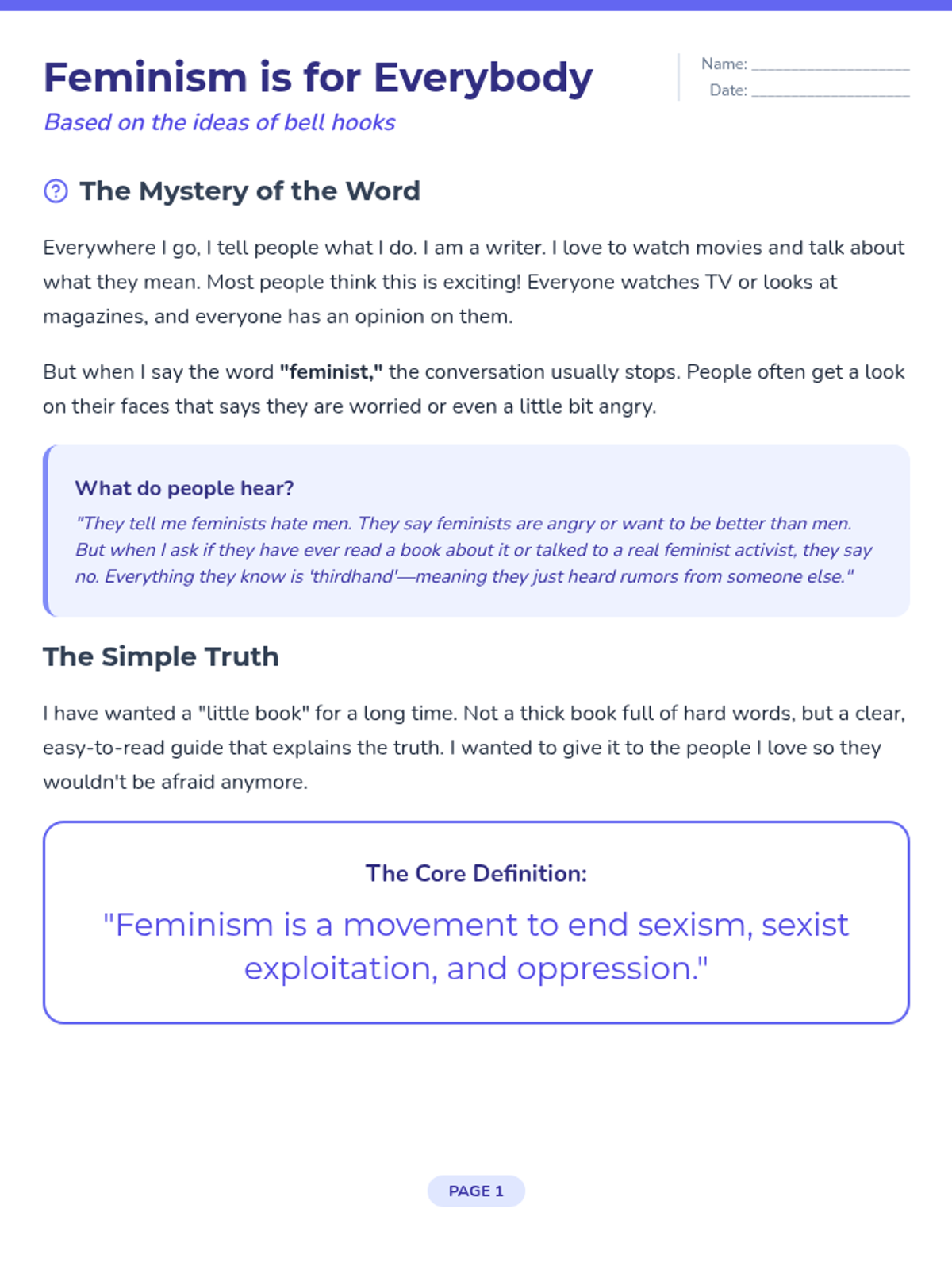
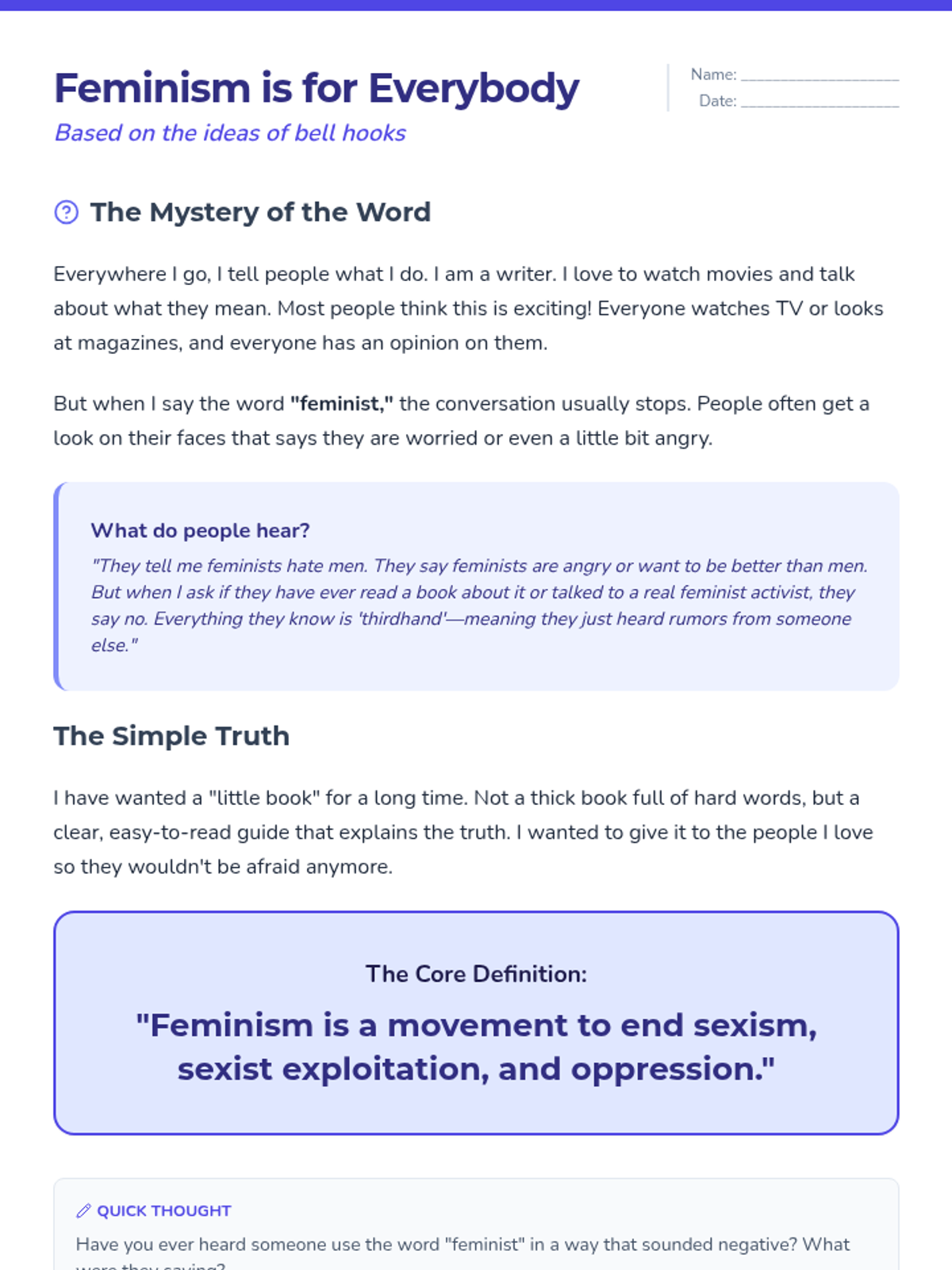
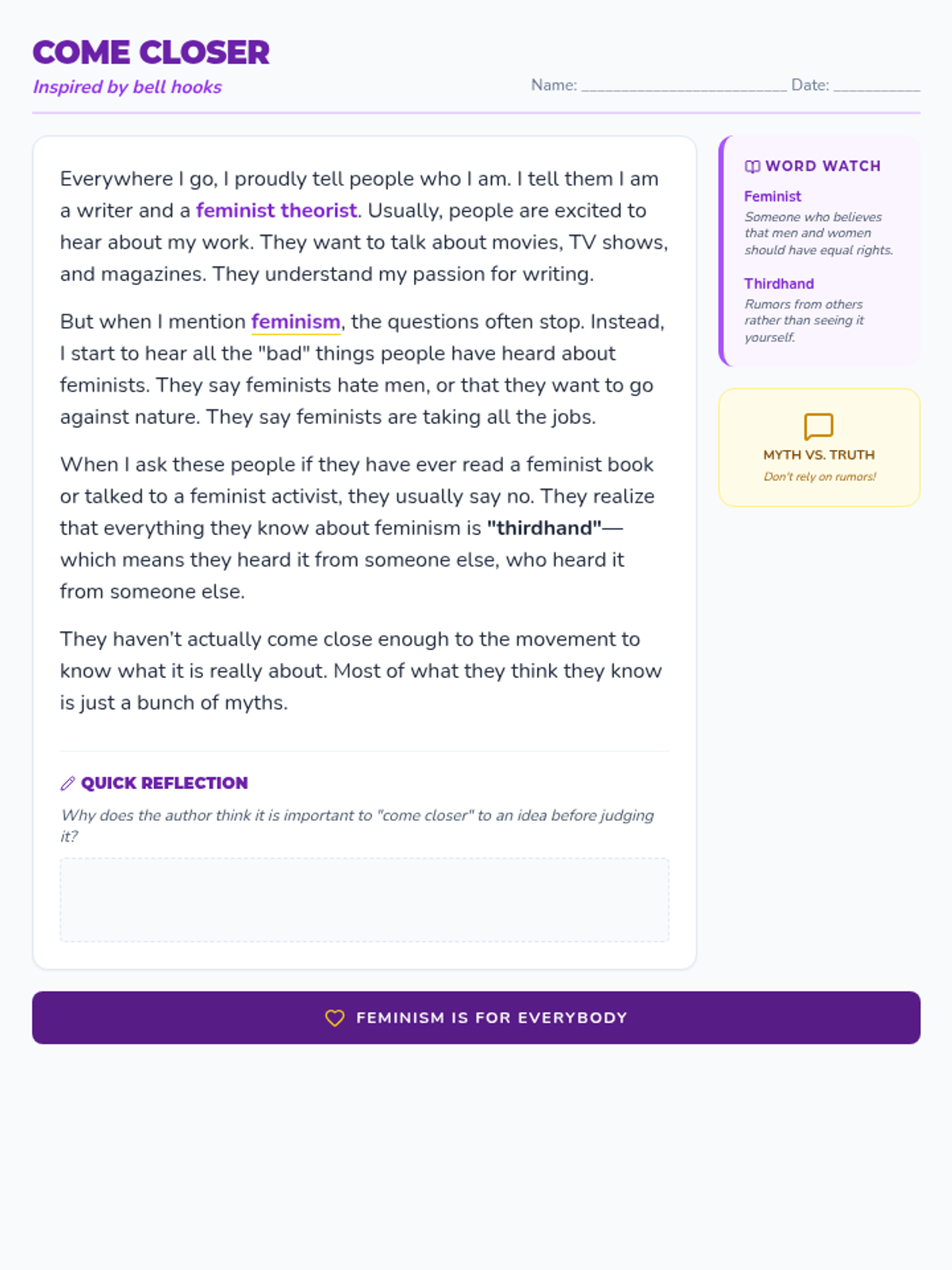
A simplified version of bell hooks' 'Feminism is for Everybody' designed for middle school students to understand the core concepts of equality, sexism, and social change.
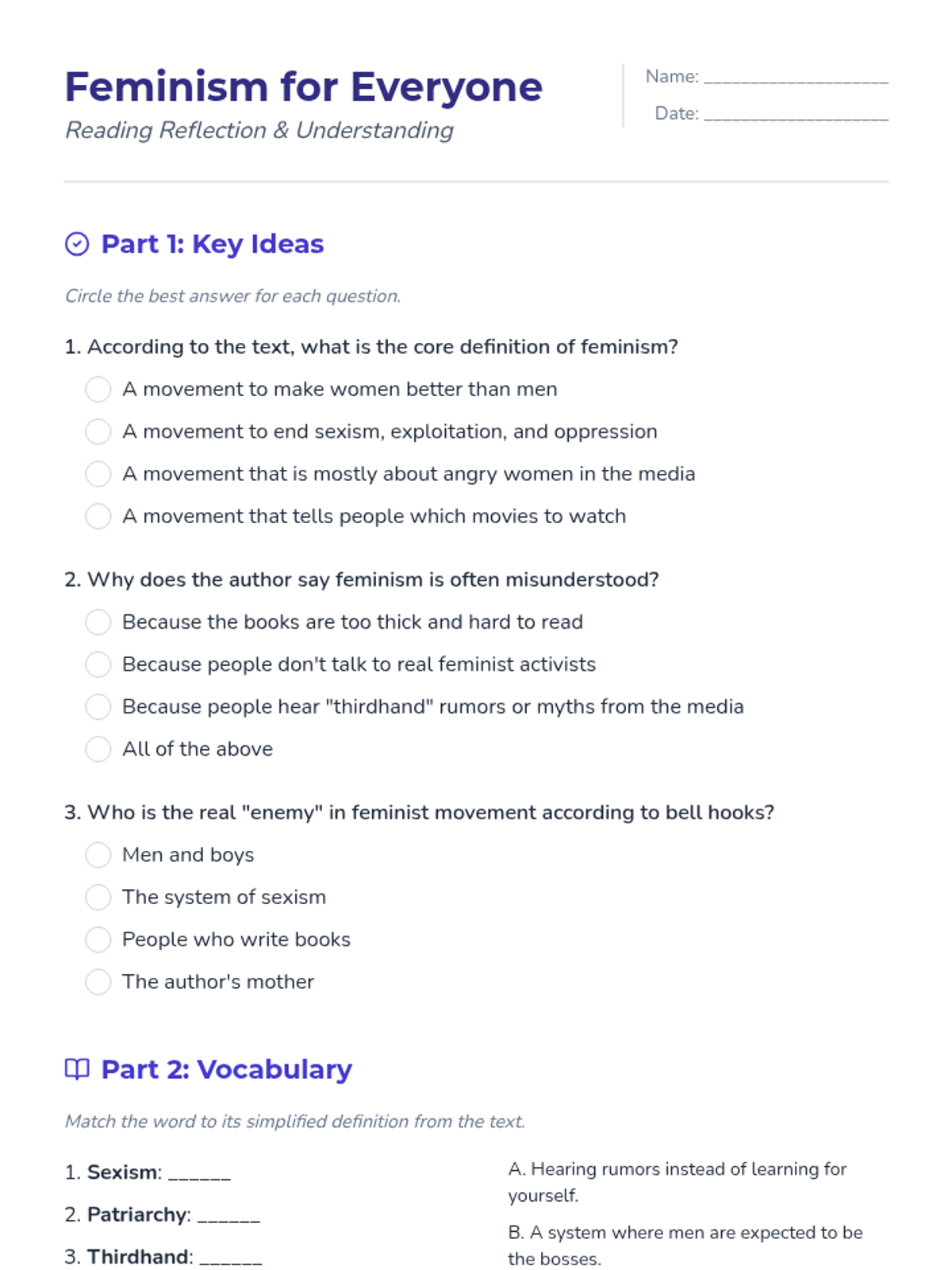
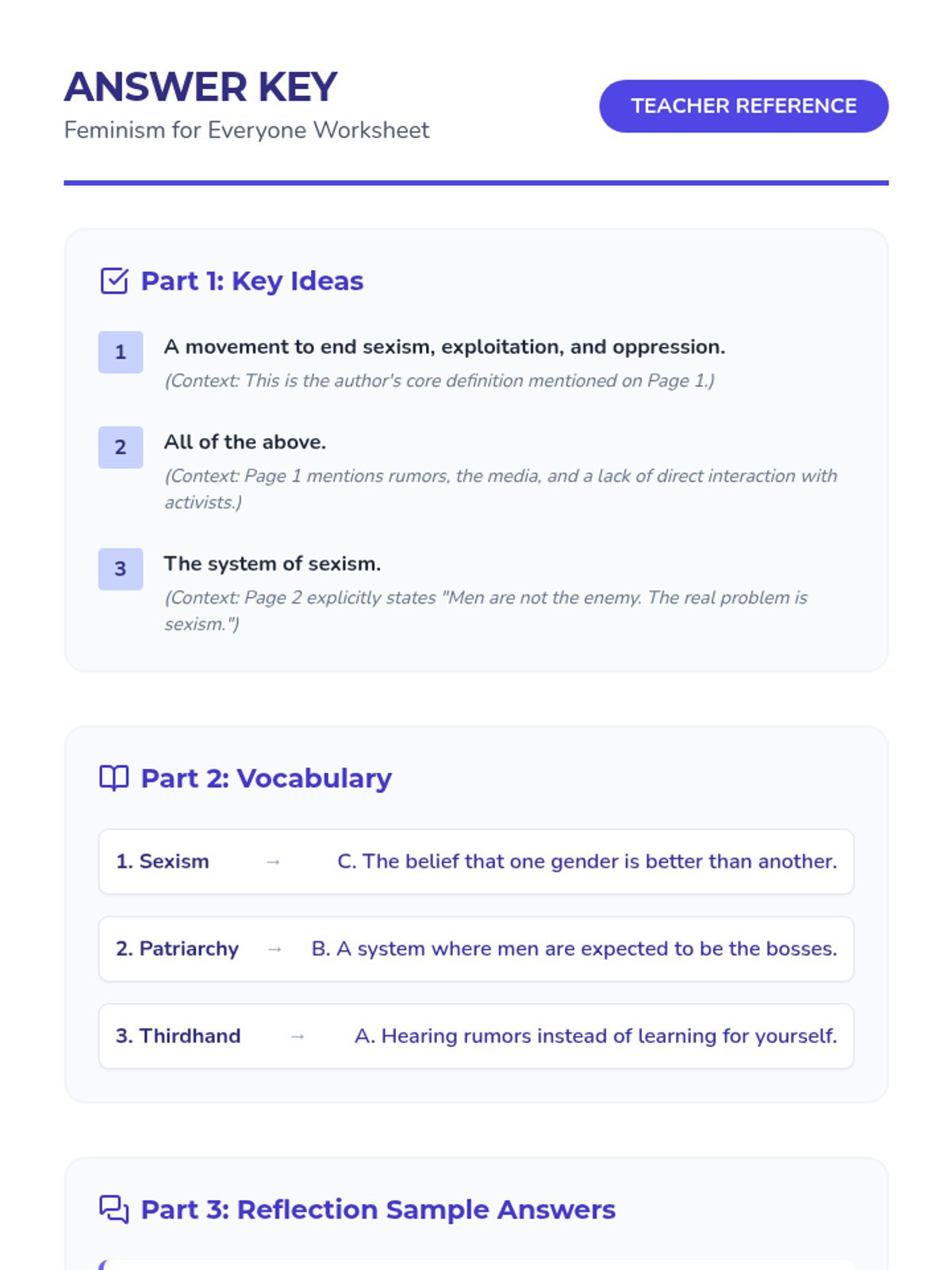
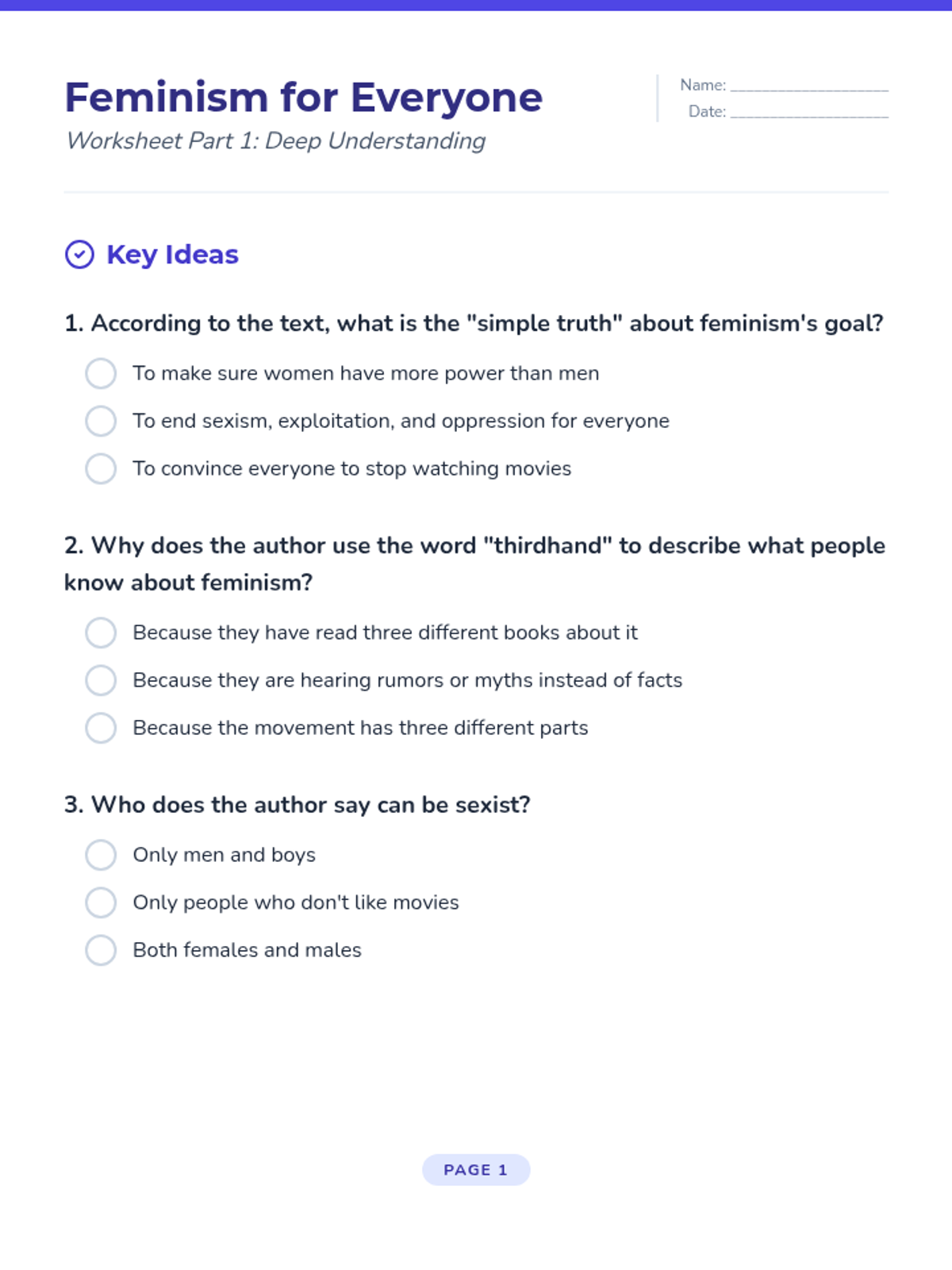
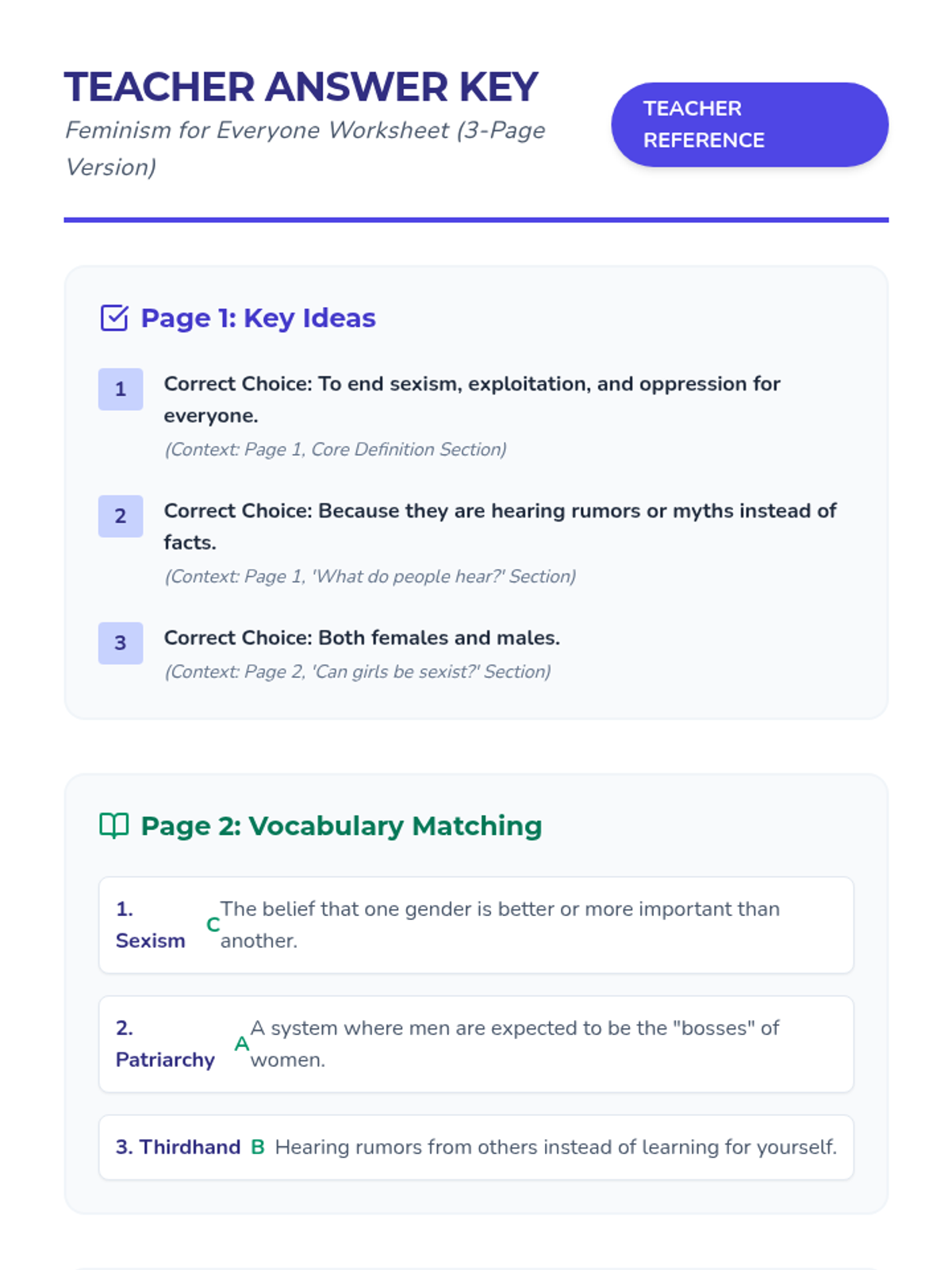
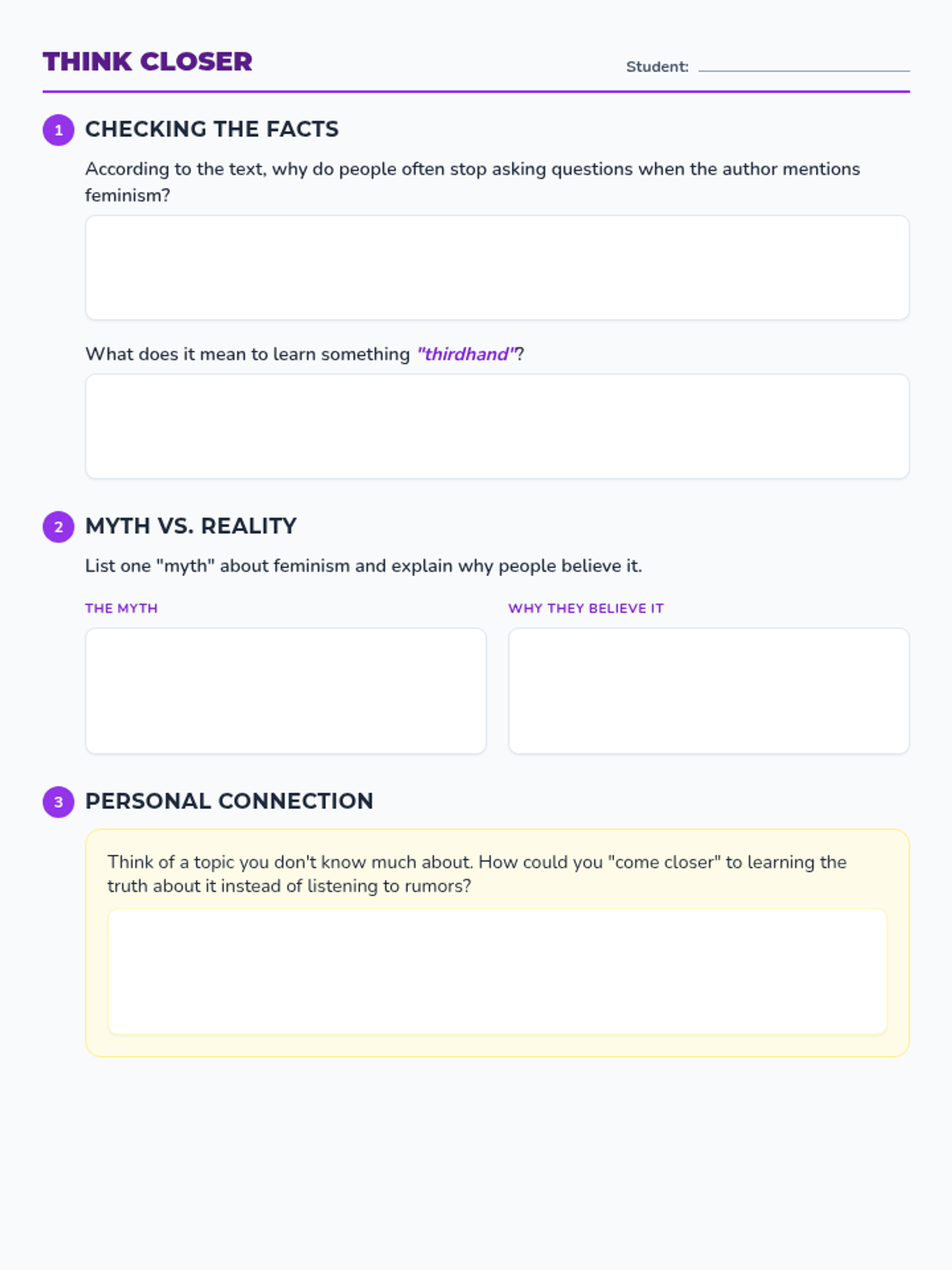
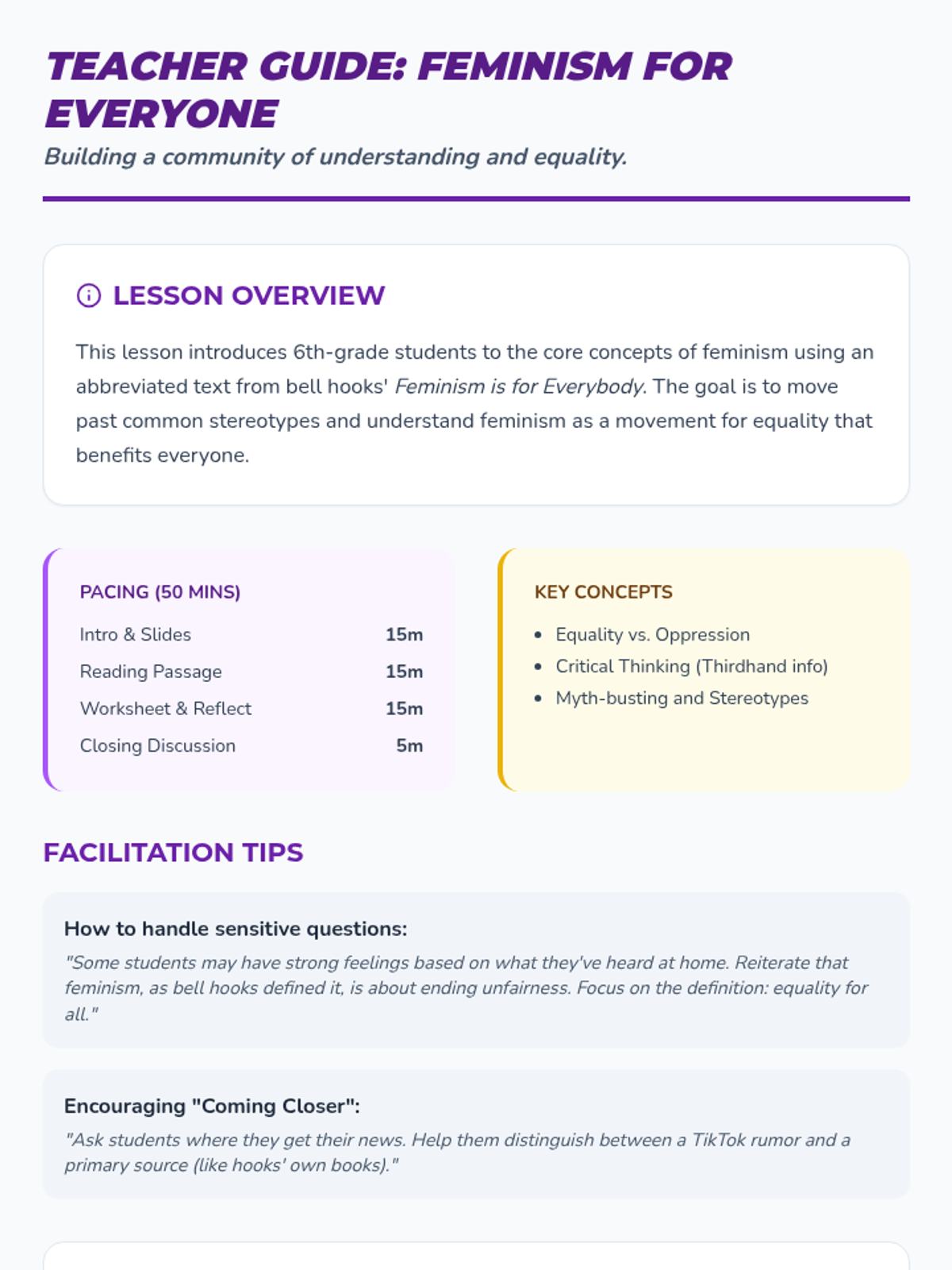
An introductory lesson exploring the true meaning of feminism, based on the work of bell hooks, adapted for middle schoolers to debunk common myths and promote equality.
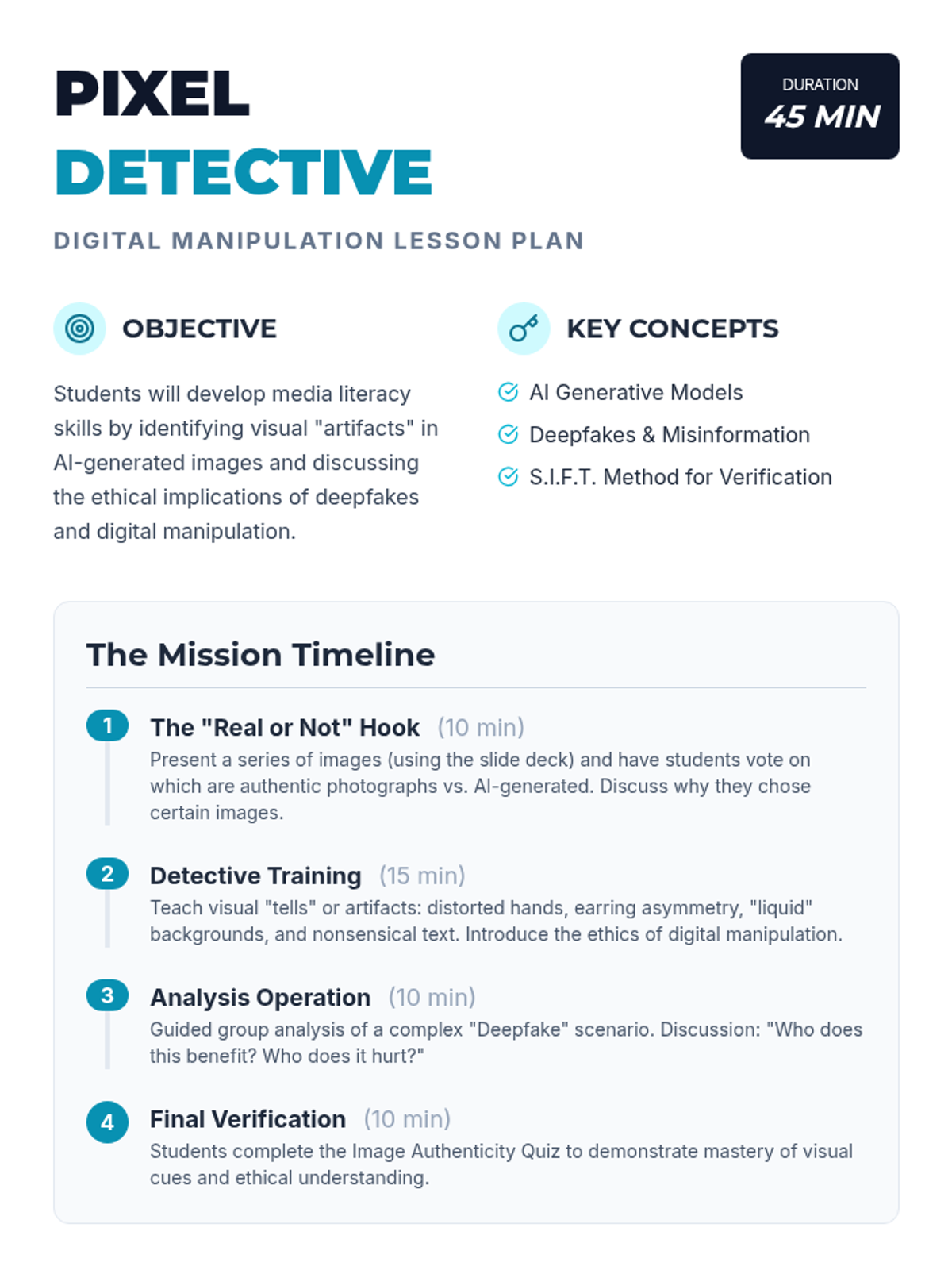
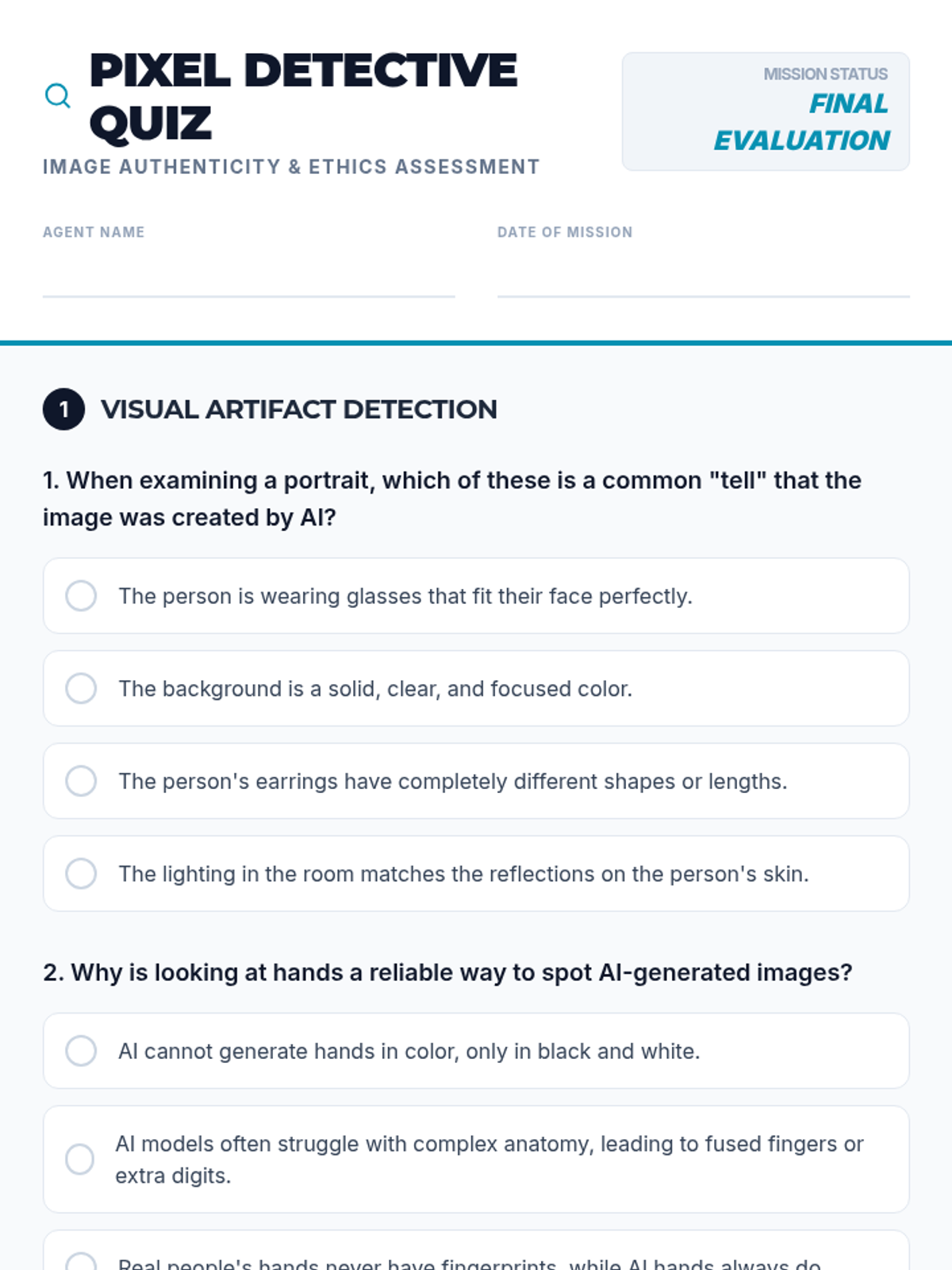
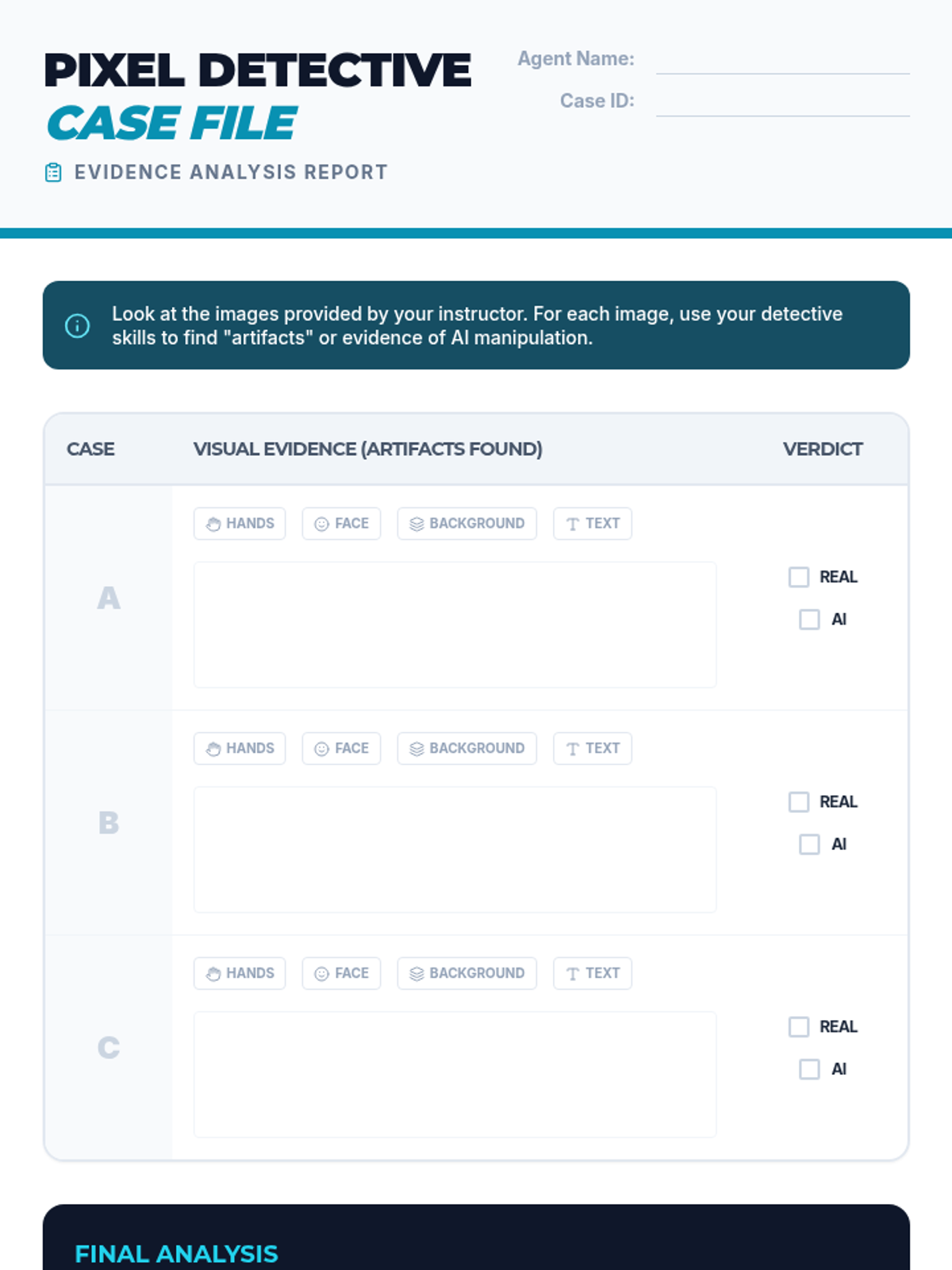
A 45-minute lesson for 6th graders to develop media literacy skills by learning how to identify AI-generated images and discussing the ethical implications of digital manipulation. Students will become 'Pixel Detectives,' learning specific visual cues to distinguish between reality and synthesis.
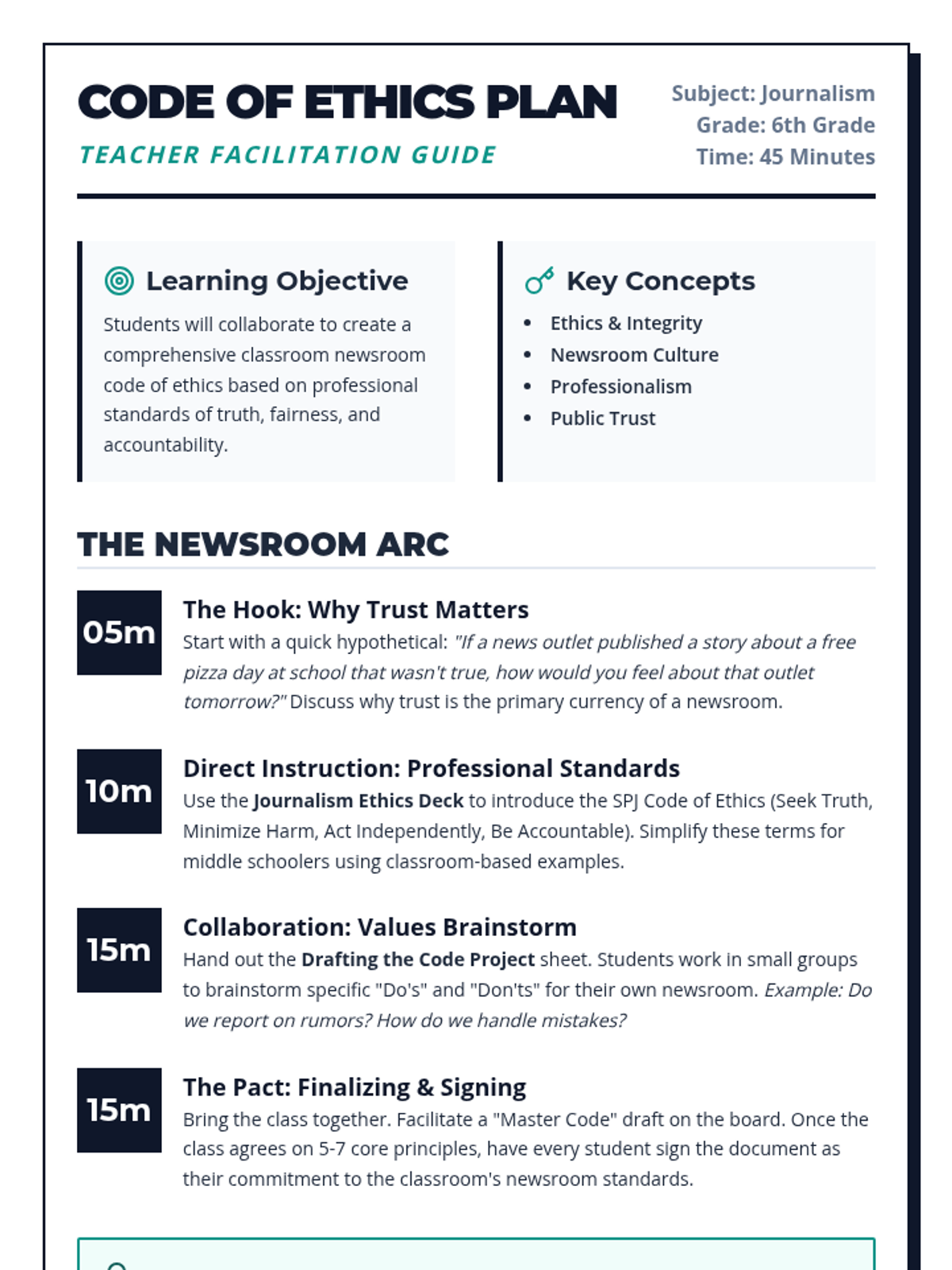
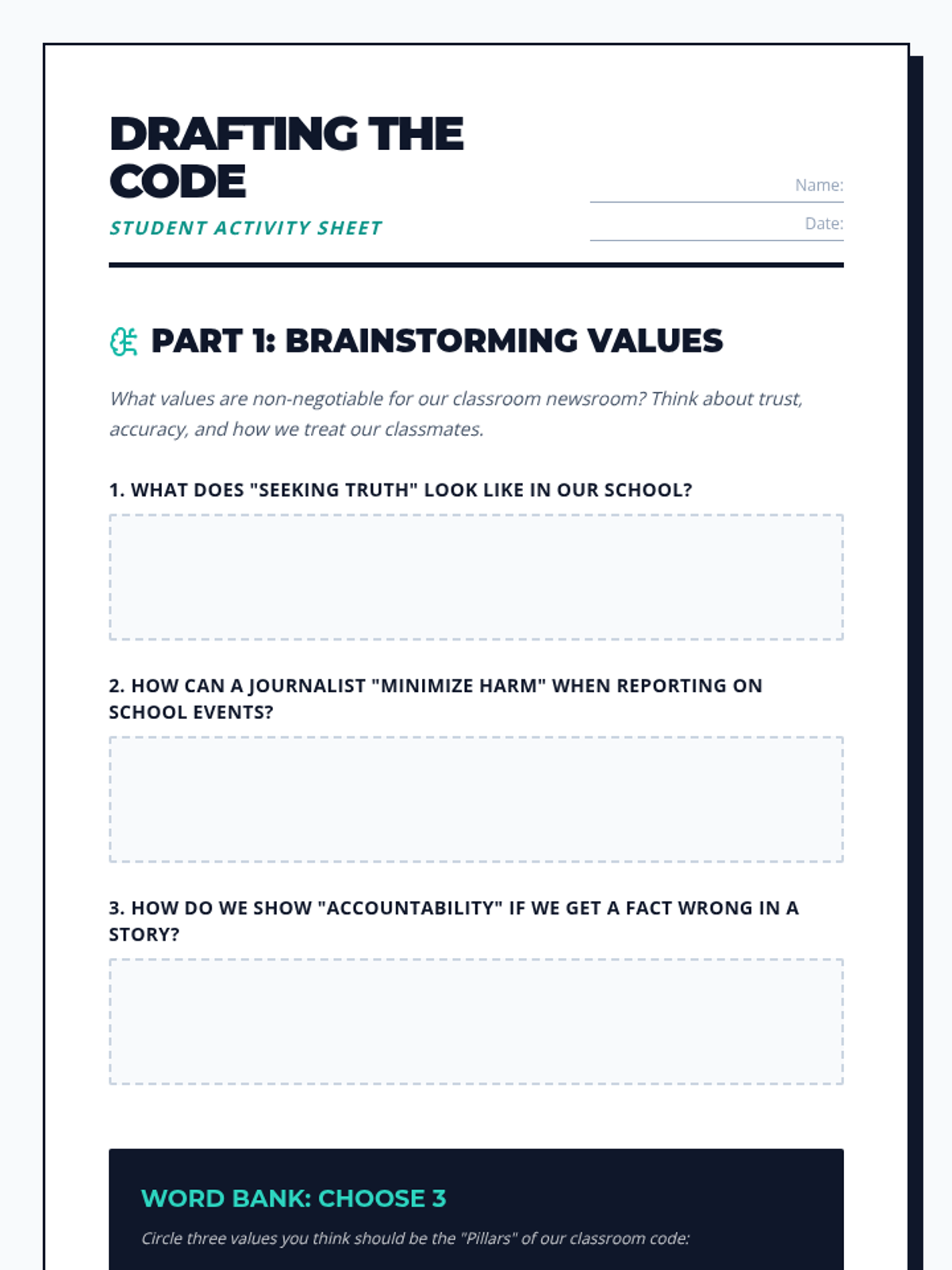
Students explore the foundations of professional journalism ethics to collaboratively build a code of conduct for their classroom newsroom, focusing on truth, fairness, and accountability.
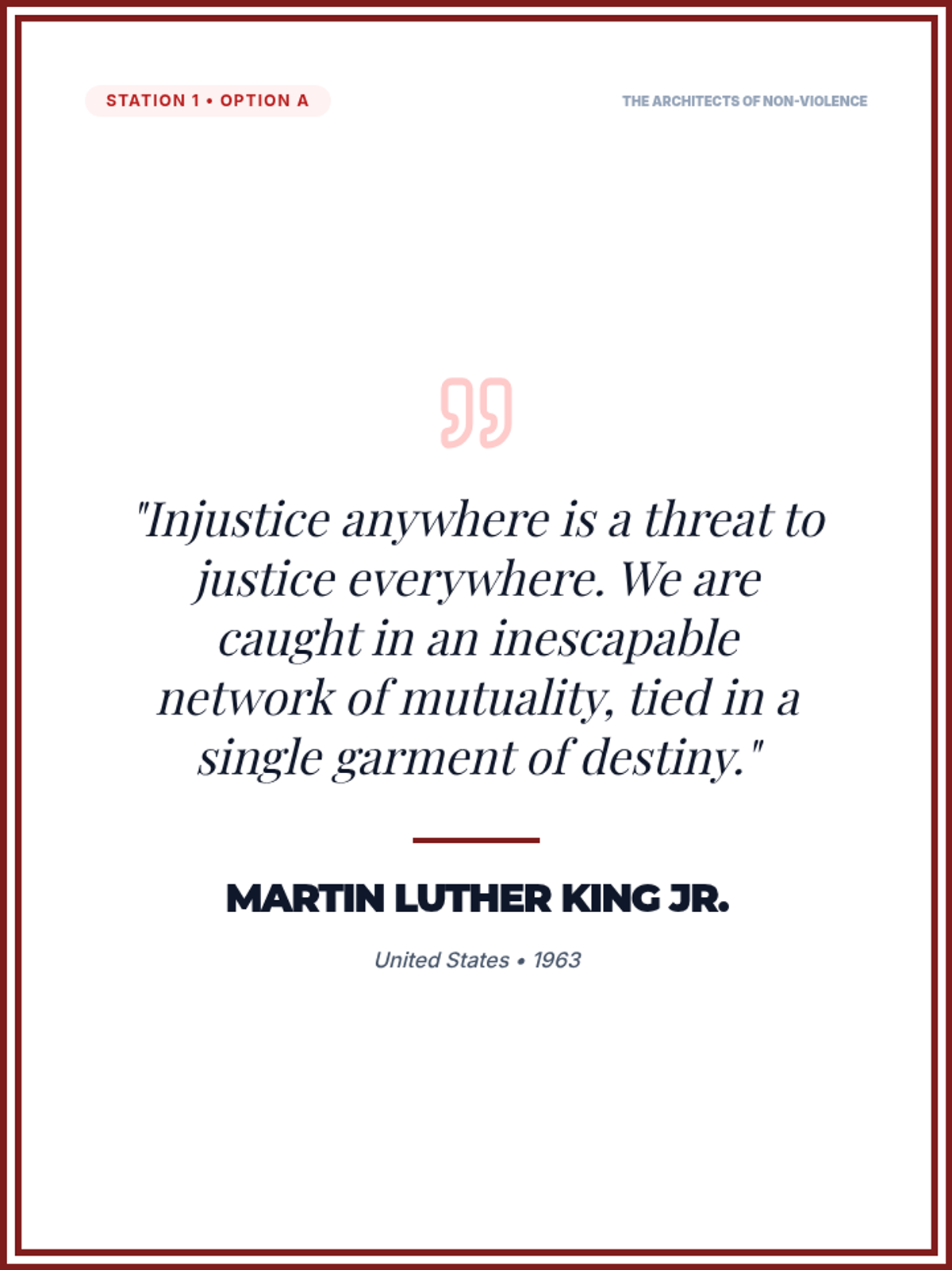
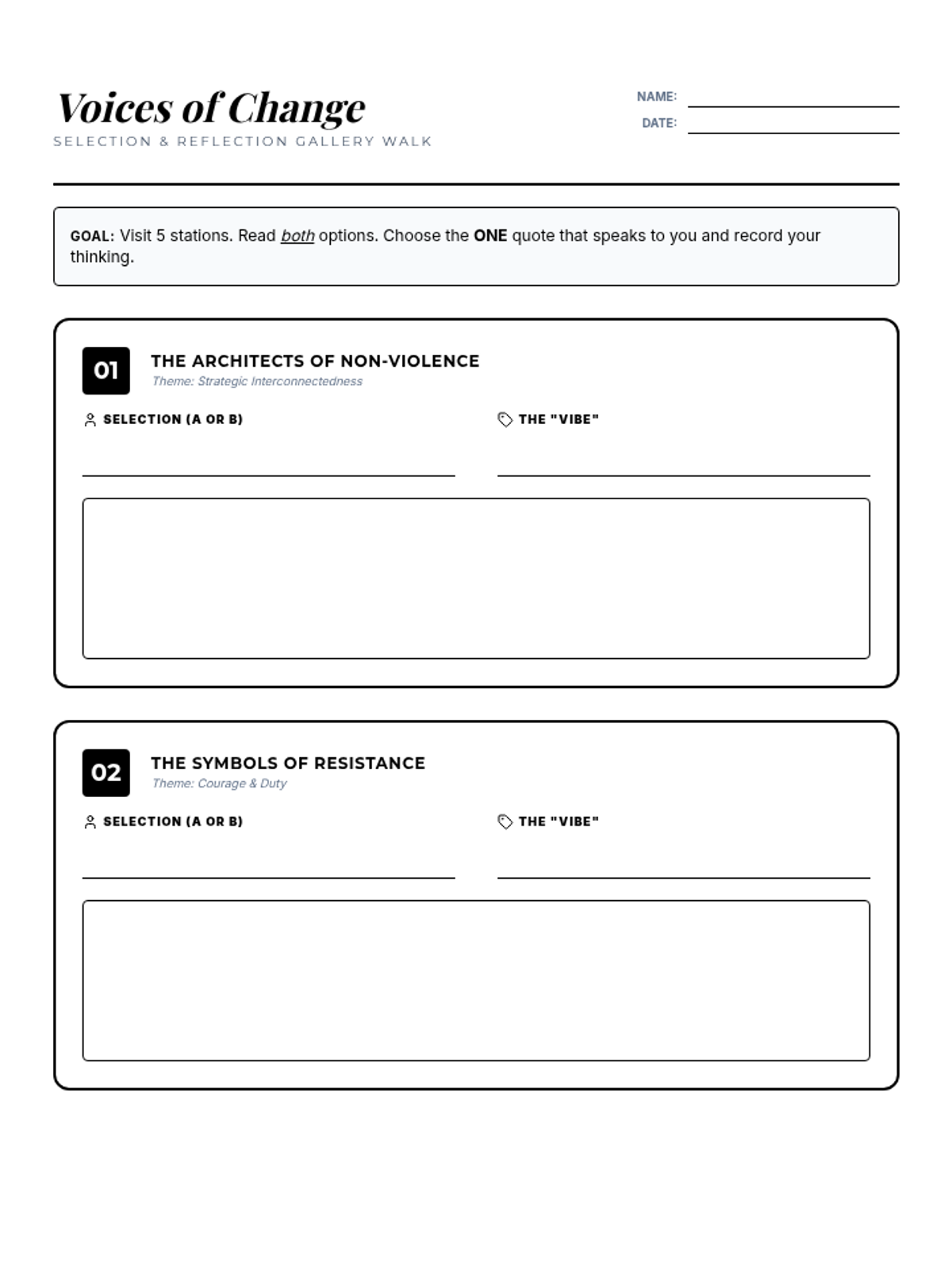
An introductory lesson exploring the Civil Rights Movement through the powerful words of its leaders. Students engage in a gallery walk to analyze quotes, reflect on leadership styles, and connect historical messages to modern contexts.
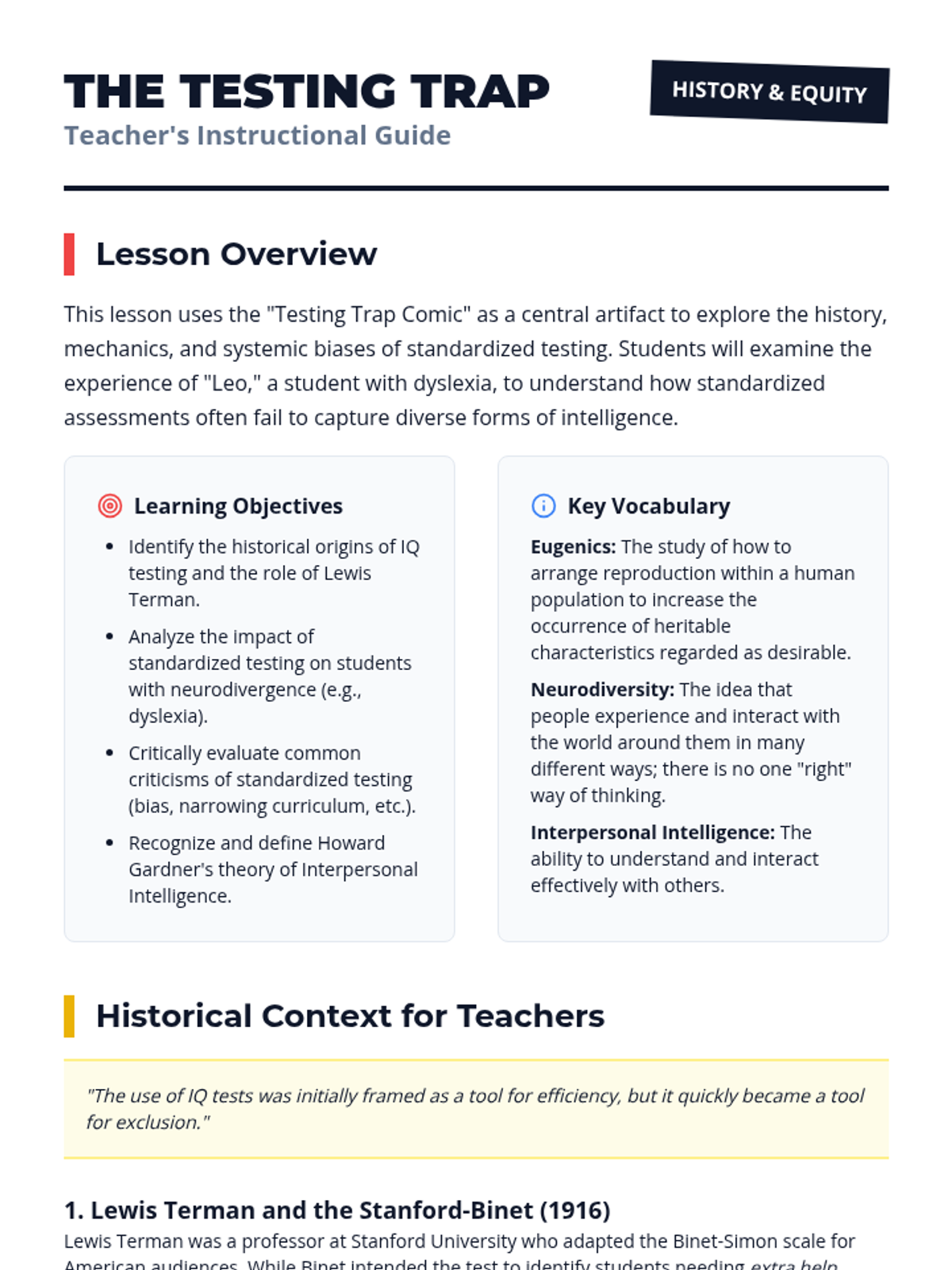
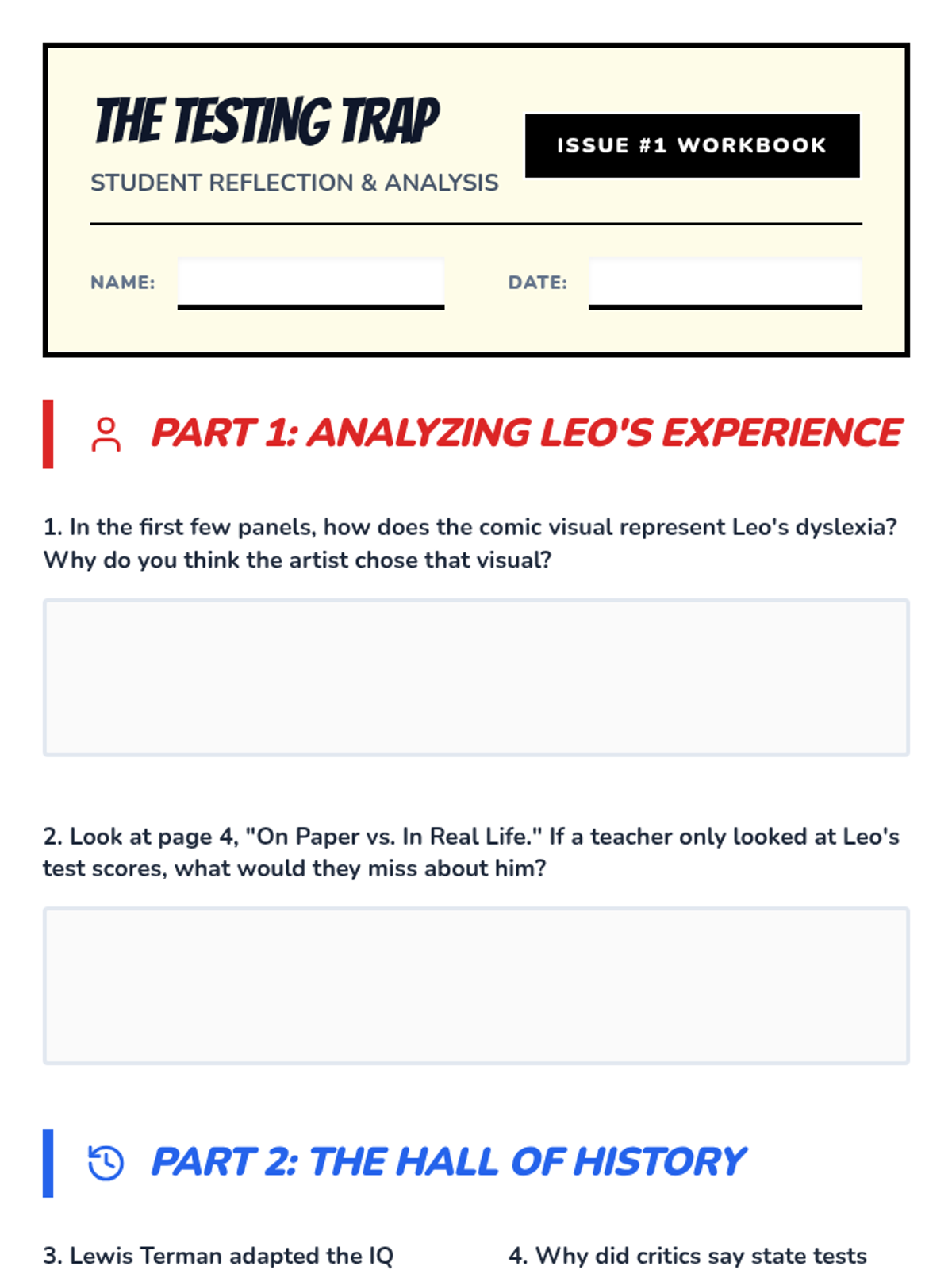
An exploration of the history, mechanics, and fairness of standardized testing through the lens of a neurodivergent student's experience. This lesson uses a retro-style comic to illustrate the disconnect between traditional testing and real-world intelligence.
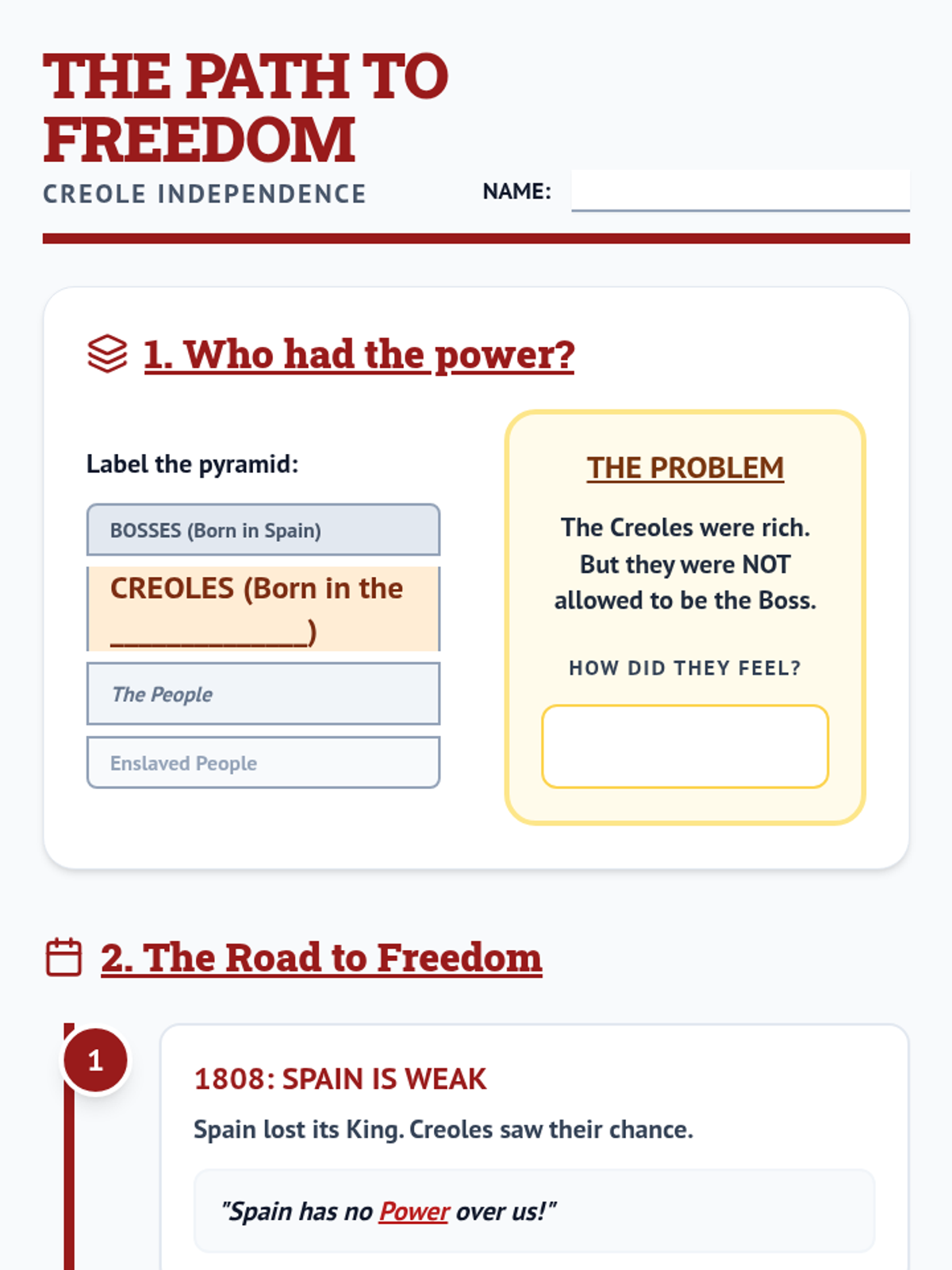
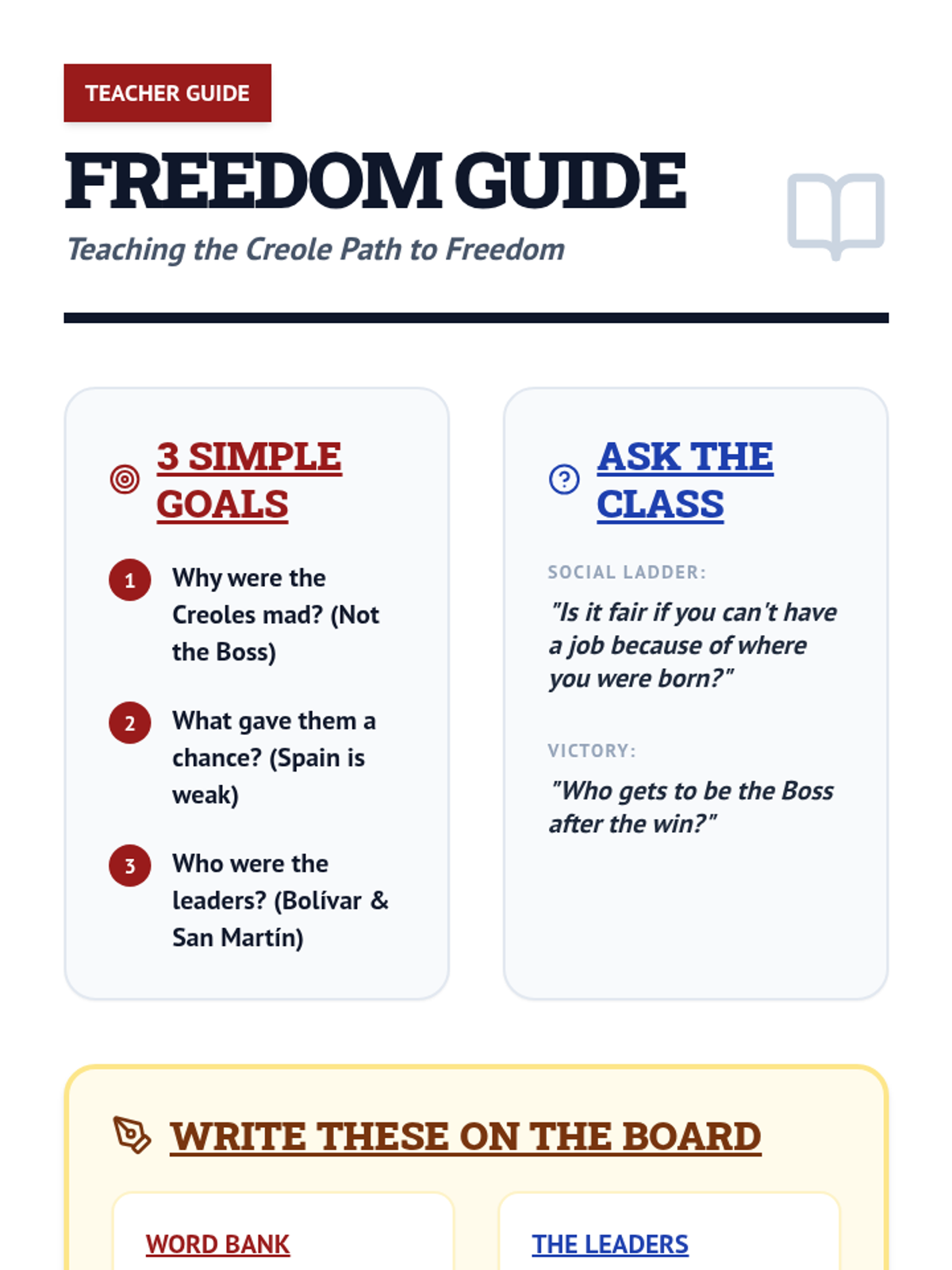
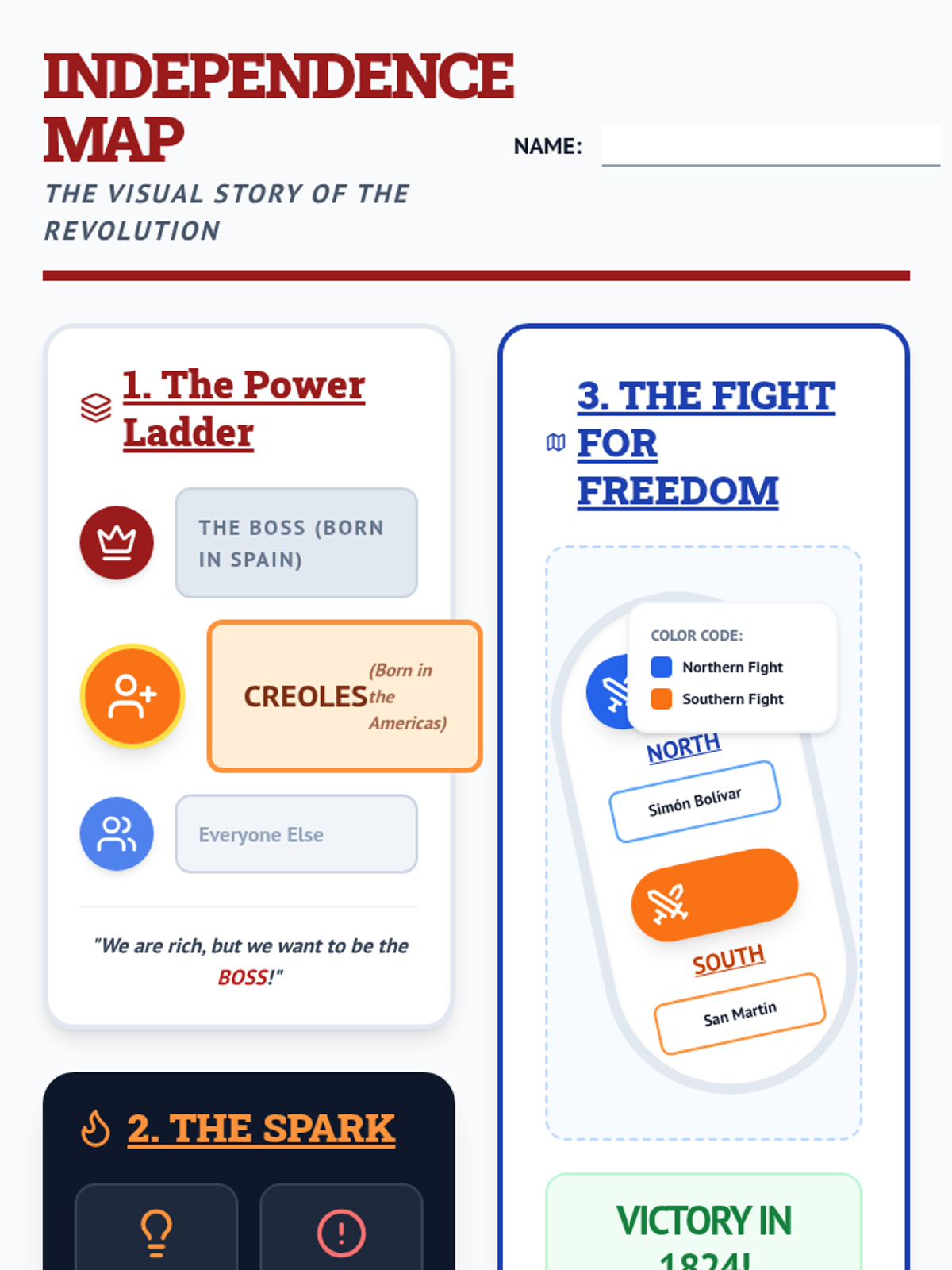
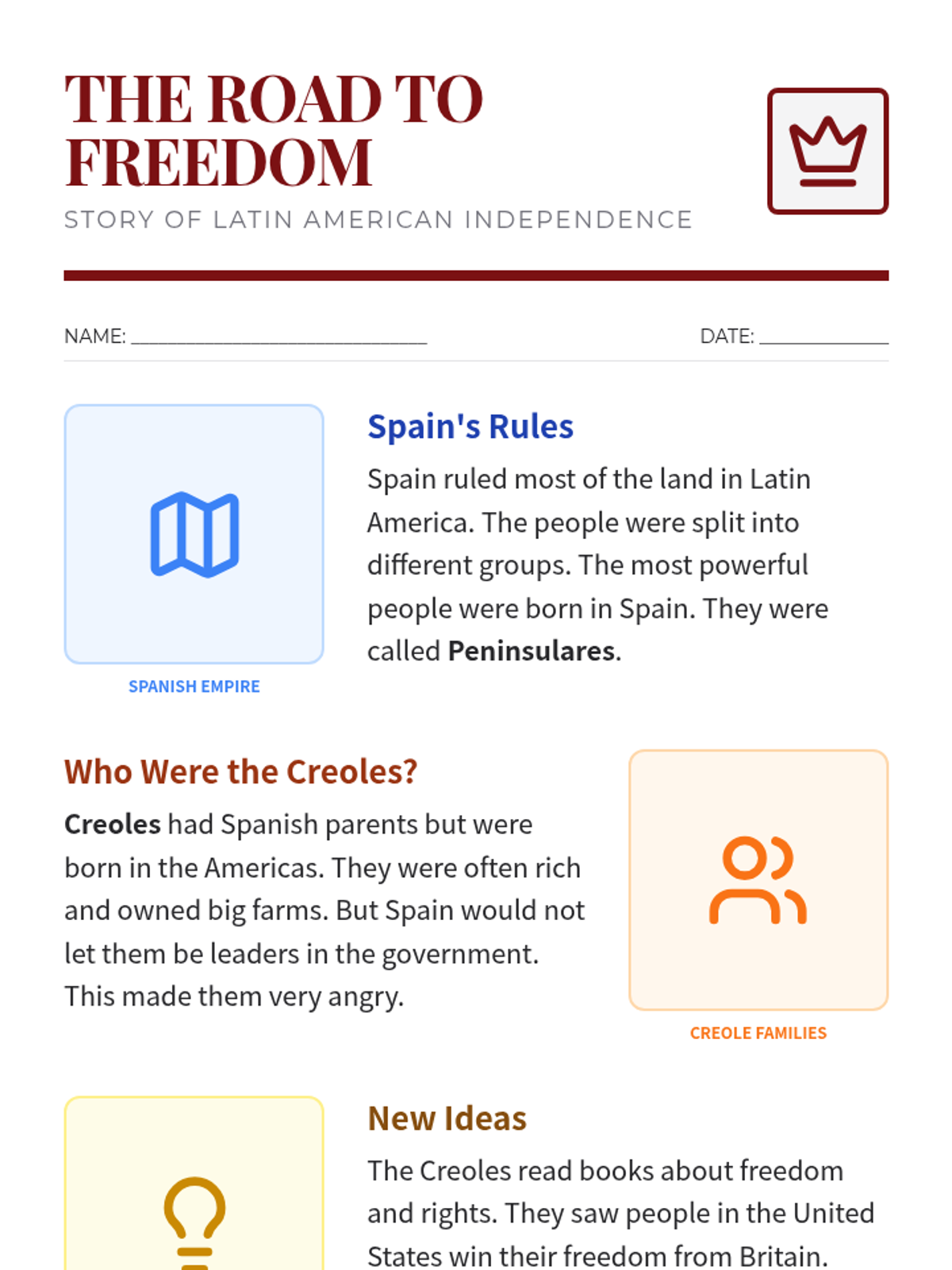
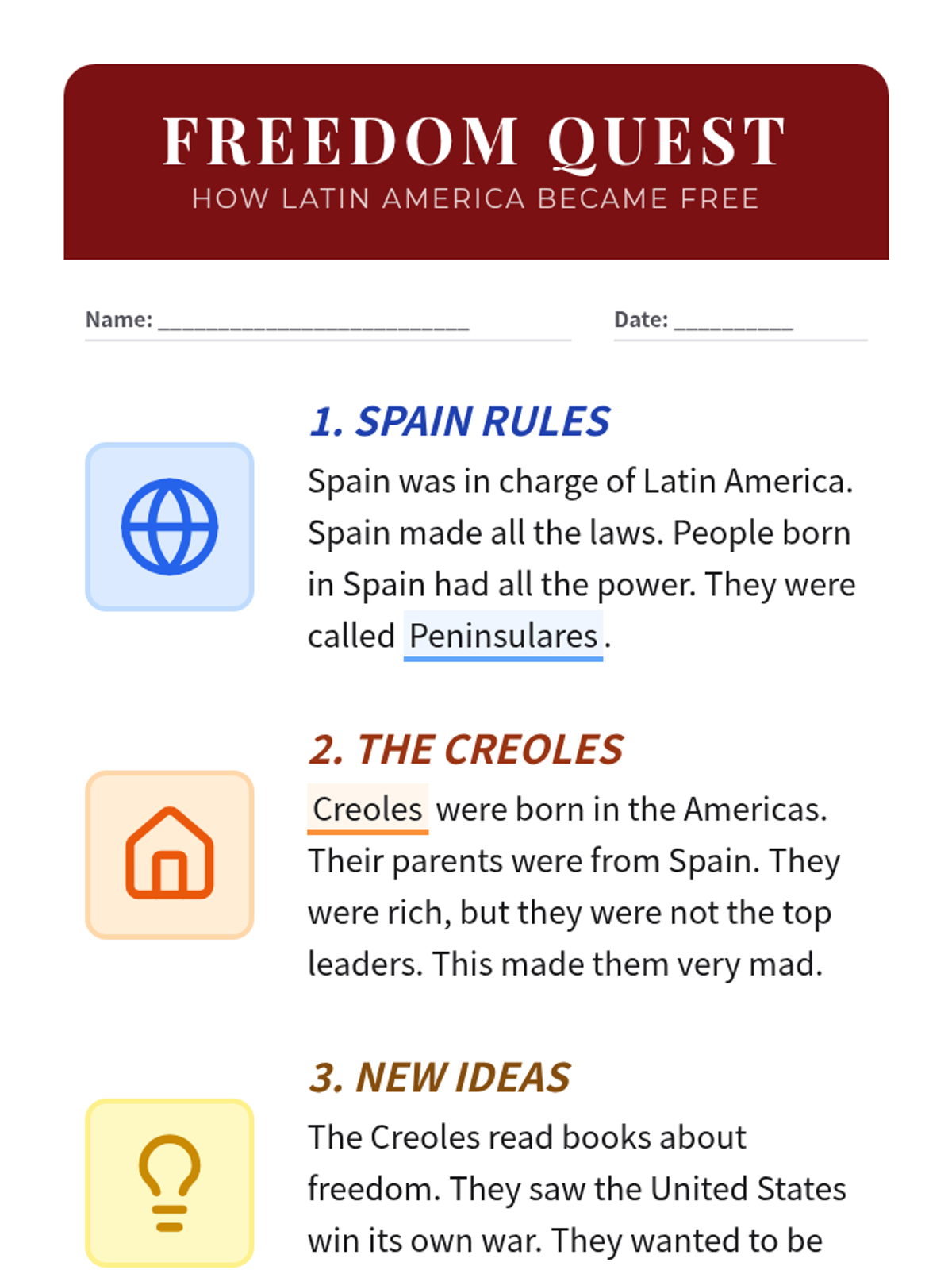
This lesson explores the pivotal role of Creoles in the Latin American wars of independence, focusing on the social hierarchy of the Casta system and the motivations for revolution. Students will analyze how the desire for political power and Enlightenment ideas led to the break from Spanish rule.
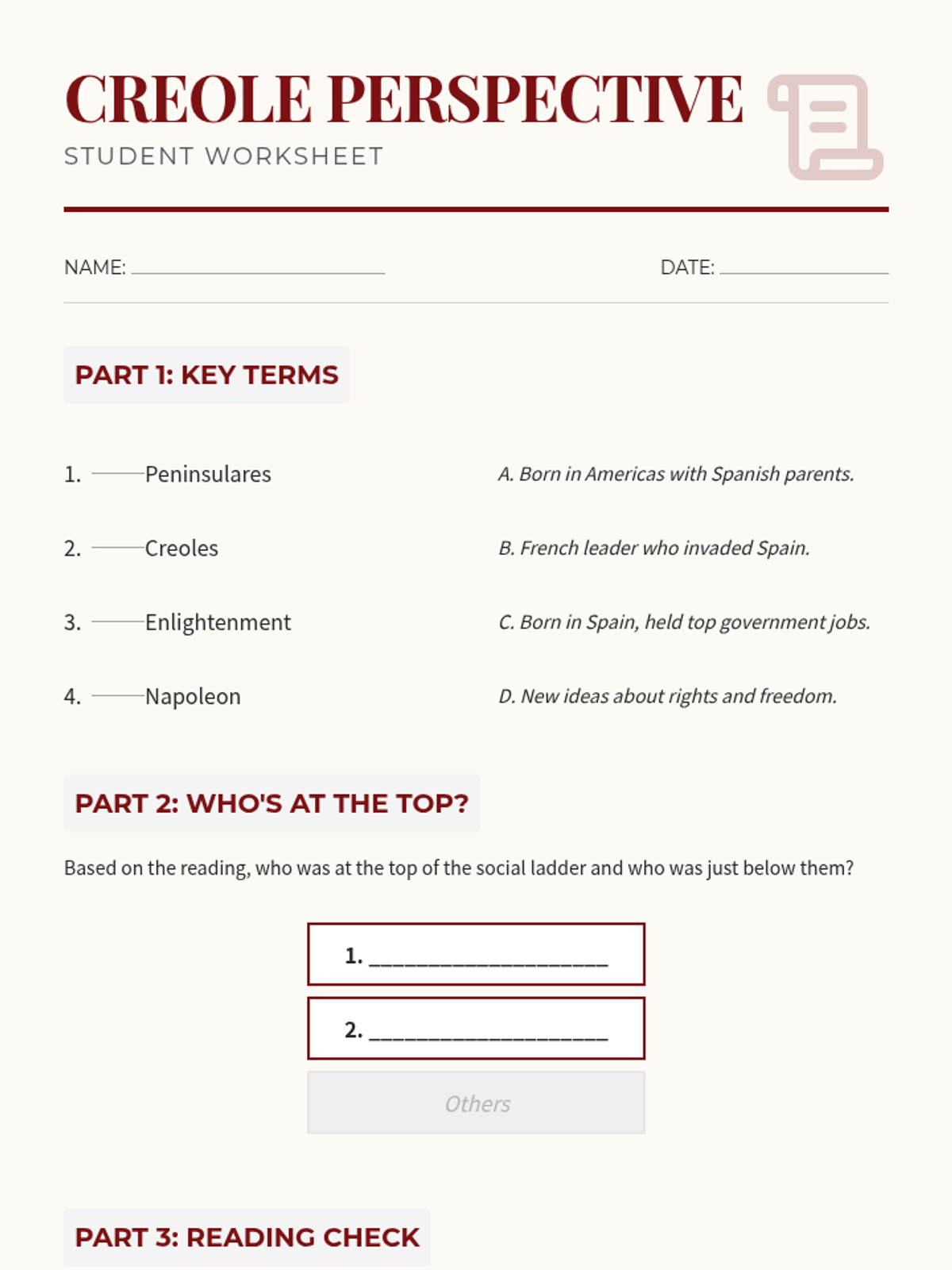
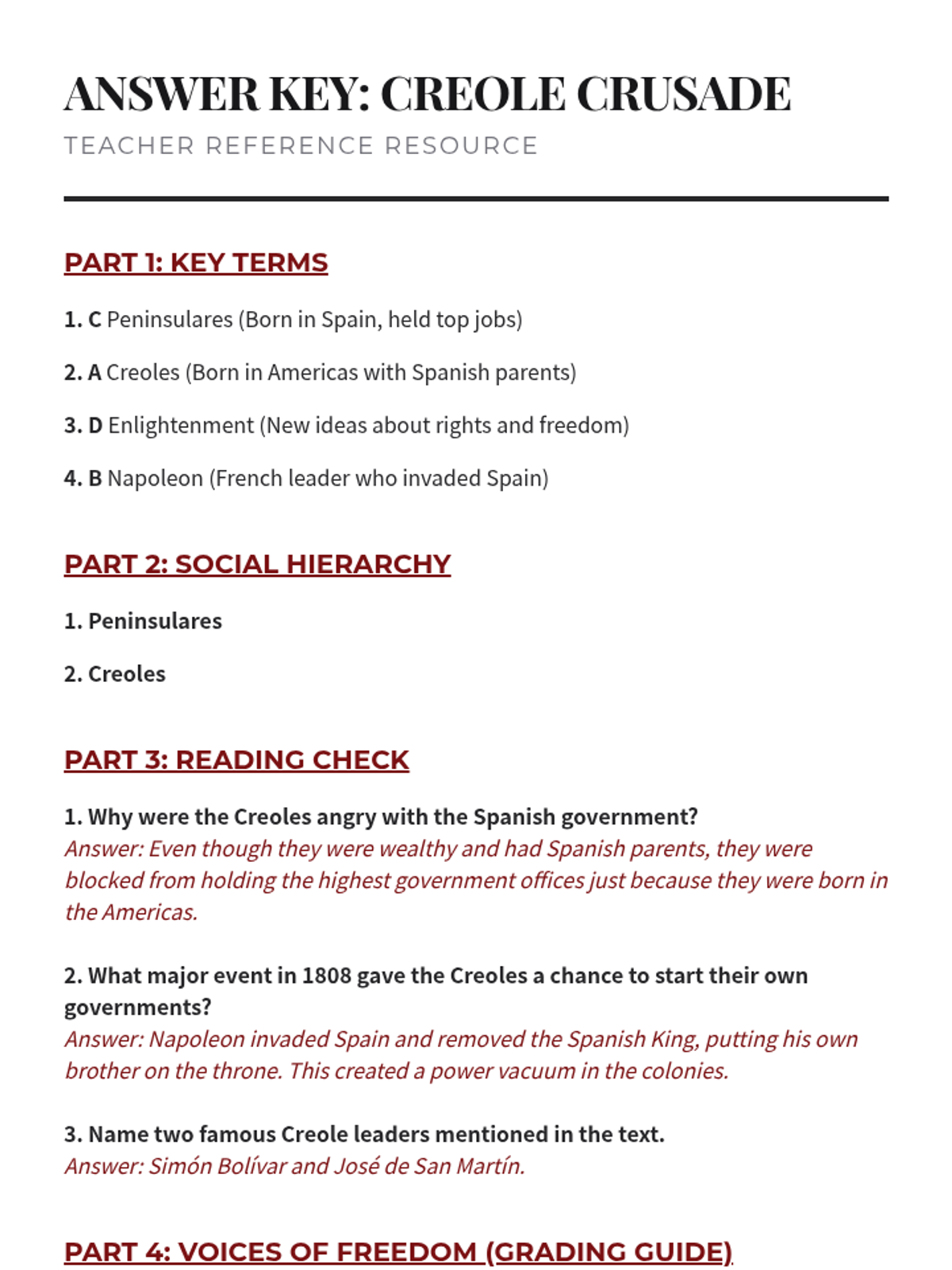
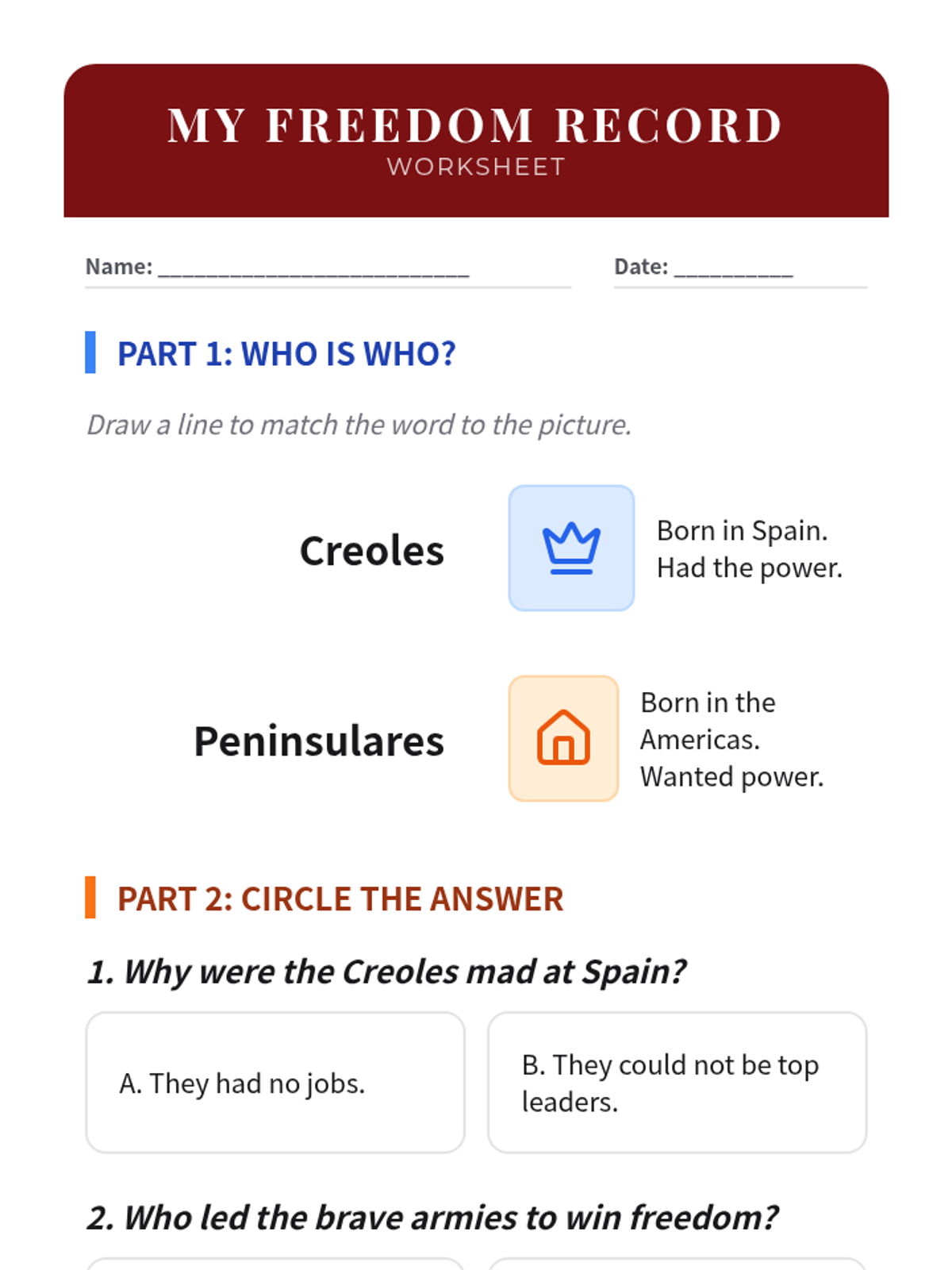
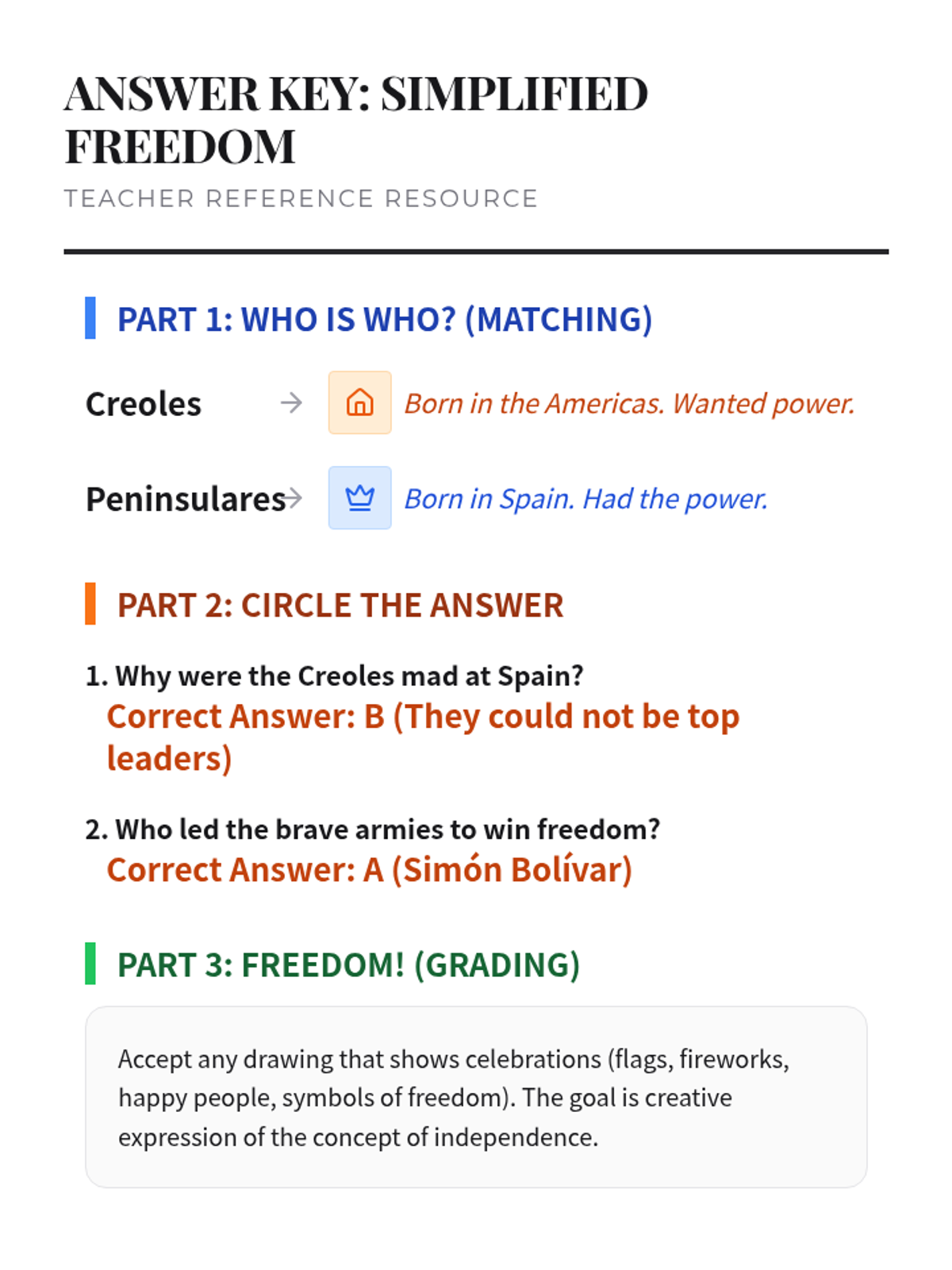
This lesson explores the motivations and roles of the Creoles in the Latin American independence movements, featuring a simplified reading passage and comprehension activities.
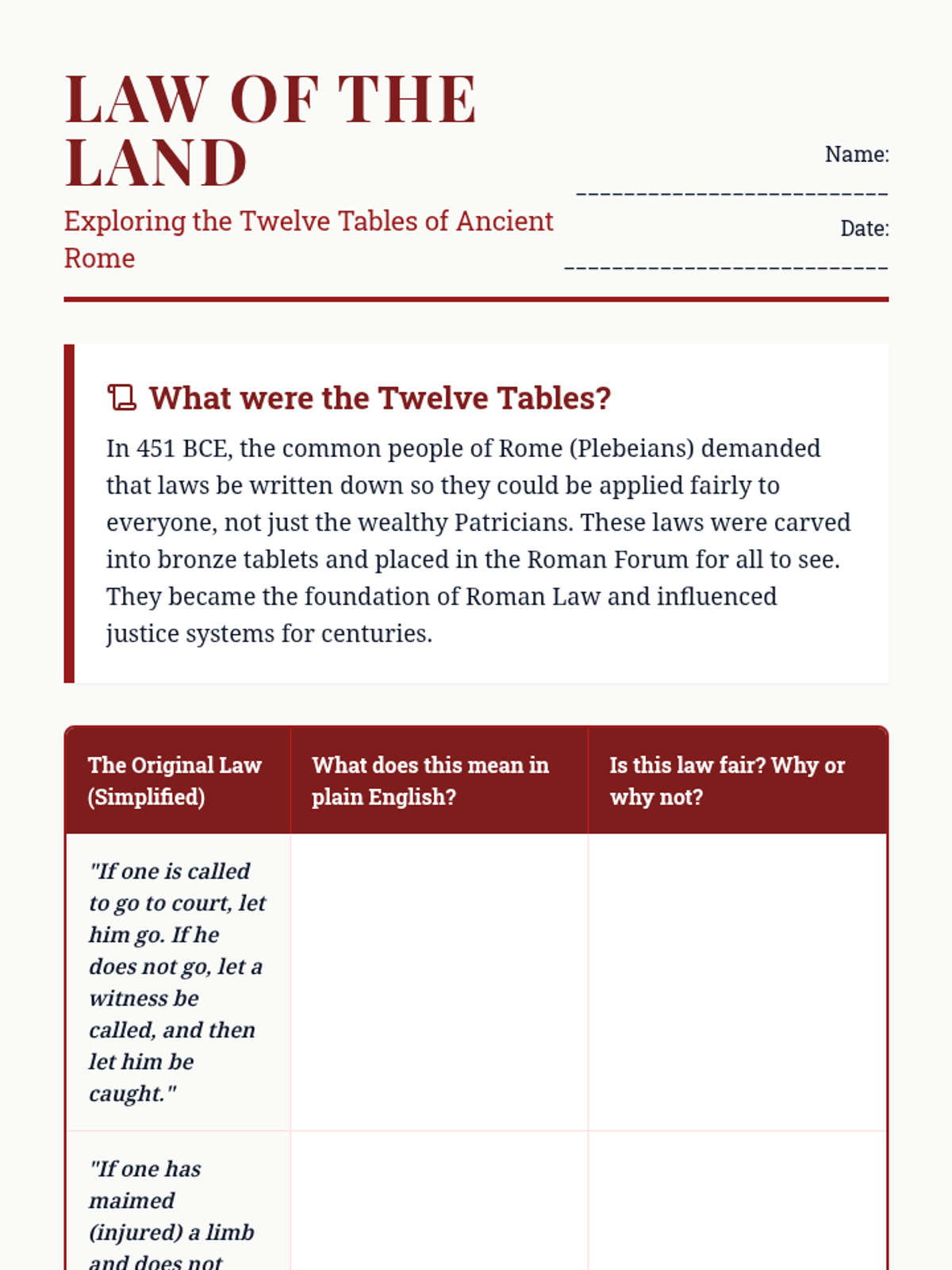
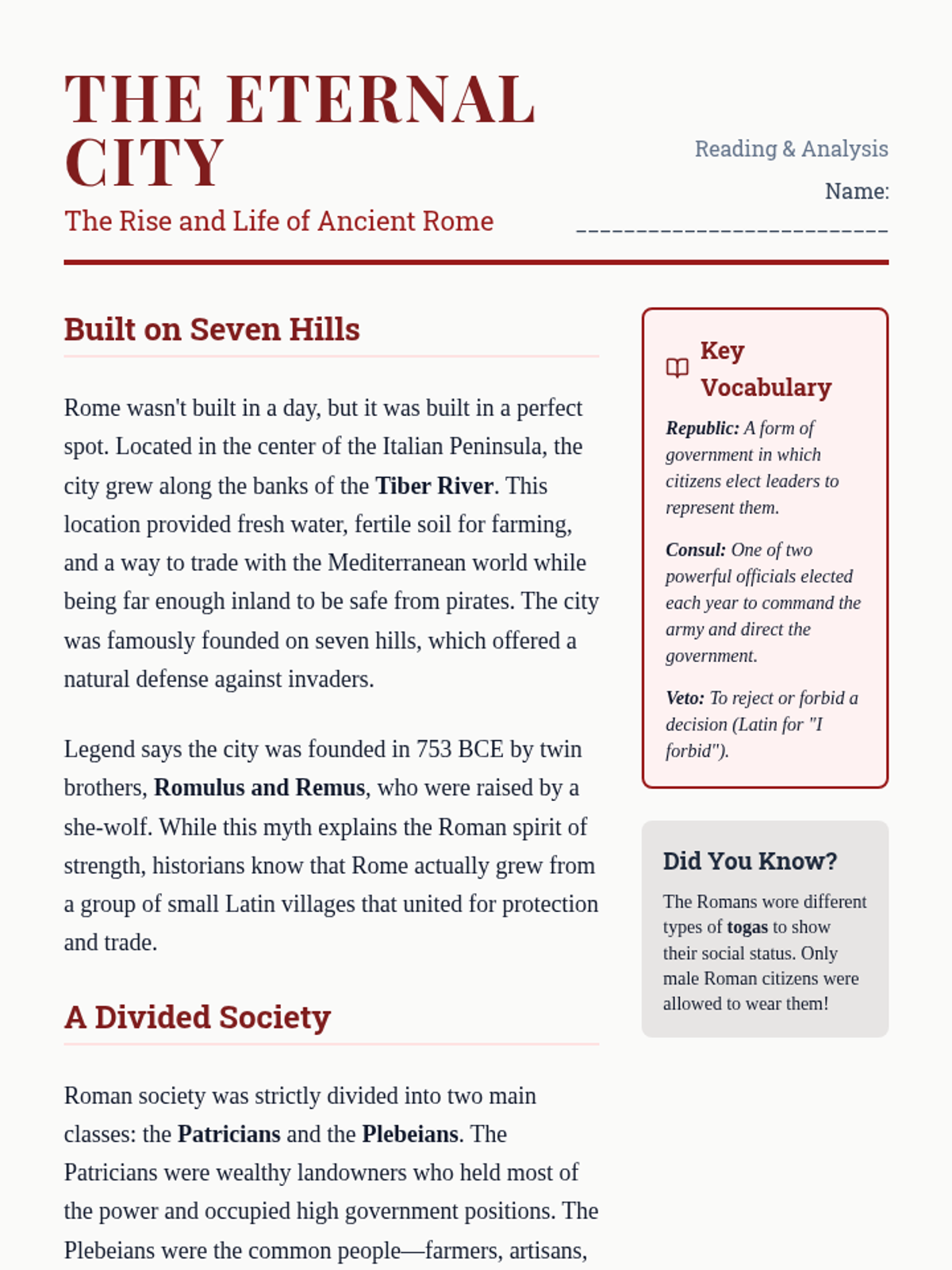
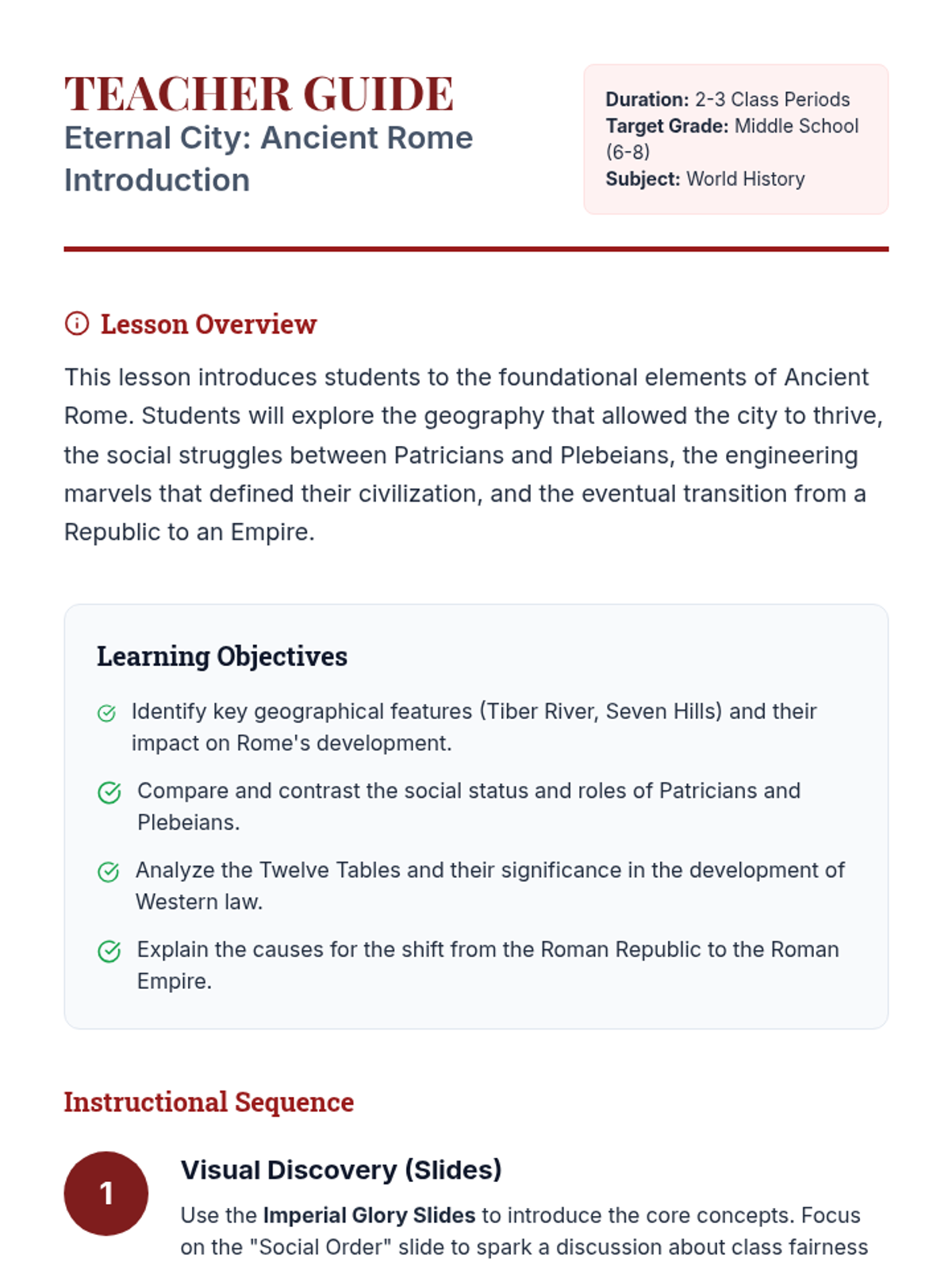
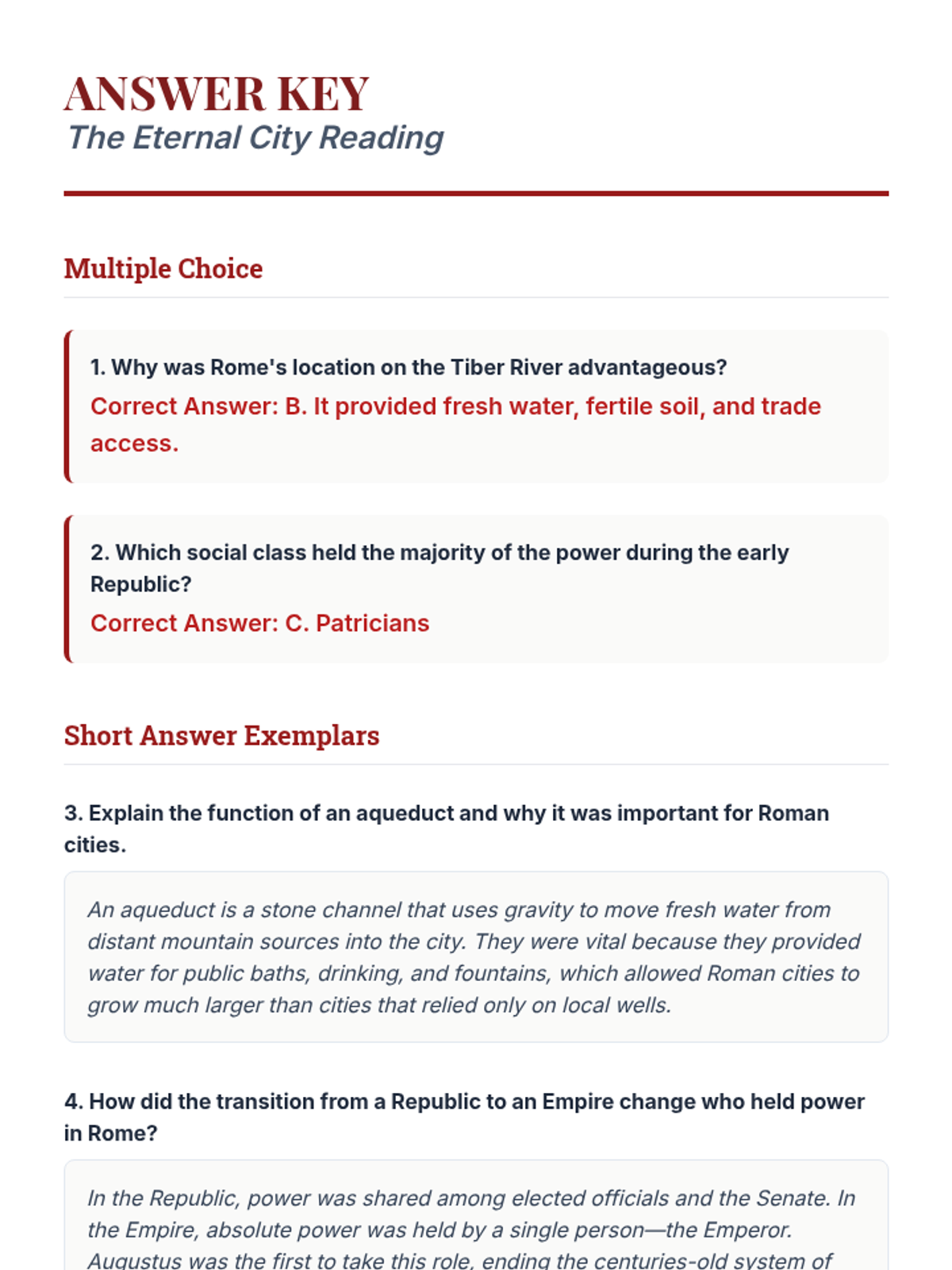
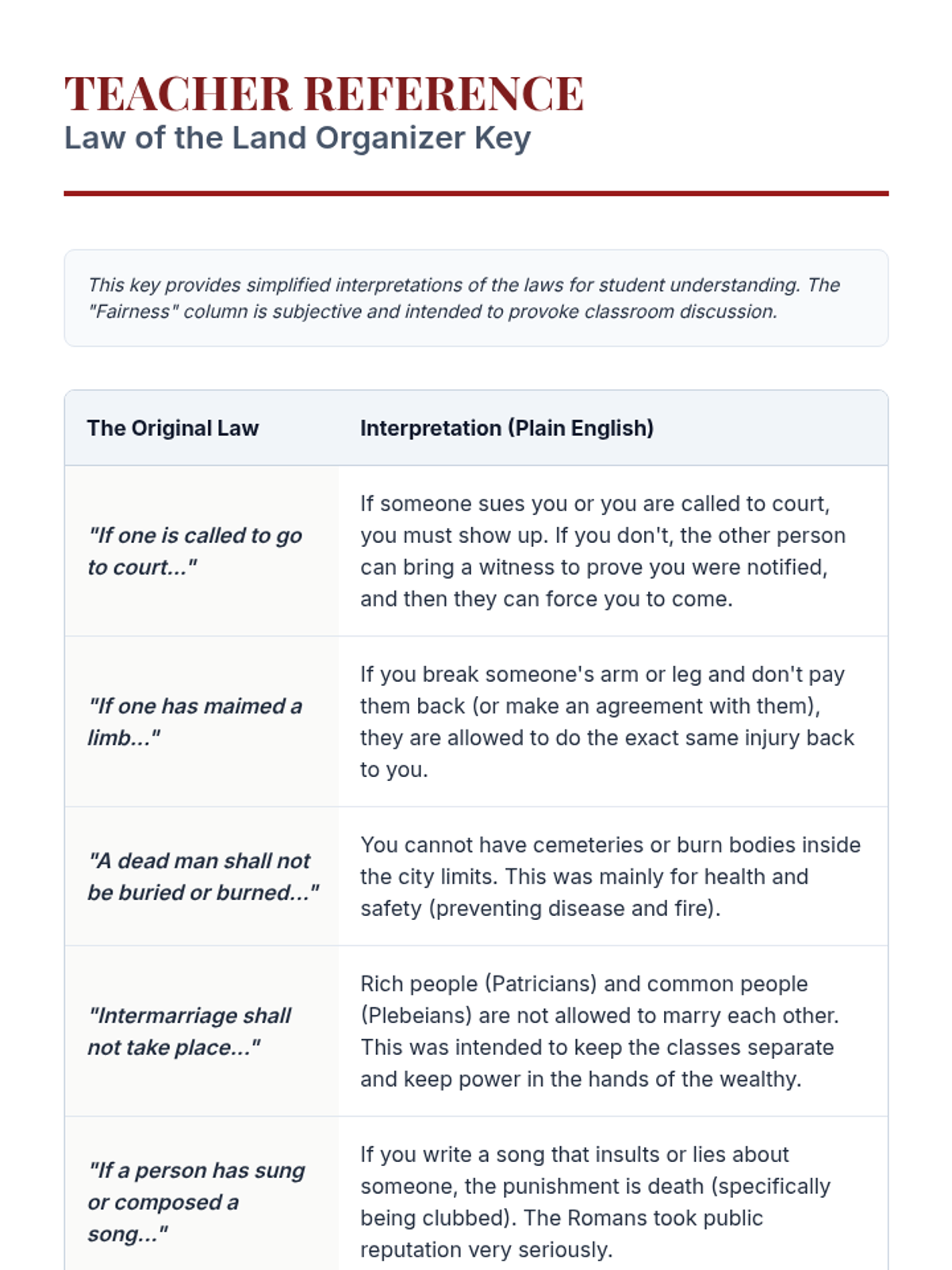
An introductory lesson on Ancient Rome covering its founding, social structure, daily life, engineering feats, and the transition from Republic to Empire. Students explore Roman law through the Twelve Tables and analyze the factors that led to Rome's rise.
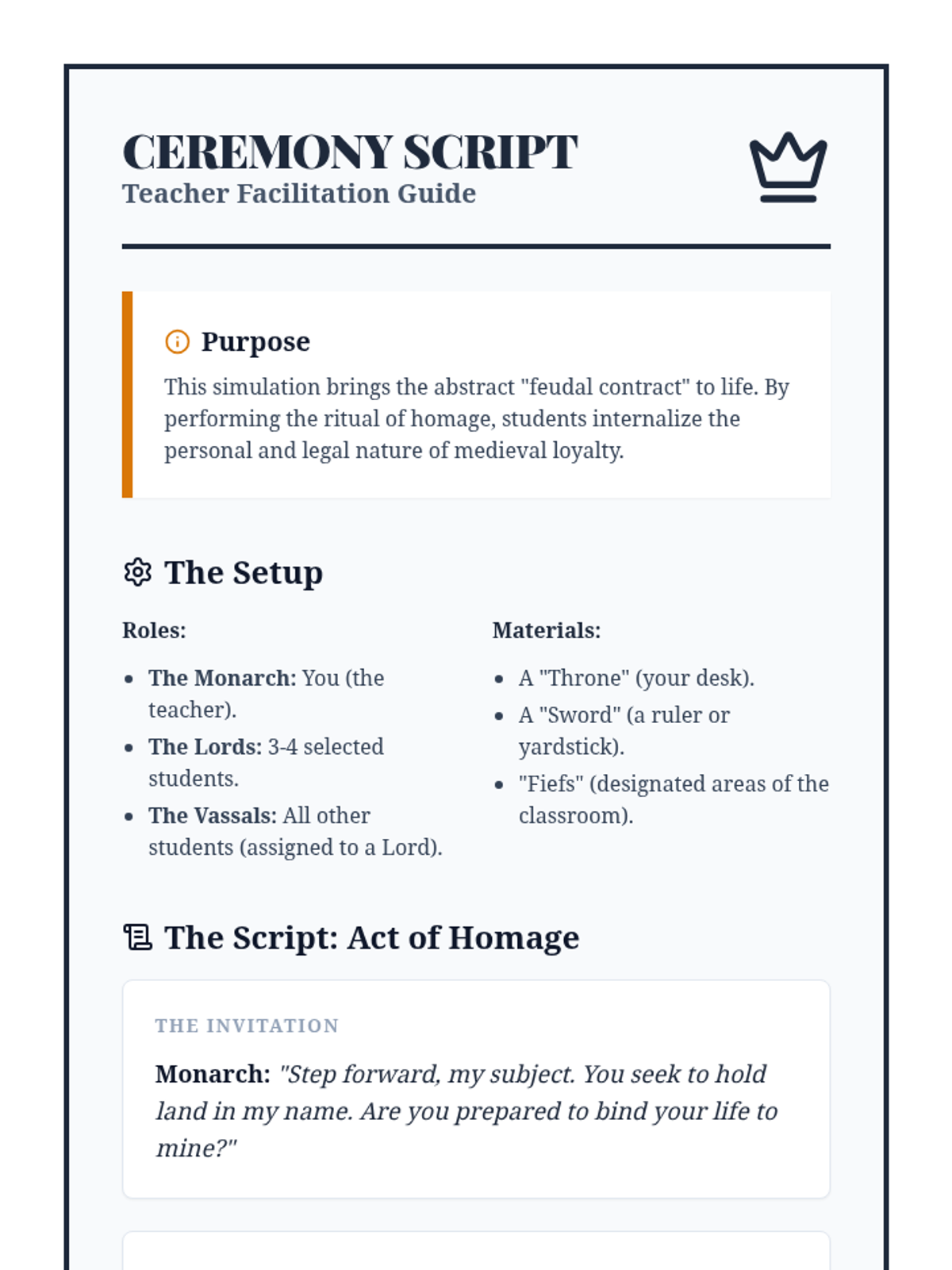
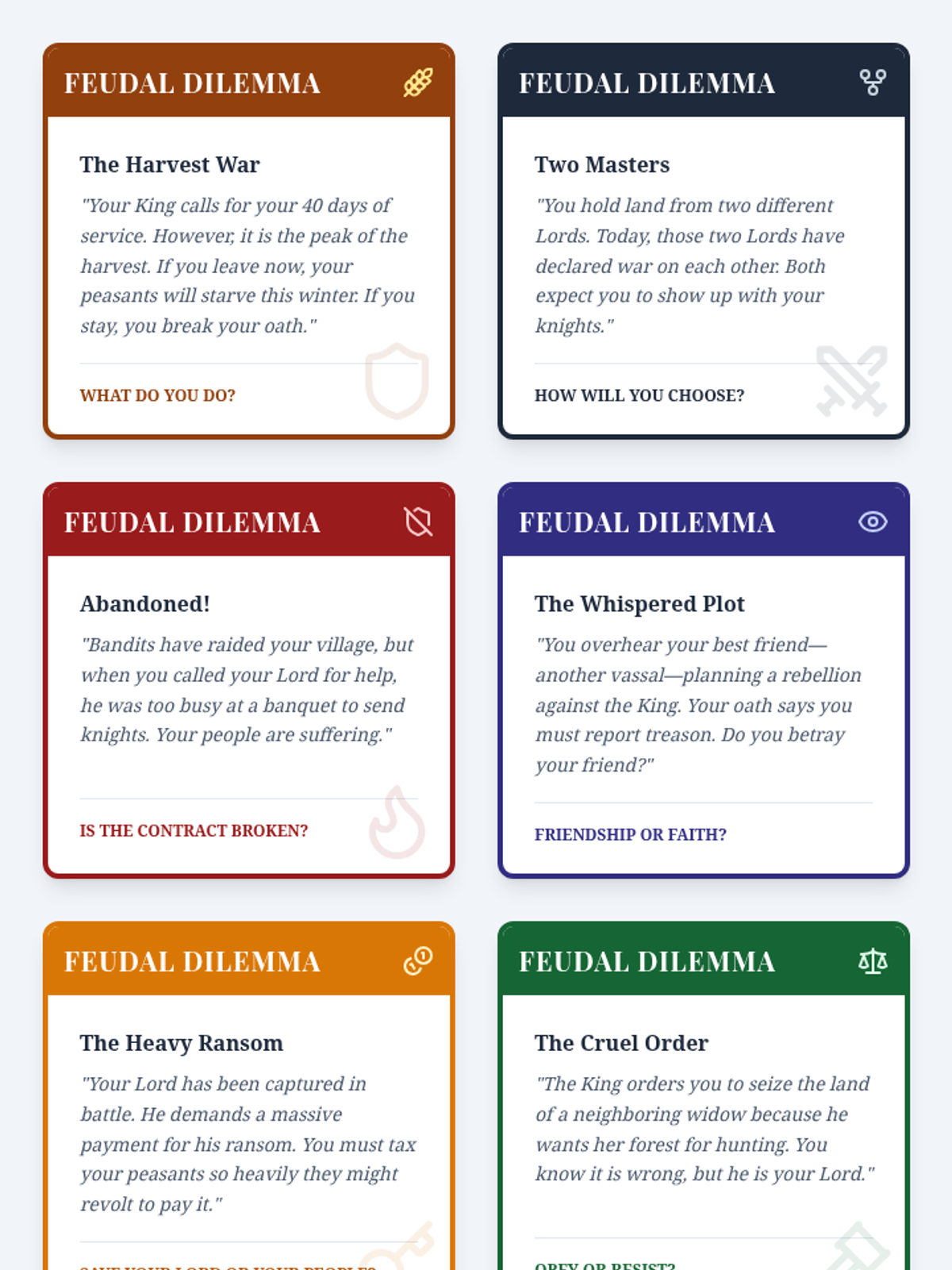
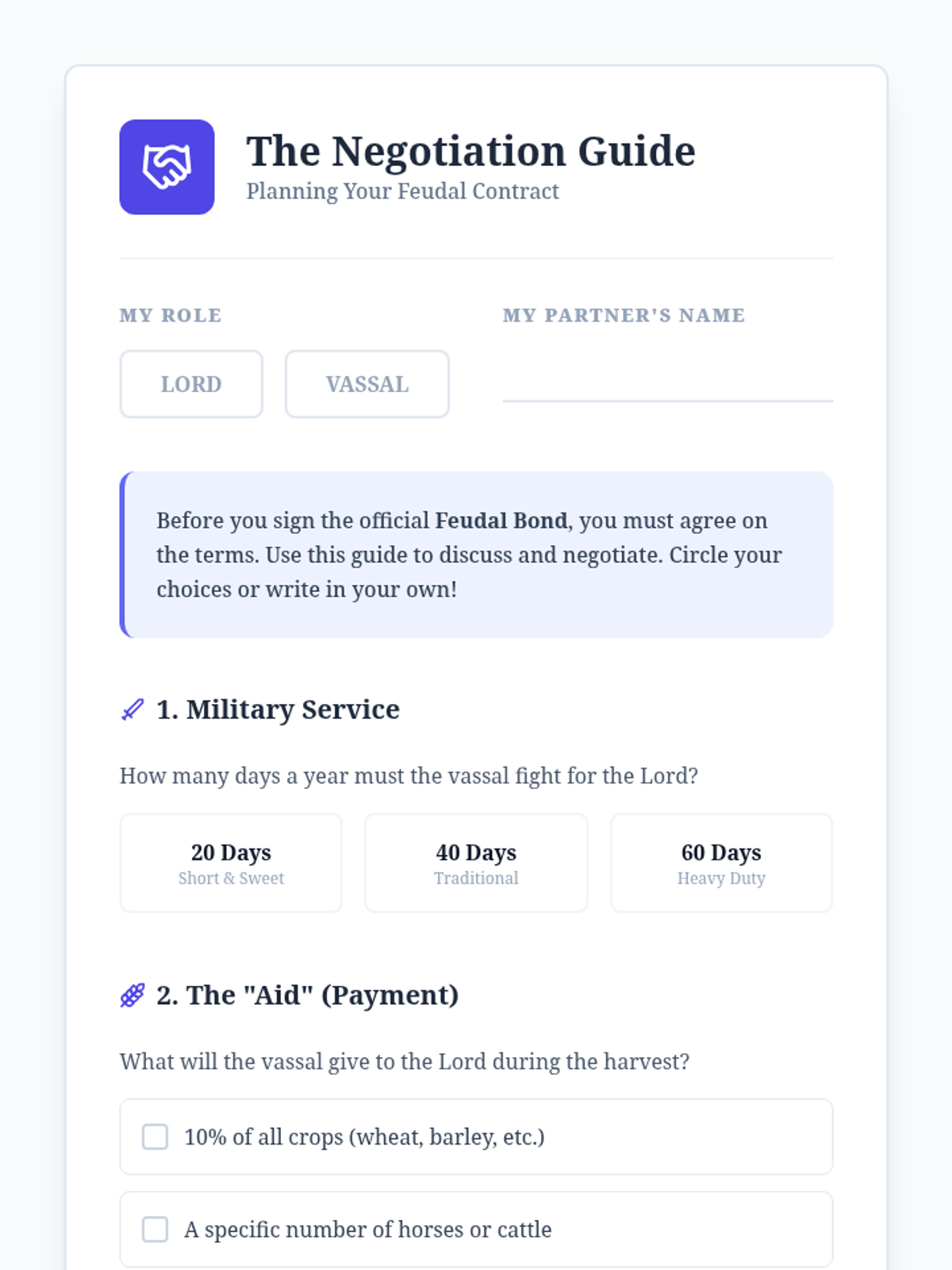
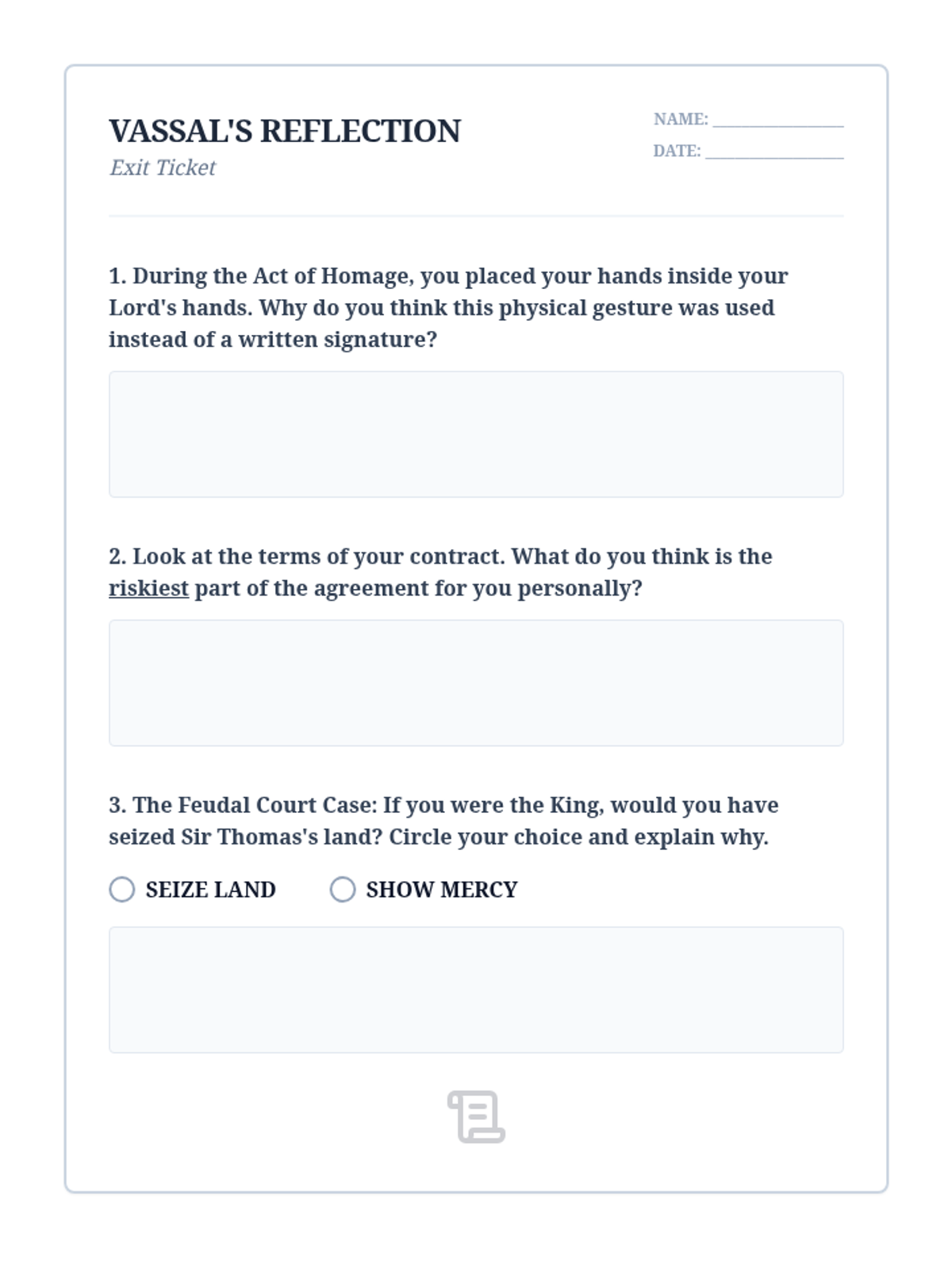
Students delve into the legal and social bonds of the feudal contract through a knighting ceremony simulation and drafting their own oaths of fealty.
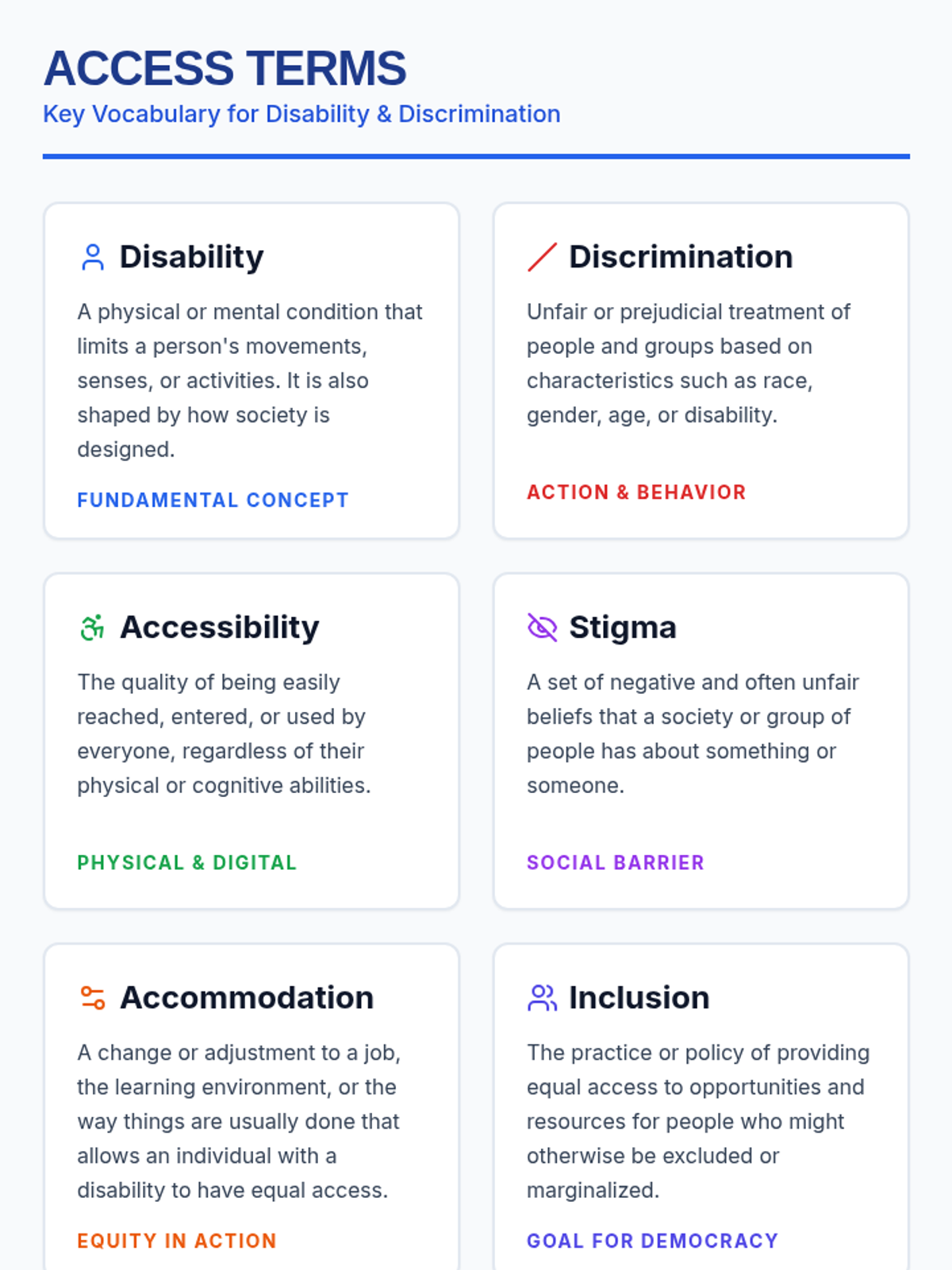
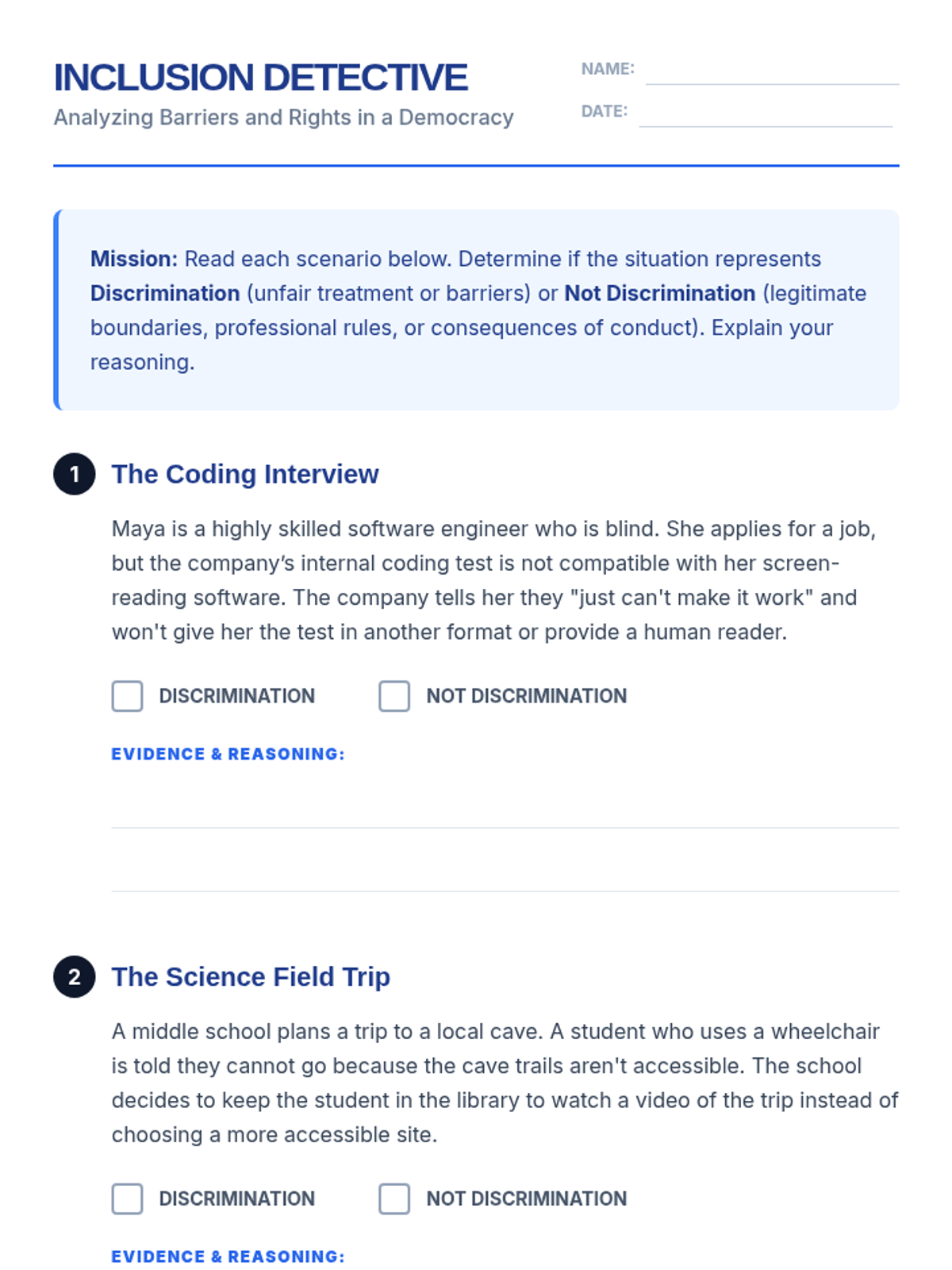
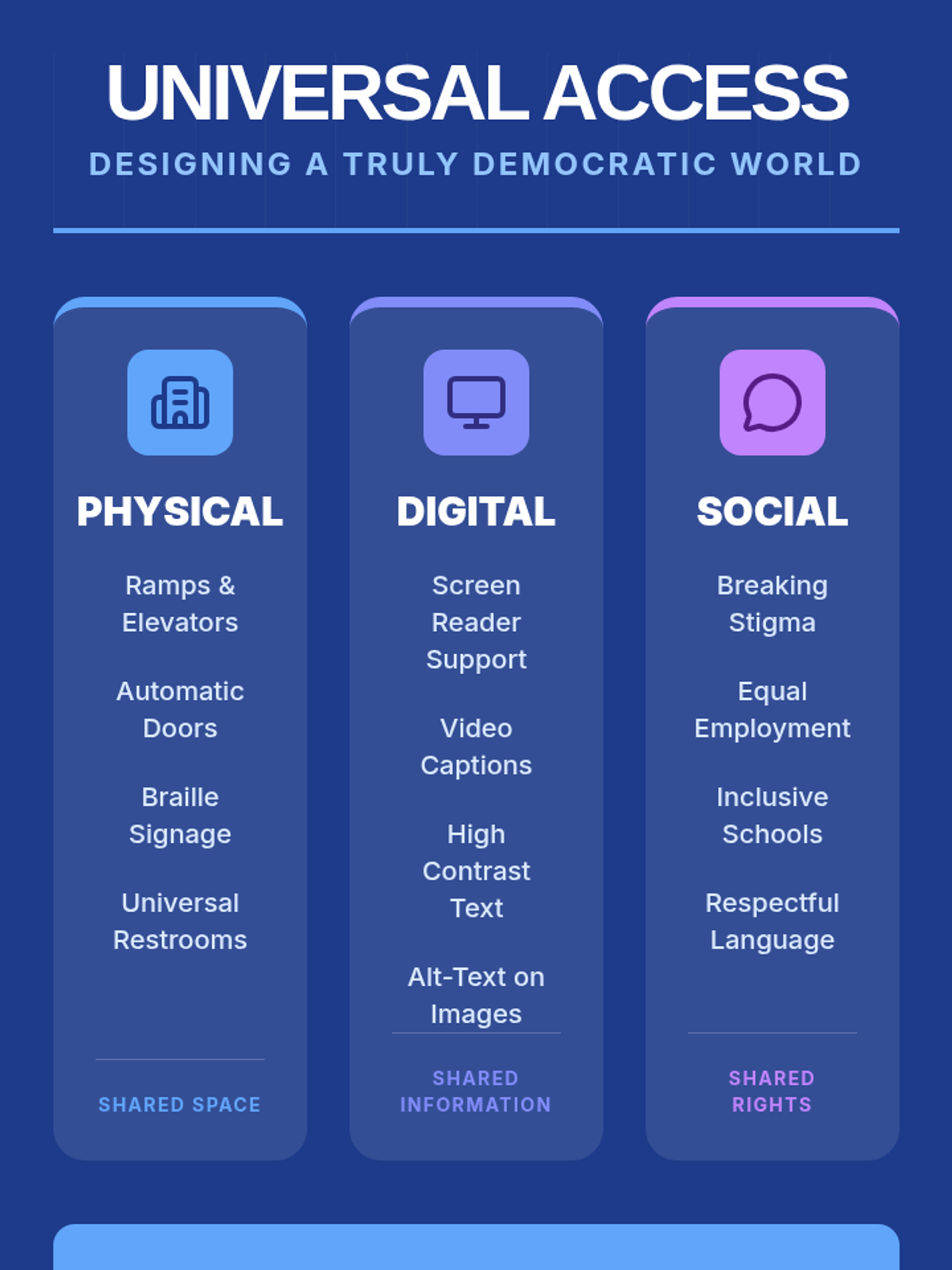
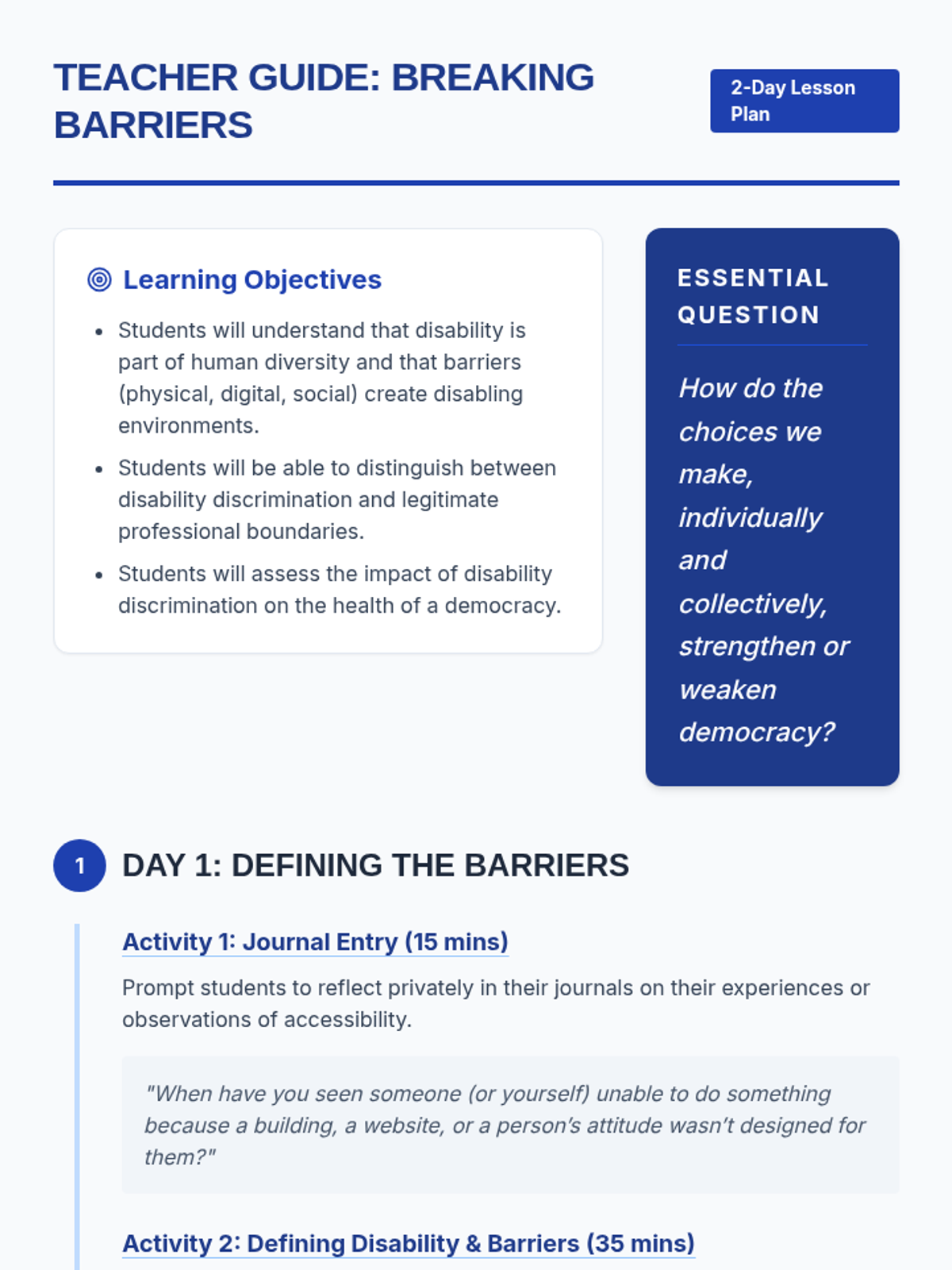
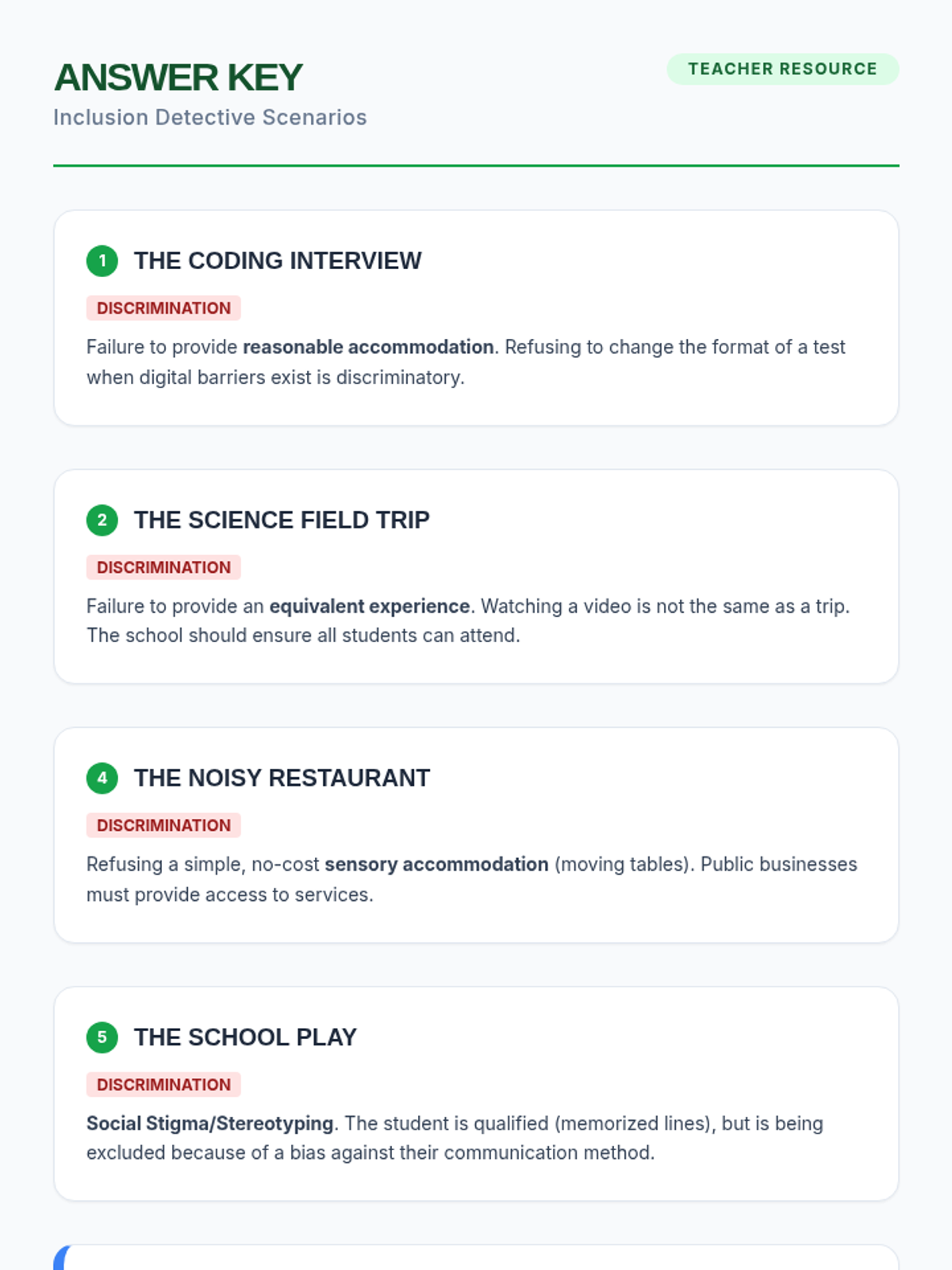
In this lesson, students explore the concepts of disability discrimination and accessibility, analyzing how physical, digital, and social barriers impact individuals and the health of a democracy. Students will learn to distinguish between discriminatory practices and legitimate professional boundaries.
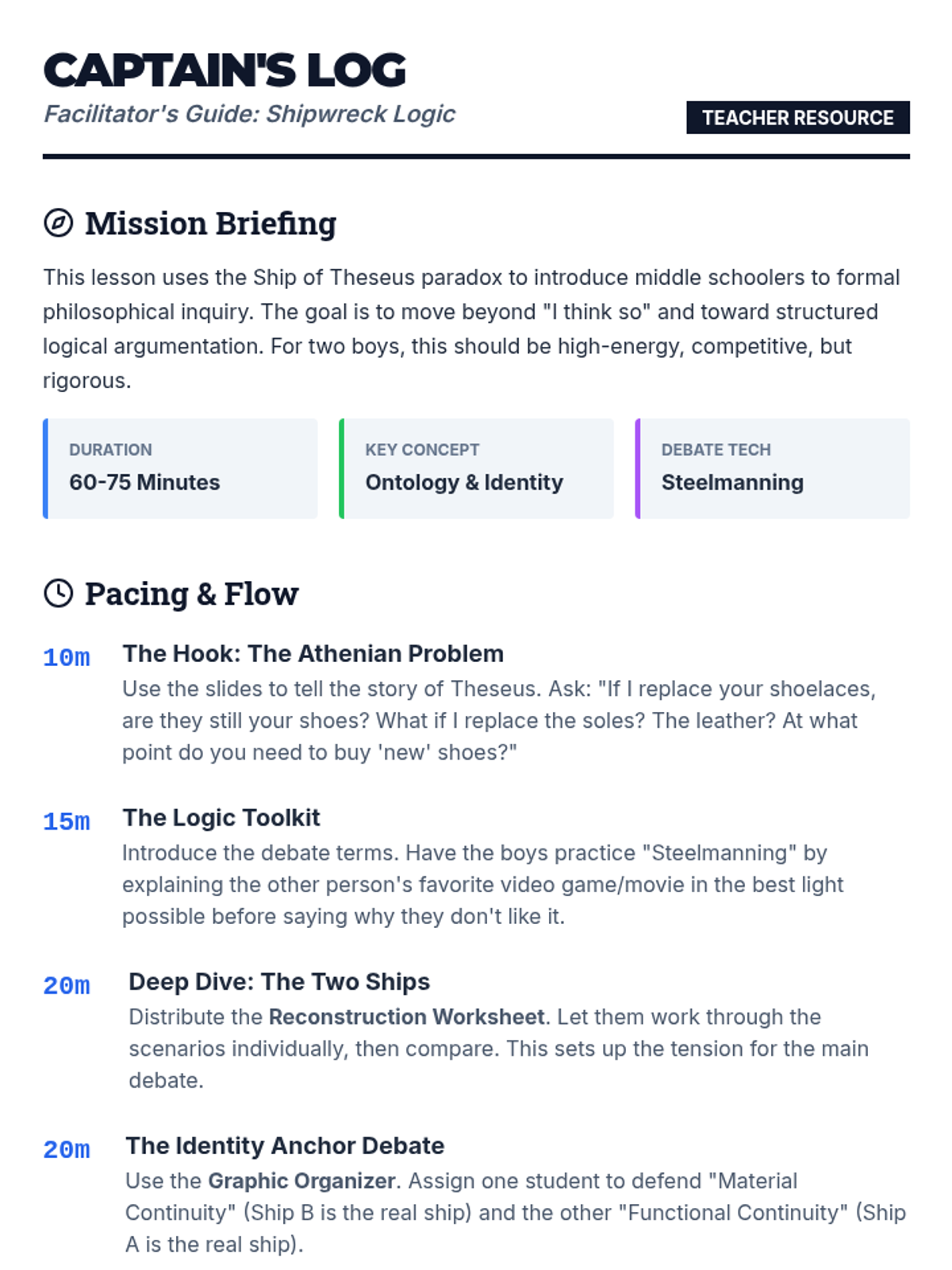
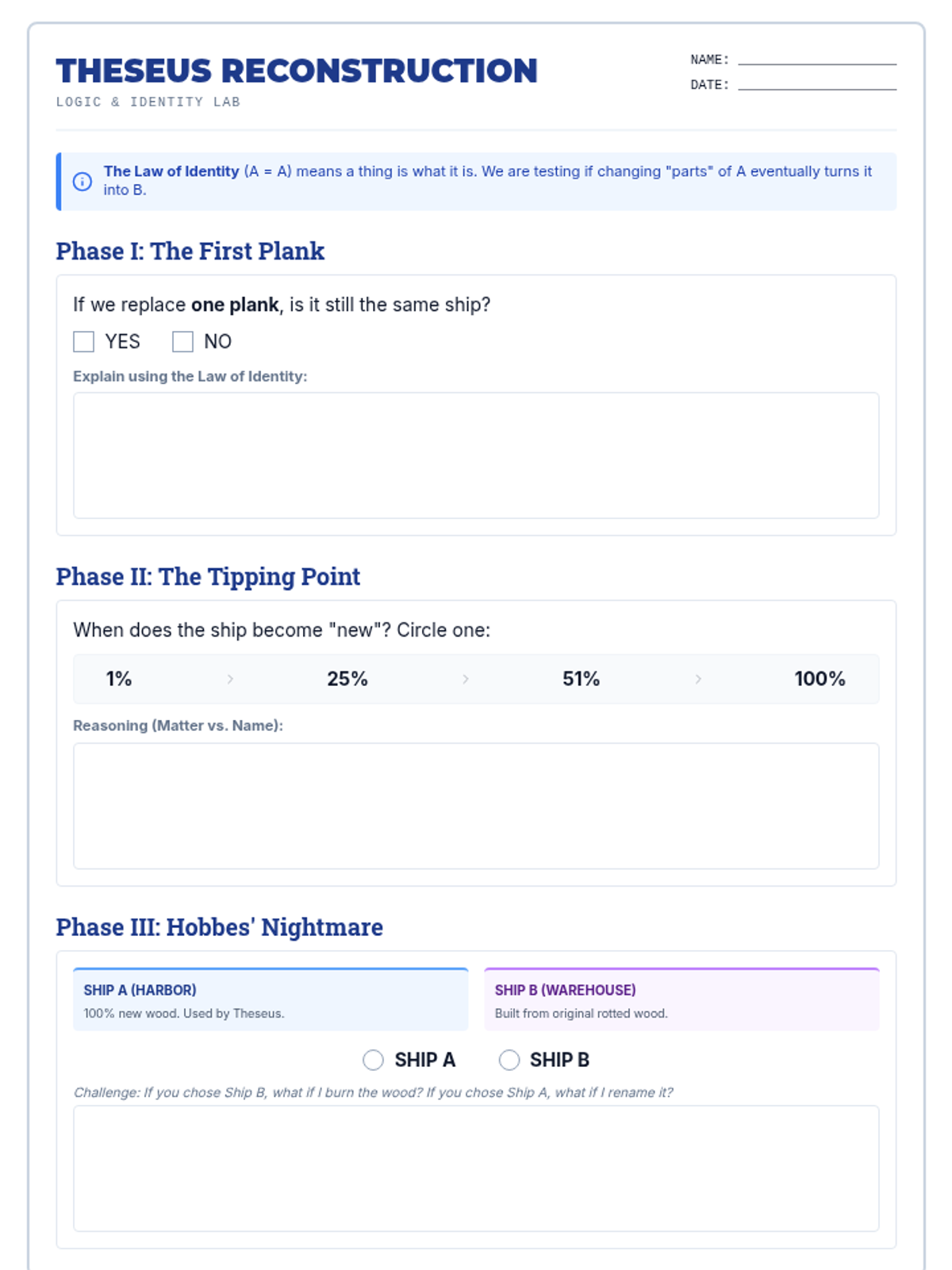
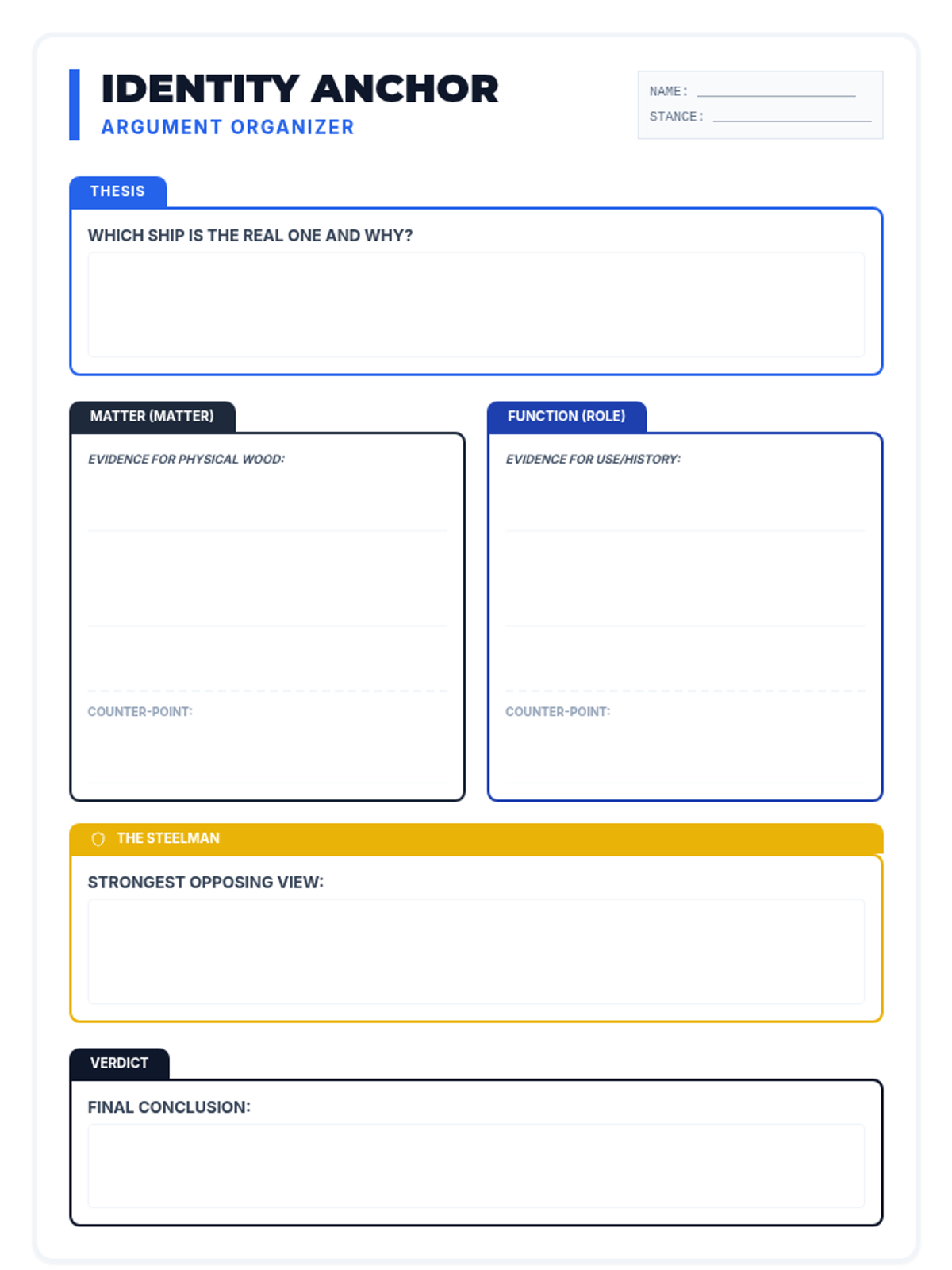
A philosophical exploration of identity and logic centered on the Ship of Theseus paradox. Students analyze historical context, learn formal debate techniques, and grapple with the nature of change and continuity.
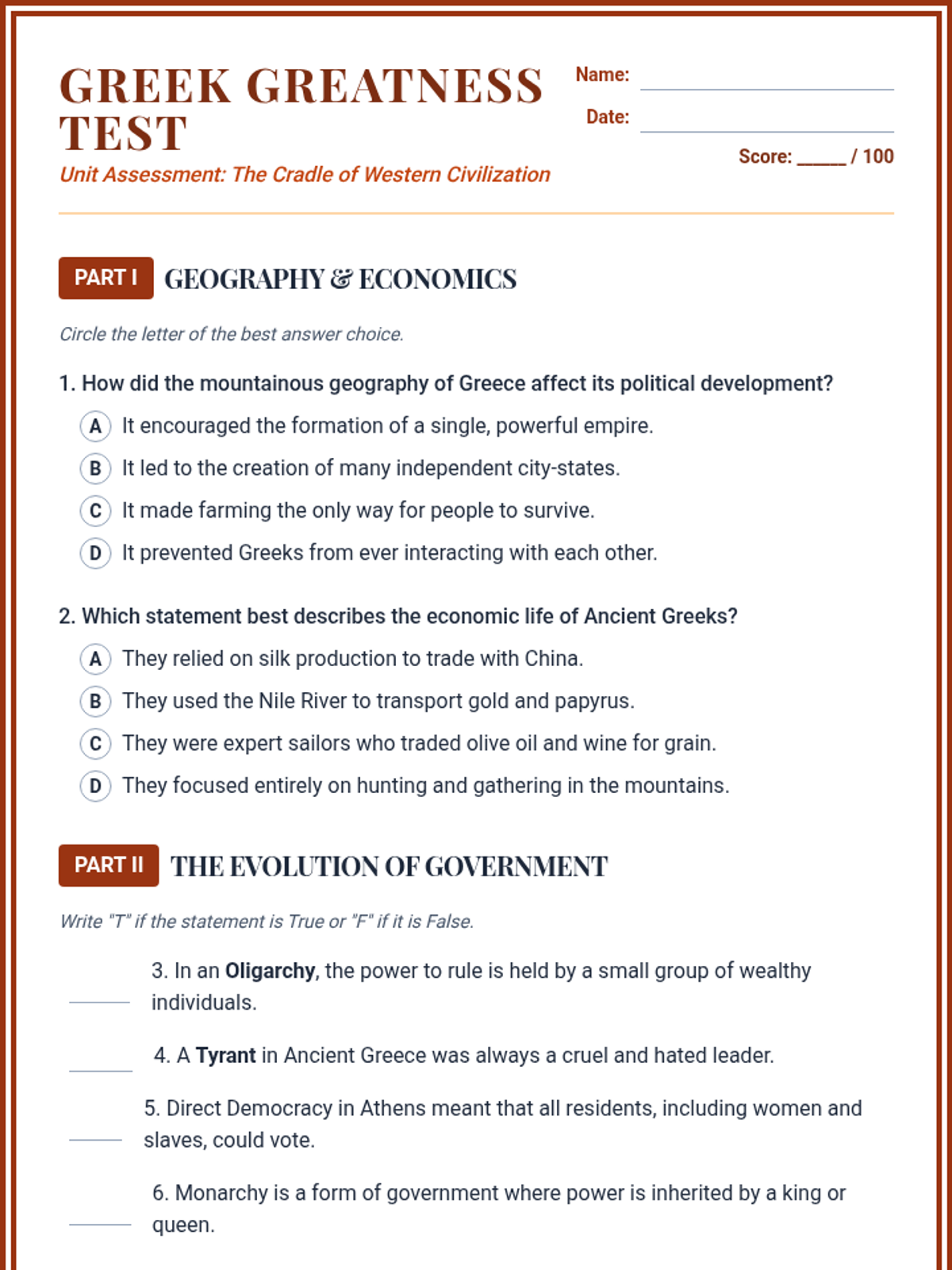
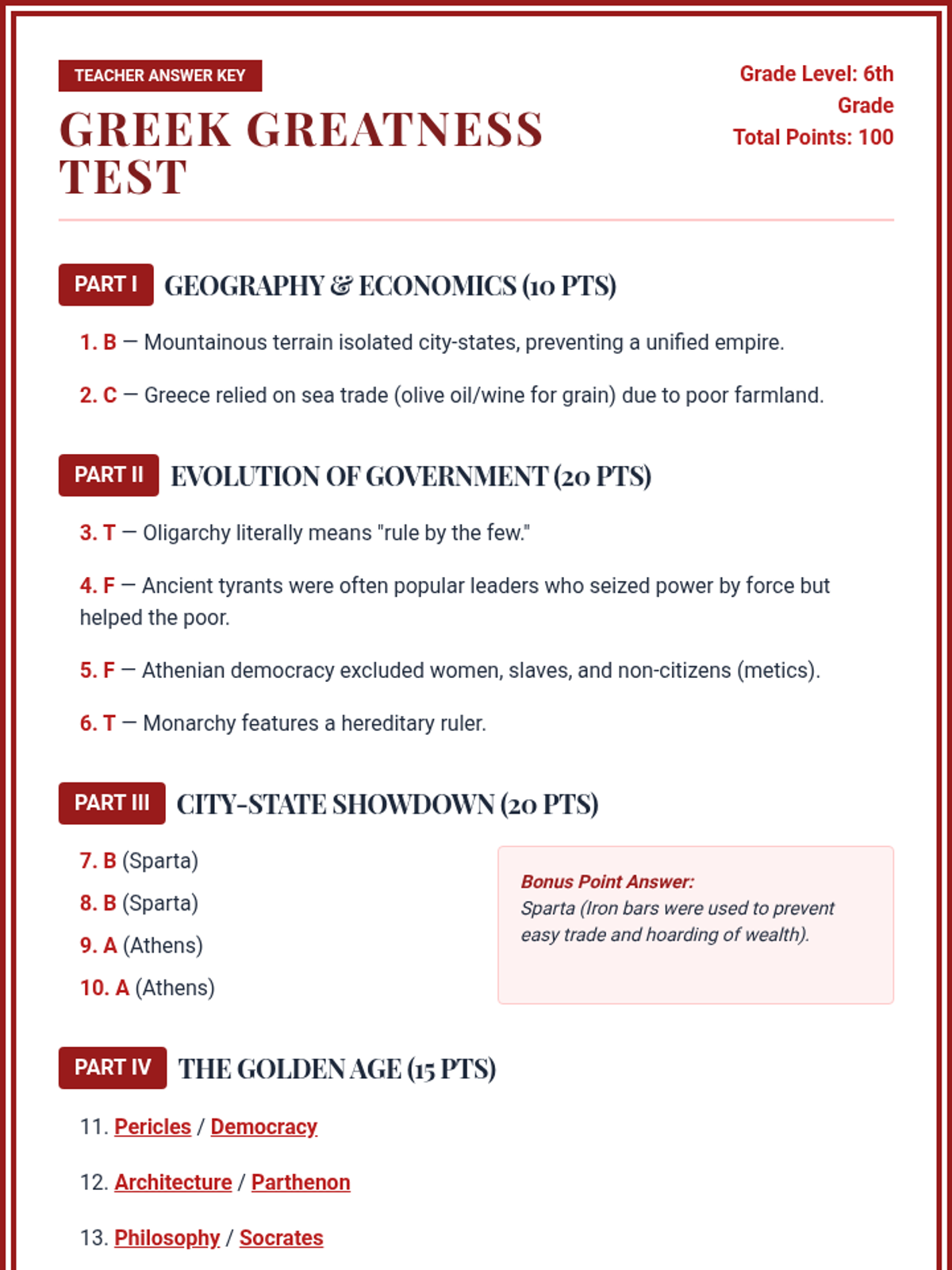
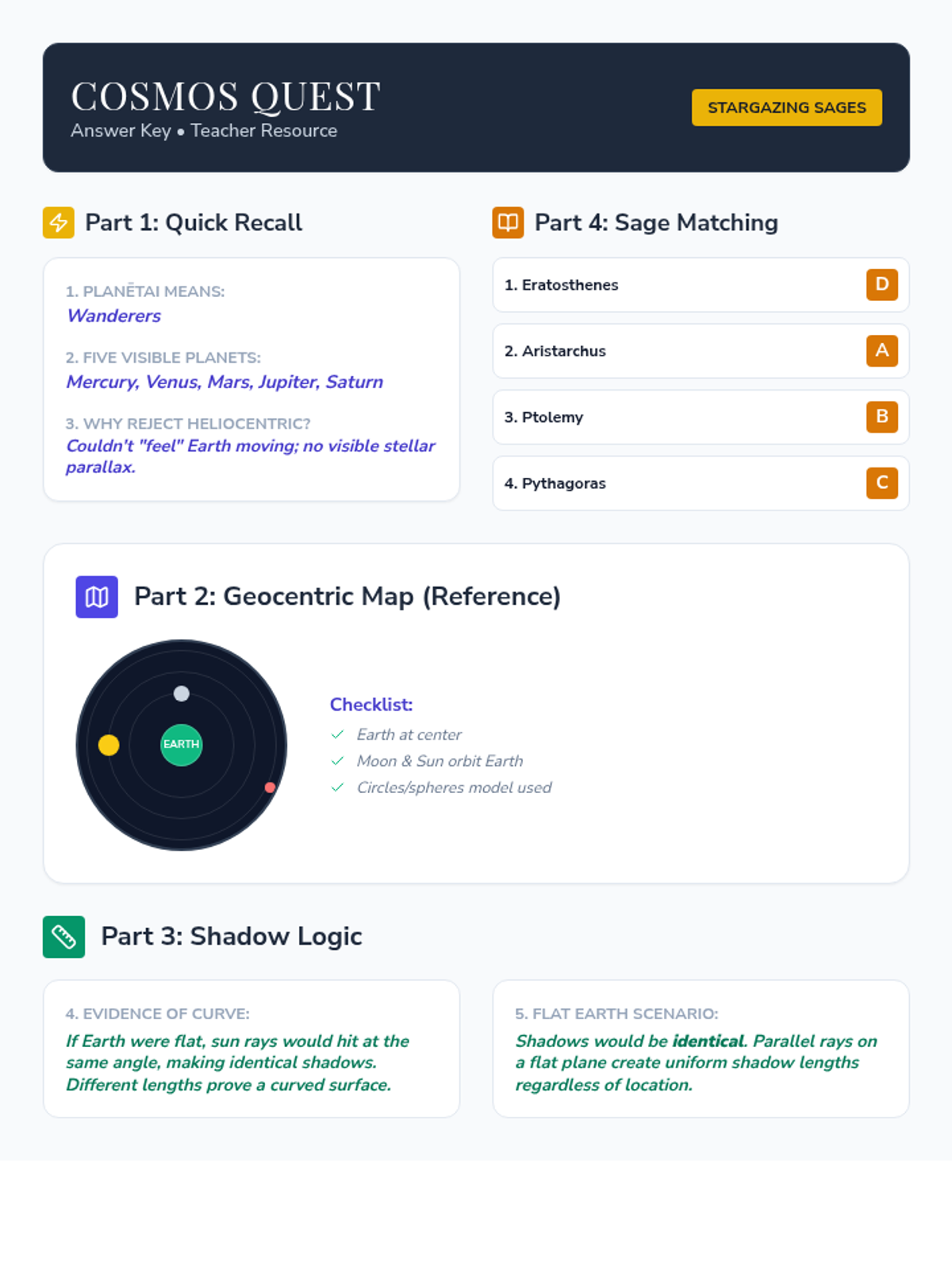
A comprehensive assessment and review package covering the geography, politics, culture, and legacy of Ancient Greece for 6th-grade students.
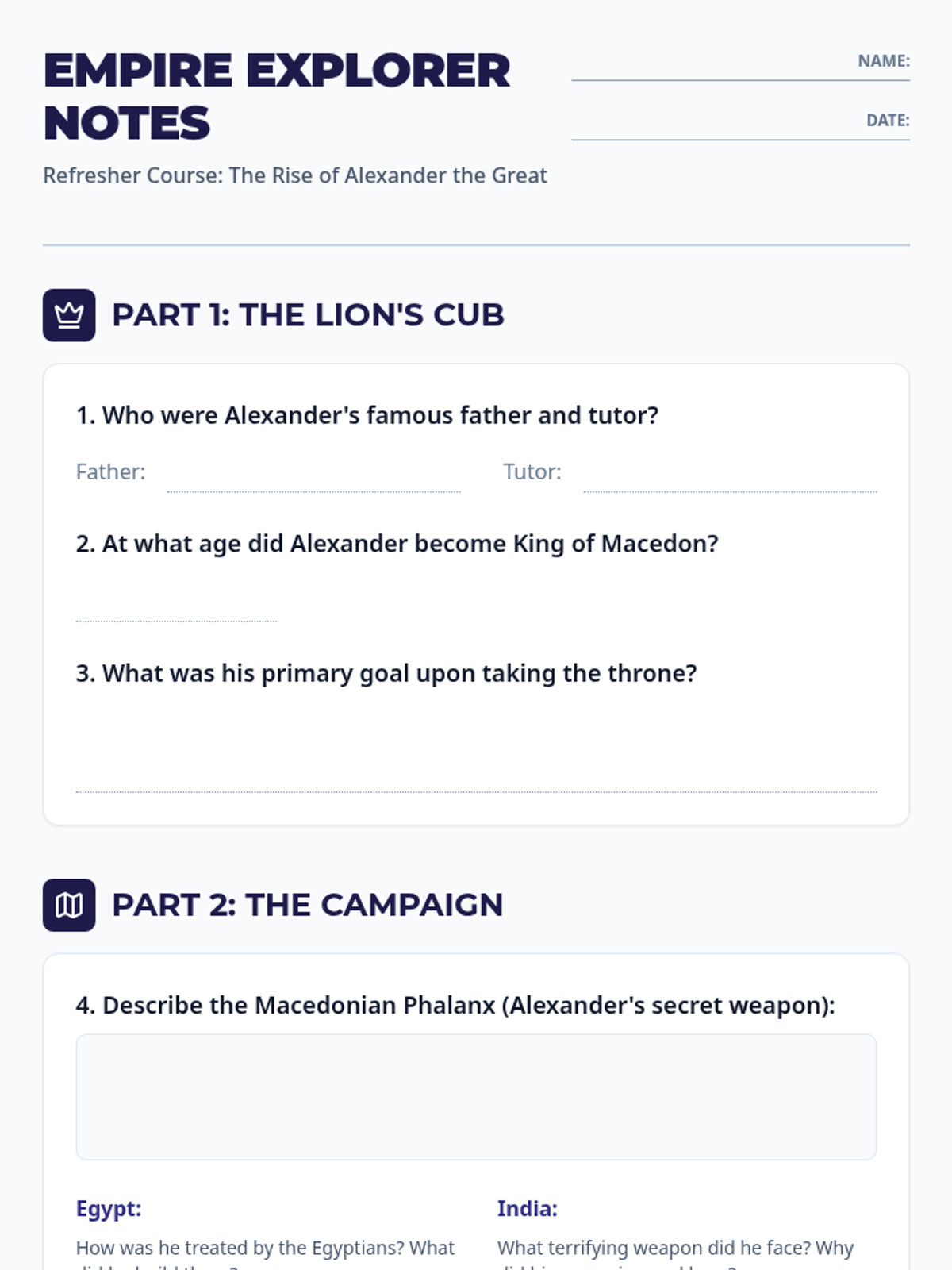
A 15-20 minute refresher on the life, conquests, and cultural impact of Alexander the Great, preparing students for an investigative activity into his mysterious death.
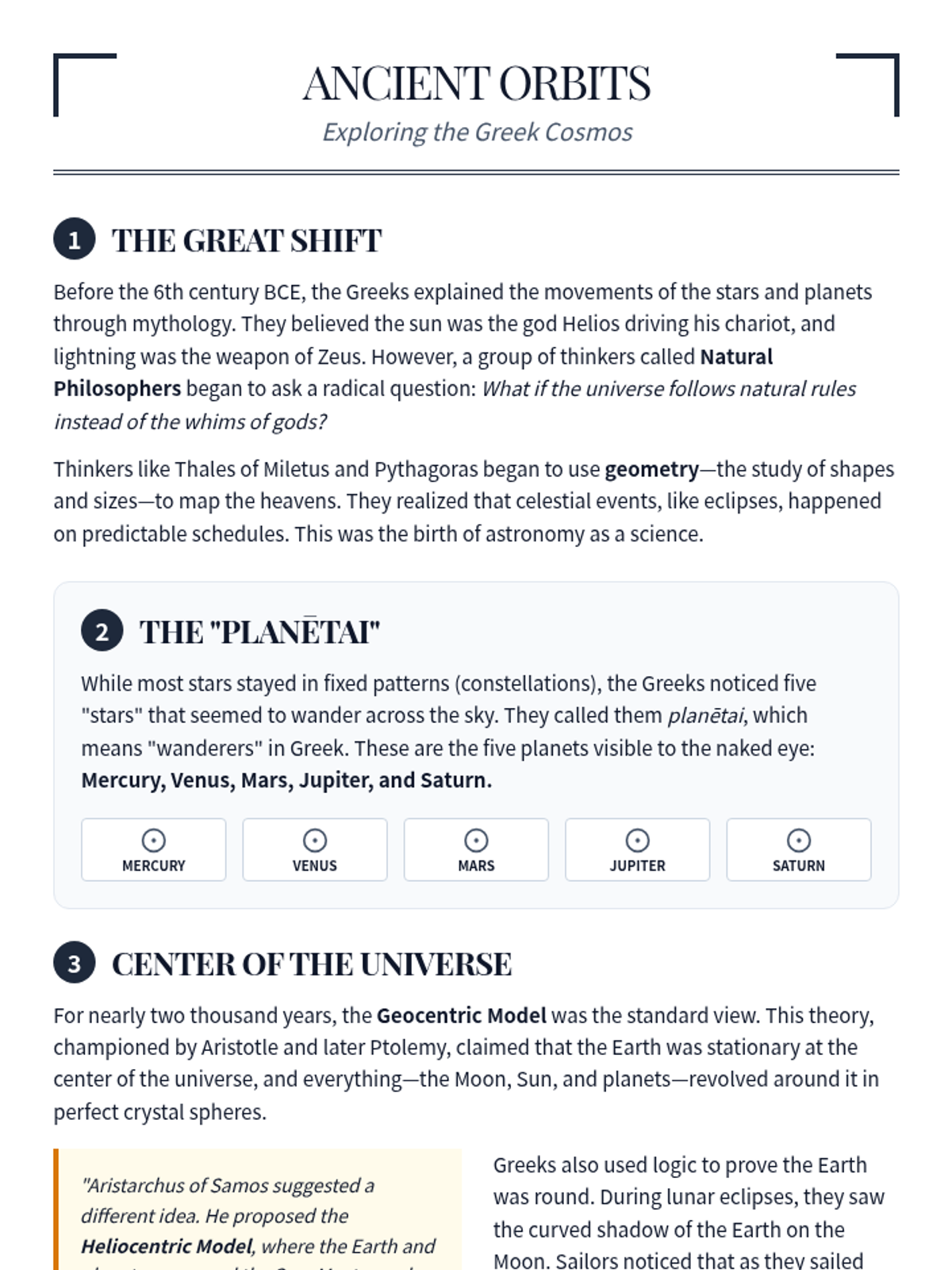
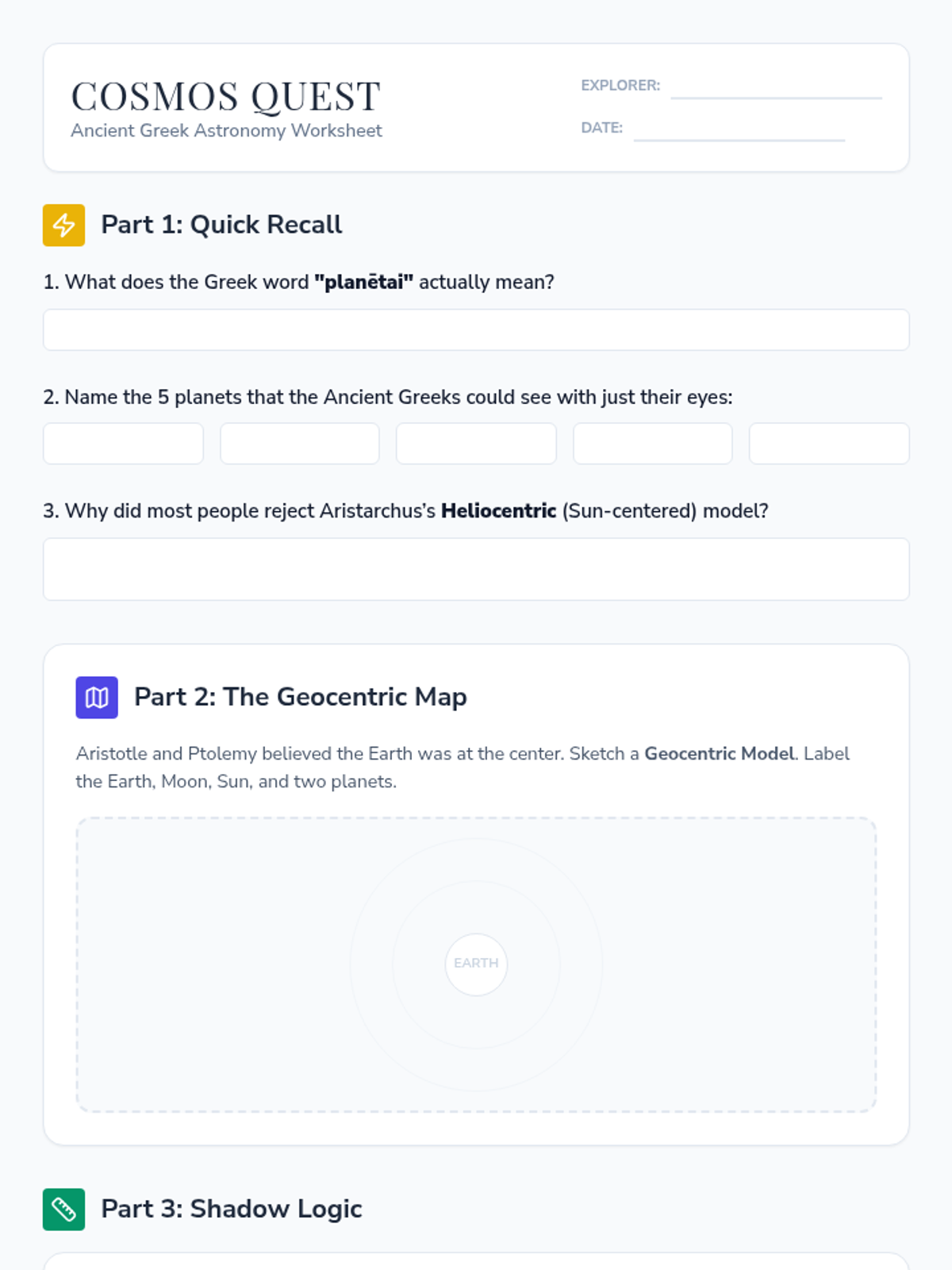
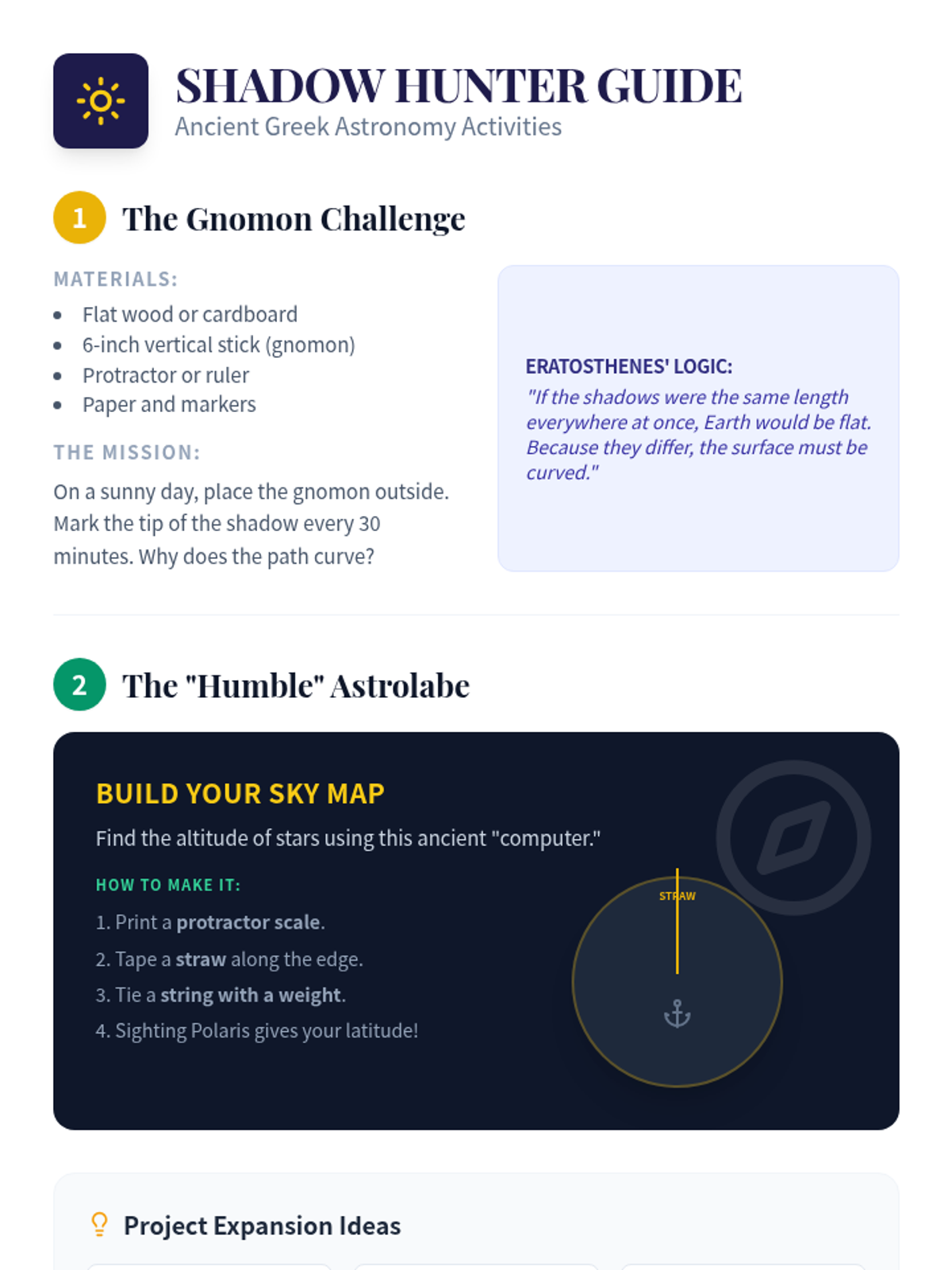
An introduction to how Ancient Greek thinkers combined philosophy, geometry, and observation to understand the universe. Students will explore the transition from mythological explanations to mathematical models of the cosmos.
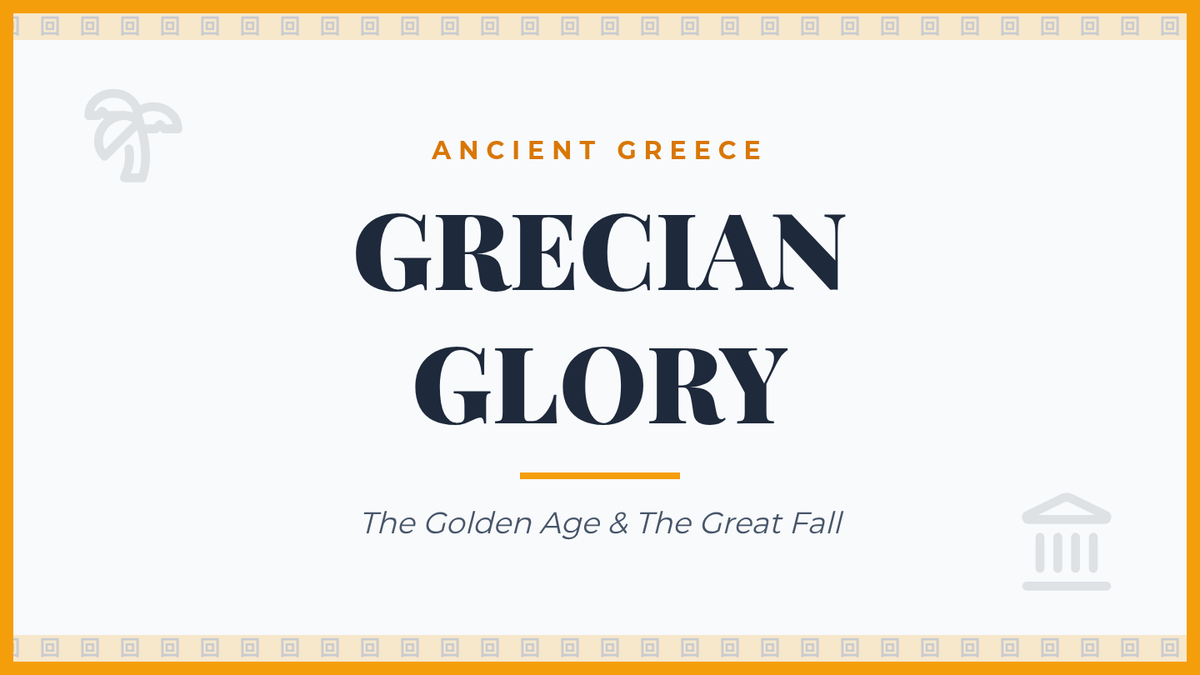
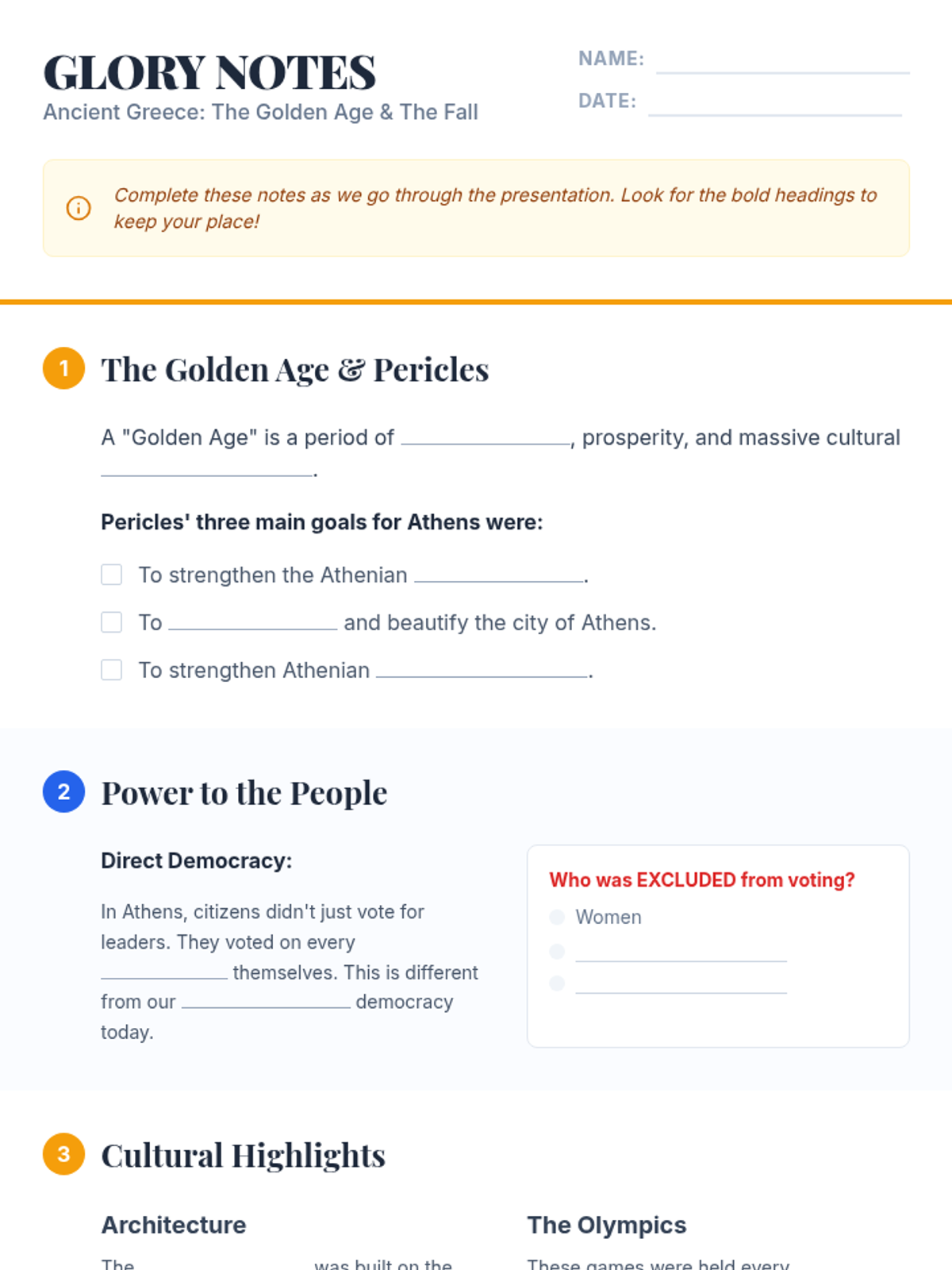
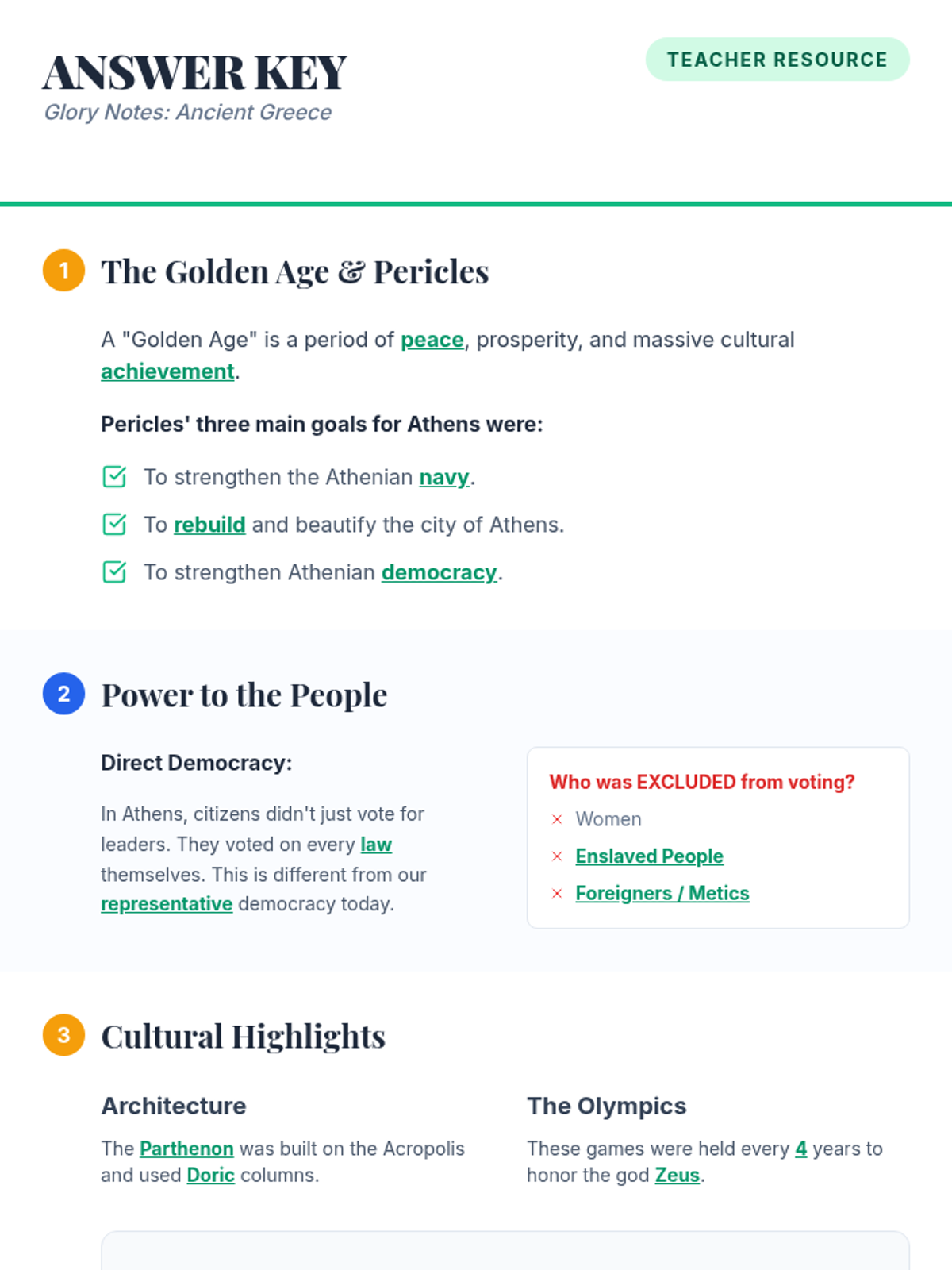
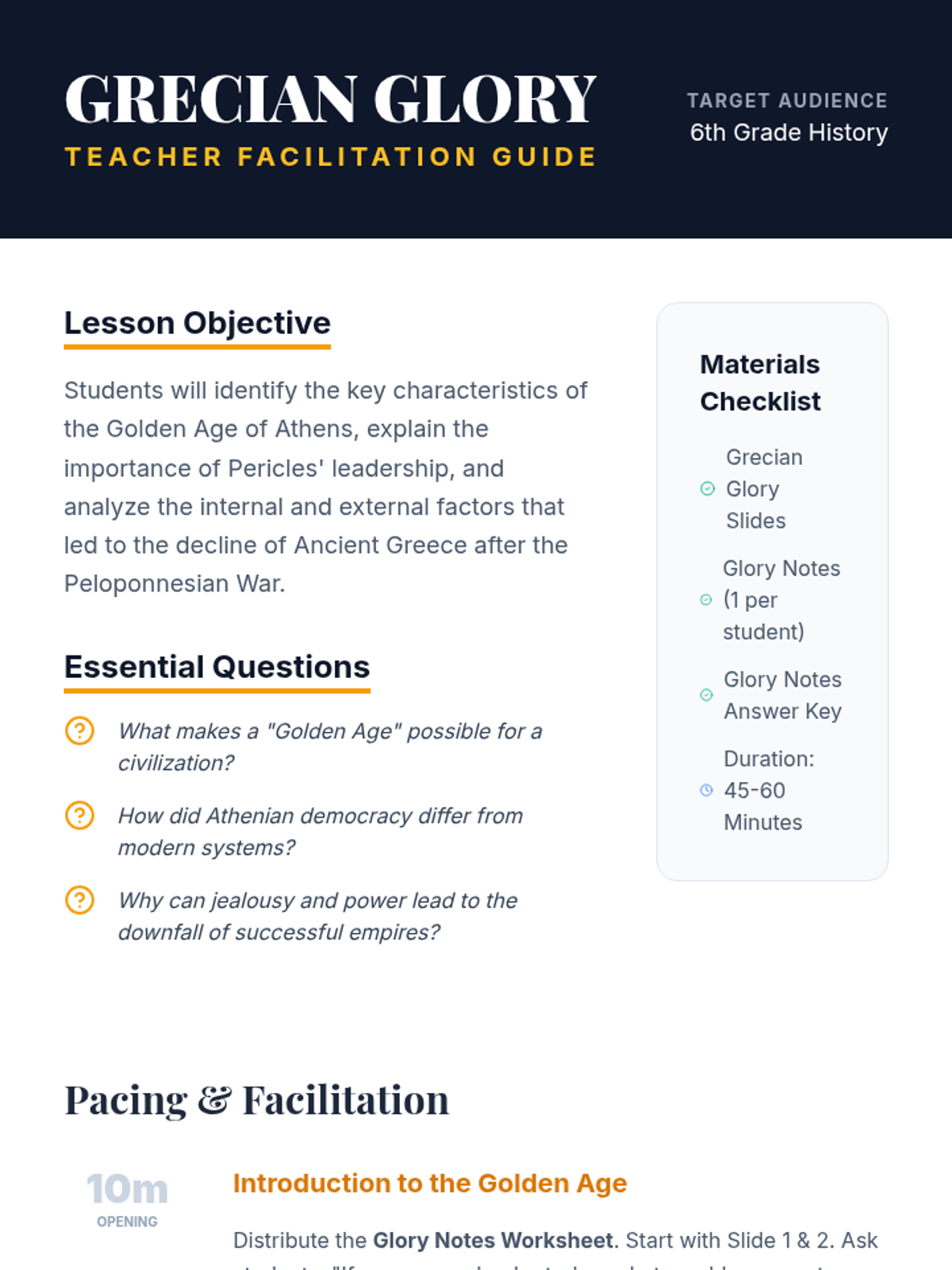
A deep dive into the peak of Athenian culture under Pericles and the eventual decline following the Peloponnesian War. Students explore democracy, architecture, and the cost of conflict.
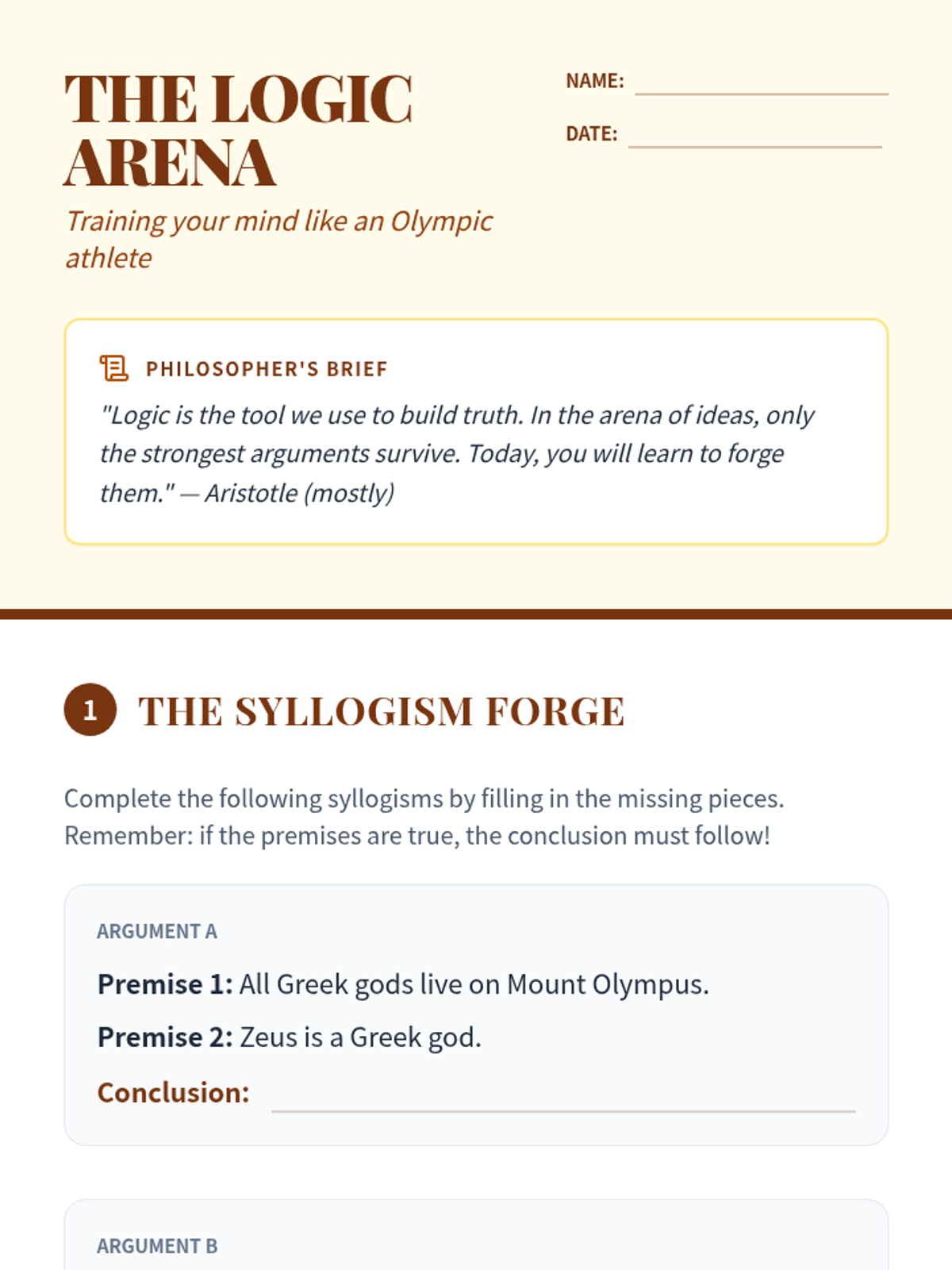
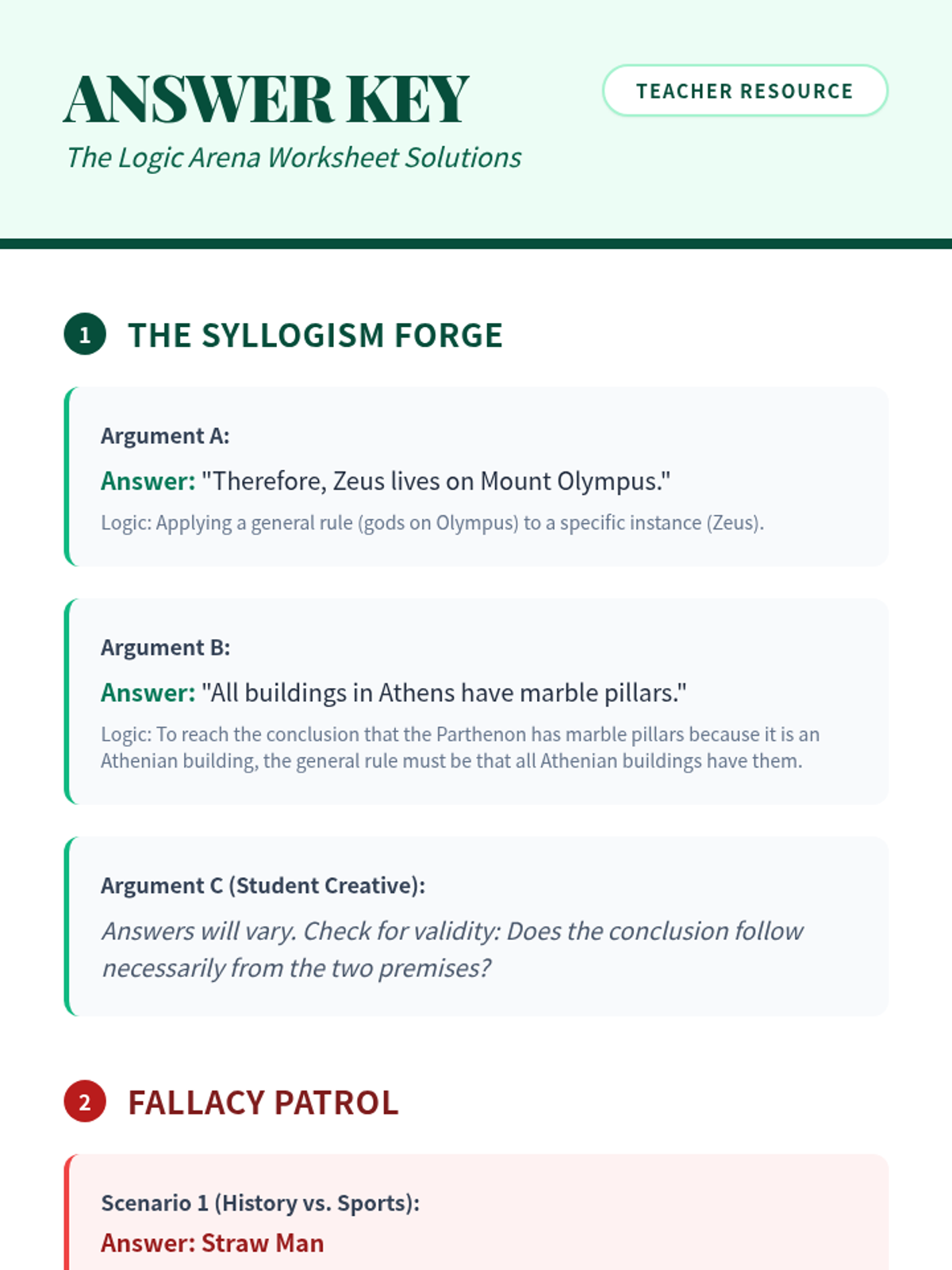
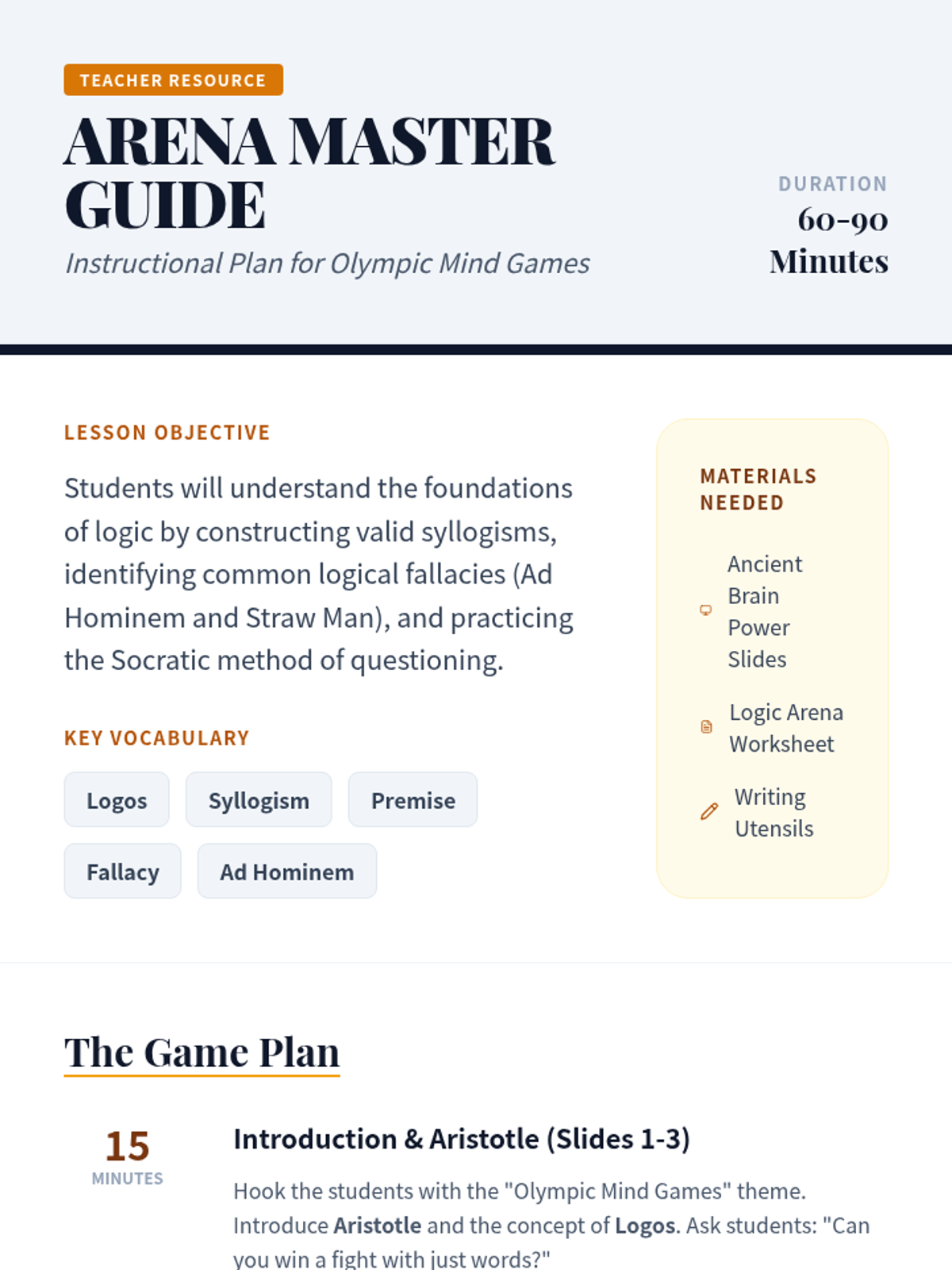
An introduction to the foundations of logic and reasoning, centered on Aristotle's syllogisms and the Socratic method in Ancient Greece. Students will learn to build valid arguments and spot common logical errors.