Analytical frameworks for interpreting history, geography, and civic information. Equips learners with tools for chronological sequencing, map literacy, and critical evaluation of primary and secondary sources.
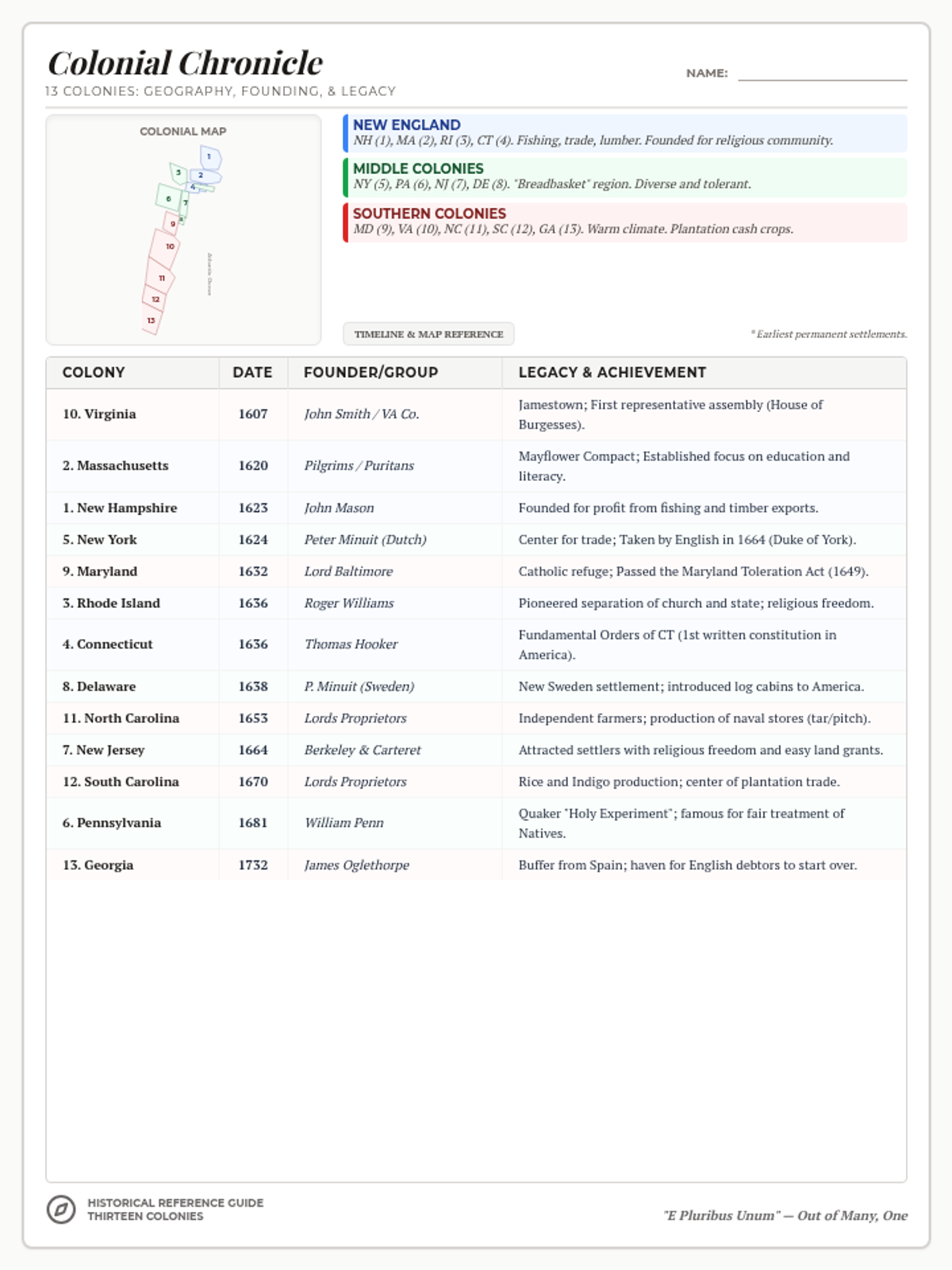
An updated one-page printable reference sheet with a more detailed geographically accurate map and chronological timeline of the 13 American colonies.
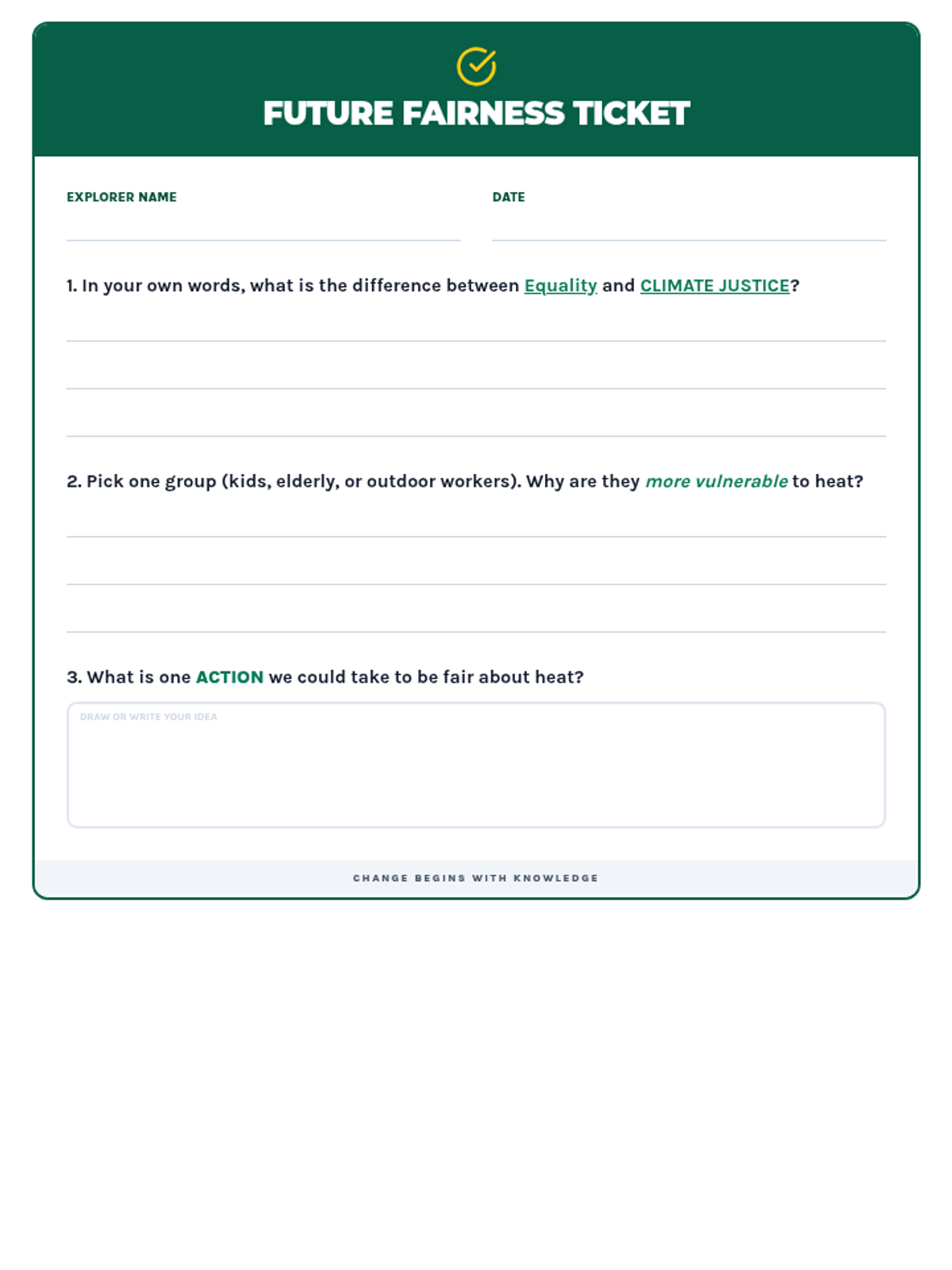
A concise exit ticket assessment for the climate justice lesson. It prompts students to differentiate between equality and justice, identify vulnerable populations, and propose a concrete local action for climate equity.
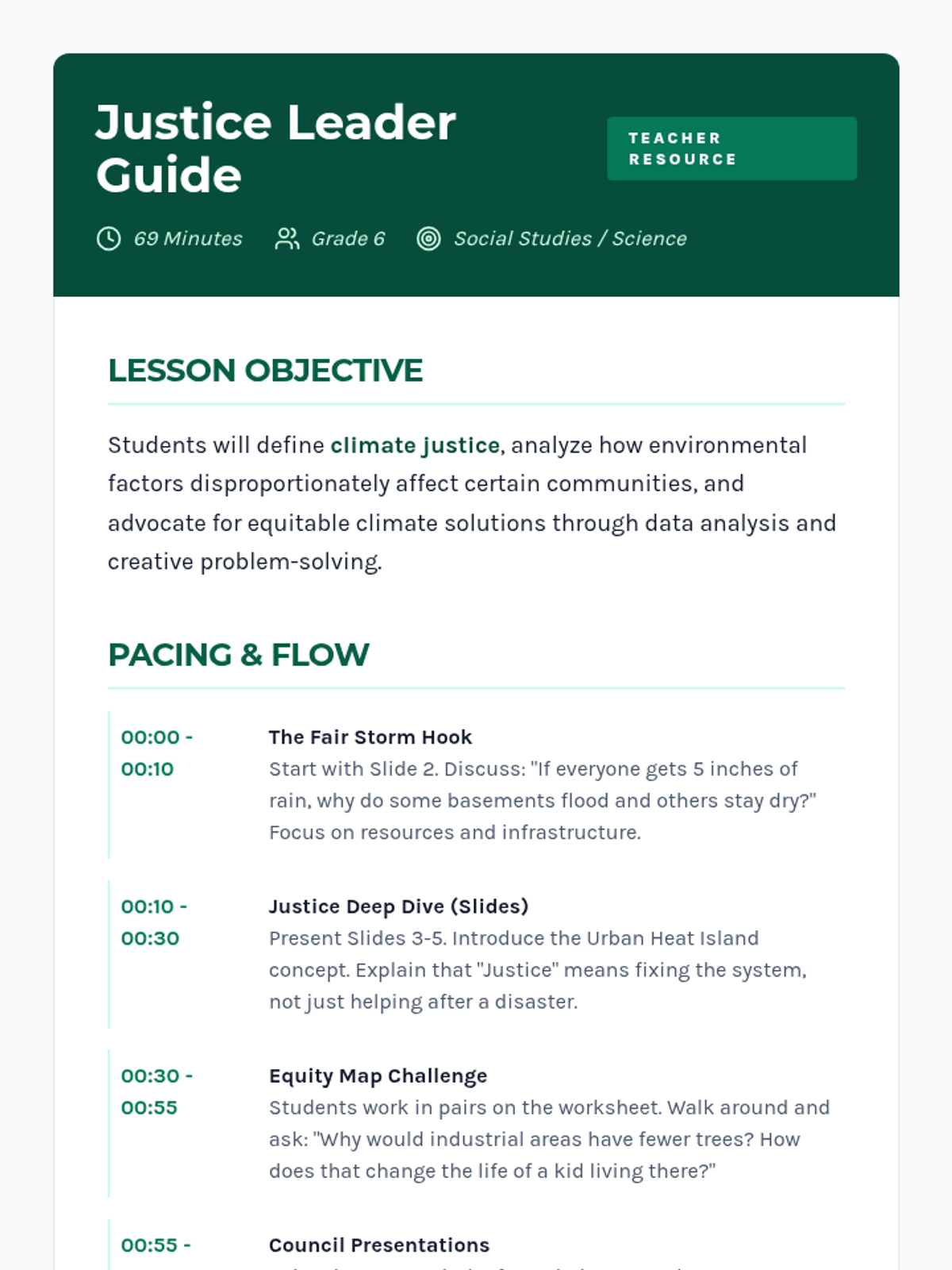
A comprehensive facilitator guide for the "Fairness in Flux" lesson. Includes a 69-minute pacing breakdown, key vocabulary definitions (Equity vs. Equality), common misconceptions, and strategic questioning prompts to deepen student engagement.
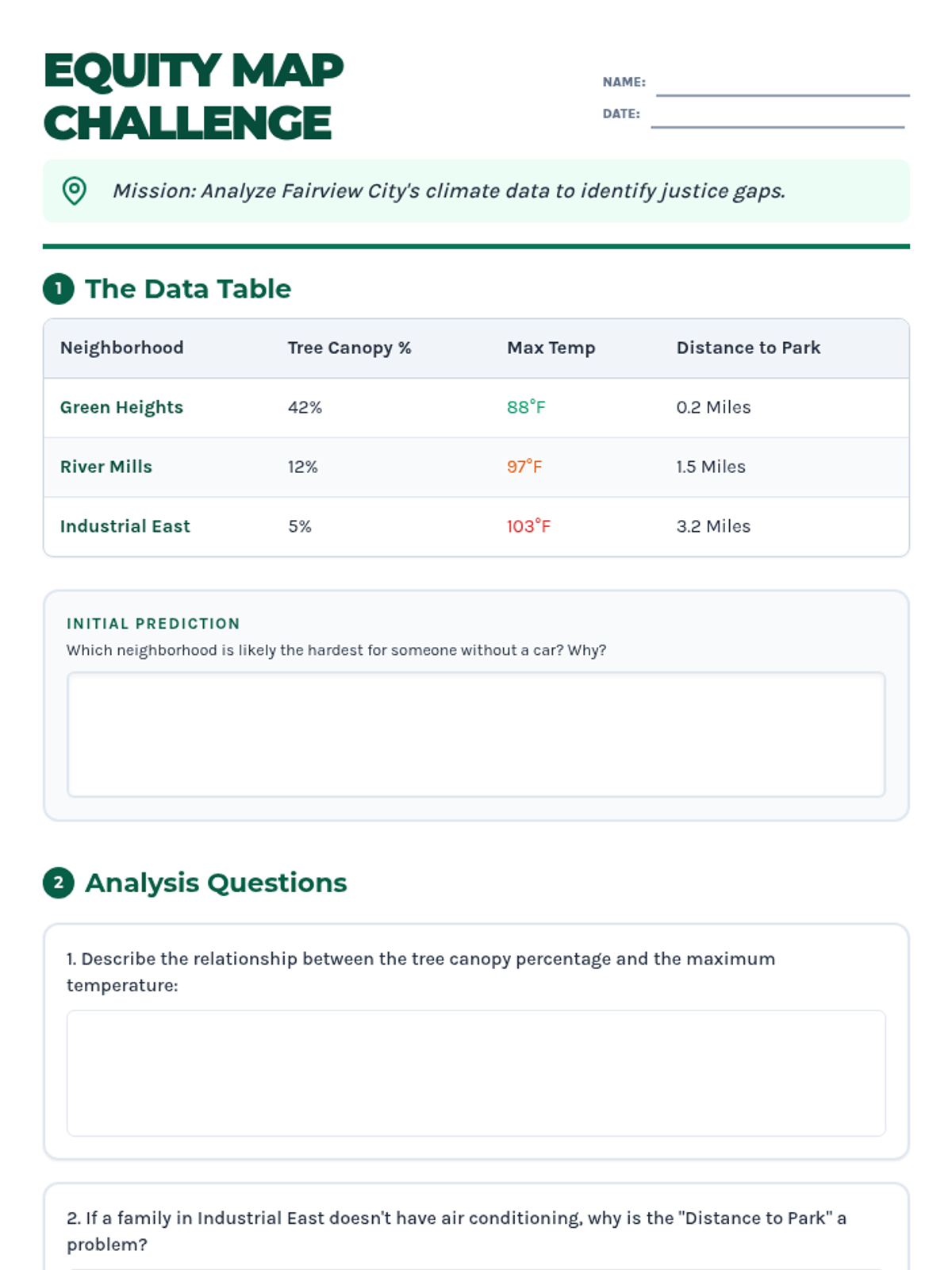
A hands-on student worksheet involving data analysis of urban heat islands. Students compare tree canopy coverage and temperature data across different neighborhoods to identify inequities and propose budget-based solutions.
An 7-slide presentation introducing the core concepts of climate justice, including equity, urban heat islands, and vulnerable communities. Designed for 6th-grade visual learners with high-impact graphics and clear definitions.
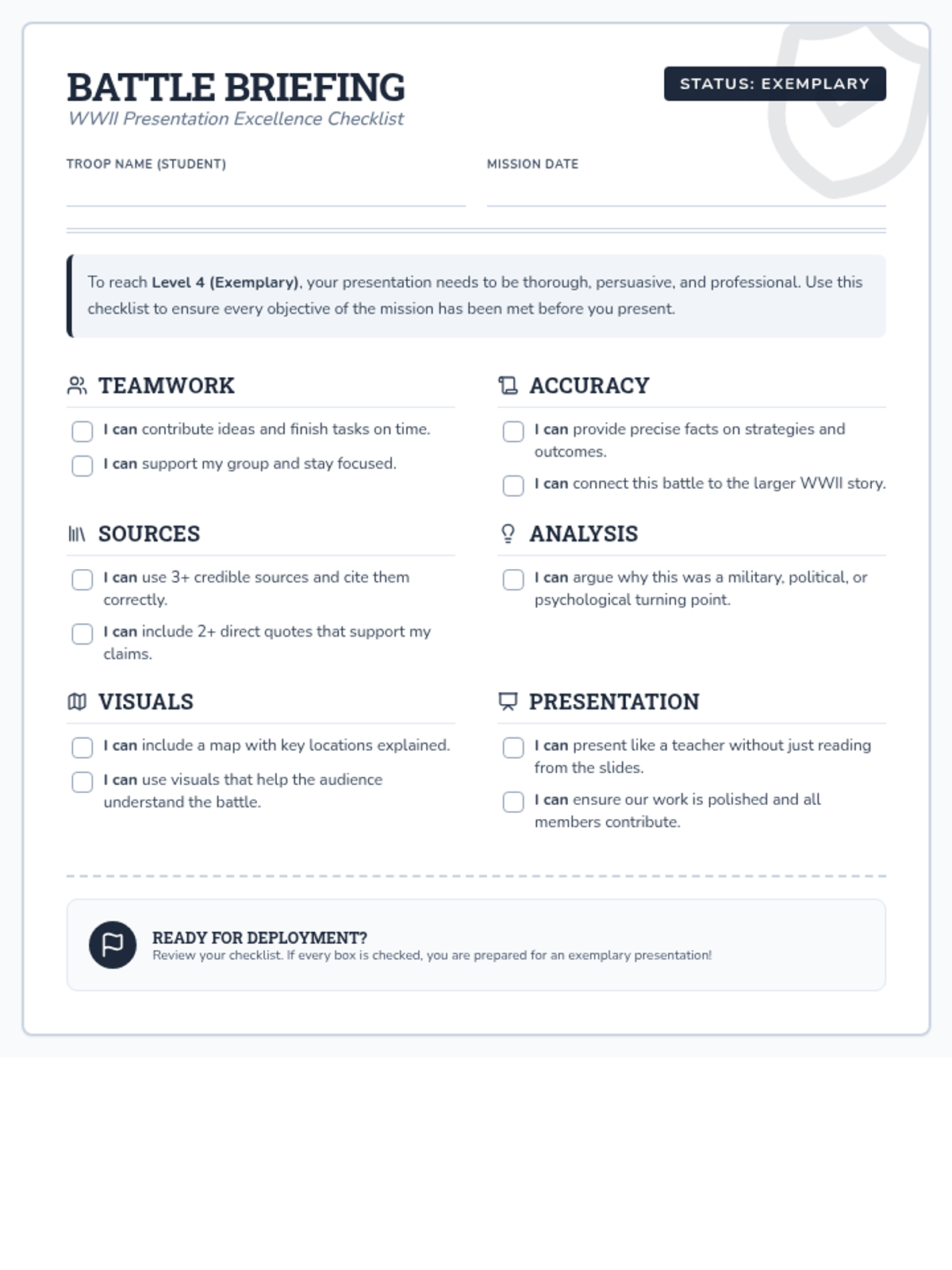
A student-friendly presentation checklist based on Level 4 criteria of a WWII Battles Project rubric, featuring 'I can' statements and visual icons. Revised to fit on a single page.
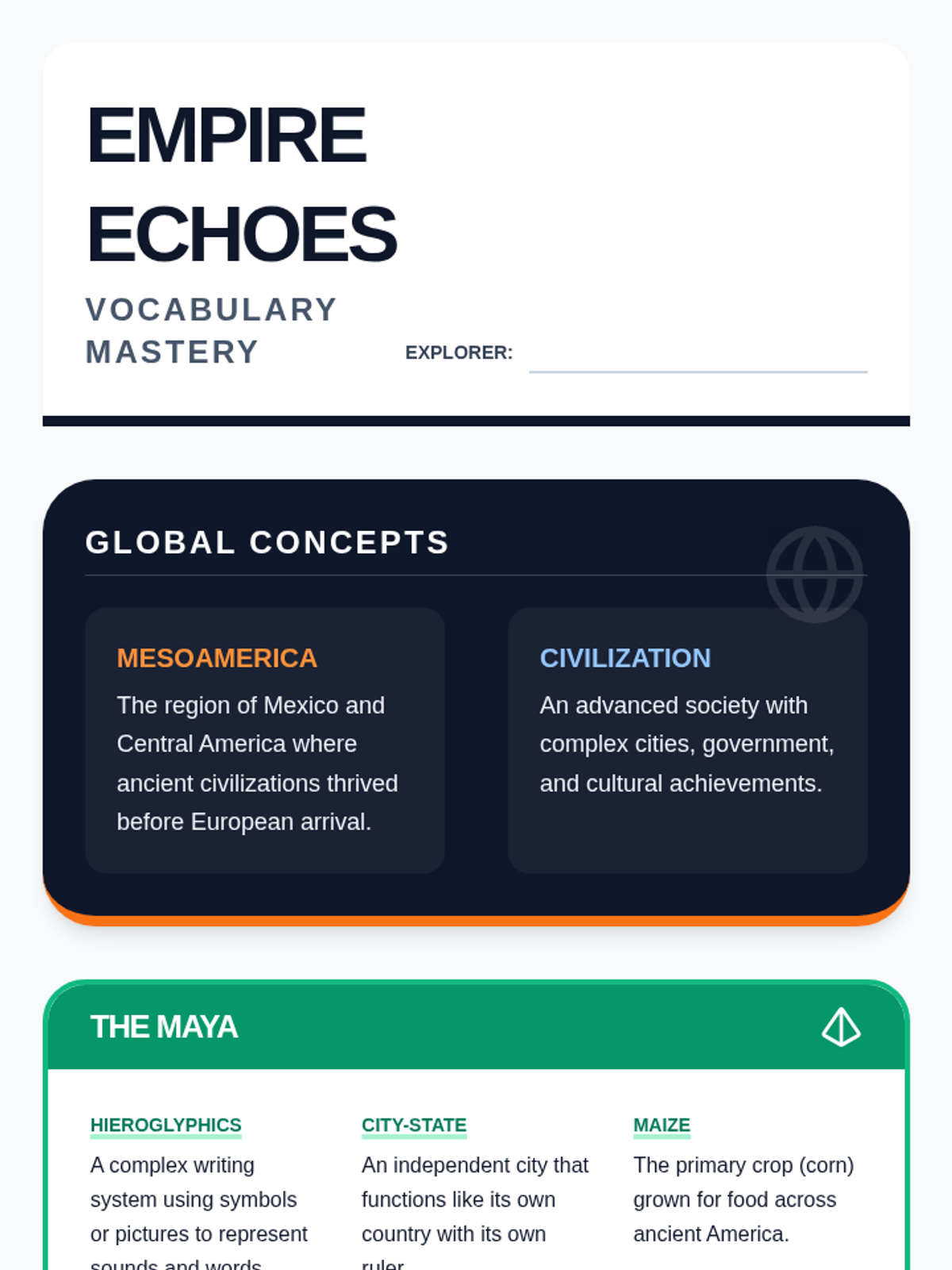
A key vocabulary reference sheet featuring essential terms for the Maya, Aztec, and Inca civilizations. Includes clear definitions and a 'Sketch Your Knowledge' section for student engagement. Revised for better page flow and layout.
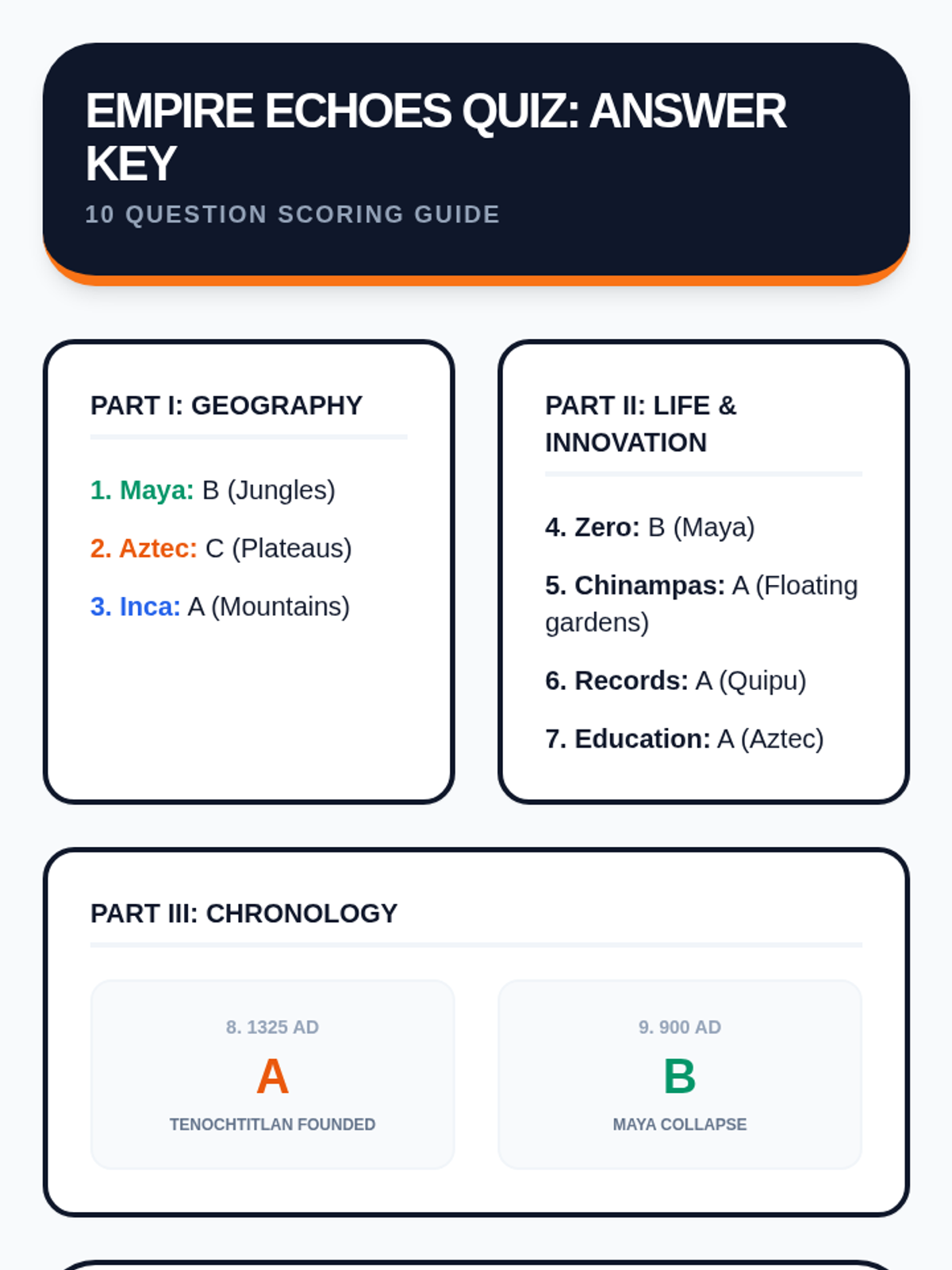
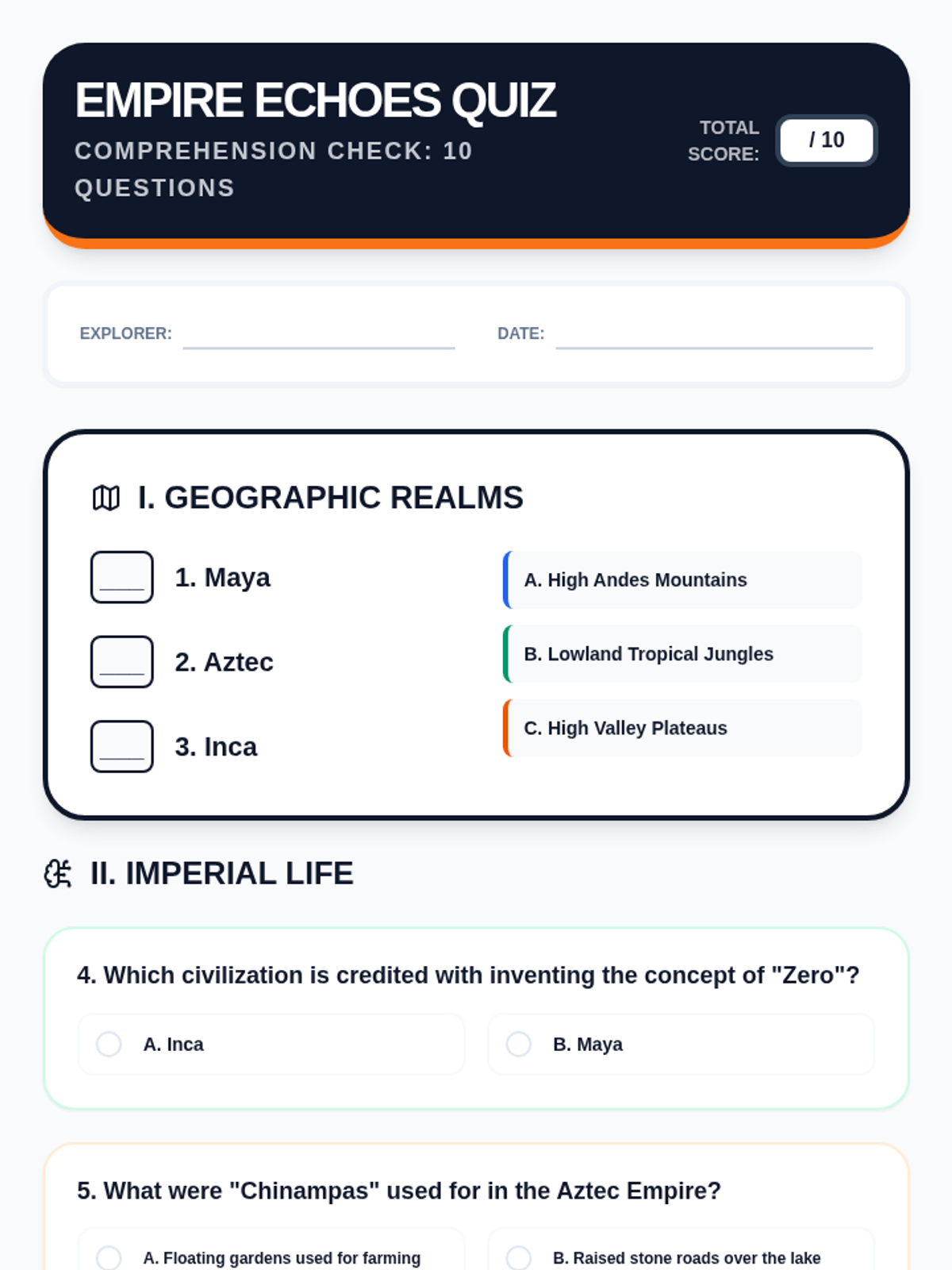
An answer key and scoring guide for the Empire Echoes Quiz. Includes correct matching letters, multiple-choice answers, and a rubric for the short-answer reflection question. Revised for better layout and match with updated quiz.
A 10-question comprehension quiz covering geography, innovations, social structures, and key timeline dates for the Maya, Aztec, and Inca empires. Includes matching, multiple-choice, and short-answer questions. Revised for exactly 10 items and condensed onto fewer pages.
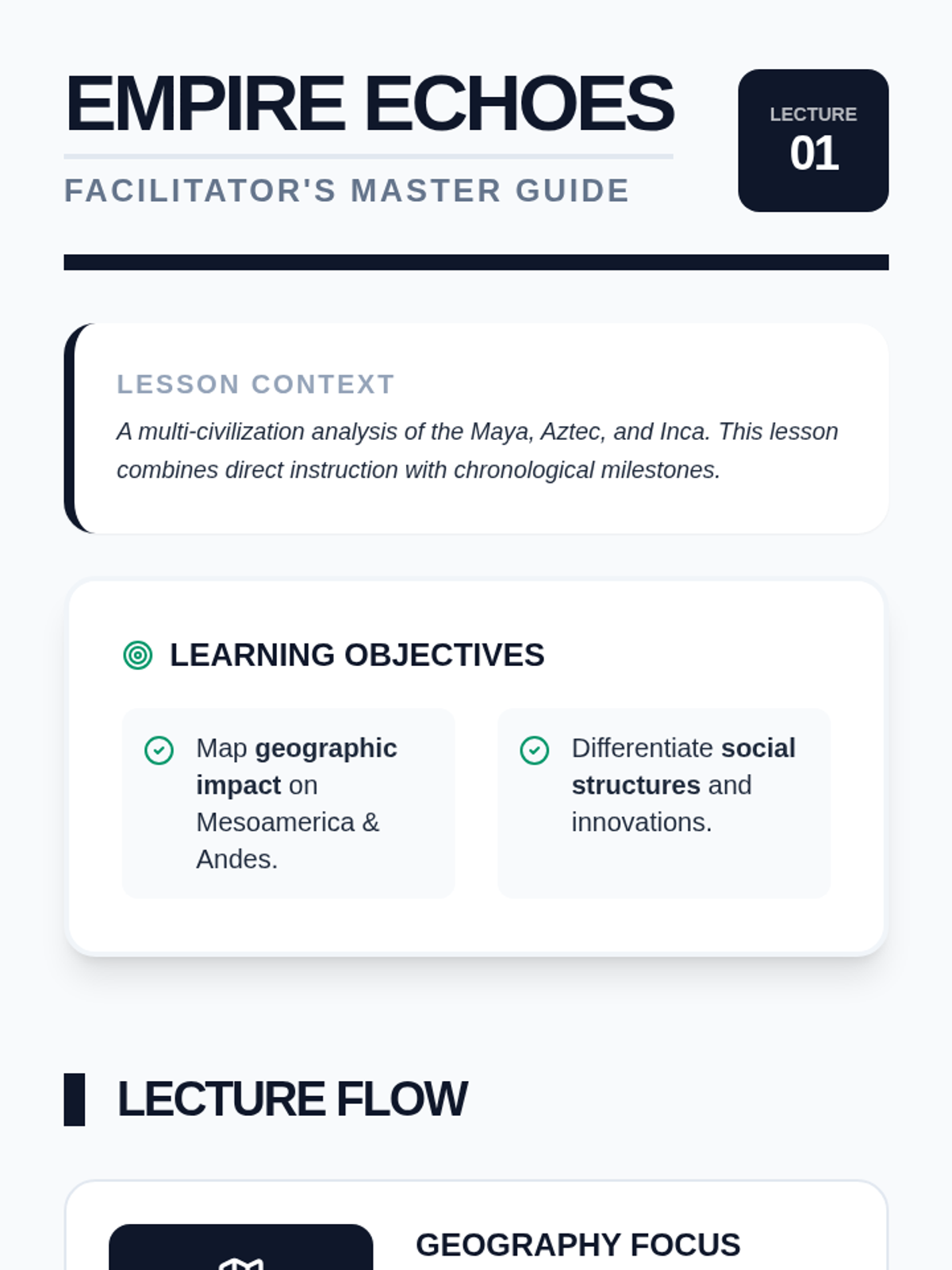
A comprehensive teacher's guide for facilitating the 'Empire Echoes' lesson. Revised with improved layout, page breaks, and complete slide-by-slide facilitation notes.
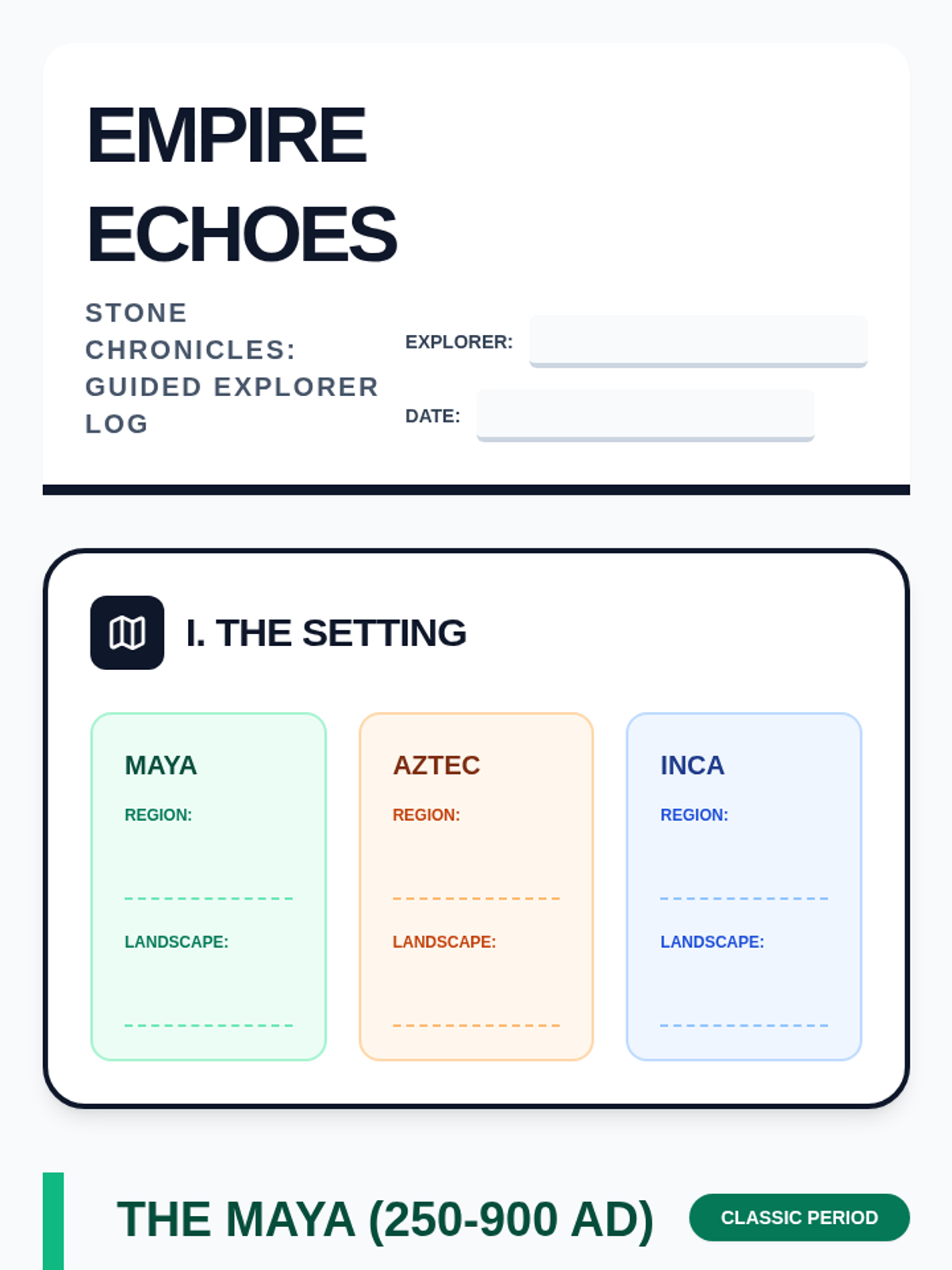
A guided notes worksheet for students to complete while watching the 'Empire Echoes' presentation. Features a vibrant, color-coded design with ample writing space, sectioned analysis for Maya, Aztec, and Inca, and a final summary table. Revised for better page flow and table fit.
A high-impact, vibrant presentation themed 'Empire Echoes'. Revised for better layout consistency, improved contrast, fixed timeline alignment, and added comprehension check slides. Features saturated colors for the Maya, Aztec, and Inca.
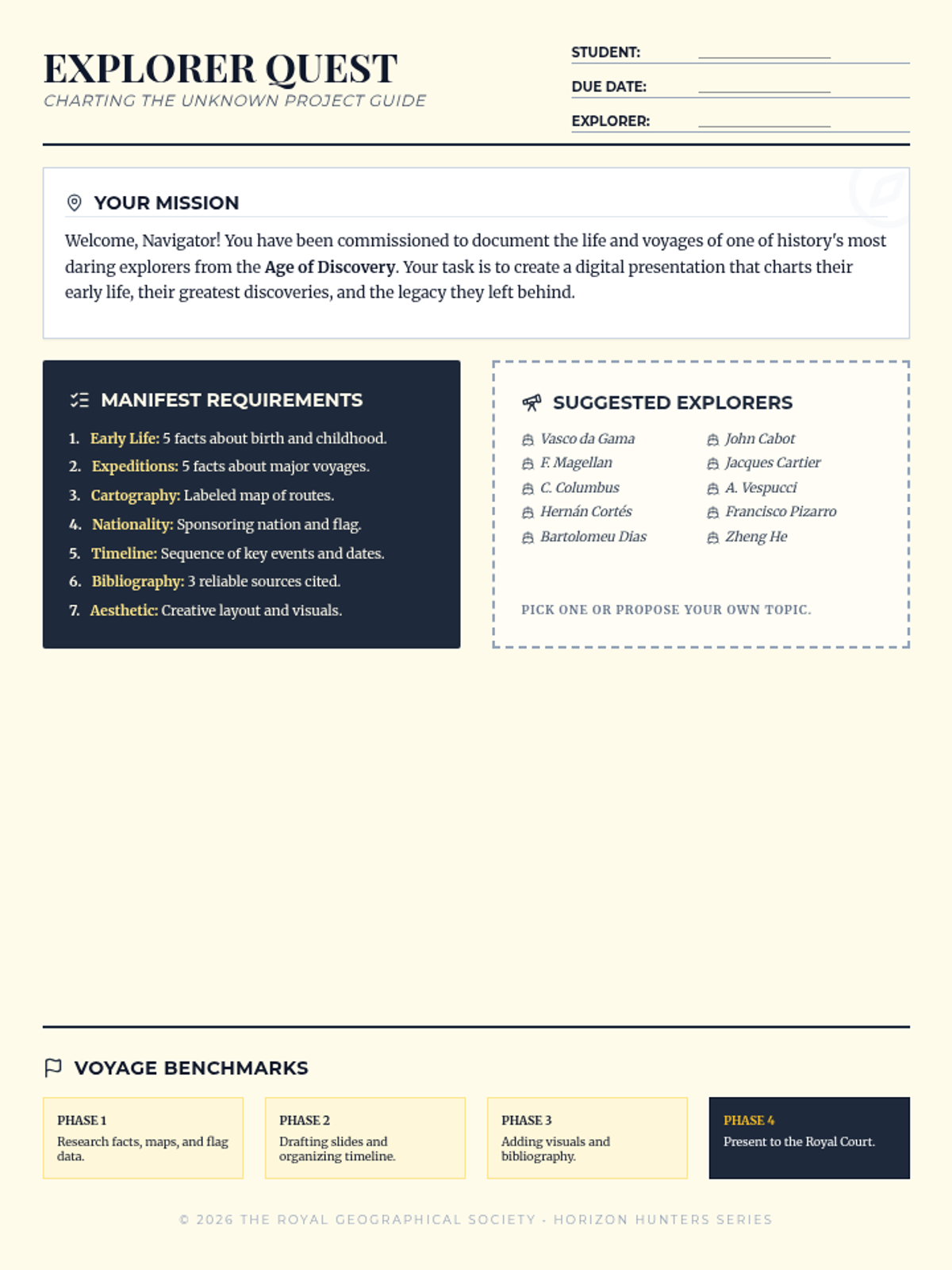
A student project guide for the 'Explorer Quest' presentation. It outlines project requirements including country affiliation, sponsoring flag, and a dedicated timeline, providing a list of suggested explorers and research benchmarks. Includes a 2nd page Navigator's Log for research planning.
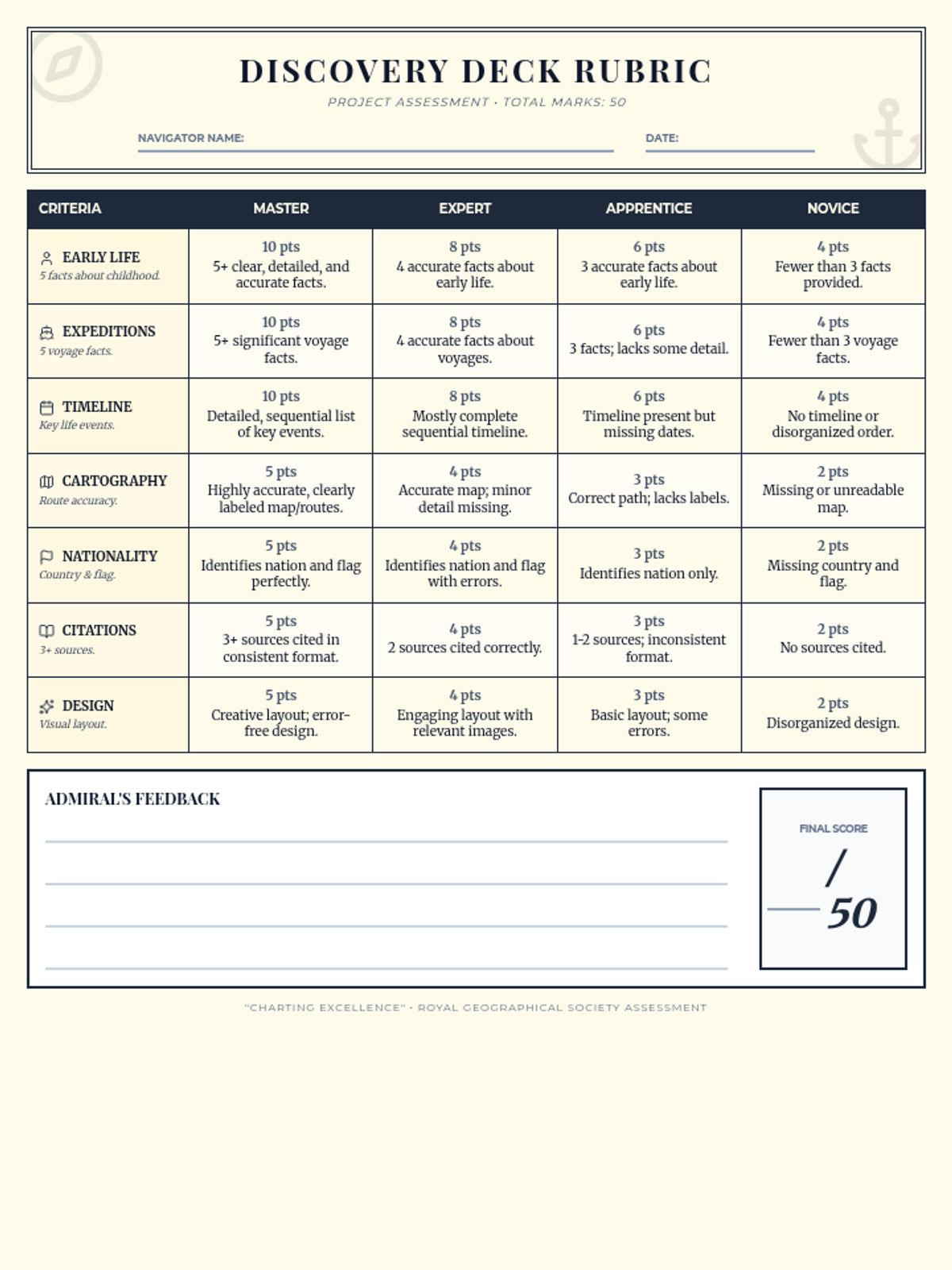
A comprehensive 50-point grading rubric for an early European explorer slide presentation. It features seven weighted categories: early life (10), expeditions (10), timeline (10), cartography (5), country/flag (5), citations (5), and images/design (5).
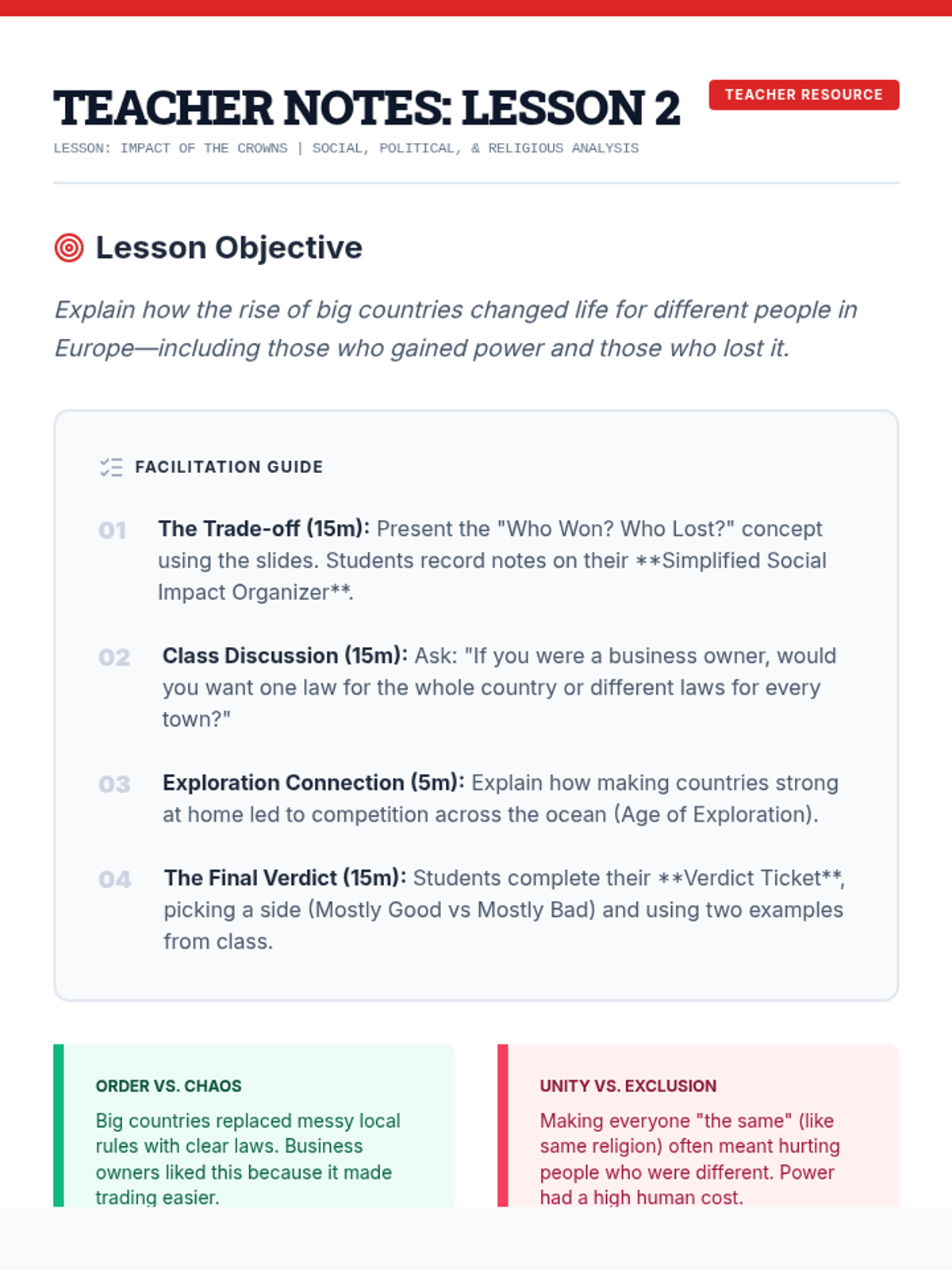
A teacher facilitation guide for Lesson 2, covering instructional pacing, discussion prompts, and key historical insights, specifically formatted to fit on 8.5x10.5 inch paper.
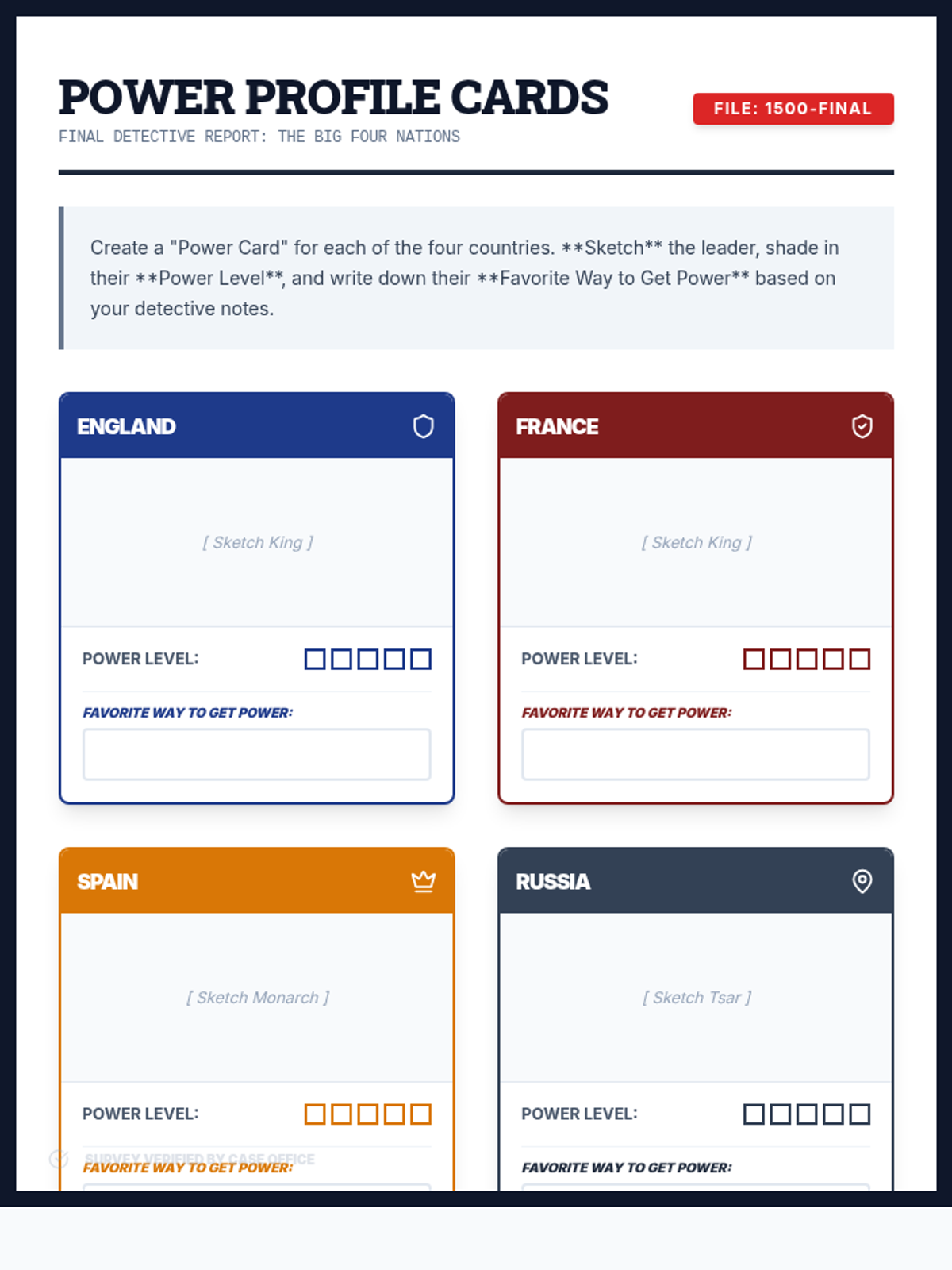
A creative synthesis activity where students create 'trading cards' for England, France, Spain, and Russia to summarize their findings on centralization and impact, specifically formatted to fit on 8.5x10.5 inch paper.
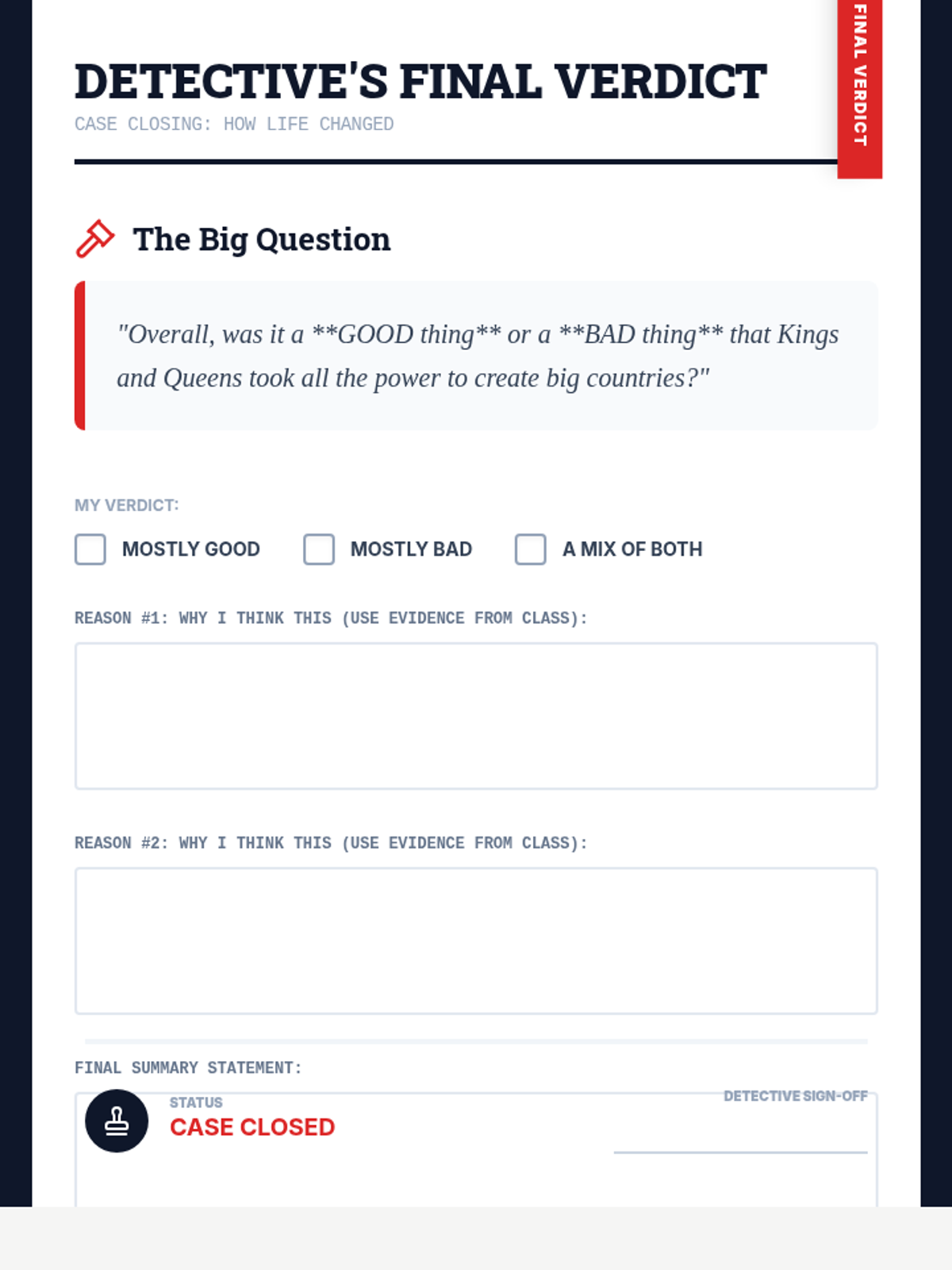
A summative exit ticket or short assessment where students deliver their final "verdict" on whether the building of nation-states was positive or negative for Europe, specifically formatted to fit on 8.5x10.5 inch paper.
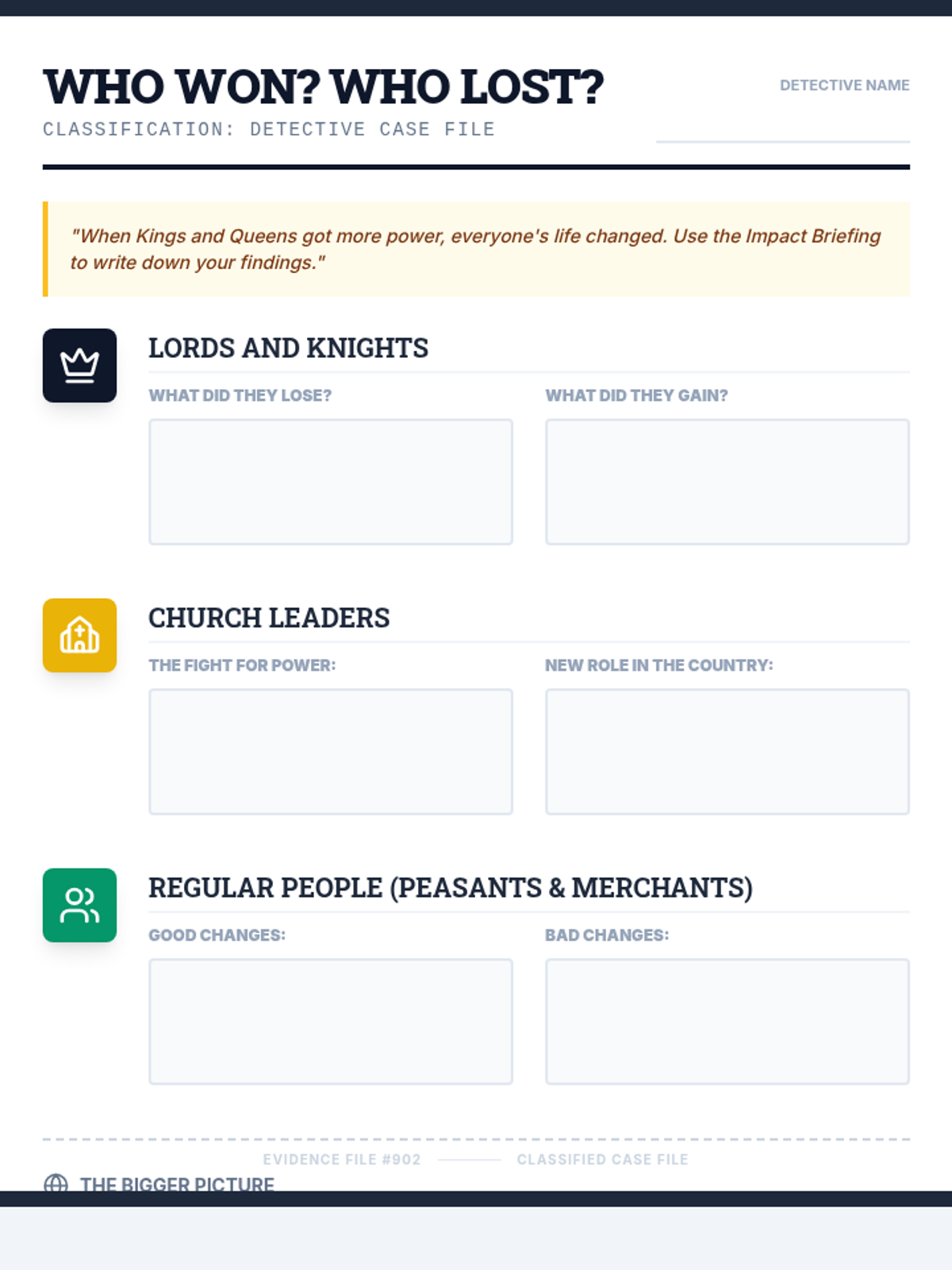
A student graphic organizer used to record the social, religious, and political impacts of nation-state building on different social classes, specifically formatted to fit on 8.5x10.5 inch paper.
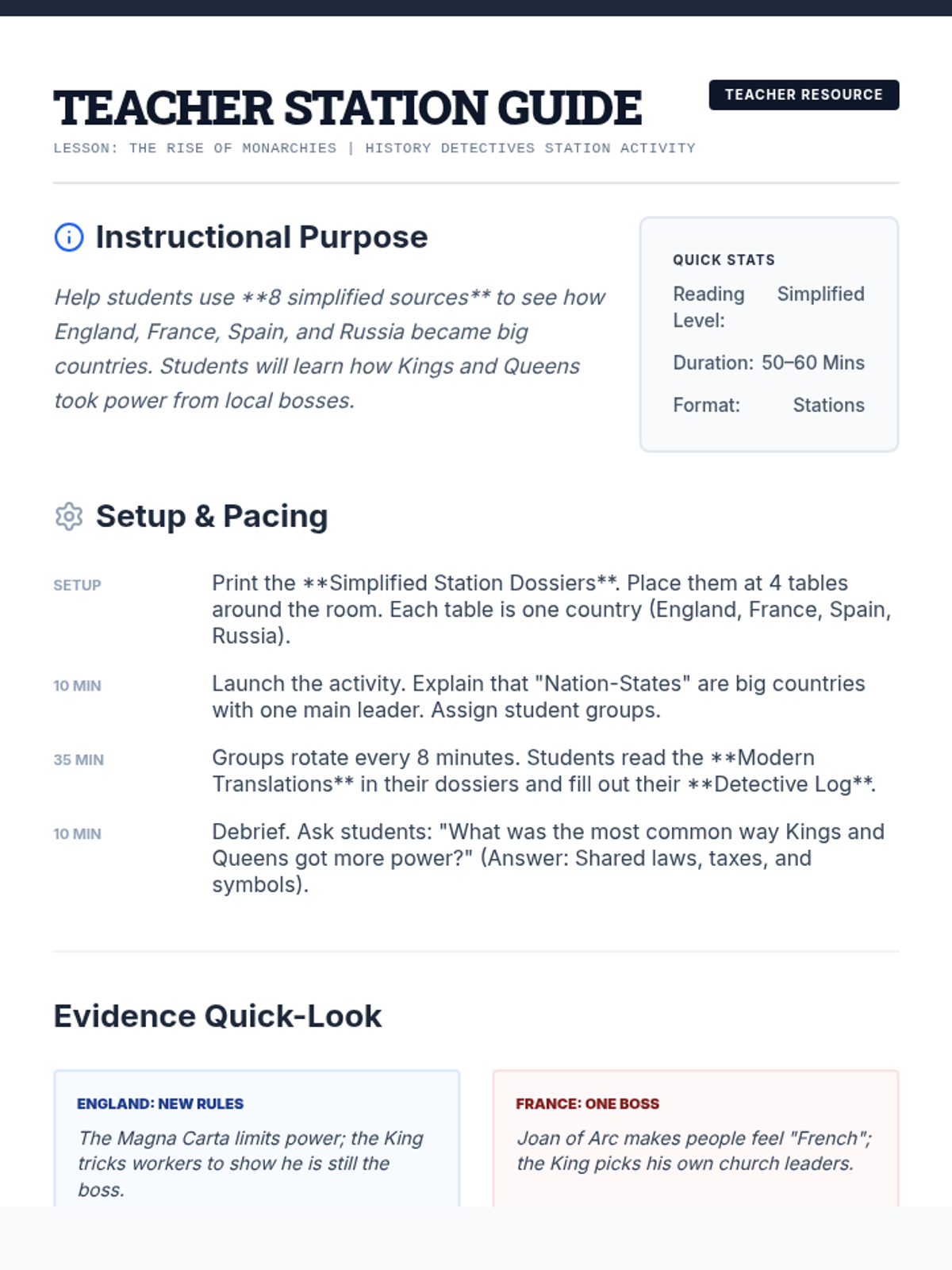
An updated teacher's facilitation guide for the Nation-States station activity, specifically formatted to fit on 8.5x10.5 inch paper. Reflects the expanded 8-source format and provides specific guidance for facilitating the two-source-per-station model.
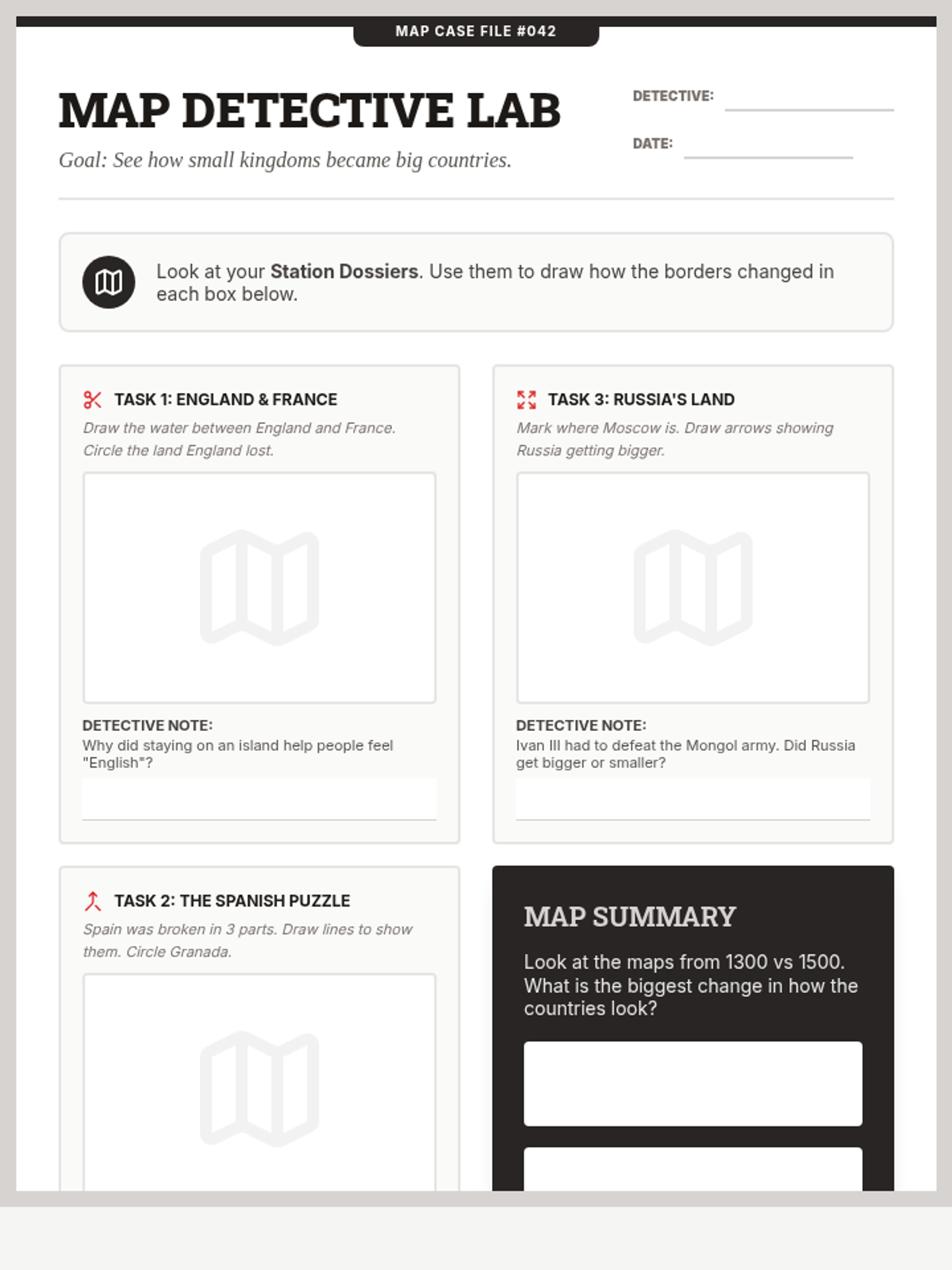
A student mapping activity that challenges students to visualize the territorial changes in England, France, Spain, and Russia using evidence from the station dossiers. Features simplified sketching tasks and synthesis questions, specifically formatted to fit on 8.5x10.5 inch paper.
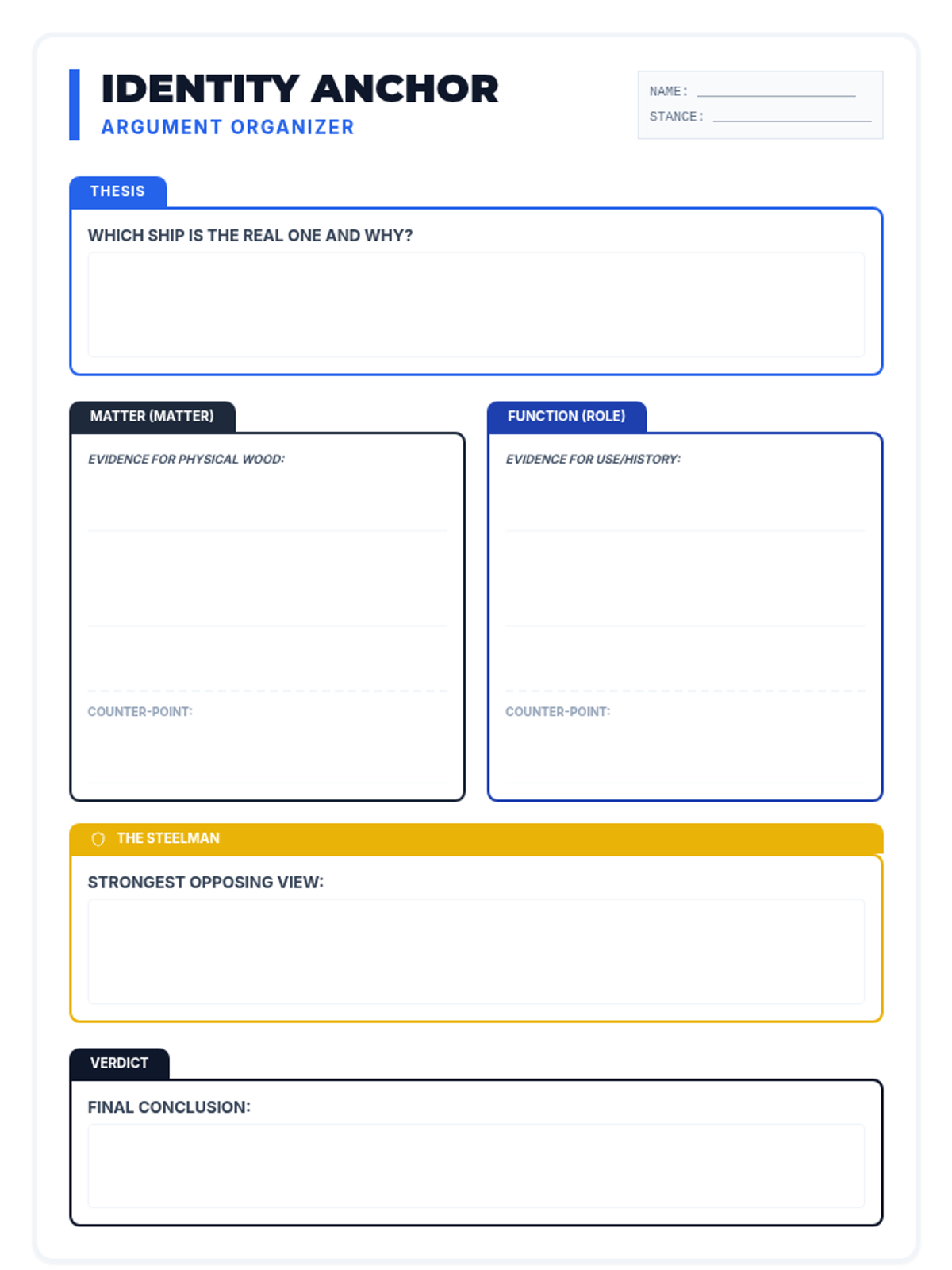
A graphic organizer for structuring philosophical arguments, featuring dedicated spaces for core claims, supporting evidence, counter-points, and steelmanning.
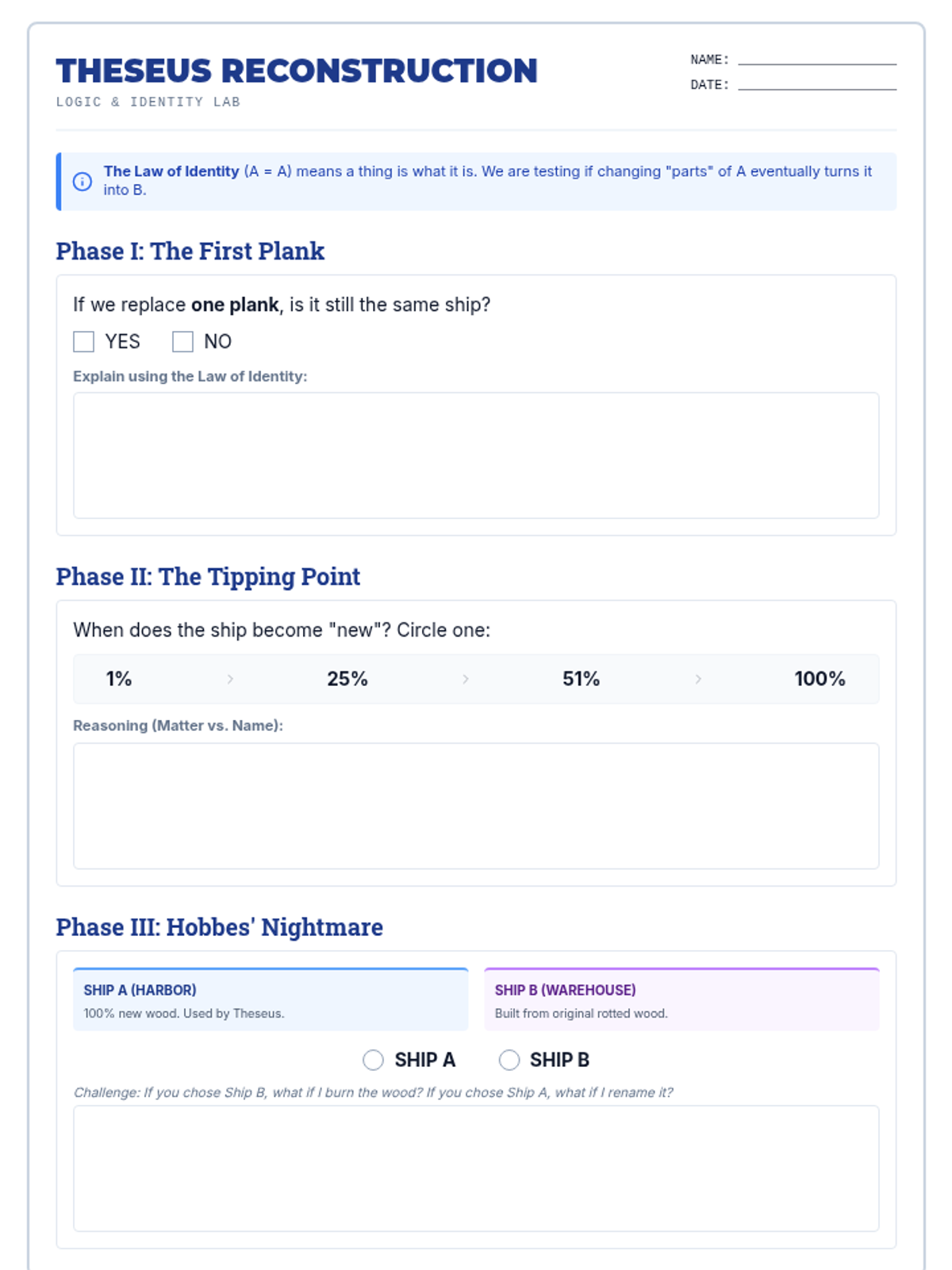
A logic worksheet exploring the Ship of Theseus through progressive scenarios, ranging from simple part replacement to the complex "Two Ships" paradox.
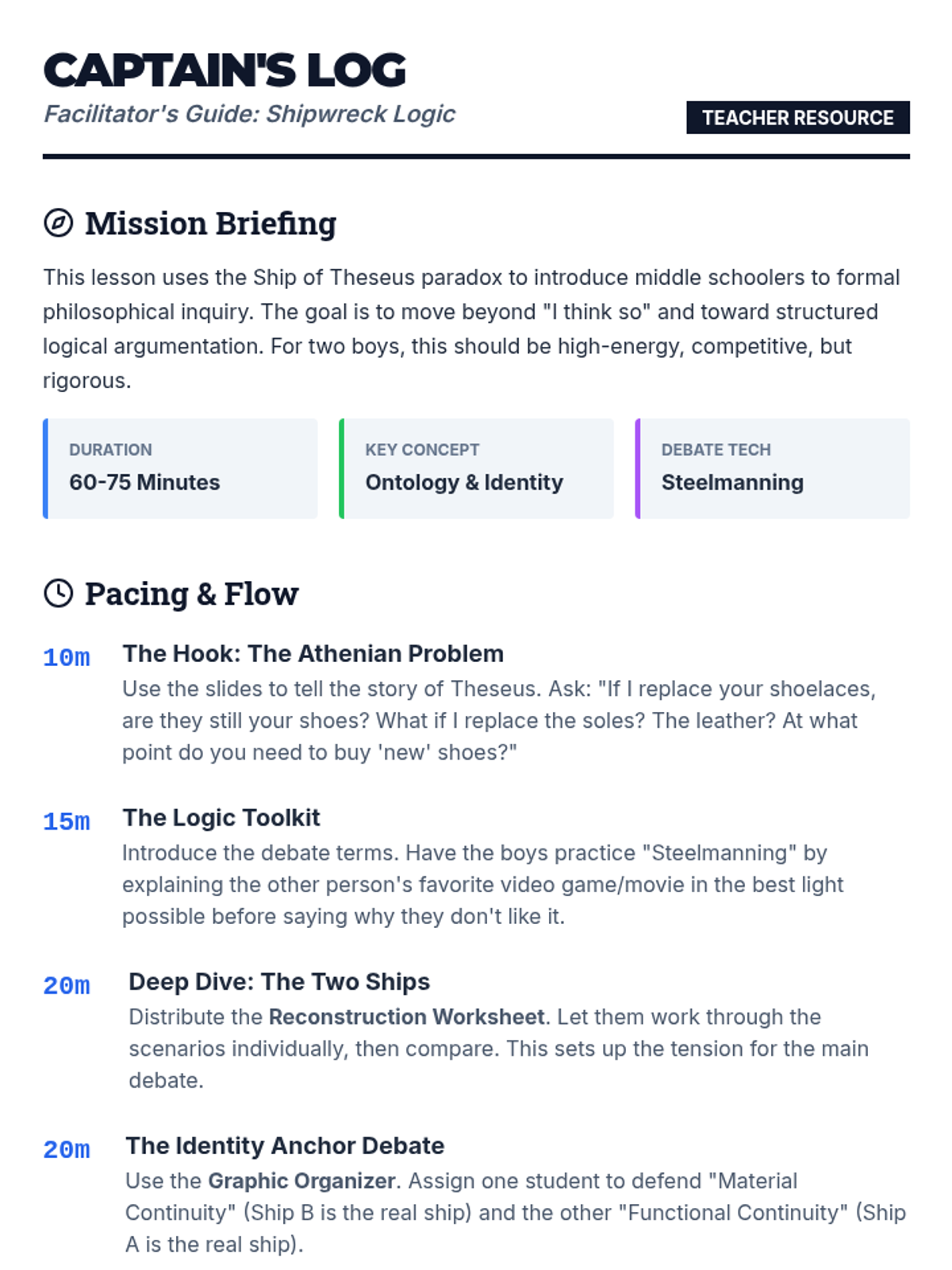
A teacher's guide for facilitating the Ship of Theseus lesson, featuring pacing suggestions, Socratic questions, and historical context.
Visual presentation for a lesson on the Ship of Theseus paradox, covering the historical legend, the philosophical question, and key logic terms for debate.
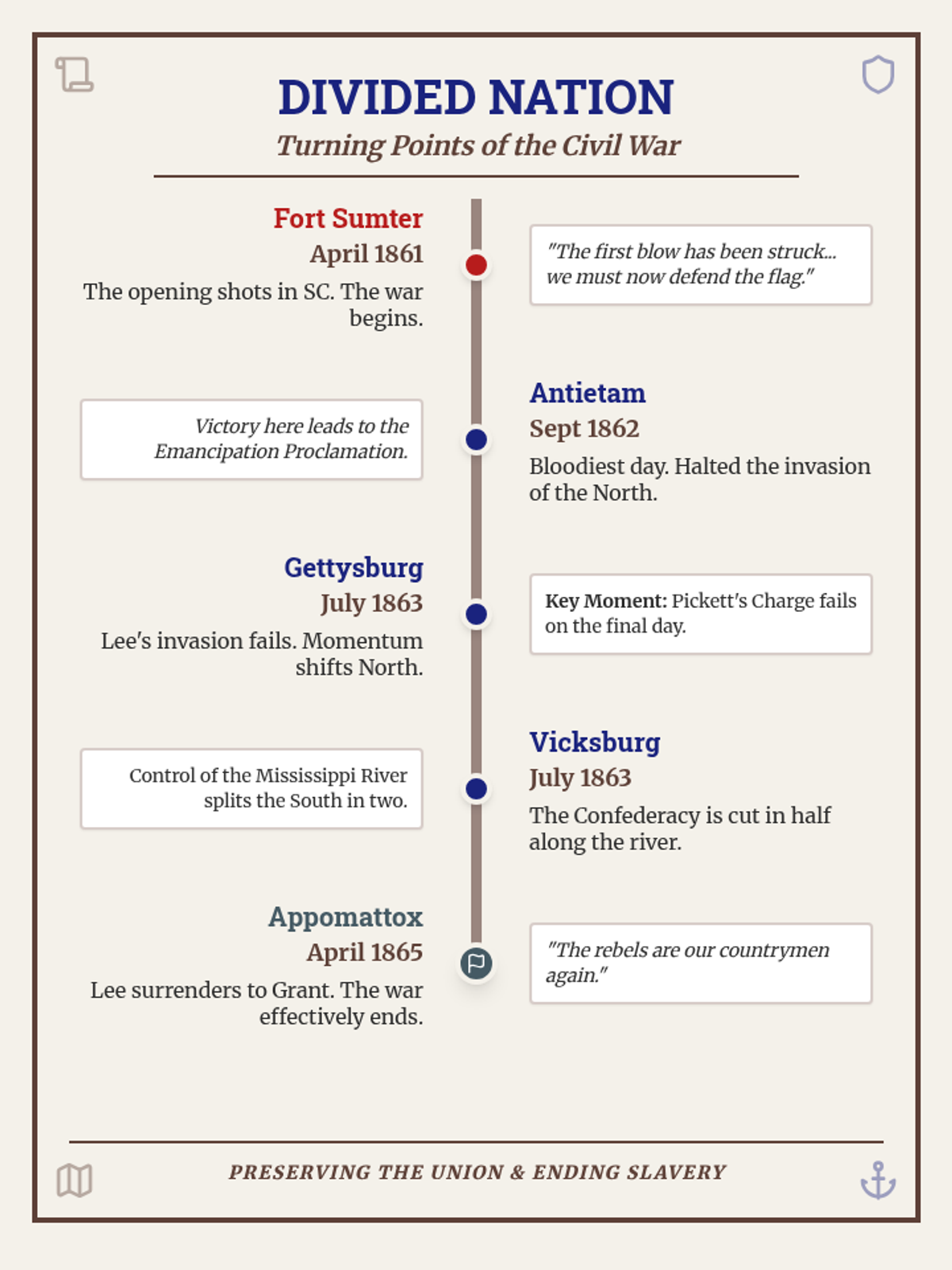
A high-visibility classroom anchor chart highlighting five major turning points of the American Civil War. Designed with large, readable text and historical motifs for middle school classroom display.
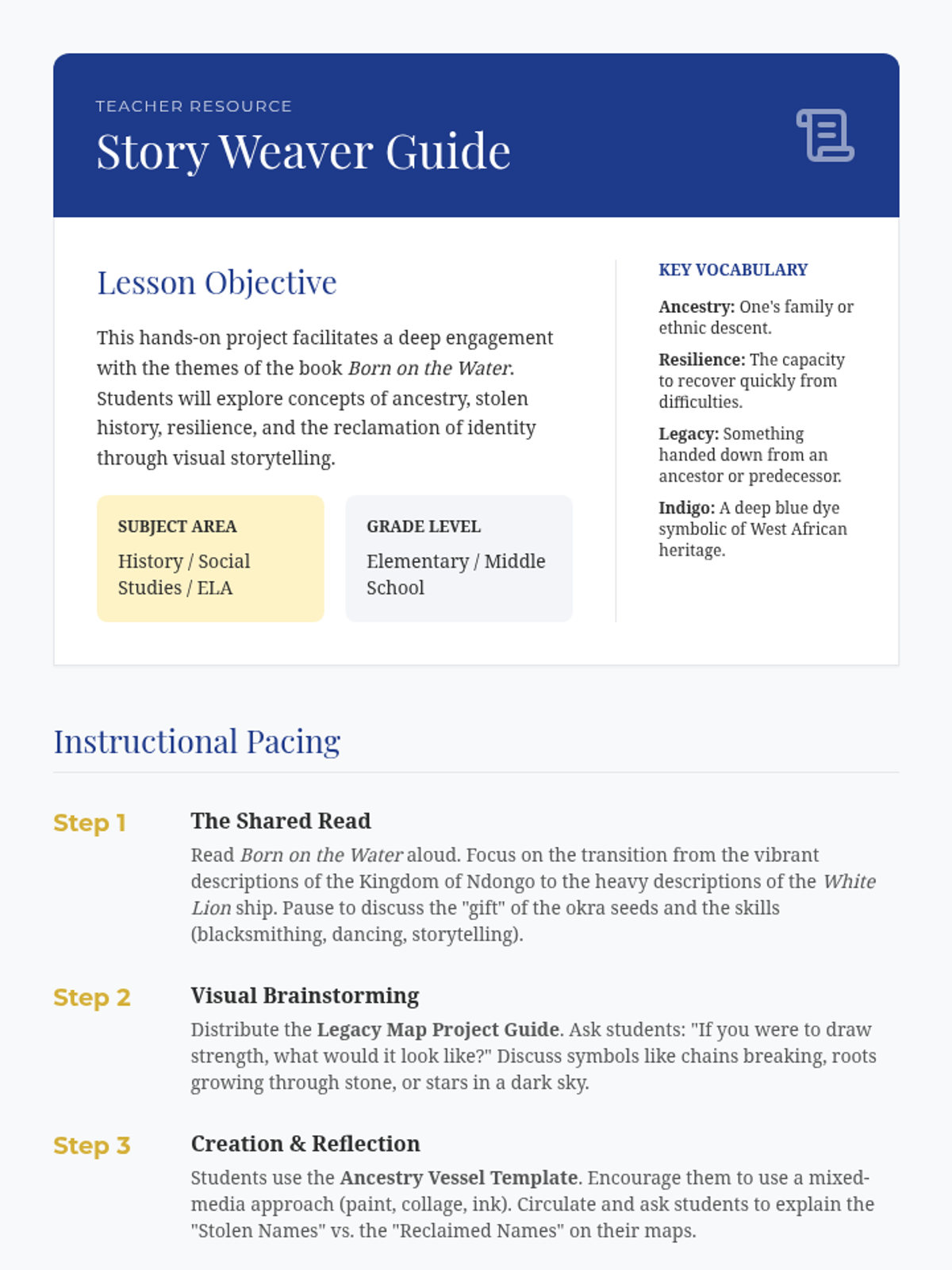
A teacher facilitation guide for the 'Roots and Rivers' lesson. Includes instructional pacing, vocabulary, sensitive discussion prompts, and differentiation strategies to support the hands-on project.
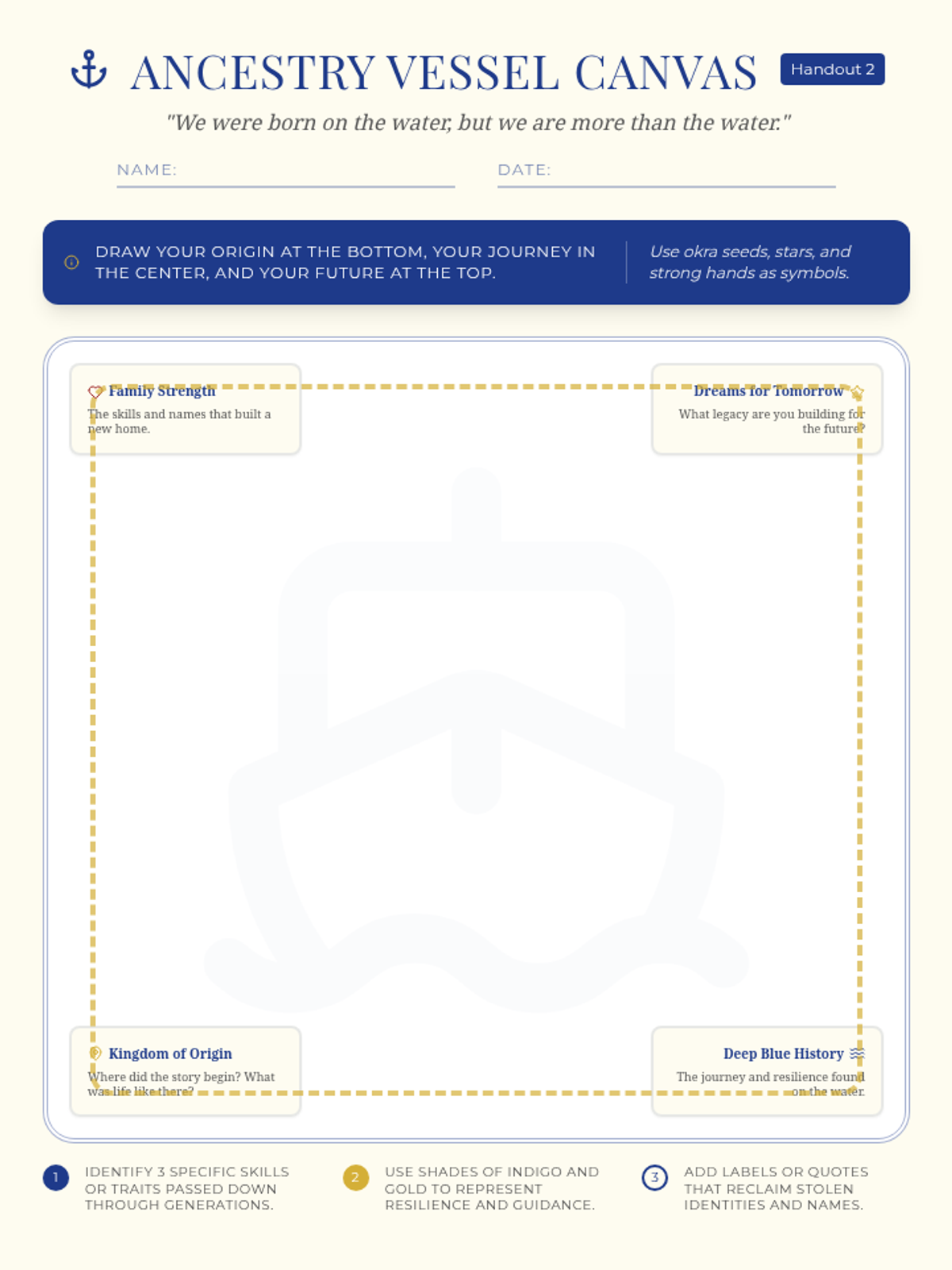
A creative visual template for students to illustrate their Legacy Map. It features prompts for origin, history, family, and future dreams with a clean, centered workspace.
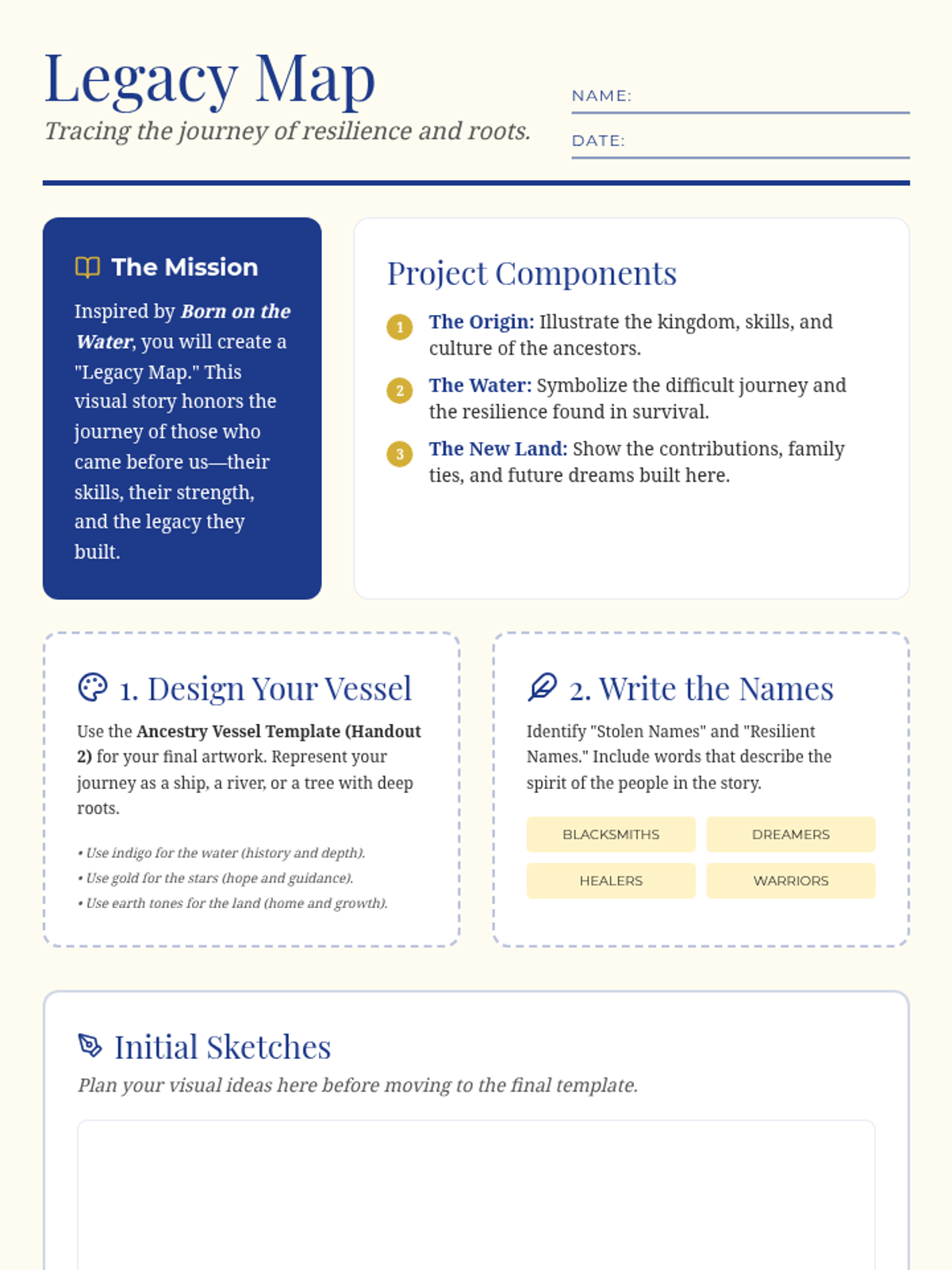
A student project guide for creating a visual 'Legacy Map' based on the themes of ancestry, resilience, and identity found in 'Born on the Water'. includes step-by-step instructions and reflection prompts.
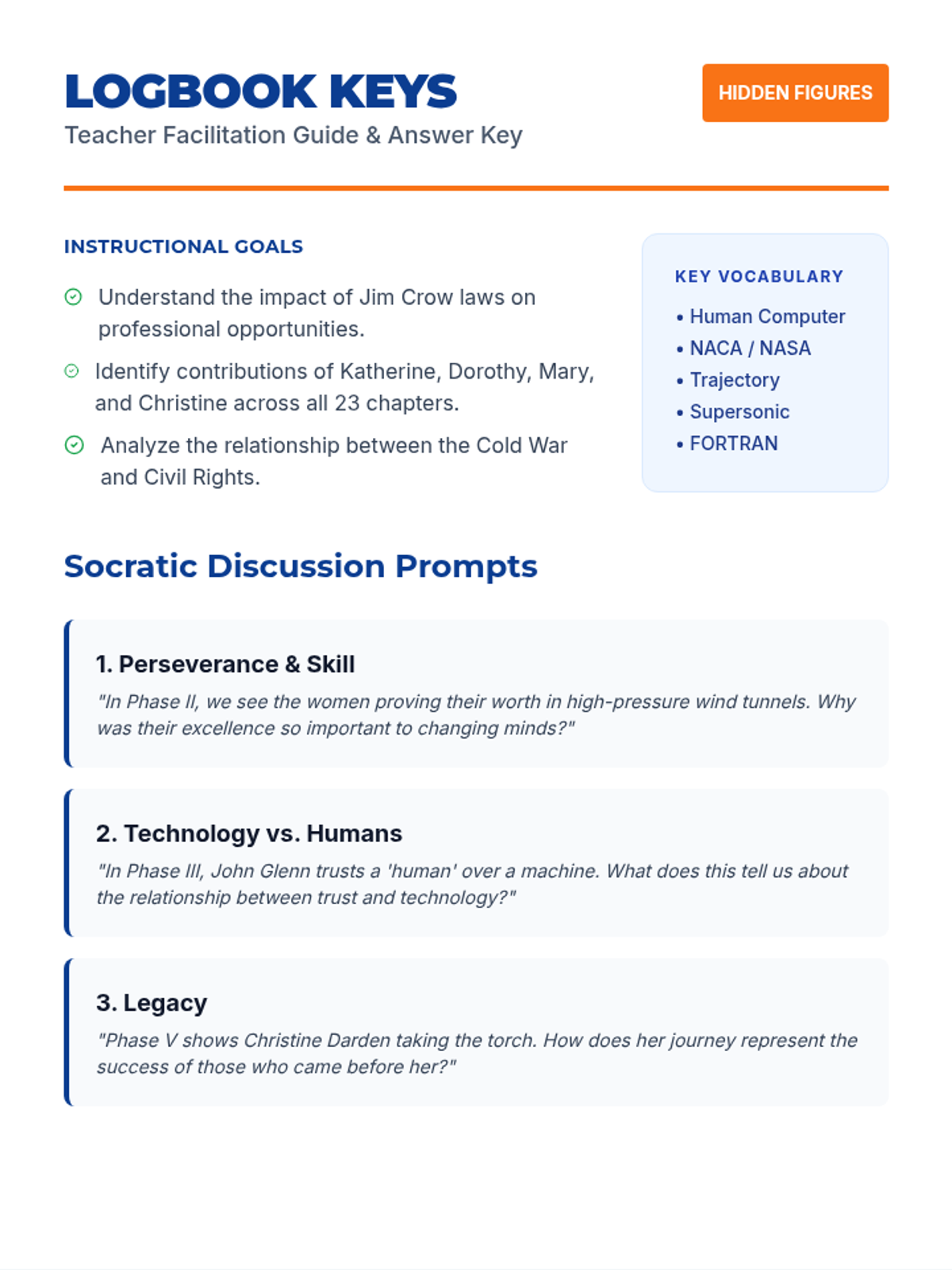
A teacher guide for the 'Hidden Figures' lesson, featuring discussion prompts, instructional goals, and a key for the student worksheet.
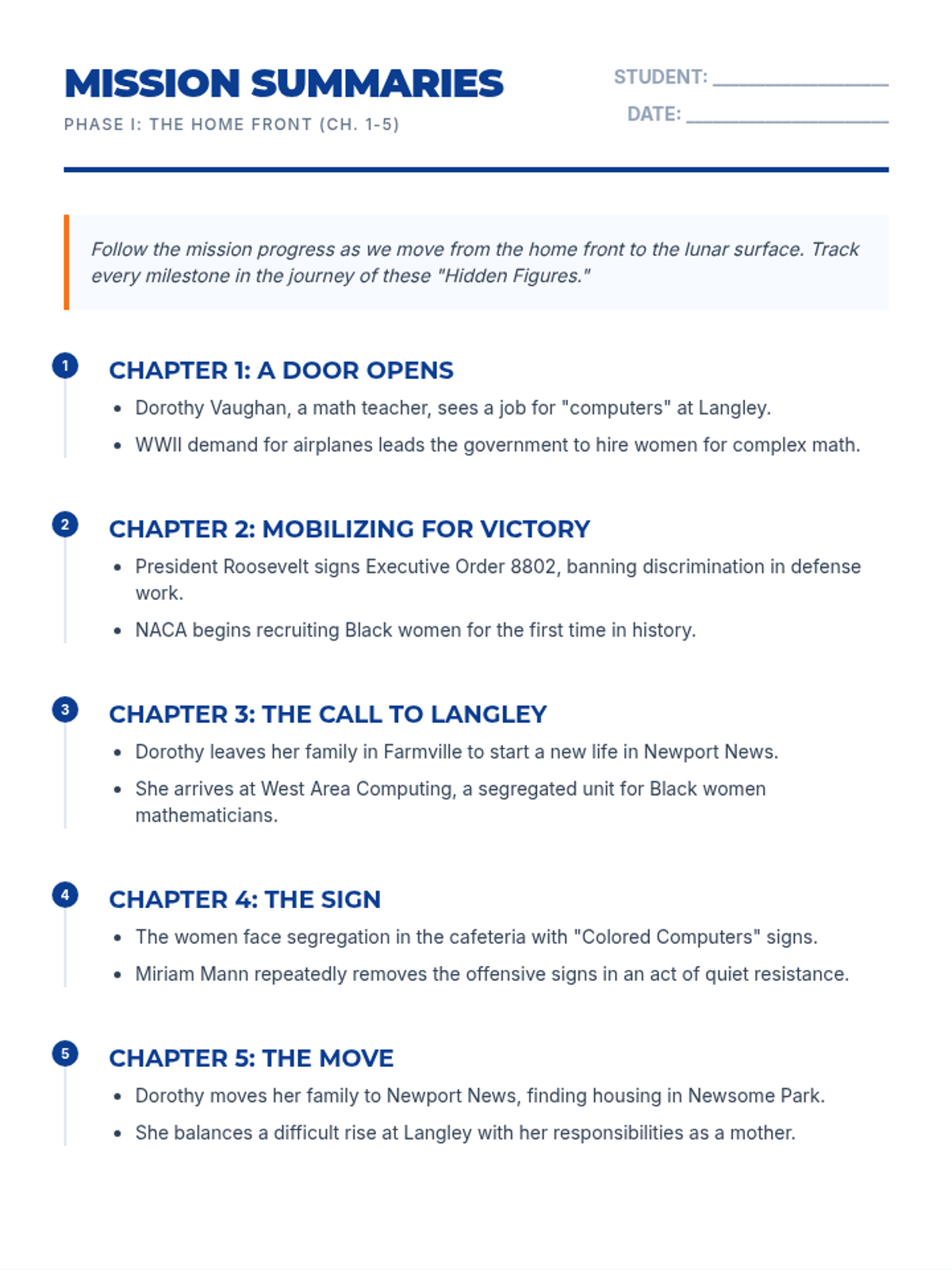
A comprehensive 6-page chapter-by-chapter summary worksheet for 'Hidden Figures', featuring individual bulleted summaries for each chapter and student reflection prompts.
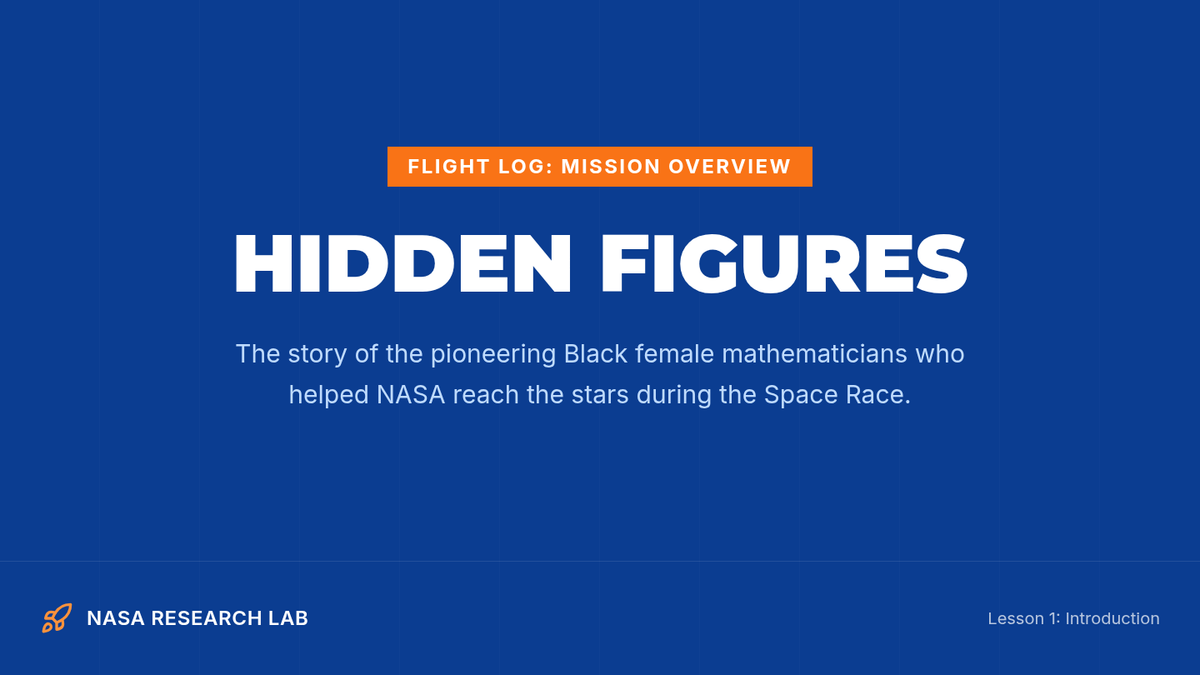
An introductory slide deck for 'Hidden Figures', covering the historical context of segregation and the Space Race, and profiling the four main figures: Katherine Johnson, Dorothy Vaughan, Mary Jackson, and Christine Darden.
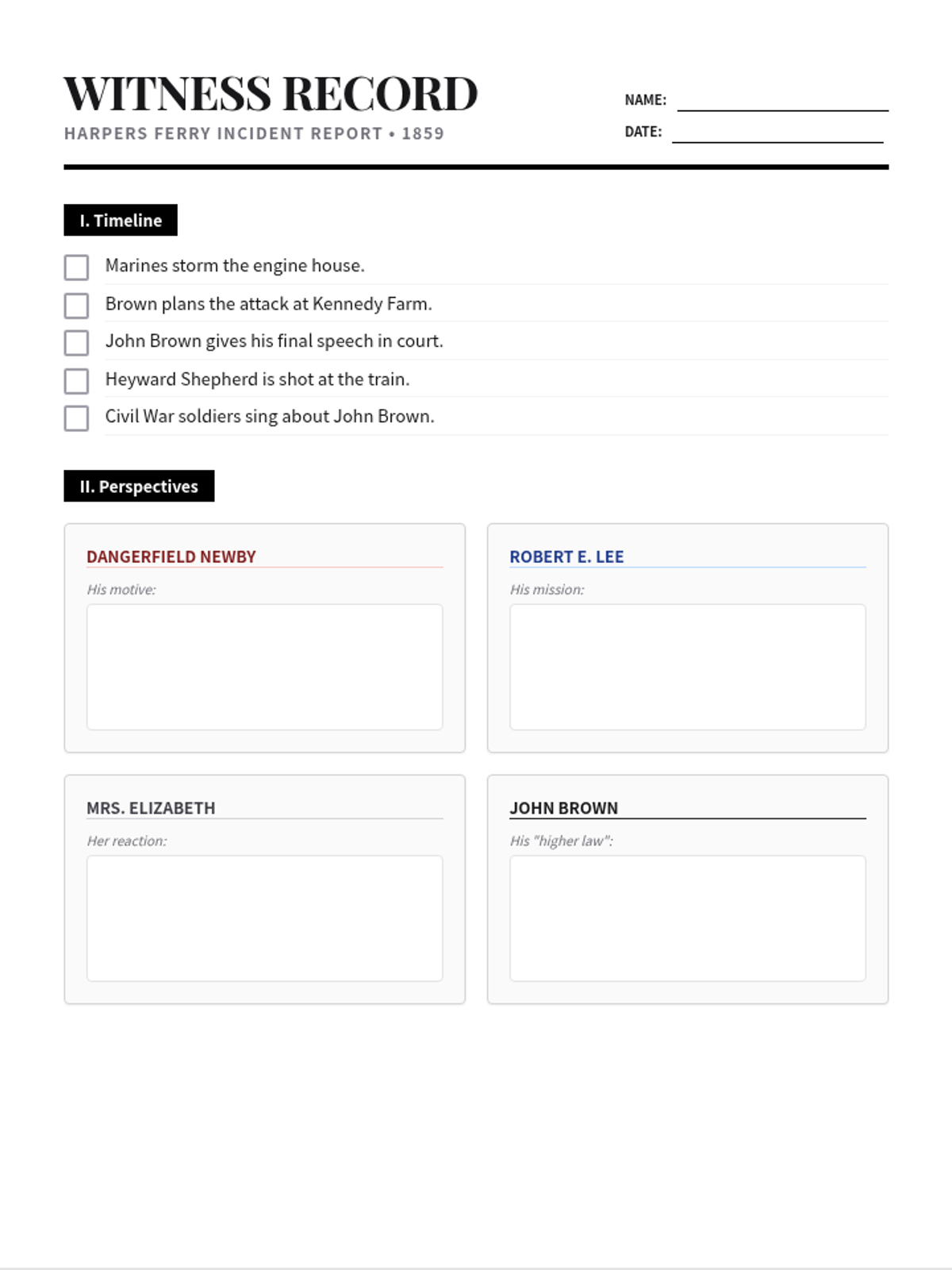
A student worksheet for the "Thunder at the Ferry" play. Includes plot sequencing, character perspective analysis, thematic reflection questions, and a creative newspaper writing activity.
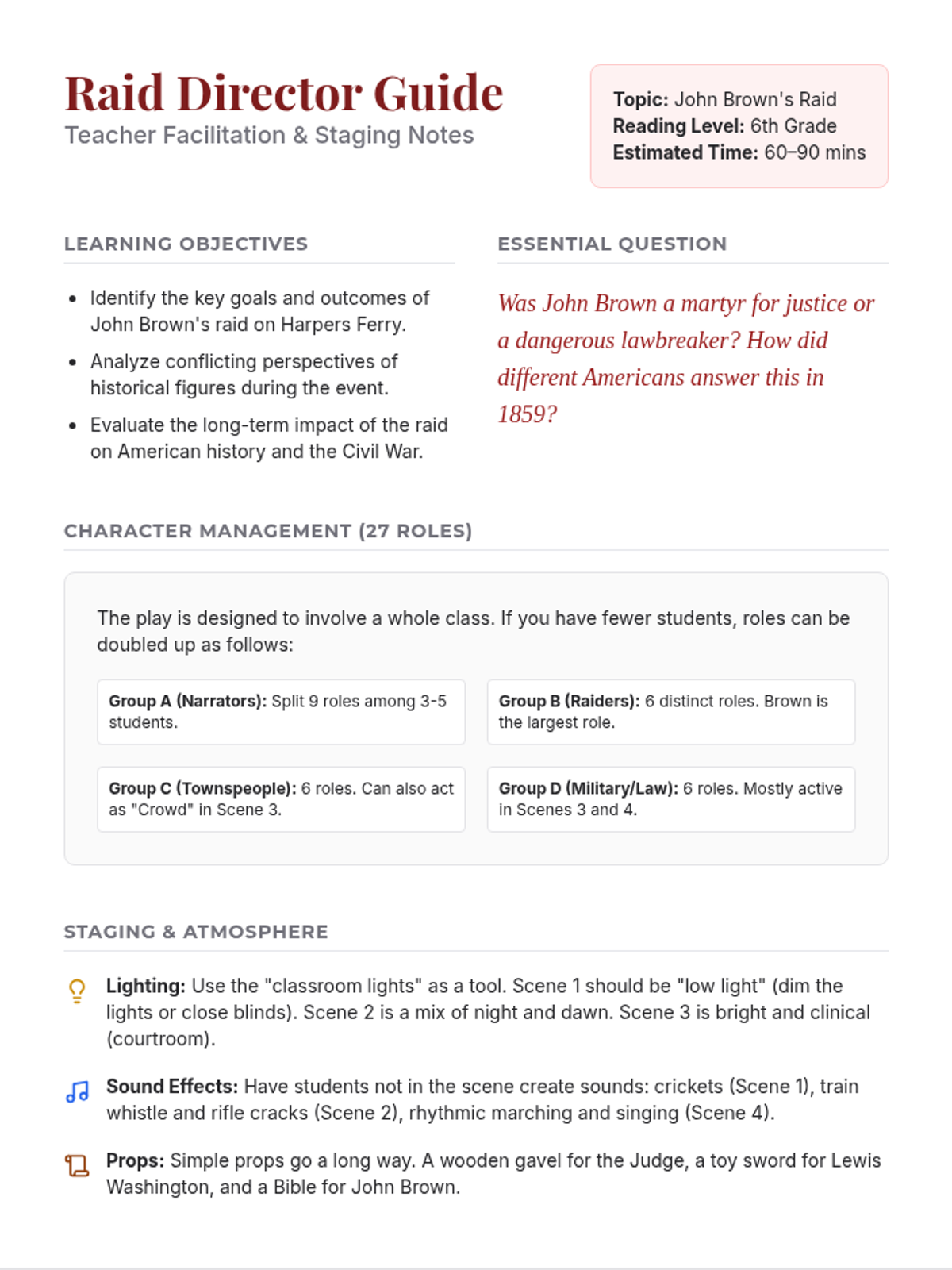
A comprehensive guide for teachers to facilitate the play "Thunder at the Ferry." Includes character management strategies, staging tips, historical context, and deep-dive discussion prompts for 6th-grade students.
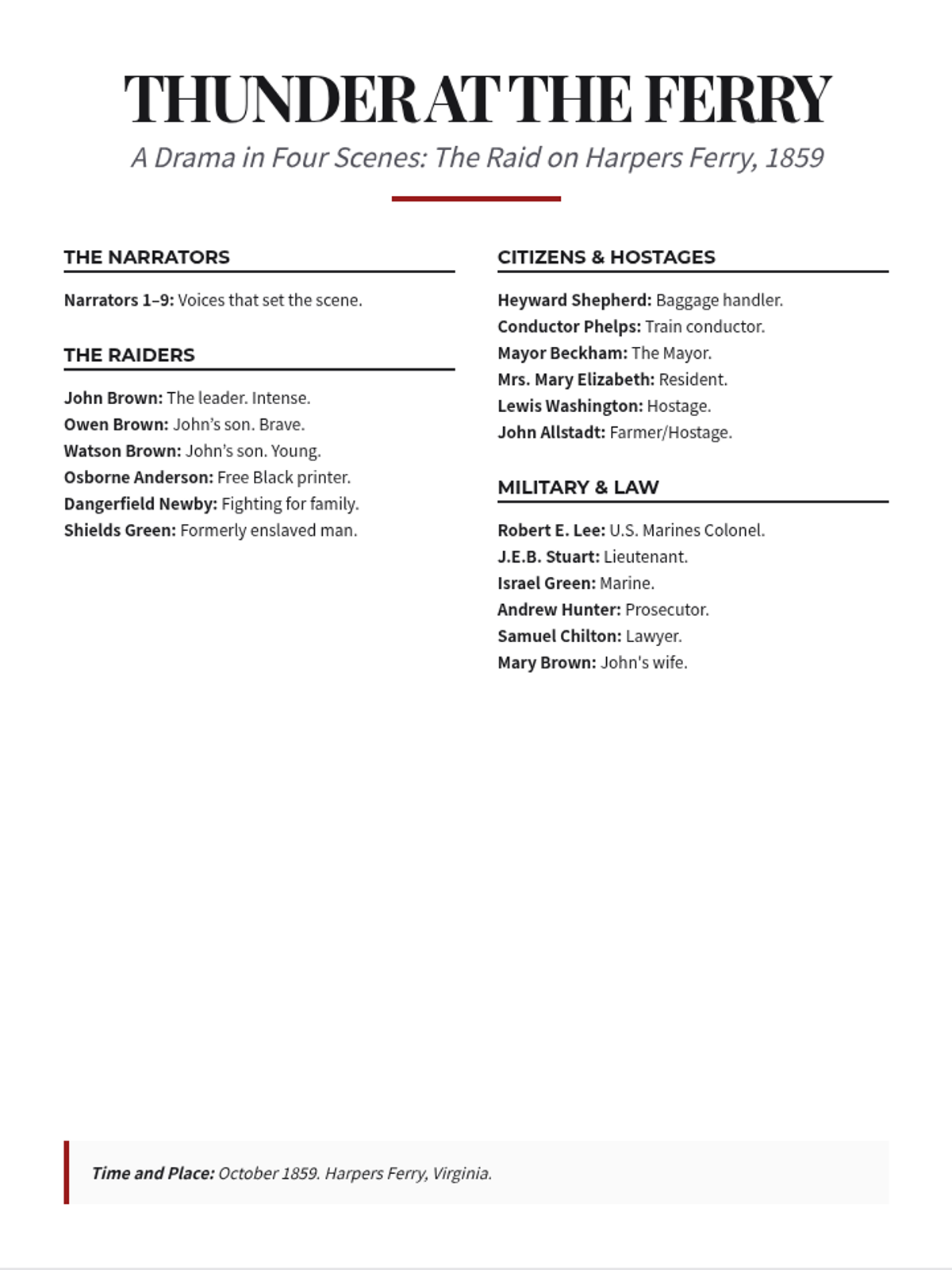
A 4-scene play about John Brown's raid on Harpers Ferry, featuring 18 historical characters and 9 narrators. Written at a 6th-grade level, it explores the planning, execution, trial, and lasting impact of the raid through multiple perspectives.
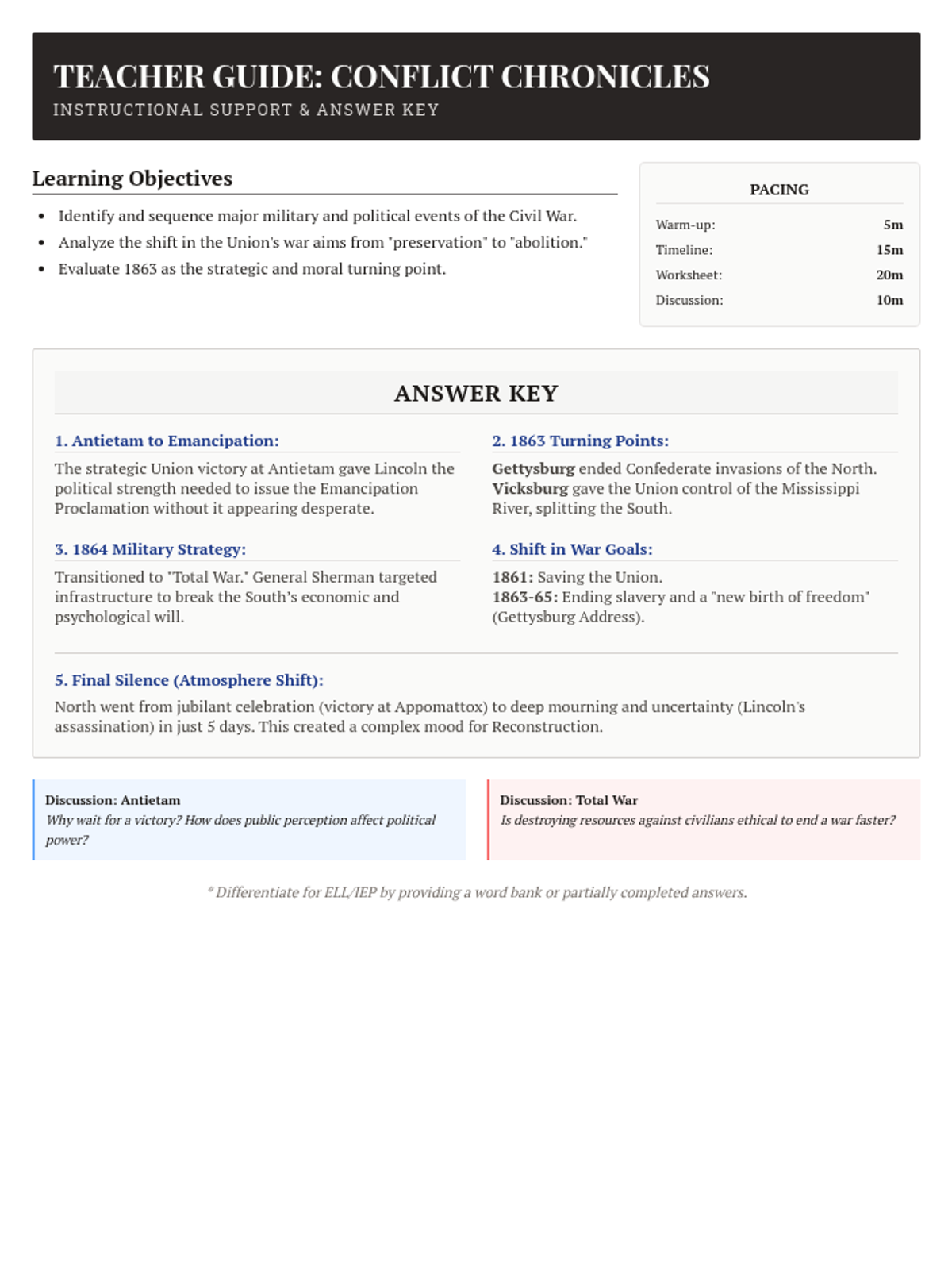
A teacher's facilitation guide and answer key for the Conflict Chronicles lesson. Revised to fit onto a single page with improved layout and legibility.
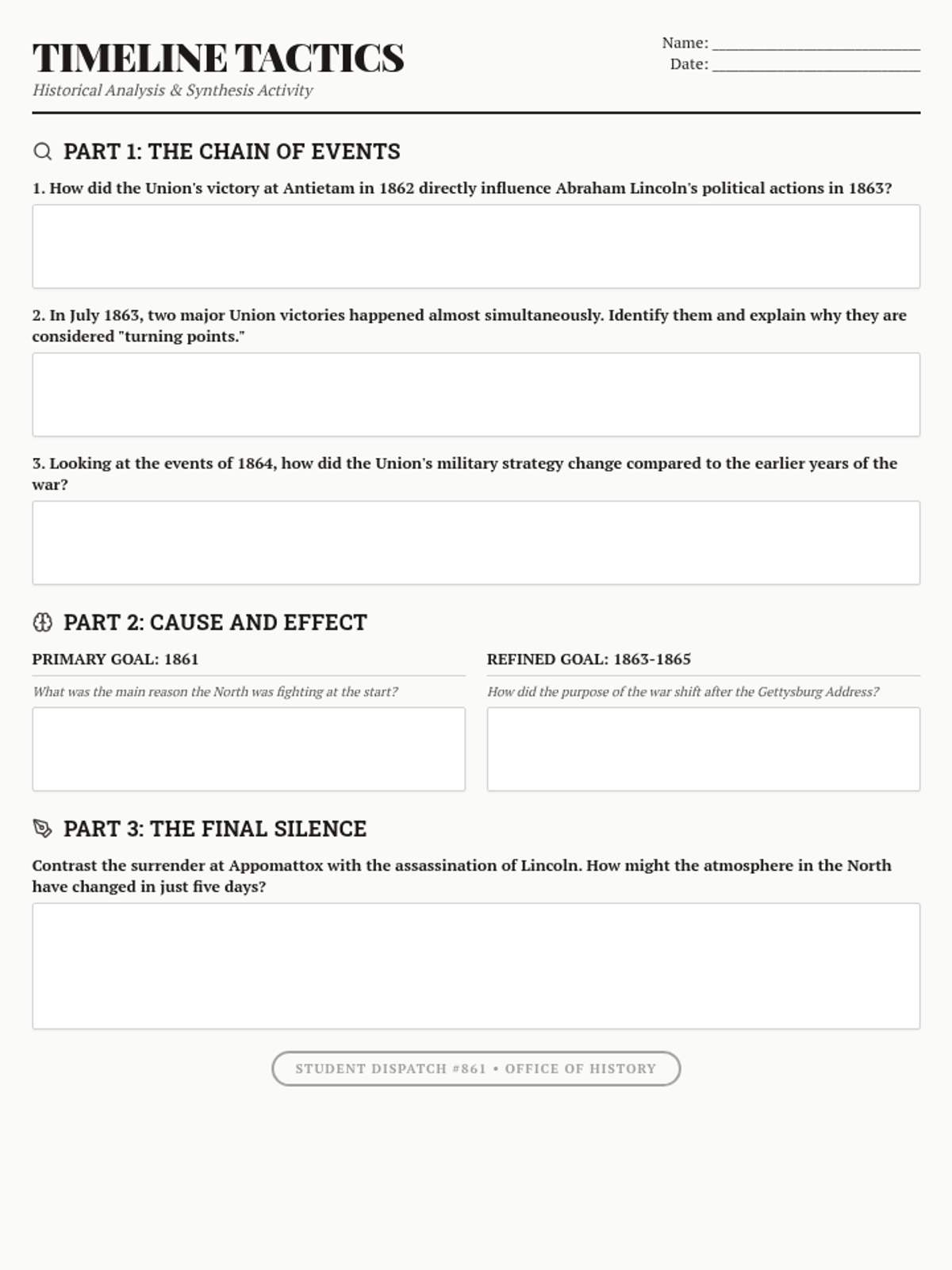
A comprehension worksheet designed to accompany the Conflict Chronicles timeline. Tasks students with analyzing cause-and-effect relationships, turning points, and reflecting on the shifting goals of the war. Revised to fit onto a single page.
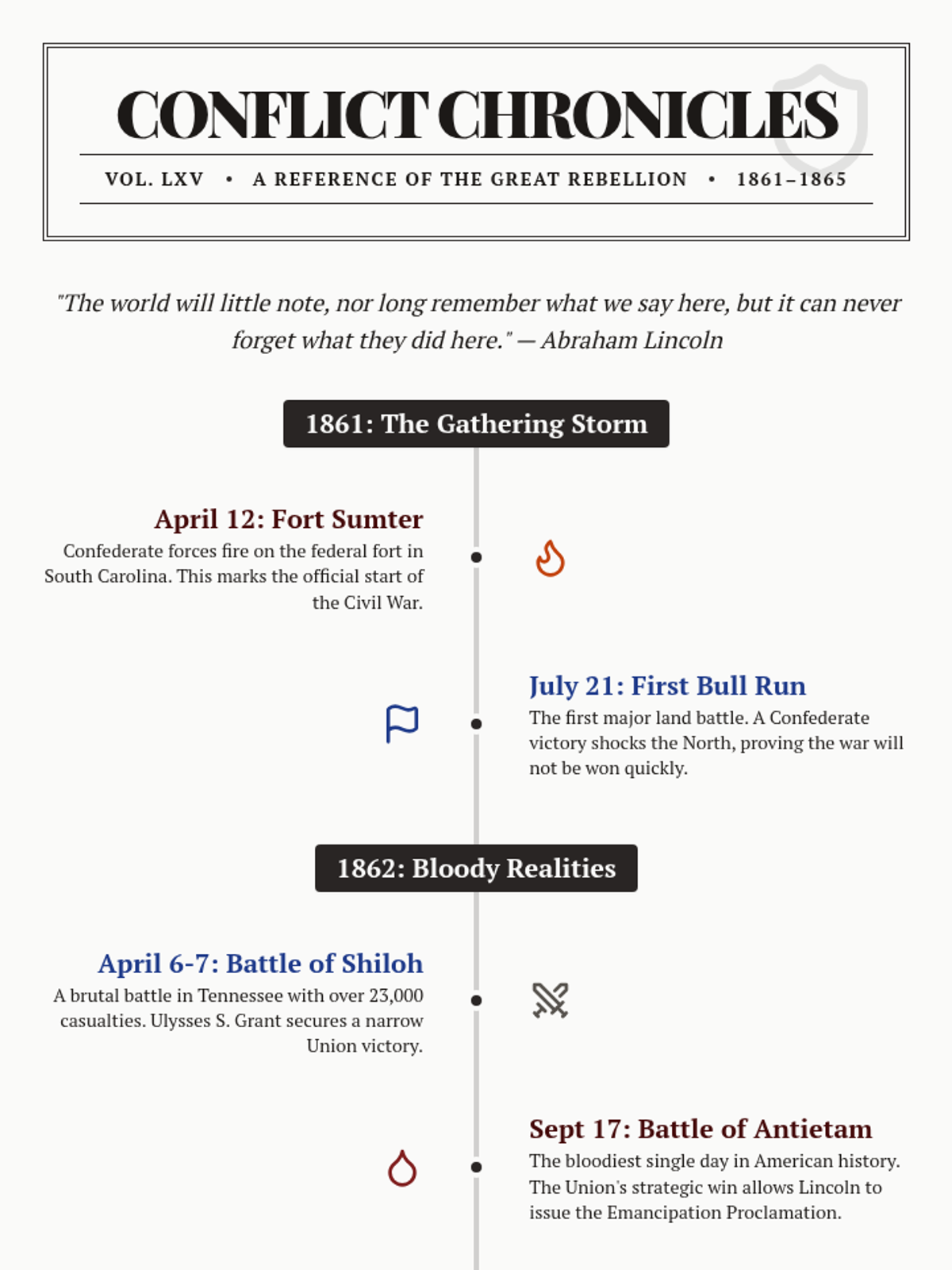
A detailed vertical timeline of the American Civil War, featuring key battles, political decisions, and major turning points from 1861 to 1865. Styled as a vintage field dispatch for a middle school reference handout. Revised for better alignment, page breaks, and visual consistency.
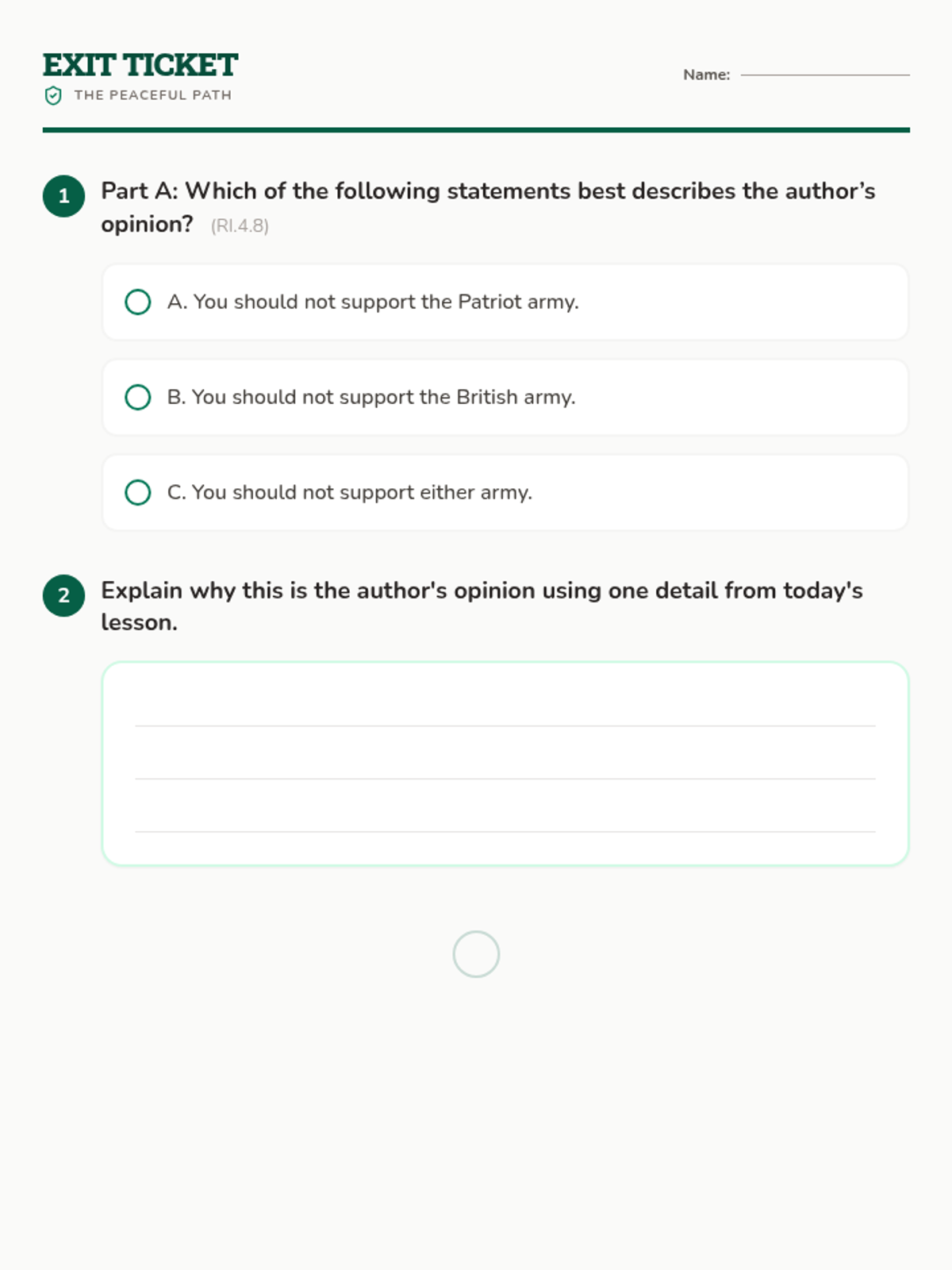
A concise exit ticket featuring the provided RI.4.8 opinion question and a short-response area for evidence-based justification.
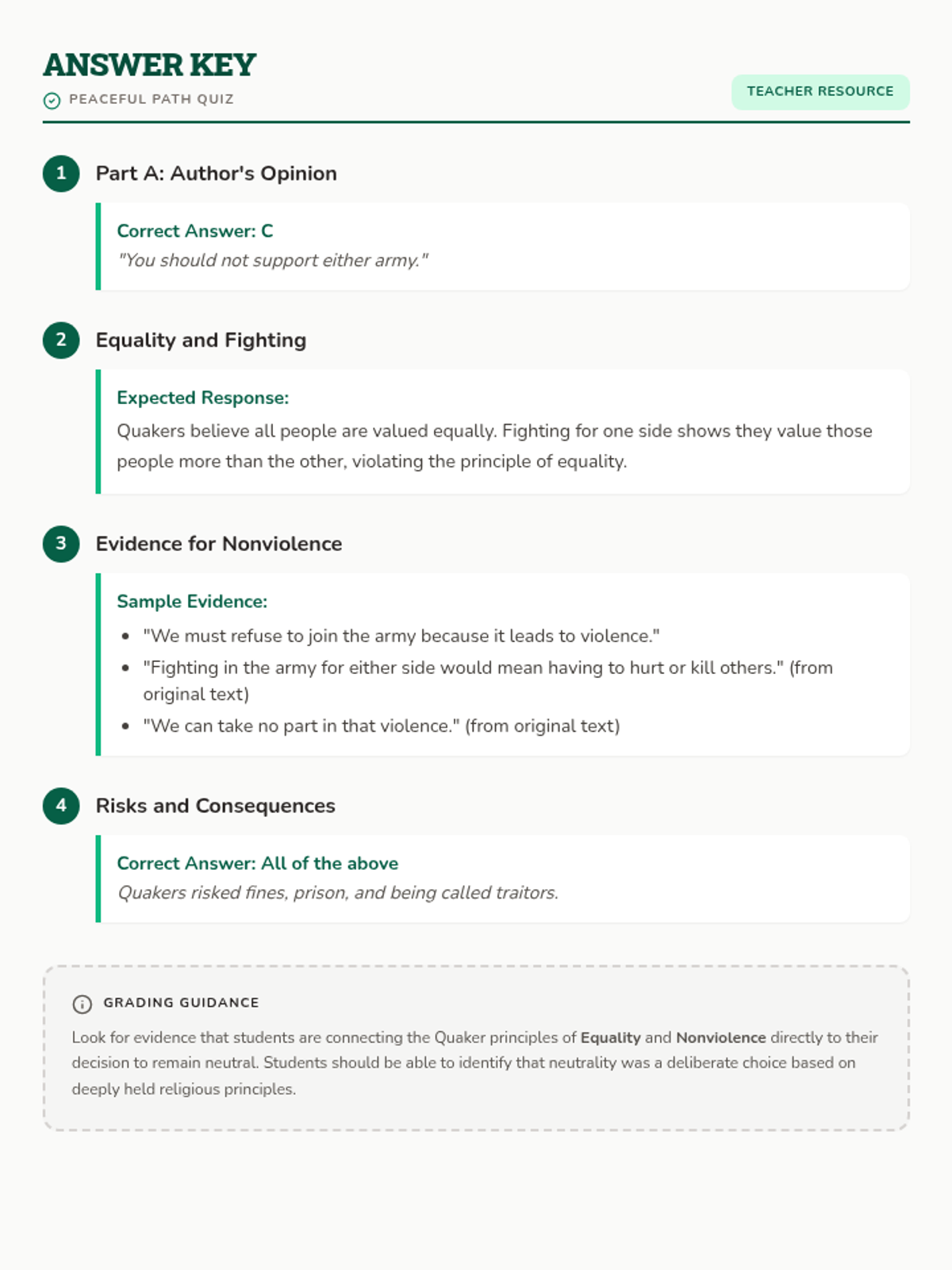
An answer key for the Peaceful Path Quiz, providing correct answers, sample evidence, and grading guidance for teachers. Corrected HTML tags and layout for single-page printing.
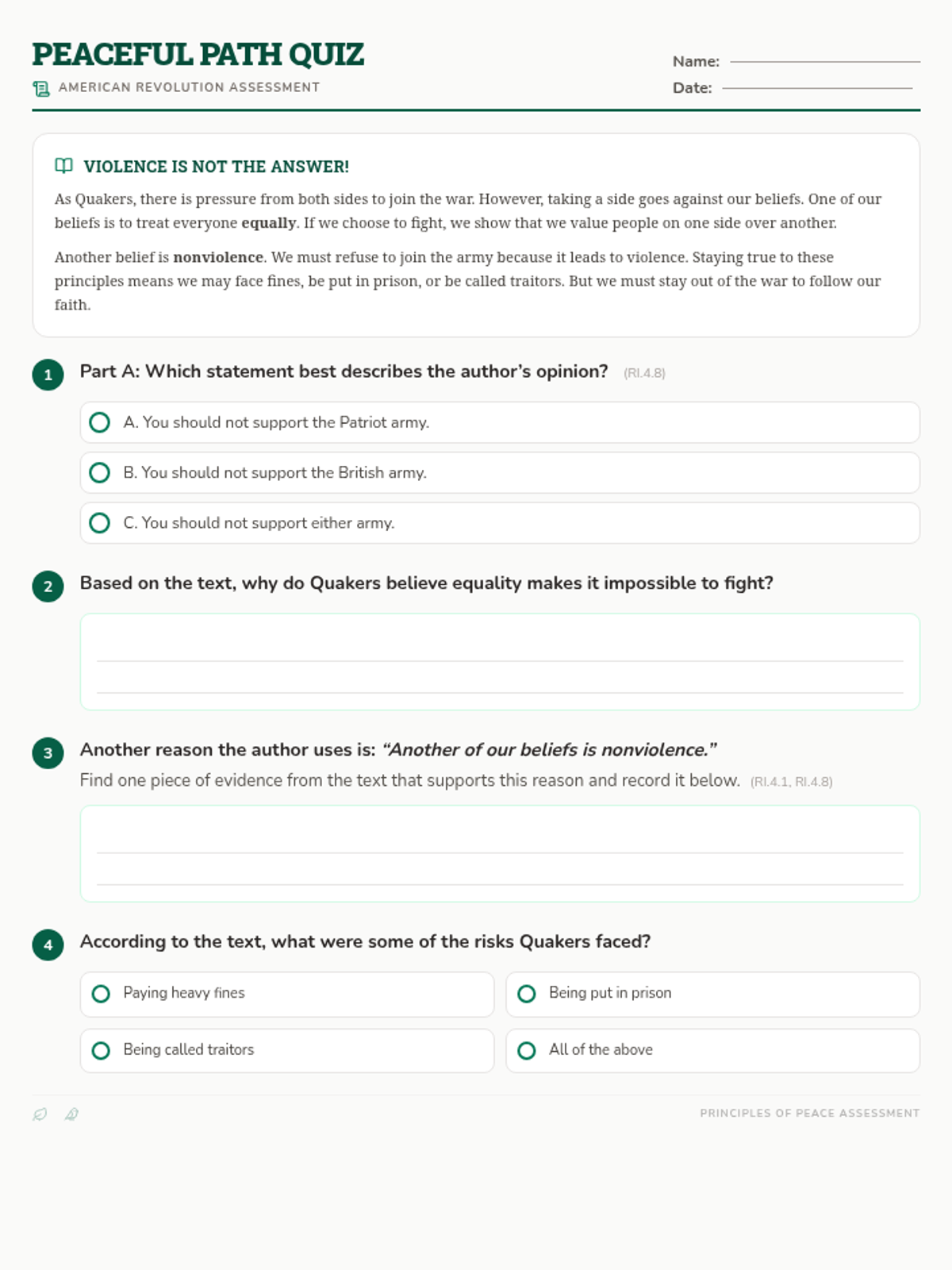
A student assessment featuring the provided RI.4.8 multiple-choice question, along with evidence-based reflection and reading comprehension questions. Includes a specific task on finding evidence for the principle of nonviolence.
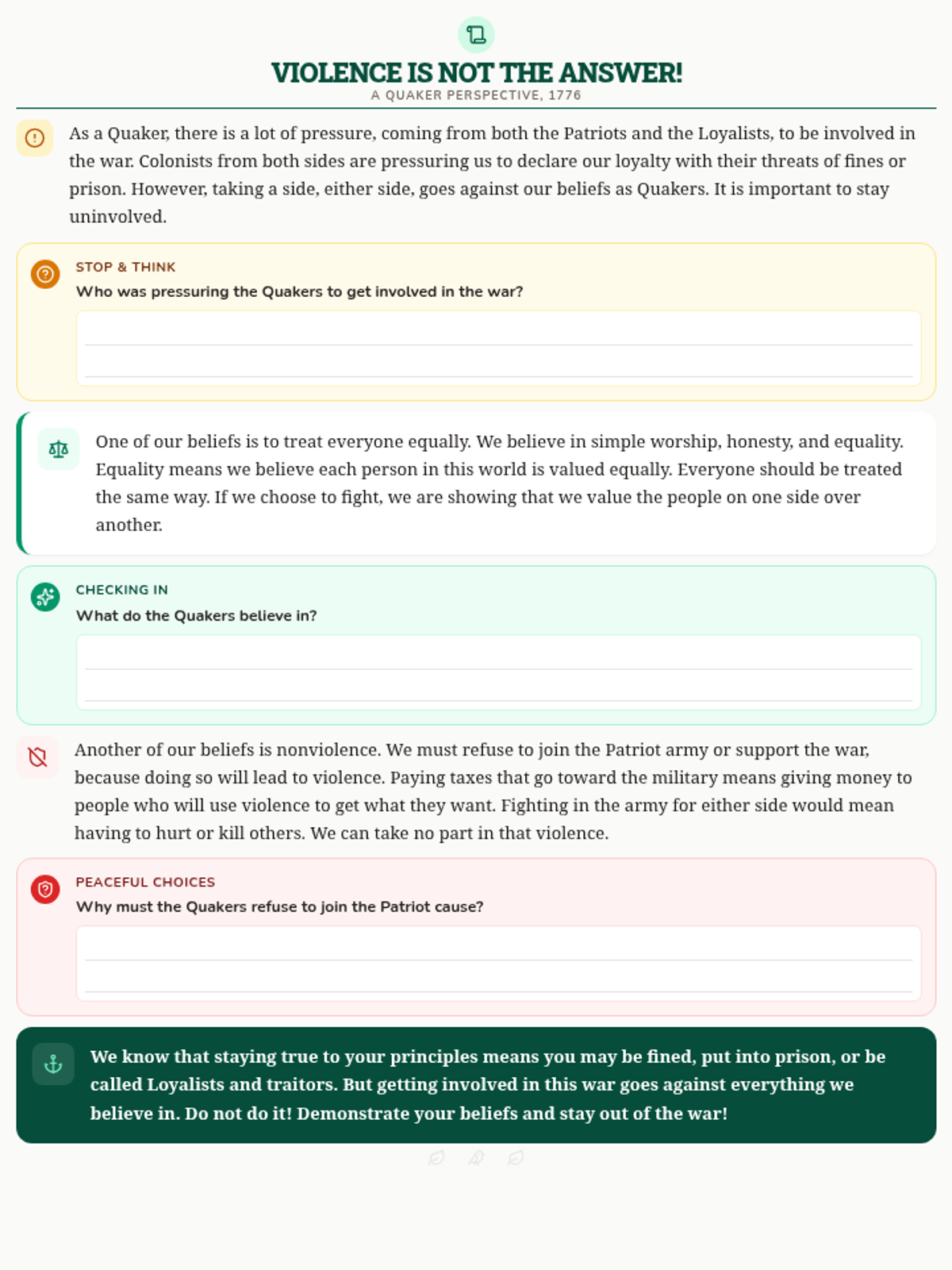
The primary reading passage explaining the Quaker perspective on neutrality and nonviolence, now including three embedded comprehension questions following each section with optimized single-page layout.
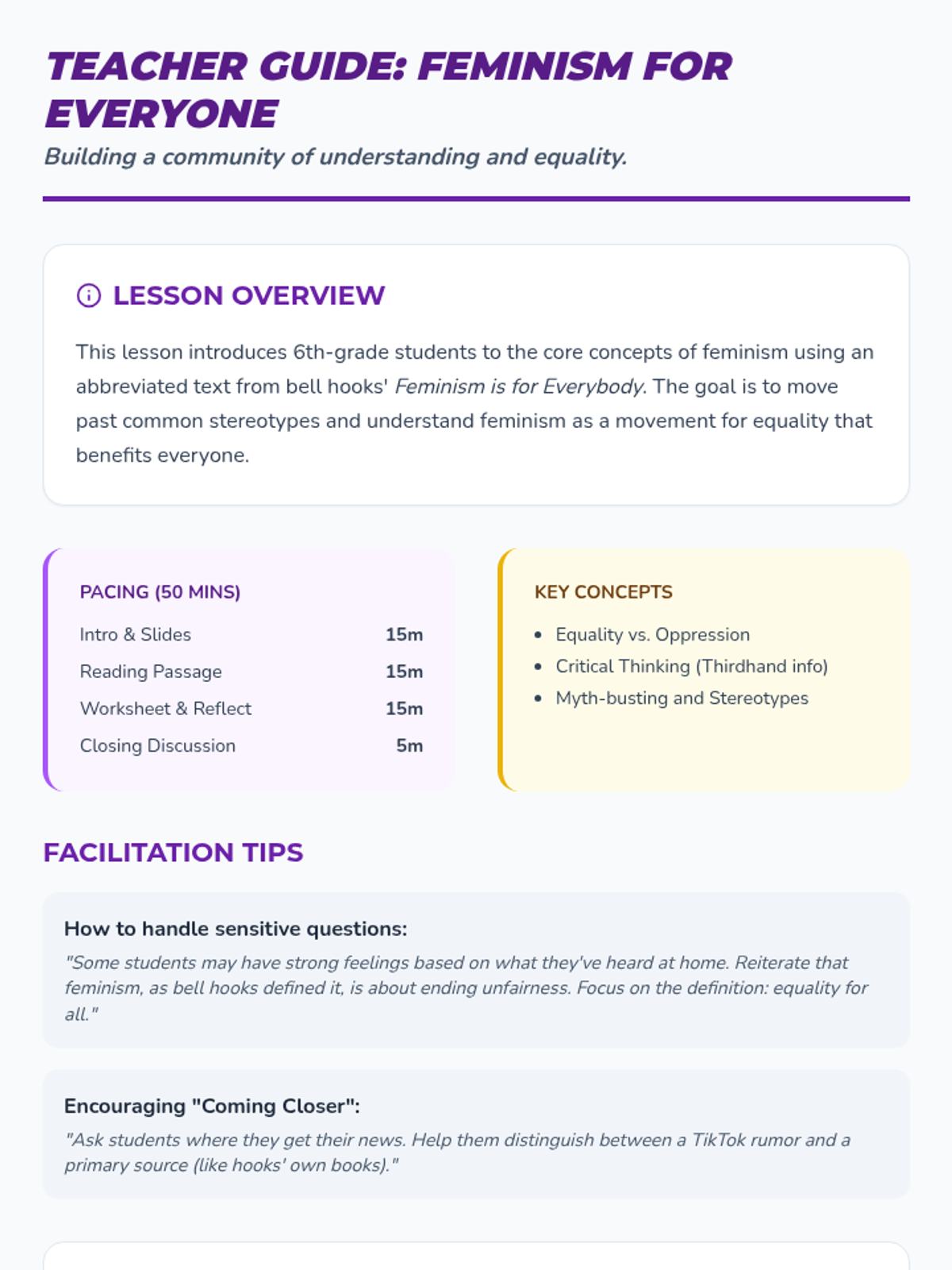
A teacher facilitation guide for the 'Feminism for Everyone' lesson, including pacing, discussion prompts, and an answer key for the worksheet.
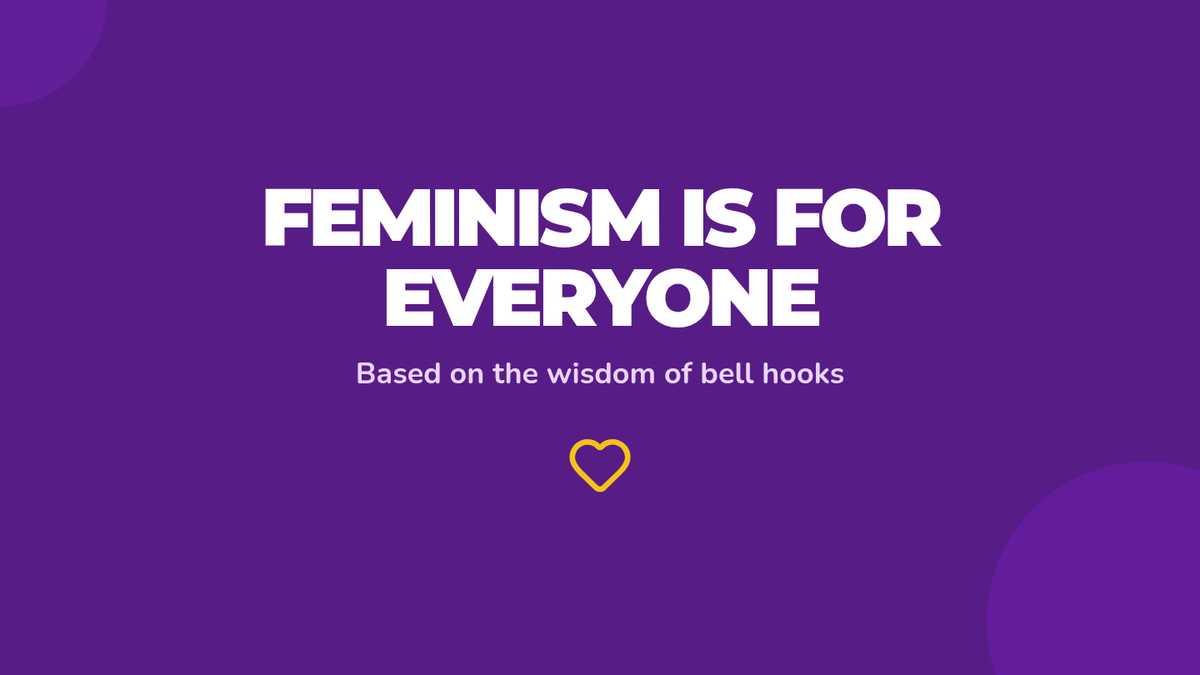
A slide deck to introduce the concepts of bell hooks' feminism, debunk common myths, and encourage critical thinking for 6th-grade students.
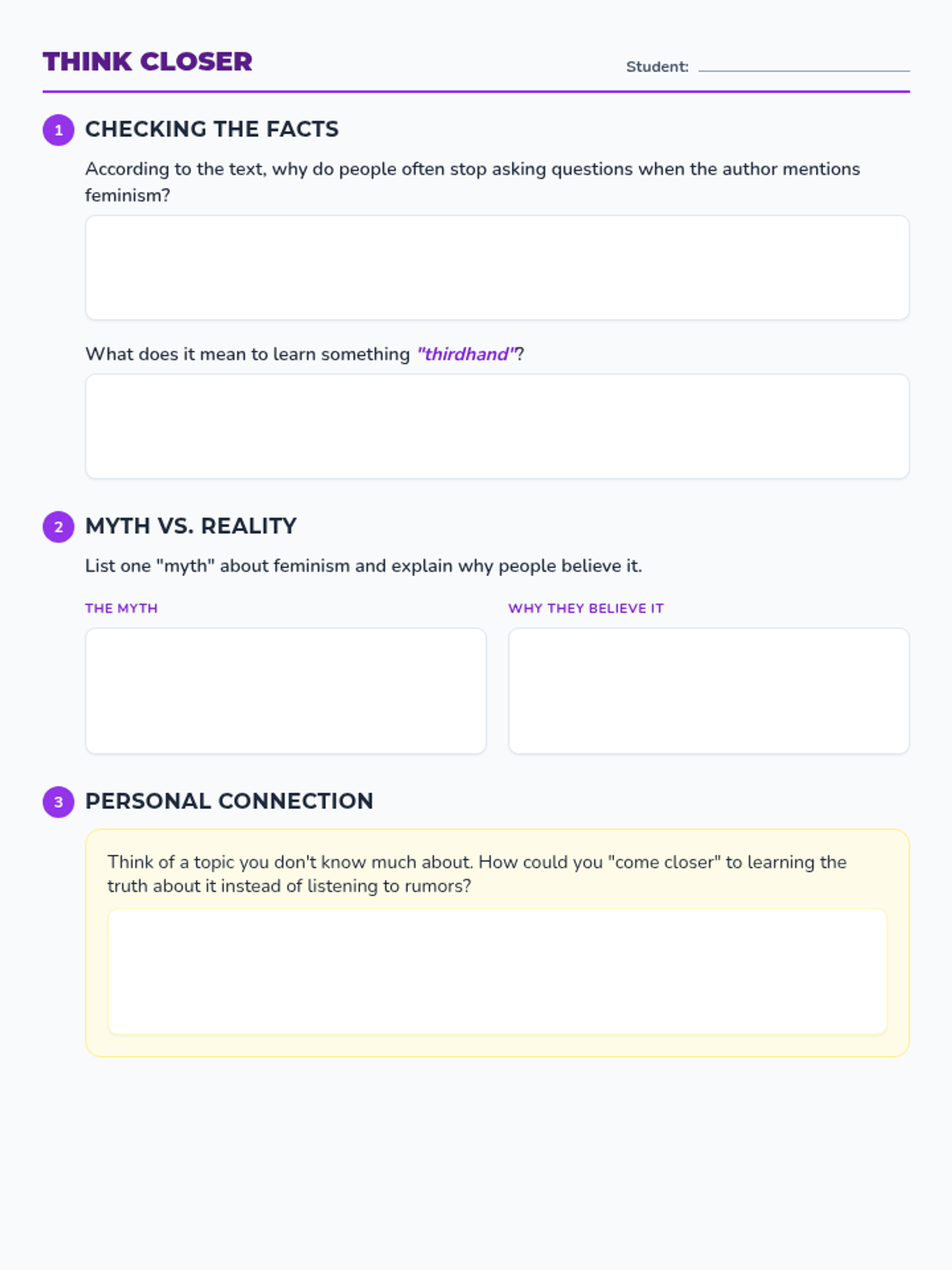
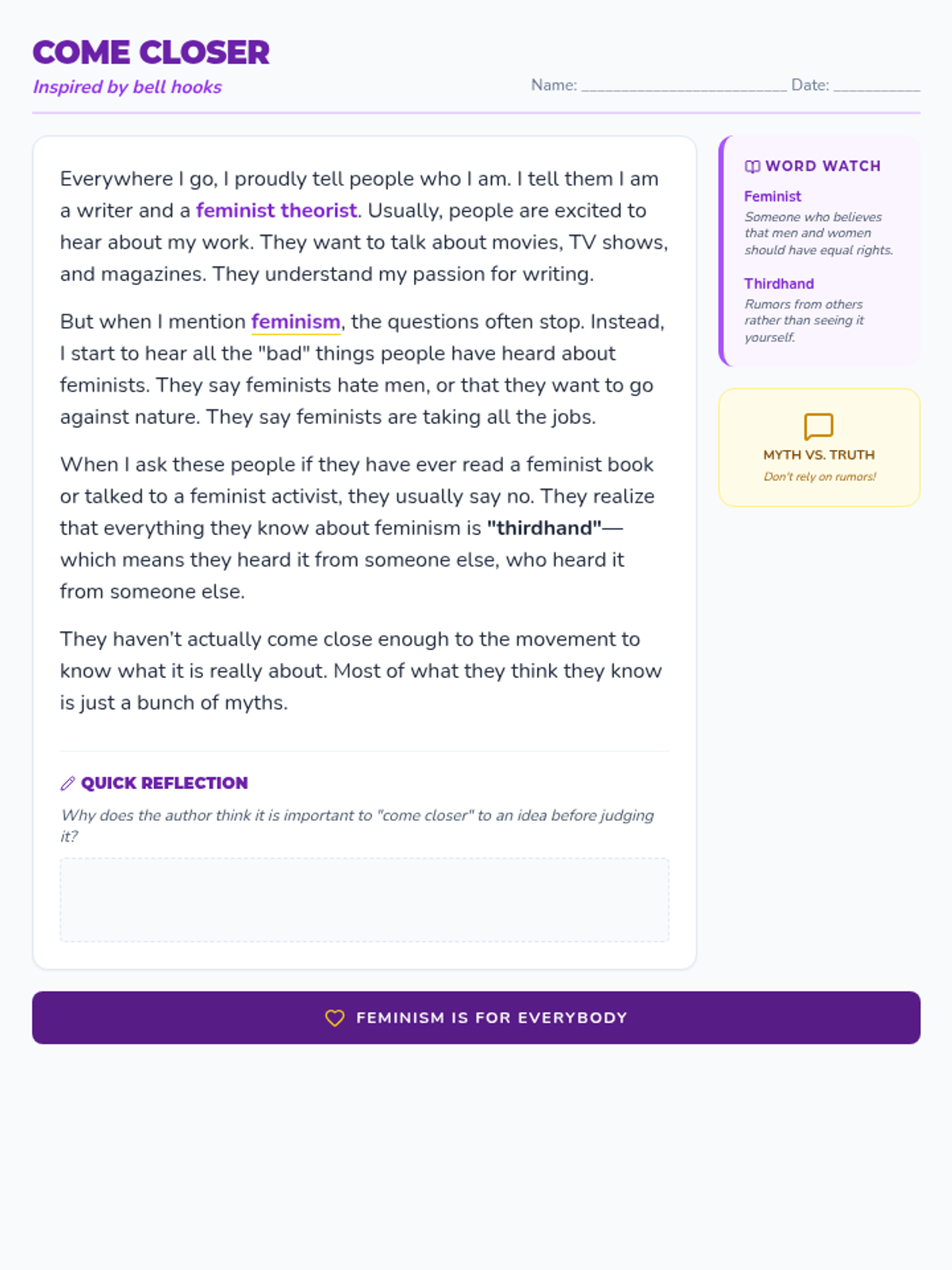
A comprehension and reflection worksheet to accompany the 'Come Closer' reading passage, focusing on vocabulary, myth-busting, and personal connection.
A simplified 6th-grade reading passage based on the introduction to bell hooks' 'Feminism is for Everybody', focusing on the difference between rumors and reality.
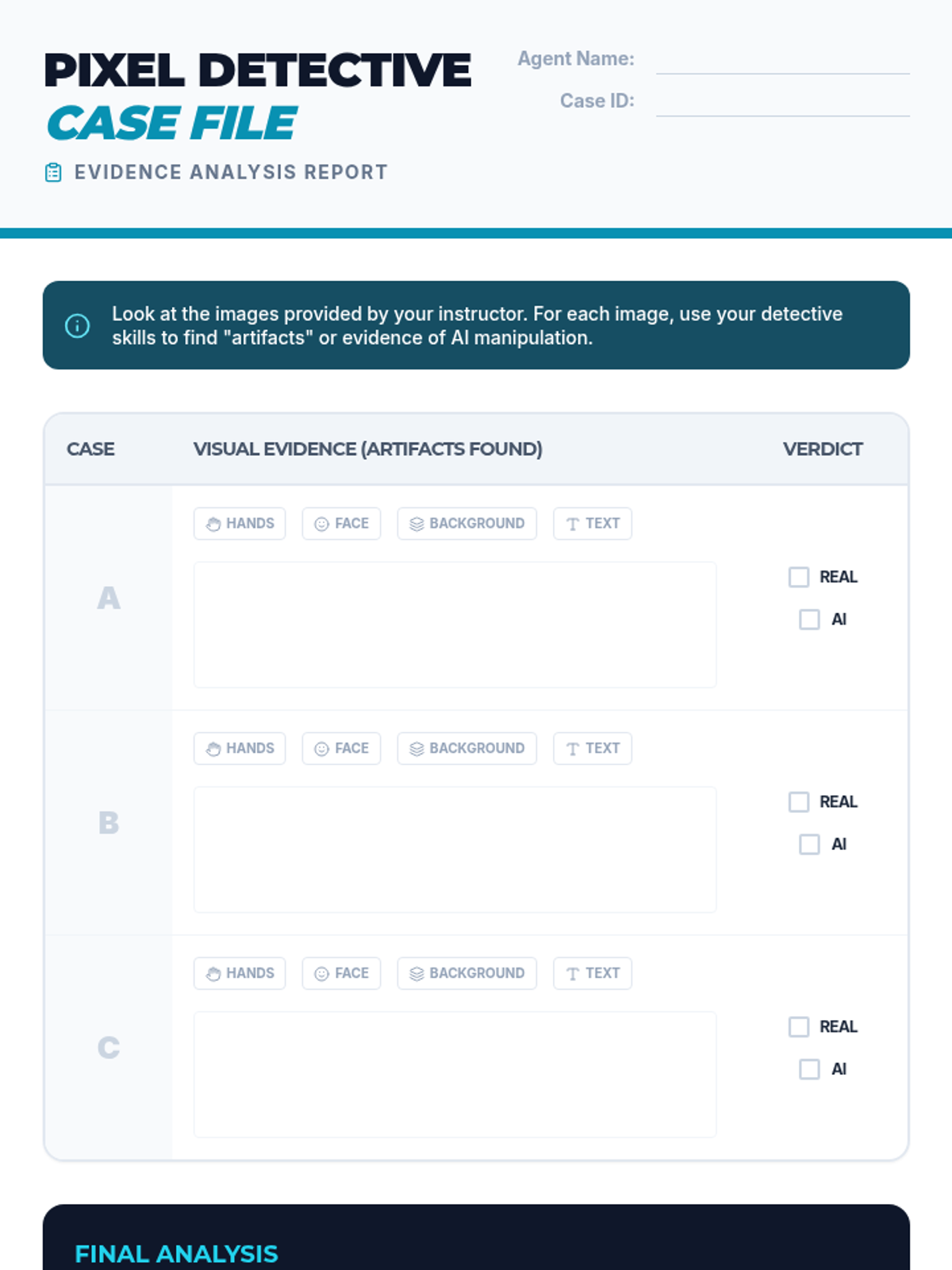
A student activity sheet for the 'Pixel Detective' lesson. It provides a structured table for students to record visual evidence and artifacts found during the hands-on image analysis portion of the lesson.
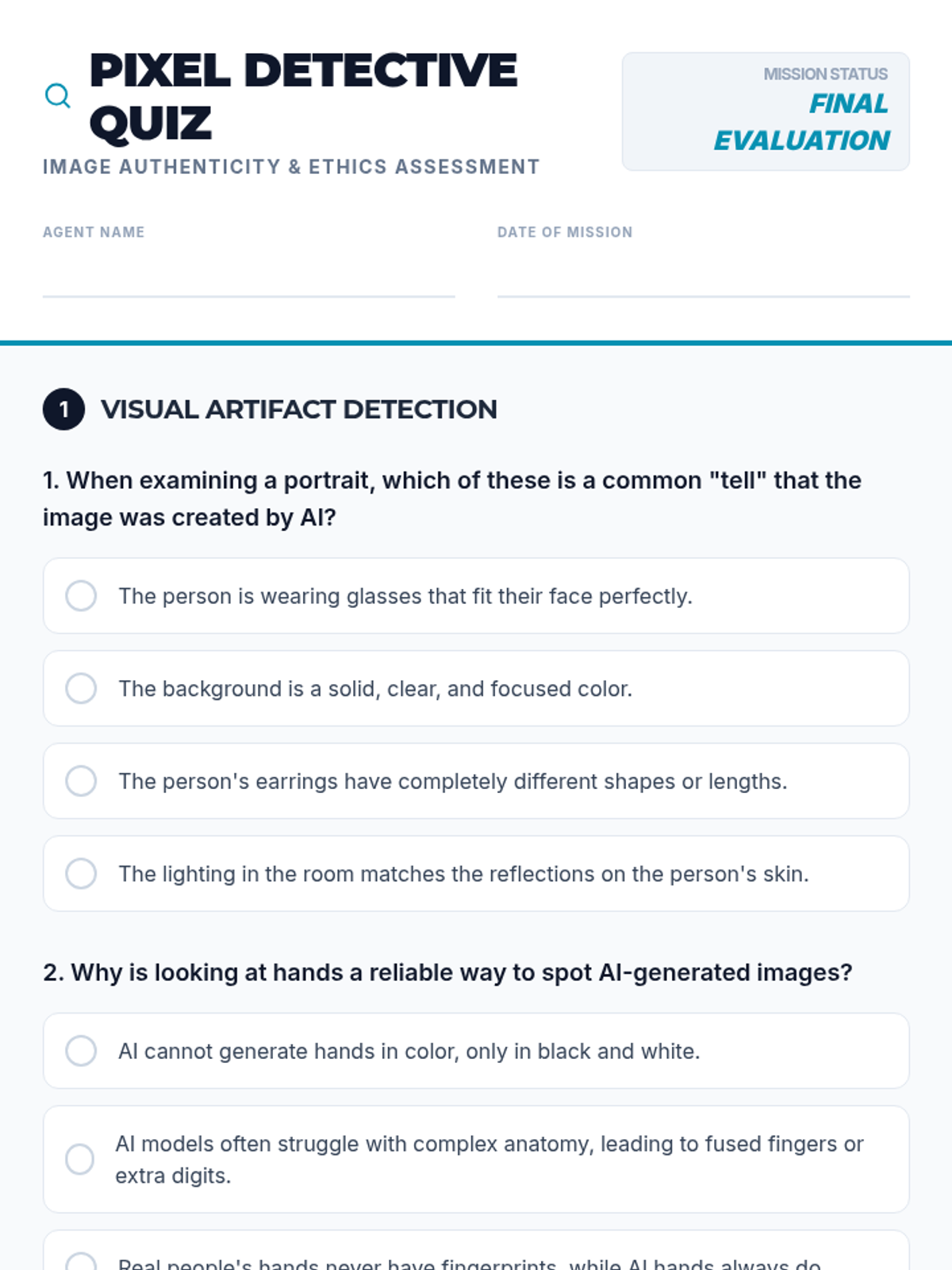
A student-facing quiz designed to assess mastery of AI image detection techniques, the S.I.F.T. verification method, and understanding of the ethical impacts of digital manipulation. Featuring multiple-choice questions and scenario-based short answers.
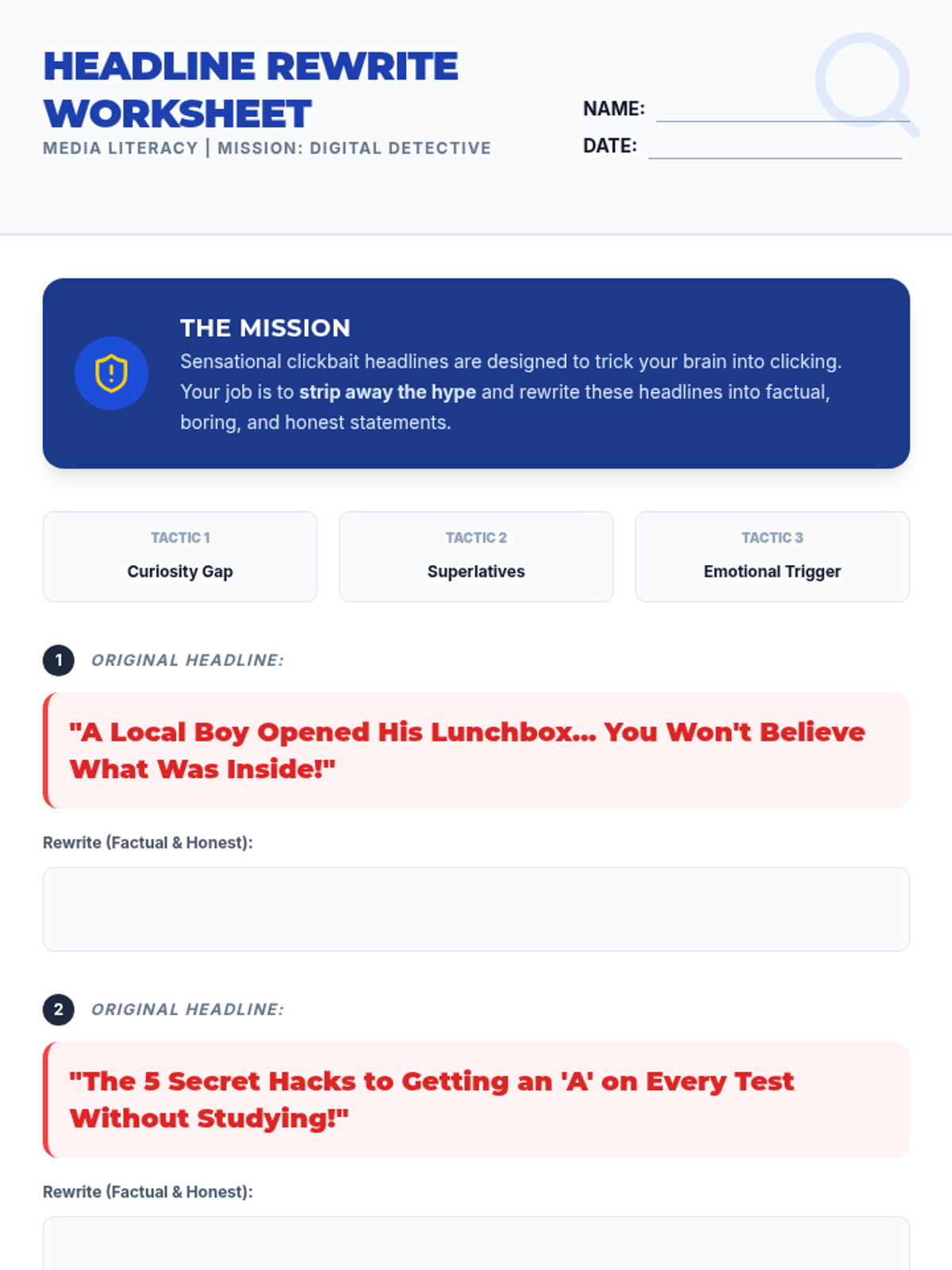
A student-facing worksheet where learners identify clickbait tactics and practice rewriting sensational headlines into factual, objective reporting. Includes space for reflection on the impact of viral media.
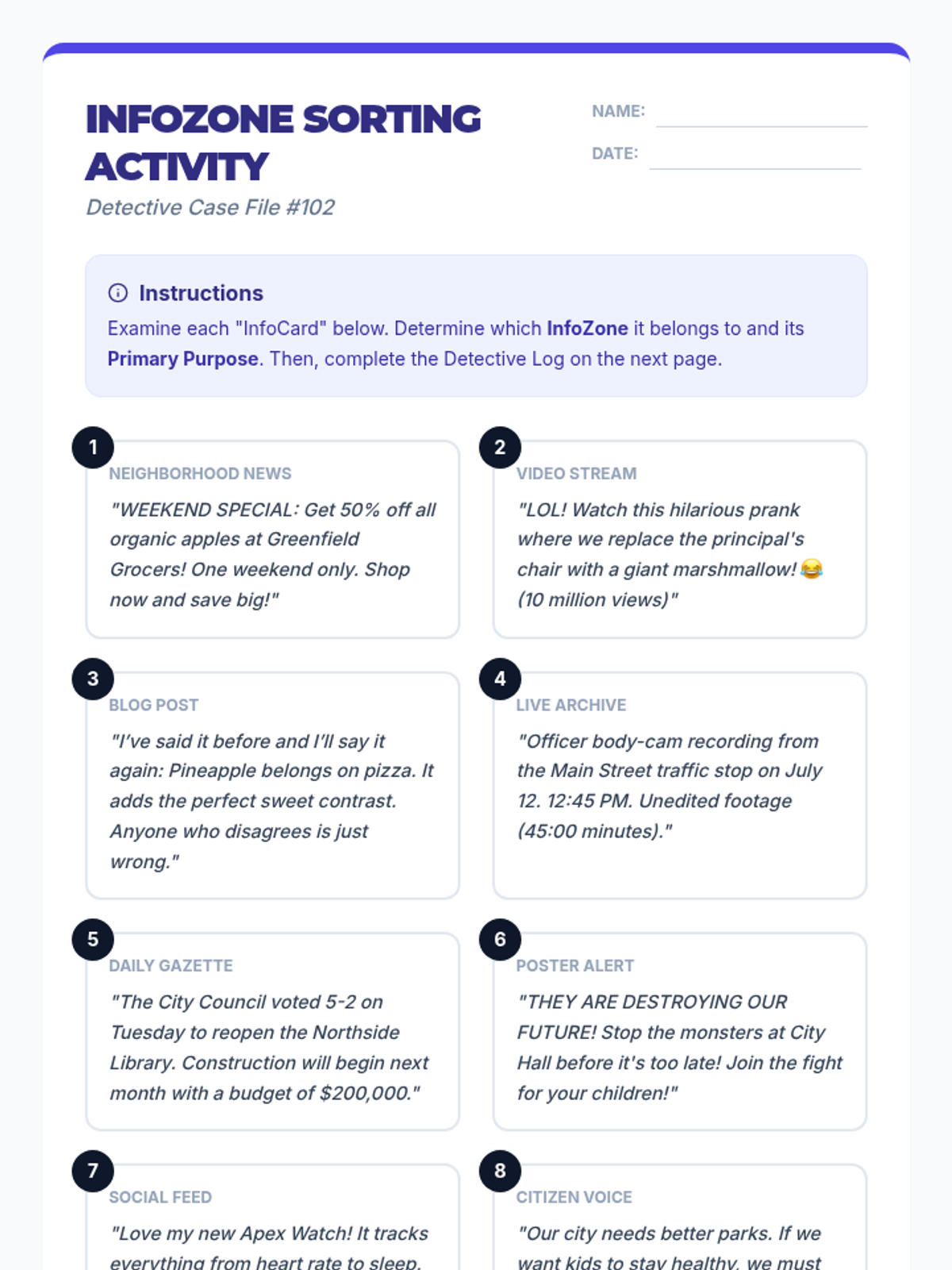
A 2-page sorting activity for students to practice categorizing 8 realistic snippets of information. Includes 'InfoCards' and a 'Detective Log' table for students to document the zone, purpose, and evidence for each example.
A visual presentation for students explaining AI image detection techniques, visual artifacts to look for, the S.I.F.T. verification method, and the ethical implications of digital manipulation. Features large, high-contrast text and a modern detective theme.
A visual presentation featuring sensational headline examples, definitions of clickbait and sensationalism, and a breakdown of common digital manipulation tactics for Grade 6 media literacy instruction.
A 12-slide presentation deck designed for 6th-grade media literacy instruction. It defines the six InfoZones with color-coded layouts, icons, and 'how-to-spot-it' criteria to help students understand the primary purpose of information.
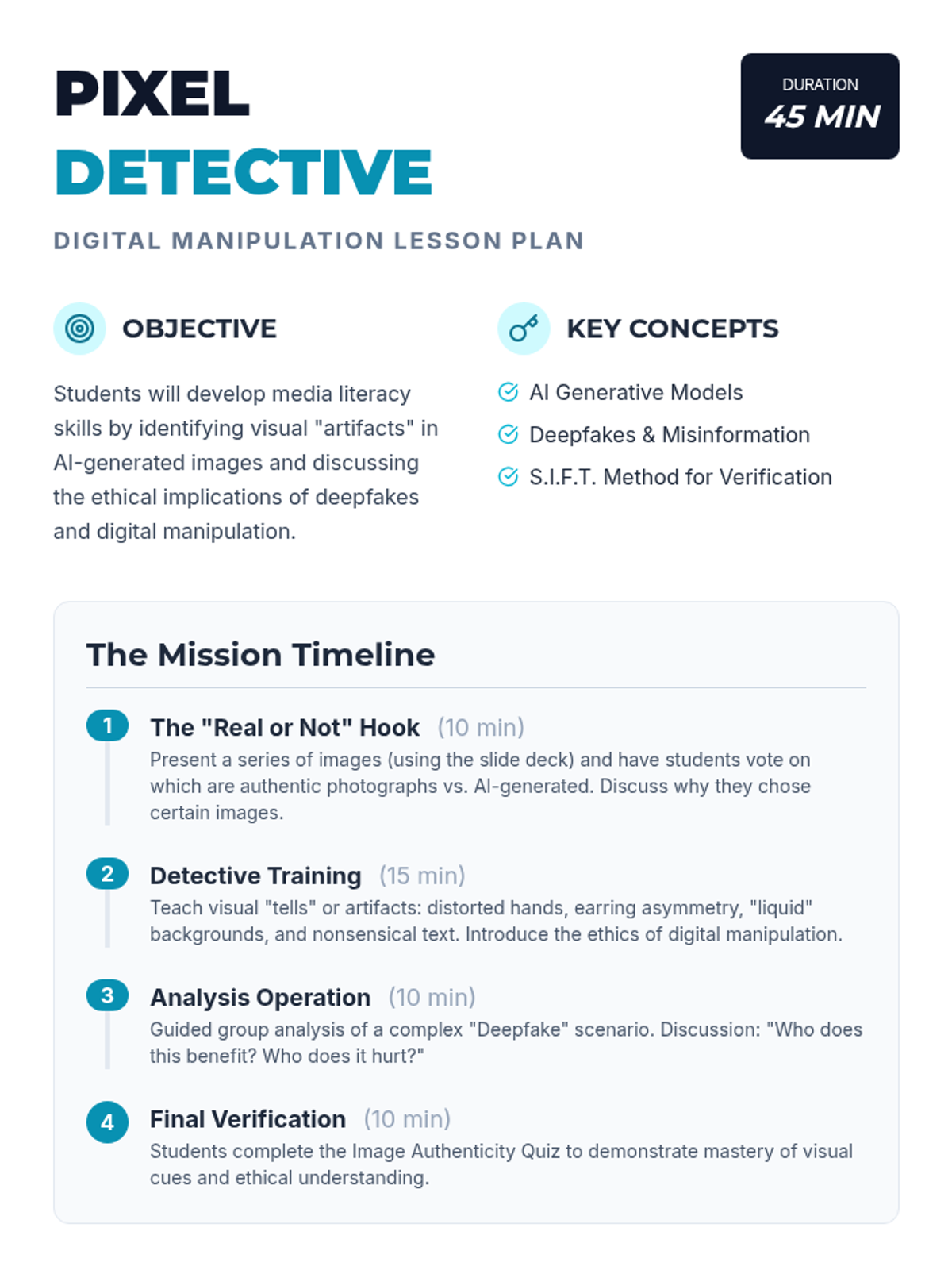
A teacher-facing lesson plan and facilitation guide for the 'Pixel Detective' lesson. It includes a detailed timeline, visual detection cues, ethical discussion prompts, and differentiation strategies for 6th-grade students.
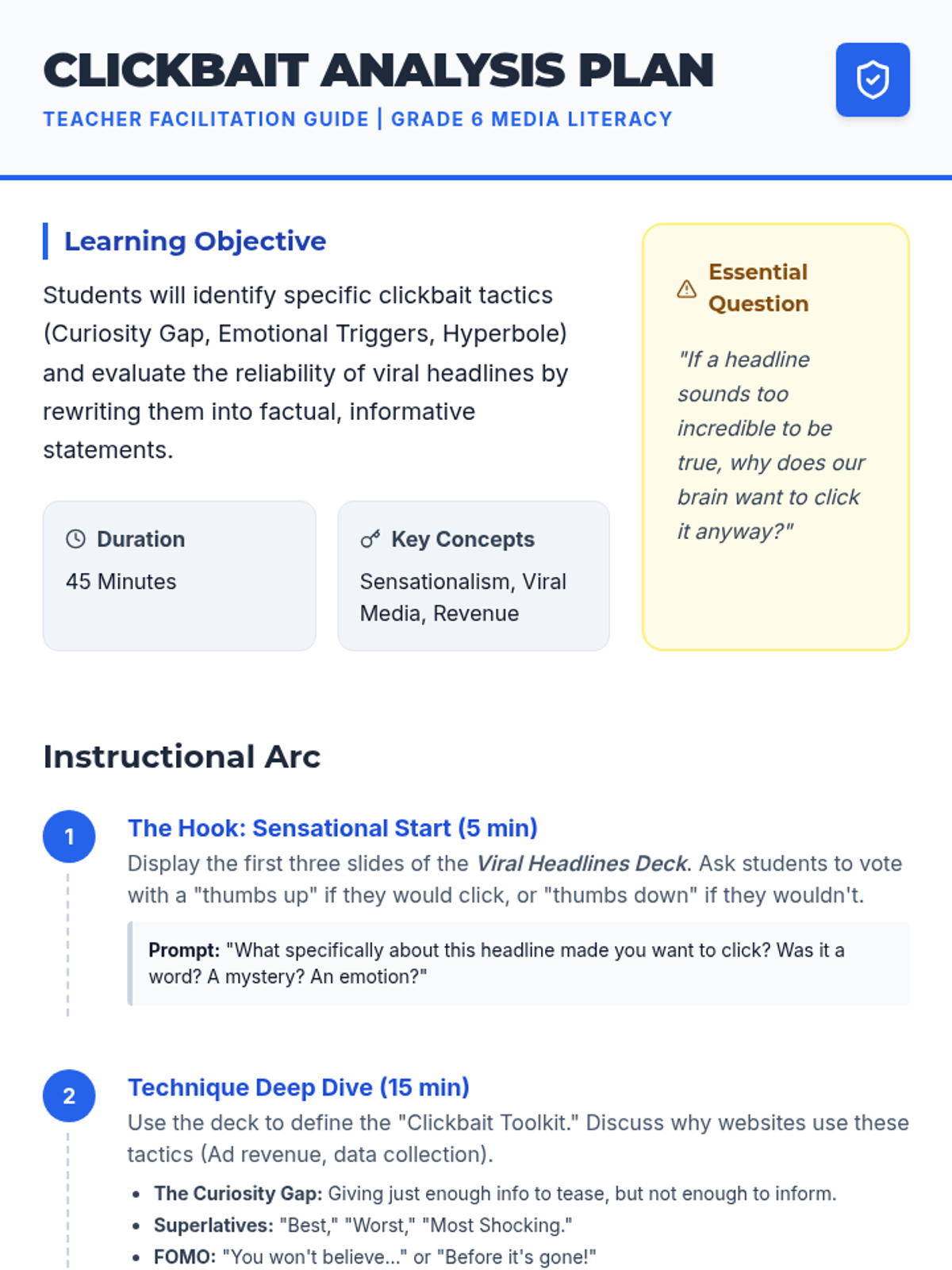
A comprehensive teacher facilitation guide for the 'Caught in the Web of Clickbait' lesson, featuring a detailed instructional timeline, key concept definitions, and differentiation strategies for 6th-grade media literacy.
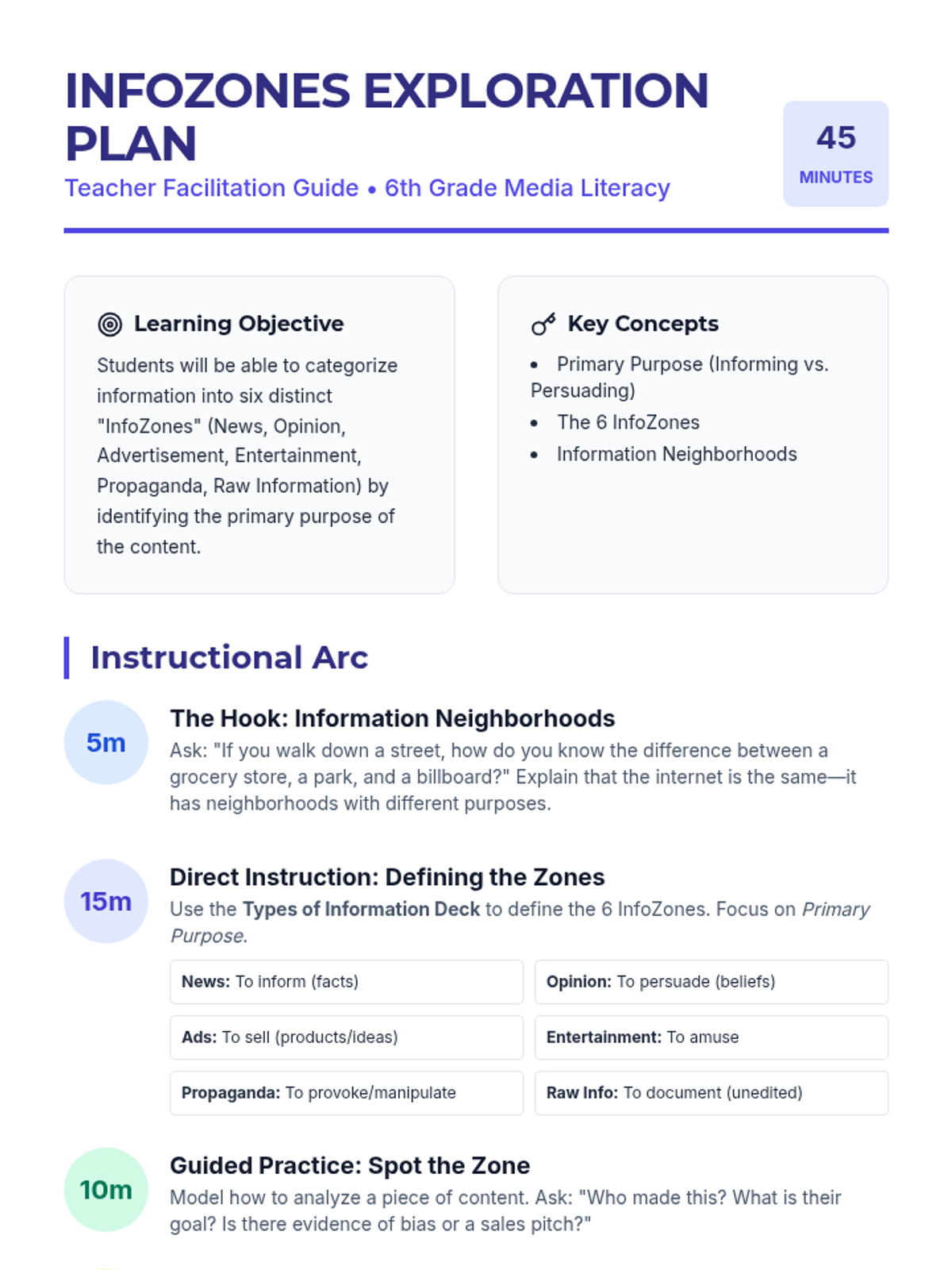
A detailed 45-minute lesson plan for teachers, outlining the instructional flow, key concepts, and an answer key for the sorting activity. It uses a clear 'Instructional Arc' to guide the lesson from hook to reflection.
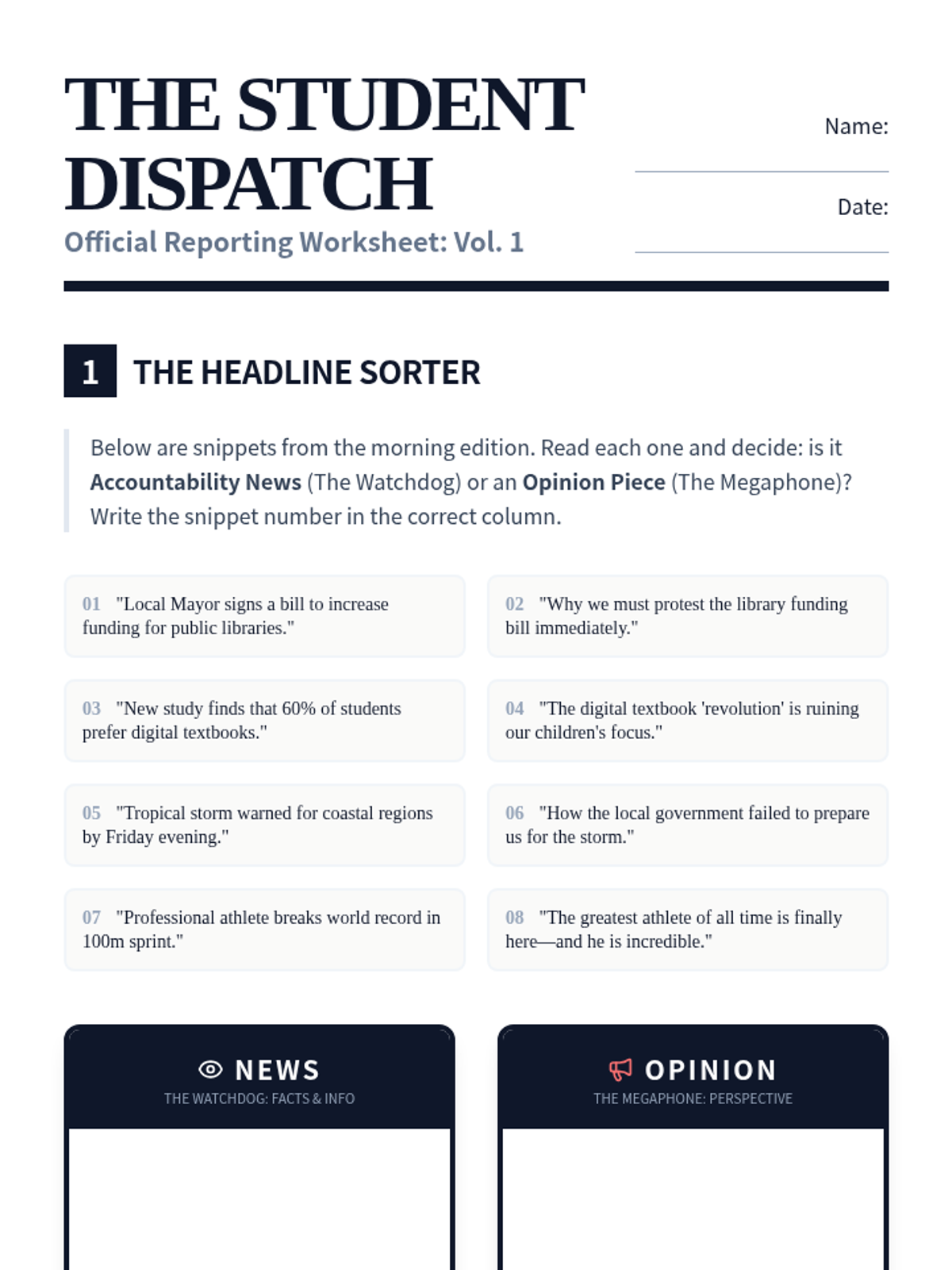
A student activity sheet featuring a headline sorting exercise and a deep-thinking reflection prompt on the importance of distinguishing news from opinion.
Visual presentation for instruction, defining accountability journalism (the watchdog), opinion pieces (the megaphone), and the changing role of information gatekeepers.
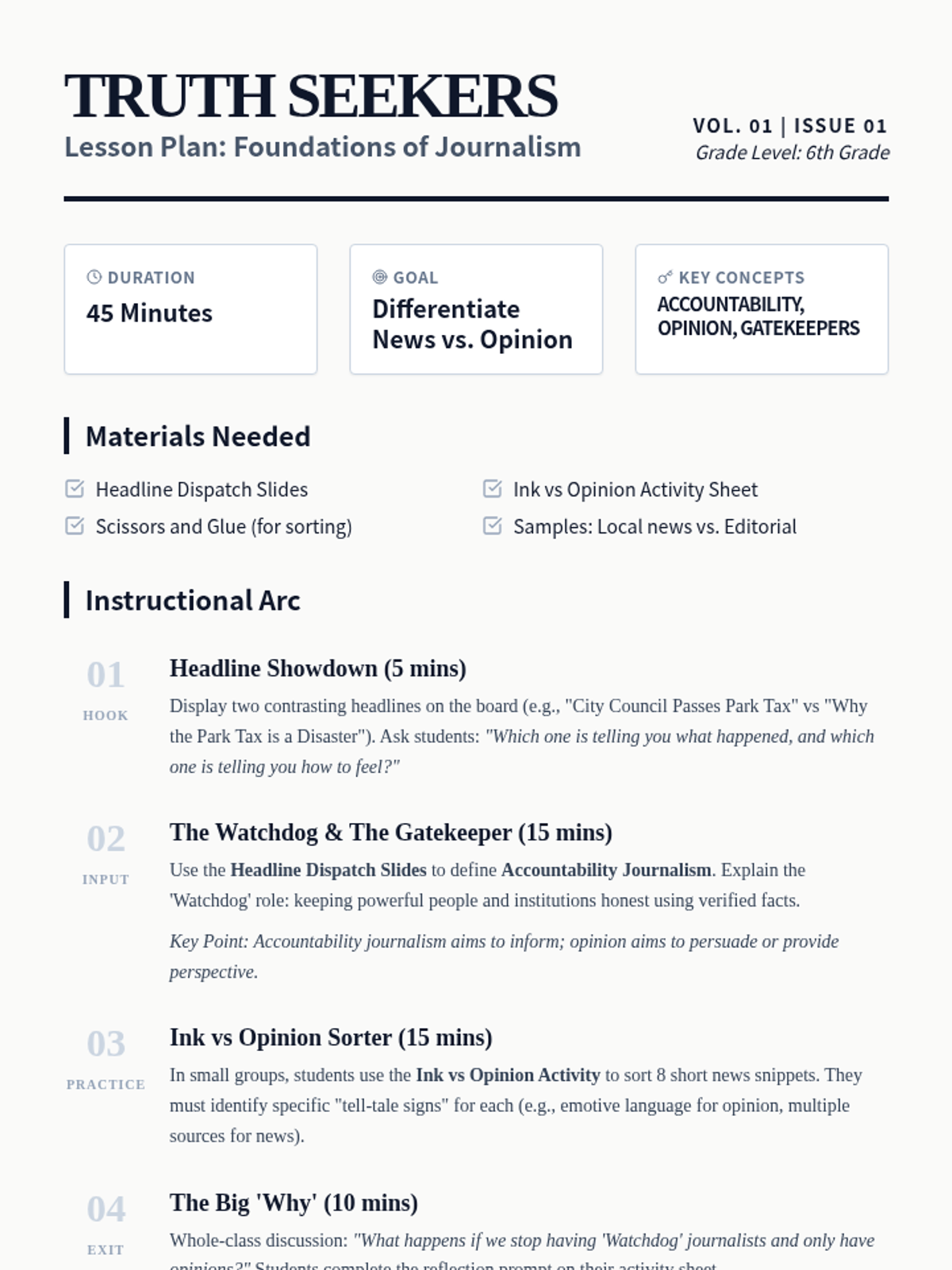
A comprehensive lesson plan for teachers, detailing the 45-minute instructional arc, key concepts of accountability journalism vs. opinion, and practical teaching tips.