Sentence structure fundamentals, subject-verb agreement, and precise usage of parts of speech including pronouns, conjunctions, and adjectives. Targets technical accuracy through mastery of capitalization, punctuation, spelling, and verb mood.
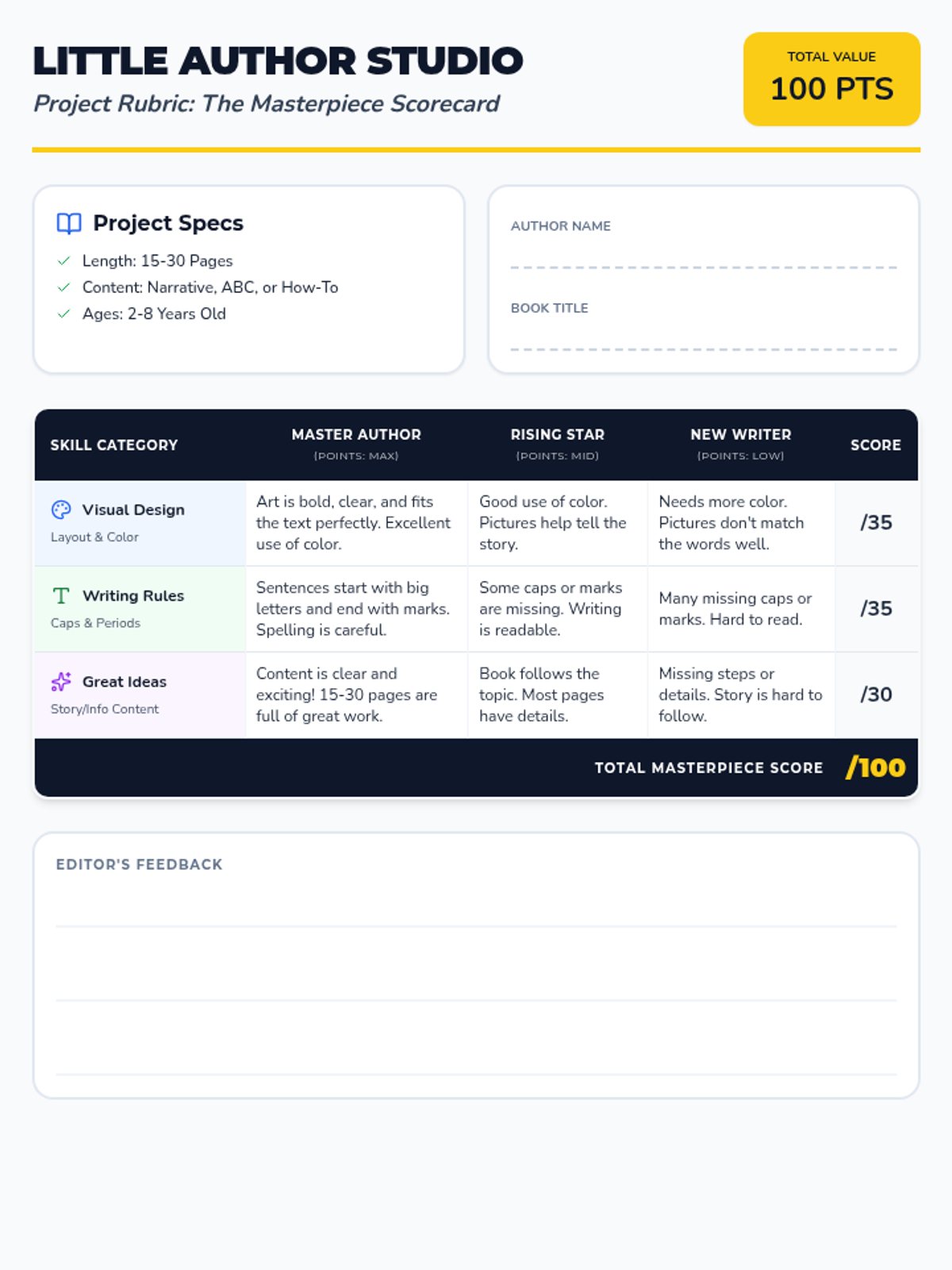
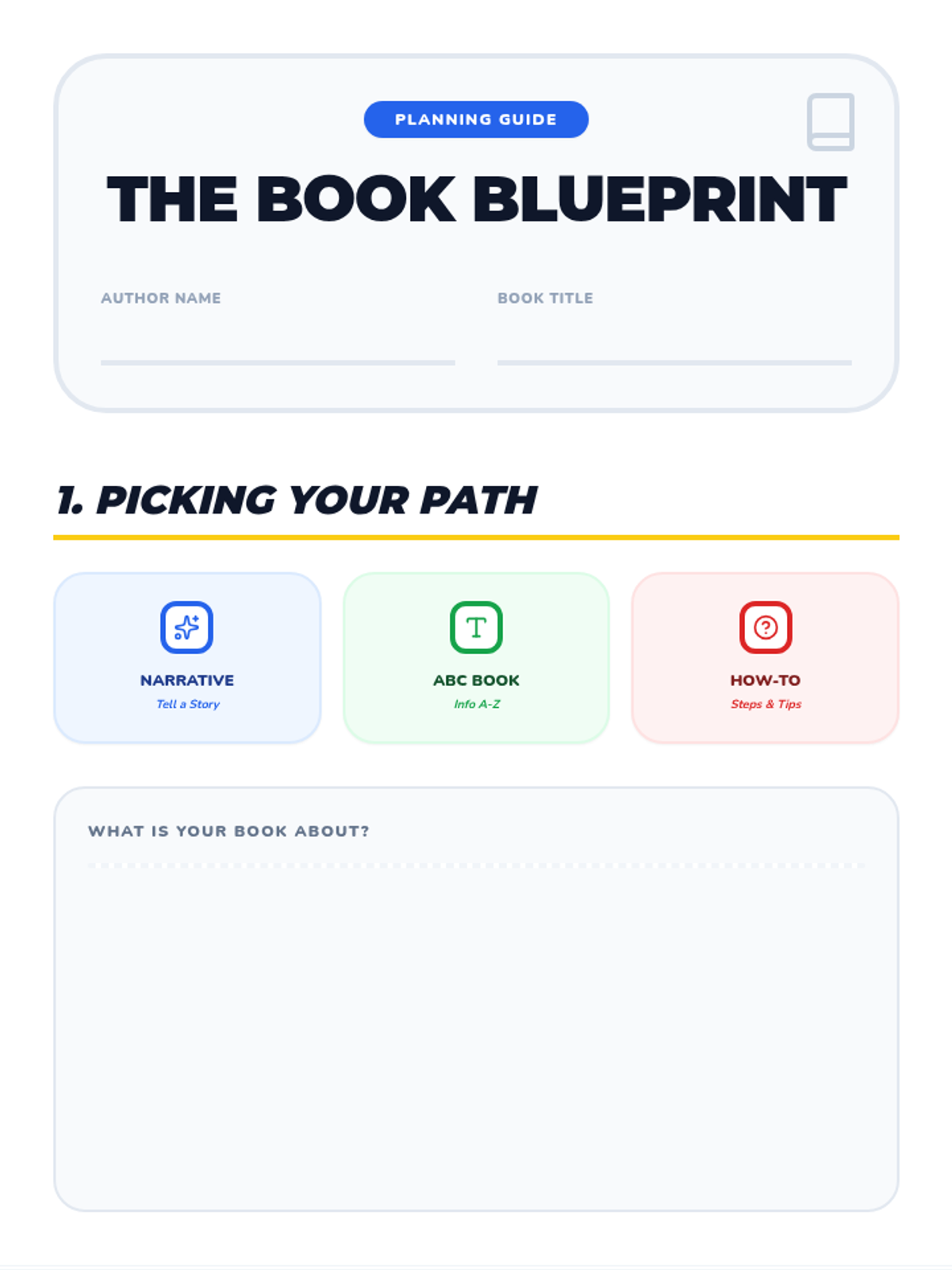
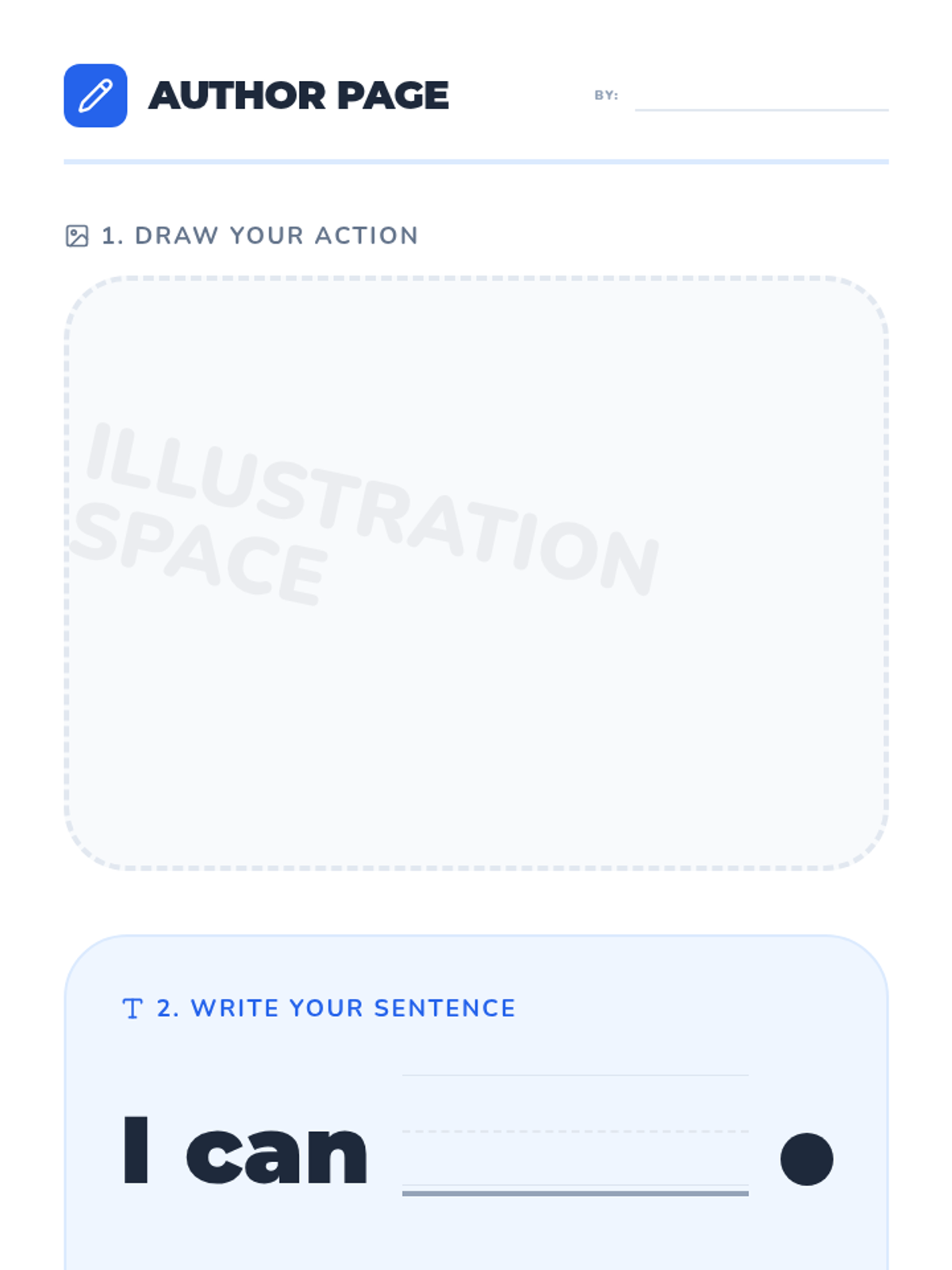
A creative writing project for young children (ages 2-8) to produce a 15-30 page book. Students can choose between a narrative story, an expository ABC book, or a how-to guide, focusing on visual design and writing conventions.
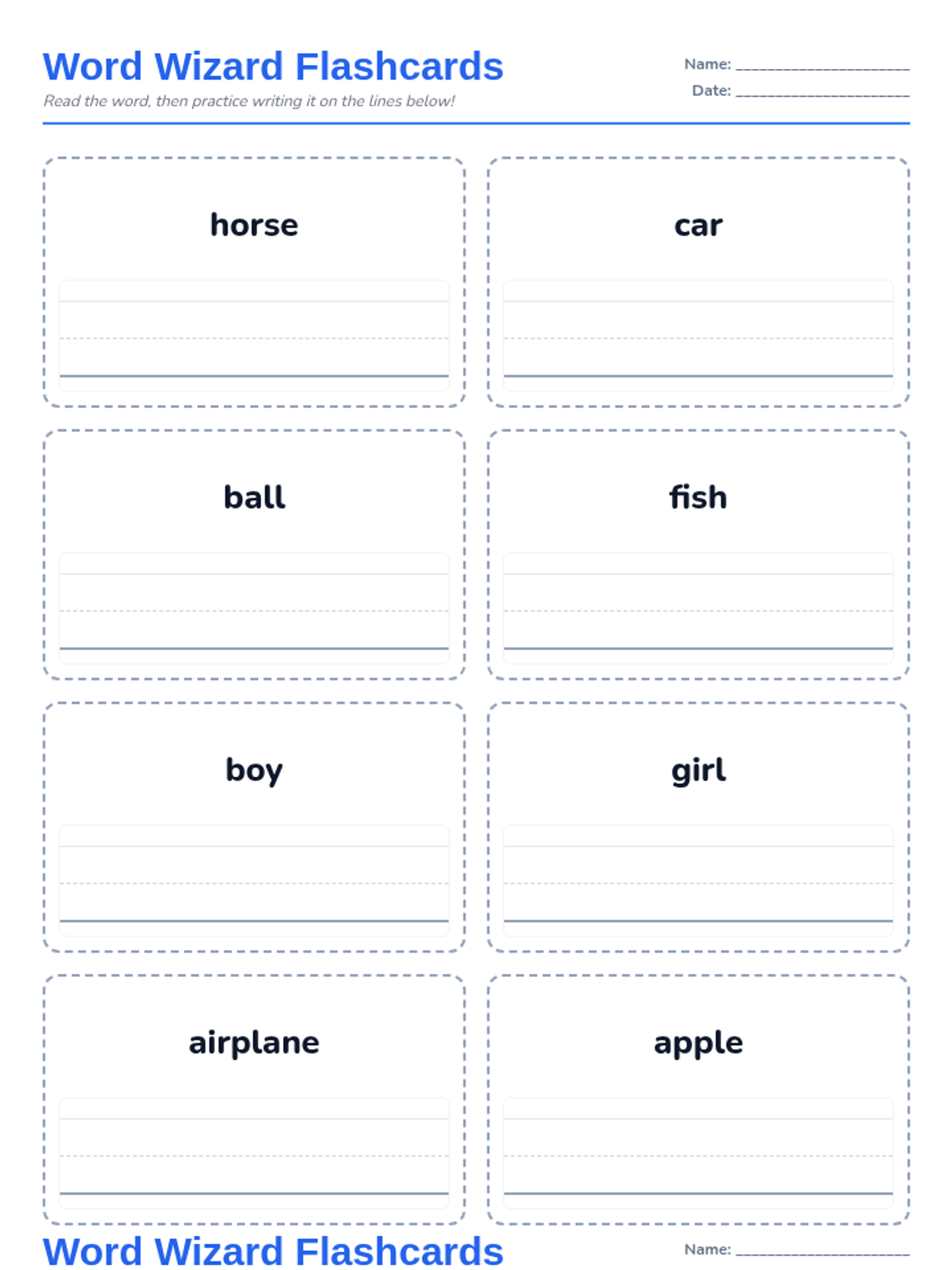
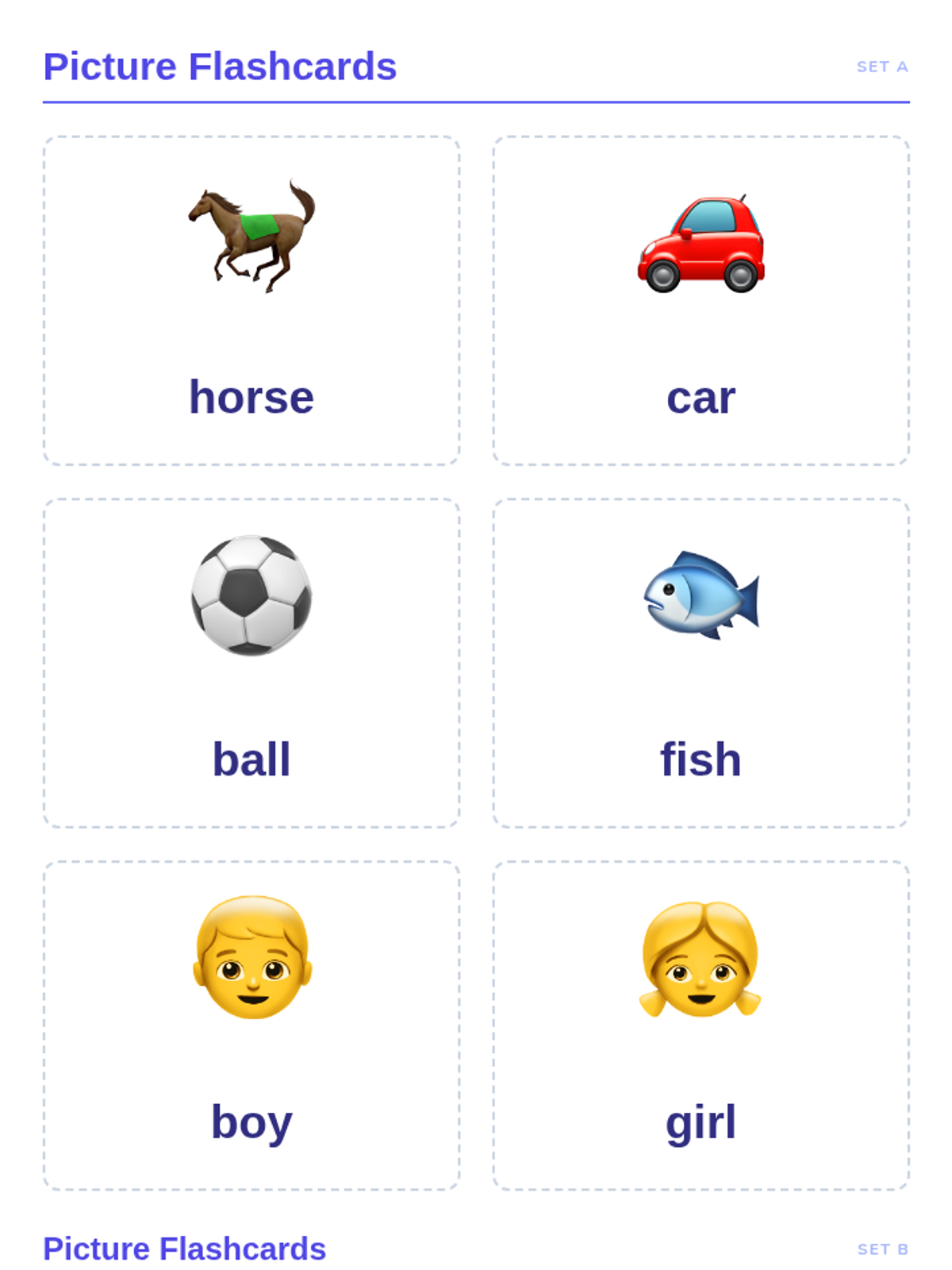
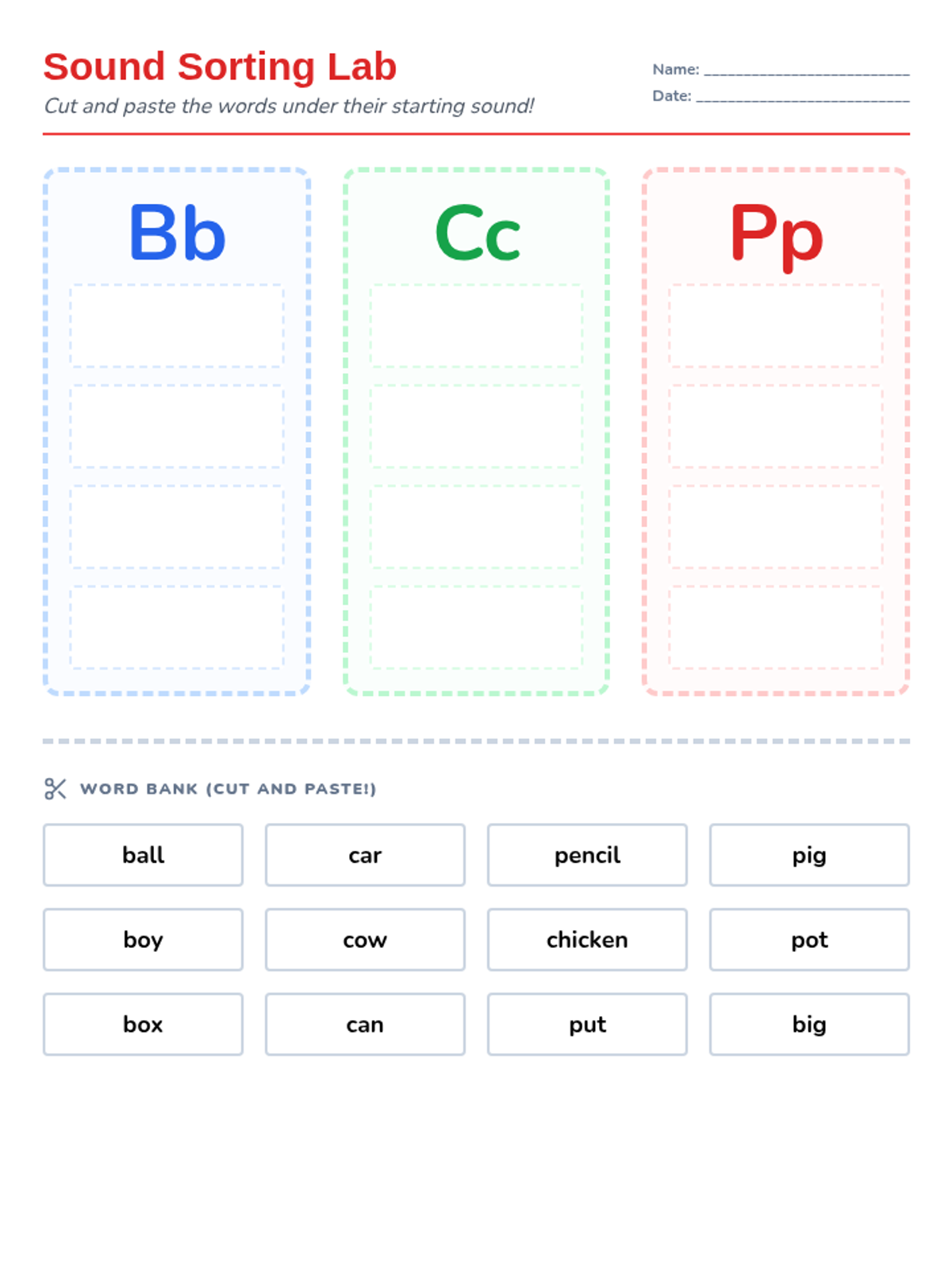
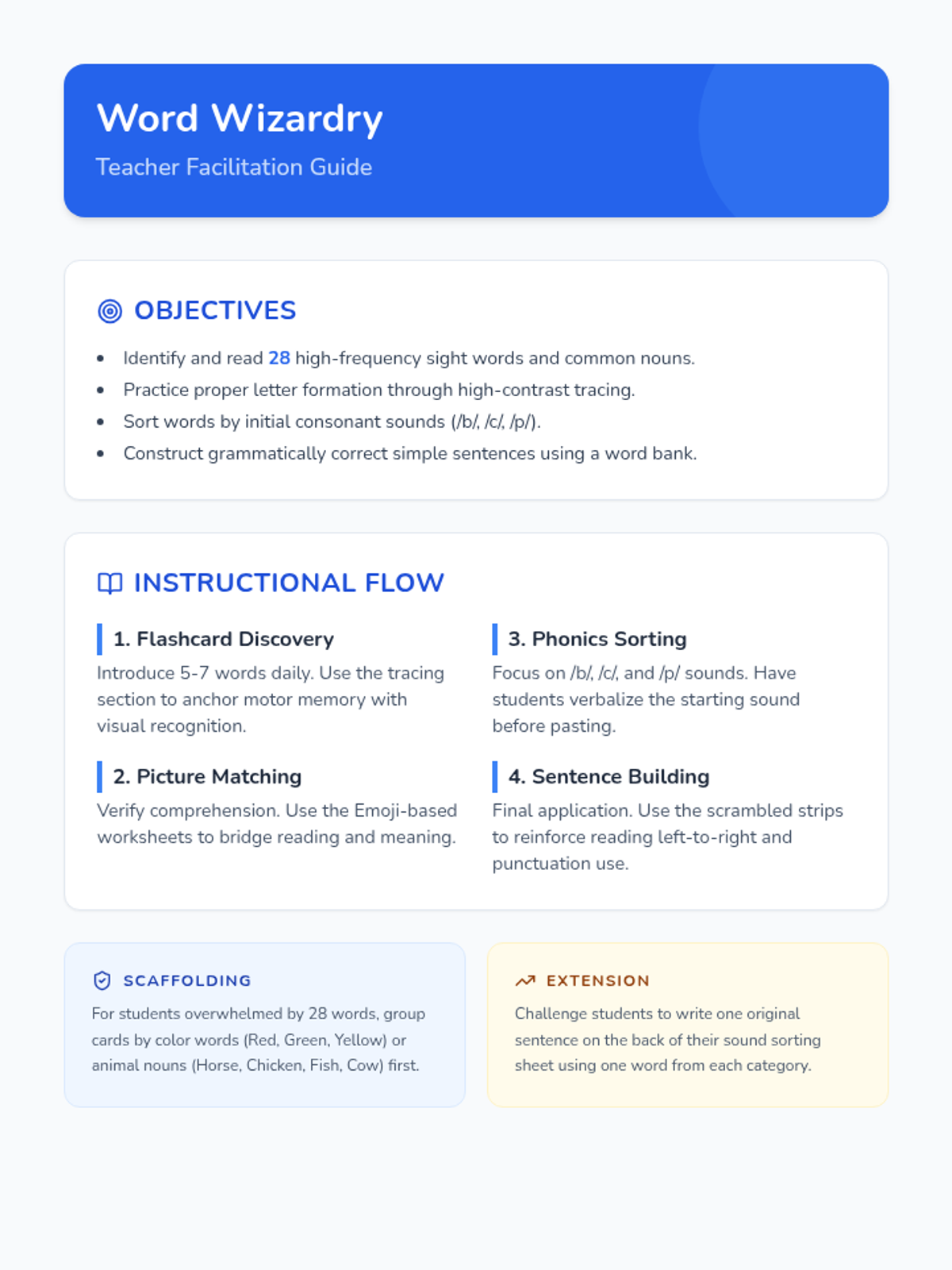
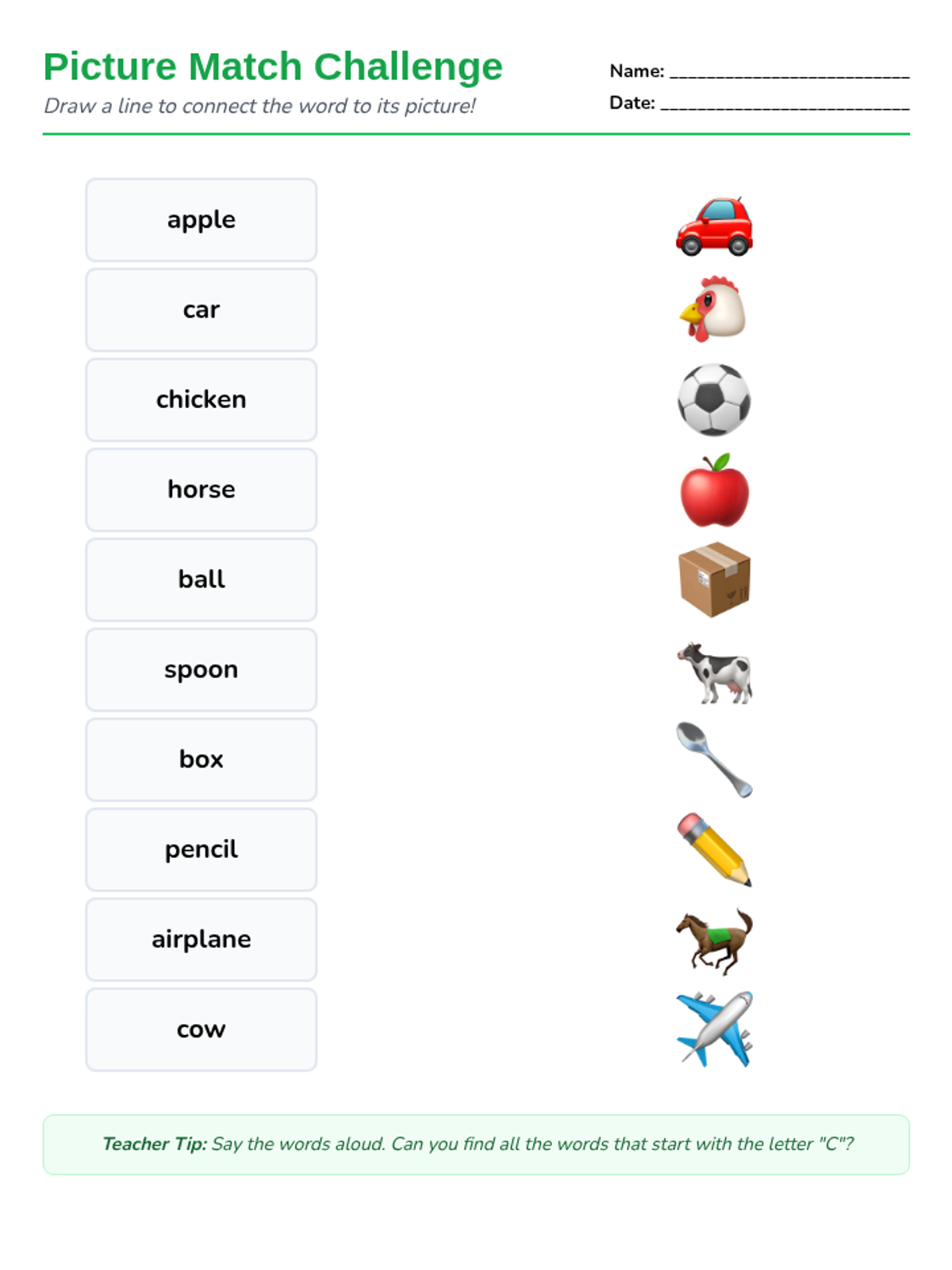
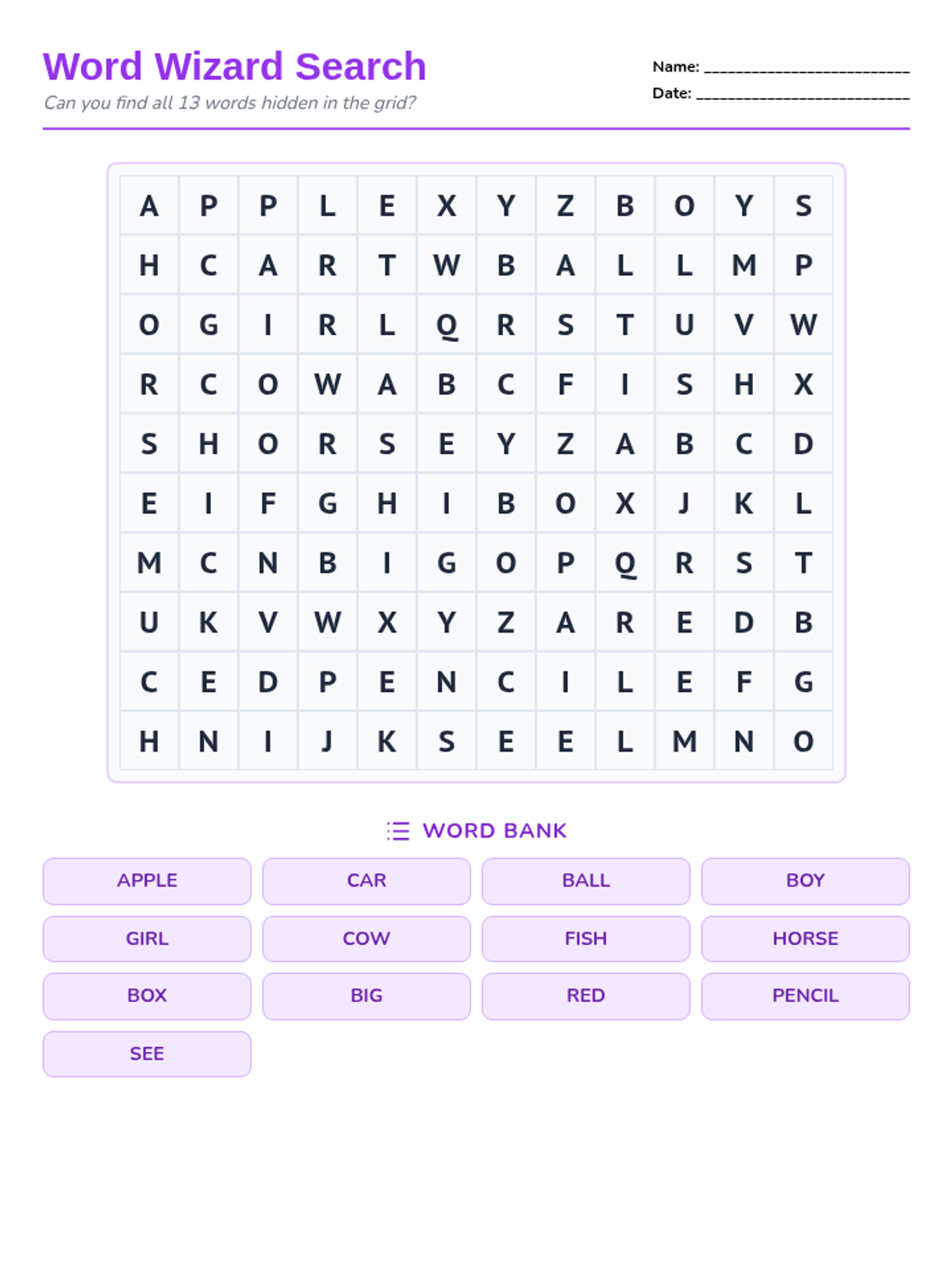
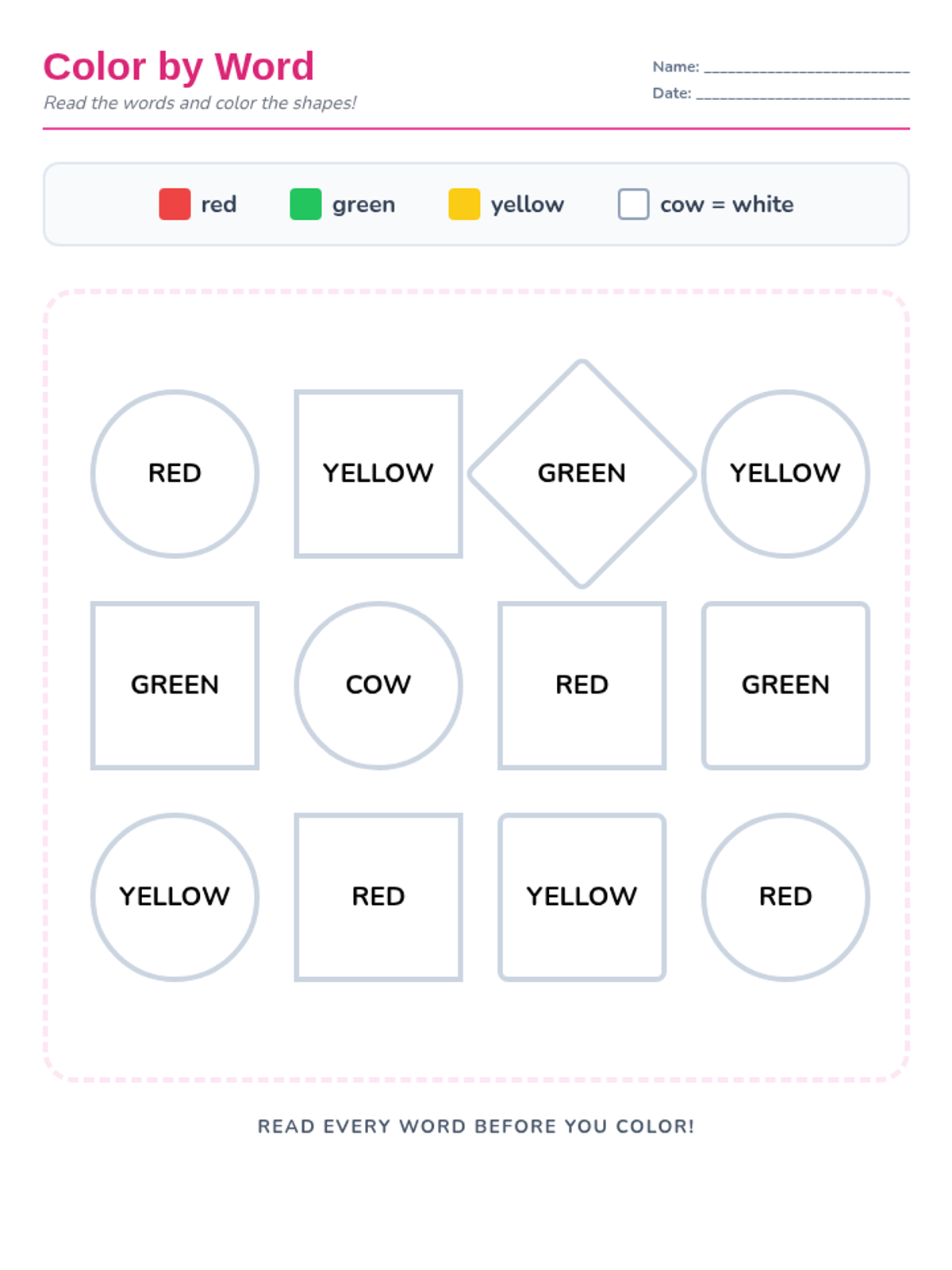
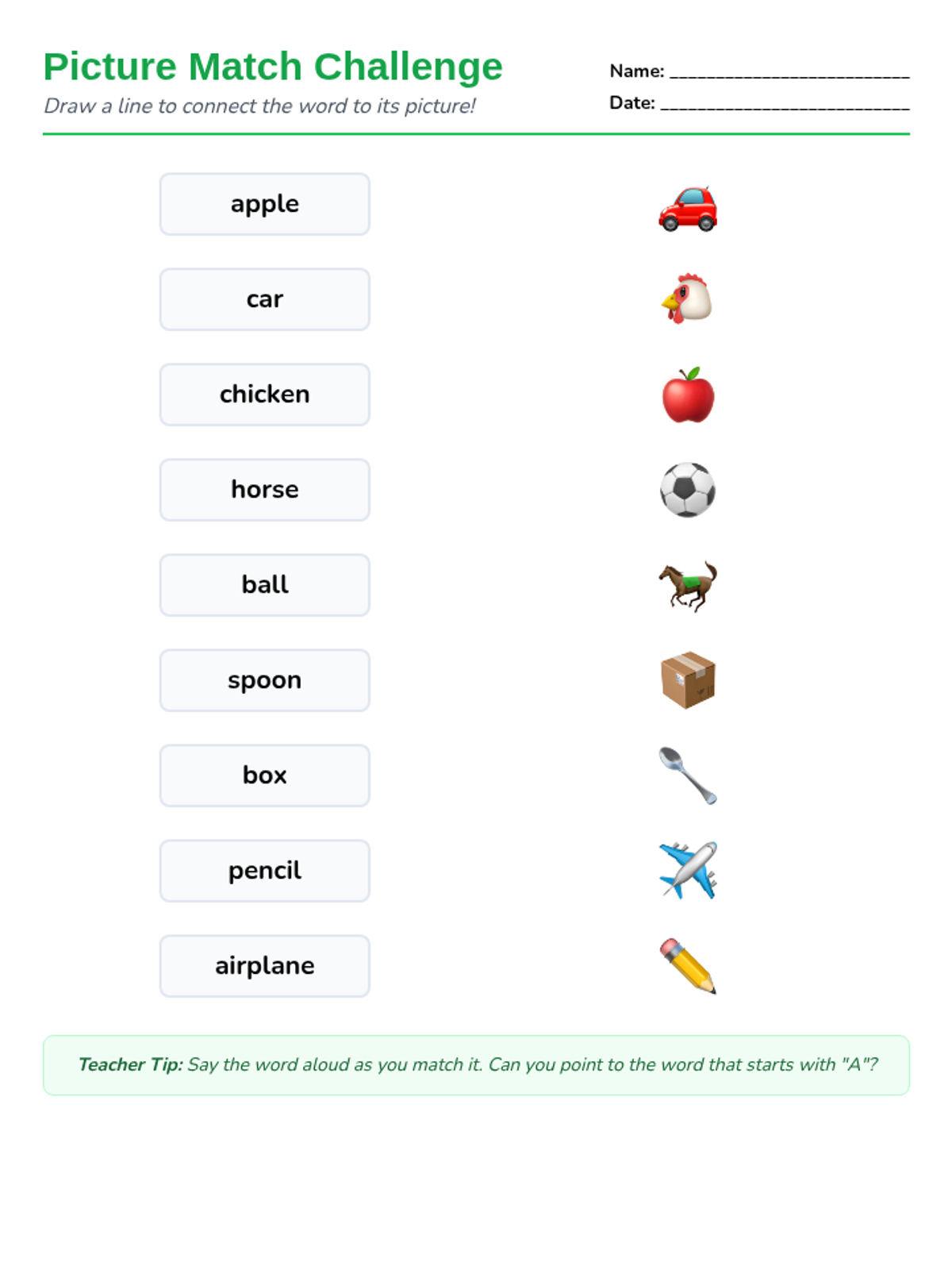
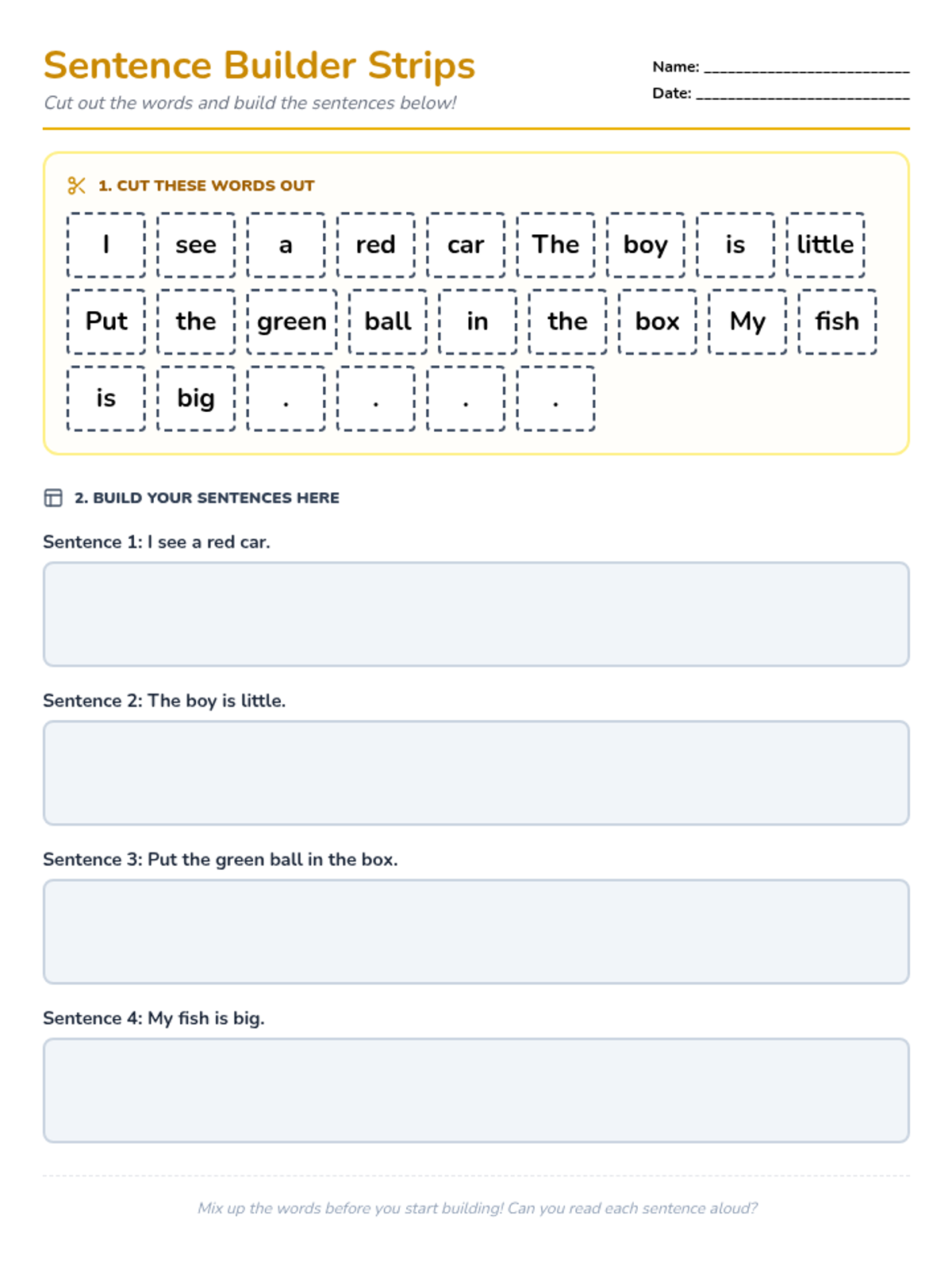
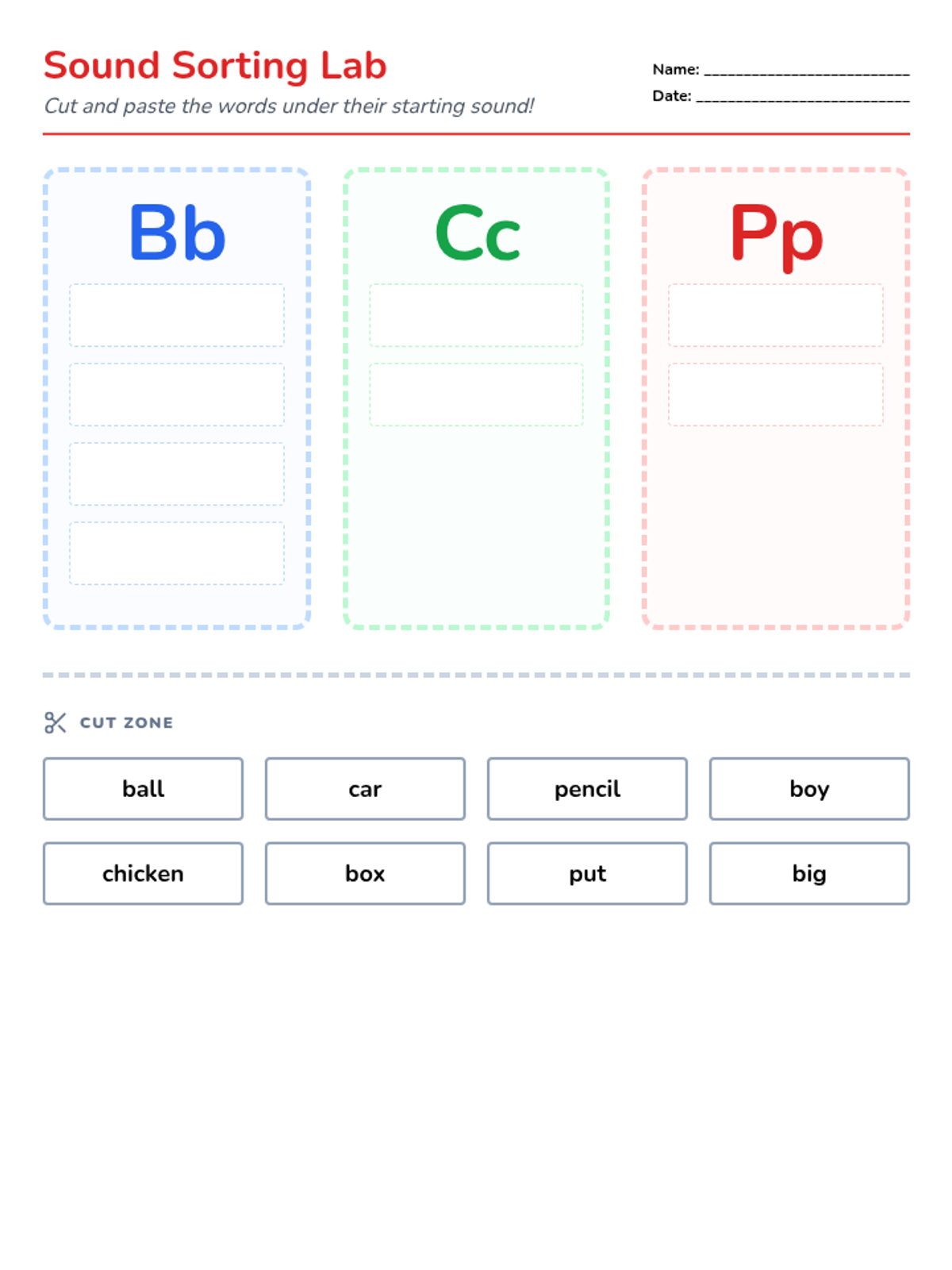
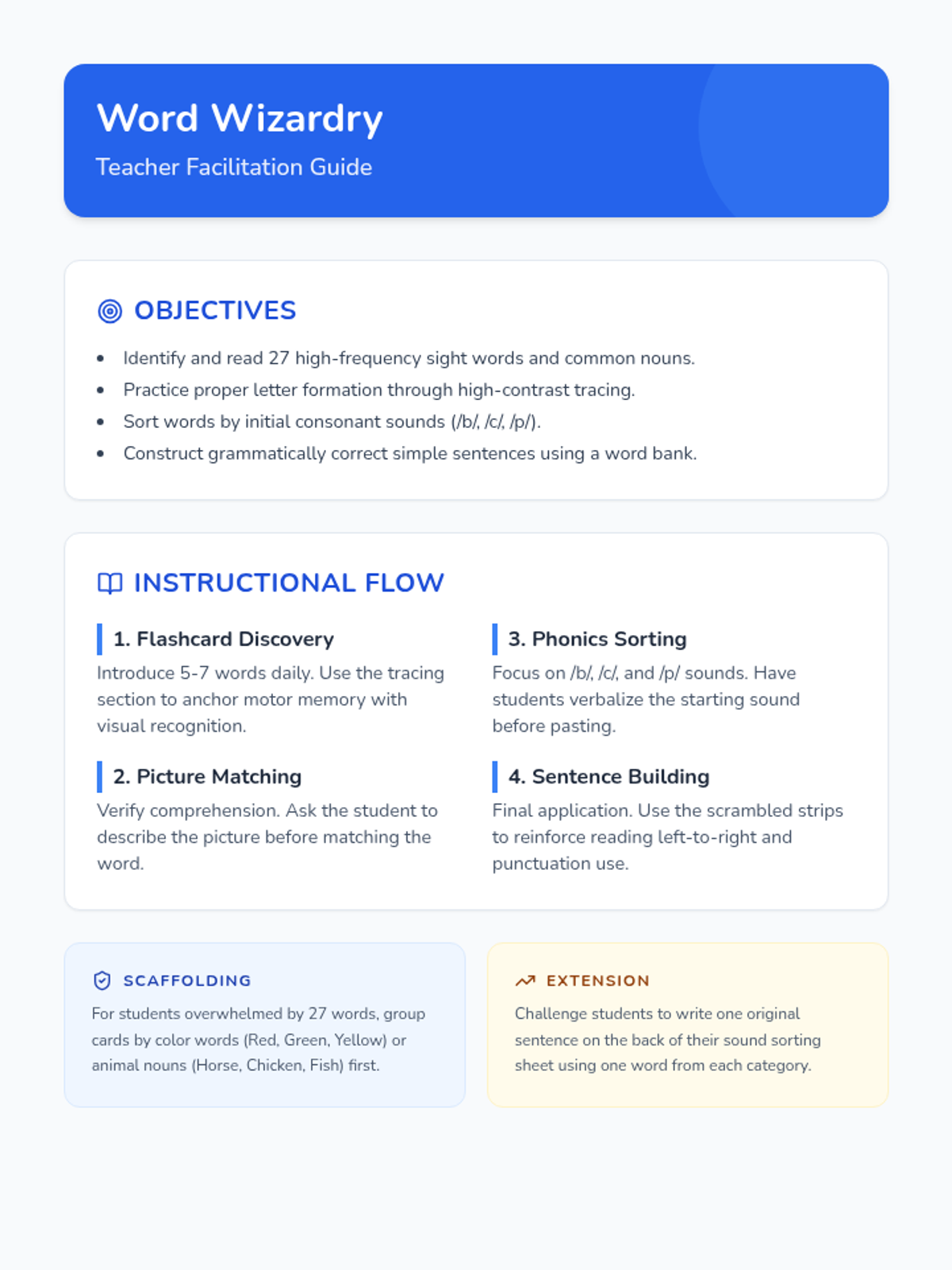
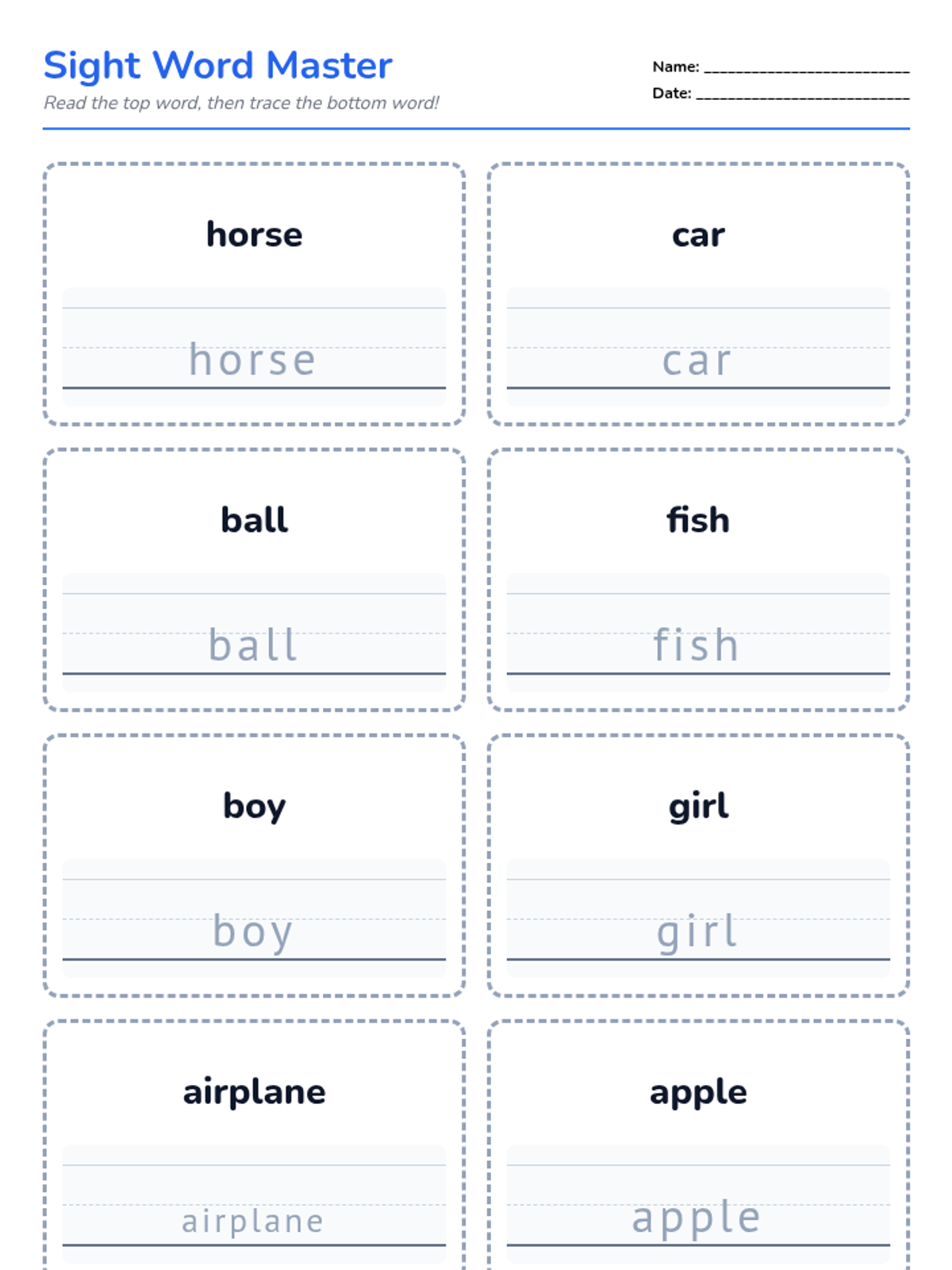
A comprehensive set of foundational literacy materials focused on 27 key sight words and nouns, covering word recognition, handwriting, sentence structure, and phonics.
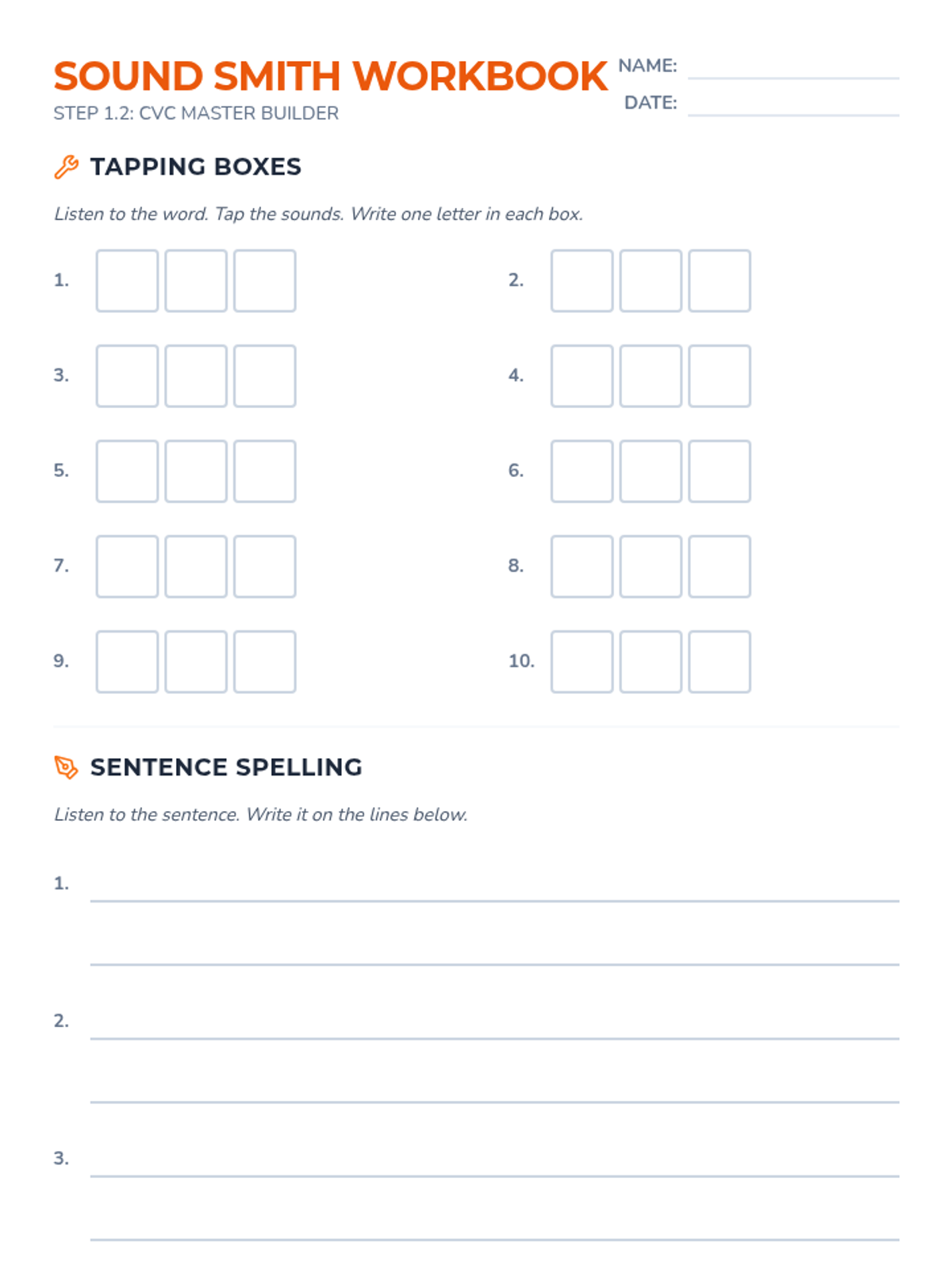
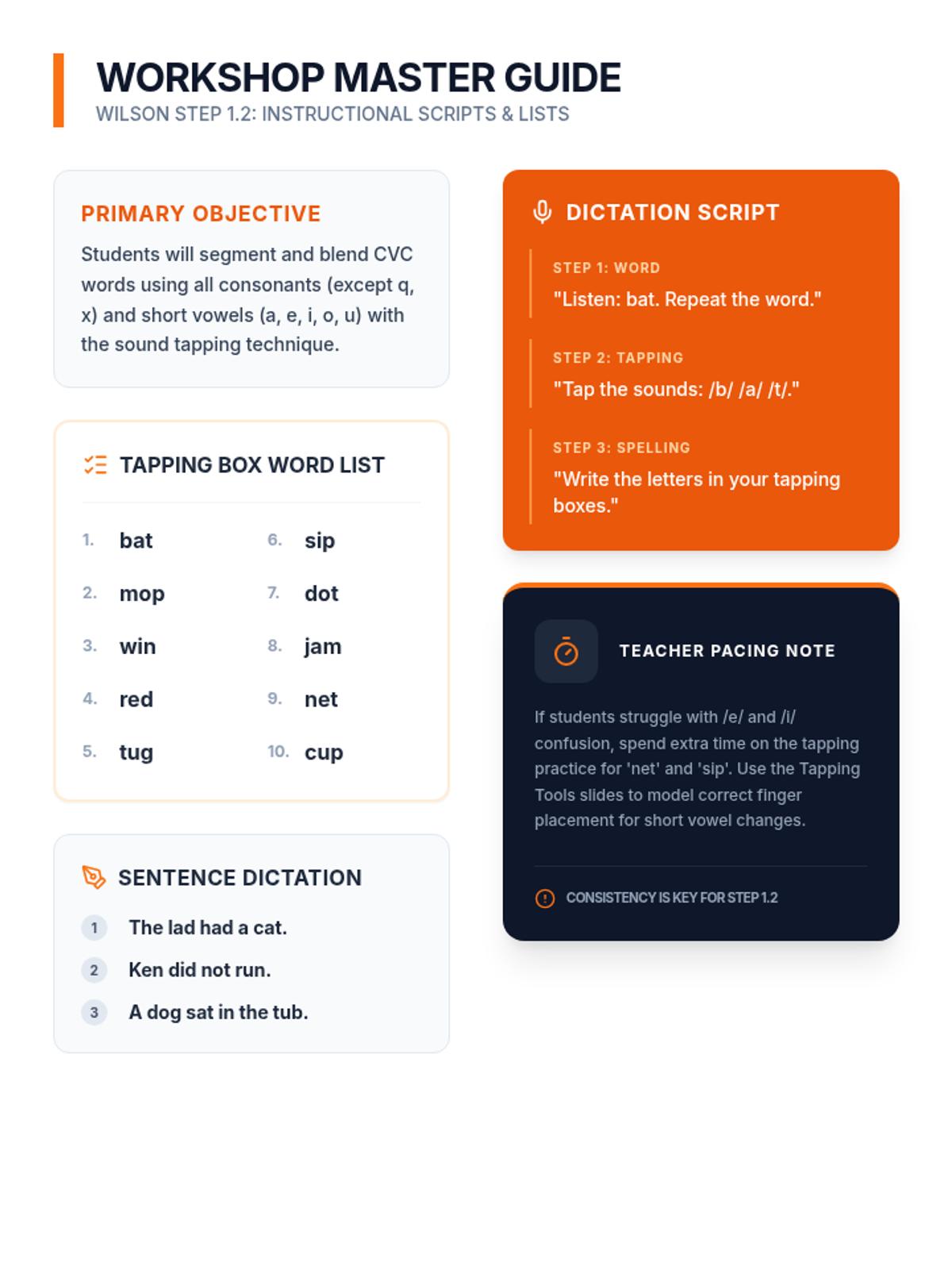
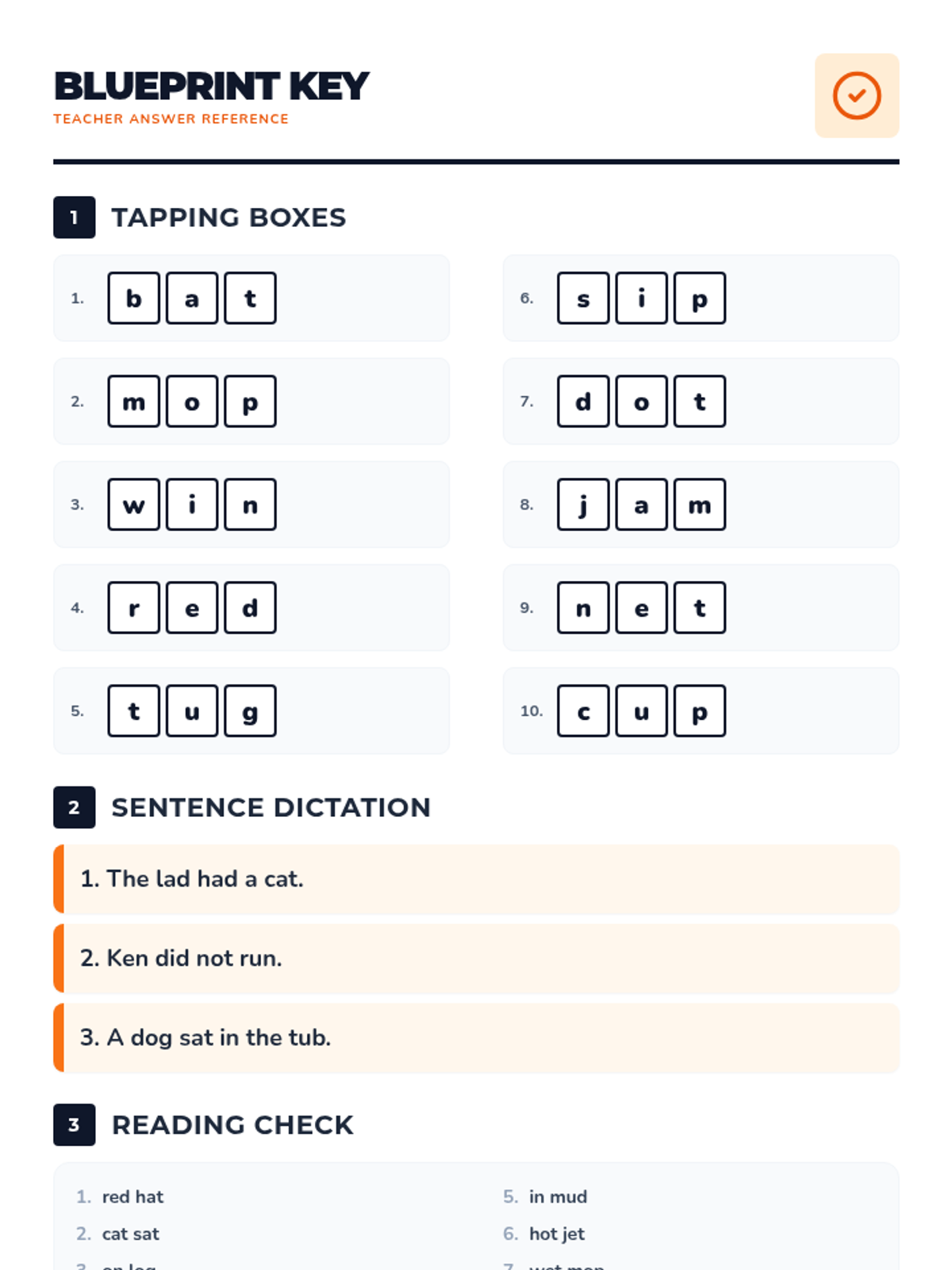
A foundational lesson on Wilson Step 1.2 focusing on CVC word segmenting, blending, and sentence construction using sound tapping techniques.
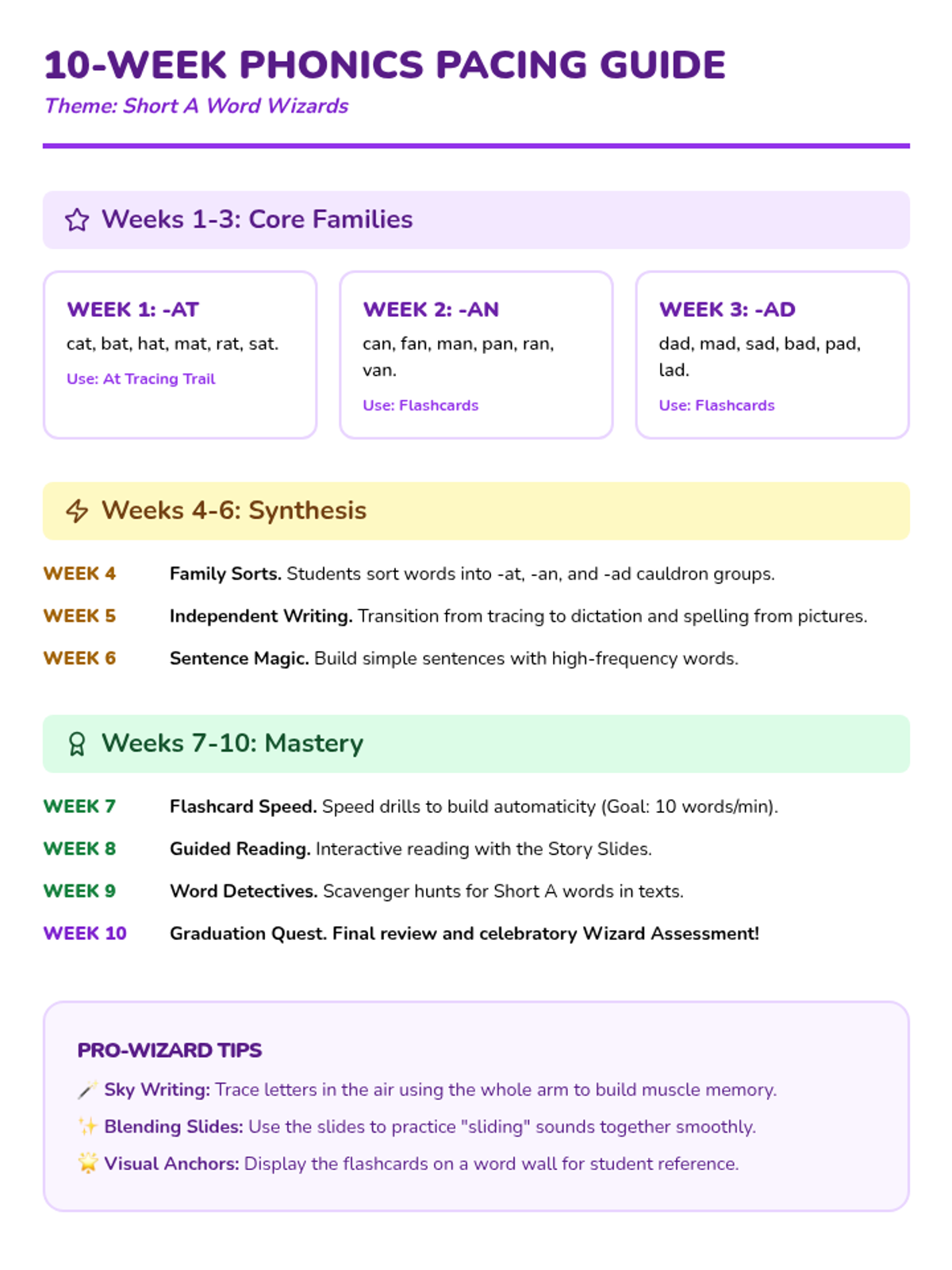
A final assessment and celebration of 10 weeks of learning.
Reading decodable short stories featuring characters from the -at, -an, and -ad families.
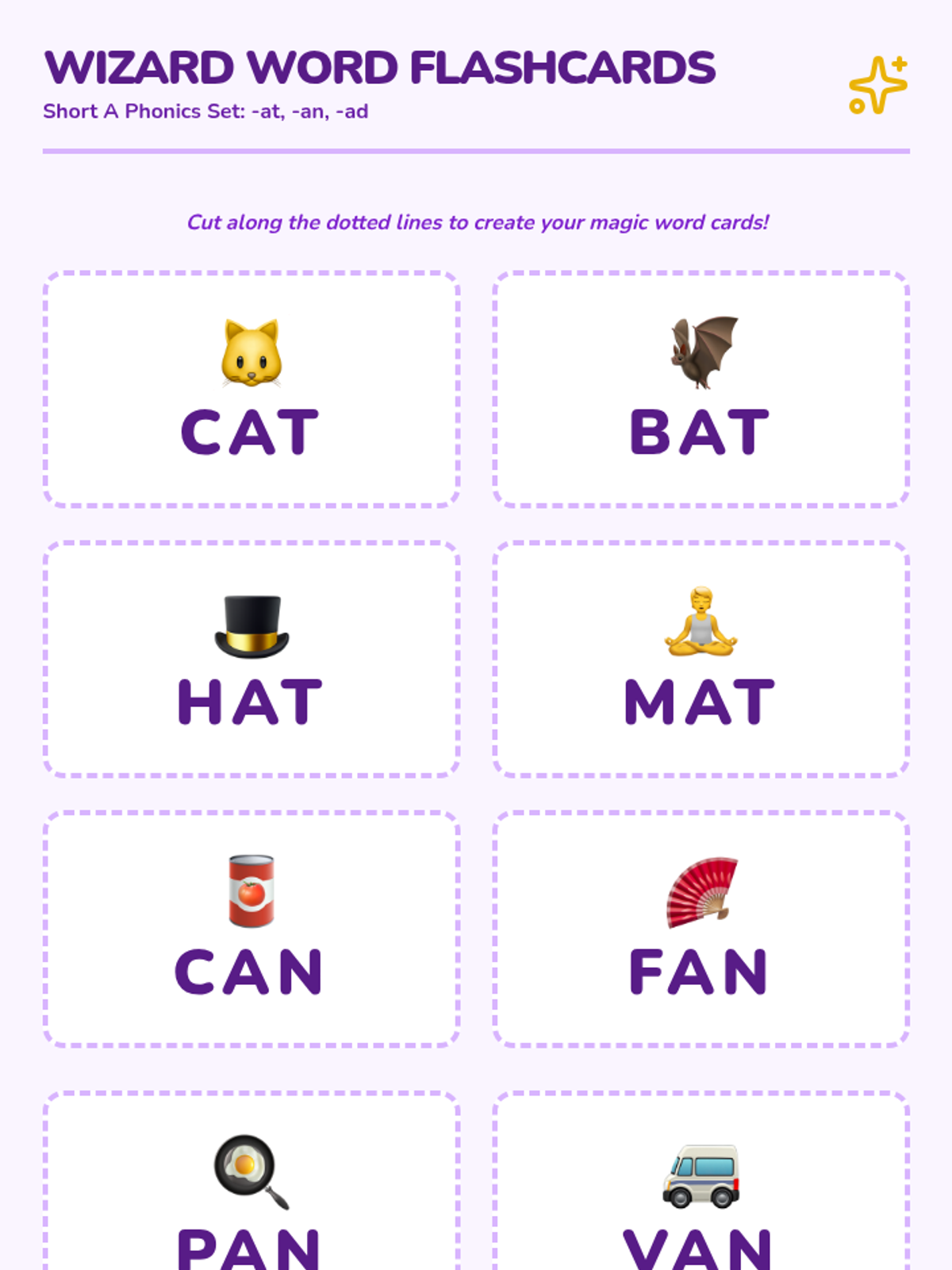
Phonics fluency practice using flashcards and timed word reading activities.
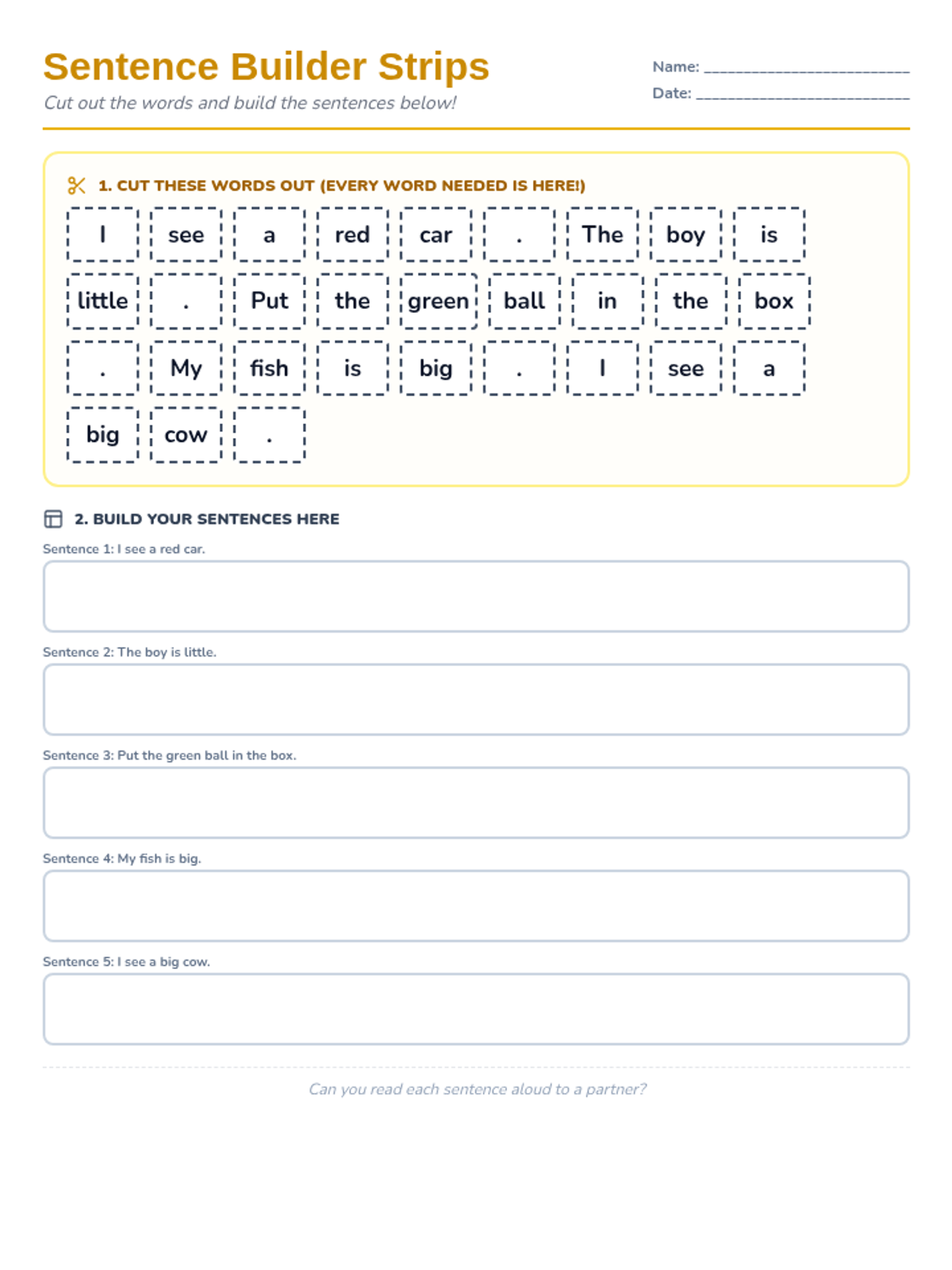
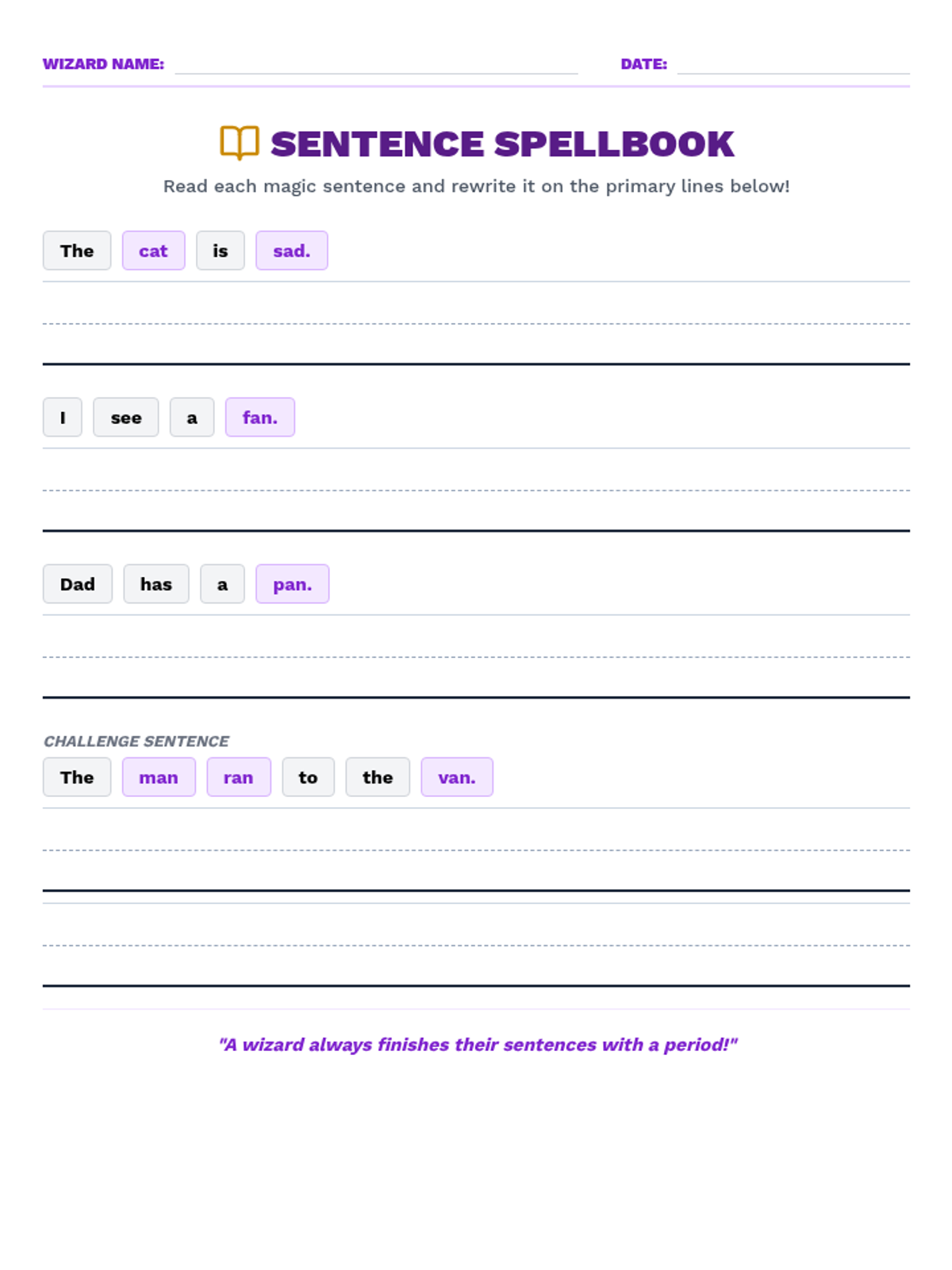
Building simple sentences using short 'a' words and common high-frequency sight words.
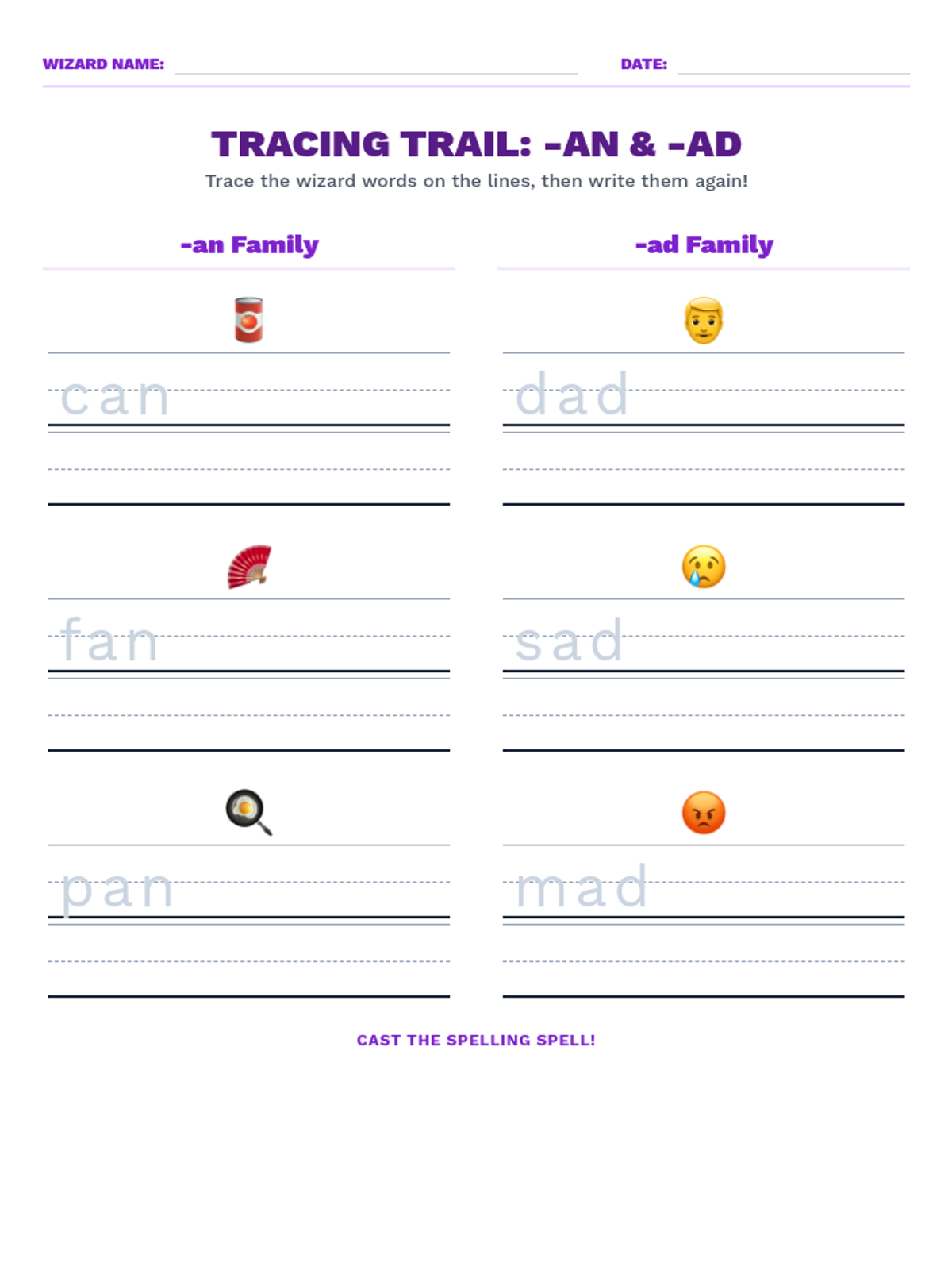
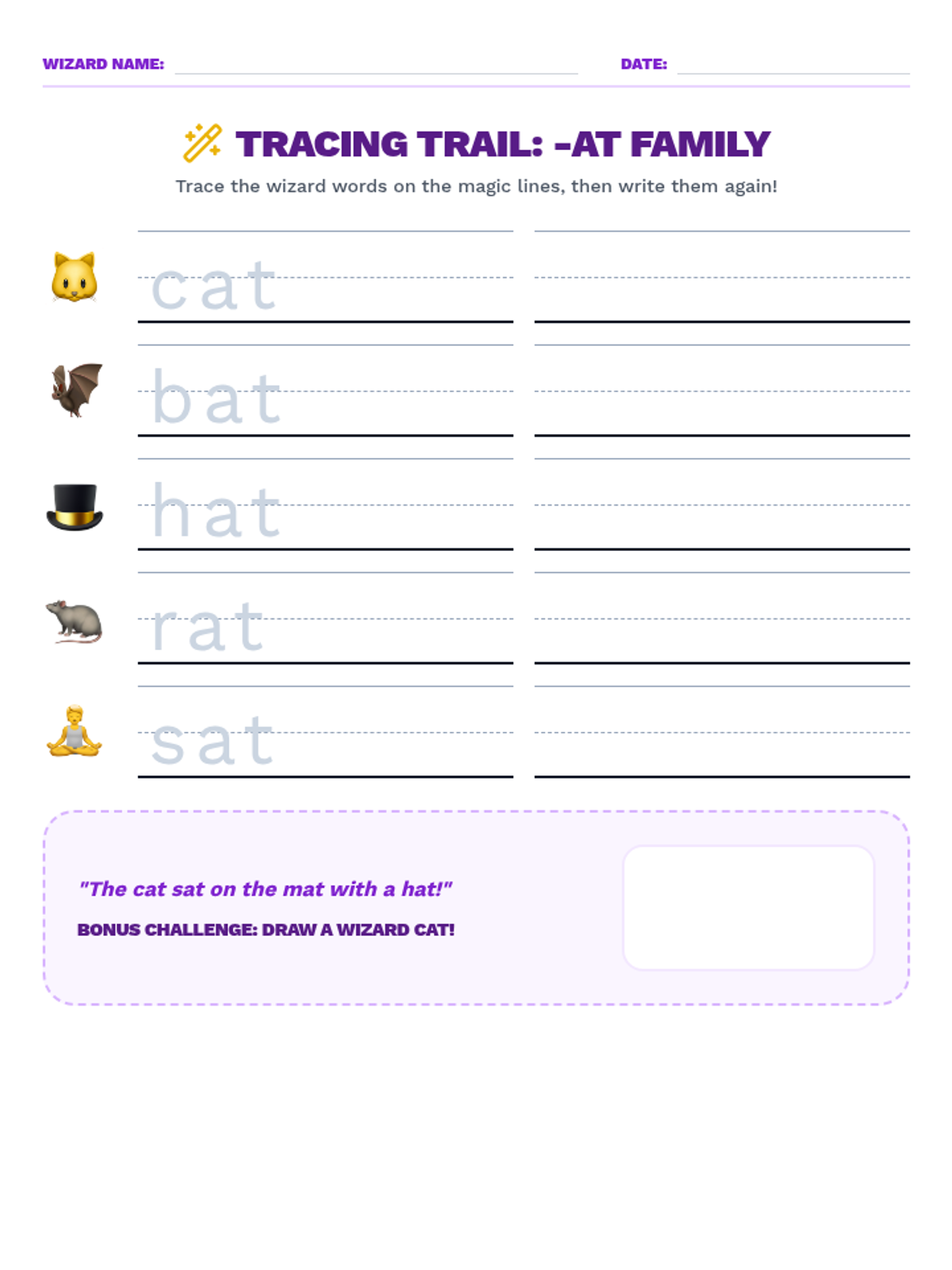
Intensive tracing and independent writing practice for all three word families.
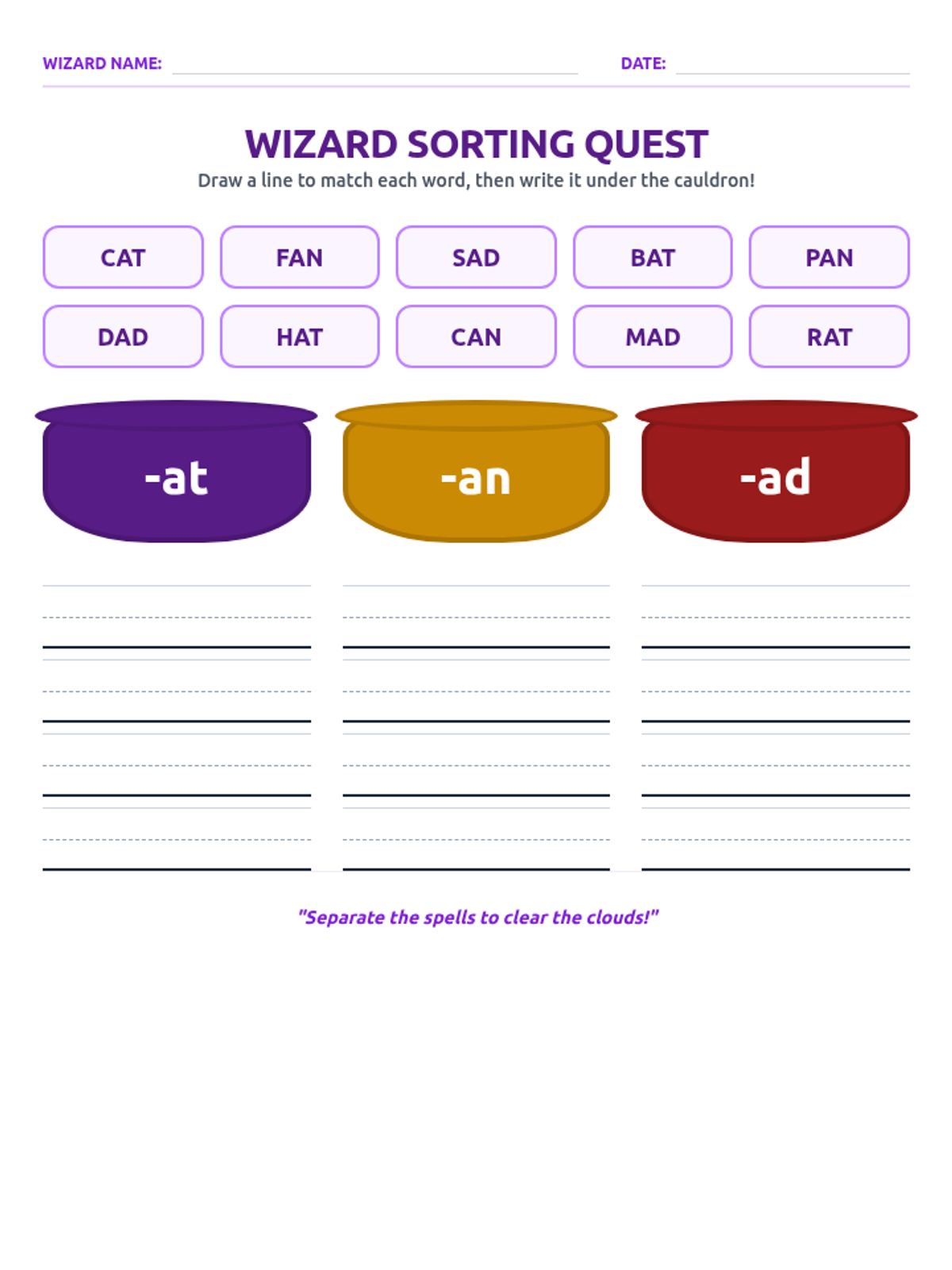
A review and synthesis week where students sort and compare the three word families.
Focus on the -at word family, introducing basic phonics blending and letter formation.
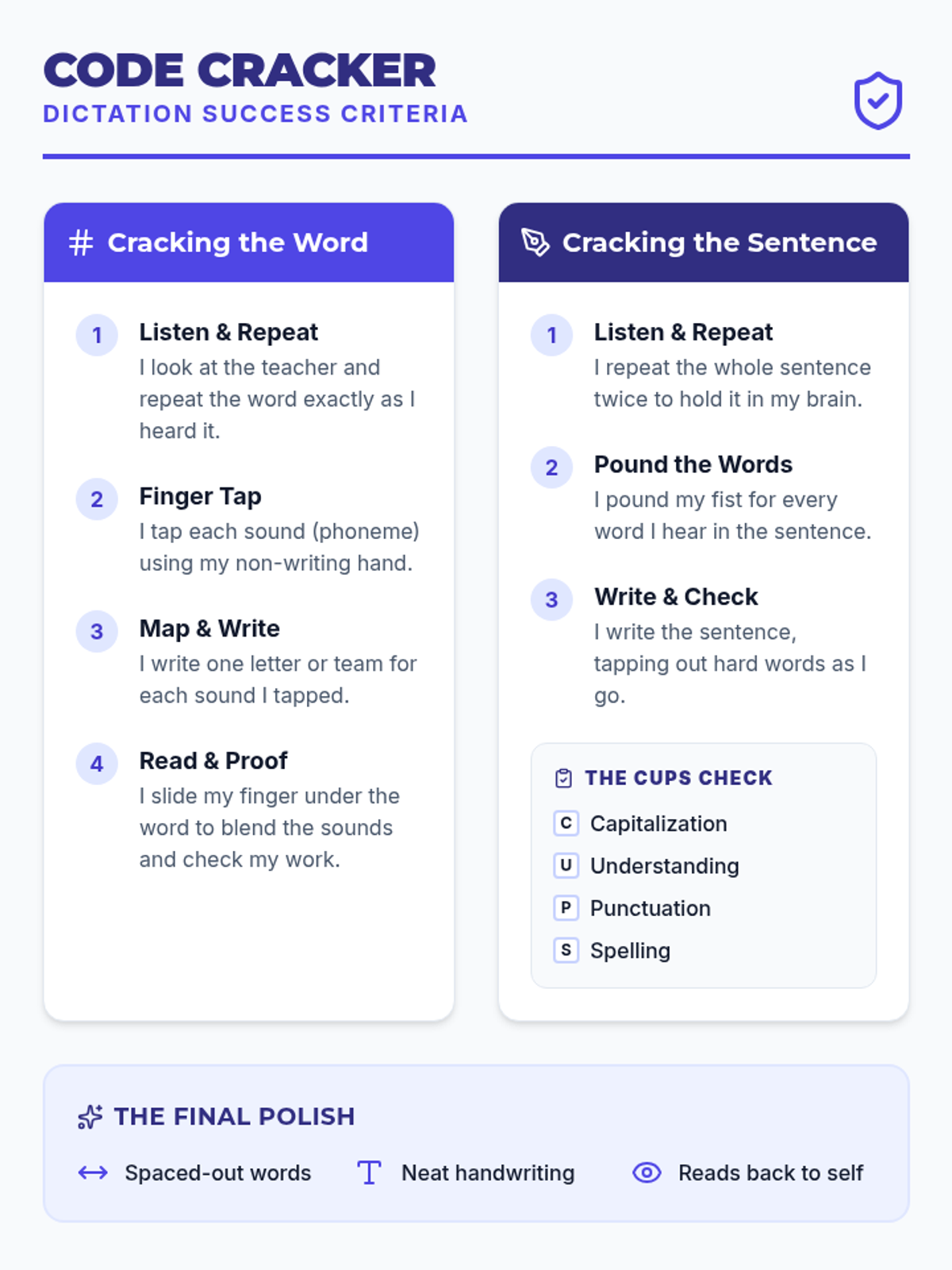
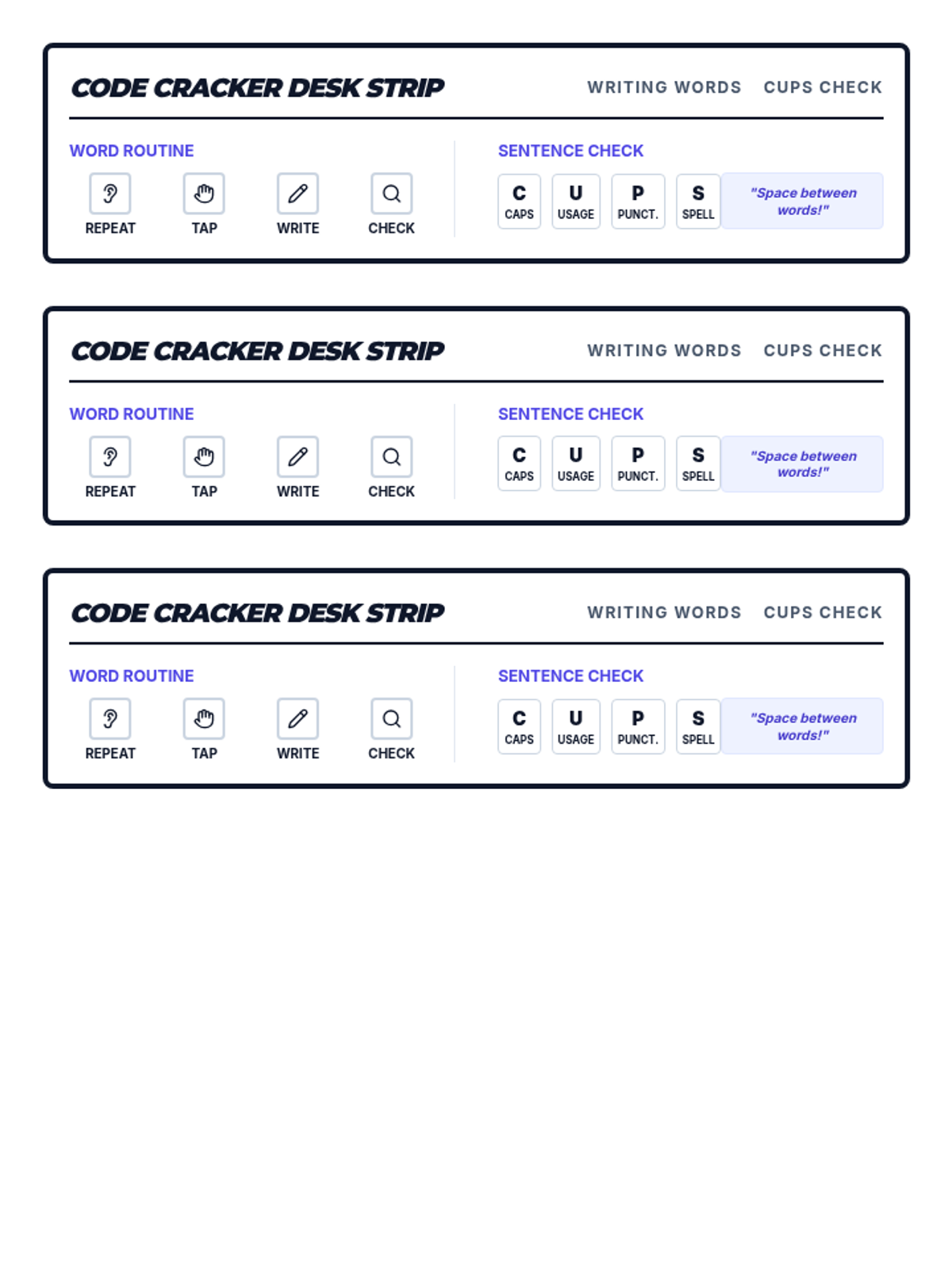
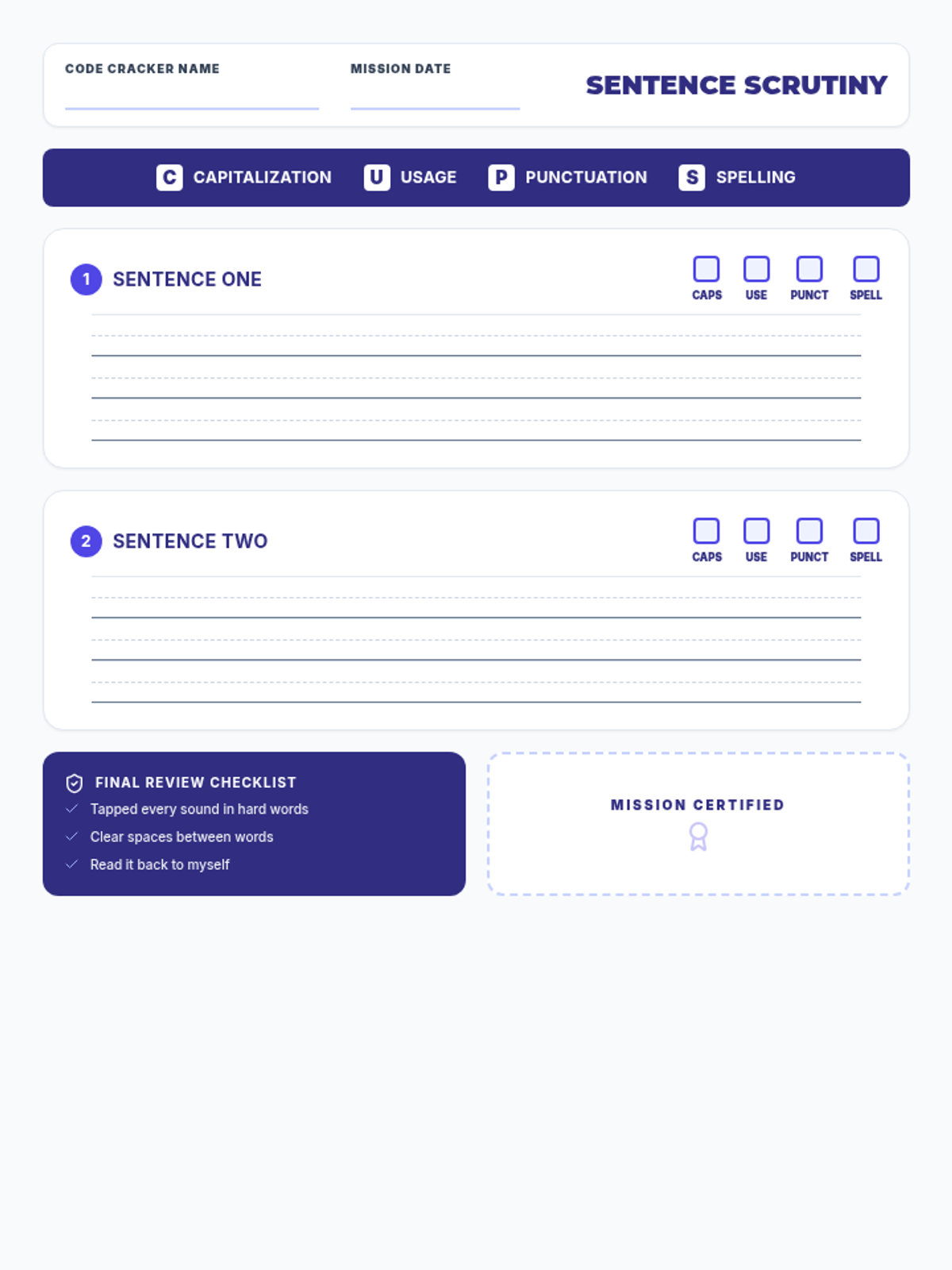
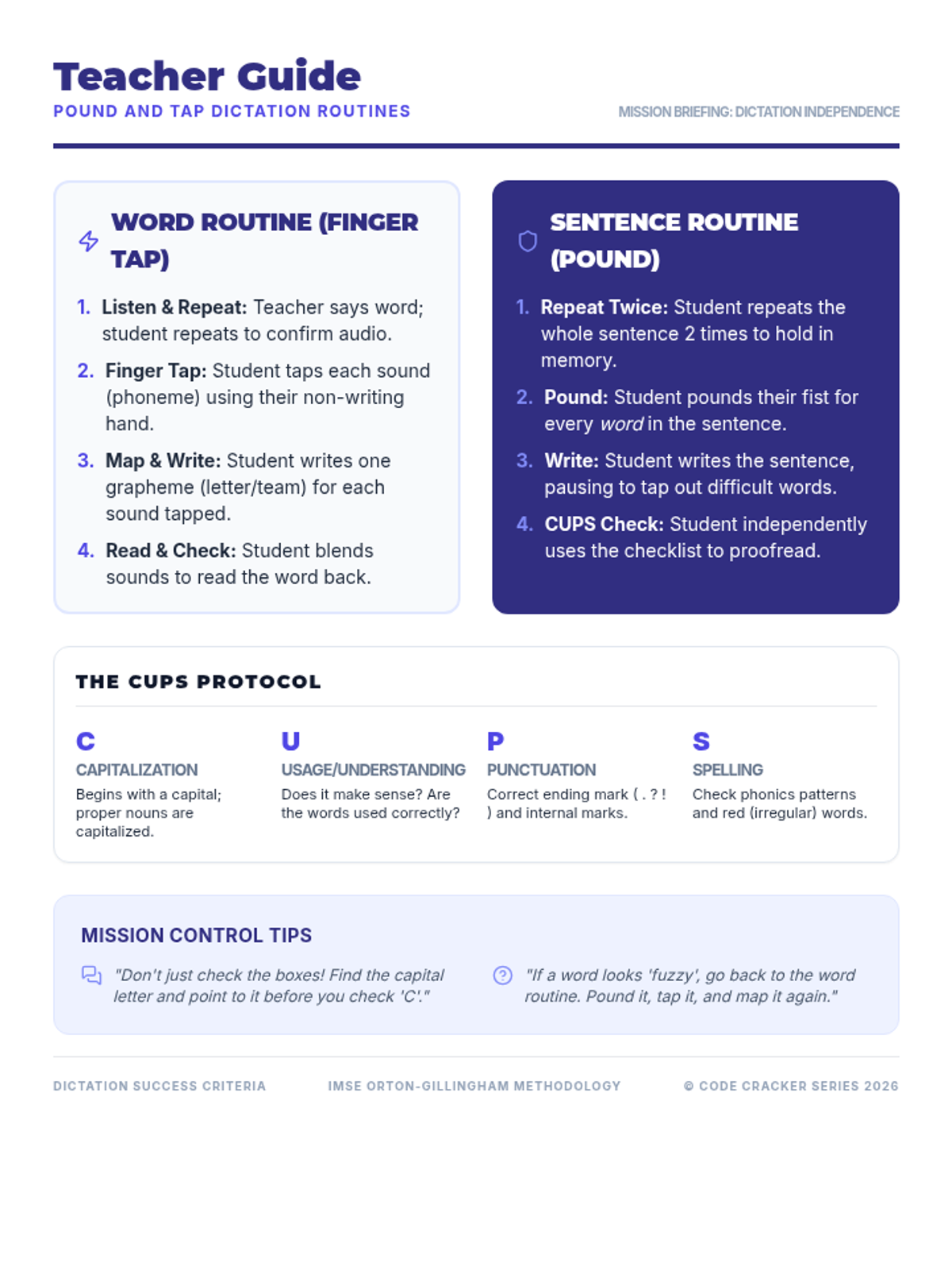
A toolkit of success criteria and structured practice materials for IMSE Orton-Gillingham dictation routines, focusing on word mapping and sentence conventions.
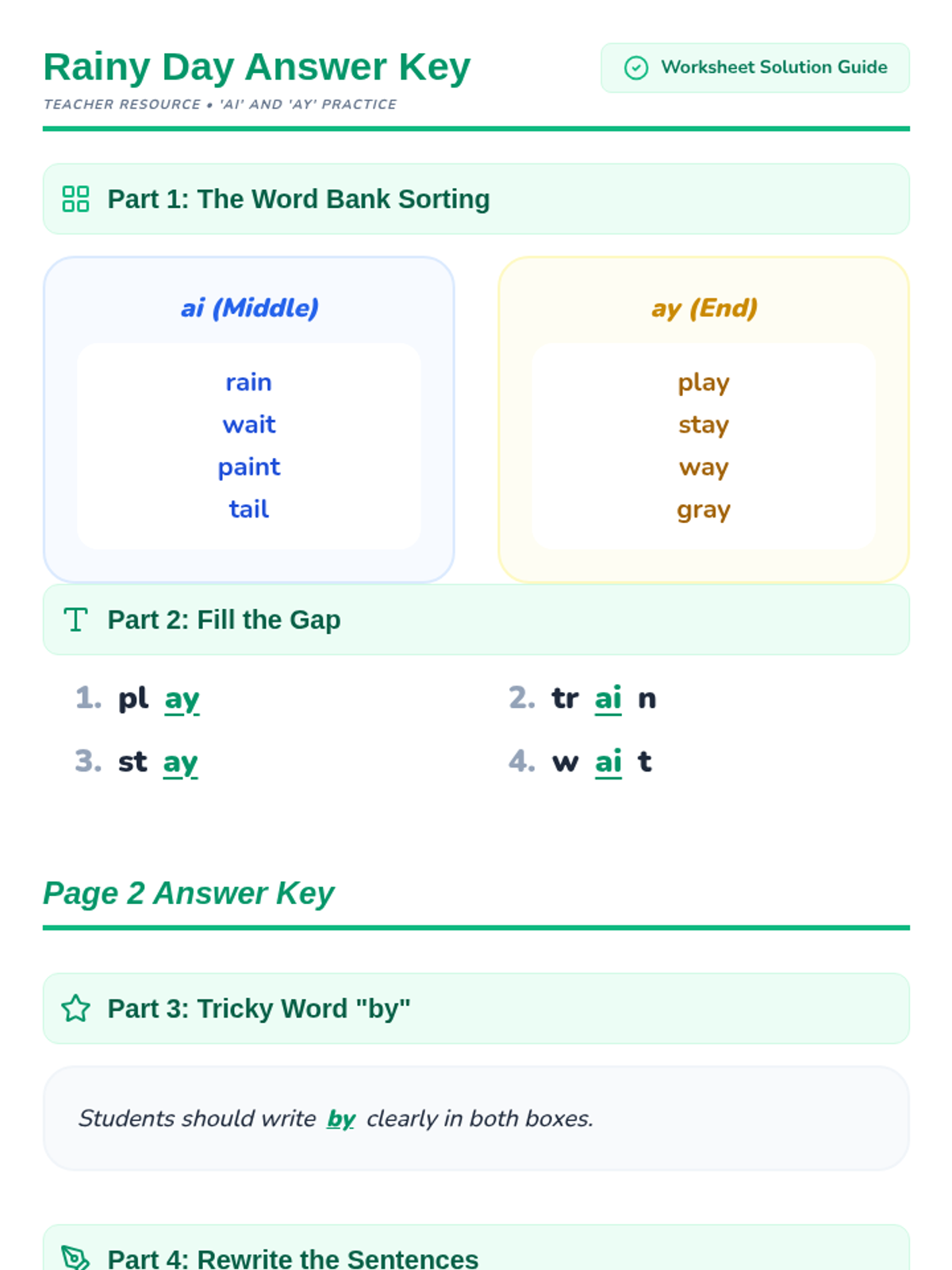
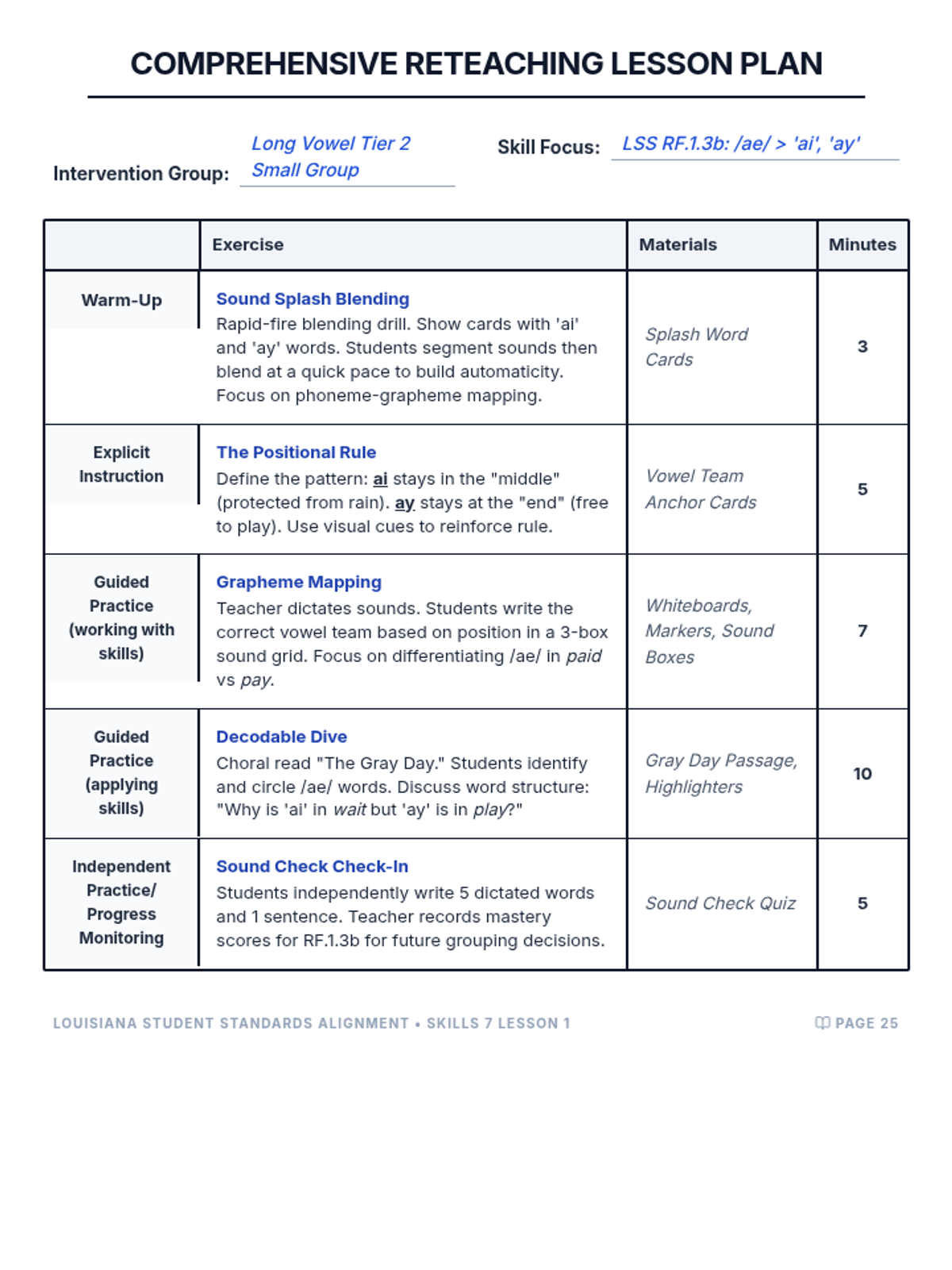
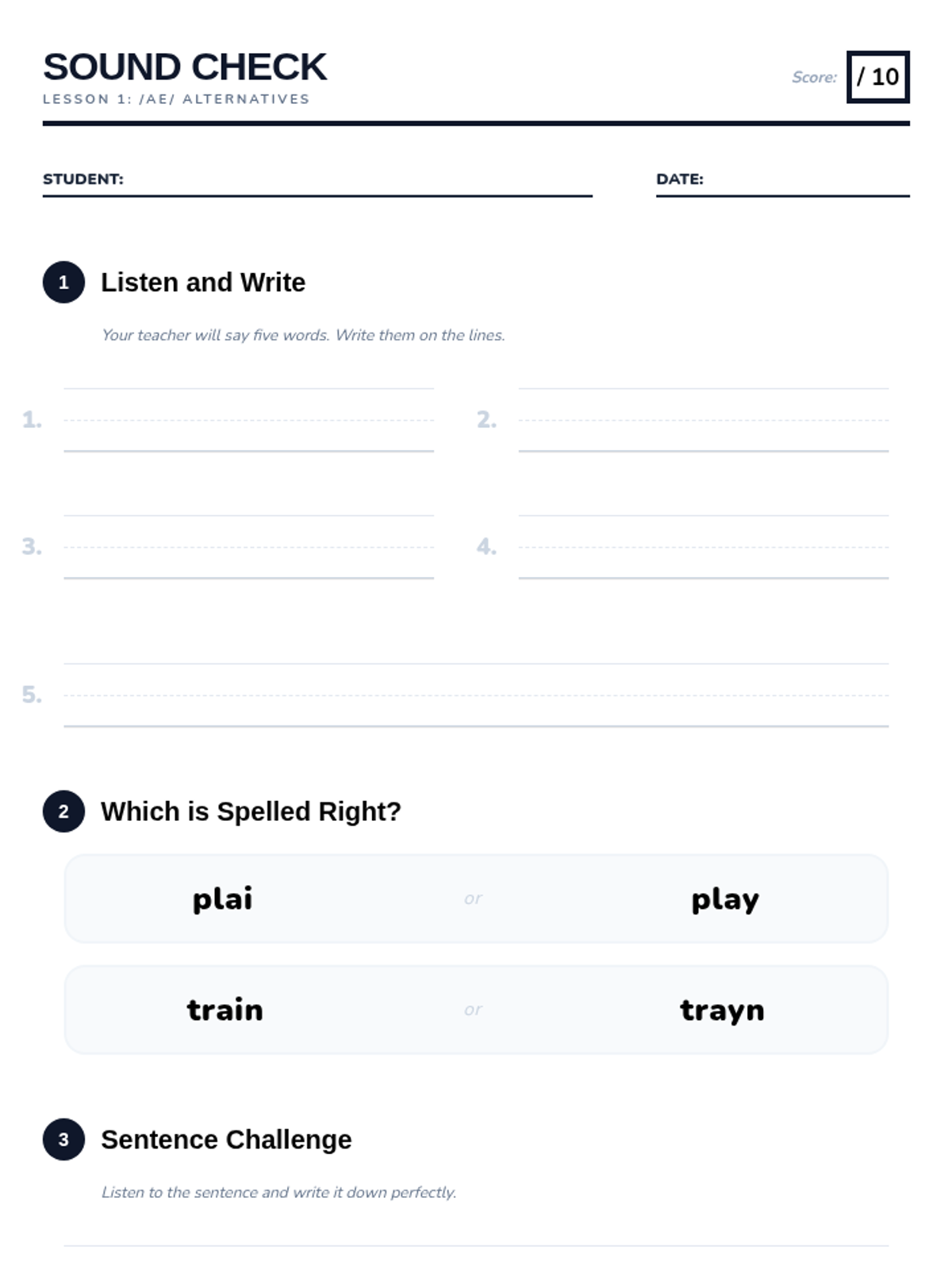
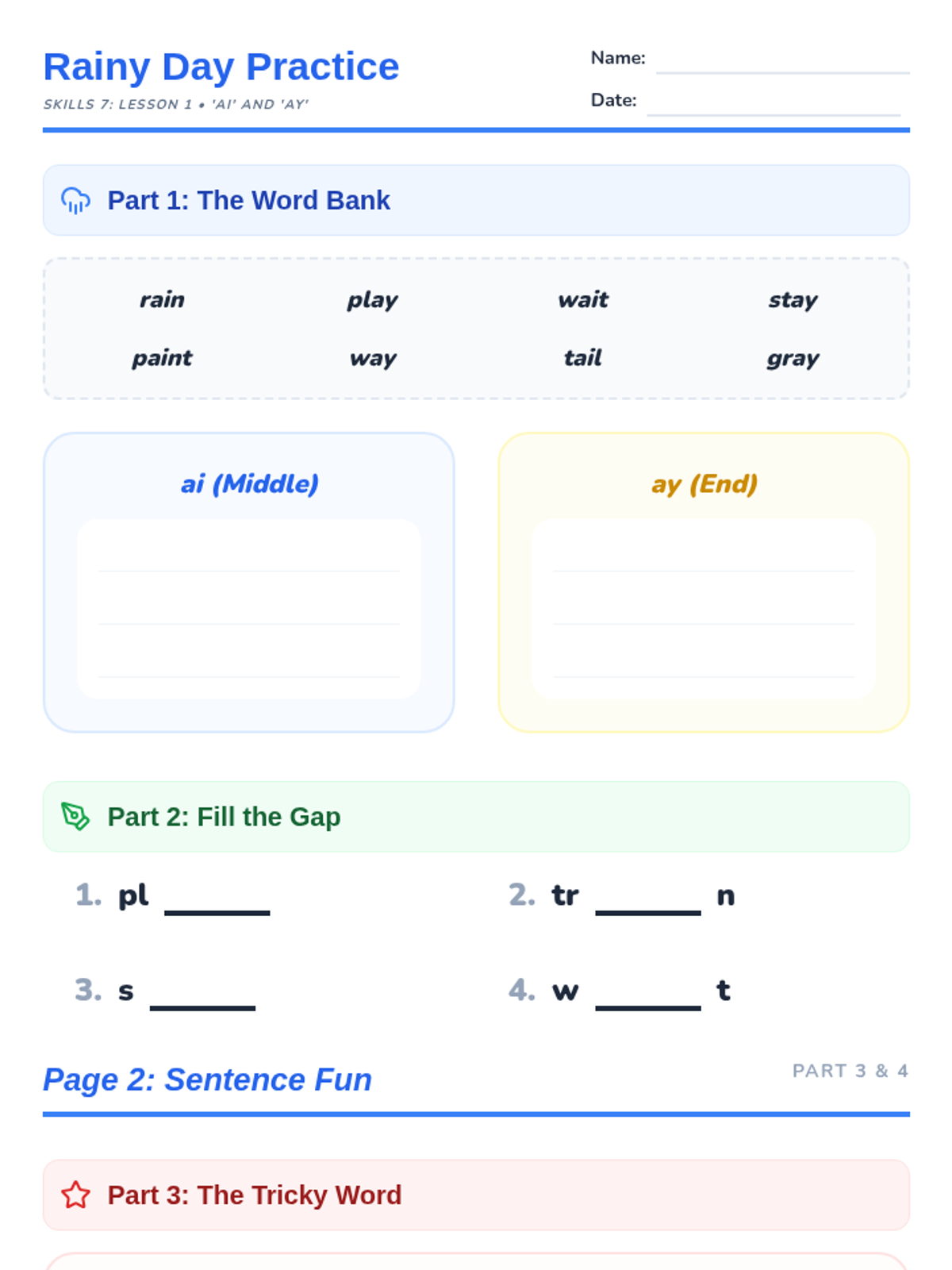
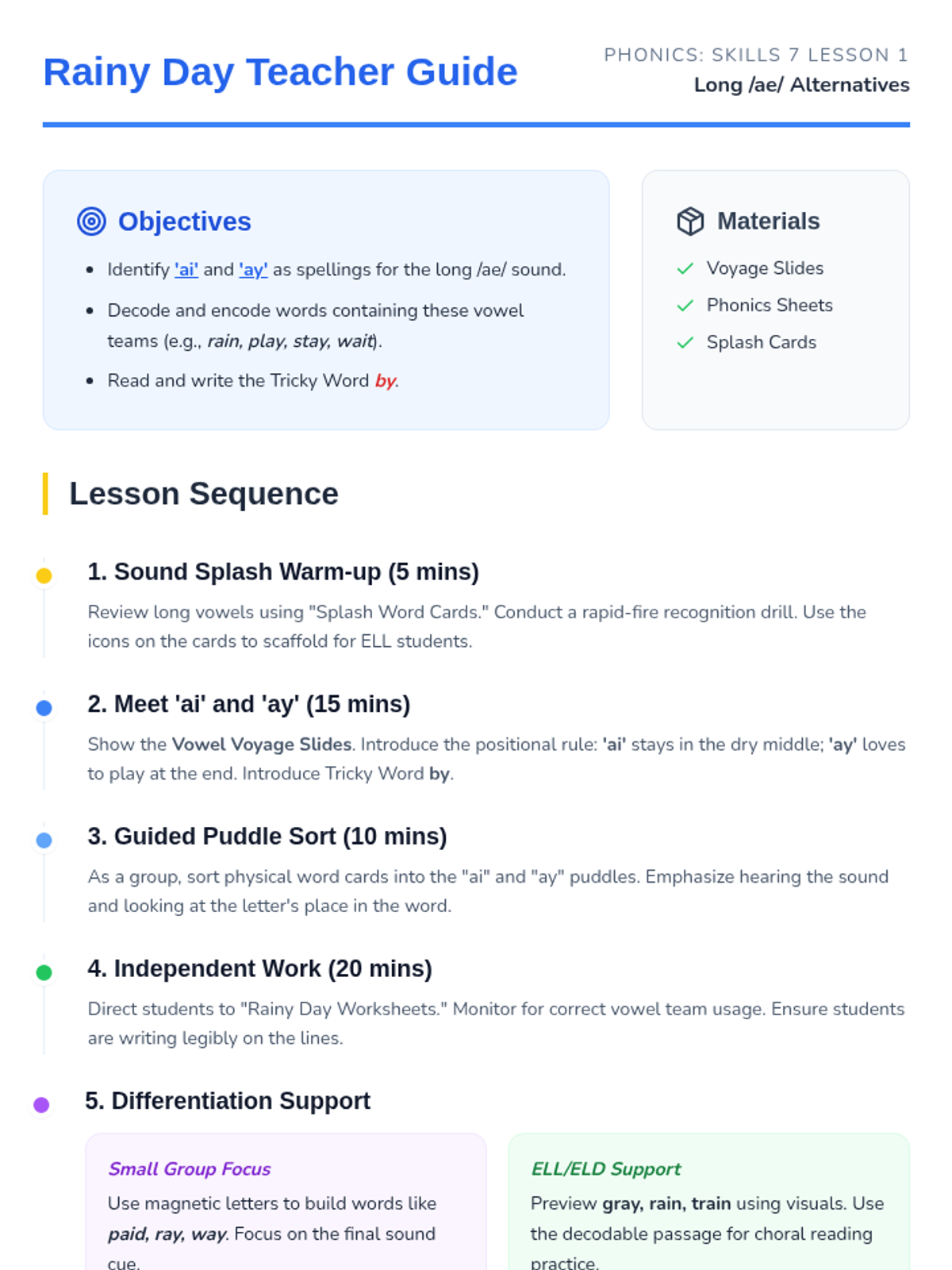
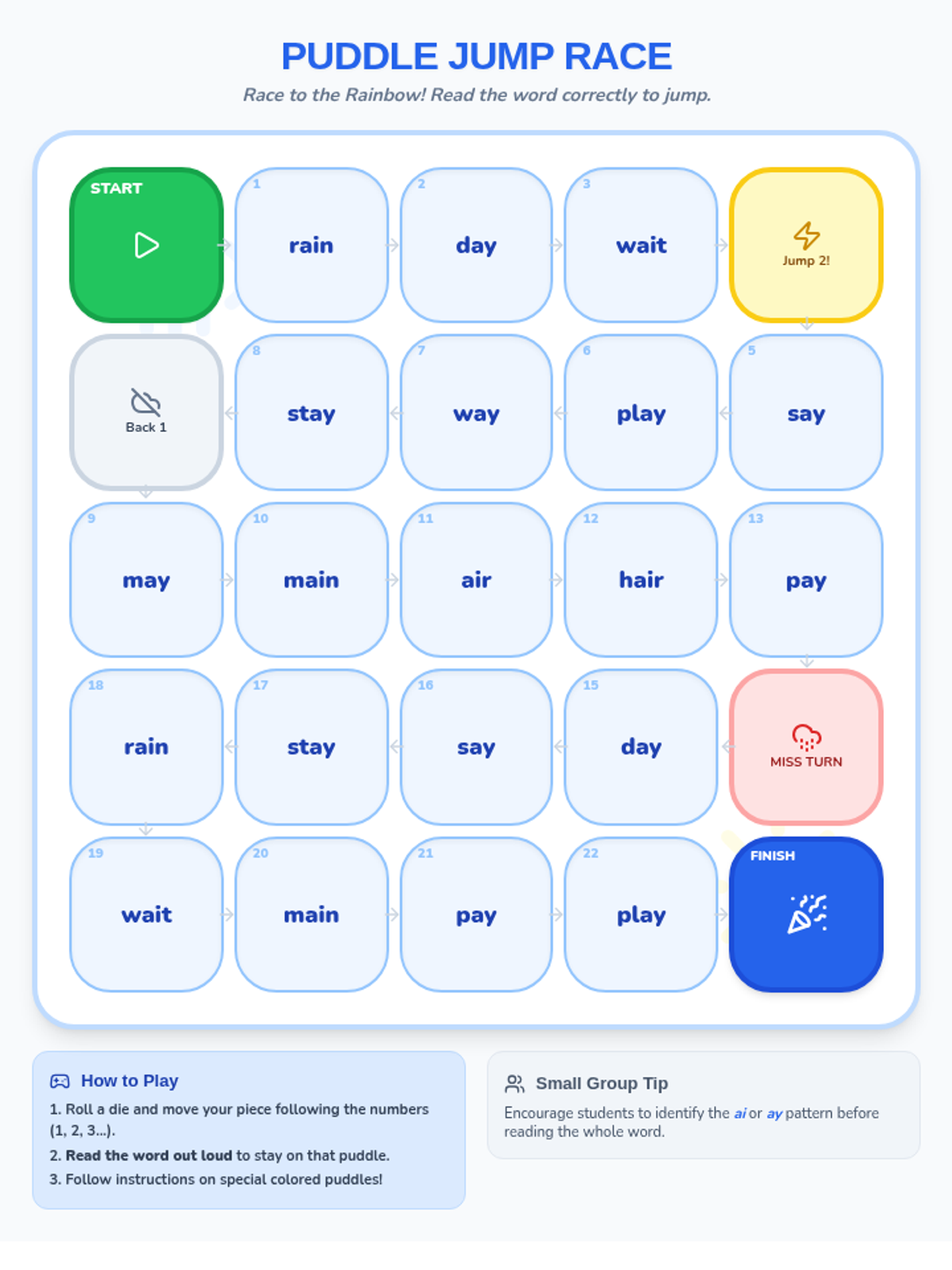
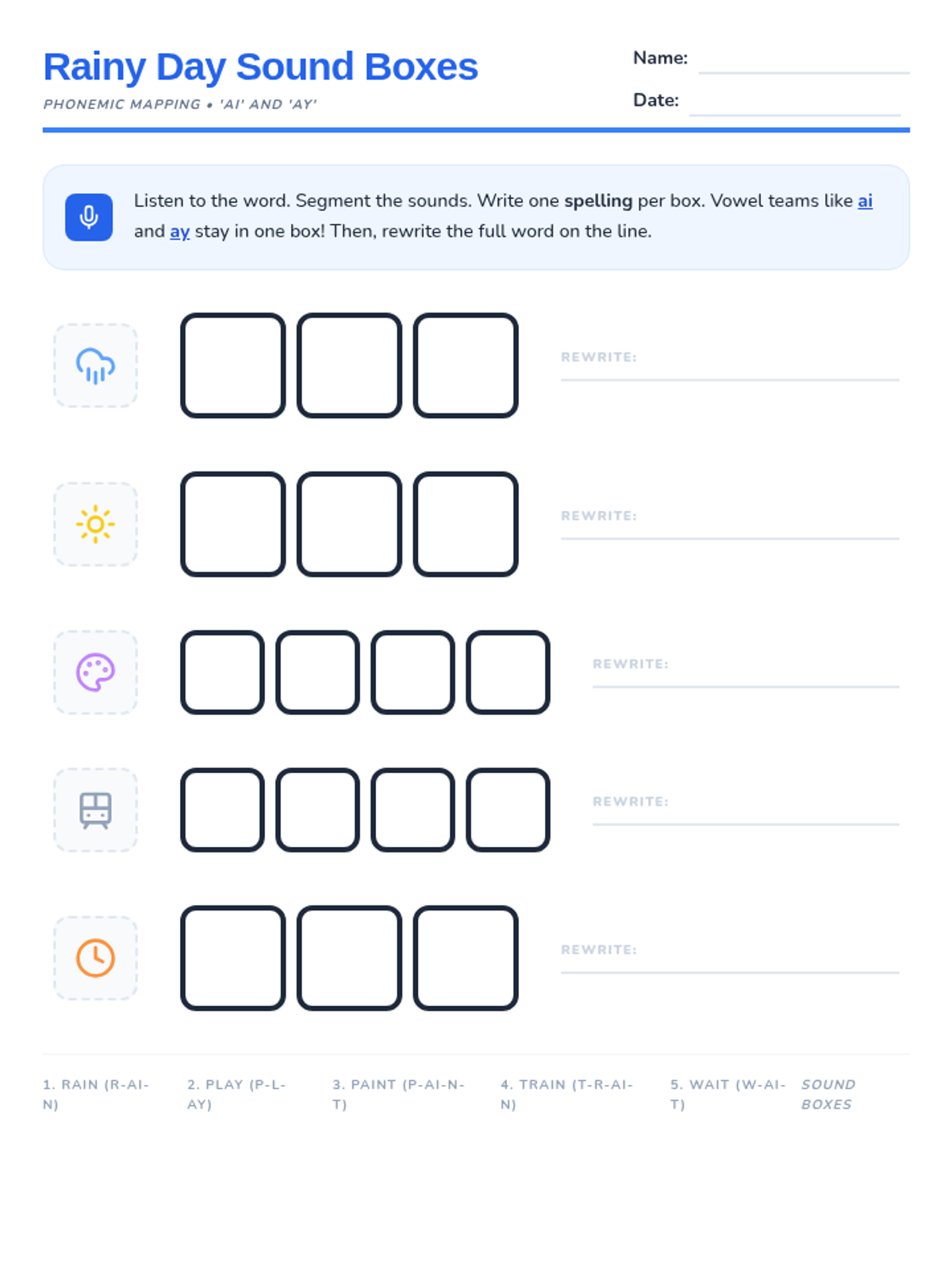
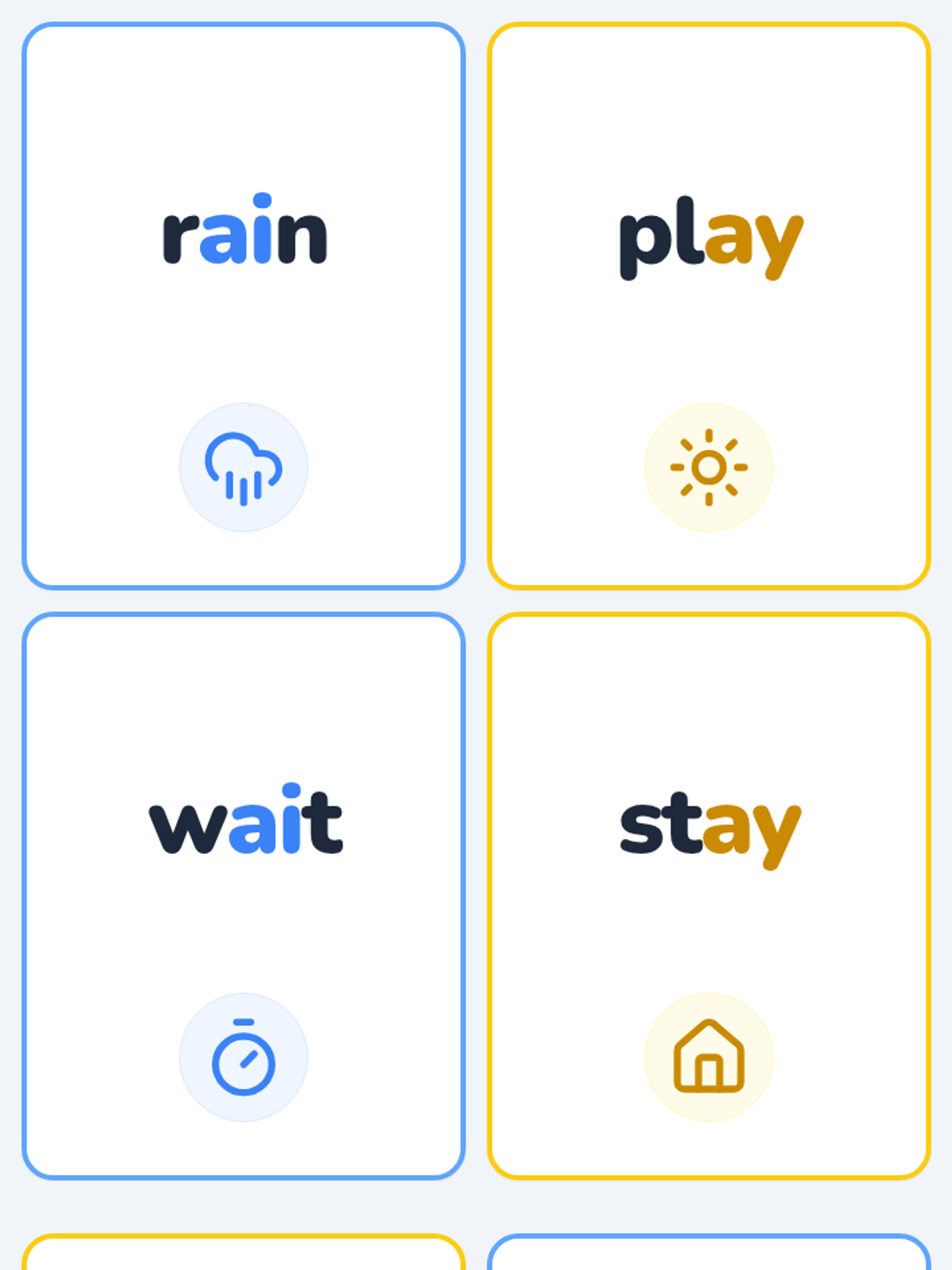
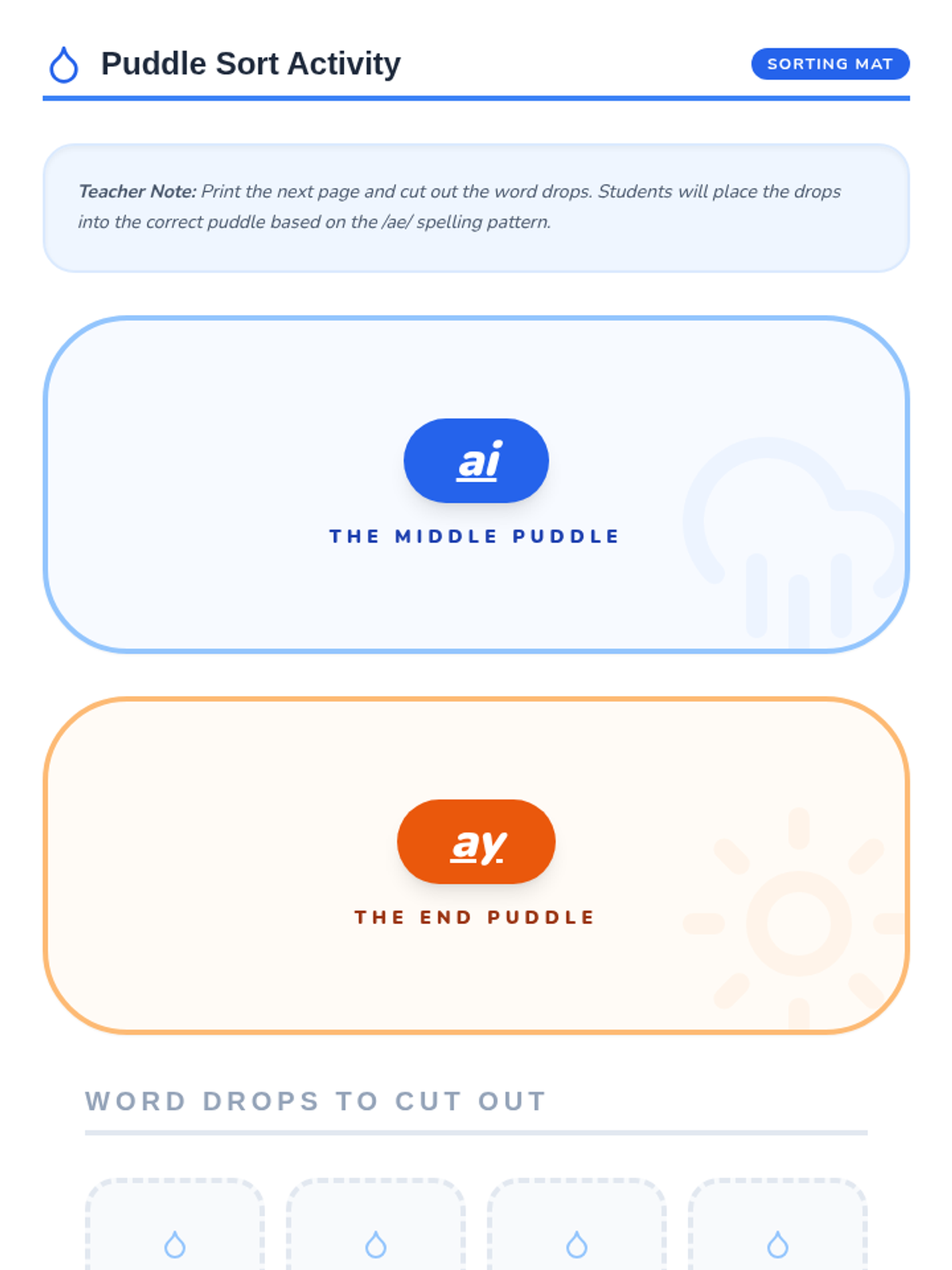
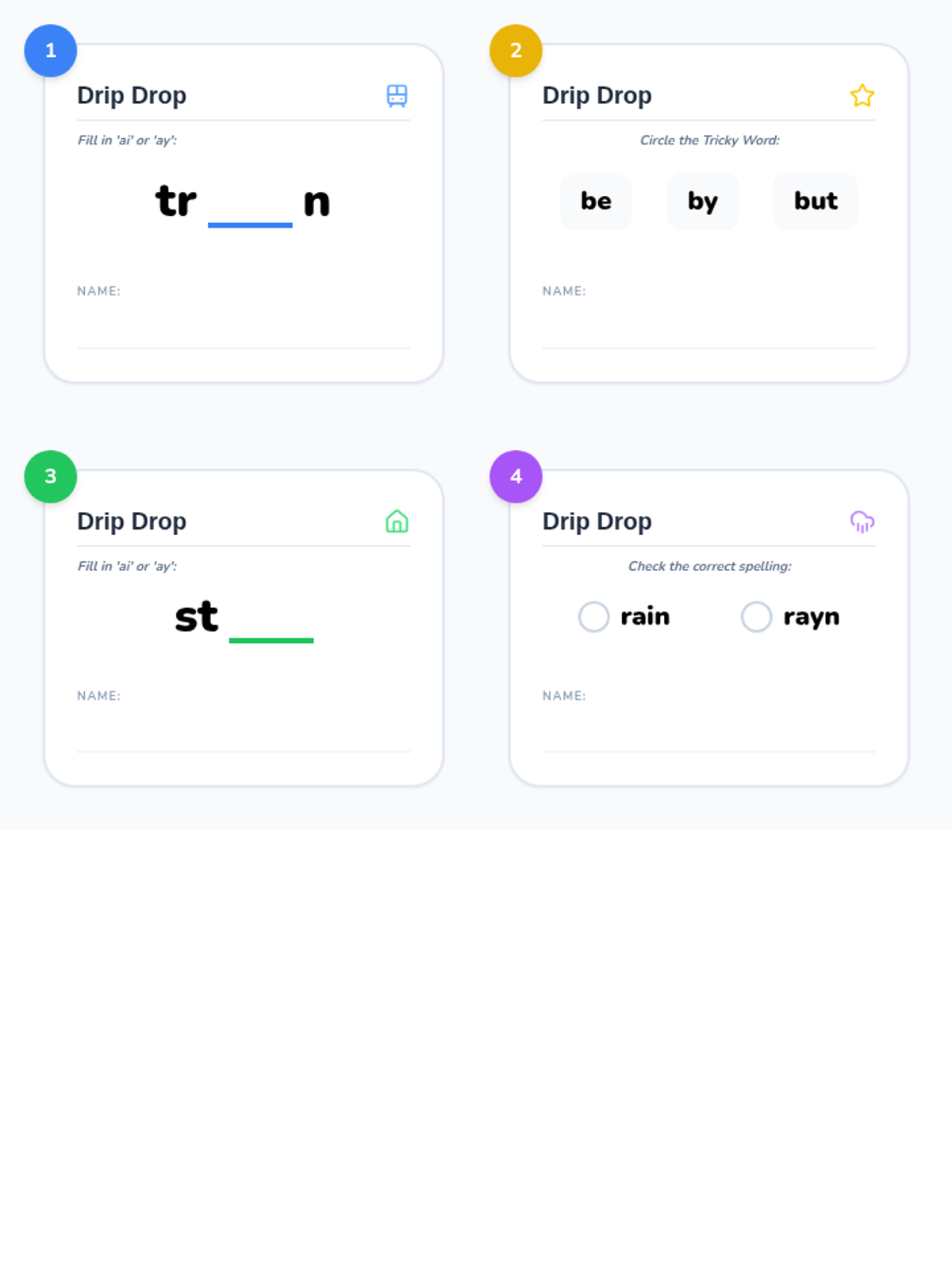
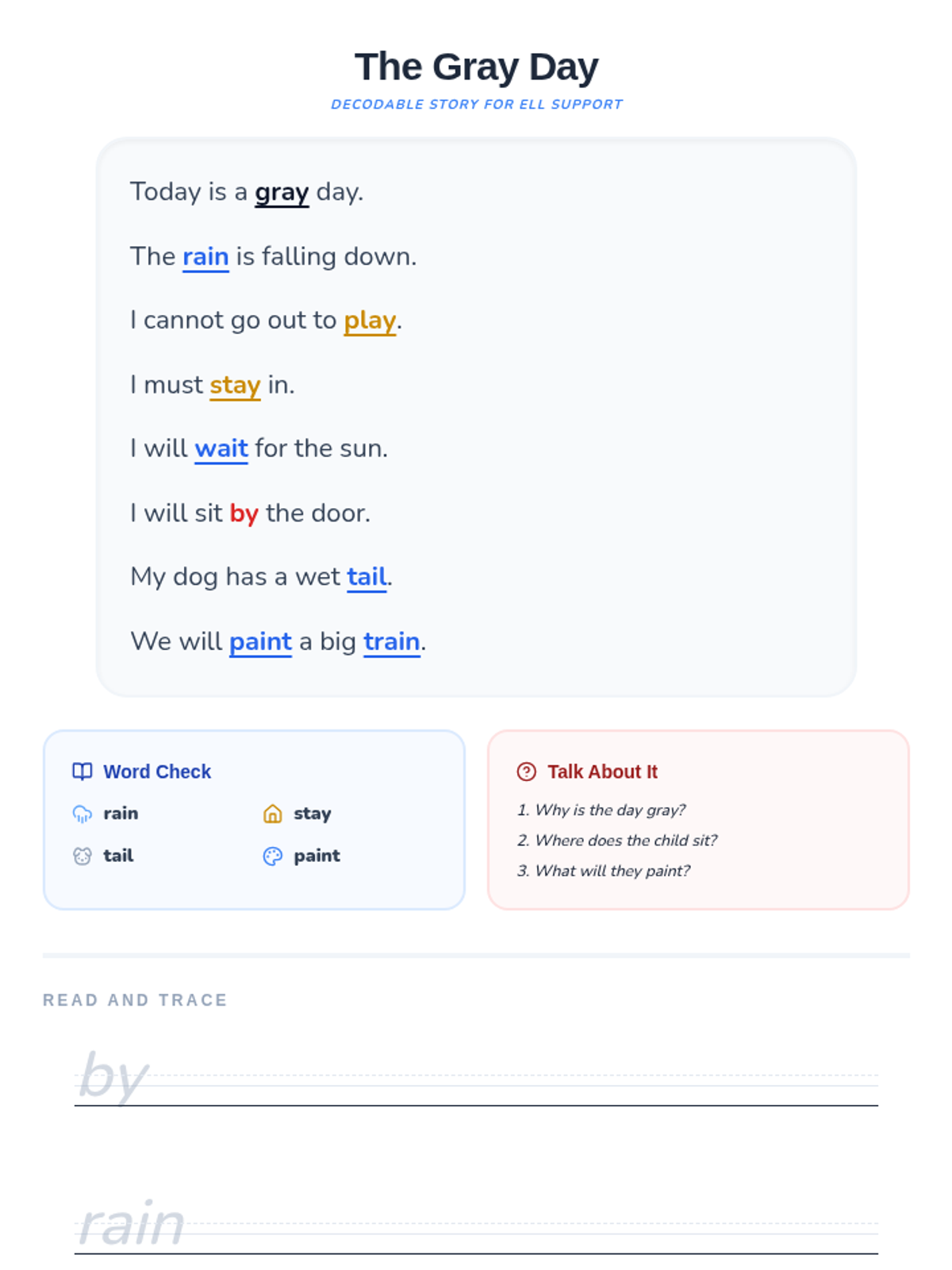
A comprehensive phonics lesson introducing the 'ai' and 'ay' spellings for the long /ae/ sound, including tricky word practice and decodable reading.
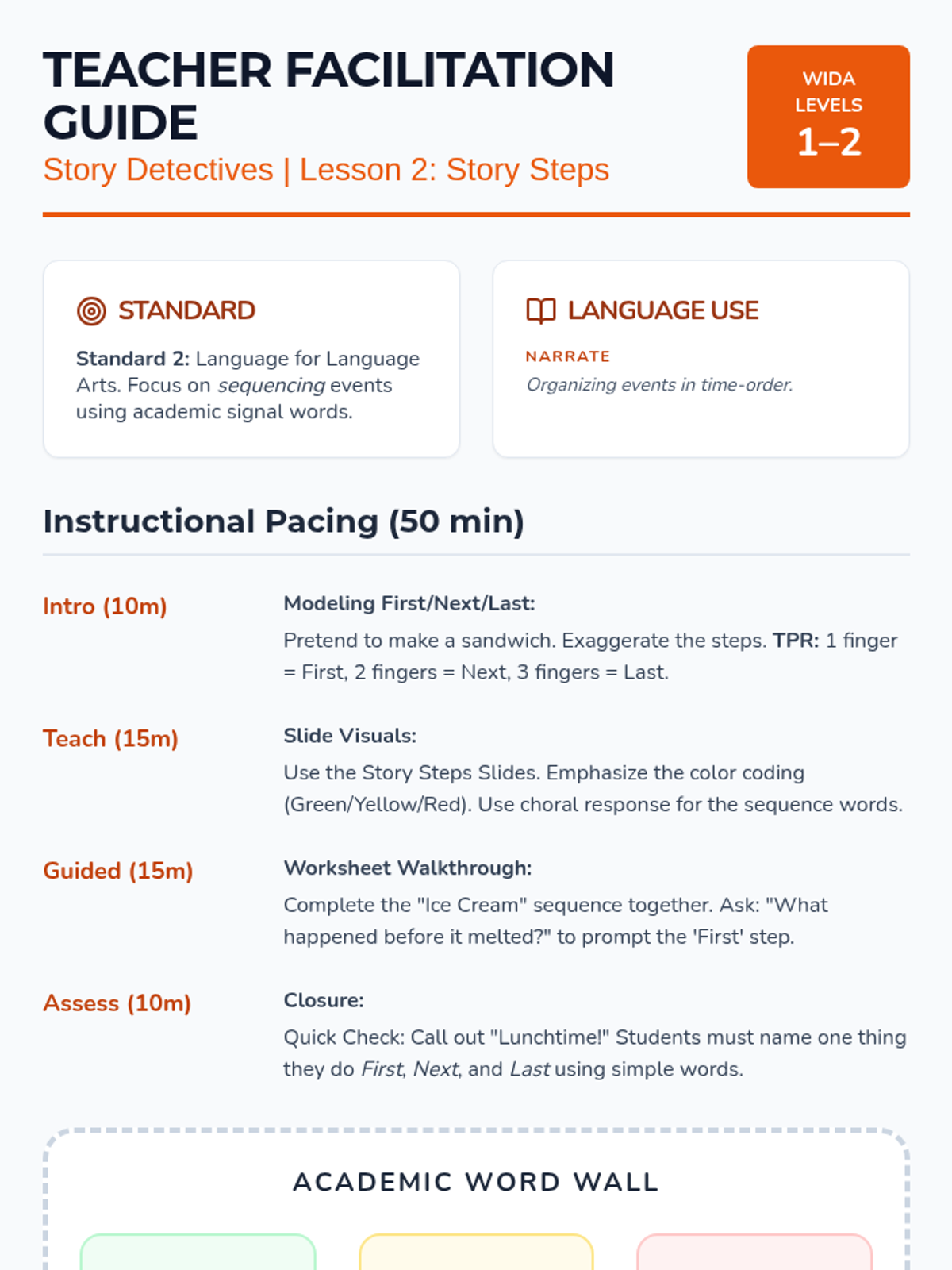
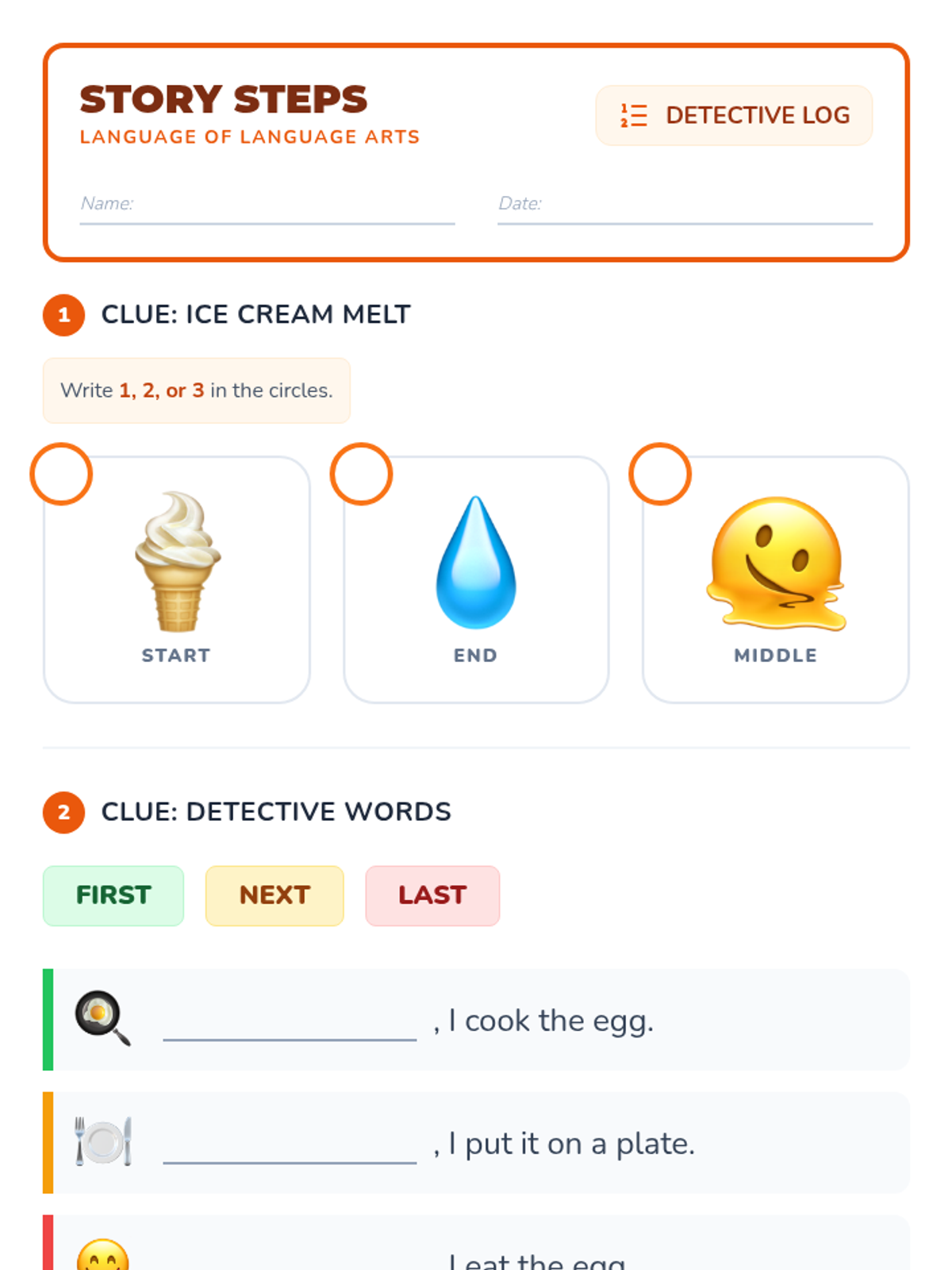
Students will sequence three major events in a story using the signal words 'first', 'next', and 'last'.
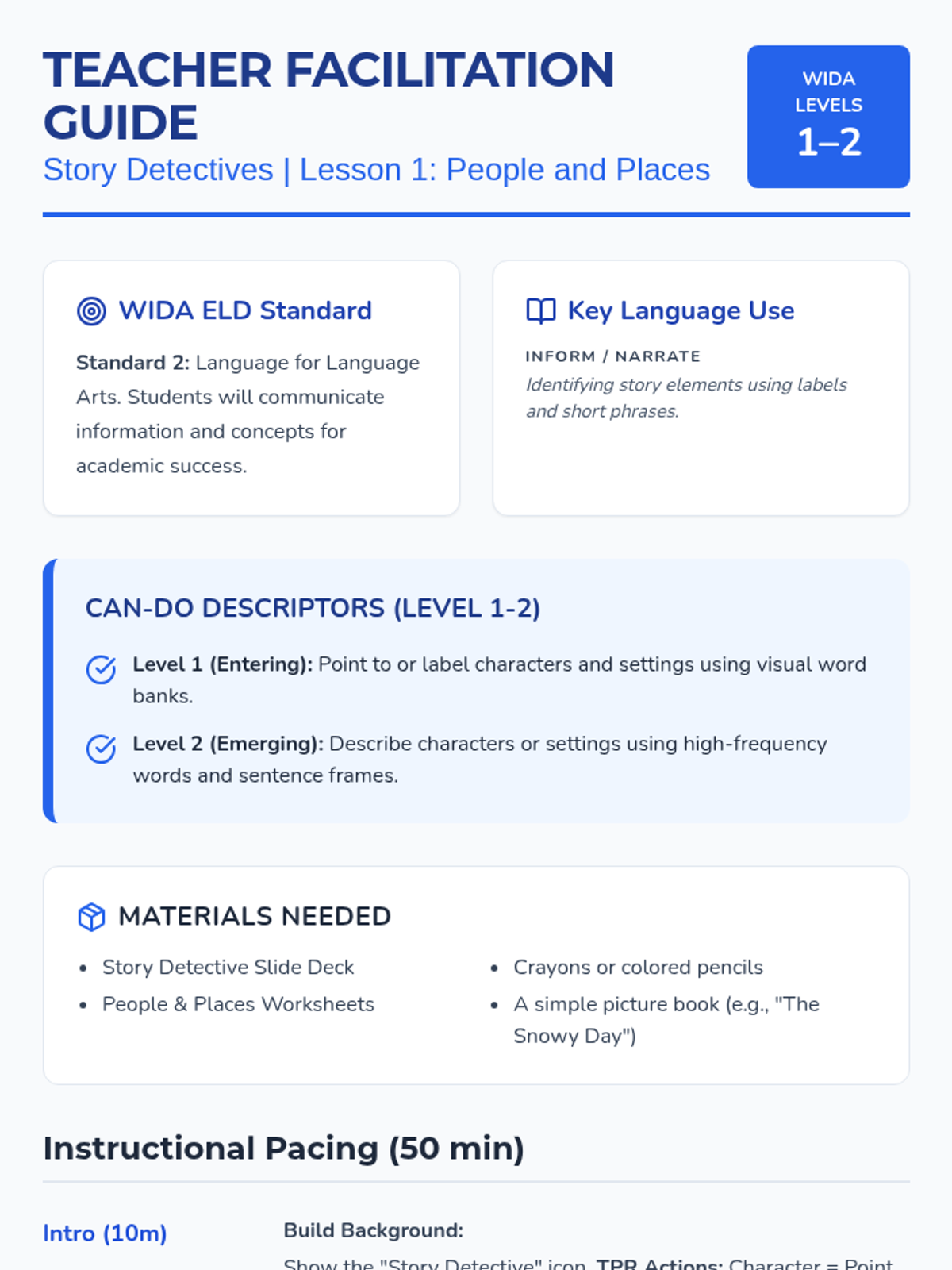
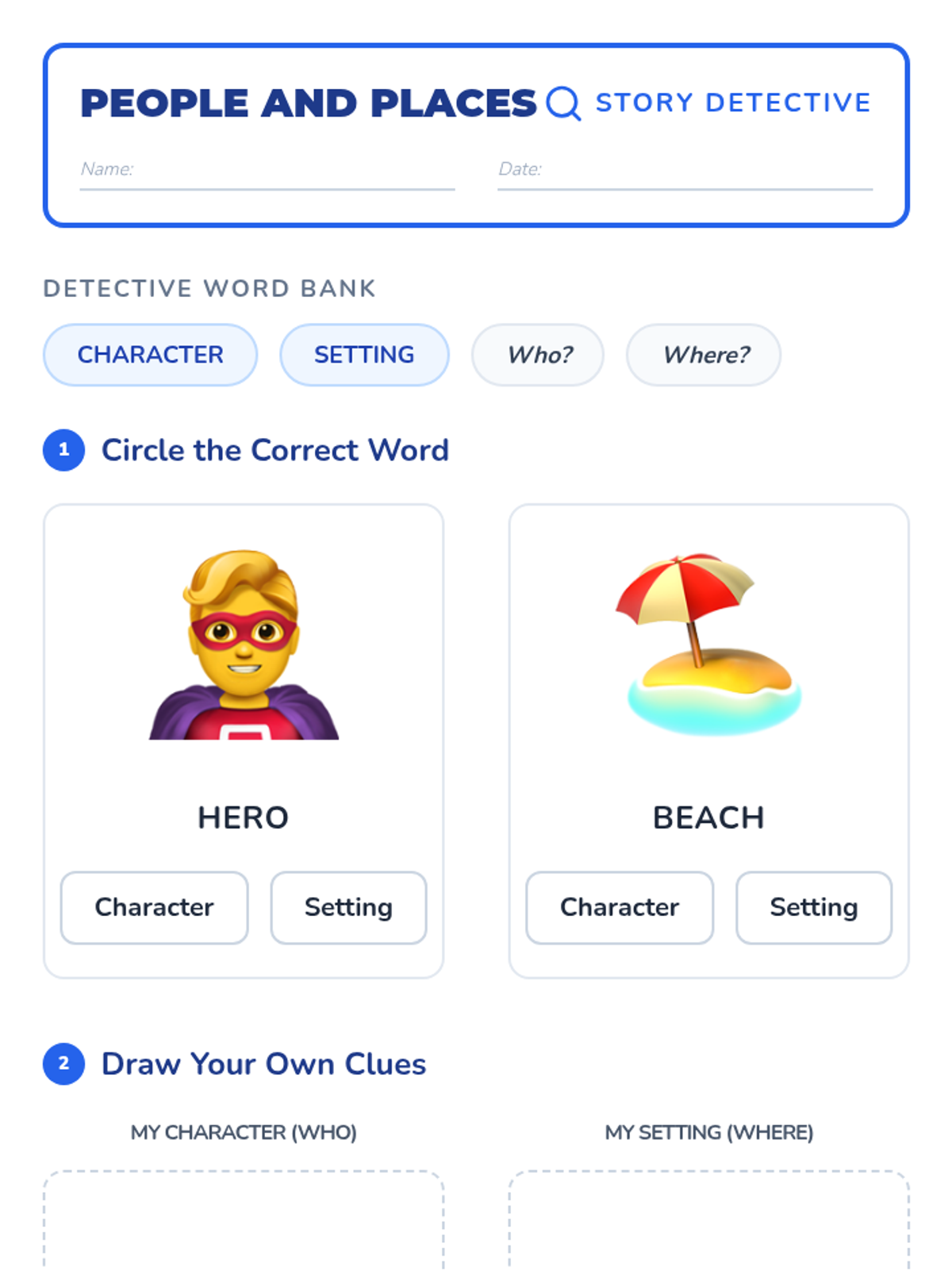
Students will identify characters (who) and settings (where) in simple narratives using visual cues and foundational descriptive language.
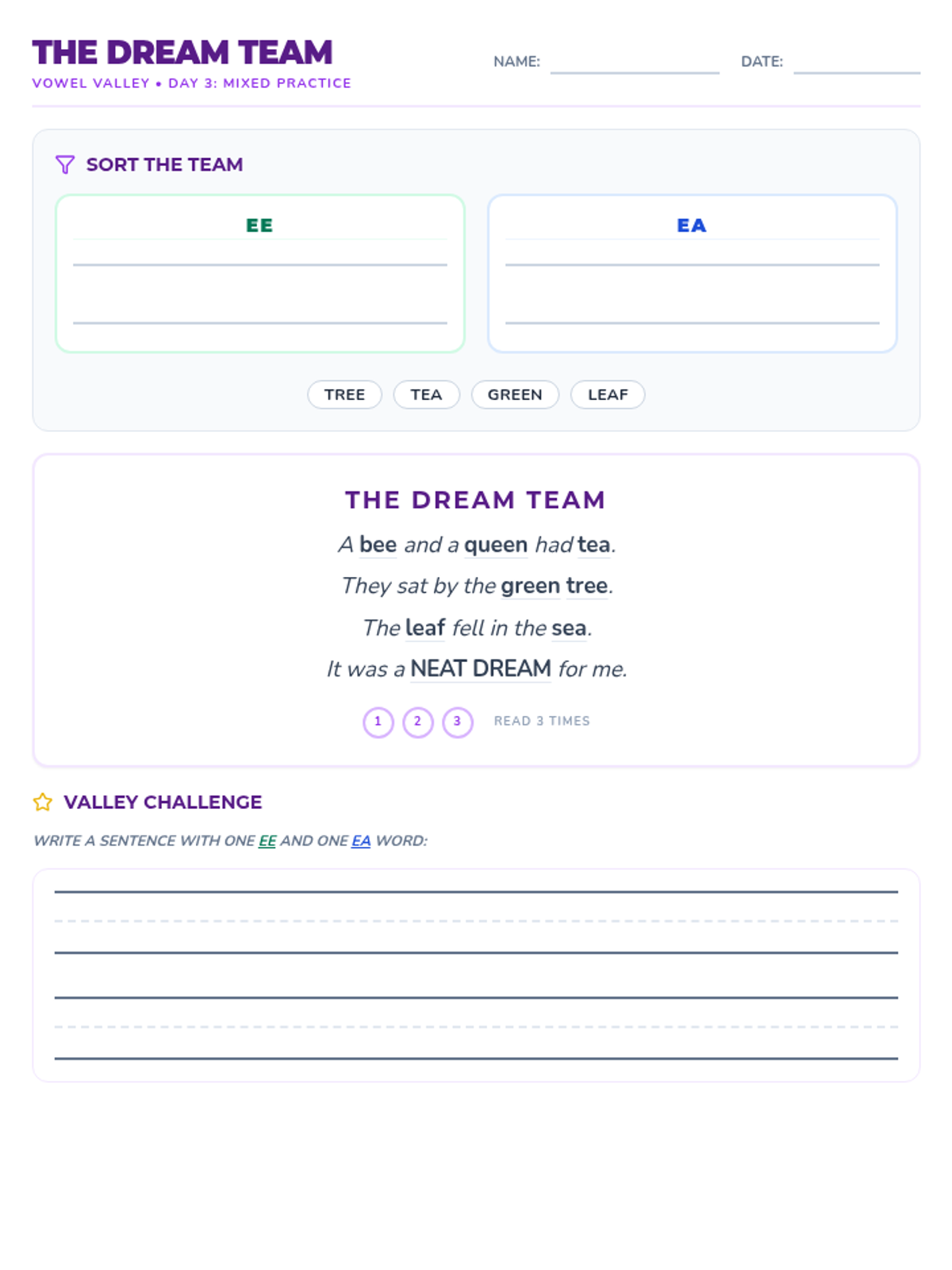
Day 3 provides mixed practice for both 'ee' and 'ea' vowel teams, challenging students to differentiate between the two spellings in context while building complex sentences.
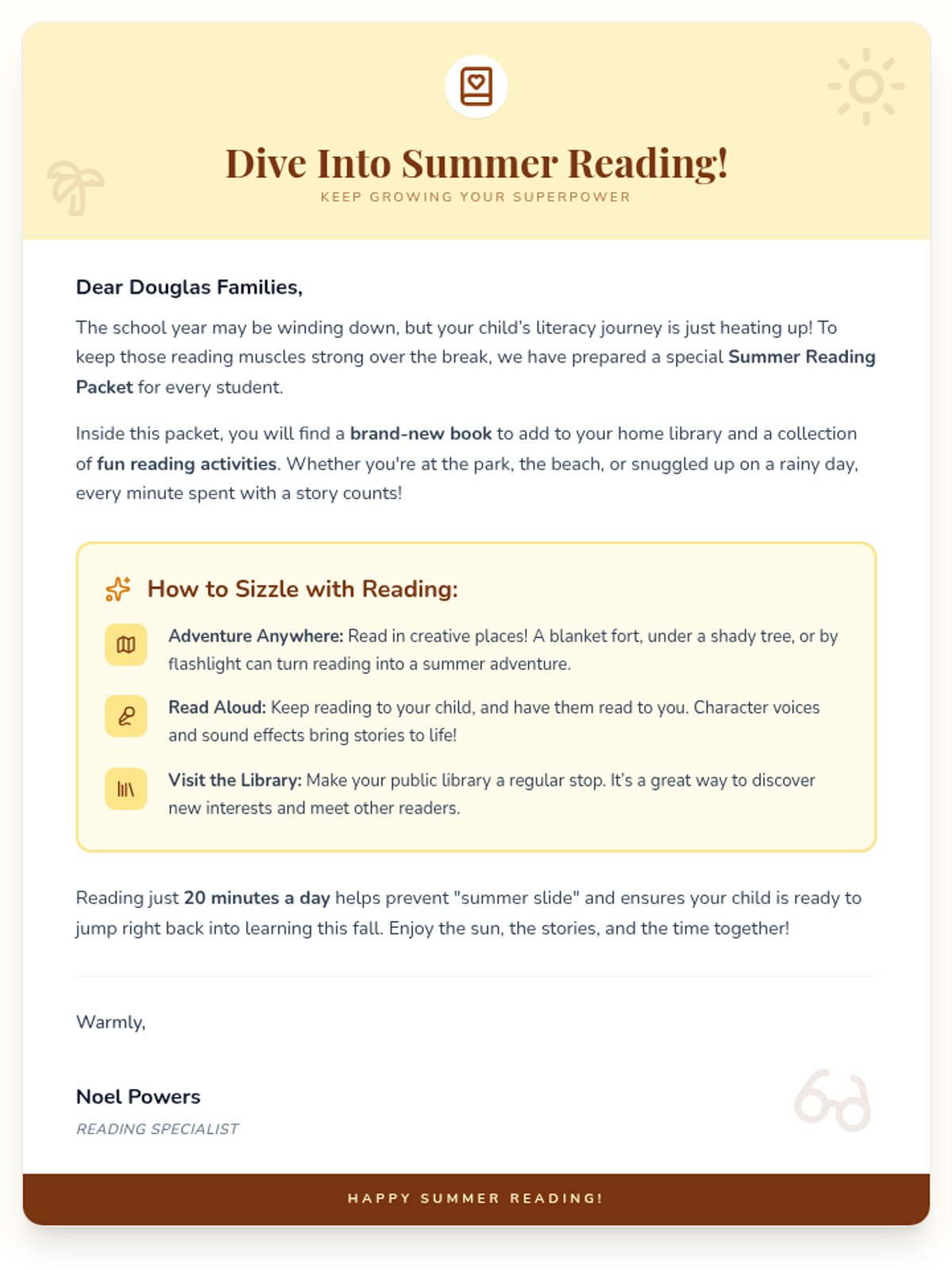
A collection of resources to encourage and track reading progress over the summer break for K-3 students, including a parent letter and activity suggestions.
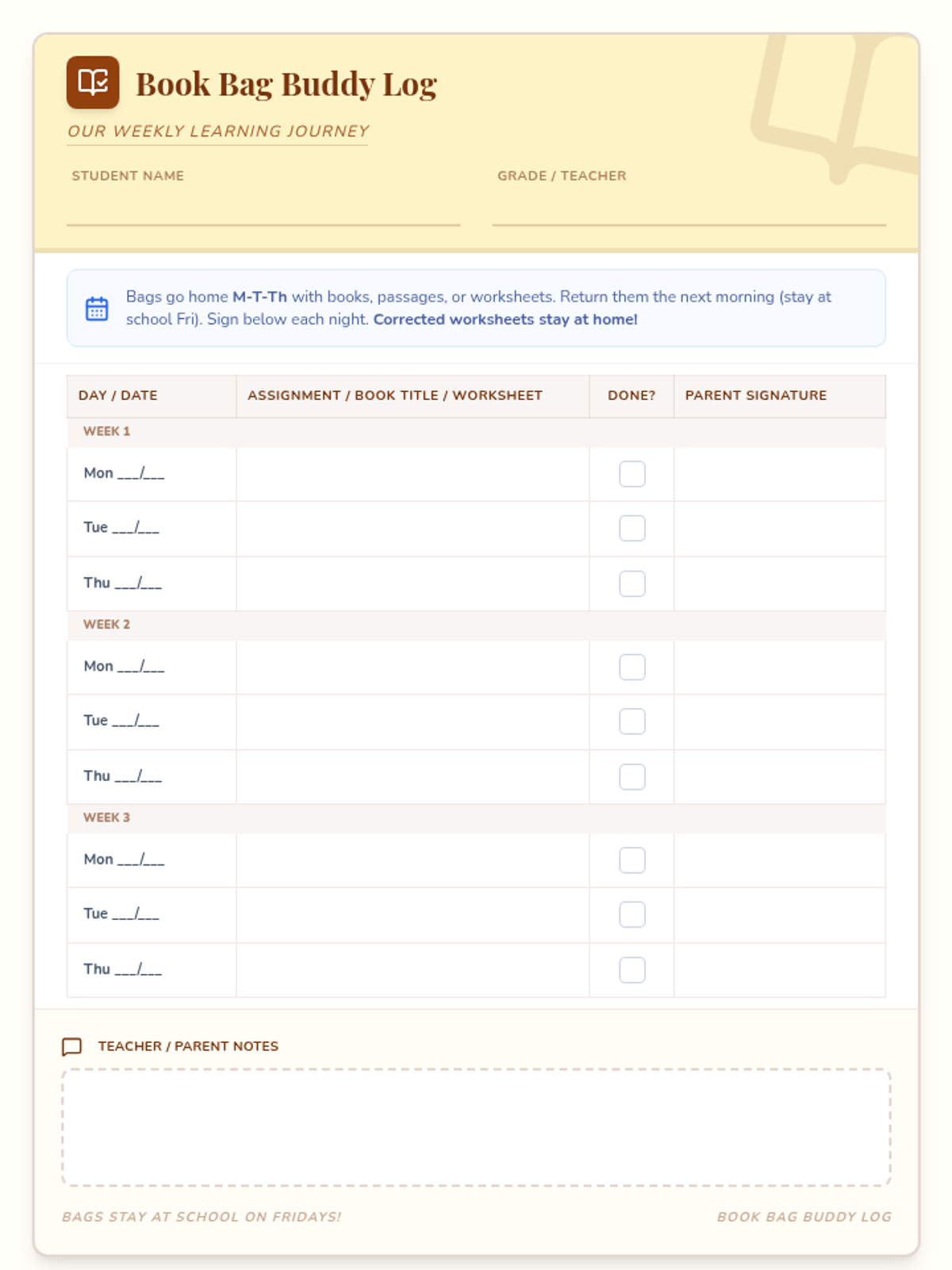
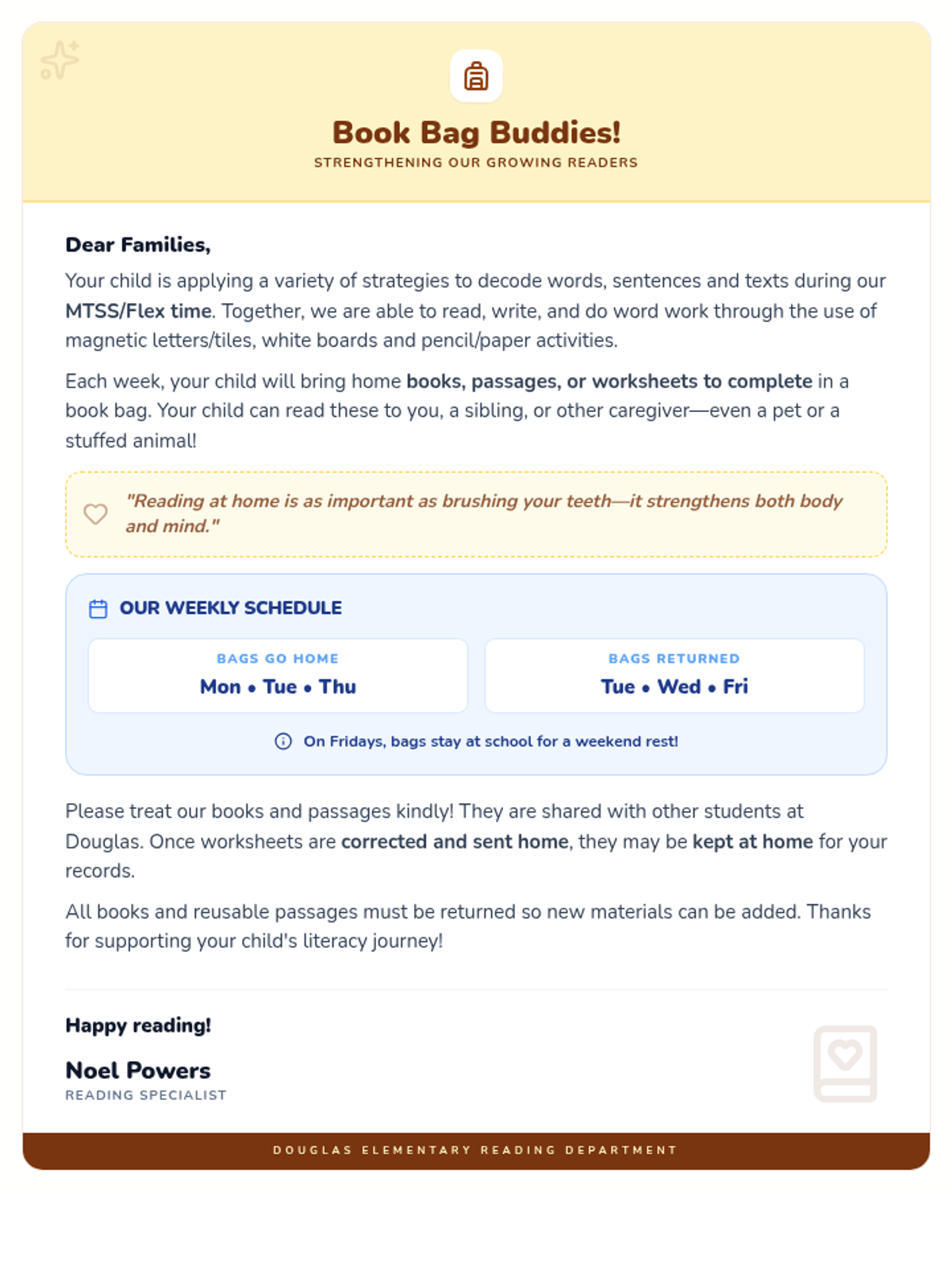
A home-school communication system for K-3 students featuring a homework bag log and an introductory letter for parents, detailing a Monday-Tuesday-Thursday homework schedule.
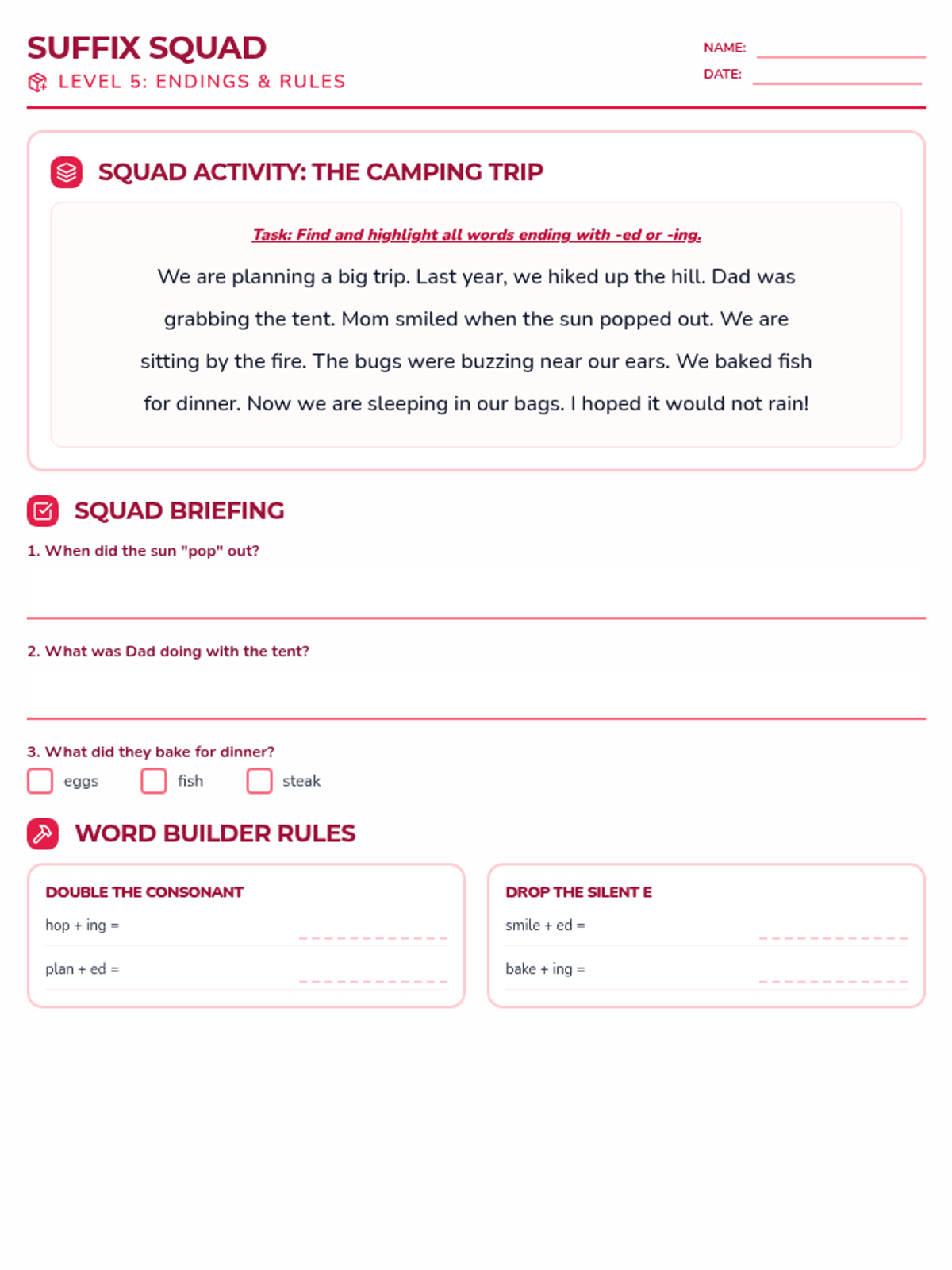
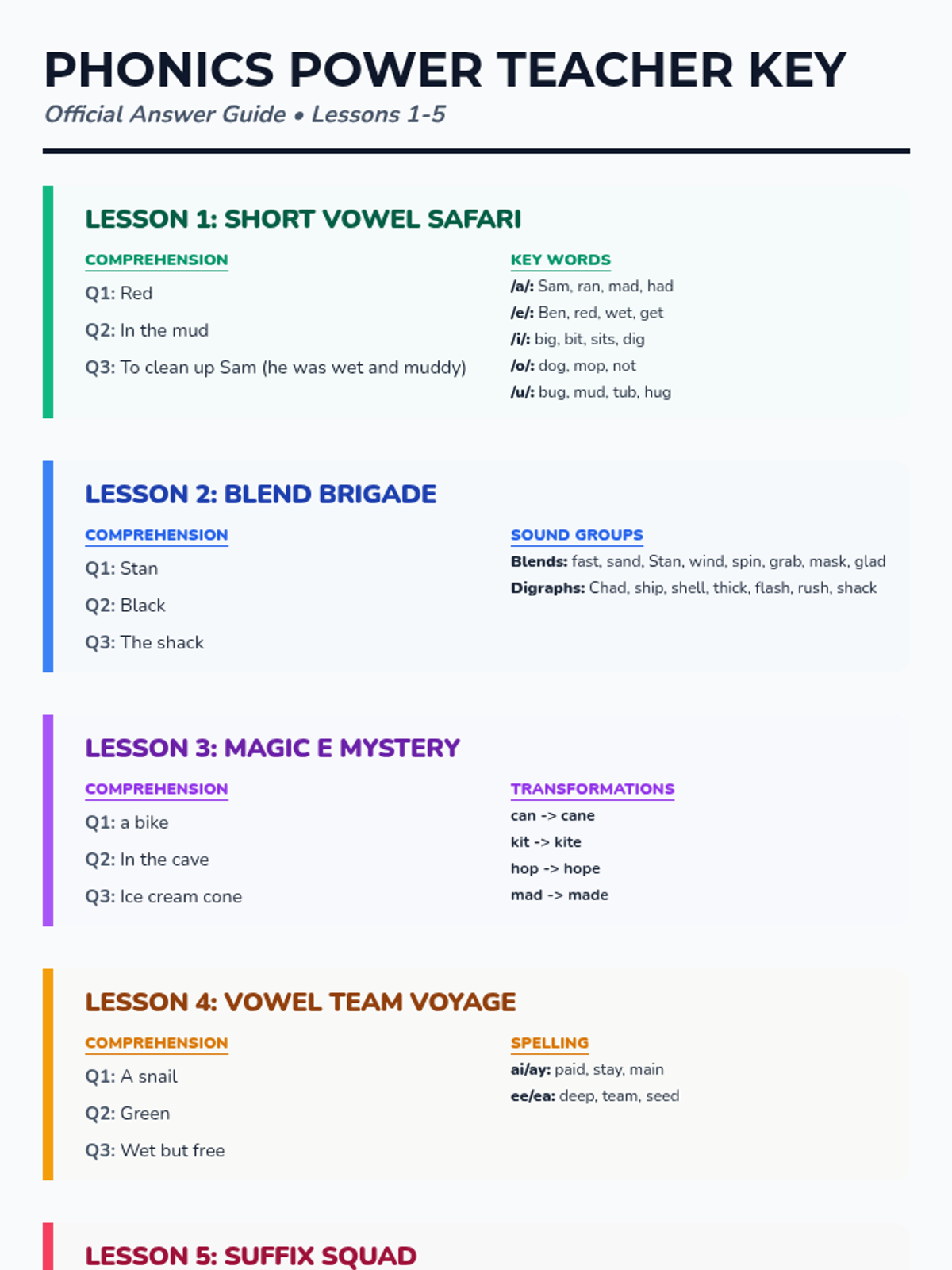
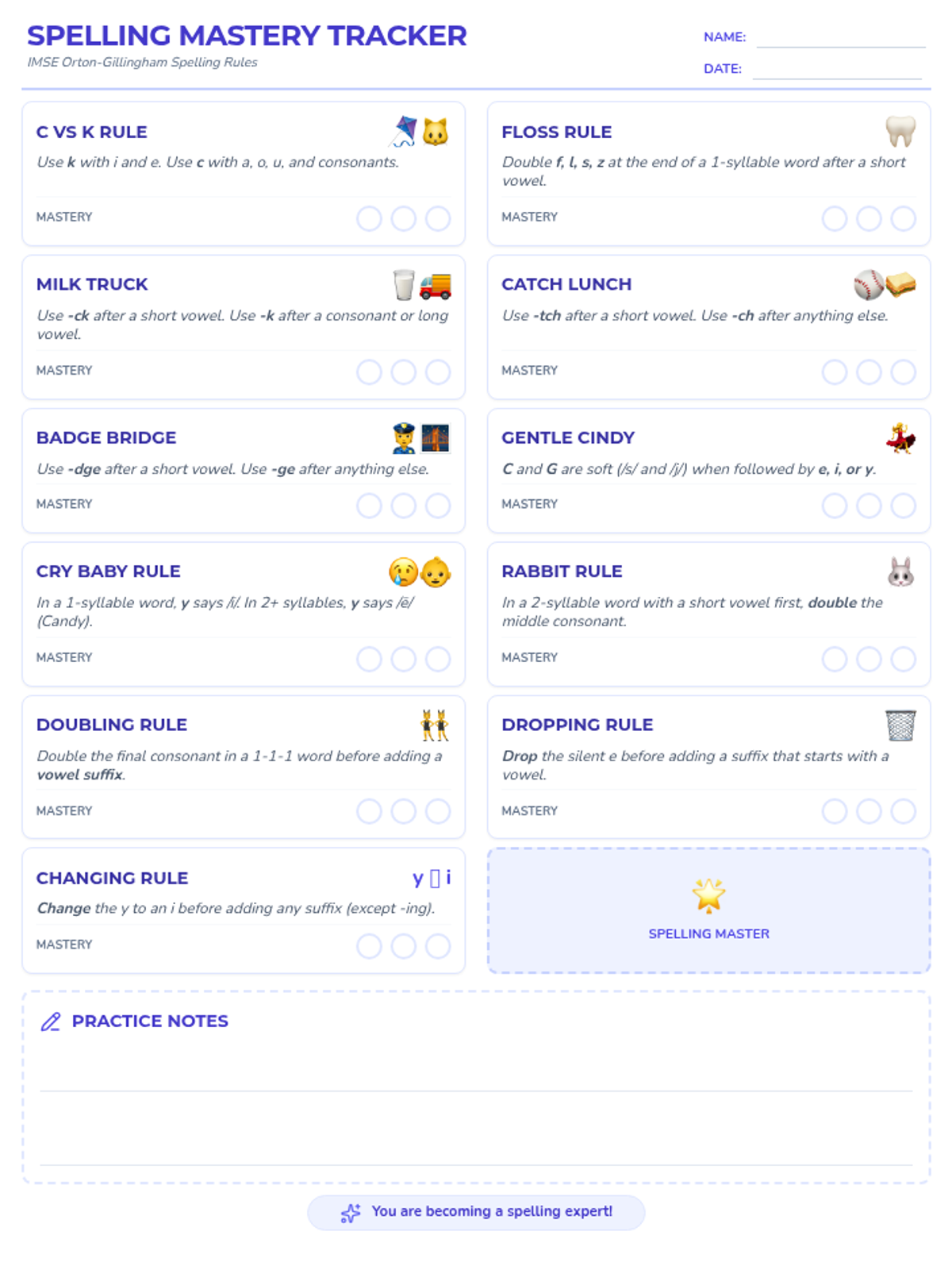
Applying common suffixes (-s, -es, -ed, -ing) and mastering spelling rules like doubling consonants and dropping the silent e.
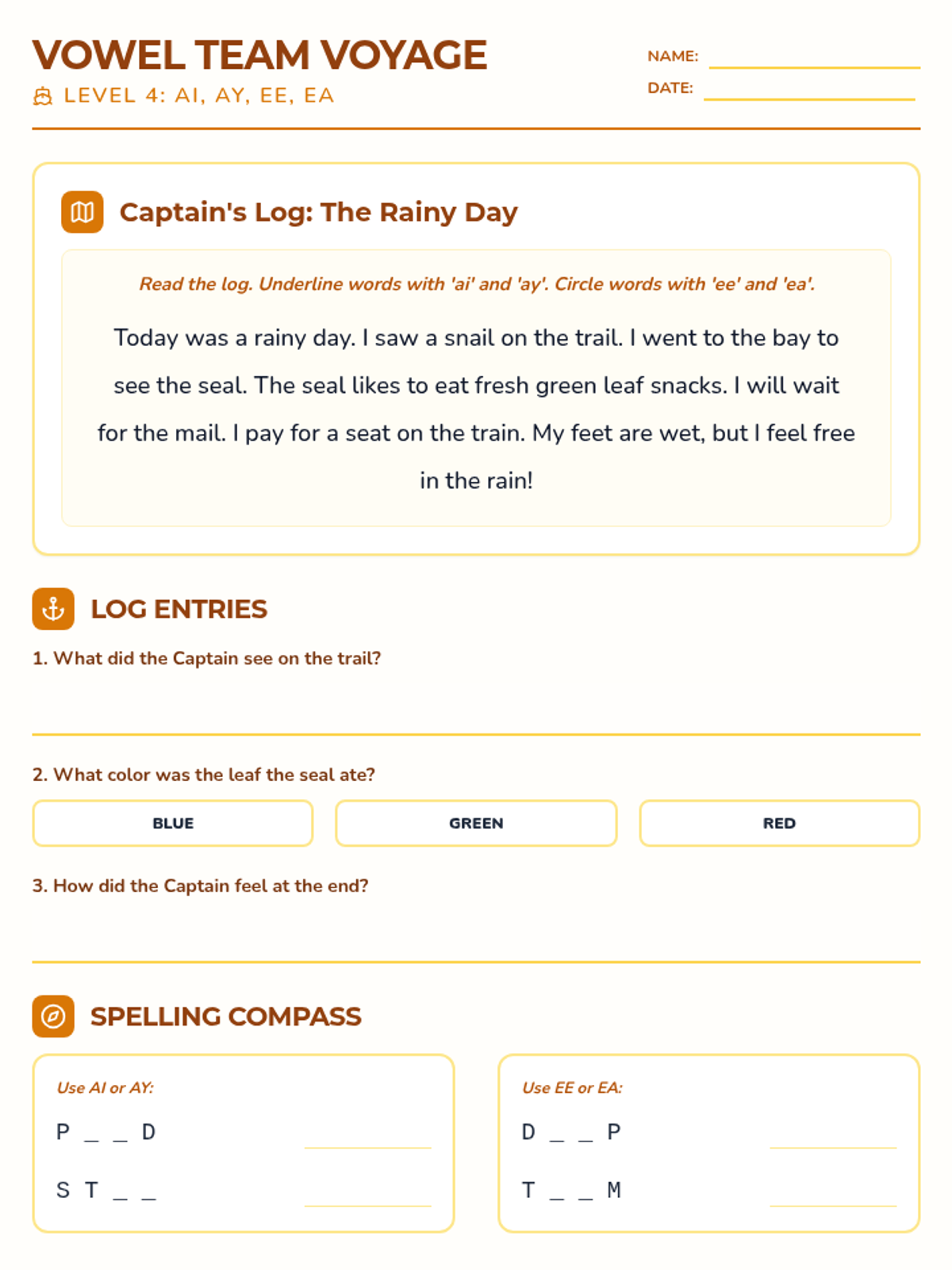
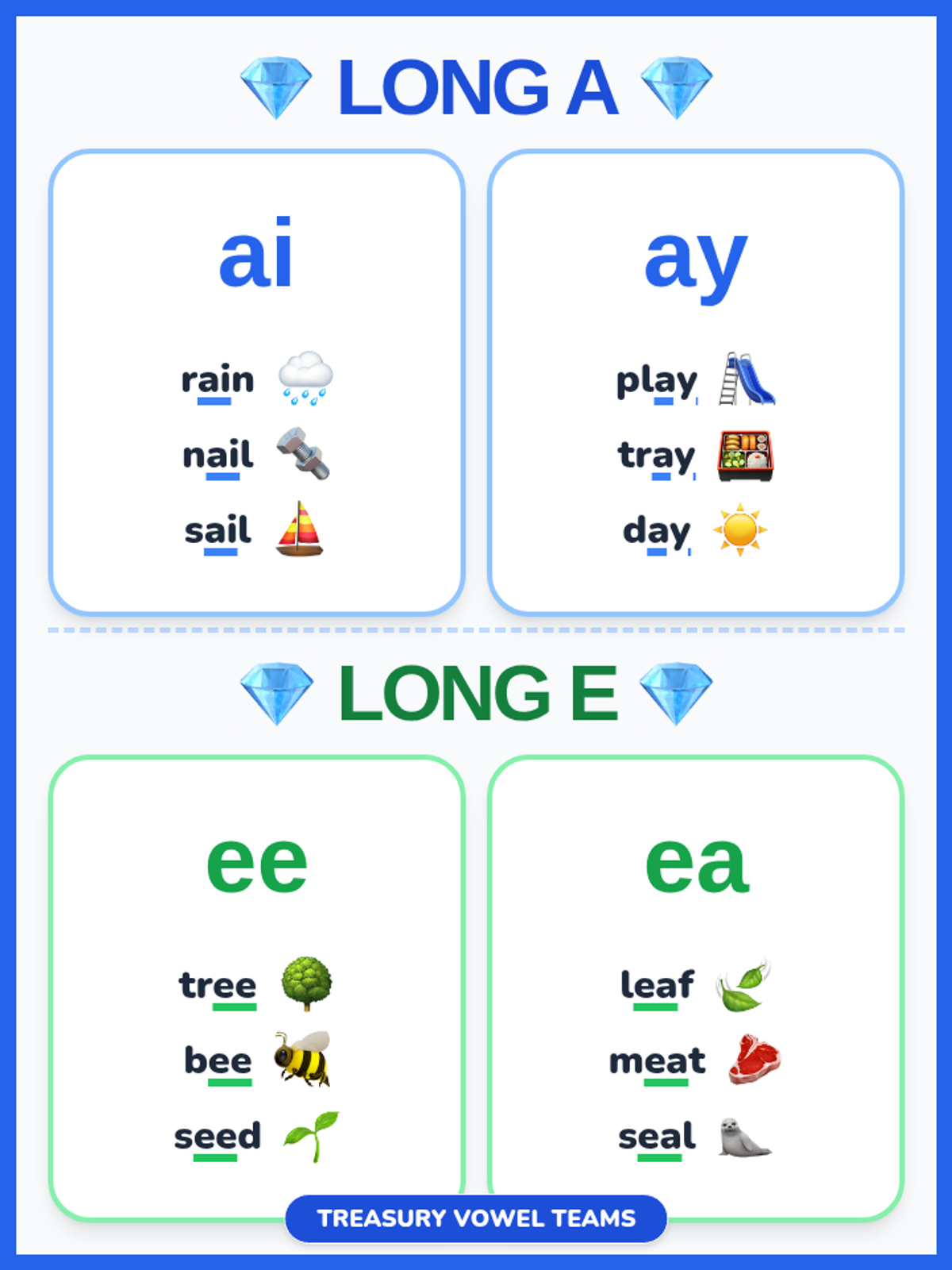
Exploring common vowel teams like ai, ay, ee, and ea, and understanding how vowel combinations create long vowel sounds.
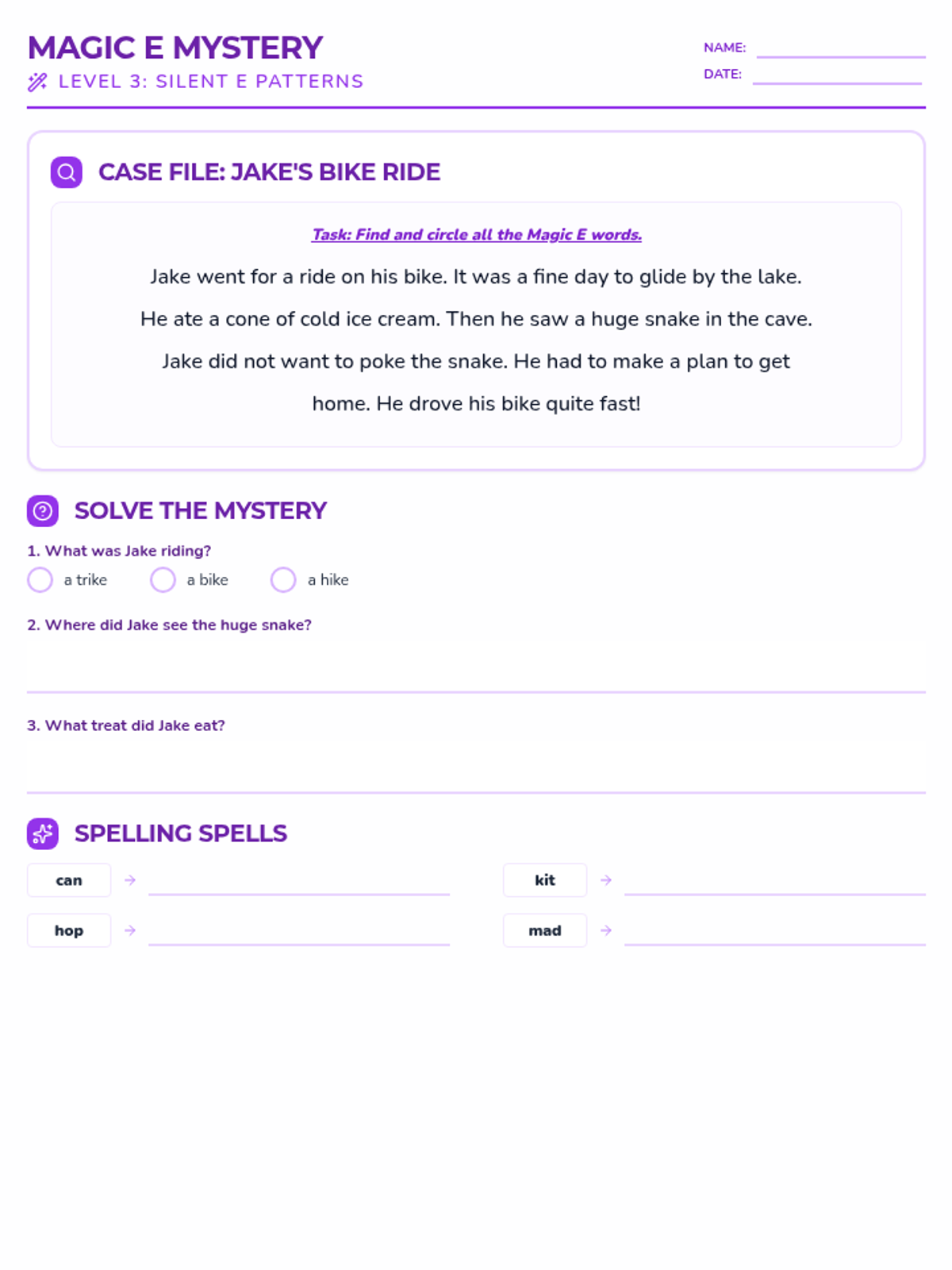
Learning the role of silent e in changing vowel sounds from short to long, focusing on common CVCE patterns.
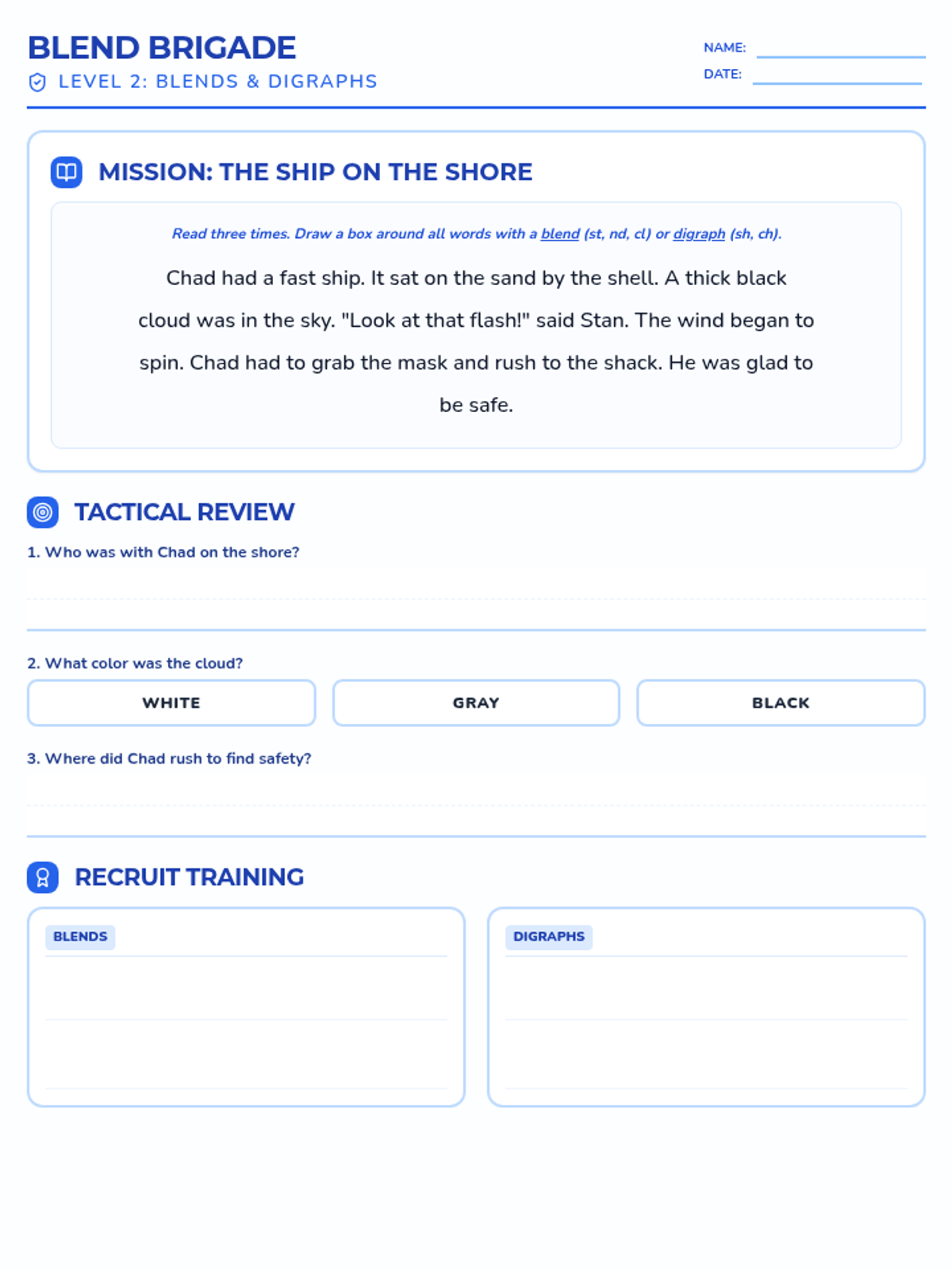
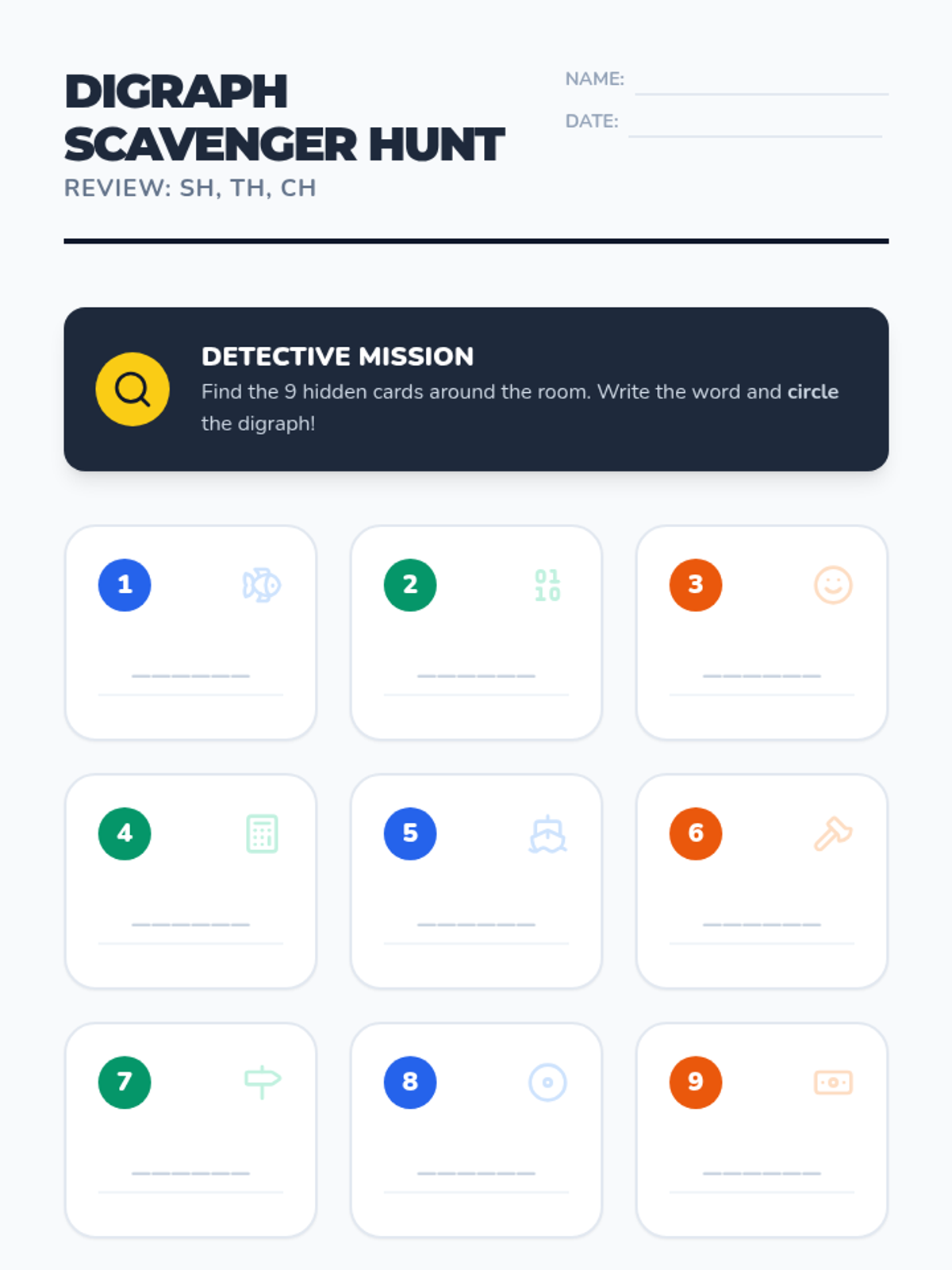
Developing proficiency with consonant blends (bl, st, fr) and digraphs (ch, sh, th, wh) to decode and spell more complex single-syllable words.
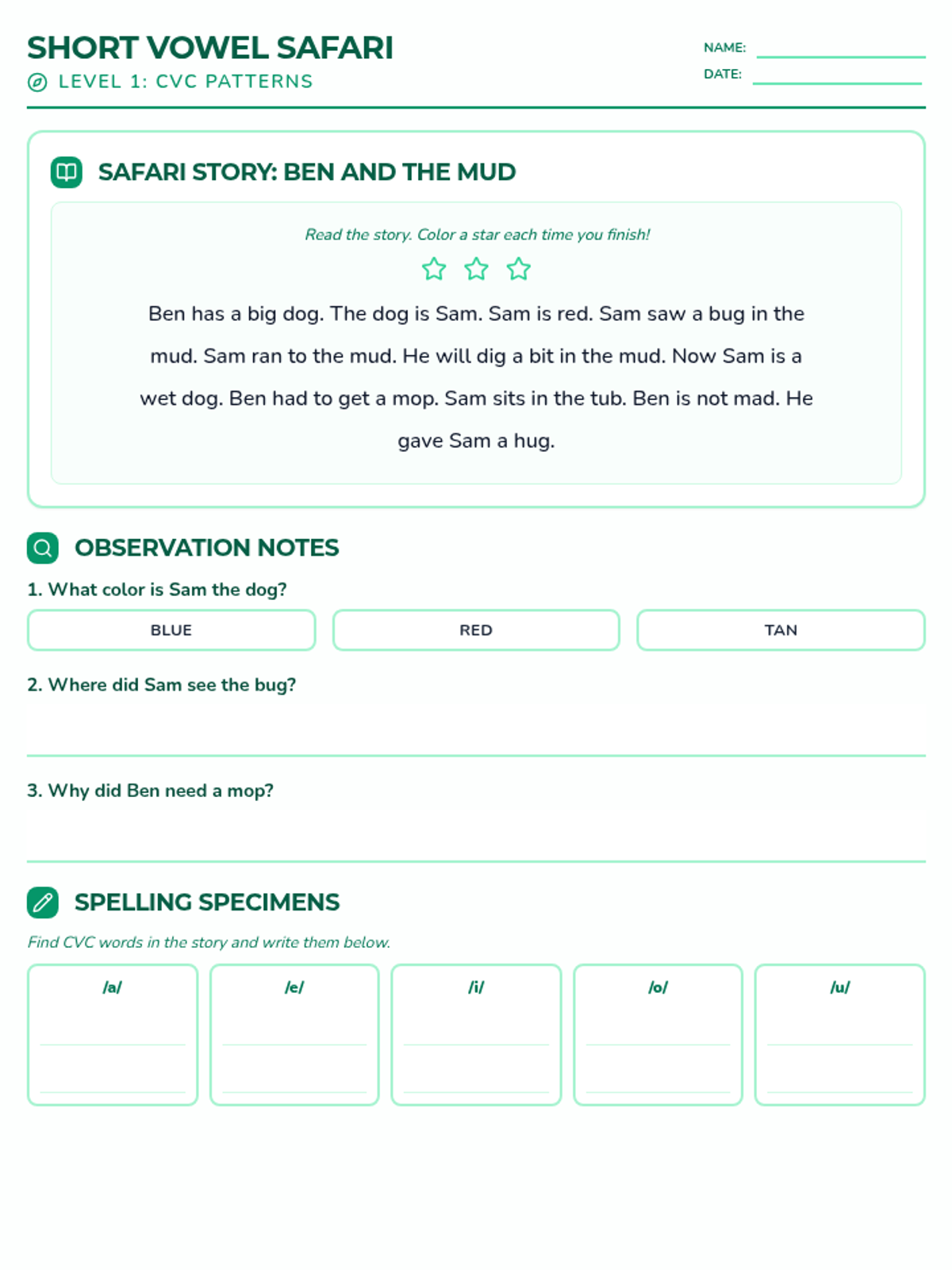
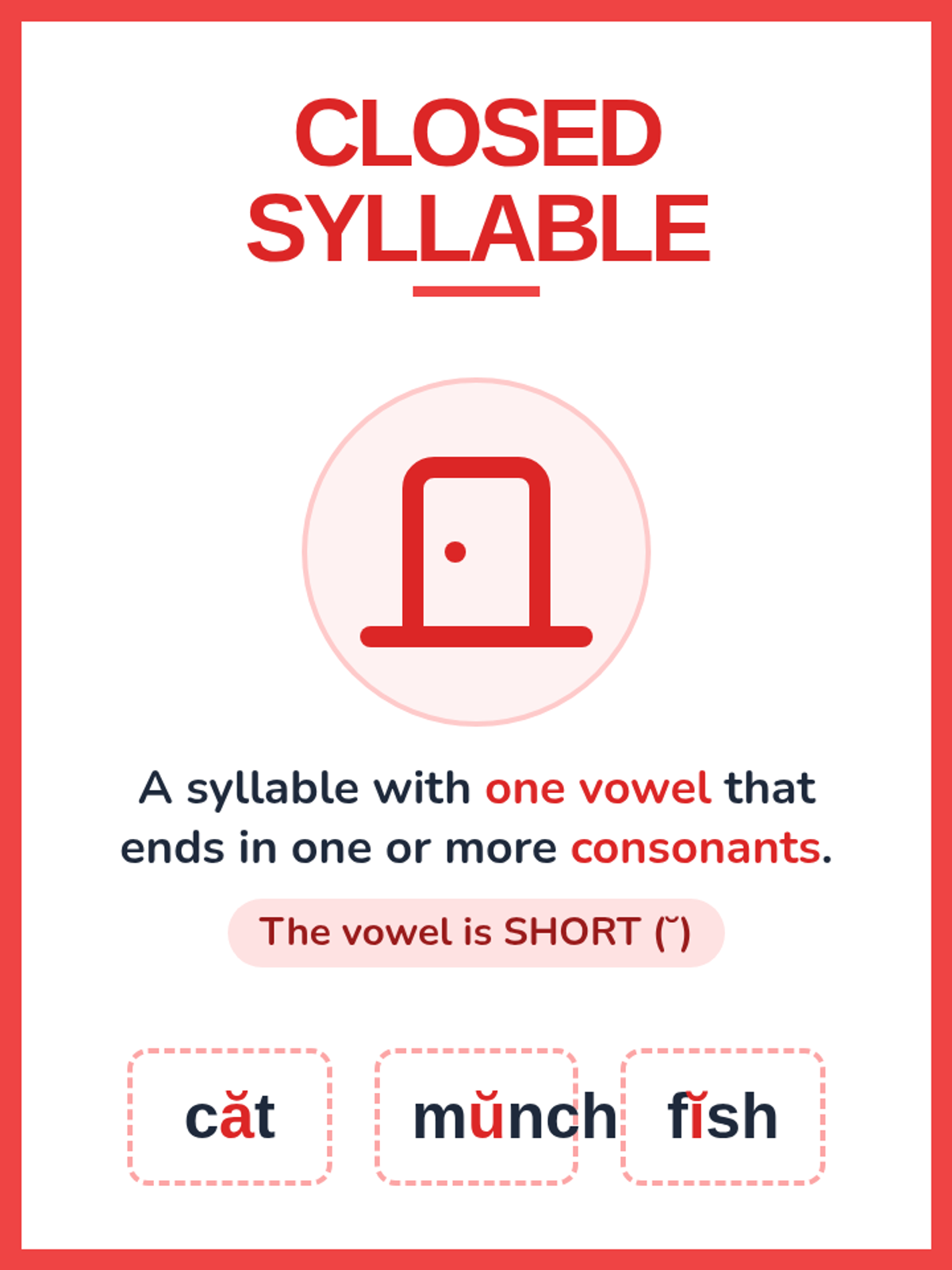
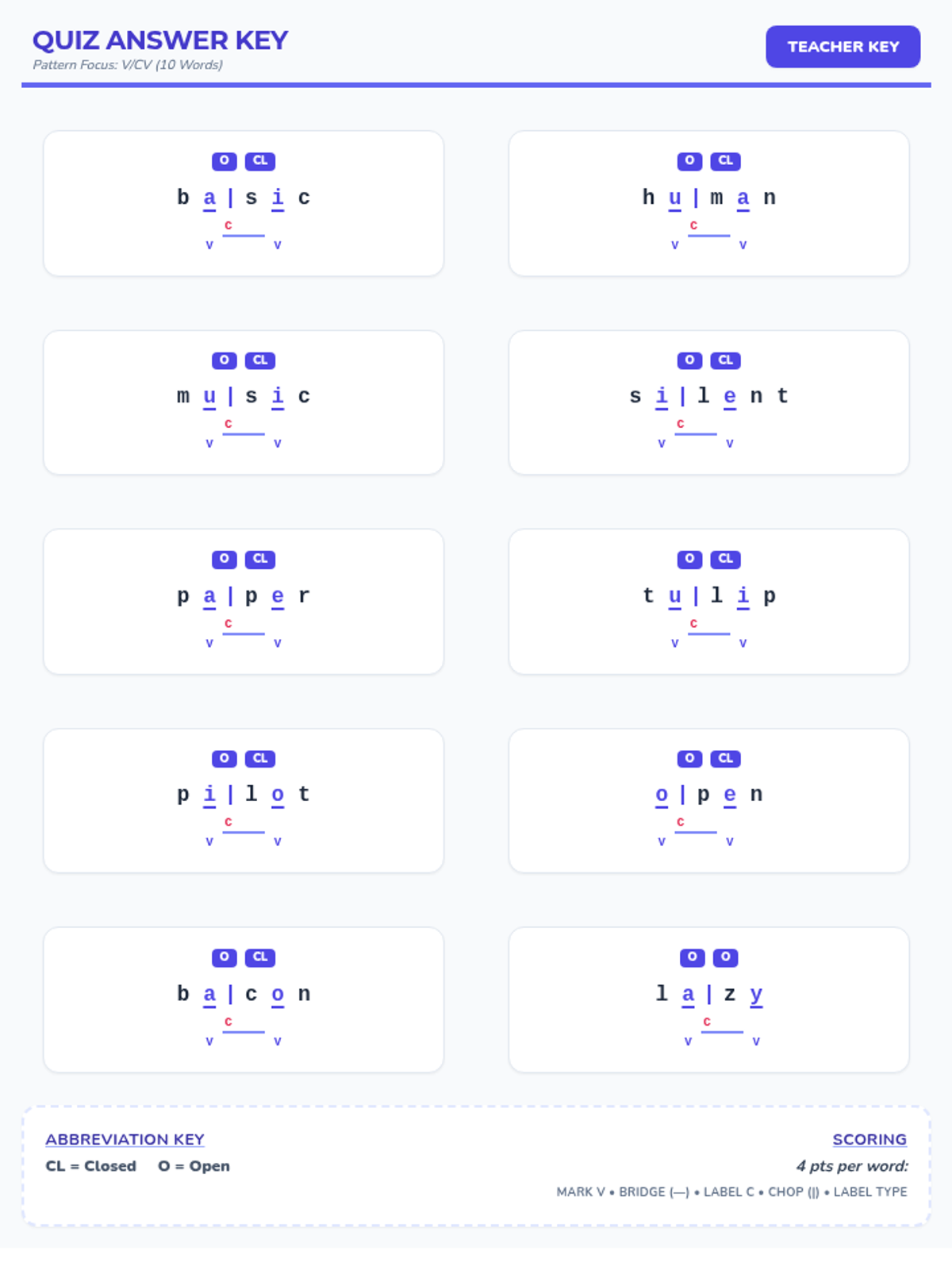
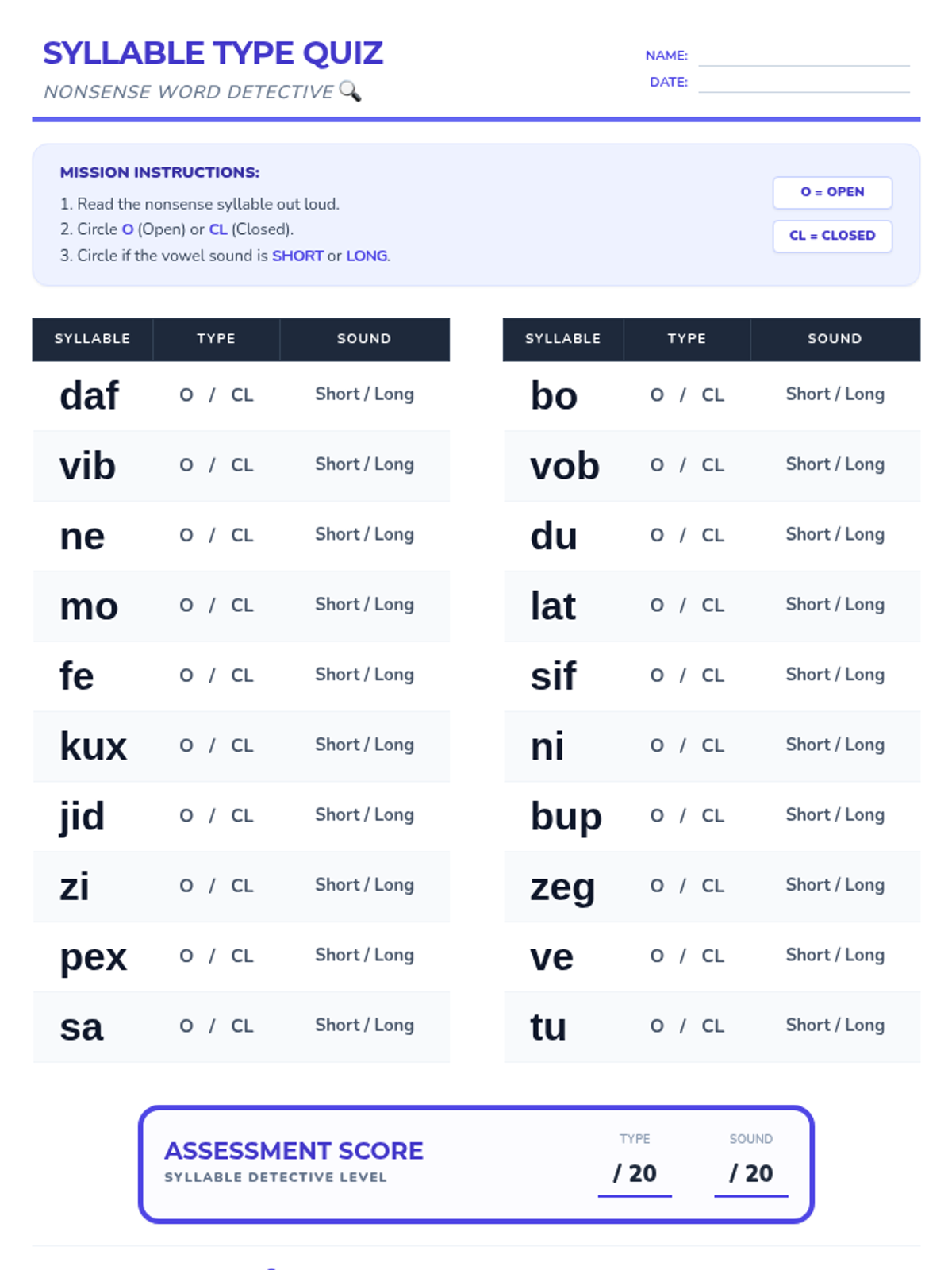
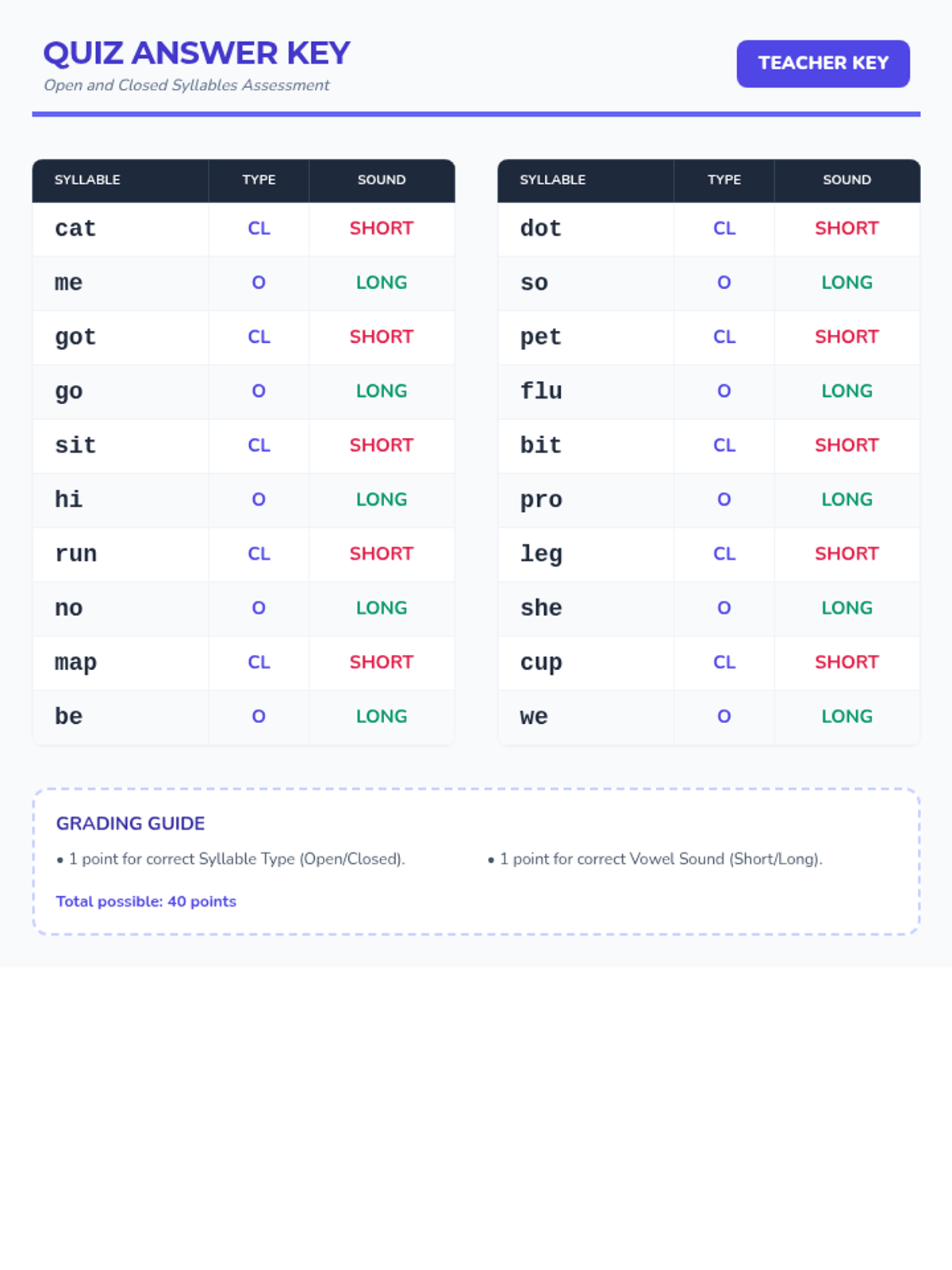
Mastering short vowel sounds (a, e, i, o, u) through CVC word construction, reading fluency with simple decodable text, and basic spelling patterns.
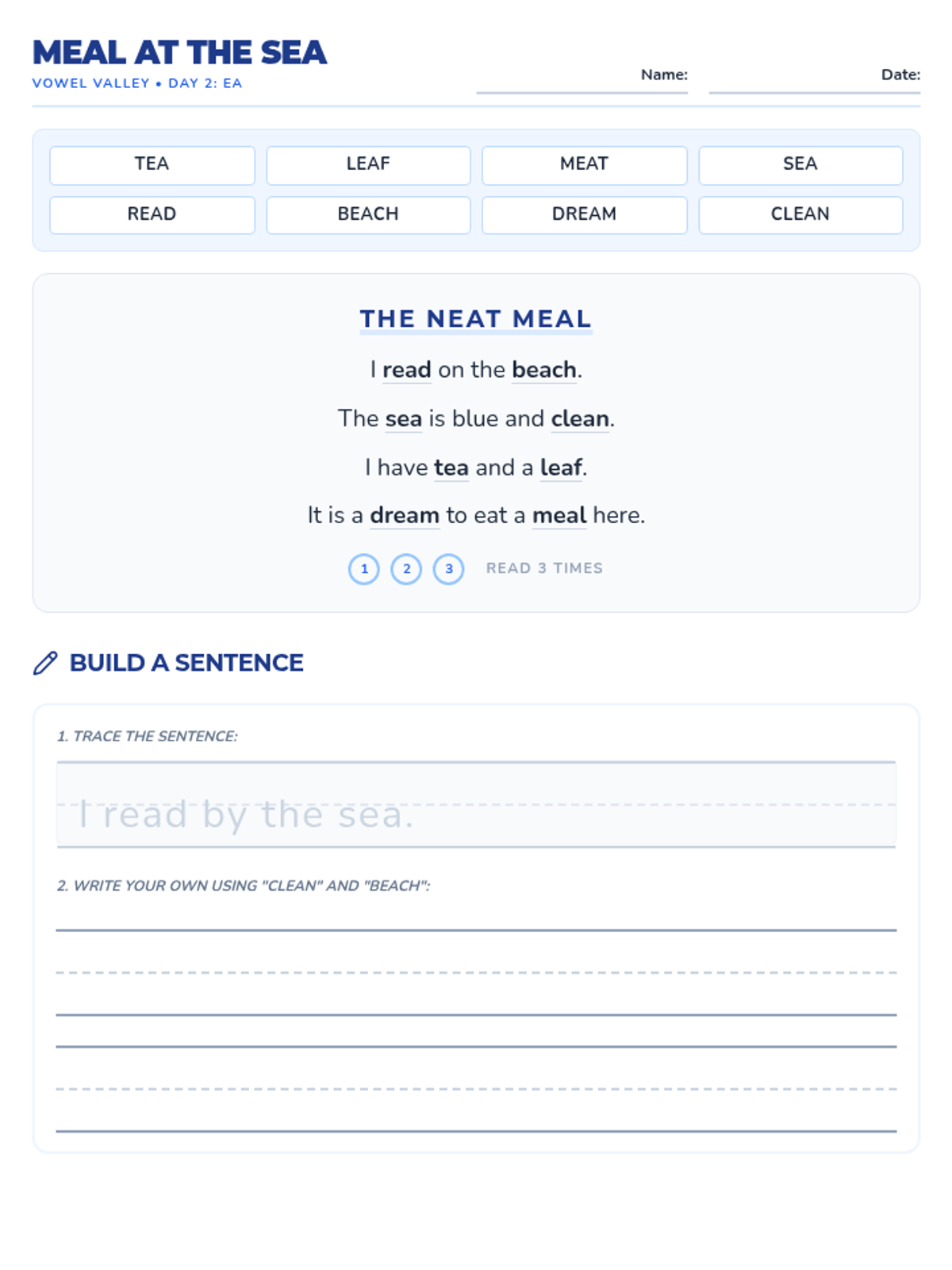
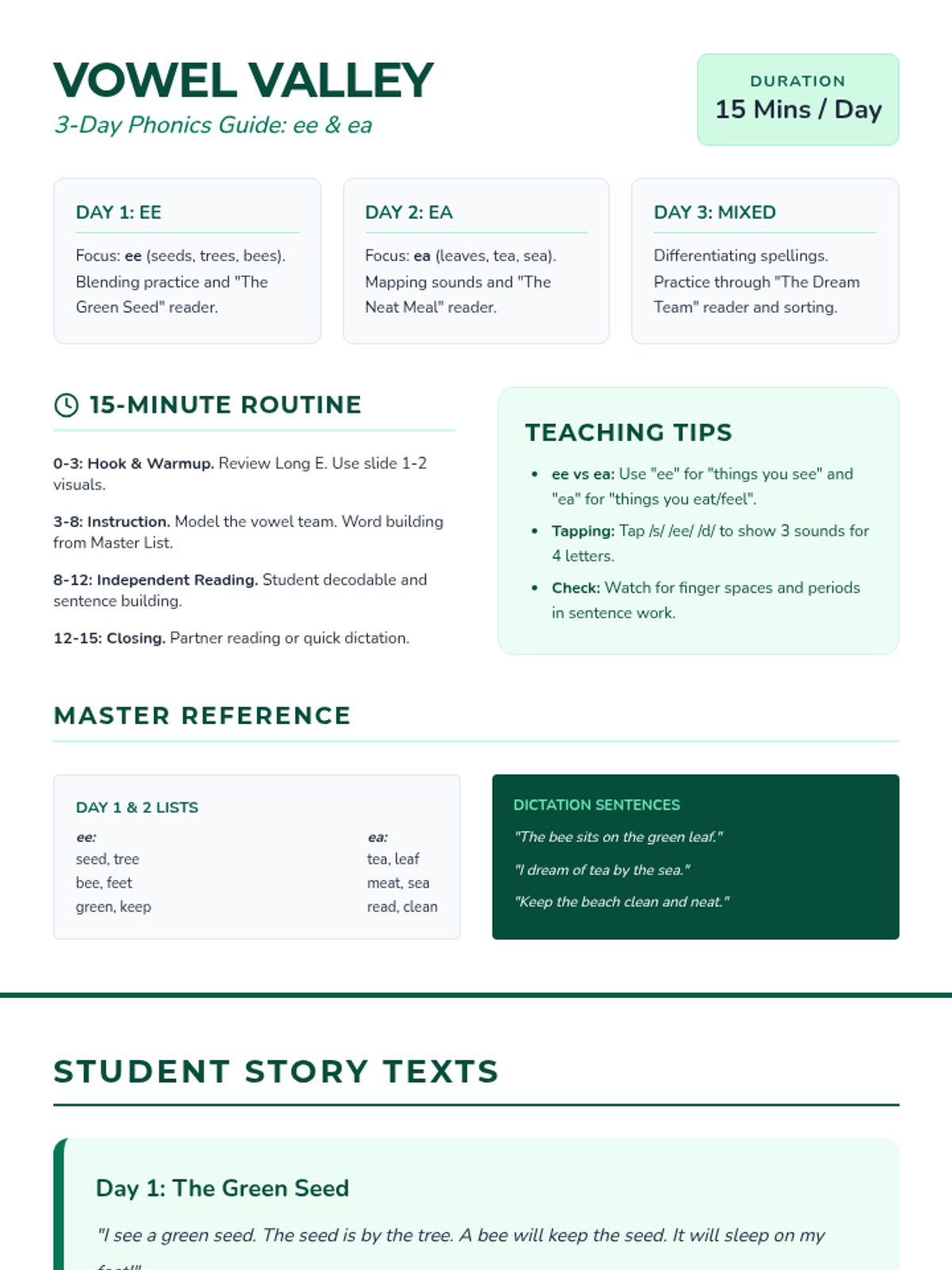
Day 2 introduces the 'ea' vowel team with a focus on nature and meals, featuring words like leaf, tea, and sea. Students engage in word mapping and decodable reading.
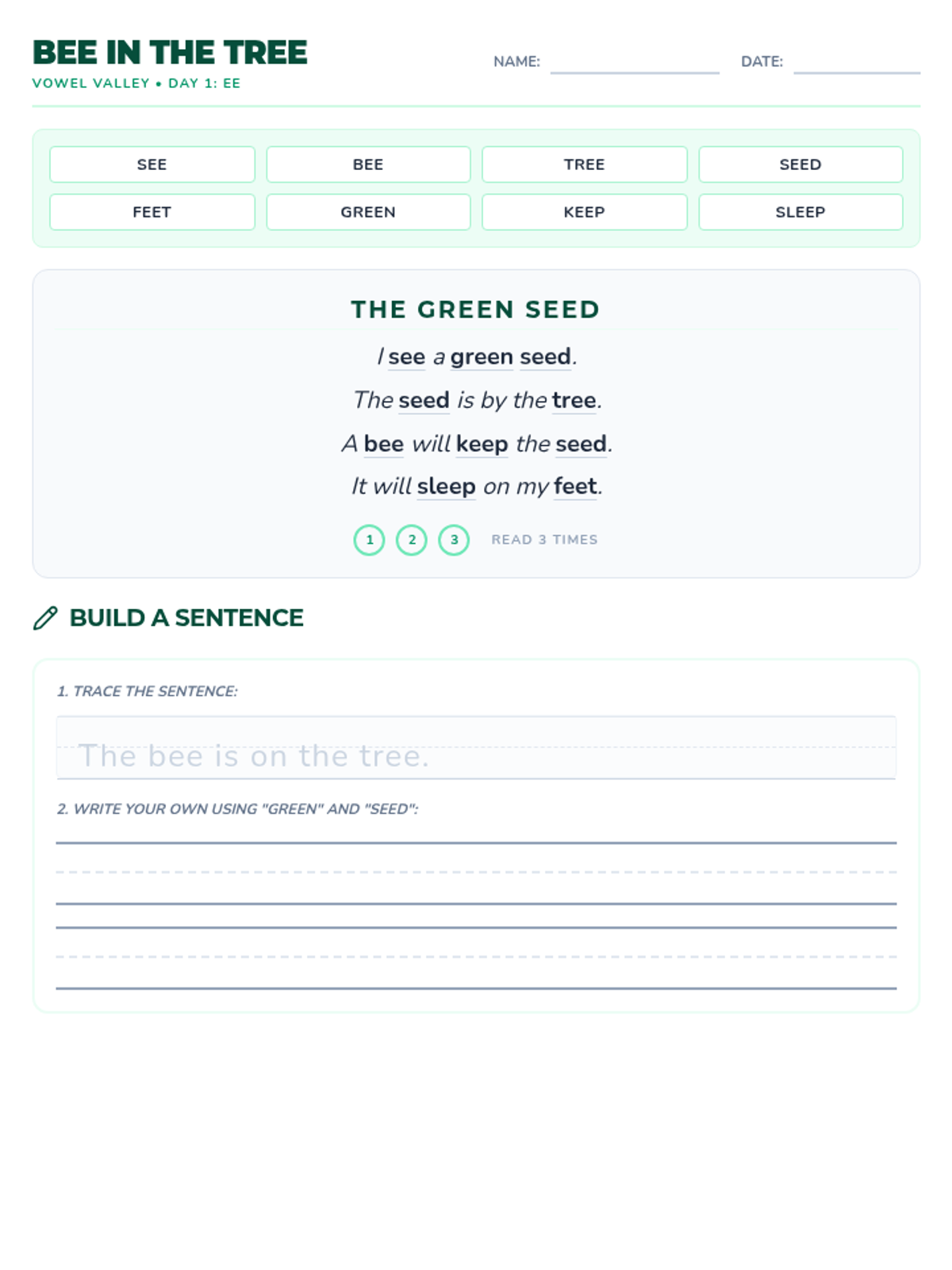
Day 1 focuses on the 'ee' vowel team using garden-themed vocabulary like seeds, trees, and bees. Students practice phonemic awareness, word blending, and sentence construction.
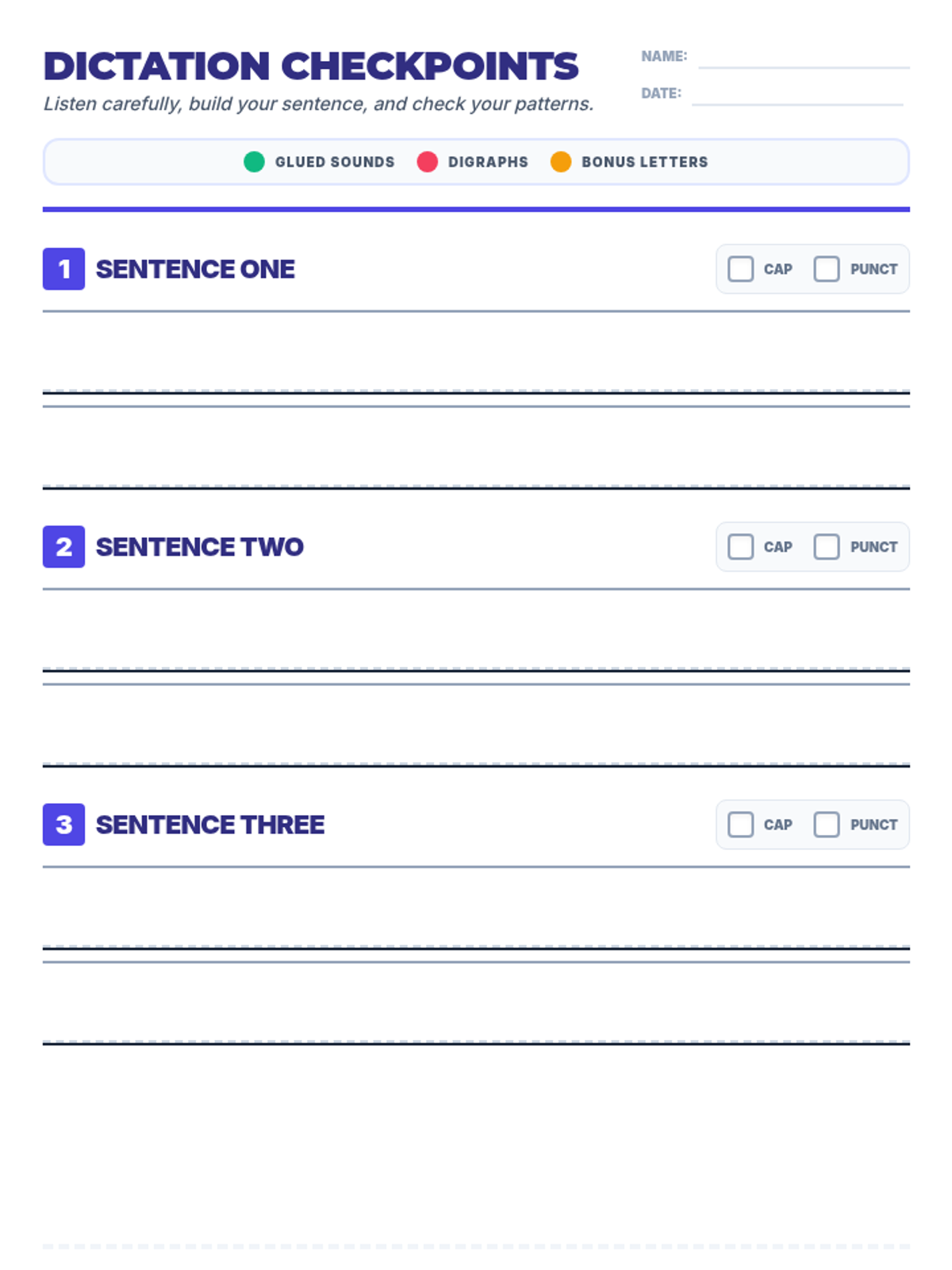
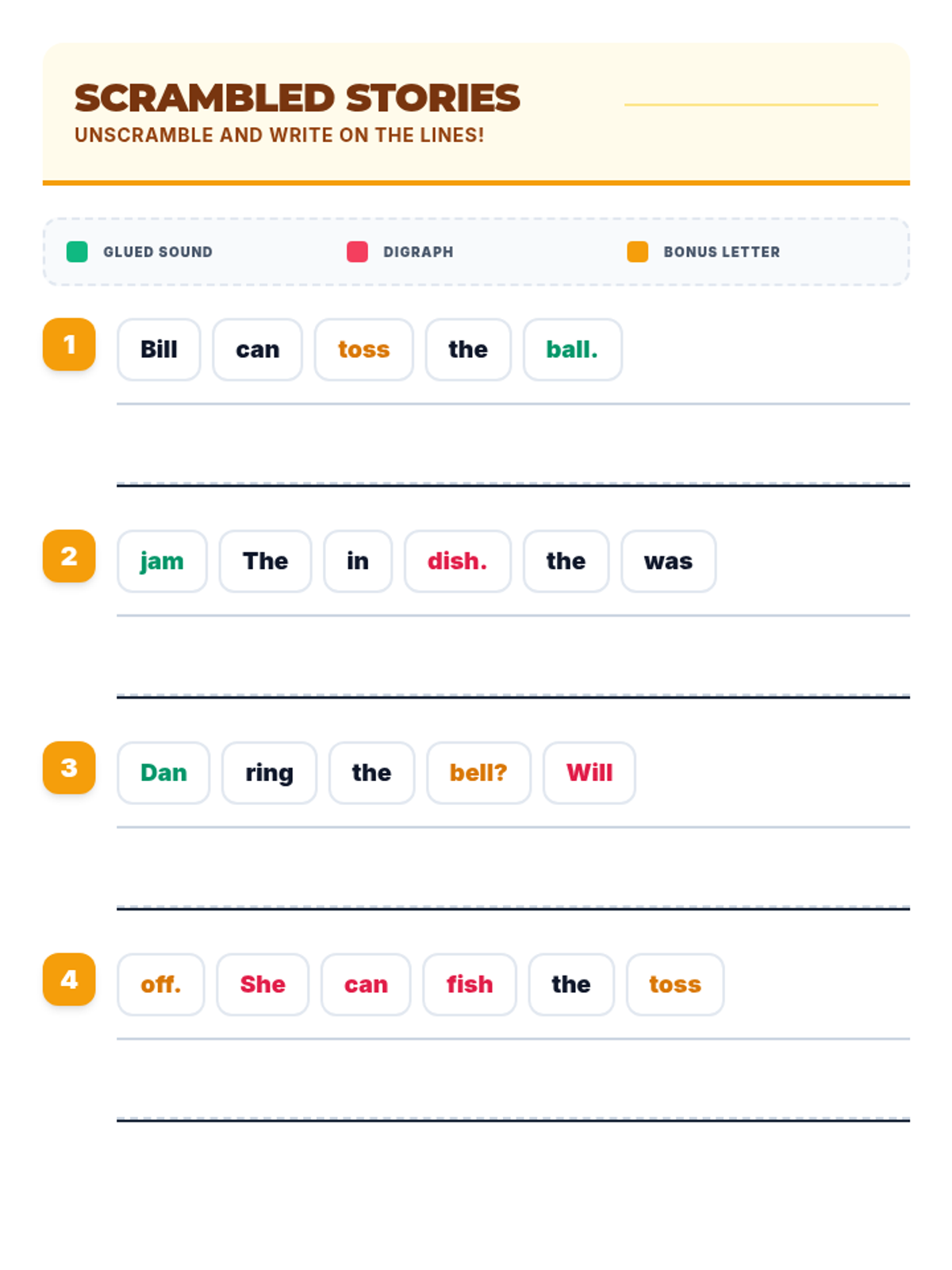
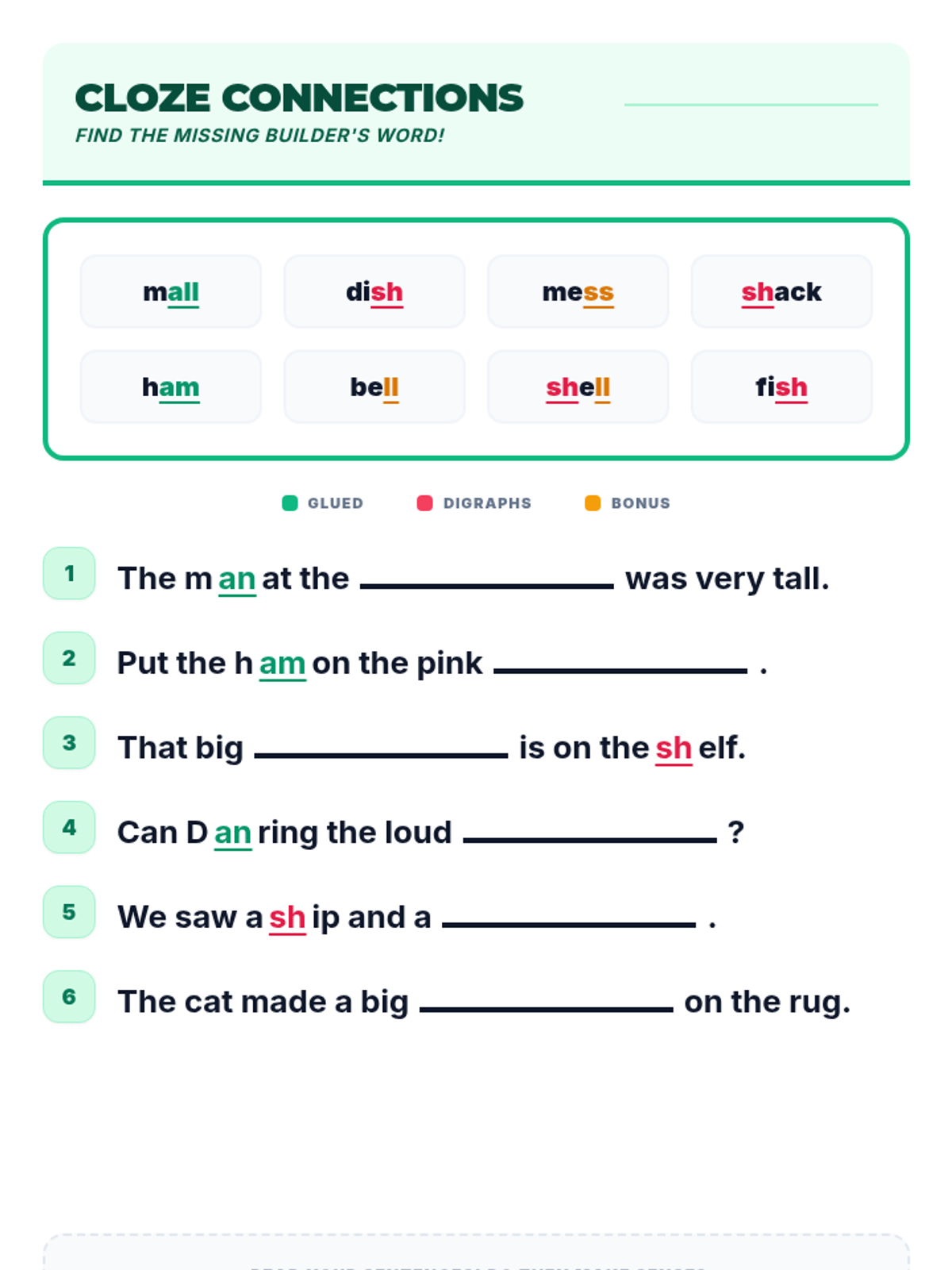
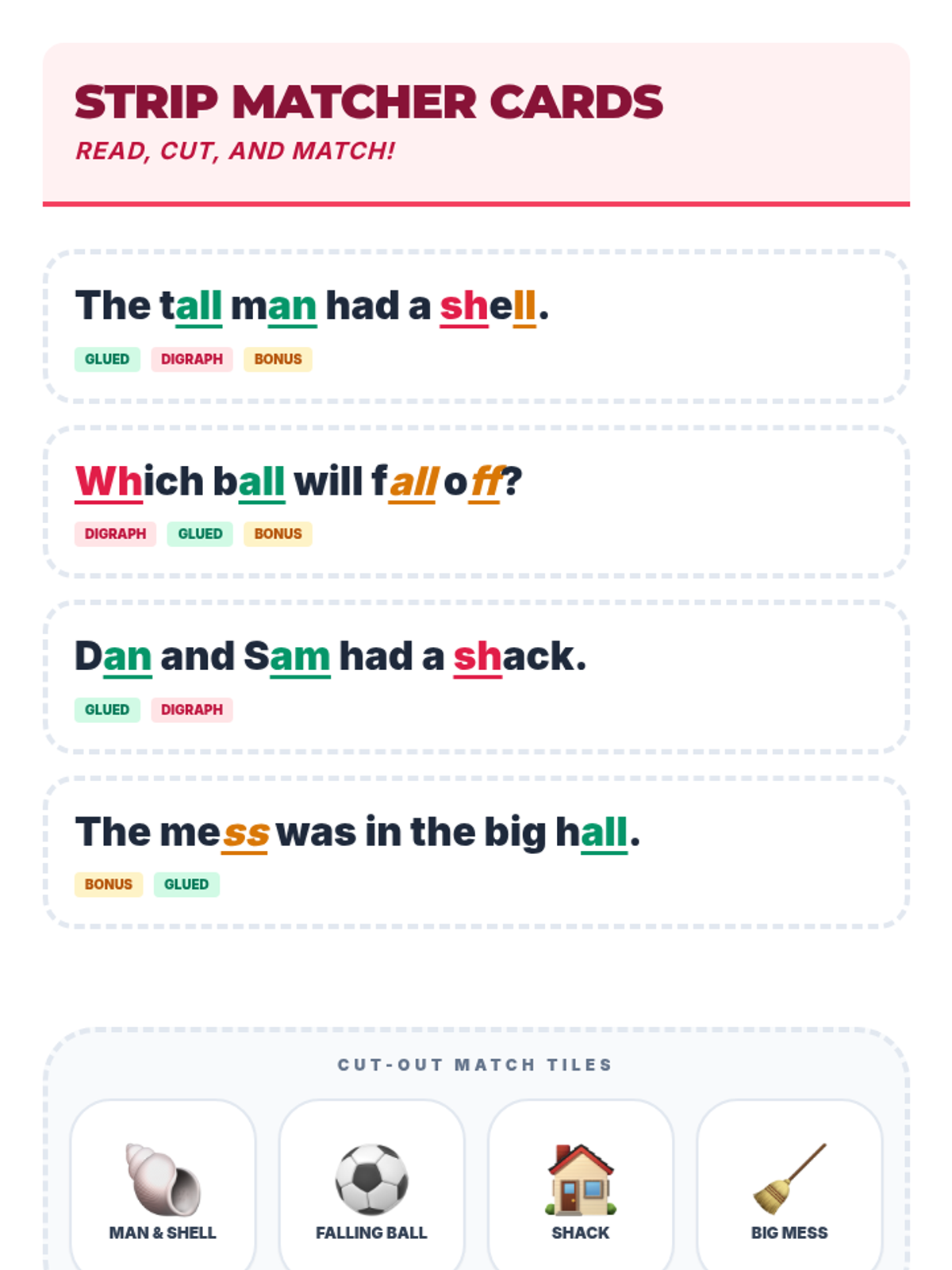
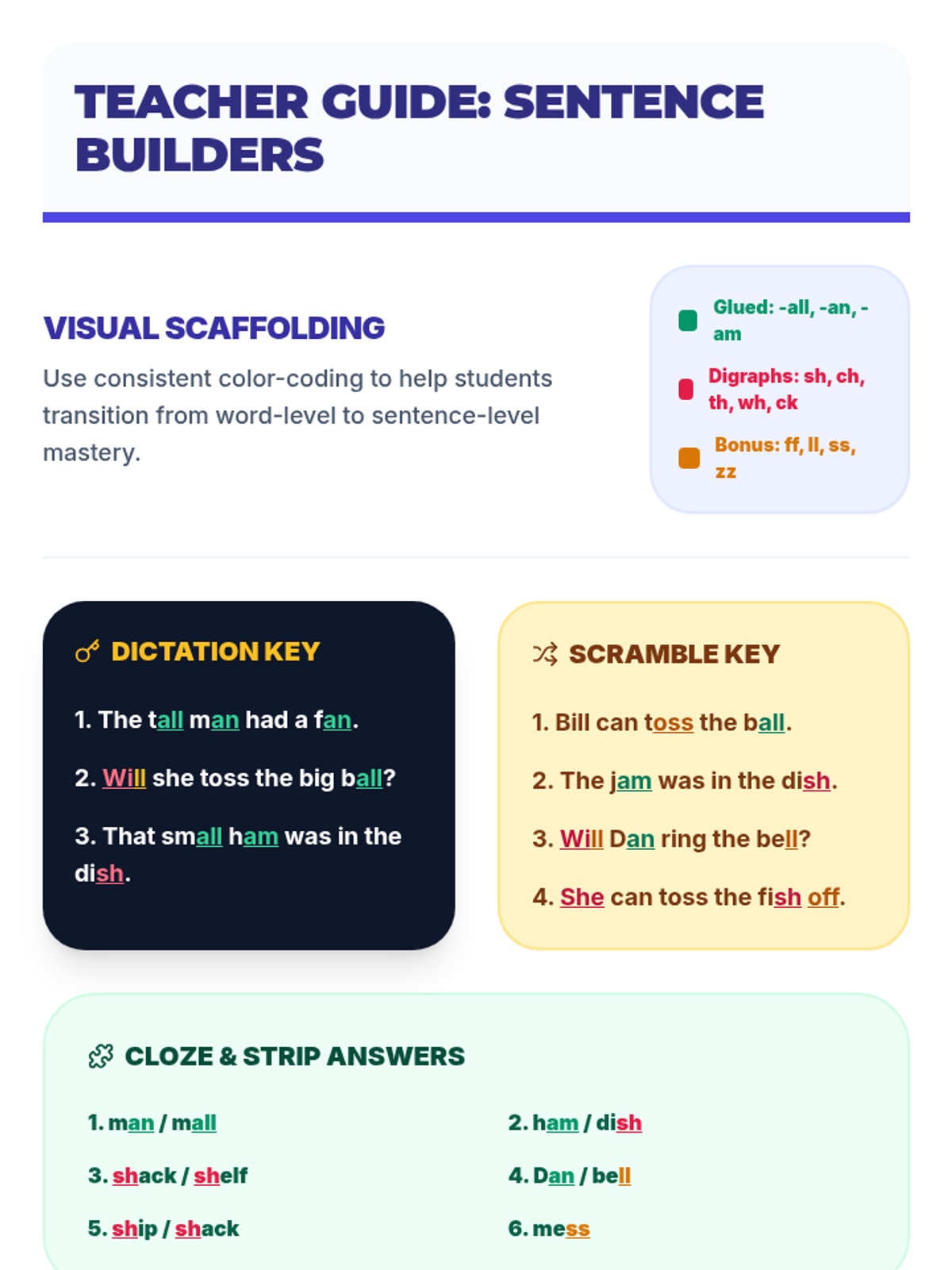
A comprehensive lesson designed to help students master sentence construction using target phonics patterns including -all, -an, -am, digraphs, short vowels, and bonus letters through dictation, scrambles, and cloze activities.
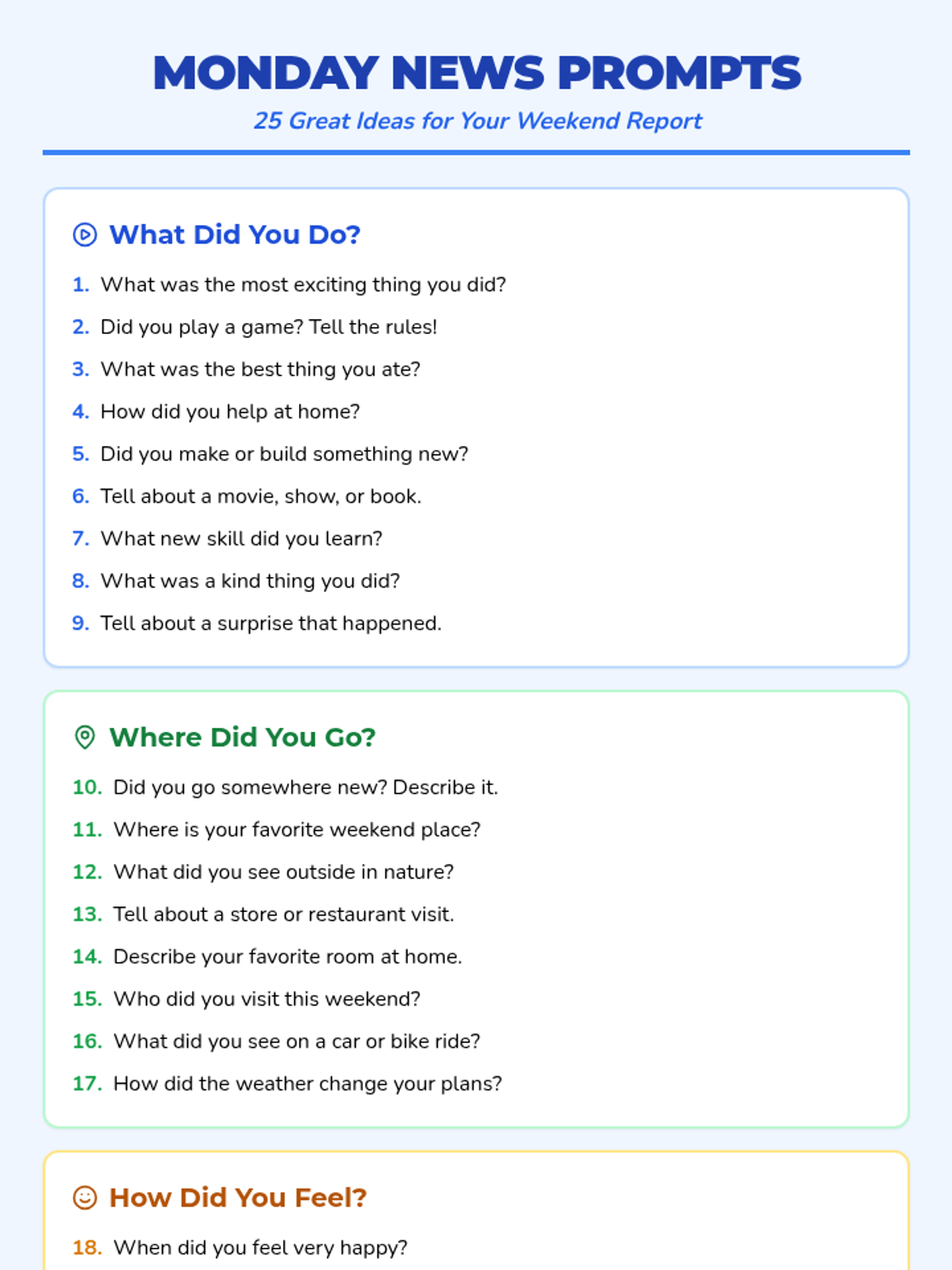
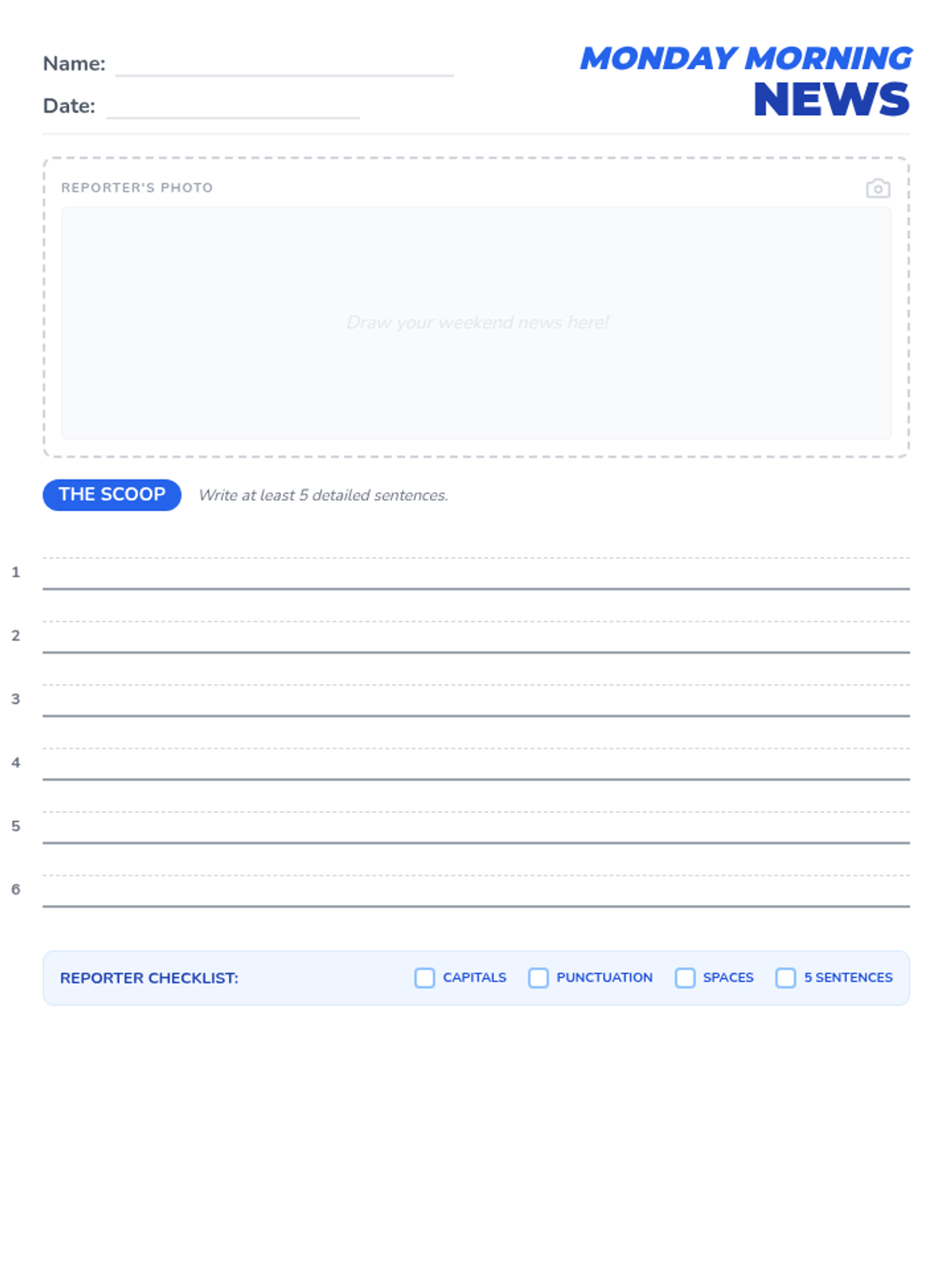
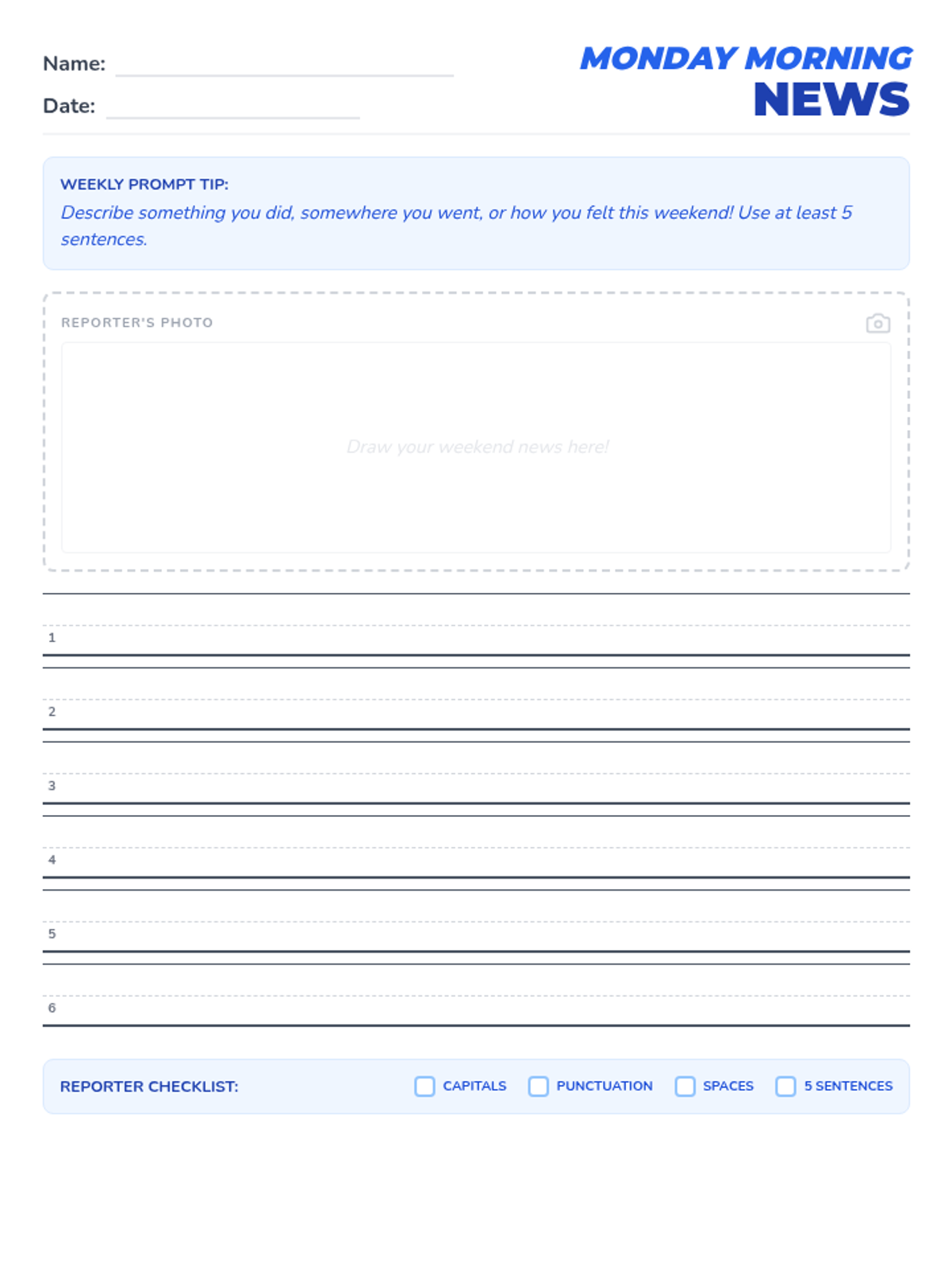
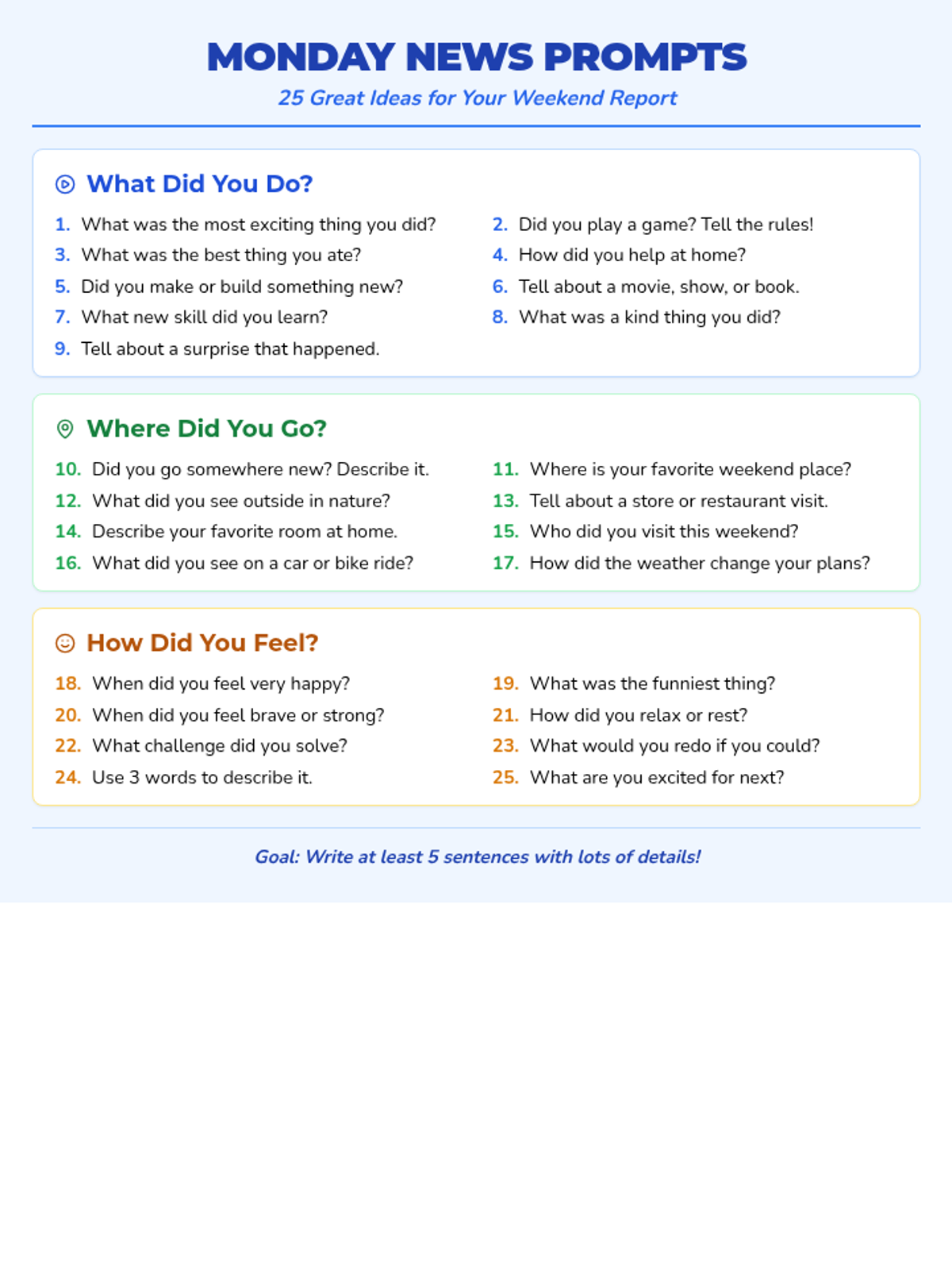
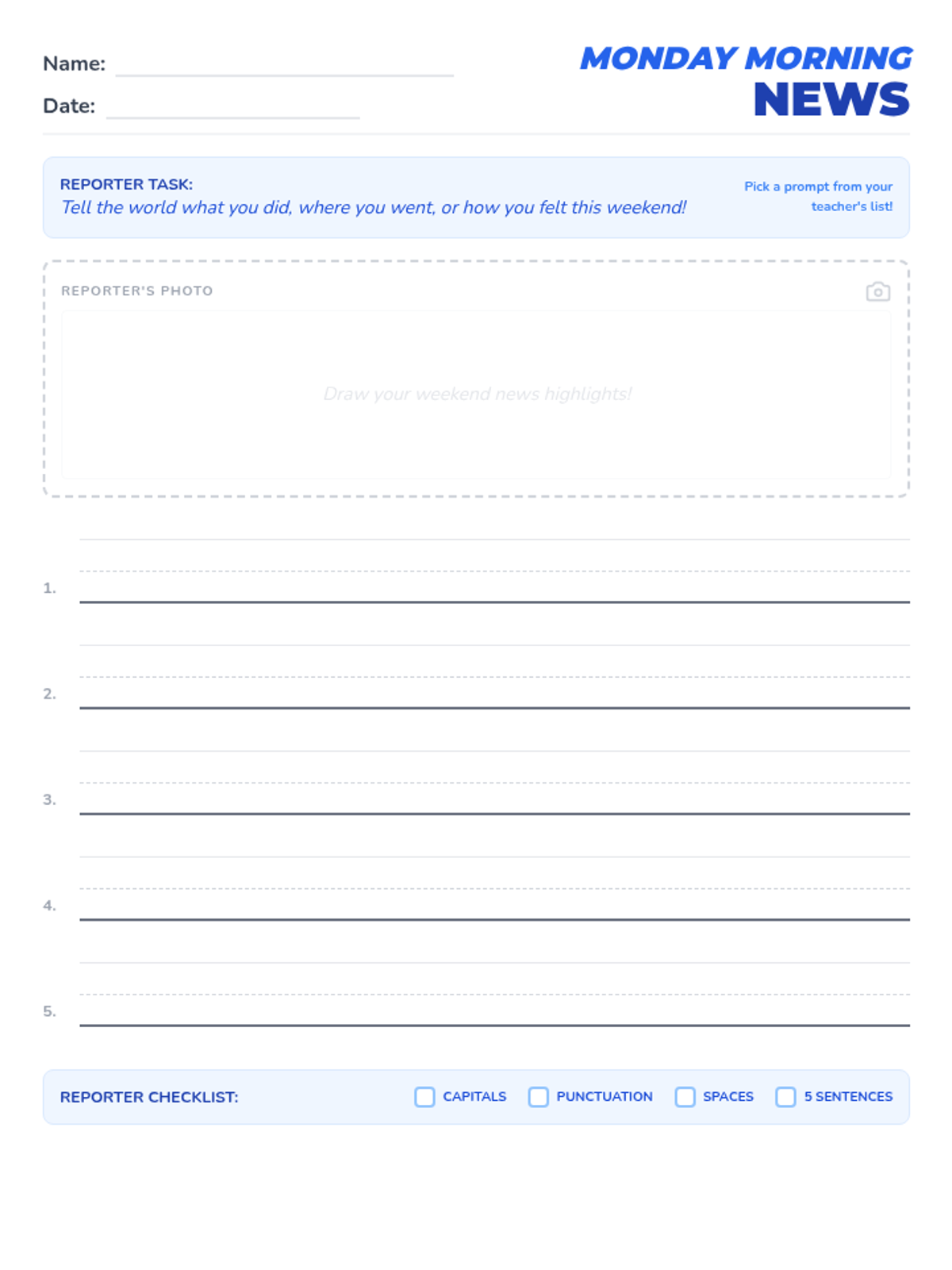
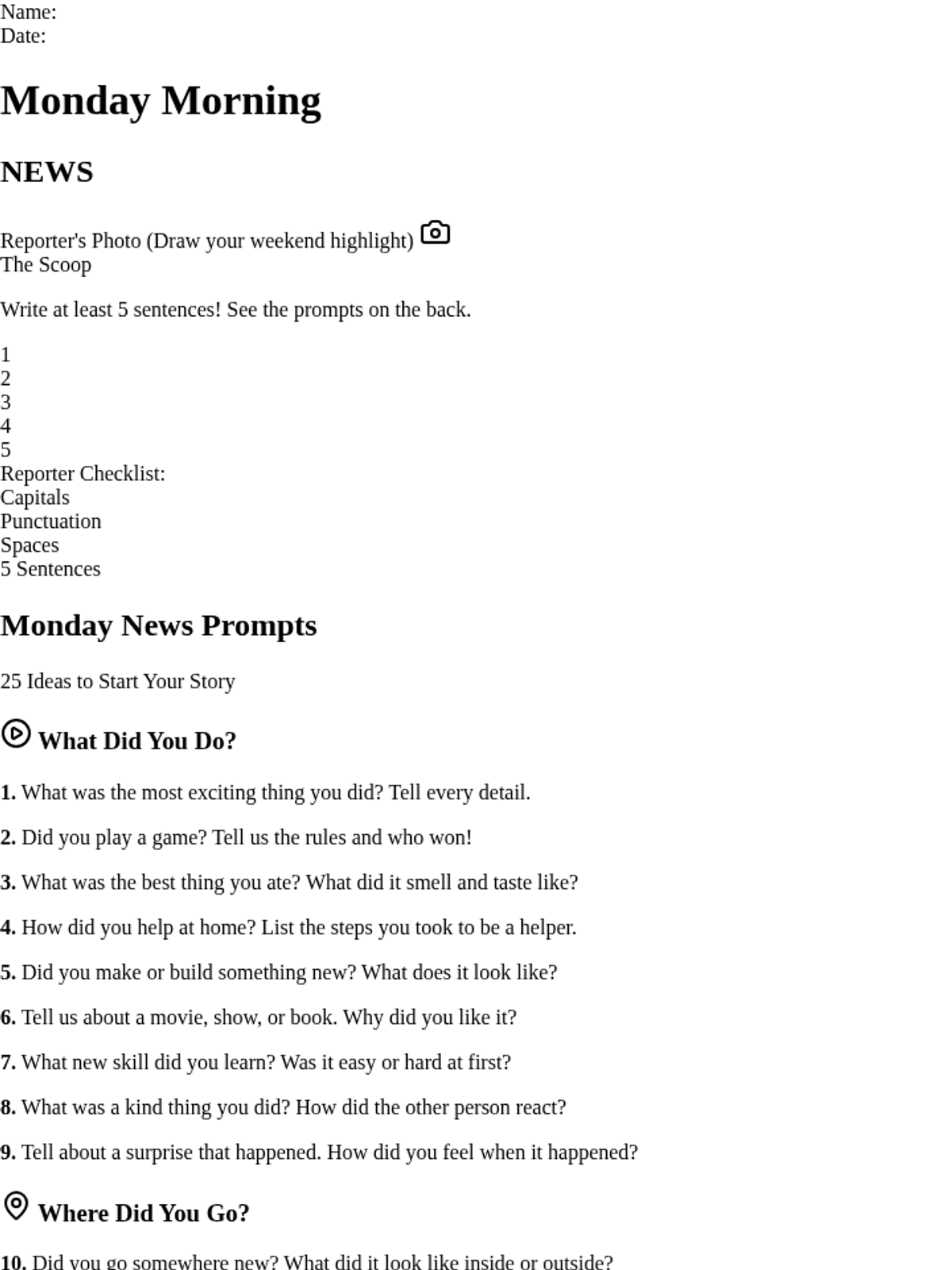
A Monday morning writing routine where students reflect on their weekend activities through descriptive journaling. Students use open-ended prompts to develop their narrative writing skills and share personal experiences with their peers.
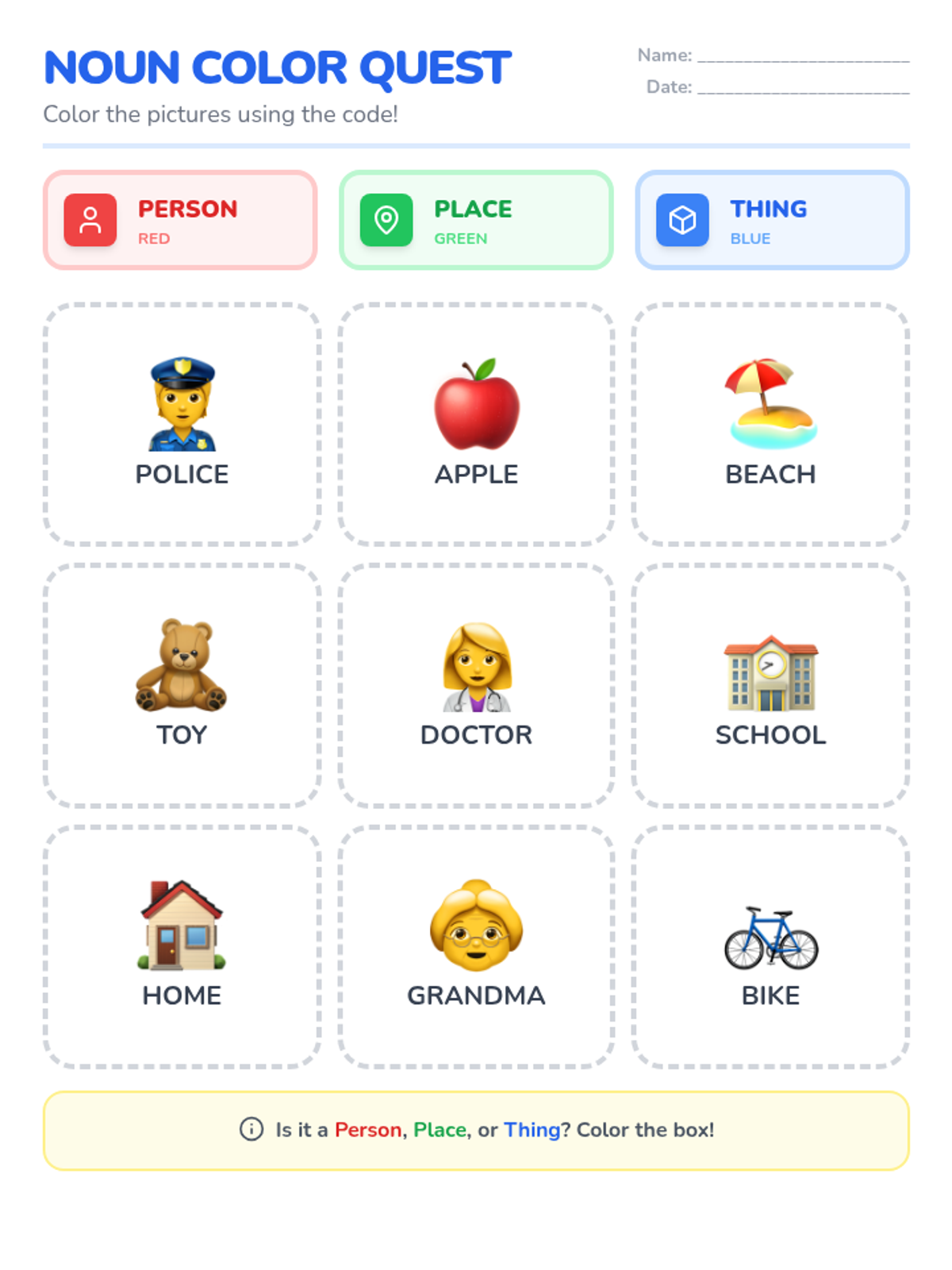
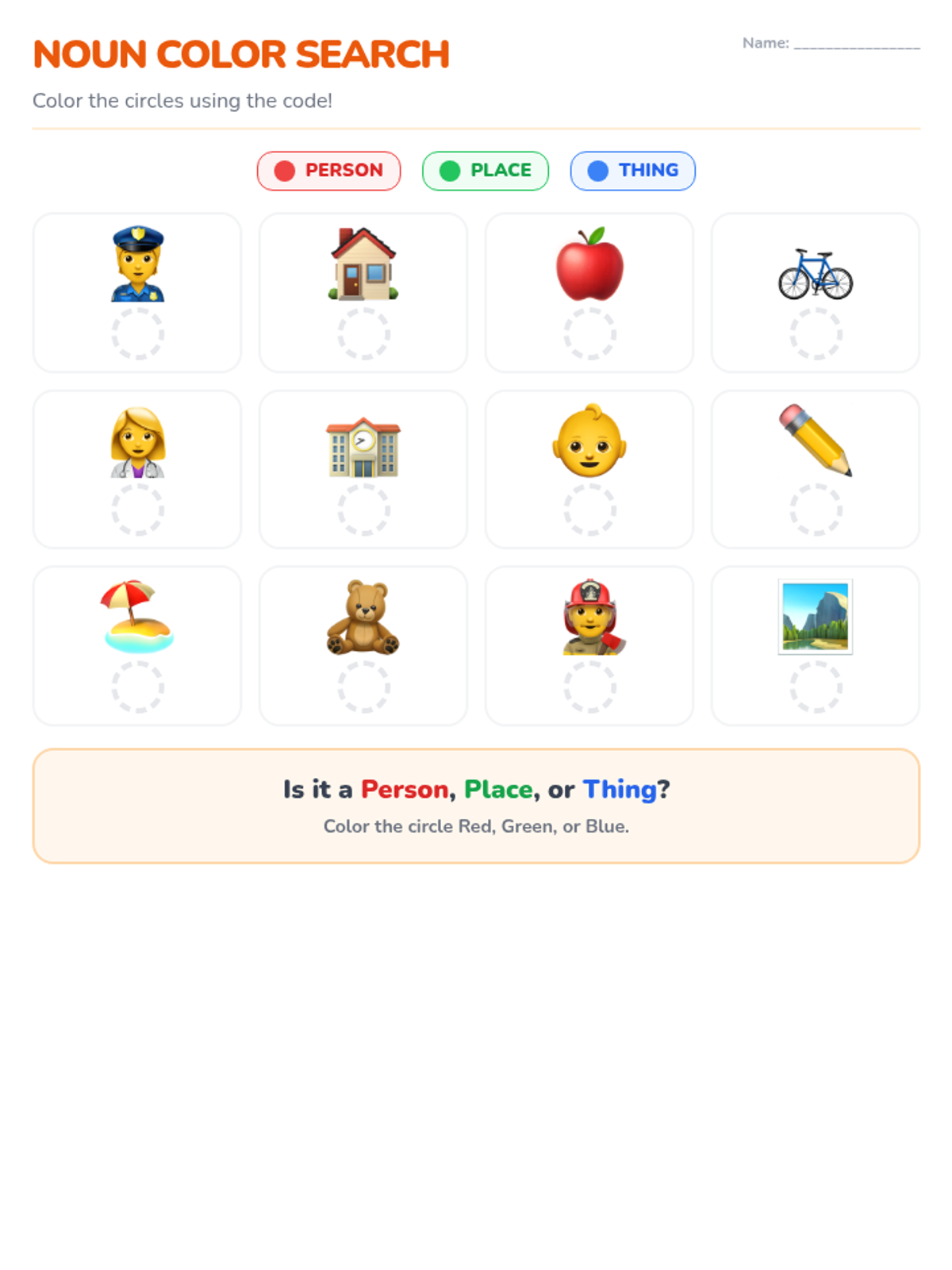
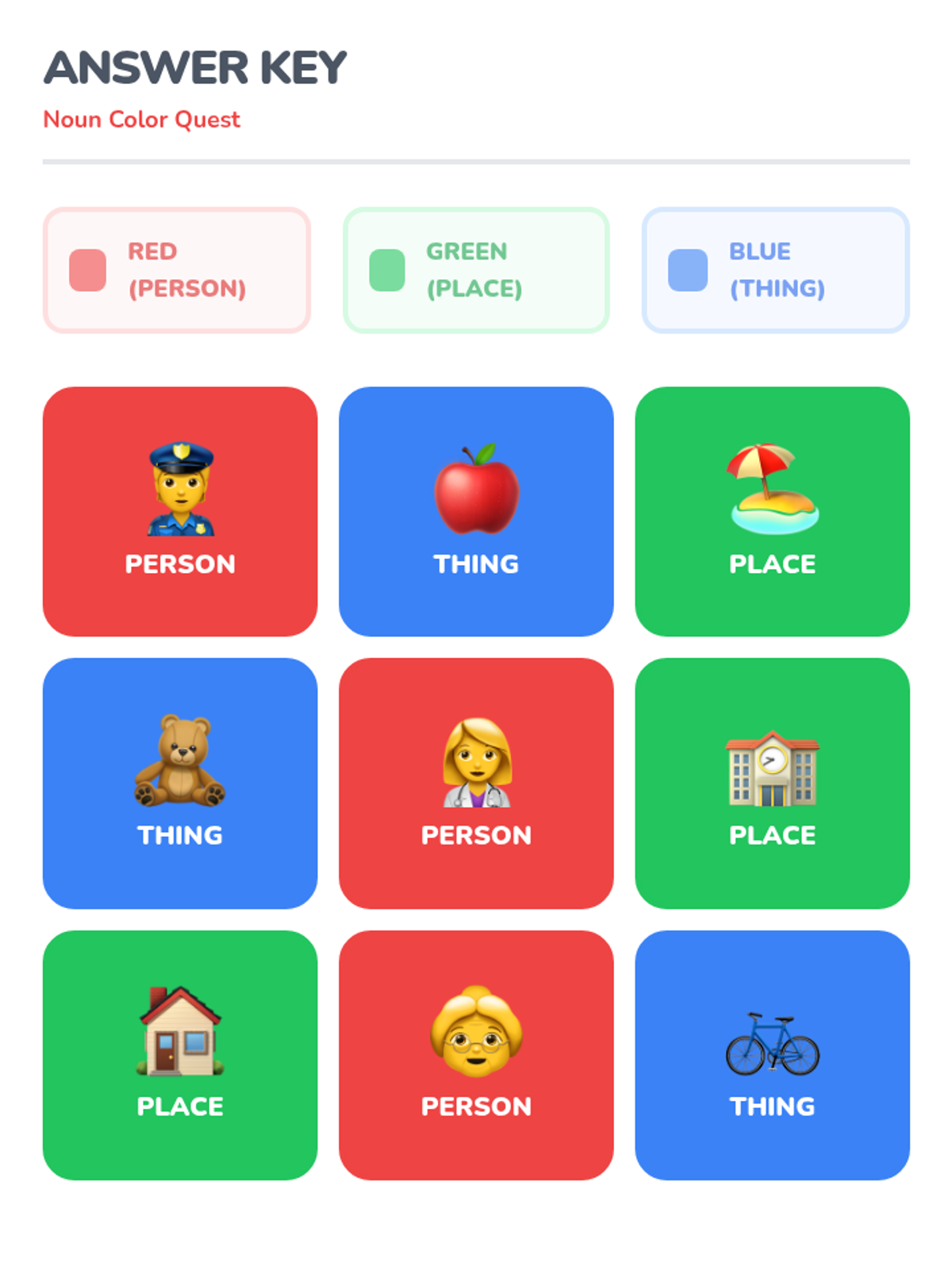
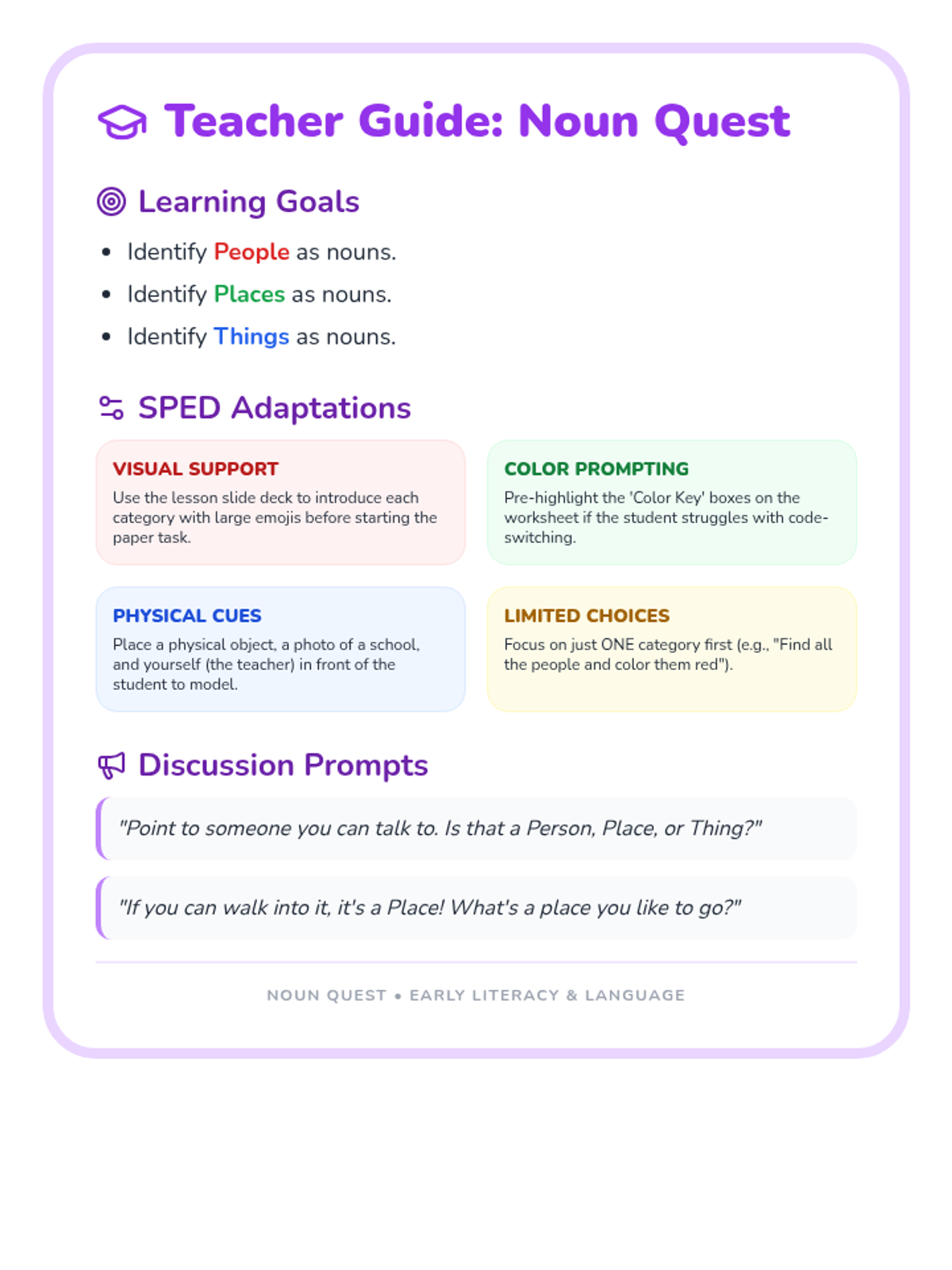
A foundational lesson for Pre-K and Kindergarten students to identify nouns as people, places, and things through visual cues and coloring activities.
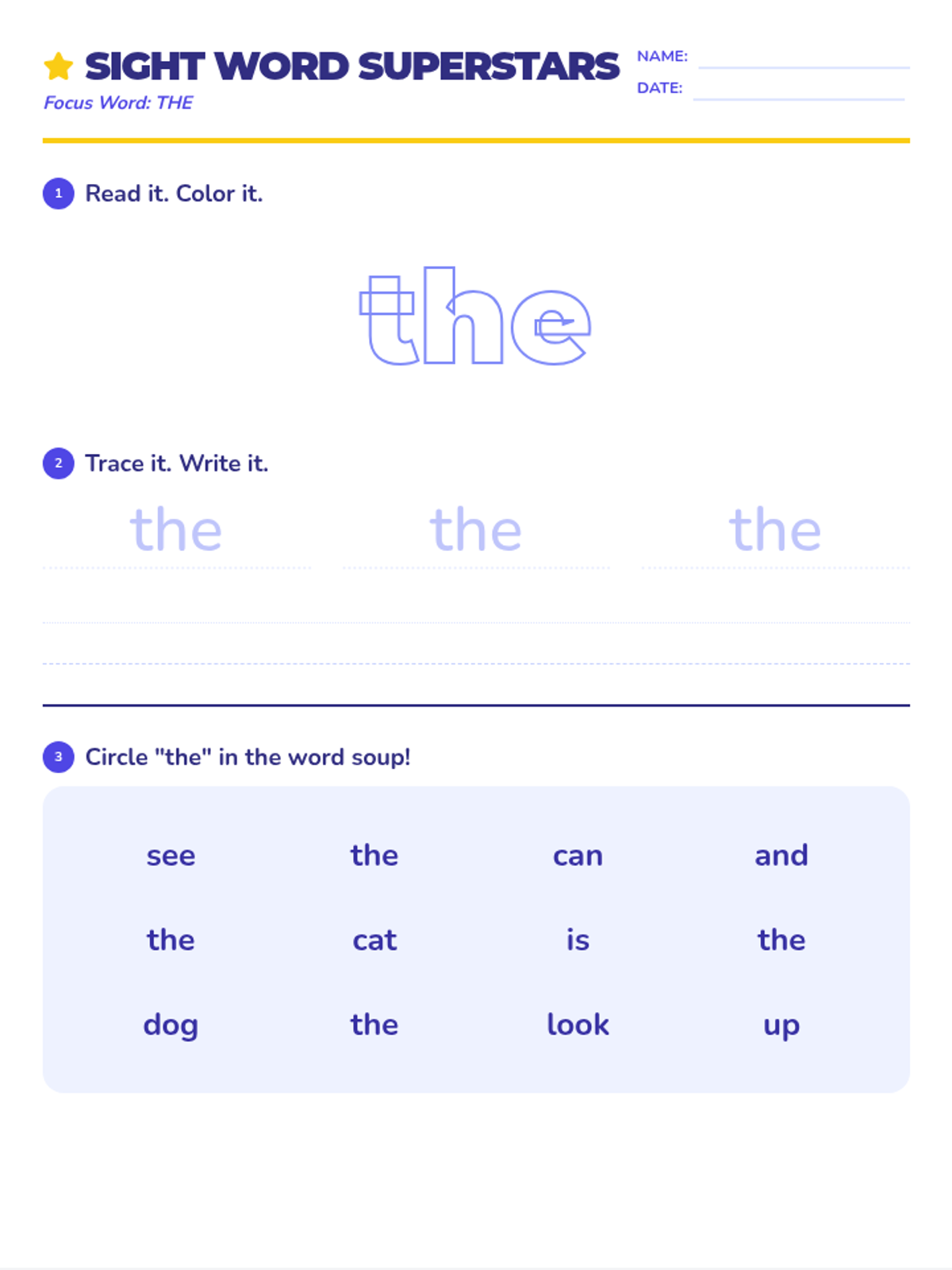
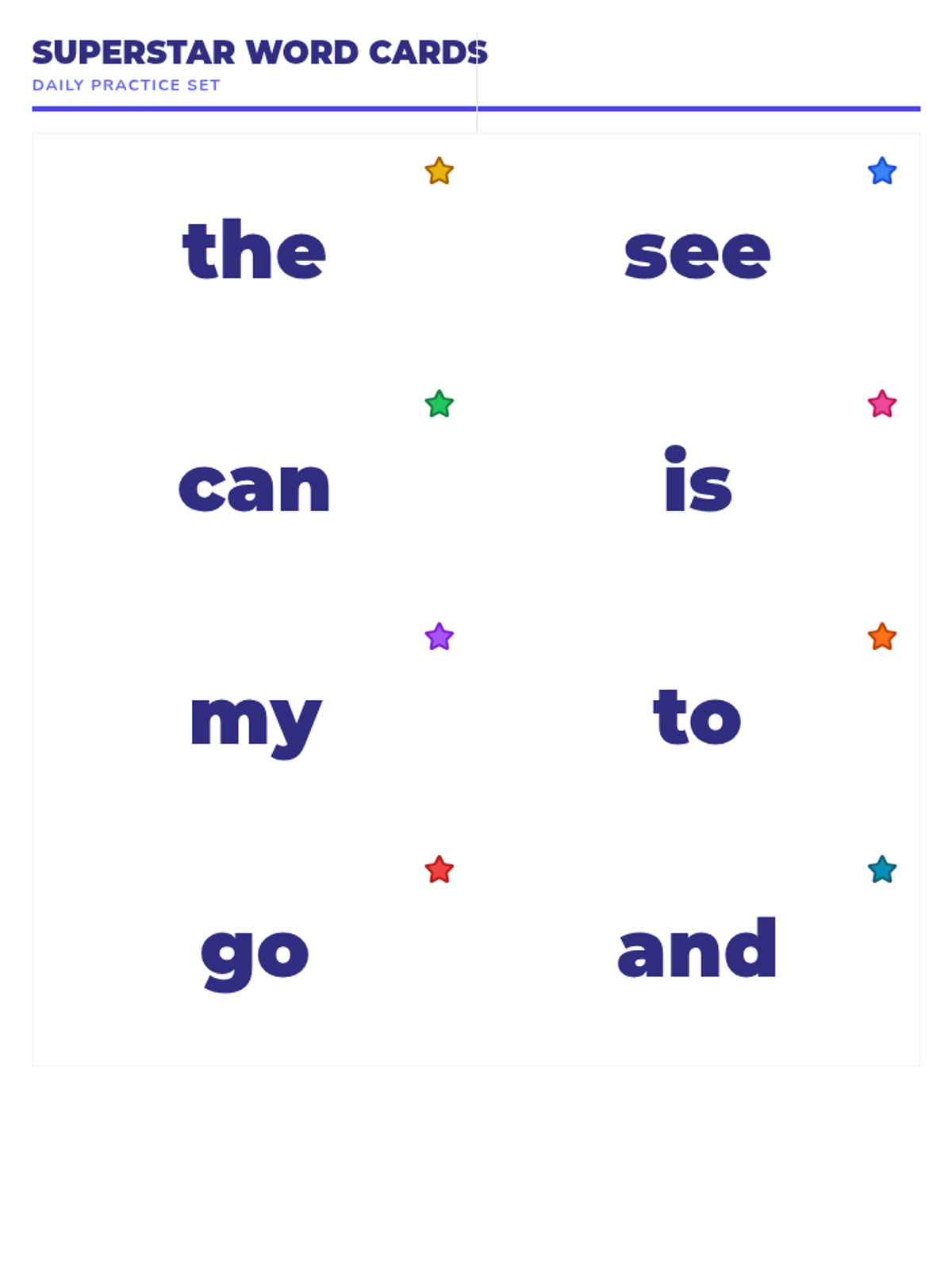
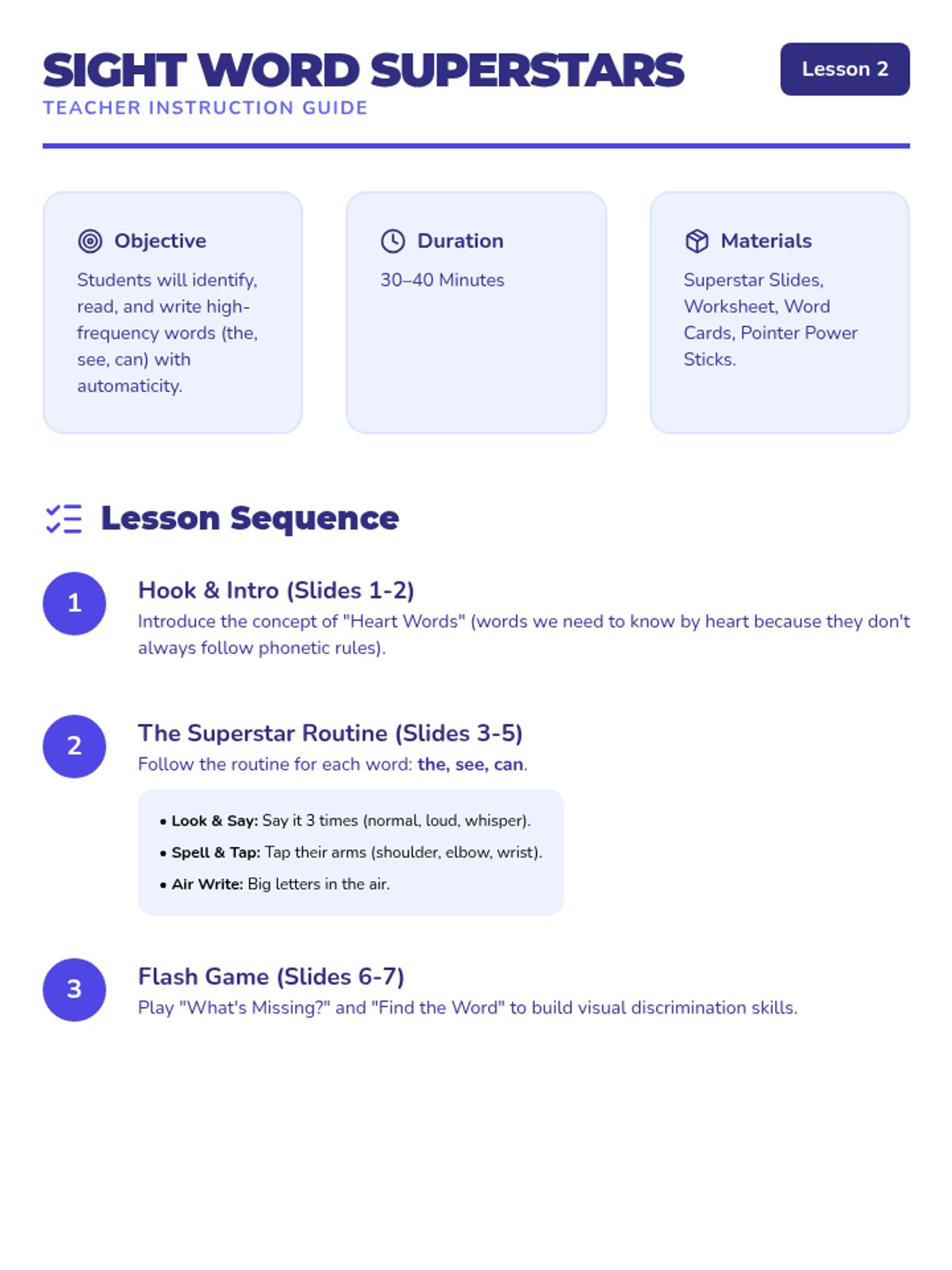
A focused lesson on identifying, reading, and writing high-frequency sight words to build reading fluency and confidence.
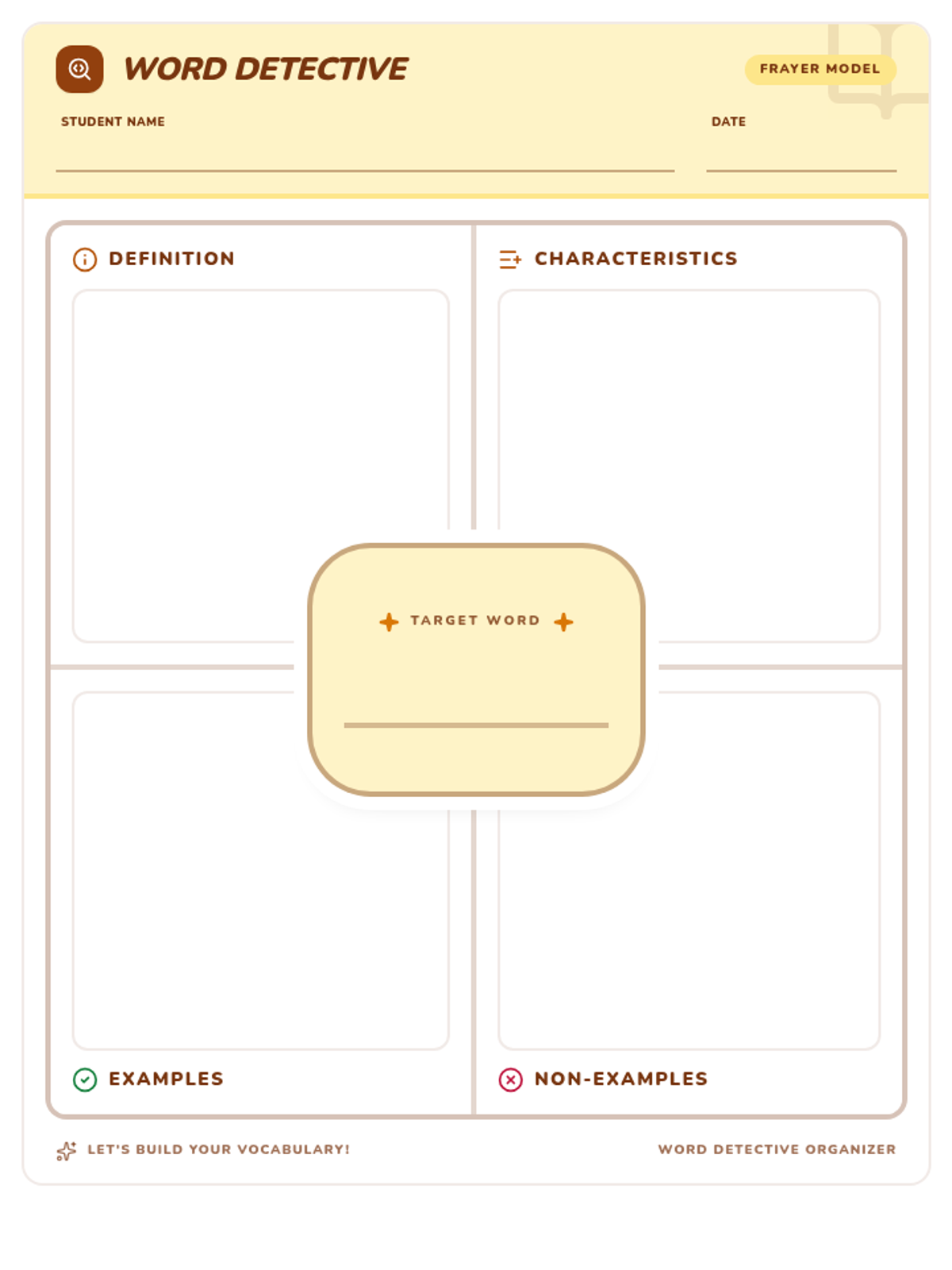
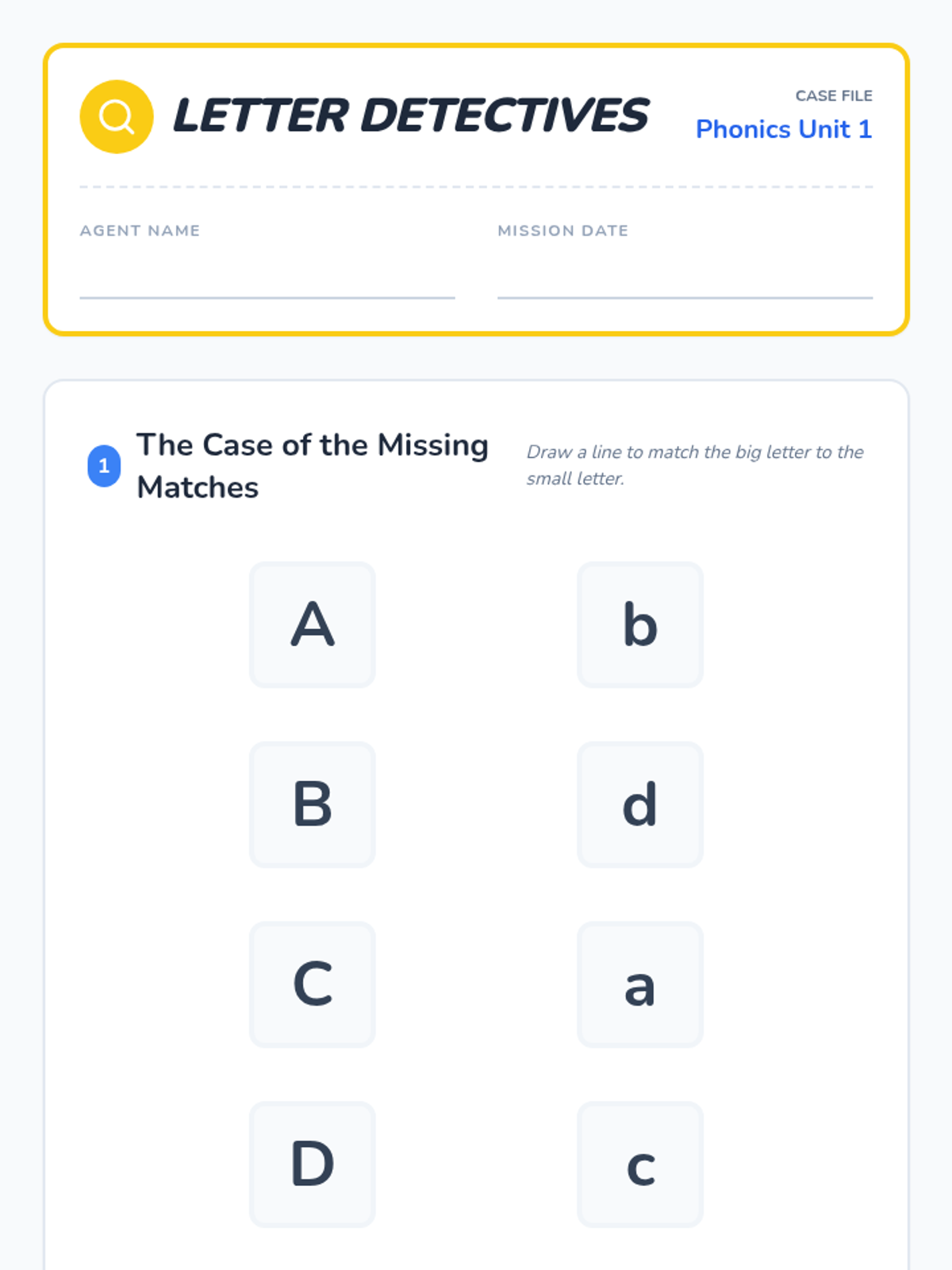
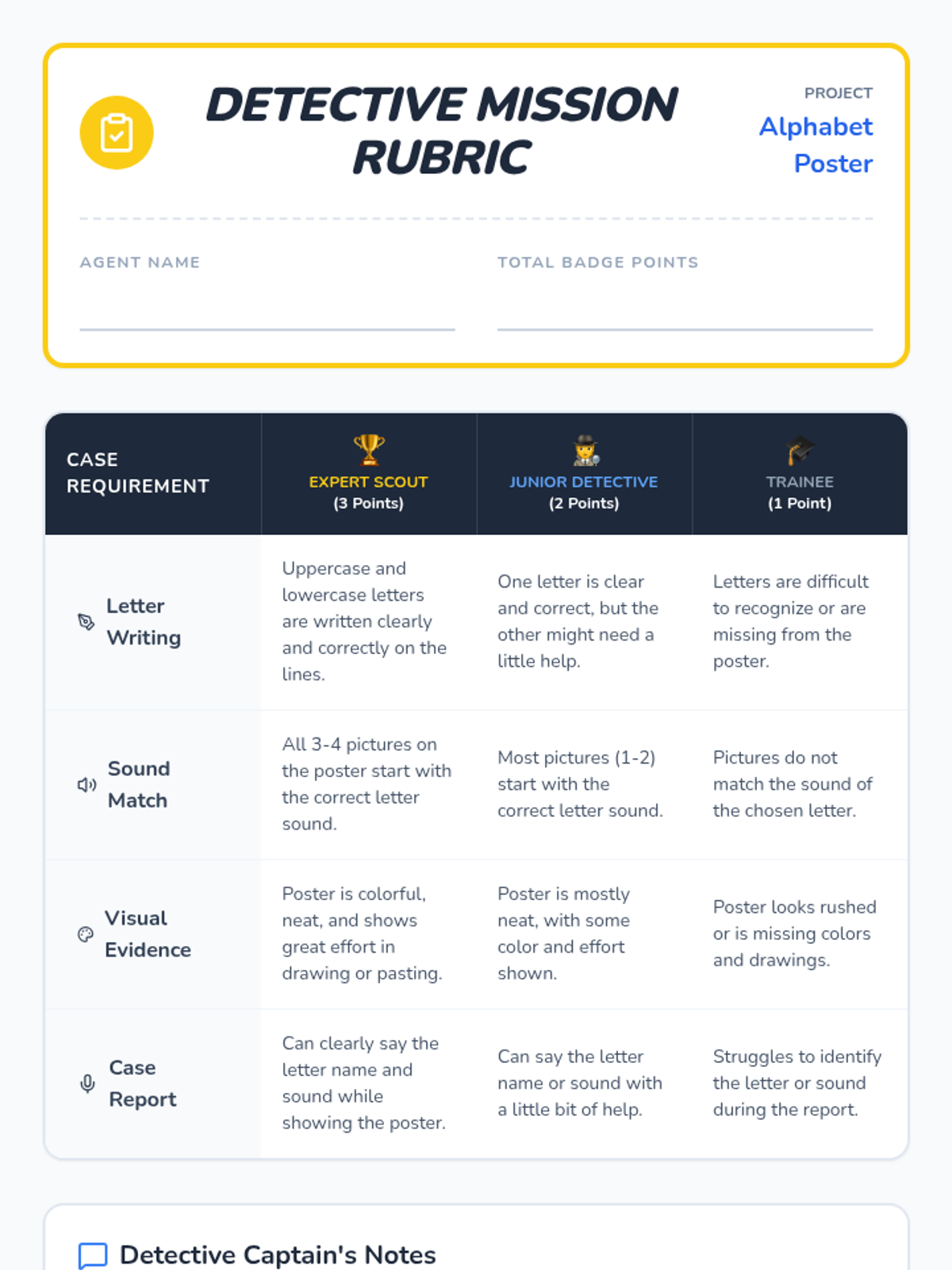
A foundational phonics lesson for Kindergarten students focusing on letter-sound recognition and beginning sounds through a detective-themed exploration.
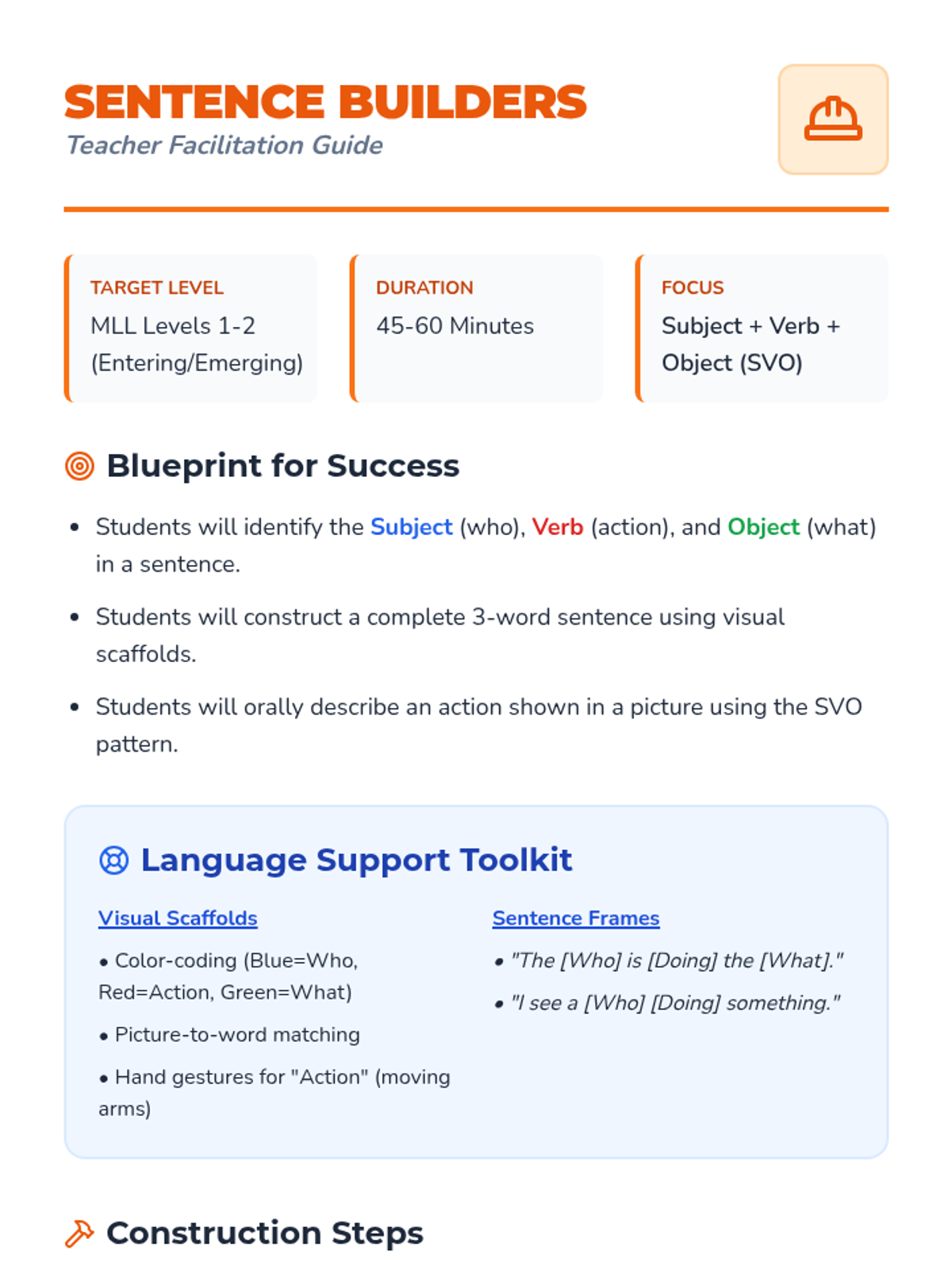
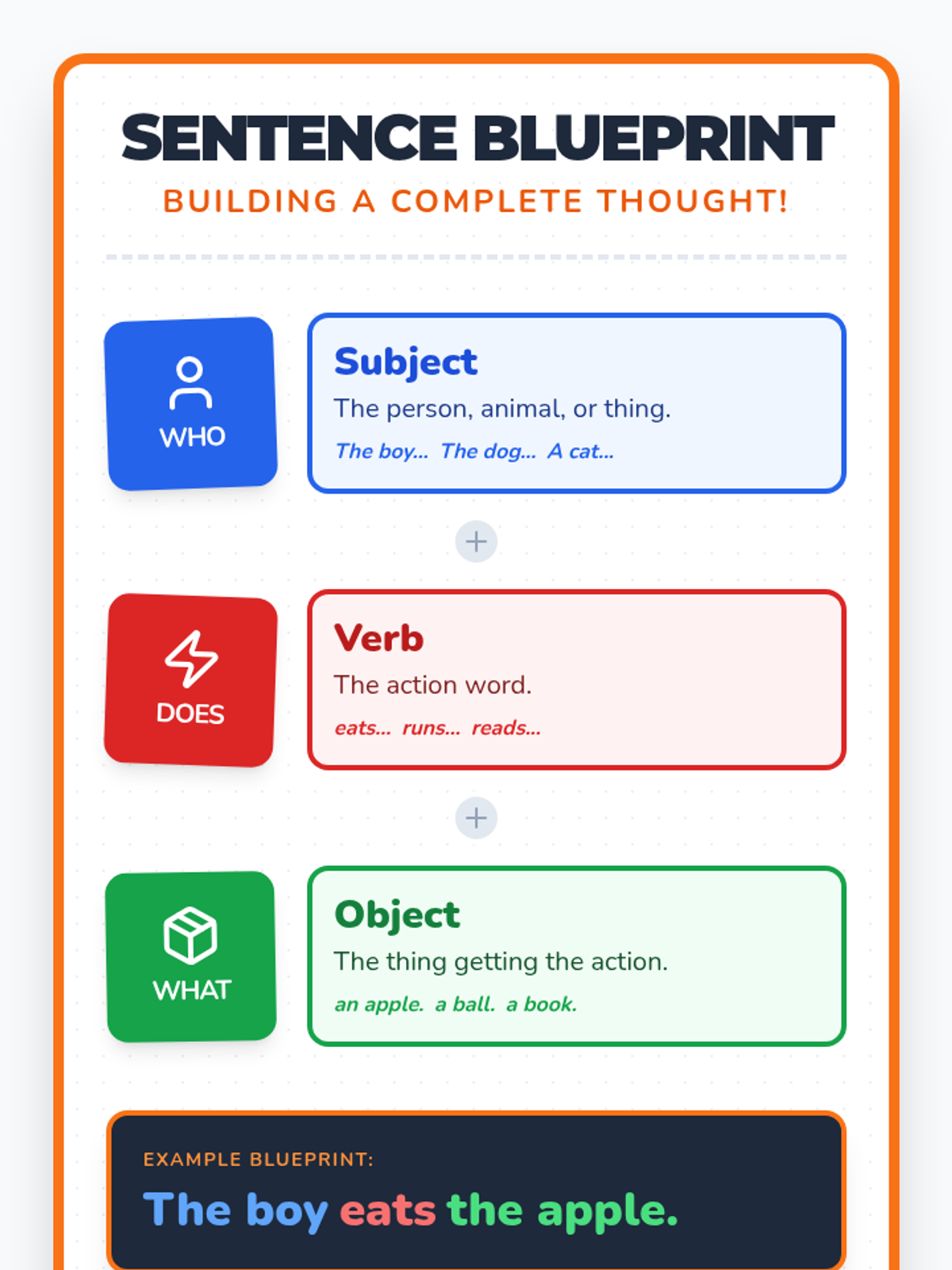
A foundational lesson for MLL students to master basic Subject-Verb-Object sentence structure using visual supports, scaffolding, and hands-on sequencing.
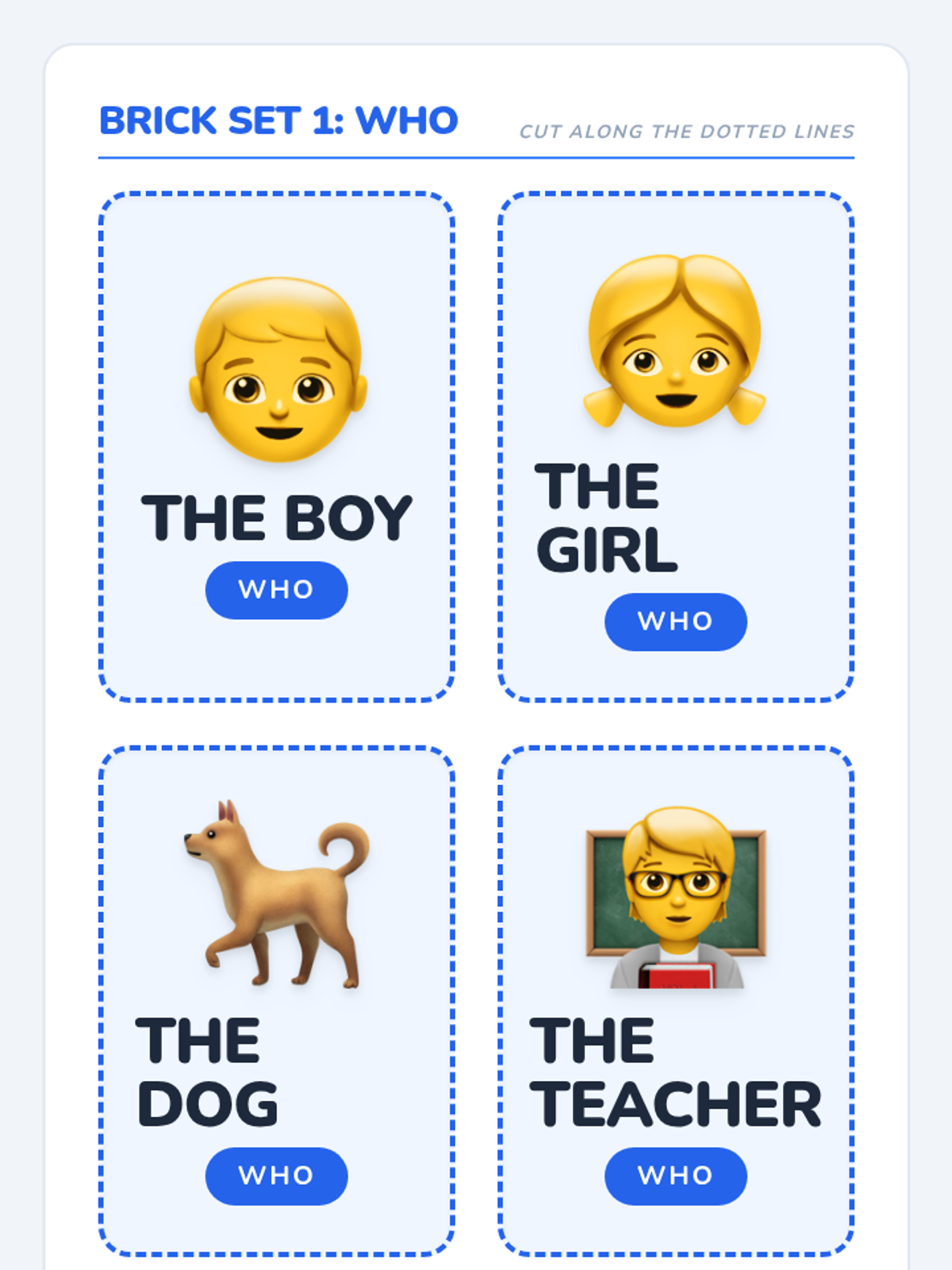
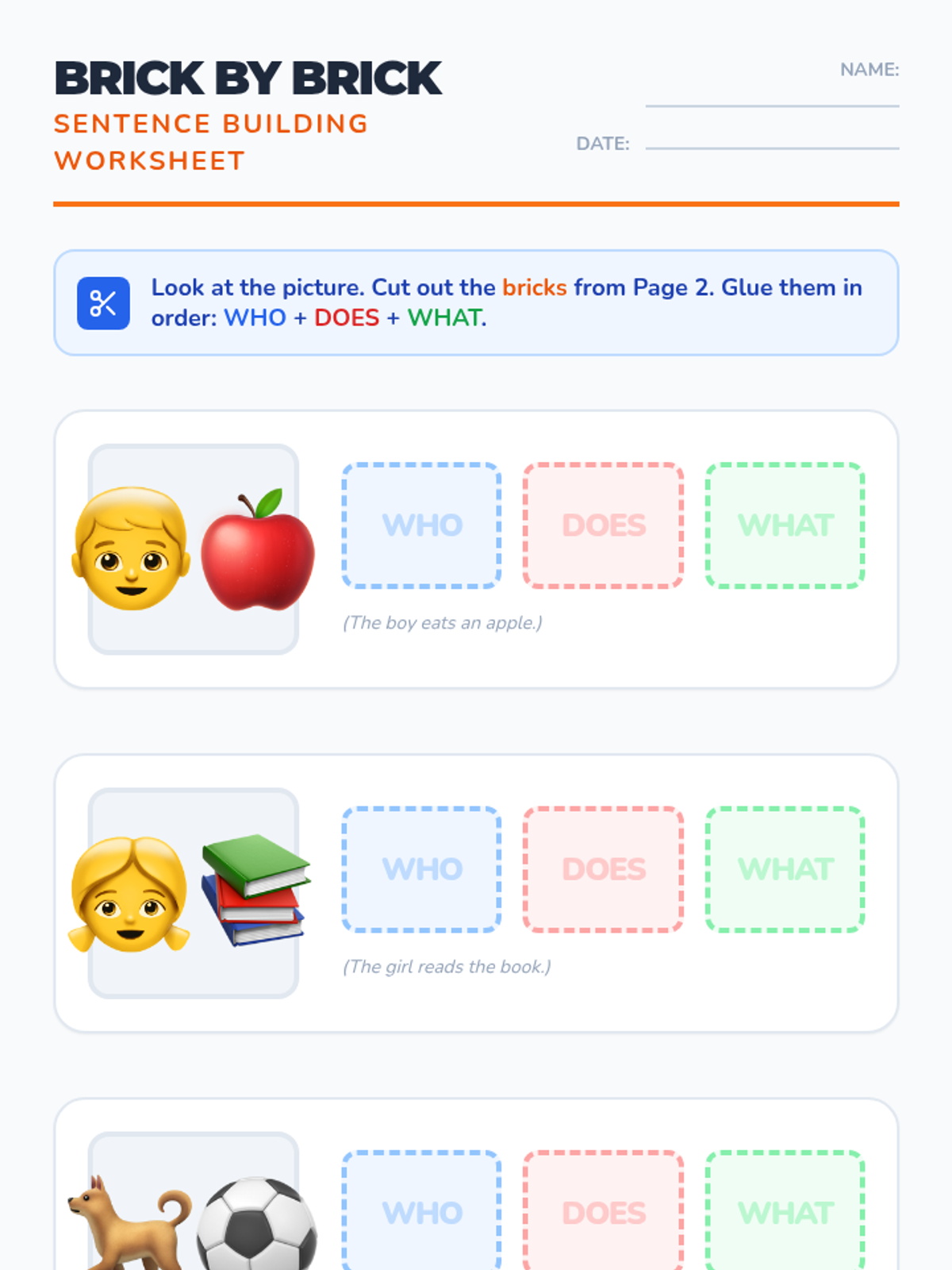
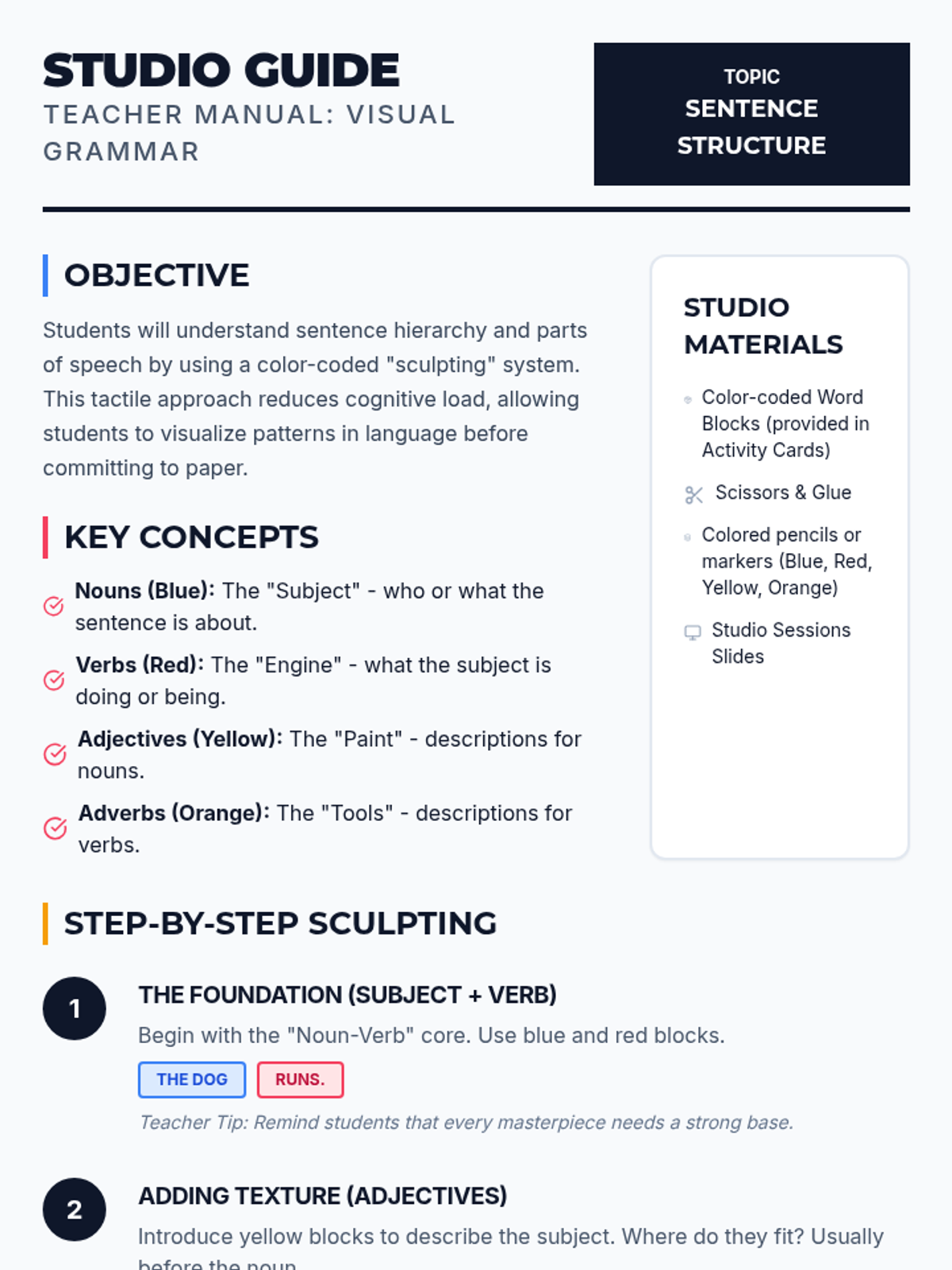
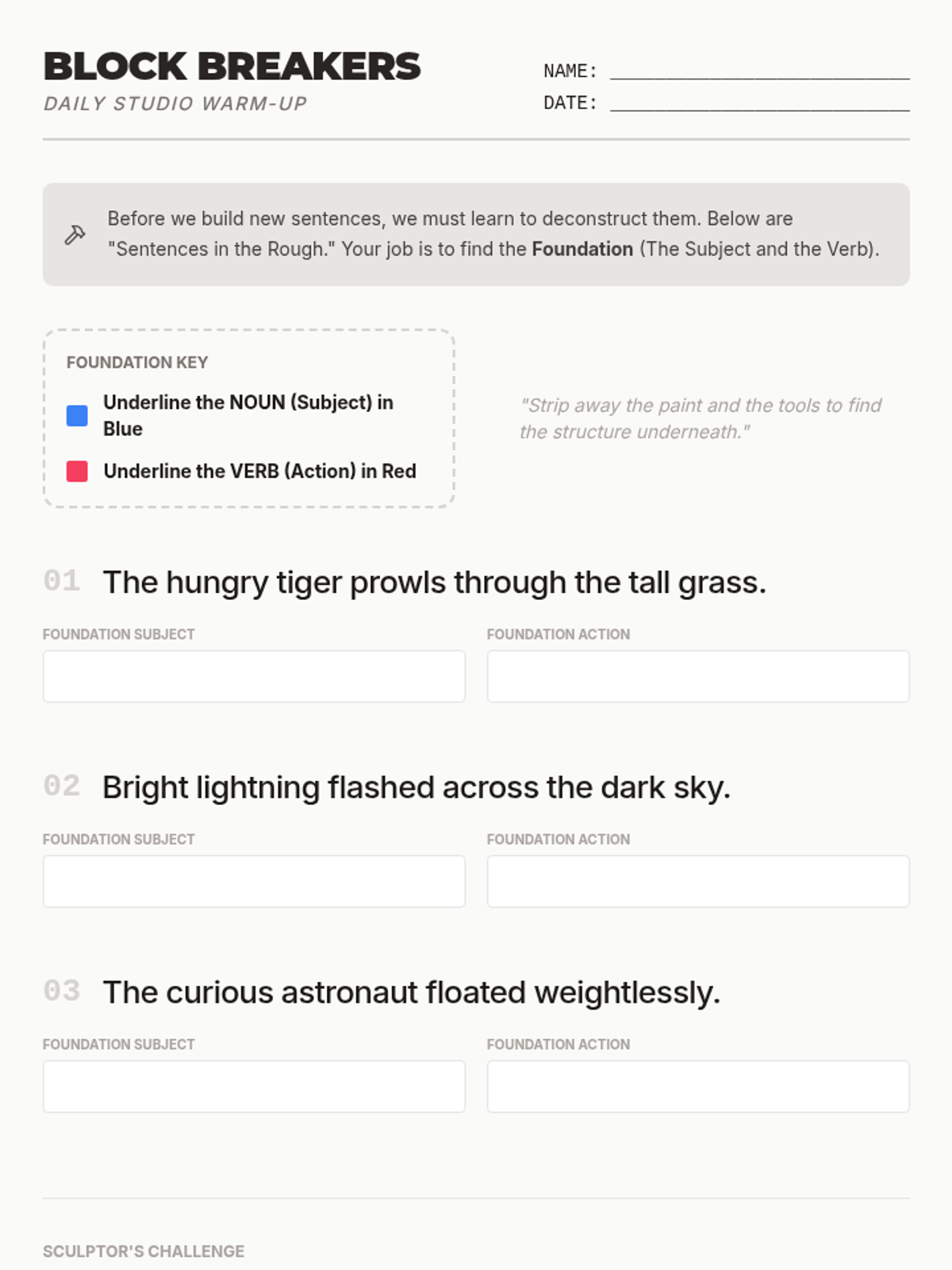
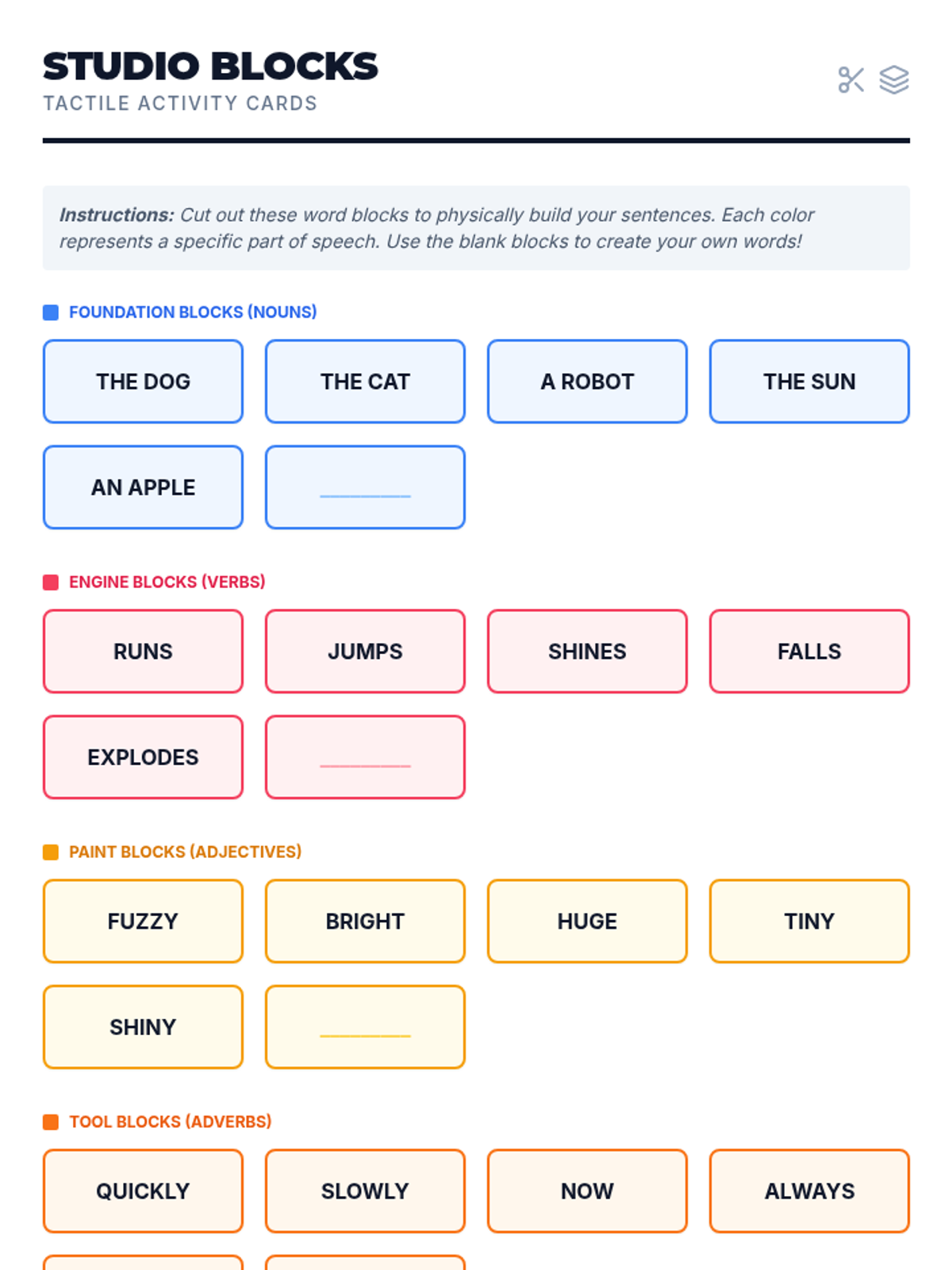
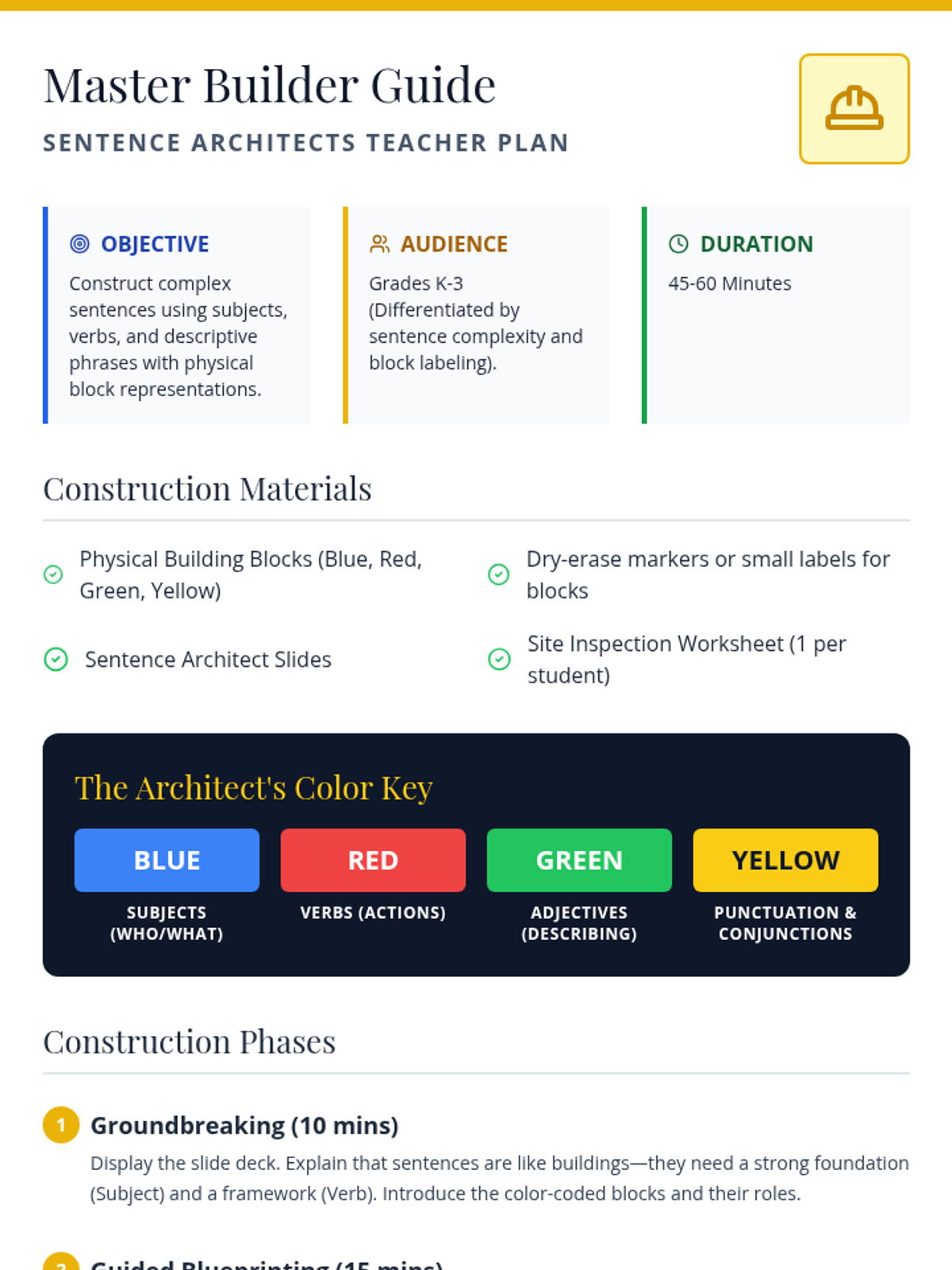
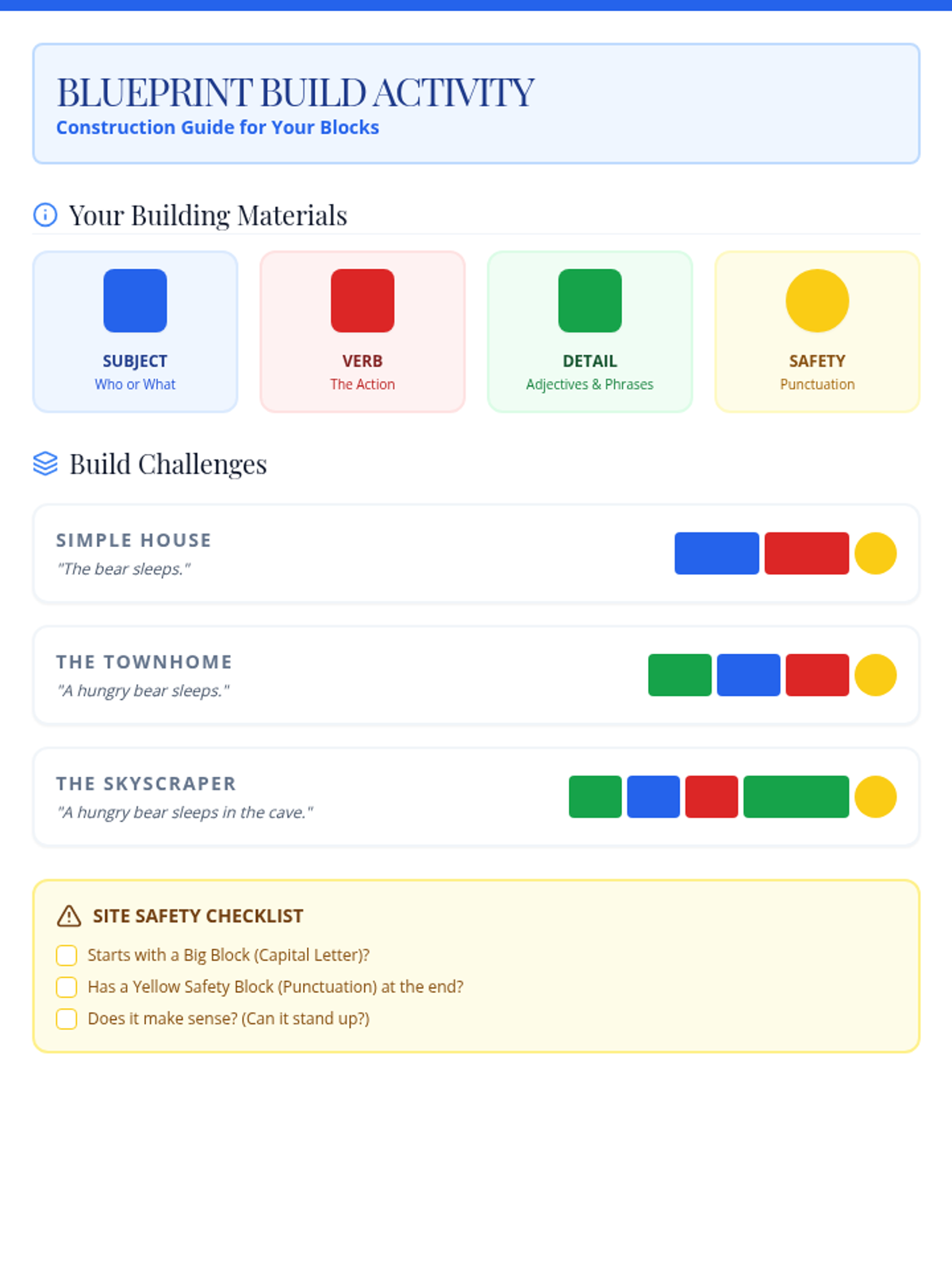
A visual, tactile approach to sentence structure using color-coded "blocks" to represent parts of speech. Students learn to sculpt sentences from basic patterns to complex masterpieces, reducing cognitive load through visual patterns.
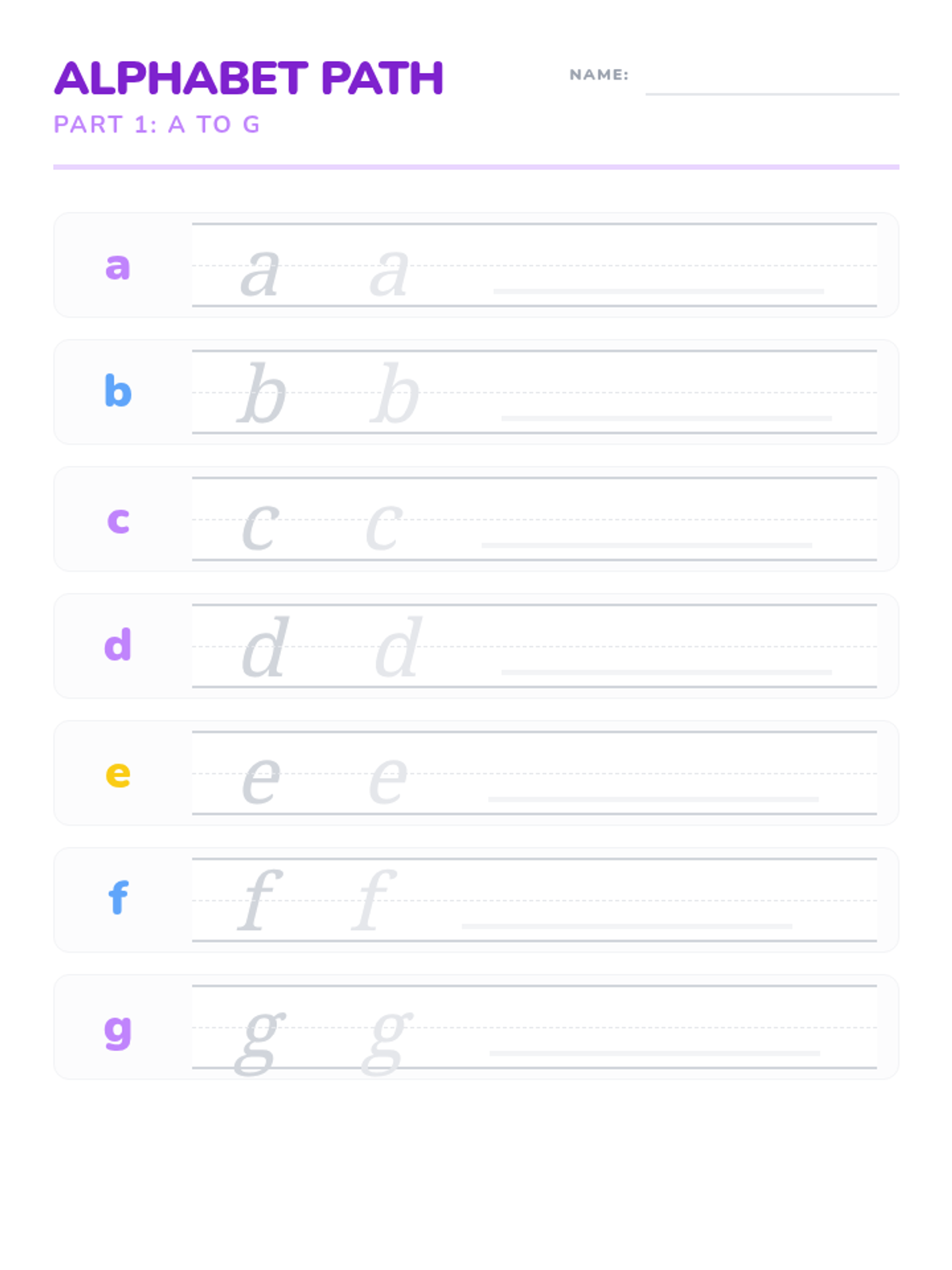
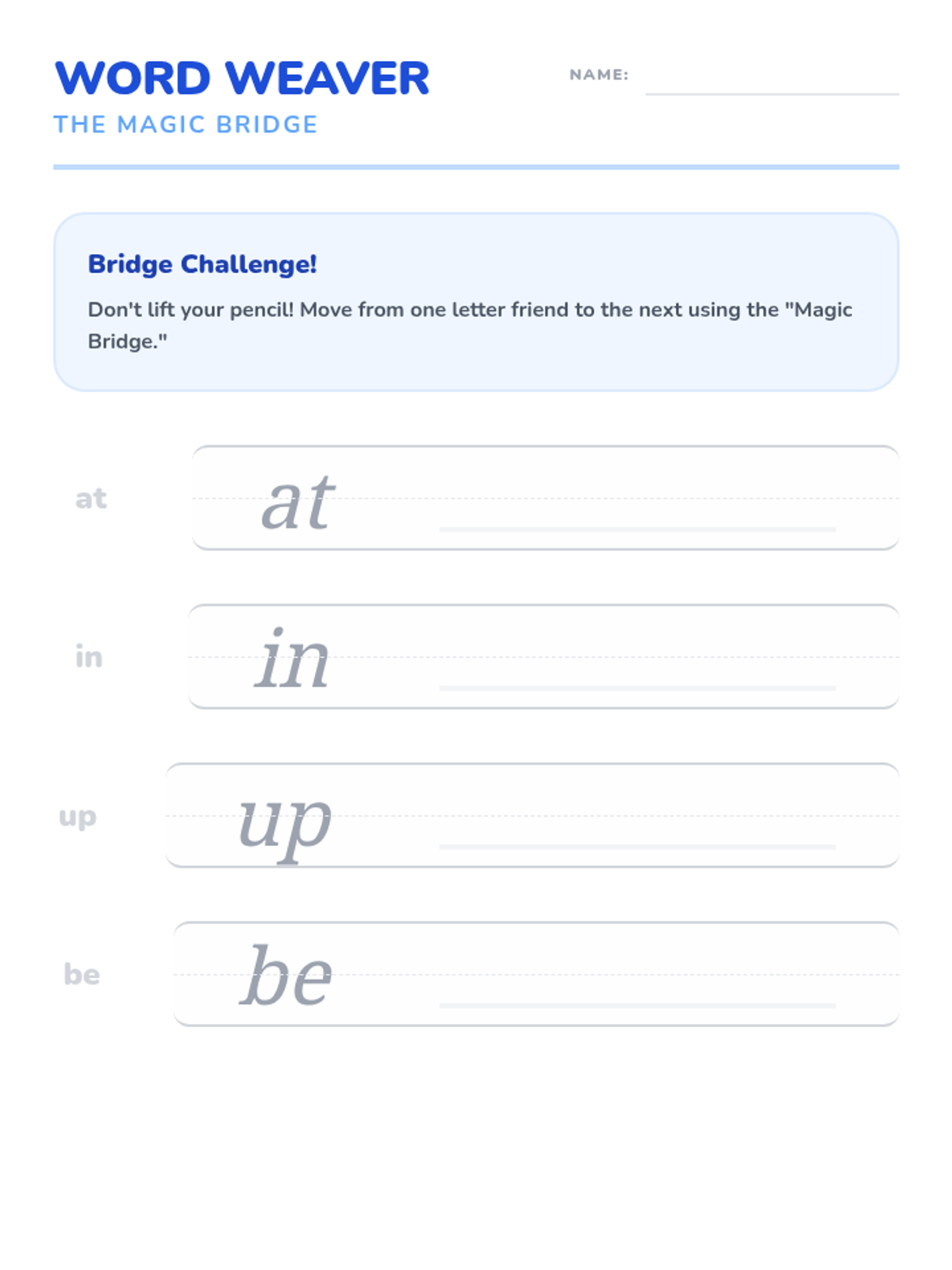
An introductory journey into cursive handwriting for early learners, focusing on the rhythmic flow and basic shapes of connected letters. Students develop fine motor skills through guided tracing of the alphabet and simple sight words.
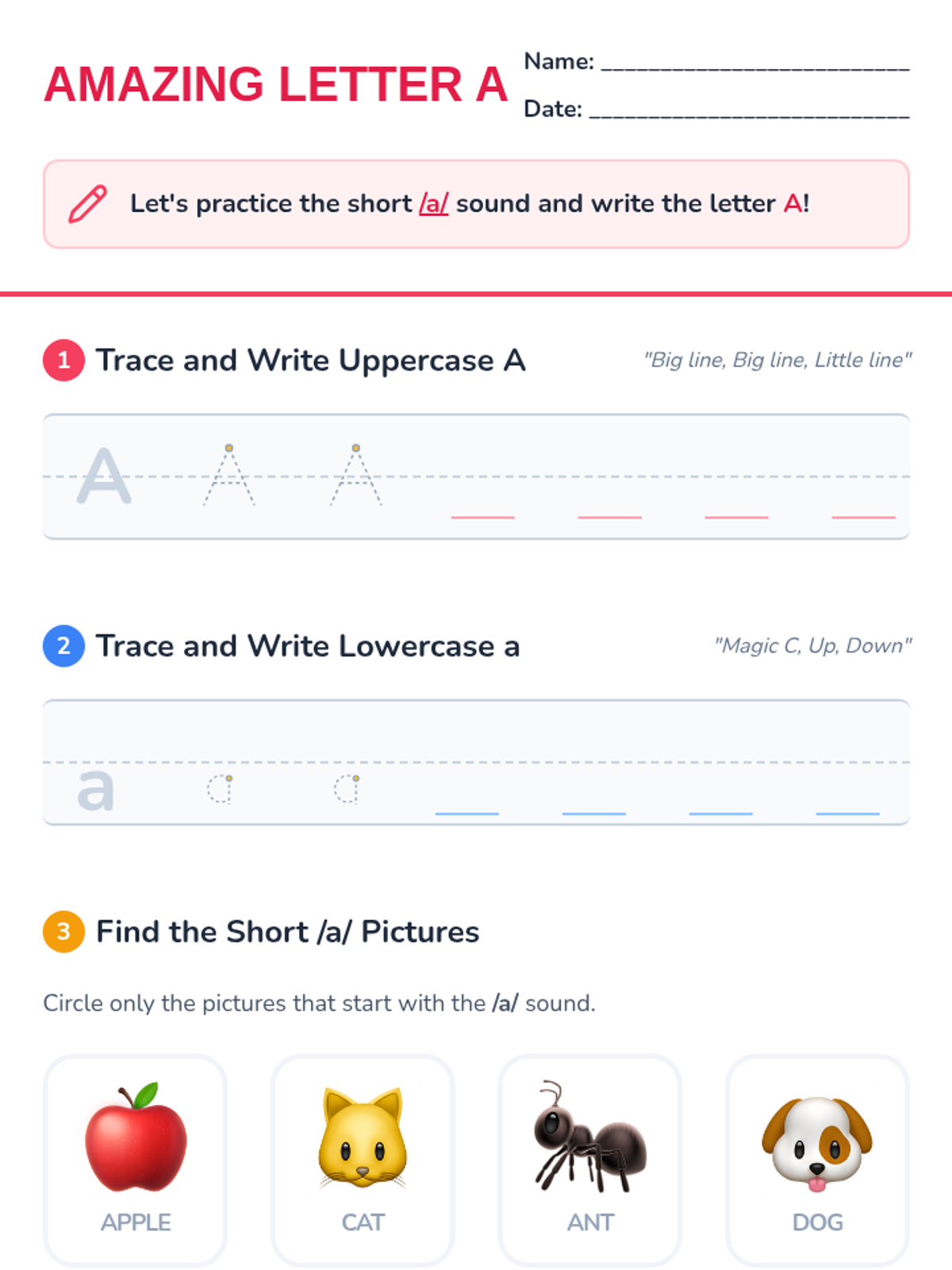
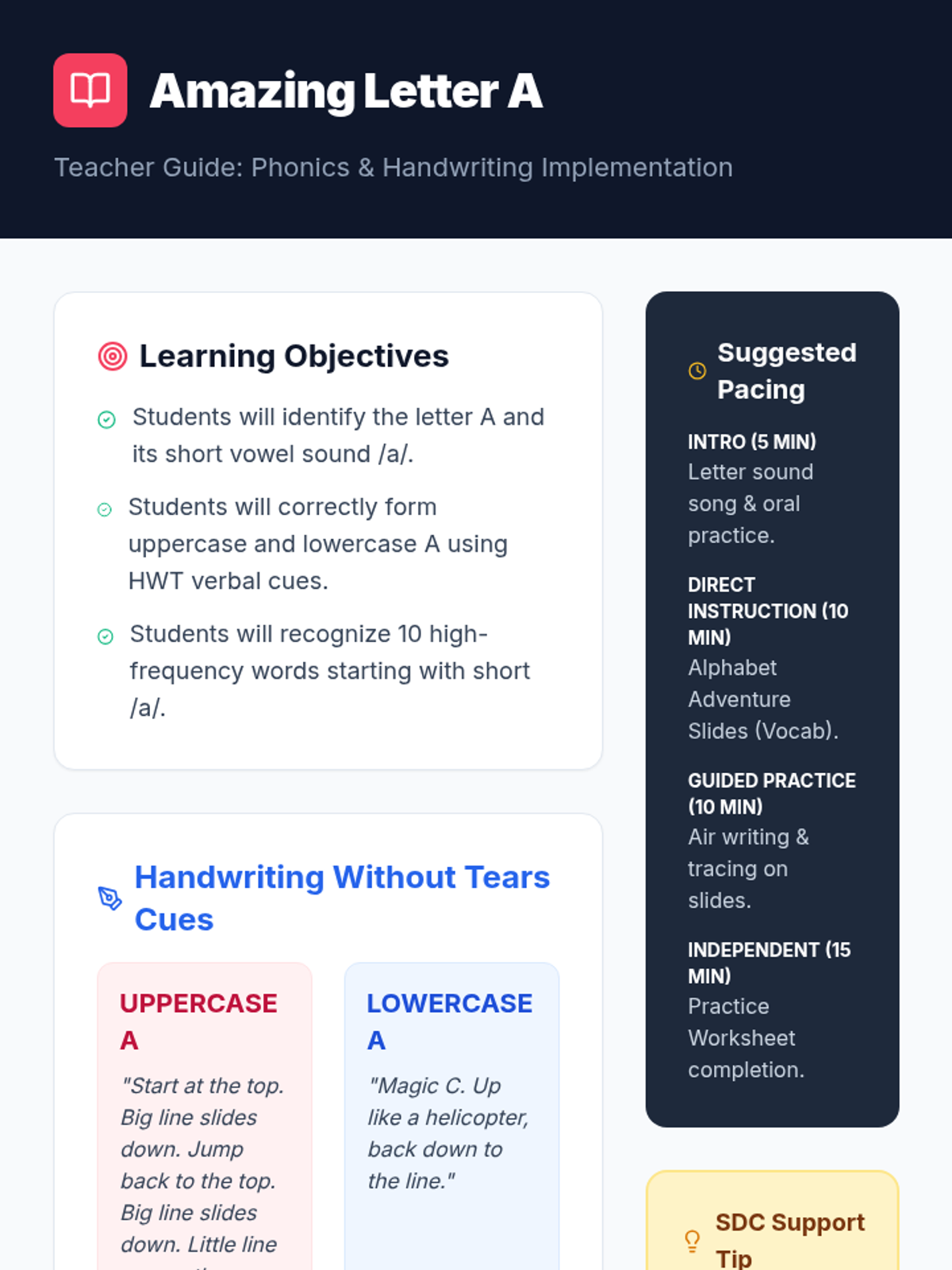
A foundational lesson for Kindergarten SDC students focusing on the letter A, its short sound, and its formation using Handwriting Without Tears principles.
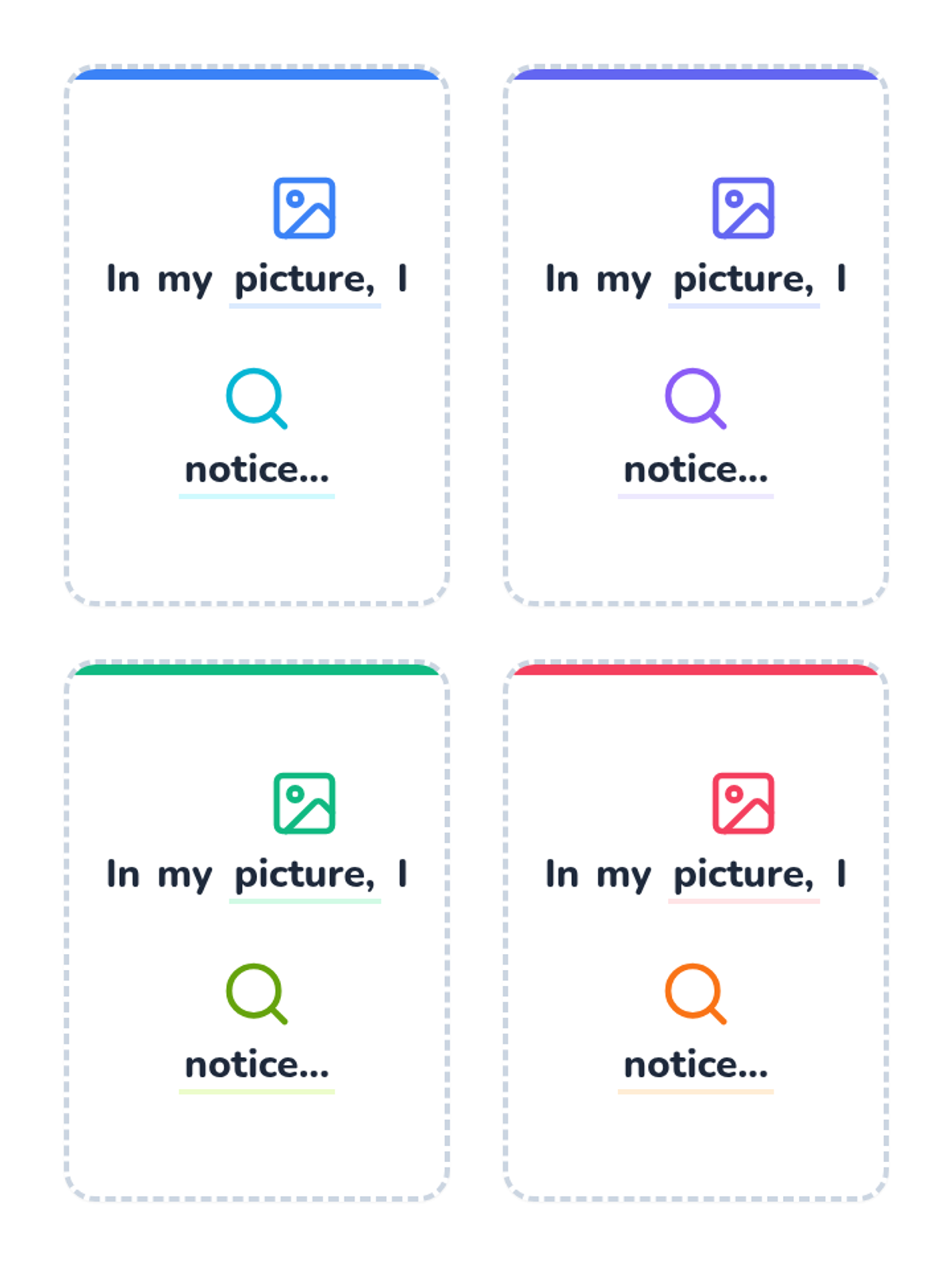
A collection of visual prompt cards and resources to help kindergarten students practice oral language skills and describe their work using sentence frames.
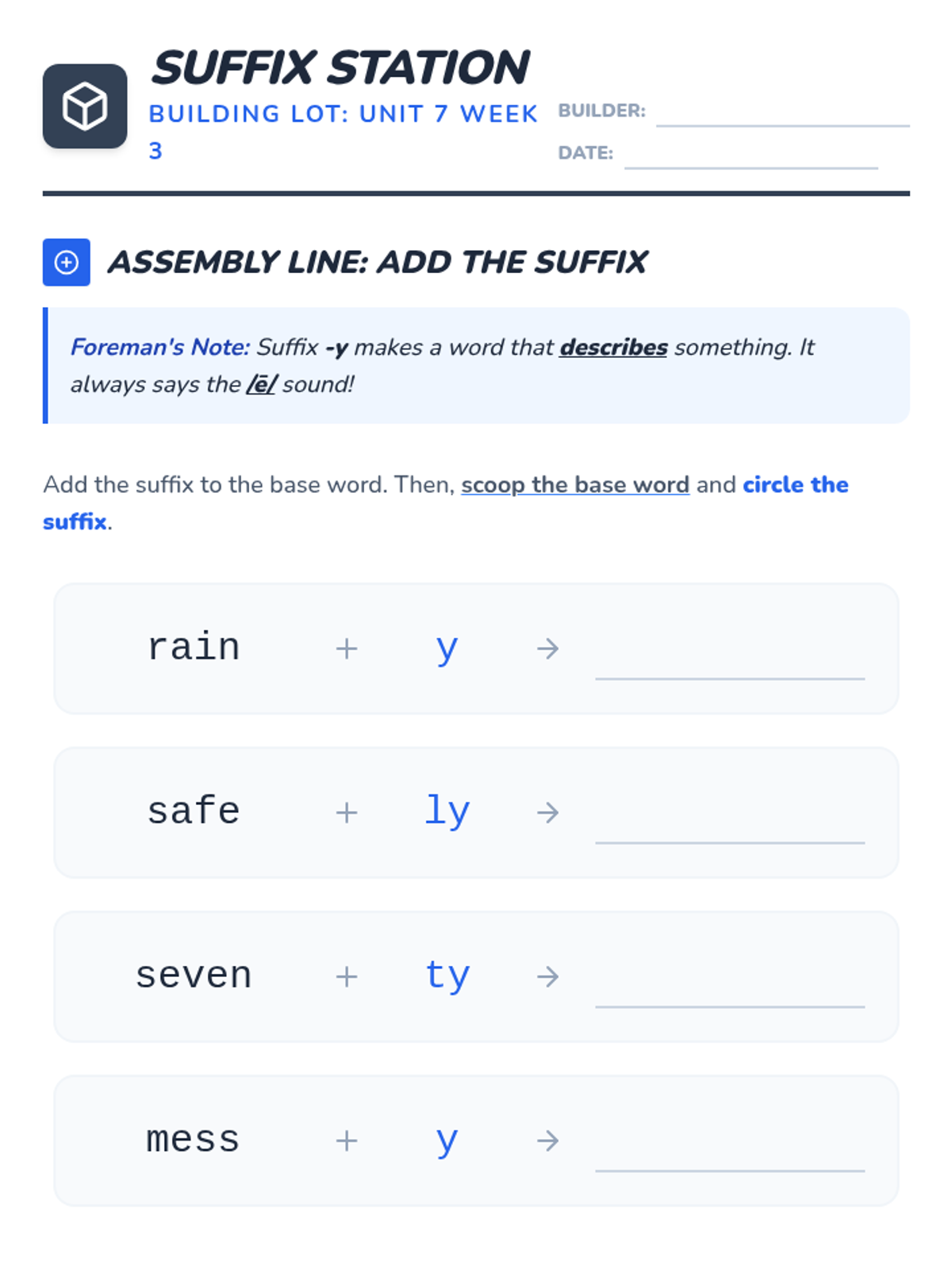
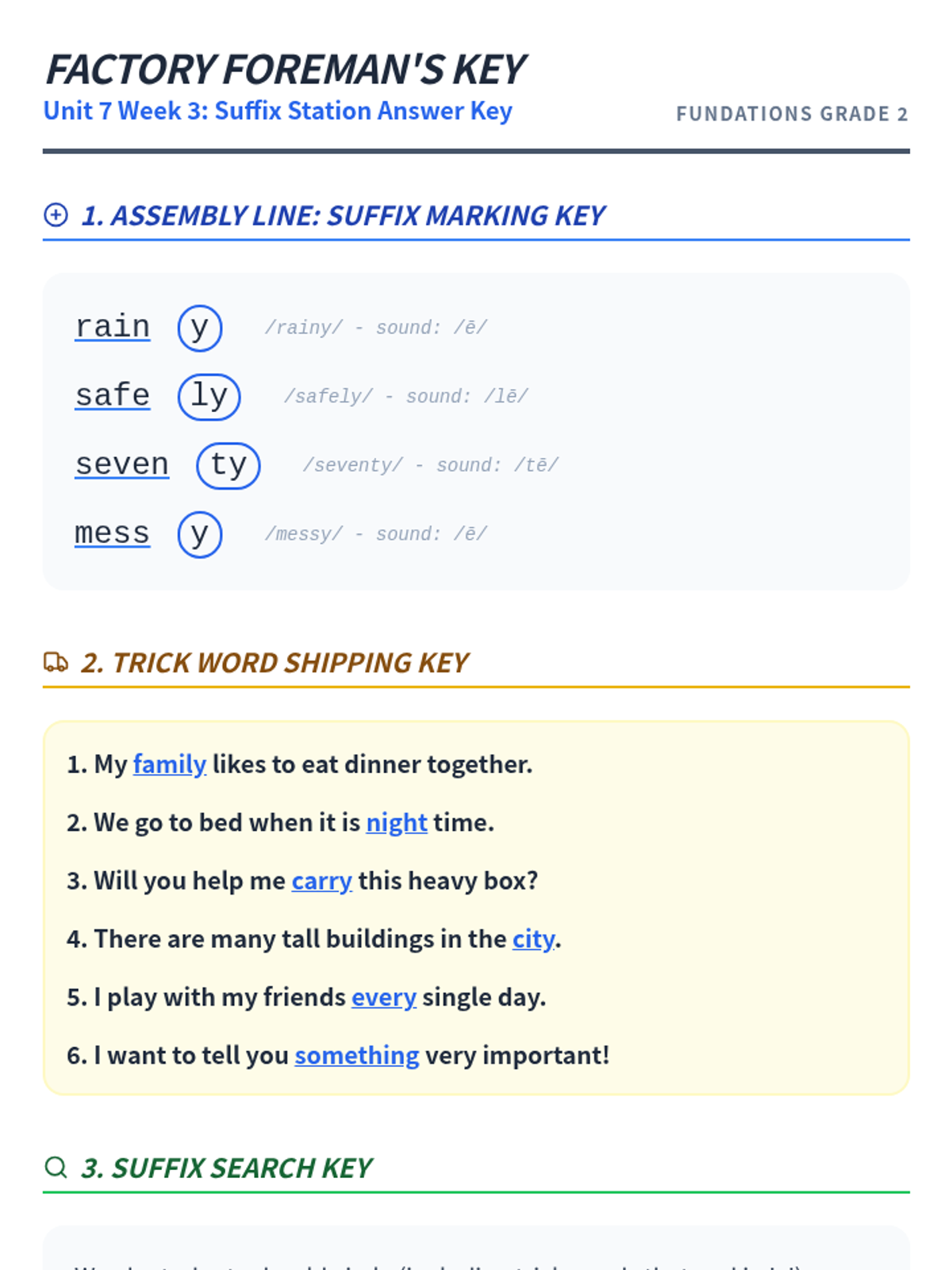
A phonics lesson for 2nd grade focusing on the suffixes -y, -ly, and -ty in open syllable contexts, including a review of Unit 7 trick words.
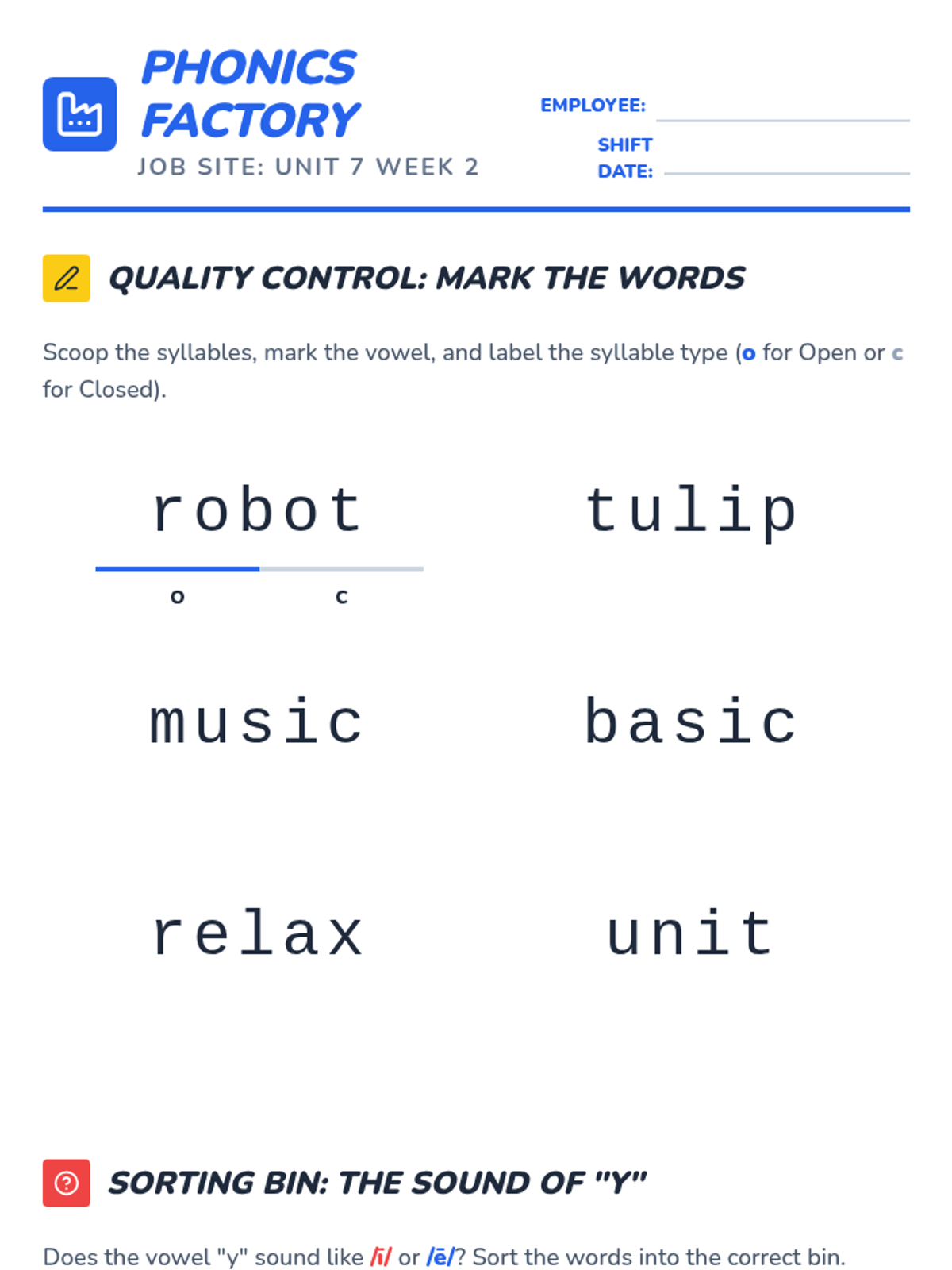
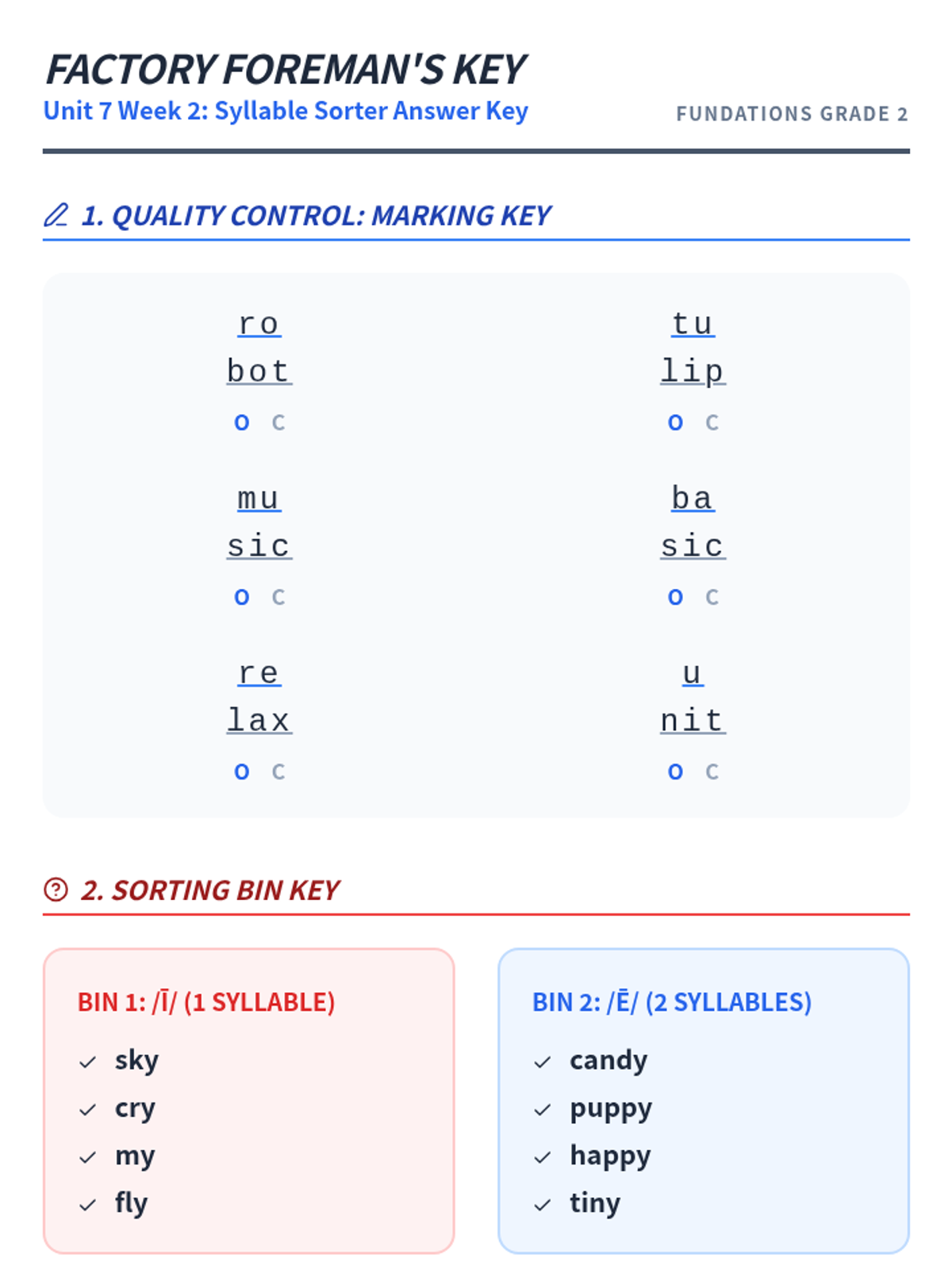
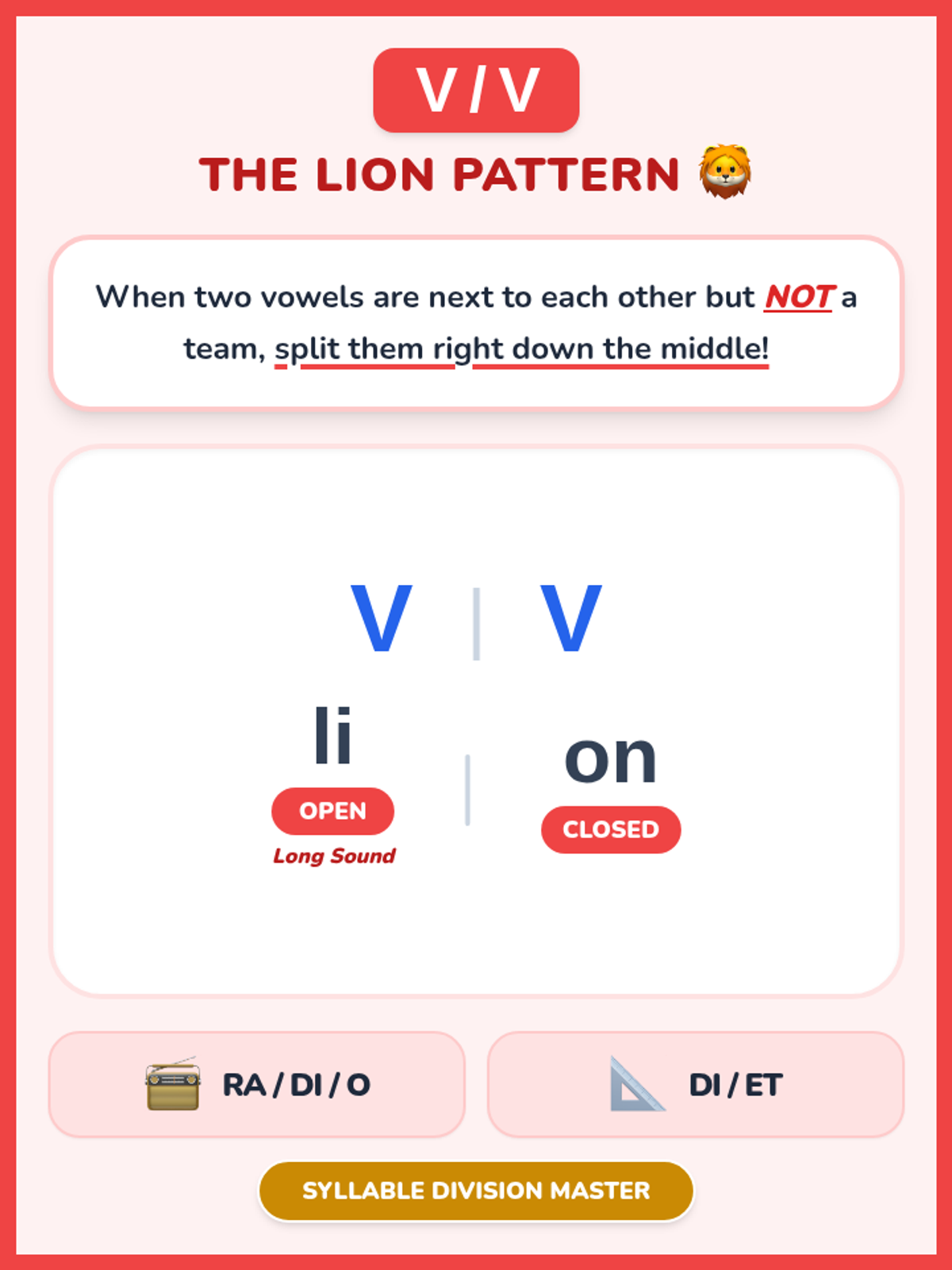
A phonics lesson for 2nd grade focusing on open syllables in multisyllabic words and the use of 'y' as a vowel, following Fundations Unit 7 Week 2 curriculum.
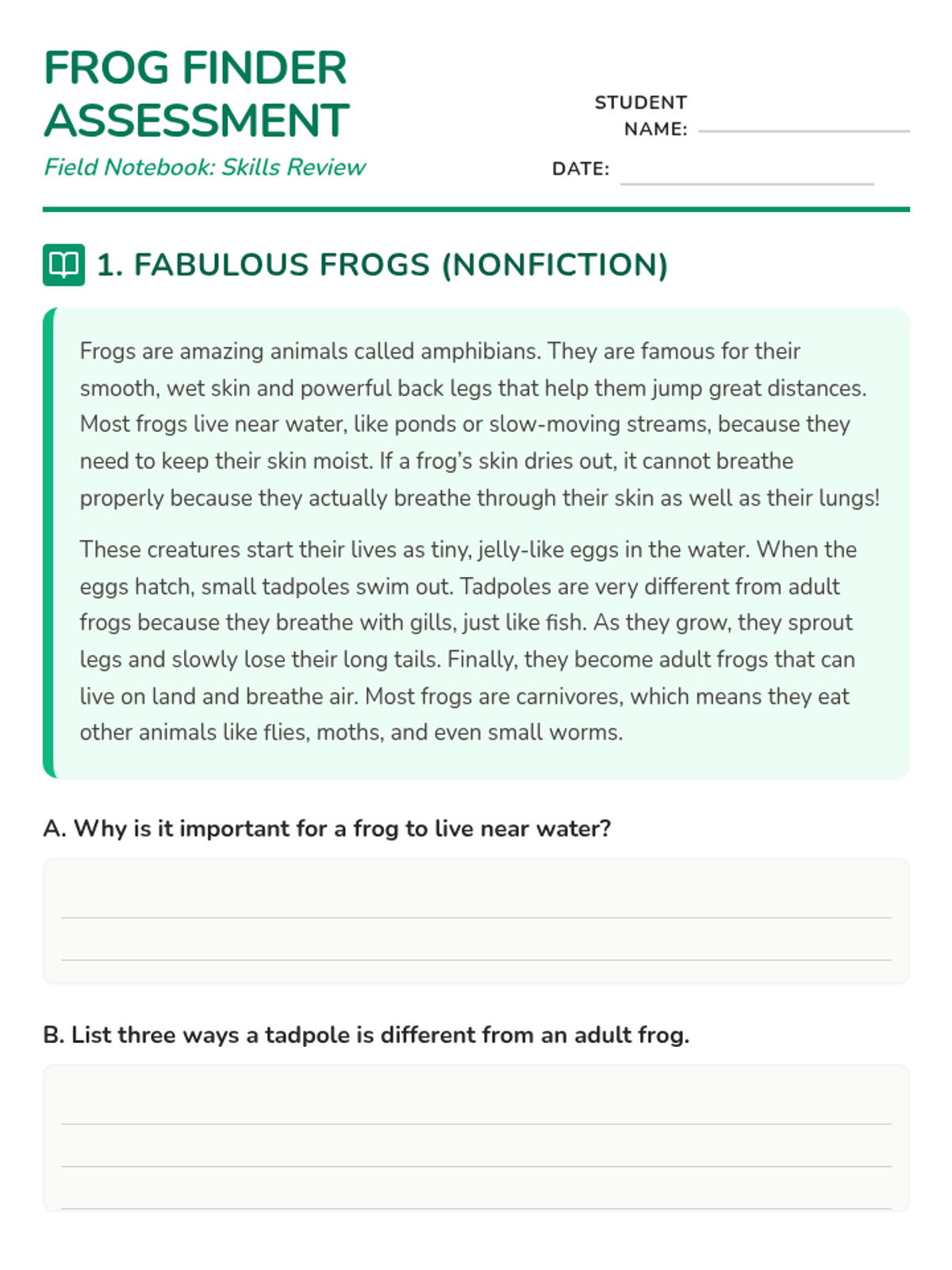
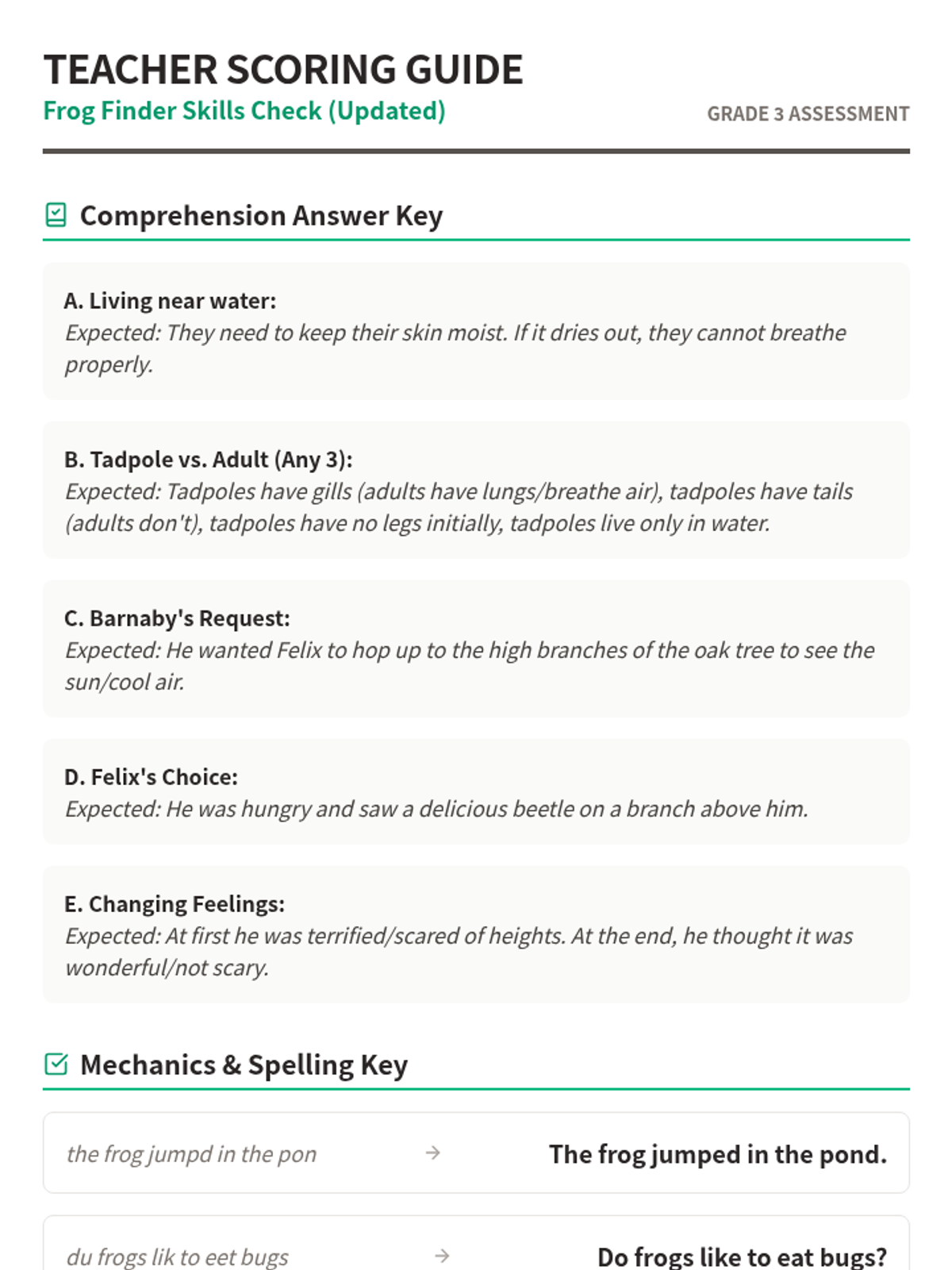
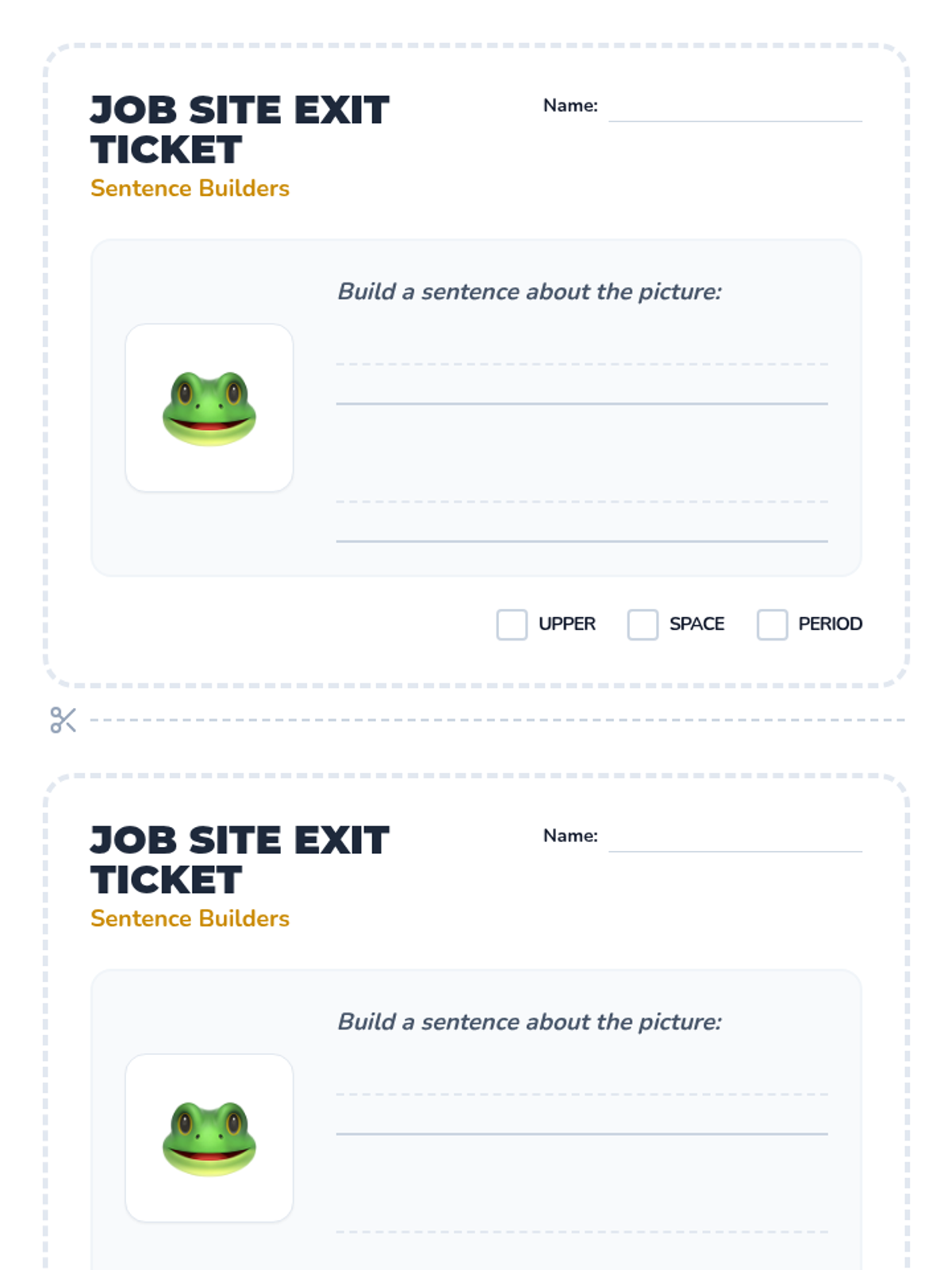
A focused assessment evaluating 3rd-grade reading comprehension and writing mechanics using fiction and nonfiction texts about frogs.
A 30-day handwriting practice program focused on world mythology, legendary heroes, and ancient deities, designed for 4th to 6th graders.
A 30-day handwriting practice program focused on music theory, history, and instruments, designed for 4th to 6th graders to improve penmanship through engaging musical facts.
A 30-day handwriting practice program focused on marine biology, oceanography, and deep-sea exploration, designed for 4th to 6th graders.
A 30-day handwriting practice program focused on art history, creative techniques, and famous masterpieces, designed for 4th to 6th graders.
A 30-day handwriting practice program focused on famous inventions, engineering principles, and innovators, designed for 4th to 6th graders.
A 30-day handwriting practice program focused on sports science, athletic disciplines, and teamwork vocabulary, designed for 4th to 6th graders to improve penmanship through engaging sports facts.
A 30-day handwriting practice program focused on physical and human geography, world features, and mapping vocabulary, designed for 4th to 6th graders.
A 30-day handwriting practice program focused on astronomy, space exploration, and cosmic phenomena, designed for 4th to 6th graders to improve penmanship through engaging STEM topics.
A 30-day handwriting practice program focused on scientific disciplines, vocabulary, and facts, designed for 4th to 6th graders to improve penmanship through engaging STEM topics.
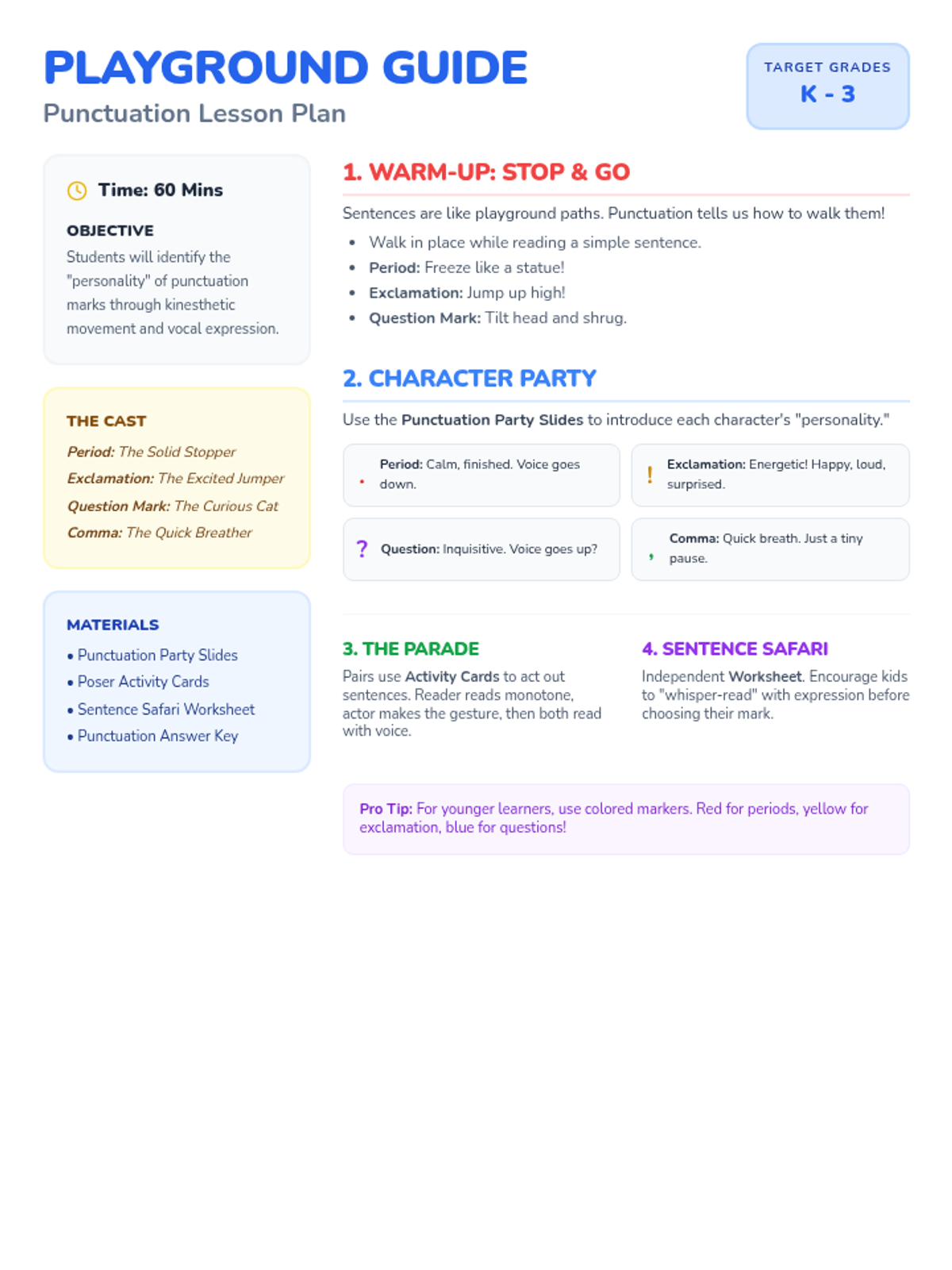
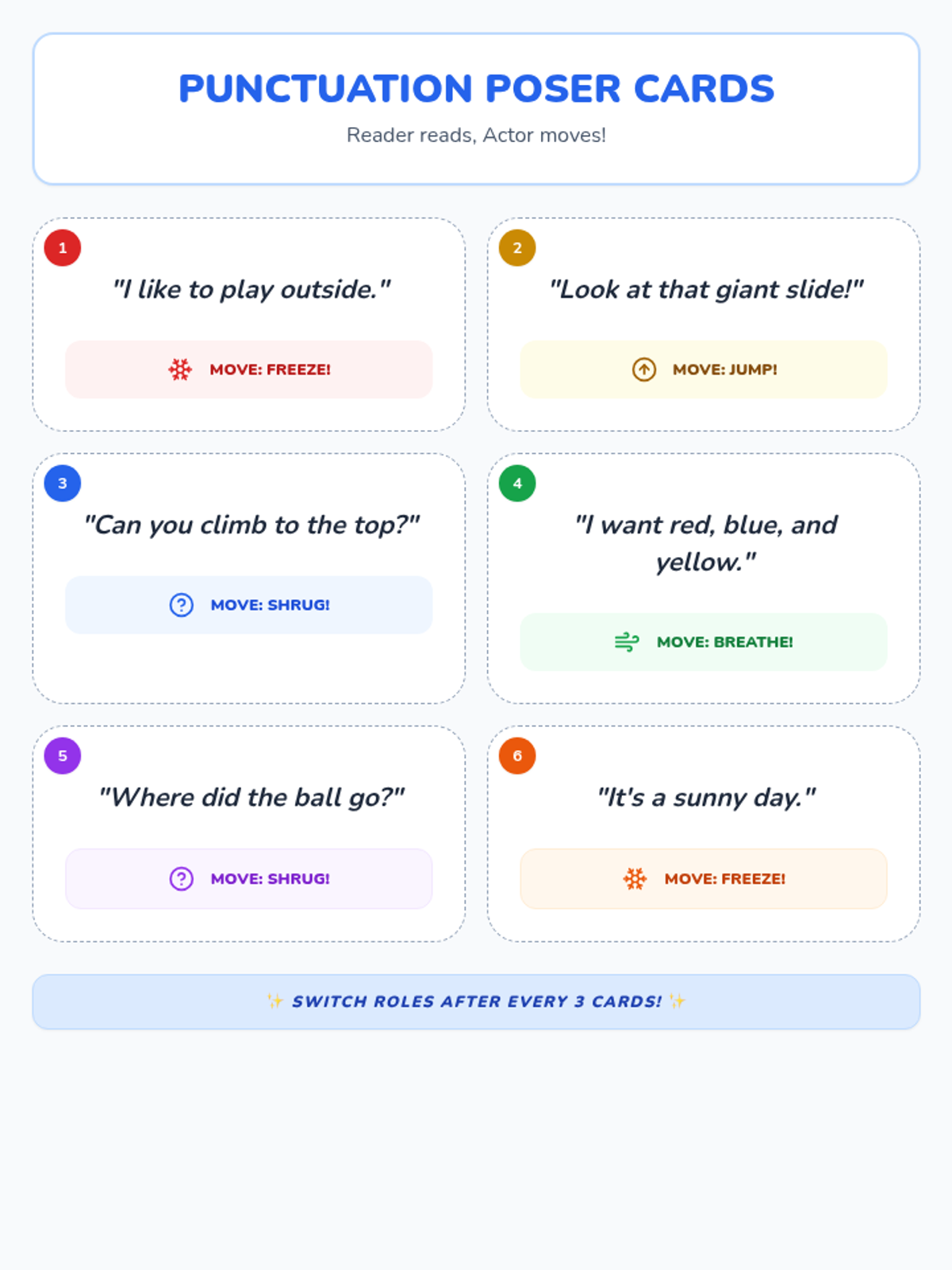
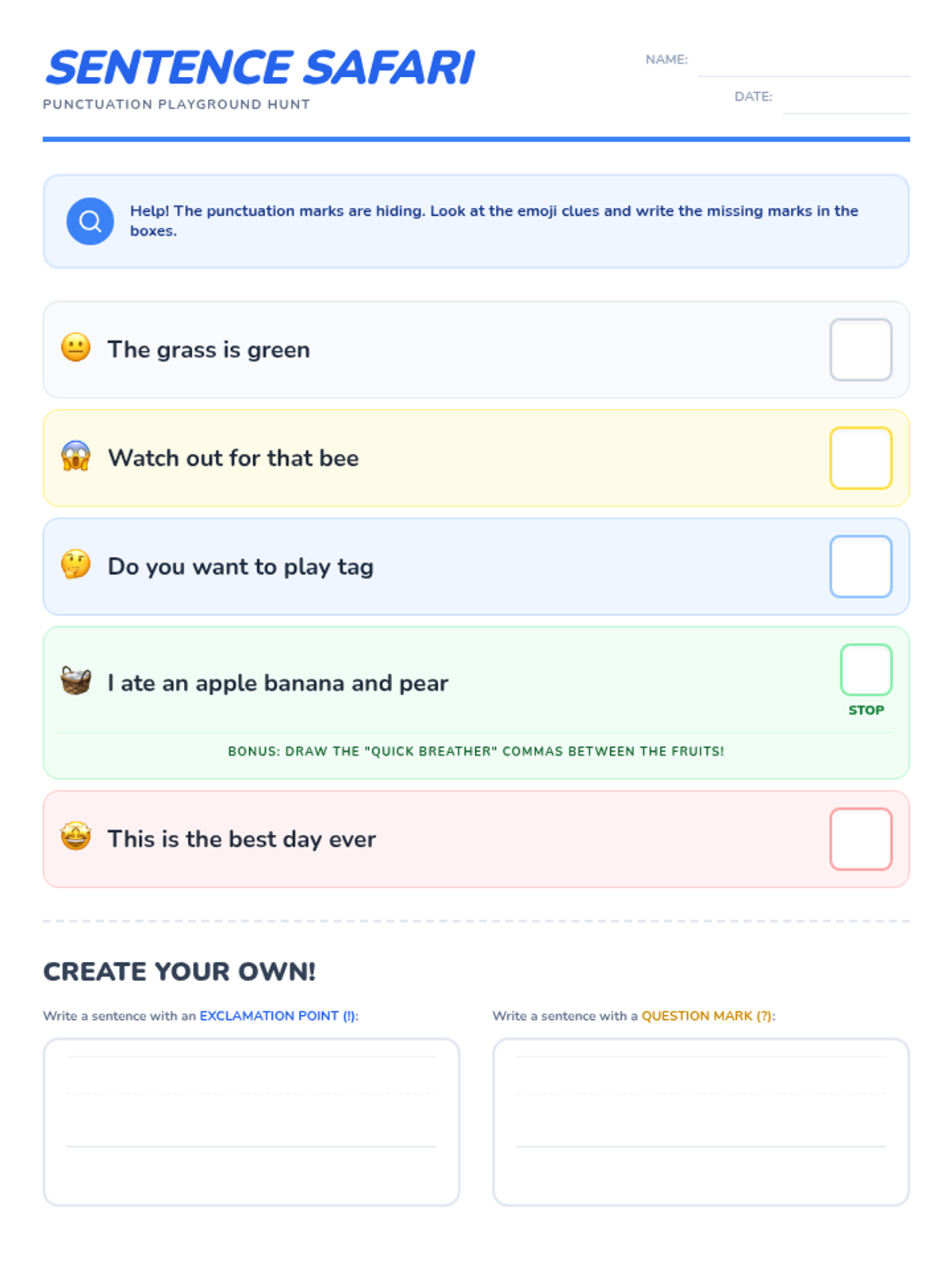
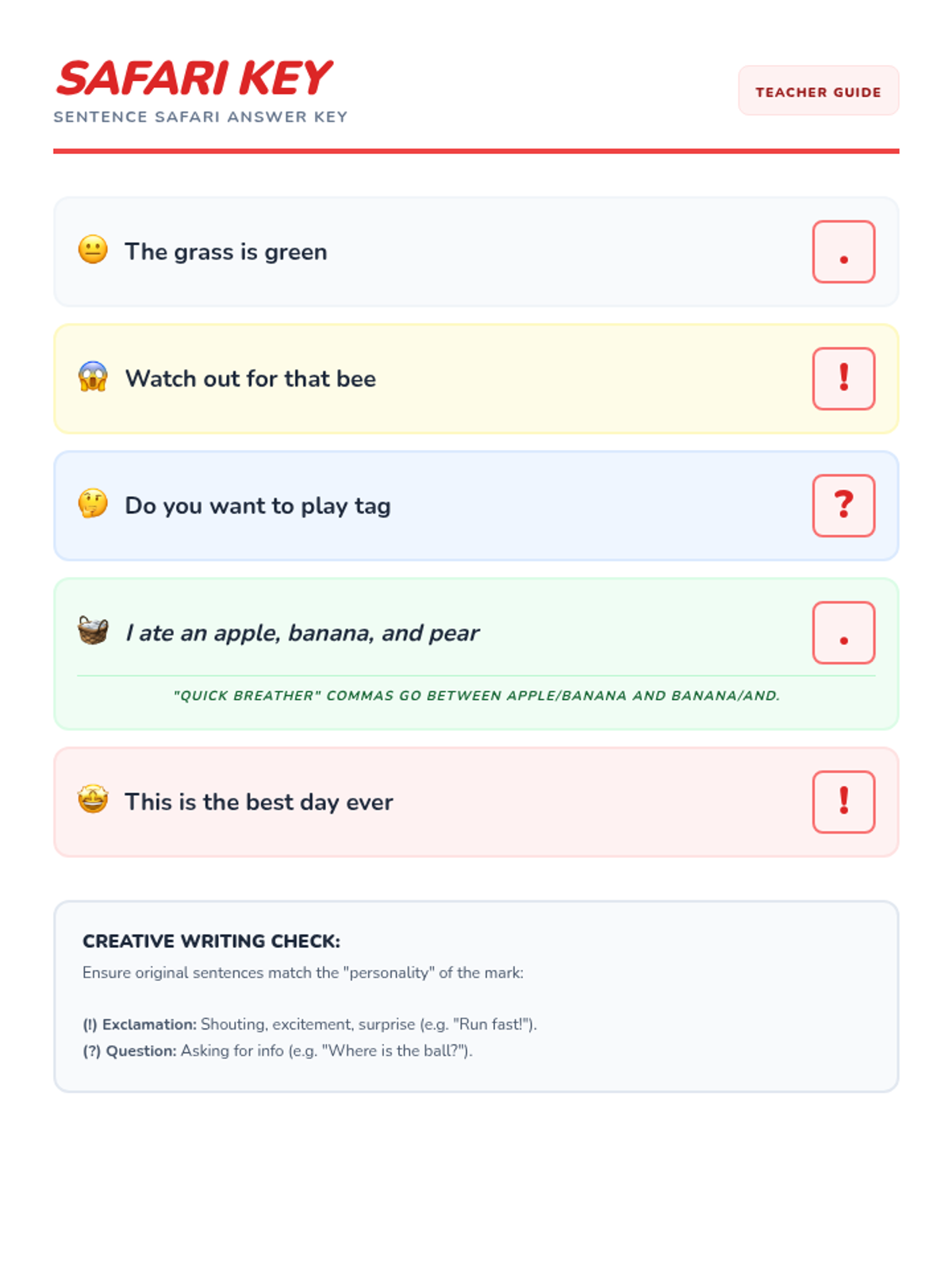
A lively, kinesthetic lesson where K-3 students personify punctuation marks through movement and creative writing to understand how they shape the voice of a sentence.
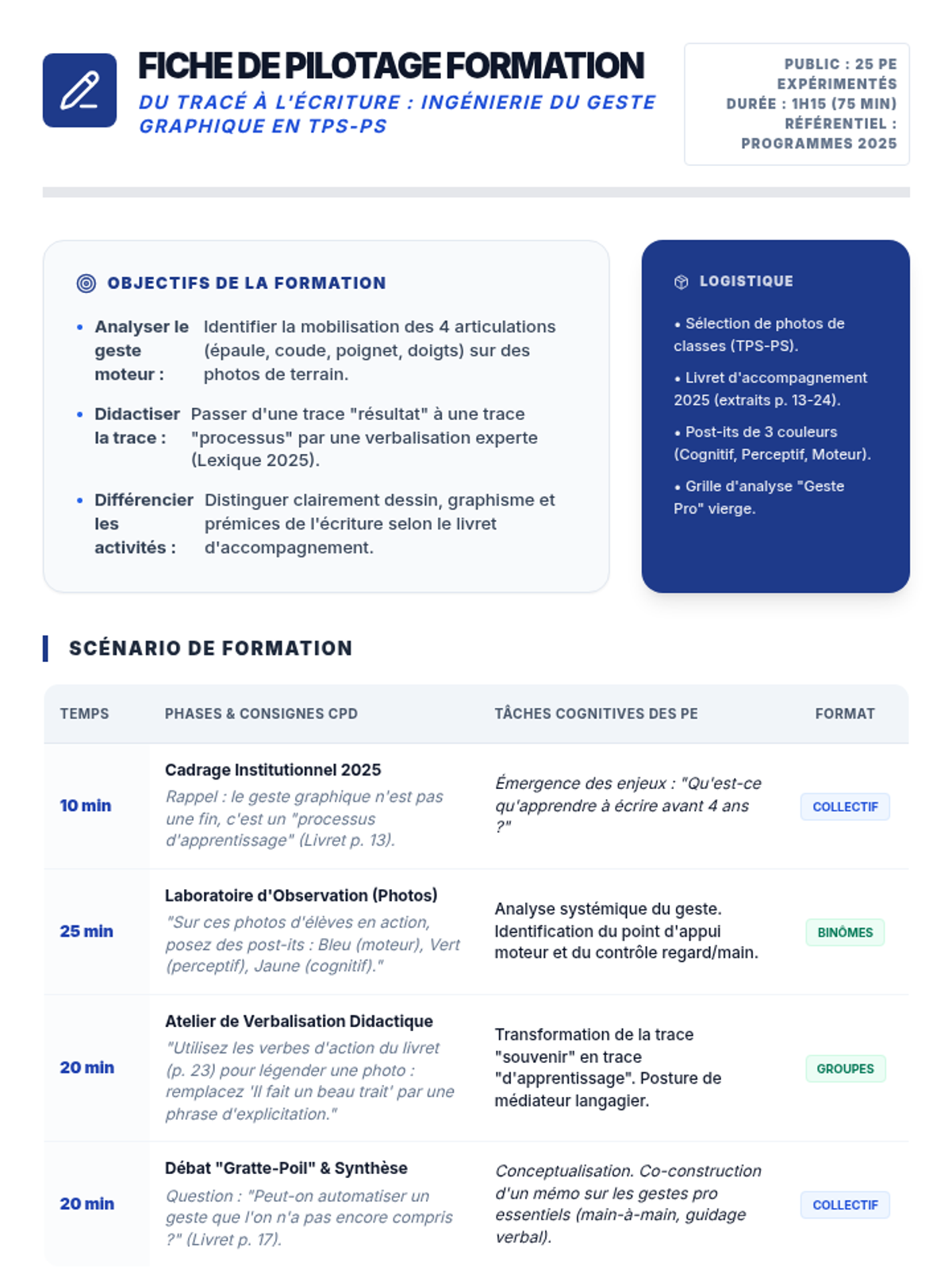
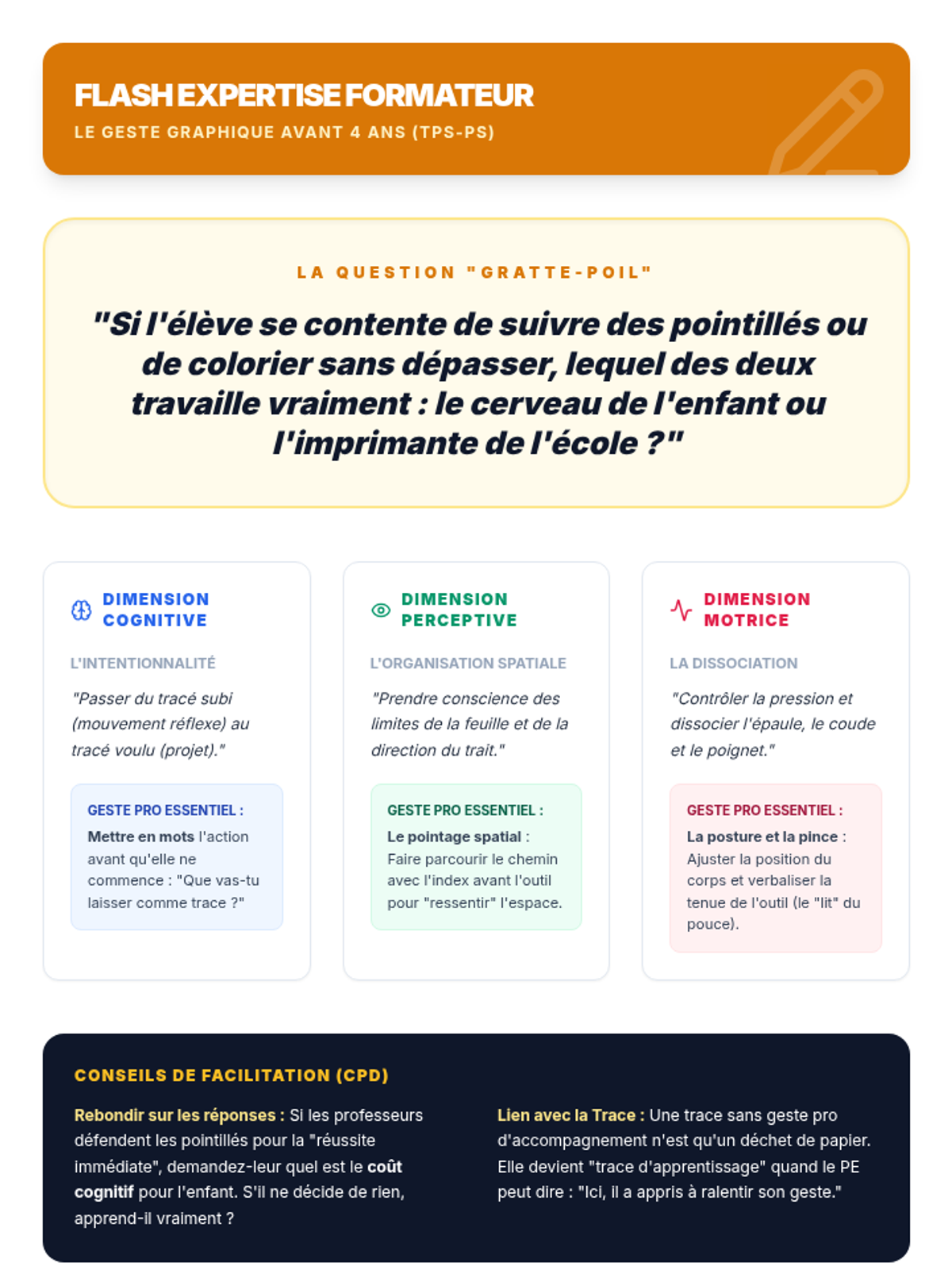
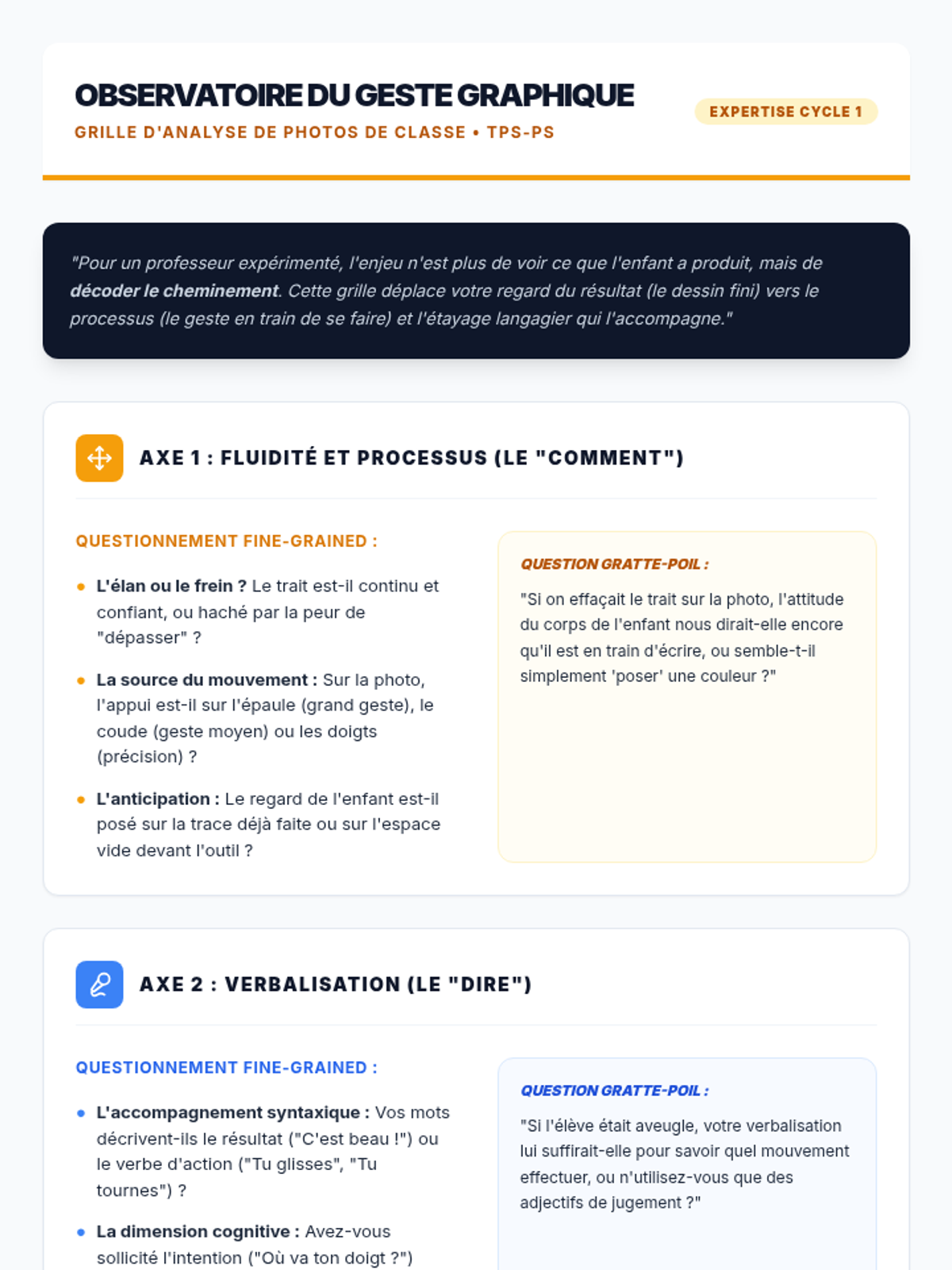
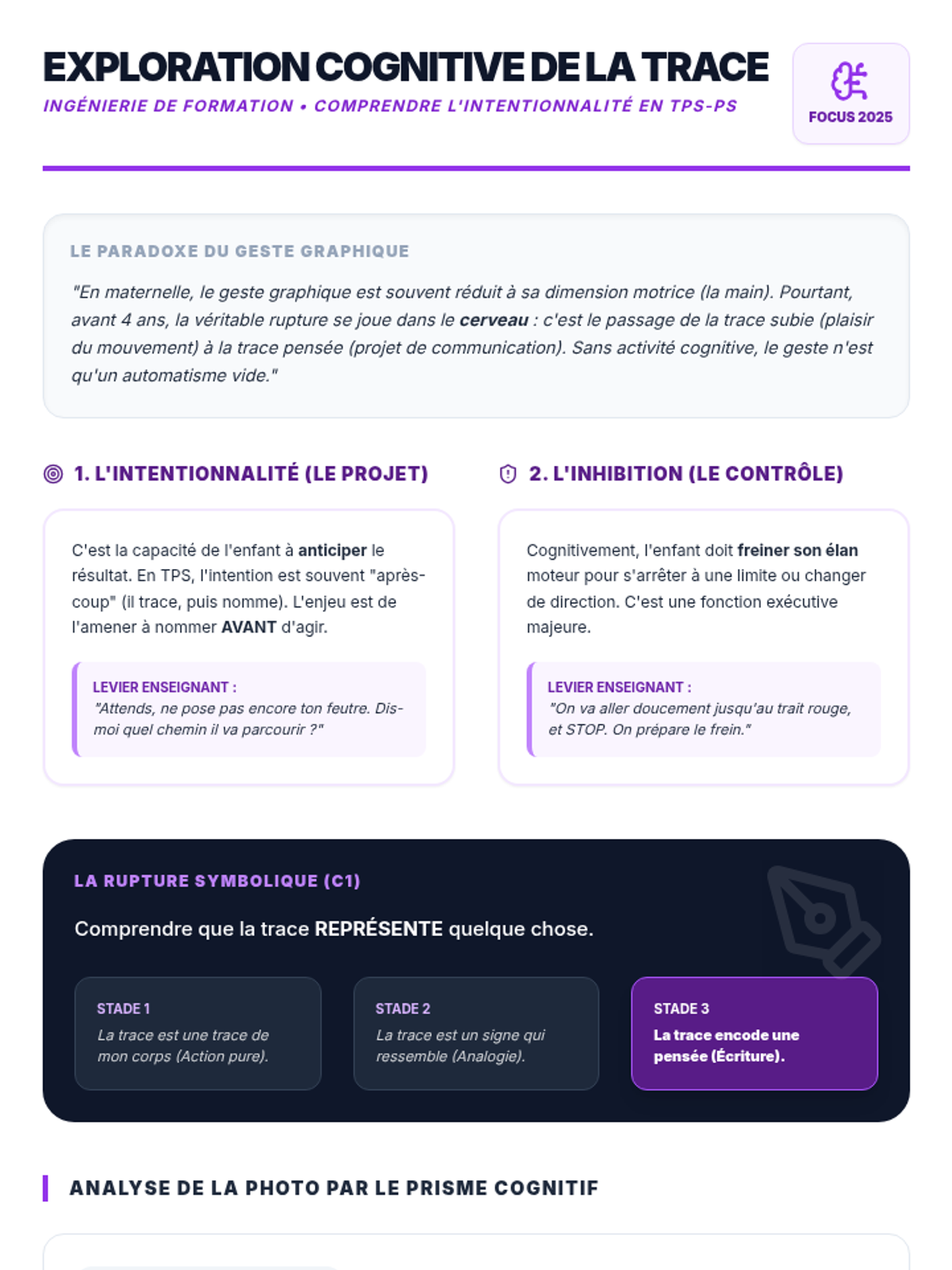
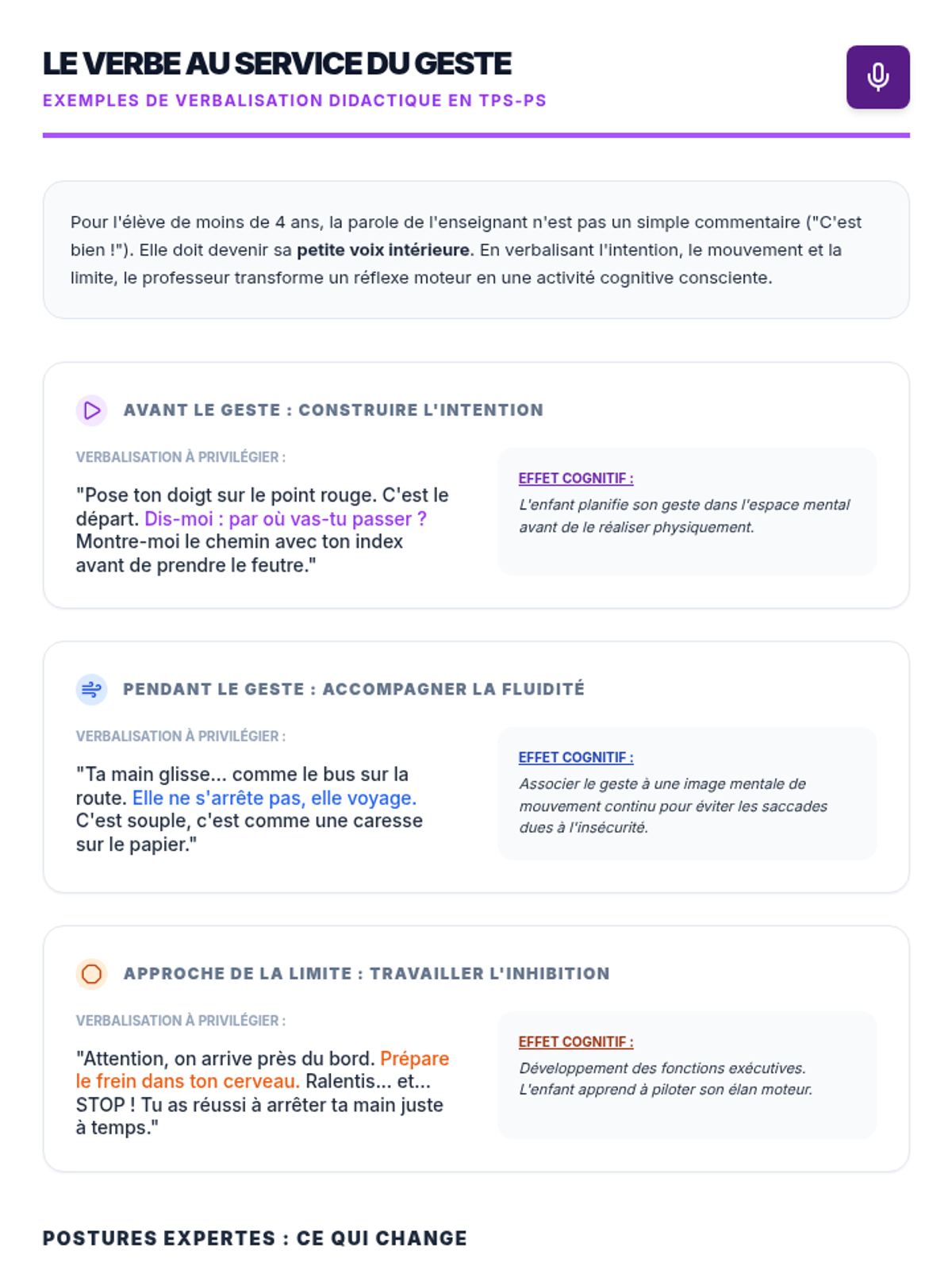
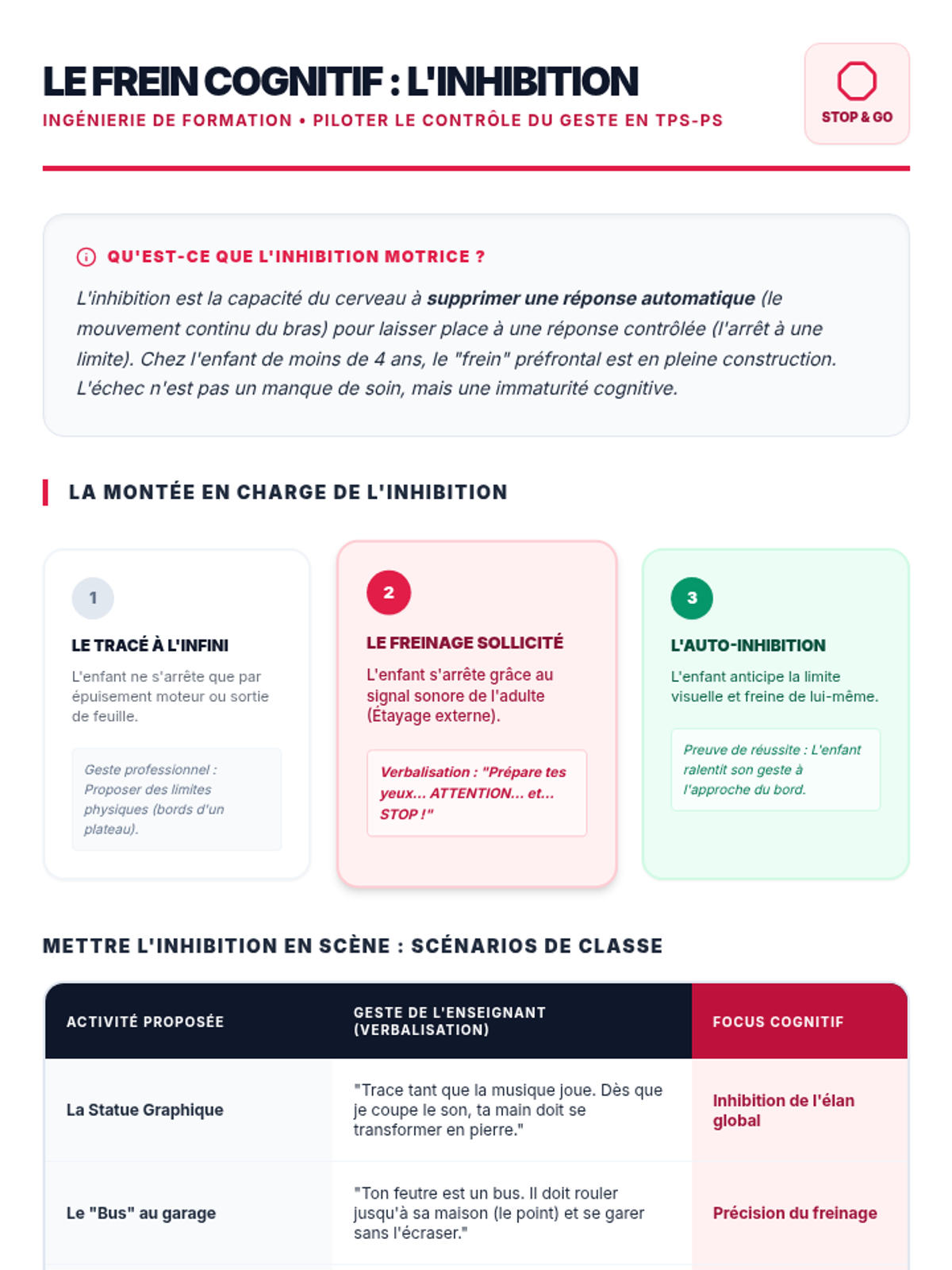
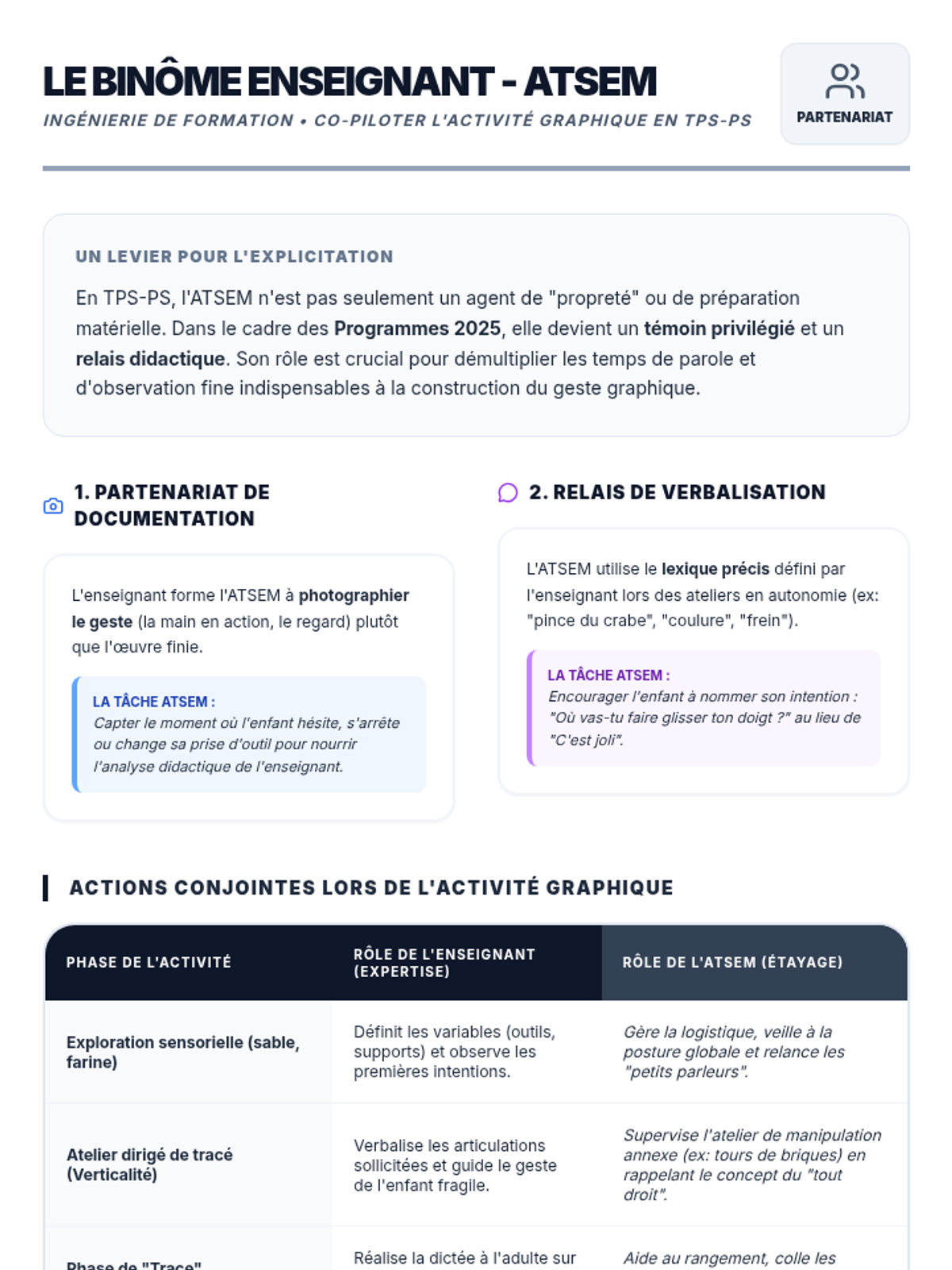
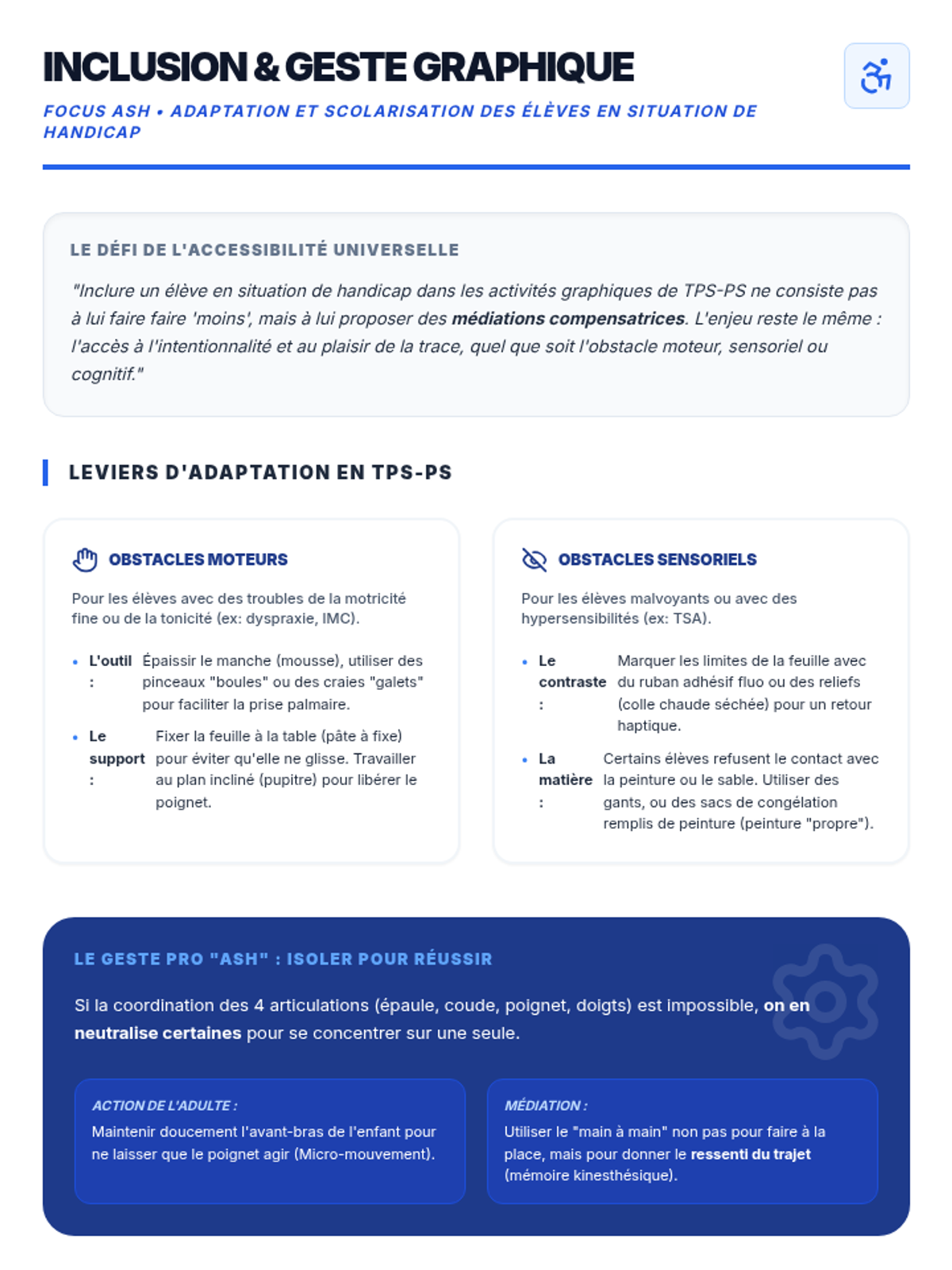
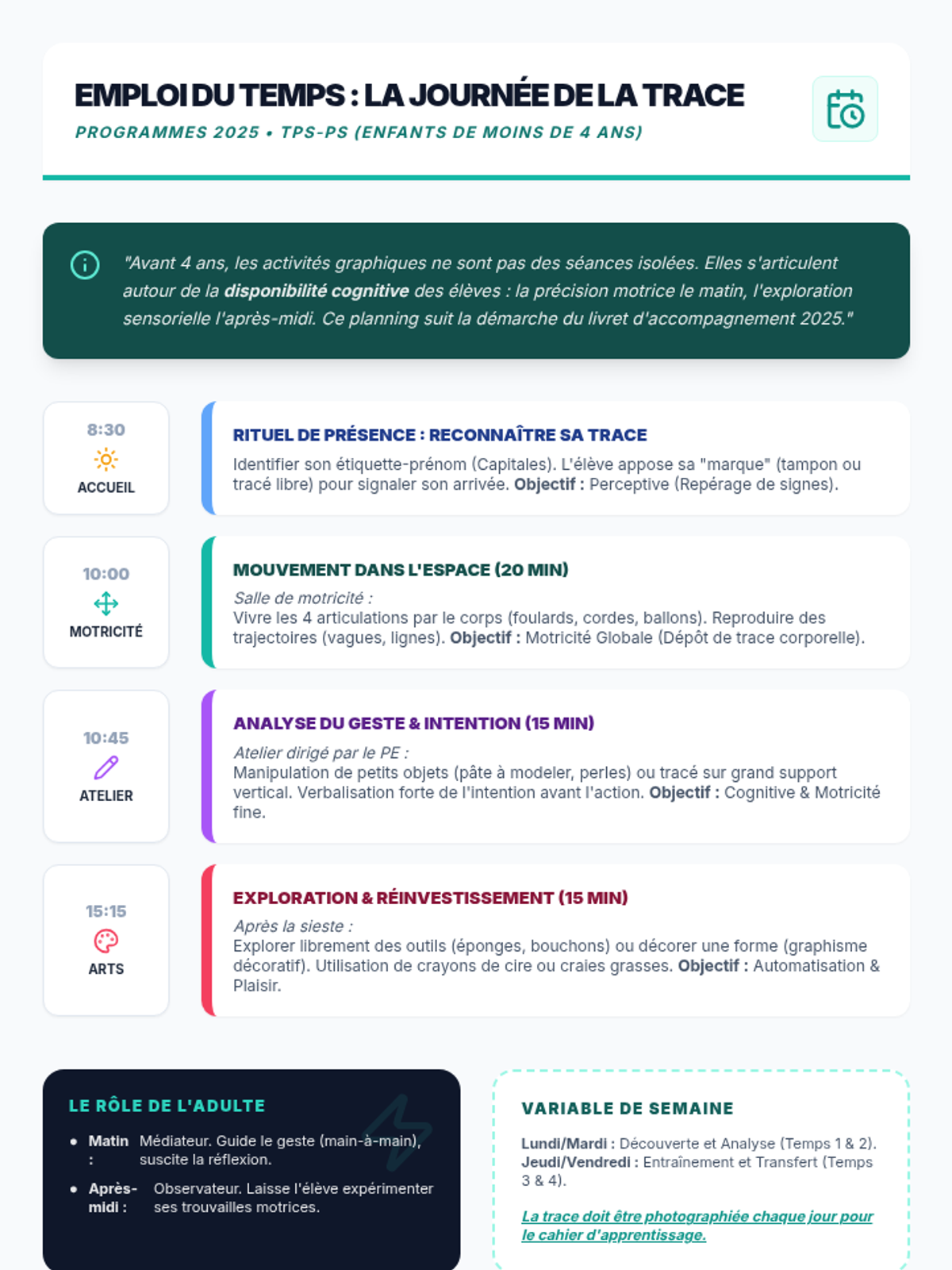
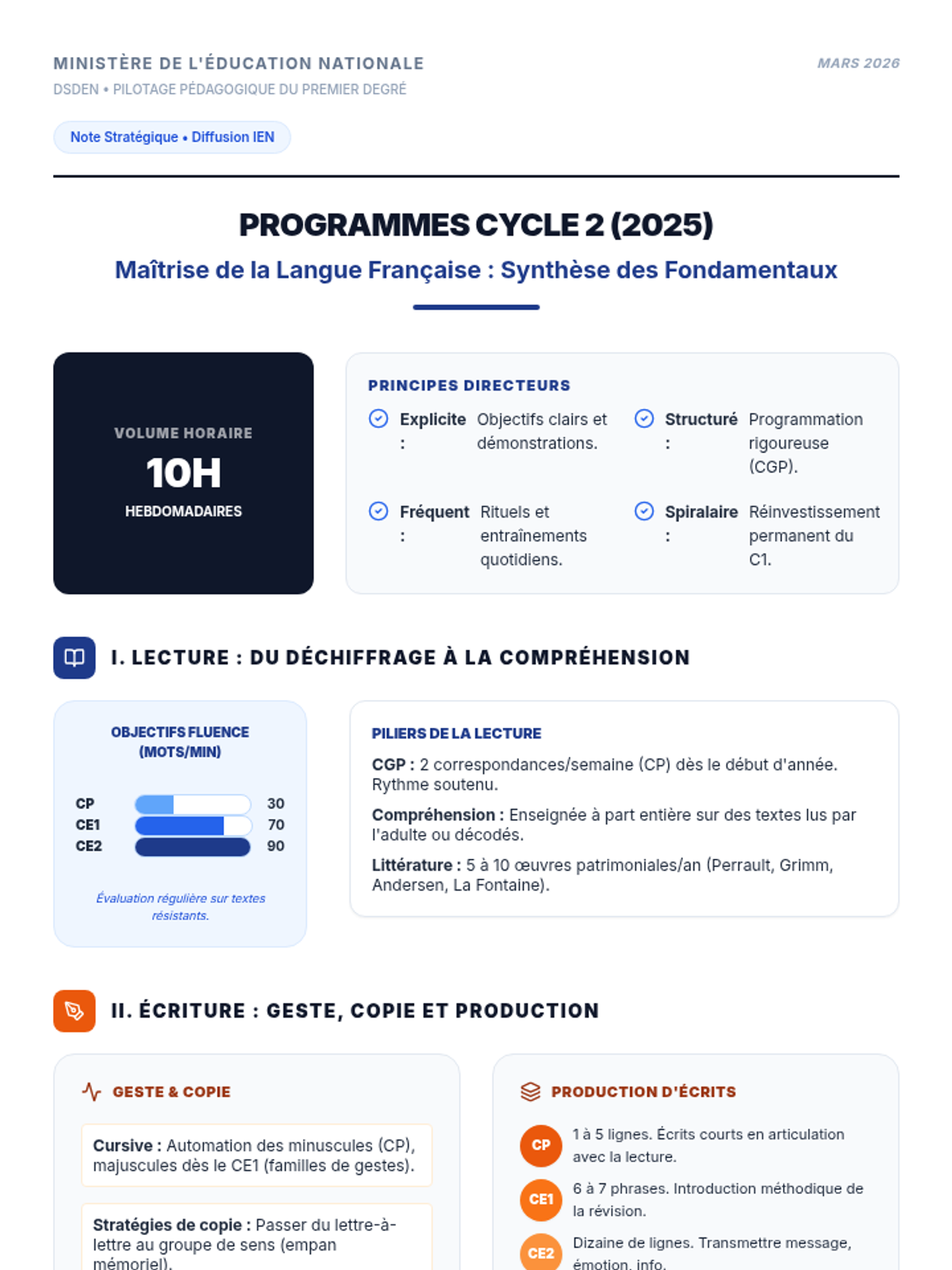
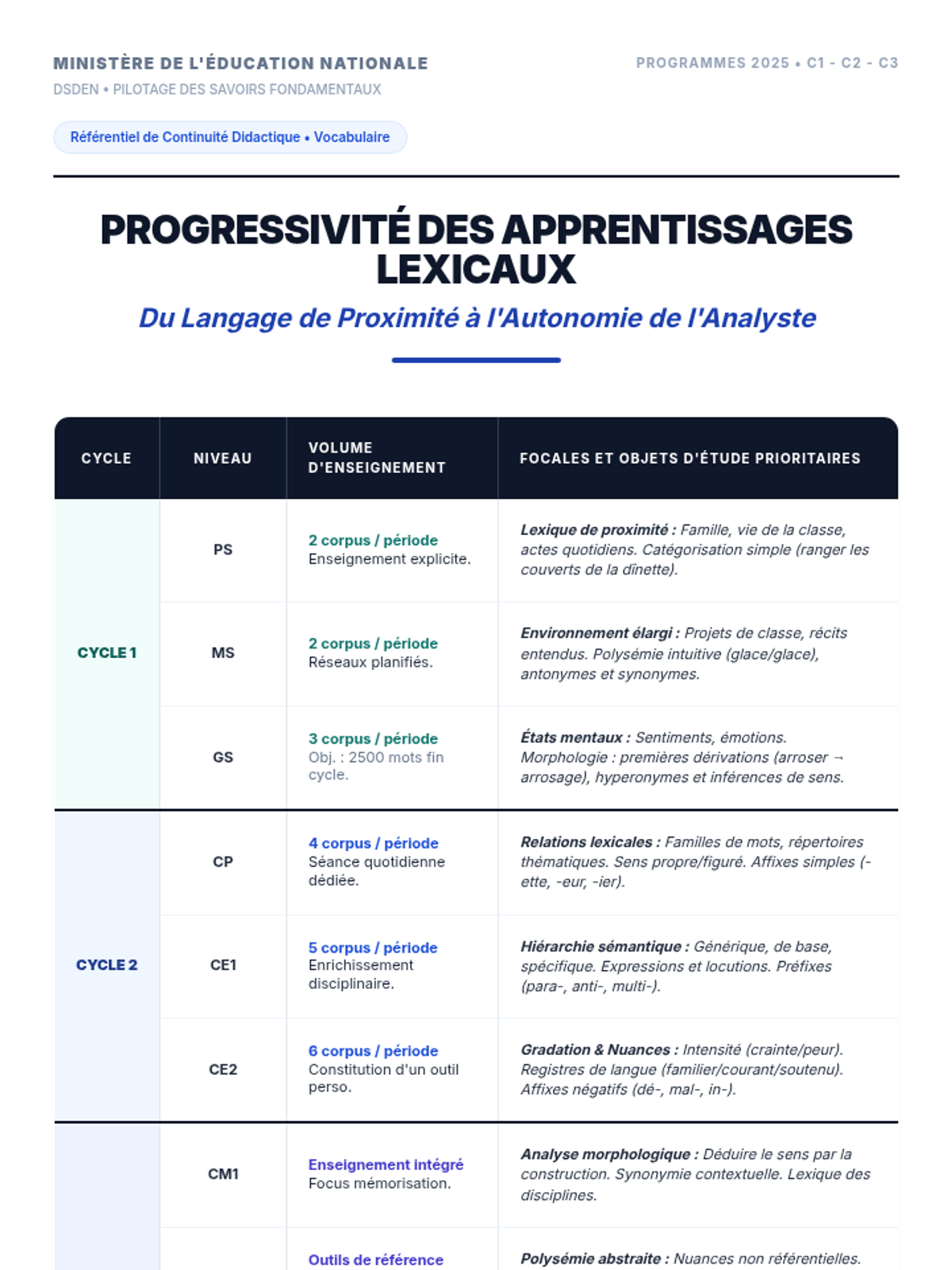
Cette formation pour les professeurs de TPS-PS vise à professionnaliser la conception des "traces" d'activités (cahiers de vie, affichages). En s'appuyant sur les photos de classe et les guides 2025, les enseignants apprennent à rendre les apprentissages explicites pour les élèves et les familles.
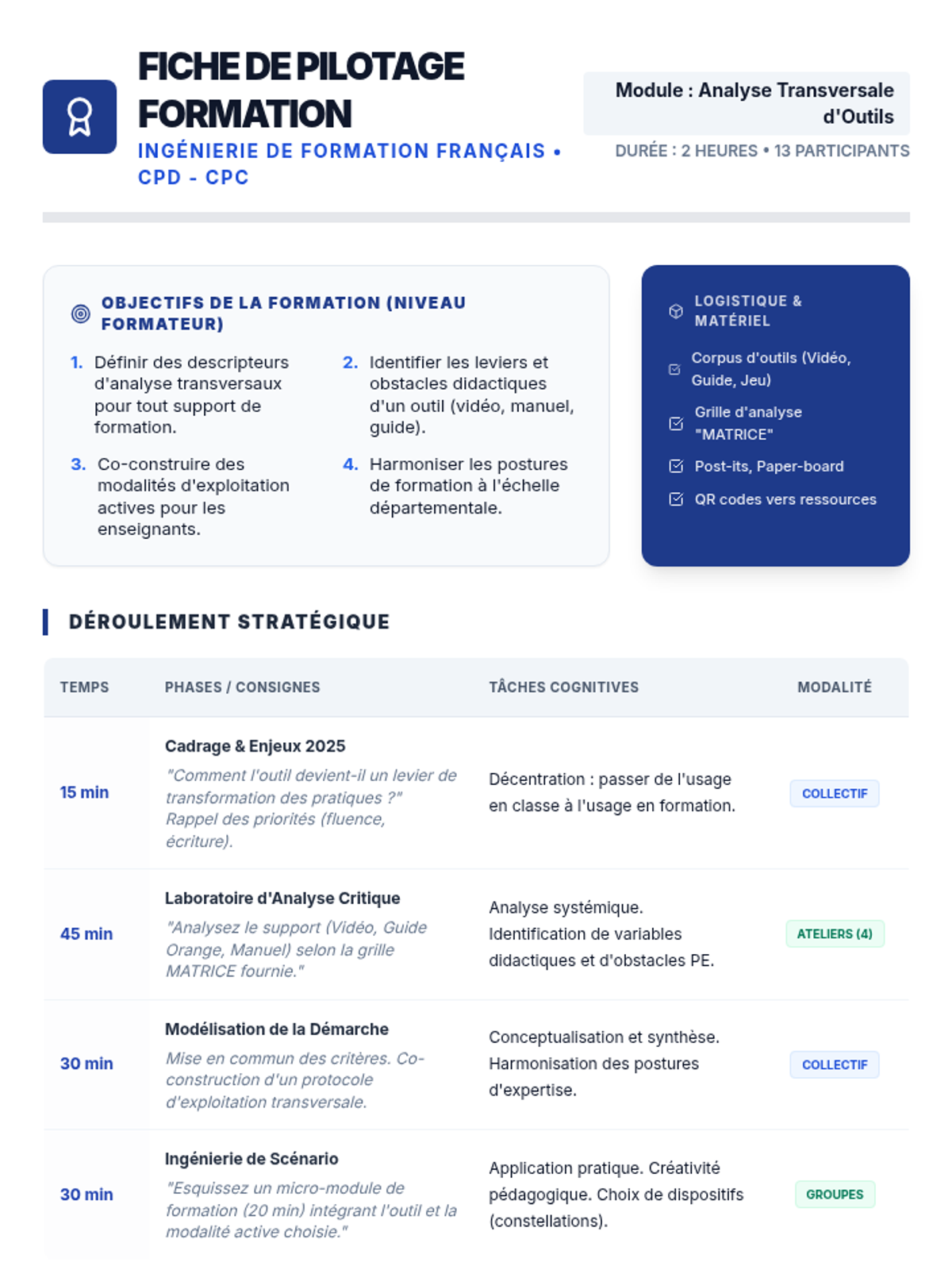
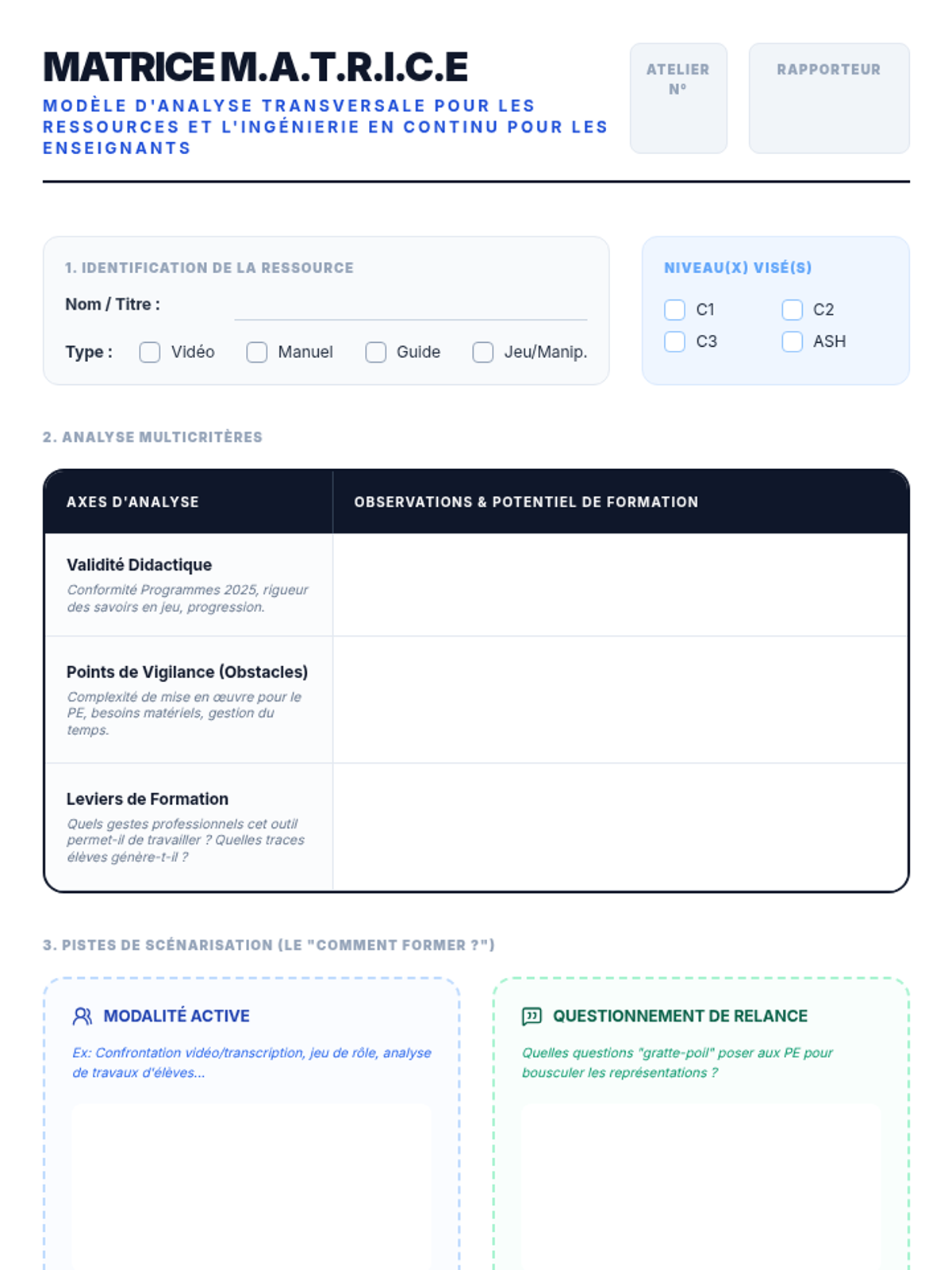
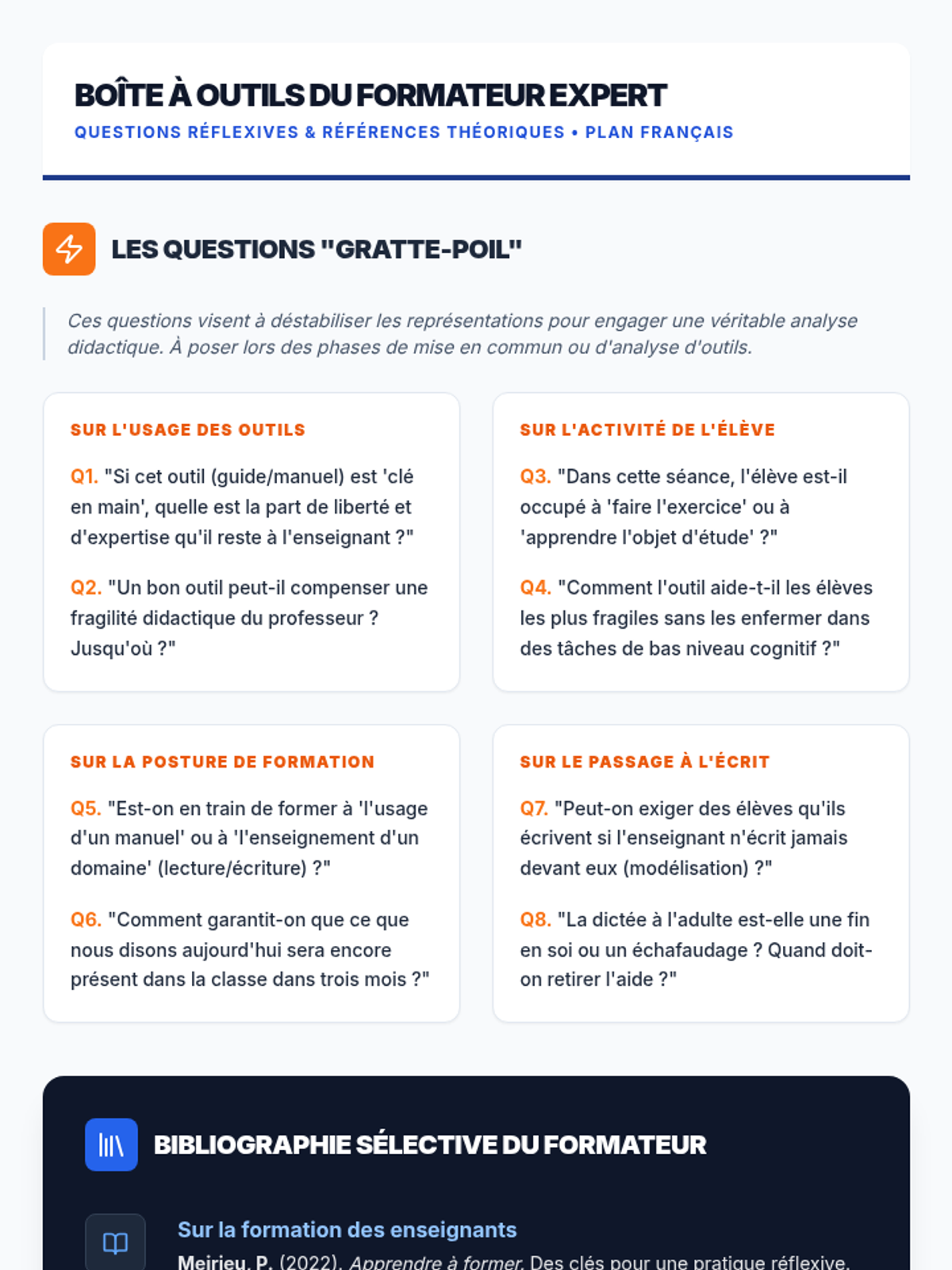
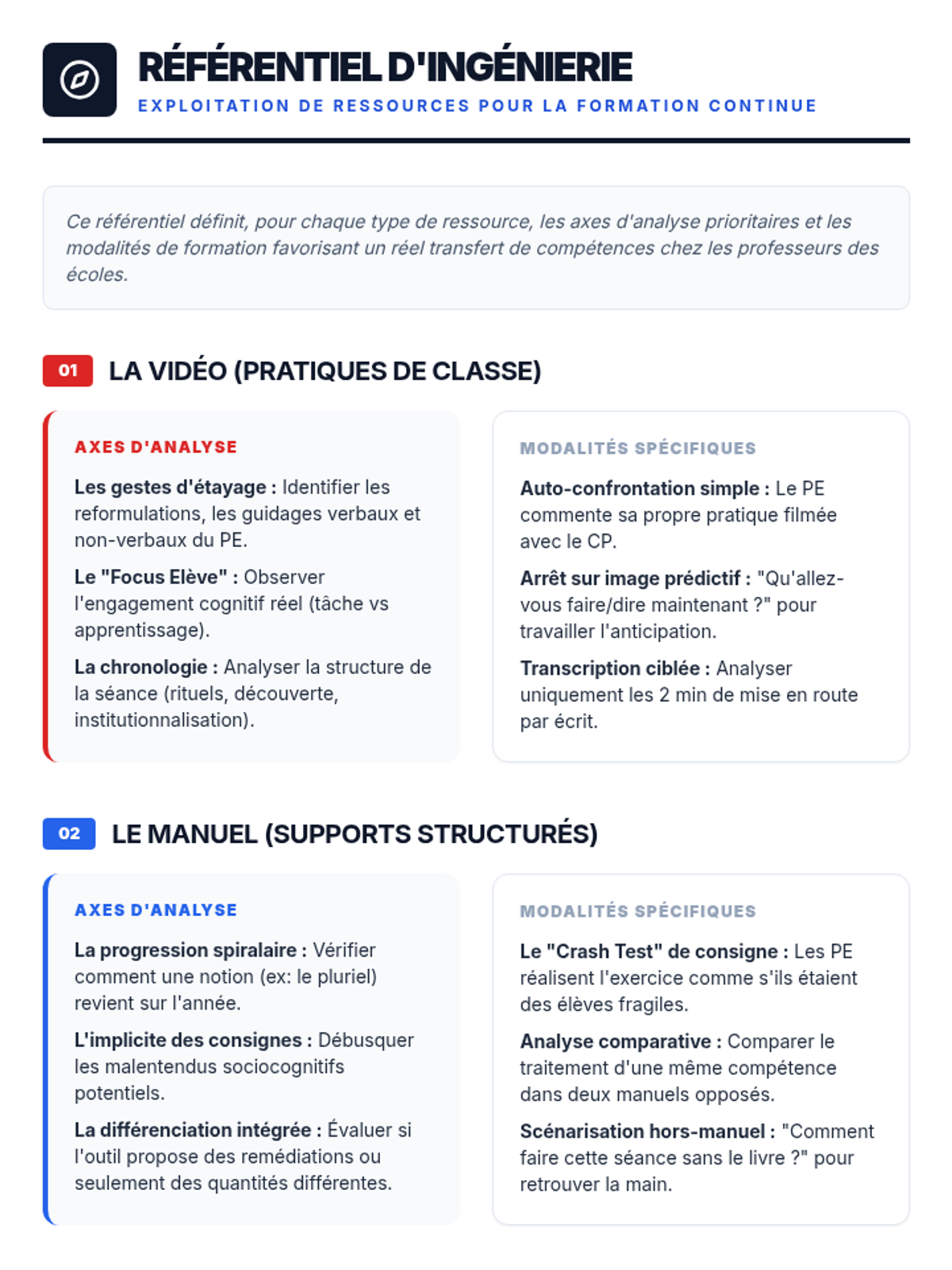
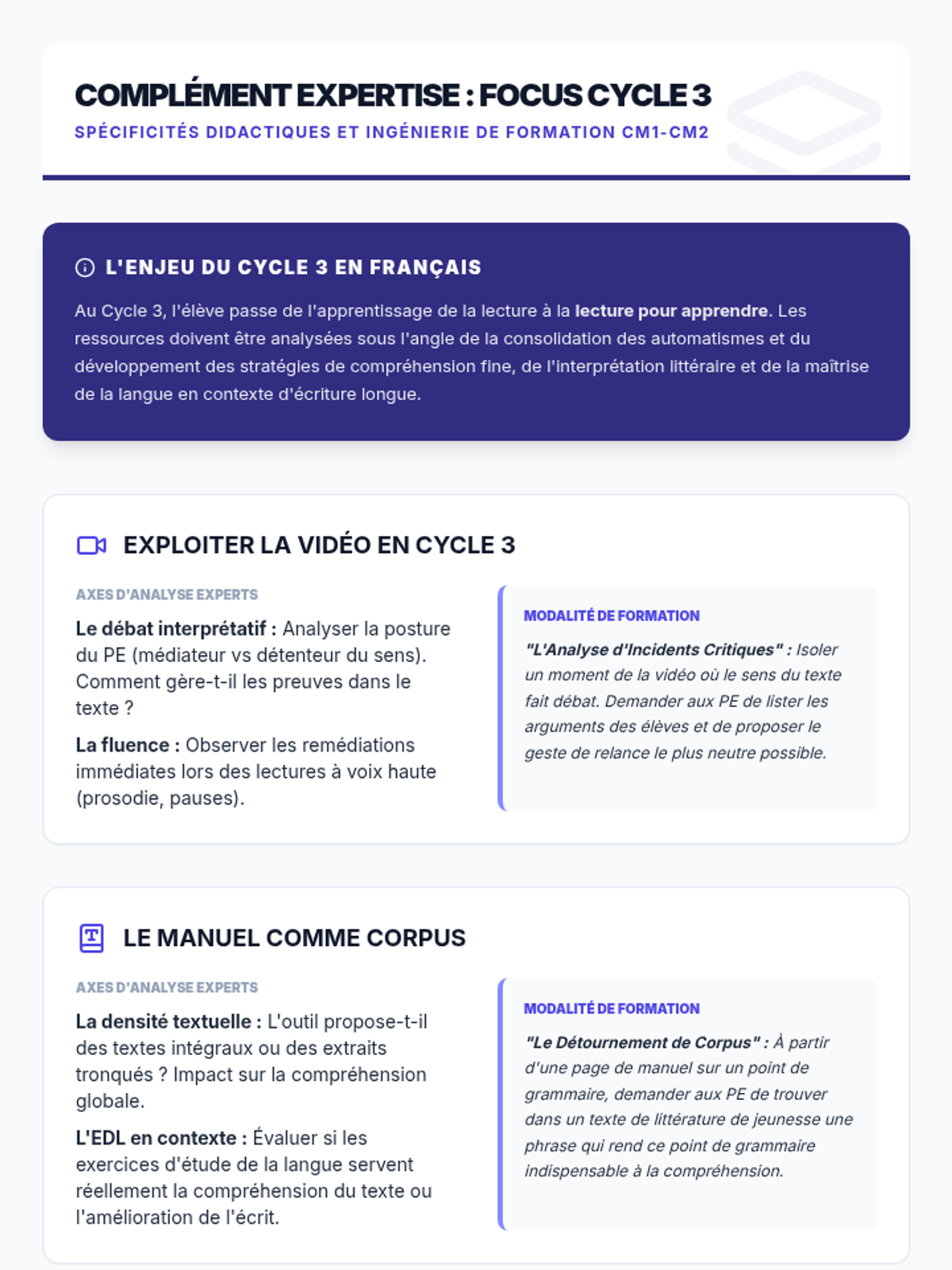
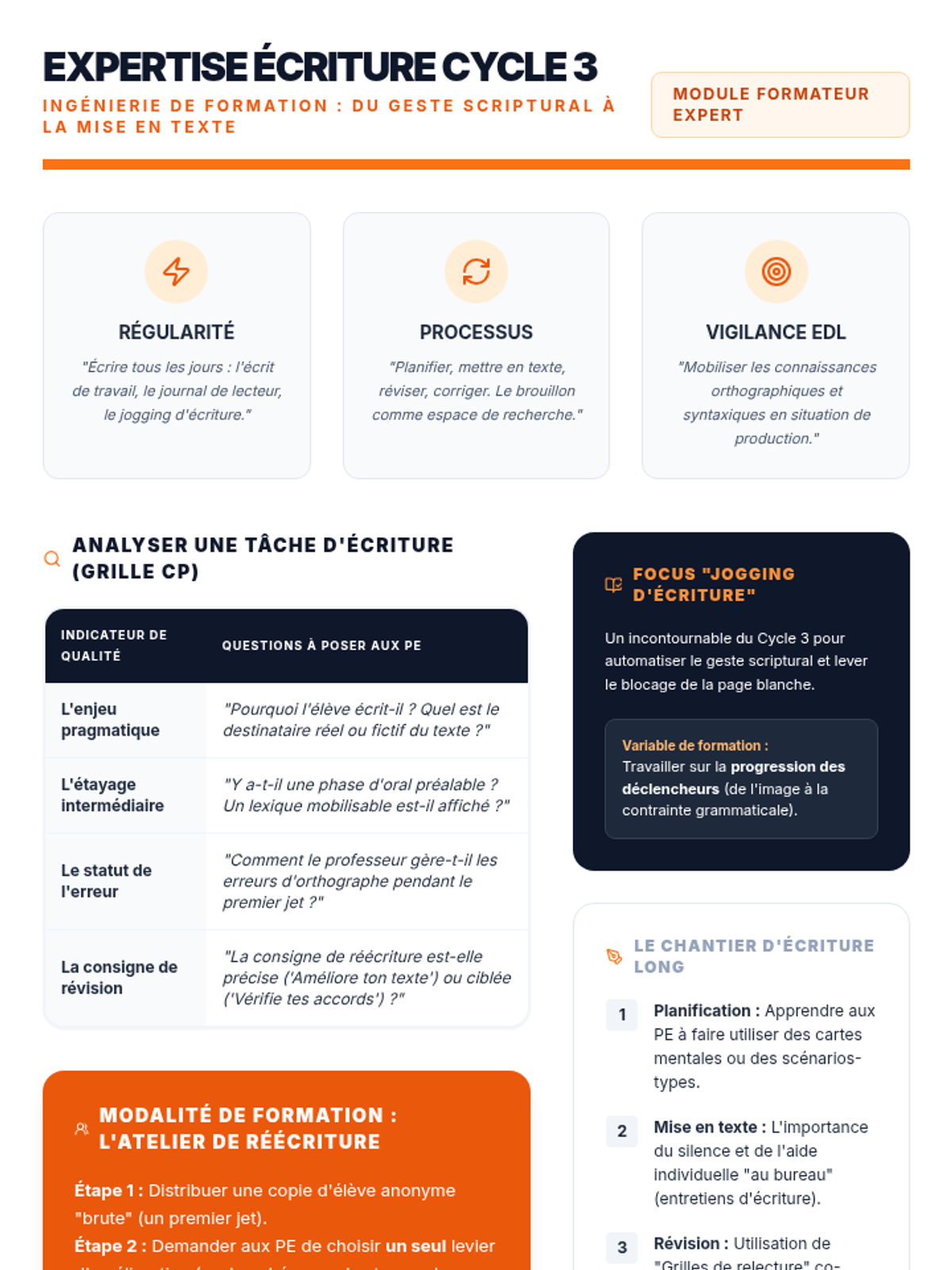
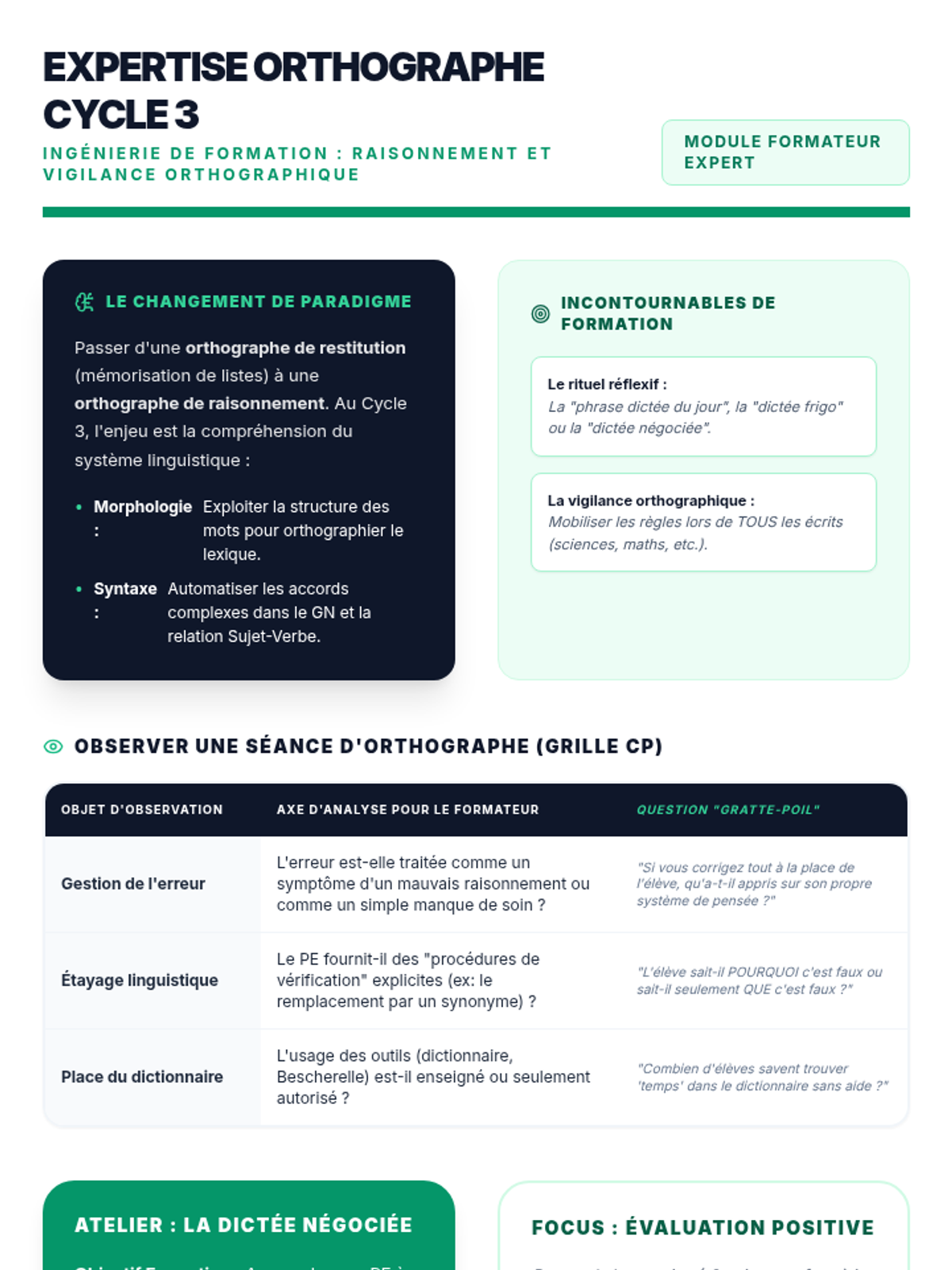
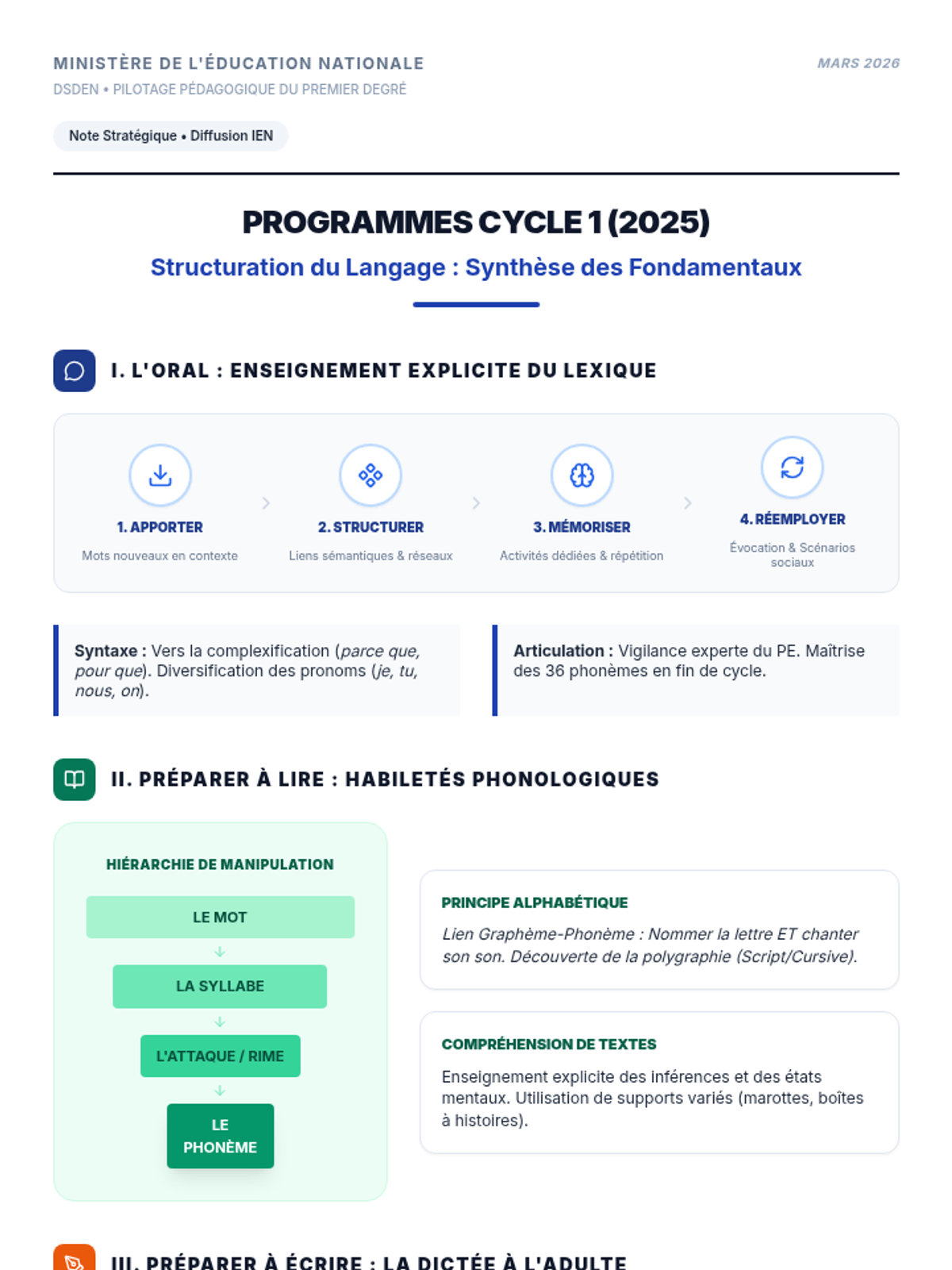
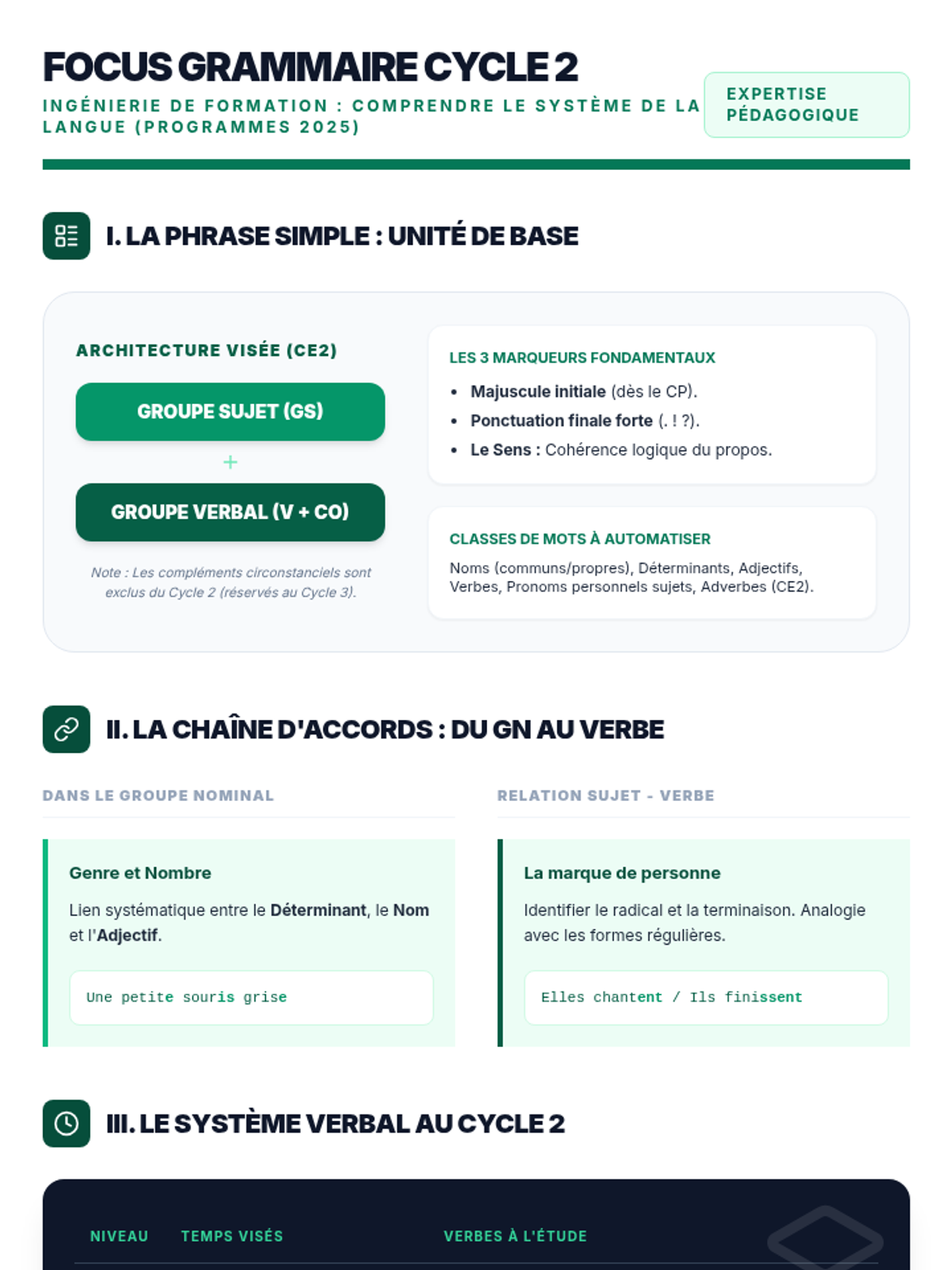
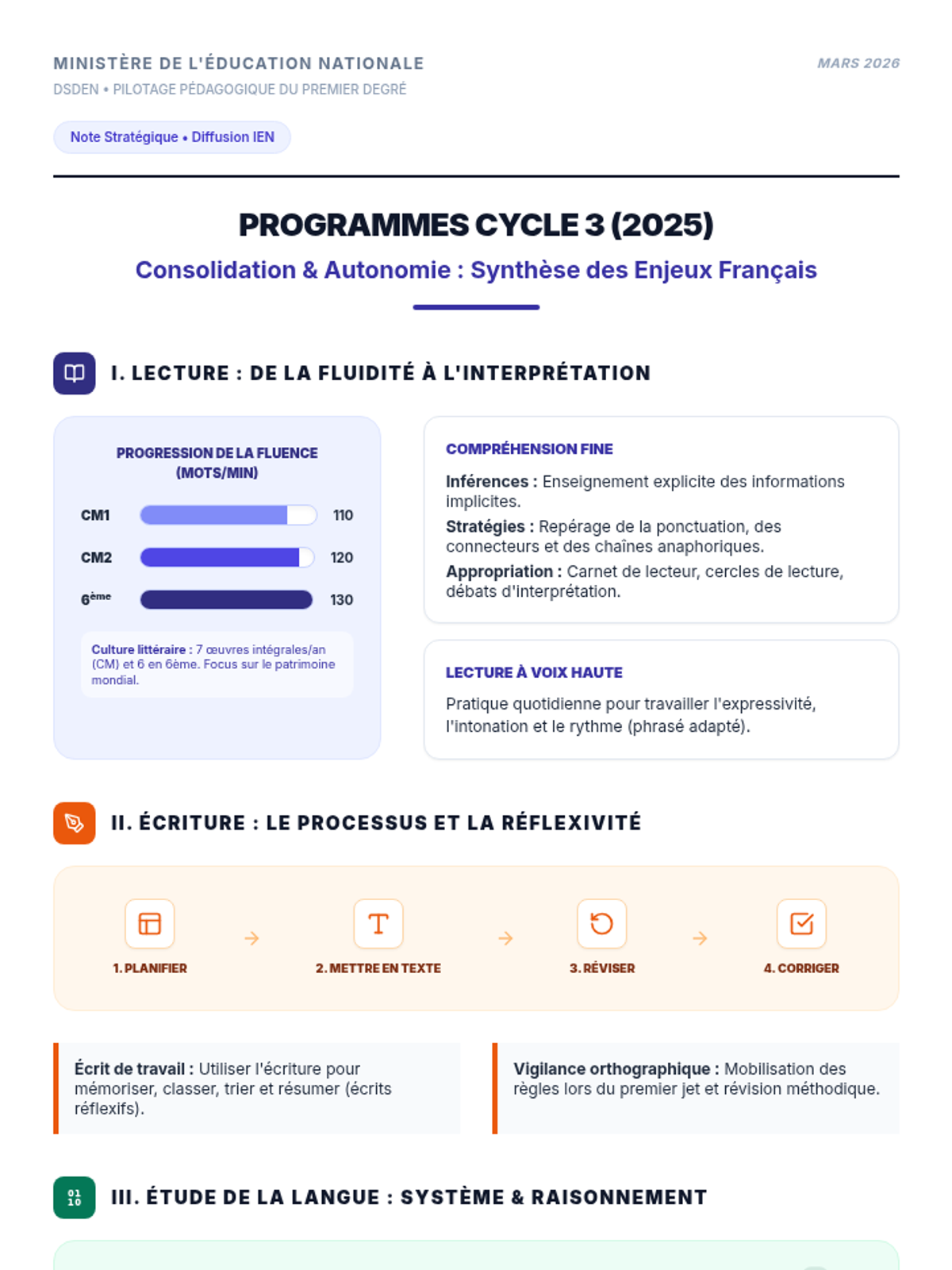
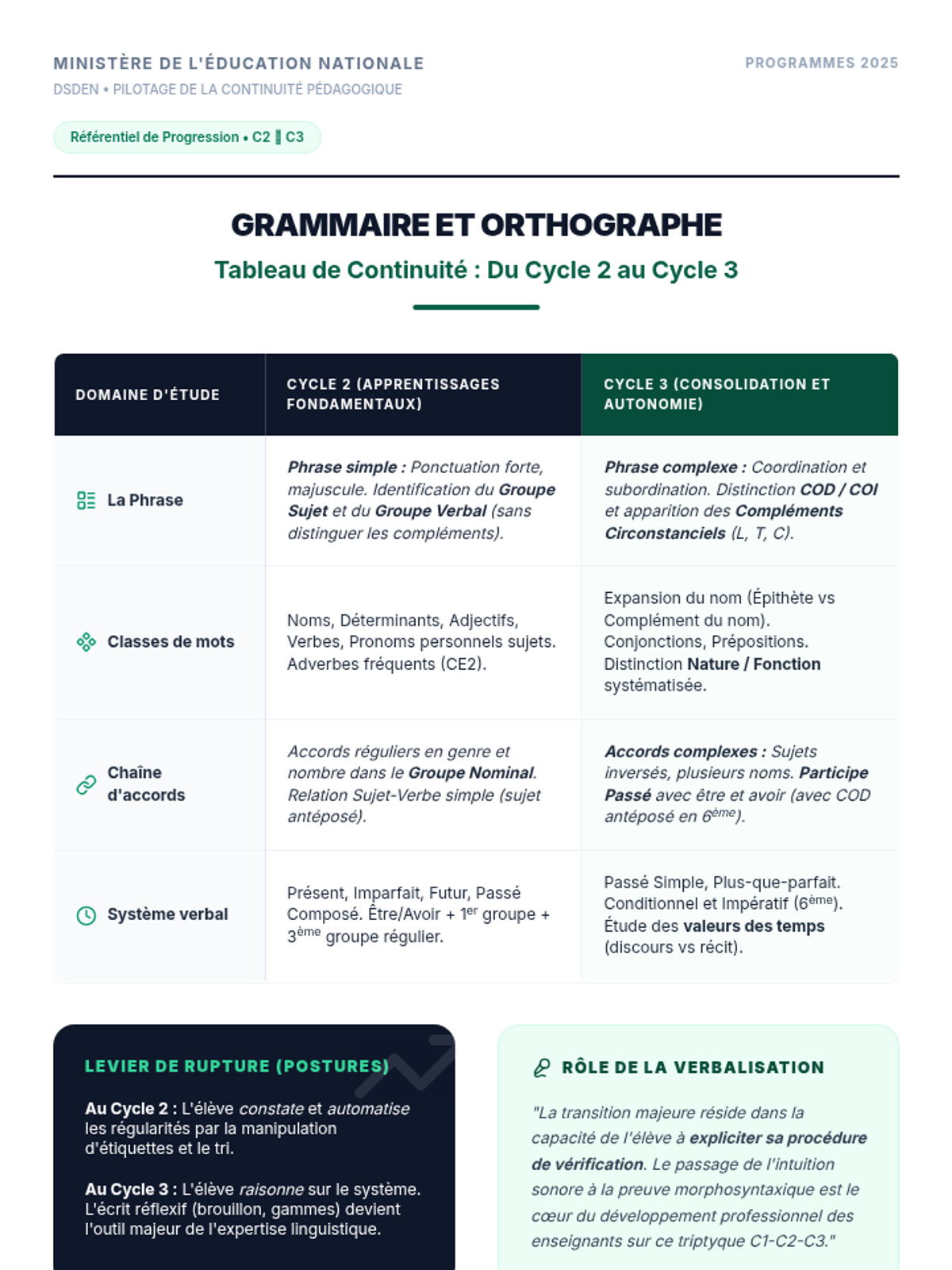
Cette formation vise à outiller les conseillers pédagogiques pour l'analyse et l'exploitation de ressources diverses (vidéos, manuels, guides) dans le cadre de la formation continue des professeurs des écoles en français, conformément aux orientations stratégiques nationales.
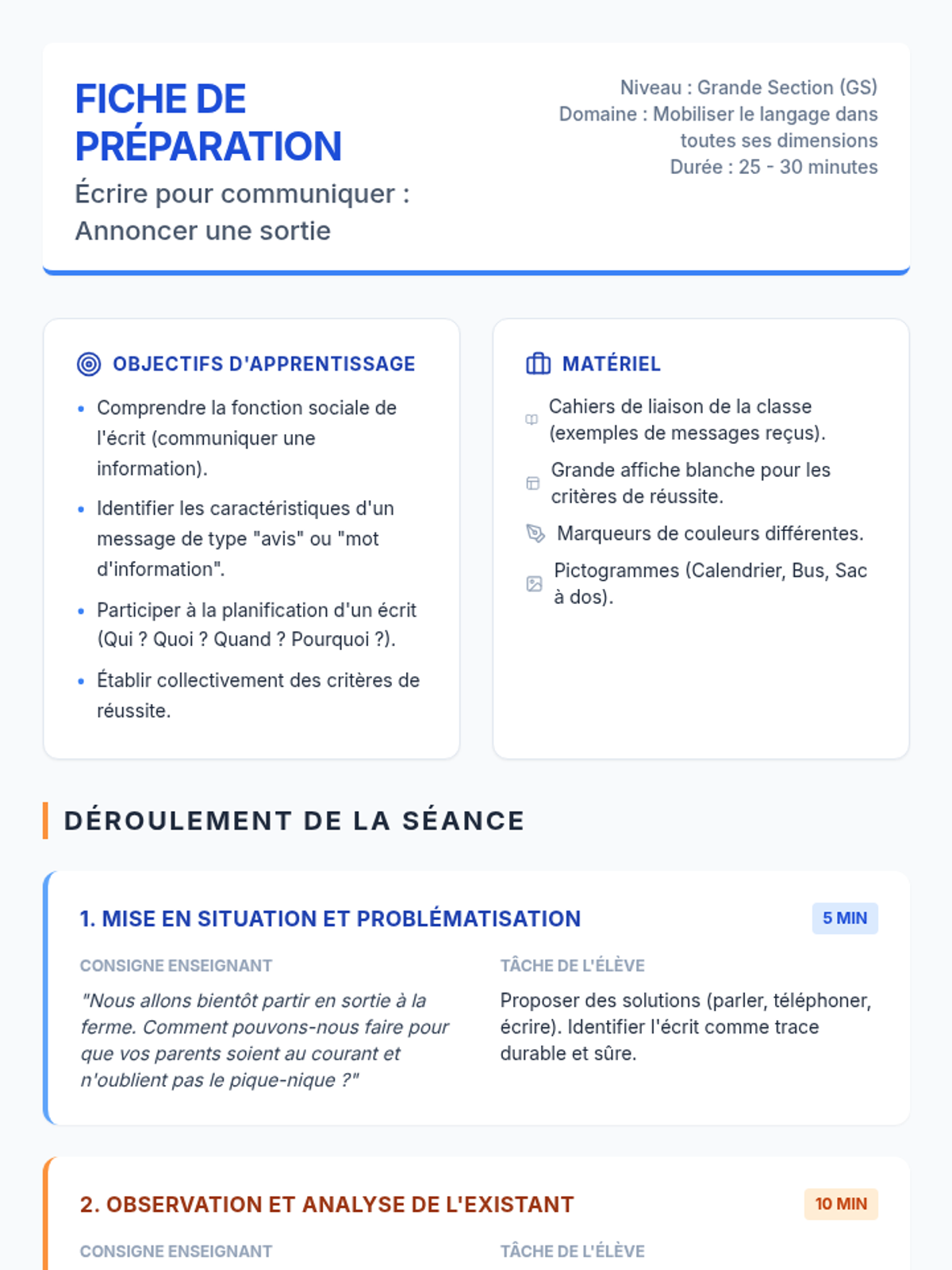
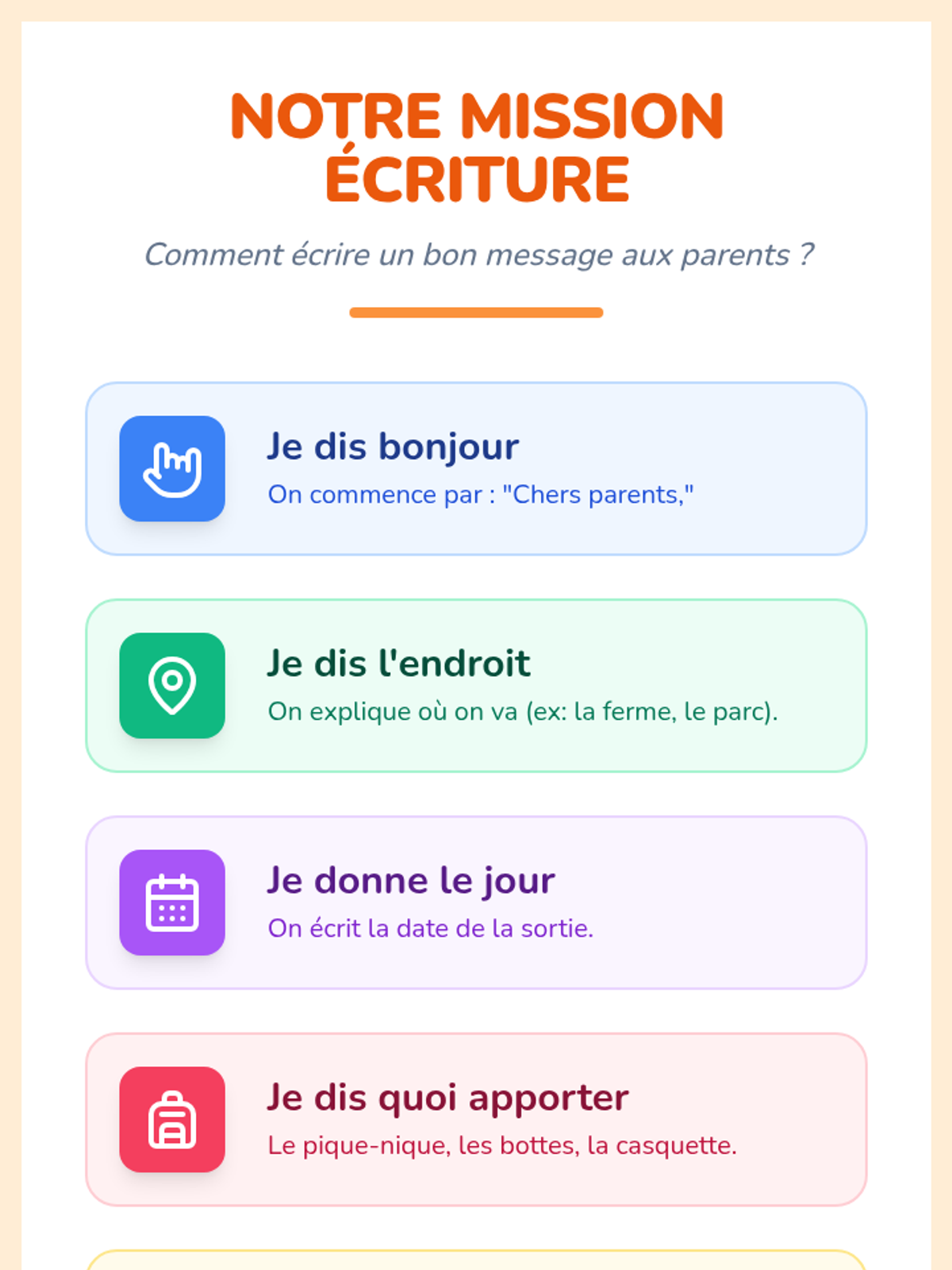
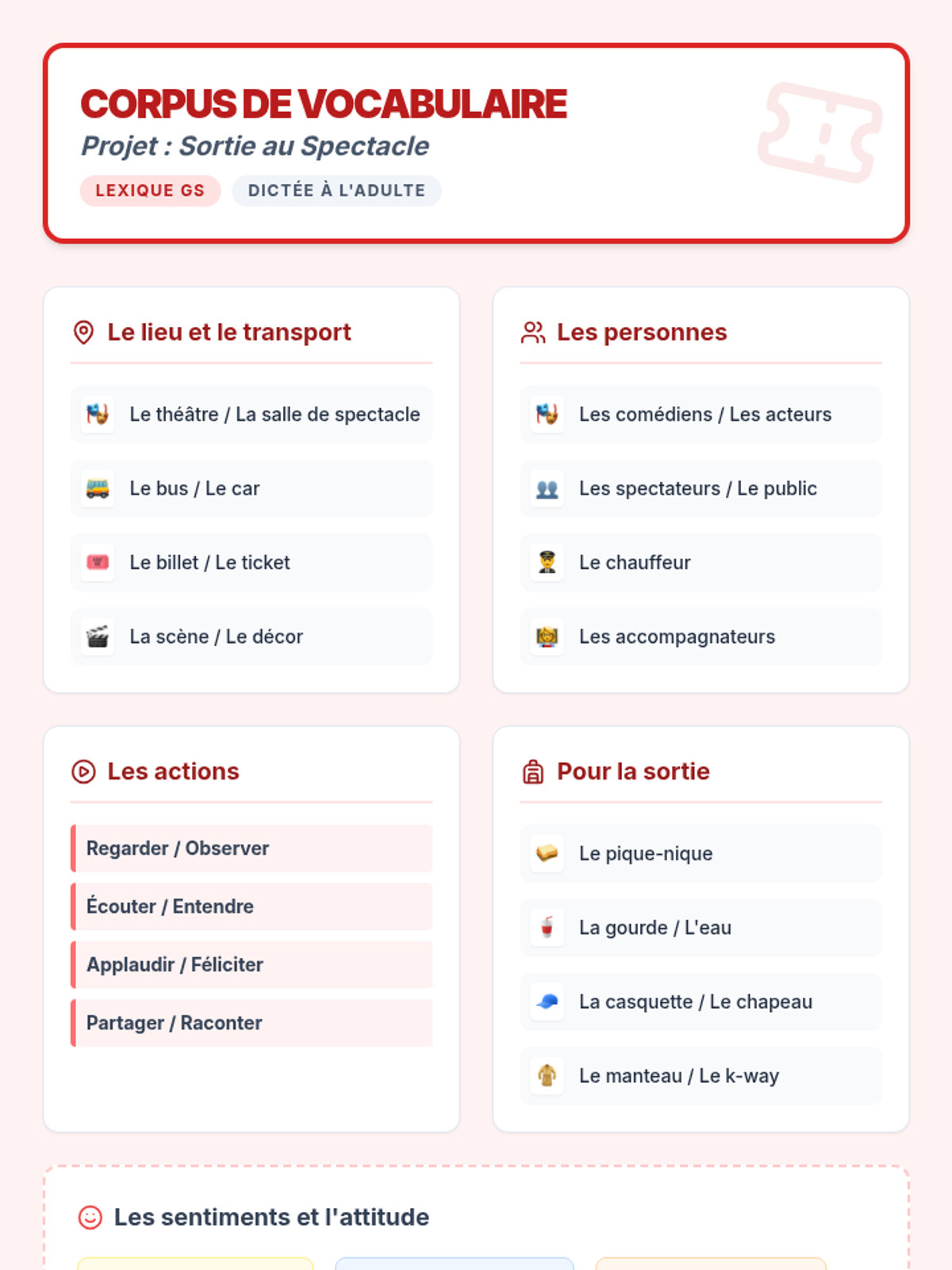
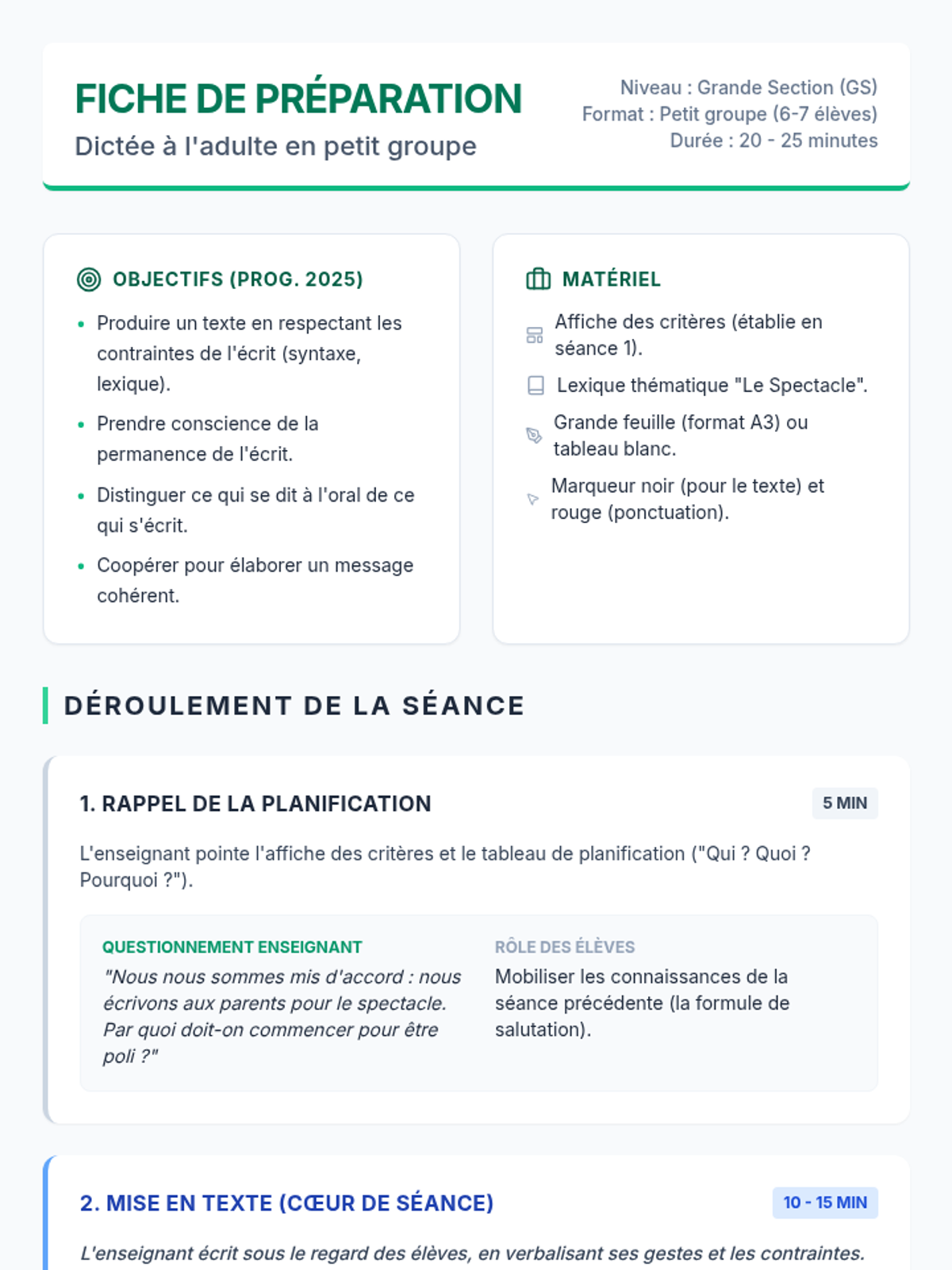
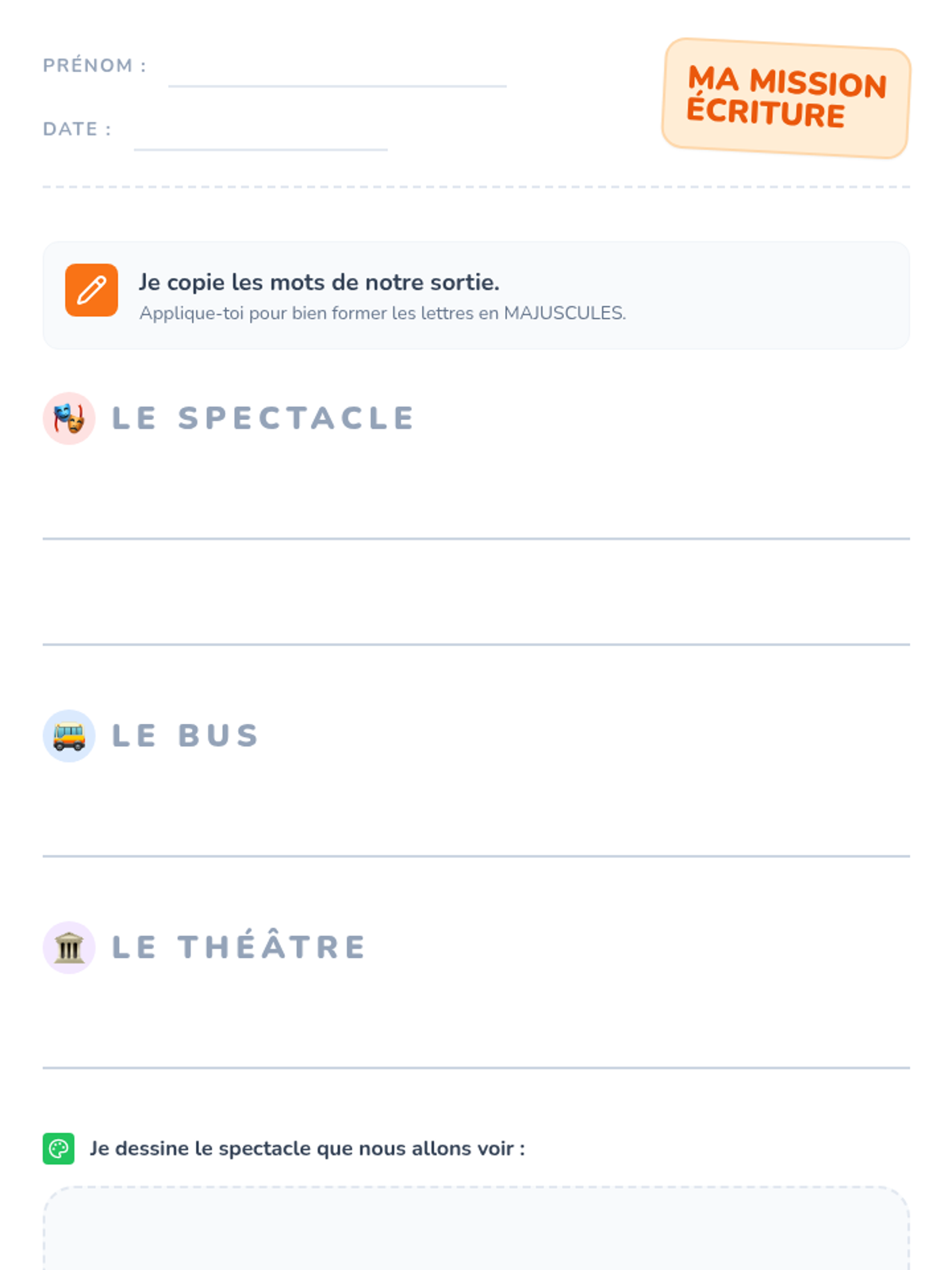
Cette leçon vise à introduire un projet d'écriture authentique en Grande Section : rédiger un message aux parents pour annoncer une sortie scolaire. Elle s'appuie sur l'observation de messages existants pour définir des critères de réussite et initier la planification selon les programmes 2025.
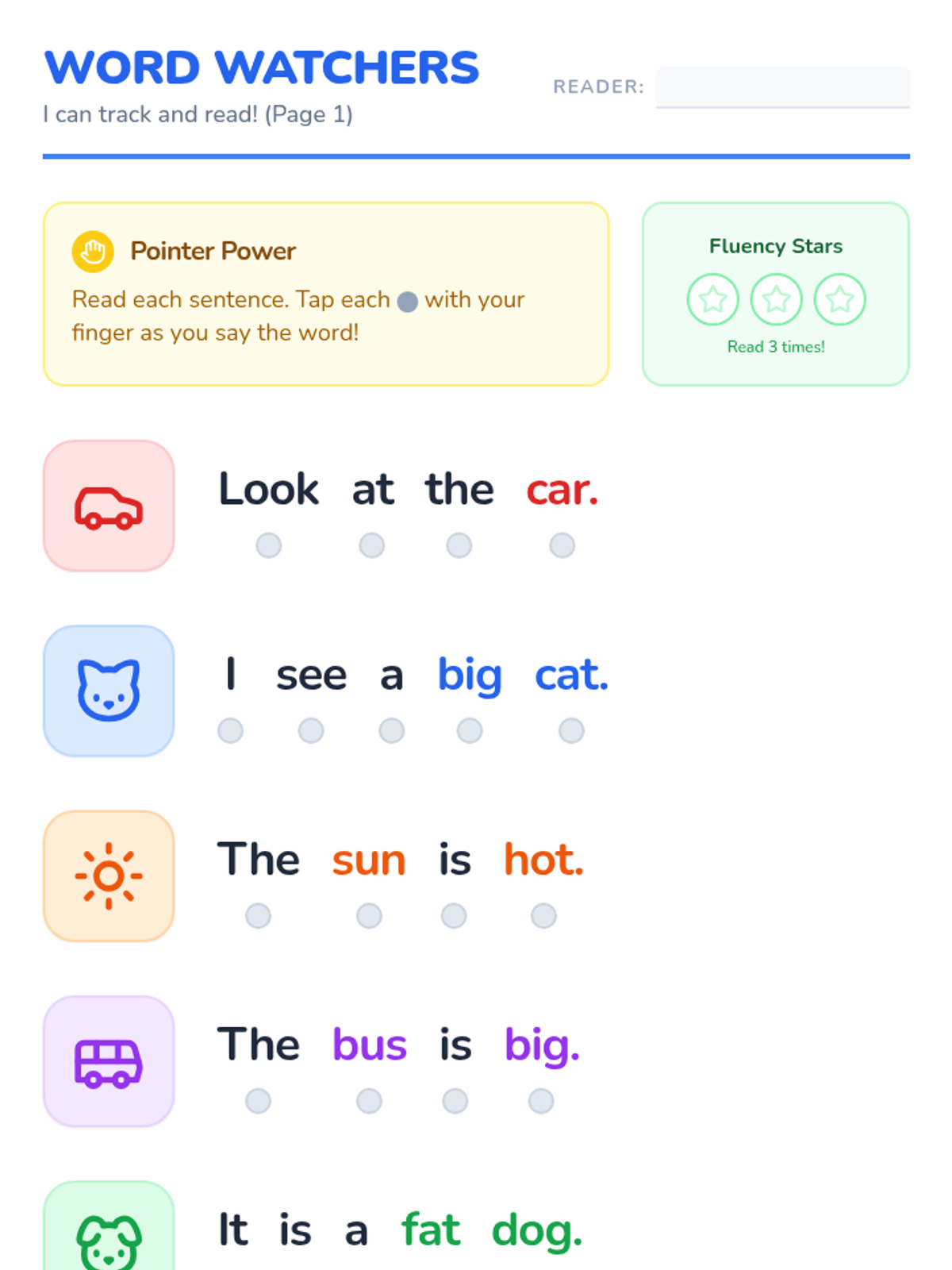
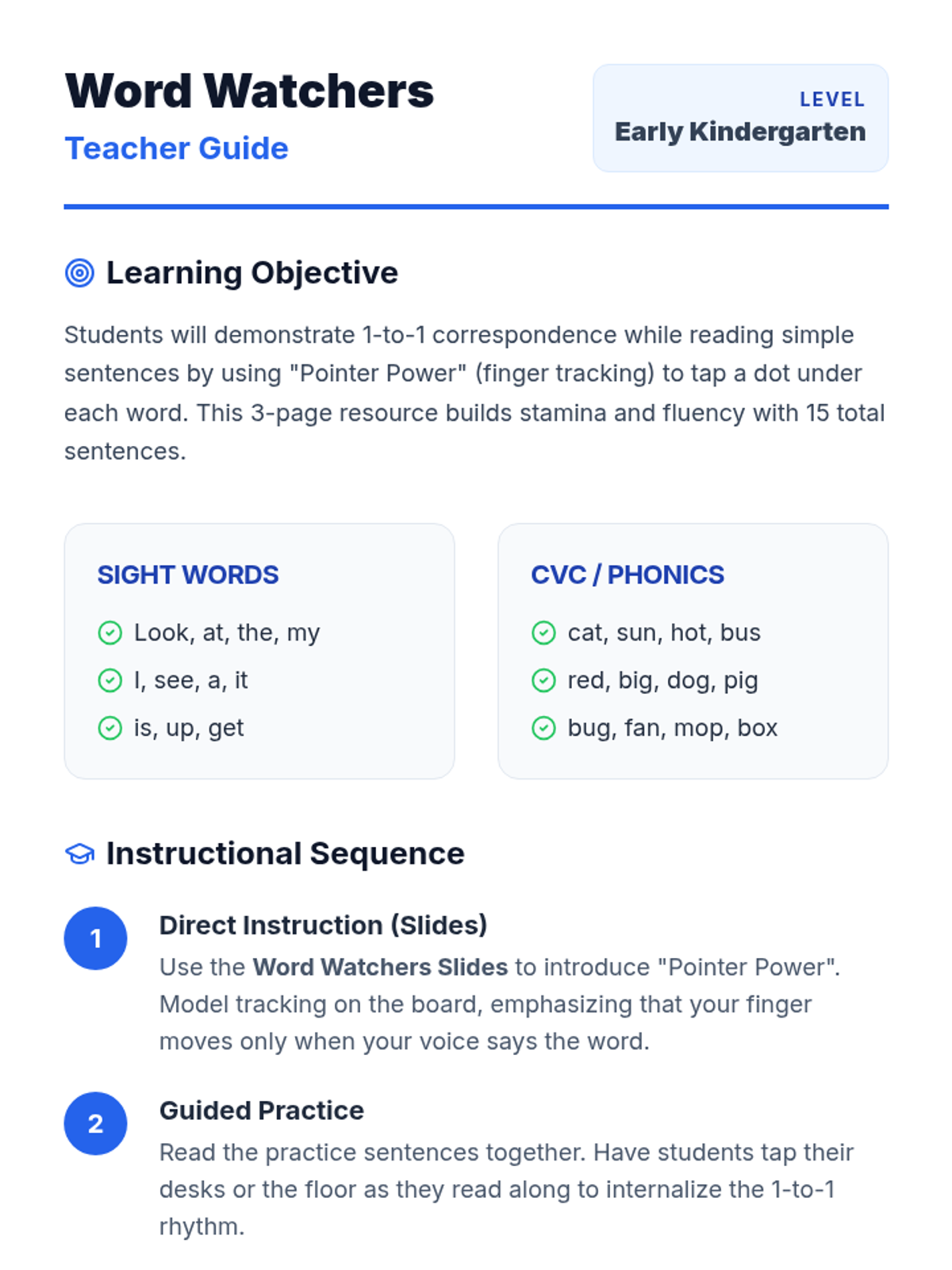
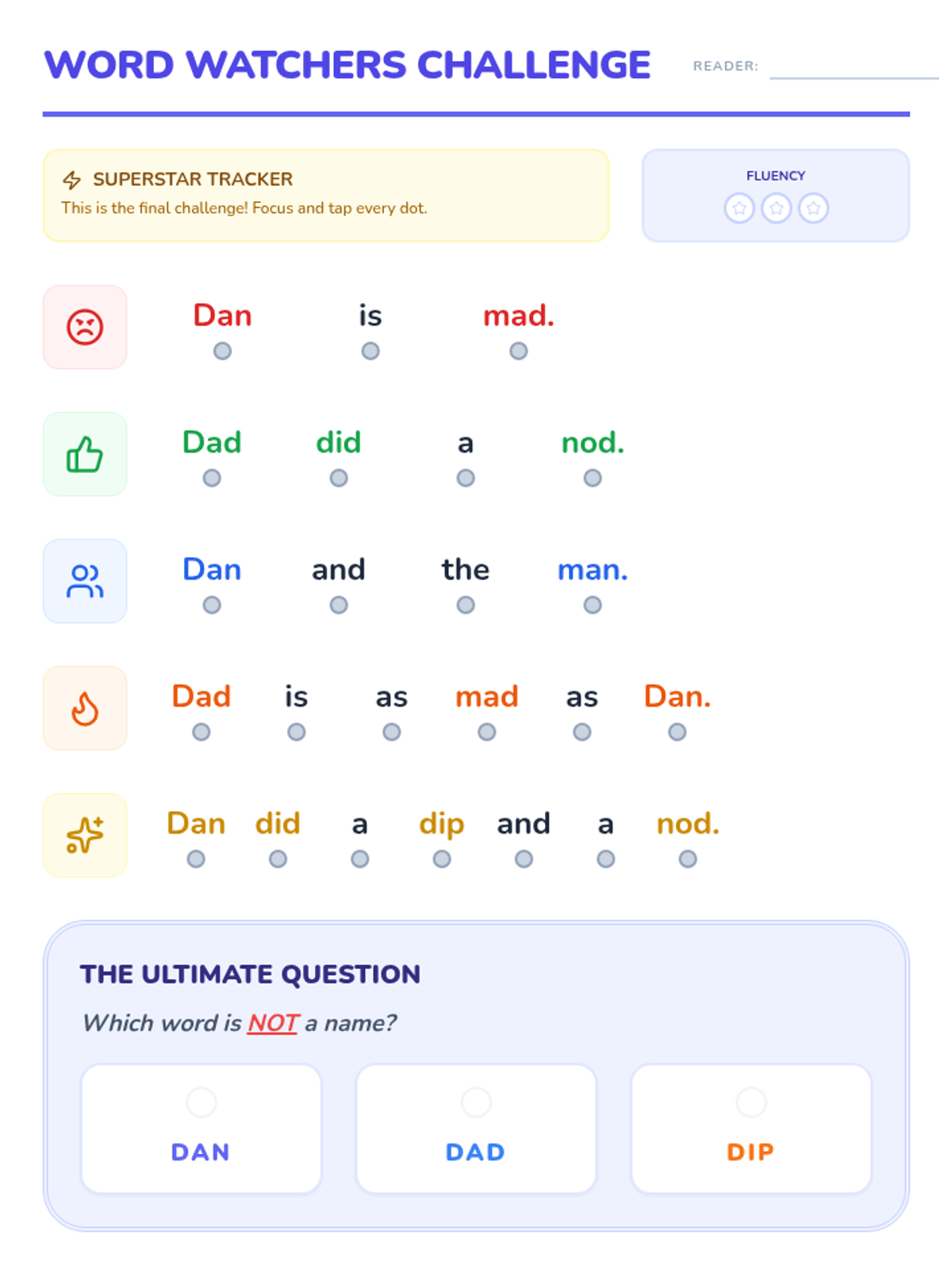
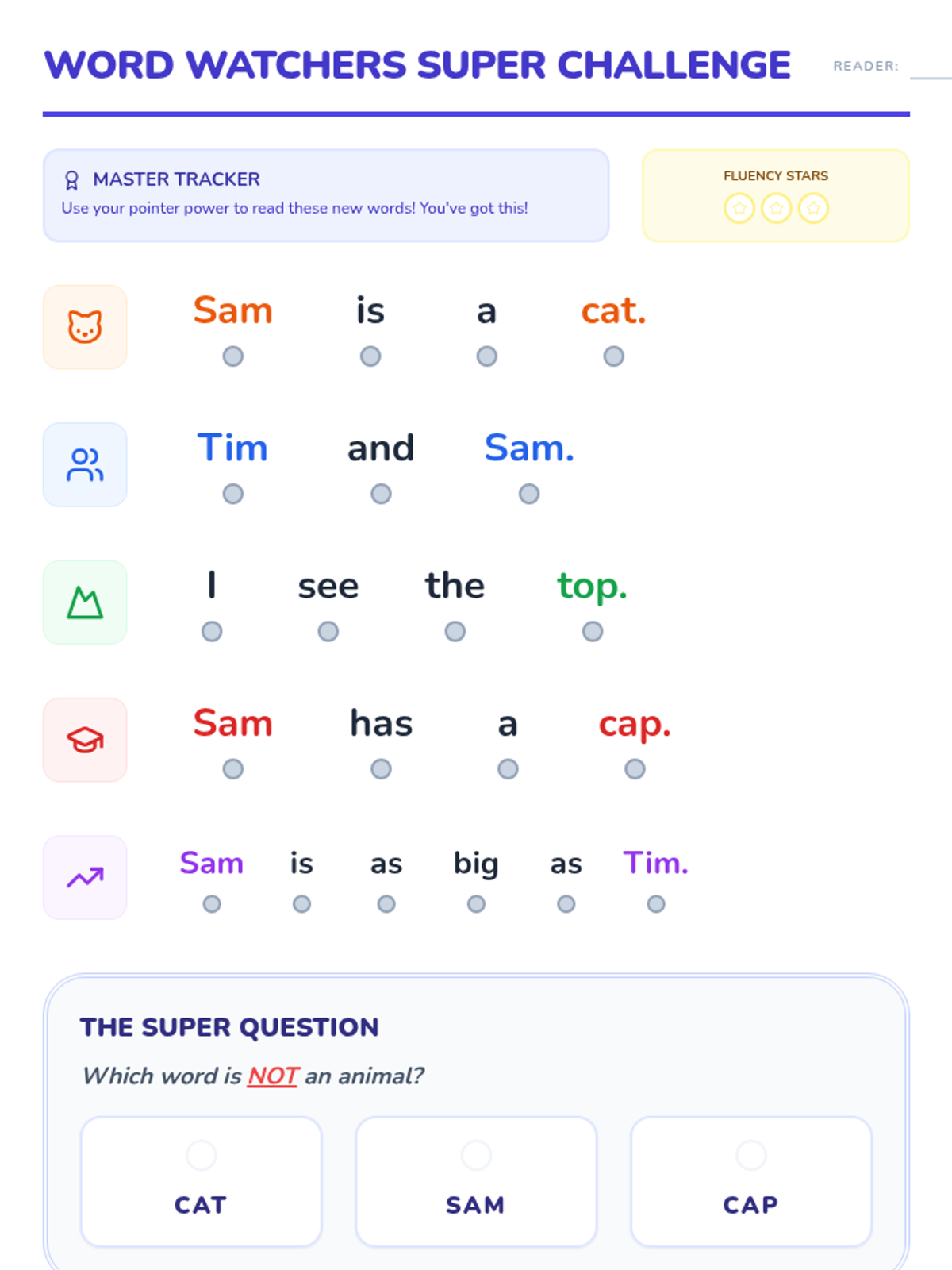
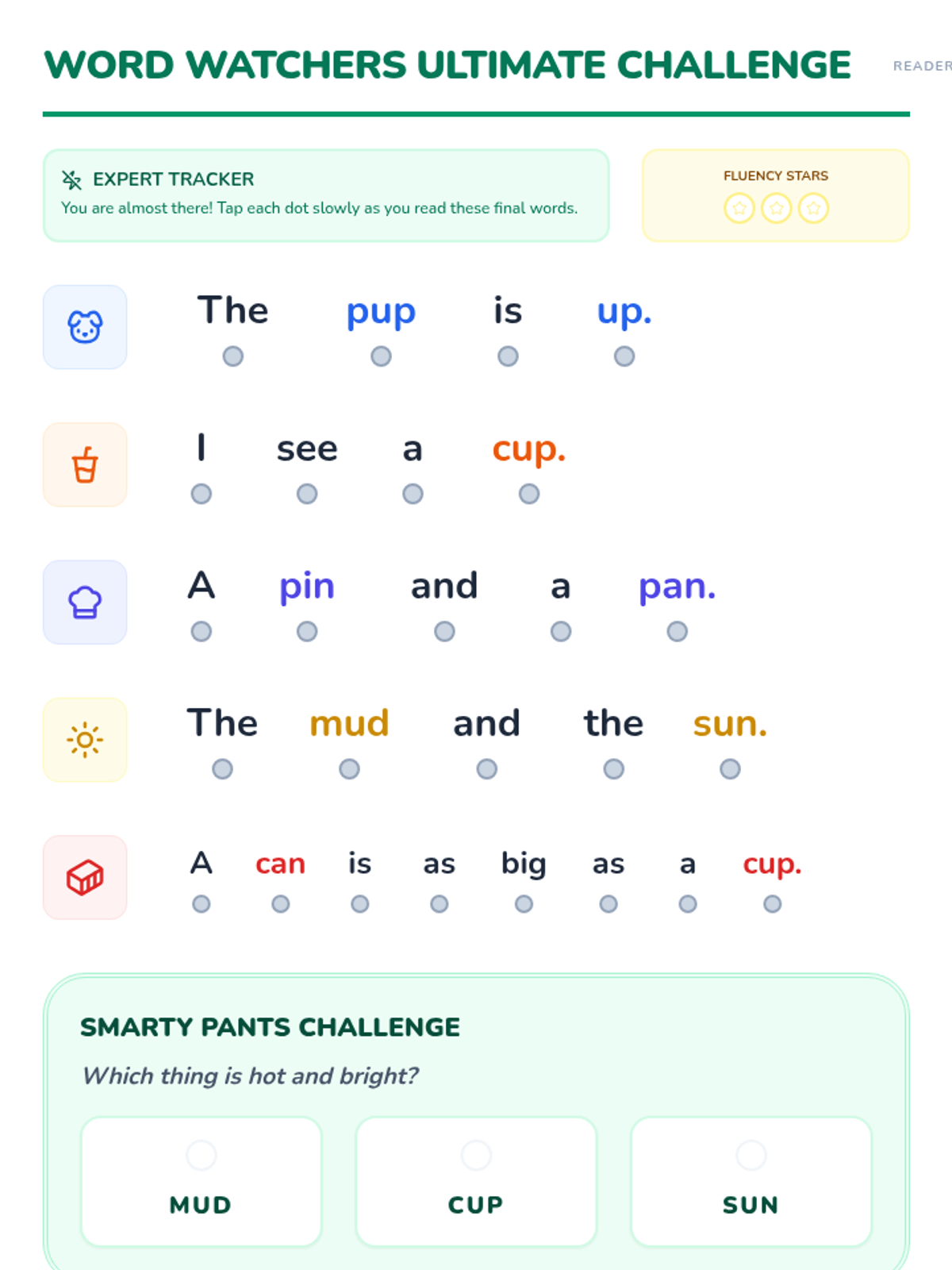
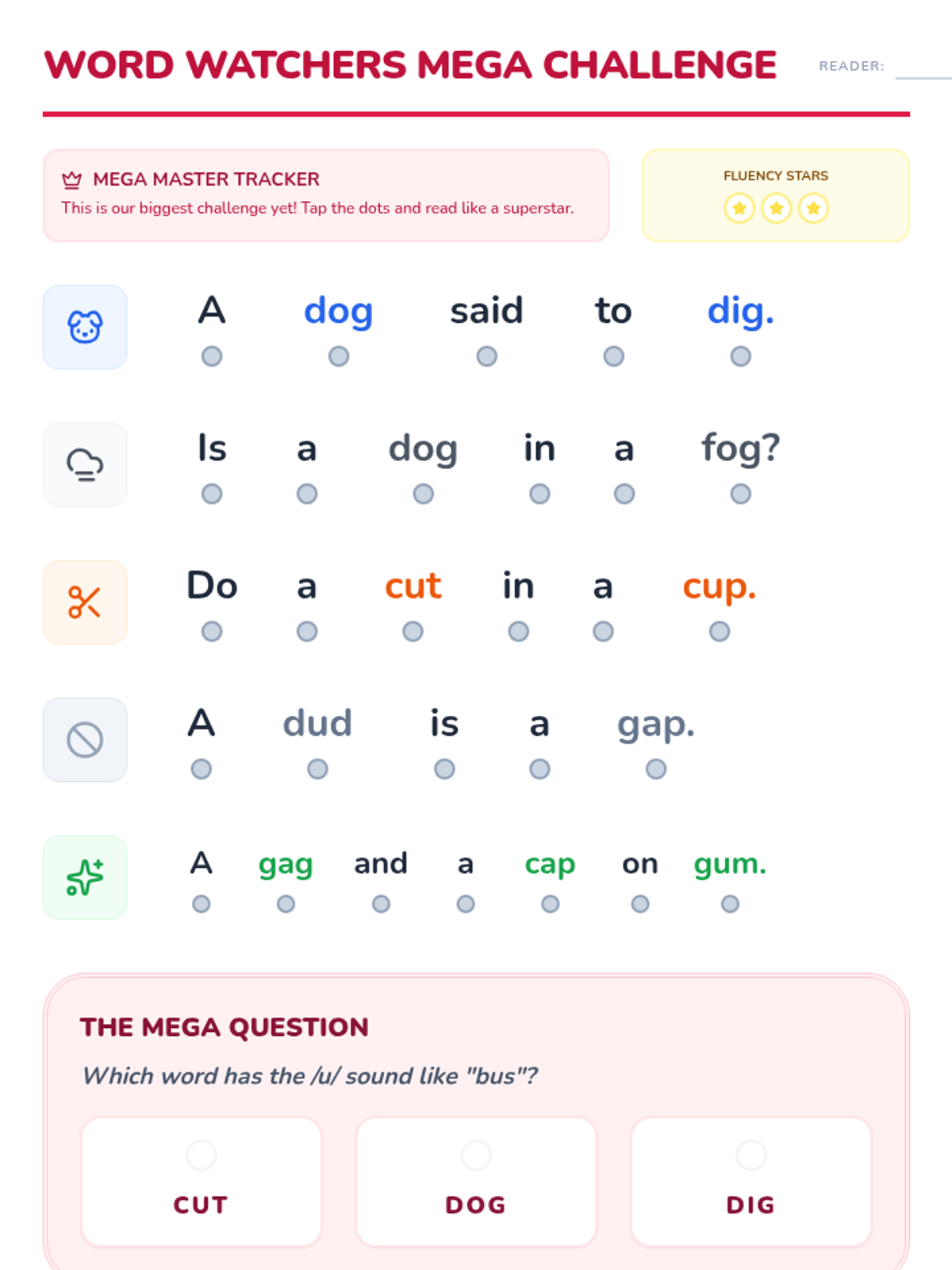
A foundational lesson for early kindergarten readers focusing on word-by-word tracking, sight word recognition, and simple CVC words through visual cues and tracking dots.
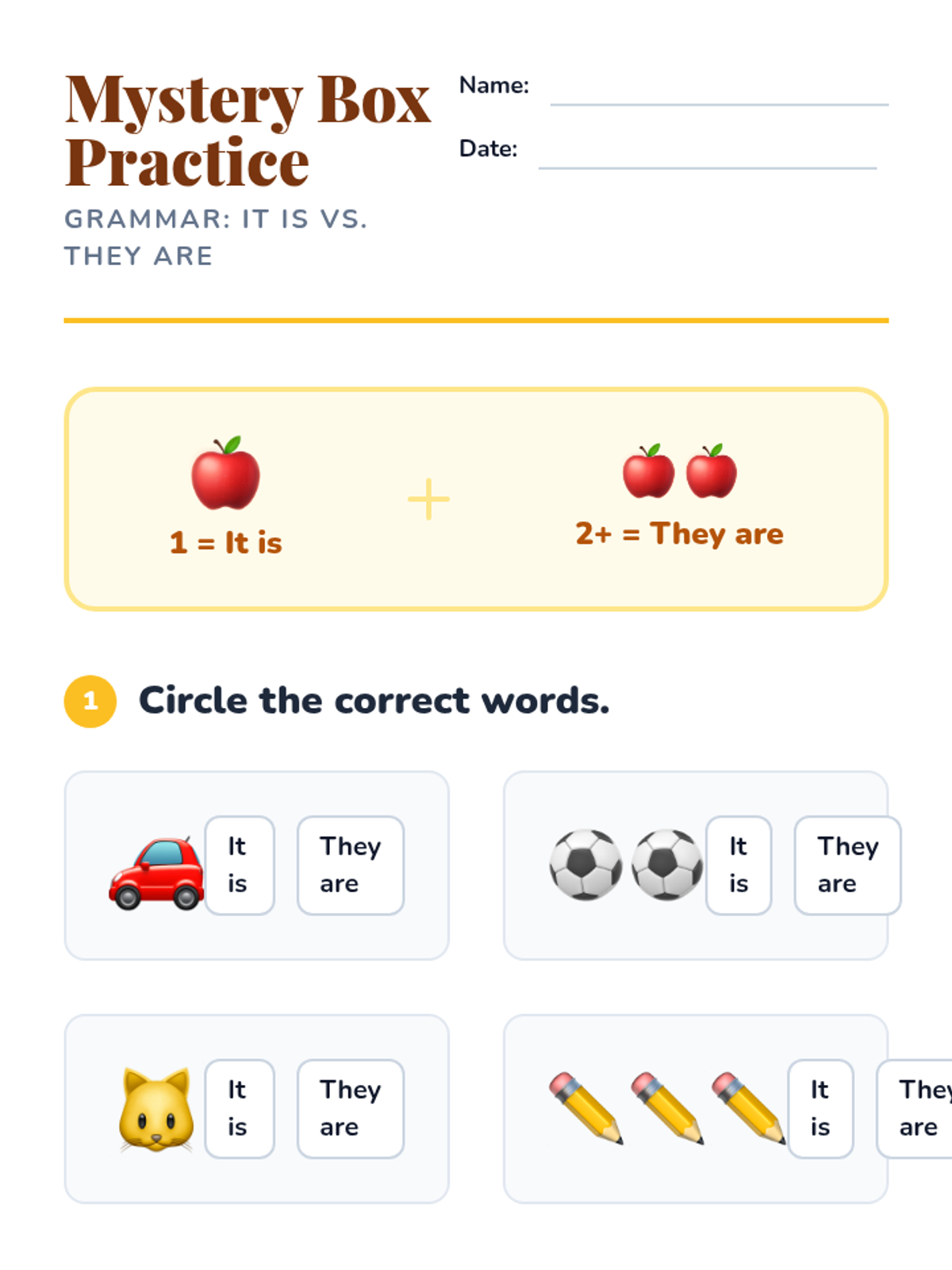
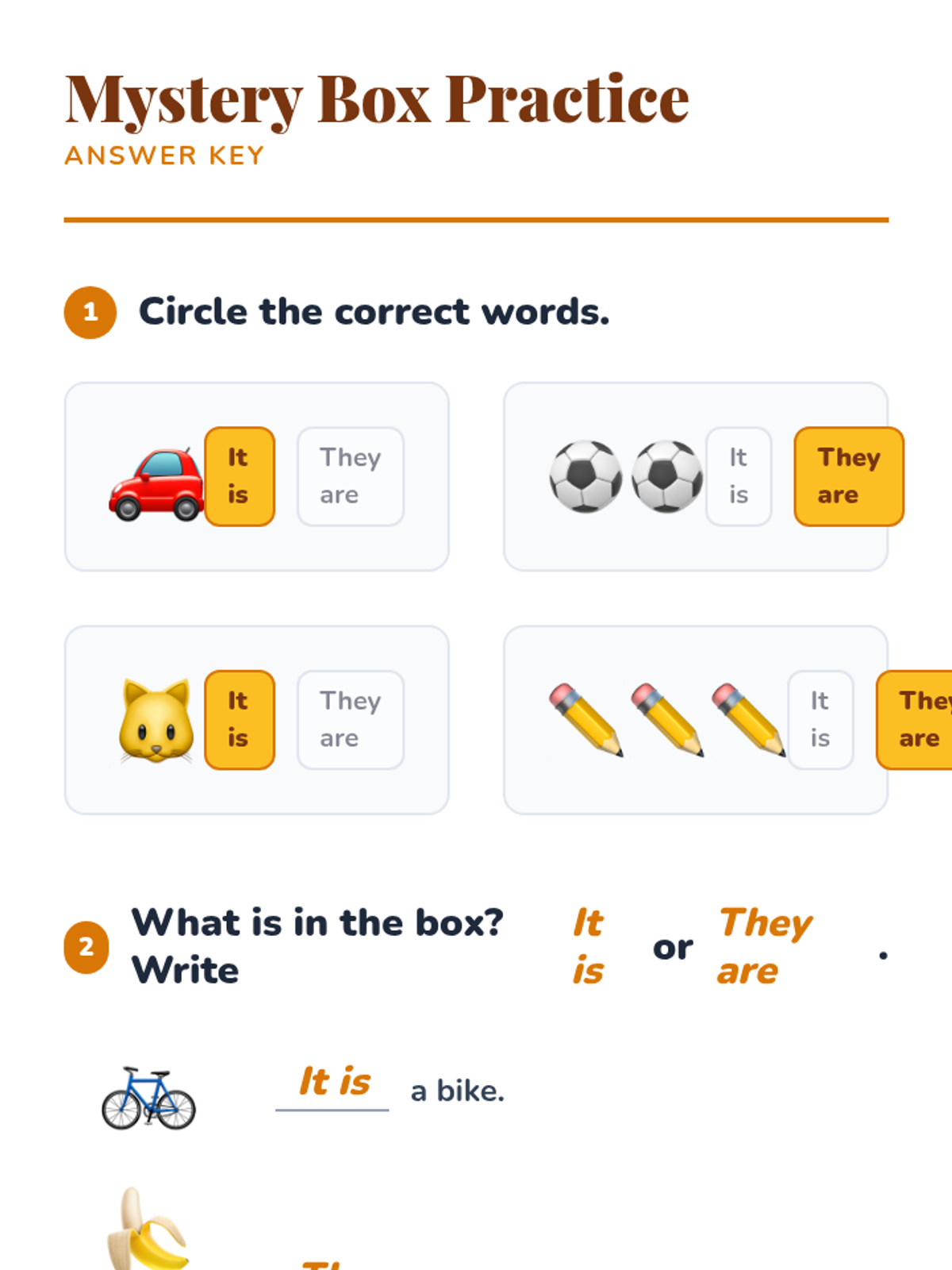
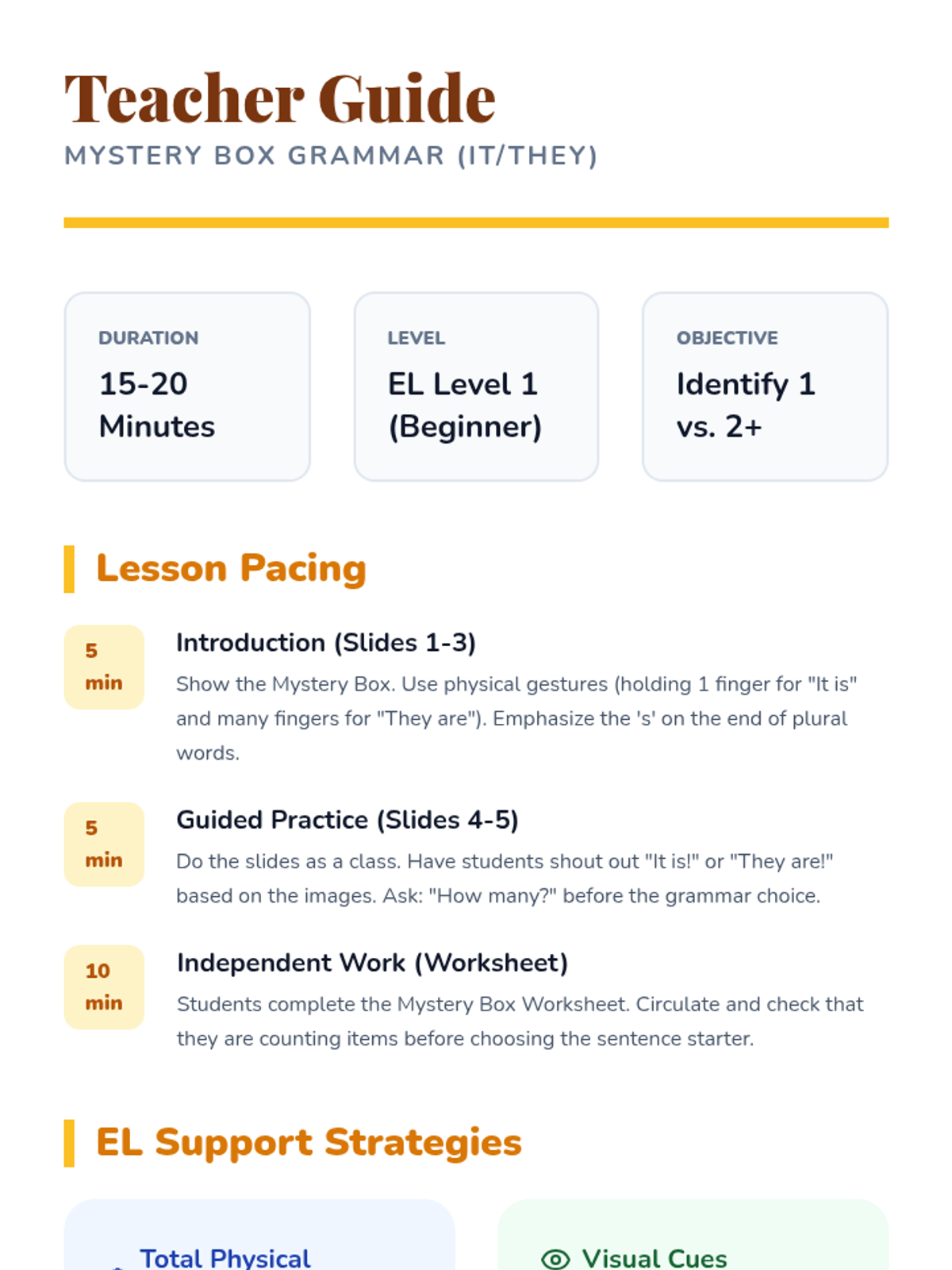
A beginner-friendly grammar lesson for English Learners focusing on the distinction between 'It is' for singular objects and 'They are' for plural objects using a mystery box theme.
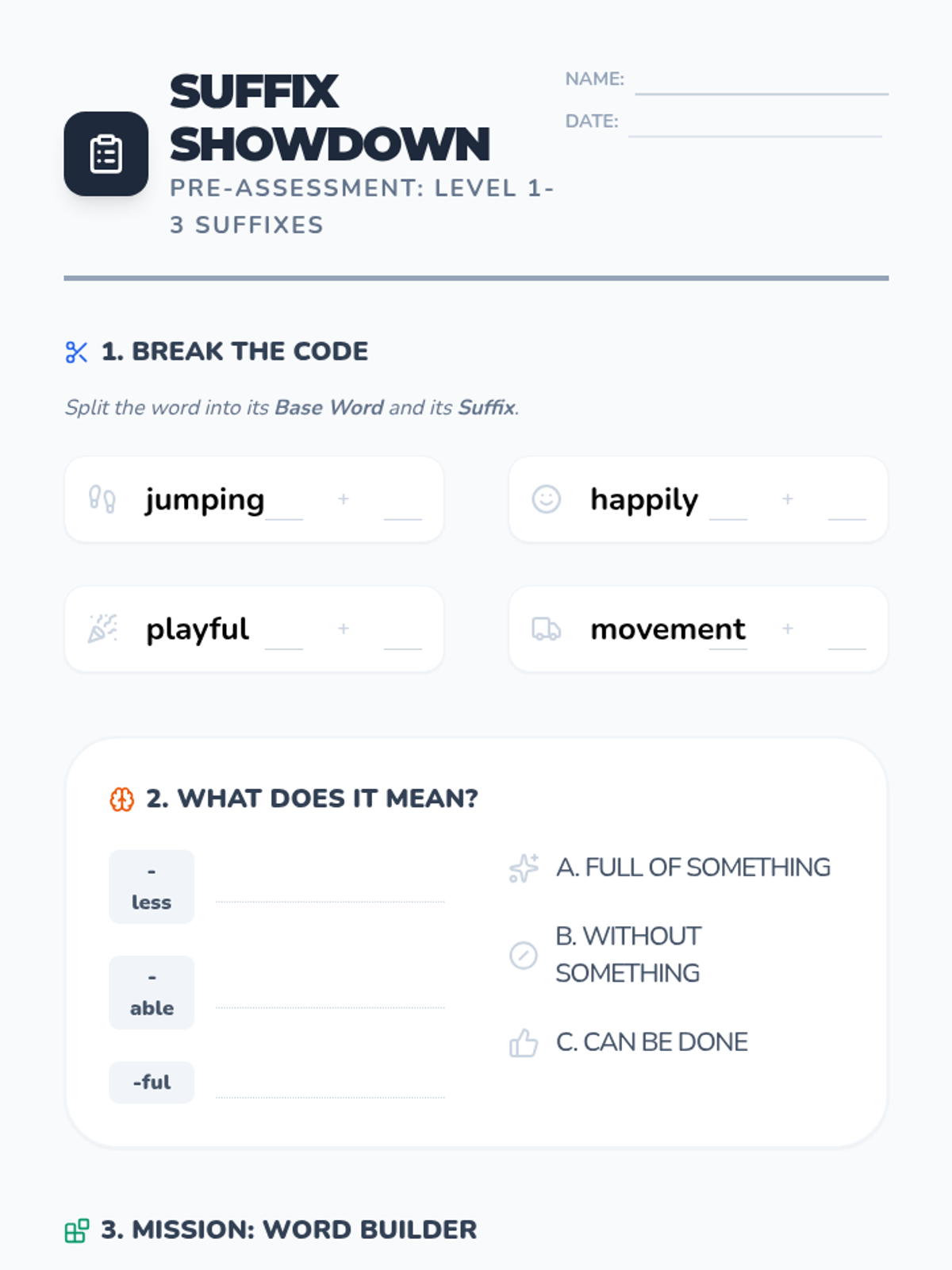
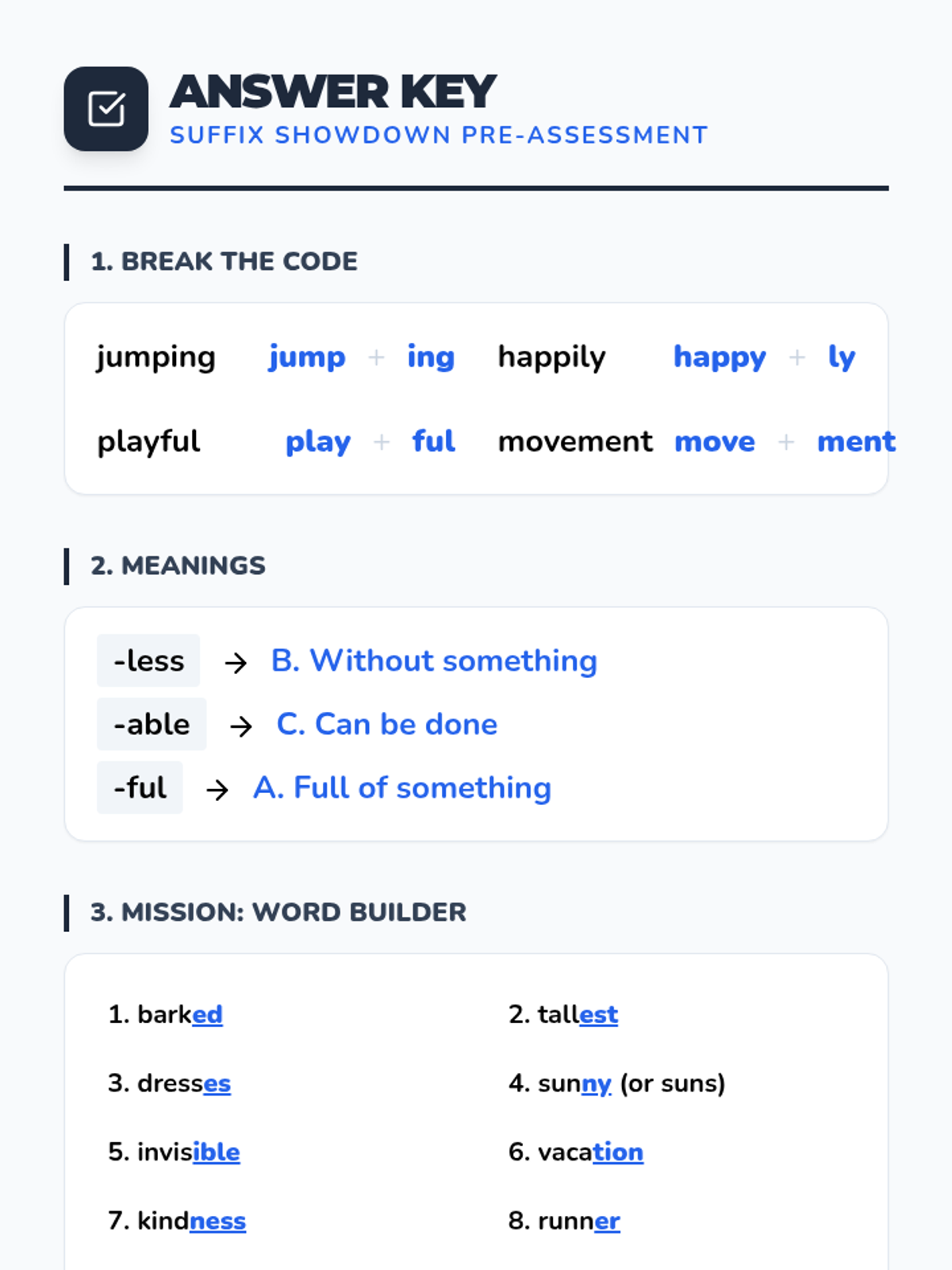
A comprehensive lesson designed to assess and introduce a wide variety of common inflectional and derivational suffixes.
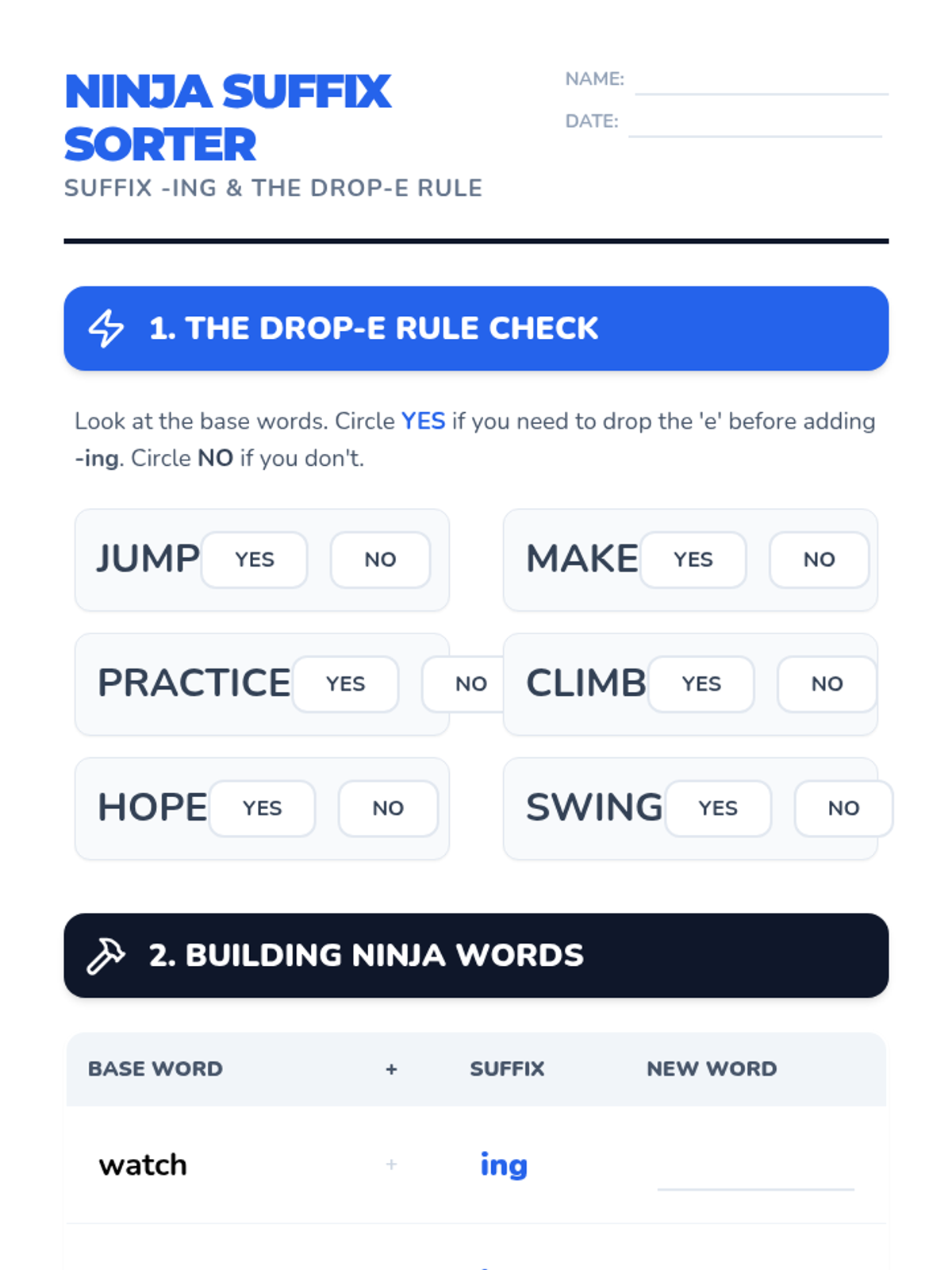
A structured literacy lesson focusing on the suffix '-ing' and the 'Drop-e Rule', using the story of Sven's journey to the American Ninja Warrior competition. Includes comprehension questions covering vocabulary, literal, and inferential skills.
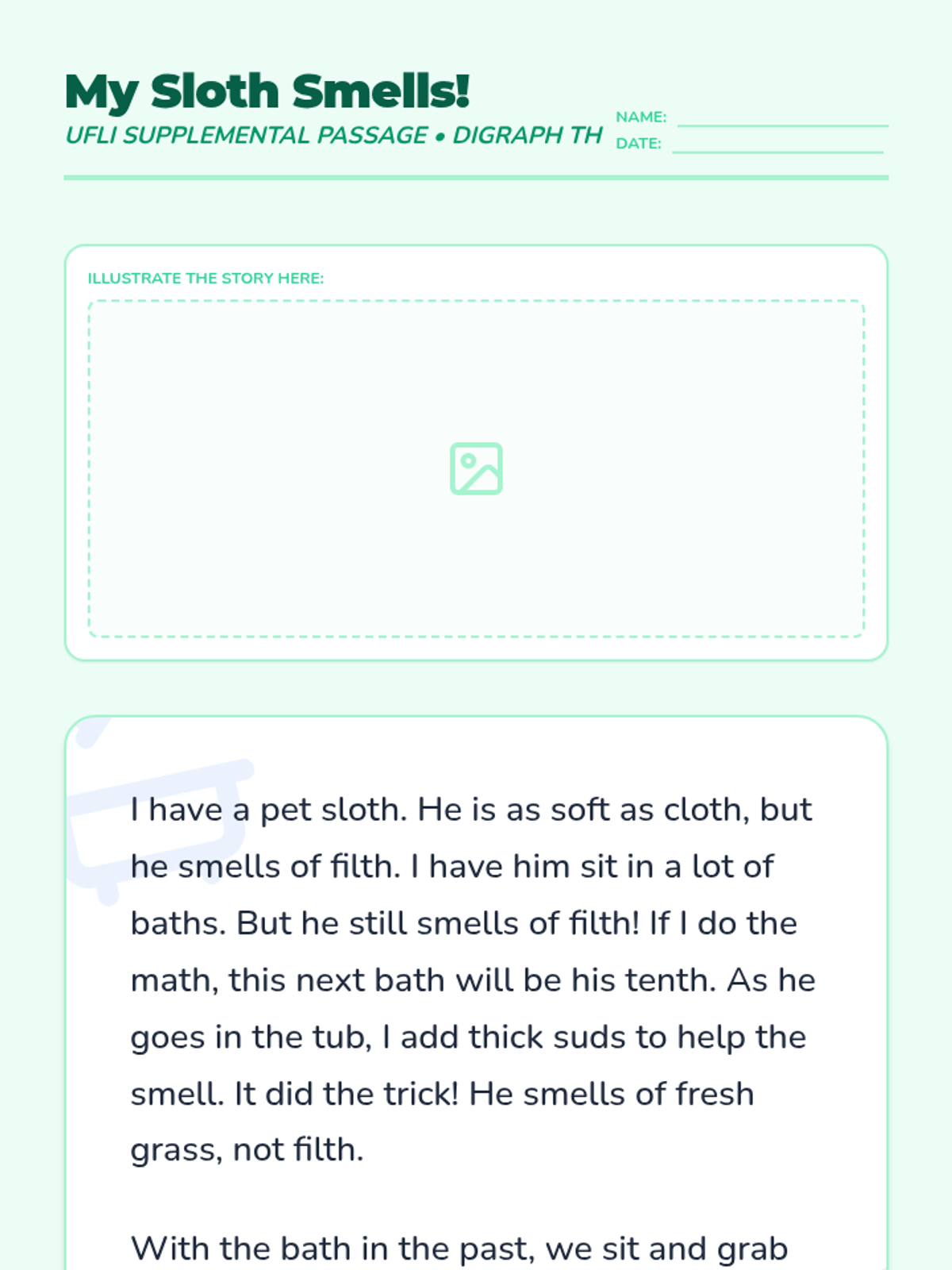
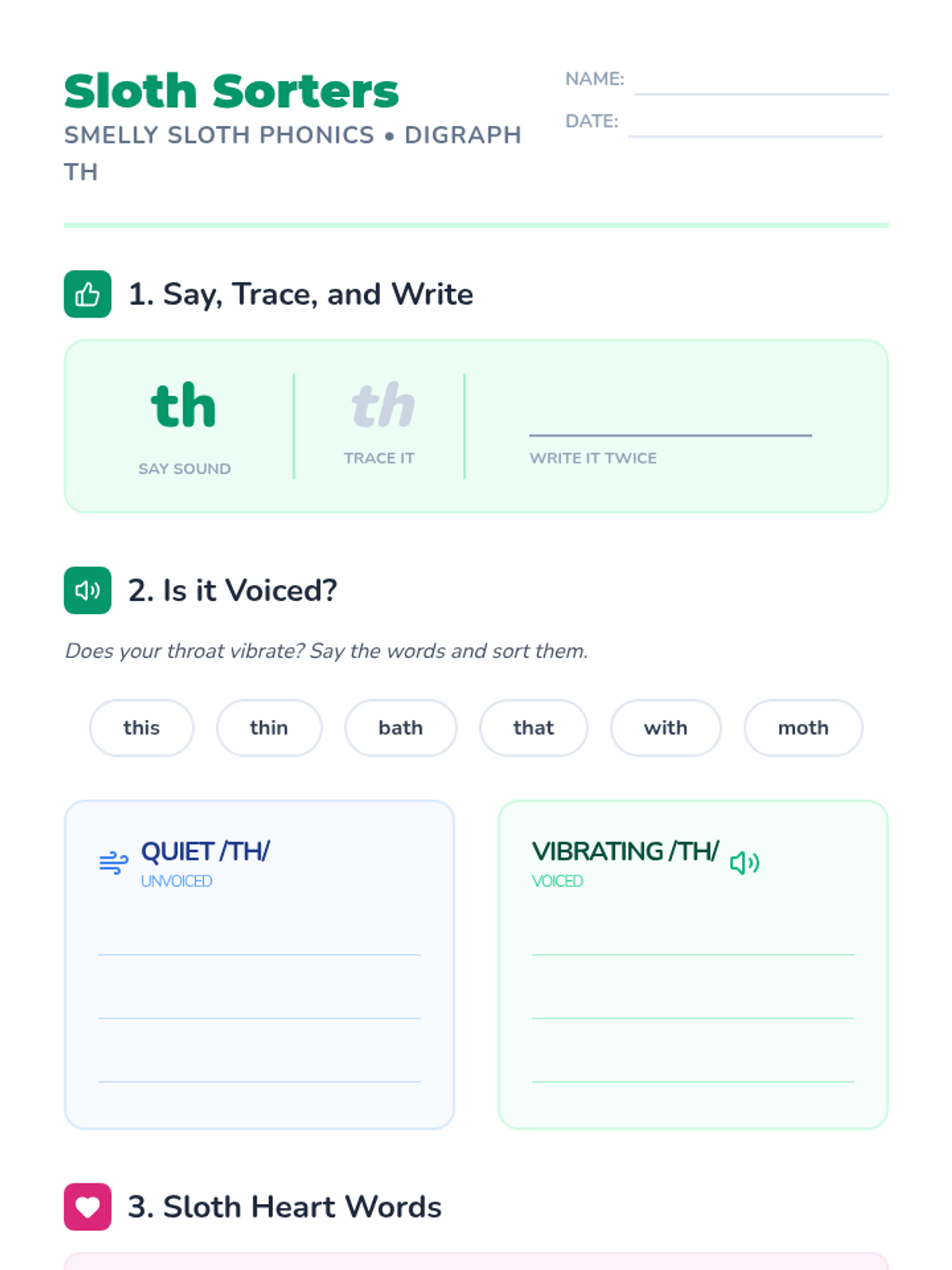
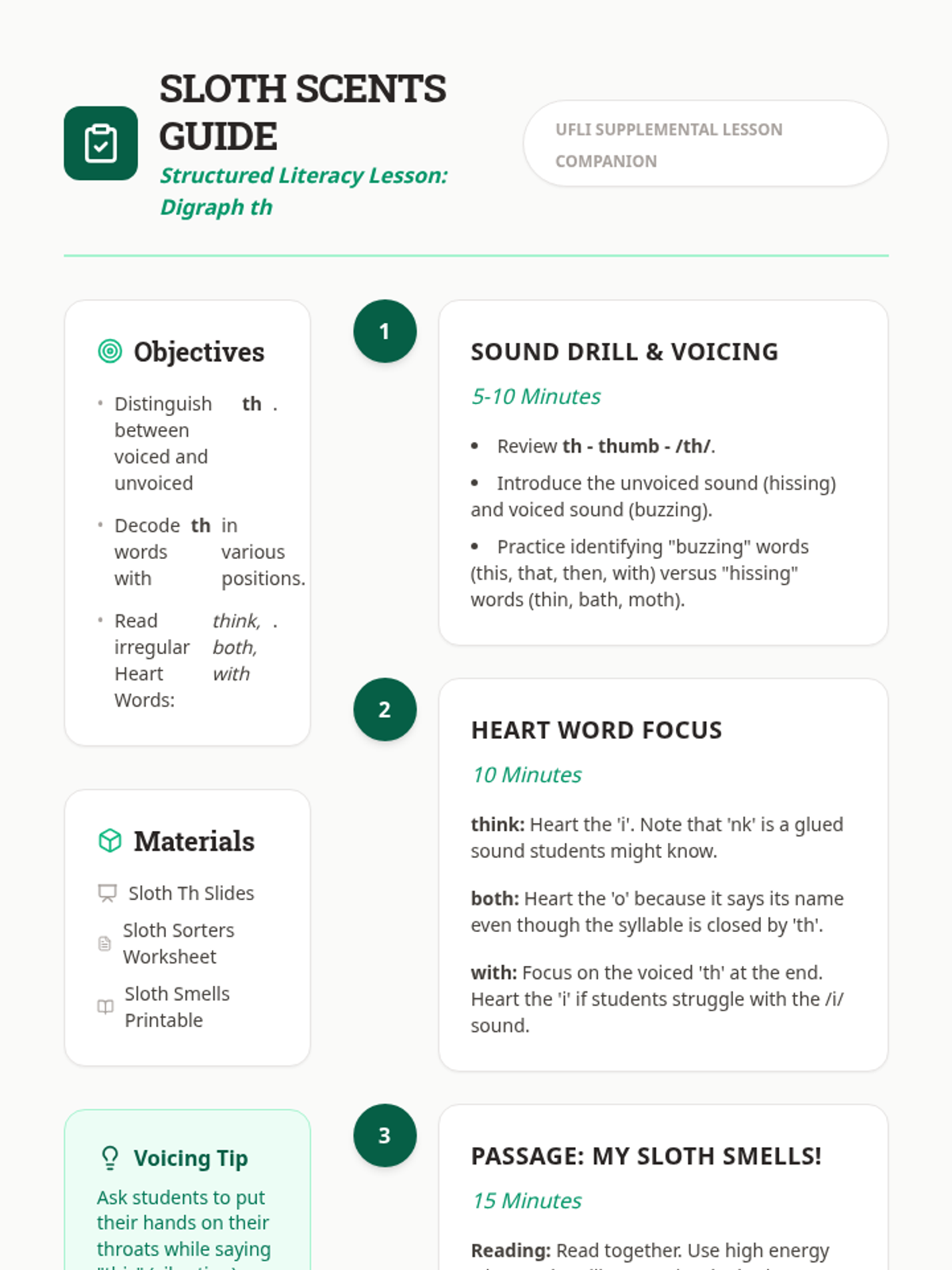
A structured literacy lesson focusing on the 'th' digraph (voiced and unvoiced), featuring the 'My Sloth Smells!' passage and instruction on the Heart Words 'think', 'with', and 'both'.
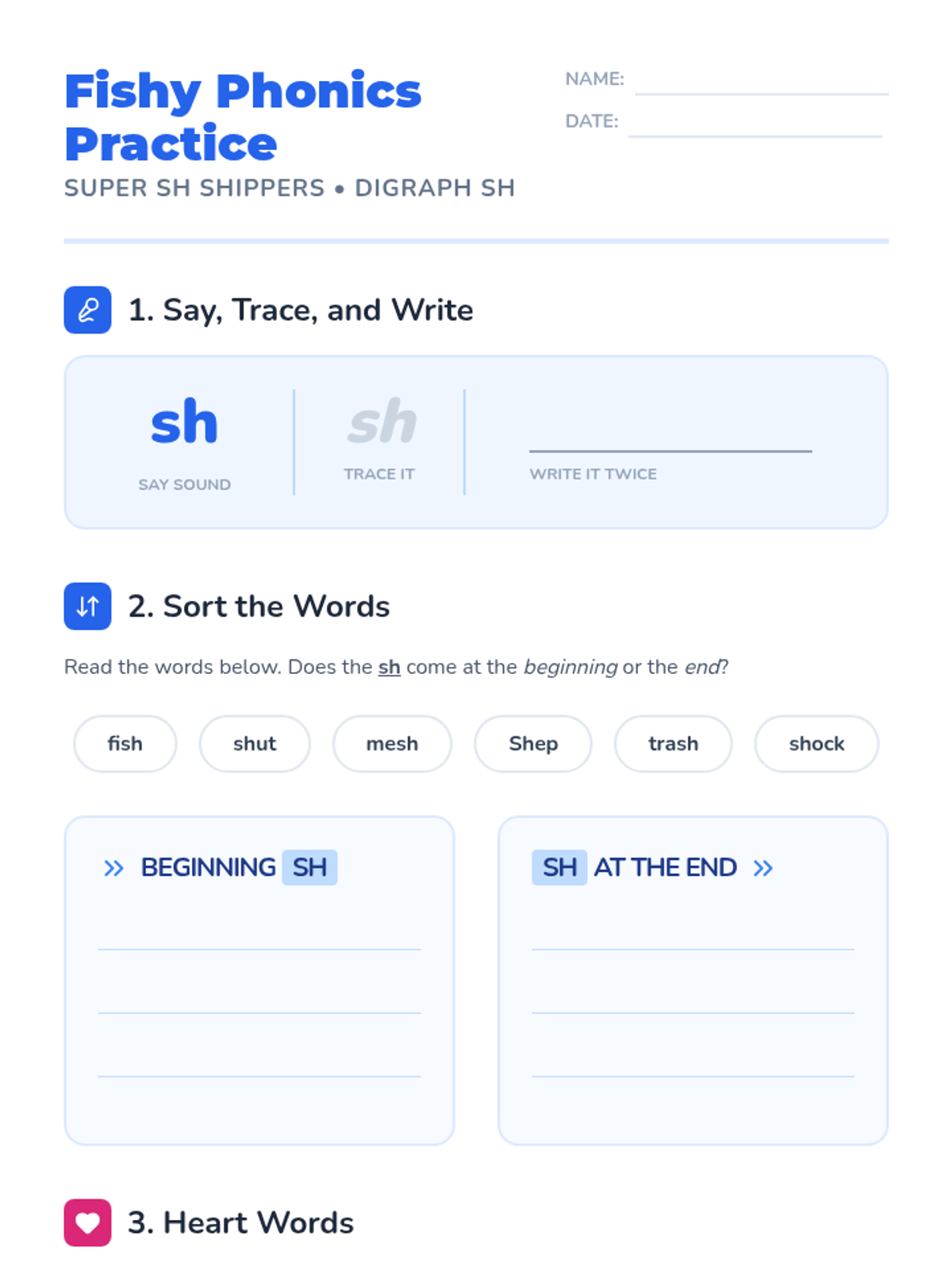
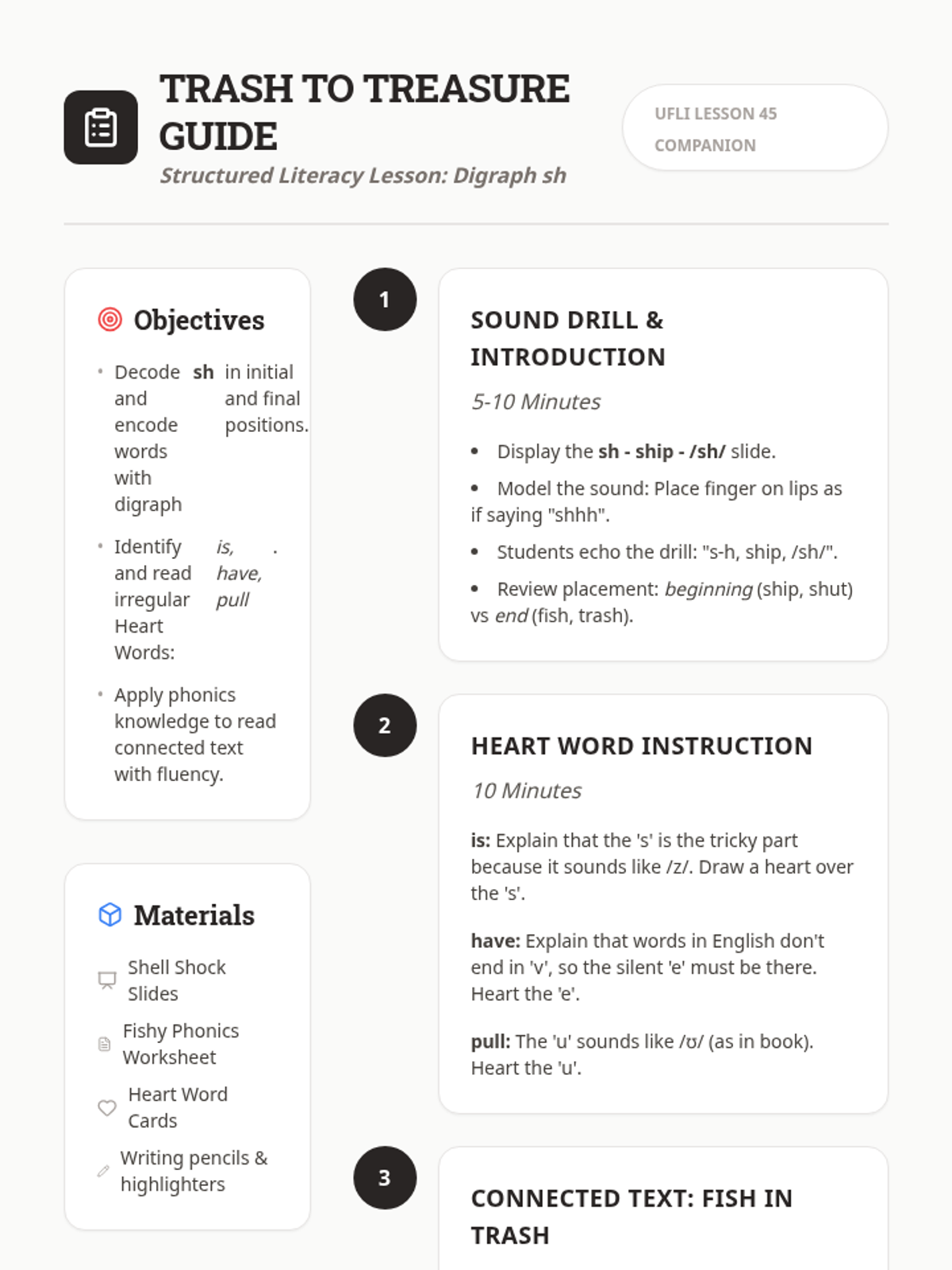
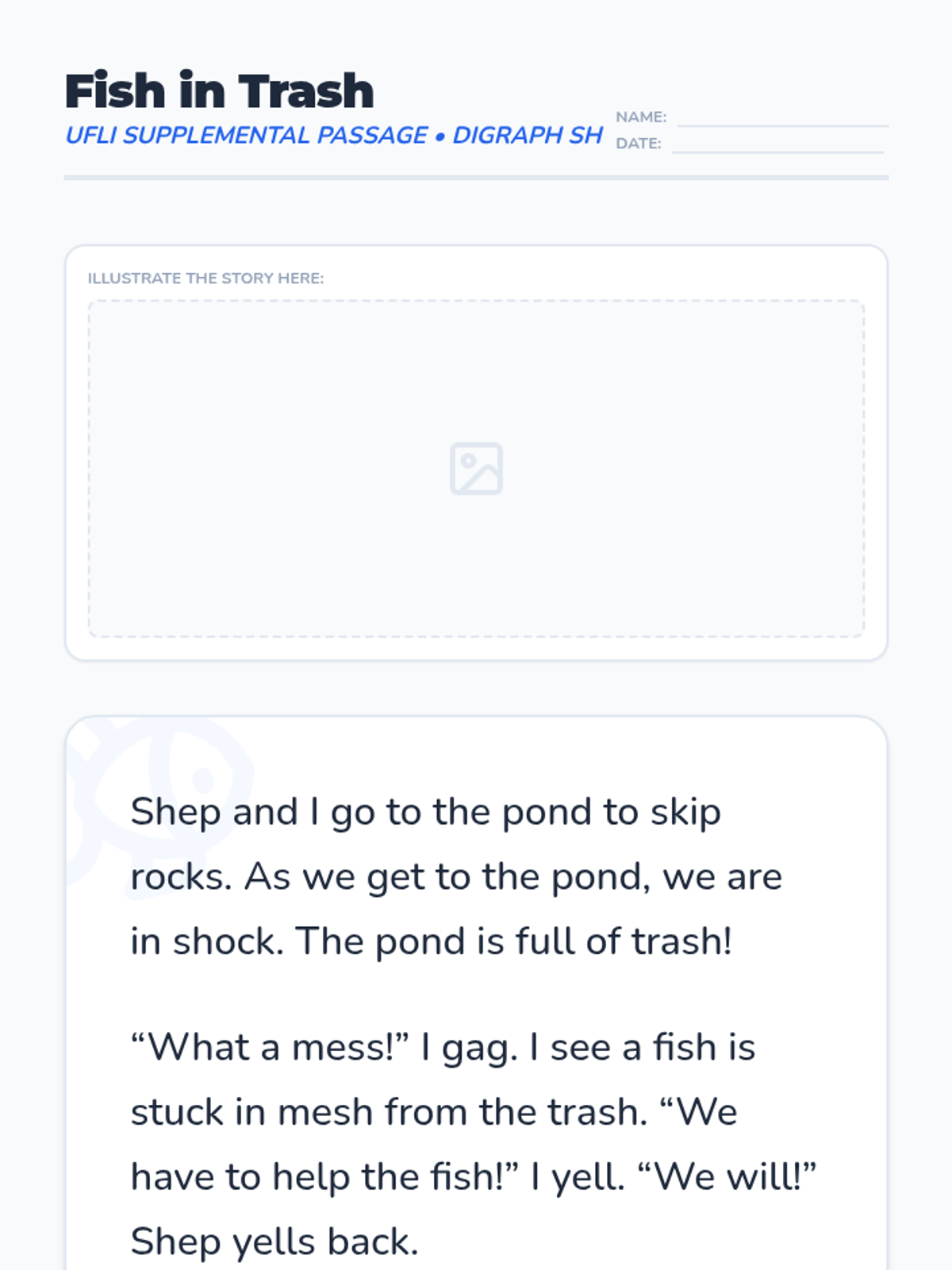
A structured literacy lesson focusing on the 'sh' digraph at the beginning and end of words, featuring the 'Fish in Trash' passage and Heart Word instruction for 'have', 'is', and 'pull'.
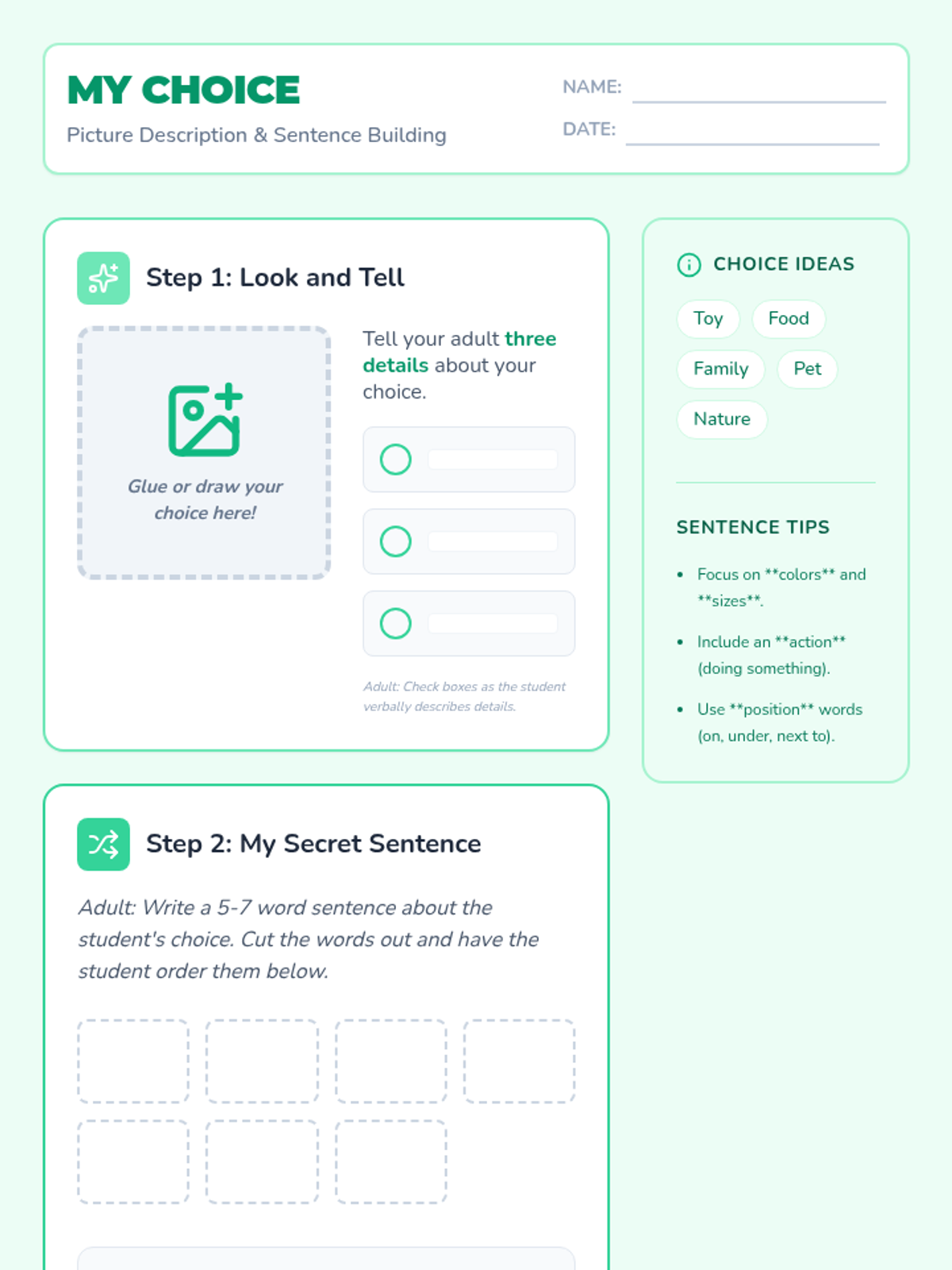
A final capstone lesson where students choose their own object or picture to describe and write about.
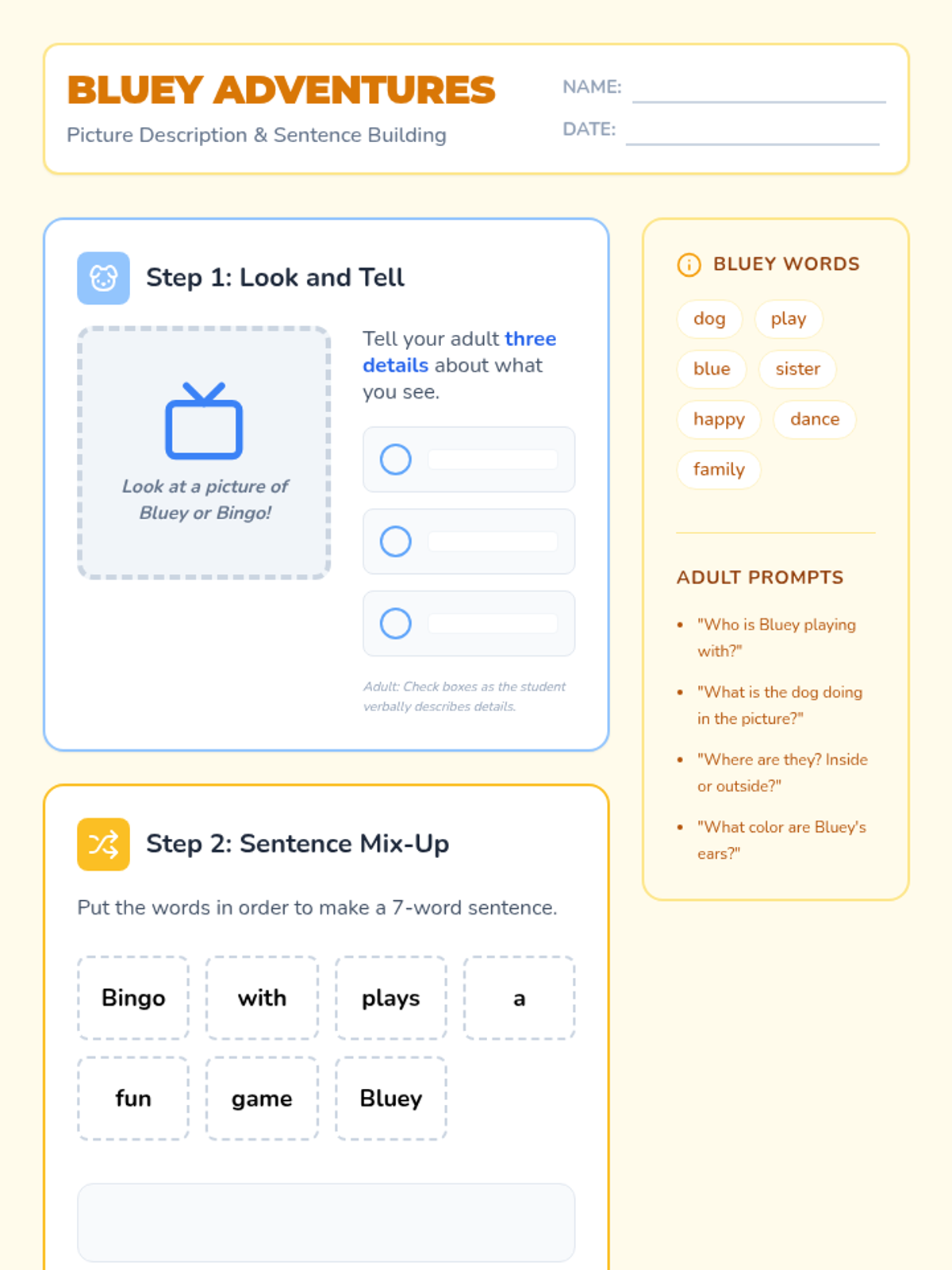
A Bluey-themed writing lesson using character-driven prompts to build descriptive sentences.
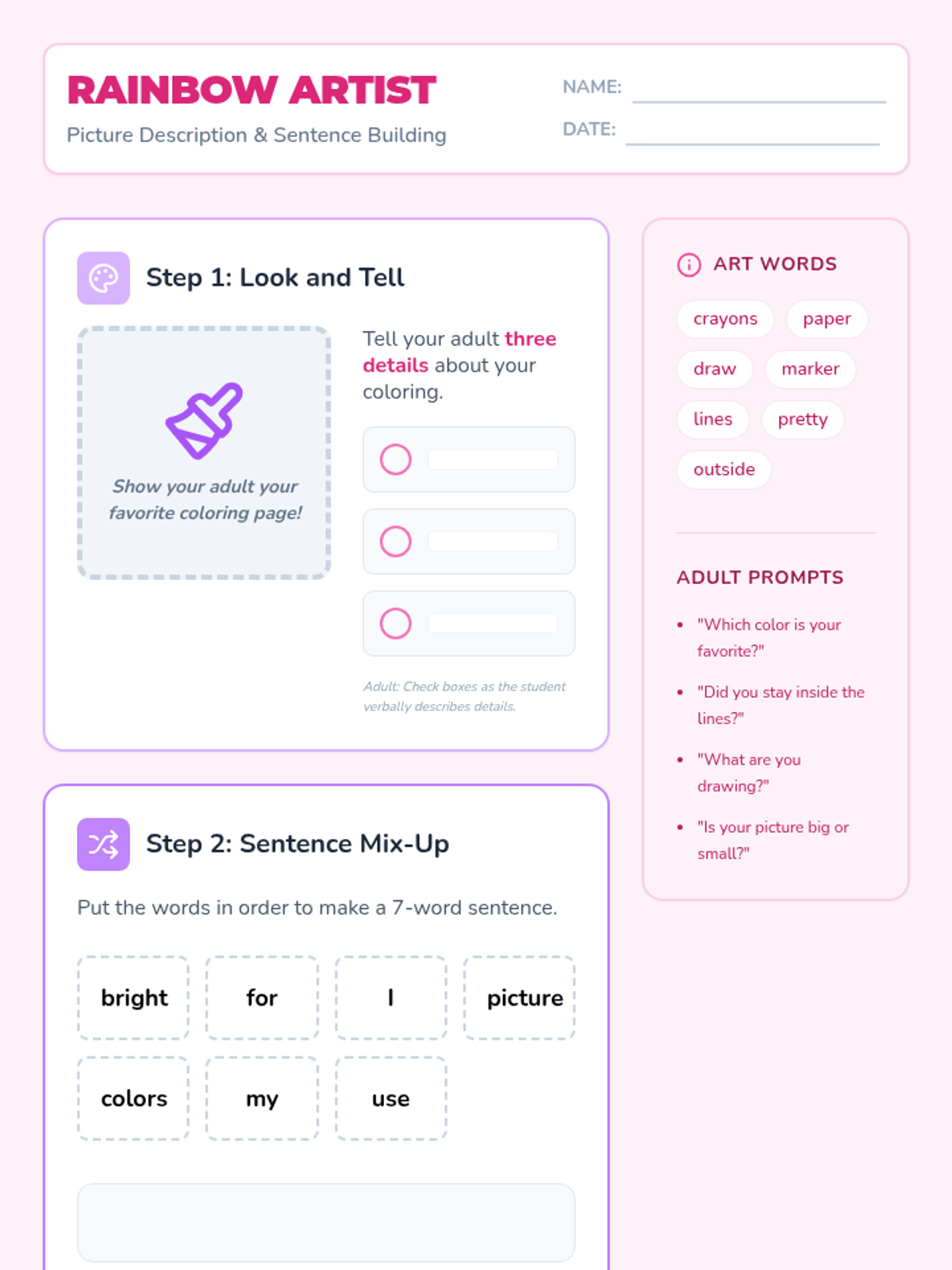
An art-themed writing lesson focusing on describing colors and creative actions.
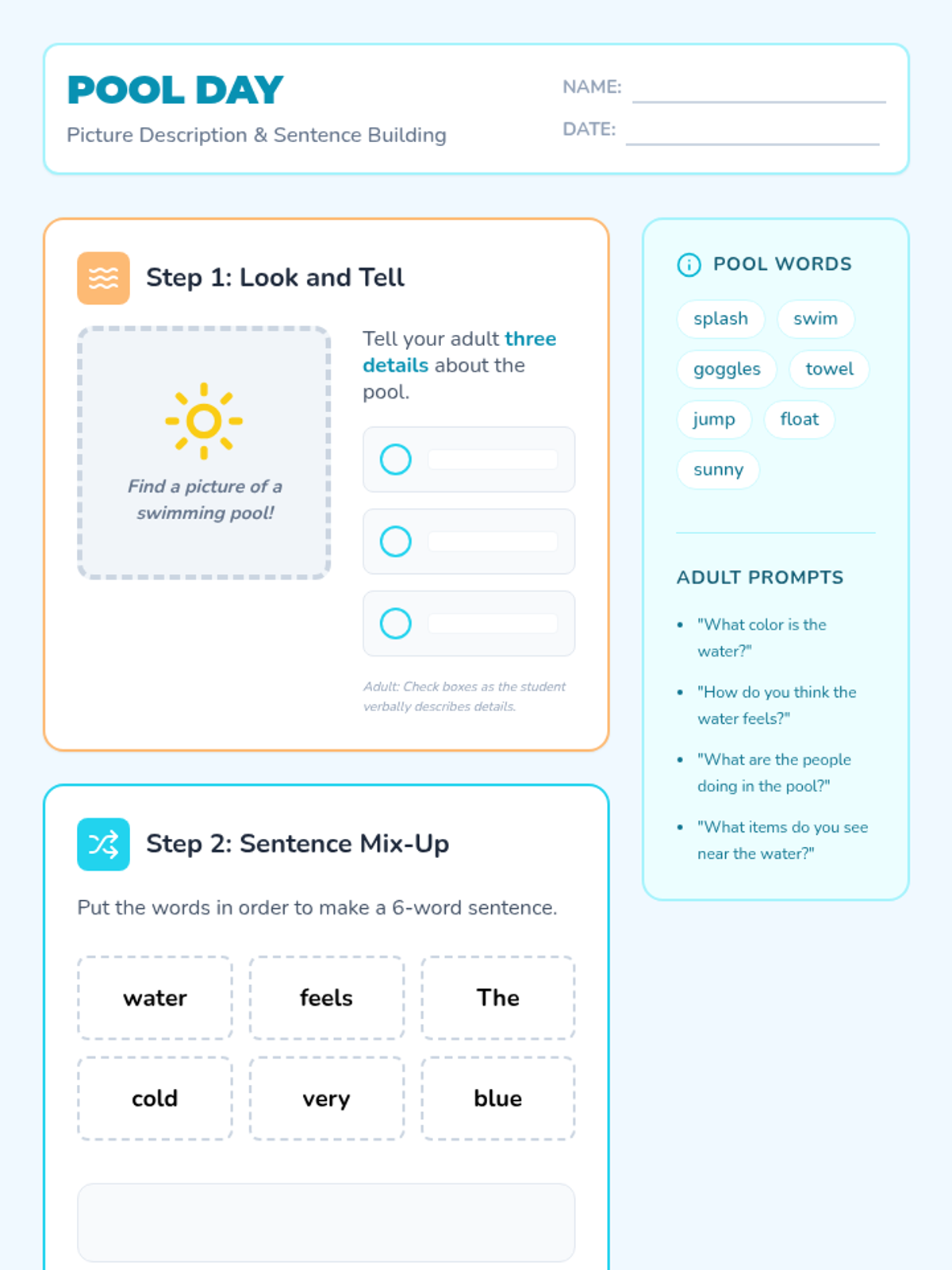
A swimming-themed writing lesson focusing on describing textures and colors while practicing sentence structure.
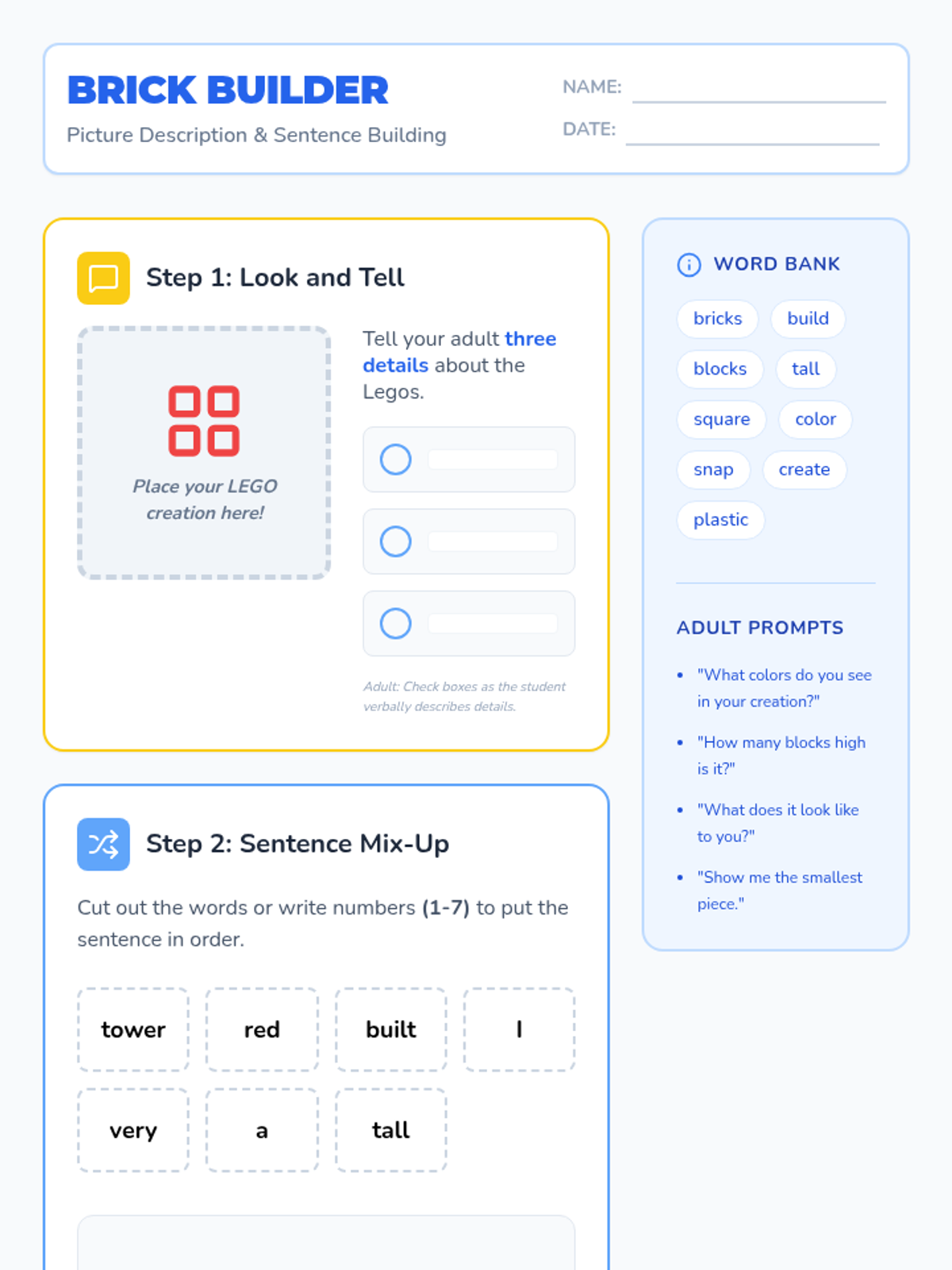
A LEGO-themed writing lesson focusing on verbal description and 7-word sentence ordering with adult support.
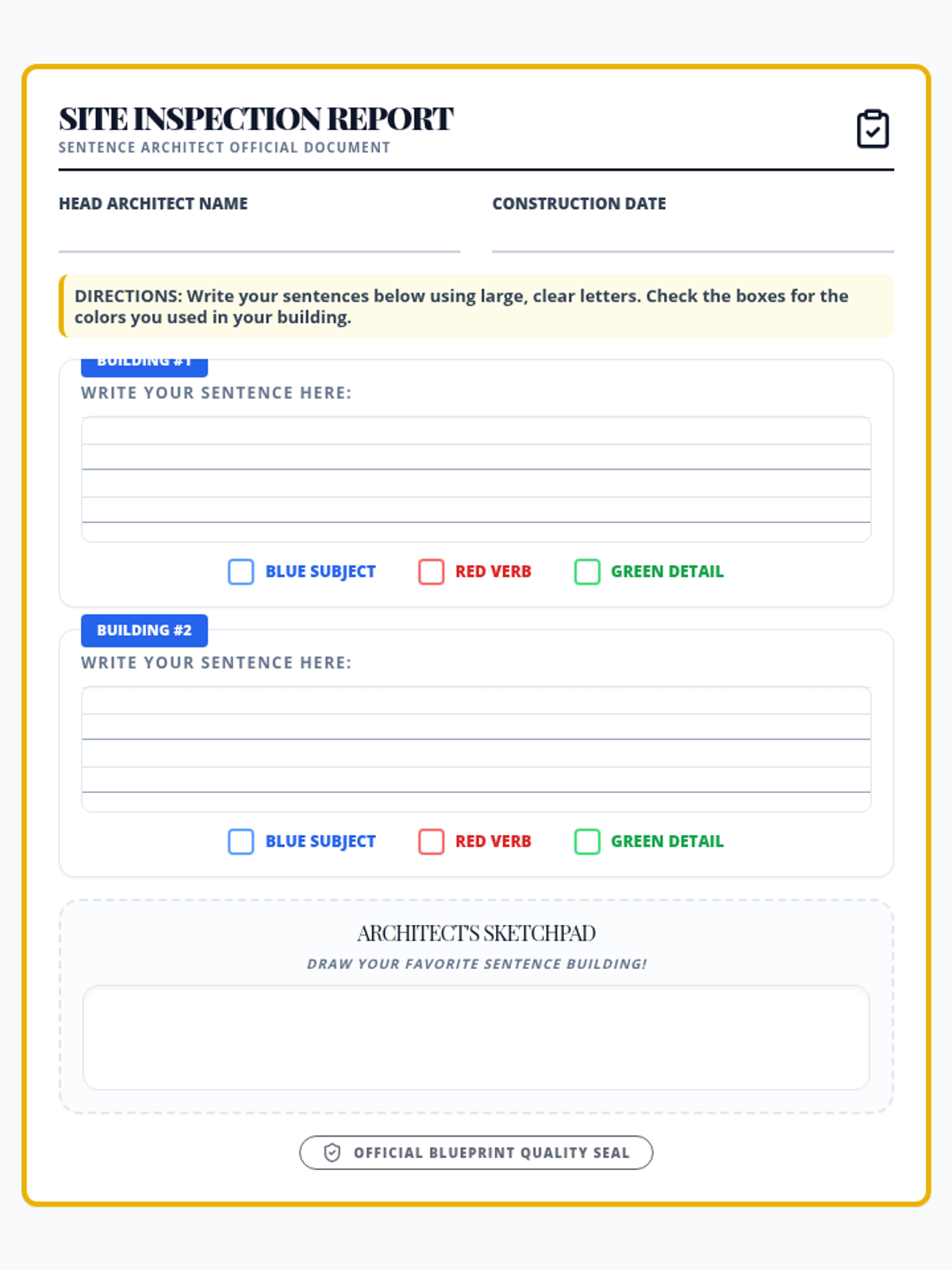
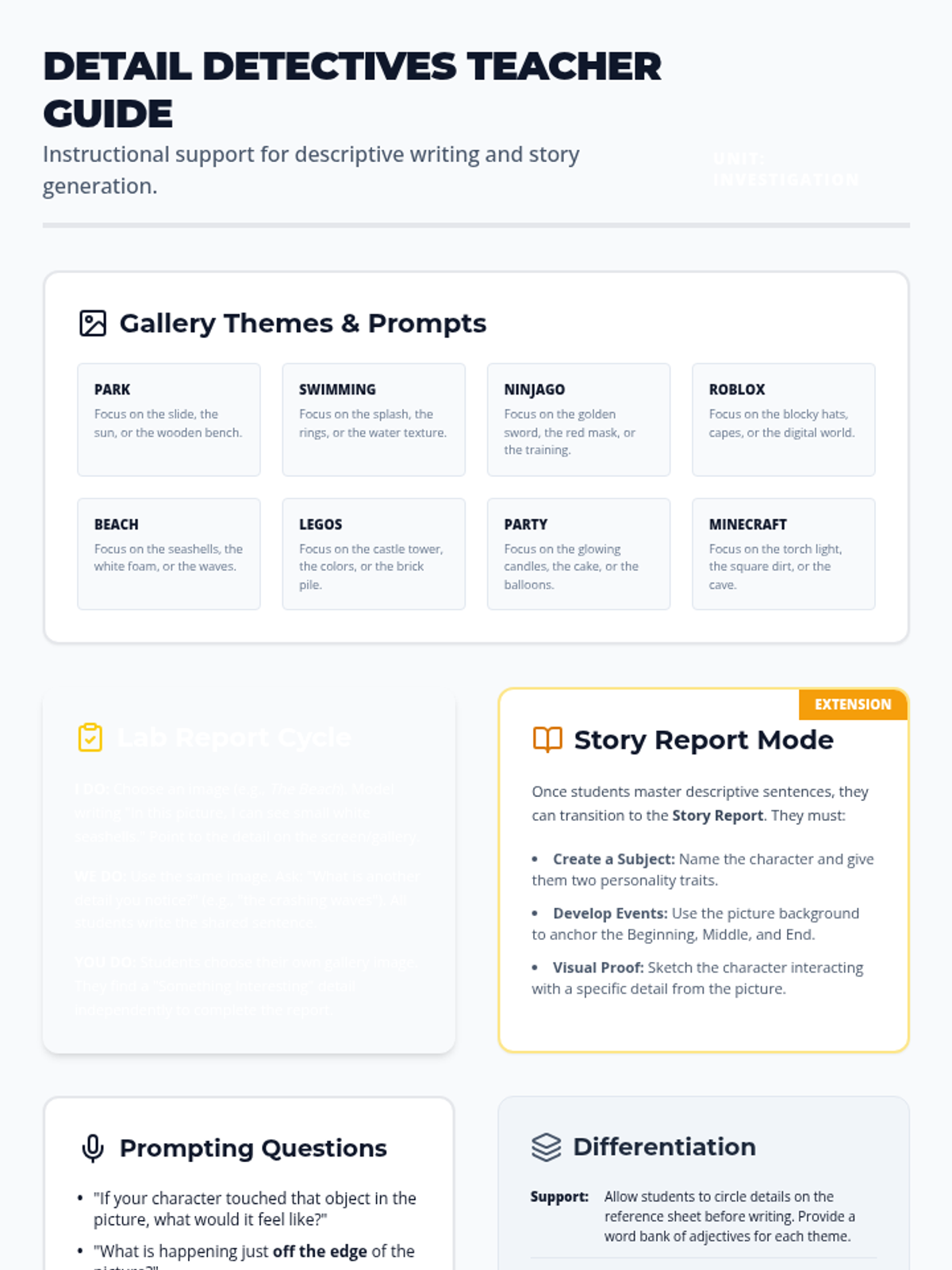
Students become 'Sentence Architects' by using color-coded building blocks to construct complex sentences. This hands-on lesson focuses on the structural relationship between subjects, verbs, and descriptive phrases for K-3 learners.
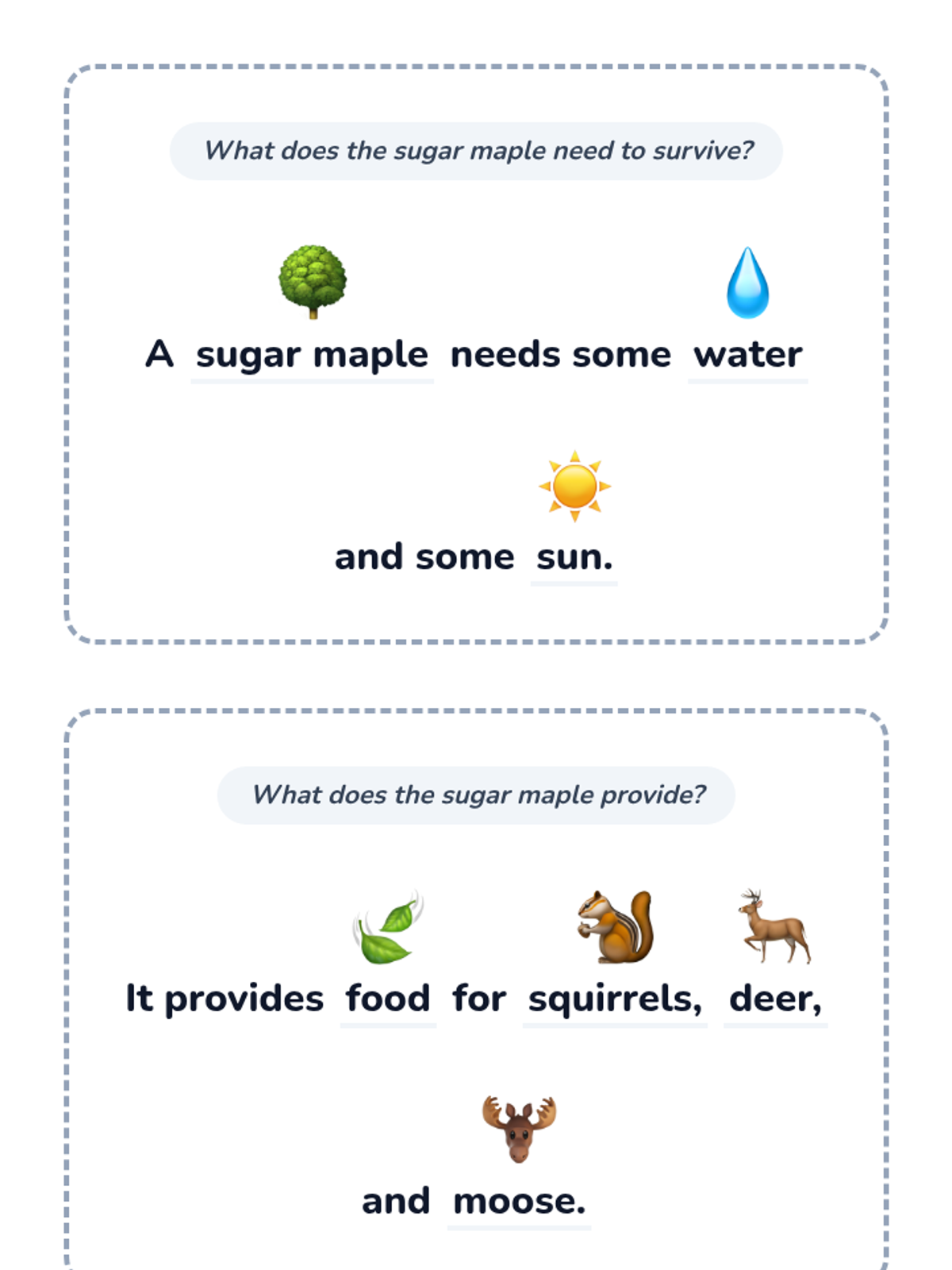
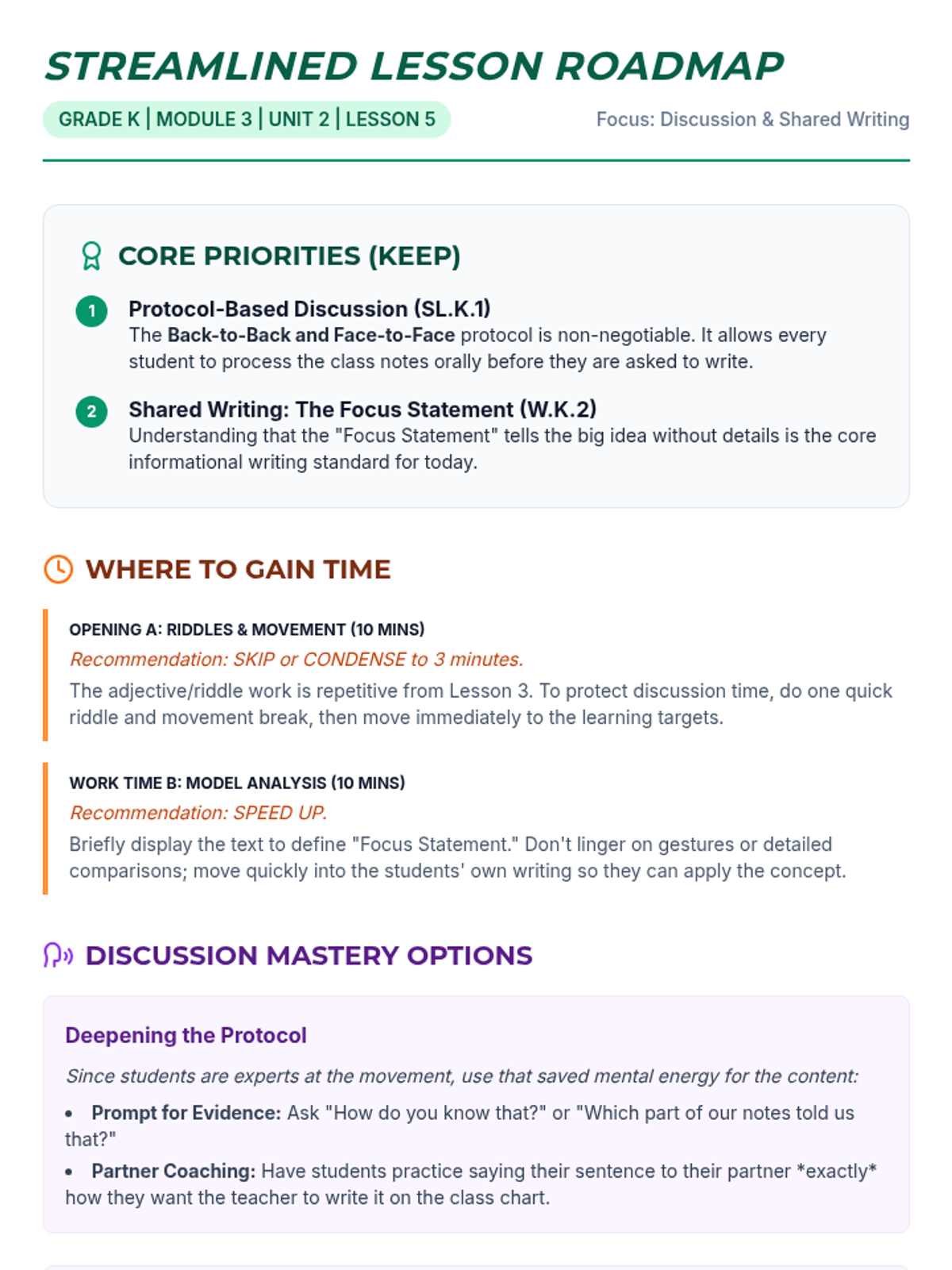
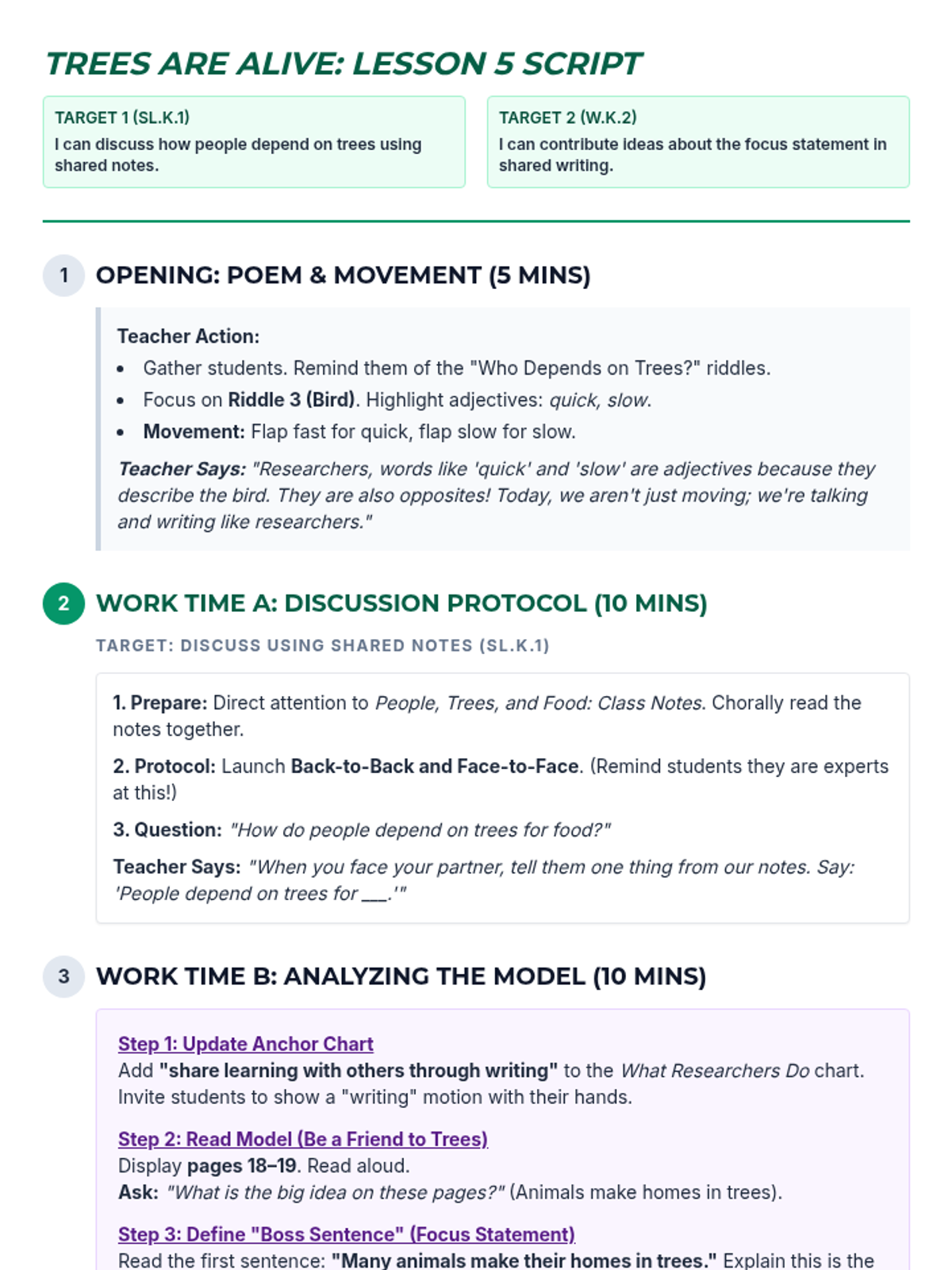
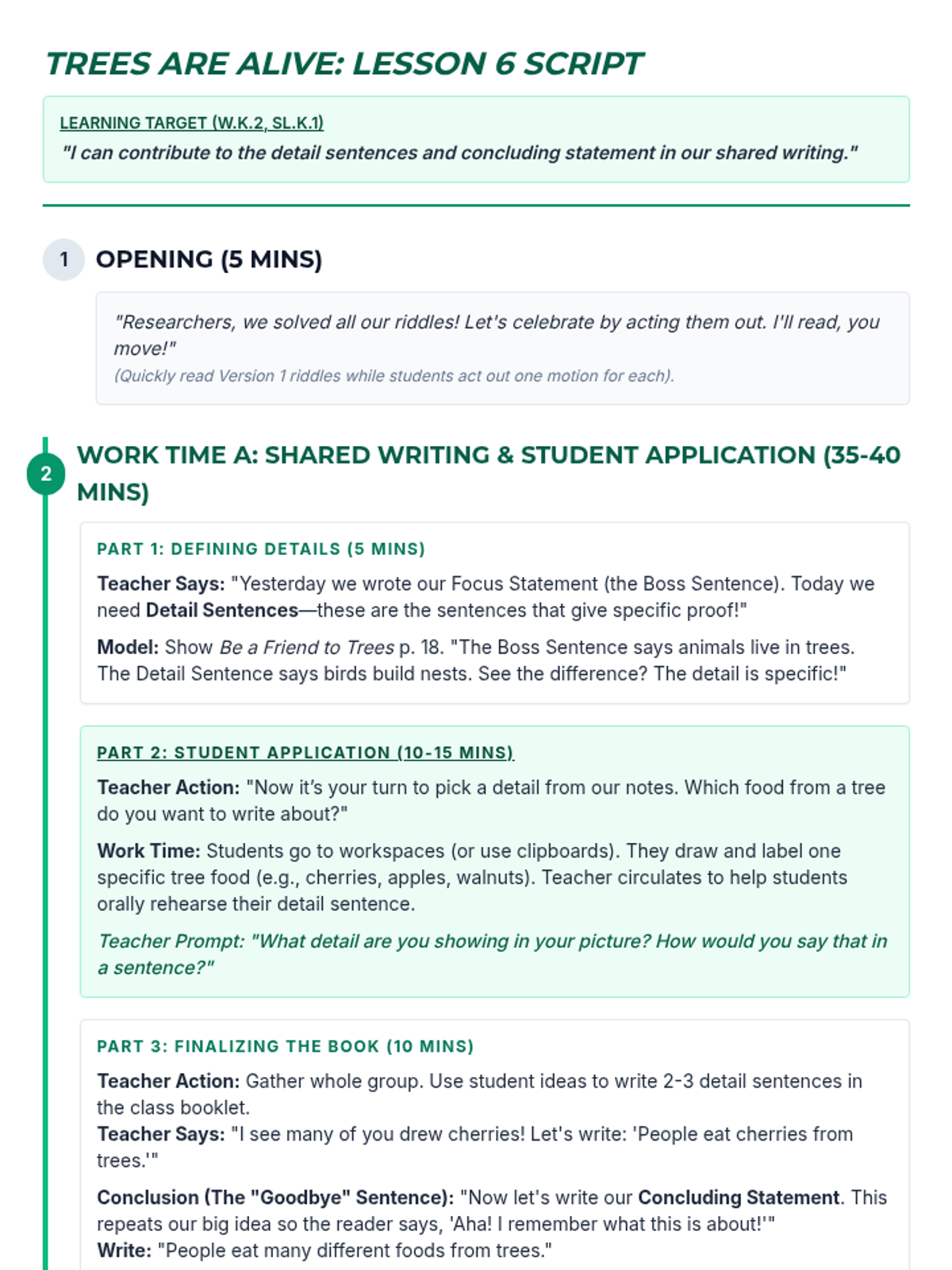
A streamlined roadmap for Grade K Module 3, Unit 2, Lesson 5, focusing on how humans depend on trees for food and introducing the concept of a focus statement through shared writing.
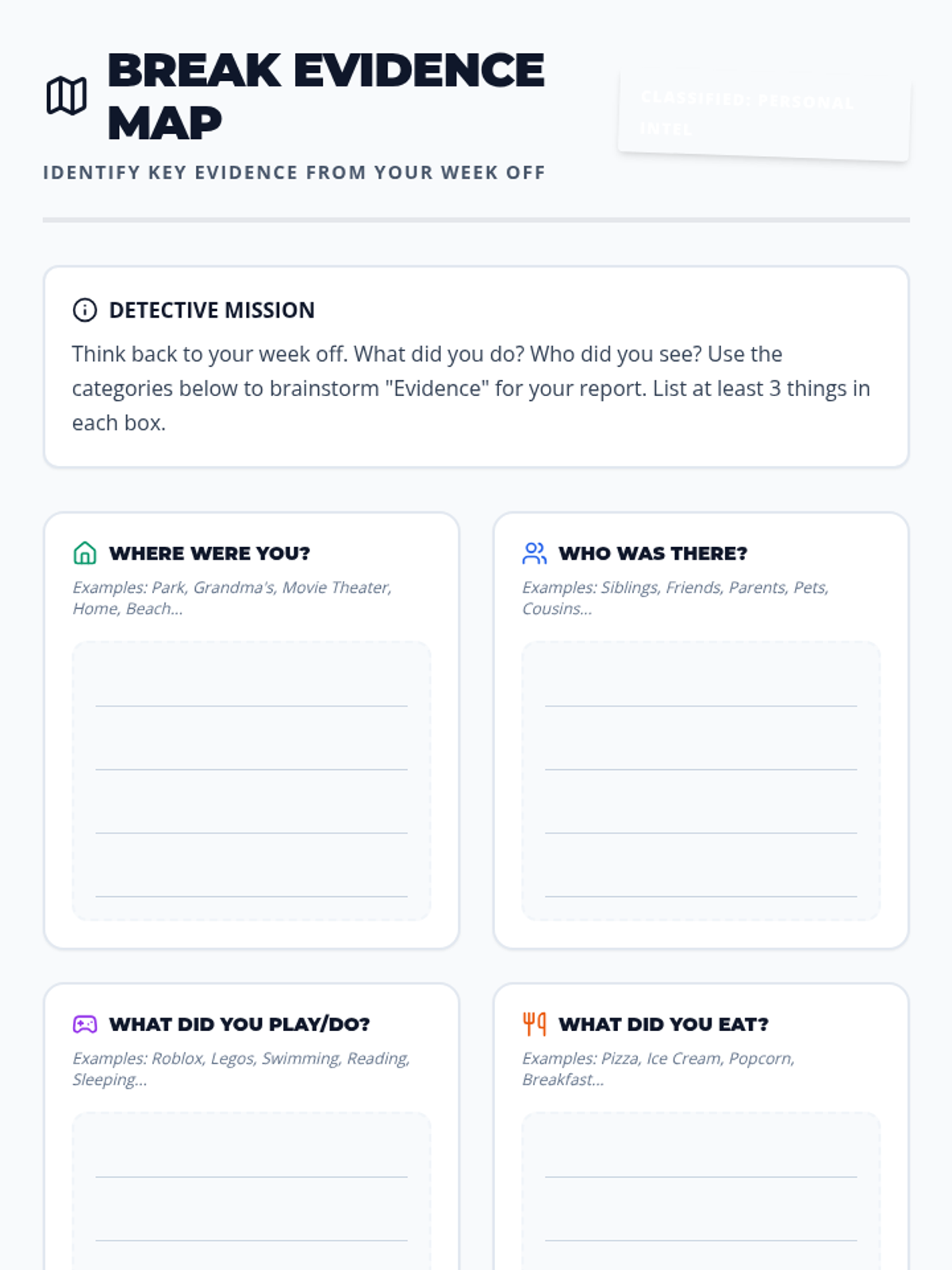
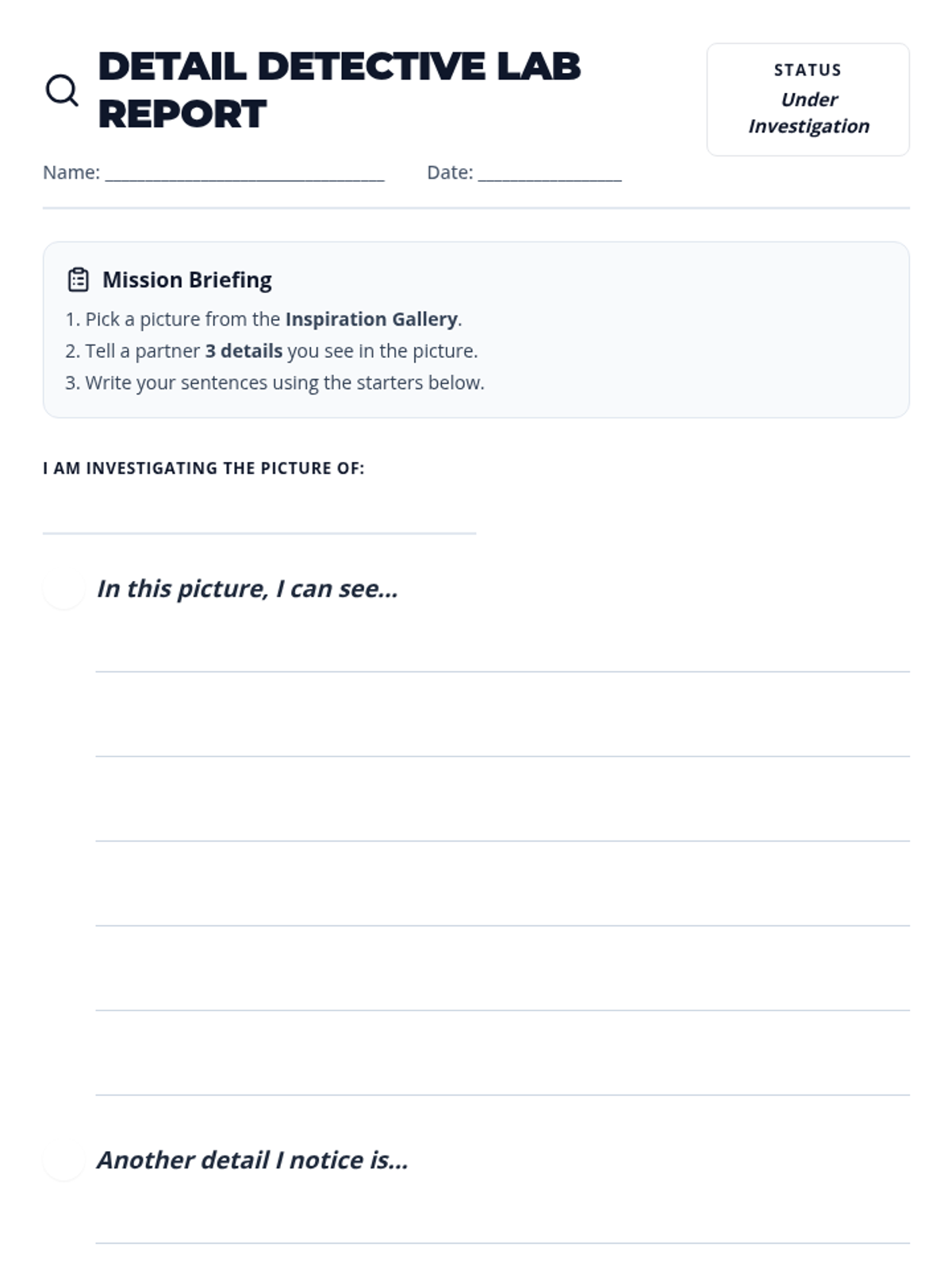
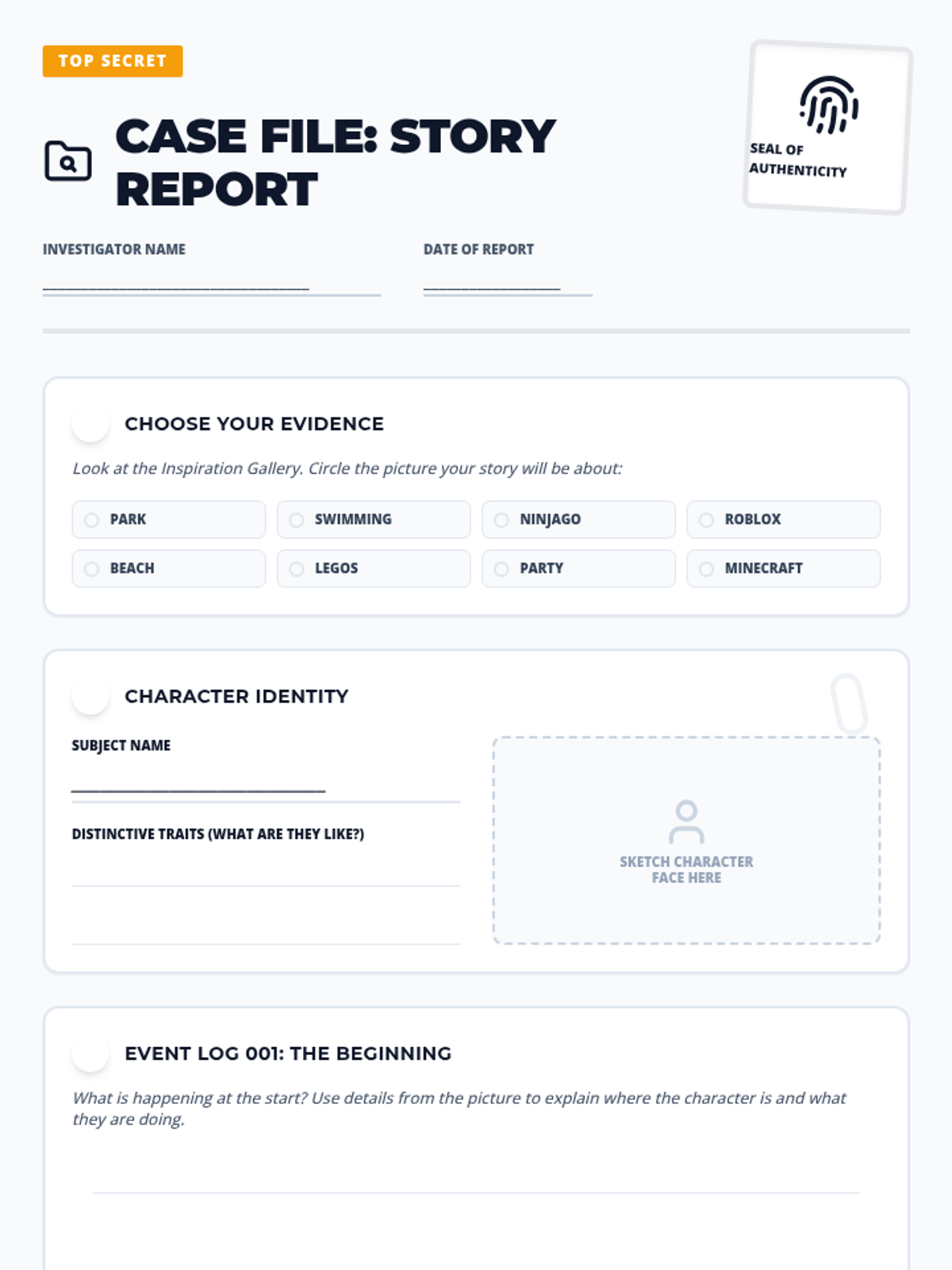
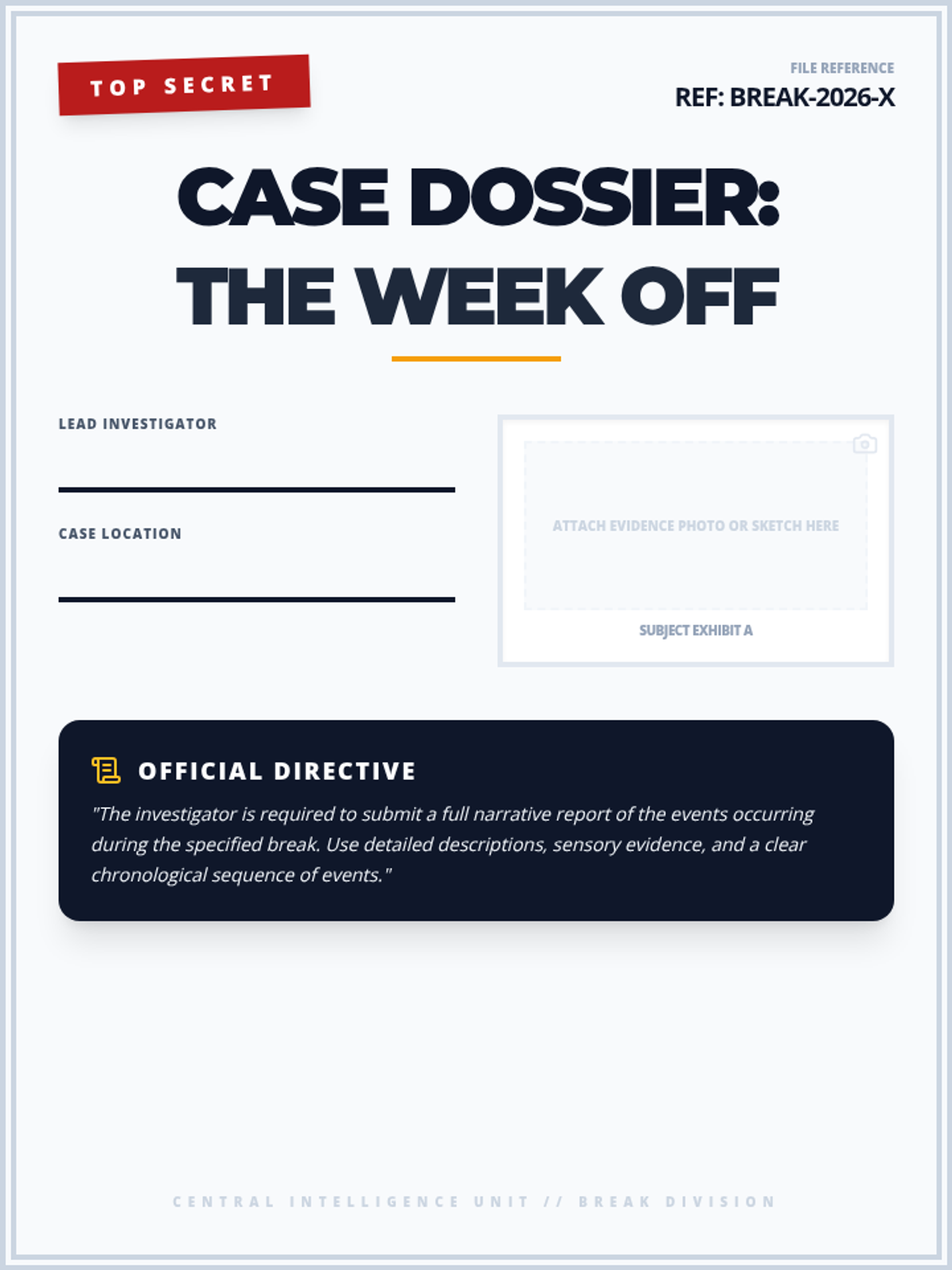
A lesson where students become 'Break Detectives' to investigate and describe their experiences from their week off, using structured scaffolds for descriptive sentences and narrative writing.
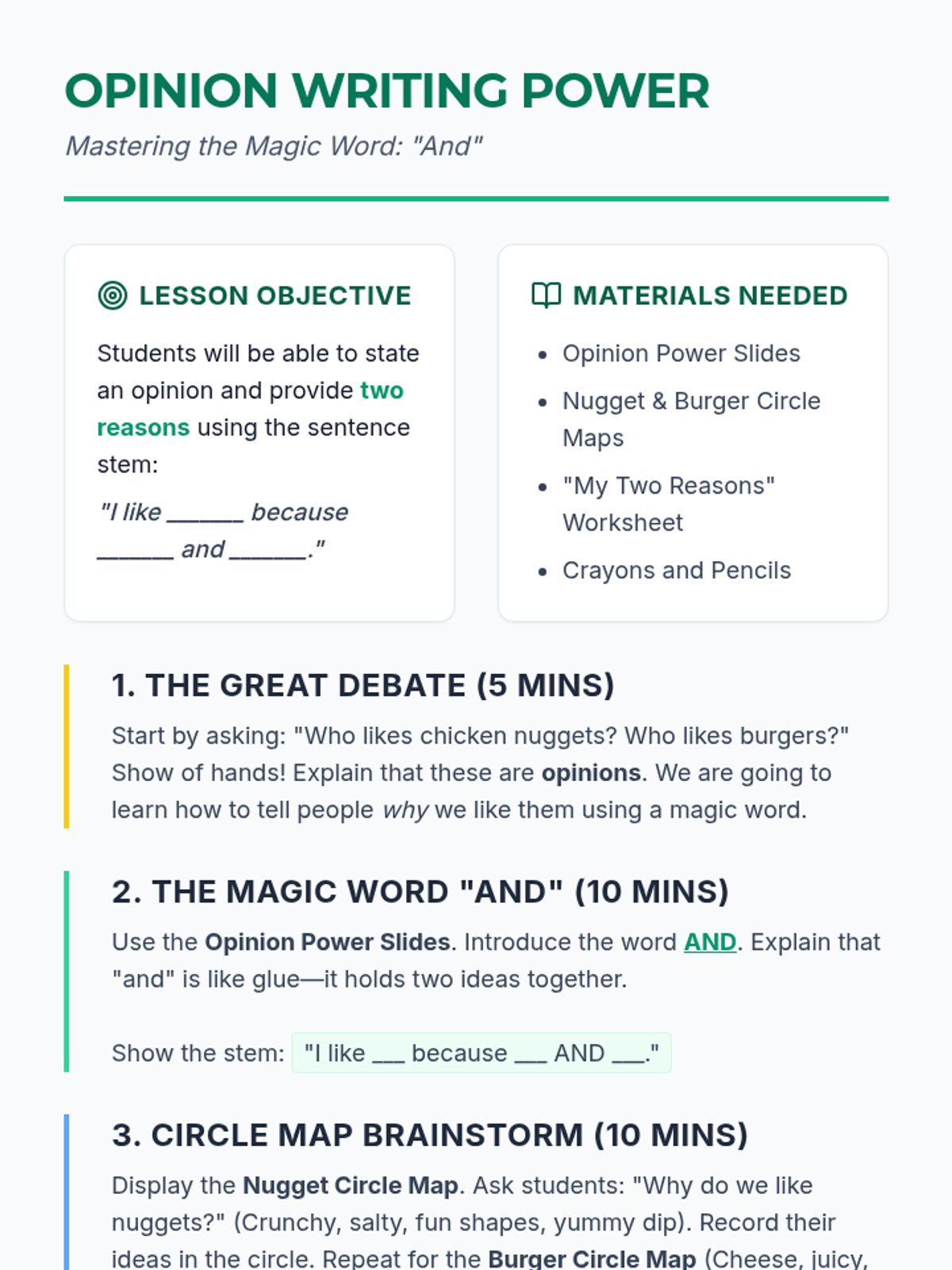
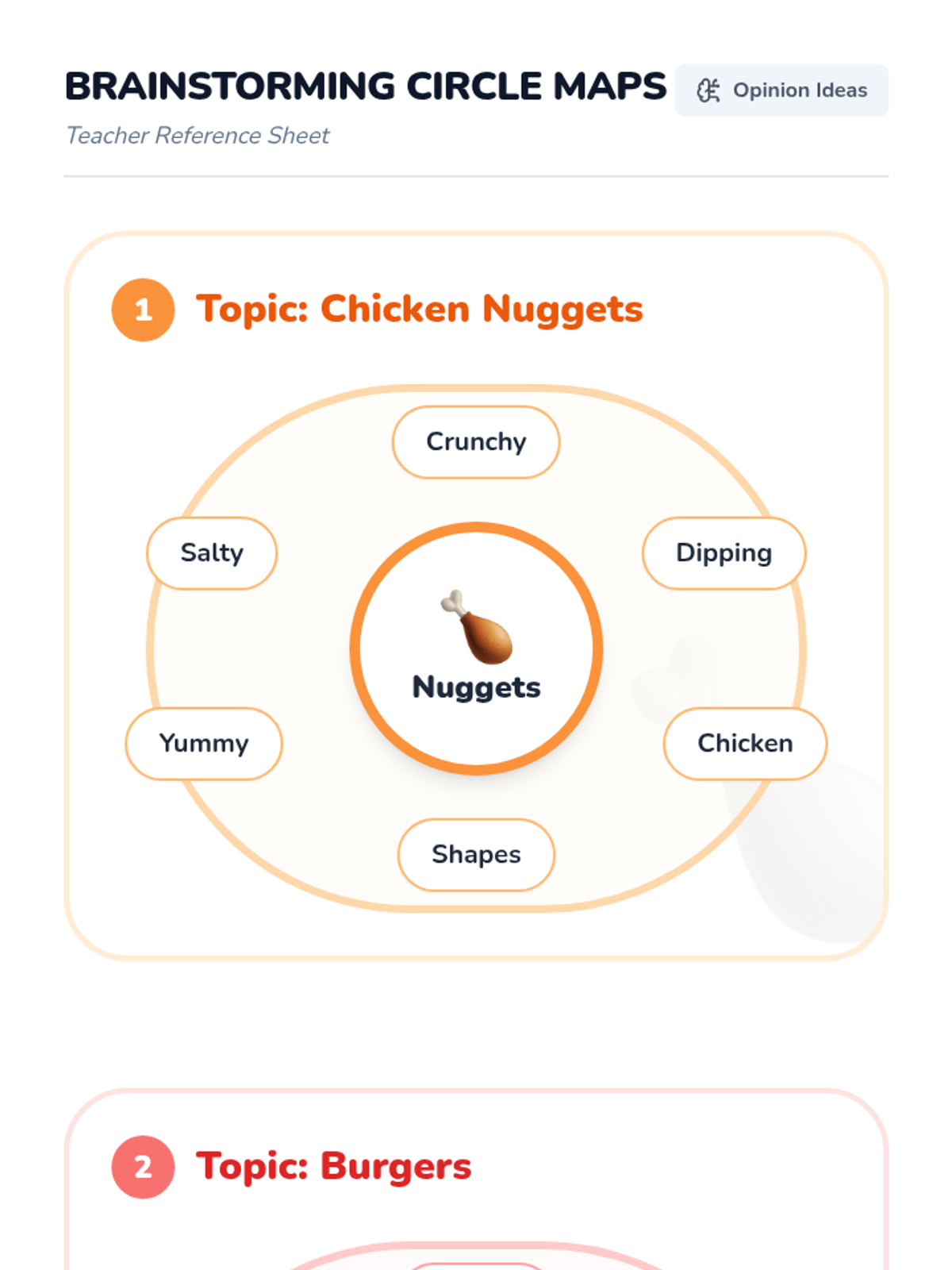
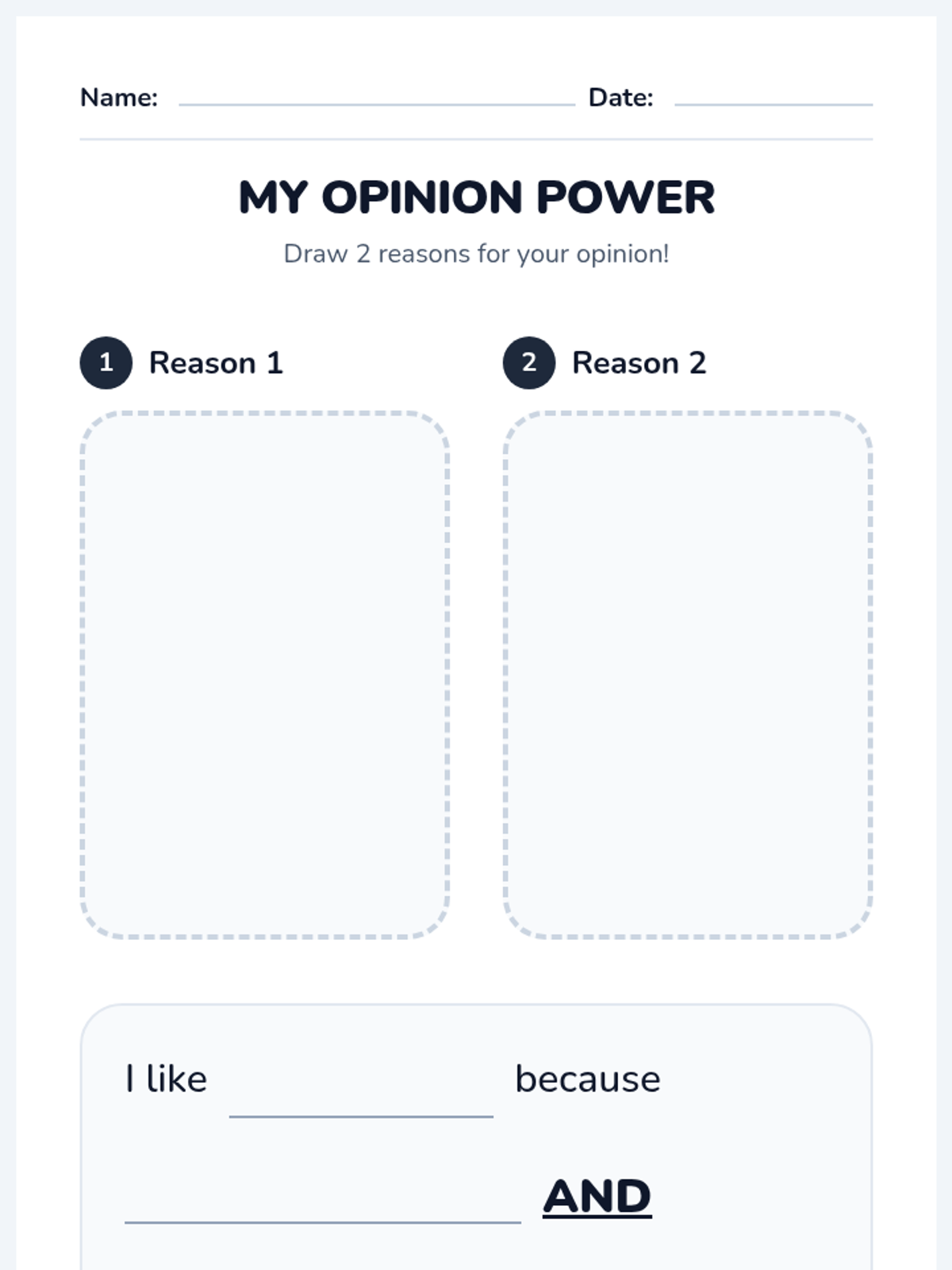
A kindergarten lesson focused on using the conjunction 'and' to connect two reasons in an opinion sentence. Students will brainstorm reasons for liking nuggets or burgers using circle maps and then practice writing and drawing their own two reasons.
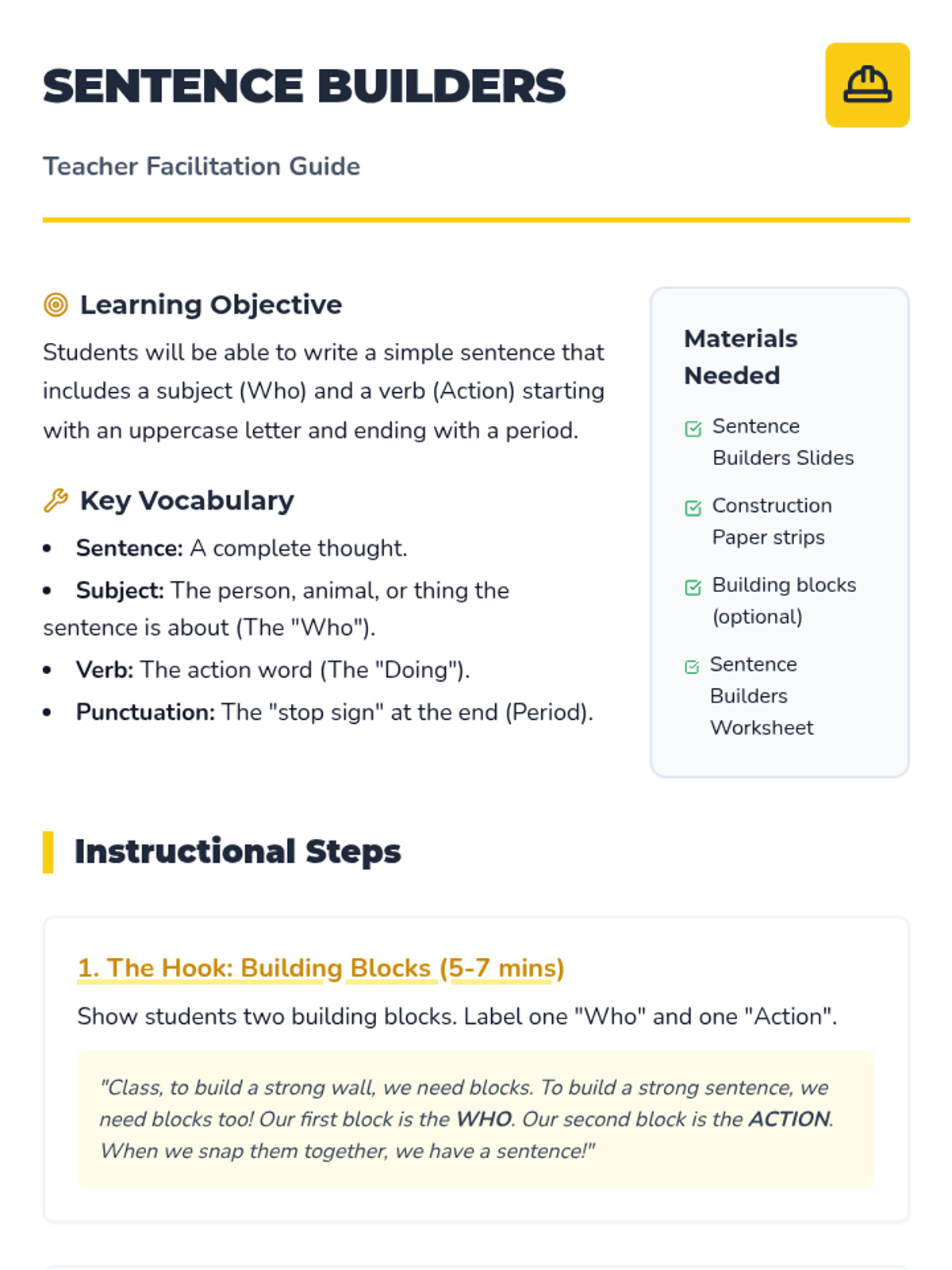
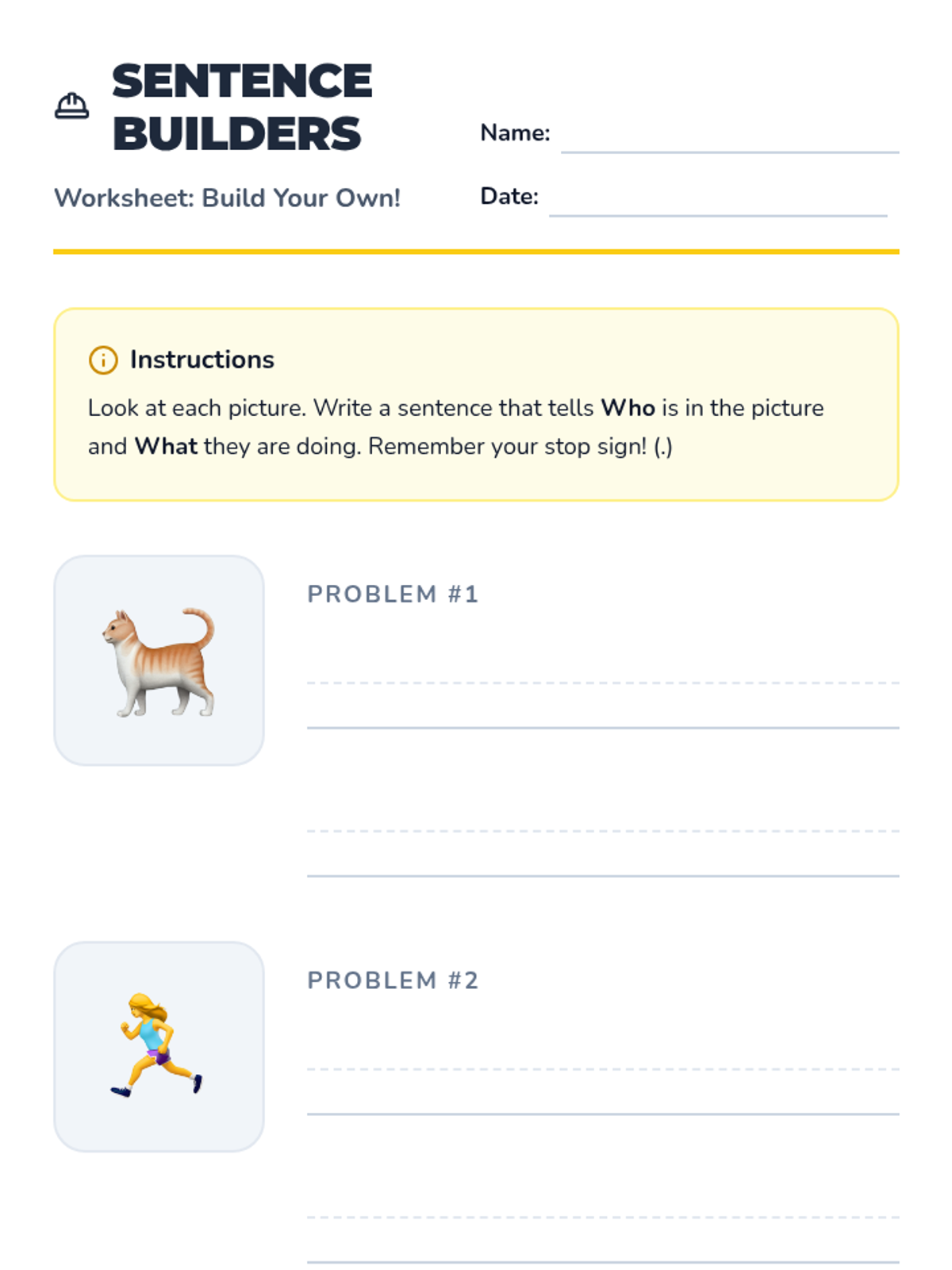
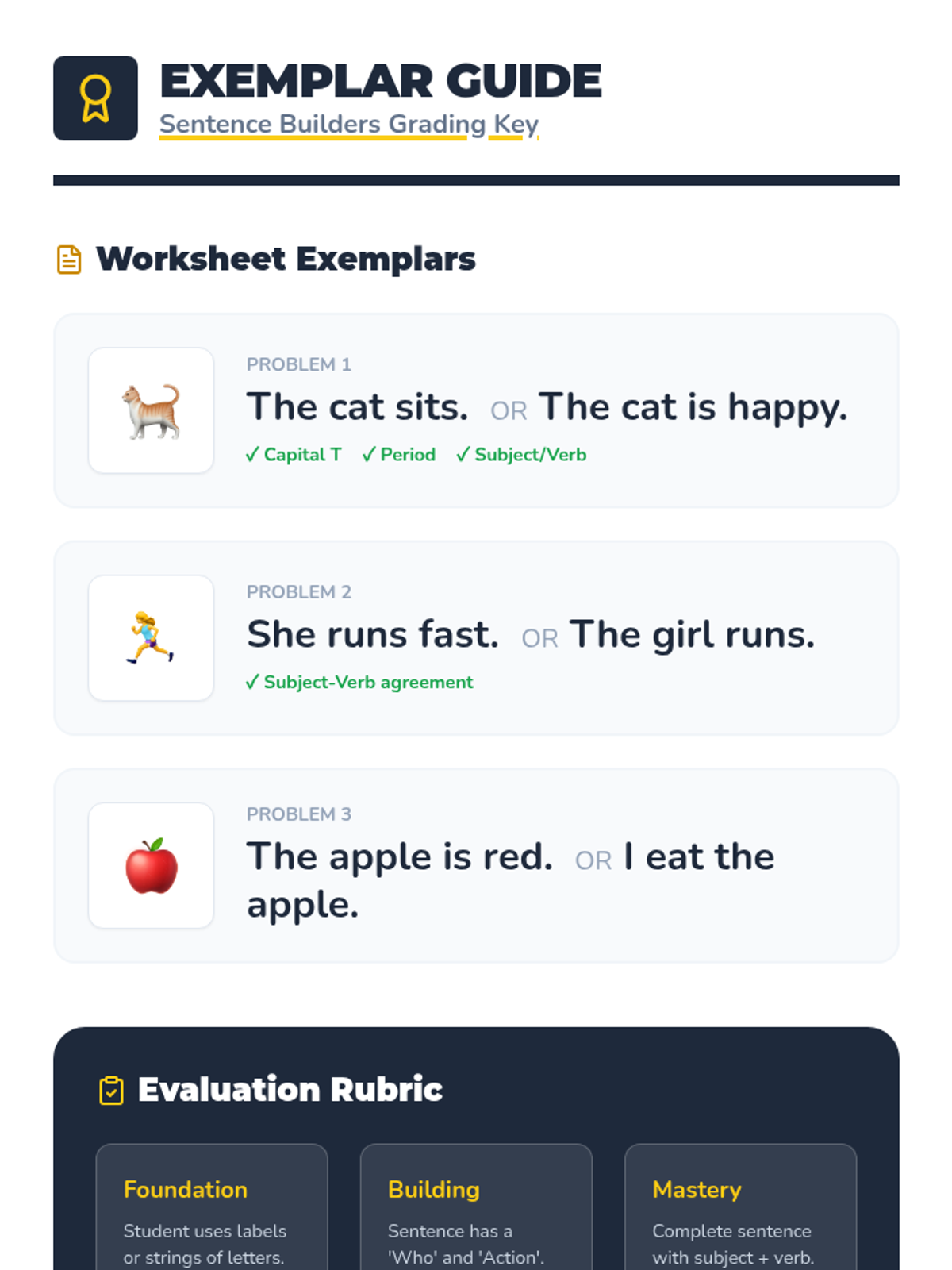
An introductory lesson on building simple sentences using the 'Who + Doing What' formula. Students will use visual prompts to construct their own sentences with a focus on capitalization and ending punctuation.
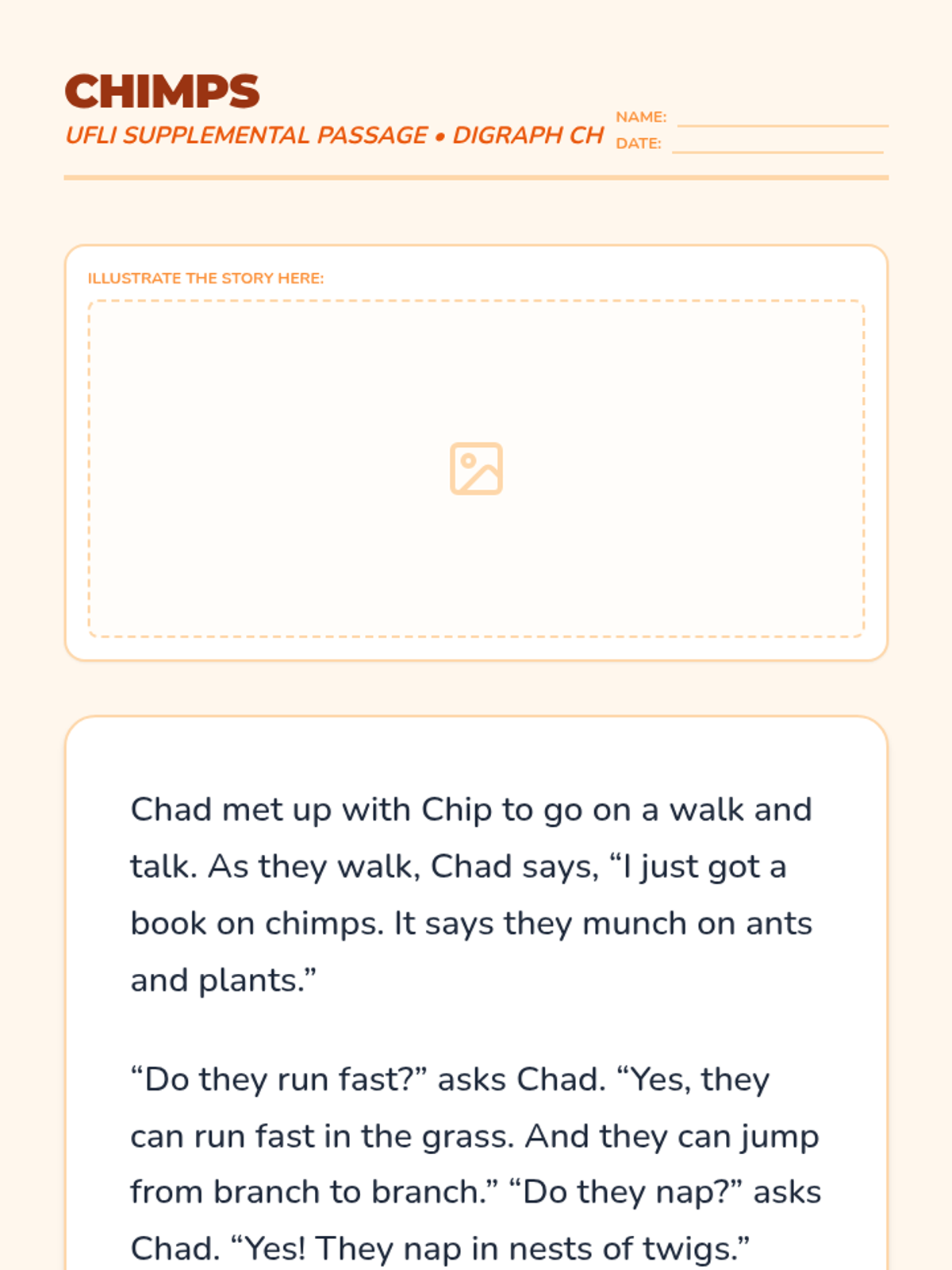
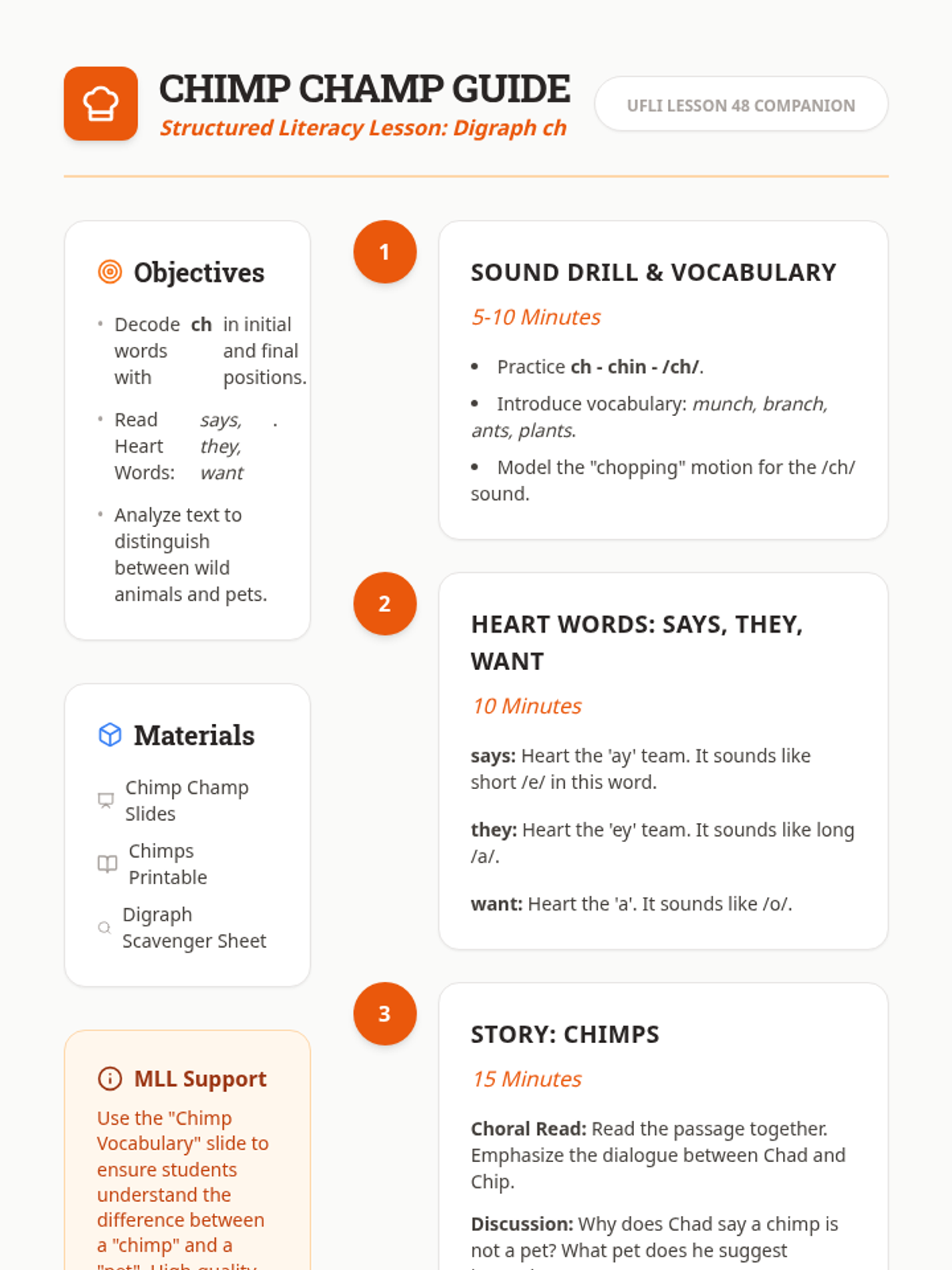
A structured literacy lesson focusing on the 'ch' digraph at the beginning and end of words, featuring the 'Lunch at the Ranch' passage and instruction on the Heart Words 'was', 'for', and 'said'.
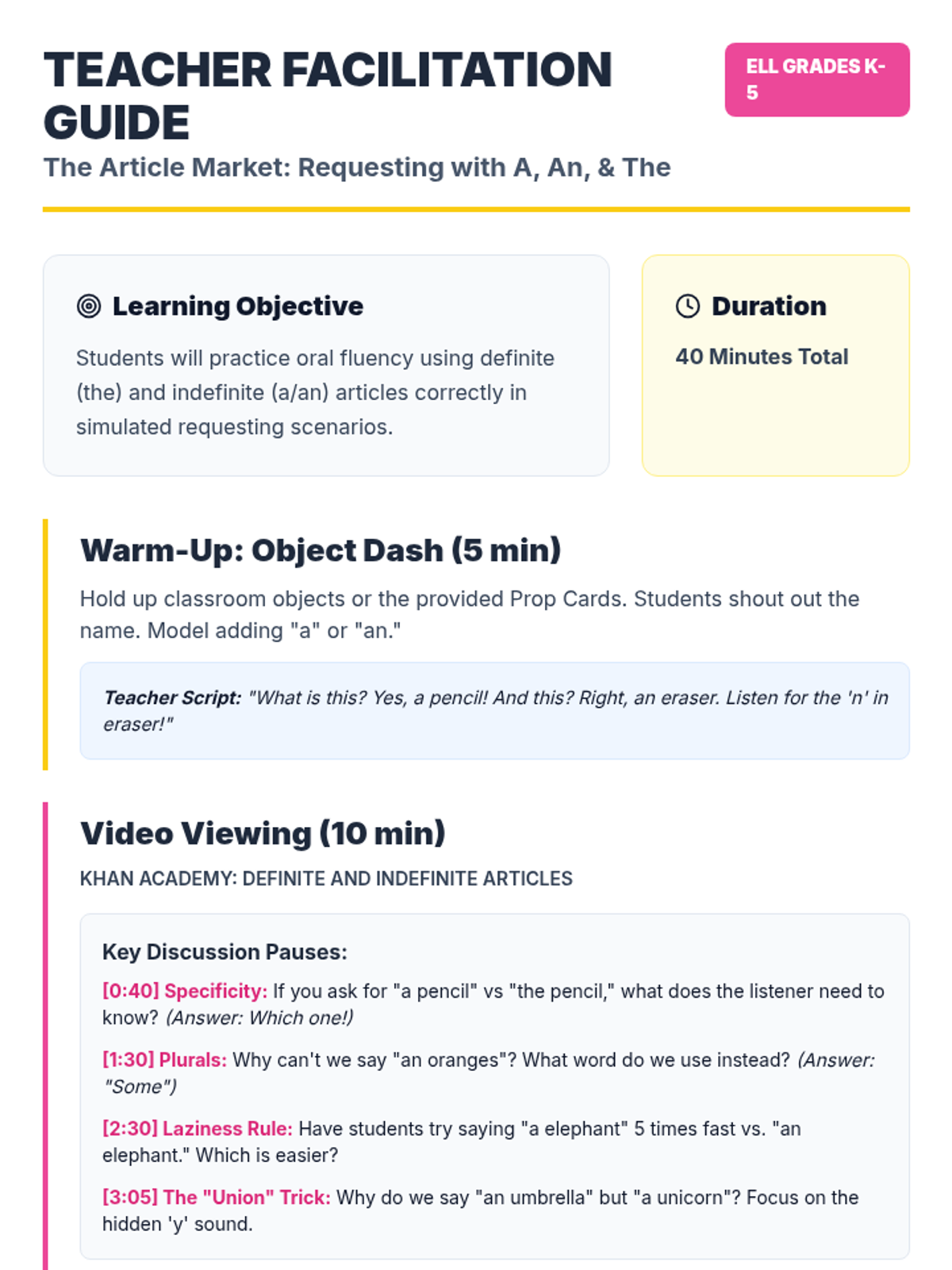
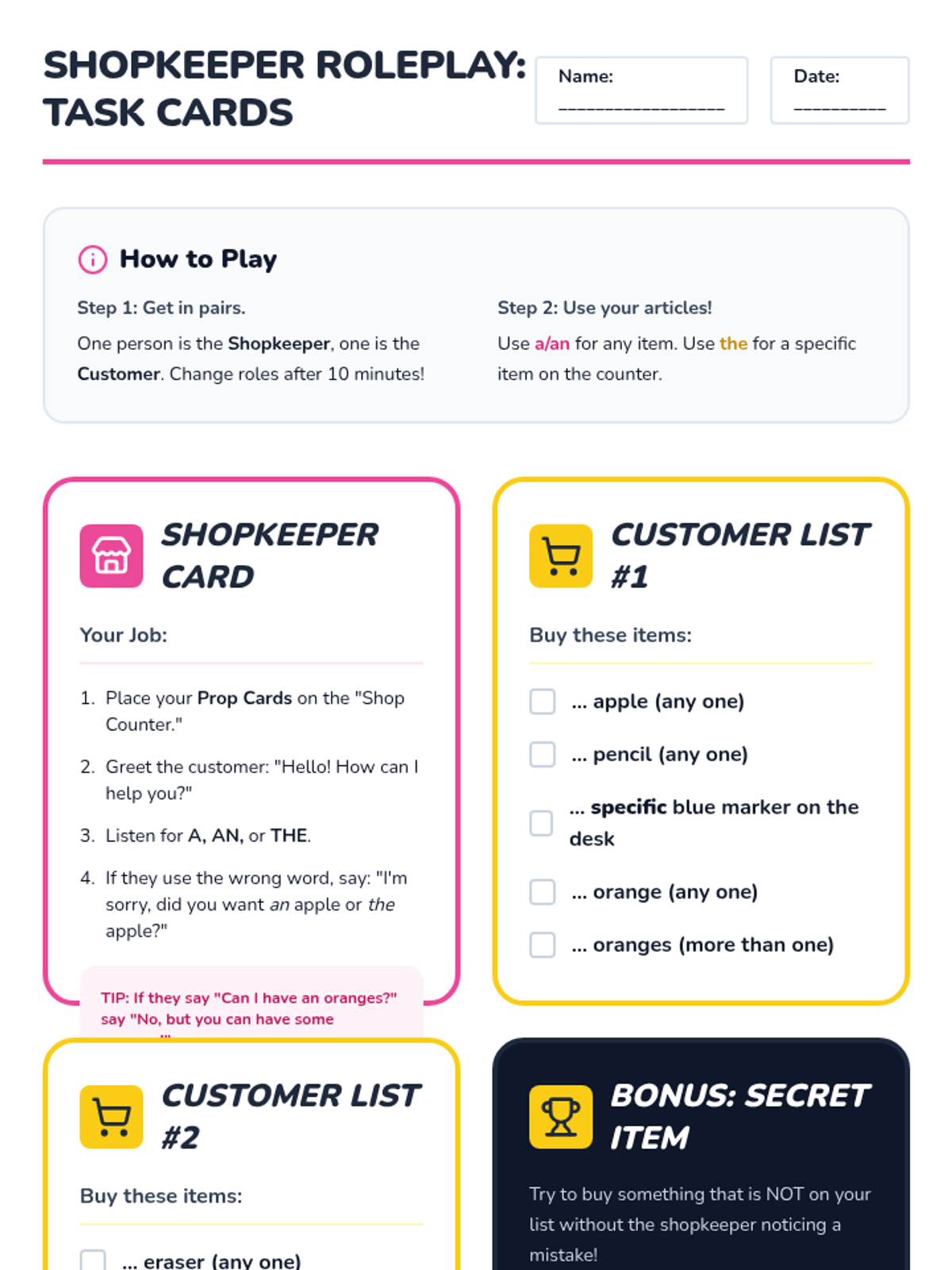
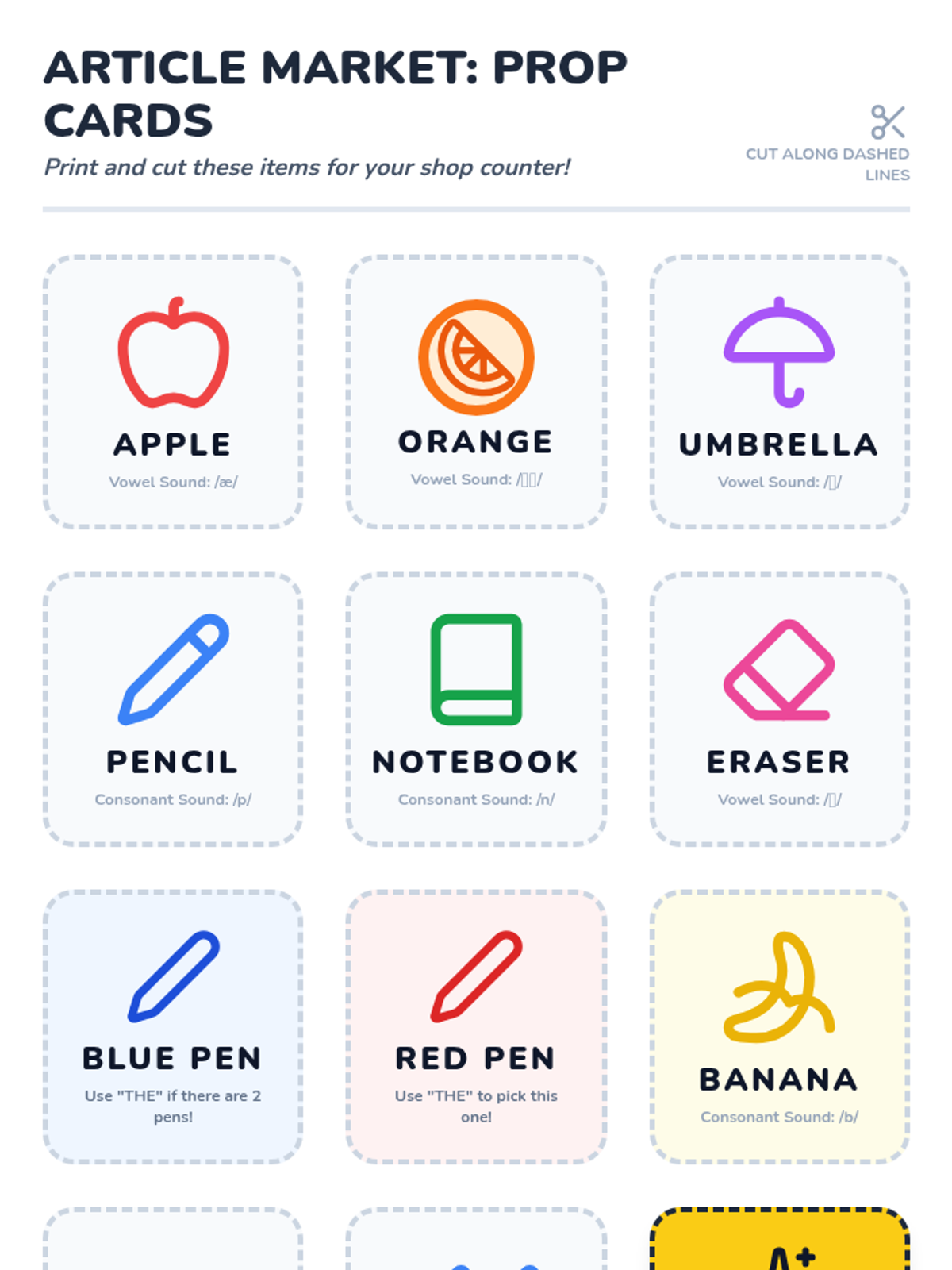
A lesson focused on English articles (a, an, the) through oral requests and a shopkeeper roleplay activity. Students learn to distinguish between specific and non-specific nouns and apply the vowel-sound rule for indefinite articles.
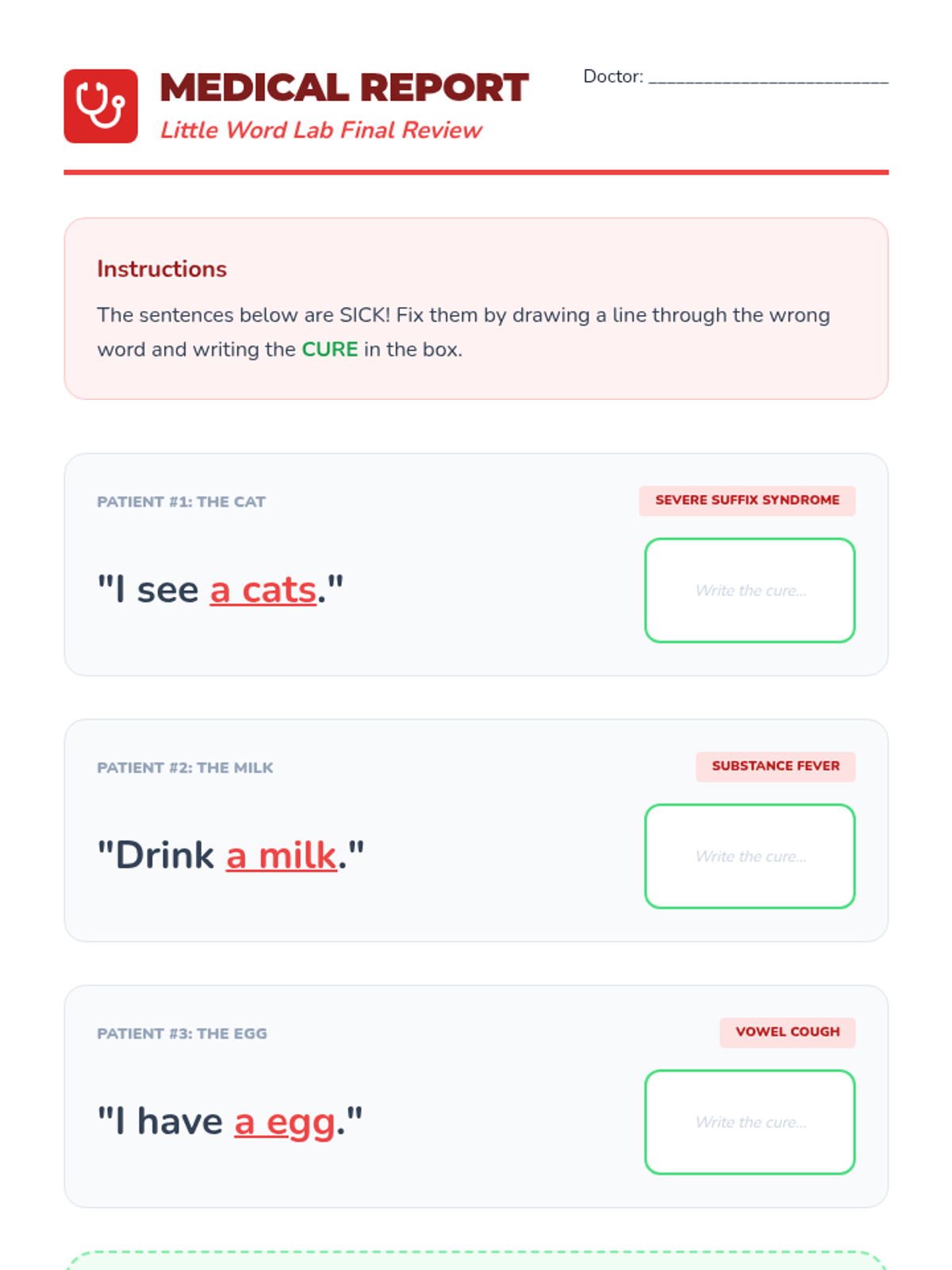
A final review where students act as 'Sentence Doctors' to diagnose and fix incorrect article usage in simple sentences.
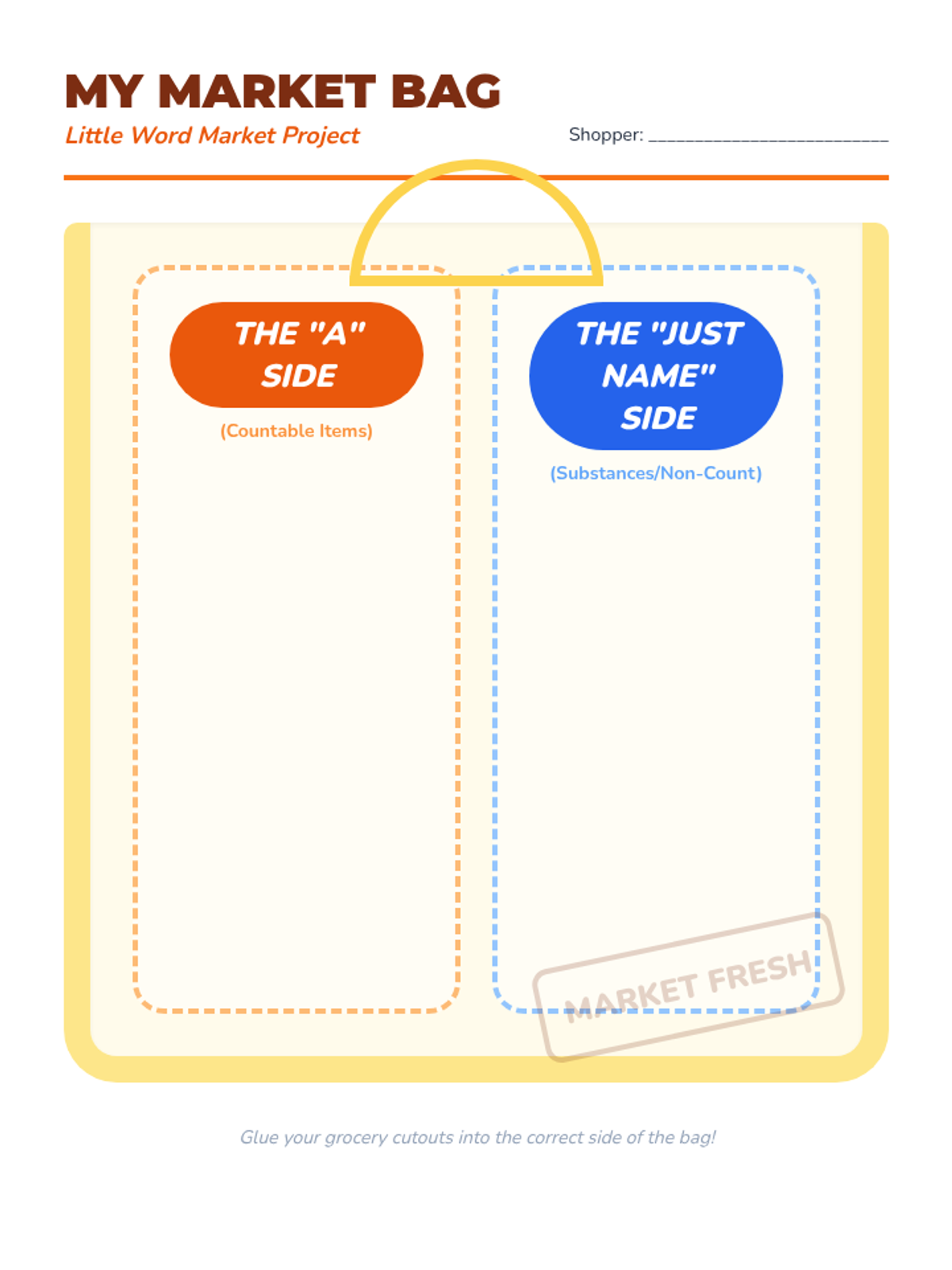
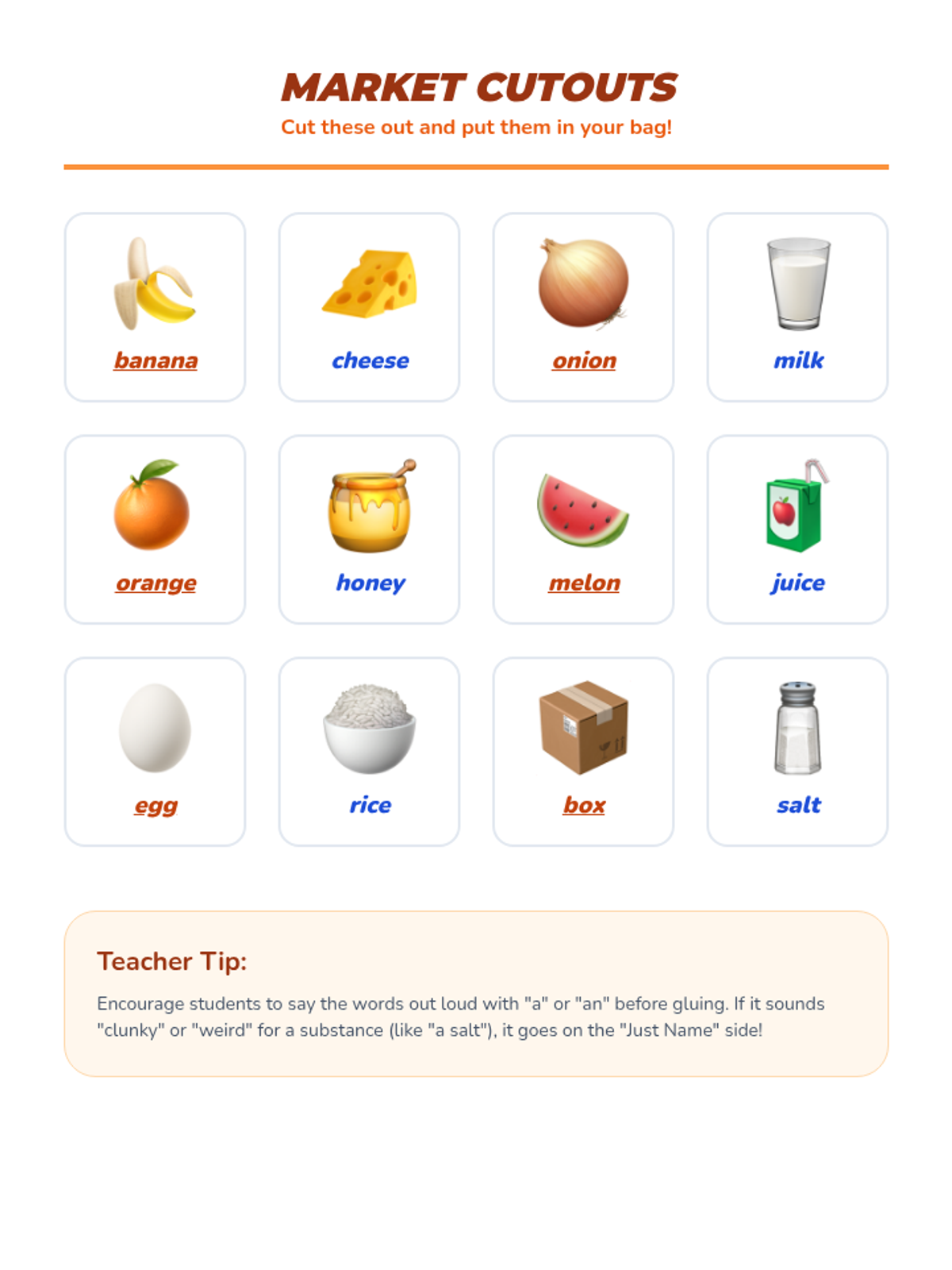
Students apply their knowledge by creating a grocery list collage, categorizing items by their article needs.
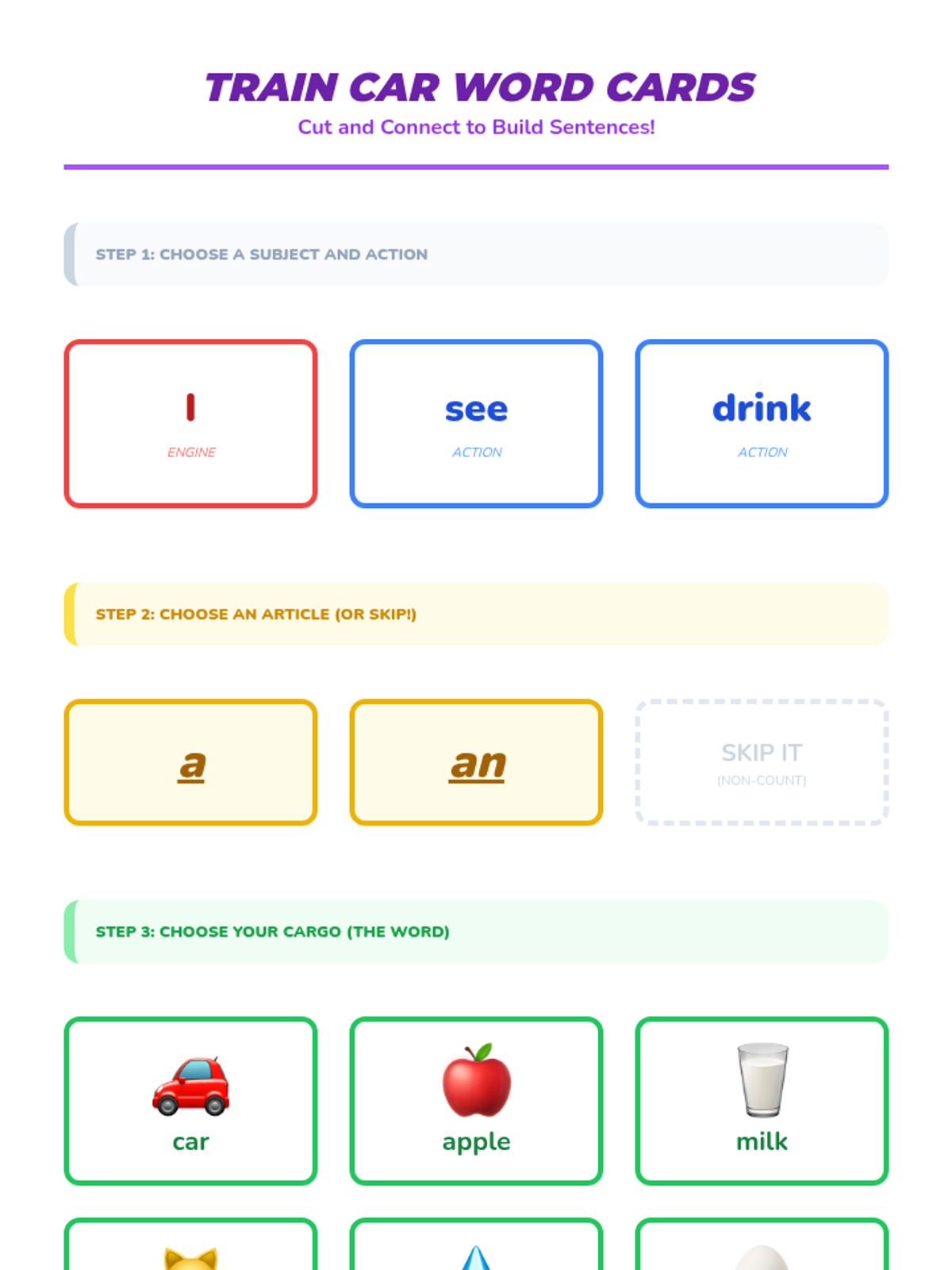
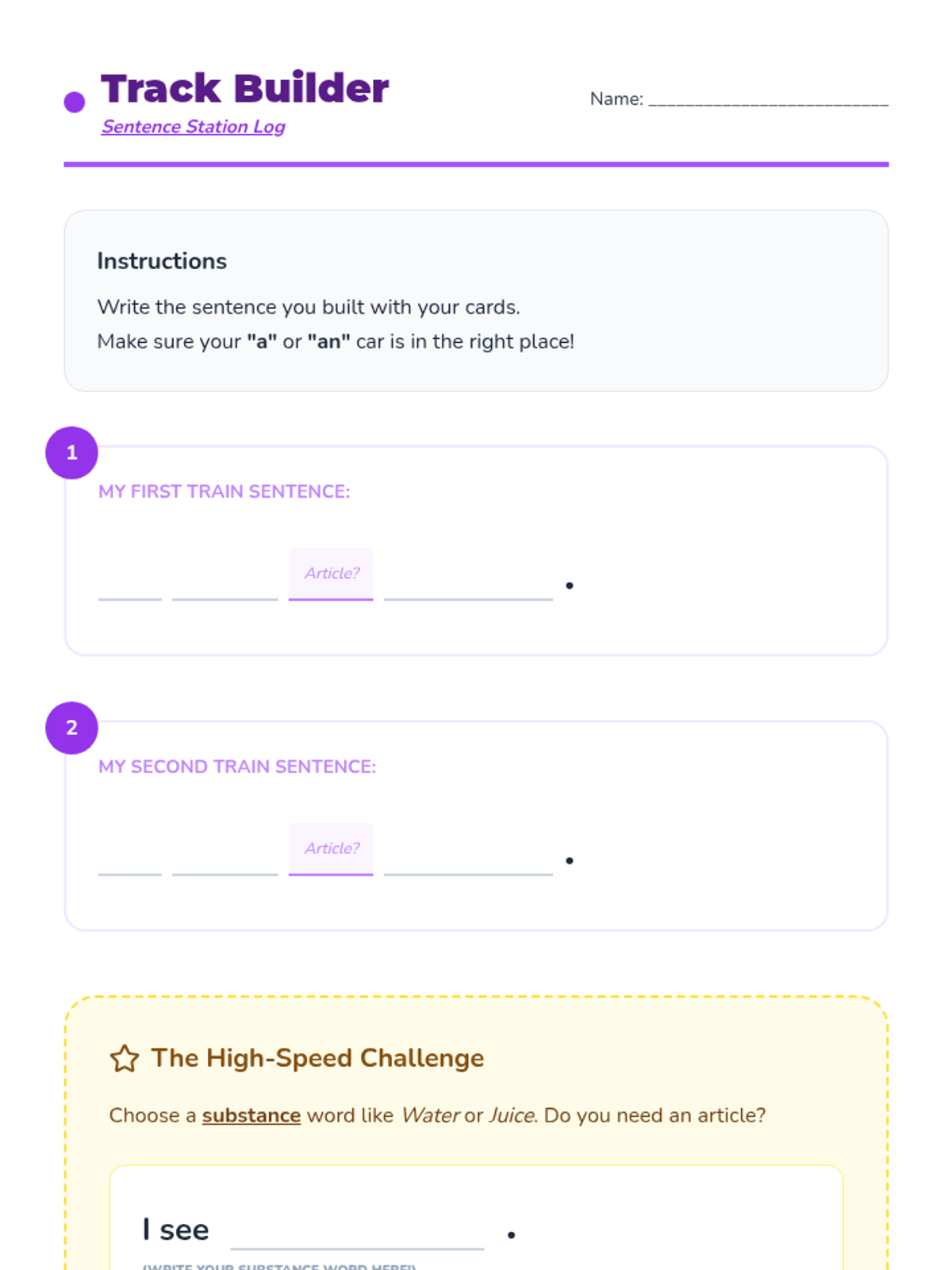
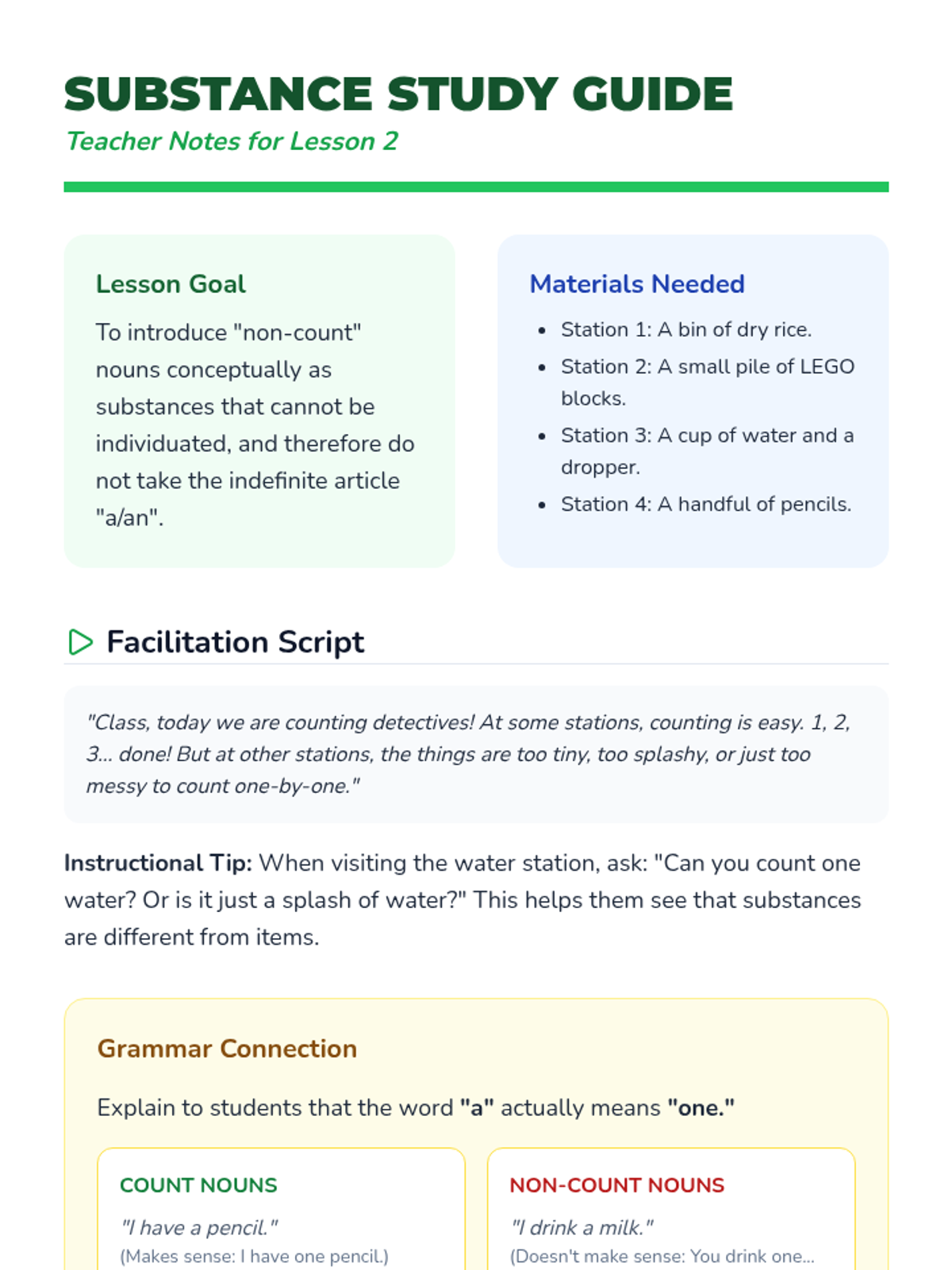
Students build sentences like trains, learning where articles fit and when they should be removed for non-count nouns.
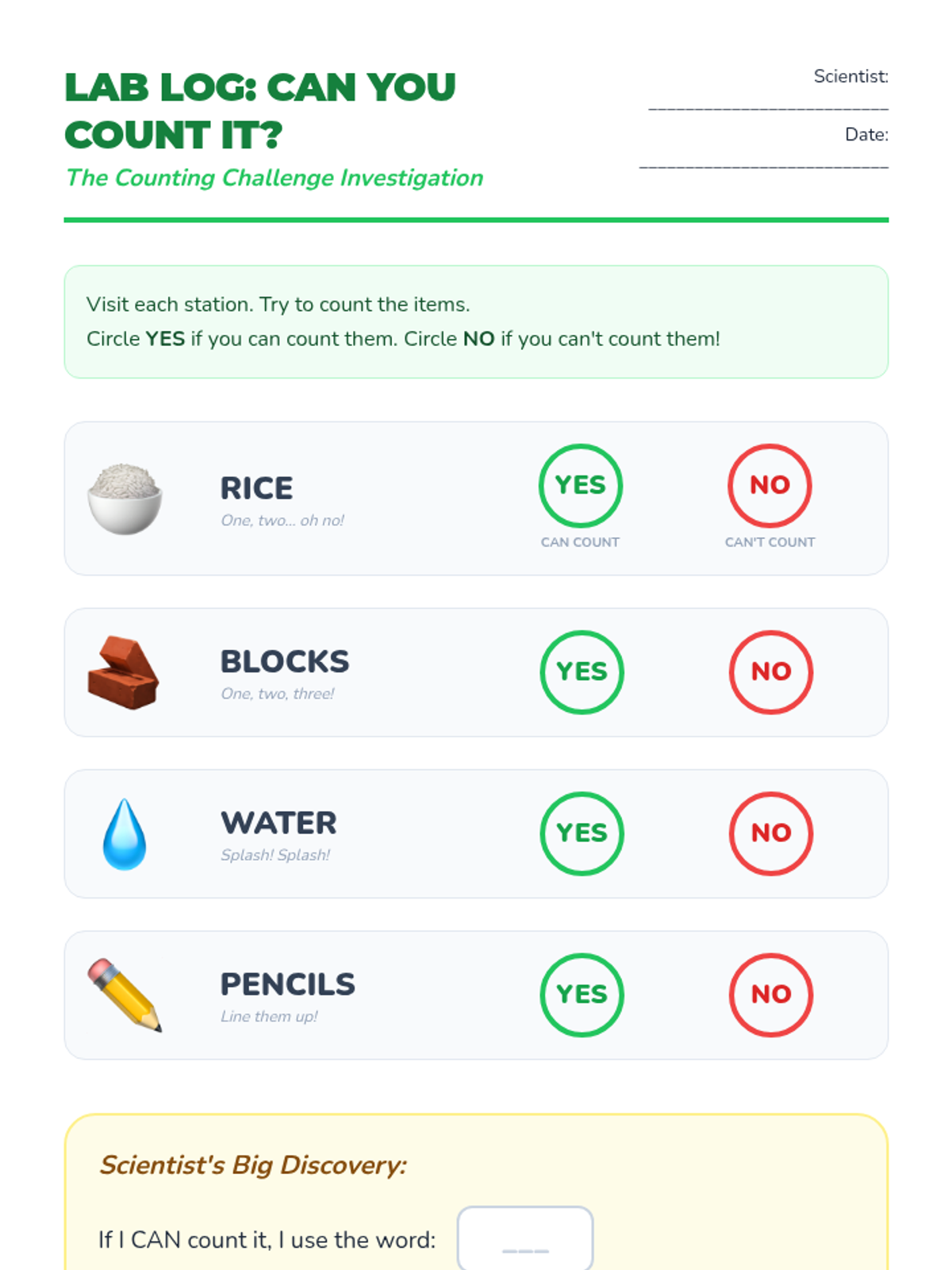
A hands-on investigation where students differentiate between items that can be counted (blocks) and substances that cannot (water, sand) to understand article constraints.
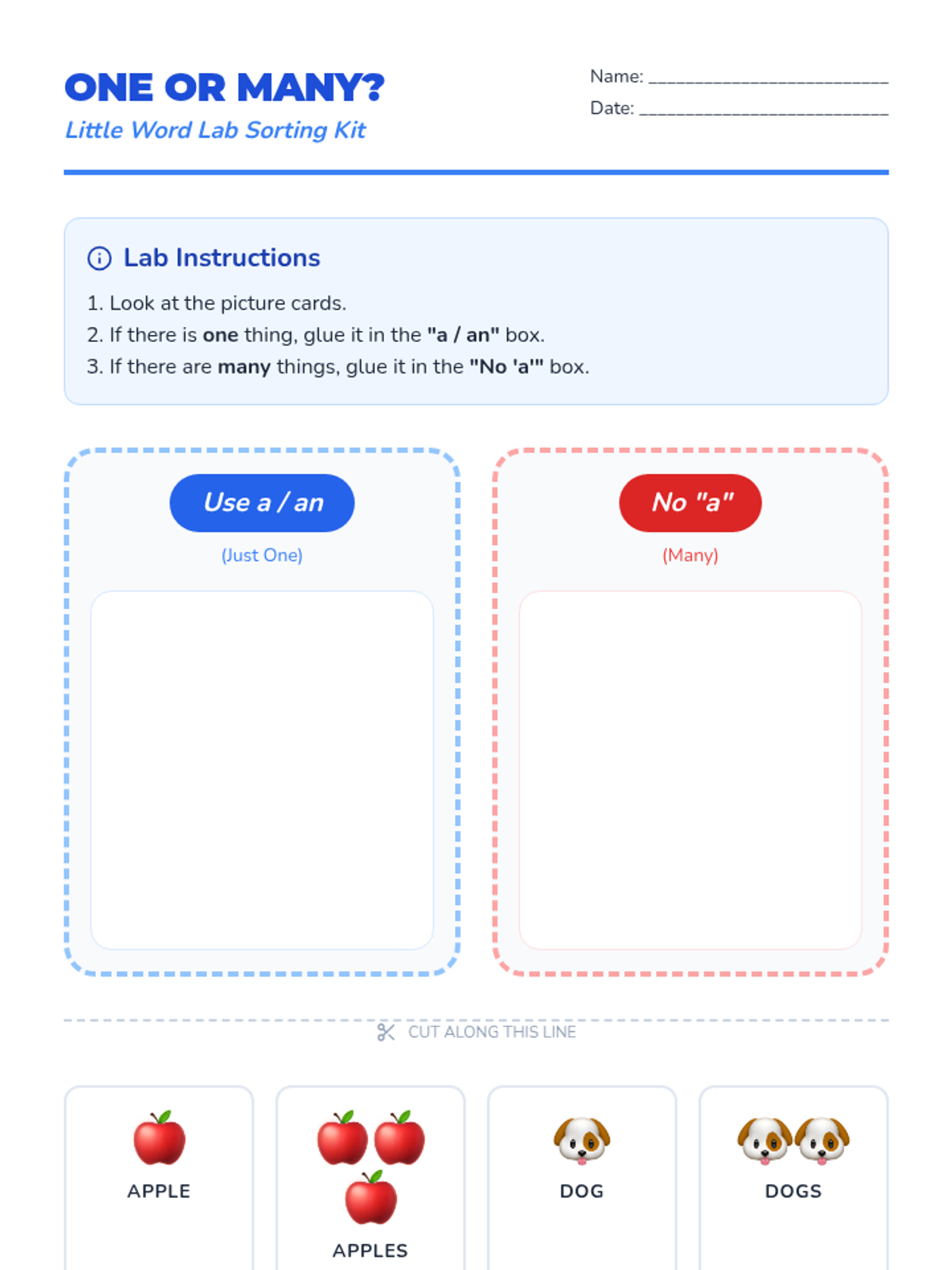
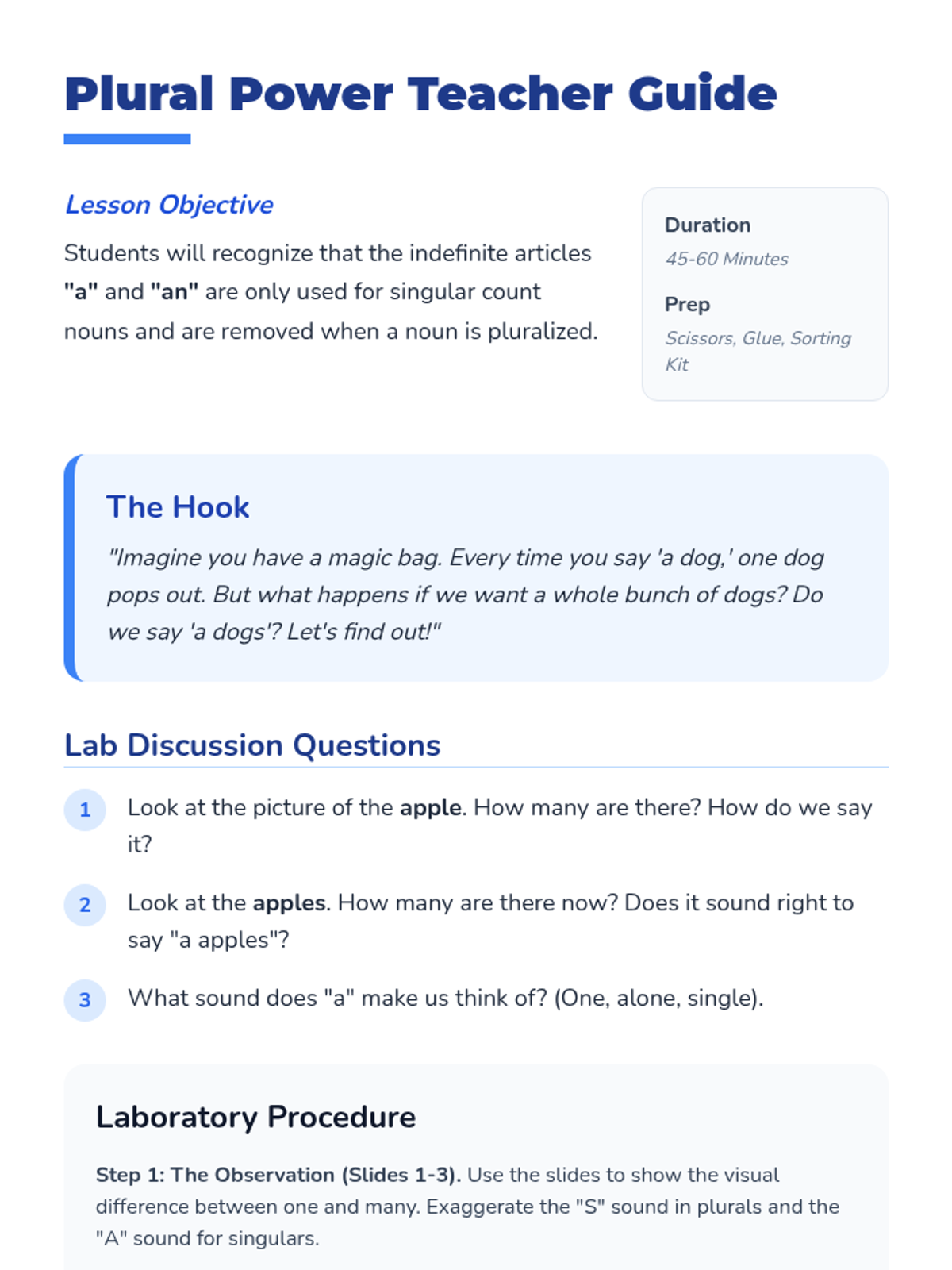
Students explore the difference between singular and plural nouns, discovering that the articles 'a' and 'an' are only used for single items.
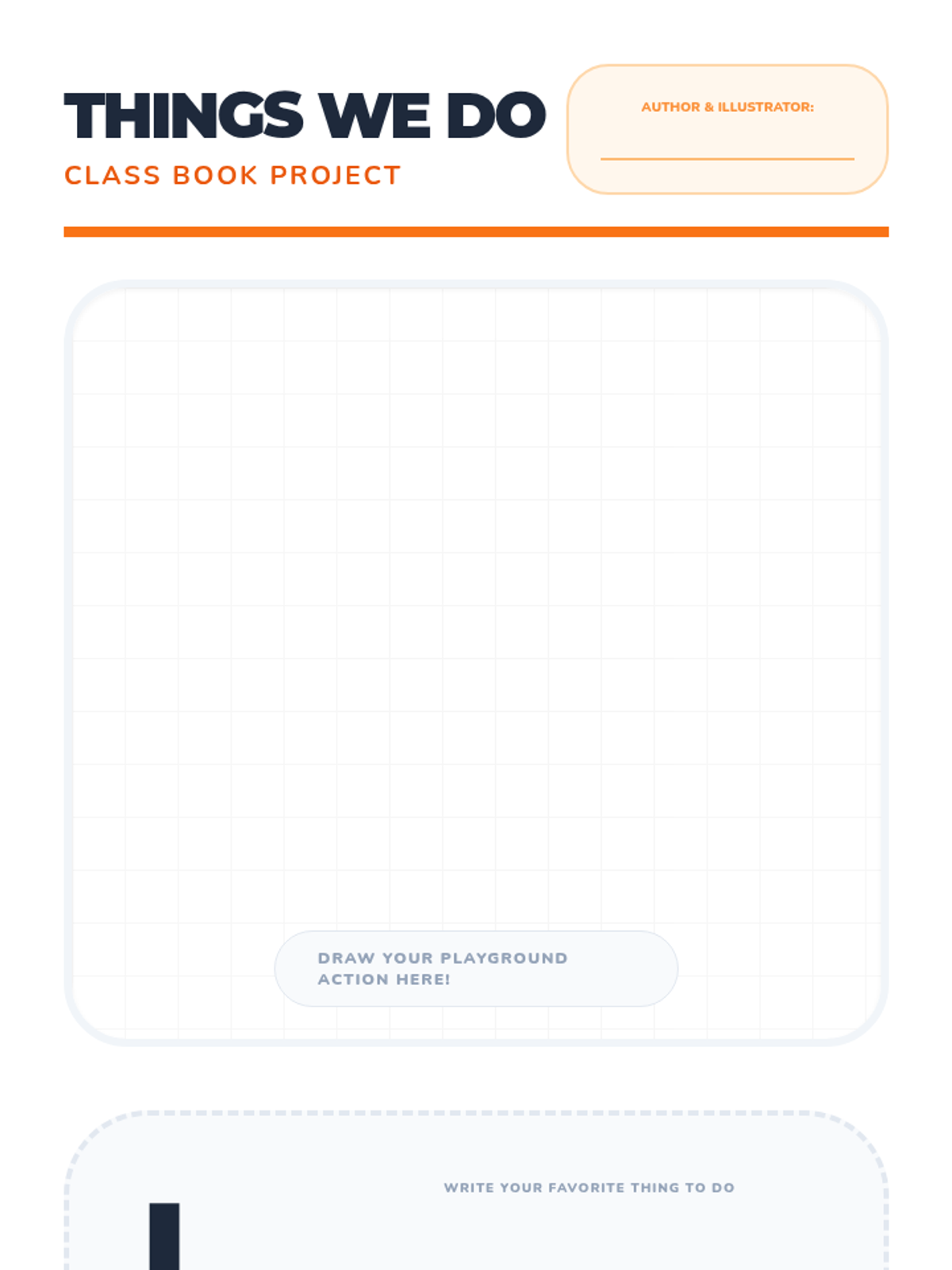
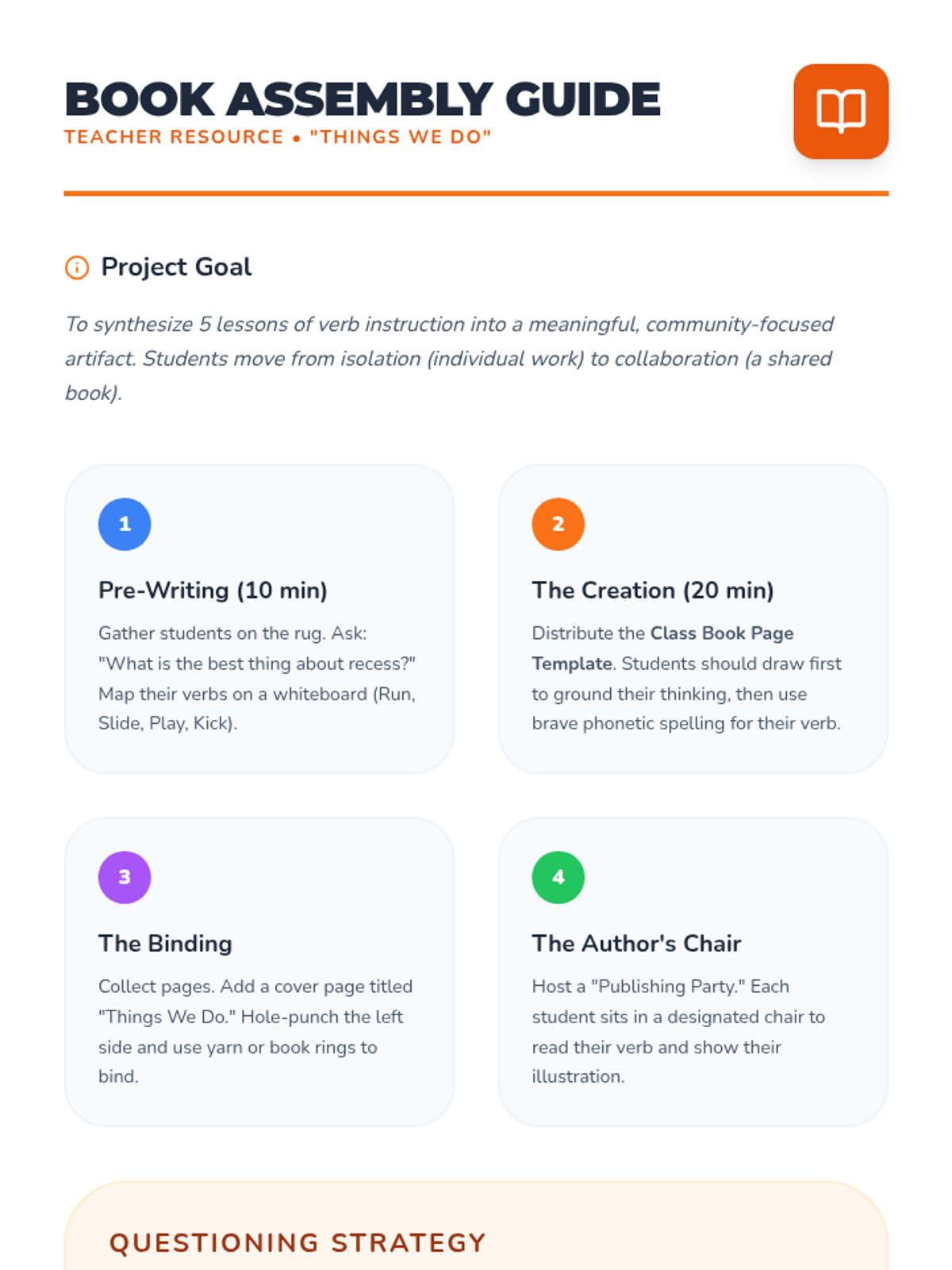
Students contribute to a class book by drawing and writing about their favorite playground activities, concluding with a presentation.
Students use sentence frames and phonetic spelling to write their own sentences about actions, focusing on punctuation.
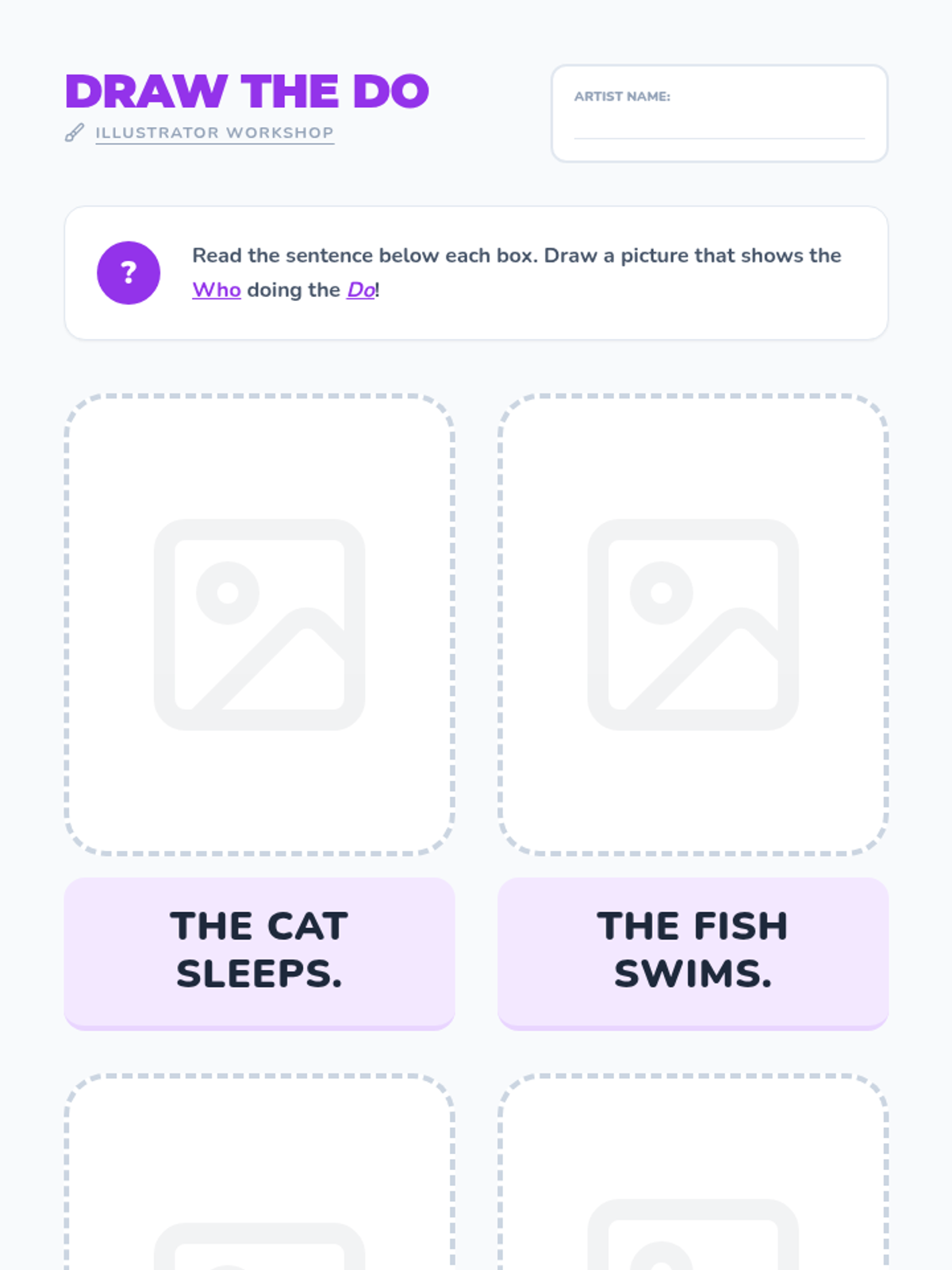
Students demonstrate comprehension of verbs by creating illustrations that accurately depict specific action sentences.
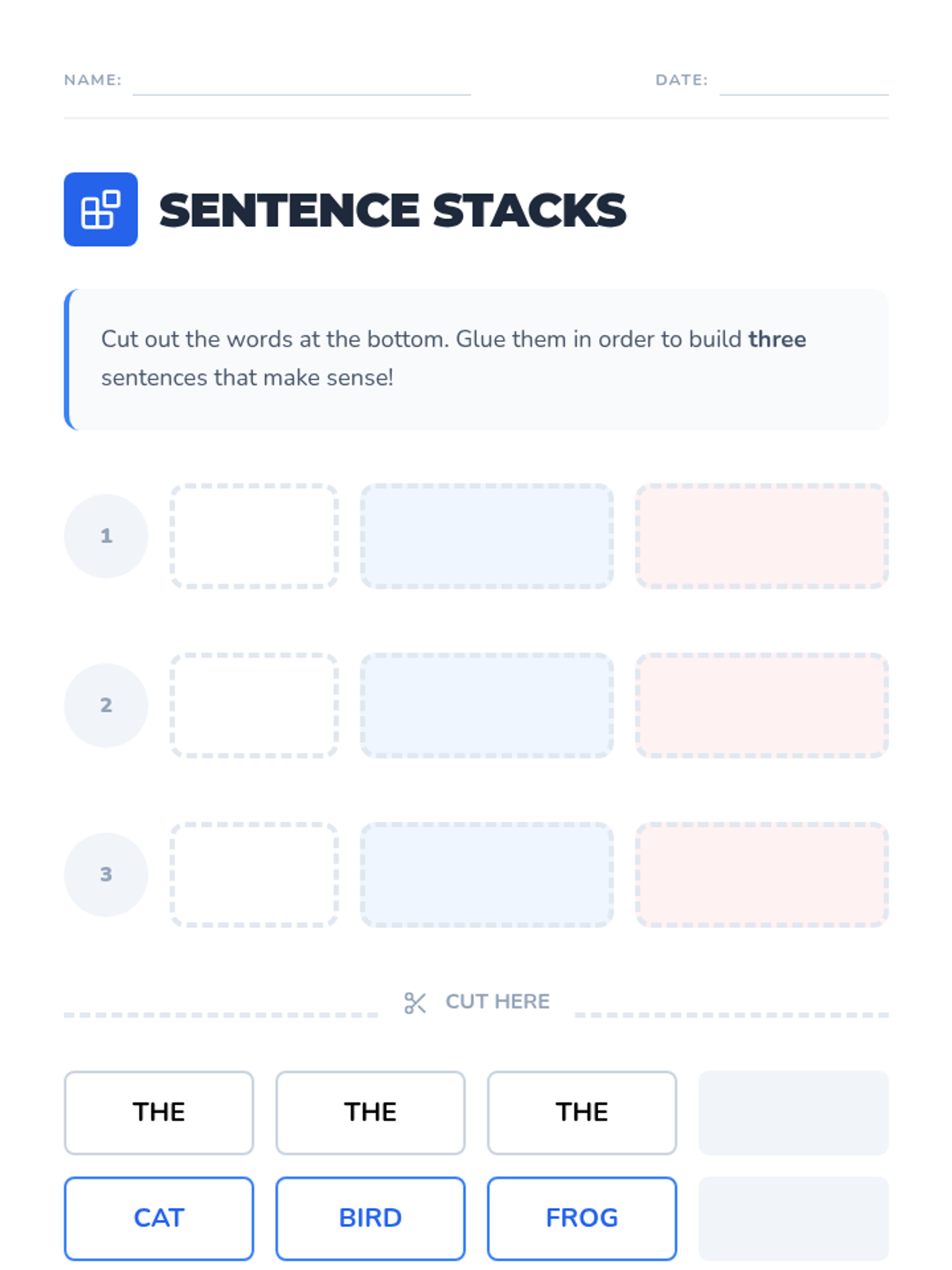
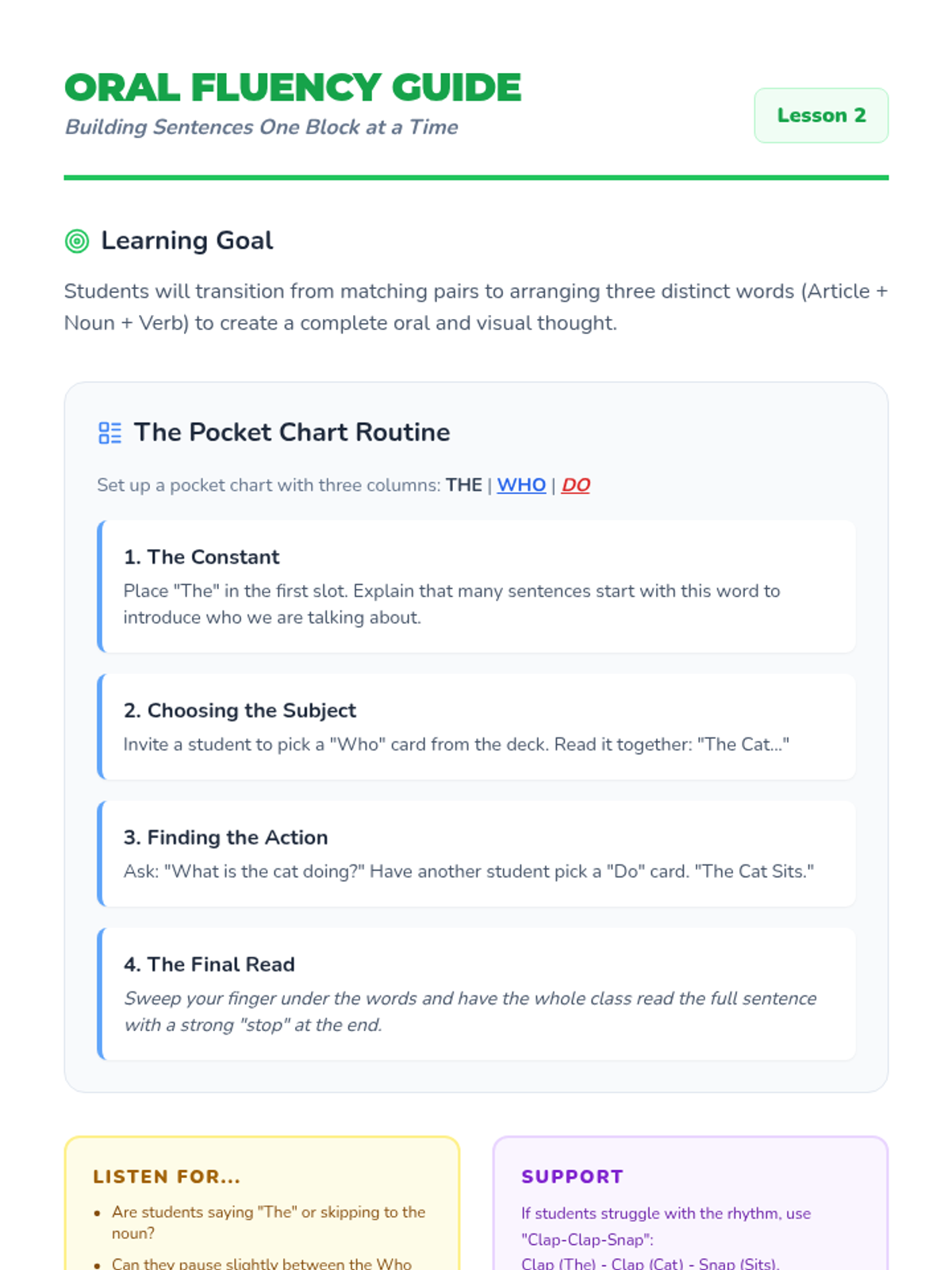
Using a three-word sentence frame, students orally compose and arrange sentences using a noun-verb structure.
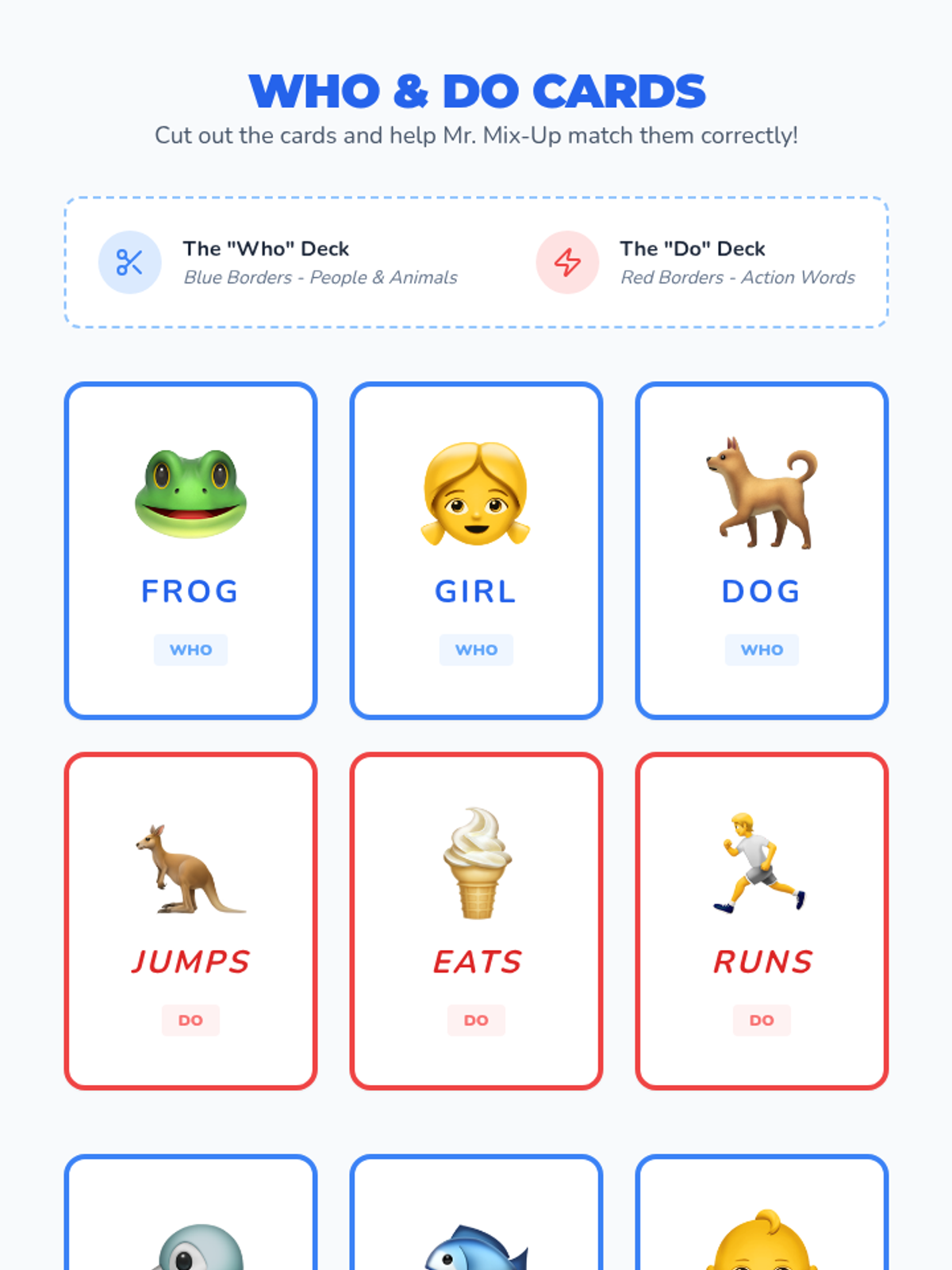
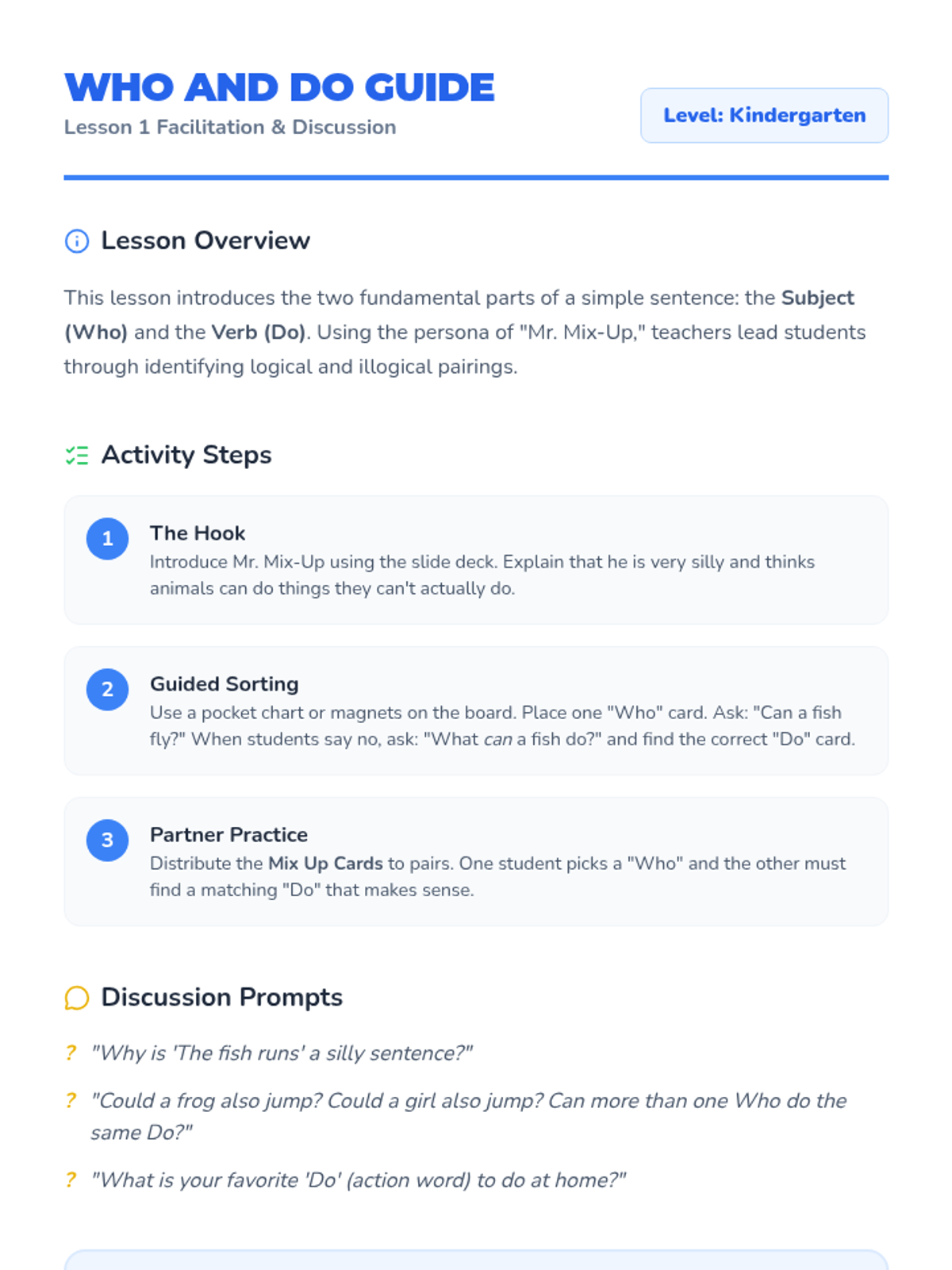
Students practice pairing characters with appropriate actions to understand the relationship between subjects and verbs.
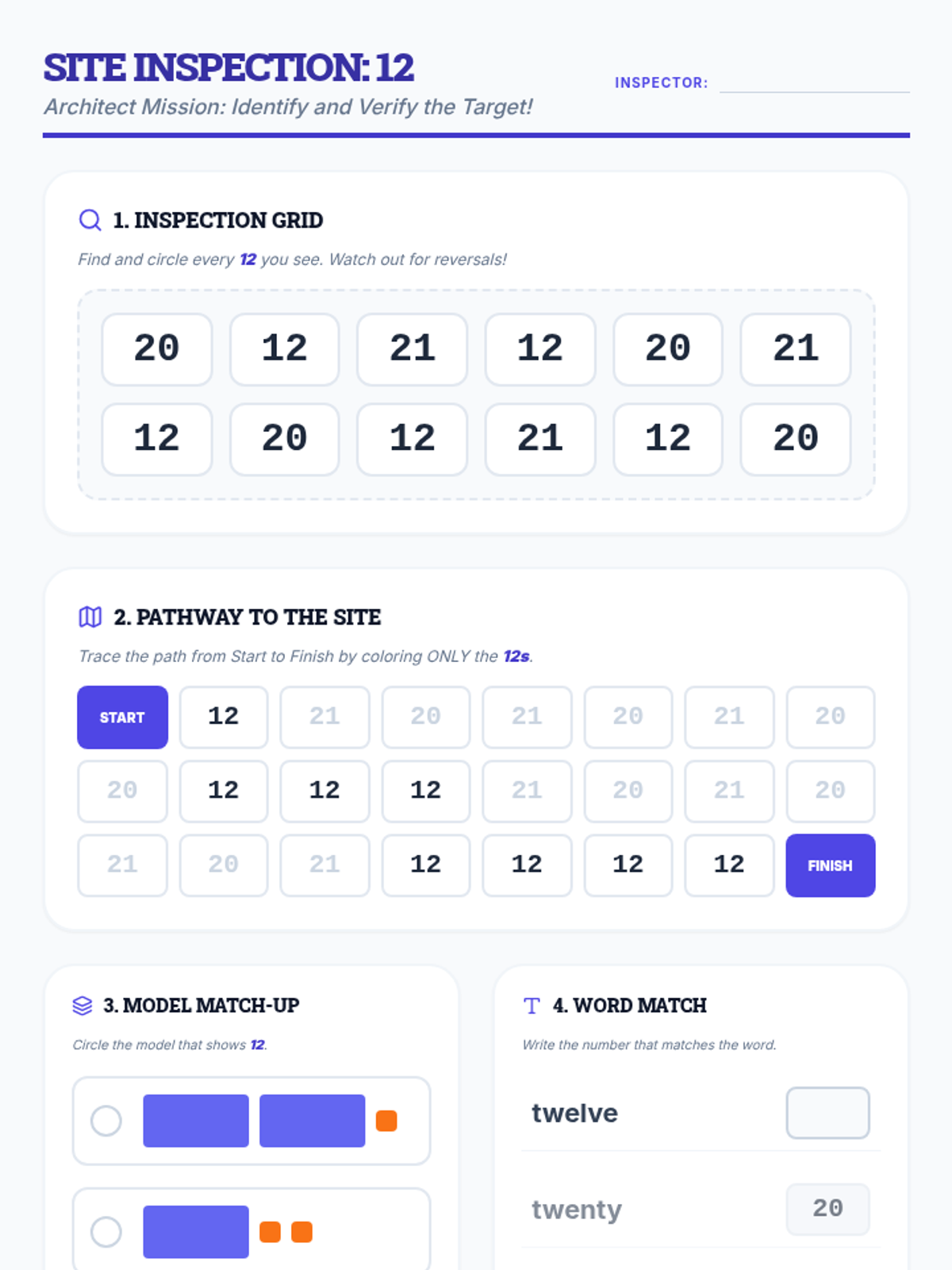
A numeracy lesson helping students distinguish the number 12 from 20 and 21 using place value visualization (one ten, two ones) and 'Architect' inspection strategies.
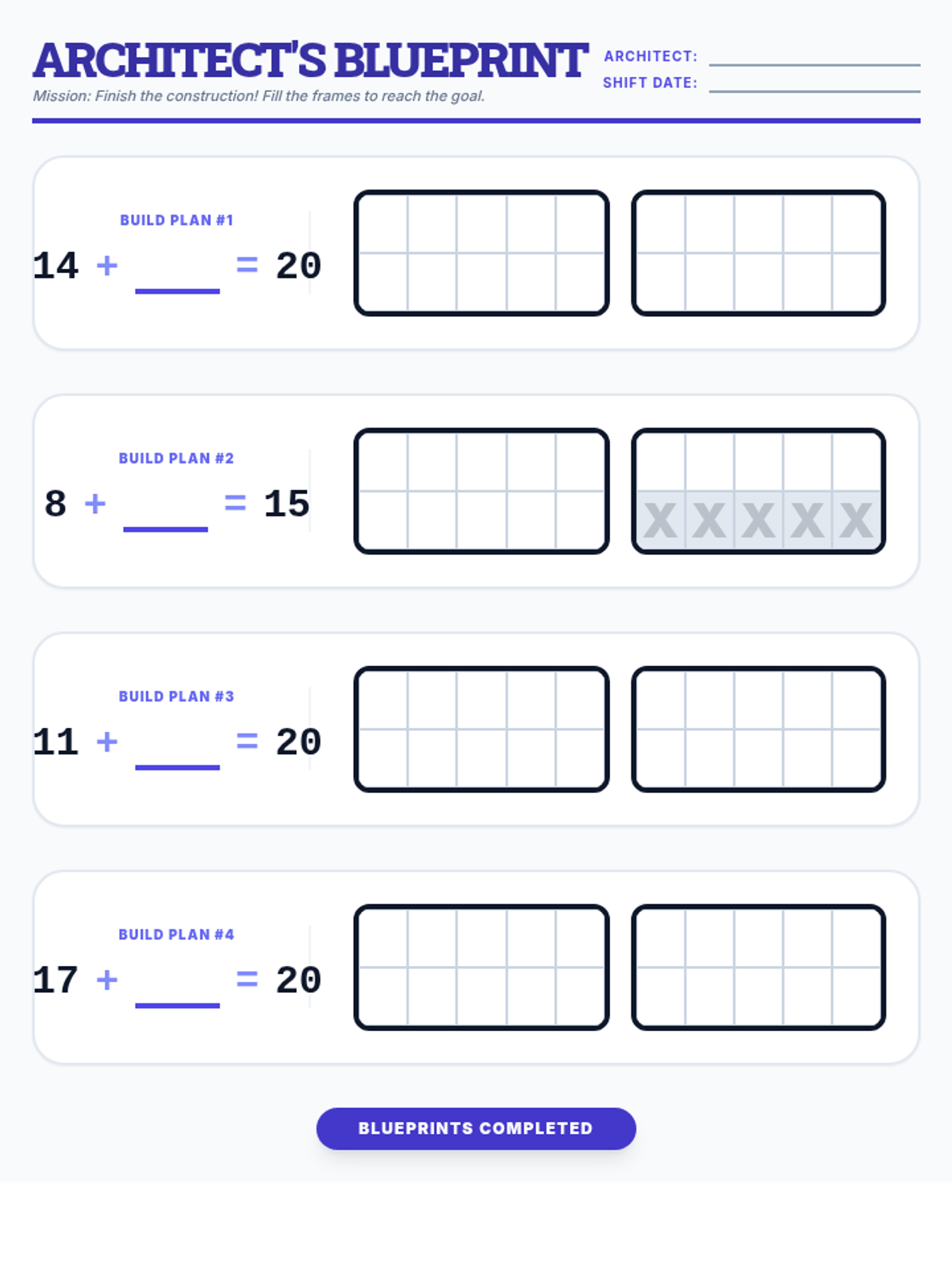
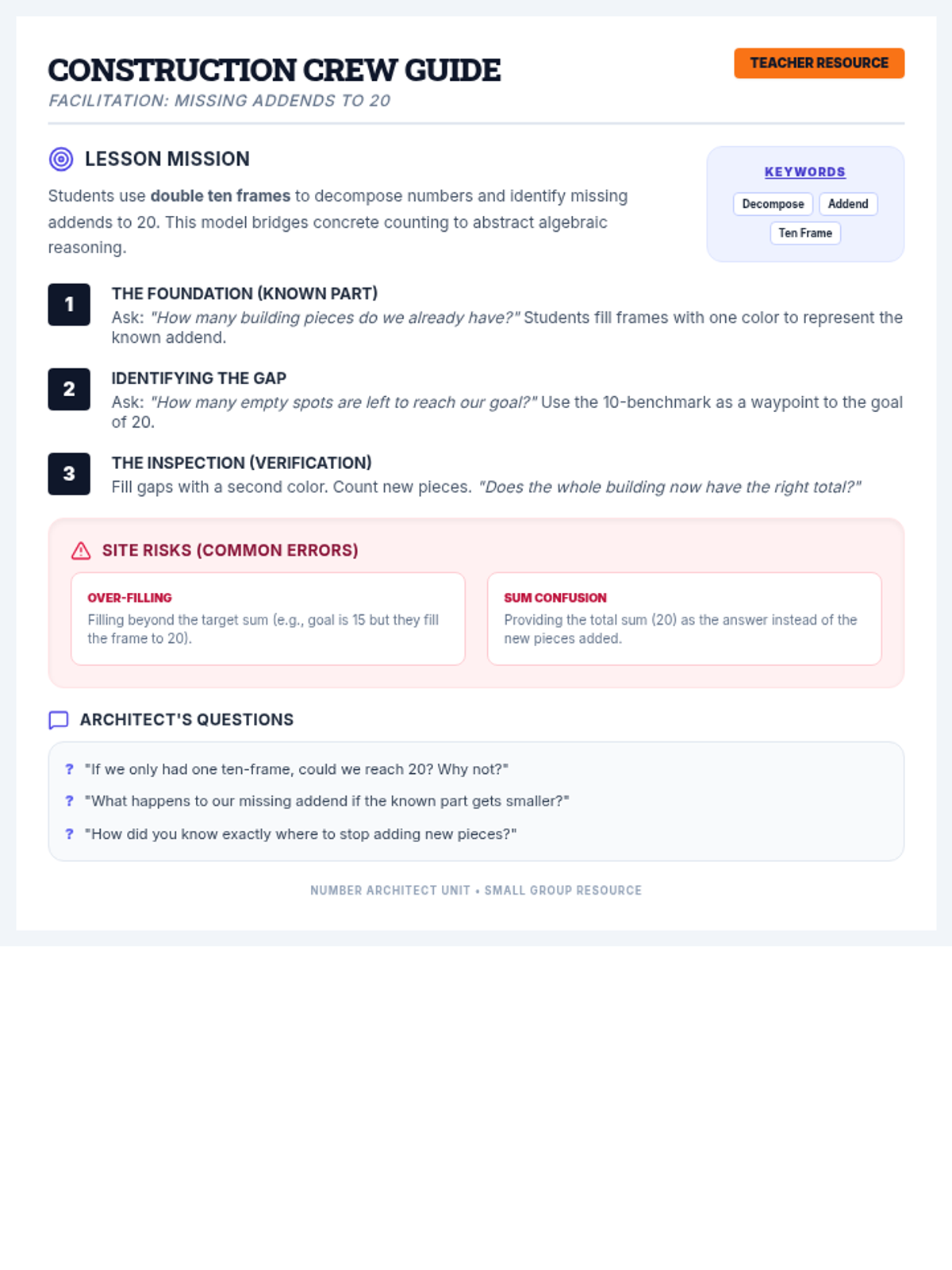
A visual math lesson focused on finding missing addends up to 20 using double ten frames and decomposition strategies. Students act as 'Number Architects' to fill gaps in blueprints.
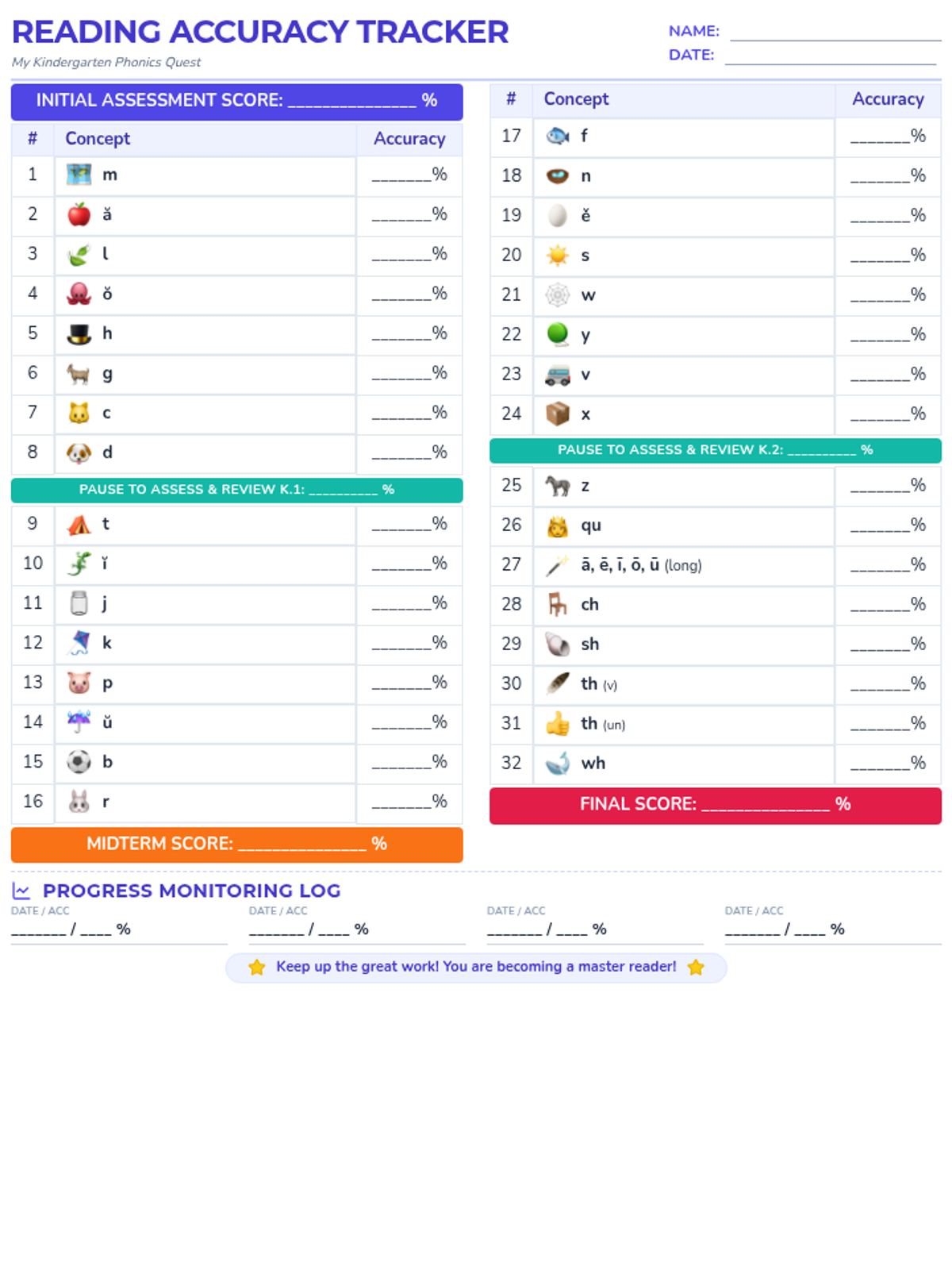
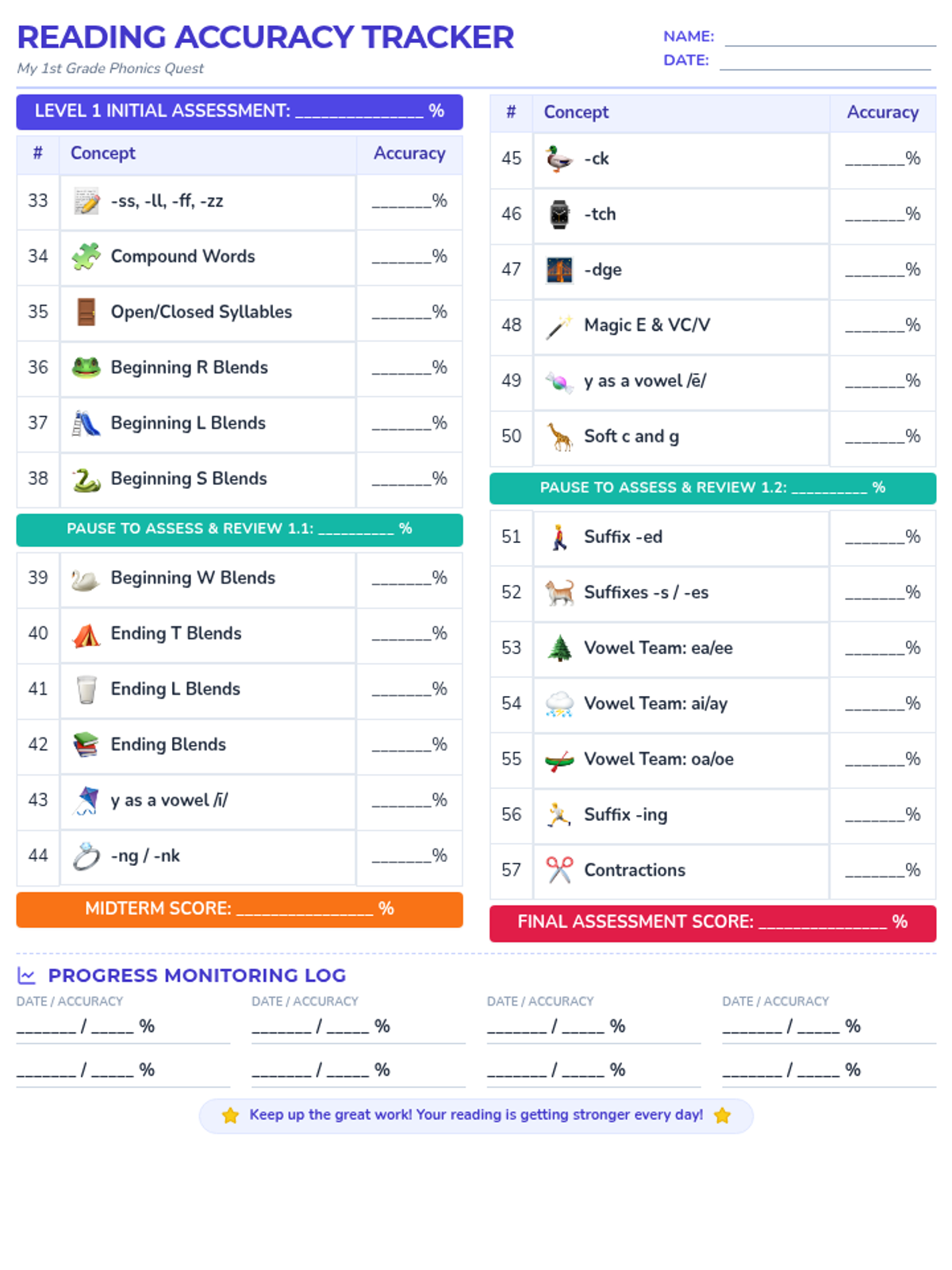
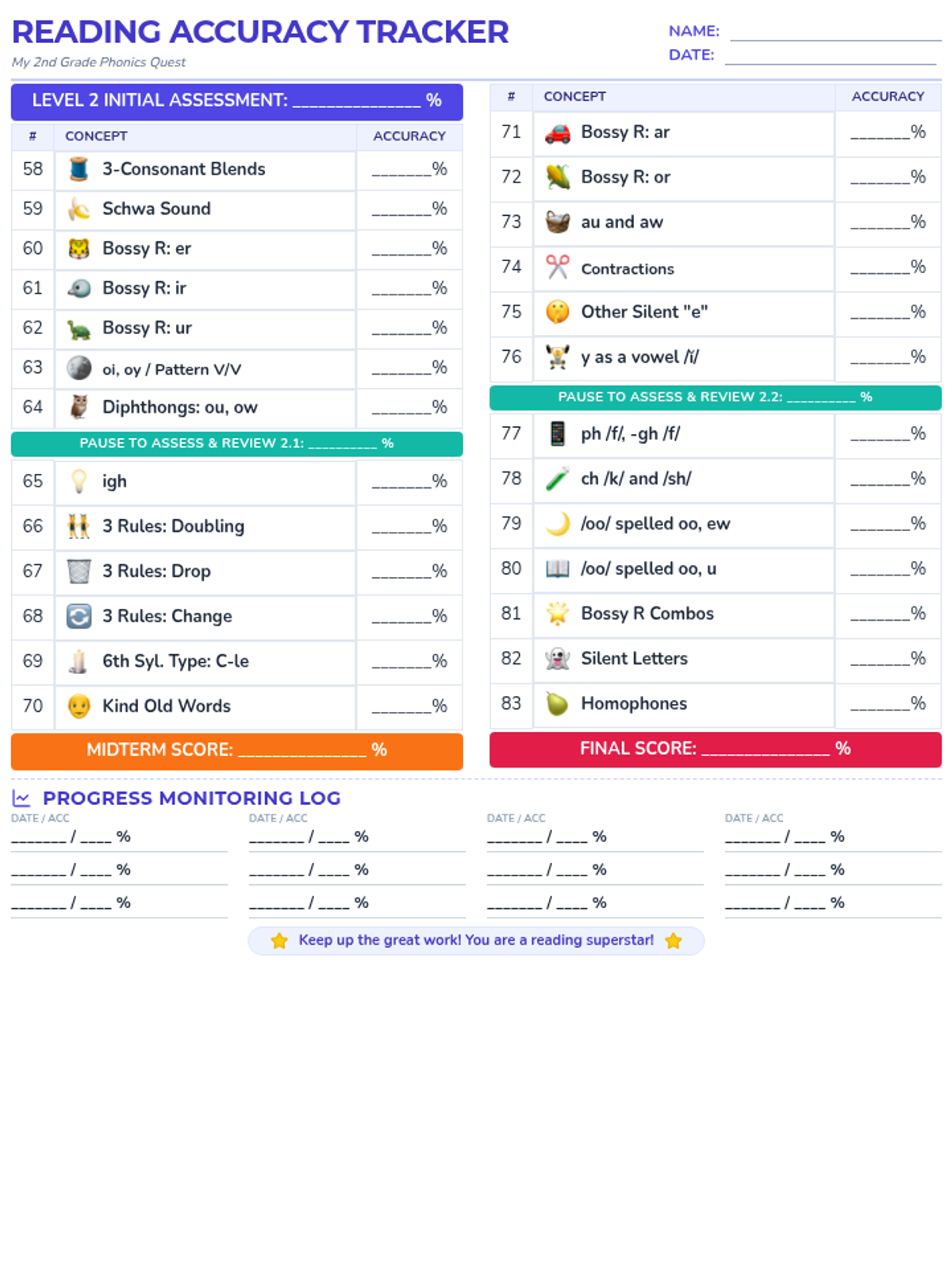
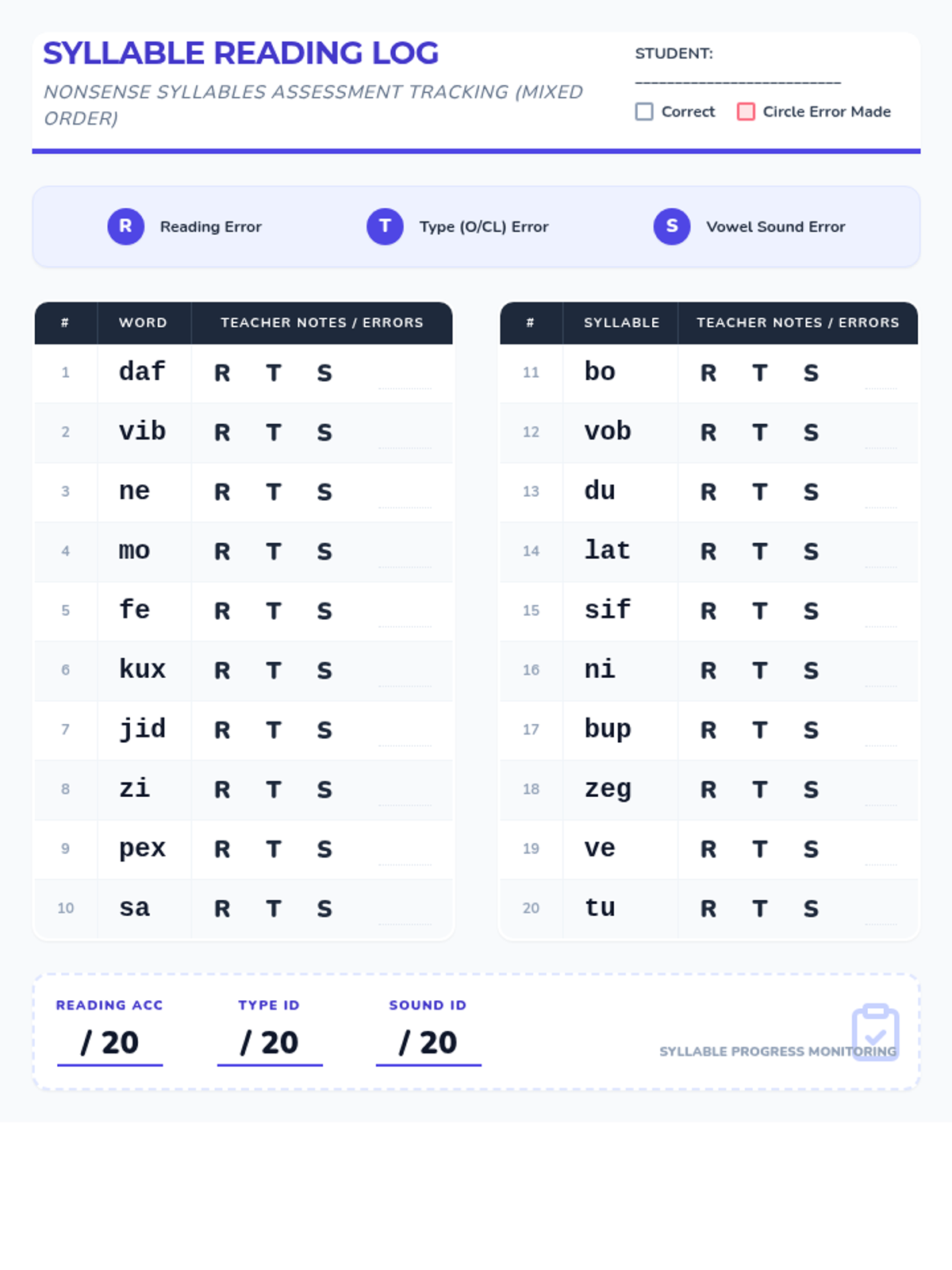
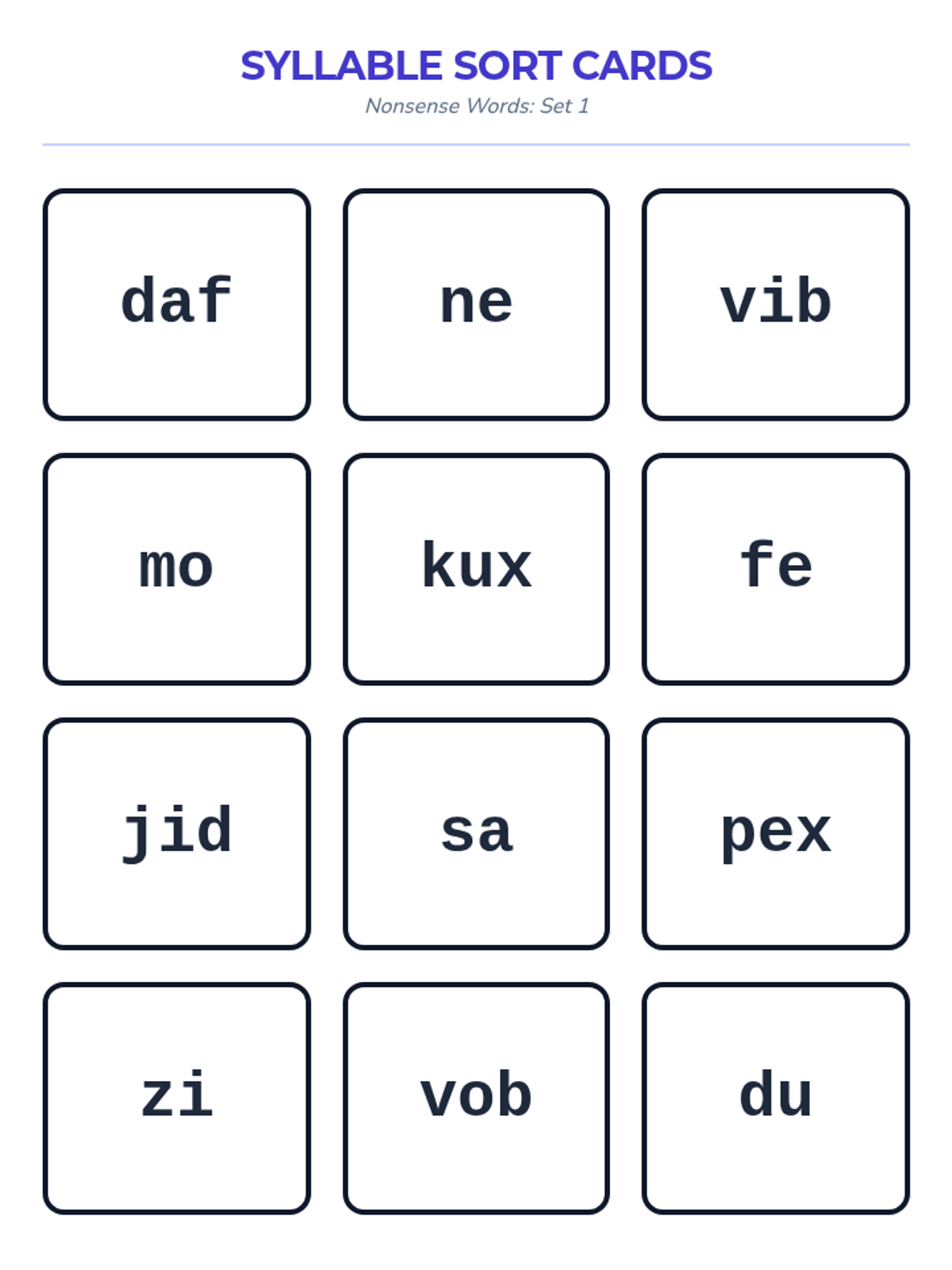
A collection of reading accuracy trackers for Kindergarten and 1st Grade students to monitor their phonics progress.
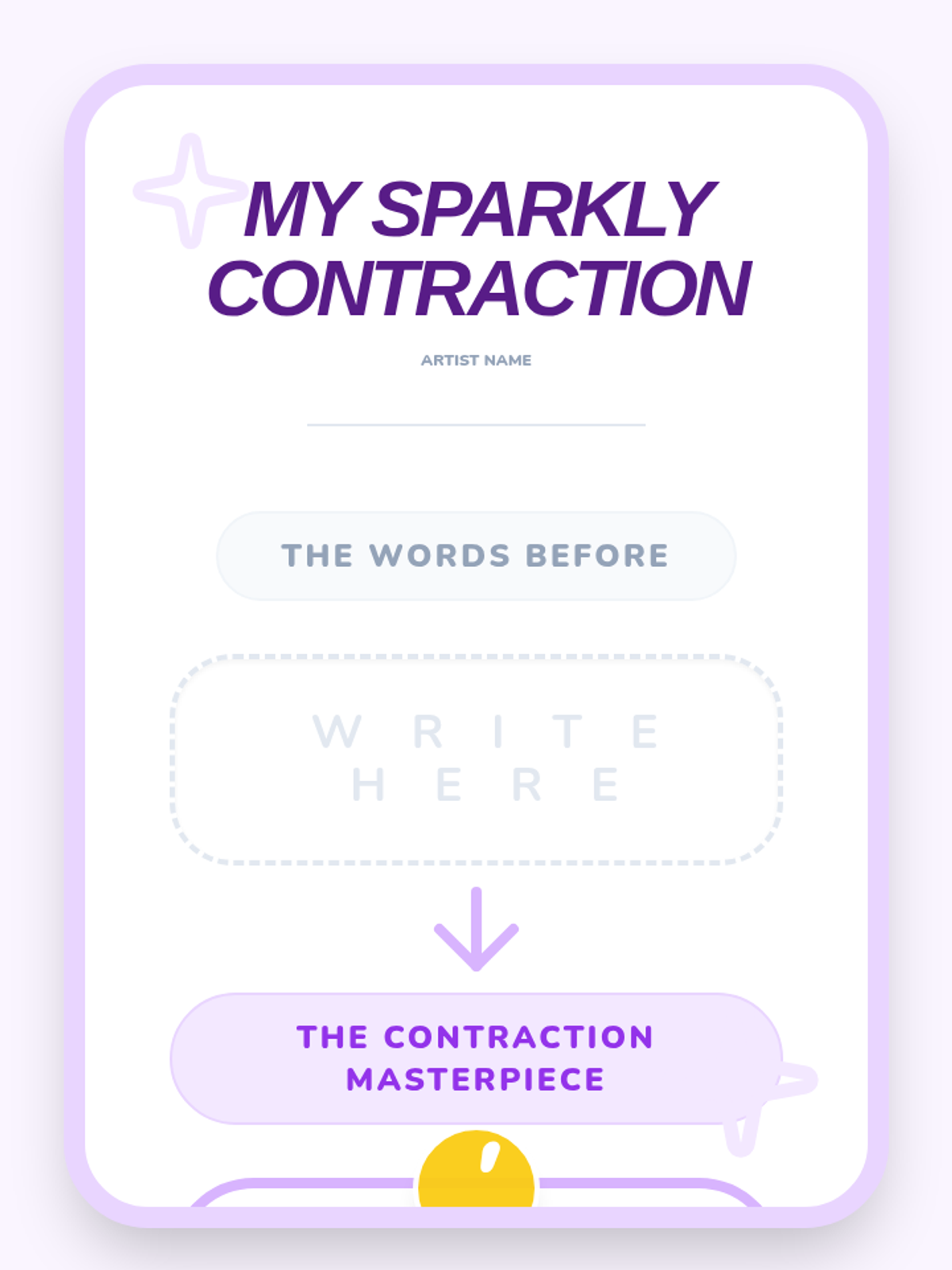
Students create 'Before and After' posters showcasing a contraction and its original word pair. They use creative materials like glitter to highlight the apostrophe, demonstrating their understanding of its role as a placeholder.
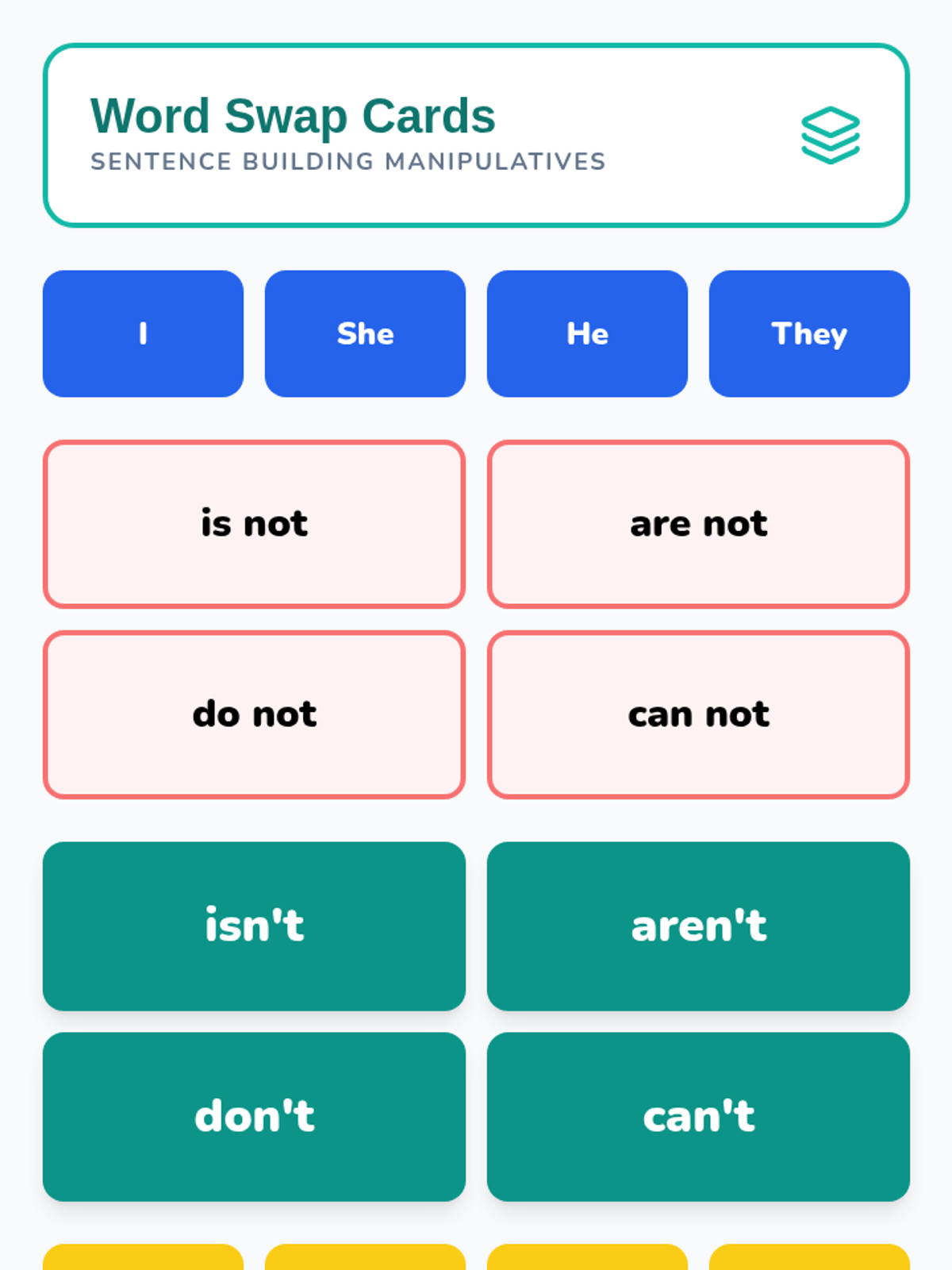
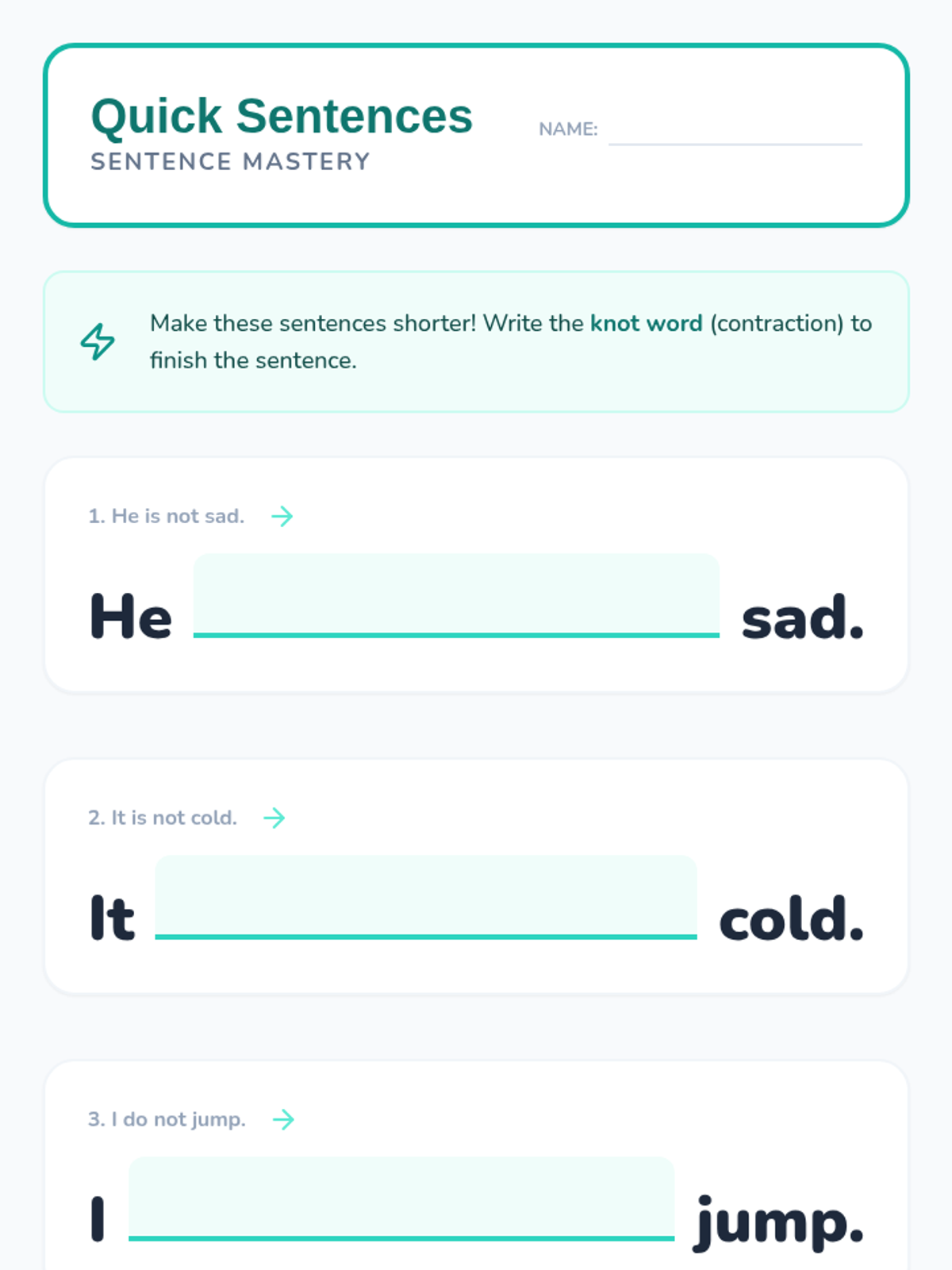
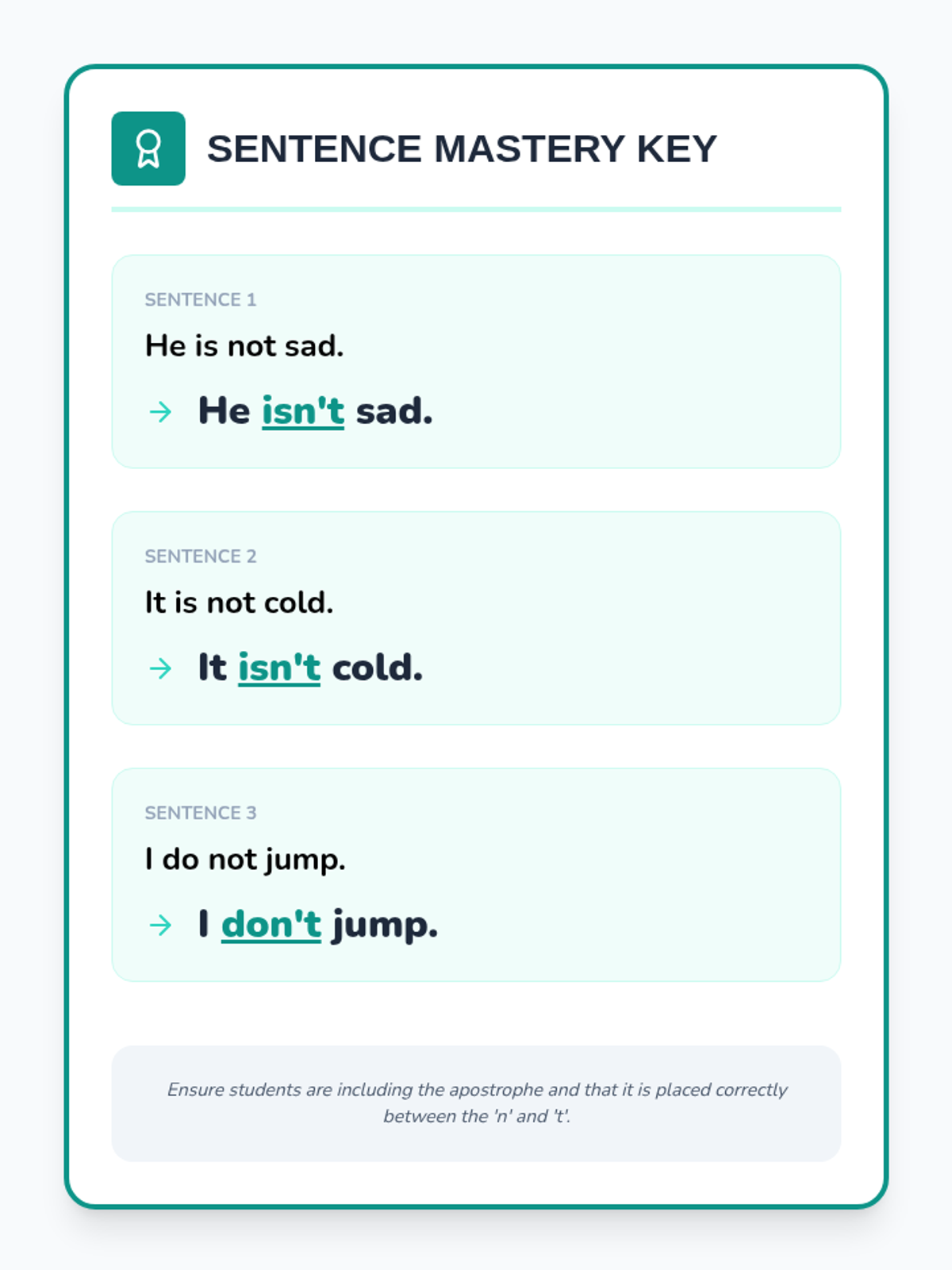
Students use word cards to build three-word sentences (e.g., 'He is not happy') and then swap the last two cards for a single contraction card ('He isn't happy').
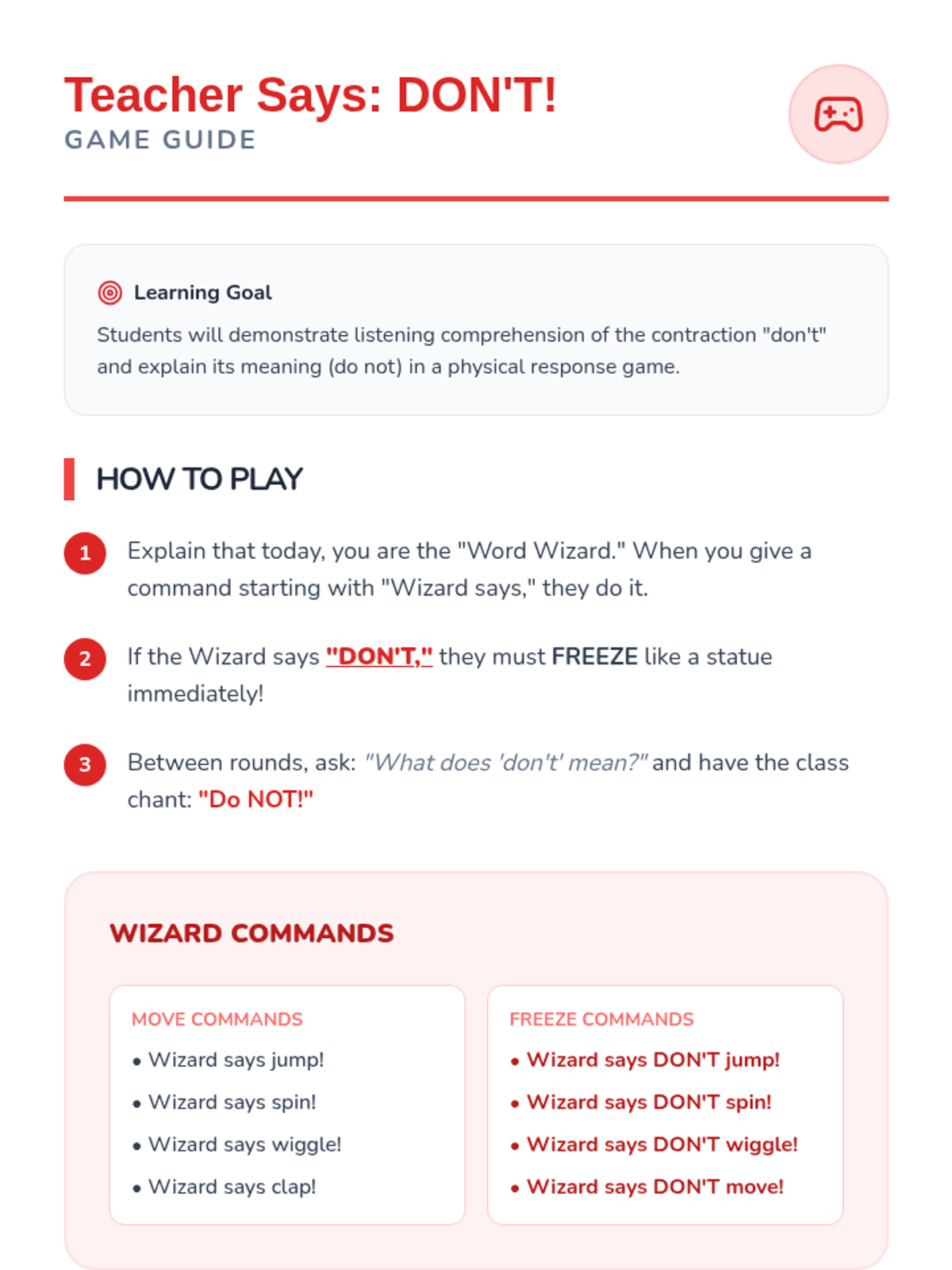
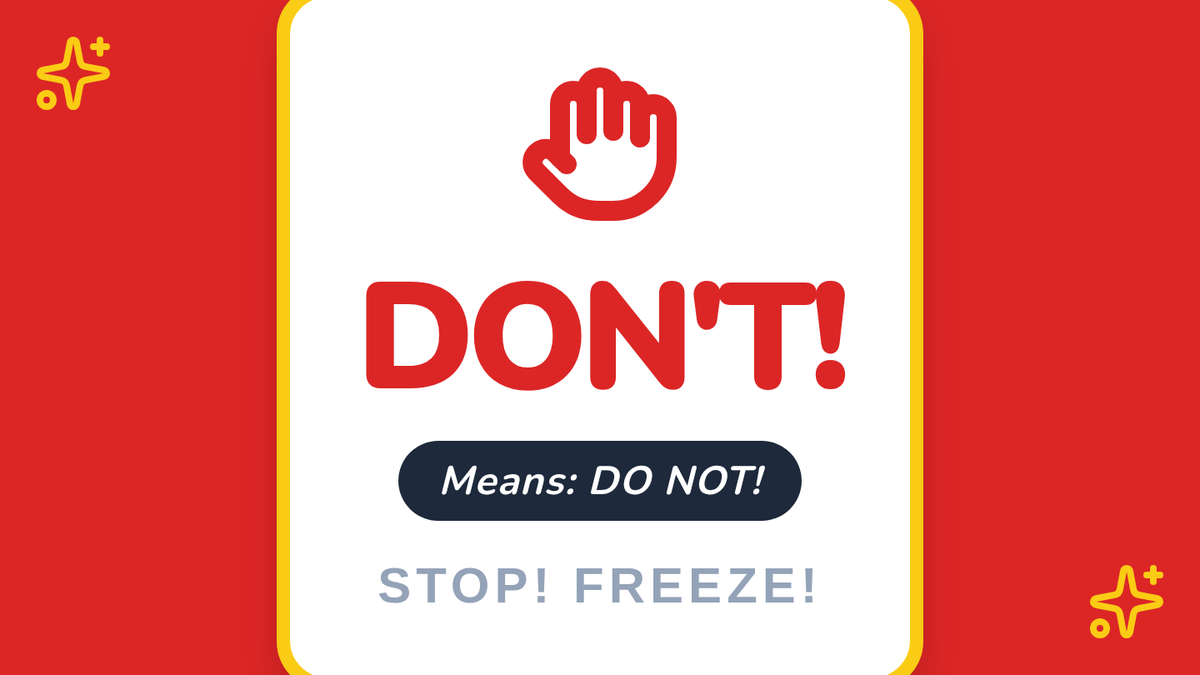
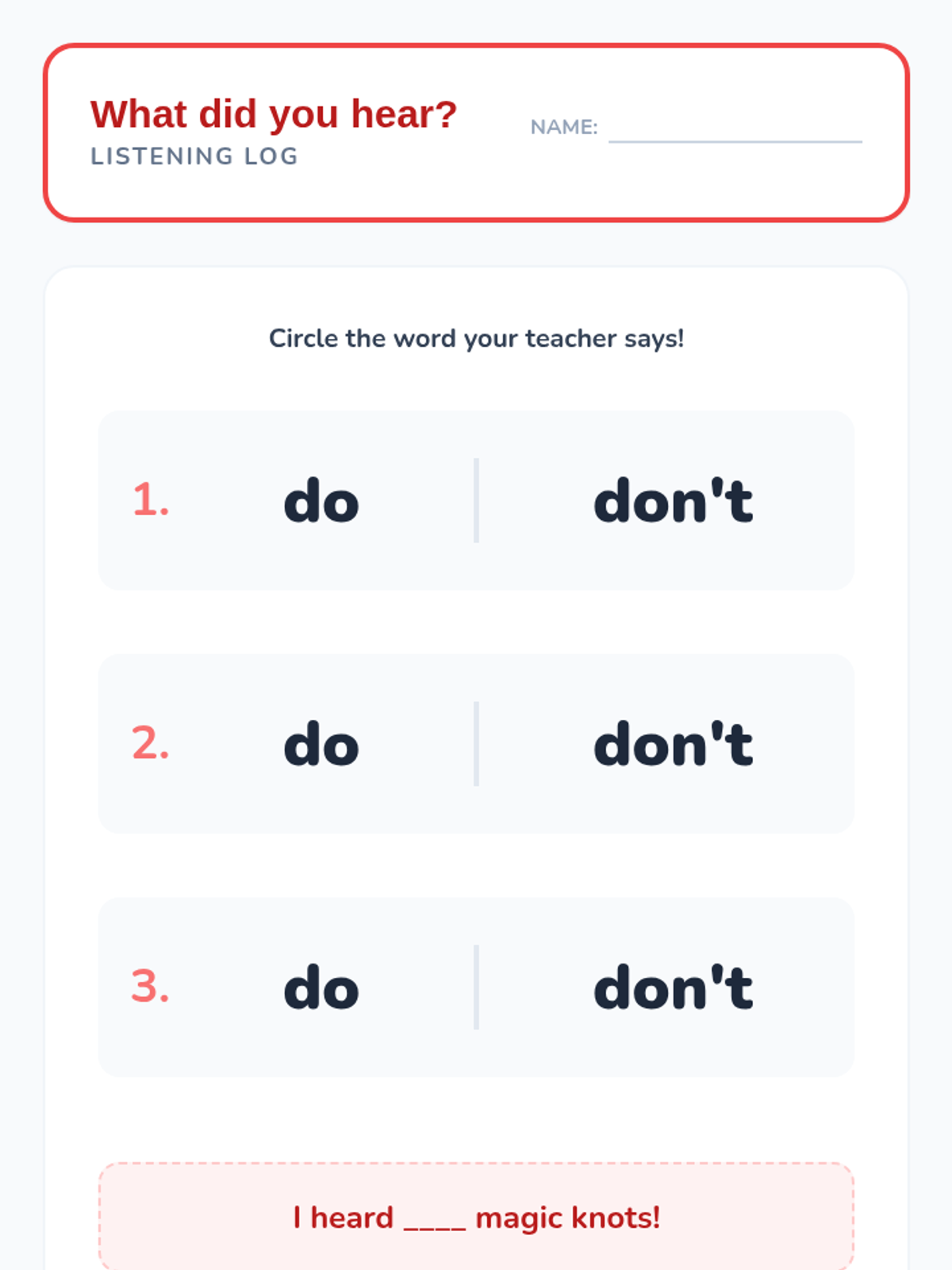
A variation of 'Simon Says' called 'Teacher Says Don't'. Students must listen for the contraction 'don't' to know when to freeze. They discuss how 'don't' means 'do not'.
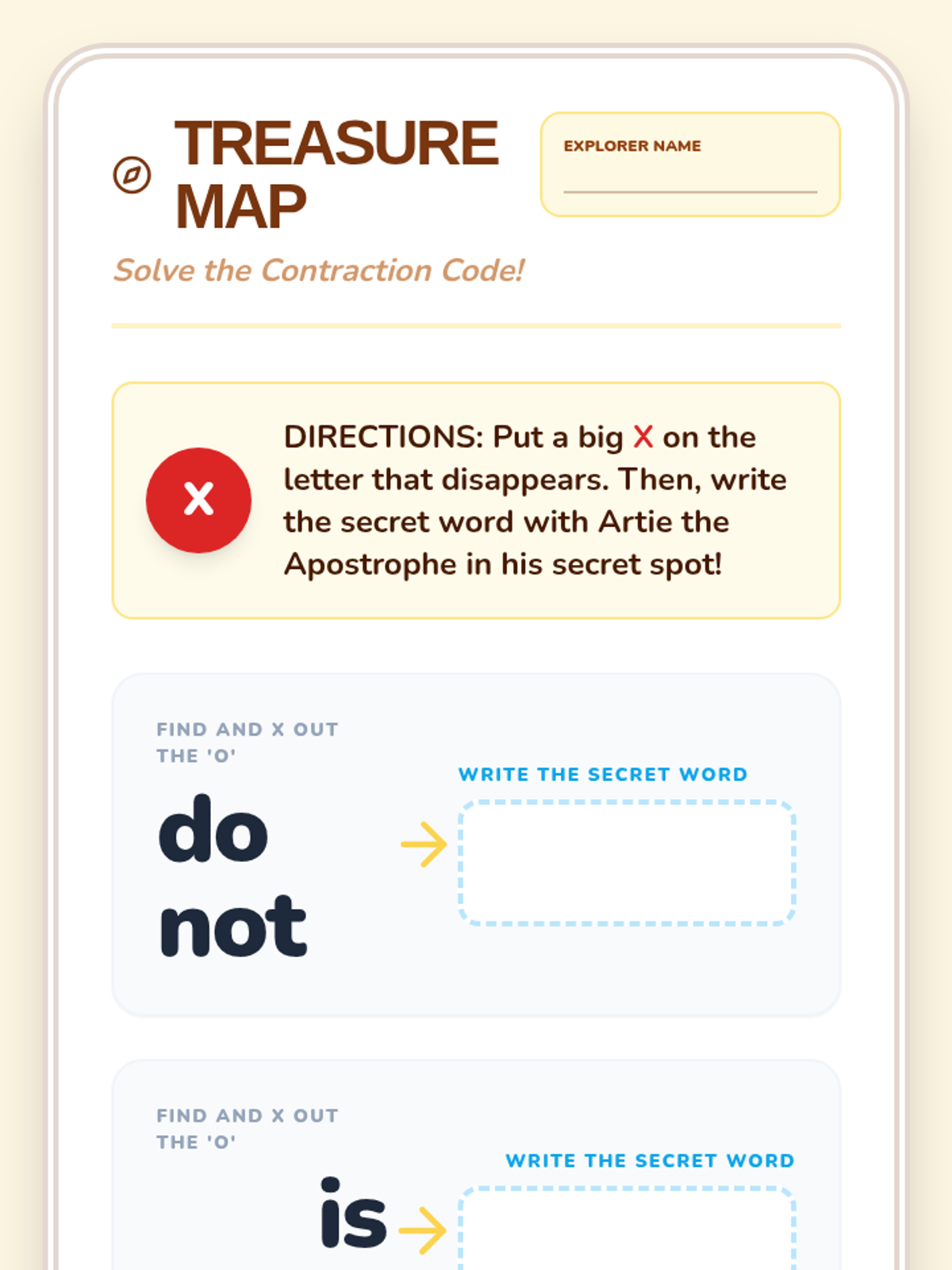
Students transition from physical manipulatives to paper-and-pencil tasks. They use a 'treasure map' theme to 'X' out letters that disappear and draw the apostrophe in the secret spot left behind.
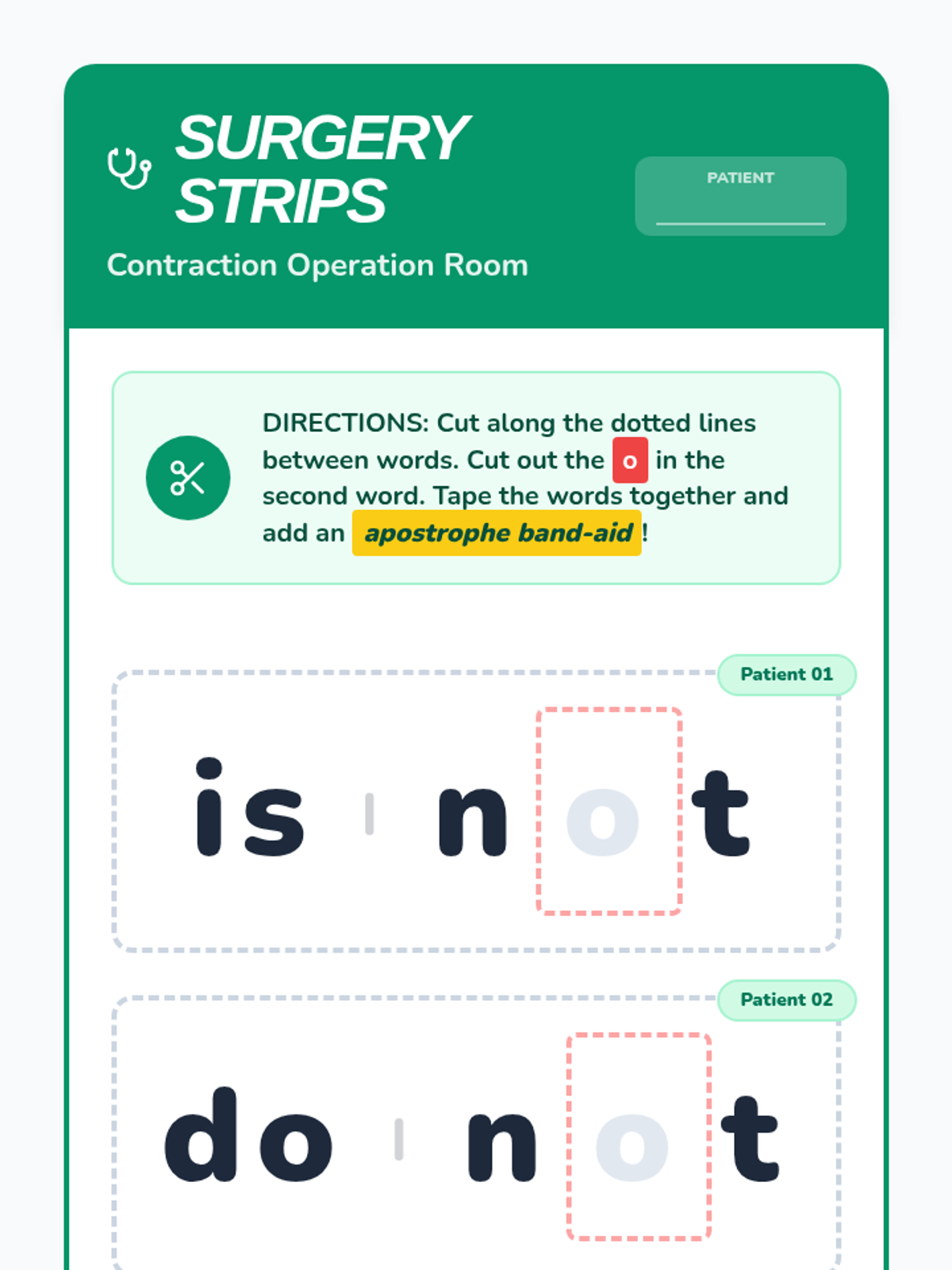
Students perform 'surgery' on word pairs. They use scissors to cut out the letter 'o' and 'band-aids' (apostrophe stickers) to join the words back together, reinforcing the physical replacement of letters.
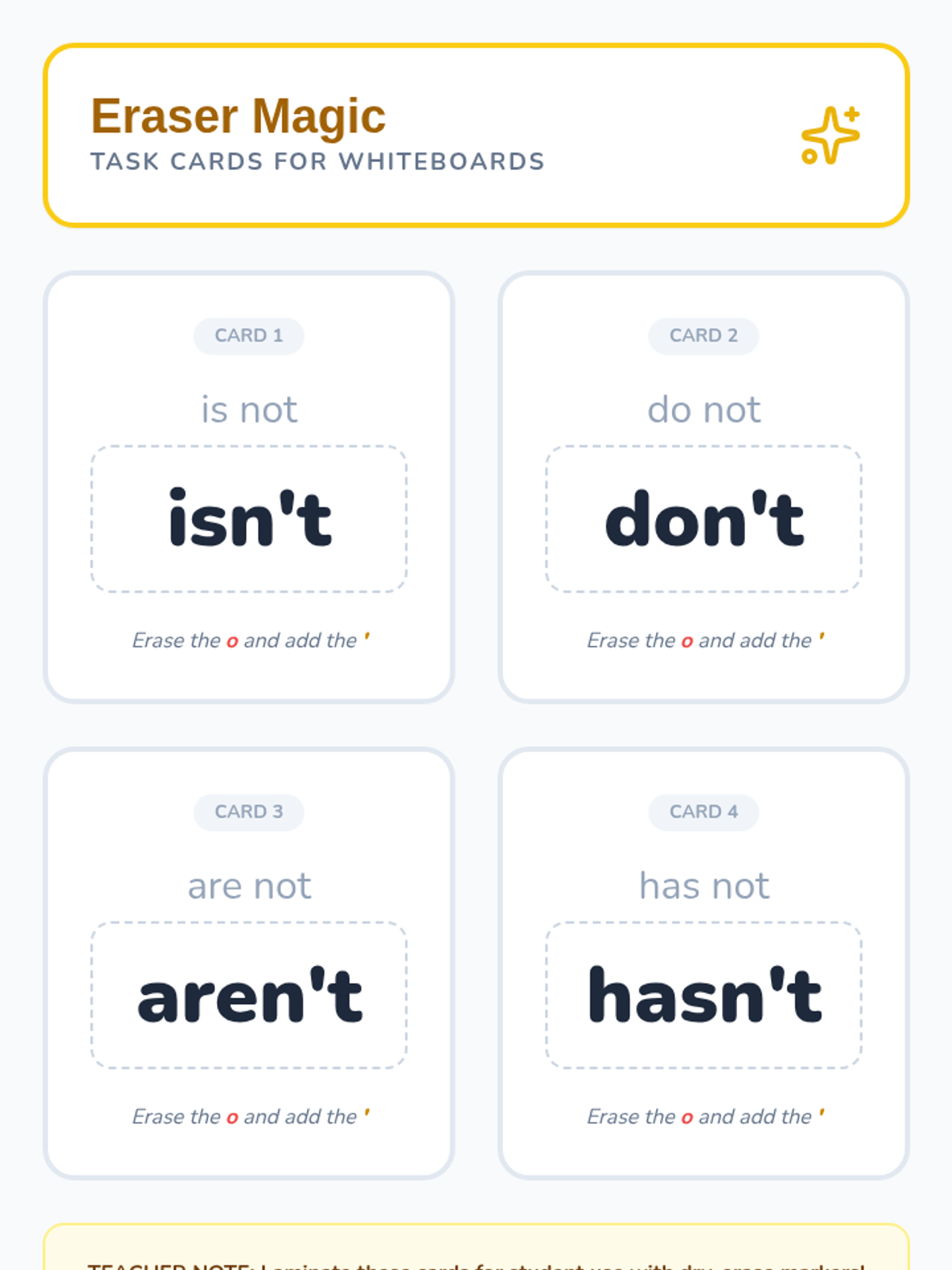
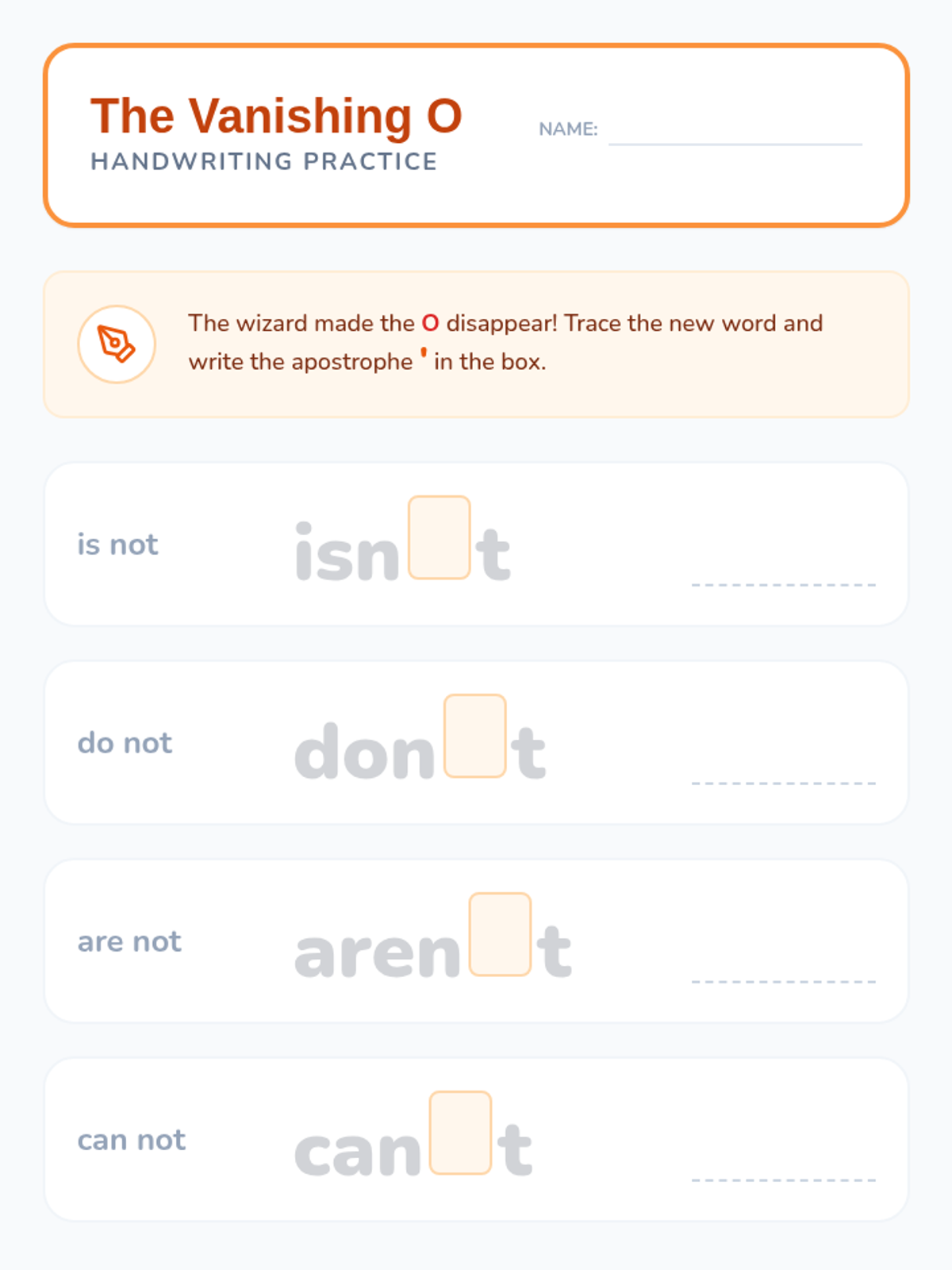
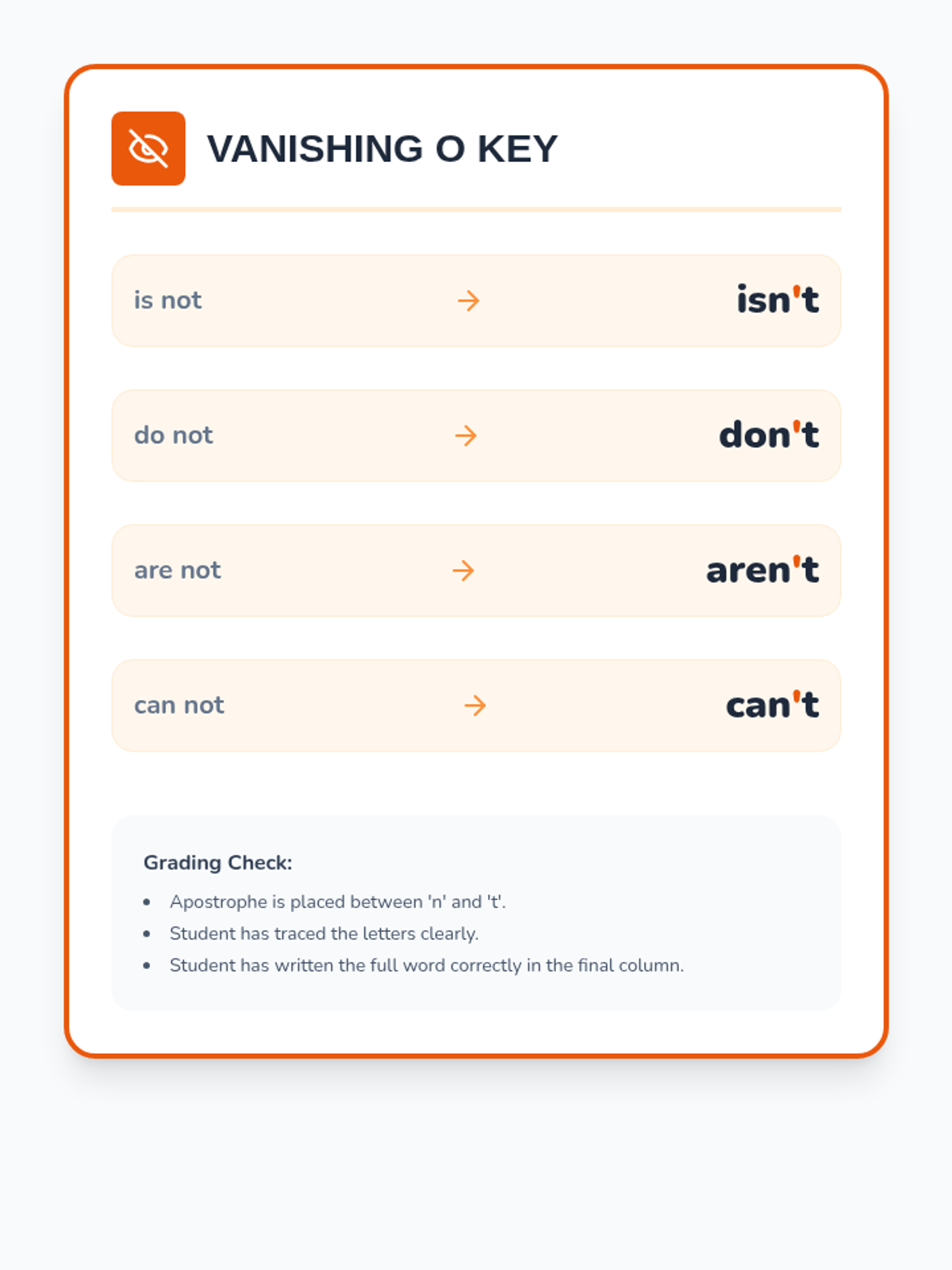
Students focus specifically on the letter 'o' in 'do not', 'is not', and 'are not'. They use erasable markers on whiteboards to physically erase the 'o' and replace it with an apostrophe.
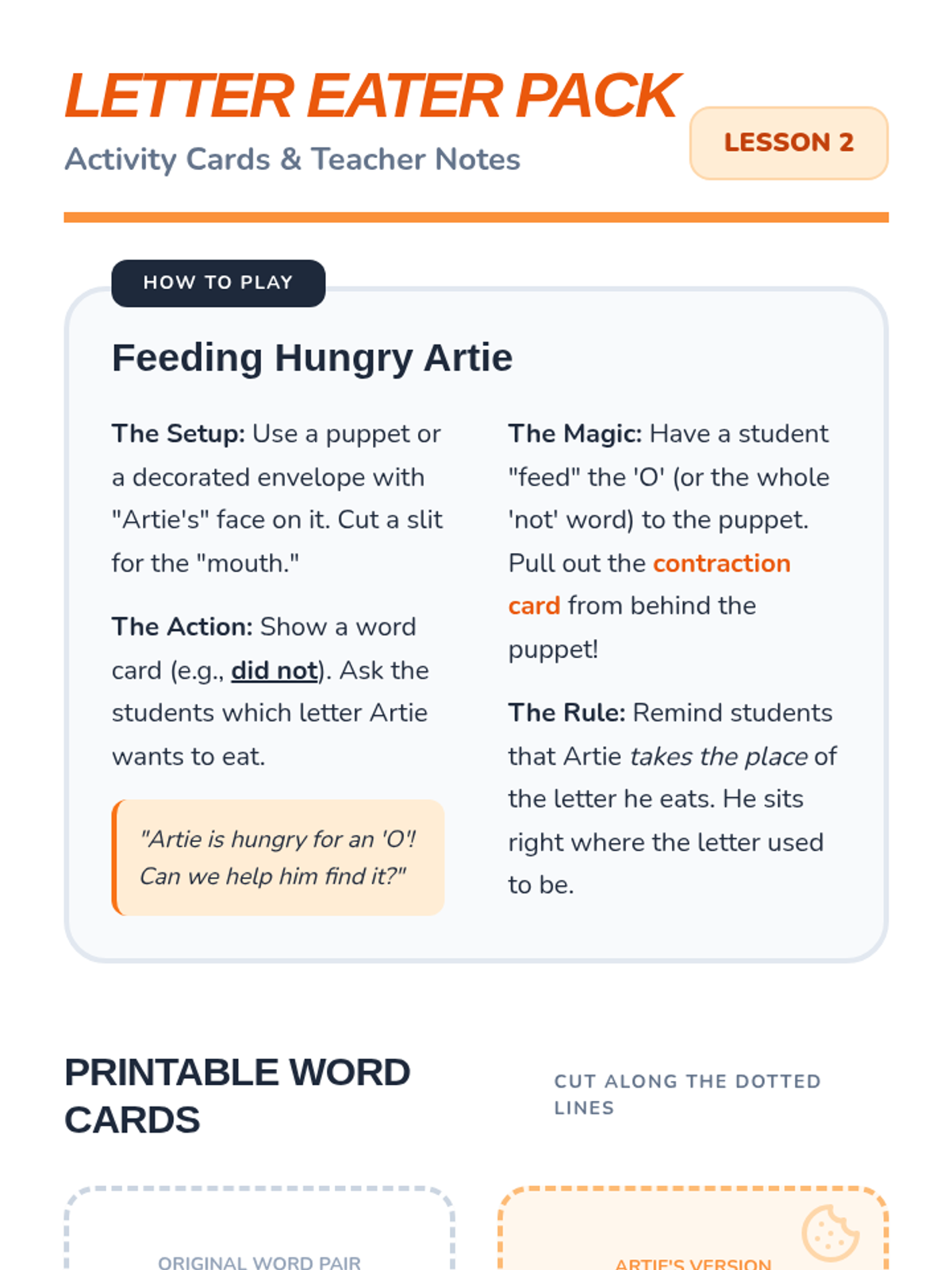
Using Artie as the 'Hungry Apostrophe', students learn that he 'eats' certain letters when two words combine. This personifies the punctuation's function in contractions like 'not' becoming 'n't'.
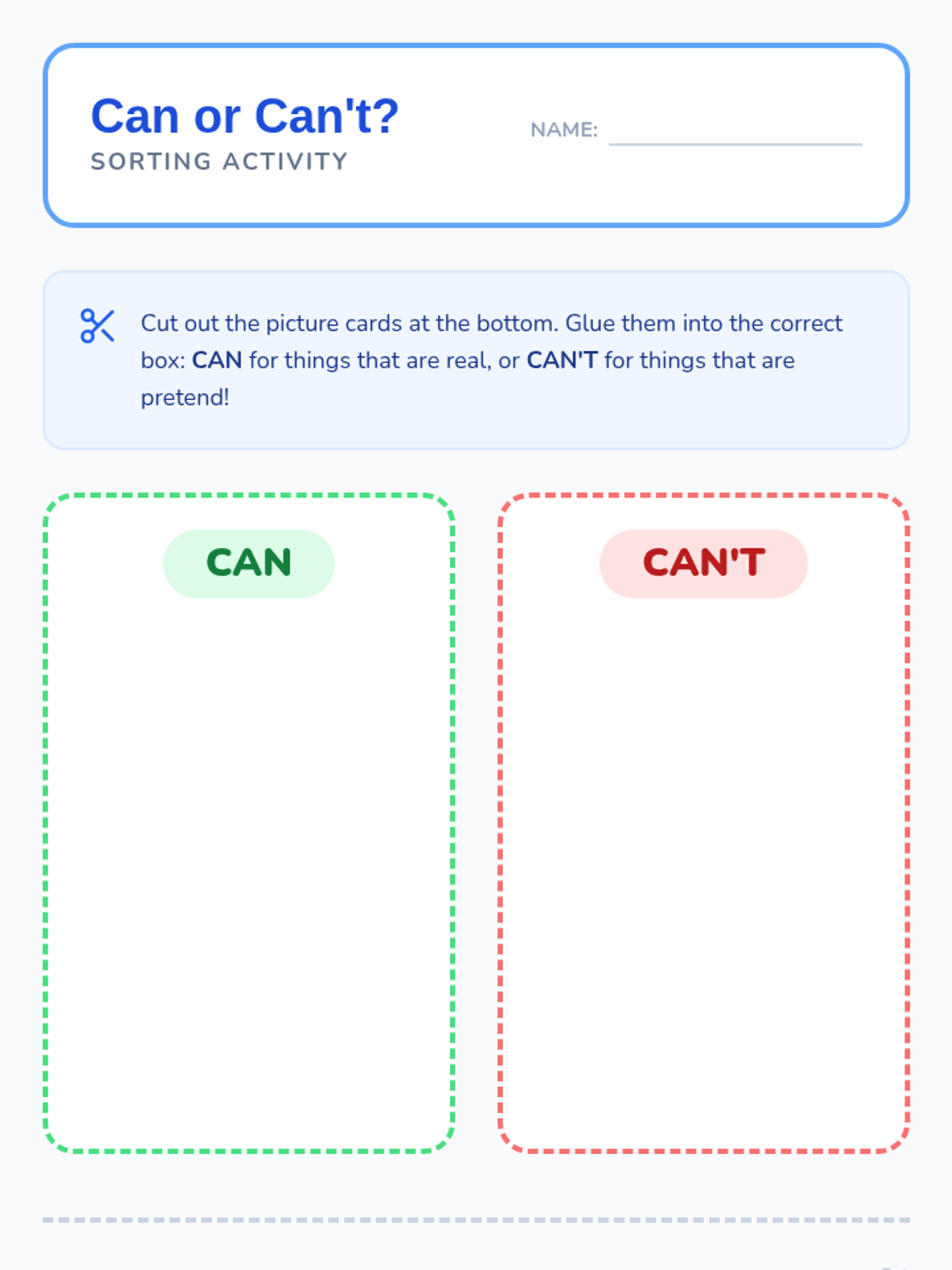
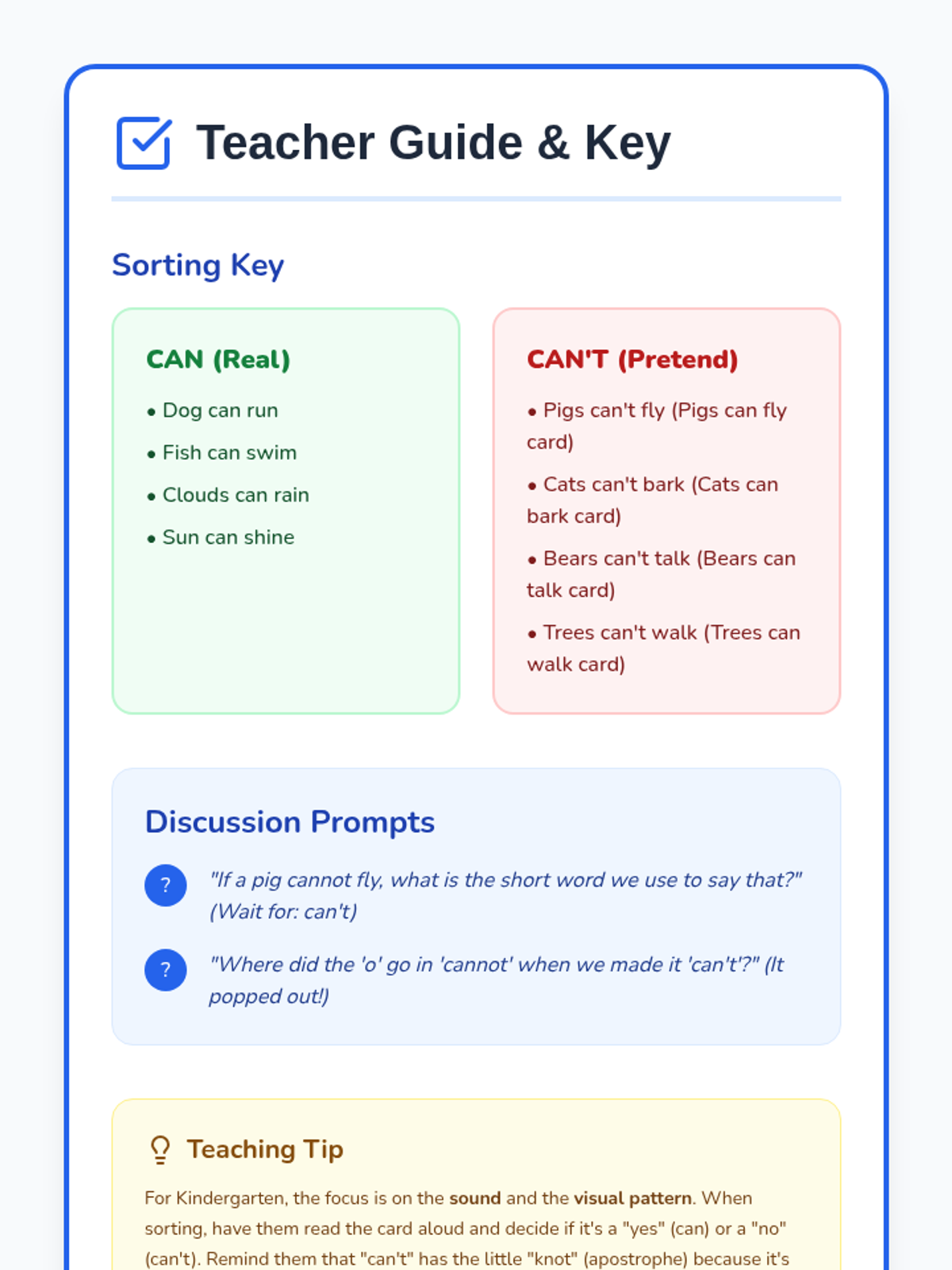
A sorting activity where students categorize pictures or scenarios into things they 'can' do versus things they 'can't' (cannot) do. They attach the word cards to the appropriate categories.
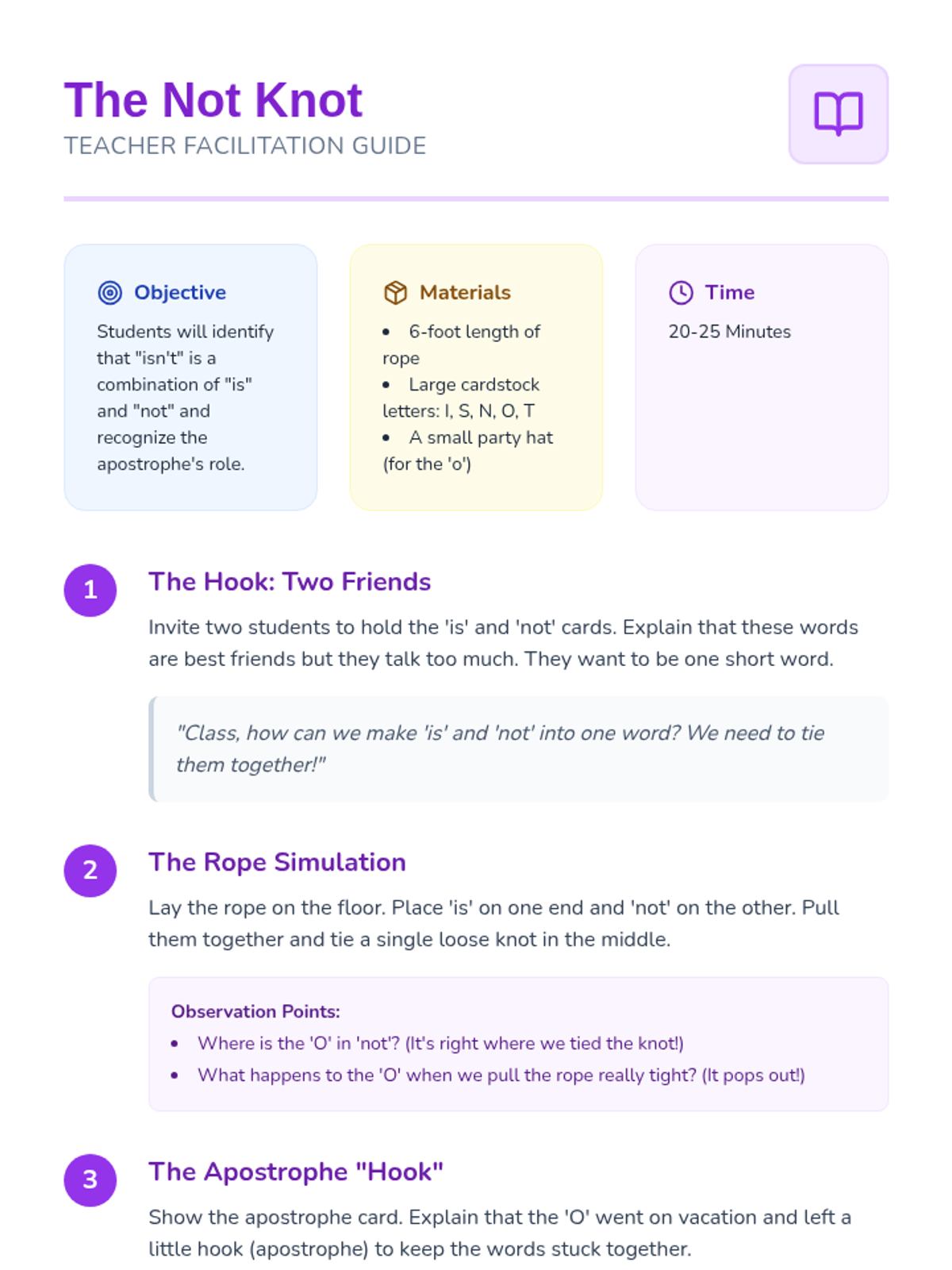
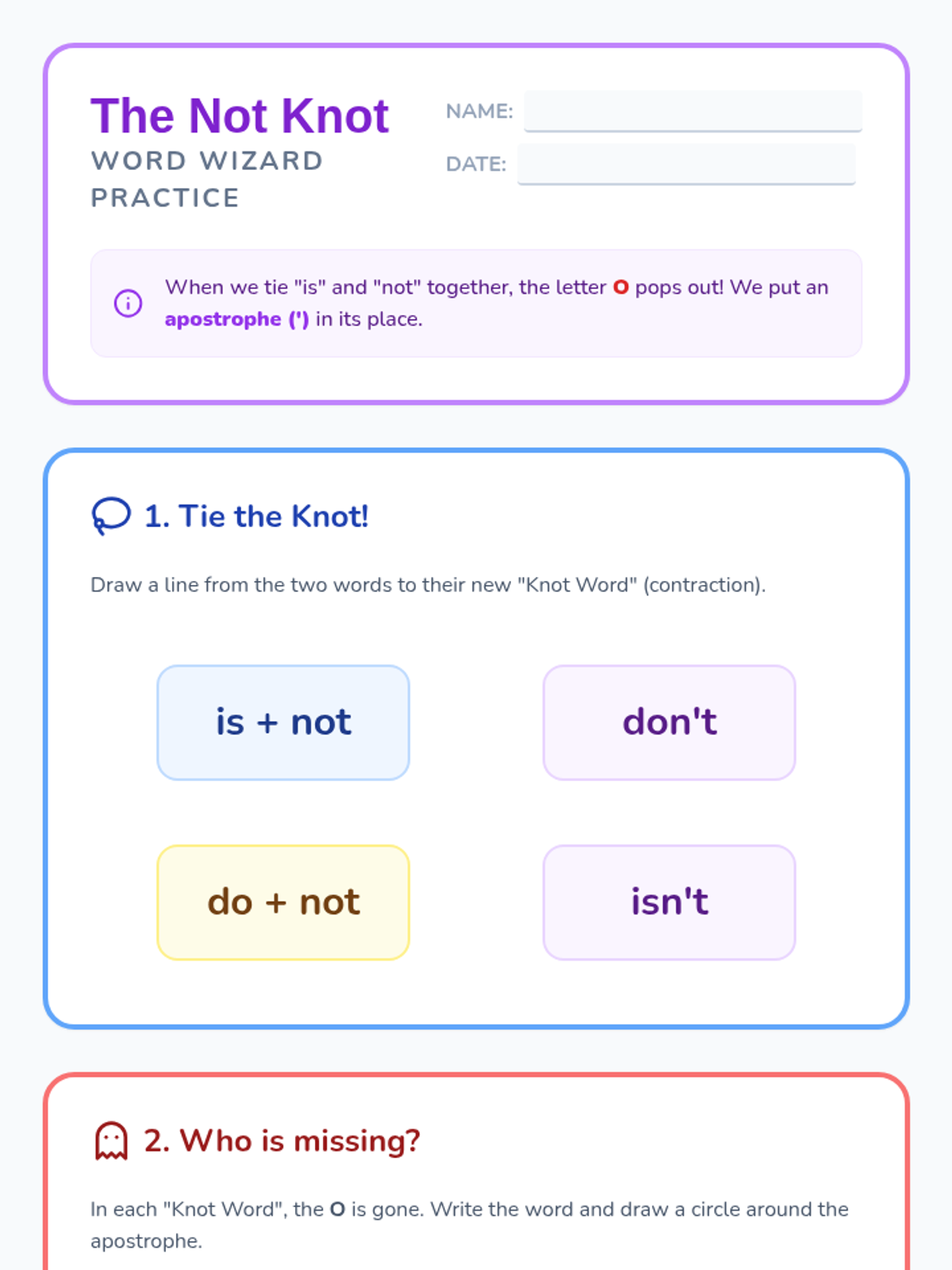
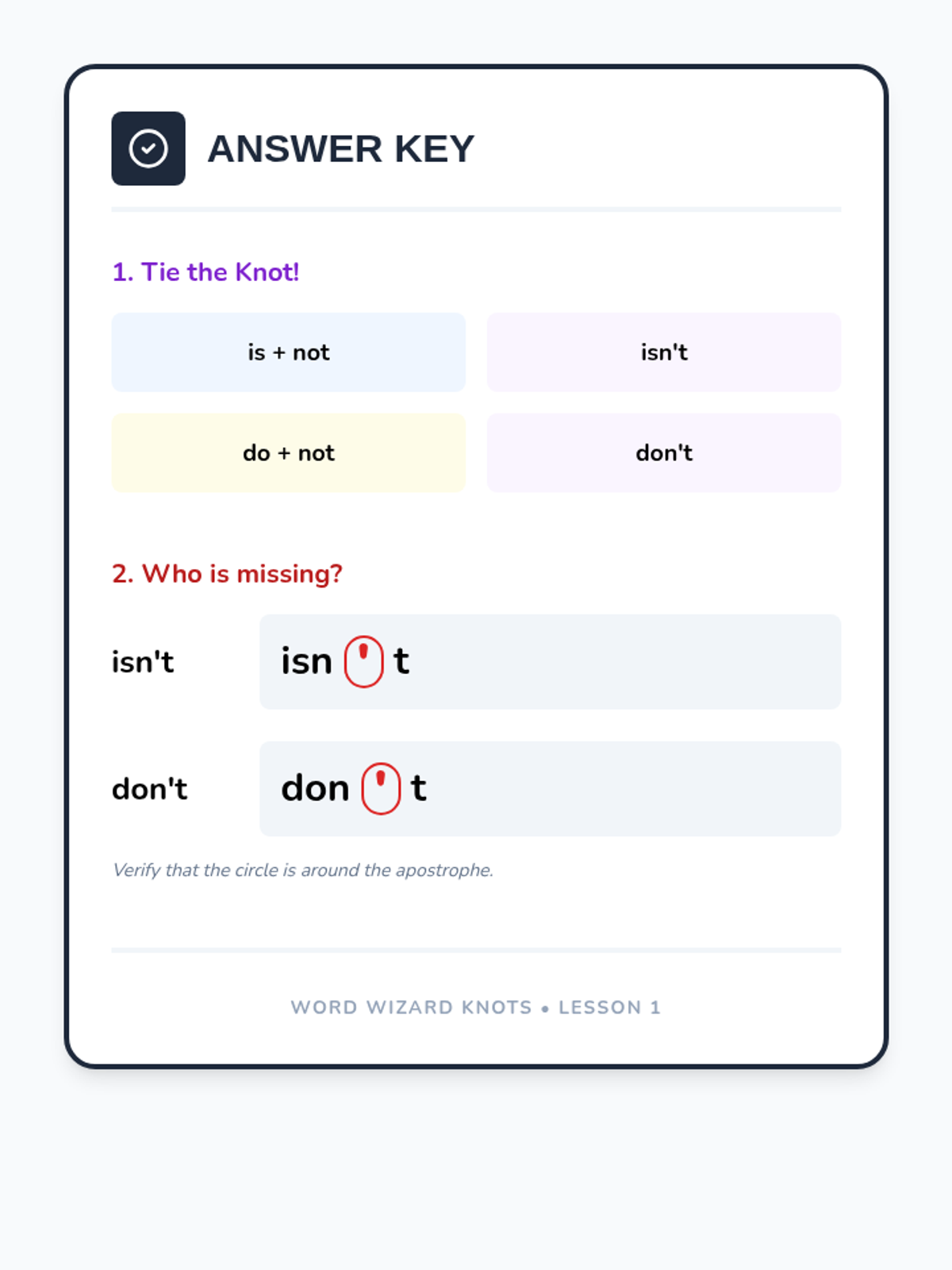
Students use a rope with a knot to visualize tying 'is' and 'not' together. They learn the specific rule that the 'o' pops out when the knot is tied tight.
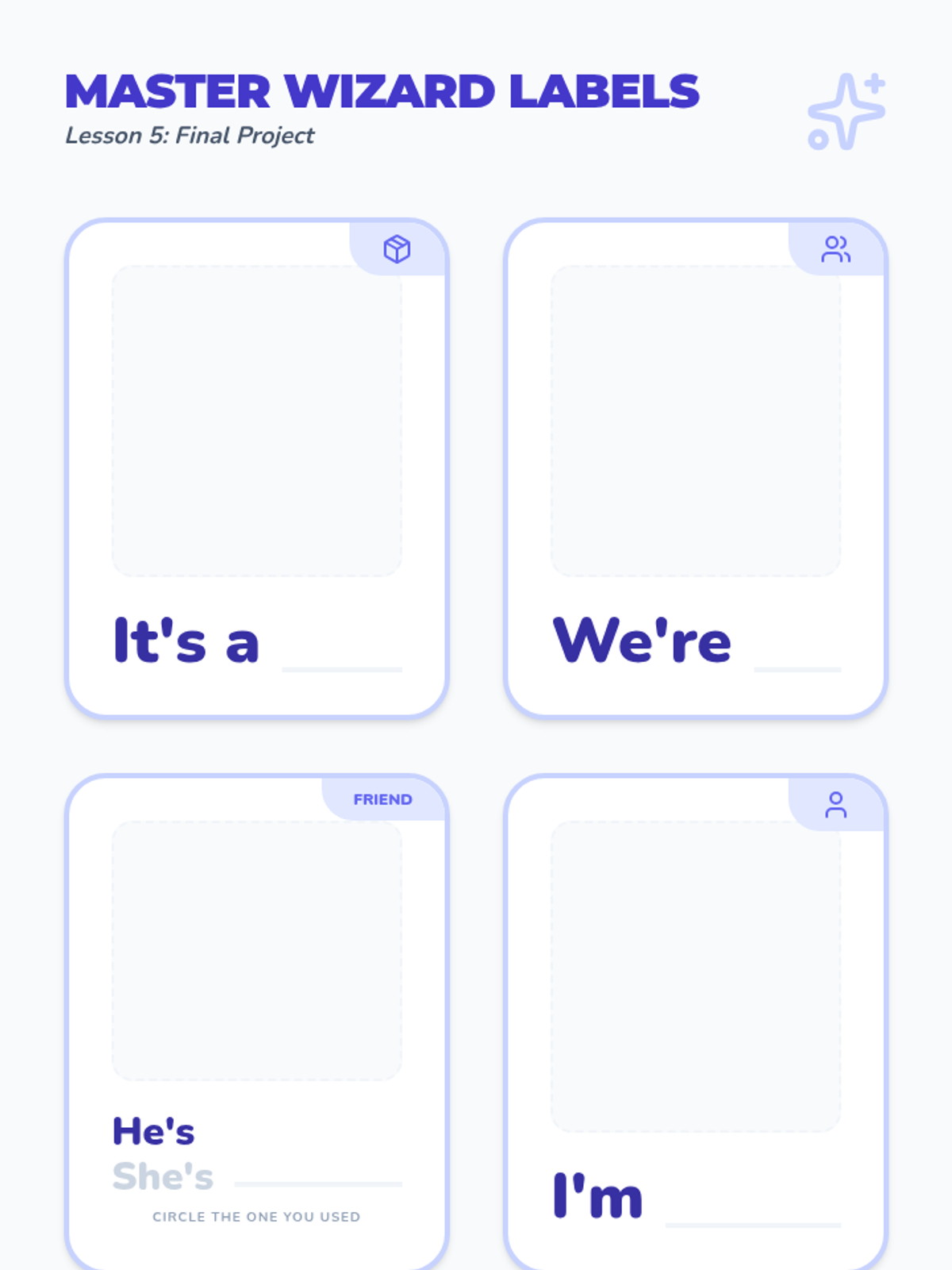
Students create labels for the classroom using contractions to describe the environment and their feelings, culminating in a classroom walk-through.
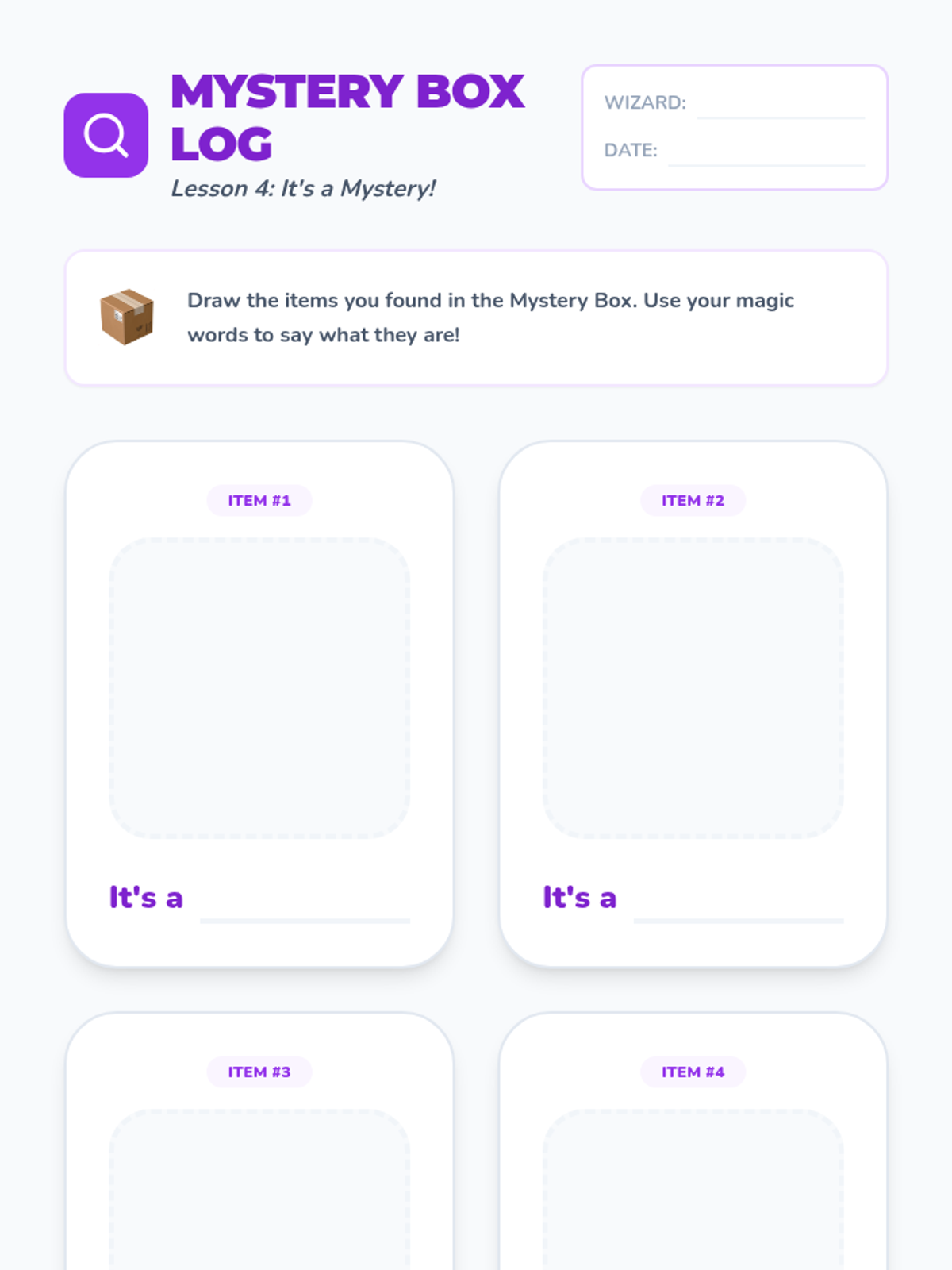
Students investigate objects in a mystery box, practicing the use of 'It is' and 'It's' to describe what they find.
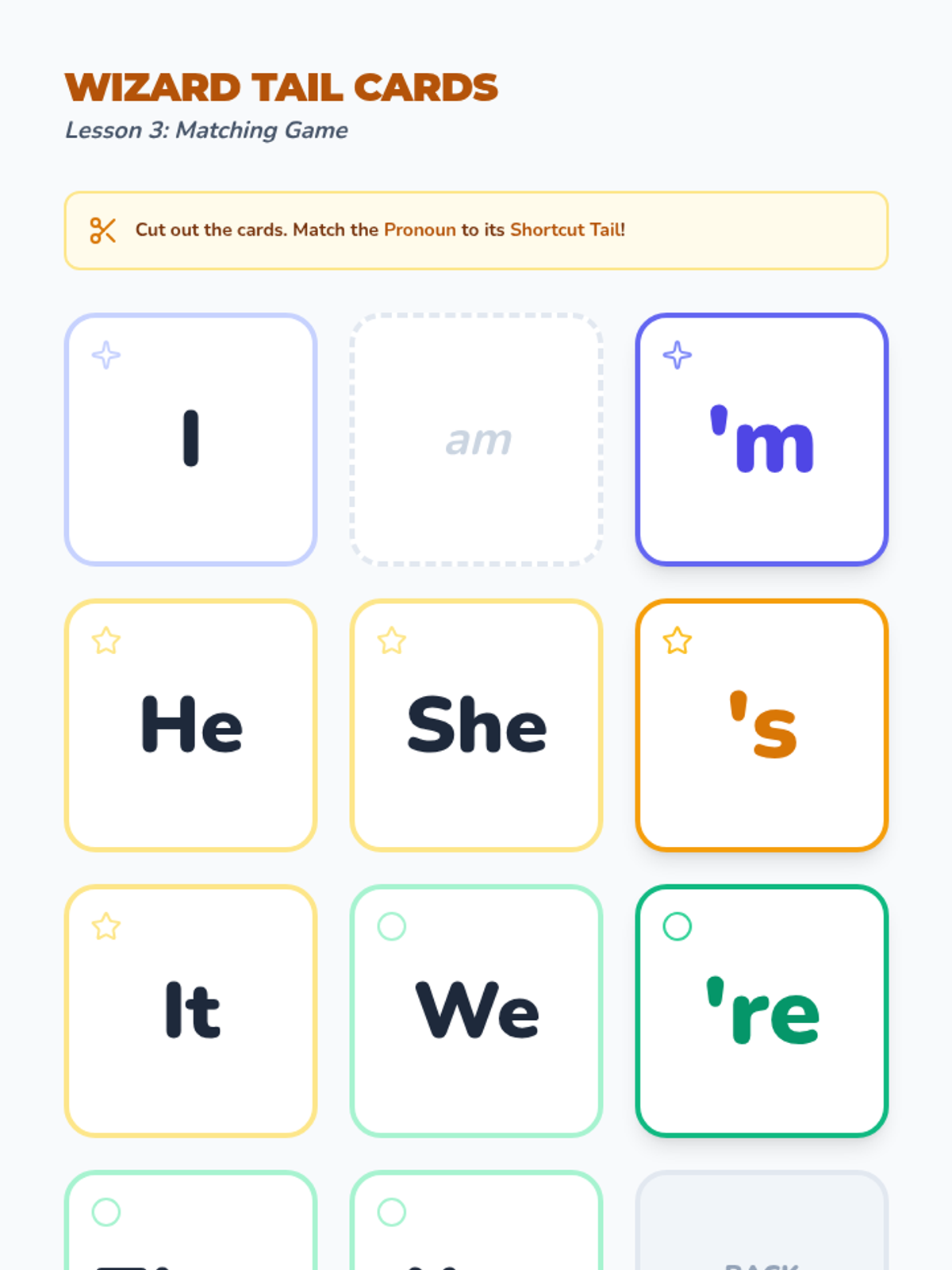
A matching game where students pair pronoun cards (She, He, We, They) with verb endings ('s, 're, 've) to identify patterns in how we shorten words.
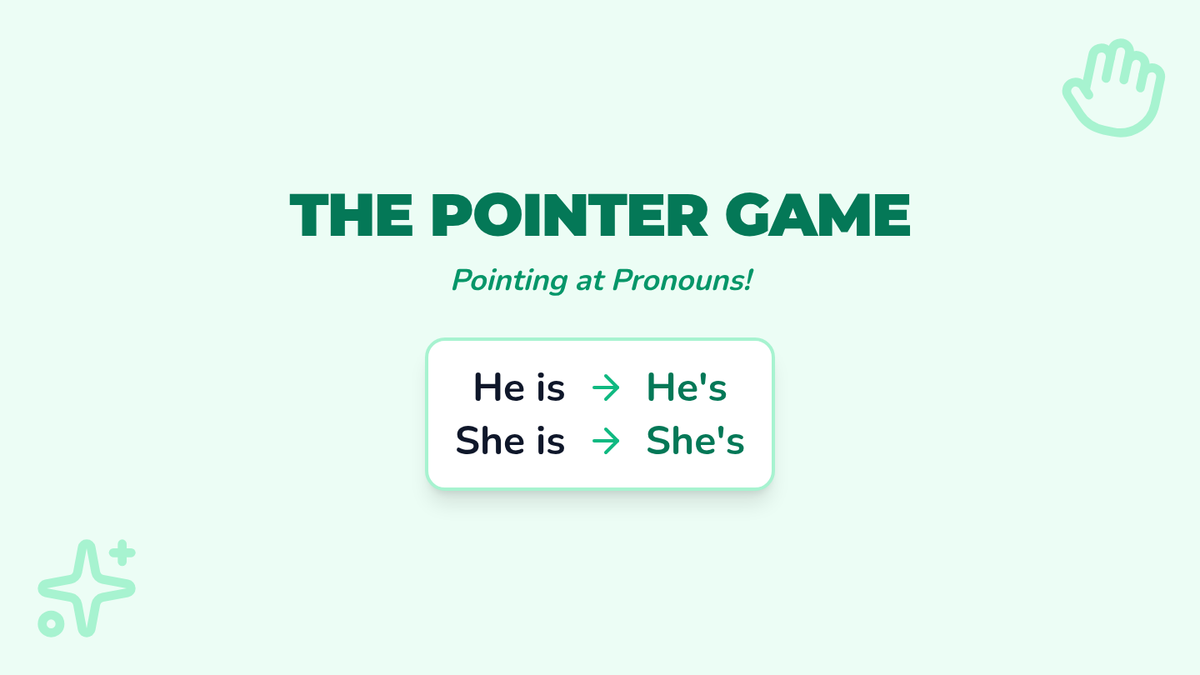
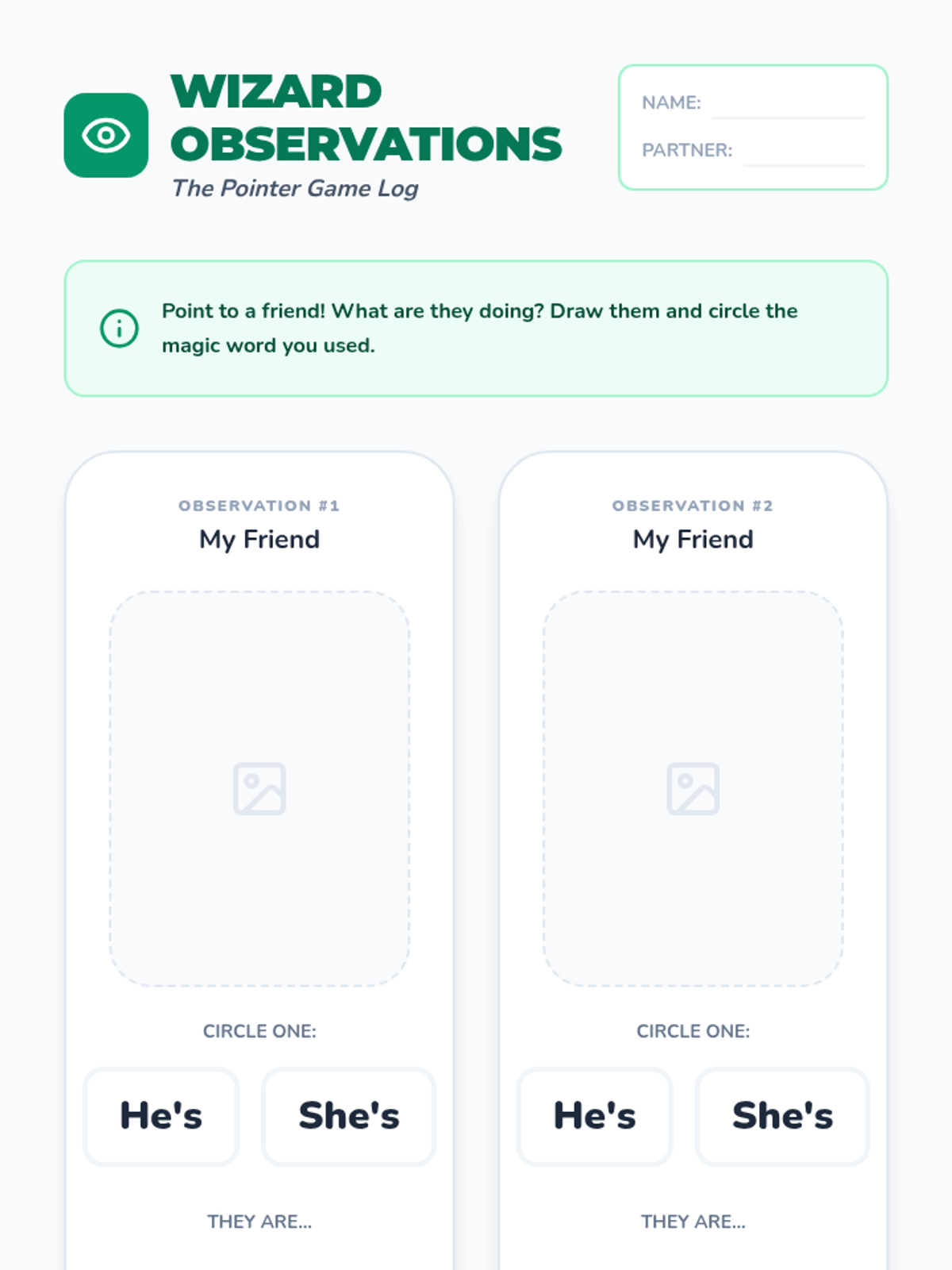
Students work in pairs to describe classmate actions using 'He is' and 'She is', then practice transforming them into 'He's' and 'She's' for oral fluency.
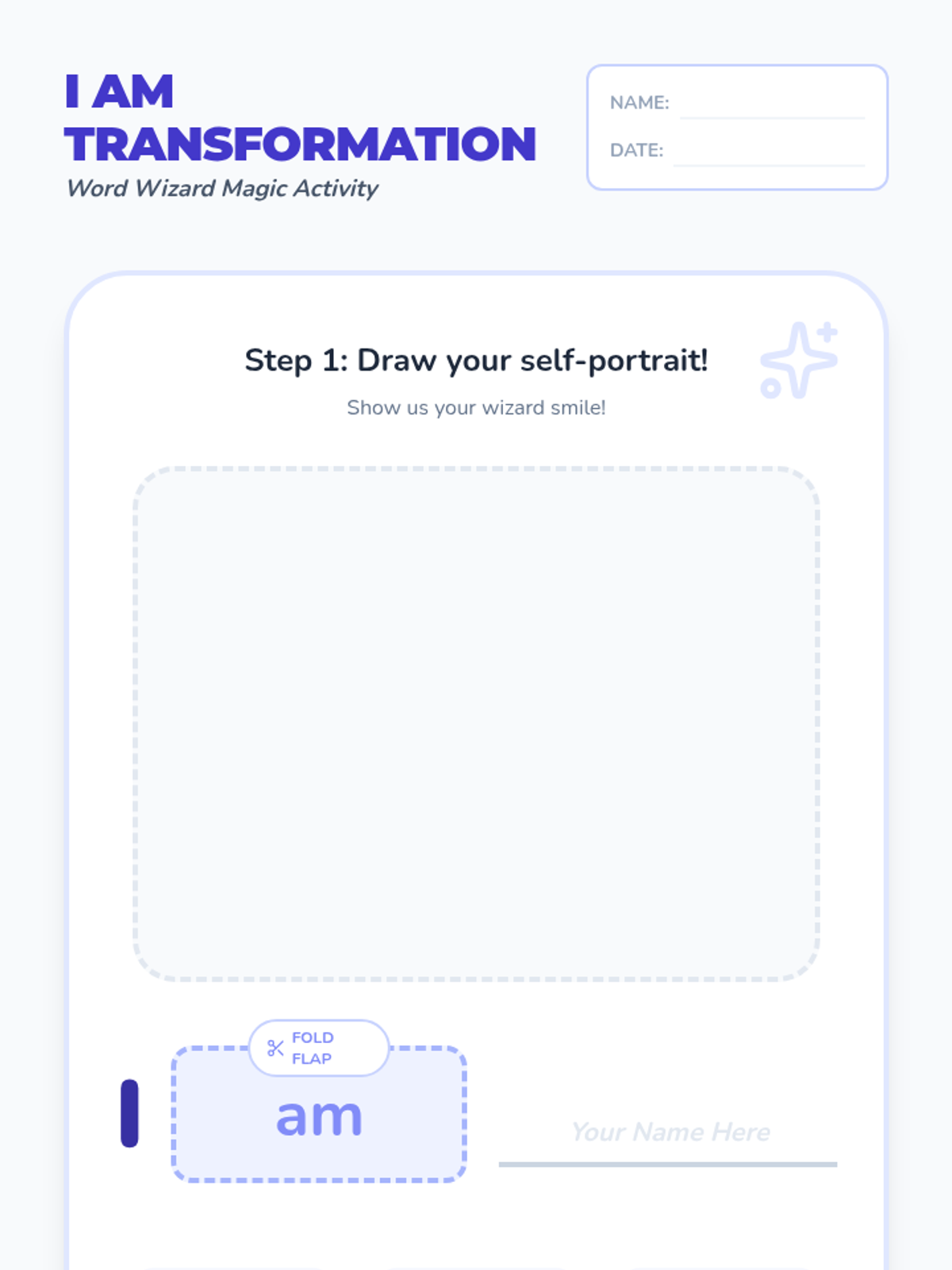
Students focus on the most common self-reference: 'I am'. They create self-portraits labeled 'I am [Name]' and then add a flap that covers ' am' to show 'I'm [Name]'.
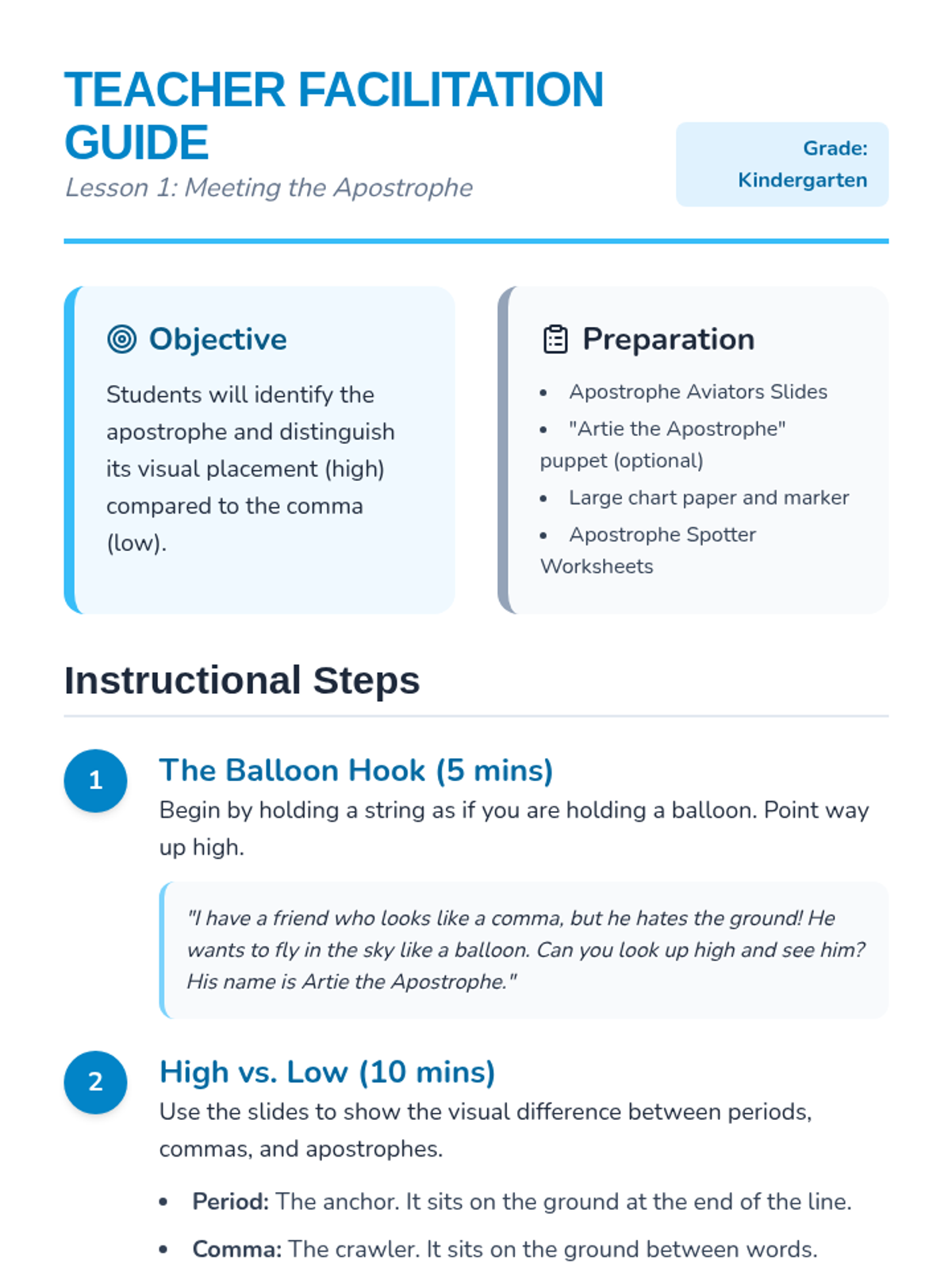
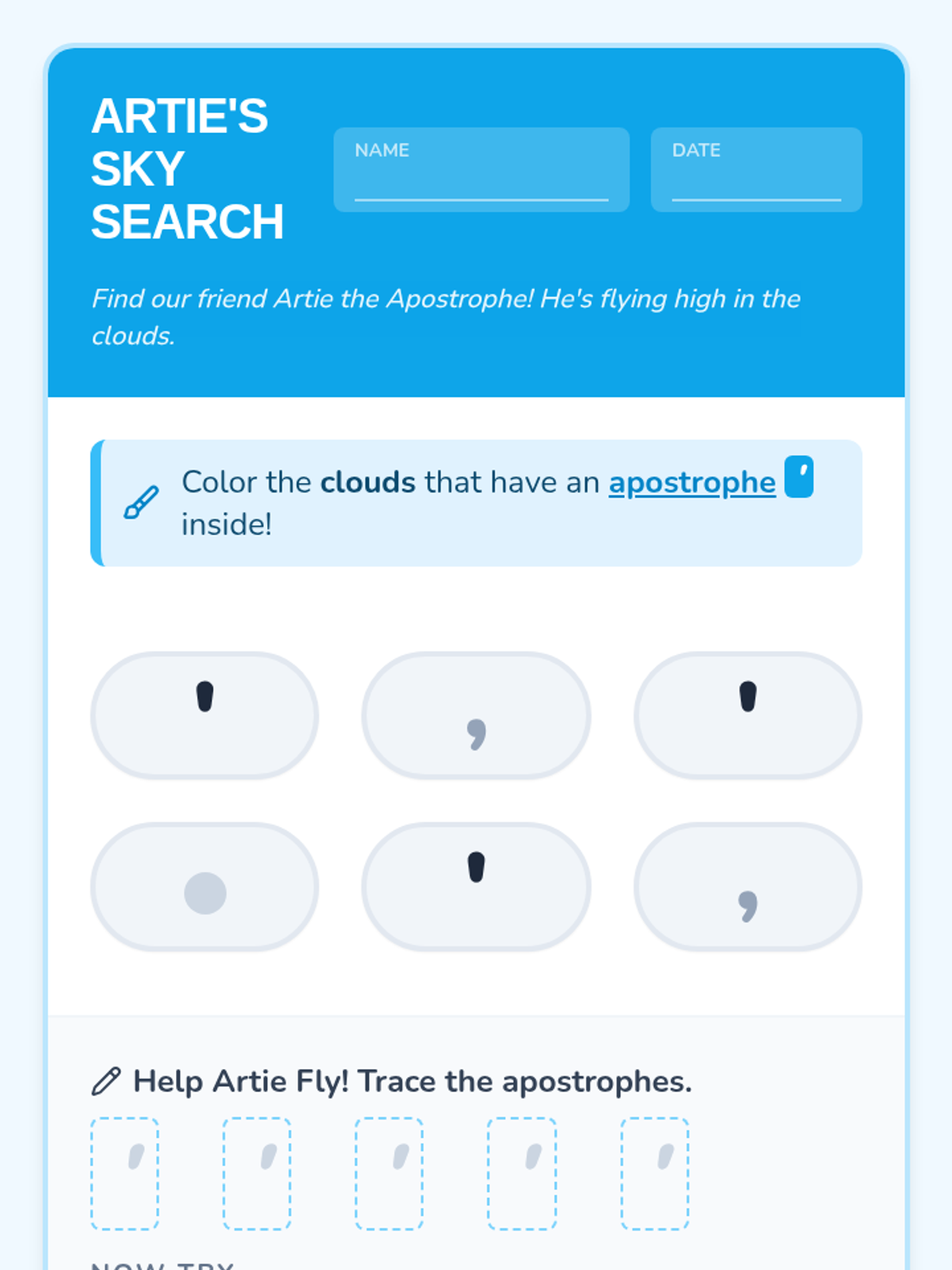
Introduce Artie the Apostrophe, the punctuation mark that floats. Students learn to distinguish it from commas and periods through visual discrimination and storytelling.
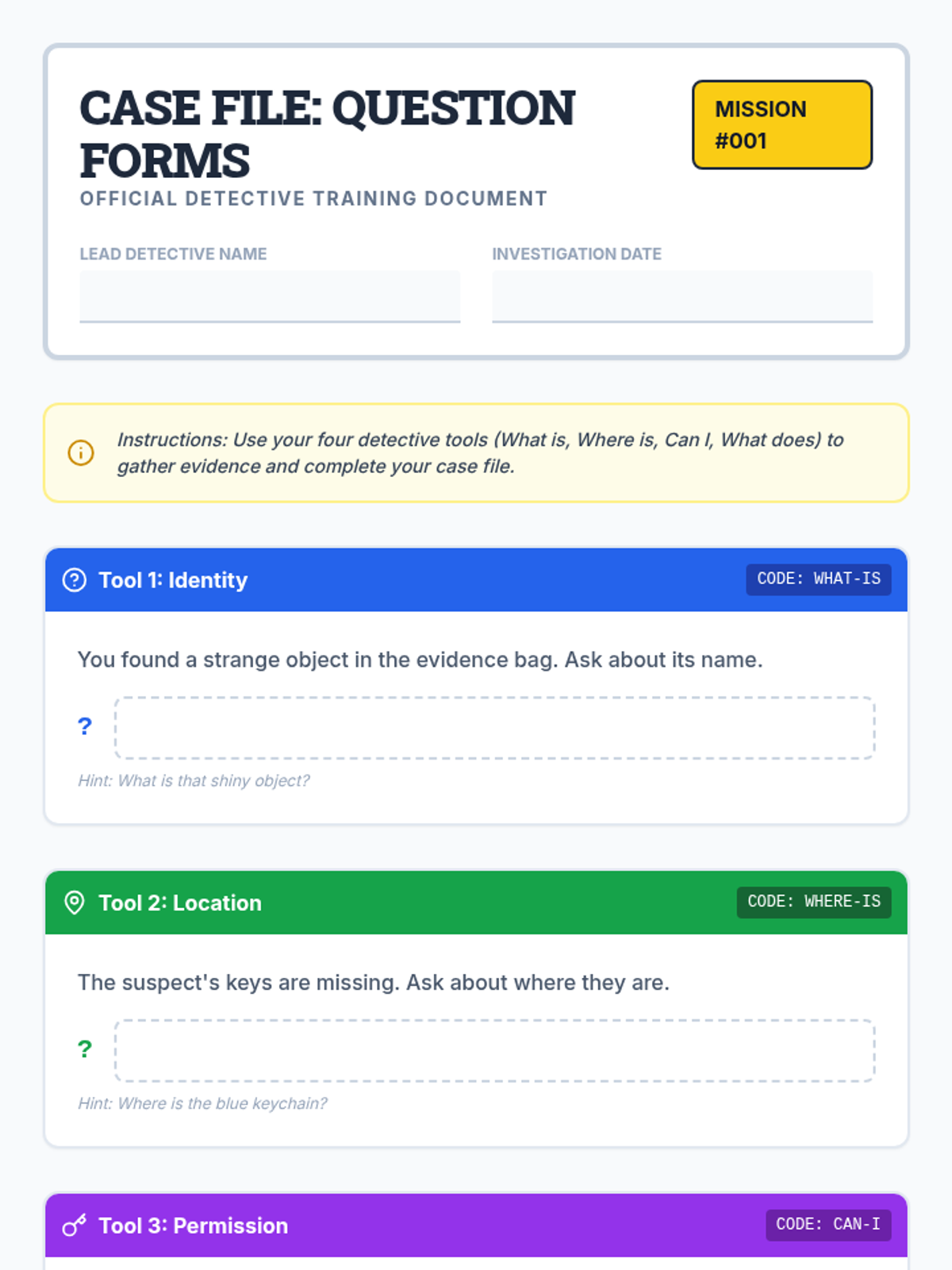
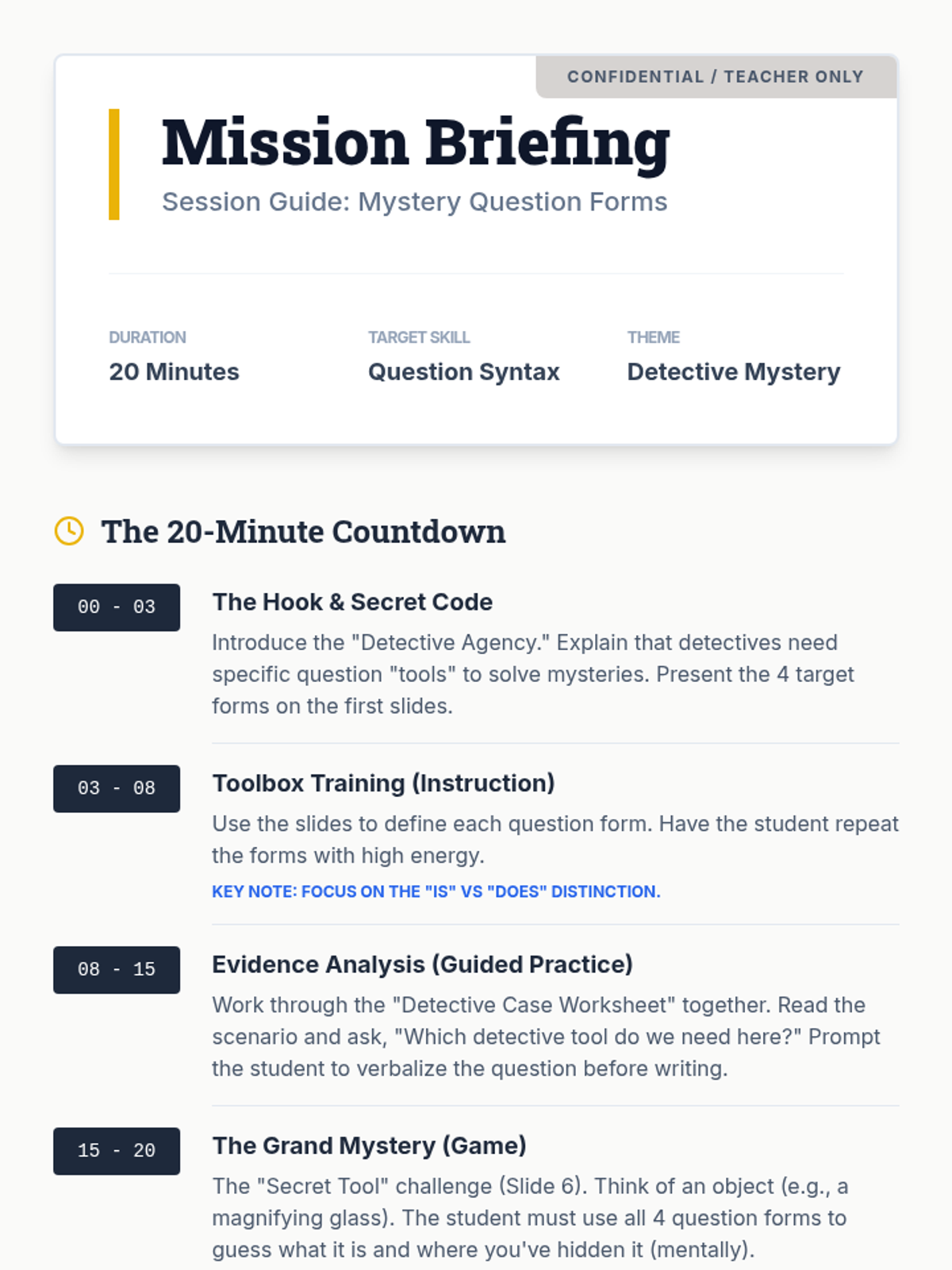
A 20-minute targeted session to help students master four fundamental question forms: 'Can I...?', 'What is...?', 'Where is...?', and 'What does...?' through a mystery detective theme.
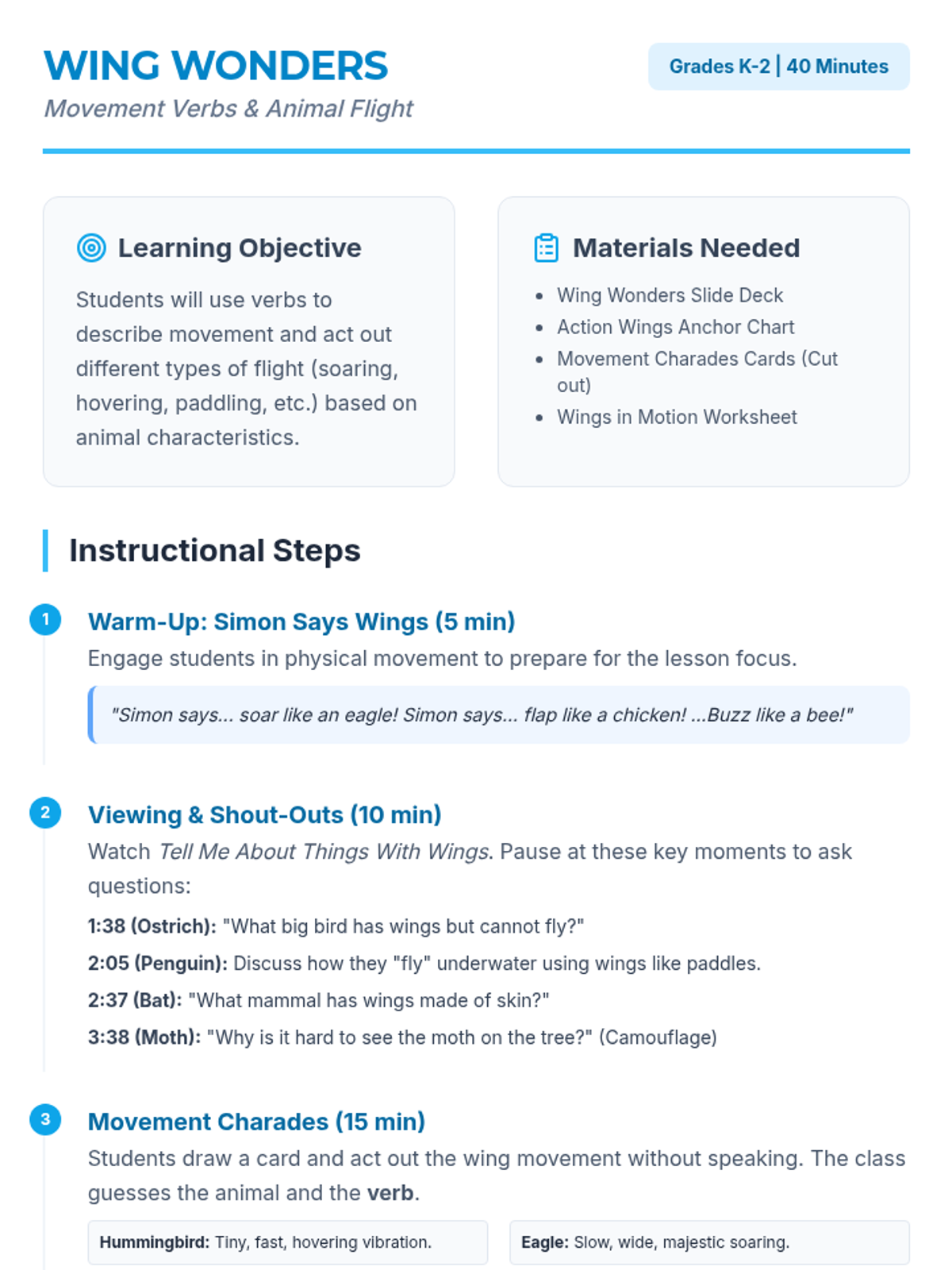
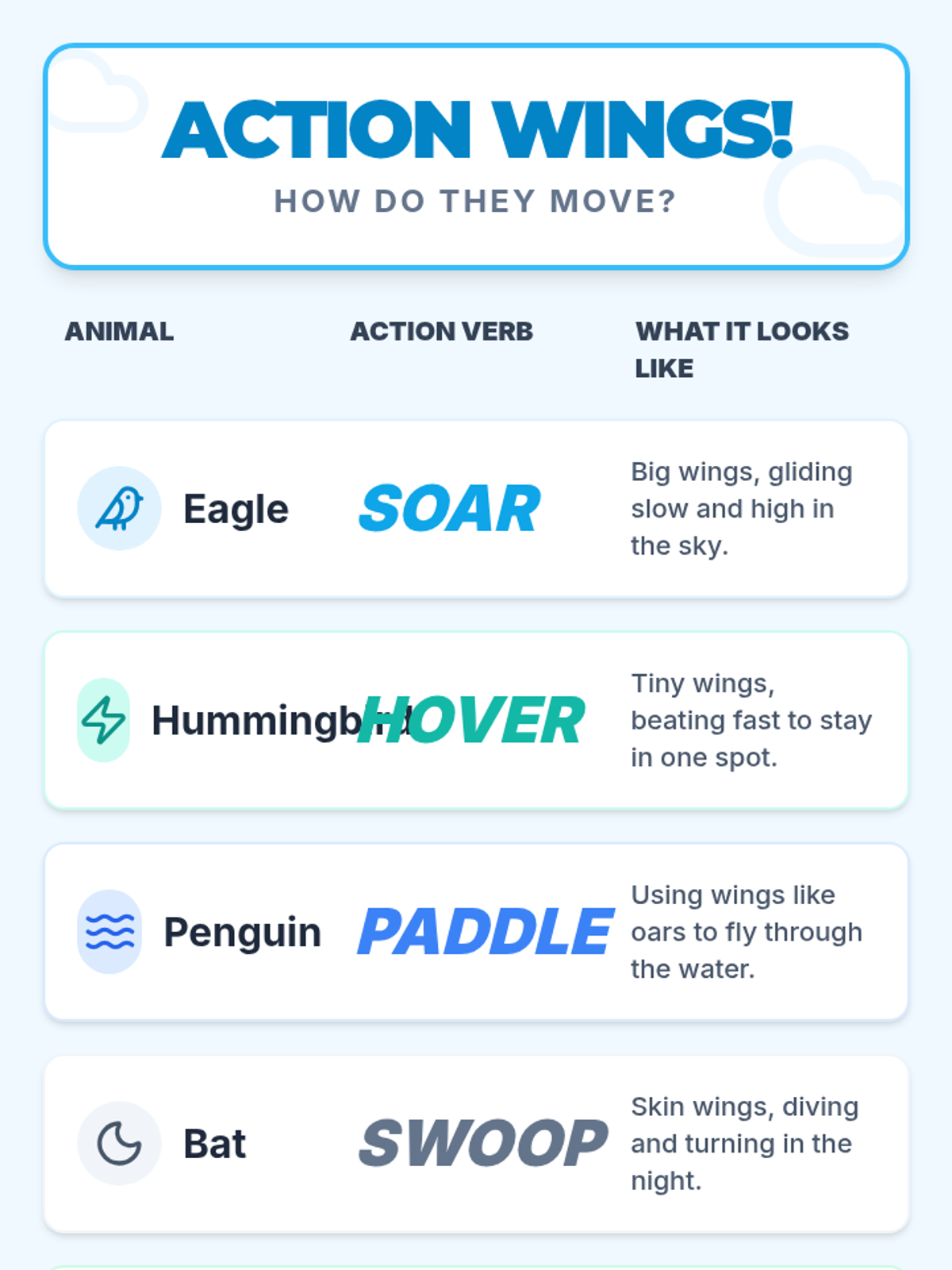
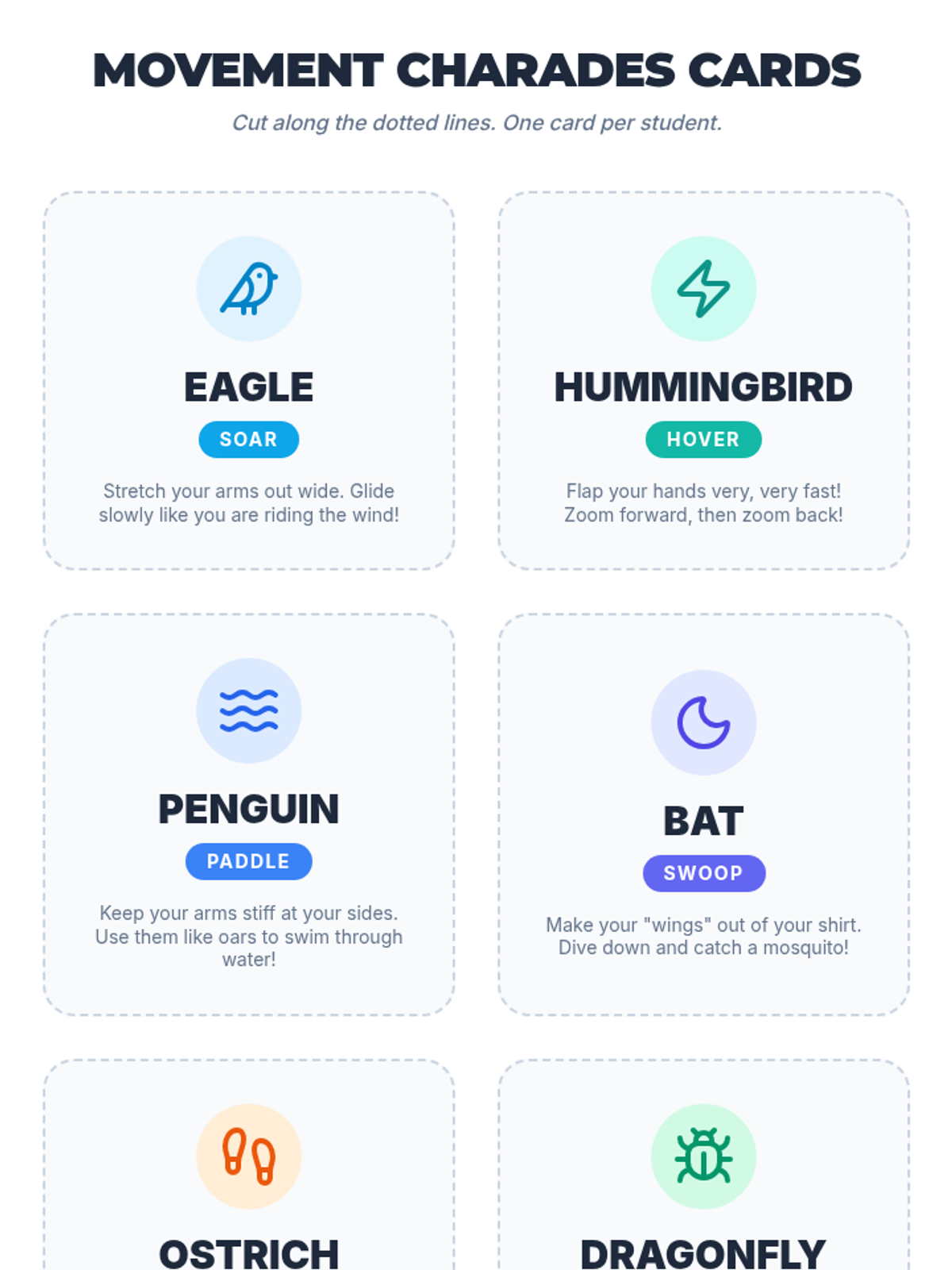
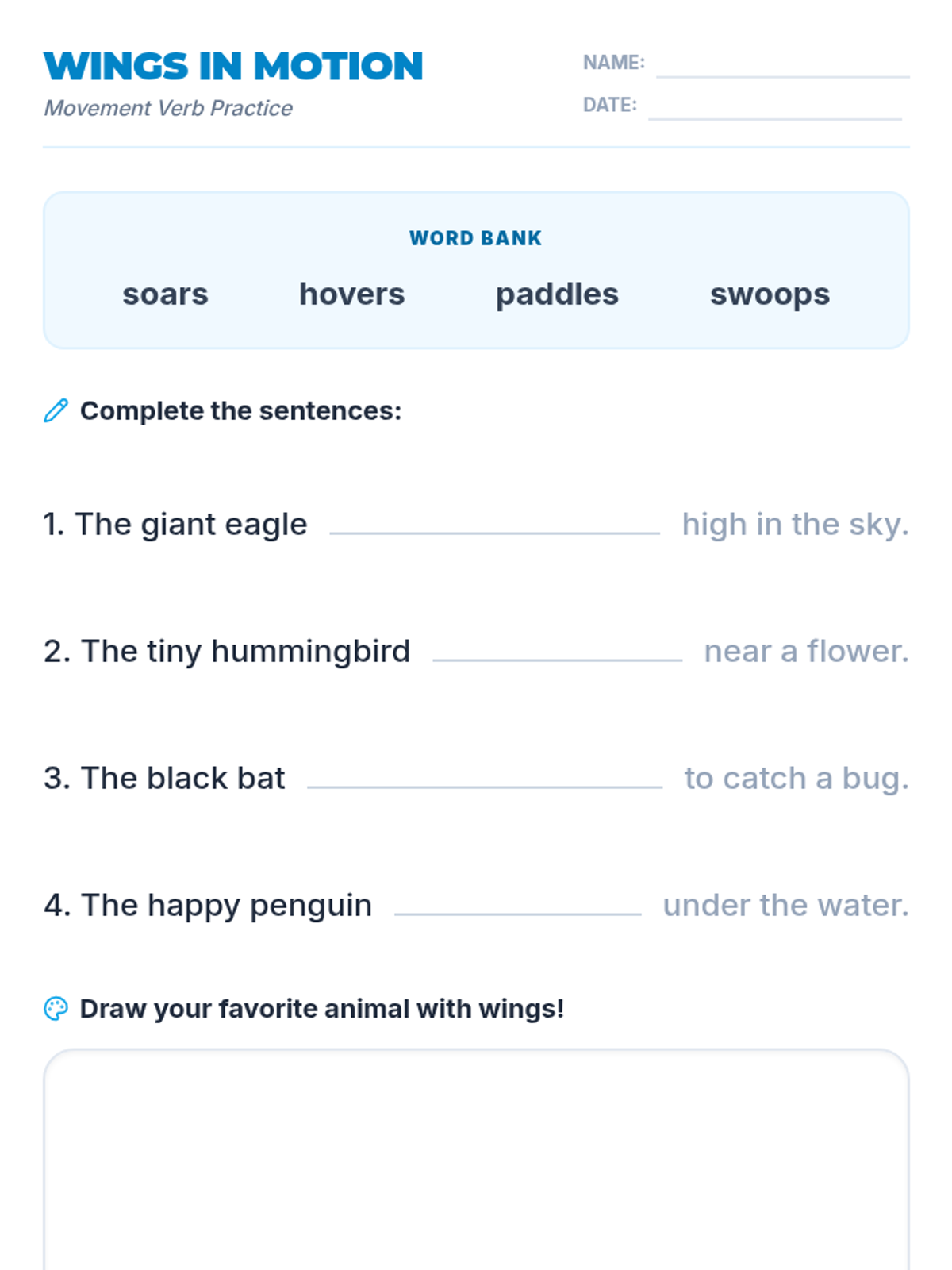
A Kindergarten to 2nd Grade lesson exploring movement verbs through the study of birds, insects, and mammals with wings. Students will act out specific flight patterns and complete descriptive sentences.
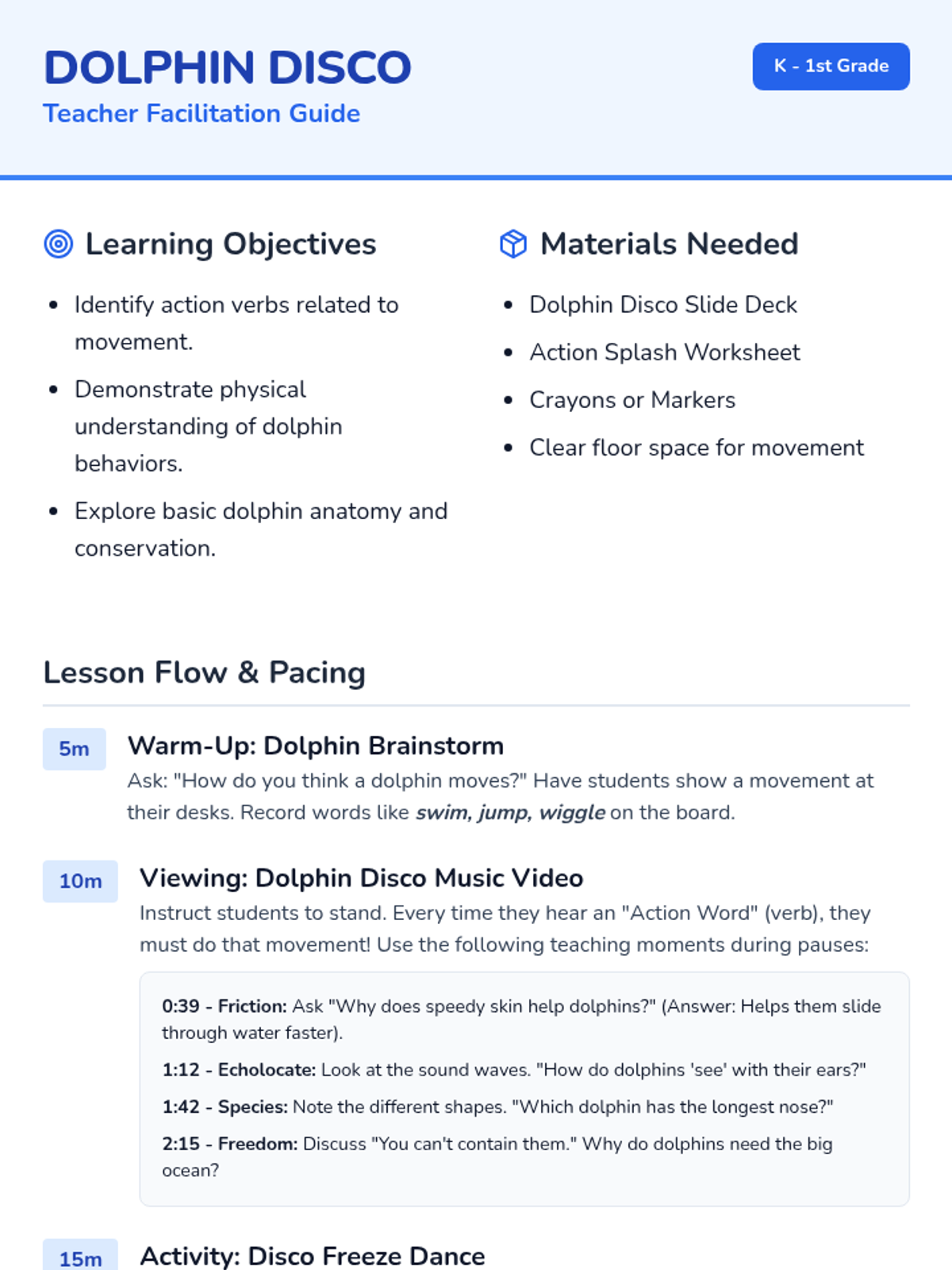
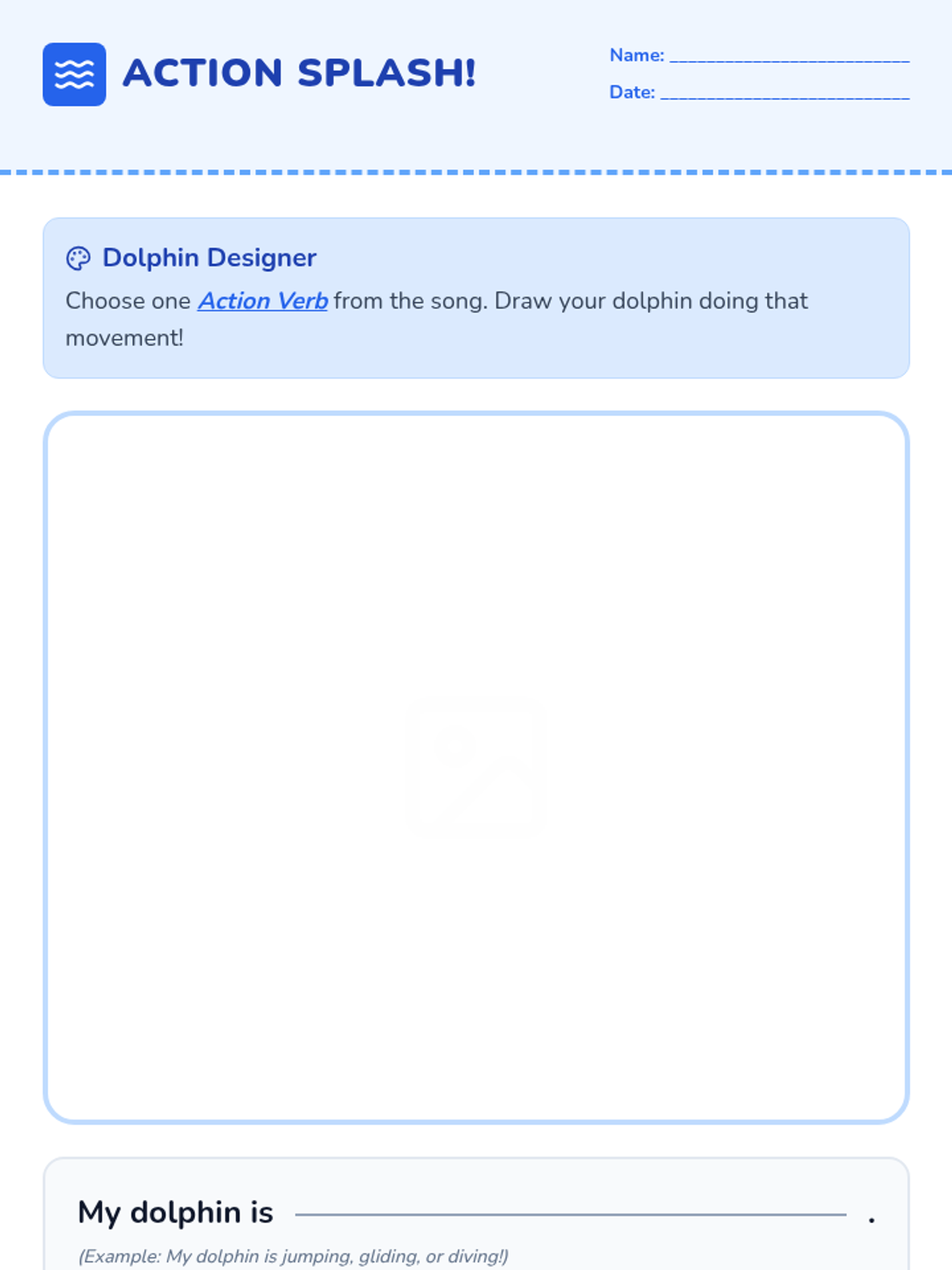
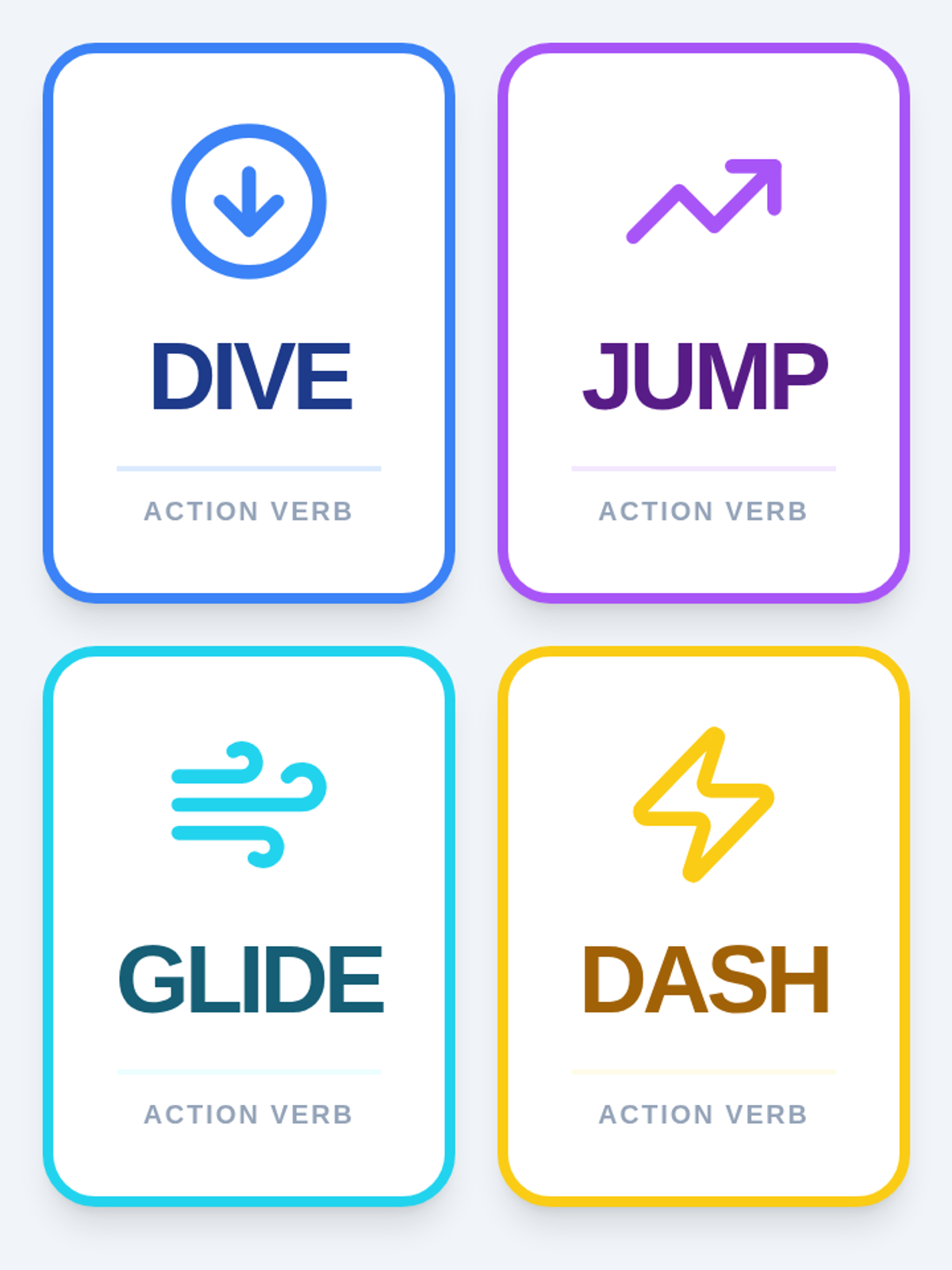
An energetic, movement-based lesson where students learn about dolphin biology and action verbs through music and dance.
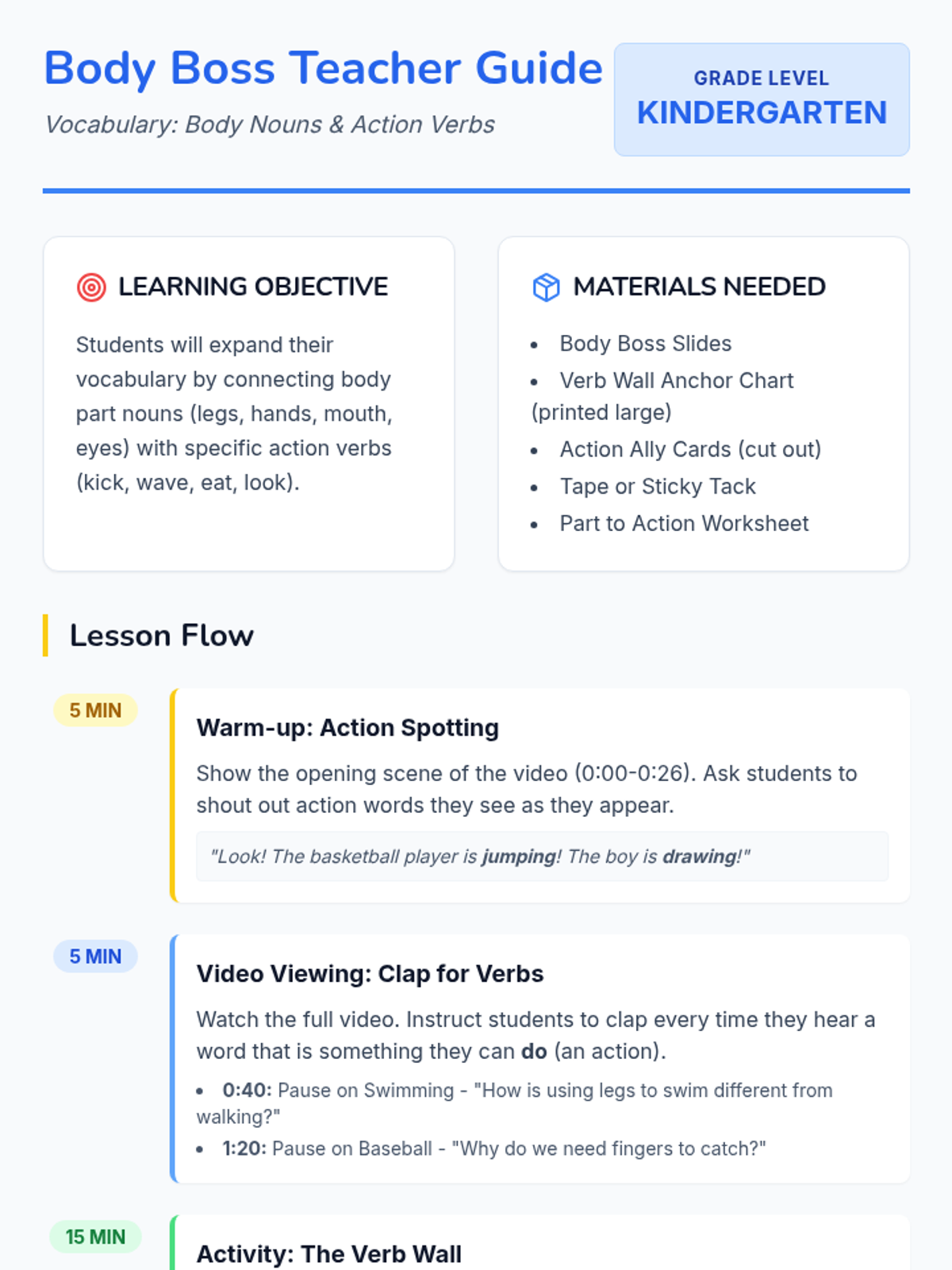
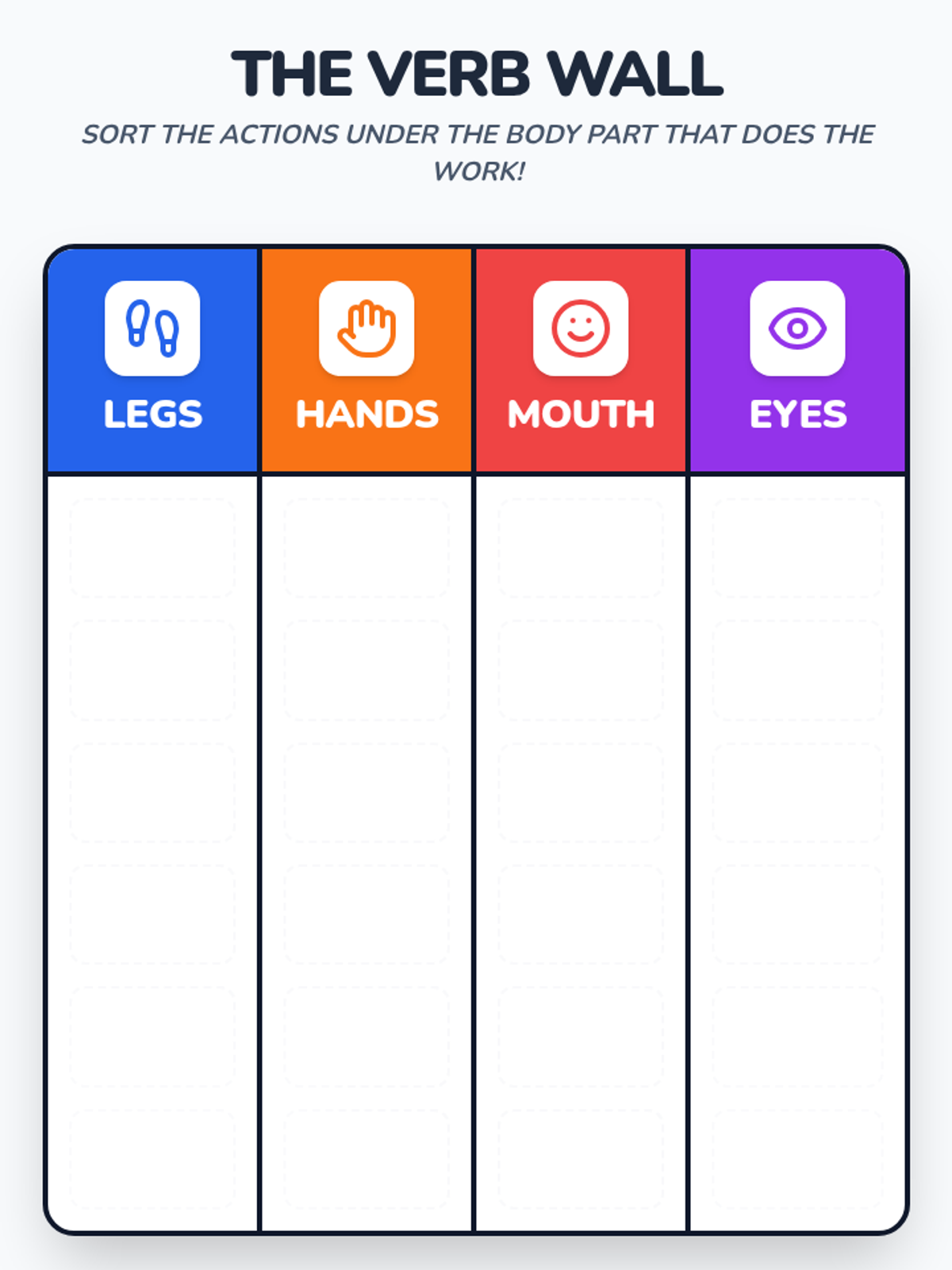
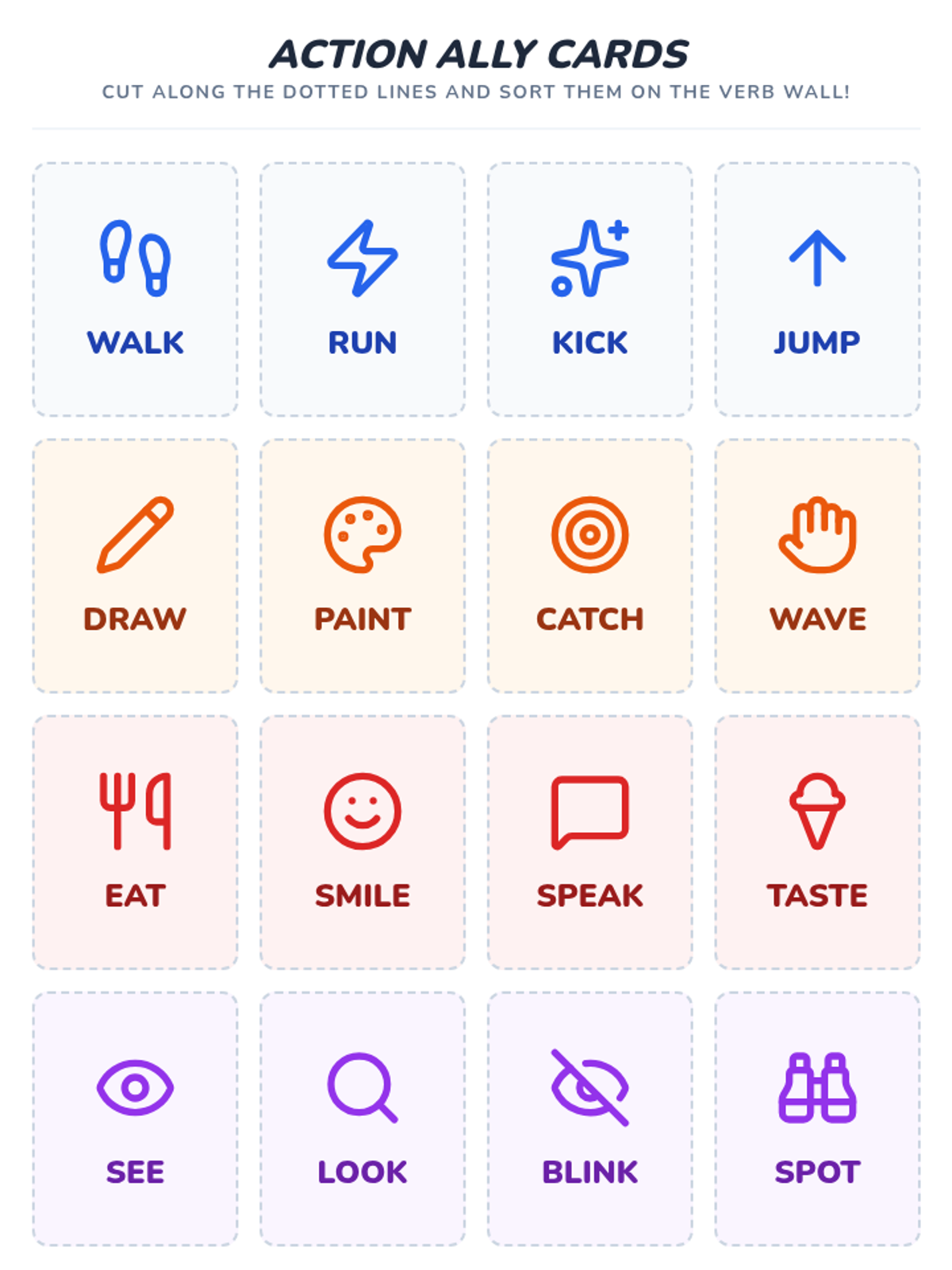
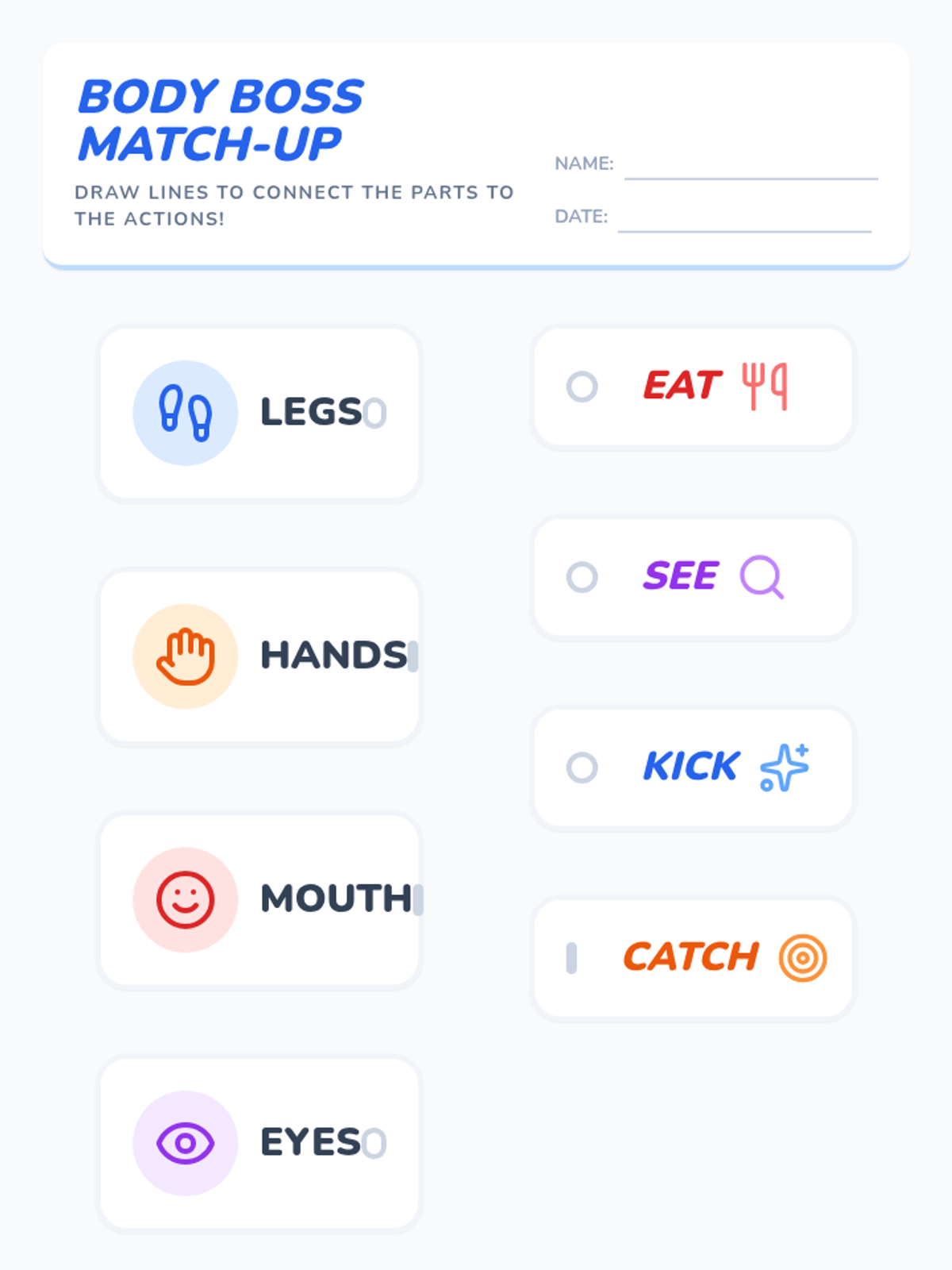
A Kindergarten lesson connecting body part nouns with action verbs through video viewing, physical movement, and a sorting activity. Students identify which body parts perform specific actions like running, catching, and tasting.
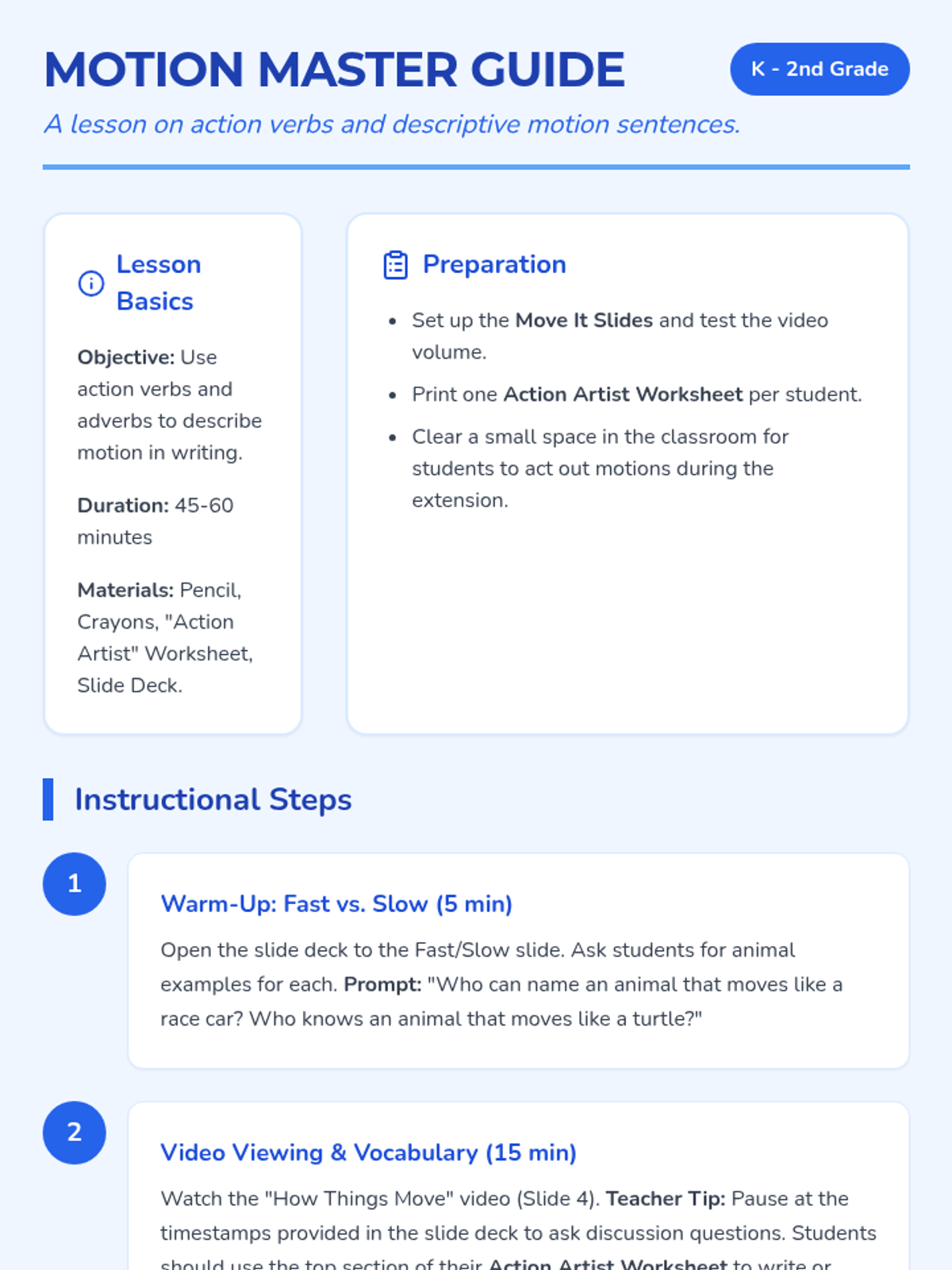
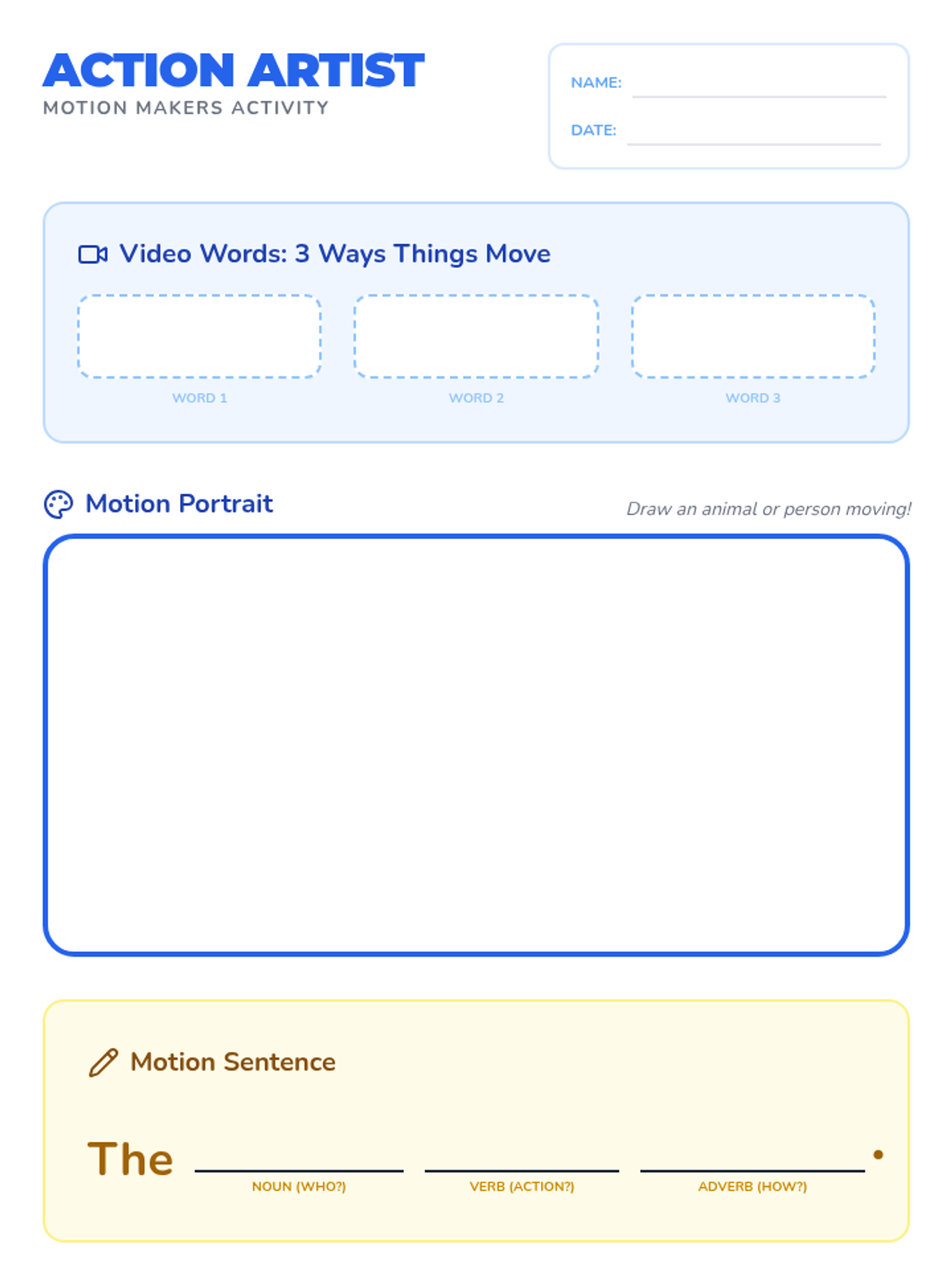
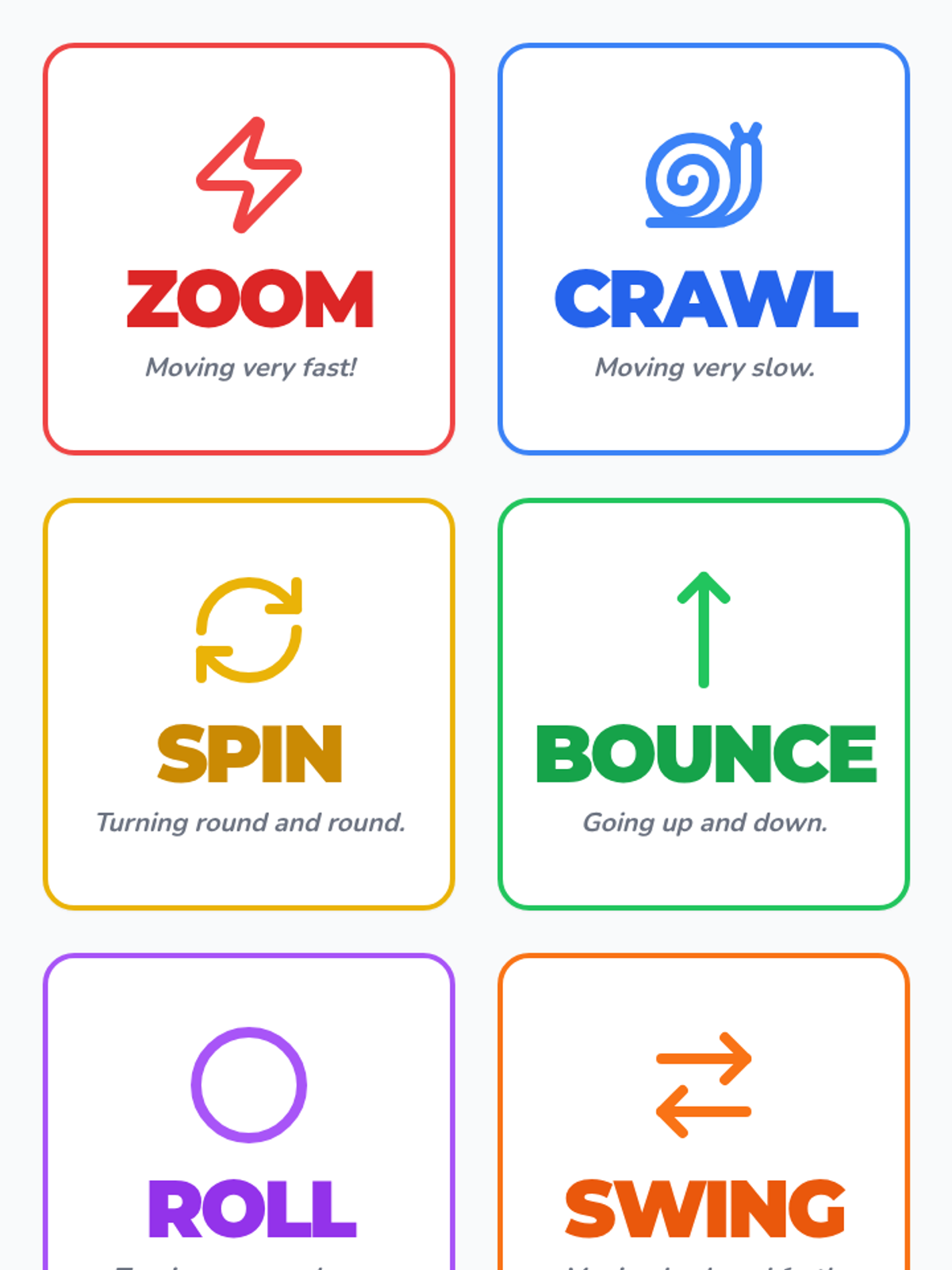
Students explore how things move through observation and descriptive writing. They will identify motion verbs and use them to construct simple sentences about animals and objects in action.
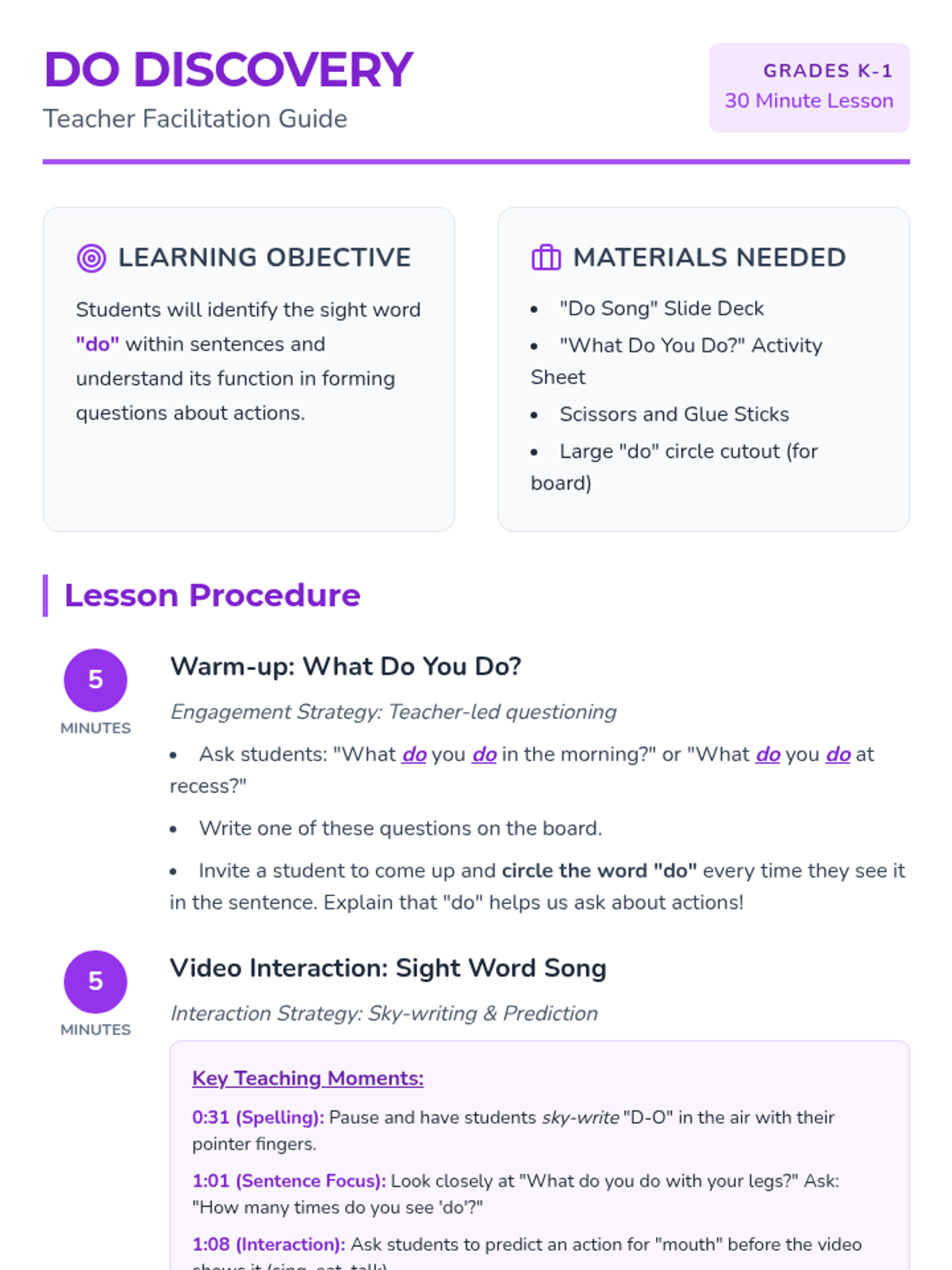
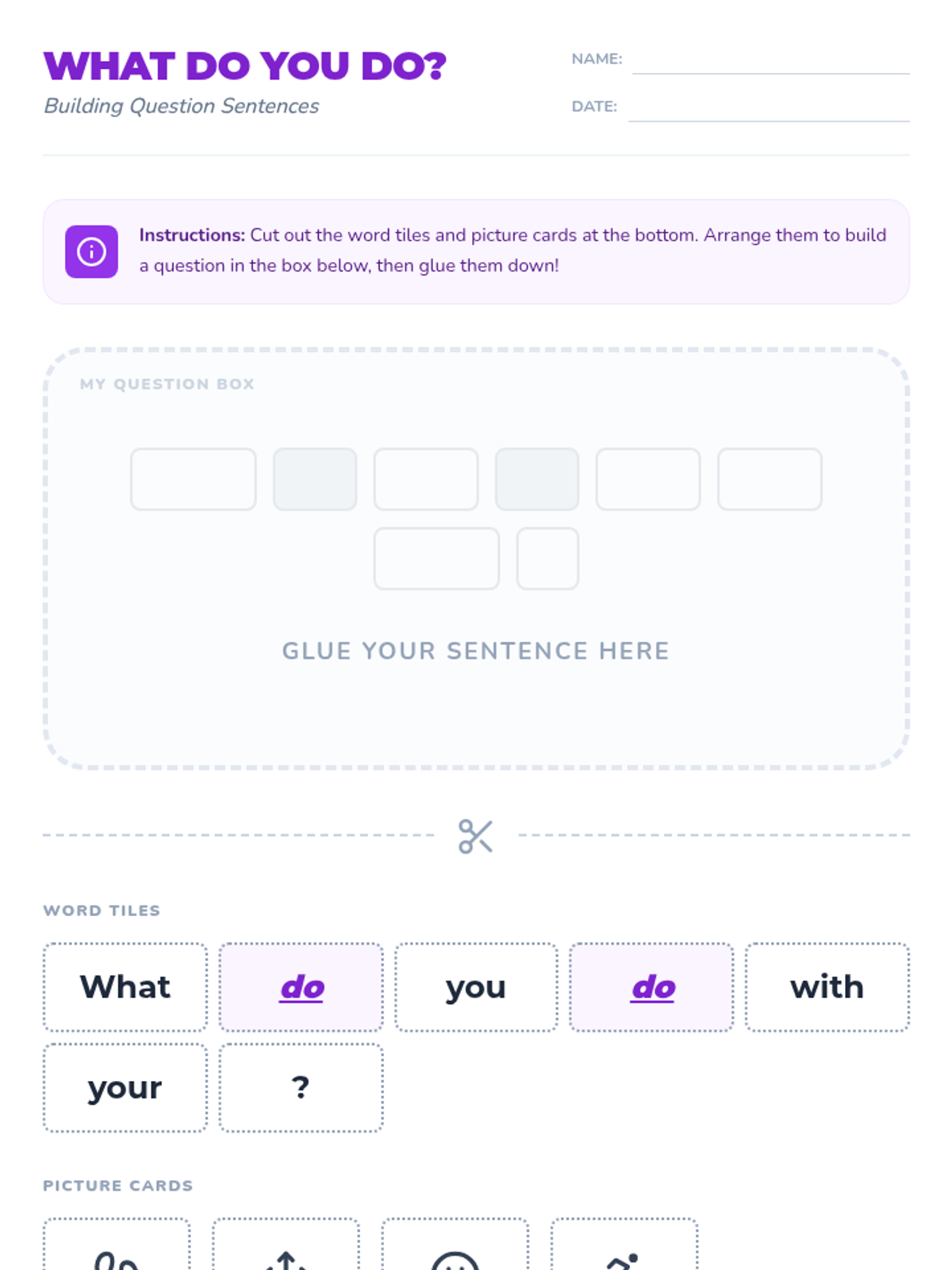
A Kindergarten and 1st Grade lesson focused on identifying the sight word 'do' and understanding its role in questions through music, movement, and hands-on sentence building.
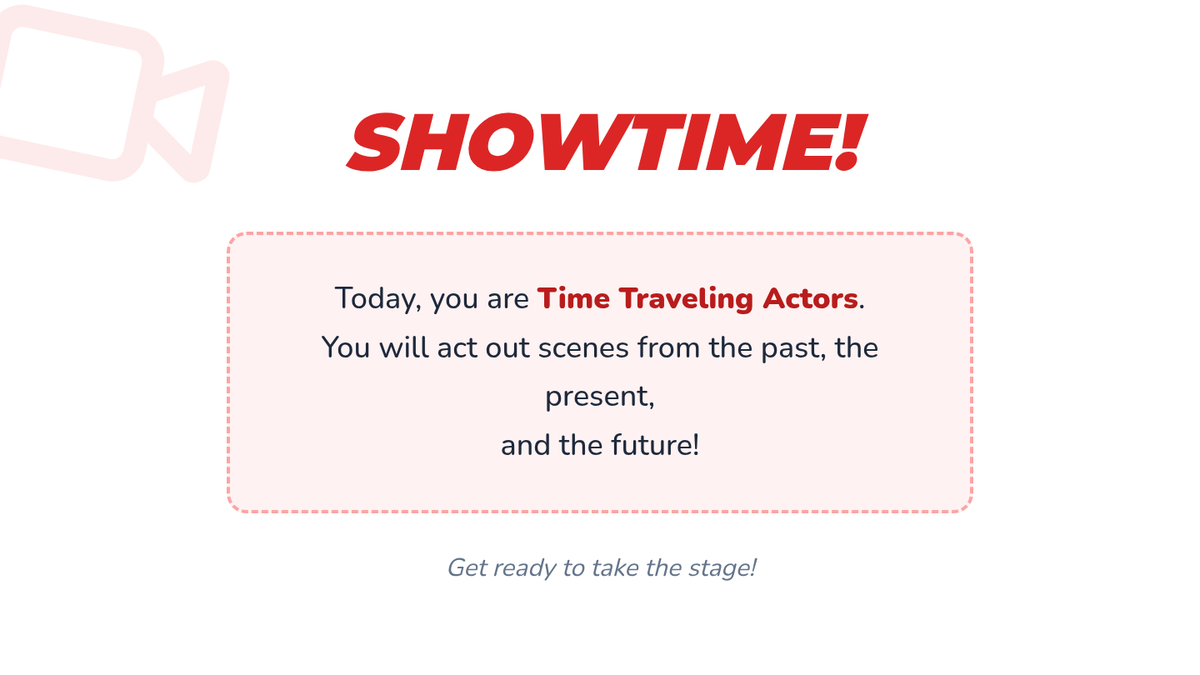
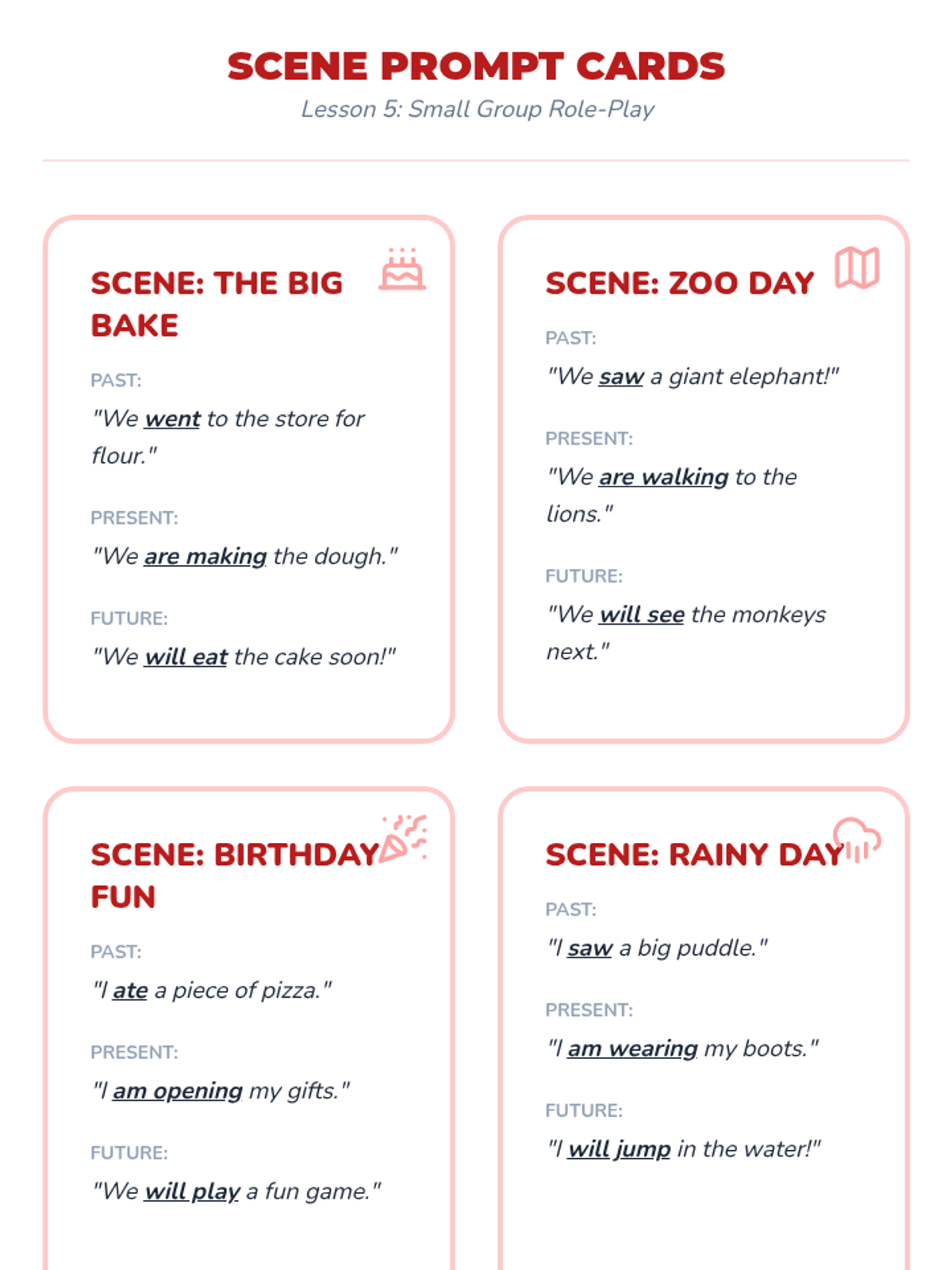
A kinesthetic finale where students role-play scenarios across three timeframes to demonstrate mastery.
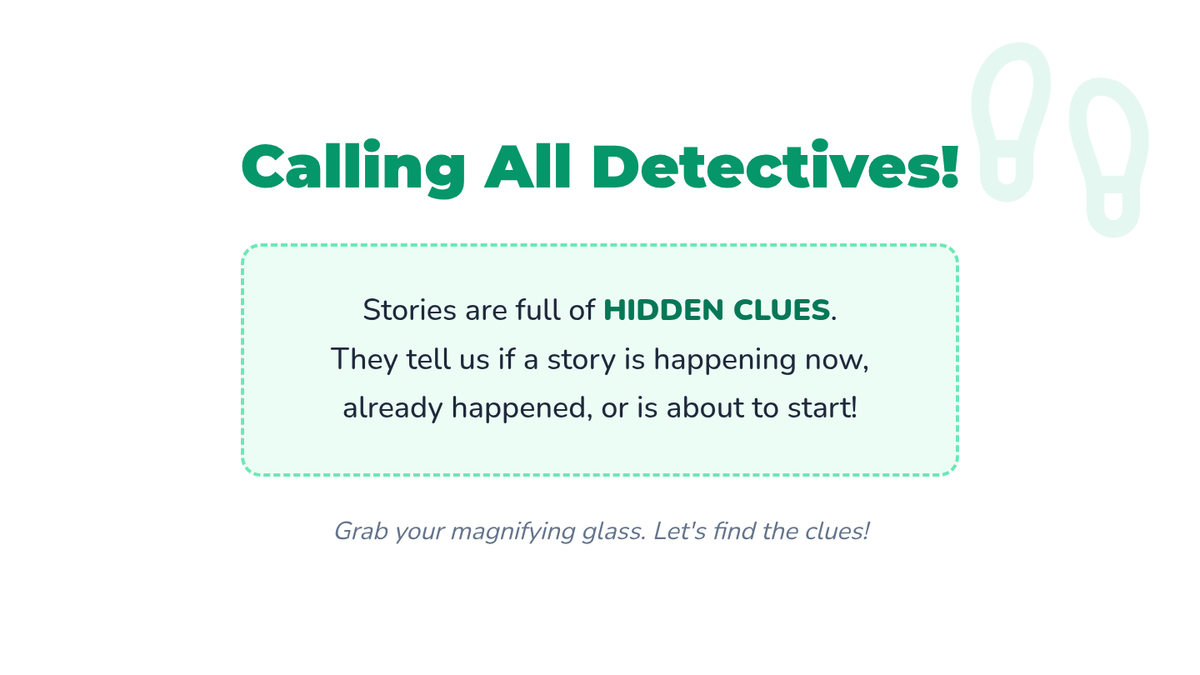
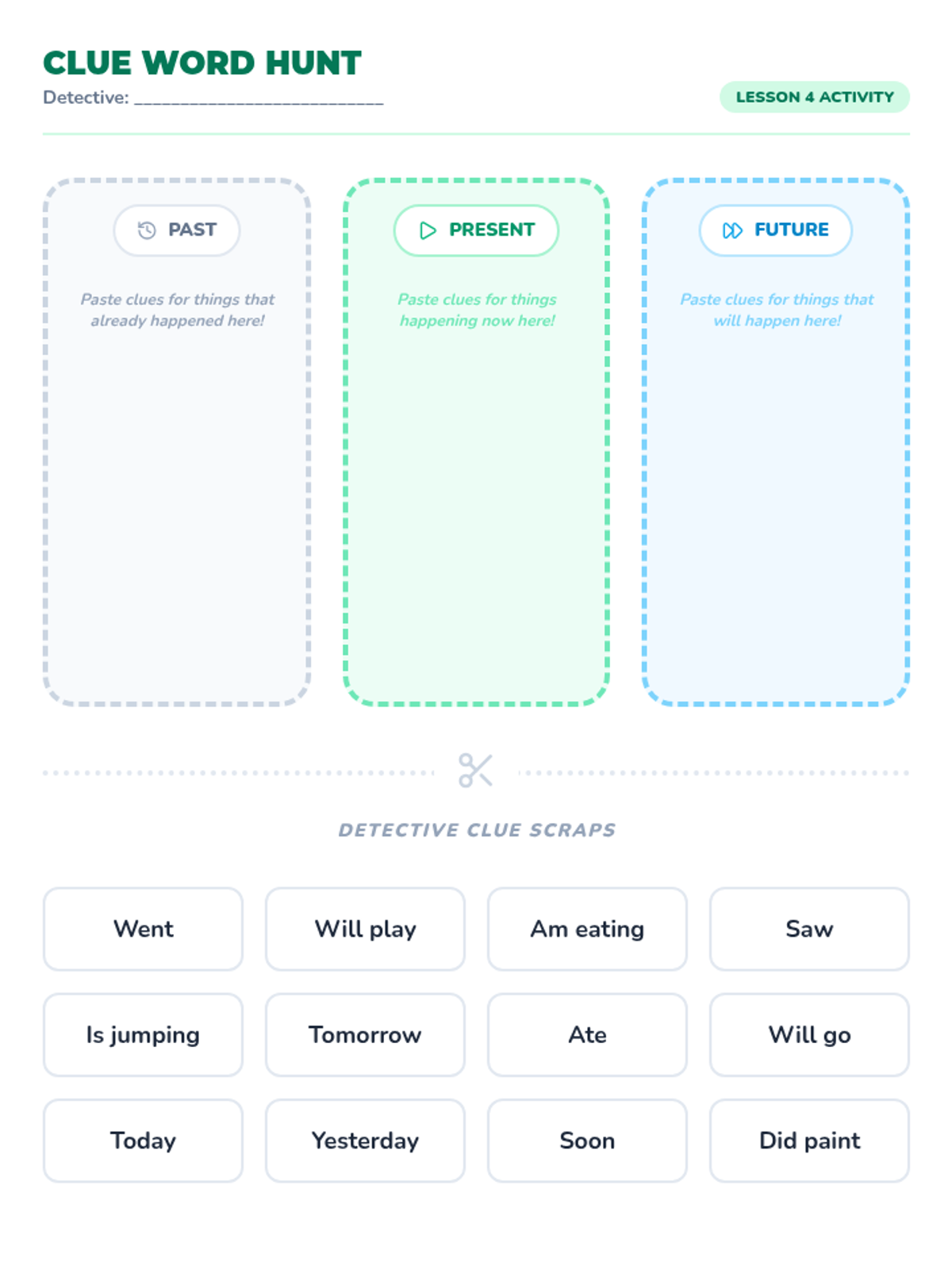
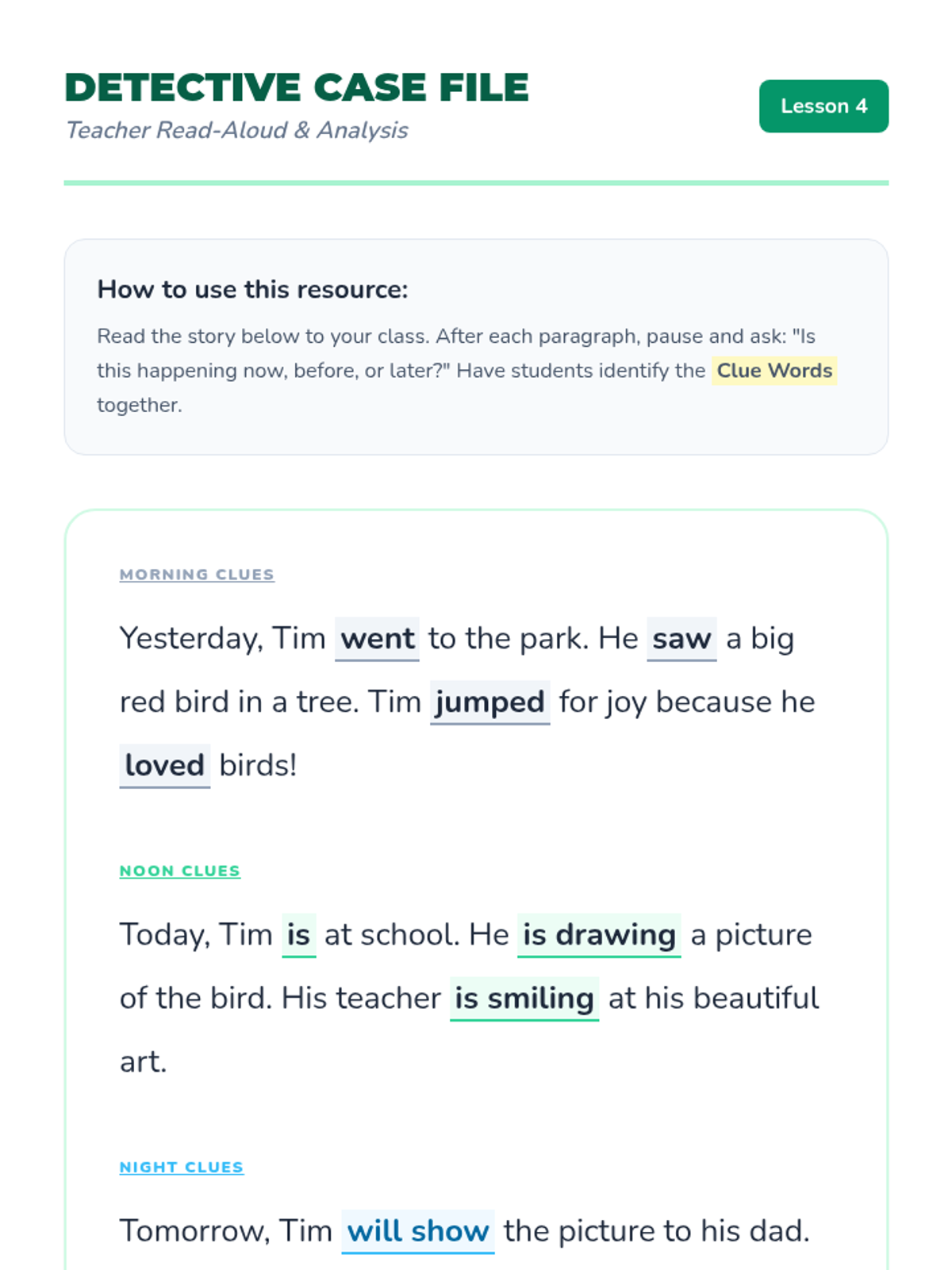
Identifying tense 'clue words' in stories and categorizing sentences based on when they happen.
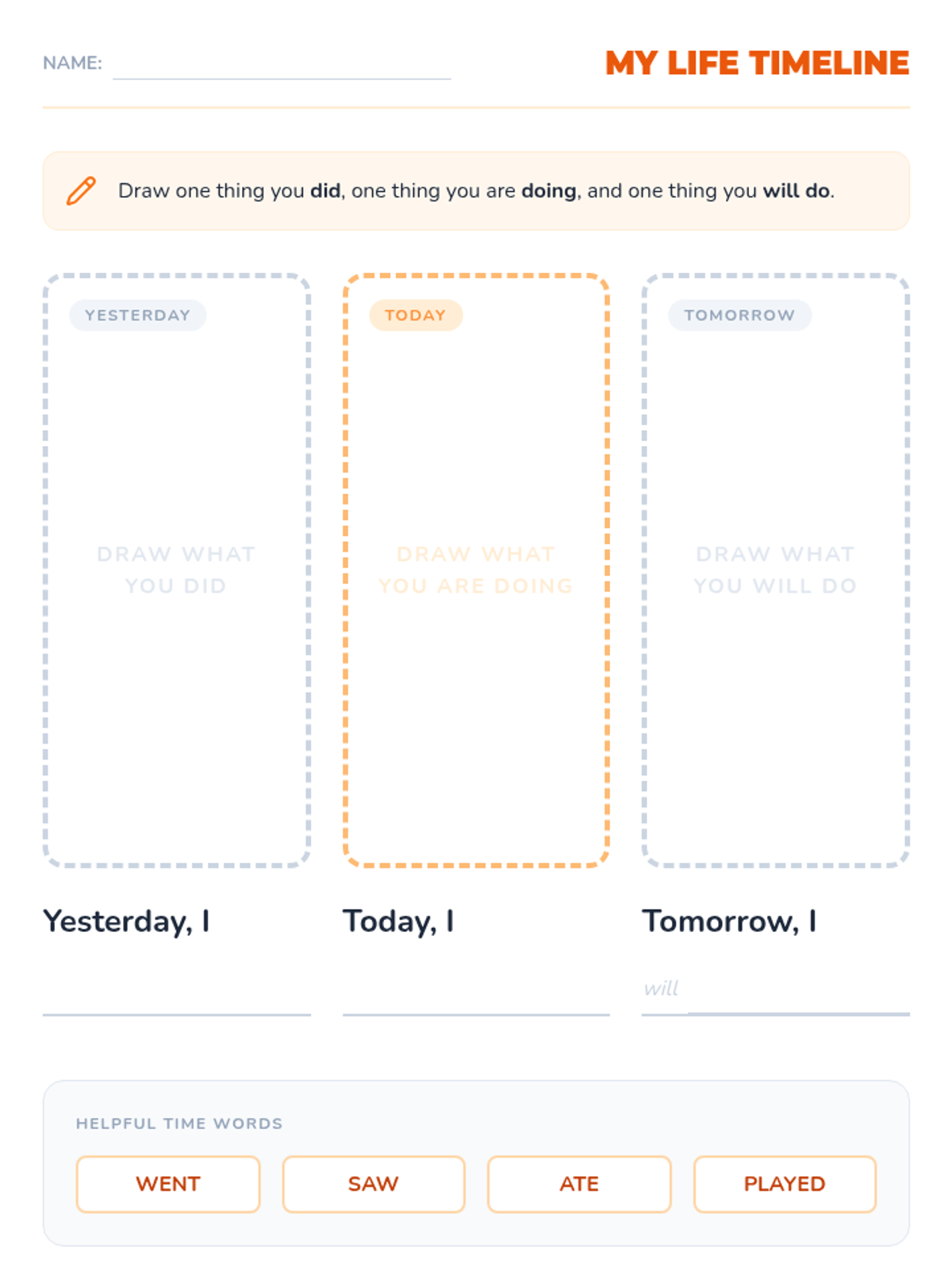
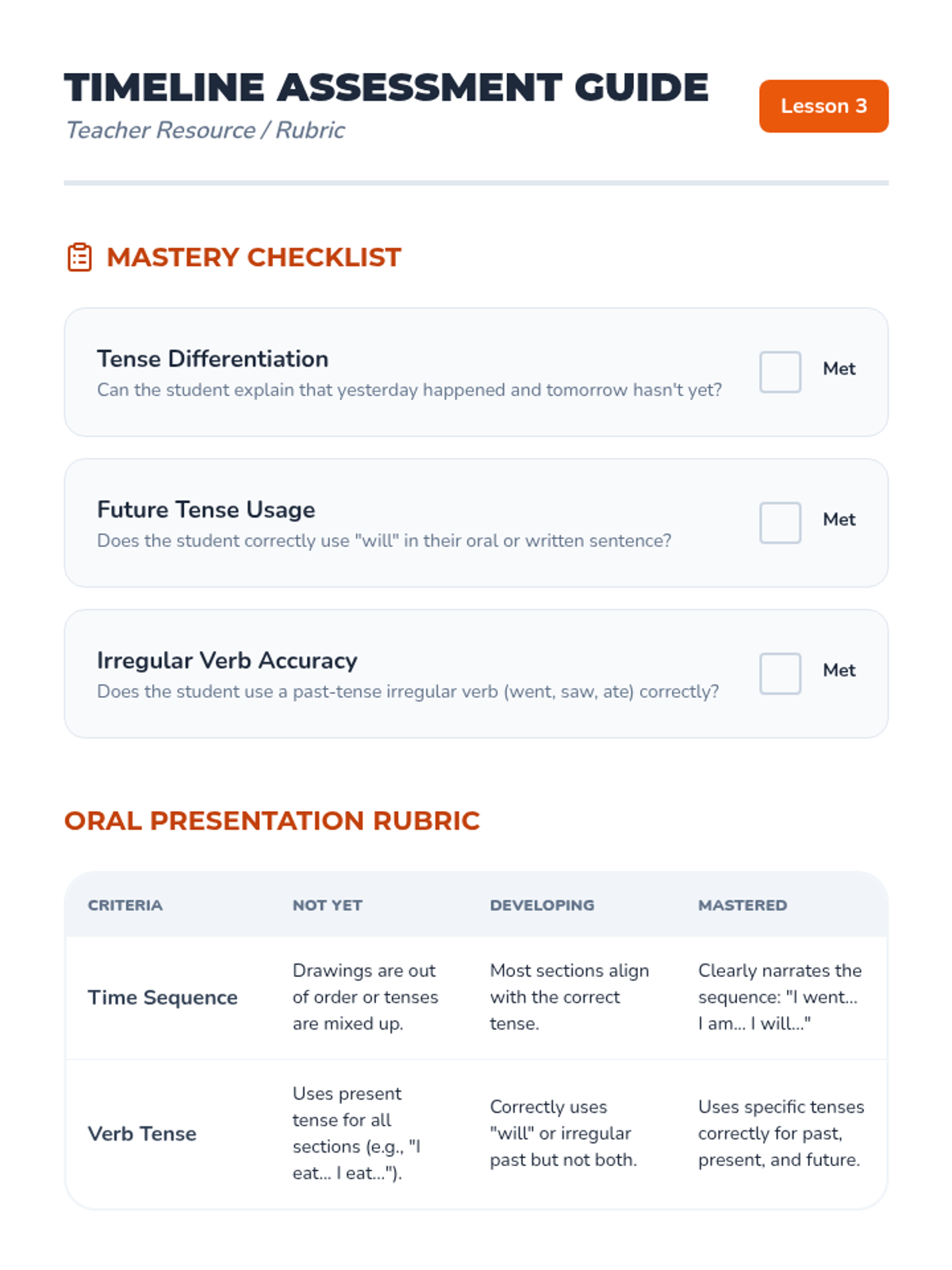
A project-based lesson where students create a visual timeline of their week using past, present, and future tenses.
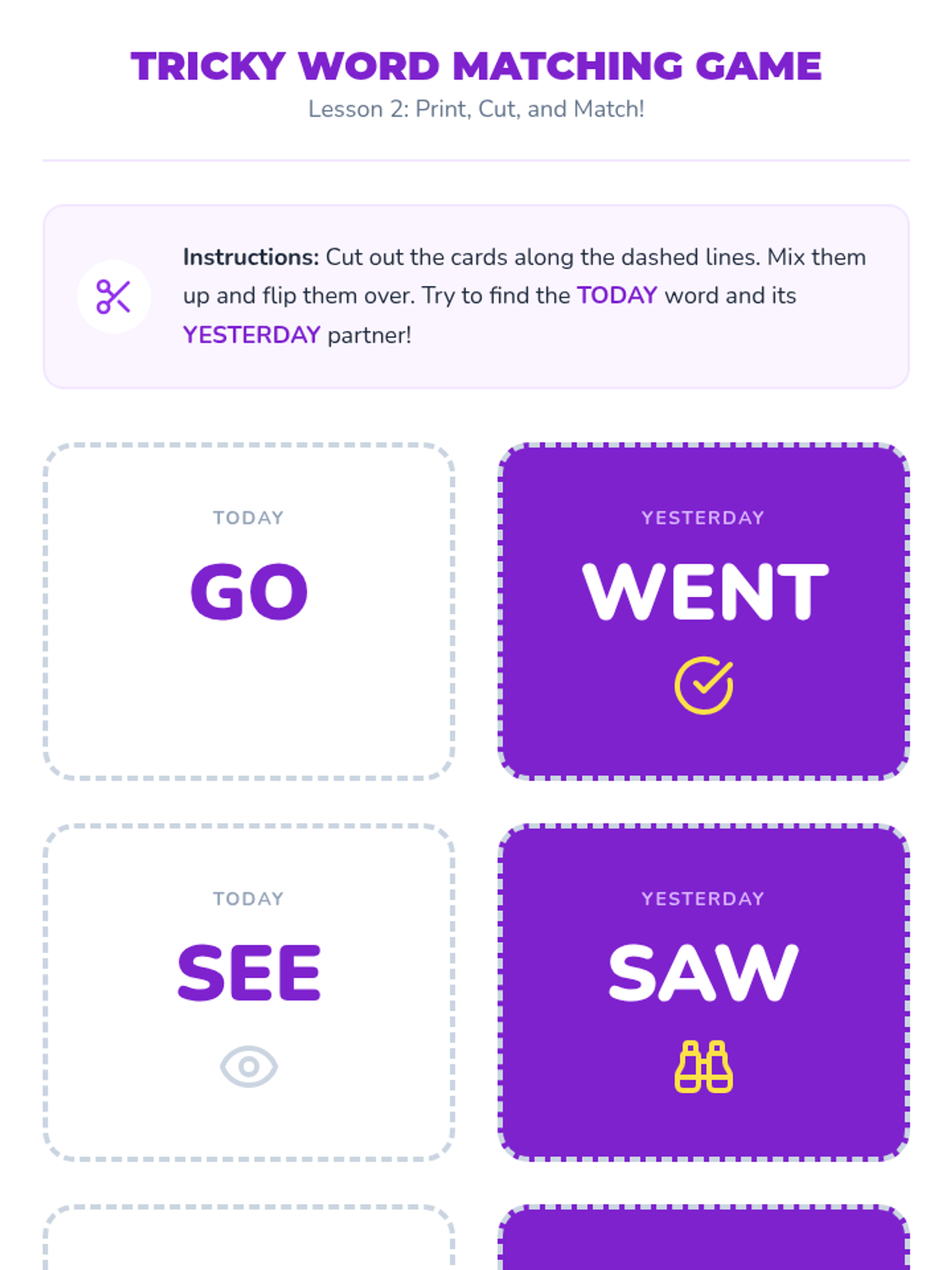
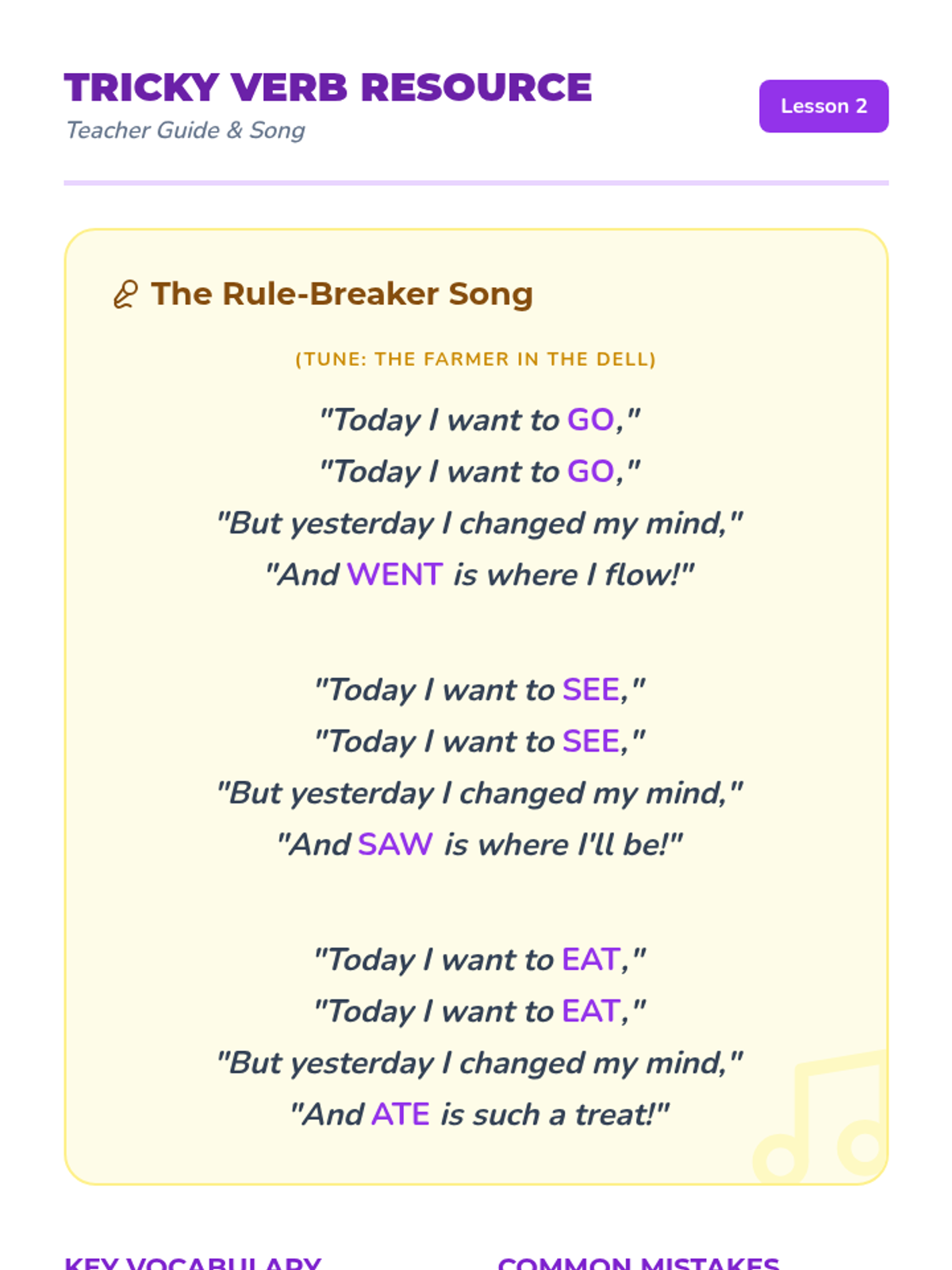
Introduction to high-frequency irregular verbs (go/went, see/saw, eat/ate) through games and repetition.
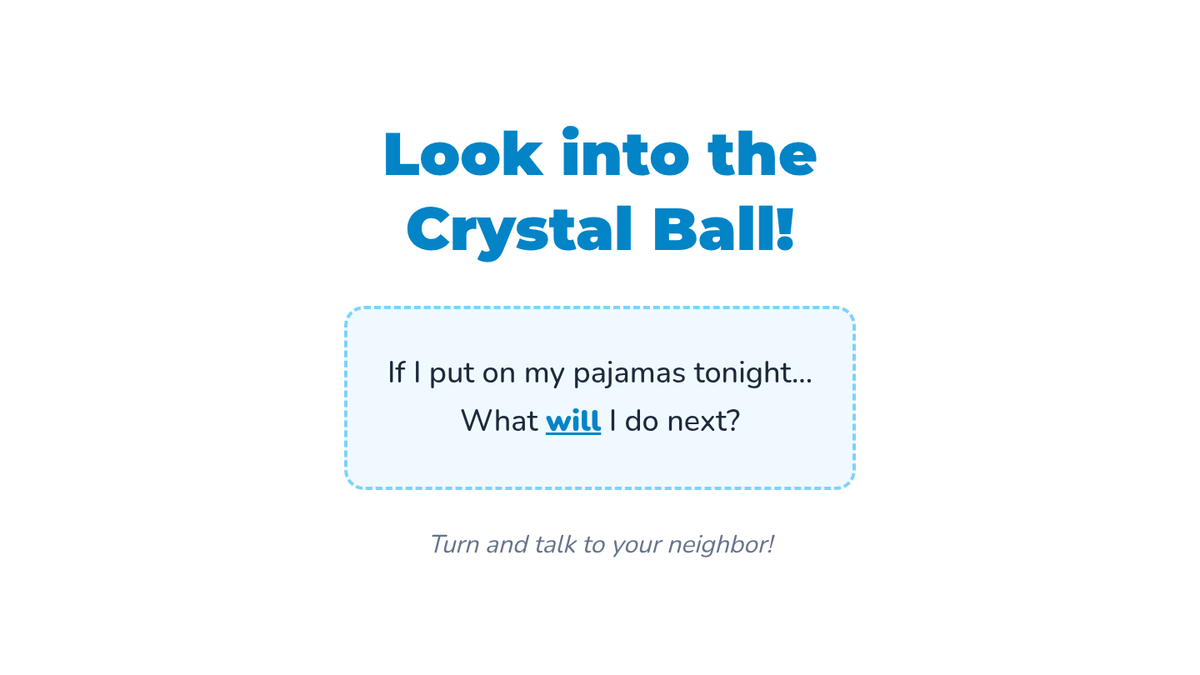
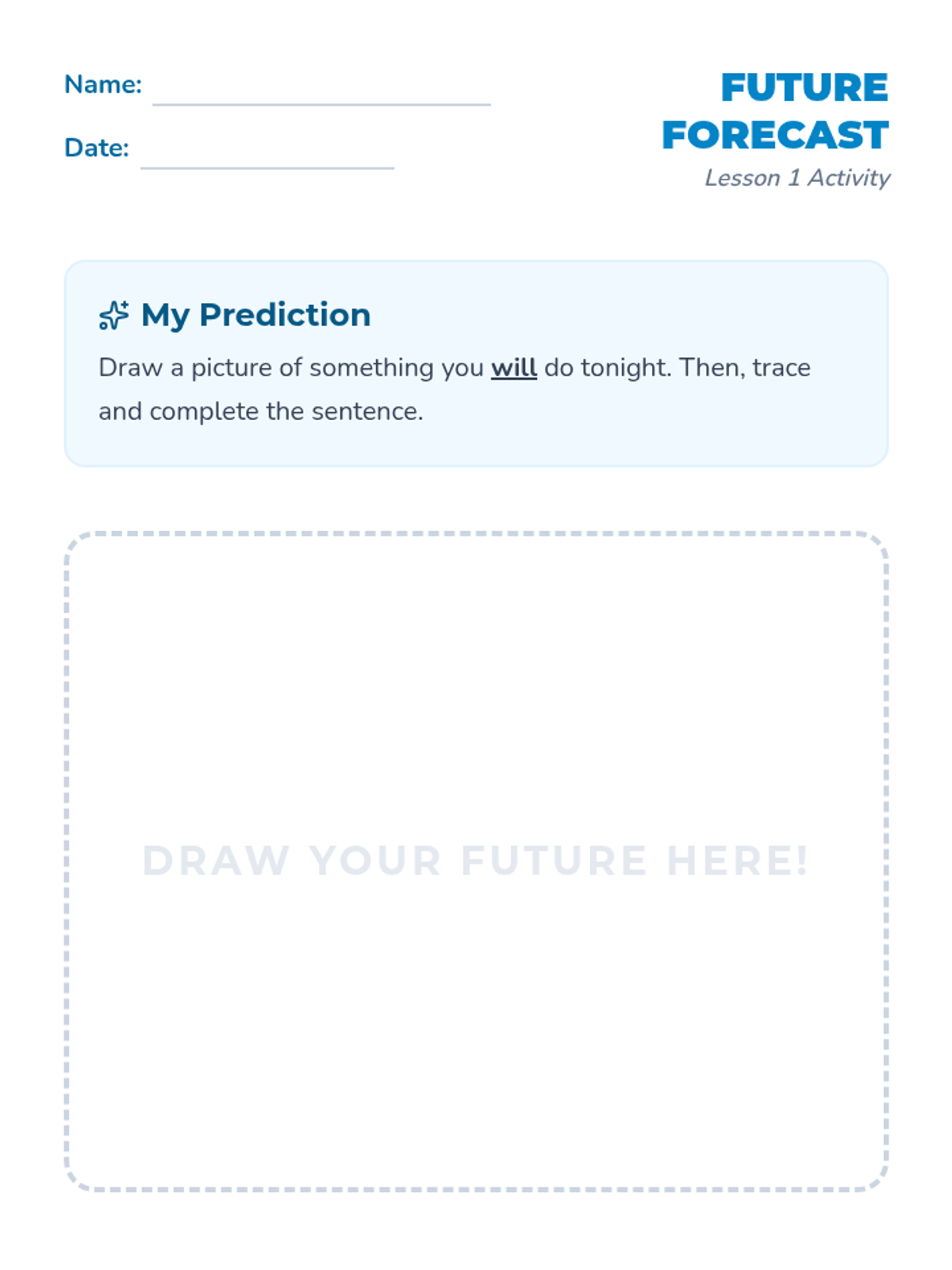
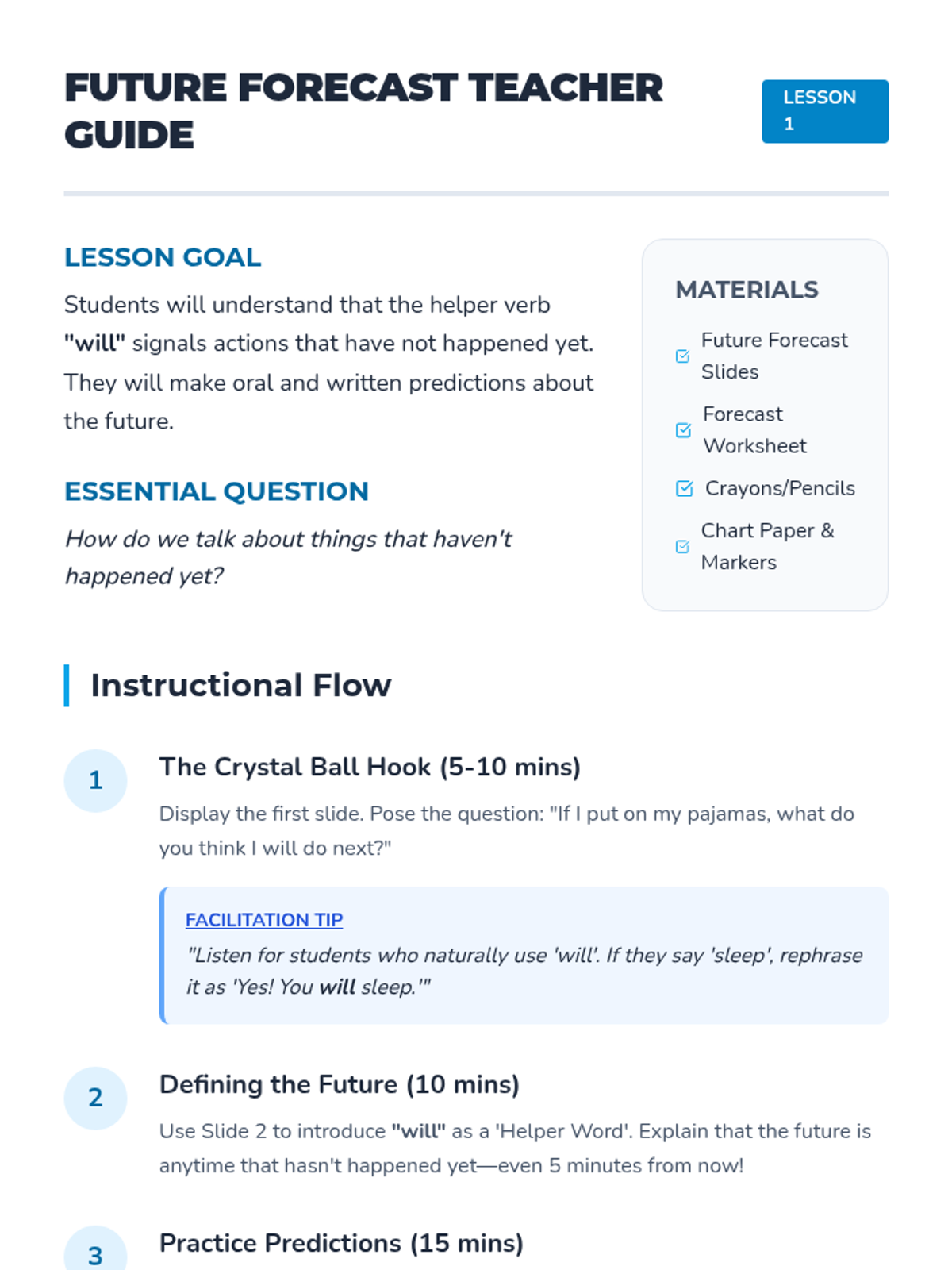
Students explore the concept of the future by predicting activities and weather using the helper verb 'will'.