Fundamental techniques for soccer, volleyball, football, and basketball alongside strategic gameplay and communication skills. Emphasizes sportsmanship and collaborative tactics within a competitive team environment.
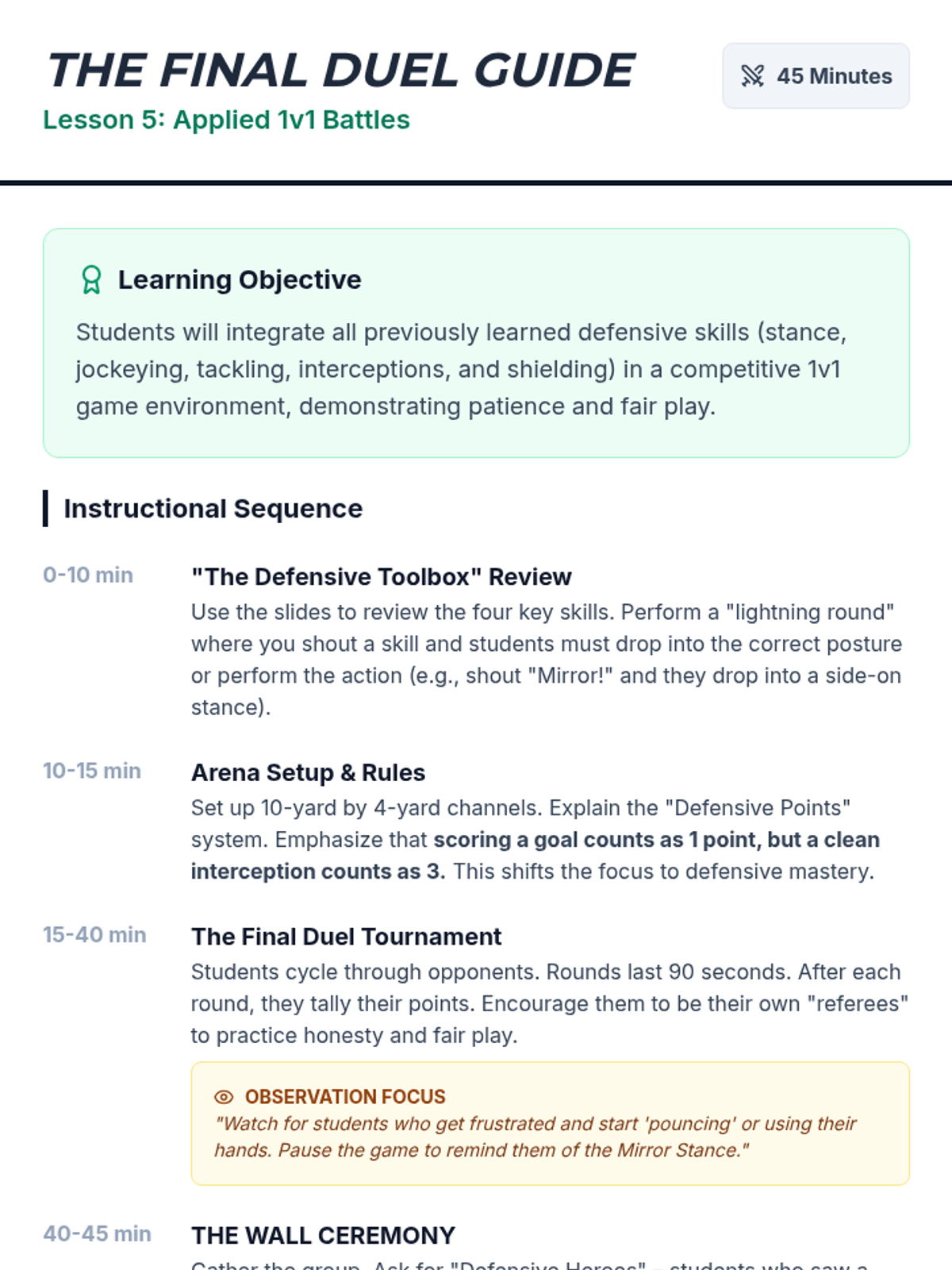
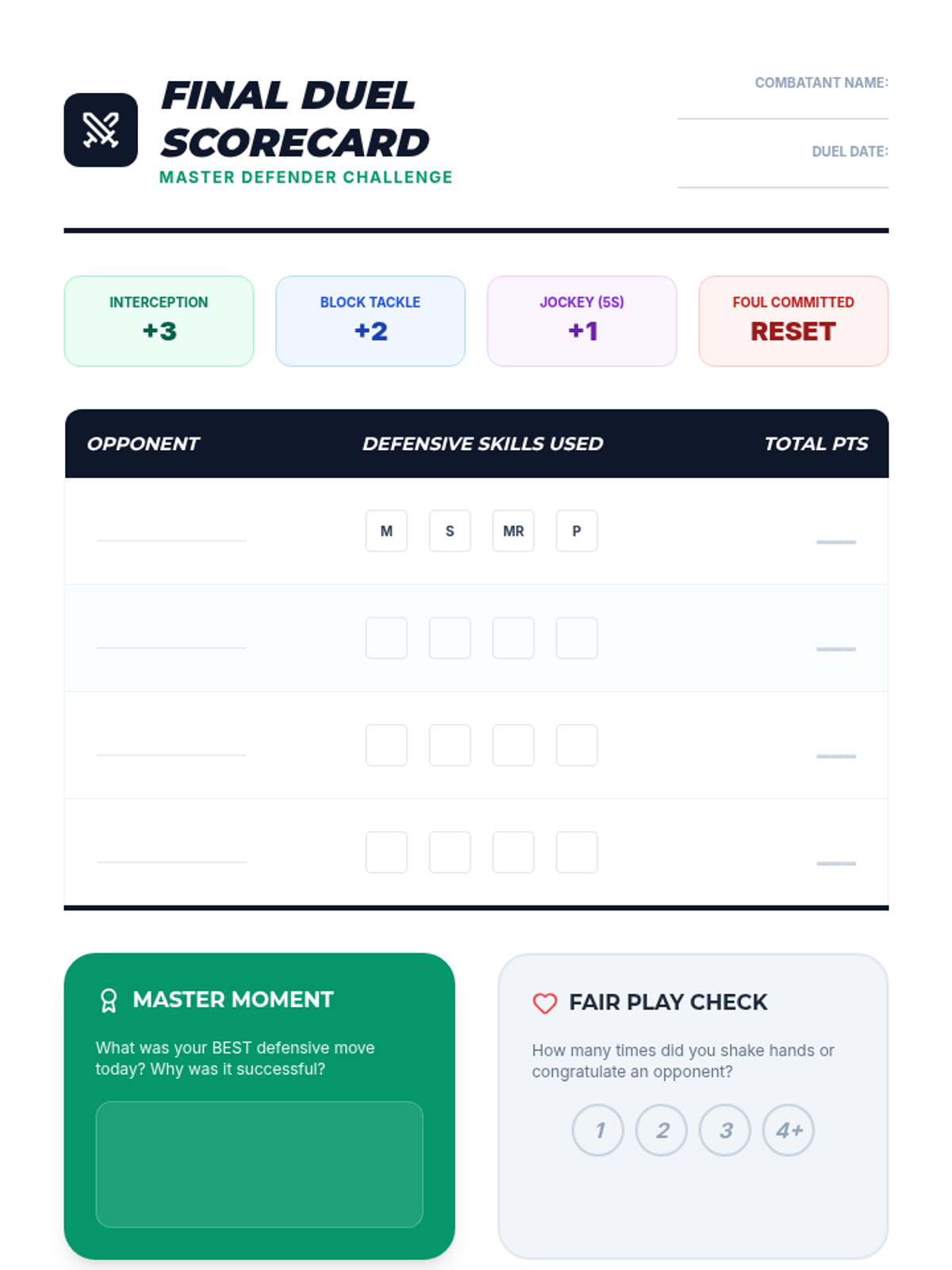
The sequence concludes with 1v1 mini-games where students apply all defensive skills in a competitive environment.
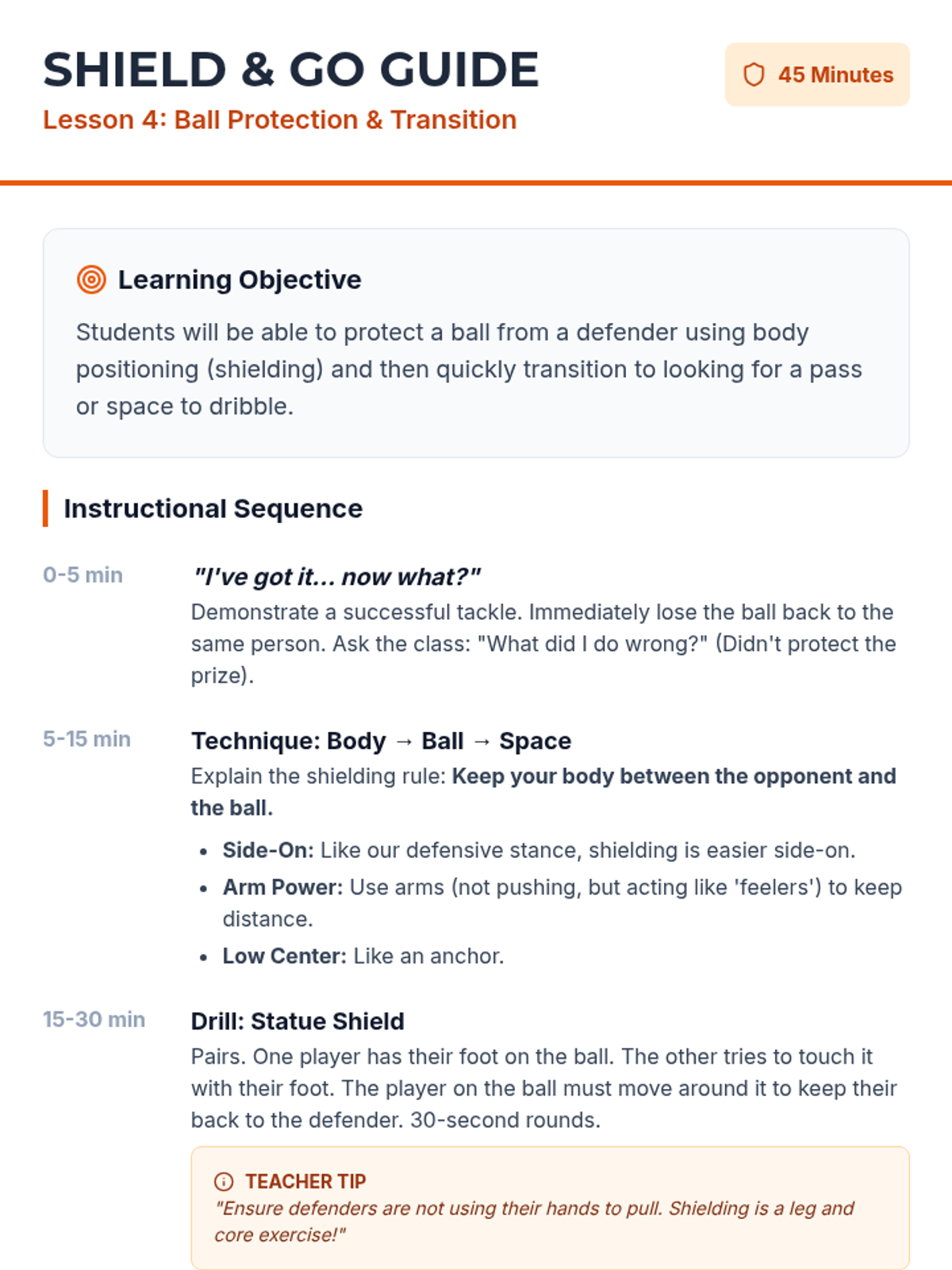
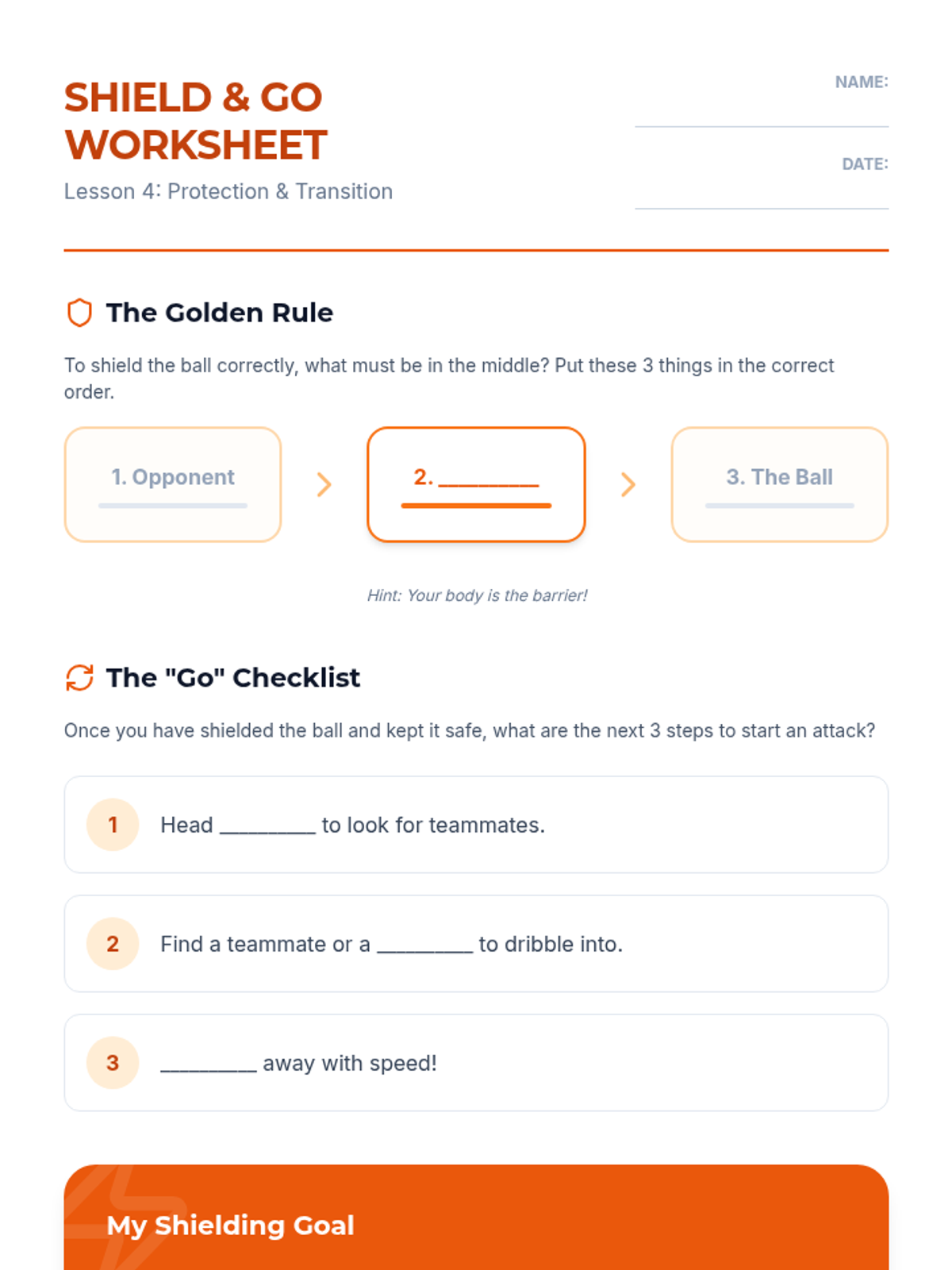
Students learn to shield the ball after recovery, using their body as a barrier, and transitioning from defense to offense.
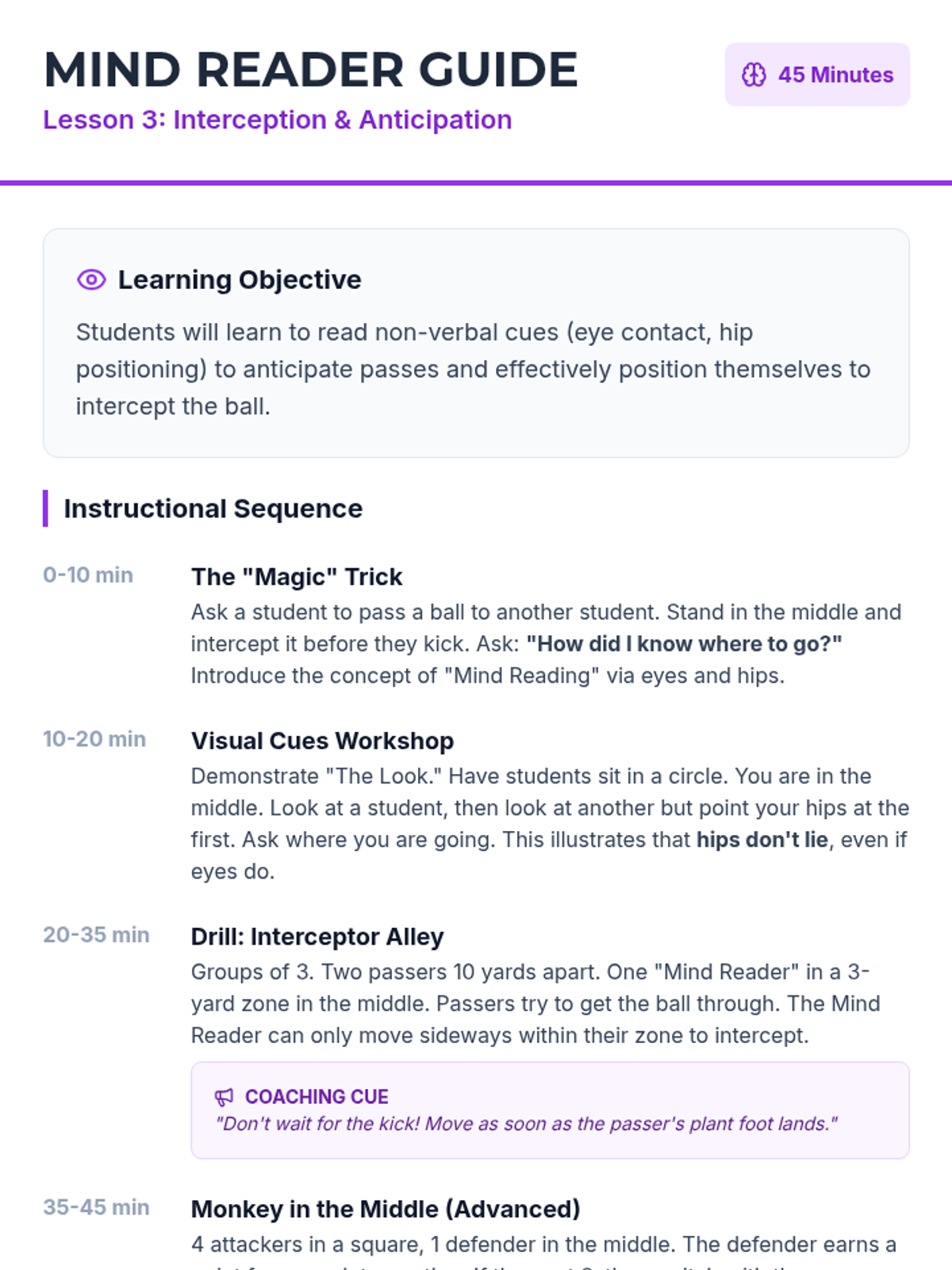
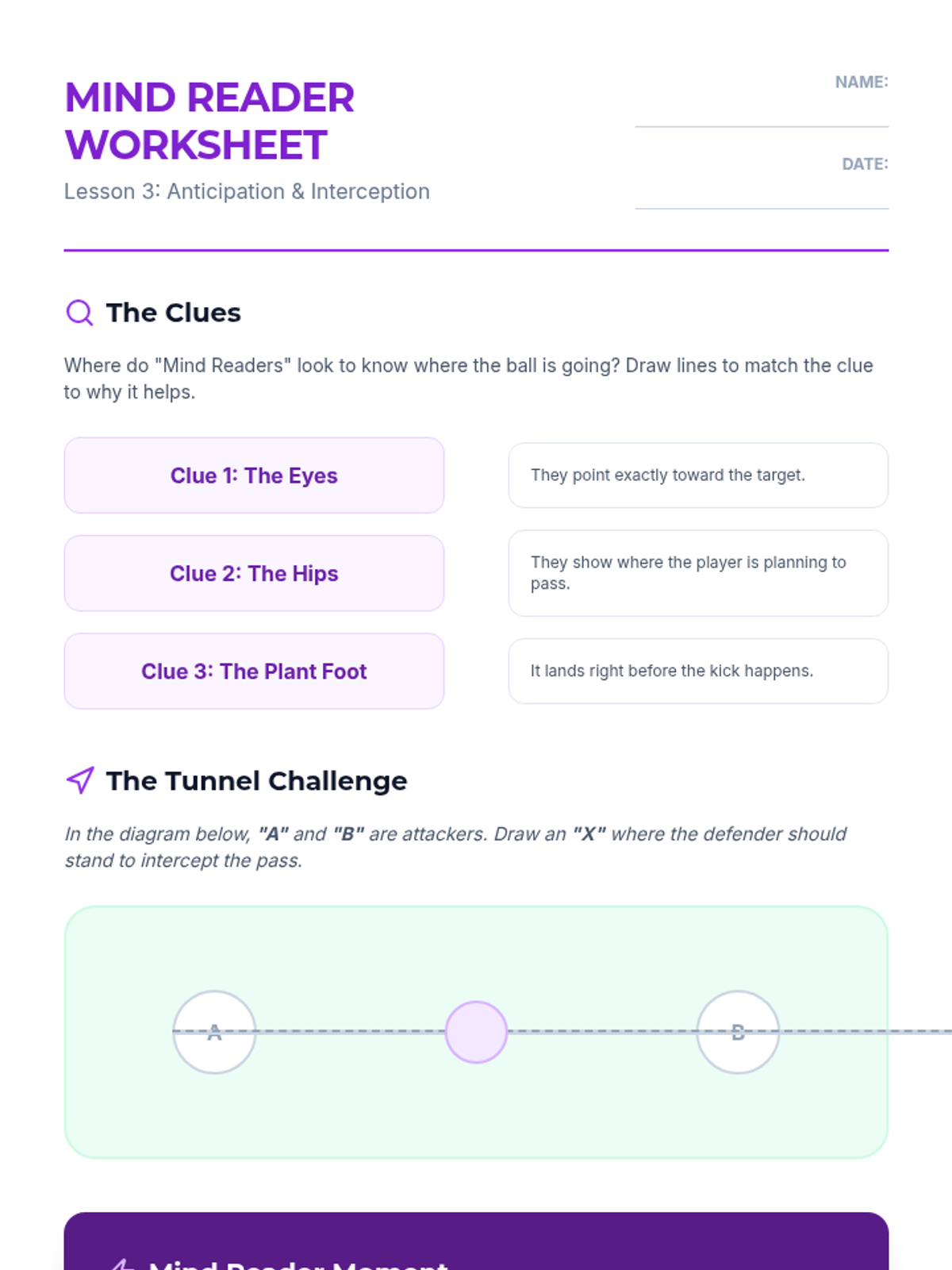
Moving away from 1v1 duels, students learn to read the game to intercept passes using spatial awareness and anticipation.
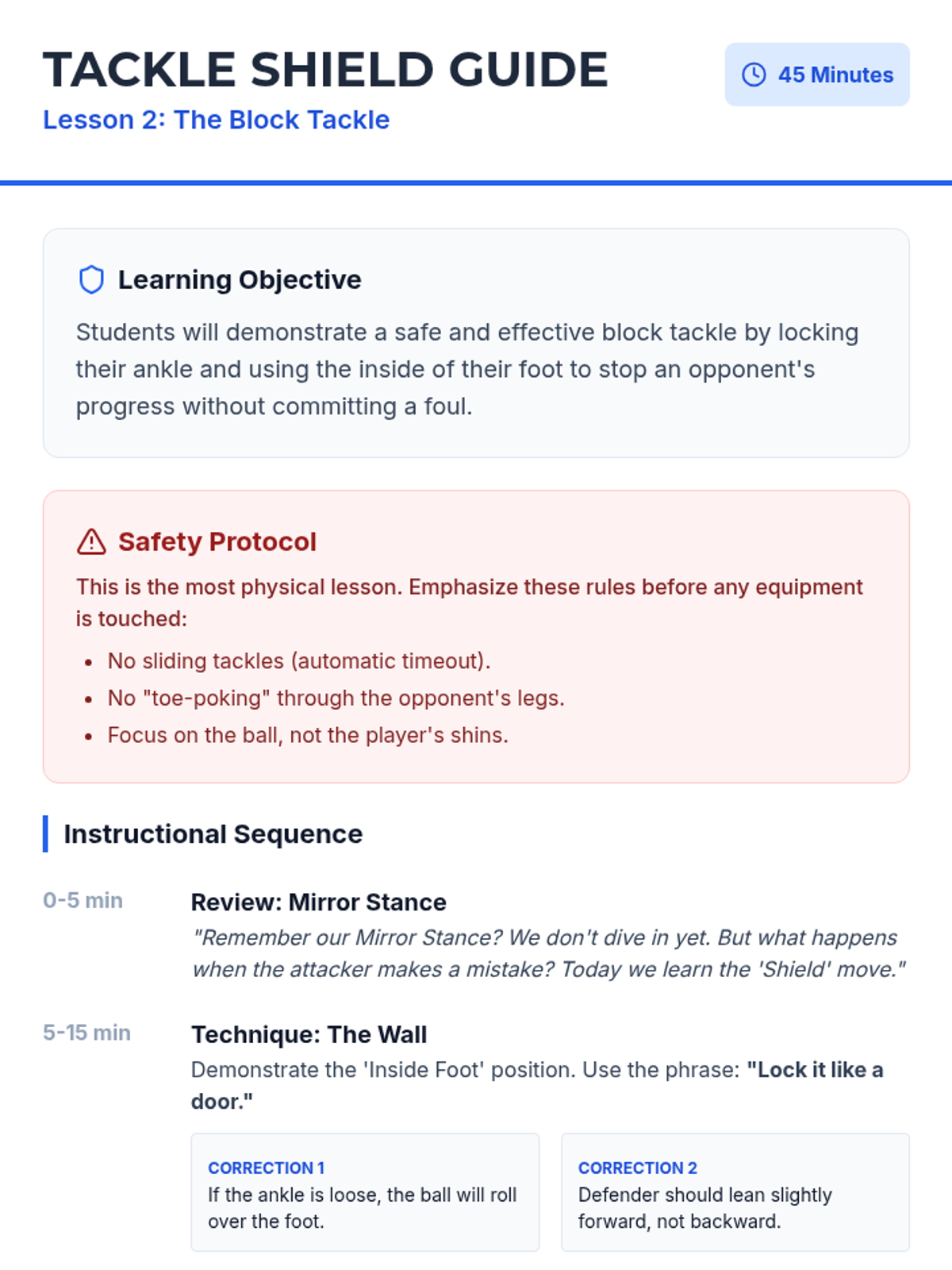
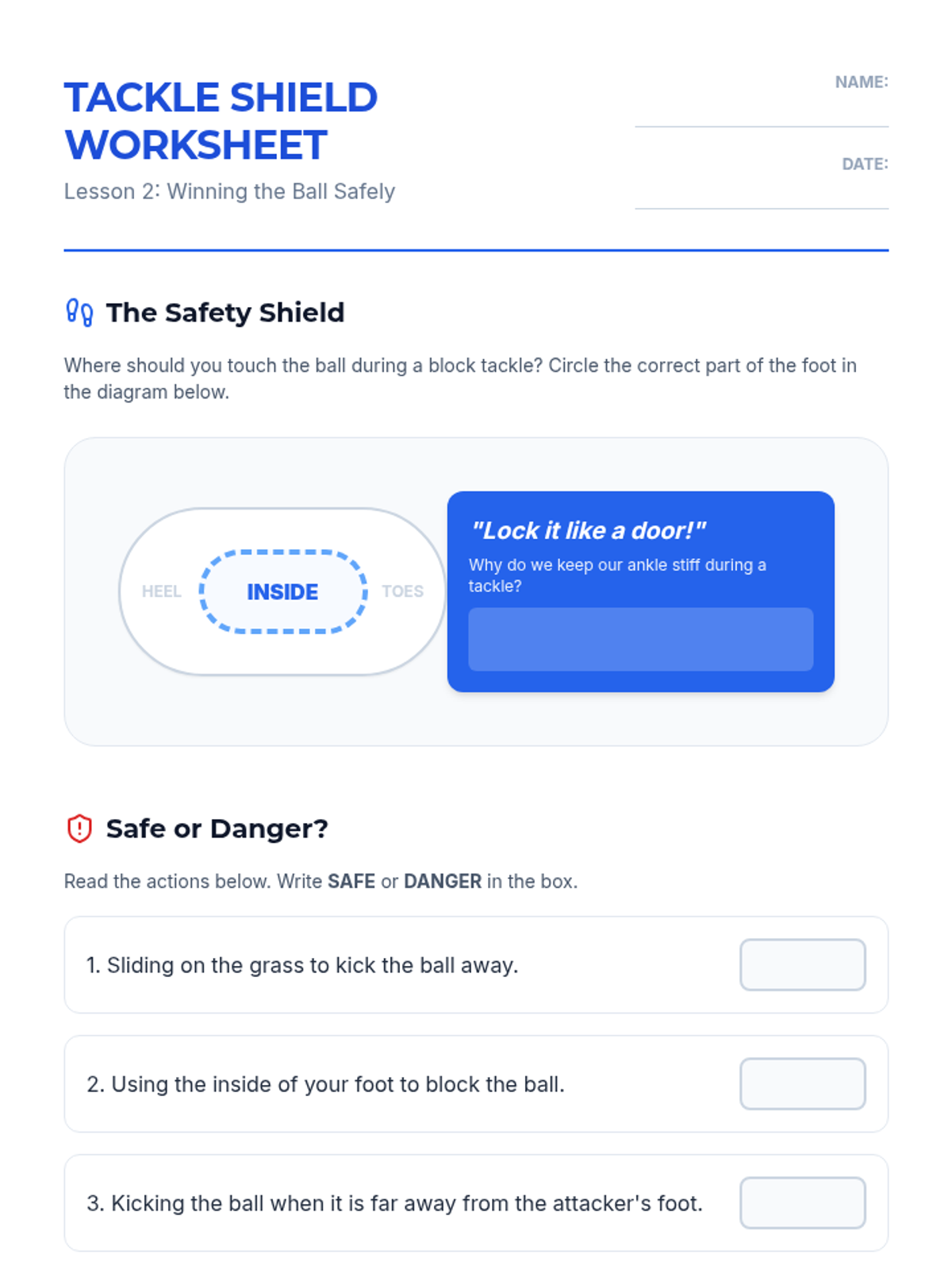
Introduction to the block tackle: a safe way to regain possession using the inside of the foot. Emphasis is on timing and safety.
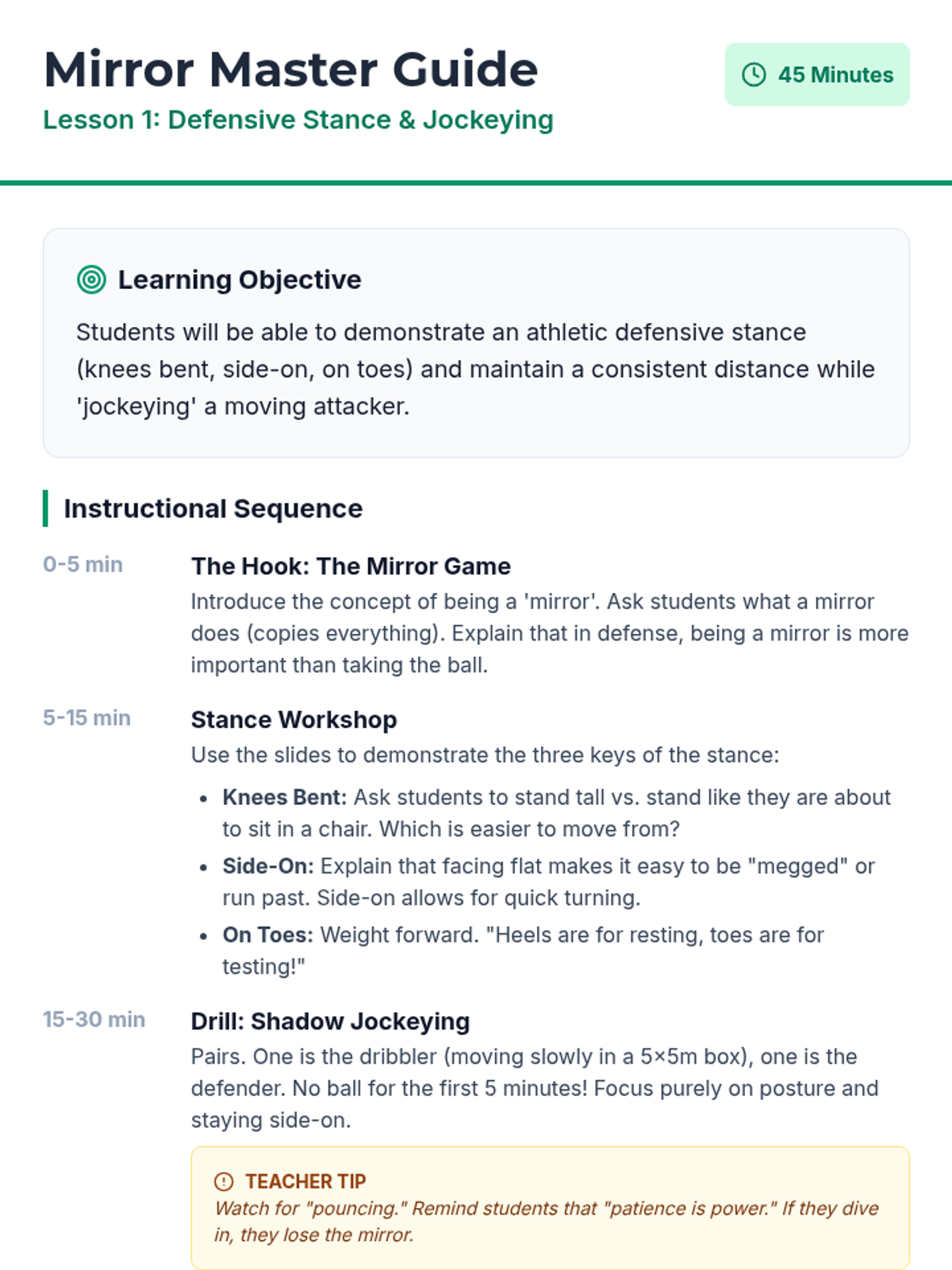
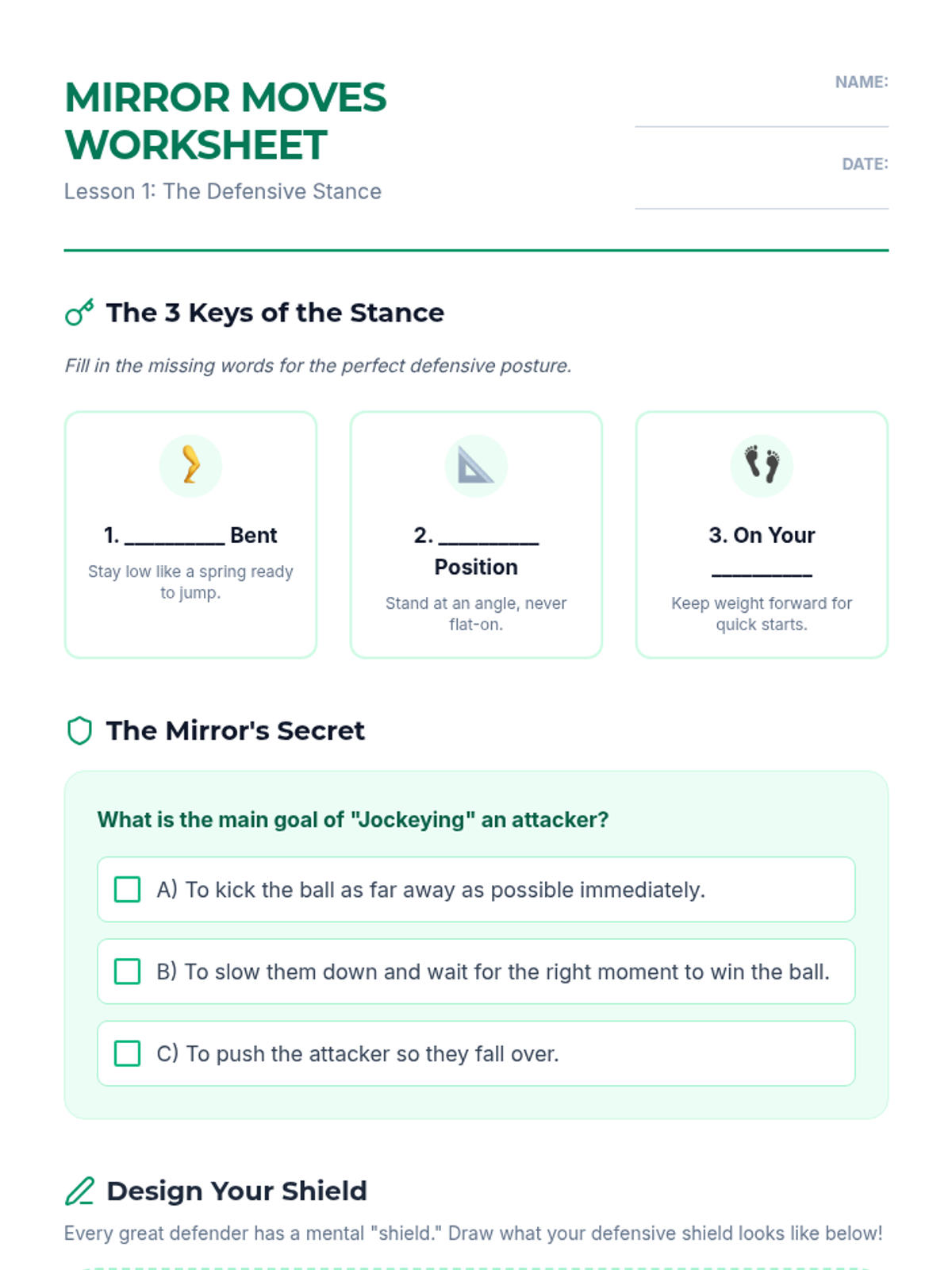
Students learn the athletic defensive stance: knees bent, side-on body position, and low center of gravity. They practice 'jockeying' (shadowing) an attacker without trying to steal the ball immediately.
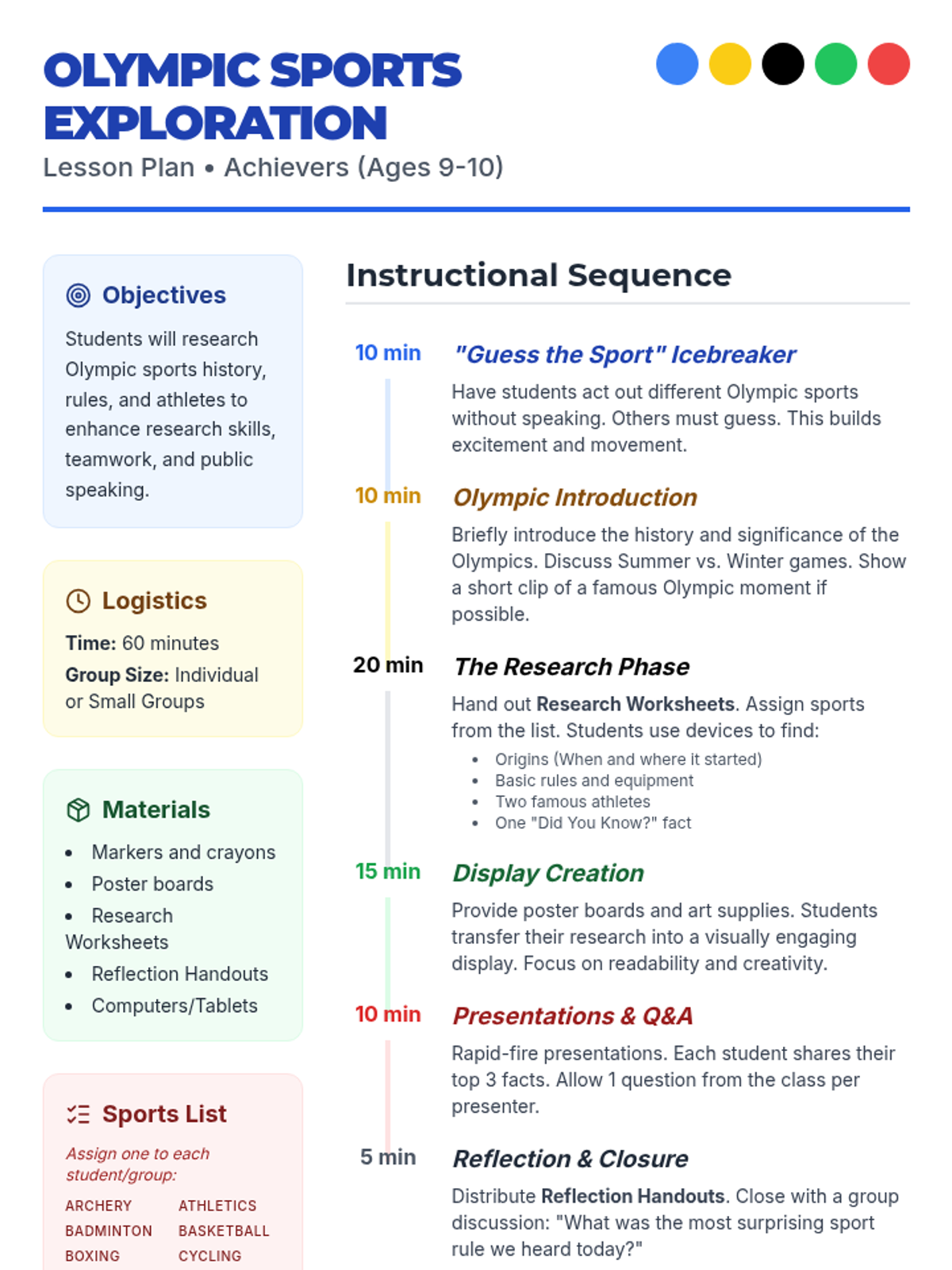
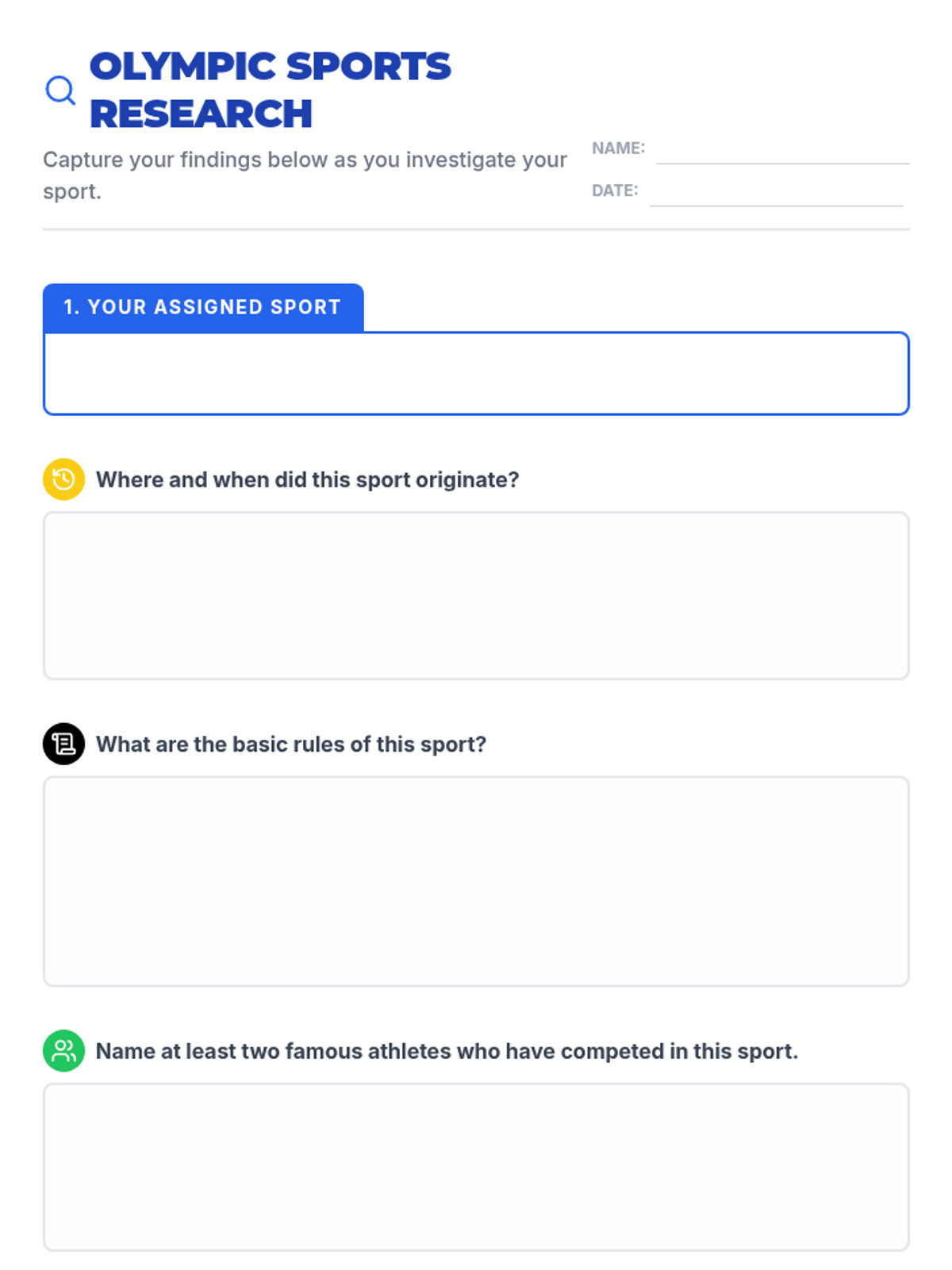
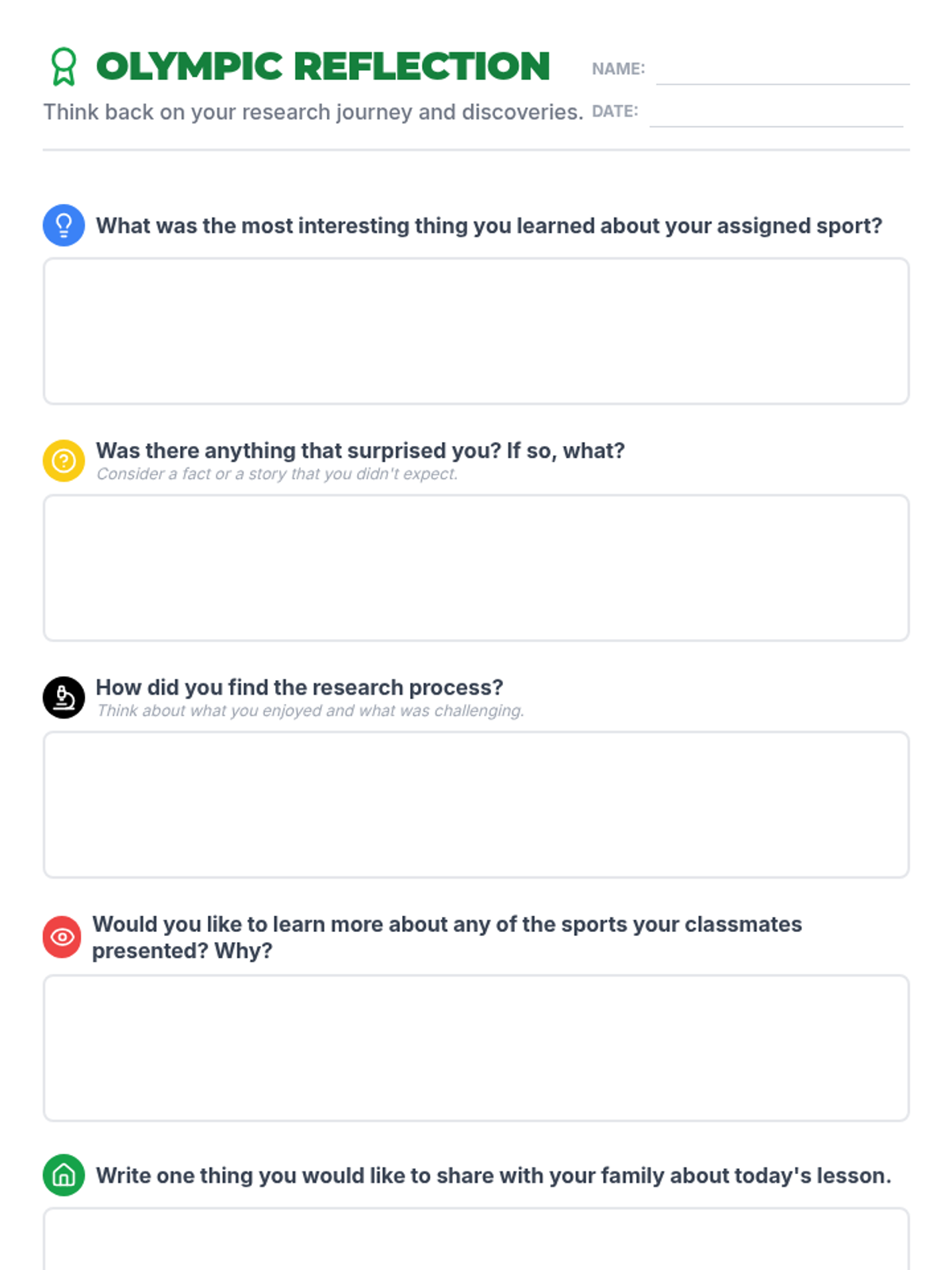
Students will explore various Olympic sports, researching their origins, rules, and famous athletes through research, display creation, and presentations.
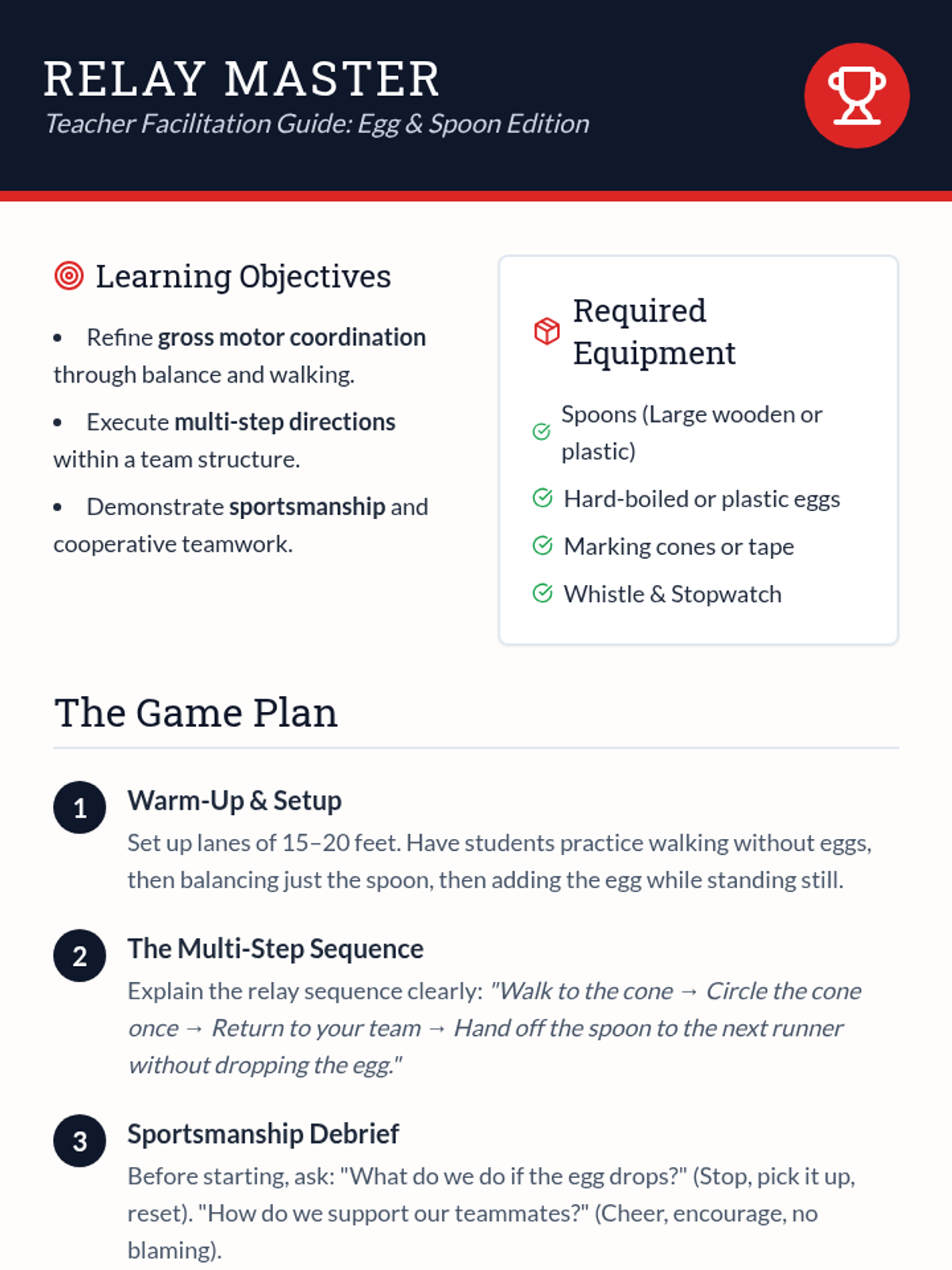
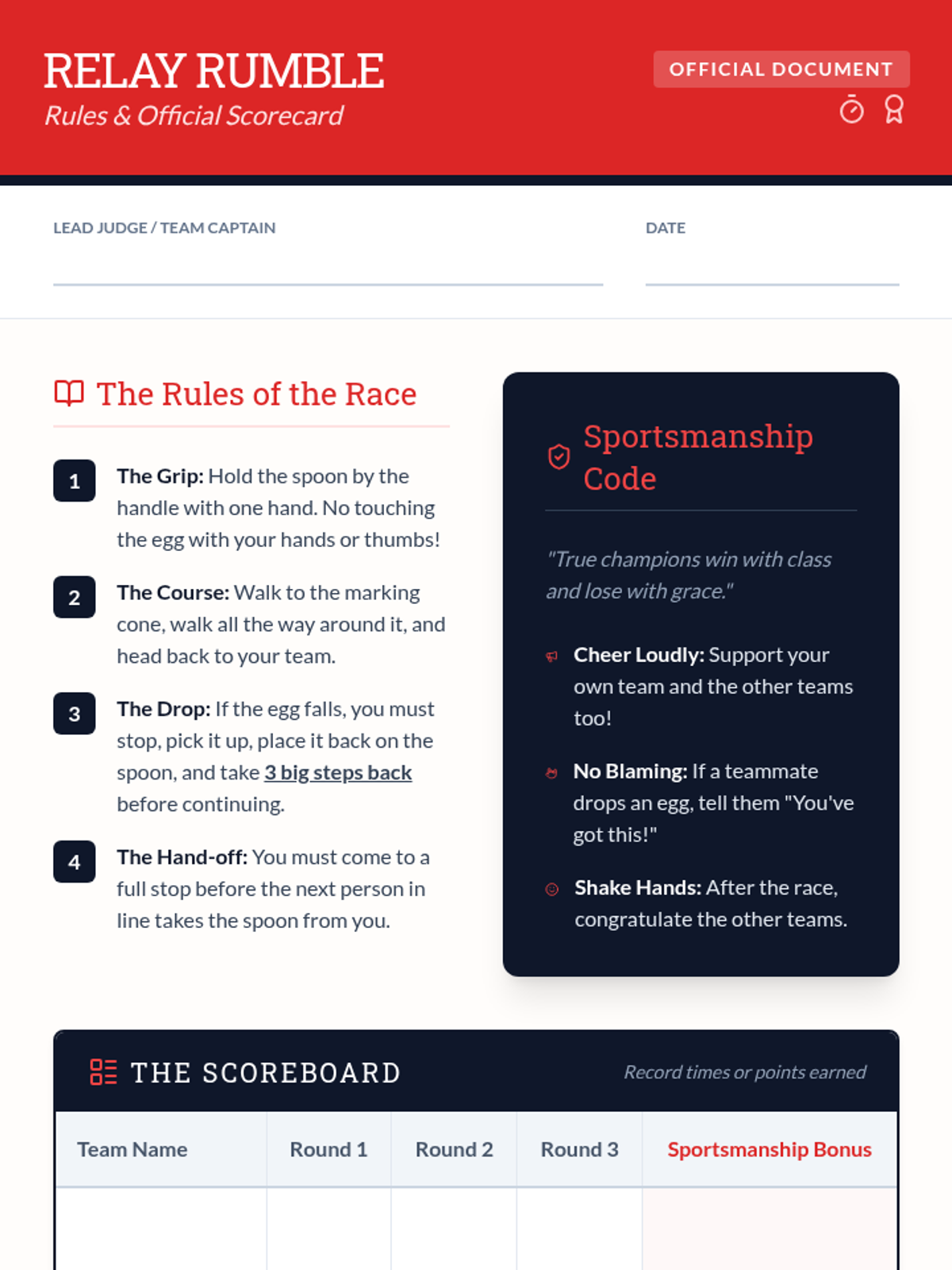
A high-energy lesson focused on gross motor skills, following complex directions, and practicing good sportsmanship through an egg and spoon relay race.
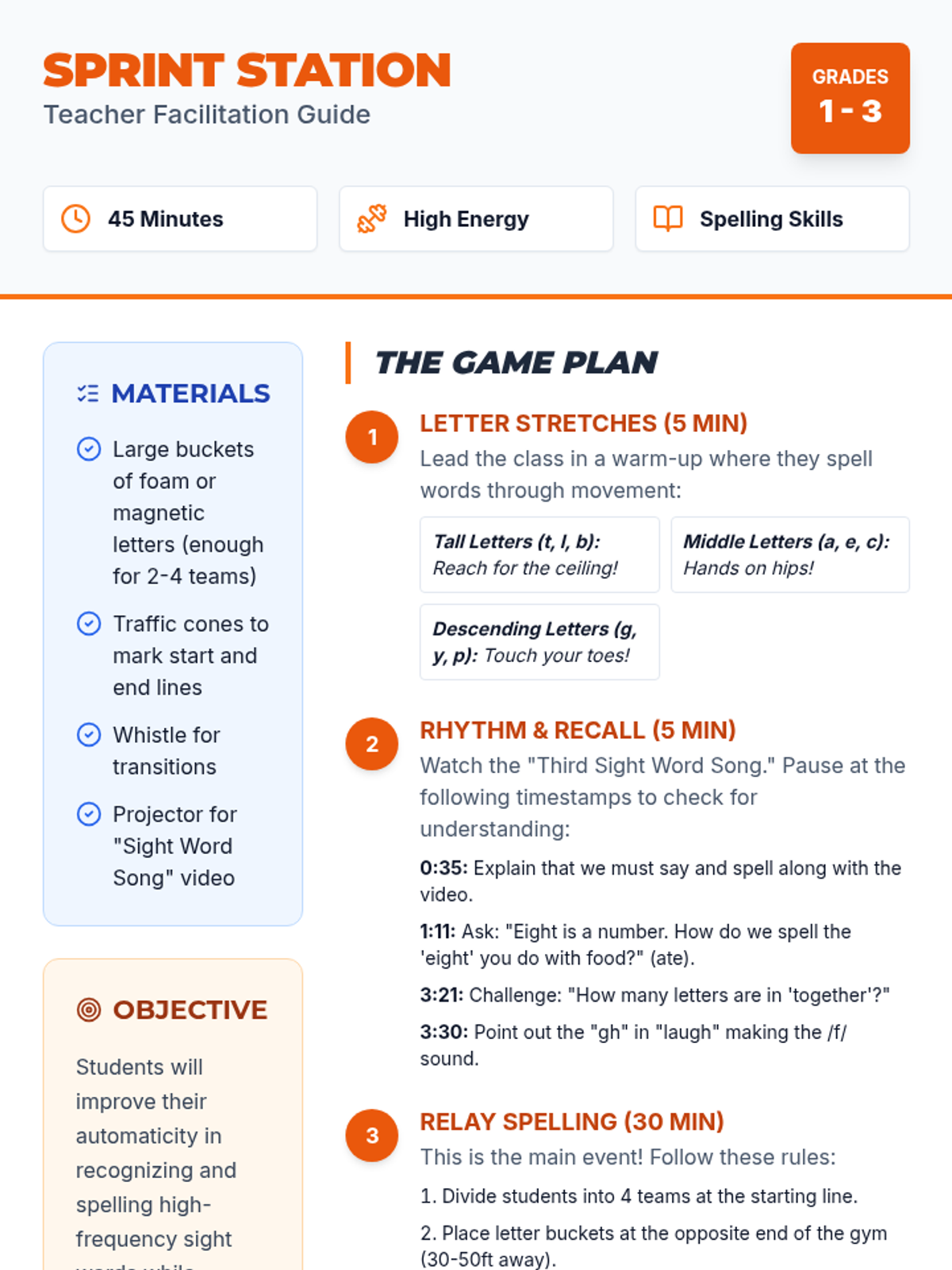
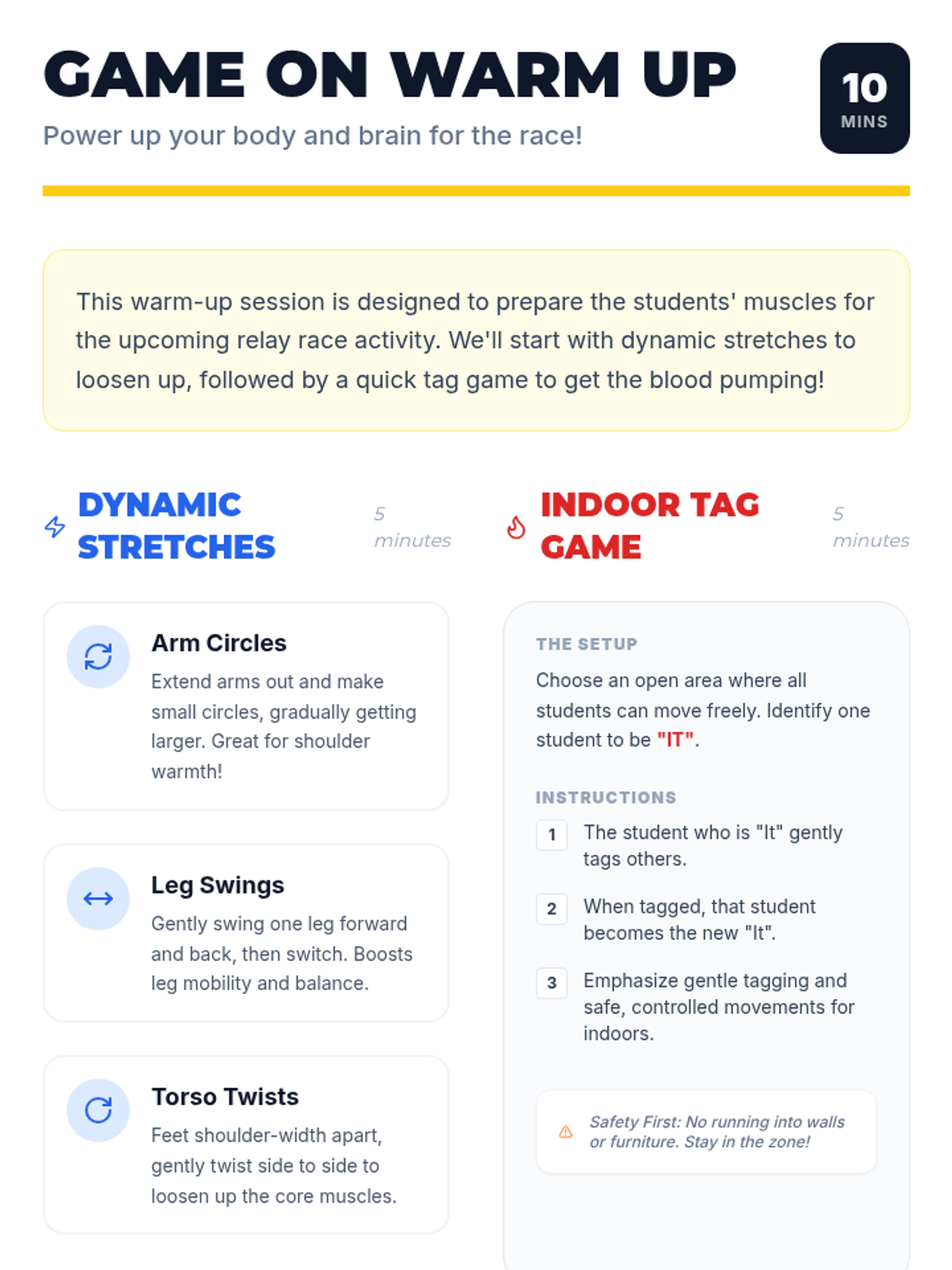
An energetic PE lesson that combines high-intensity relay races with sight word reinforcement for grades 1-3. Students stretch to spell, watch a rhythmic spelling video, and compete in team relays to build words from a bucket of letters.
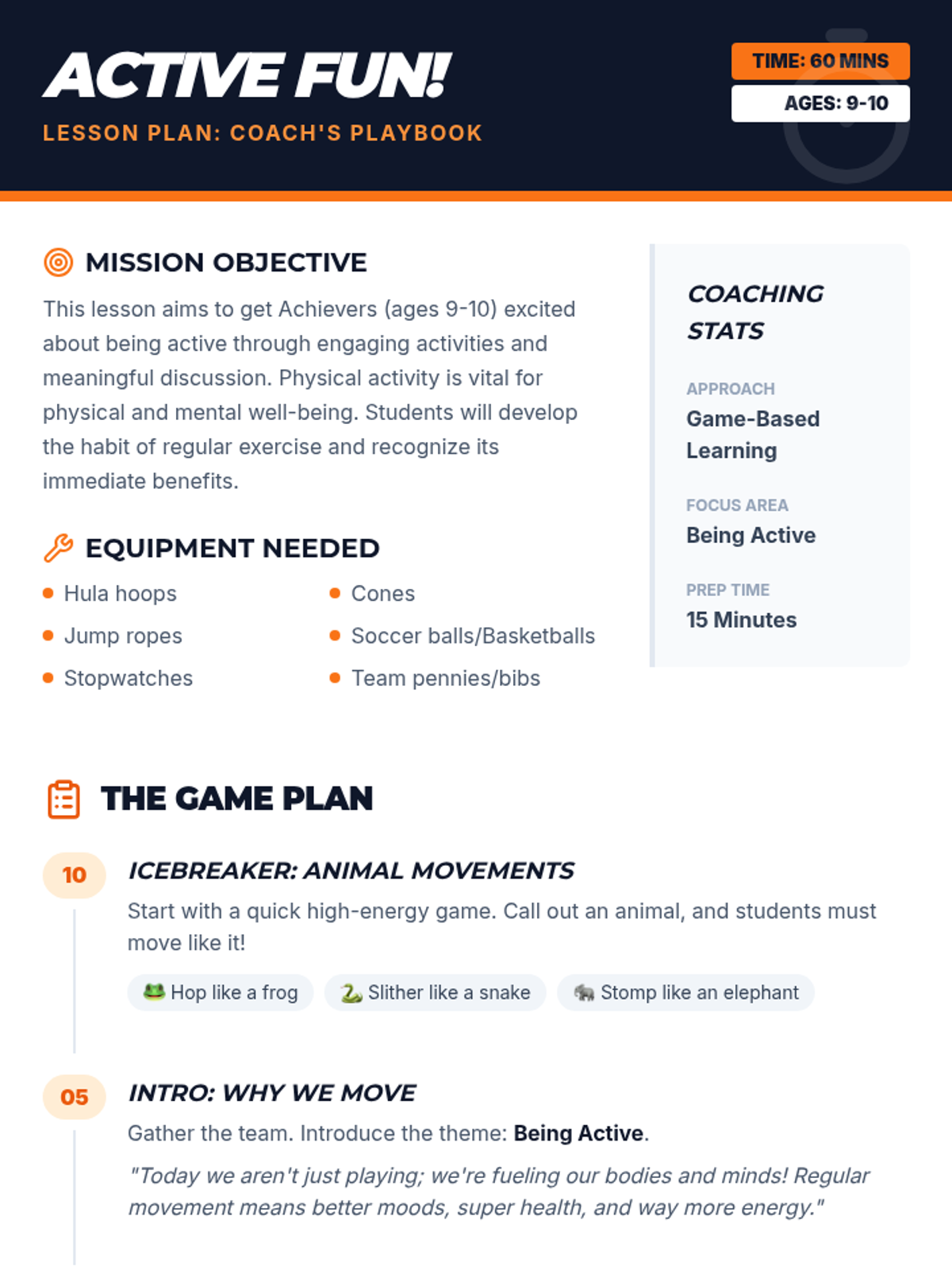
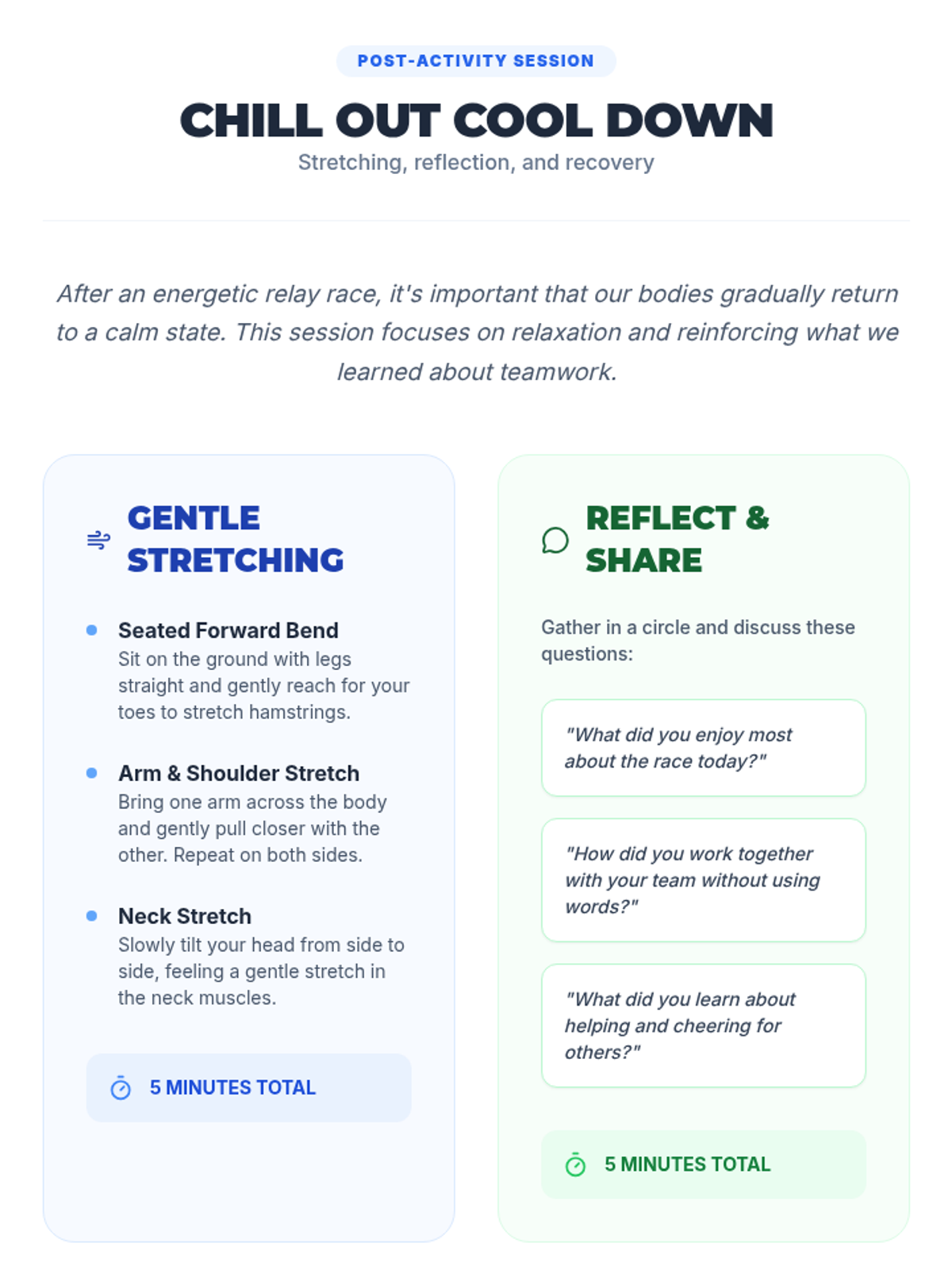
A high-energy lesson designed to get students aged 9-10 excited about physical activity through games, teamwork, and reflective discussion. Students explore the benefits of being active while participating in mini-tournaments and creative movement exercises.
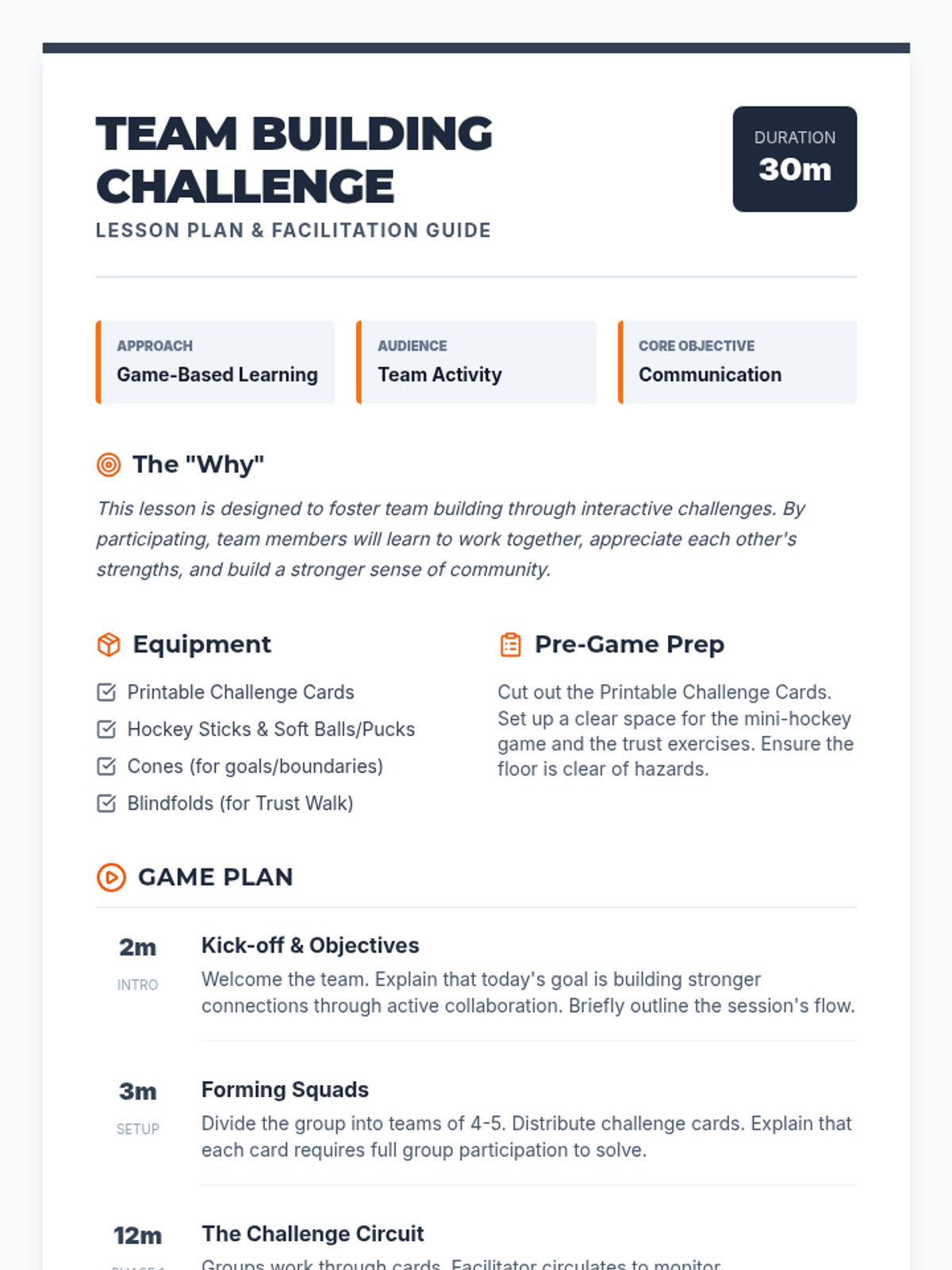
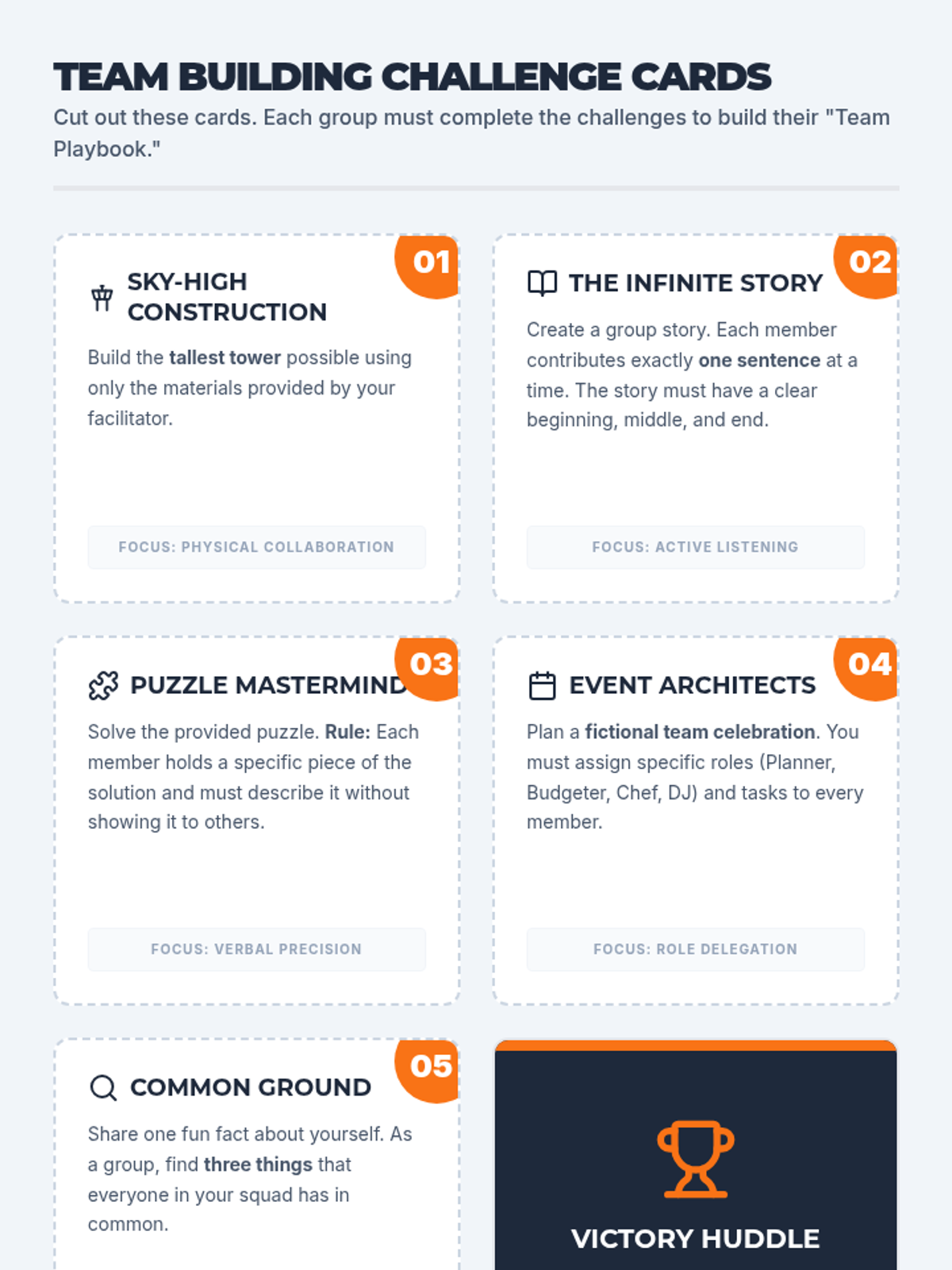
A high-energy team-building lesson focused on communication, trust, and collaboration through interactive challenges and a hockey-themed strategy game.
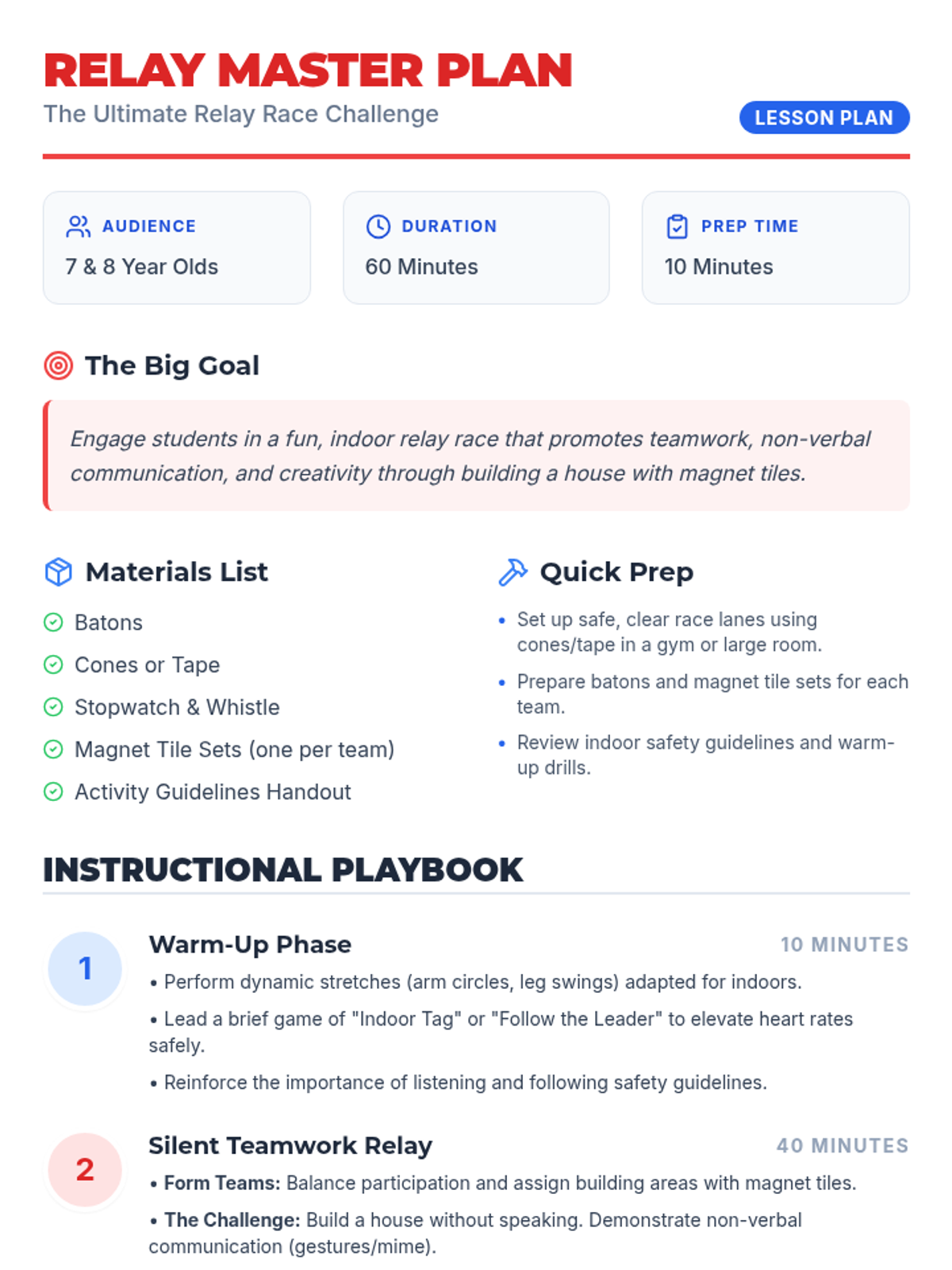
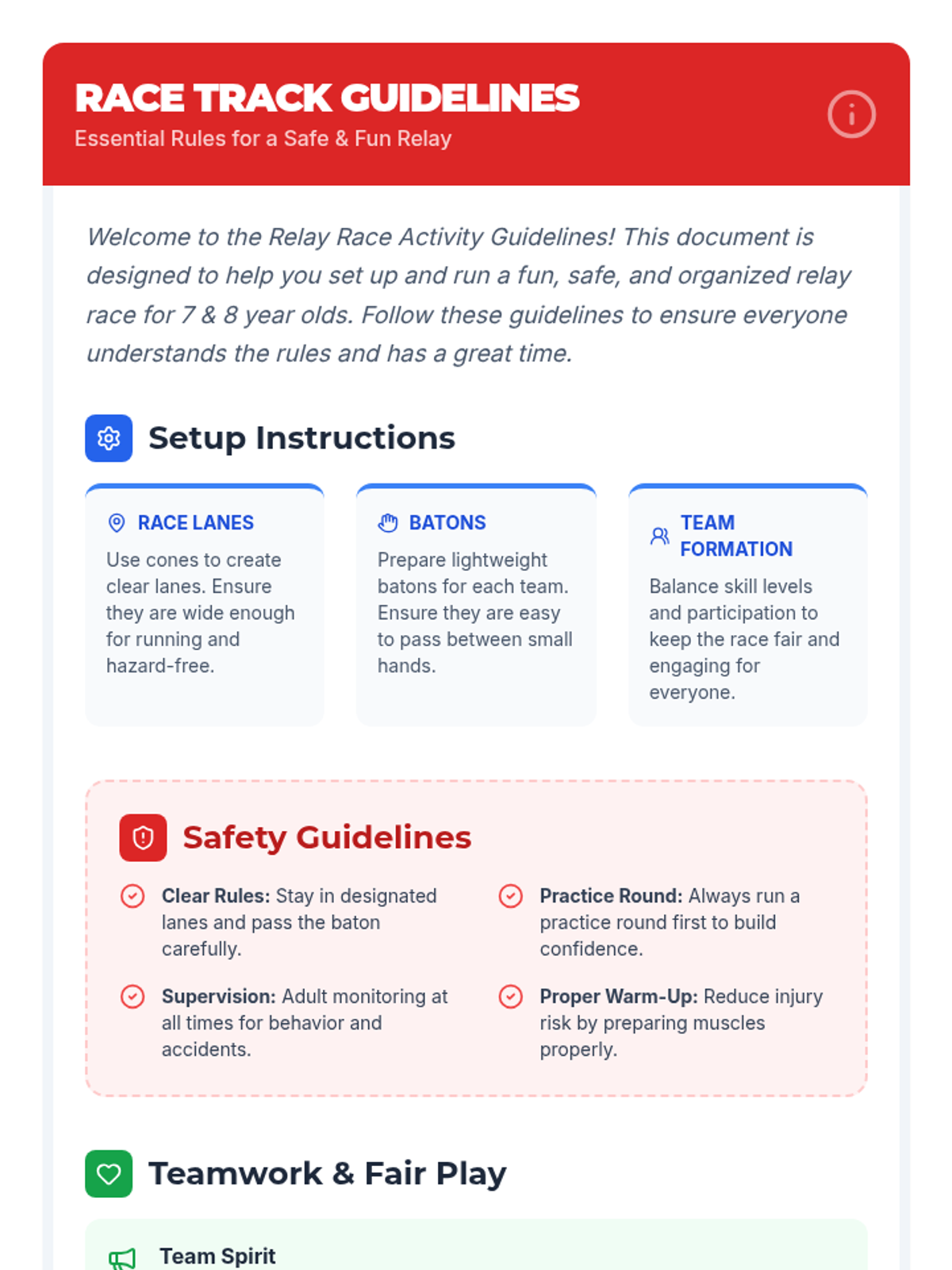
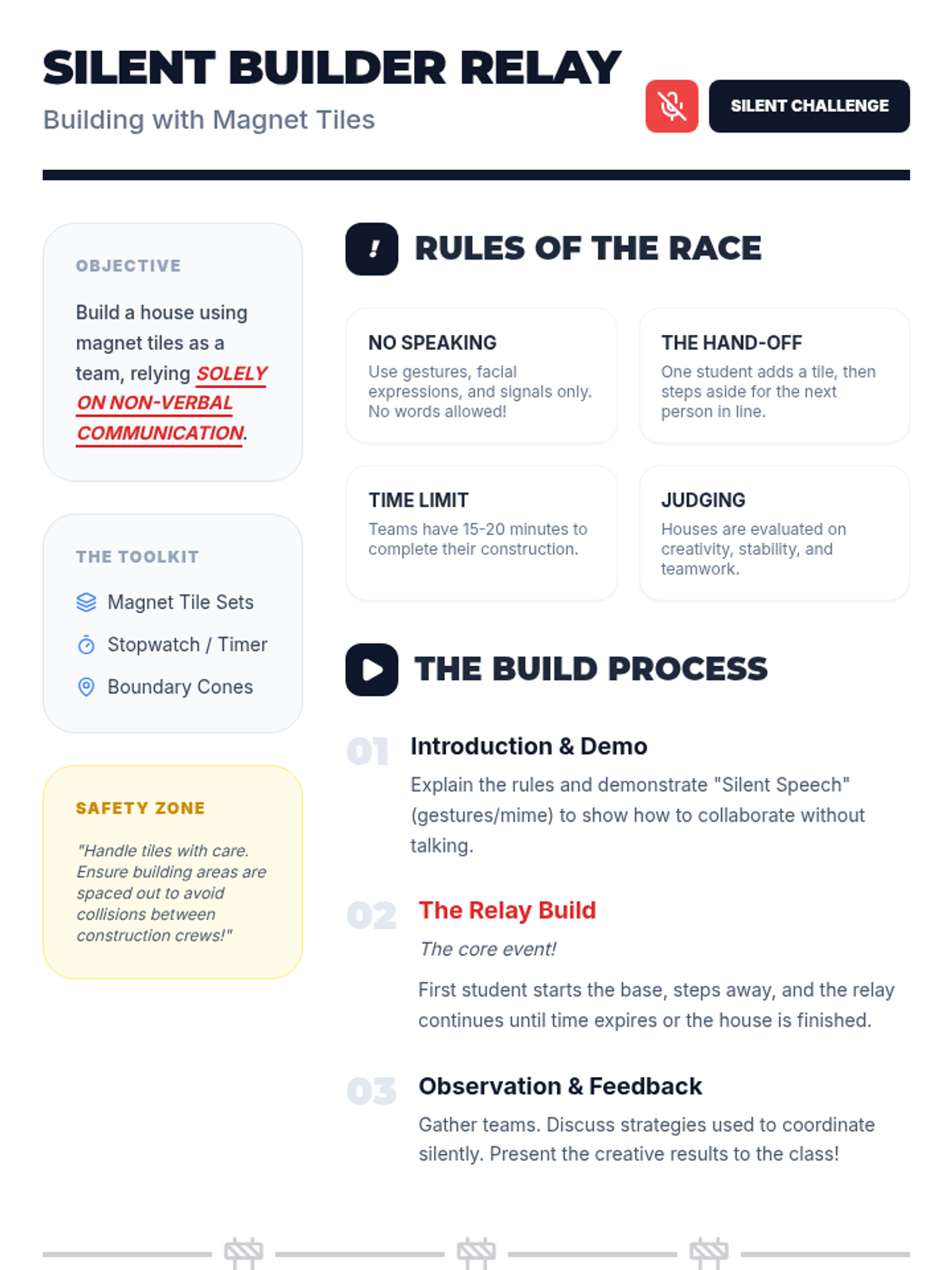
An energetic 1-hour physical education lesson for 7-8 year olds focusing on teamwork and non-verbal communication through a creative relay race using magnet tiles.
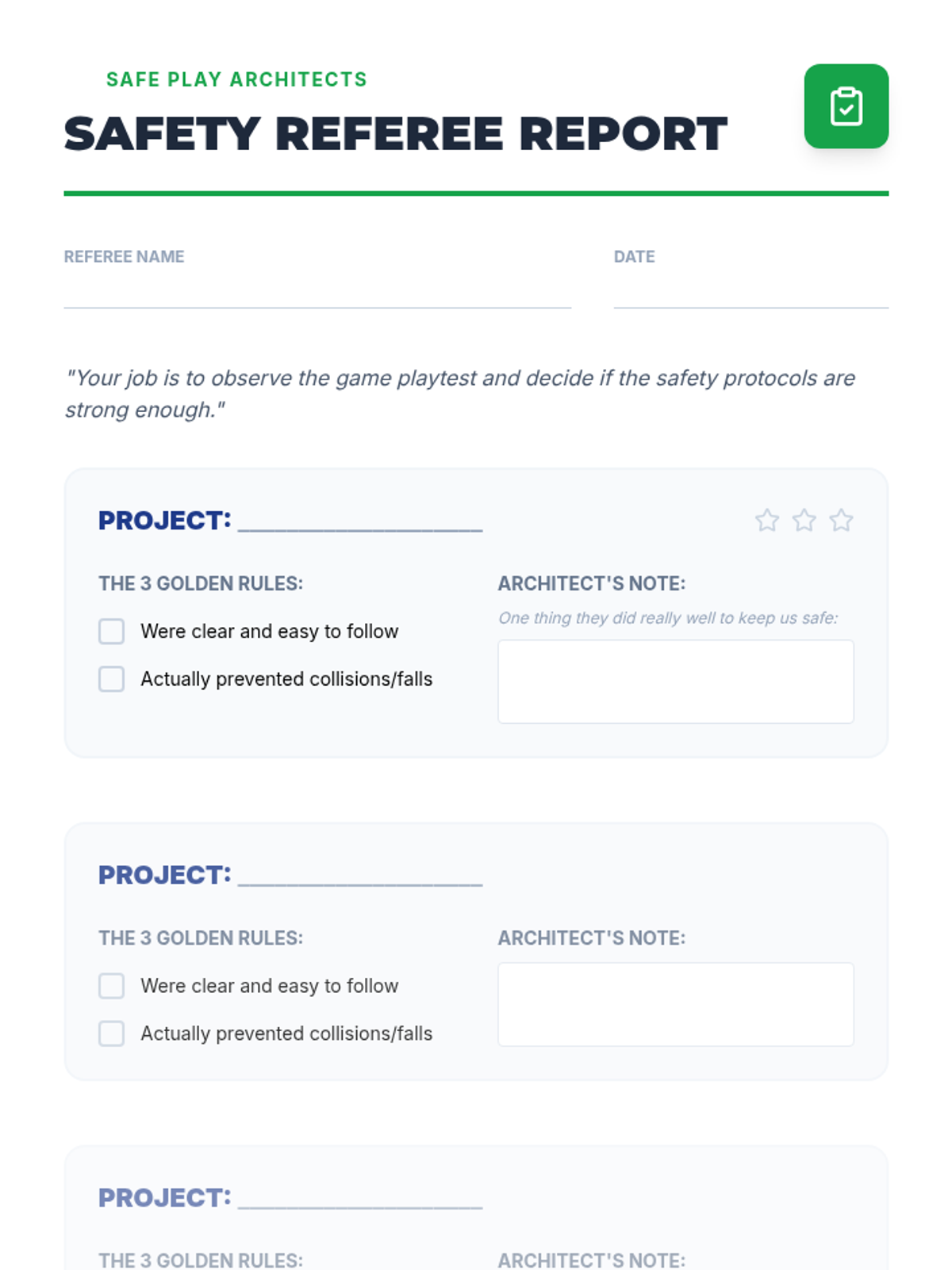
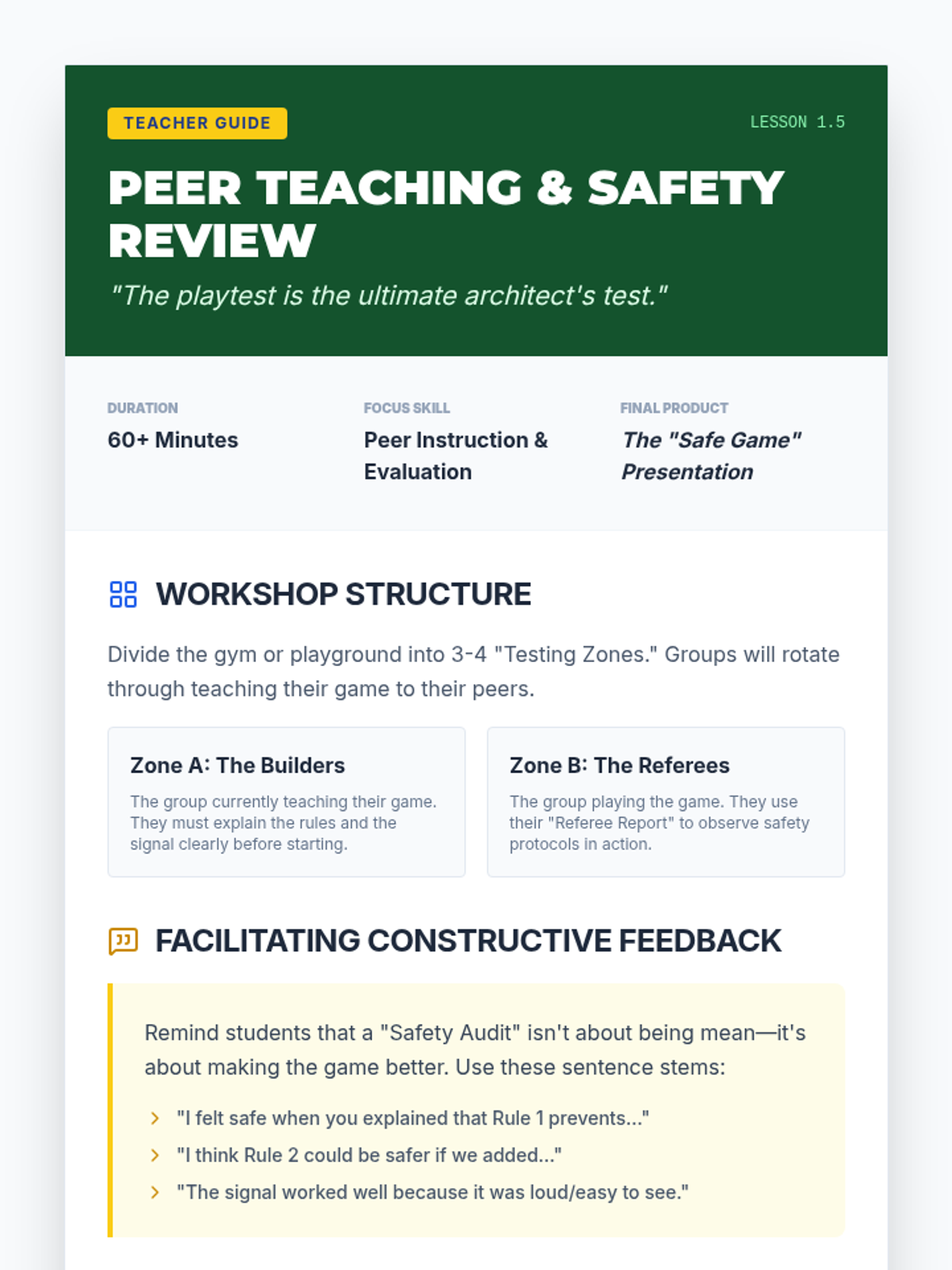
Groups teach their new games to the class, emphasizing their safety rules. The class provides feedback on whether the rules were clear and effective in keeping players safe.
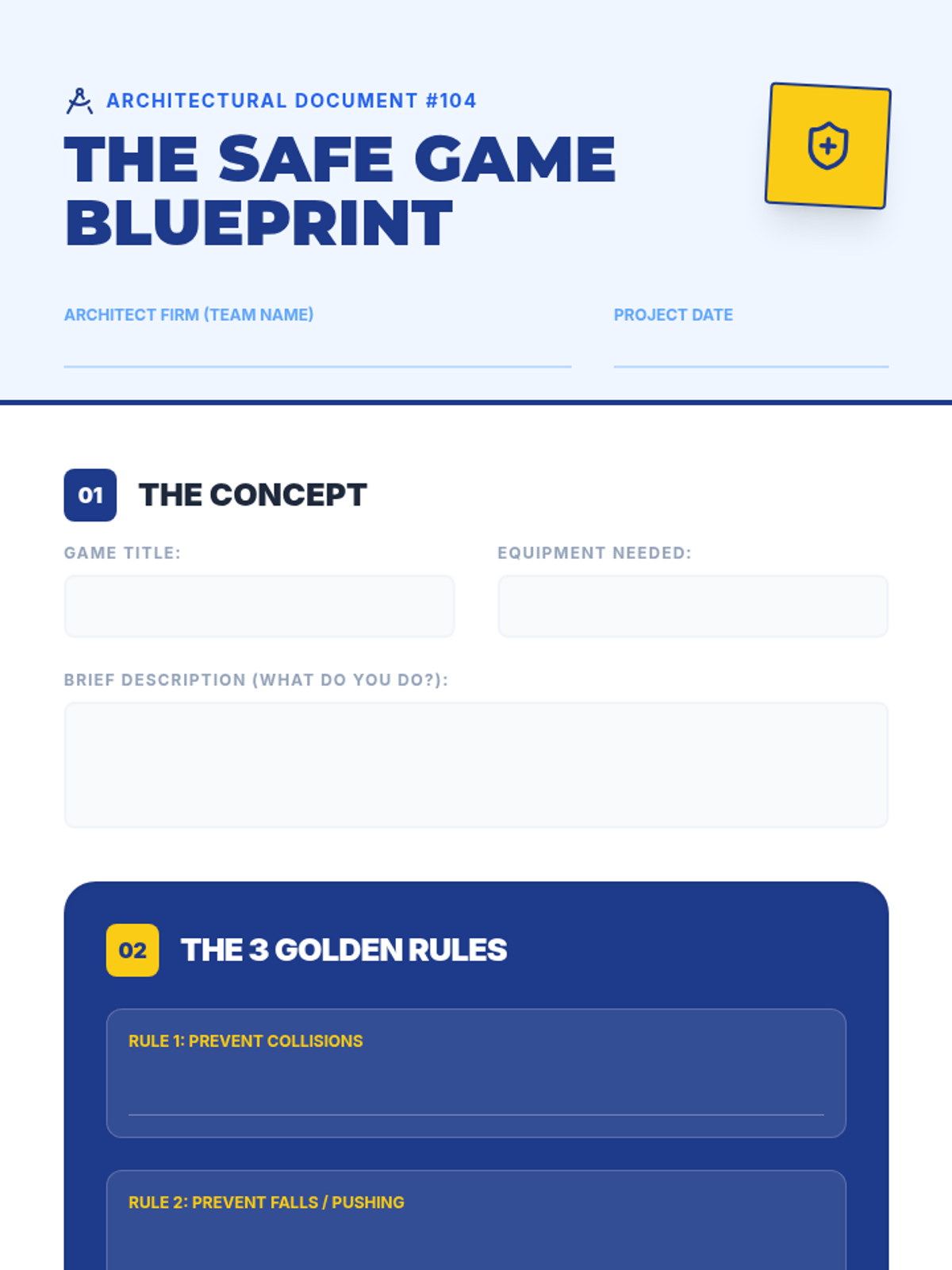
Small groups are tasked with inventing a simple new game or modifying an existing one. Their primary task is to write 3 'Golden Rules' that specifically address preventing injury during the game.
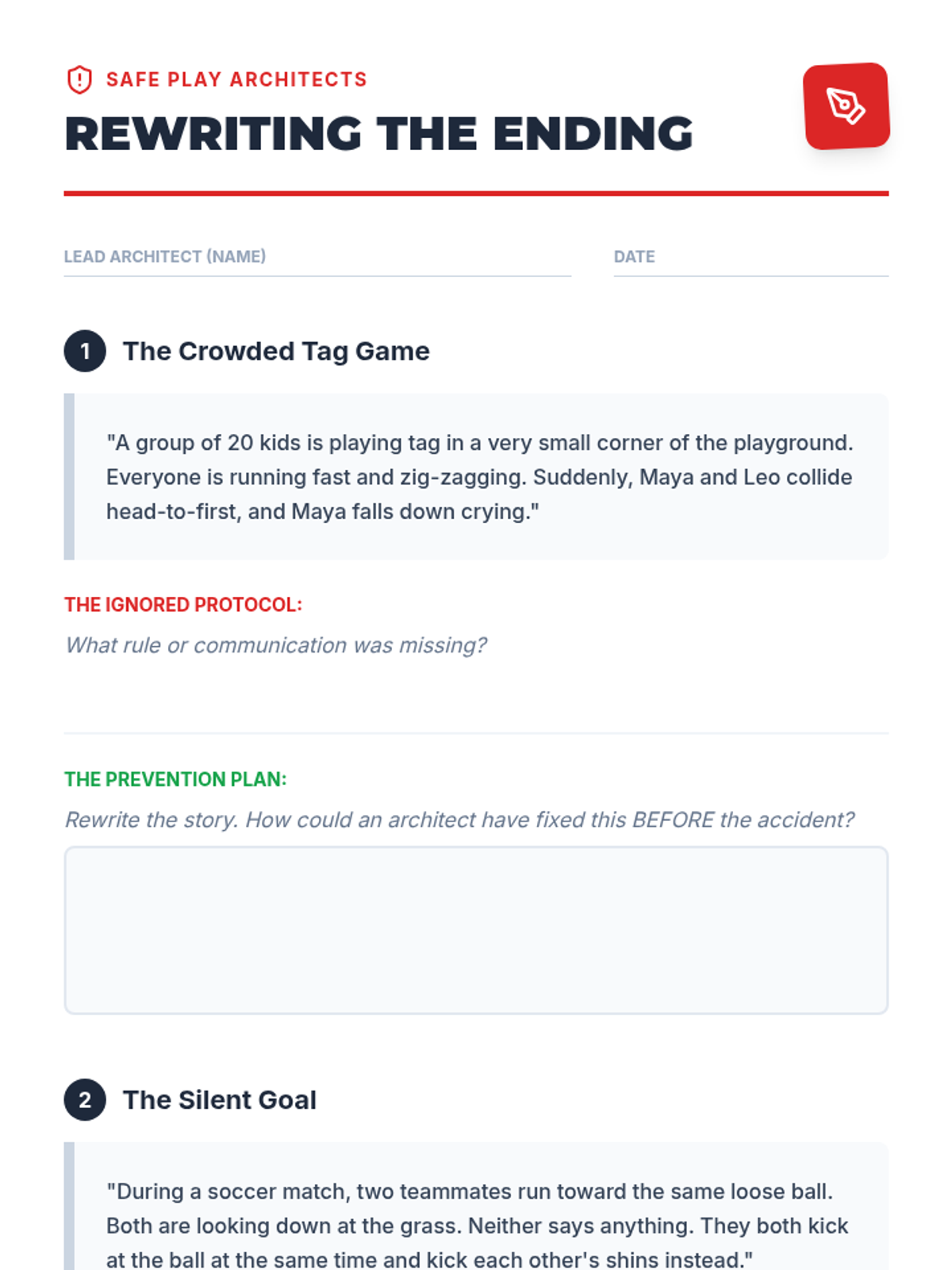
Using age-appropriate scenarios, students discuss what happens when safety protocols are ignored. They brainstorm 'prevention plans' for specific scenarios to change the outcome from injury to safety.
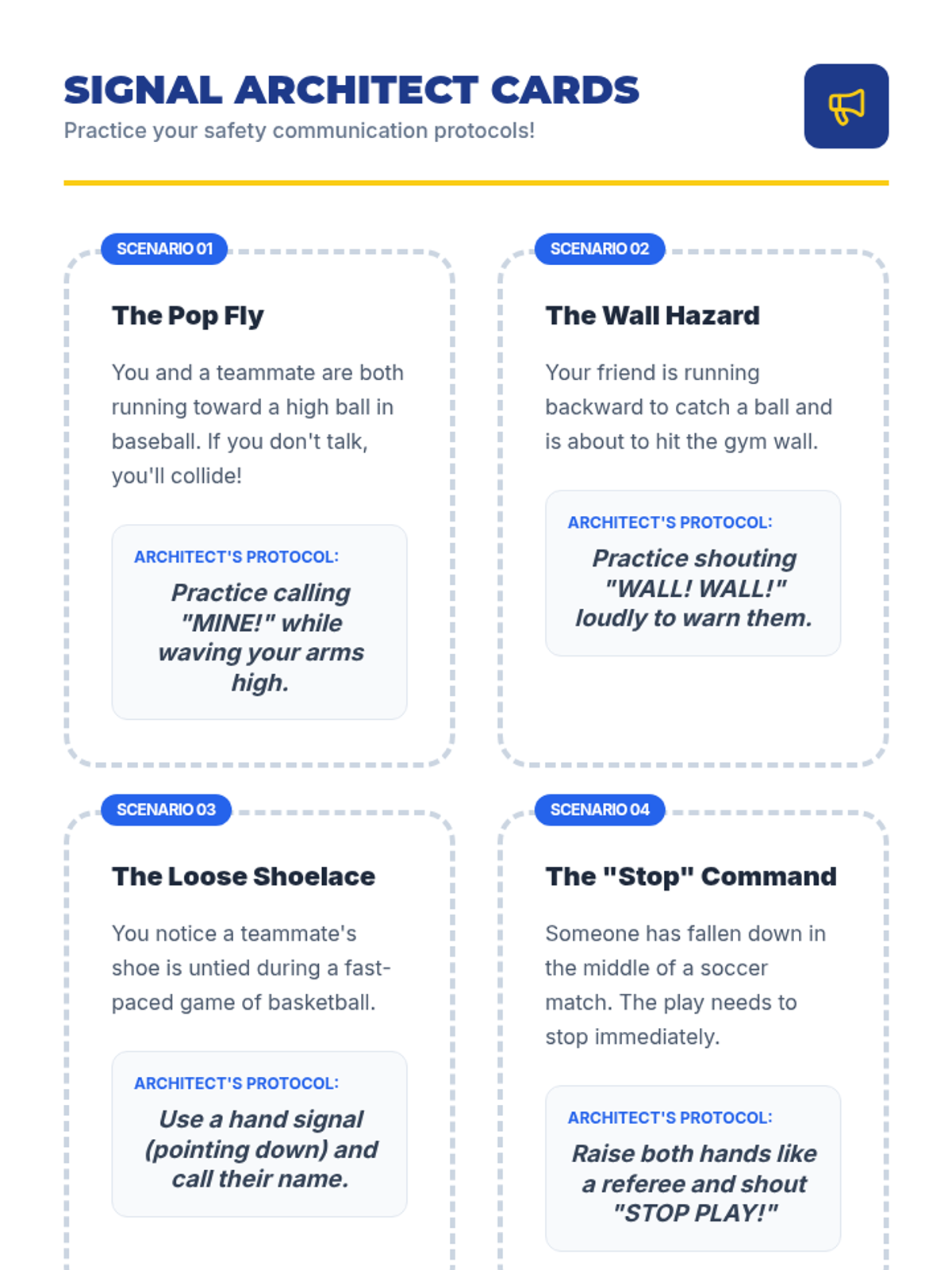
Students practice verbal and non-verbal communication used to prevent injury, such as calling 'Mine!' for a ball or using hand signals. They engage in activities where silence creates difficulty, highlighting the need for voice.
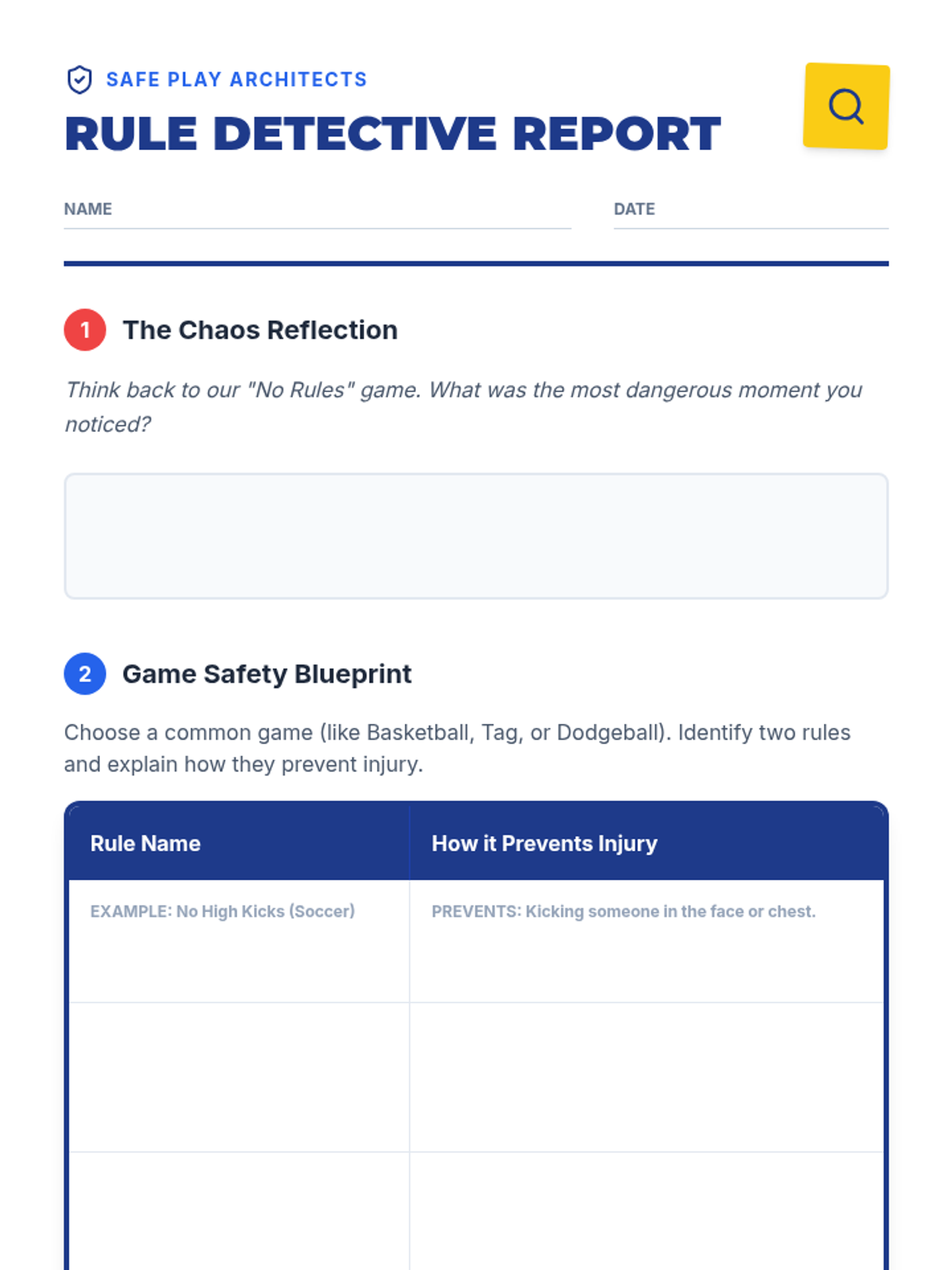
Students analyze popular games to identify safety rules and discuss how these rules prevent injury. The lesson features a 'chaotic hook' to demonstrate the necessity of order for safety.
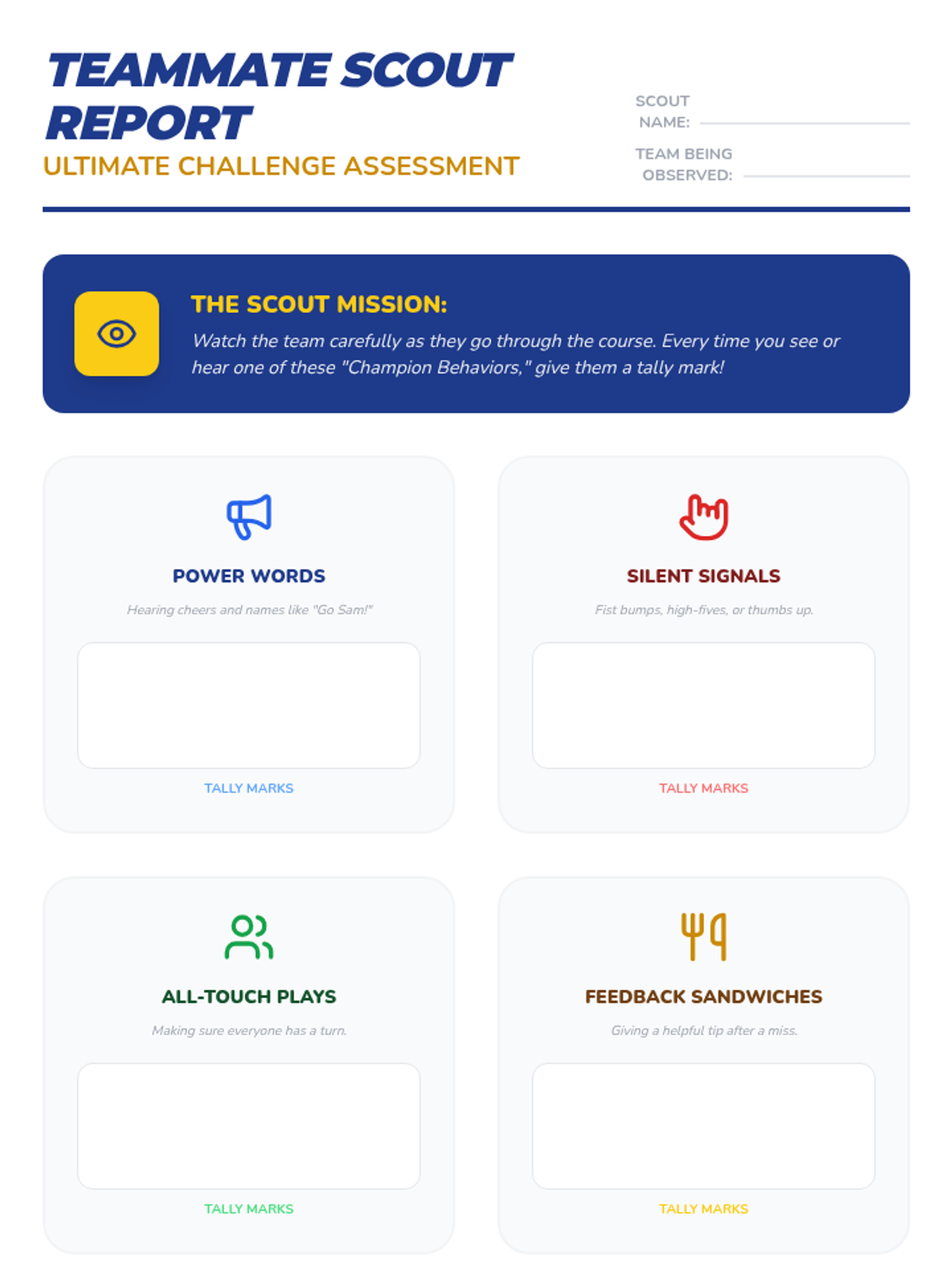
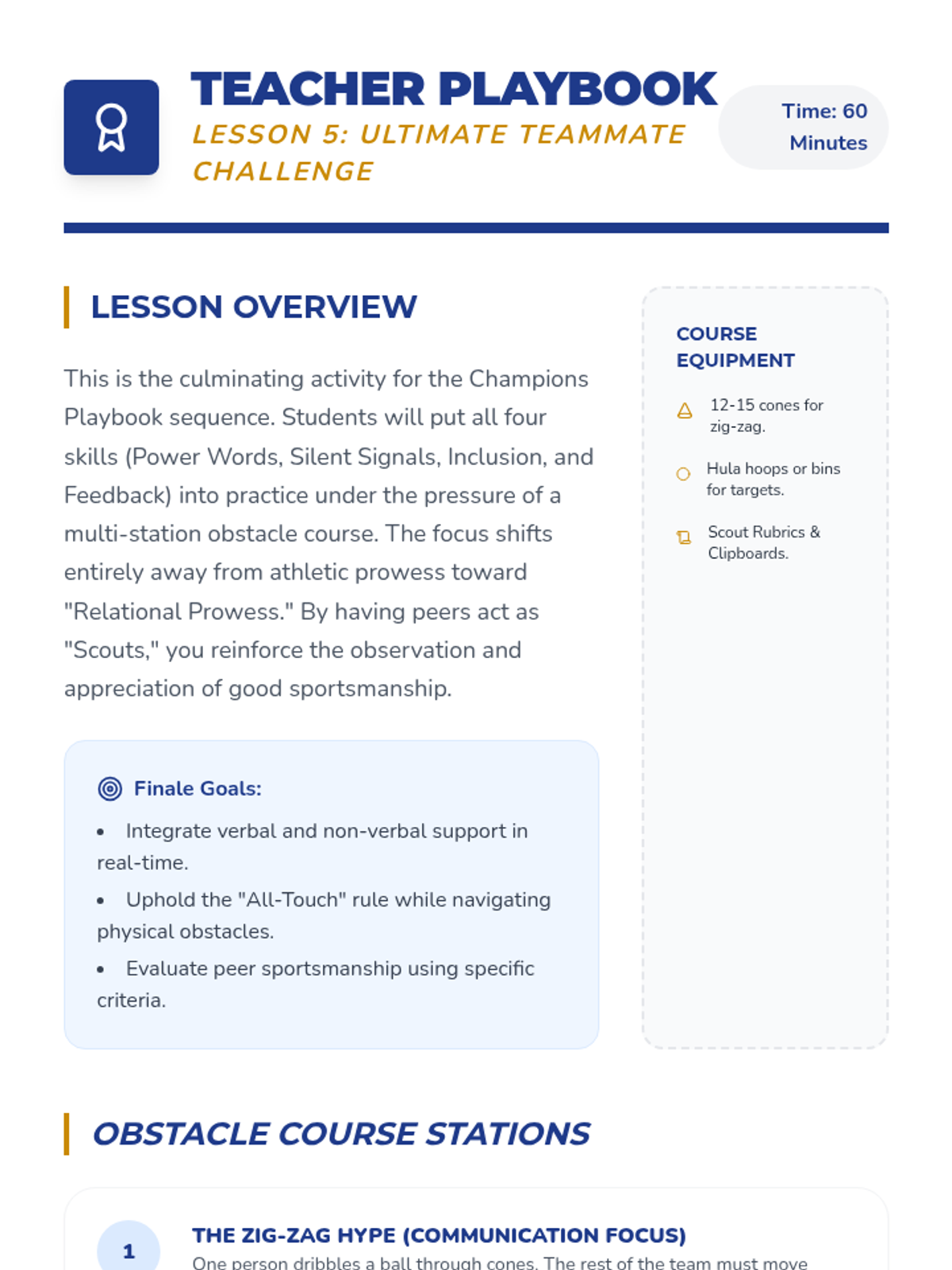
A culminating obstacle course challenge where teams are evaluated on their communication and encouragement.
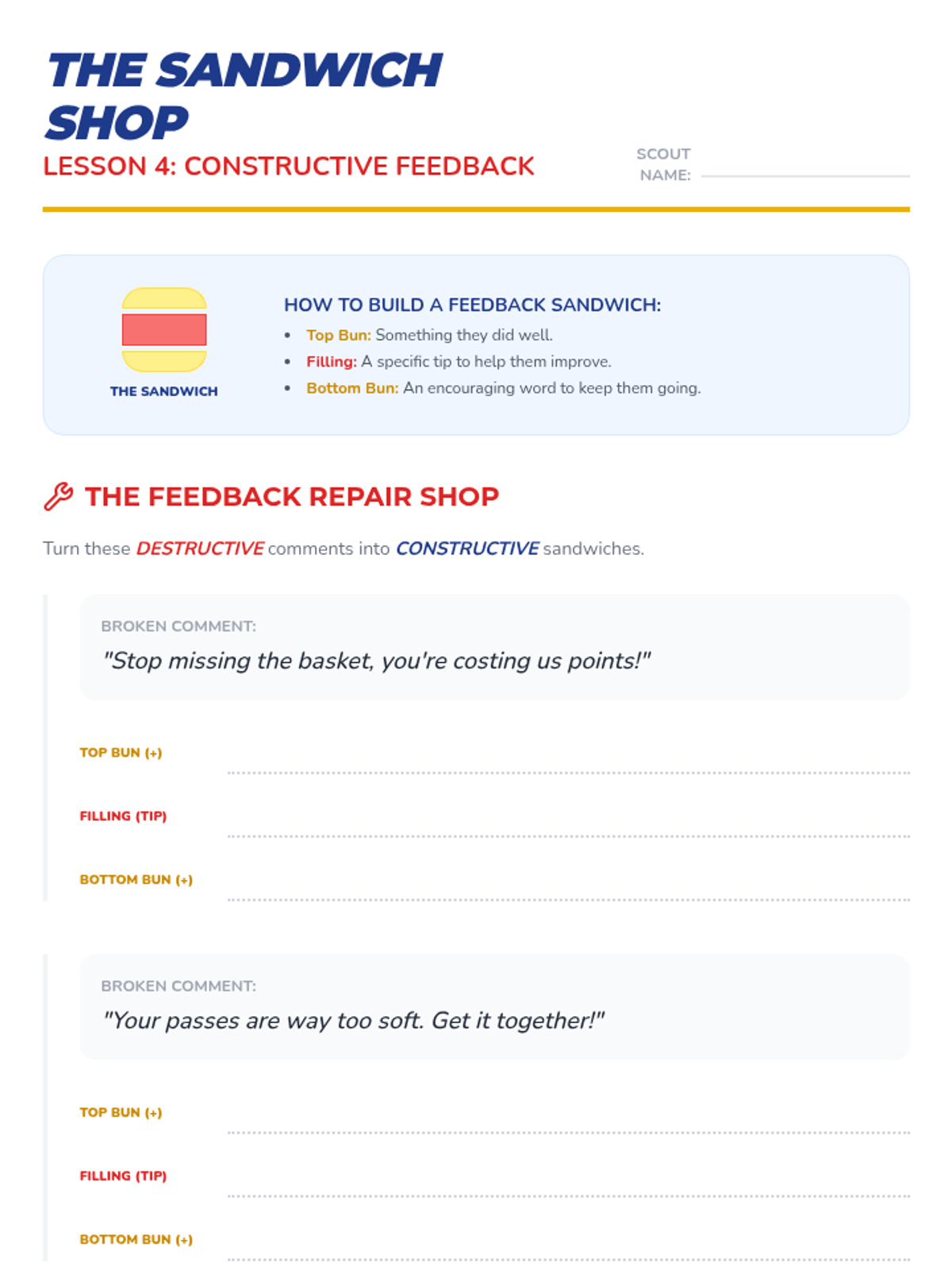
Students practice the 'Sandwich Method' to provide helpful coaching advice rather than negative criticism.
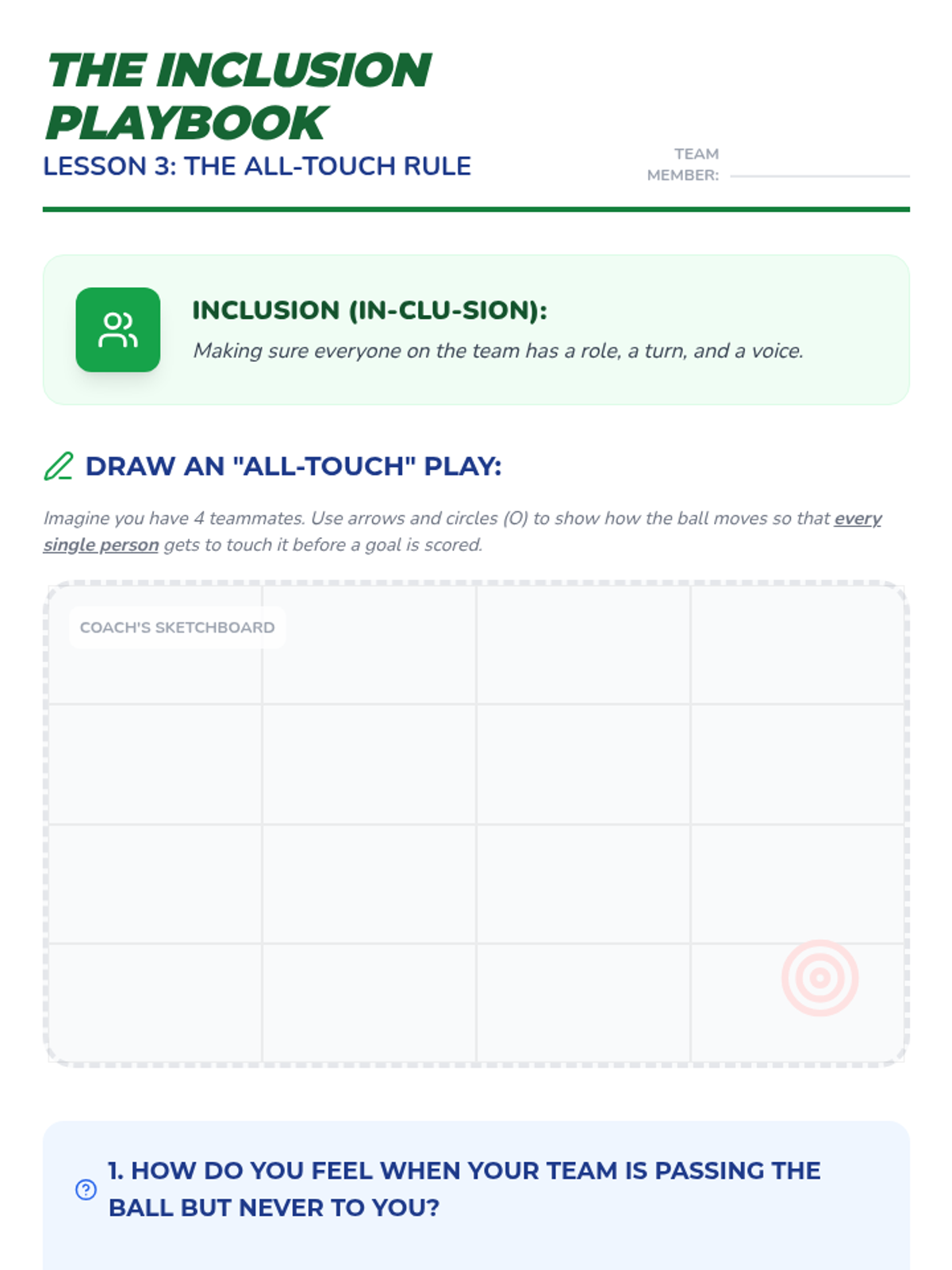
This lesson focuses on inclusion and cooperation, ensuring every teammate participates in gameplay.
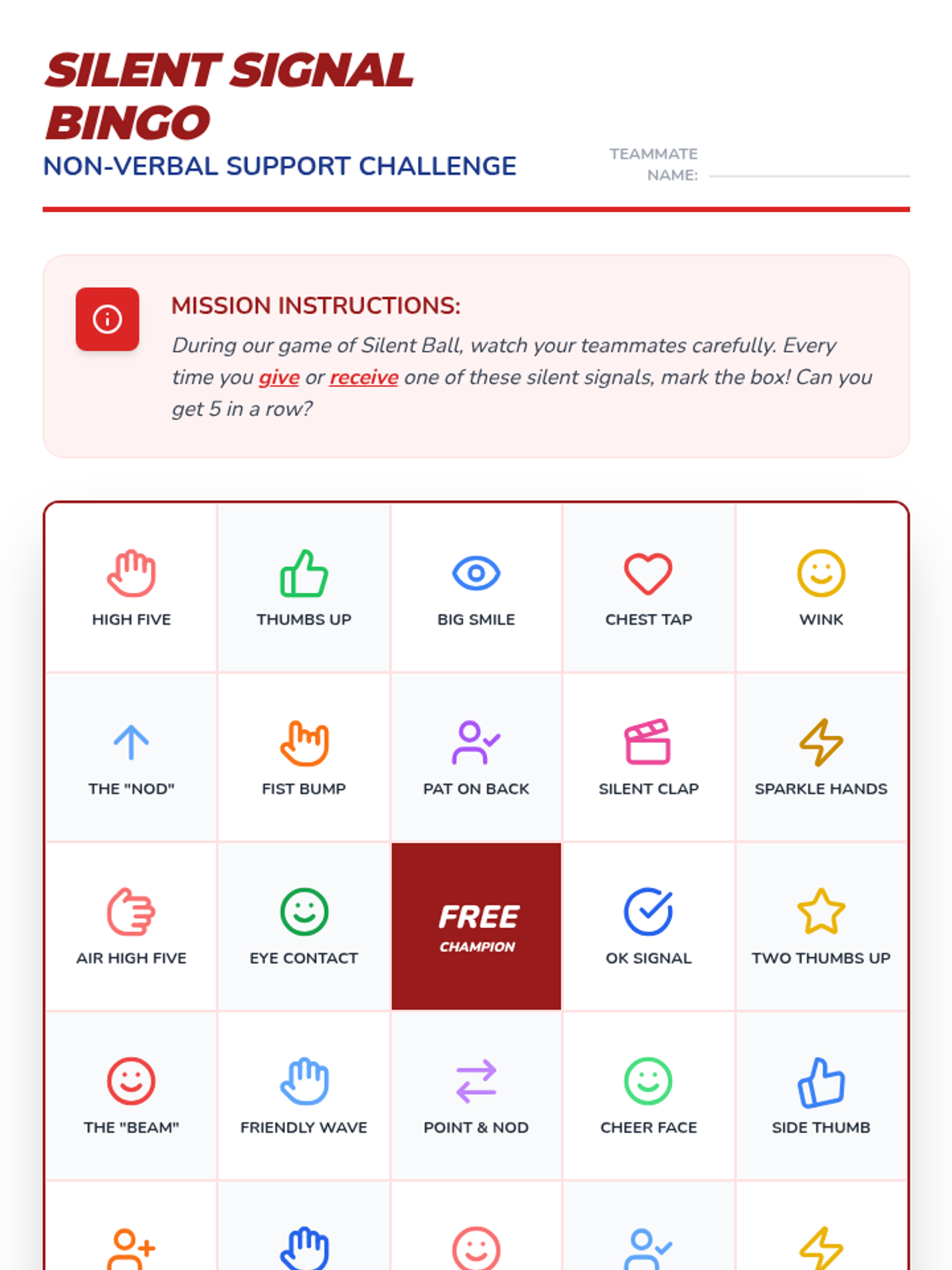
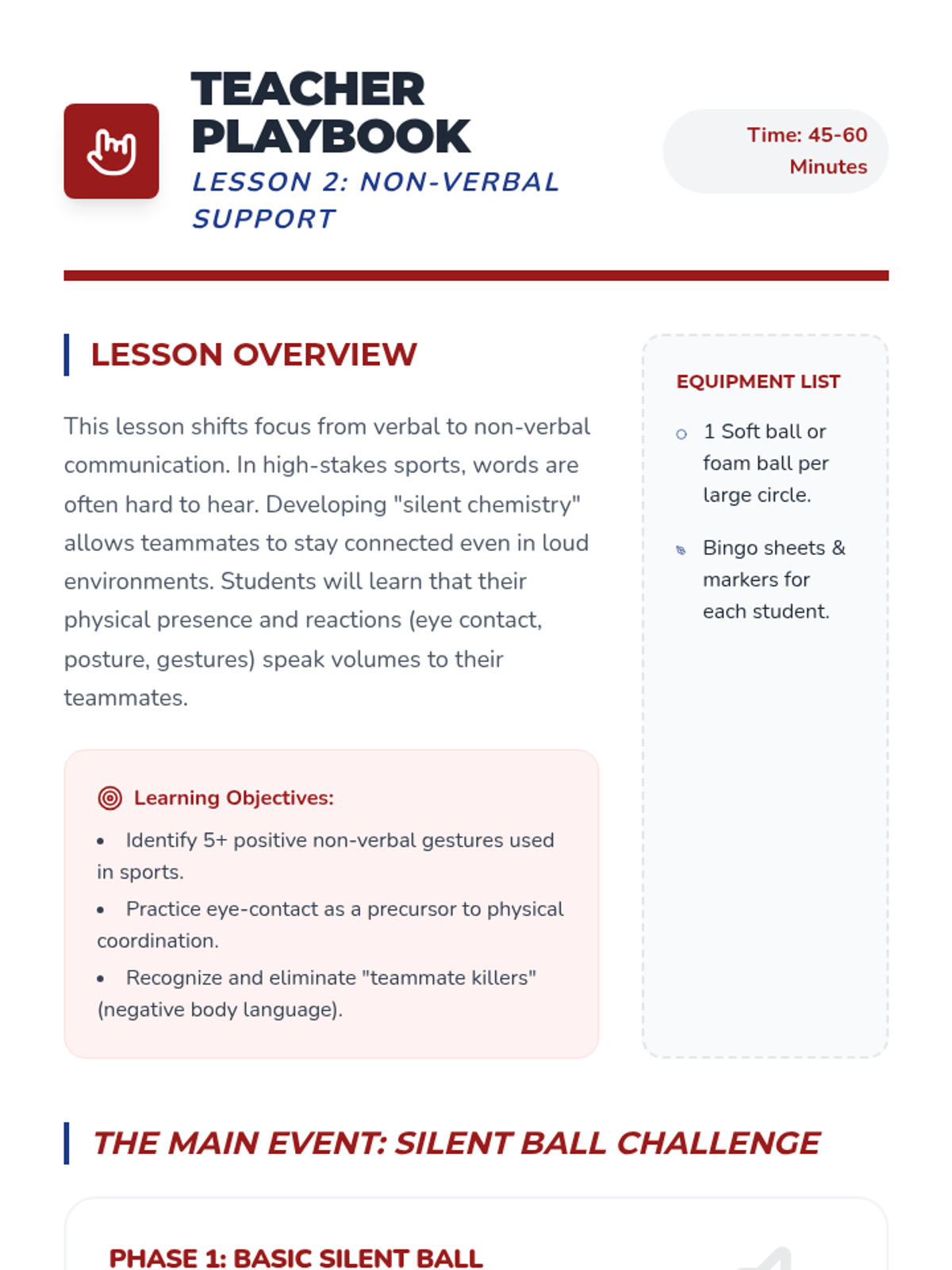
Students learn to use body language and gestures to support teammates without speaking.
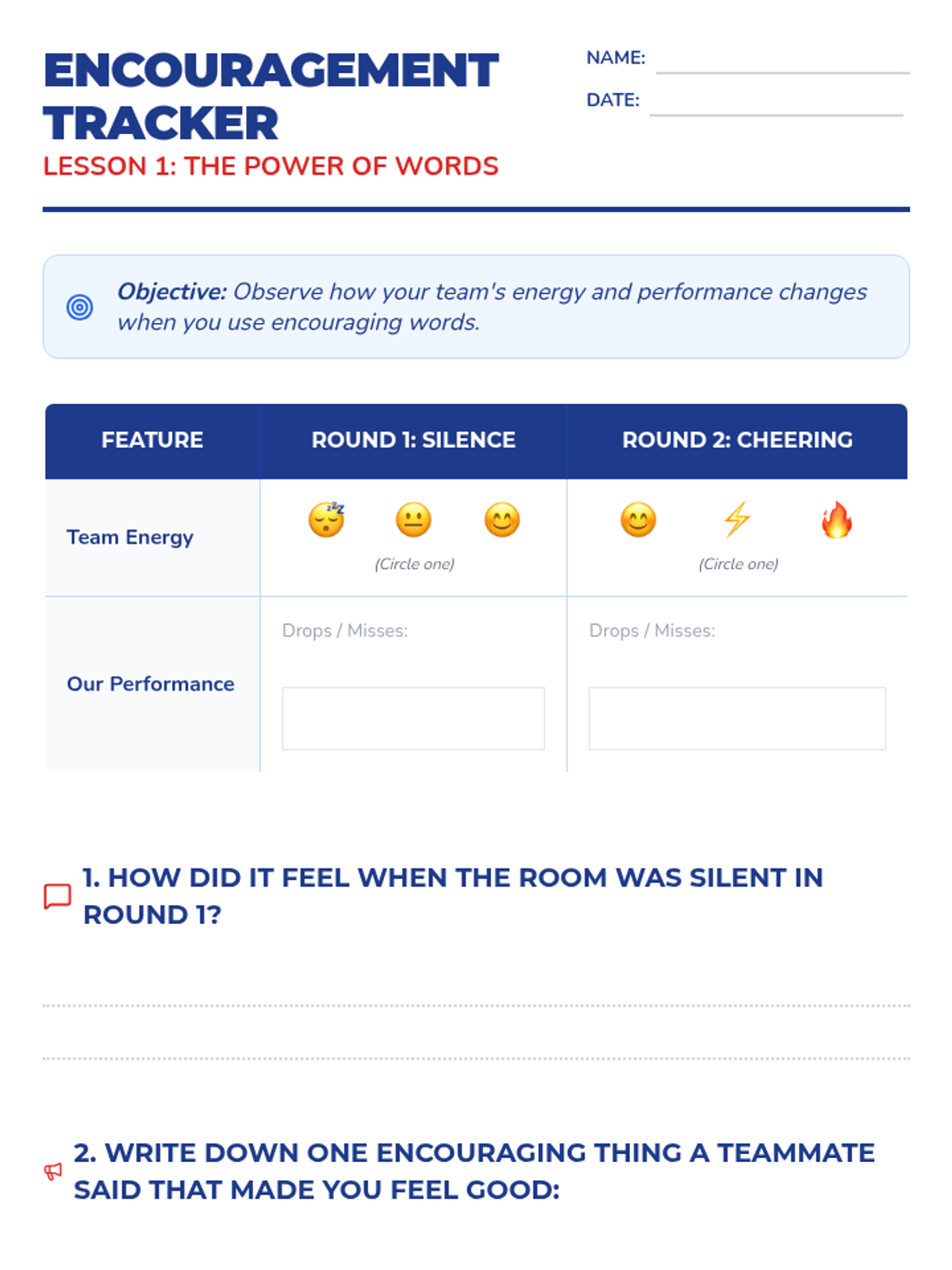
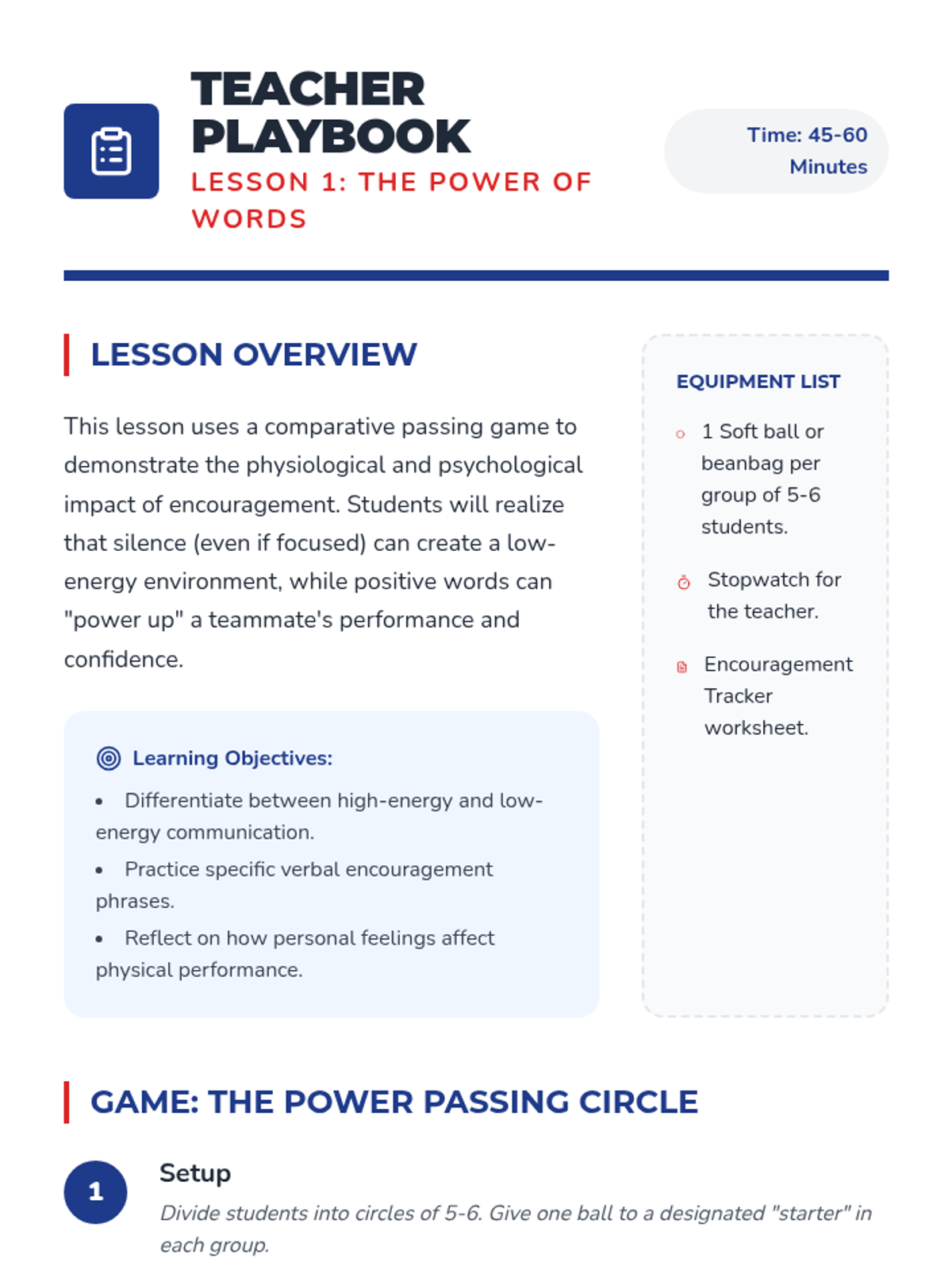
Students explore how positive encouragement affects team performance compared to silence through a comparative passing game.
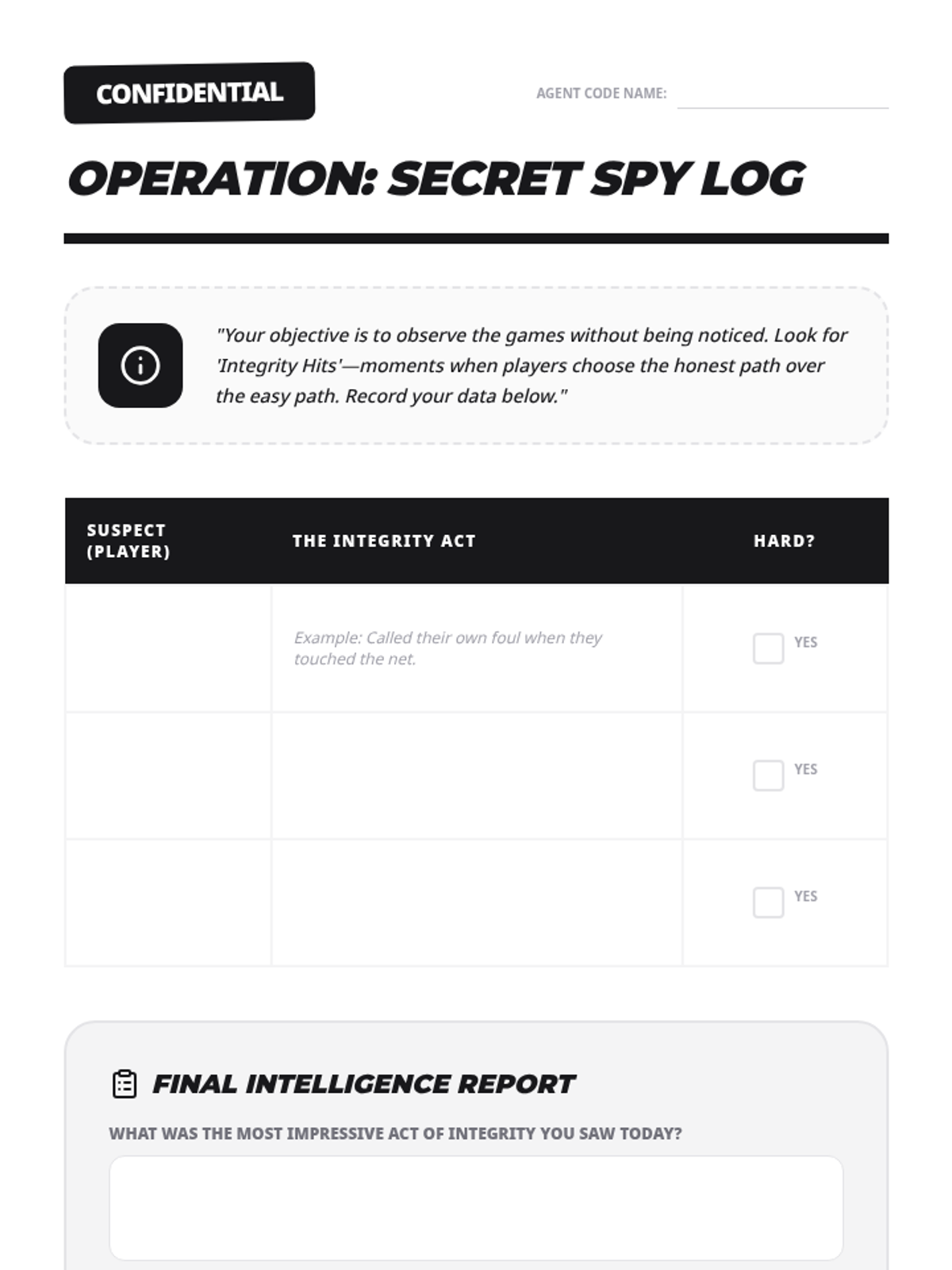
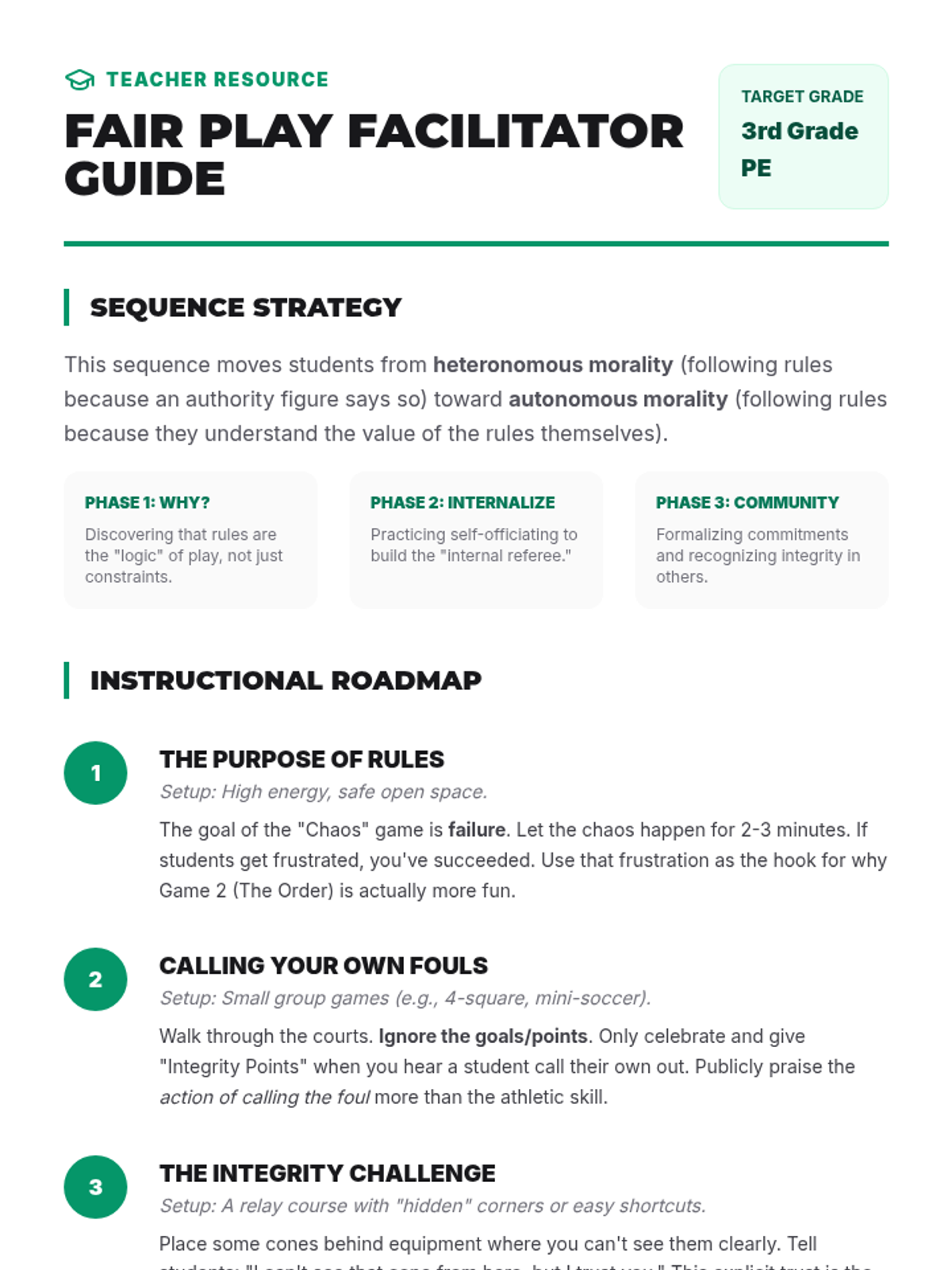
The sequence culminates in a game where 'Secret Spies' watch for acts of integrity, highlighting moments where students chose honesty over advantage.
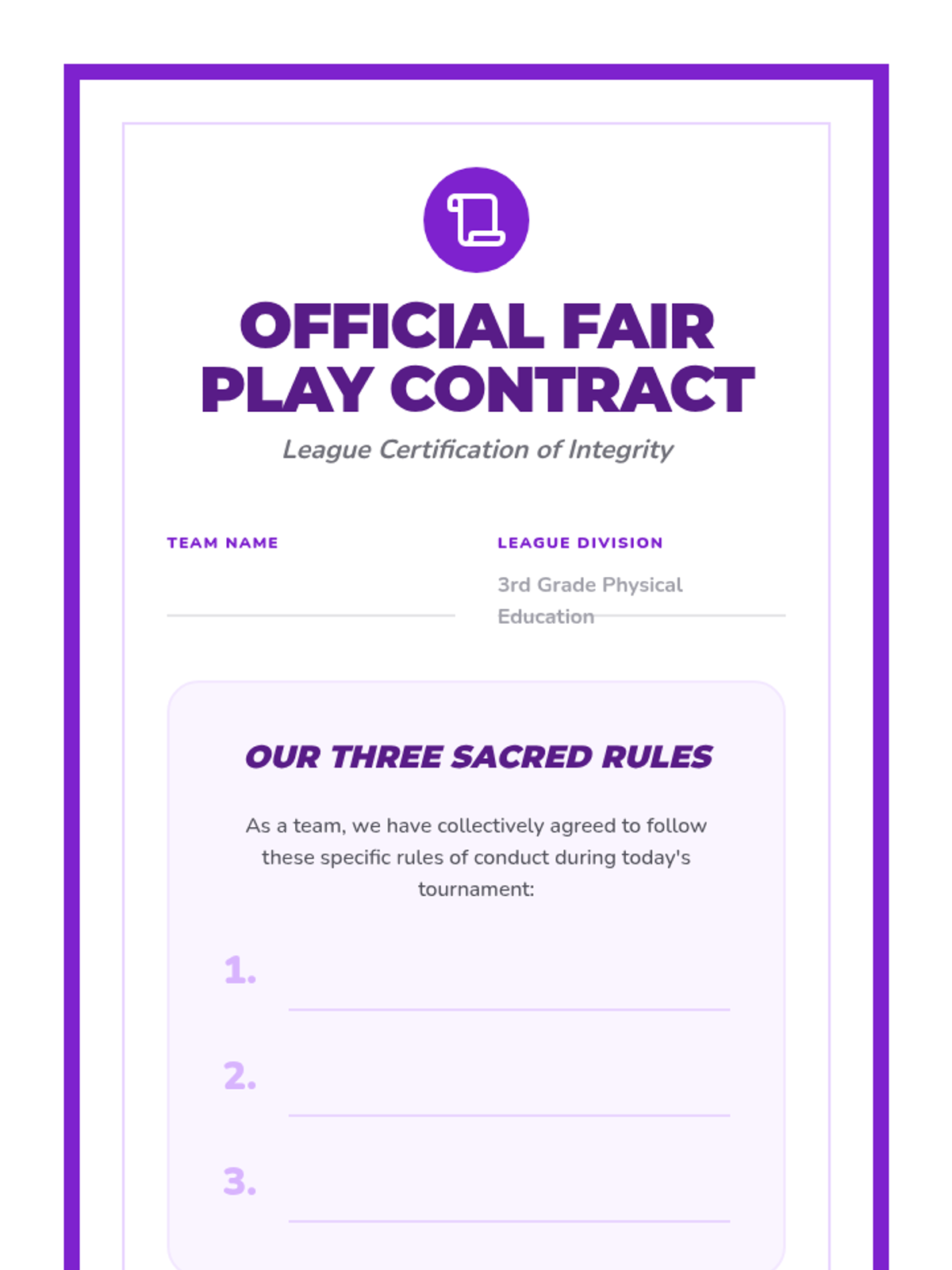
Small teams work together to create a 'Fair Play Contract' before starting a round-robin tournament, agreeing on rules of conduct.
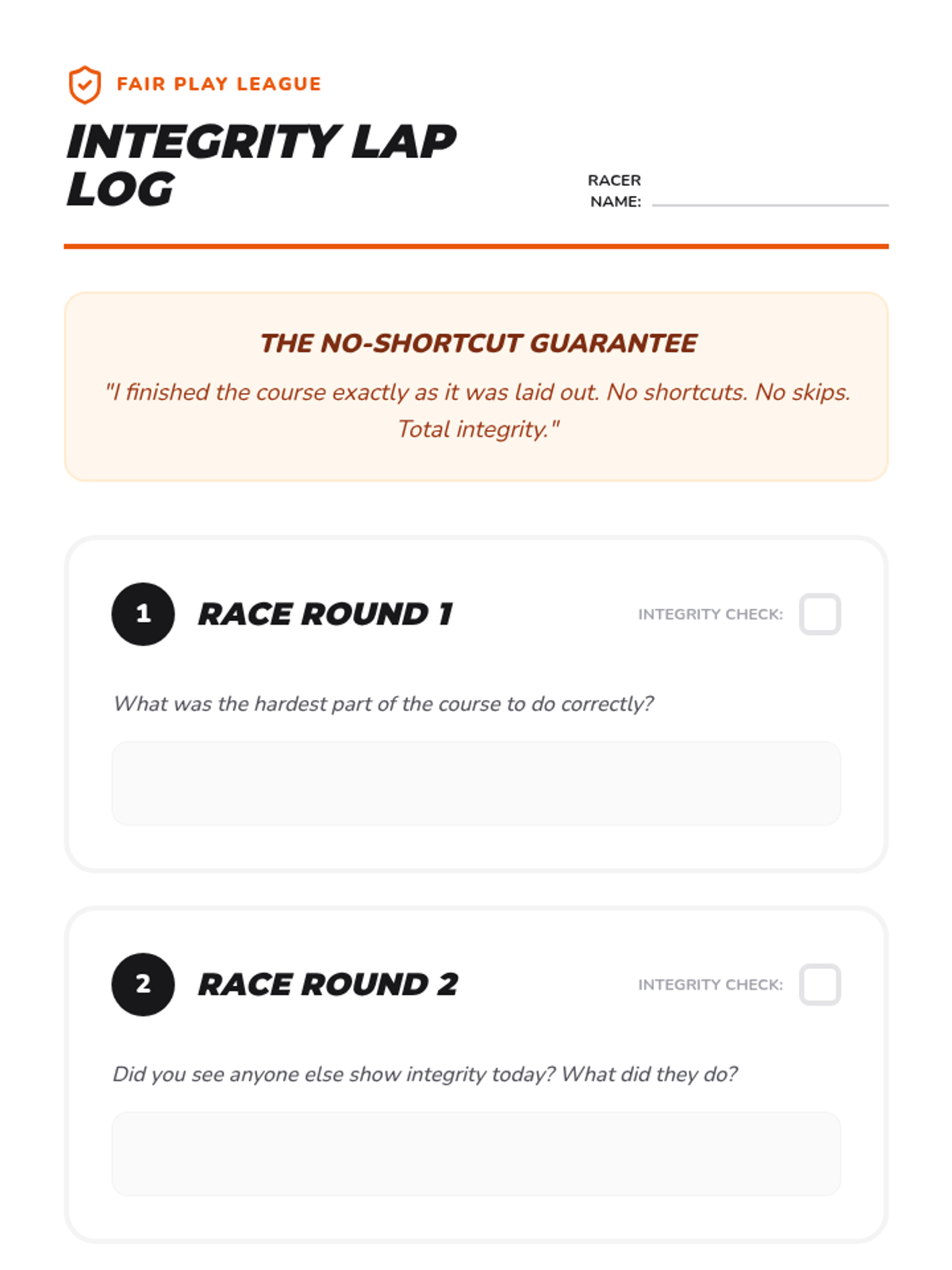
Students engage in relay races where shortcuts are possible but forbidden, reinforcing that winning by cheating isn't true victory.
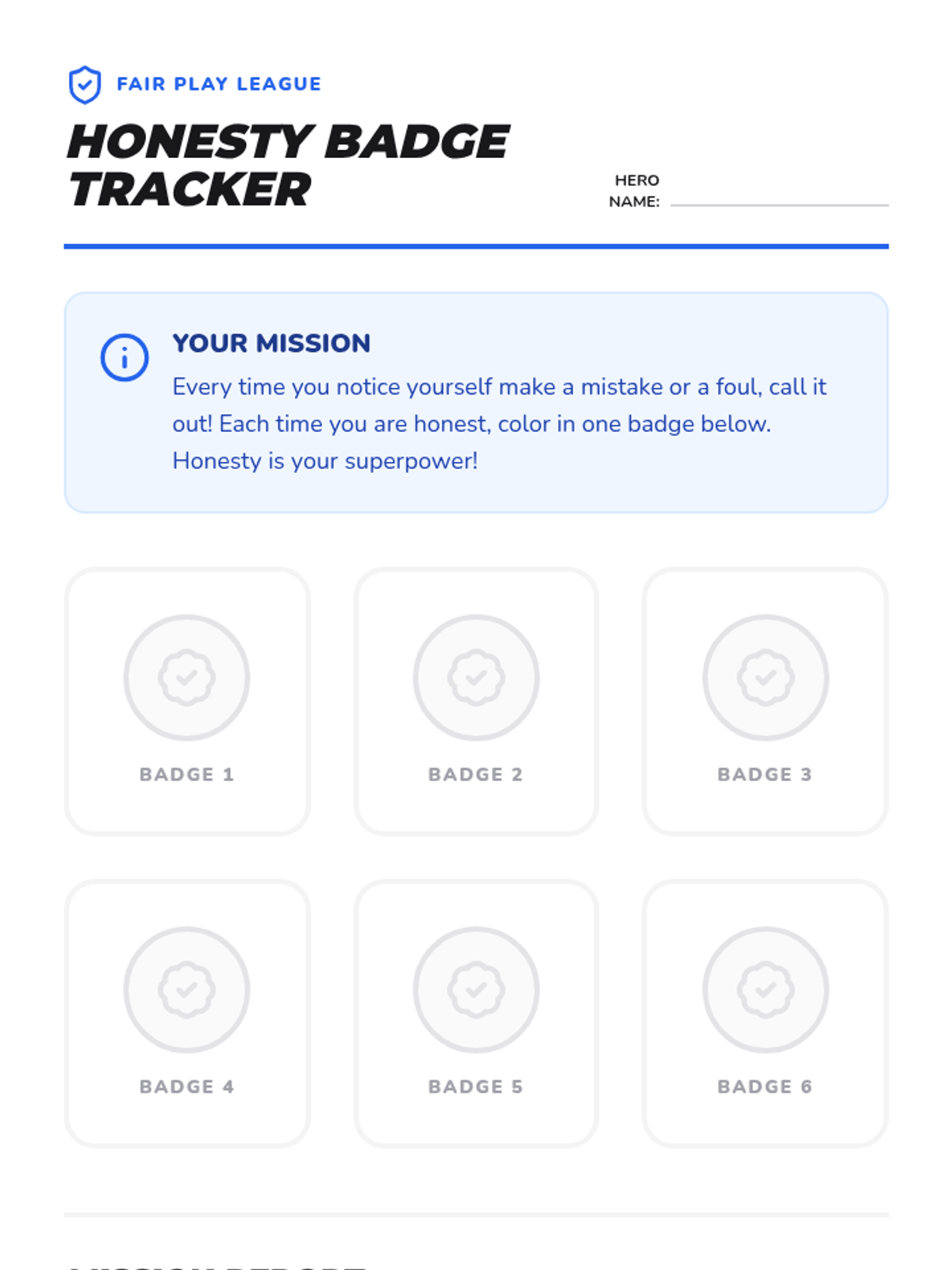
In small group activities, students play games where they are responsible for calling their own outs or fouls, shifting focus from winning to honesty.
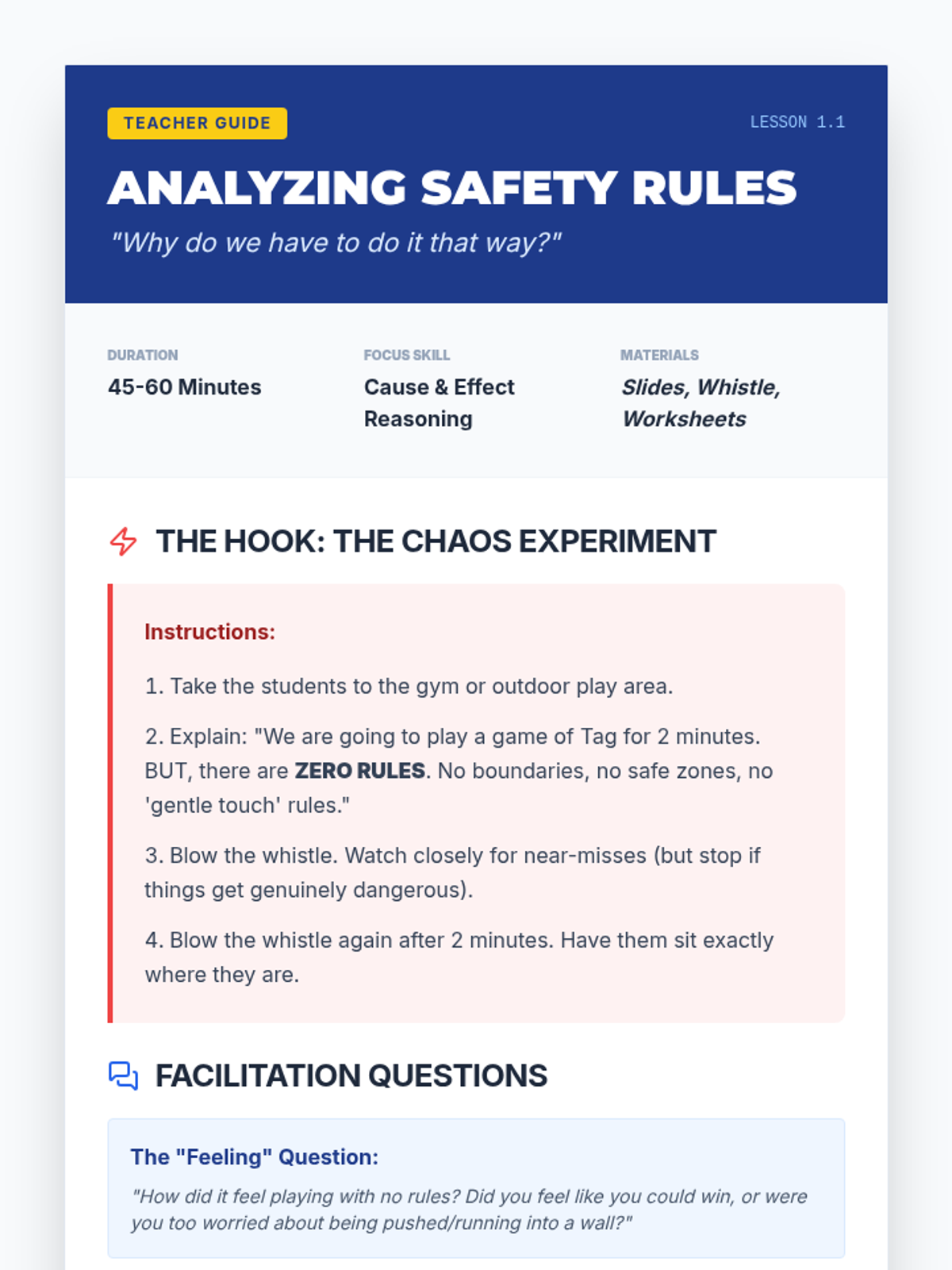
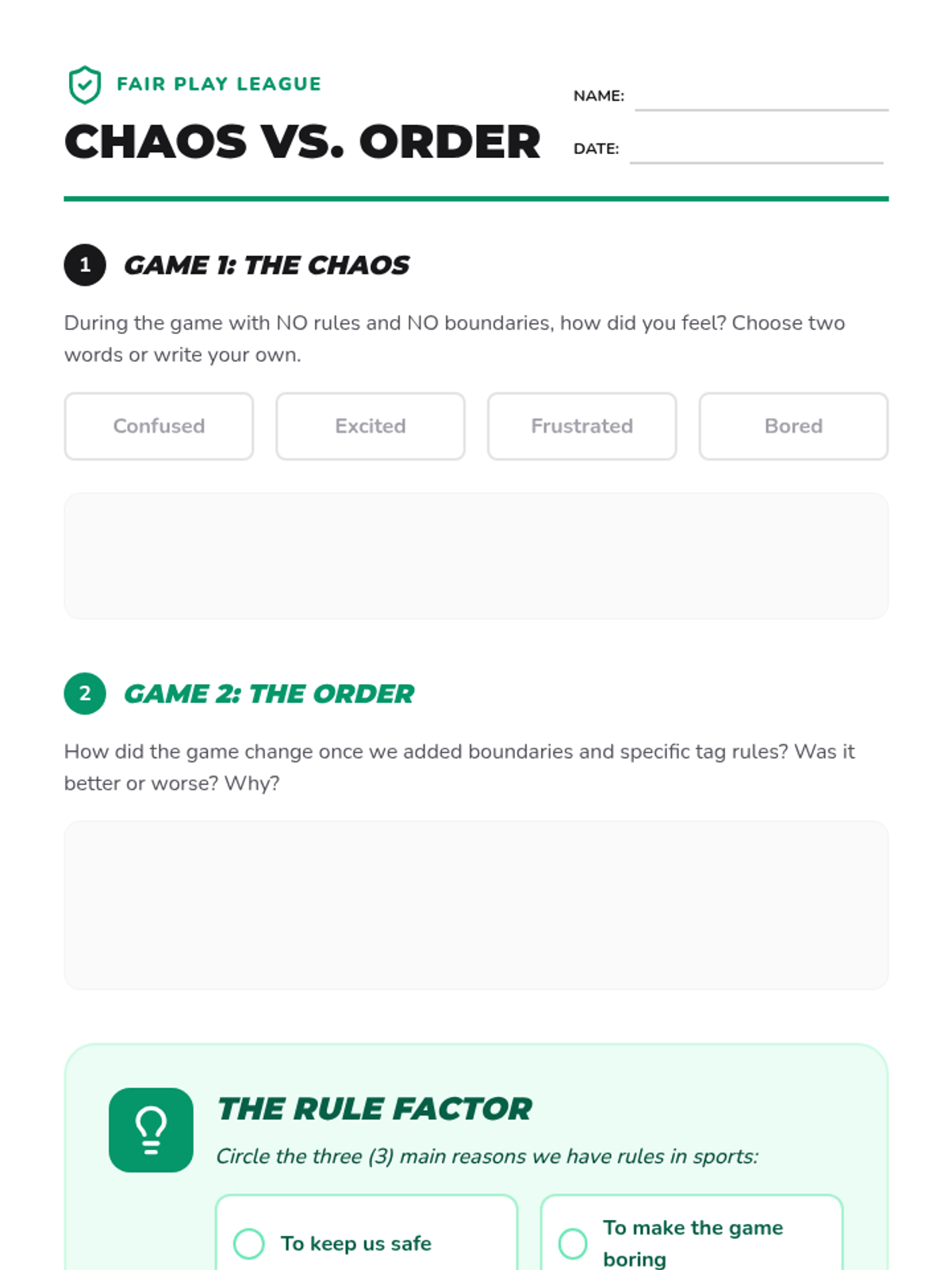
Students participate in a chaotic game of tag with no defined boundaries or safe zones, followed by a structured version to identify why rules make games playable.
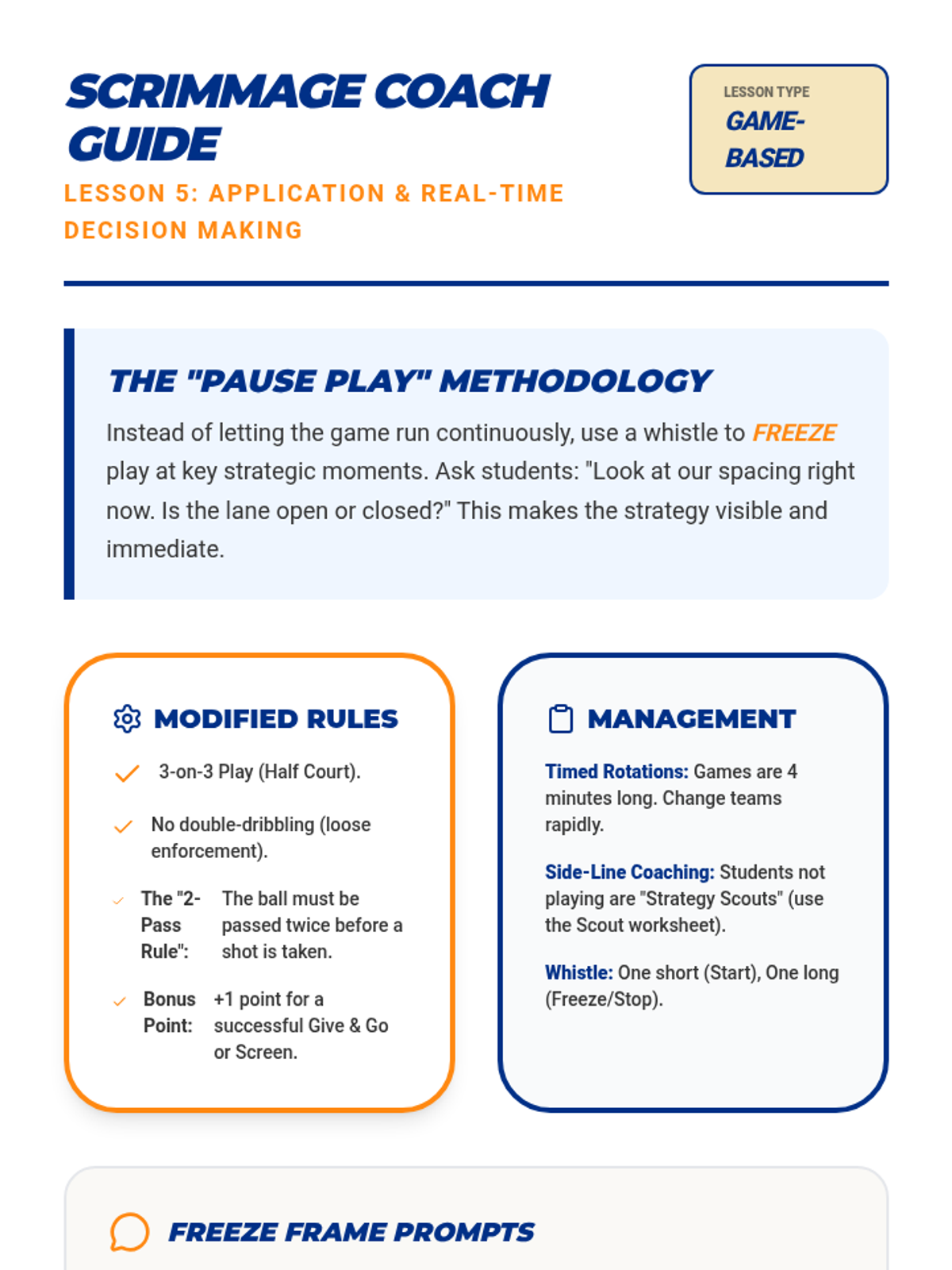
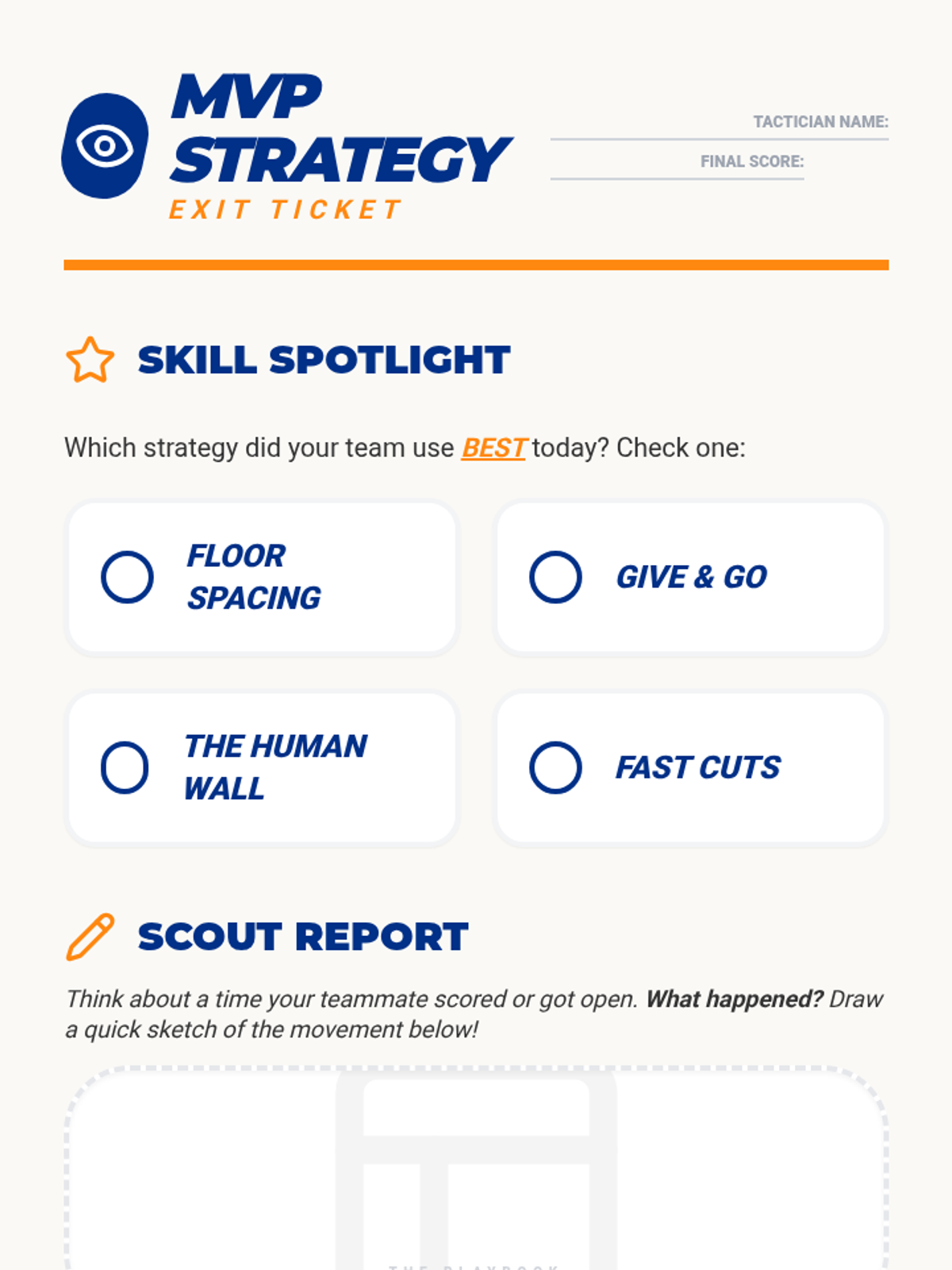
The sequence culminates in small-sided 3-on-3 games where students apply spacing, cutting, and communication. Teachers use 'pause play' moments to highlight strategic successes.
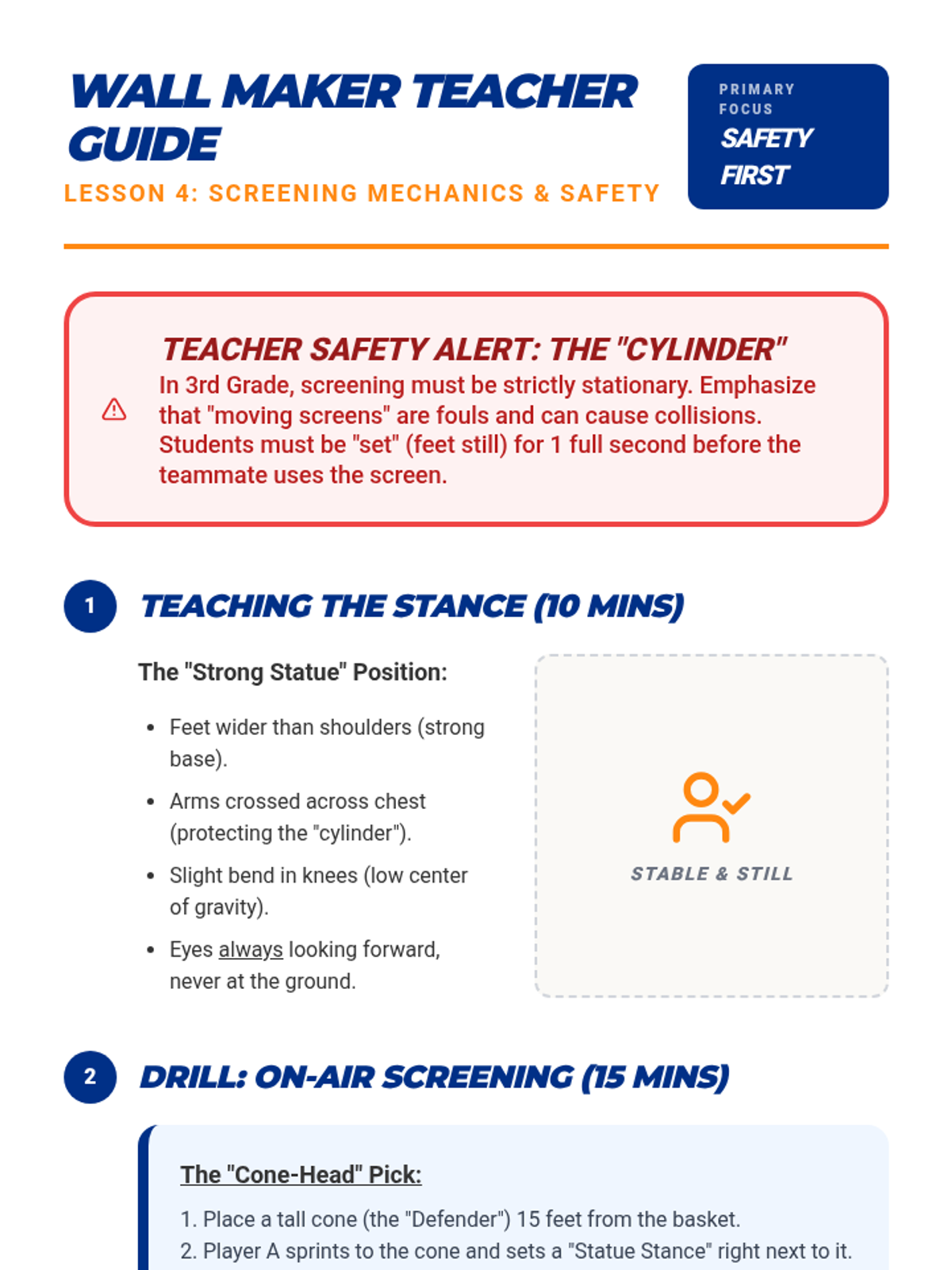
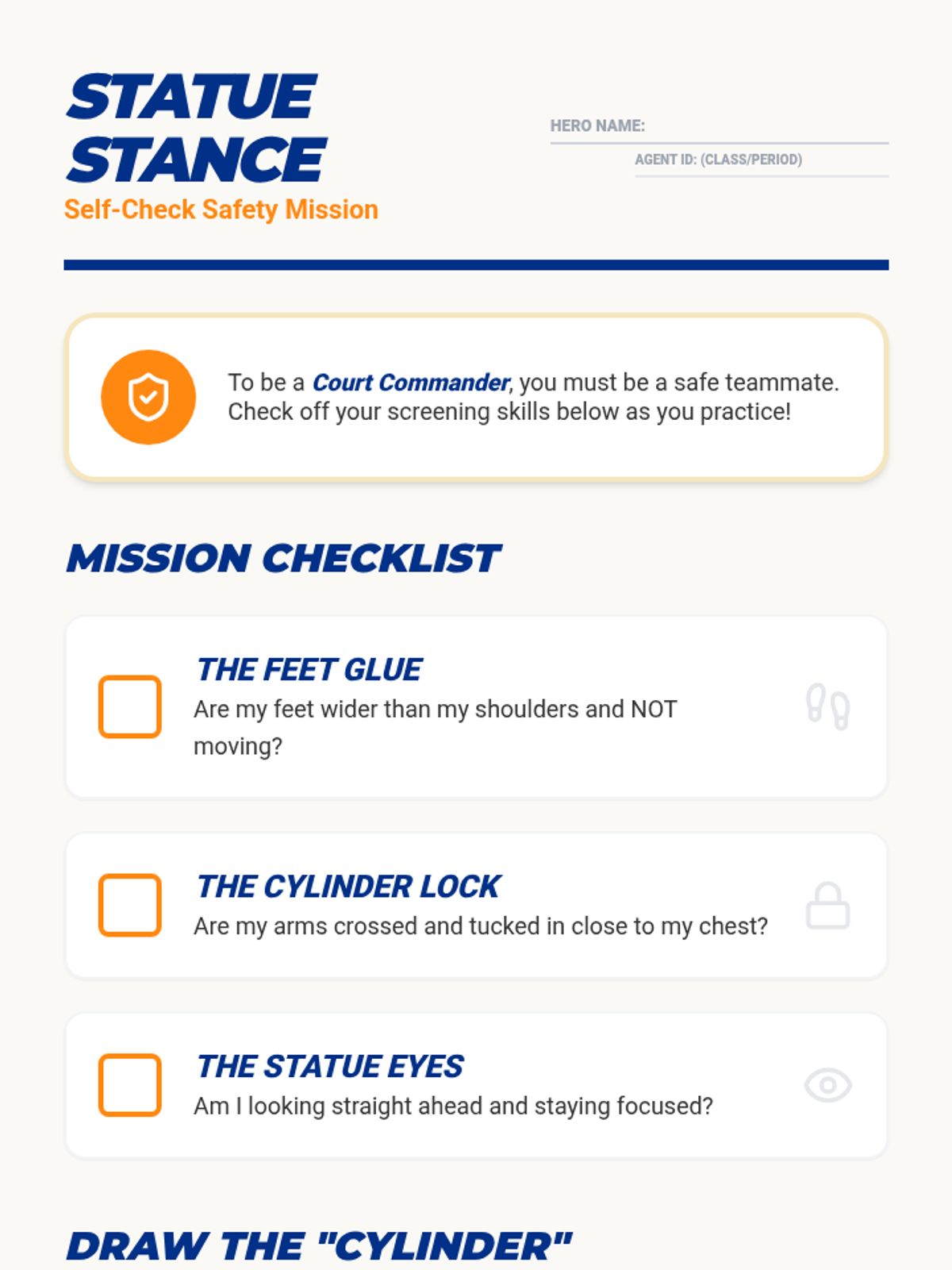
Students are introduced to the concept of a screen (pick) with a heavy focus on safety and the 'cylinder principle'. They practice setting stationary screens to help teammates get open.
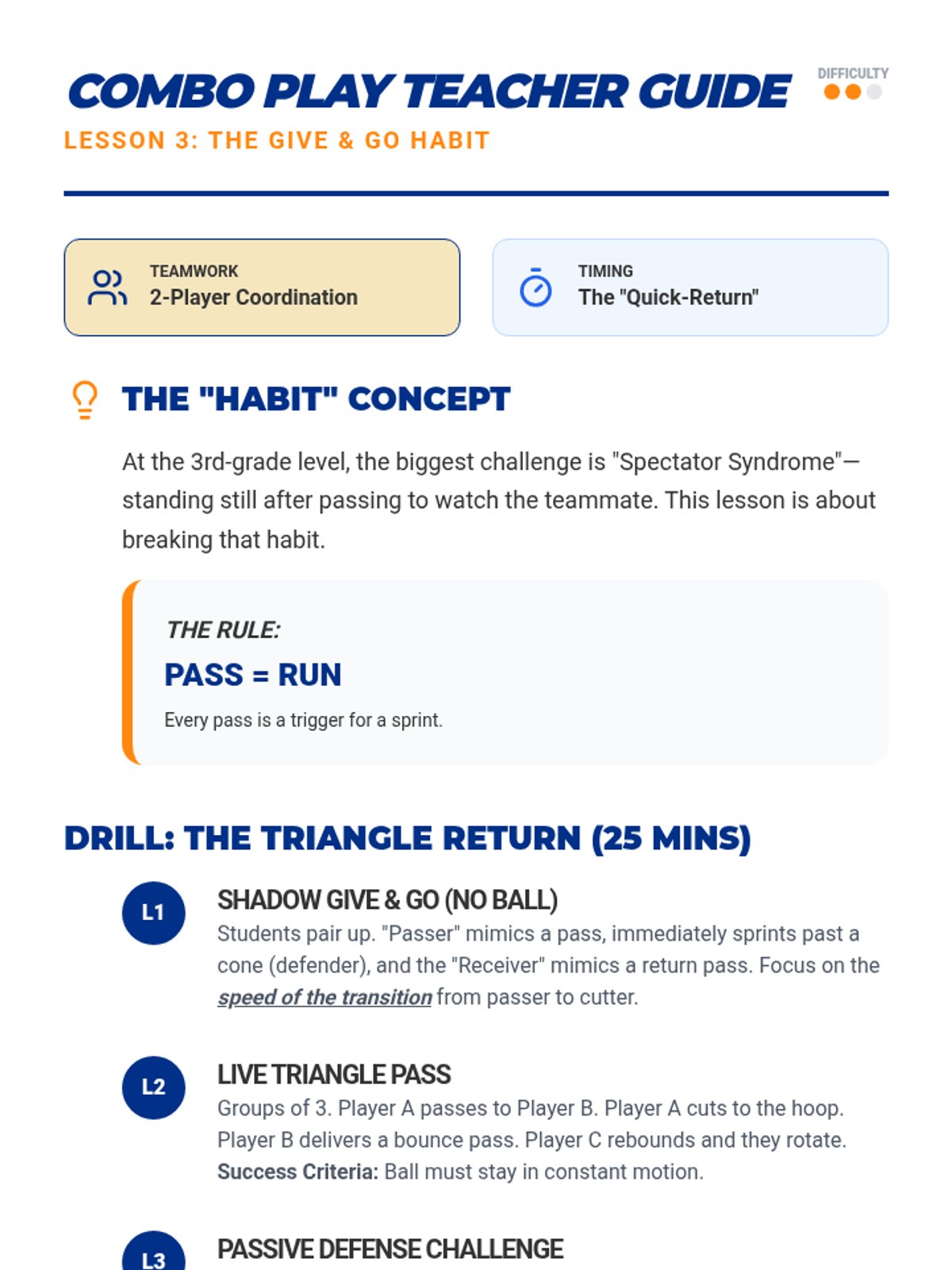
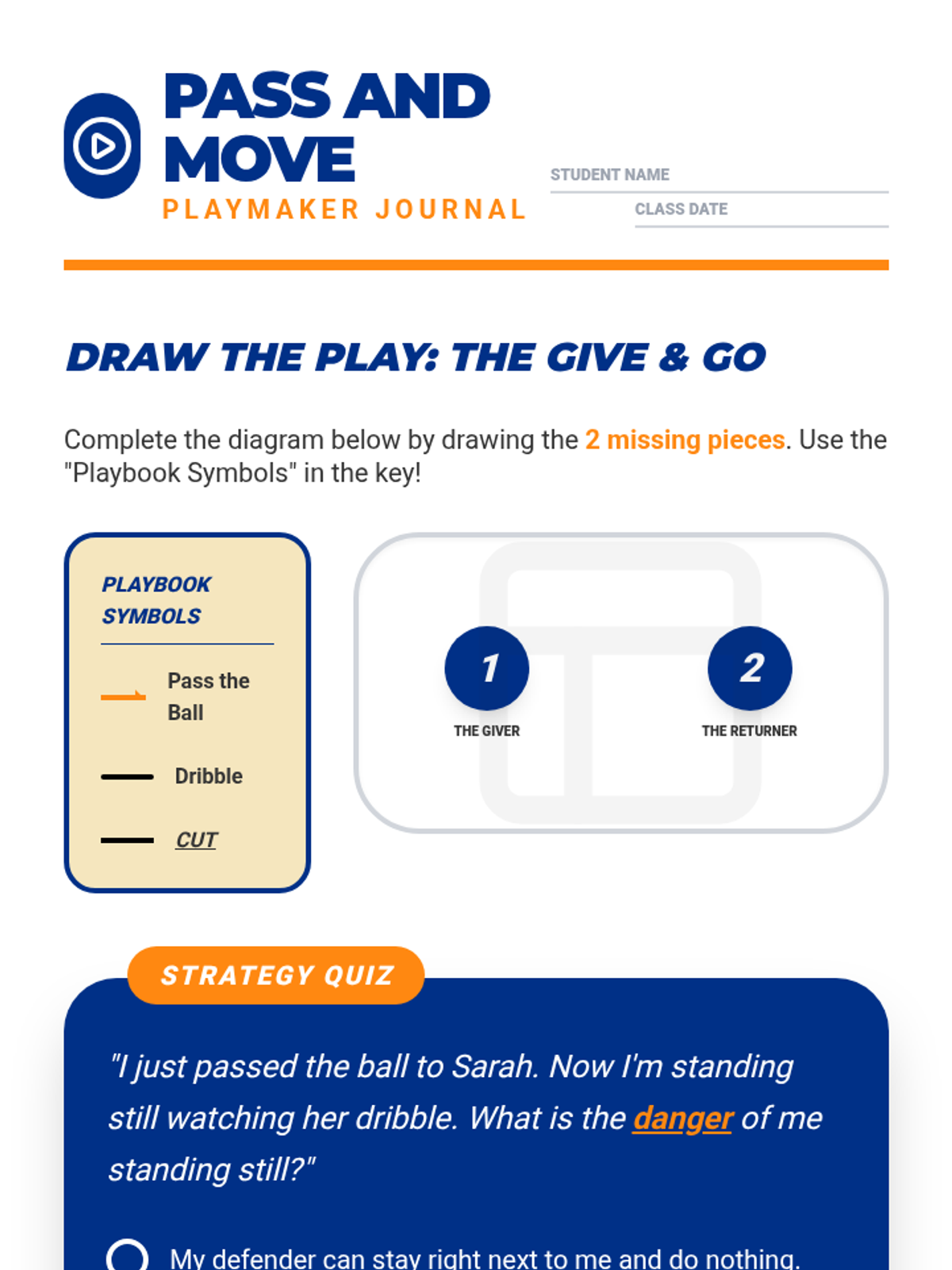
This lesson introduces the 'Give and Go', the most fundamental offensive play. Students practice passing to a teammate and immediately cutting to the hoop for a return pass, building the habit of constant movement.
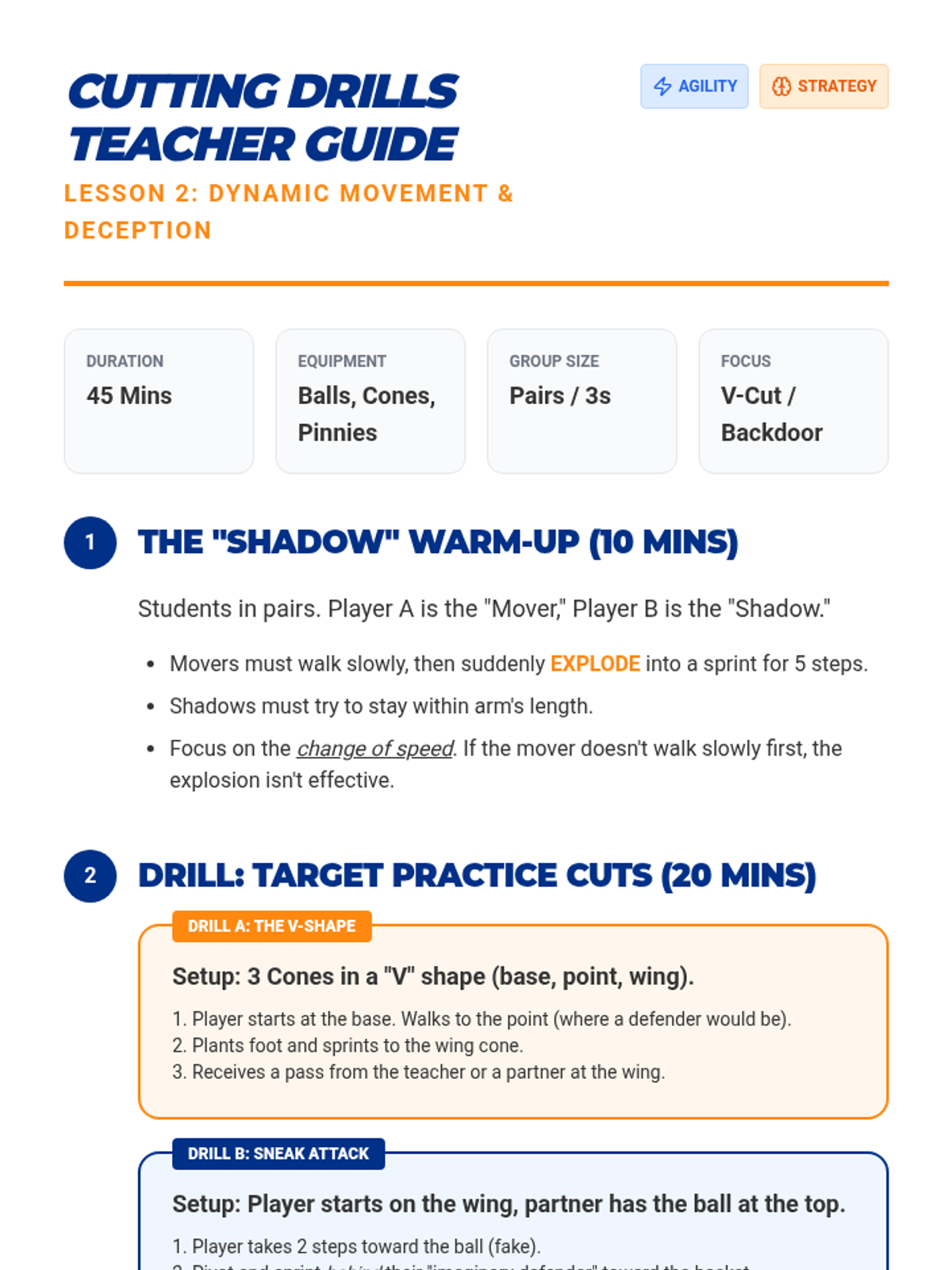
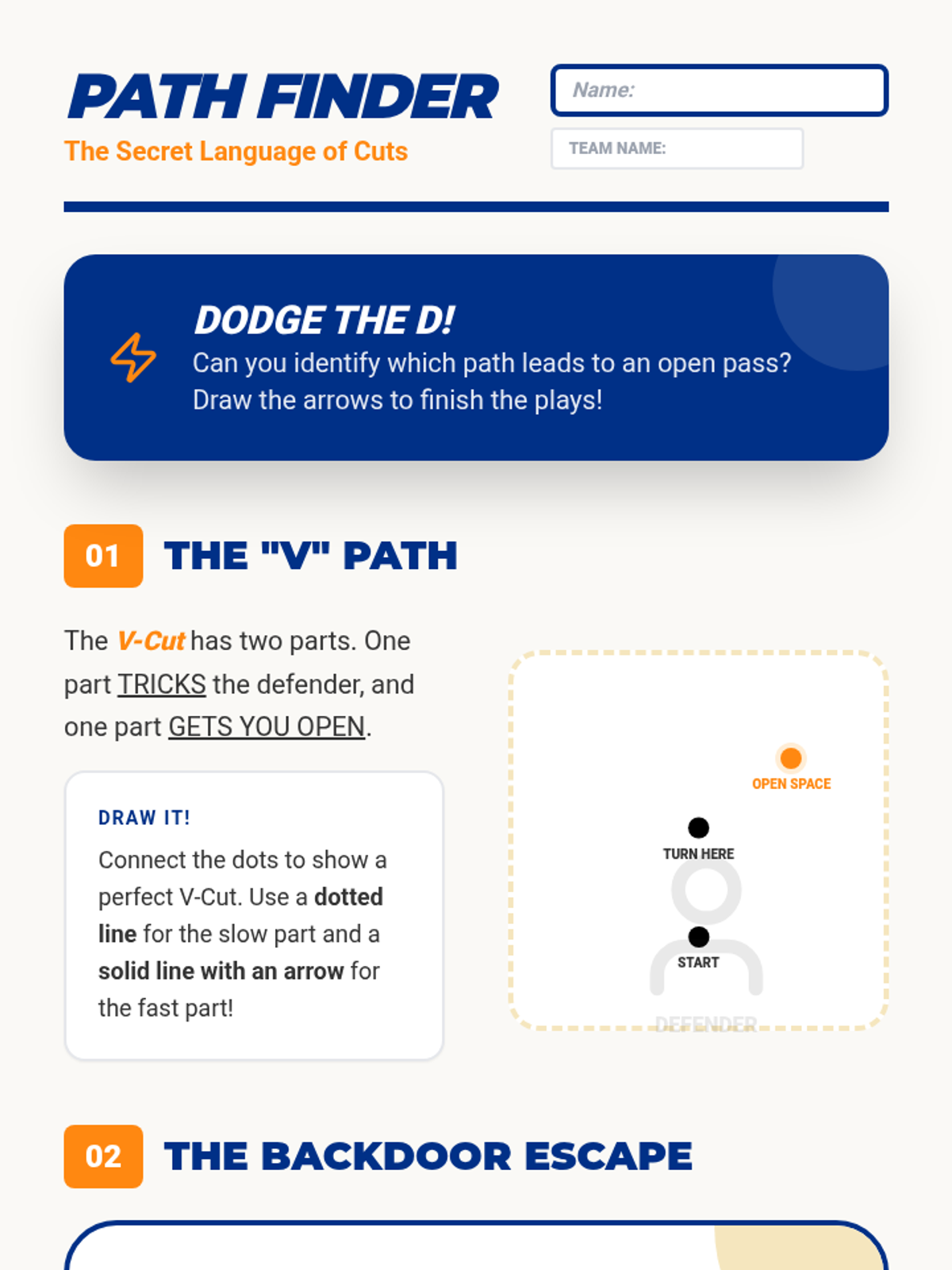
Students learn how to make decisive cuts to the basket to get open for a pass, specifically practicing the V-cut and backdoor cut. The lesson emphasizes a change of pace and connects cutting with passing skills.
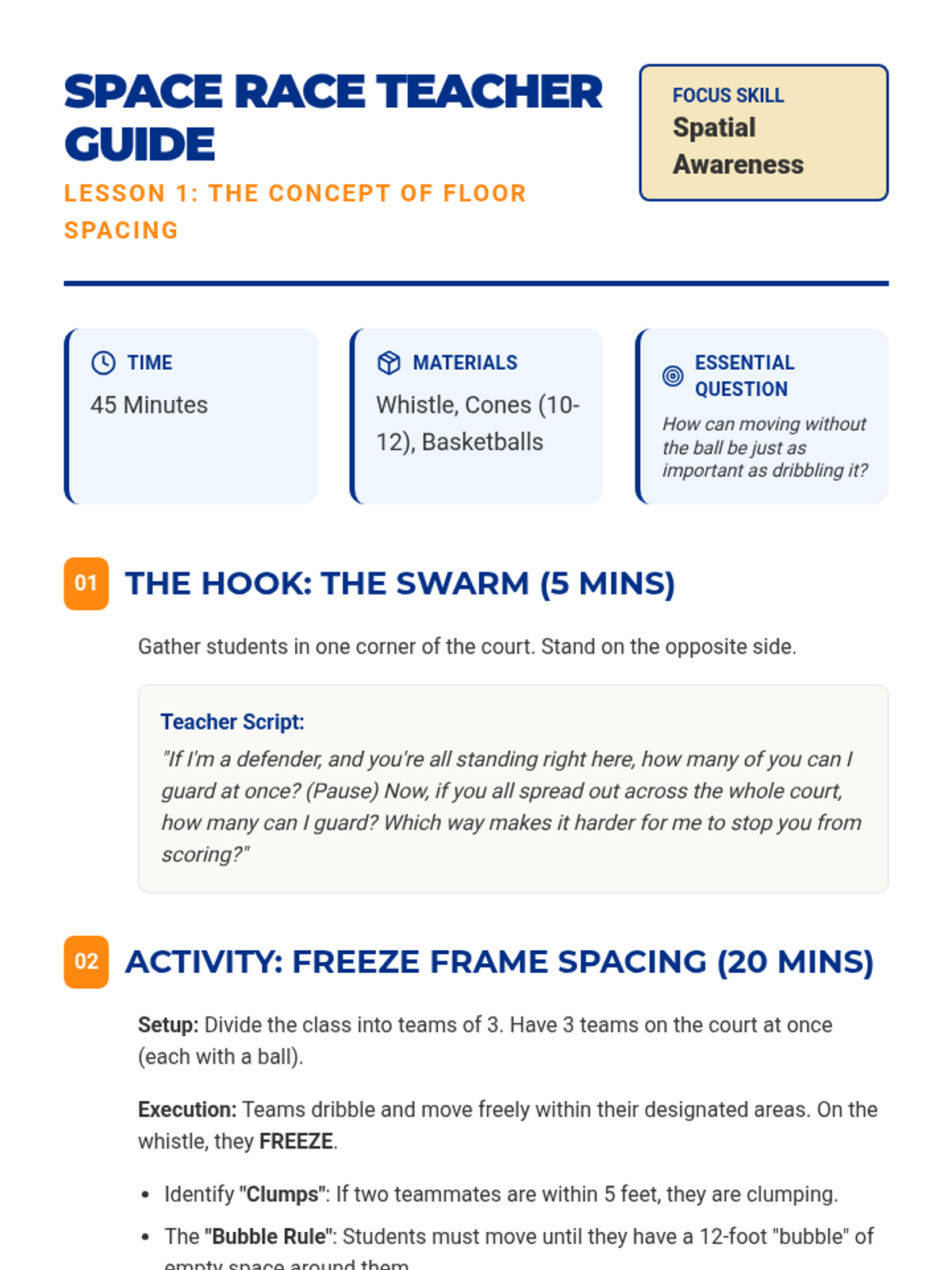
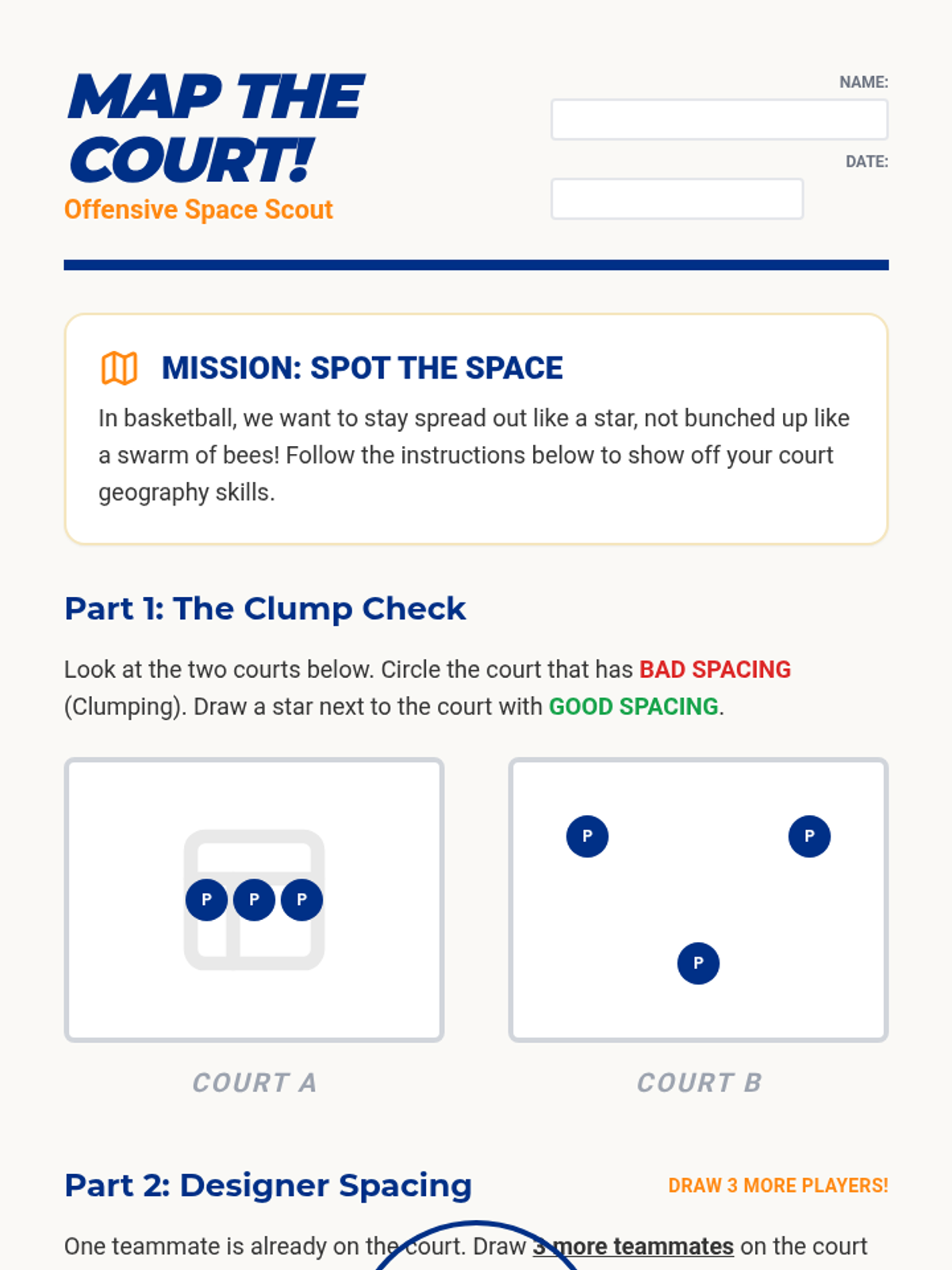
Students explore the geometry of the court to understand why spreading out is advantageous. Through freeze-frame activities, they identify 'clumping' and correct it by moving to open areas, establishing the concept of the 'offensive perimeter'.
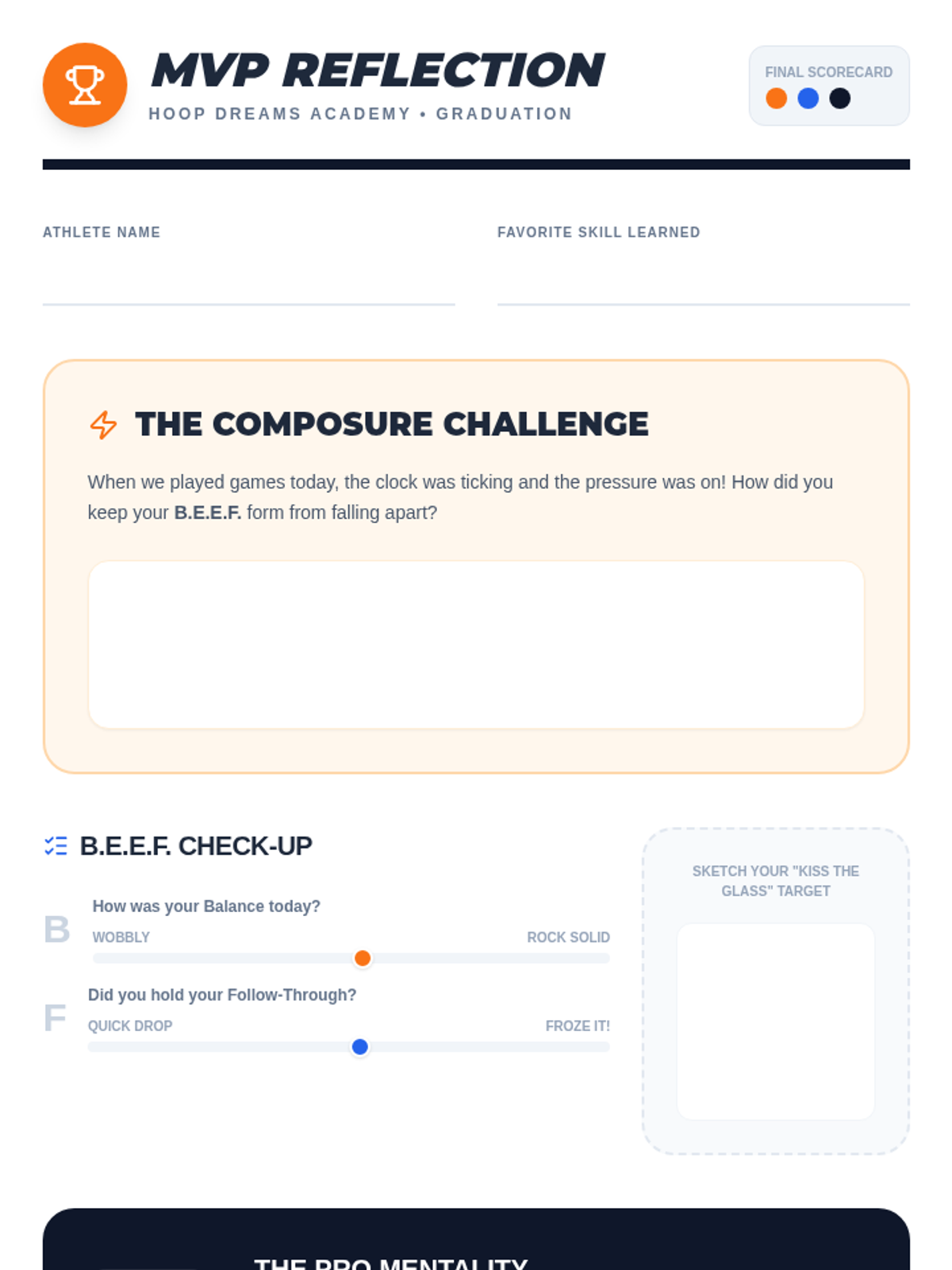
Students practice their mechanics under time pressure through shooting games like 'Around the World'. The lesson concludes with a reflection on maintaining composure and form during competition.
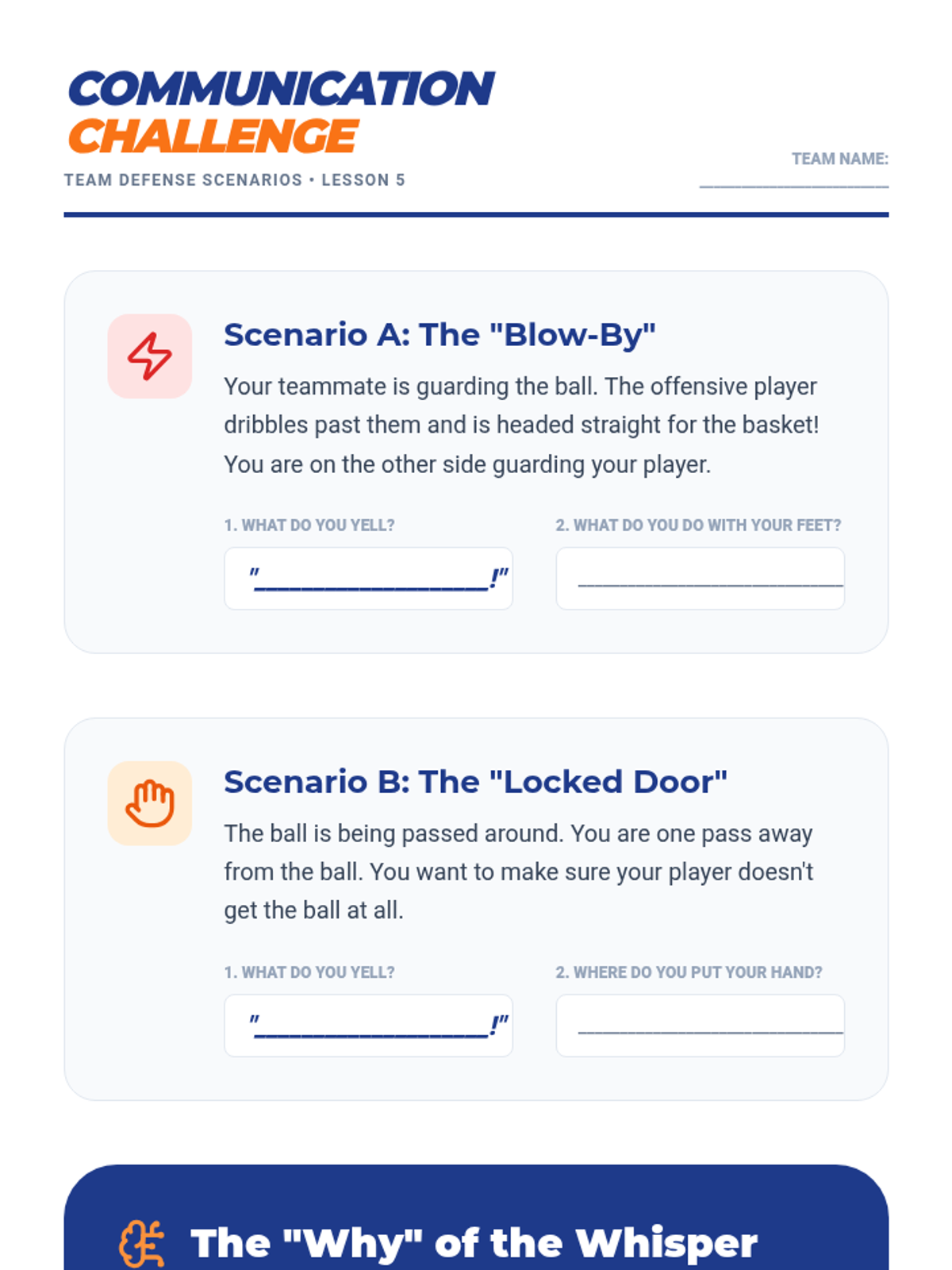
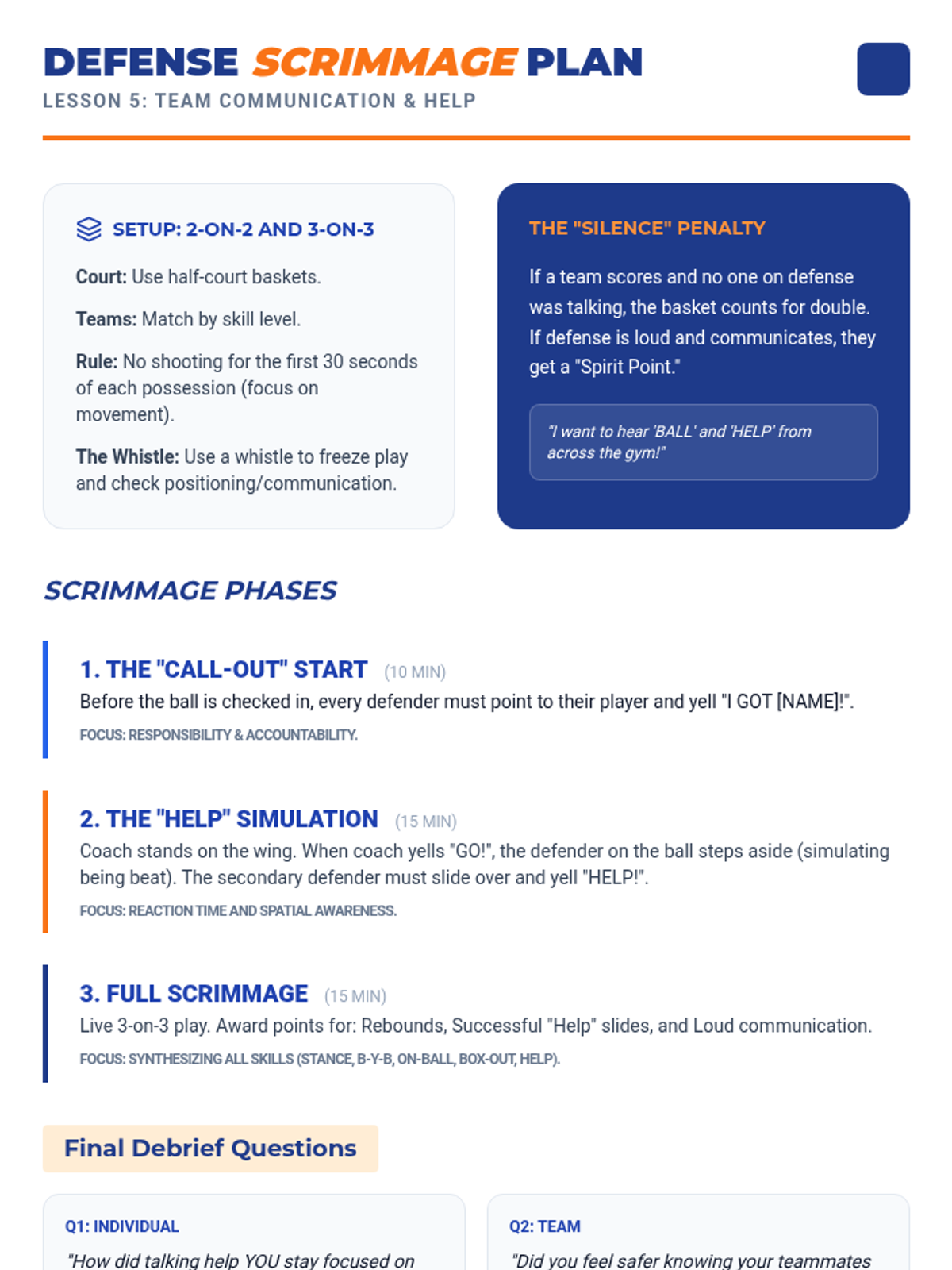
Culminates the sequence with team defense concepts. Students learn to communicate defensive roles and help teammates when they are beat.
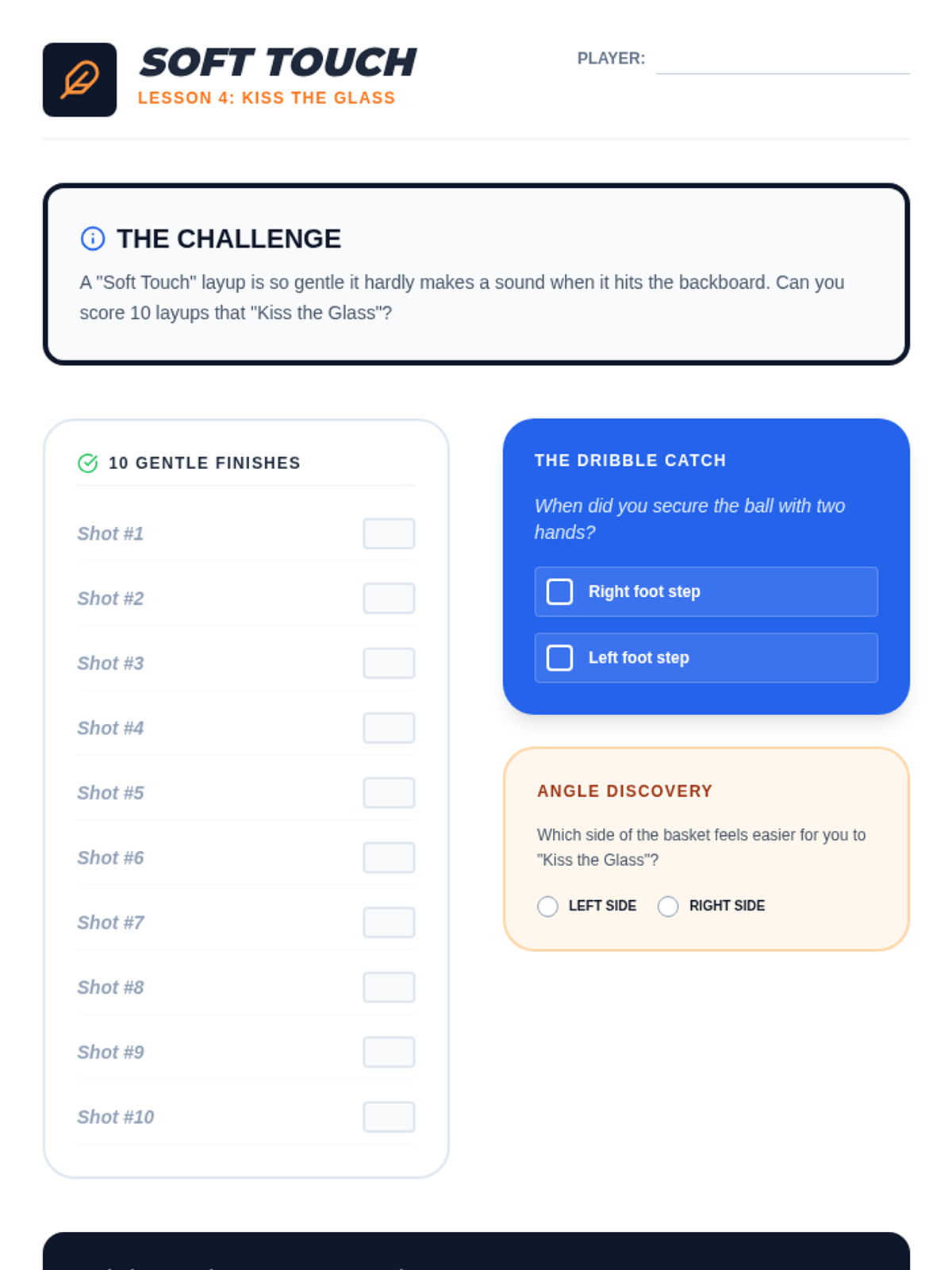
Building on footwork, students run layup lines focusing on the transition from dribbling to shooting. The emphasis is on a 'soft touch' and gentle ball placement against the backboard.
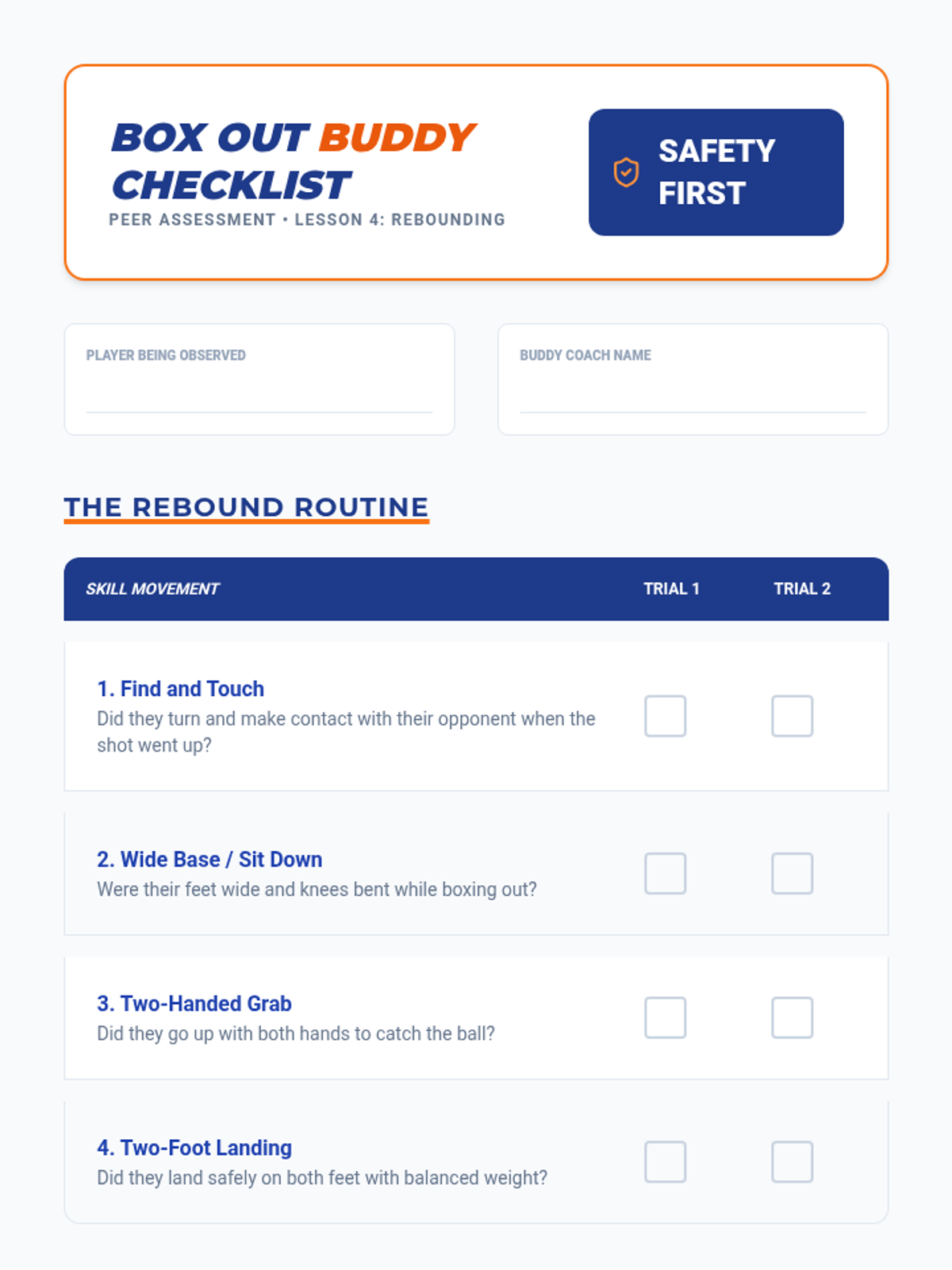
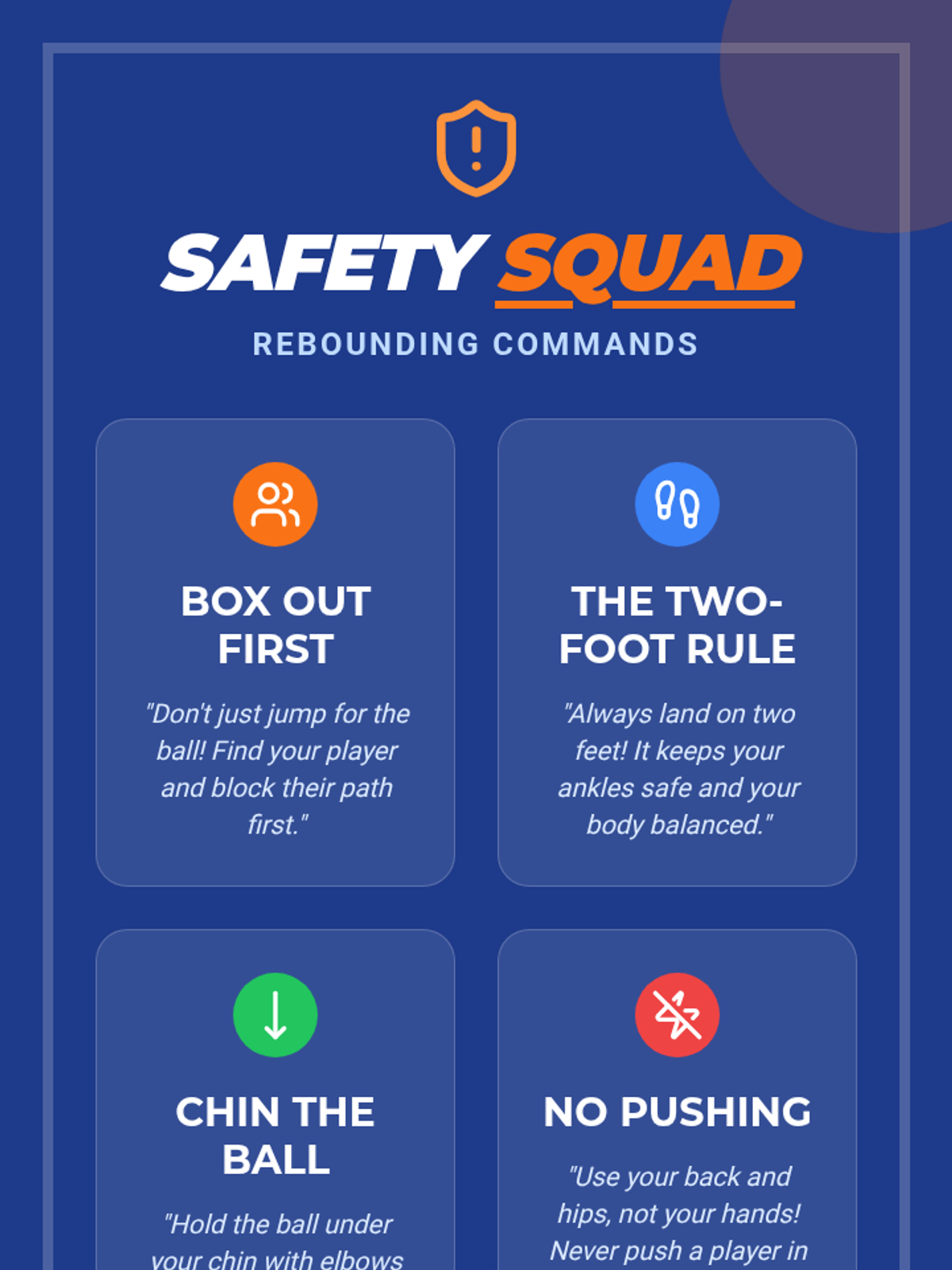
Covers the mechanics of boxing out and rebounding. Teaches students how to secure the ball after a shot and land safely.
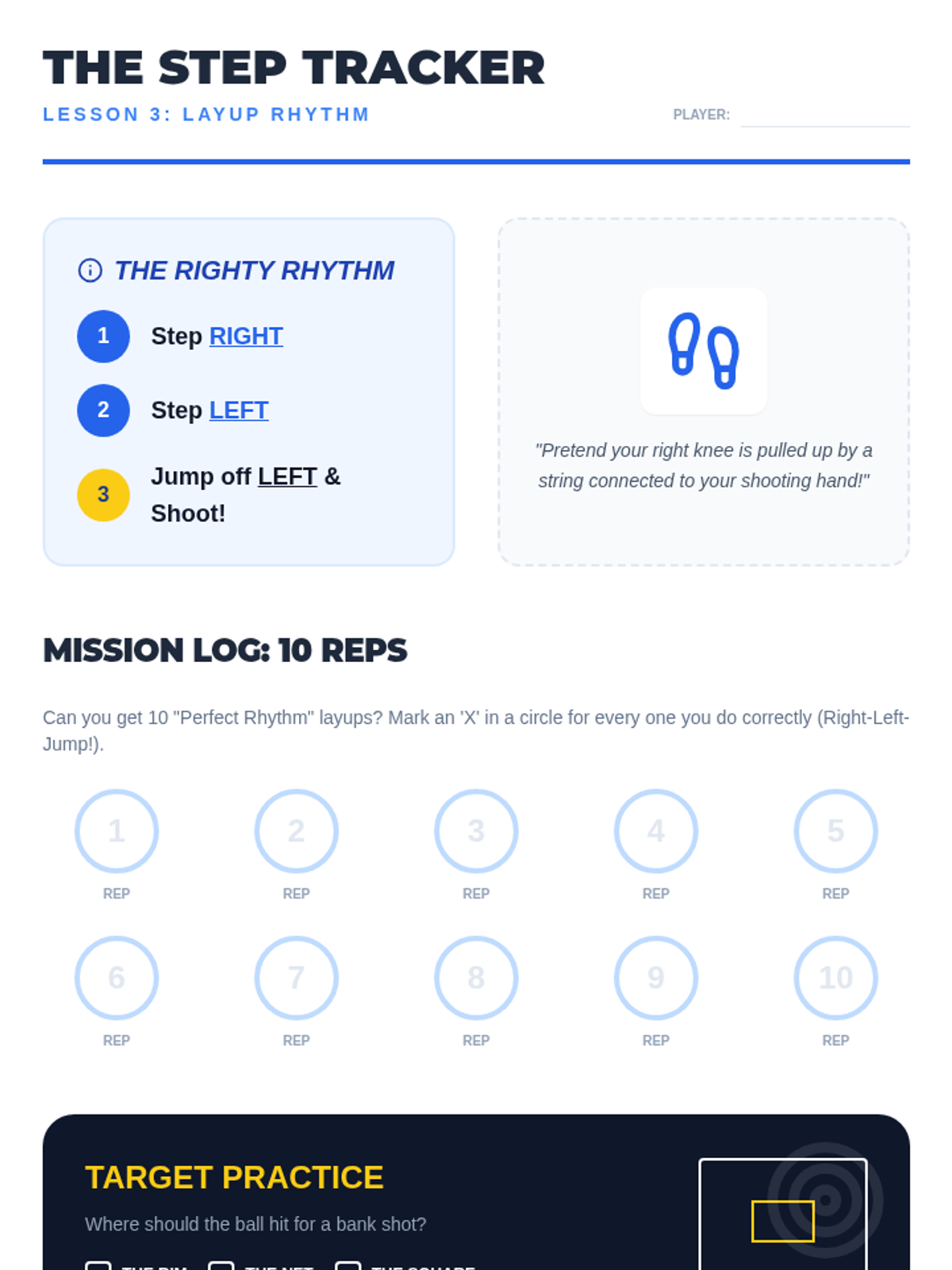
This lesson introduces the specific footwork required for a layup (jumping off the left foot for a right-handed layup). Students practice the approach and learn to use the backboard square for bank shots.
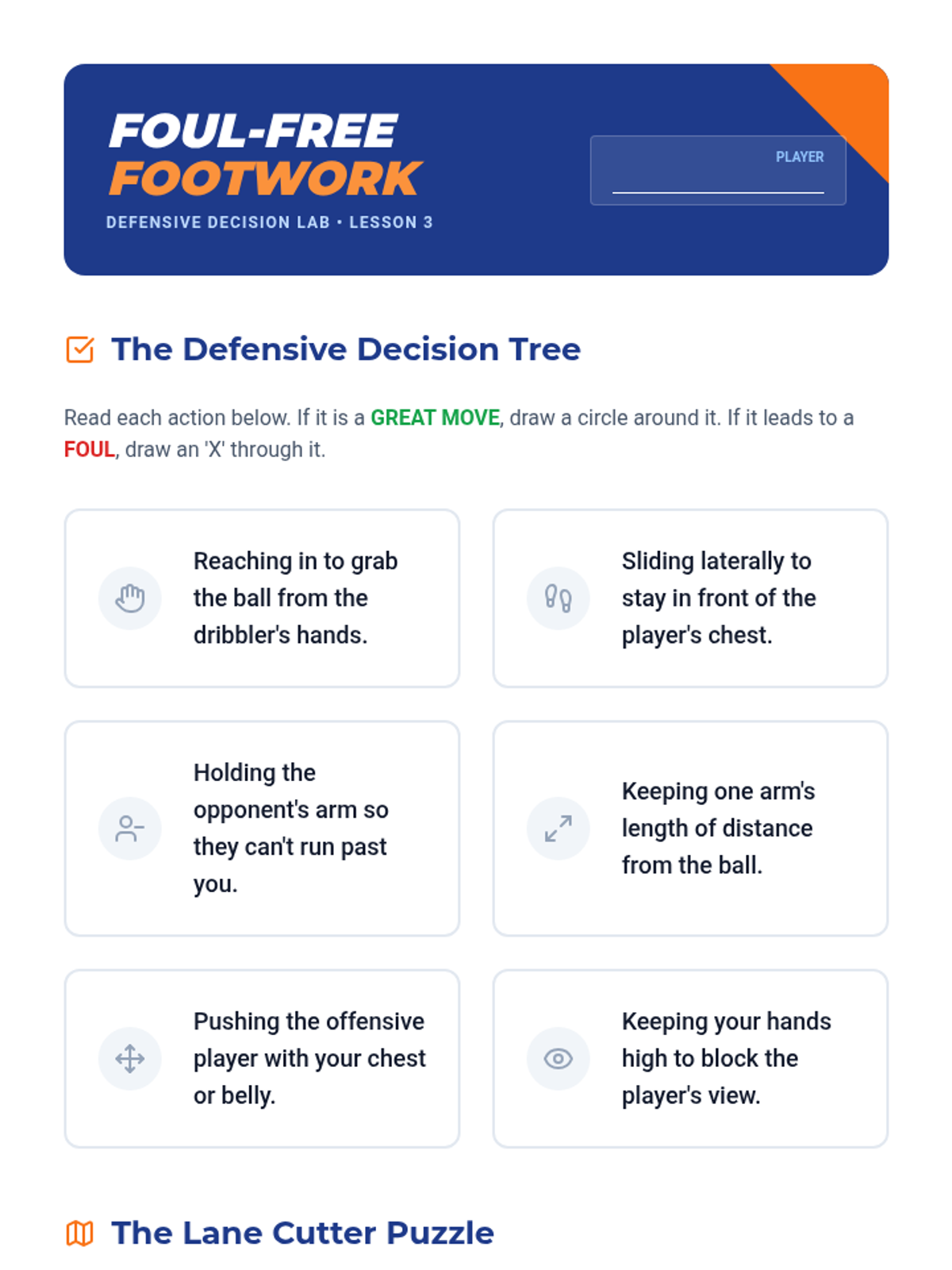
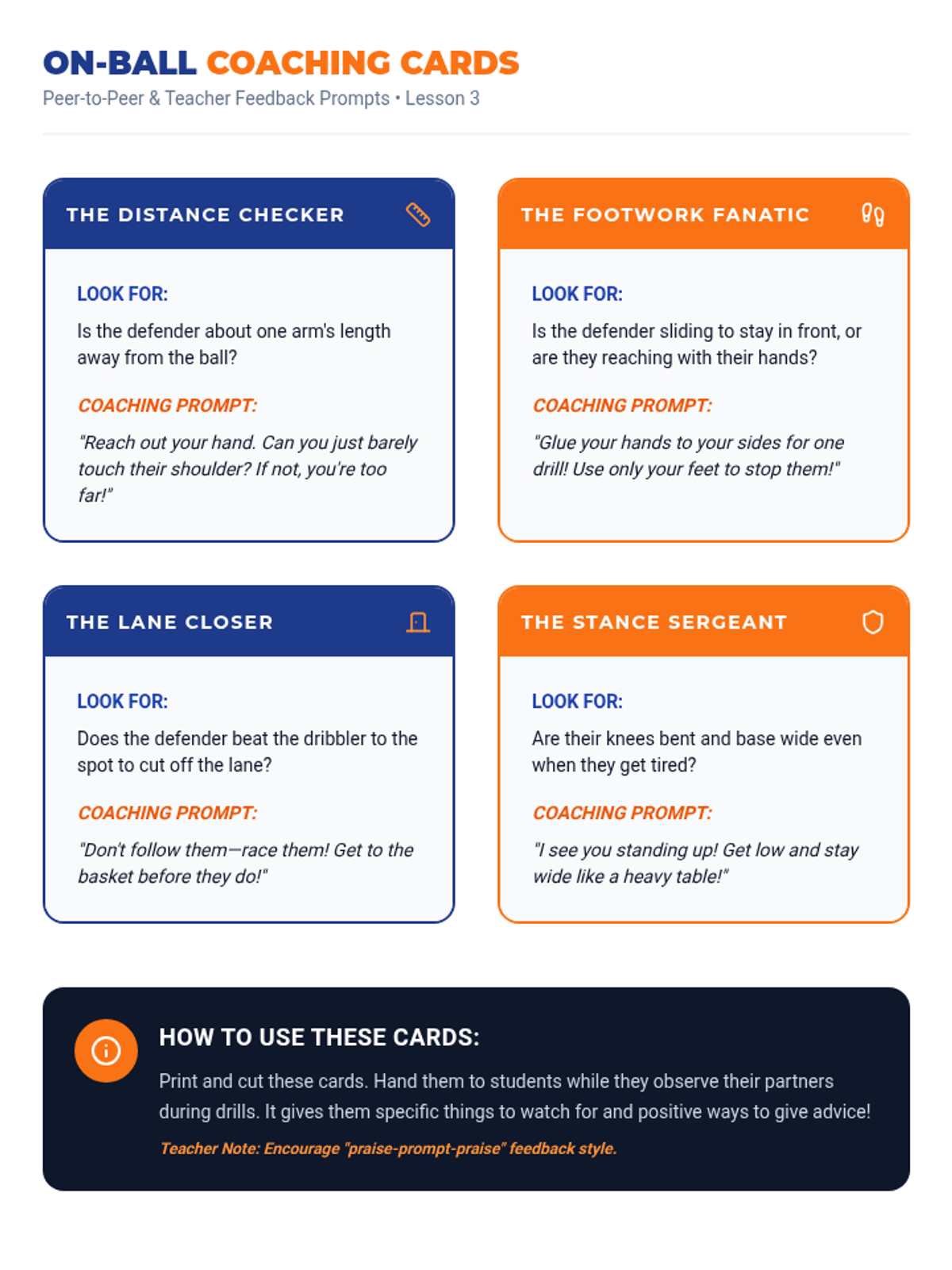
Focuses on defending a player with the ball. Emphasizes using feet to cut off lanes instead of reaching, and maintaining proper defensive distance.
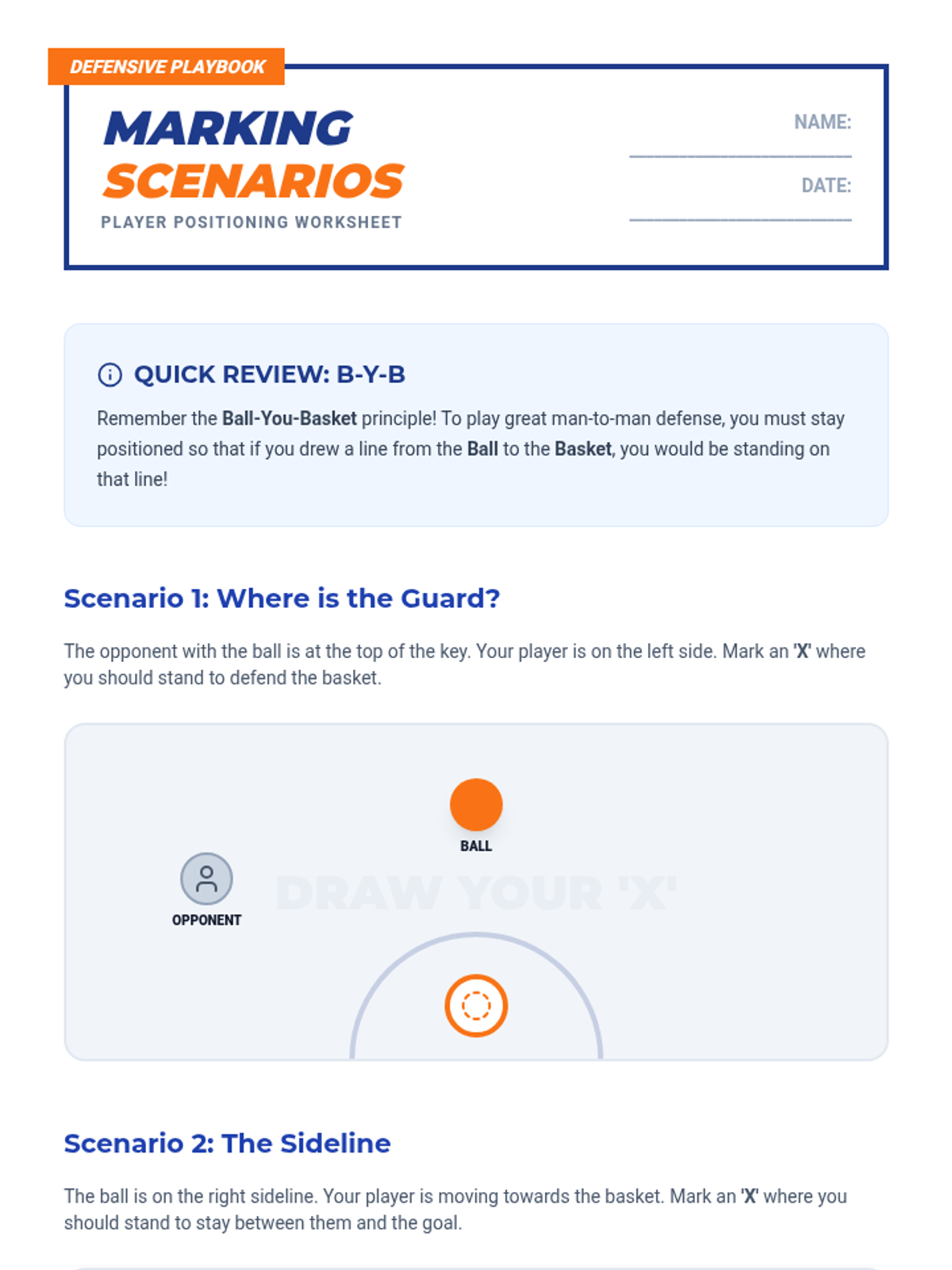
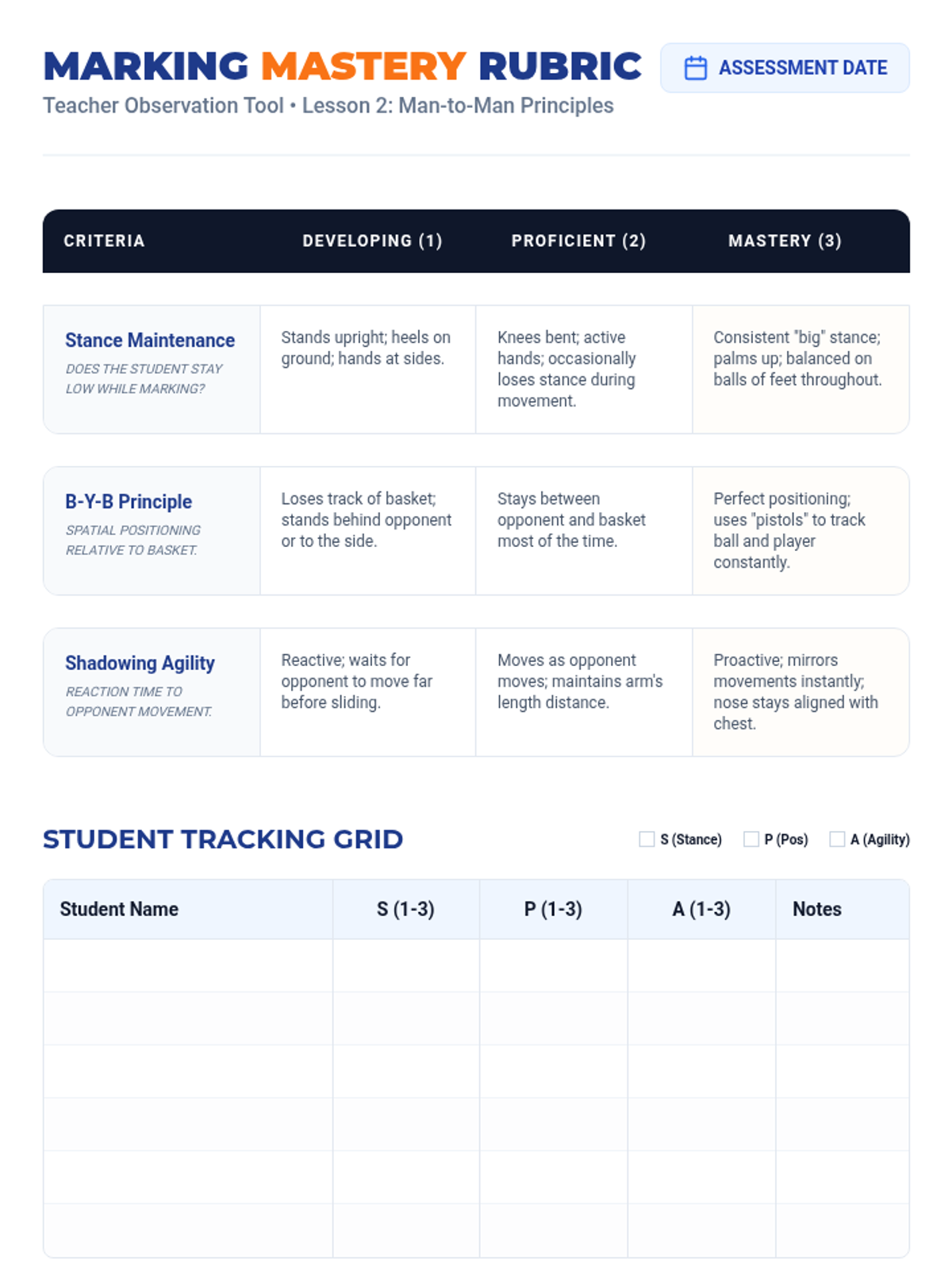
Introduces man-to-man marking and the 'Ball-You-Basket' principle. Students learn how to position themselves spatially between their opponent and the goal.
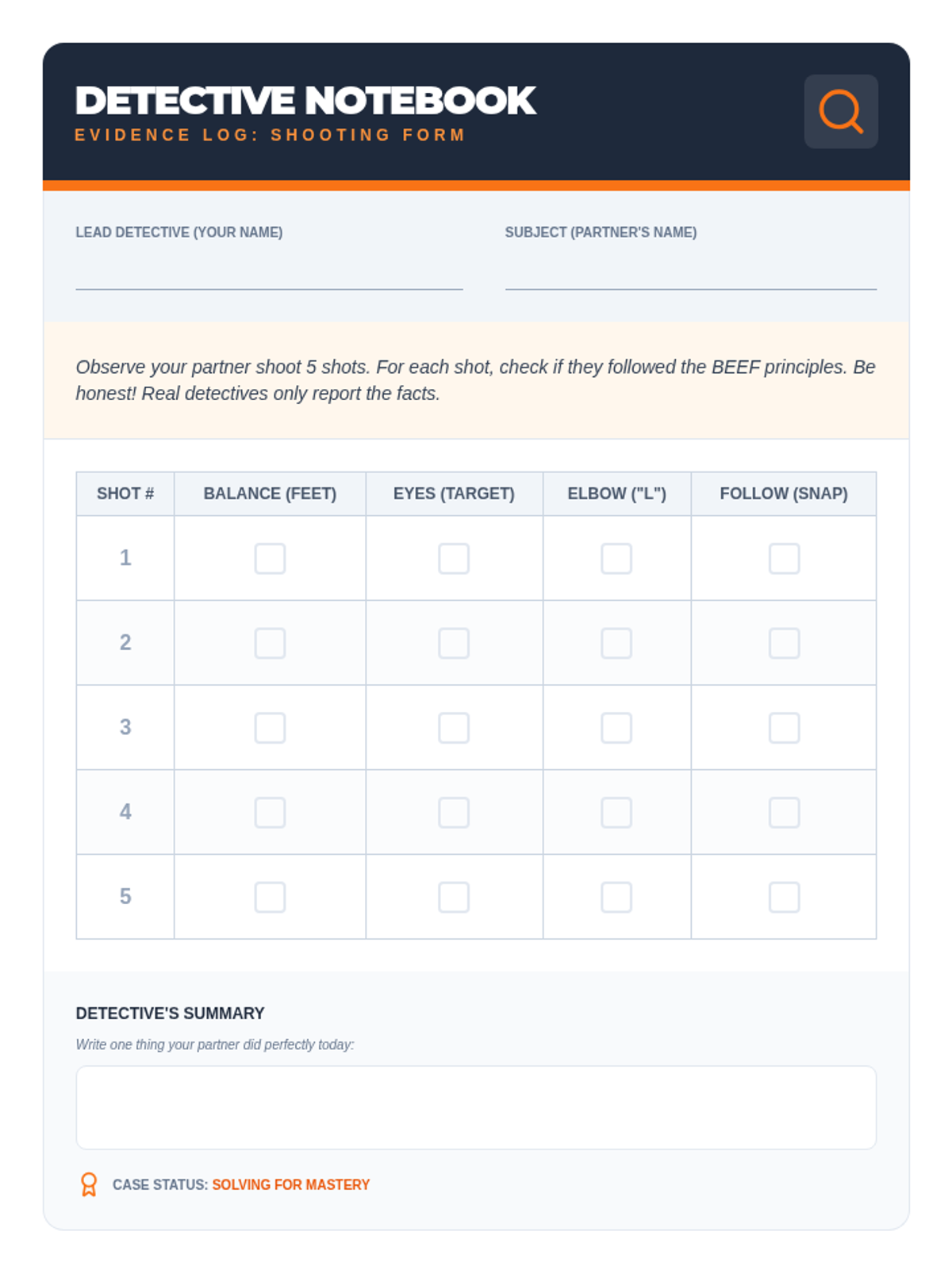
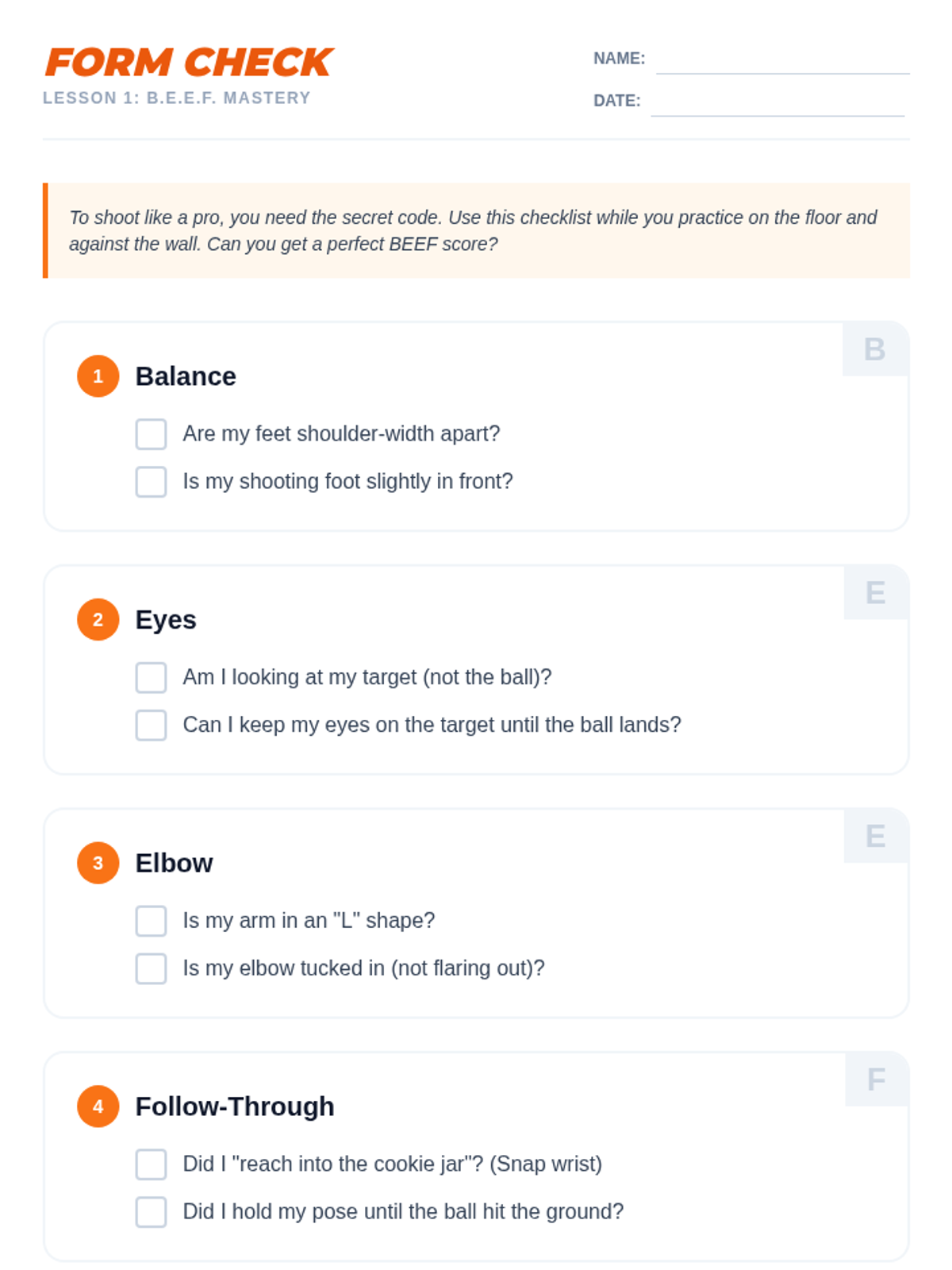
Students apply B.E.E.F. mechanics at the basket from close range. They practice generating power from their legs and use a peer-feedback model to critique and improve each other's form.
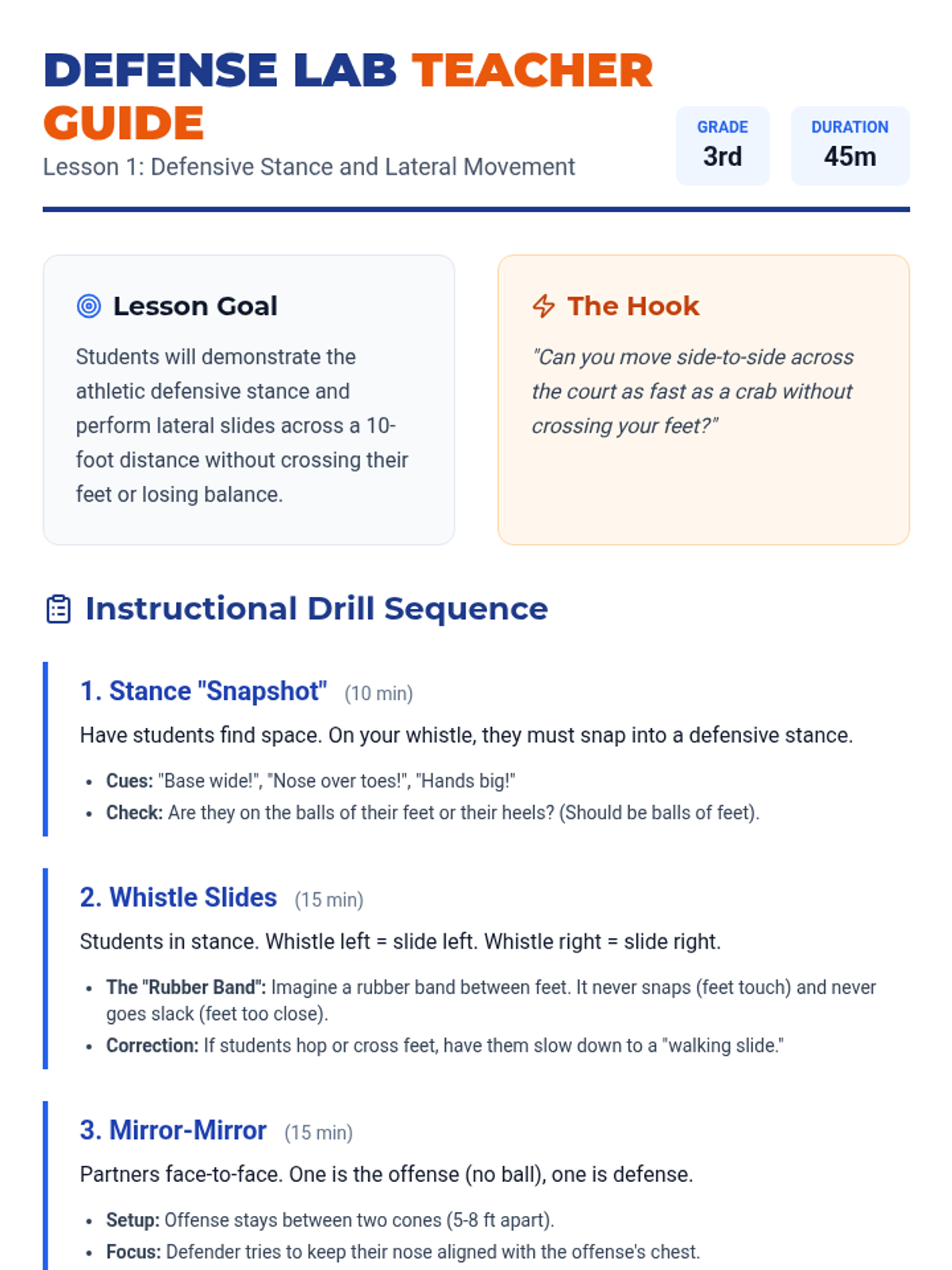
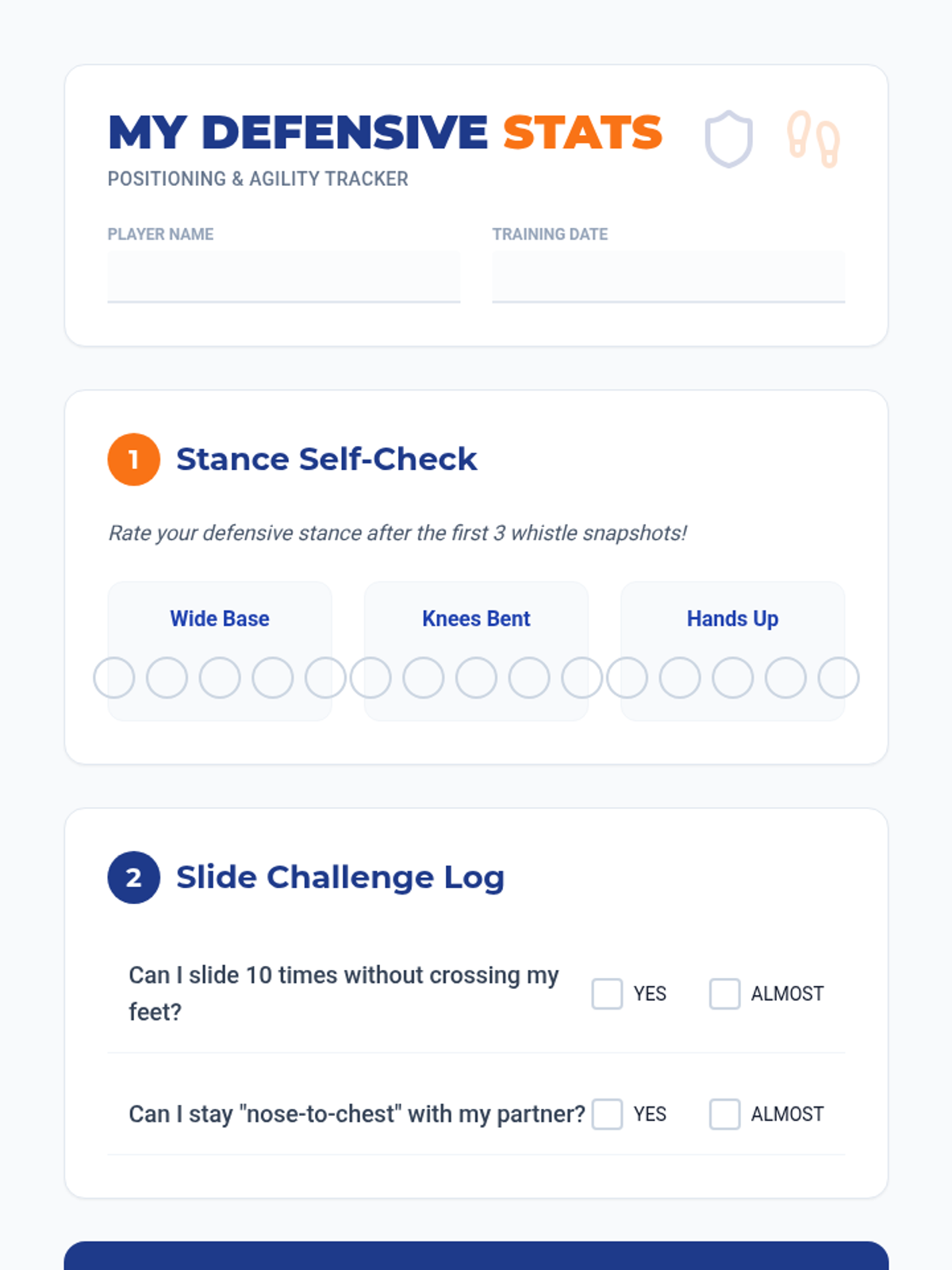
Students learn the athletic defensive stance and the 'step-slide' technique for lateral movement. Focus is on agility, reaction time, and maintaining a wide, stable base.
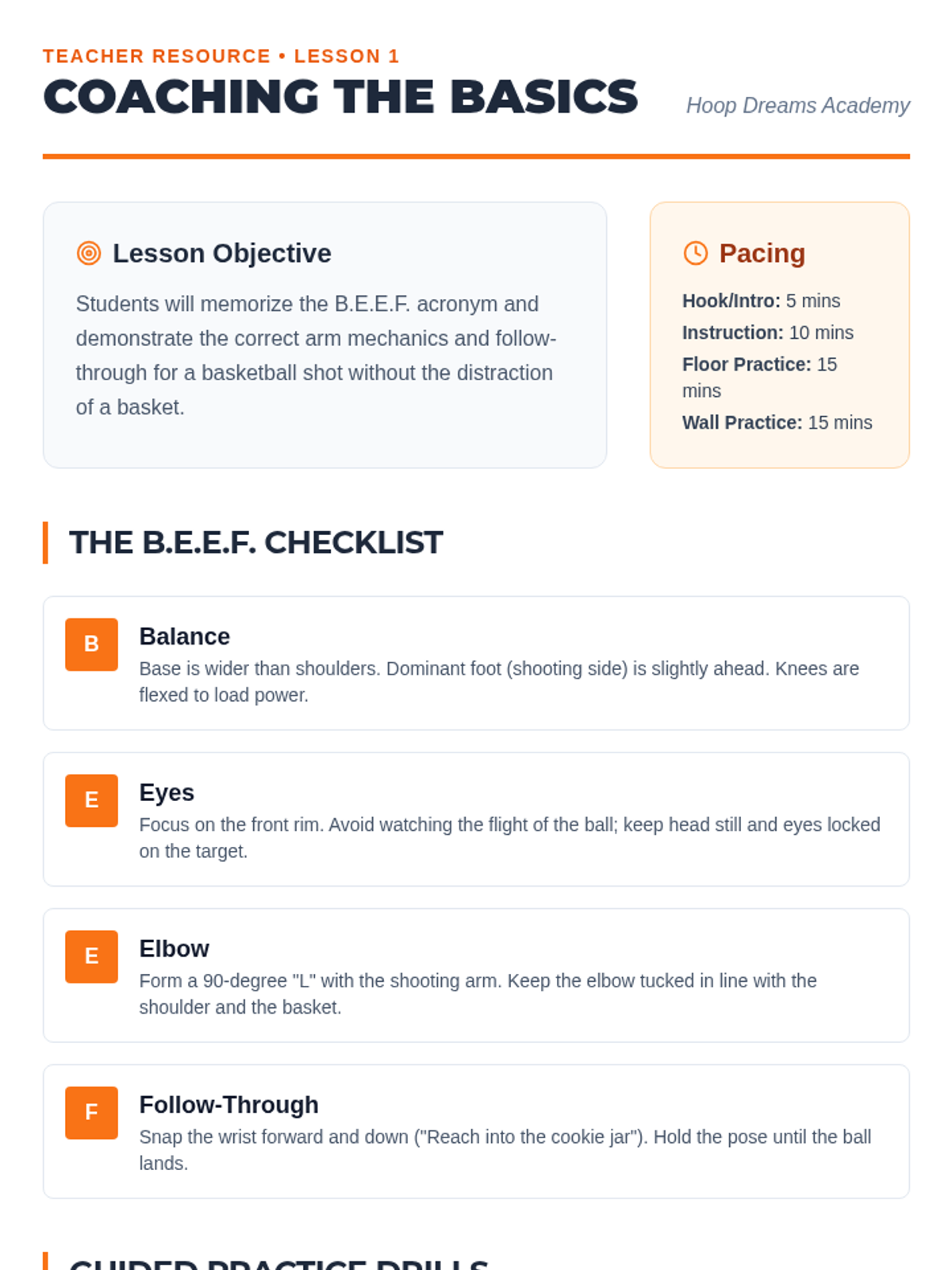
Students are introduced to the B.E.E.F. acronym to standardize shooting form. They practice form shooting without a basket, lying on their backs and shooting against a wall to focus on arm mechanics and follow-through.
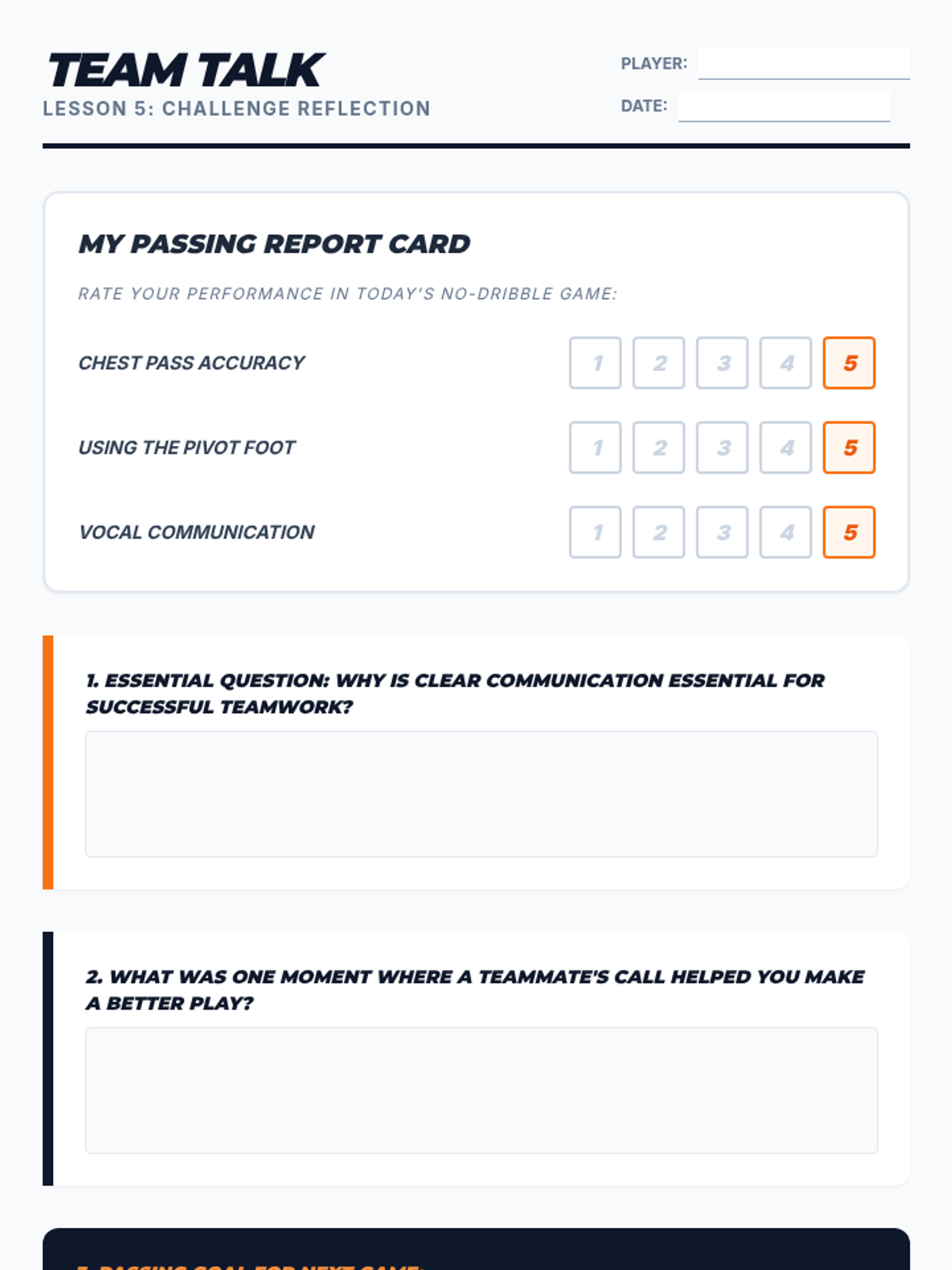
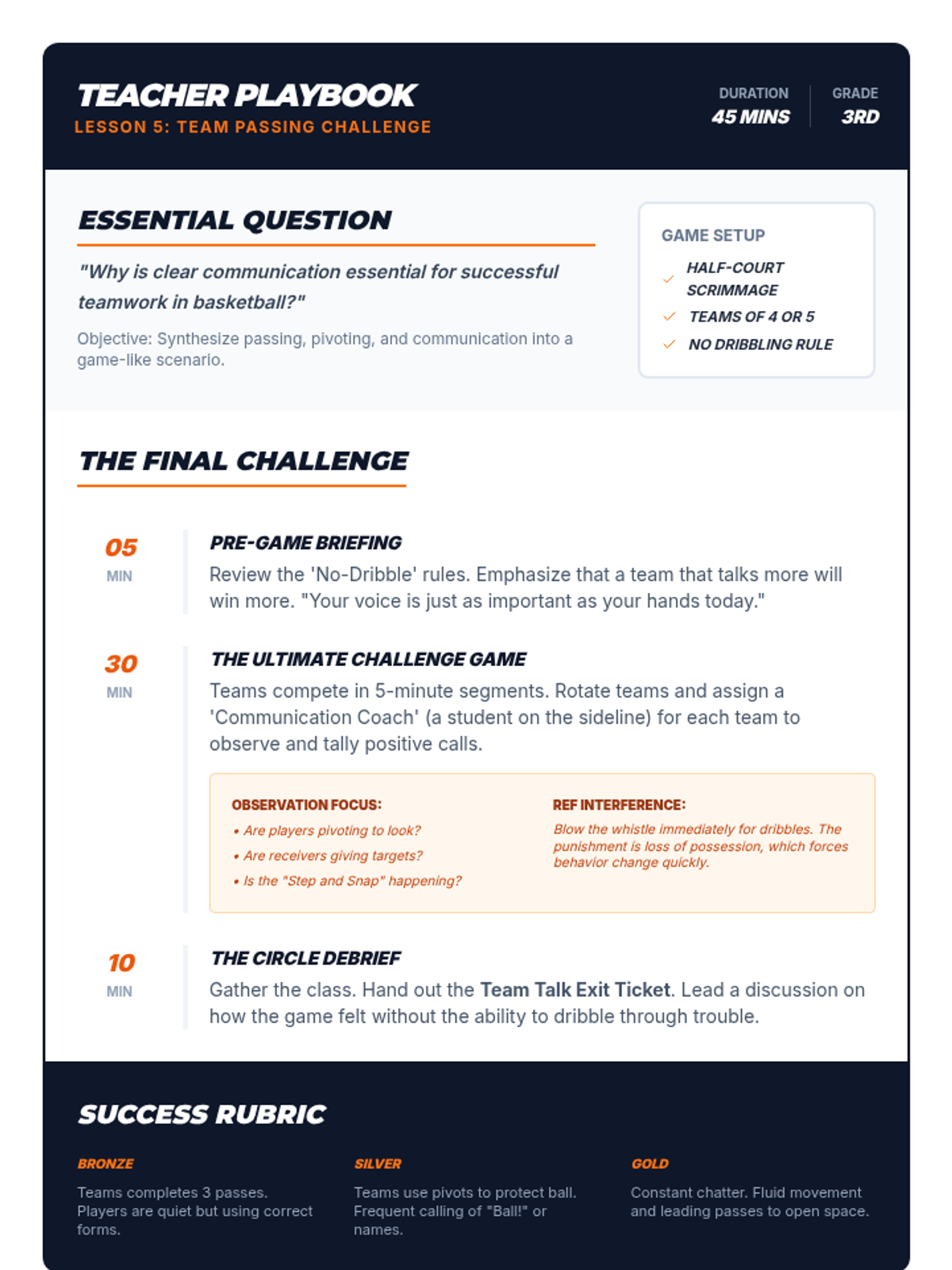
A culminating game-based lesson where students apply all passing skills and communication strategies in a 'No-Dribble' scrimmage.
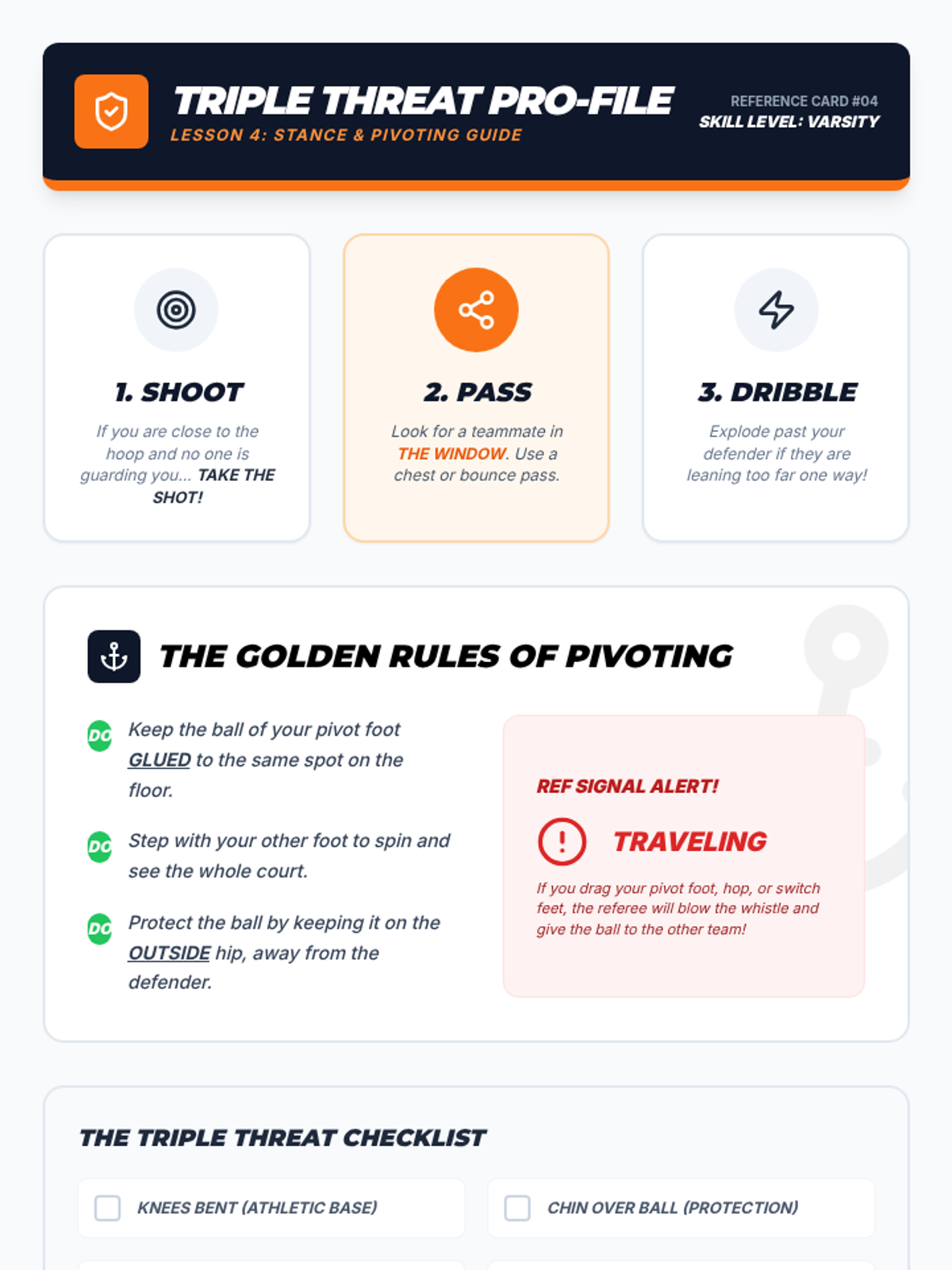
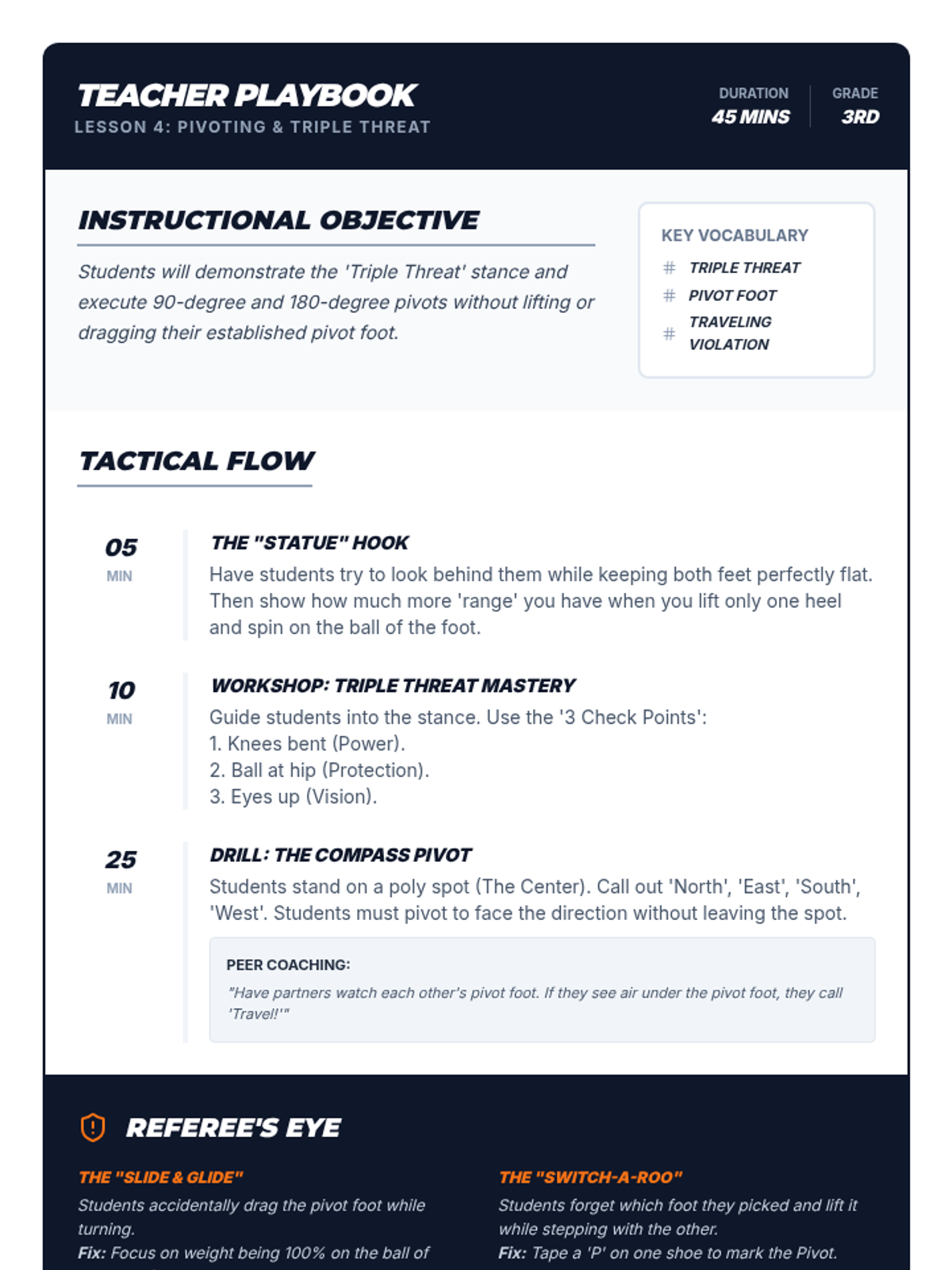
Focuses on the Triple Threat stance and the importance of a pivot foot to create passing lanes without committing a traveling violation.
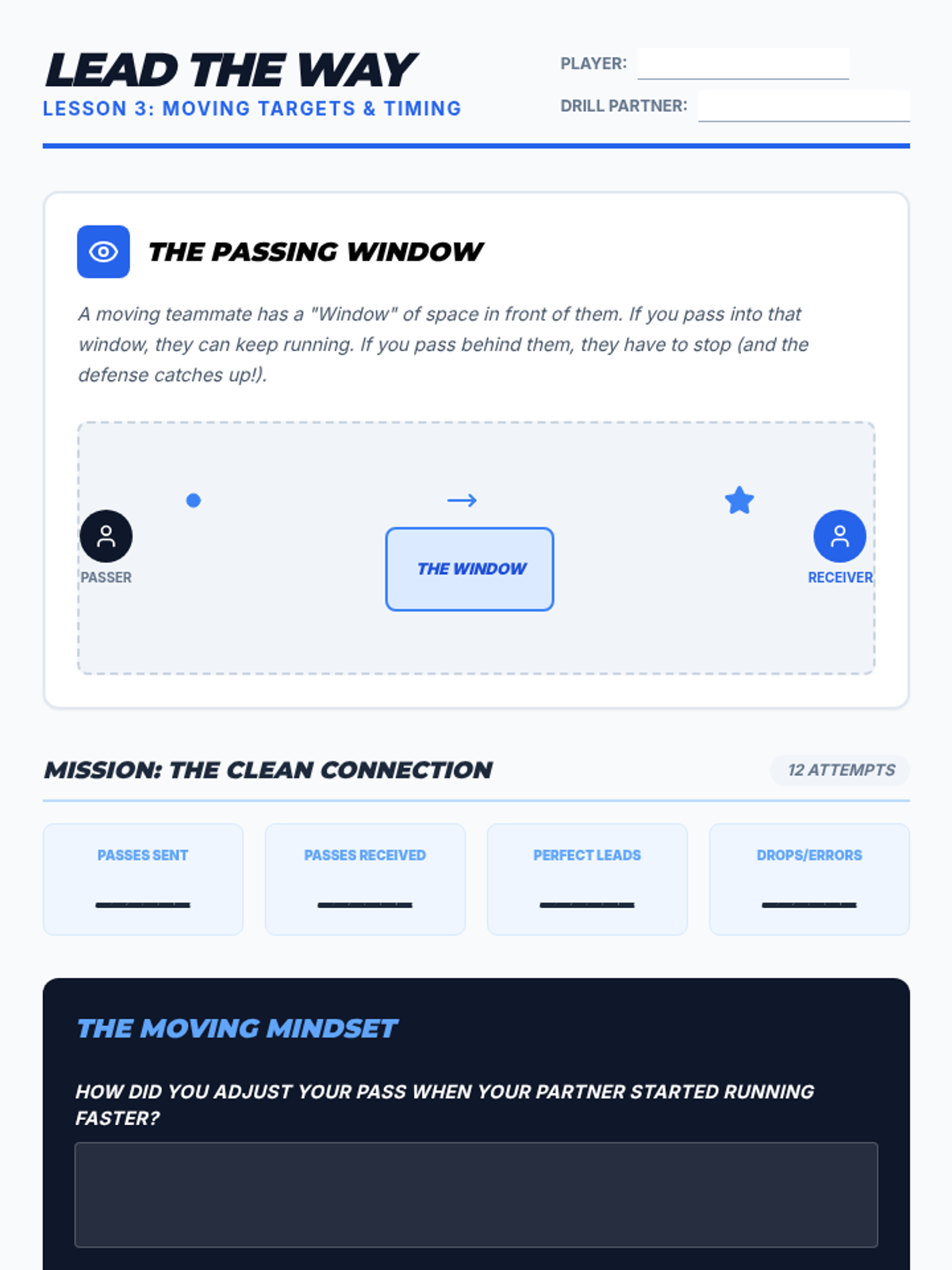
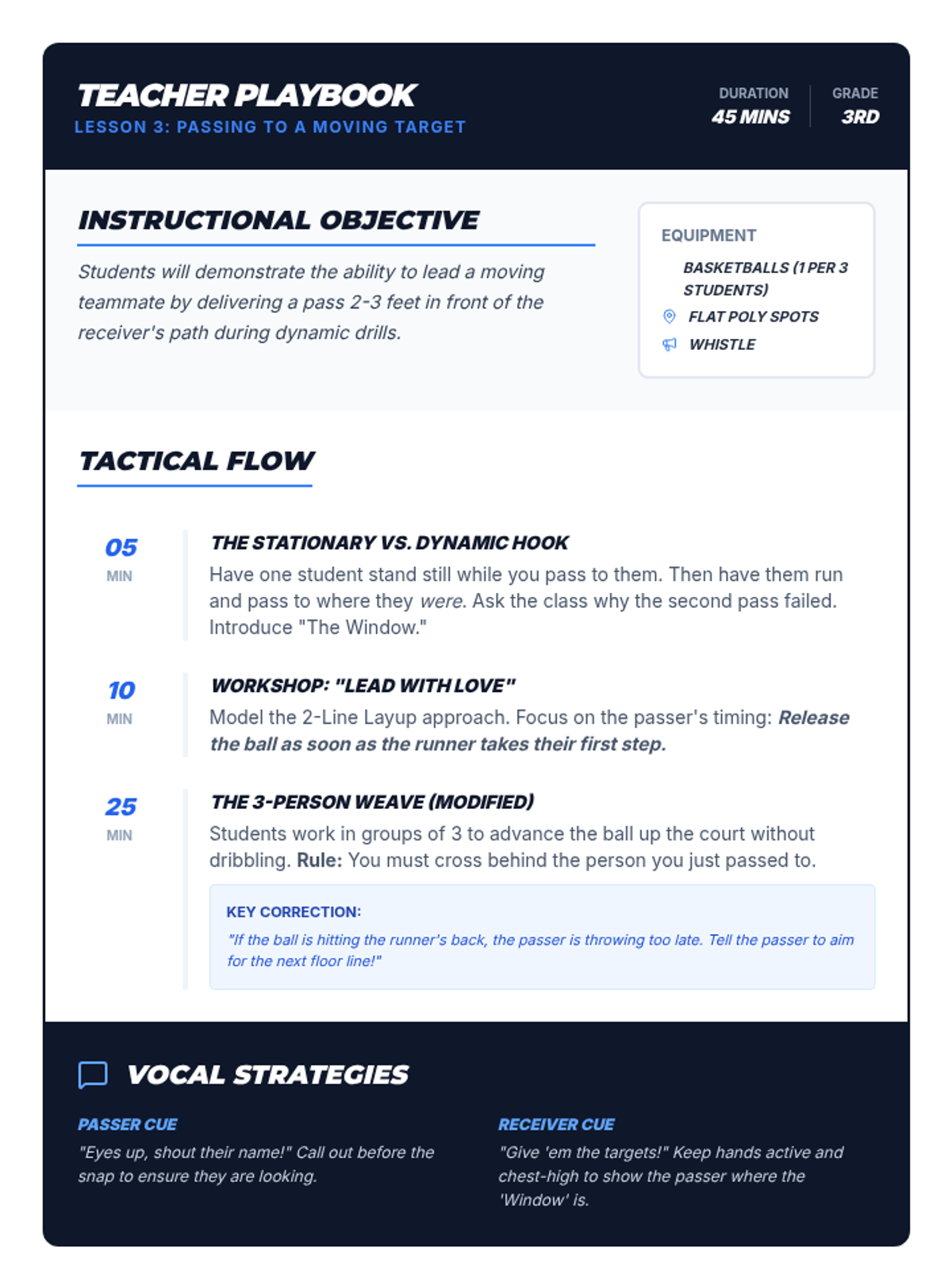
Students practice passing to a teammate in motion, learning how to 'lead' the receiver by passing to where they are going, not where they are.
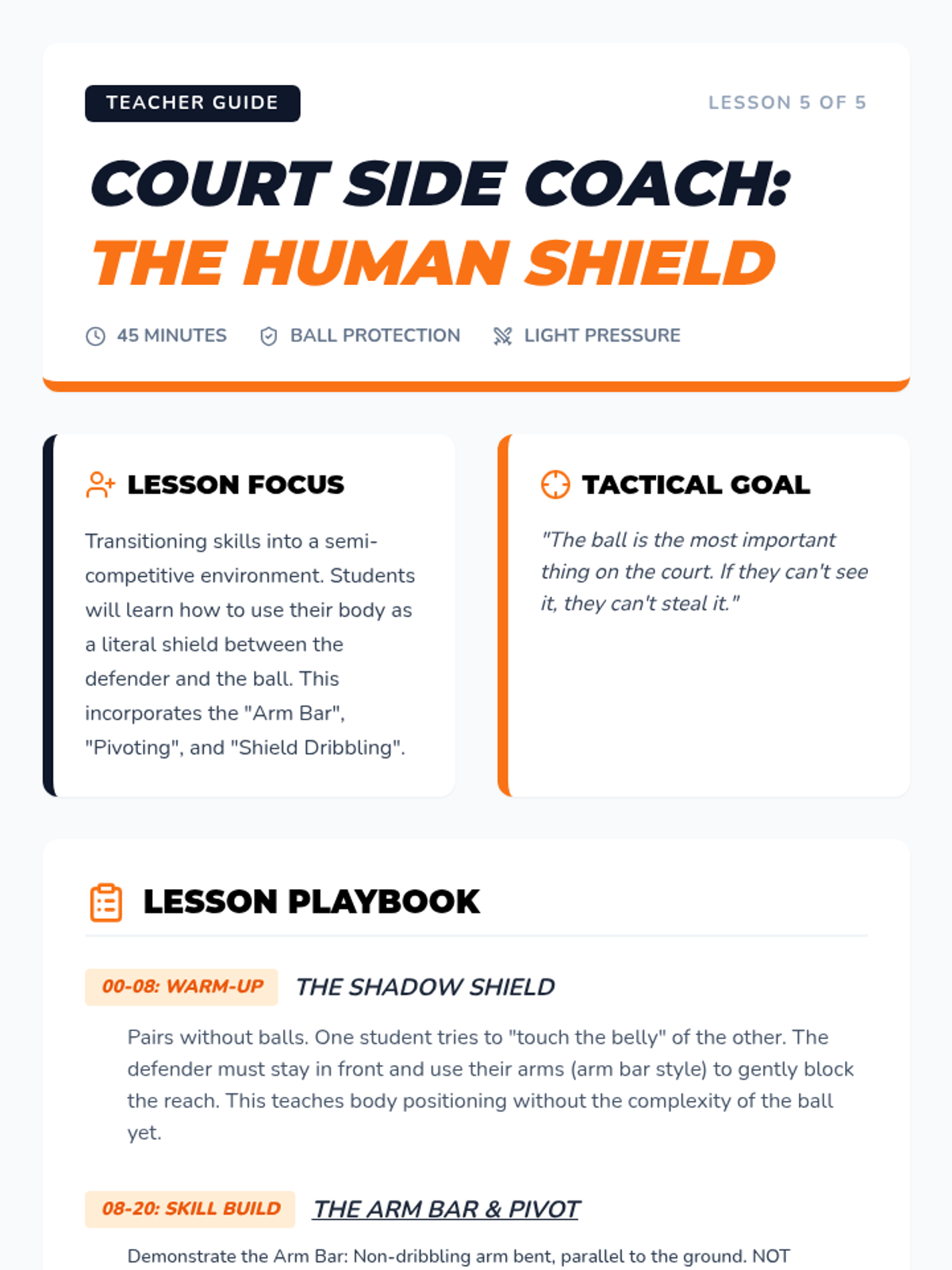
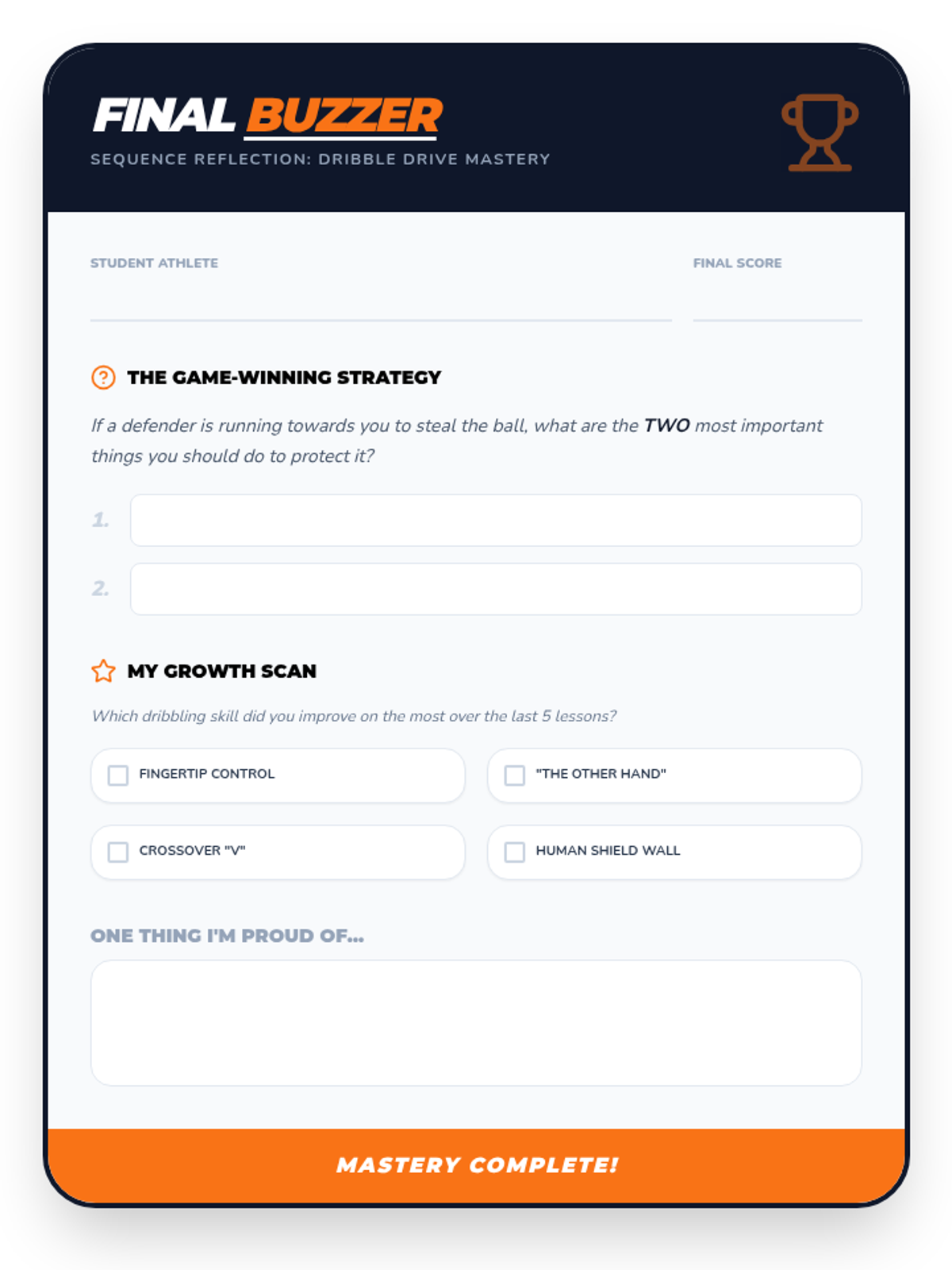
Using the body to shield the ball from defenders, incorporating the arm bar and pivoting techniques.
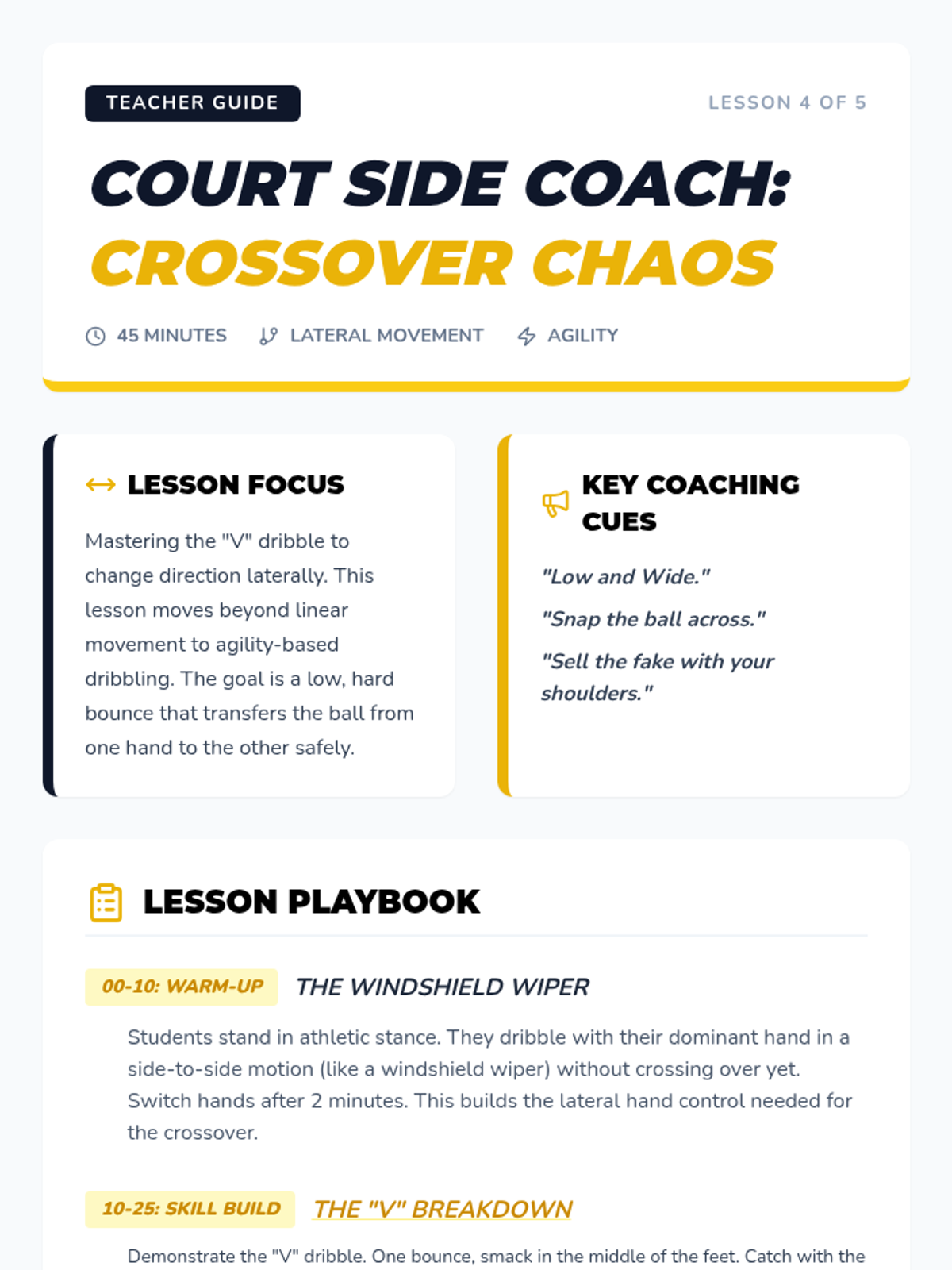
Learning lateral directional changes through the crossover 'V' dribble and navigating obstacles.
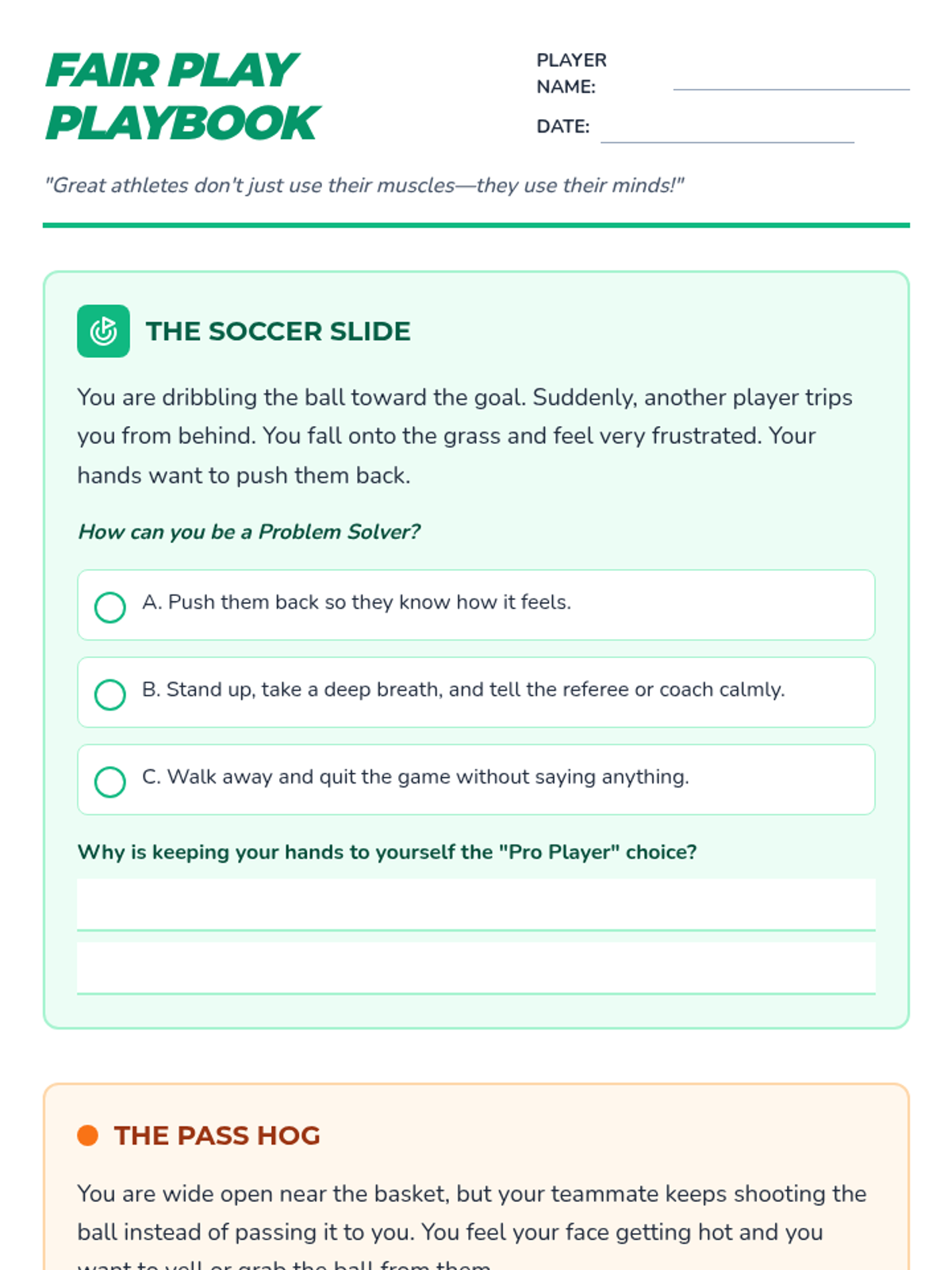
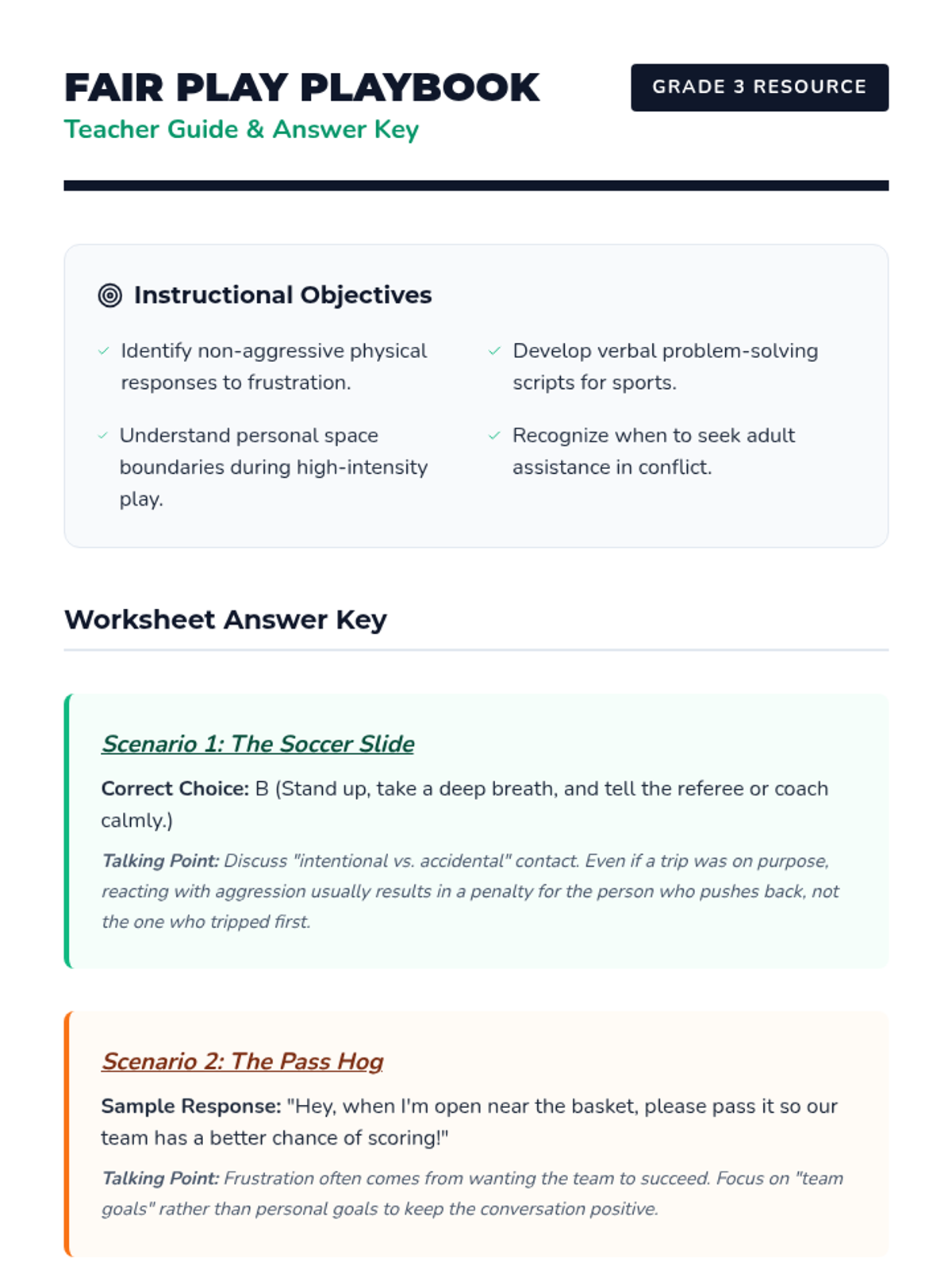
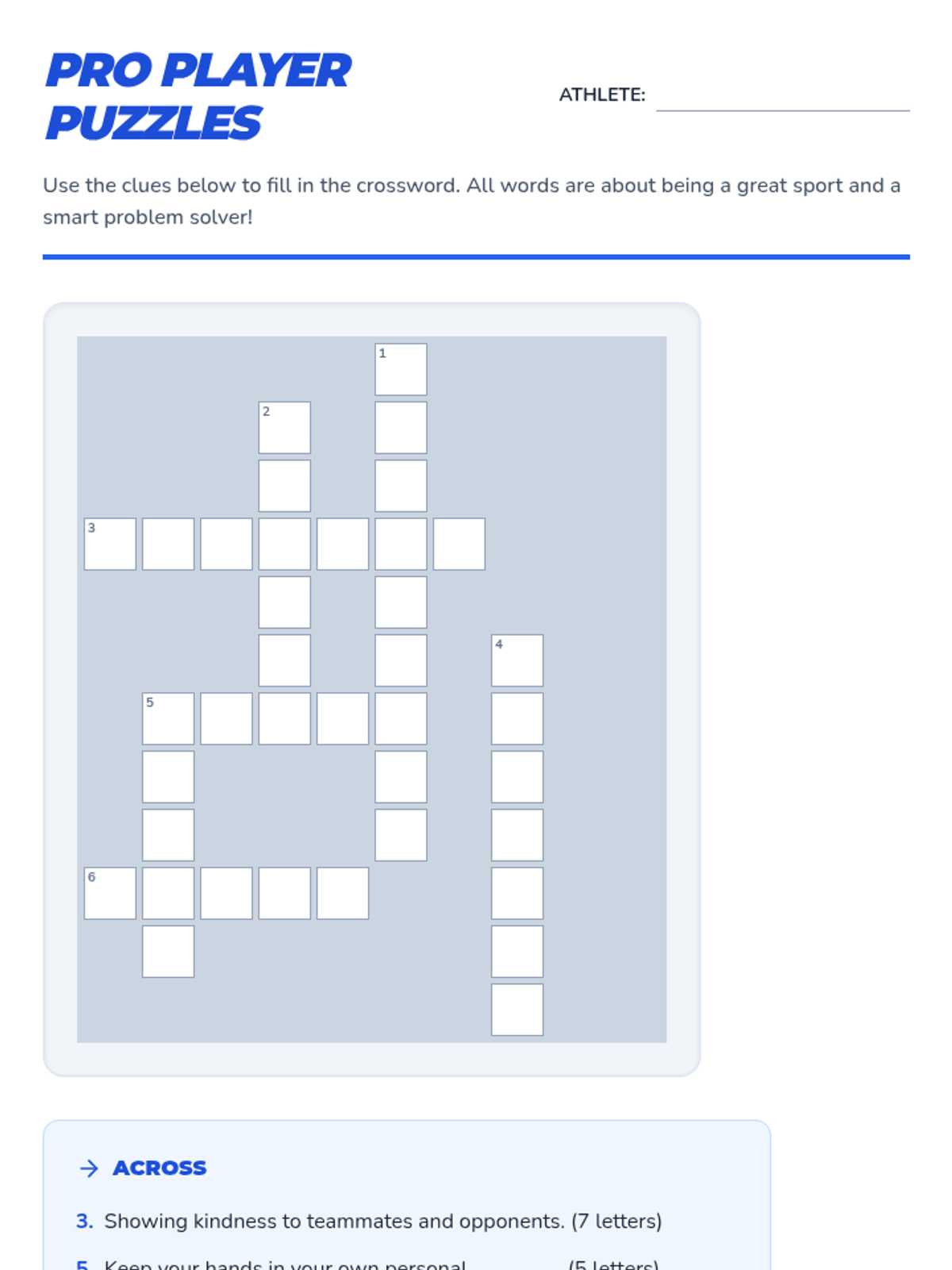
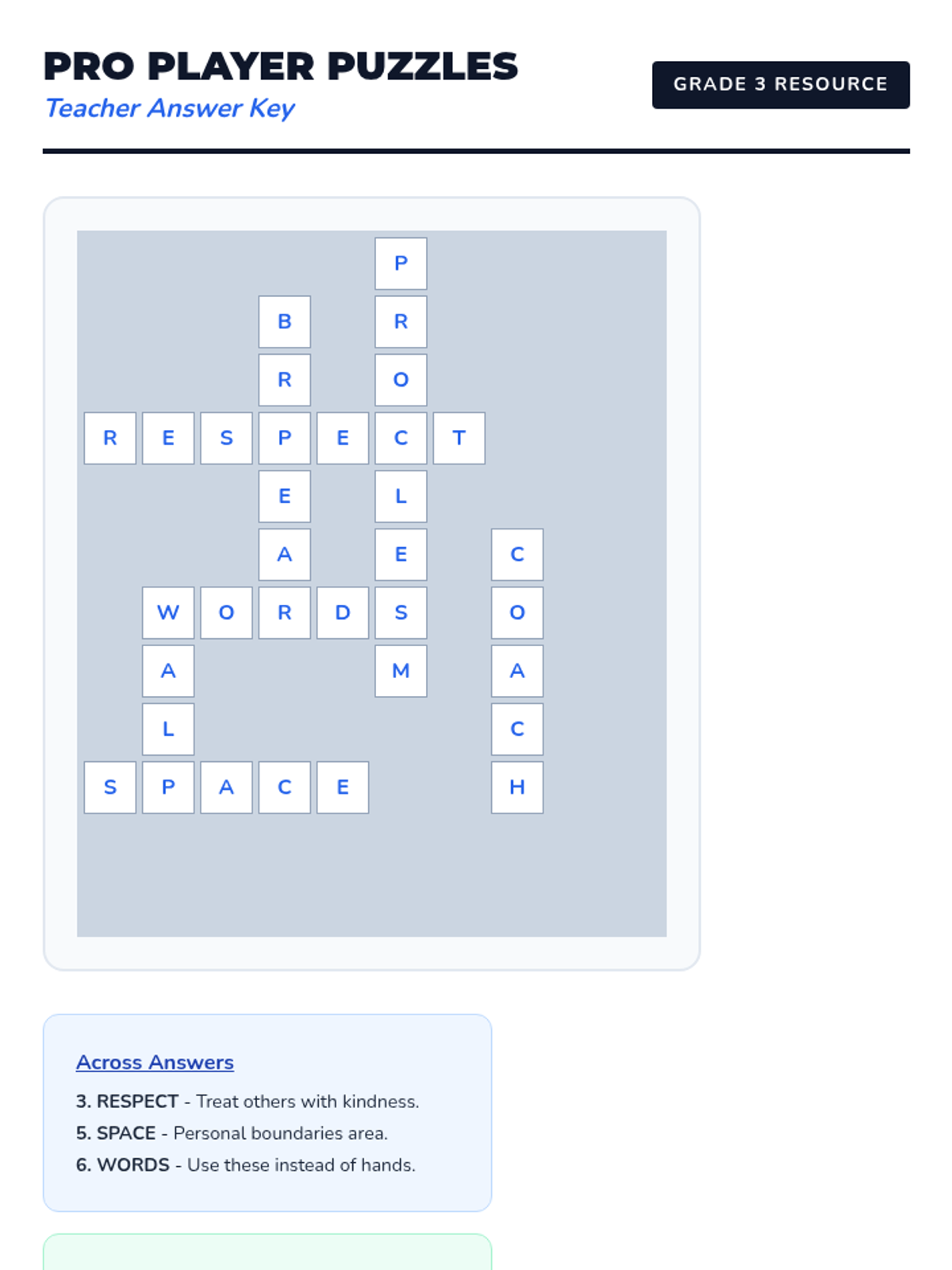
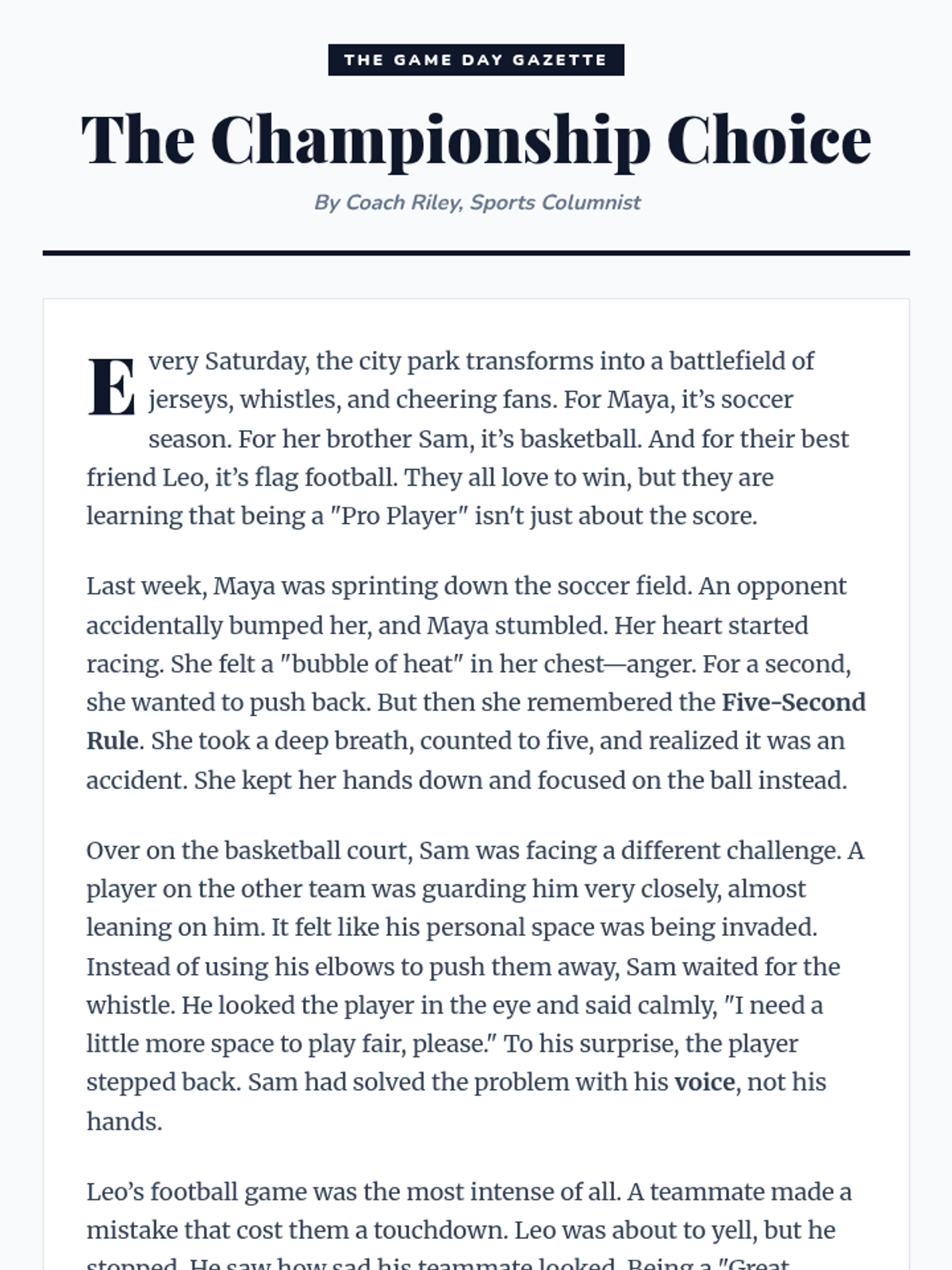
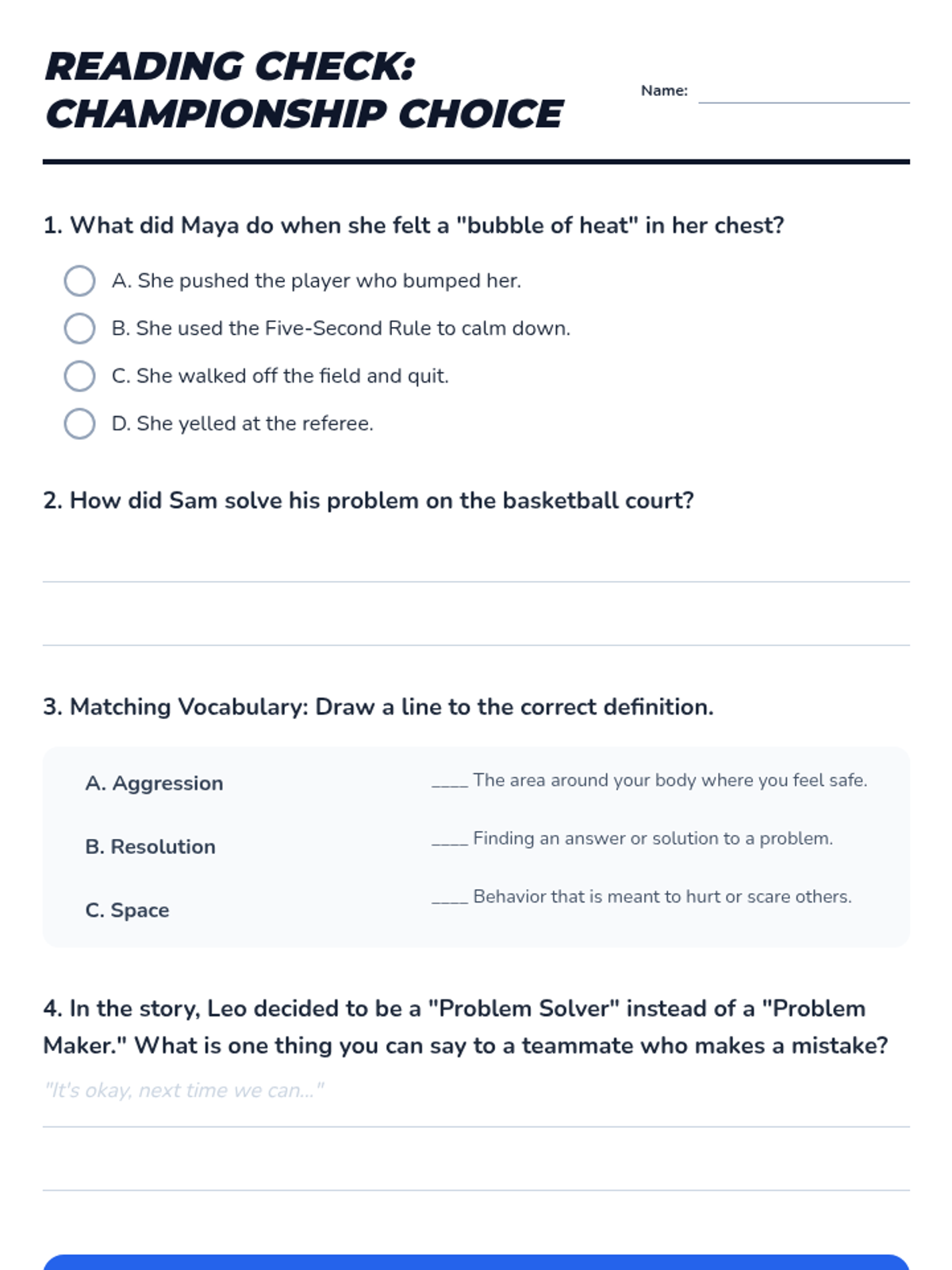
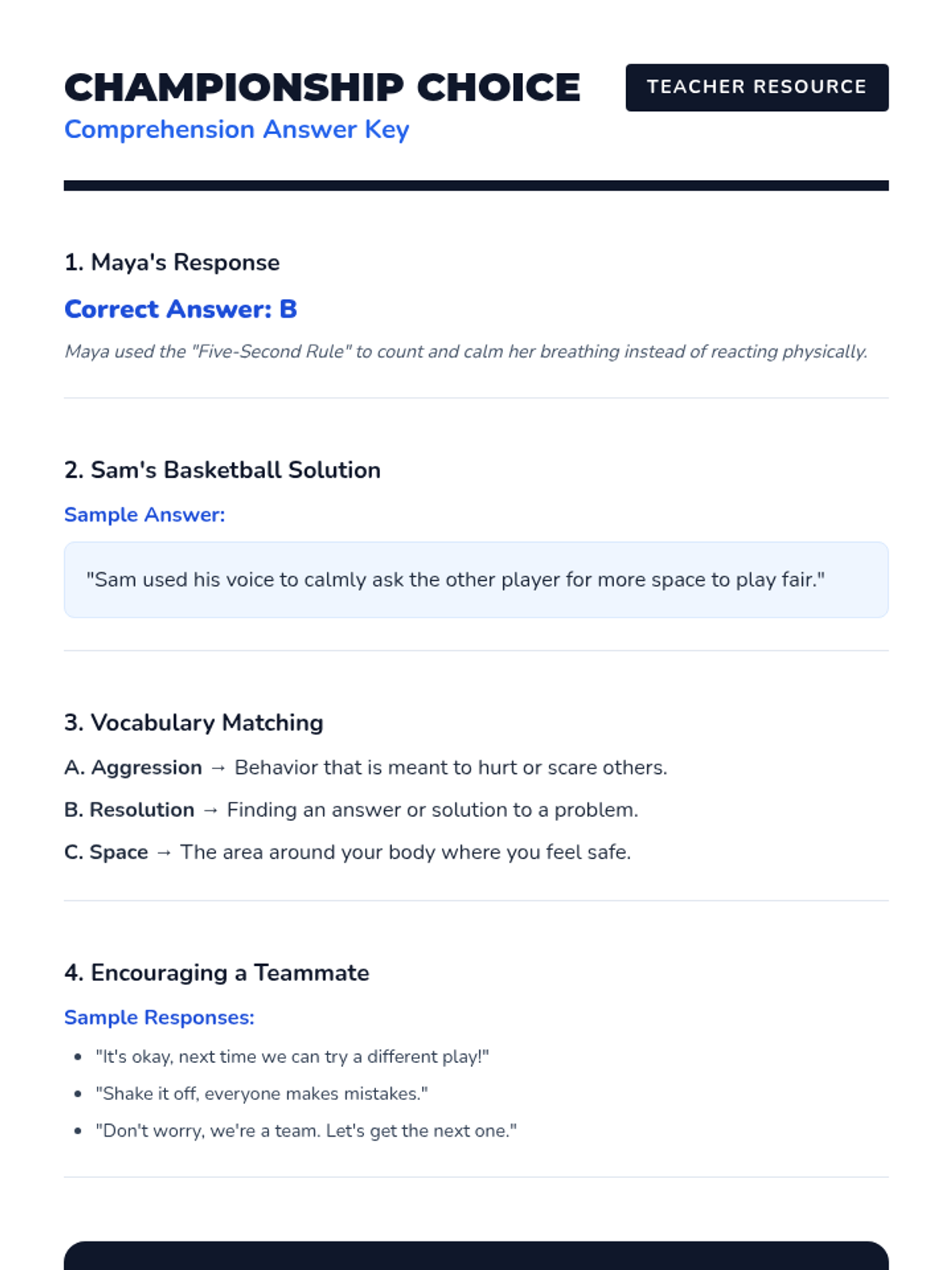
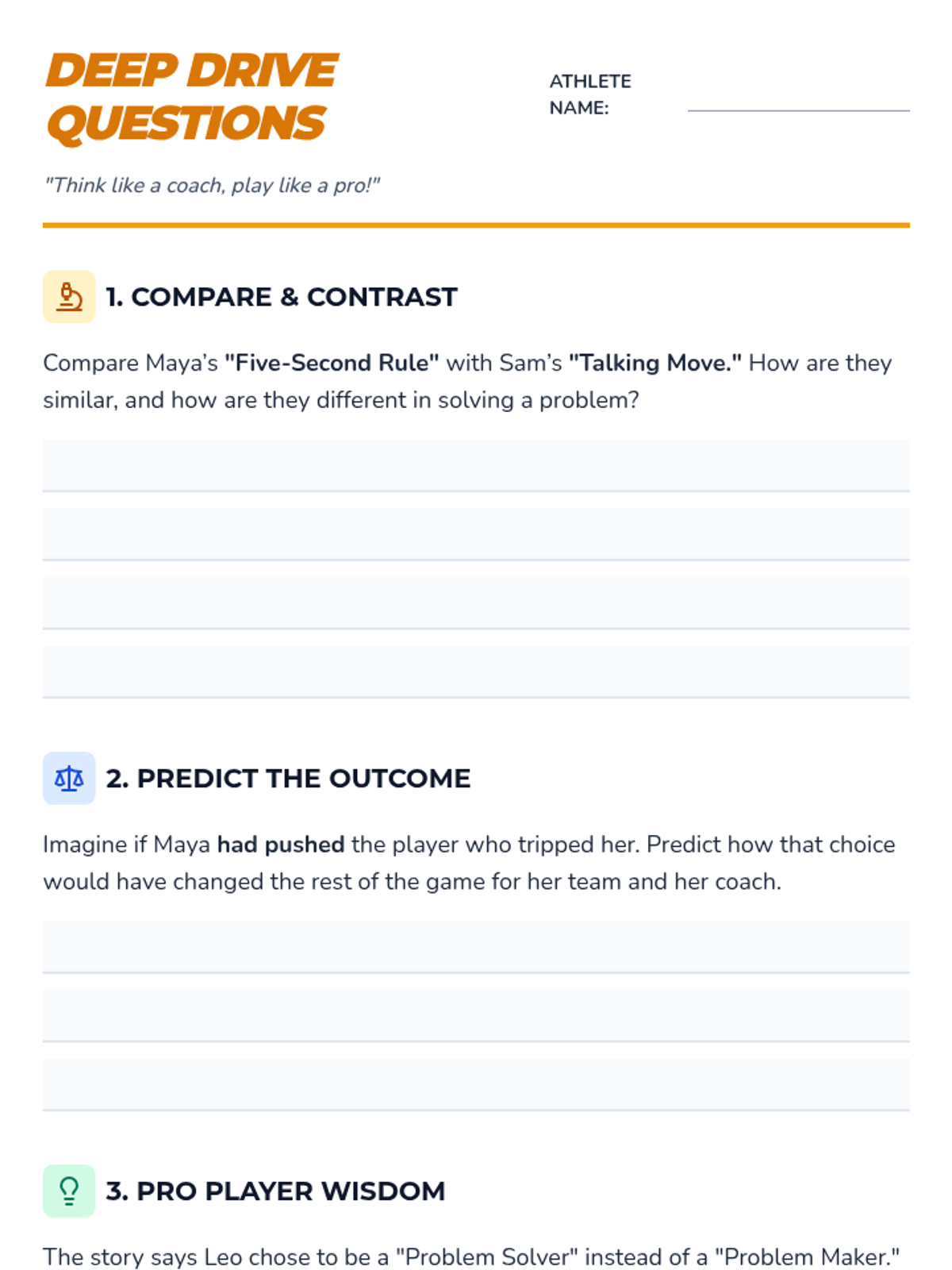
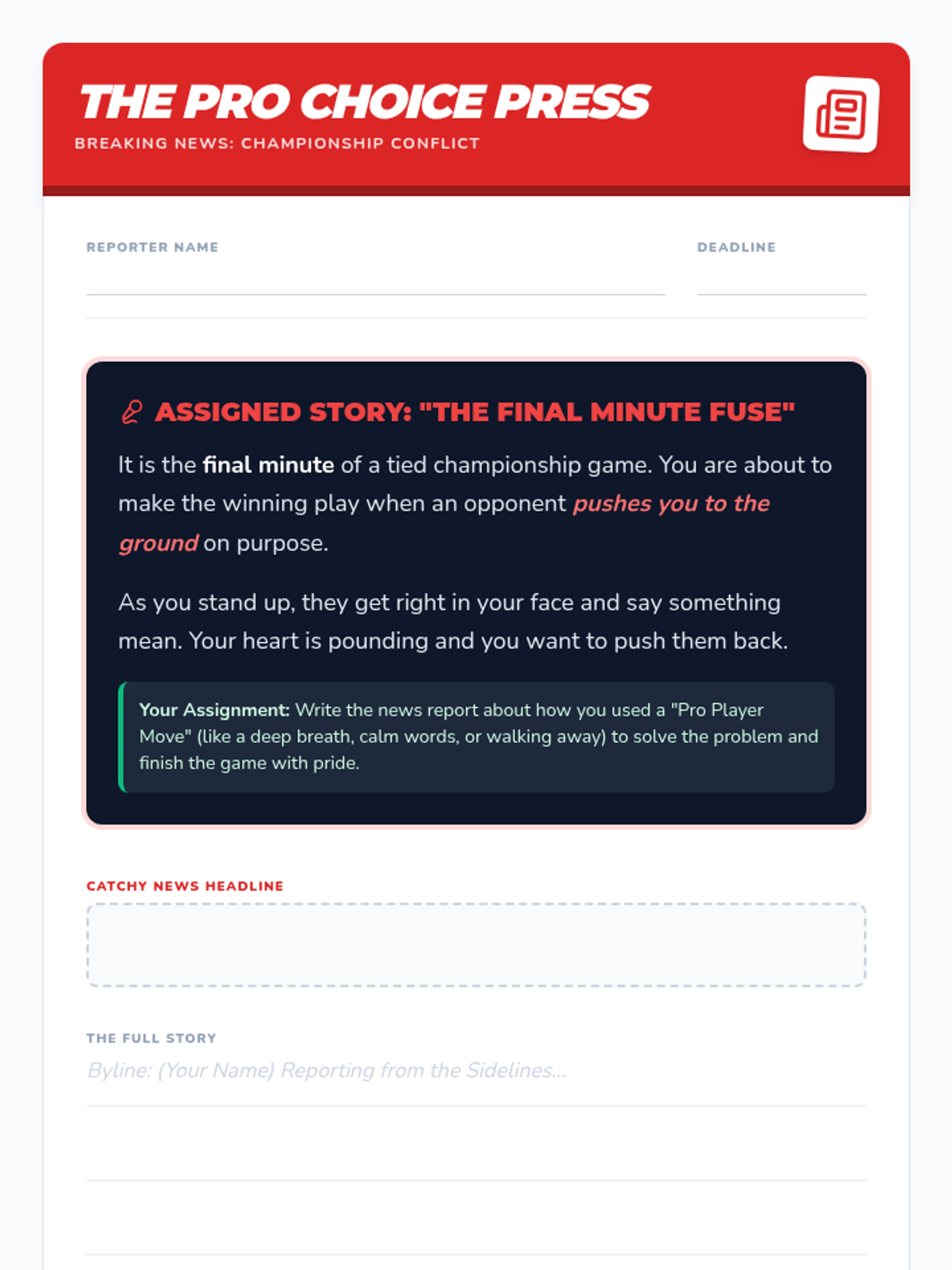
A lesson focused on teaching 3rd graders sportsmanship, physical boundaries, and conflict resolution during soccer, basketball, and football.
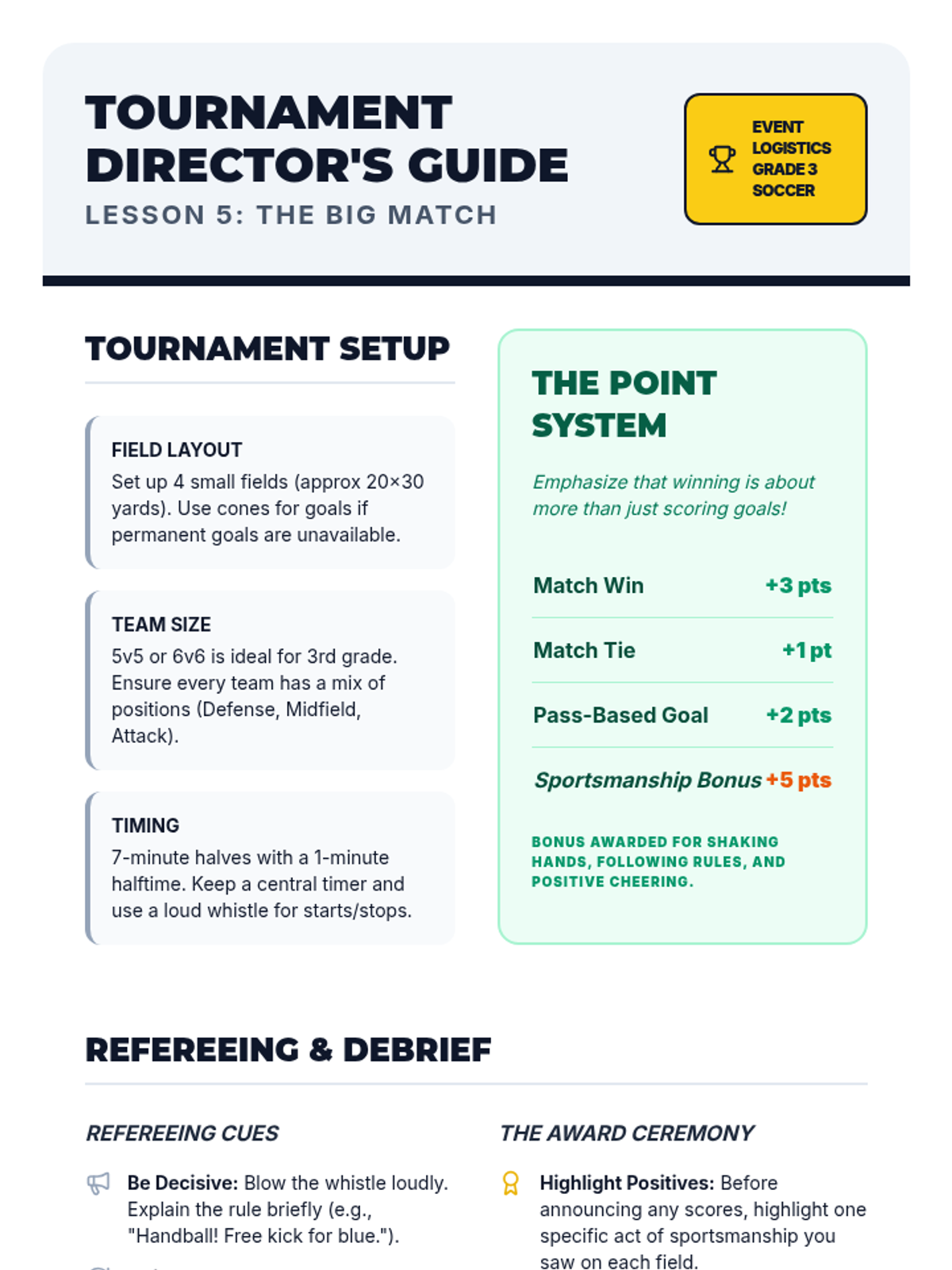
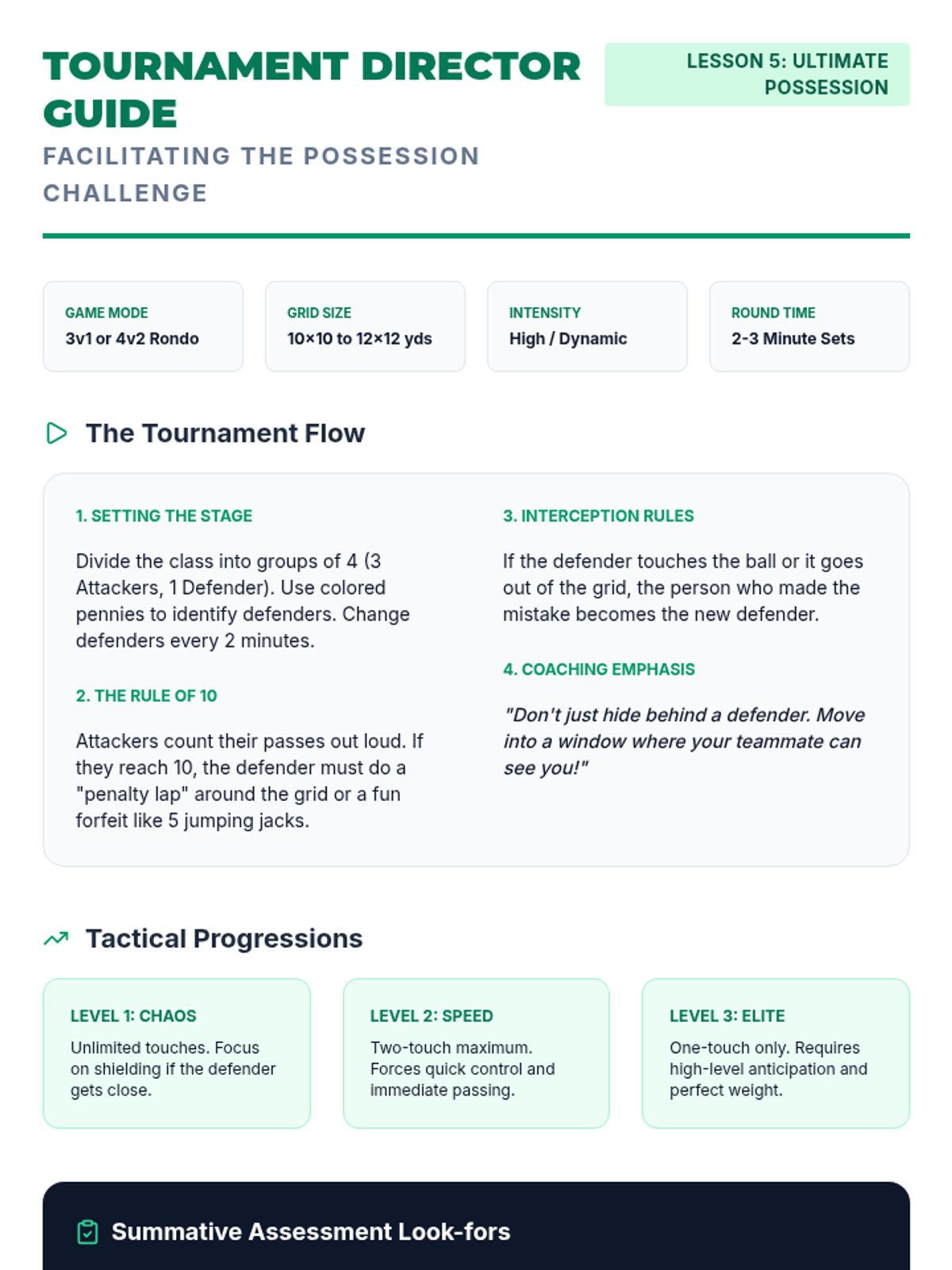
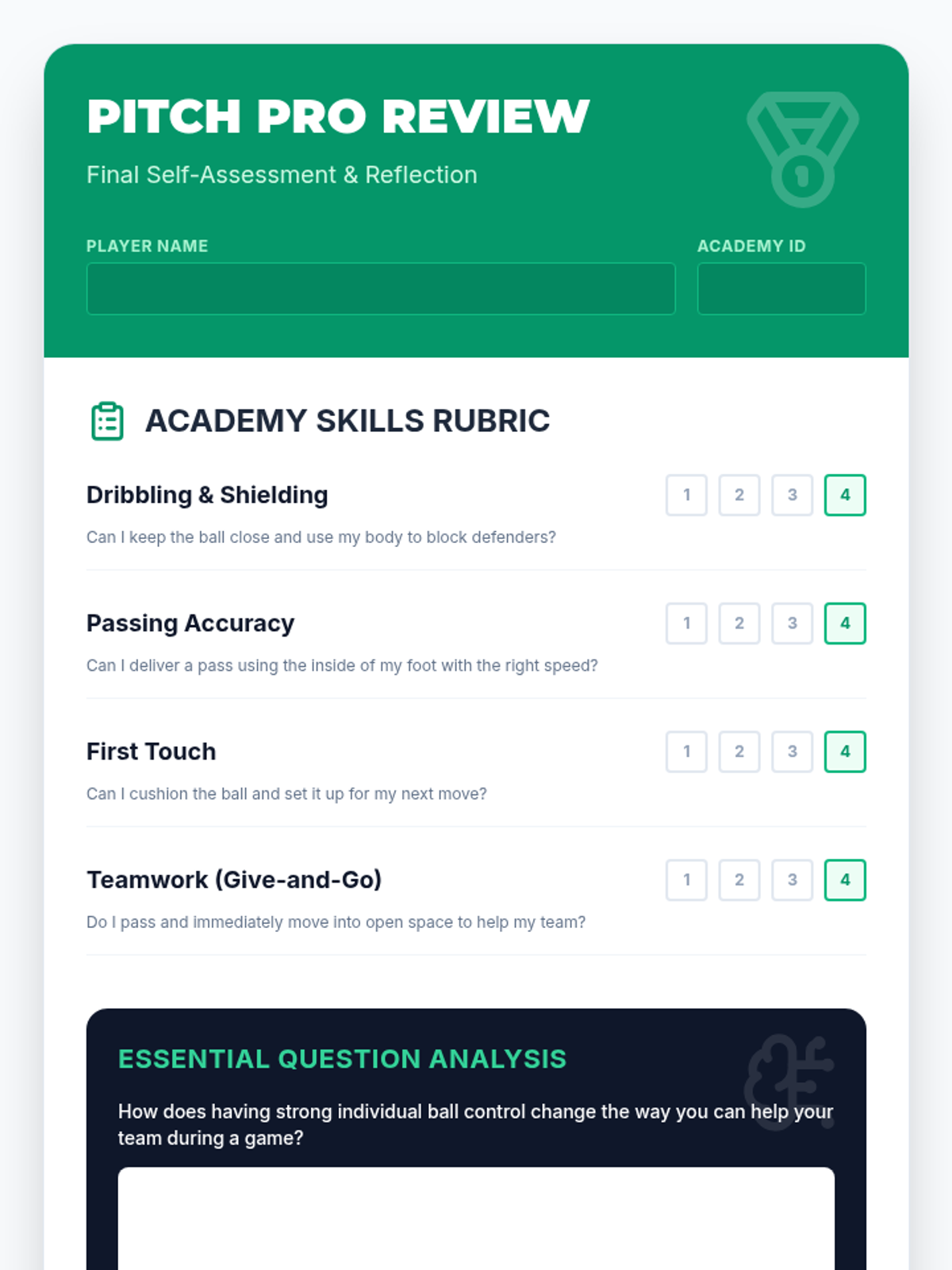
A culminating class tournament where students apply all learned skills, roles, and rules while demonstrating high levels of sportsmanship.
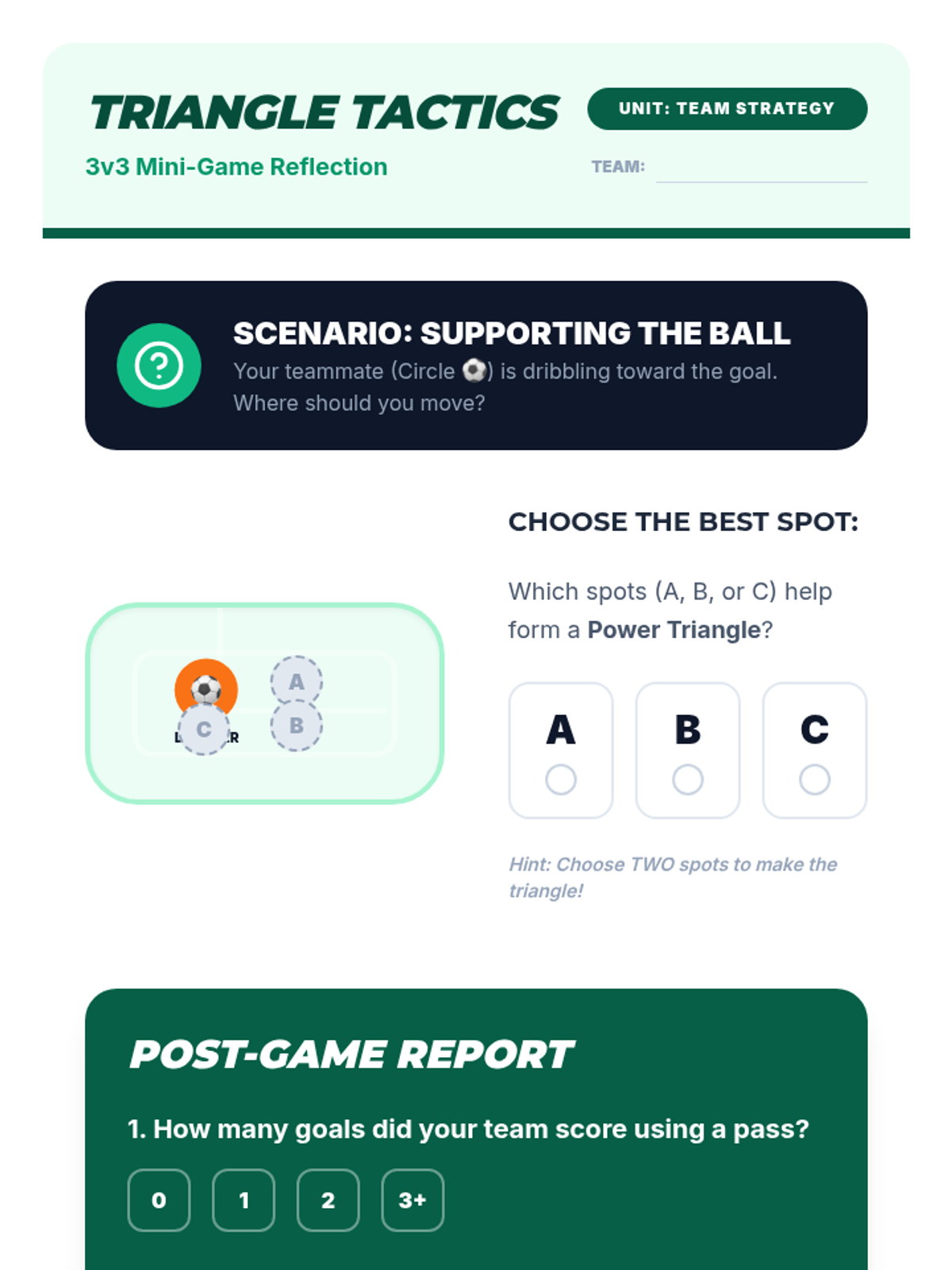
Small-sided games focusing on the 'triangle' supporting formation to ensure all students remain active and engaged with the ball.
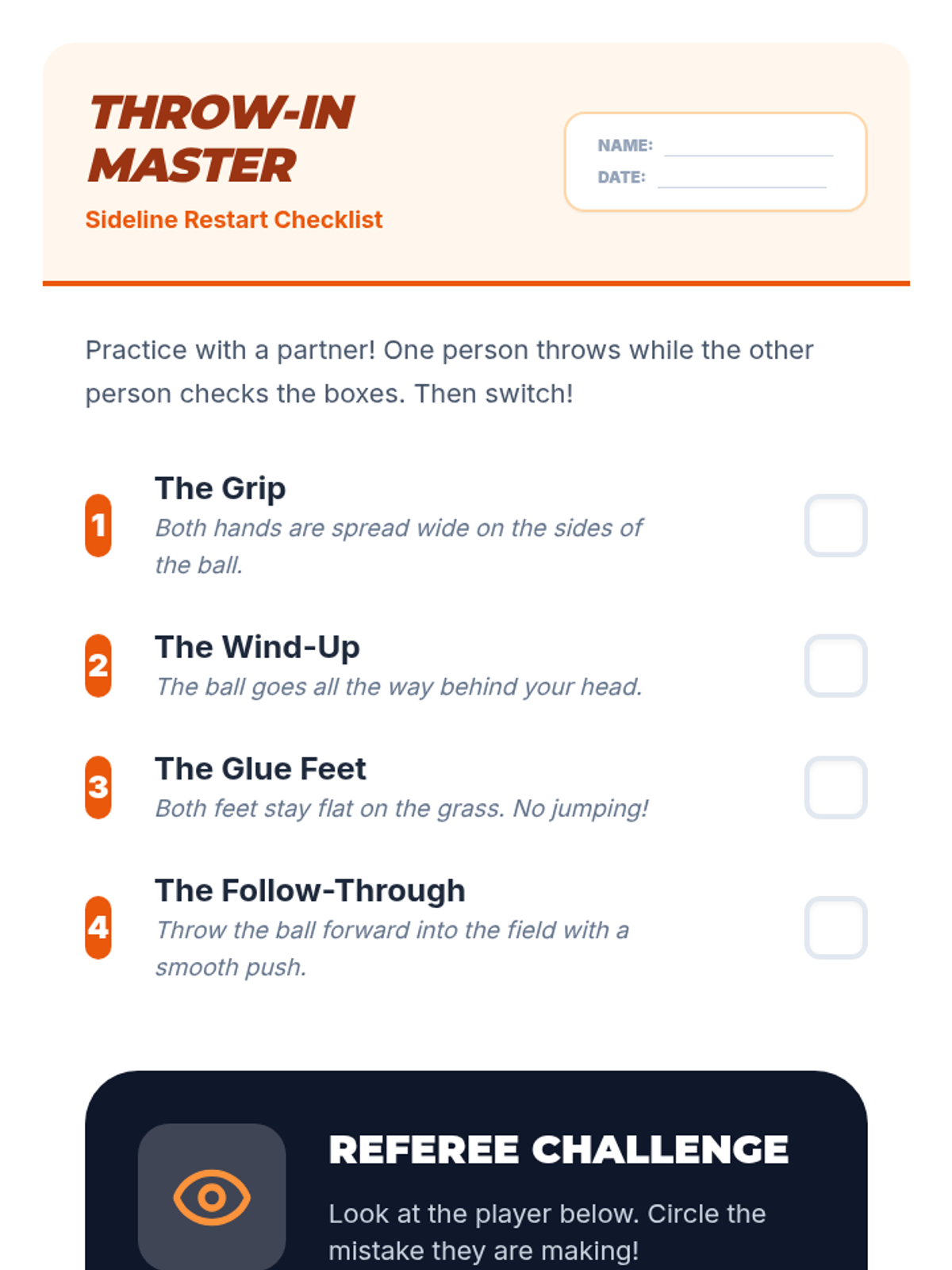
A workshop-style lesson teaching the mechanics of legal restarts, including throw-ins, corner kicks, and goal kicks.
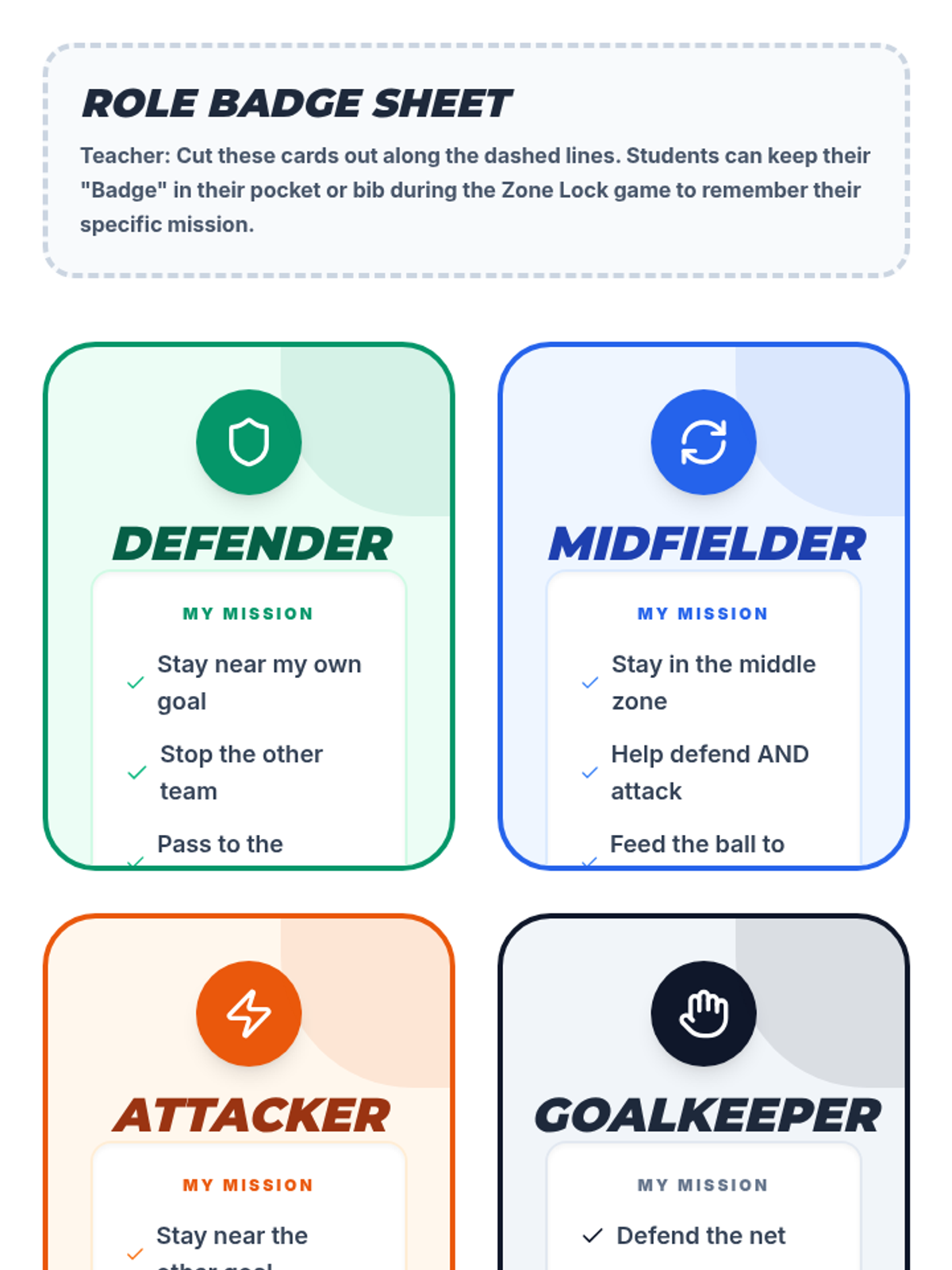
Introduction to the three main areas of the field—Defense, Midfield, and Attack—and the specific responsibilities associated with each role.
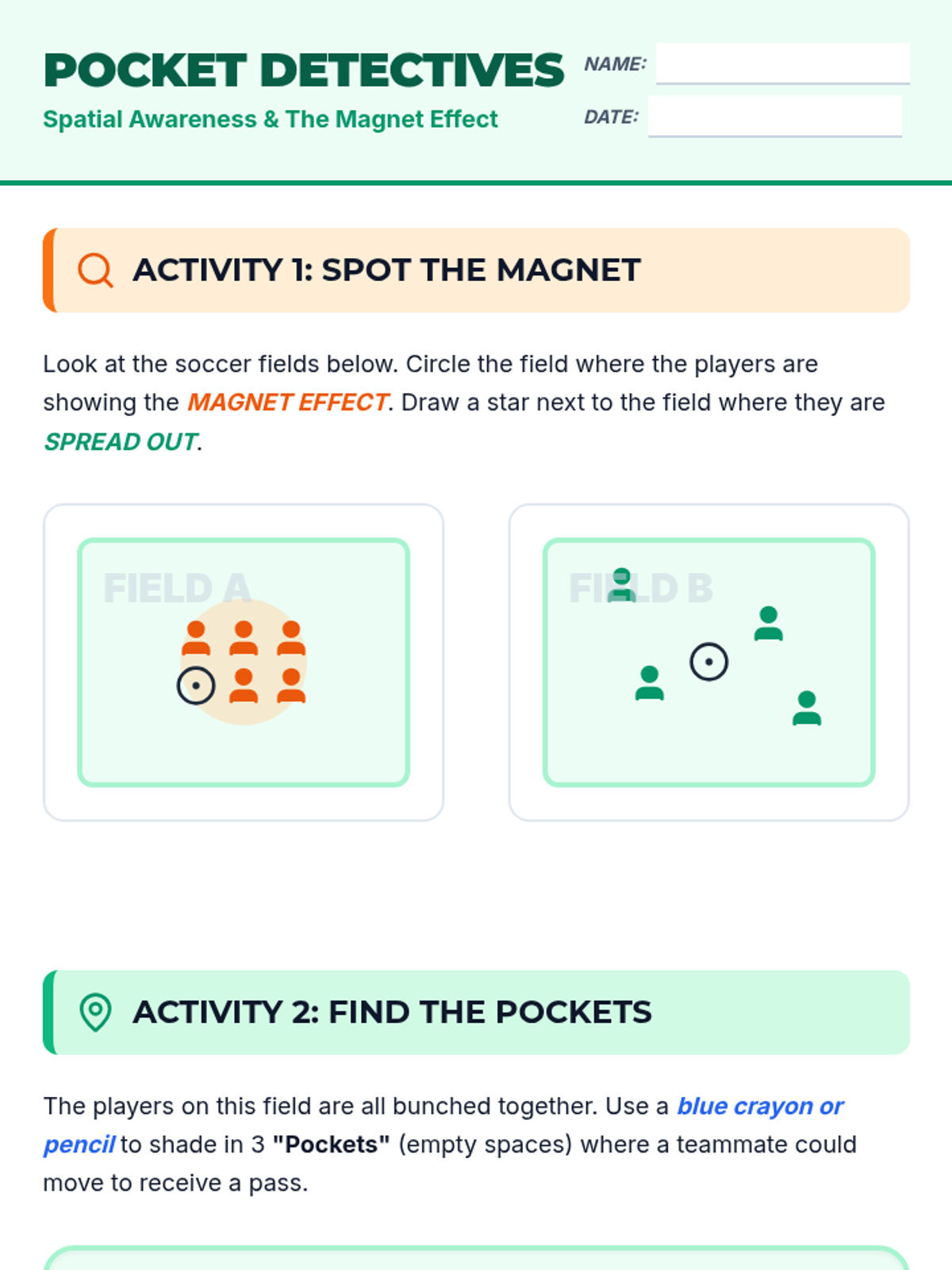
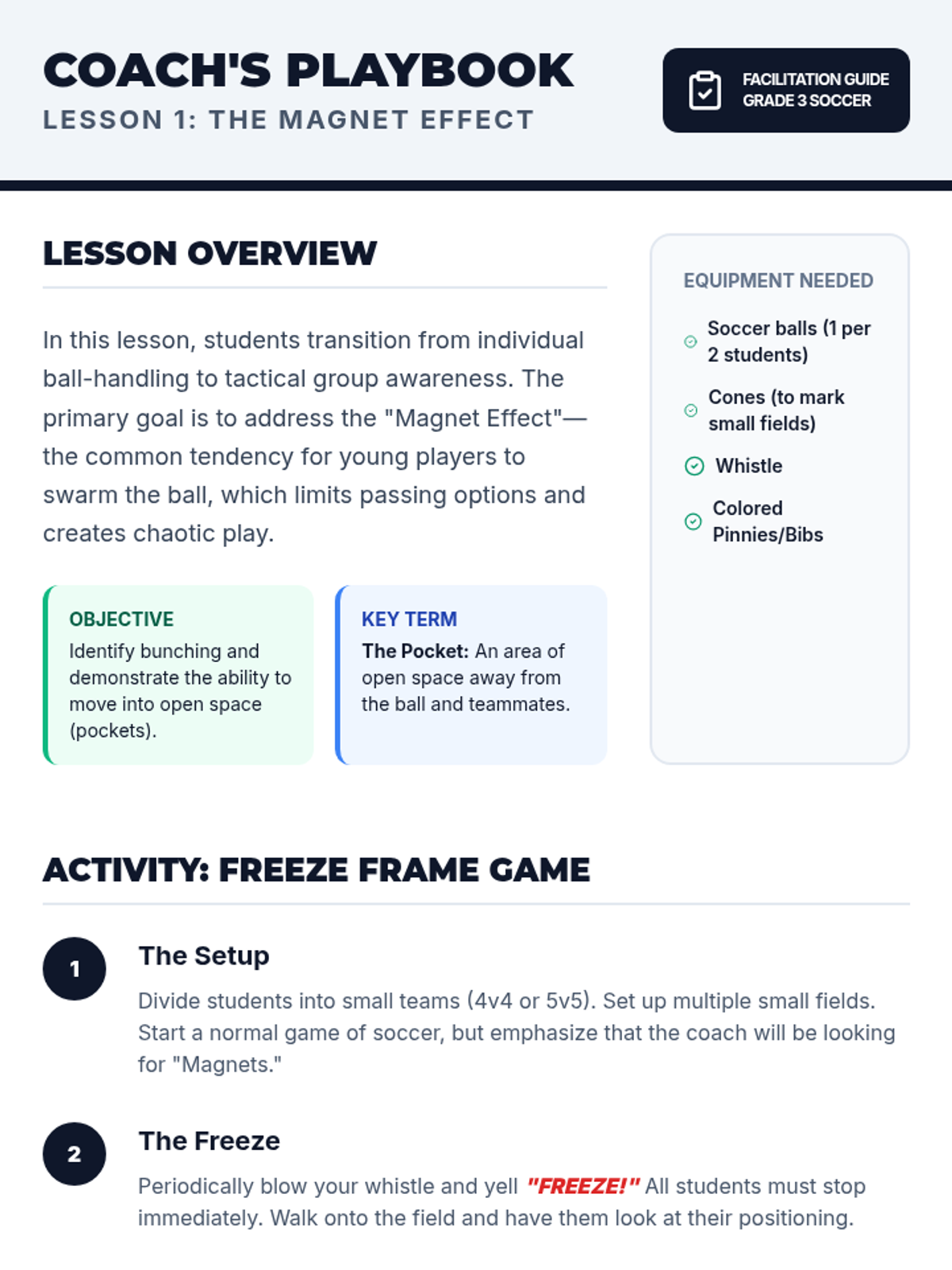
Students investigate the 'magnet effect' where players bunch around the ball and learn the tactical importance of spreading out to create space.
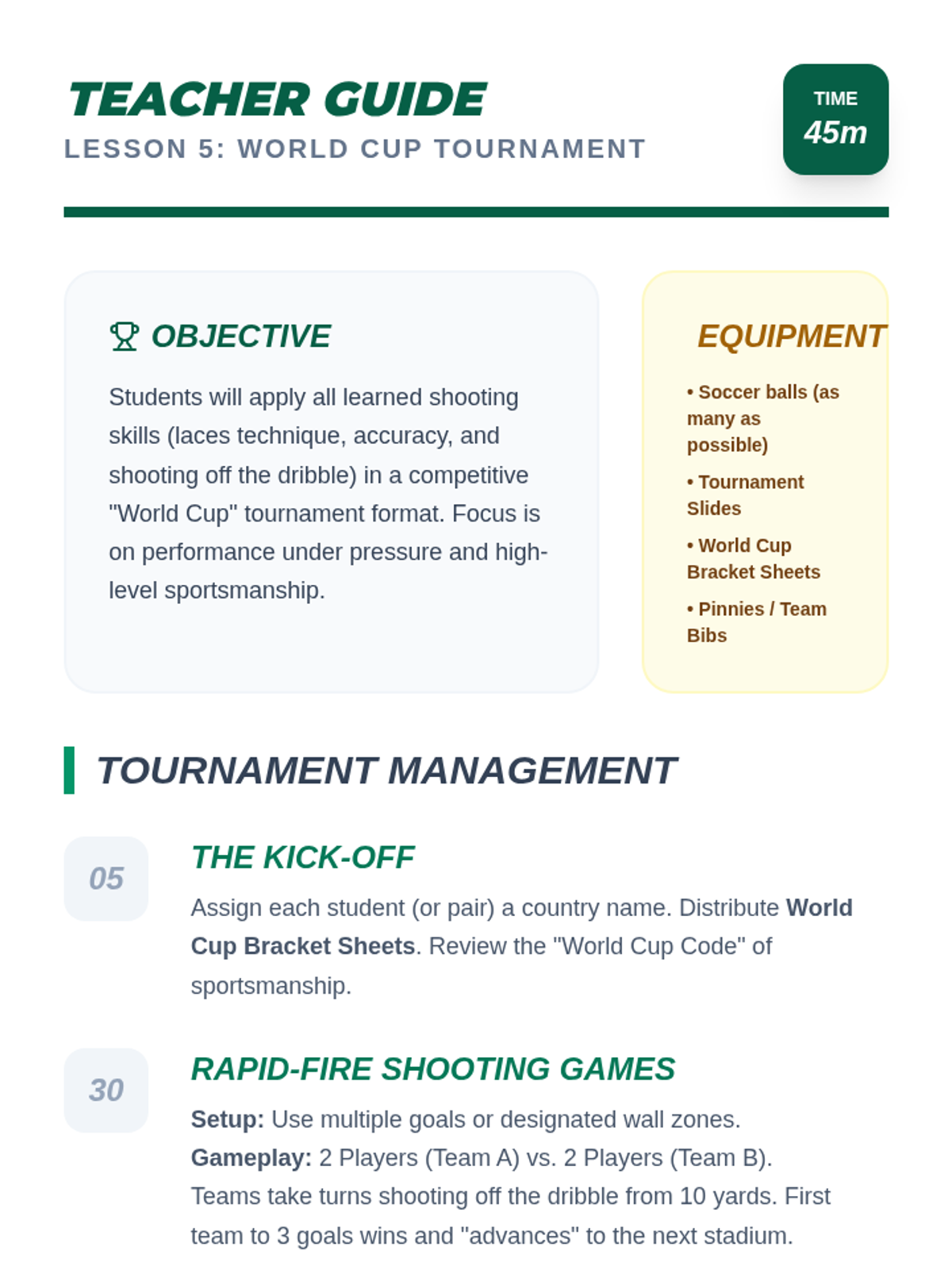
A high-energy, rapid-fire tournament where students apply all learned skills under pressure while practicing sportsmanship.
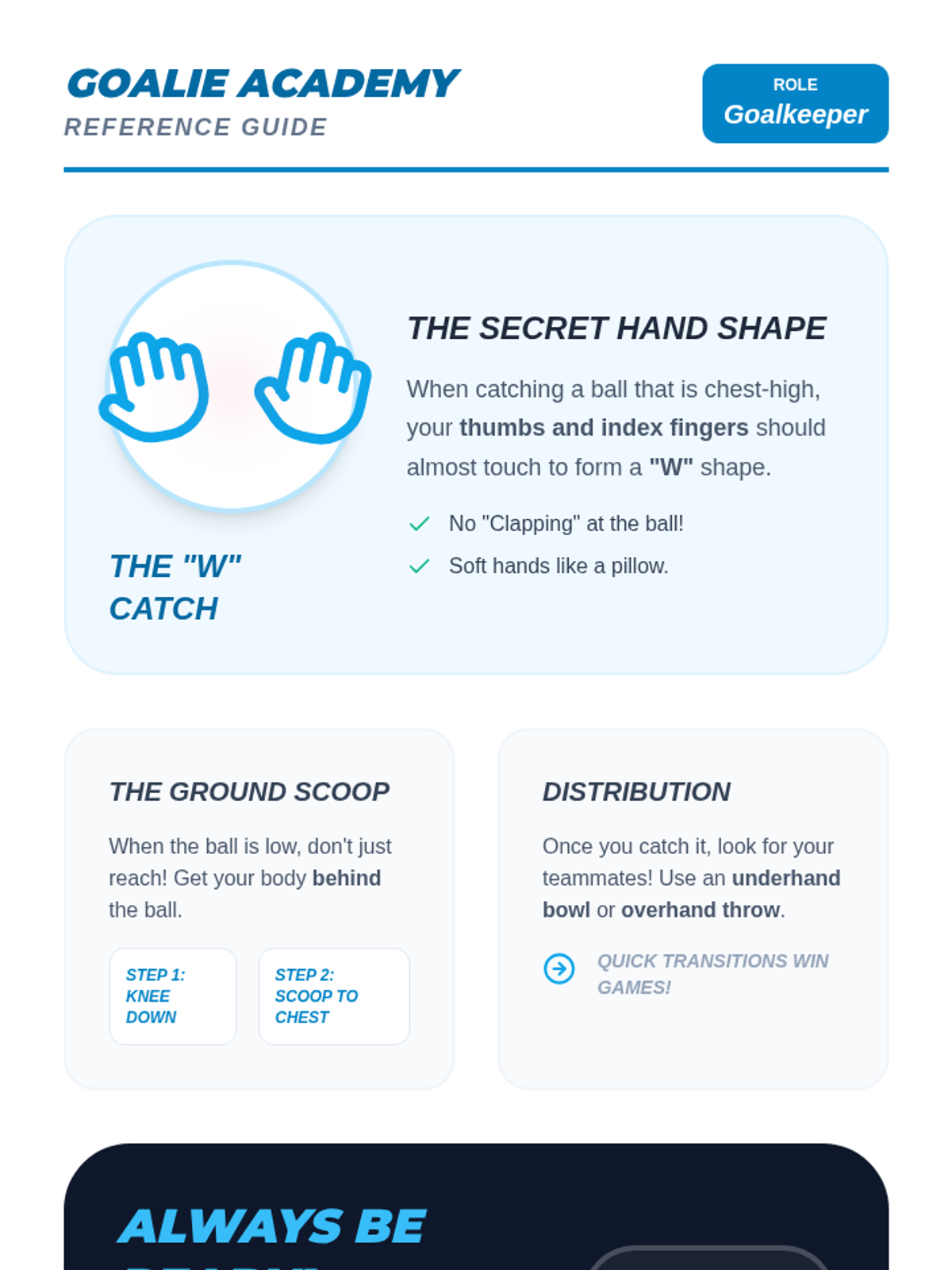
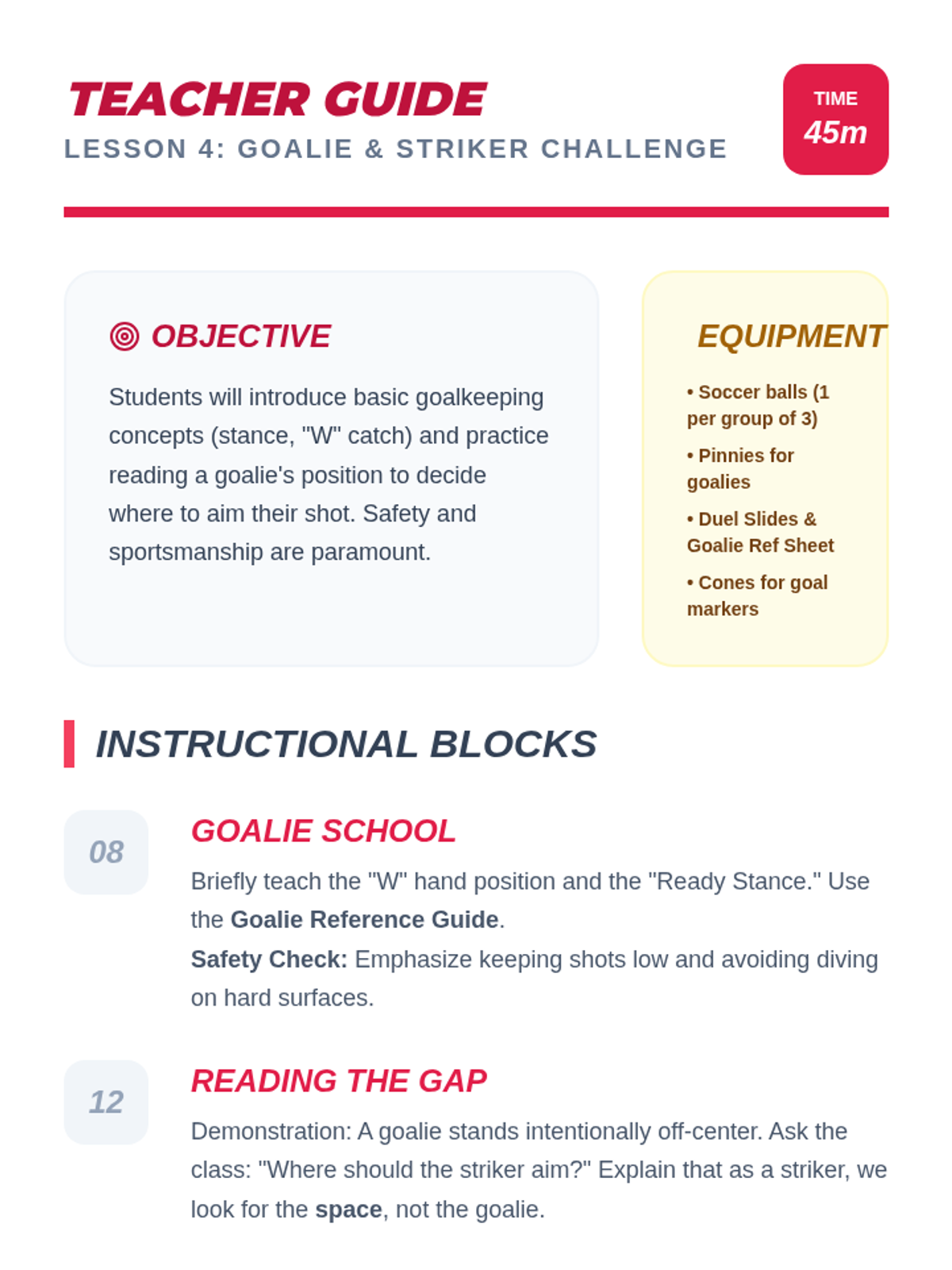
Introducing the goalkeeper role, students learn to read the goalie's position and basic goalkeeping stance in a competitive but safe environment.
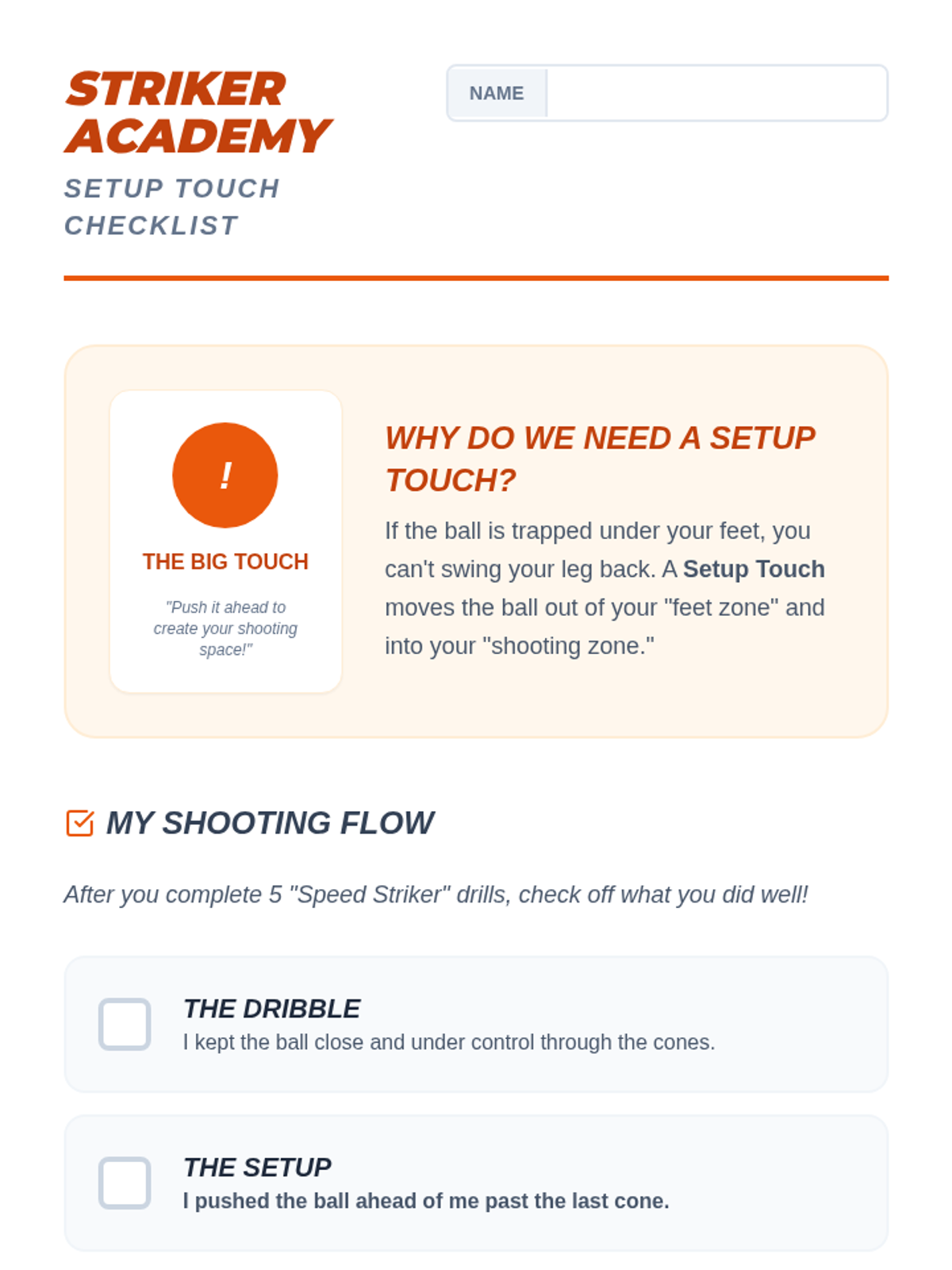
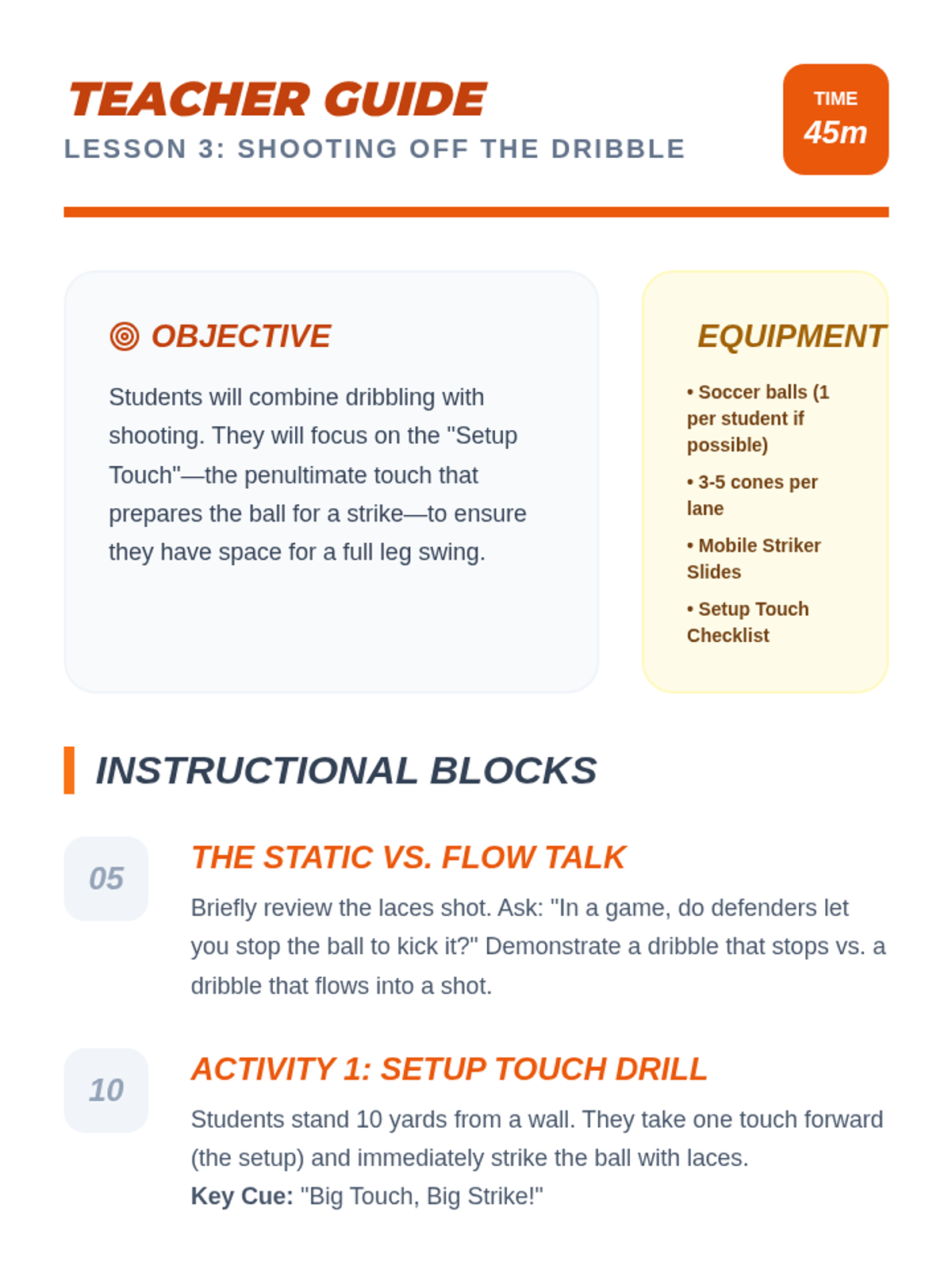
Students practice transitioning from a dribble into a shot, focusing on the importance of the 'setup touch' to prepare for the strike.
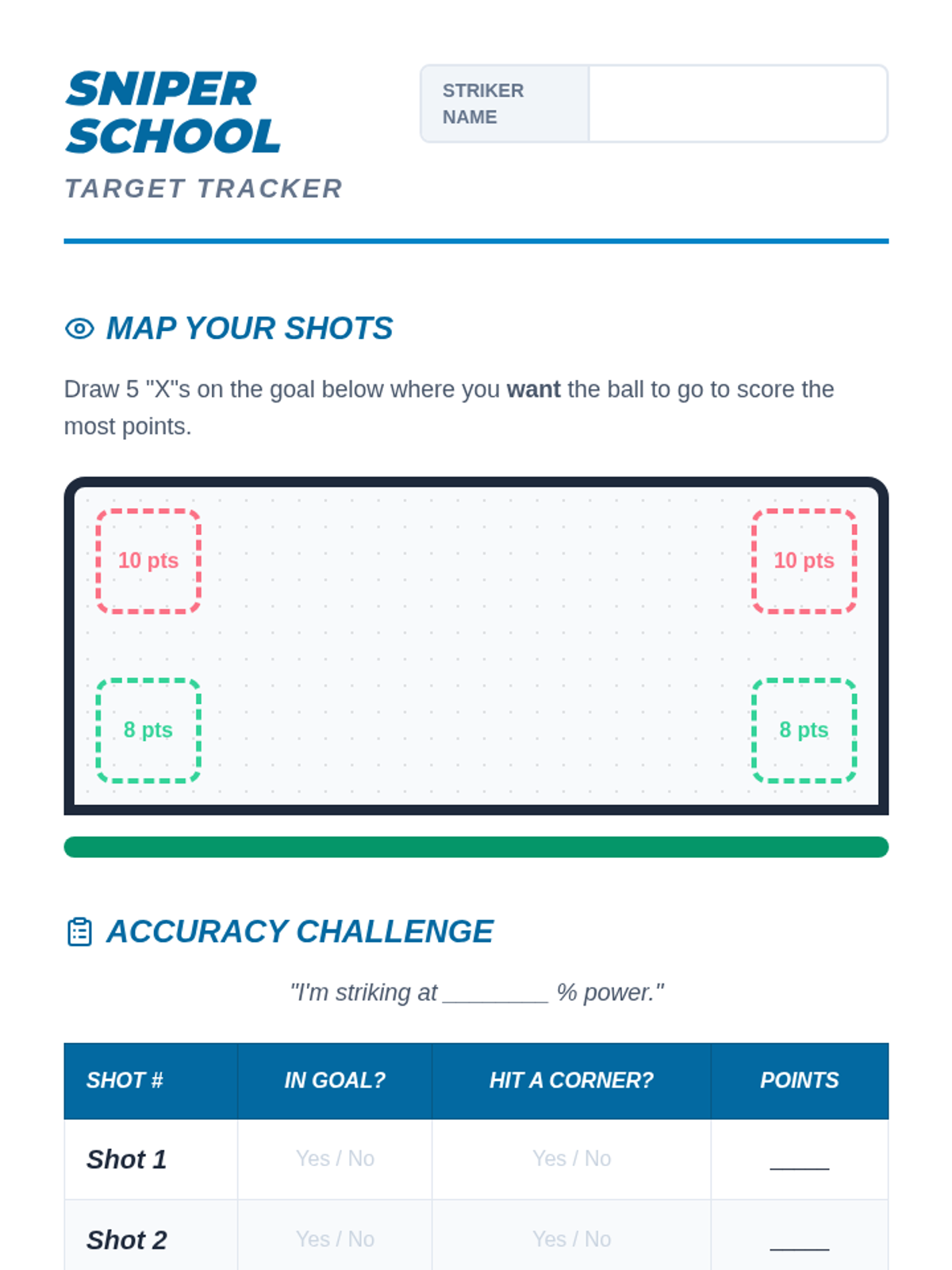
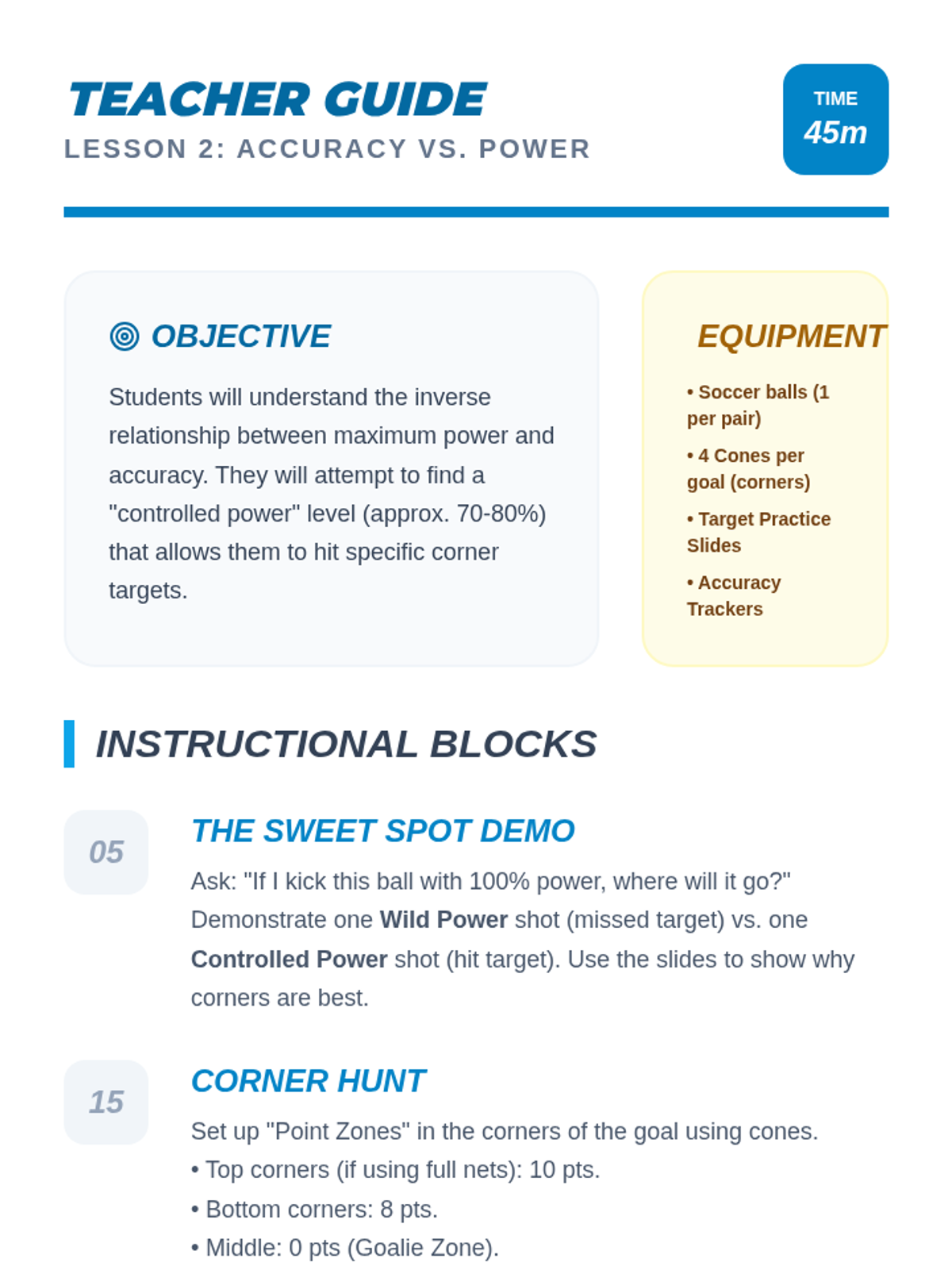
Students explore the trade-off between power and accuracy through target practice, learning to find the 'sweet spot' for scoring.
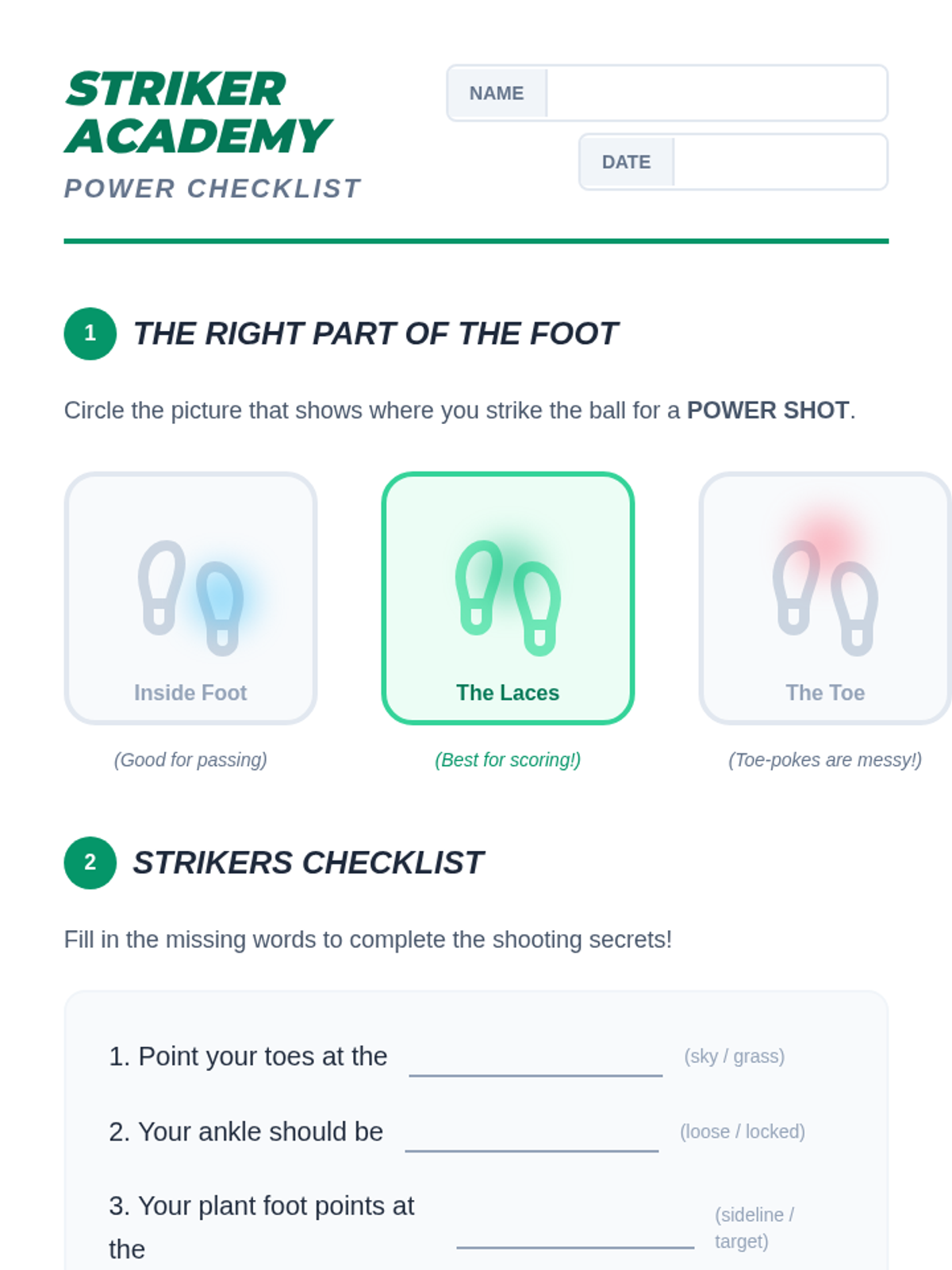
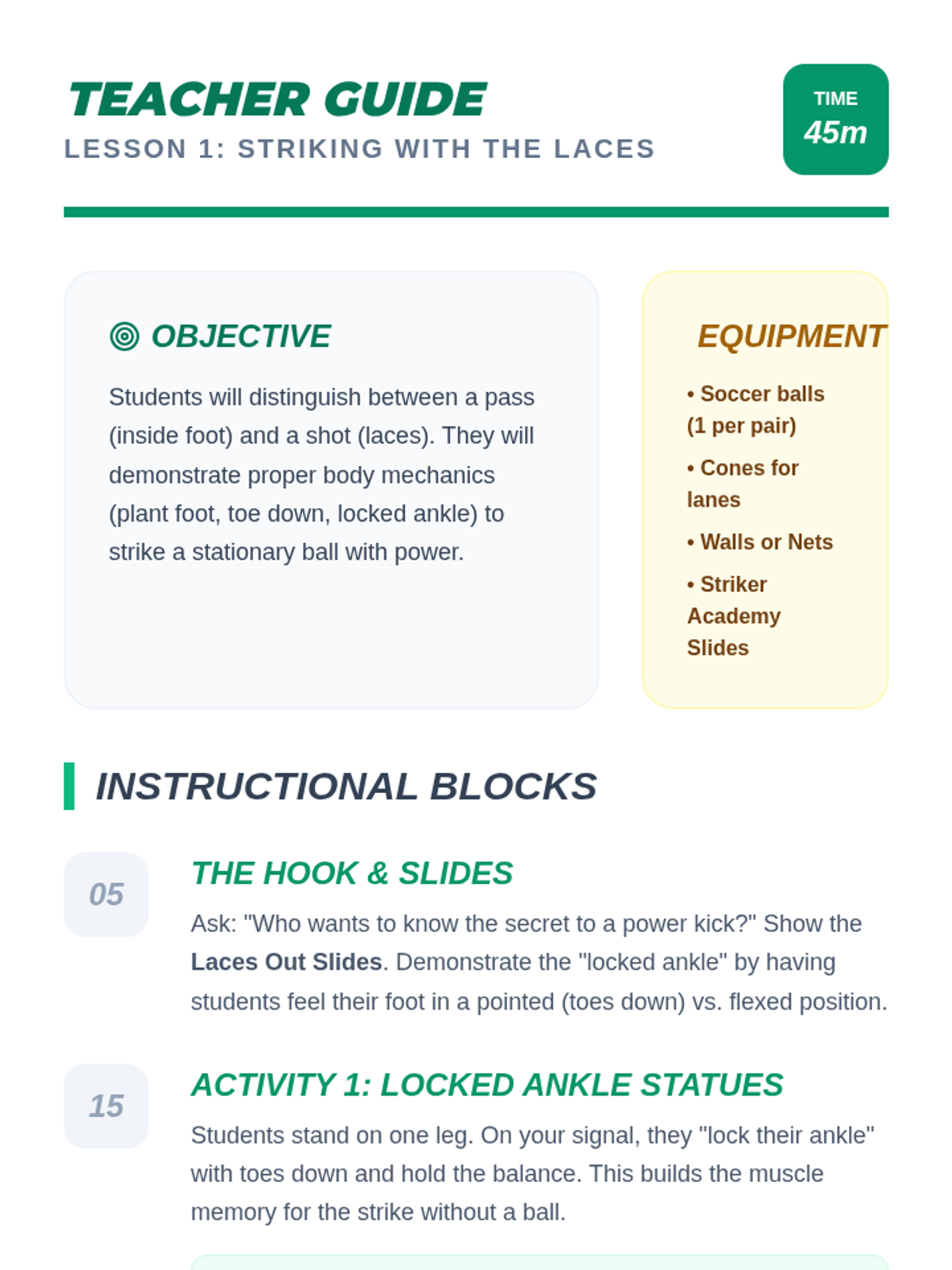
Students learn the fundamental technique of striking the ball with their laces (instep) to generate power, contrasting it with the inside-foot pass.
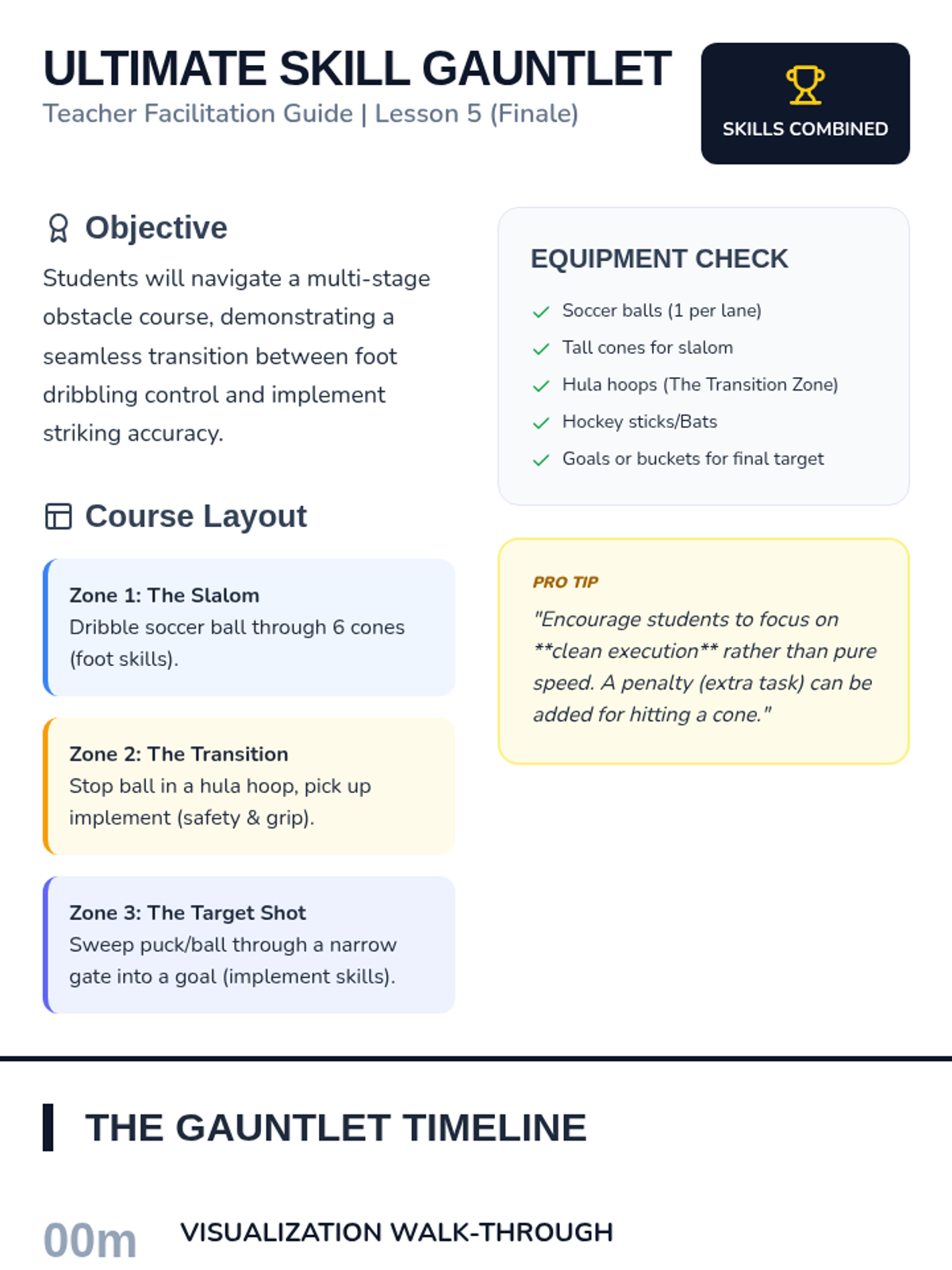
A cumulative obstacle course combining foot dribbling and implement striking in a fluid, high-energy sequence.
A culmination of skills applied in small-sided possession games focusing on decision-making.
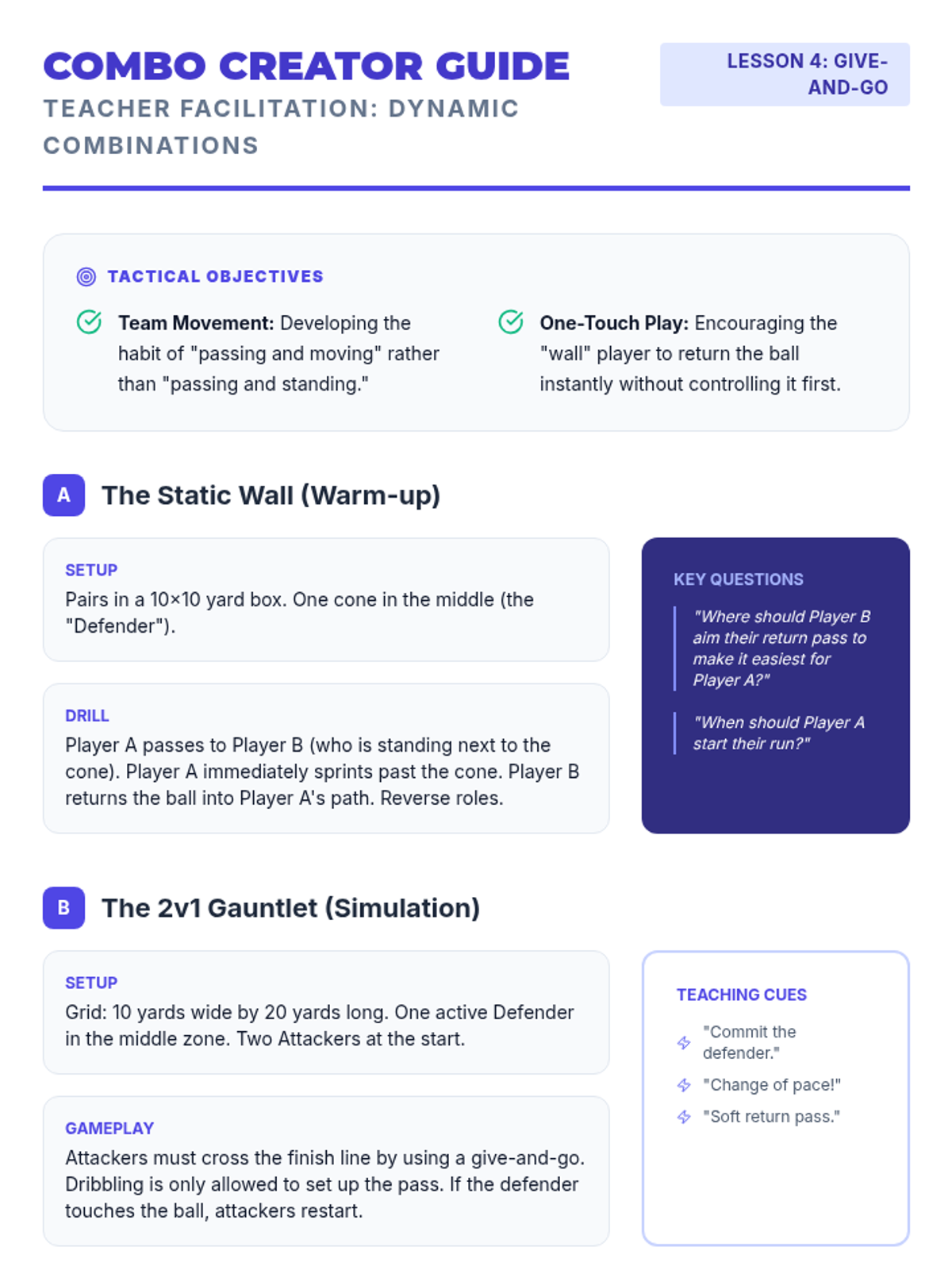
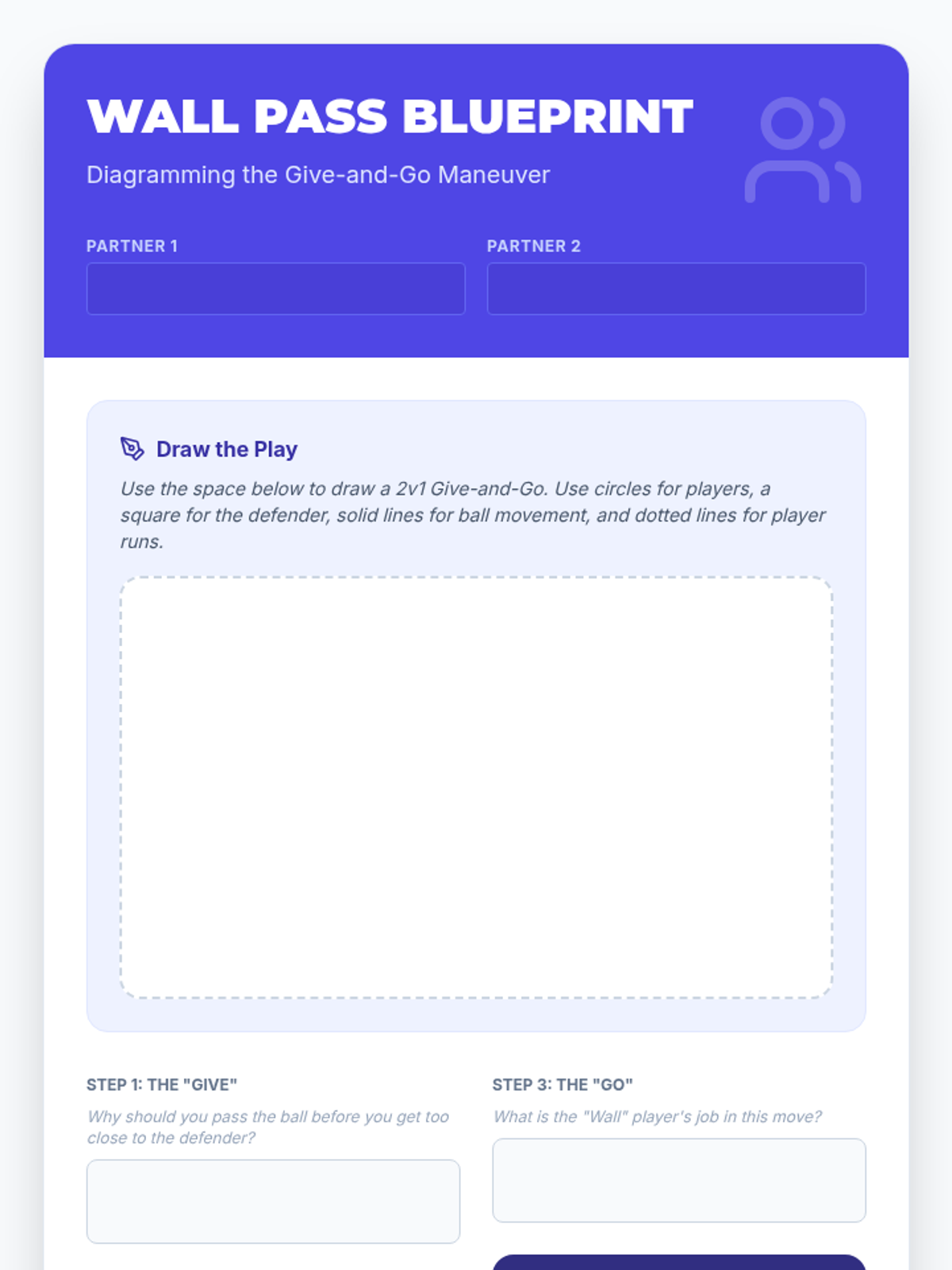
Introduces the wall pass or give-and-go as a way to bypass defenders through teamwork.
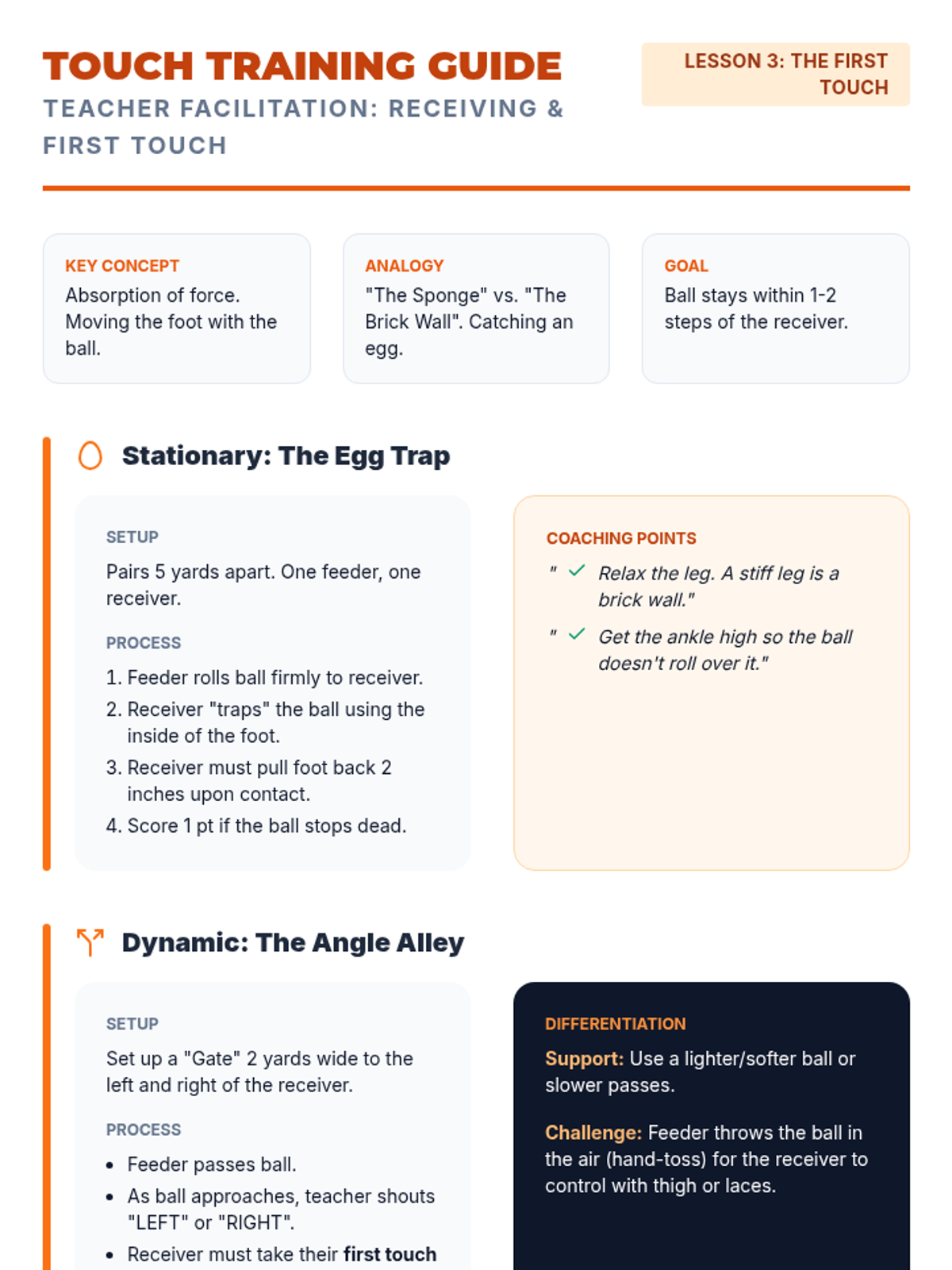
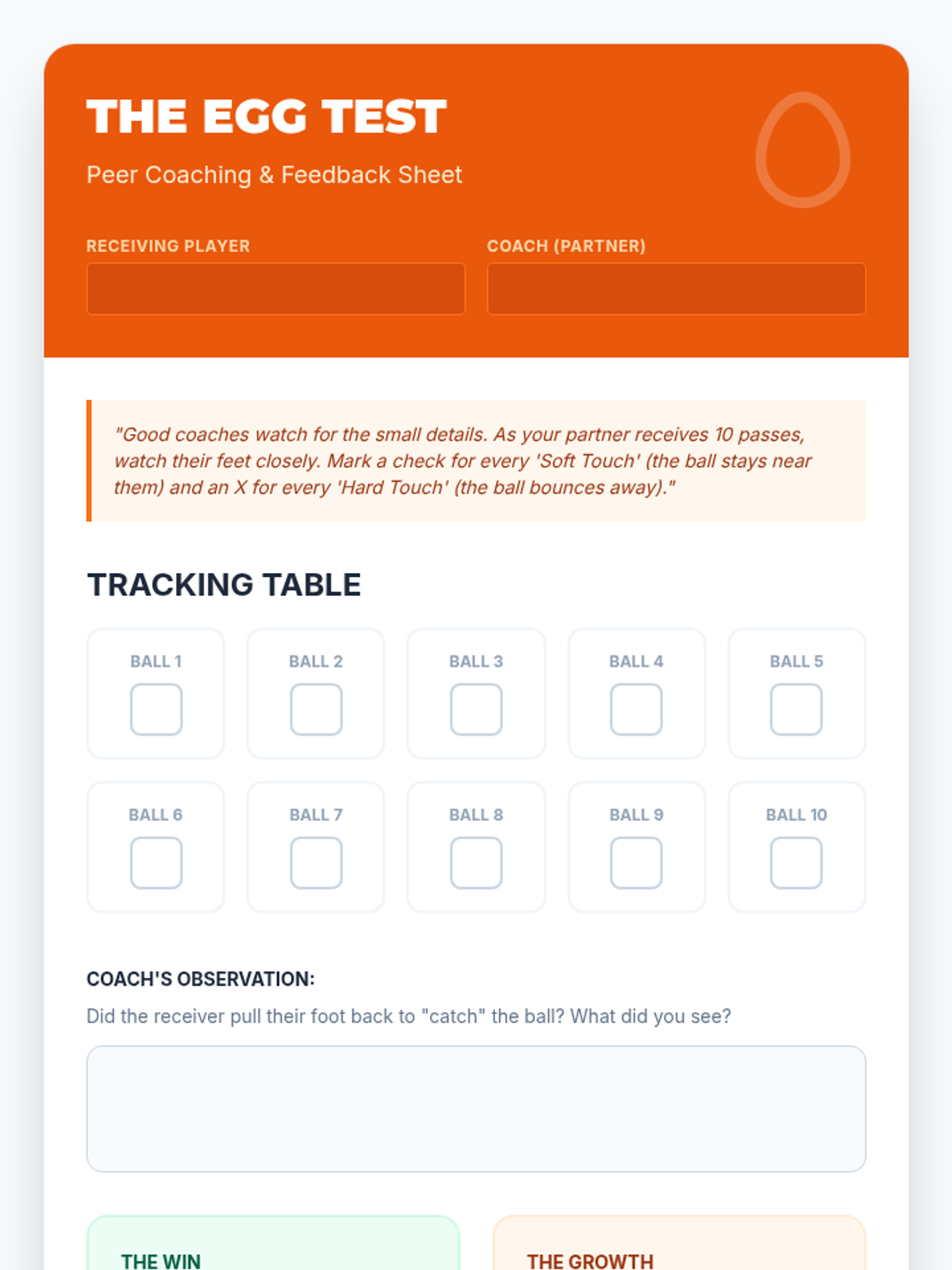
Teaches students how to cushion the ball's impact to maintain control during the first touch.
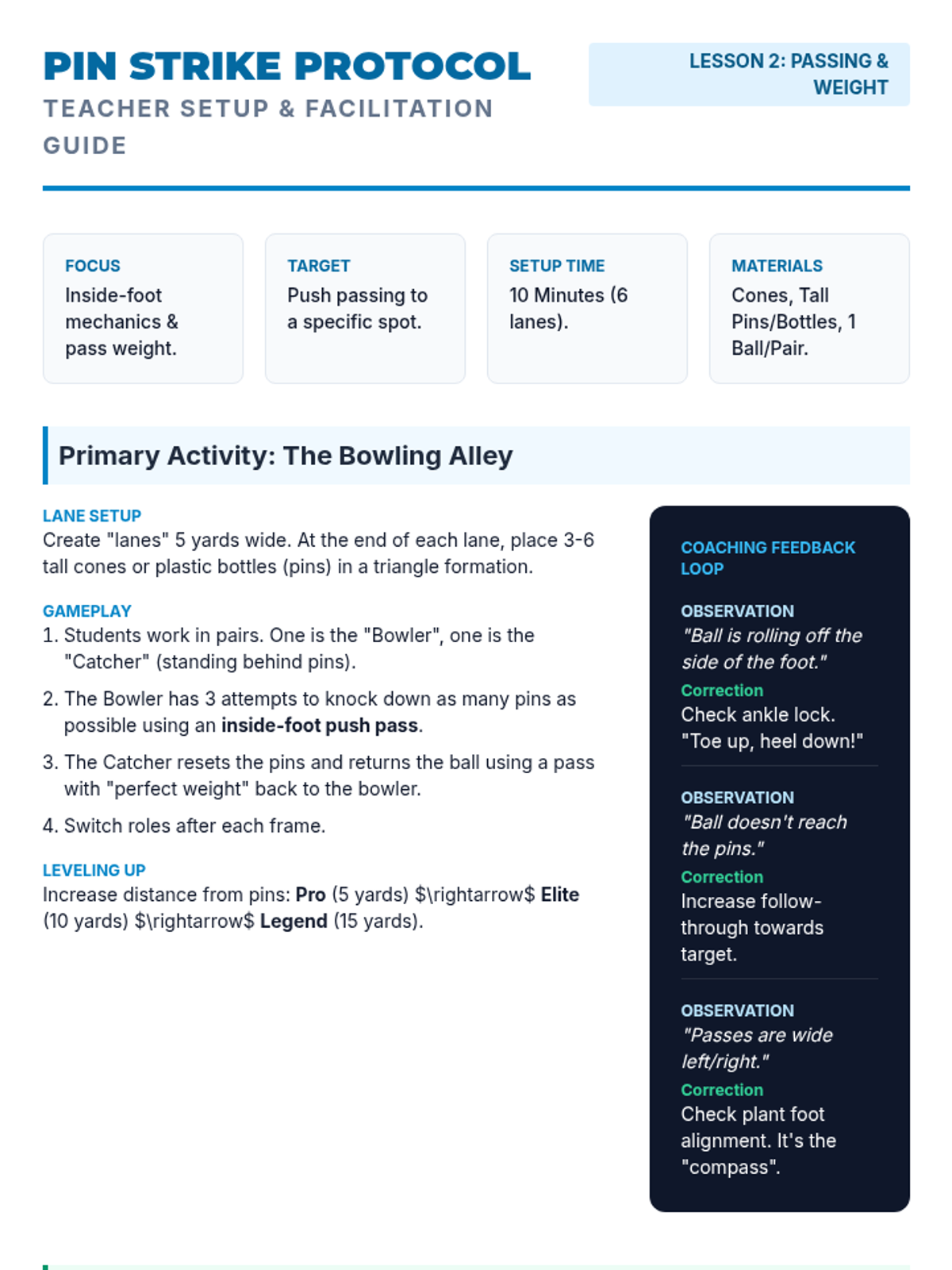
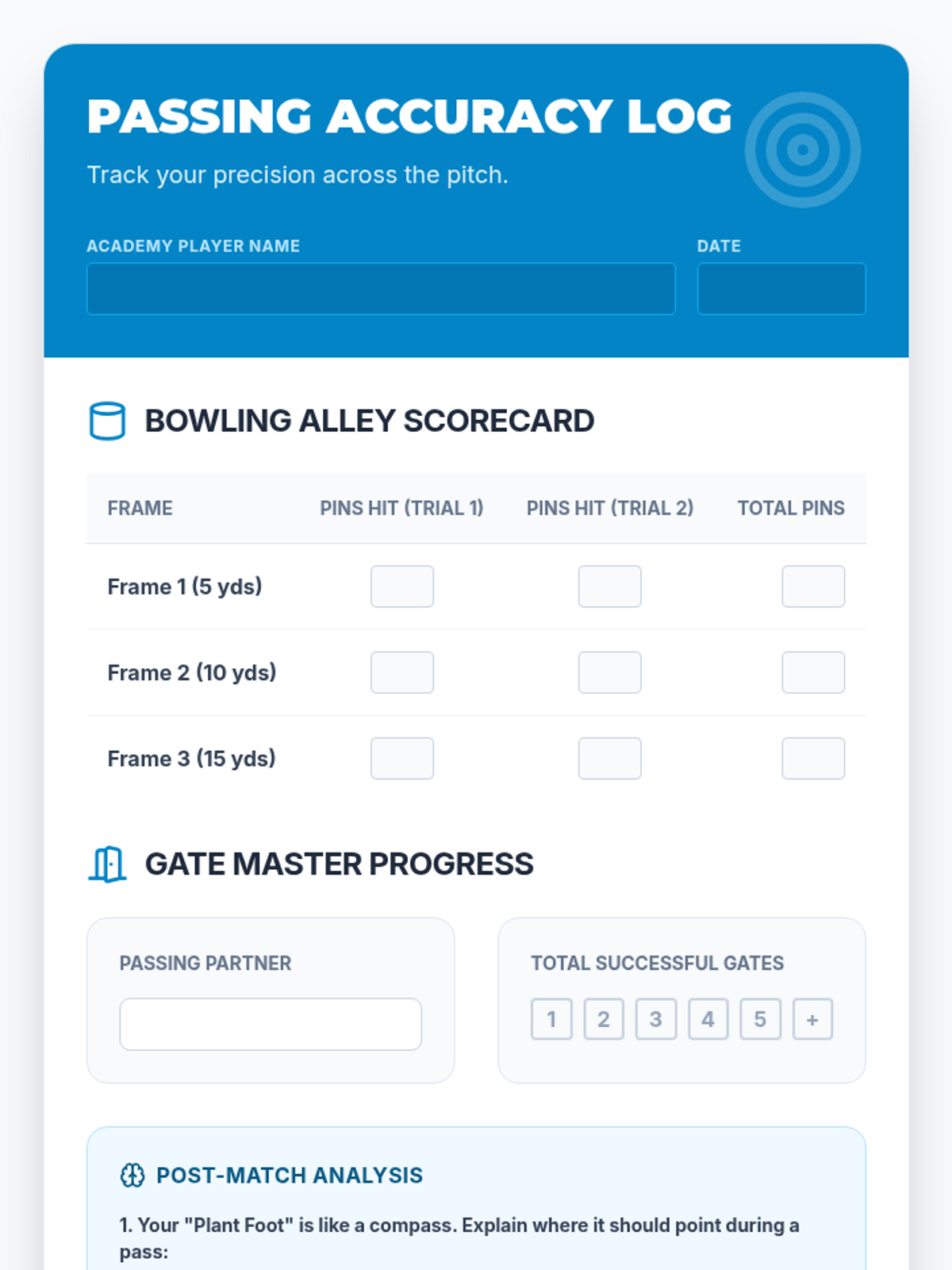
Focuses on the mechanics of the push pass for accuracy and the concept of 'weight' in passing.
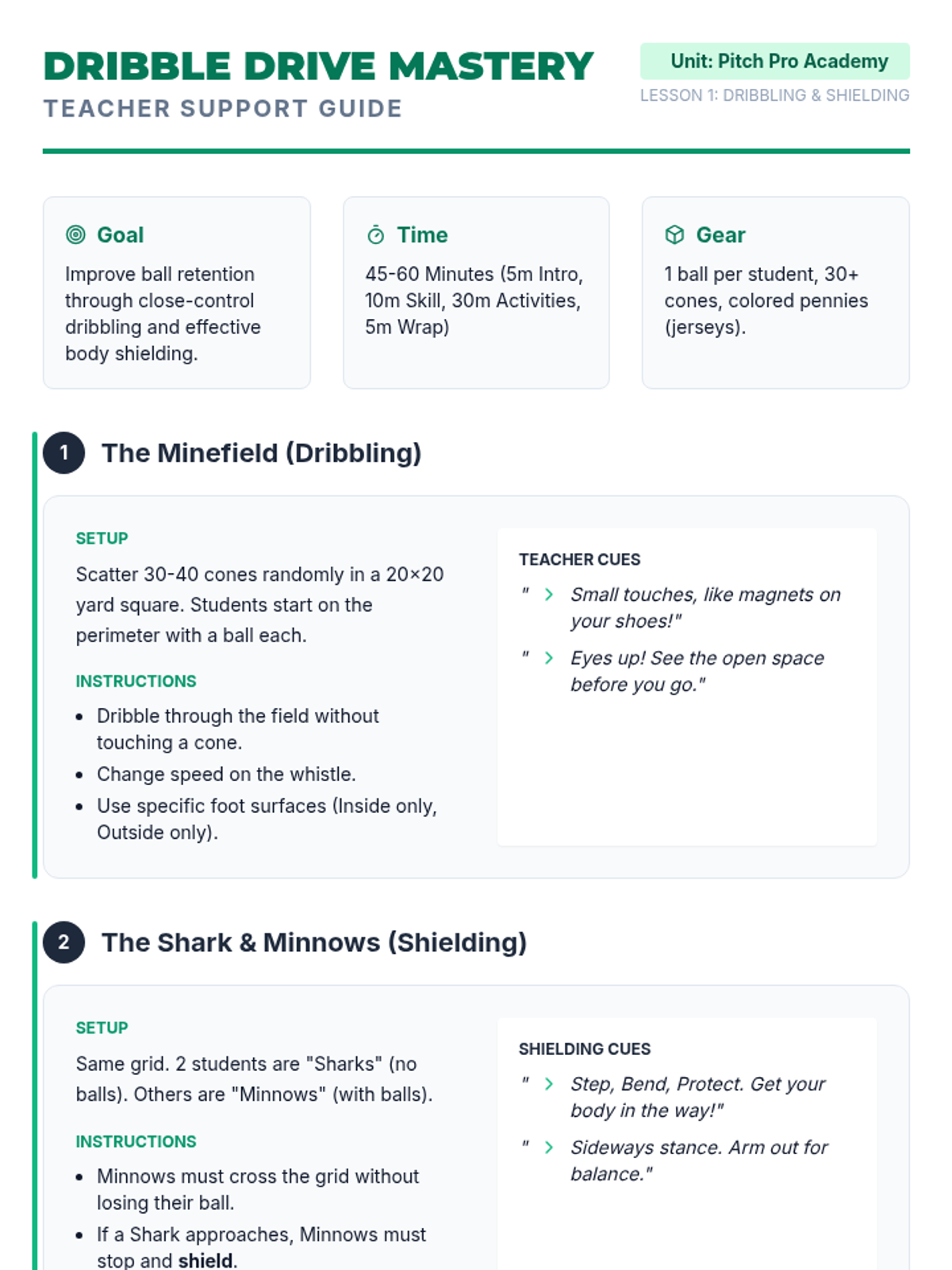
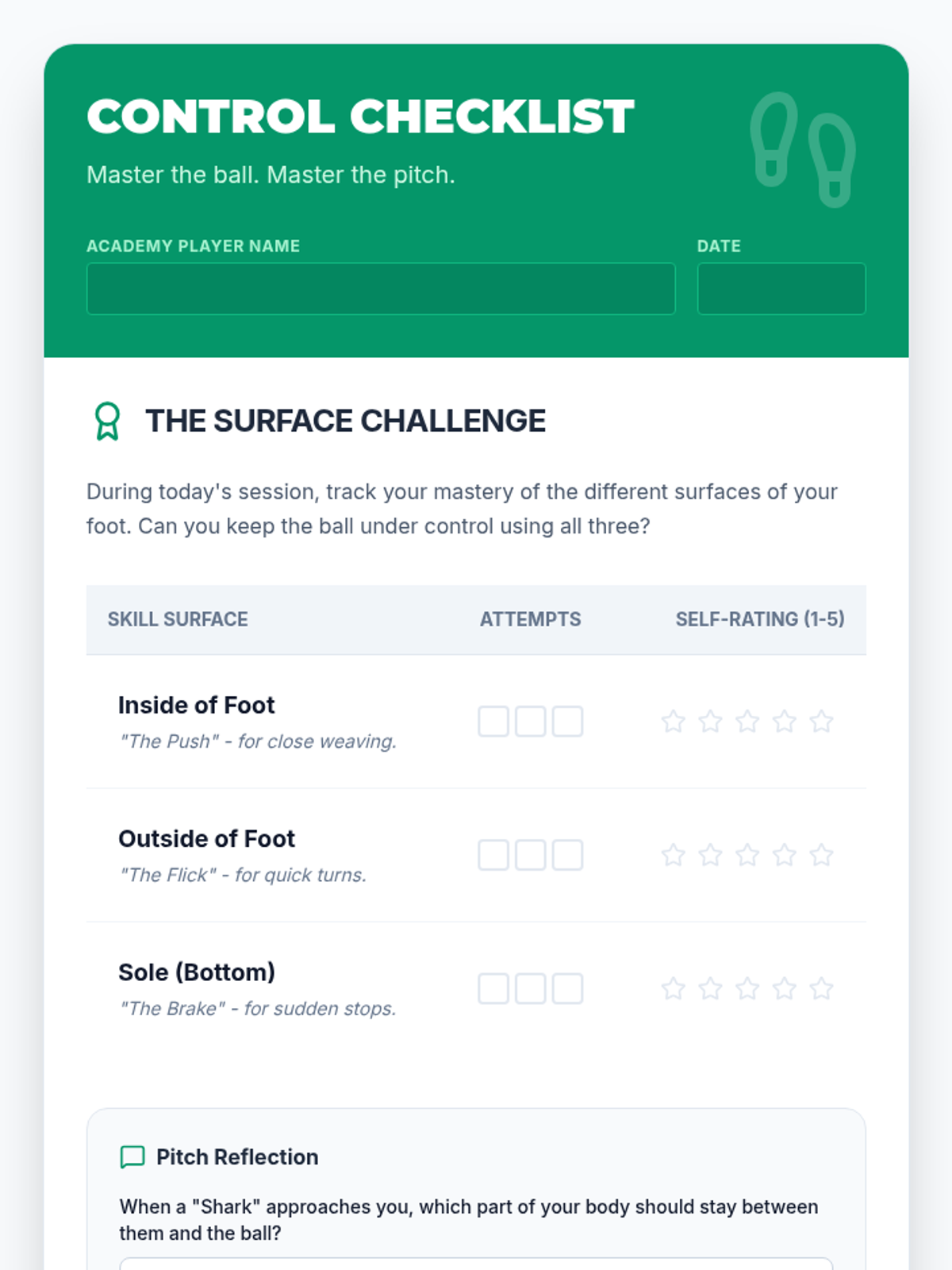
Students focus on keeping the ball close while moving and using their body to protect the ball from opponents.