Essential food groups, nutrient functions, and balanced meal planning. Develops skills for interpreting nutrition labels and adopting lifelong healthy eating patterns.
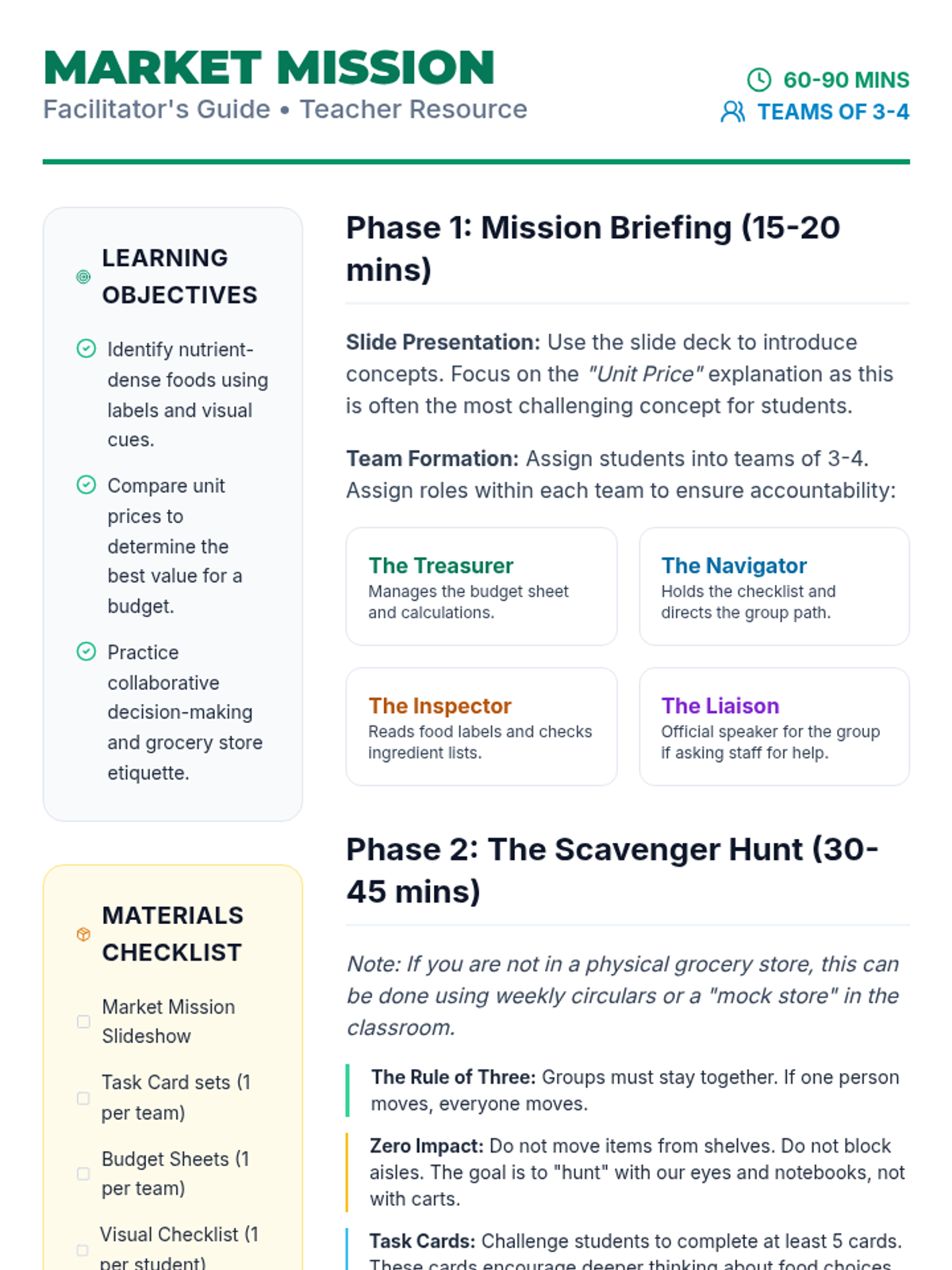
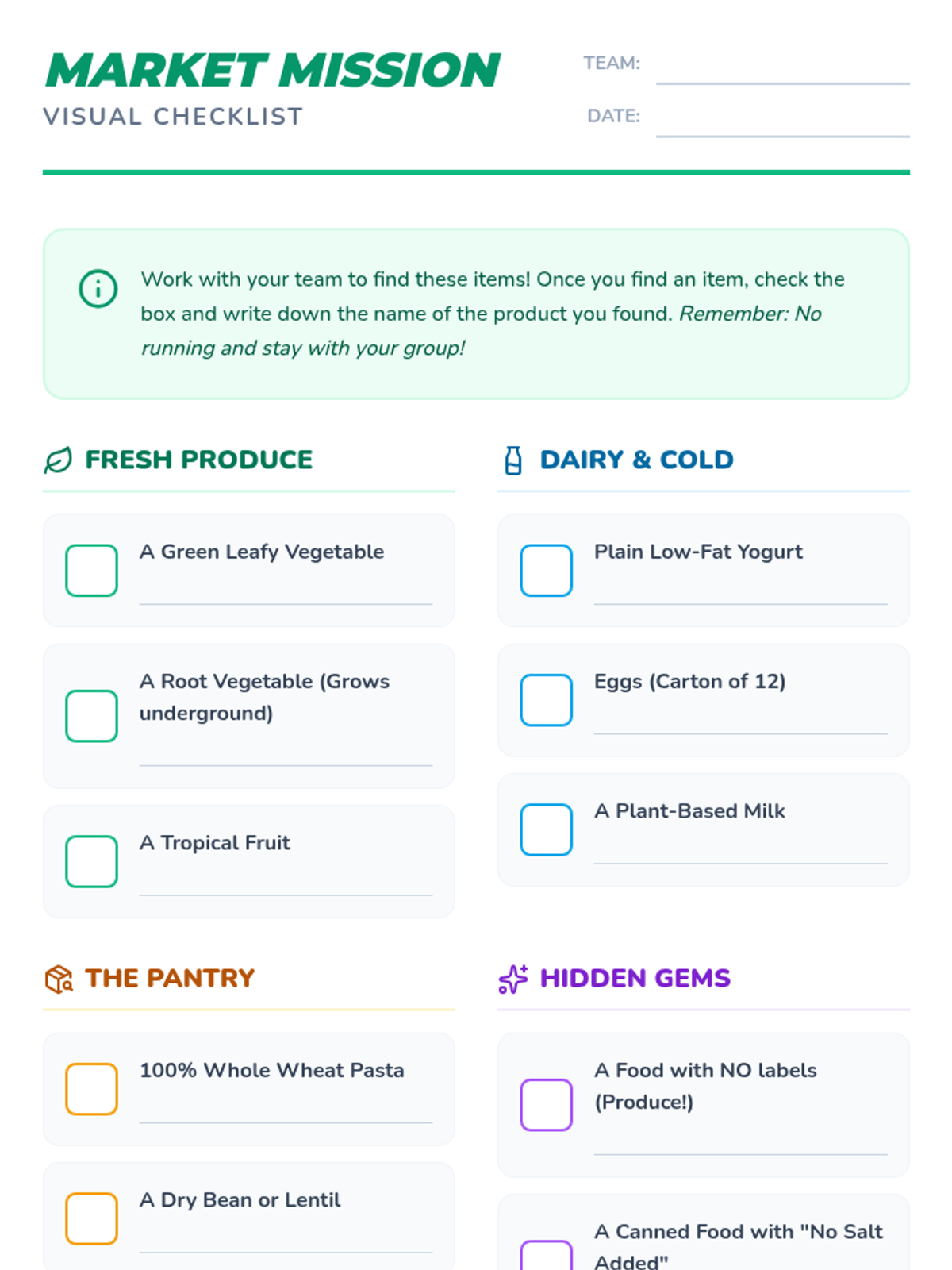
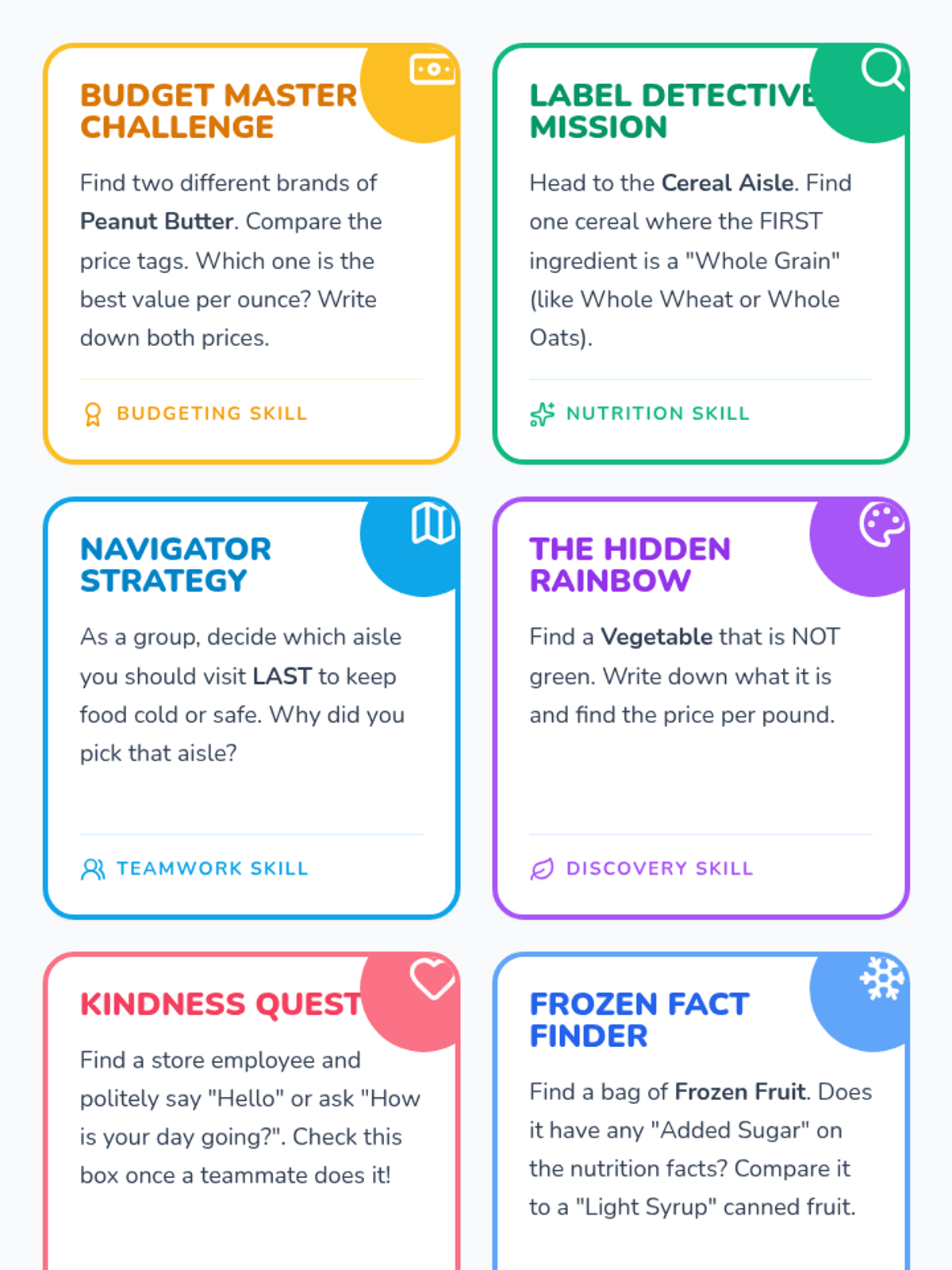
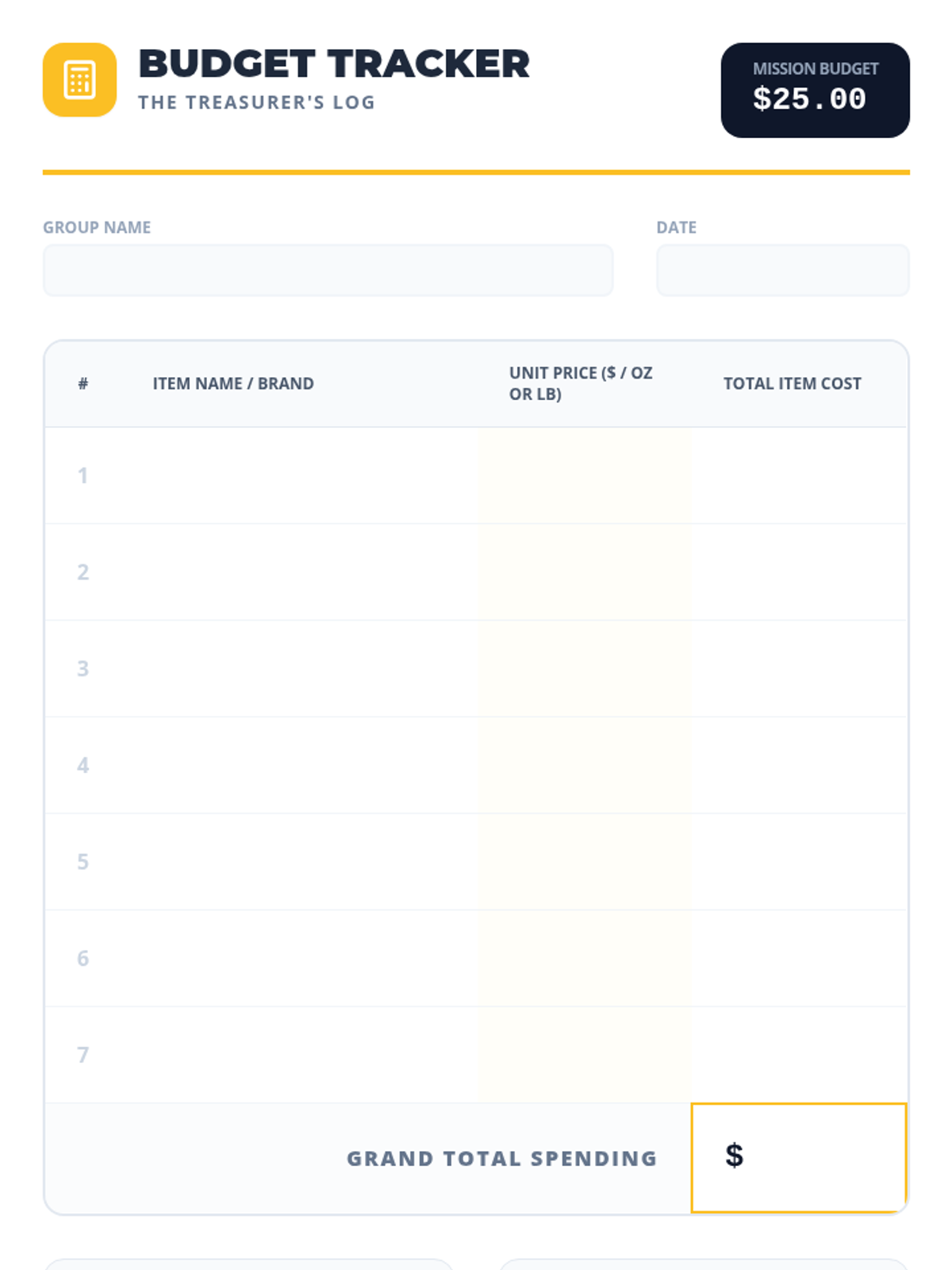
A group-building scavenger hunt where students work in teams to identify healthy foods, manage a budget, and practice social skills in a real-world grocery setting.
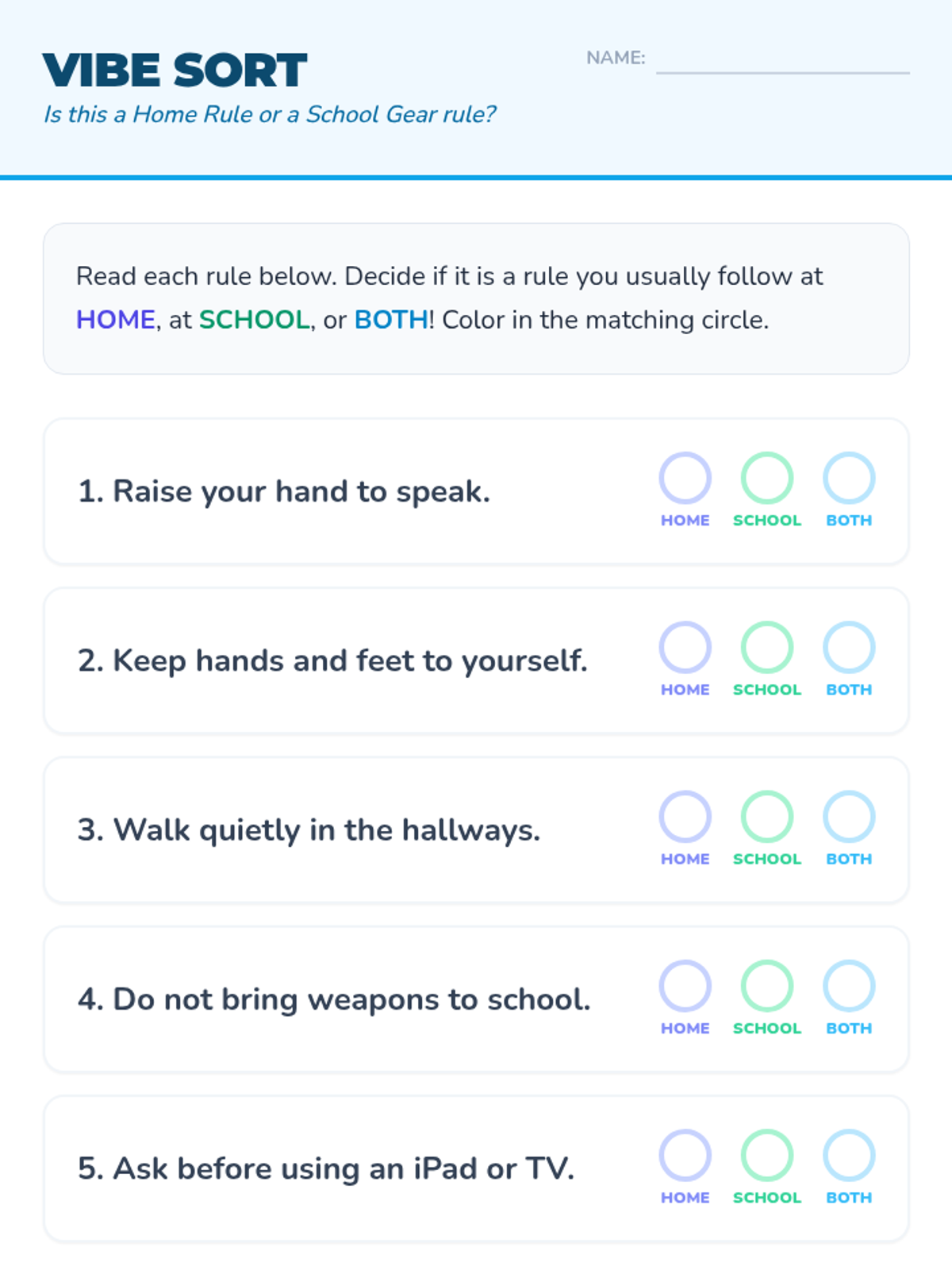
Students learn to navigate different social environments by understanding that rules and expectations change based on the setting (home vs. school).
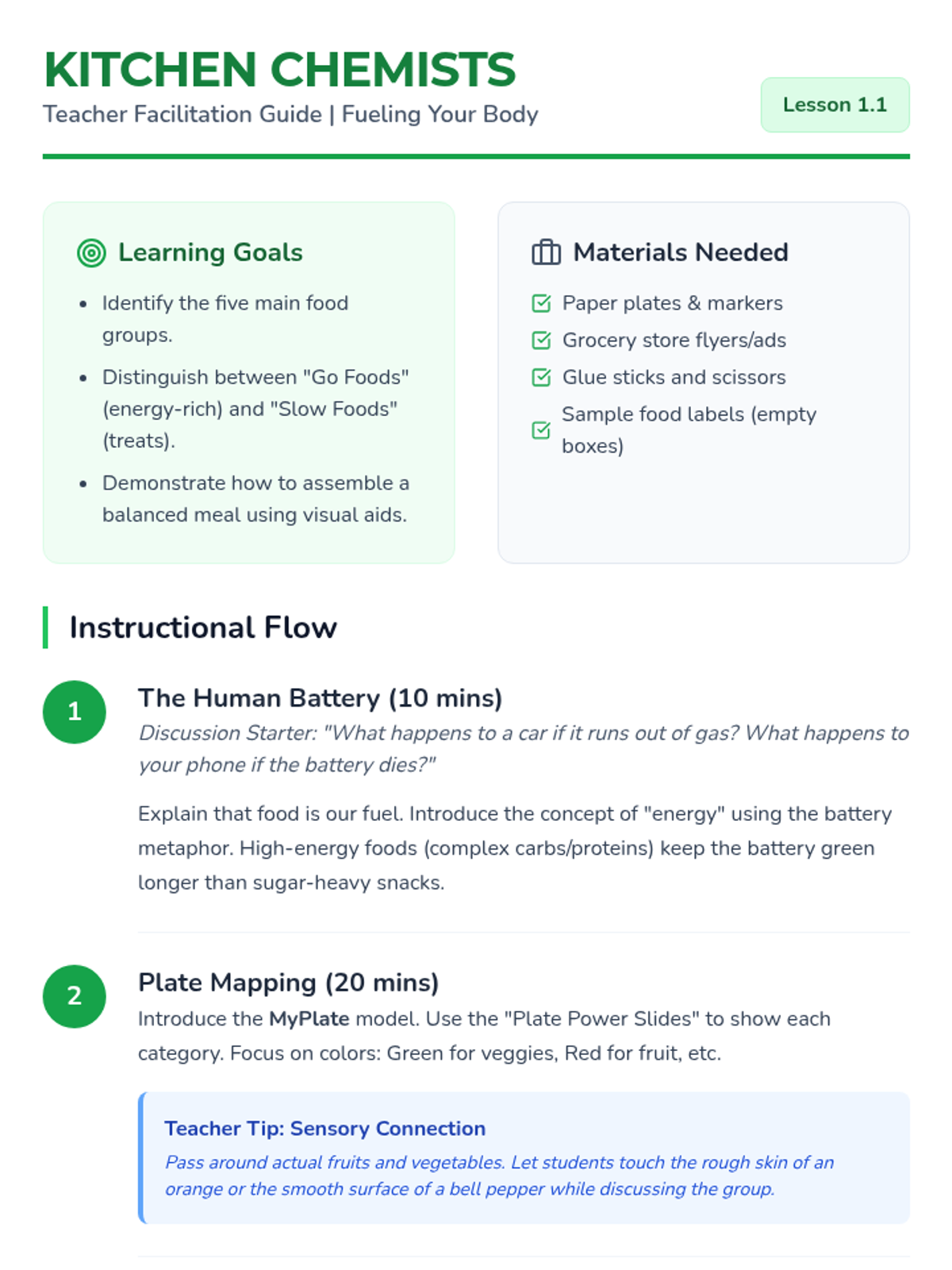
Students explore the five food groups, understand the importance of balanced nutrition, and learn how to build a healthy plate.
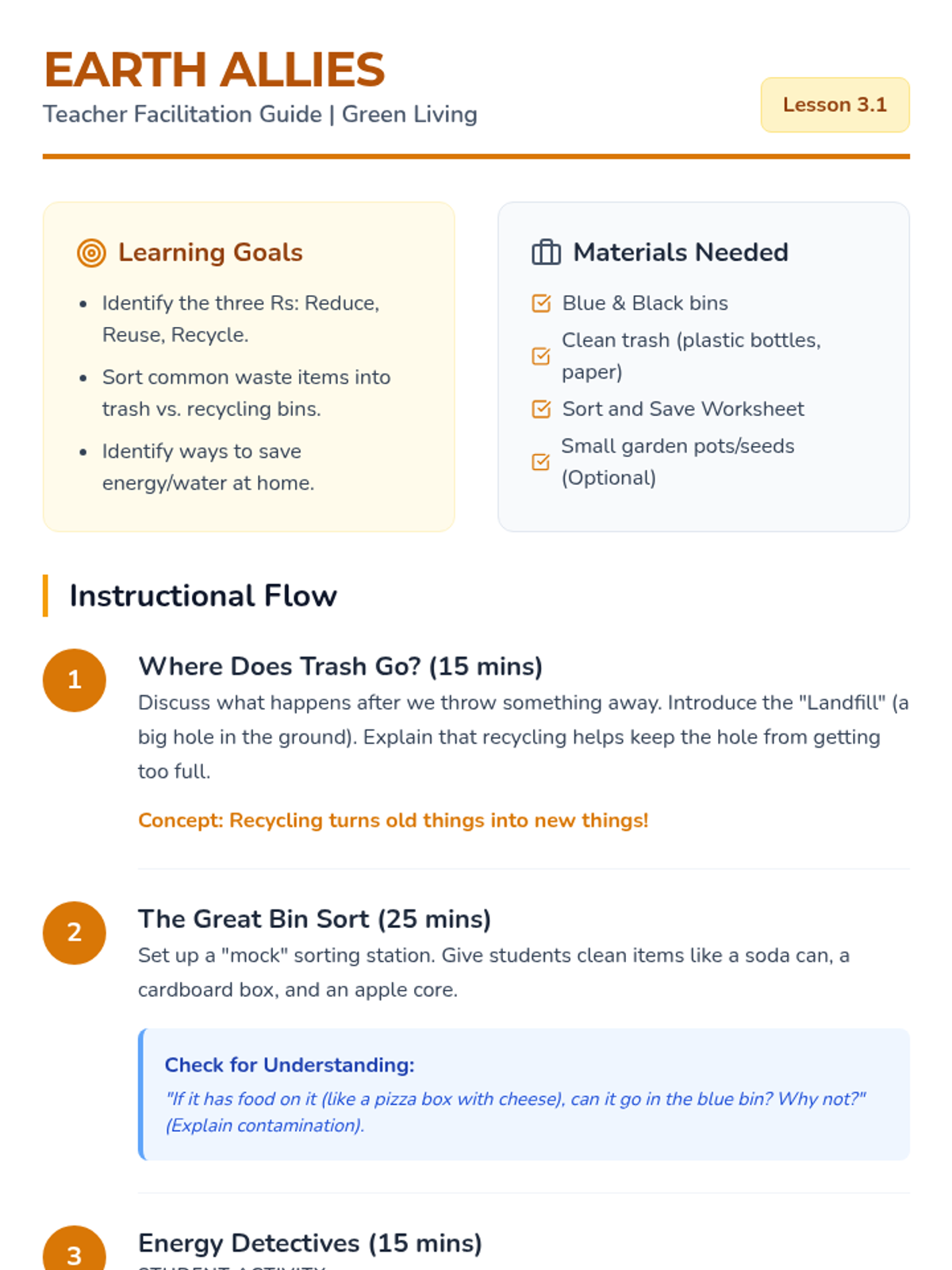
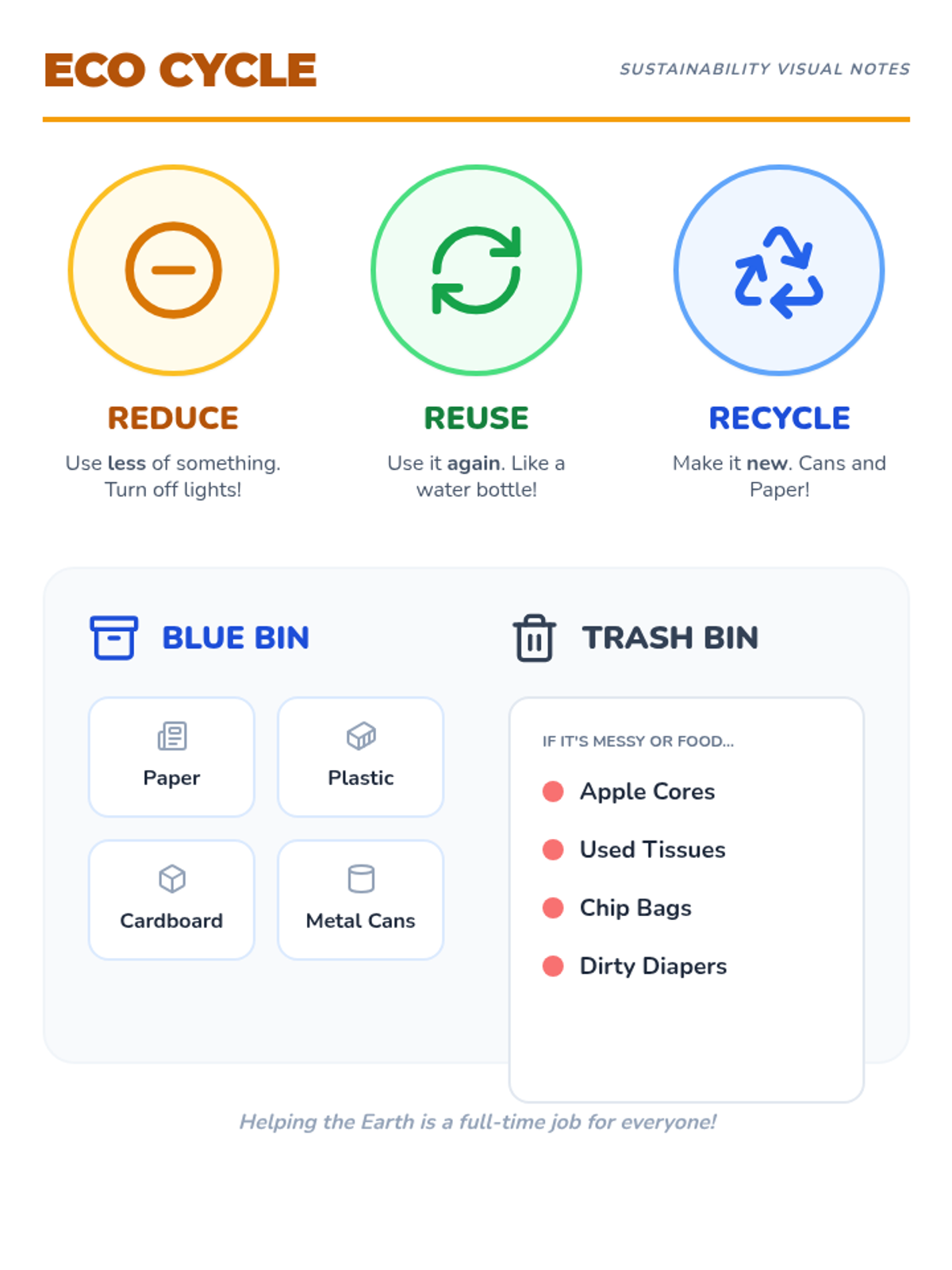
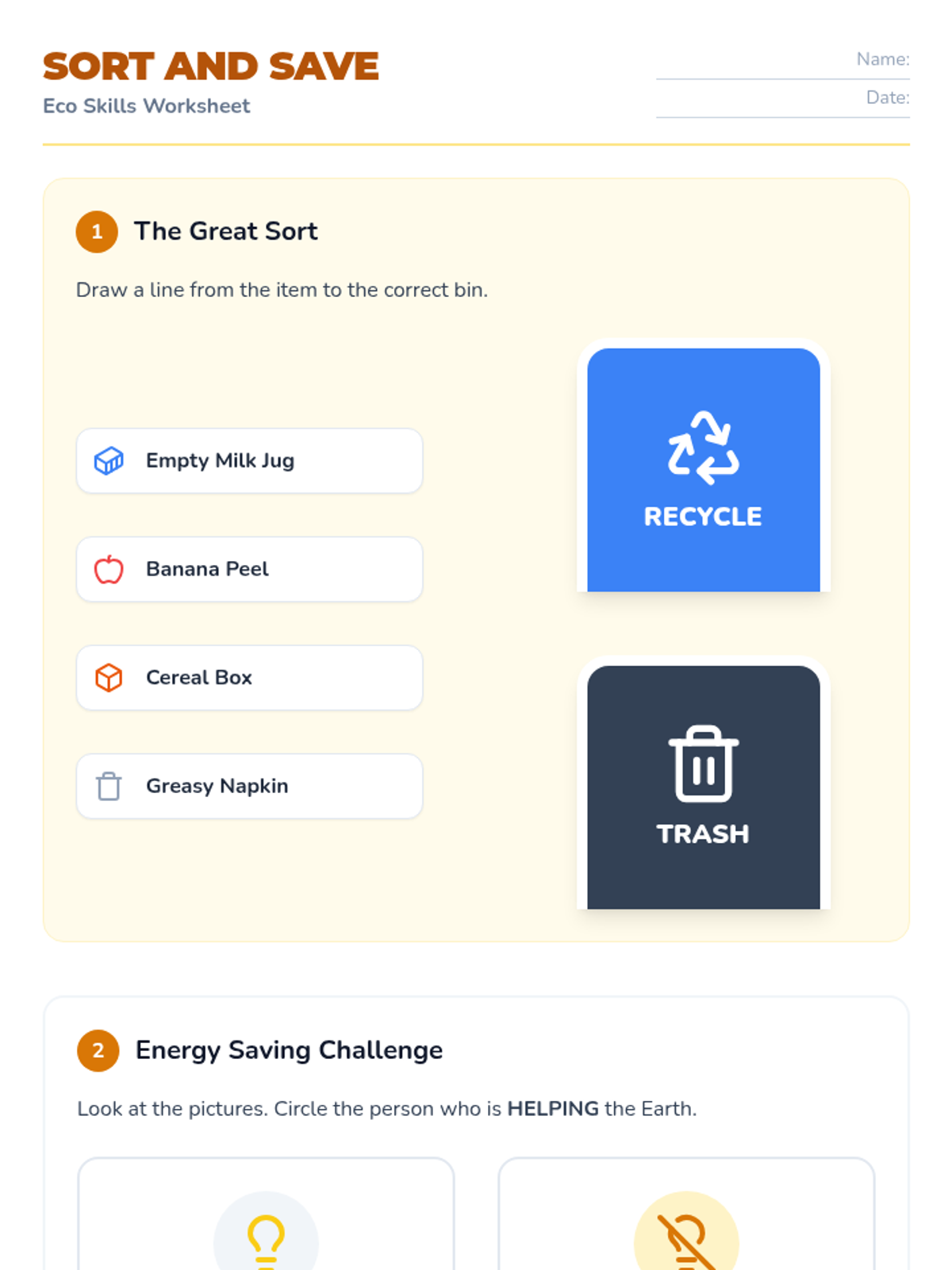
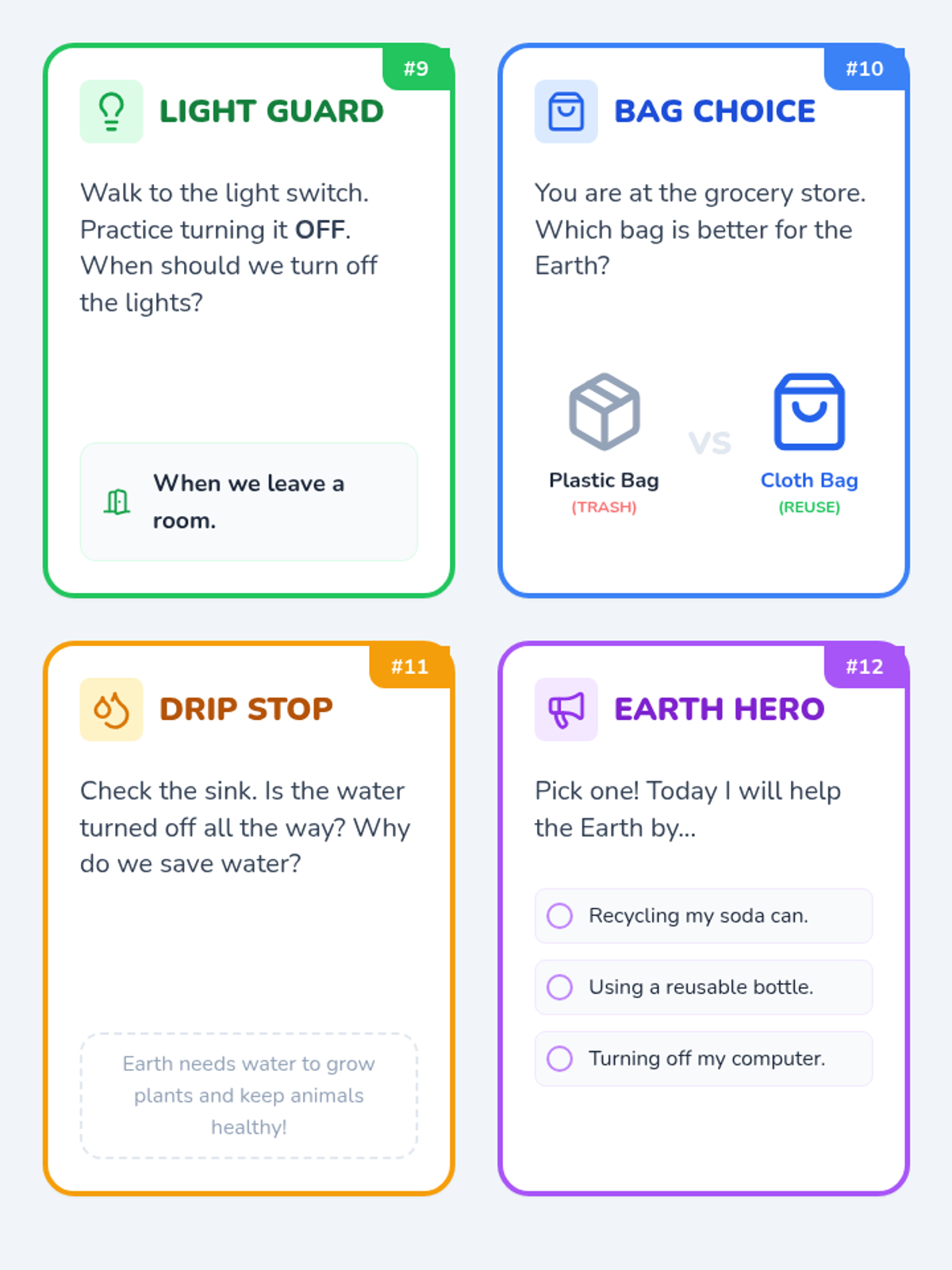
Introduces sustainability through waste reduction, recycling, and understanding how personal choices impact the local environment.
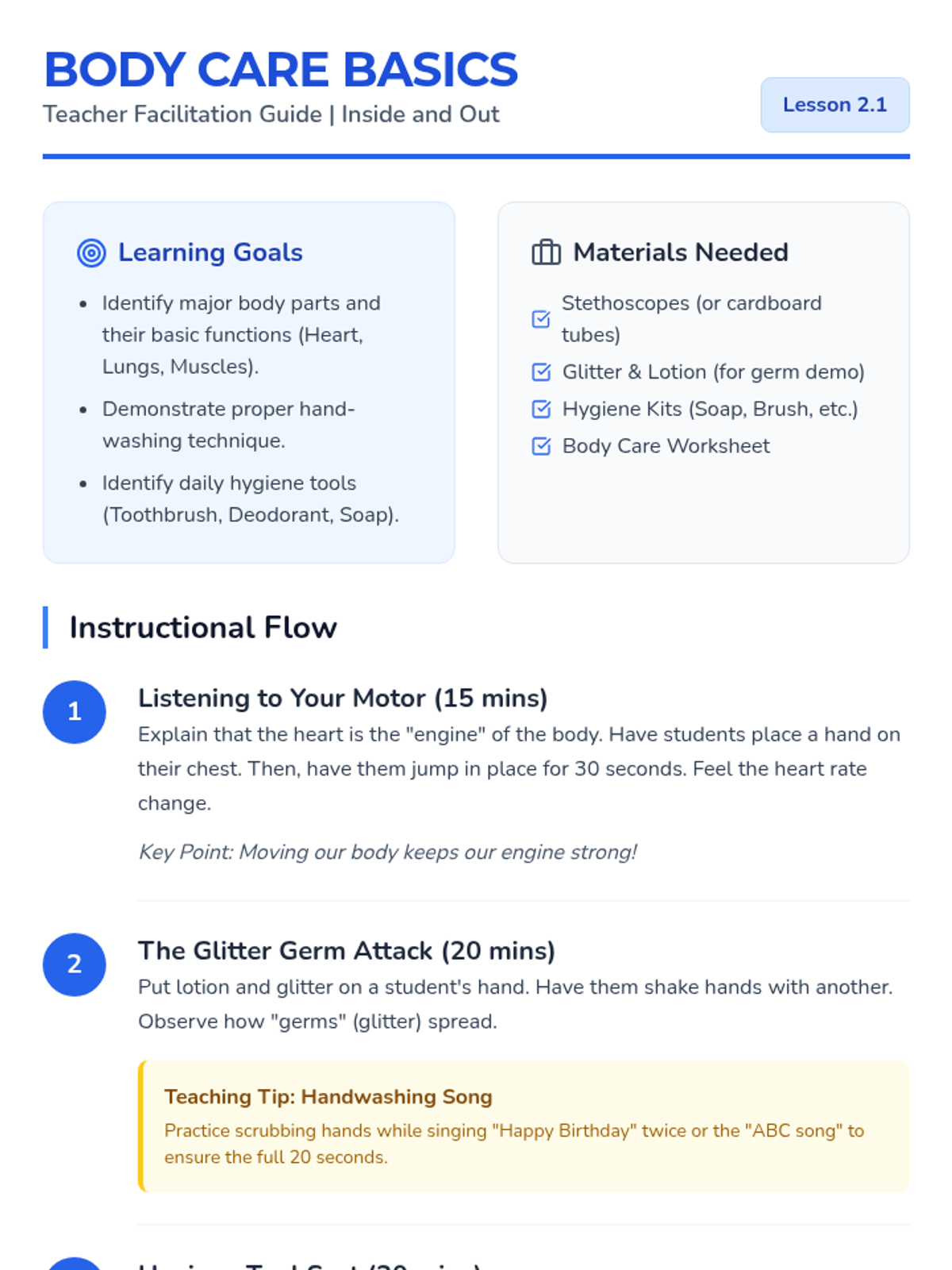
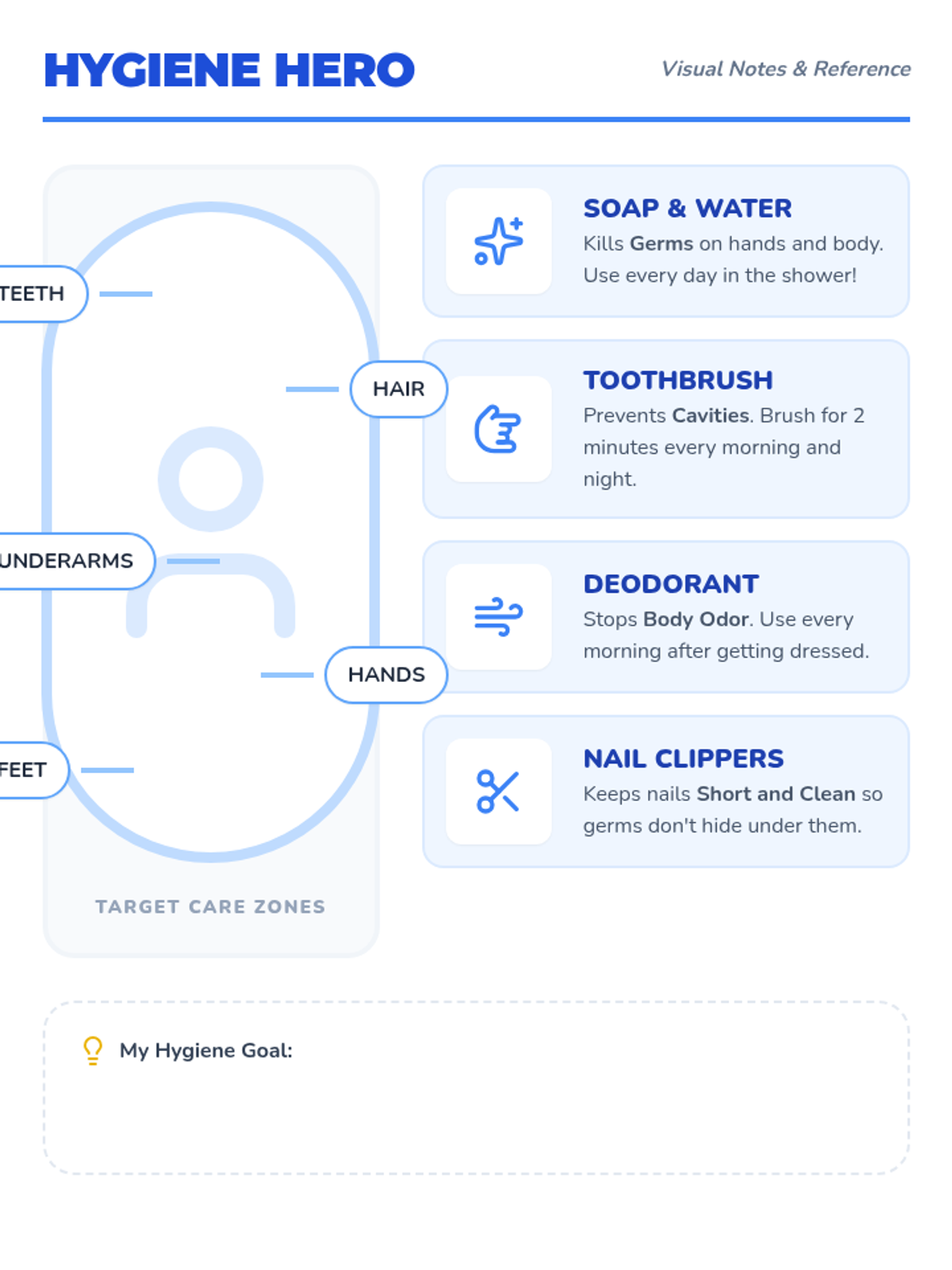
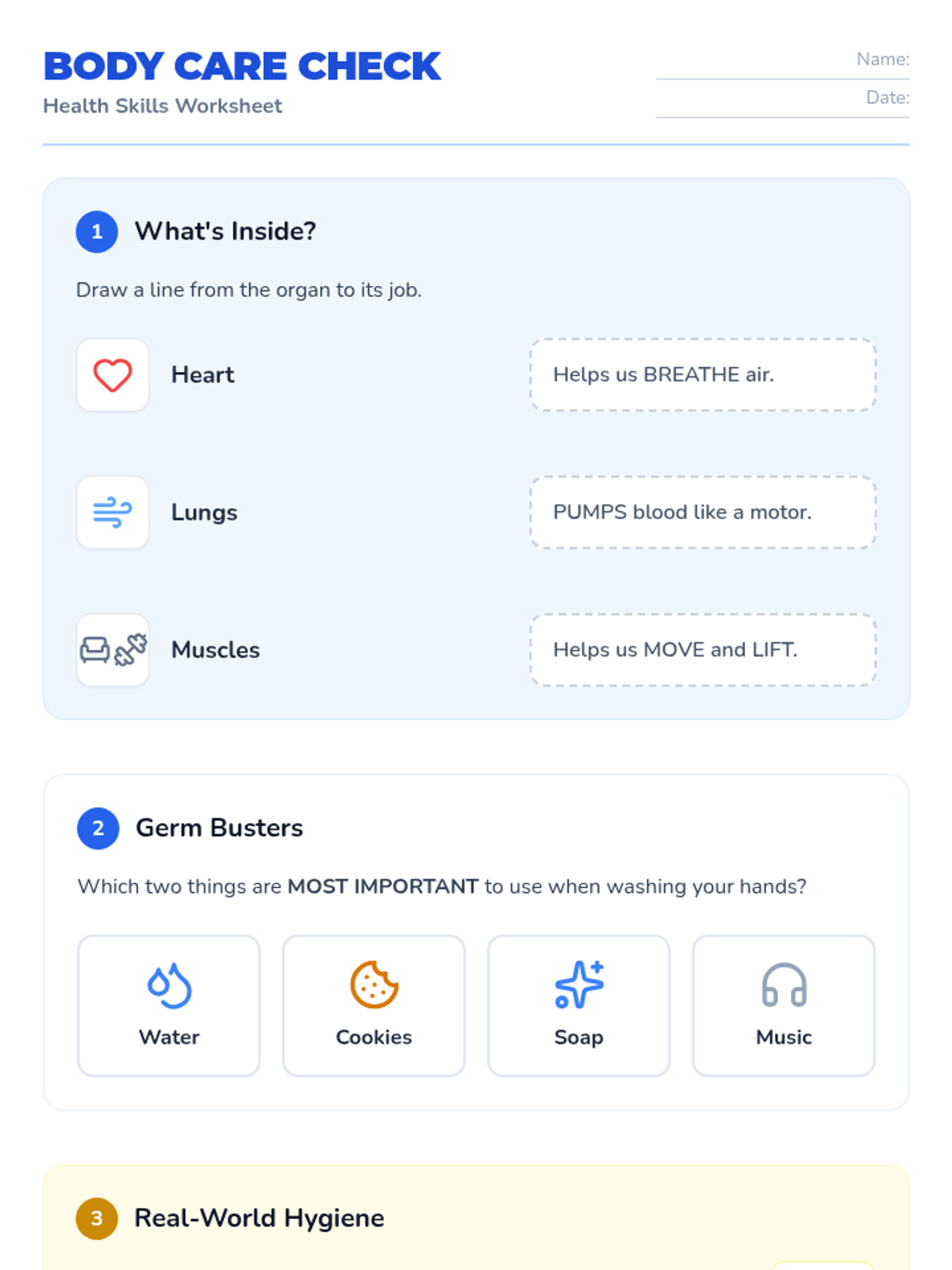
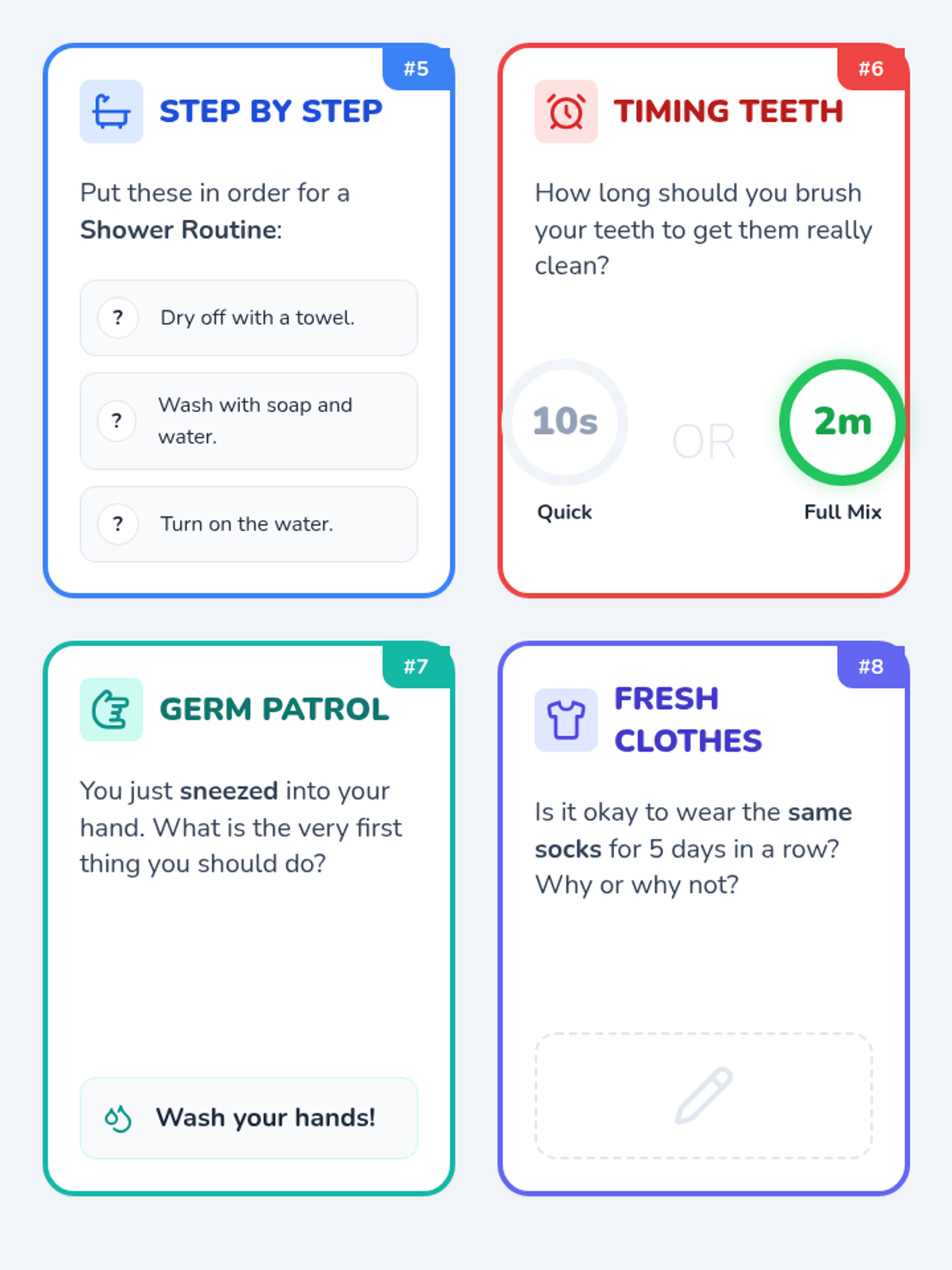
Covers basic human anatomy related to movement and health, alongside essential personal hygiene routines for daily living.
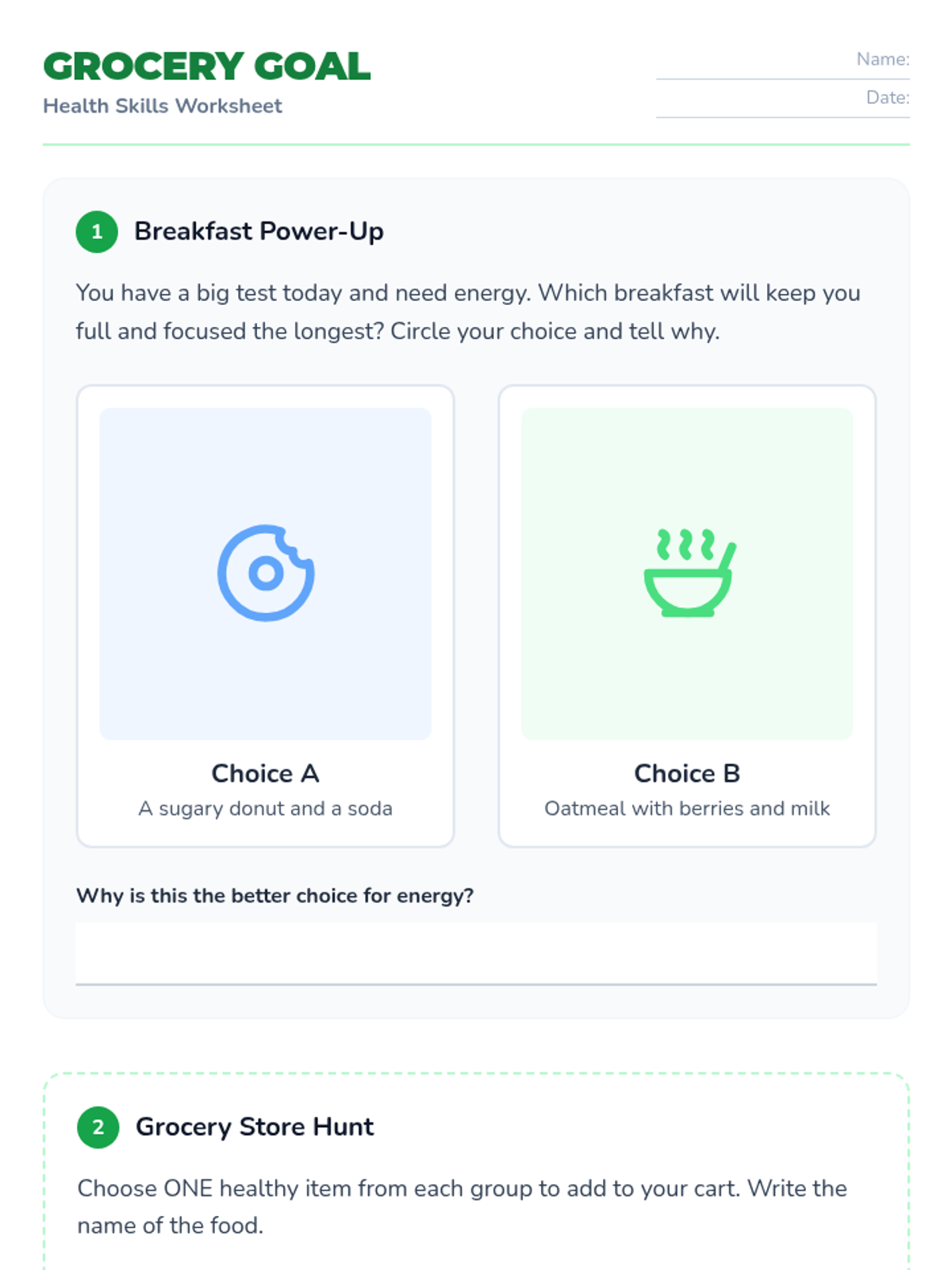
Focuses on identifying healthy food groups, reading simple food labels, and making informed nutritional choices for daily energy.
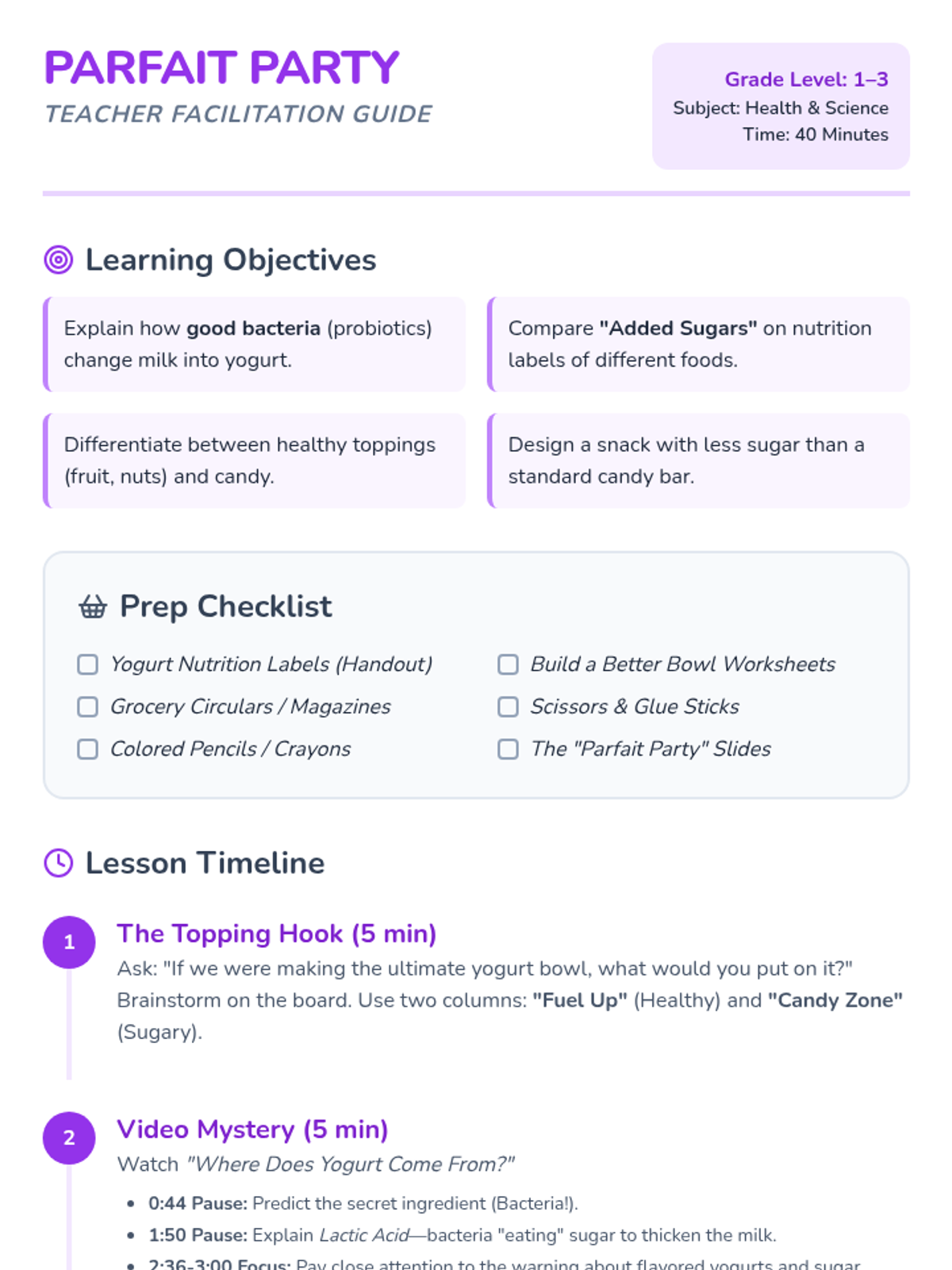
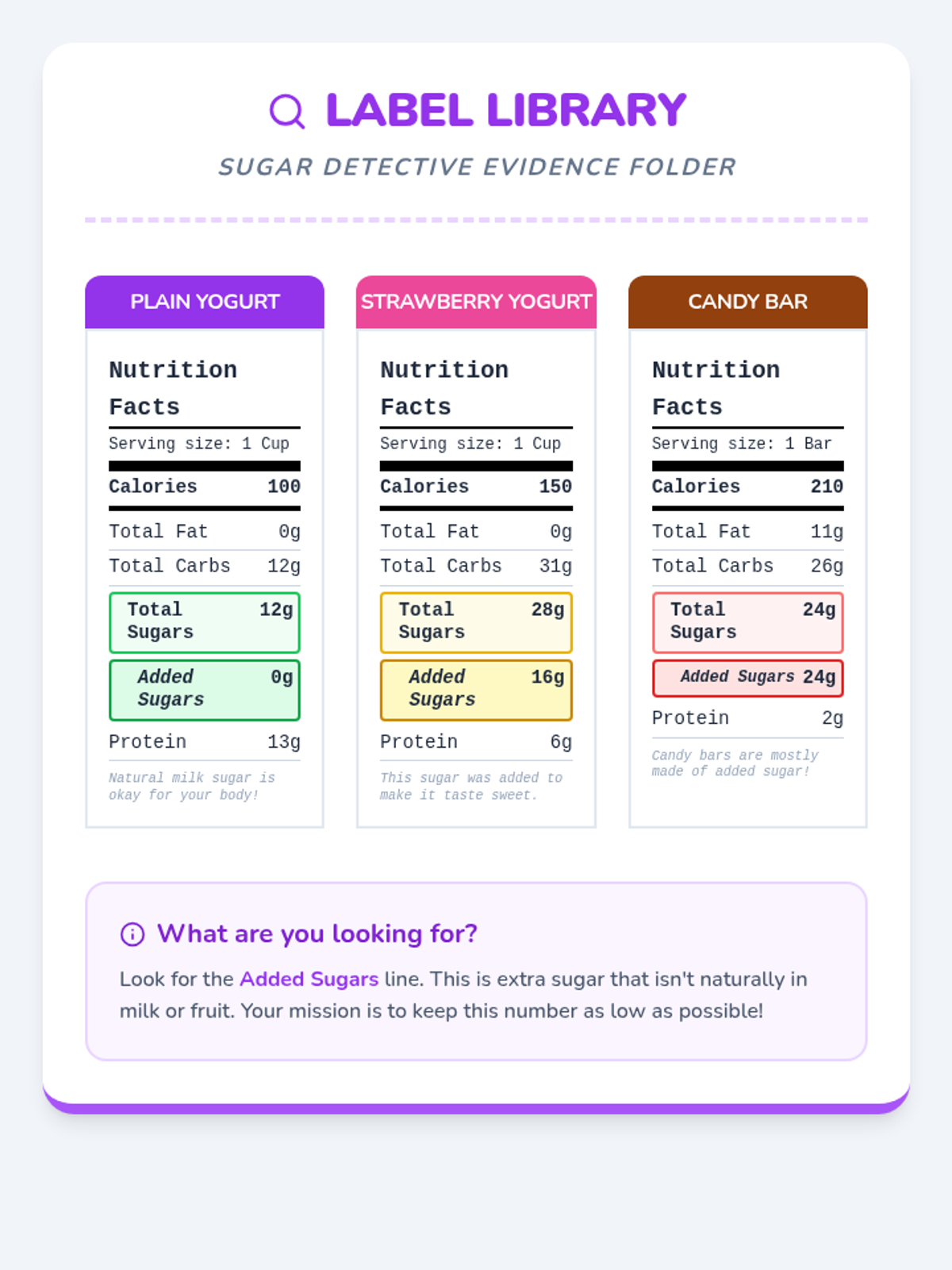
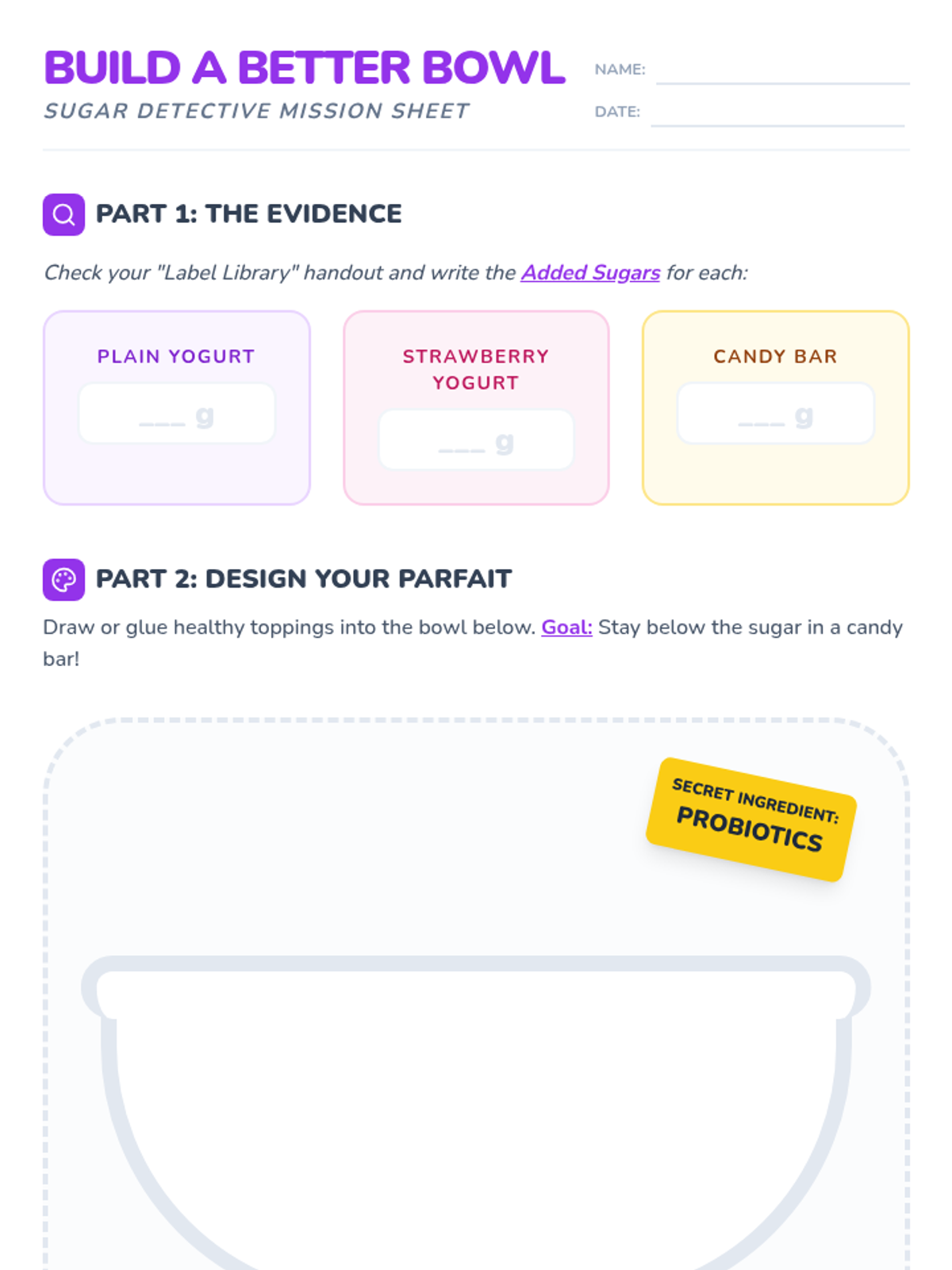
Students will explore how bacteria turns milk into yogurt and investigate why some yogurts are healthier than others by comparing added sugar content. The lesson concludes with students designing their own "Better Bowl" using healthy, low-sugar toppings.
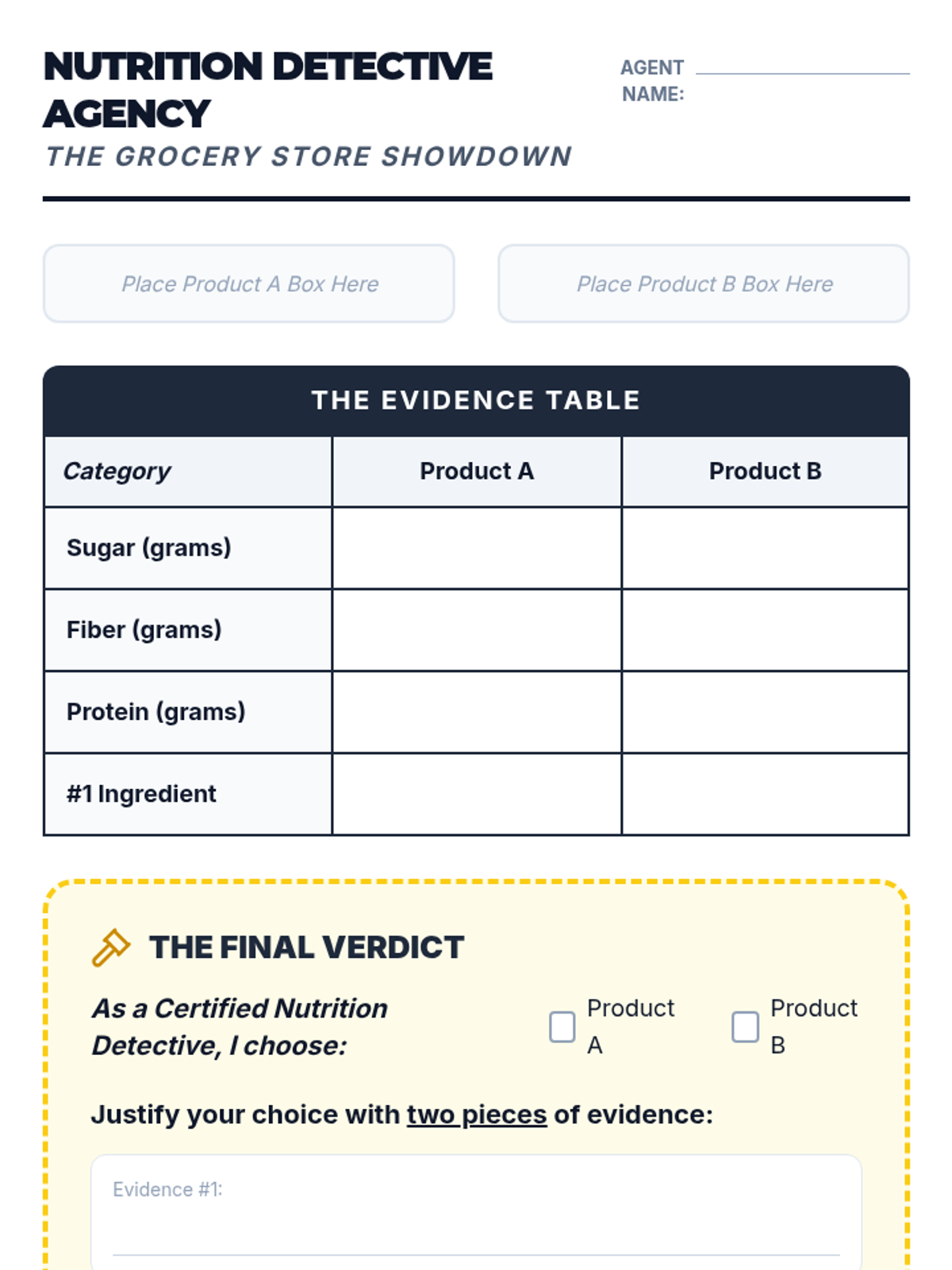
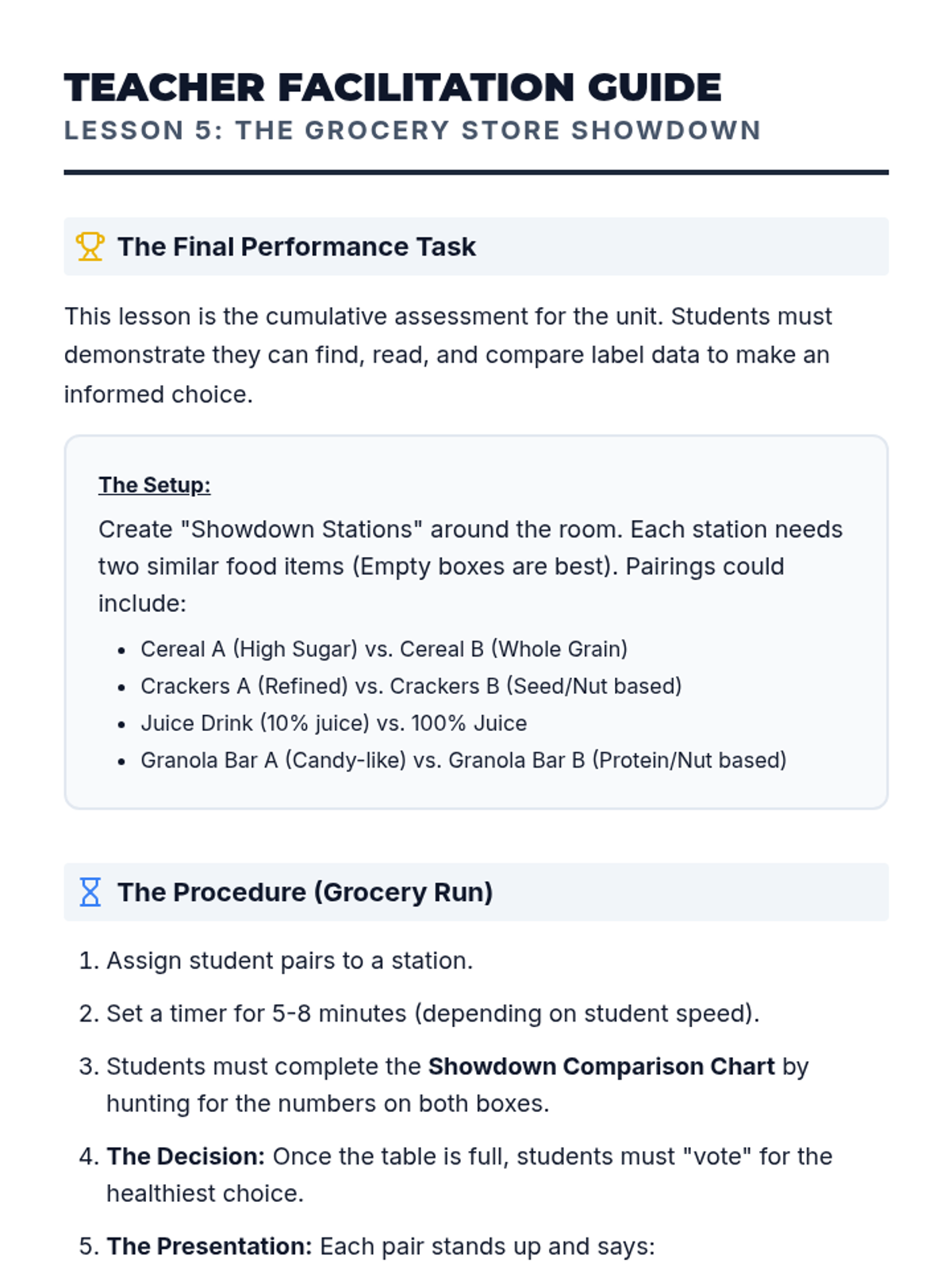
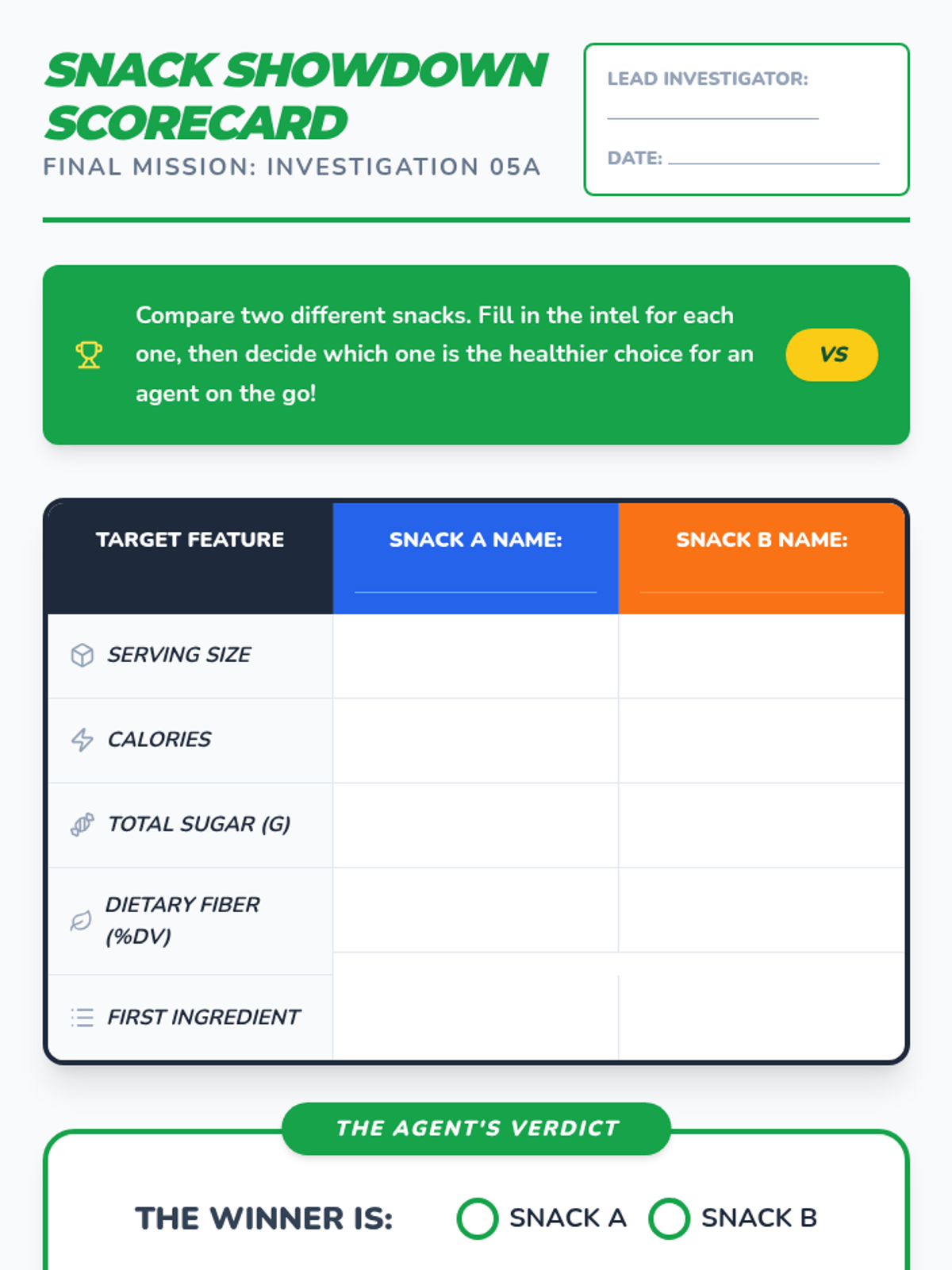
A culminating workshop where students compare similar products to determine the healthiest choice. Includes a justified decision-making process based on label data.
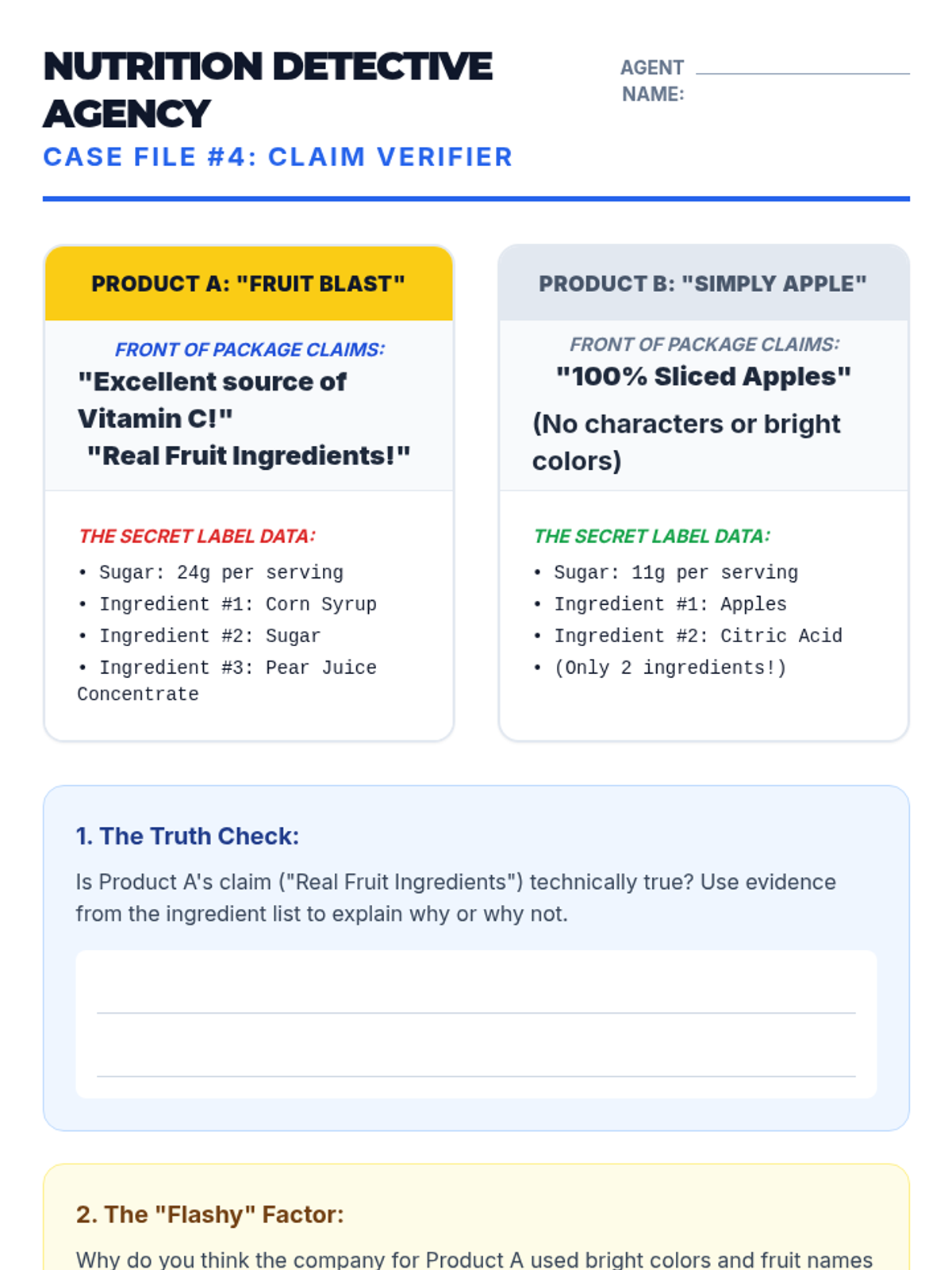
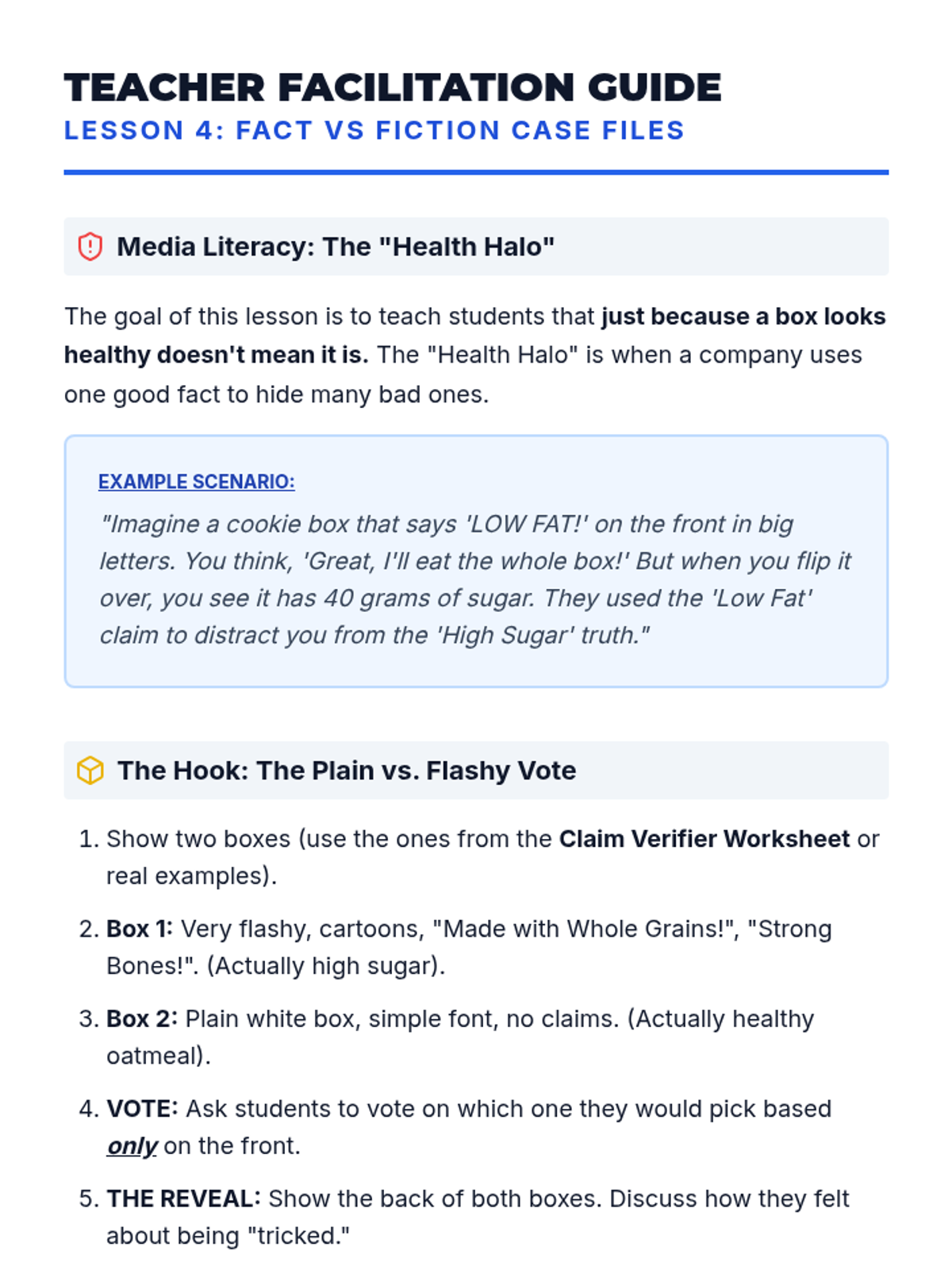
Analyzes the difference between front-of-package marketing claims and back-of-package nutritional facts. Develops media literacy and critical thinking.
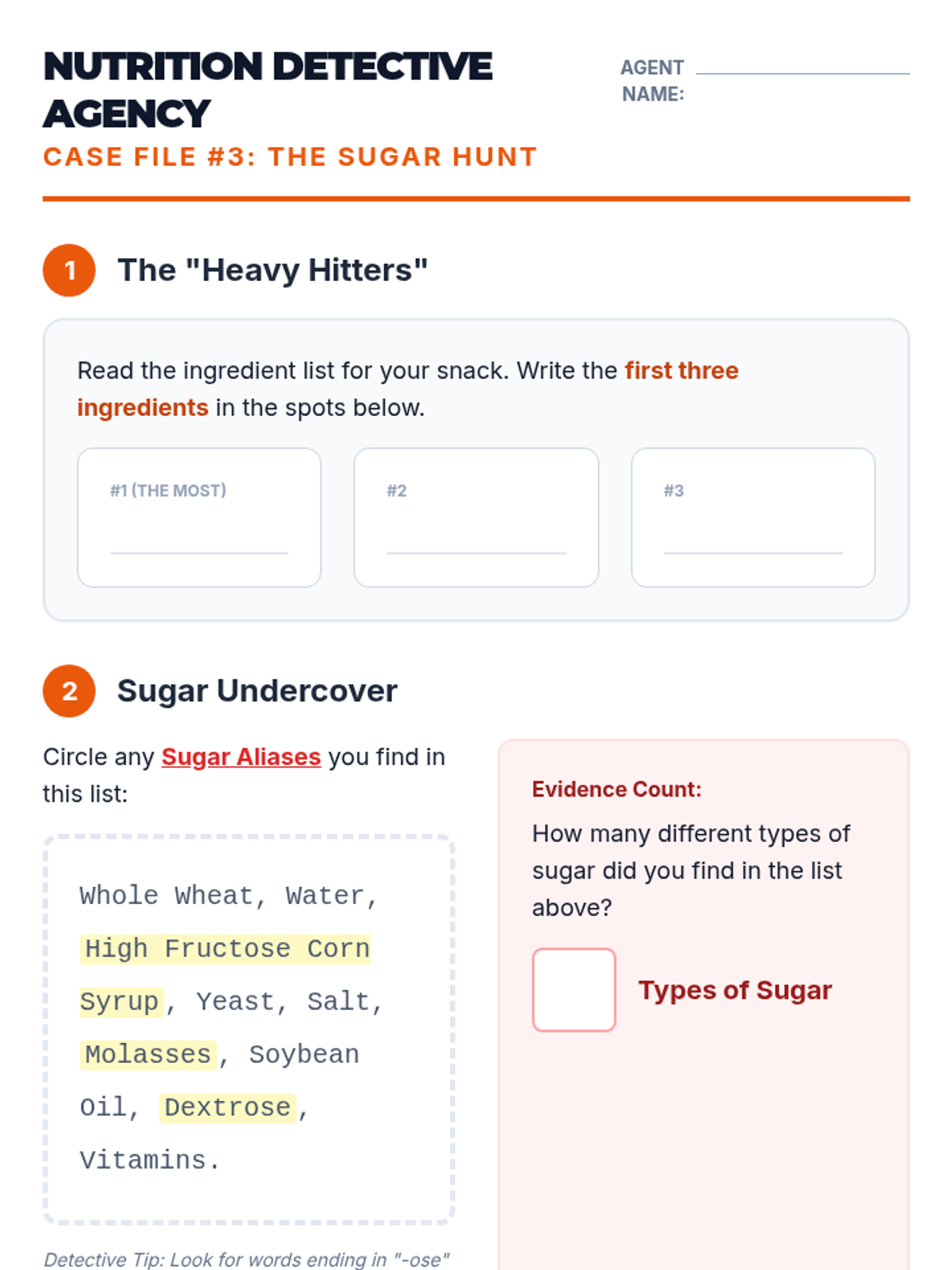
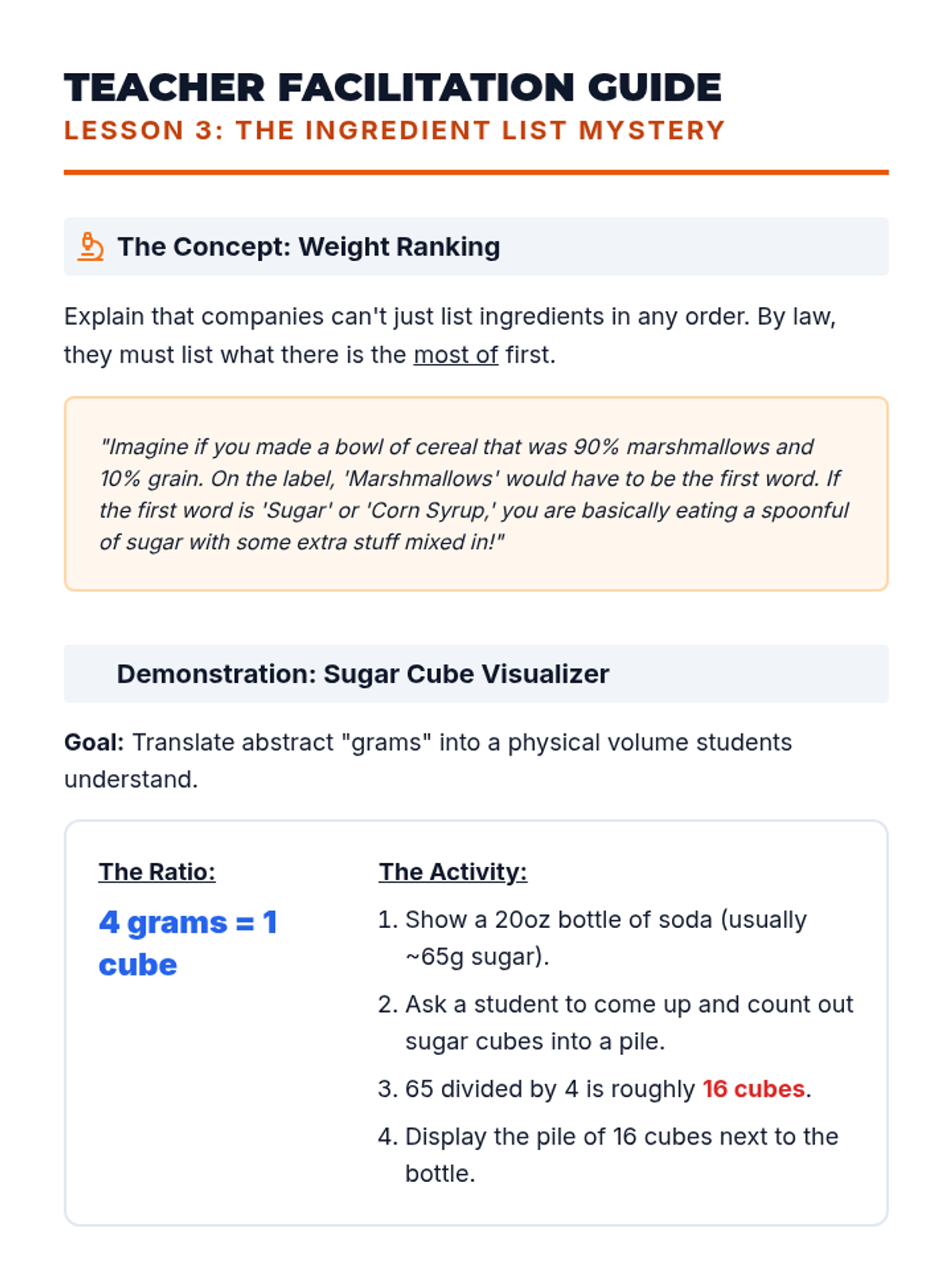
Decodes ingredient lists and identifies different names for sugar. Students learn how ingredients are ordered and how to spot hidden additives.
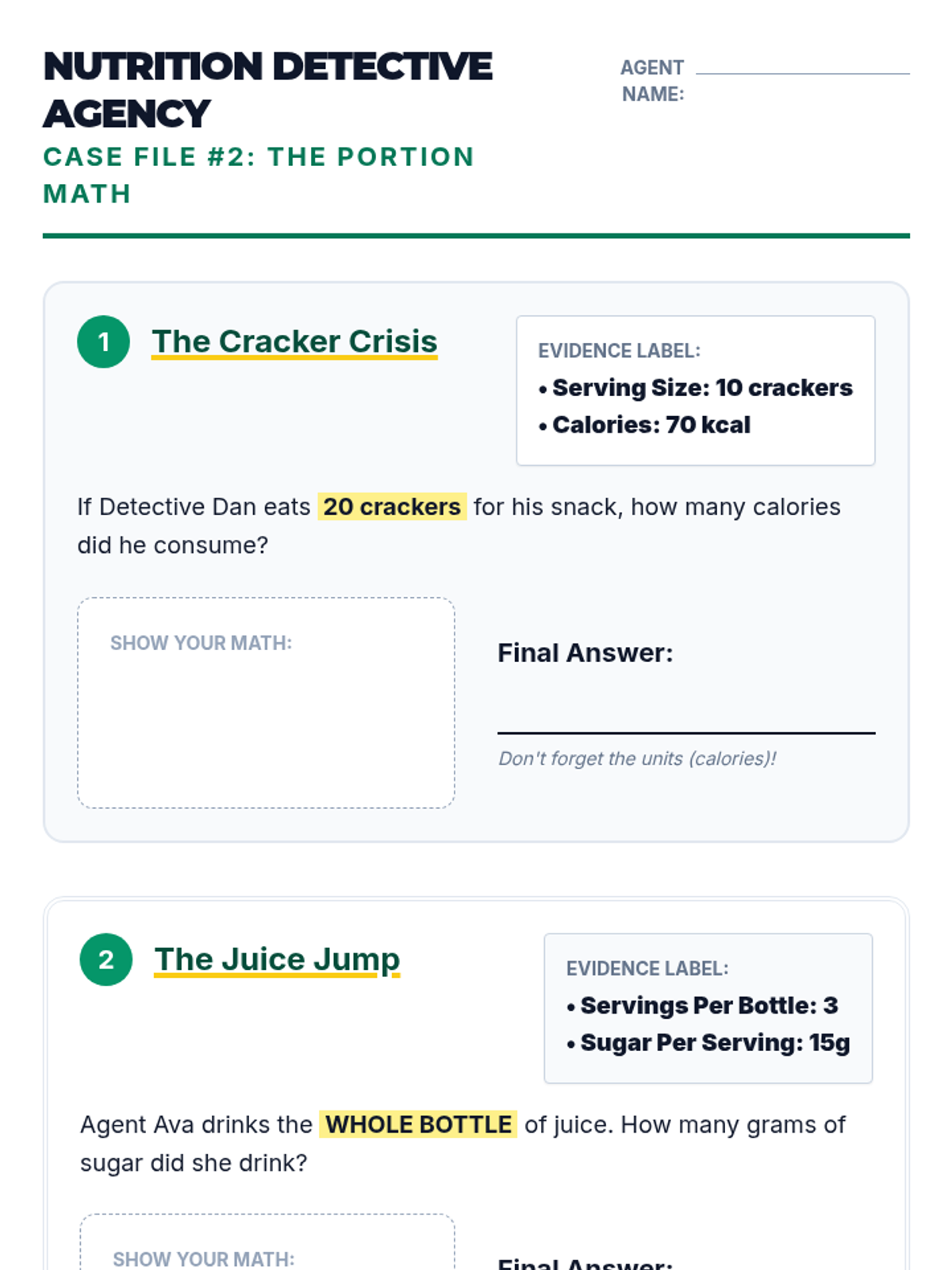
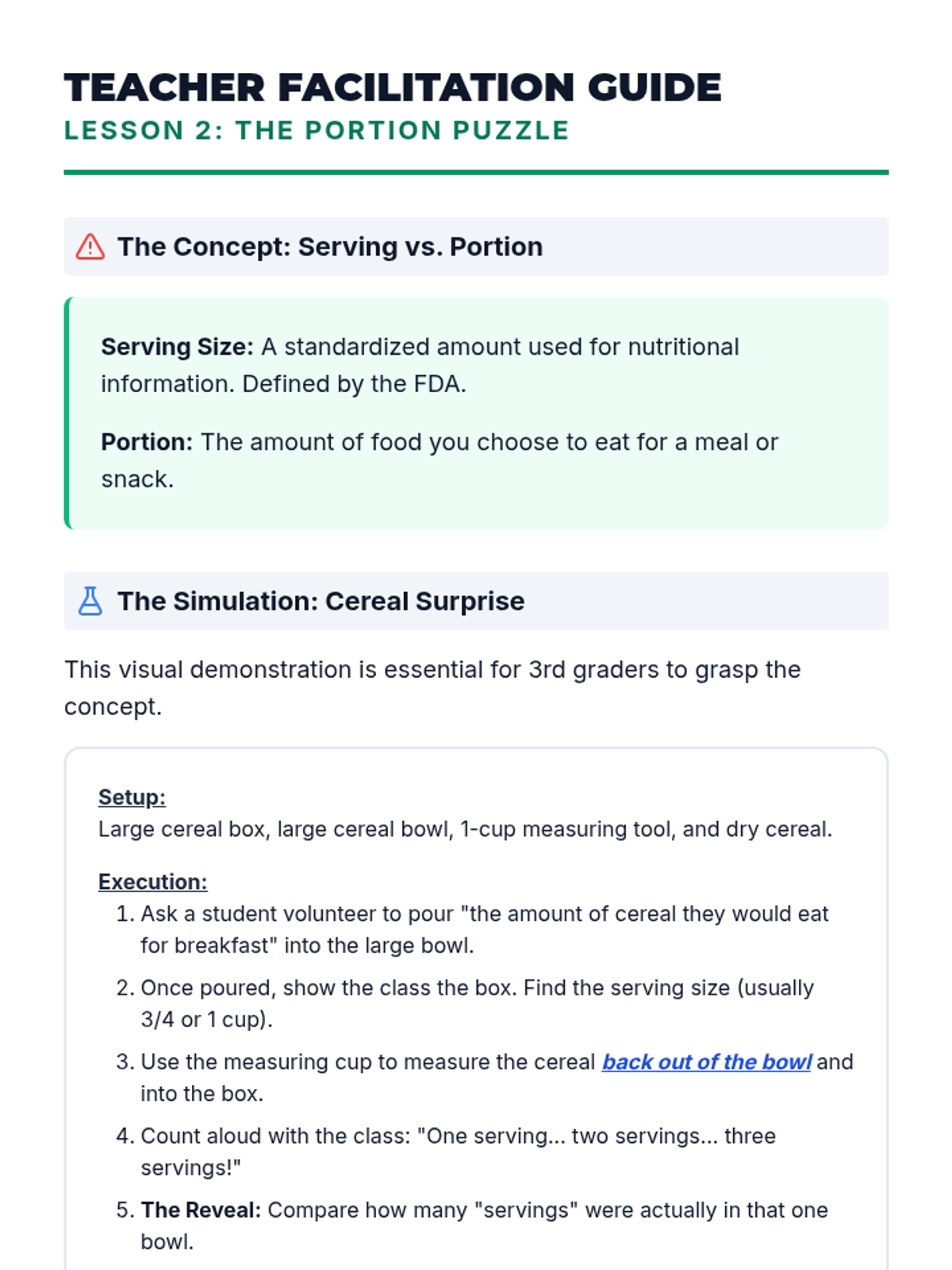
Explores the difference between serving size and total container content. Students use math skills to calculate nutritional intake for multiple portions.
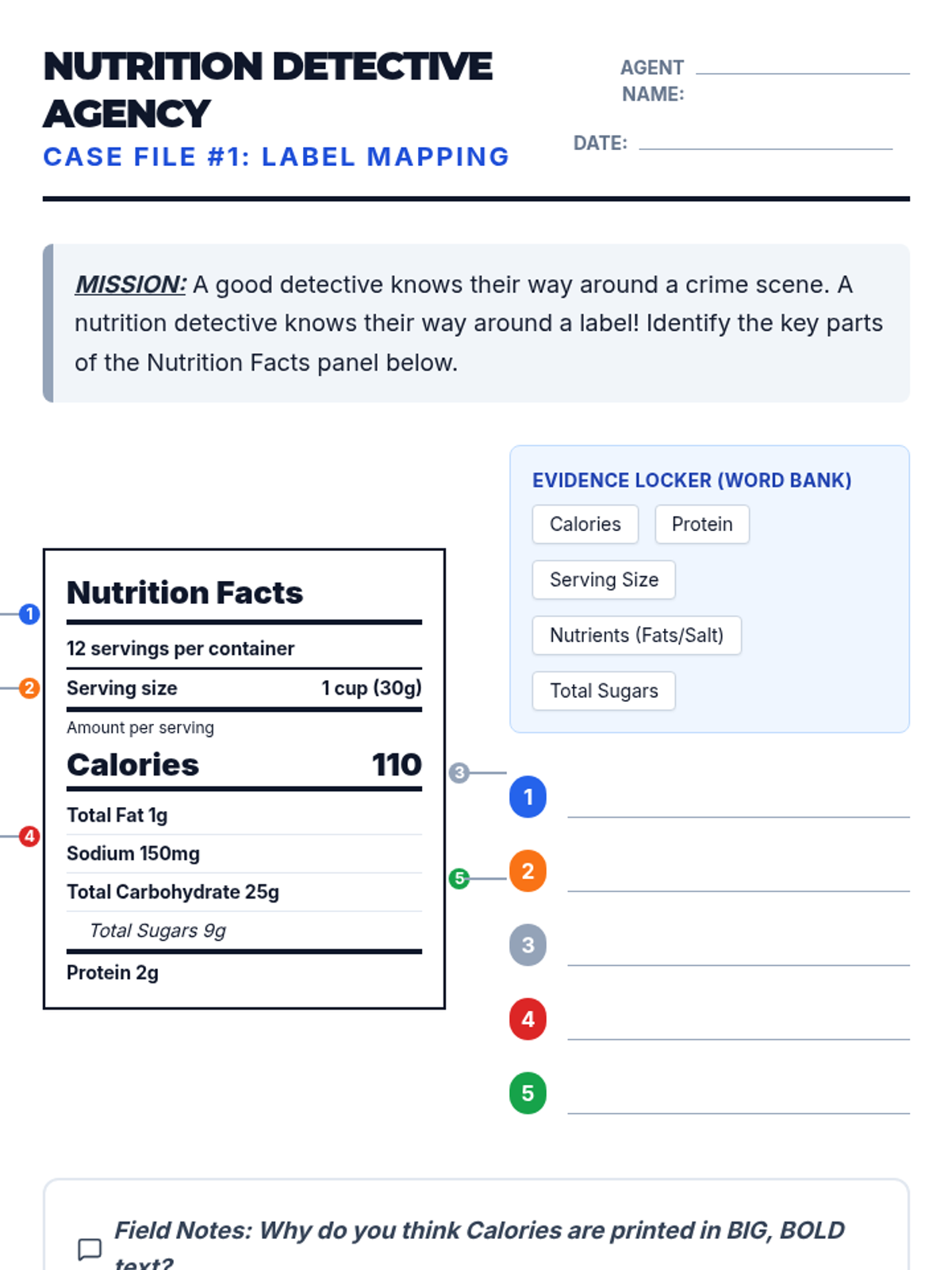
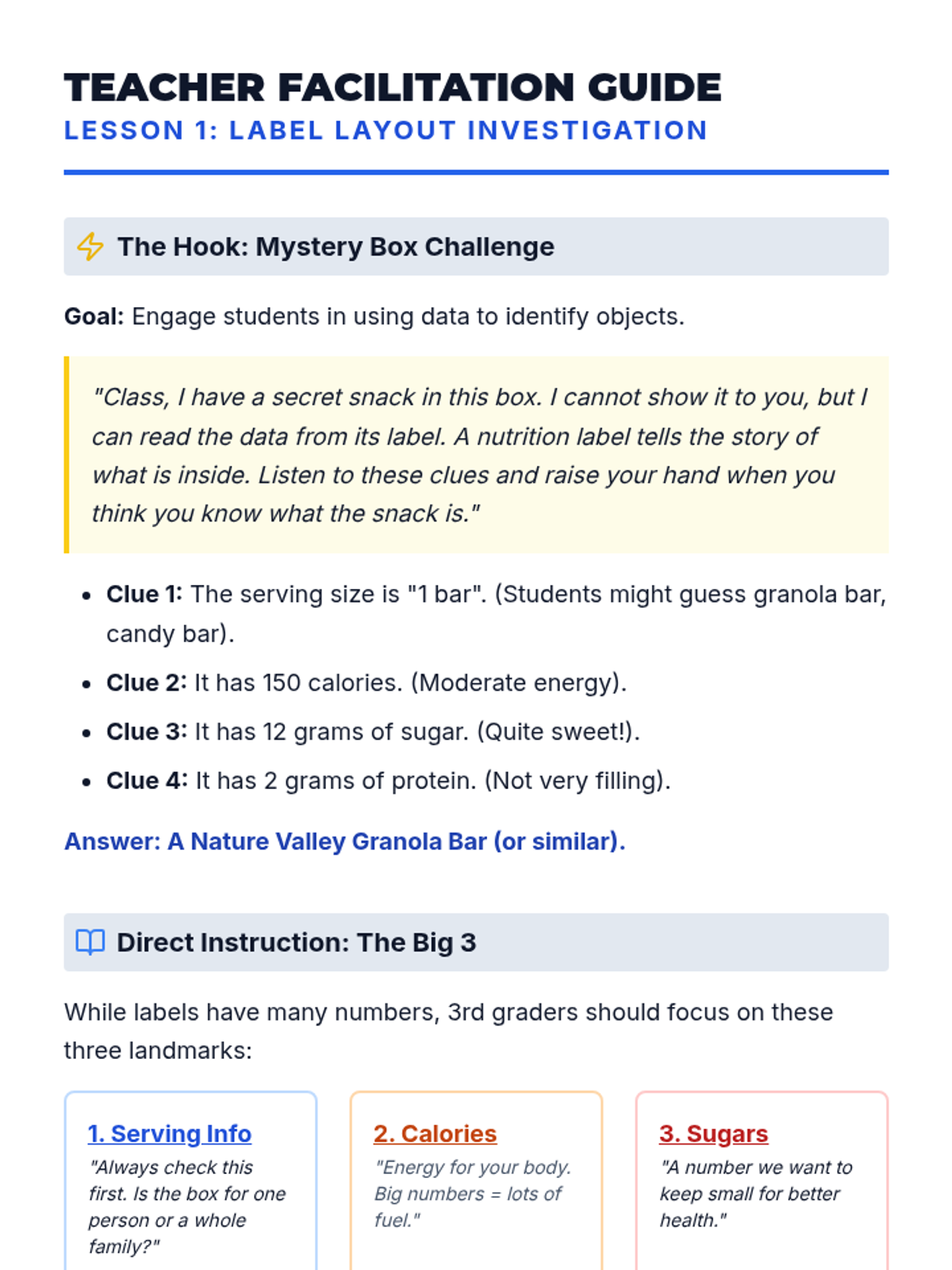
Introduces the standard layout of a Nutrition Facts label. Students learn to locate serving size, calories, nutrients, and footnotes through an inquiry-based exploration.
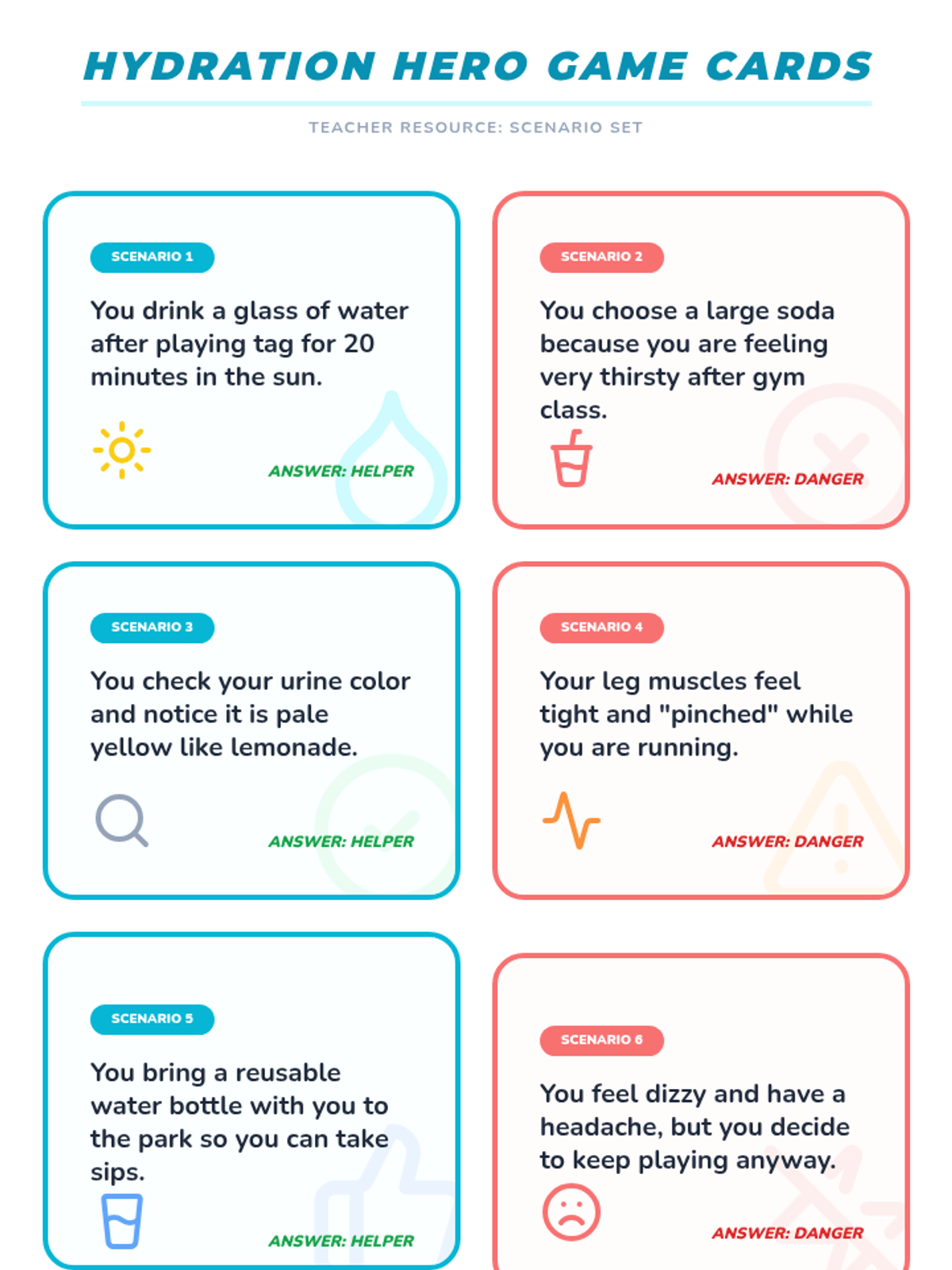
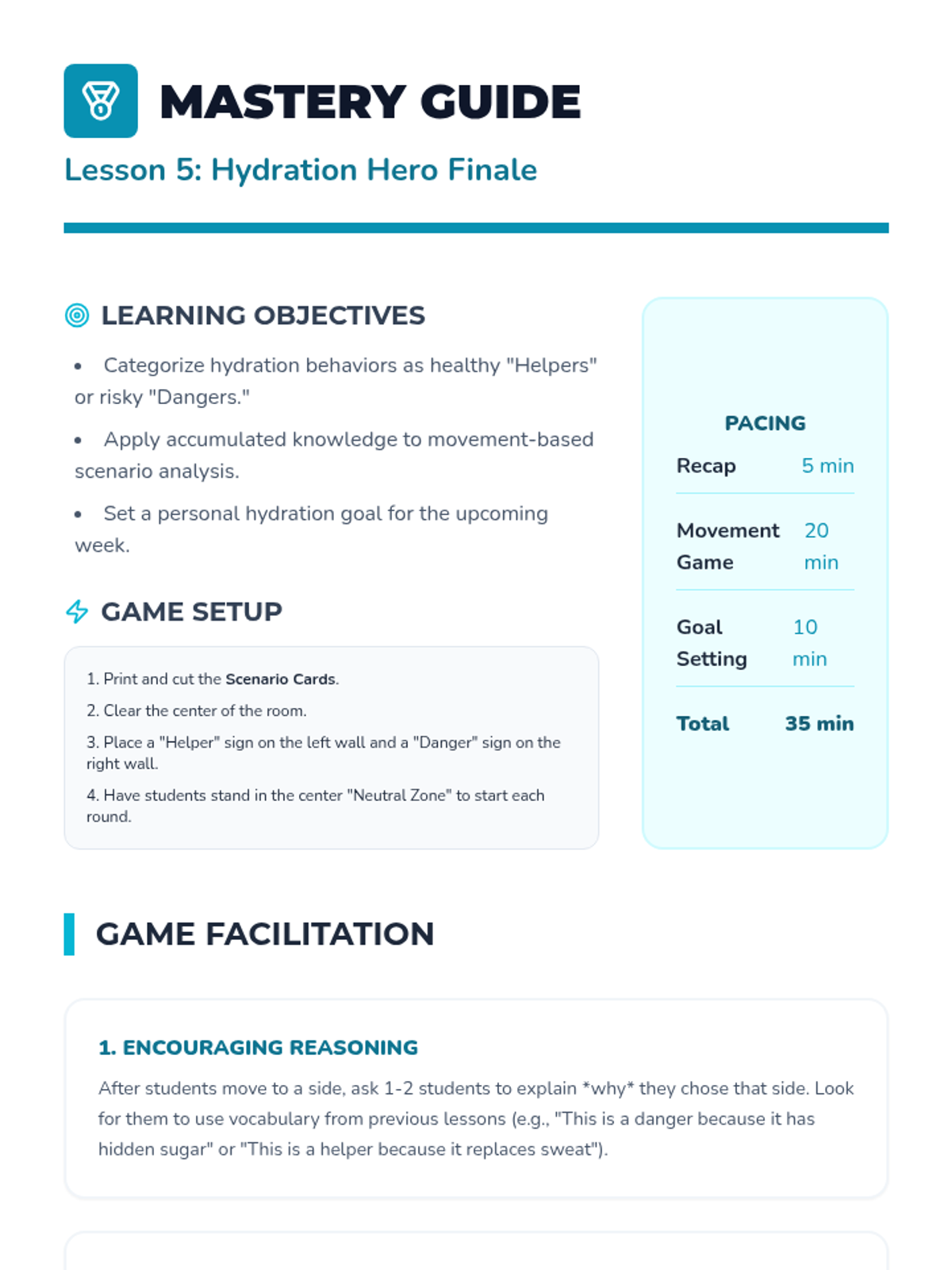
Students play a movement-based quiz game to categorize hydration habits and reflect on their own hydration goals.
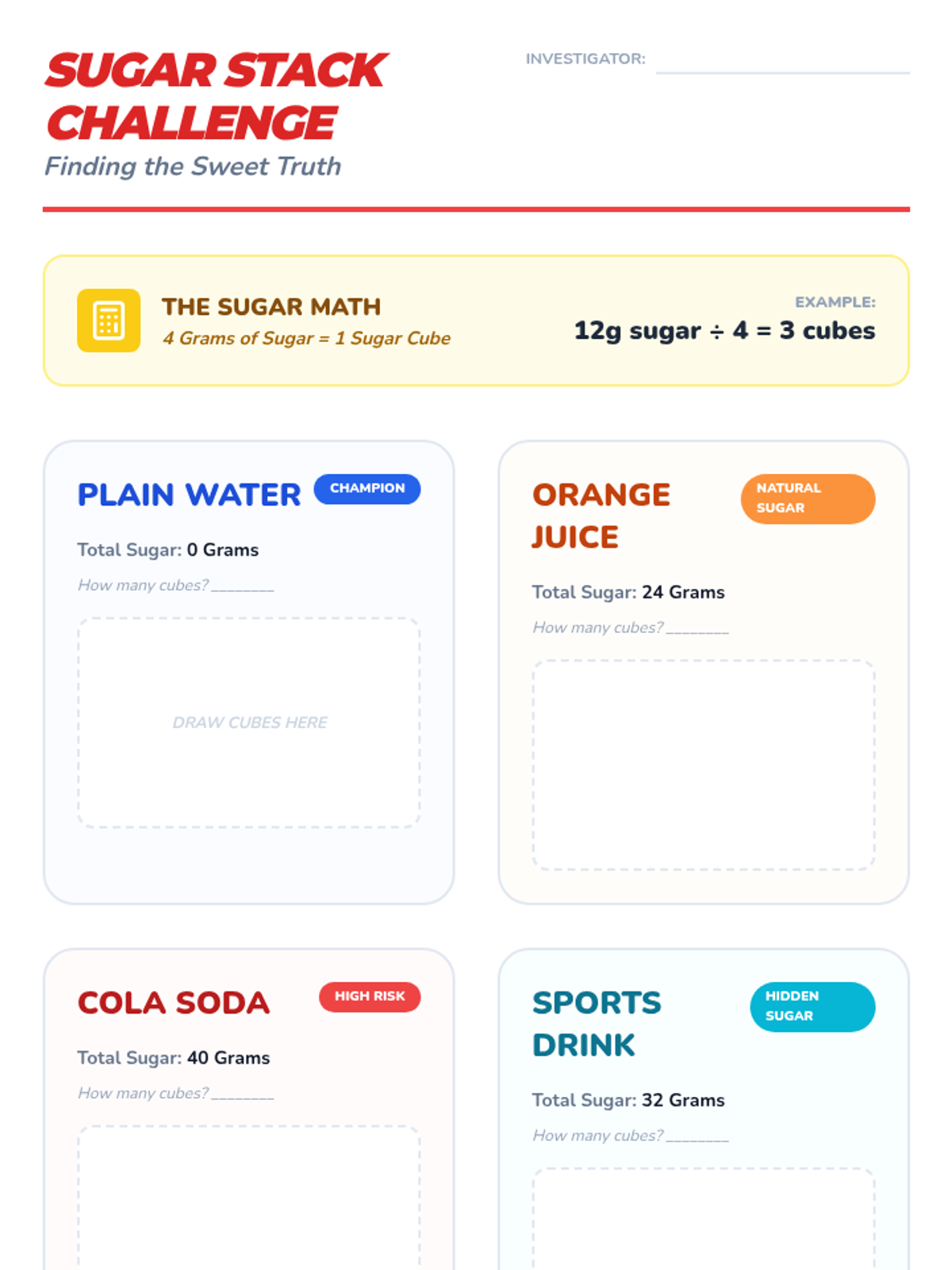
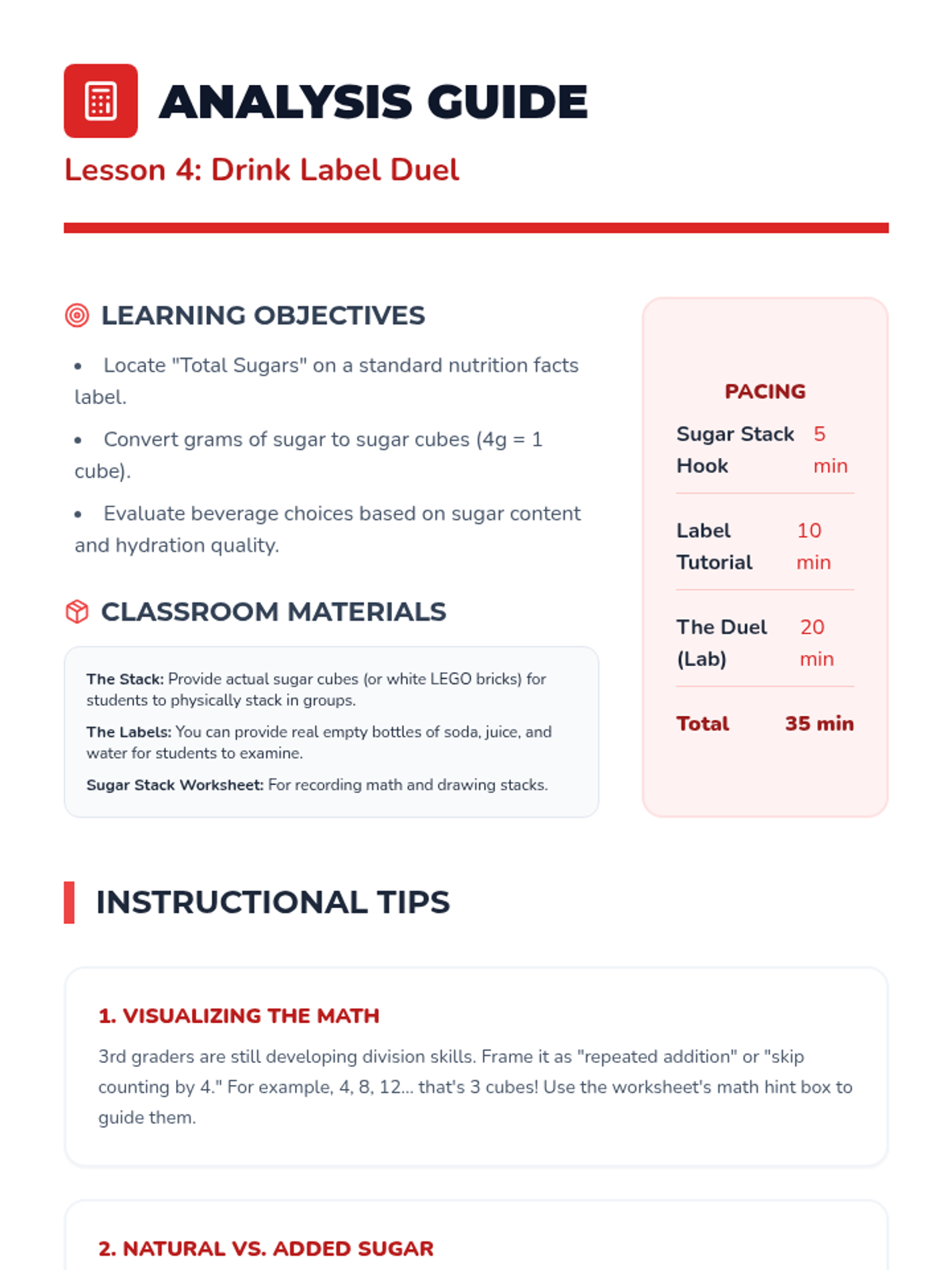
Students examine nutrition labels to compare sugar content in various beverages and learn why water is the best choice.
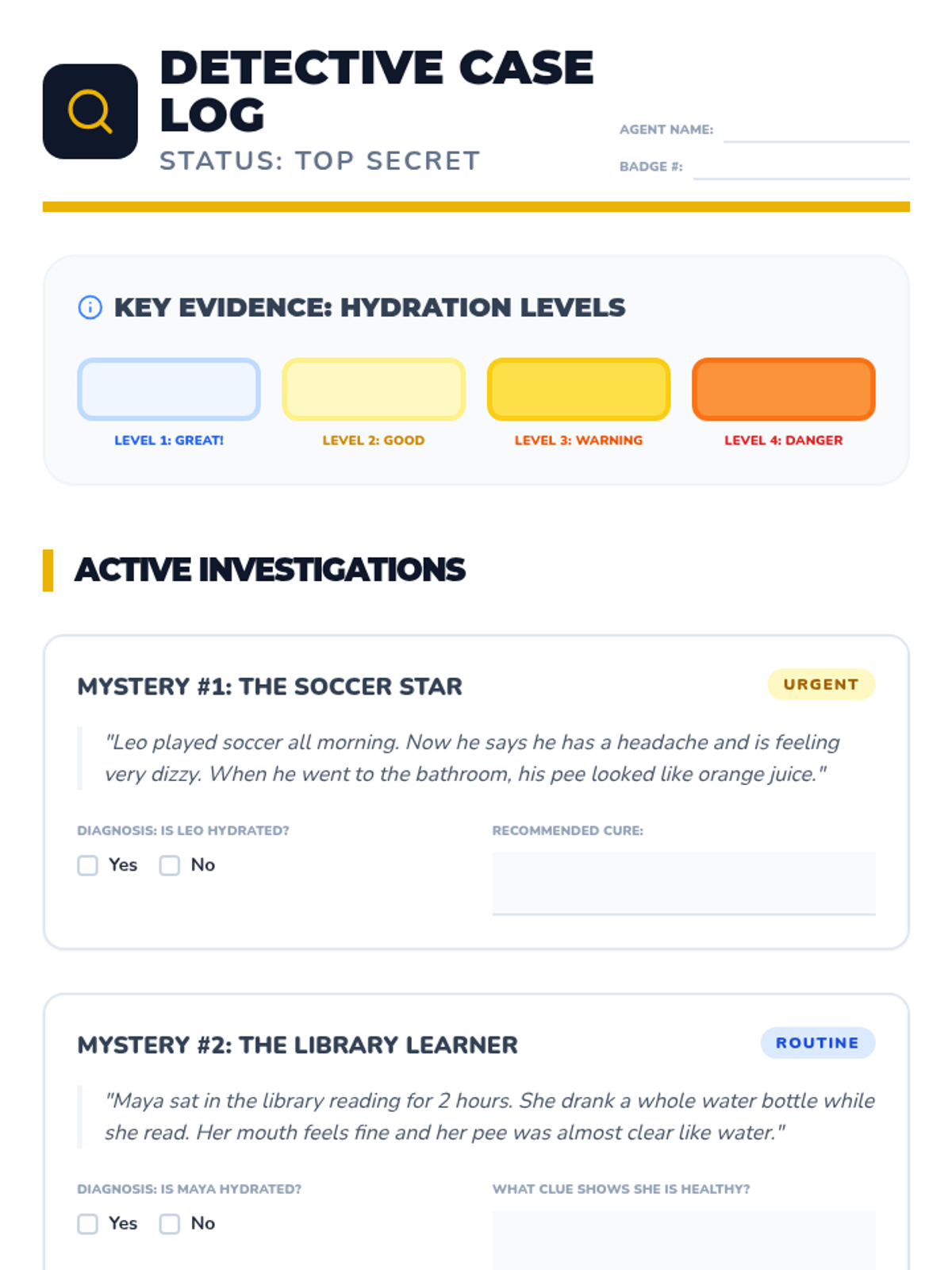
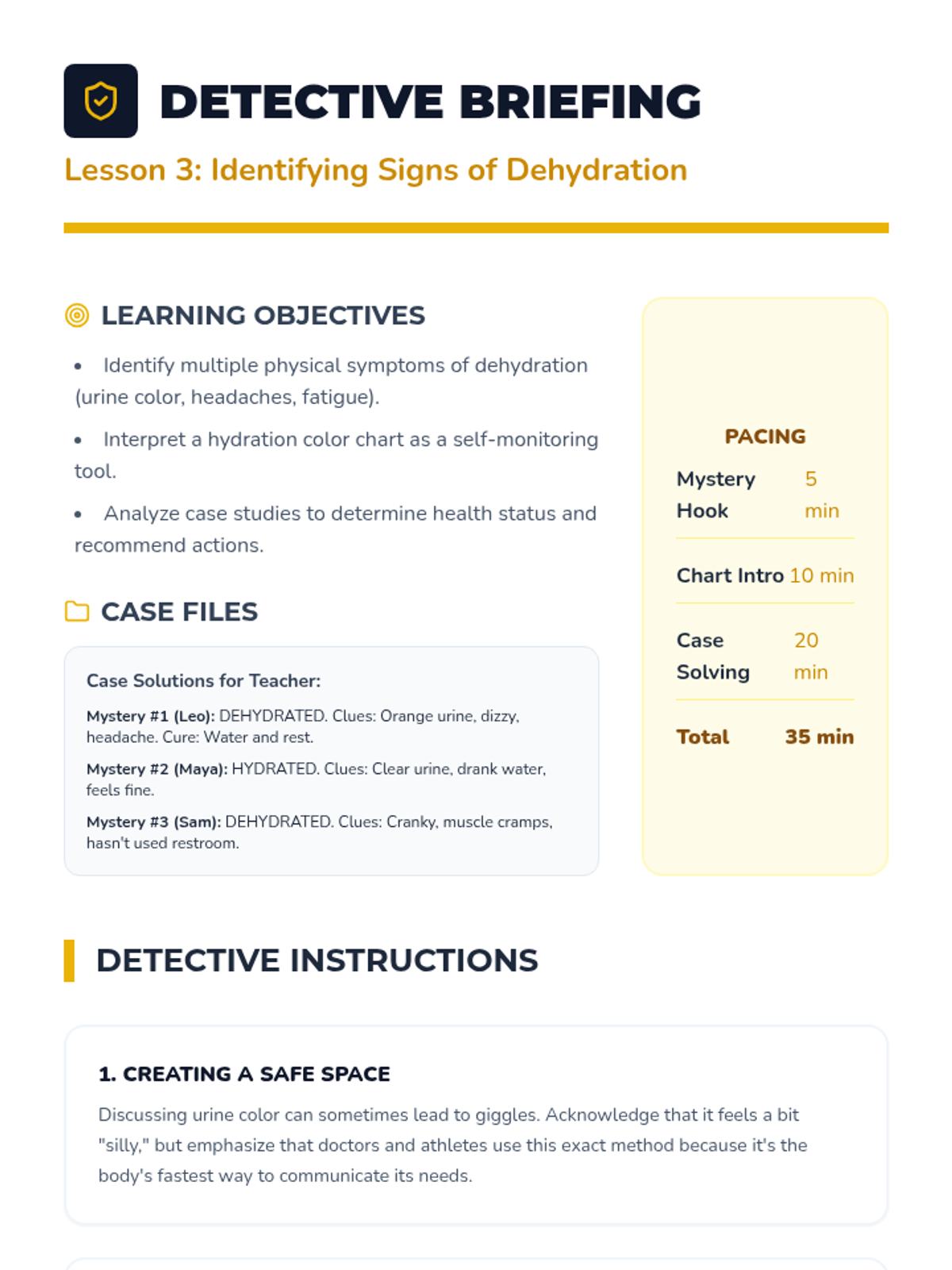
Students learn to identify signs of dehydration using a grade-appropriate color chart and analyze case studies.
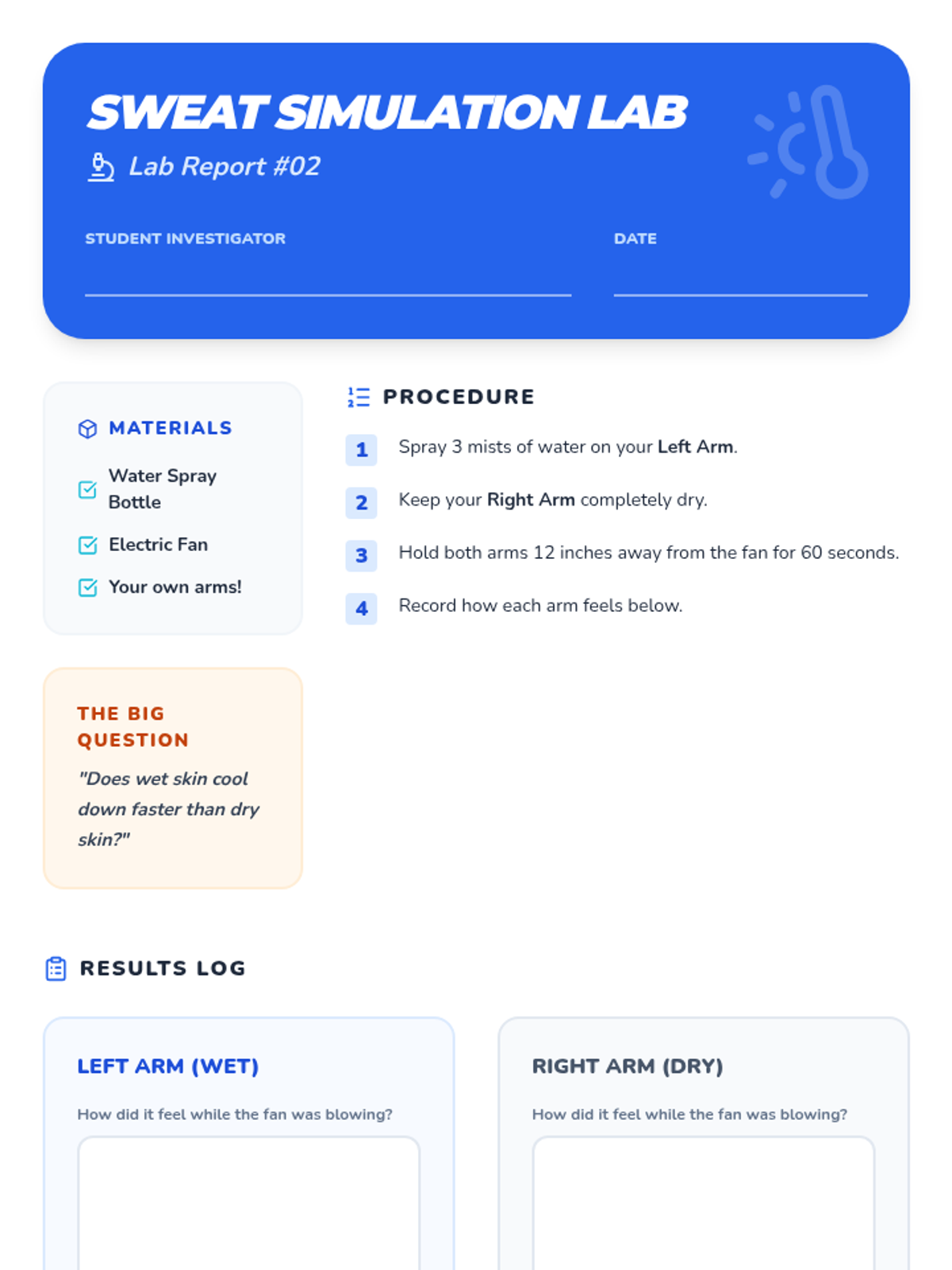
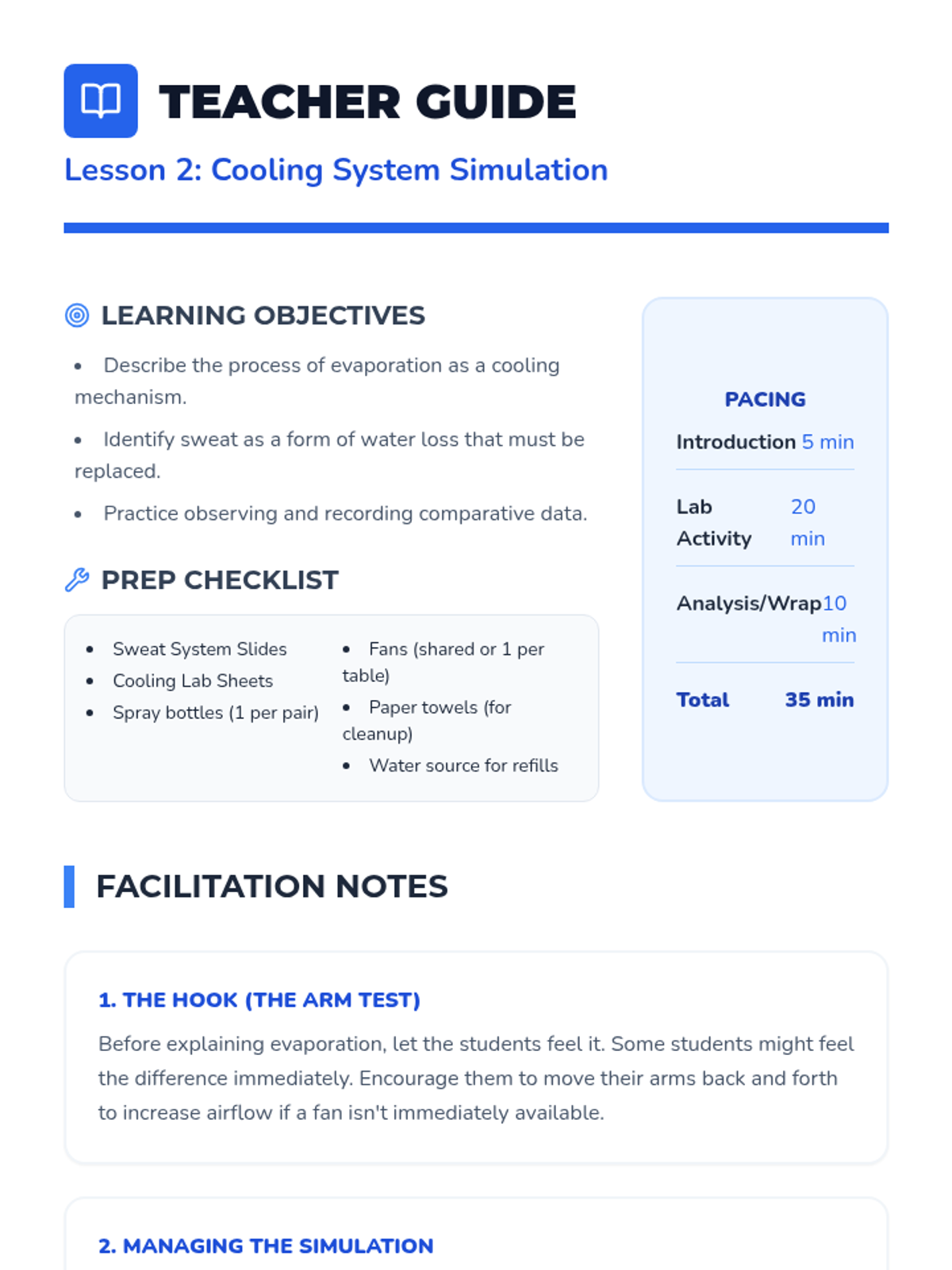
Students participate in a sweat simulation to understand how evaporation cools the skin and why replacing lost water is critical.
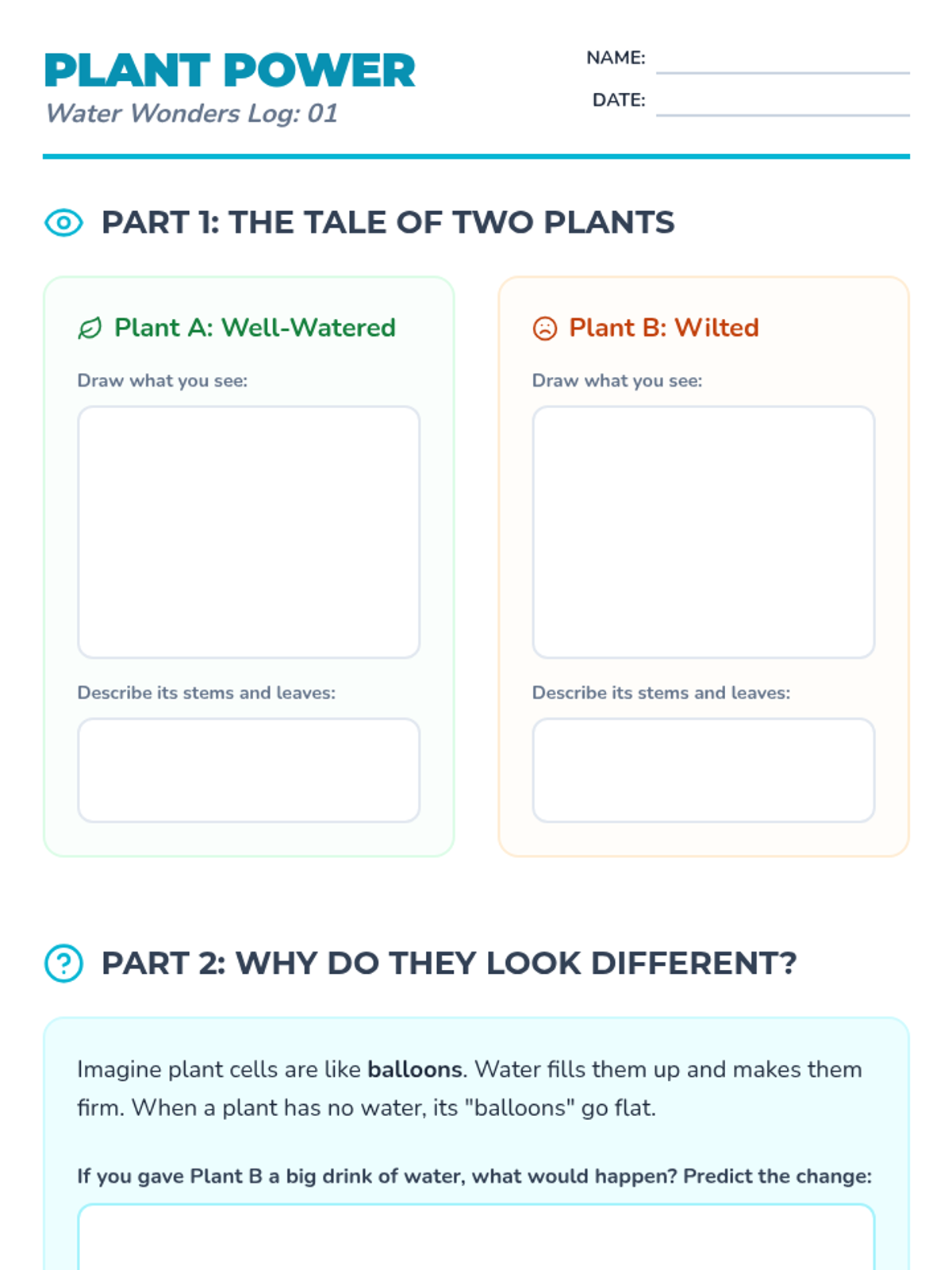
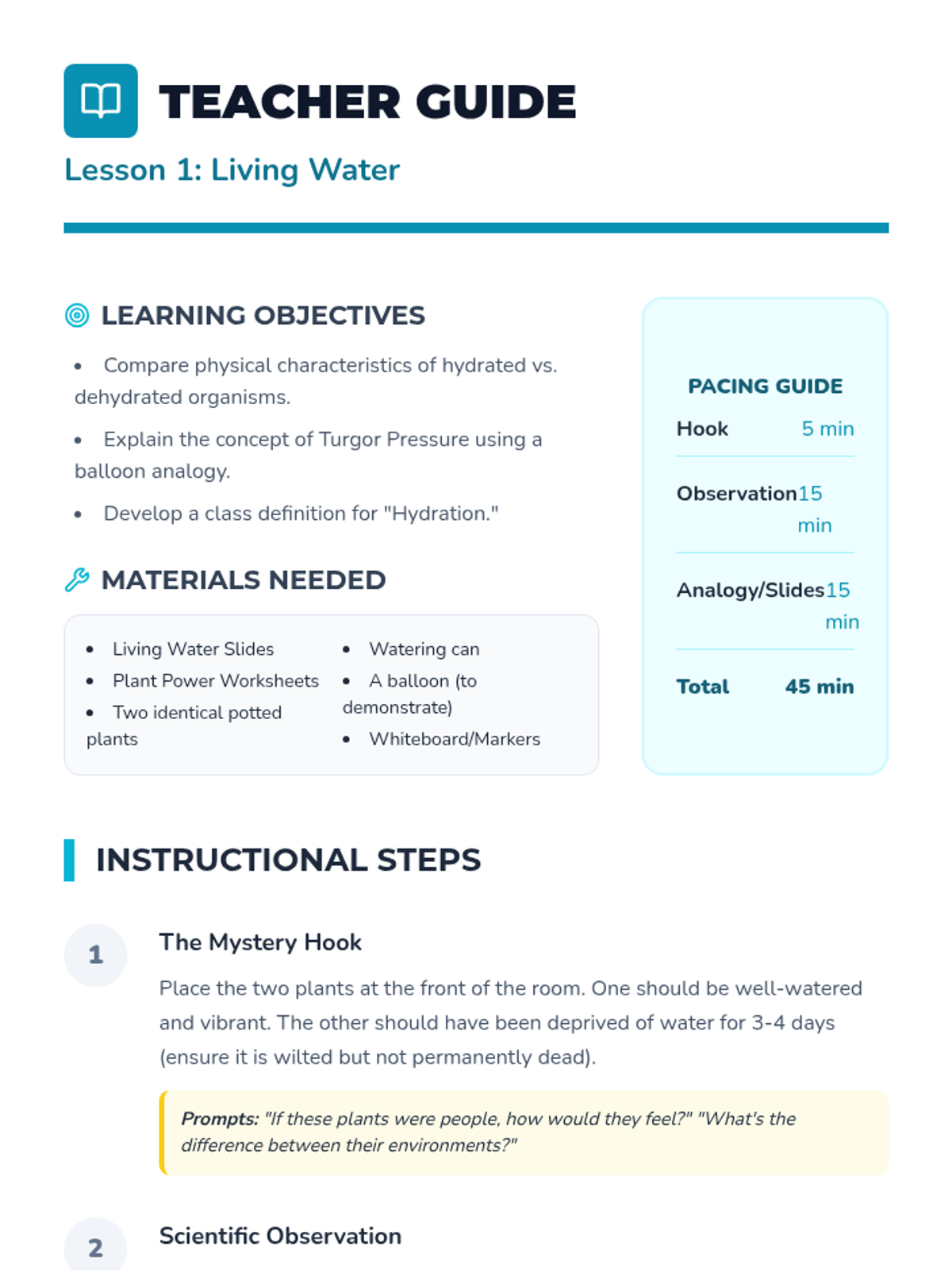
Students compare a well-watered plant to a wilted one to create an analogy for the human body and define hydration.
A culminating activity where students compare two food products side-by-side to determine and justify the healthier choice.
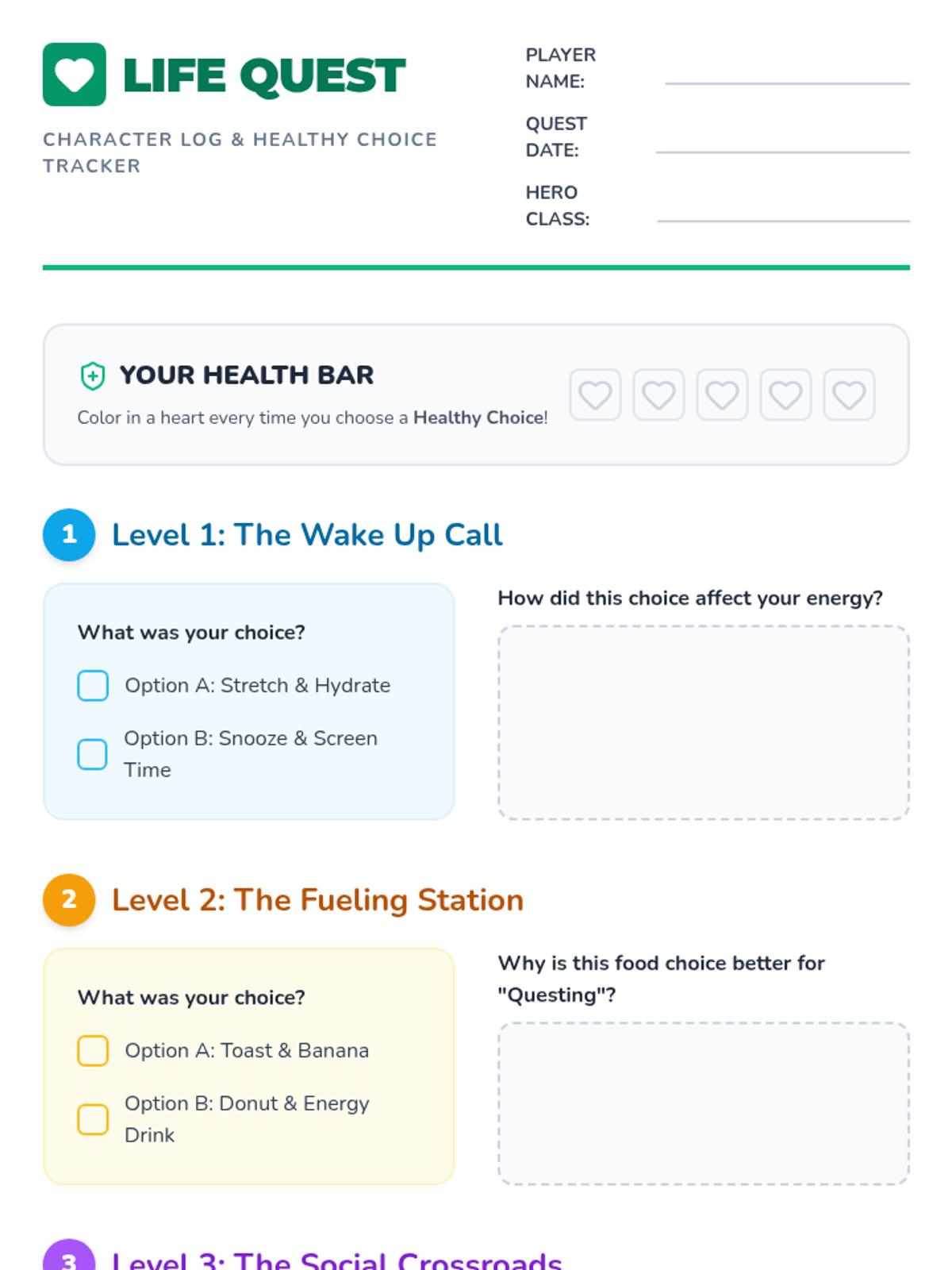
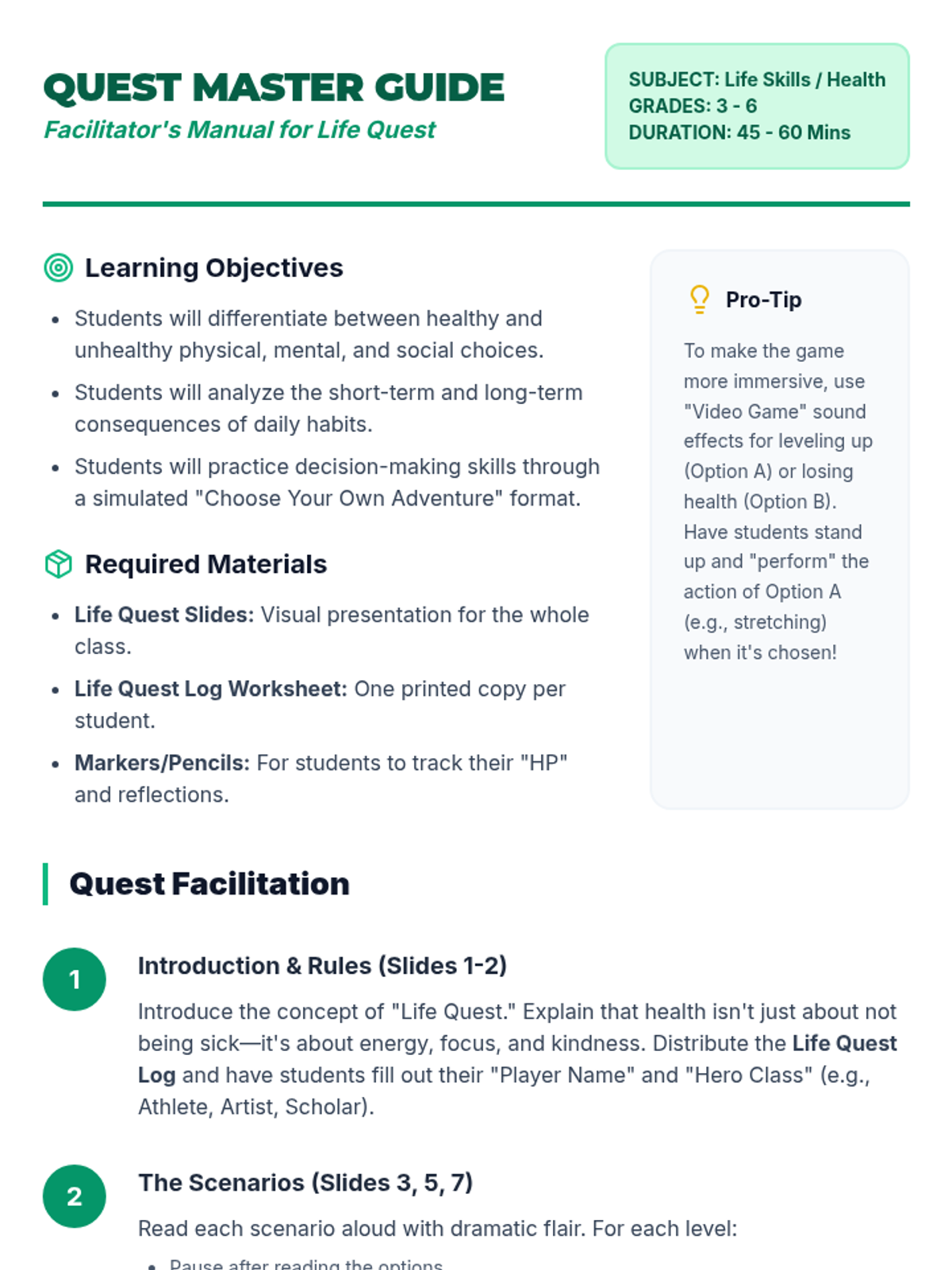
A game-based lesson where students navigate daily scenarios to make healthy physical, mental, and social choices using a 'choose your own adventure' format.
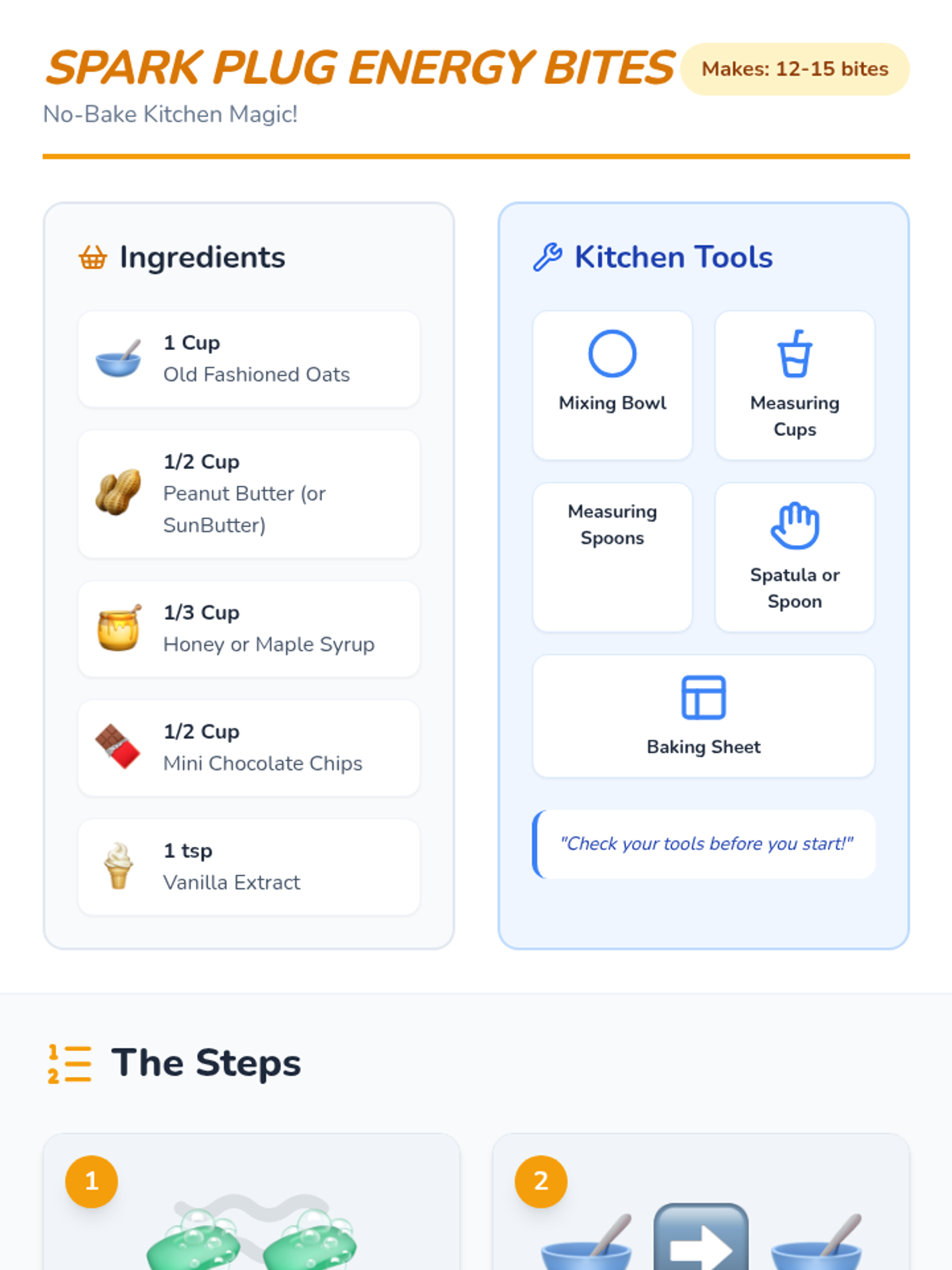
Students follow a visual recipe to create no-bake energy bites, focusing on sequencing, measuring, and independent living skills.
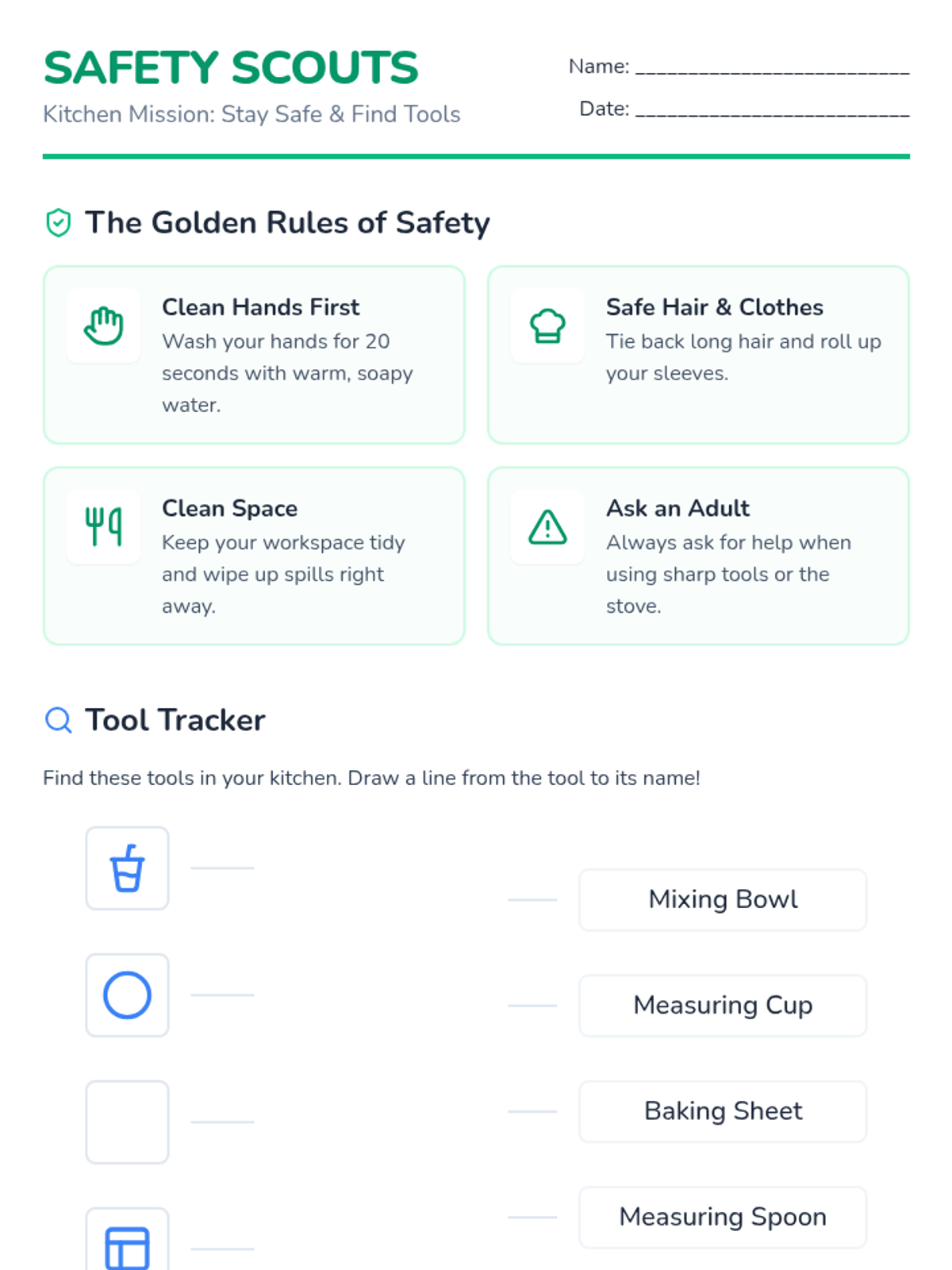
Students learn the essential rules of kitchen safety and identify common measuring tools and kitchen equipment.
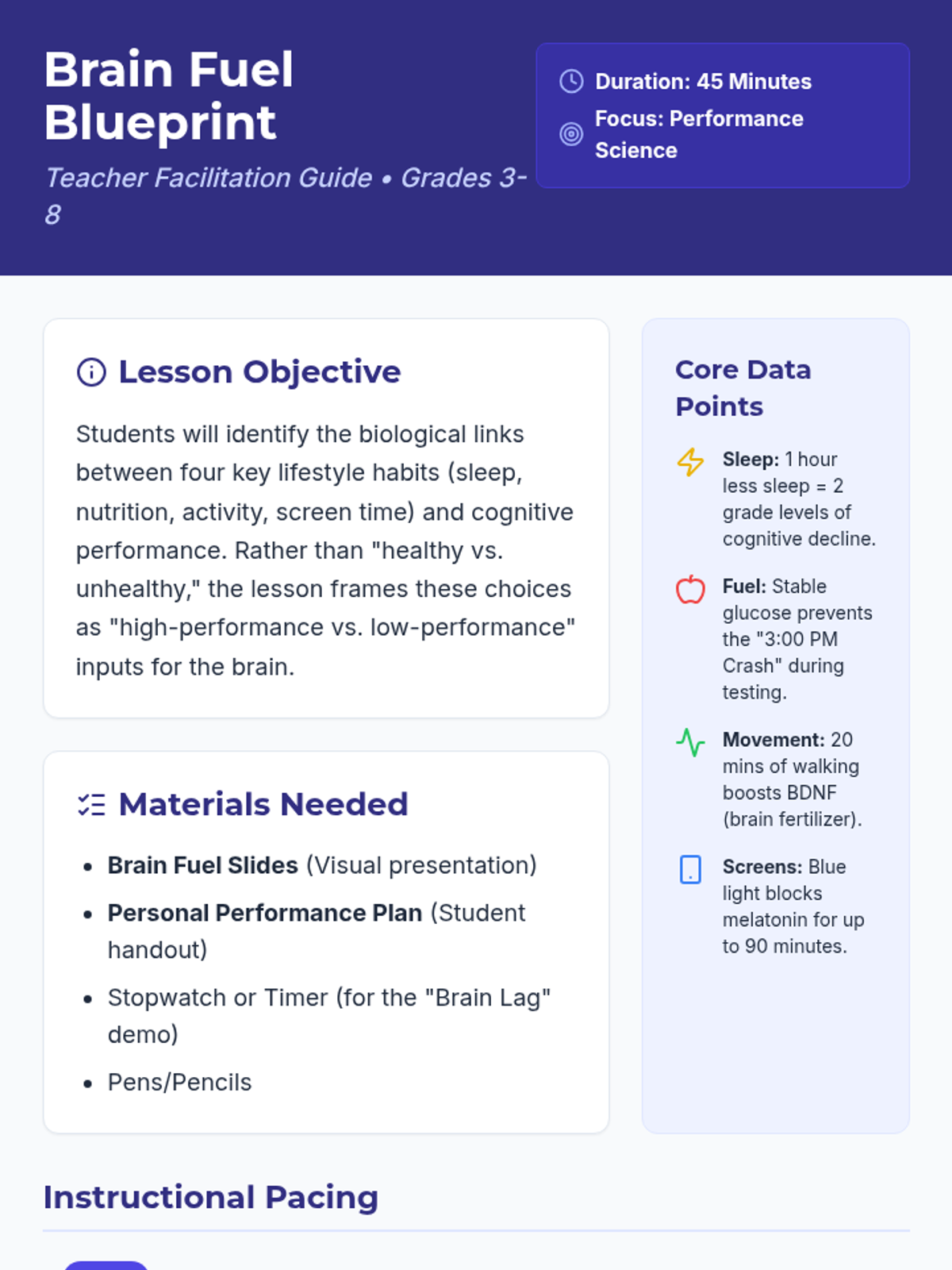
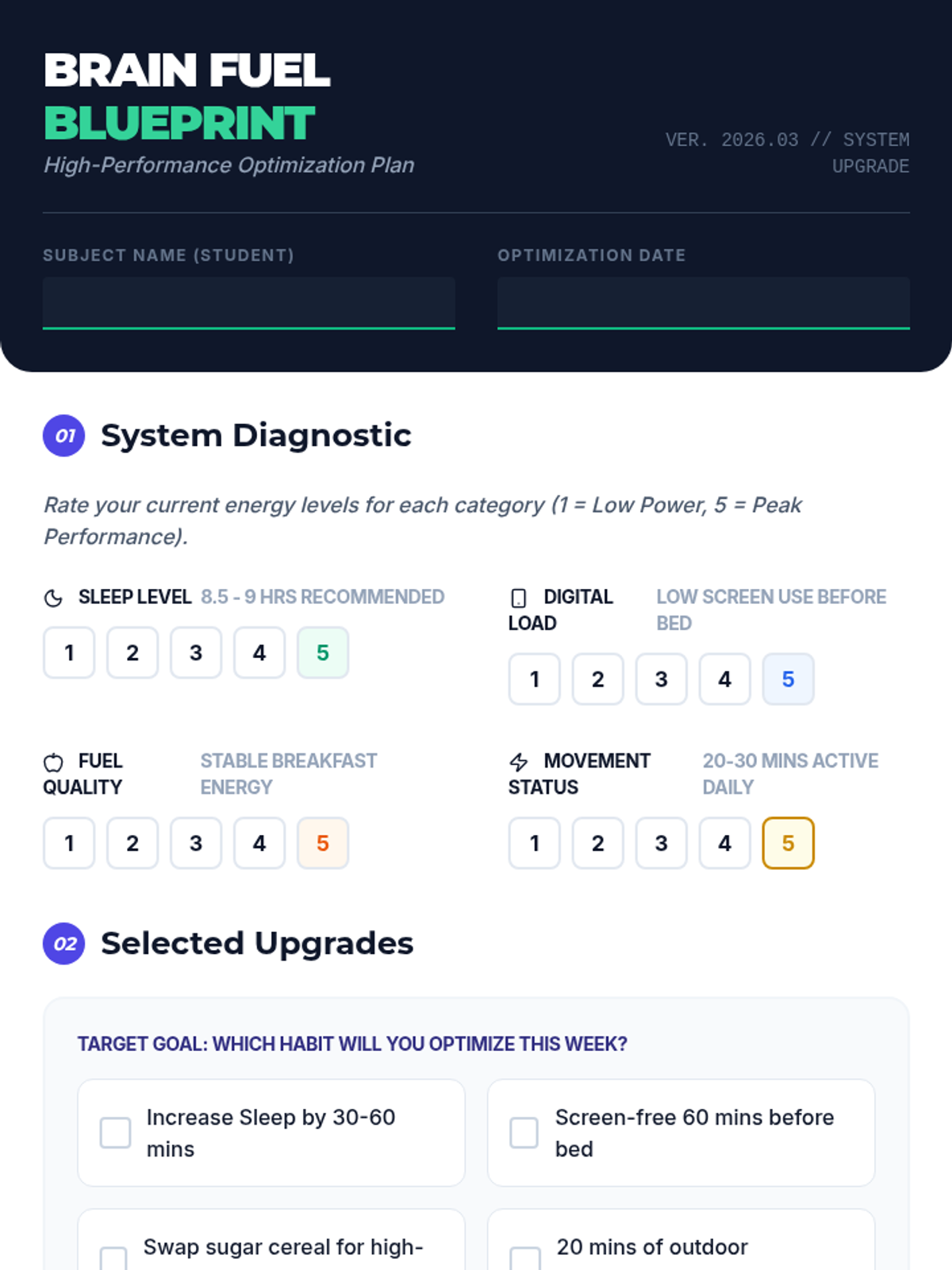
A practical, data-driven lesson for grades 3-8 exploring how sleep, nutrition, physical activity, and screen time directly impact brain function and academic success. Students analyze real-world performance metrics and create their own 'Brain Fuel Blueprint' for personal wellness.
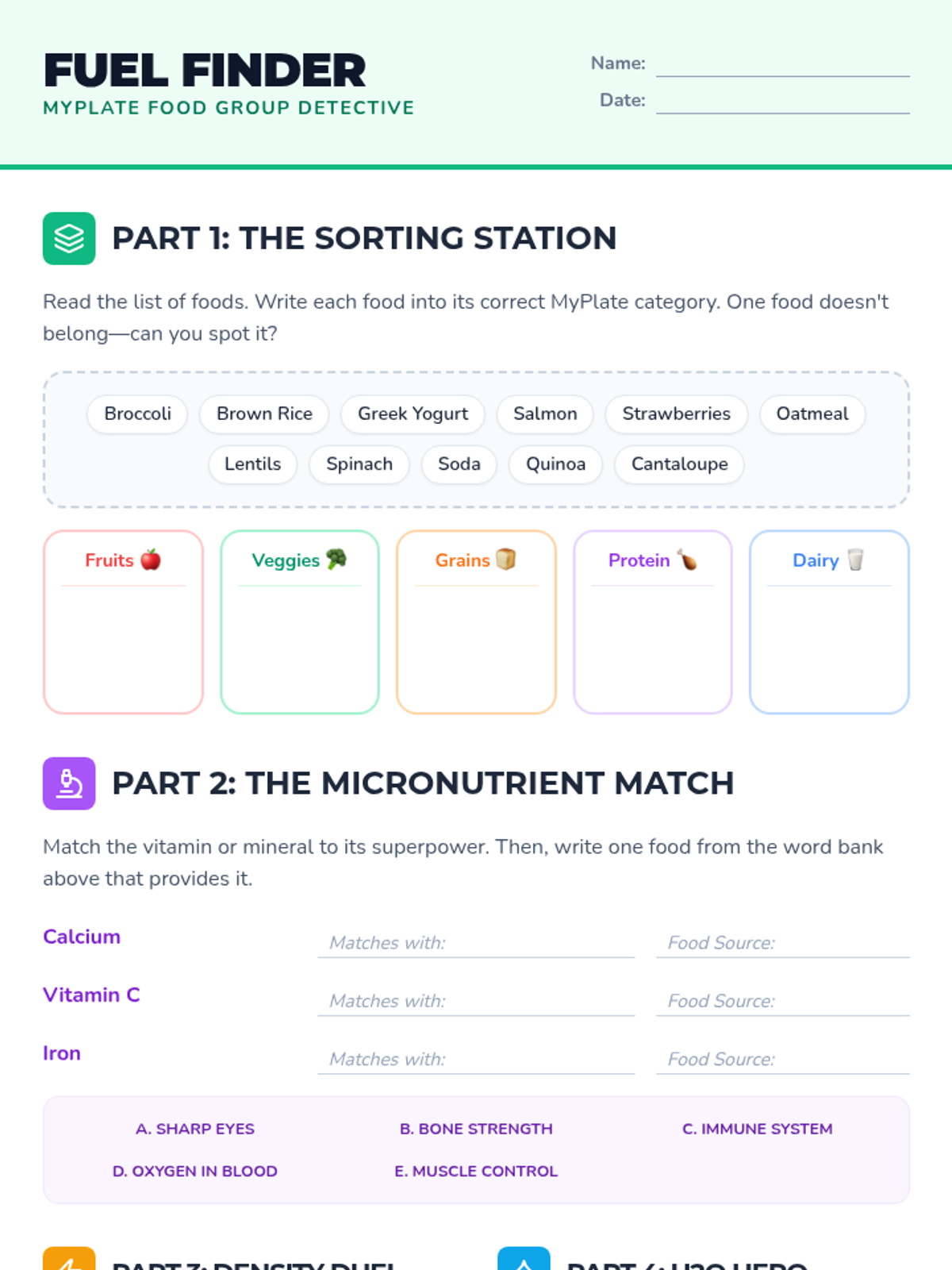
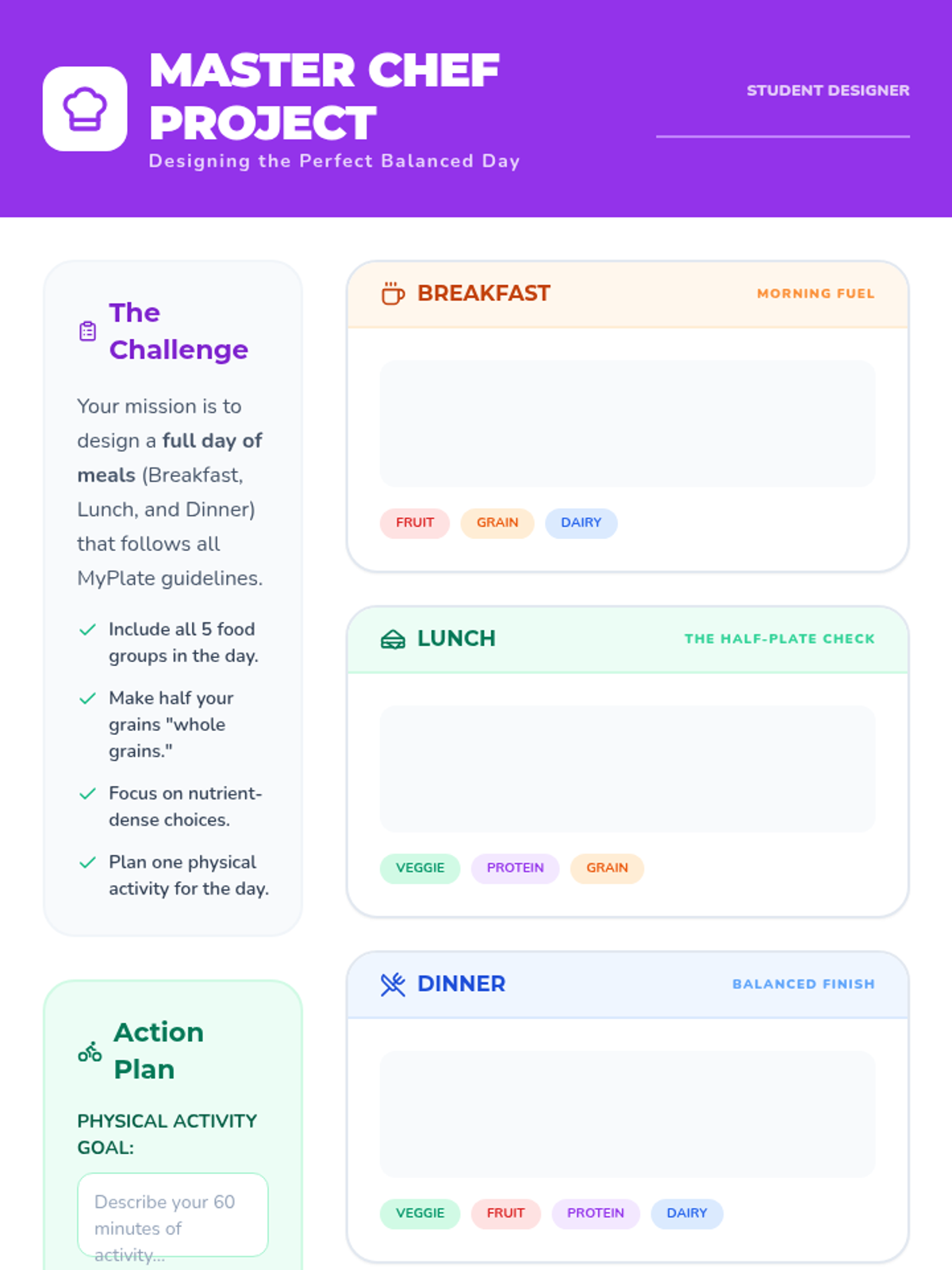
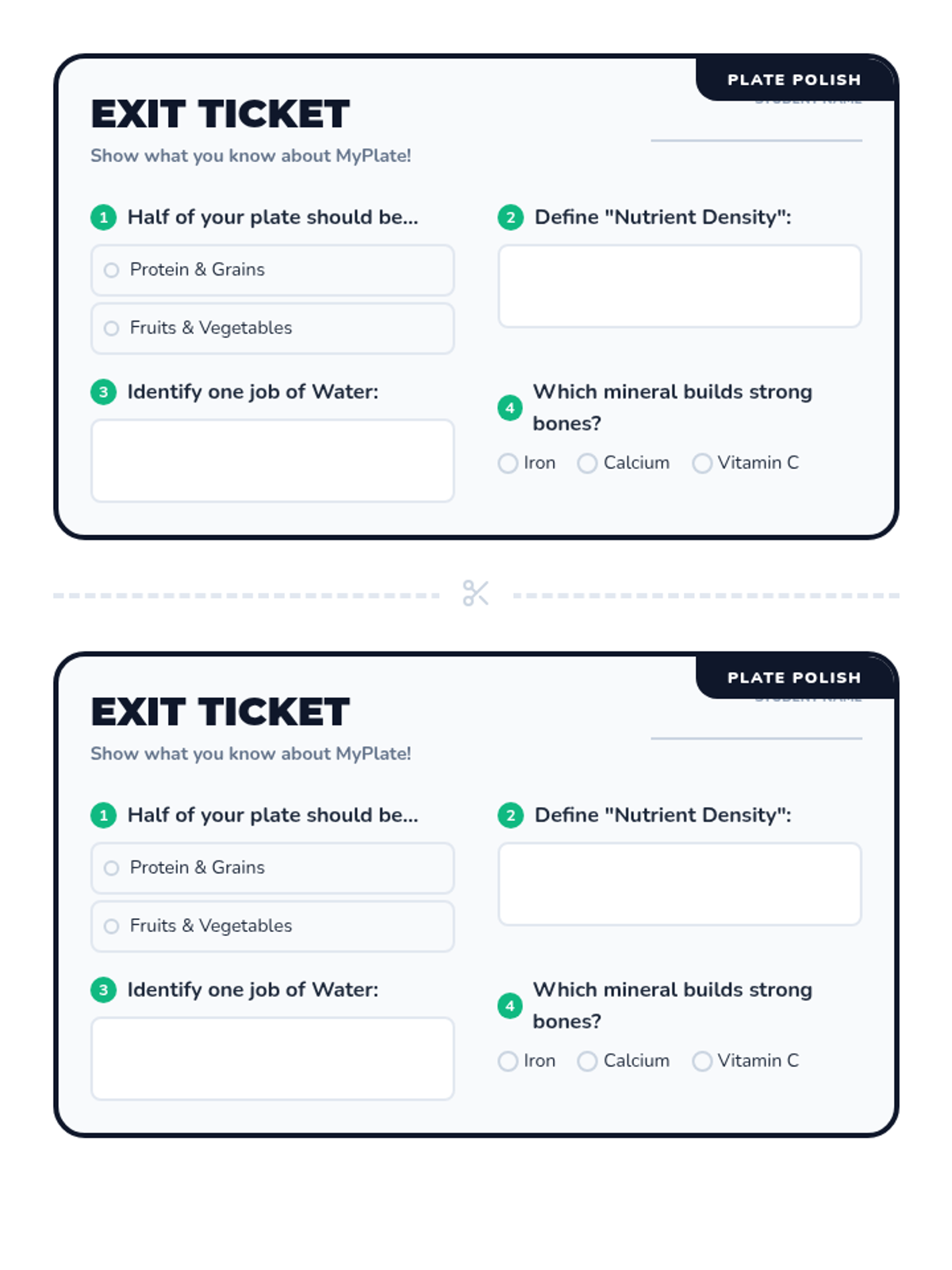
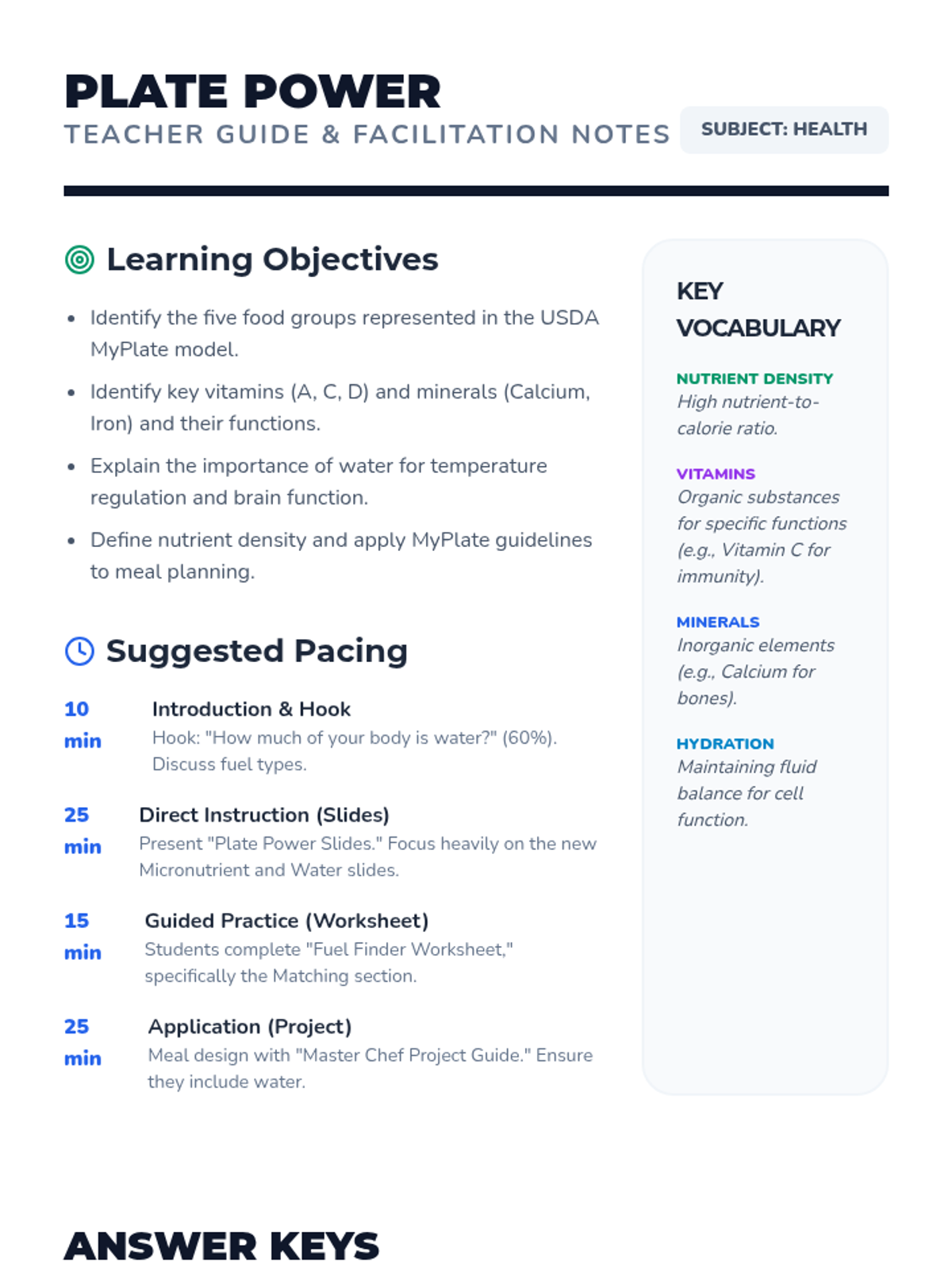
A comprehensive lesson on the USDA MyPlate guidelines, focusing on the five food groups, nutrient density, and planning balanced meals for a healthy lifestyle.
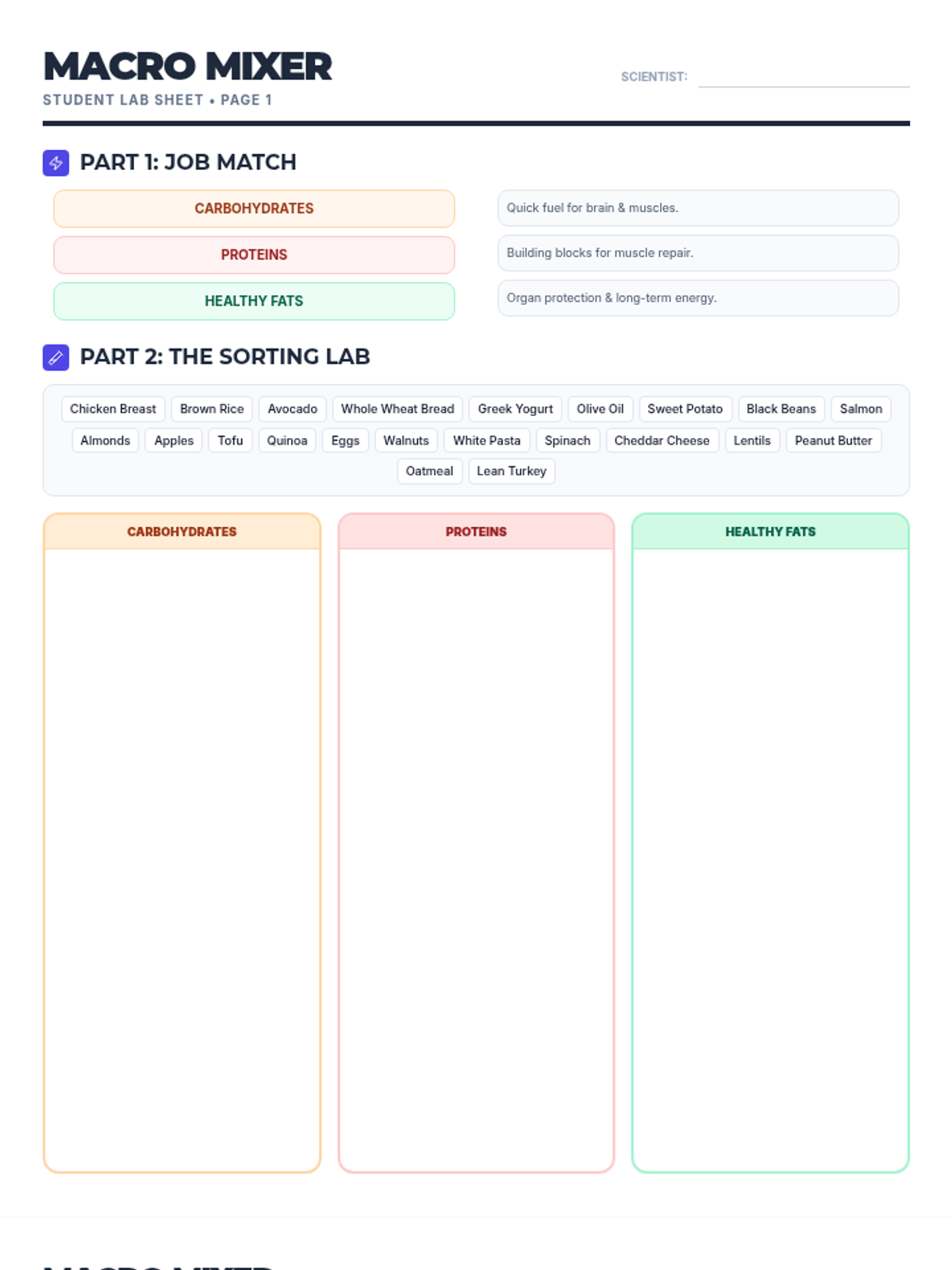
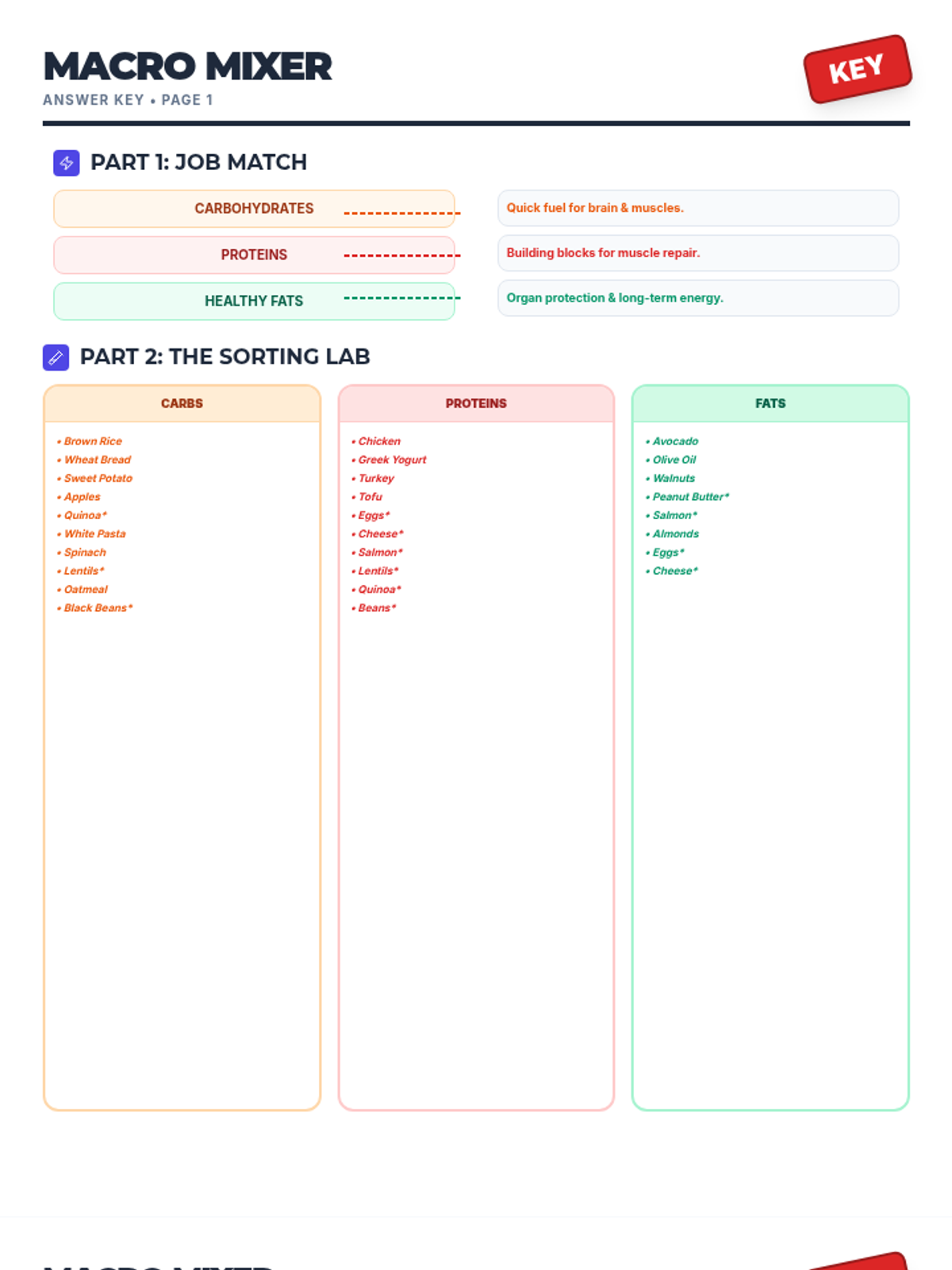
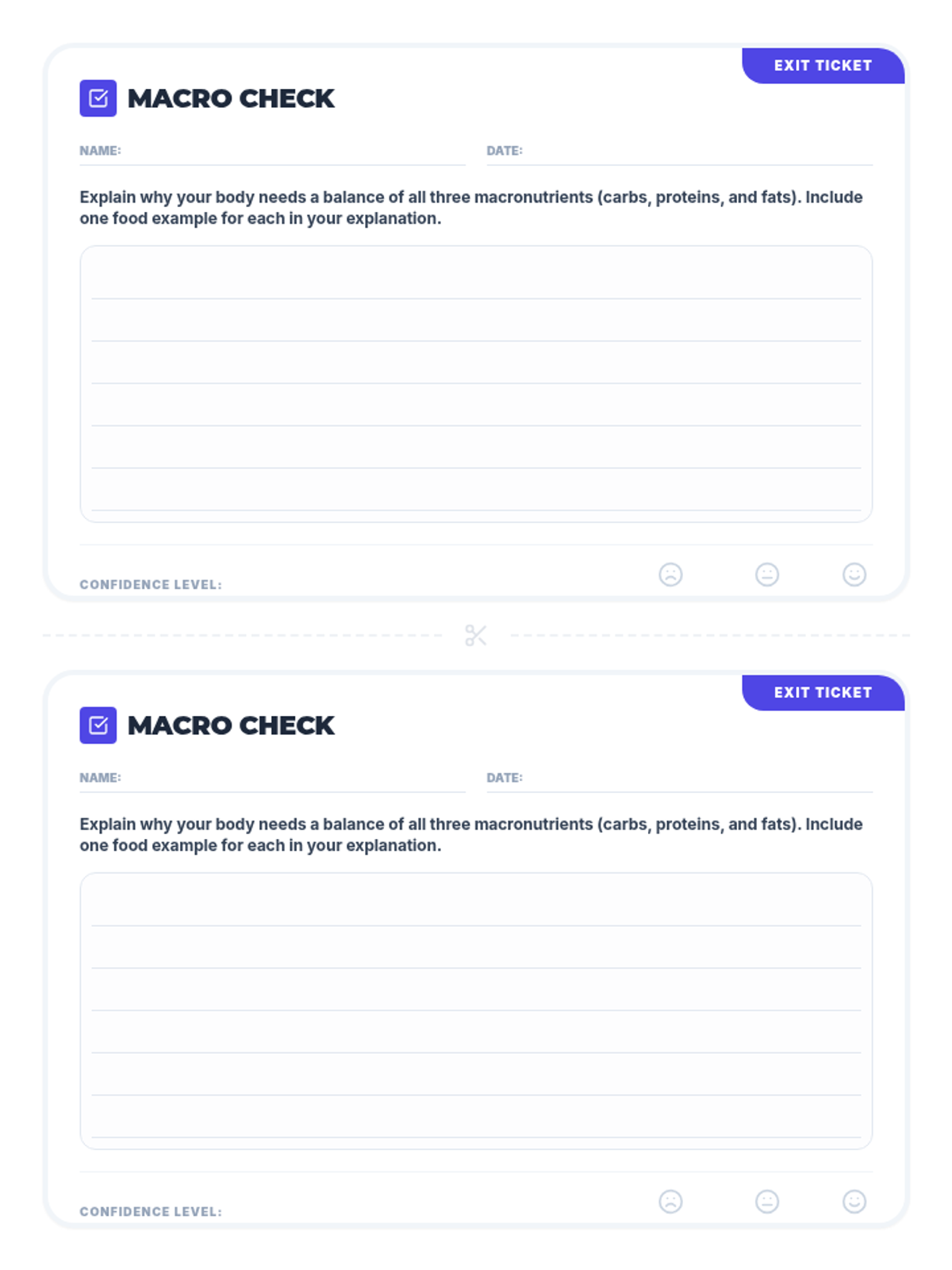
This lesson explores the three primary macronutrients—carbohydrates, proteins, and fats. Students will discover how these 'big nutrients' provide energy and support vital body functions through engaging visuals and a hands-on meal-building activity.
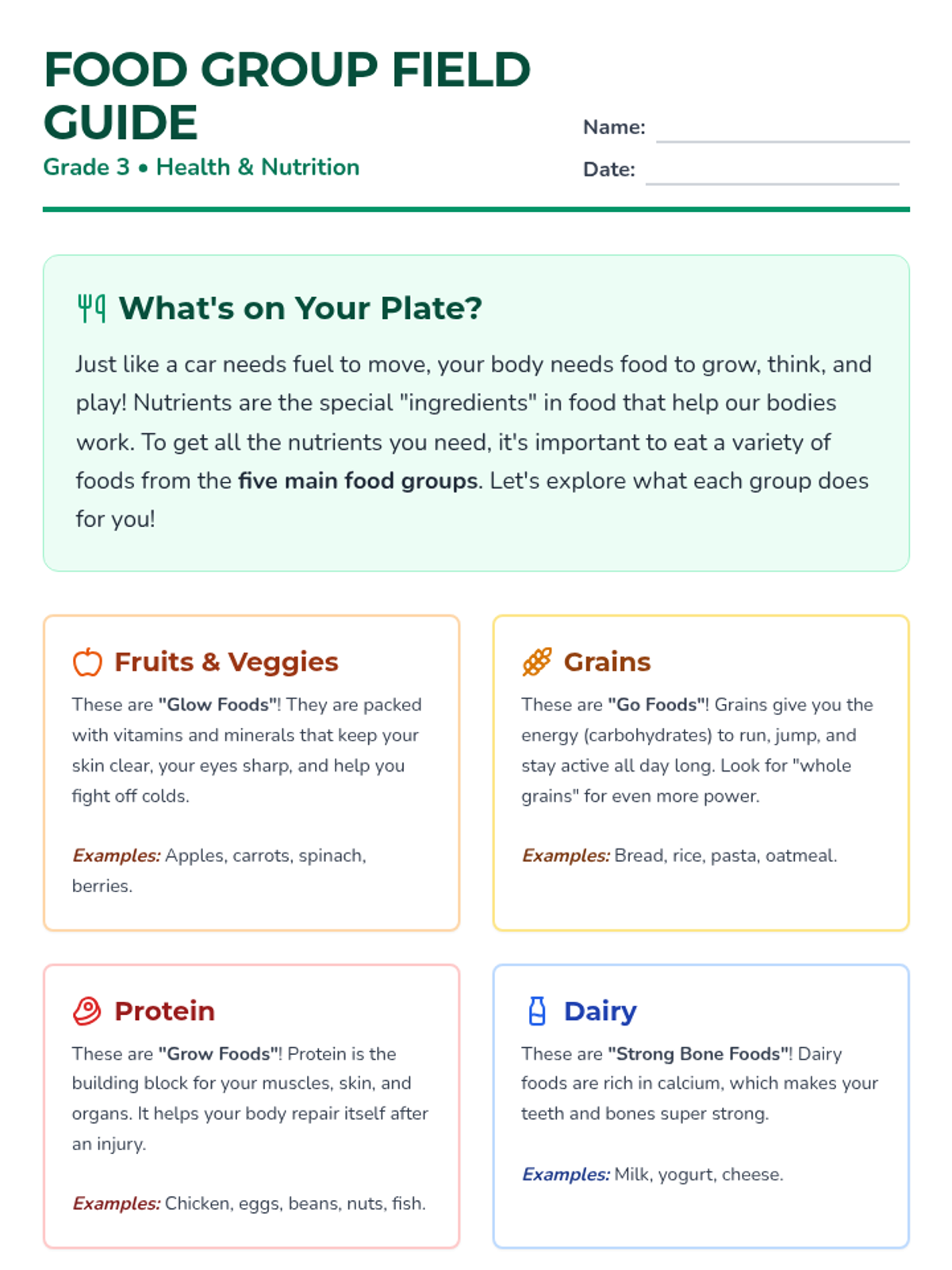
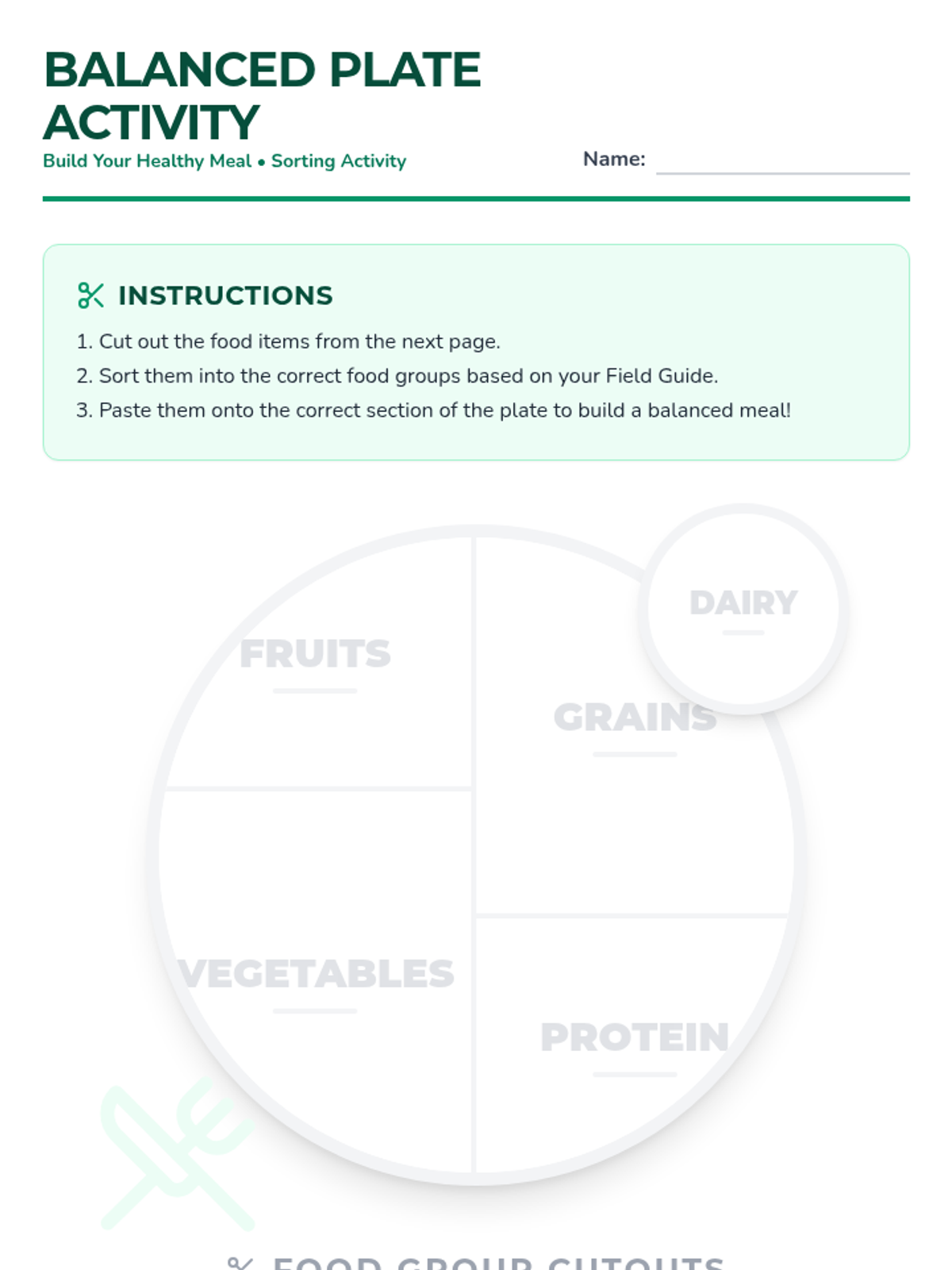
A lesson exploring the five main food groups and how they help our bodies grow and stay healthy. Students will learn to identify foods in each group and understand the importance of a balanced plate.
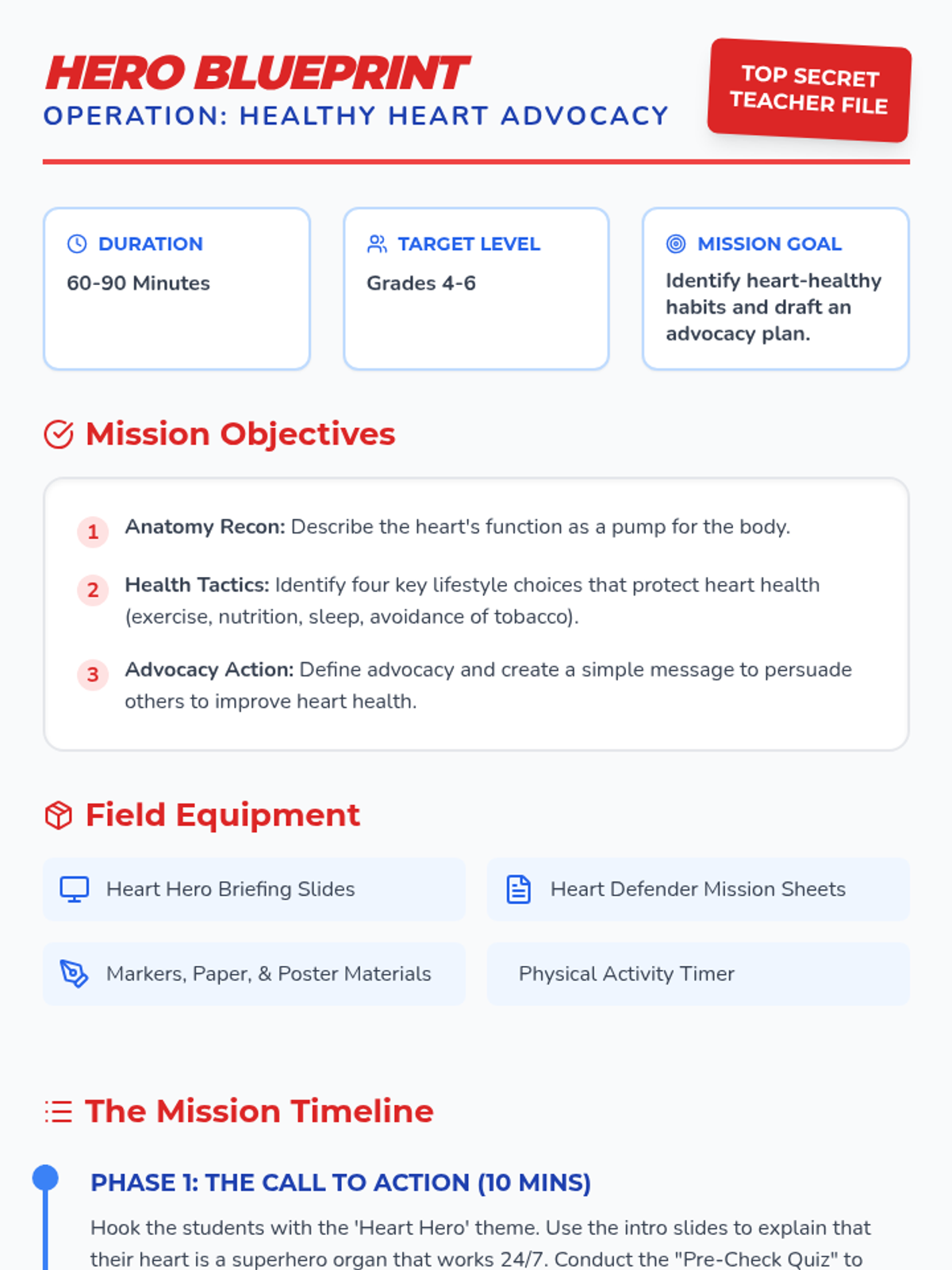
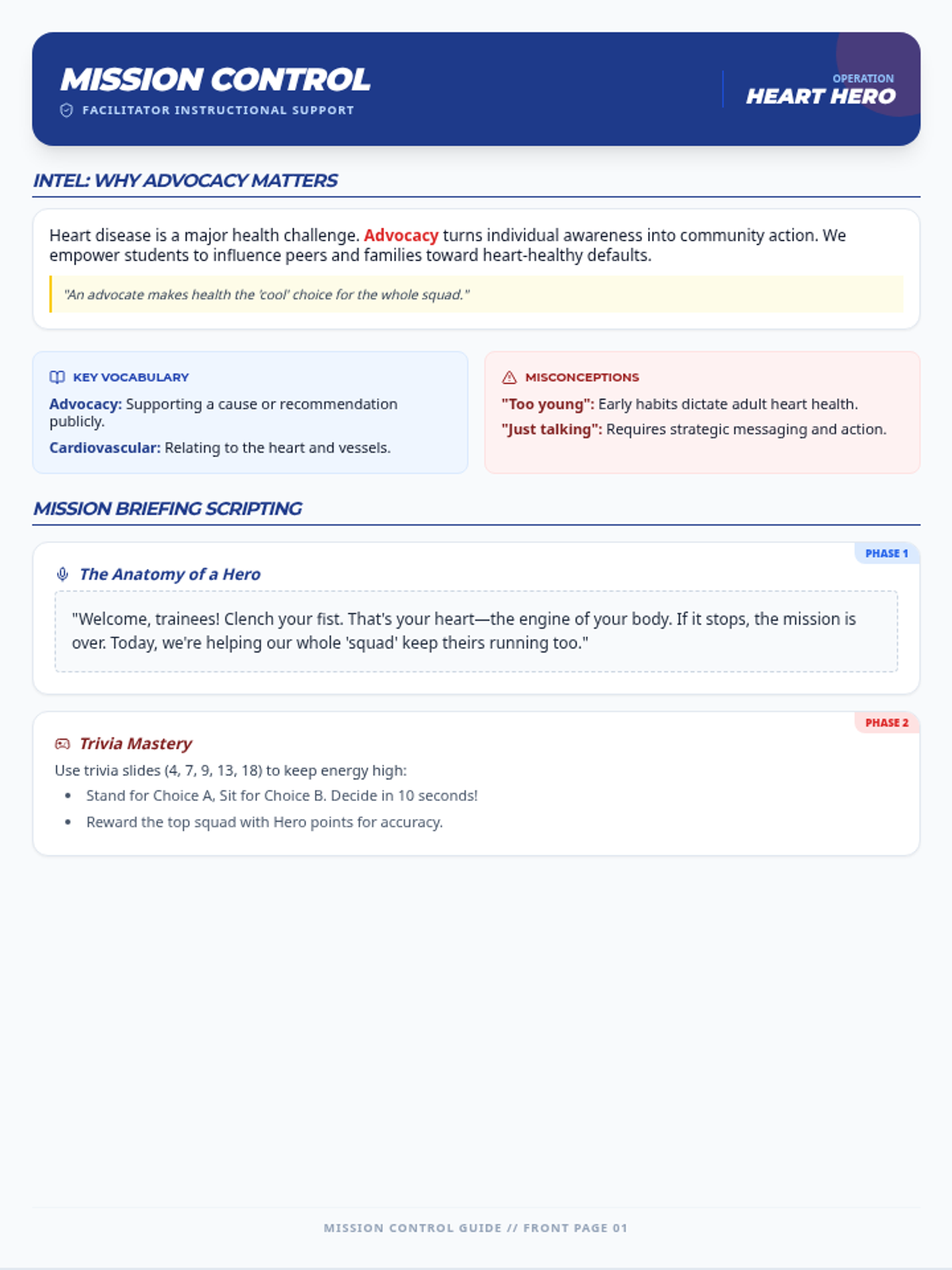
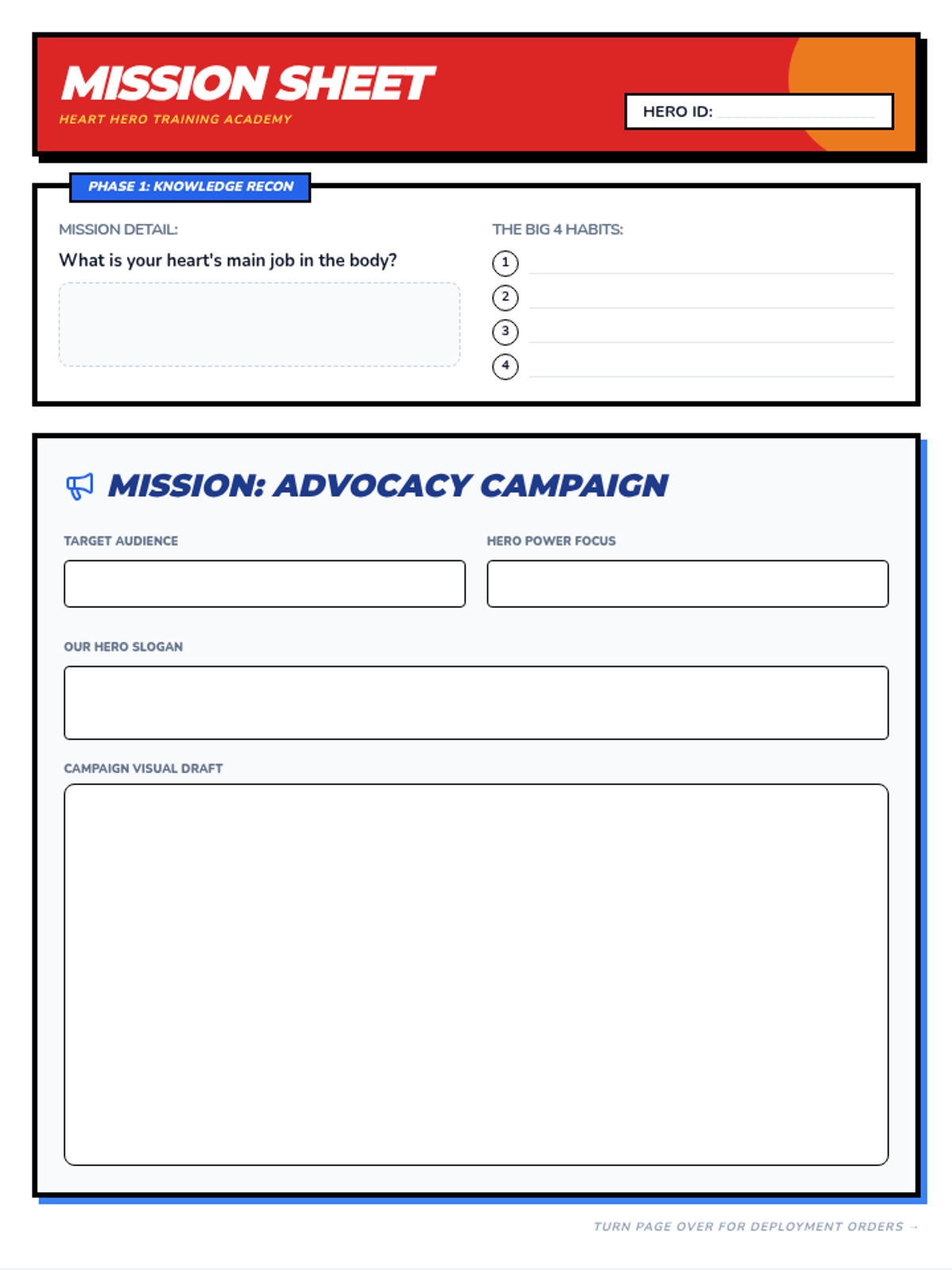
Students learn the fundamentals of heart health and how to advocate for healthy habits in their community through a superhero-themed training program.
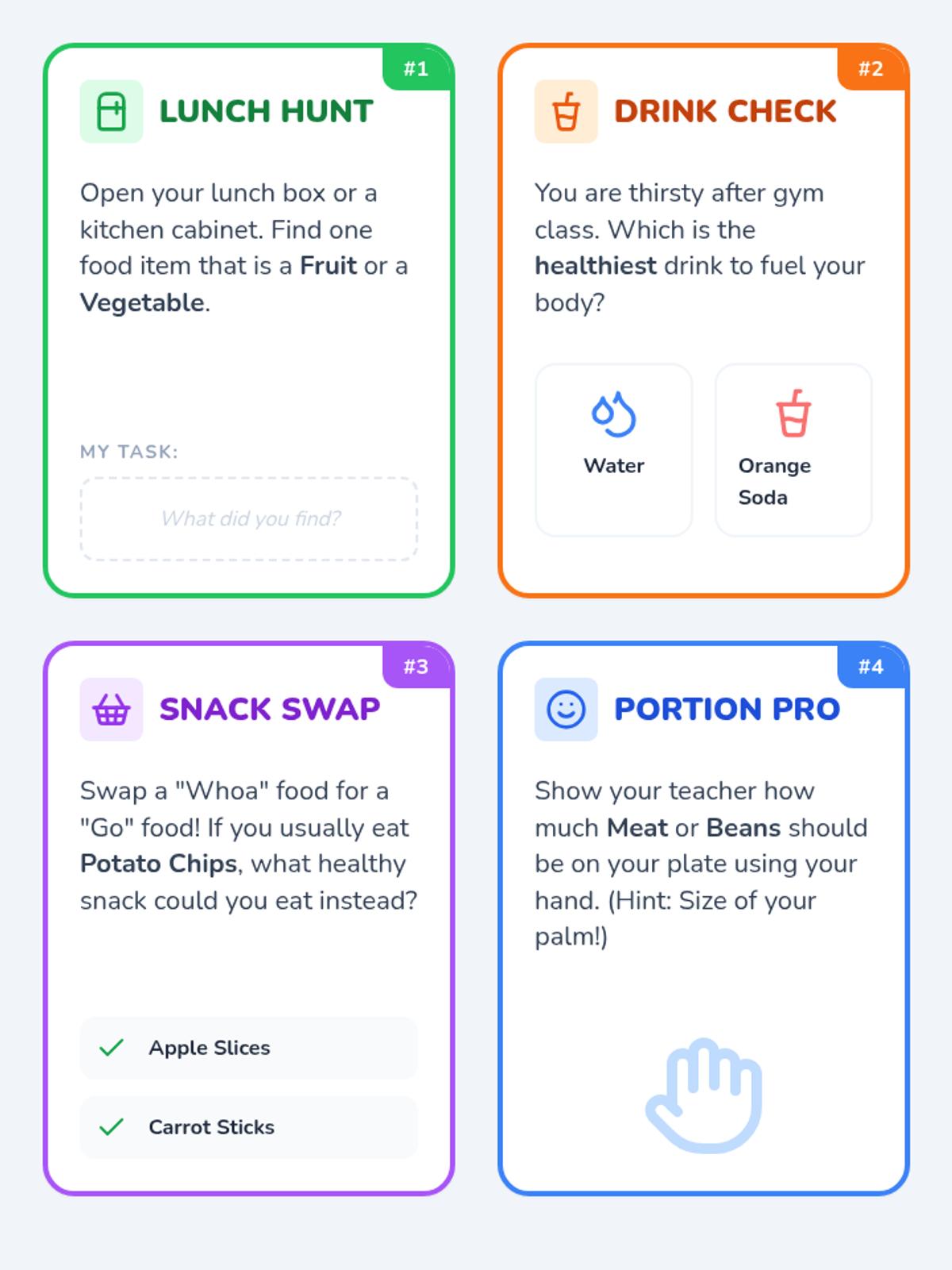
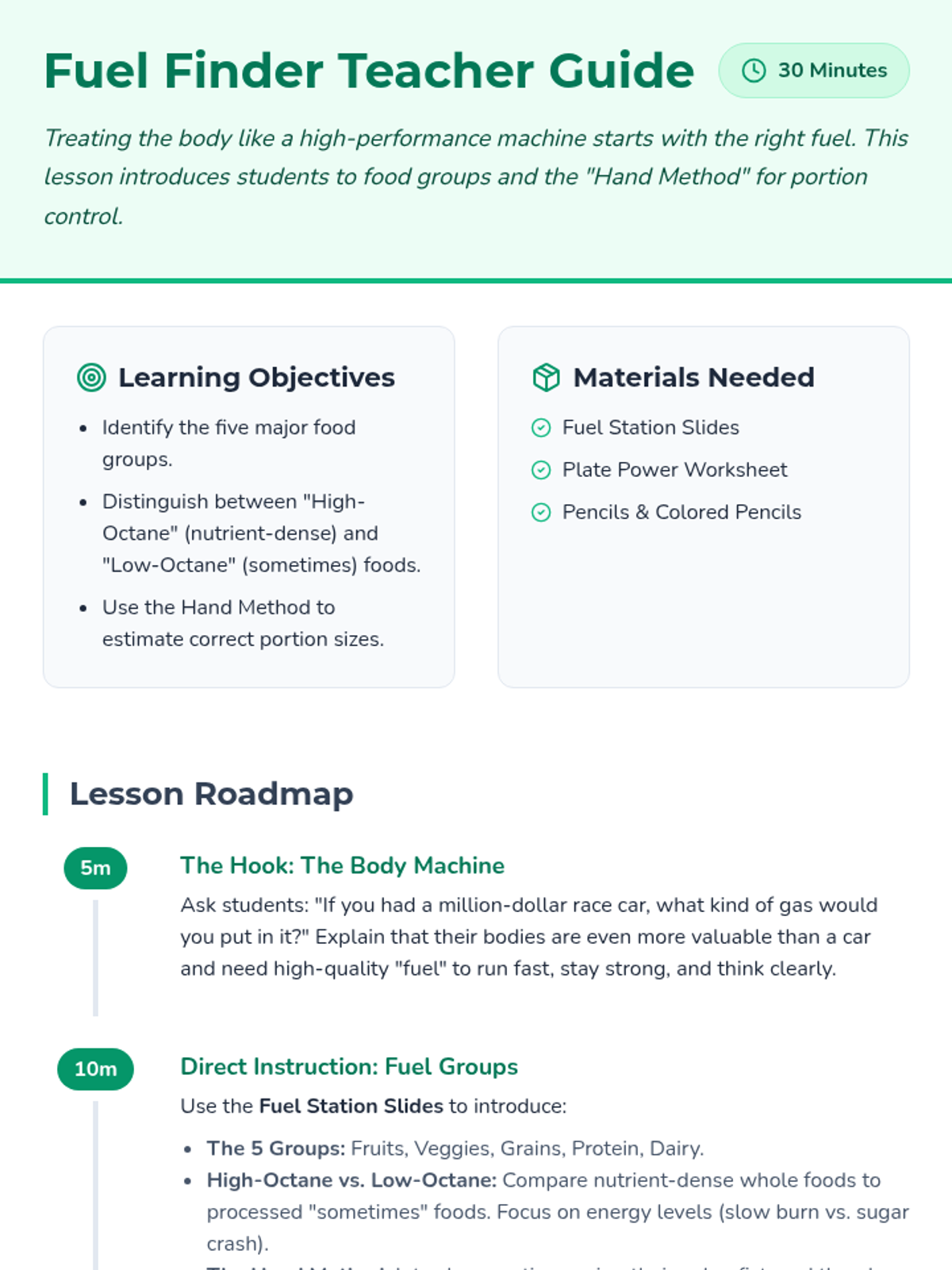
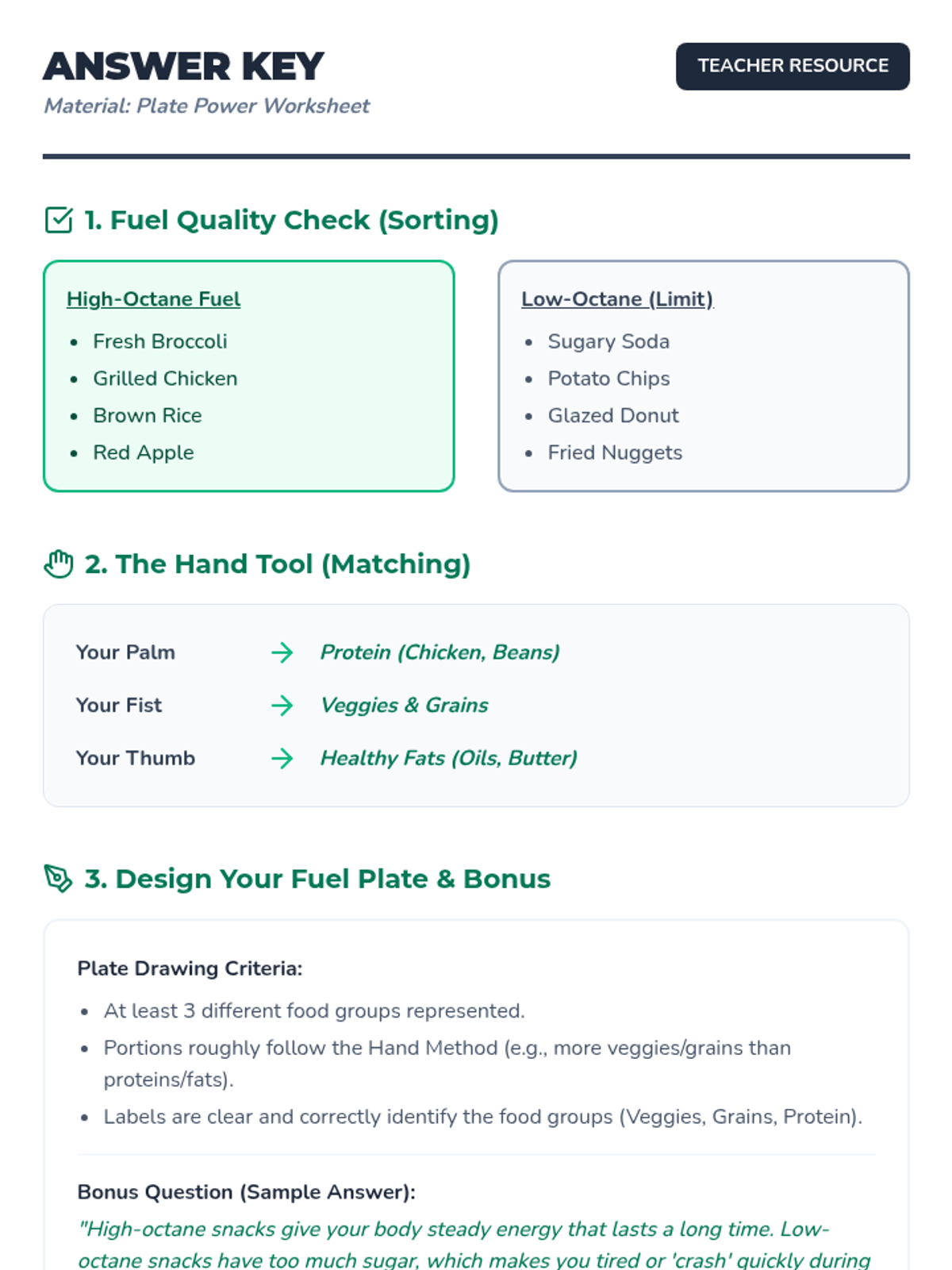
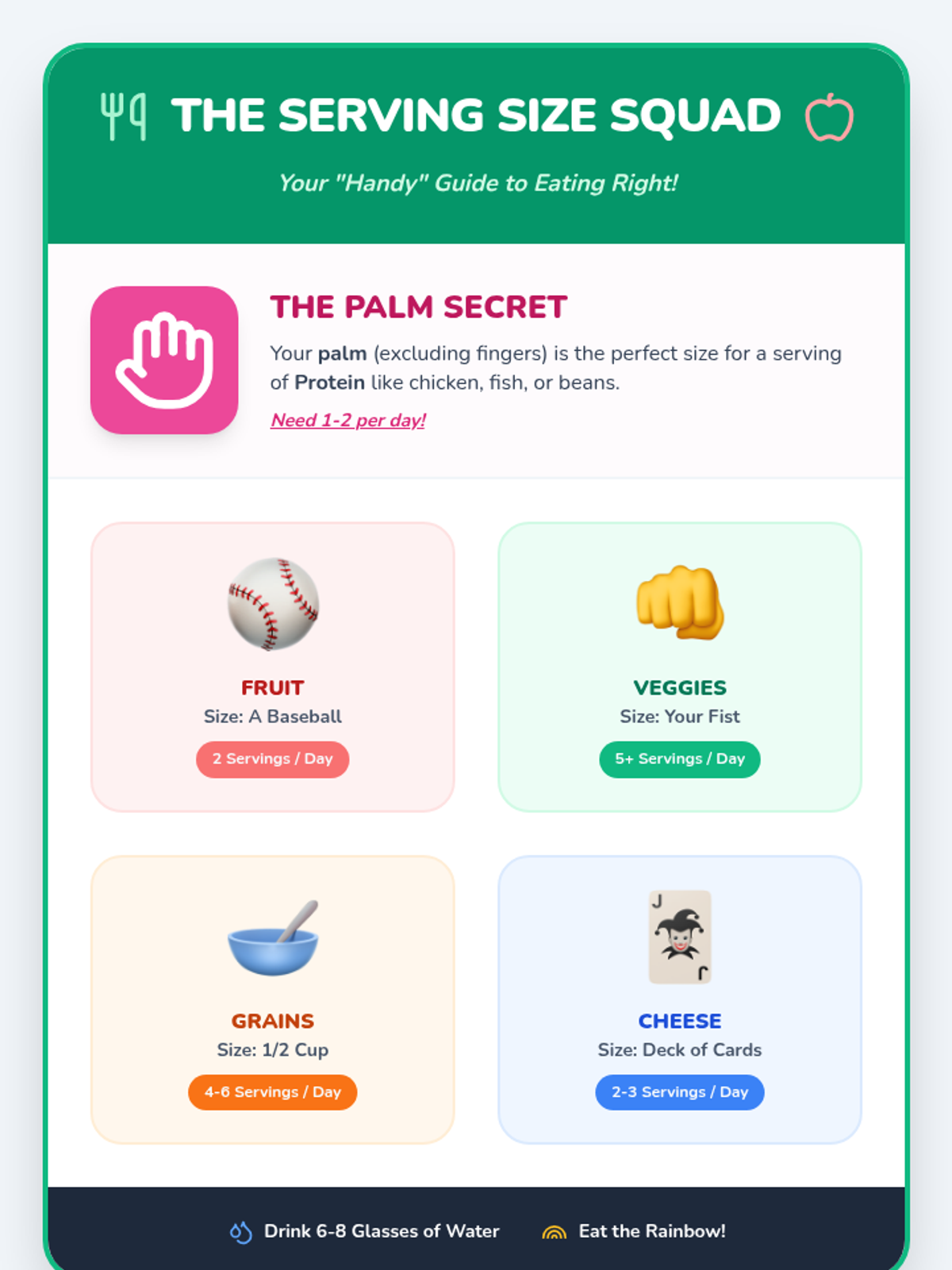
A 30-minute introductory lesson on nutrition, focusing on food groups, distinguishing between nutrient-dense and 'sometimes' foods, and mastering portion sizes using the 'hand method'.
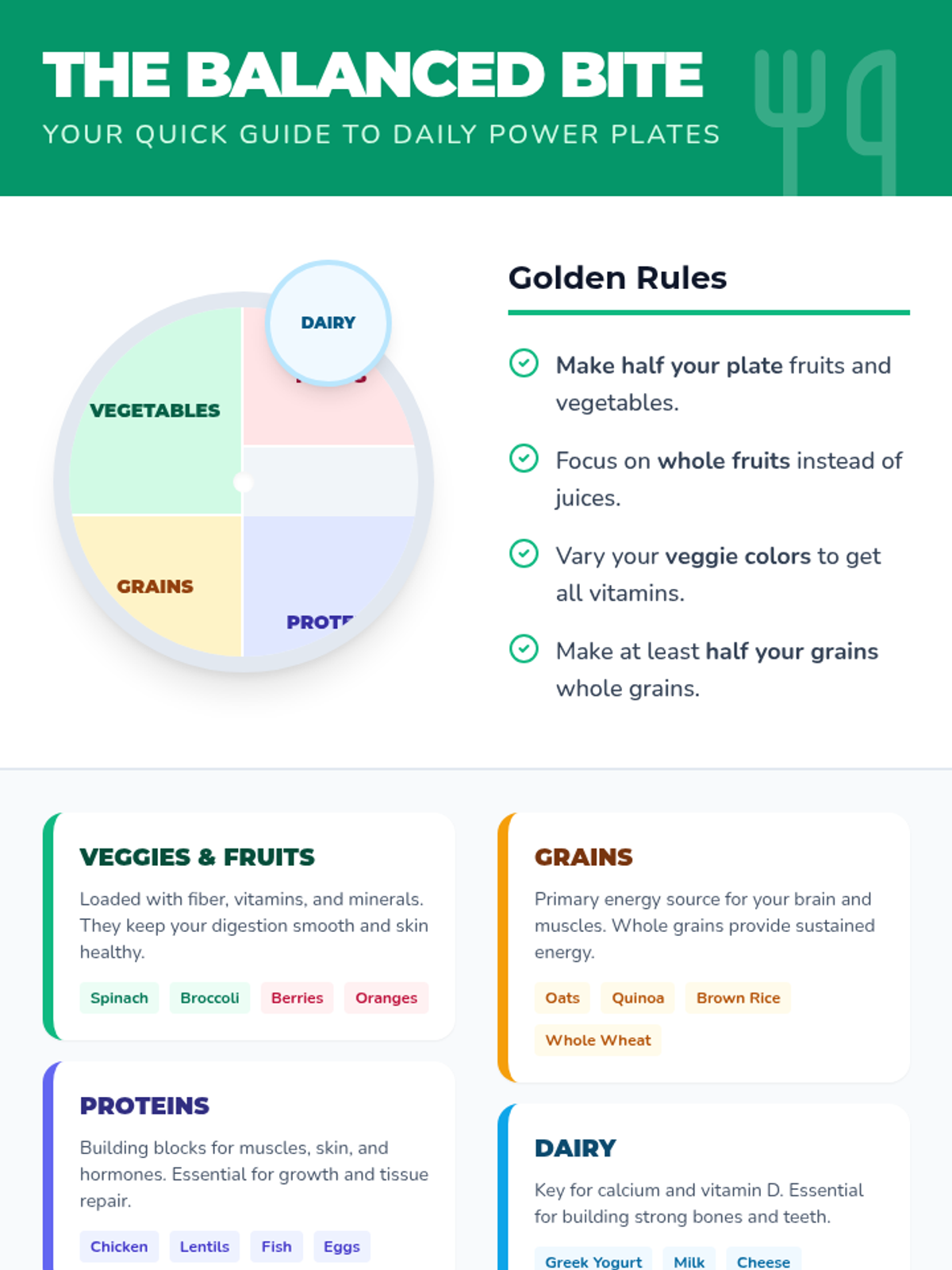
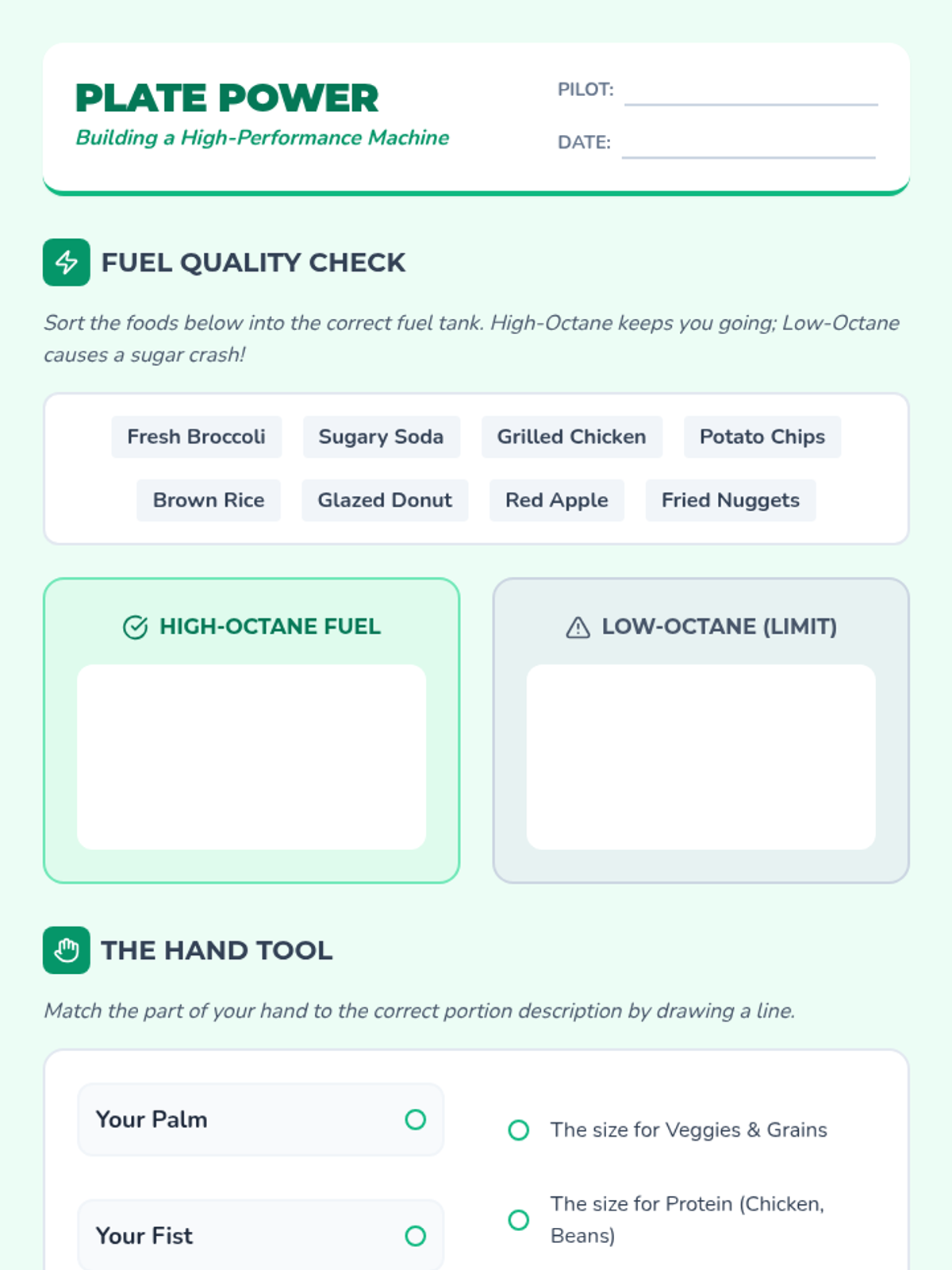
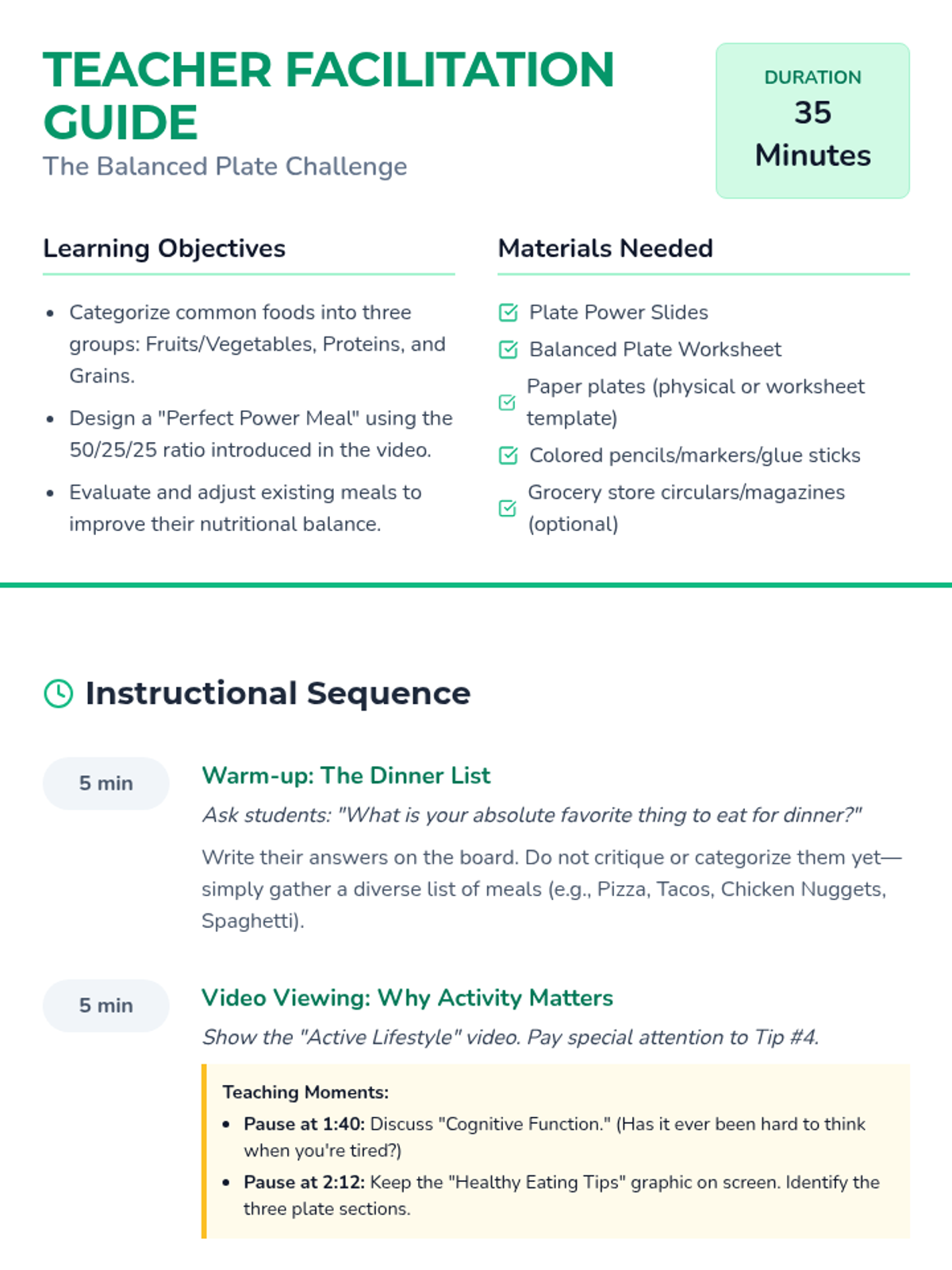
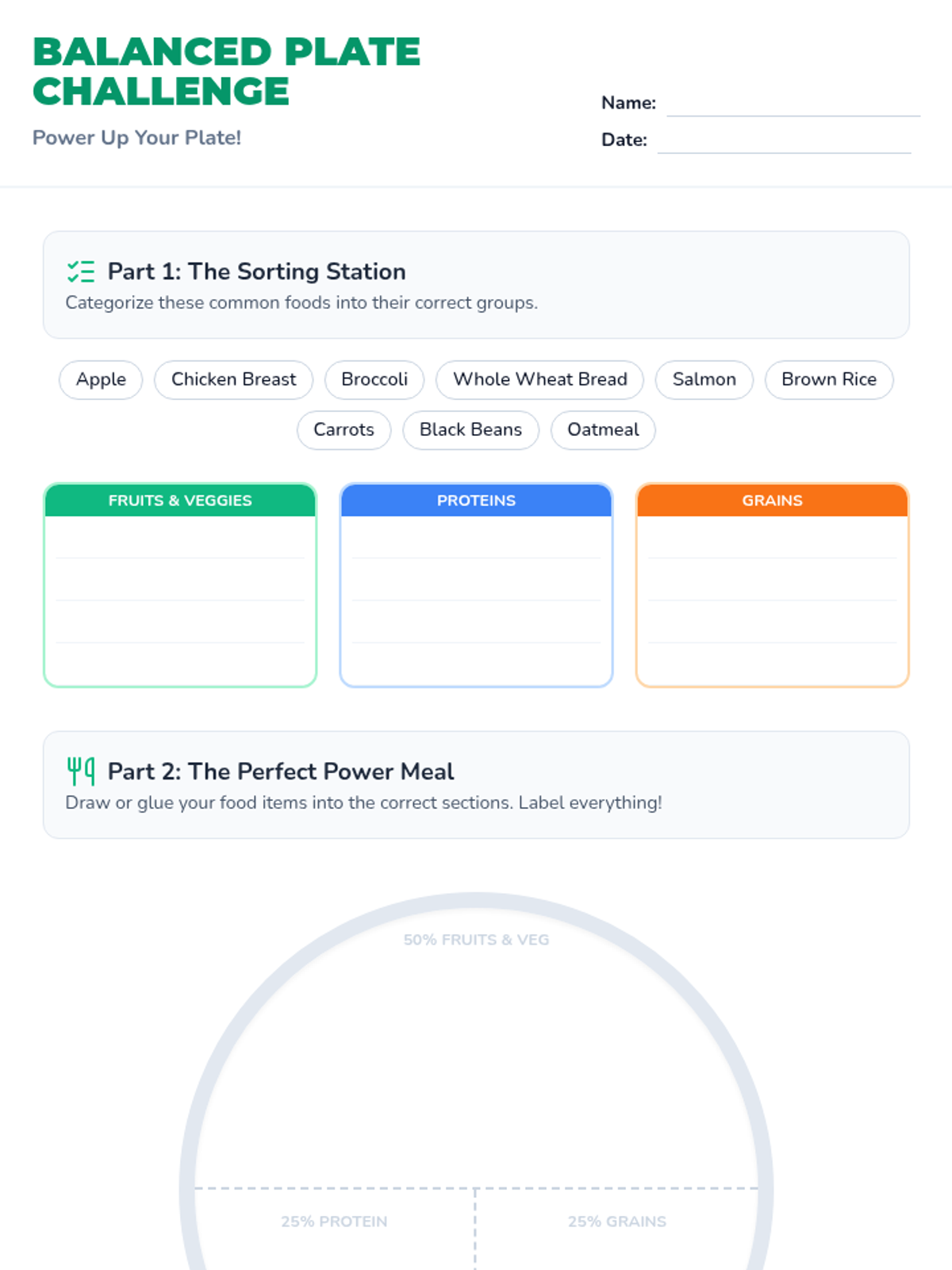
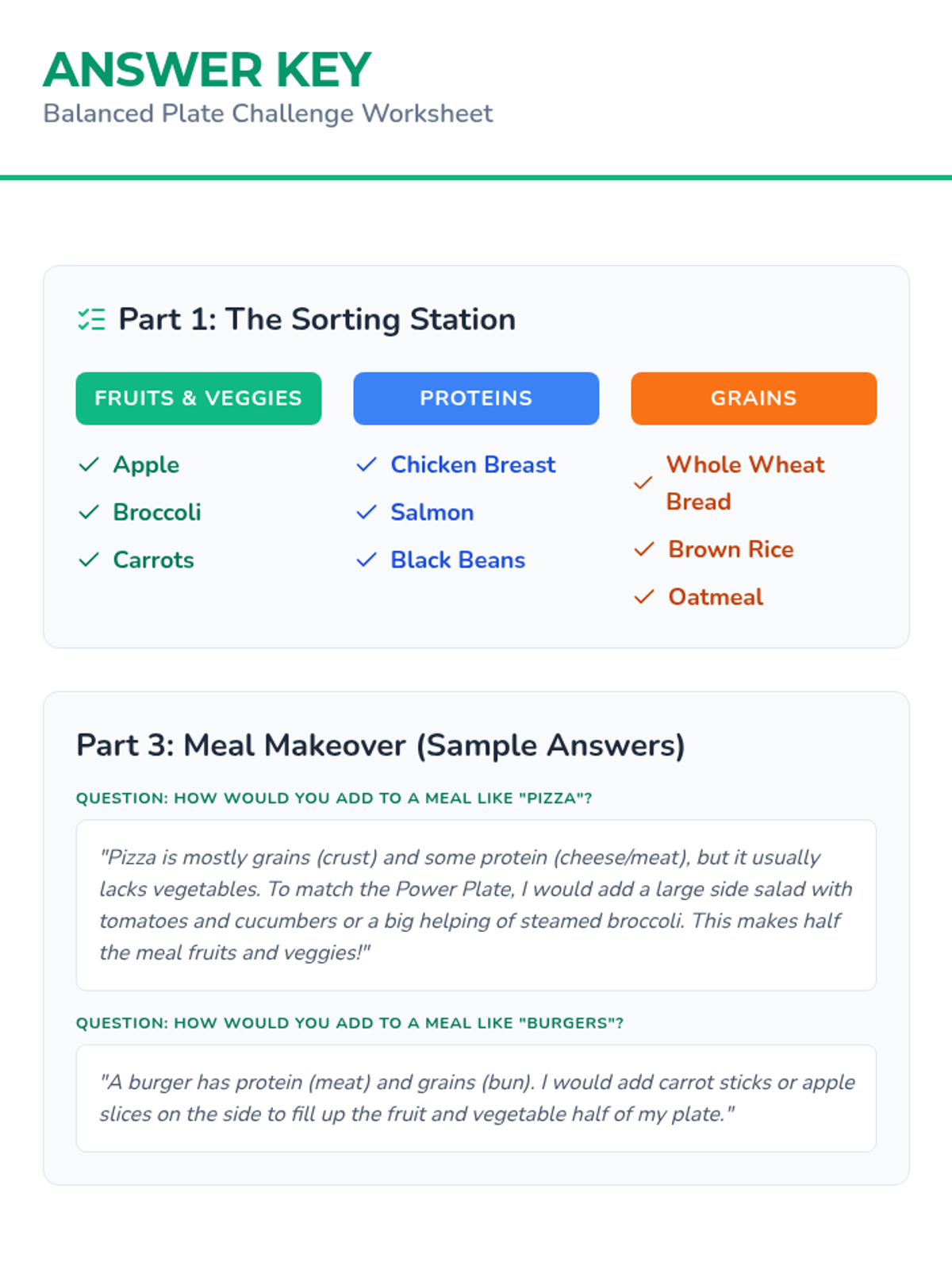
A lesson where students learn to categorize food groups and design a balanced meal using a 50/25/25 ratio (fruits/veggies, proteins, grains) based on nutritional tips.
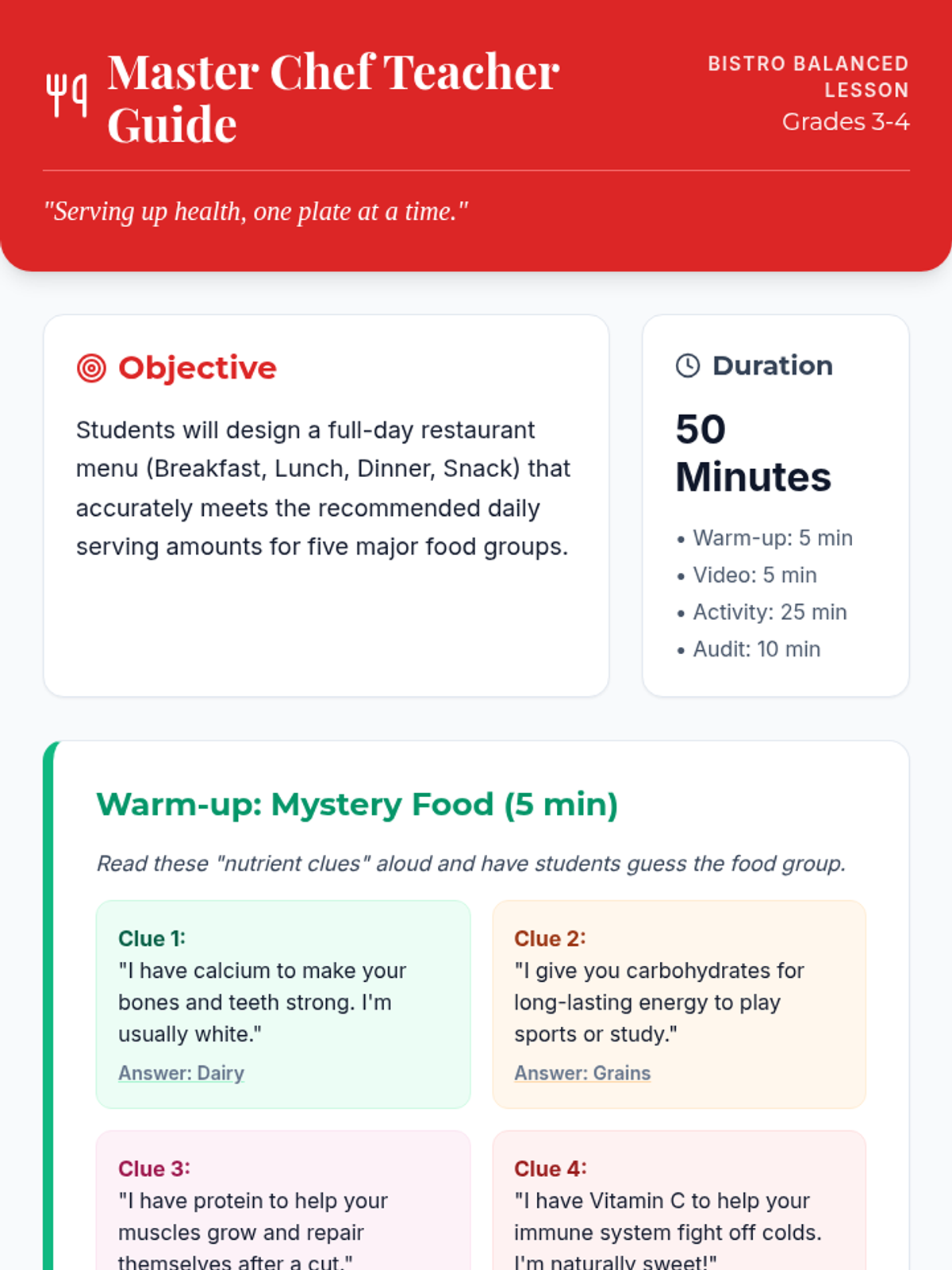
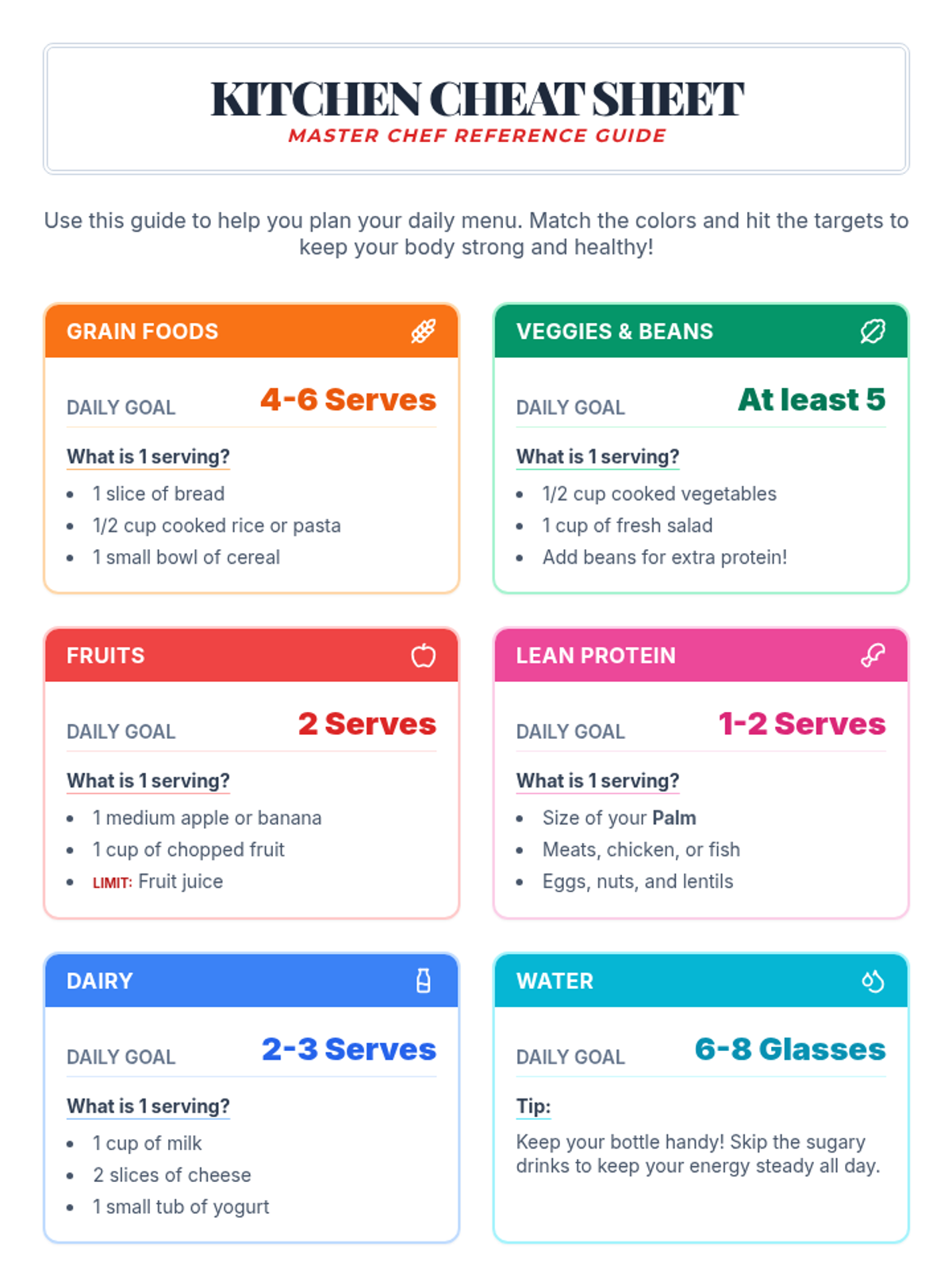
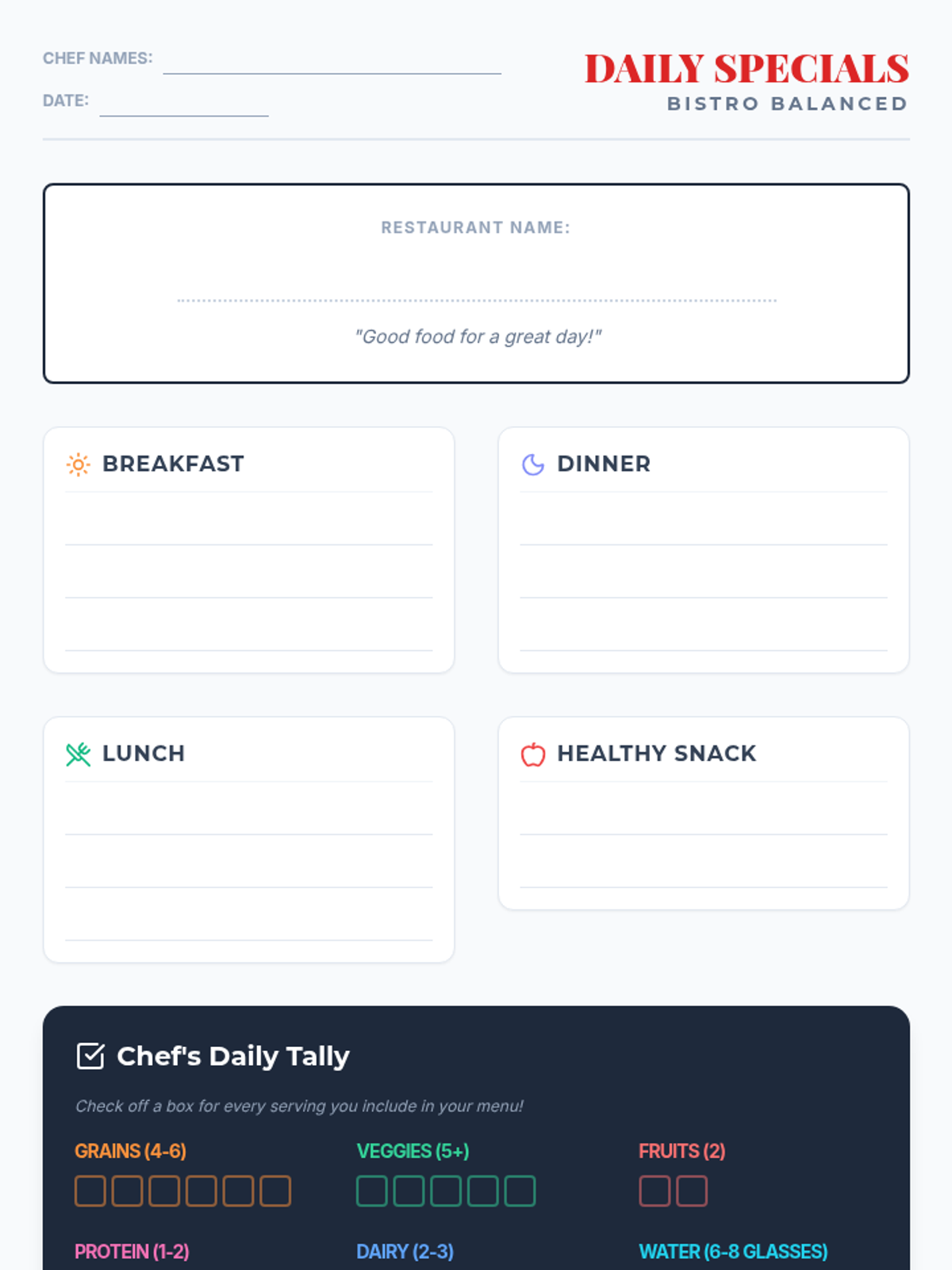
A nutrition lesson where students become 'Chefs for a Day' to design a daily menu that meets the USDA balanced diet serving recommendations based on a video guide.
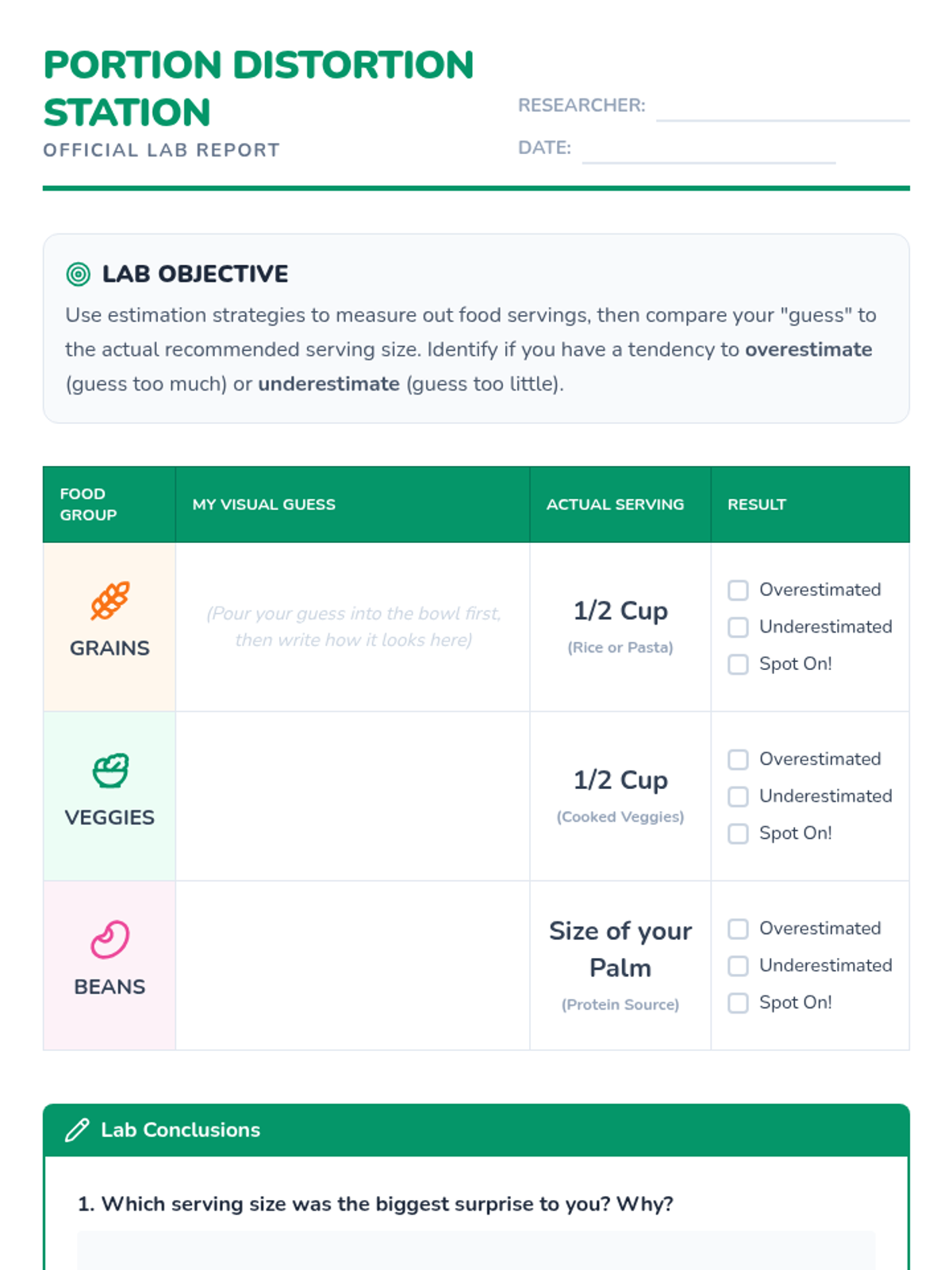
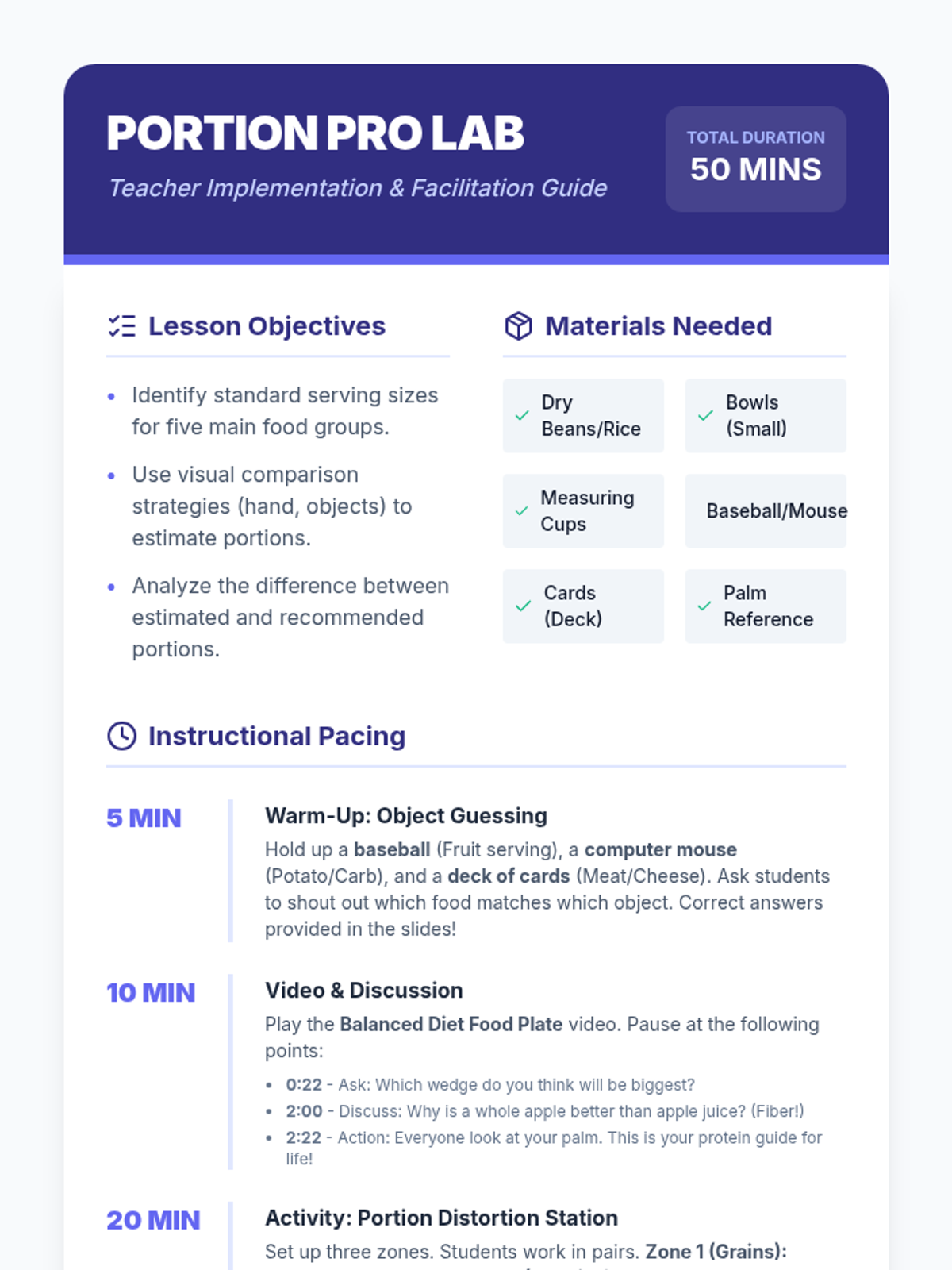
A hands-on nutrition lesson where students use visual estimation and physical measurement to understand serving sizes. Includes a video exploration of the balanced diet plate and a 'Portion Distortion' station activity.
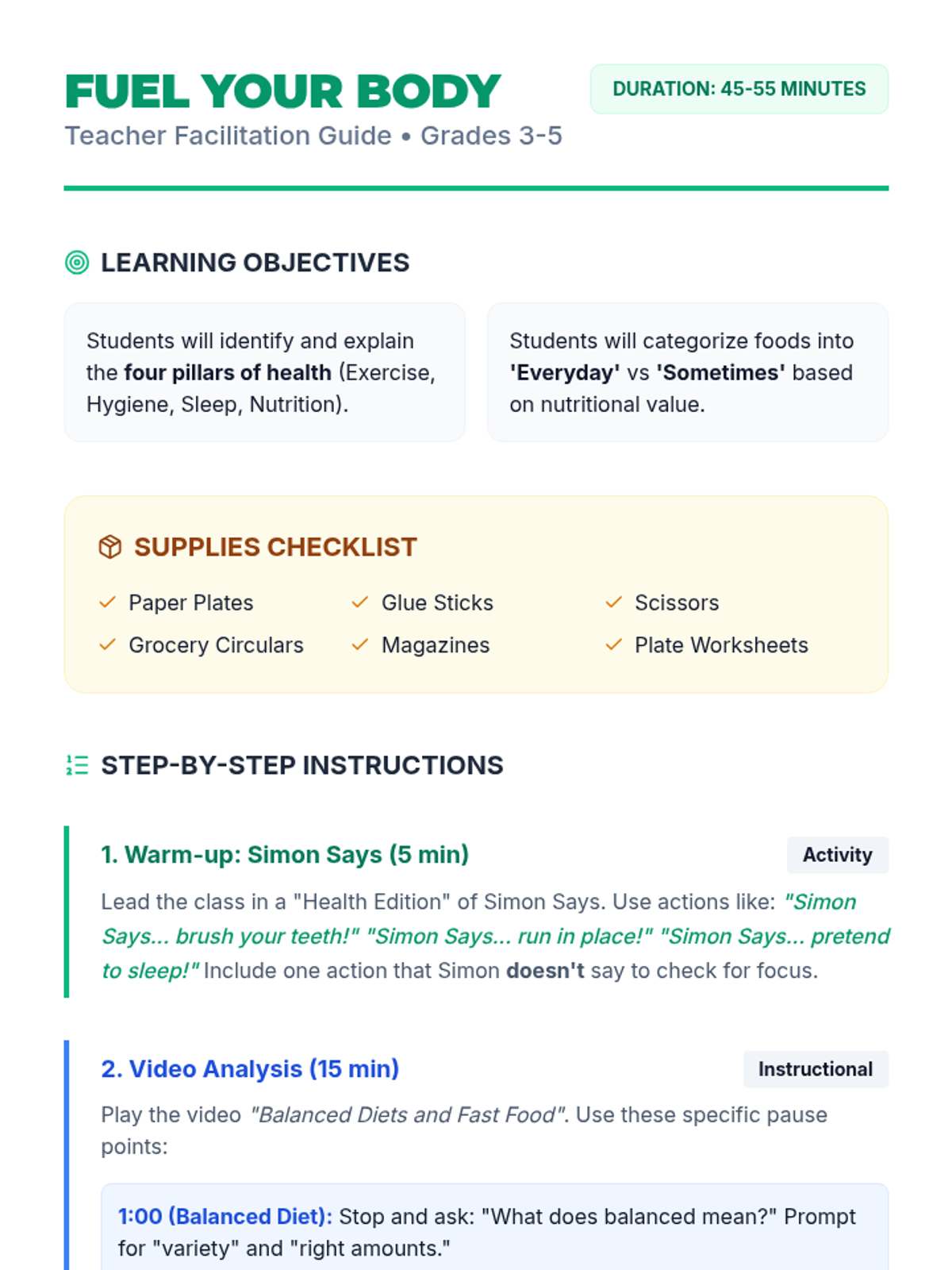
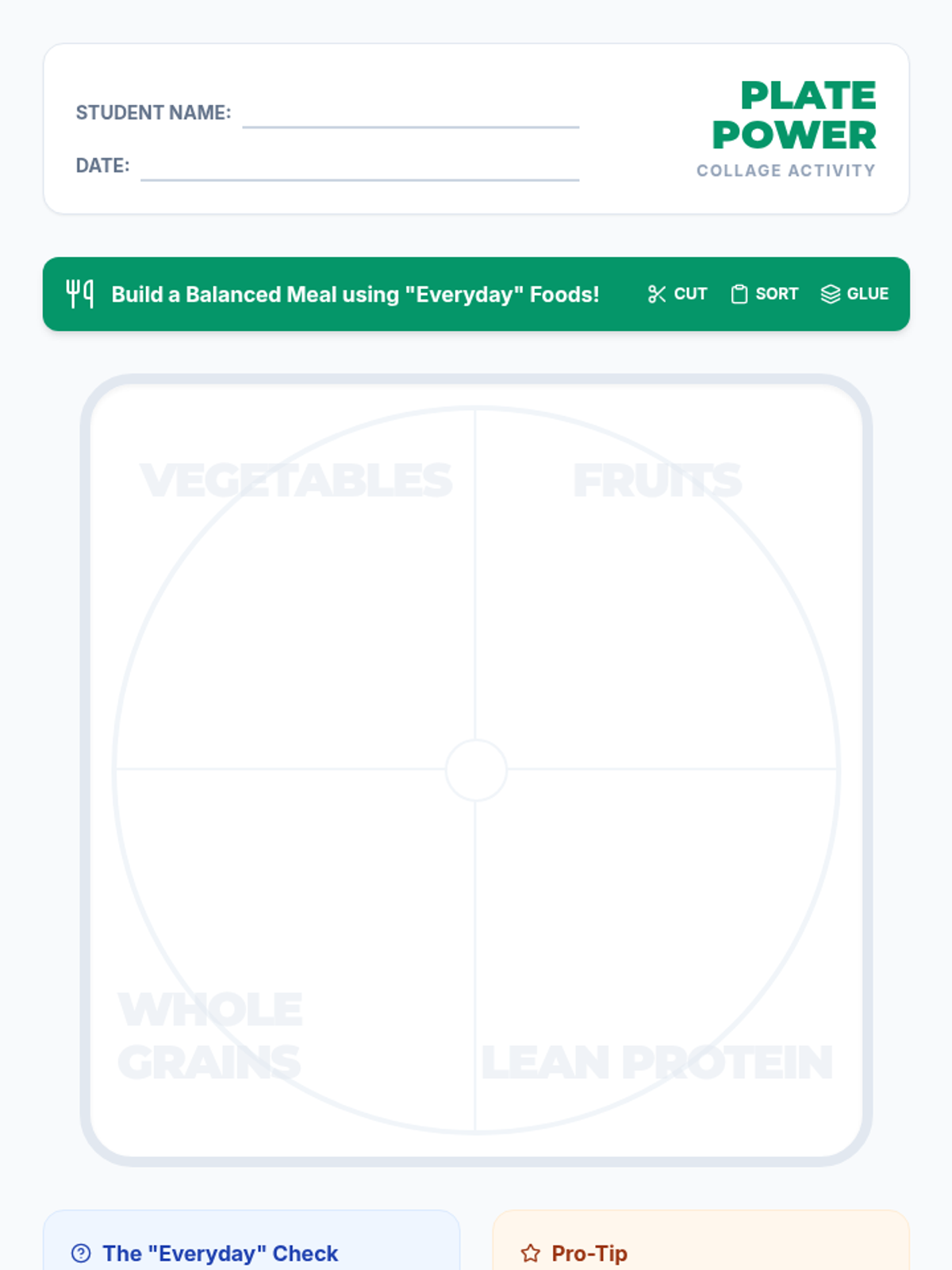
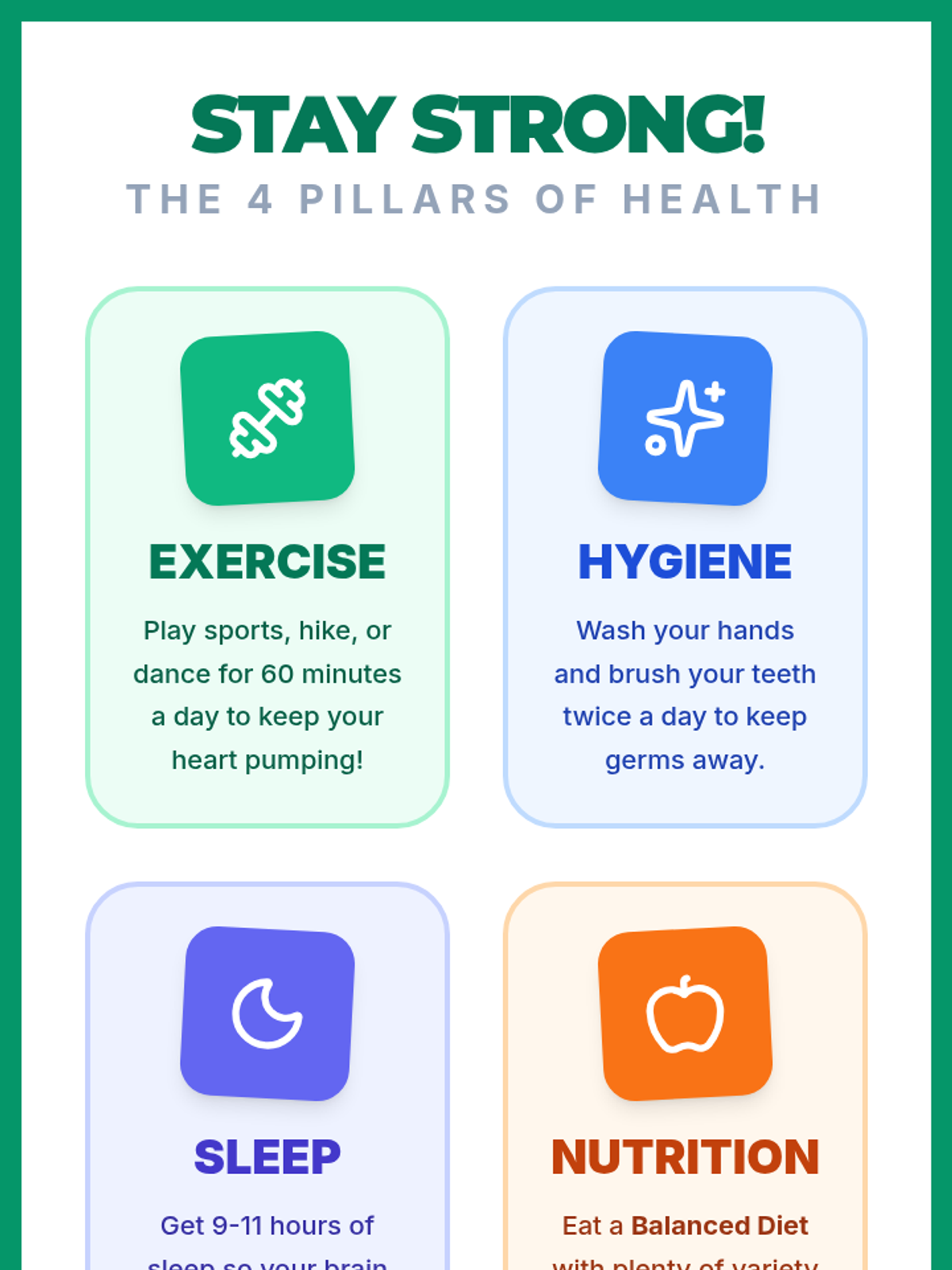
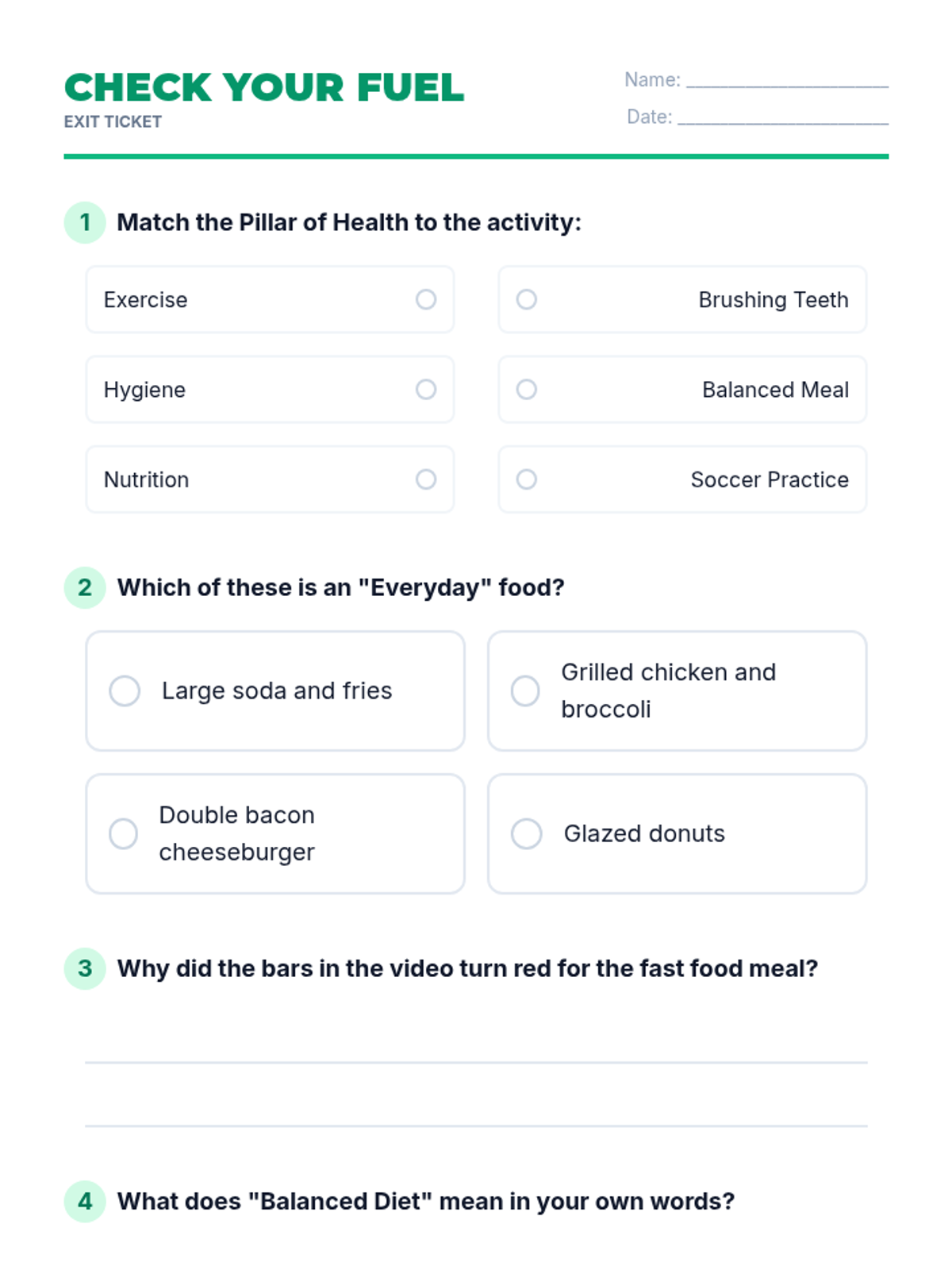
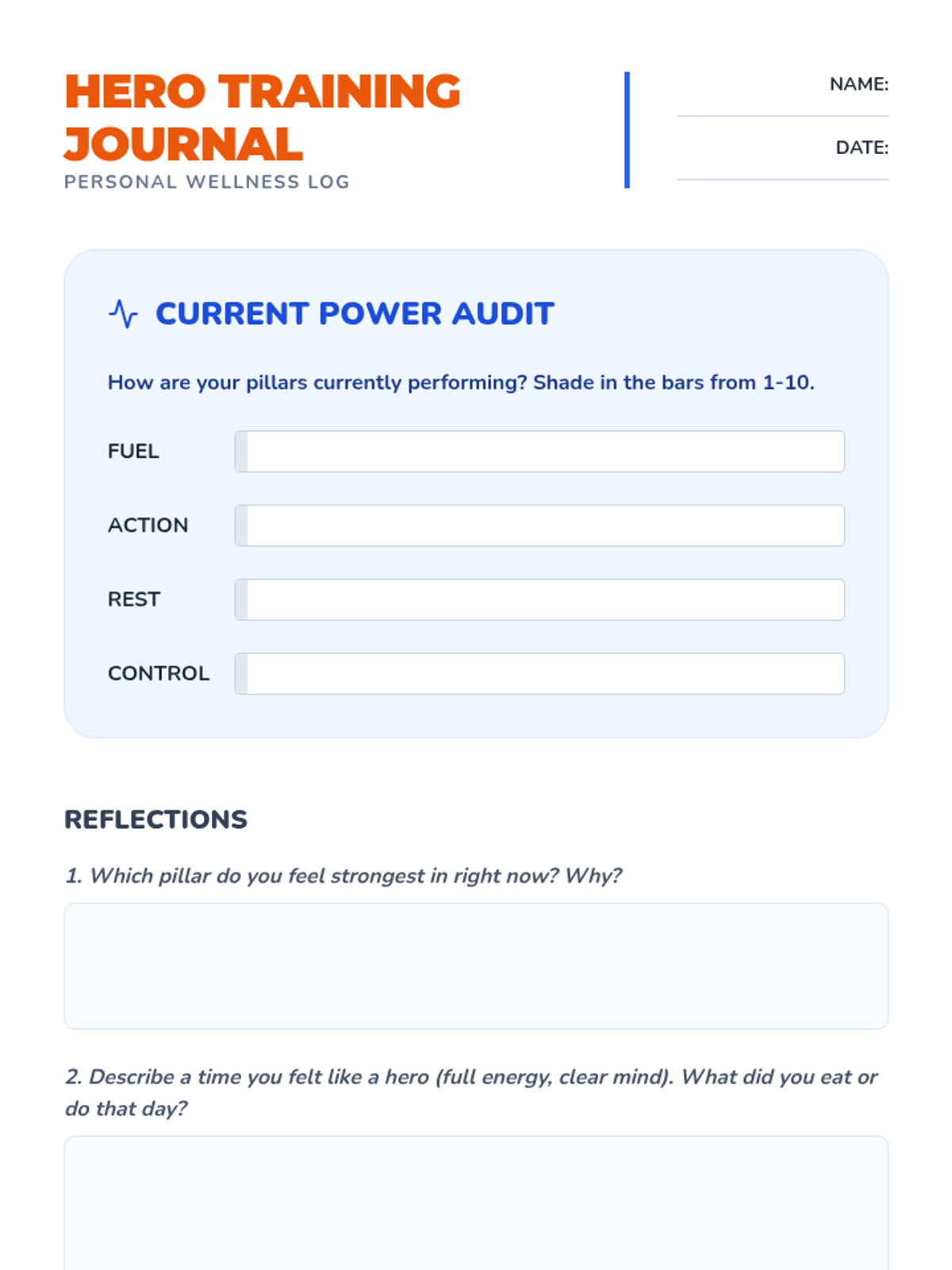
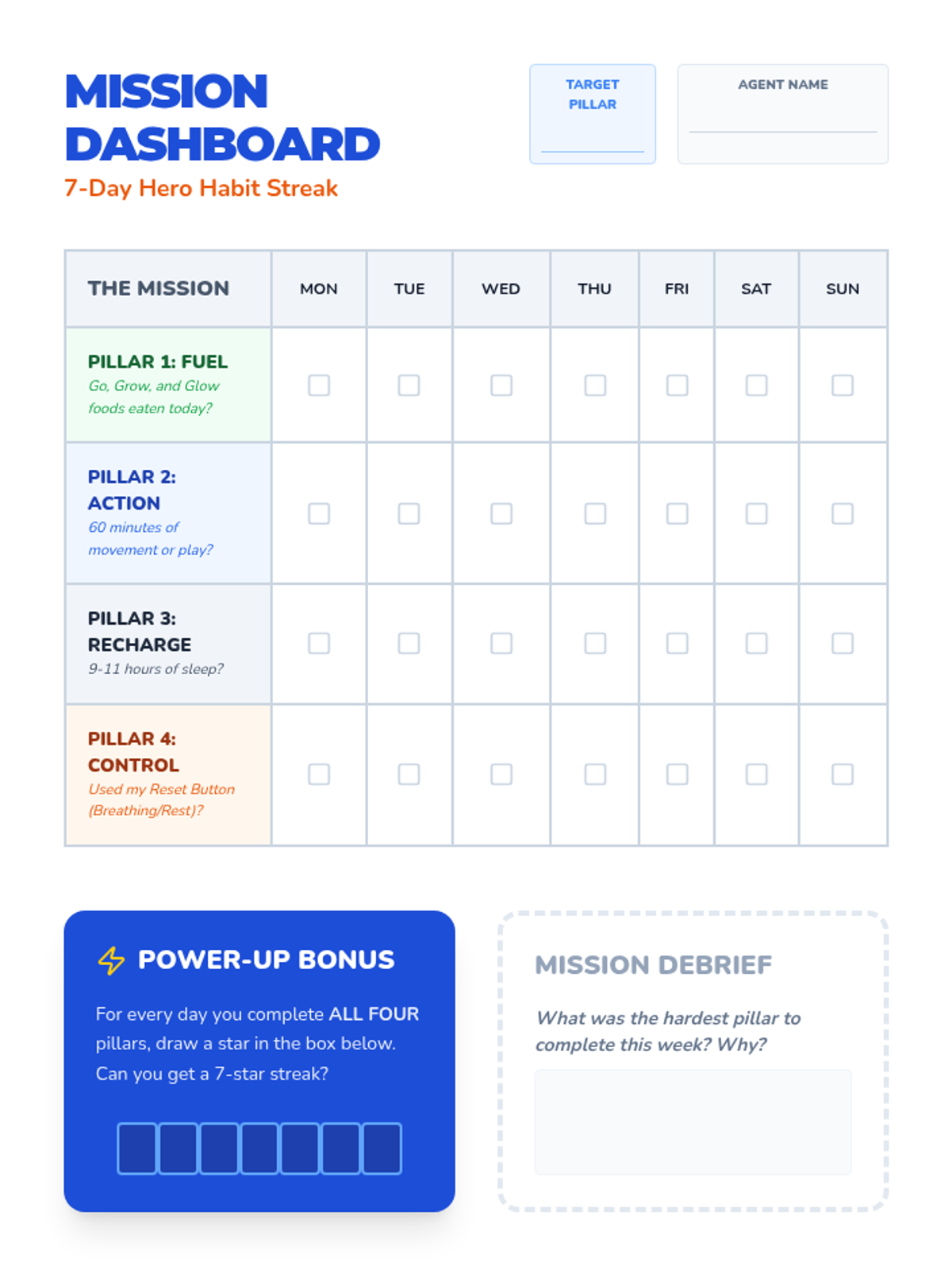
A comprehensive lesson for 3rd-5th graders on nutrition and the four pillars of health, featuring a 'Simon Says' warm-up, a video analysis of fast food vs. balanced diets, and a hands-on healthy plate collage activity.
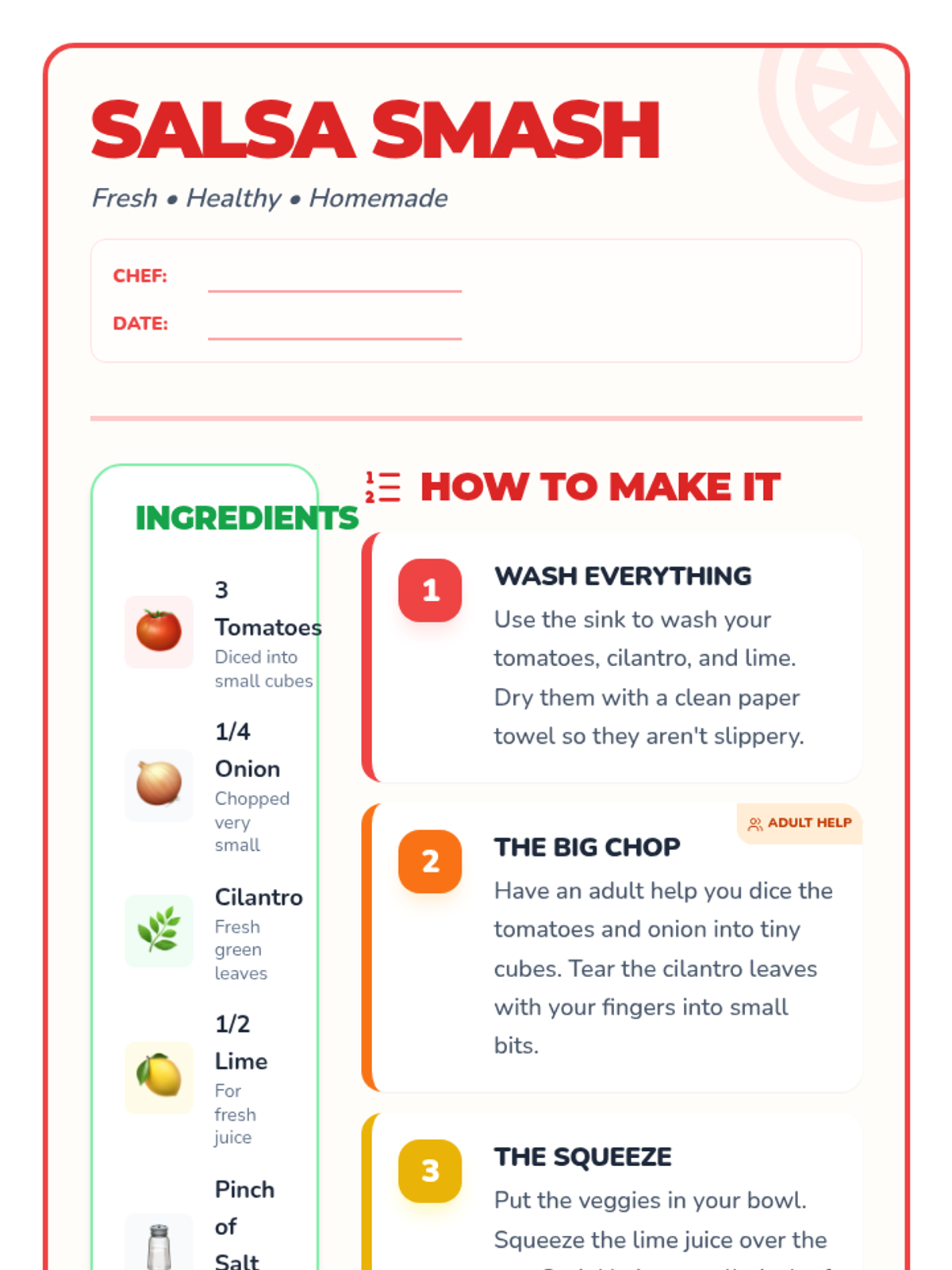
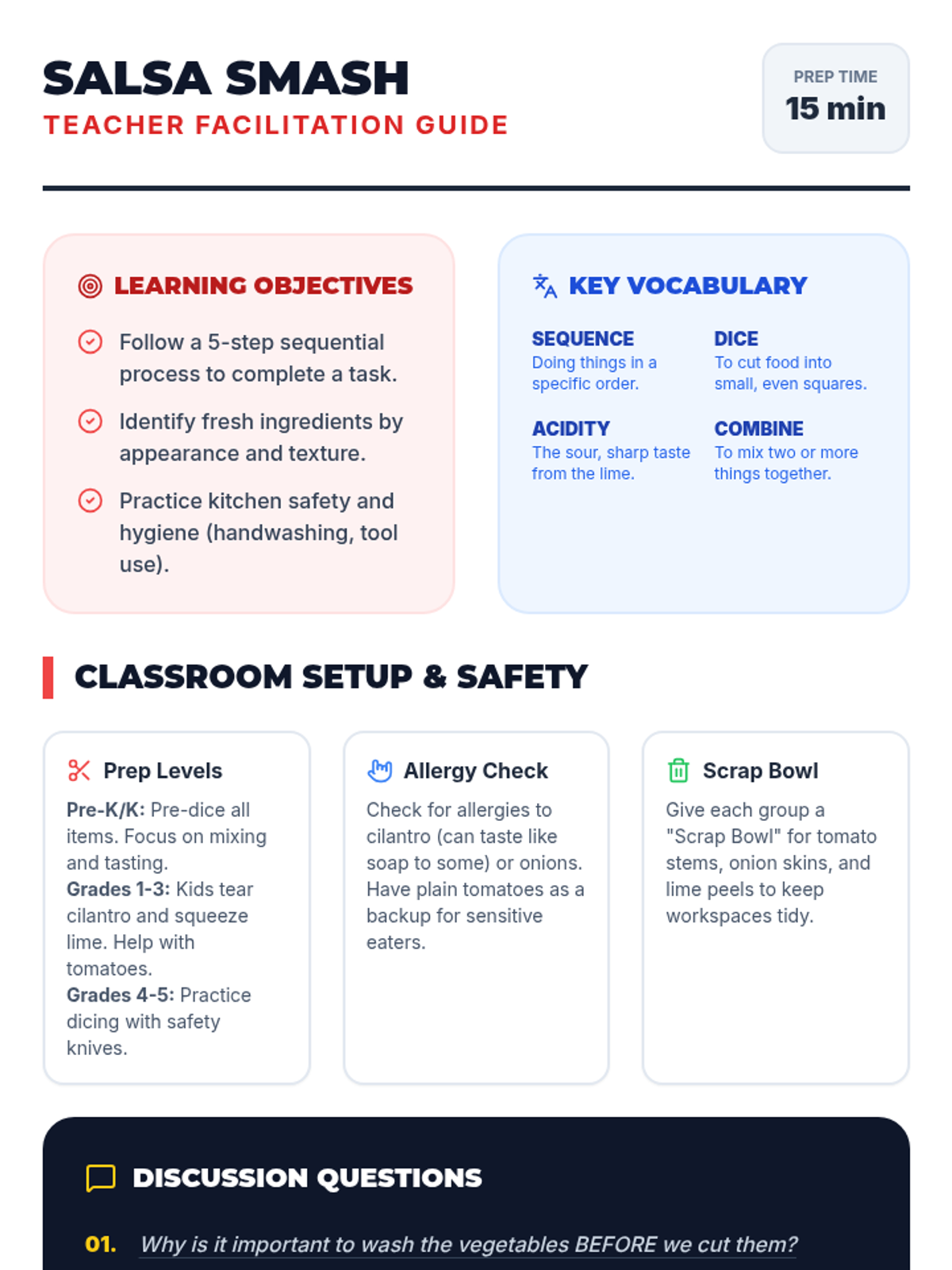
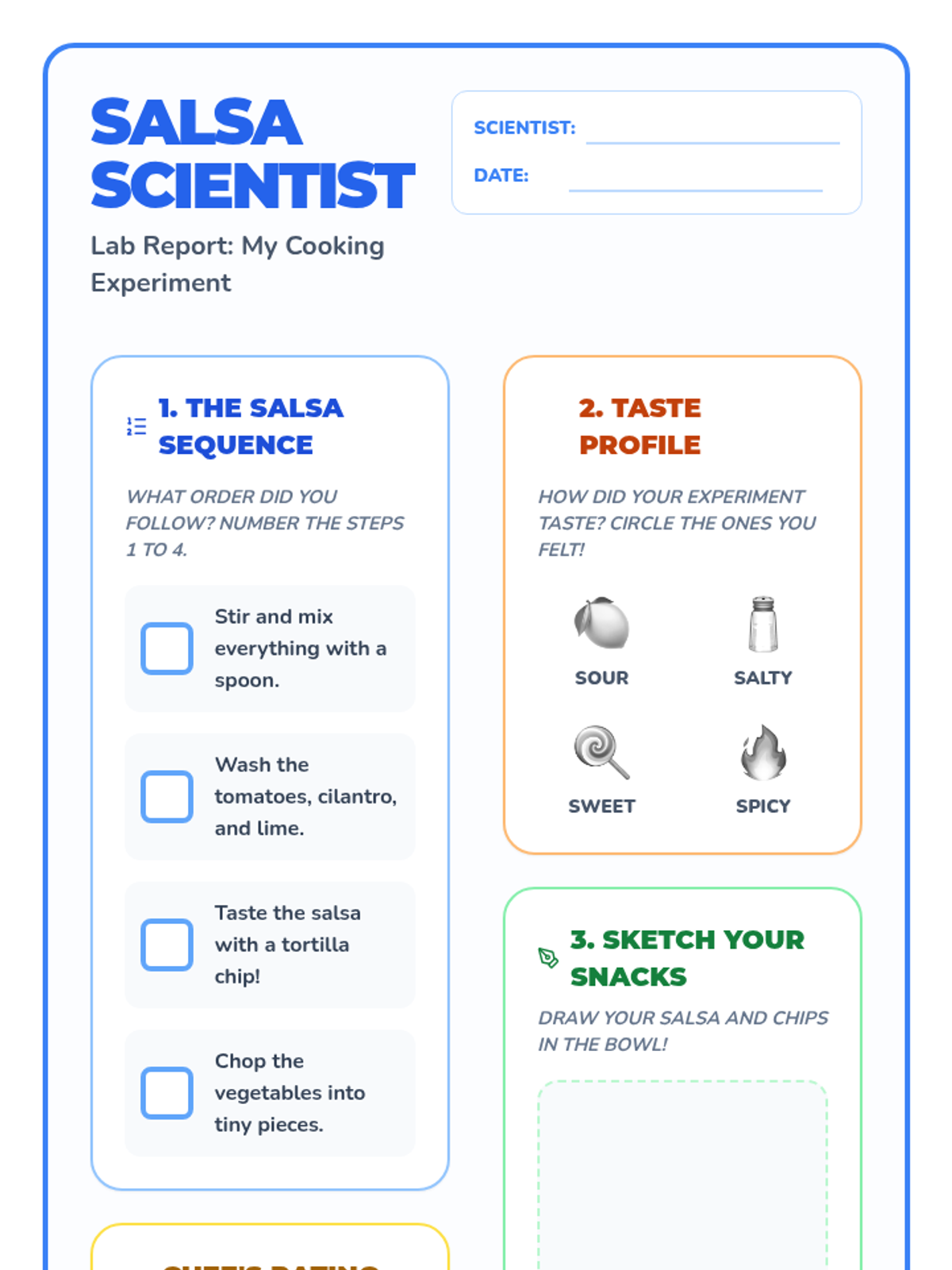
A beginner-friendly cooking lesson focused on following sequential instructions and identifying fresh ingredients while making a simple salsa.
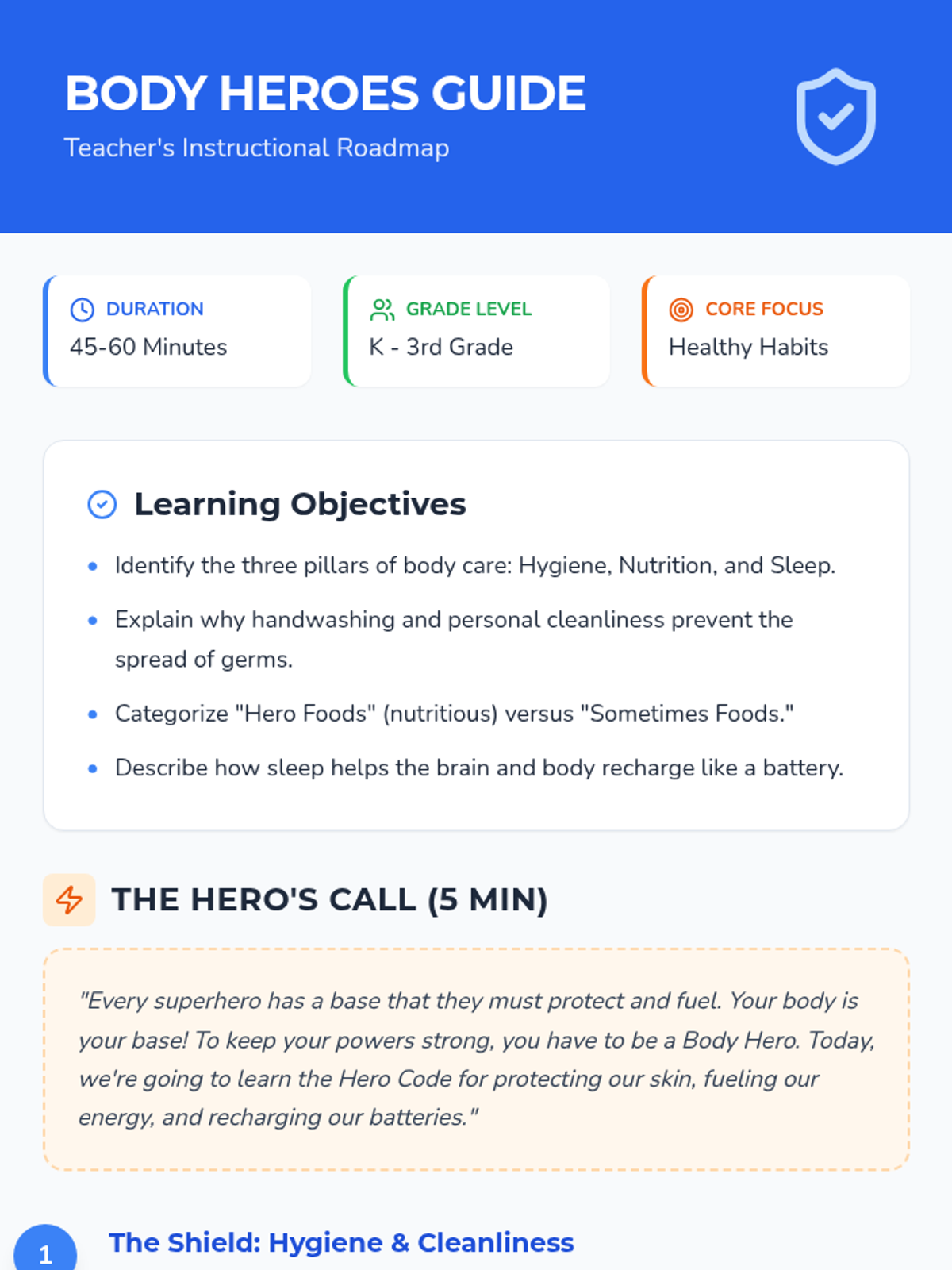
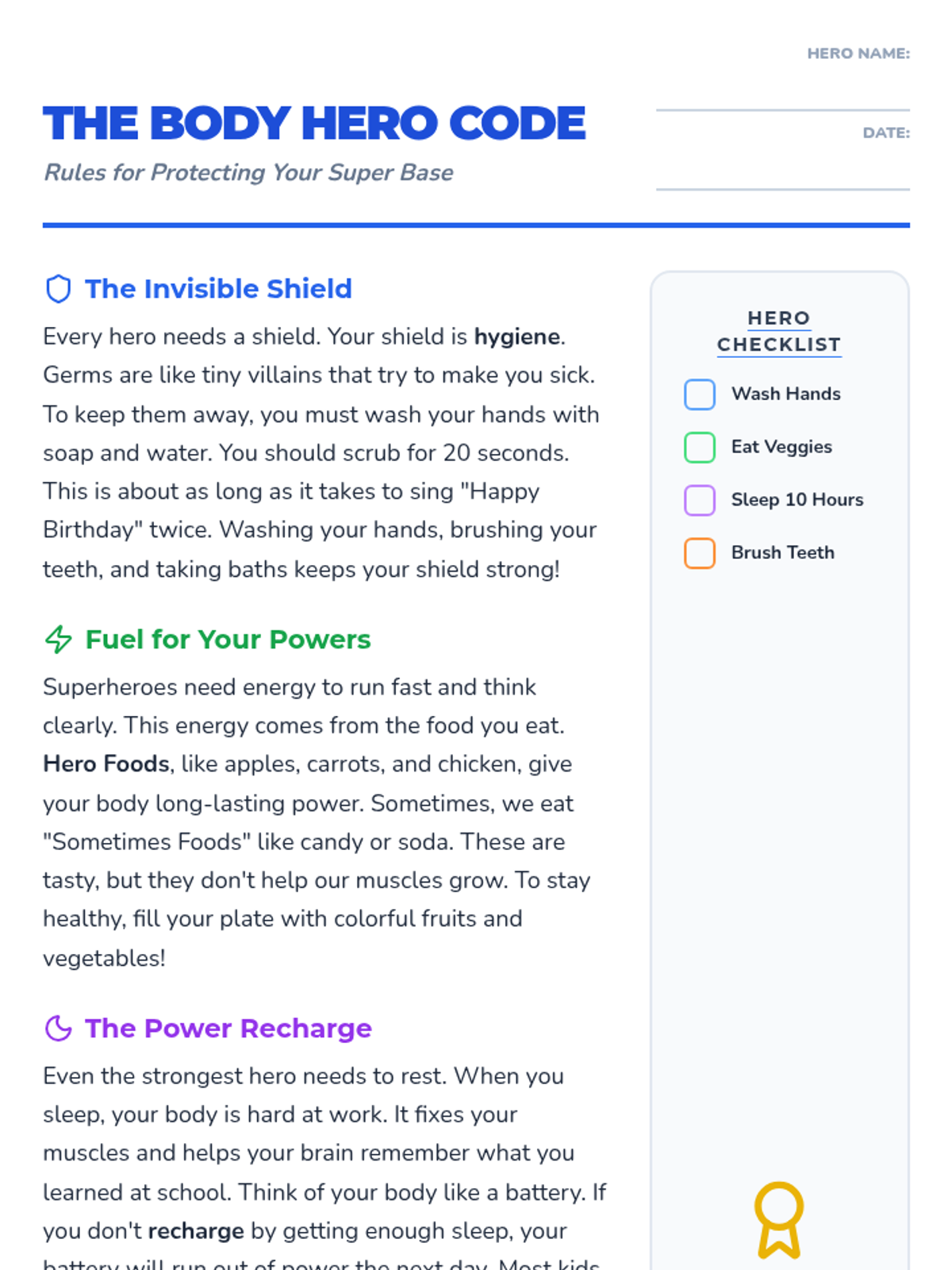
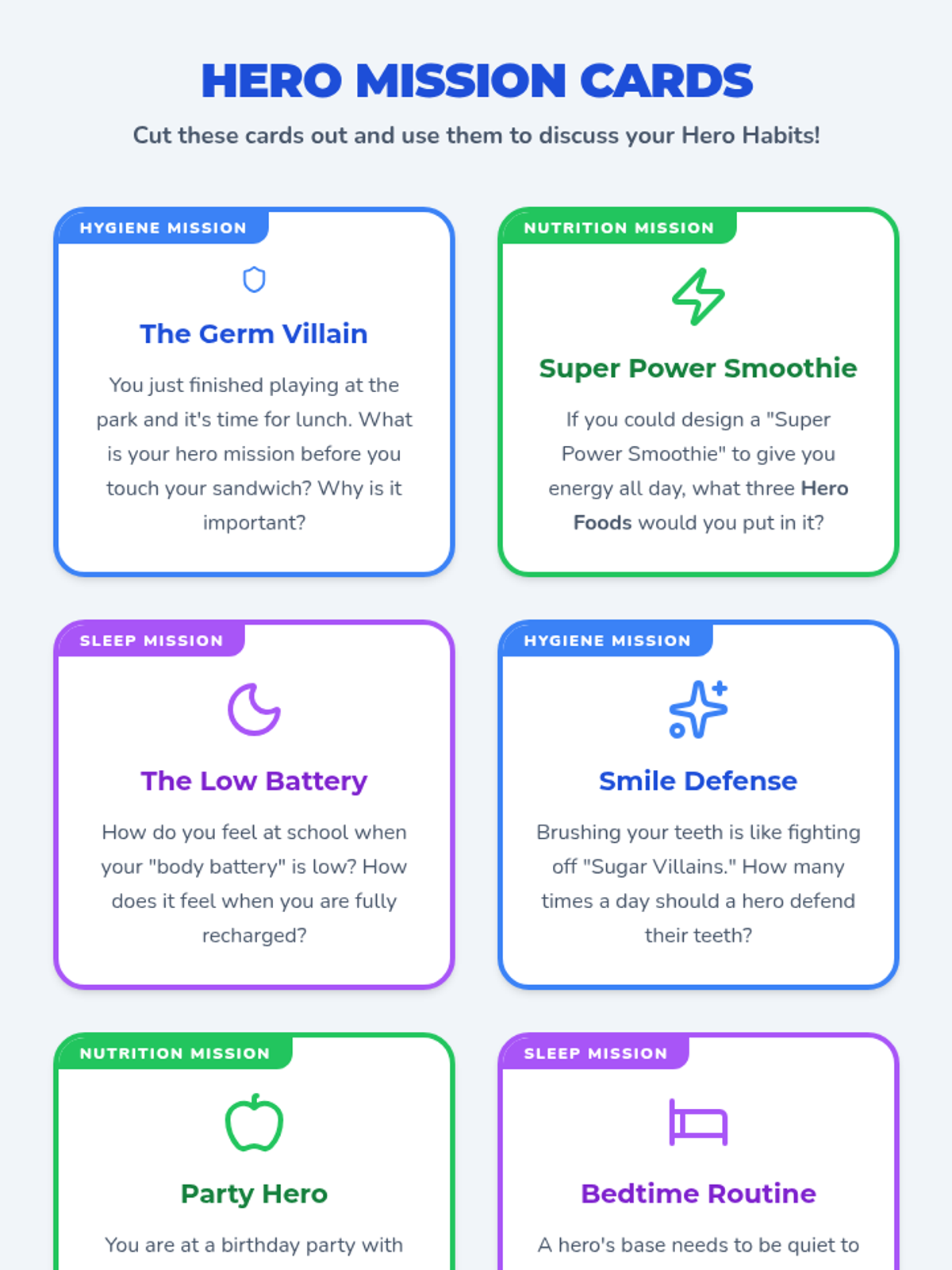
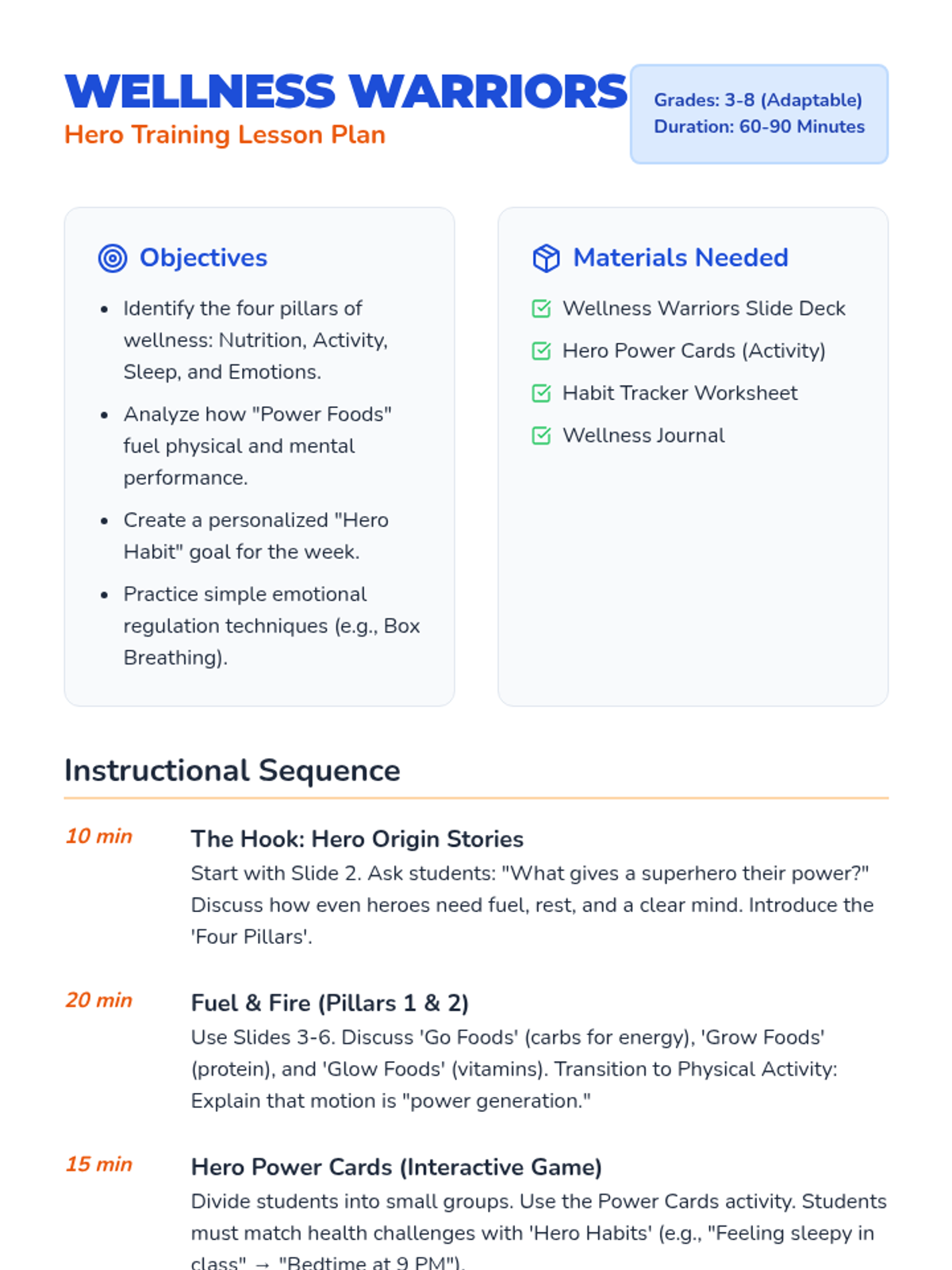
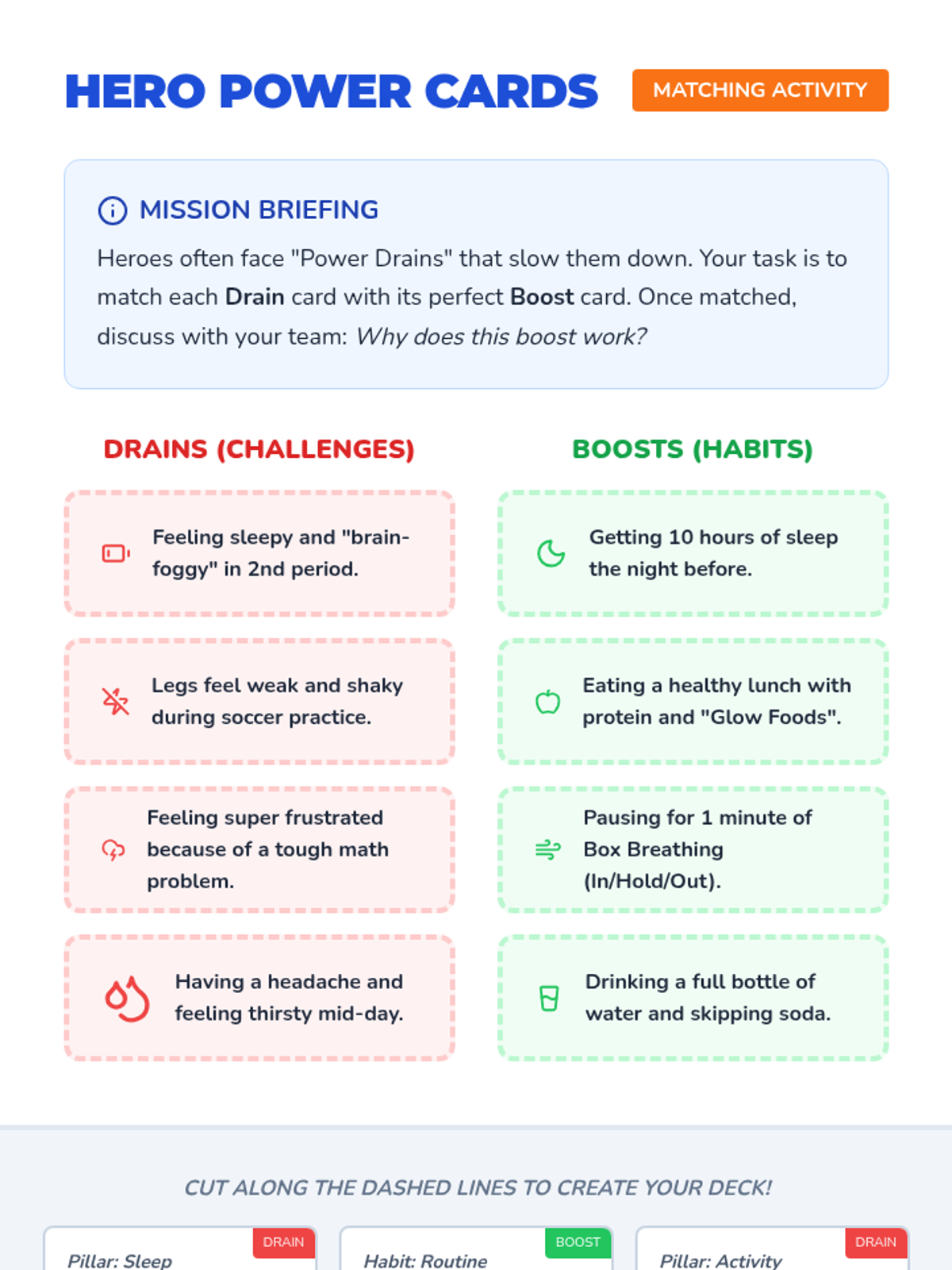
A foundational lesson on physical health focusing on hygiene, nutrition, and sleep. Students learn to view themselves as 'Body Heroes' who protect and fuel their systems through daily habits.
Students learn how to fuel their bodies and keep them moving while mastering the art of rest and emotional balance. Includes interactive discussions, goal-setting, and practical habit-building activities.
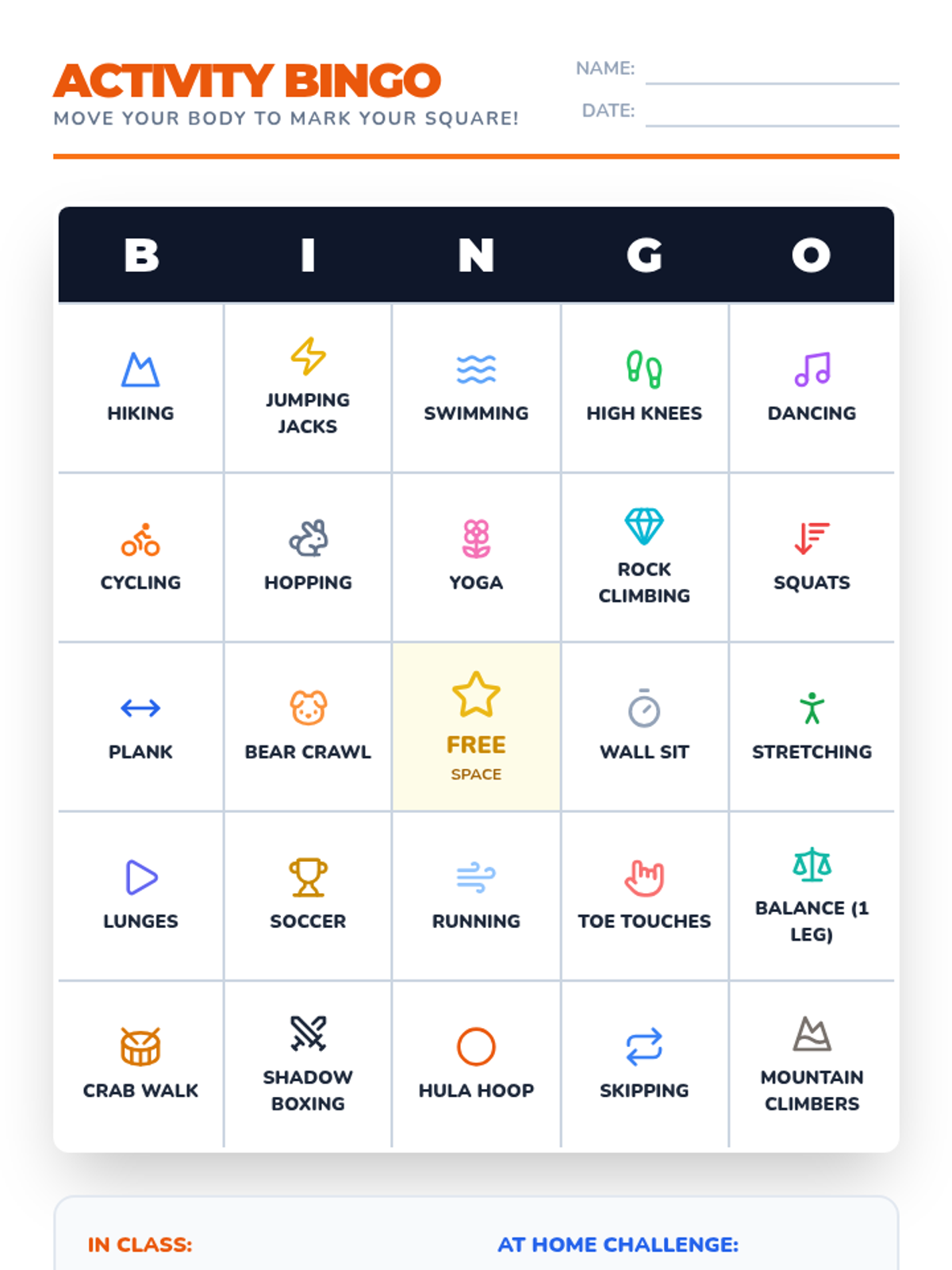
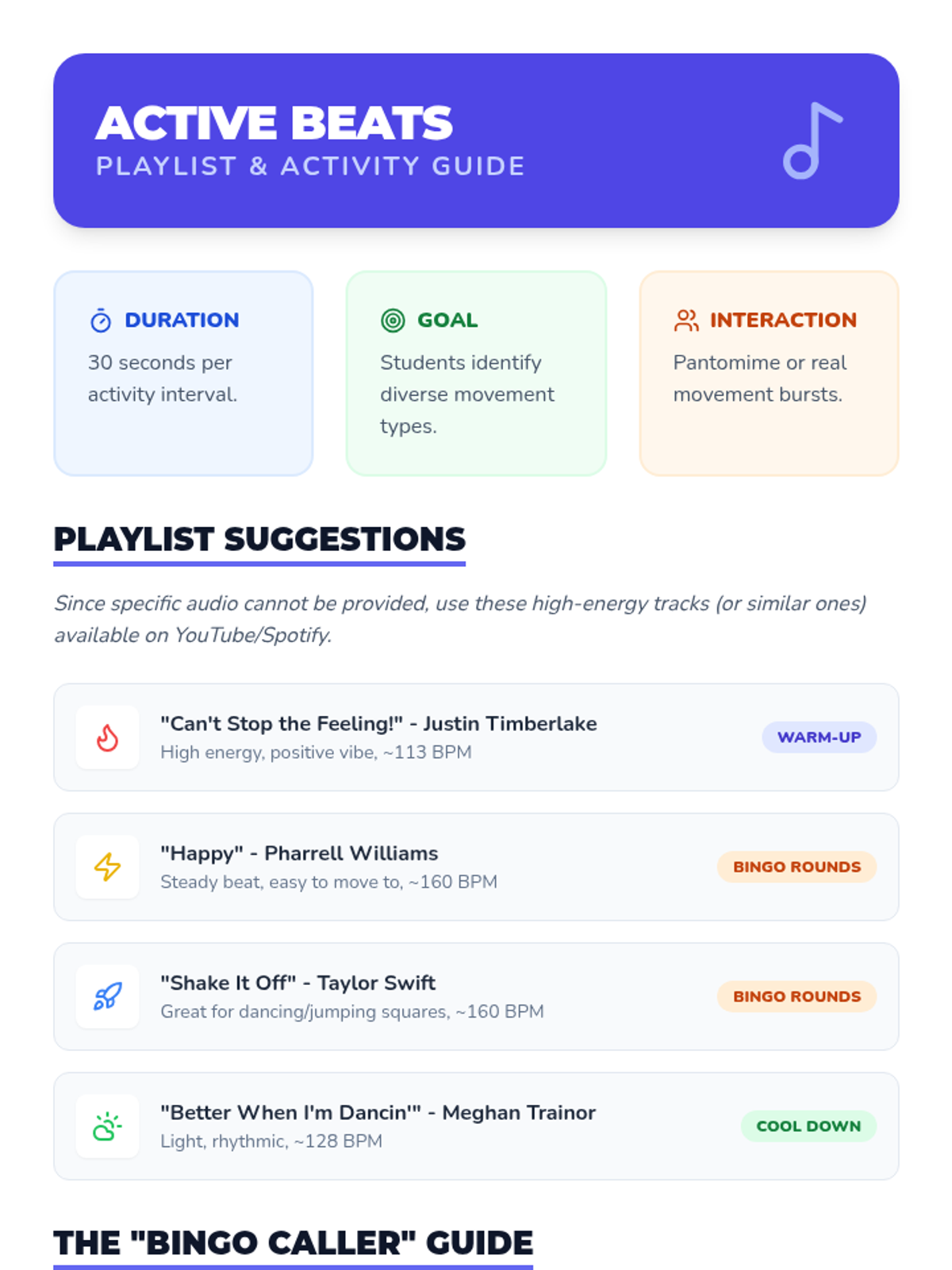
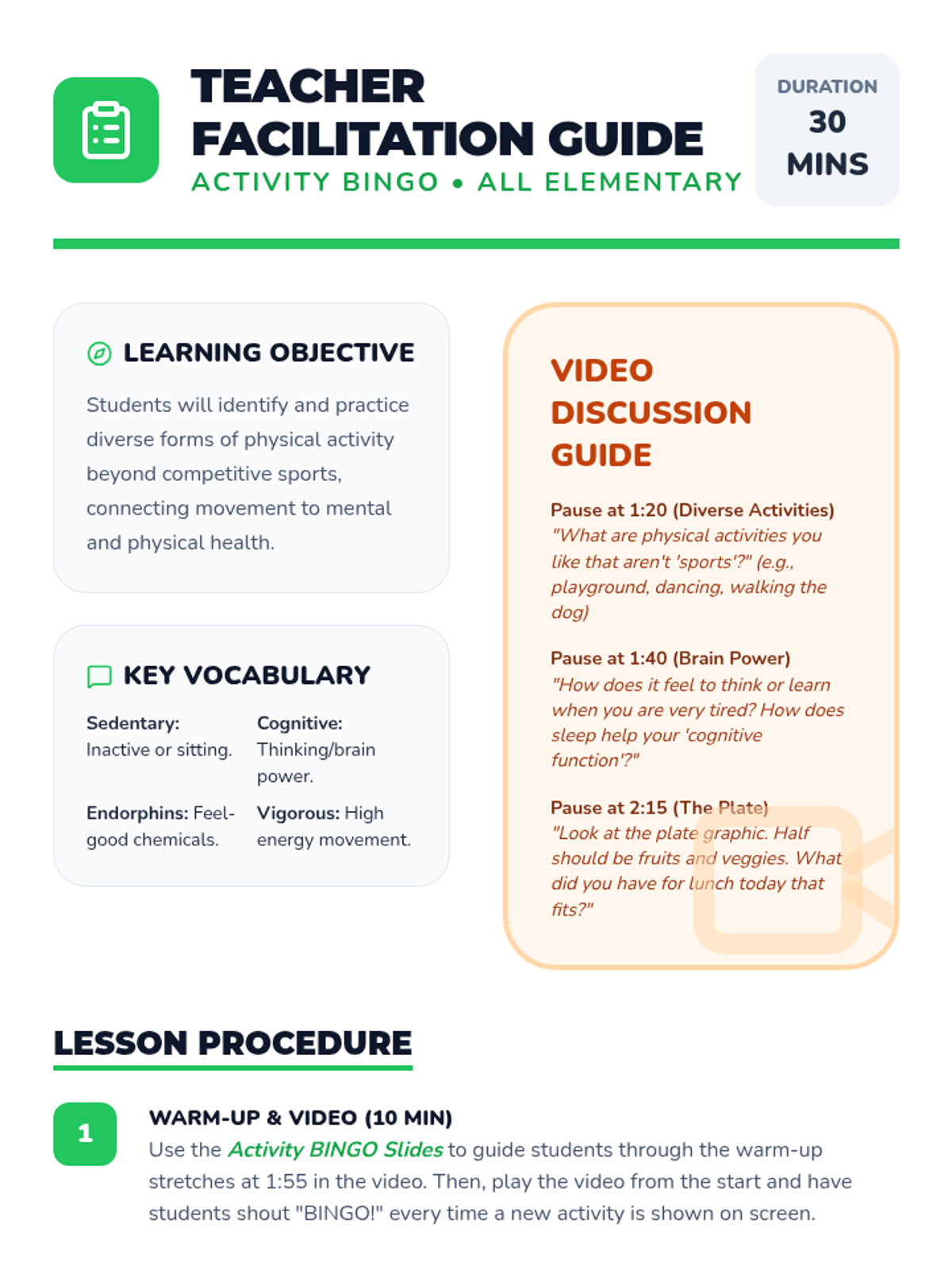
A high-energy PE lesson where students discover that exercise can be anything from hiking to dancing, culminating in a movement-based BINGO game.
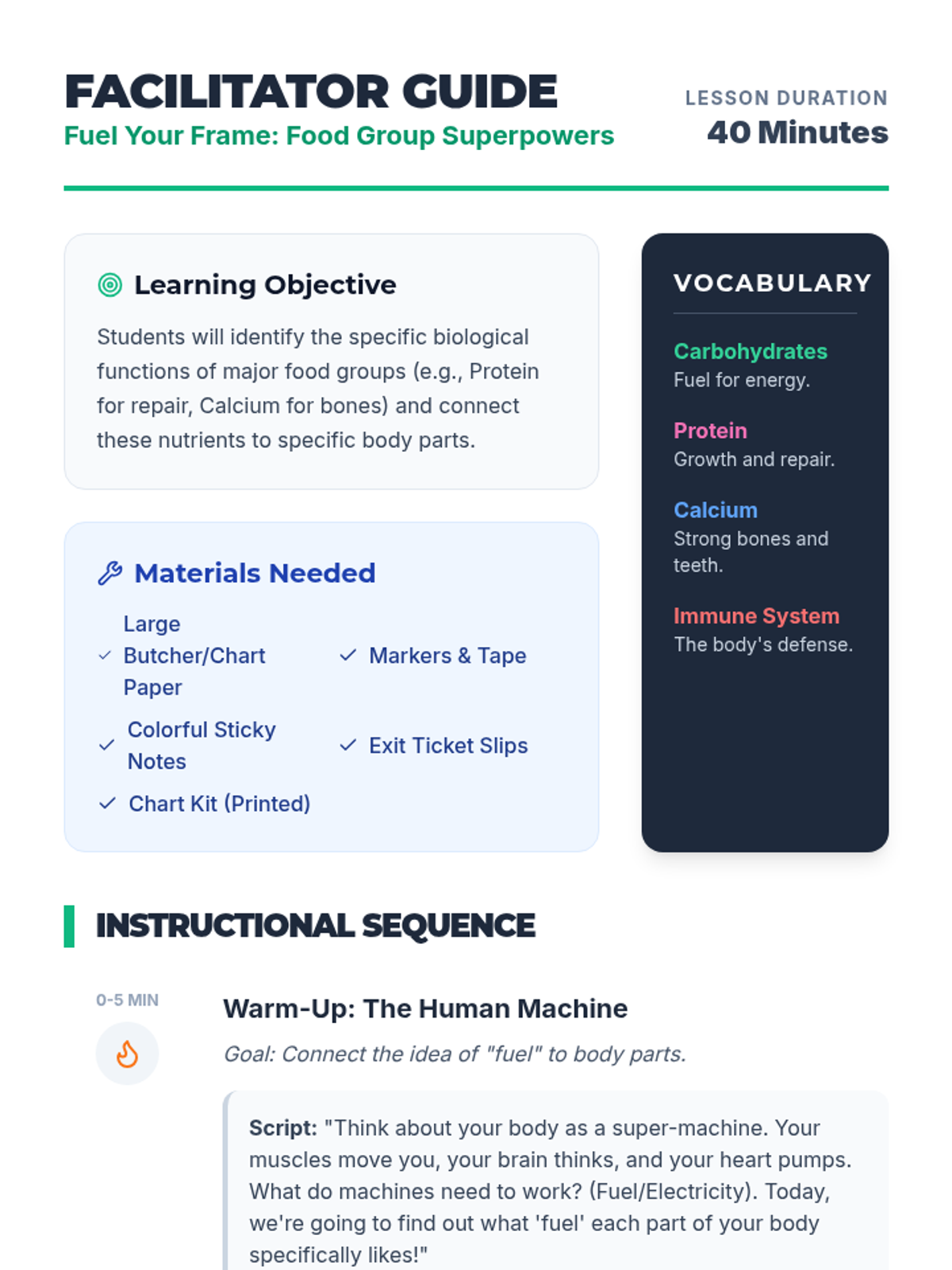
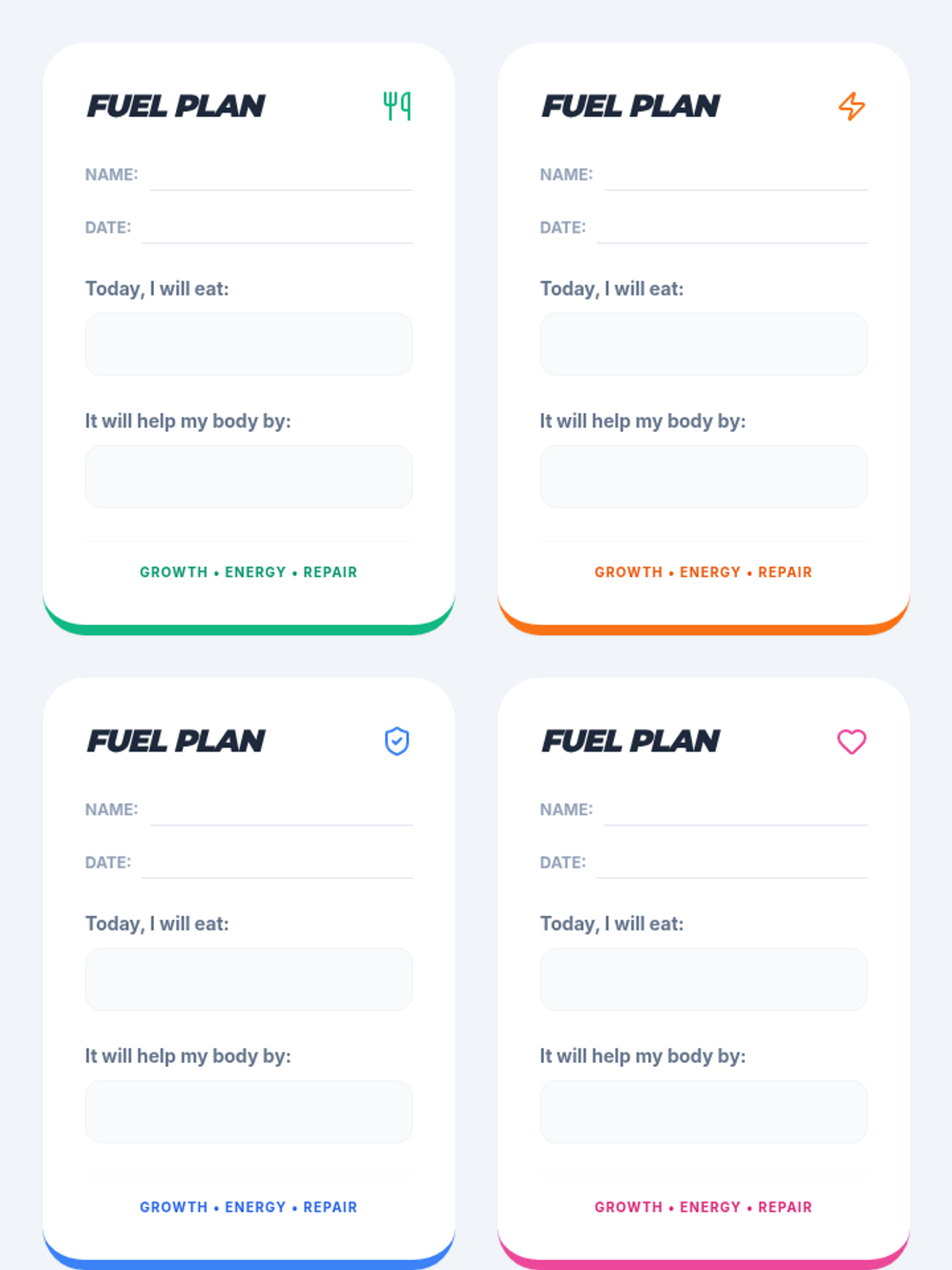
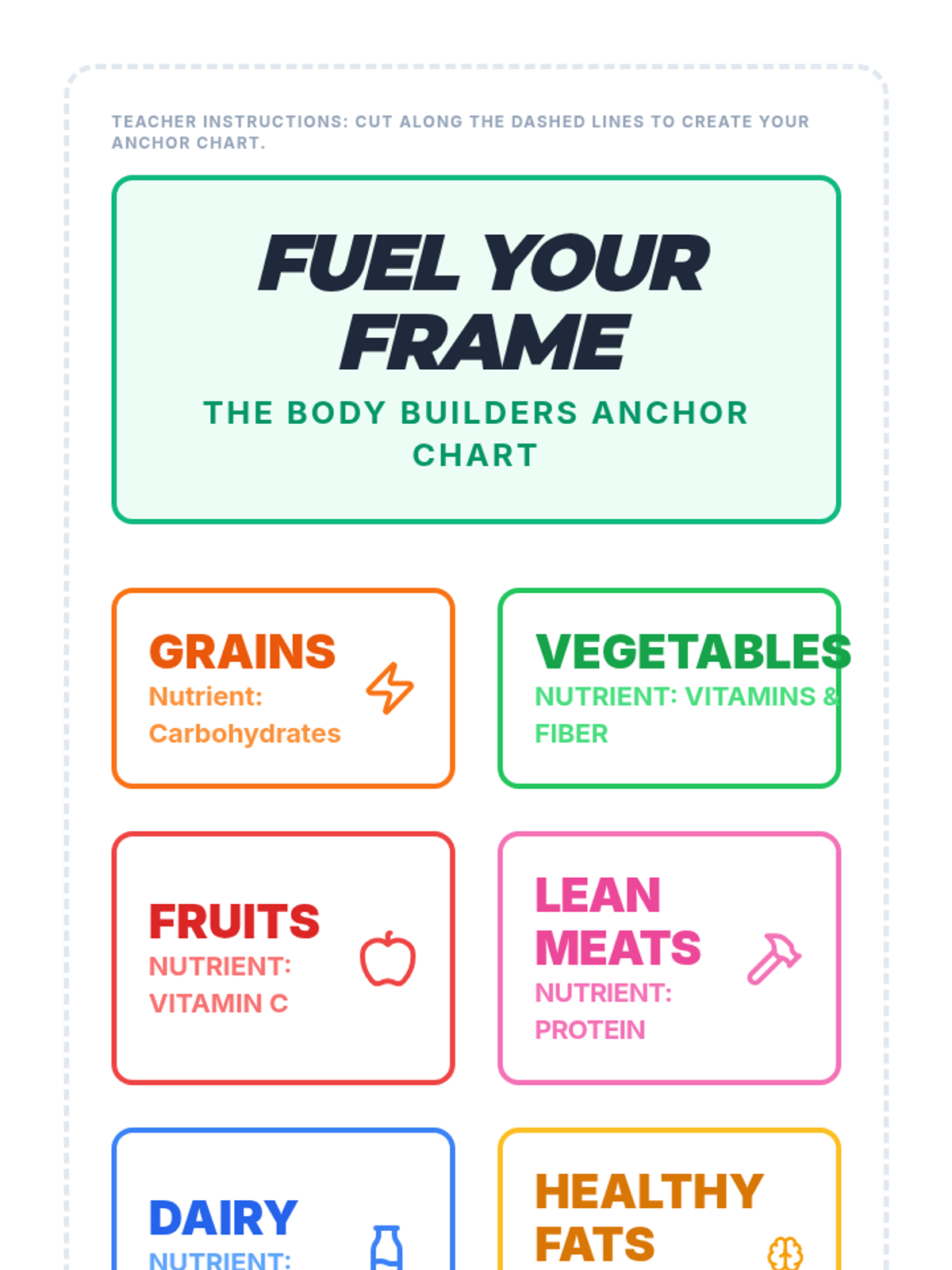
Students discover the 'superpowers' of different food groups and how they specifically support biological functions like energy, growth, and repair through an interactive video and anchor chart activity.
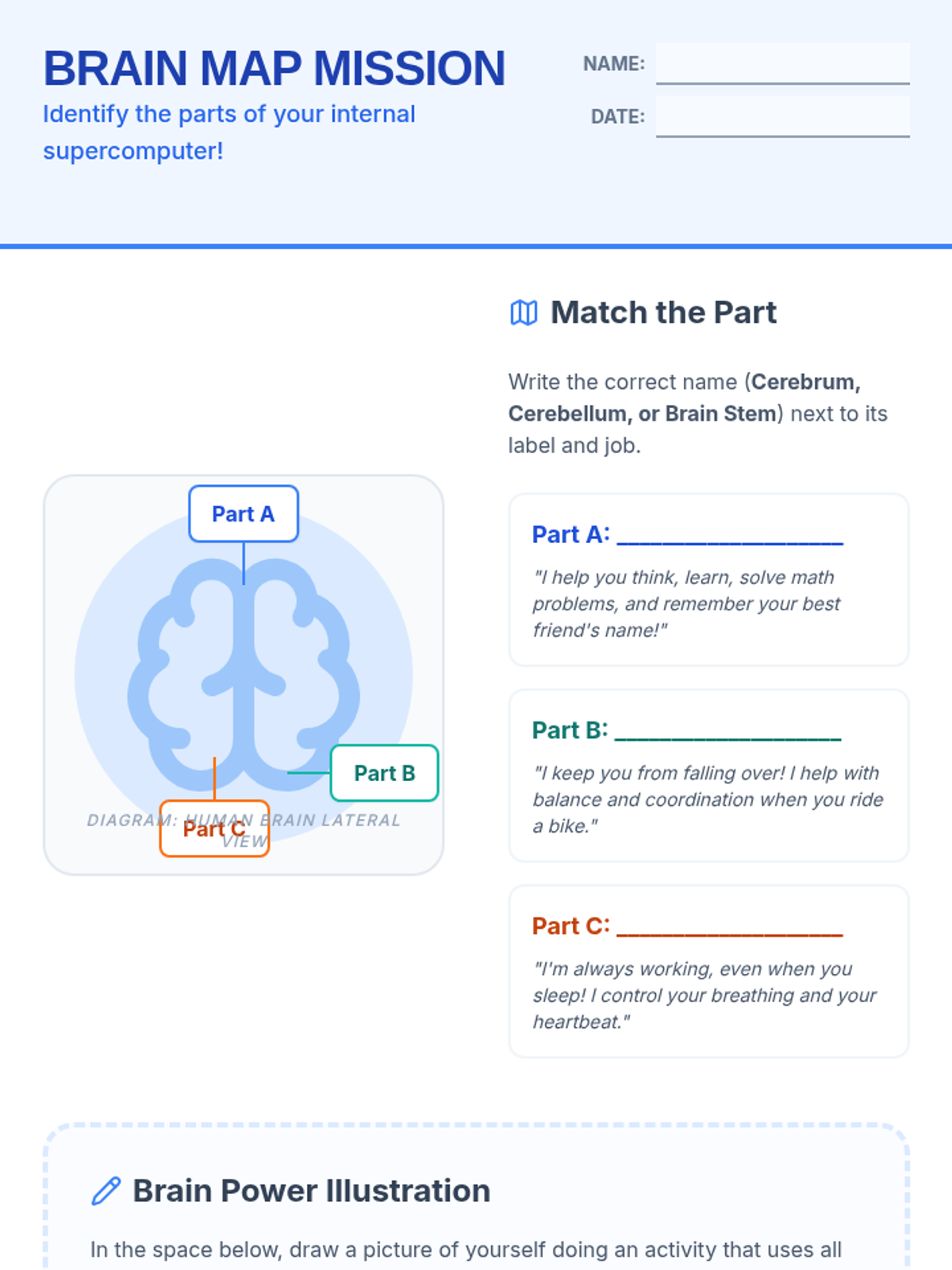
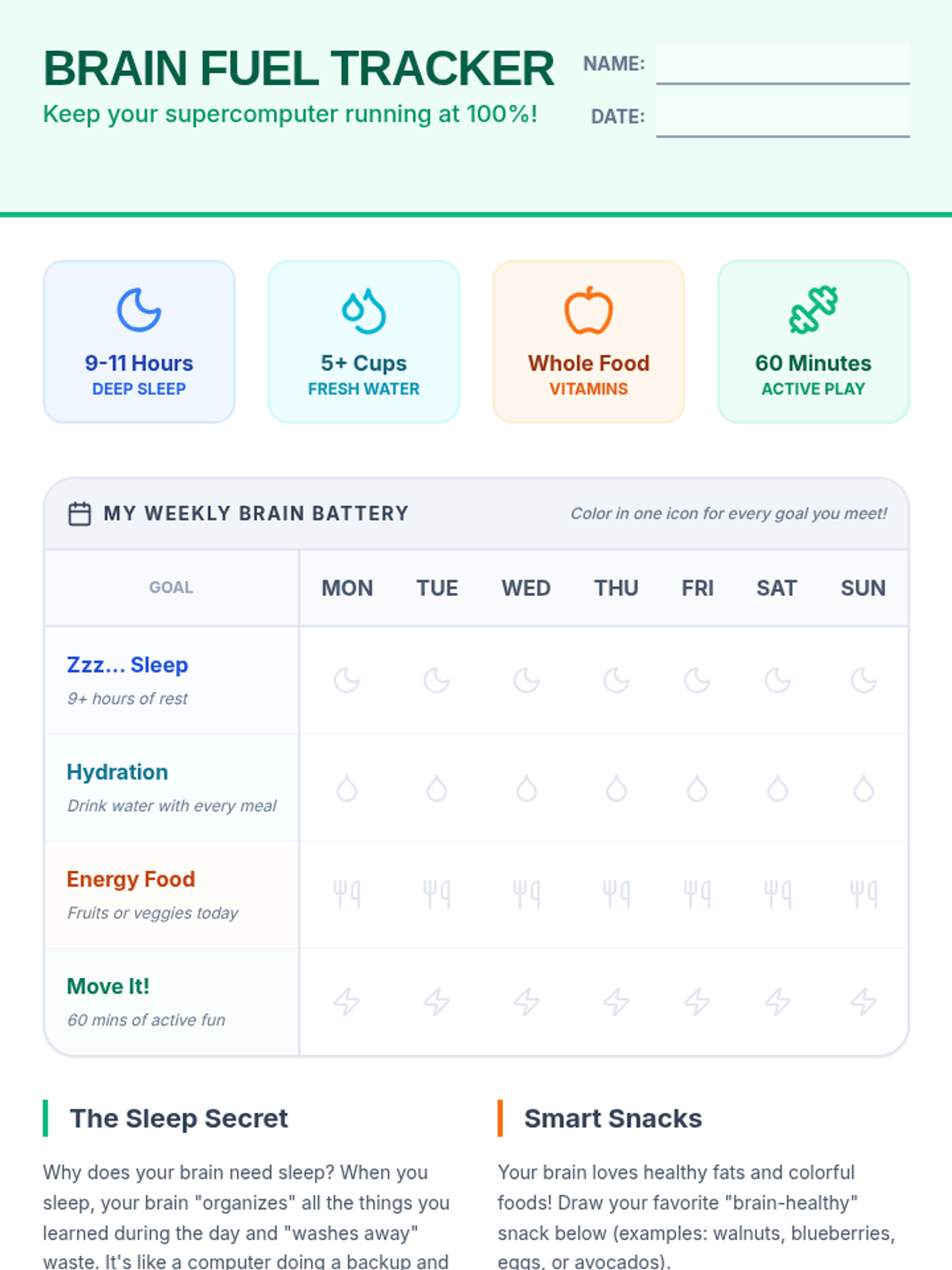
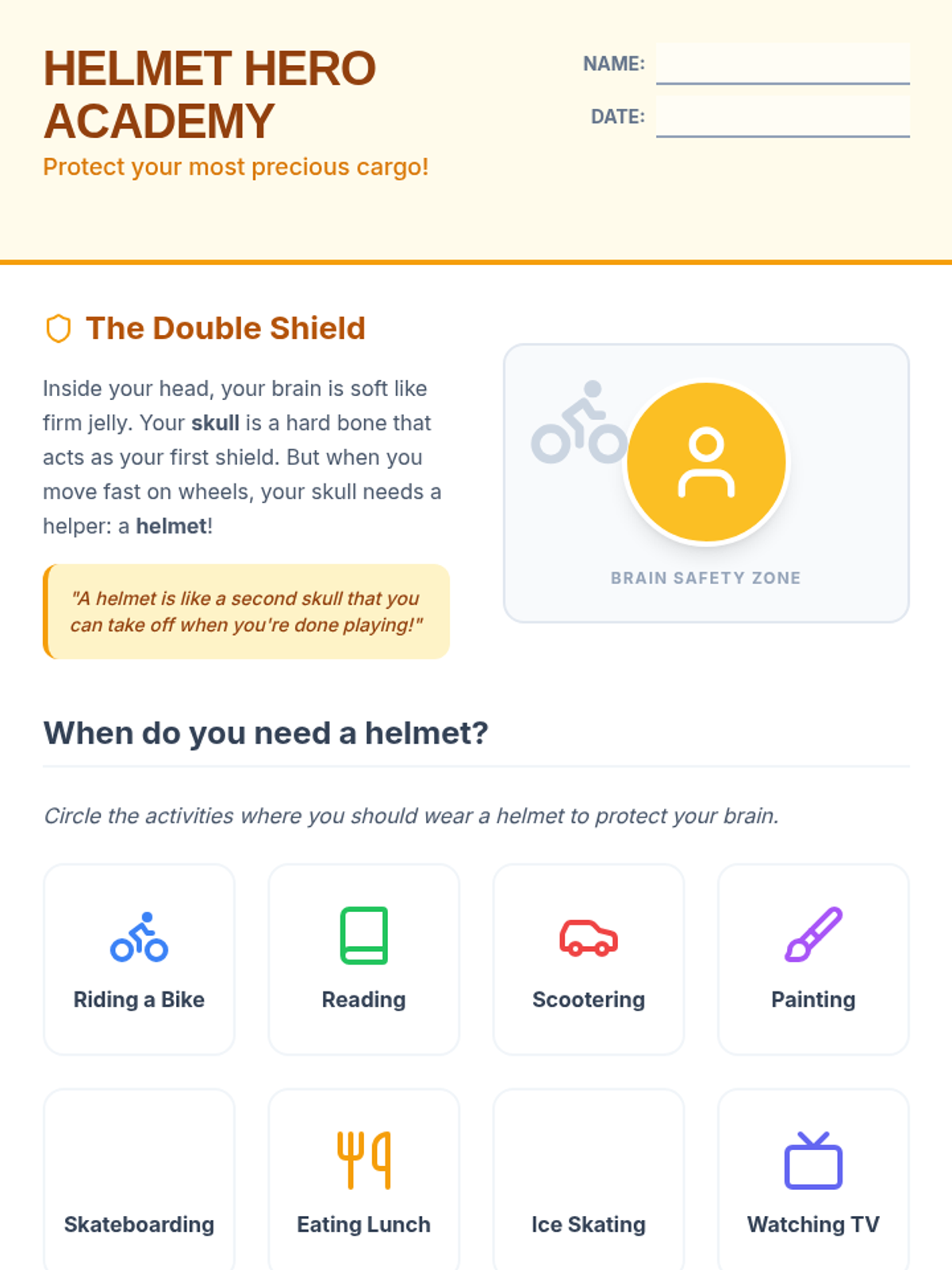
A series of interactive materials teaching elementary students about how their brain works, how to keep it healthy through nutrition and sleep, and how to protect it during physical activities.
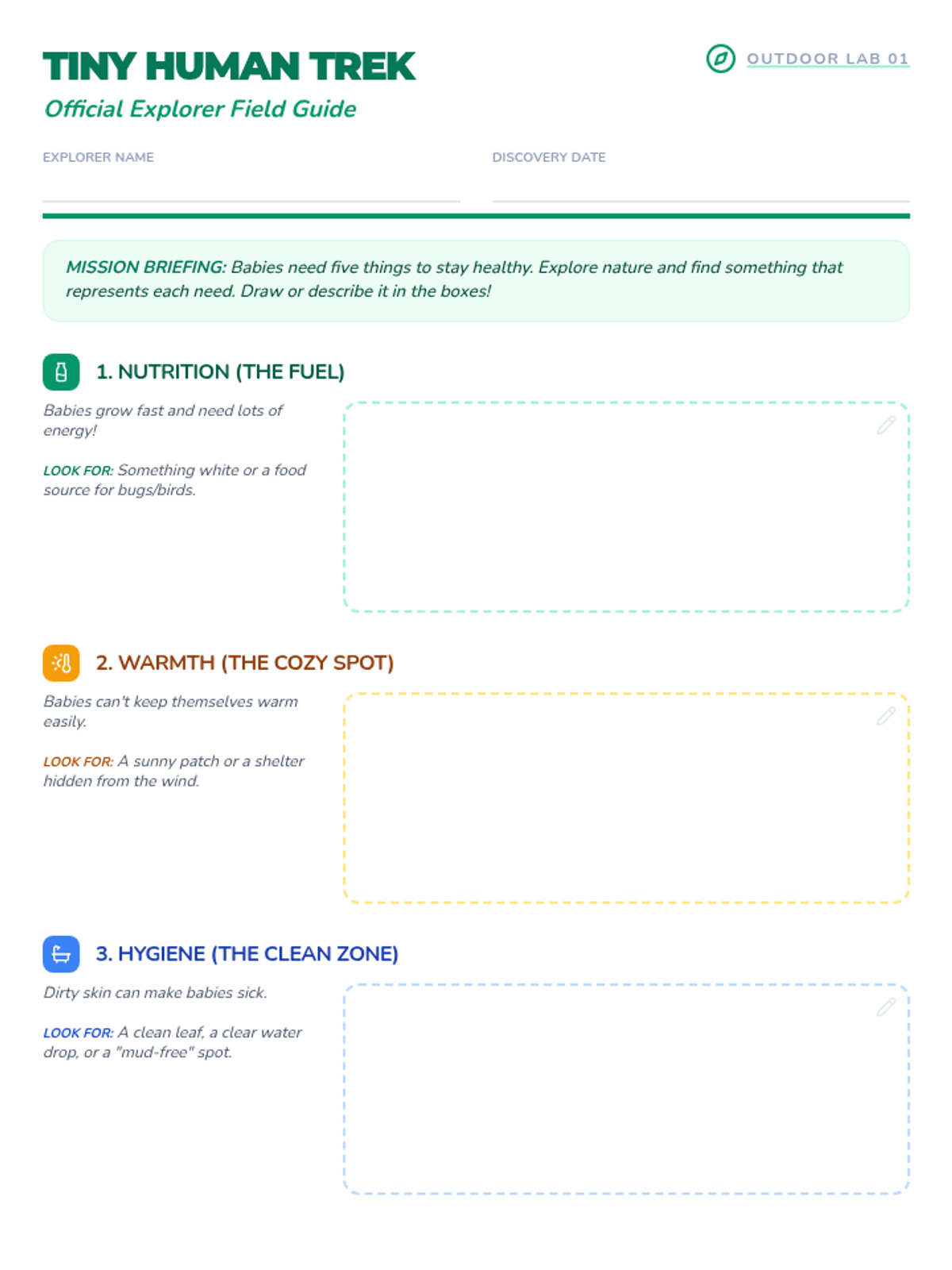
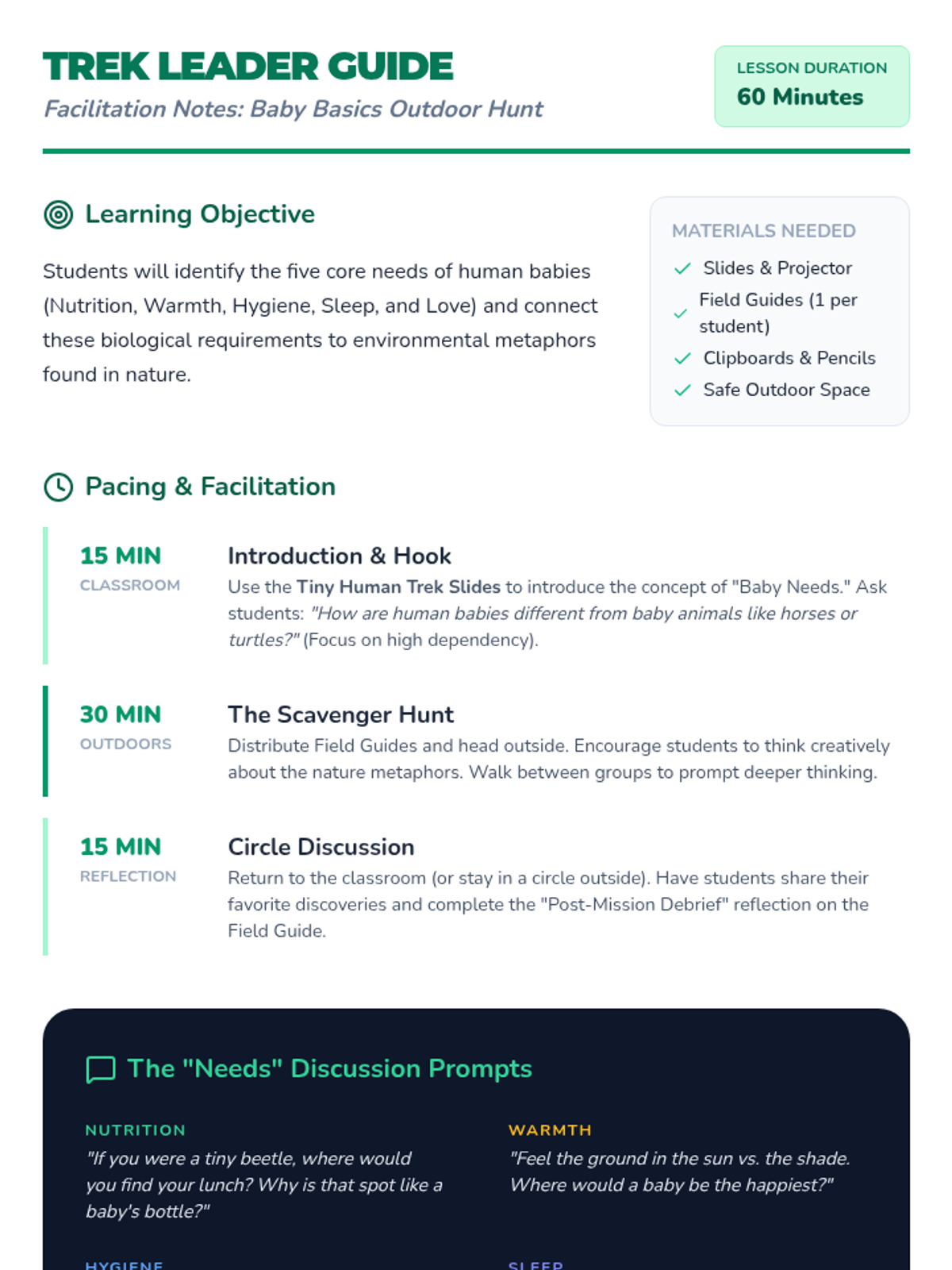
An outdoor exploration where students discover the essential needs of human babies through a nature-themed scavenger hunt, connecting biological needs to environmental metaphors.
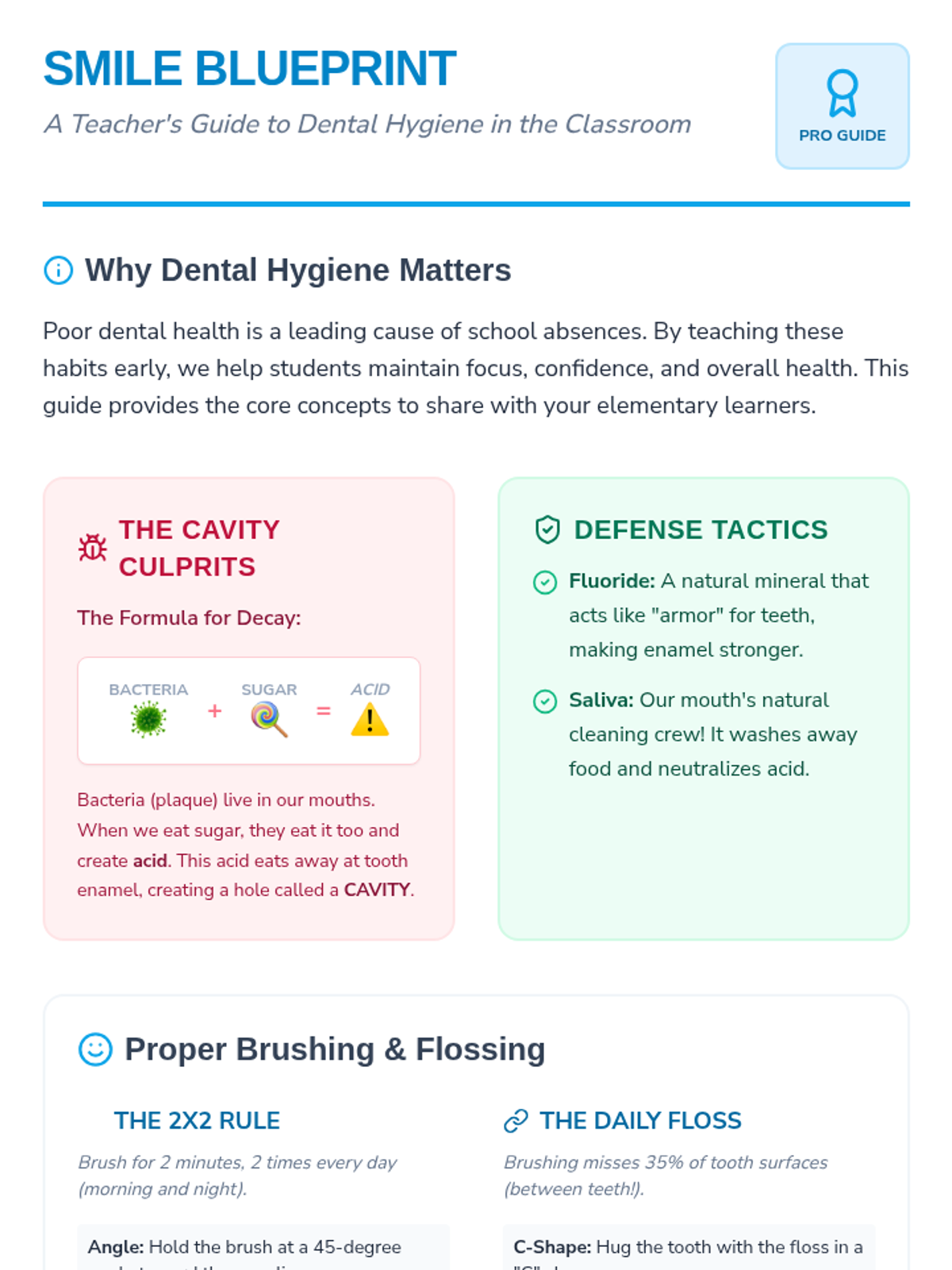
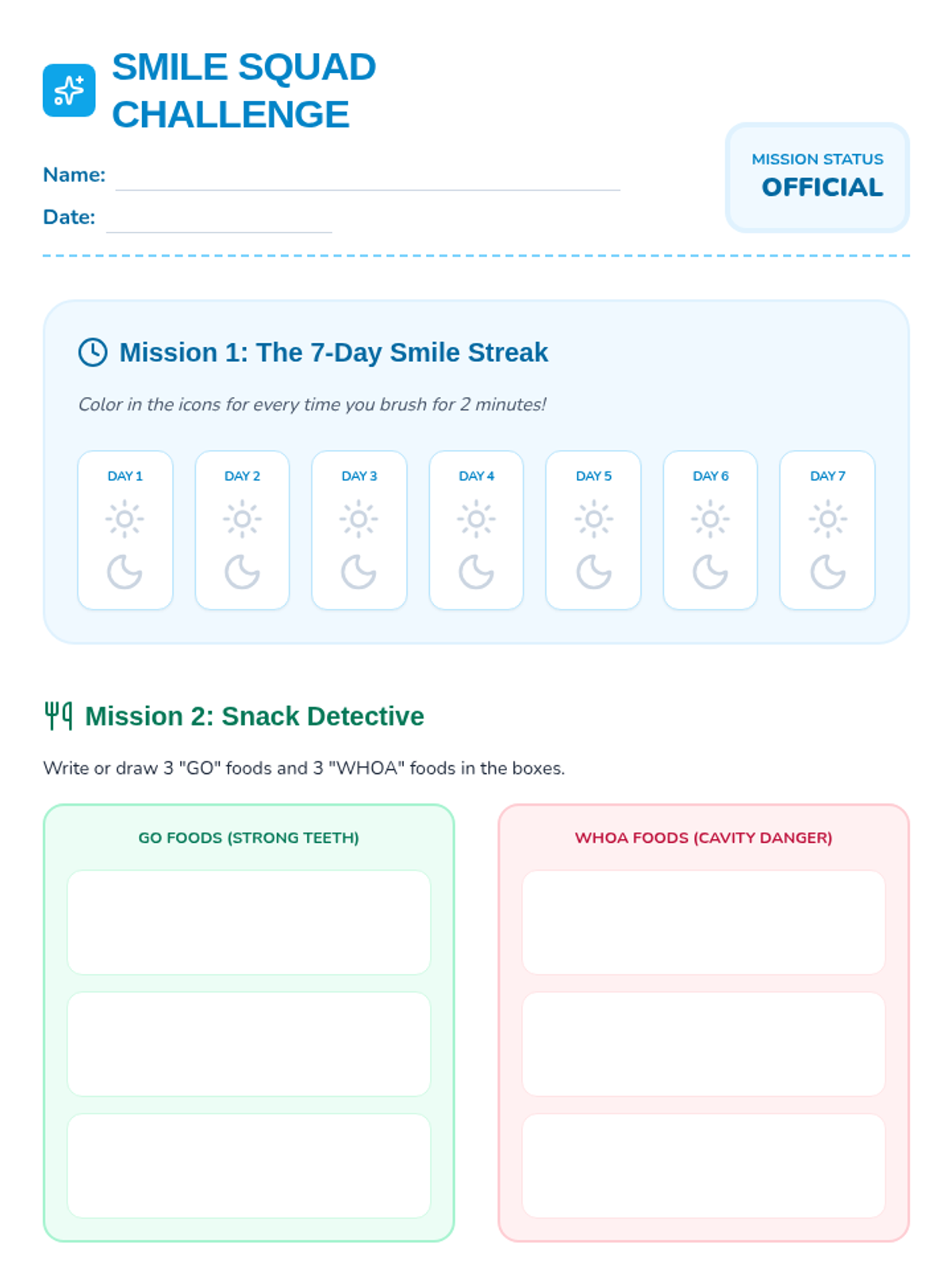
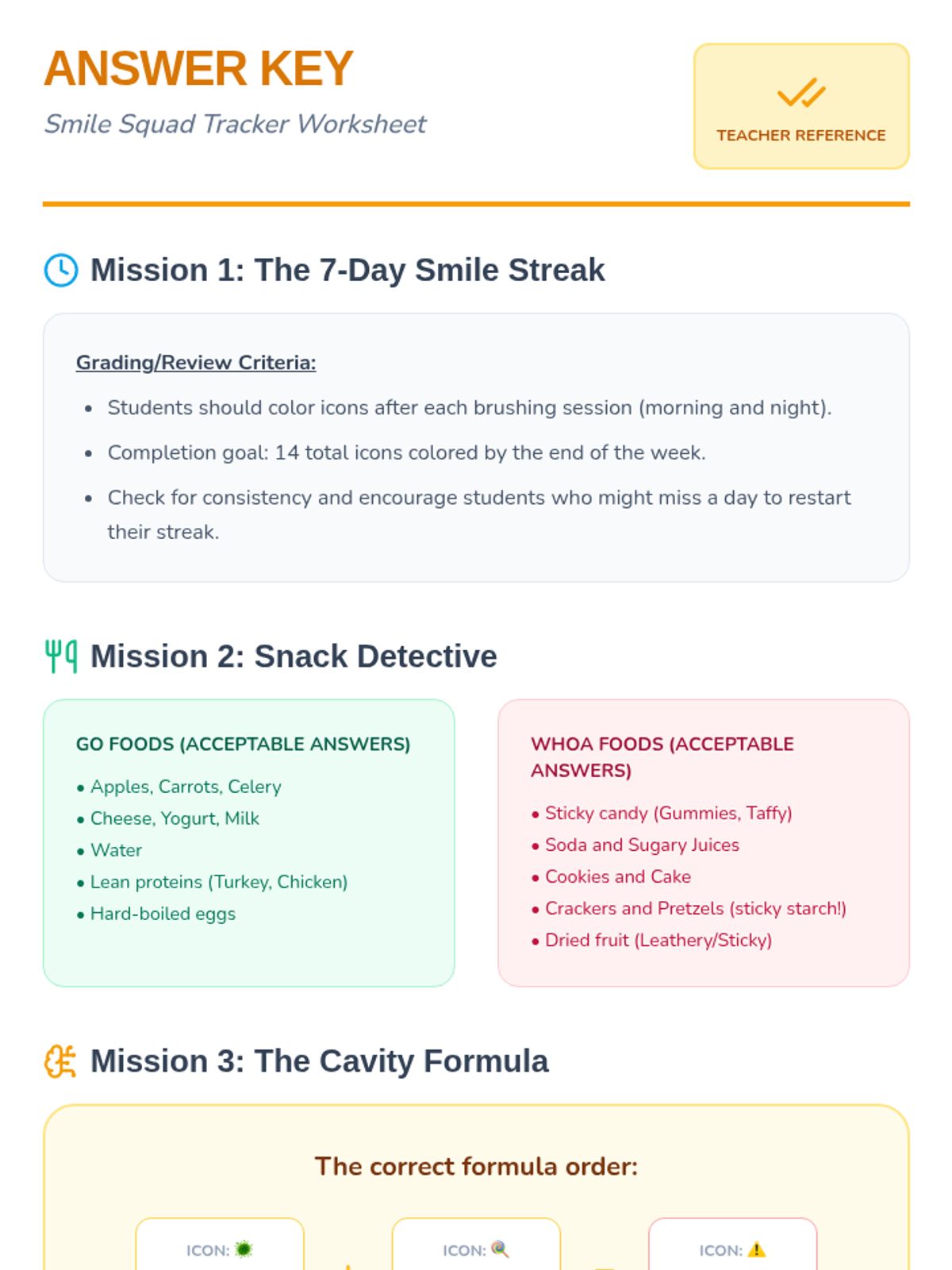
A comprehensive lesson plan and set of resources for teaching elementary students about dental hygiene, focusing on cavity prevention, proper technique, and nutrition.