Fundamental principles of supply, demand, and monetary systems alongside micro- and macroeconomic structures. Examines the impact of corporate power, labor market dynamics, and global systems on social mobility and class inequality.
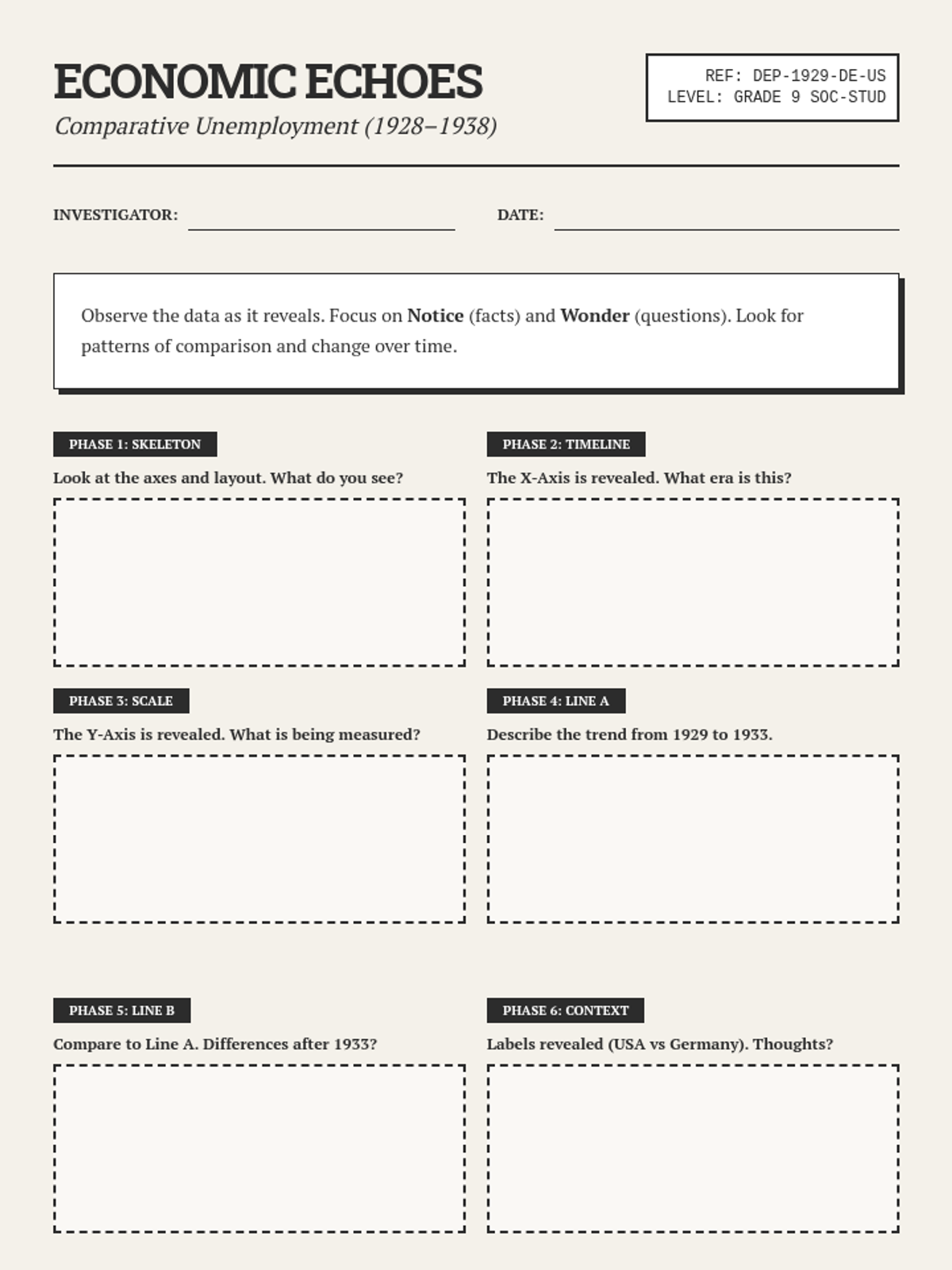
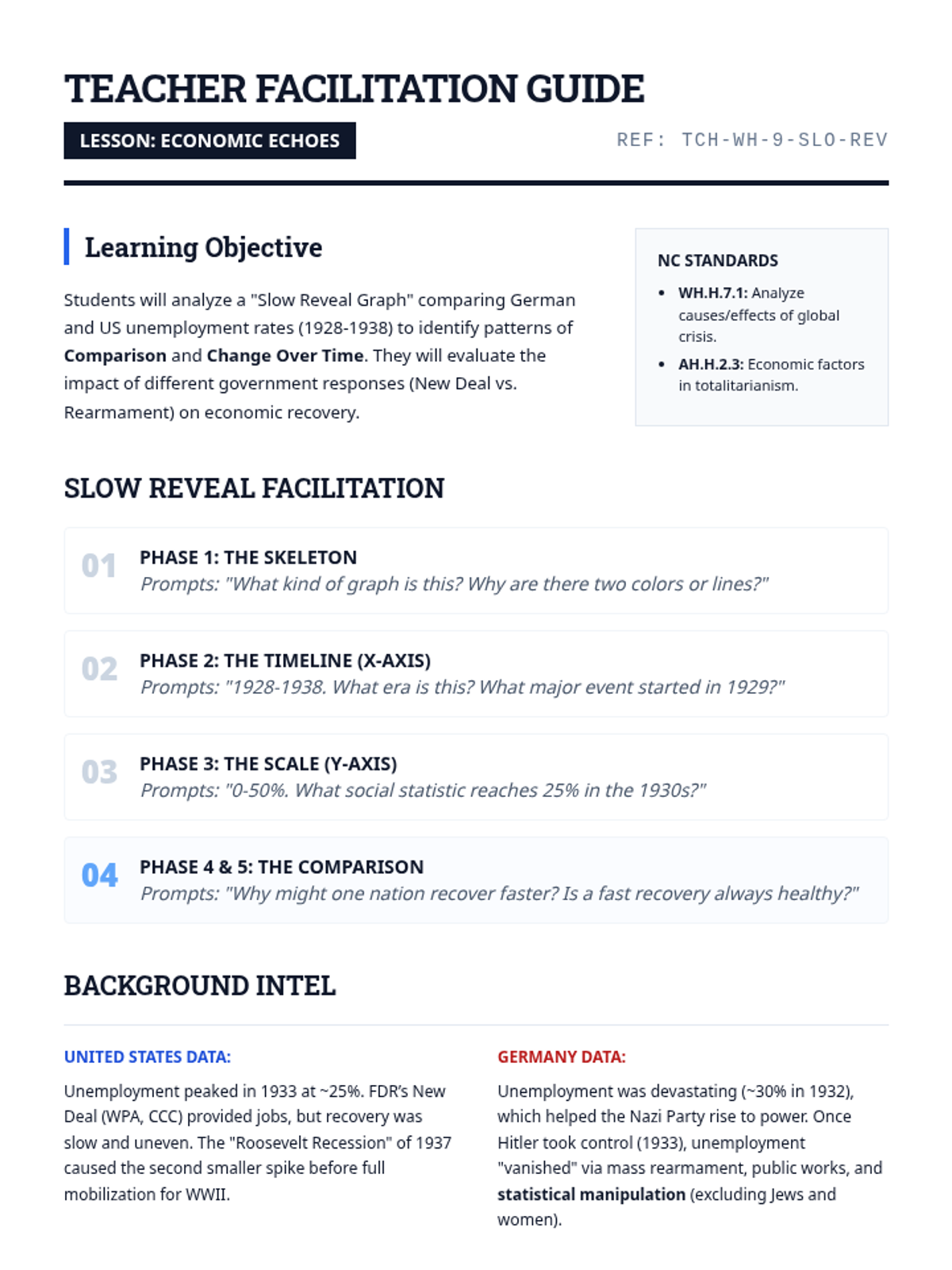
A deep dive into the economic data of the Great Depression, comparing the US and German experiences through a slow-reveal graph technique to build analytical skills.
An interactive exploration of fiscal policy, focusing on the federal budget, debt dynamics, and the specific application of expansionary and contractionary tools to manage the economy.
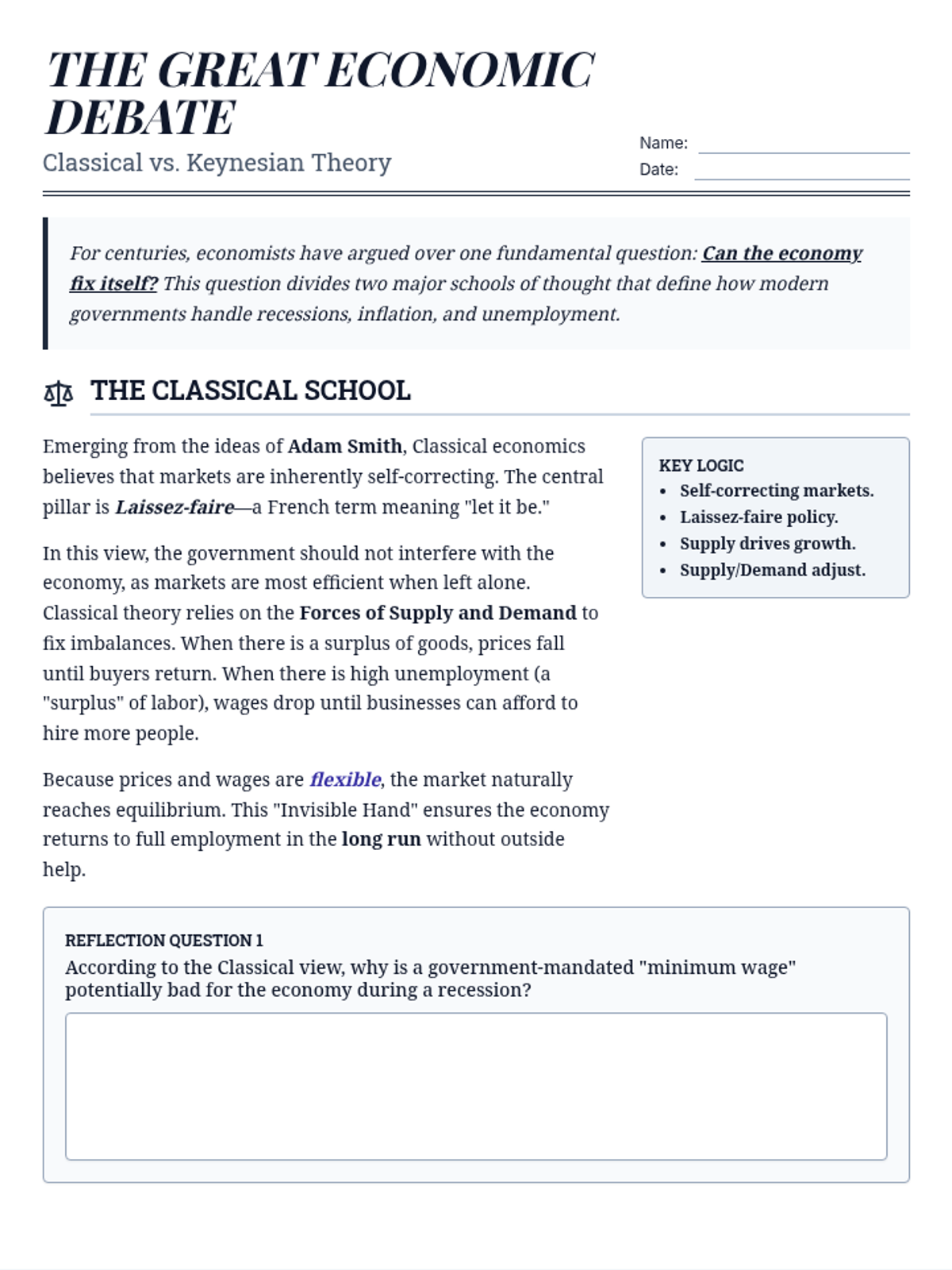
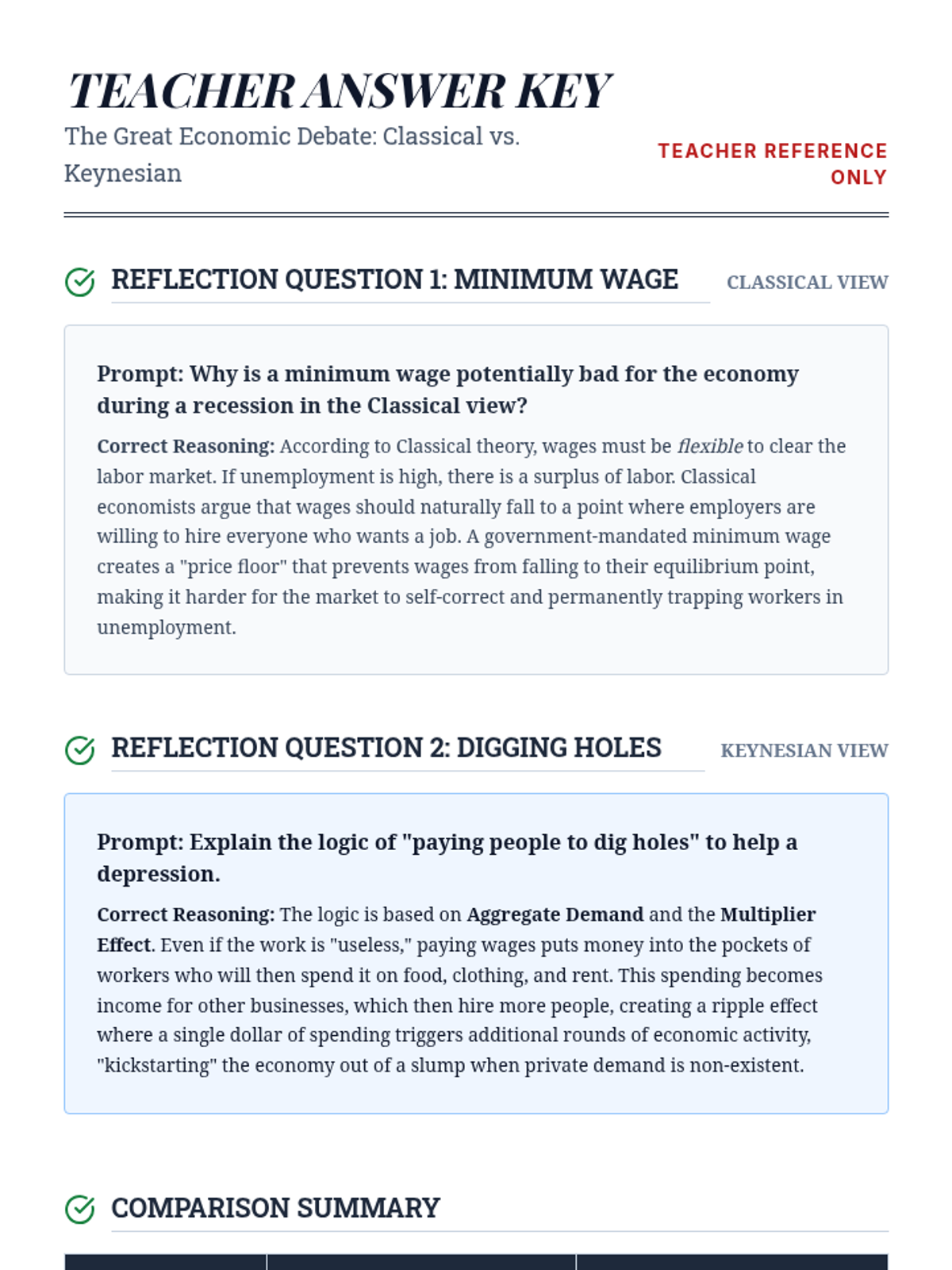
A 30-35 minute independent exploration of the fundamental differences between Classical and Keynesian economic theories, focusing on their origins, core beliefs about market self-correction, and the role of government intervention.
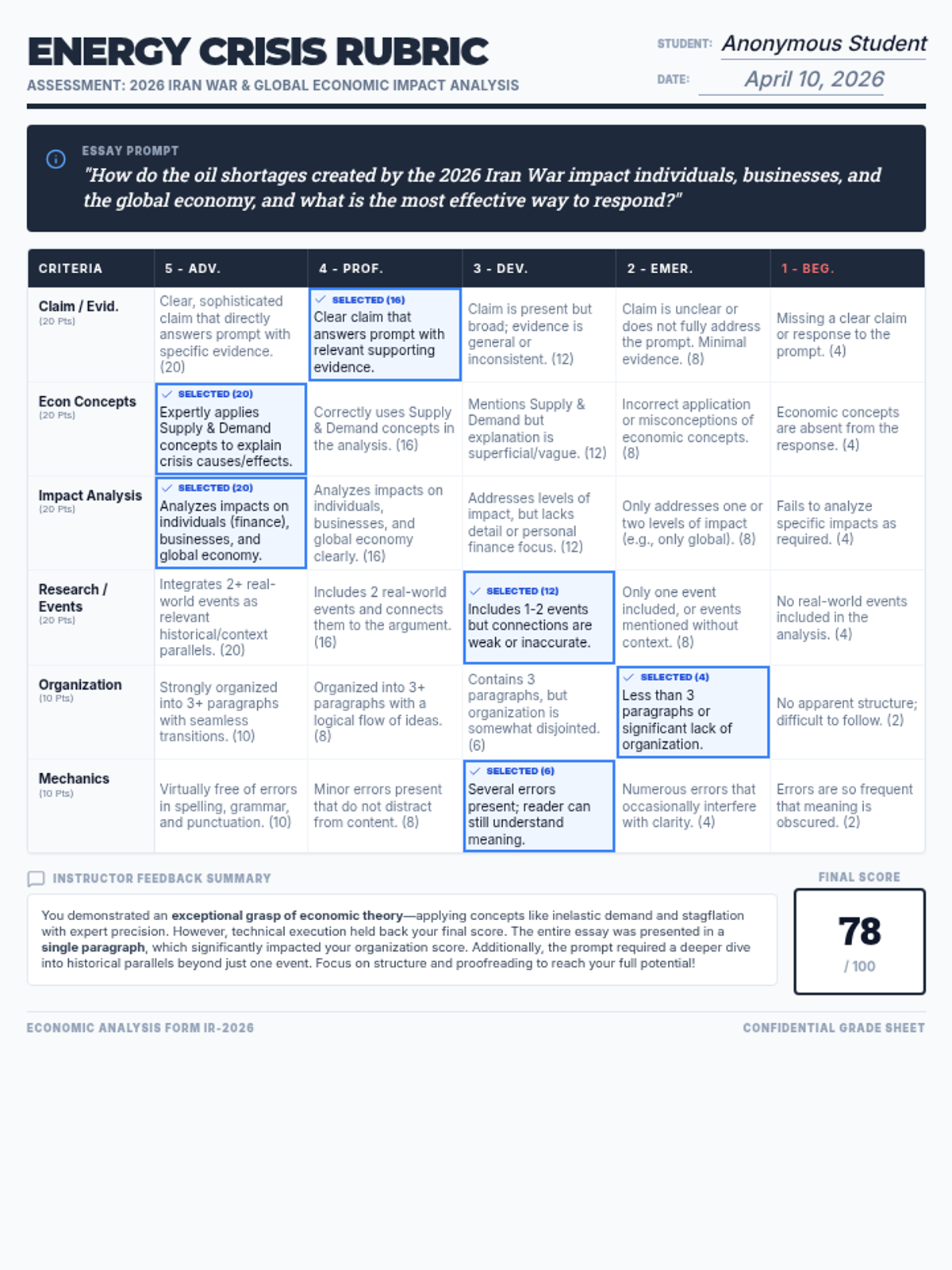
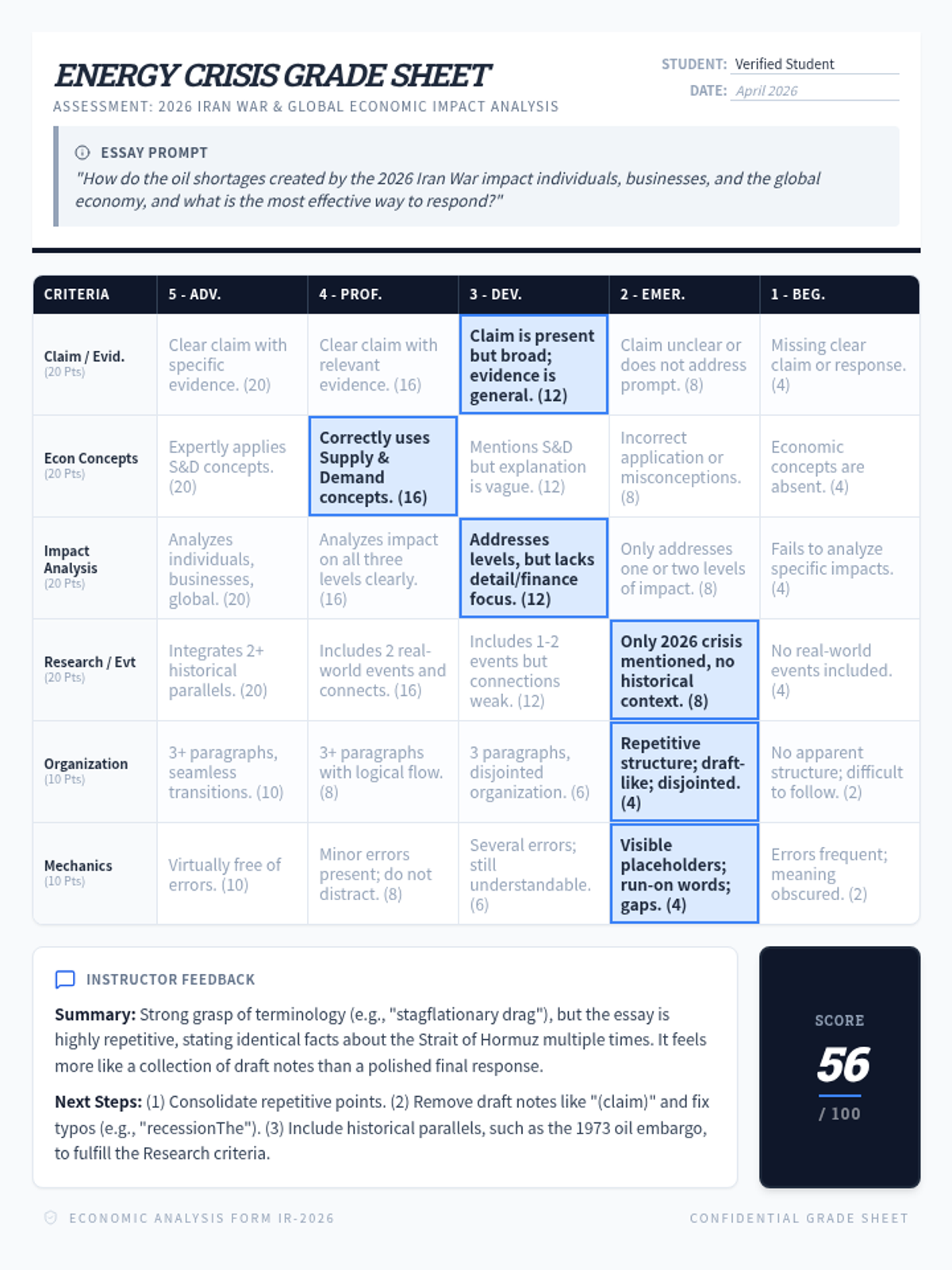
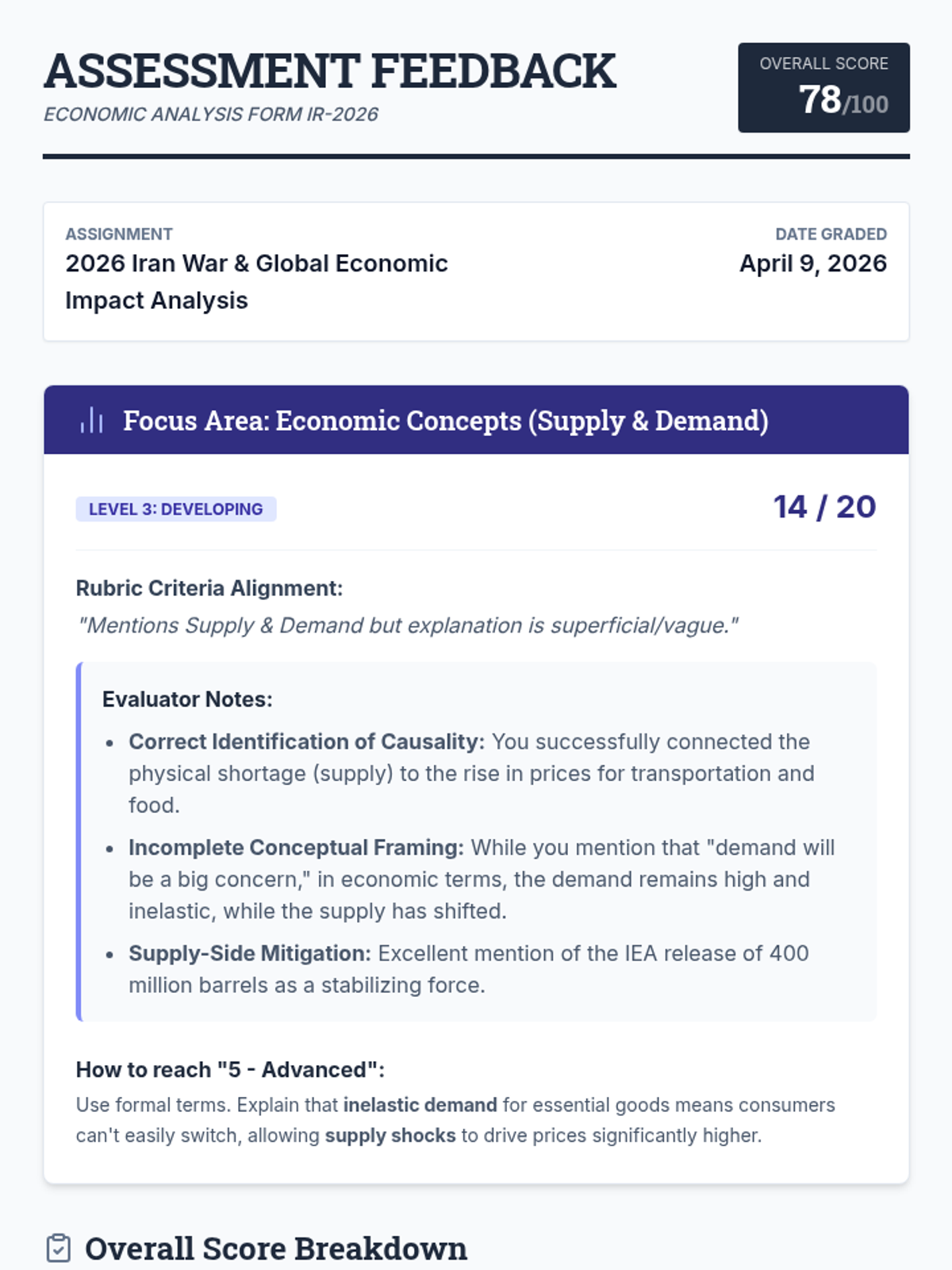
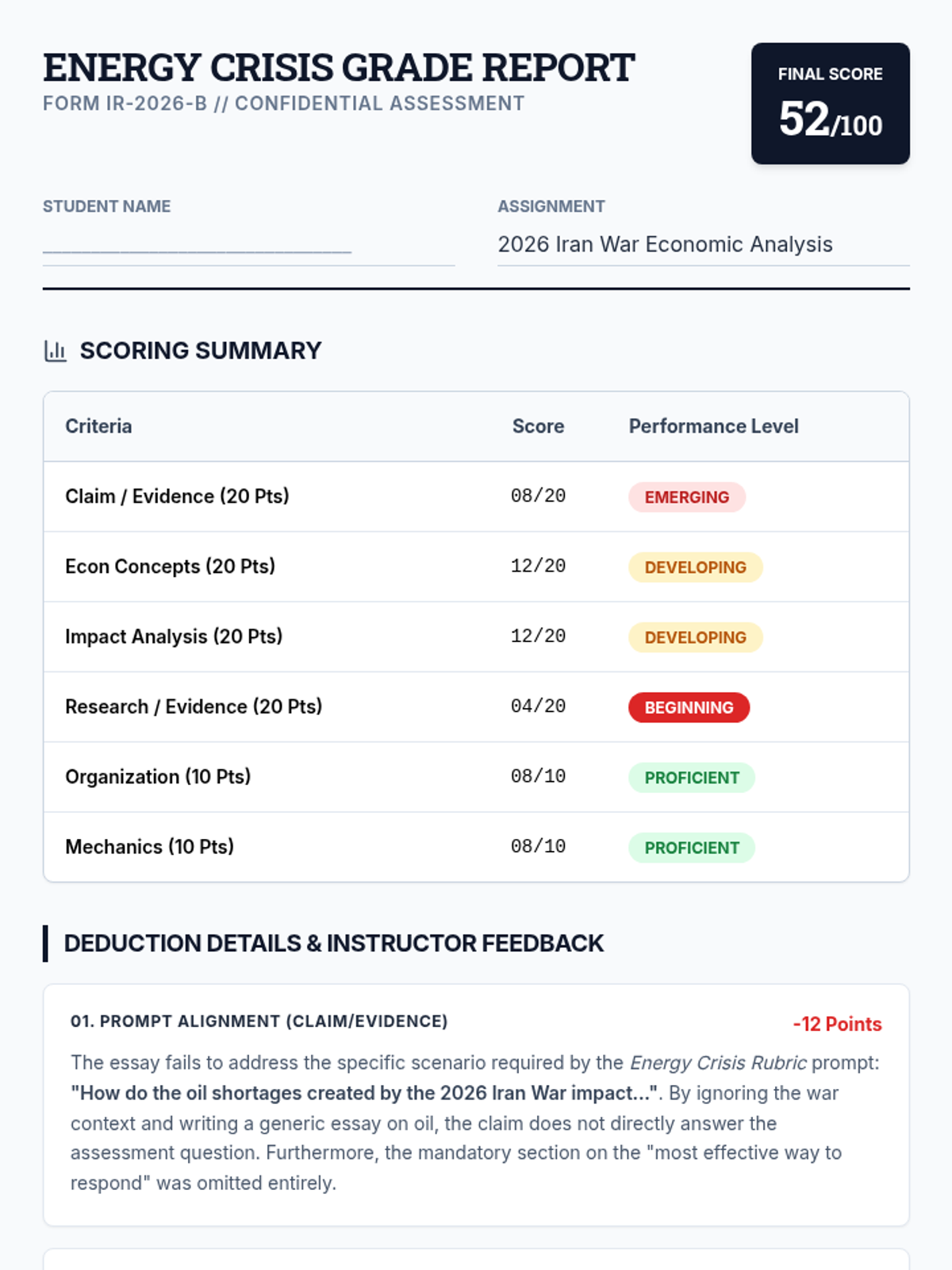
A formal assessment and feedback set for the 2026 Energy Crisis economic analysis essay, including a scored rubric and clear, actionable feedback for the student.
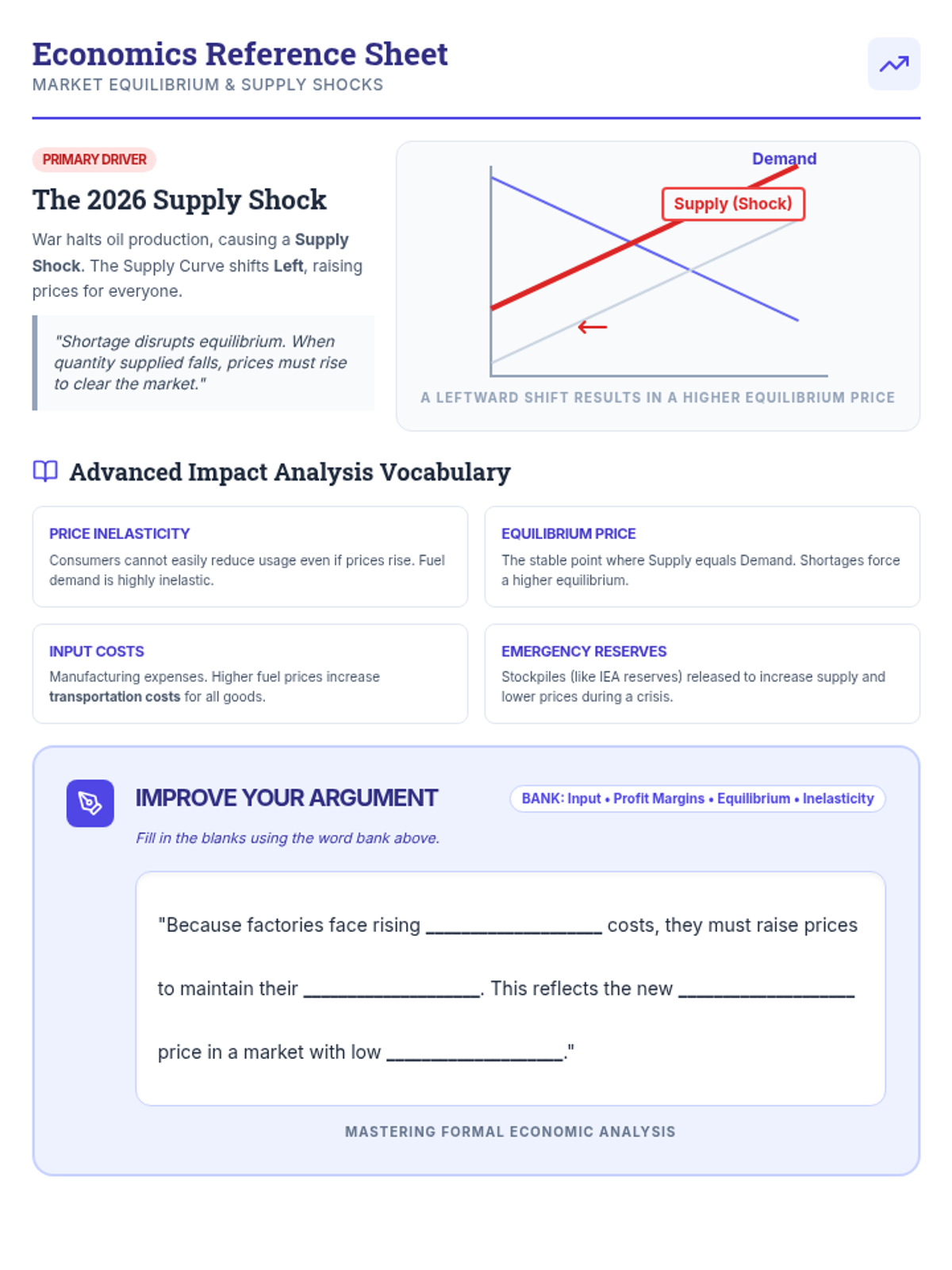
A lesson focused on analyzing the economic impacts of energy crises, specifically the 2026 Iran War scenario, and providing feedback on student performance.
A lesson focused on analyzing the economic consequences of global conflicts, specifically the 2026 energy crisis, featuring a graded assessment and feedback for students.
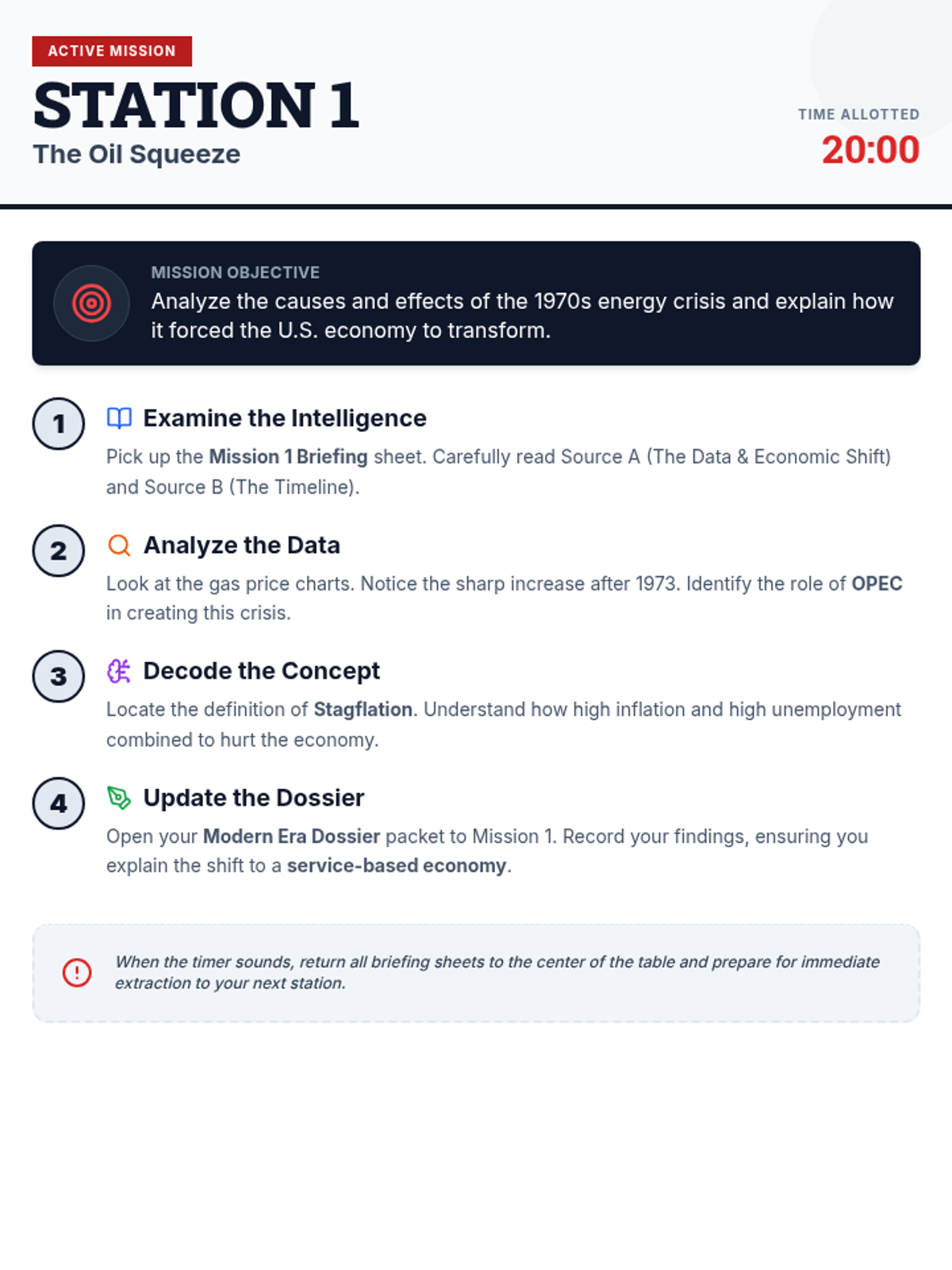
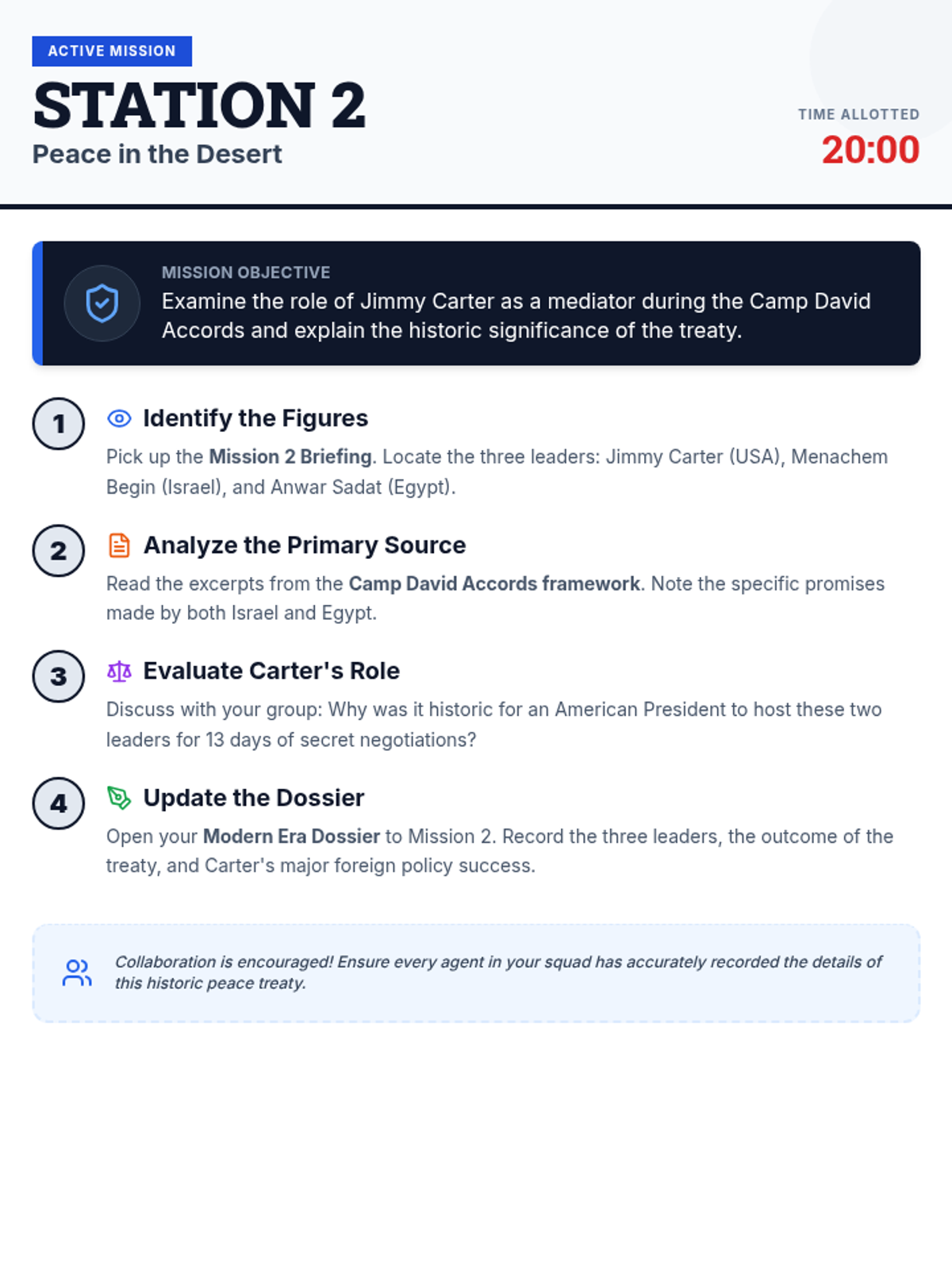
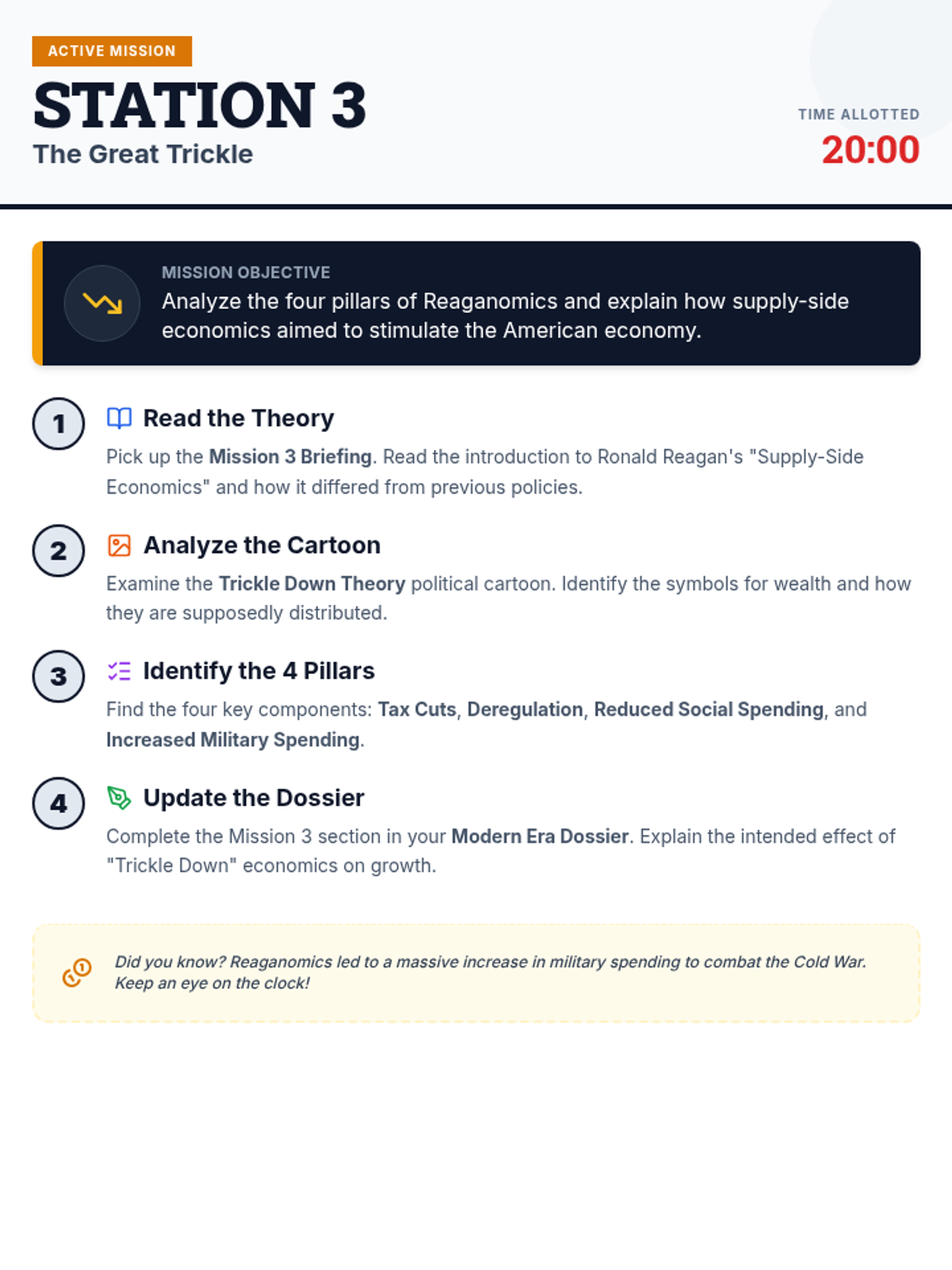
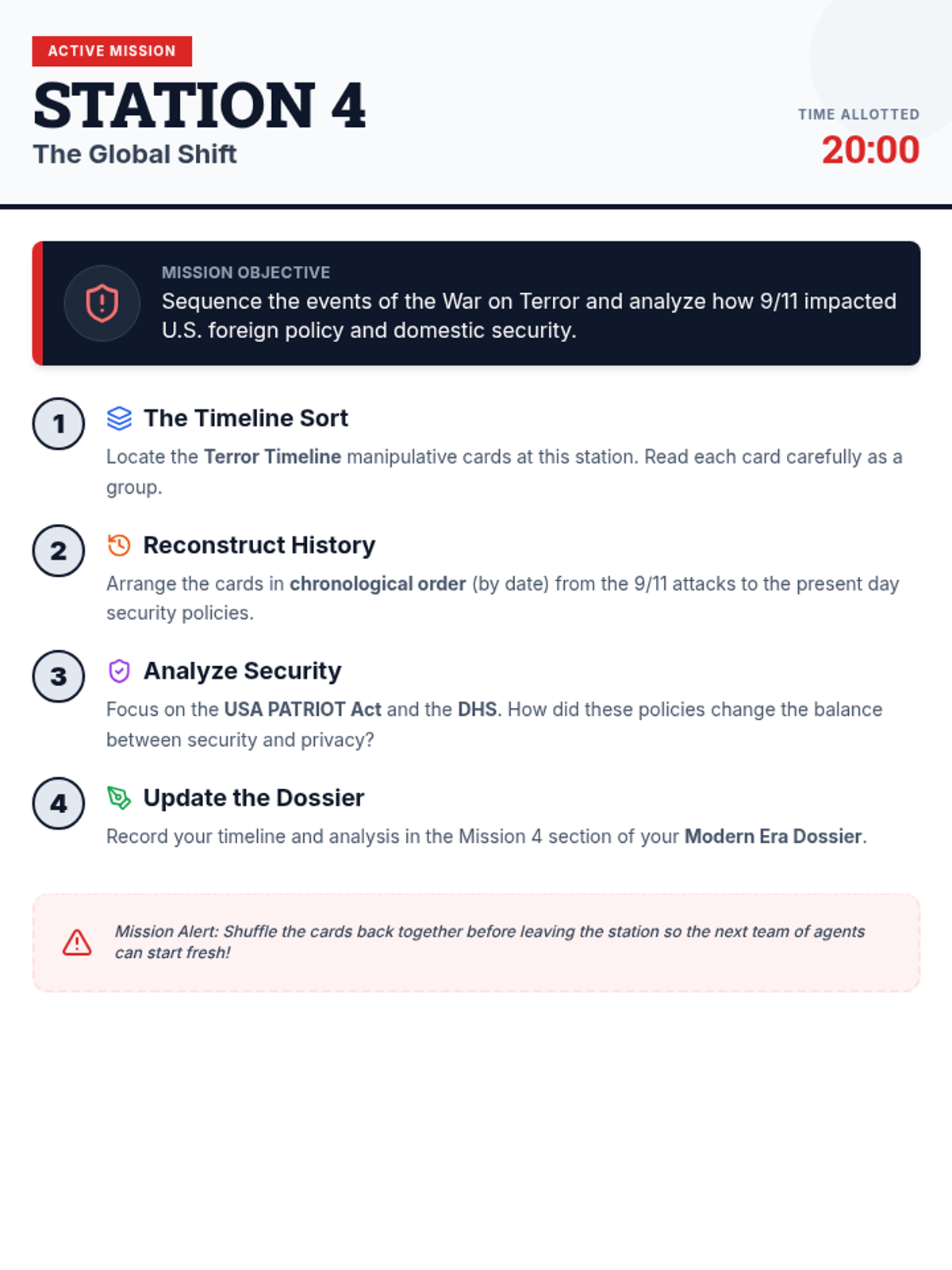
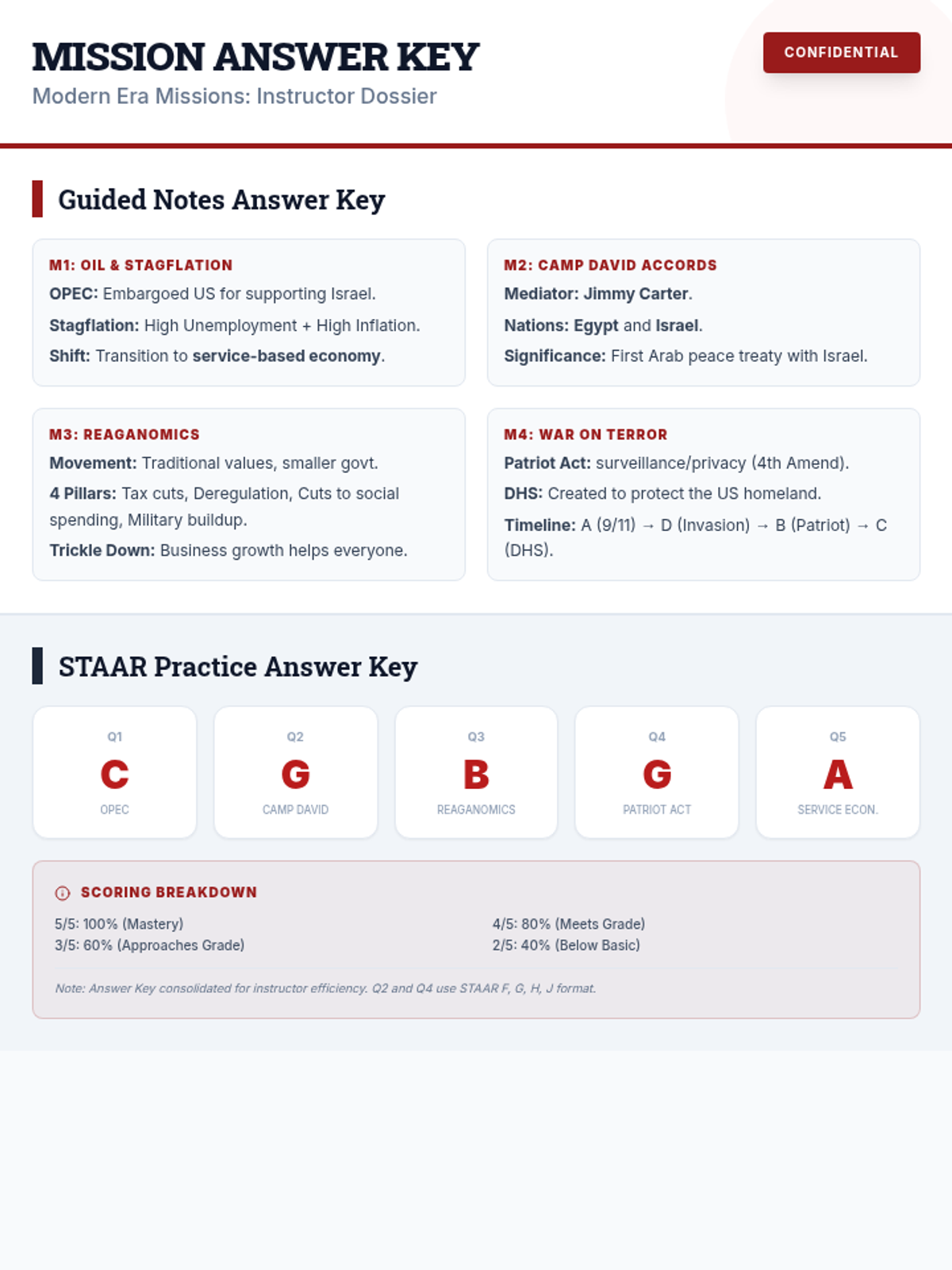
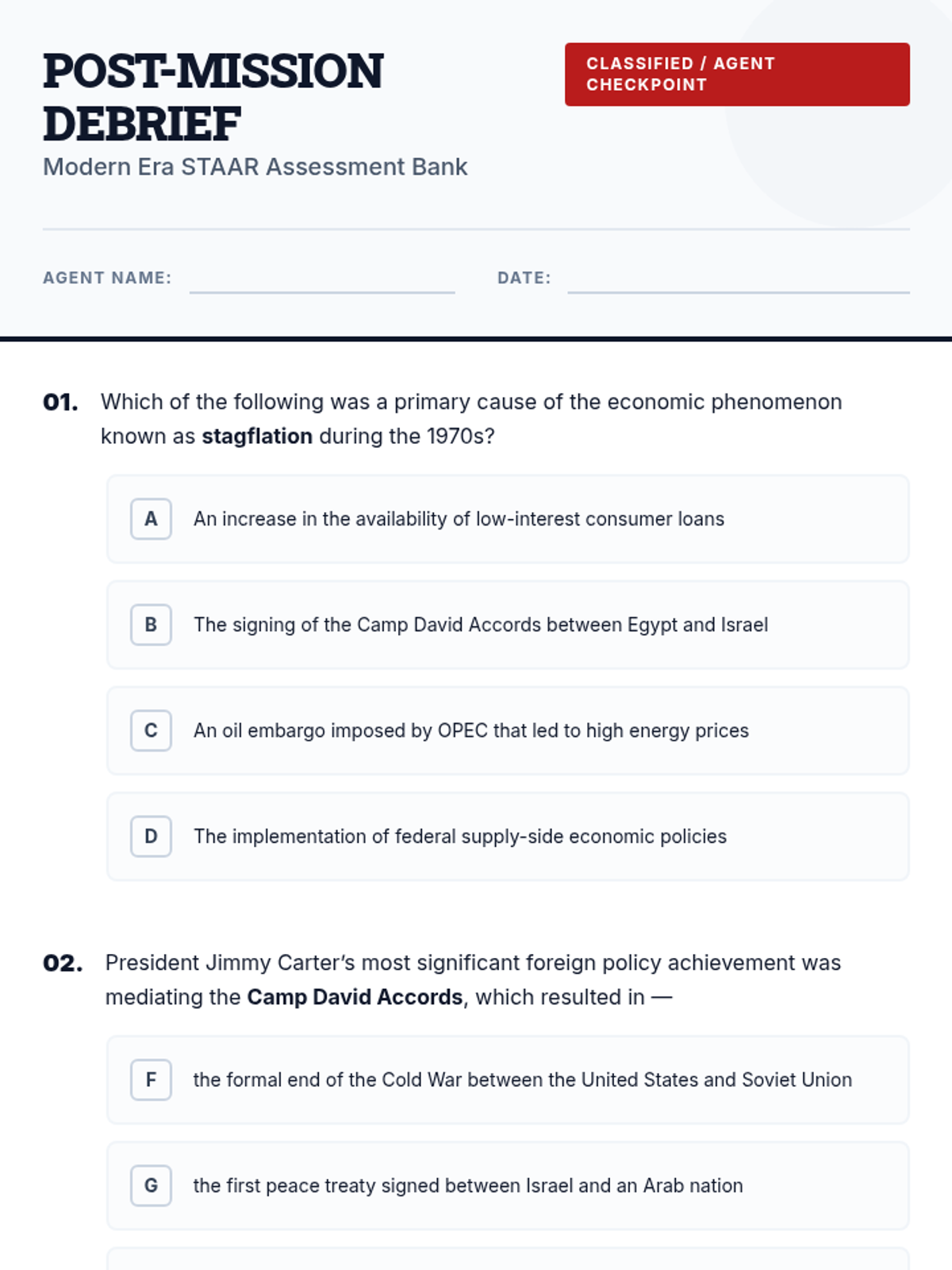
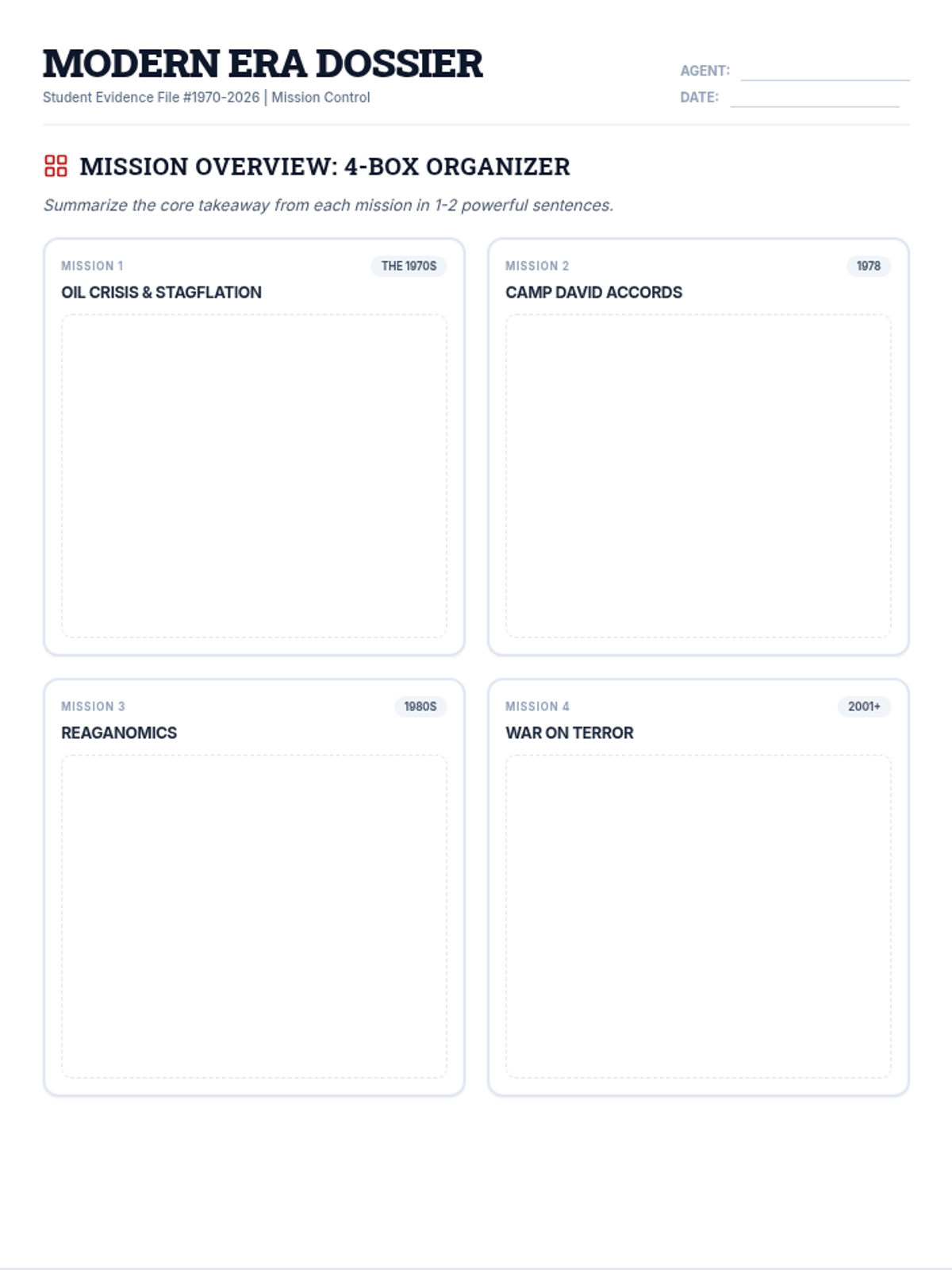
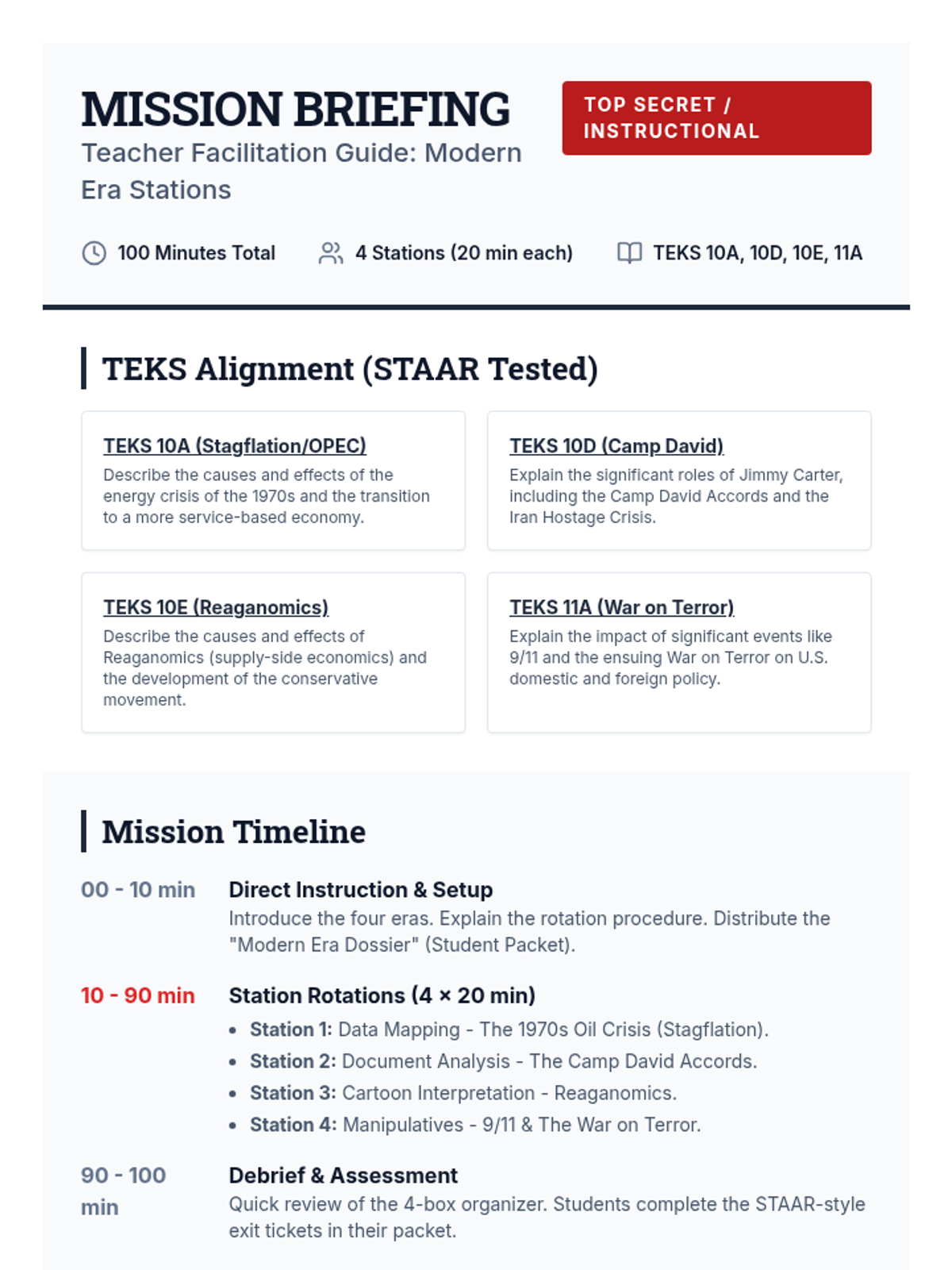
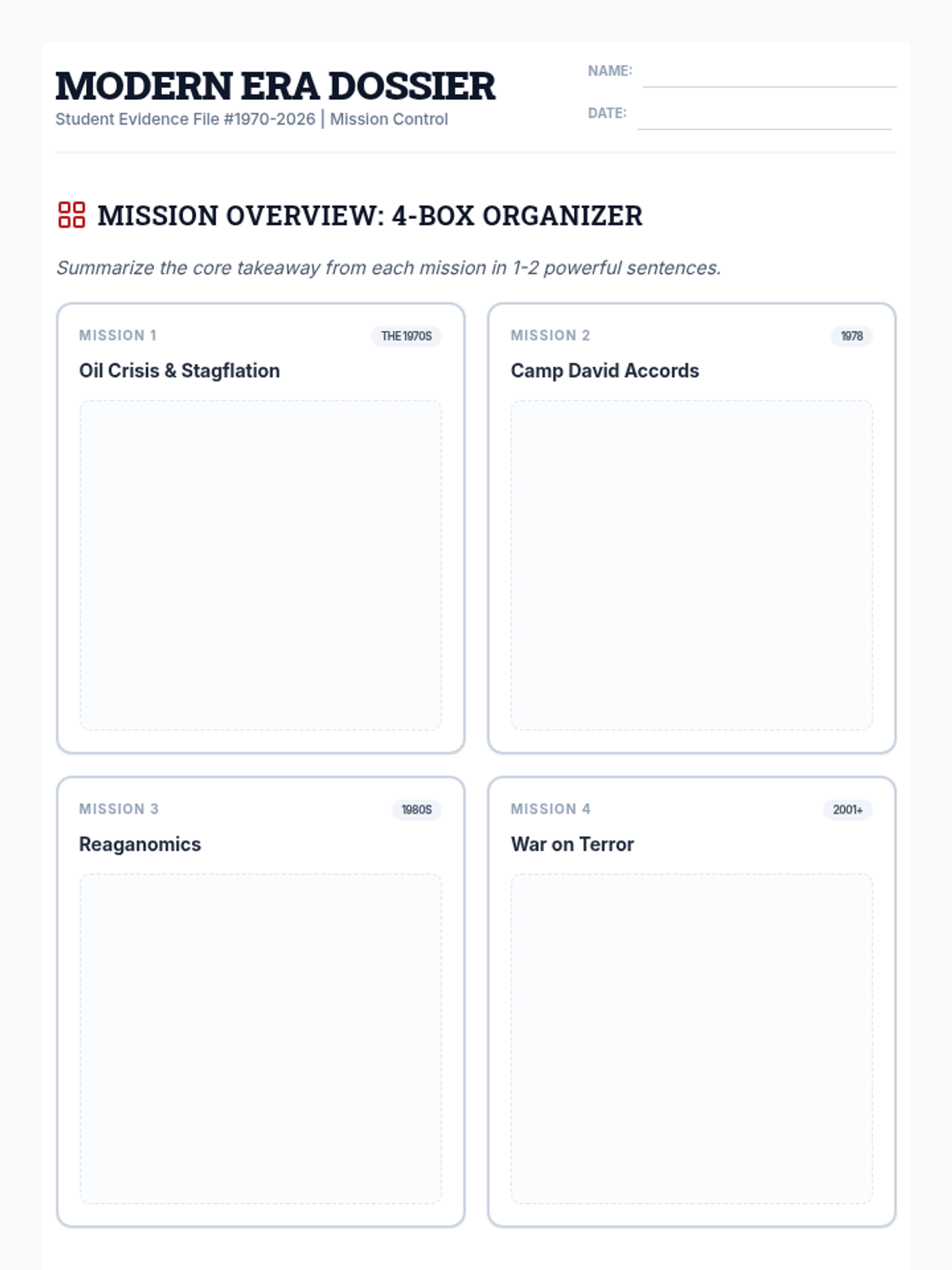
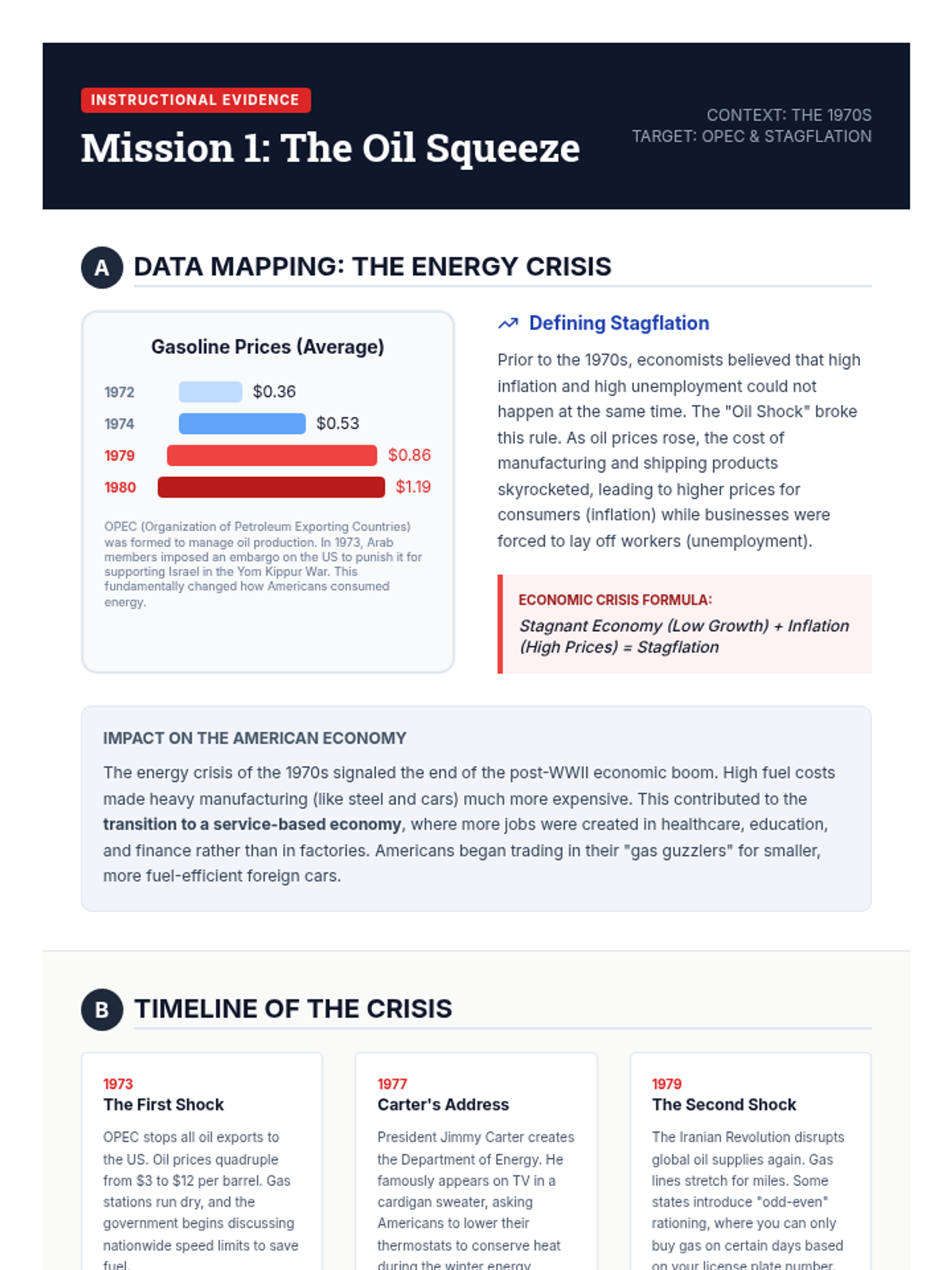
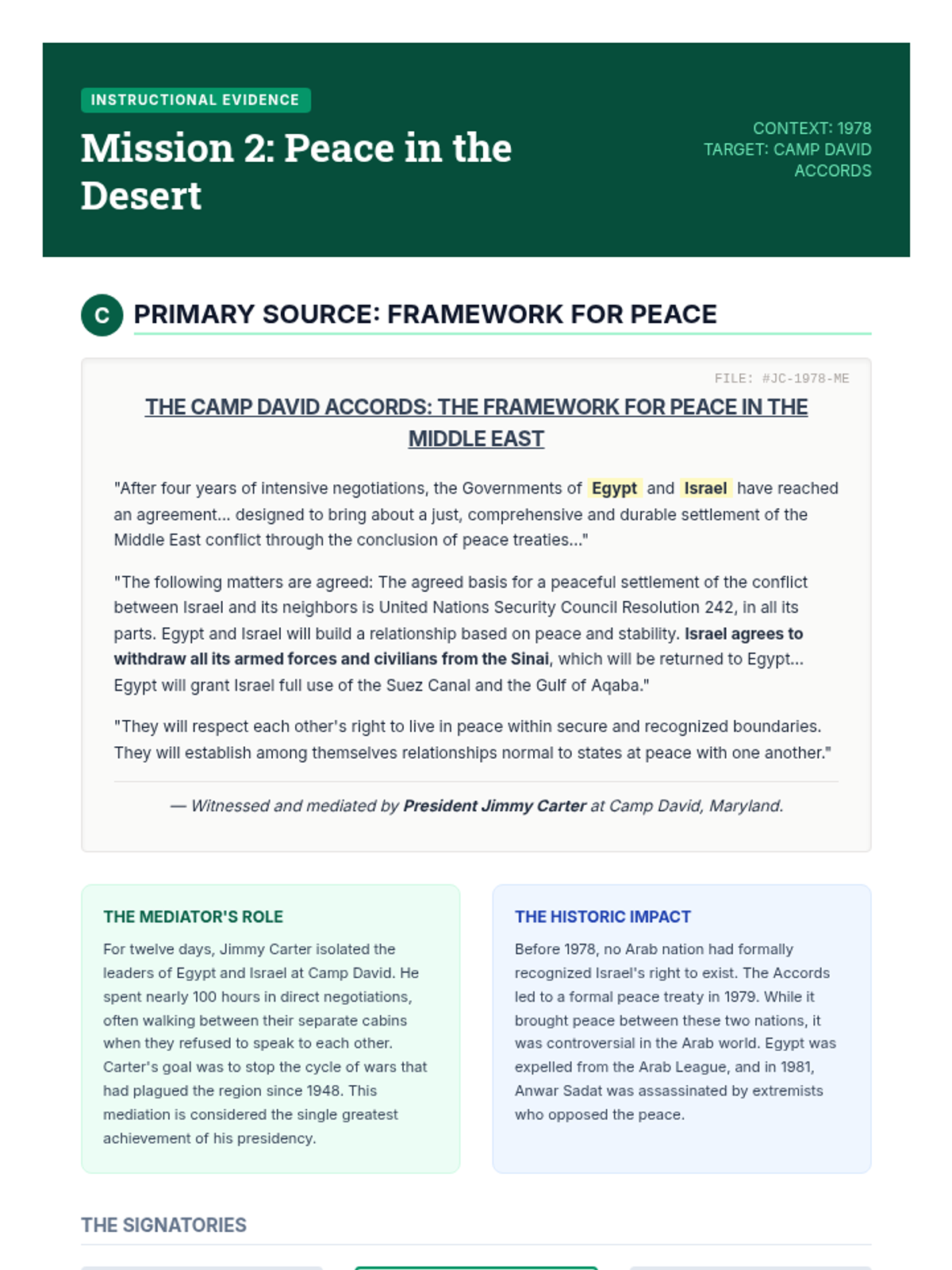
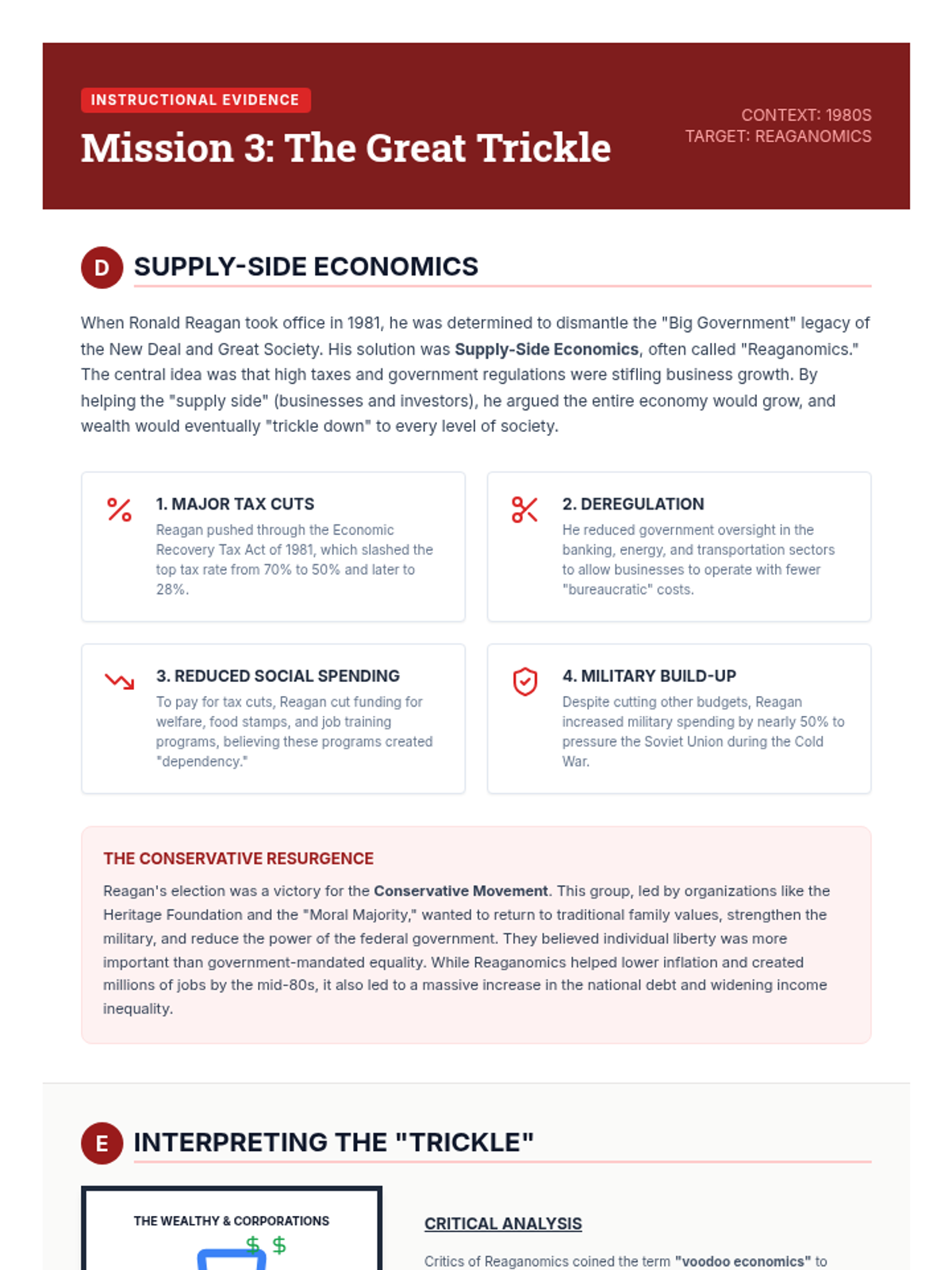
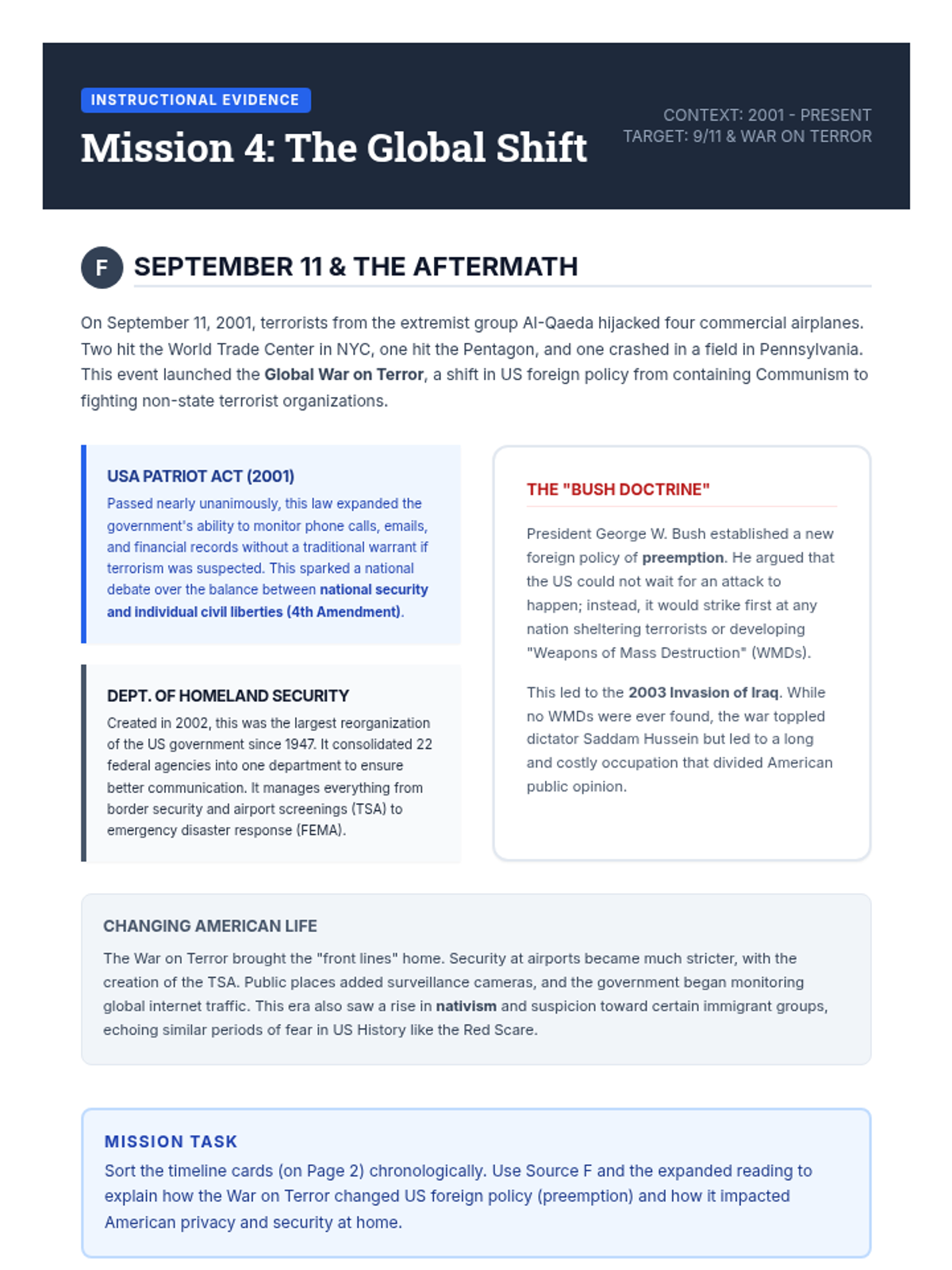
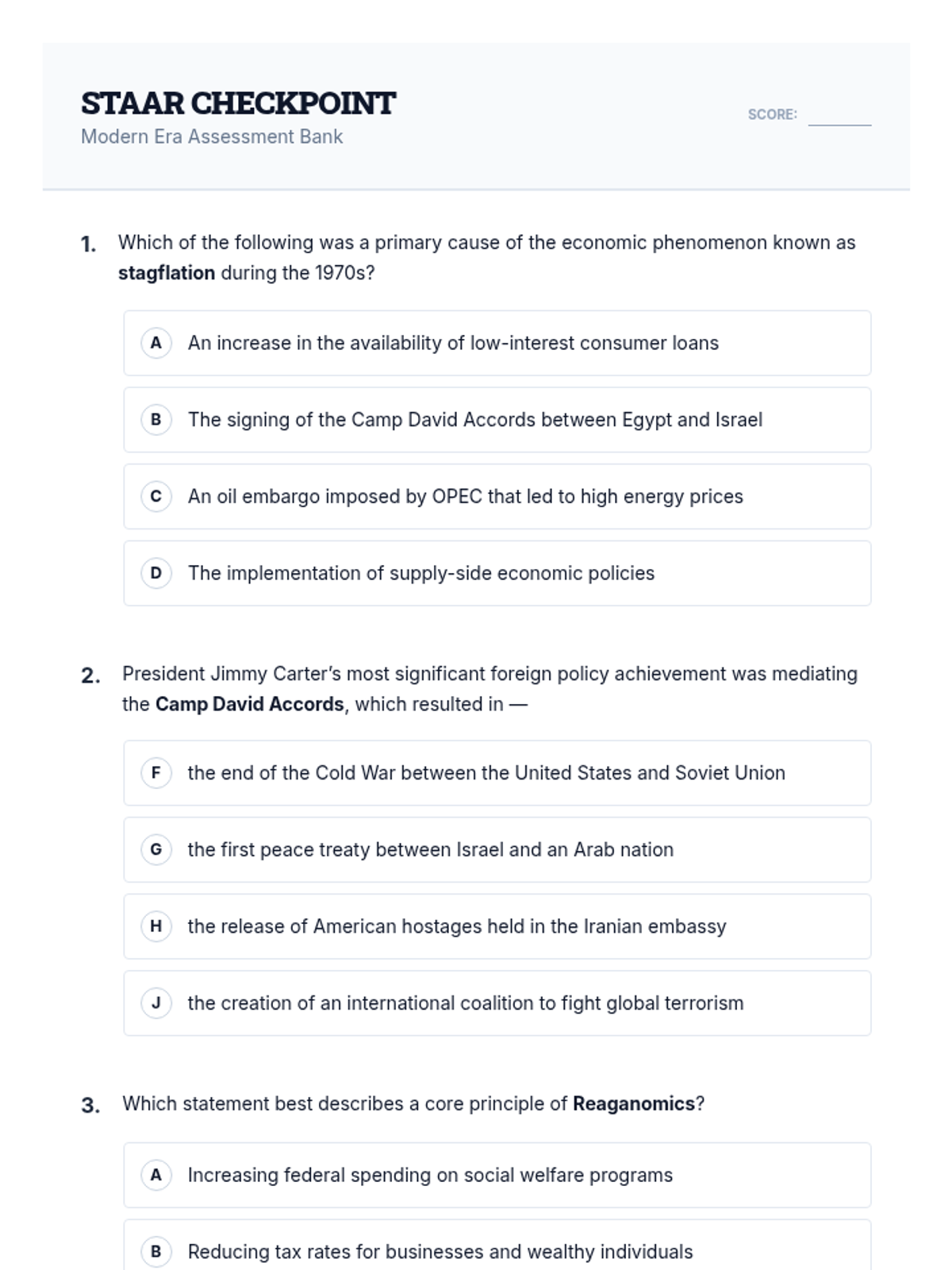
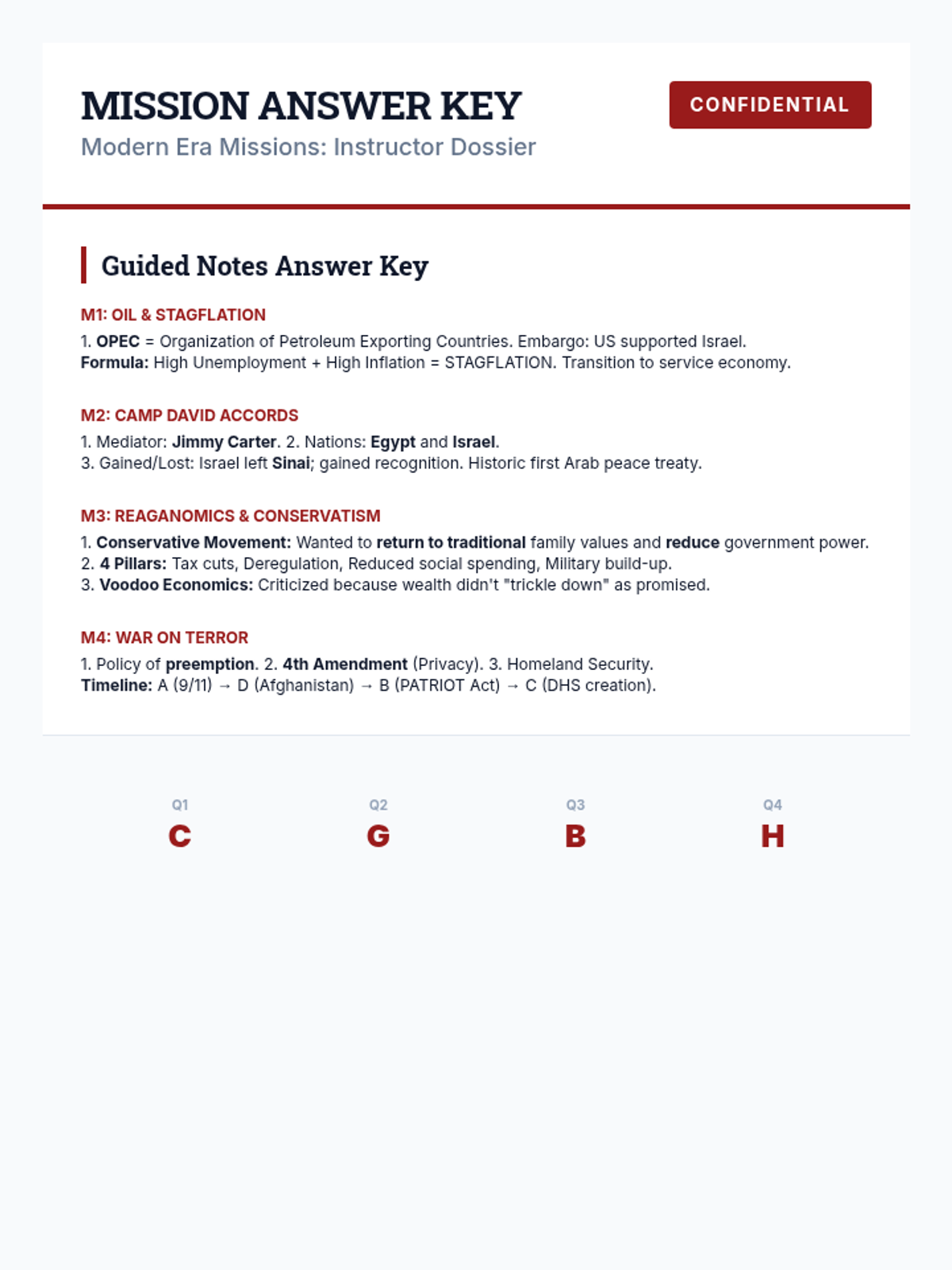
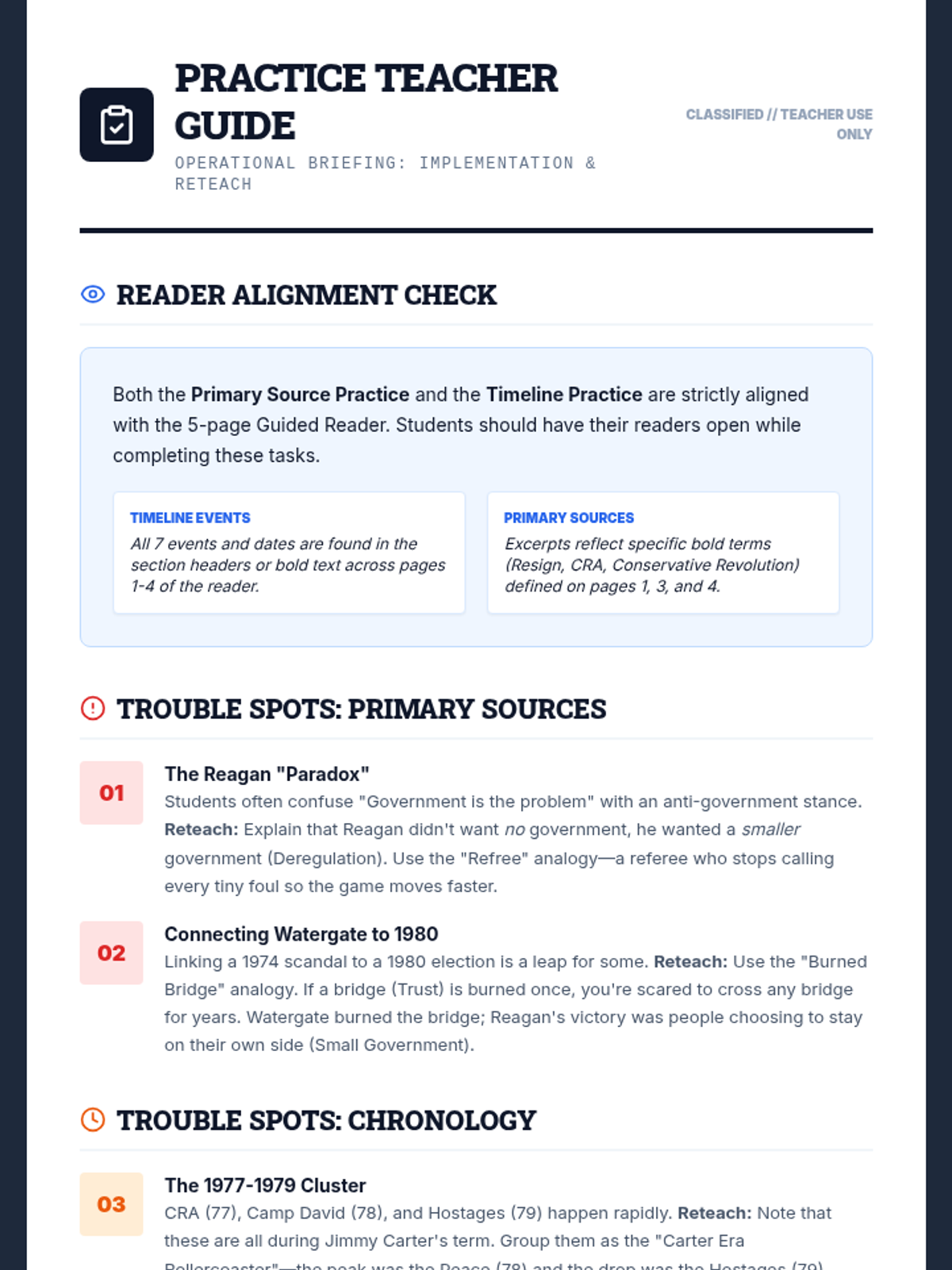
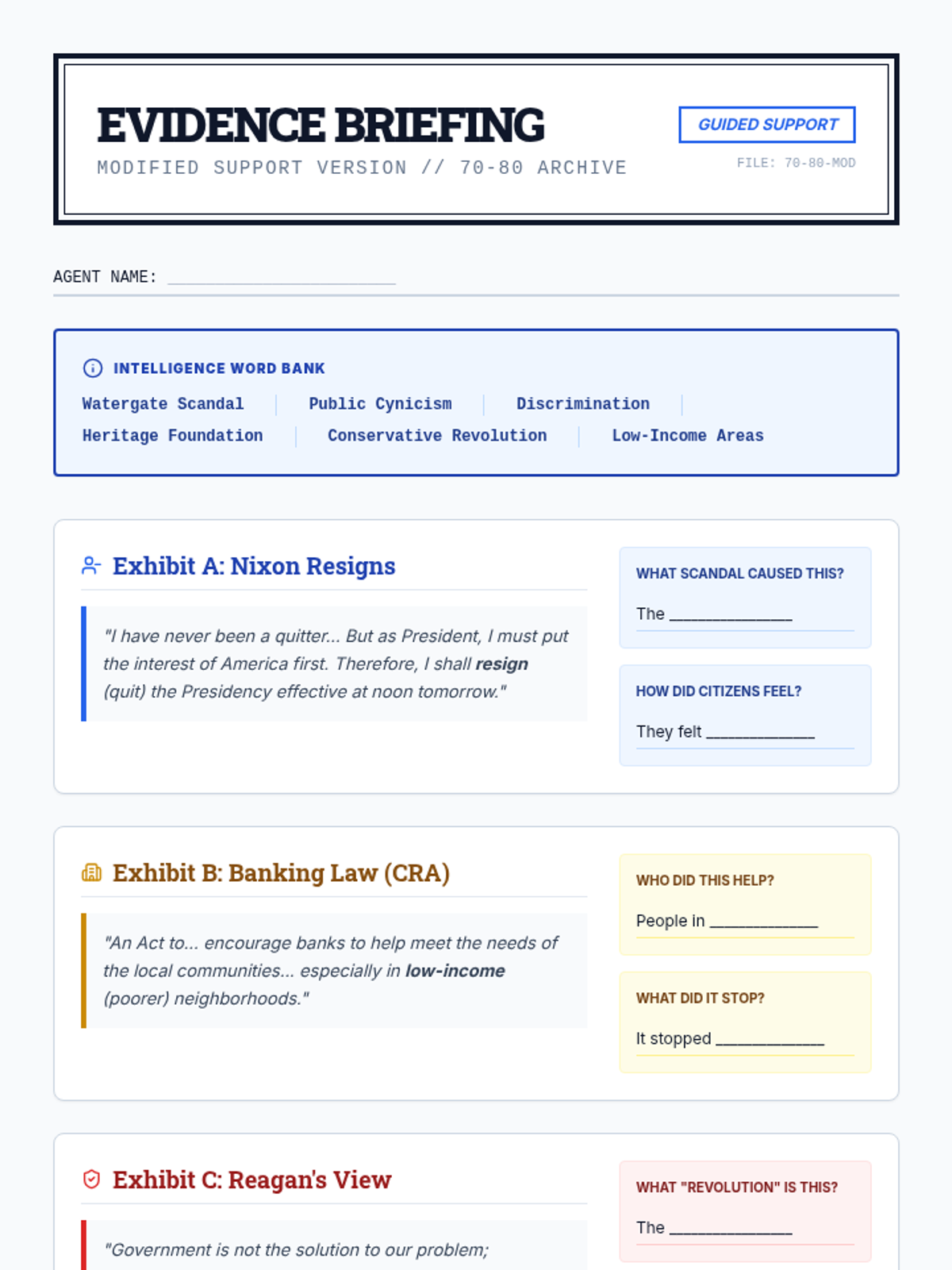
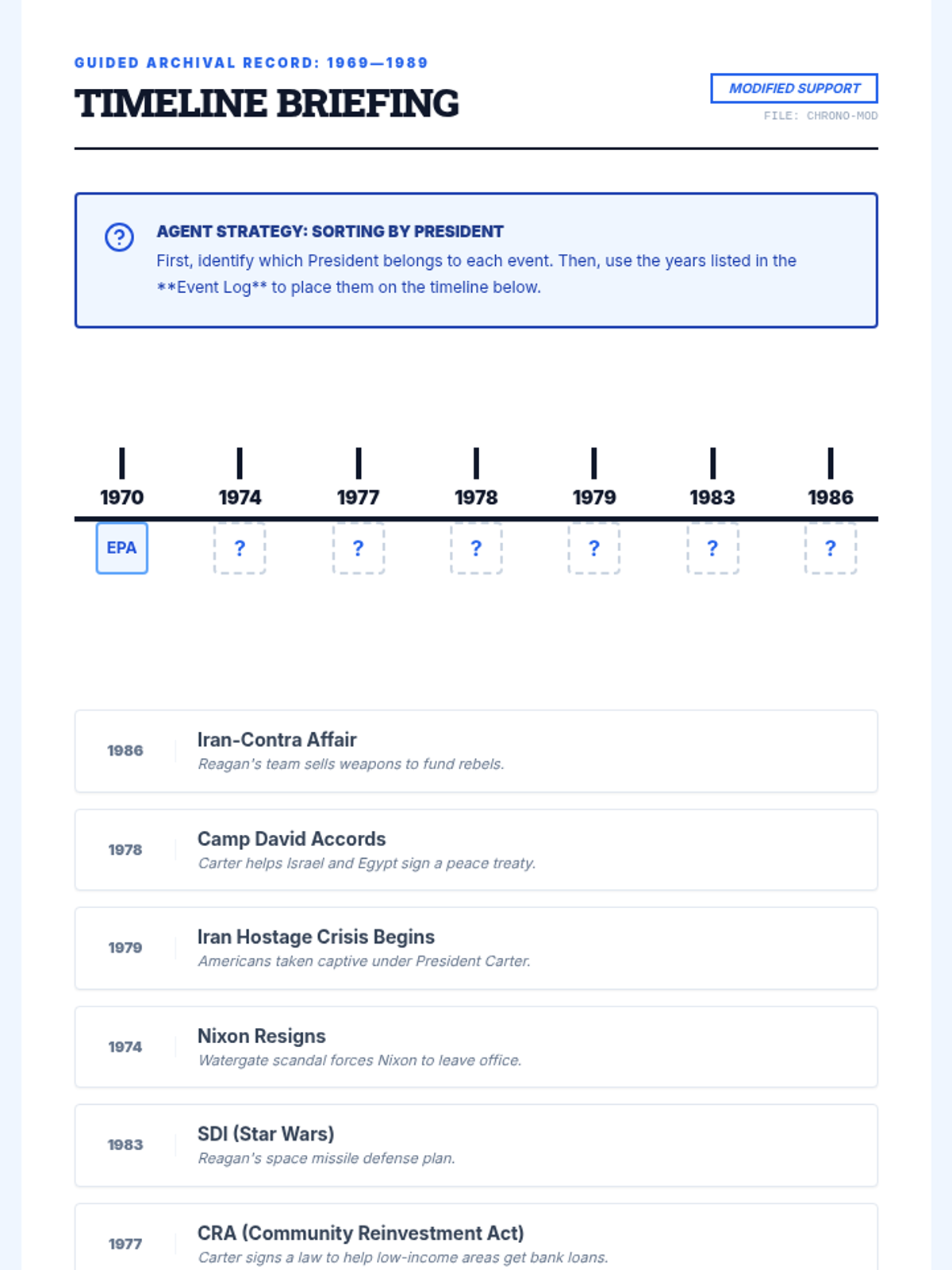
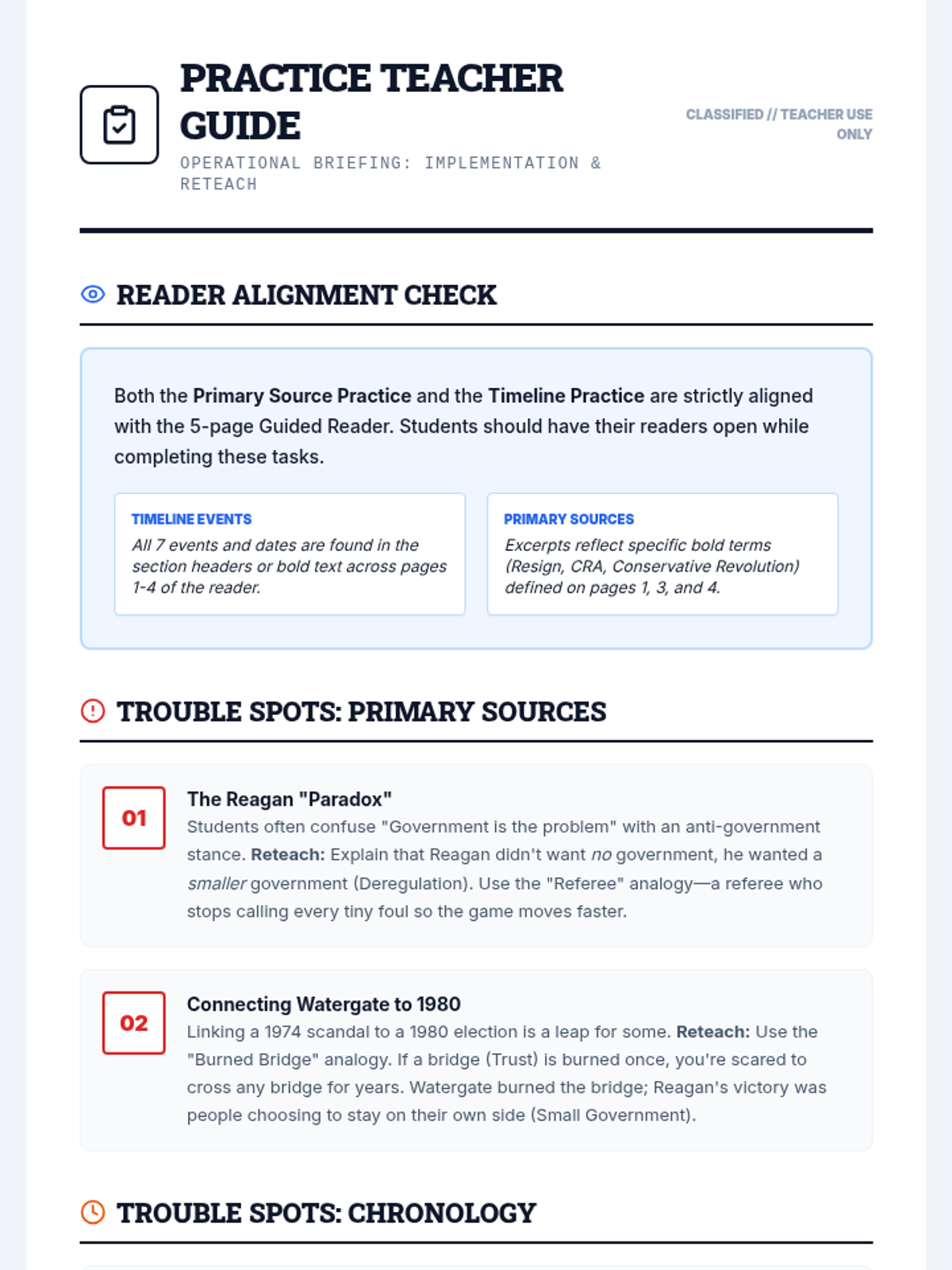
A 100-minute station-based lesson covering pivotal events from the 1970s to the modern era, including Stagflation, the Camp David Accords, Reaganomics, and the War on Terror. Students rotate through four 20-minute missions using primary sources, political cartoons, data mapping, and manipulatives to master STAAR-aligned content.
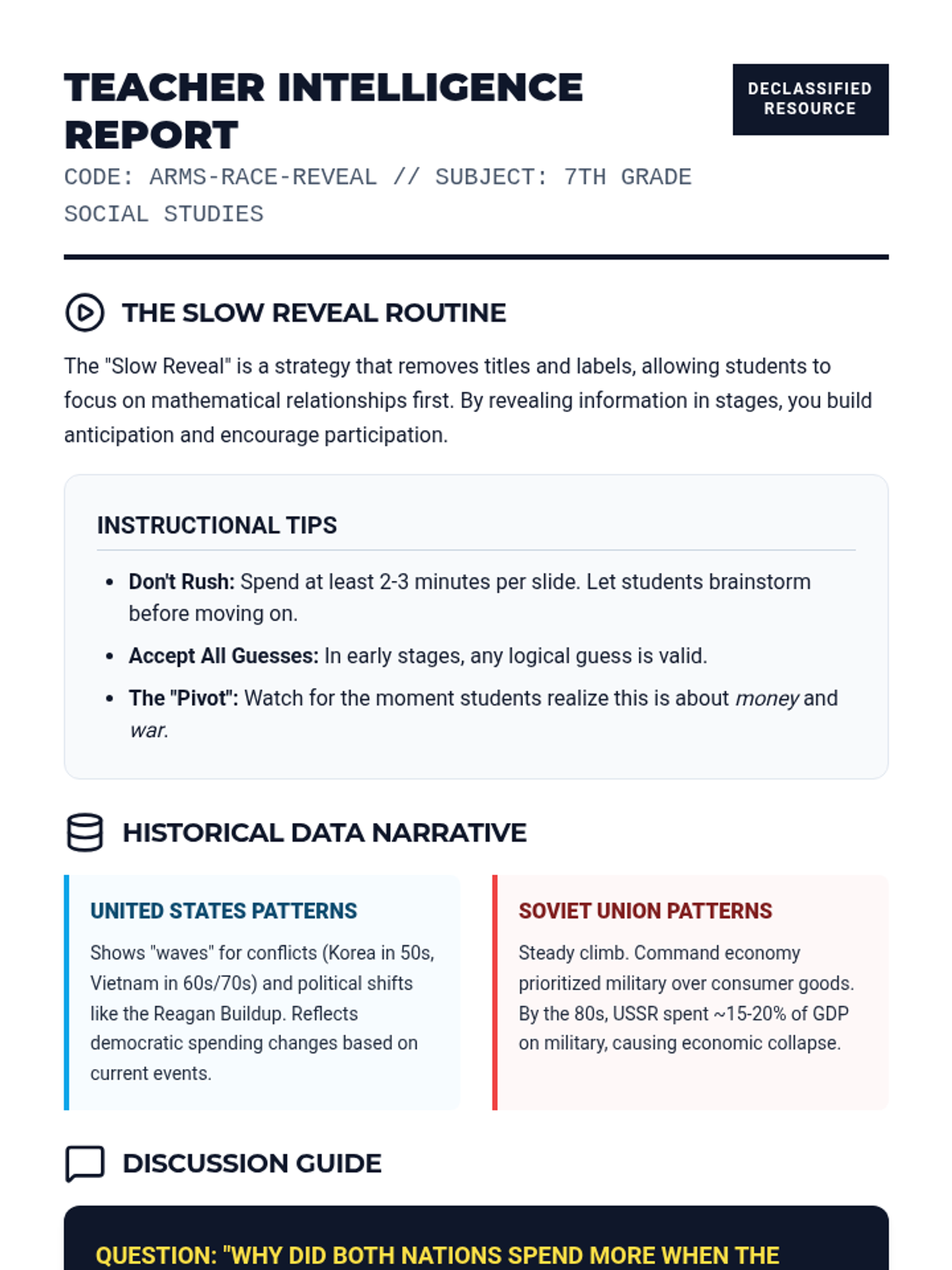
A deep dive into the economic arms race between the US and USSR using a slow-reveal graph routine to build data literacy and historical context.
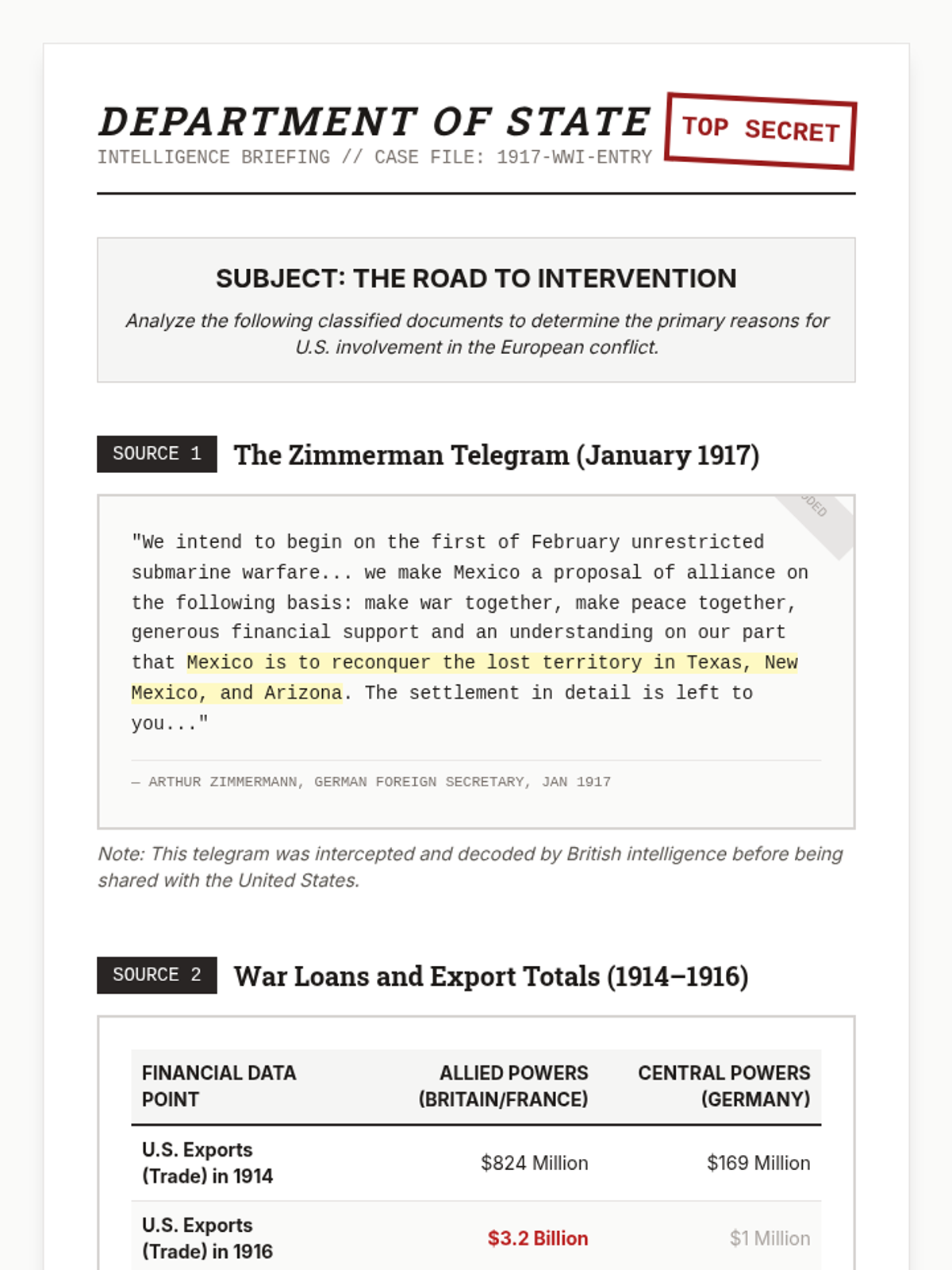
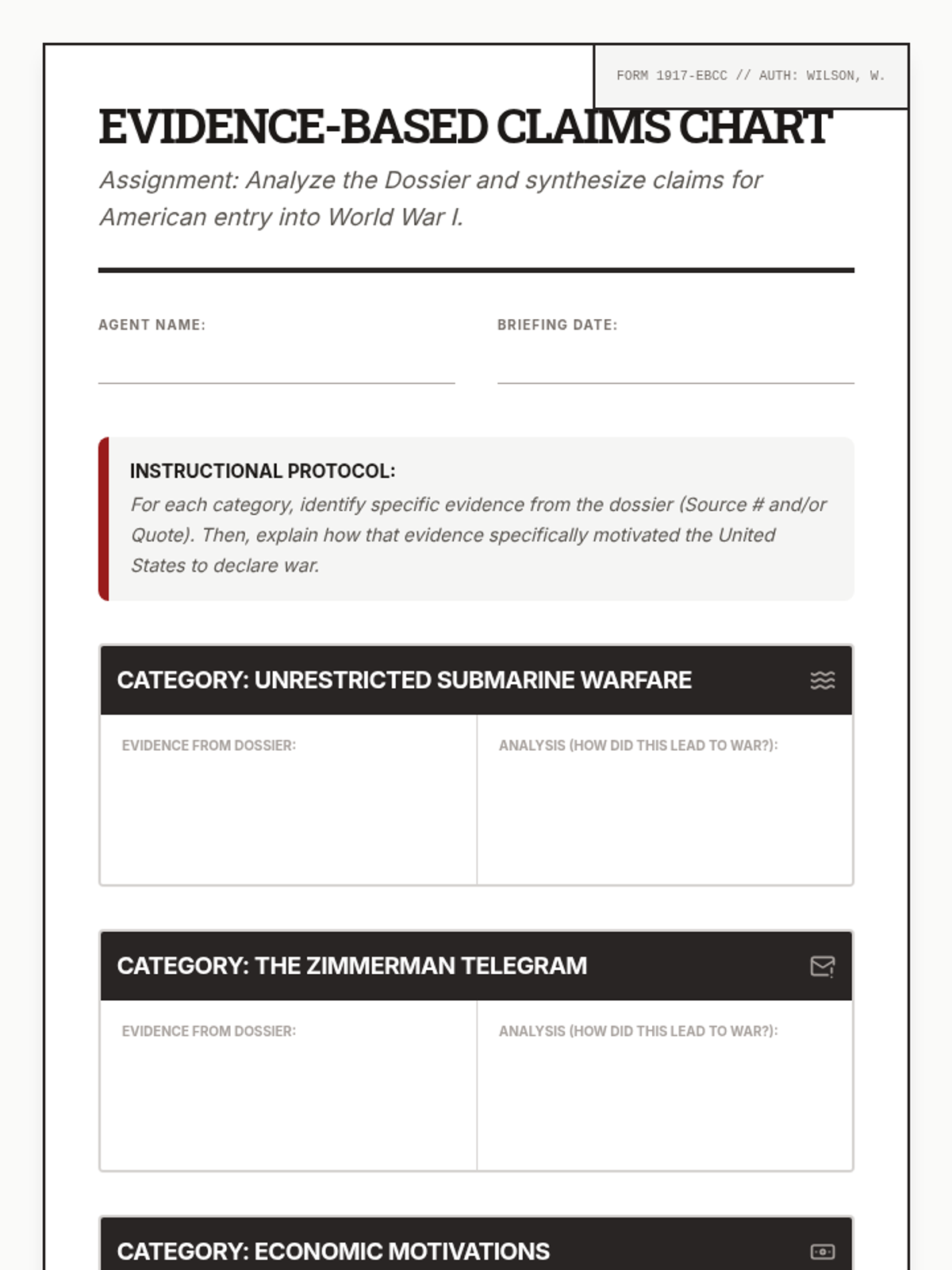
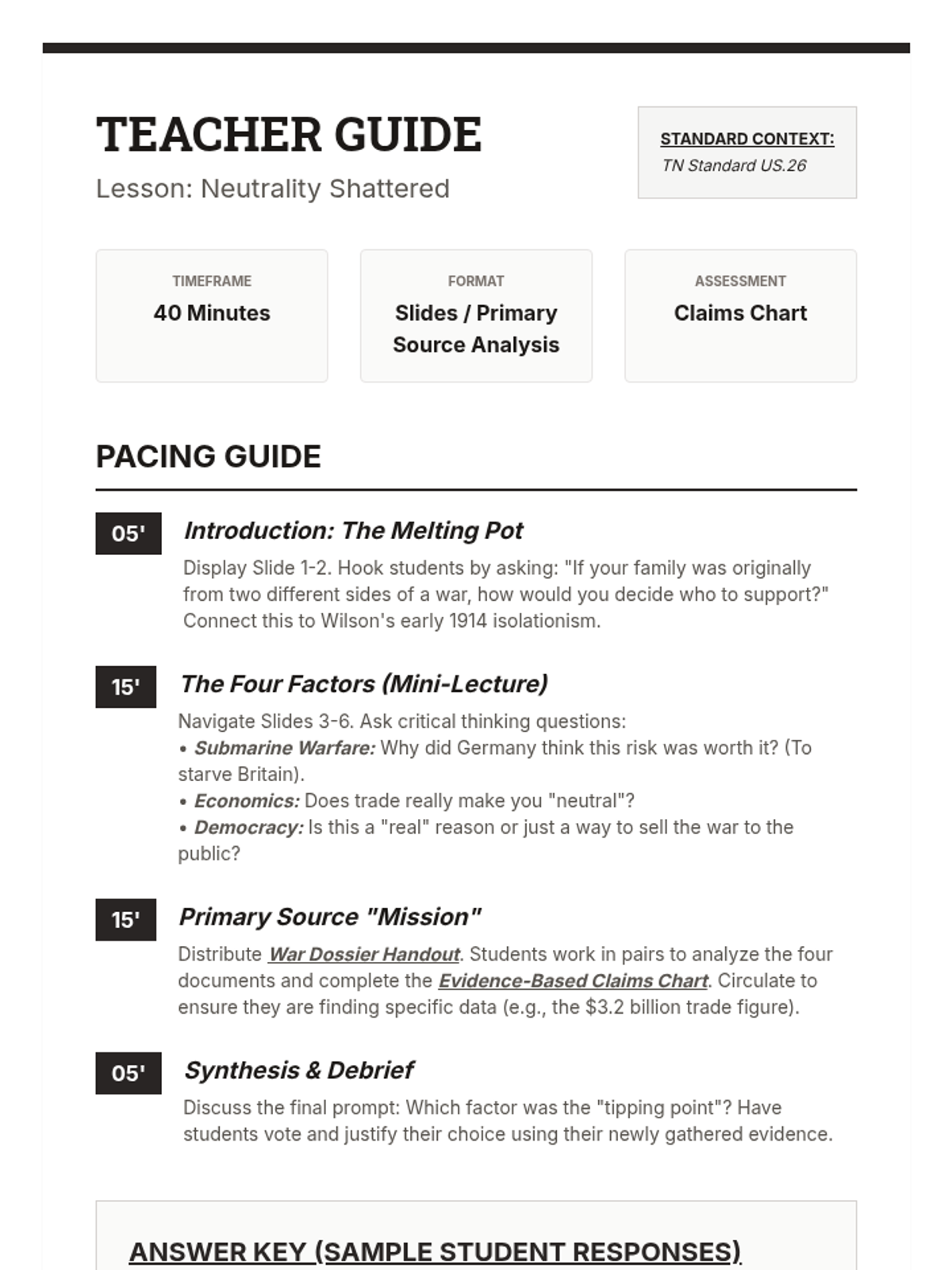
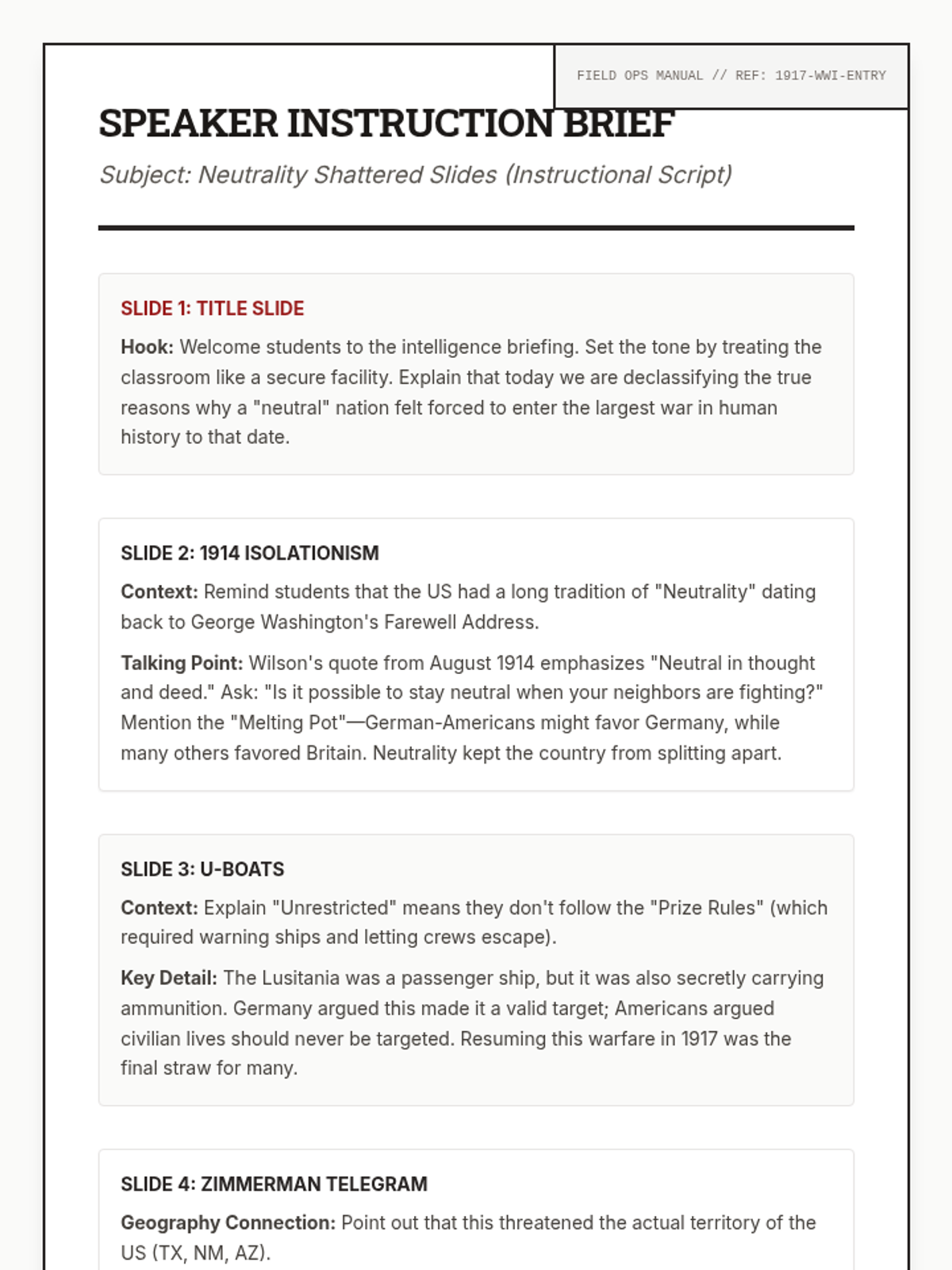
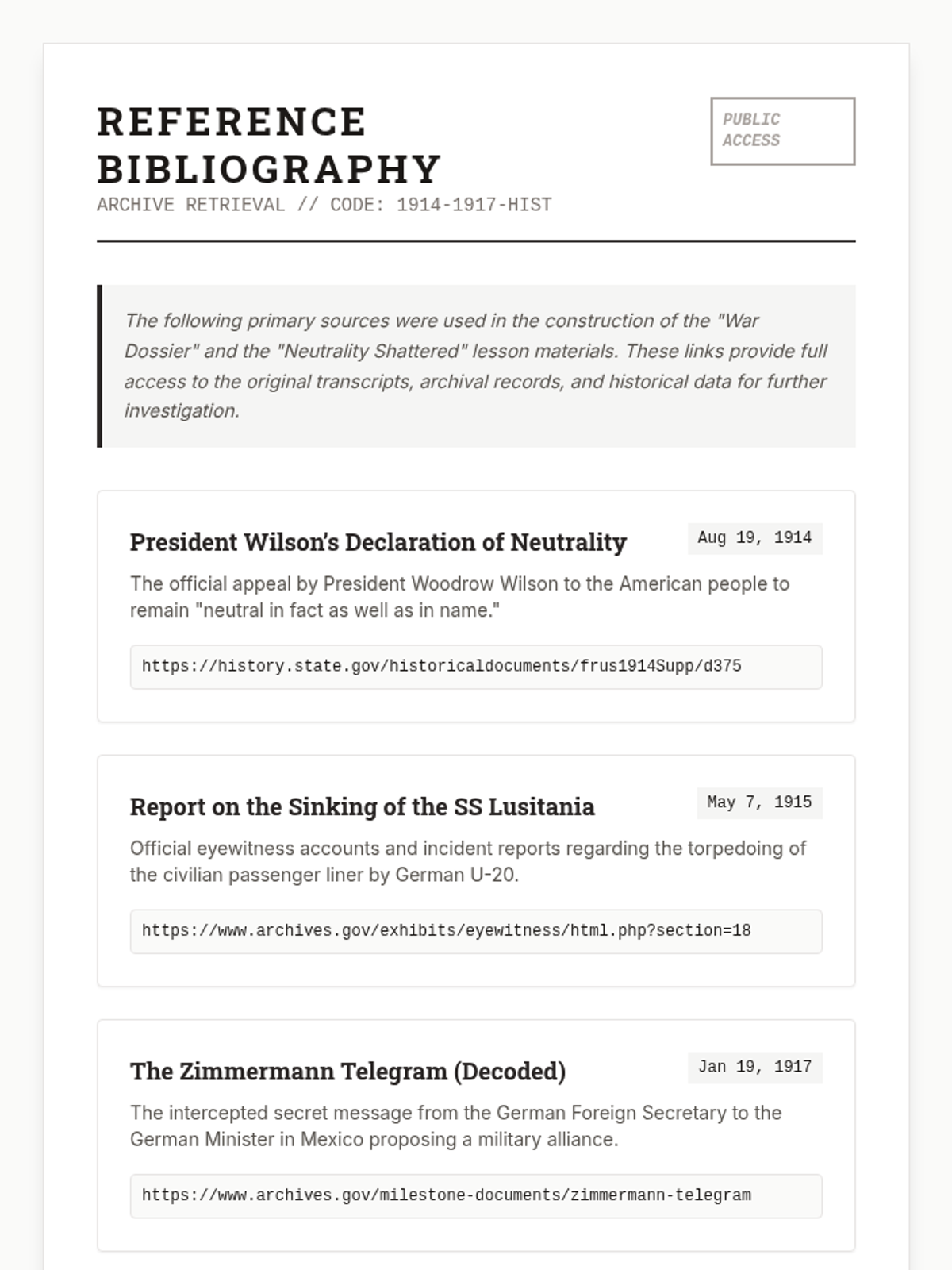
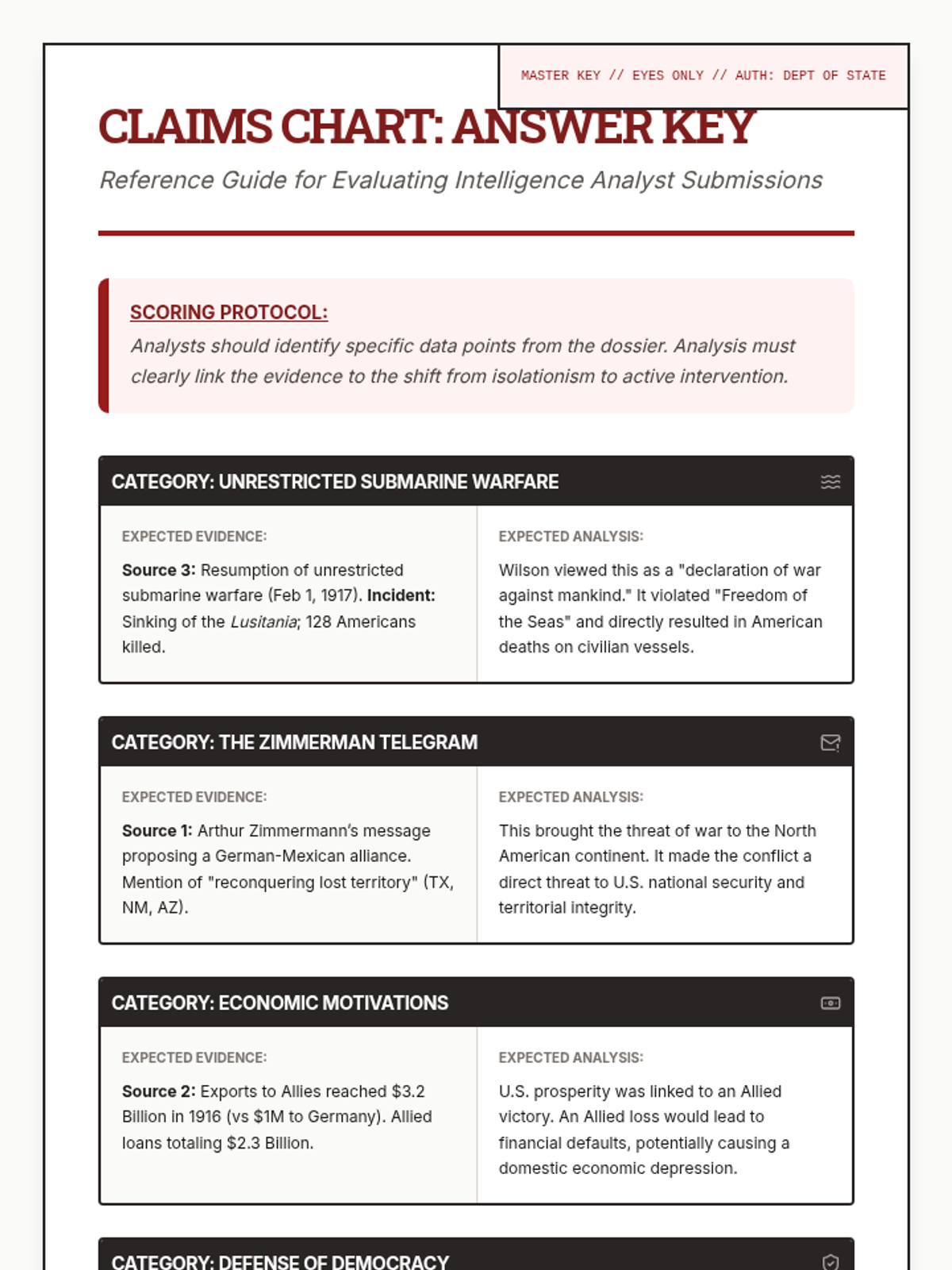
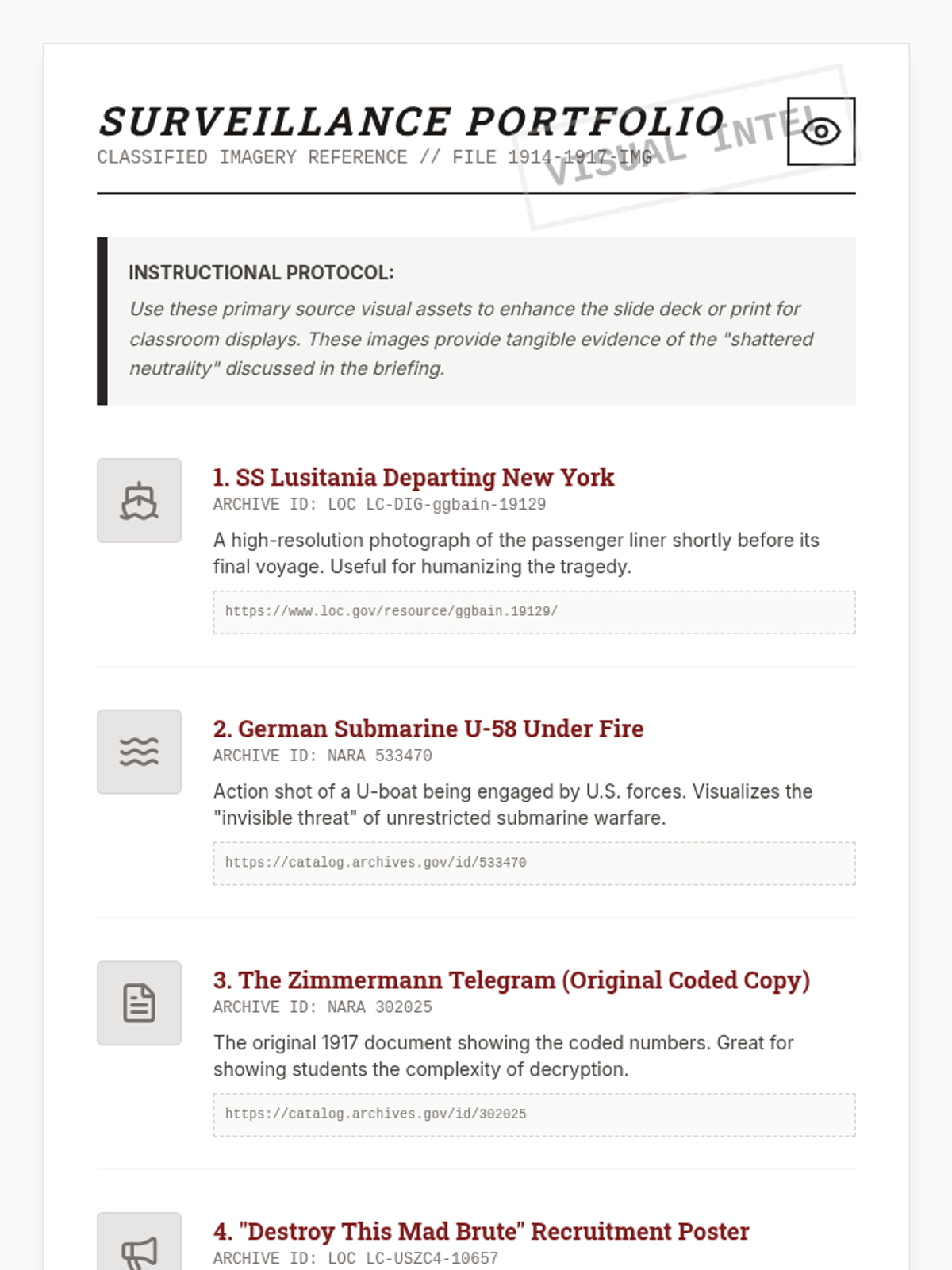
A 40-minute exploration of the factors that led the United States to abandon neutrality and enter World War I, focusing on unrestricted submarine warfare, the Zimmerman Telegram, and economic interests.
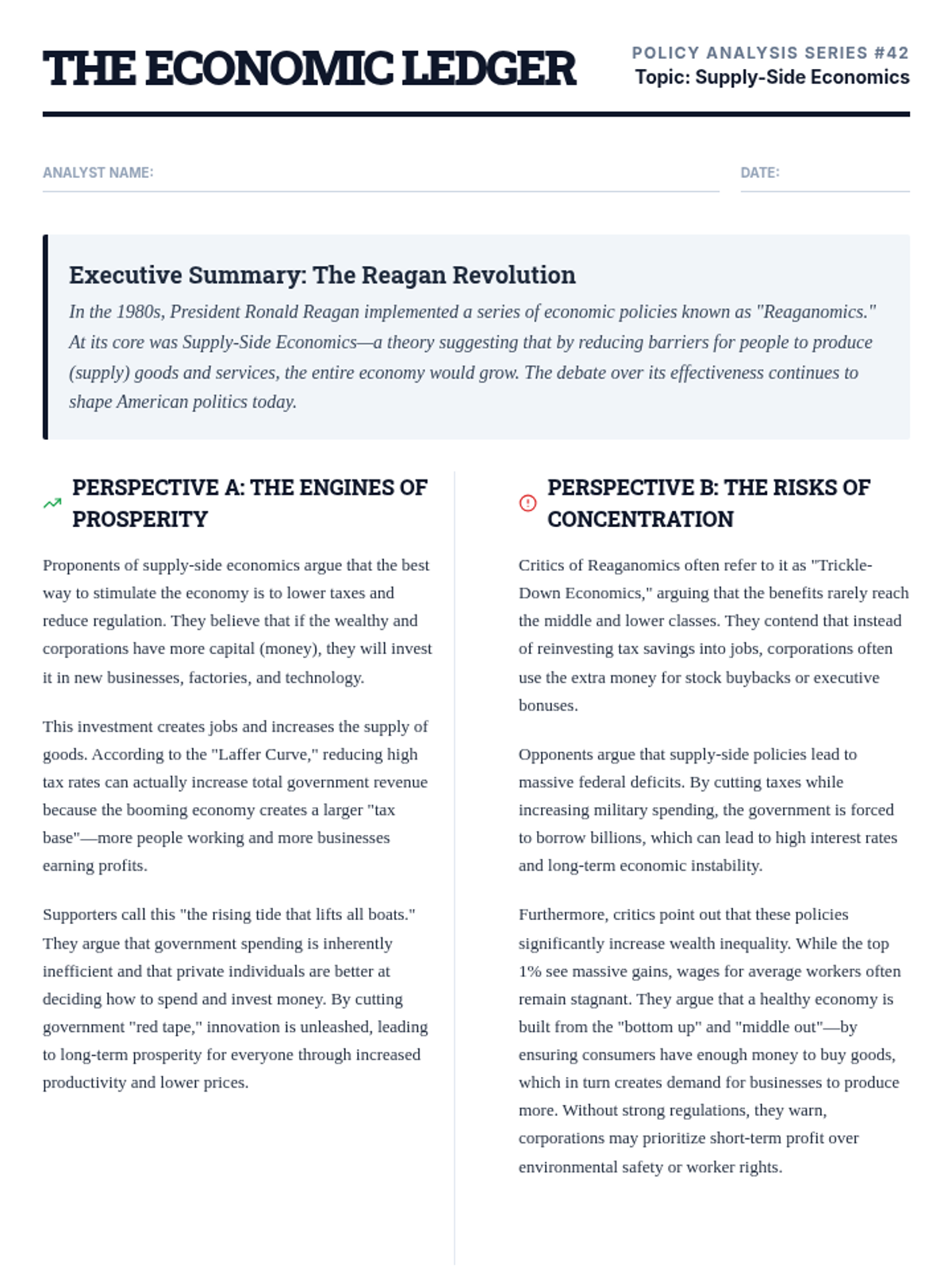
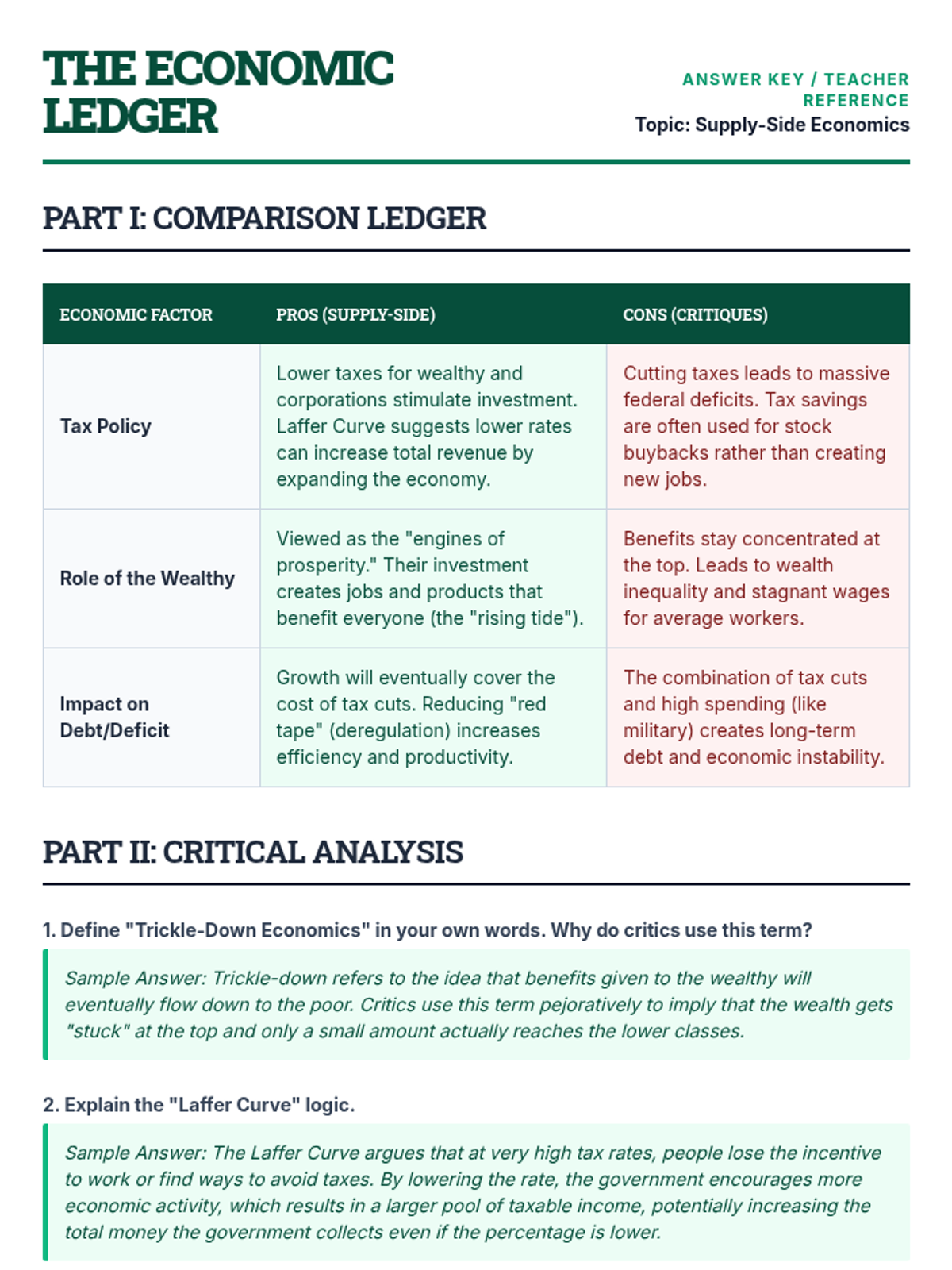
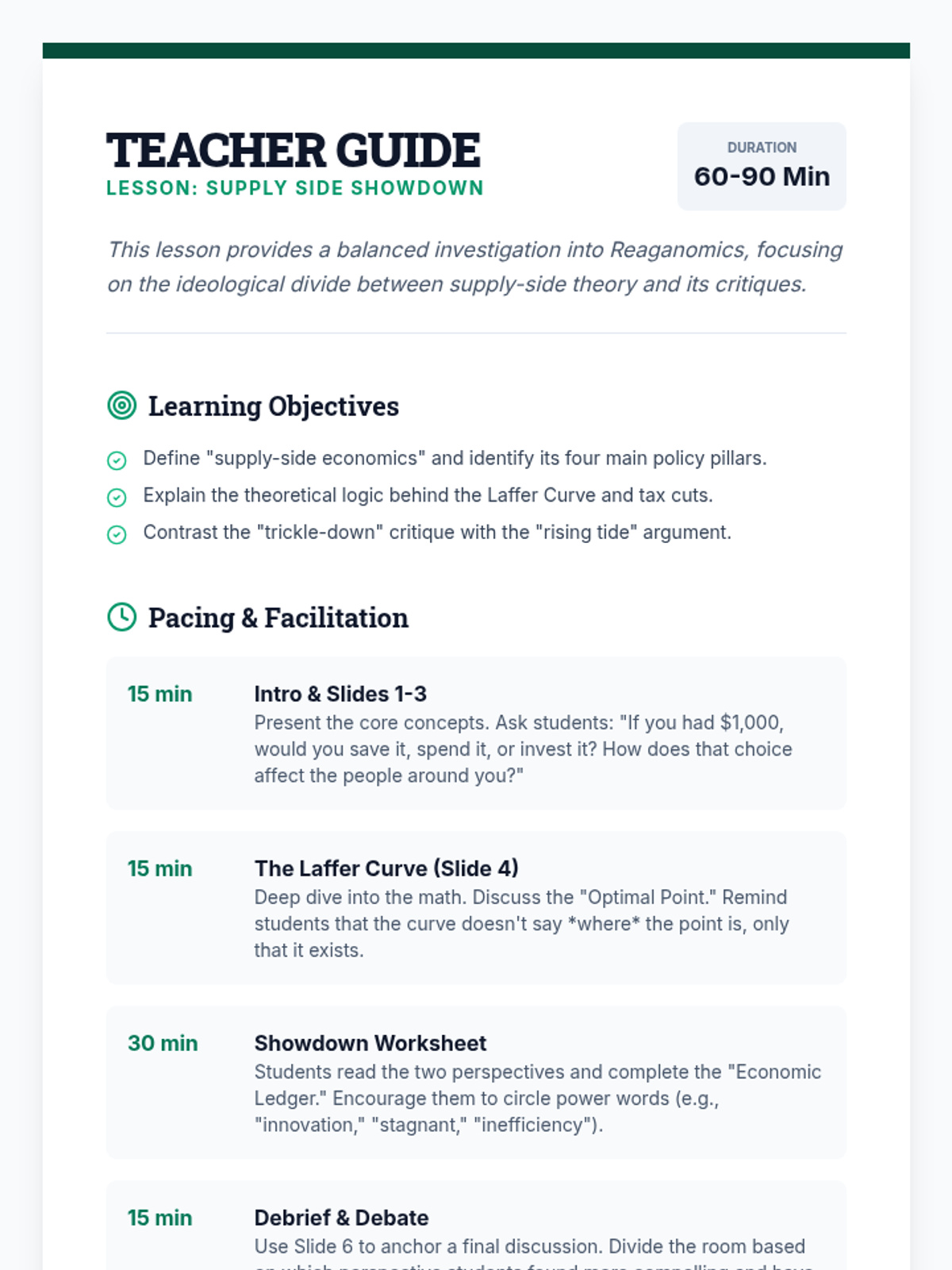
A lesson exploring the theory and impact of Reaganomics through a comparative analysis of supply-side economic arguments. Students will examine primary perspectives on tax cuts, deregulation, and government spending to understand the debate over 'trickle-down' economics.
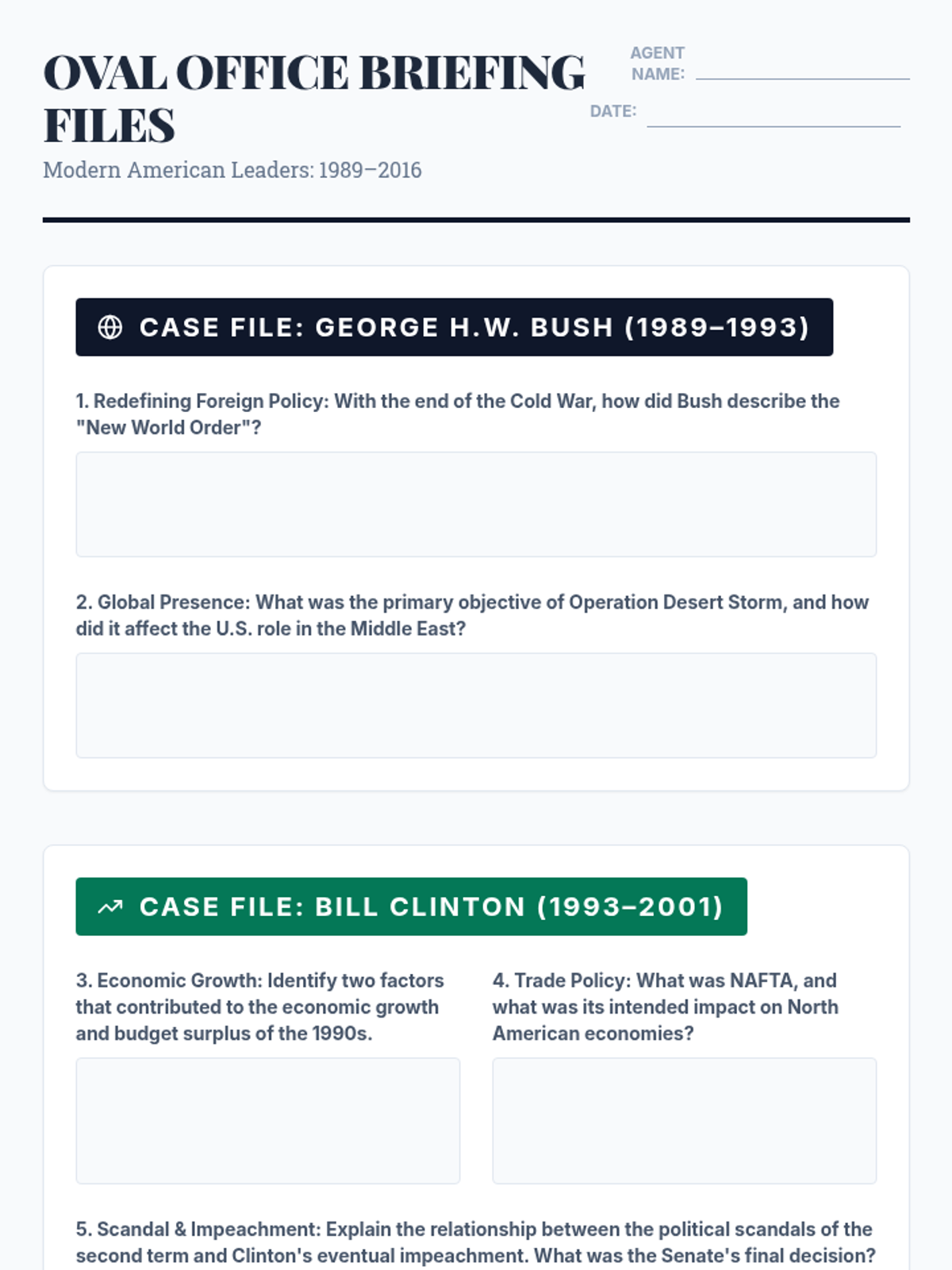
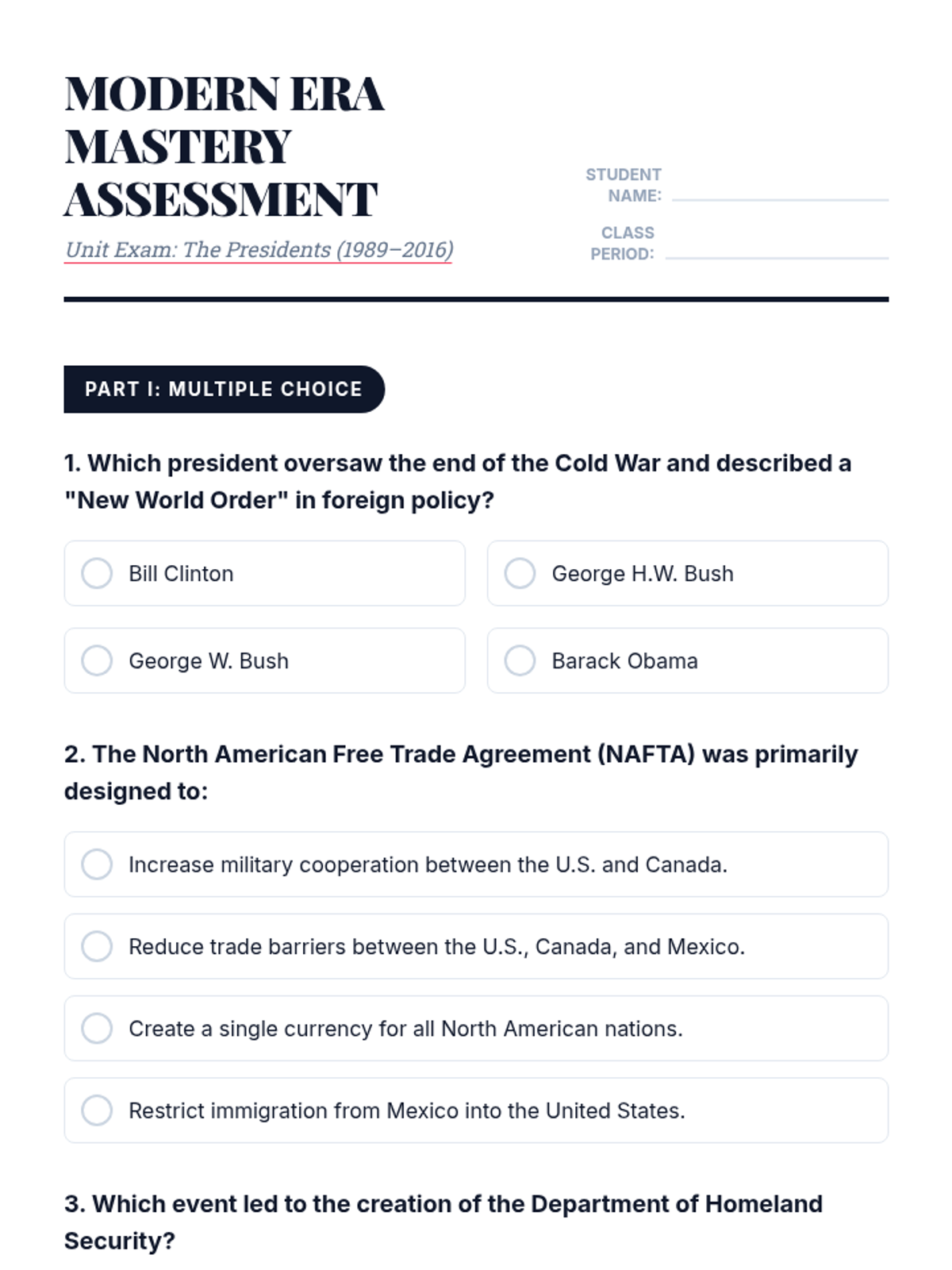
A comprehensive lesson covering the four presidencies from 1989 to 2016, focusing on foreign policy shifts, economic trends, domestic crises, and social progress. Students will analyze the leadership of George H.W. Bush, Bill Clinton, George W. Bush, and Barack Obama through comparative study.
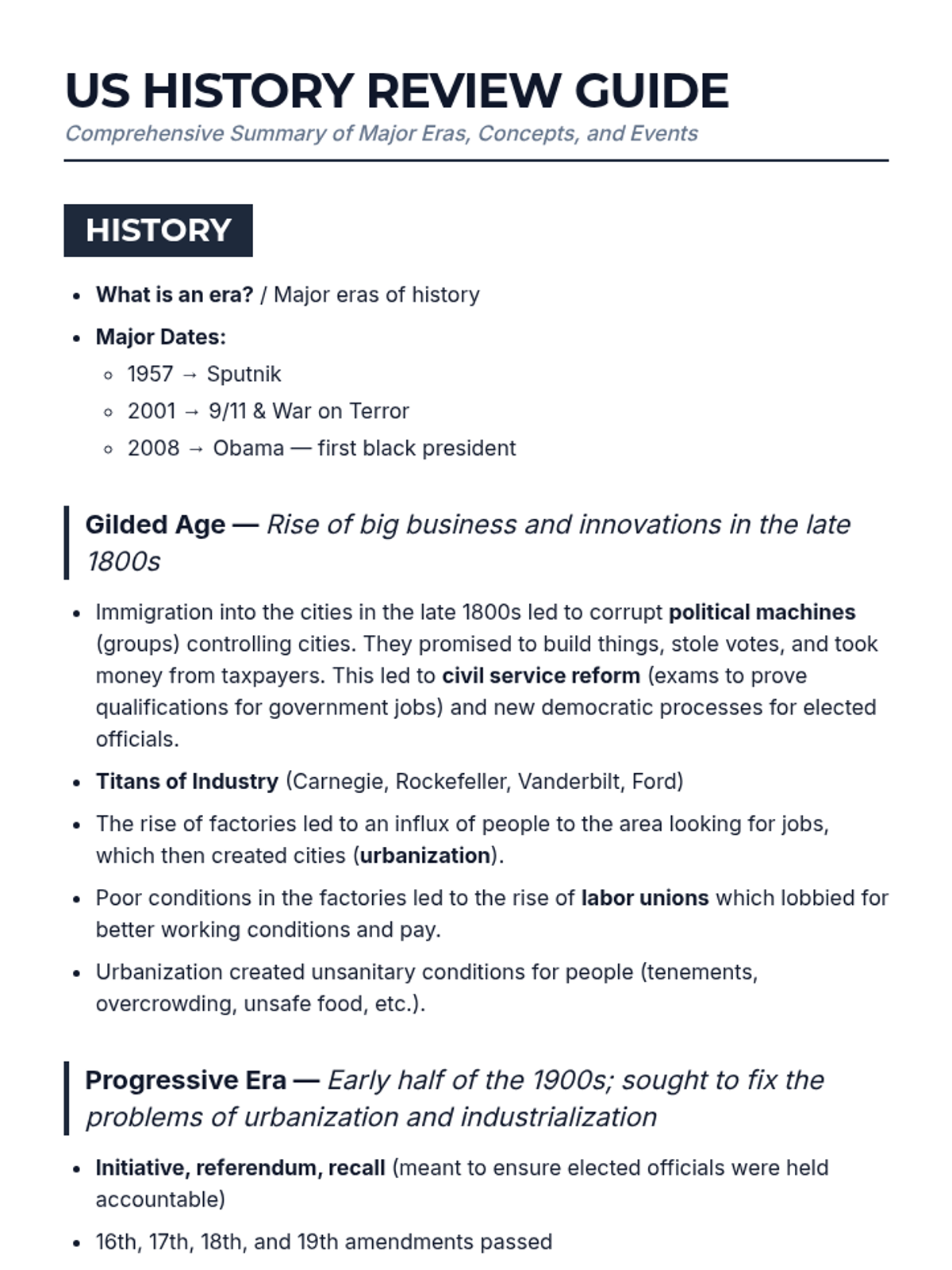
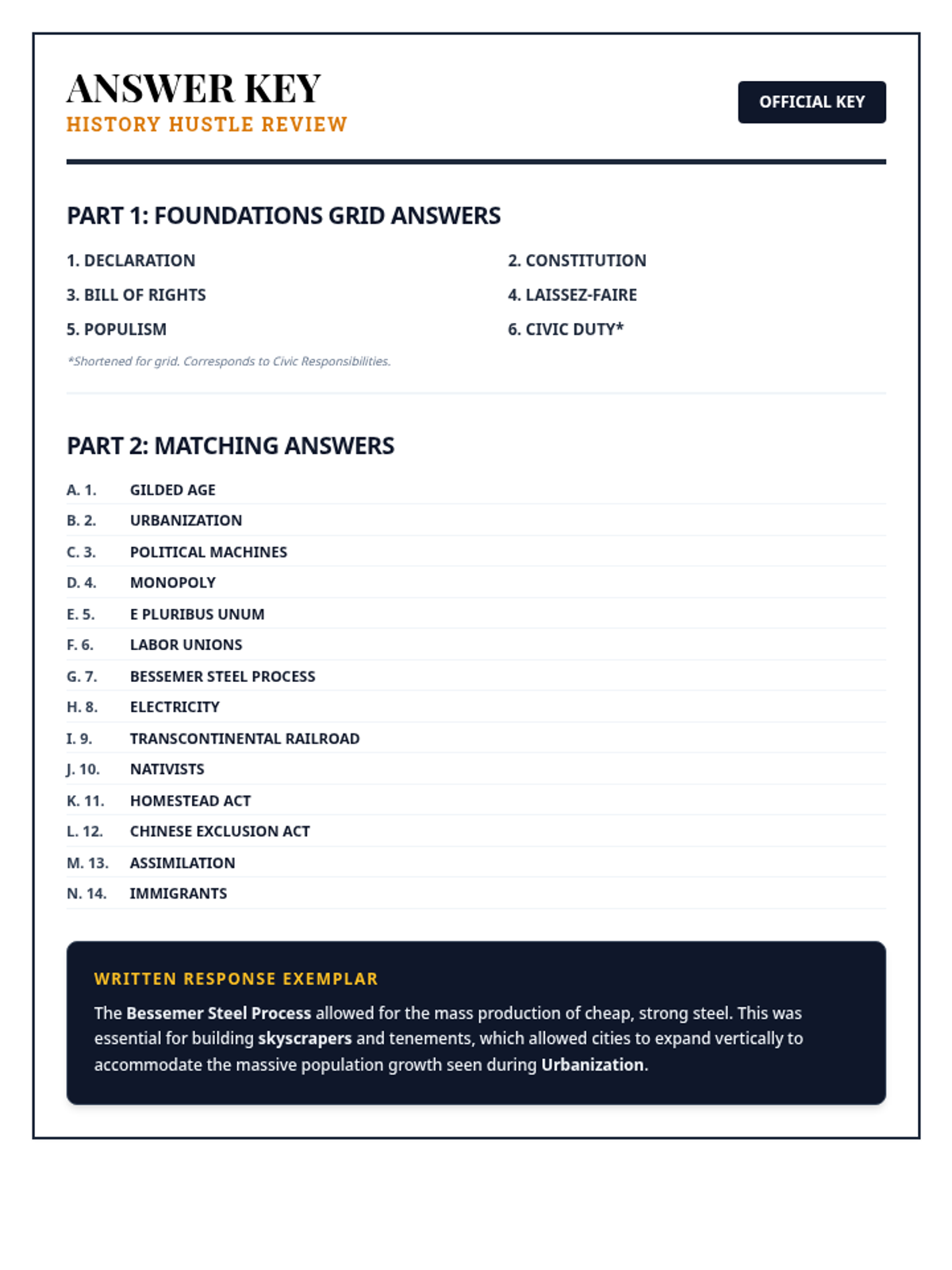
A high-intensity US History review session utilizing a comprehensive 8-page guide covering major eras, government principles, and economic shifts from the Gilded Age to the Modern Era.
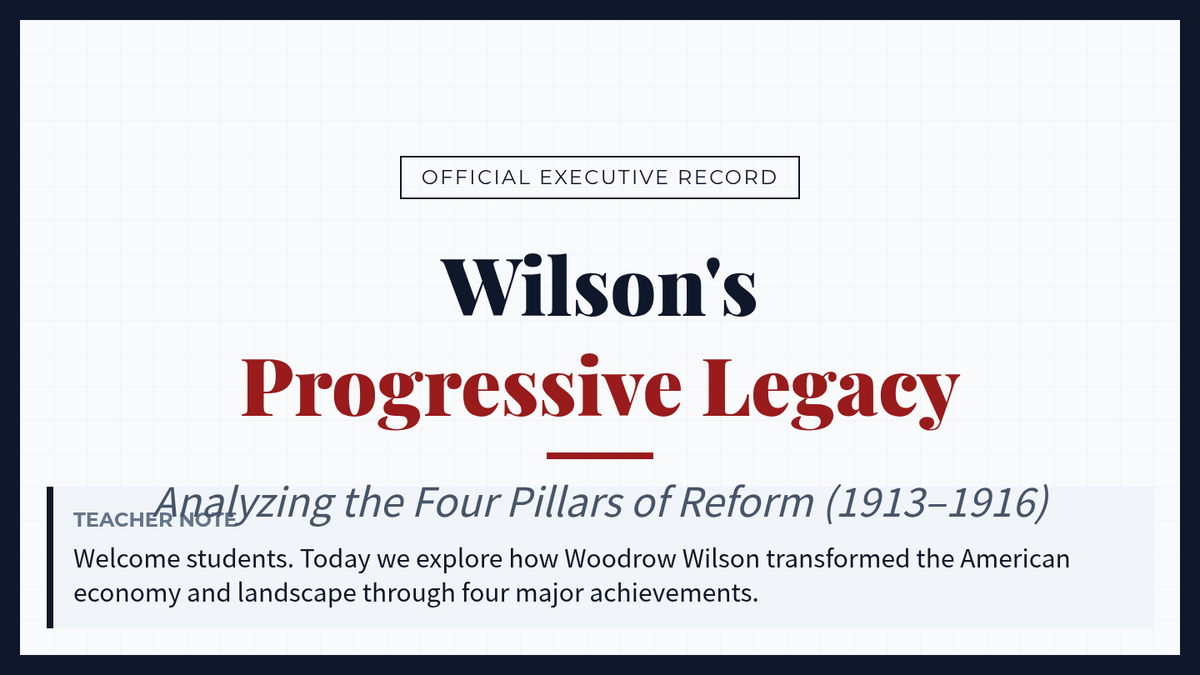
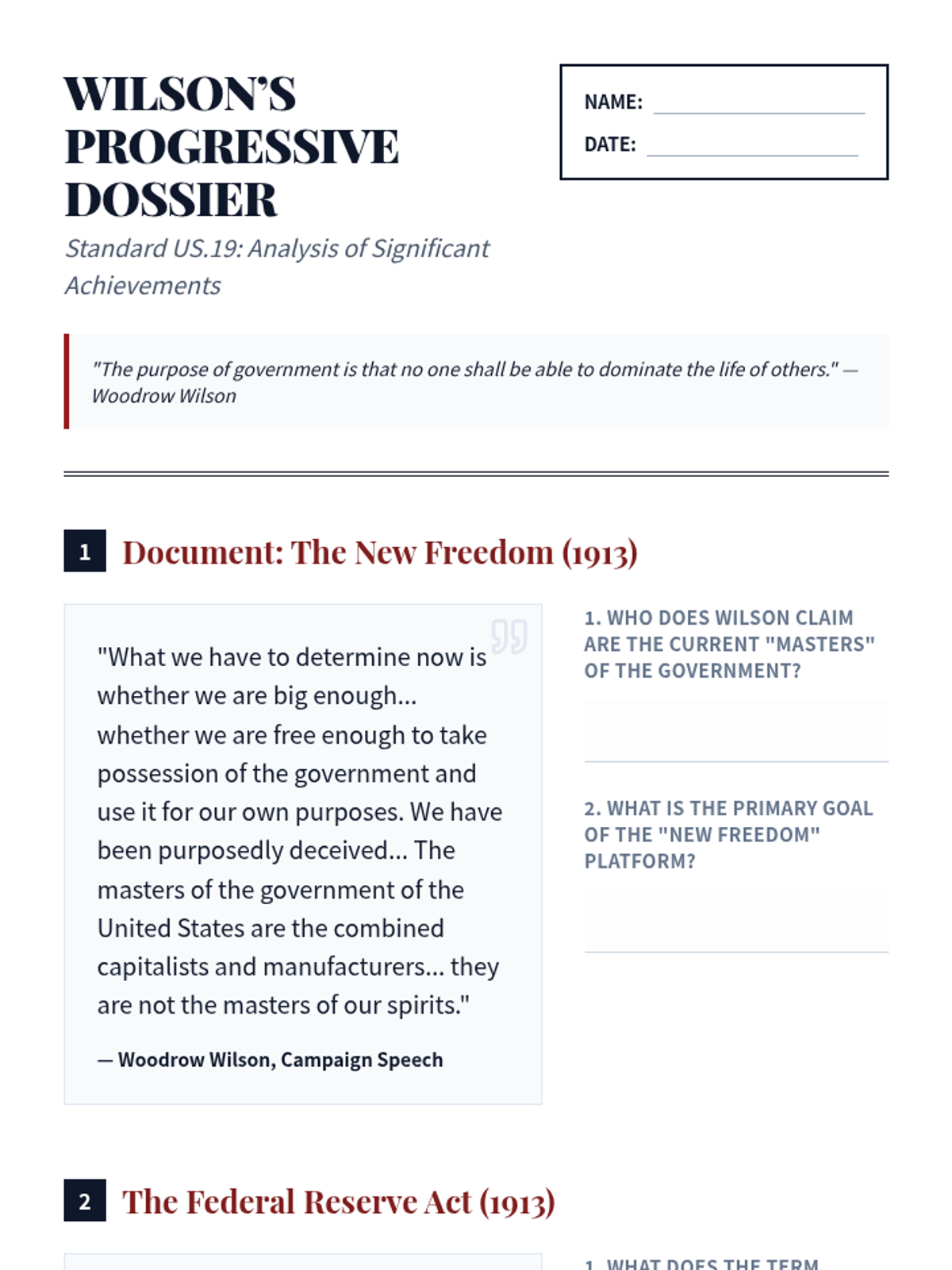
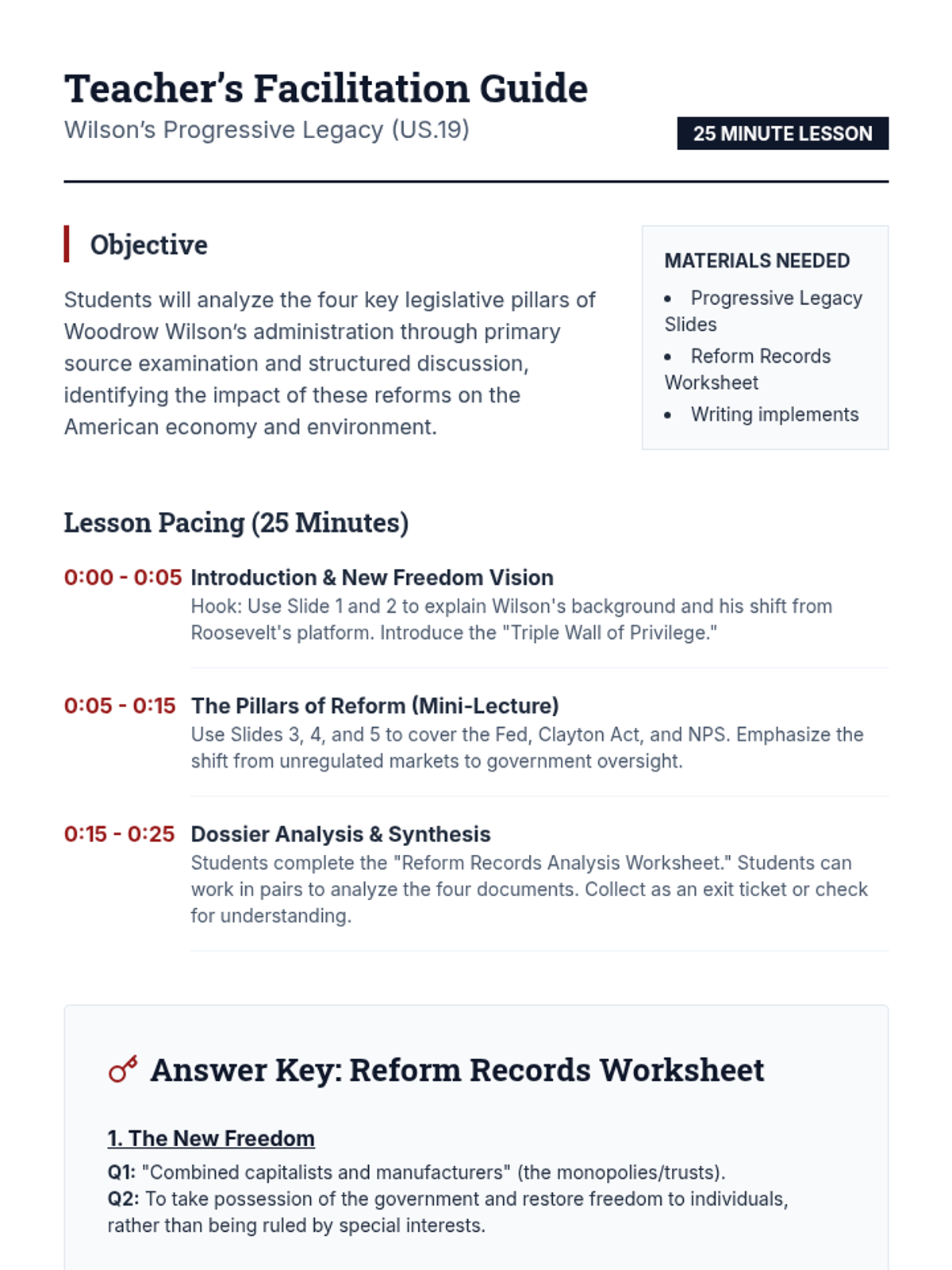
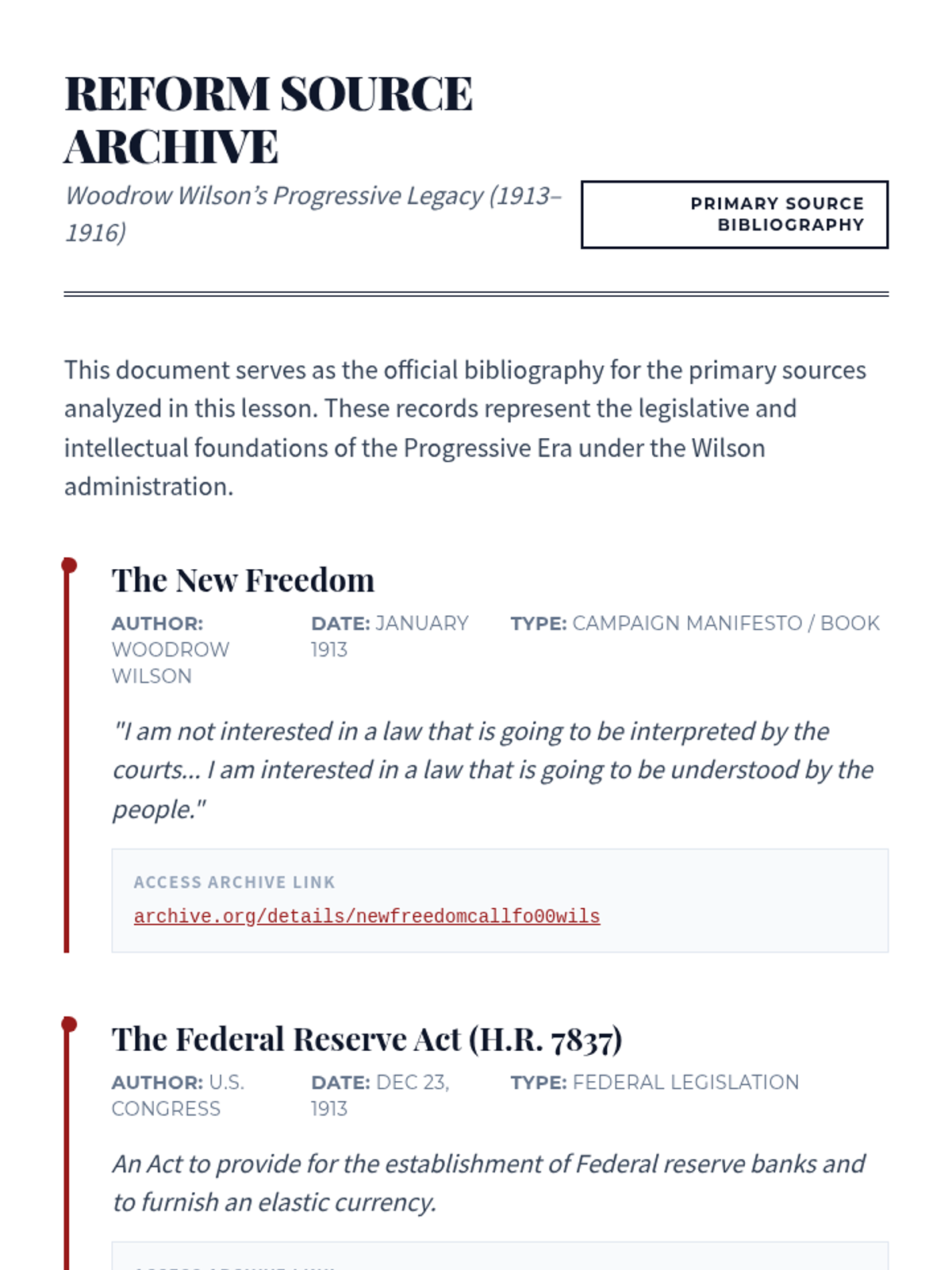
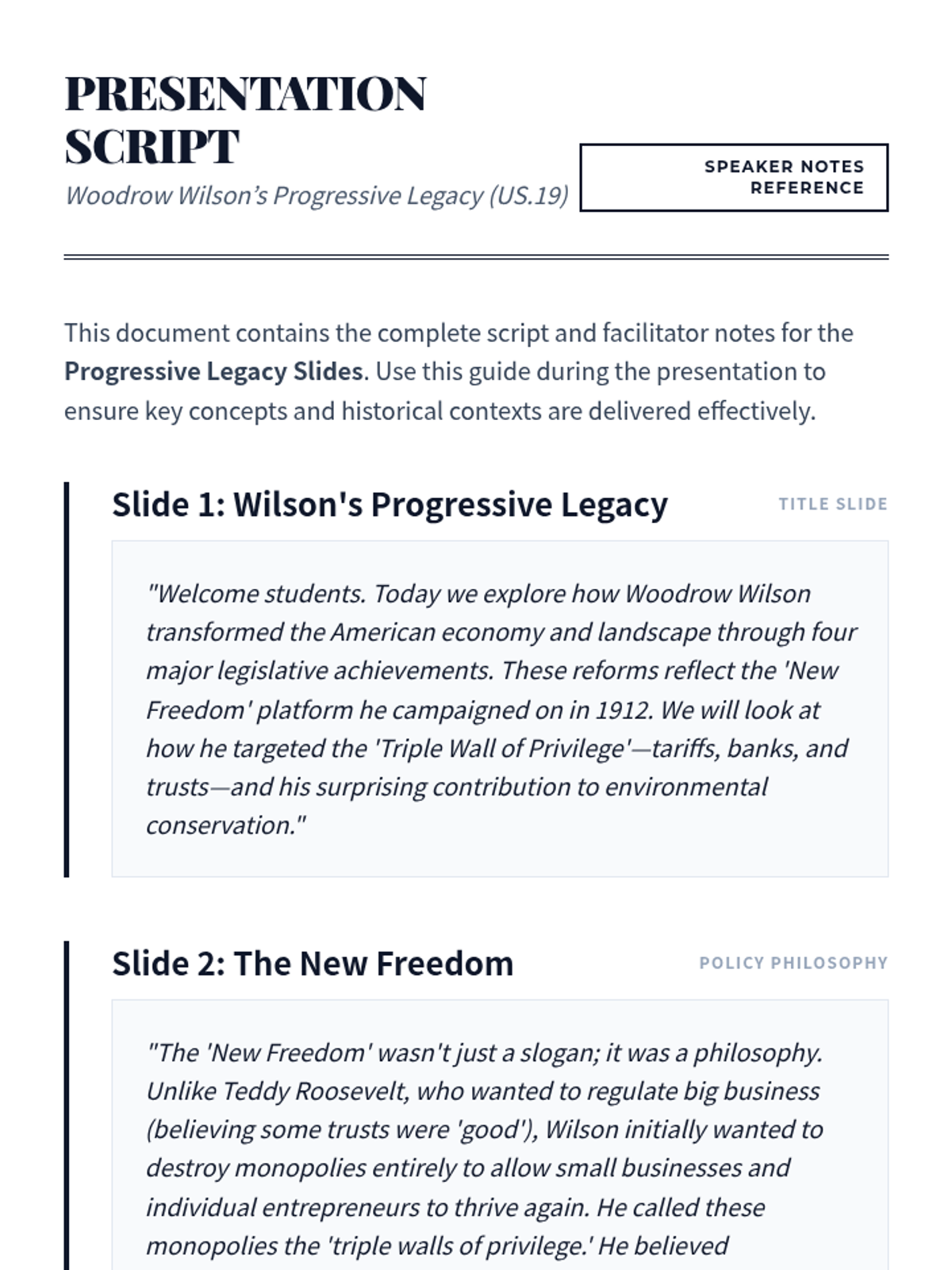
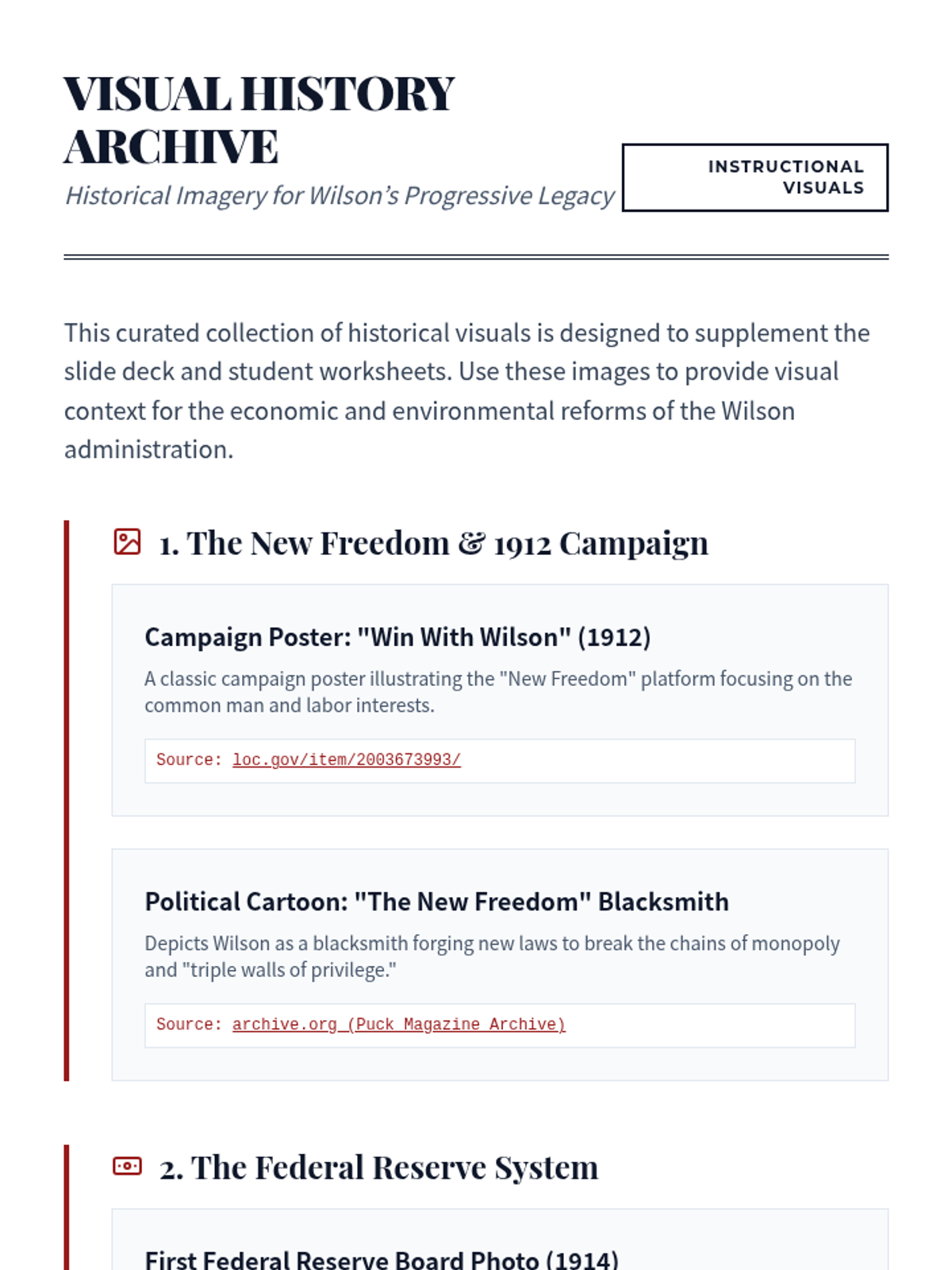
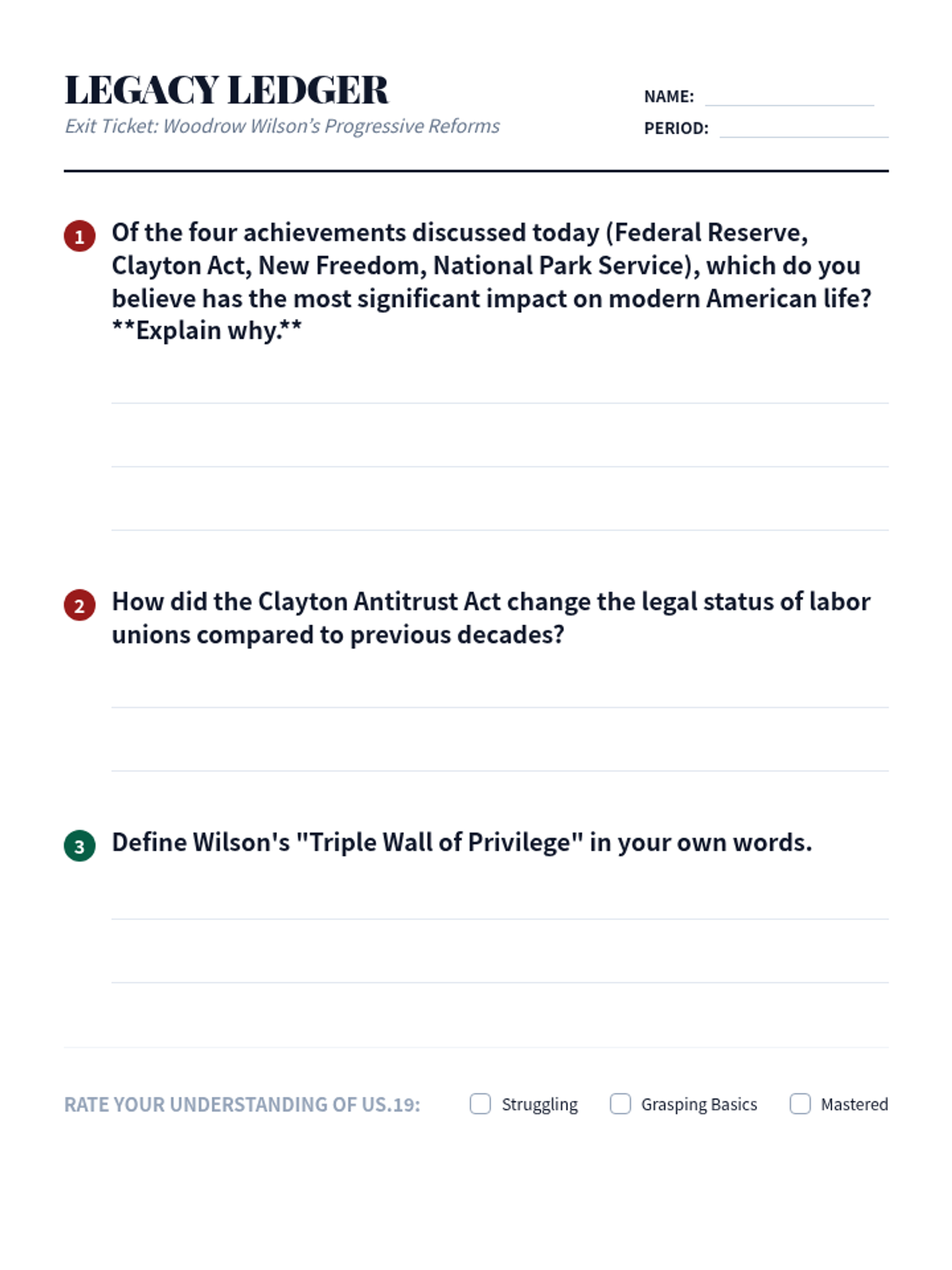
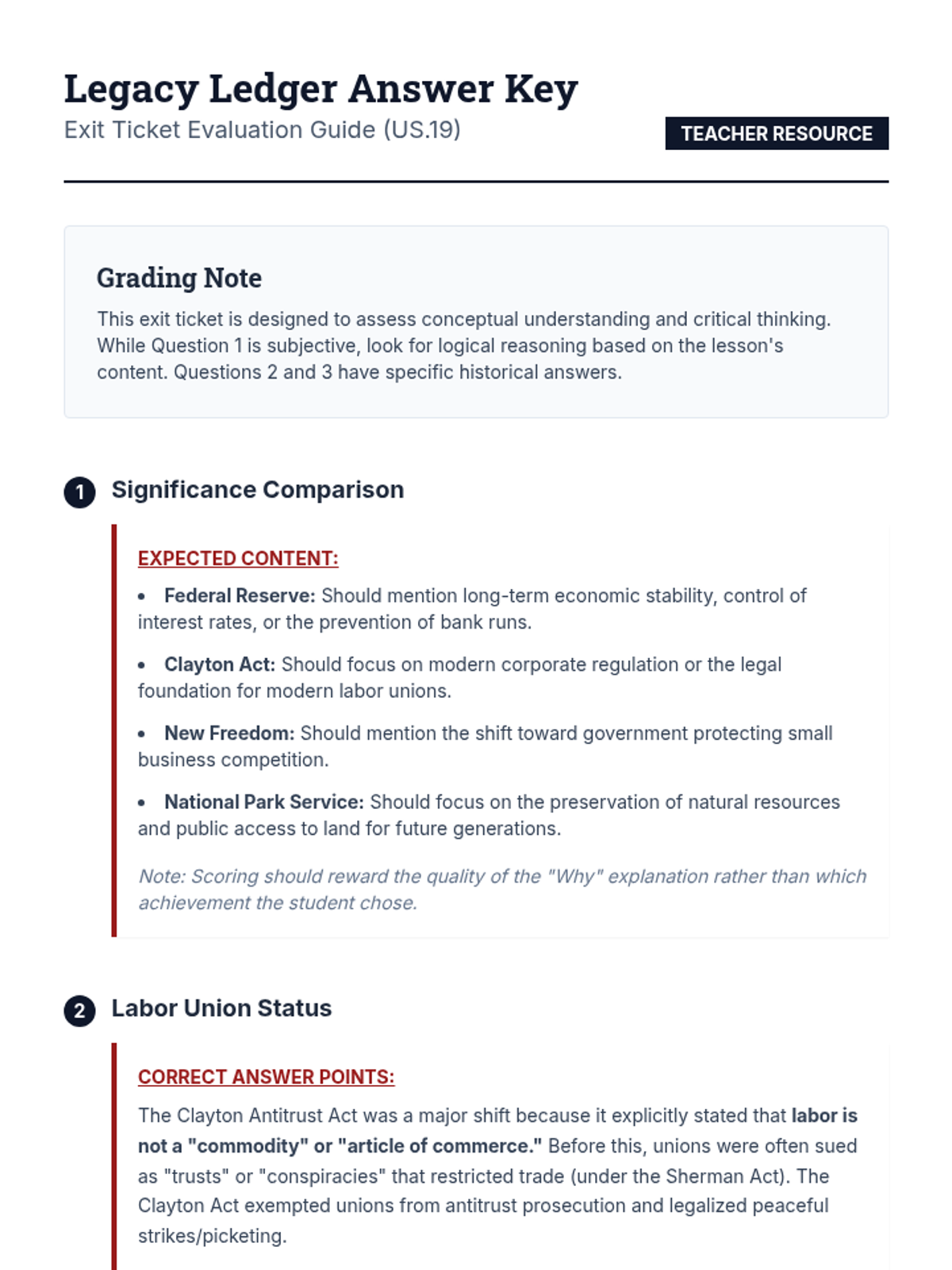
This lesson analyzes the key progressive achievements of Woodrow Wilson's presidency, including the New Freedom platform, the Federal Reserve Act, the Clayton Antitrust Act, and the creation of the National Park Service. Students will engage with primary sources to understand the economic, political, and environmental impact of these reforms.
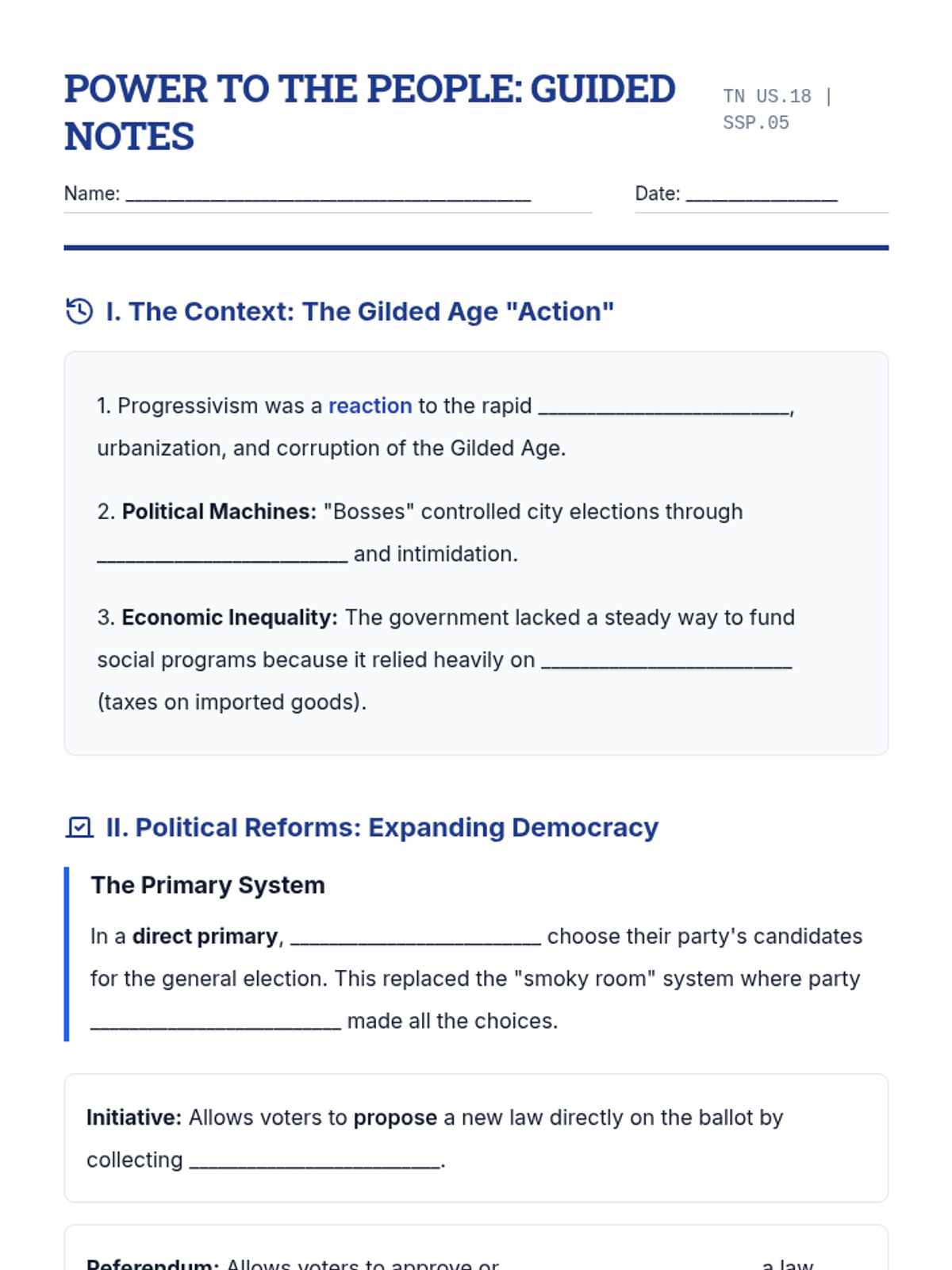
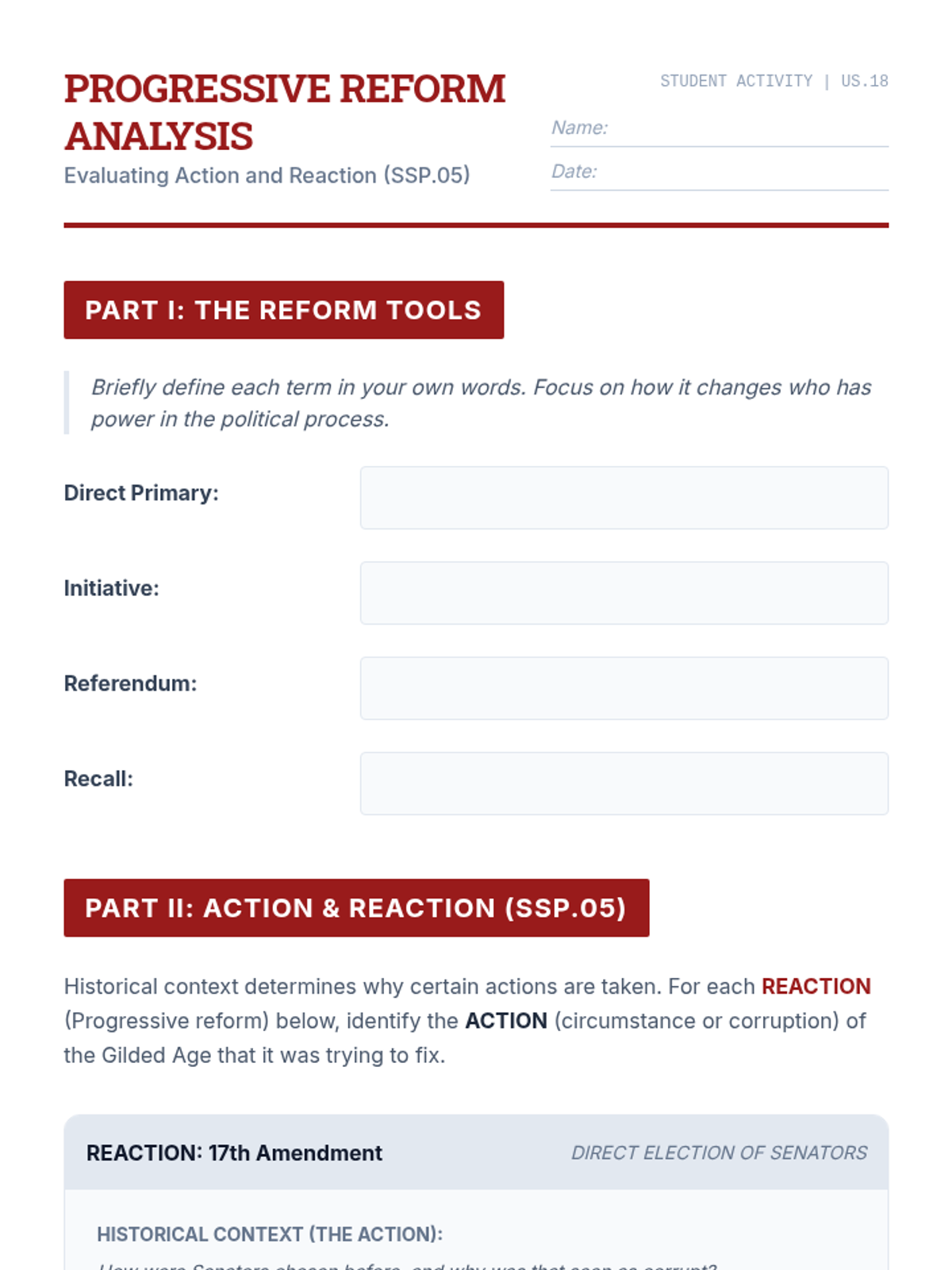
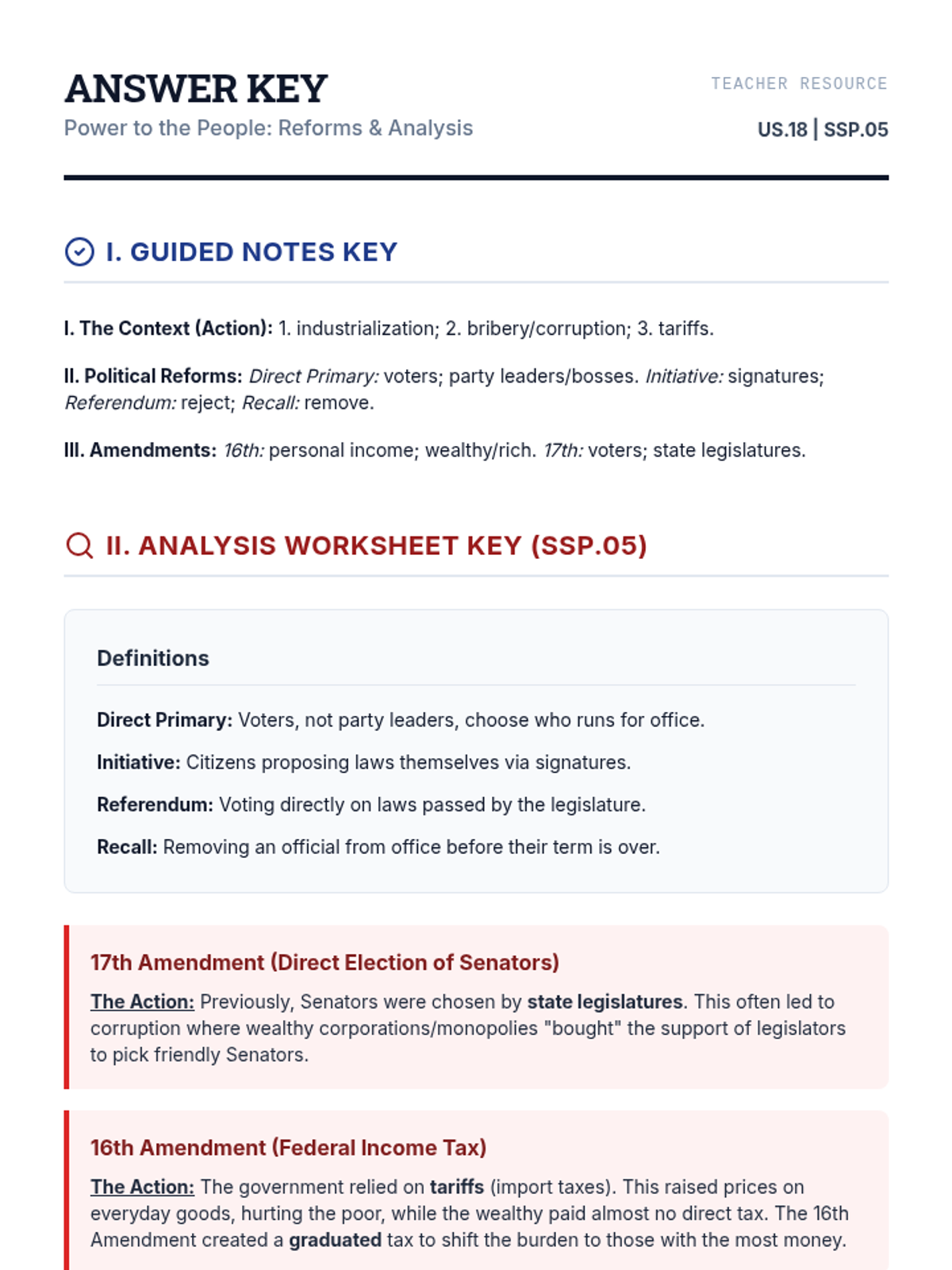
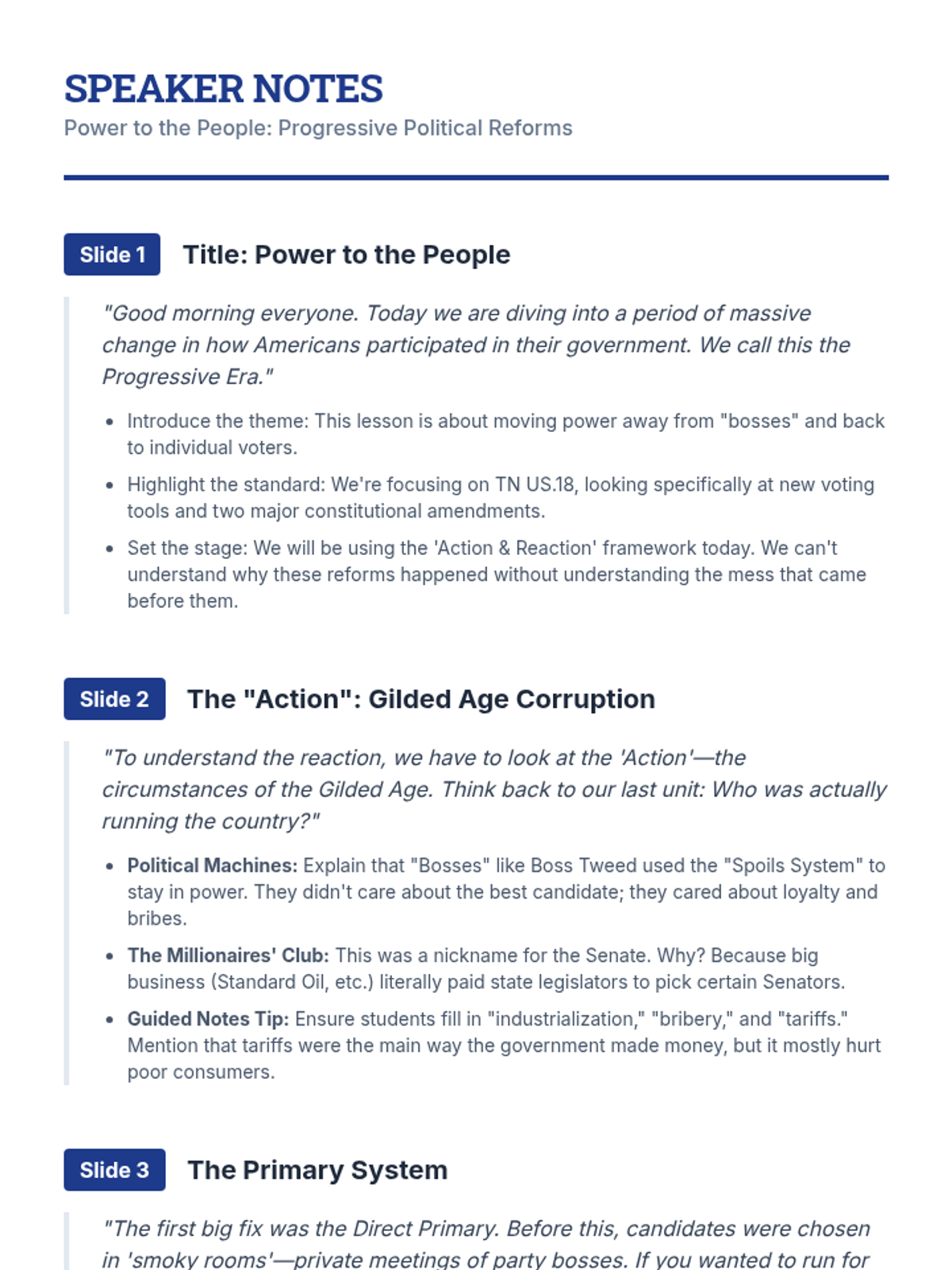
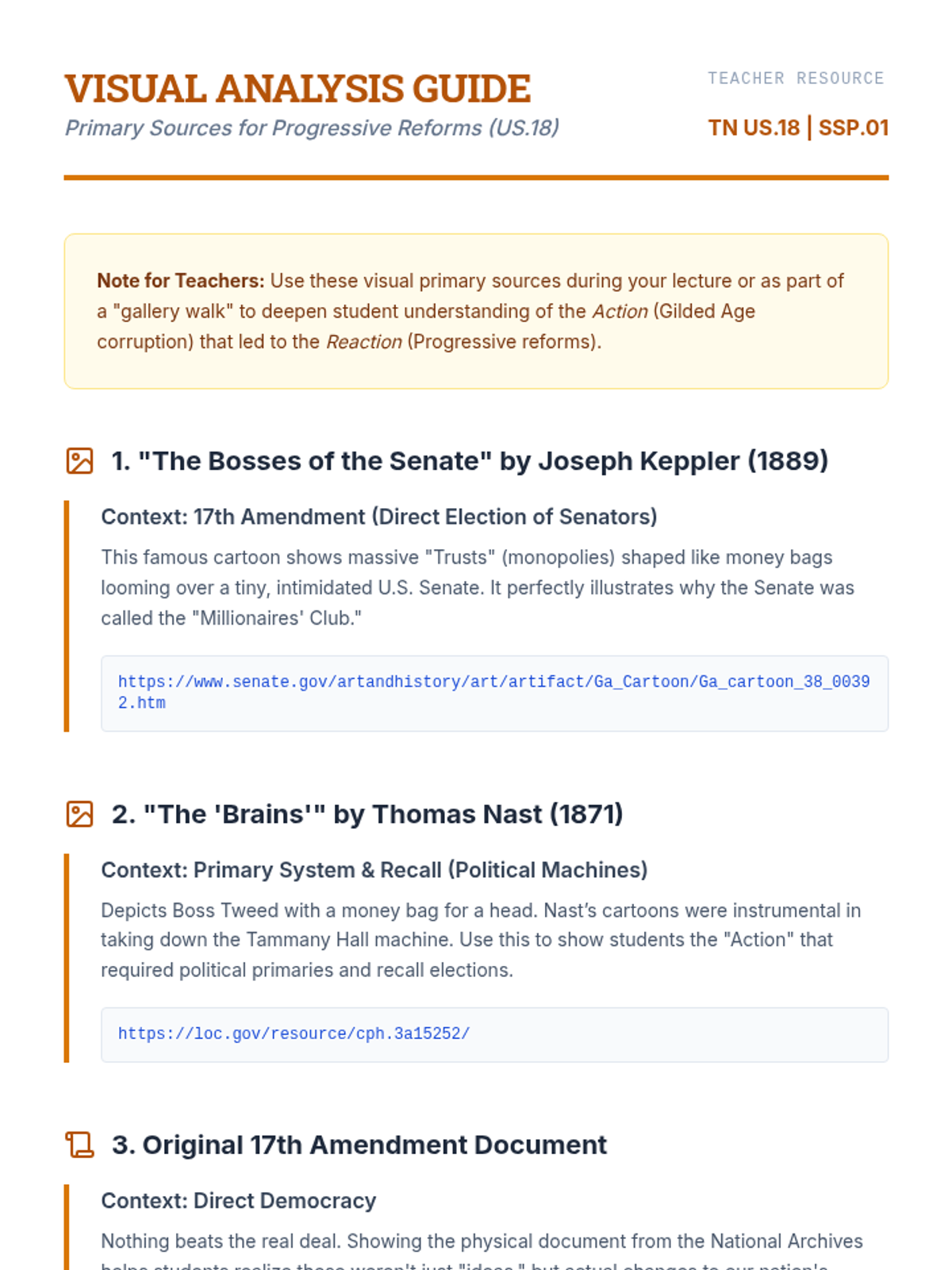
A 30-minute deep dive into the political and economic reforms of the Progressive Era, focusing on the 16th and 17th Amendments and democratic shifts like the primary system, initiative, referendum, and recall. Students evaluate these changes as a reaction to the corruption and inequality of the Gilded Age.
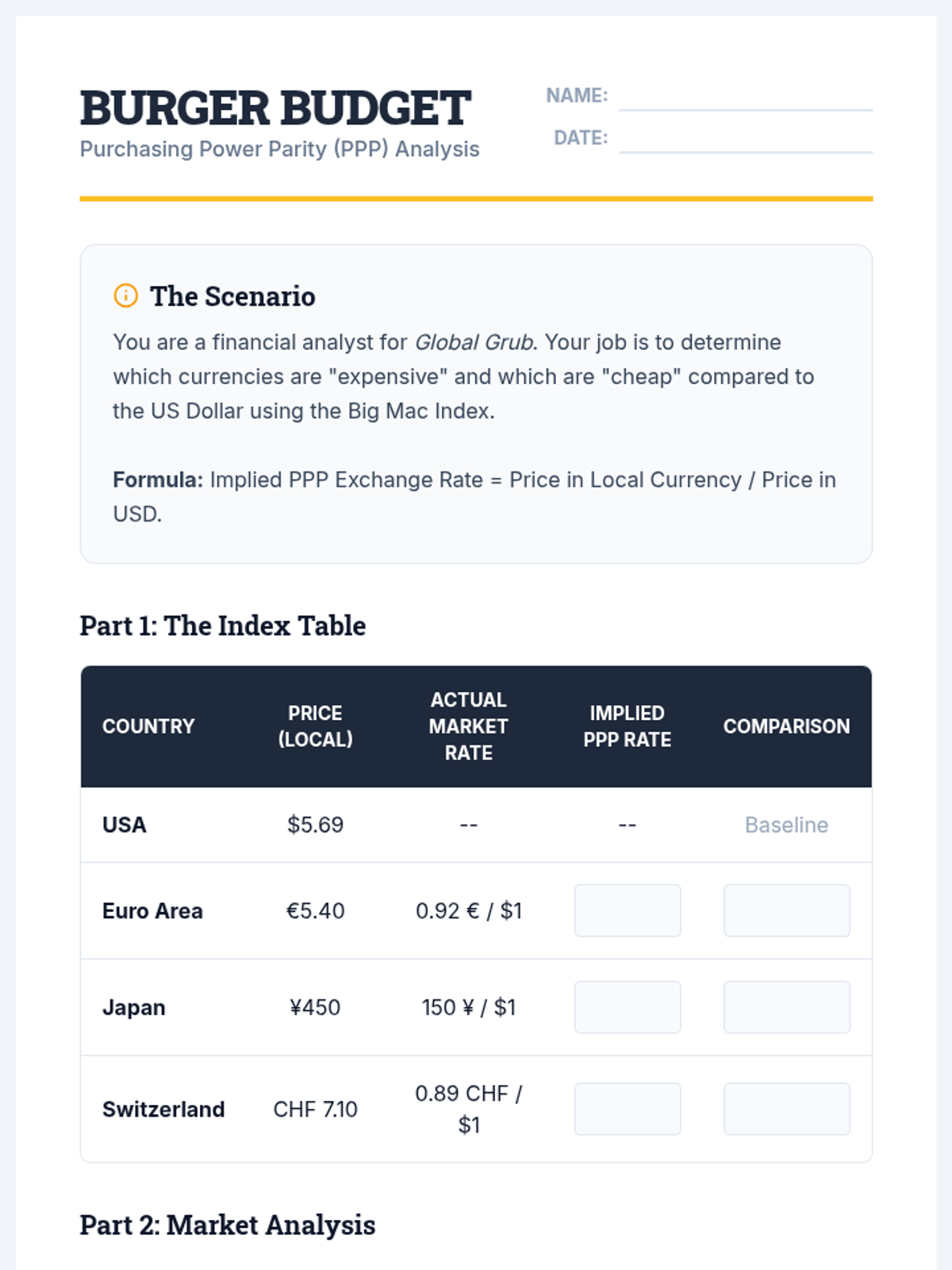
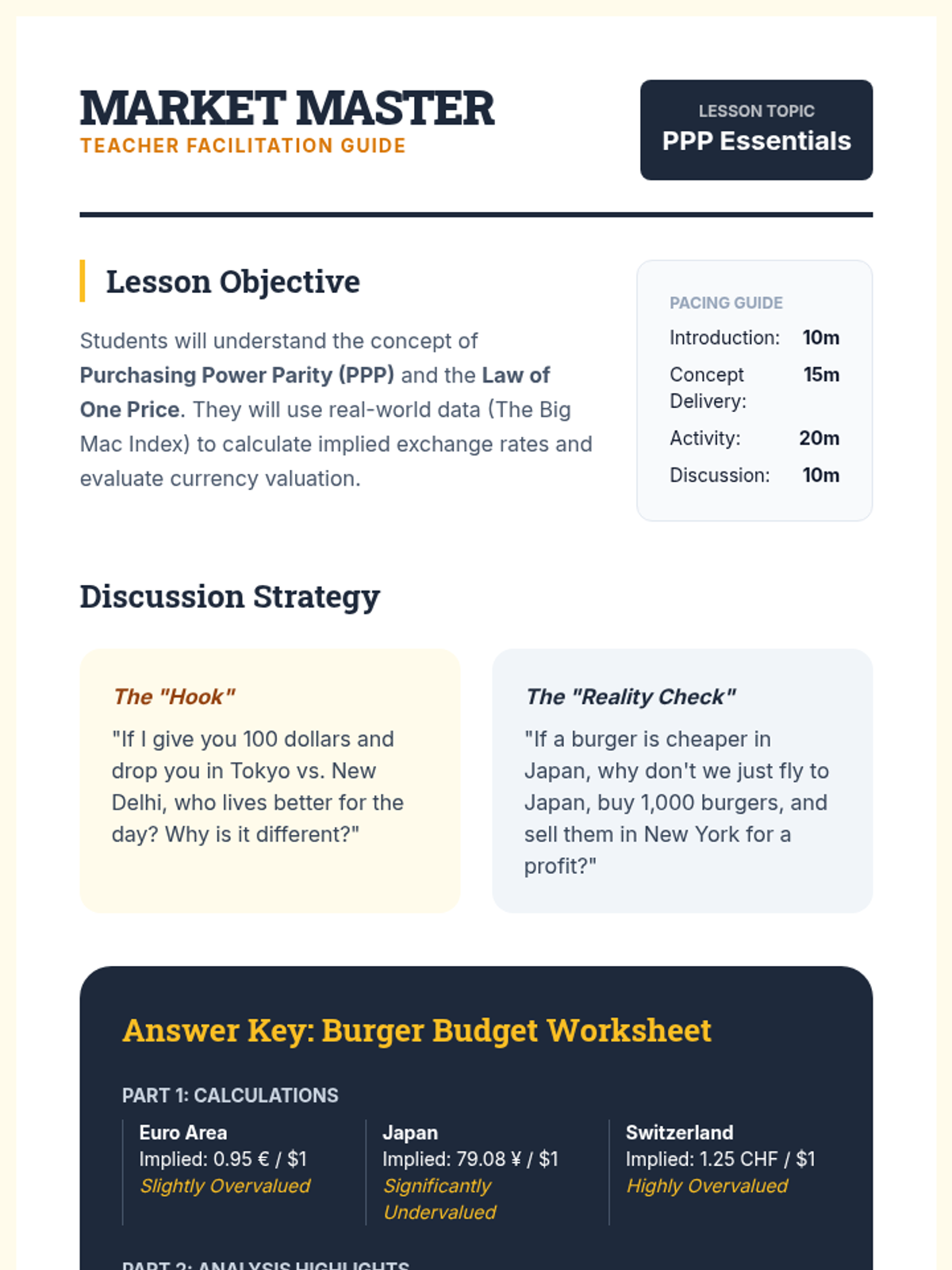
An introduction to Purchasing Power Parity (PPP) for beginner economics students, using the Big Mac Index to explore how currency values and prices differ across the globe.
Explores the post-Cold War world, the impact of 9/11, and the technological and social changes of the 21st century.
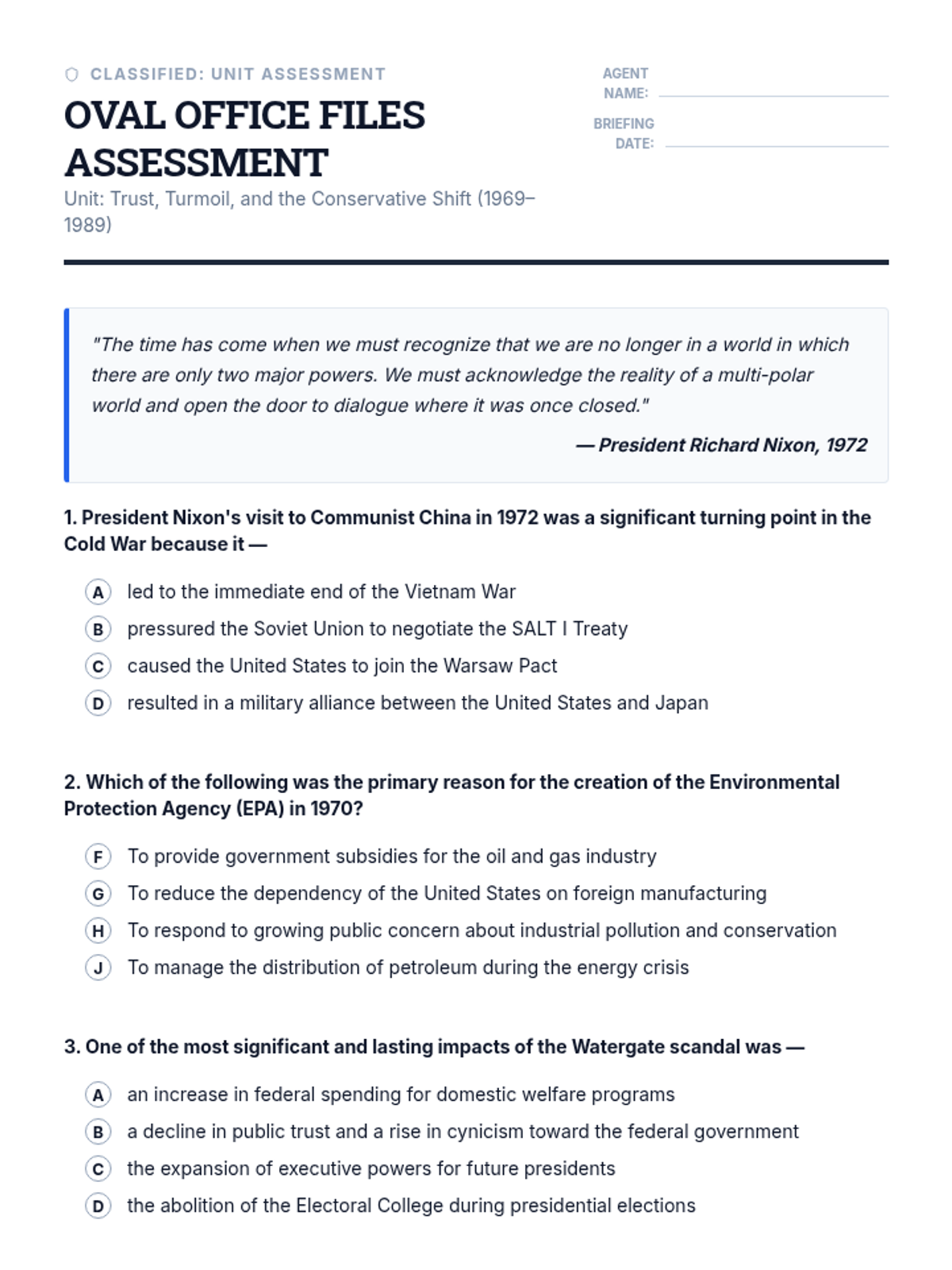
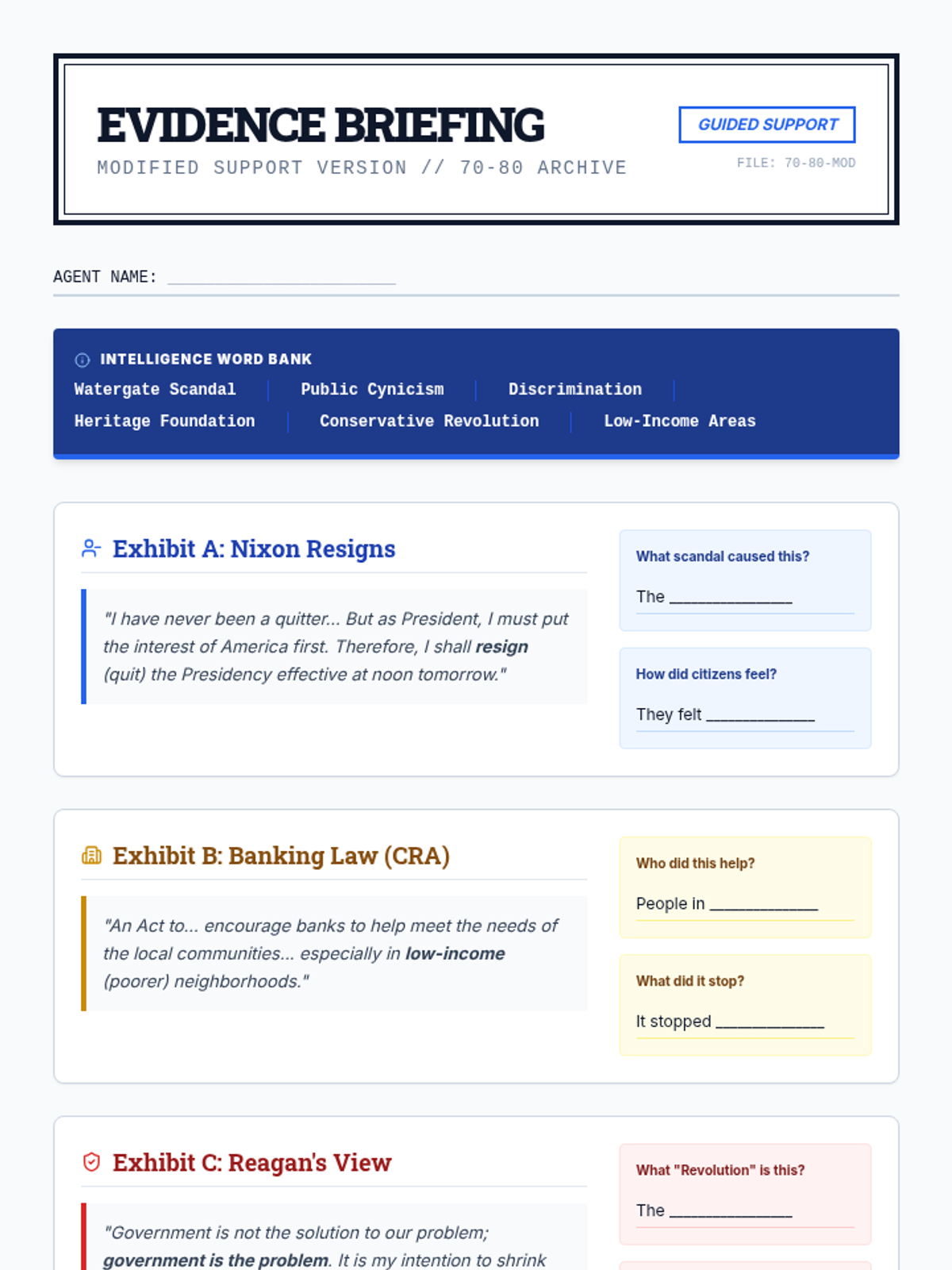
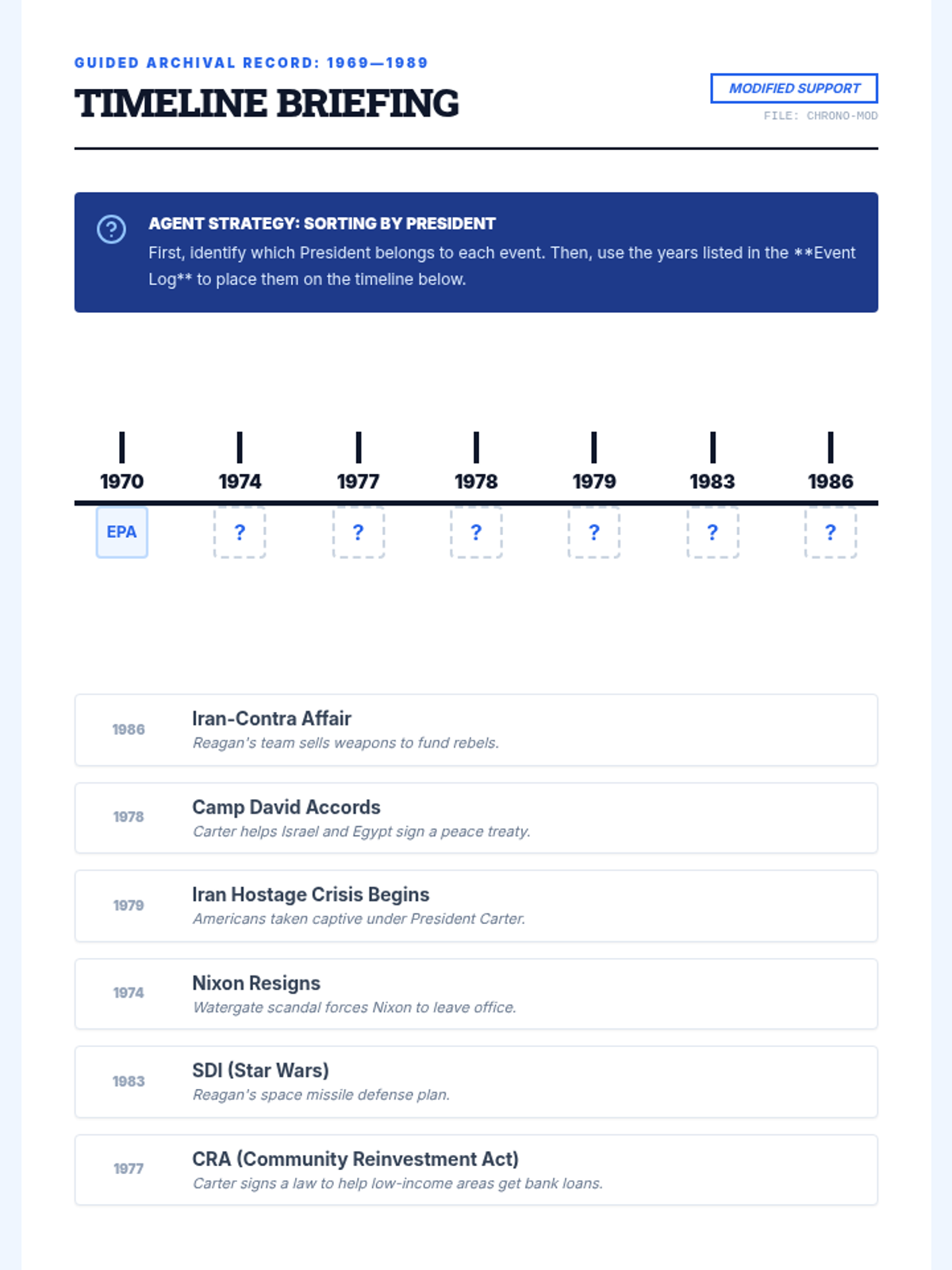
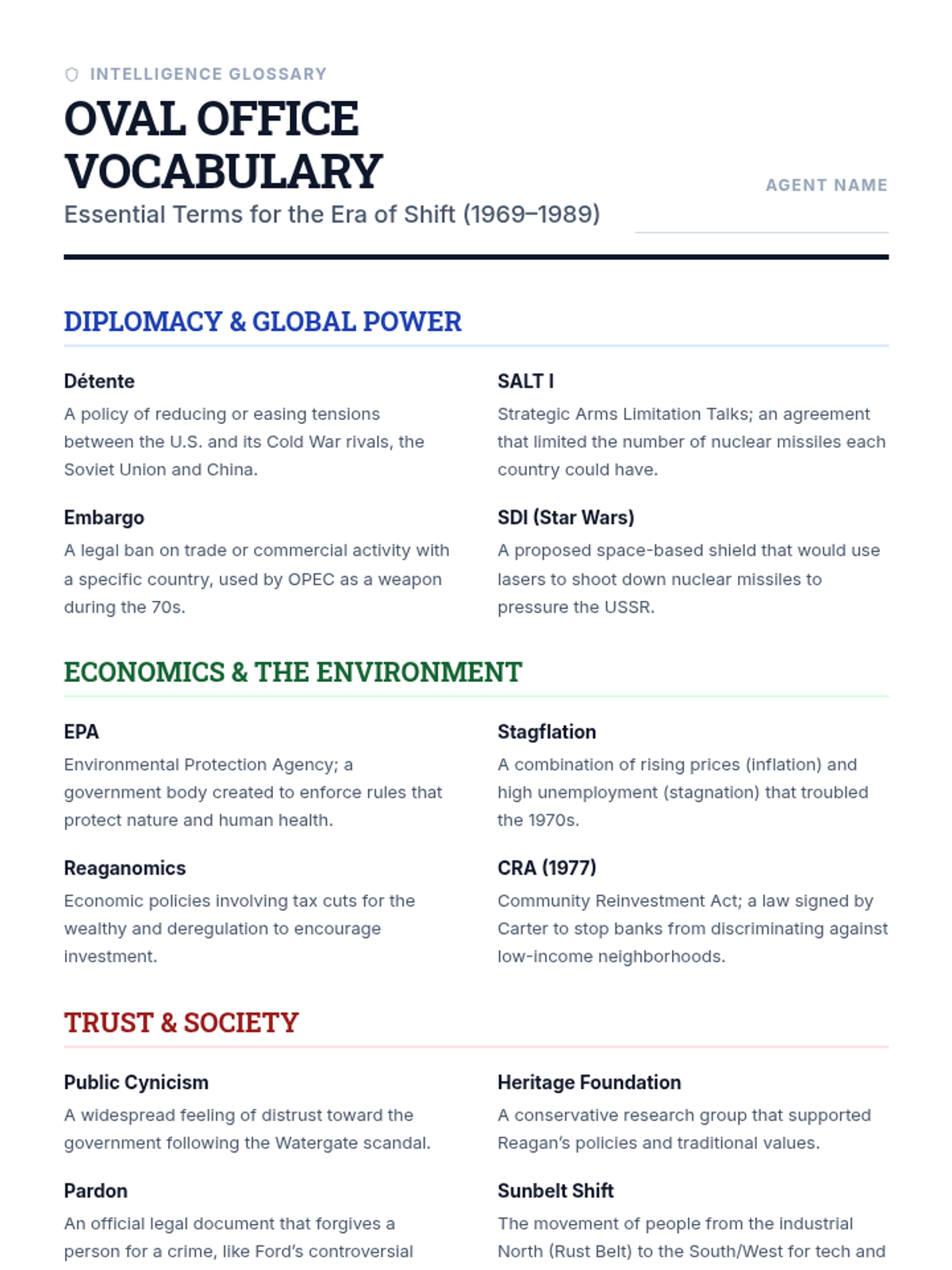
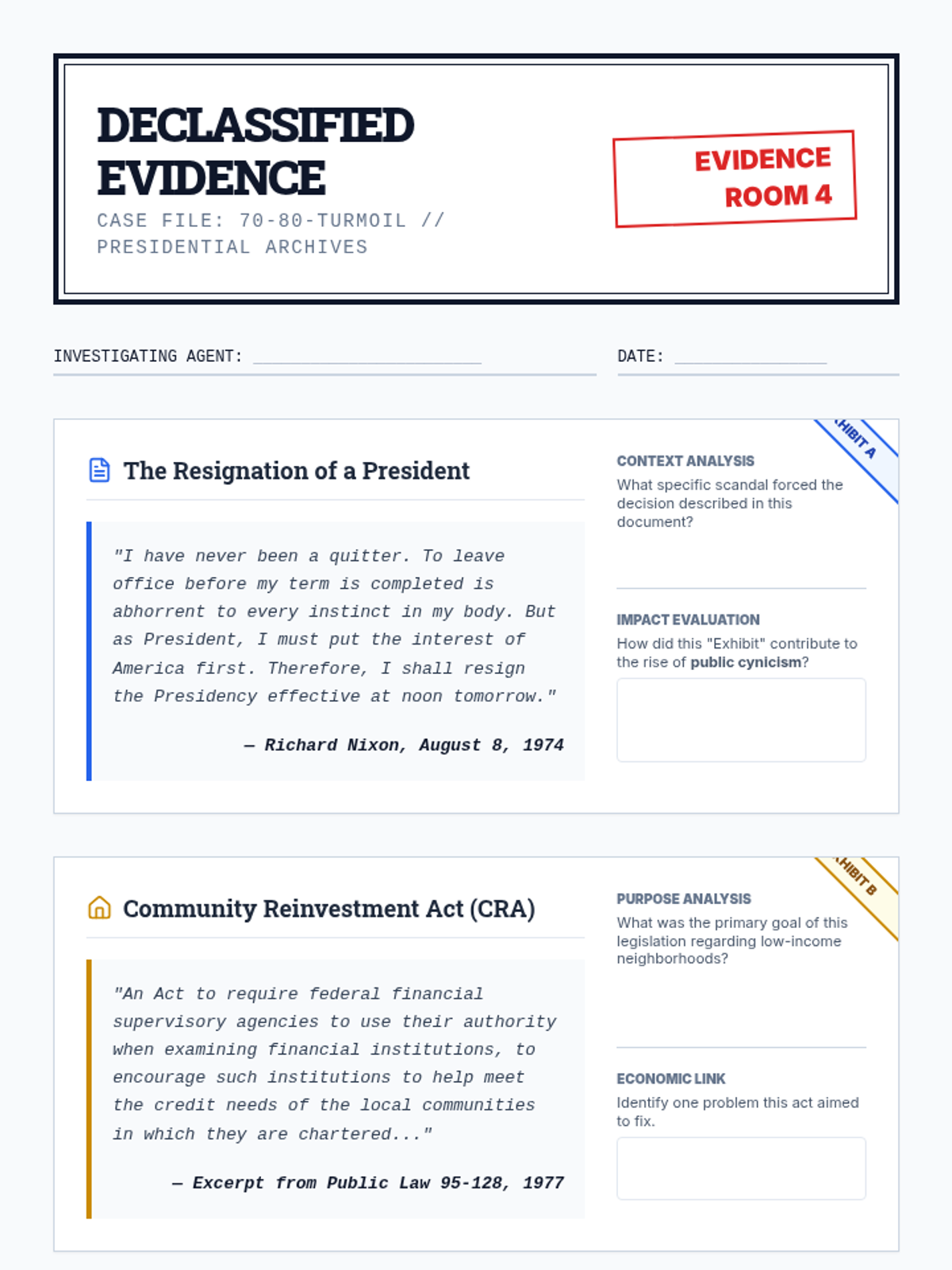
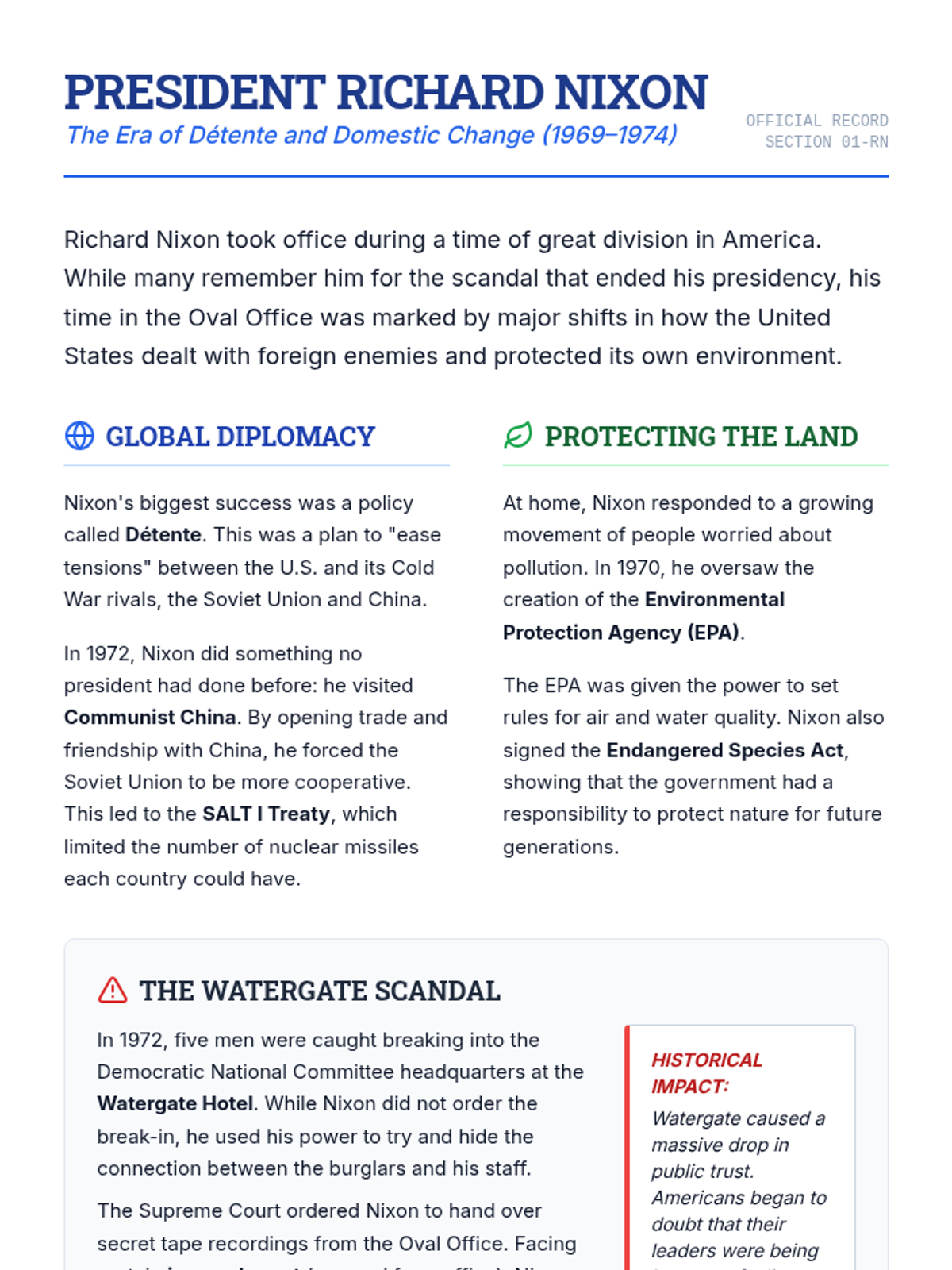
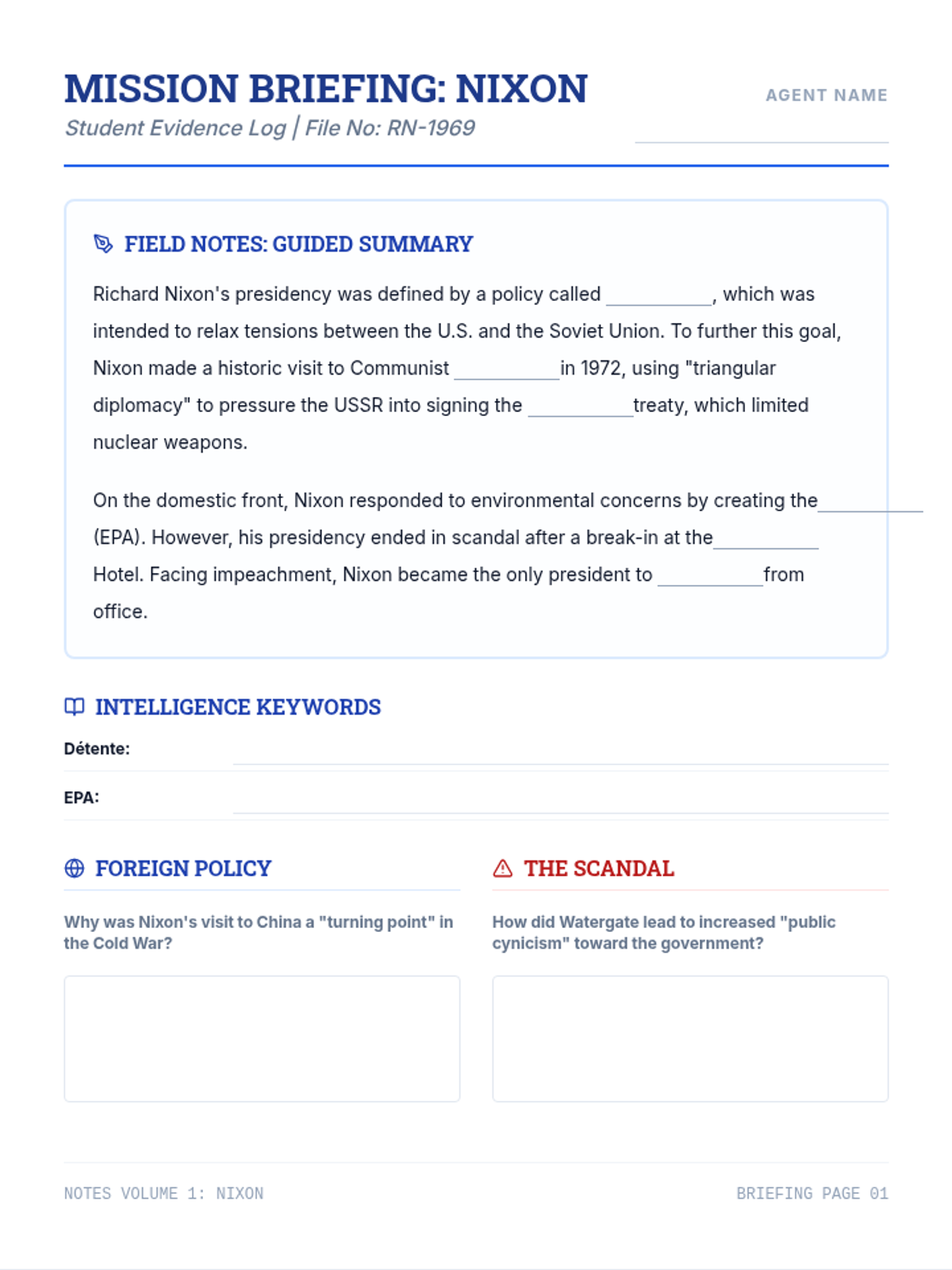
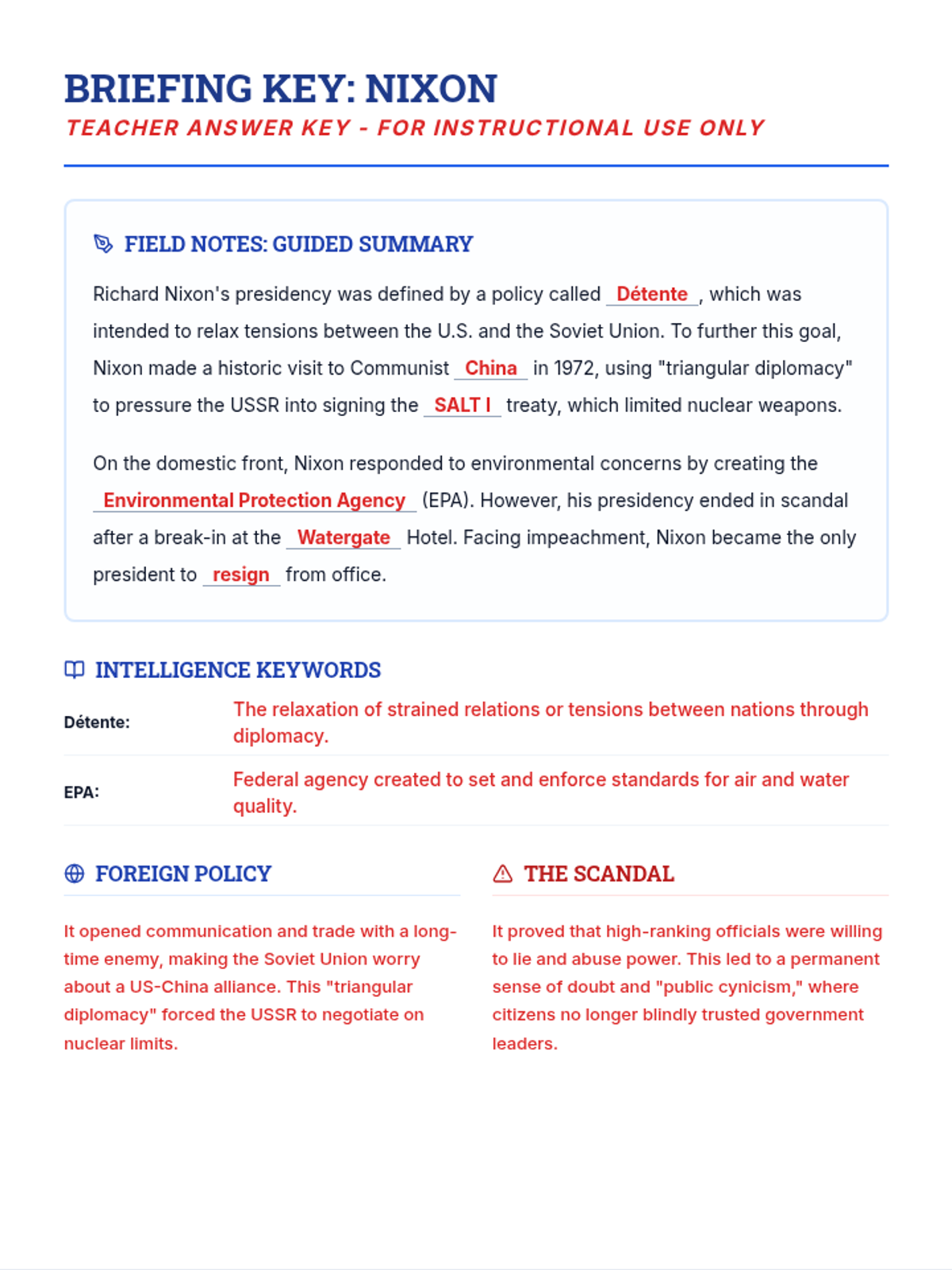
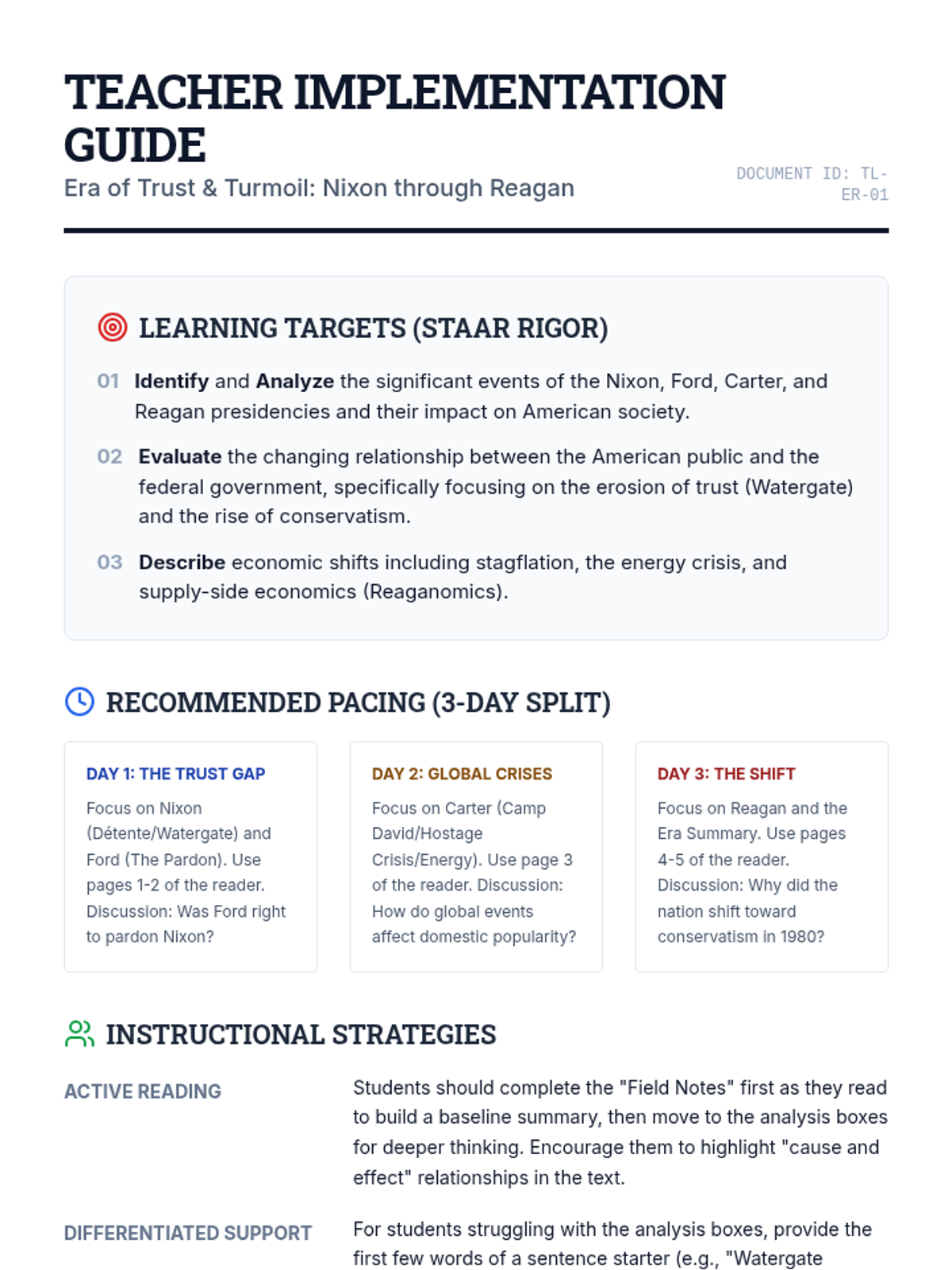
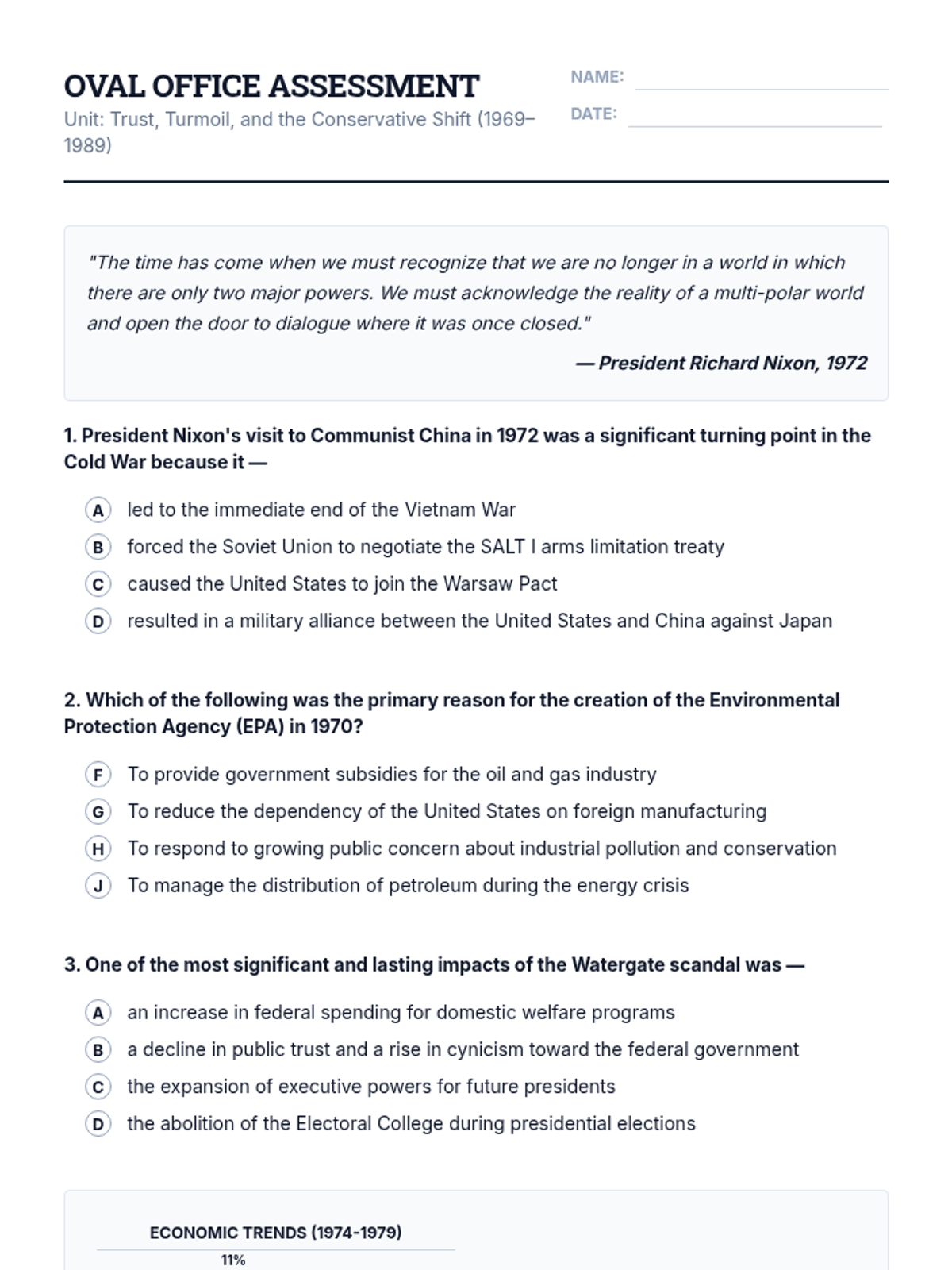
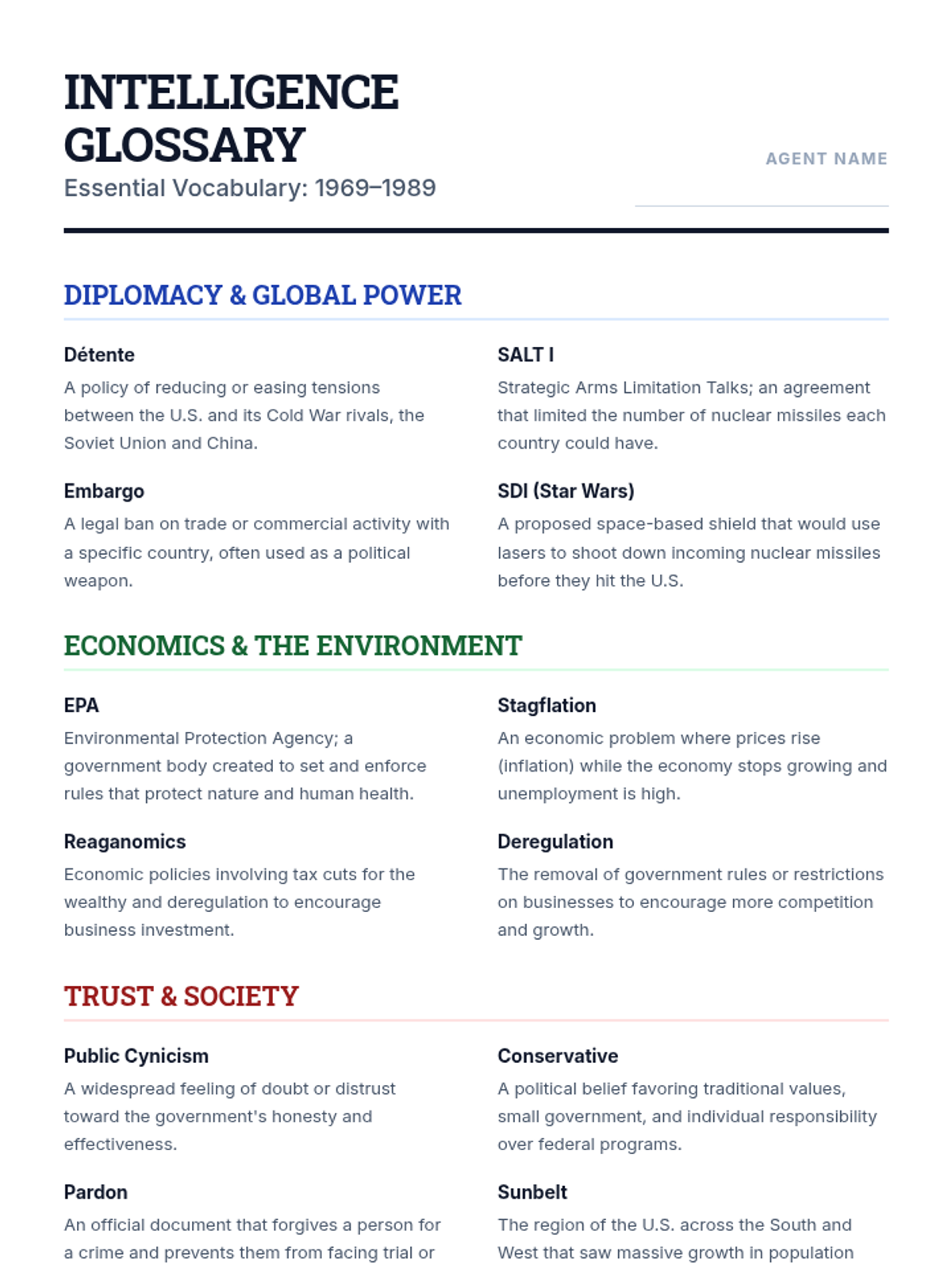
Covers the transition from the Nixon era through the Reagan Revolution, focusing on economic shifts and the end of the Cold War.
Analyzes the Vietnam War, the counterculture movement, and the political and social shifts of the 1960s and 70s.
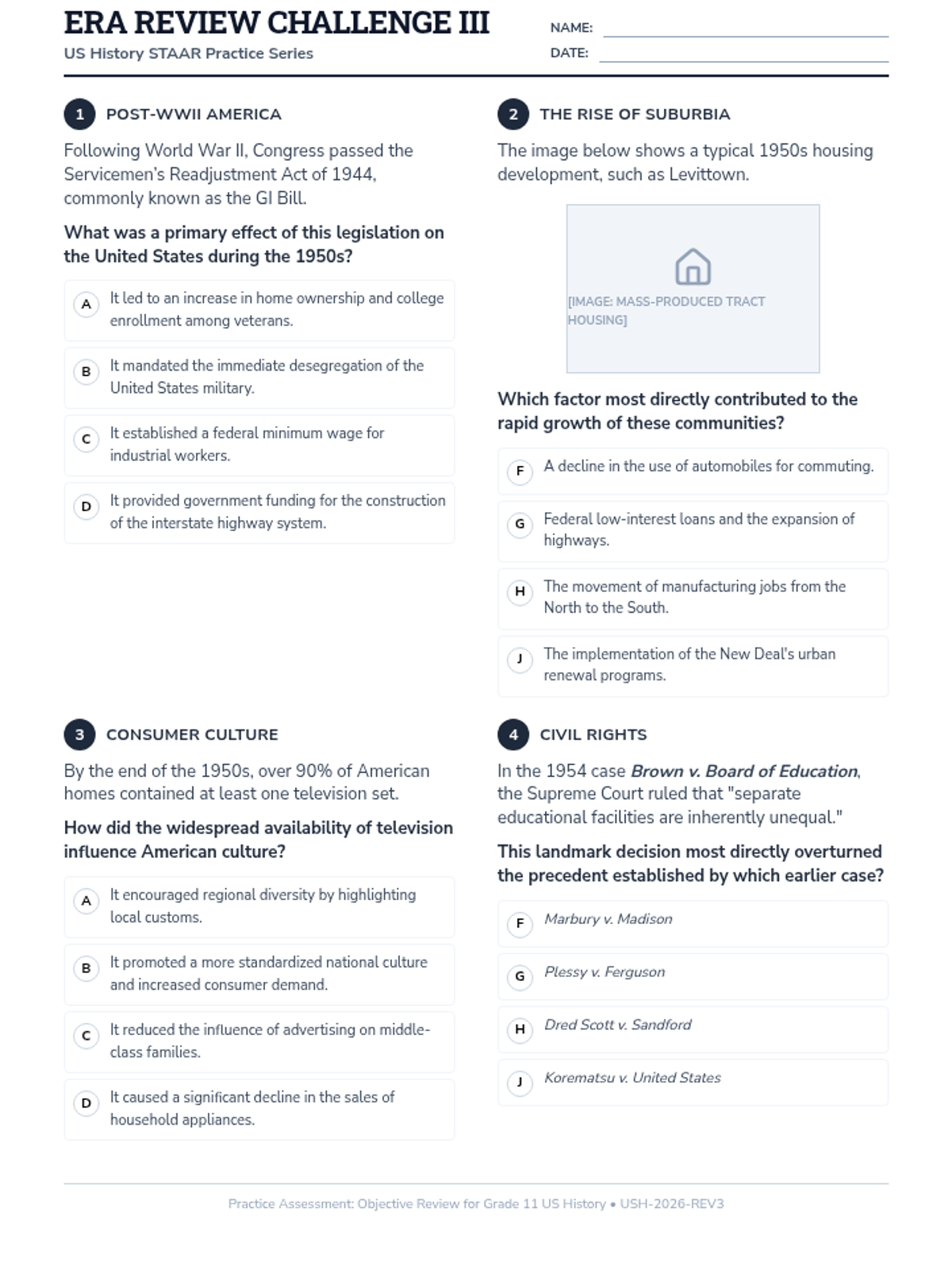
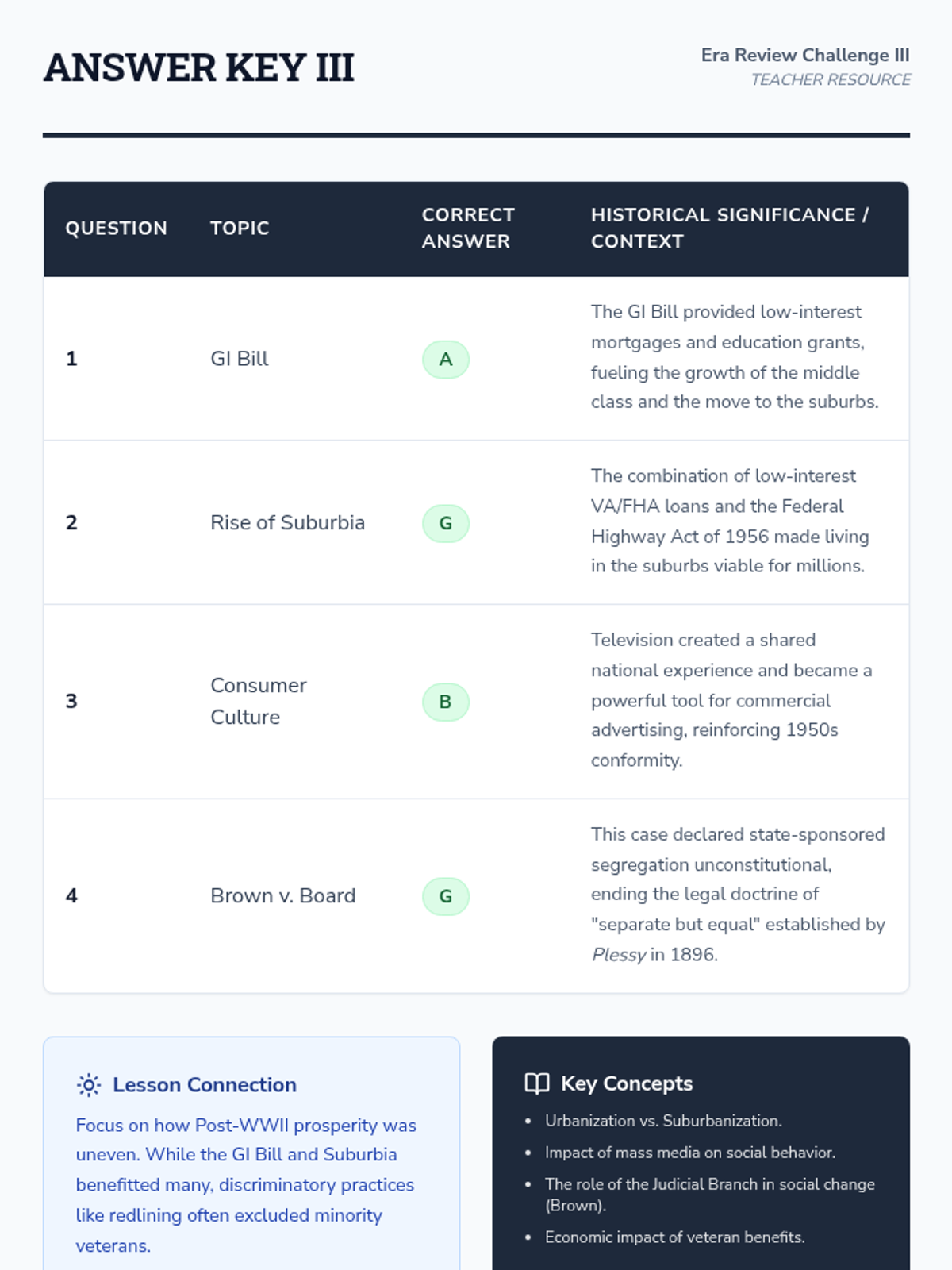
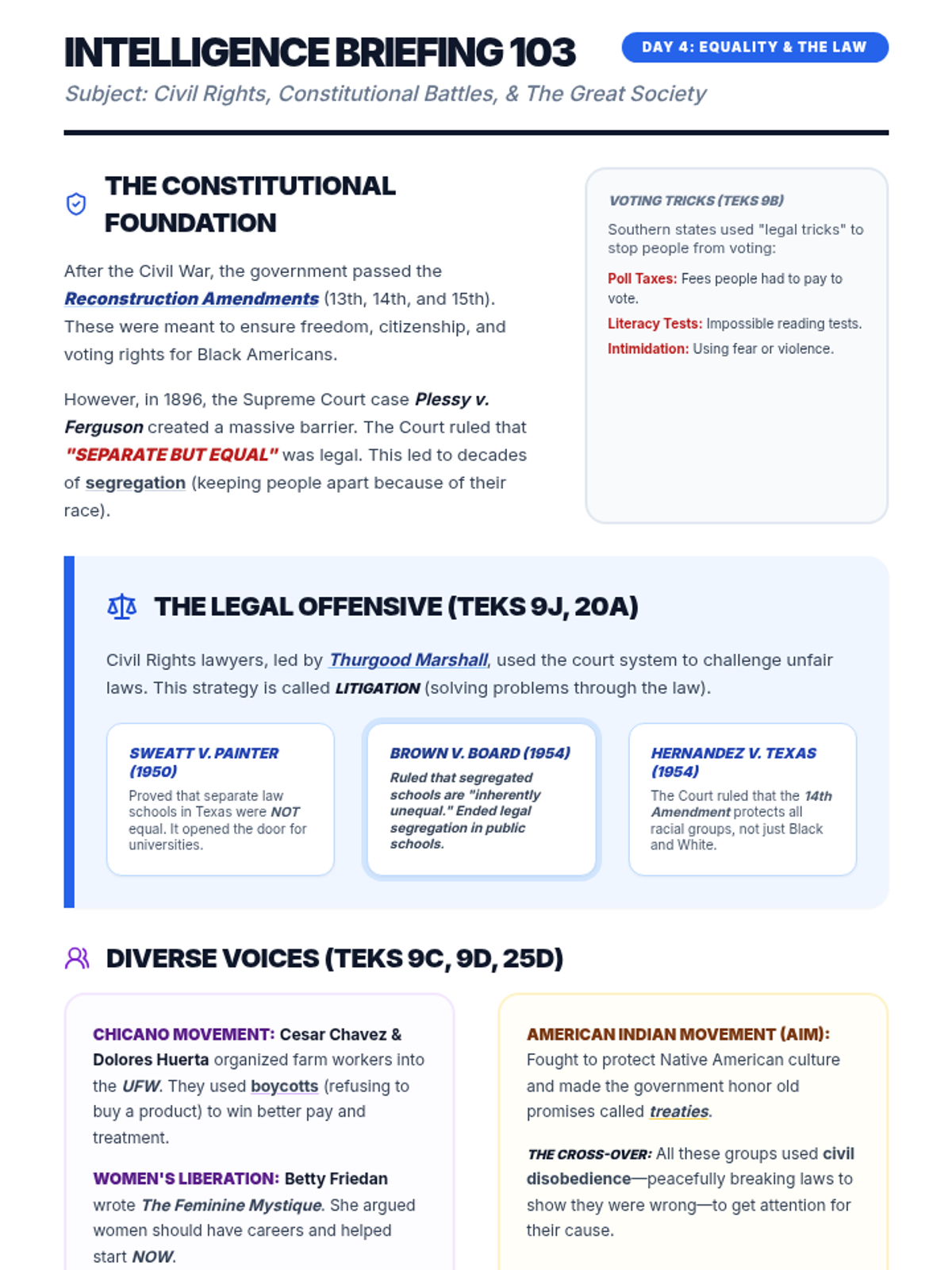
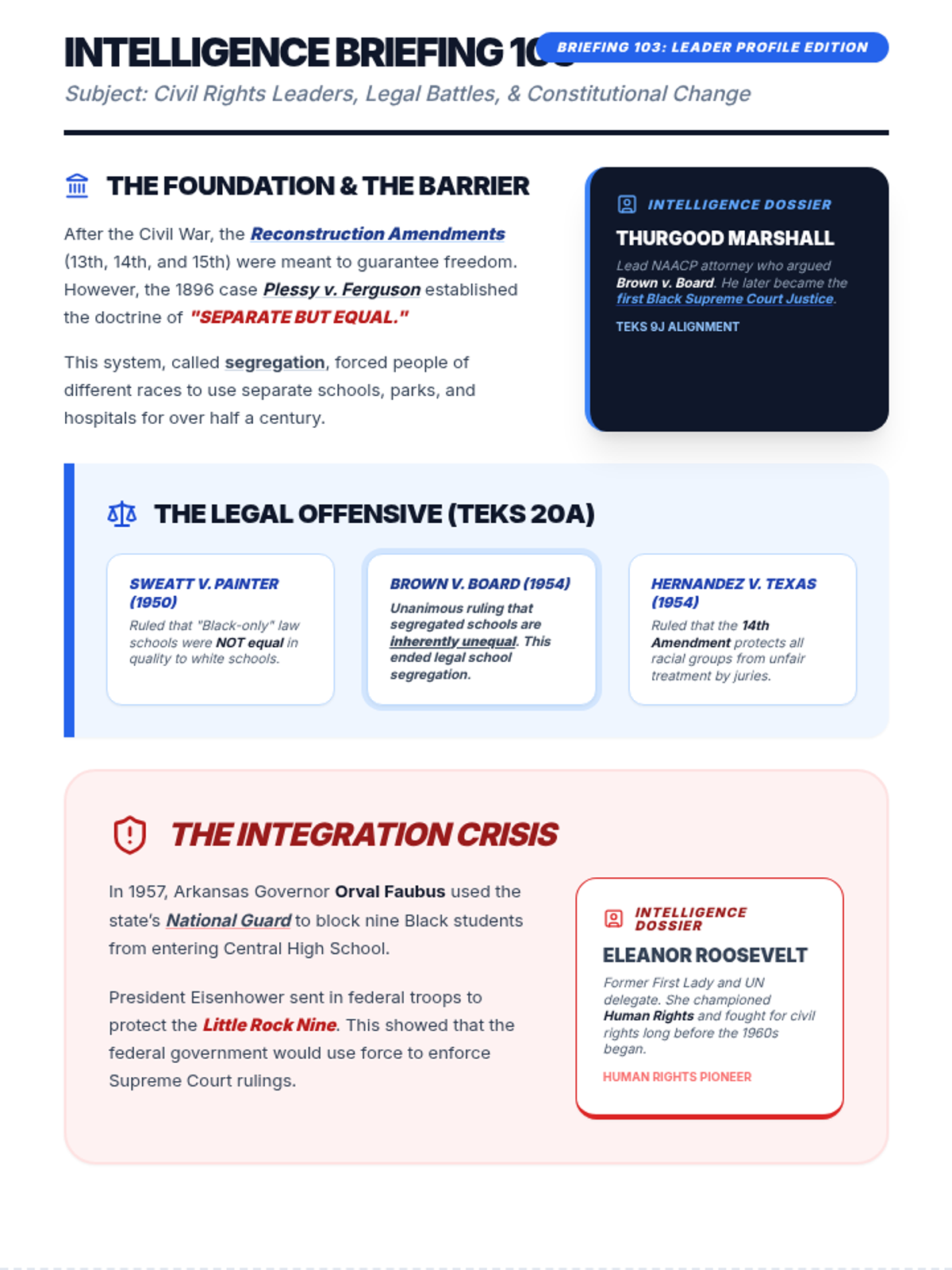
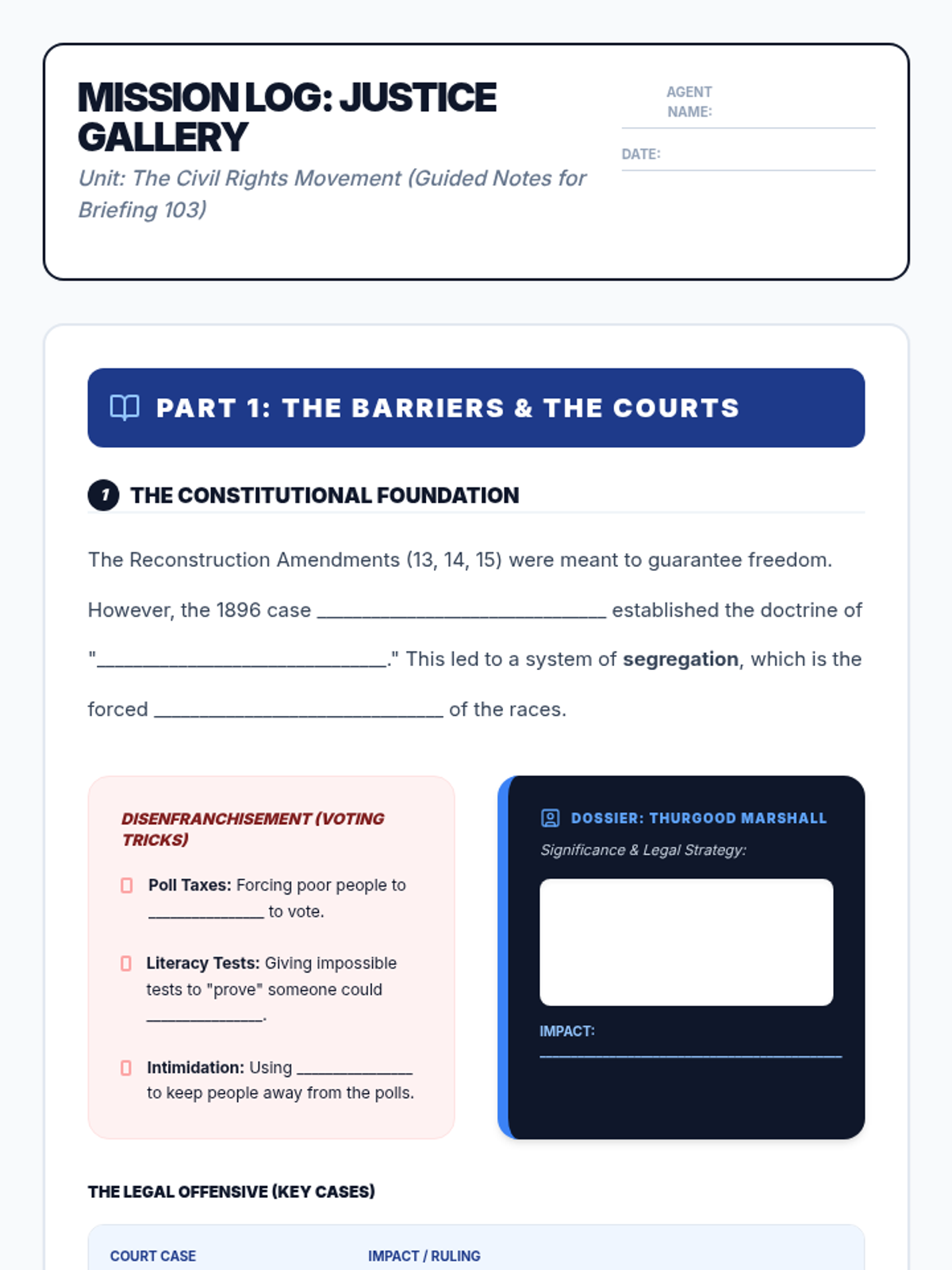
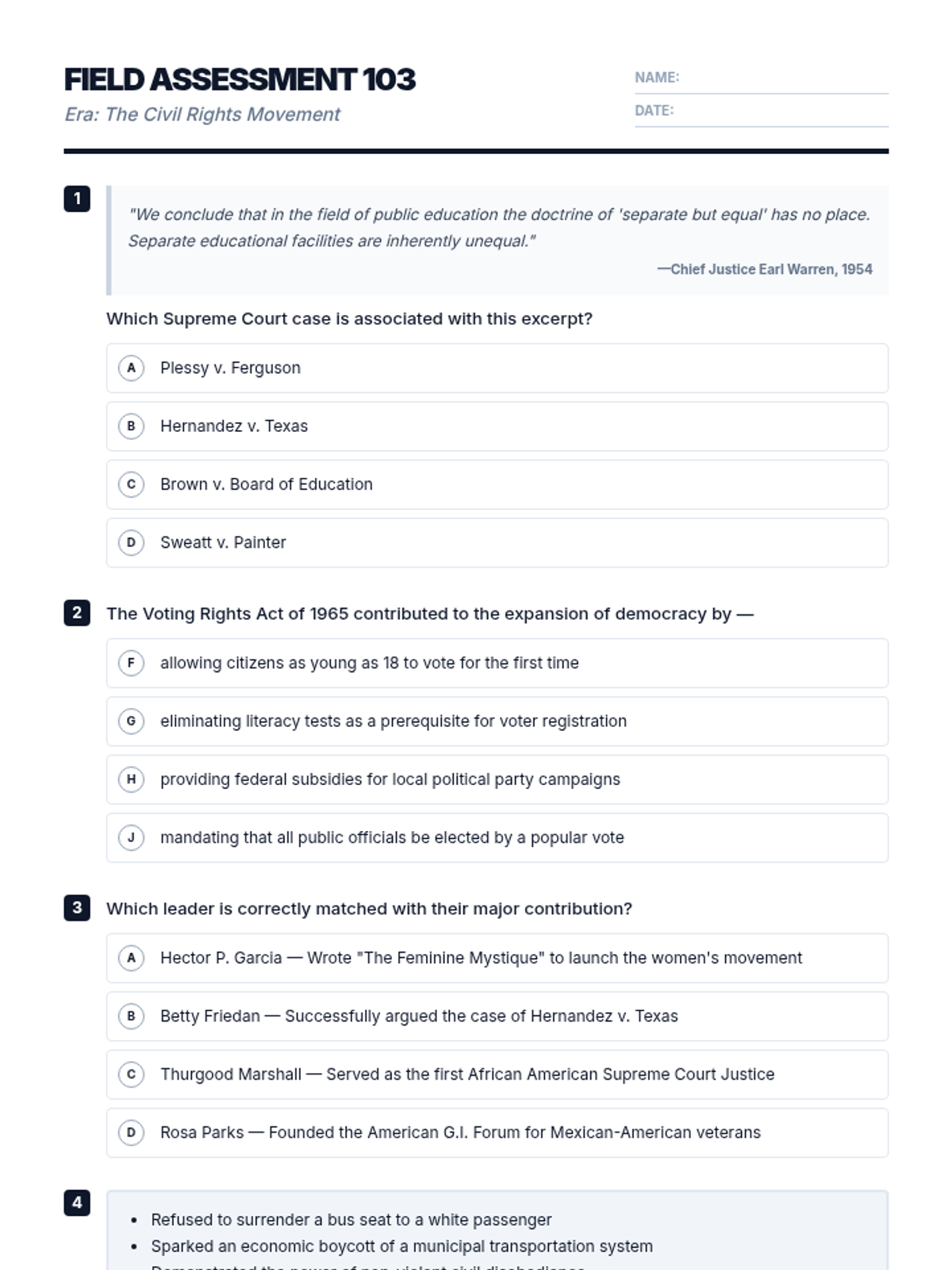
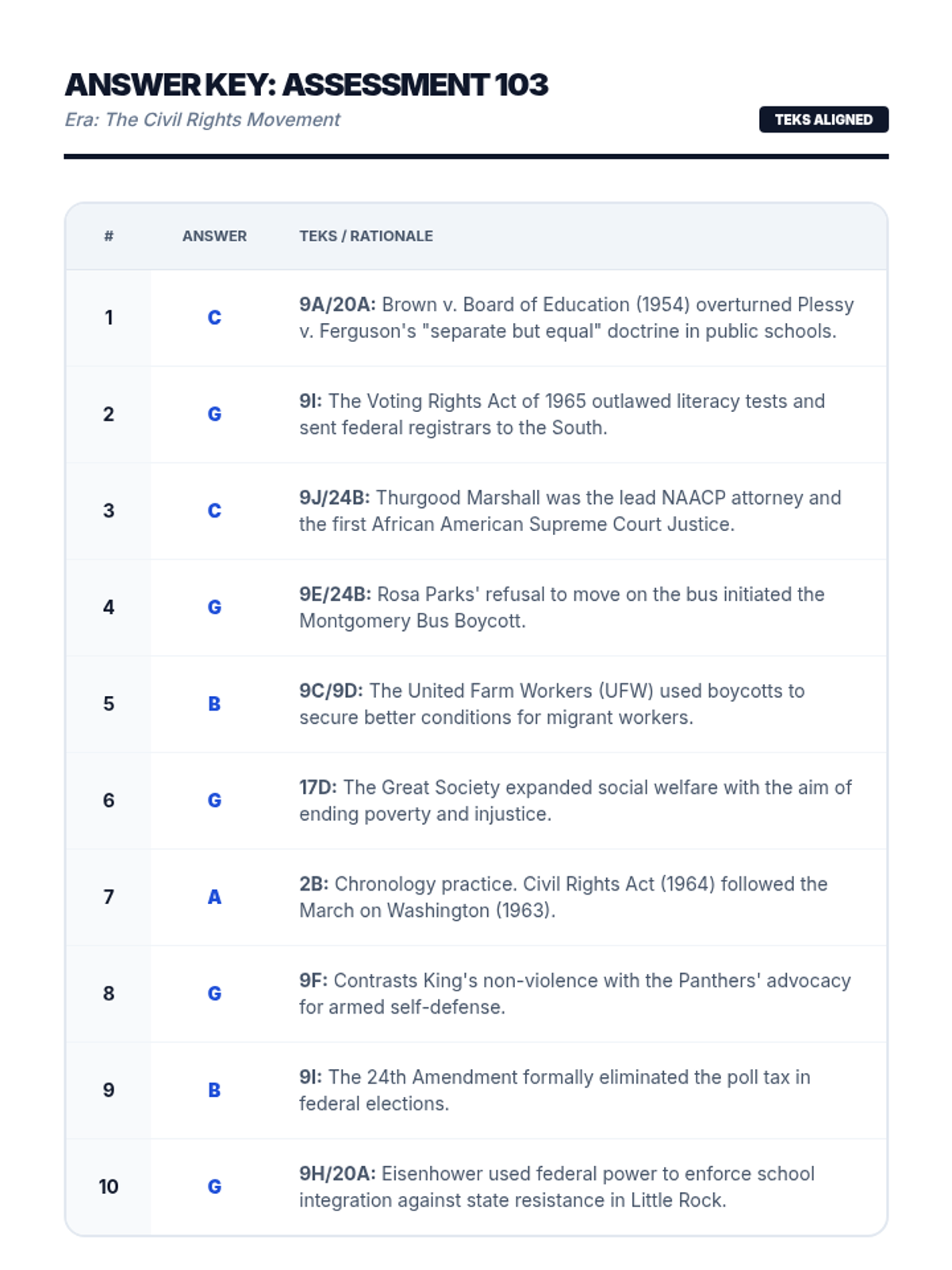
Covers the struggle for racial equality, major leaders like MLK and Malcolm X, and landmark legislation of the 1950s and 60s.
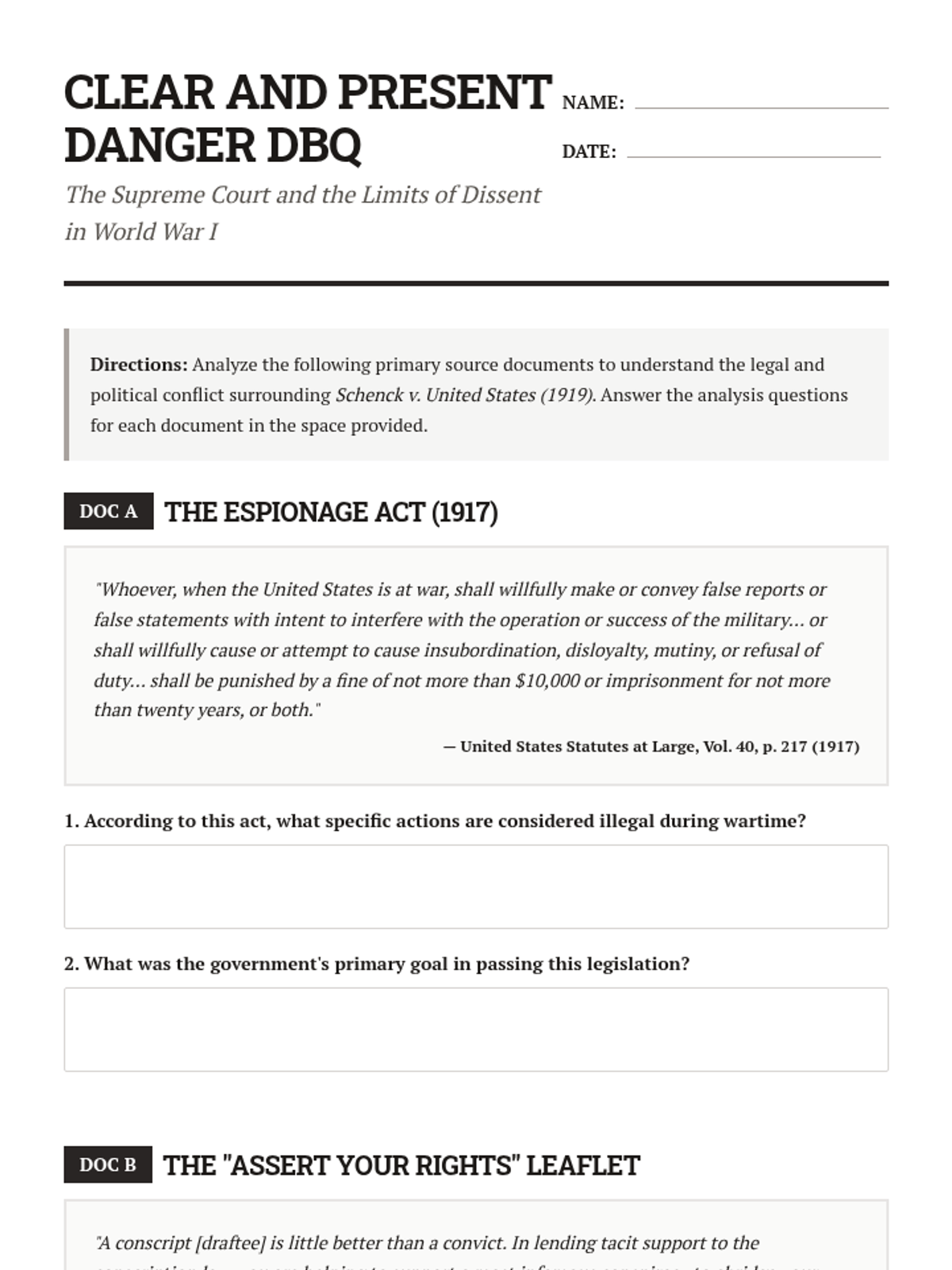
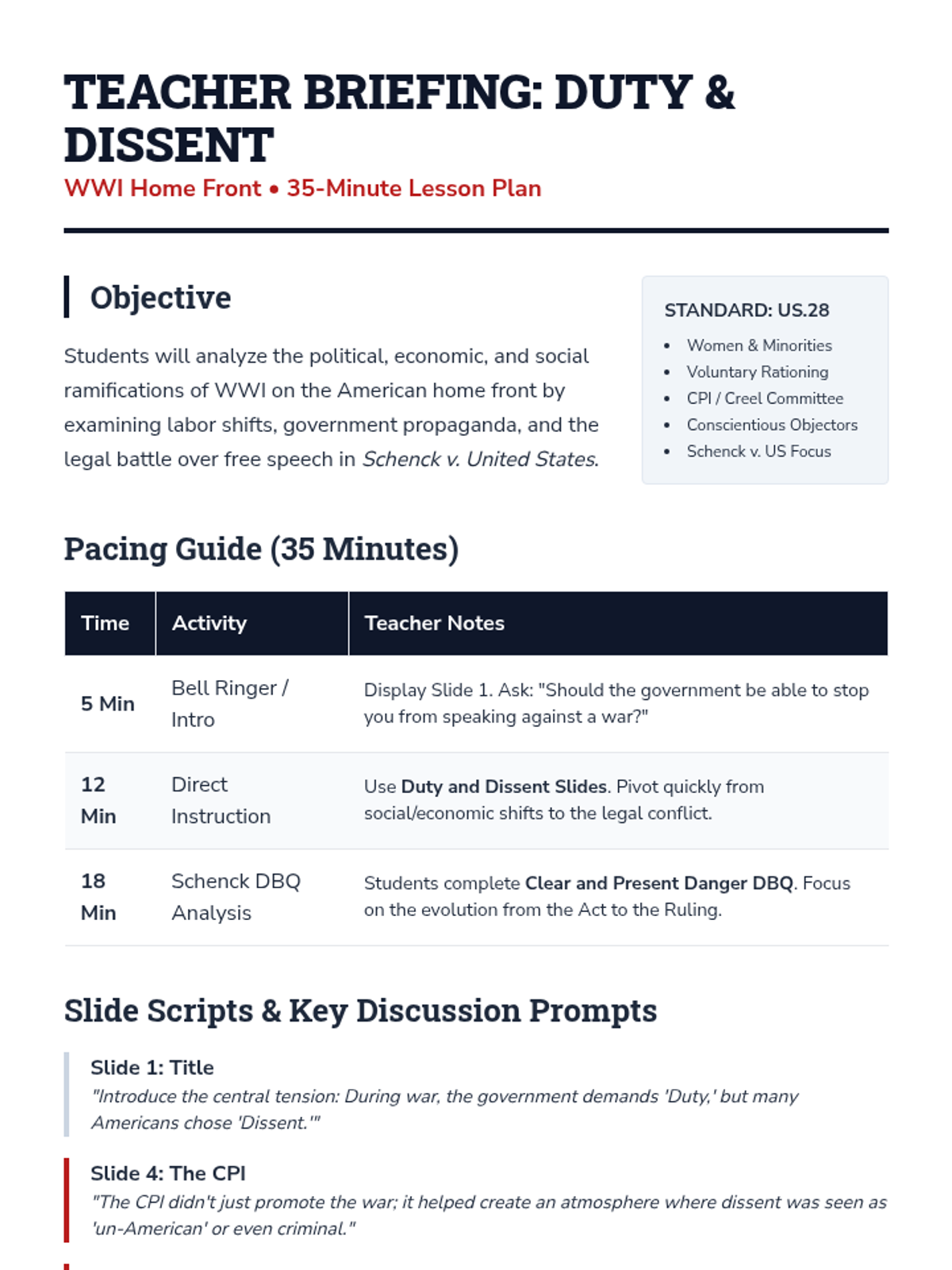
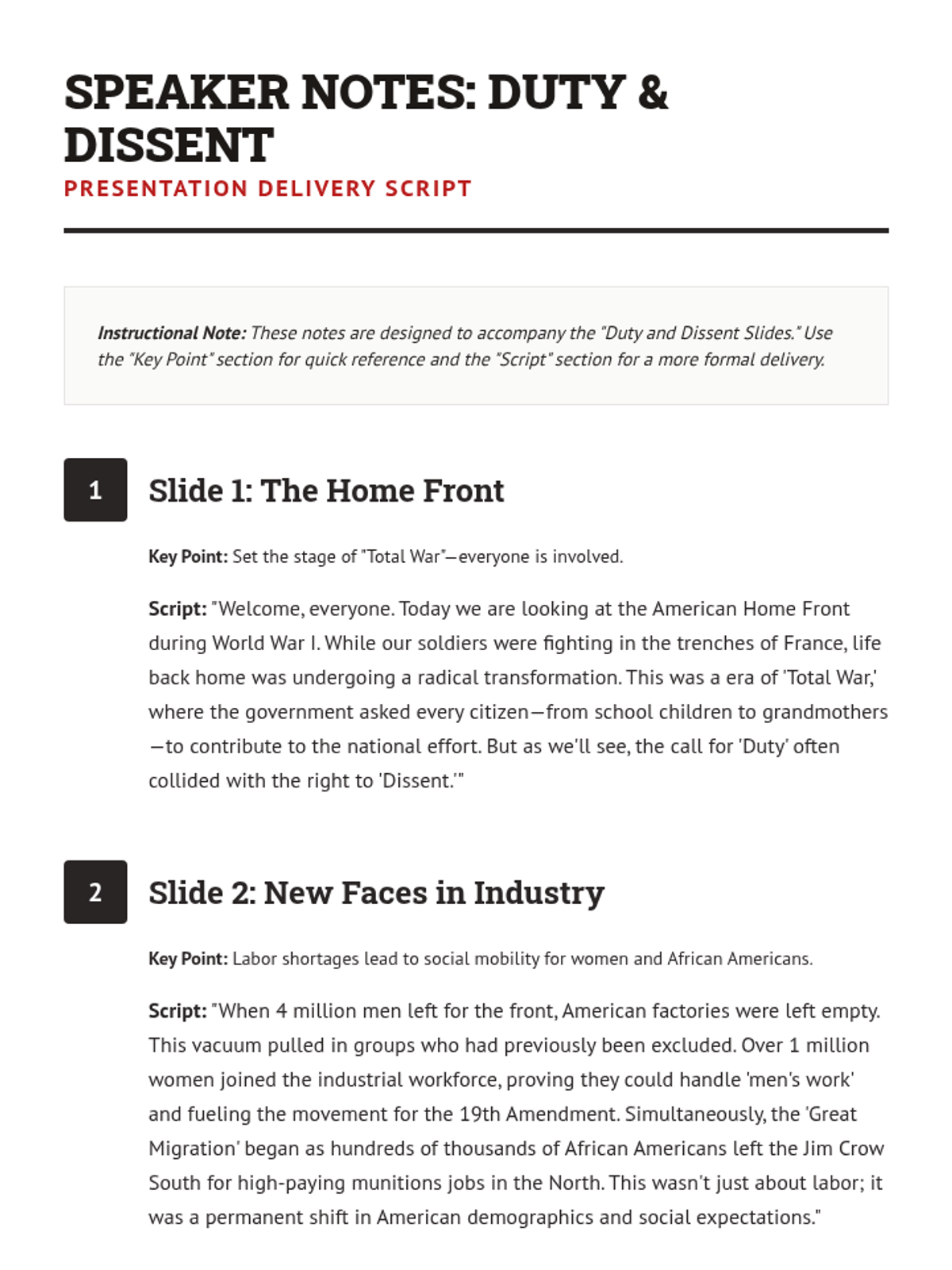
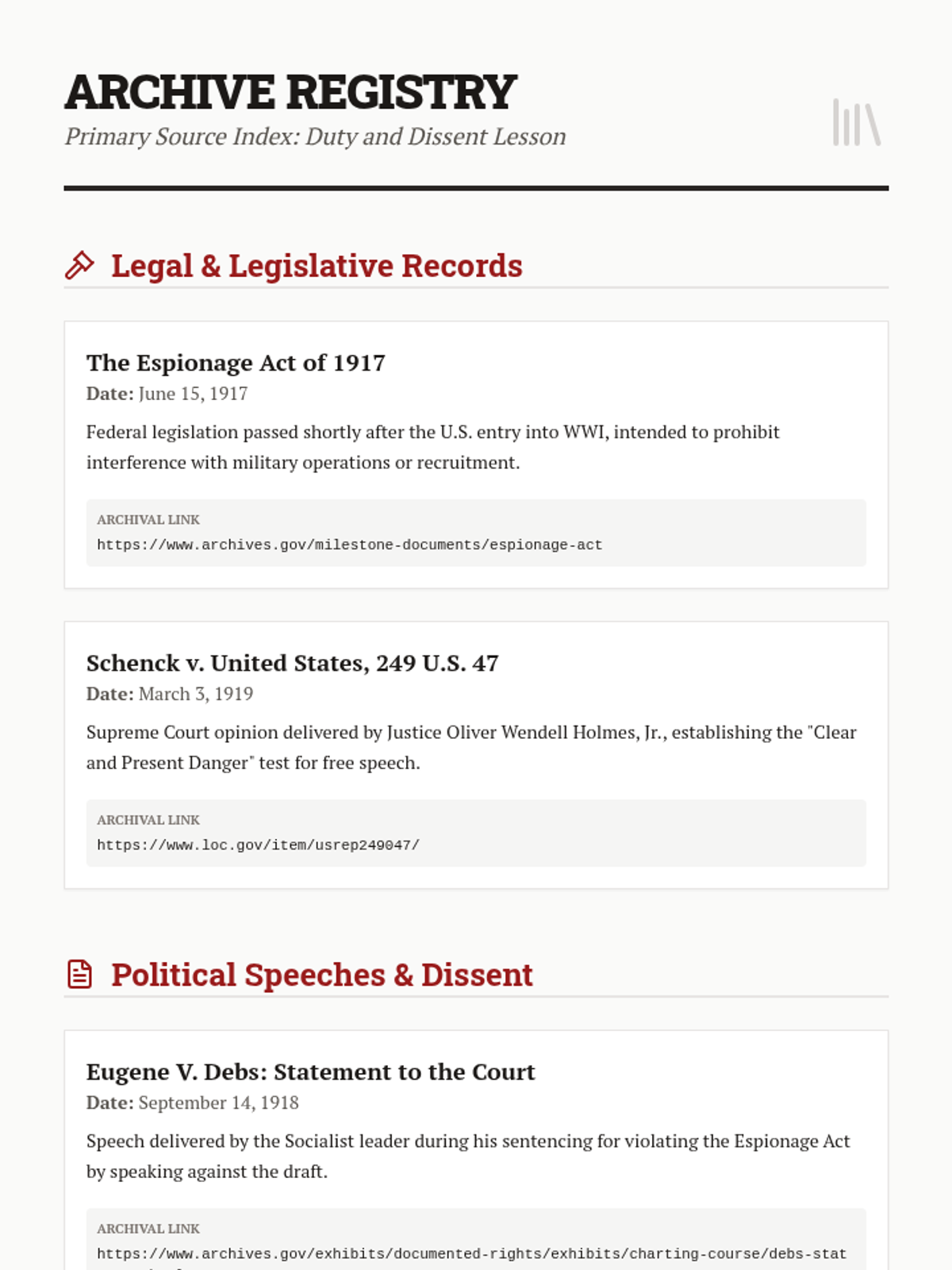
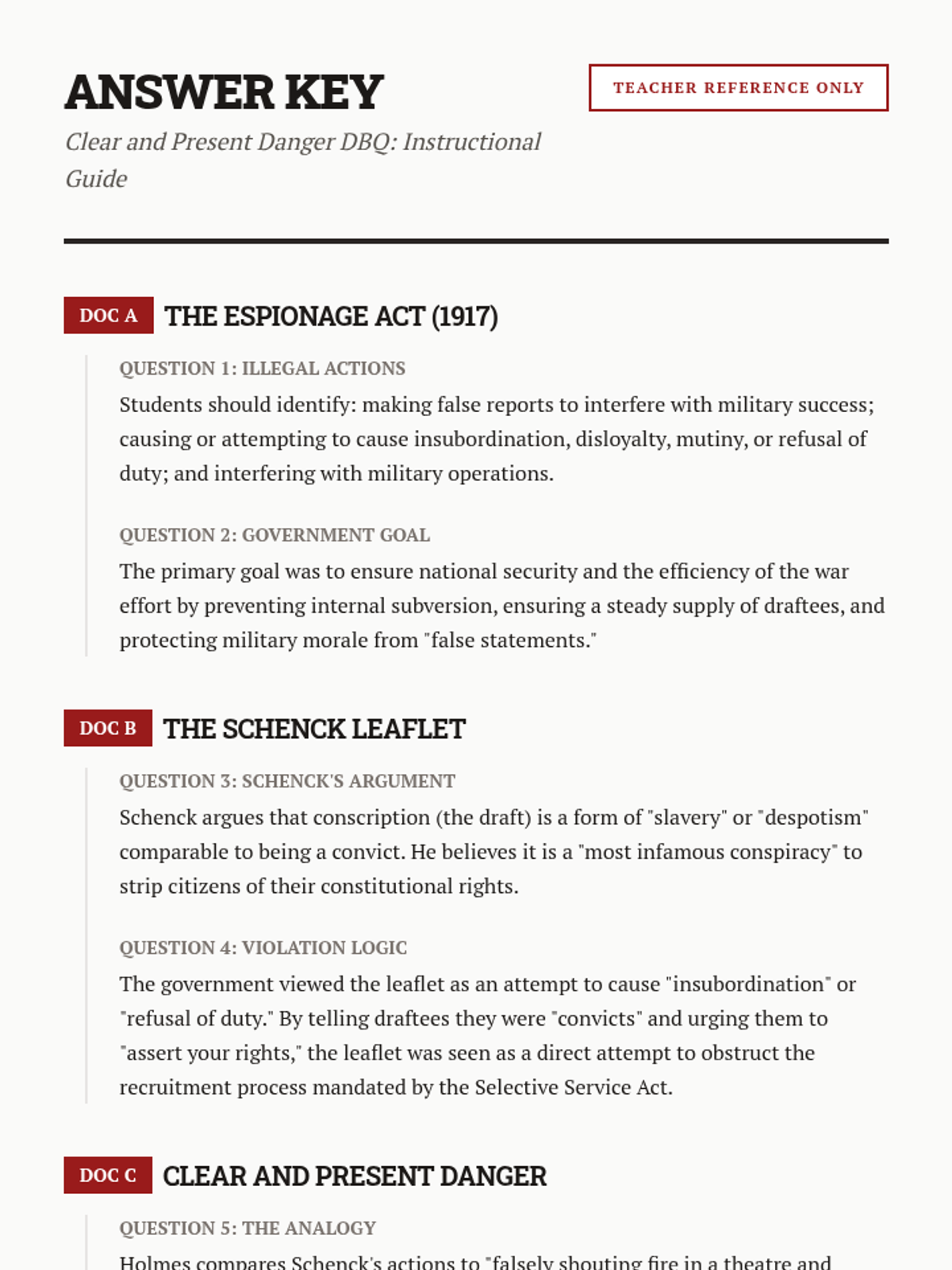
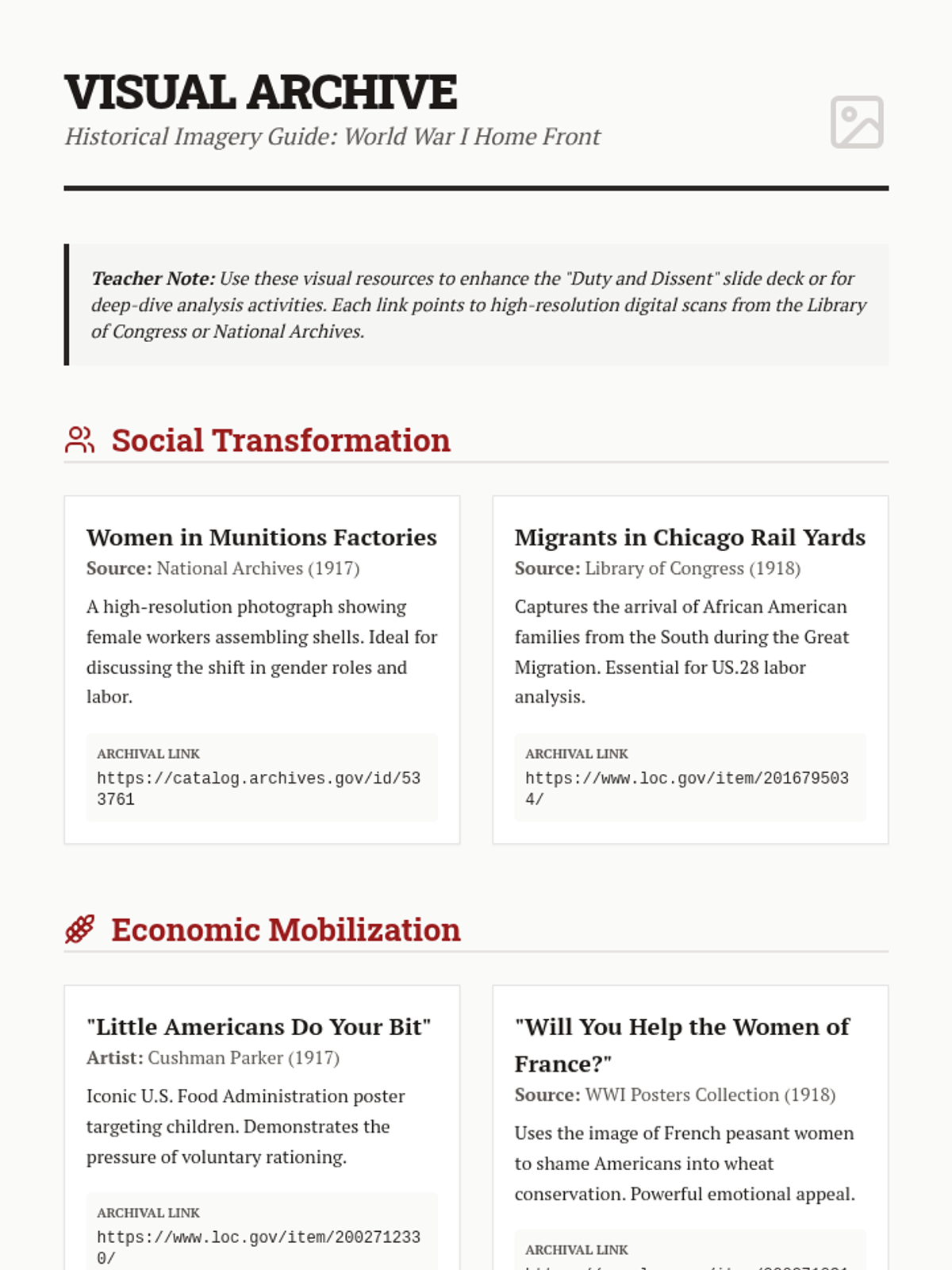
A 35-minute exploration of the American home front during World War I, covering social shifts, government propaganda, and legal challenges to civil liberties. Students analyze the roles of women and minorities, rationing efforts, and the tension between national security and free speech.
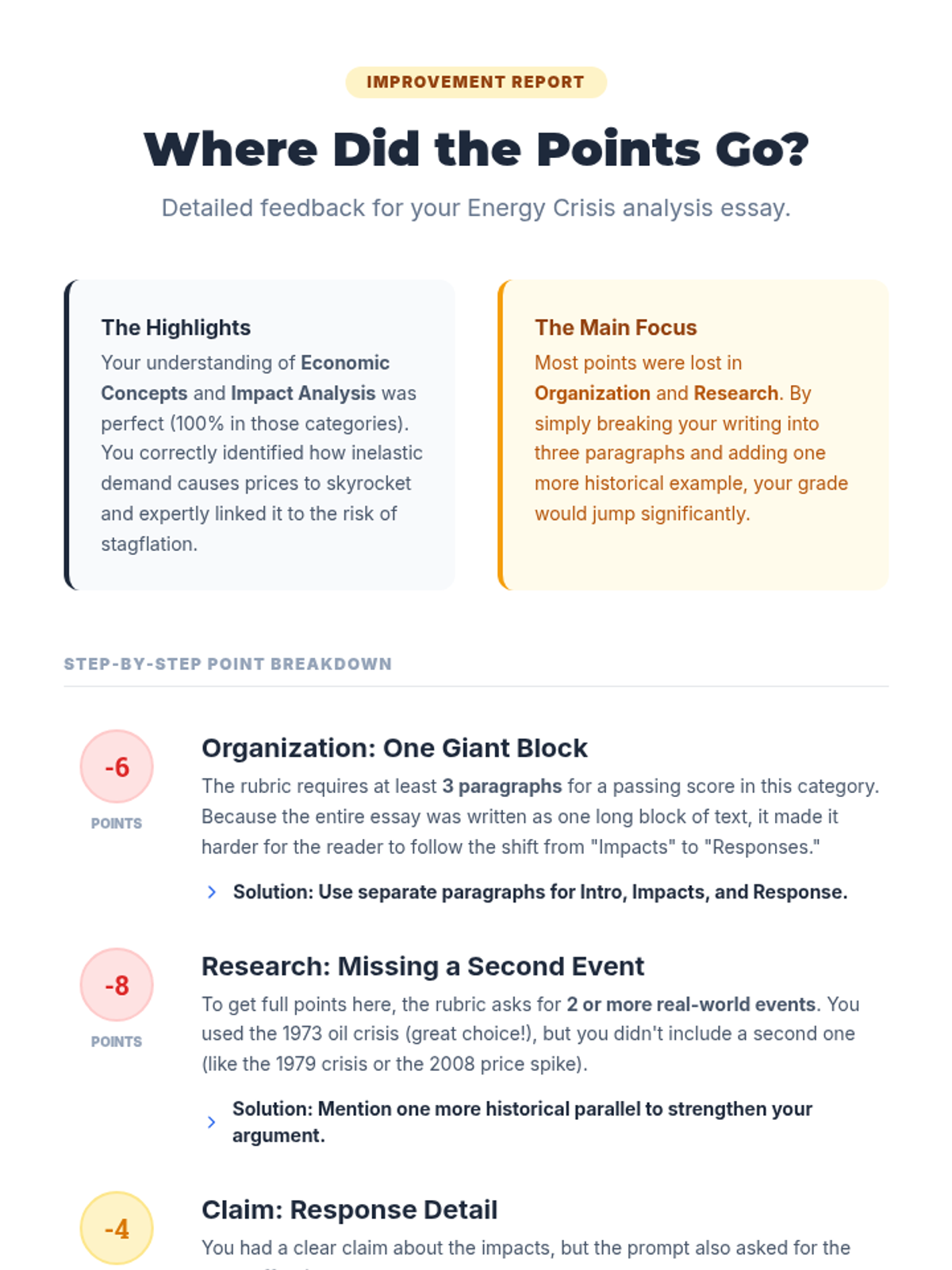
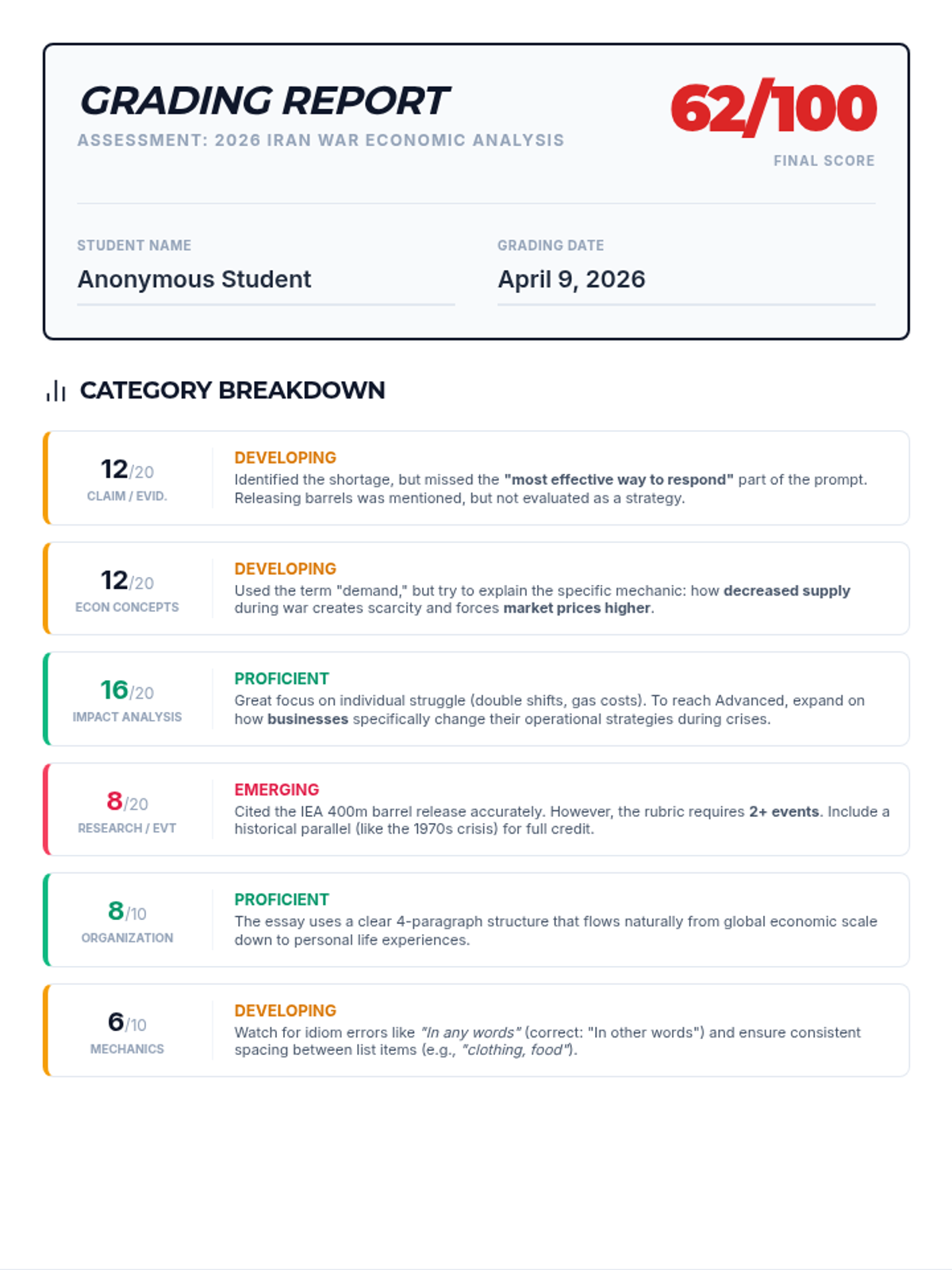
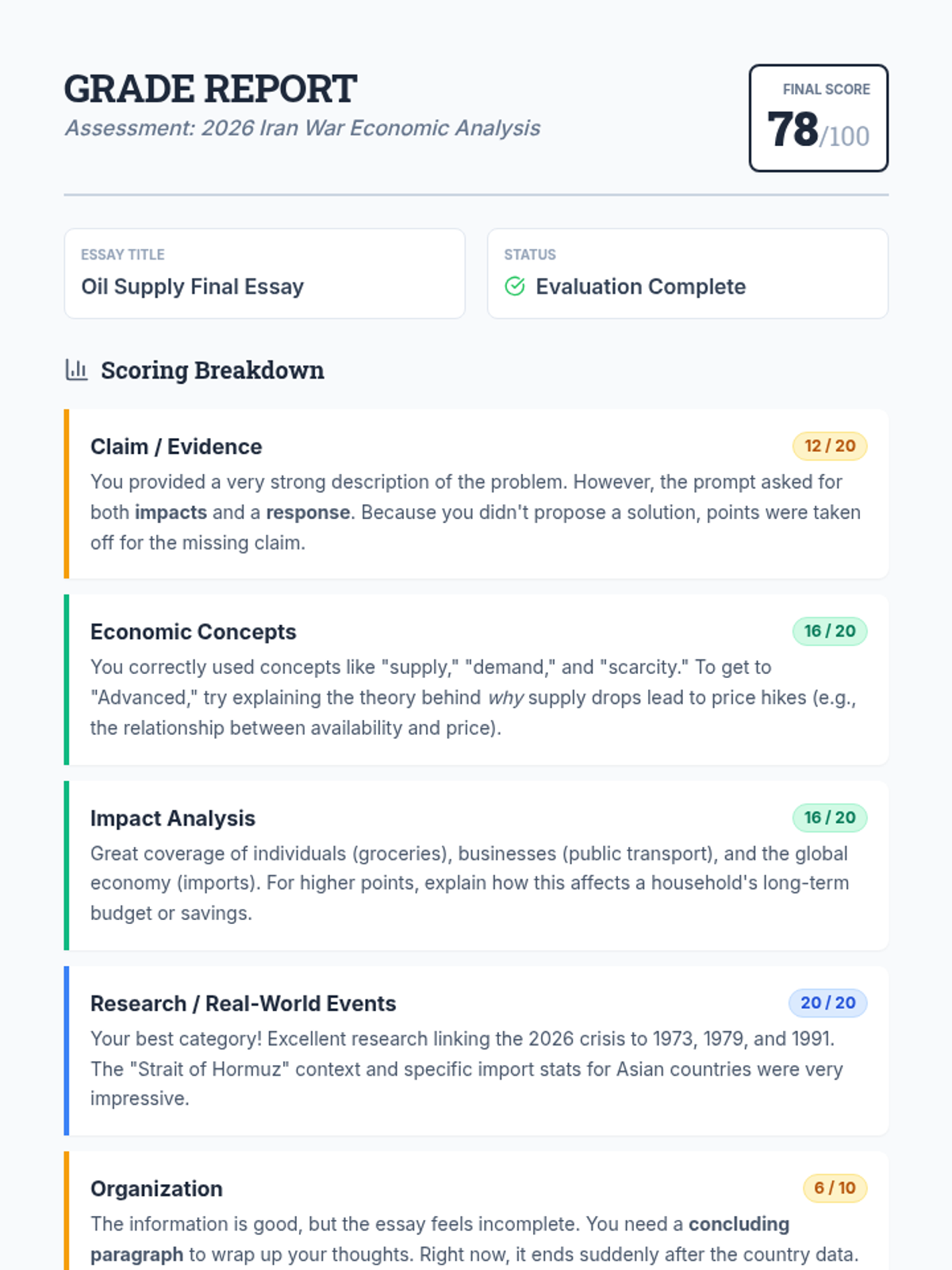
A grading report and feedback sheet based on the Energy Crisis Rubric, providing clear, actionable insights for a student essay on the 2026 Iran War oil shortages.
A lesson focused on evaluating student analysis of the 2026 global energy crisis, with a specific emphasis on applying supply and demand economic principles to real-world shortages.
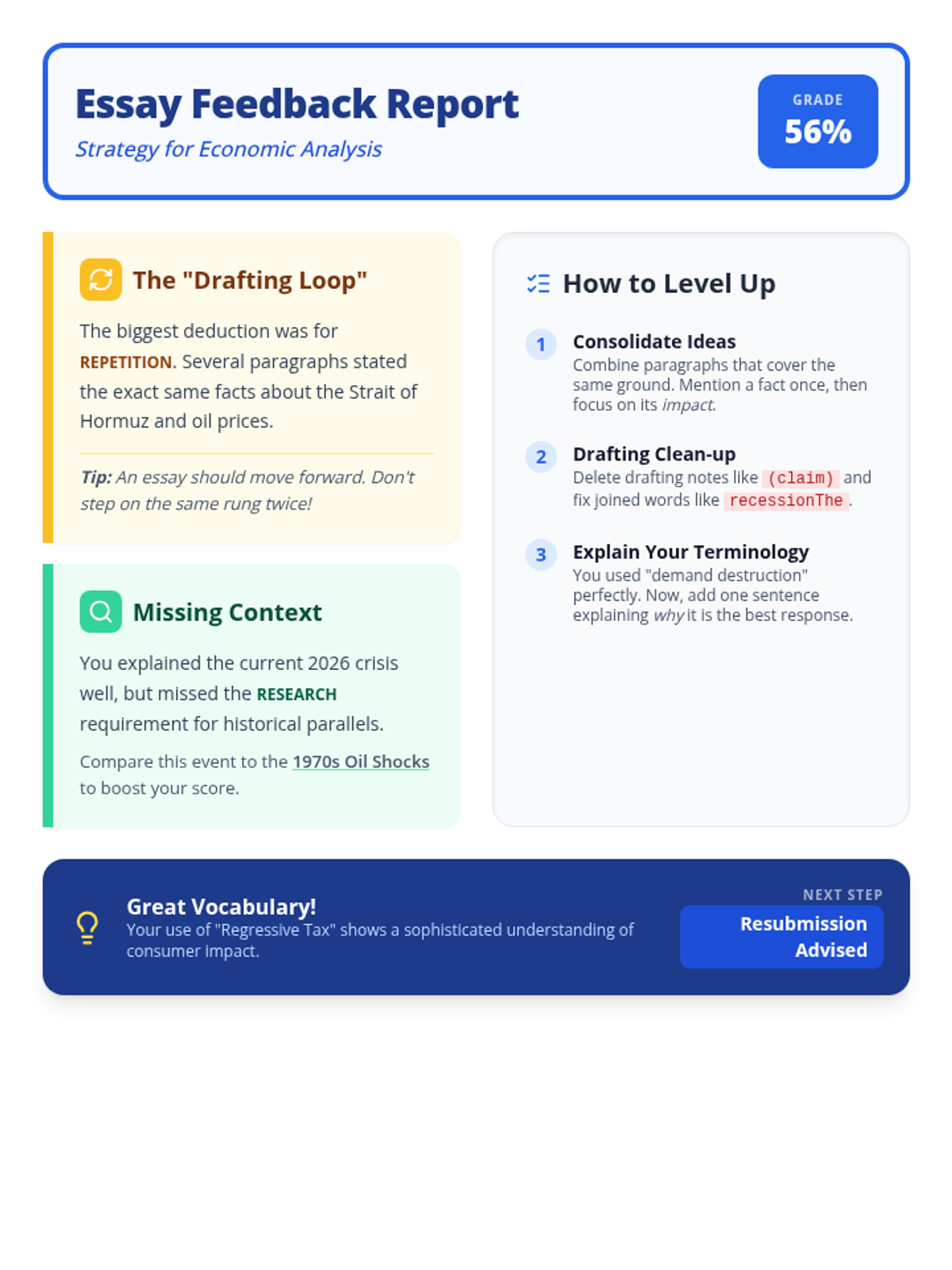
A graded feedback report for a student essay on the 2026 energy crisis, providing detailed point deductions and constructive criticism based on the provided rubric.
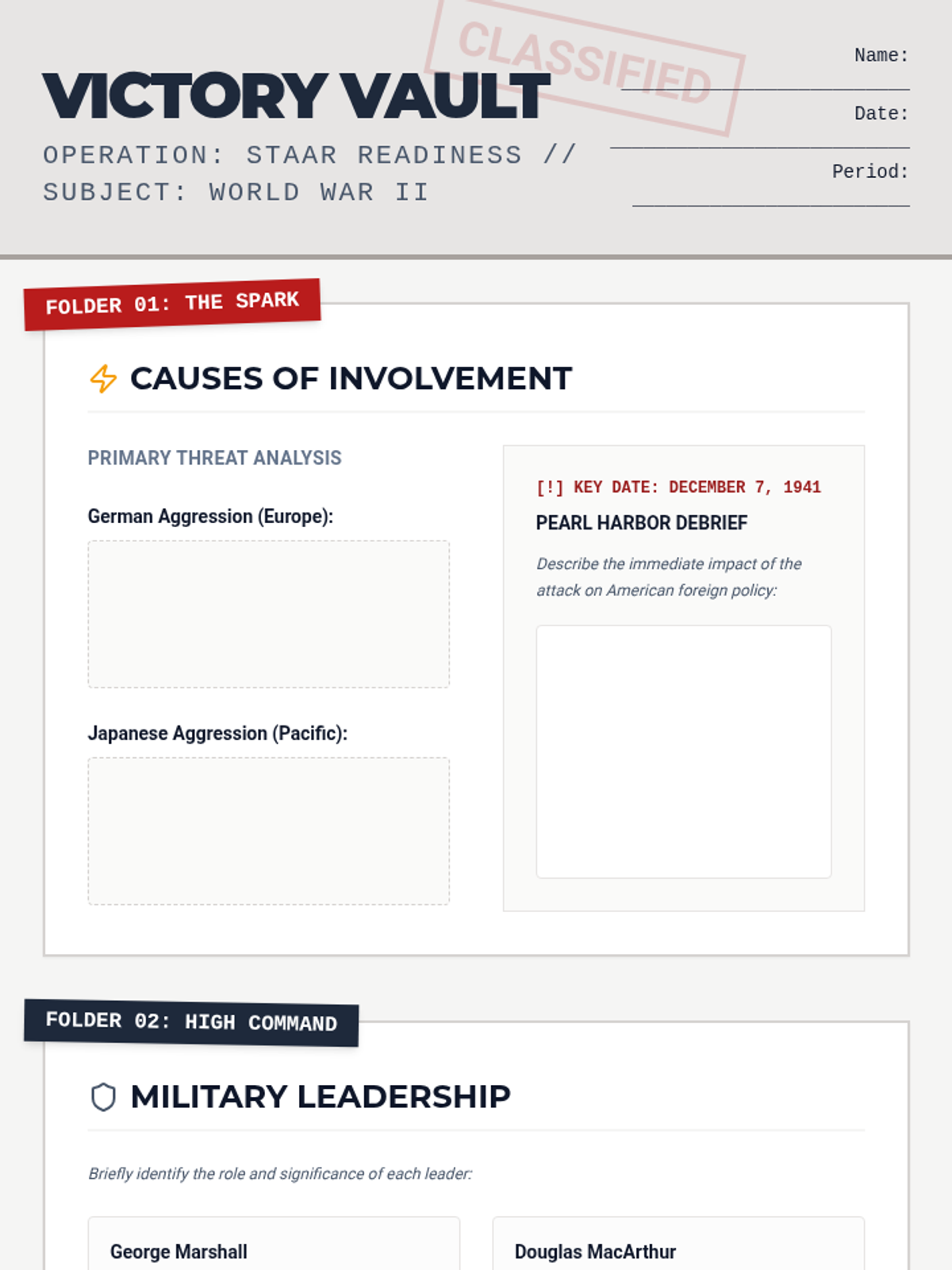
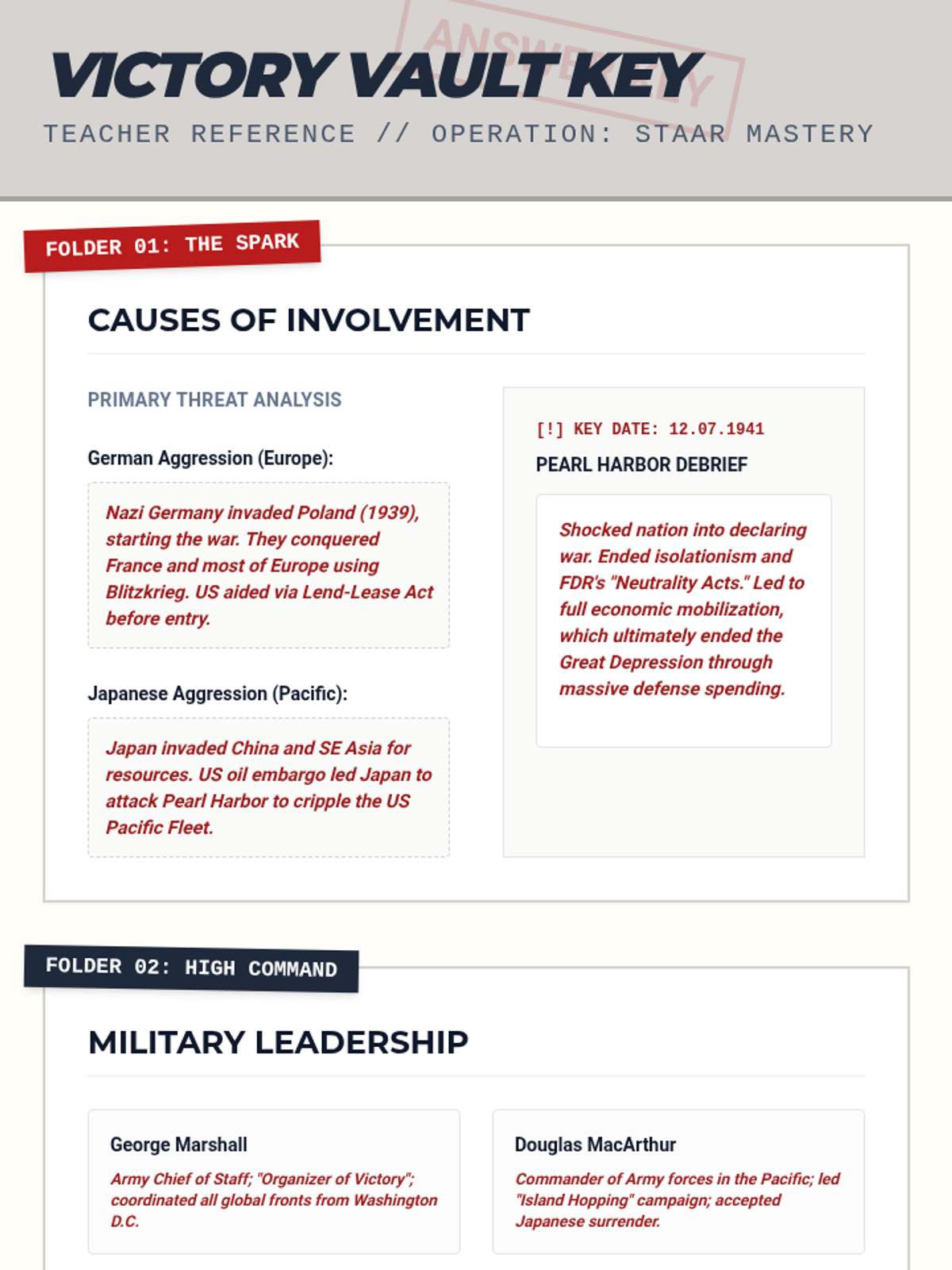
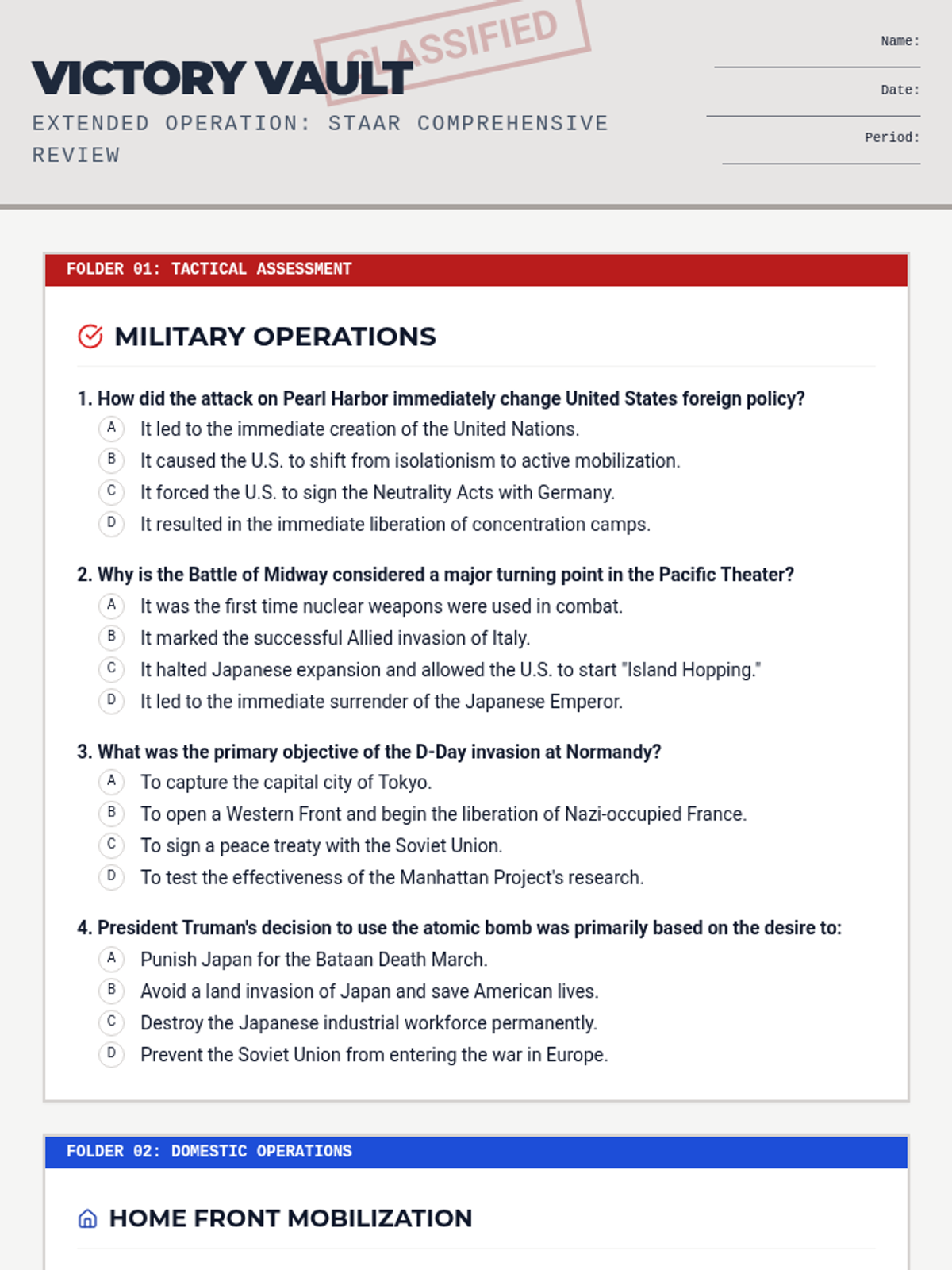
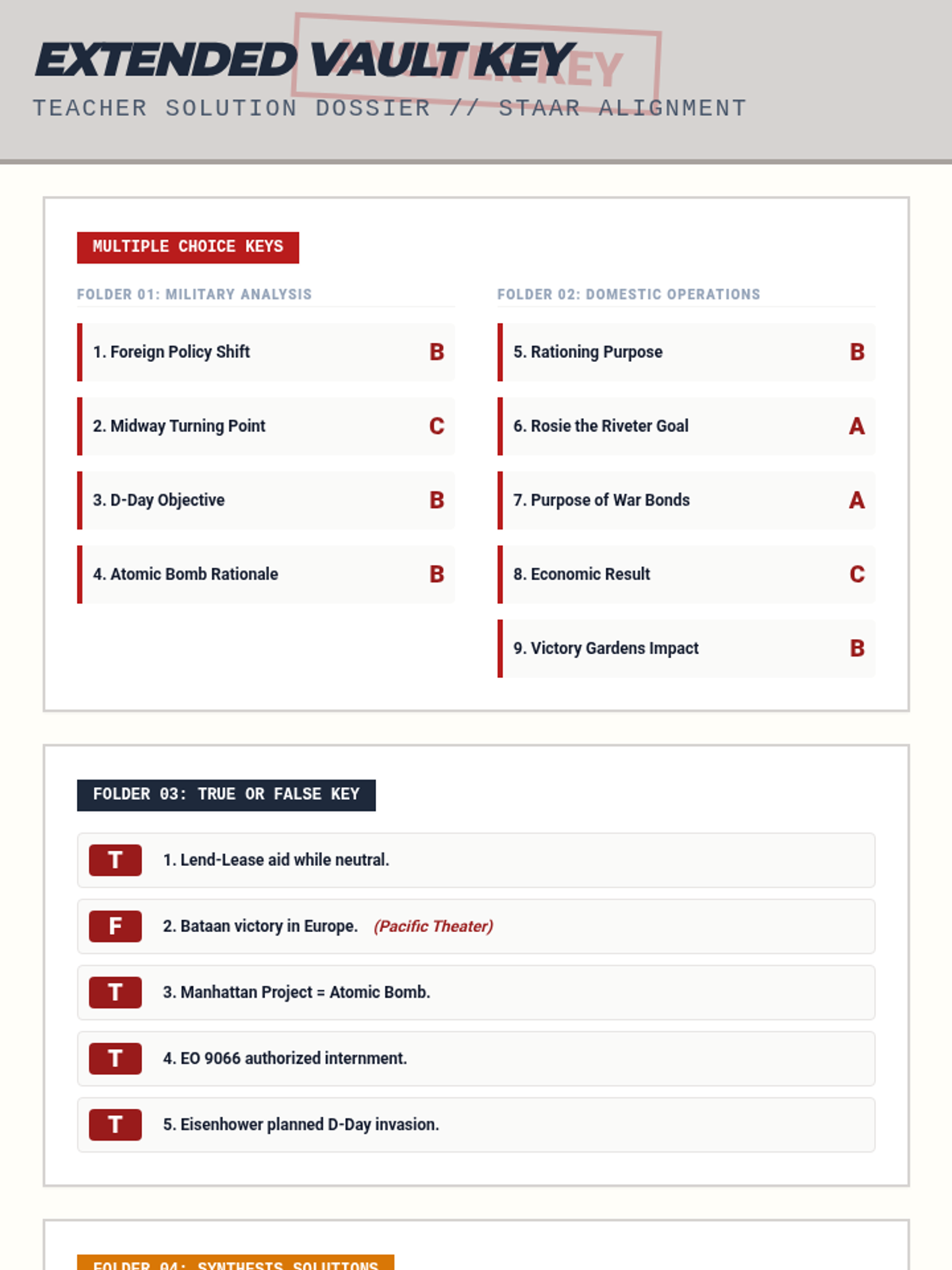
A comprehensive STAAR-aligned review of World War II, structured as a "Top Secret" military dossier. Students will analyze key leaders, turning point battles, and home front mobilization through primary sources and graphic organizers.
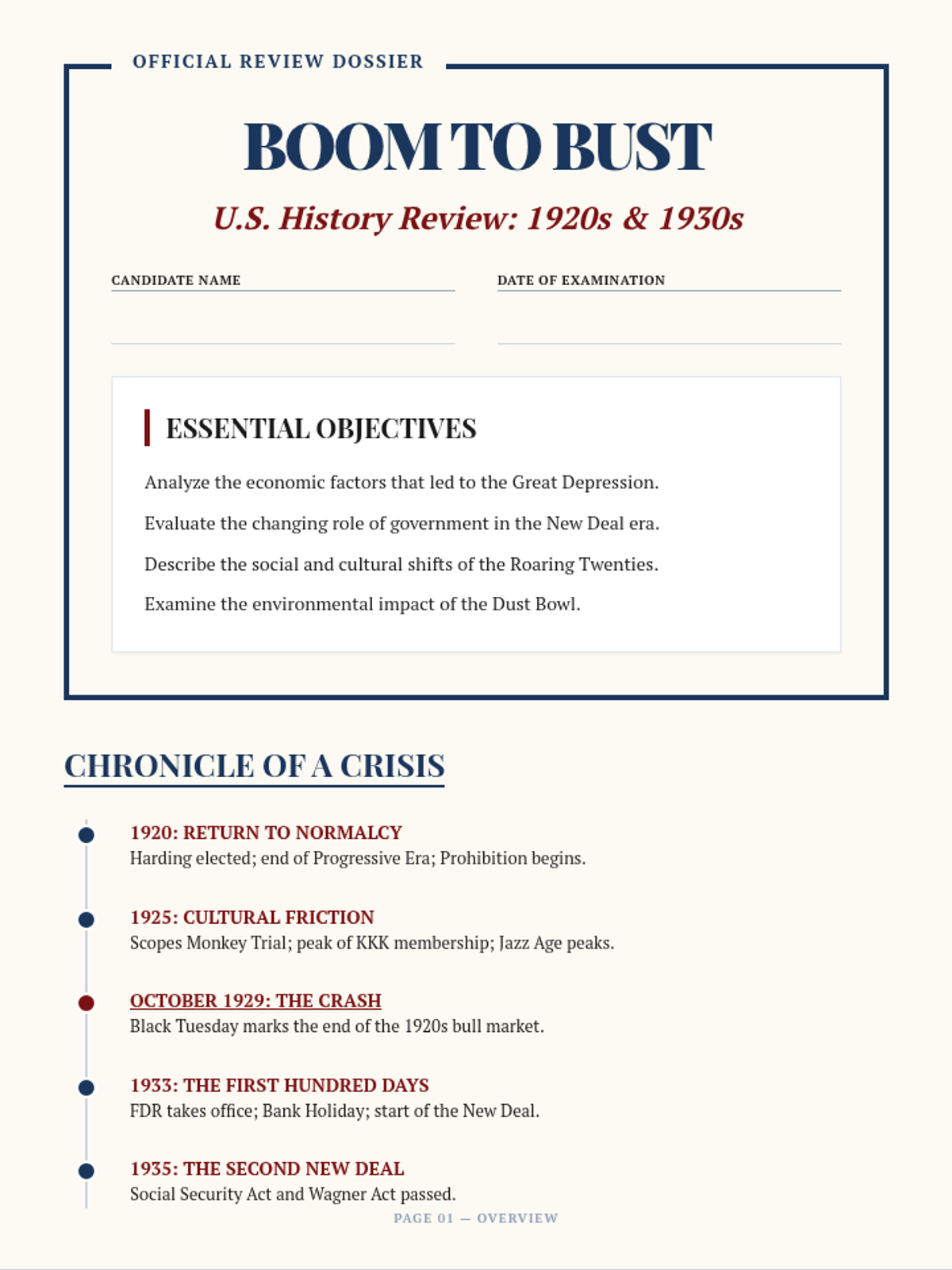
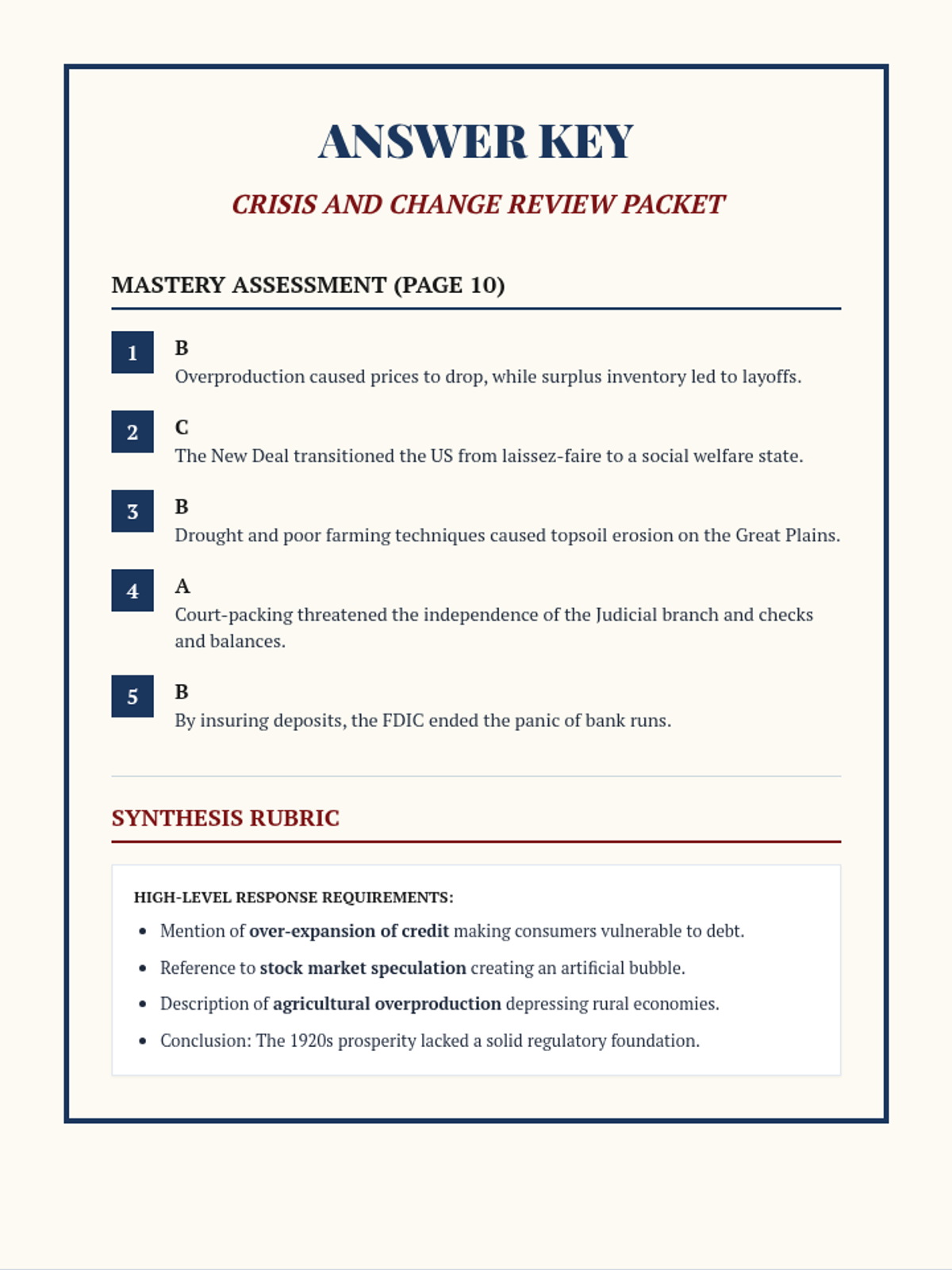
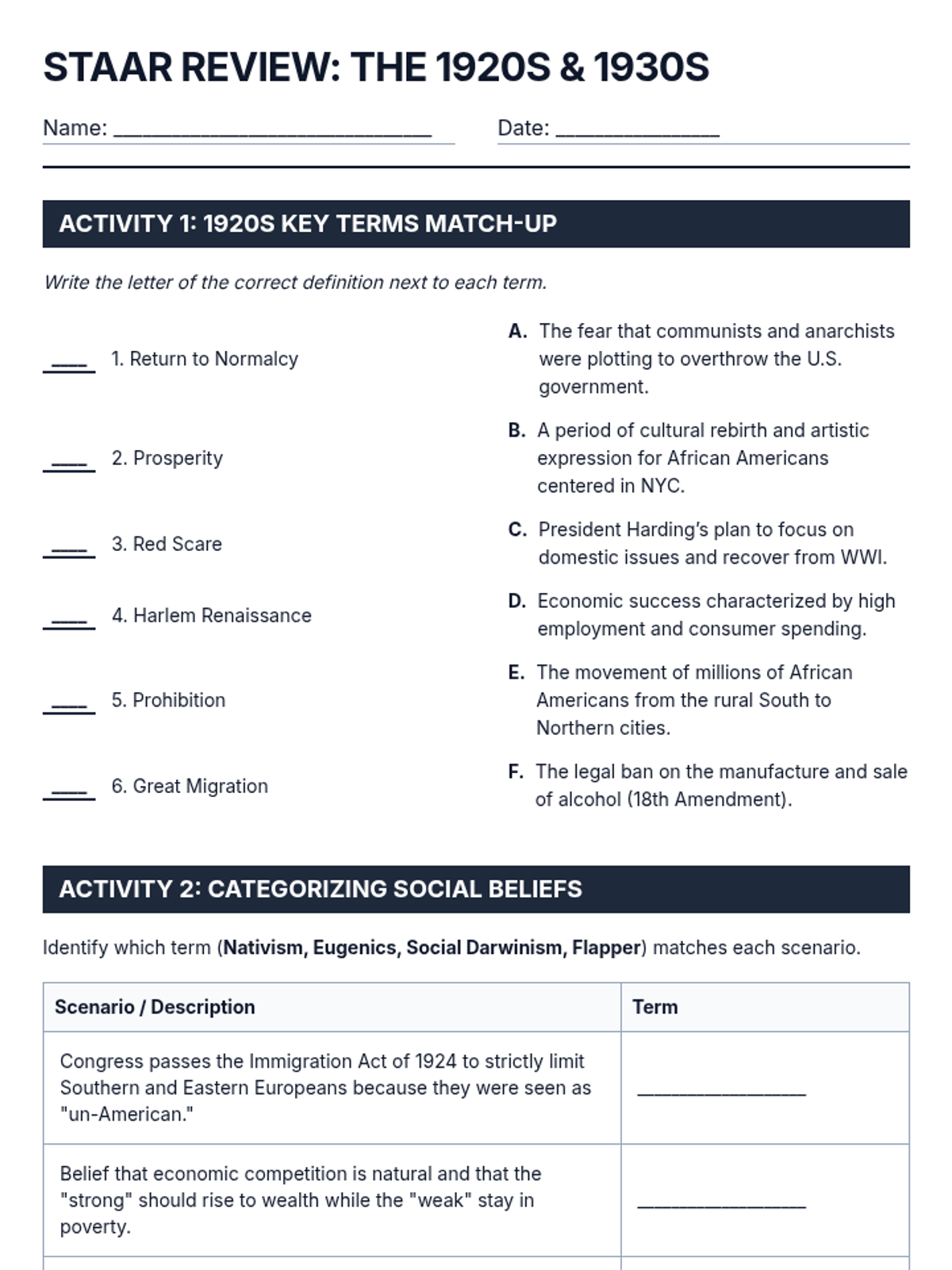
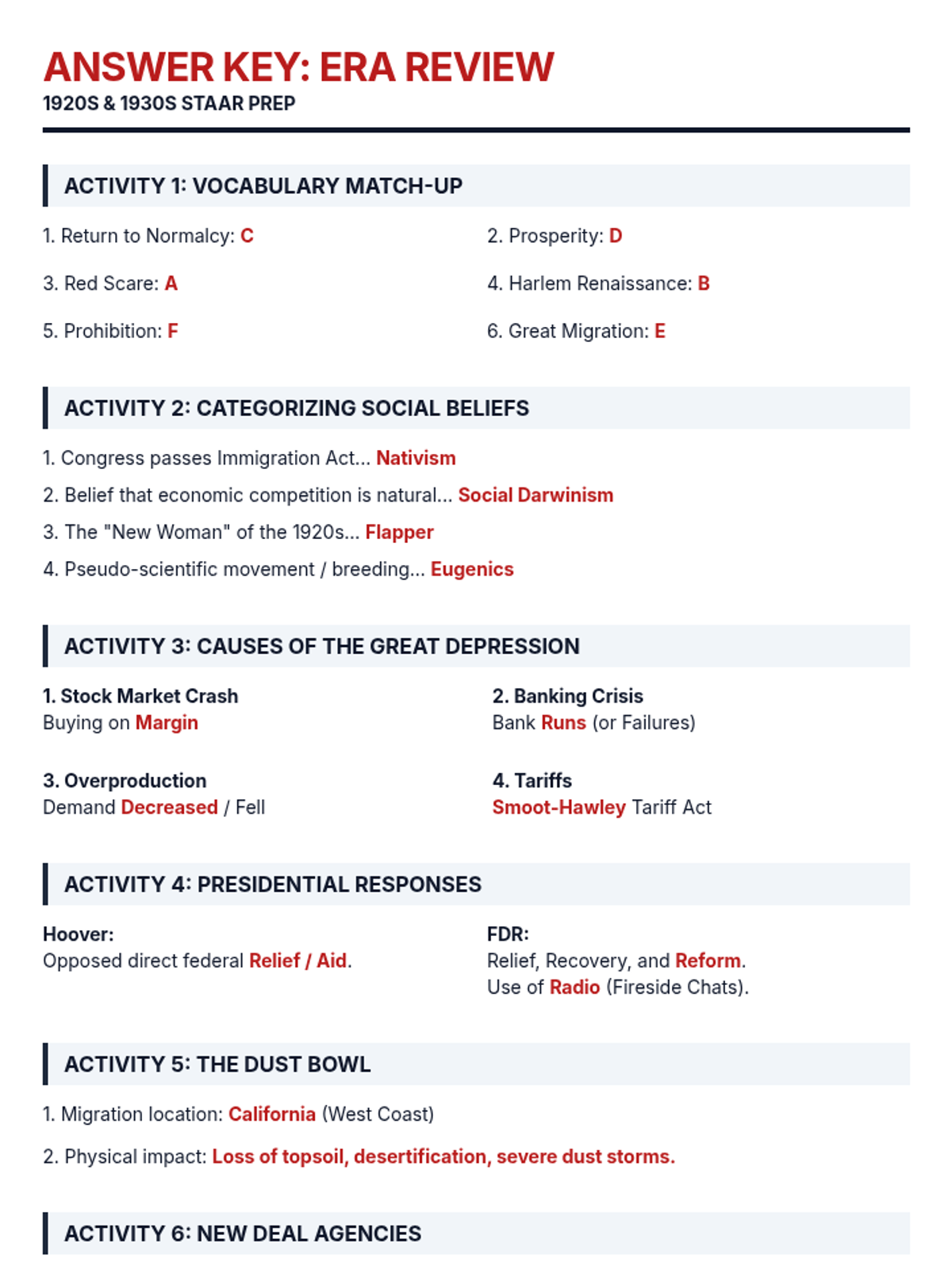
An advanced, 10-page study guide covering the economic and social transformations of the 1920s and 1930s, with a deep dive into the structural causes of the Great Depression and the federal response through the New Deal.
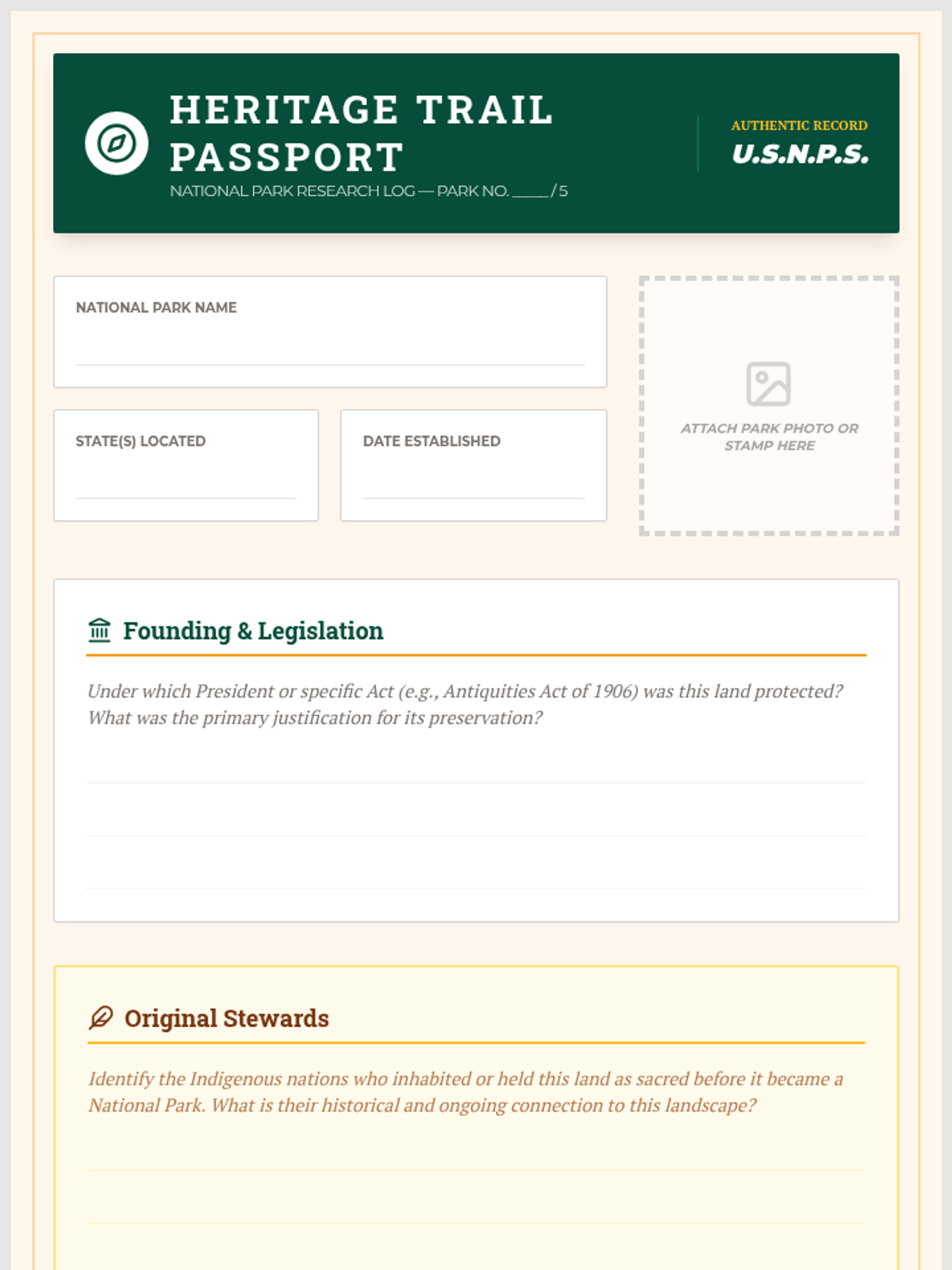
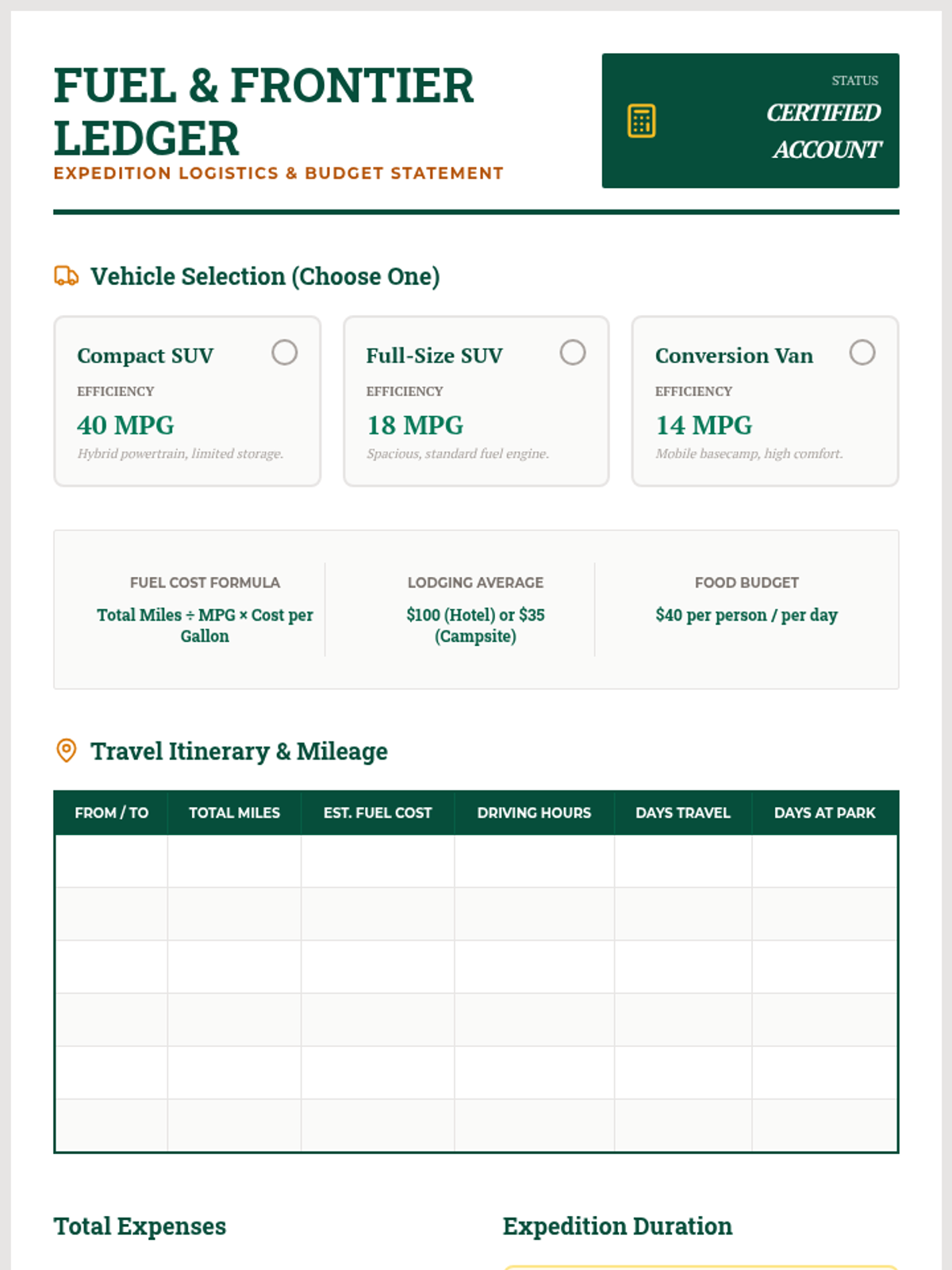
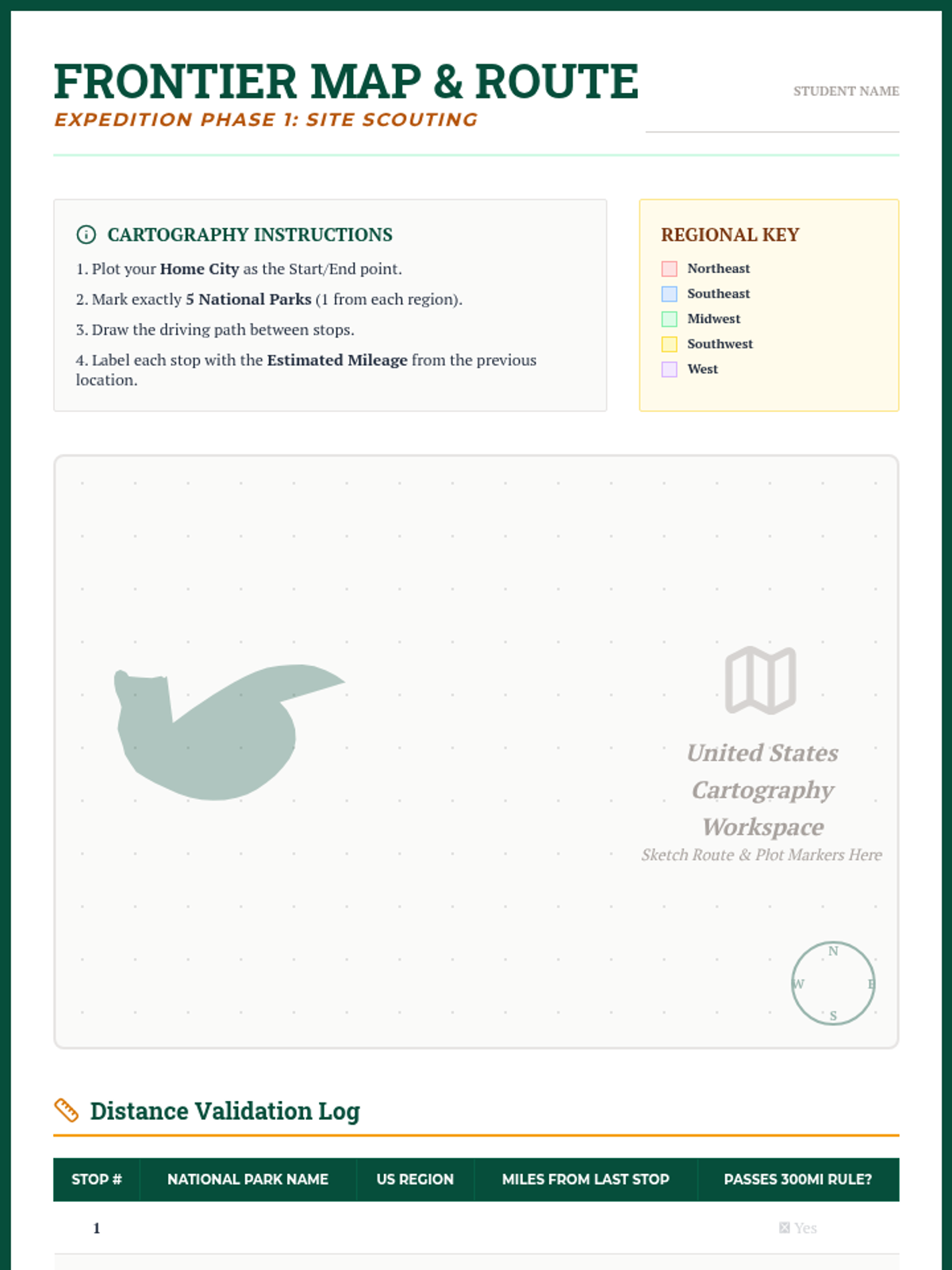
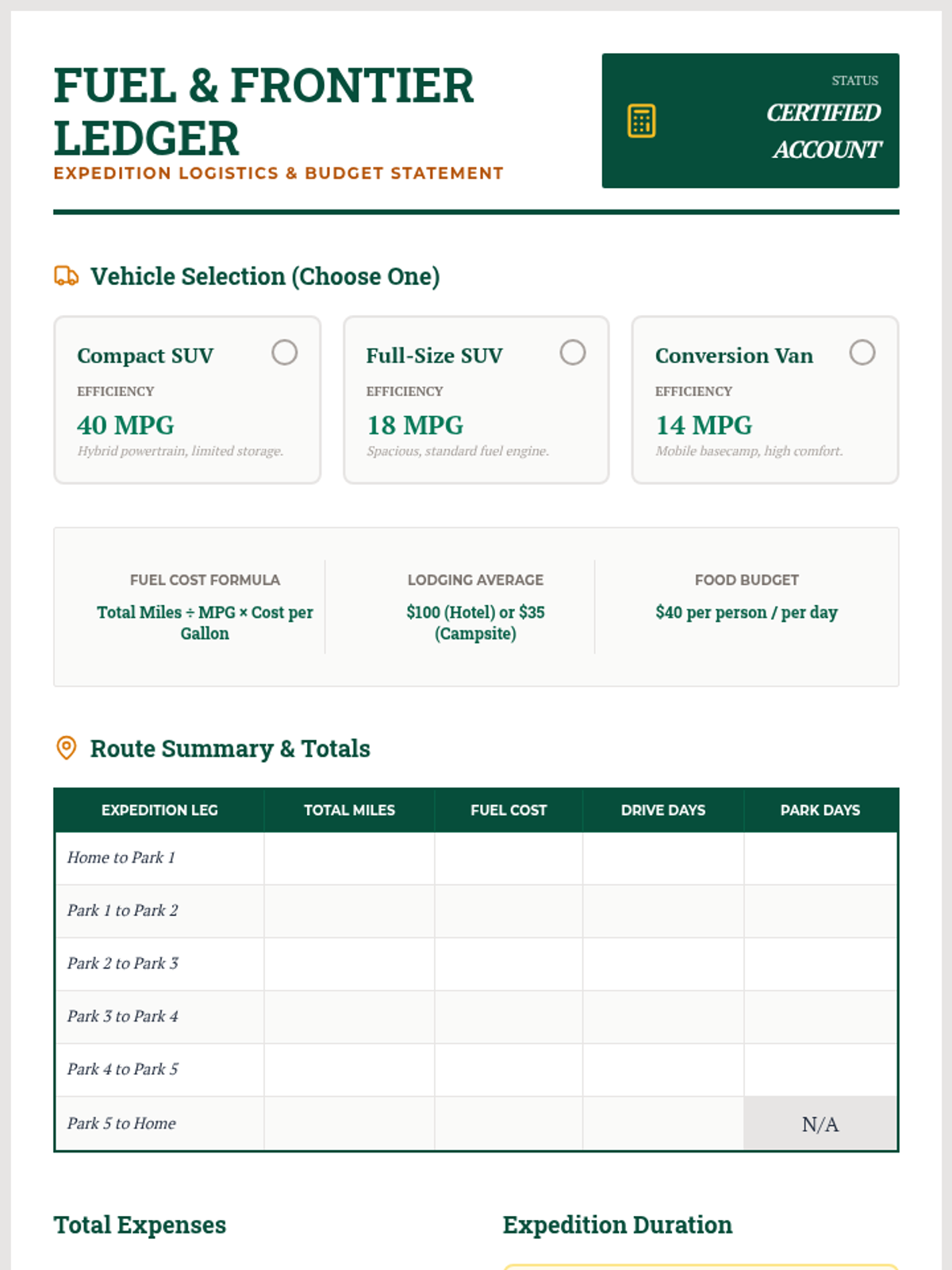
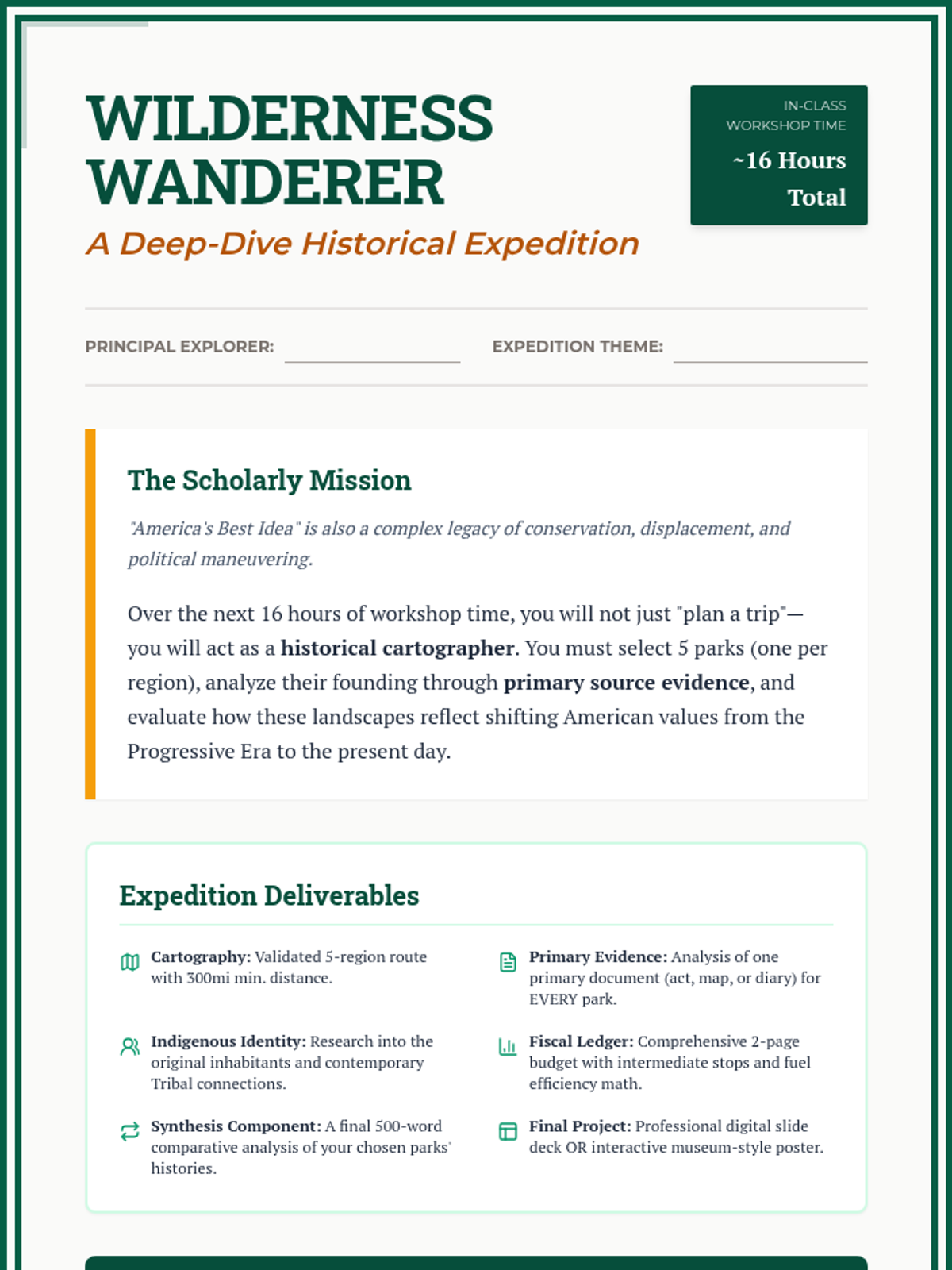
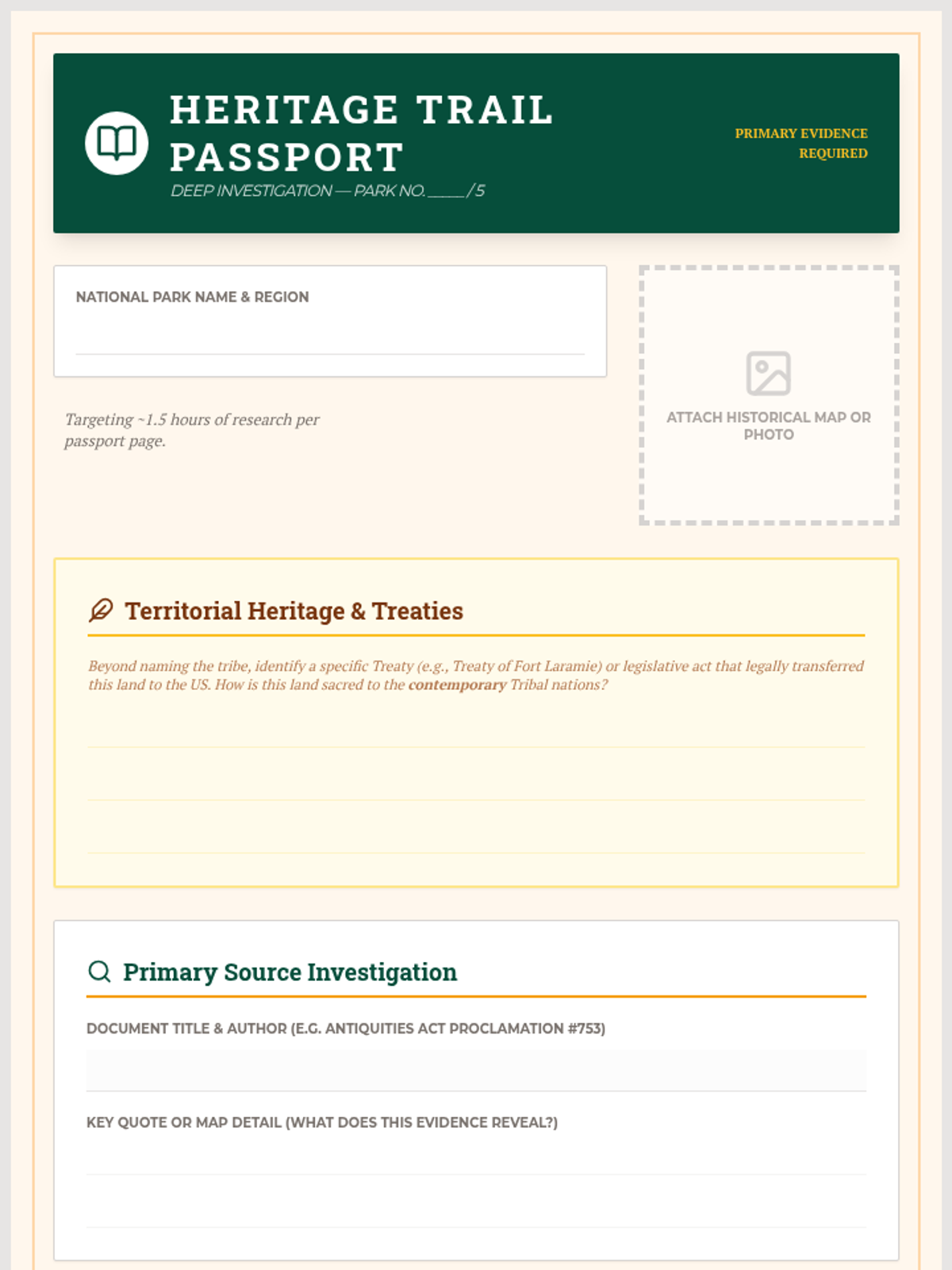
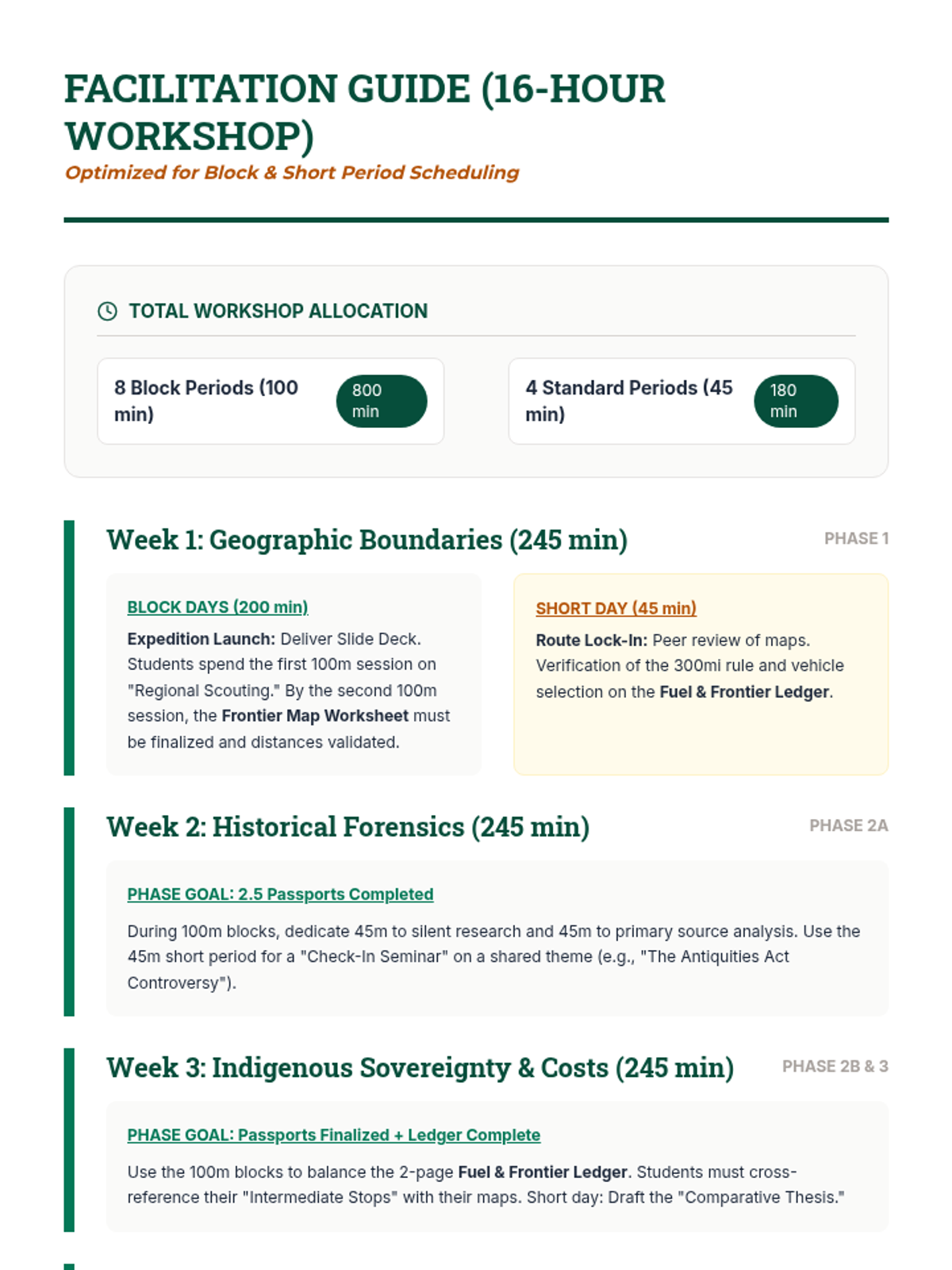
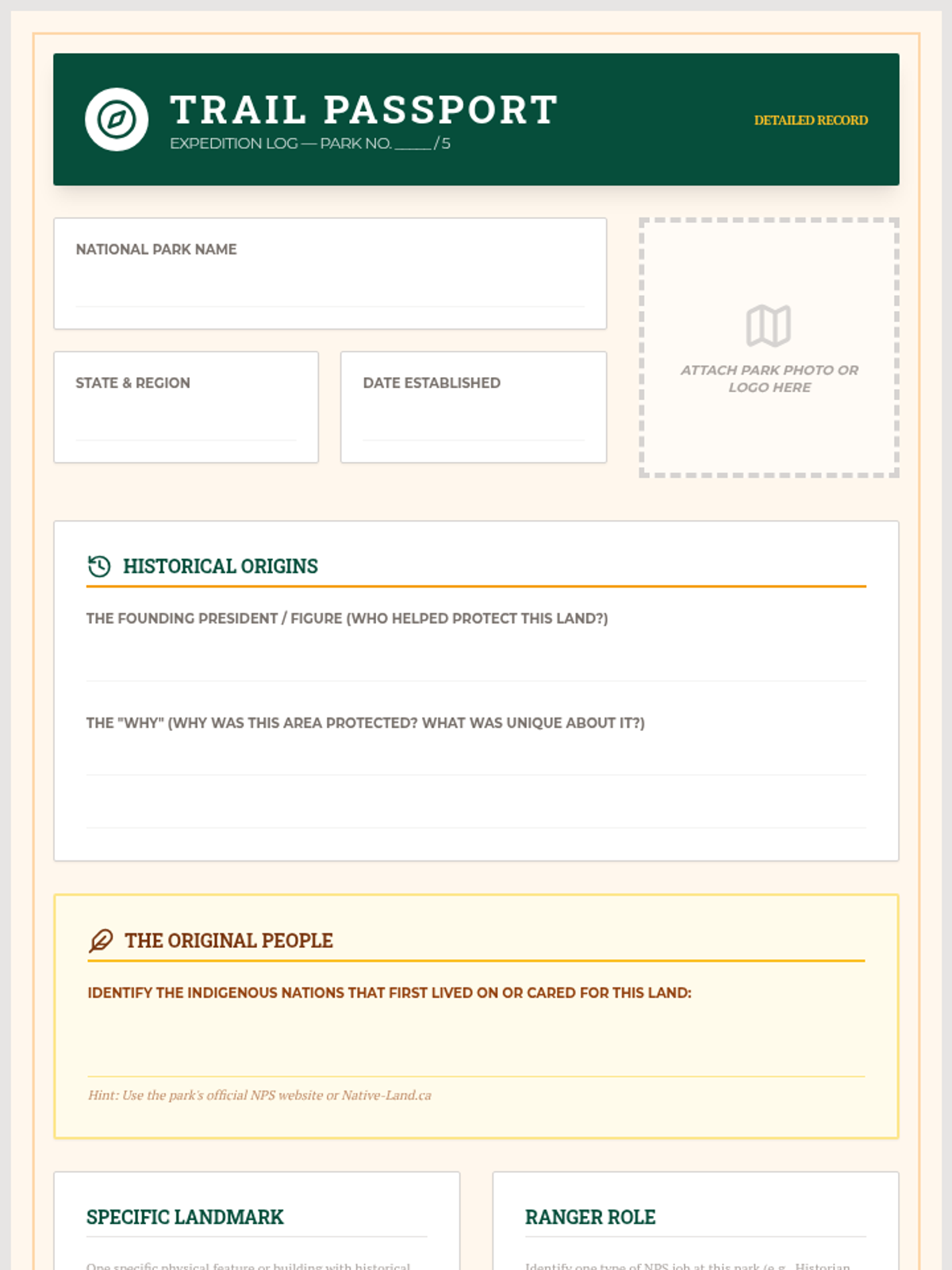
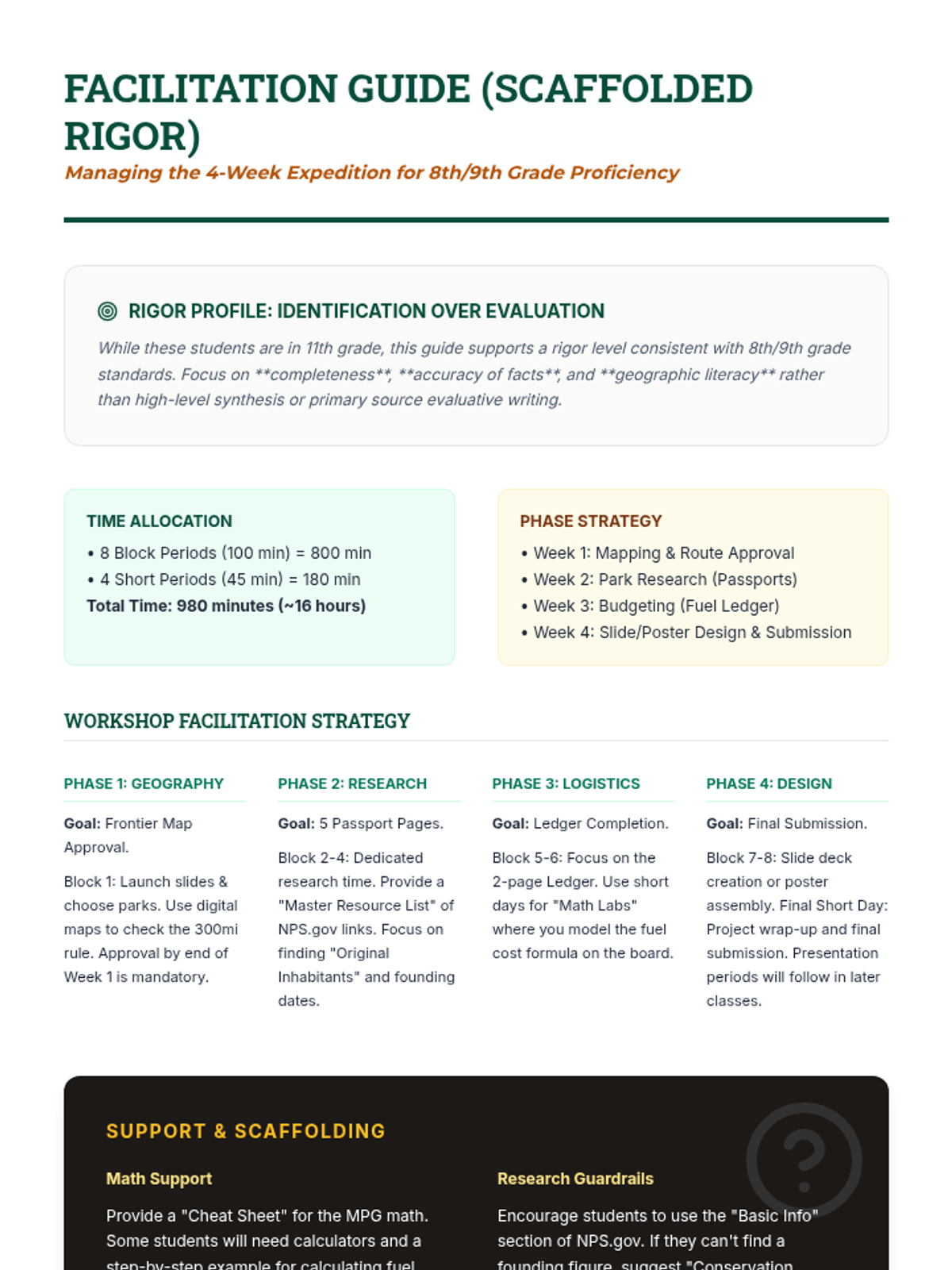
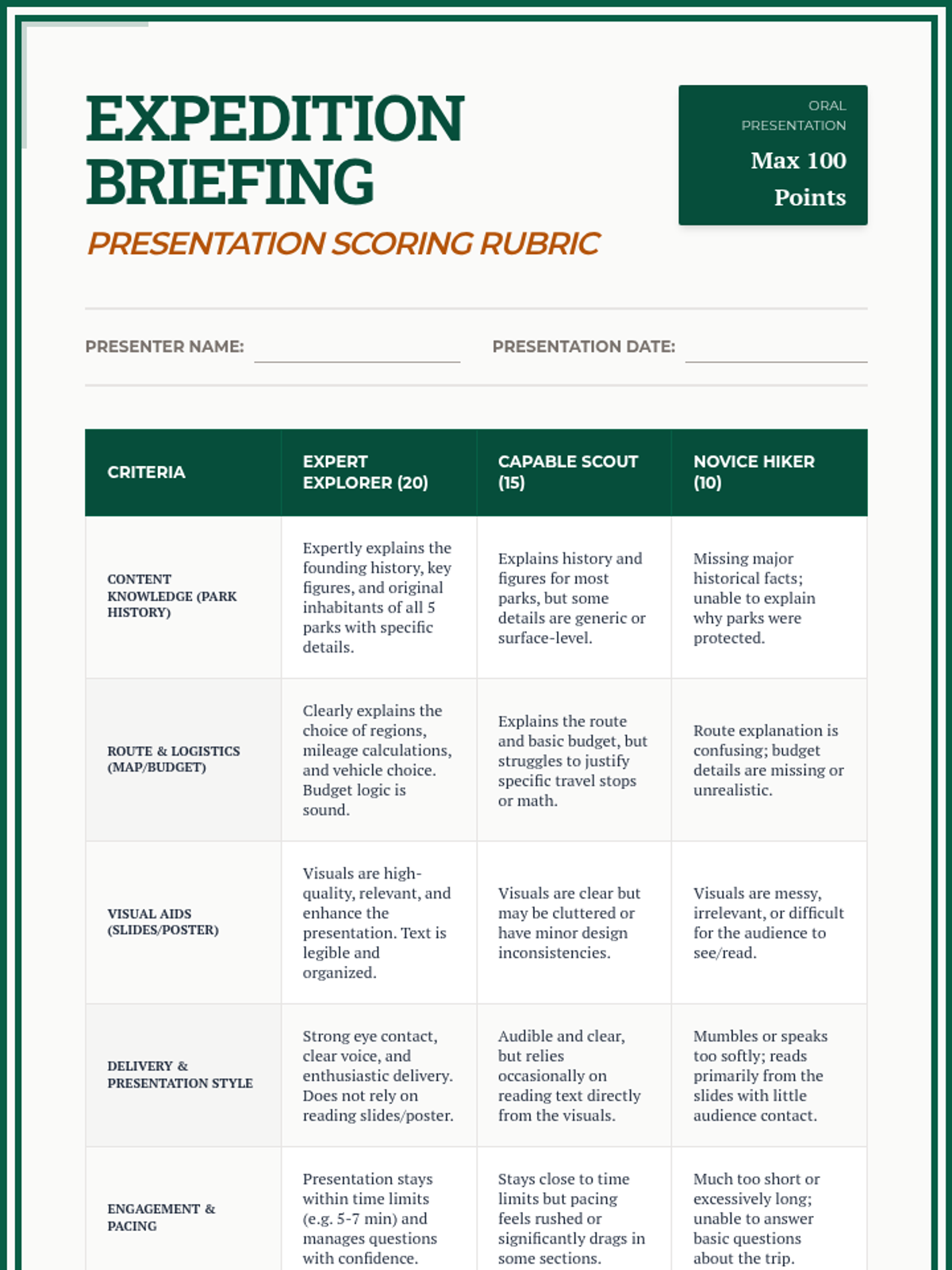
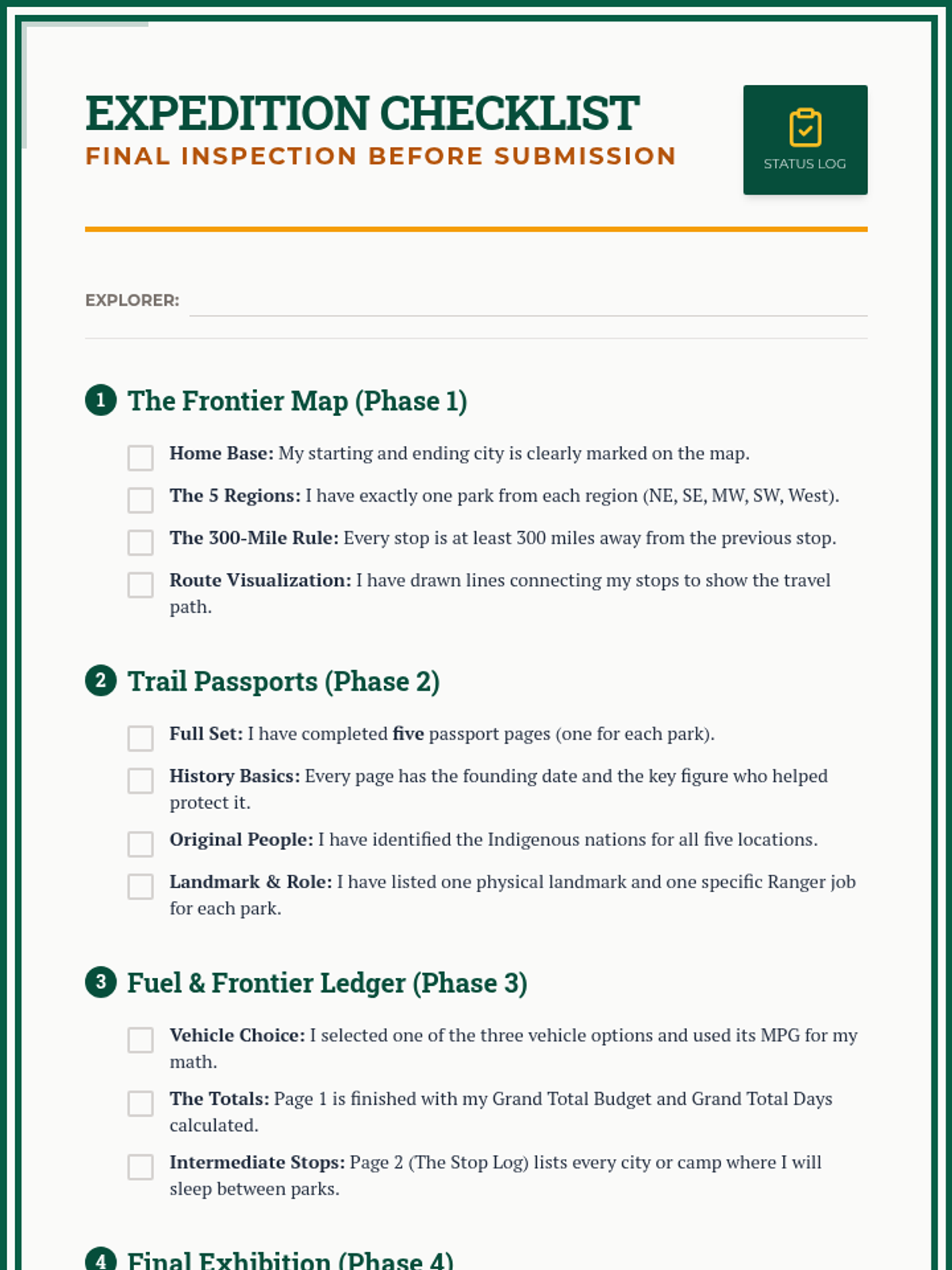
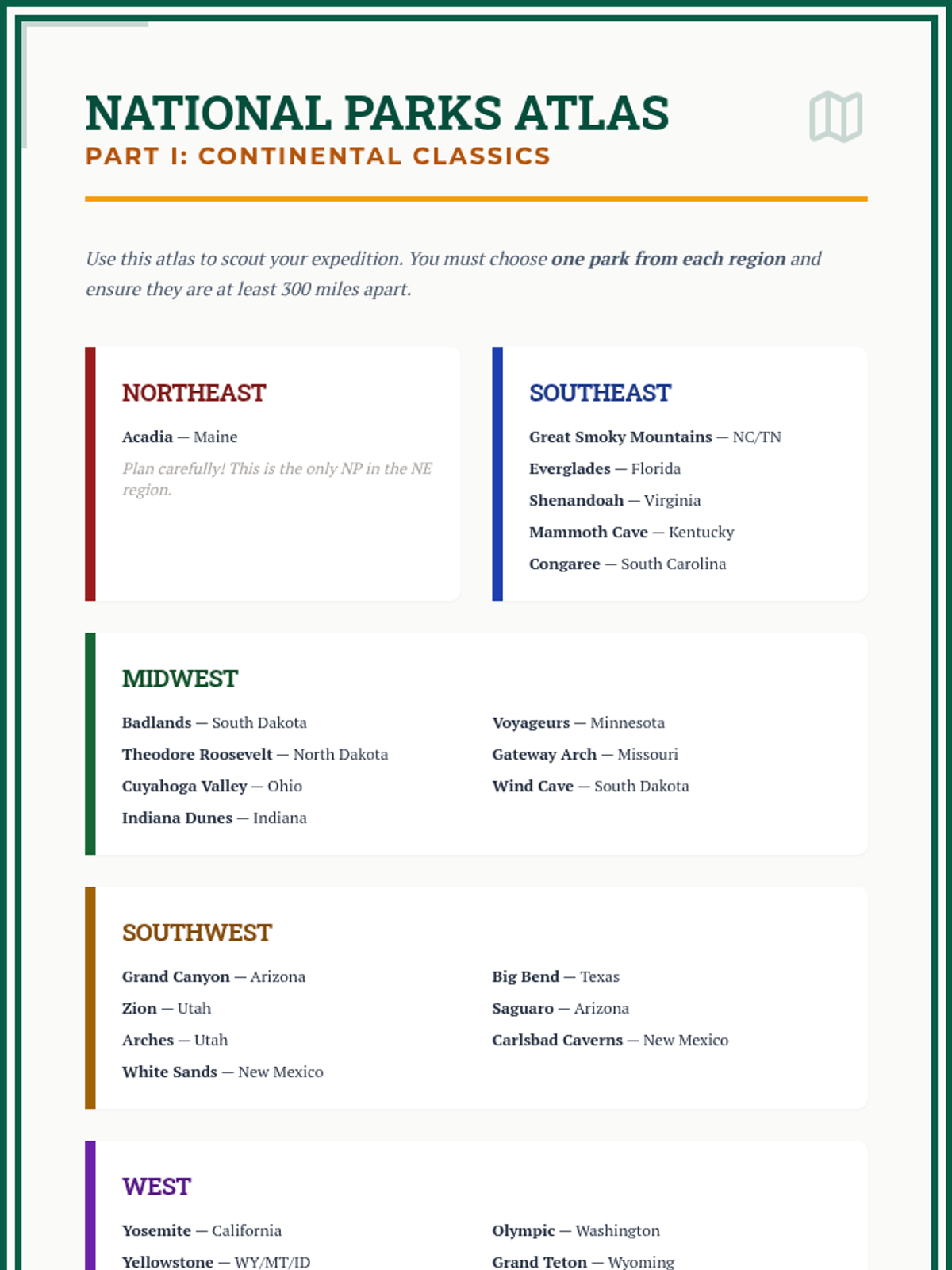
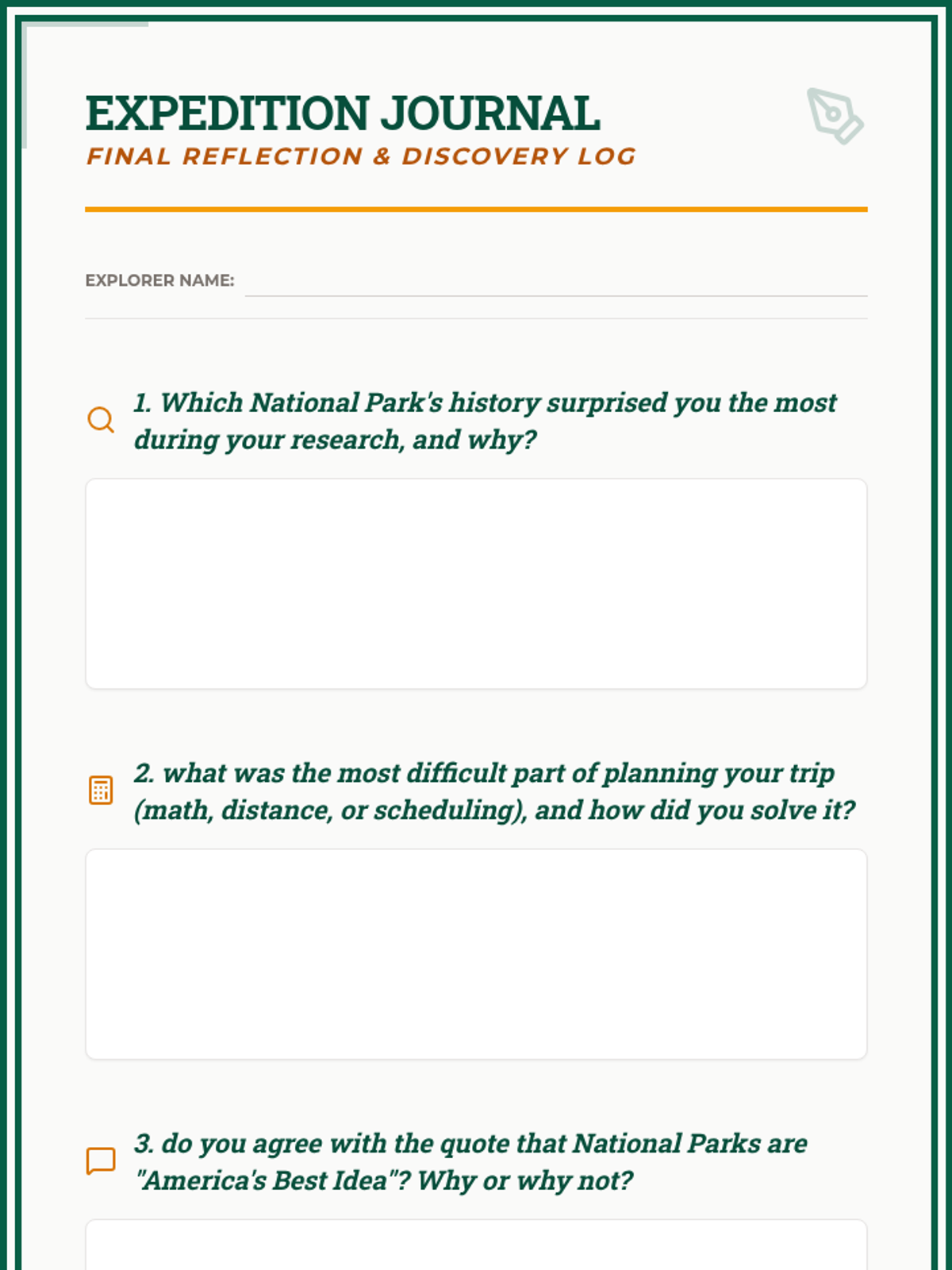
A 4-week project-based learning unit where students plan a cross-country journey to explore the history and landscape of America's National Parks. Students balance logistical planning with deep historical research into the creation and cultural significance of each site.
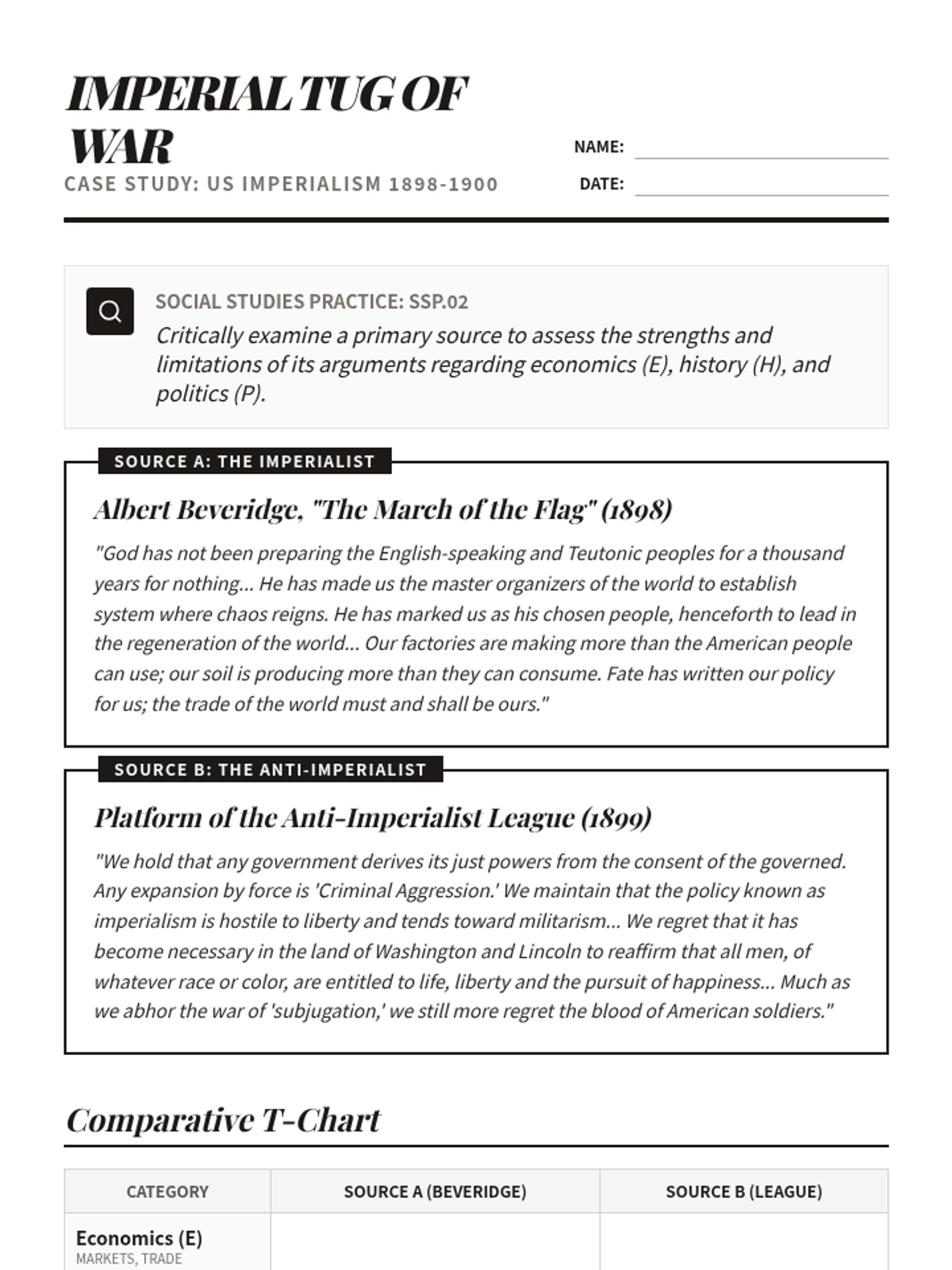
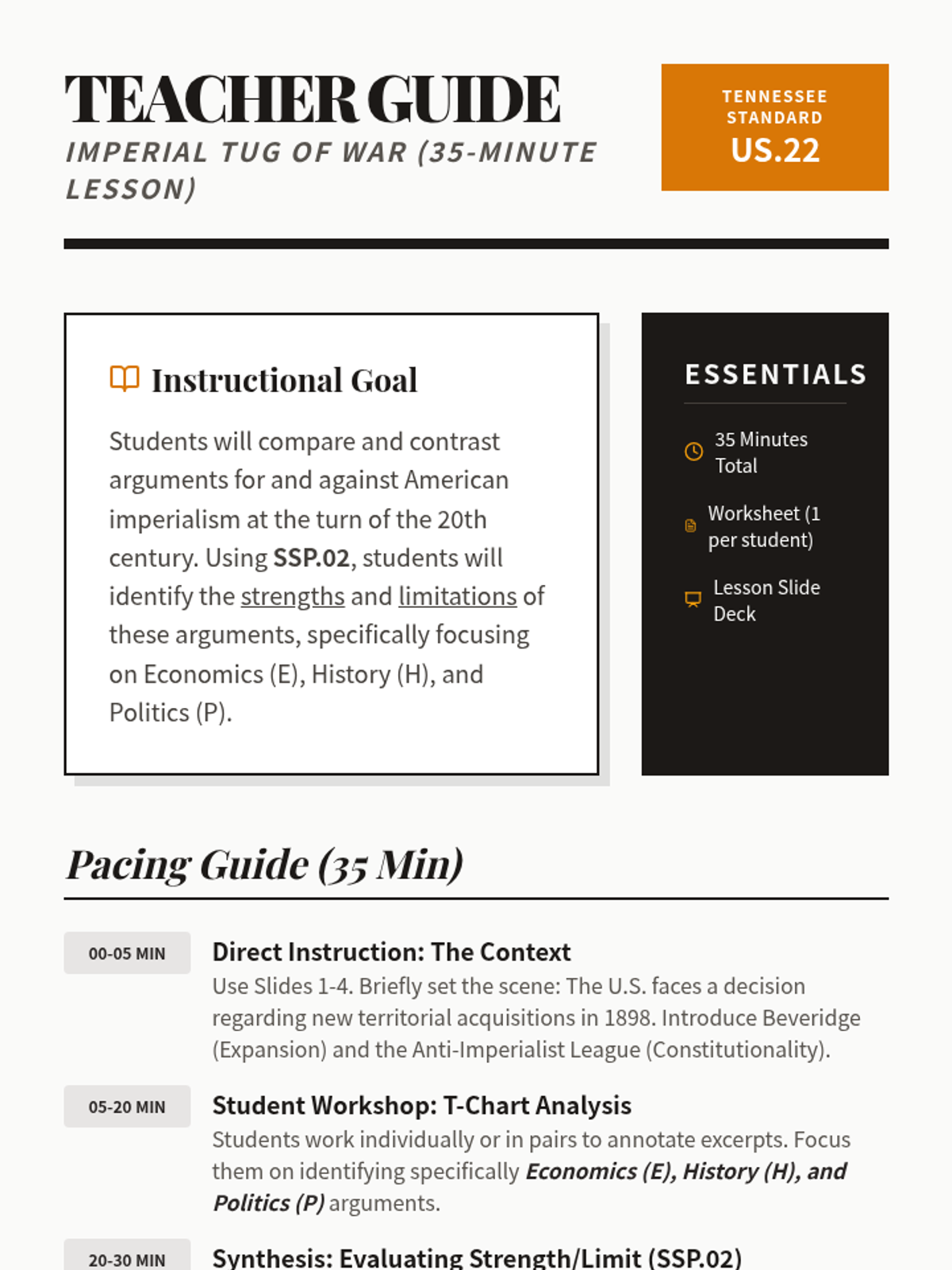
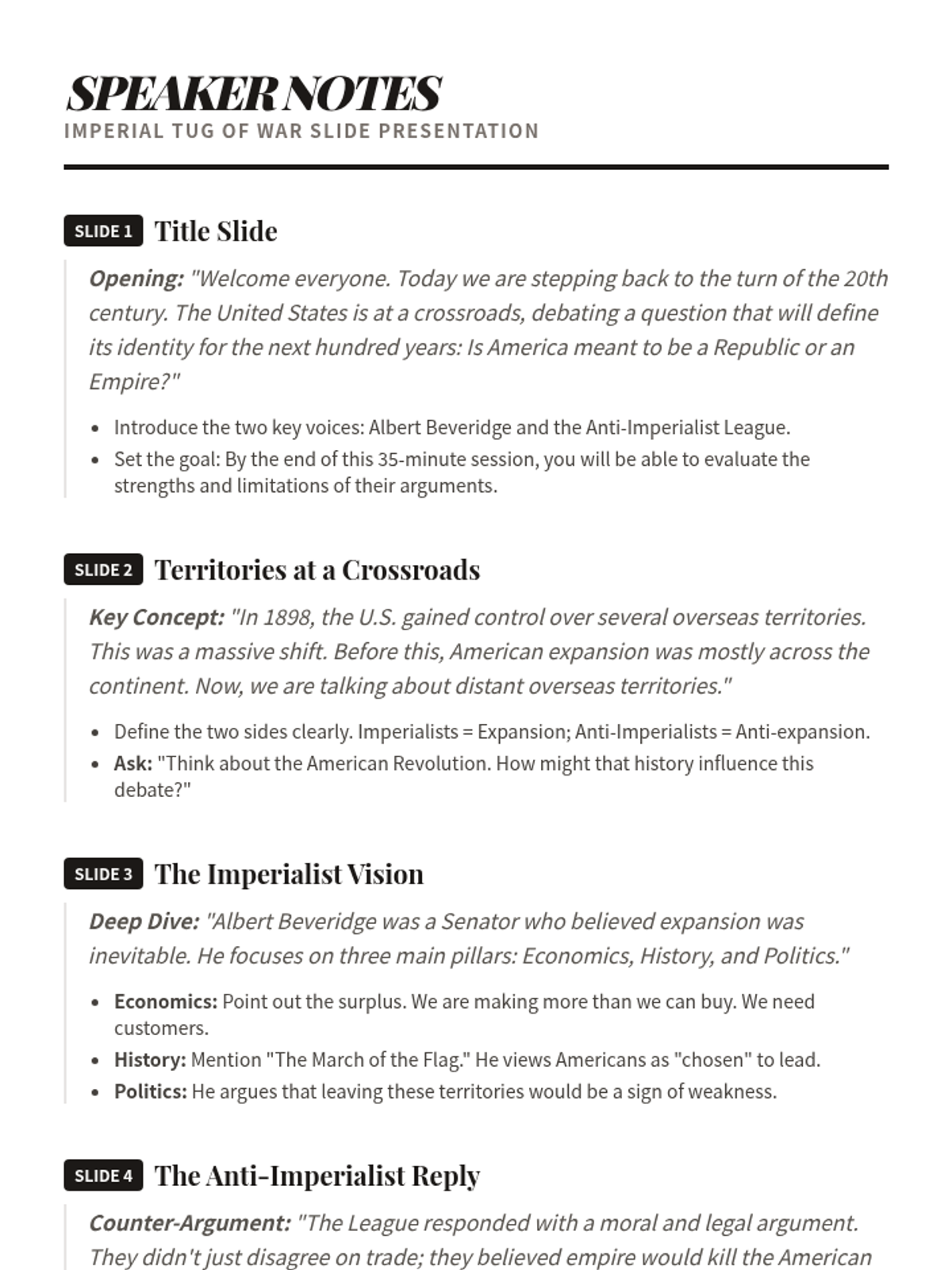
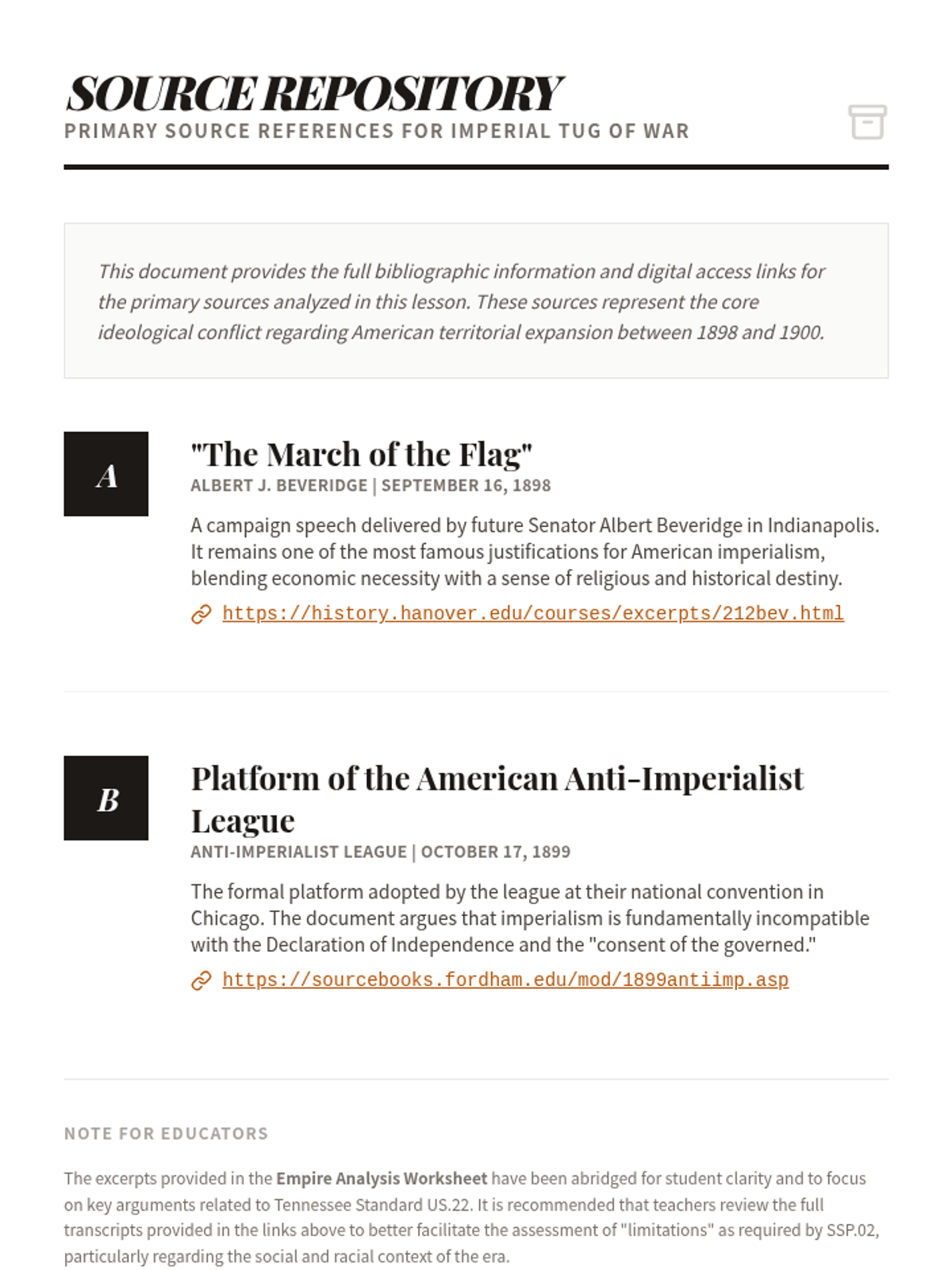
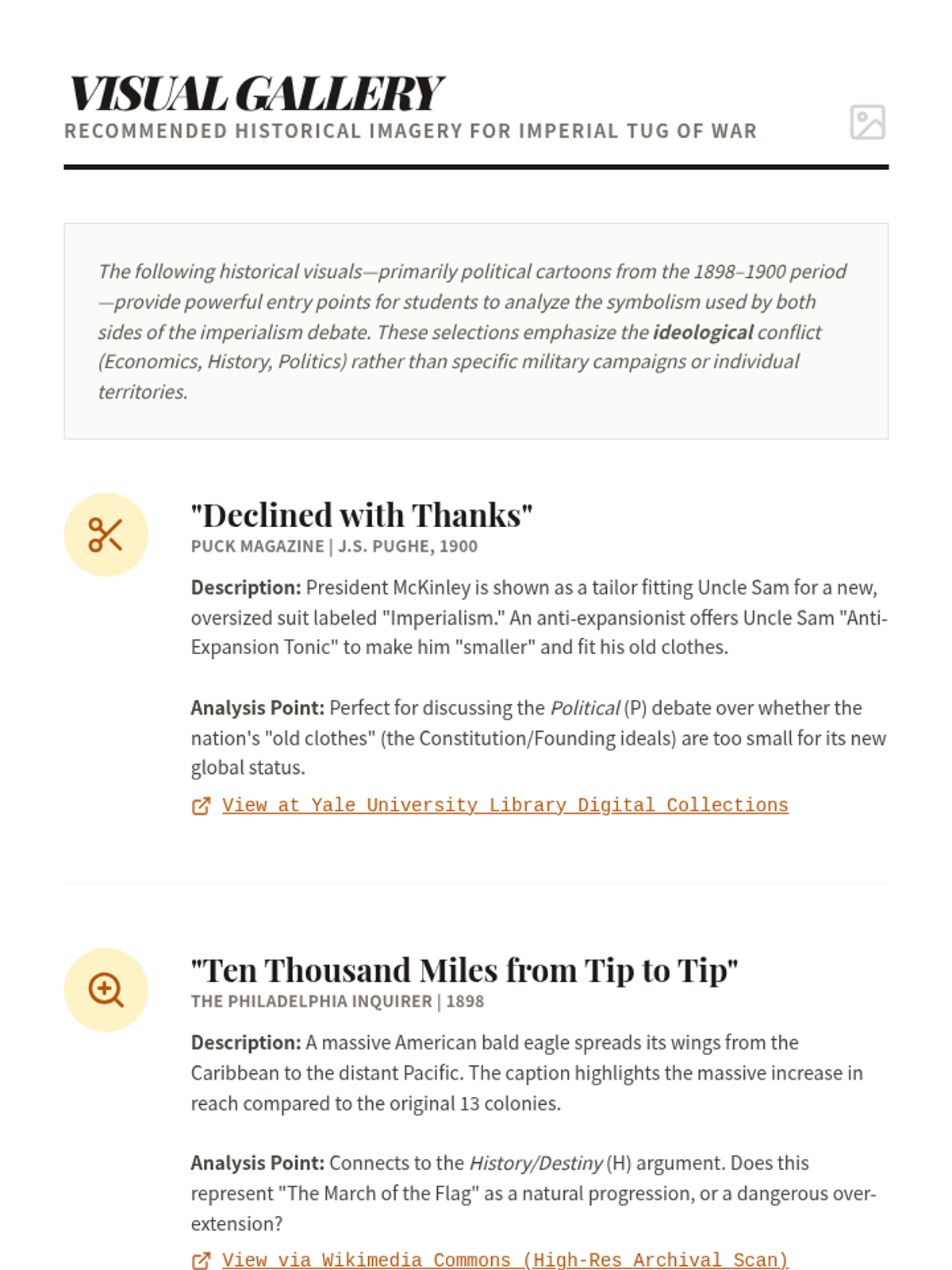
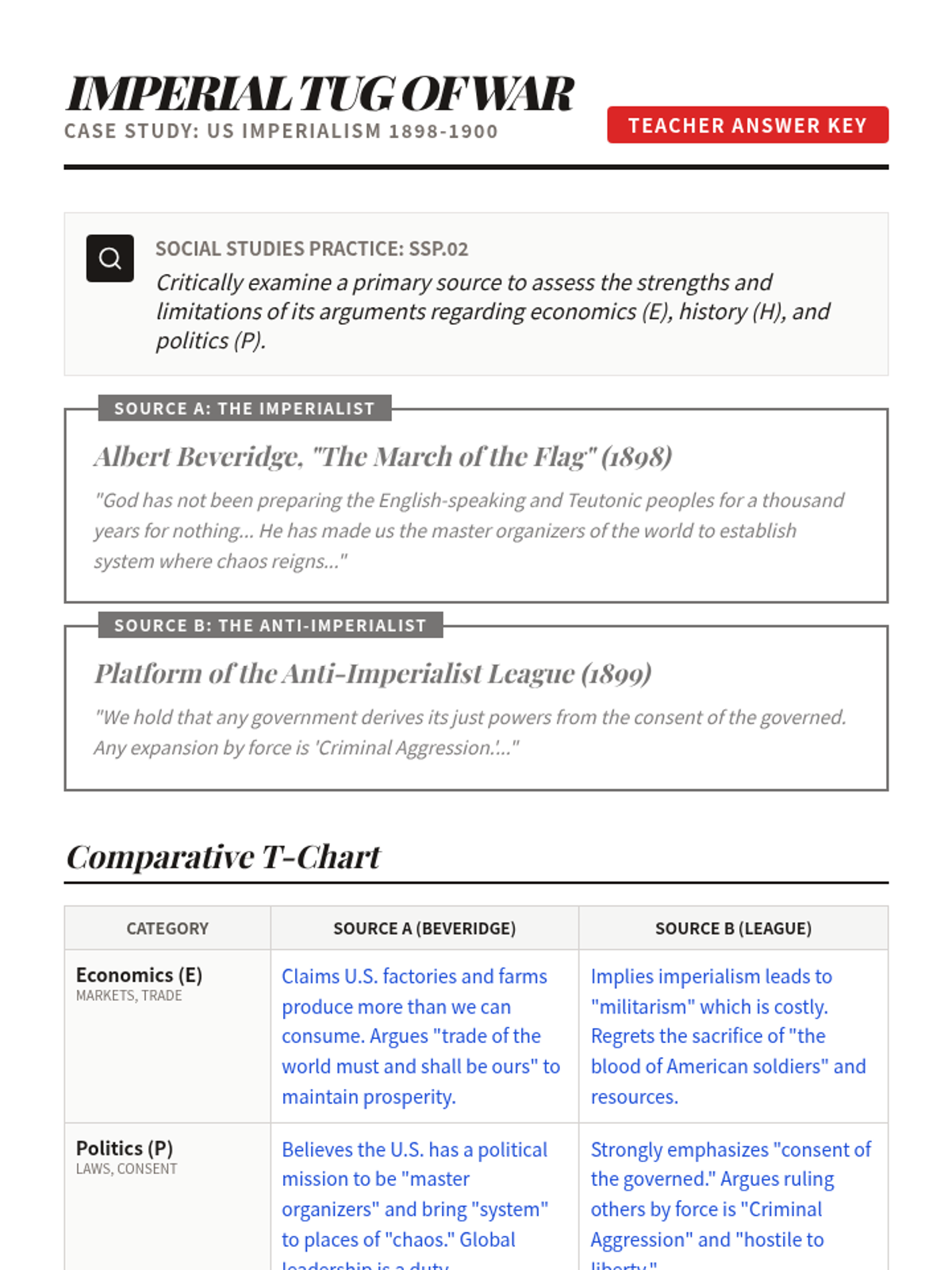
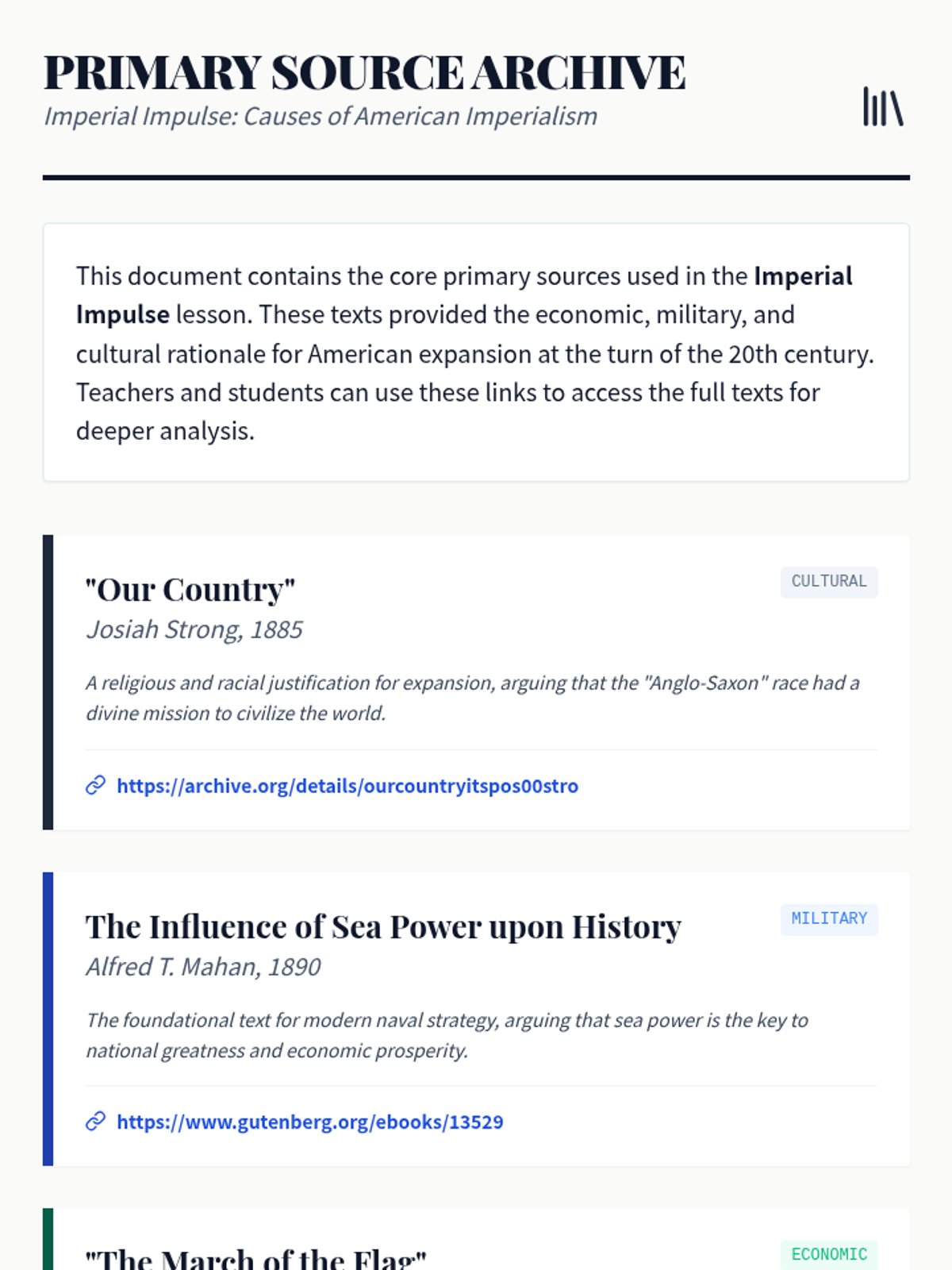
A high-speed critical analysis of the American imperialist debate between 1898 and 1900, focusing on the conflicting visions of Albert Beveridge and the Anti-Imperialist League. Students will analyze primary source excerpts to evaluate arguments regarding economics, politics, and historical destiny.
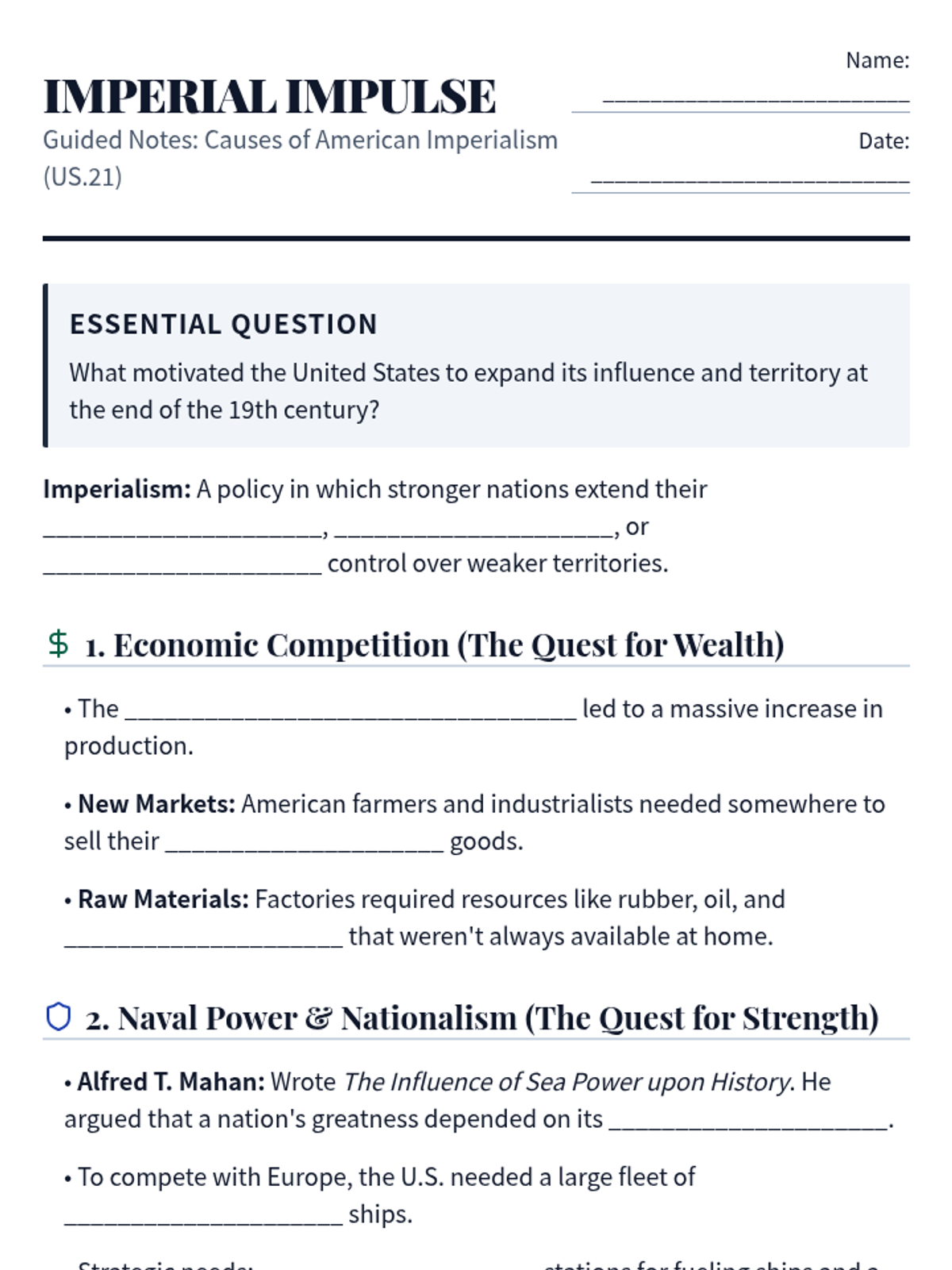
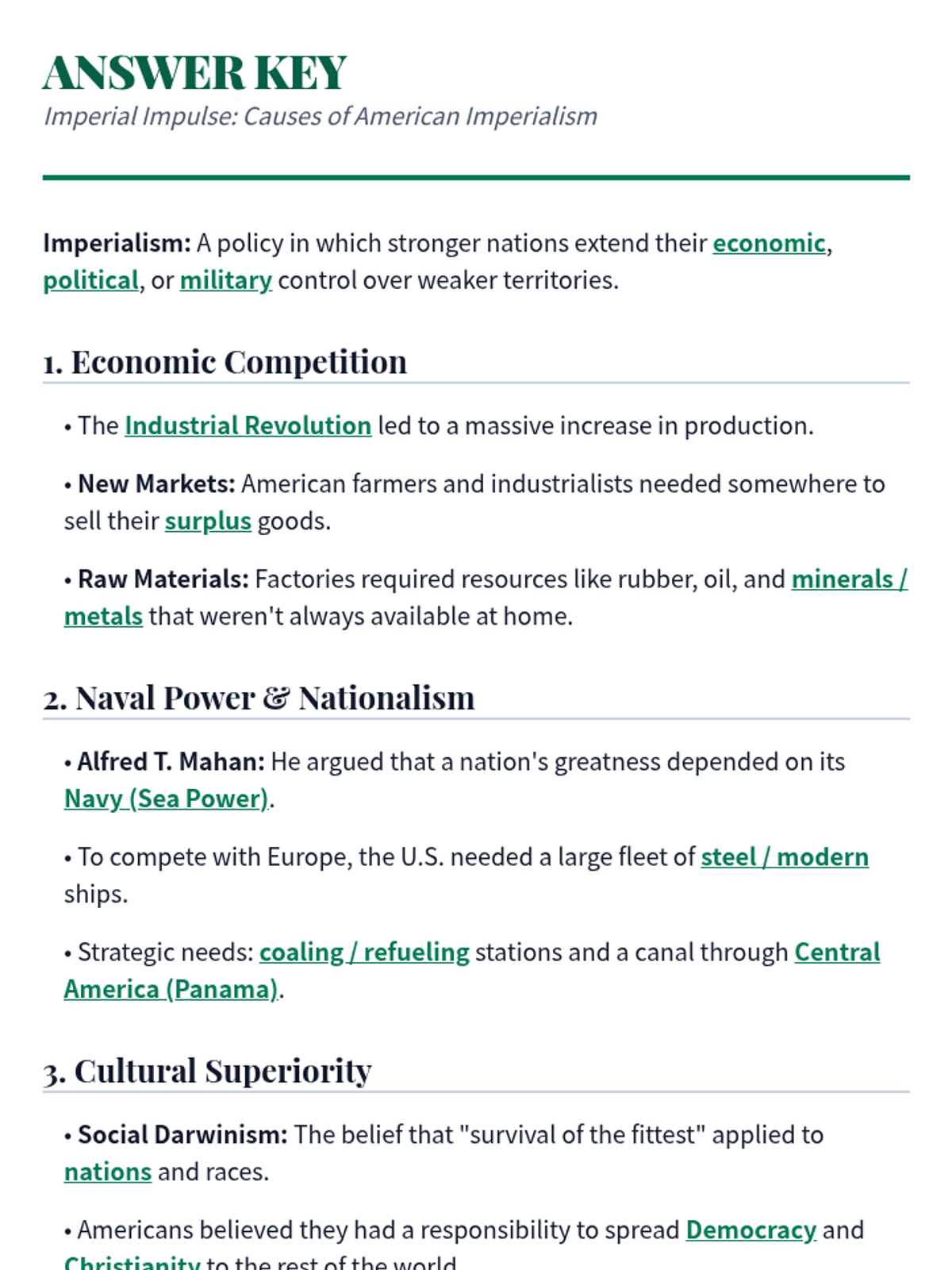
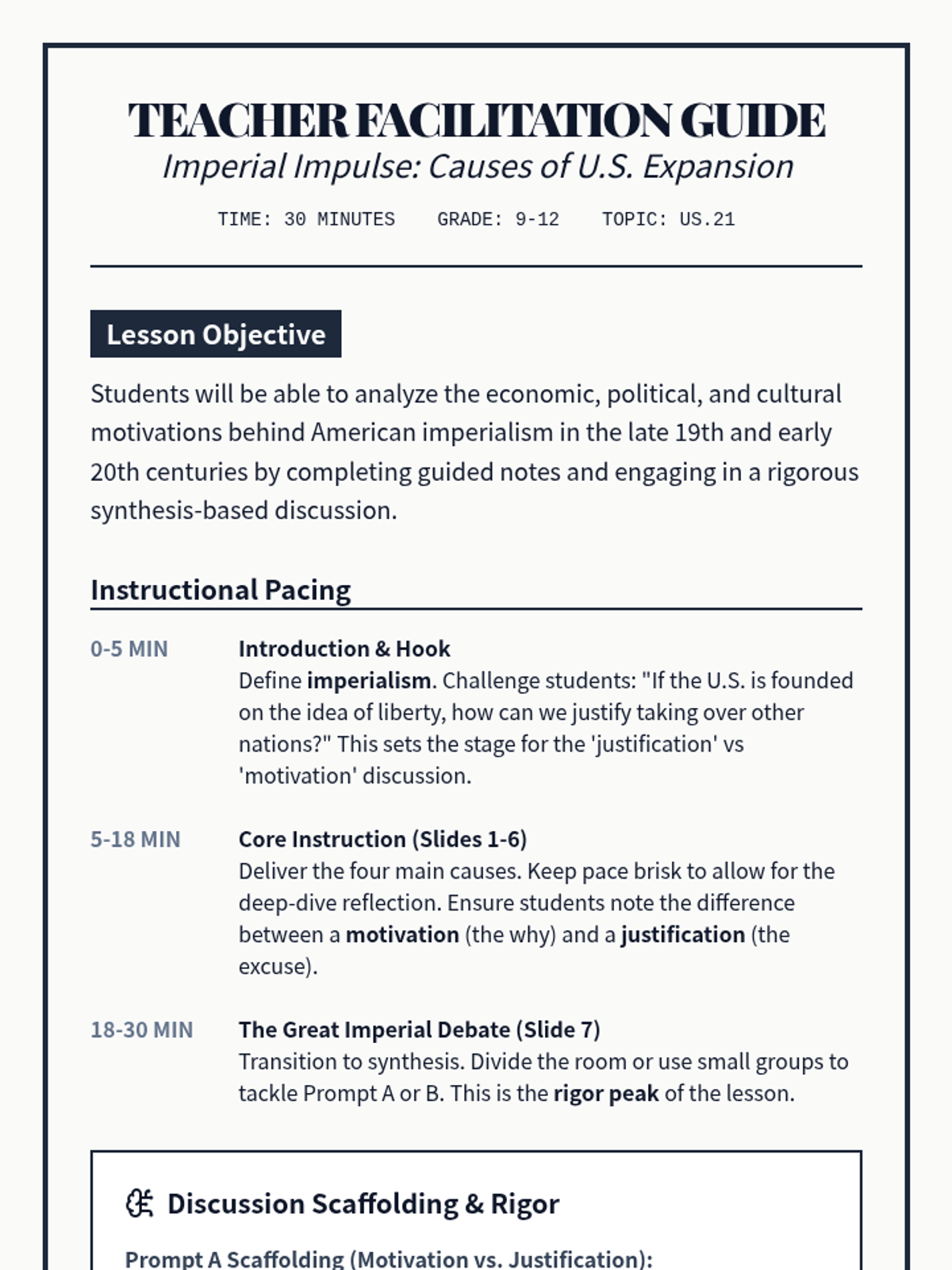
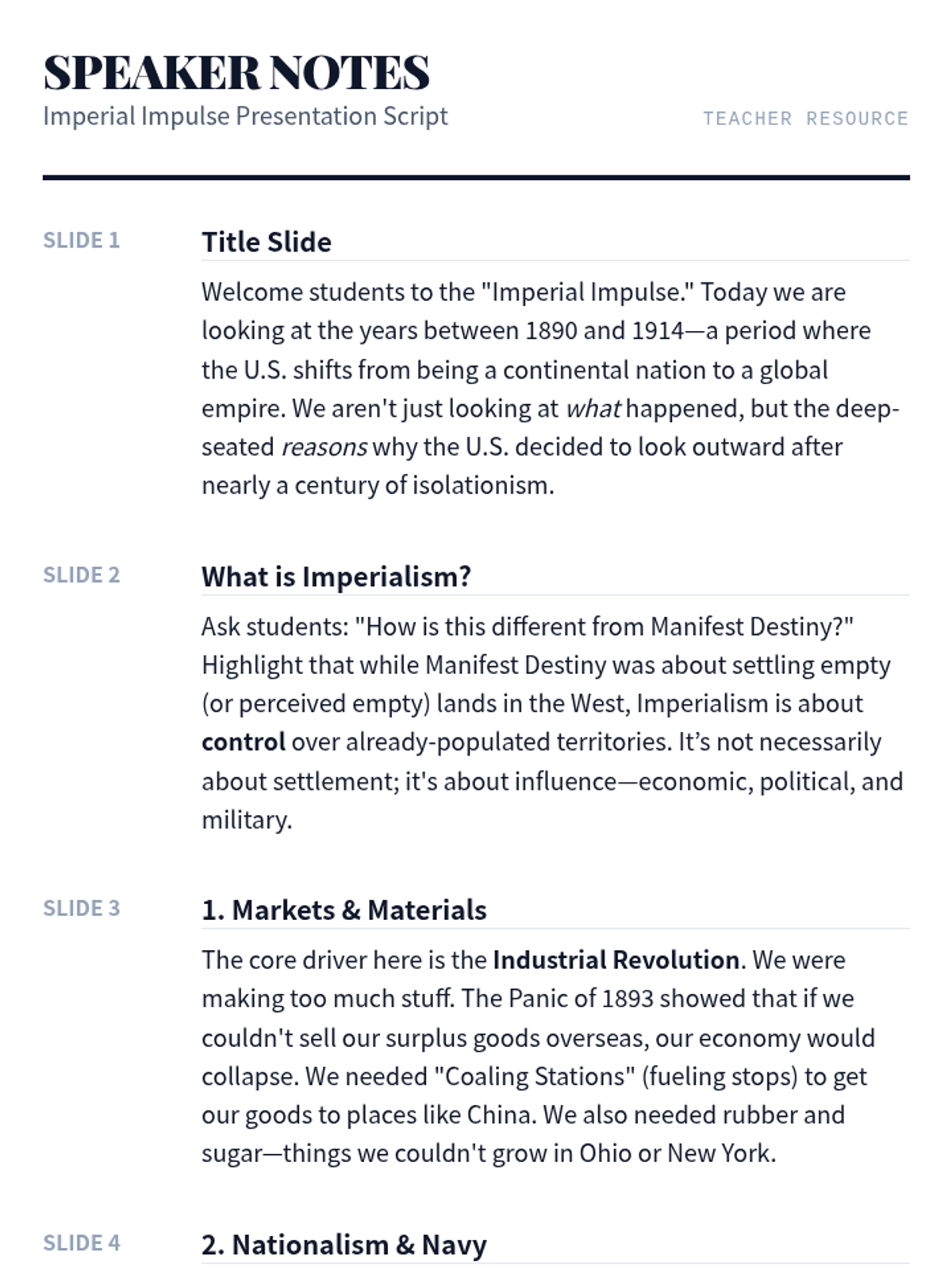
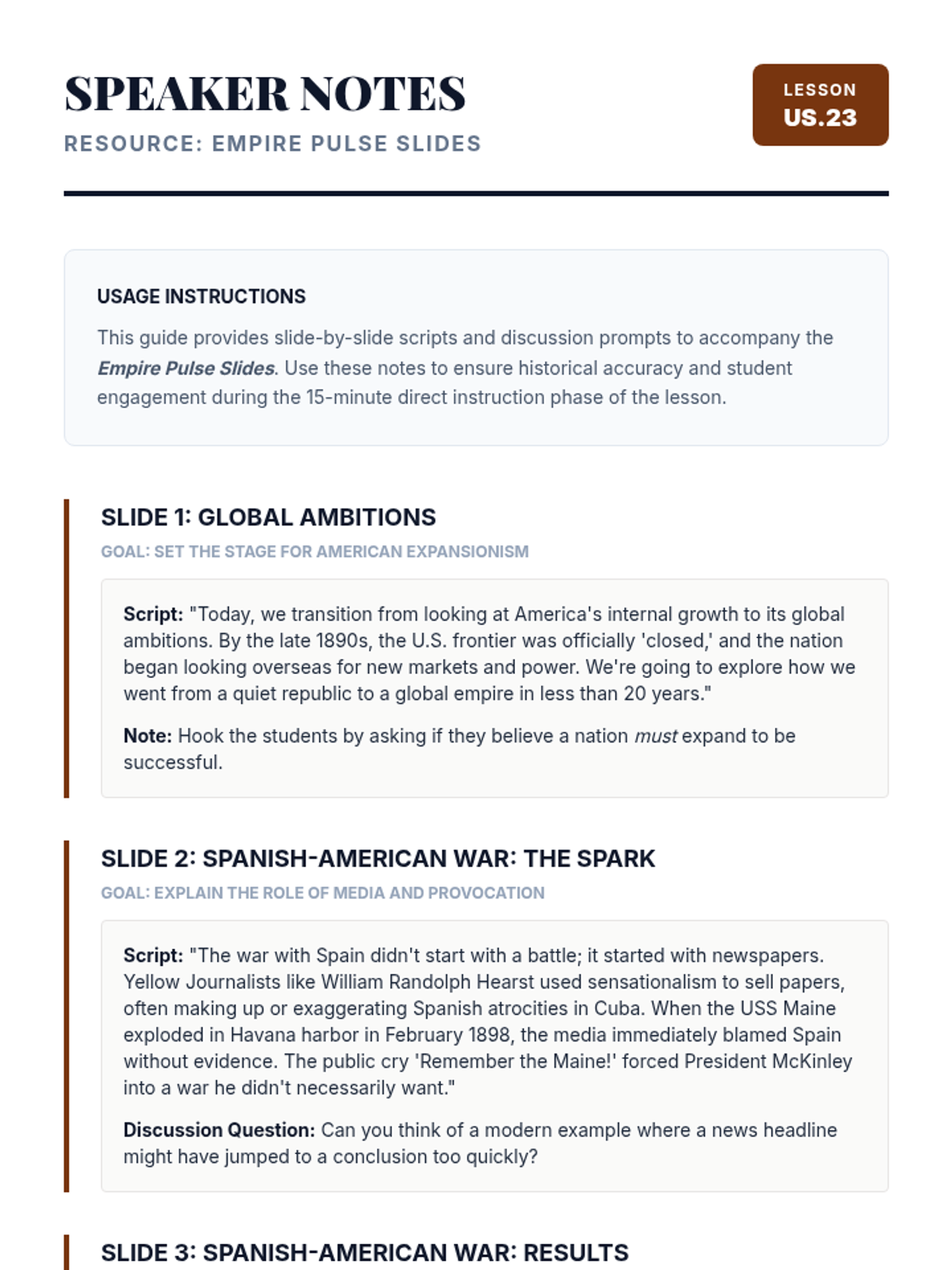
A 30-minute lesson covering the economic, political, and cultural causes of American imperialism at the turn of the 20th century. Students will explore the drive for new markets, the influence of yellow journalism, and the rise of American nationalism.
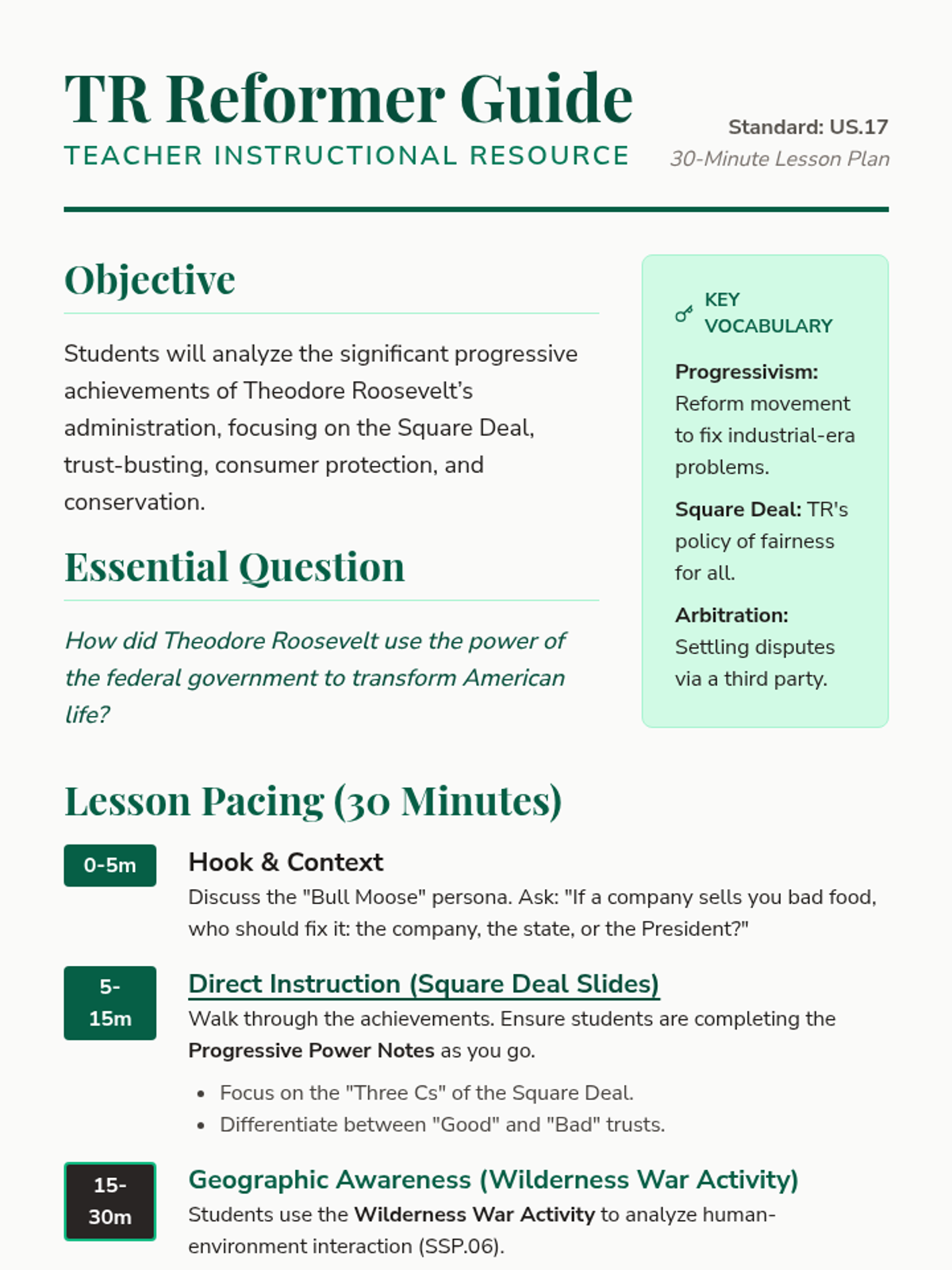
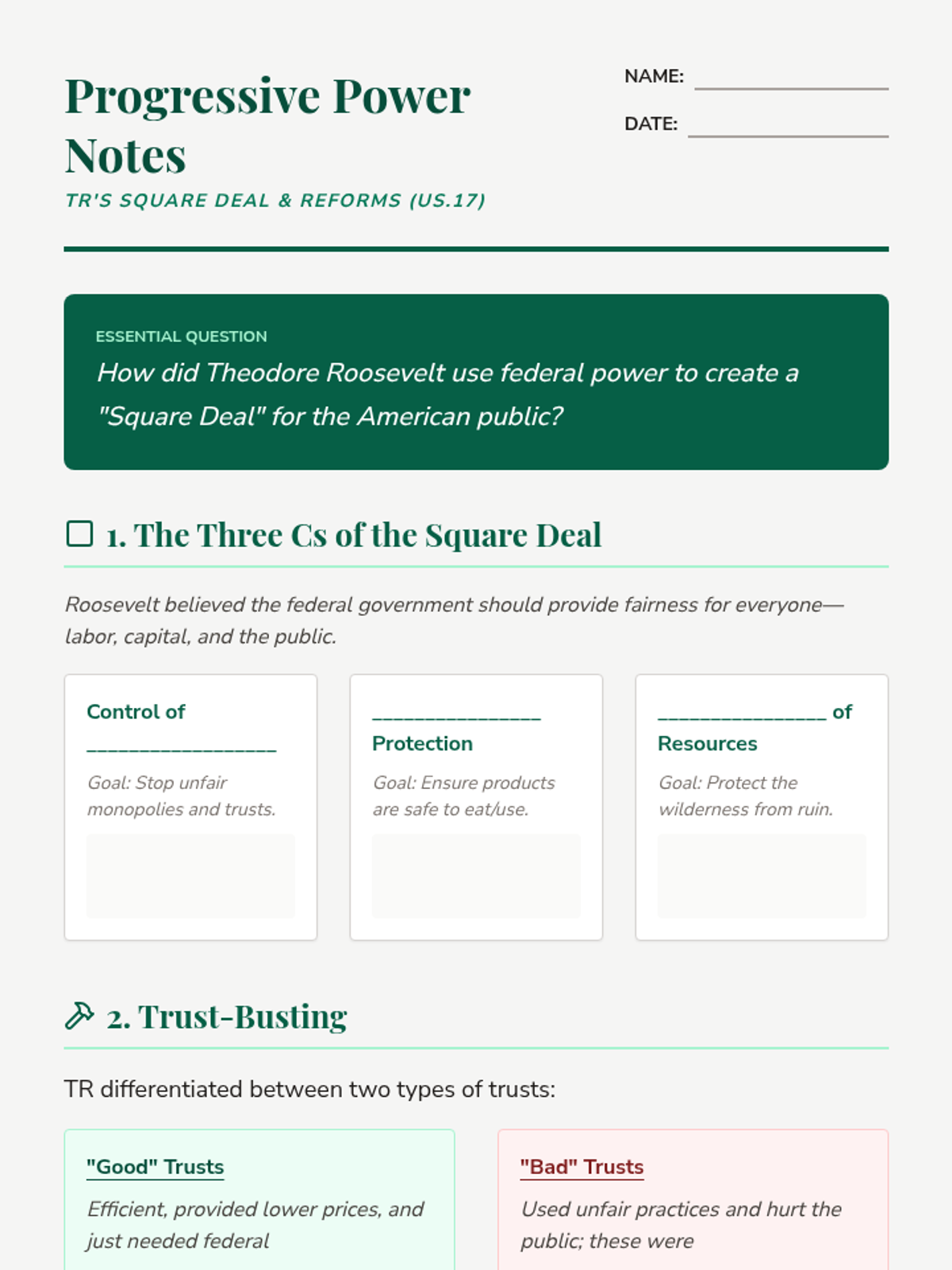
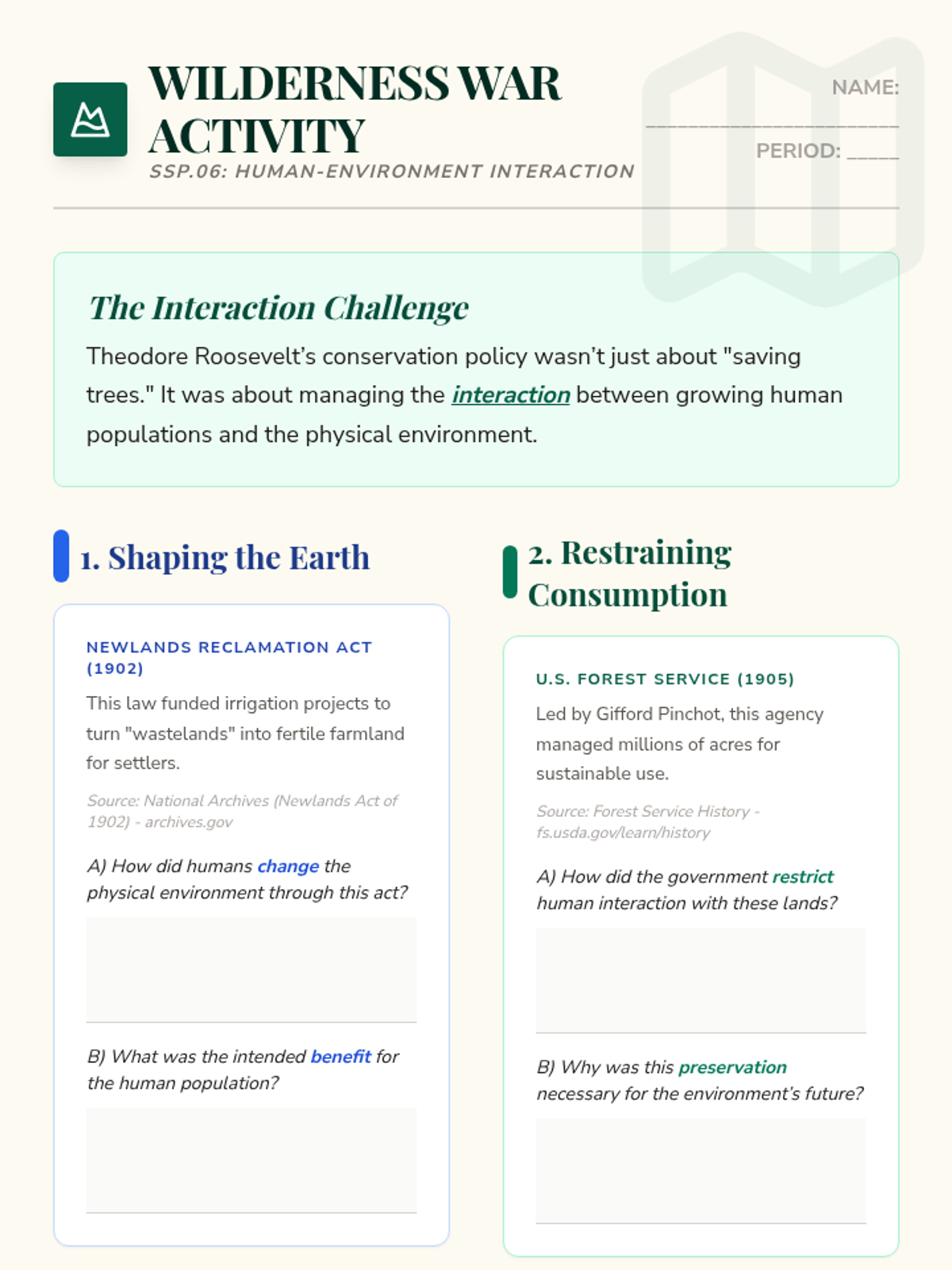
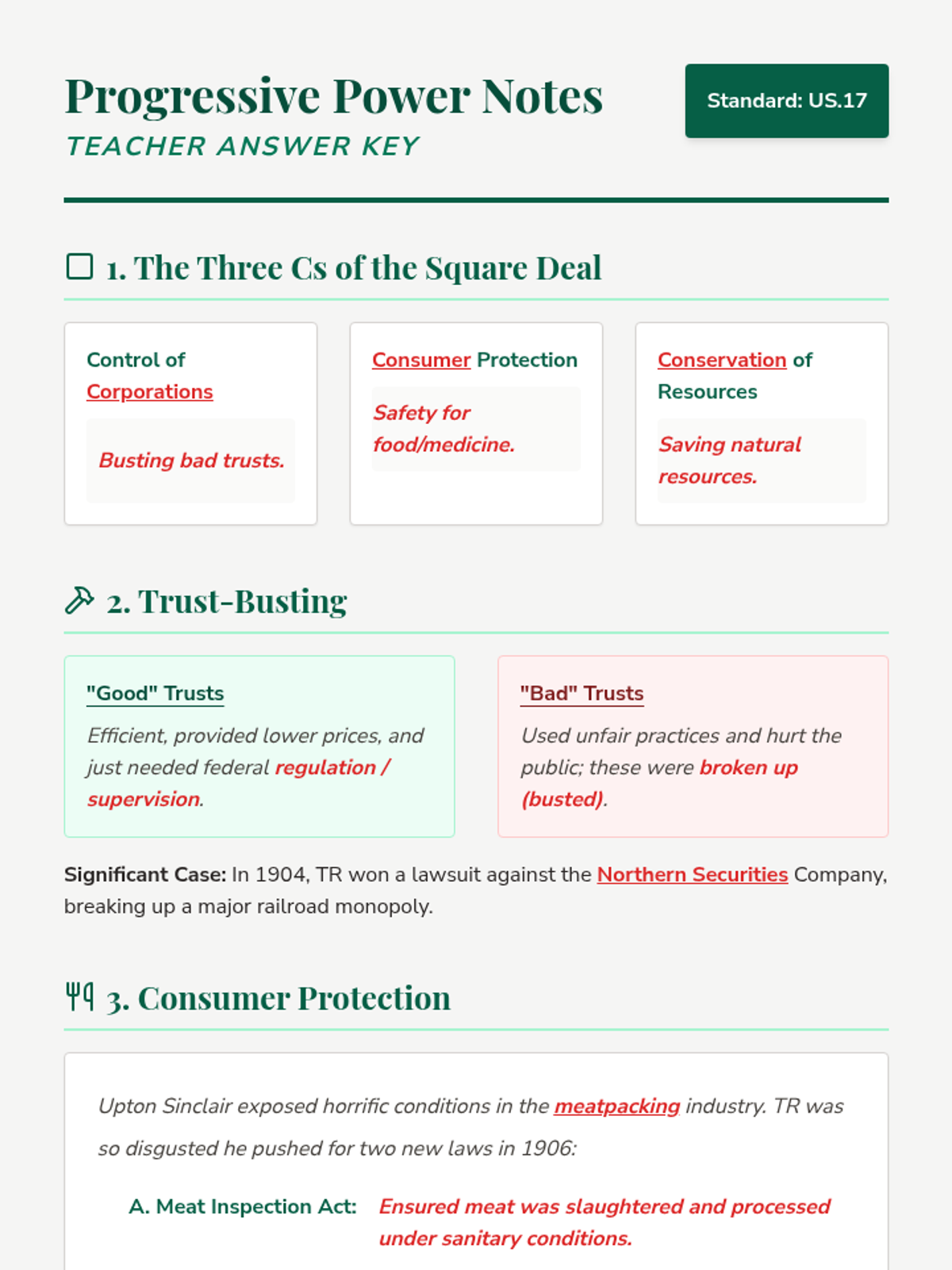
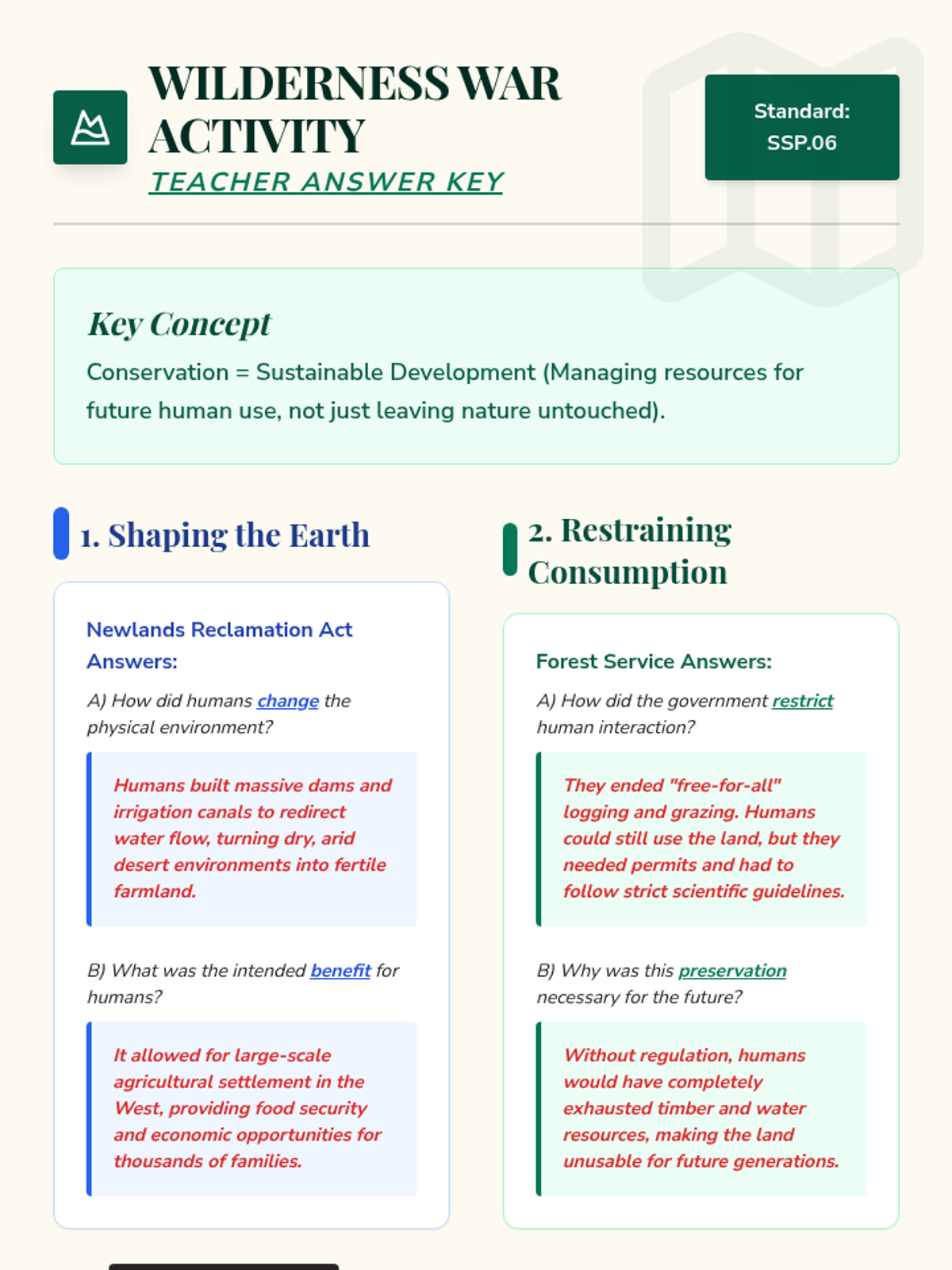
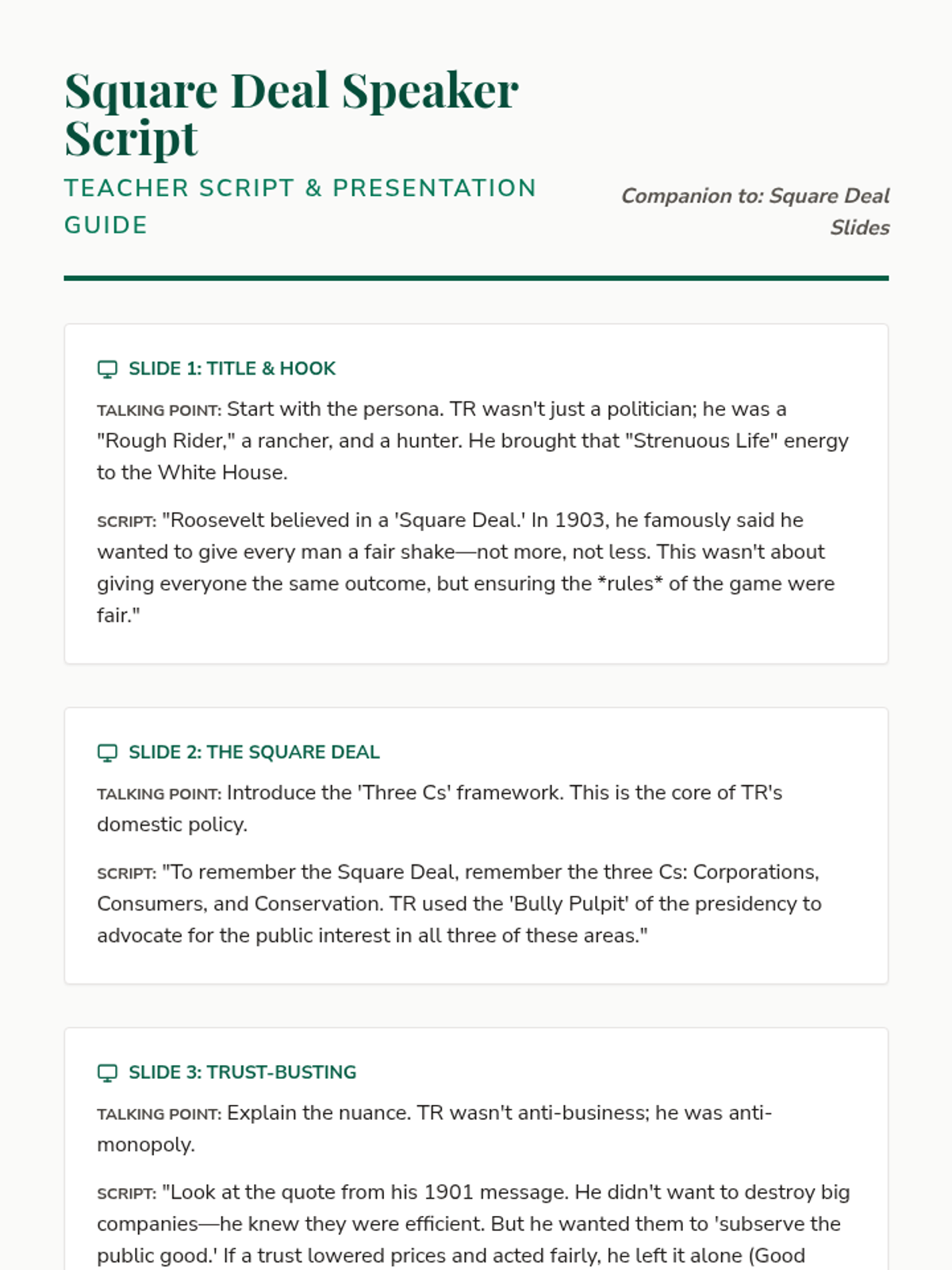
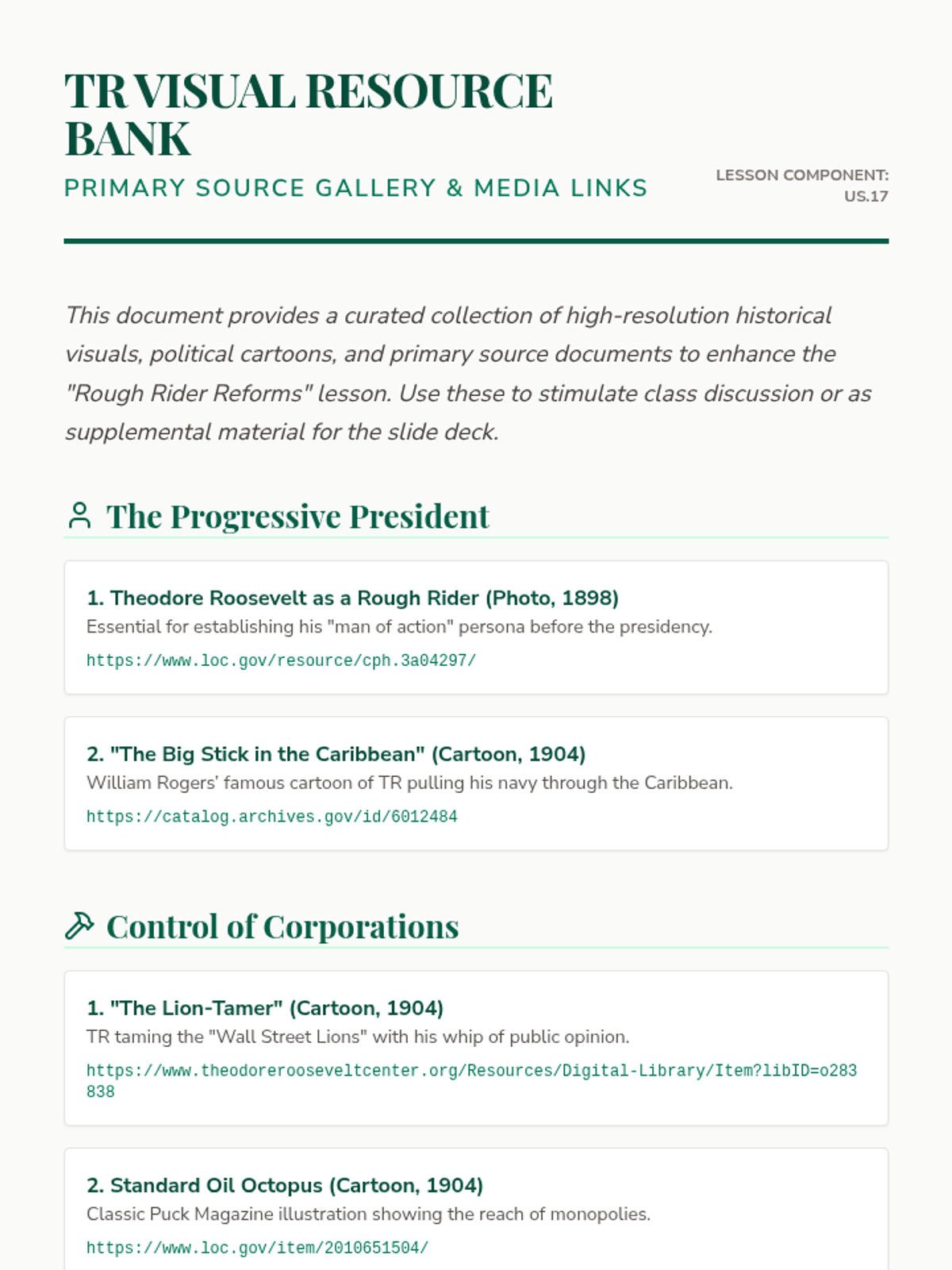
A 30-minute deep dive into Theodore Roosevelt's Progressive achievements, covering the Square Deal, trust-busting, consumer protection, and conservation efforts.
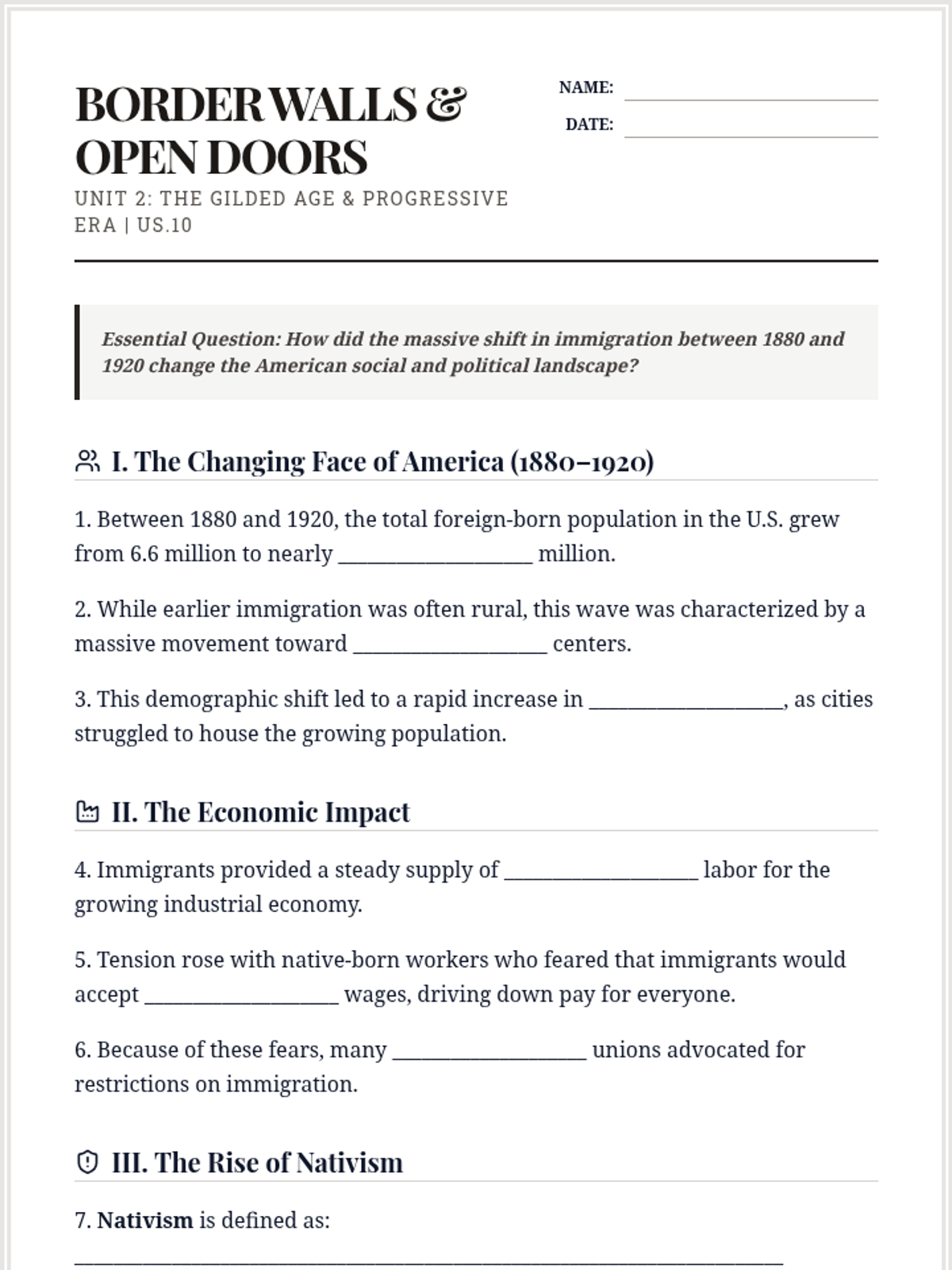
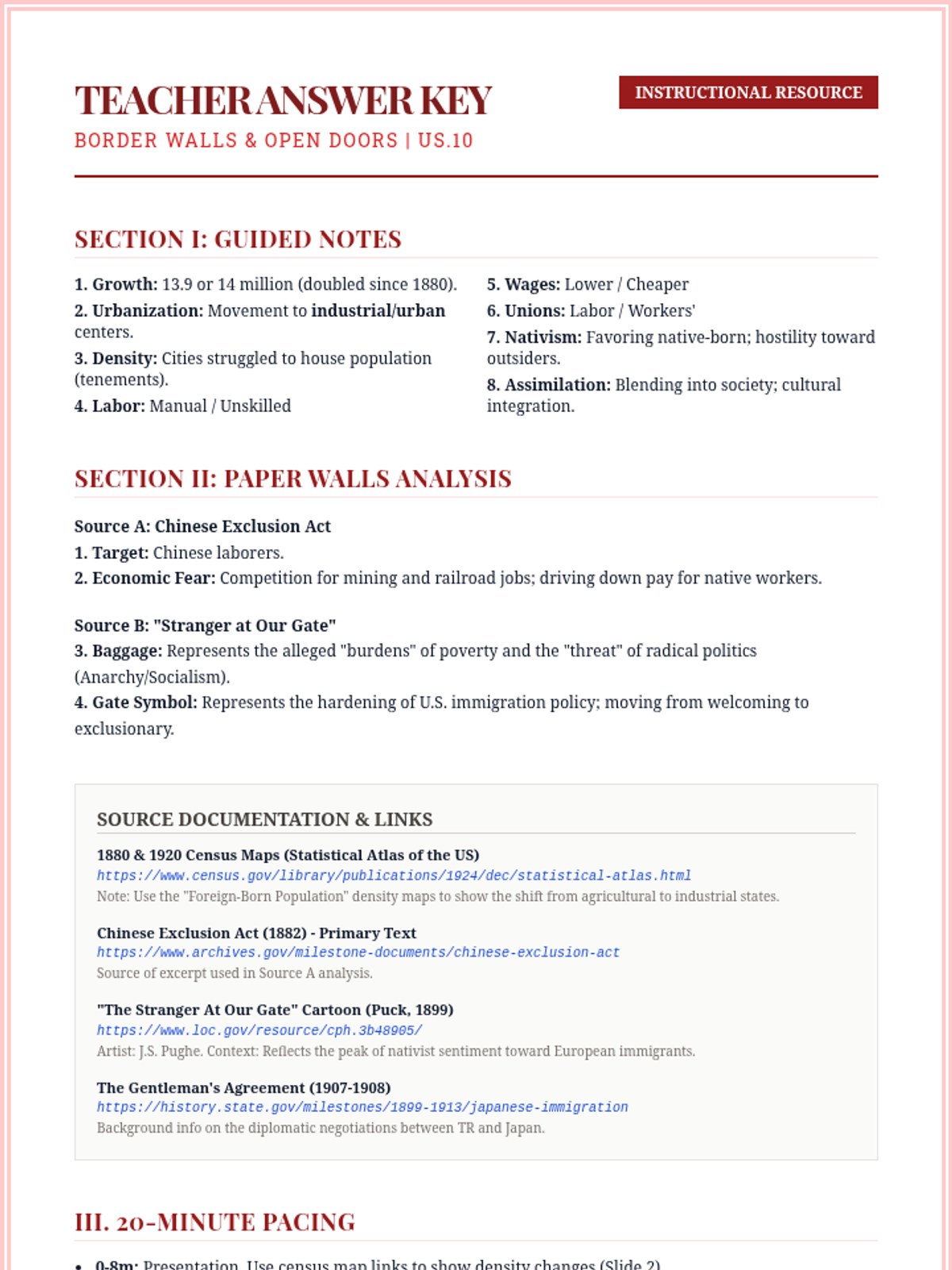
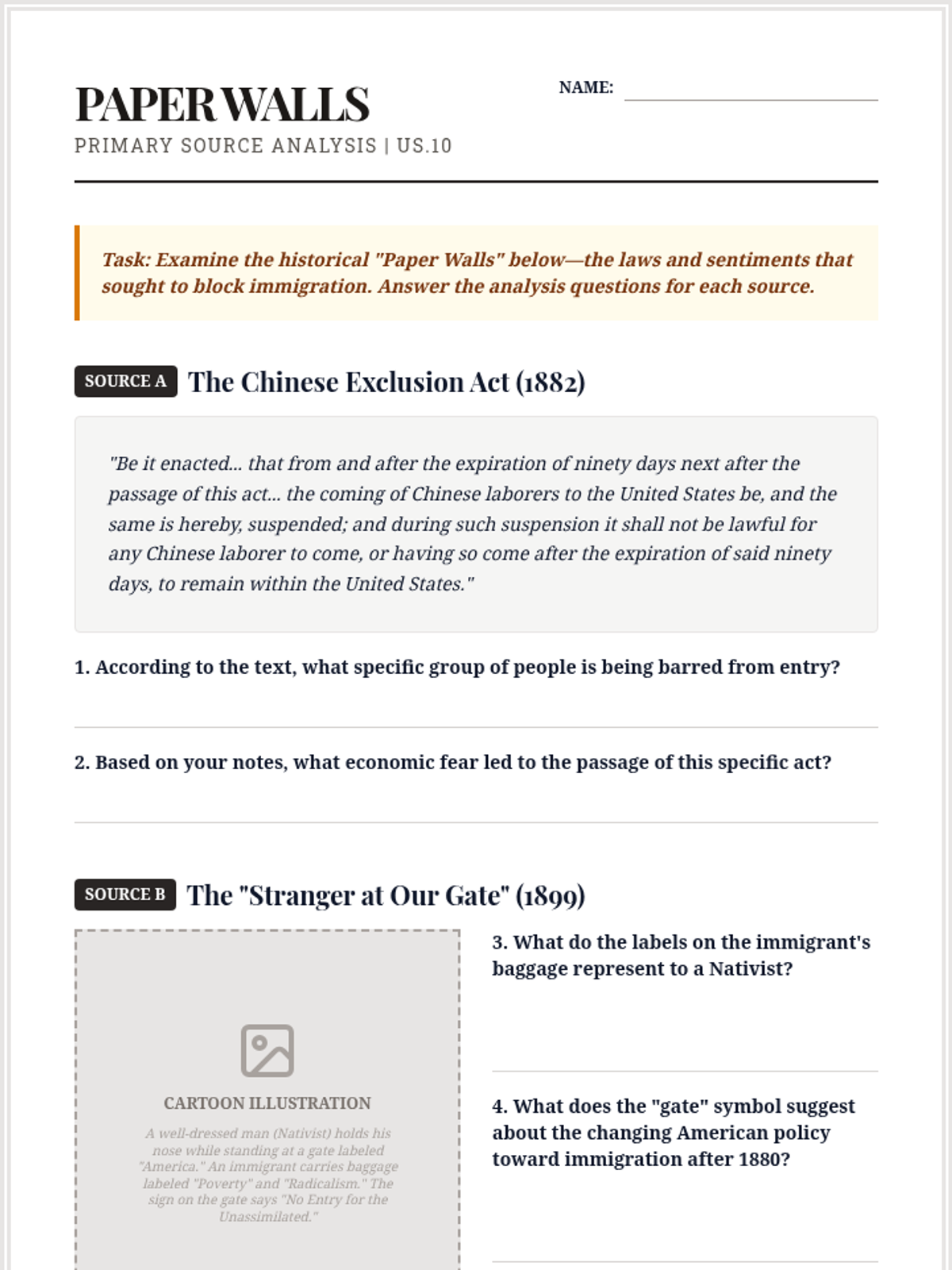
A 20-minute deep dive into the demographic shifts of the 1880-1920 immigration wave and the resulting social and political pushback in America. Students analyze census trends and legislative responses like the Chinese Exclusion Act.
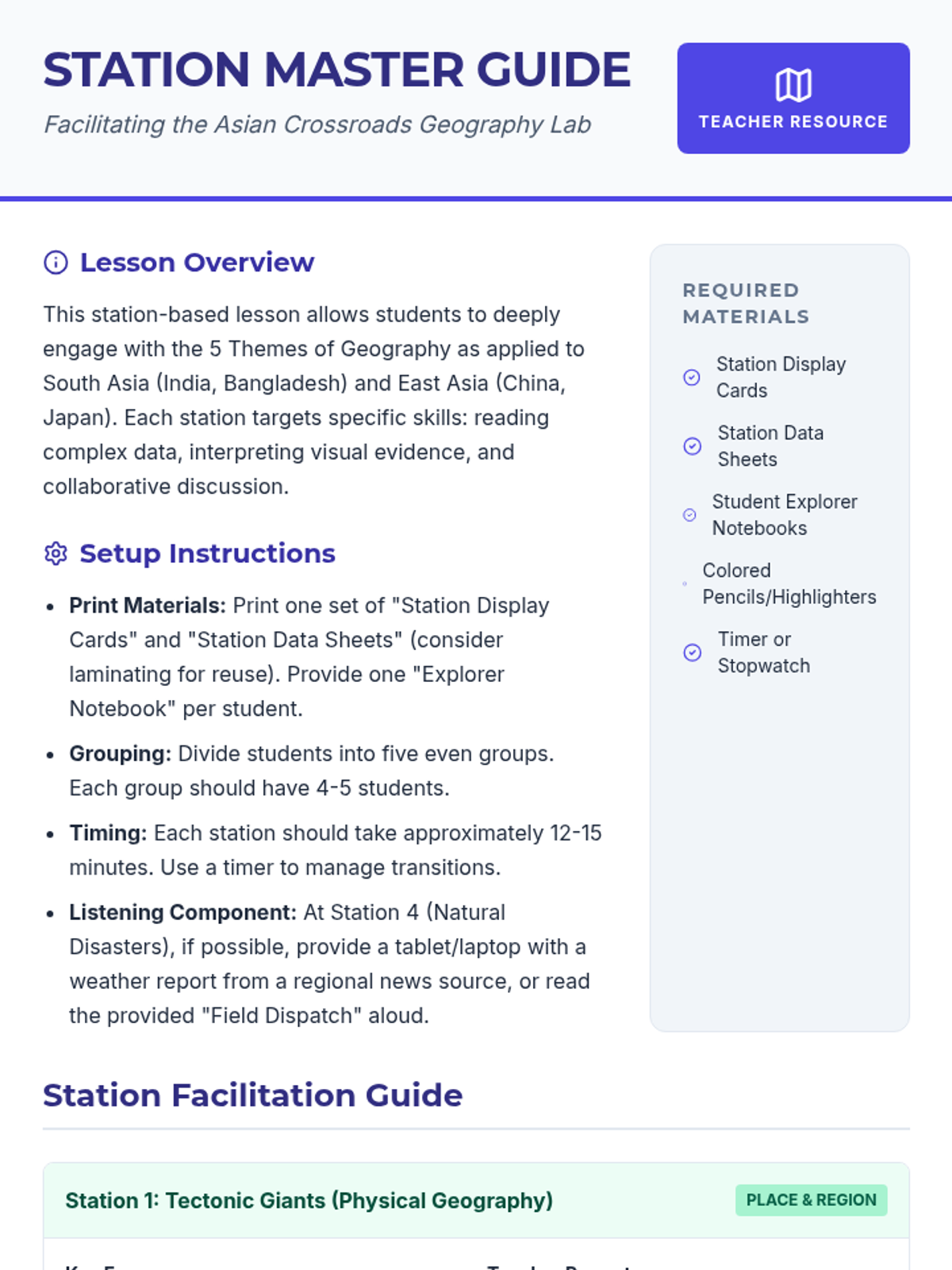
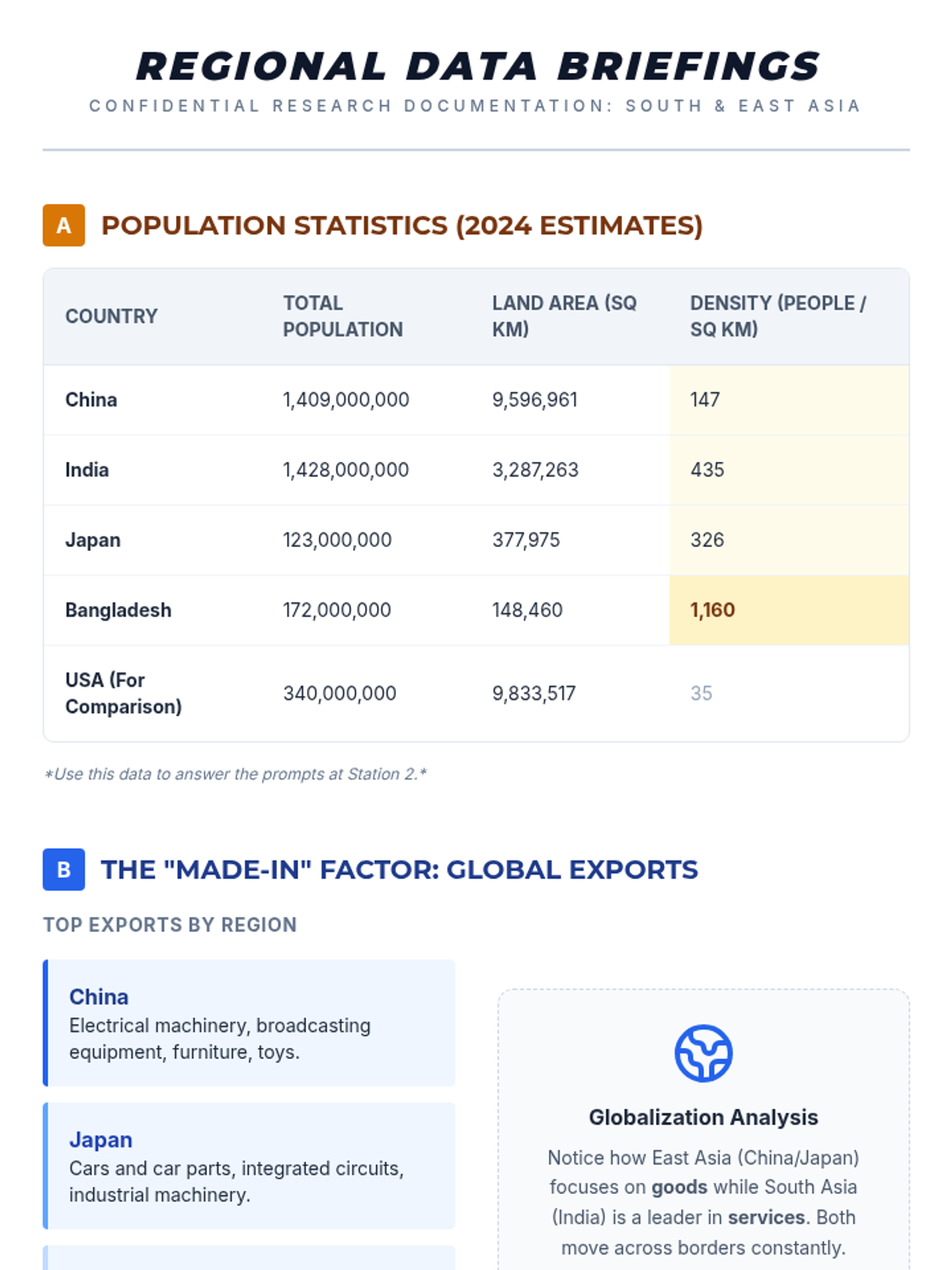
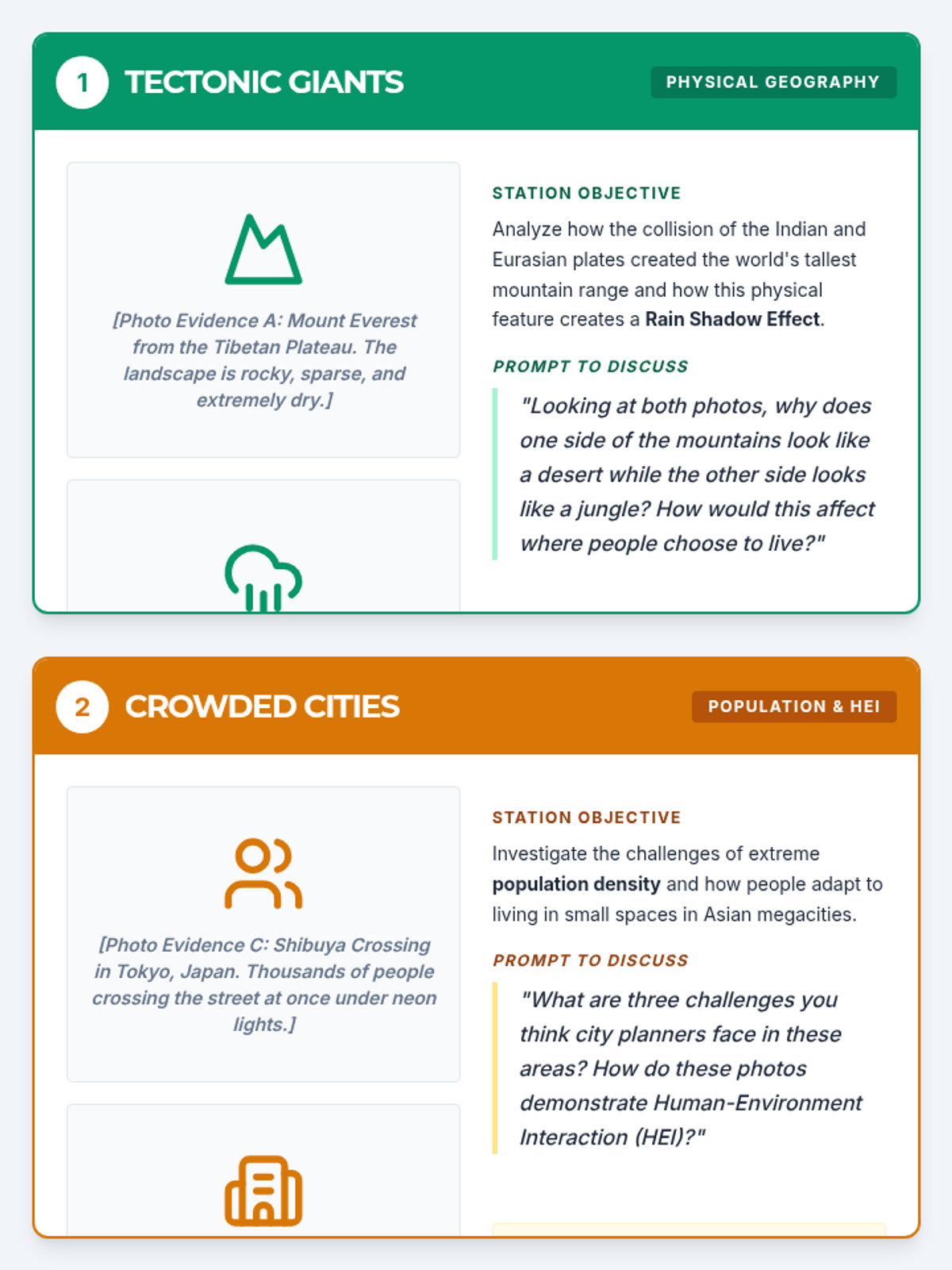
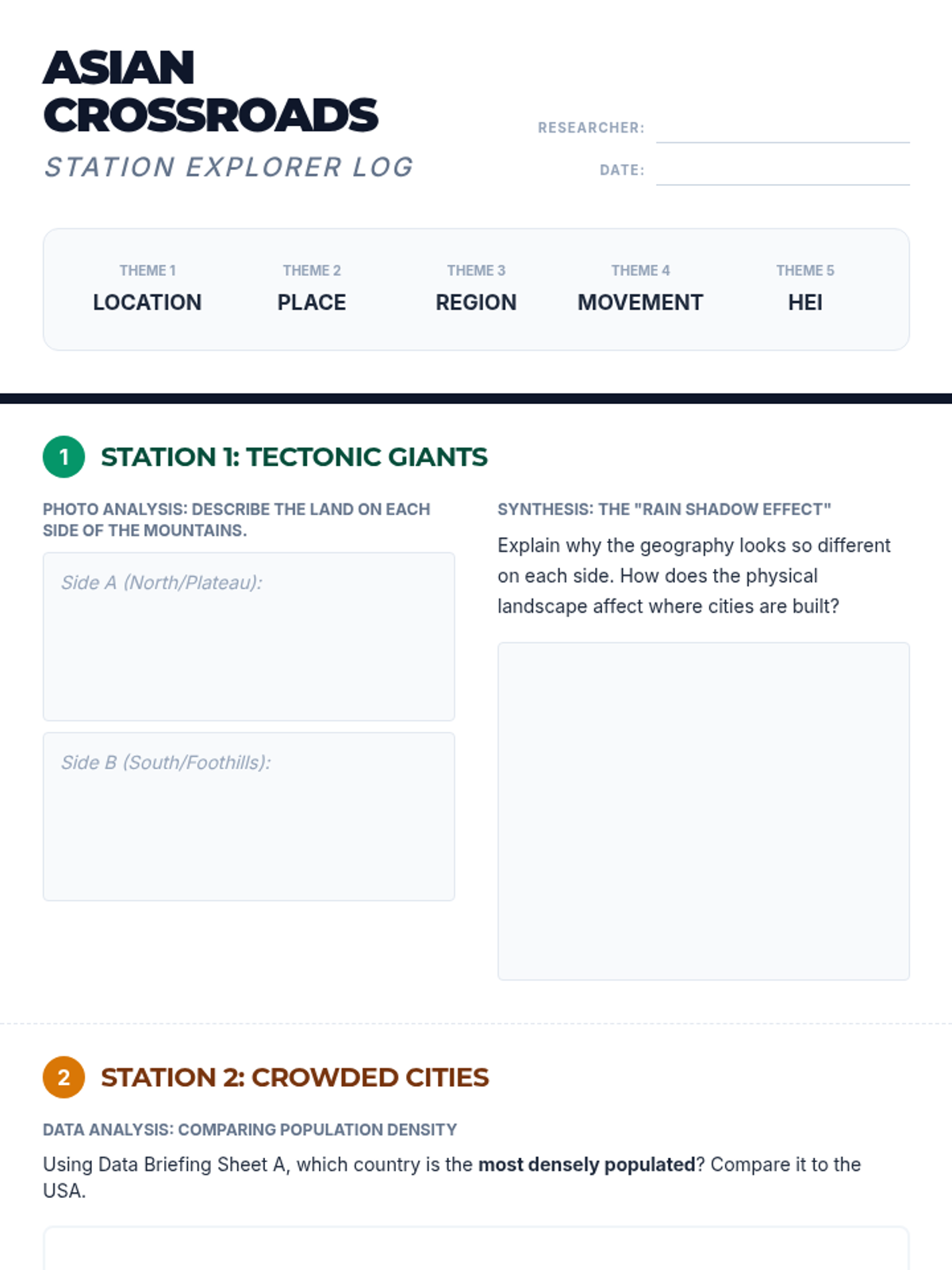
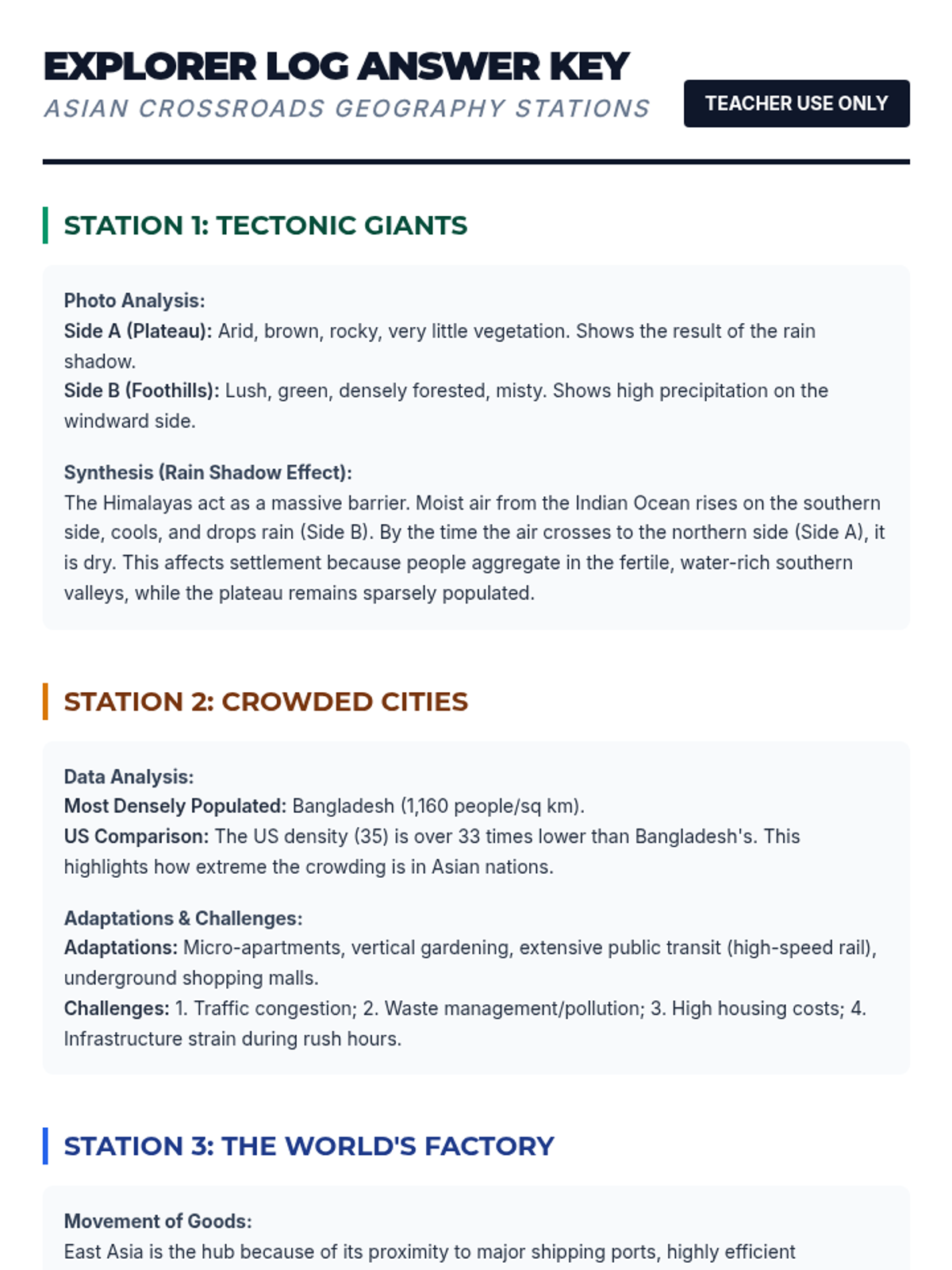
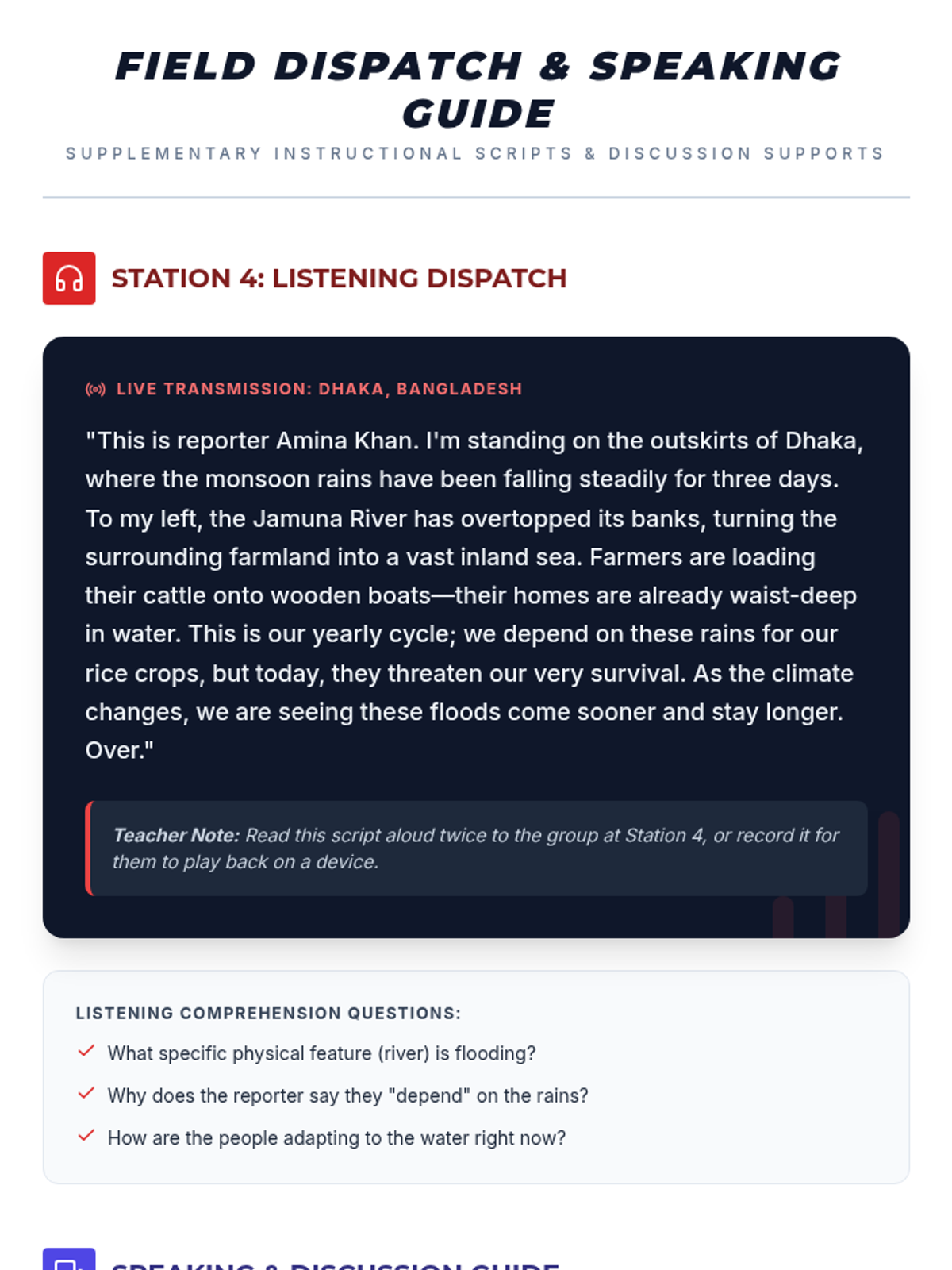
A series of five interactive learning stations where students explore the physical and cultural geography of South and East Asia. Students analyze population trends, globalization impacts, and natural disasters through photo analysis and data interpretation.
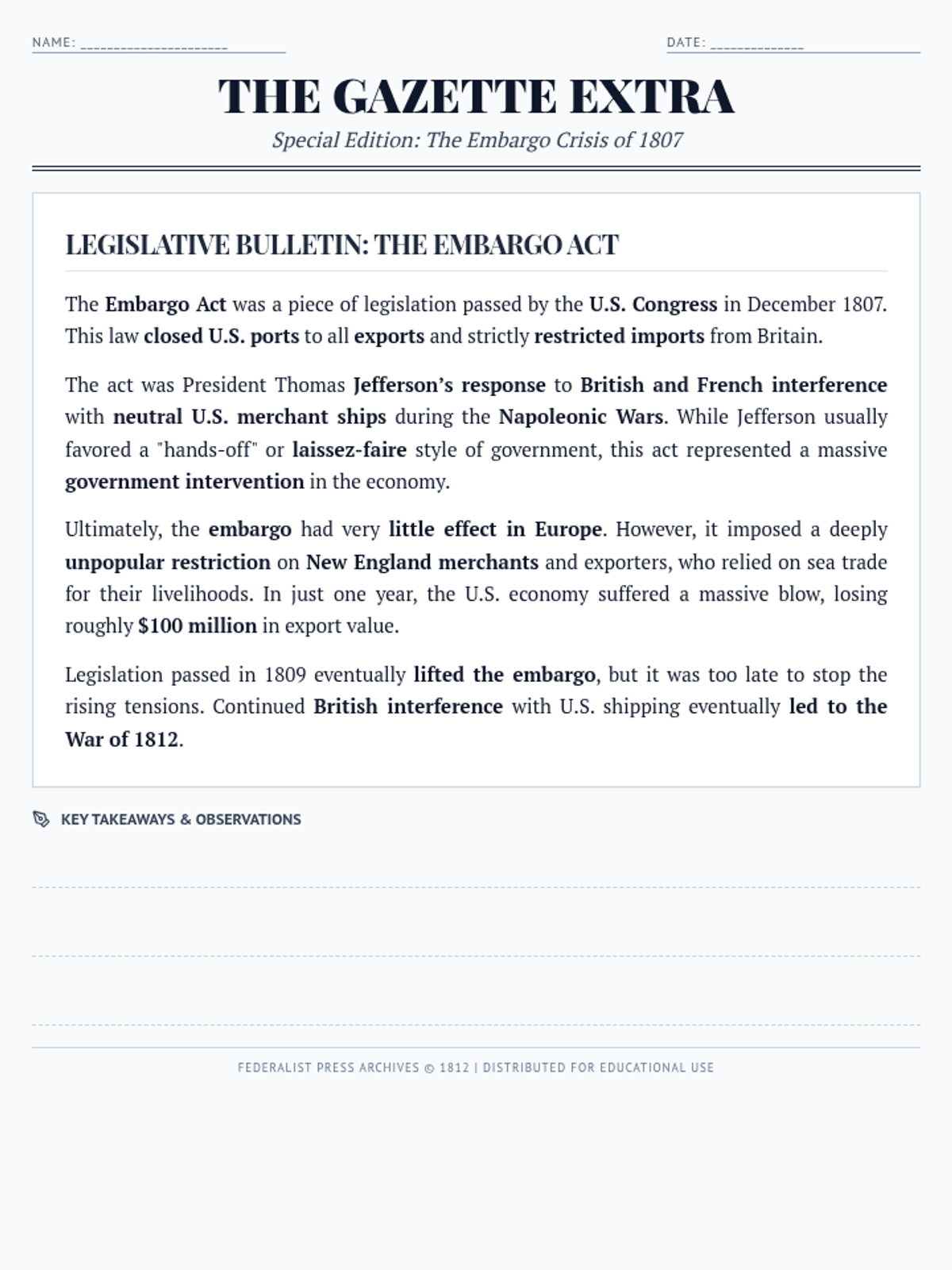
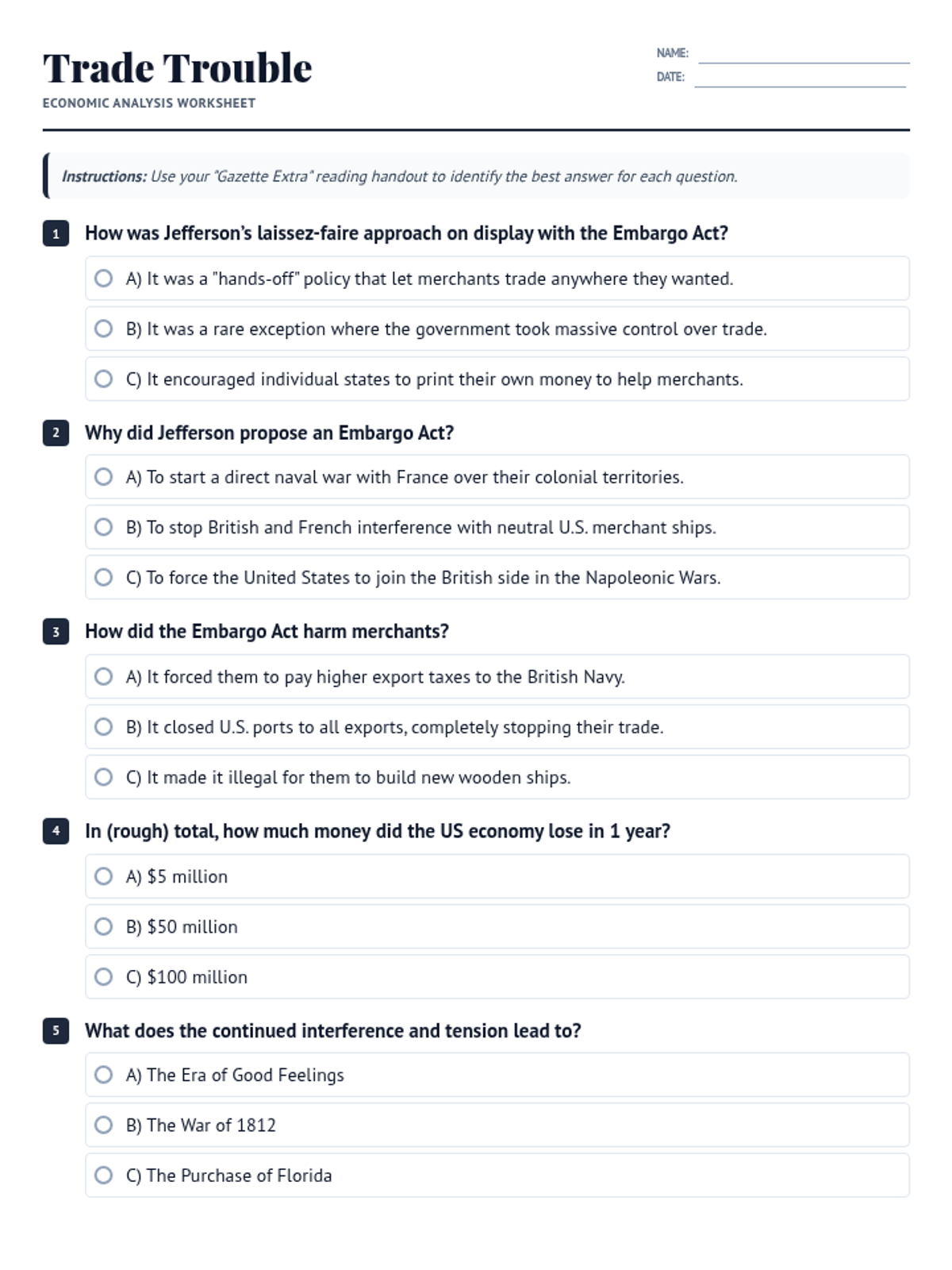
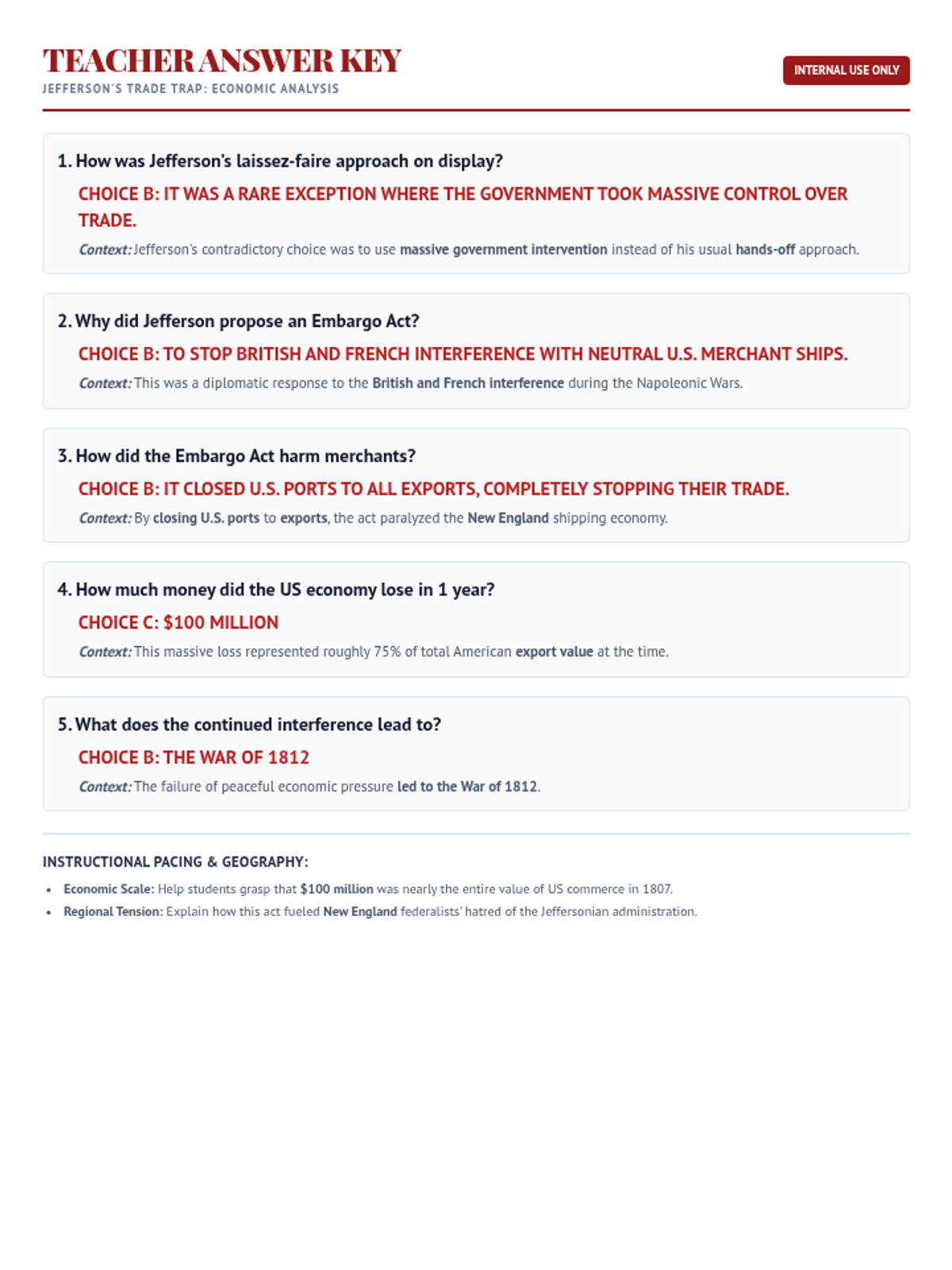
A focused look at Thomas Jefferson's Embargo Act of 1807, exploring its causes, the economic fallout for New England merchants, and its role in leading to the War of 1812.
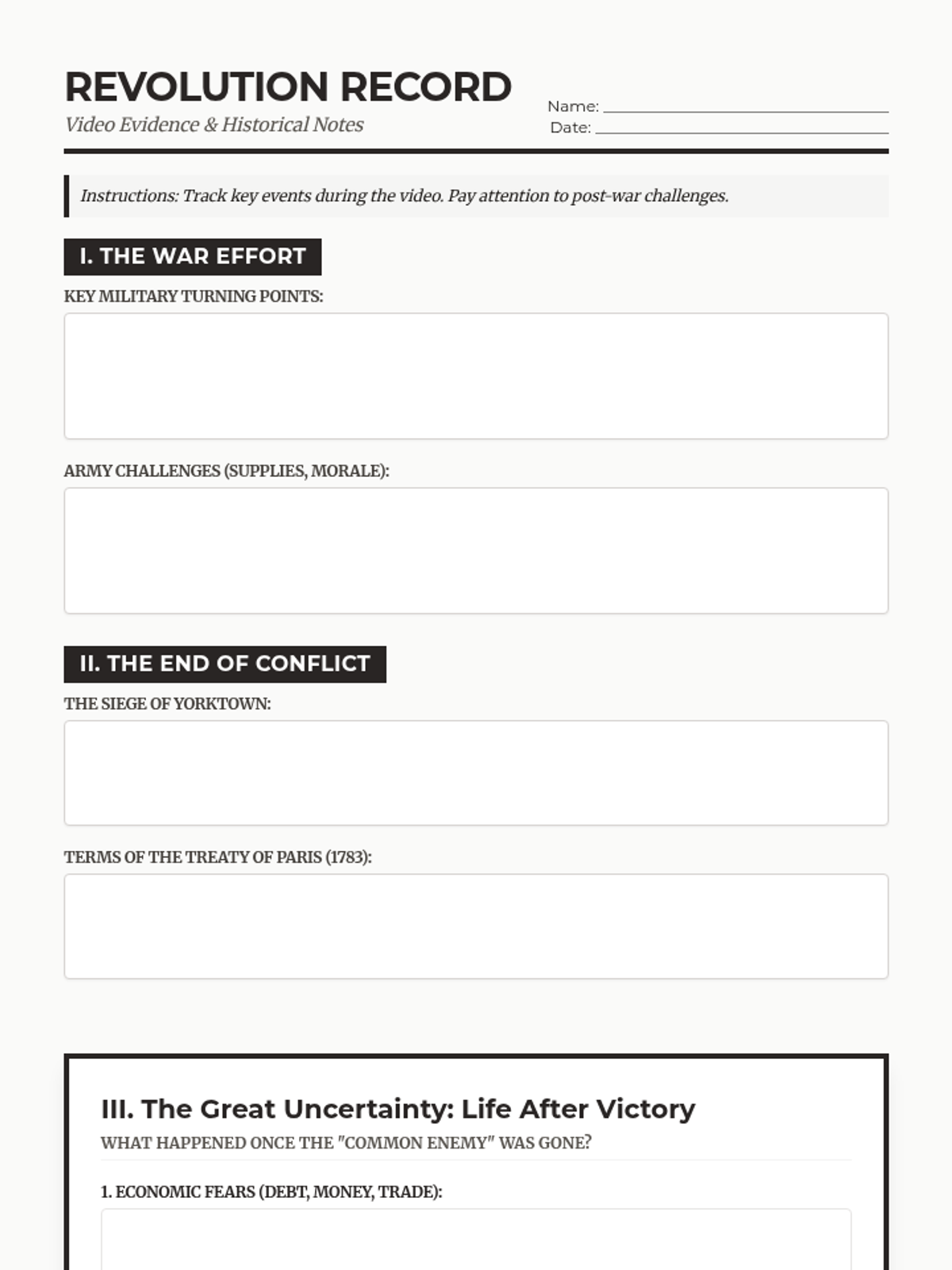
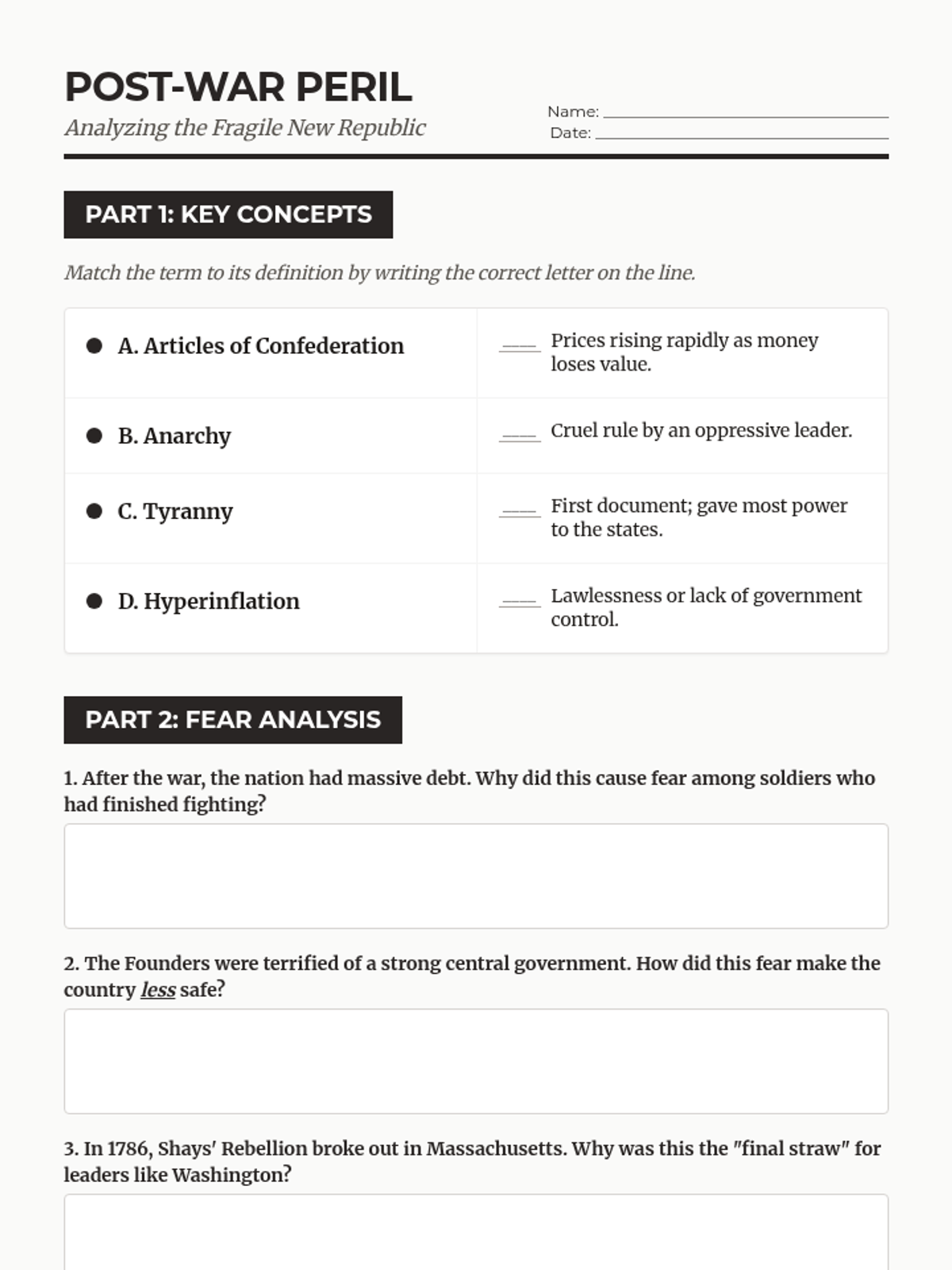
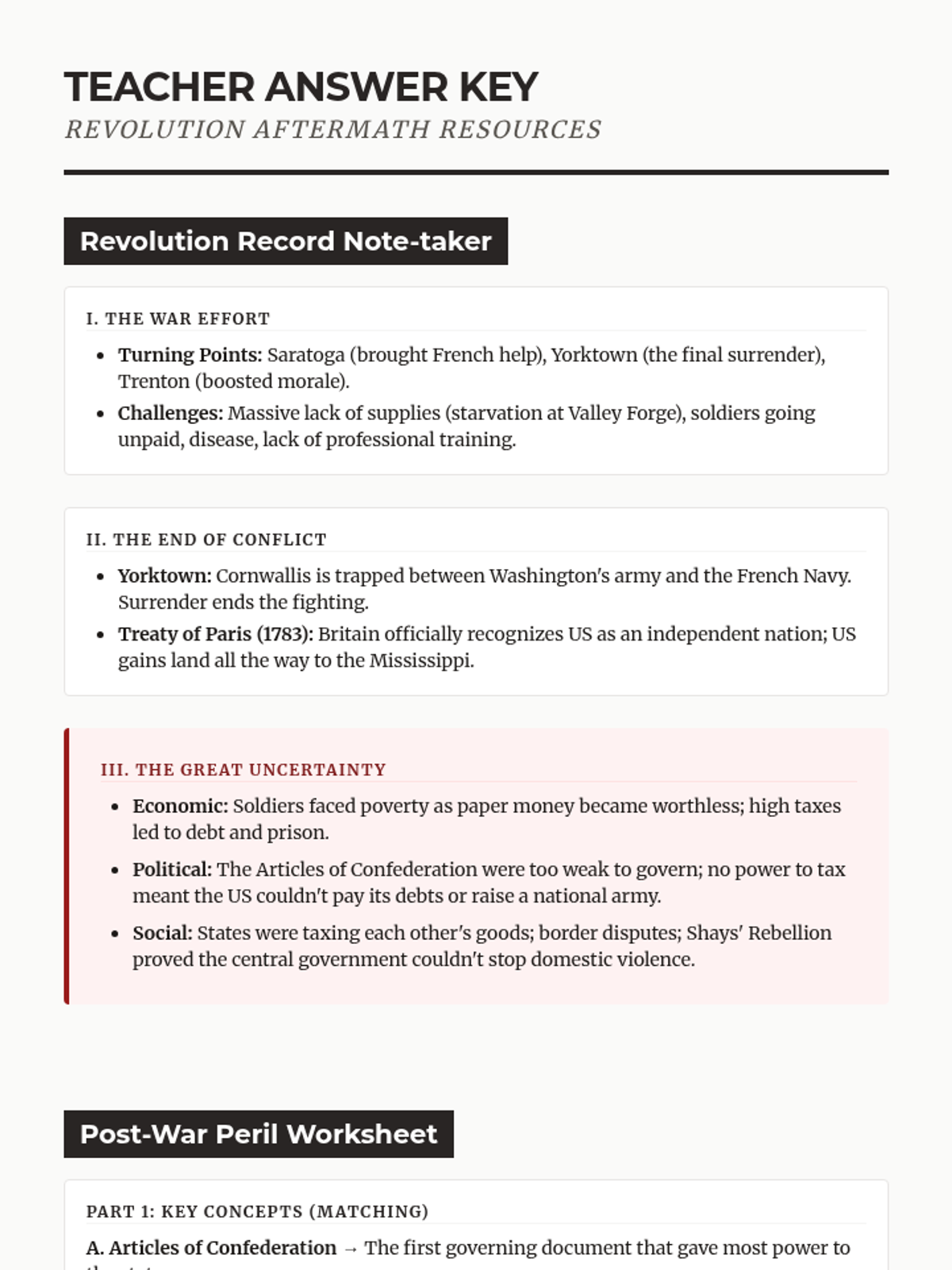
A lesson focused on the aftermath of the American Revolution, exploring the transition from war to a fragile new nation and the deep-seated fears of the Founding Fathers and citizens. Students will use video evidence and critical thinking to analyze post-war instability.
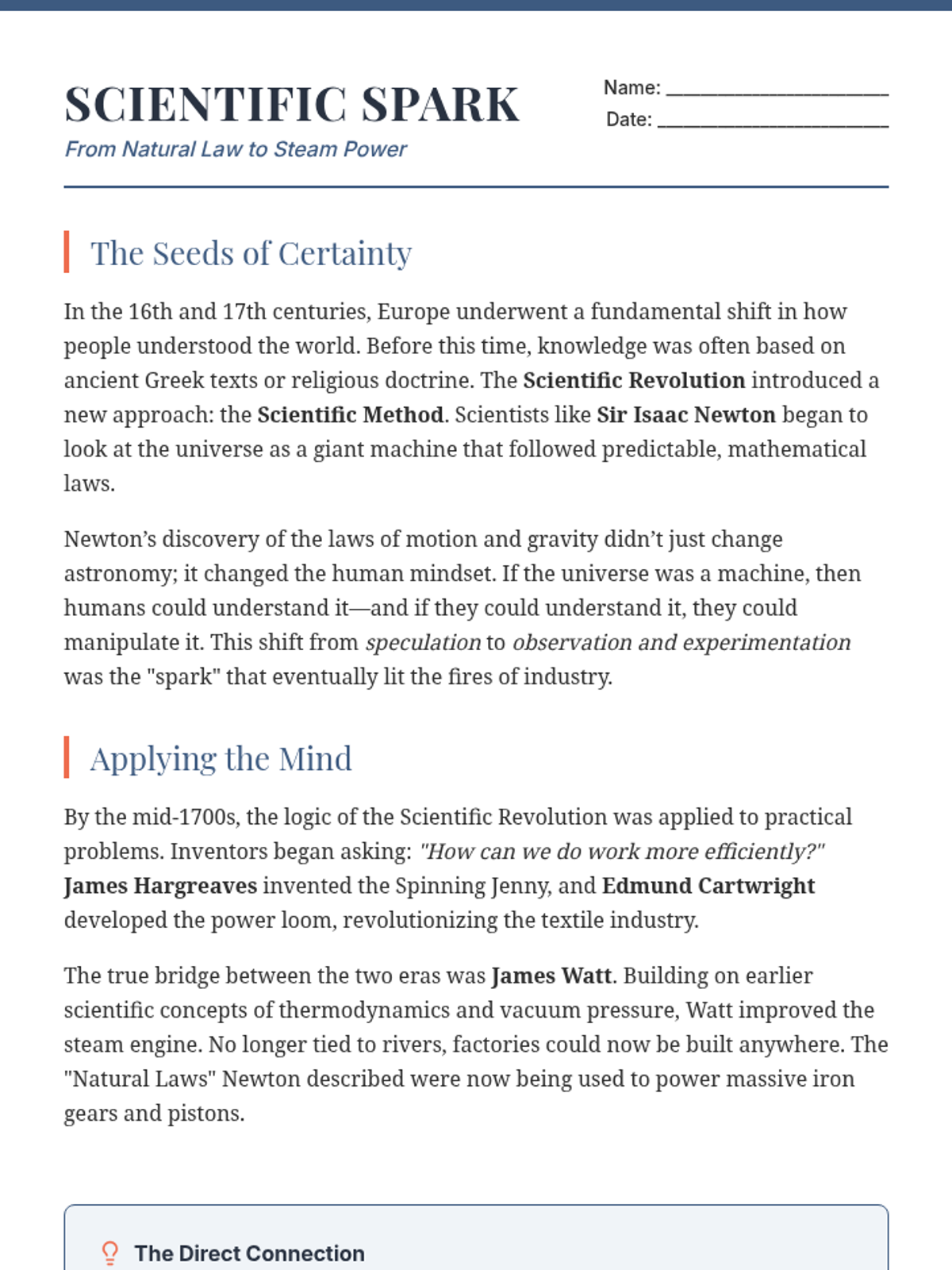
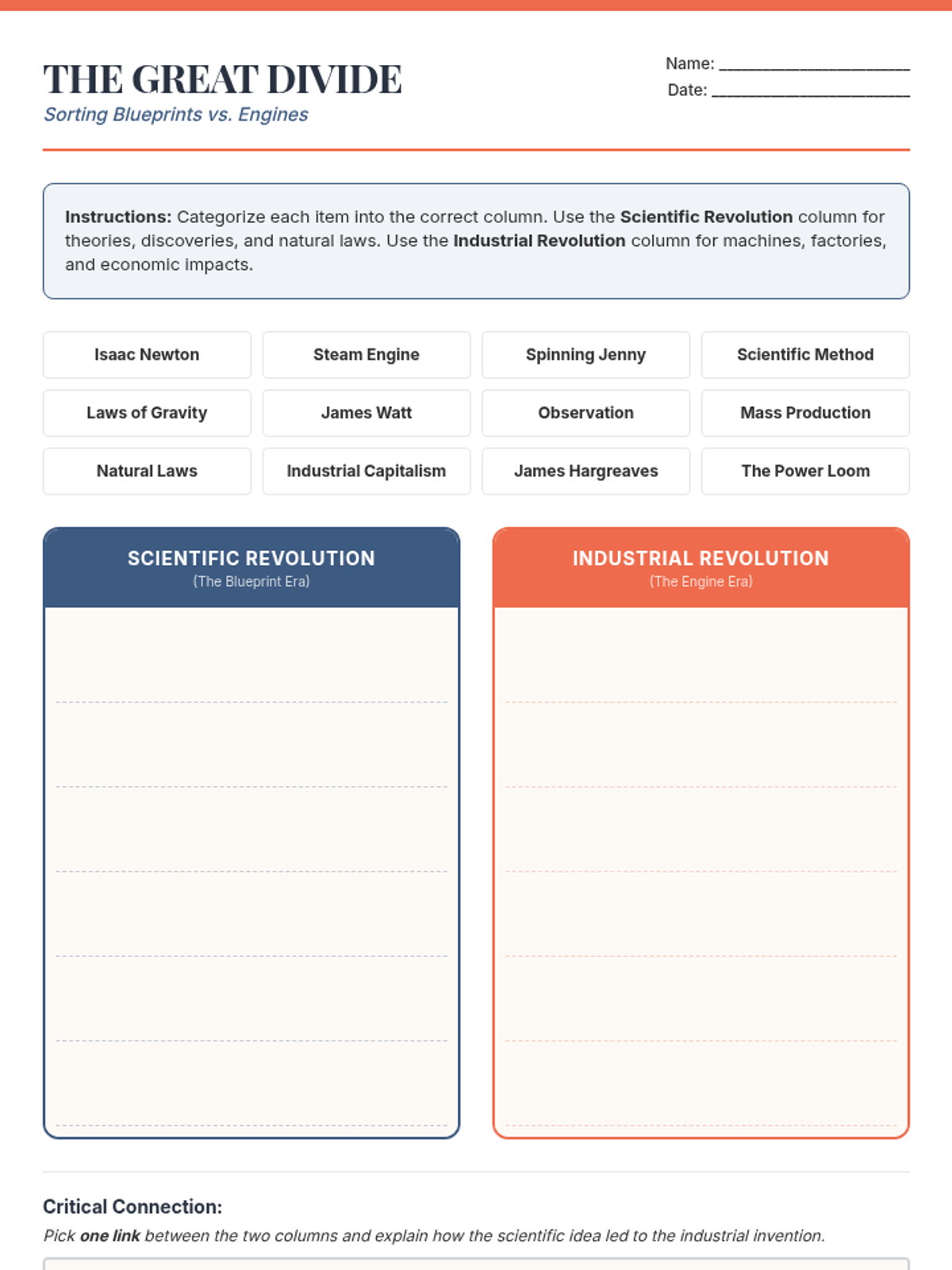
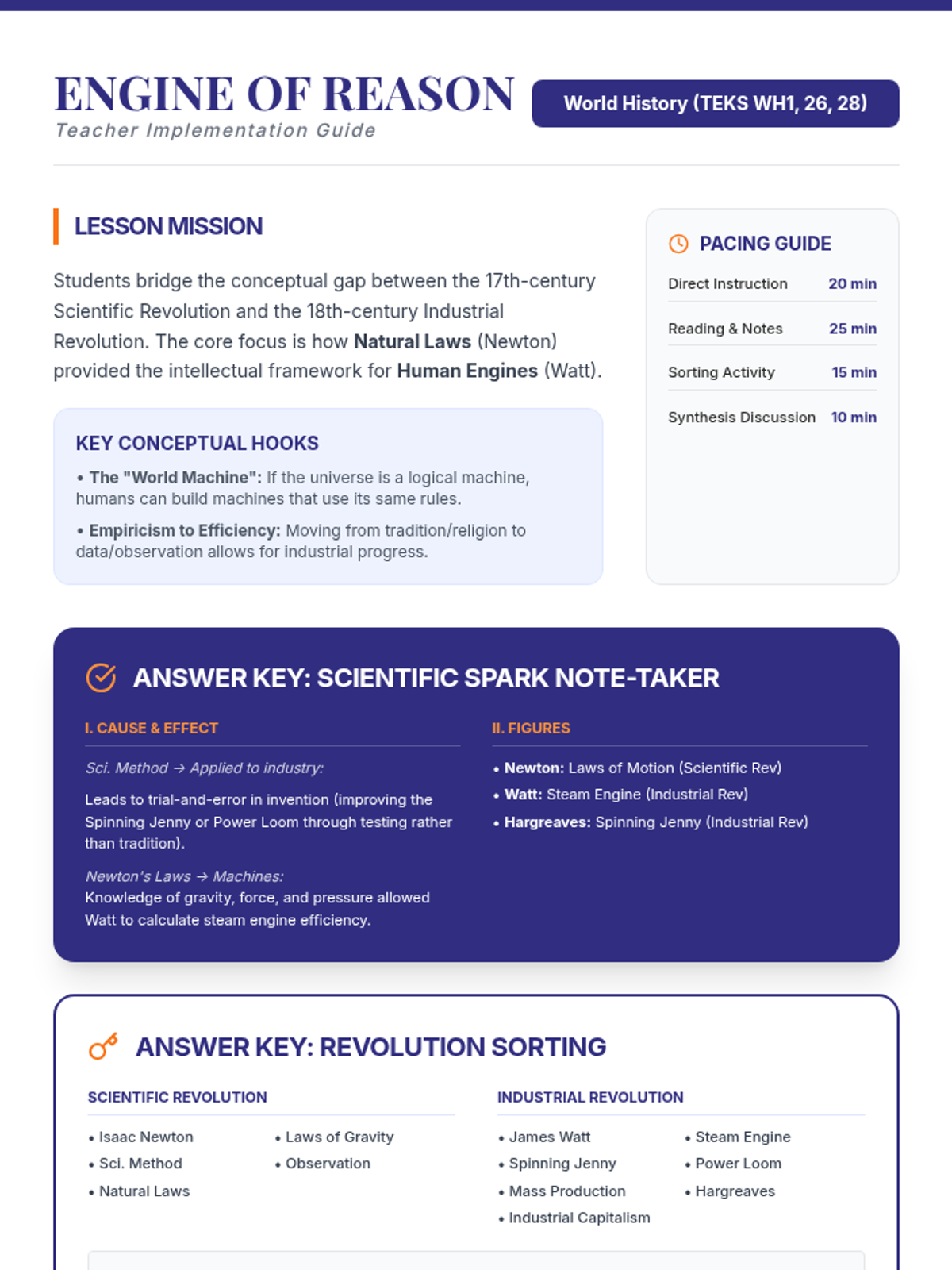
This lesson explores the transition from the Scientific Revolution's focus on natural laws to the Industrial Revolution's application of those laws through technology, featuring key figures like Newton and Watt.
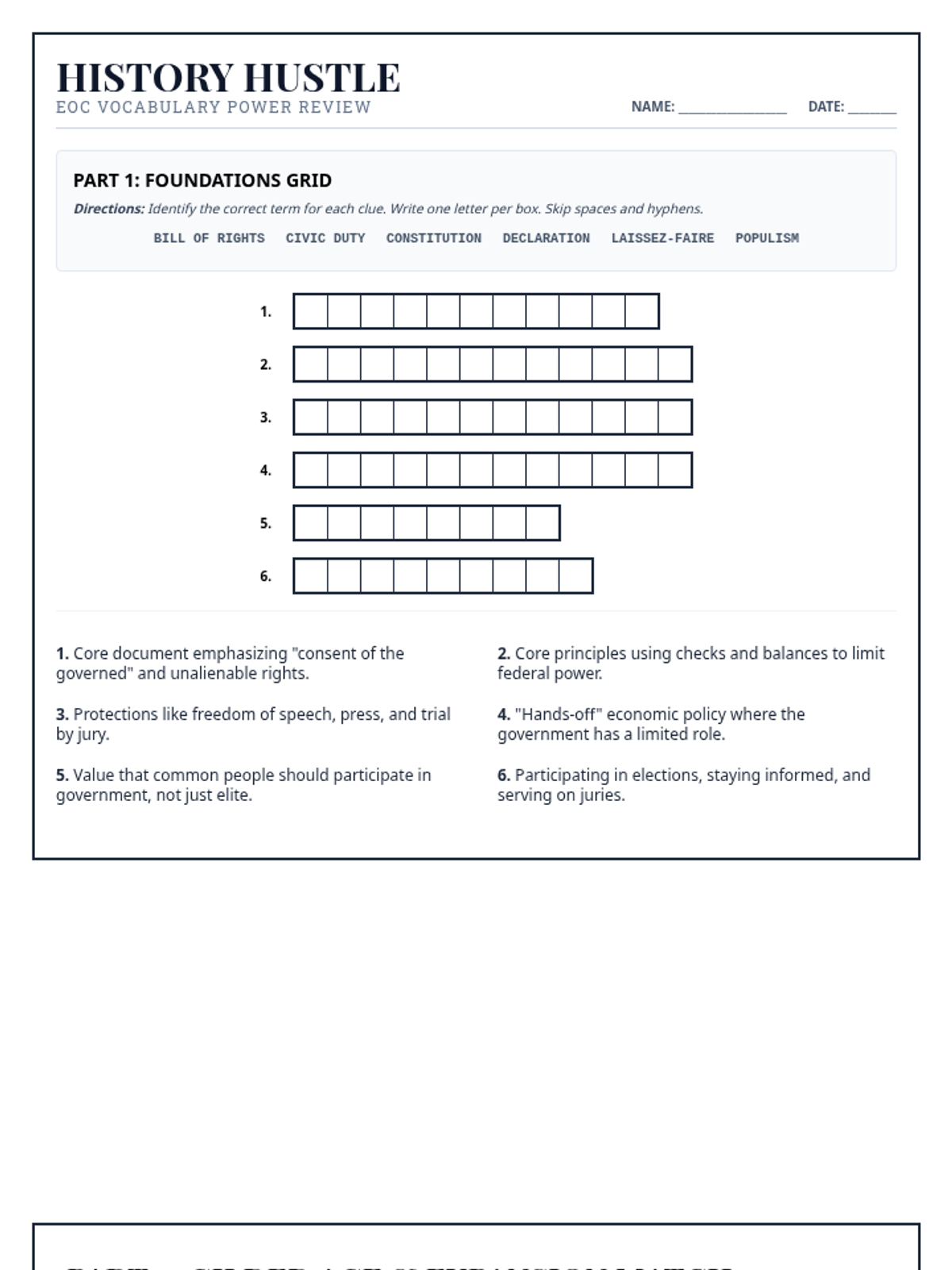
An intensive review session focusing on 20 critical US History EOC terms, utilizing a crossword puzzle for vocabulary reinforcement and a visual presentation for conceptual review.
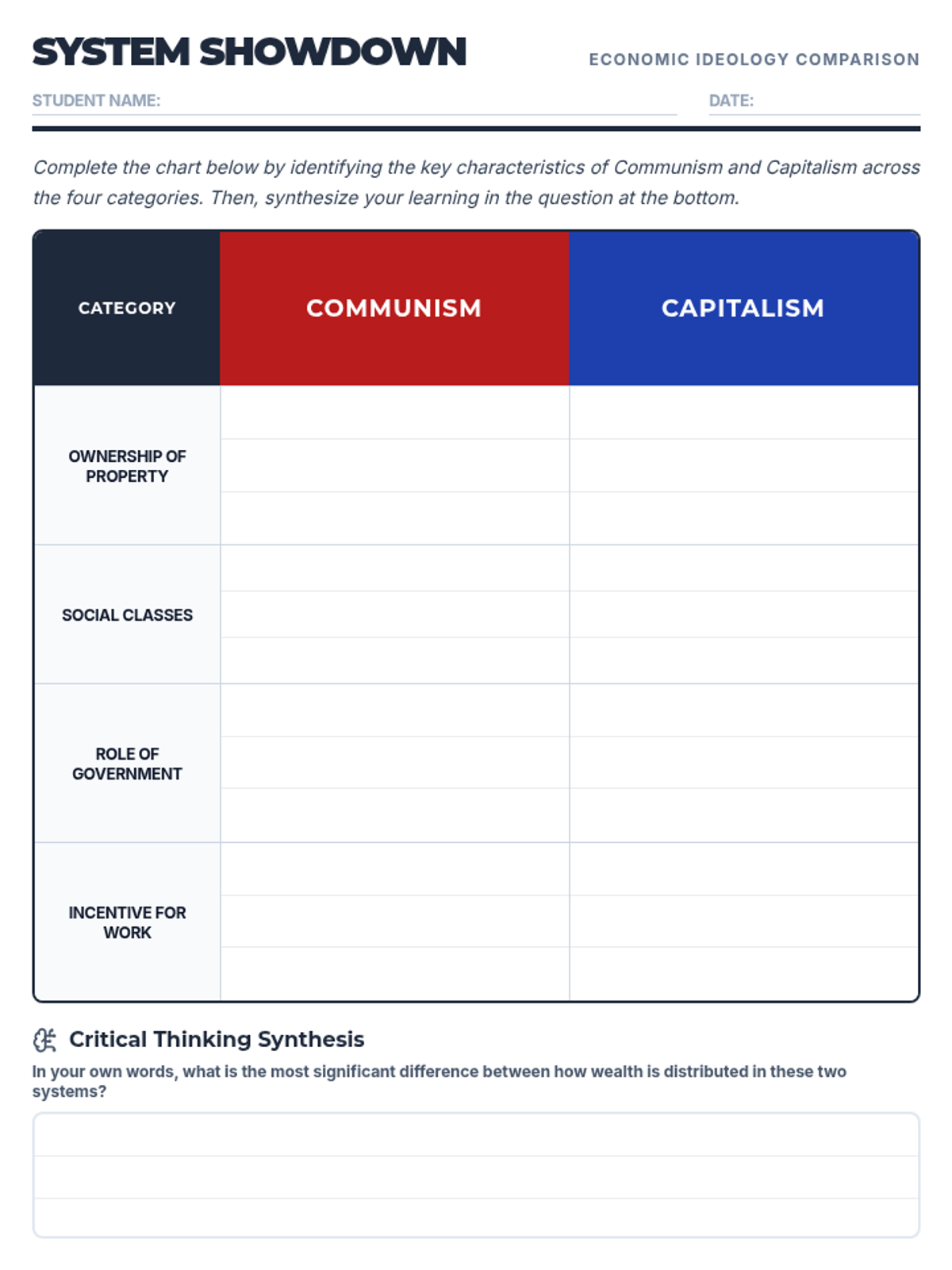
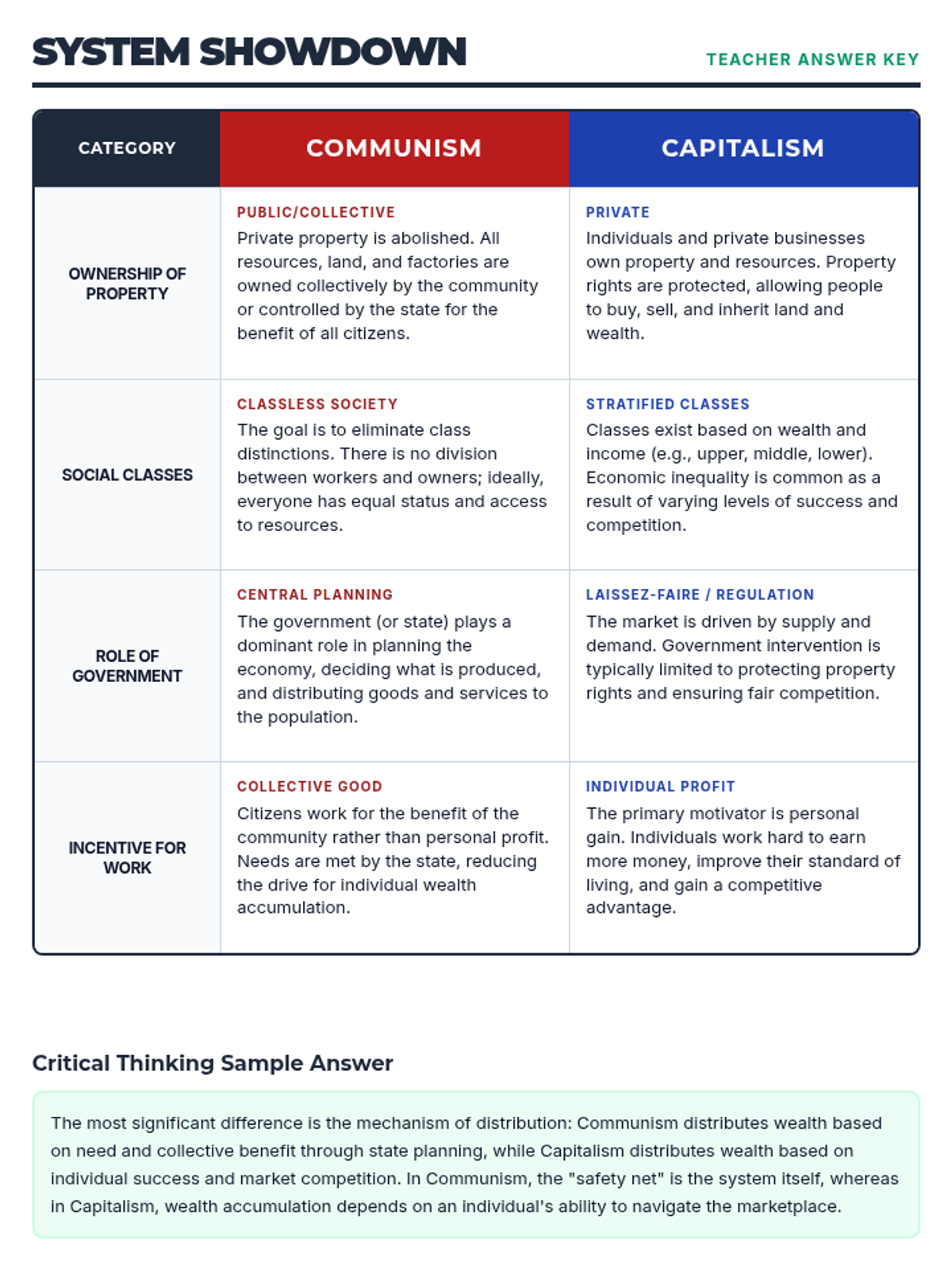
A comparison of the fundamental principles, economic structures, and social impacts of Communism and Capitalism.
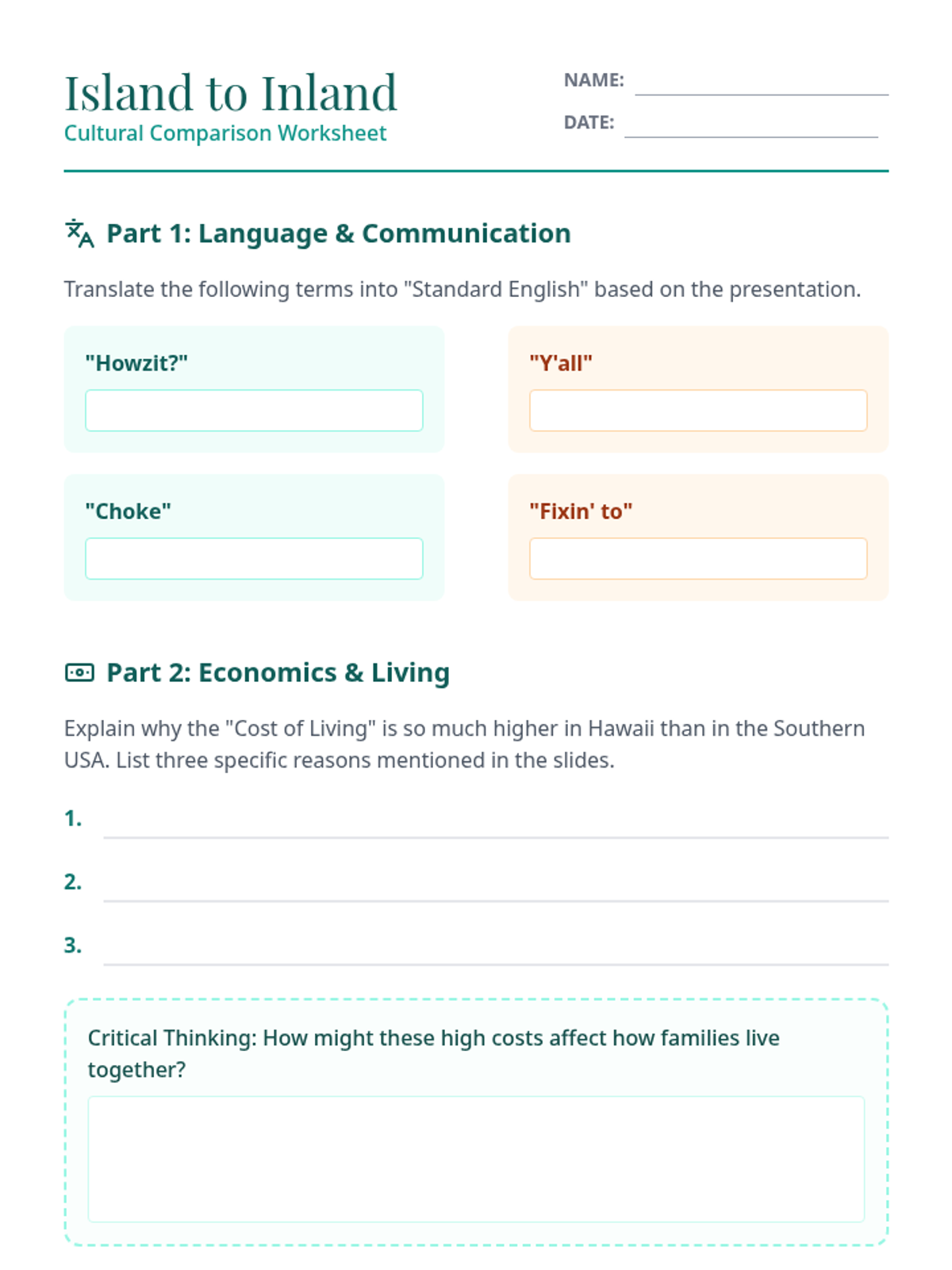
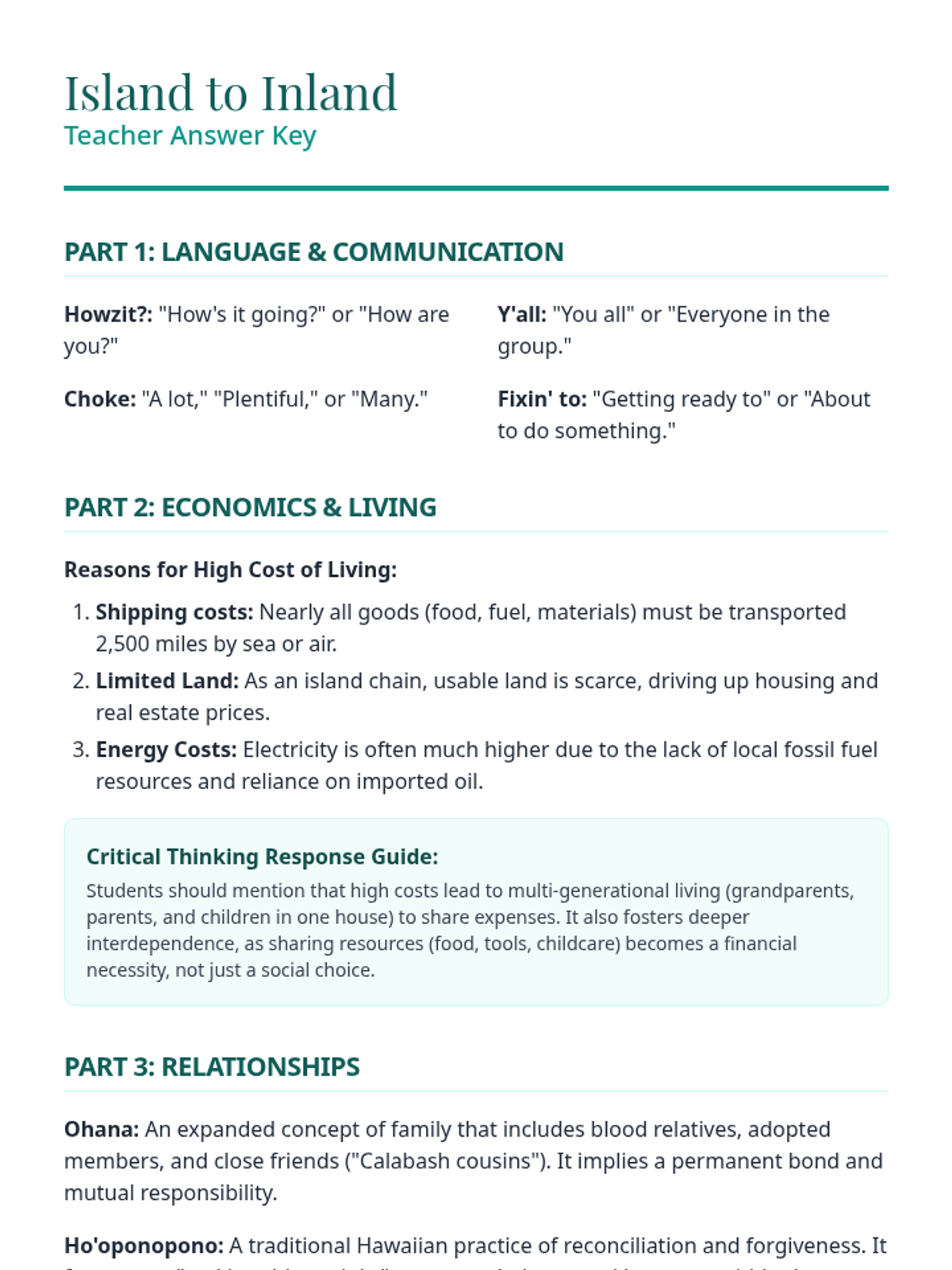
A comparative look at Hawaiian culture and Southern US culture, focusing on language, housing, economics, and deep-rooted family values.
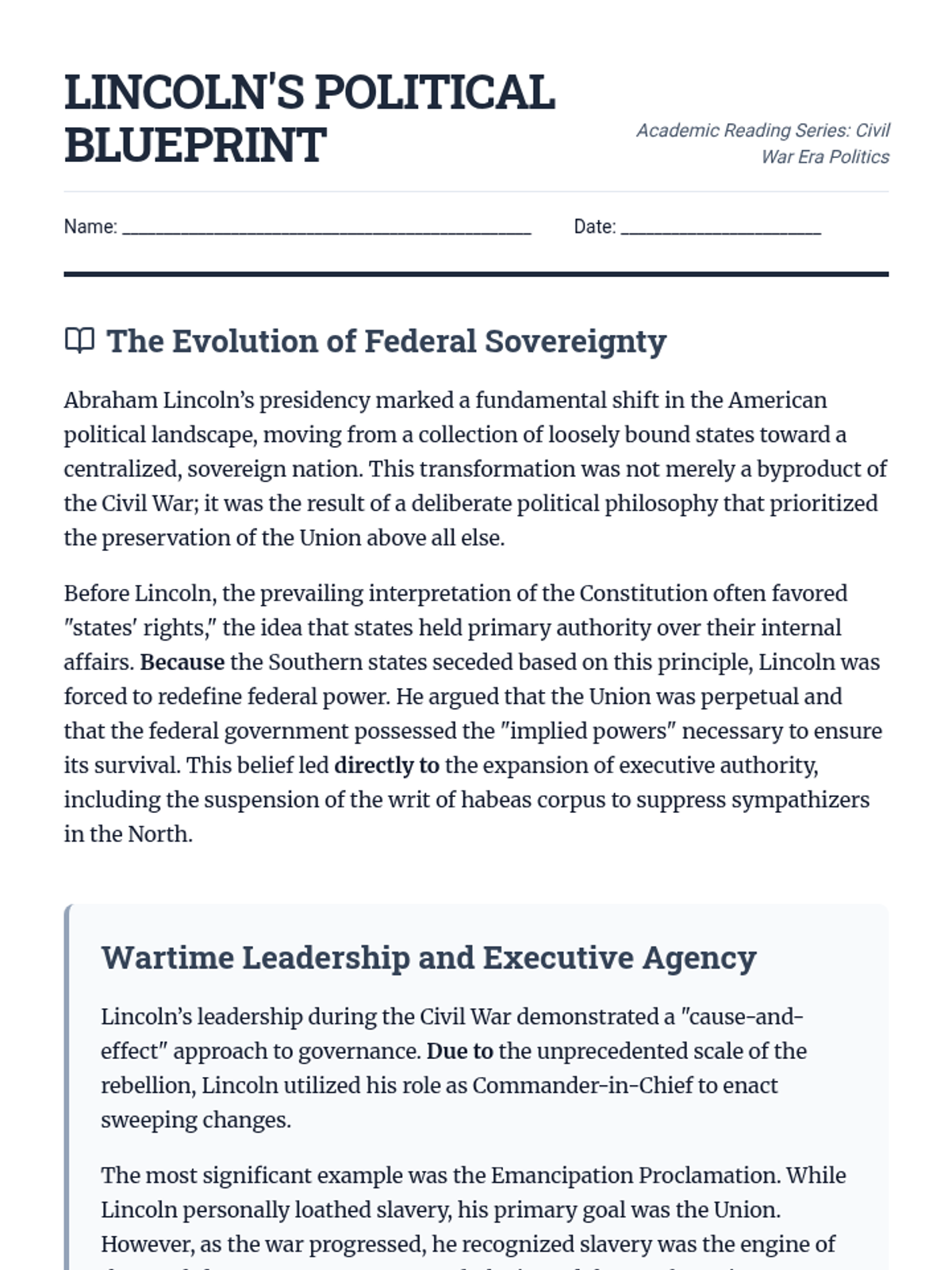
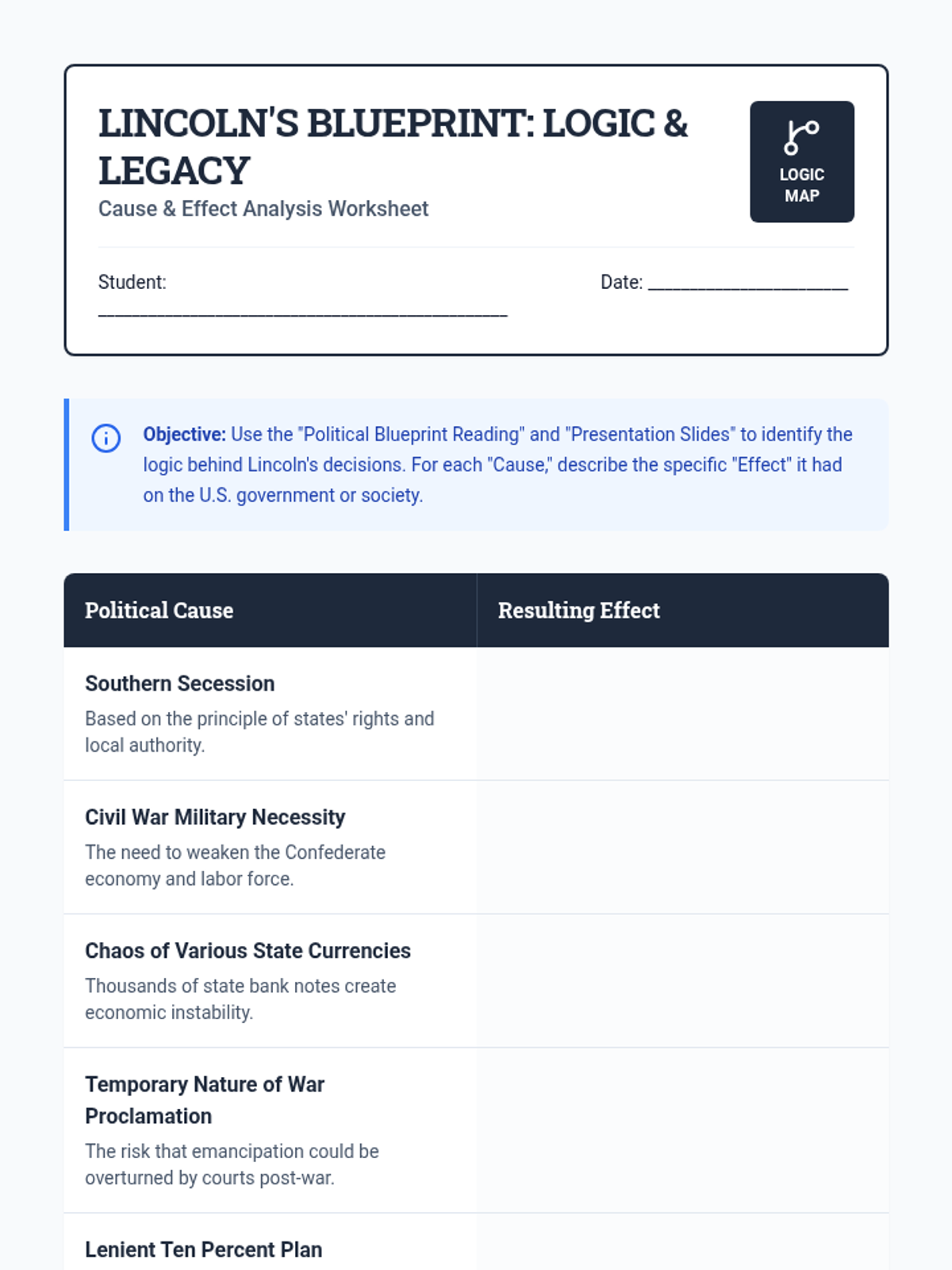
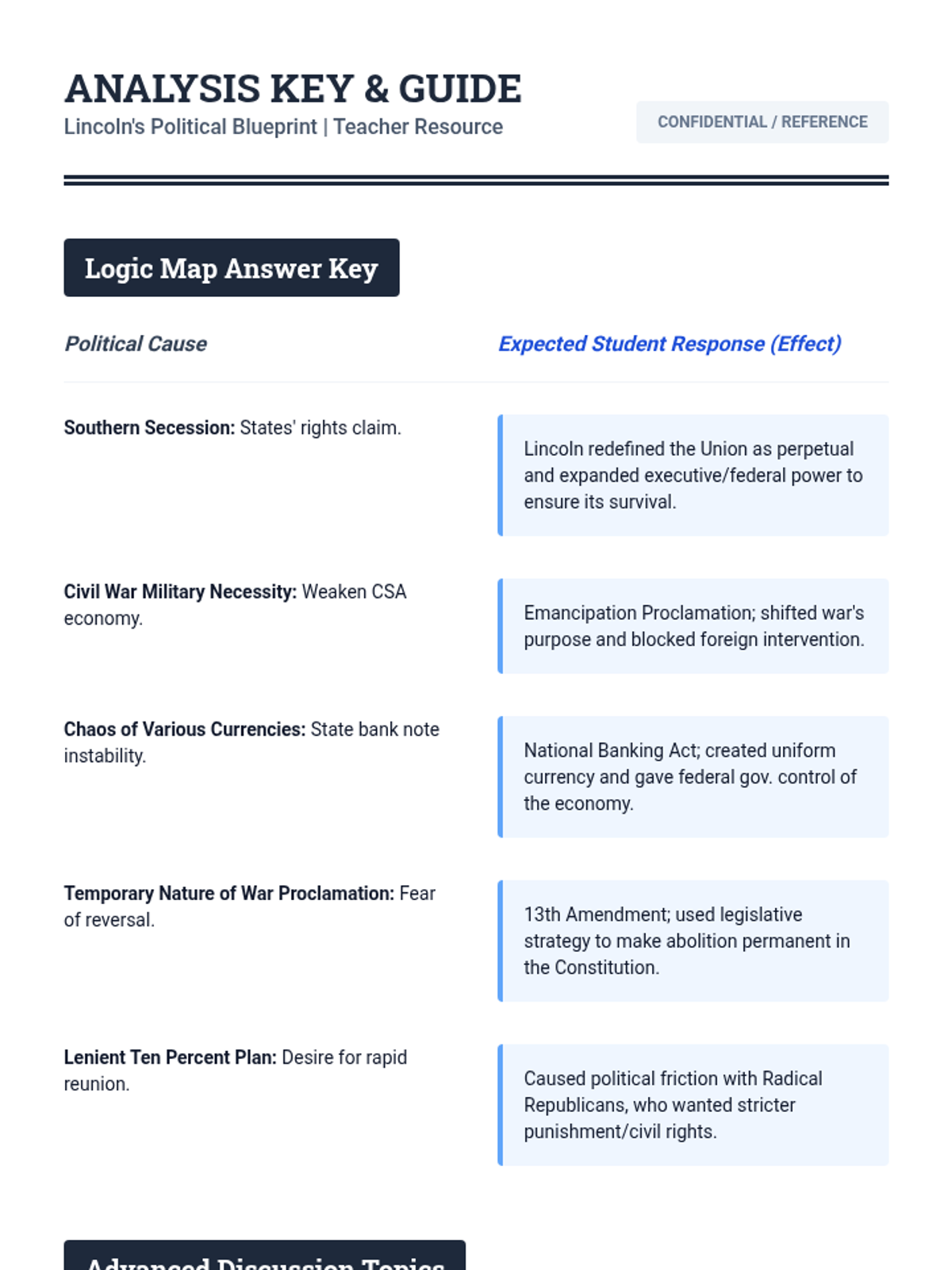
An in-depth exploration of Abraham Lincoln's political philosophy, focusing on the expansion of federal power, wartime leadership, and his economic vision for a modernized America. Students analyze cause-and-effect relationships within 19th-century American governance.
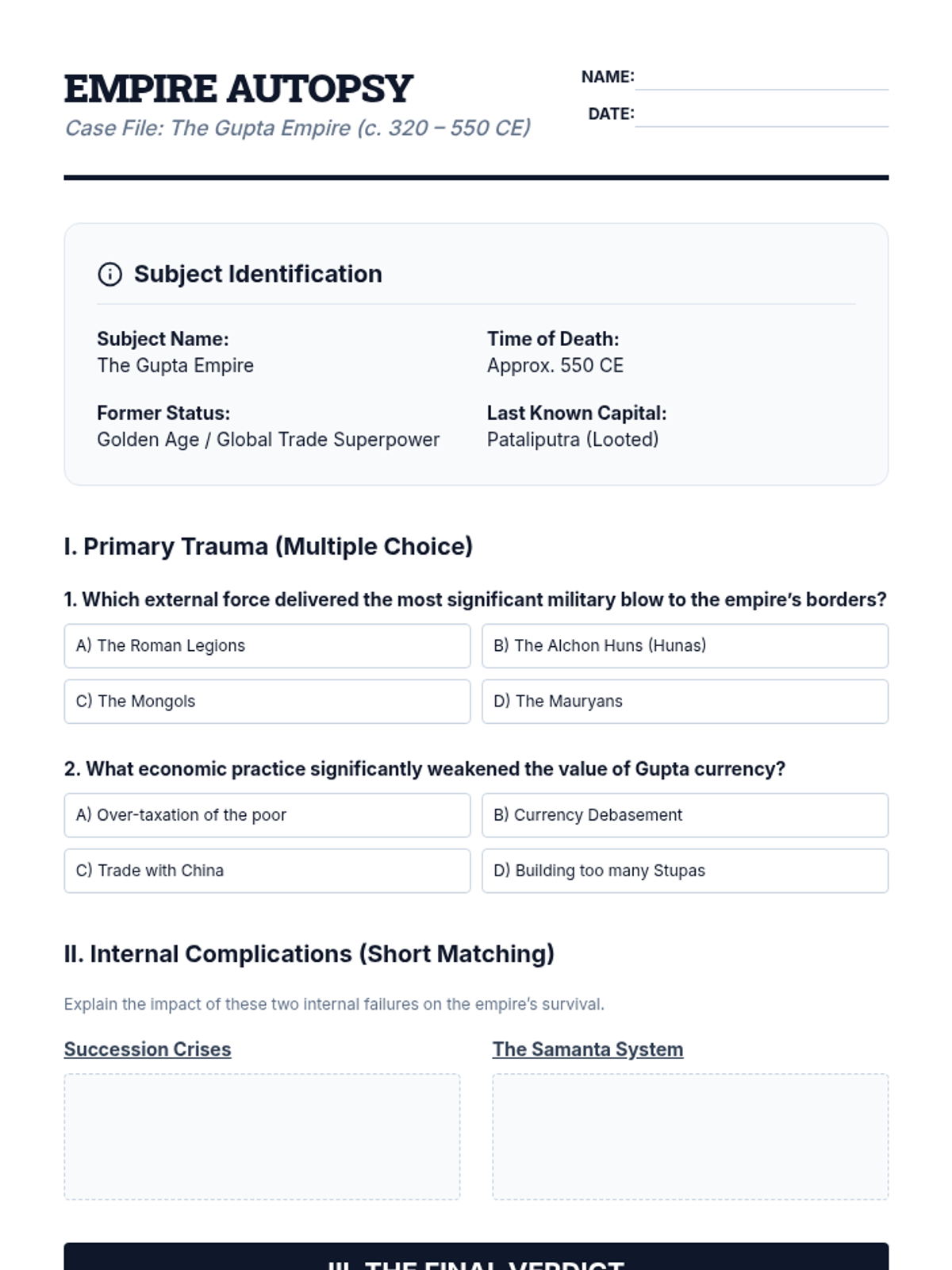
Synthesizes the causes of the final collapse and evaluates the lasting cultural legacy of the Gupta period in South Asia.
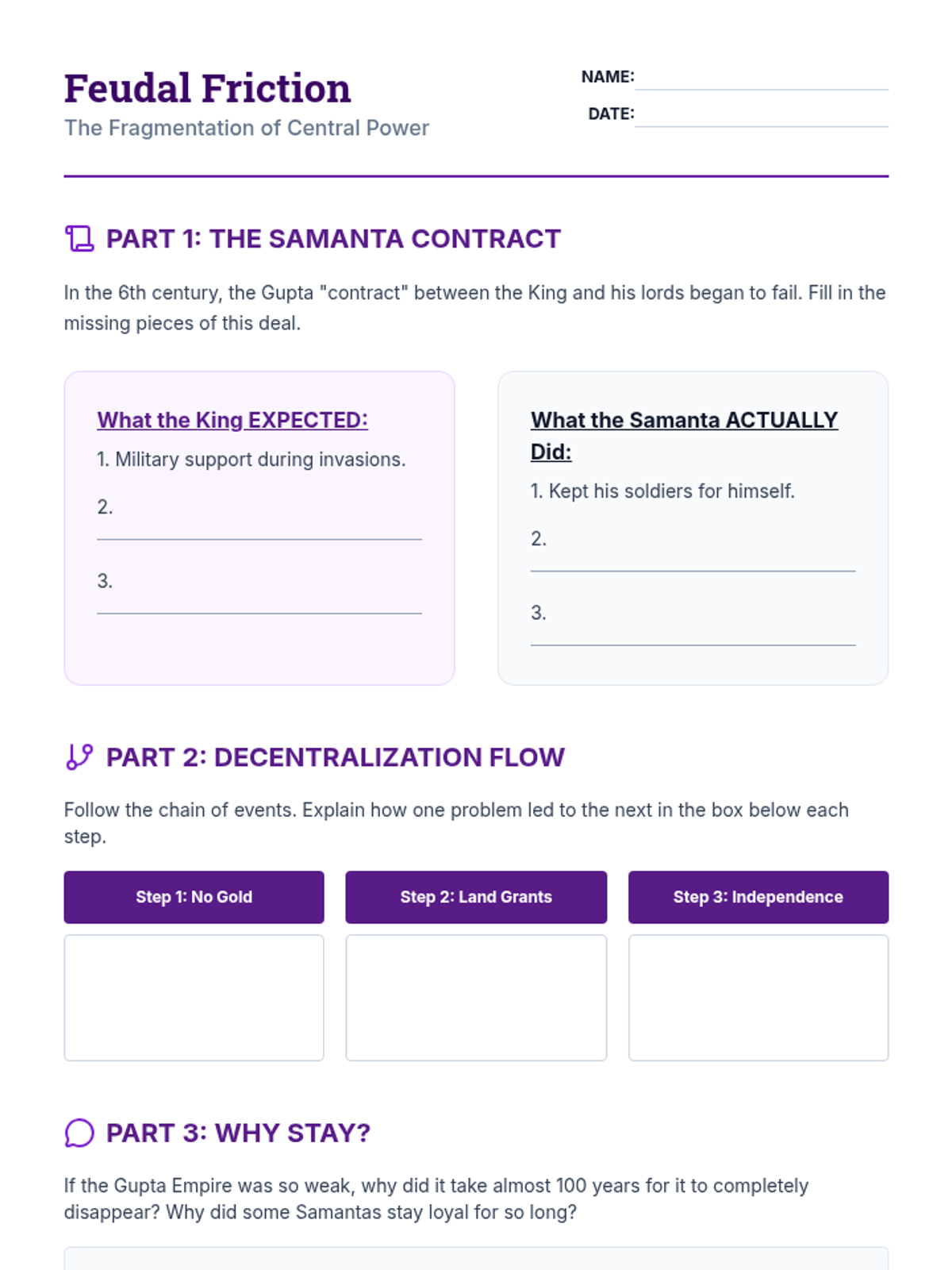
Explores the rise of regional feudal lords (Samantas) and the administrative decentralization that led to political fragmentation.
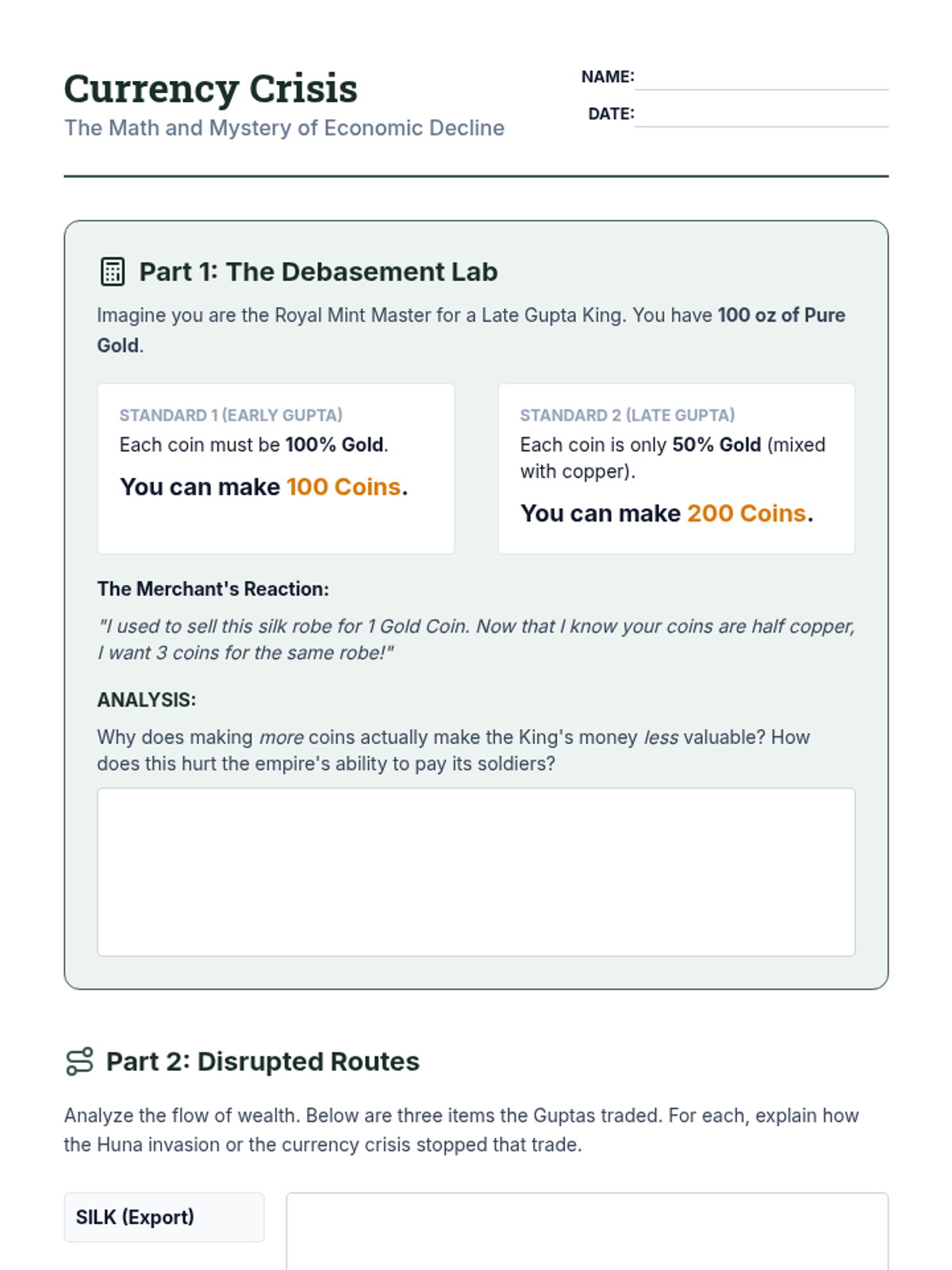
Analyzes the economic factors behind the decline, including the disruption of silk trade routes and currency debasement.
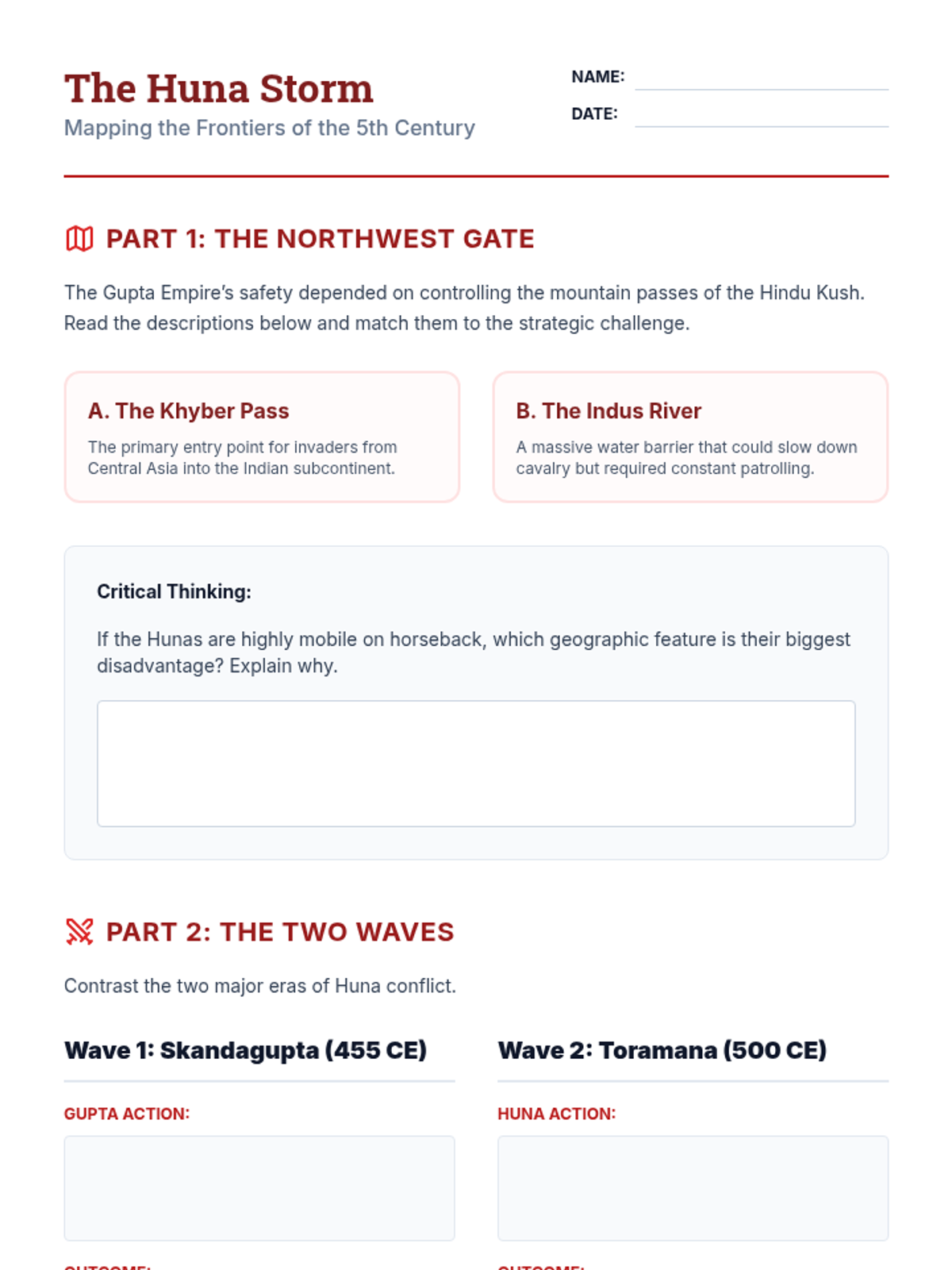
Investigates the Huna invasions, their military impact, and the exhaustion of Gupta resources in defending the frontiers.
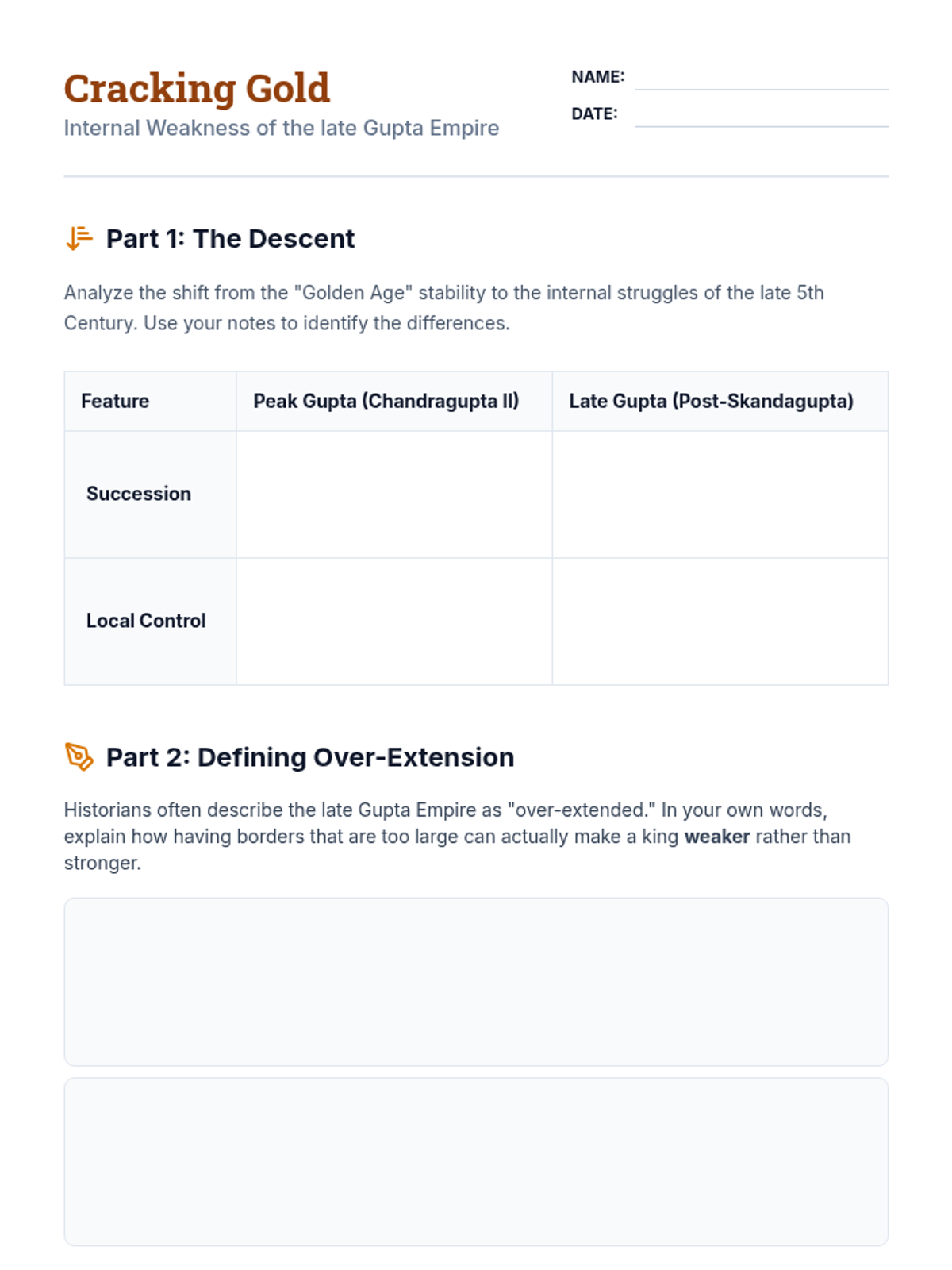
Examines the internal weaknesses of the late Gupta Empire, focusing on succession struggles and the erosion of central authority.
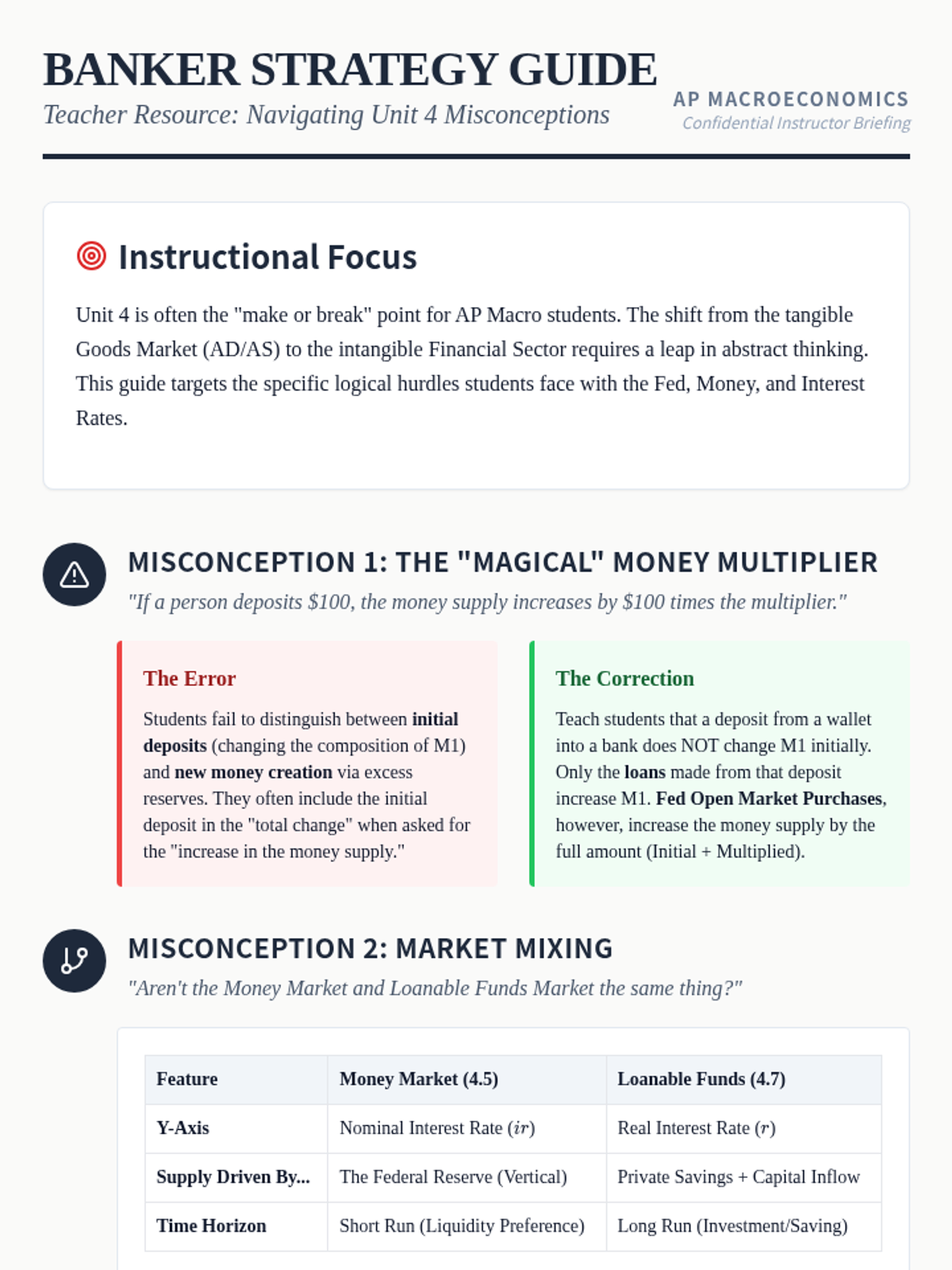
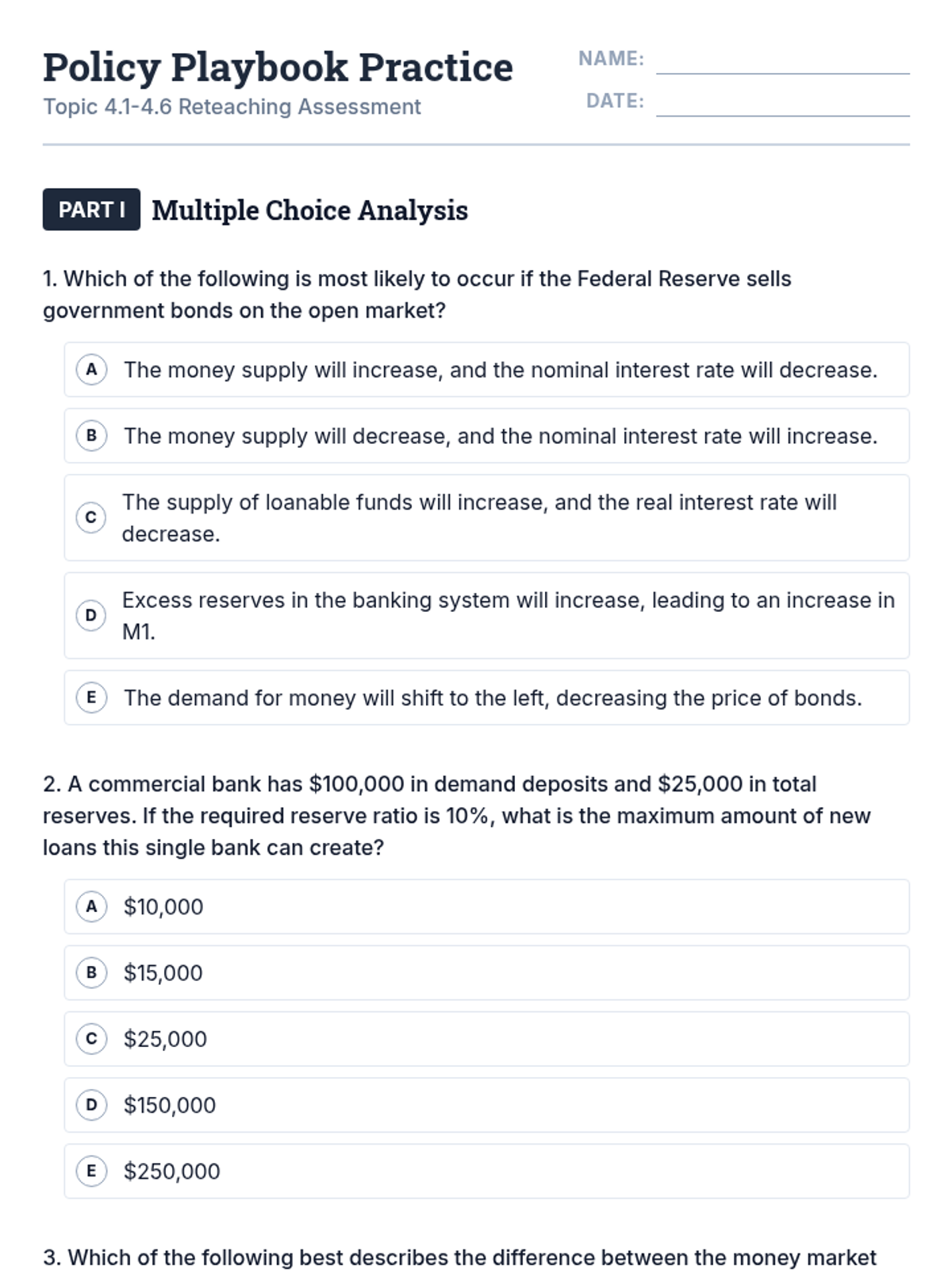
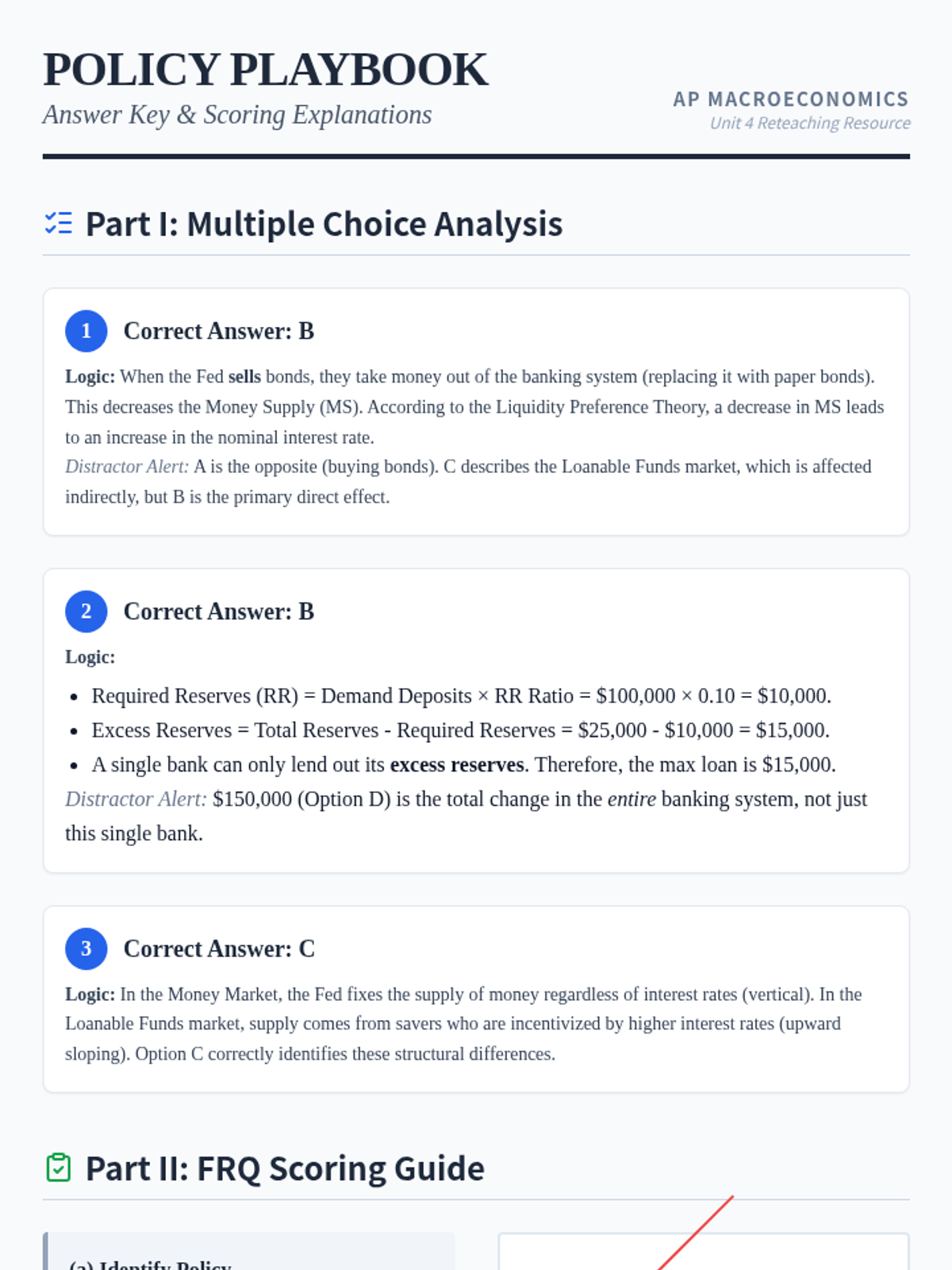
Focuses on clearing up common confusion between the Money Market and Loanable Funds Market, mastering the Fed's tools, and understanding the money expansion process.
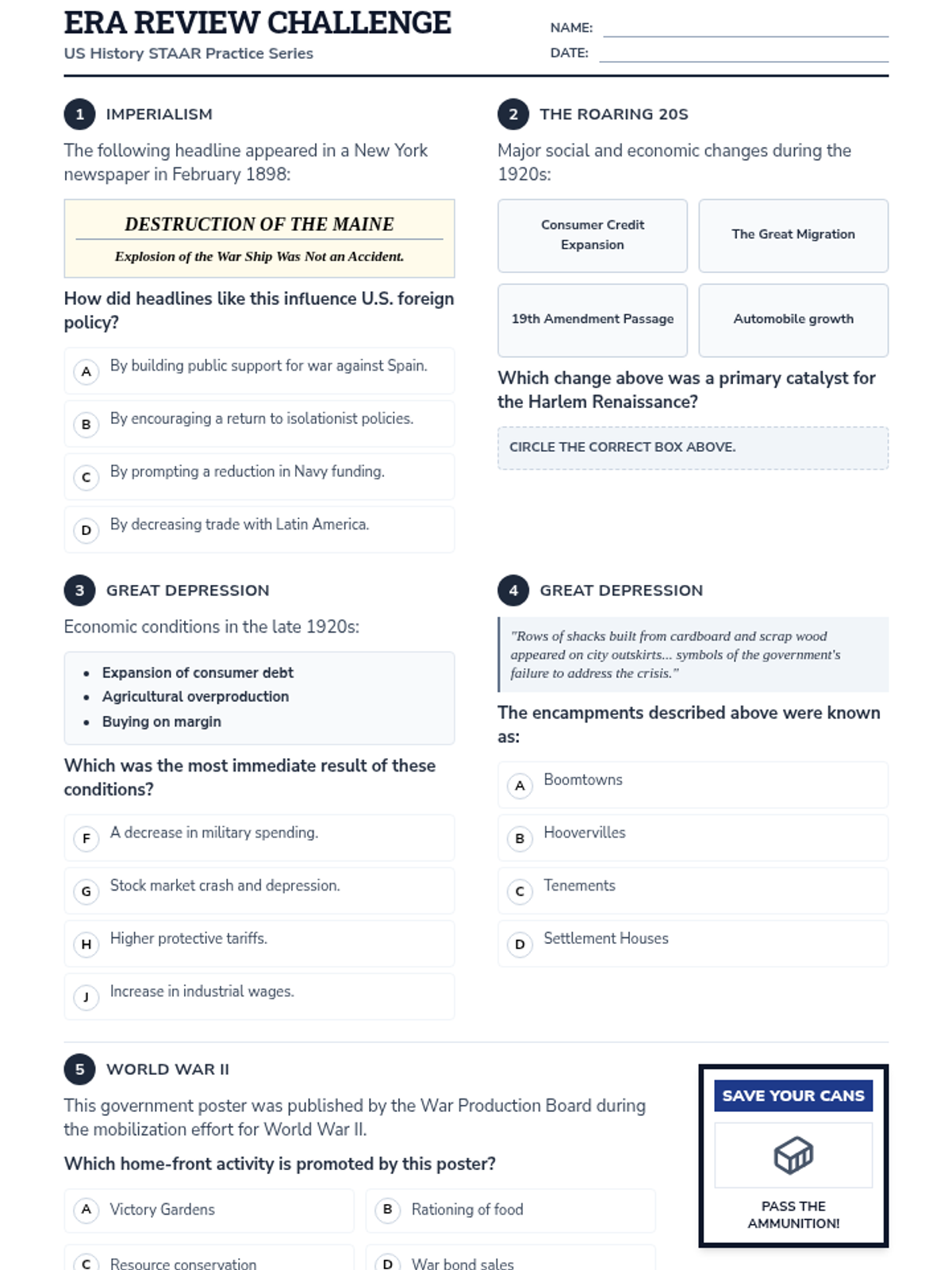
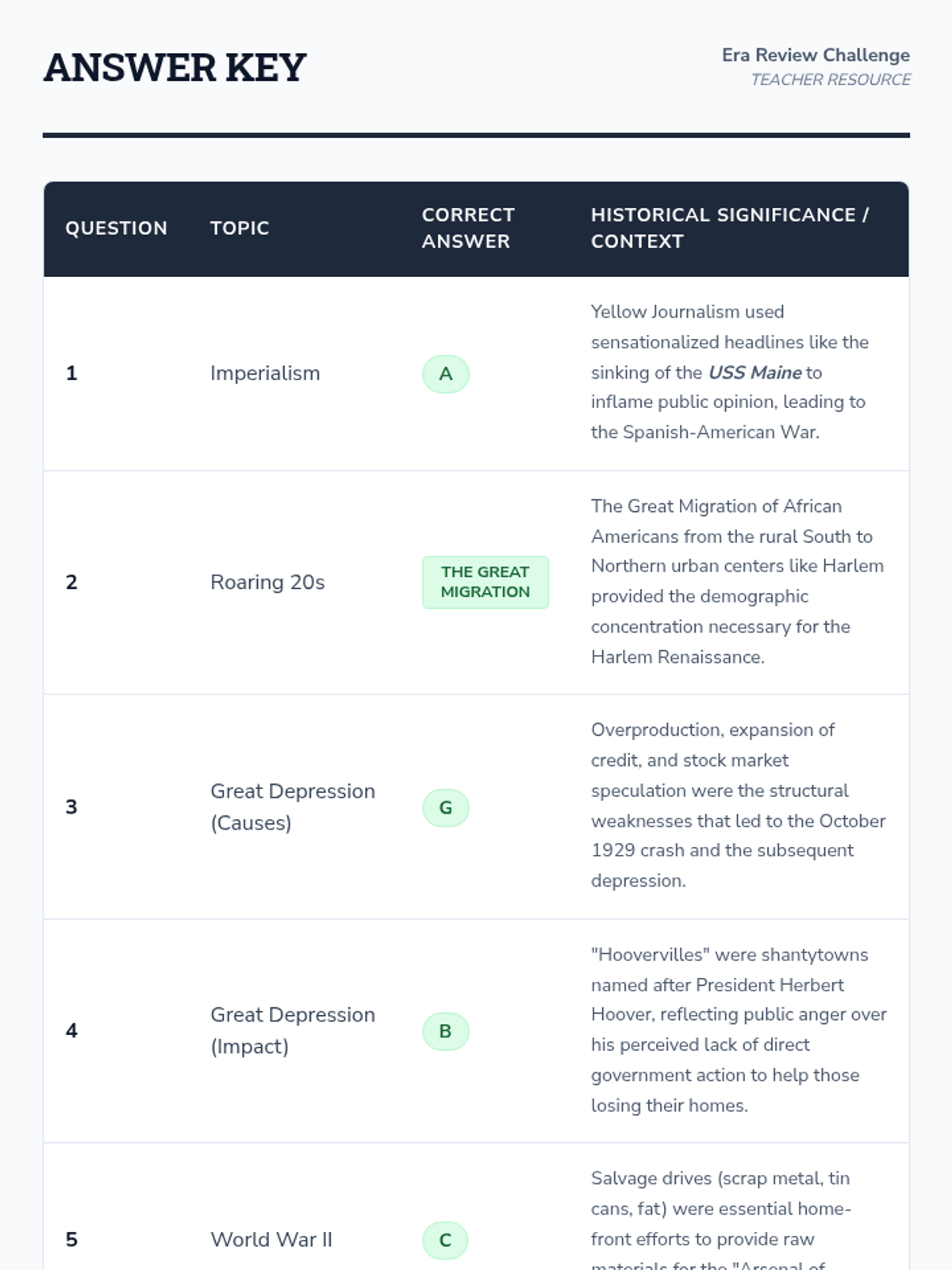
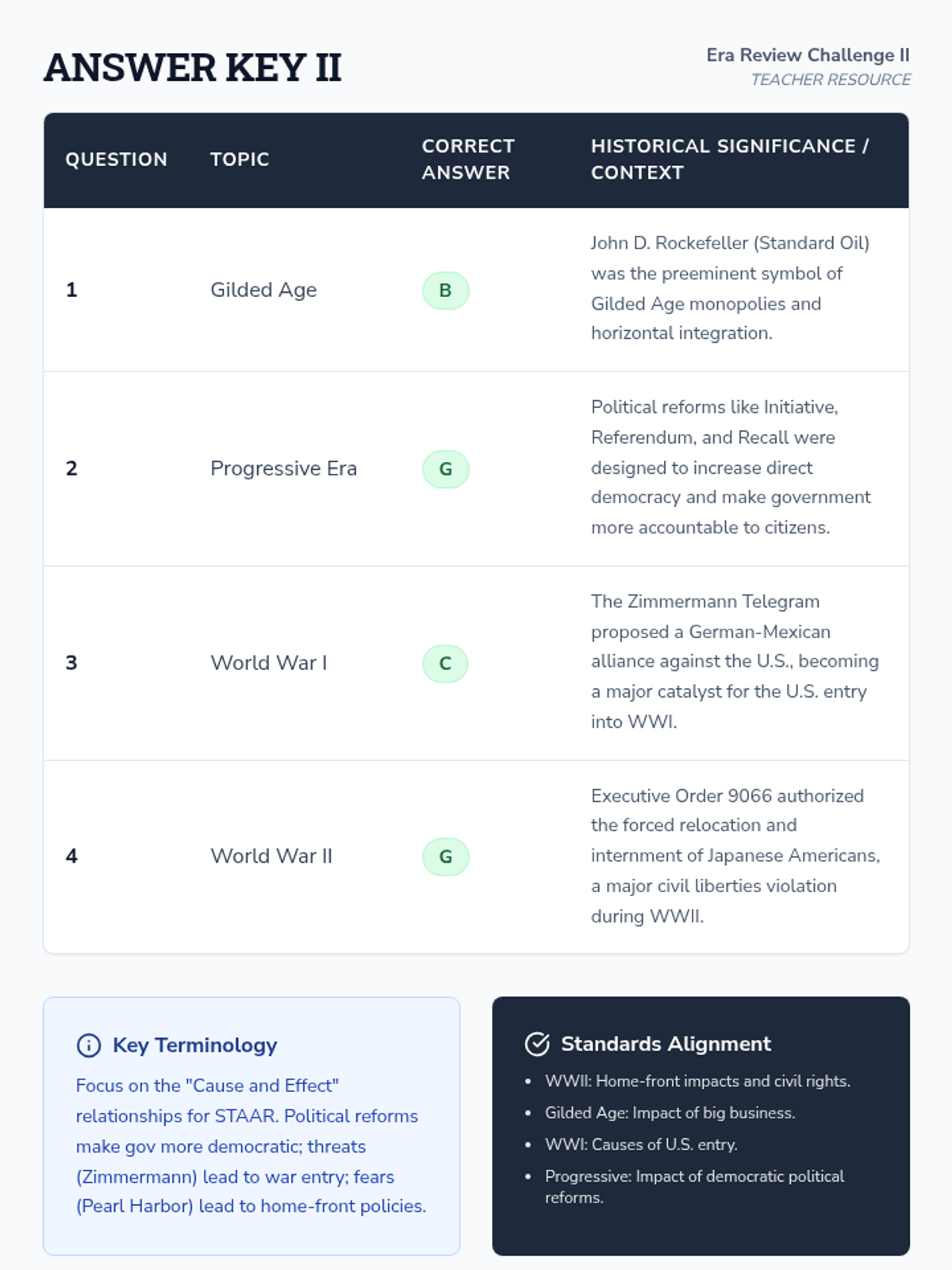
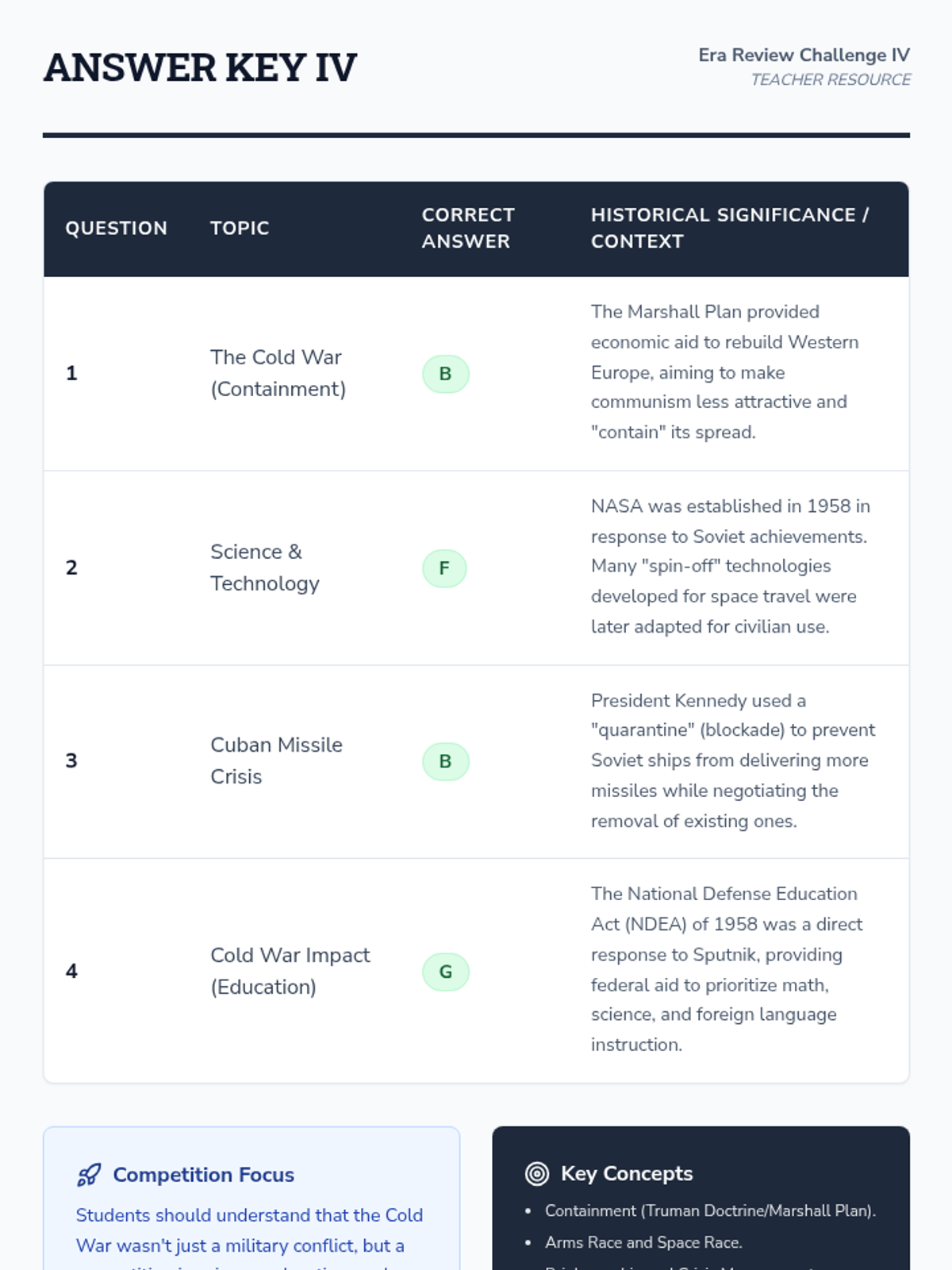
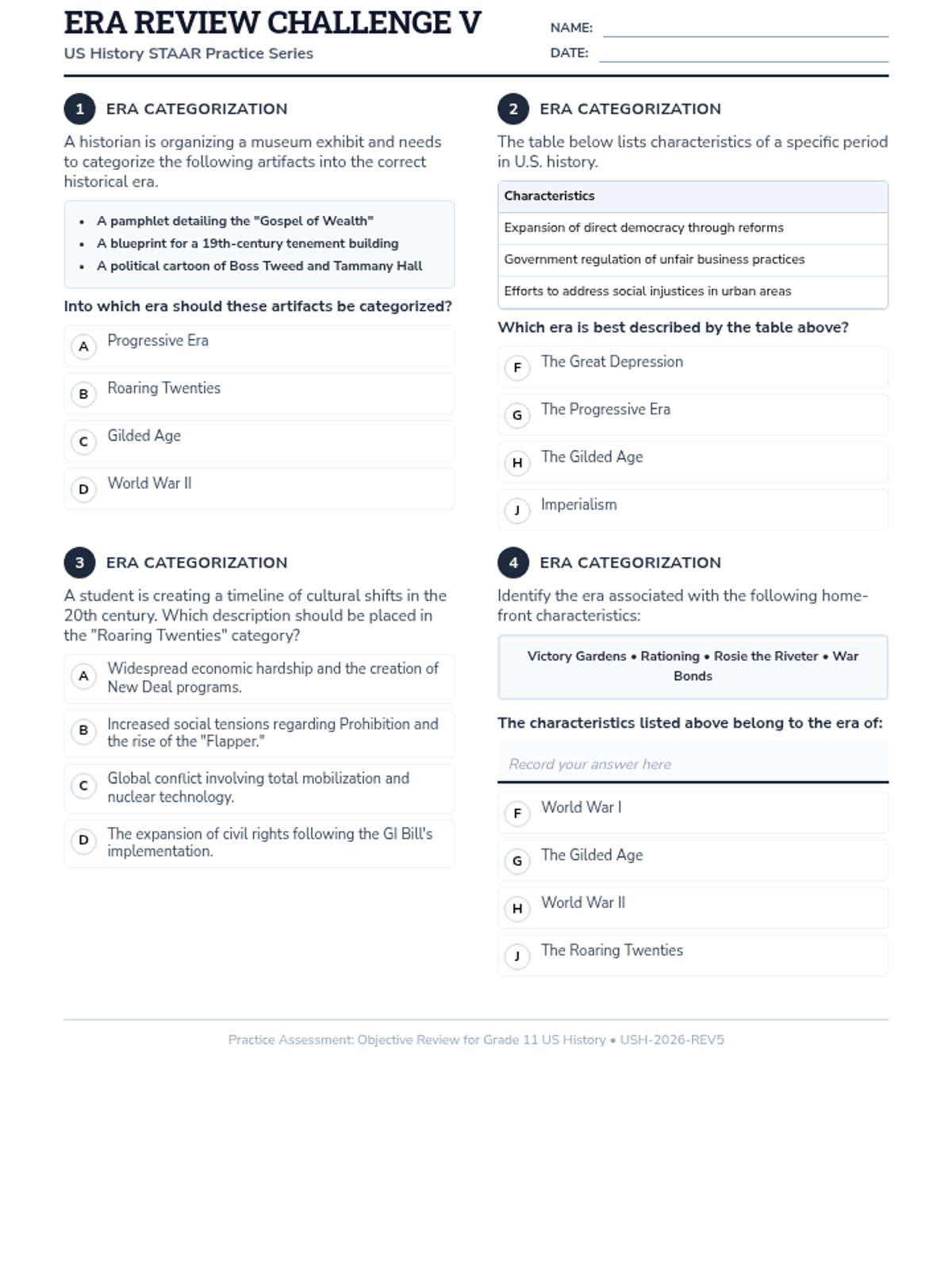
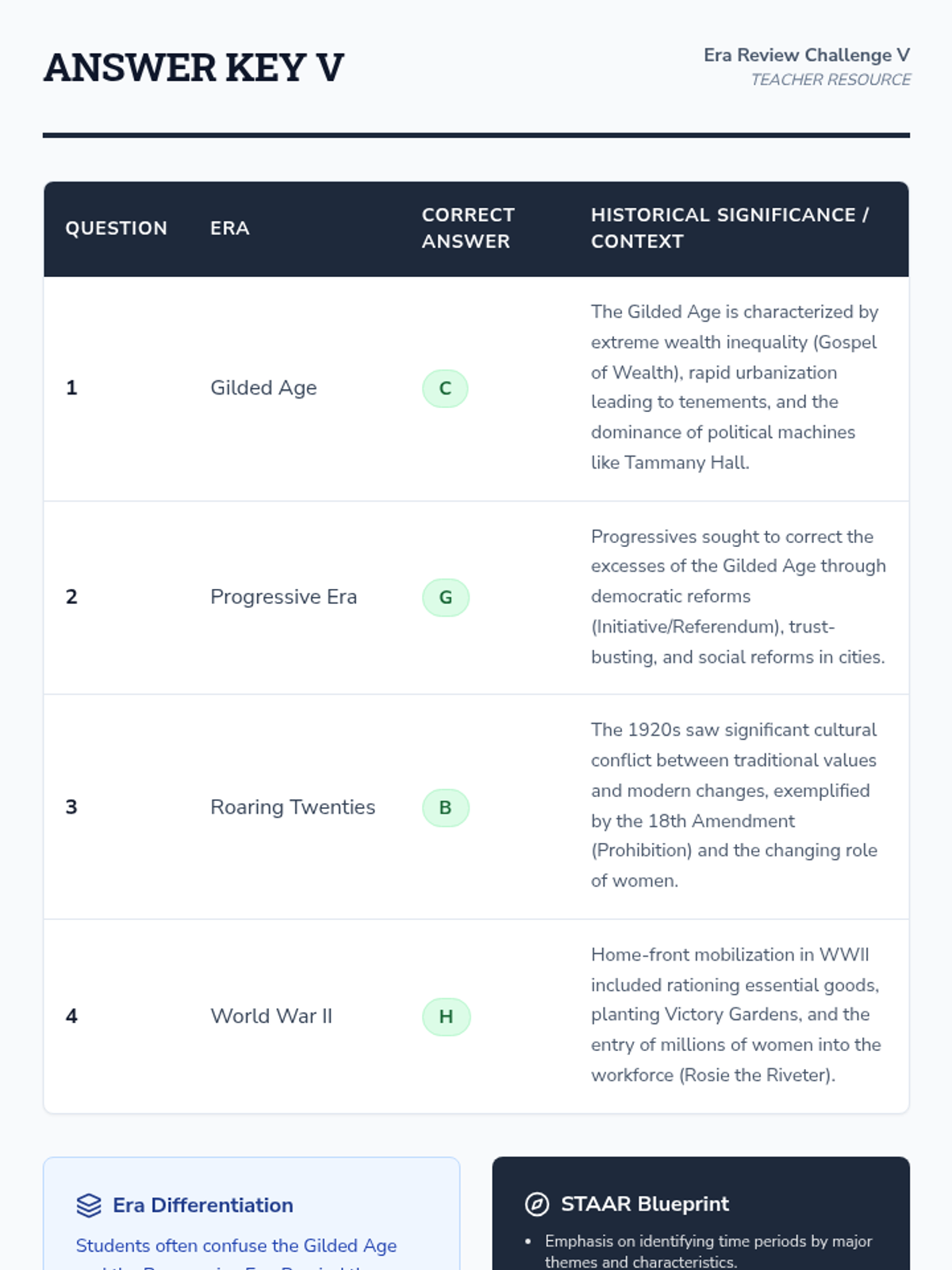
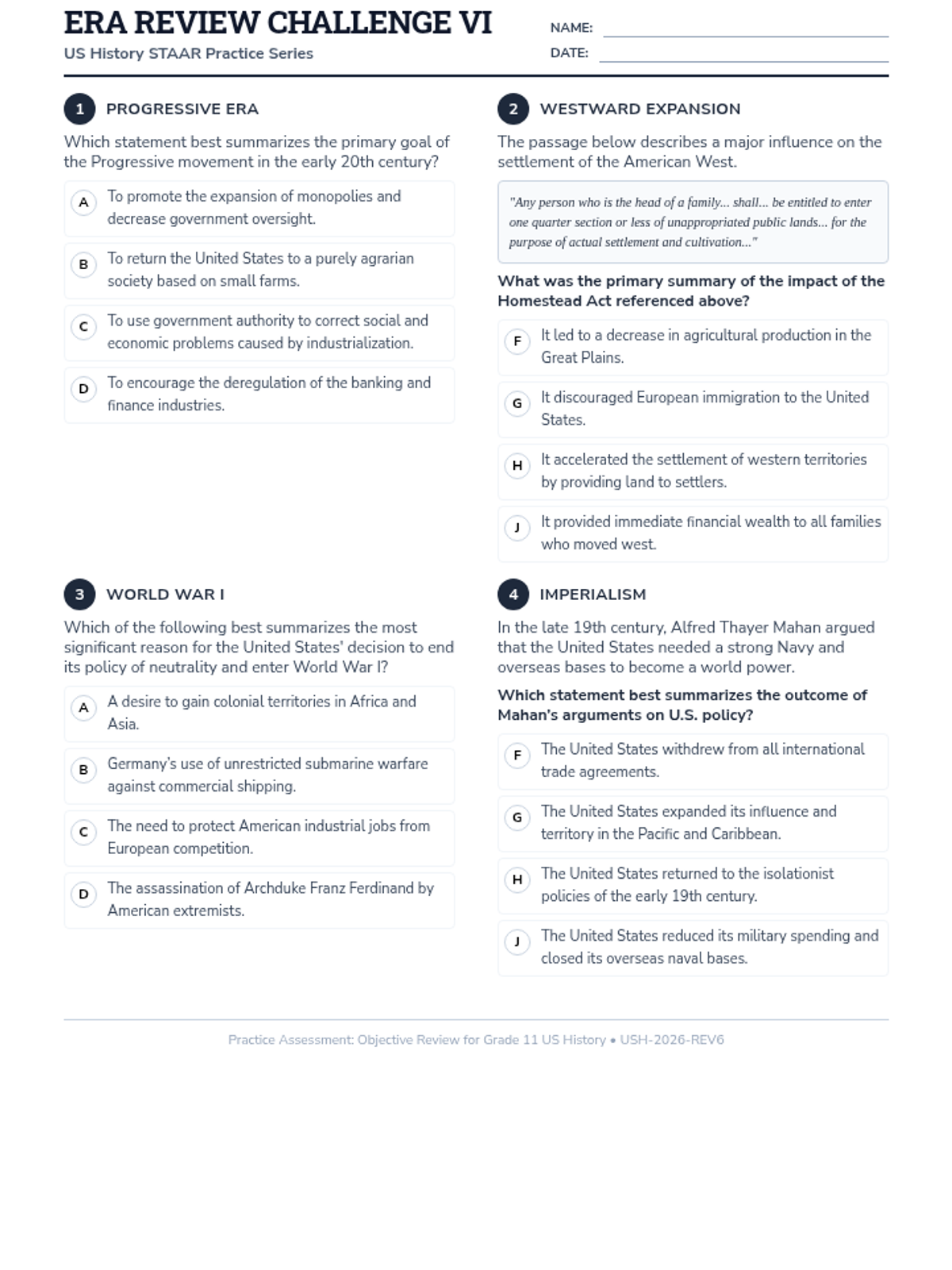
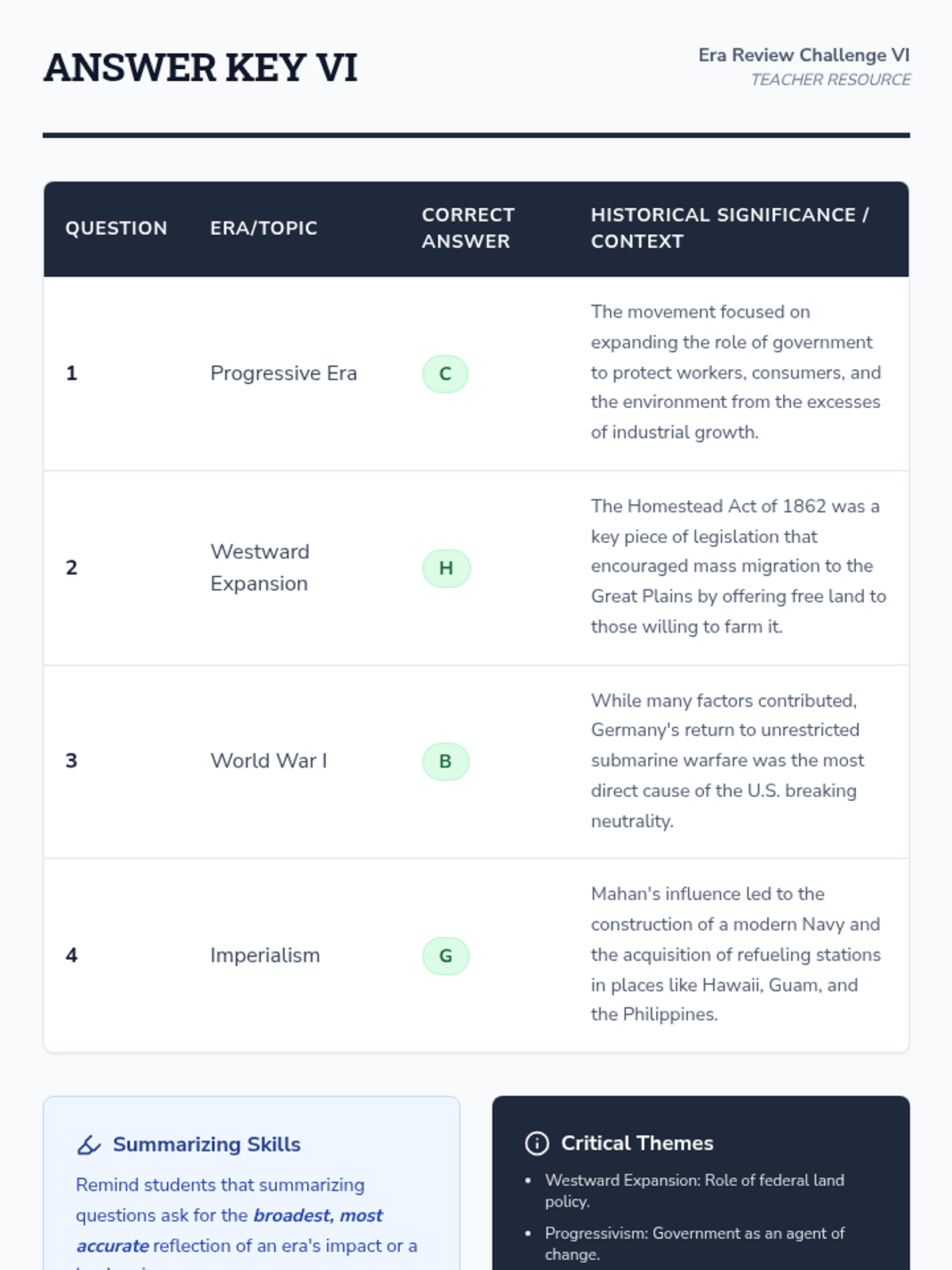
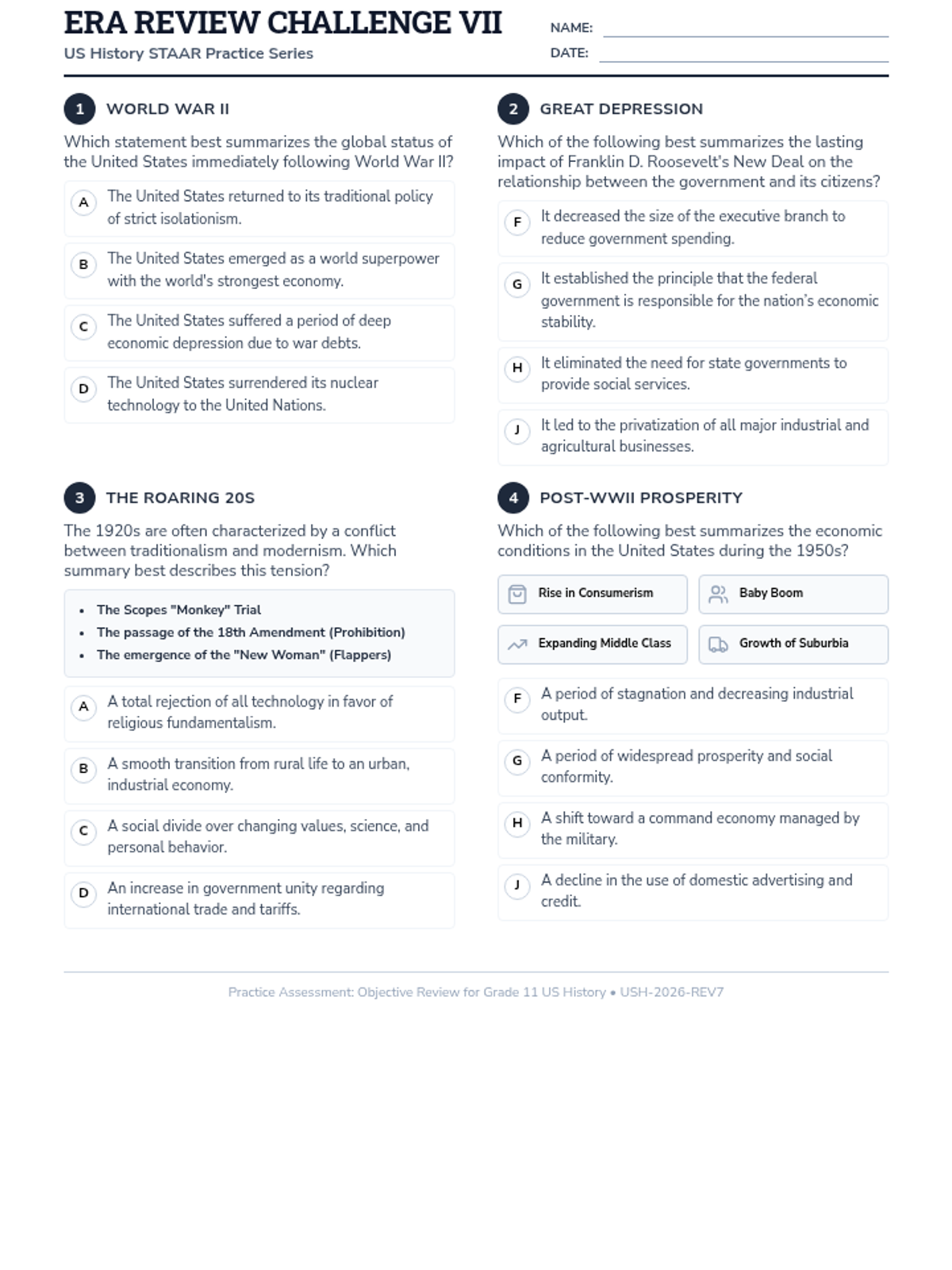
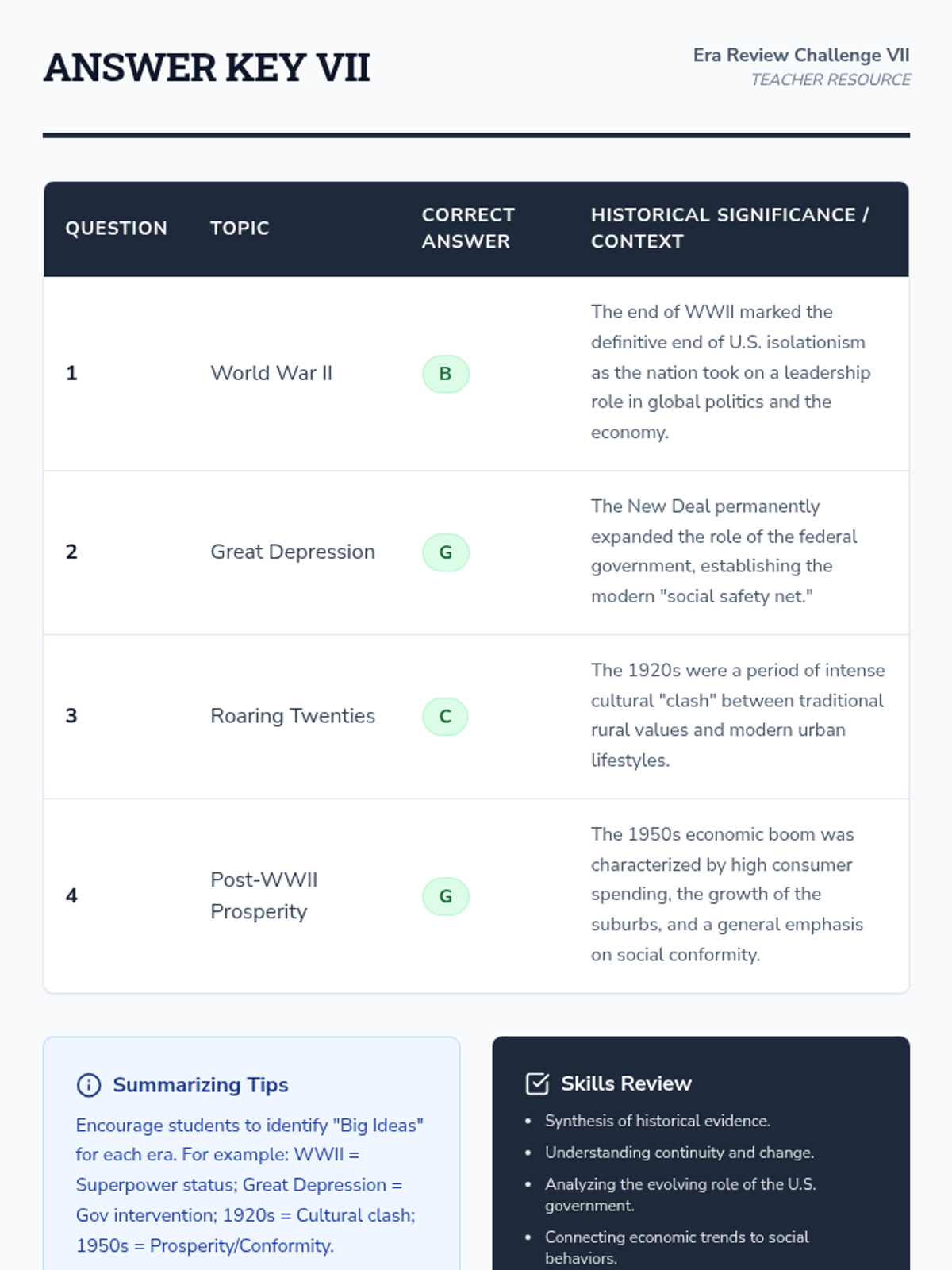
A quick review lesson designed to prepare students for US History STAAR assessments, focusing on four key eras: Imperialism, the Roaring 20s, the Great Depression, and WWII.
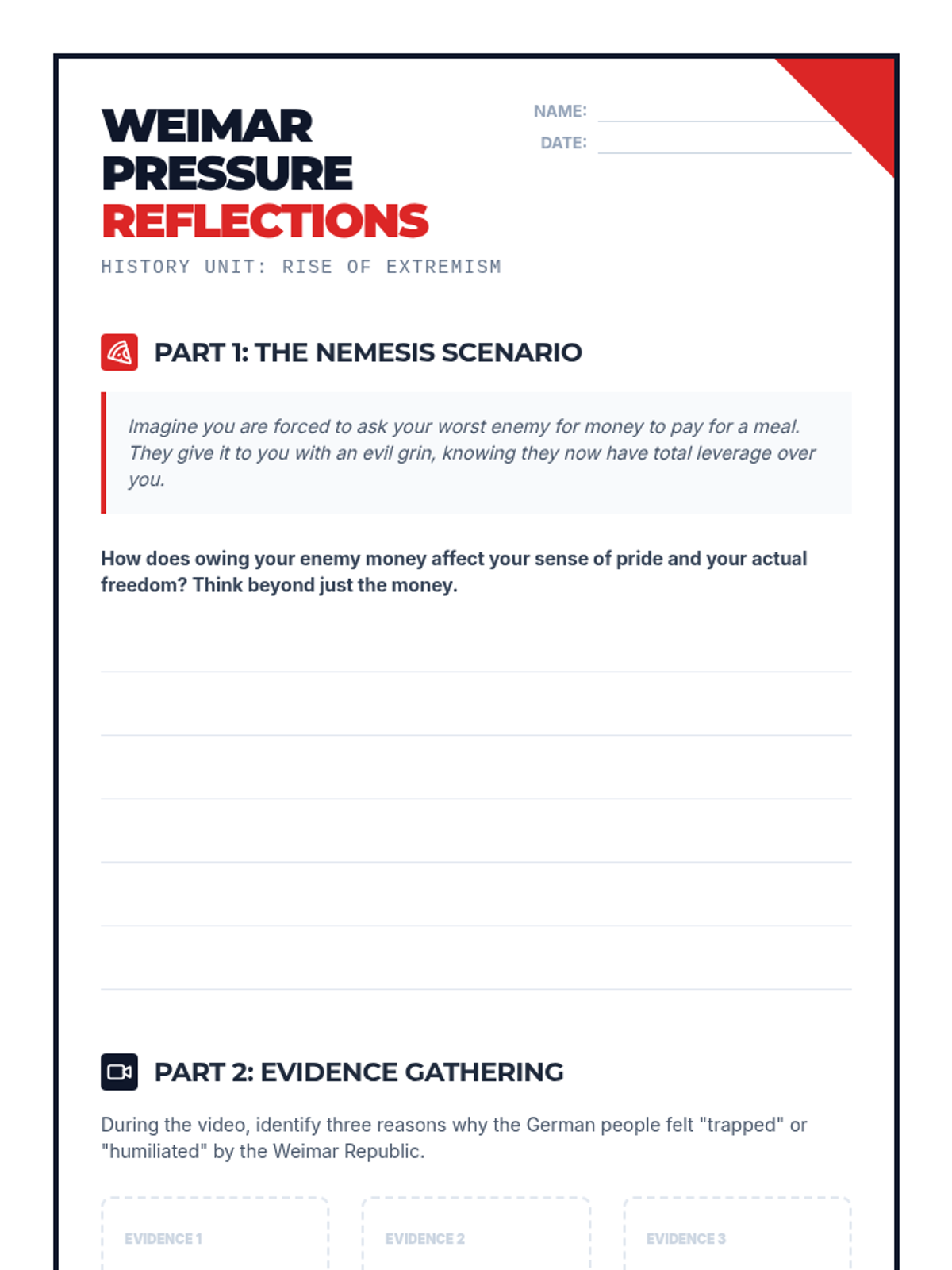
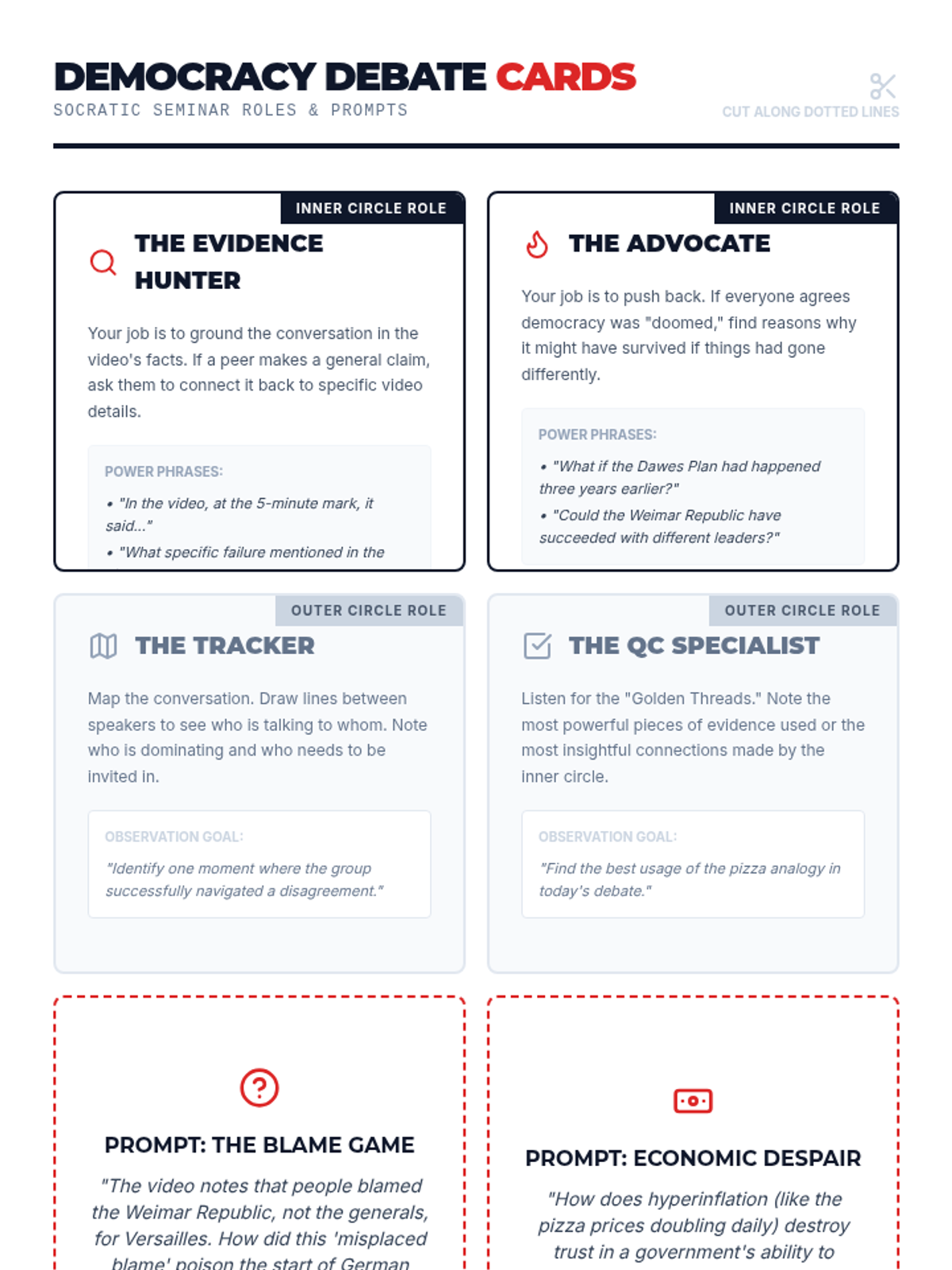
This lesson explores the psychological and economic instability of the Weimar Republic following the Treaty of Versailles, connecting national humiliation to the rise of political extremism. Students engage in a re-enactment, video analysis, and a Socratic Seminar to evaluate if German democracy was doomed from its inception.
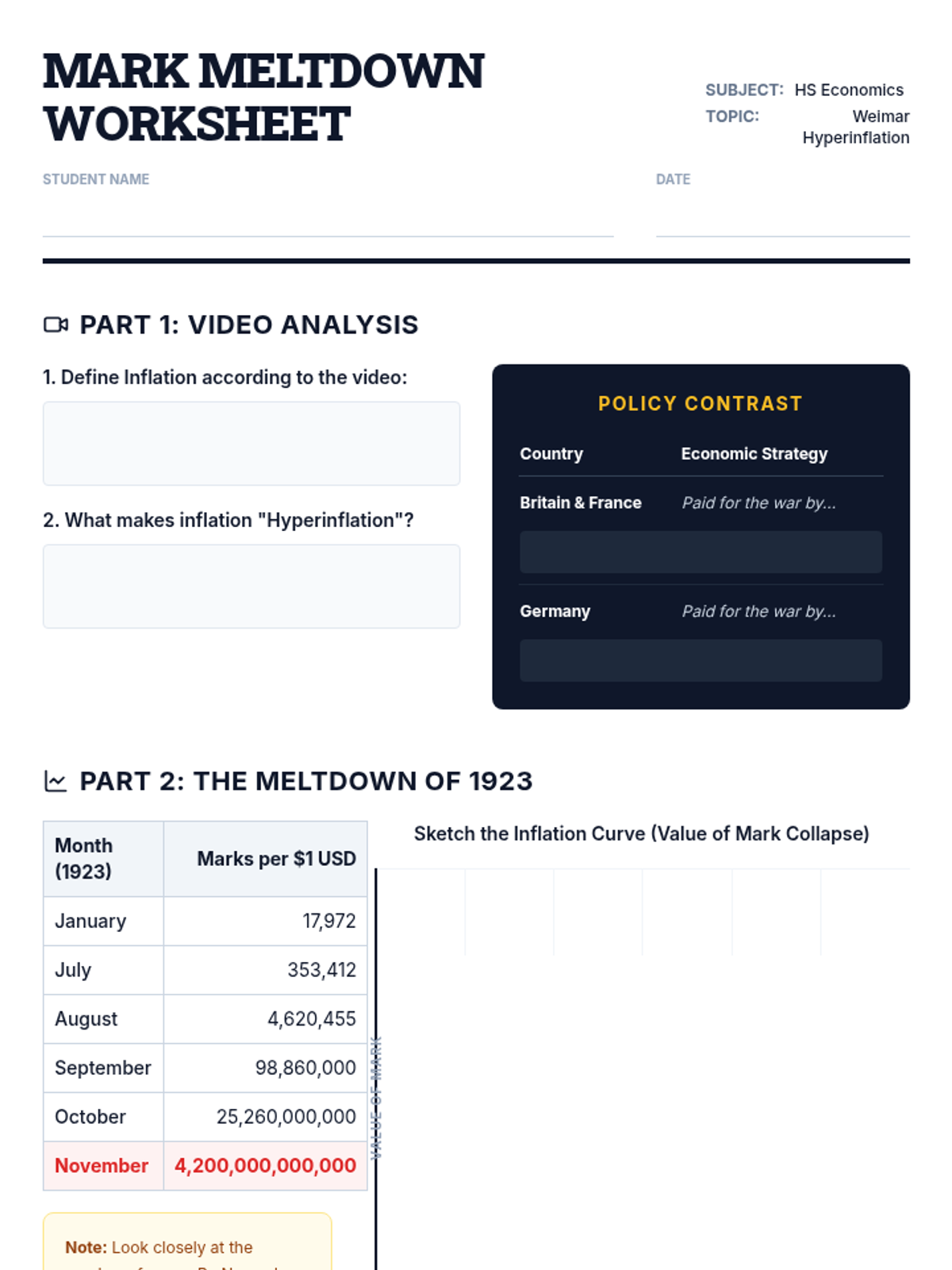
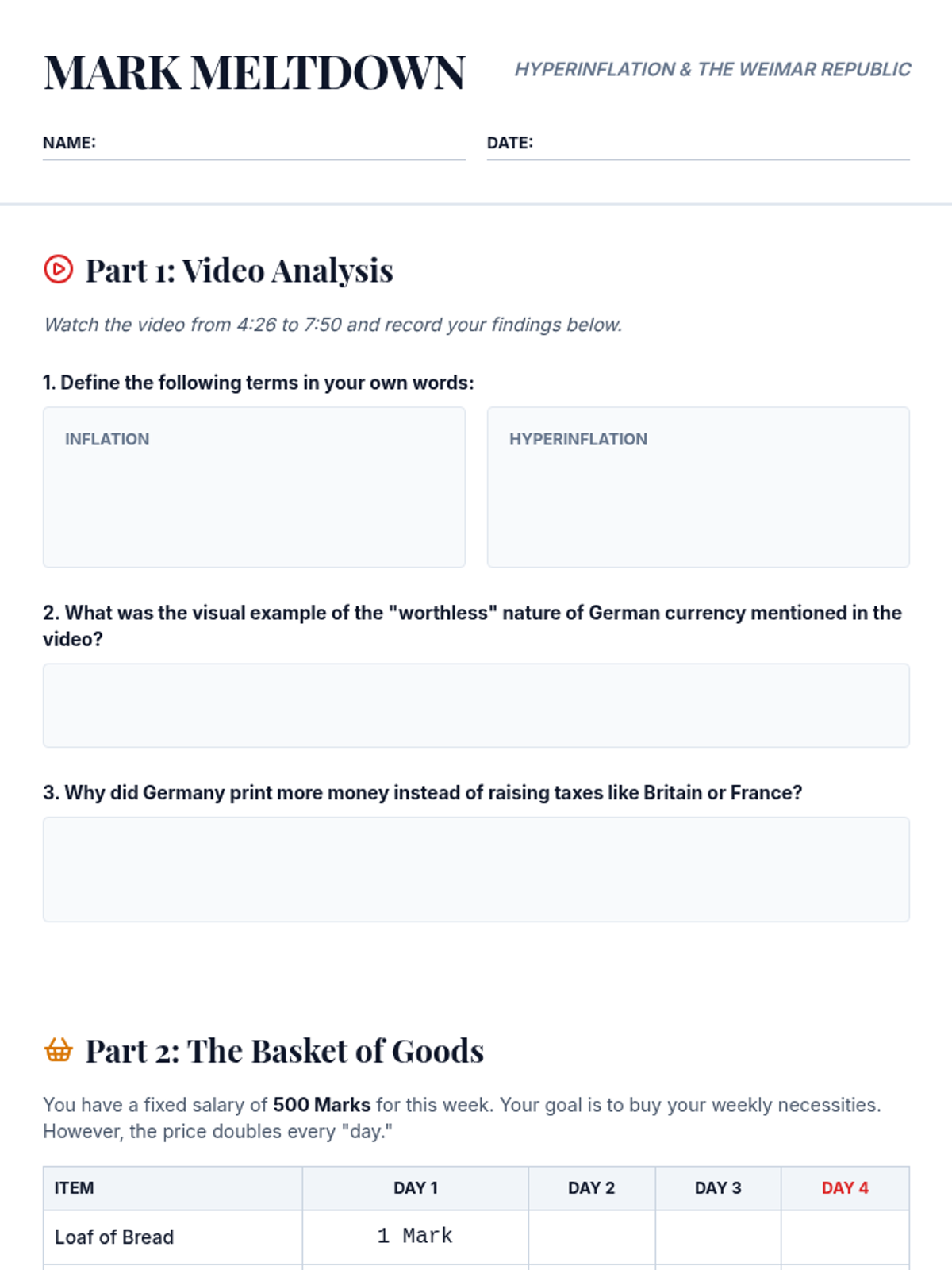
A lesson focusing on the distinction between inflation and hyperinflation using the historical context of 1923 Germany. Students watch a video on the Weimar Republic and then graph the exponential collapse of the German Mark.
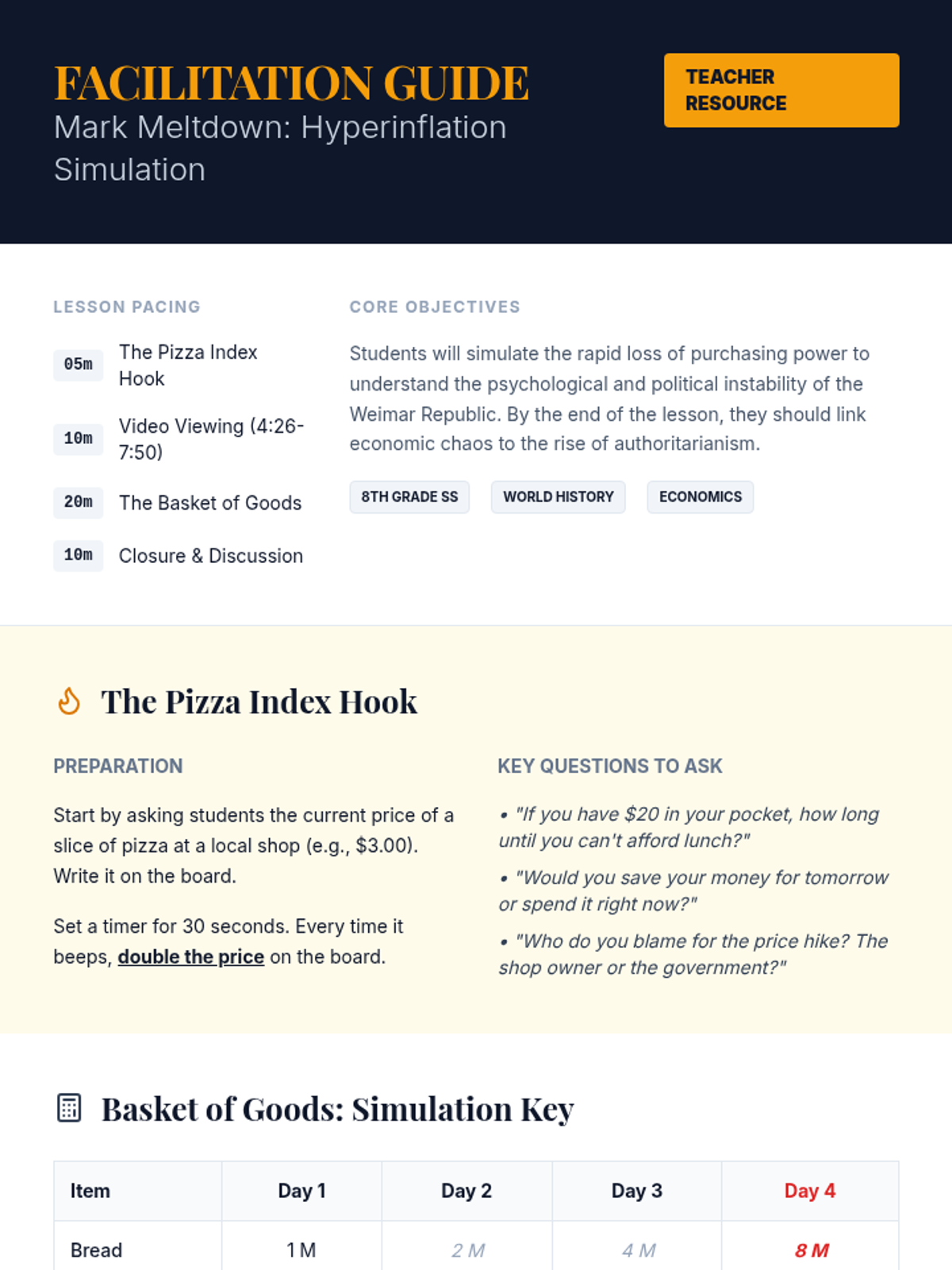
A deep dive into the economic chaos of post-WWI Germany, exploring how hyperinflation destroyed the value of the Mark and destabilized the Weimar Republic through a simulated 'Basket of Goods' activity.
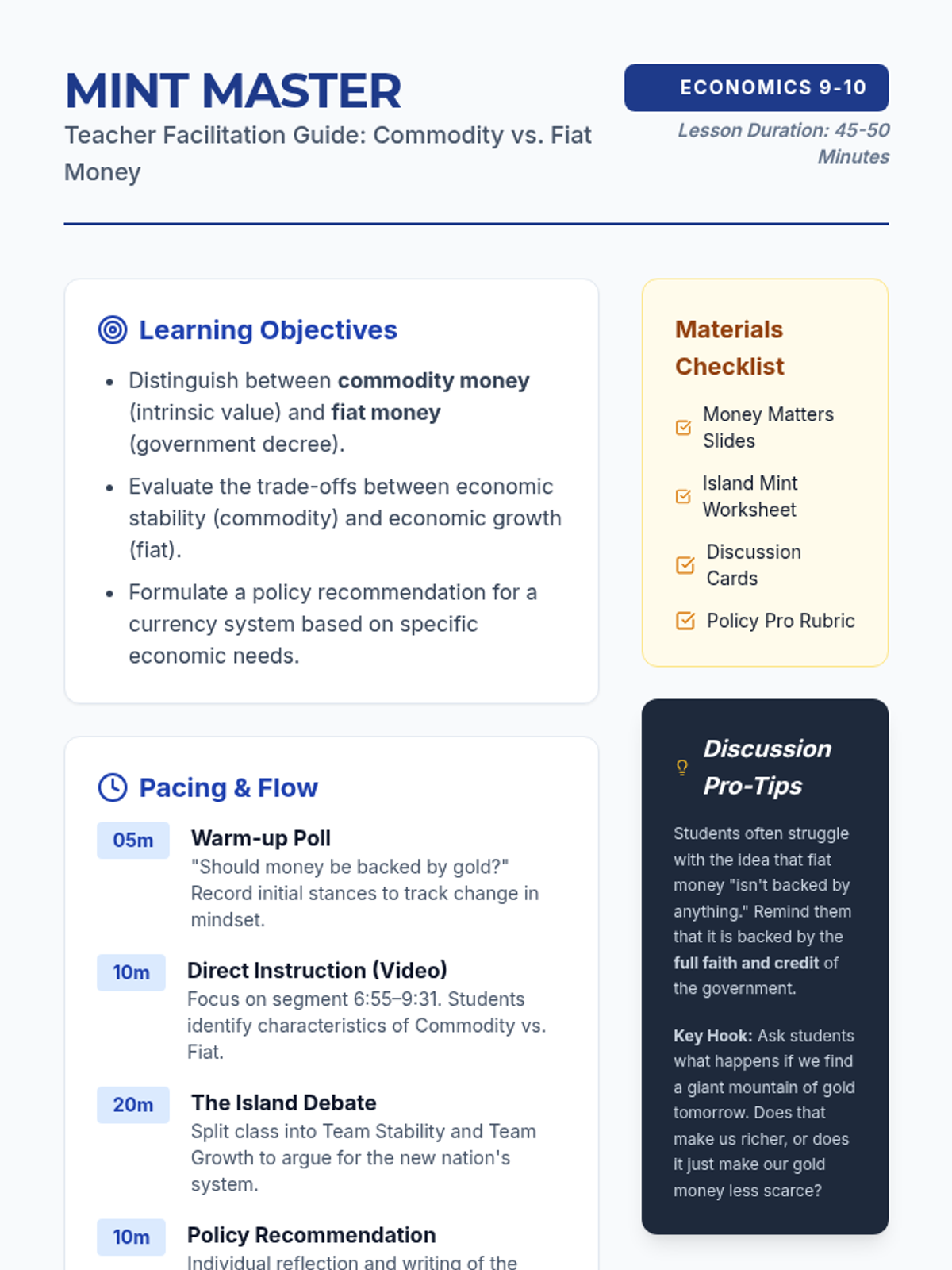
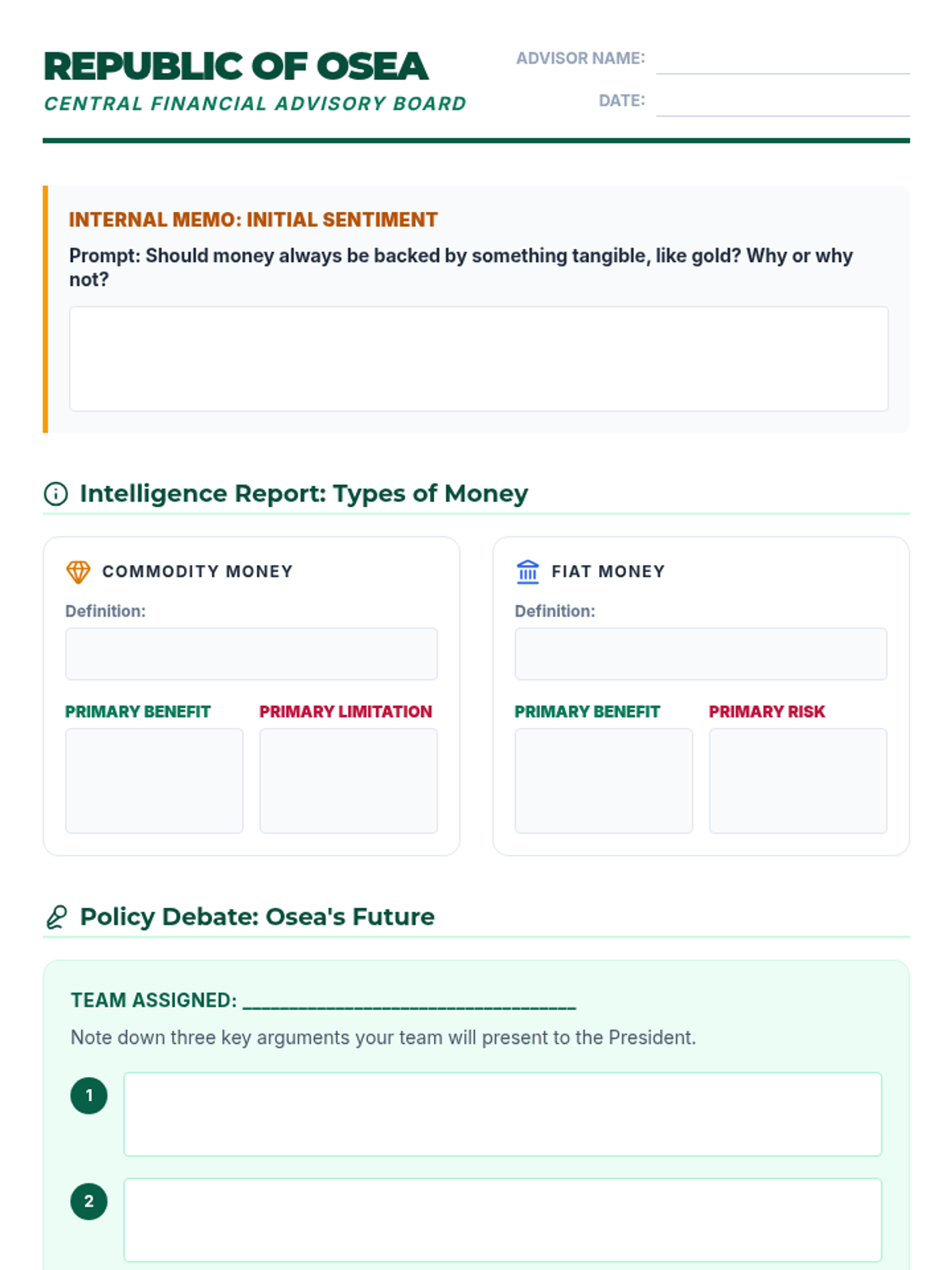
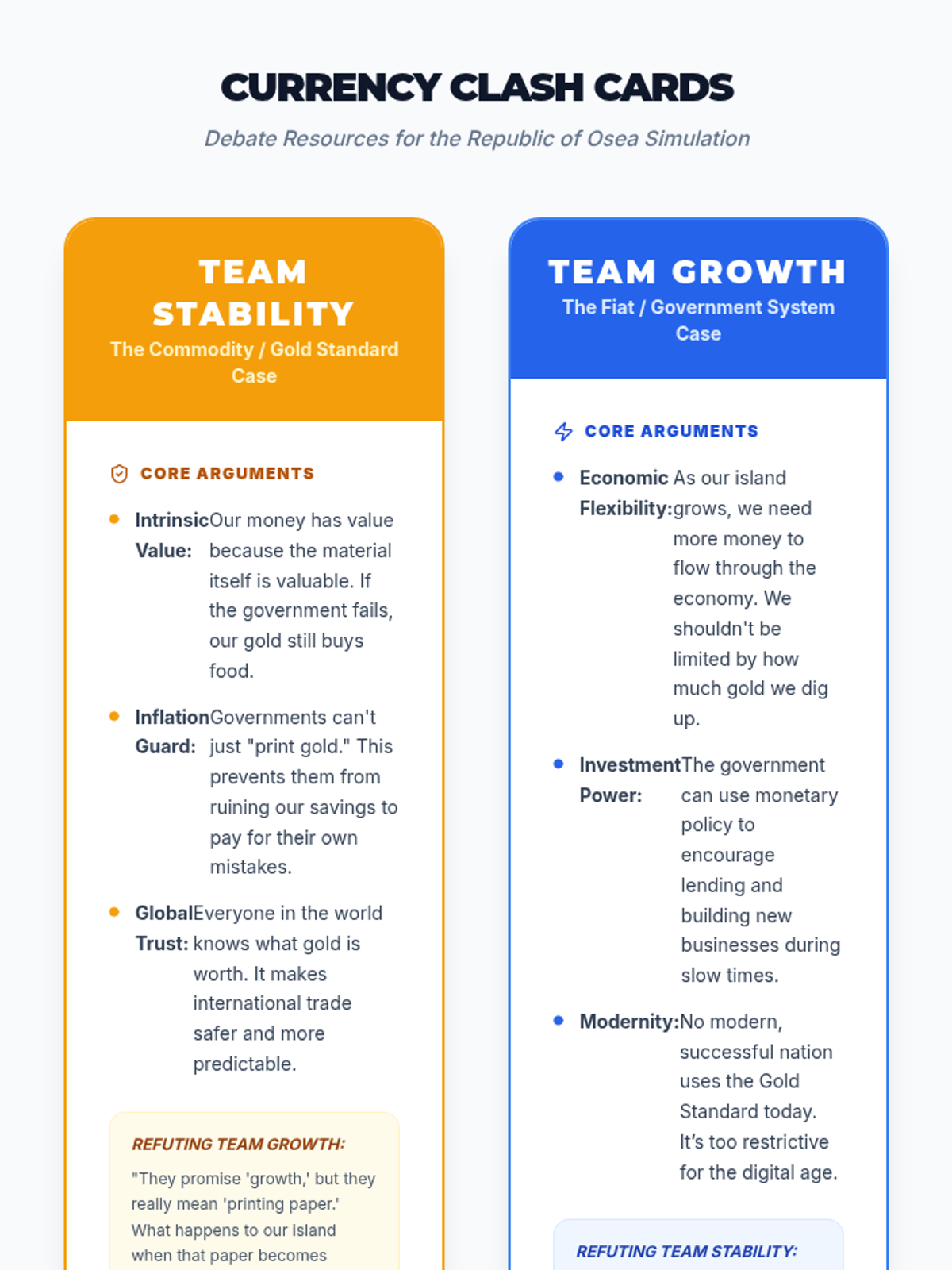
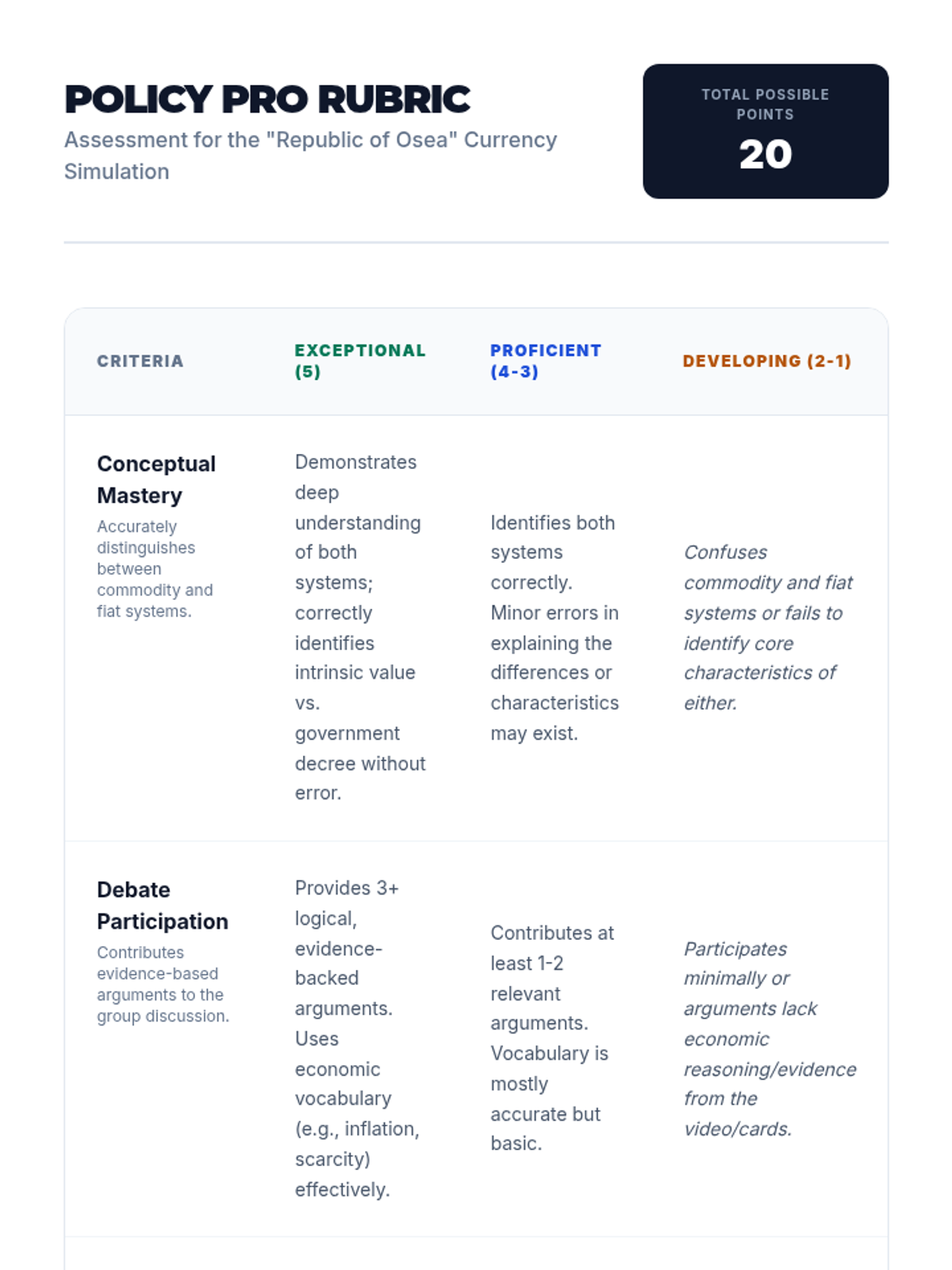
Students will distinguish between commodity and fiat money, analyze the six characteristics of money, and debate the merits of the Gold Standard through an island nation simulation.
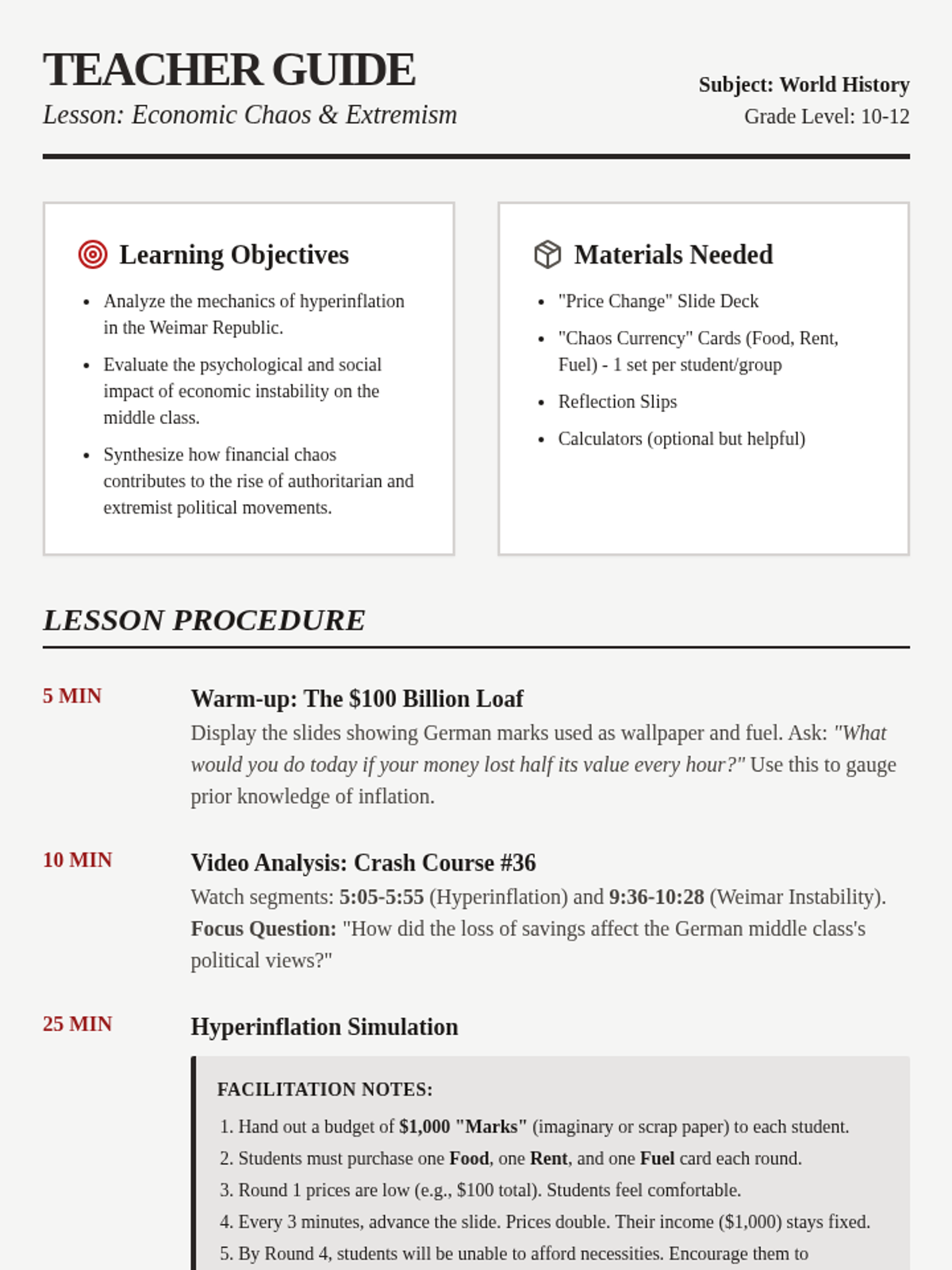
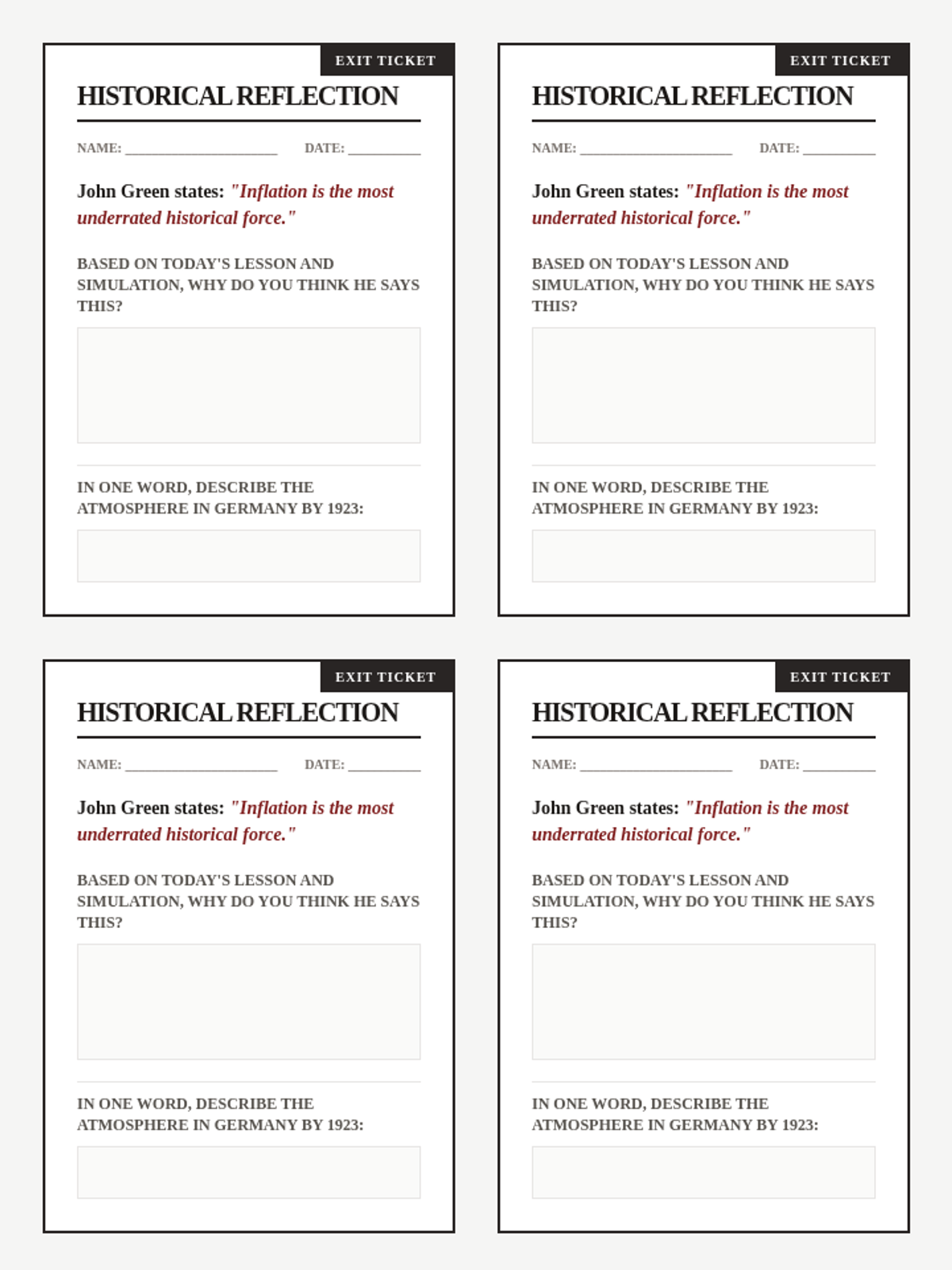
Students investigate the collapse of the Weimar Republic's economy through a hyperinflation simulation, analyzing how financial desperation creates a vacuum for political extremism.
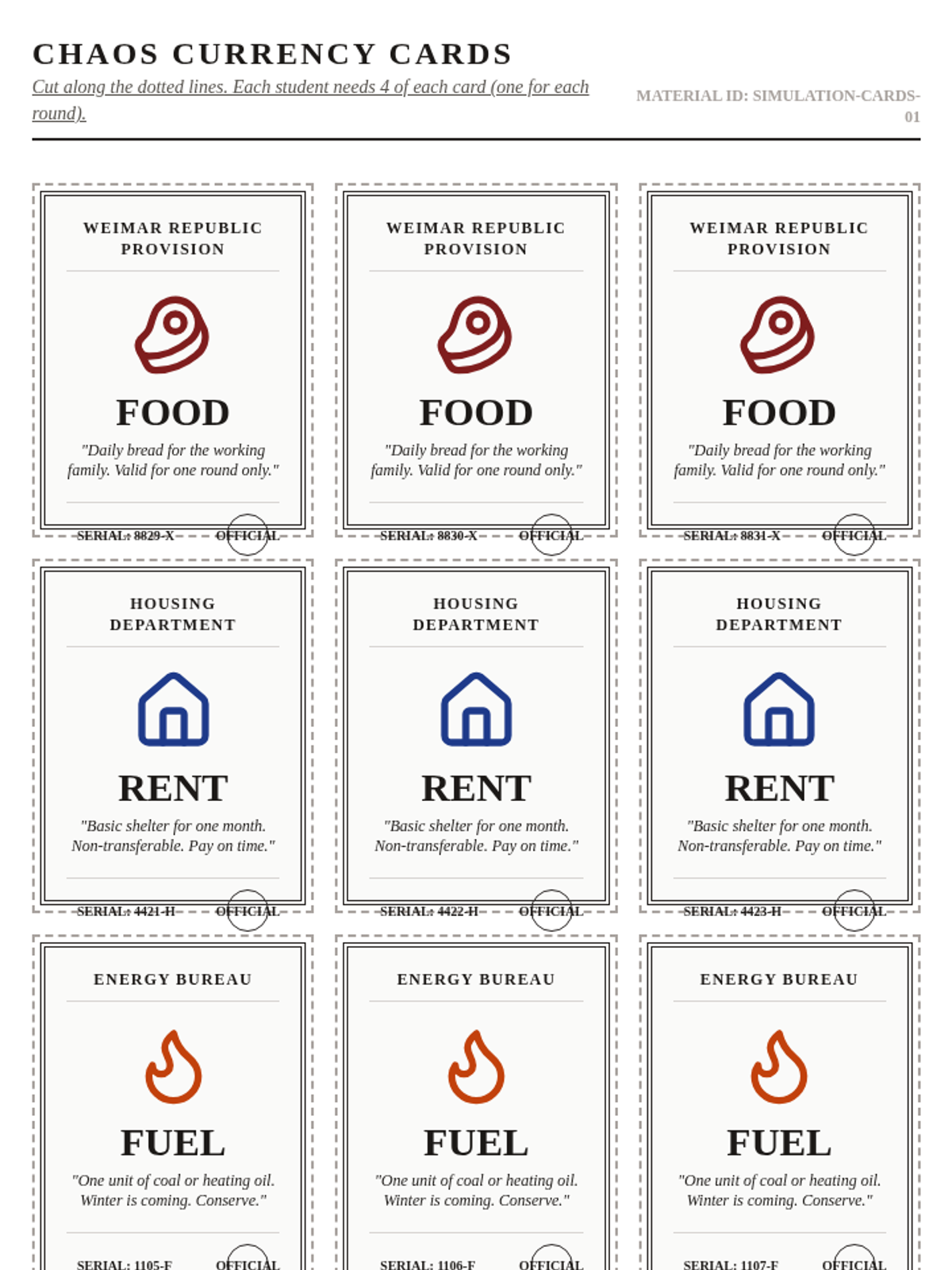
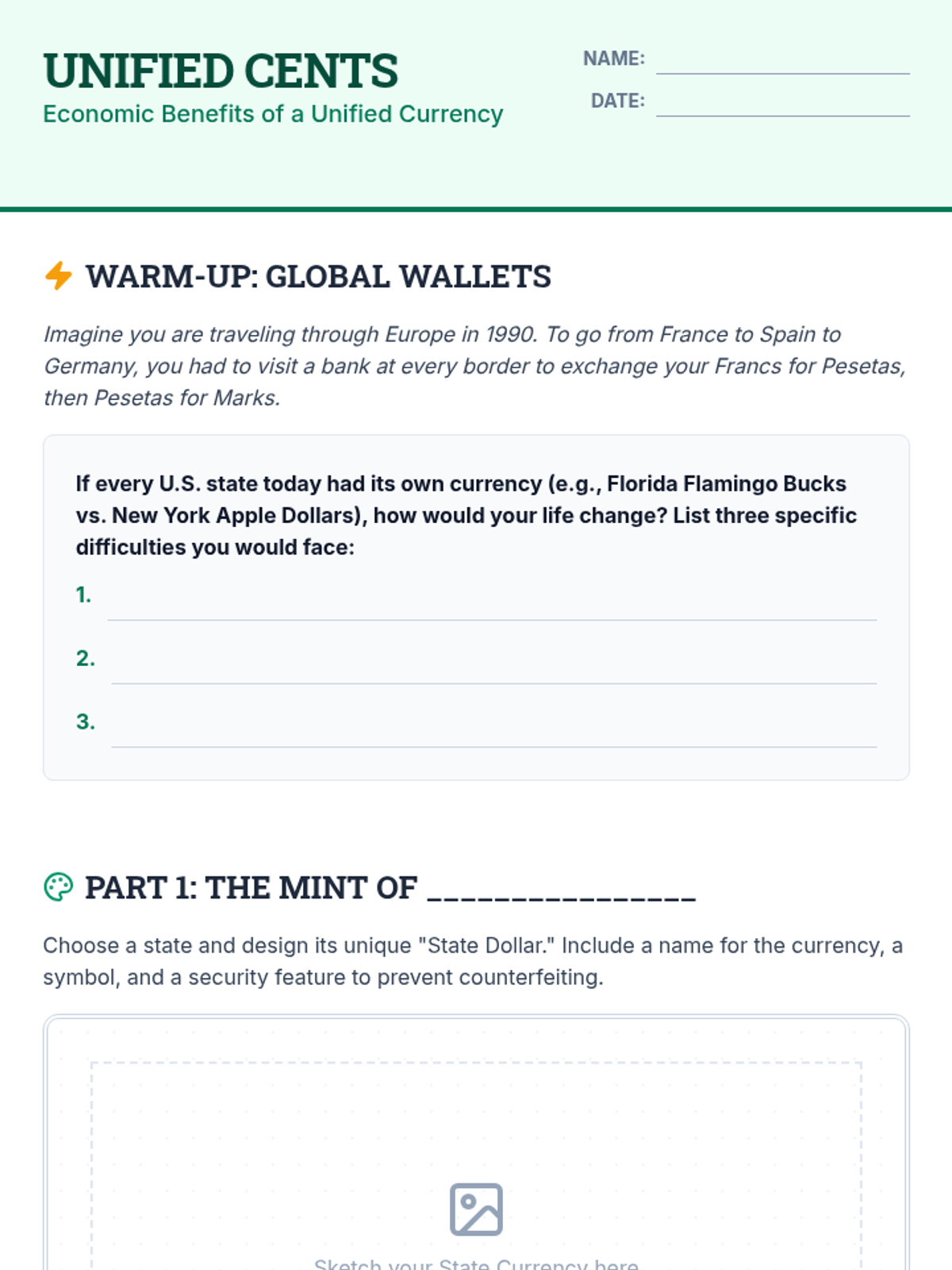
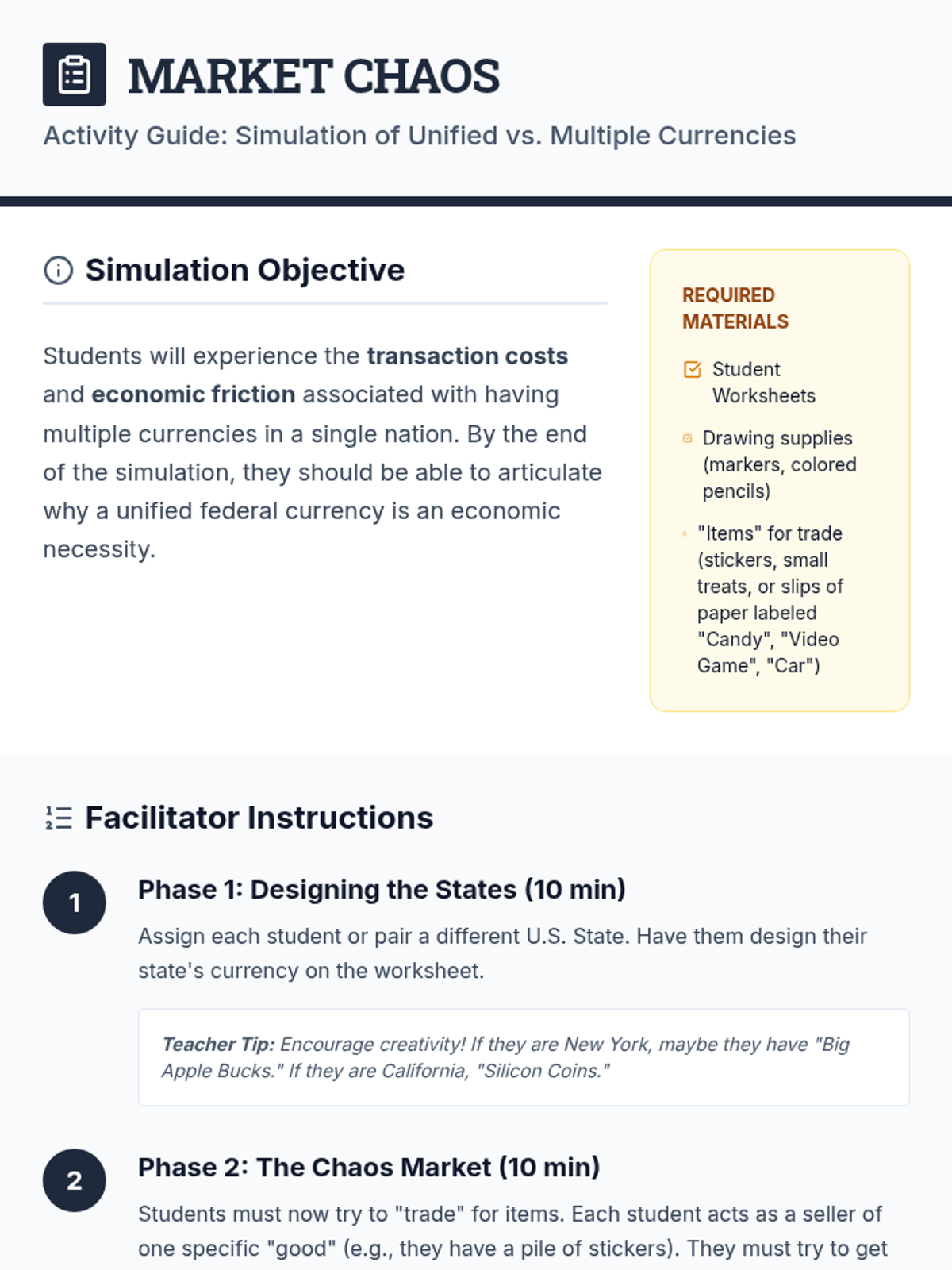
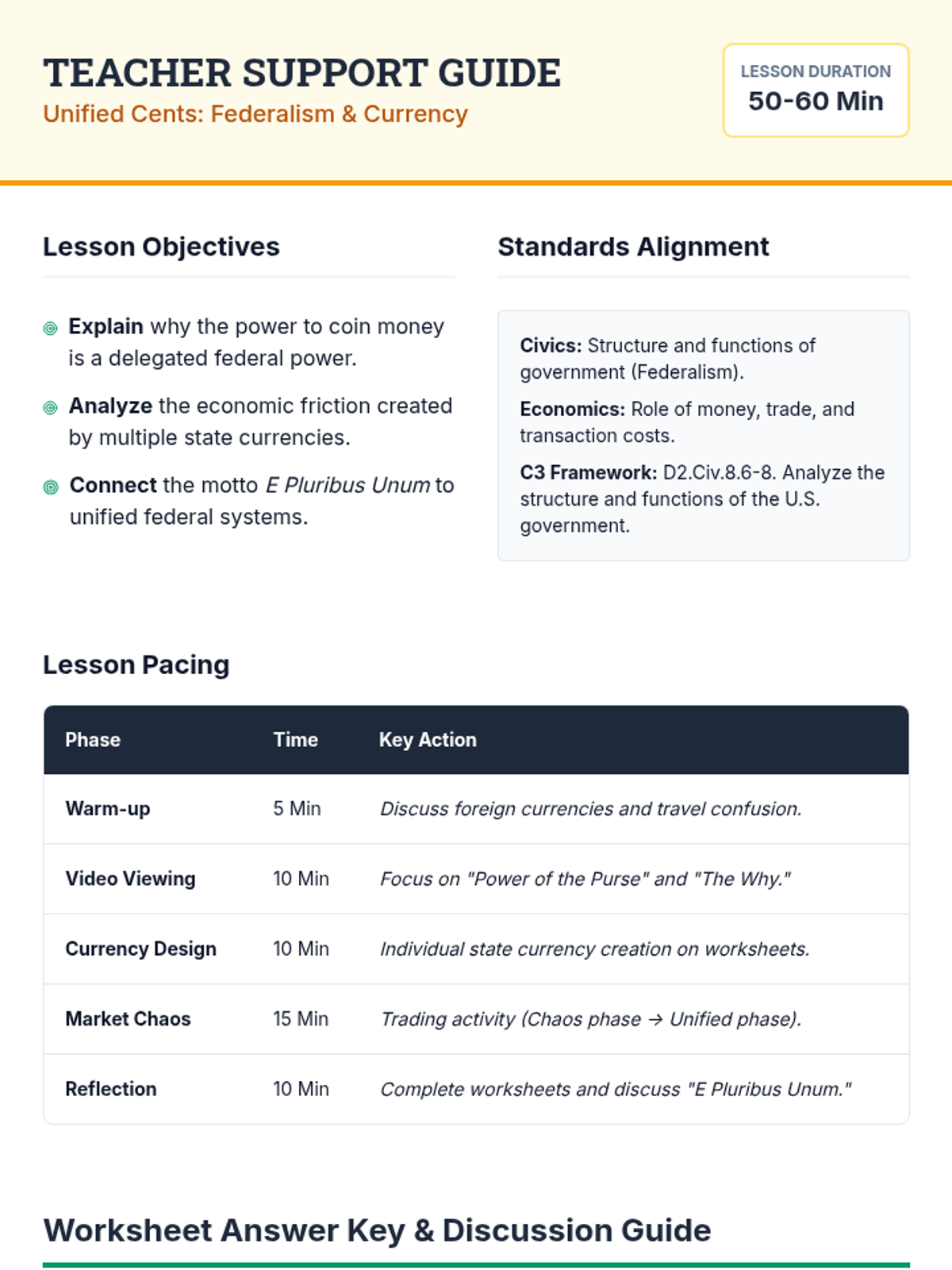
A civics and economics lesson exploring why the U.S. Constitution delegates the power to coin money to the federal government rather than the states. Students participate in a market simulation to experience the chaos of multiple currencies versus the efficiency of a unified system.
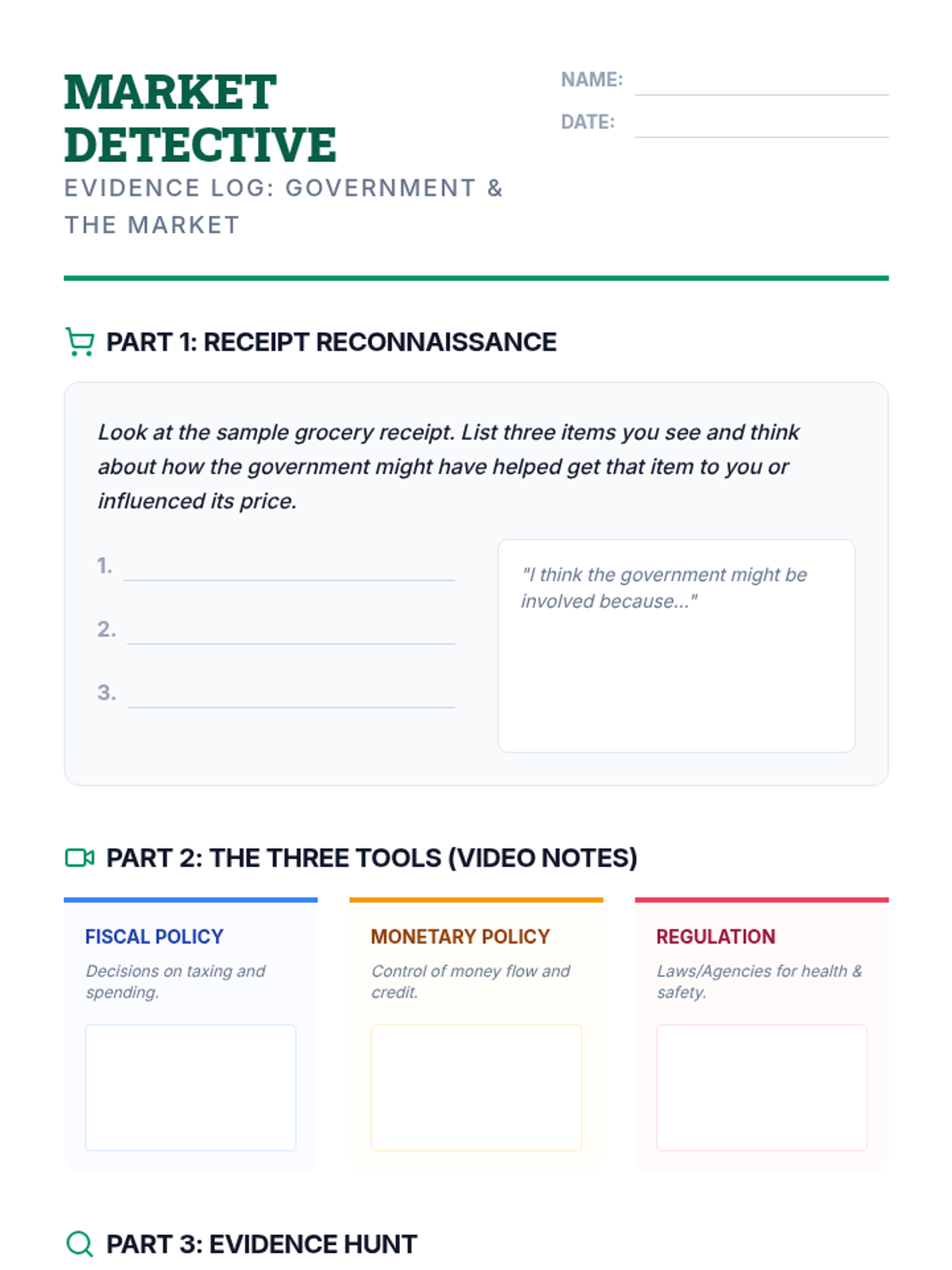
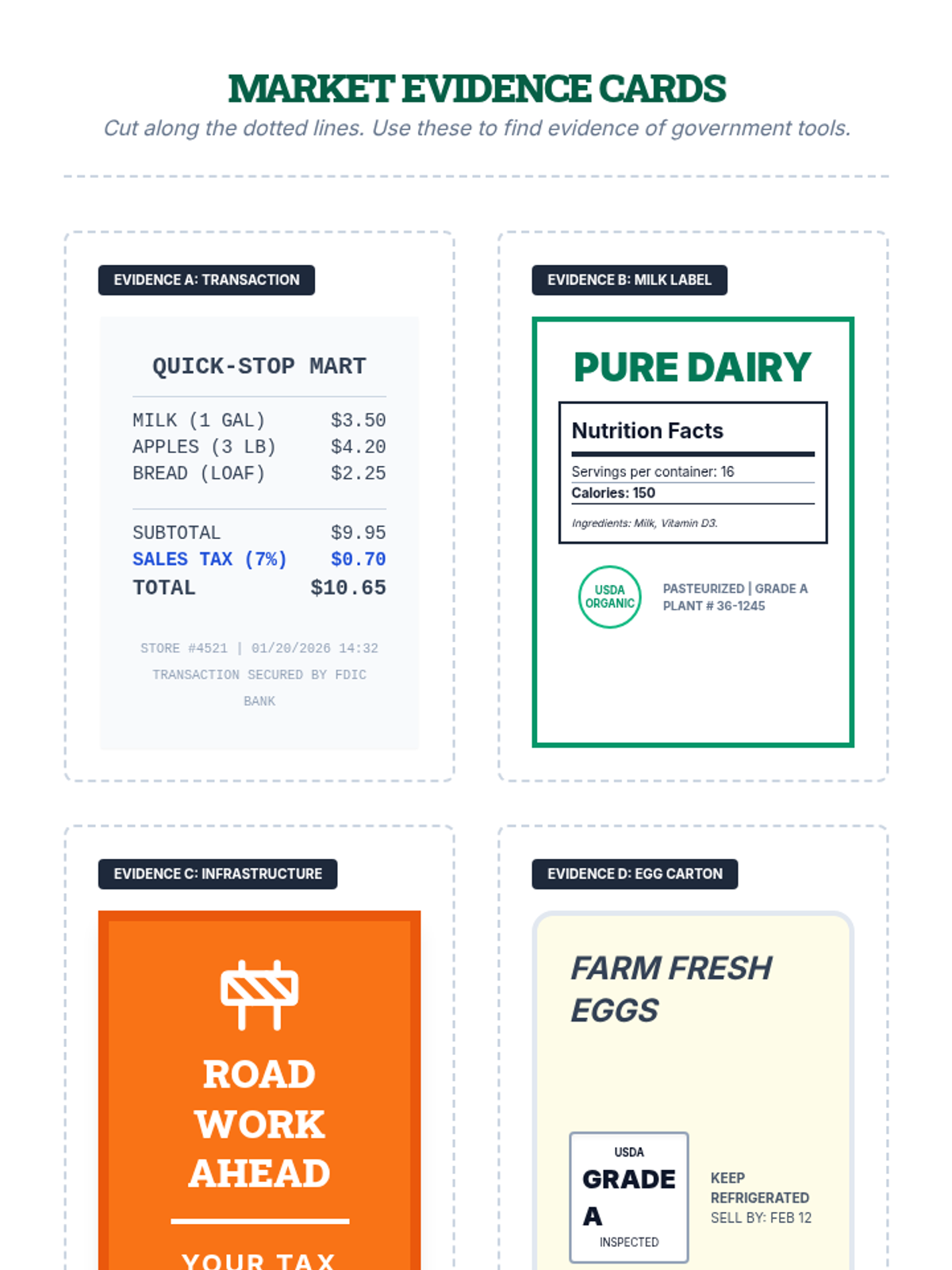
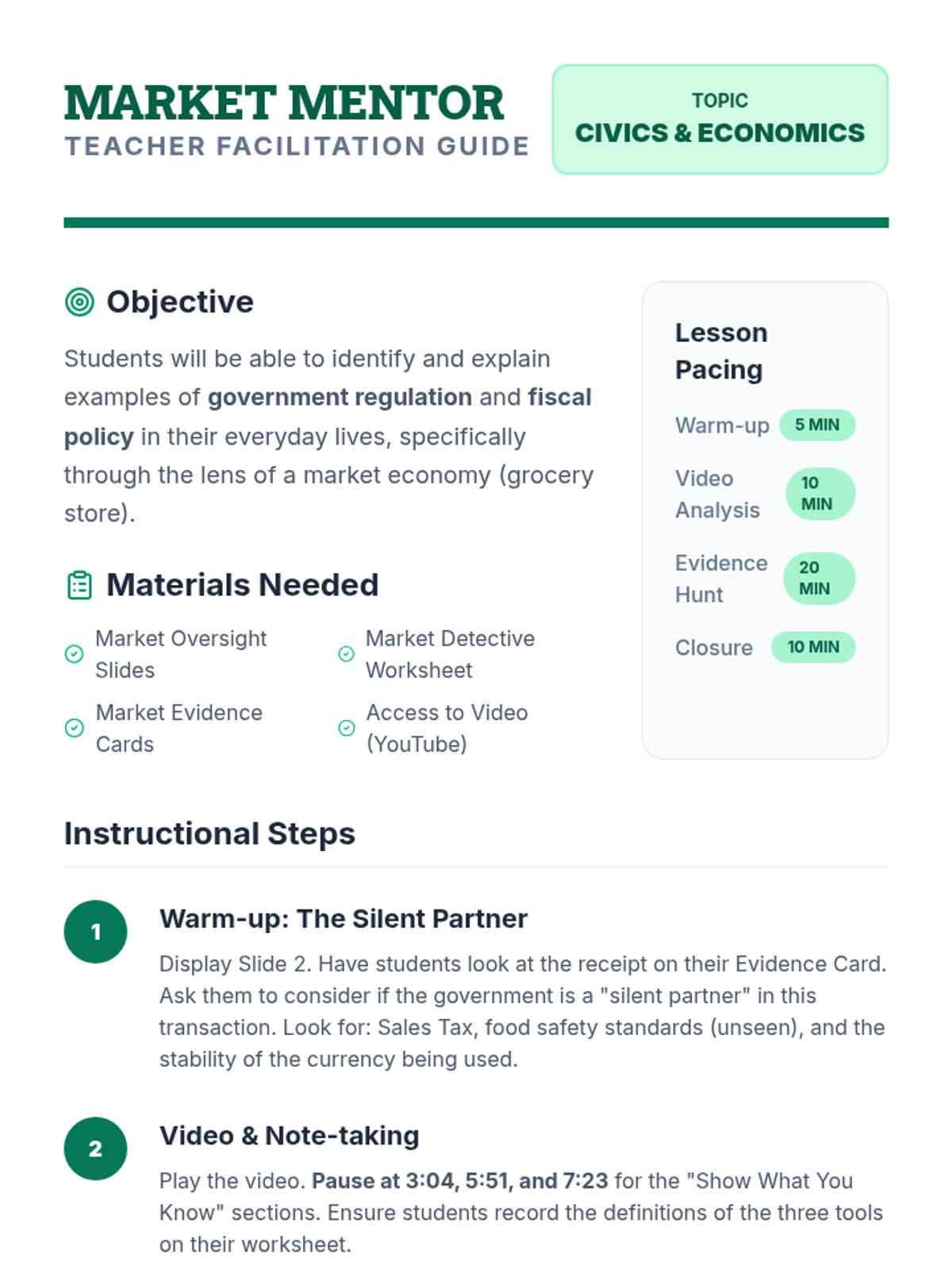
Students will explore how the government influences the economy through fiscal policy, monetary policy, and regulation using the relatable context of a grocery store. The lesson includes a video analysis, a hands-on 'evidence hunt' with food packaging, and a reflective discussion on the visibility of government in daily life.
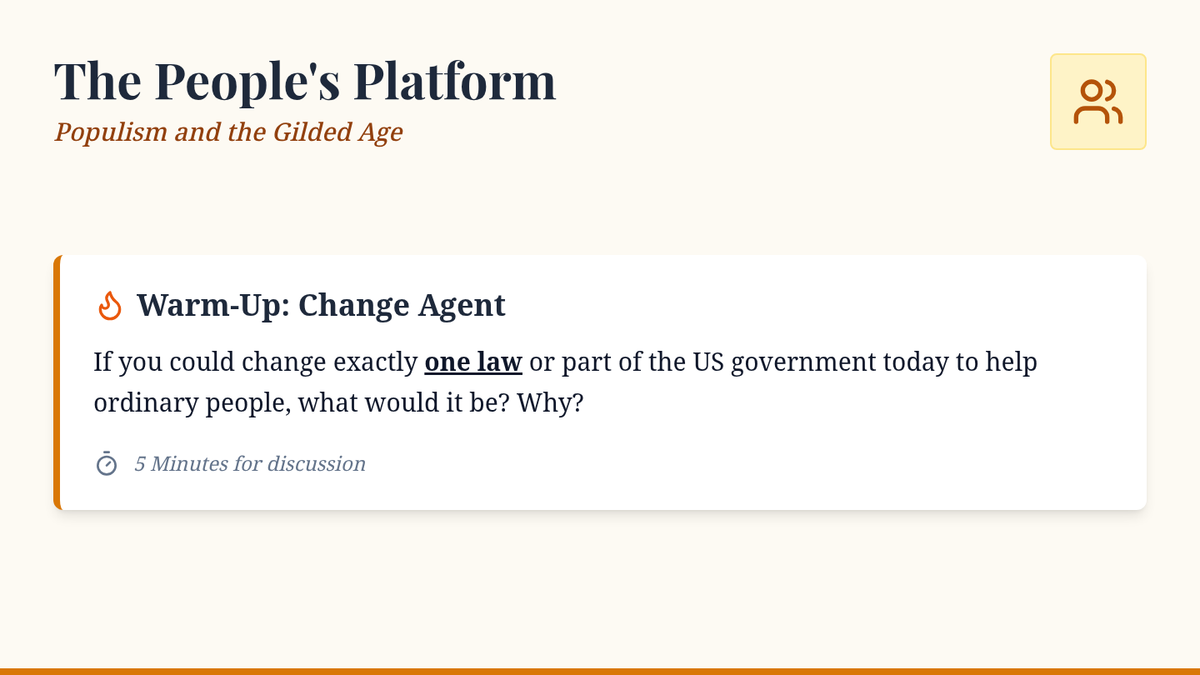
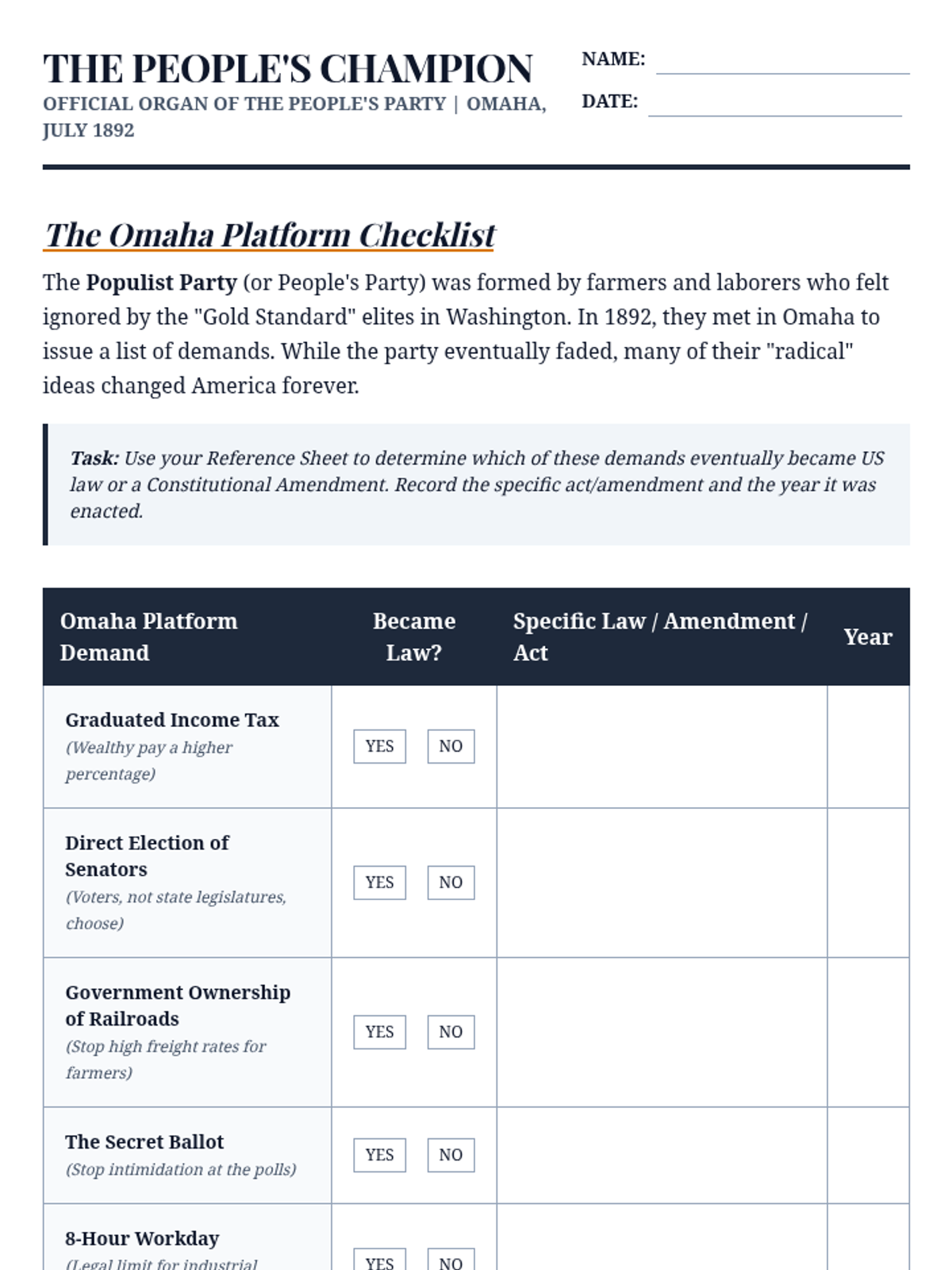
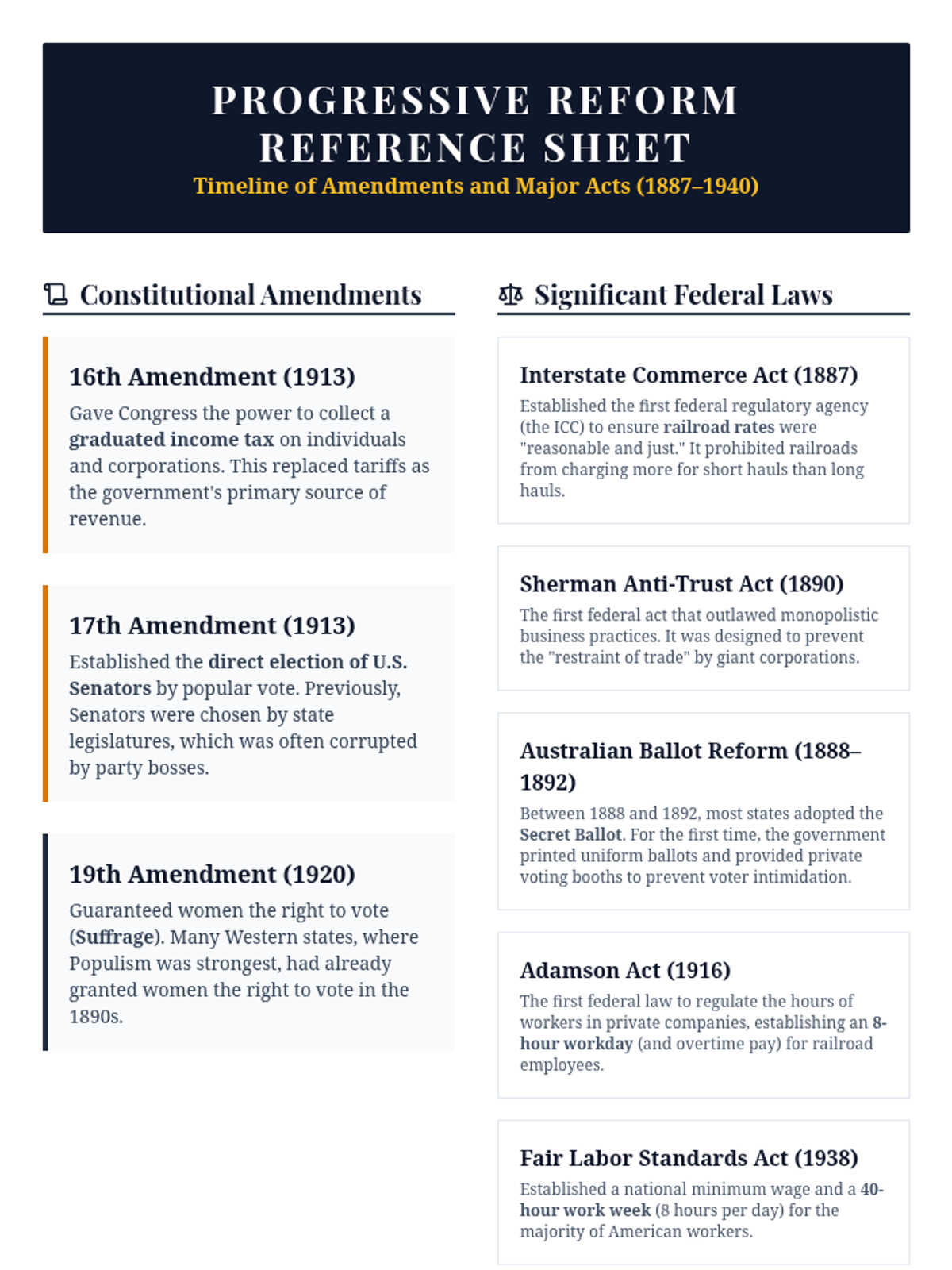
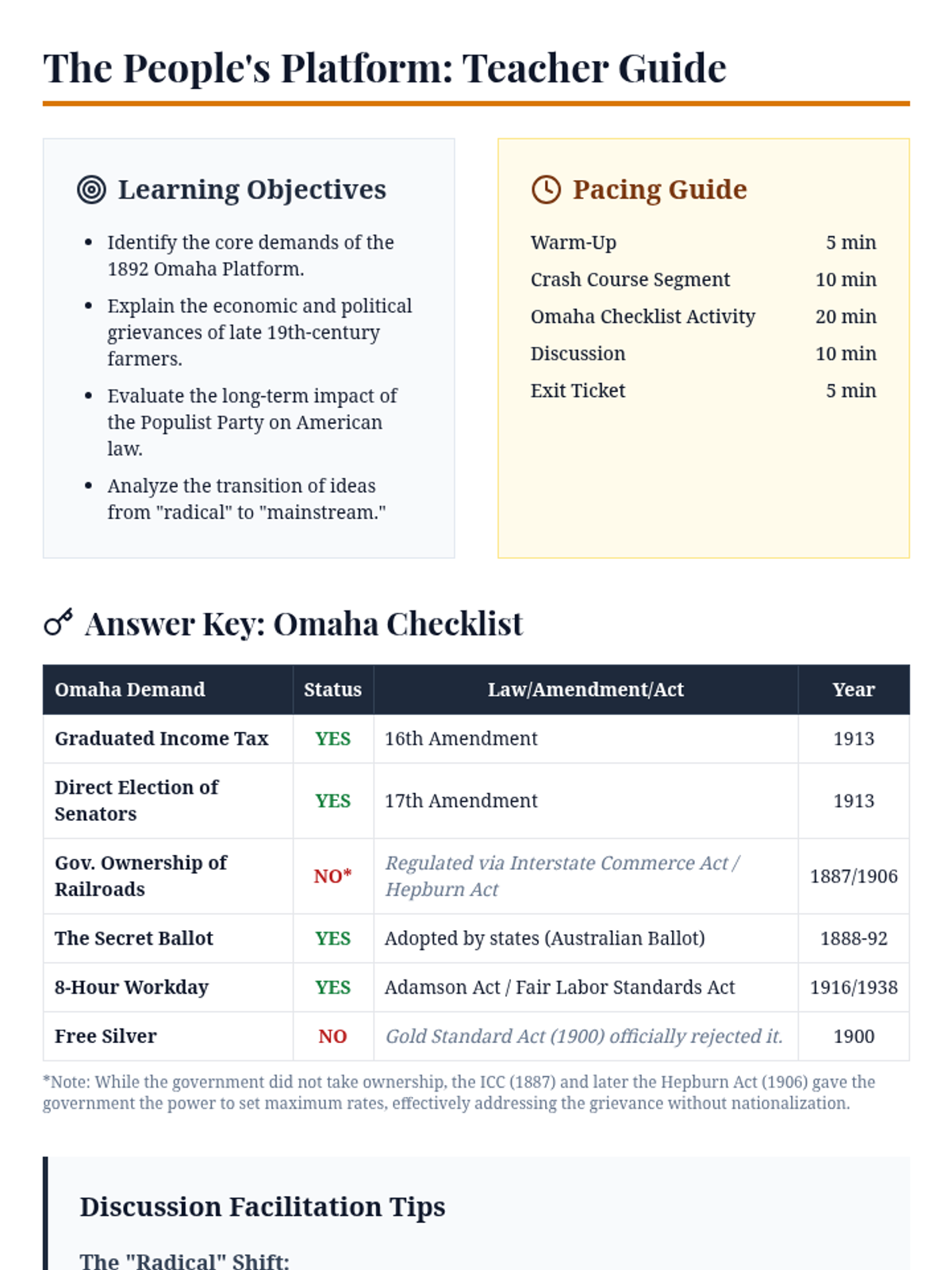
Students will evaluate the demands of the Populist Party and track how many of their 'radical' ideas eventually became cornerstone American laws and amendments.
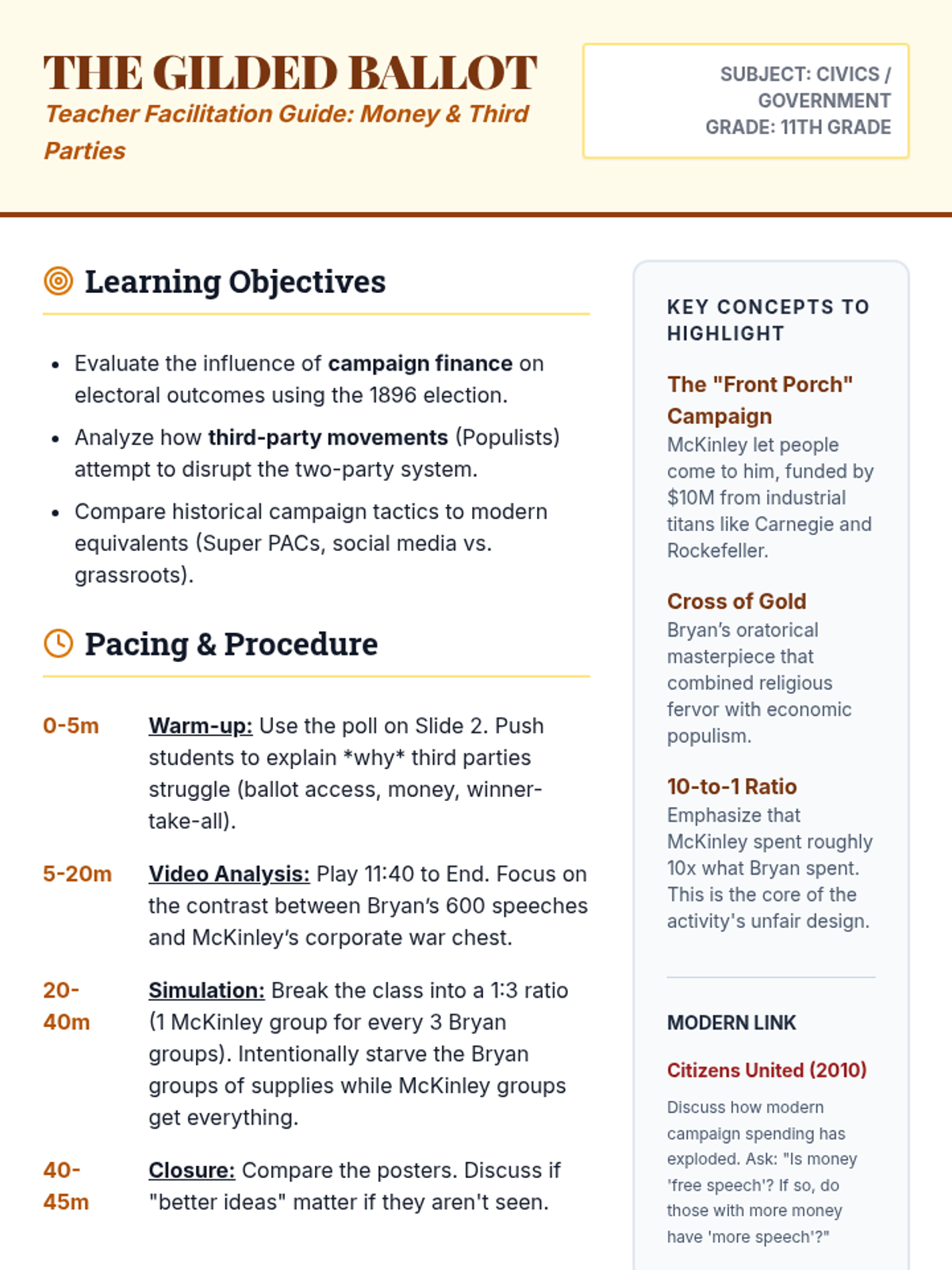
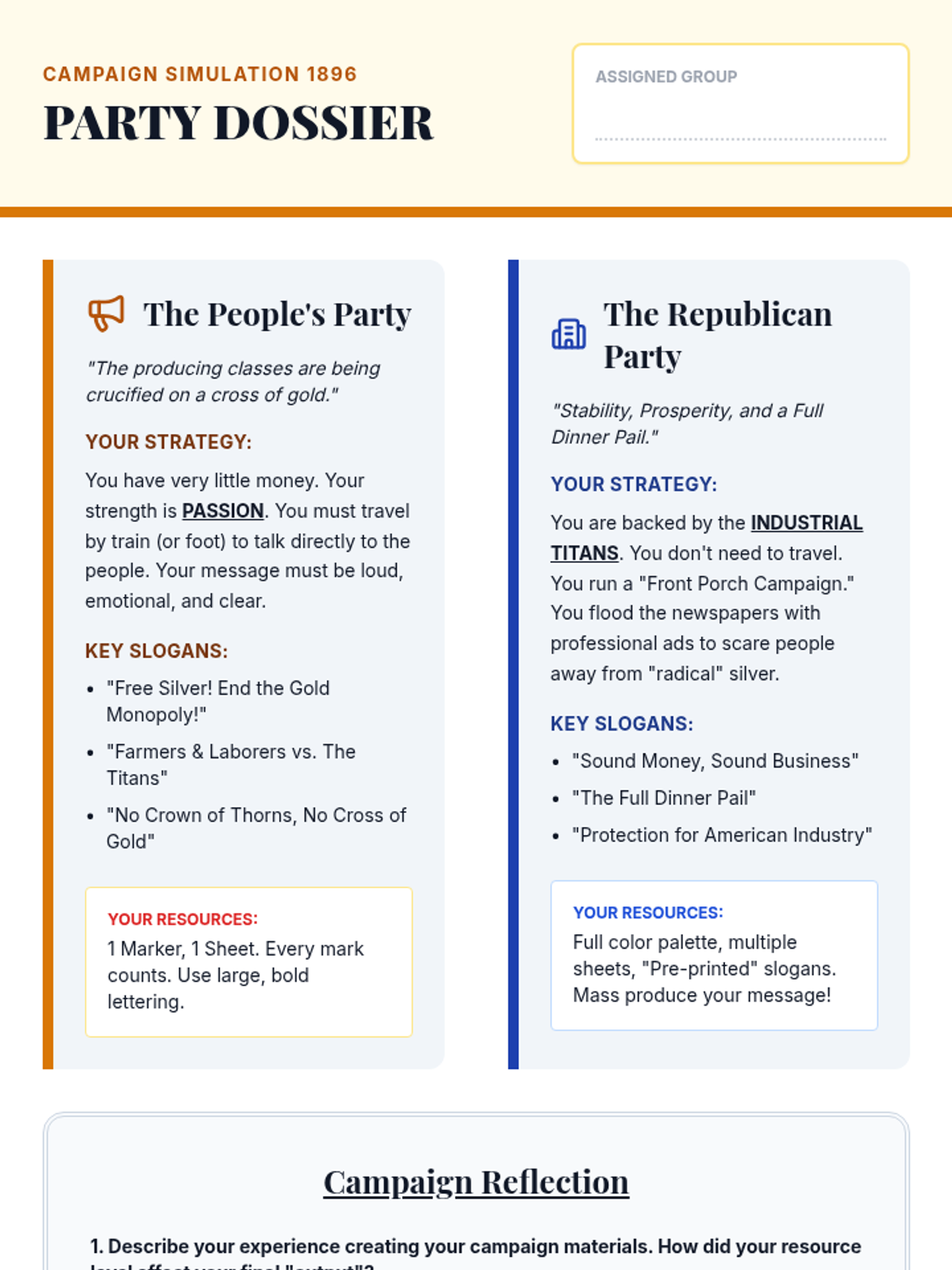
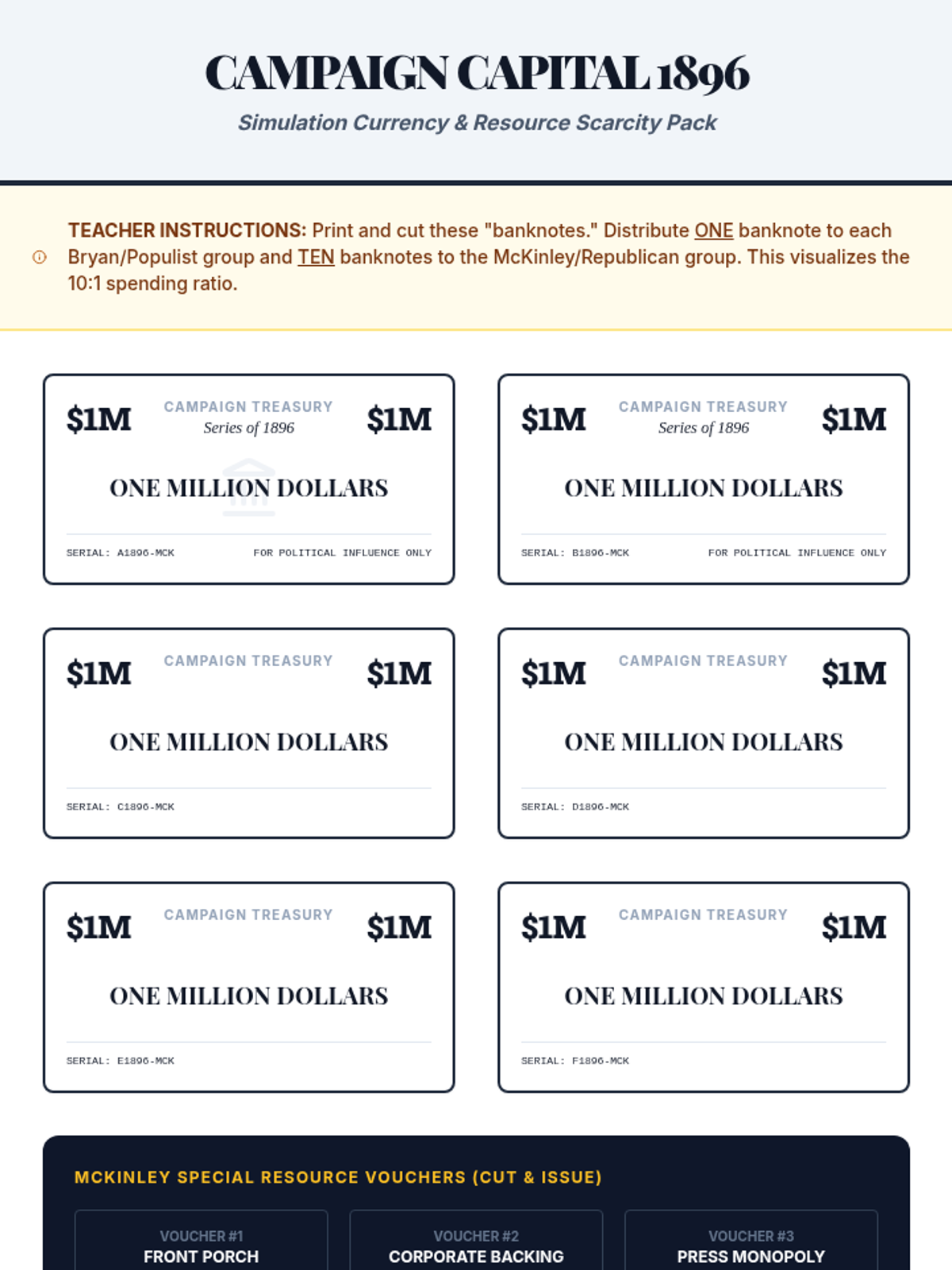
This lesson explores the influence of third-party movements and campaign finance through the lens of the 1896 US Presidential Election. Students simulate the resource disparity between the Populist-backed William Jennings Bryan and the corporate-funded William McKinley to understand how money shapes political messaging.
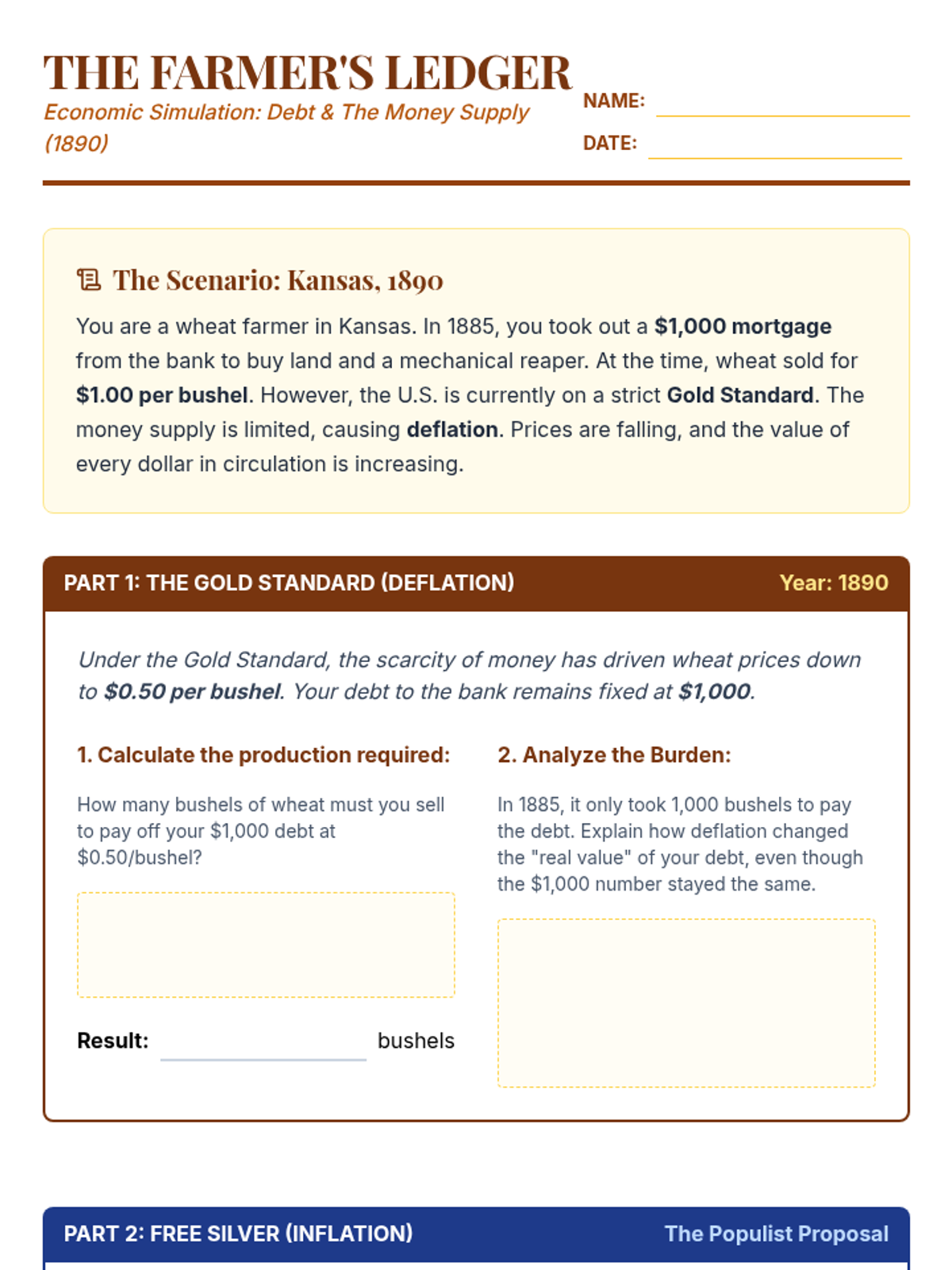
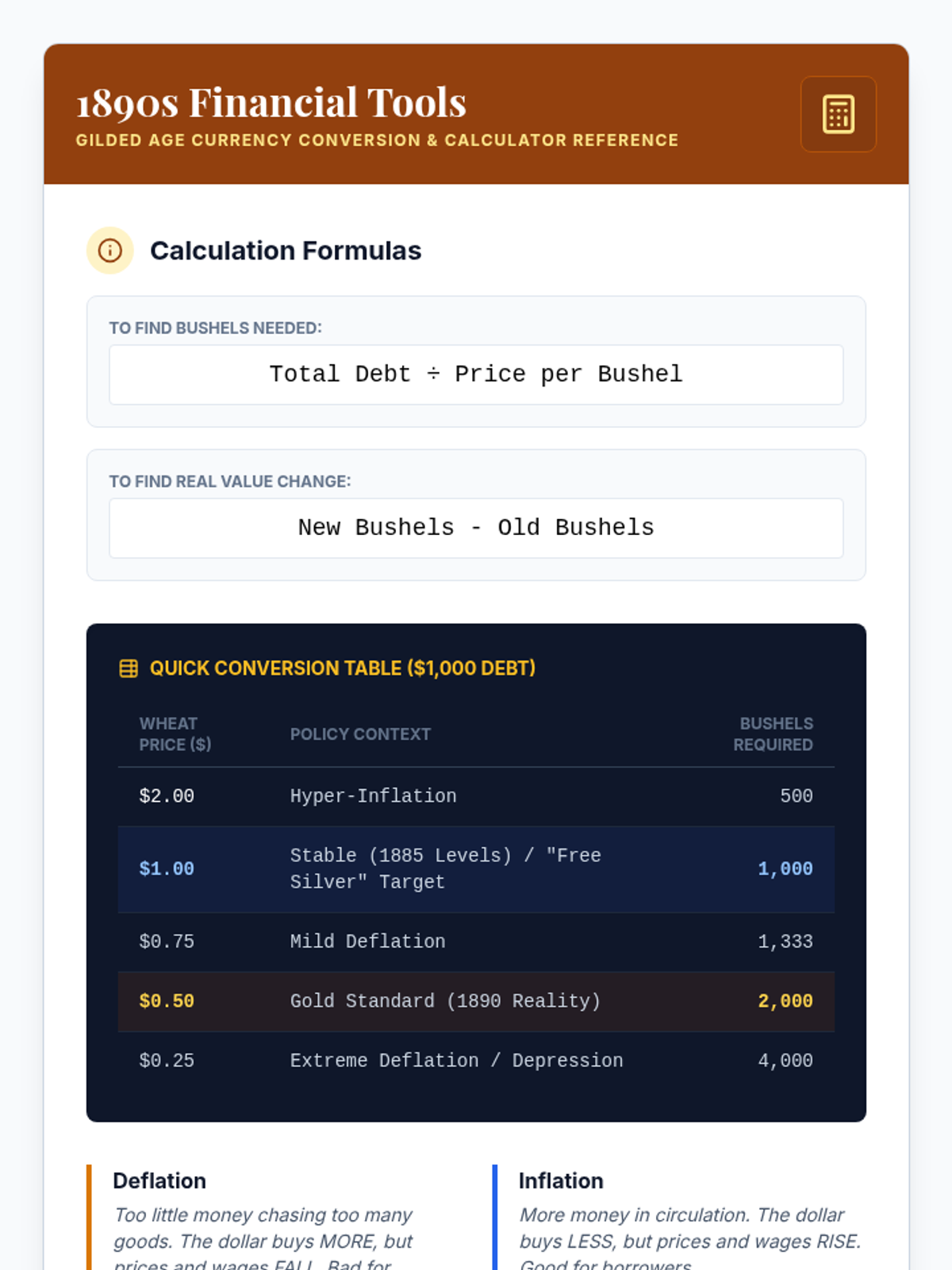
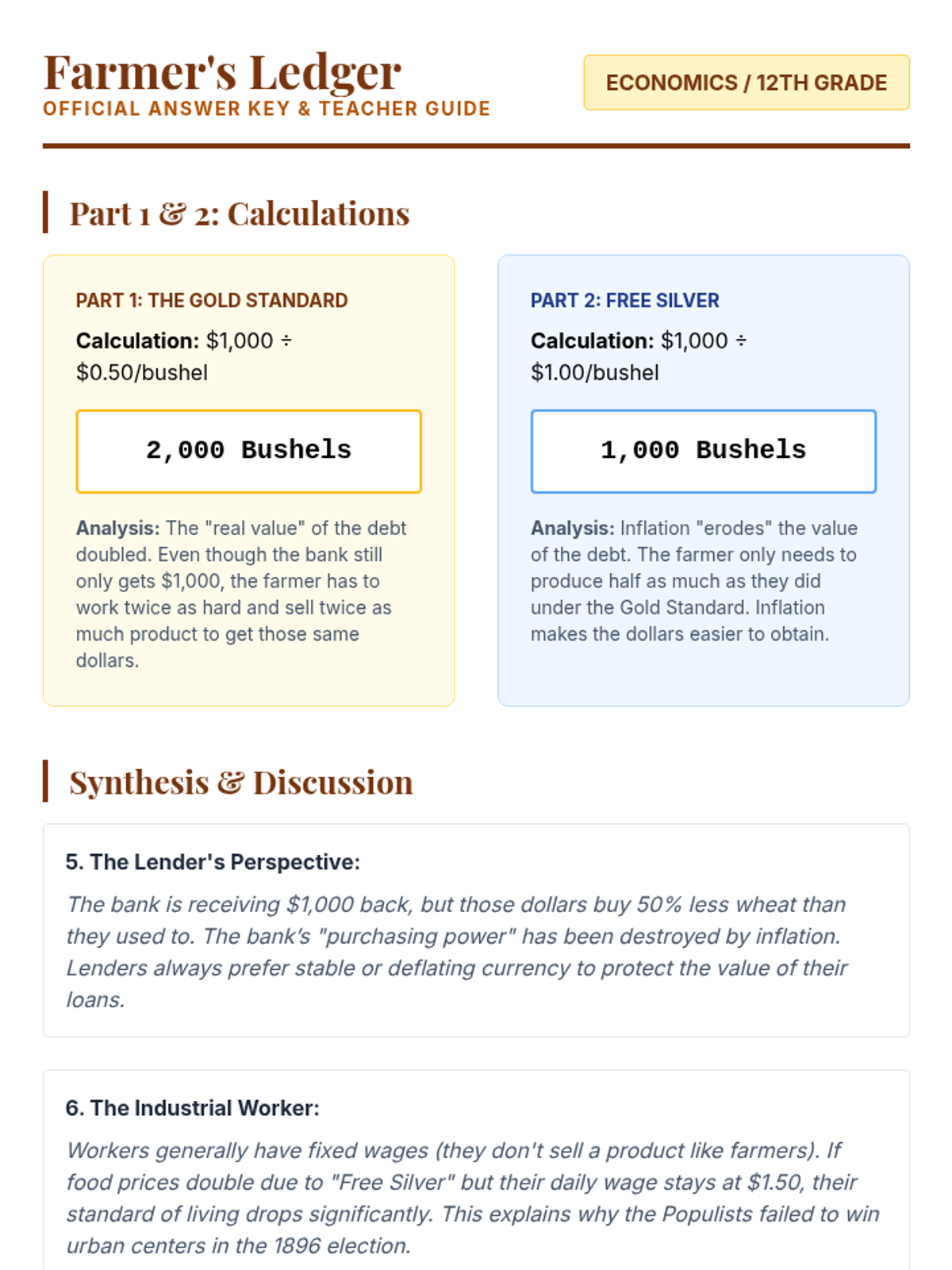
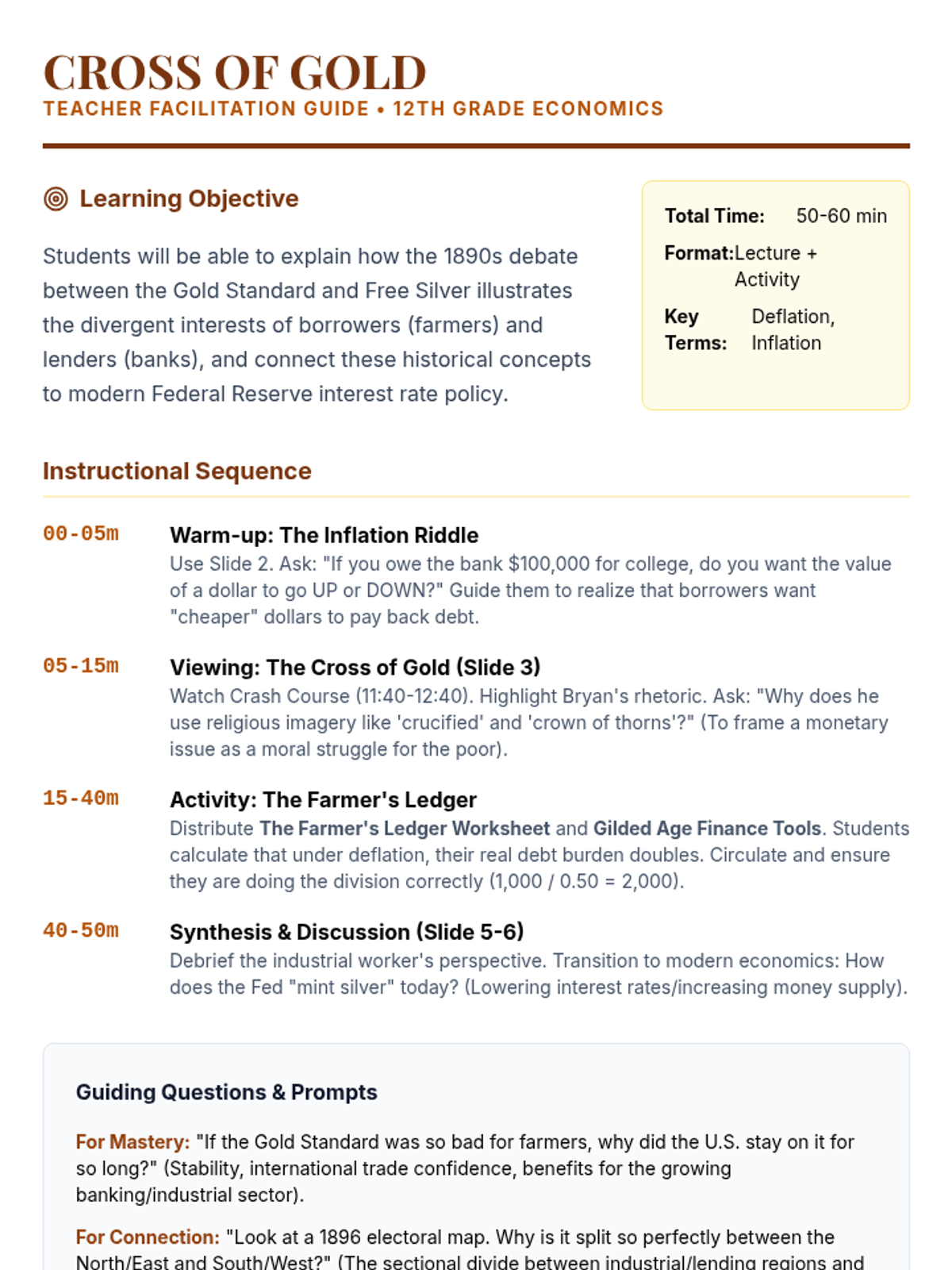
A high school economics lesson exploring the 1890s debate between the Gold Standard and Free Silver, focusing on the impact of inflation and deflation on different economic classes. Students calculate debt burdens for Gilded Age farmers and connect historical monetary policy to modern Federal Reserve actions.
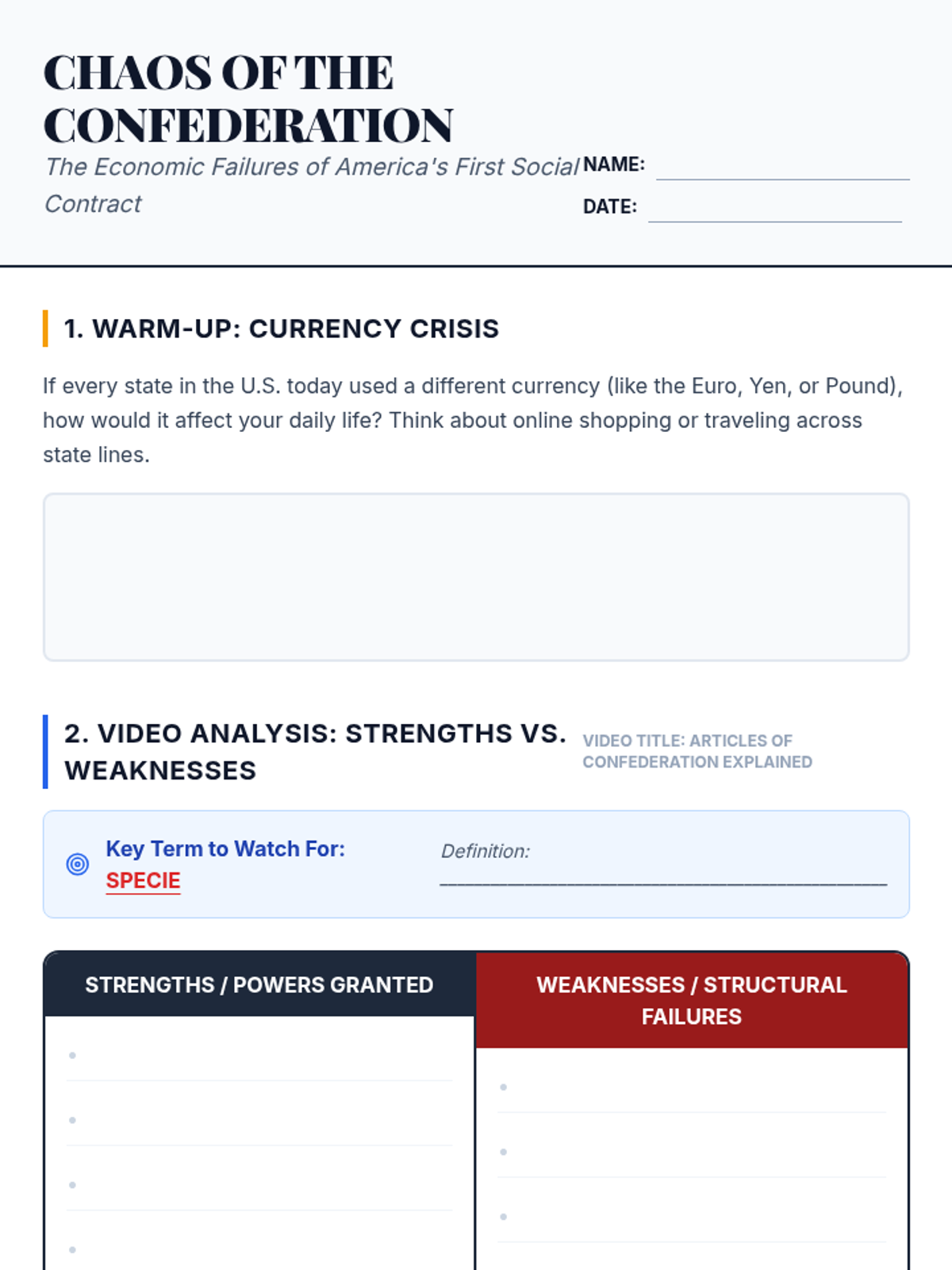
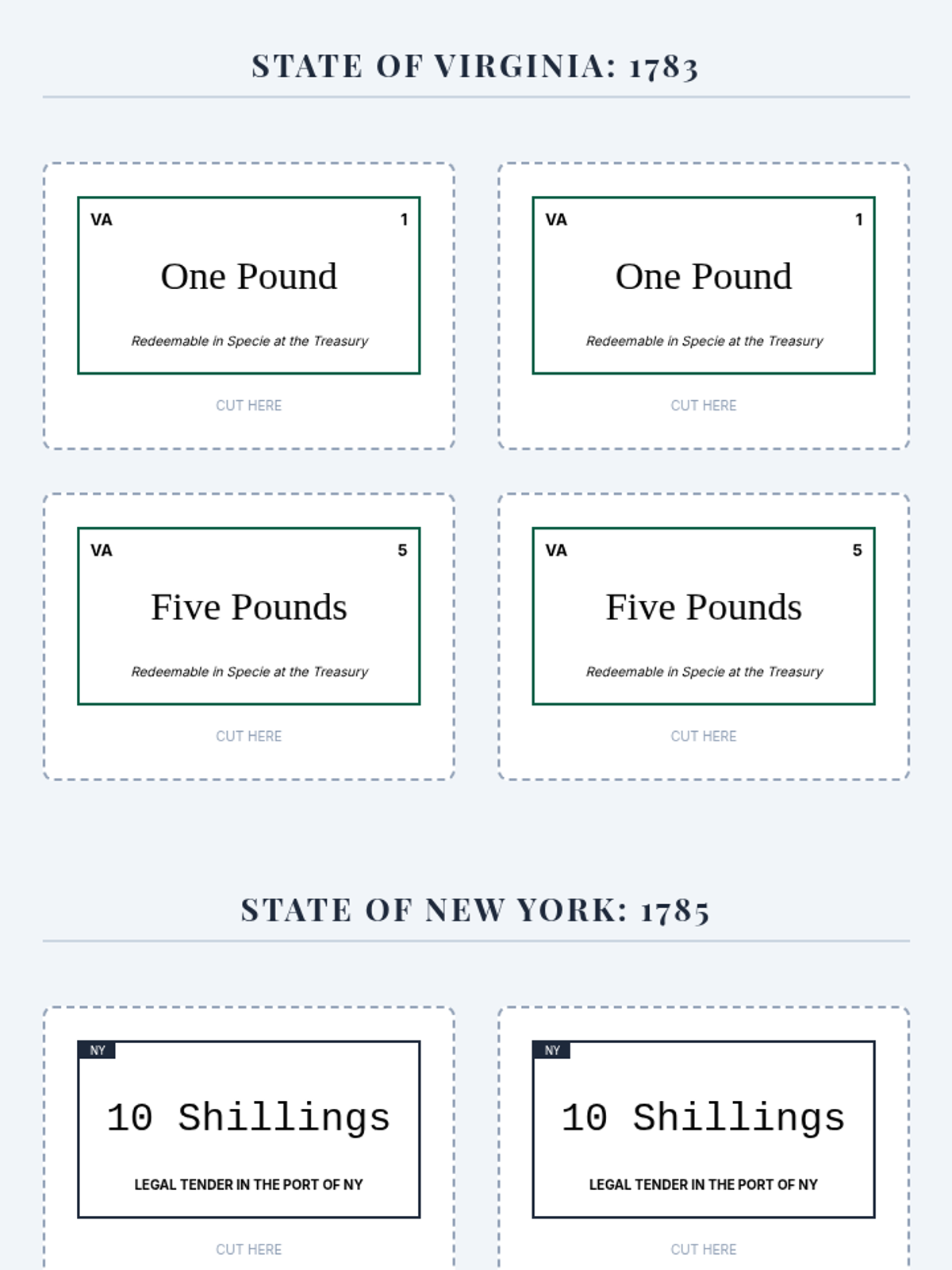
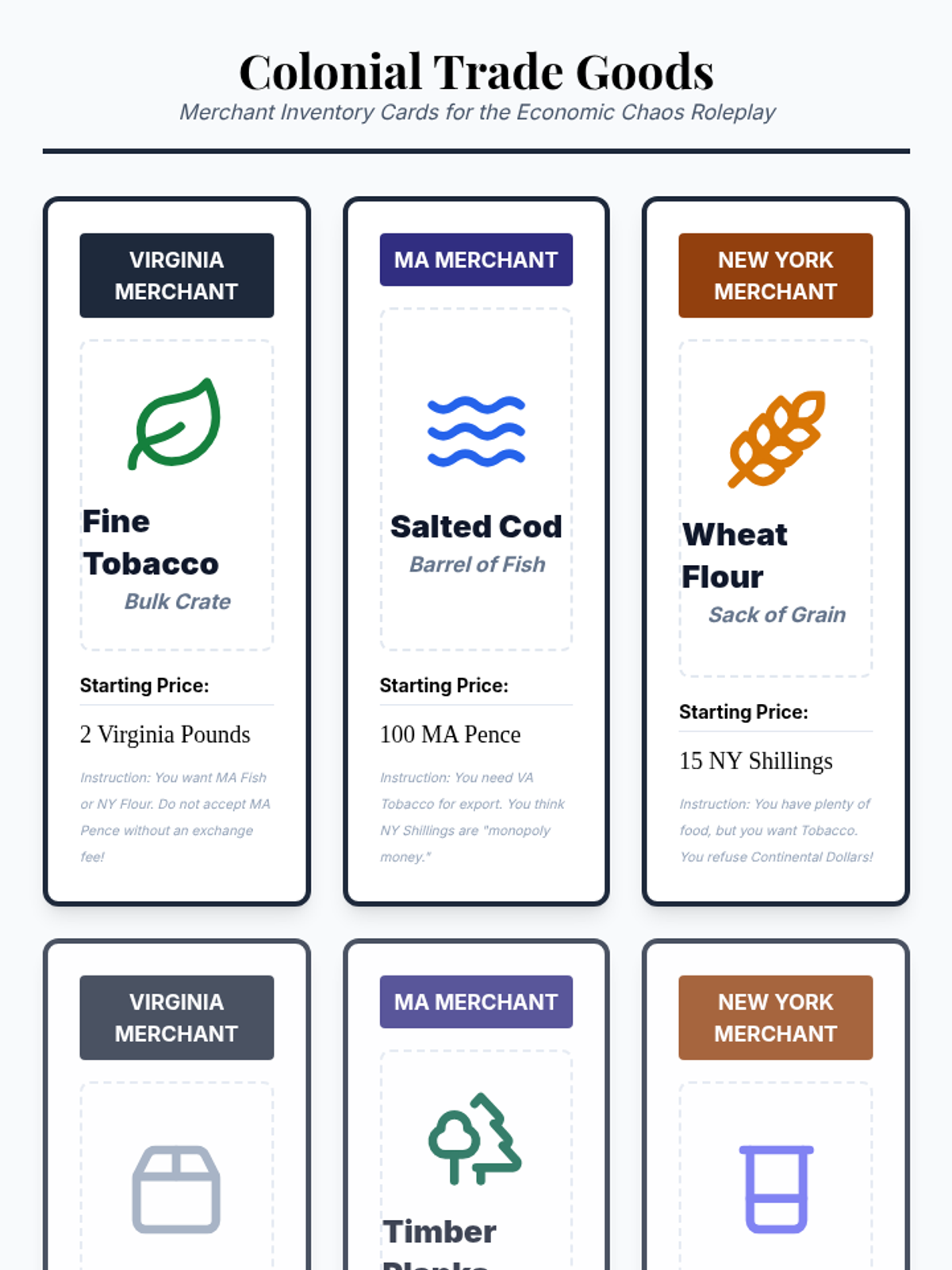
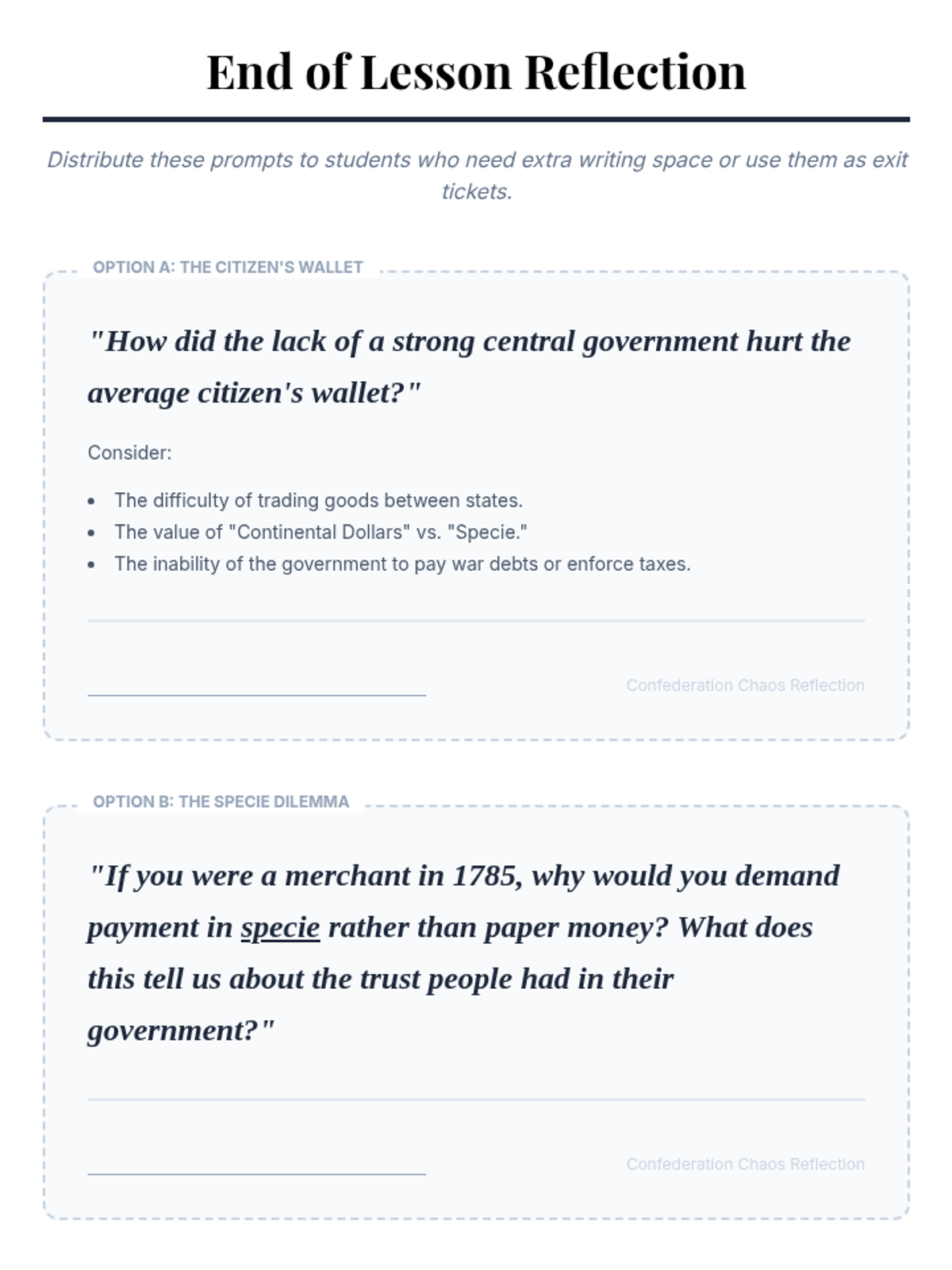
Students will investigate the structural and economic failures of the Articles of Confederation, specifically focusing on the lack of a national currency and the resulting economic instability. Through a roleplay activity and video analysis, they will define 'specie' and understand the necessity of the US Constitution's stronger central government.
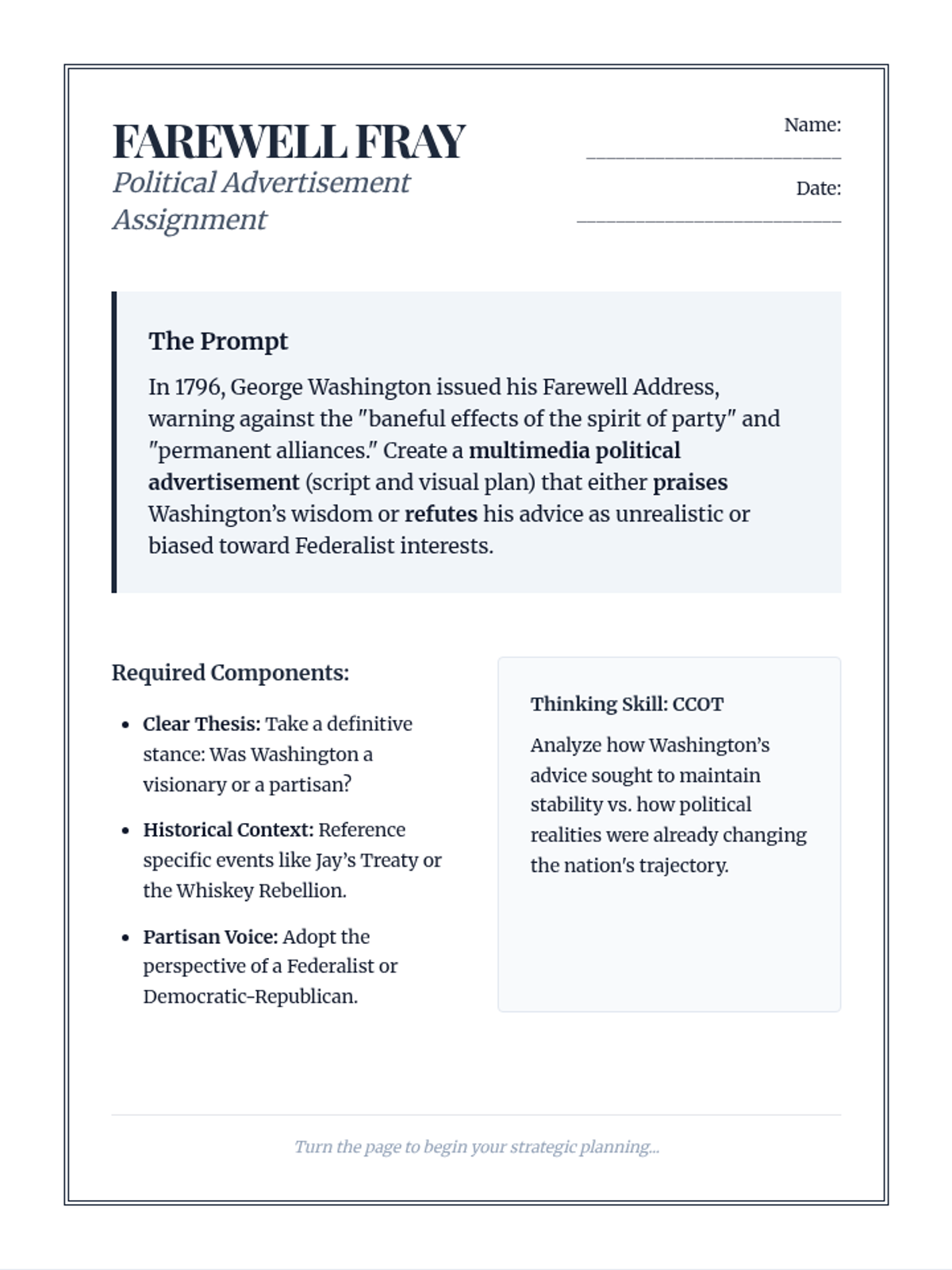
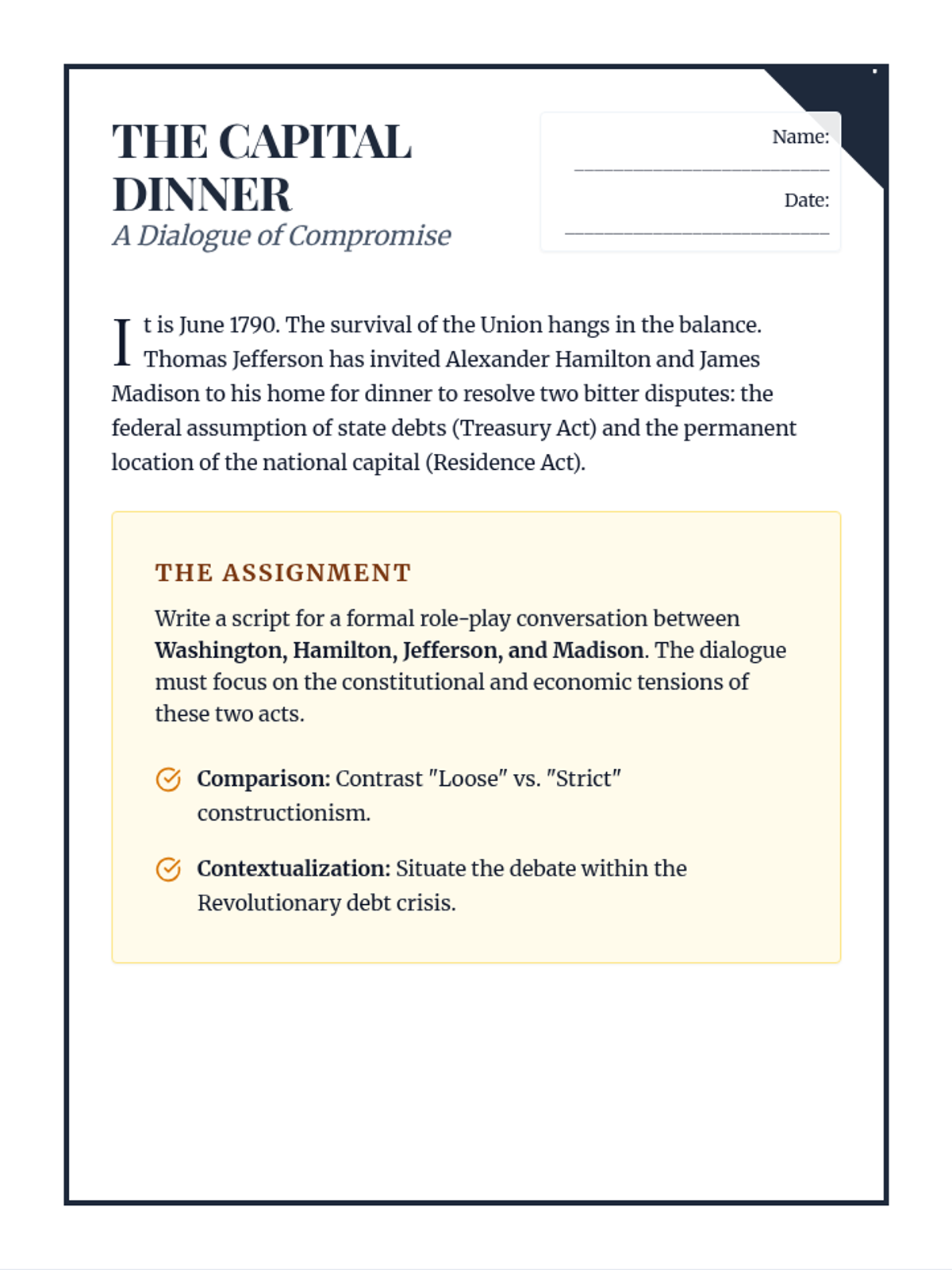
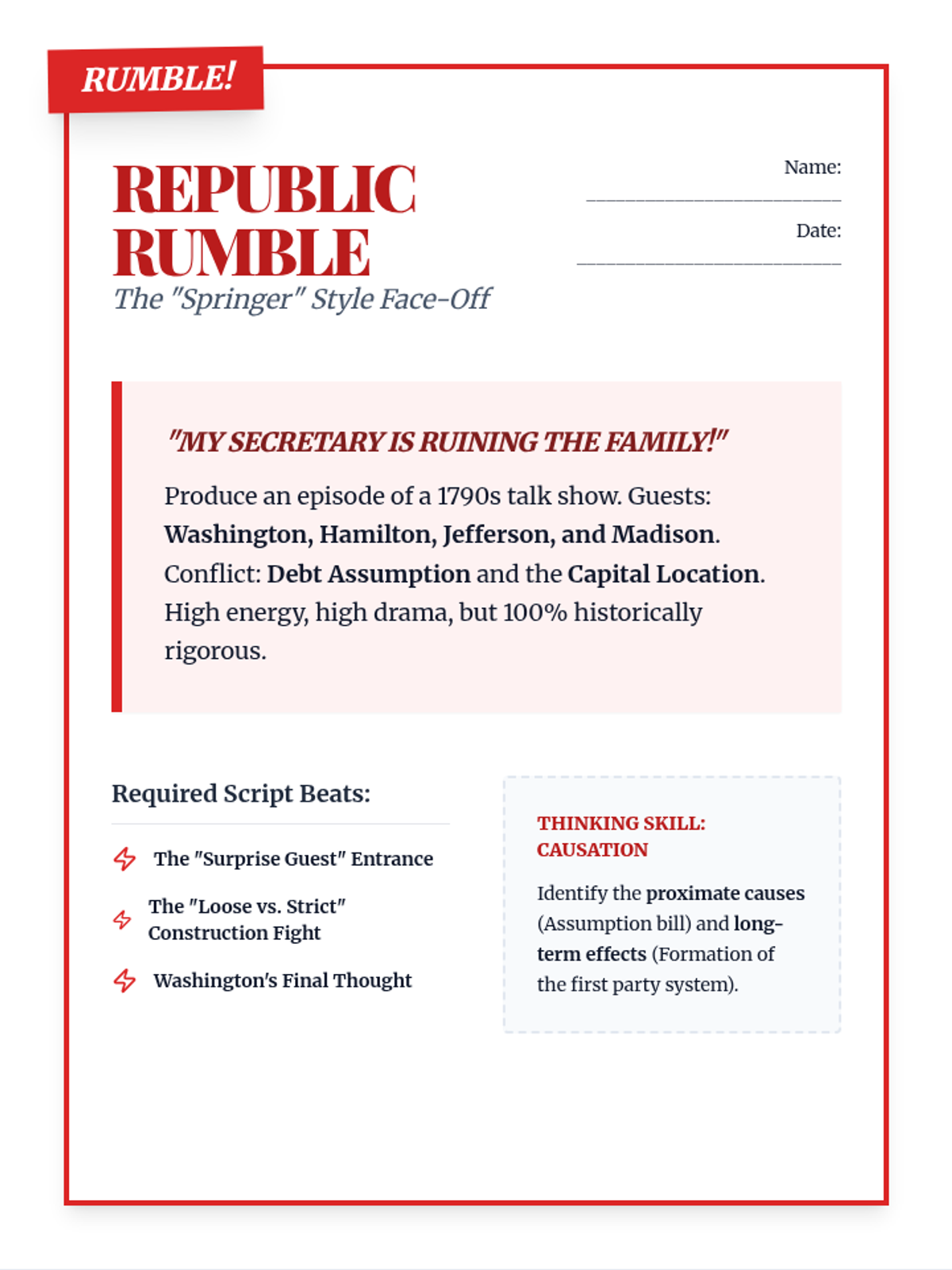
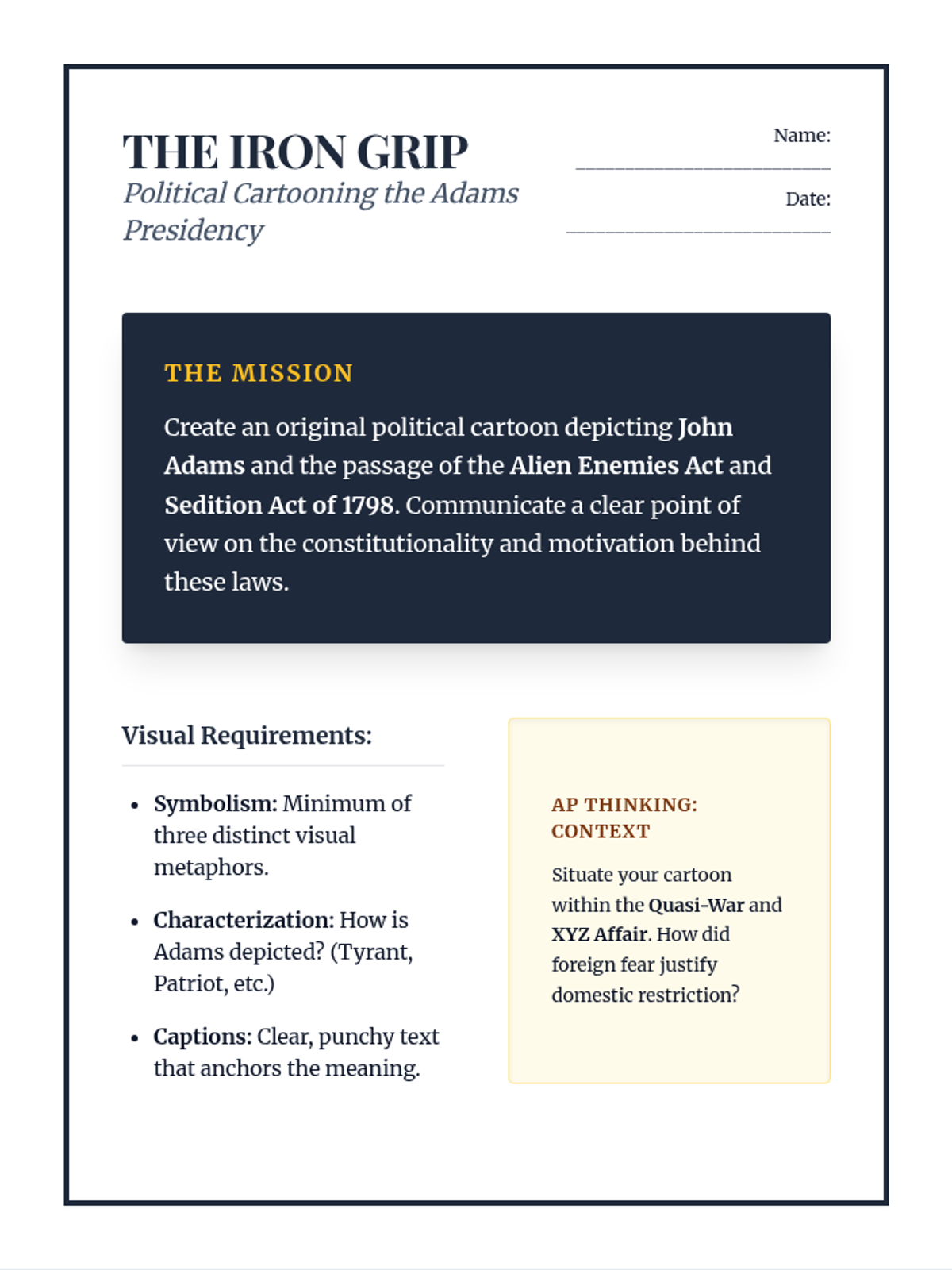
A comprehensive set of project-based learning assignments for AP U.S. History focusing on the political conflicts of the Early Republic (1789-1800), including the emergence of the first party system and the presidency of John Adams.
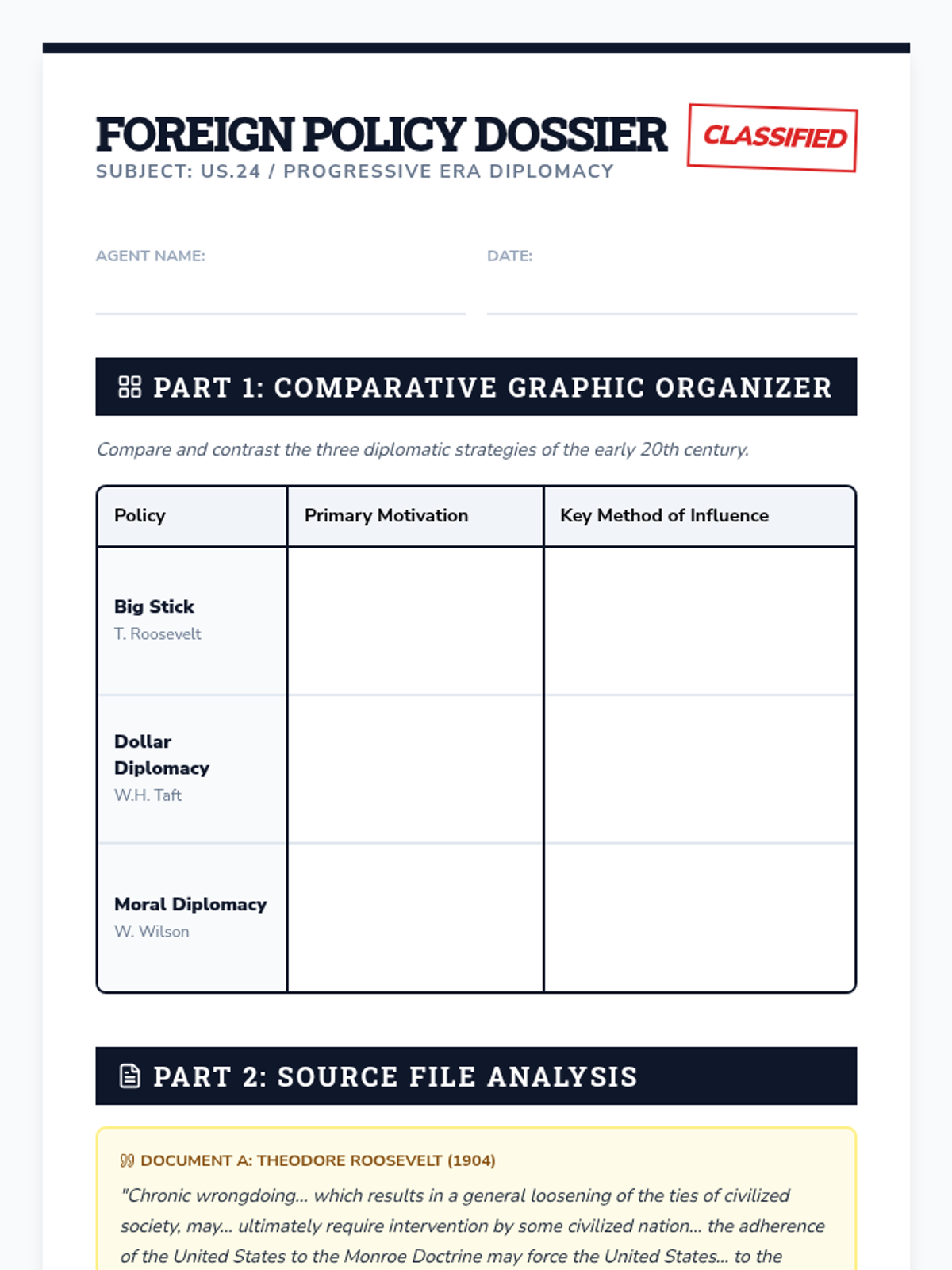
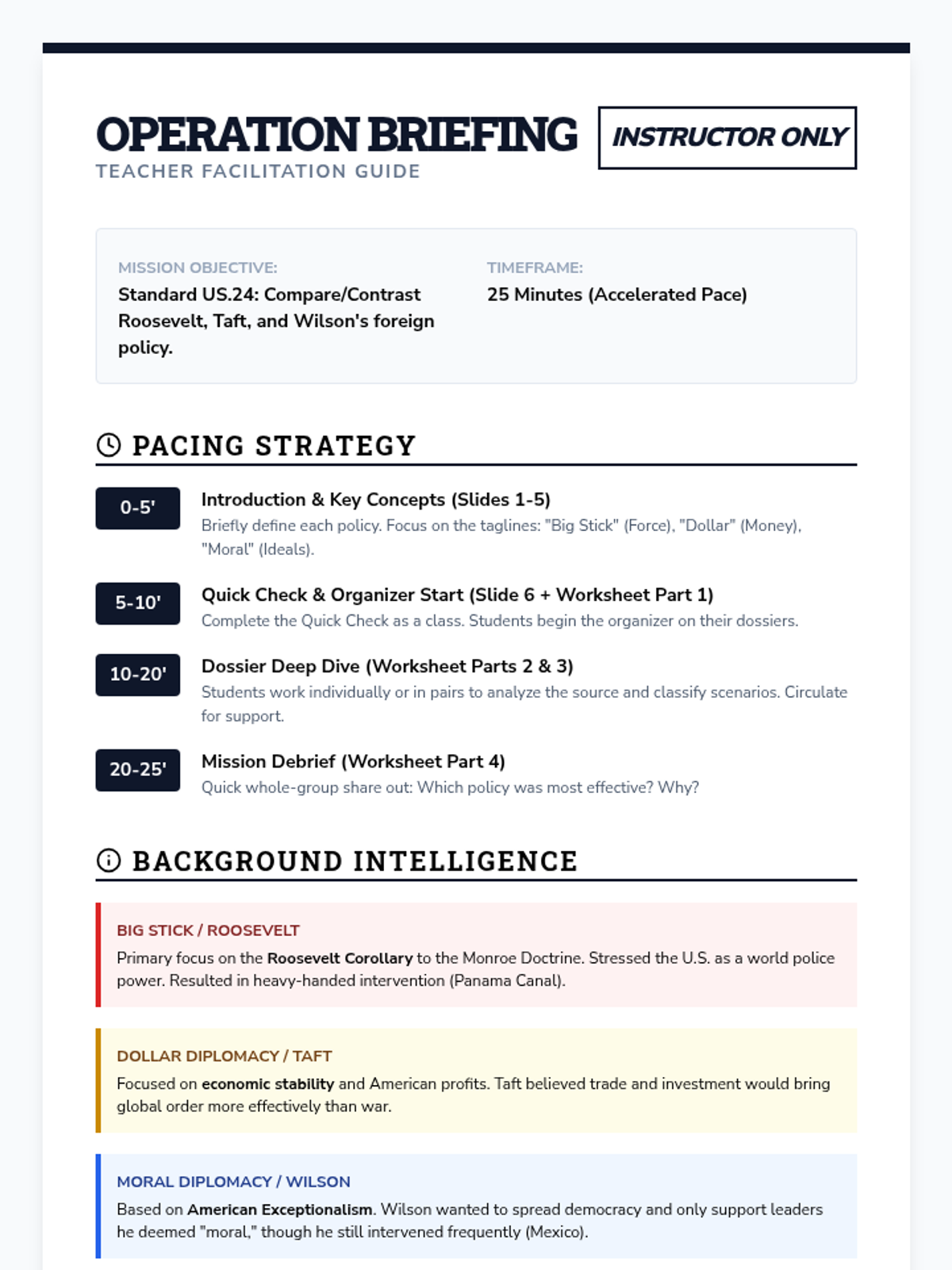
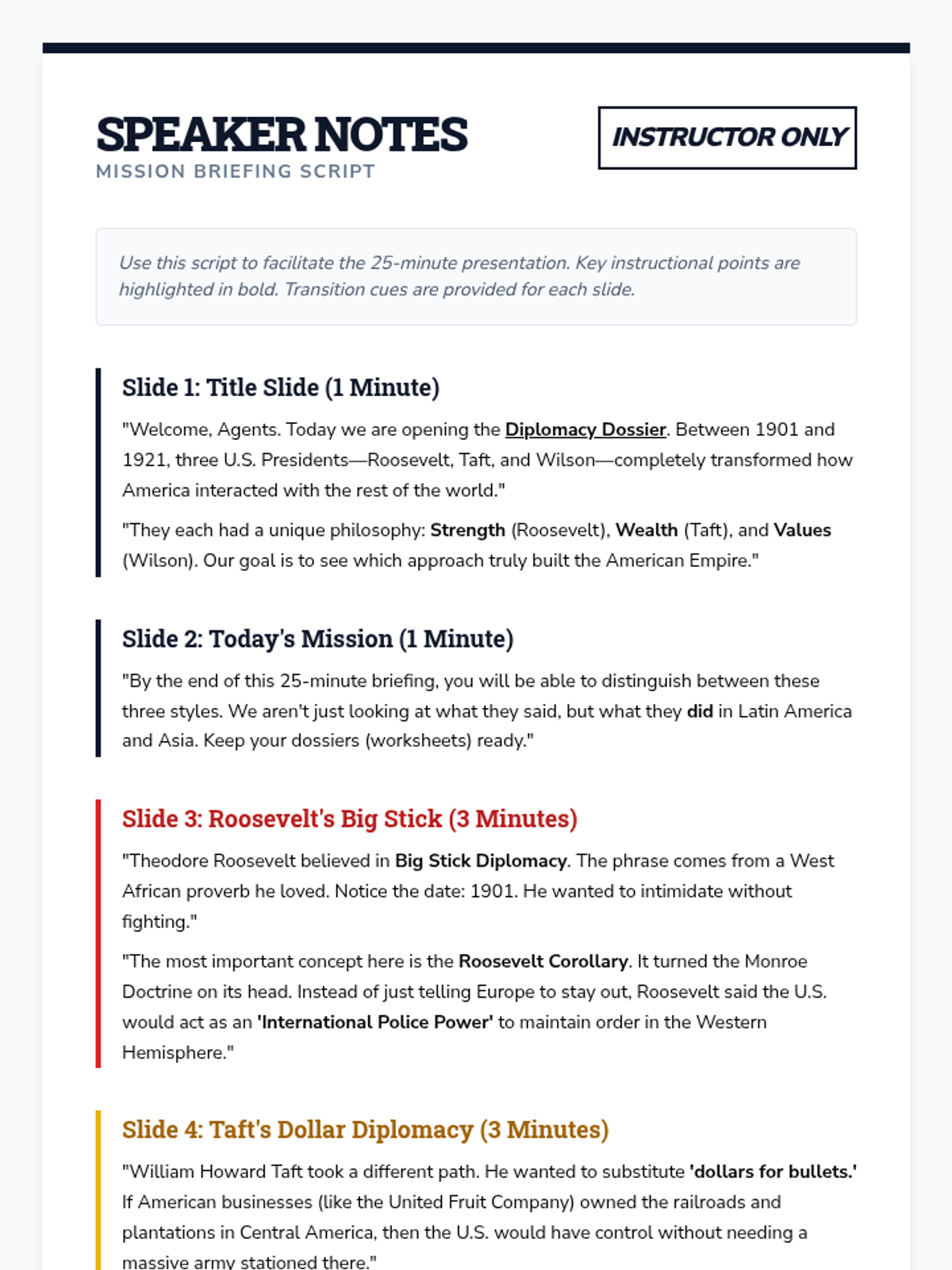
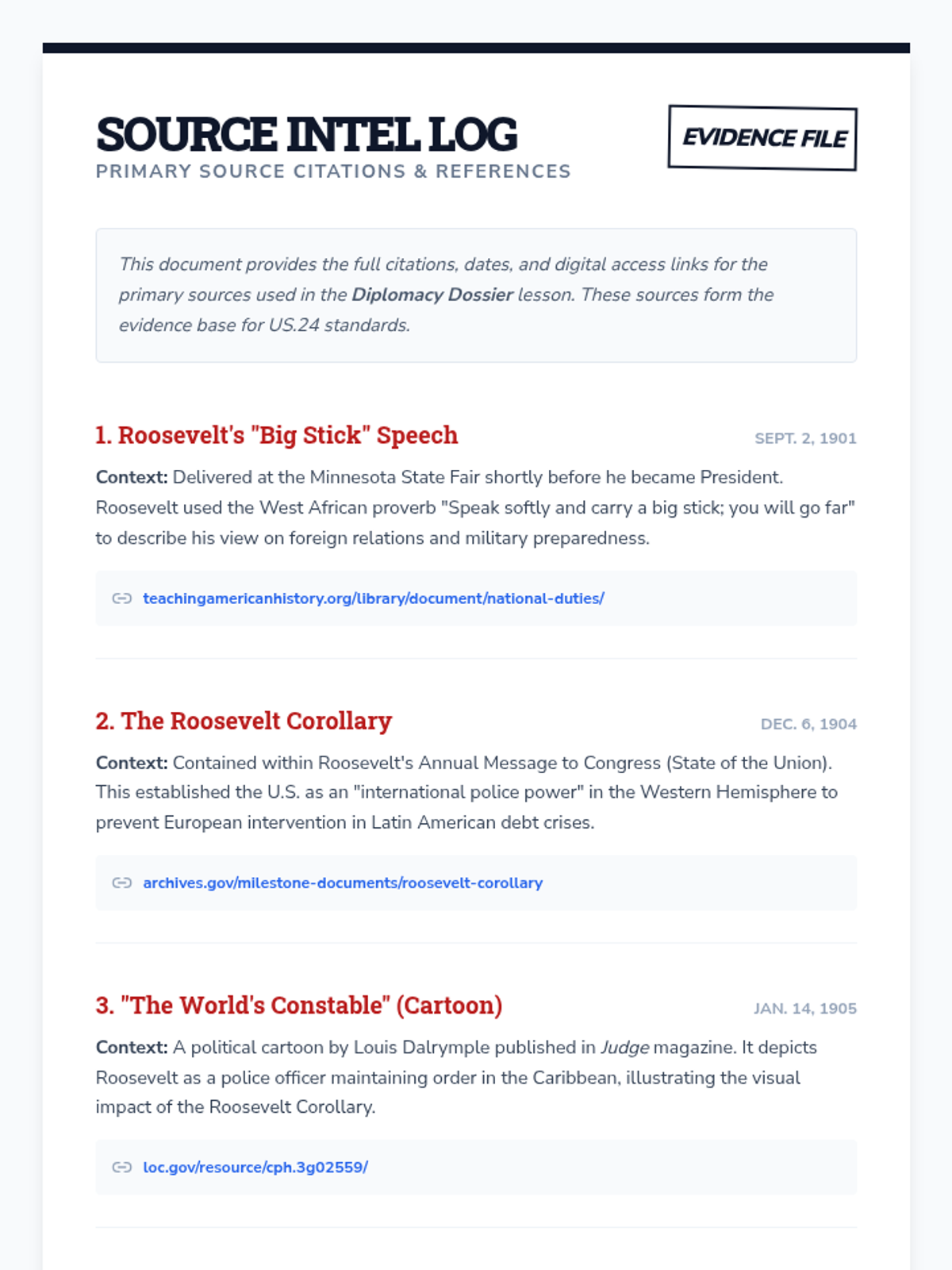
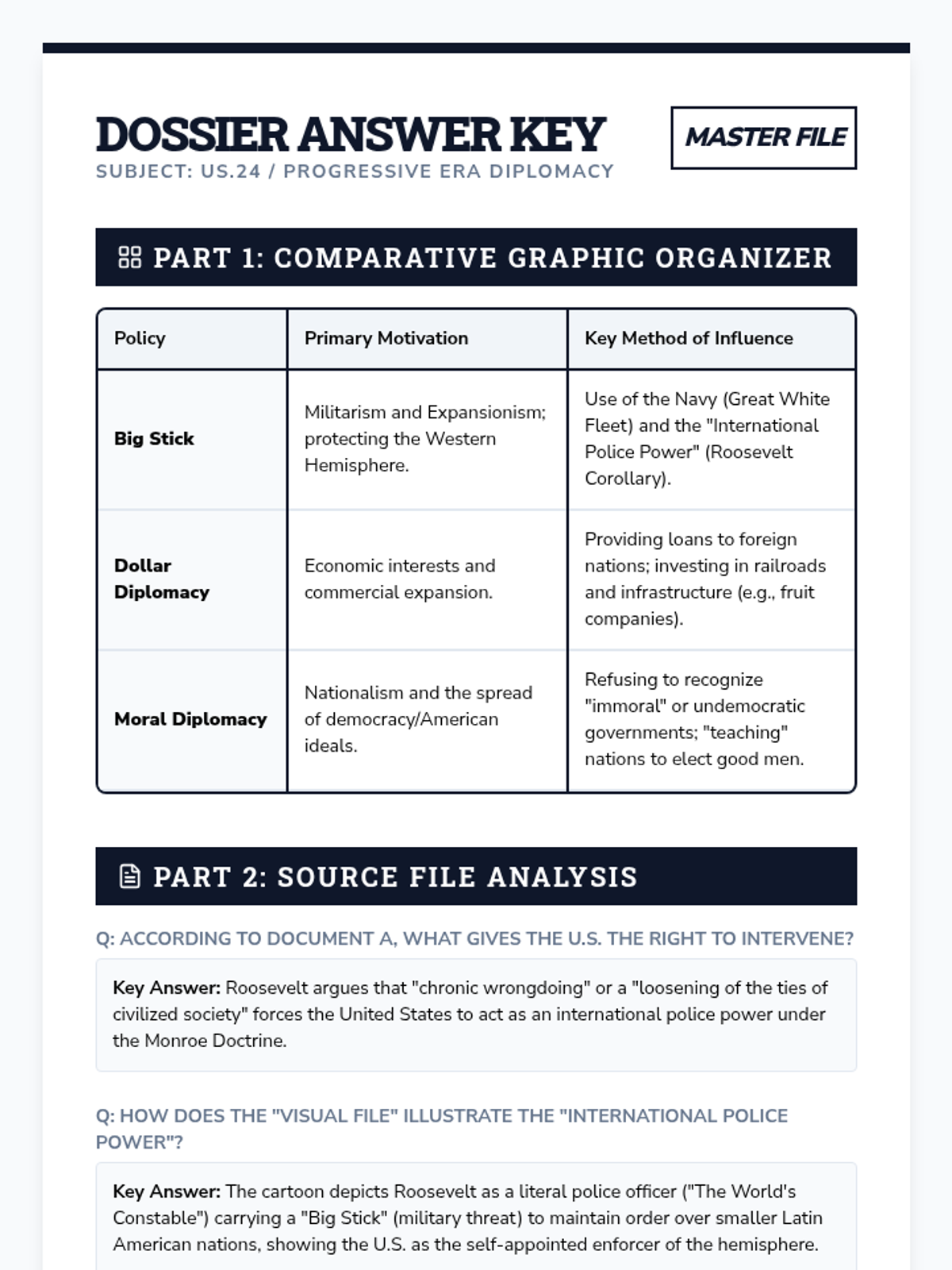
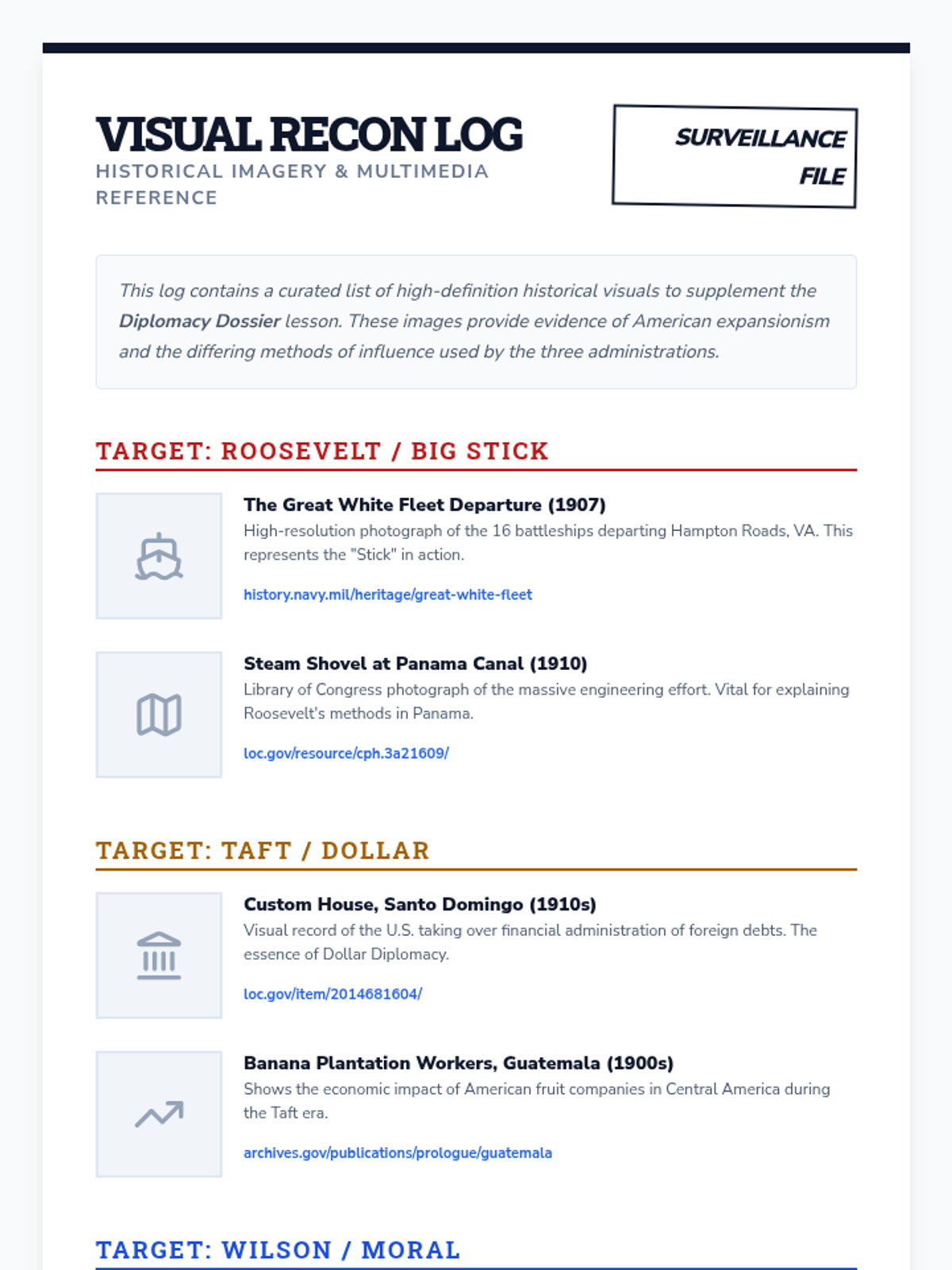
A high-speed 25-minute investigation into the three distinct foreign policy styles of the Progressive Era presidents: Roosevelt, Taft, and Wilson. Students use a comparative dossier approach to analyze motives, methods, and outcomes of American expansionism.
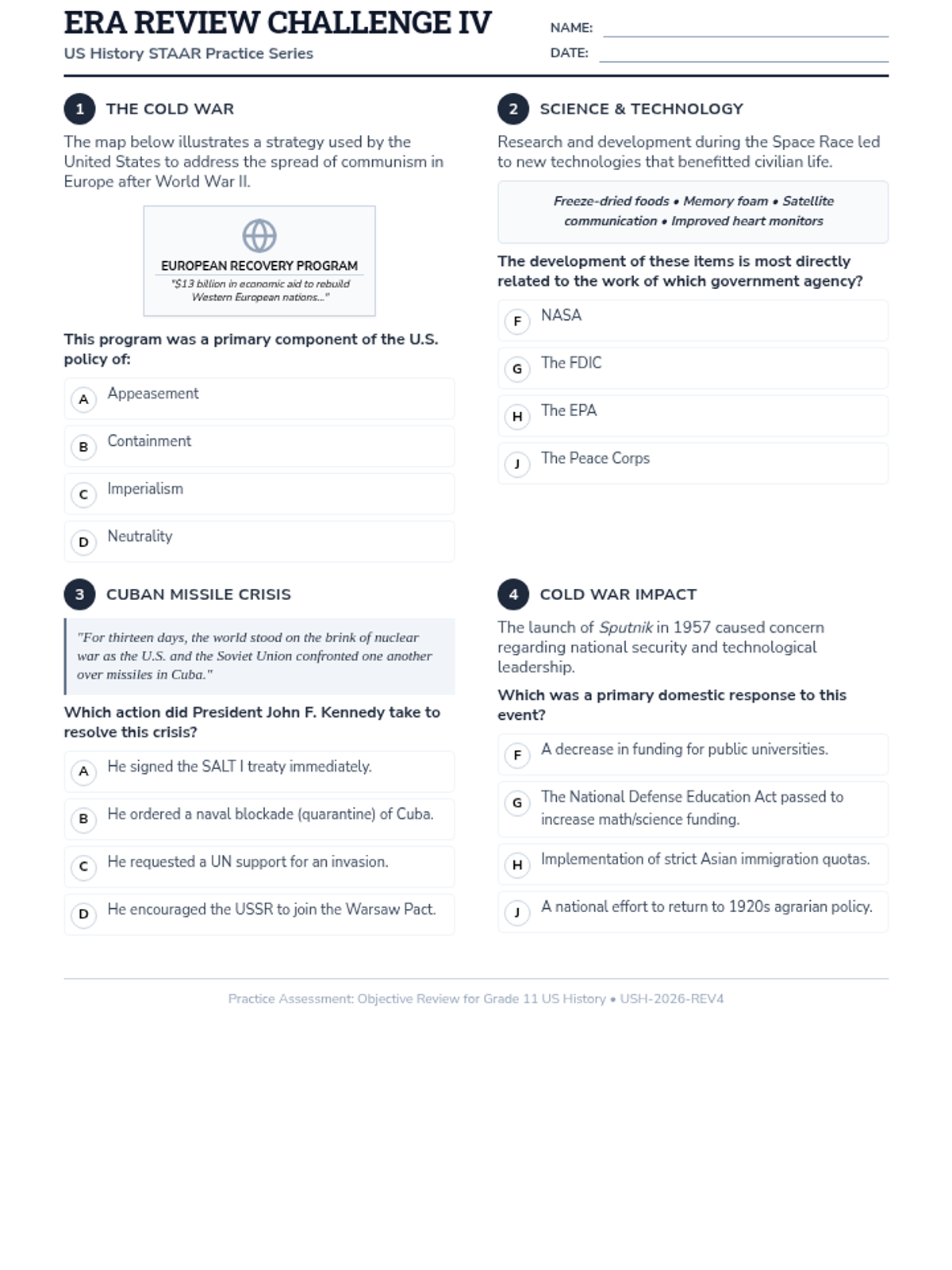
Focuses on the origins of the Cold War, the Red Scare at home, the Korean War, and 1950s conformity.
Examines the causes of WWII, the US home front, major battles, and the transition to the atomic age.
Analyzes the causes of the Great Depression, the Dust Bowl, and the government's response through the New Deal.
Explores the cultural shifts, economic boom, and social tensions of the 1920s, including the Red Scare and Jazz Age.
Covers the Spanish-American War, US Imperialism, the Panama Canal, and the causes/impacts of World War I.
Focuses on social and political reforms, women's suffrage, and the expansion of democracy at the turn of the century.
Explores the rise of big business, industrialization, and the social challenges of the late 19th century.
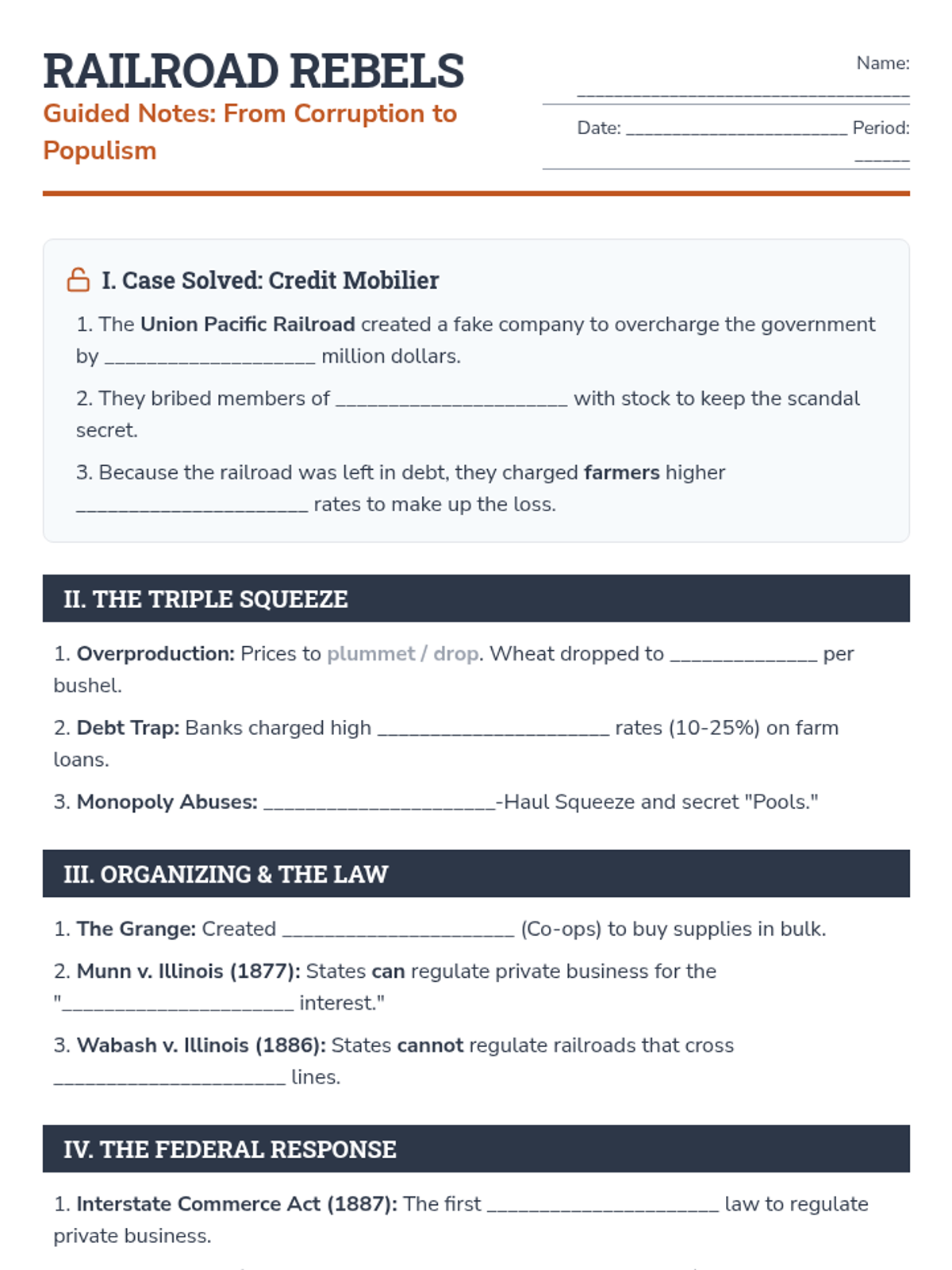
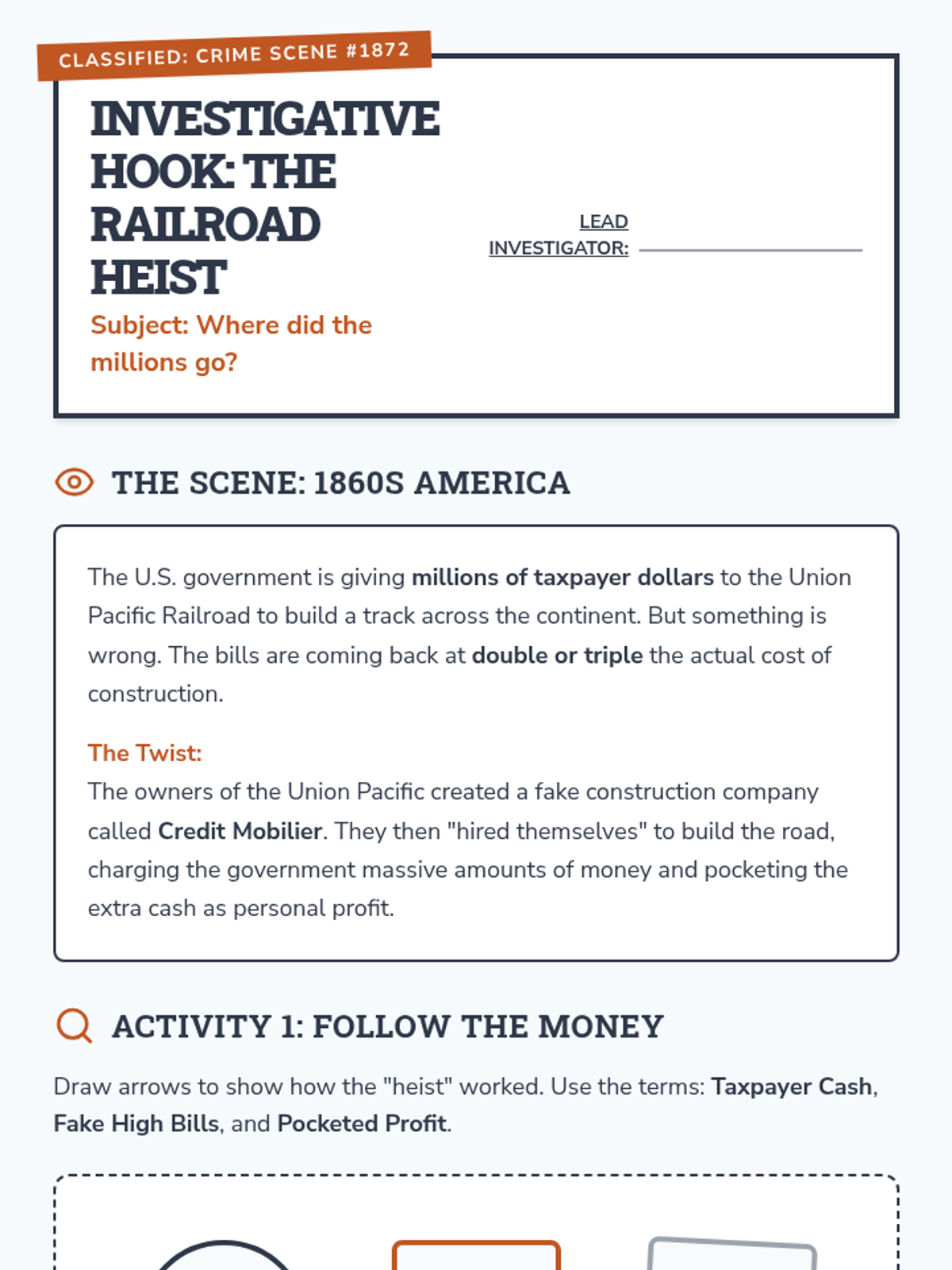
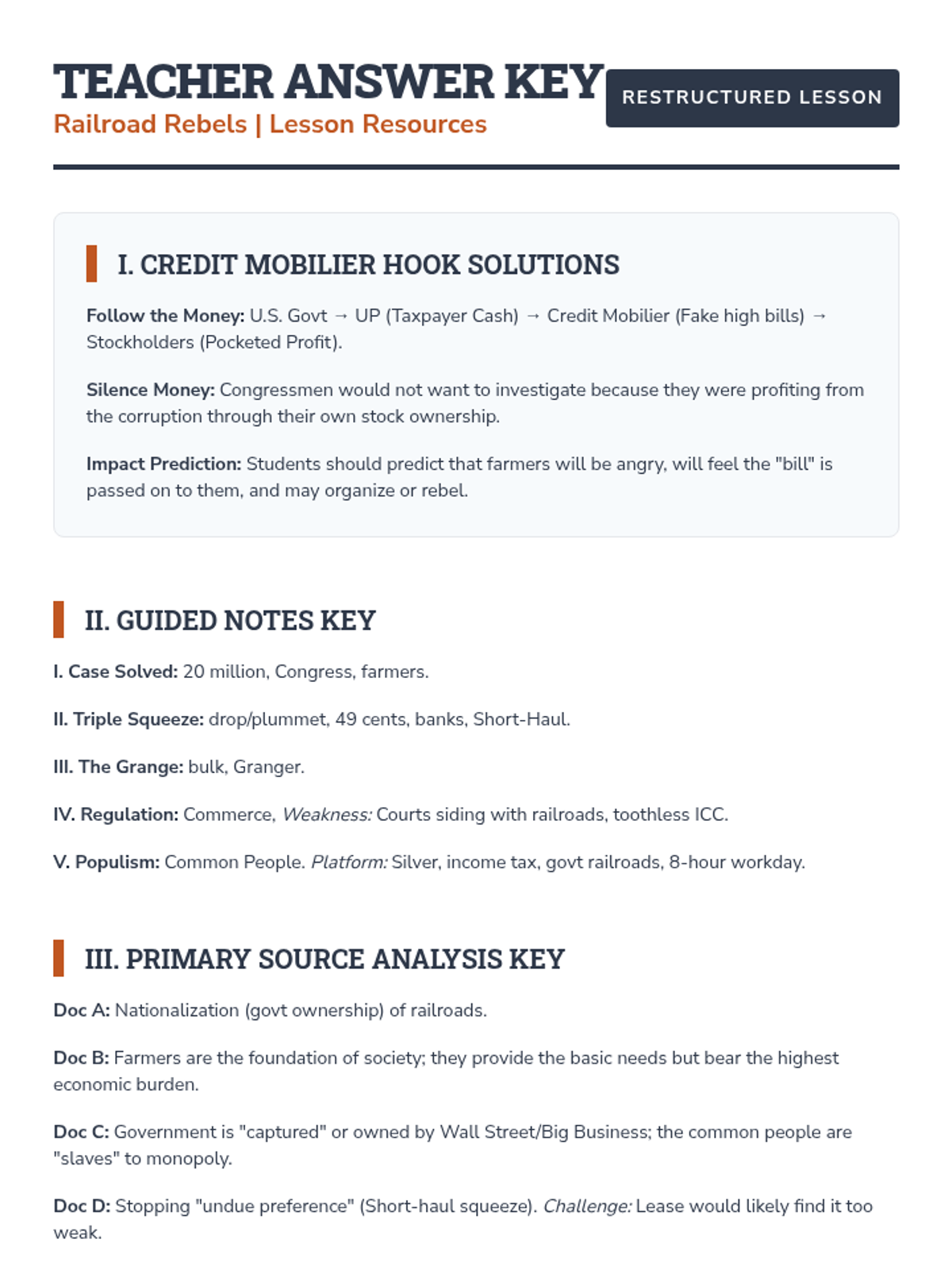
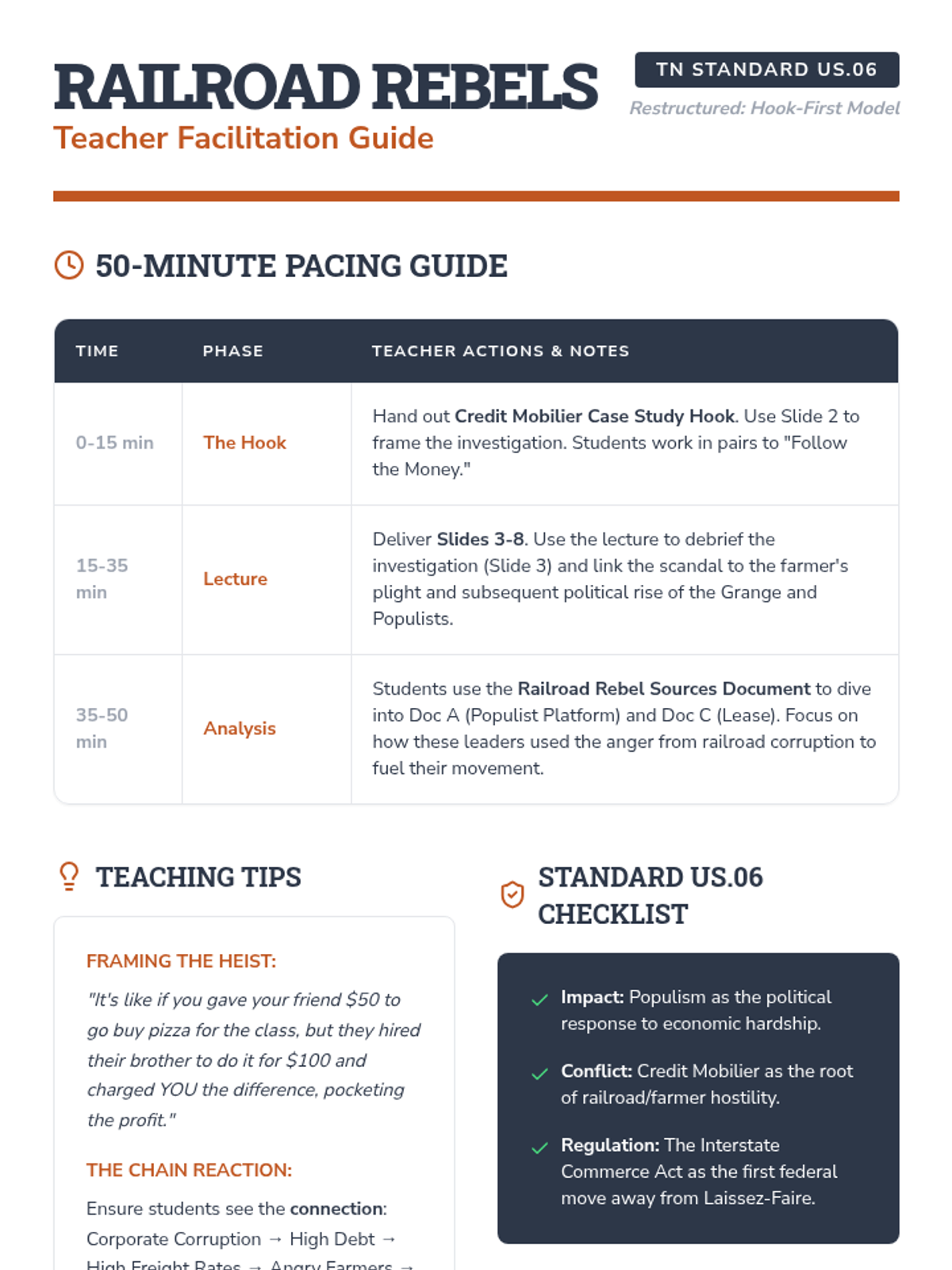
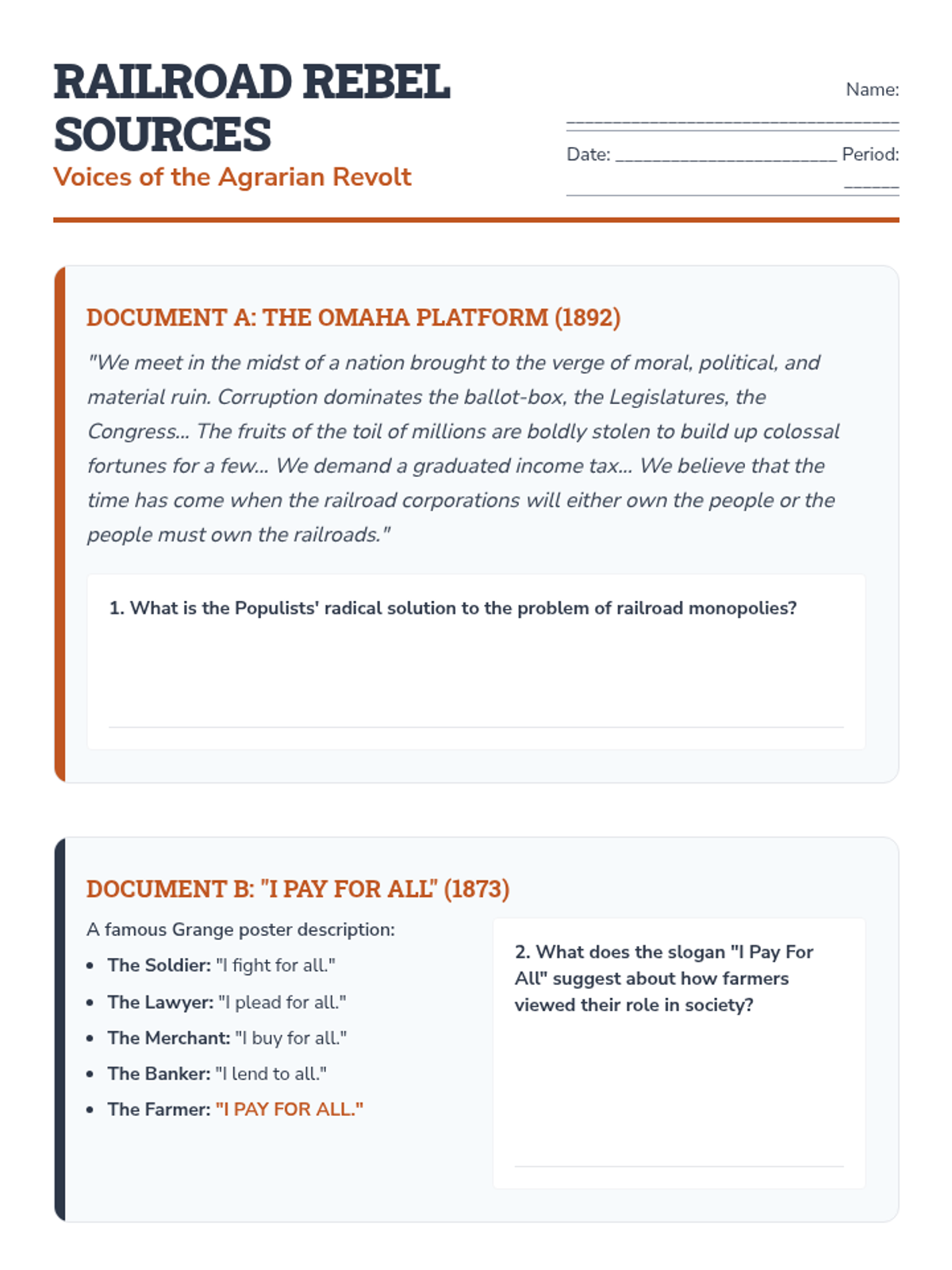
A 50-minute lesson exploring the rise of the Granger movement and Populism, focusing on the corruption of the Credit Mobilier scandal and the resulting Interstate Commerce Act. Students will investigate railroad monopolies and the farmers' fight for economic justice.
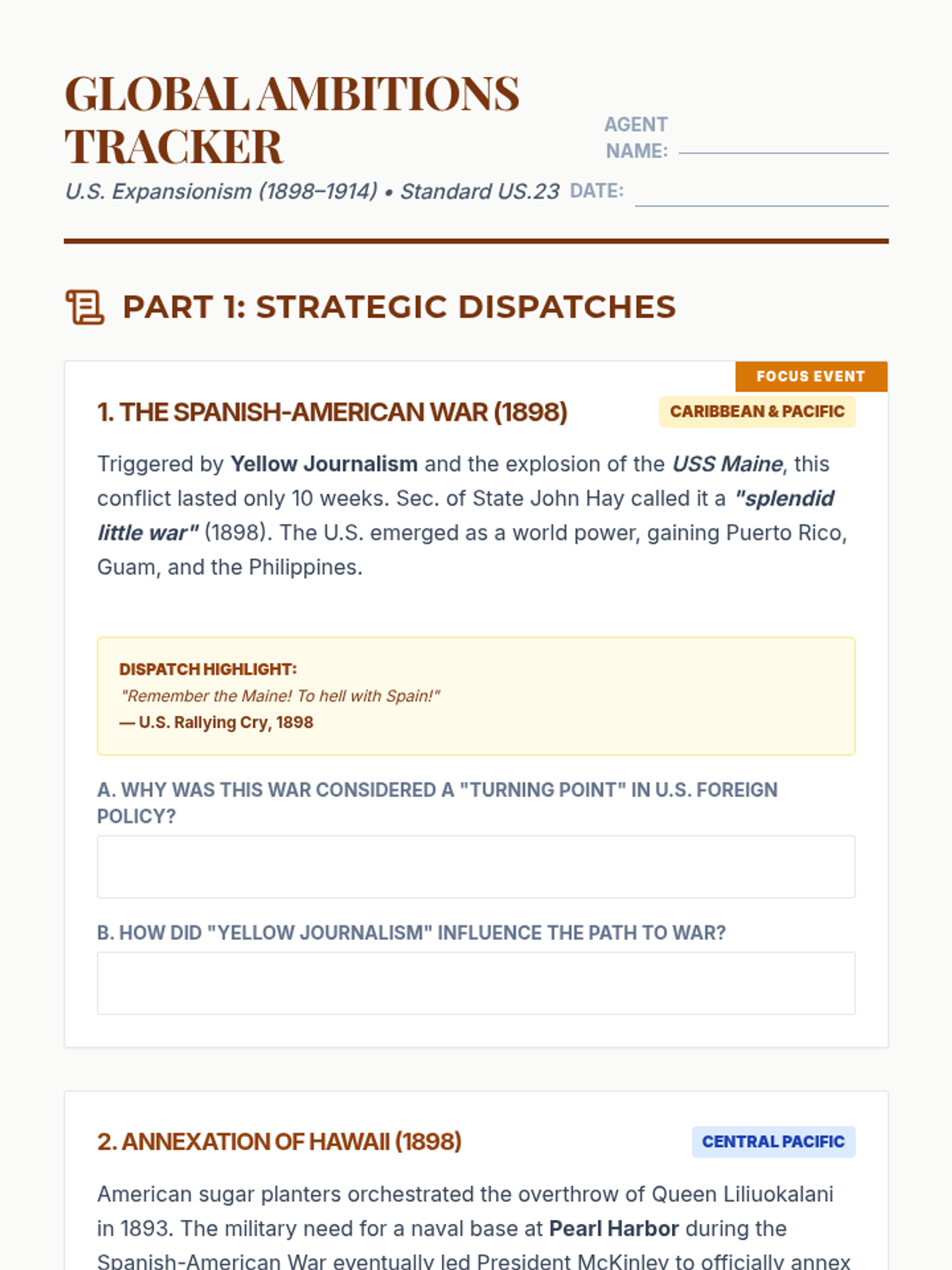
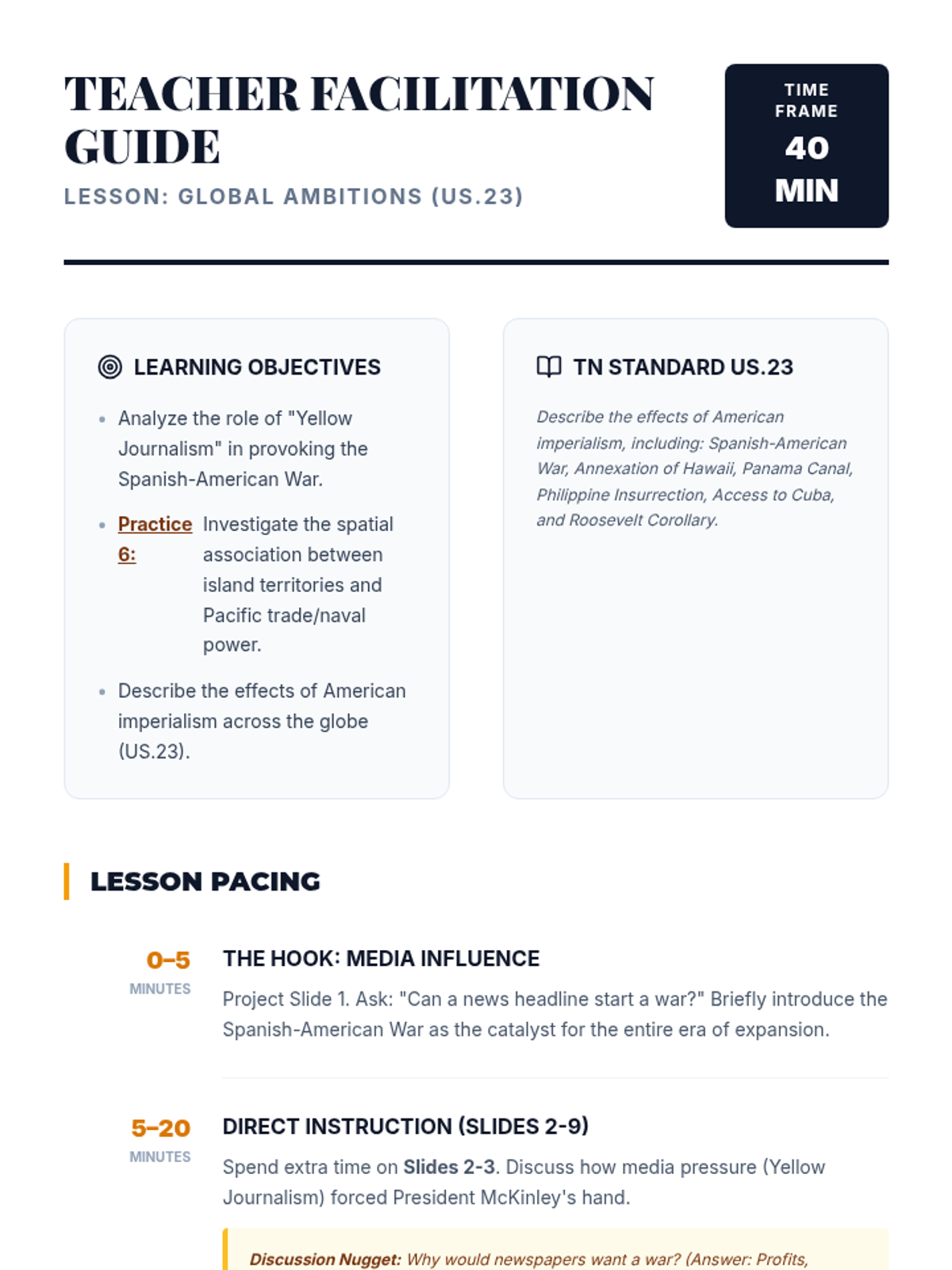
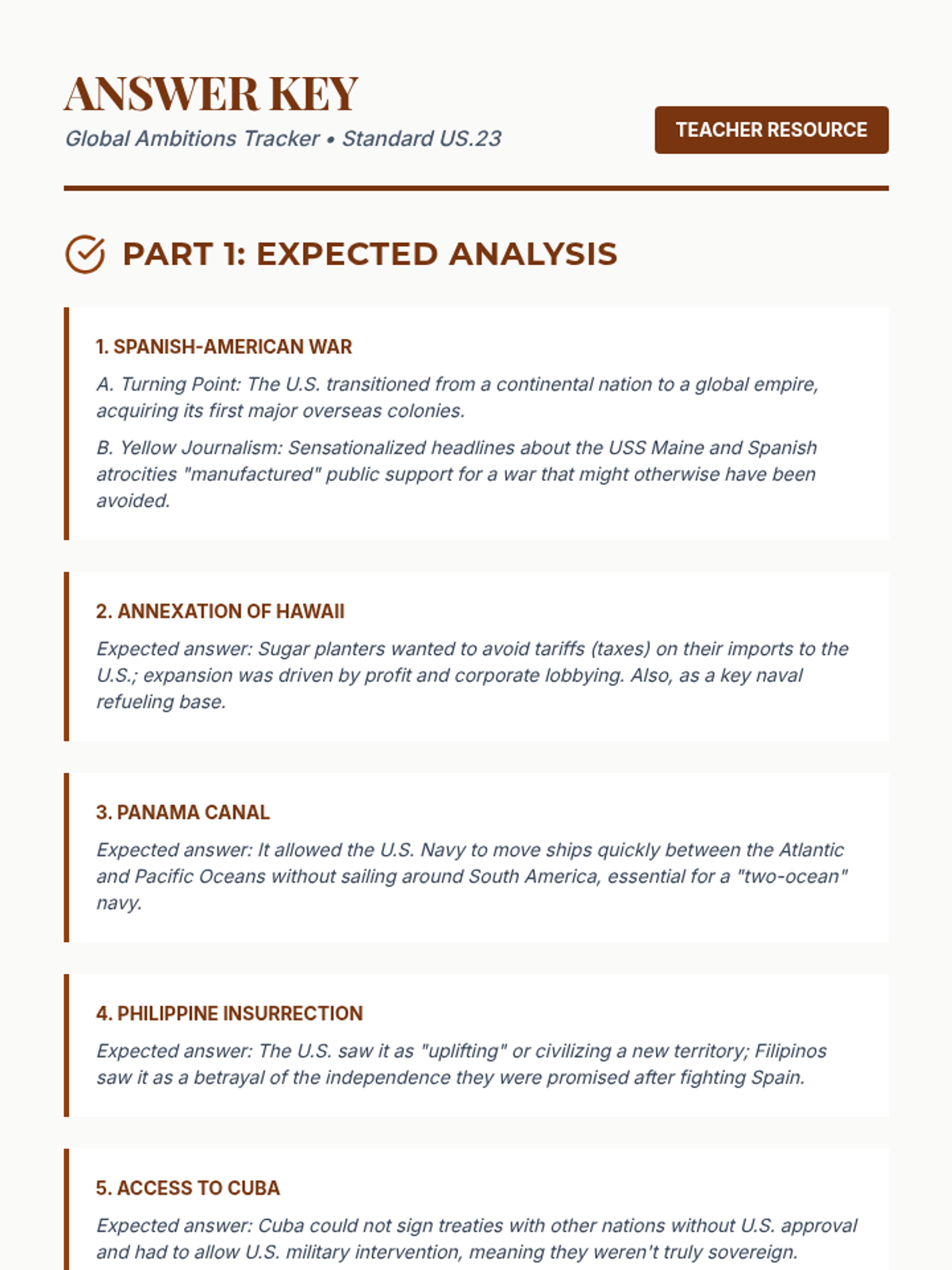
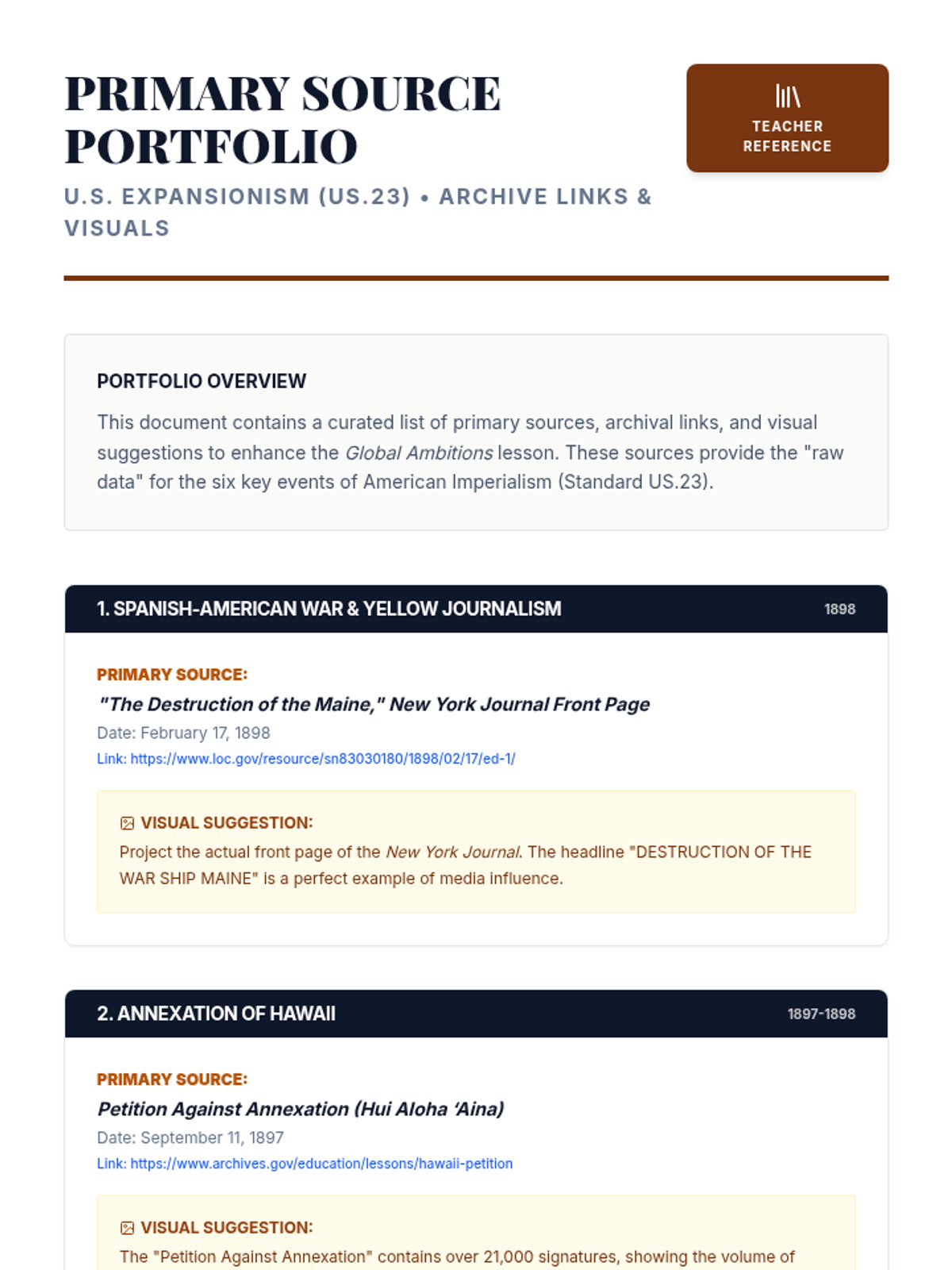
A comprehensive 40-minute exploration of late 19th and early 20th-century American expansionism, covering key events from the Spanish-American War to the Roosevelt Corollary through guided reading and cartographic analysis.
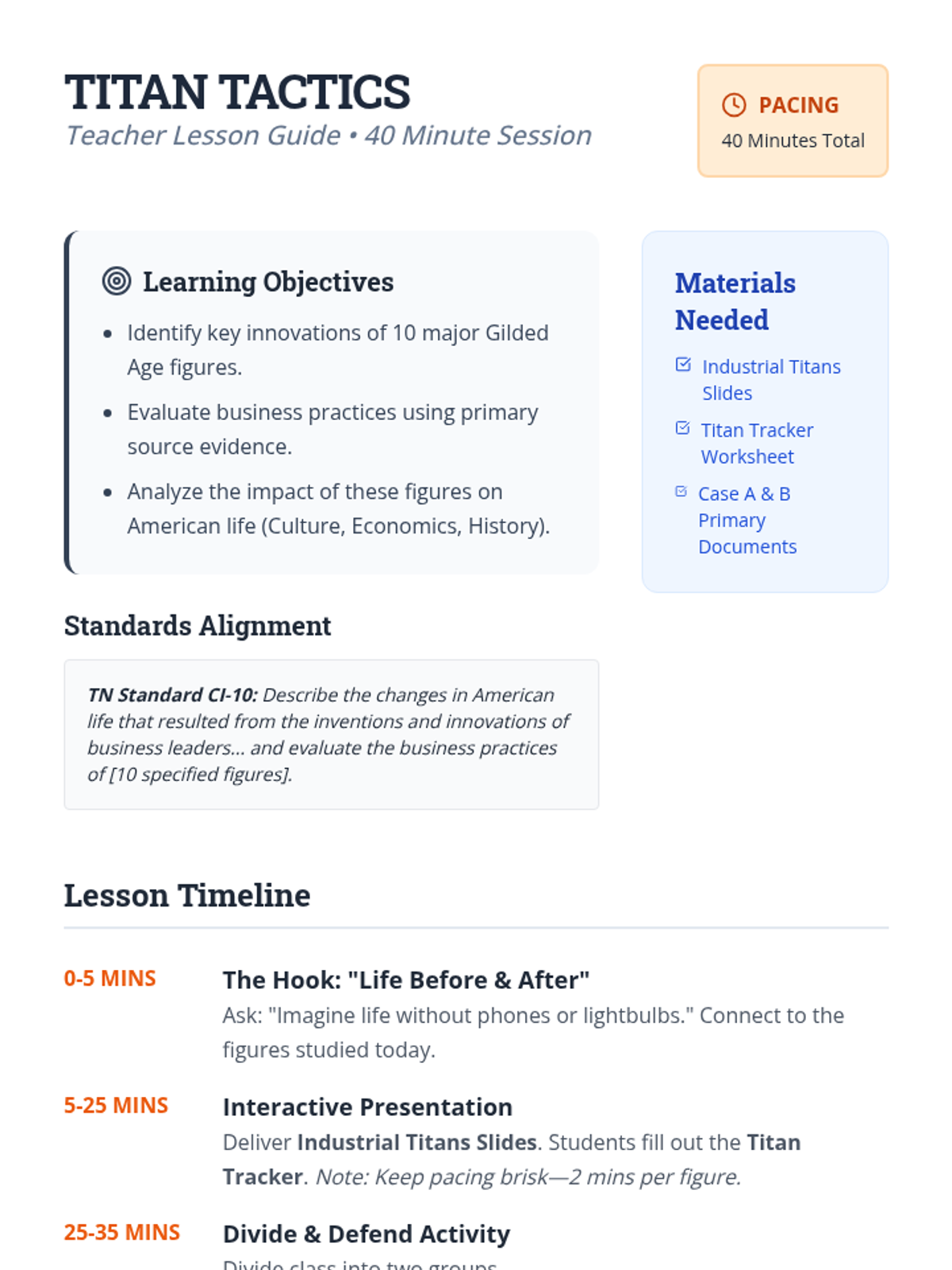
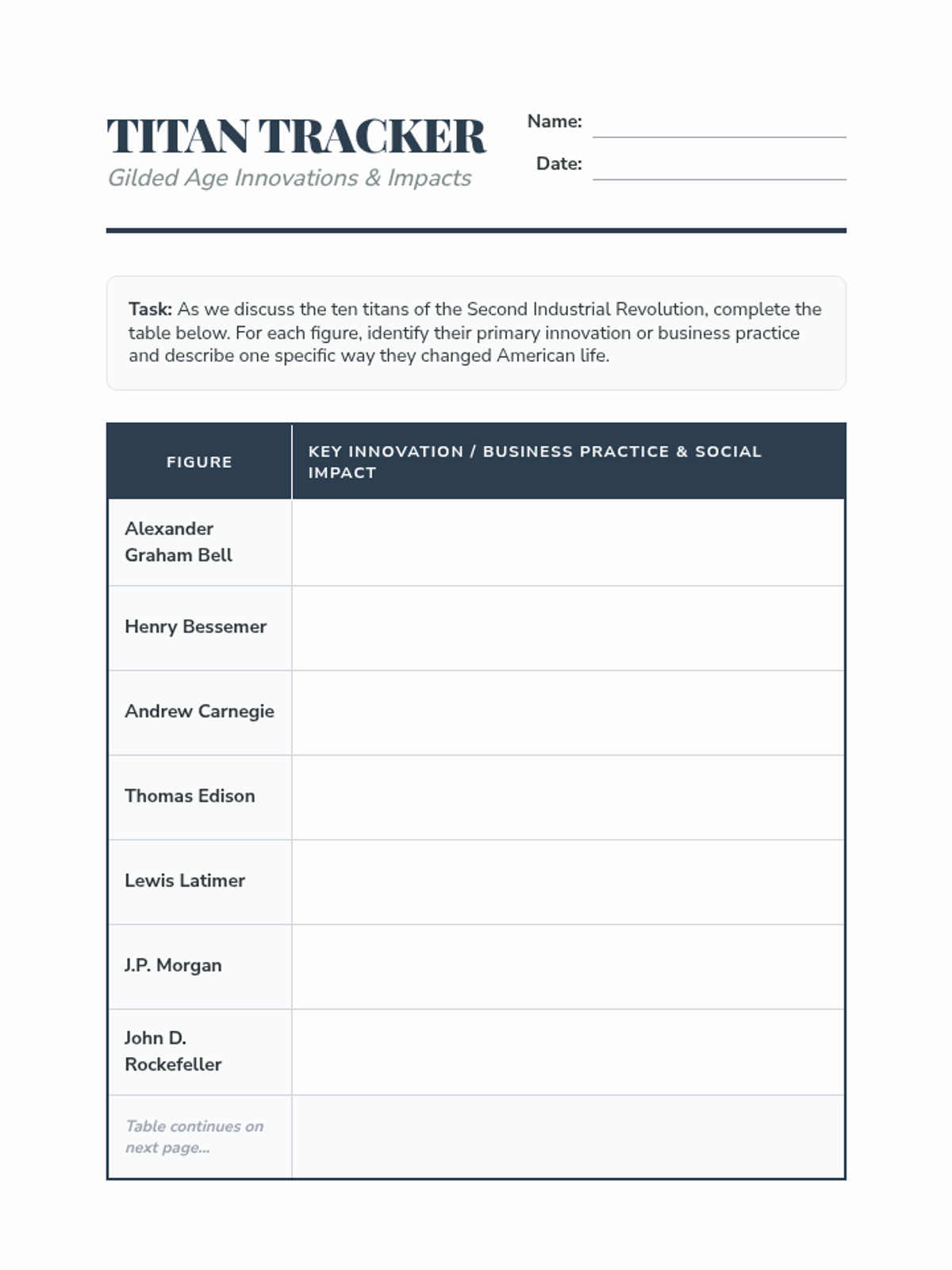
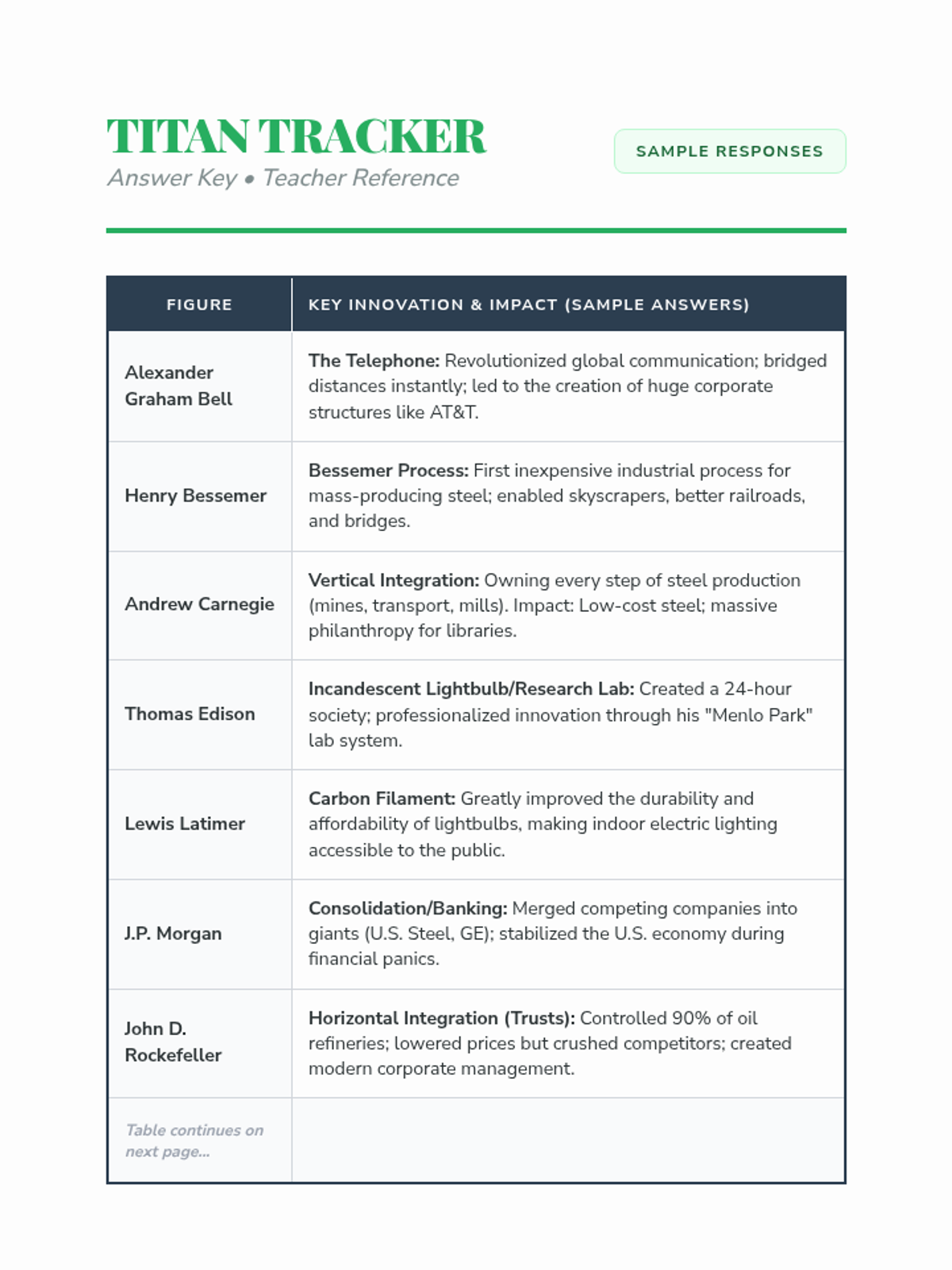
An interactive lesson exploring the innovations and business practices of ten pivotal figures who transformed American life during the Gilded Age and the Second Industrial Revolution. Students will evaluate the impact of steel, electricity, oil, and entrepreneurship on modern society.
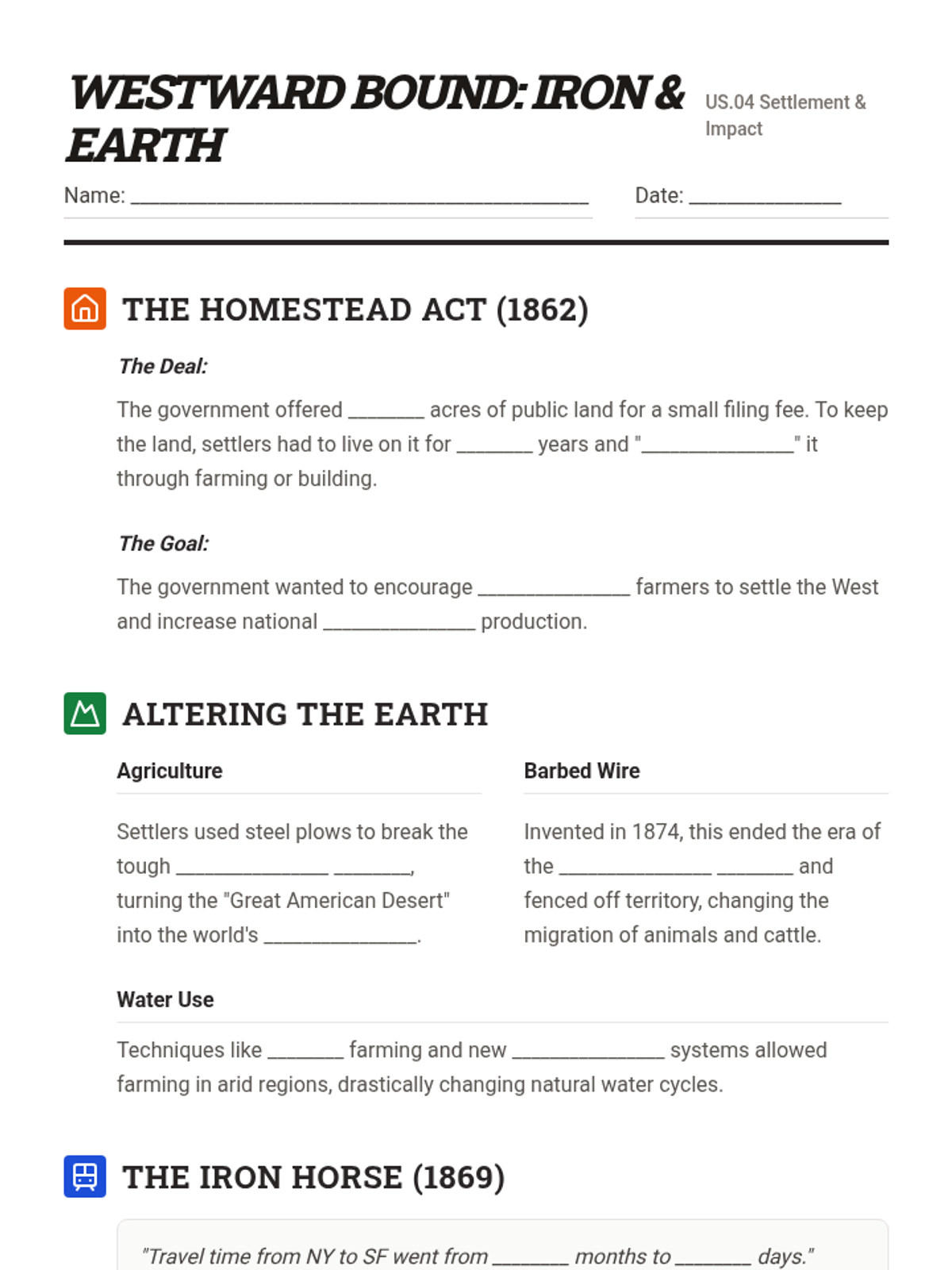
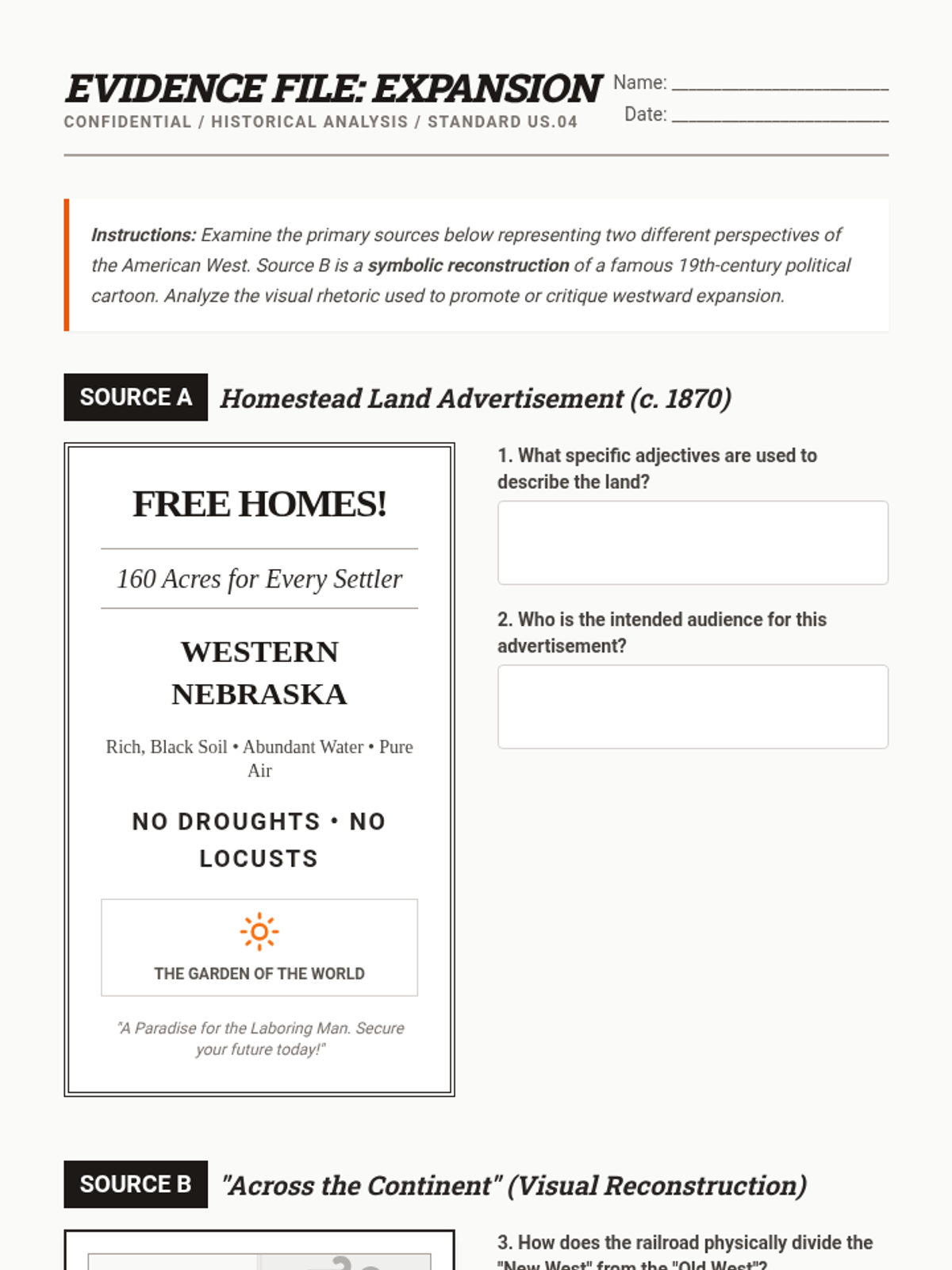
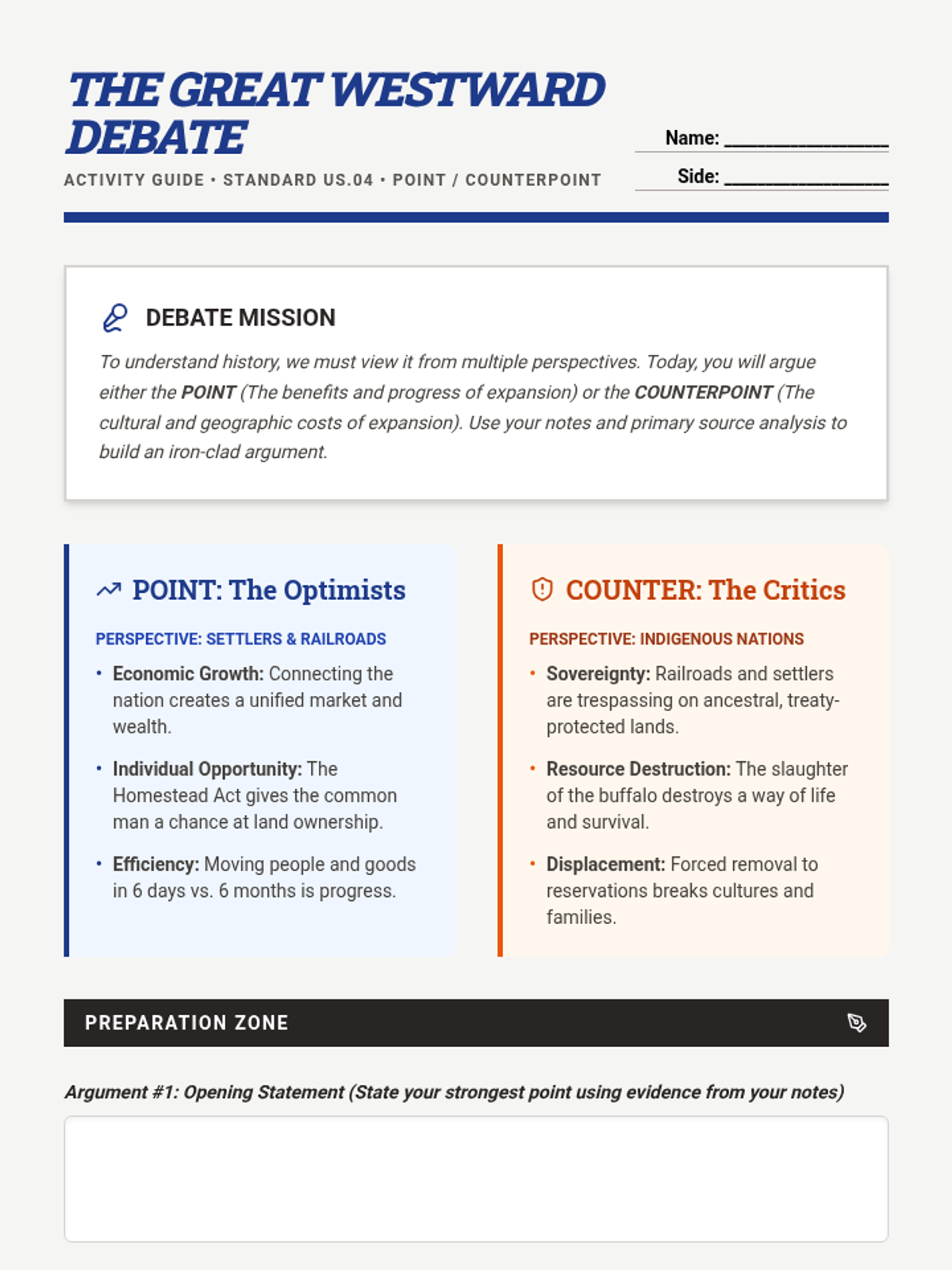
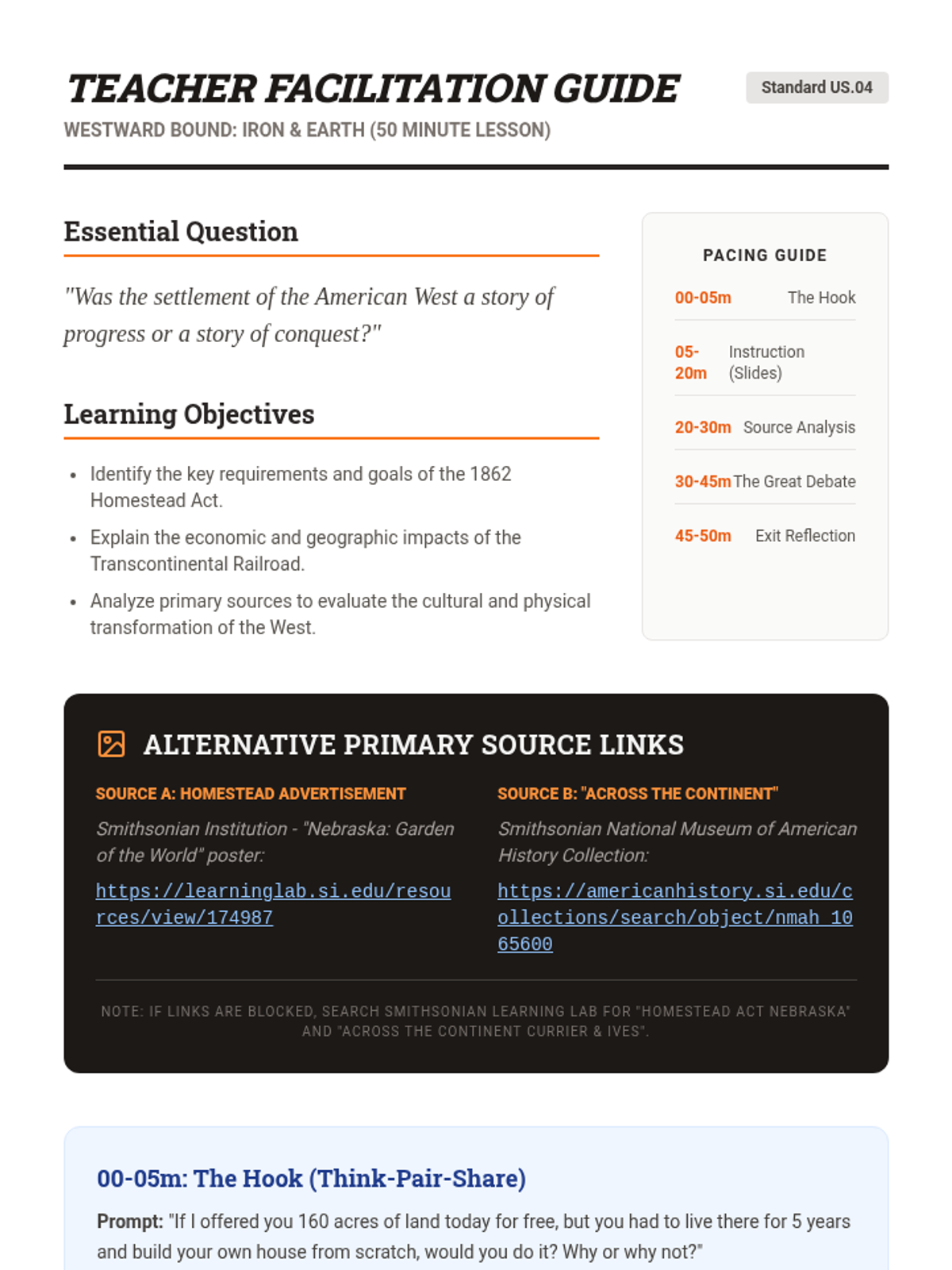
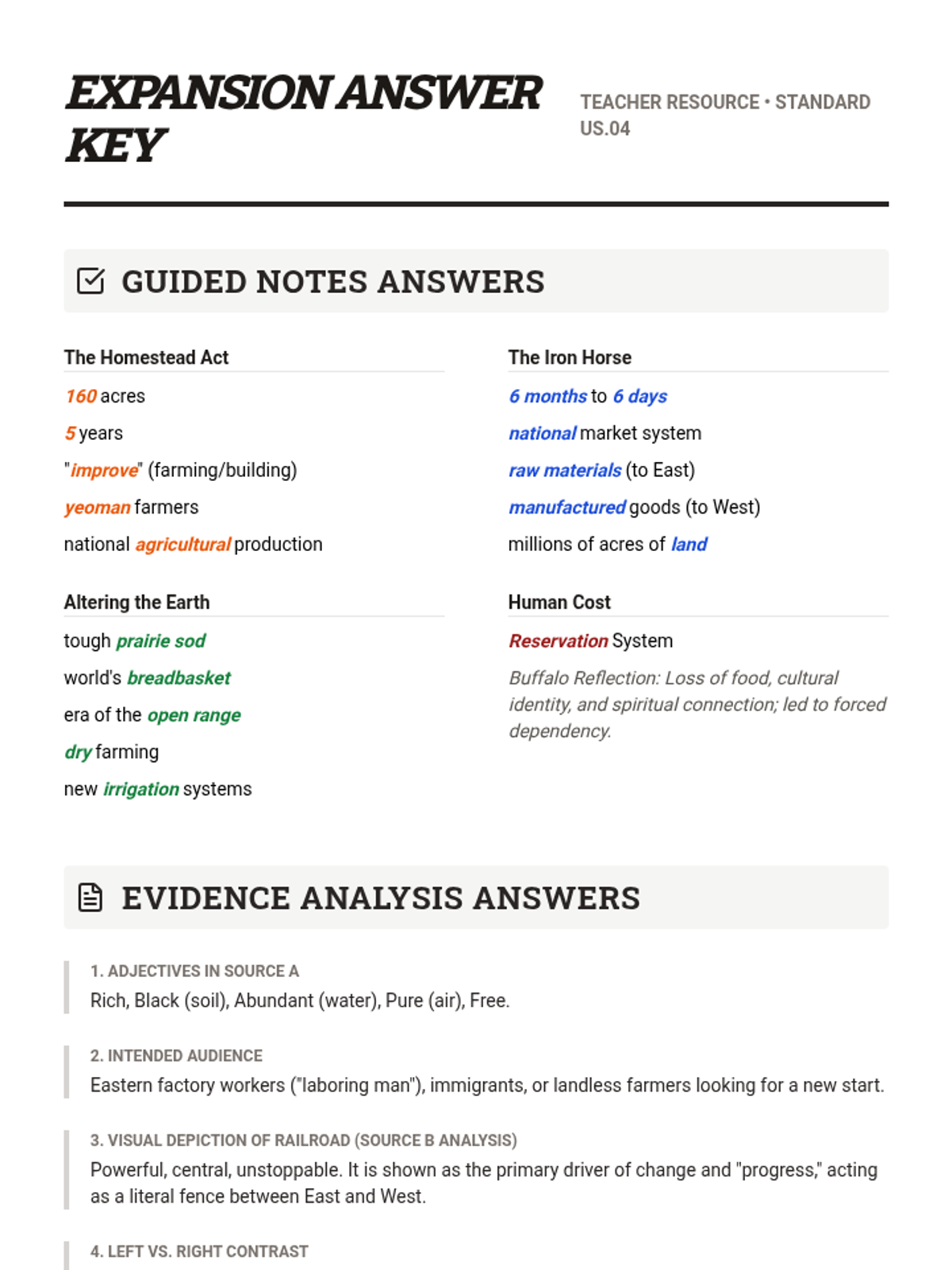
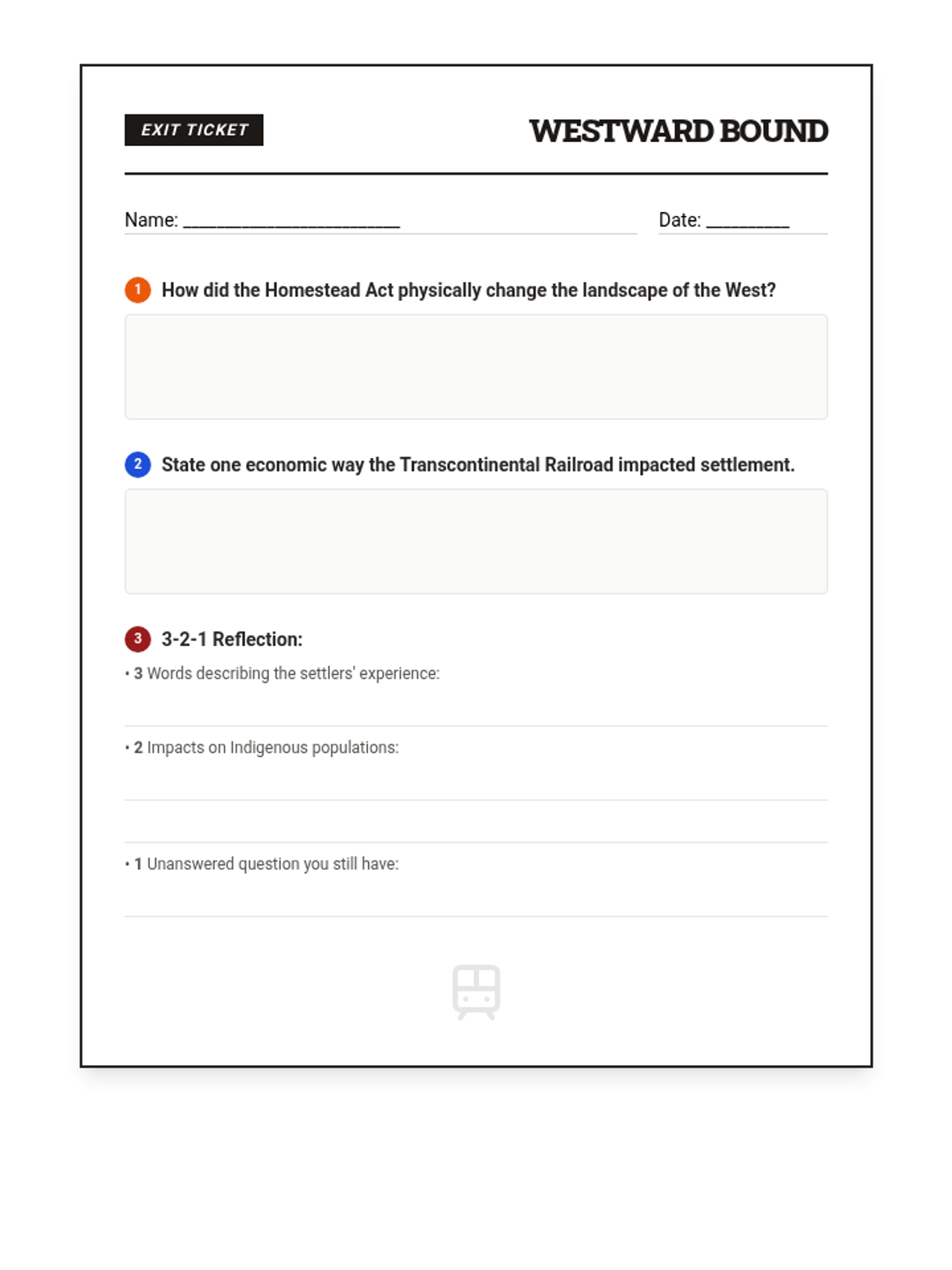
This lesson explores Tennessee State Standard US.04, focusing on the Homestead Act and the Transcontinental Railroad's roles in settling the American West and their subsequent impact on the physical and cultural landscape. Students will engage with primary sources, guided notes, and a structured debate to understand the multifaceted consequences of westward expansion.
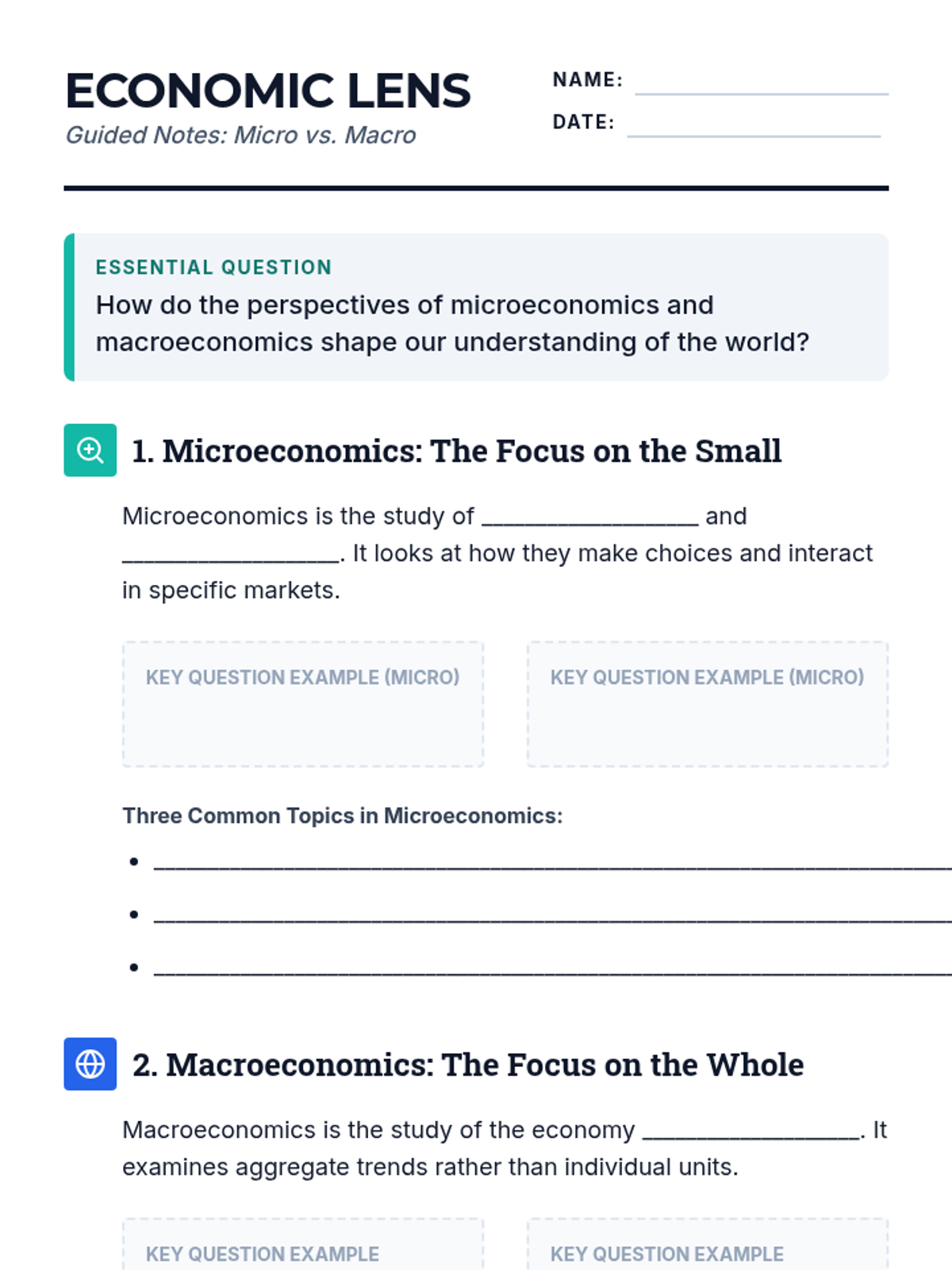
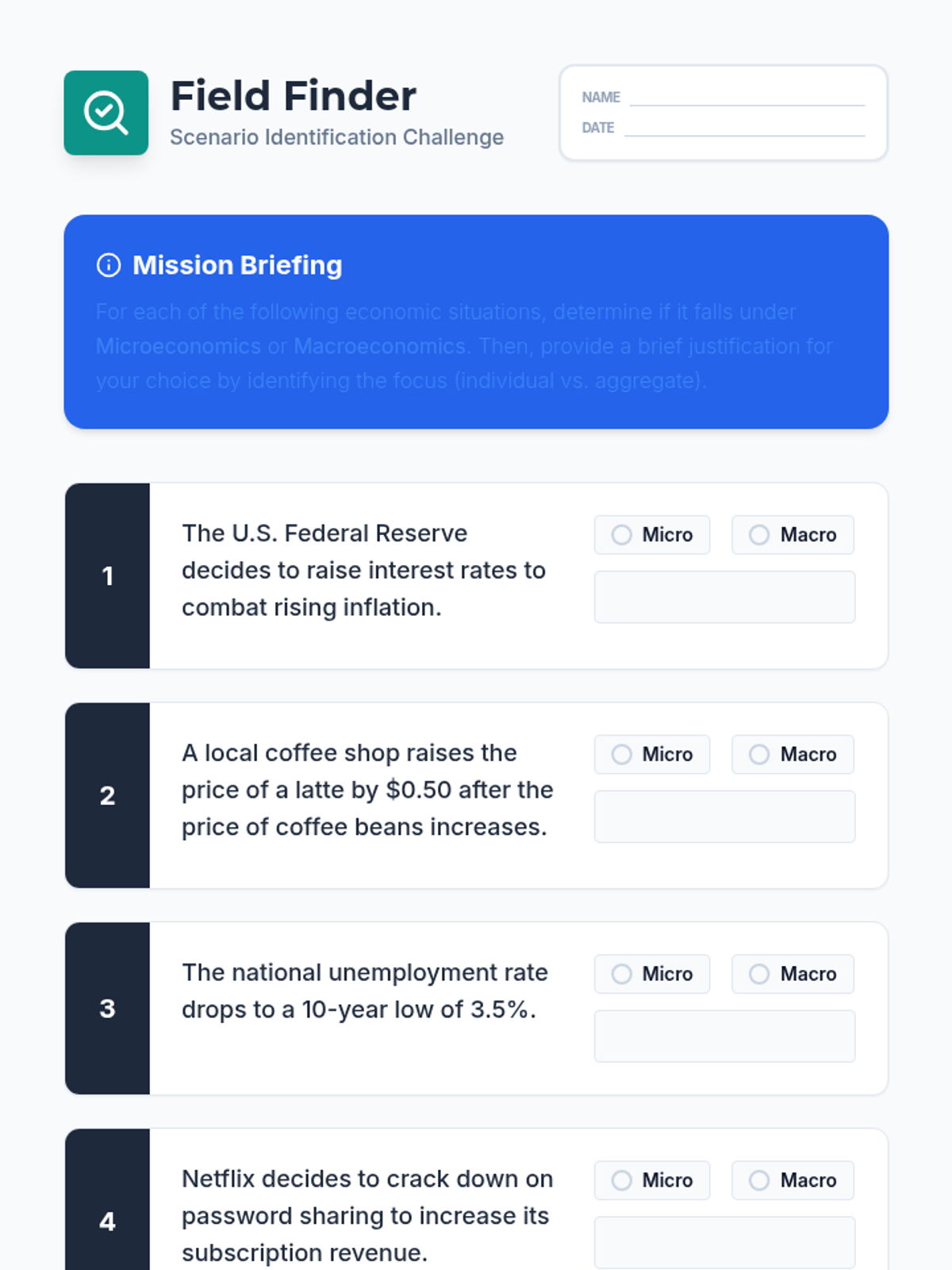
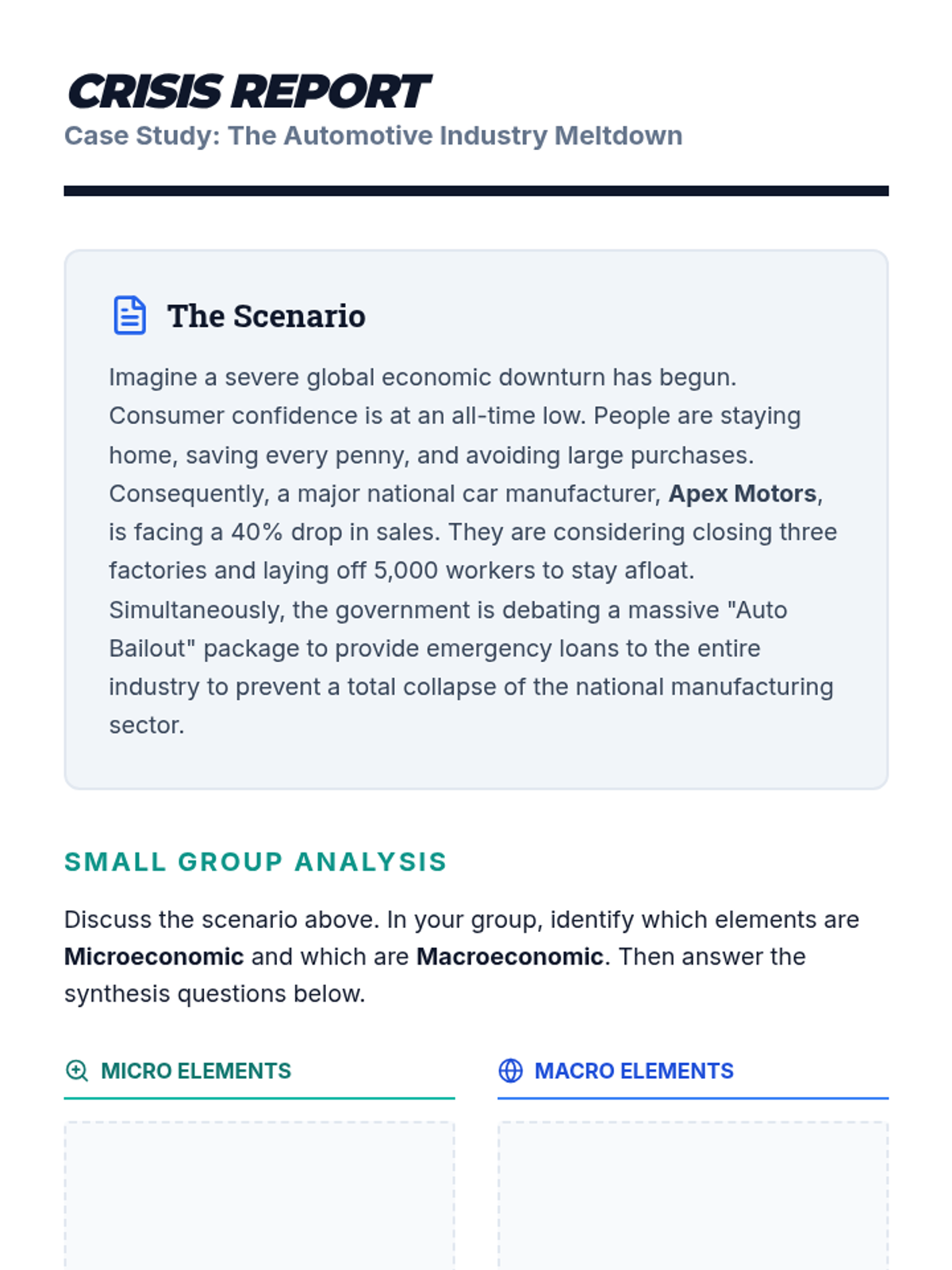
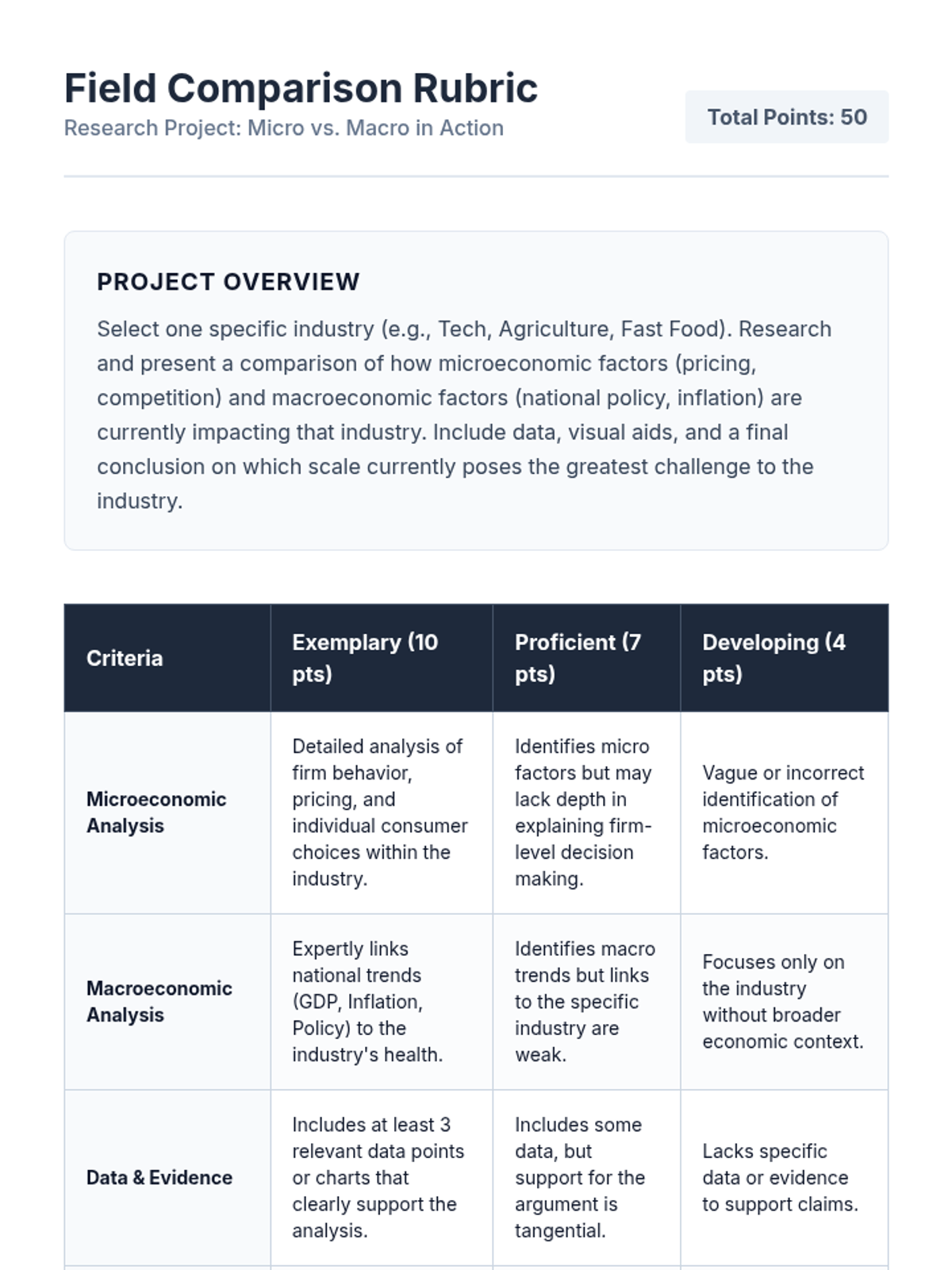
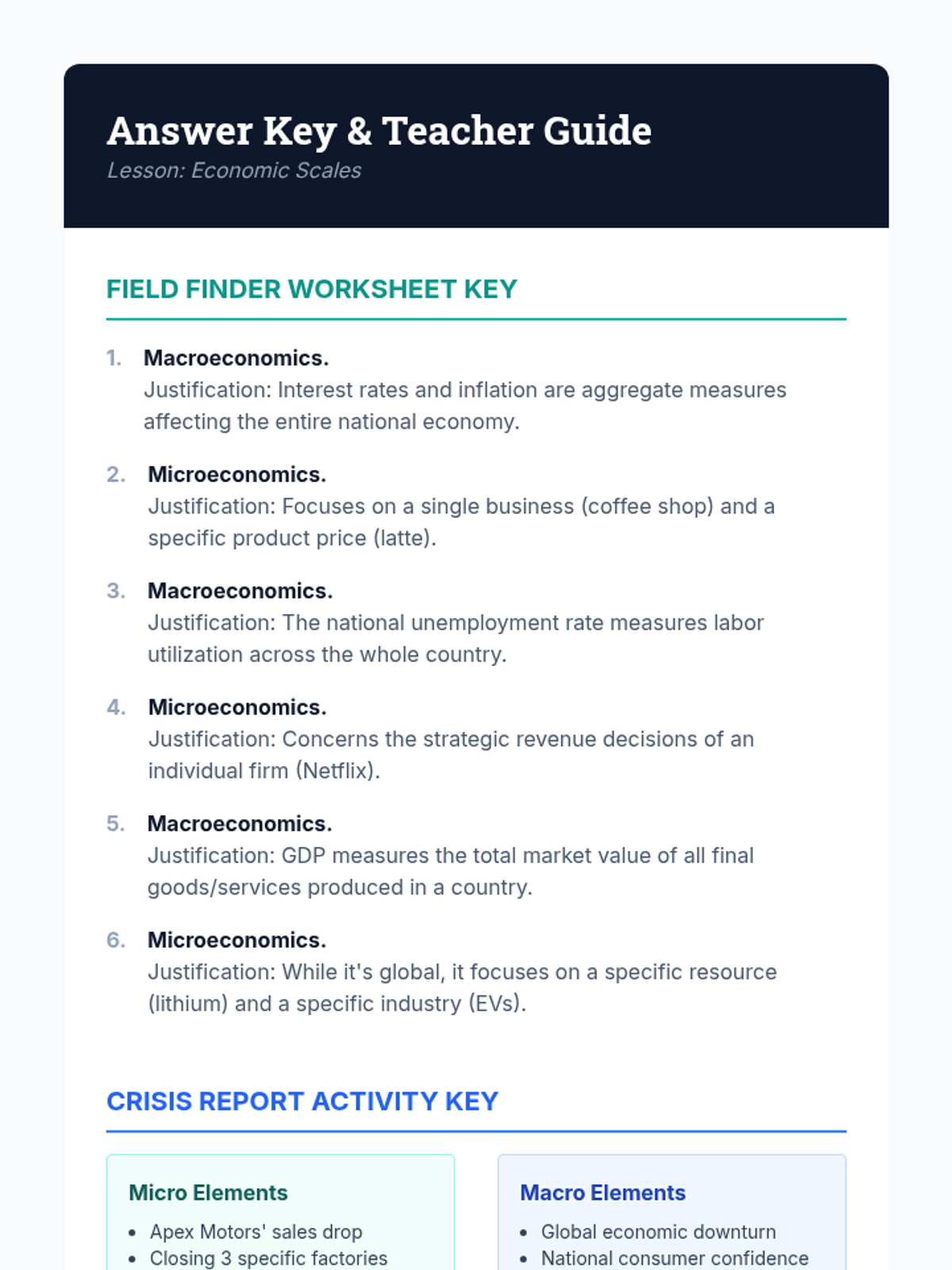
A comprehensive lesson exploring the foundational differences between microeconomics and macroeconomics through scale, perspective, and real-world application.
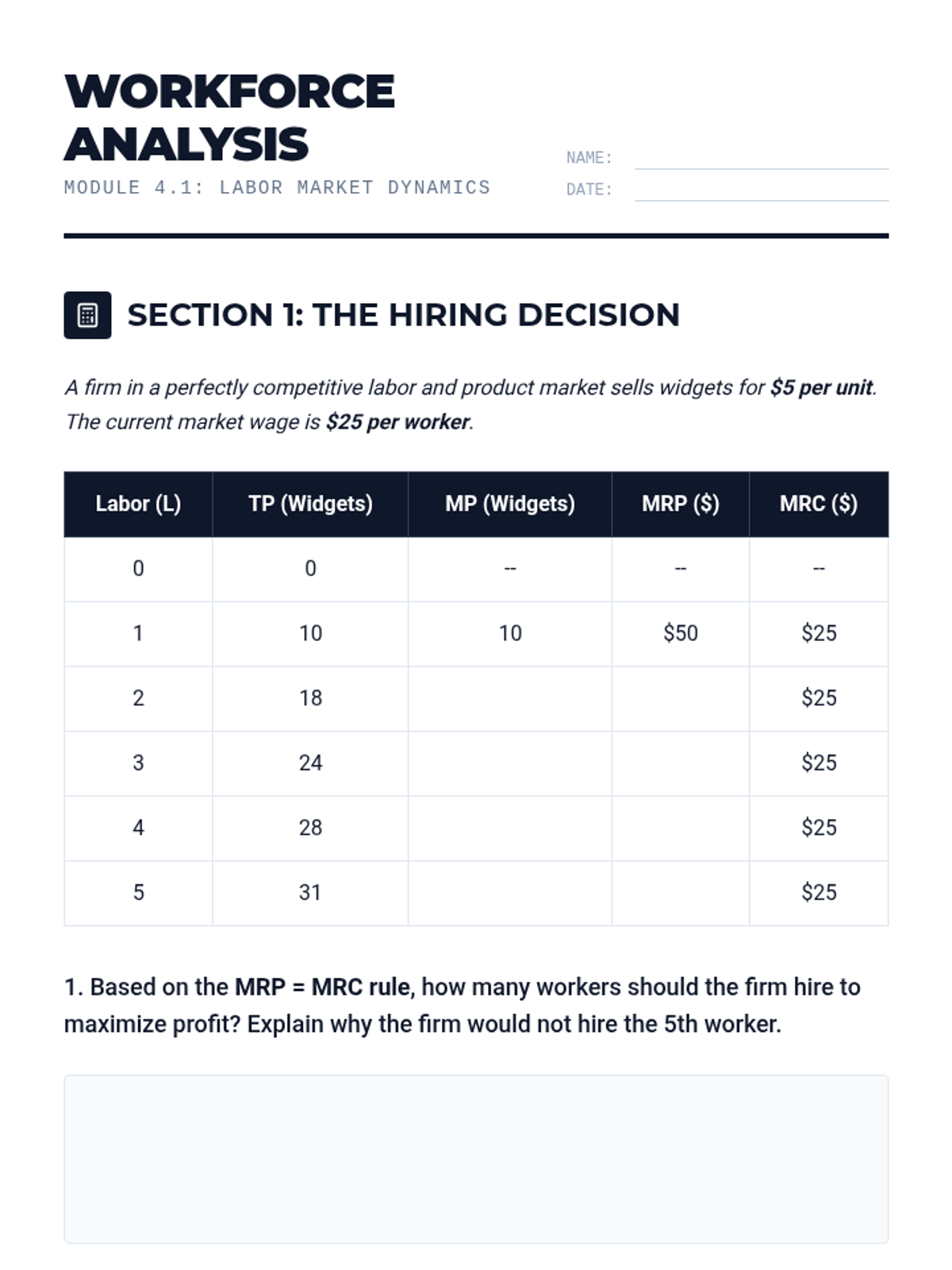
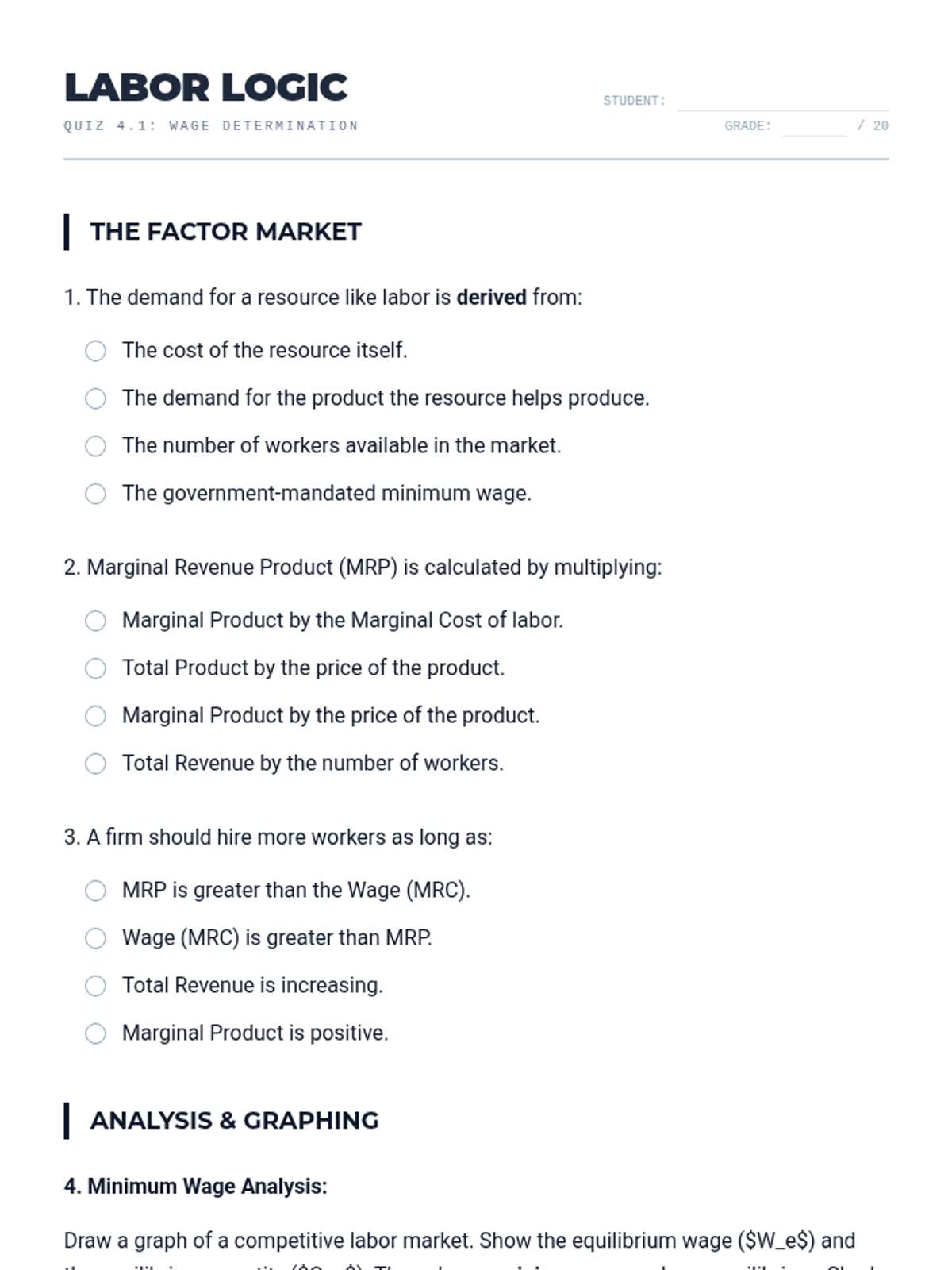
Examines the demand and supply of labor, wage determination, and the impact of unions and minimum wage laws on the workforce.
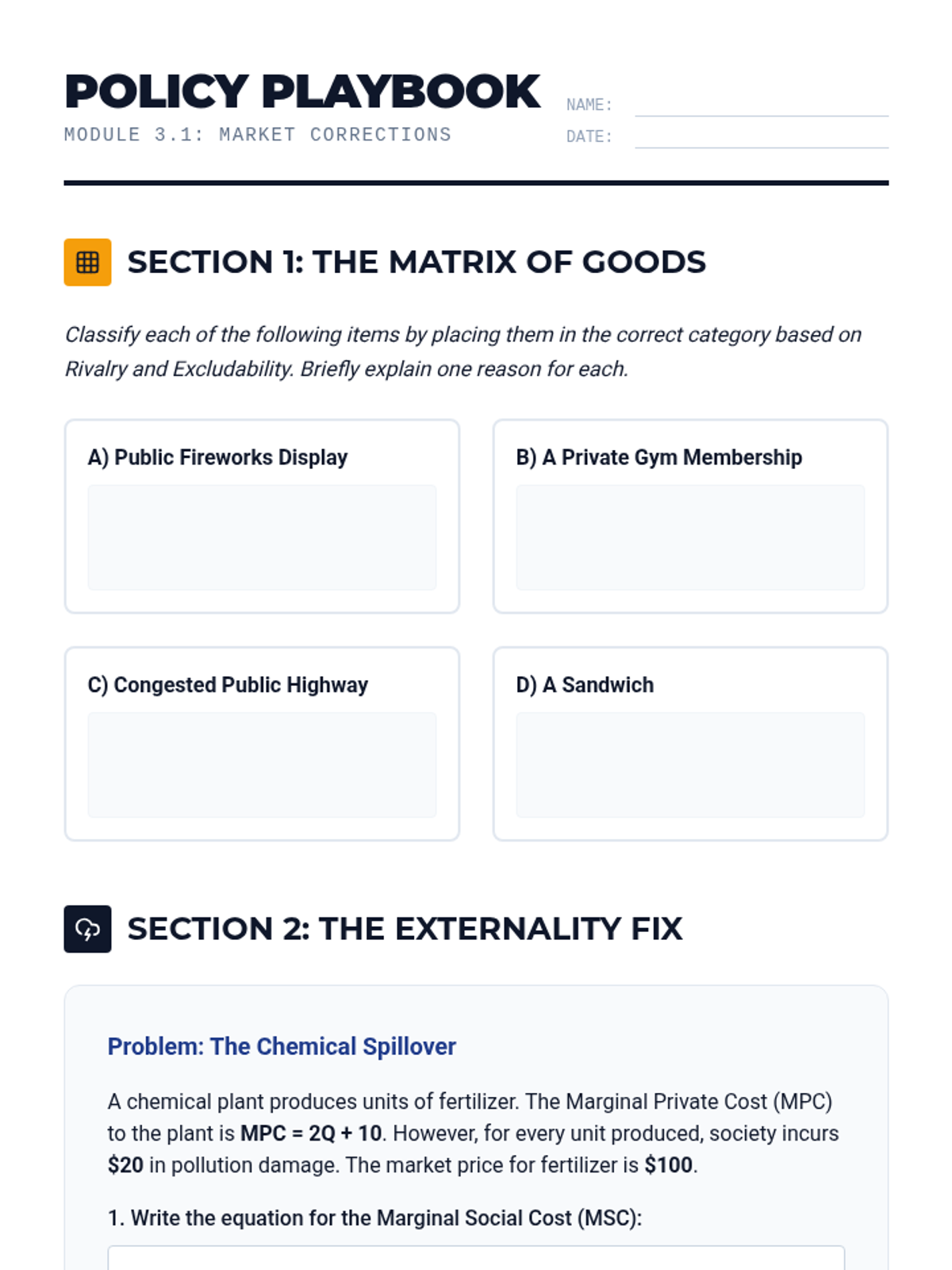
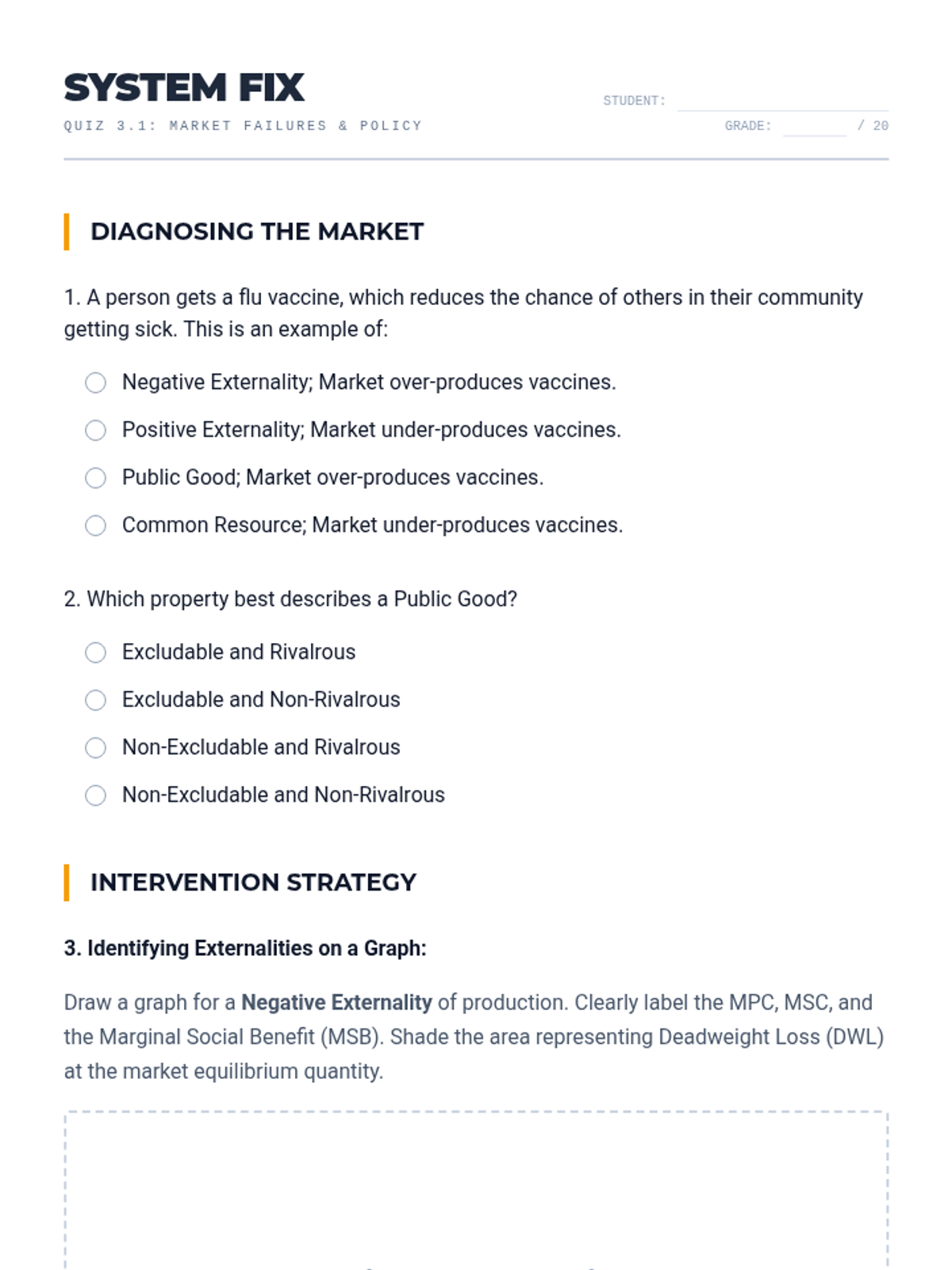
Analyzes situations where markets fail to allocate resources efficiently, including externalities and public goods, and evaluates government policy responses.
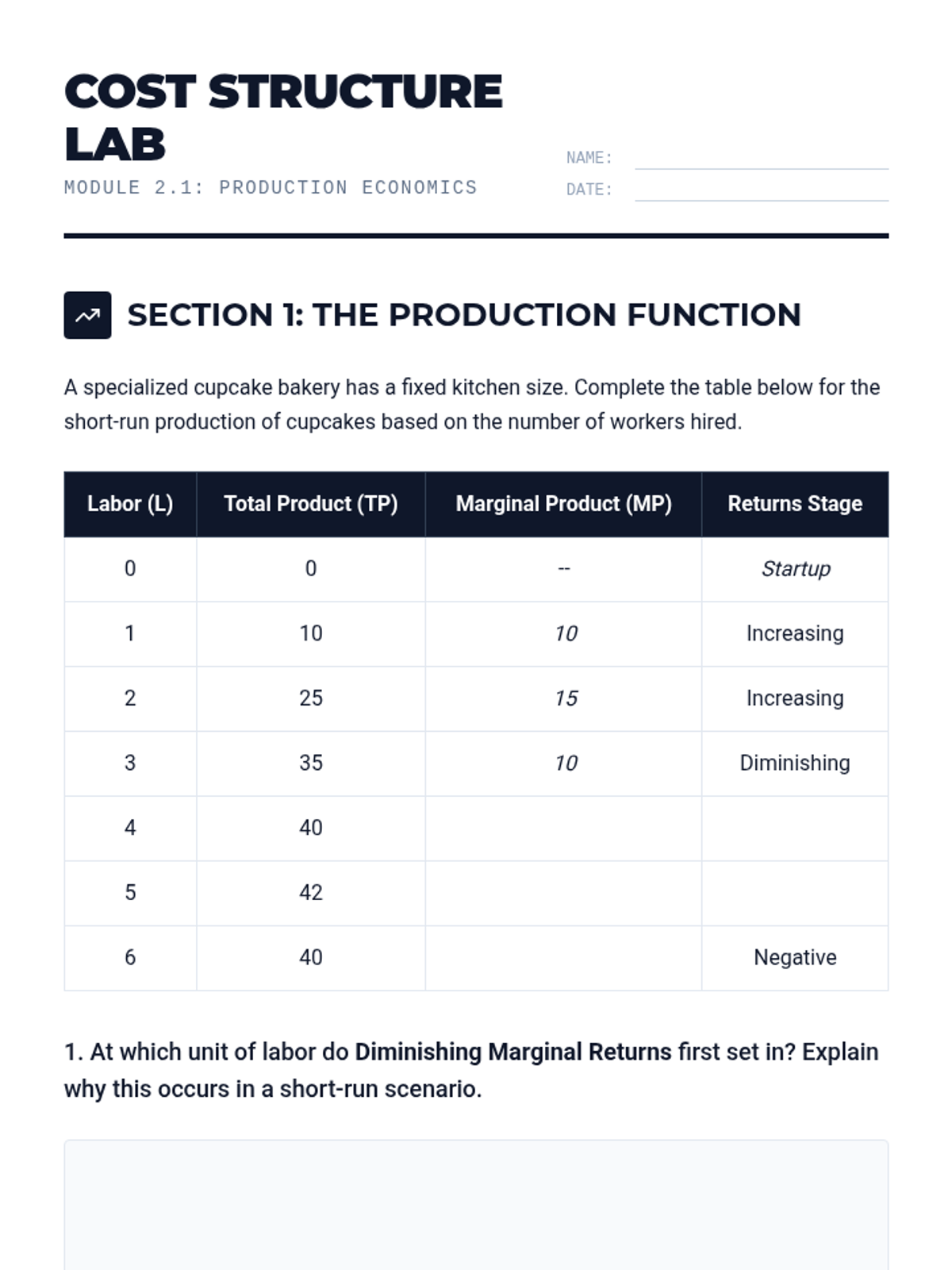
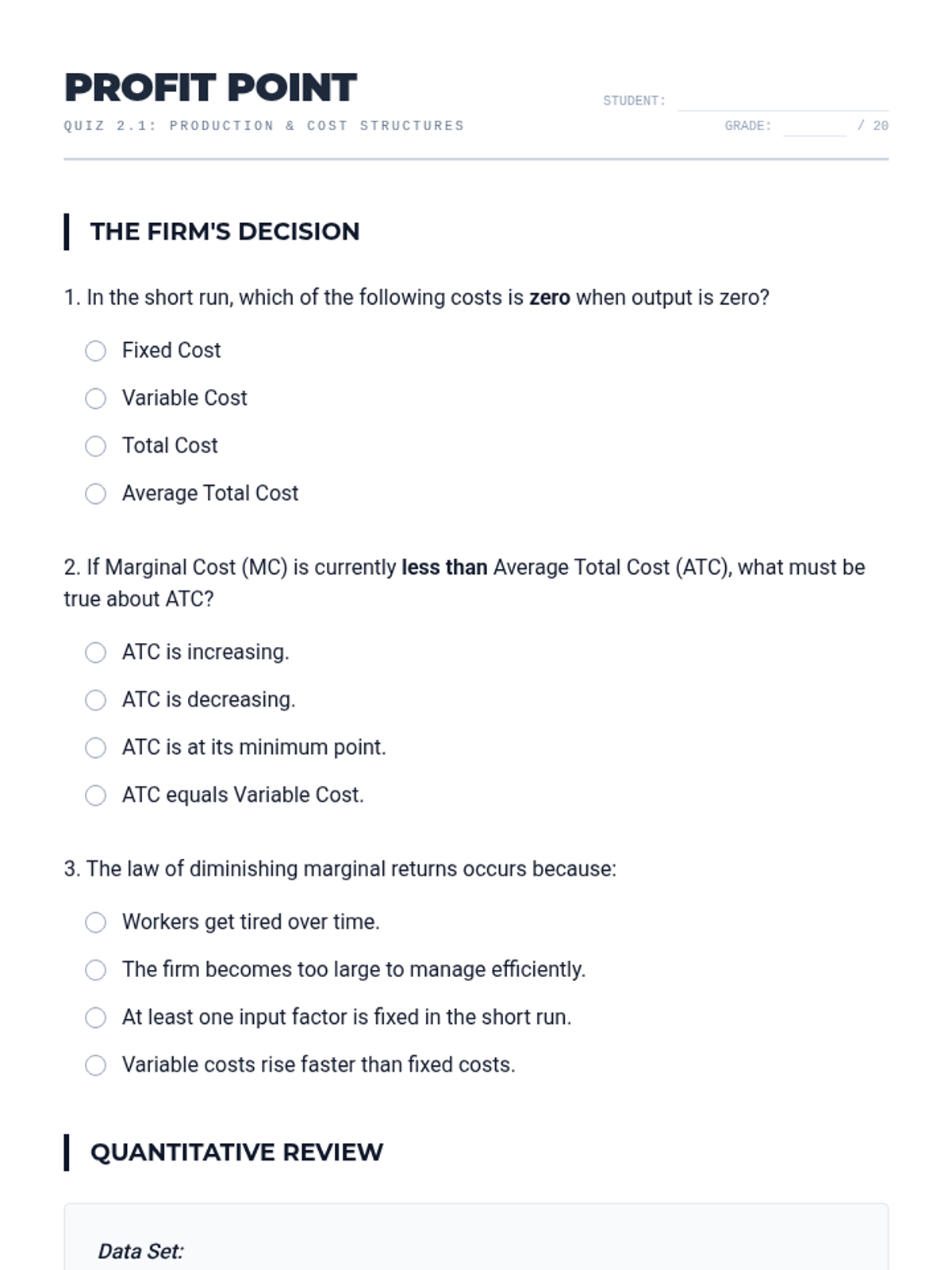
An in-depth look at production functions, diminishing marginal returns, and the various cost structures firms face in the short and long run.
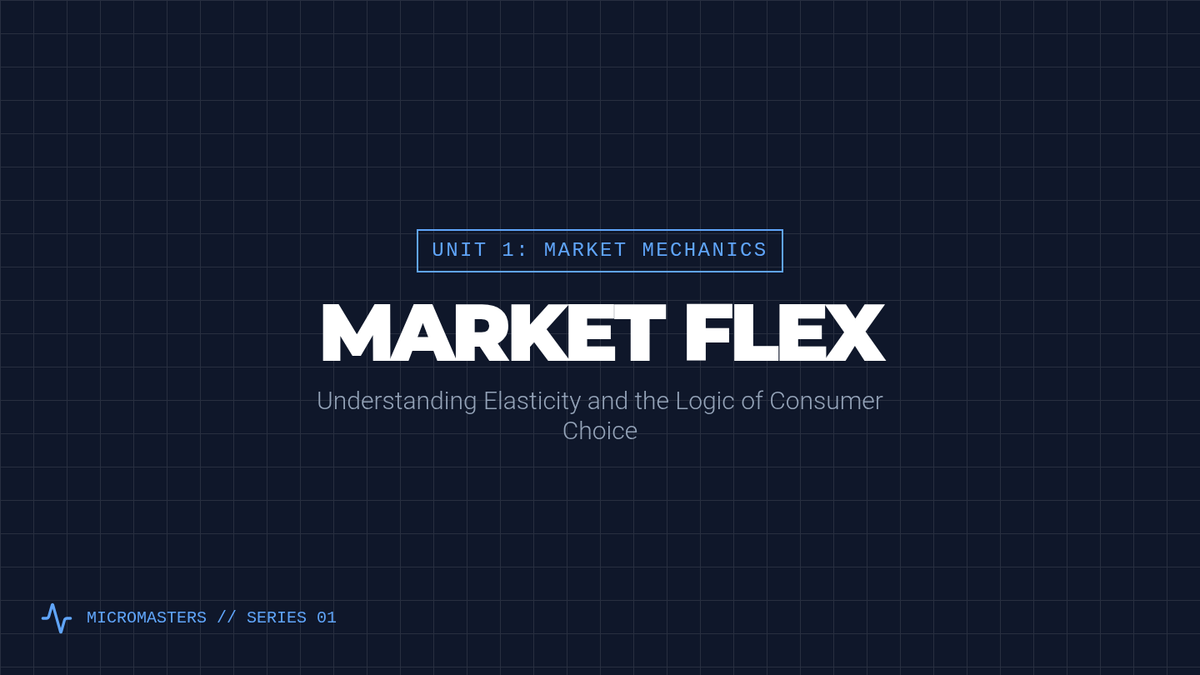
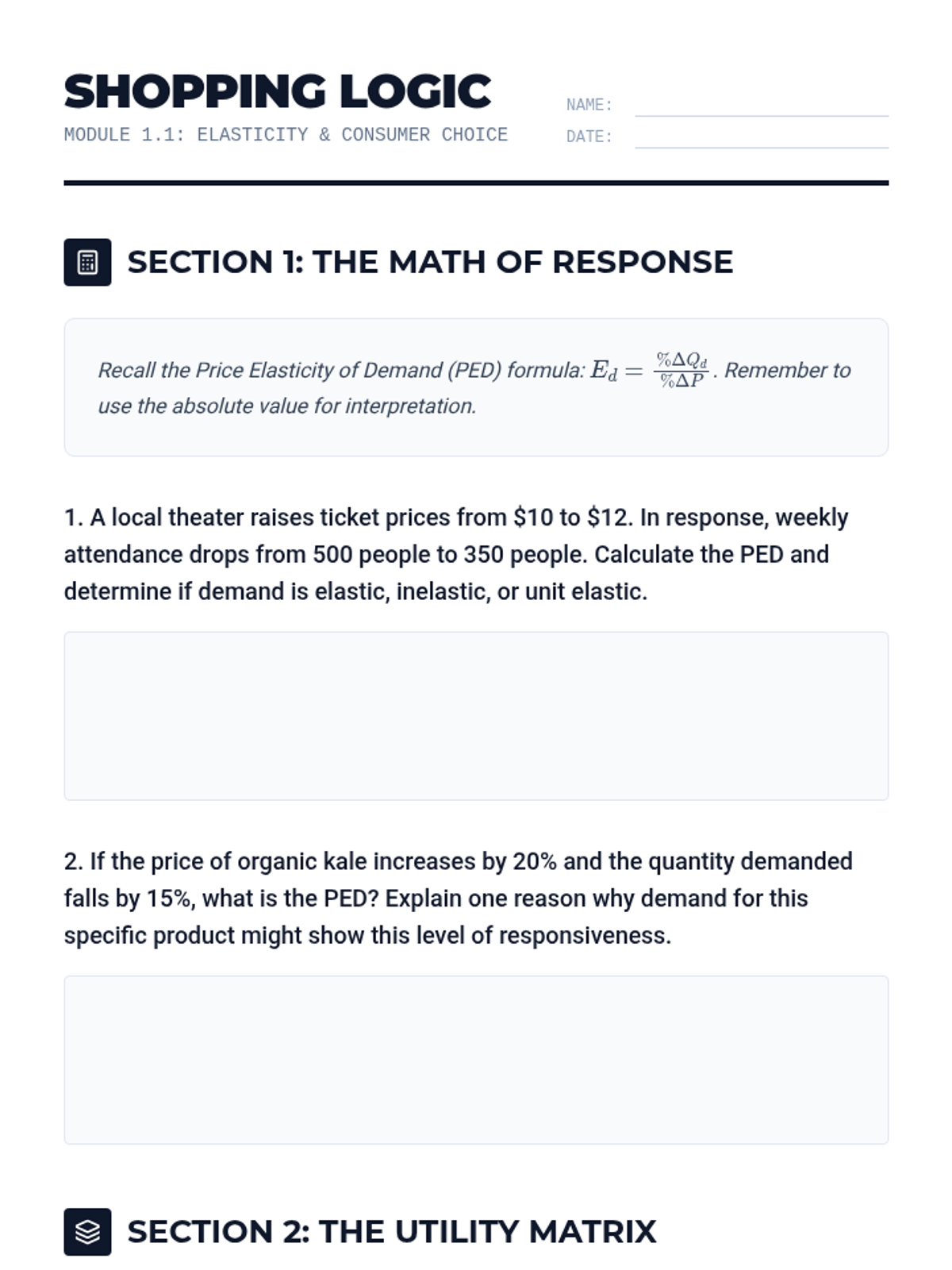
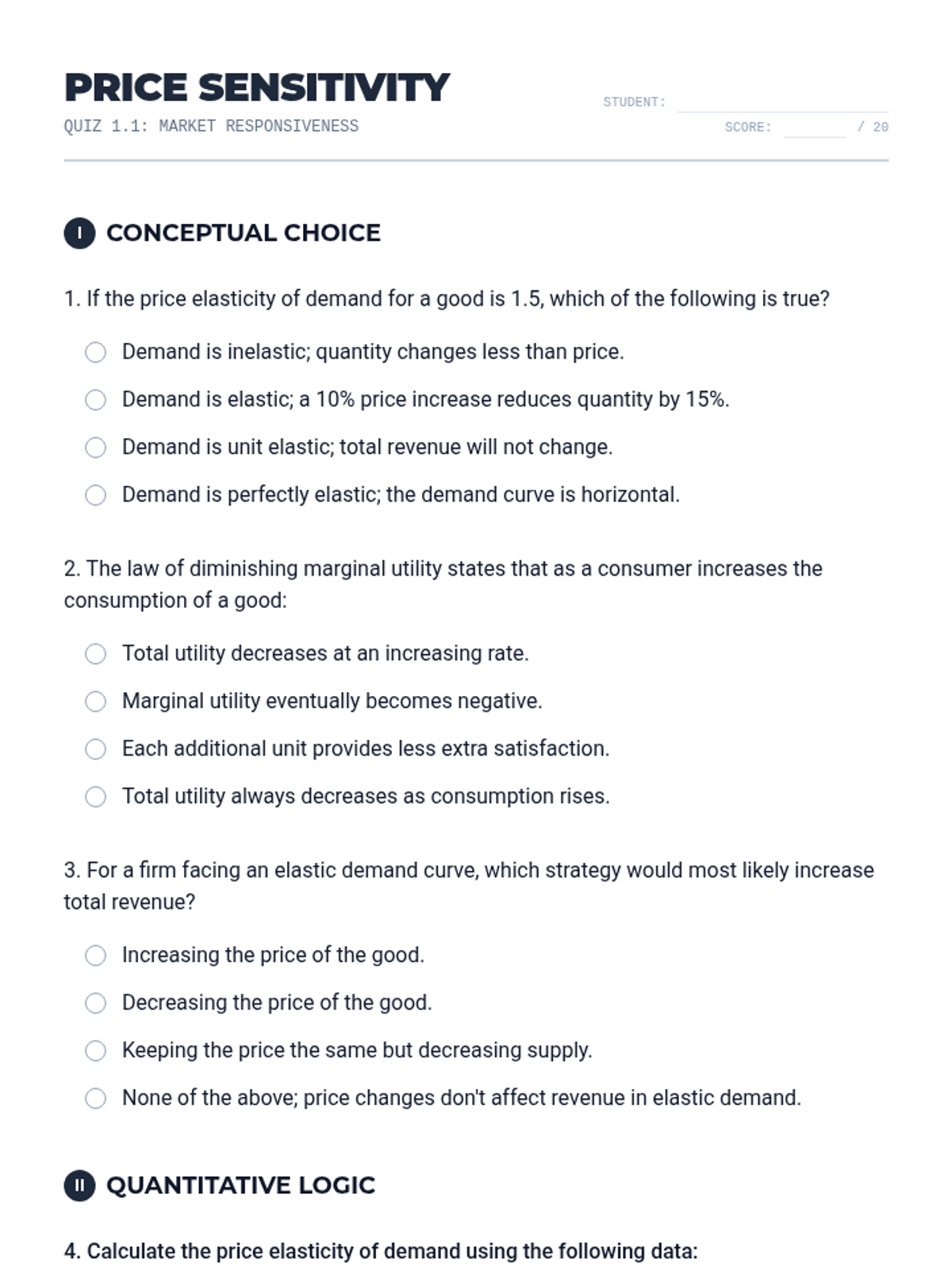
Explores how consumers make decisions to maximize utility and how markets respond to price changes through the lens of elasticity.
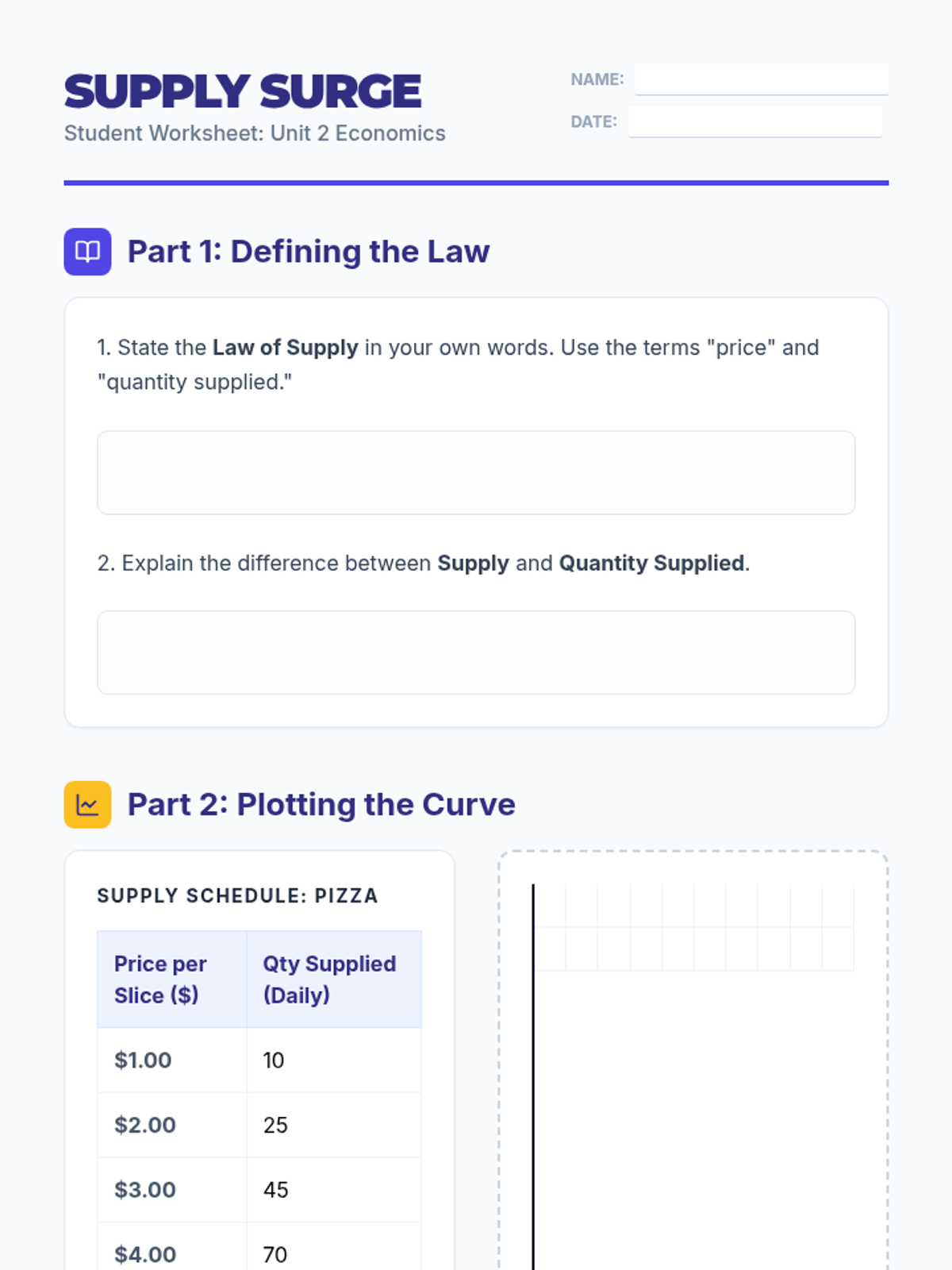
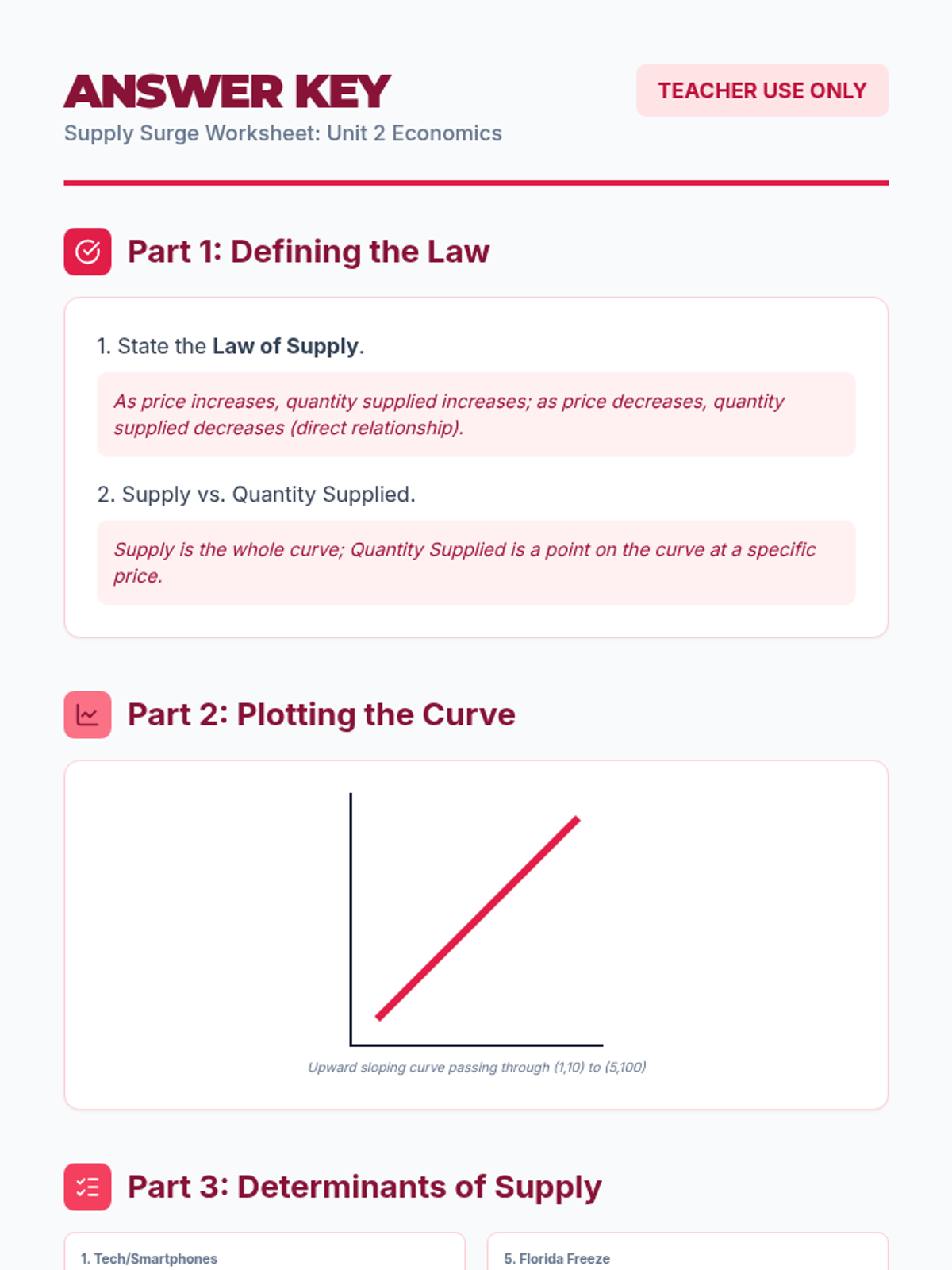
An engaging introduction to the Law of Supply for high school students, covering the supply curve, price effects, and non-price determinants of supply.
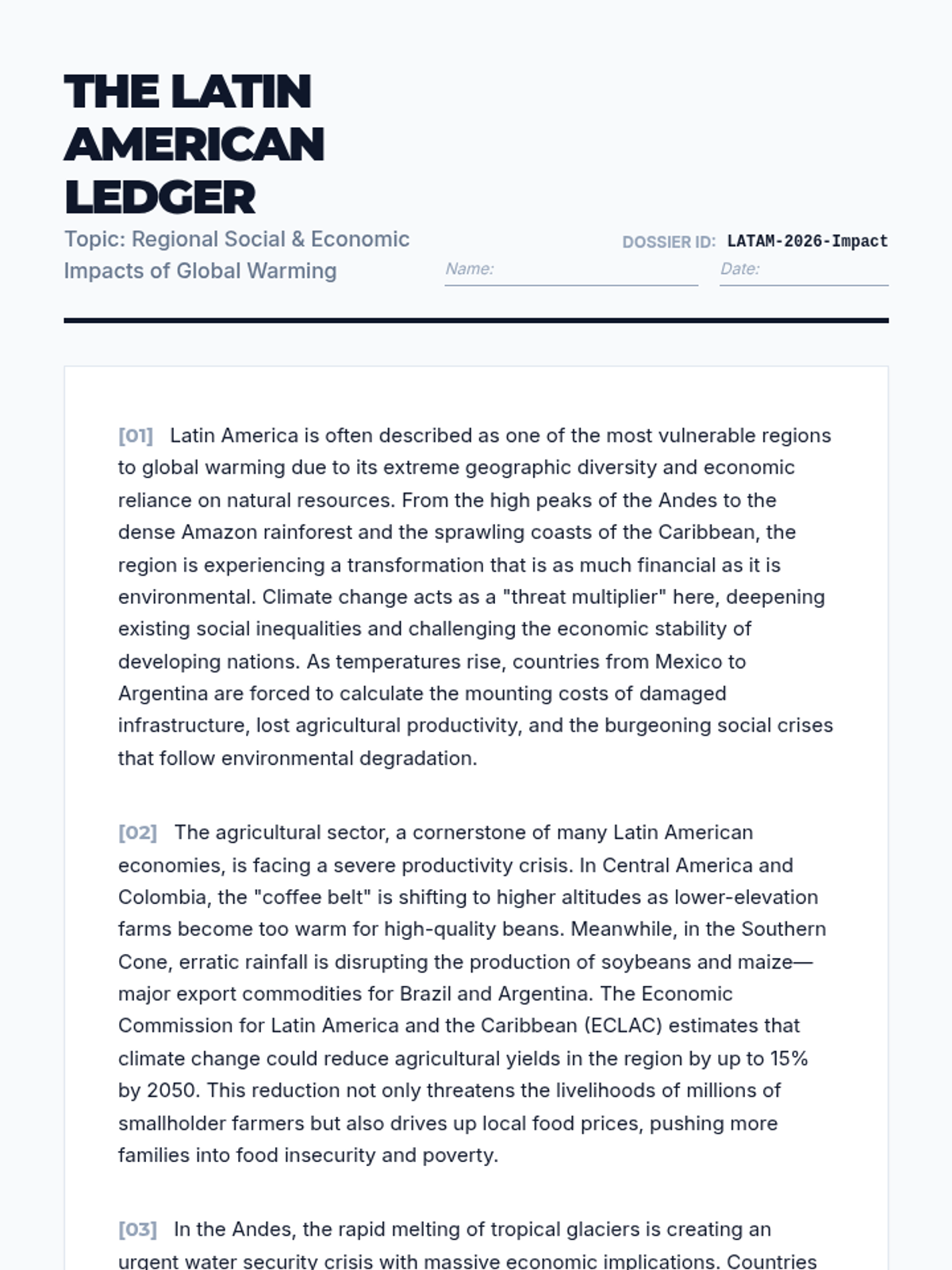
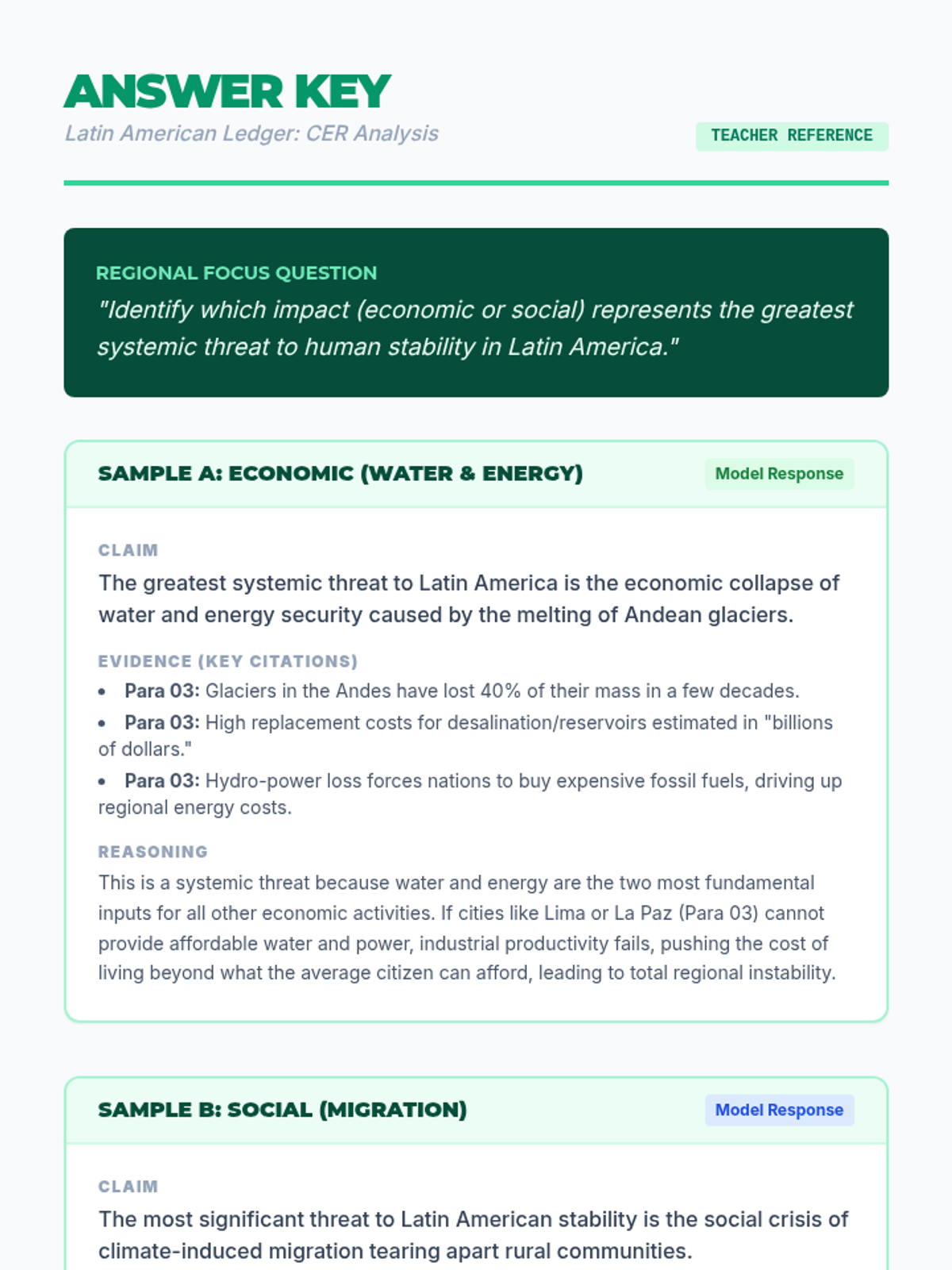
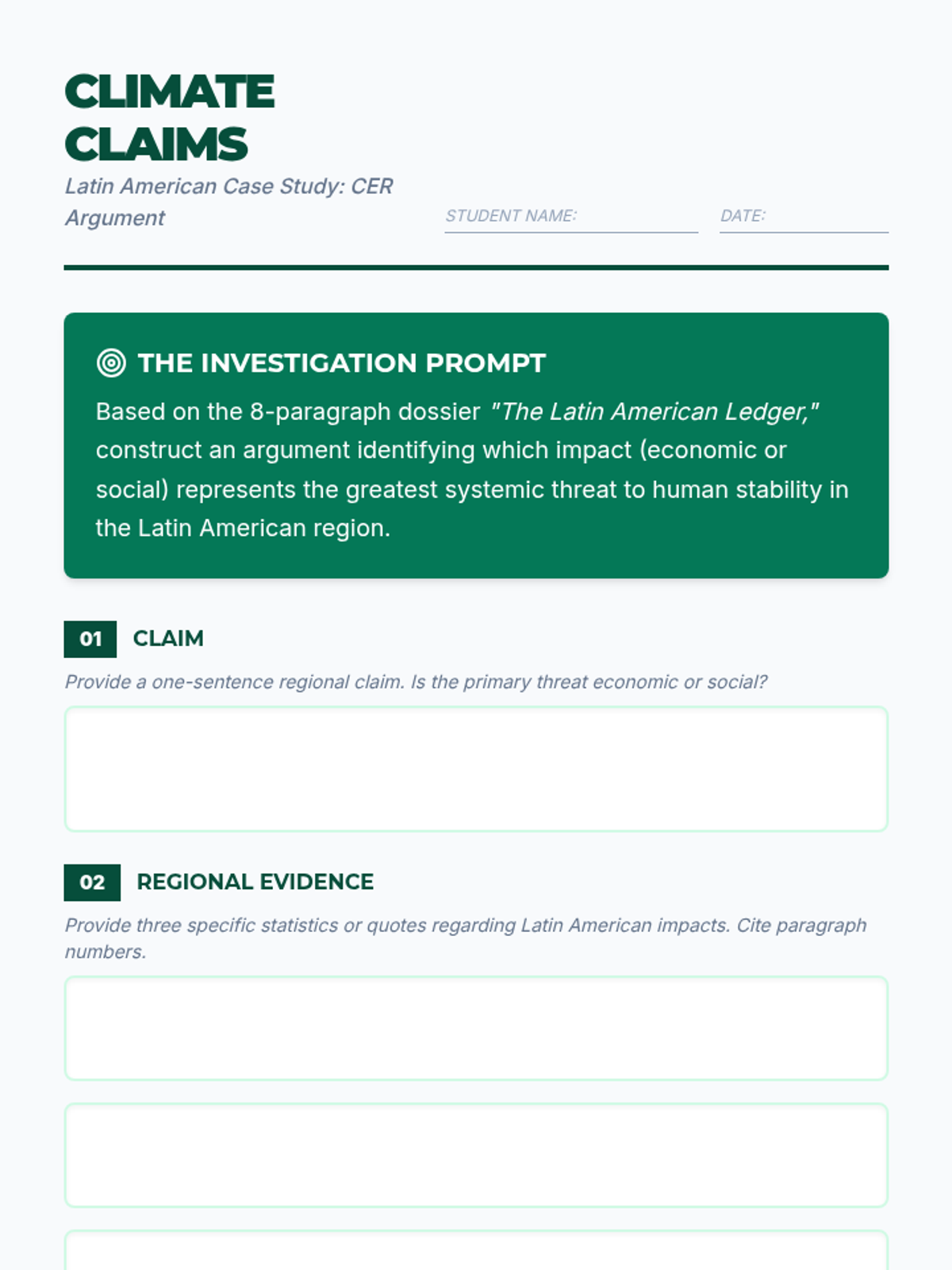
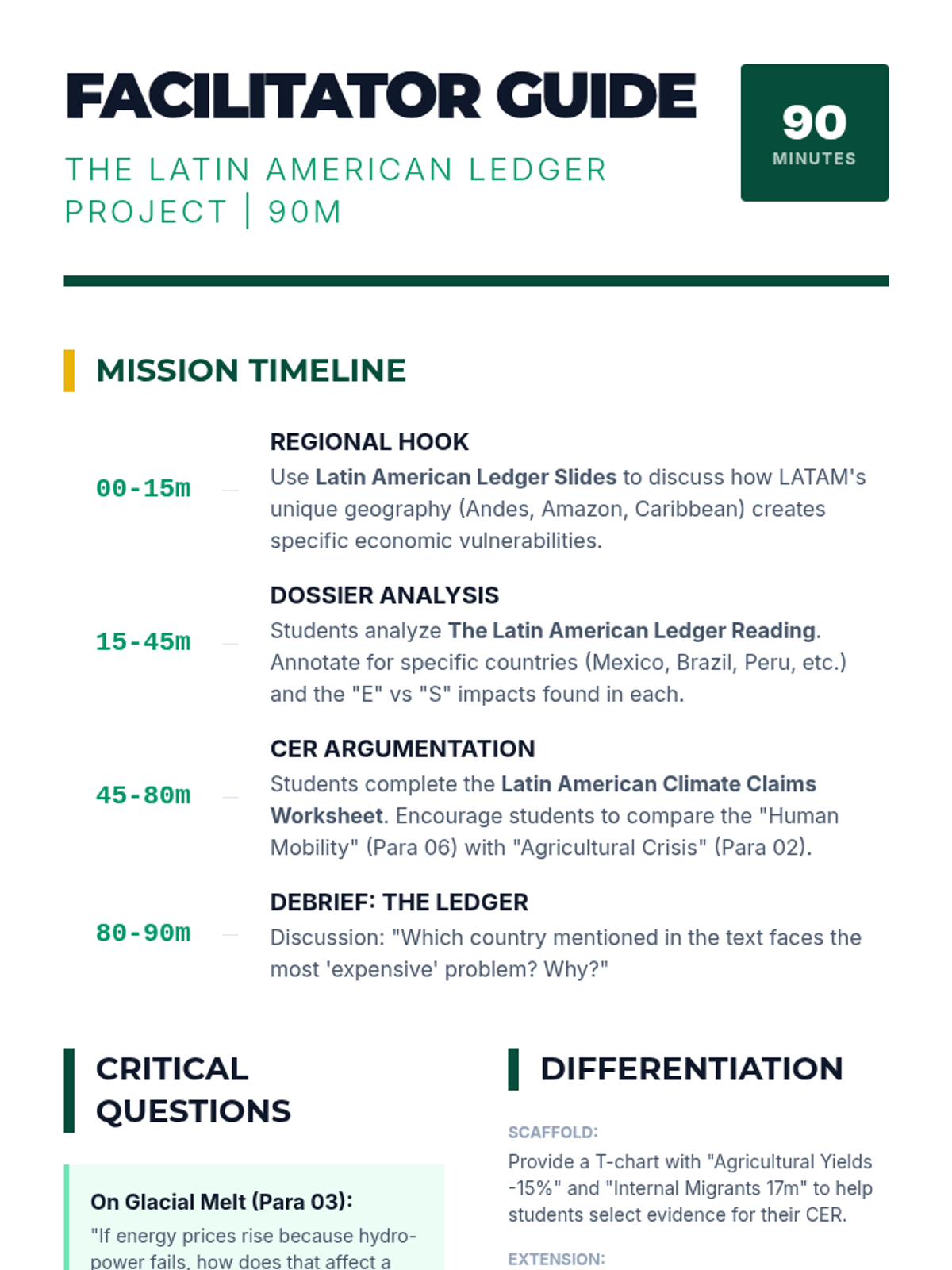
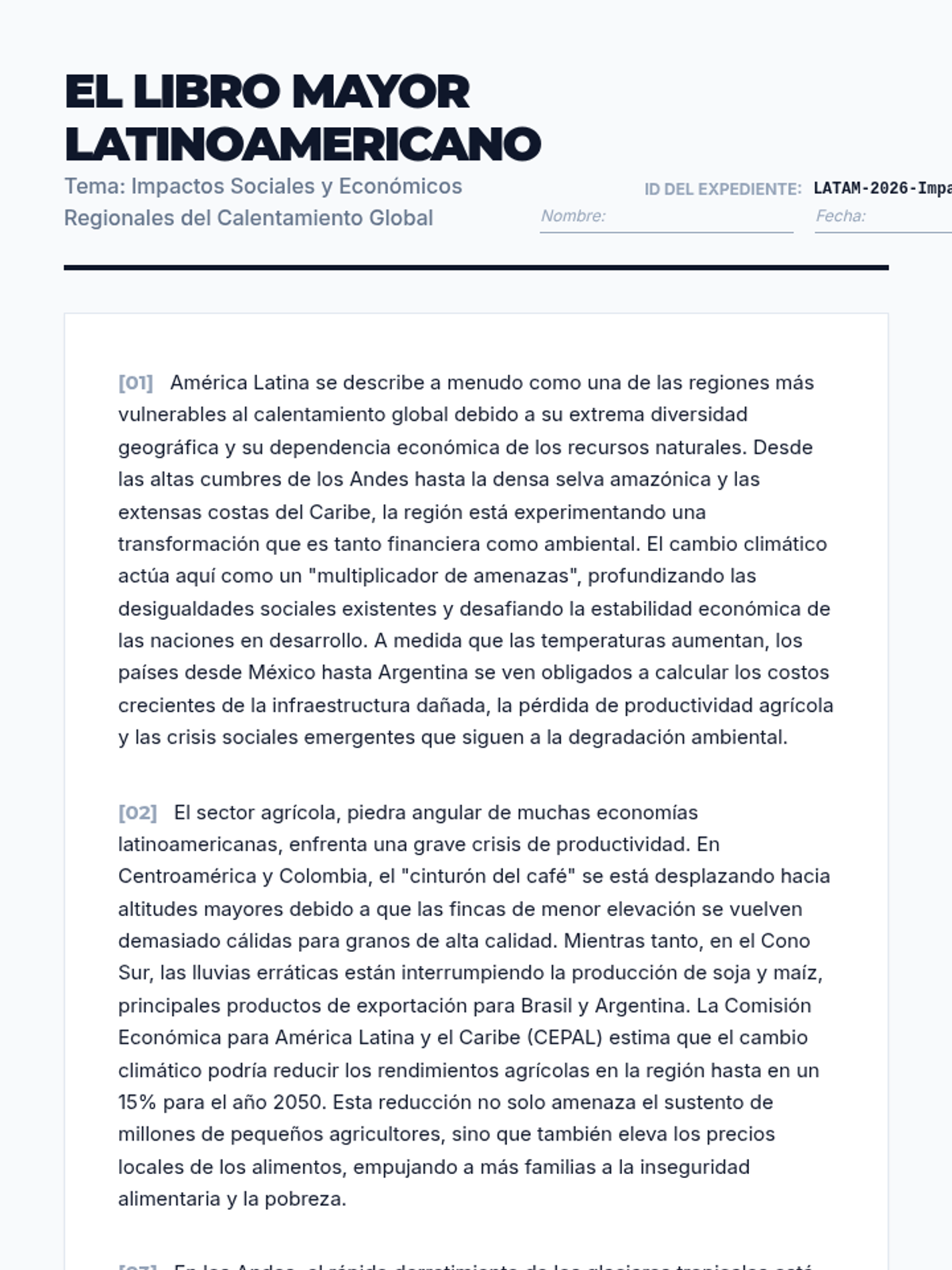
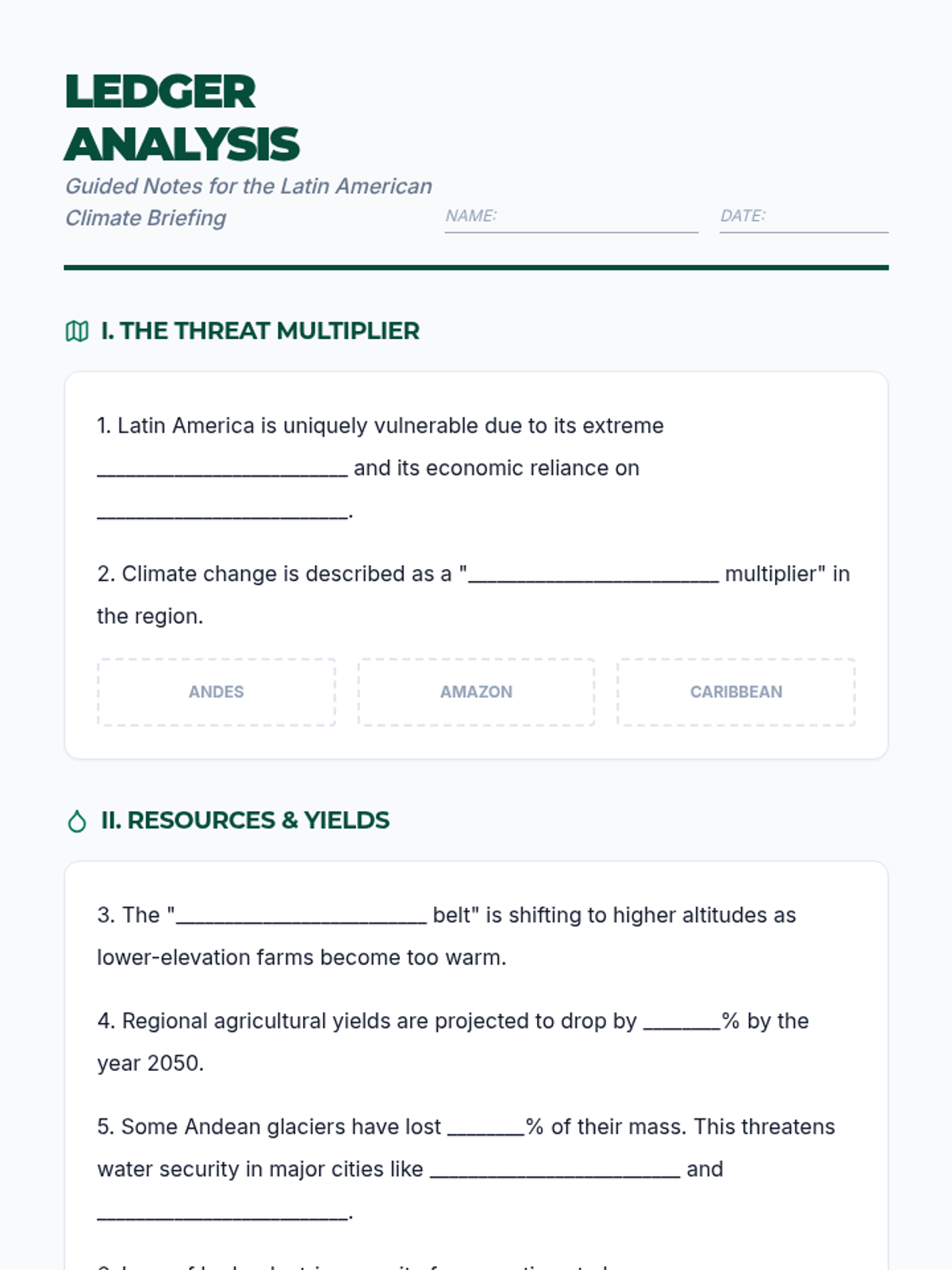
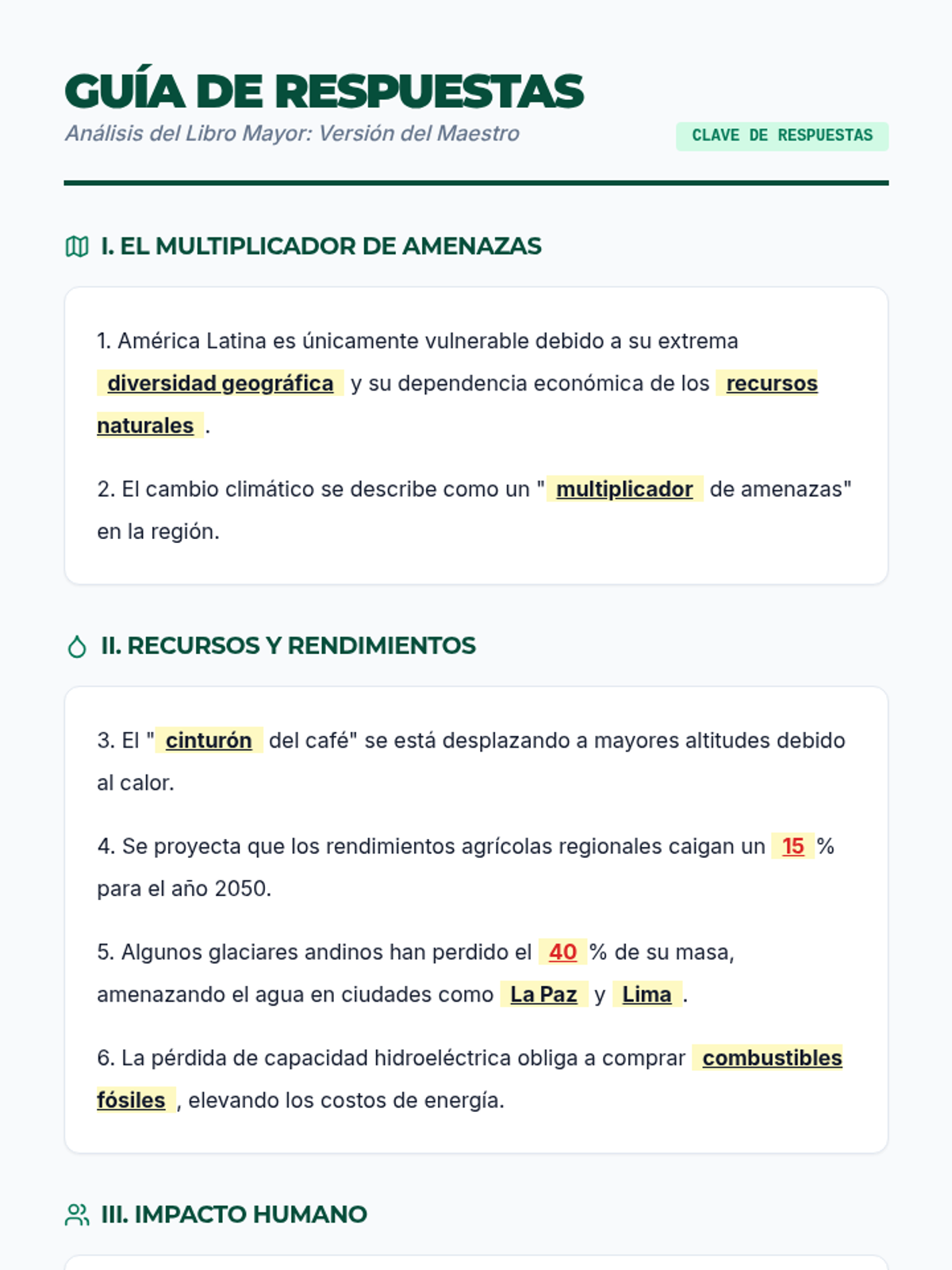
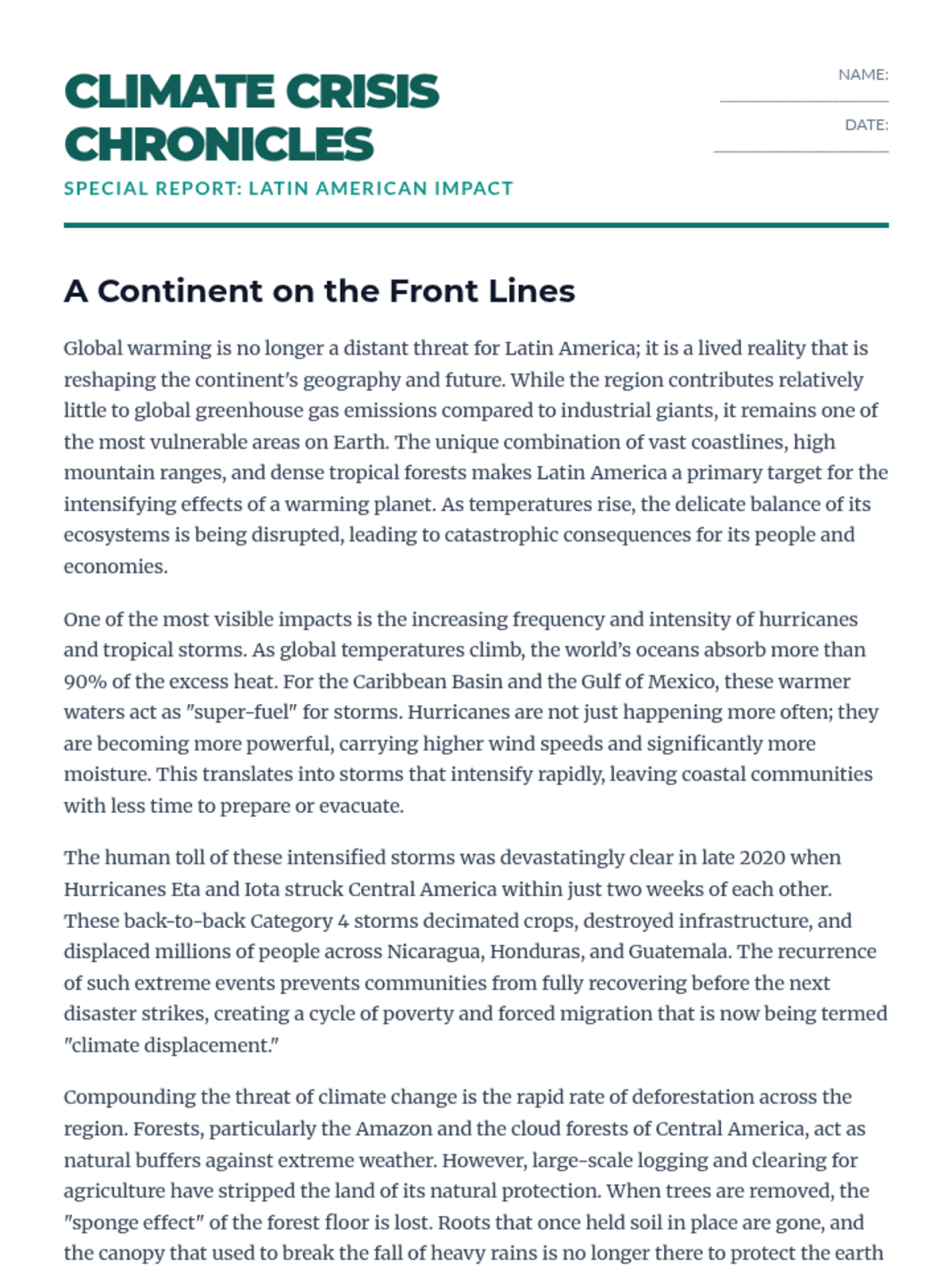
A regional investigation into the social and economic consequences of global warming in Latin America, focusing on human displacement, glacial melt in the Andes, and agricultural shifts. Students analyze a detailed text and construct a Claim-Evidence-Reasoning (CER) argument.
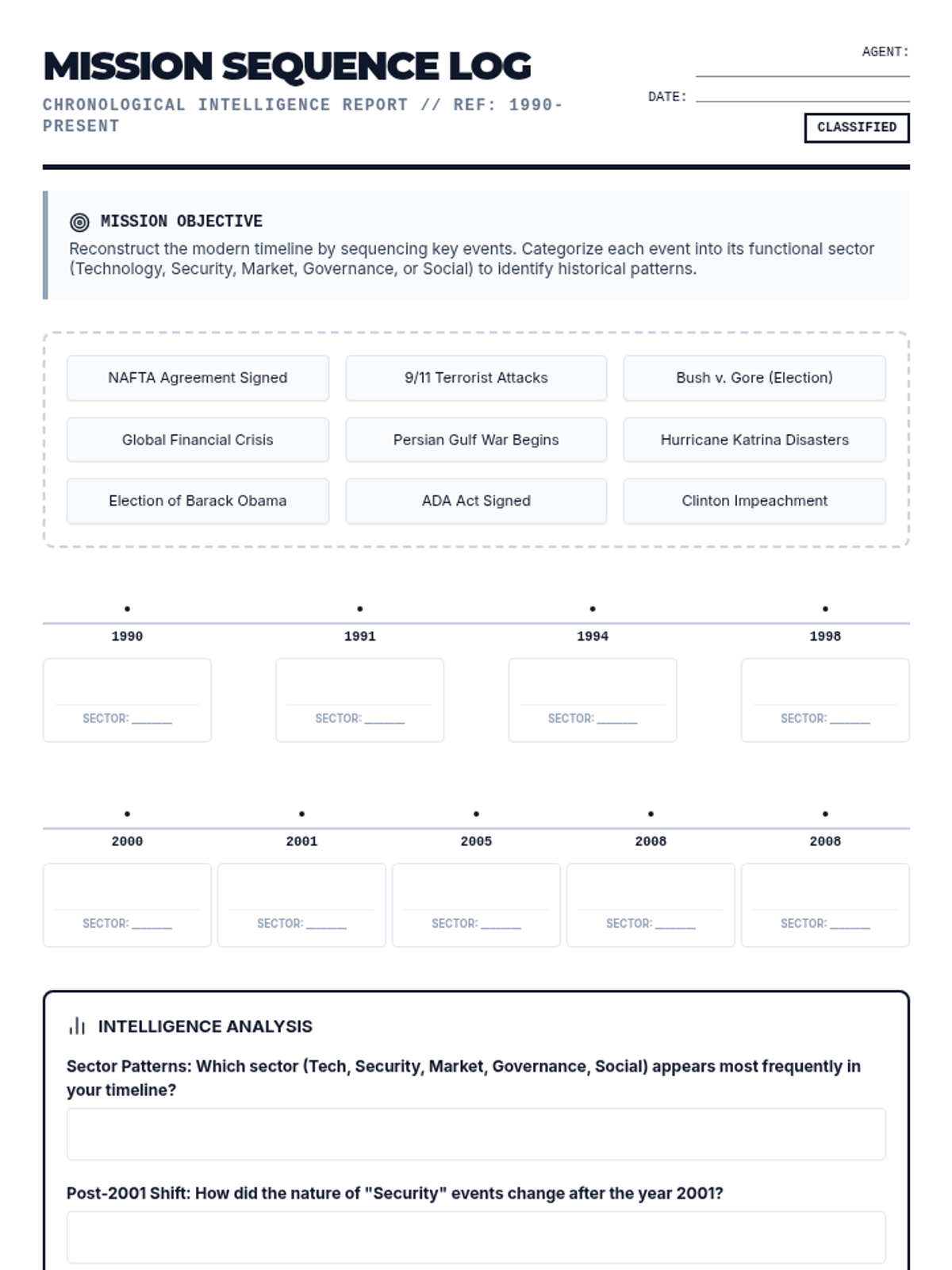
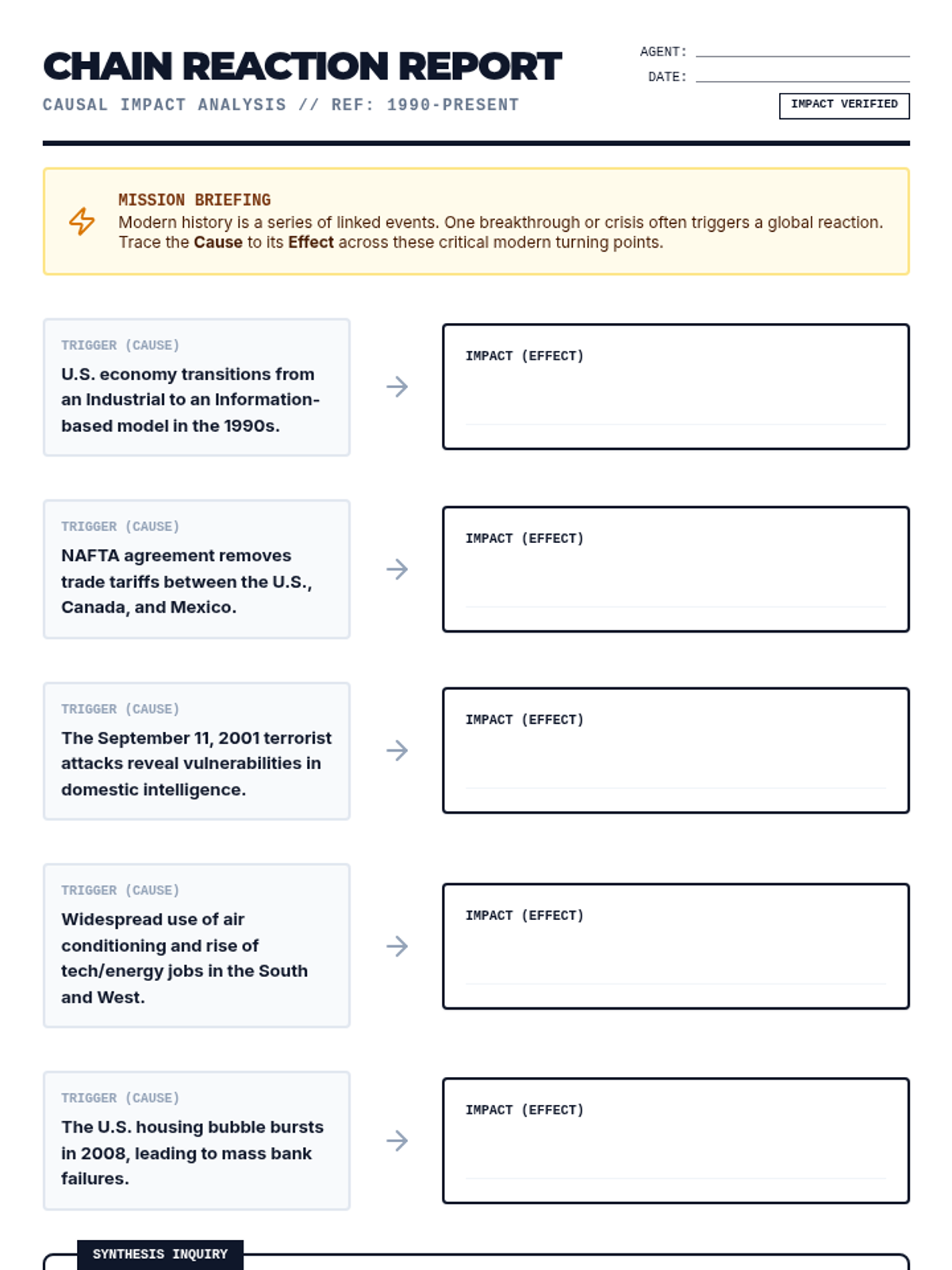
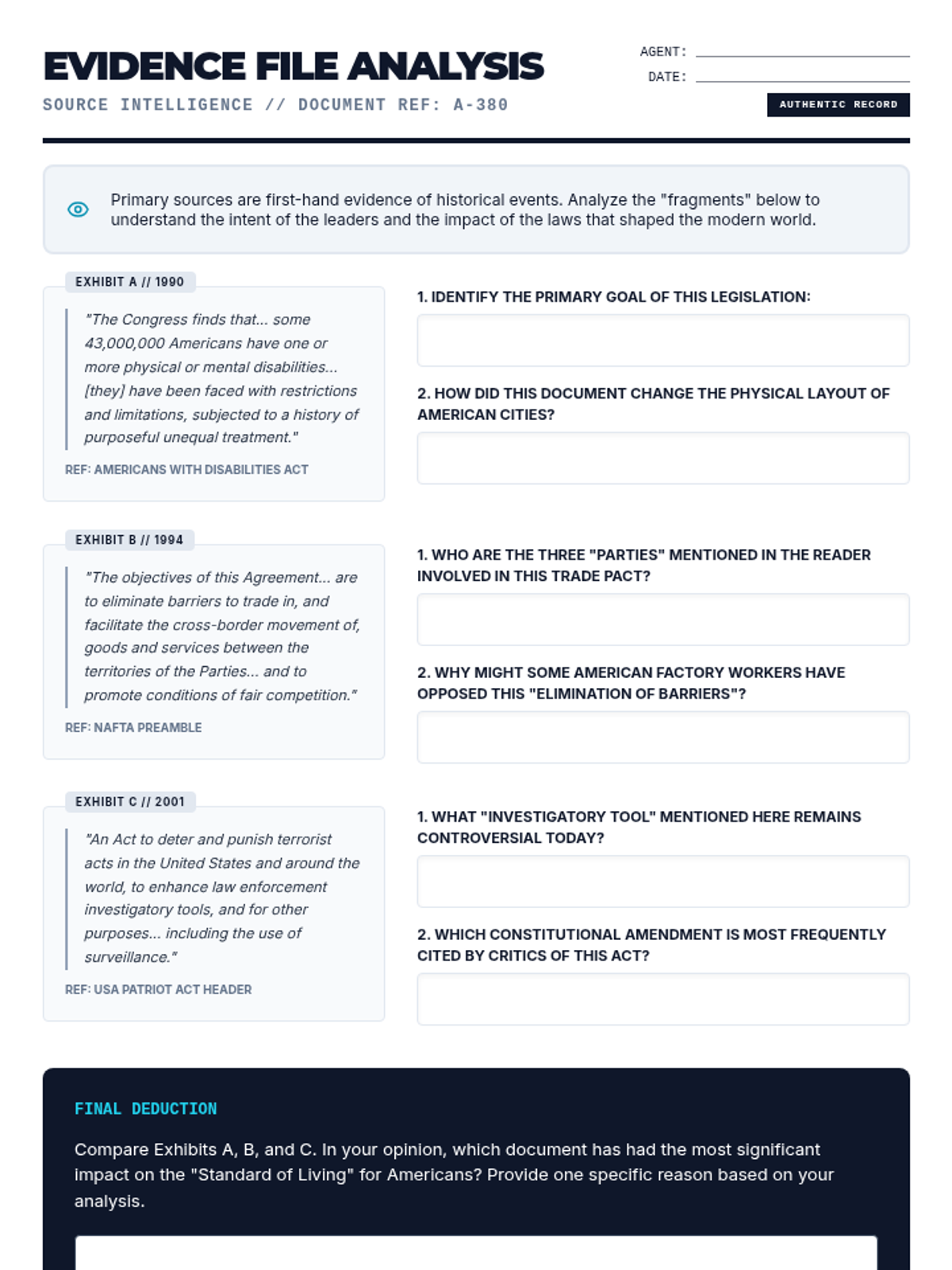
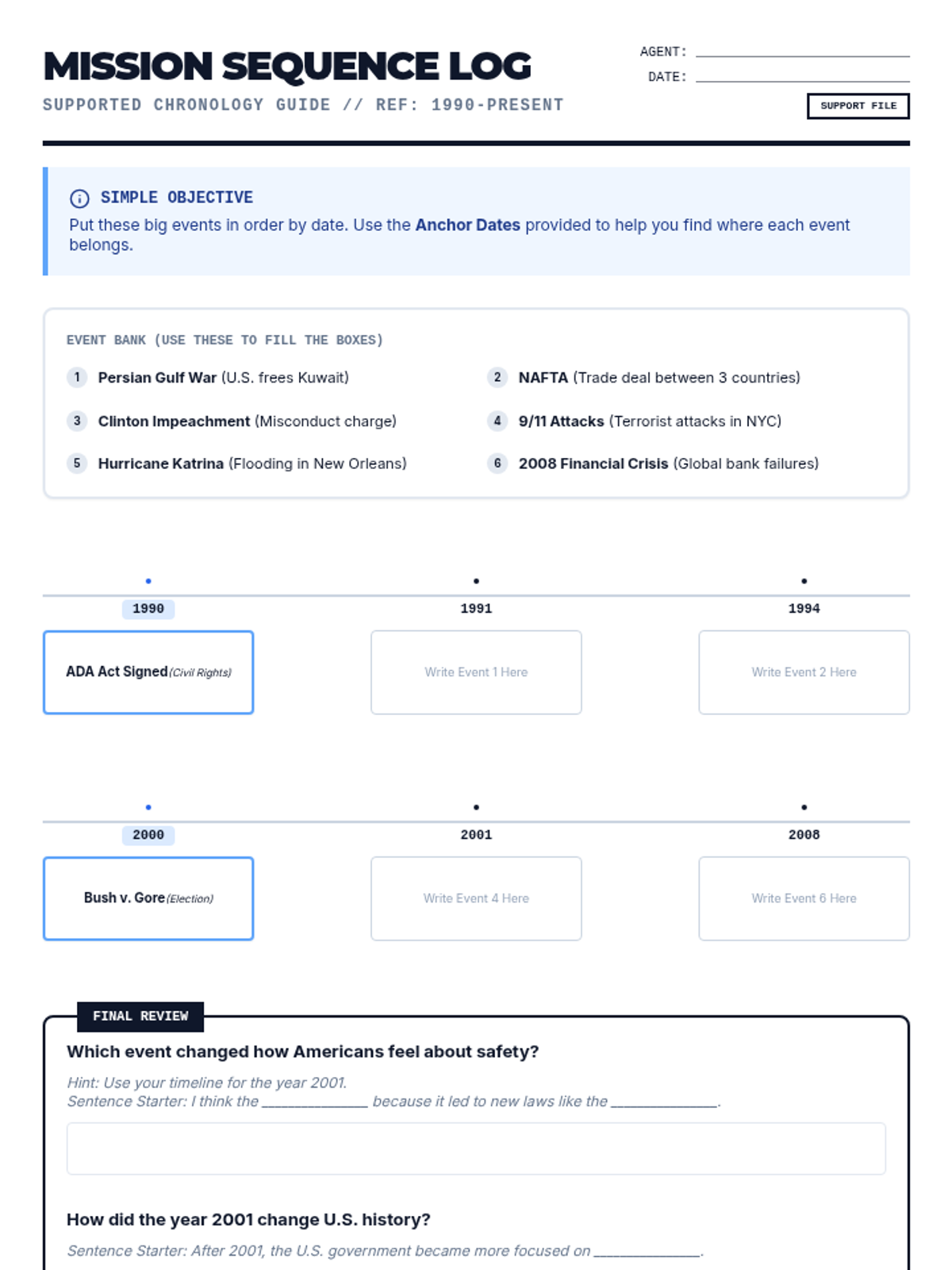
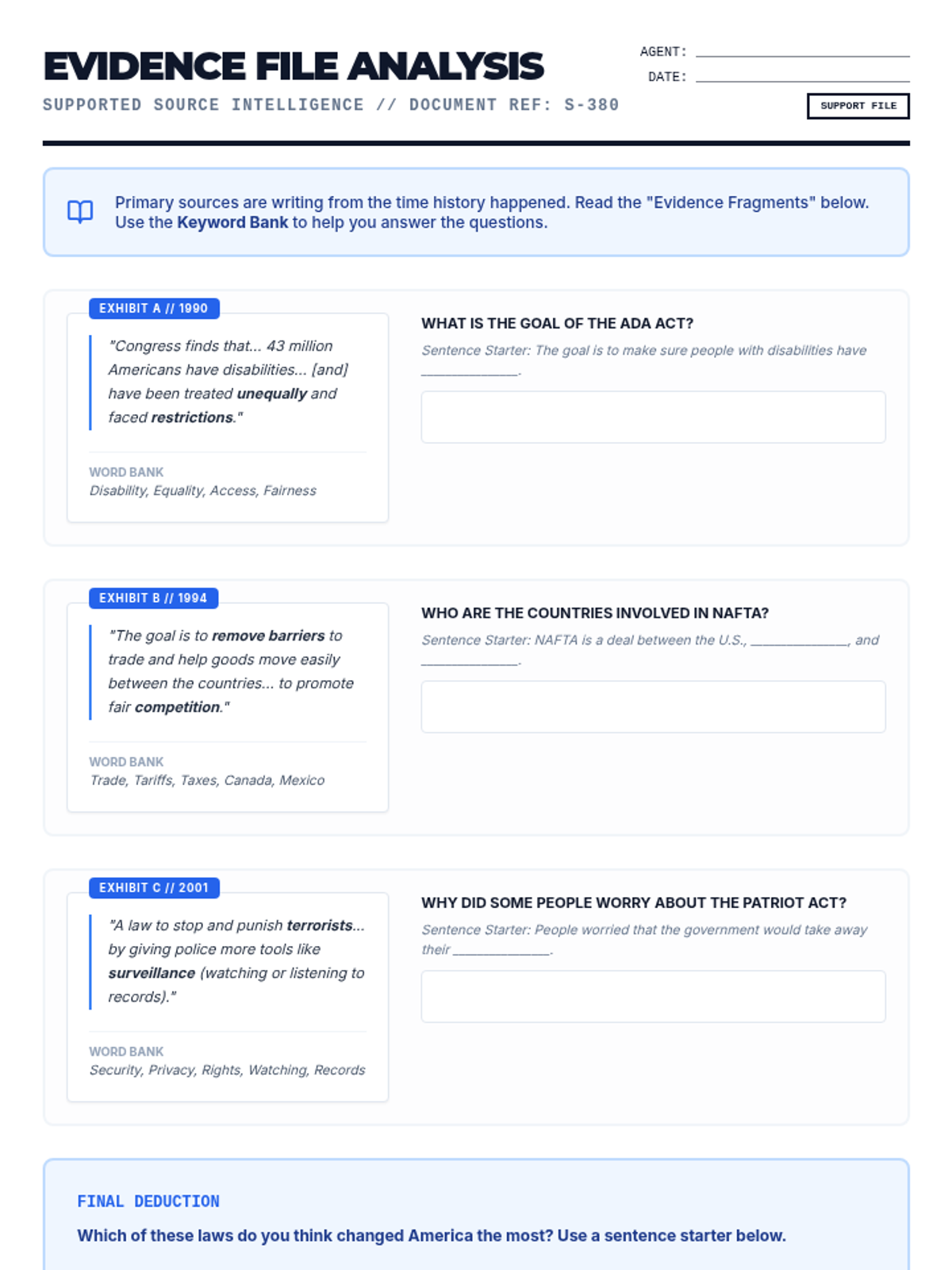
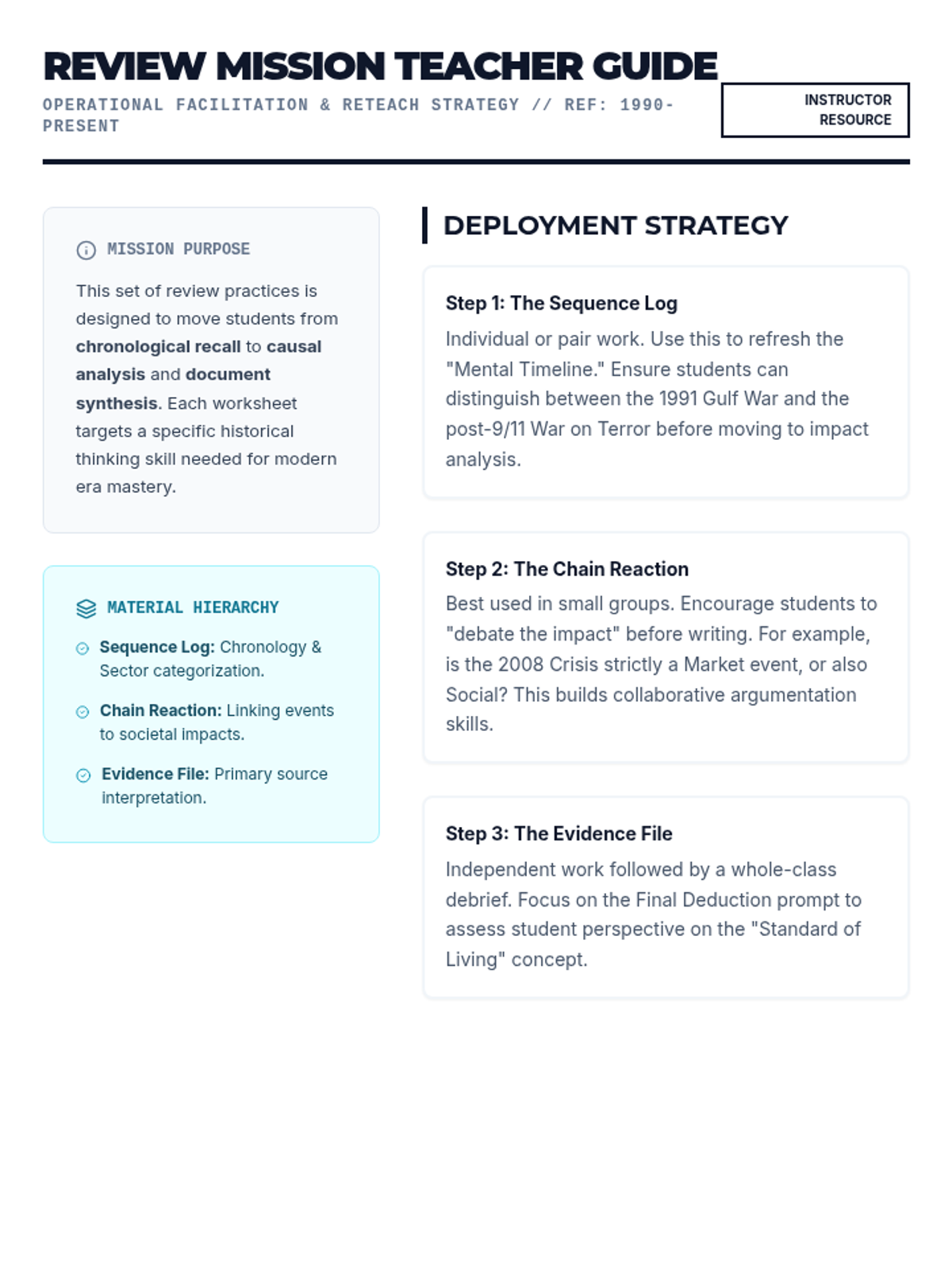
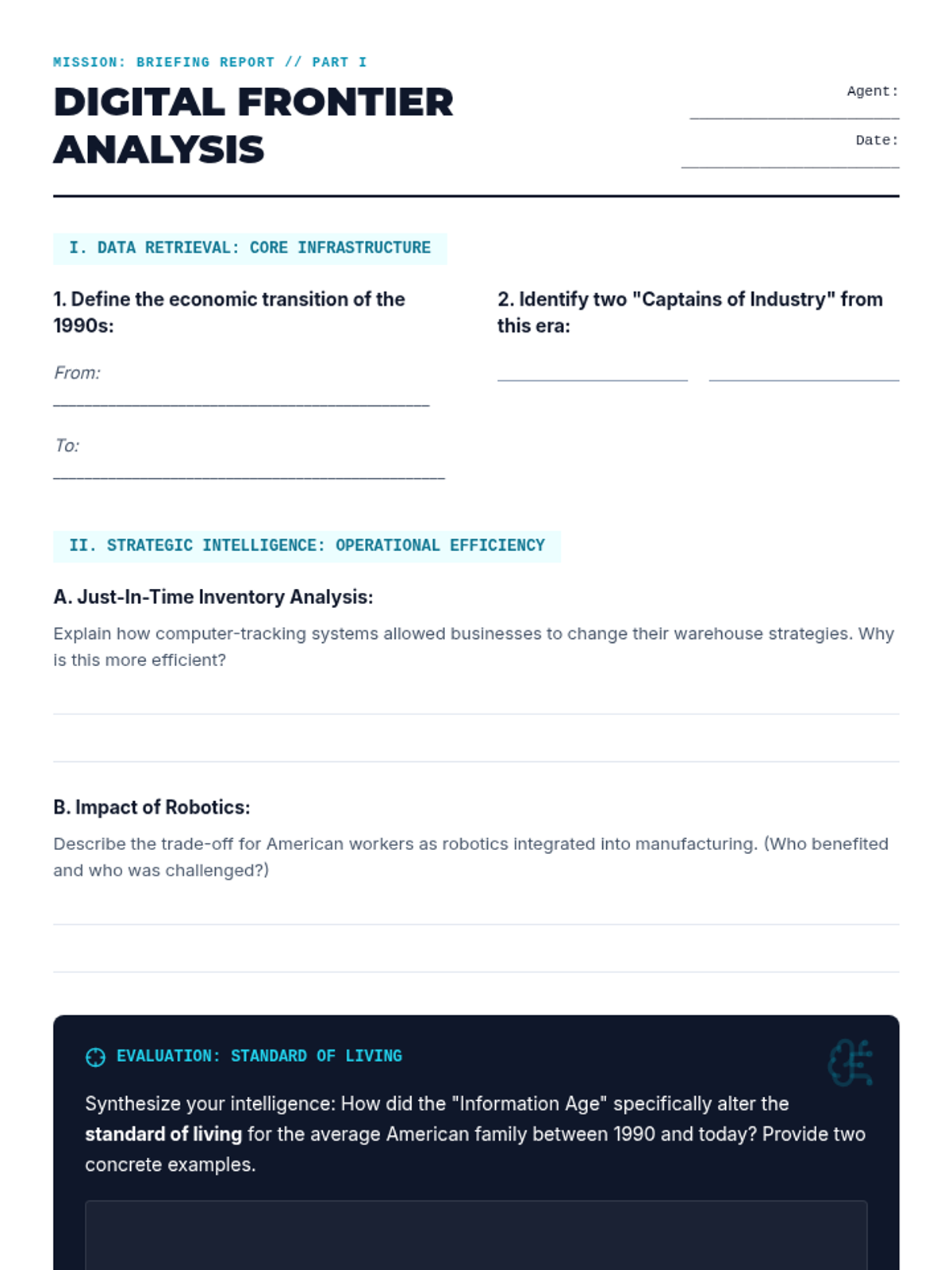
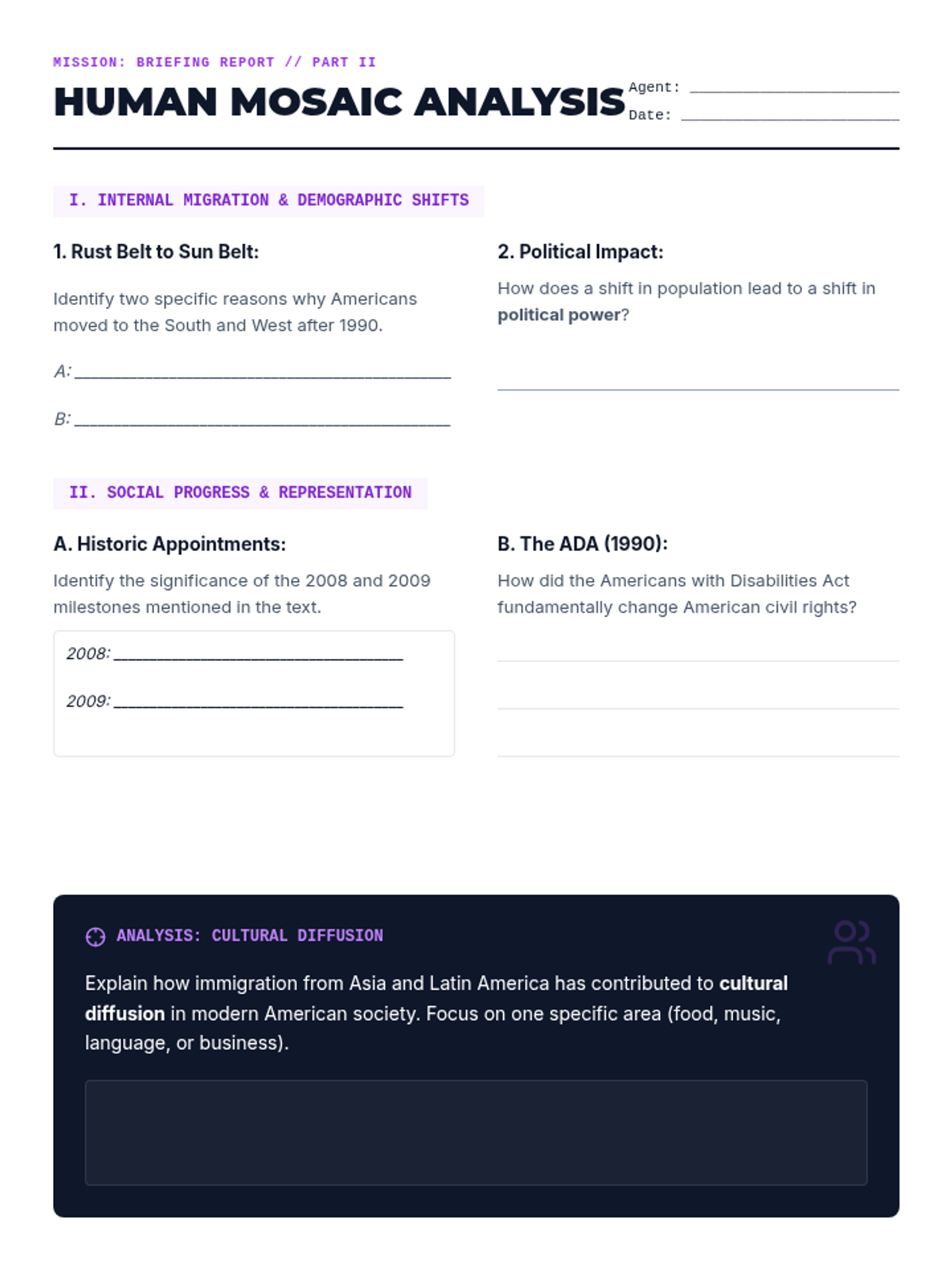
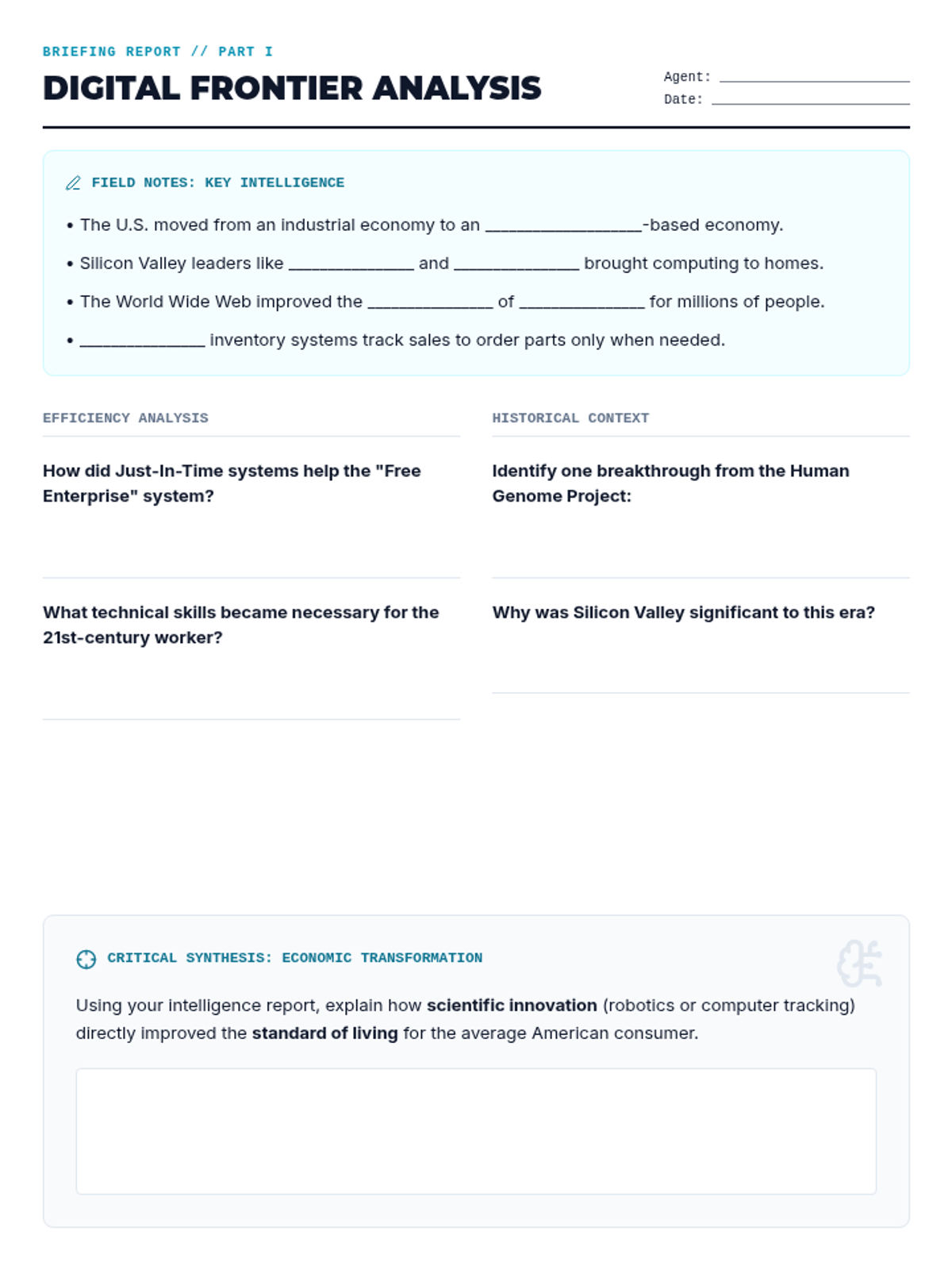
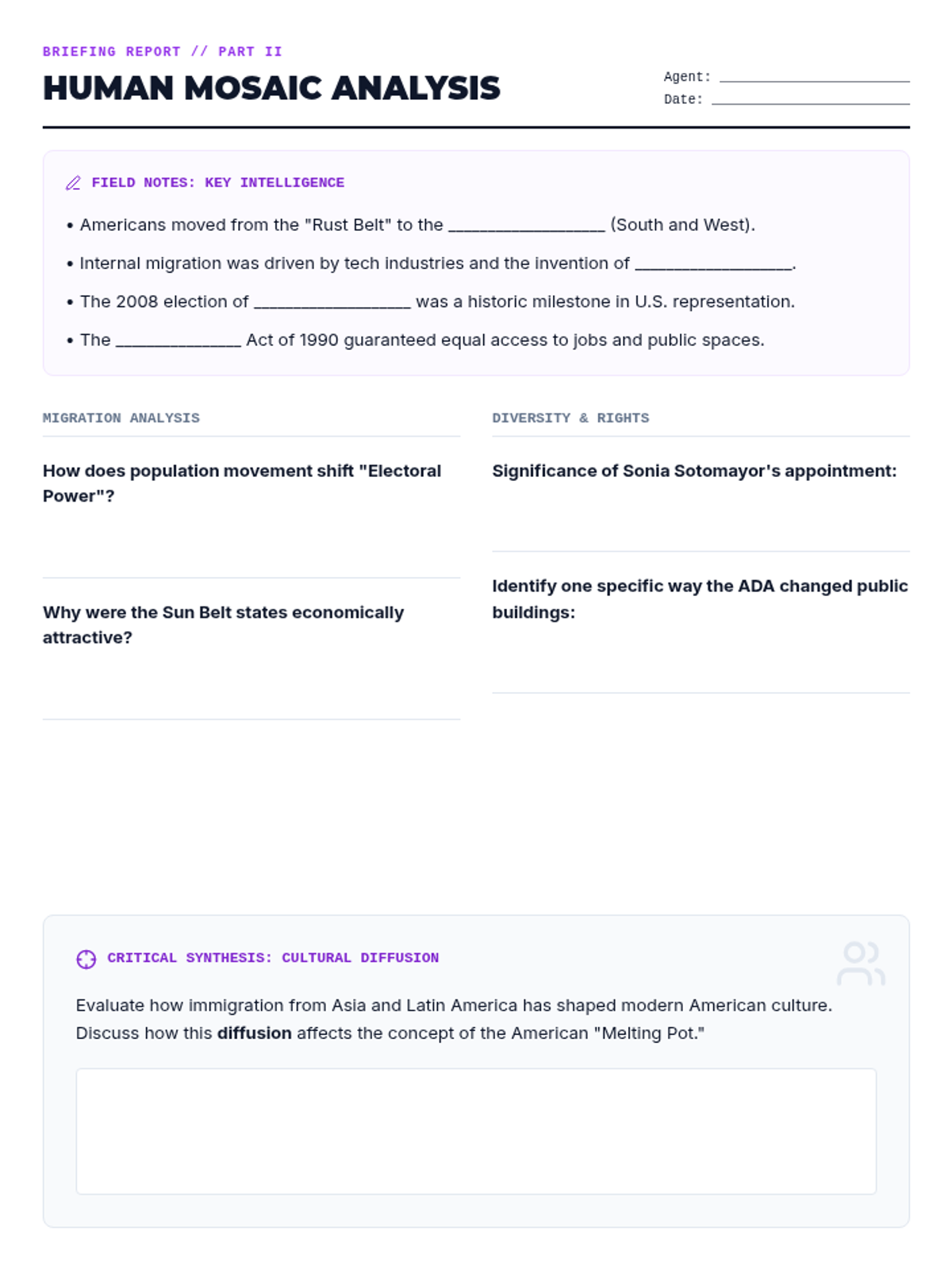
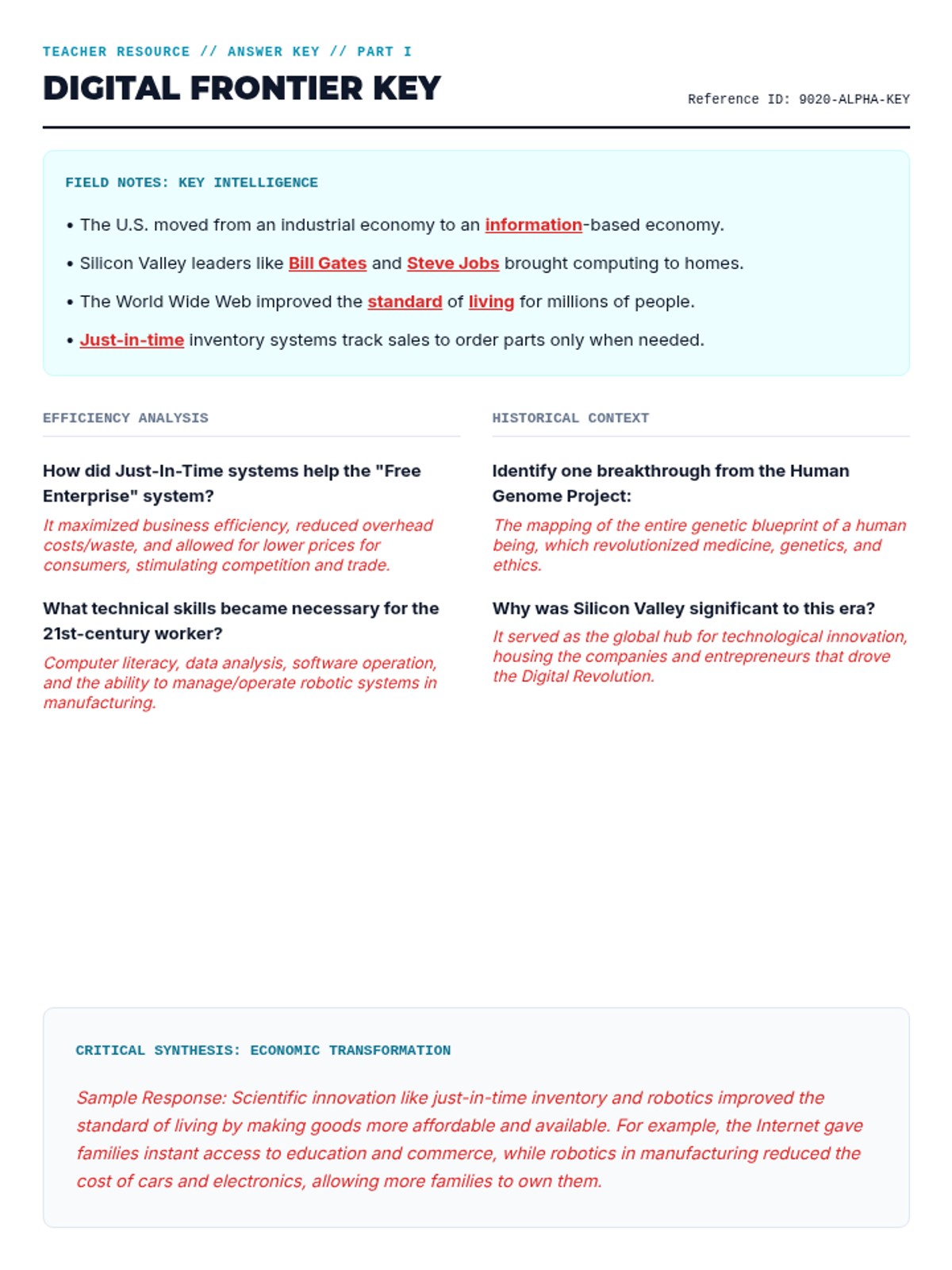
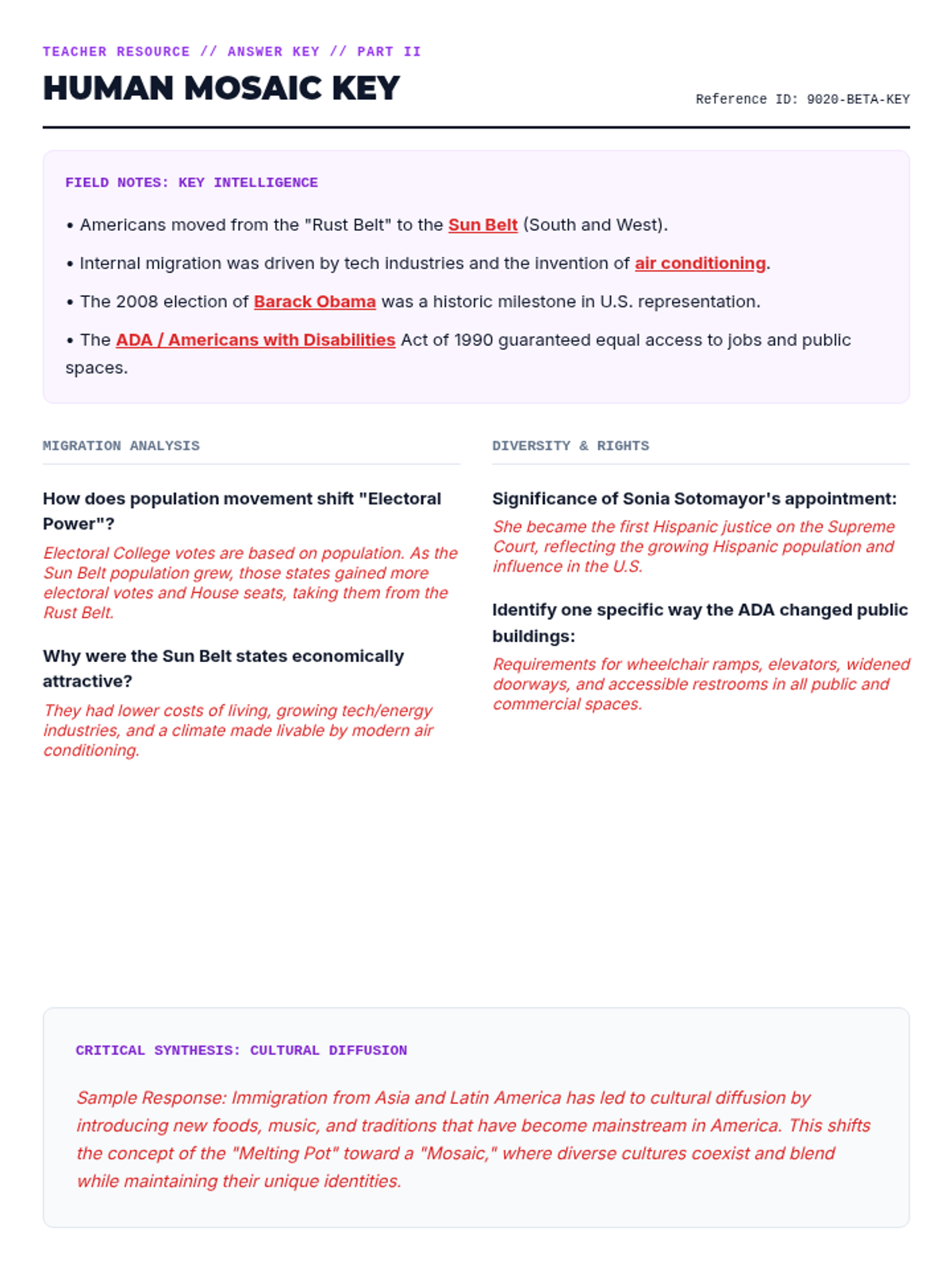
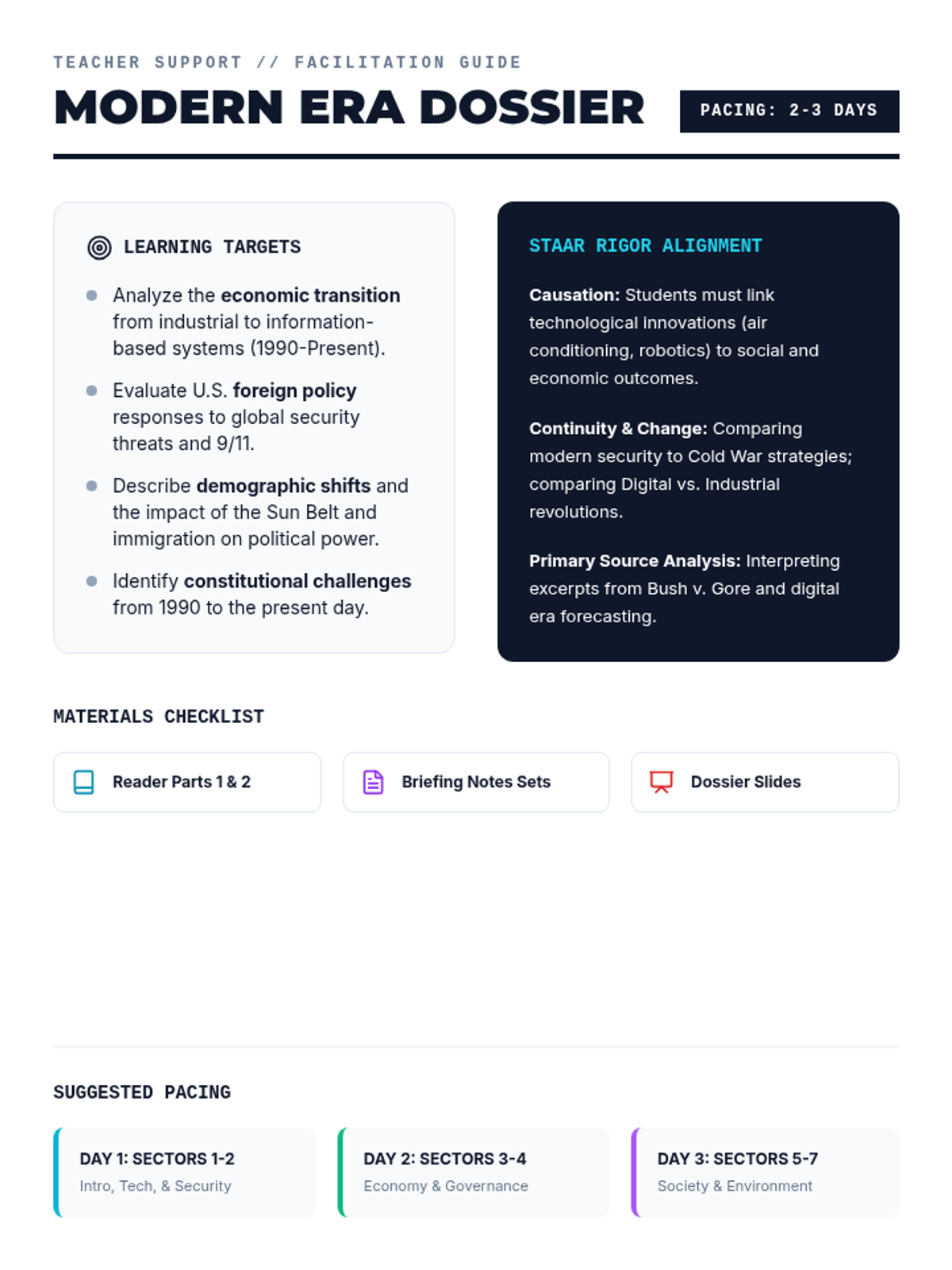
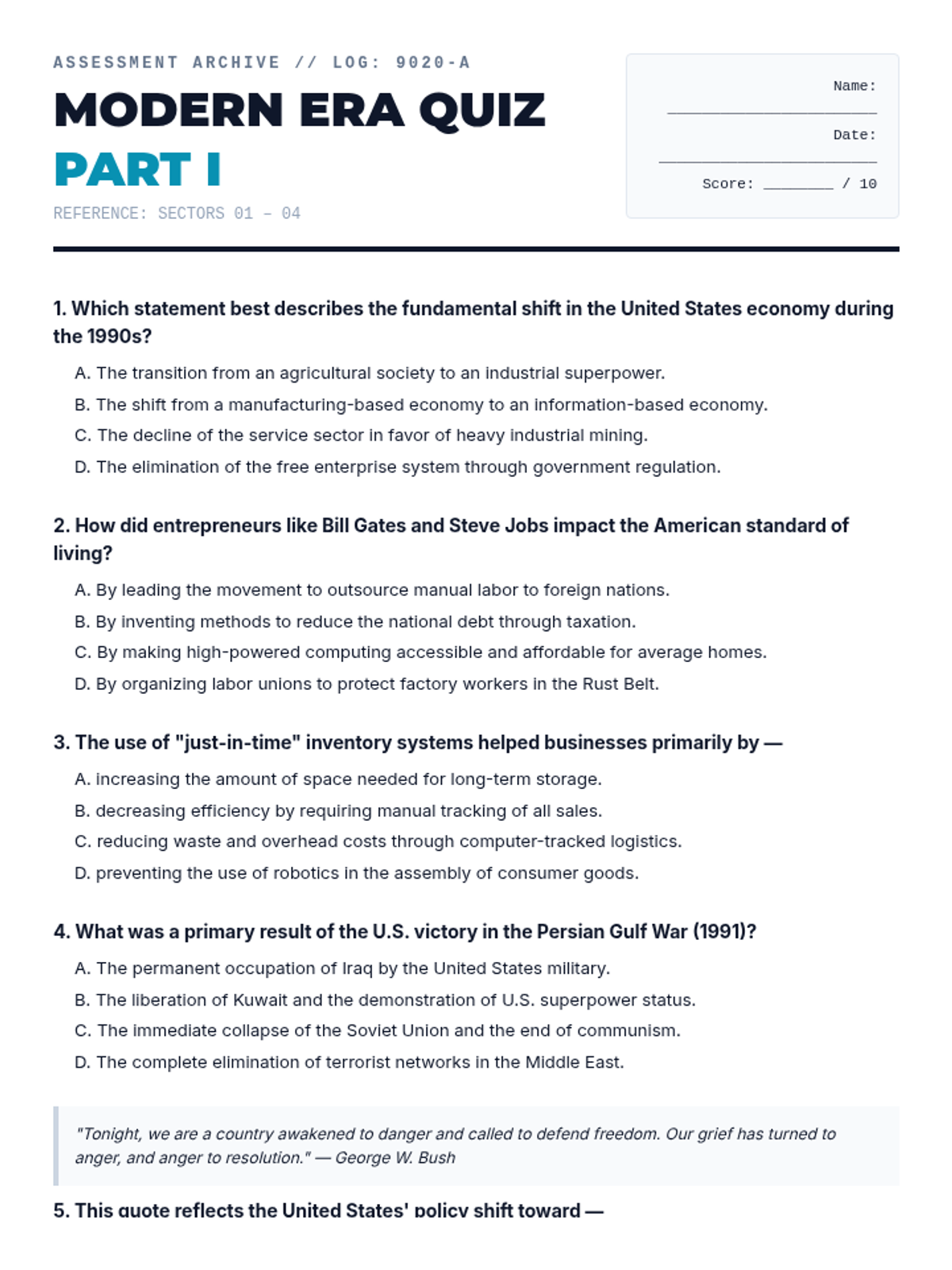
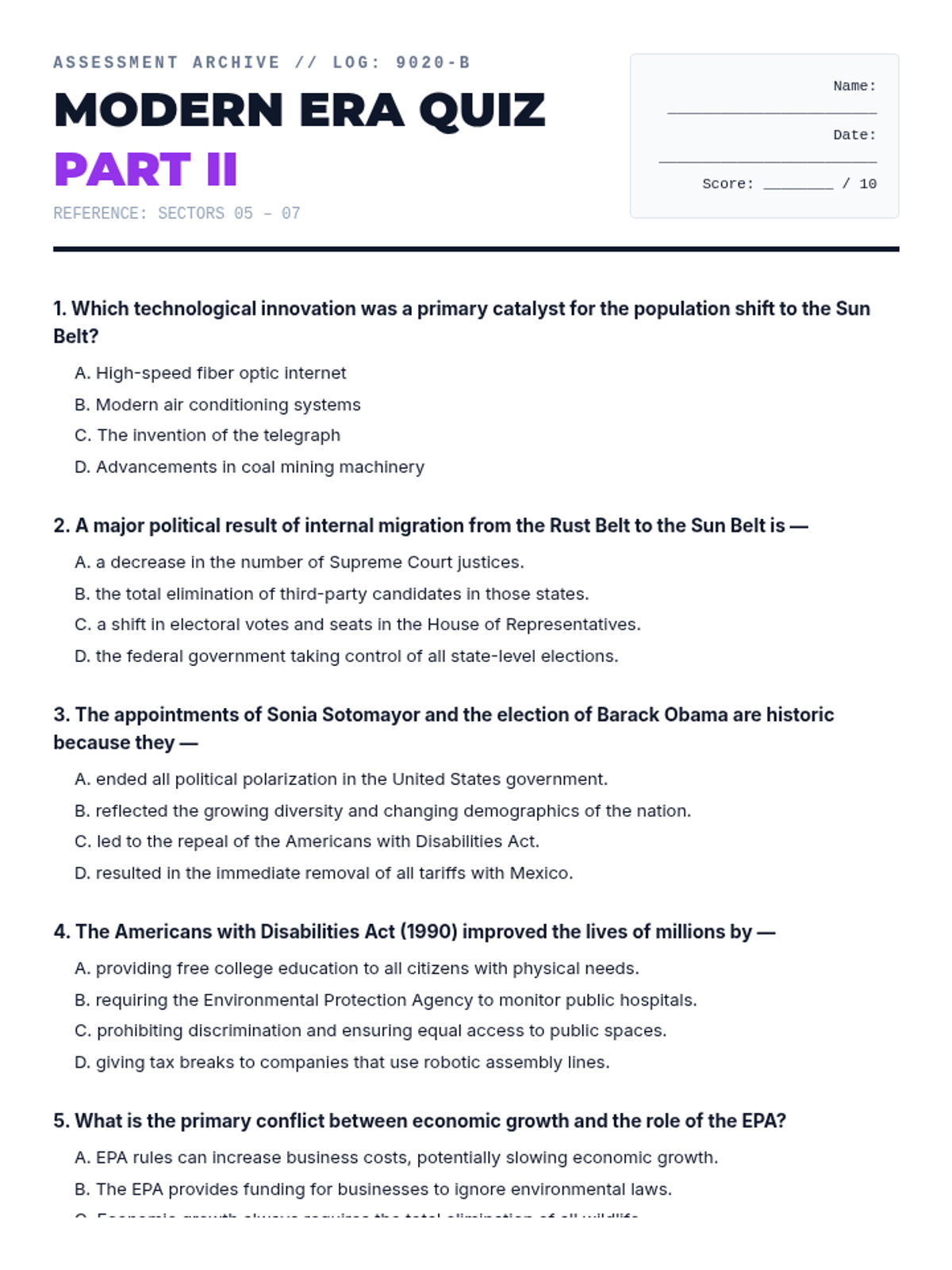
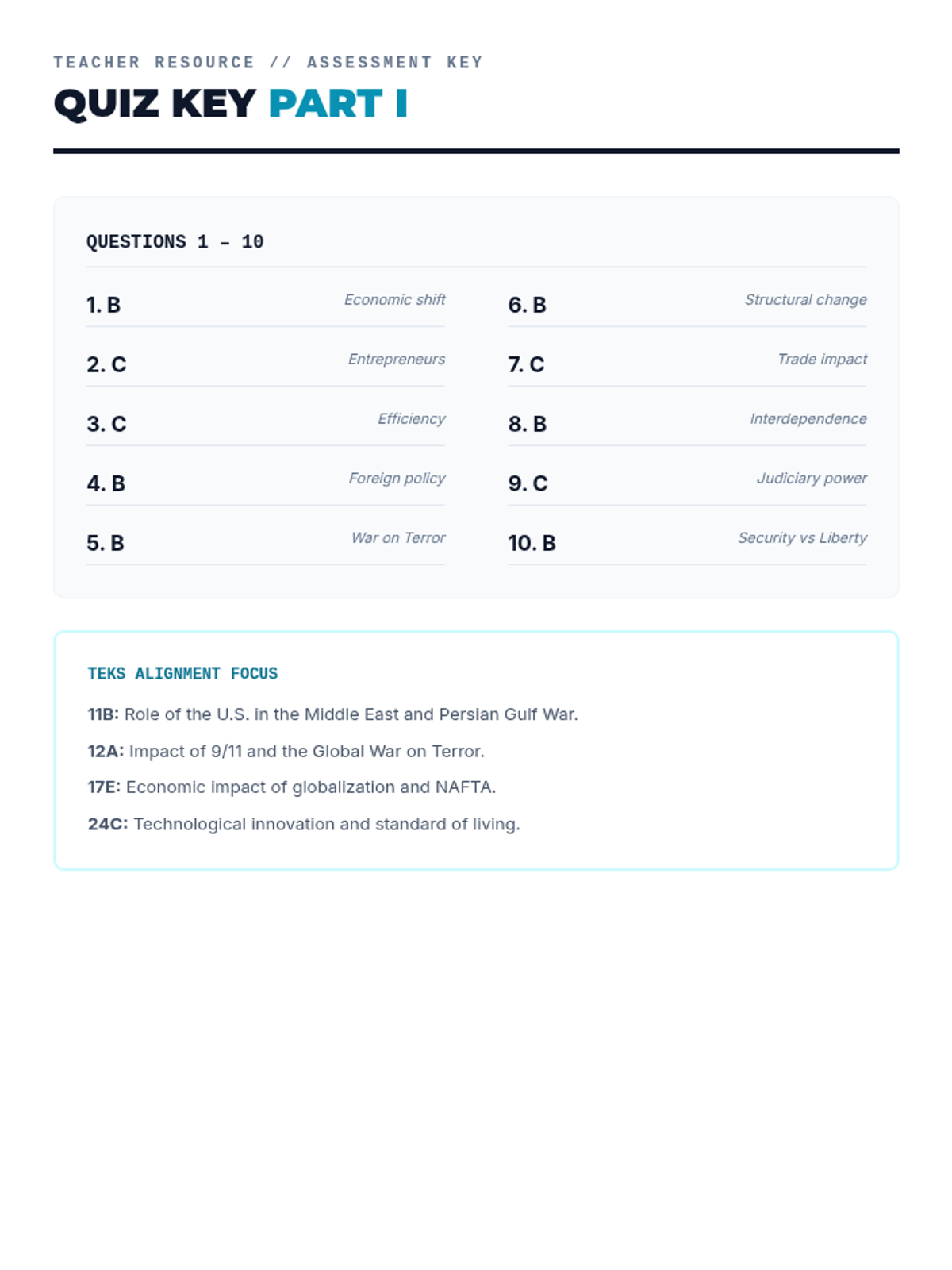
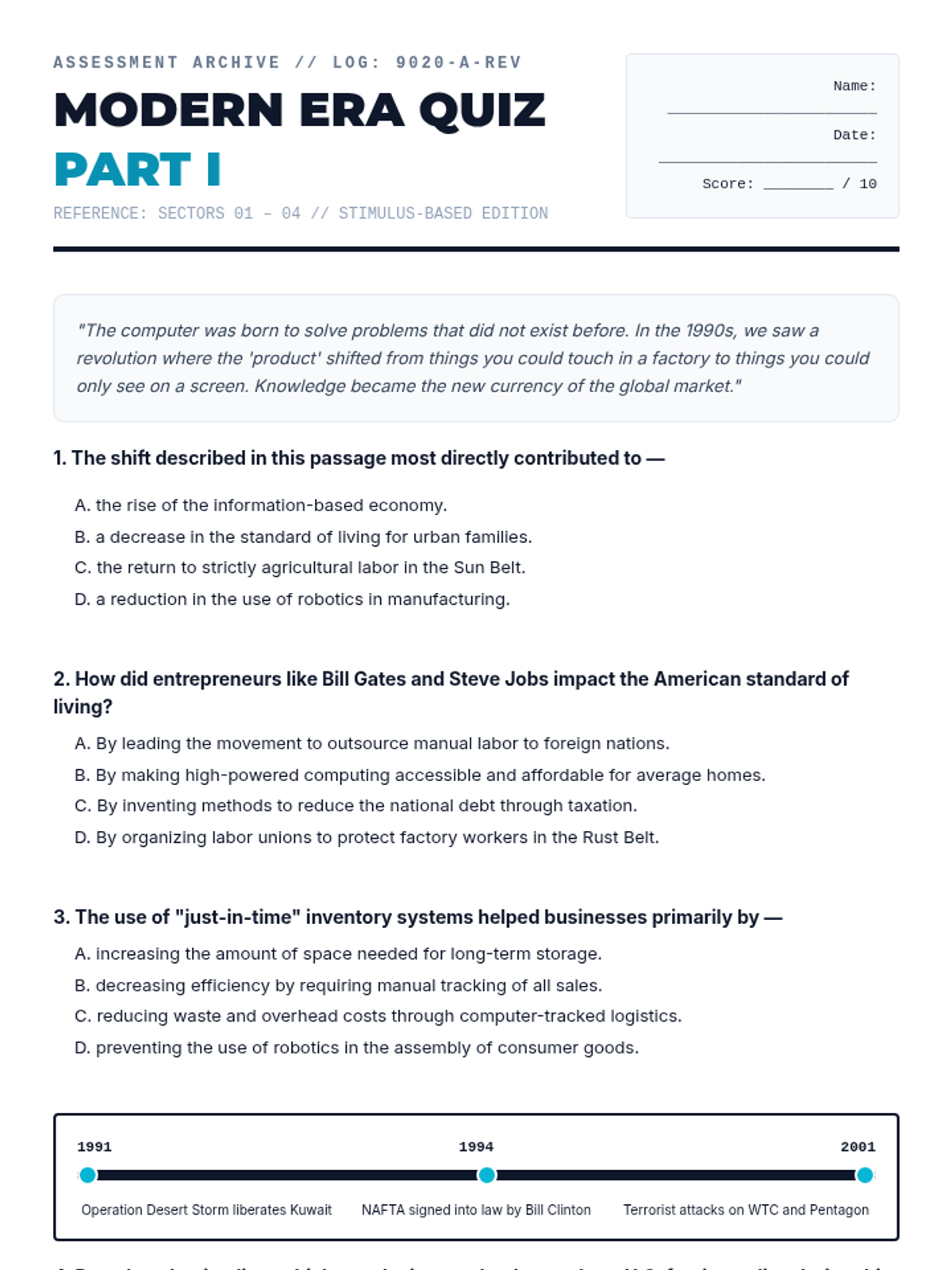
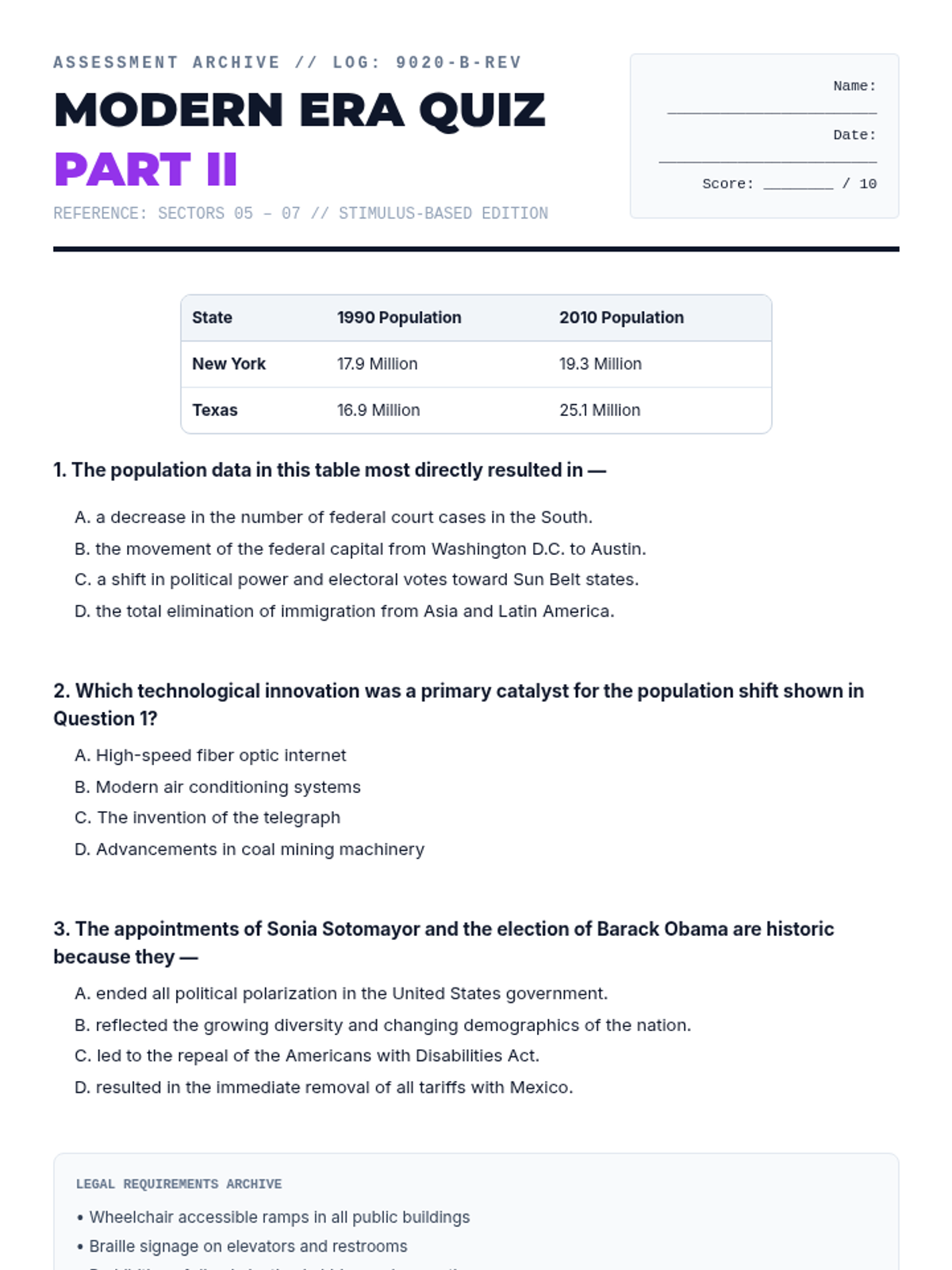
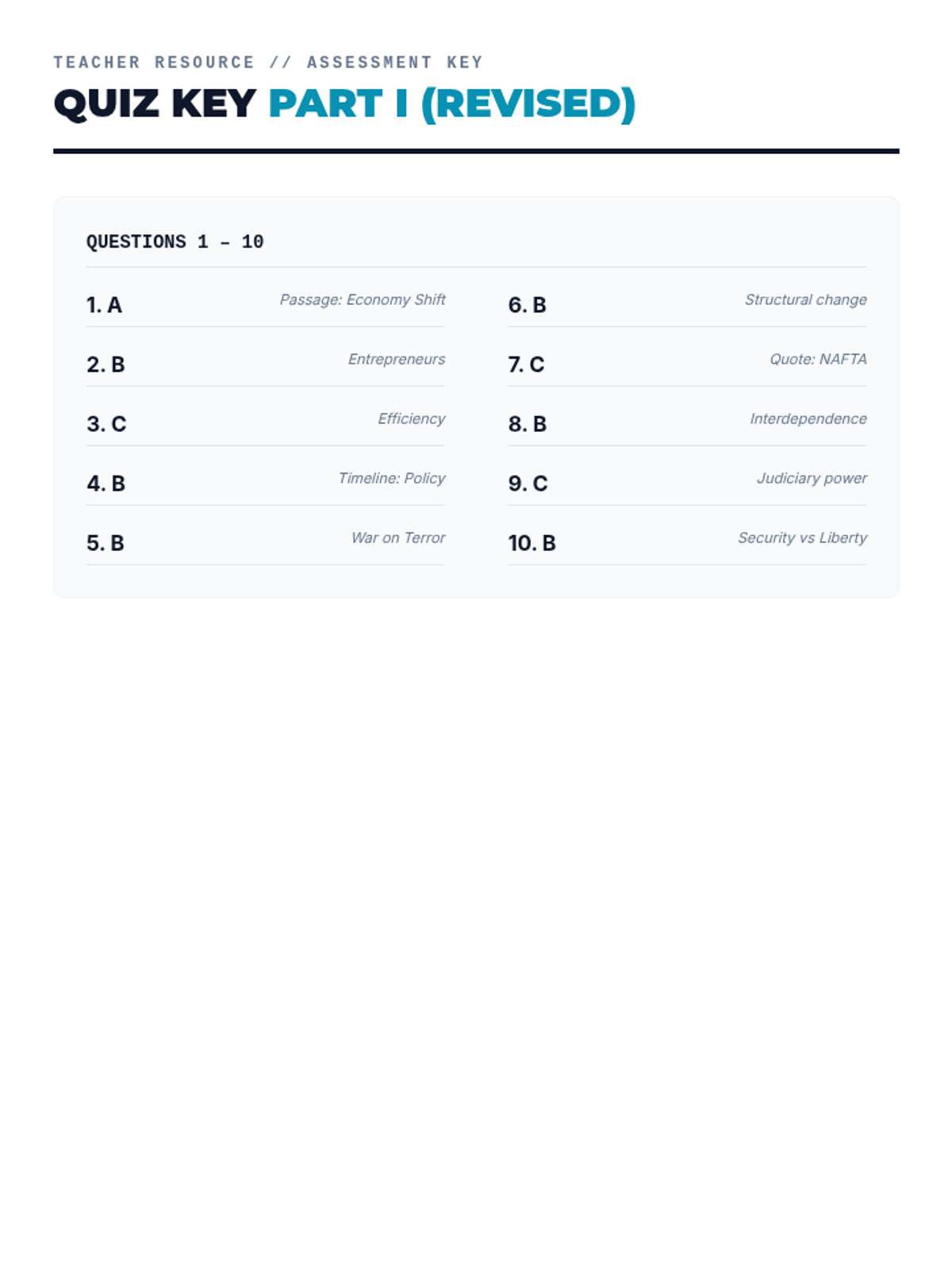
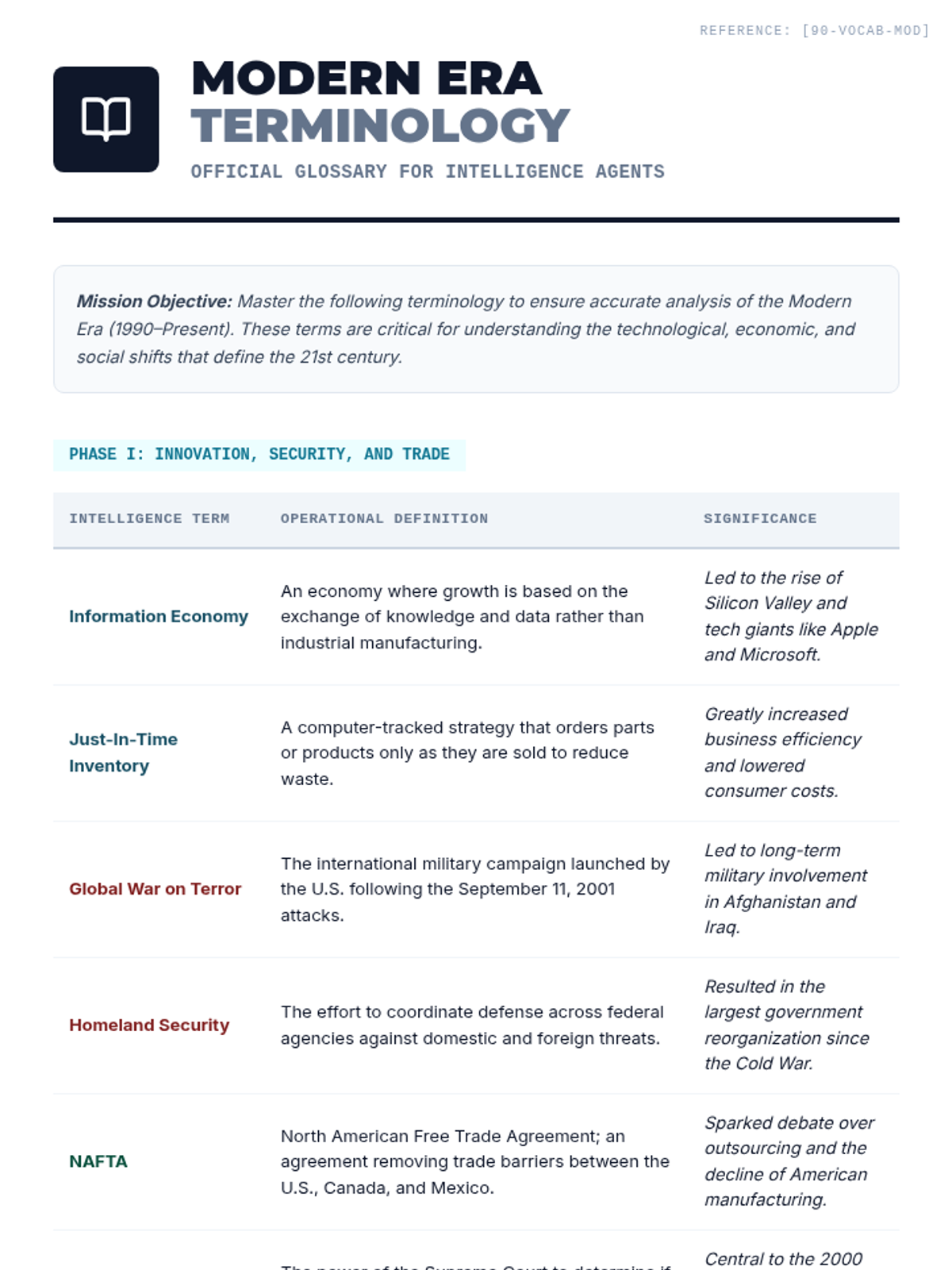
A comprehensive exploration of the 1990s through the modern day, covering technological shifts, political milestones, military conflicts, and cultural evolution in the United States.
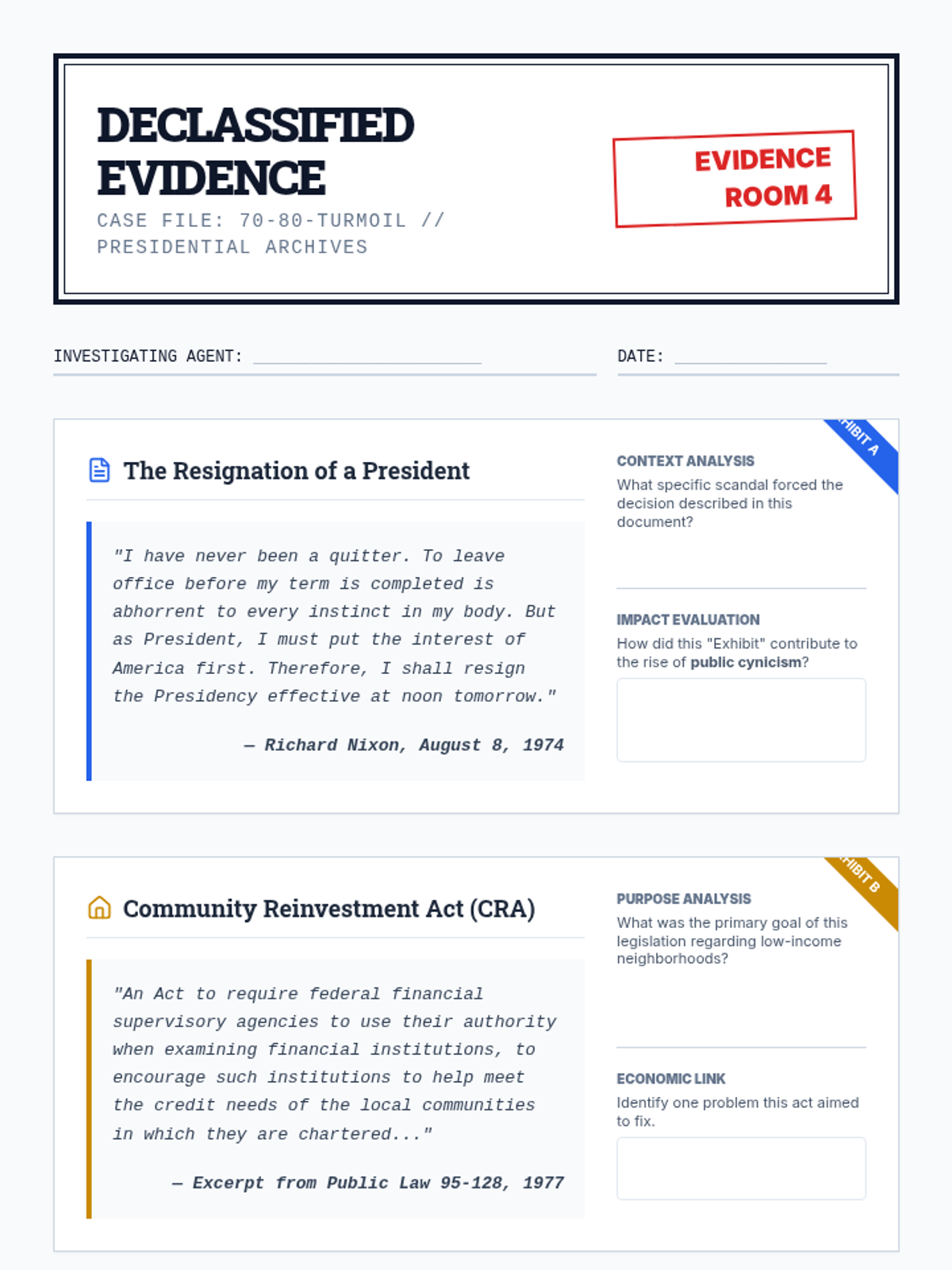
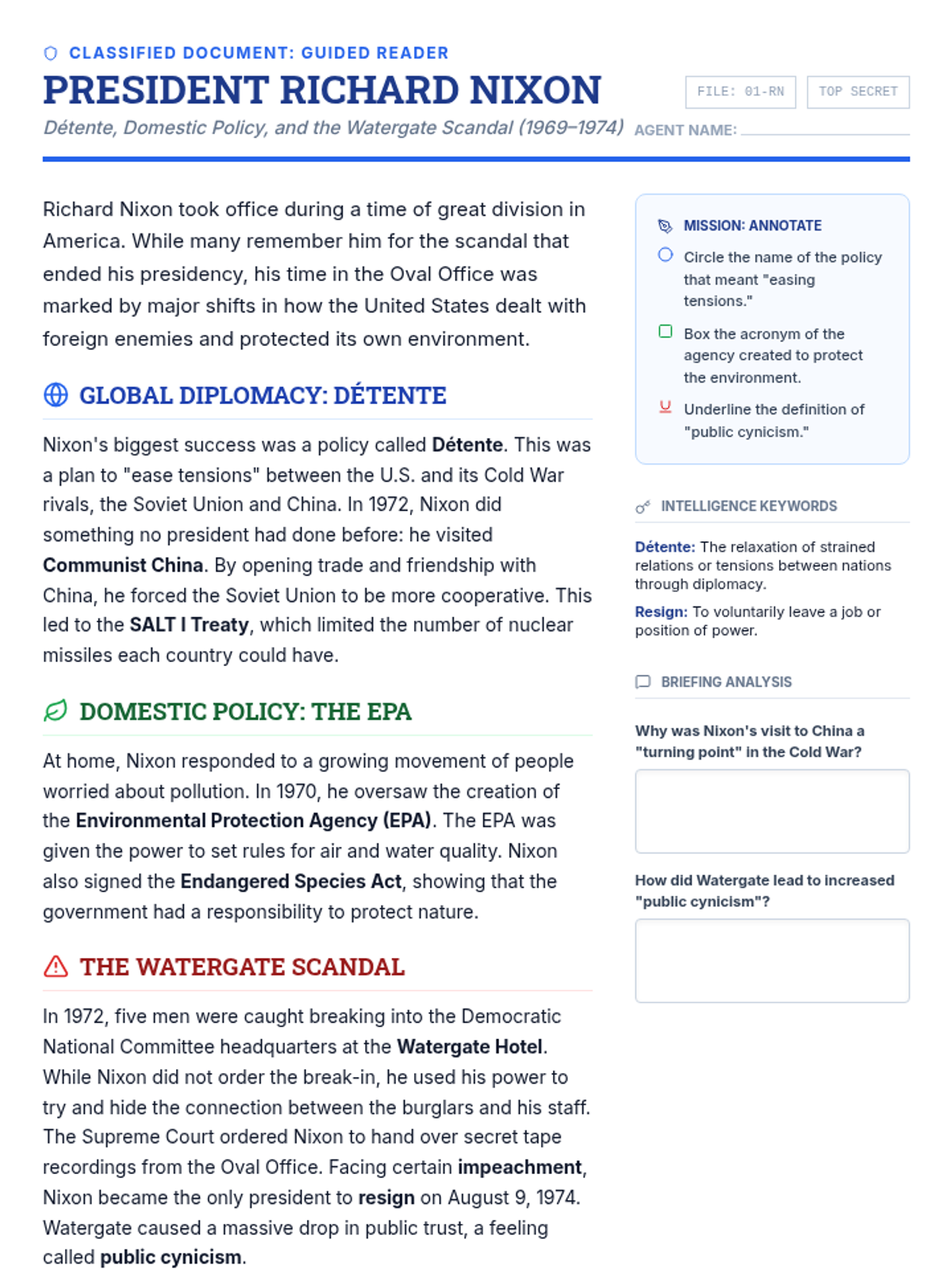
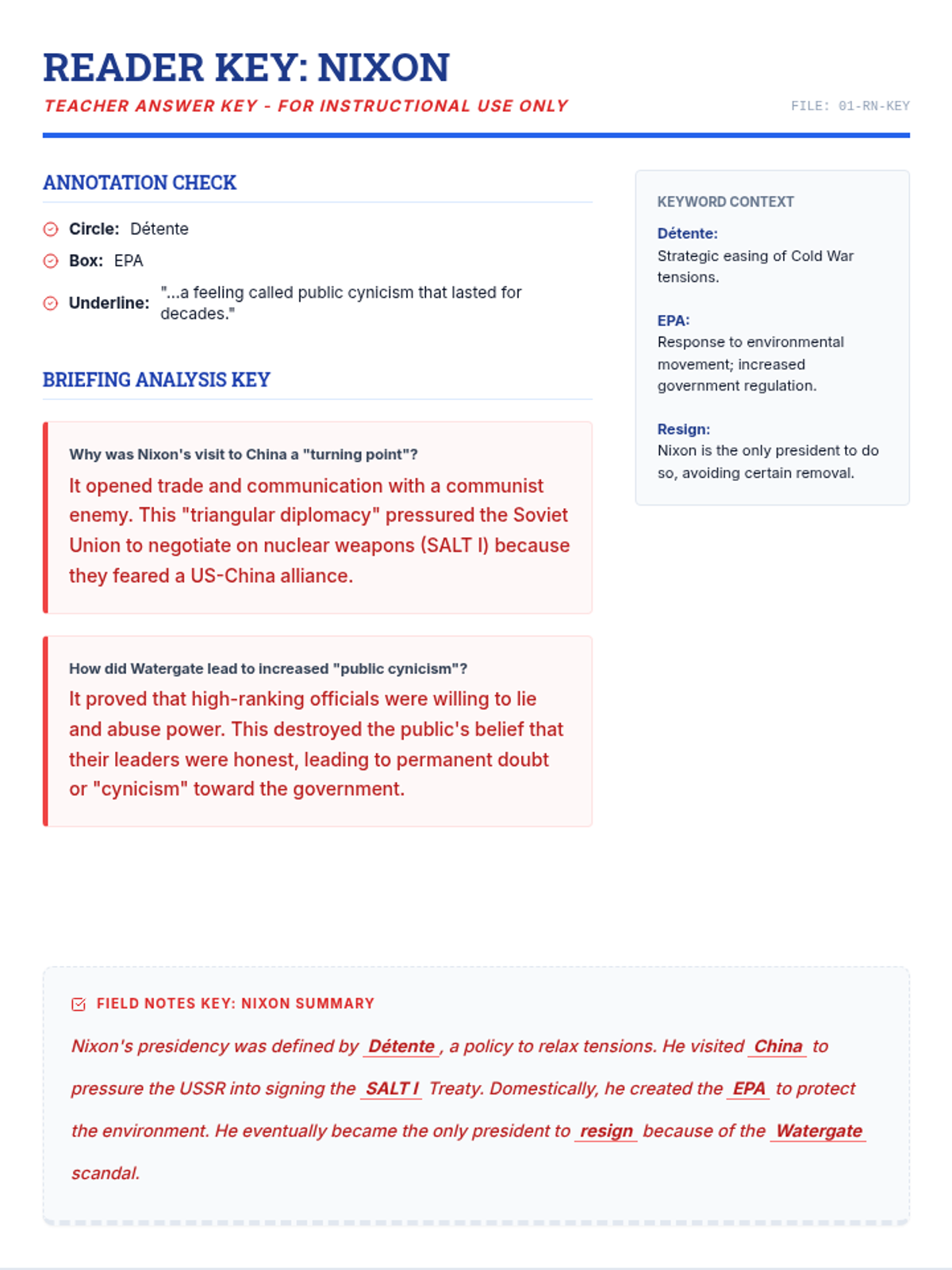
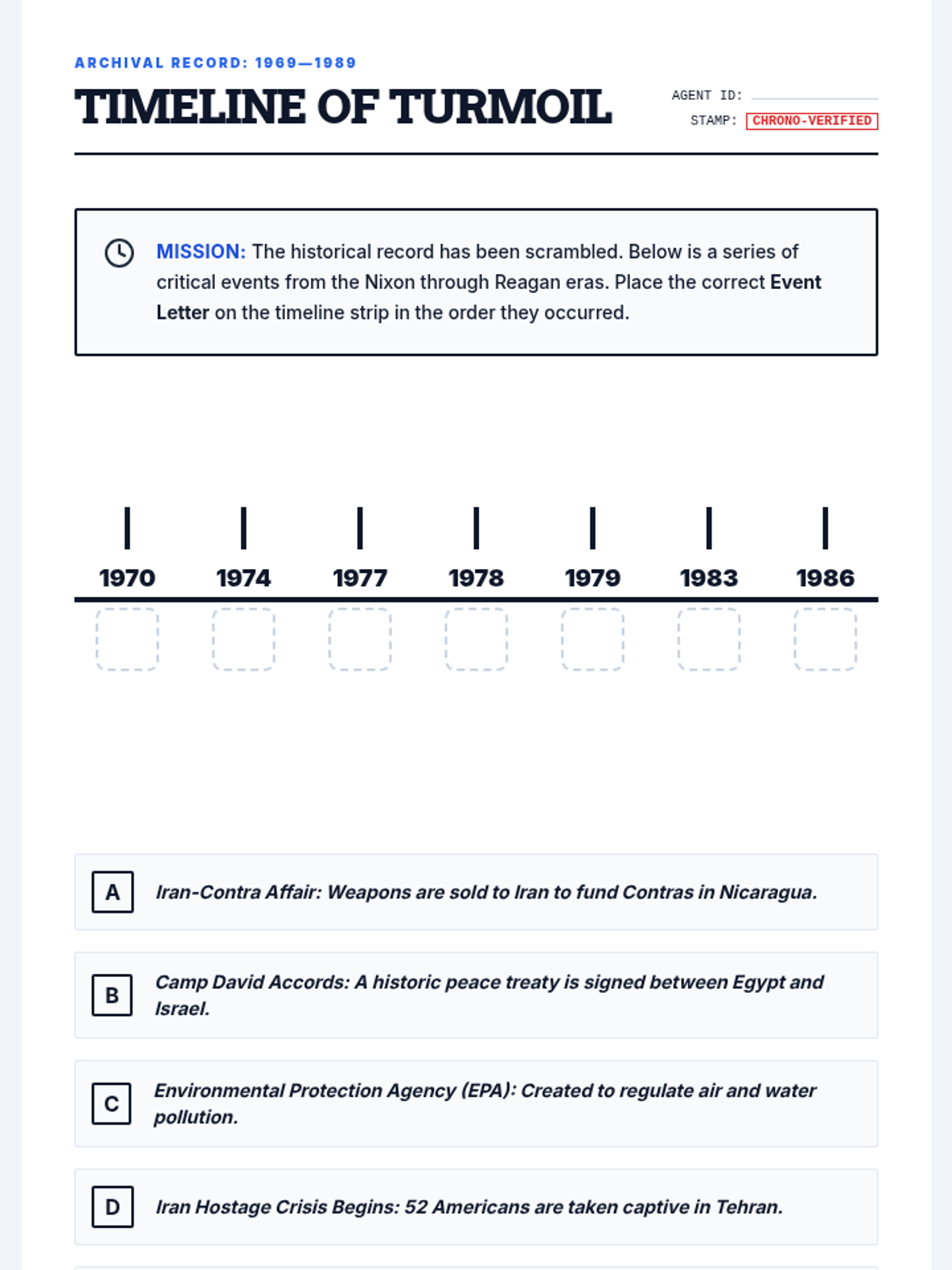
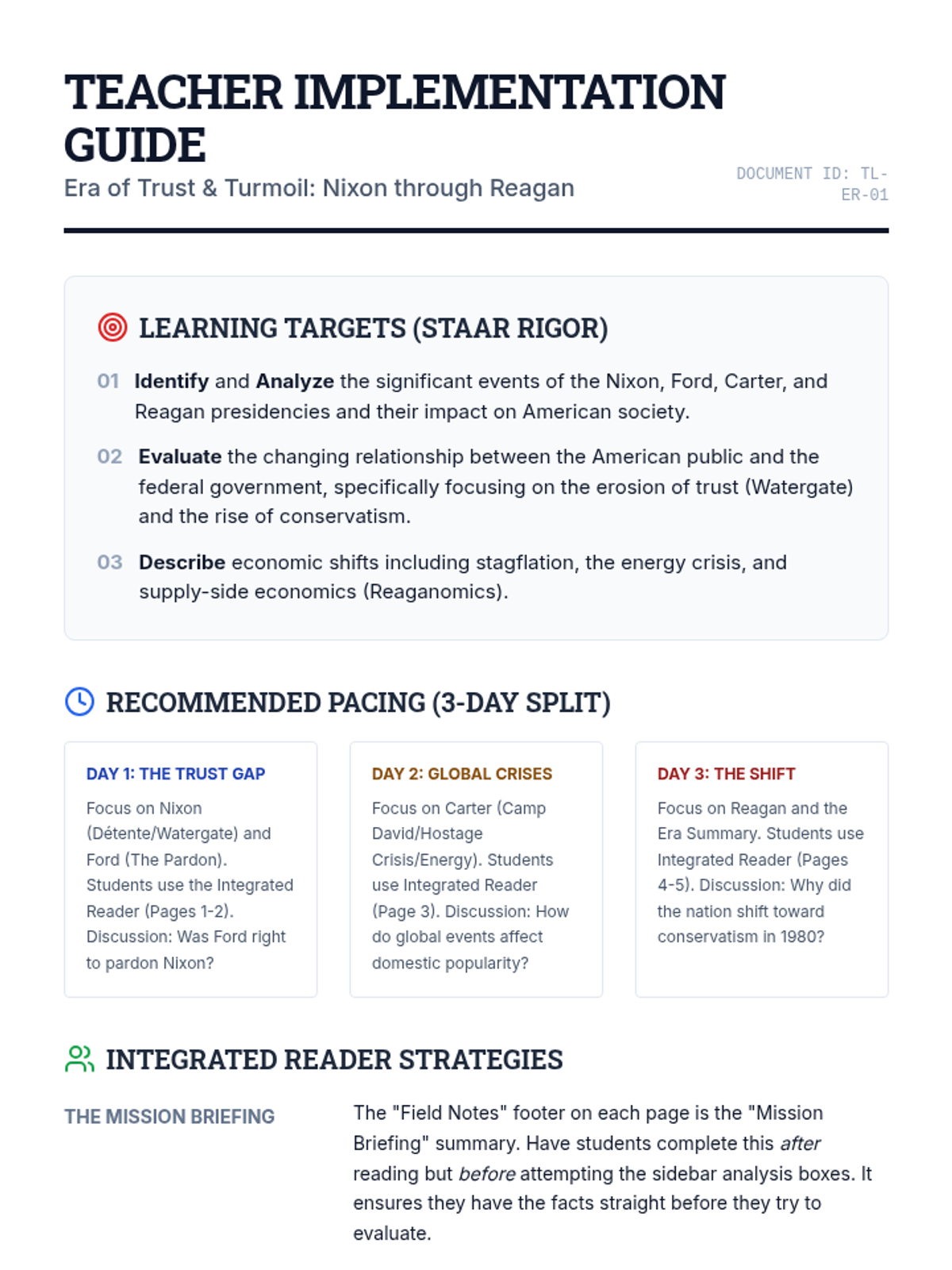
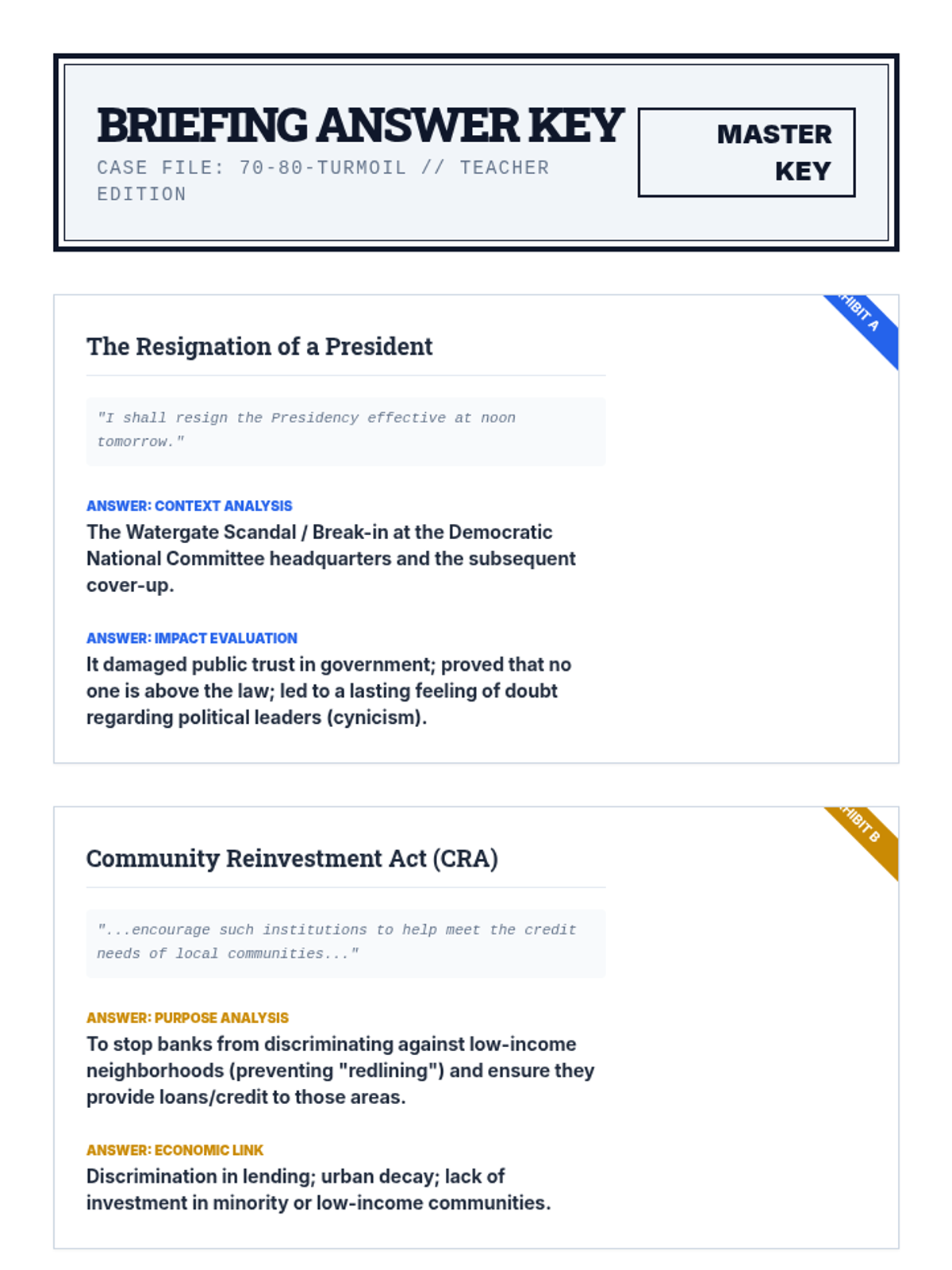
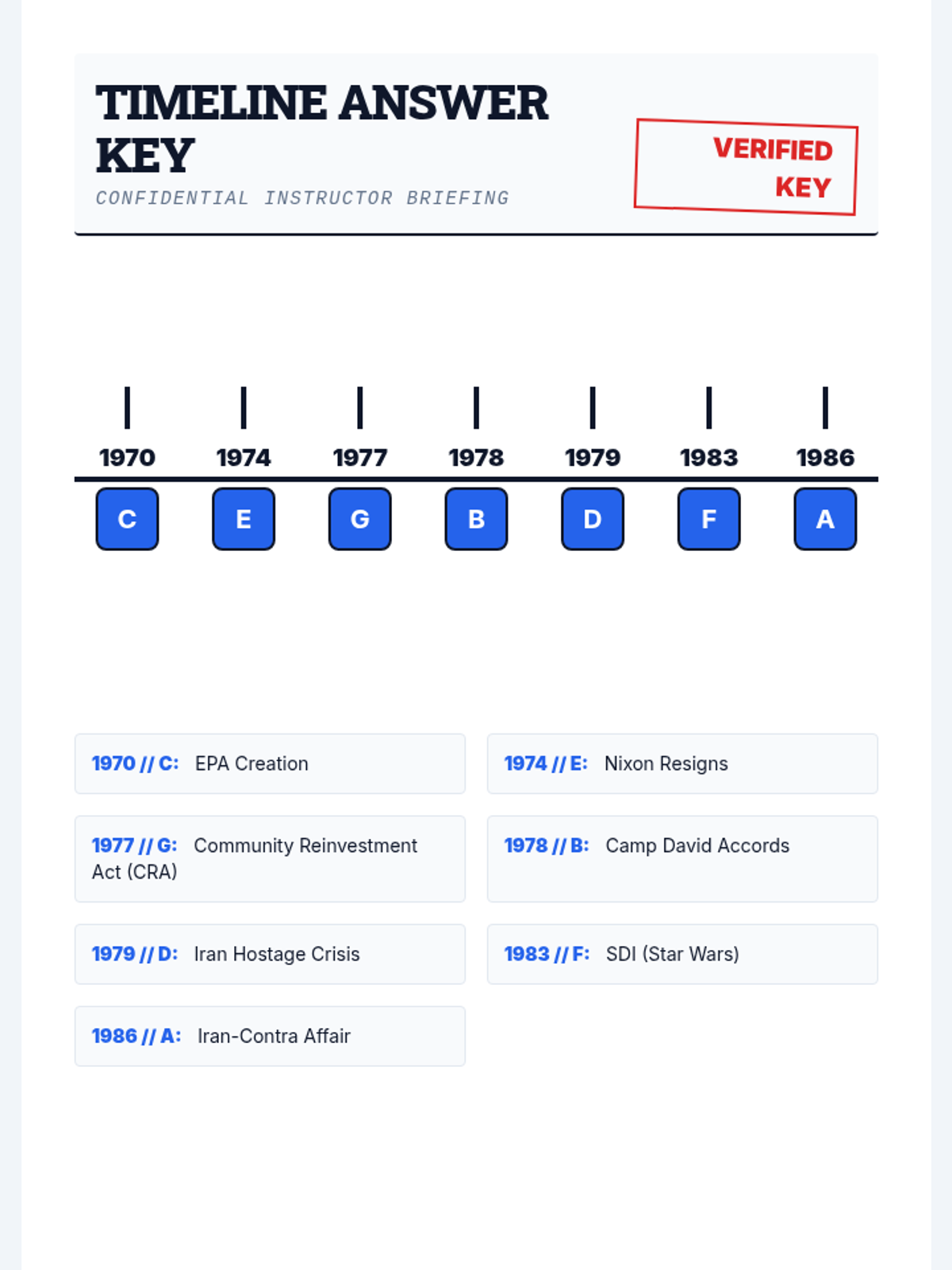
A comprehensive lesson covering the presidencies of Nixon, Ford, Carter, and Reagan, focusing on key events, scandals, economic shifts, and the rise of conservatism. Students engage with primary sources and data to analyze the changing landscape of late 20th-century America.
A comprehensive pacing guide and activity resource designed to cover the remaining 11th Grade US History TEKS before the STAAR test on April 16th. This lesson provides a day-by-day calendar for A/B block schedules and high-engagement activities for each remaining historical era.
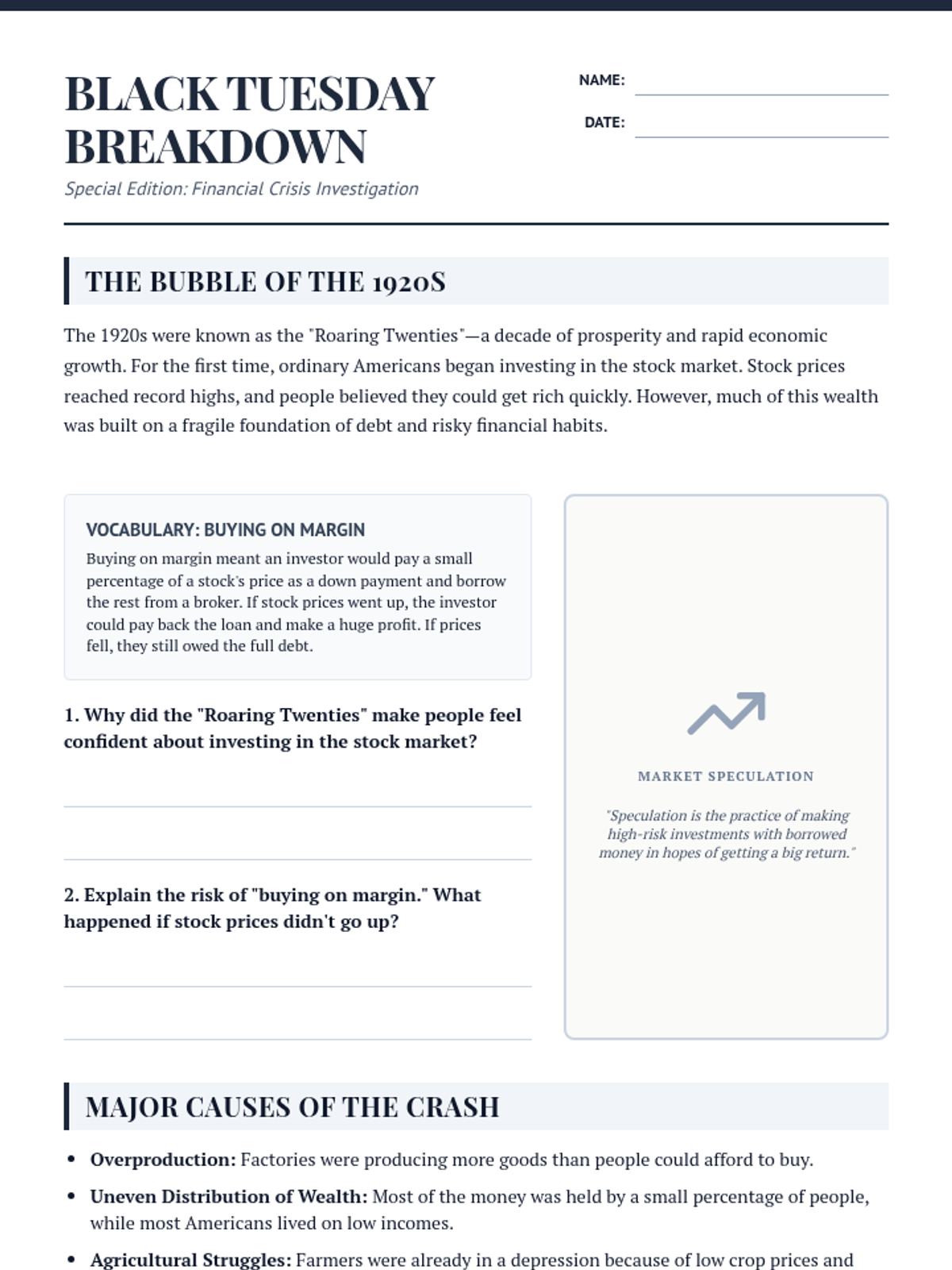
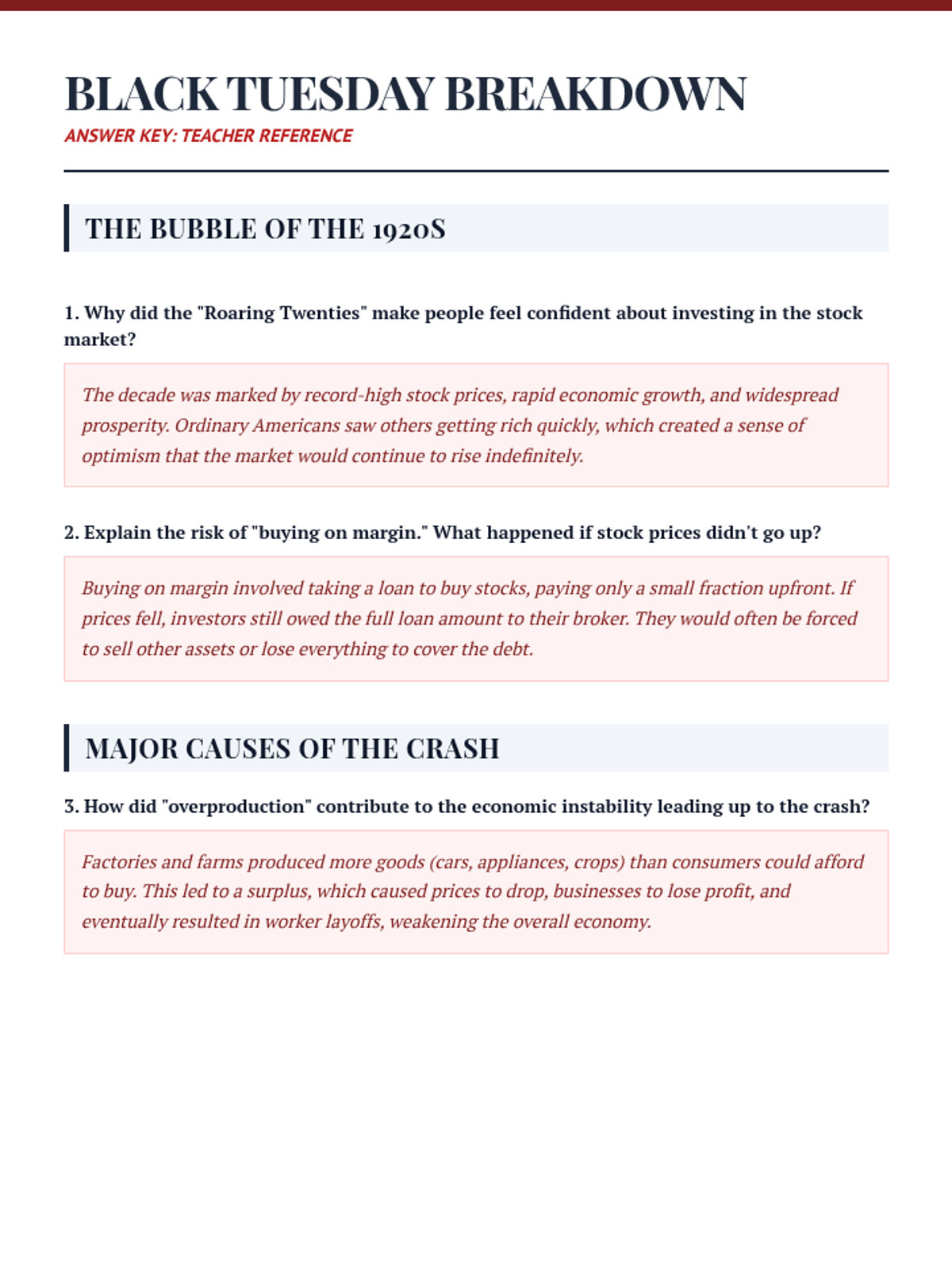
This lesson explores the causes and immediate impacts of the 1929 Stock Market Crash, helping students understand how the 'Roaring Twenties' ended in financial catastrophe.
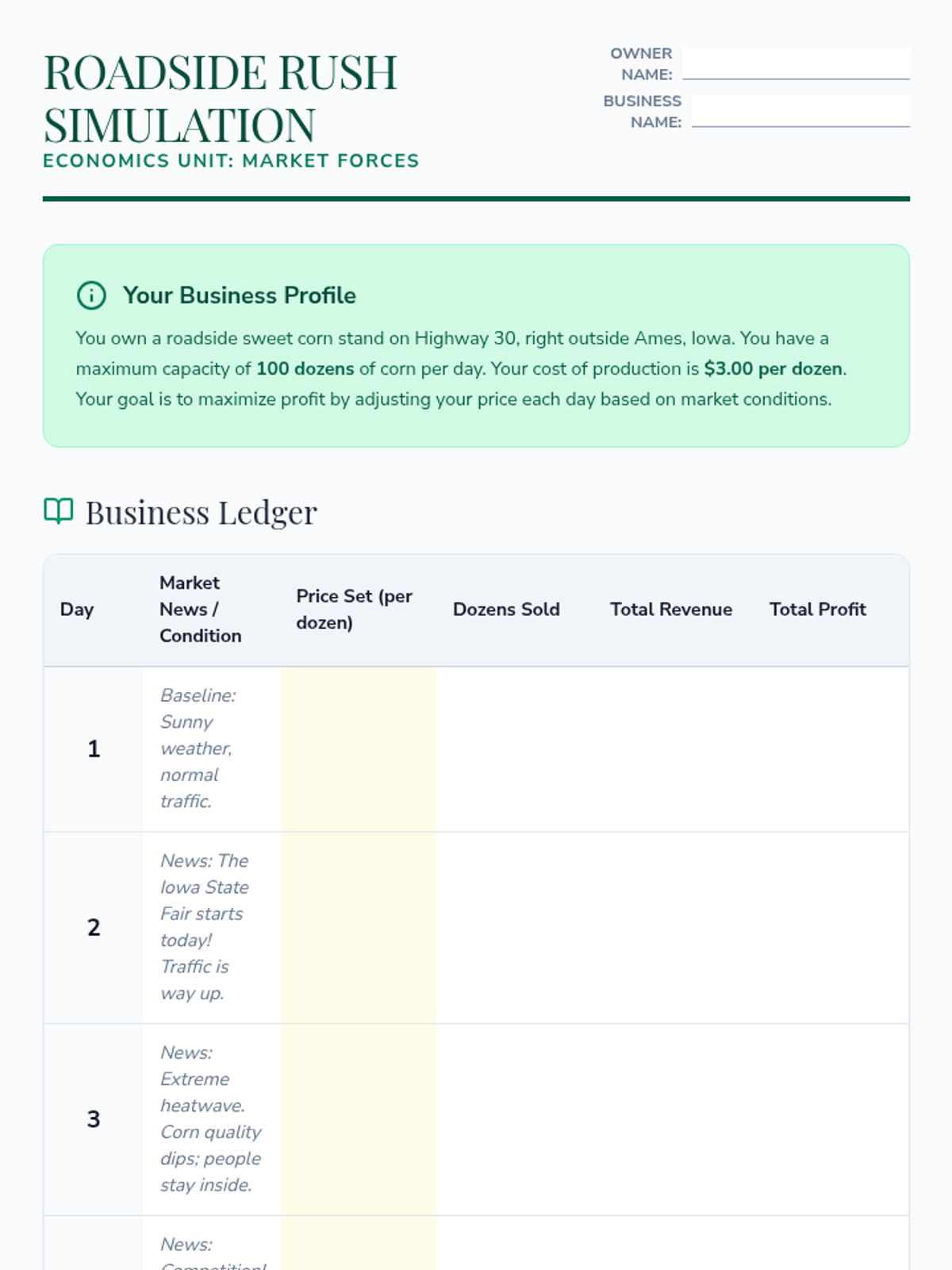
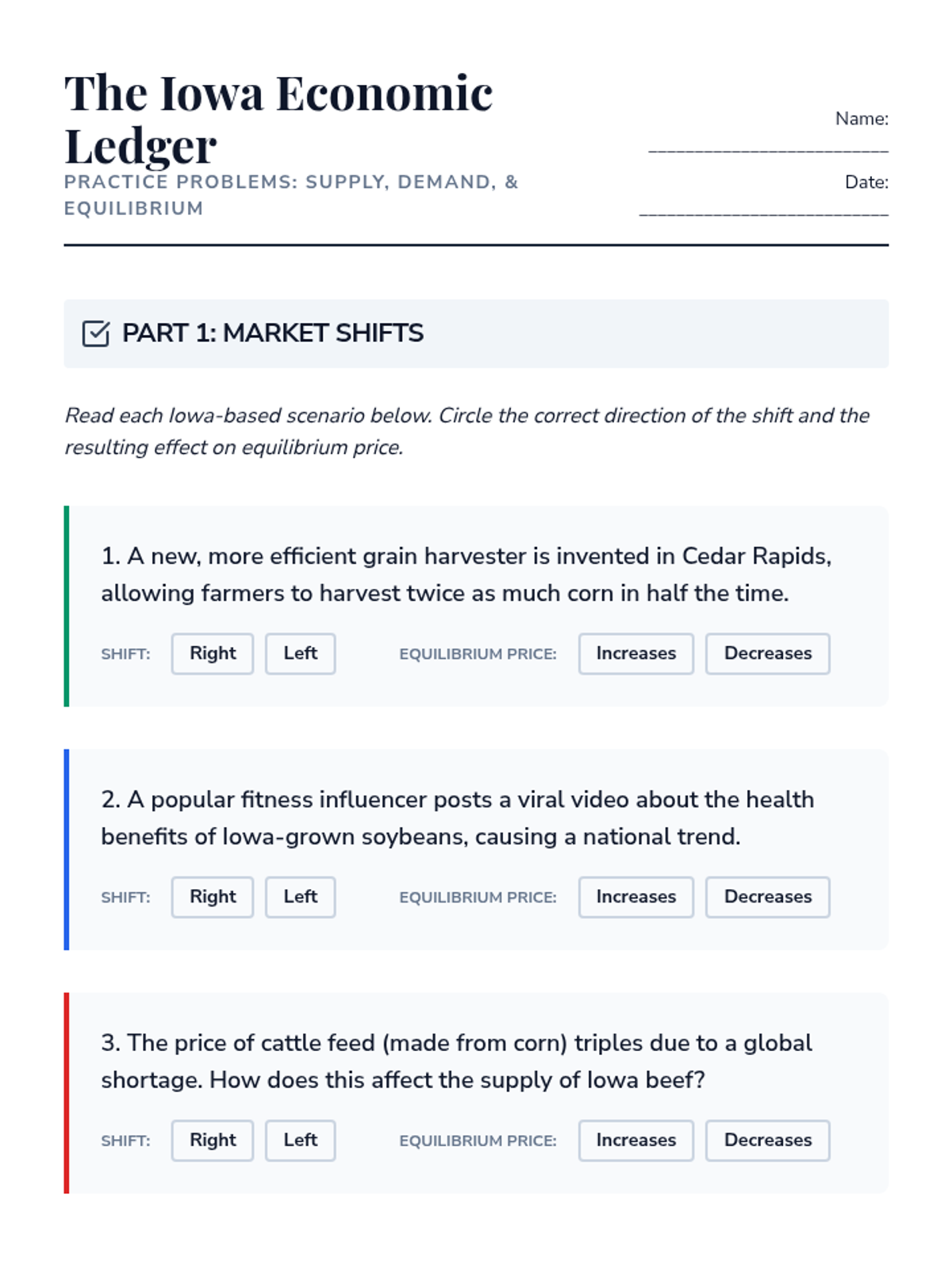
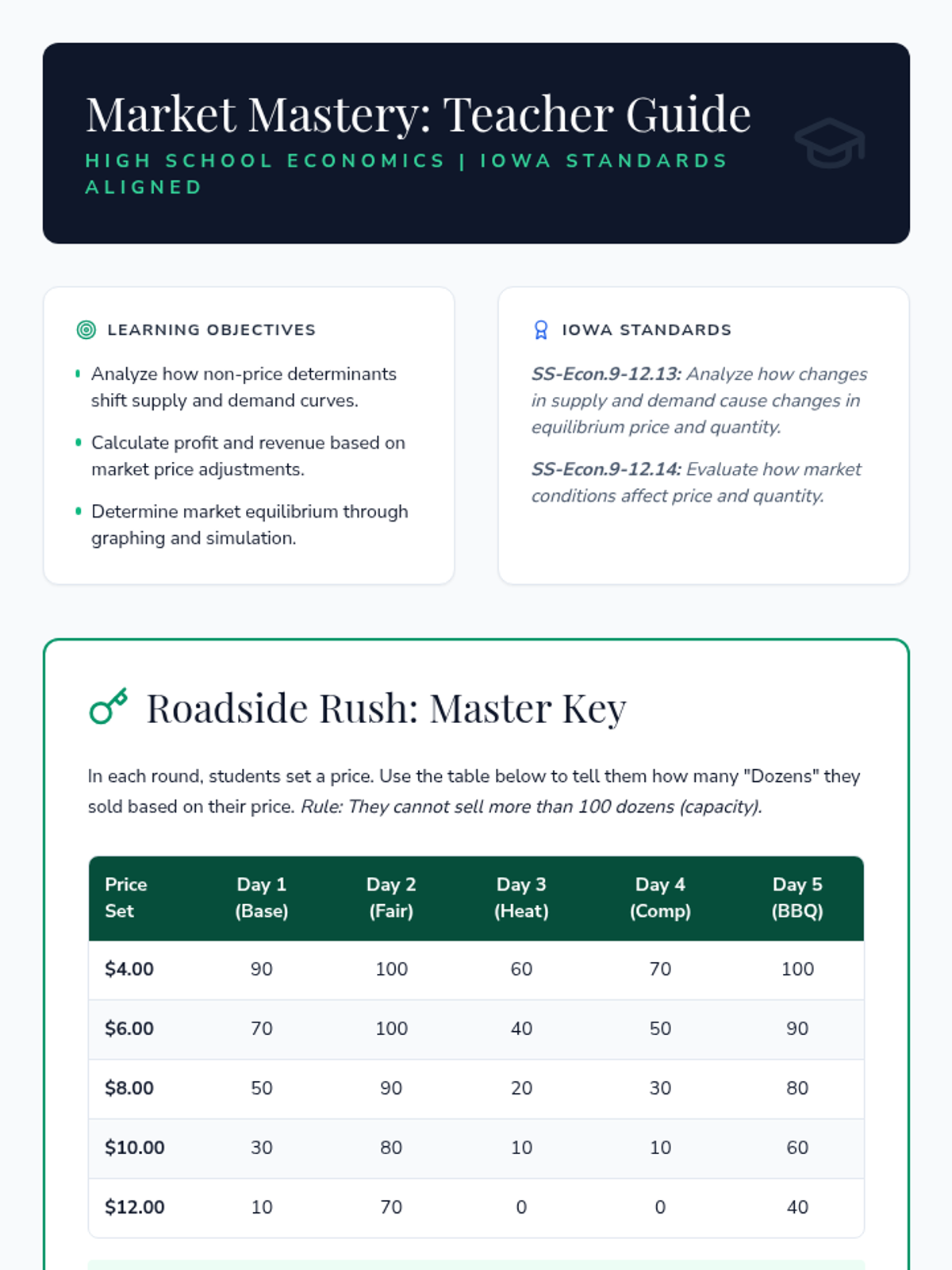
A high-school economics lesson exploring the fundamental principles of supply, demand, and market equilibrium through the lens of Iowa's agricultural and local business landscape. Students engage in a hands-on simulation managing a roadside sweet corn stand to see market forces in action.
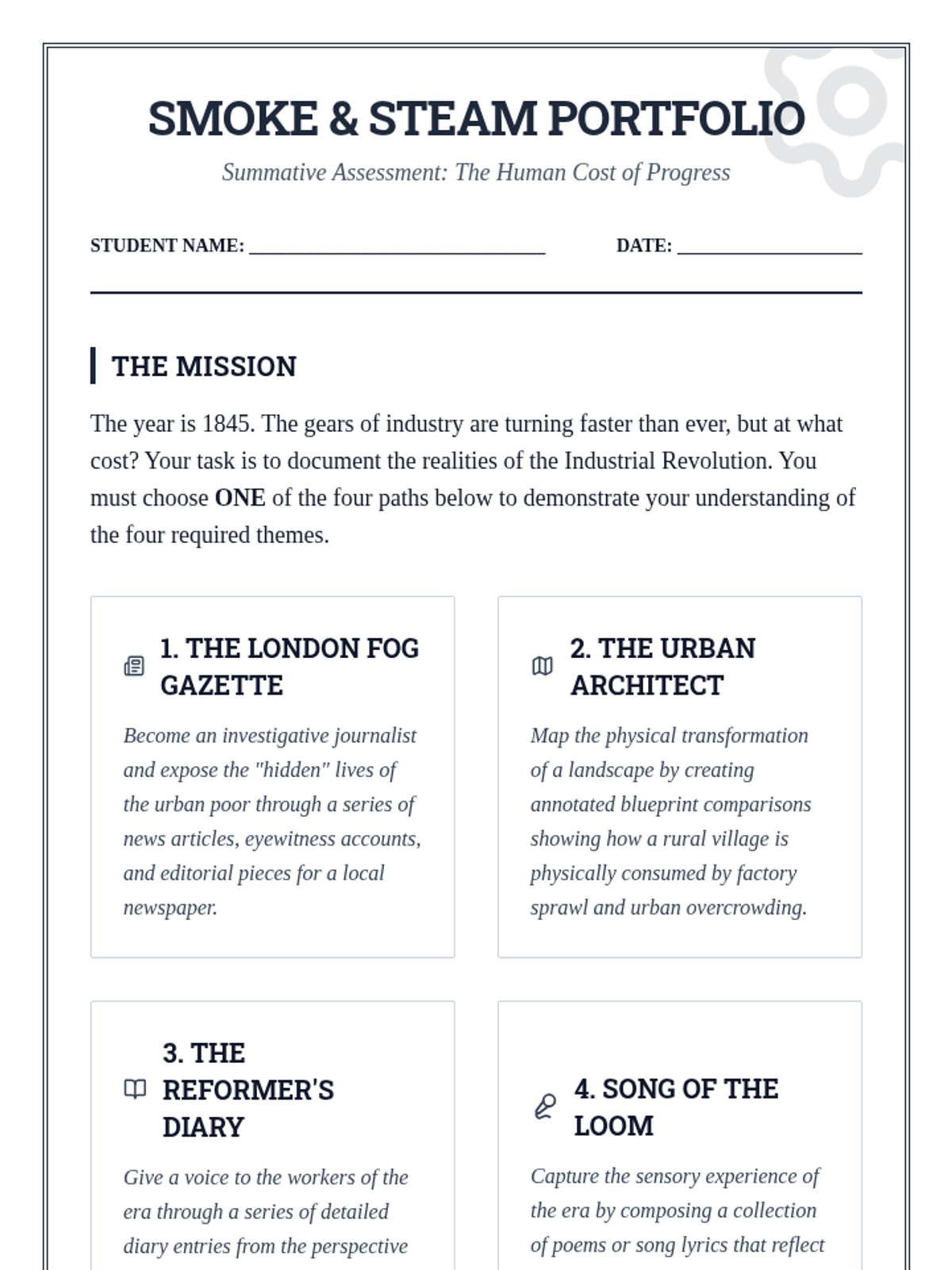
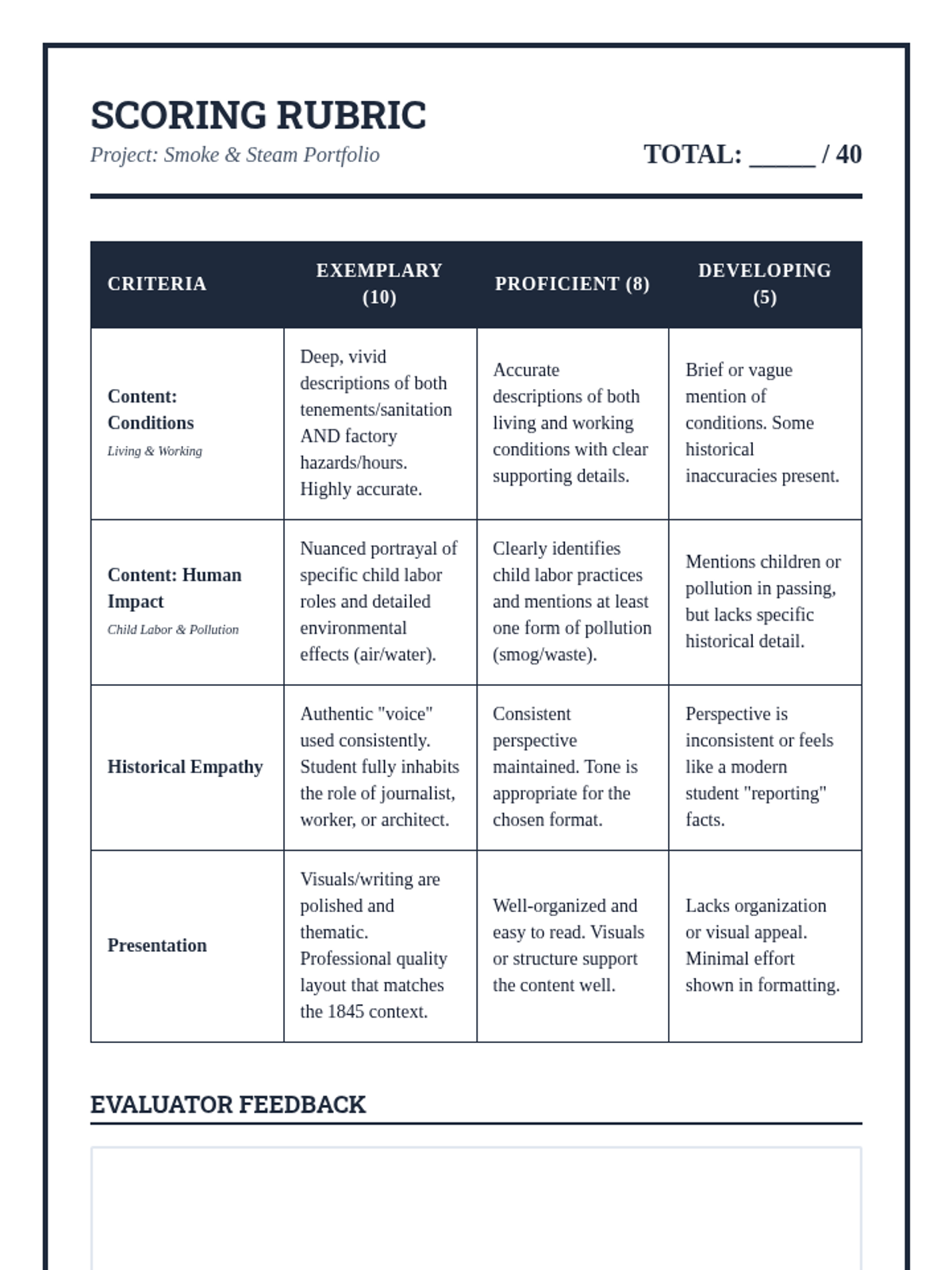
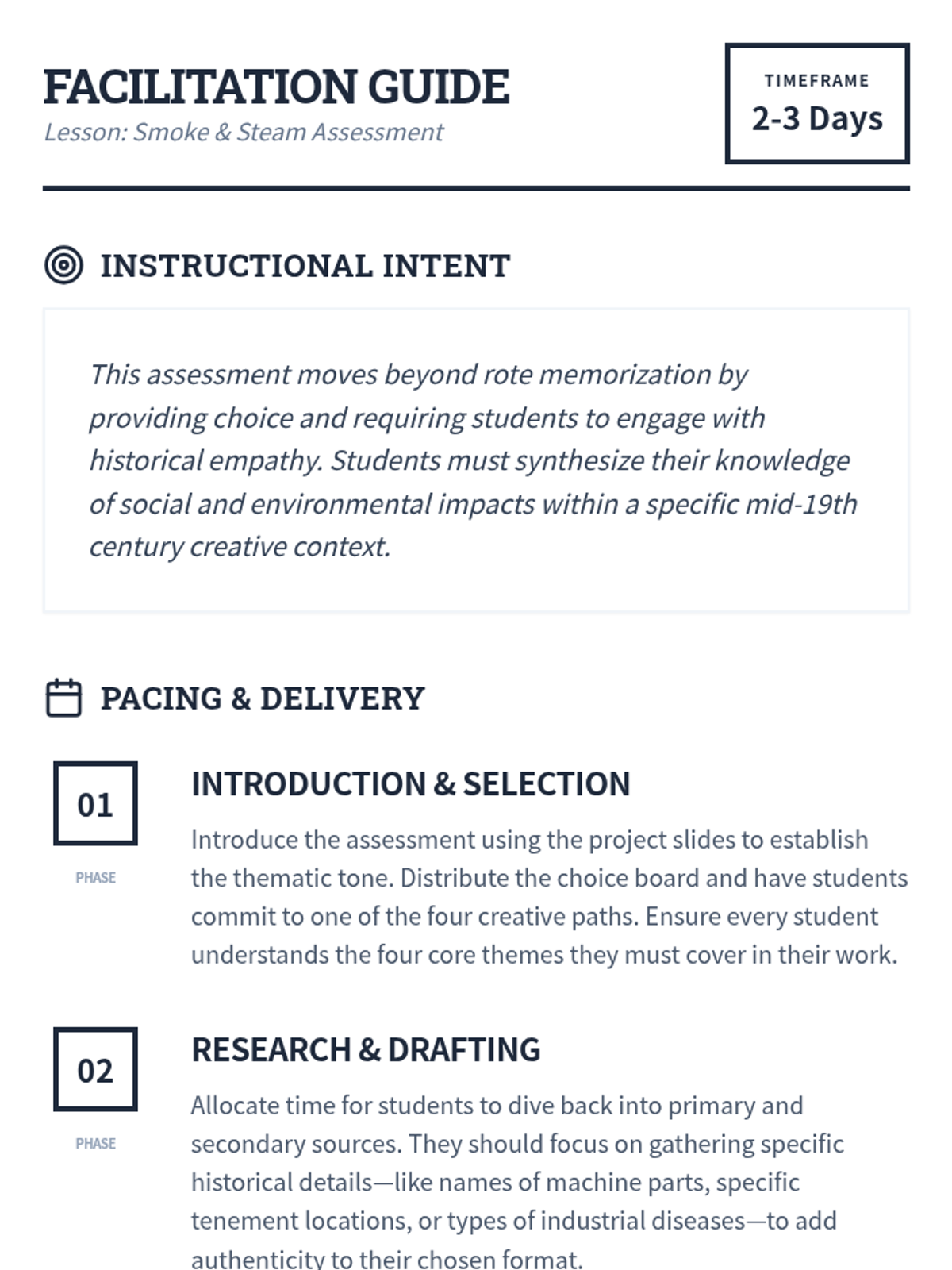
A creative assessment-focused lesson where students choose from four unique projects to demonstrate their understanding of the social and environmental impacts of the Industrial Revolution.
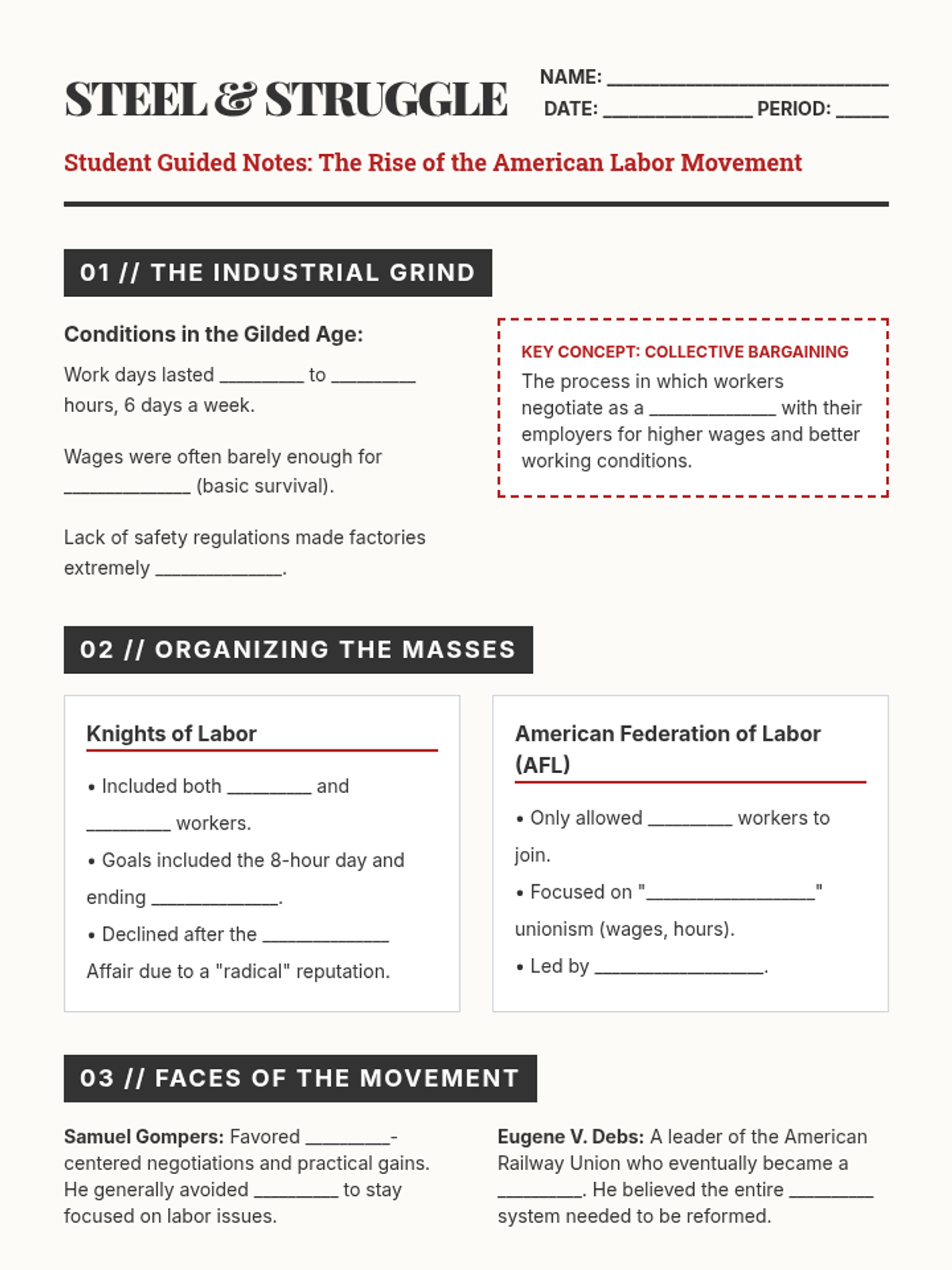
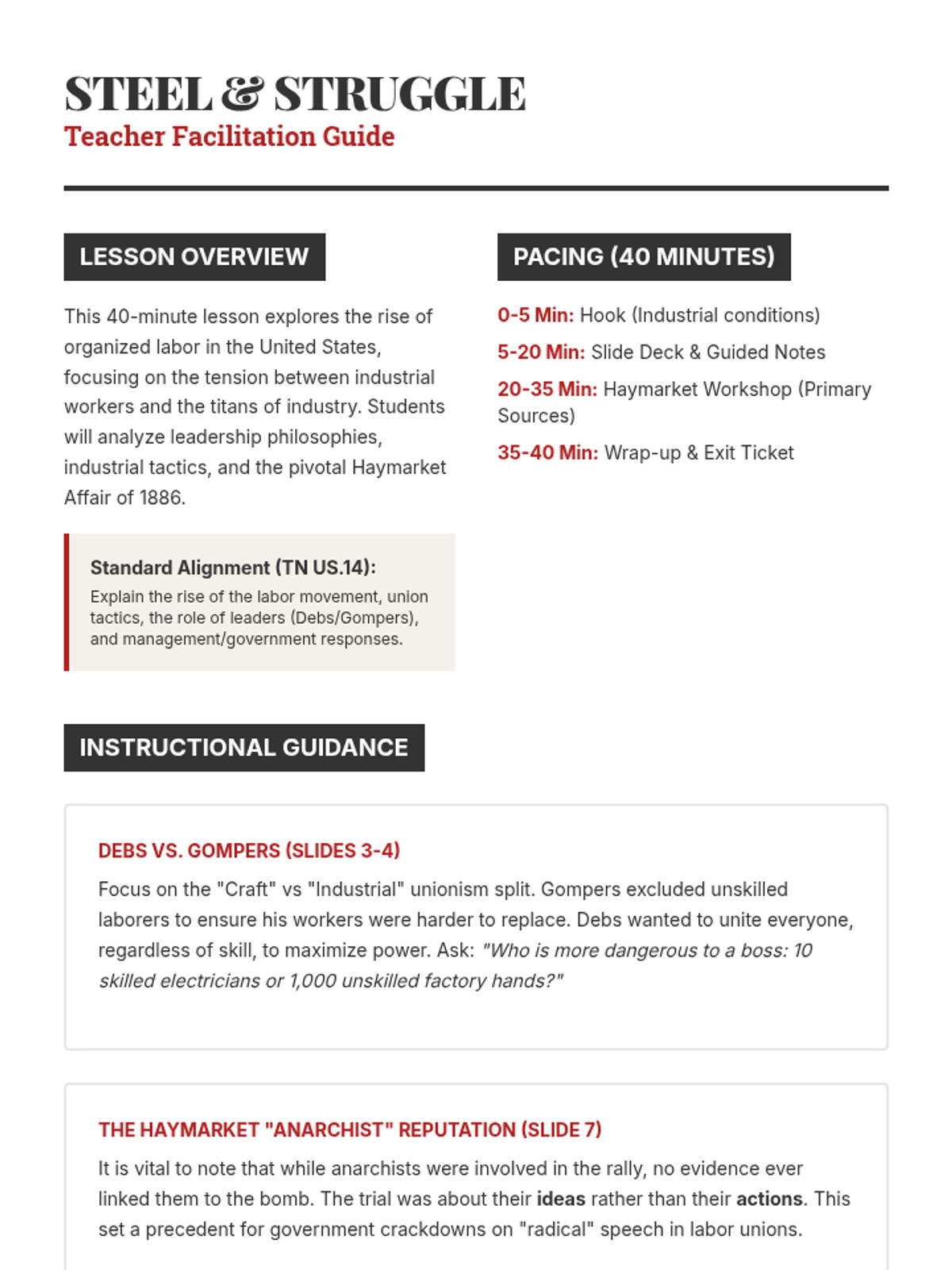
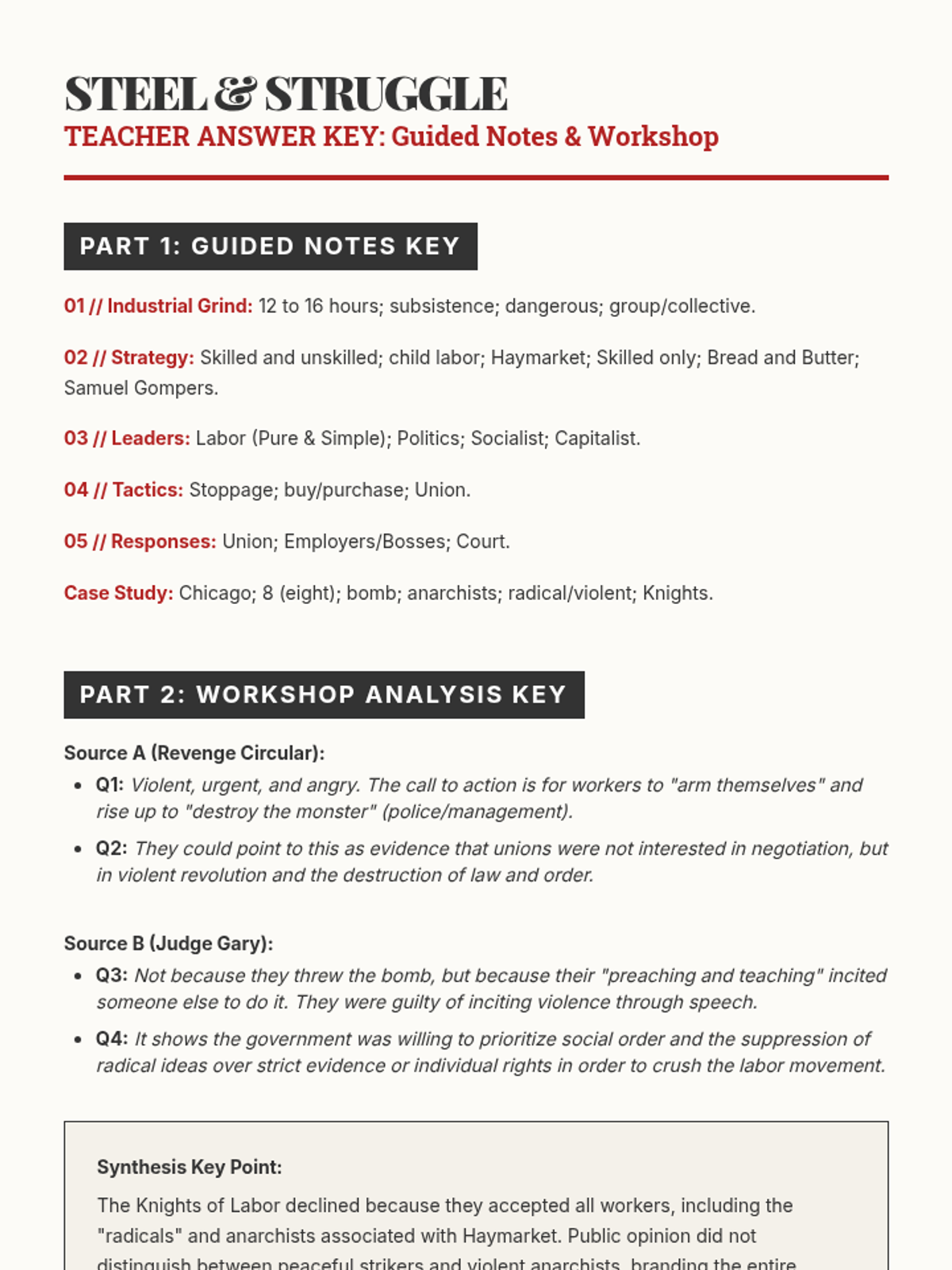
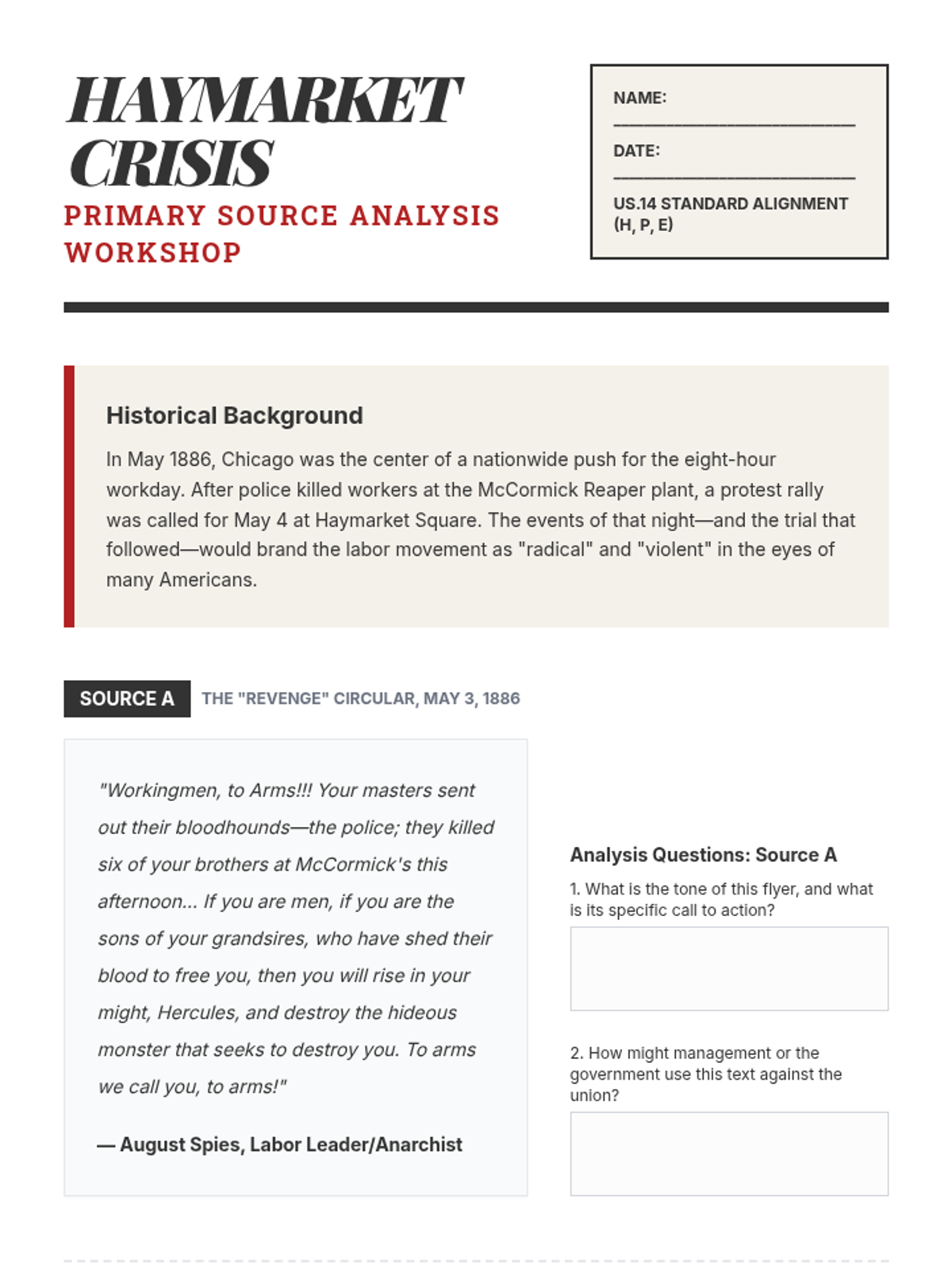
A 40-minute lesson exploring the rise of the American labor movement, key leaders like Gompers and Debs, and the dramatic Homestead Strike of 1892. Students analyze the clash between industrial titans and organized labor through primary sources and guided instruction.
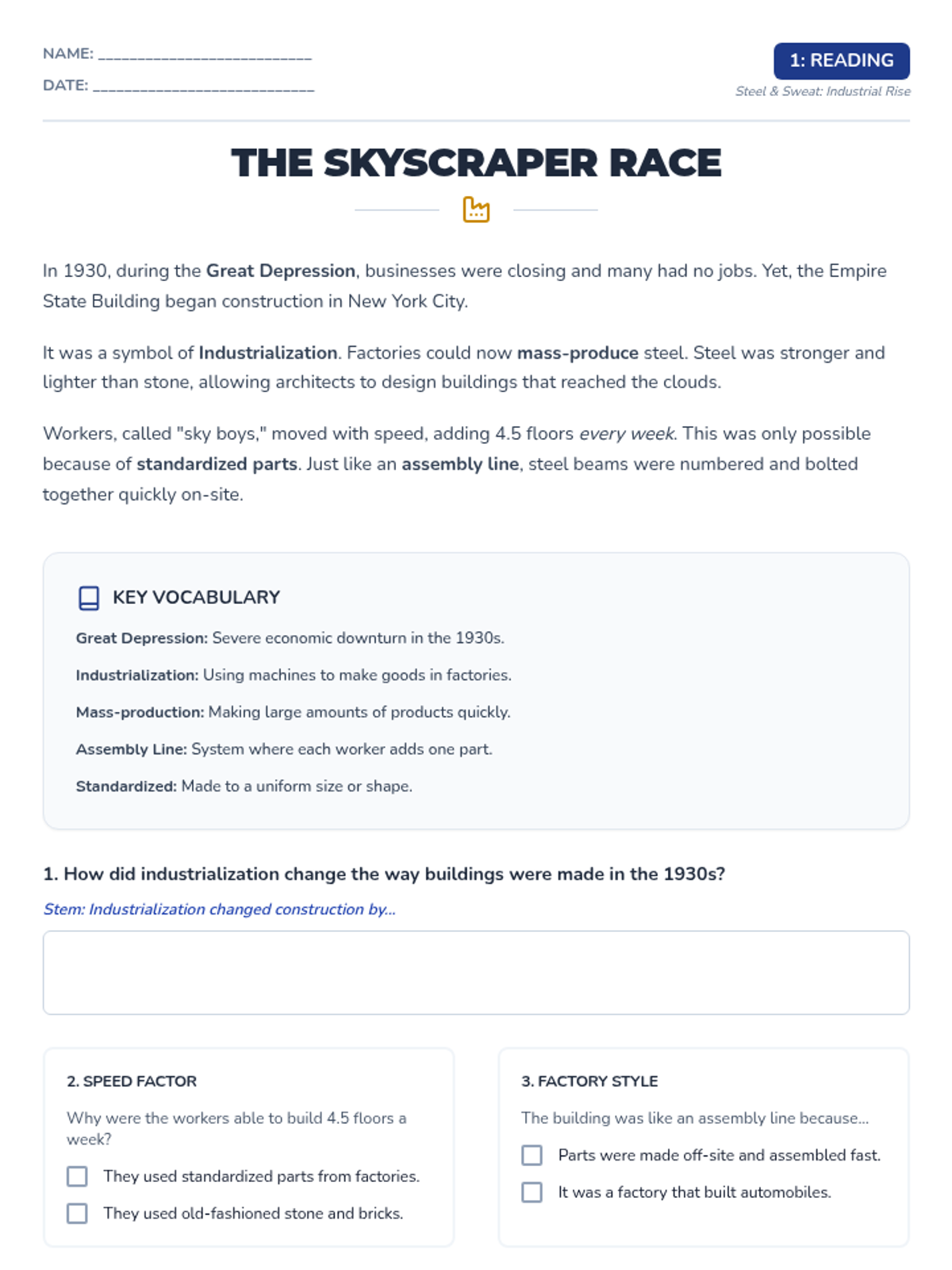
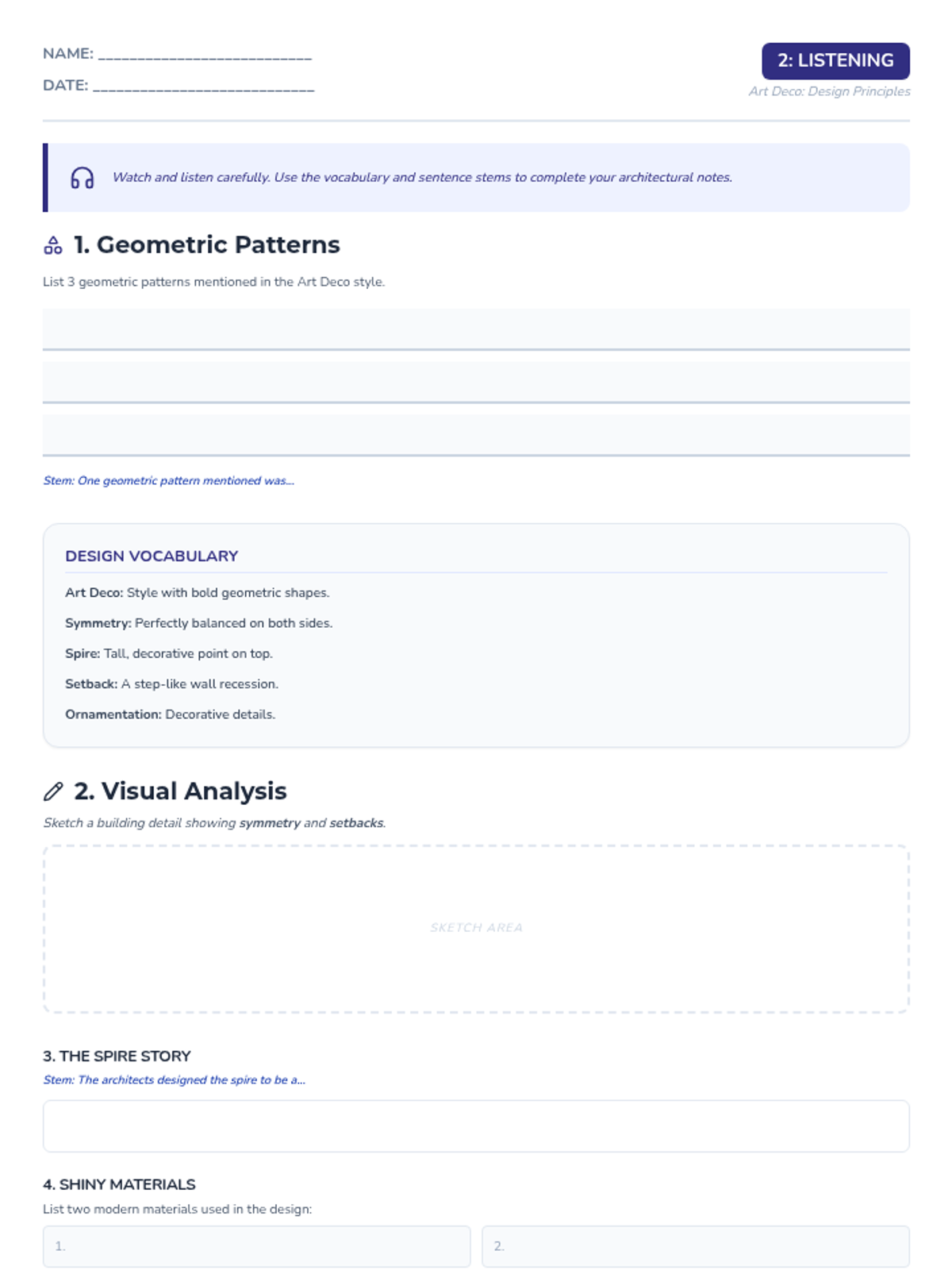
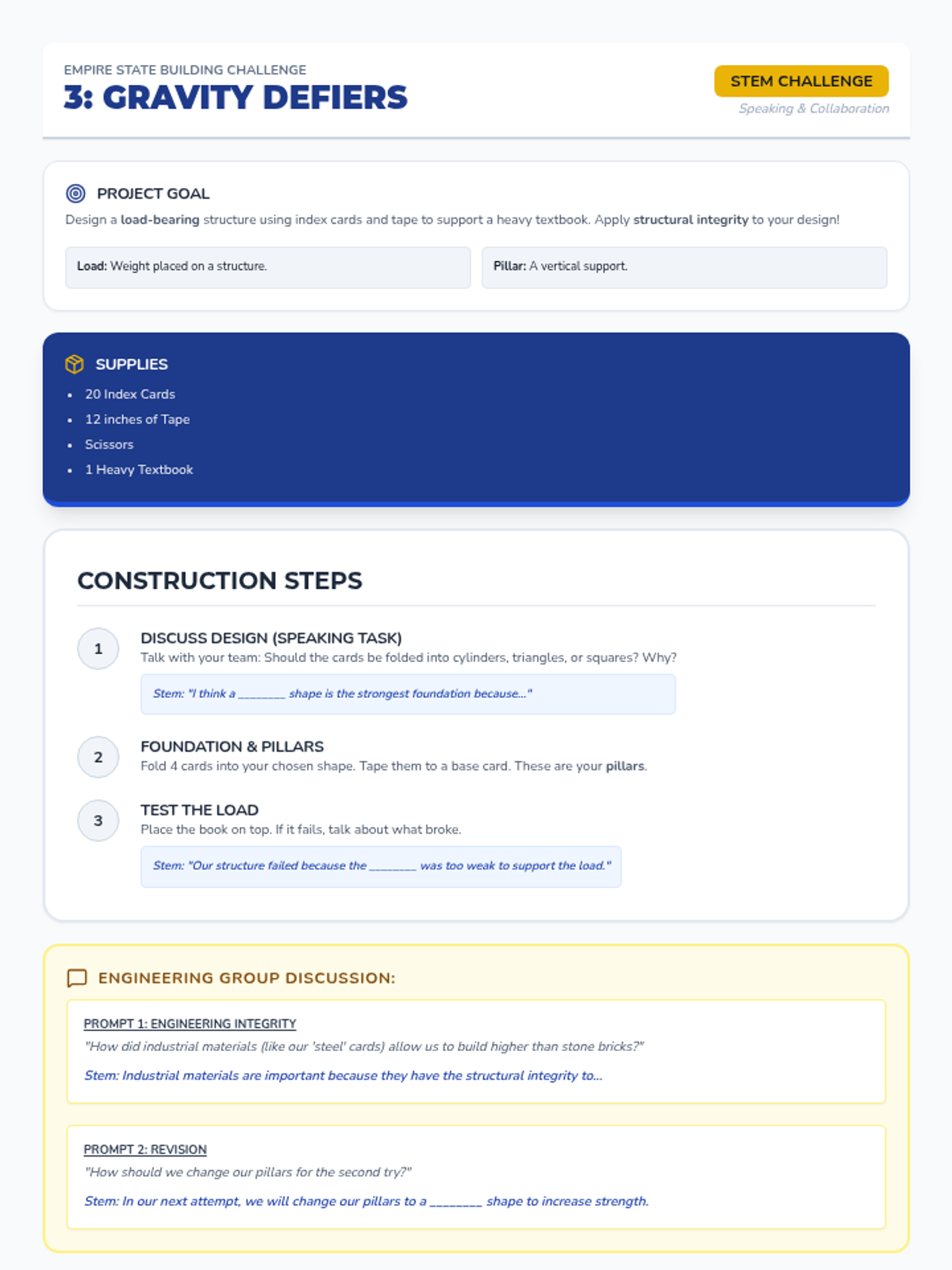
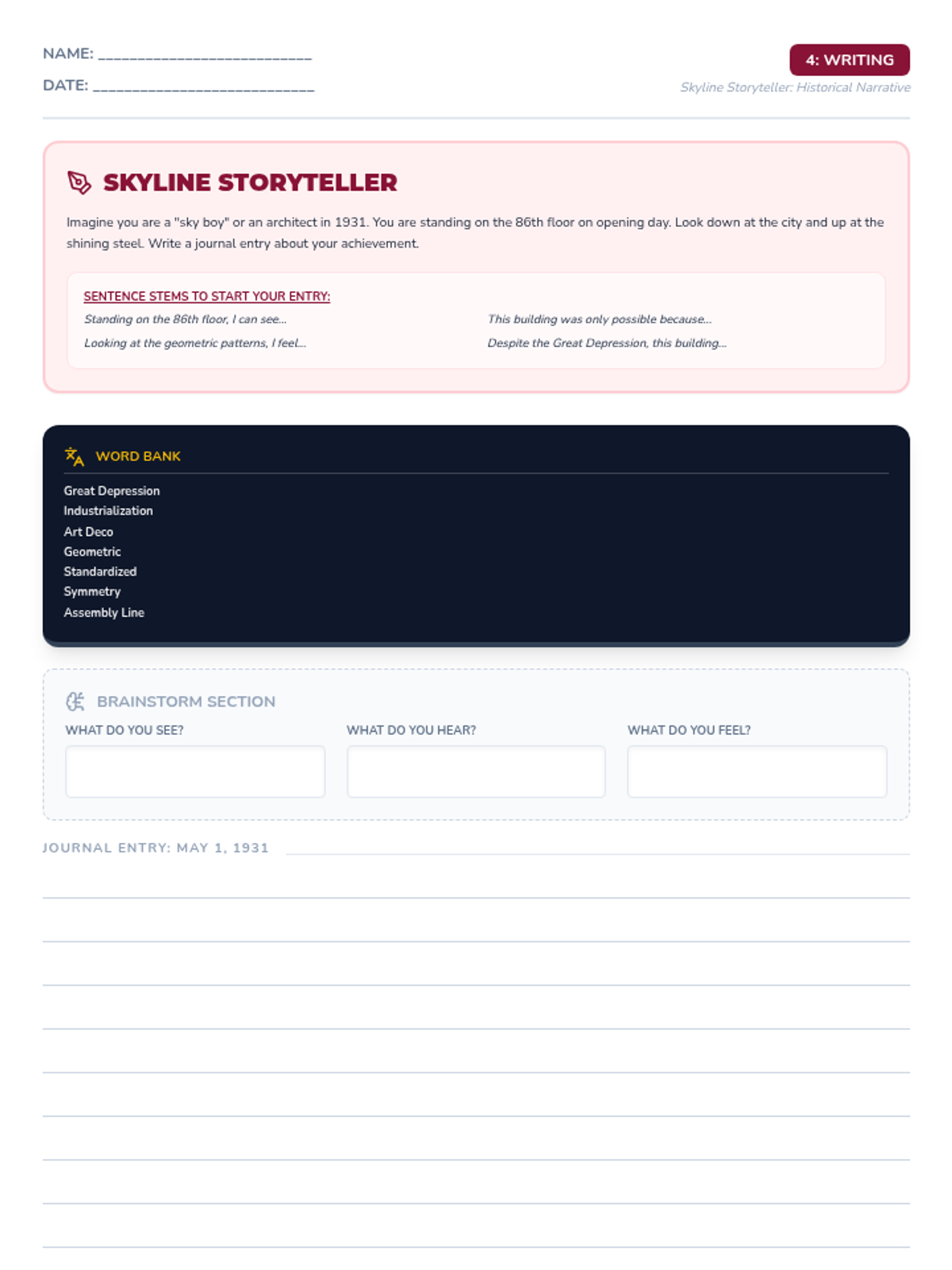
A series of 4 interactive stations exploring the Empire State Building through the lenses of high school architectural design and industrial history, adapted for 6th-grade readability. Students rotate through reading, listening, speaking, and writing tasks, culminating in a hands-on STEM engineering challenge.
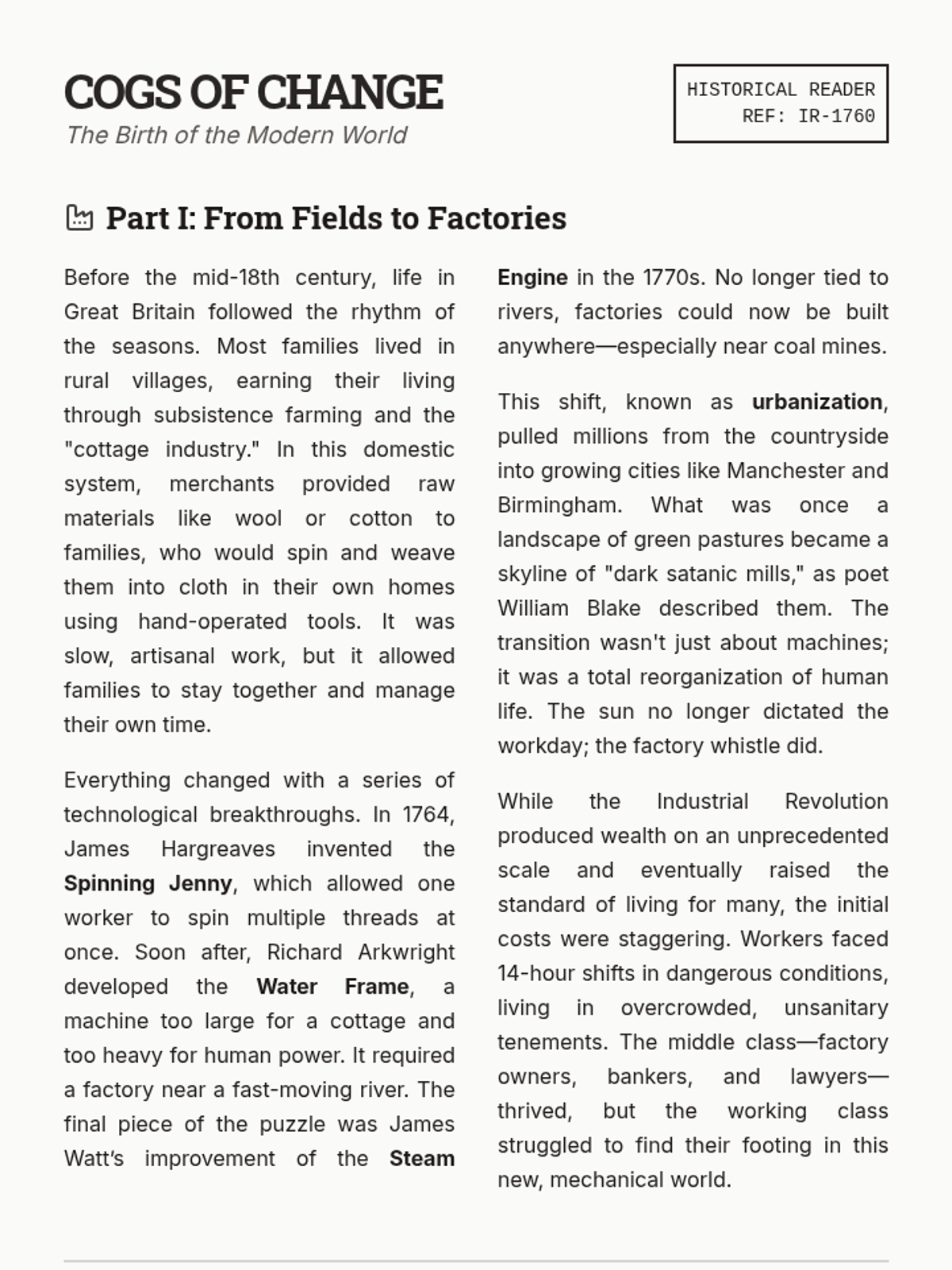
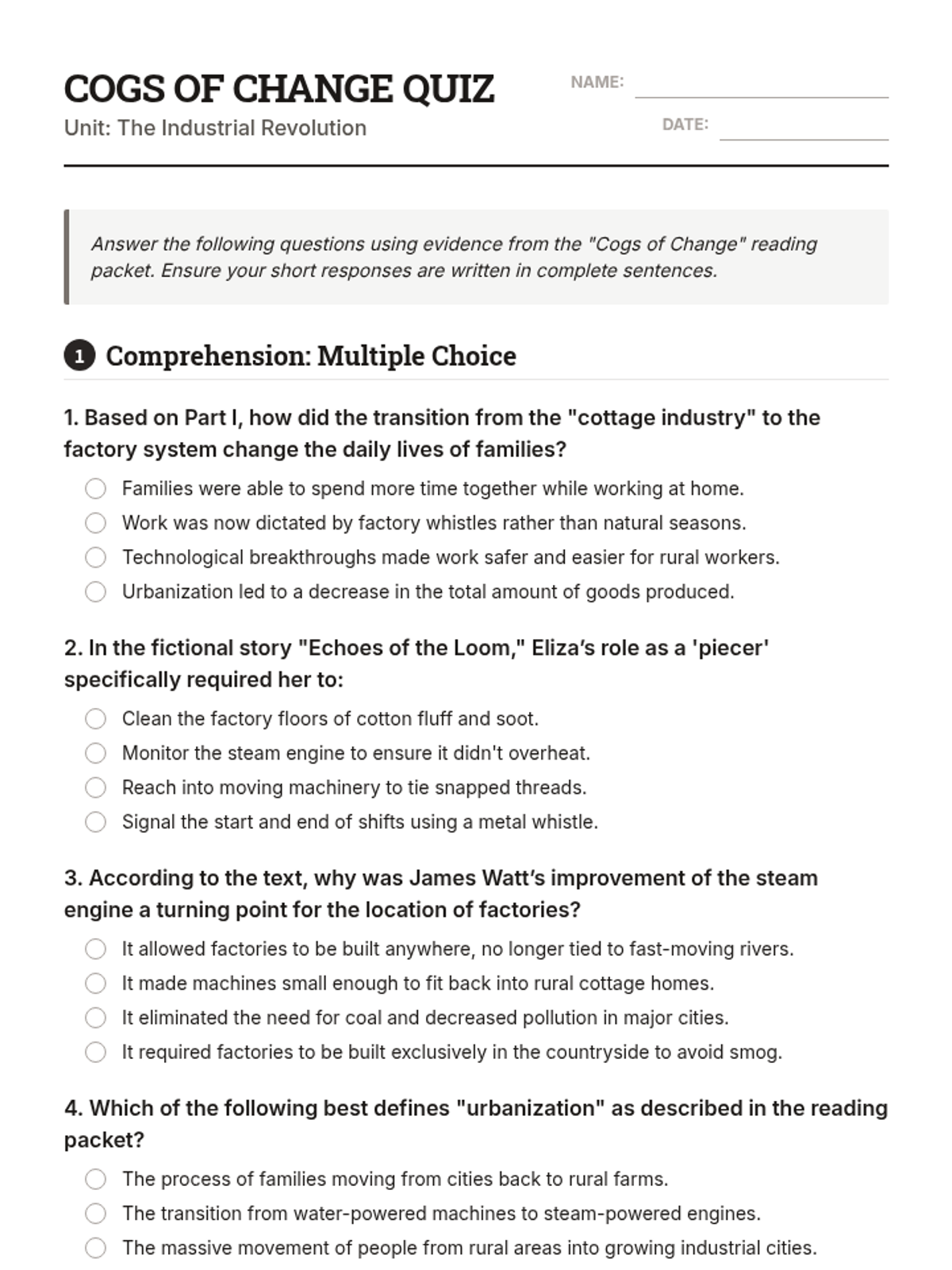
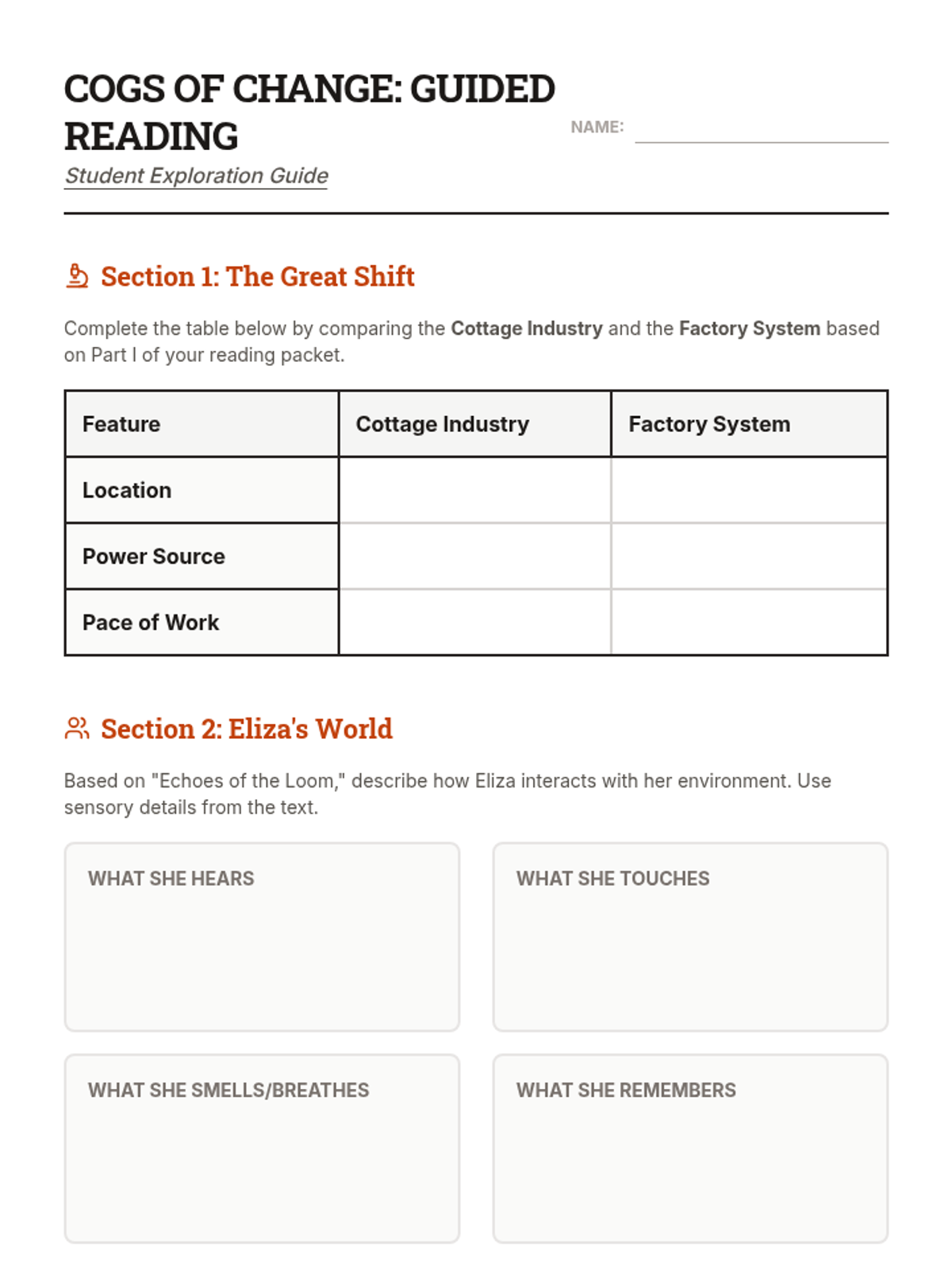
Explore the transformative power of the Industrial Revolution through primary-source inspired fiction and historical nonfiction. Students analyze the shift from rural life to urban factories and the resulting social impacts.
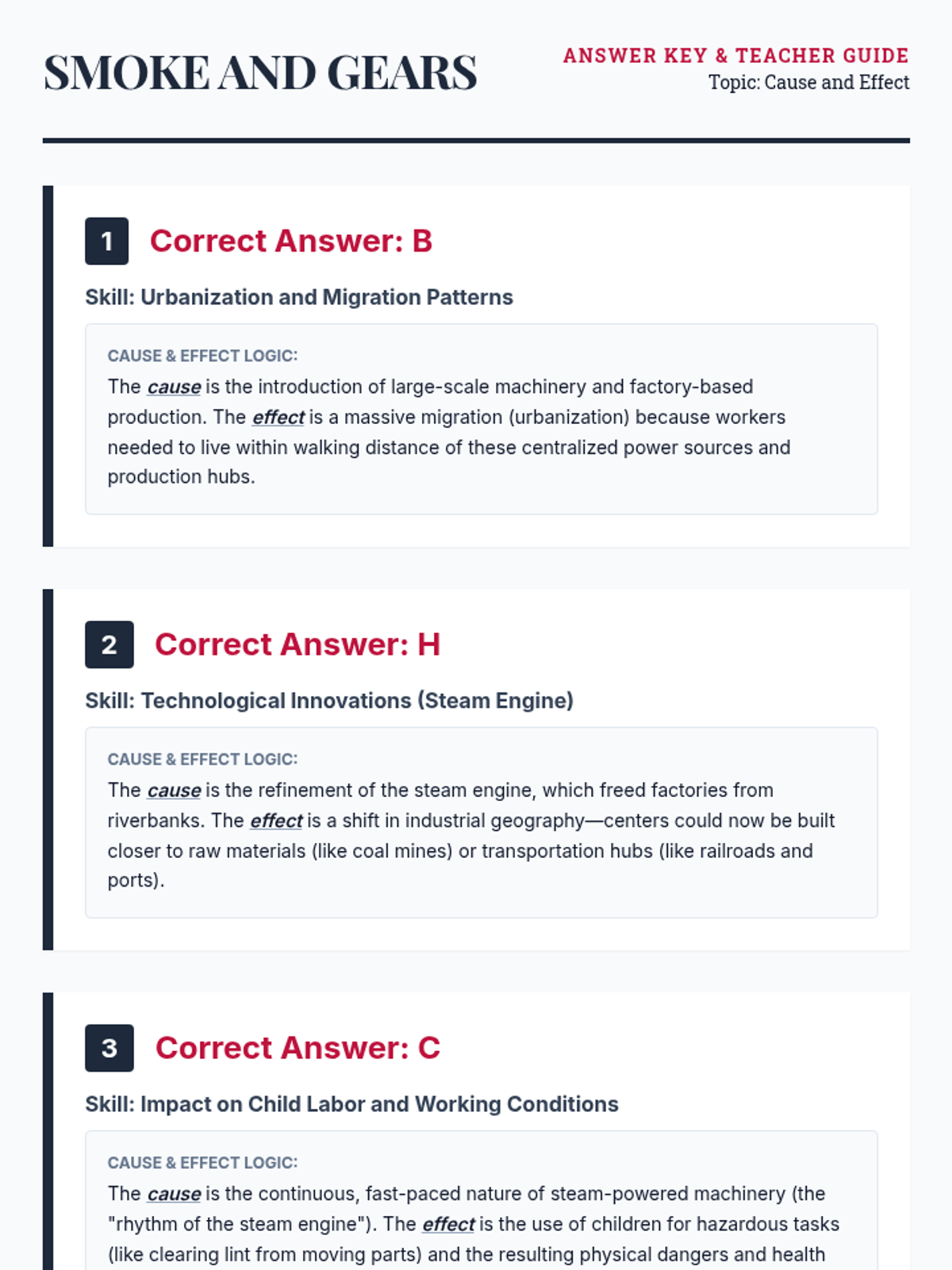
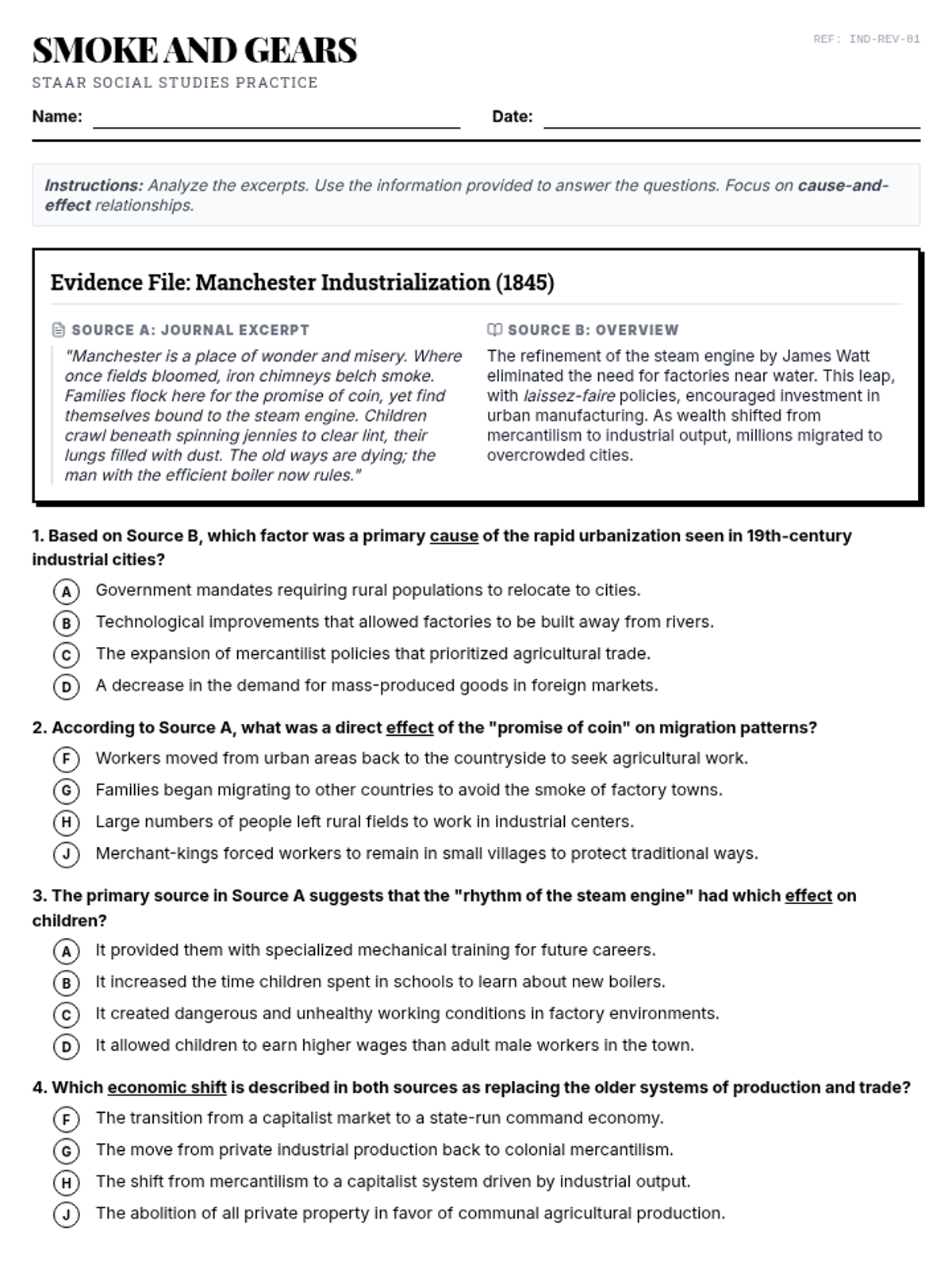
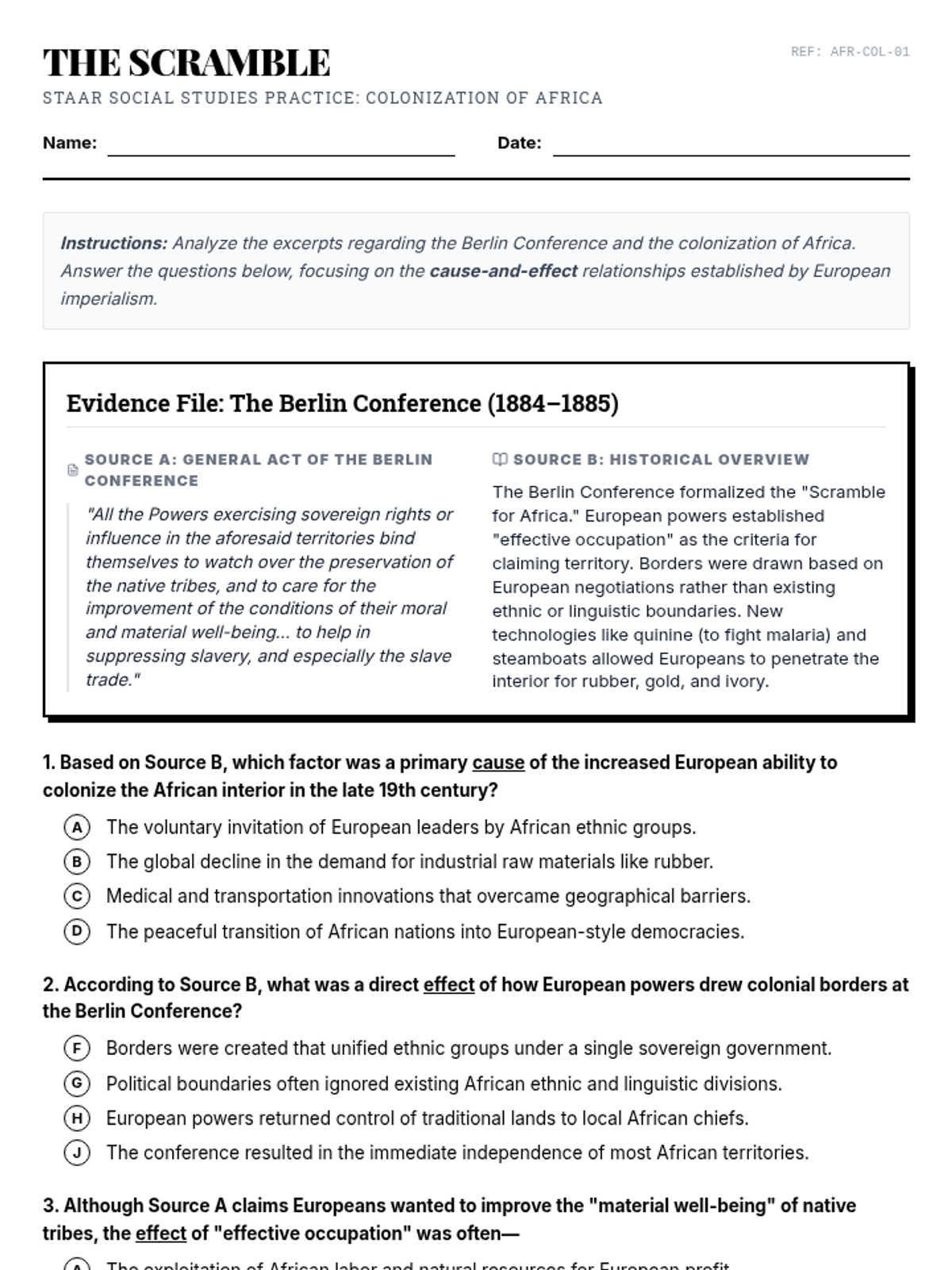
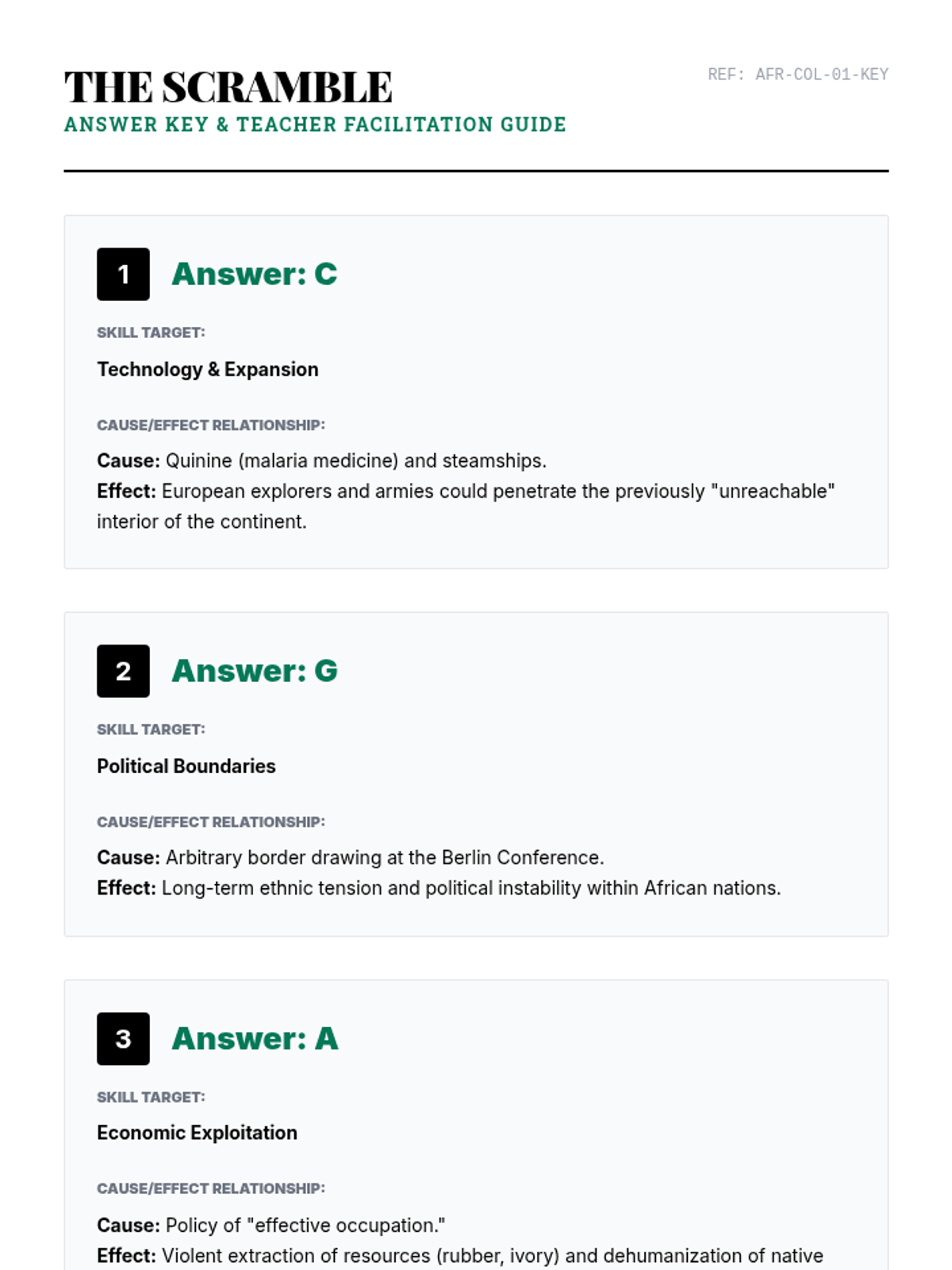
A focused practice session on the Industrial Revolution, targeting STAAR-aligned cause-and-effect skills regarding urbanization, technology, labor, and economic shifts.
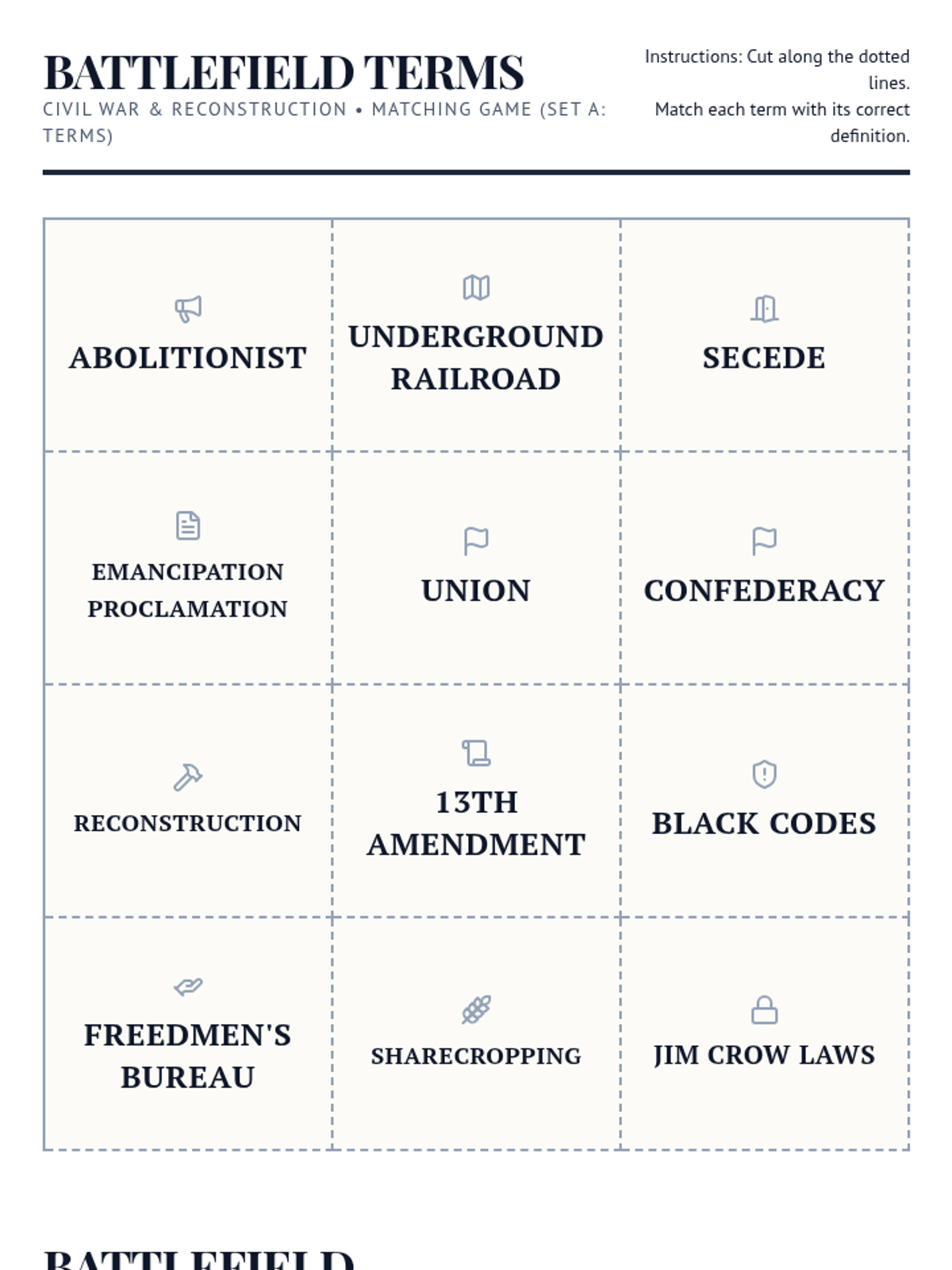
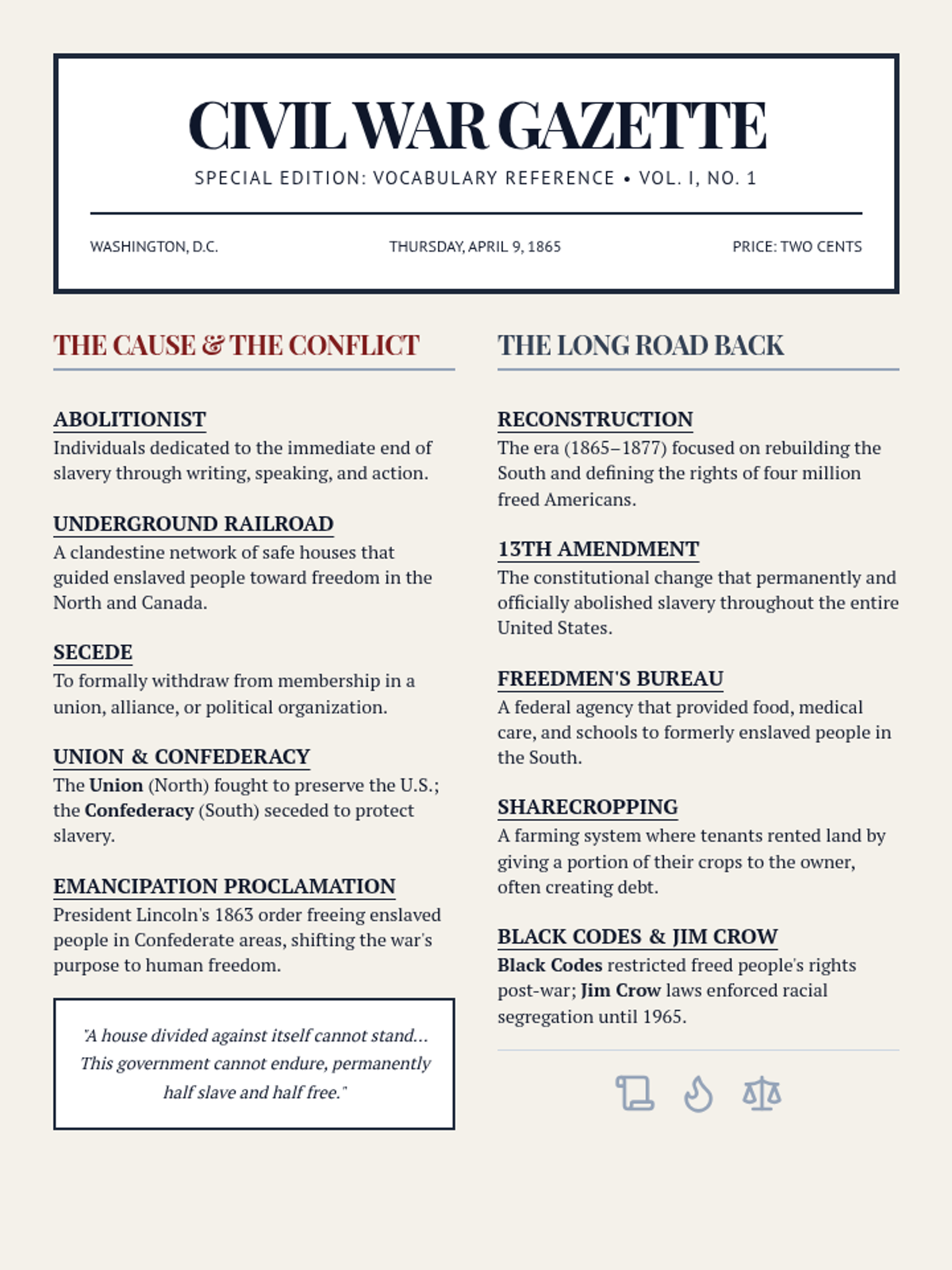
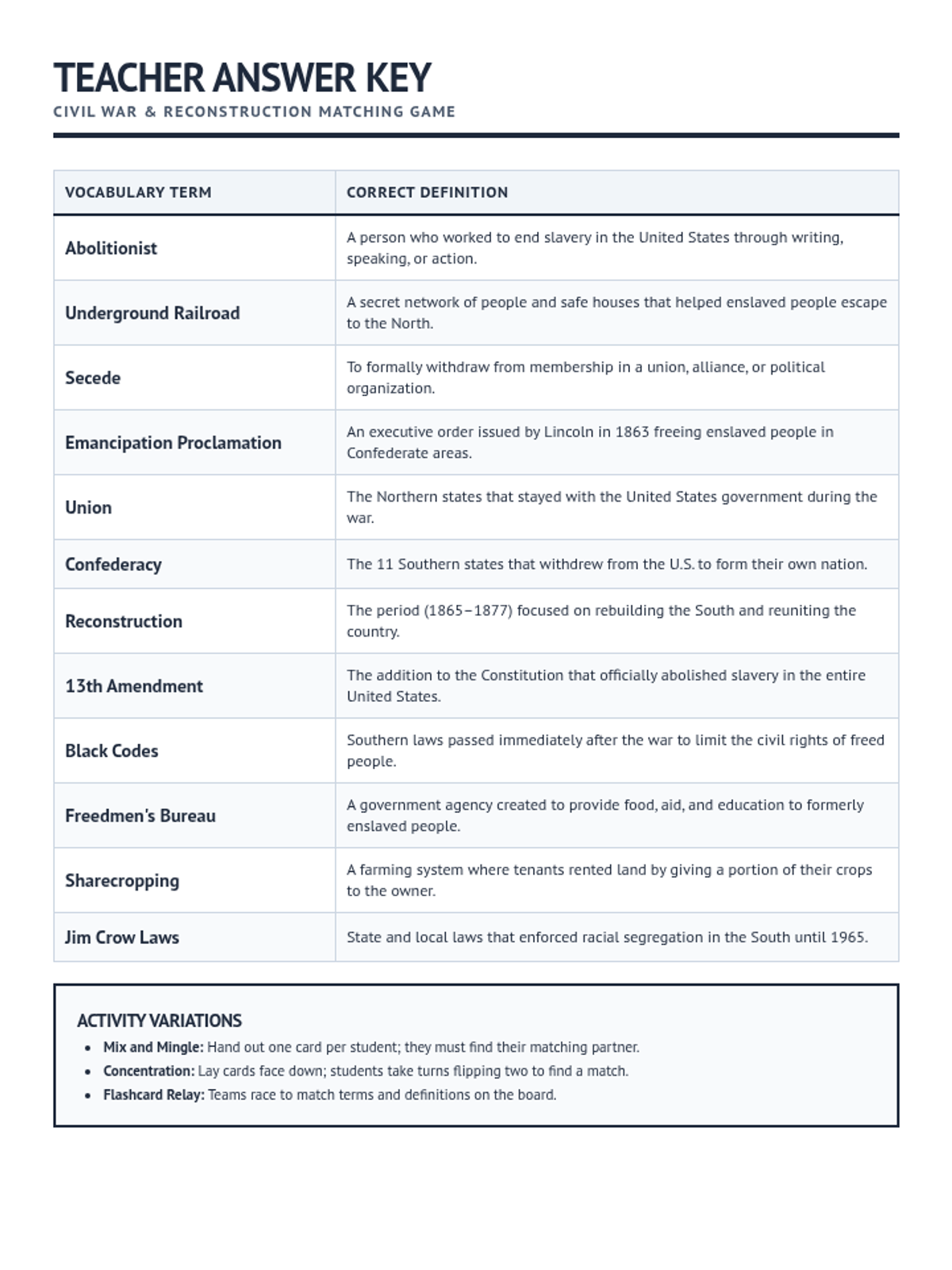
A comprehensive vocabulary lesson covering the essential terminology of the American Civil War, from the causes of slavery and abolitionism to the complexities of Reconstruction.
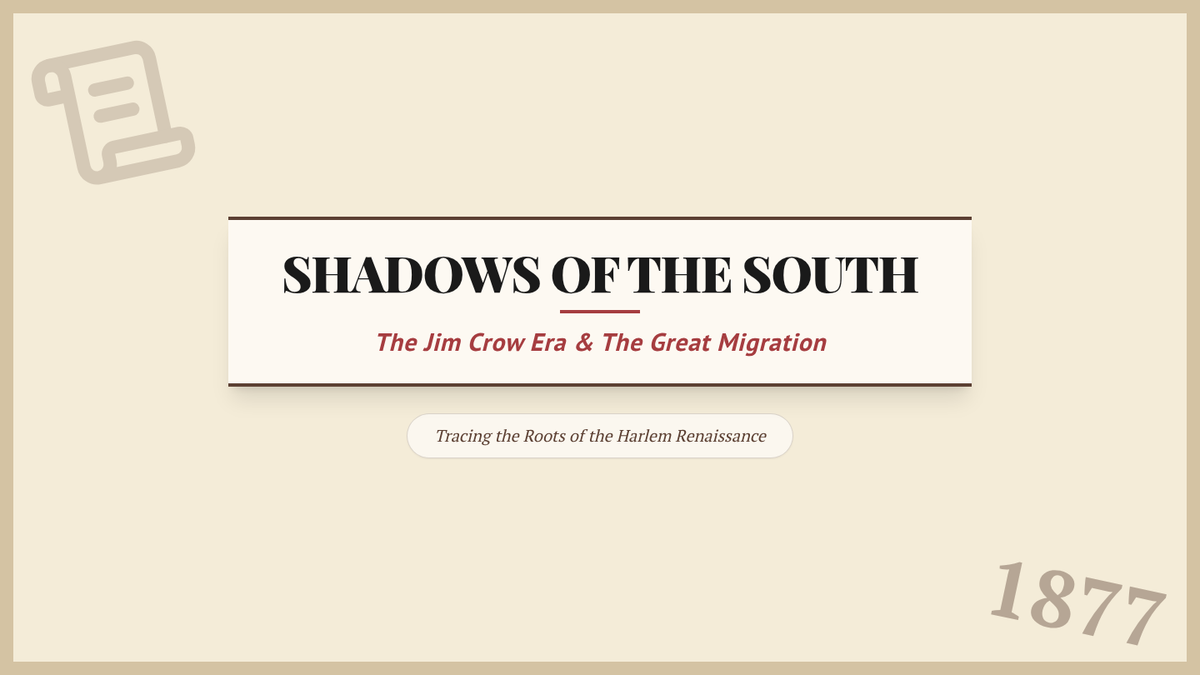
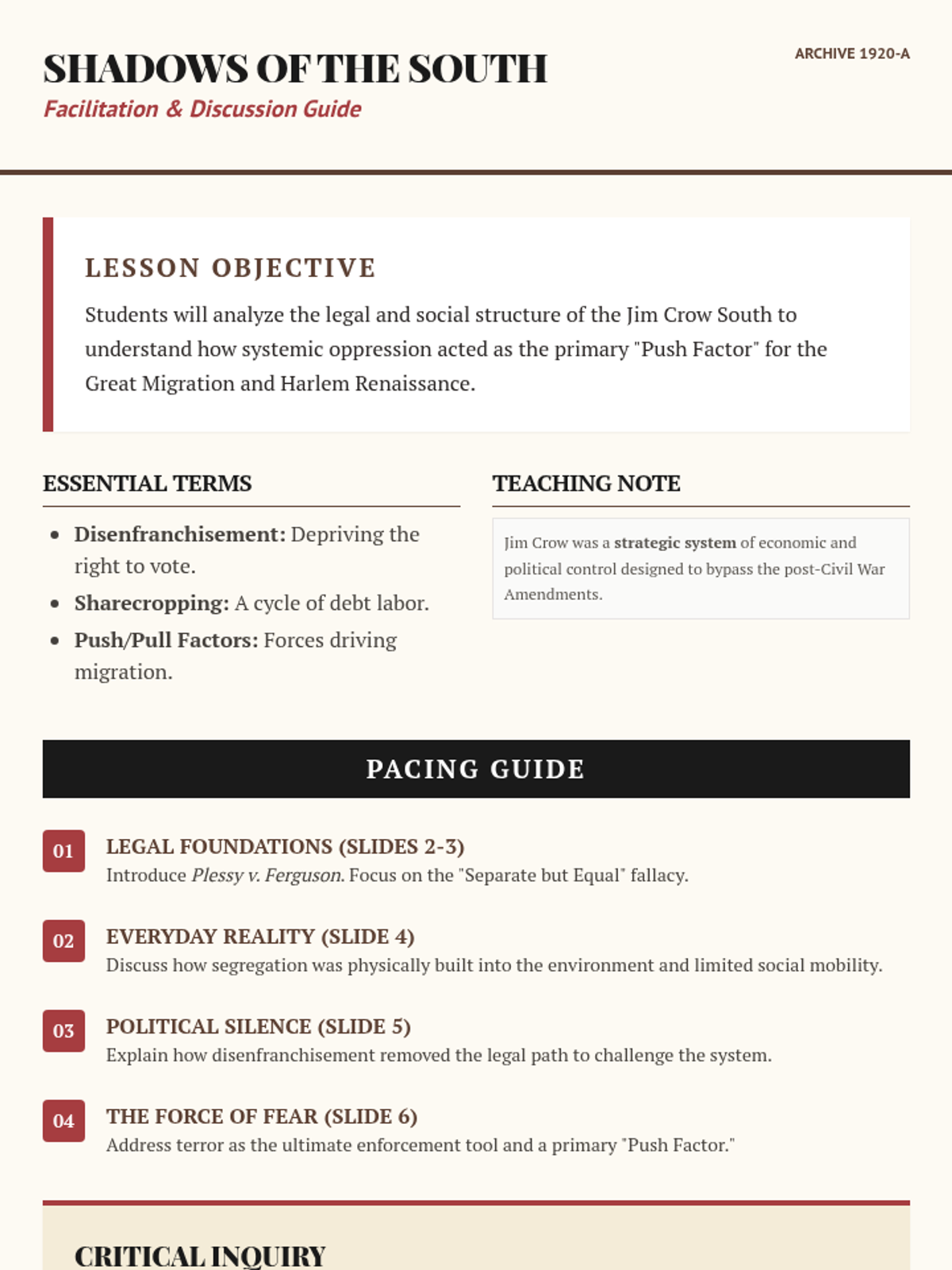
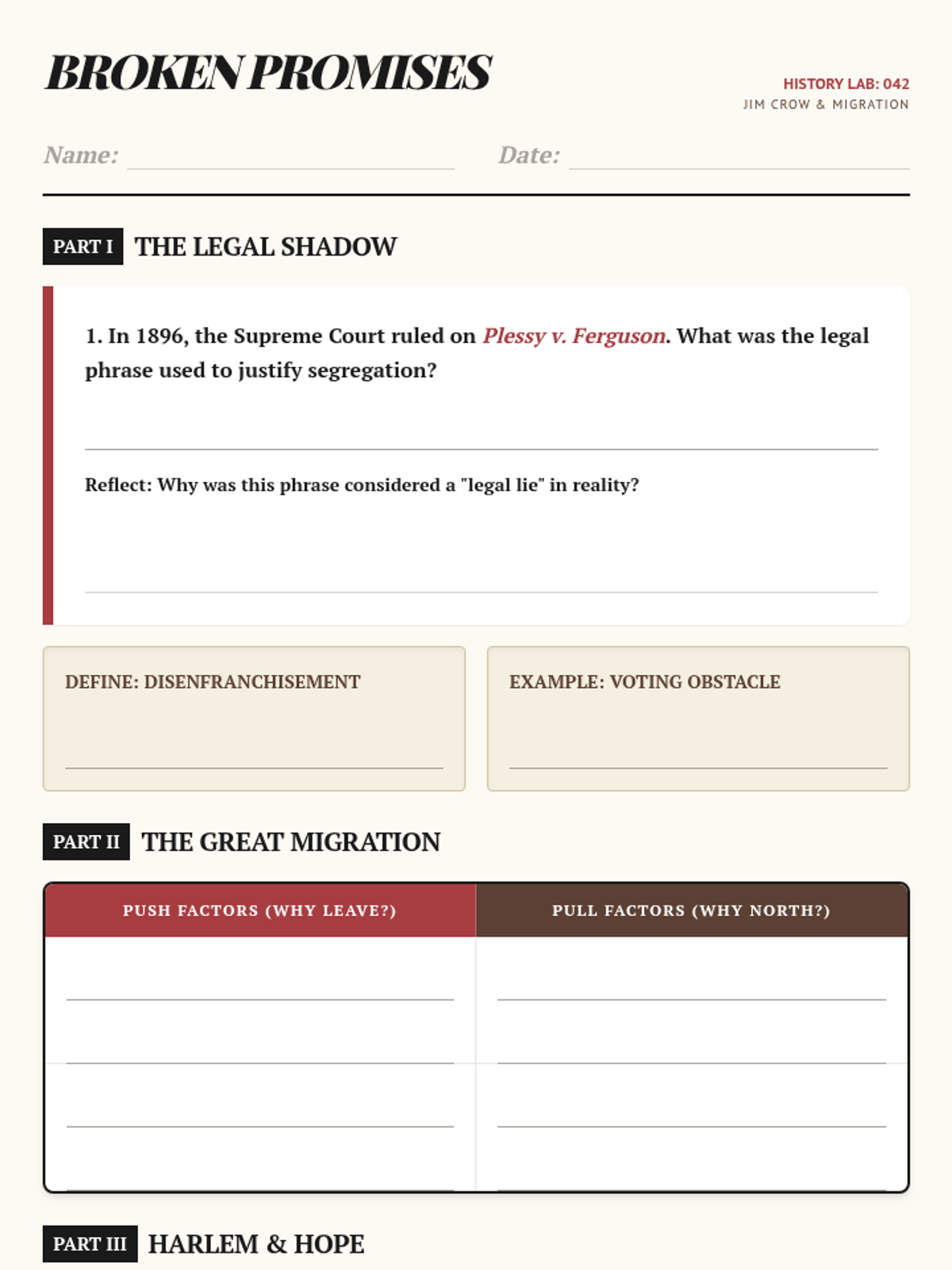
A foundational exploration of Jim Crow laws, their impact on Black American life, and how they served as the primary catalyst for the Great Migration and the Harlem Renaissance.
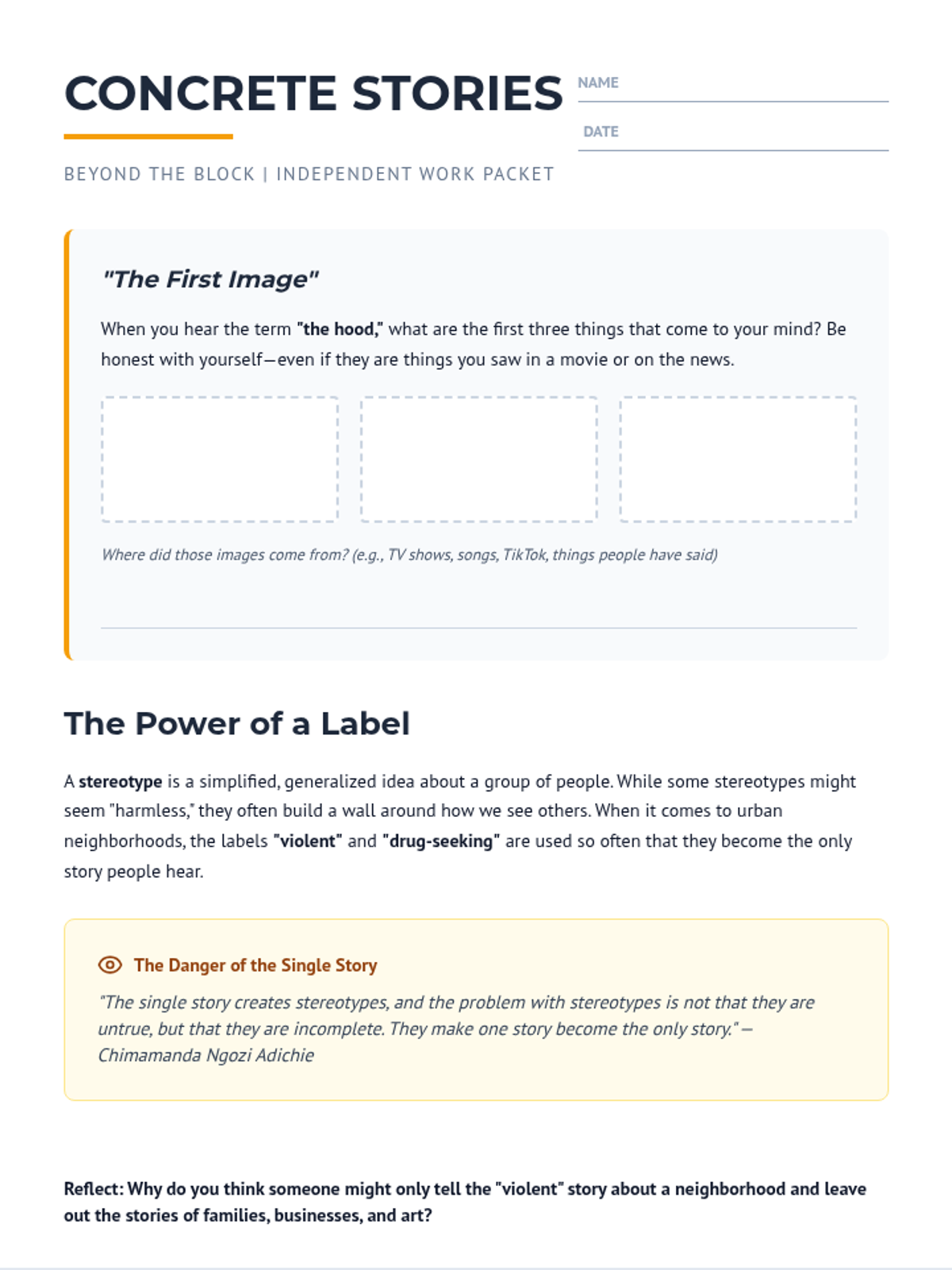
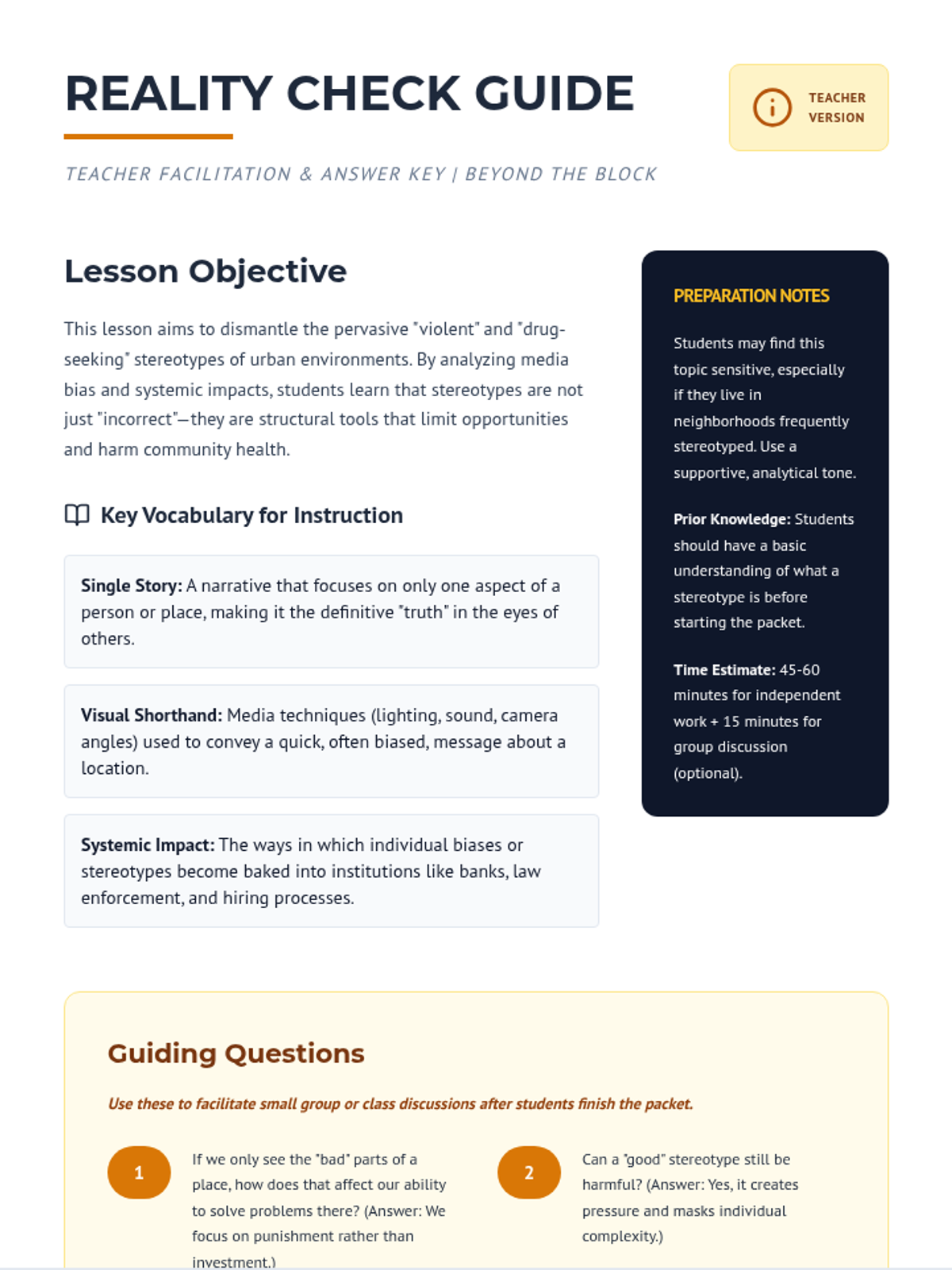
This lesson explores the origins and impacts of urban stereotypes, specifically focusing on the harmful "violent" and "drug-seeking" narratives often applied to marginalized communities. Students will analyze media bias and reflect on the real-world consequences of these single-perspective stories.
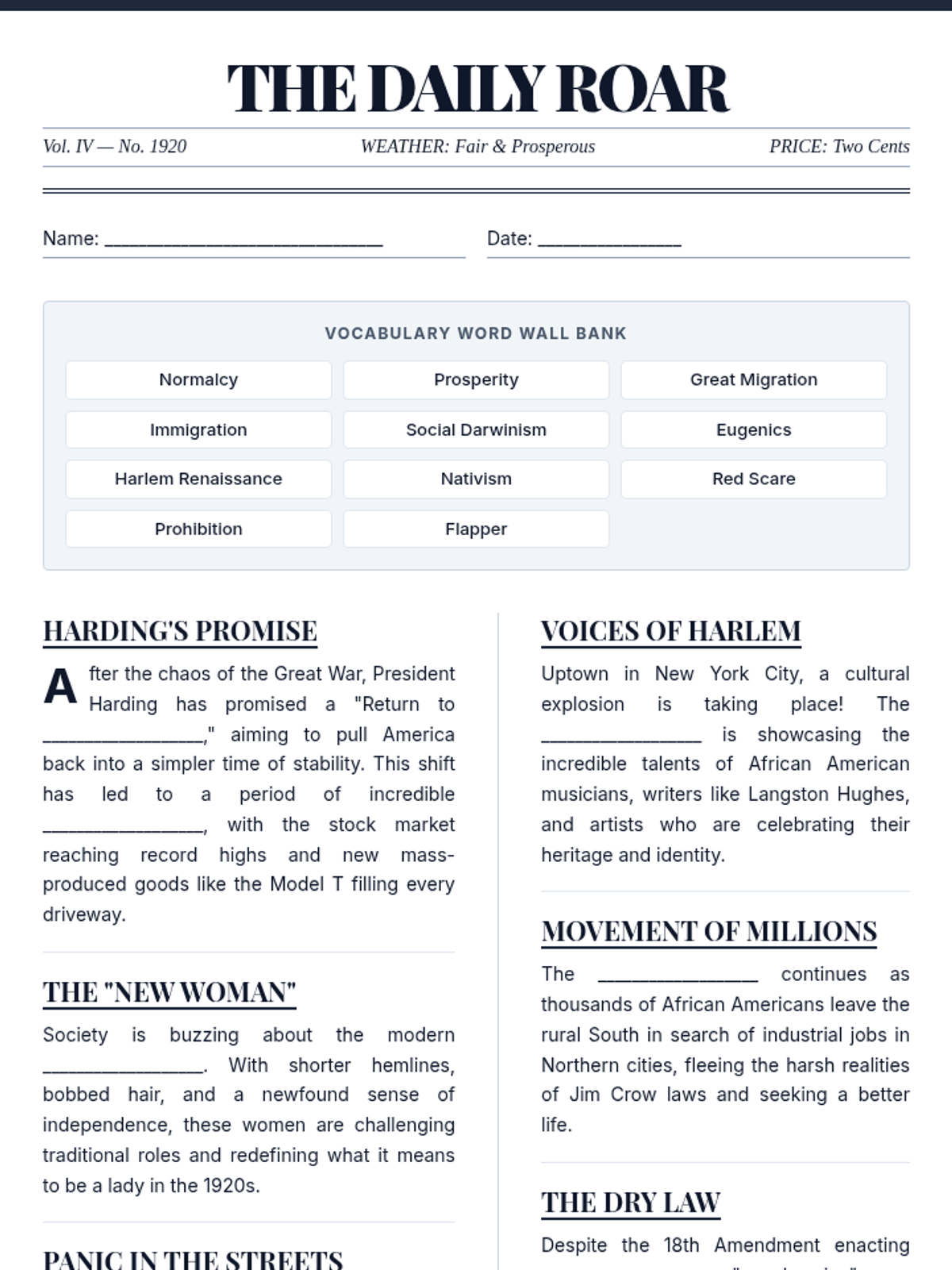
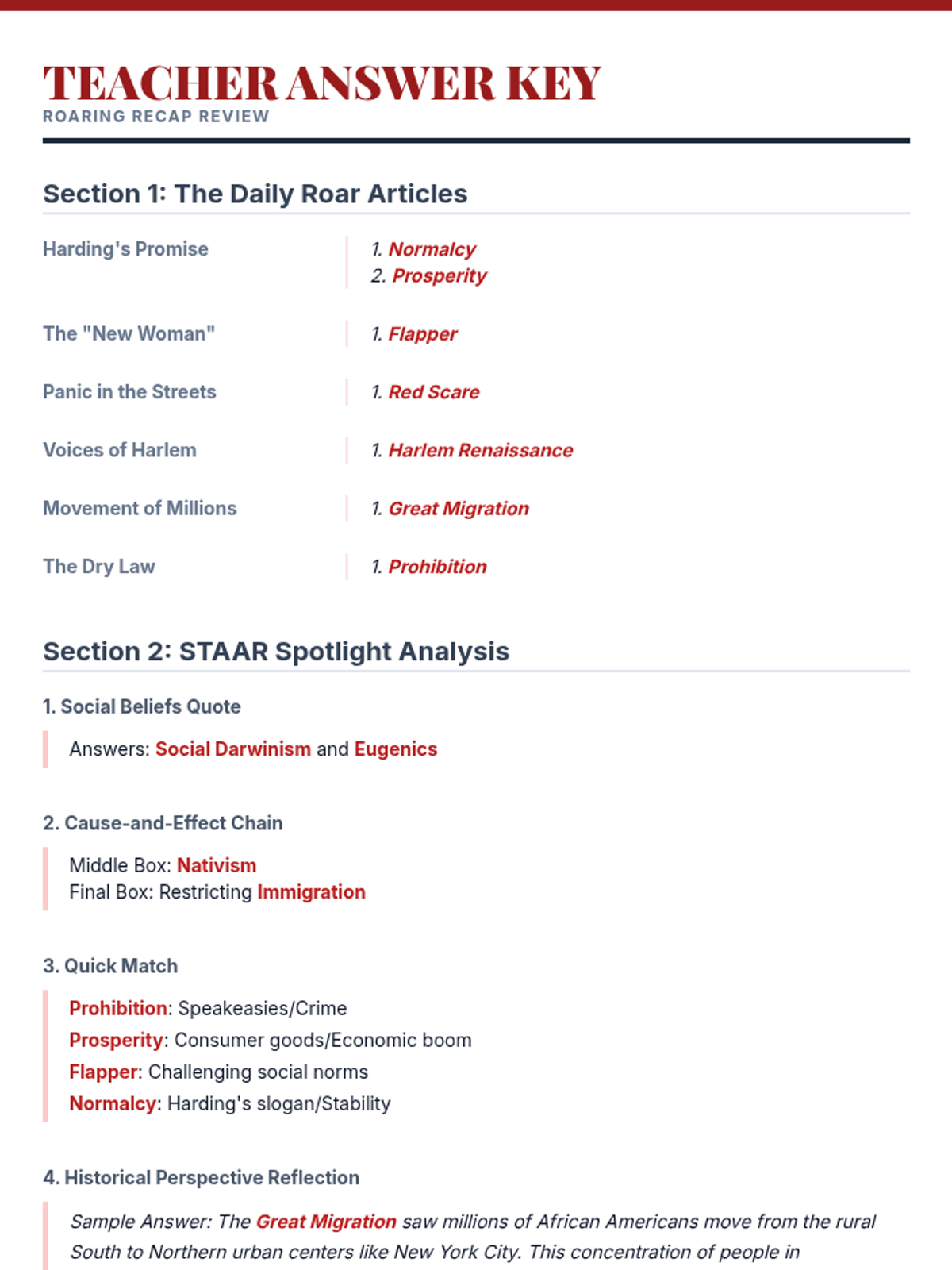
A comprehensive review of the Roaring Twenties for Texas STAAR preparation, focusing on key vocabulary, social shifts, and economic policies through a creative vintage newspaper theme.
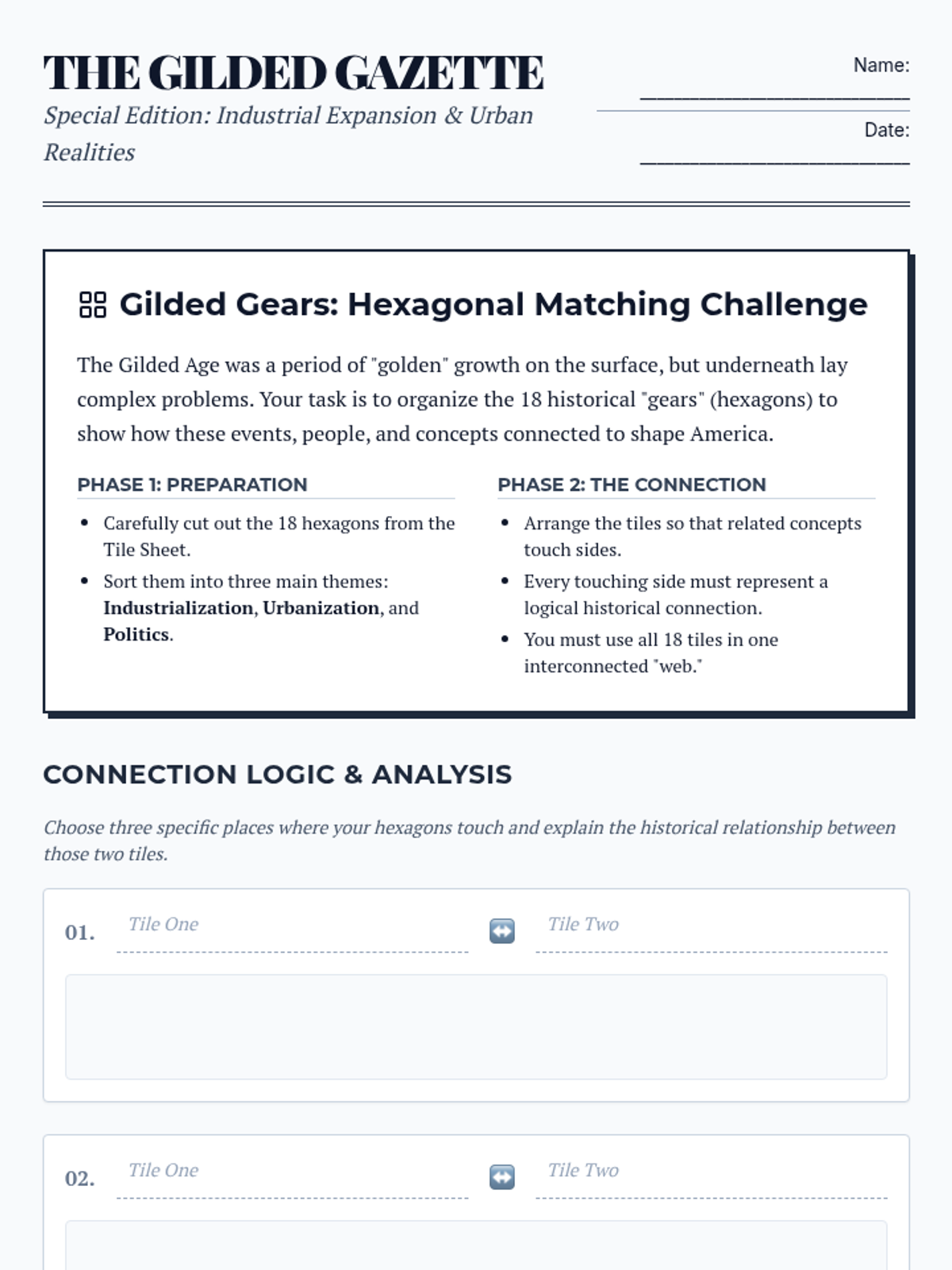
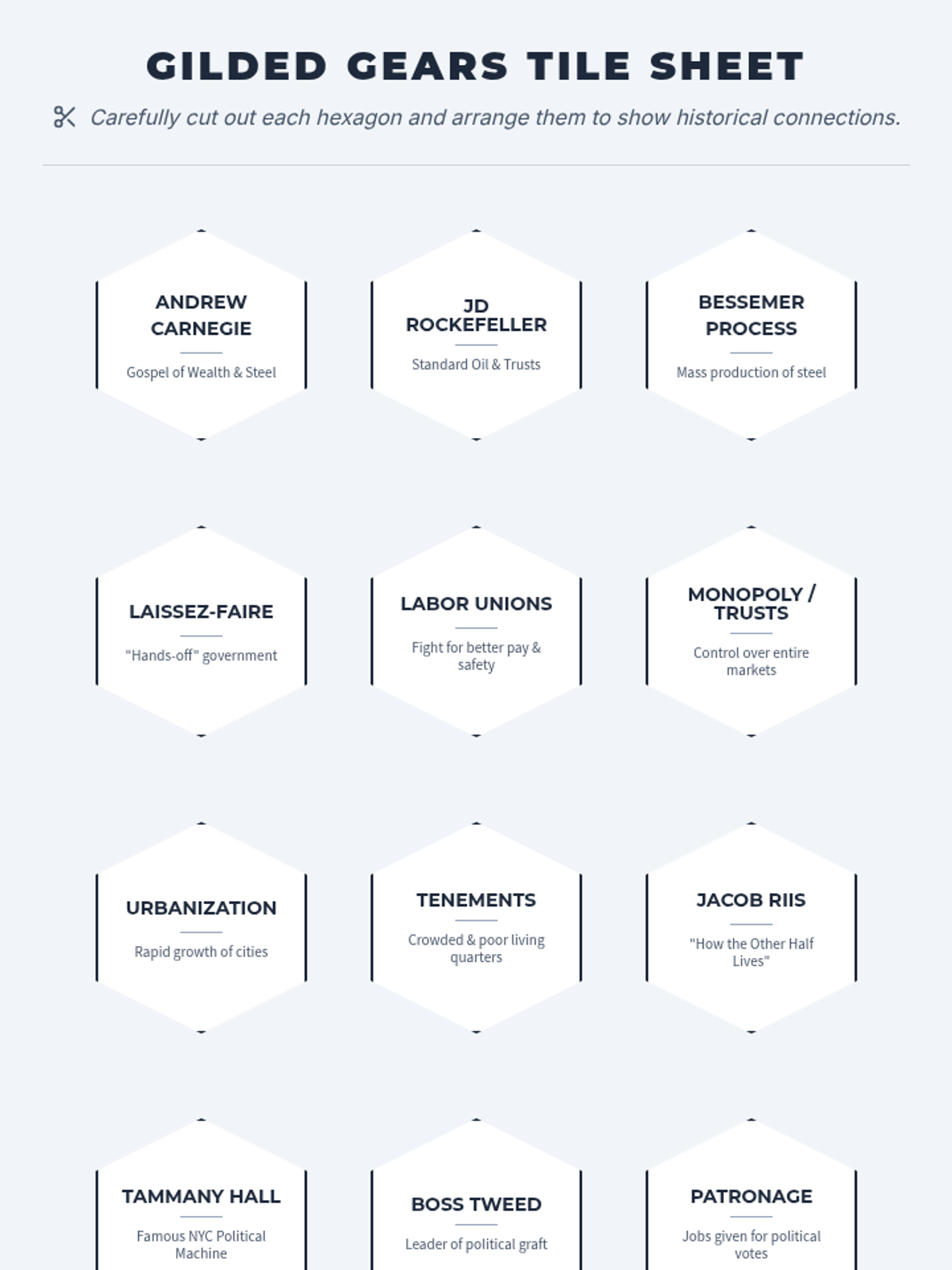
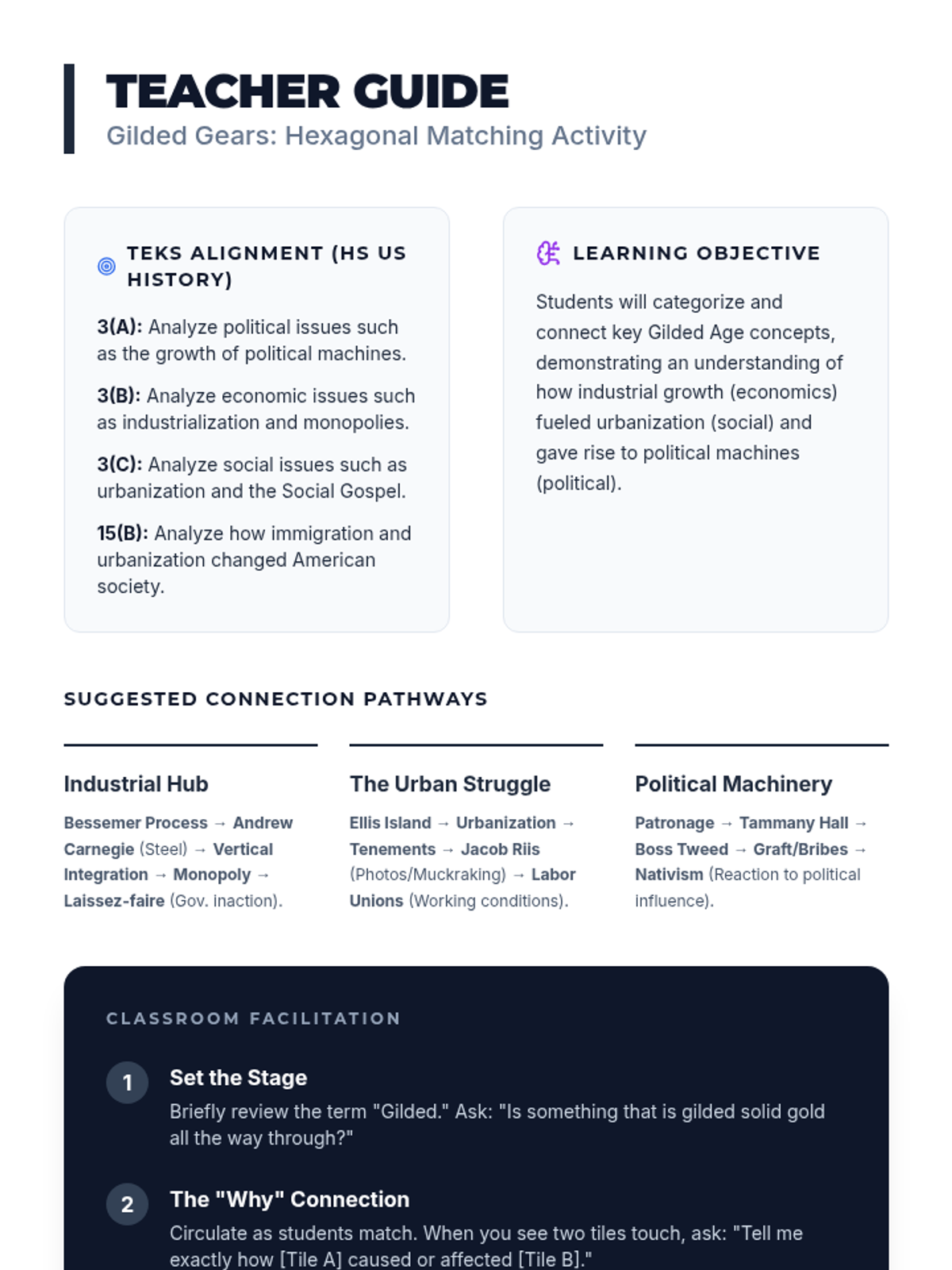
A deep dive into the Gilded Age focusing on the rapid growth of industry, the rise of cities, and the complex web of political machines through a hands-on hexagonal matching activity.
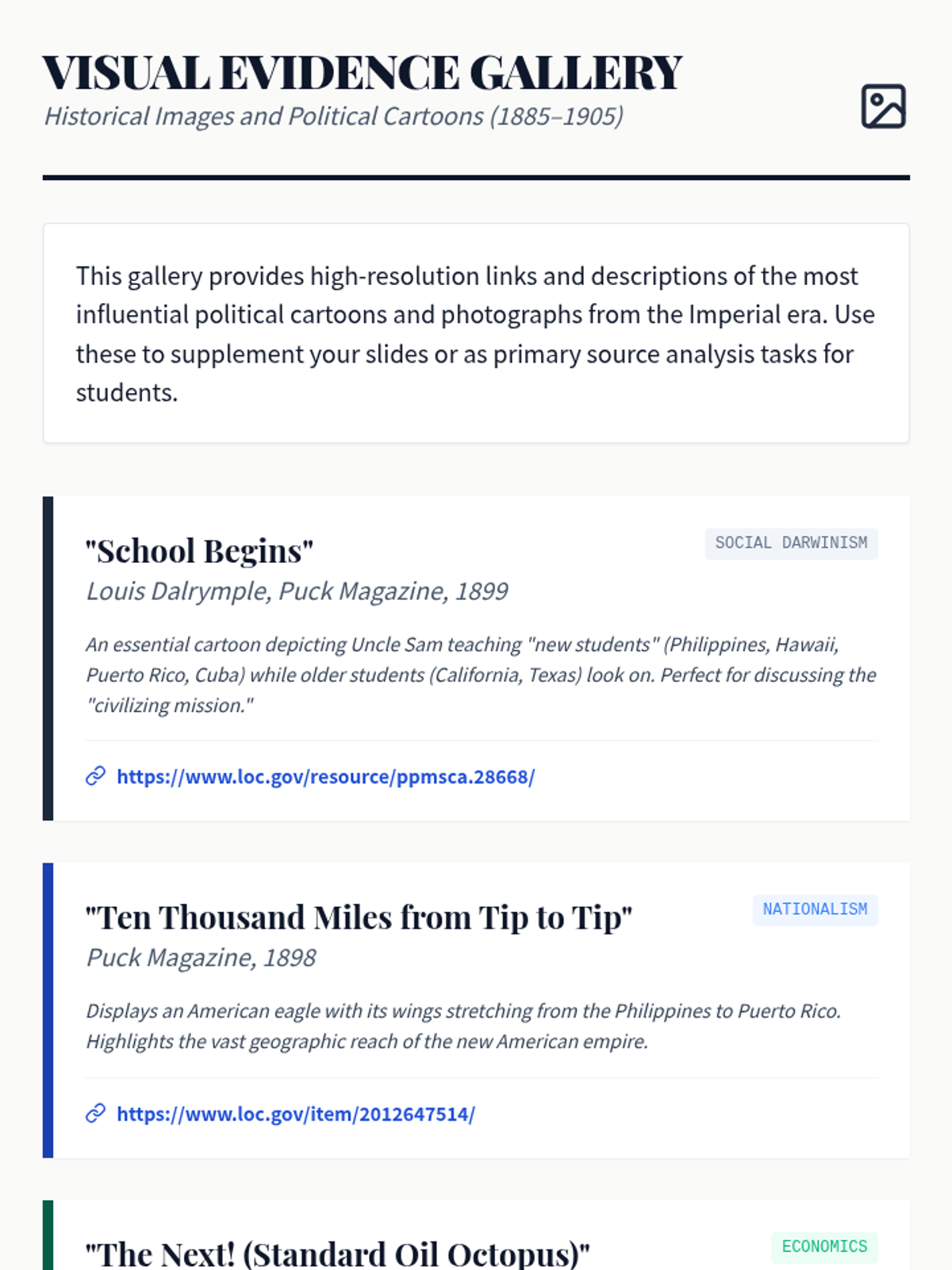
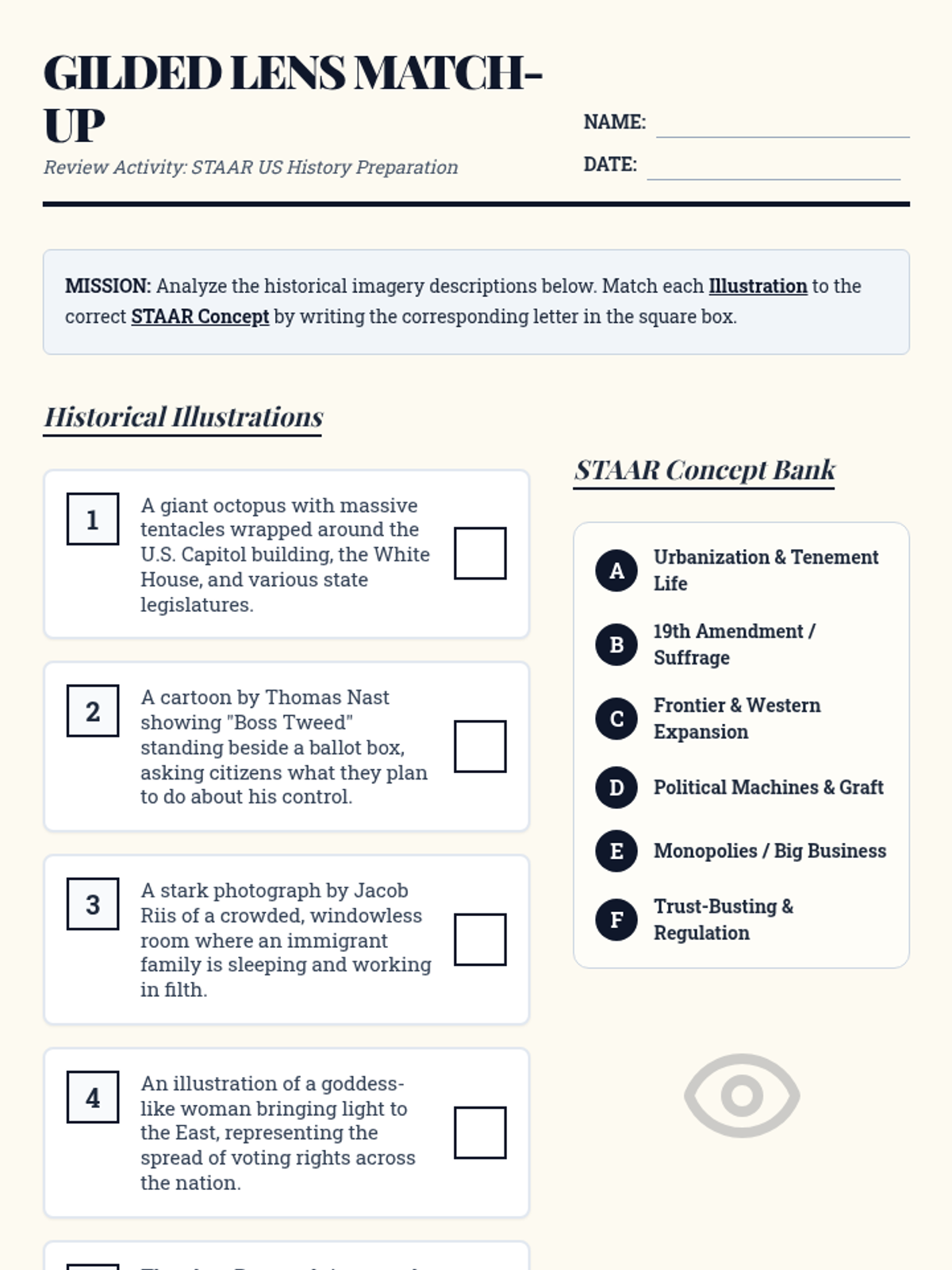
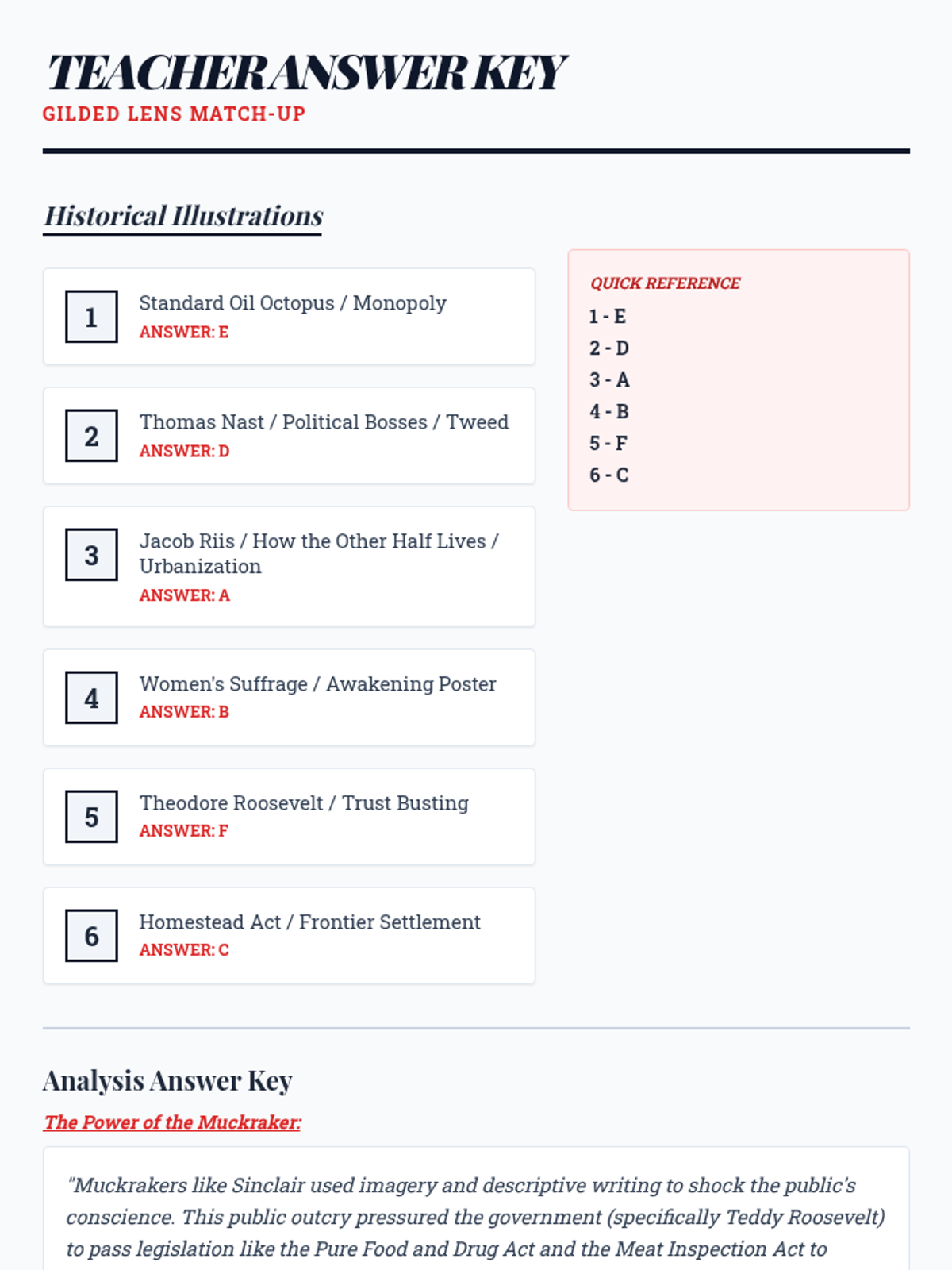
A visual-heavy review lesson where students analyze and match iconic political cartoons and photographs from the Gilded Age and Progressive Era to their corresponding historical concepts.
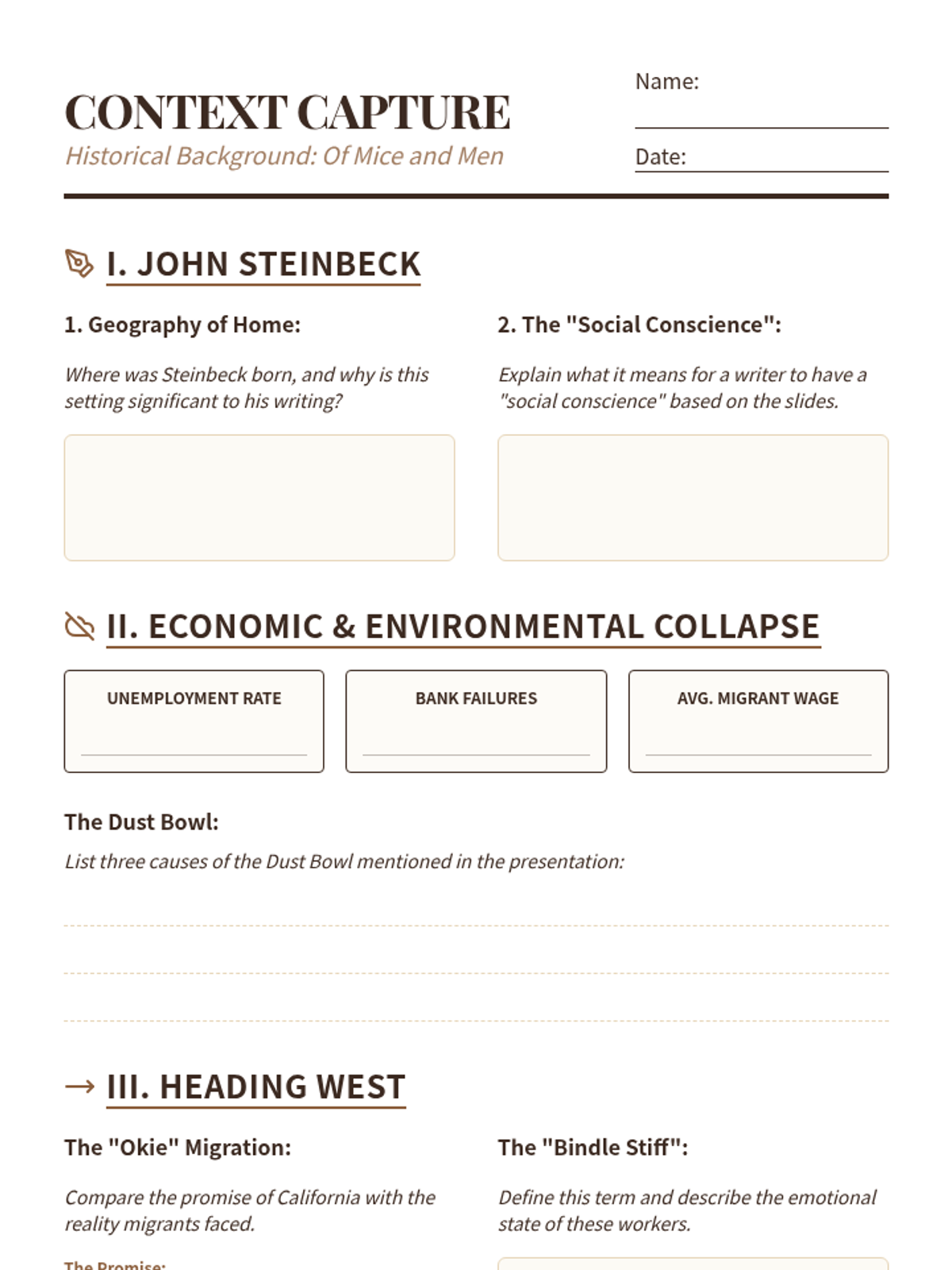
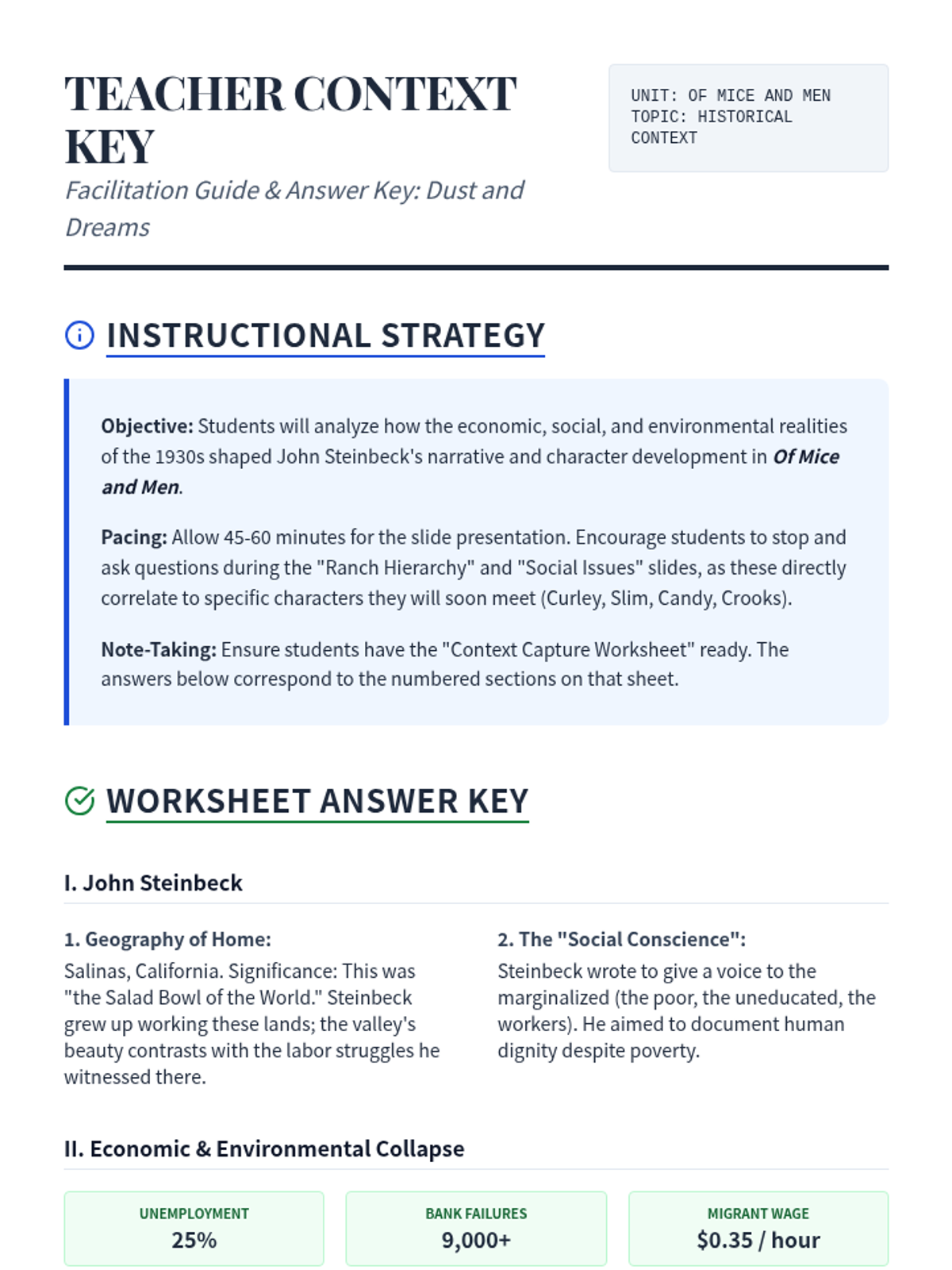
An introductory lesson covering the historical and biographical context of John Steinbeck's *Of Mice and Men*, focusing on the Great Depression, the Dust Bowl, and the lives of migrant workers.
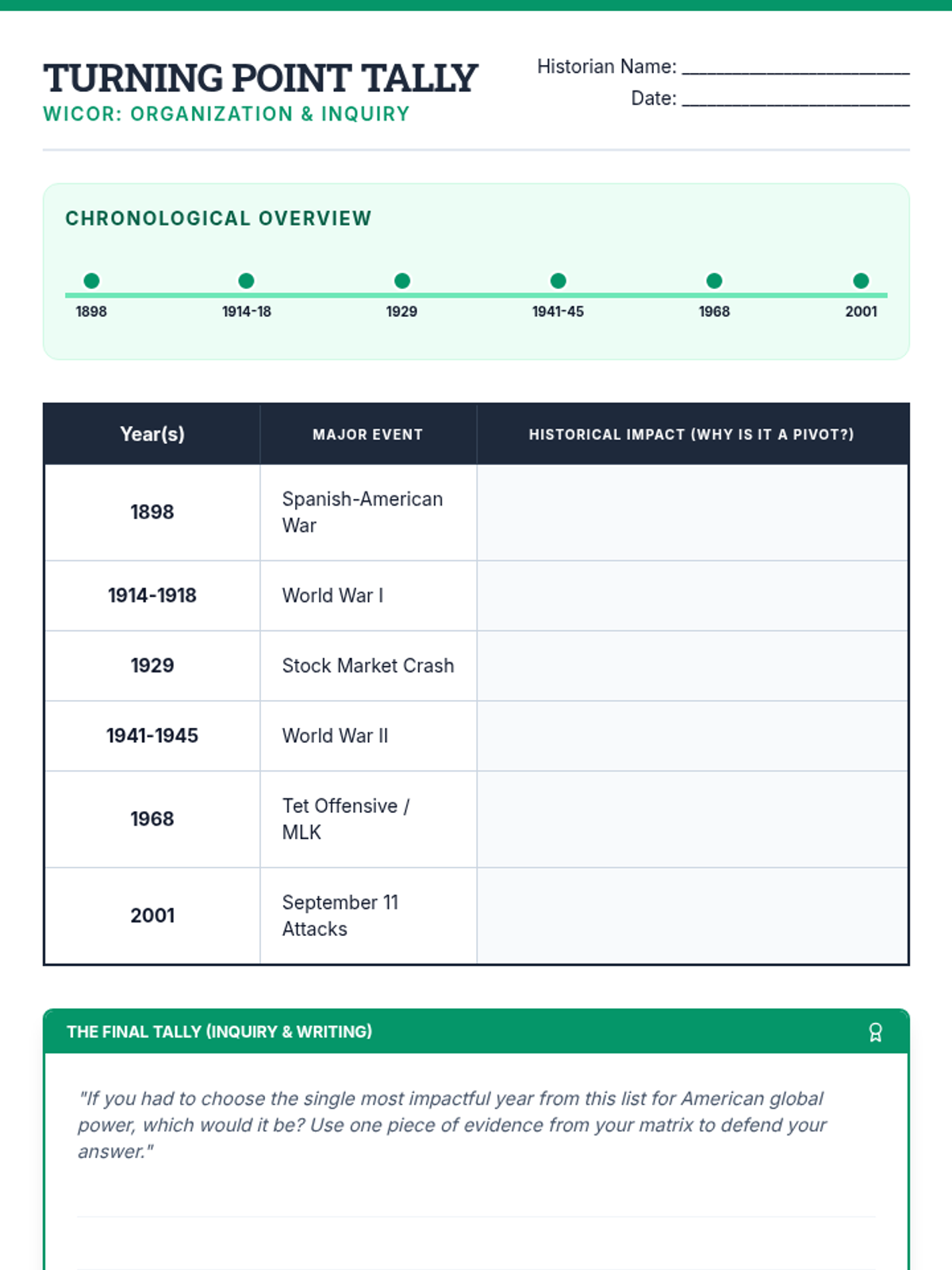
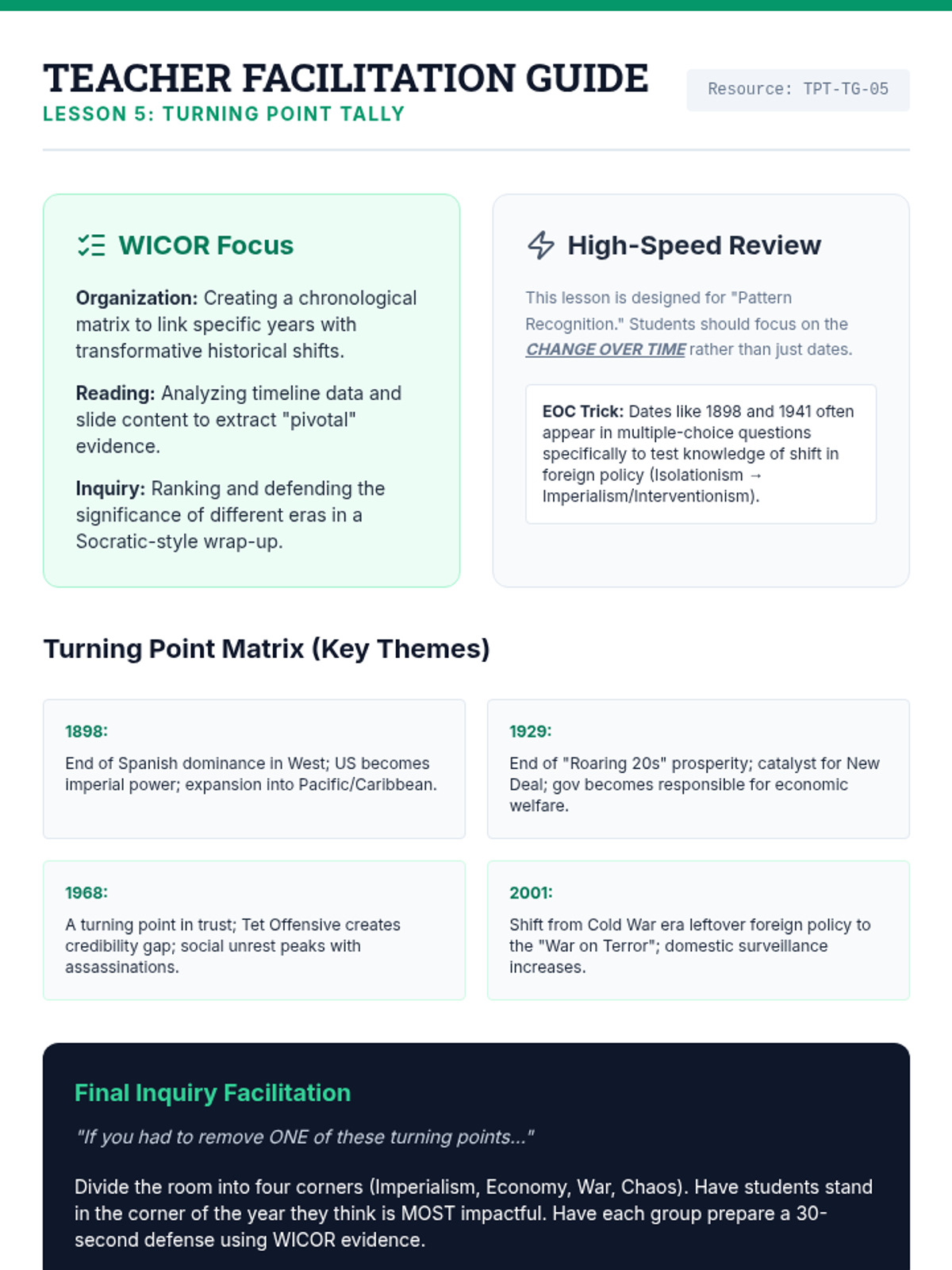
Identifies and analyzes pivotal years in US history that shifted the nation's trajectory from 1898 to the present.
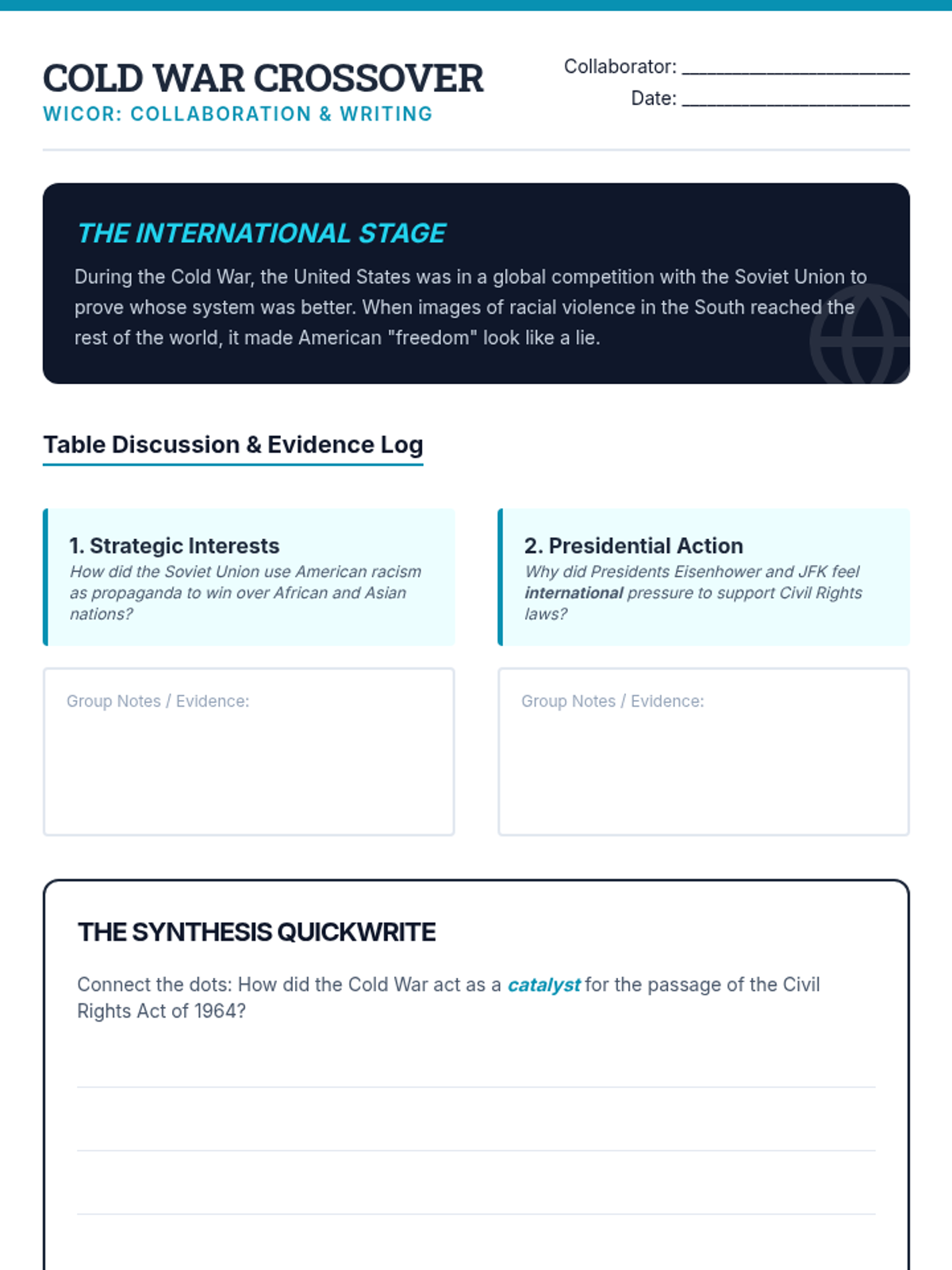
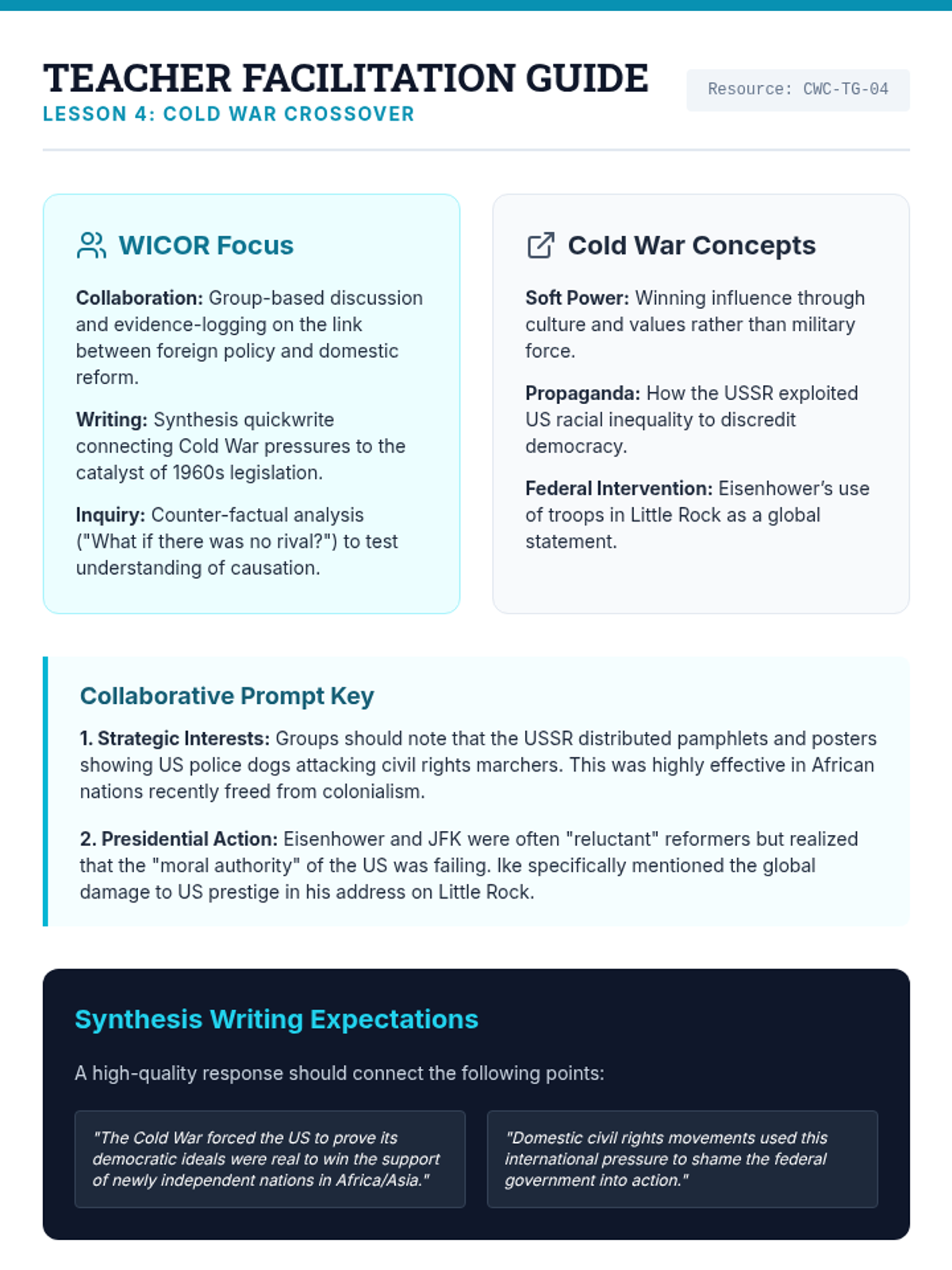
Examines the intersection of Cold War foreign policy and the domestic Civil Rights Movement through collaborative inquiry.
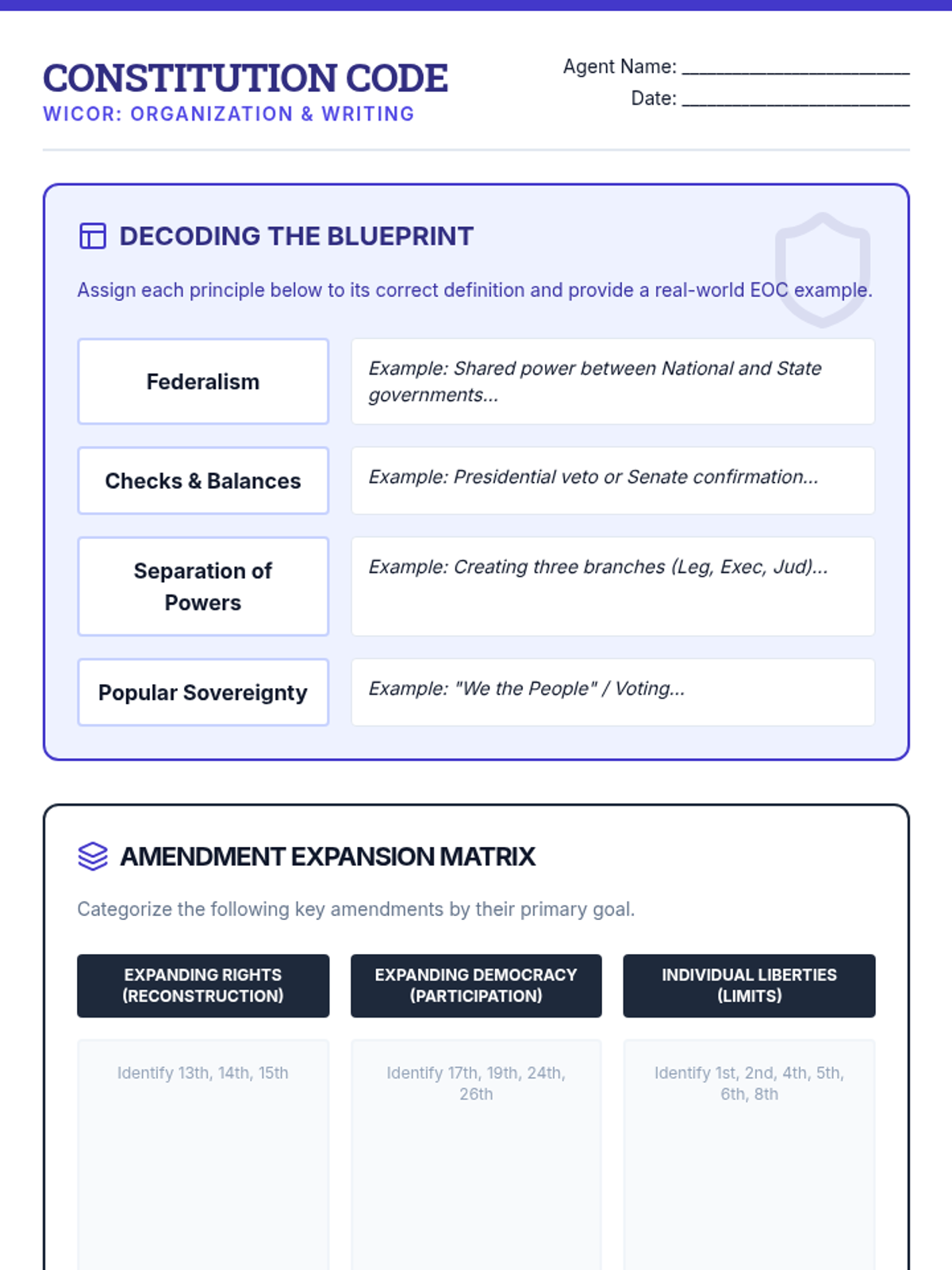
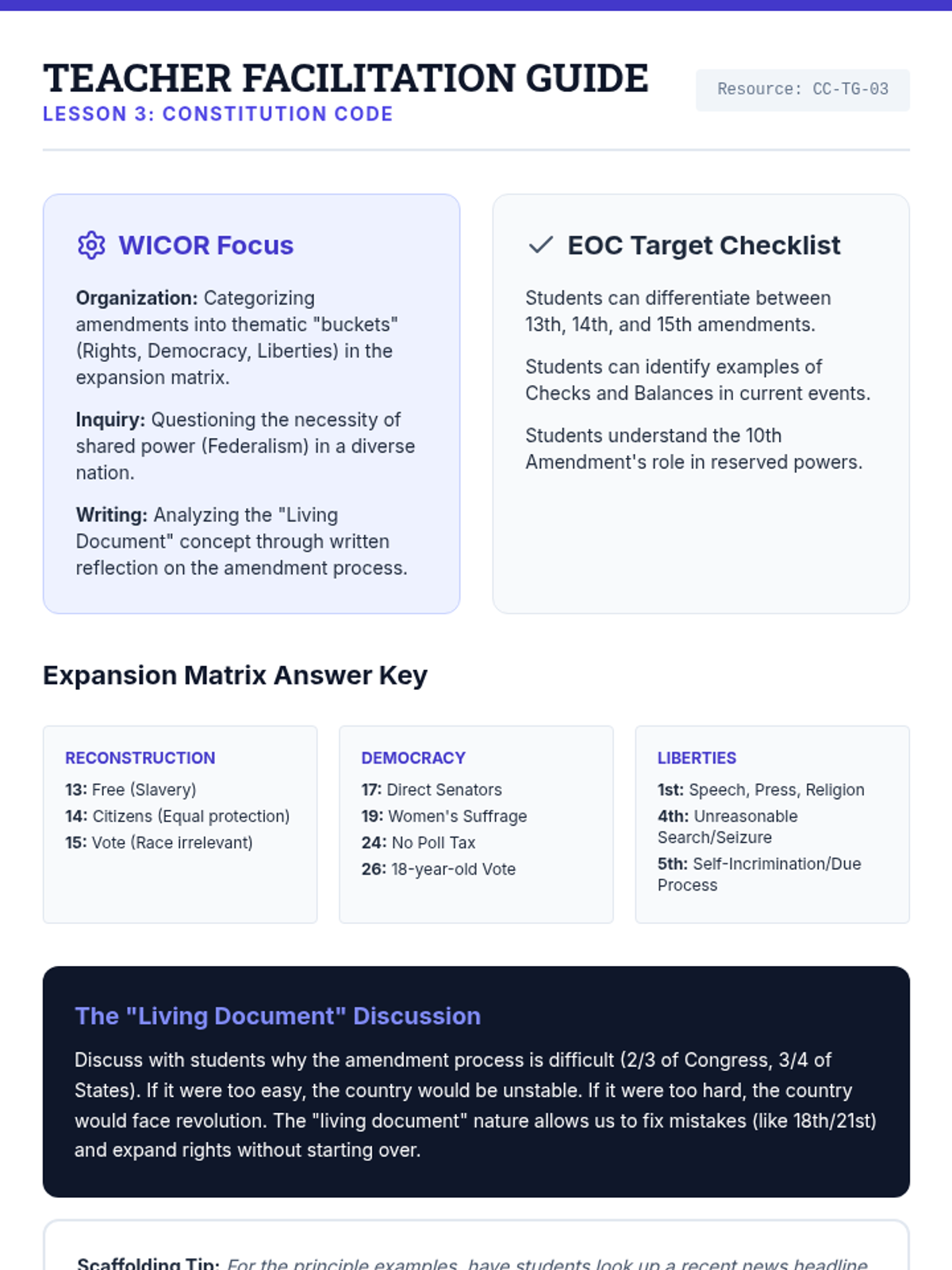
Reviews the core principles of the US Constitution and key amendments that expanded democracy and rights.
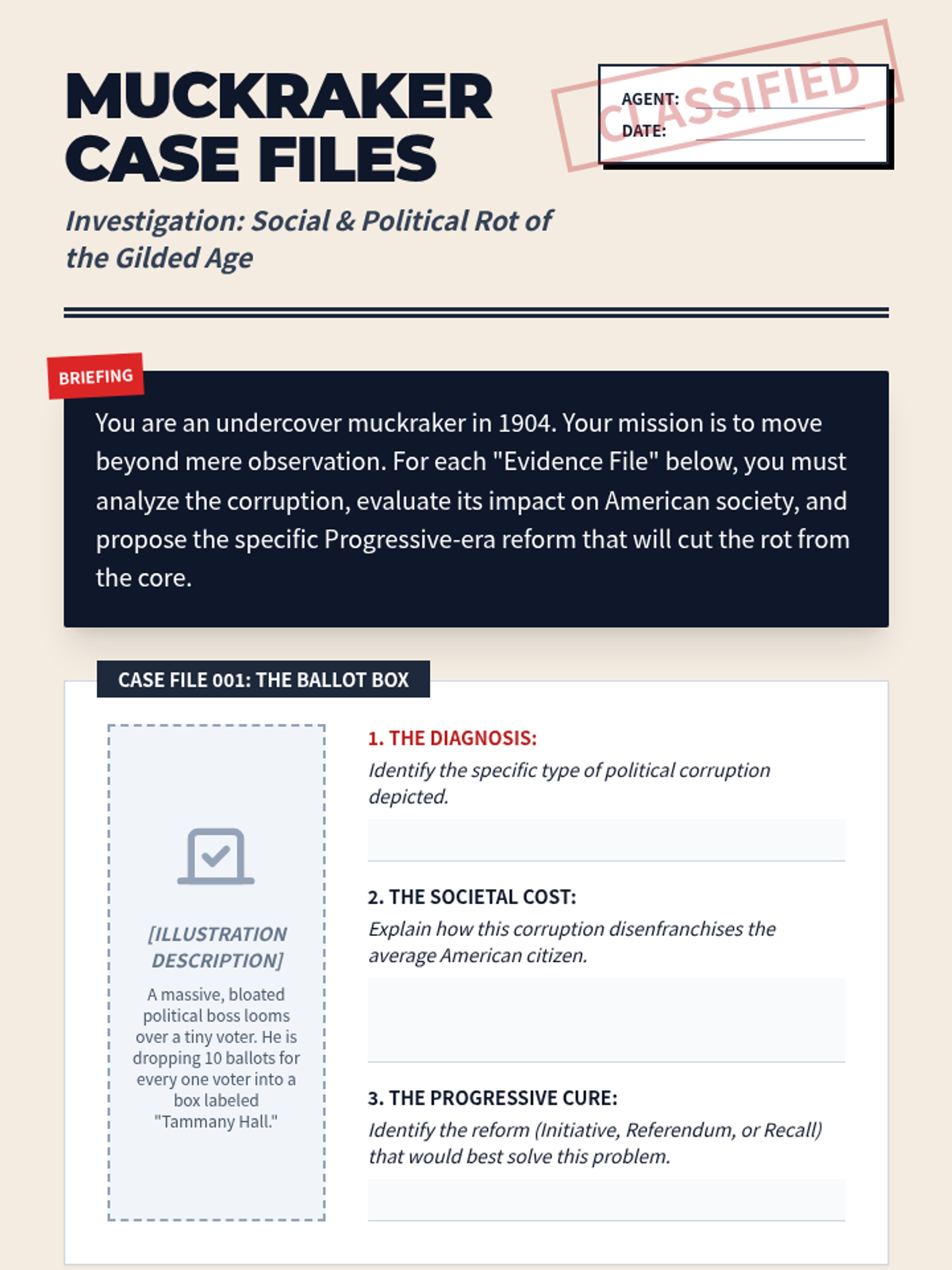
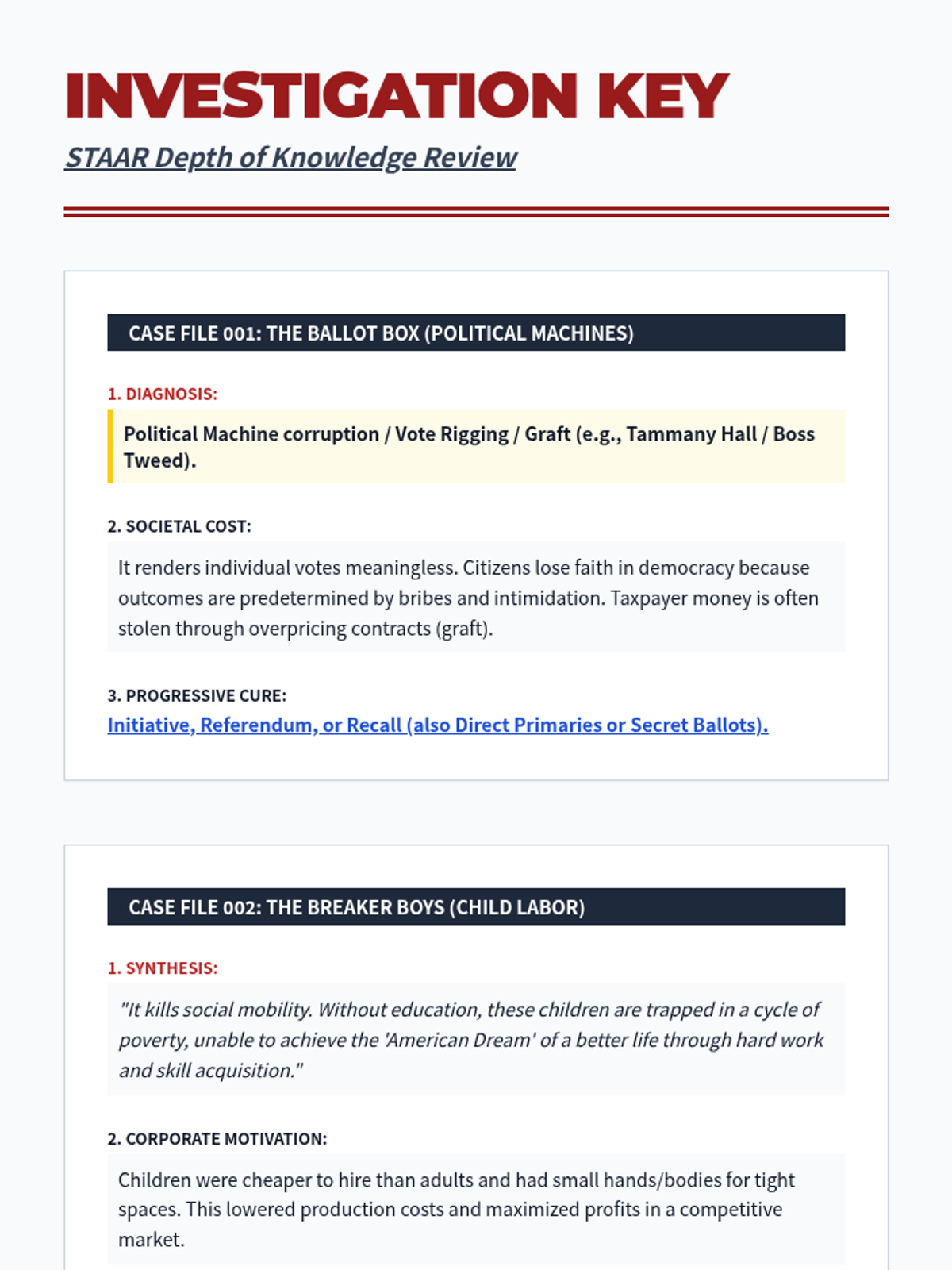
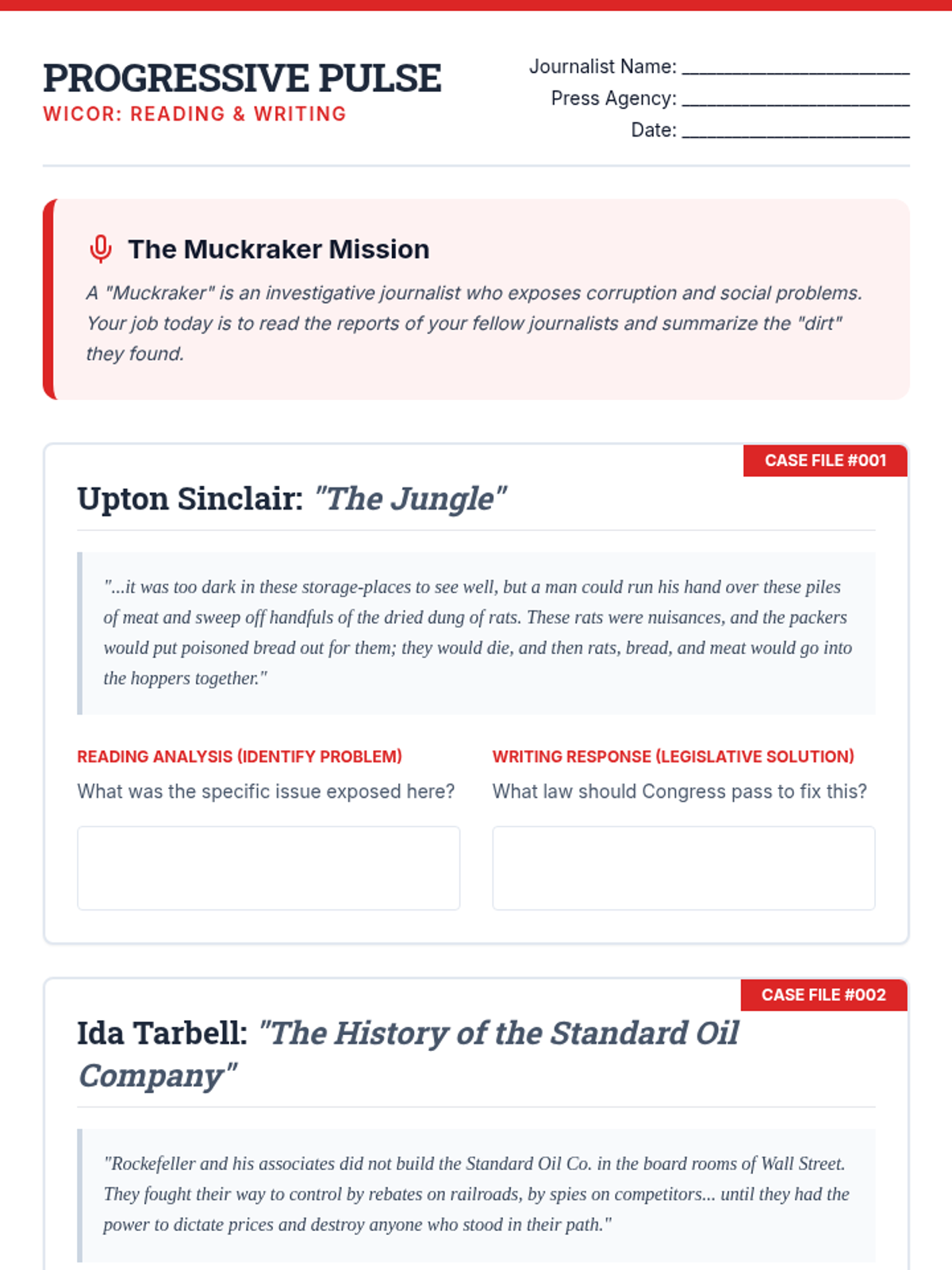
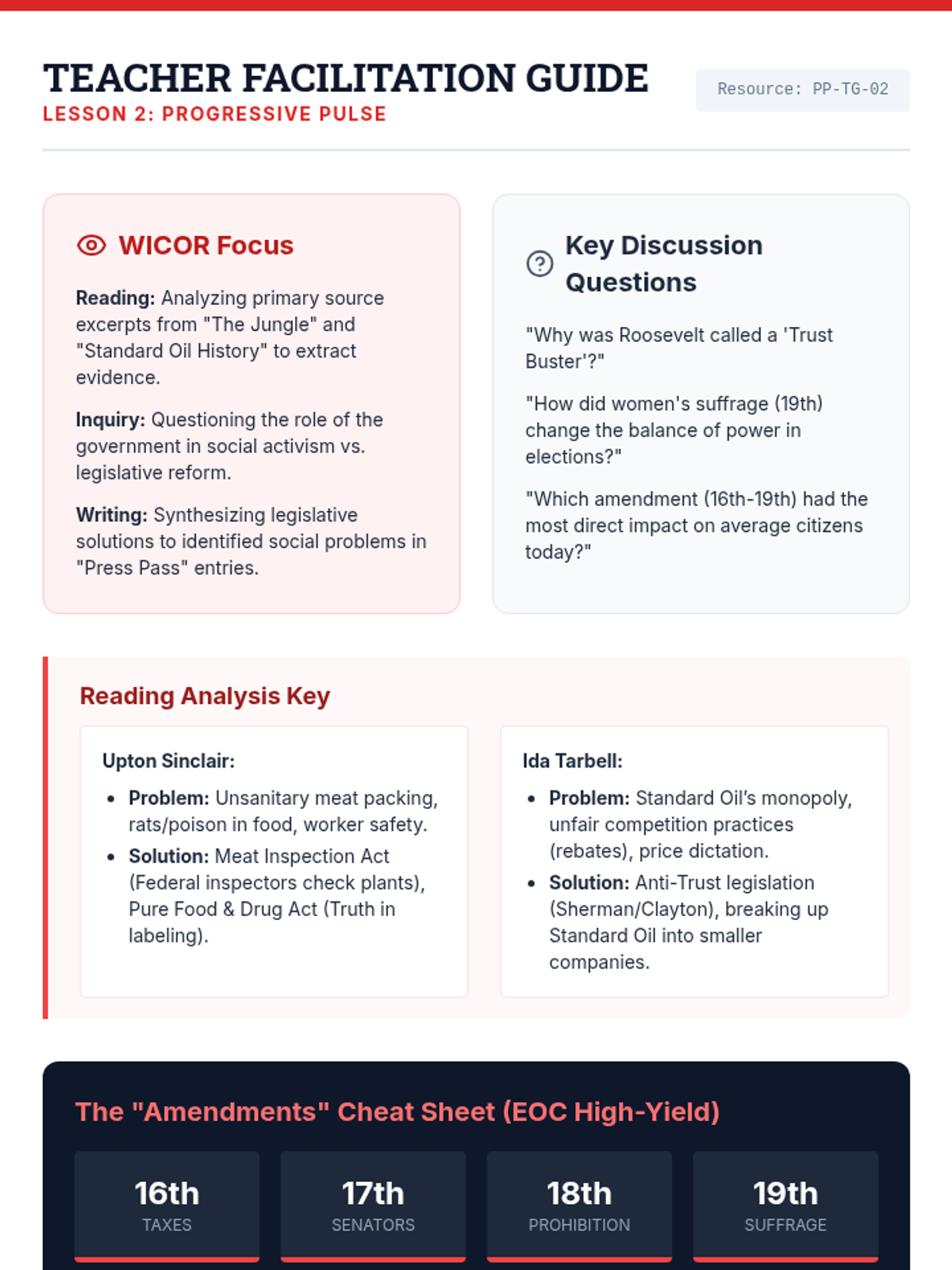
Analyzes the social and political responses to industrialization, focusing on Muckrakers and legislative reforms through Reading and Writing.
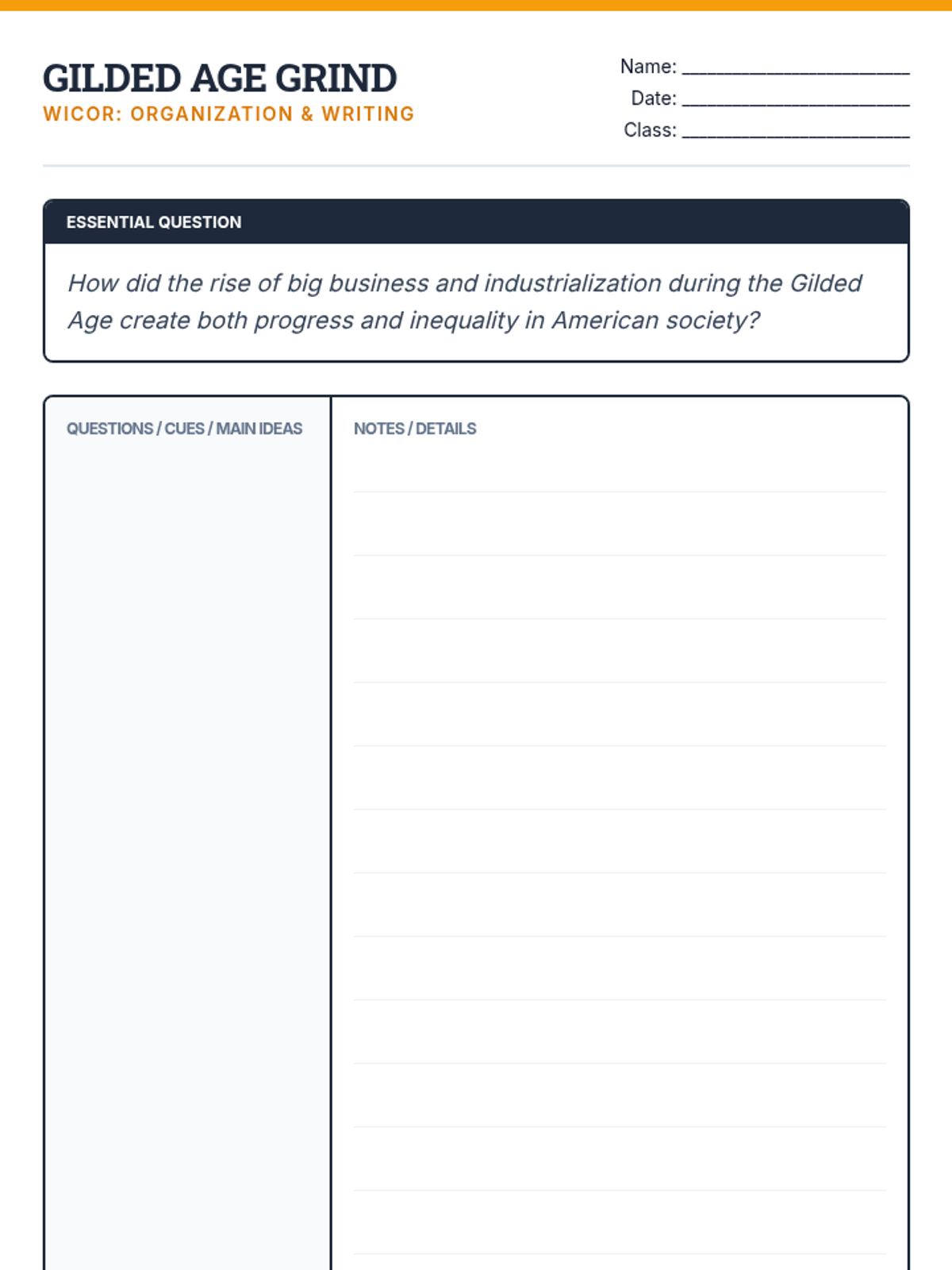
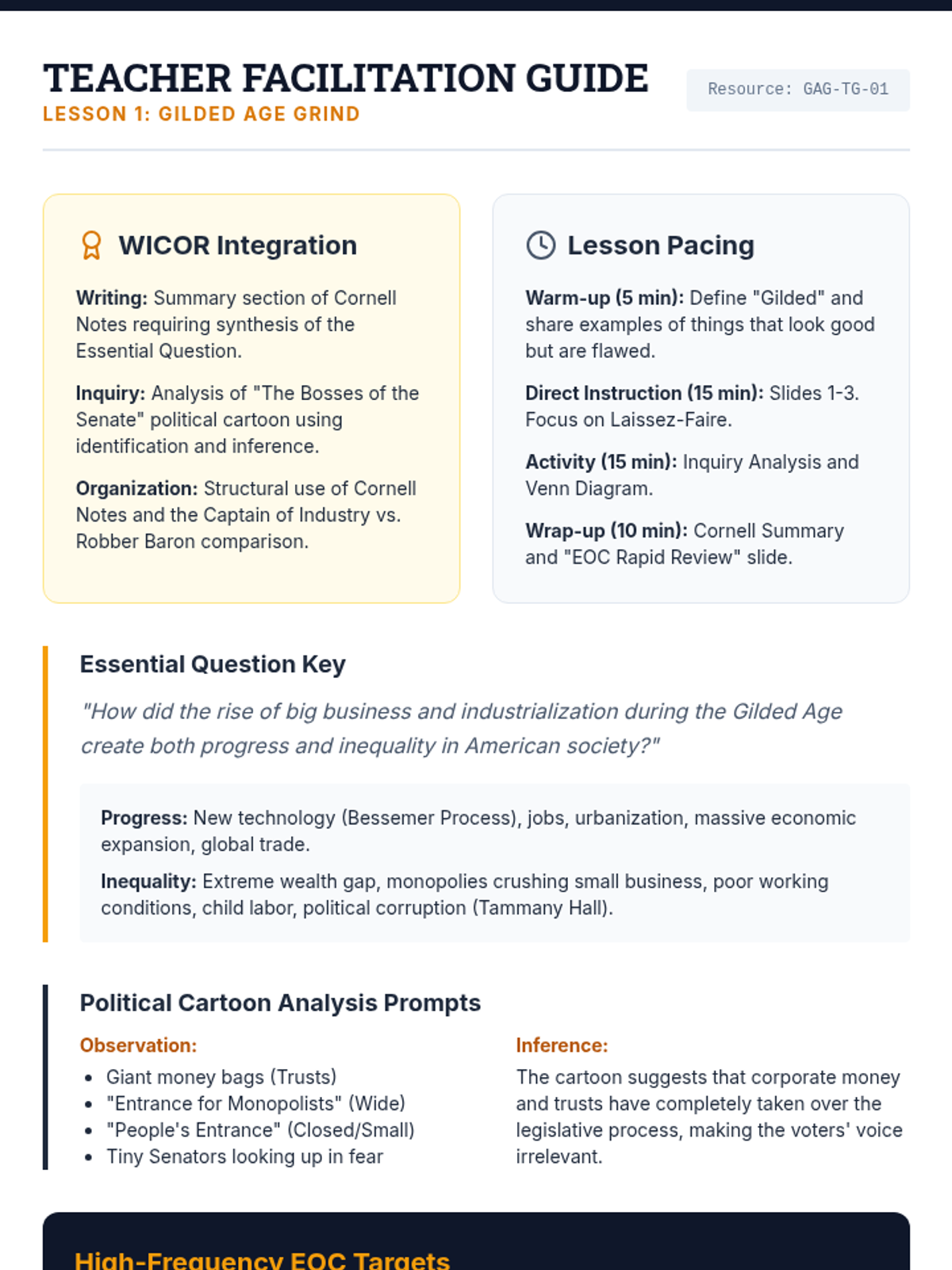
Explores the rise of big business, industrialization, and the social impacts of the Gilded Age through Inquiry and Organization.
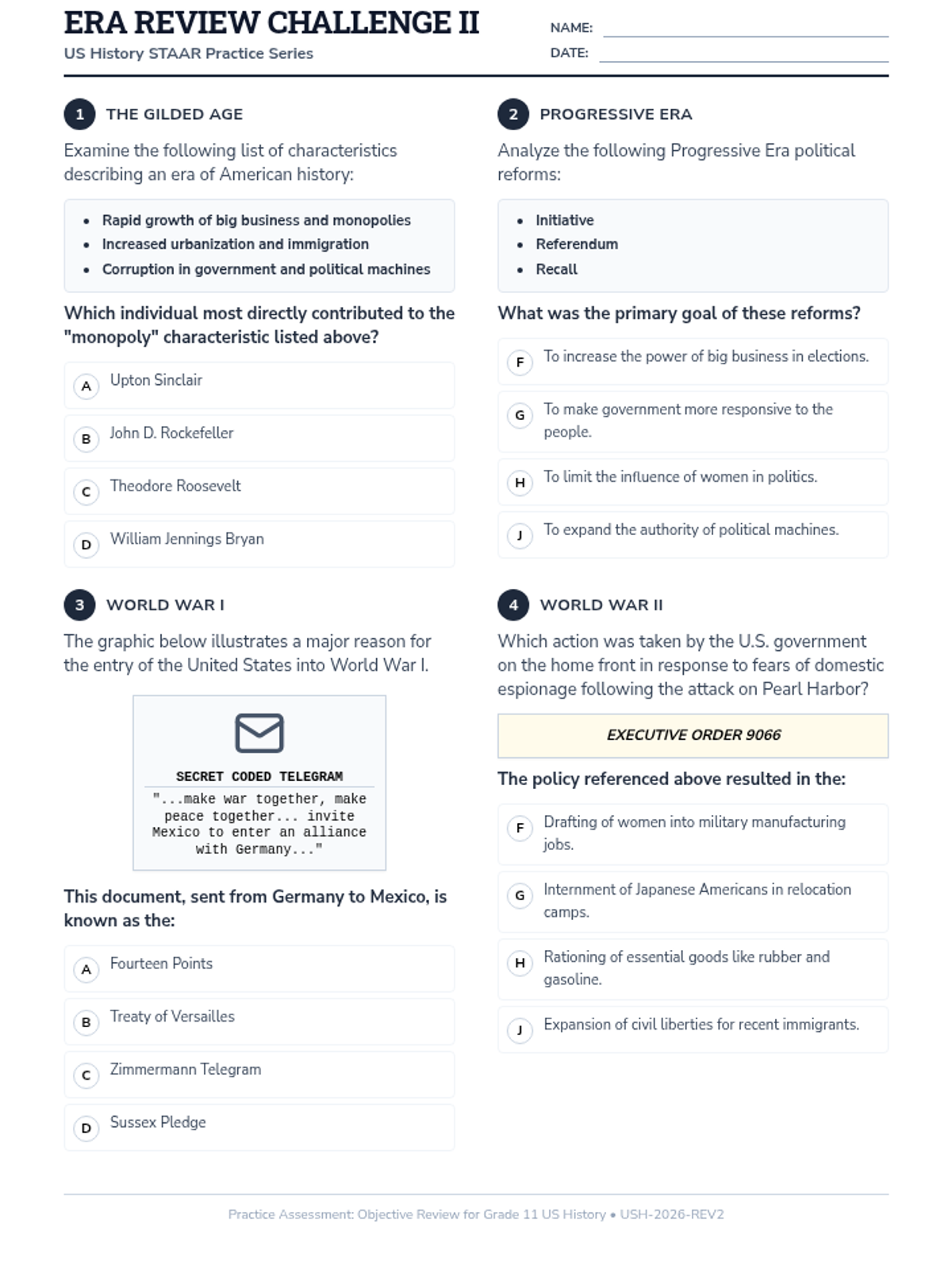
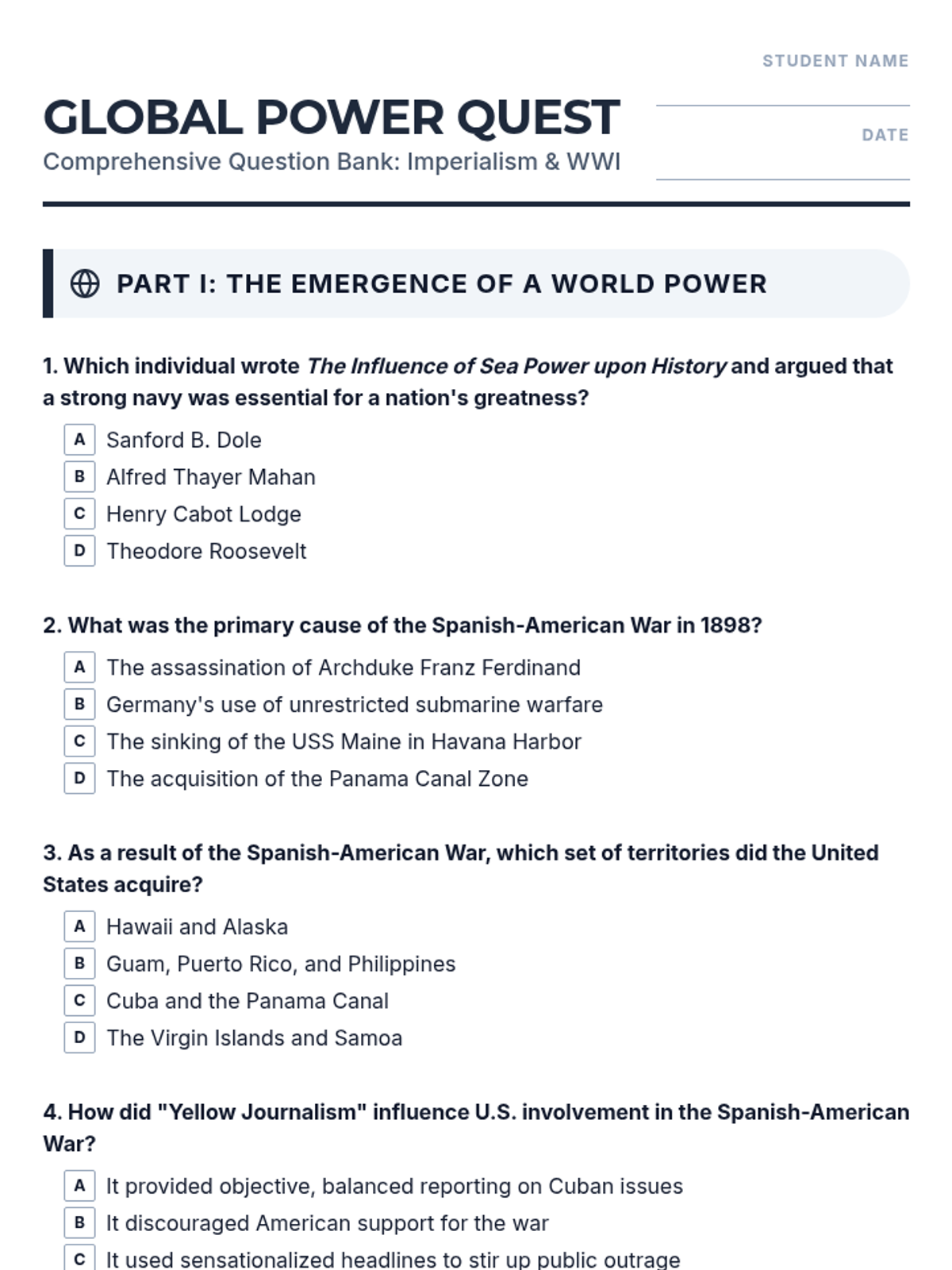
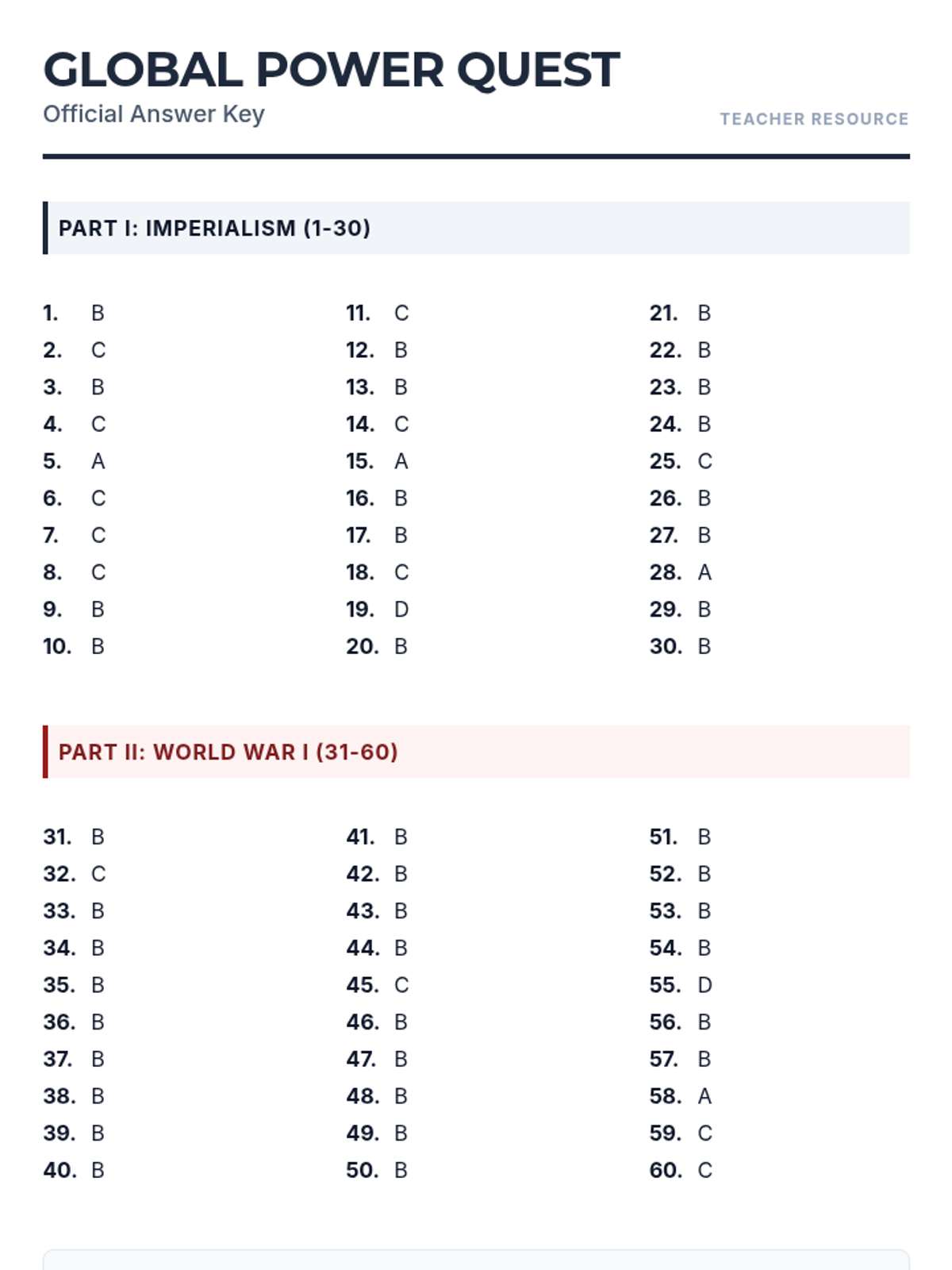
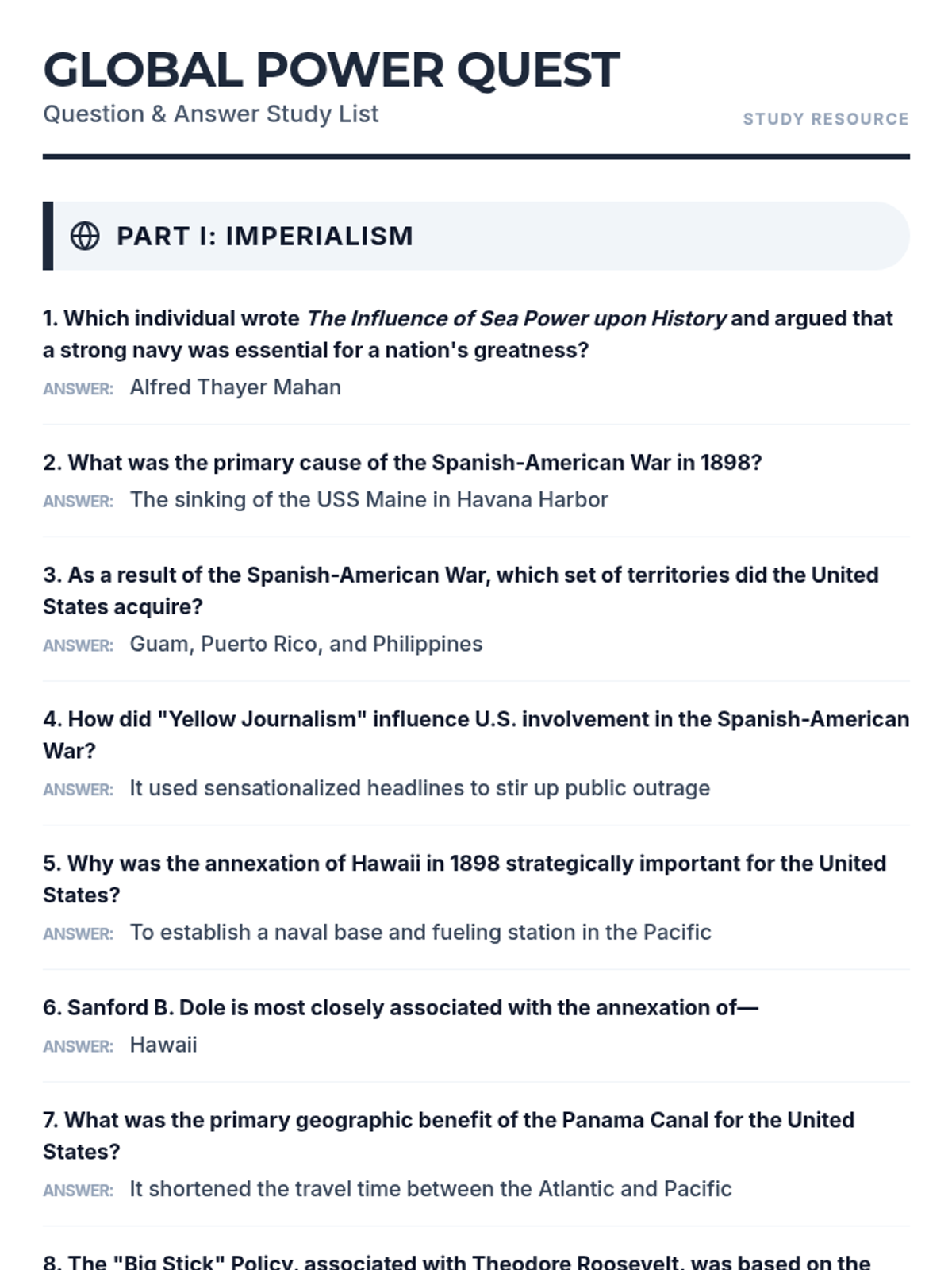
A comprehensive assessment set covering American expansionism (Imperialism) and the U.S. involvement in World War I, aligned with high school TEKS standards.
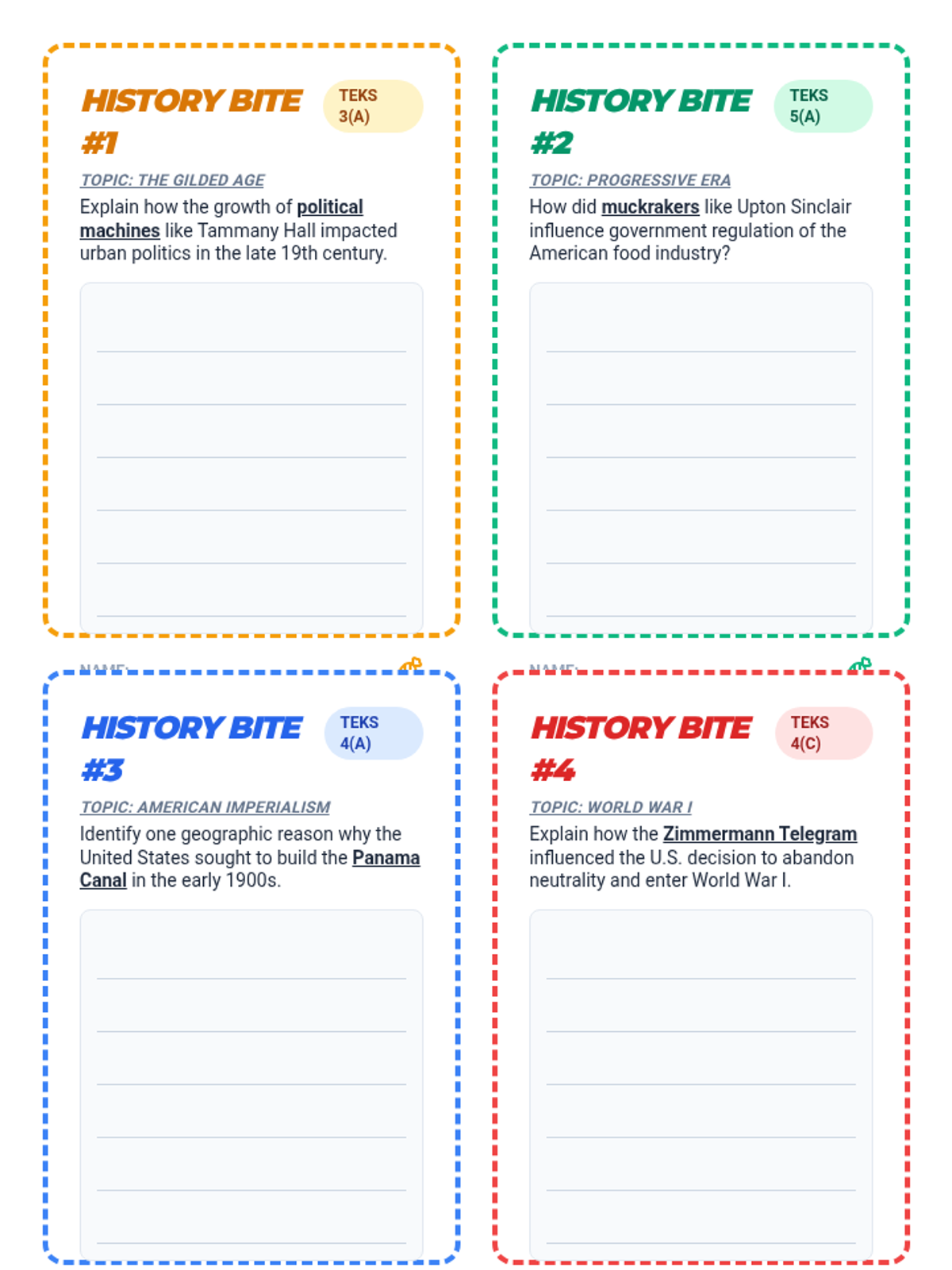
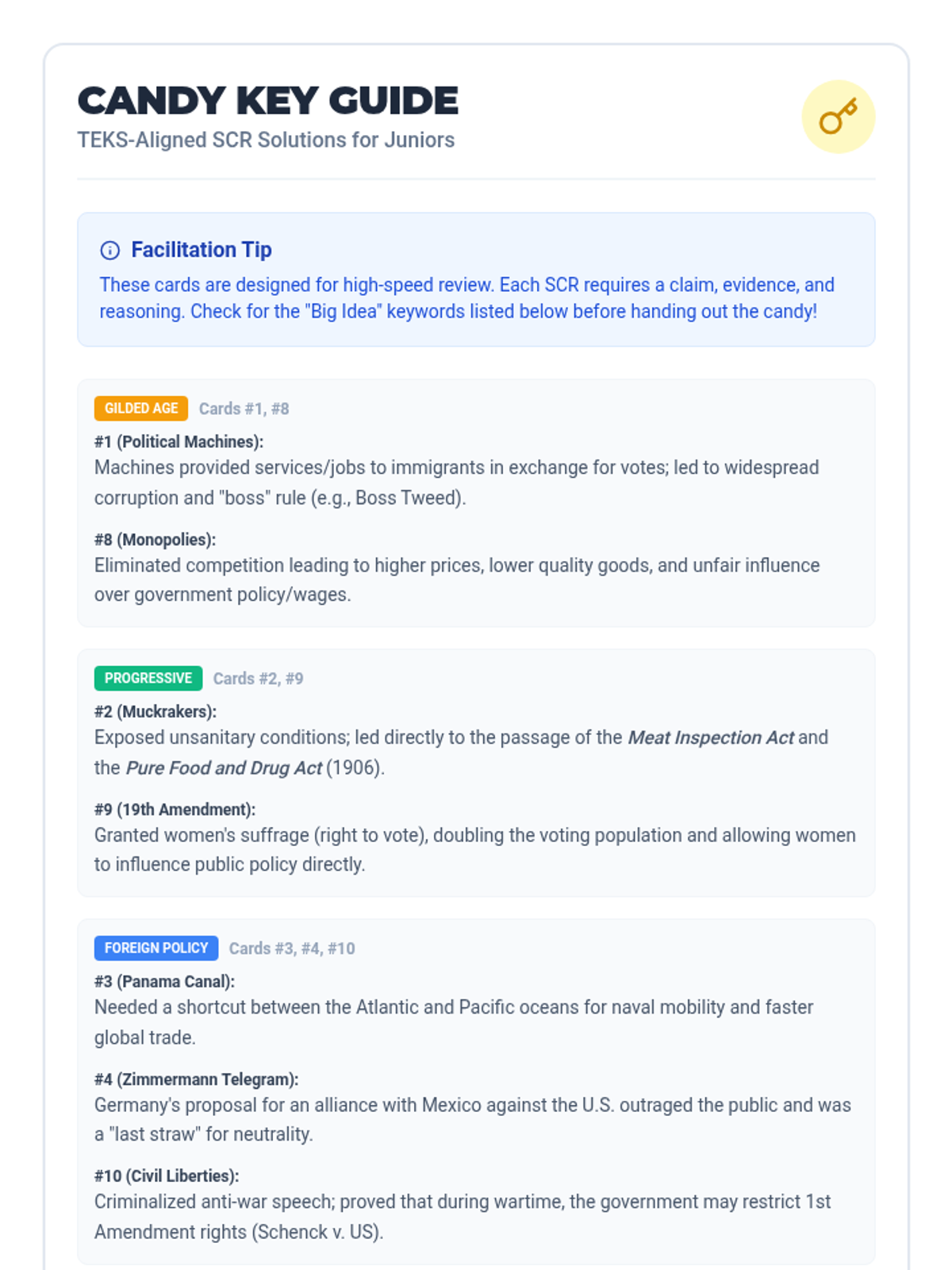
A collection of Short Constructed Response (SCR) task cards covering major eras of US History from the Gilded Age to WWII, designed for a high-engagement 'History Bites' candy reward activity. Includes student cards and a teacher answer key.
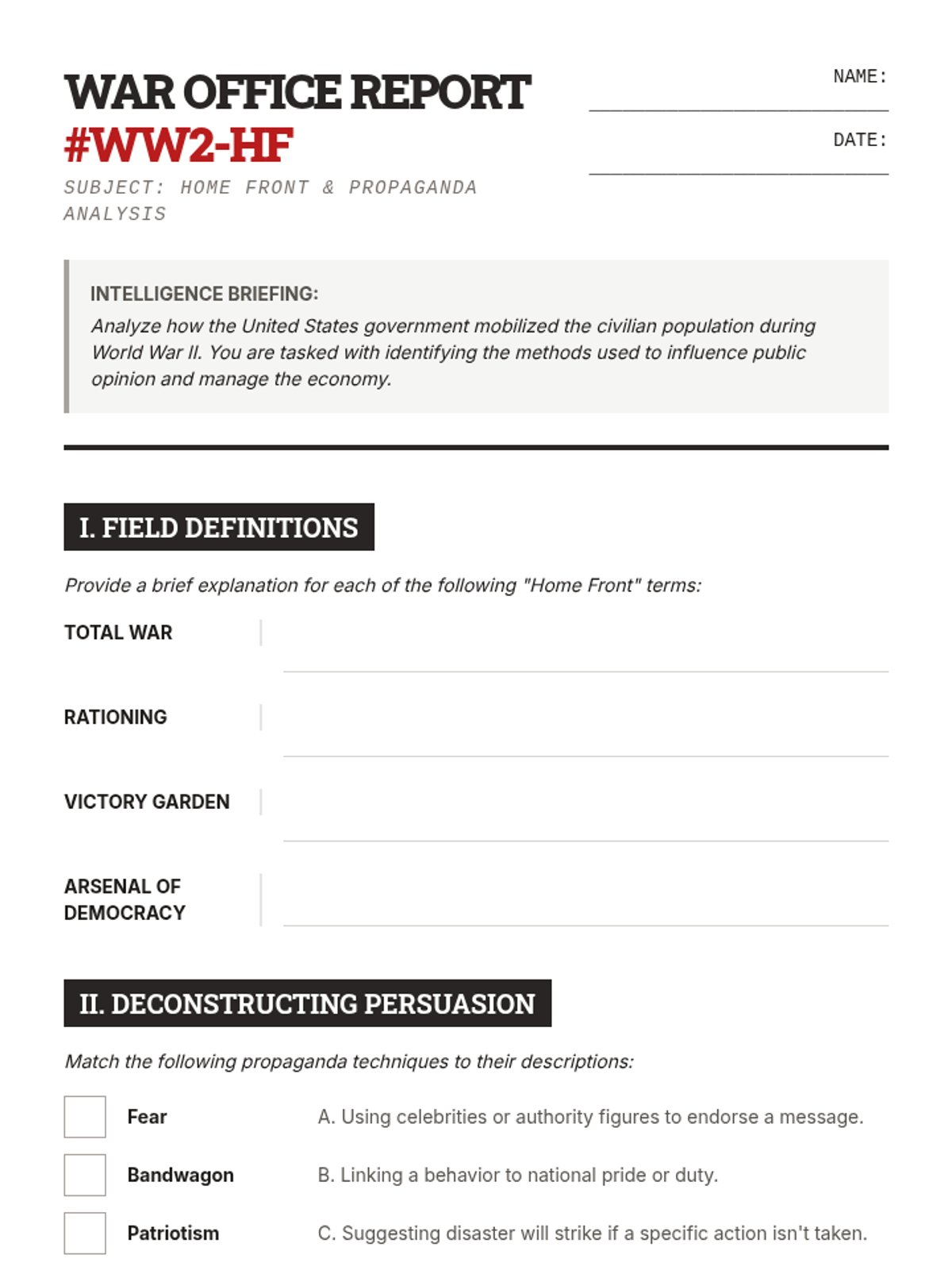
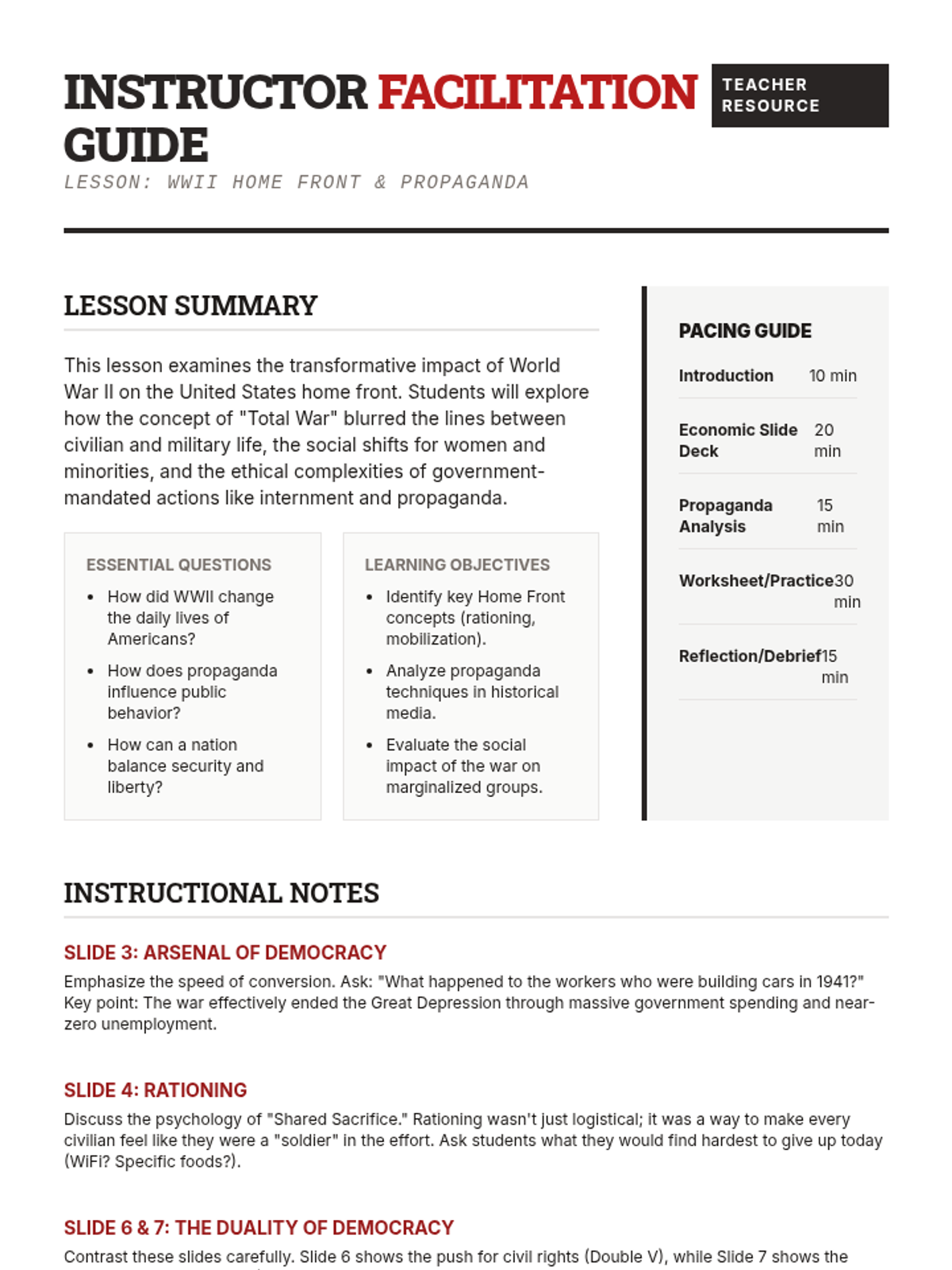
An exploration of life in the United States during World War II, focusing on economic mobilization, social changes, and the pervasive influence of government propaganda.
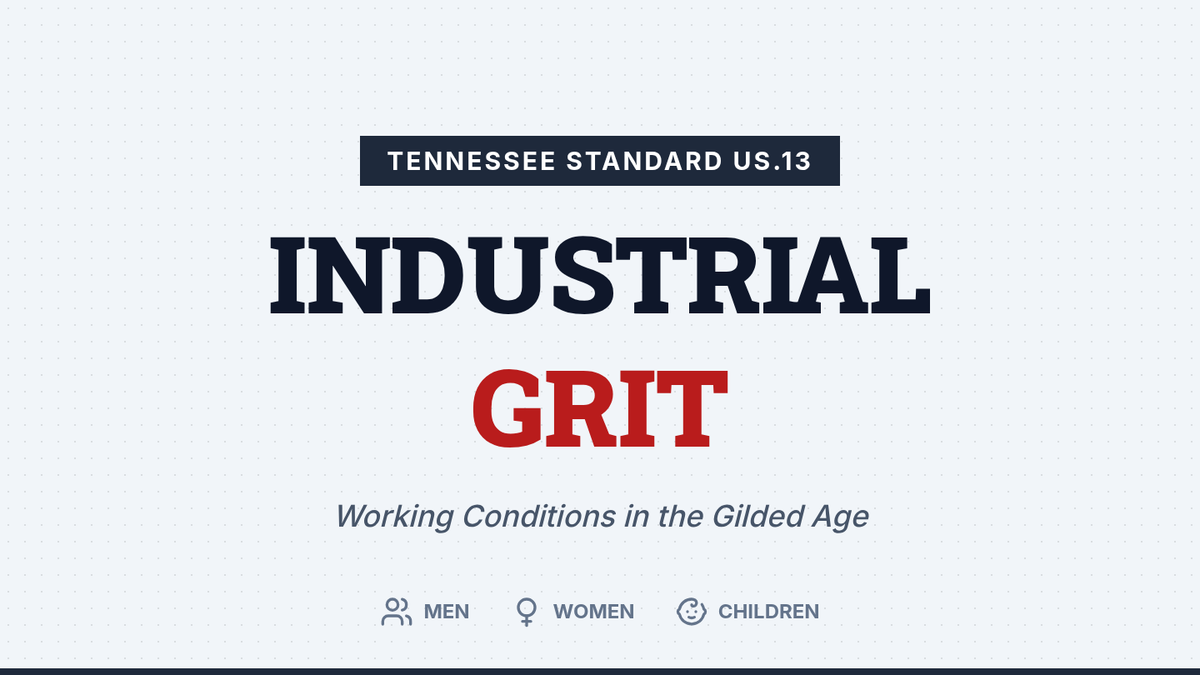
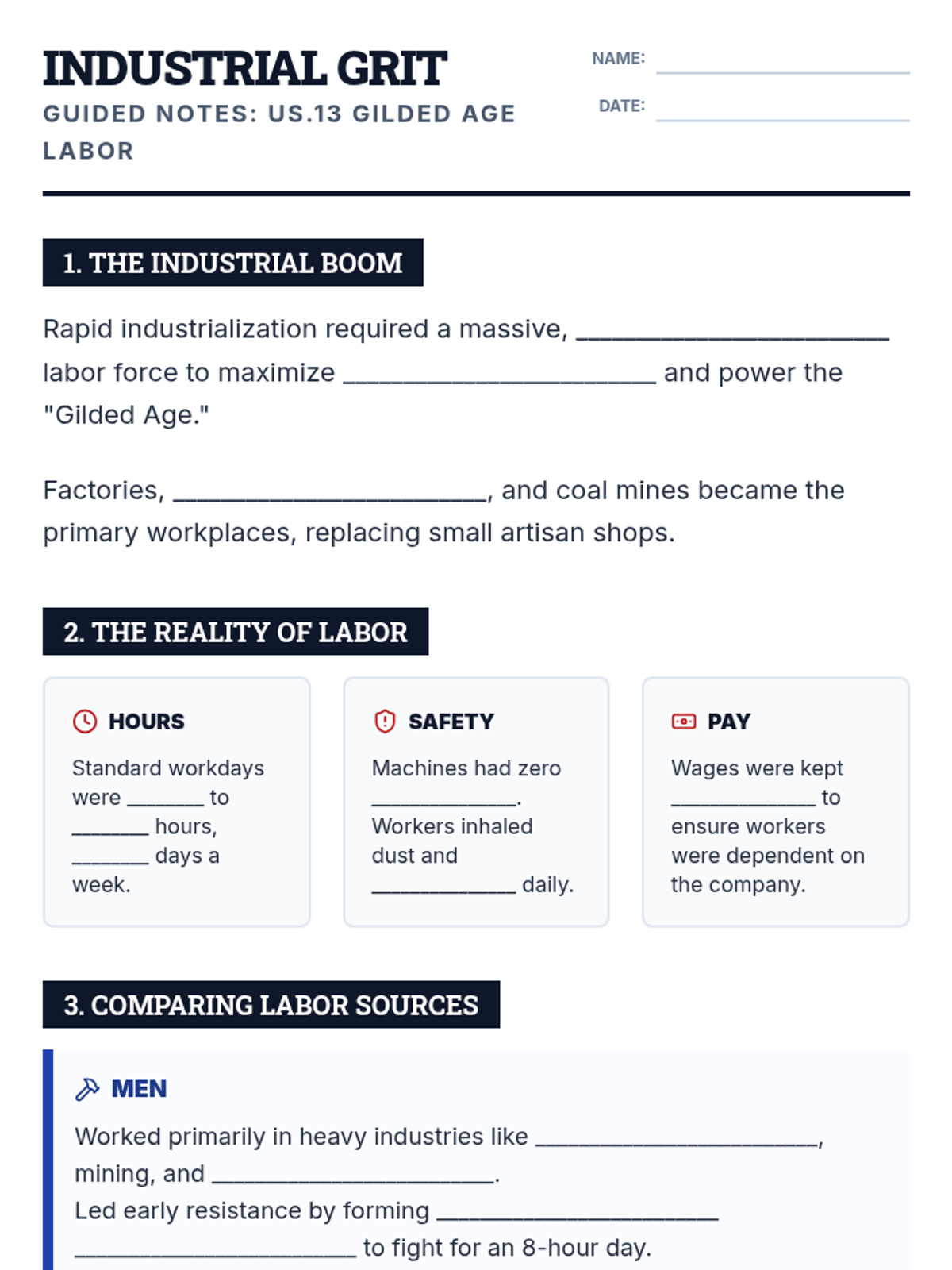
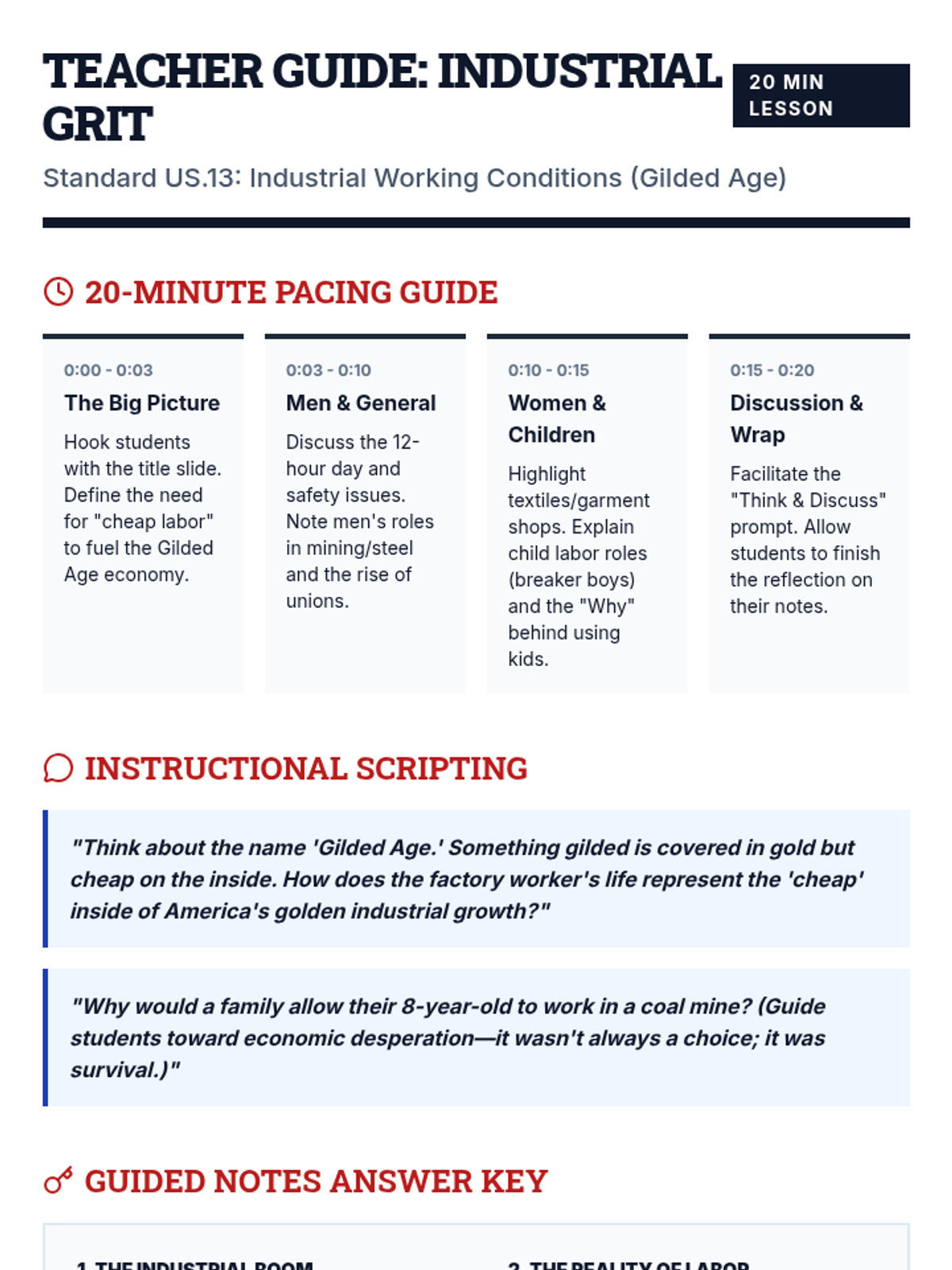
A fast-paced, 20-minute exploration of the harsh realities of industrial labor during the Gilded Age, focusing on the distinct roles and conditions faced by men, women, and children. Students use guided notes to track key economic and social impacts of the era's working conditions.
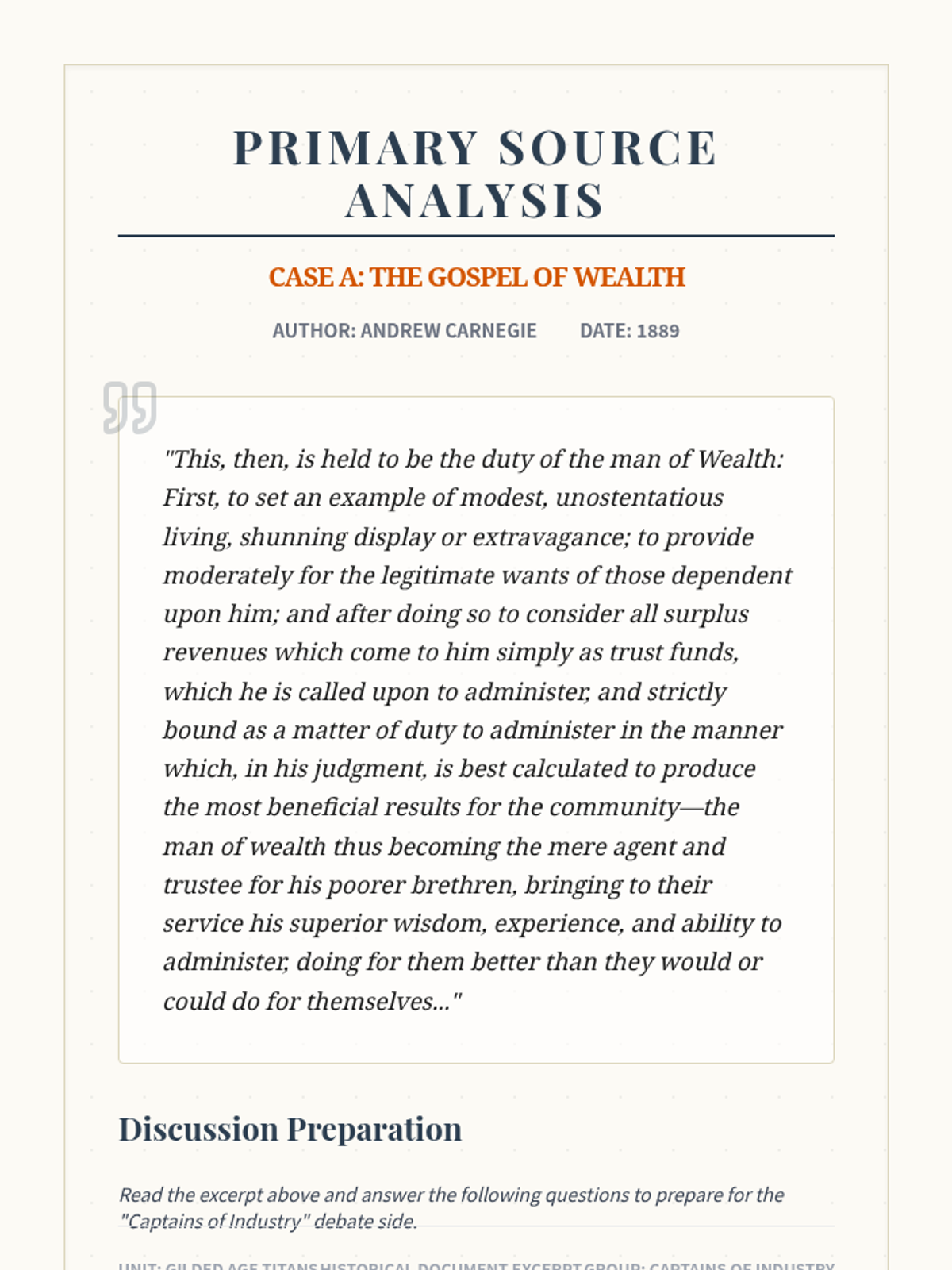
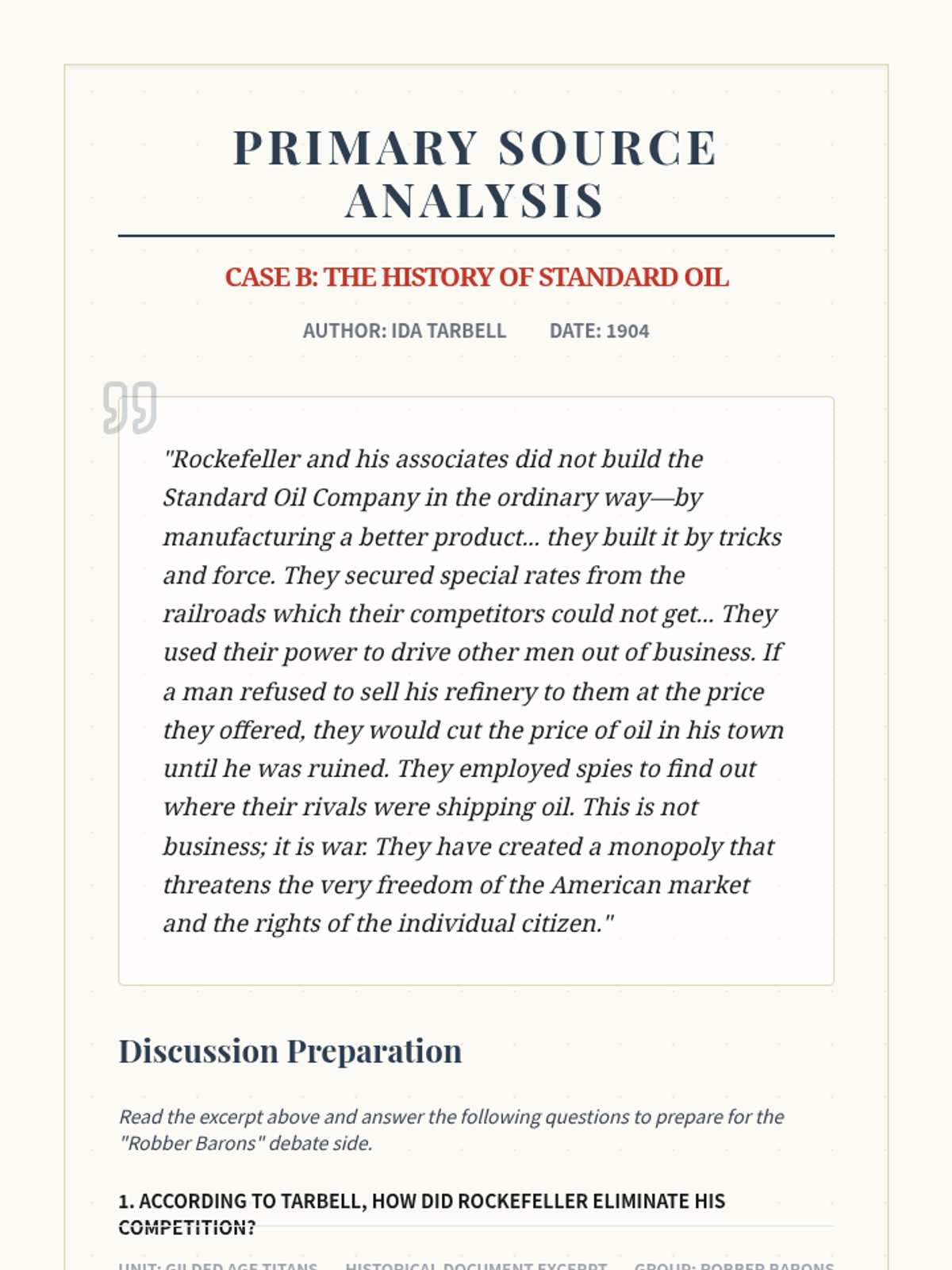
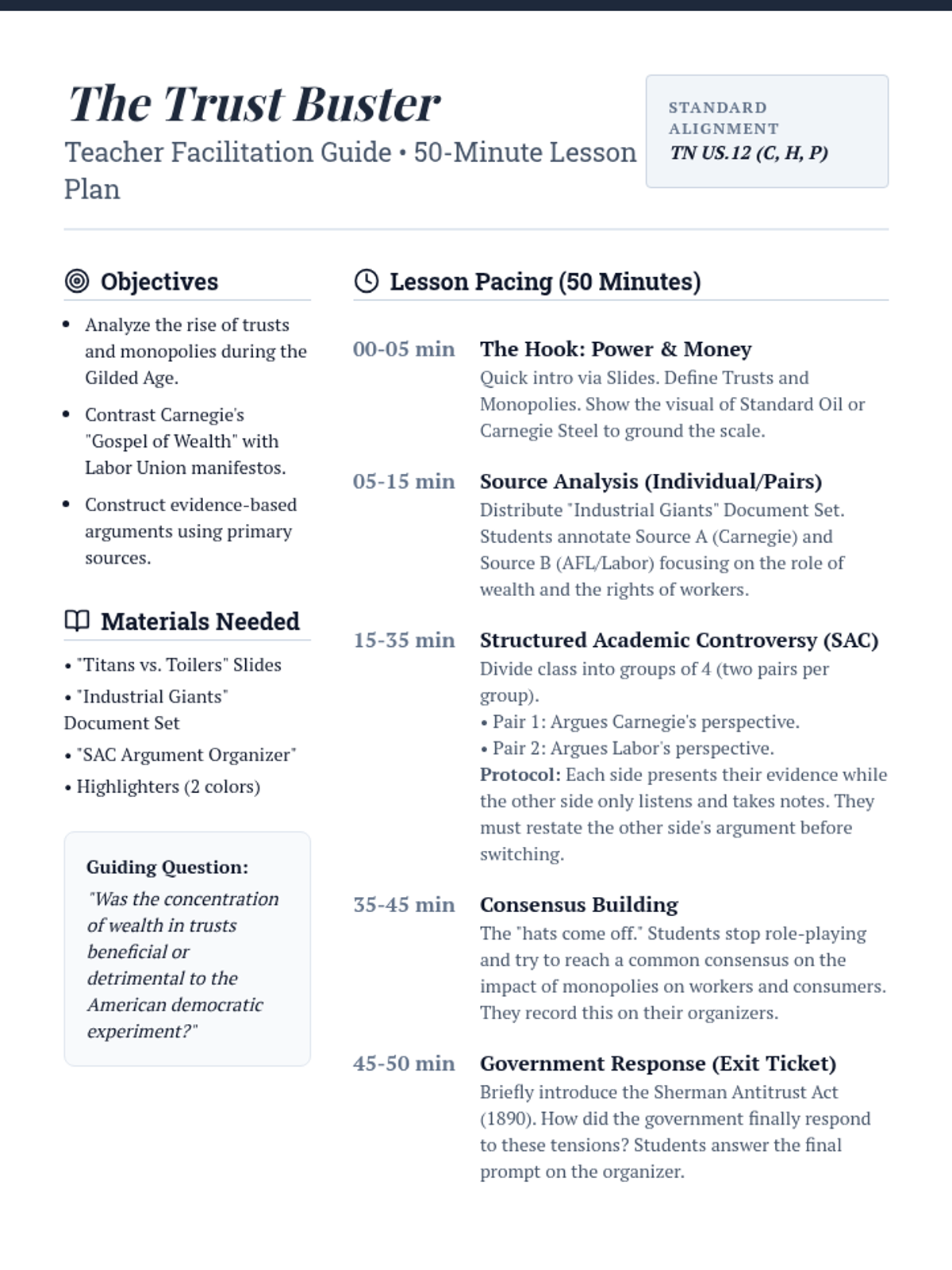
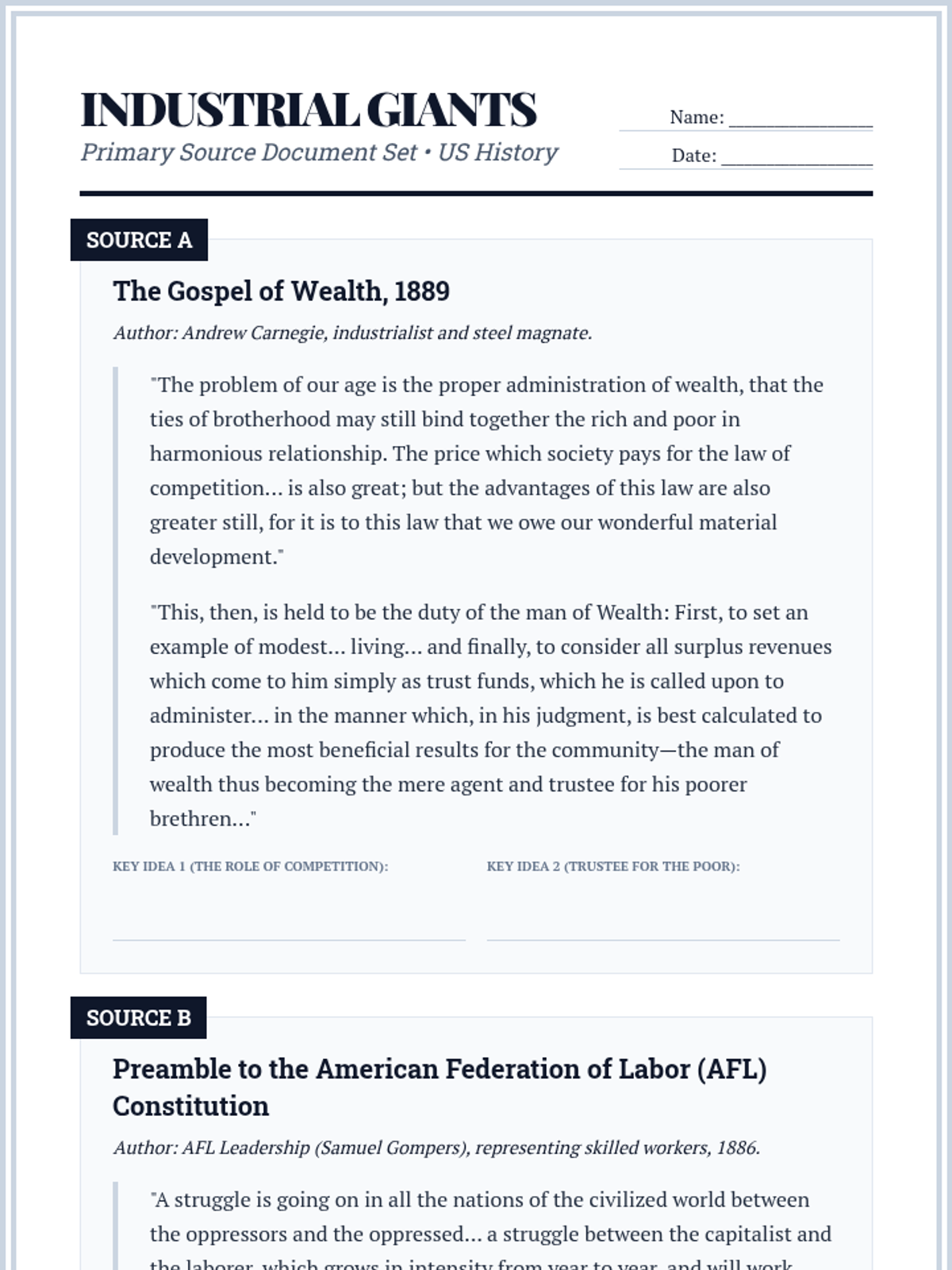
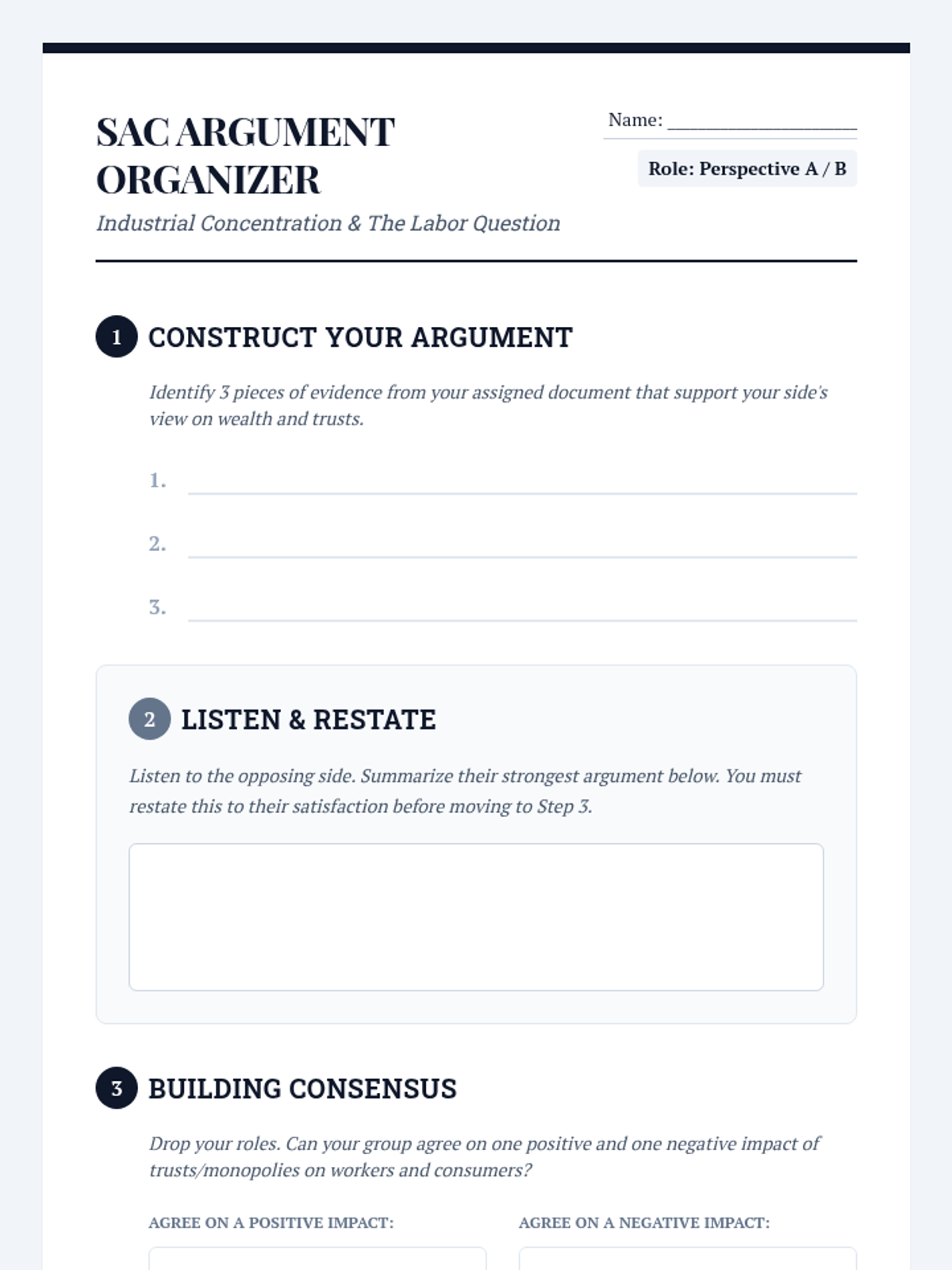
This lesson explores the rise of monopolies and trusts in Gilded Age America, focusing on the conflicting perspectives of industrial leaders and labor unions through a Structured Academic Controversy (SAC). Students analyze Carnegie's 'Gospel of Wealth' and labor manifestos to construct evidence-based arguments regarding the impact of concentrated wealth on society.
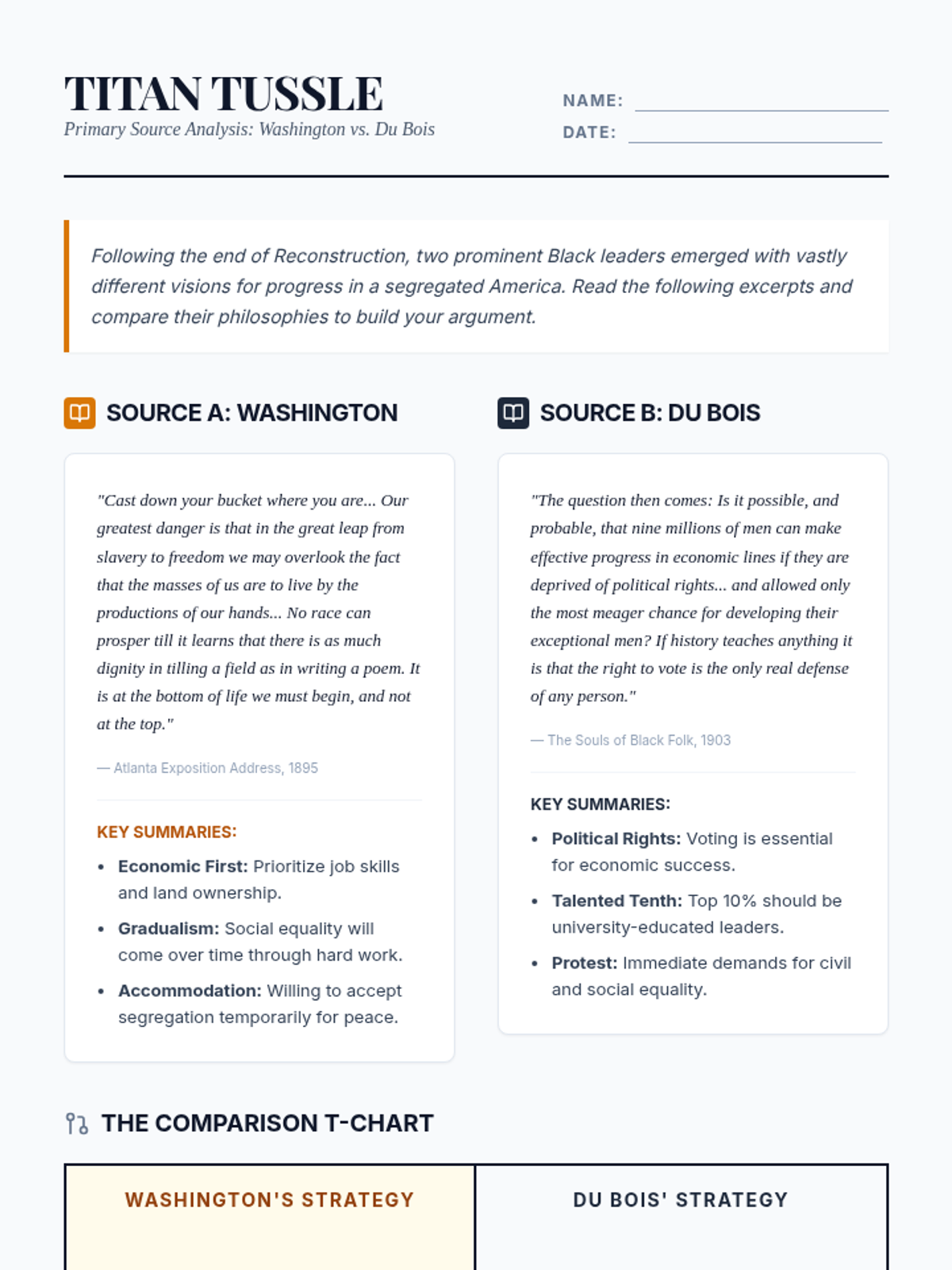
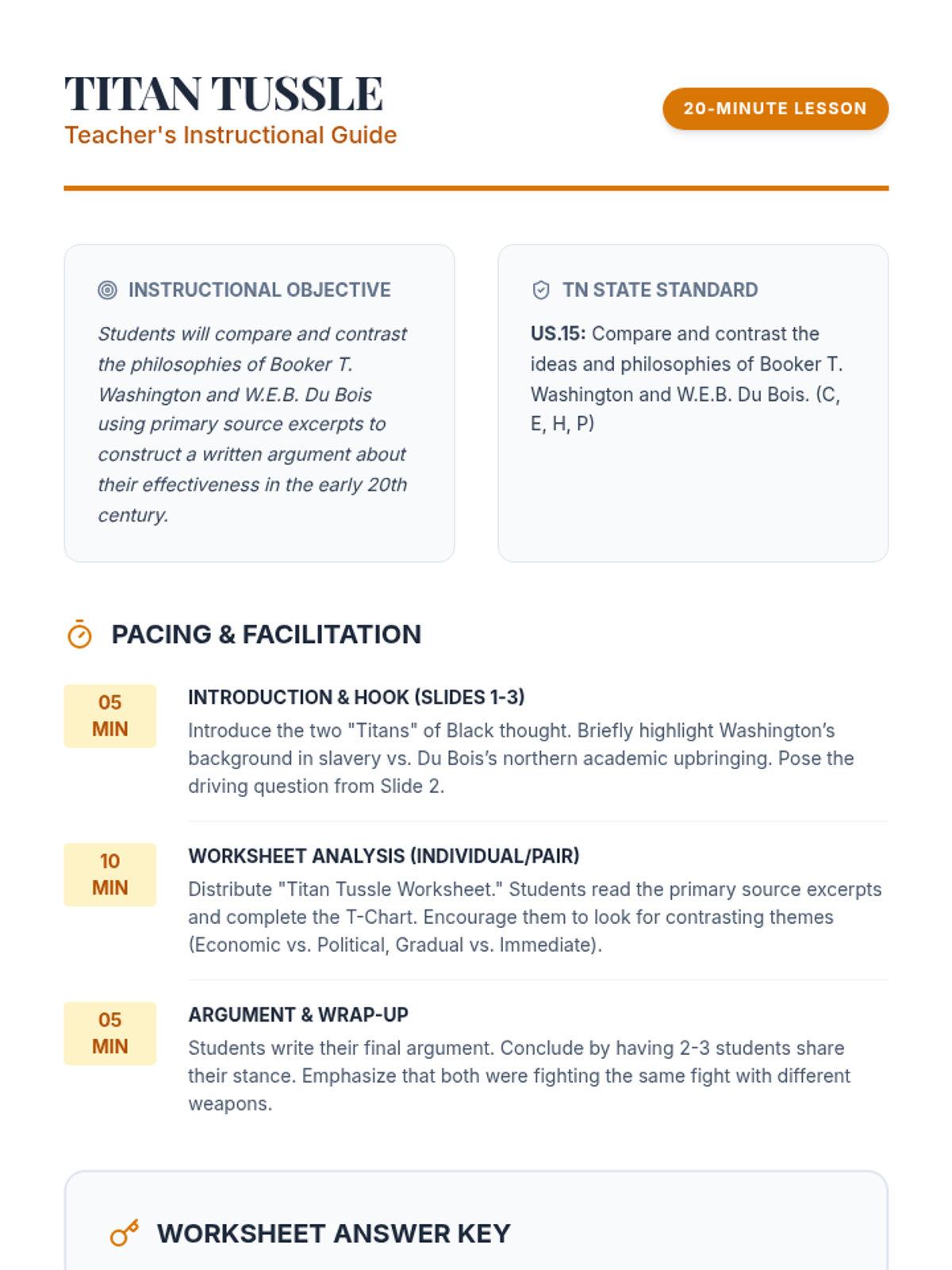
A fast-paced exploration of the divergent philosophies of Booker T. Washington and W.E.B. Du Bois regarding African American progress in the post-Reconstruction era. Students will analyze primary sources to construct arguments about their differing approaches to civil rights.
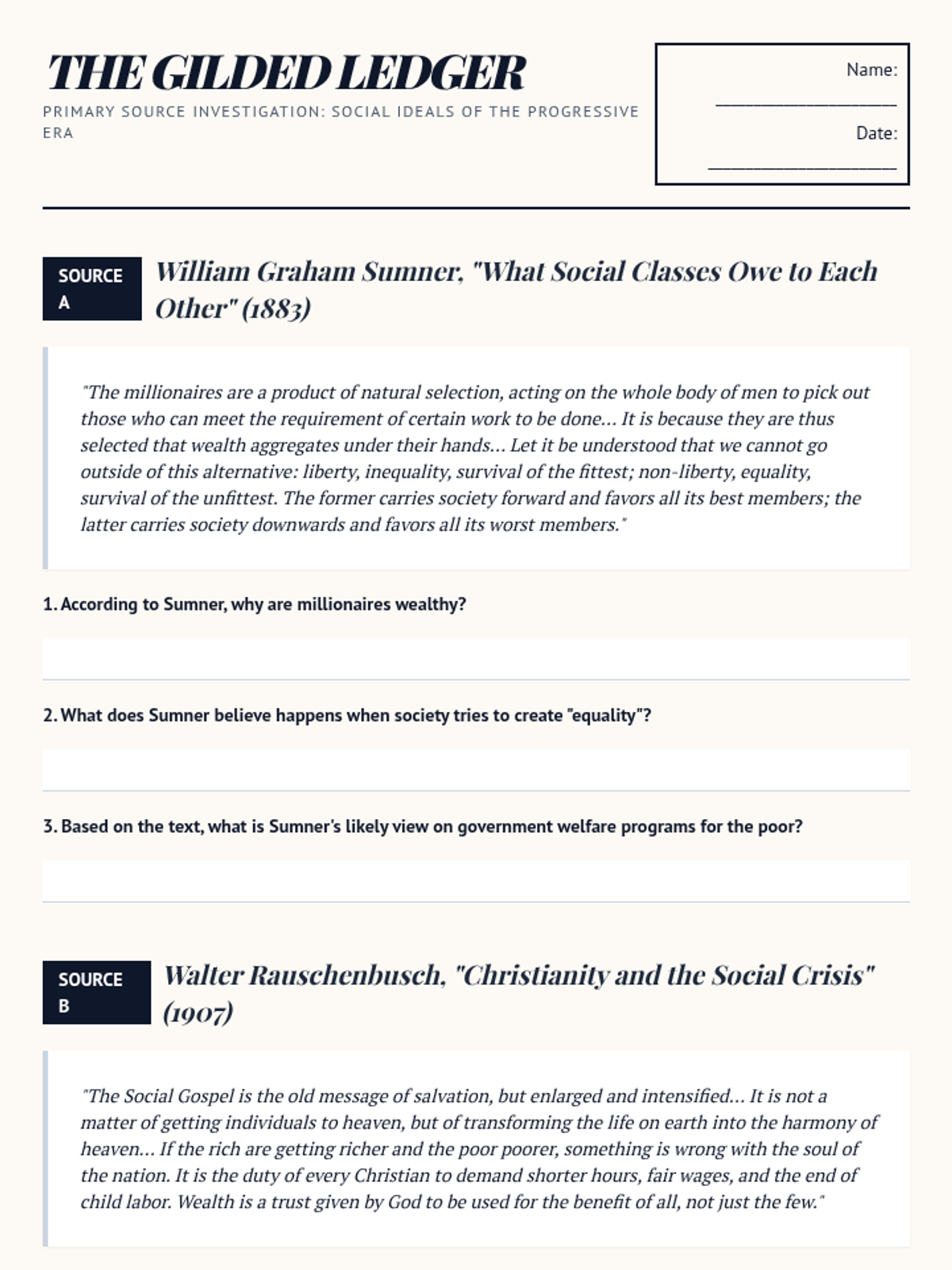
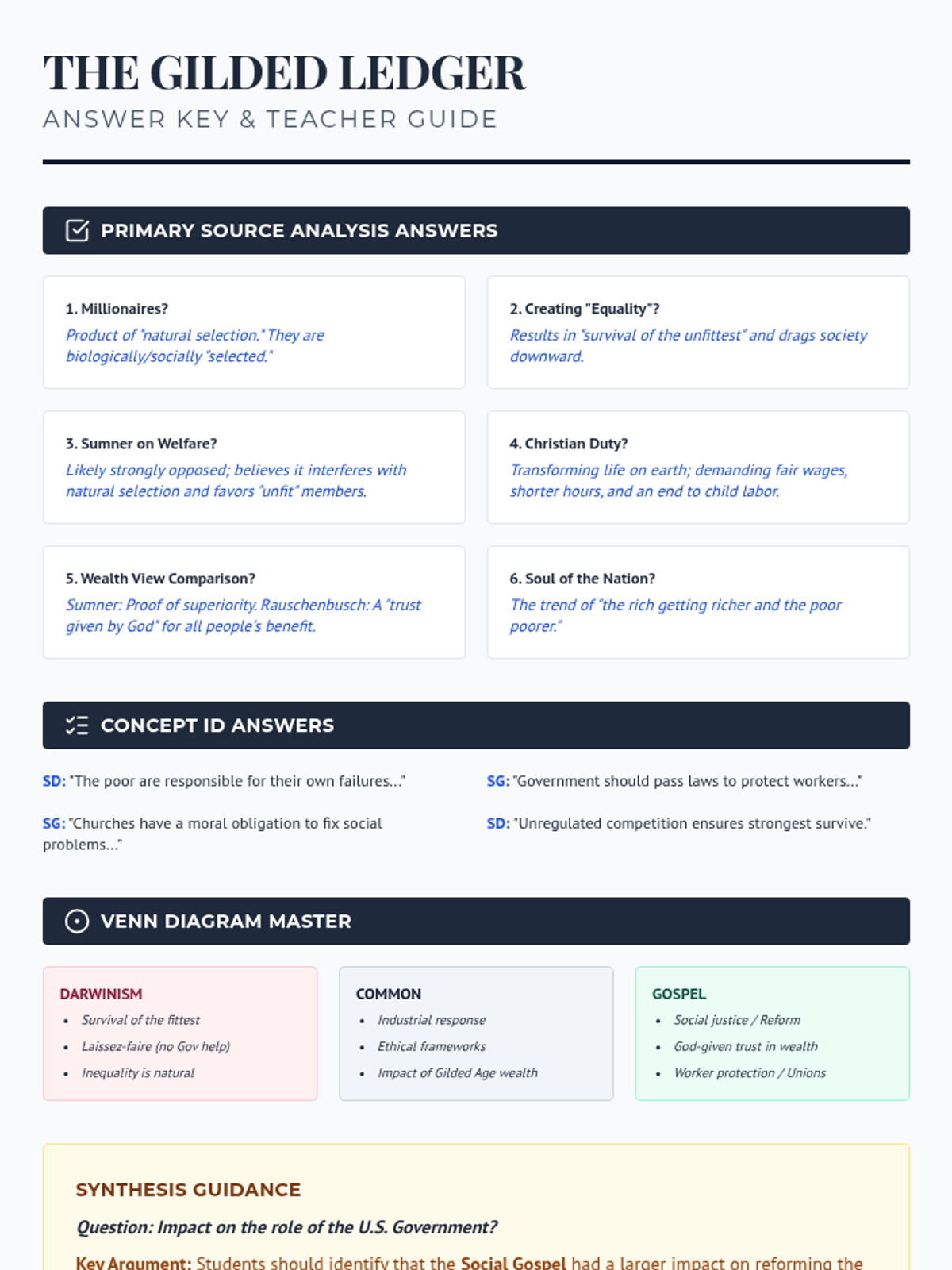
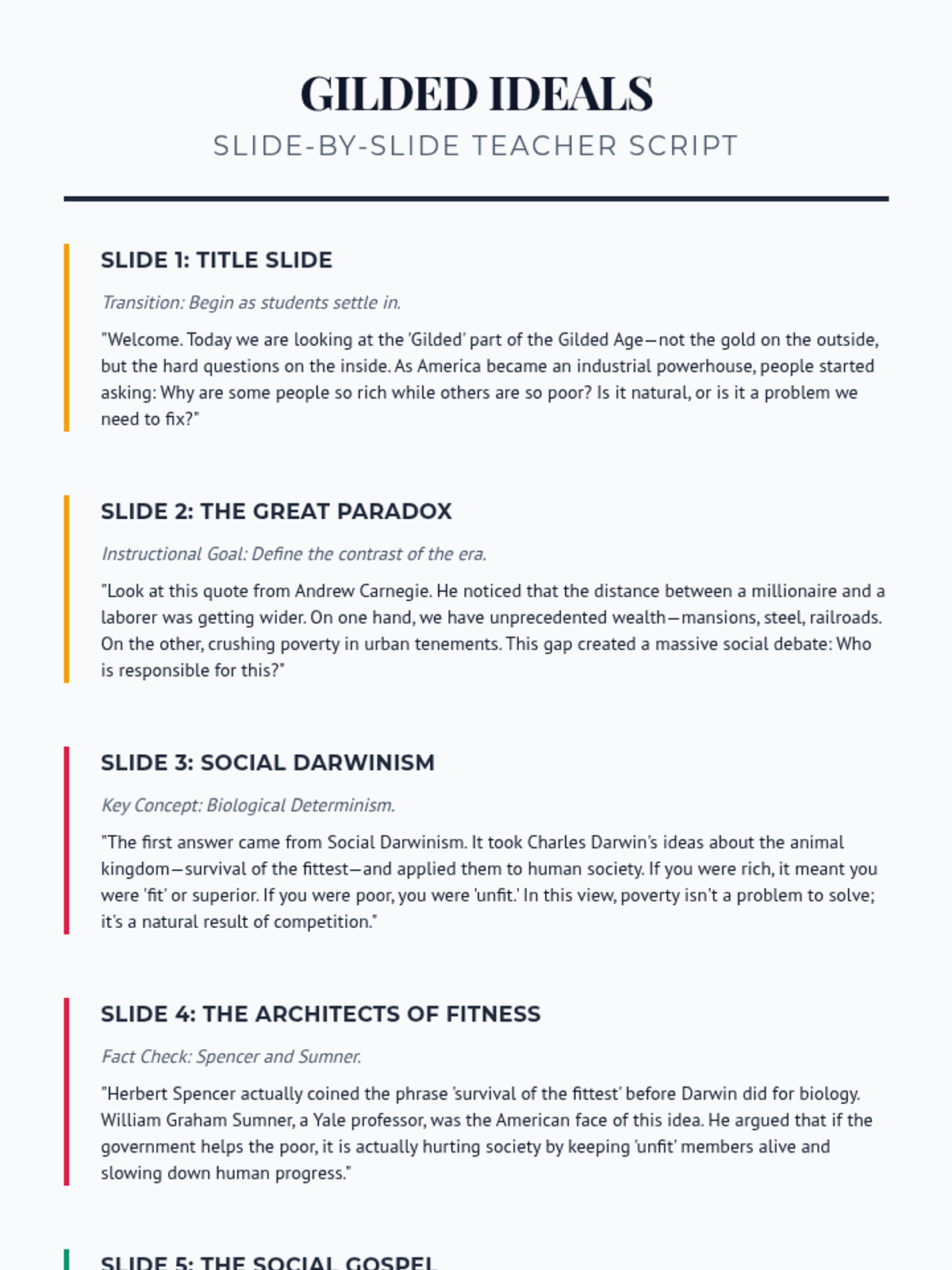
A 20-minute intensive study comparing Social Darwinism and the Social Gospel during the Progressive Era through primary source analysis.
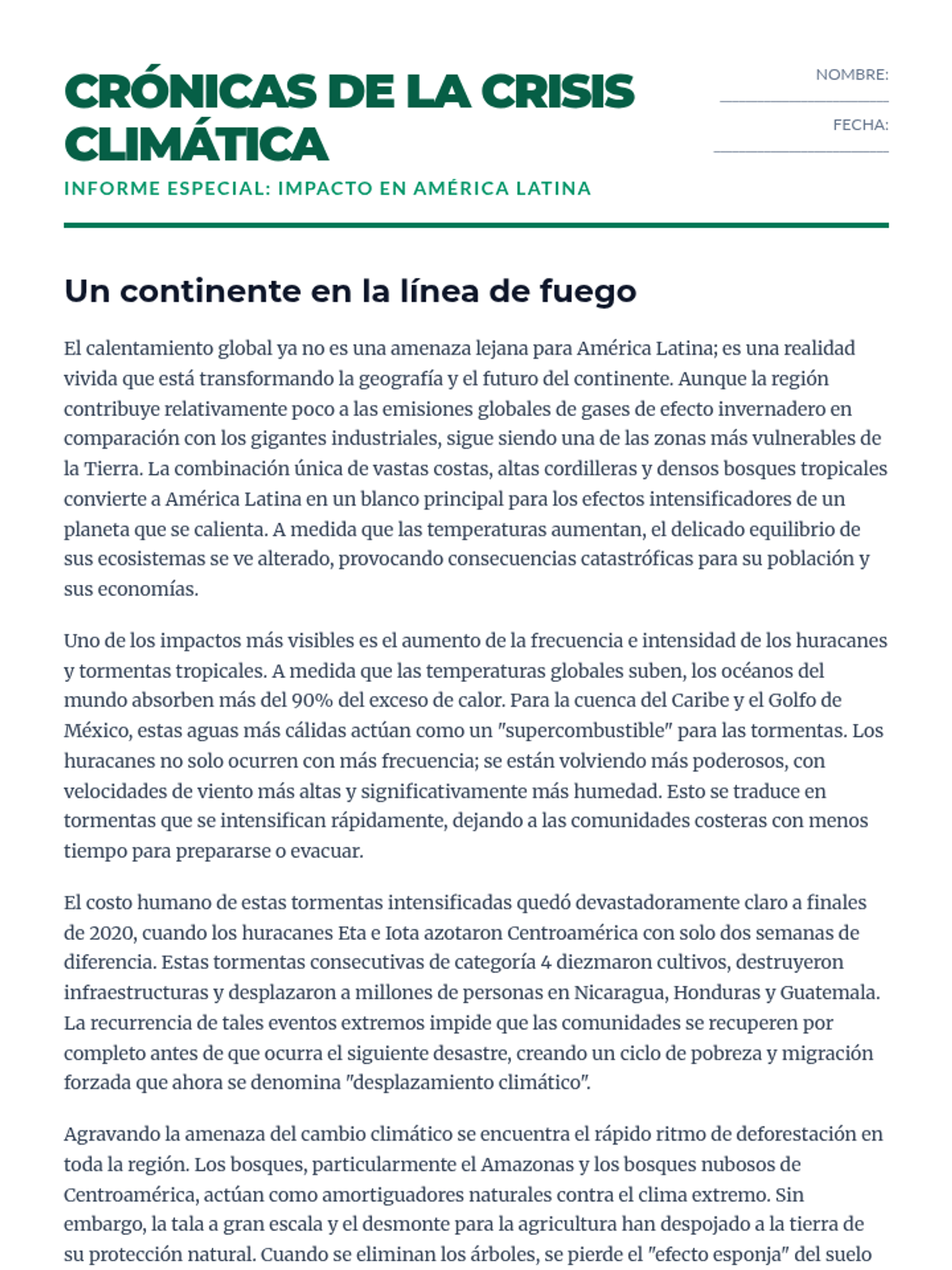
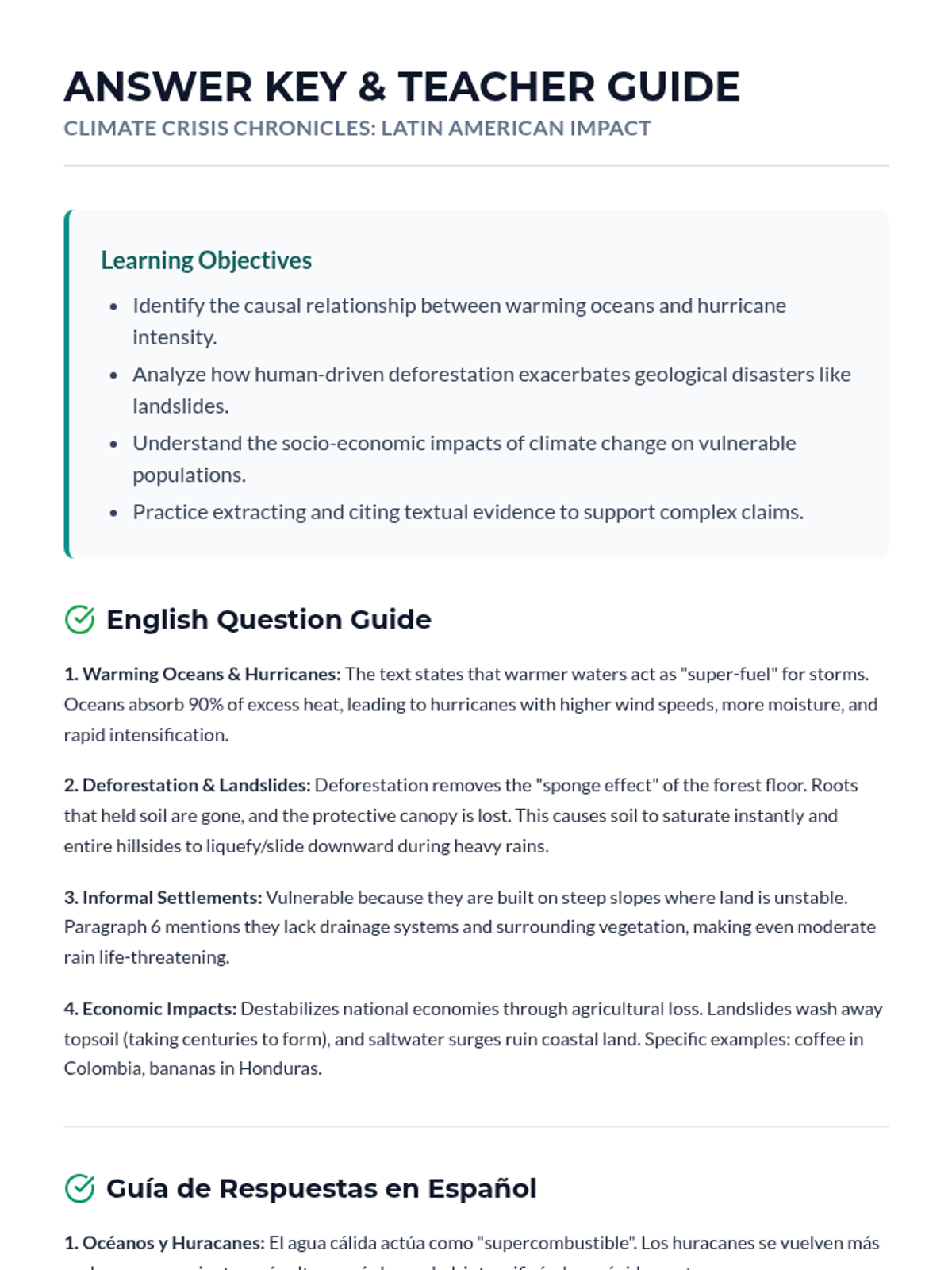
A comprehensive reading and analysis lesson exploring the specific impacts of global warming on Latin America, focusing on hurricanes, deforestation, and landslides.
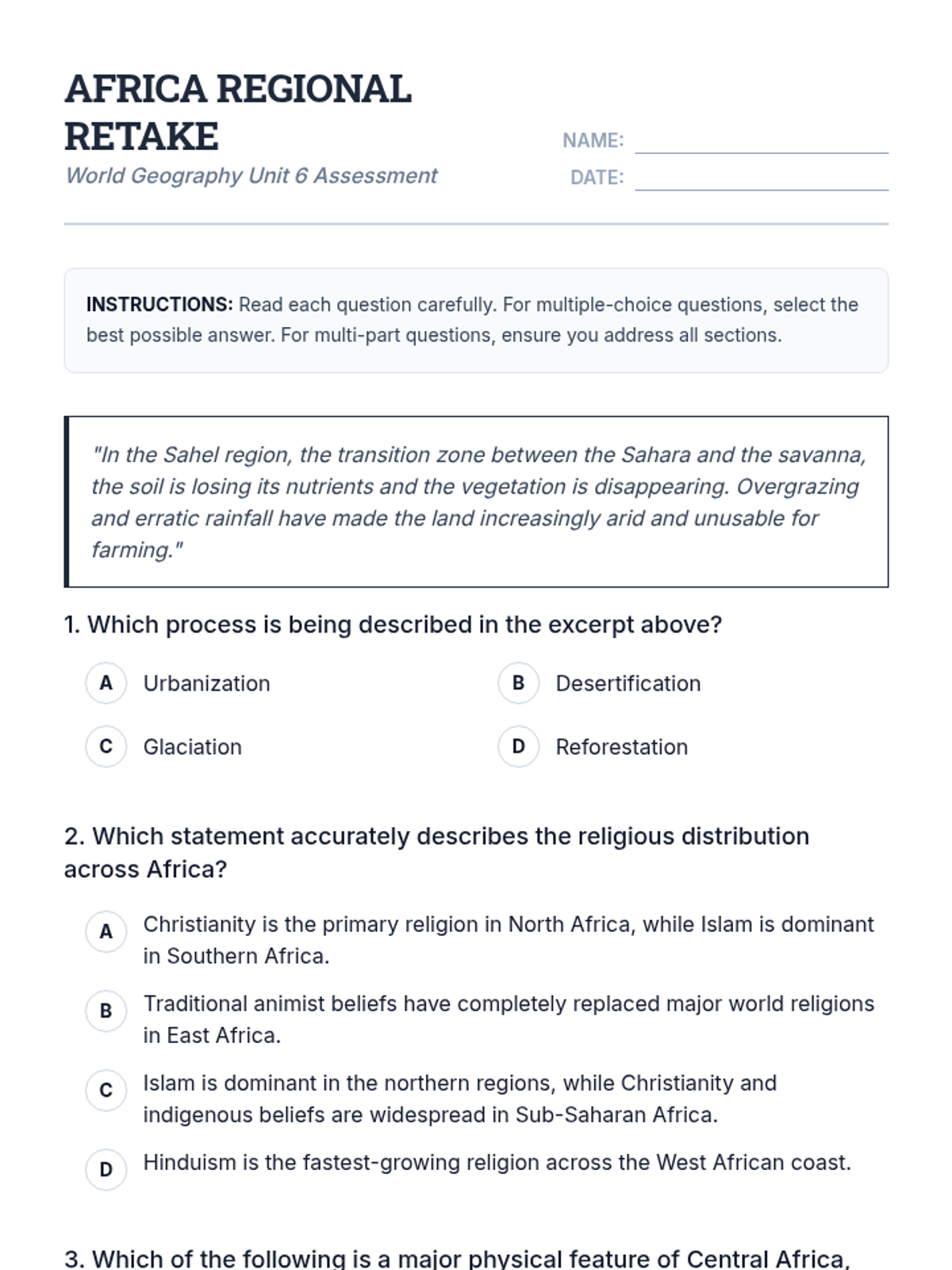
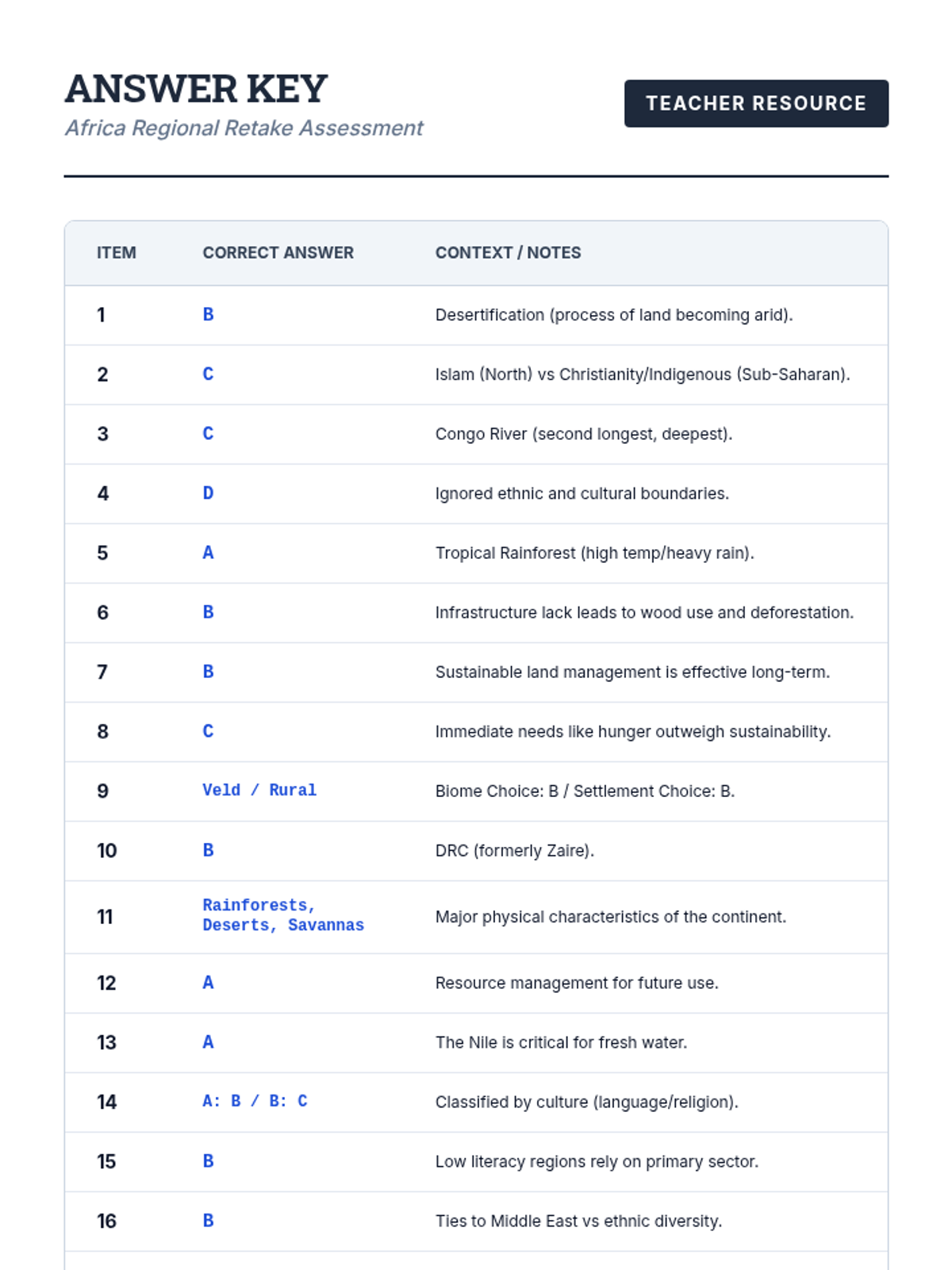
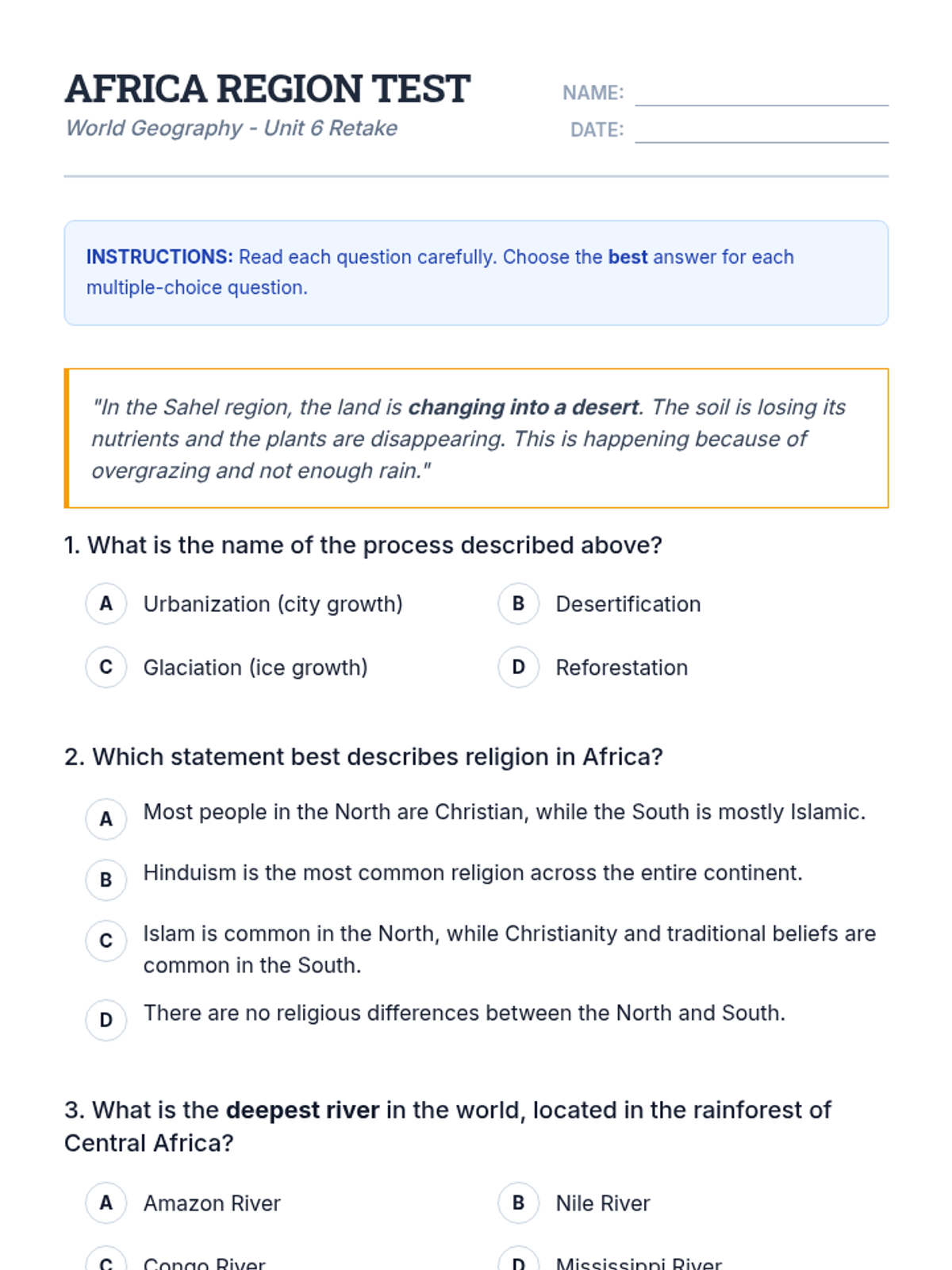
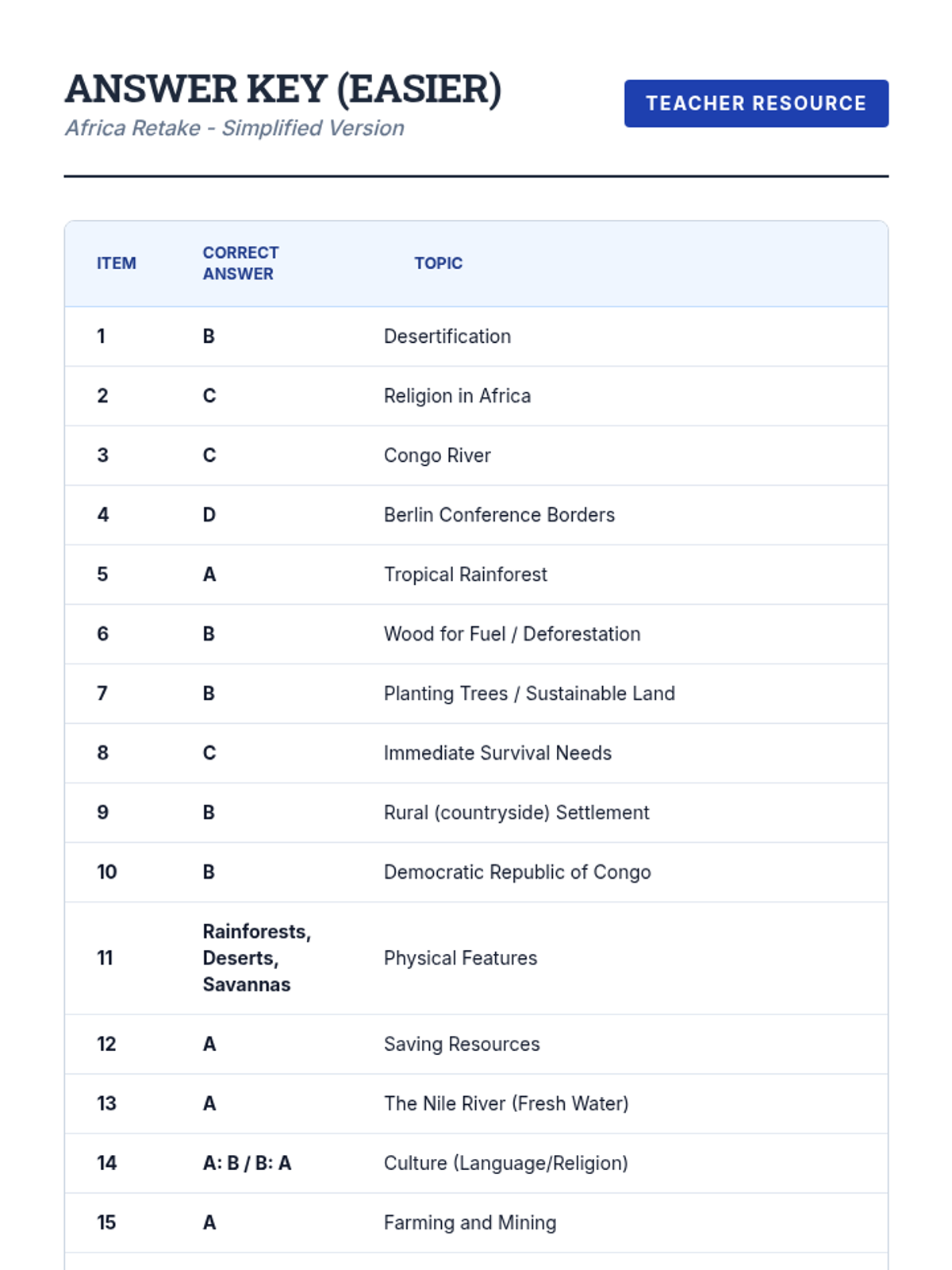
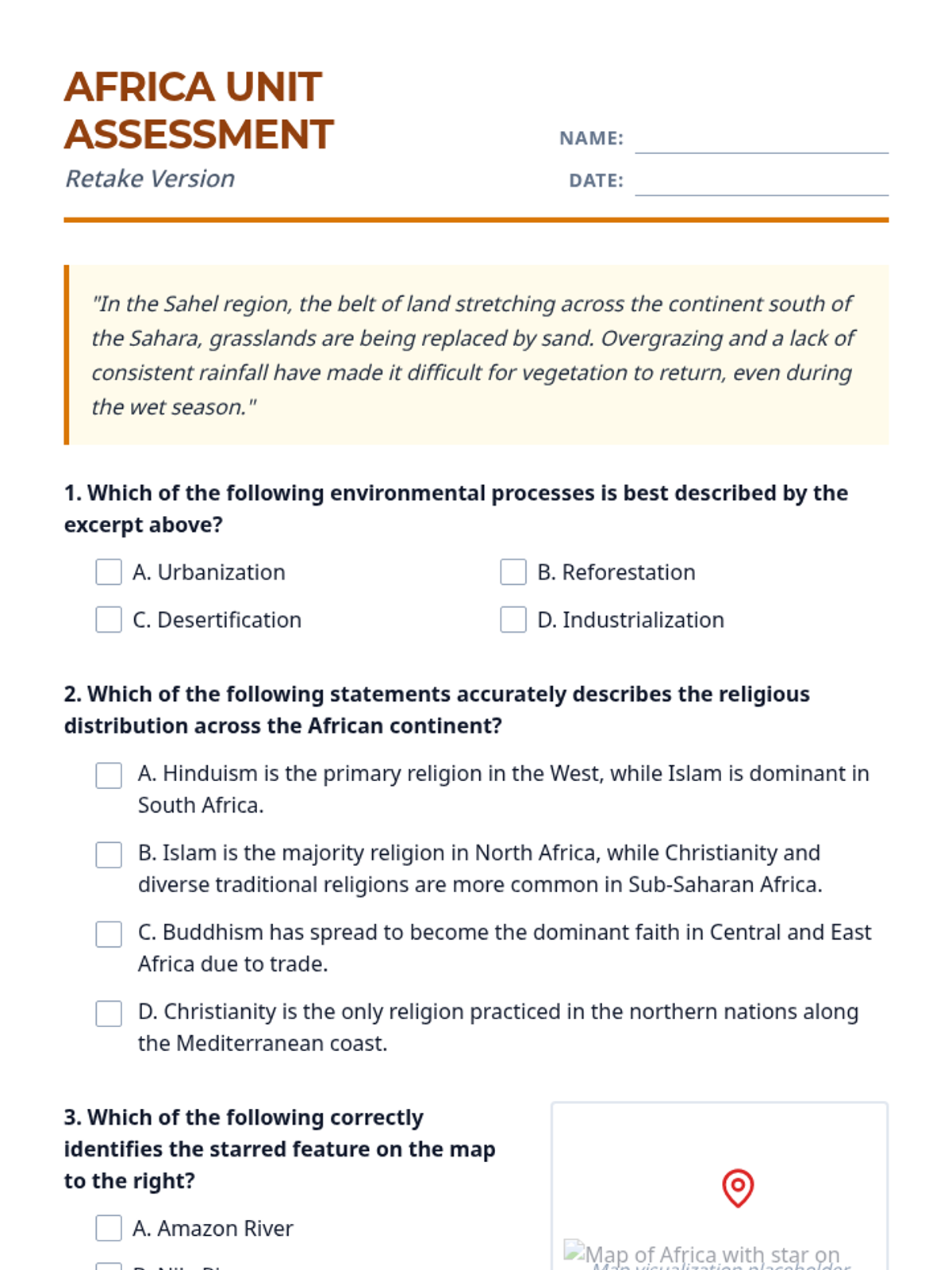
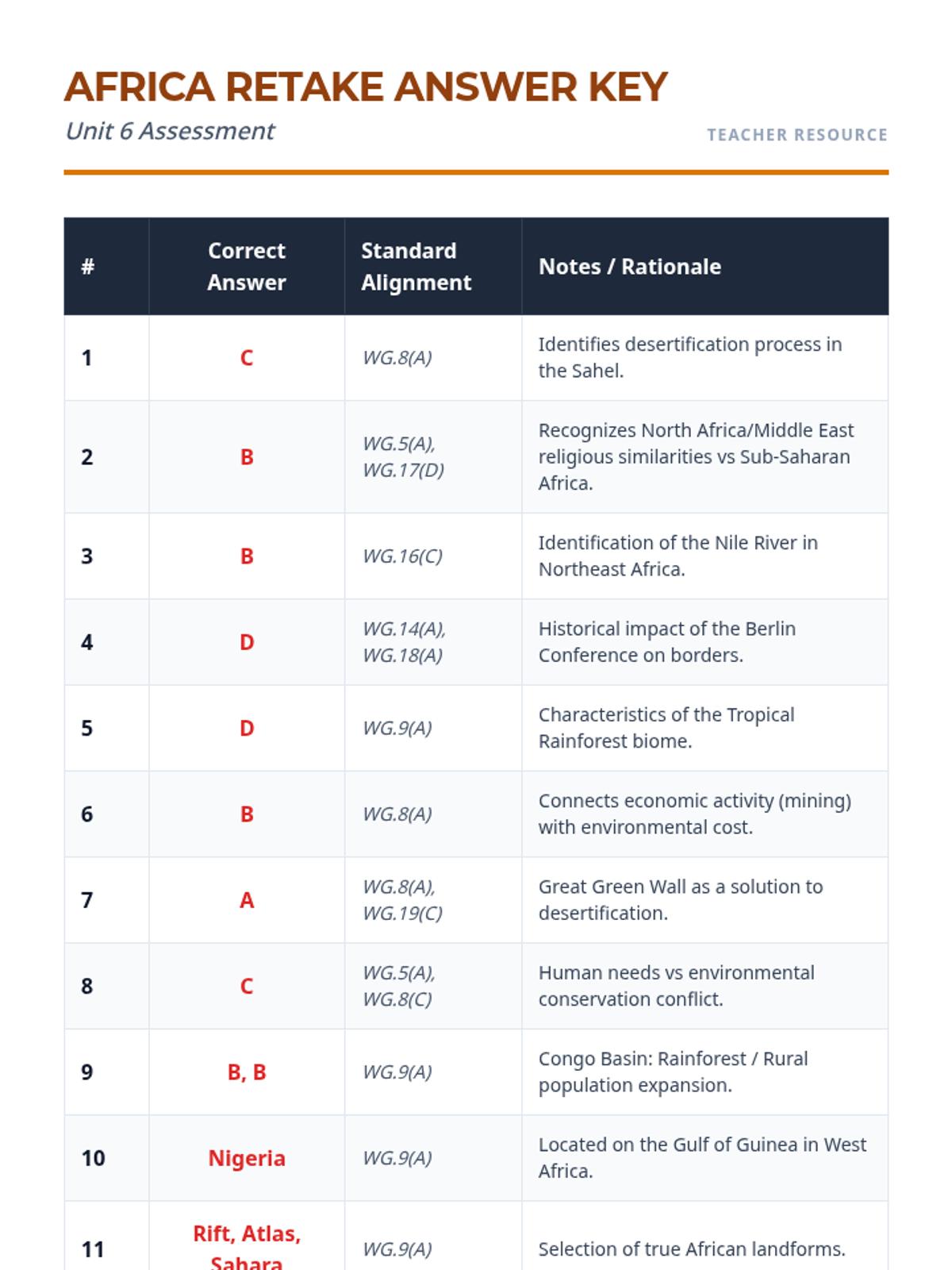
A unit assessment and retake resource pack focusing on the physical and human geography, climate, and development of Africa.
A comprehensive retake assessment for the Unit 6 Africa unit, covering physical geography, human systems, and contemporary issues. Includes a student test and a teacher answer key aligned with the original assessment standards.
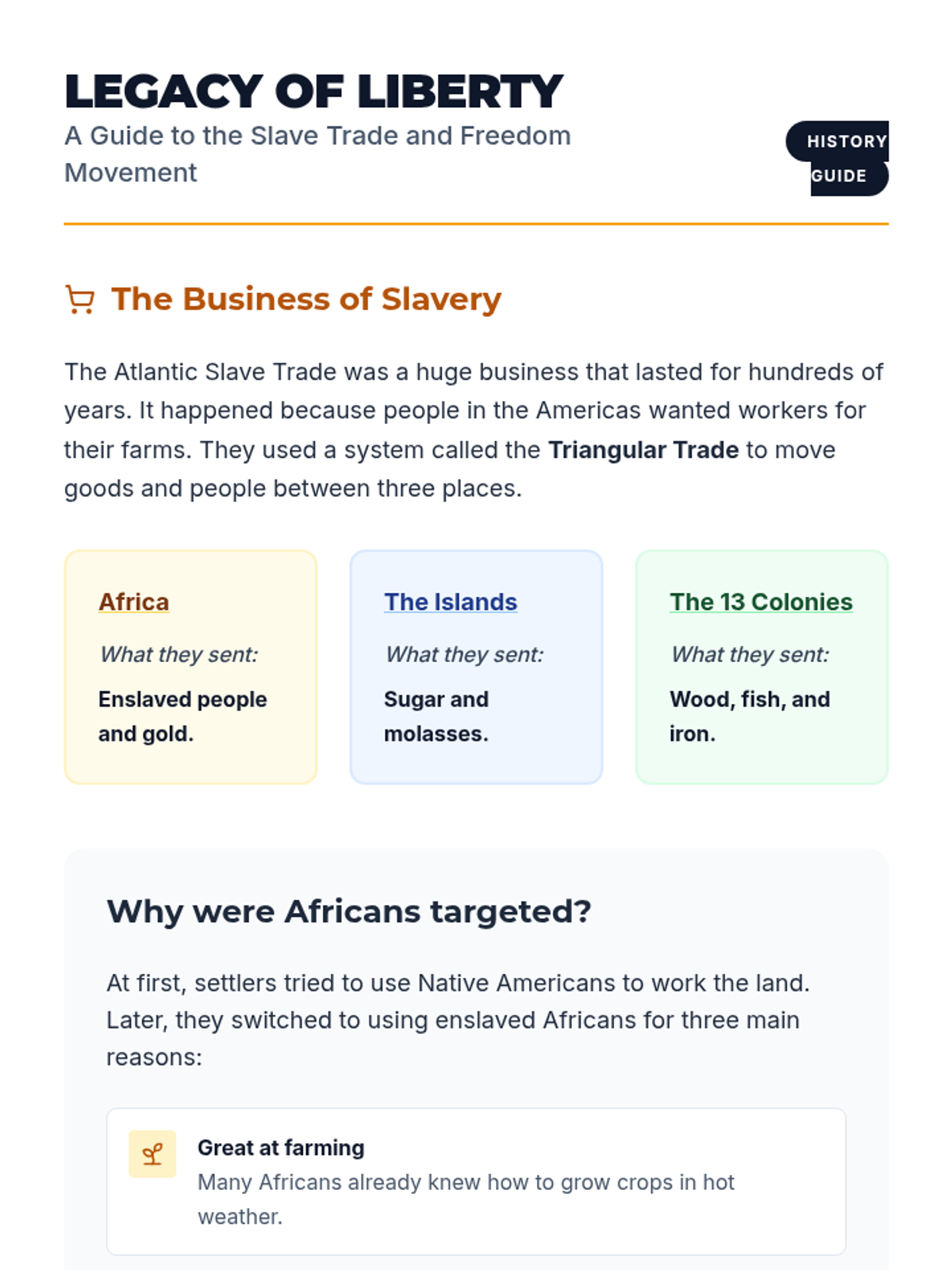
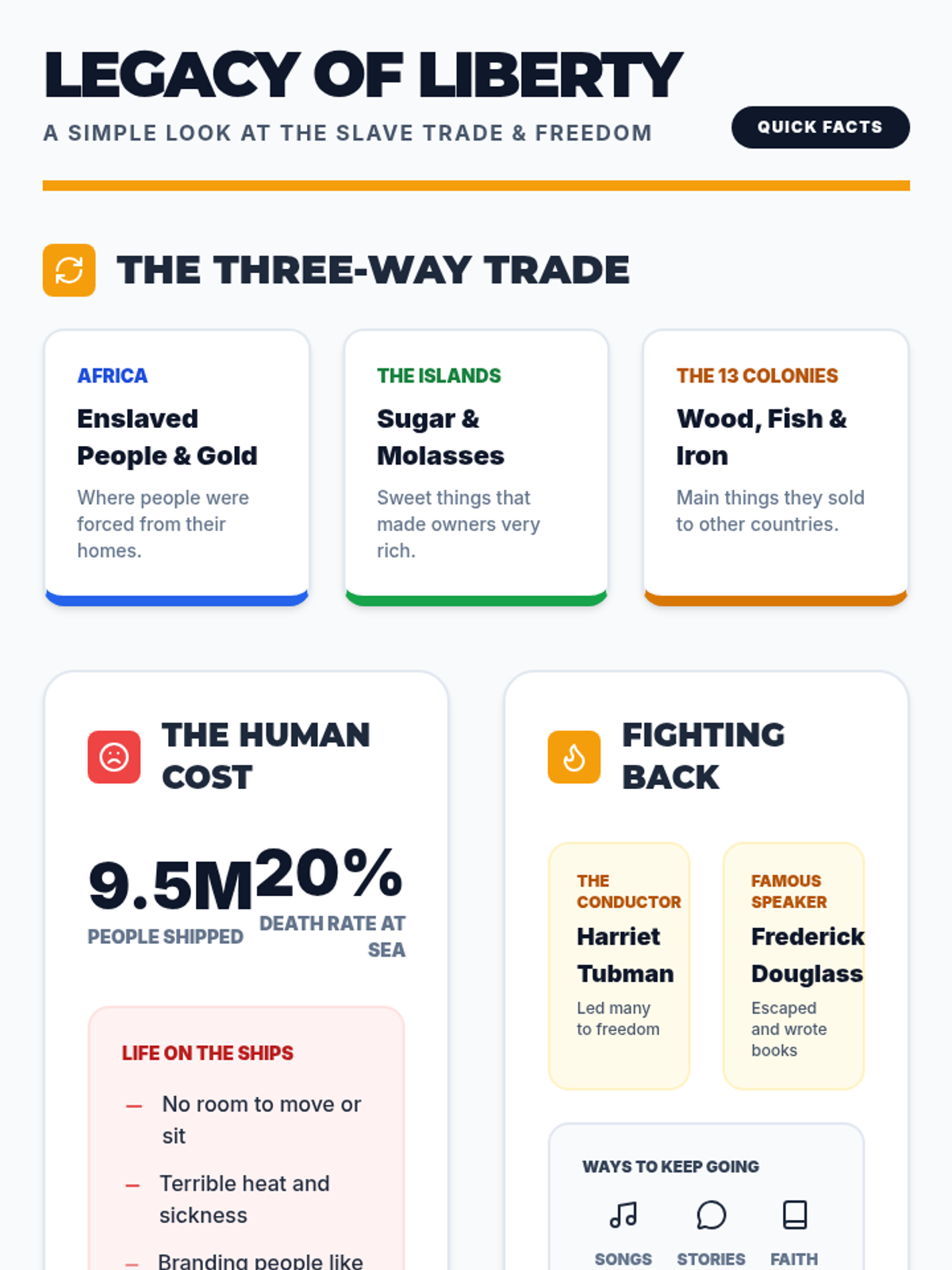
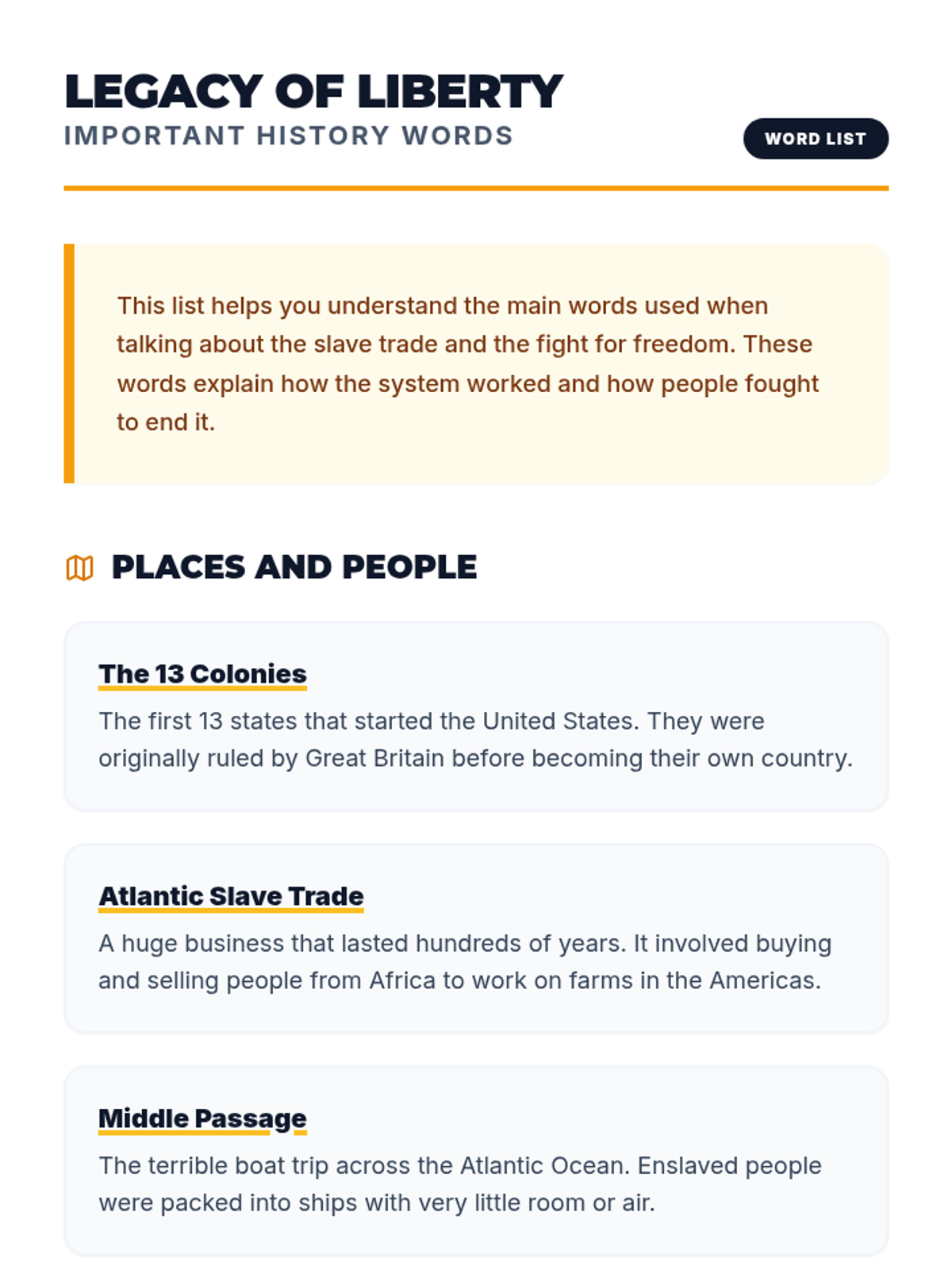
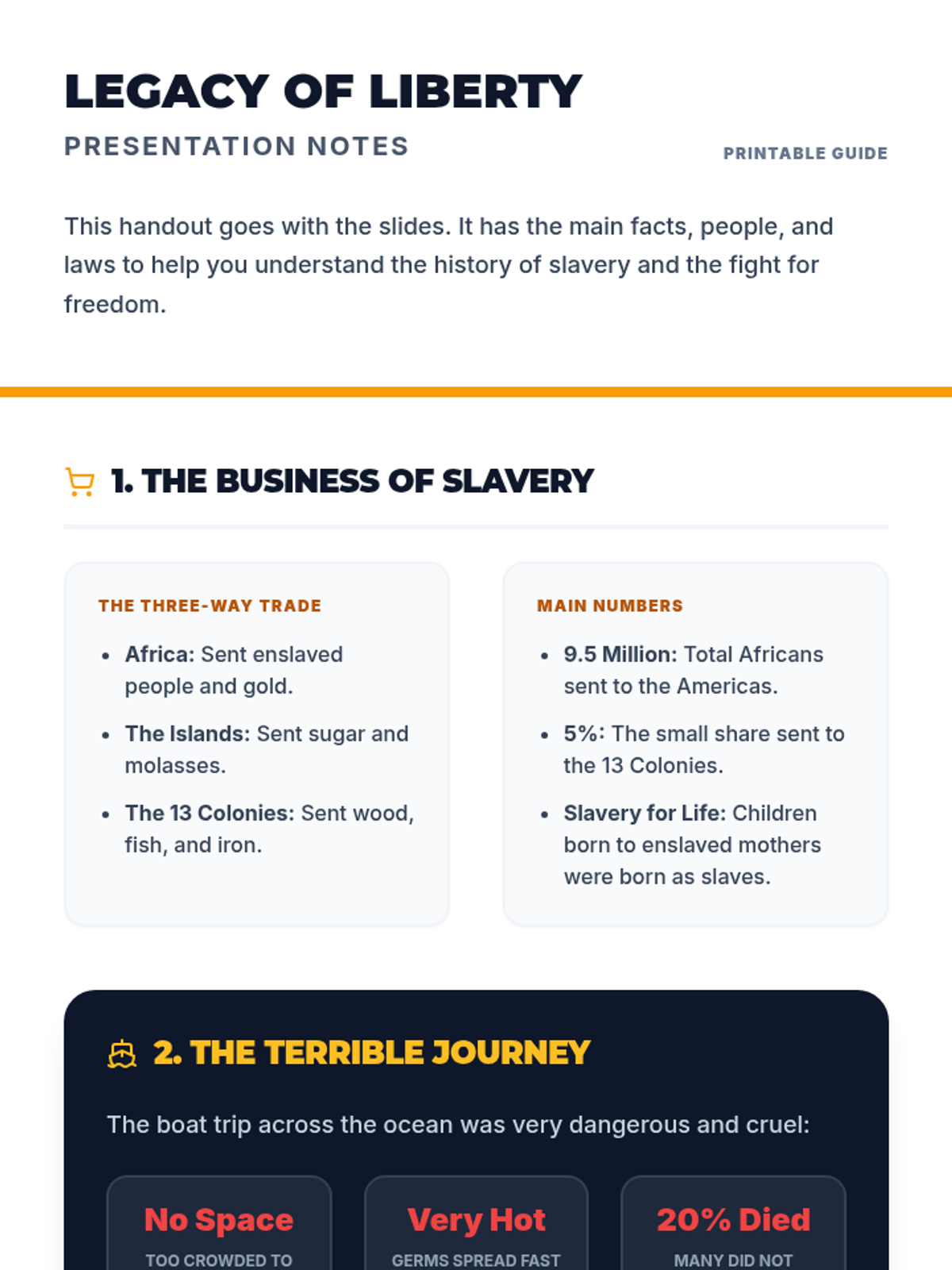
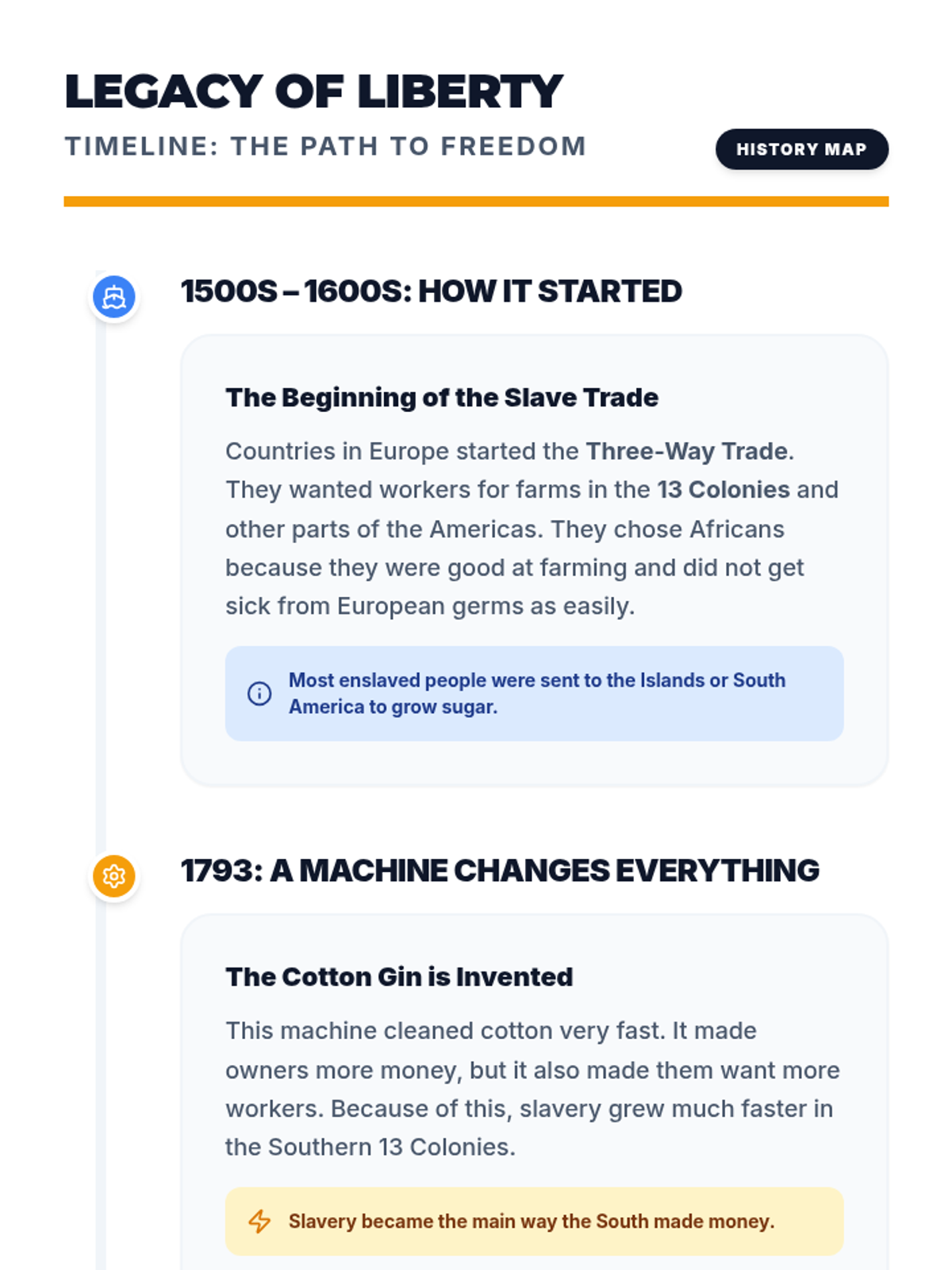
A comprehensive resource bundle for school leaders covering the history of the Atlantic Slave Trade and the Abolitionist Movement, featuring a detailed reference guide and a visual infographic.