Consolidates writing mechanics by explicitly teaching the seven general rules of stroke order through error analysis and diagnostic practice.
No materials in this lesson yet.
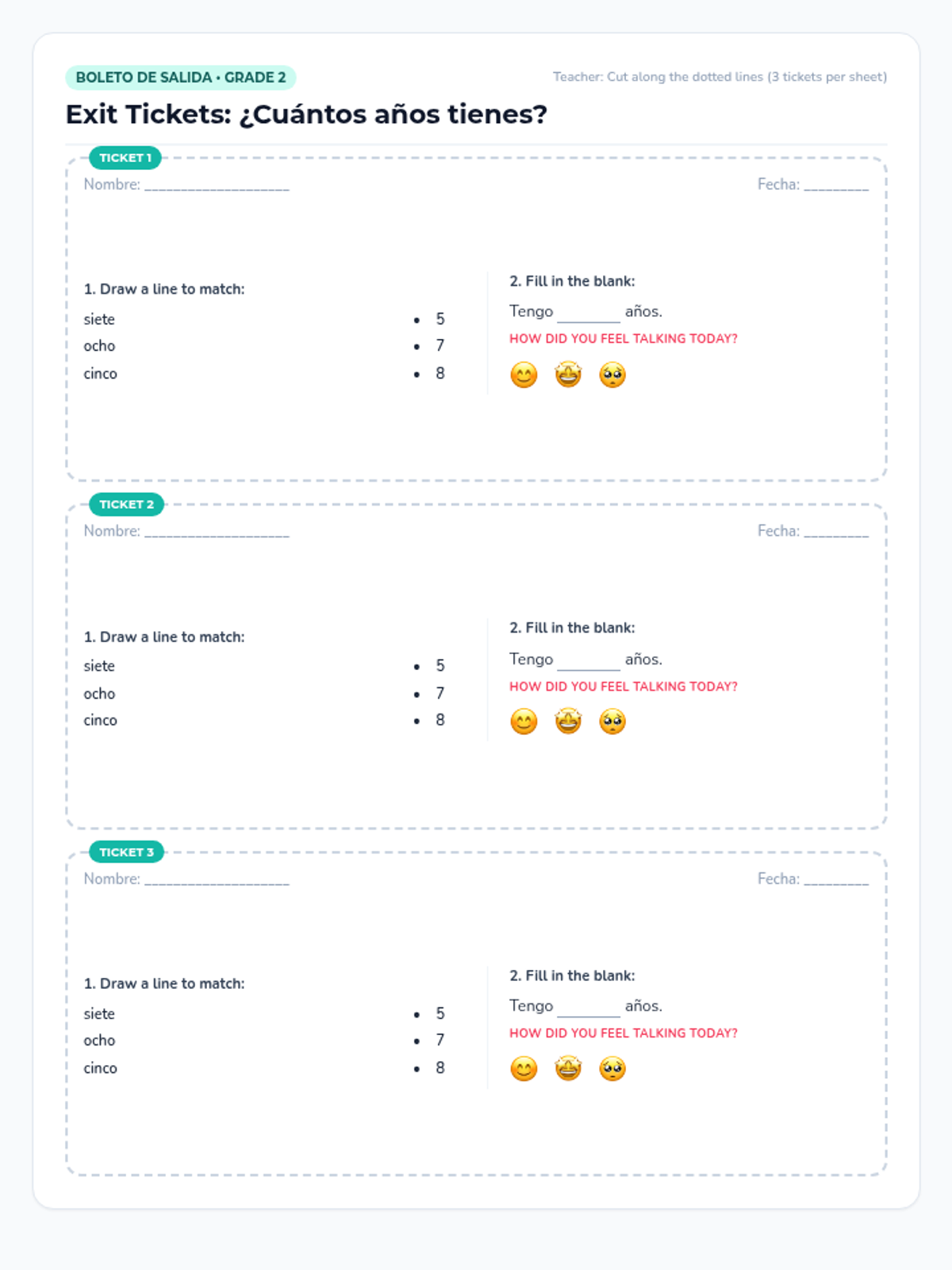
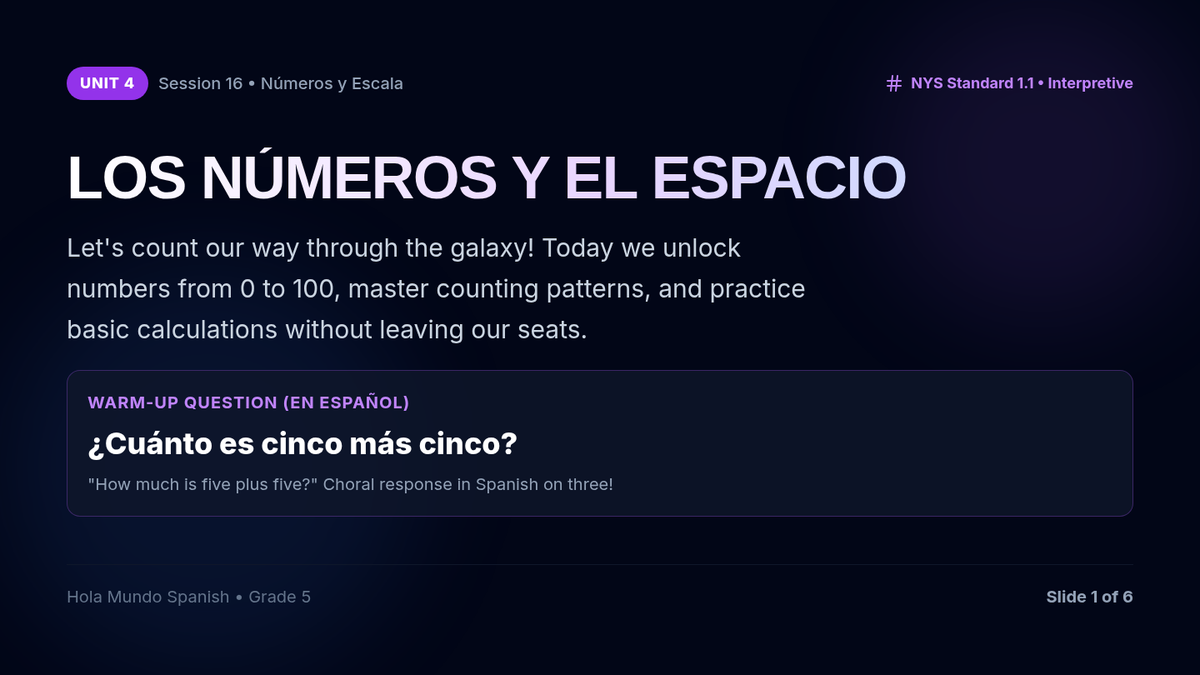
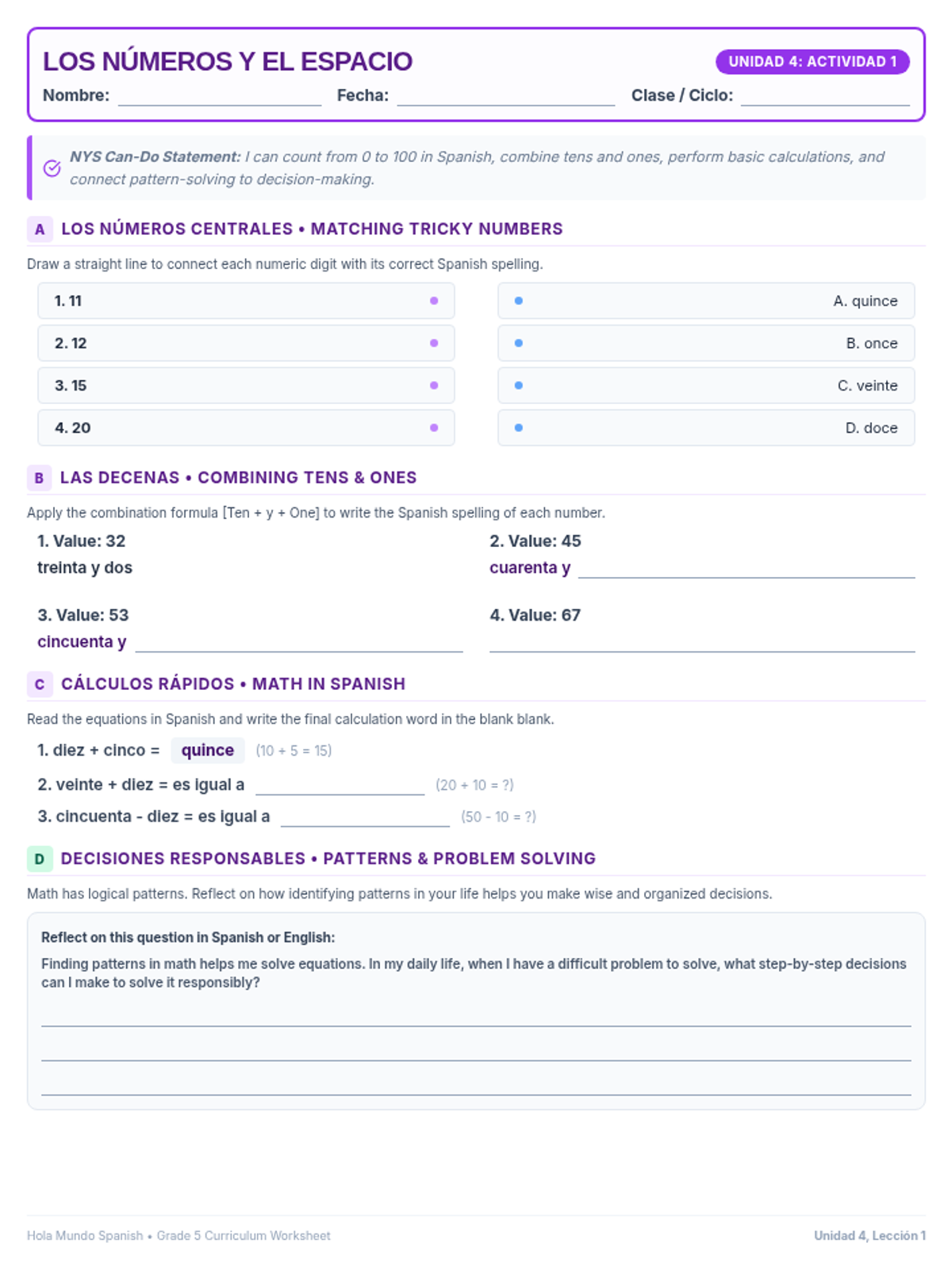
A vibrant lesson integrating Spanish number vocabulary with basic addition and subtraction through a marketplace theme. Students will learn to identify numbers and solve simple math problems using Spanish terminology.
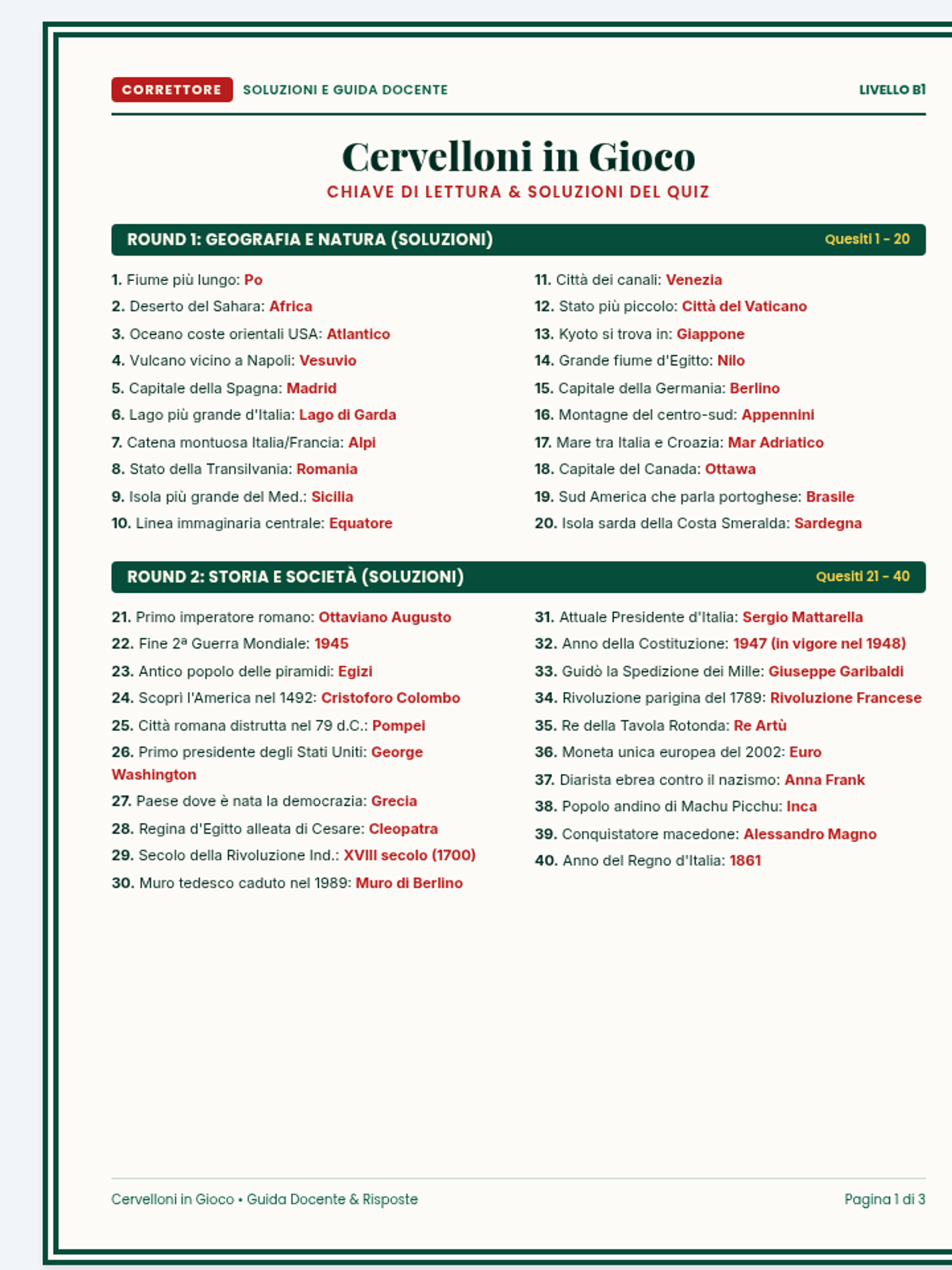
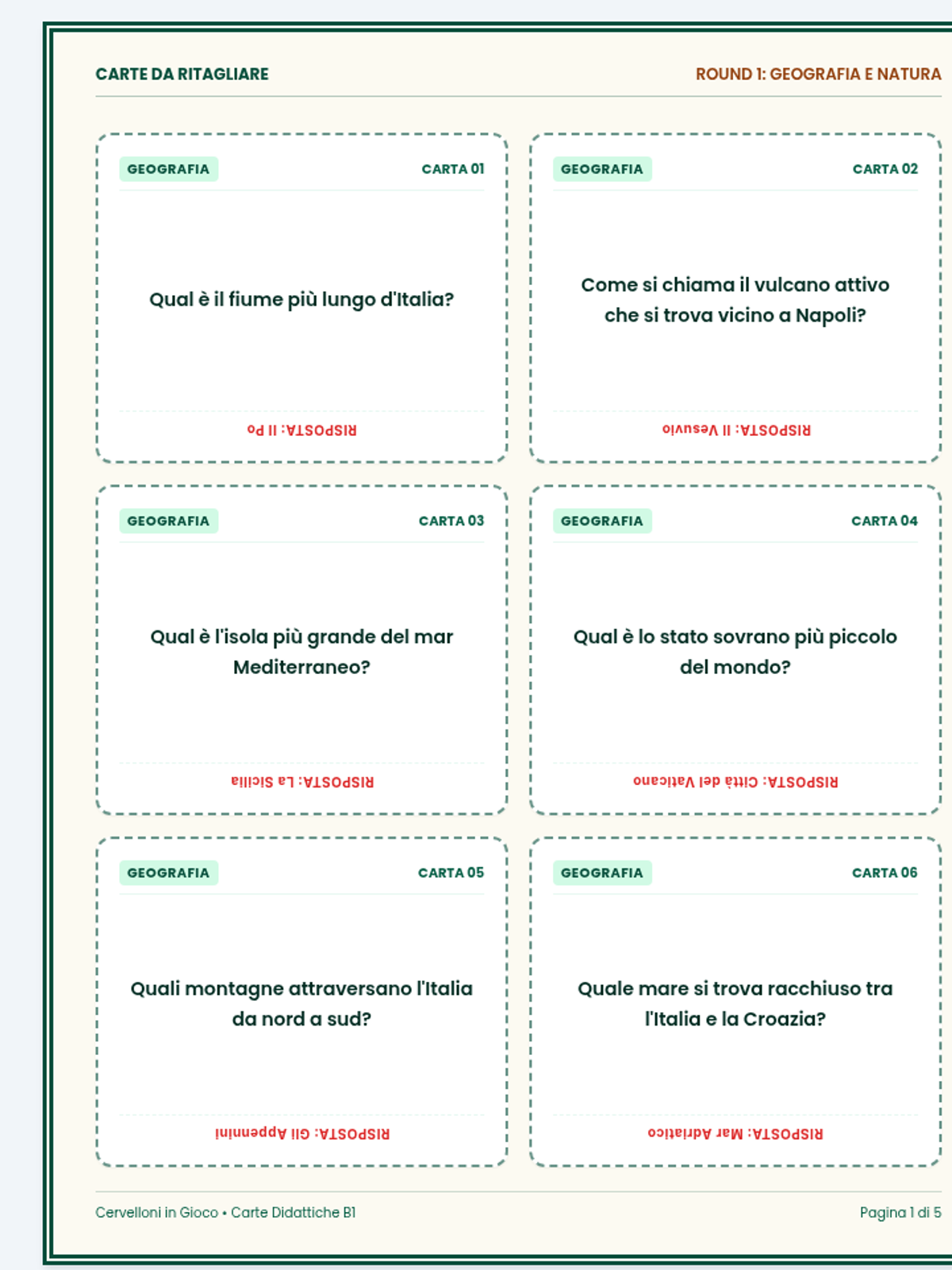
A lesson focusing on famous Italian figures from history to modern day, enhancing vocabulary and cultural knowledge through a crossword puzzle.
A lesson focused on famous Italian figures from history, art, science, and modern culture, designed for intermediate learners to practice vocabulary and cultural knowledge.
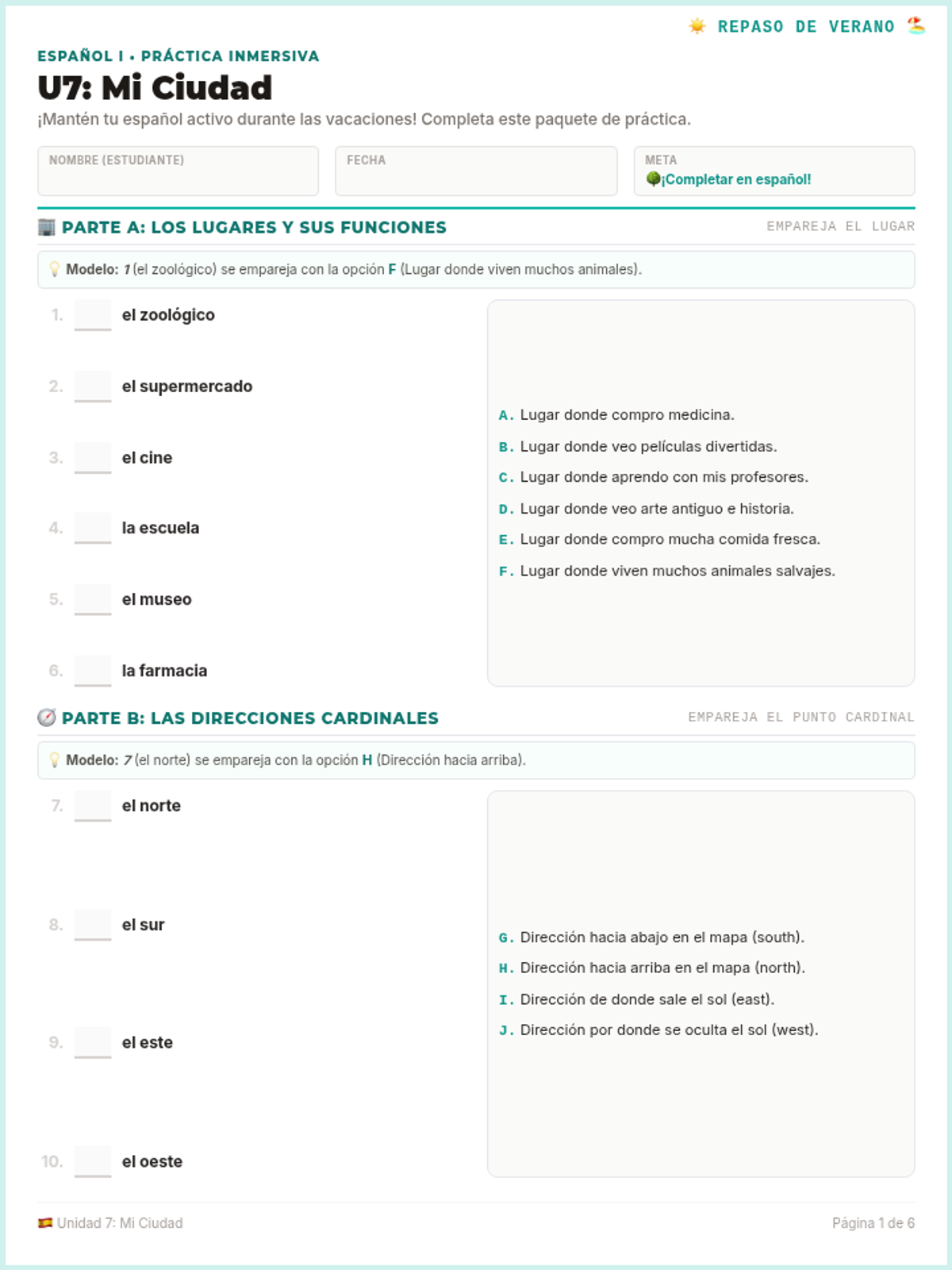
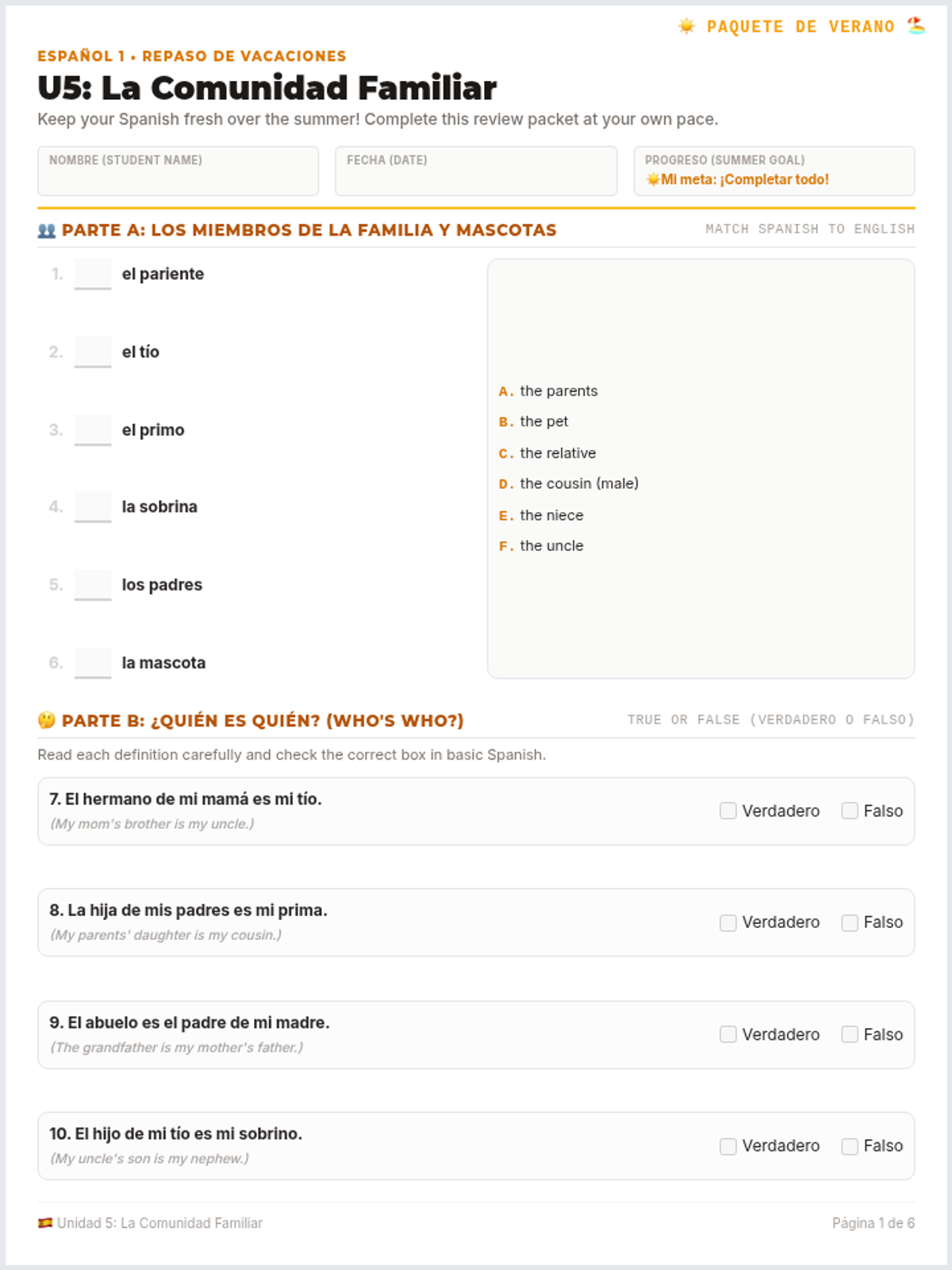
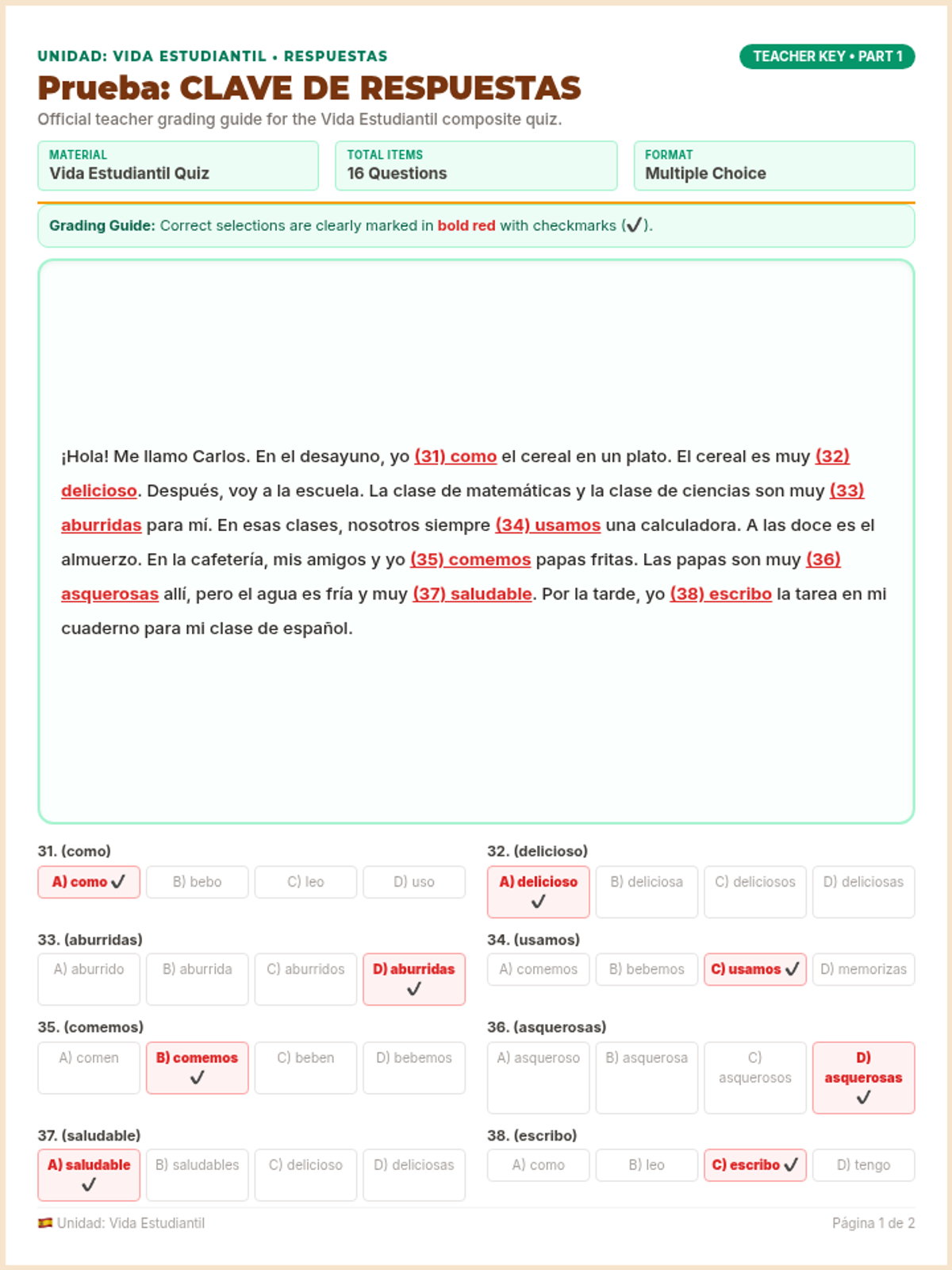
A comprehensive Spanish review lesson focusing on city locations, giving directions, school layout, and house descriptions to prepare students for the Unit 5 exam.
The final challenge of the workbook, synthesizing all phonetic knowledge for comprehensive word mastery.
Mastering complex clusters where two sounds slide together, focusing on s-blends, l-blends, and r-blends.
Investigations into special two-letter combinations that create unique single sounds, featuring sh, ch, th, and wh.
Detecting patterns in word endings, students explore common word families to build rhyme and reading fluency.
The first stage of the Sound Detective journey, focusing on the discovery of initial consonant sounds through interactive sentence puzzles.
Una lección completa para dominar el uso de conectores gramaticales en español a través de la práctica intensiva y el análisis de contexto.
A beginner Spanish project where students research and present on Asian-Latino fusion restaurants in the Dallas-Fort Worth area, focusing on cultural intersection and culinary vocabulary.
Une leçon de vocabulaire pour les élèves de 6ème année, axée sur cinq mots académiques essentiels. La leçon comprend une présentation pour l'enseignement direct, une fiche d'exercices pour la pratique et un corrigé pour l'enseignant.
A festive conclusion focusing on German holiday traditions, including 'Schultüte' and 'Weihnachtsmärkte'. Students compare local and German celebrations using Venn diagrams.
Analyzing the meticulous detail of Albrecht Dürer and the modernism of the Bauhaus movement. Students create their own symbols inspired by these German artistic icons.
An exploration of German music from classical roots to modern pop and folk. Students analyze lyrics for cognates and identify traditional instruments.
A culinary tour of German staples like bread and sausage. Students explore the 'Abendbrot' tradition and design their own German menu (Speisekarte).
Weather expressions and seasonal clothing. Students convert Celsius to Fahrenheit and present a weather forecast for various German-speaking cities.
Exploring the German calendar and school system. Students learn date formatting (Day.Month.Year) and compare their school schedules with a typical German 'Halbtagsschule'.
Students master counting up to 100 and explore the Euro currency. They participate in a German-themed 'Price is Right' and peer-led Bingo rounds.
A phonetics-focused lesson covering the German alphabet, with special attention to the unique letters Ä, Ö, Ü, and ß. Students practice spelling names and identifying phonetic sounds.
Students learn the nuances of German social interaction, specifically the distinction between the formal 'Sie' and informal 'du'. Activities include role-playing greetings with different personae.
Students explore the geography of Central Europe, focusing on the D-A-CH countries (Germany, Austria, Switzerland) and major landmarks. Activities include a visual hook of the Alps and Baltic coast and a coordinate-based map mystery.
A lesson focusing on the pronunciation, mouth mechanics, and identification of the broad vowel sound O (/uː/), including comparisons with short and long O sounds.
Une leçon courte pour évaluer la capacité des élèves de Grande Section à identifier le son d'attaque d'un mot, se concentrant sur les voyelles de base et les consonnes occlusives.
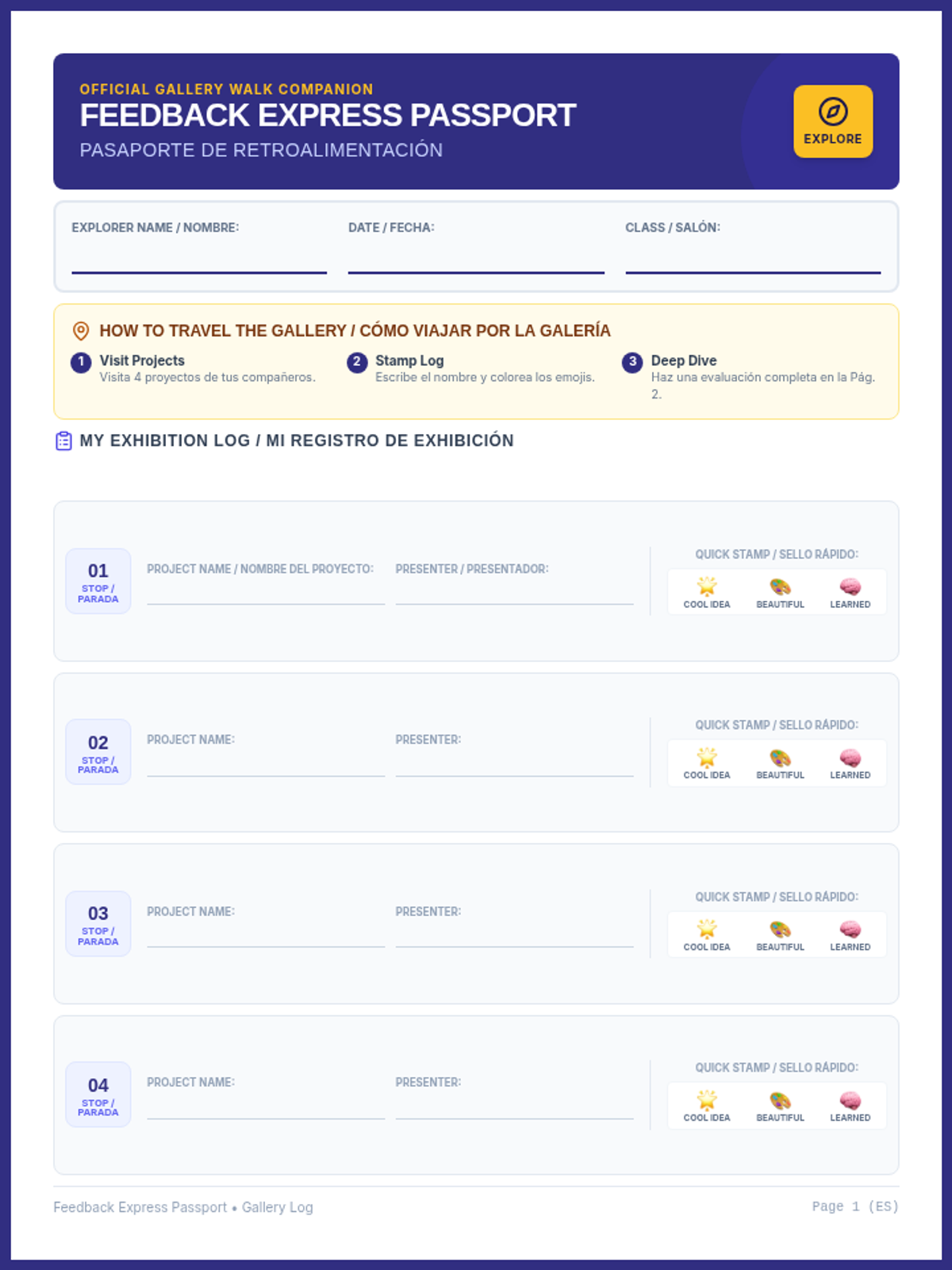
A collection of bilingual resources for a community literacy event, including station instructions, a student passport, and take-home family activities to support reading skills in English and Spanish.
The fourth set of word sorting activities focusing on high-frequency words, silent H, G/J, and VCV patterns.
The third set of word sorting activities focusing on high-frequency words, silent H, G/J, and VCV patterns.
The second set of word sorting activities focusing on high-frequency words, silent H, G/J, and VCV patterns.
A lesson focused on recognizing and sorting common Spanish word patterns, including high-frequency words, silent H, G/J sounds, and VCV syllable structures.
Una serie de actividades interactivas para centros de aprendizaje enfocadas en el dominio de prefijos, sufijos y palabras de alta frecuencia en español.
This lesson introduces students to social issues and real-world events through the context of the Chilean mine collapse, focusing on vocabulary acquisition and sentence stems for proposing solutions.
Day 3 integrates all concepts including costs, travel planning, and structured practice for the writing and speaking summative assessments.
Day 2 focuses on verbs of motion, prepositions of place, and the practical application of giving and receiving directions.
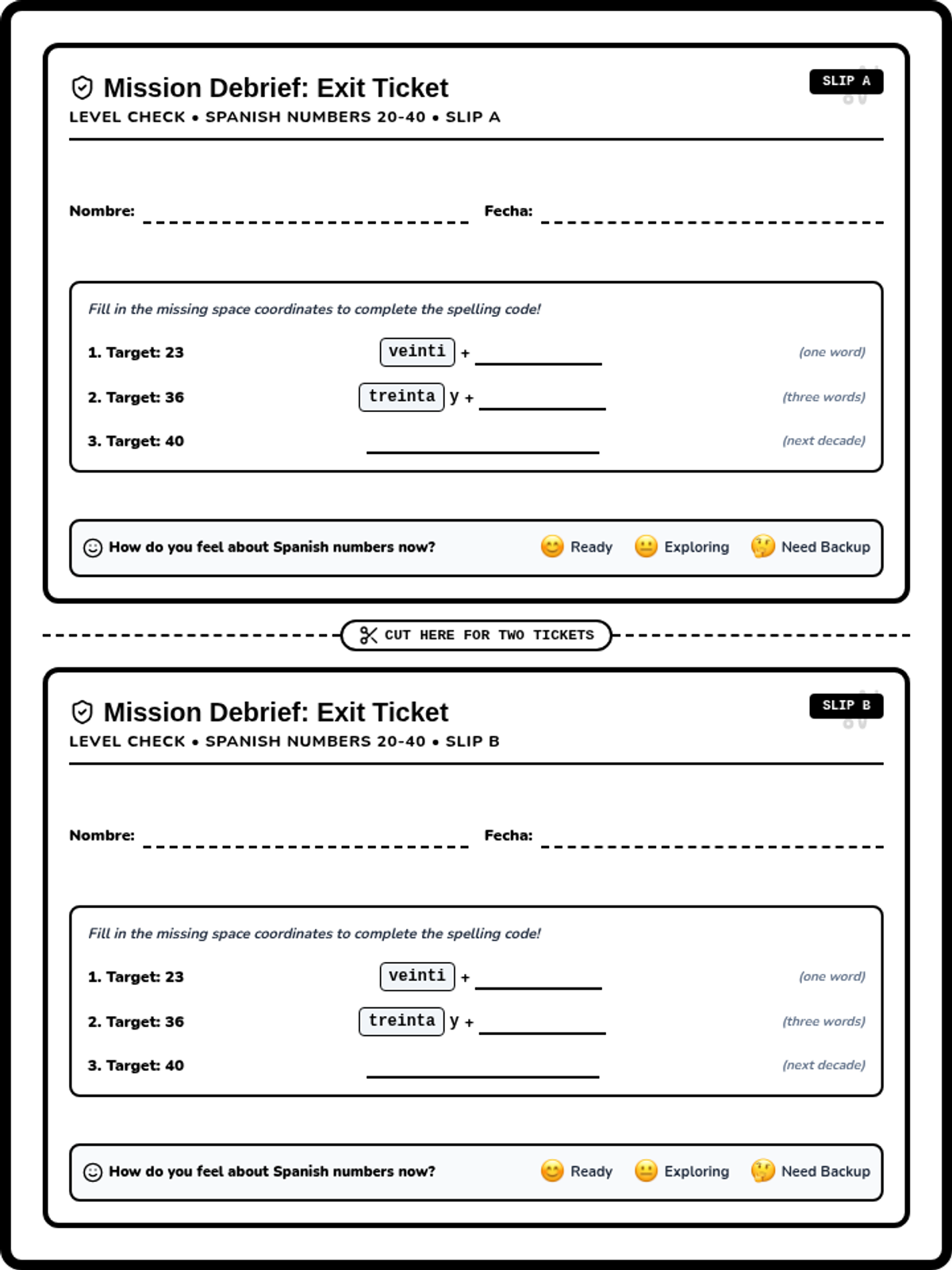
Day 1 focuses on identifying city locations, using descriptive adjectives, and reviewing date and time for planning city visits.
A comprehensive end-of-year assessment for Grade 5 ESL students covering morphology, grammar, reading, writing, listening, and speaking with a Lexile 400-500 nonfiction focus.
A 45-minute ESL lesson for Grade 4 (Emerging/Developing proficiency) focused on interpreting and explaining information from infographics. Students act as 'Data Detectives' to decode visual information.
A 45-minute ESL lesson for 4th grade focused on discussing community helpers and synthesizing ideas from peer conversations. Students will learn key vocabulary and practice active listening and responding skills.
A 45-minute Grade 4 ESL lesson where students become detectives to explore the modal verbs might, could, and would to express possibility and hypothetical situations.
A 45-minute ESL lesson for 5th graders focusing on the difference between Simple Present for permanent states and Present Progressive for temporary weather conditions.
A 45-minute ESL lesson for Grade 4 (Level 3) focused on distinguishing between modal verbs 'can' (ability) and 'may' (permission) using a Super Academy theme.