An inquiry-based Spanish listening sequence for 6th graders. Students act as 'Linguistic Detectives' to decode Spanish using cognates, pattern recognition, and context clues, moving from perfect cognates to full media analysis.
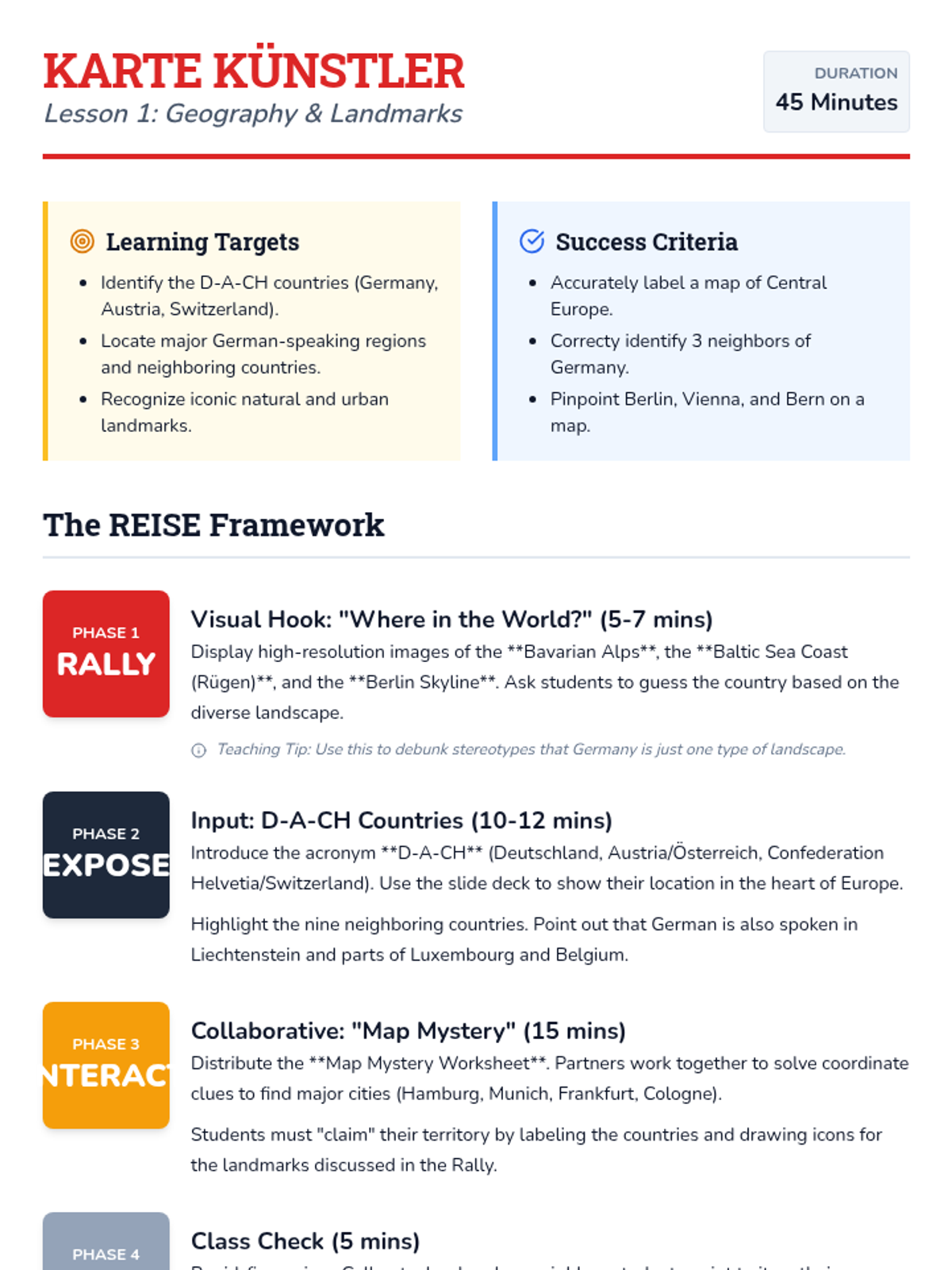
An introductory Japanese language and culture unit for 8th grade that follows the 'TABI' (Journey) framework. Students explore geography, etiquette, writing systems, daily life, and traditional arts through immersive daily 45-minute lessons.
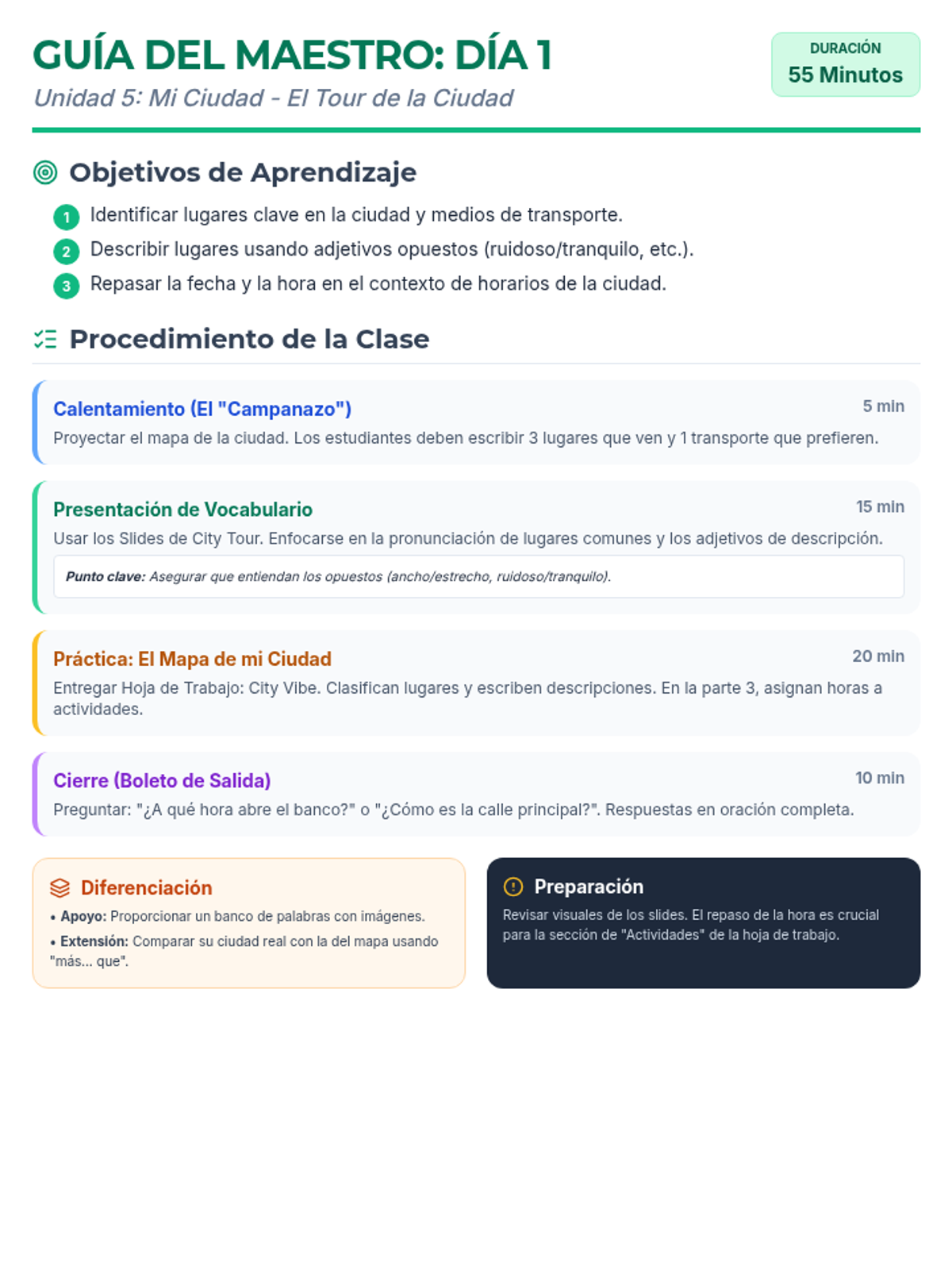
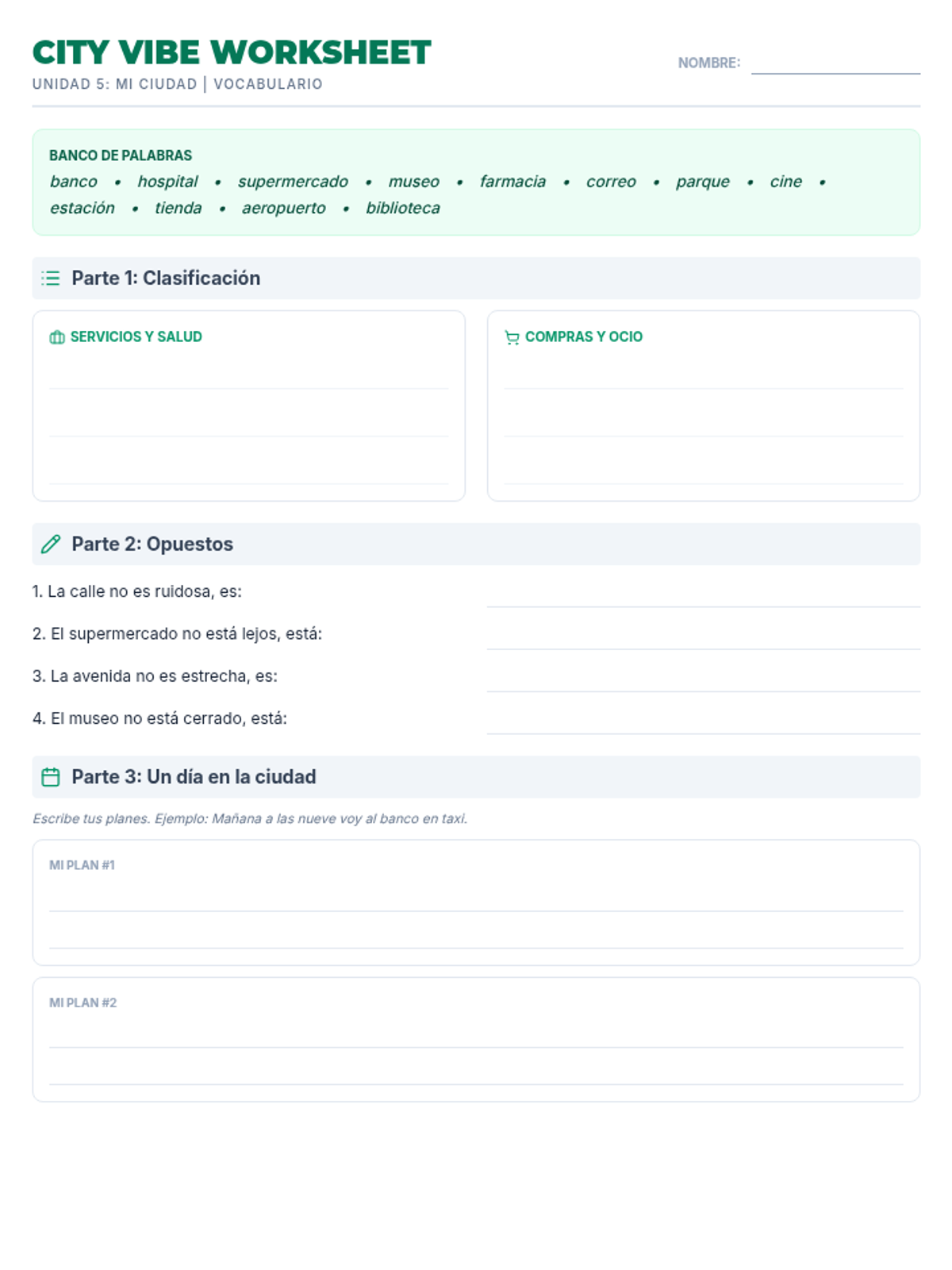
A comprehensive 3-day review sequence for Spanish 1 students focusing on city vocabulary, directions, and describing urban environments to prepare for Unit 5 summative assessments.
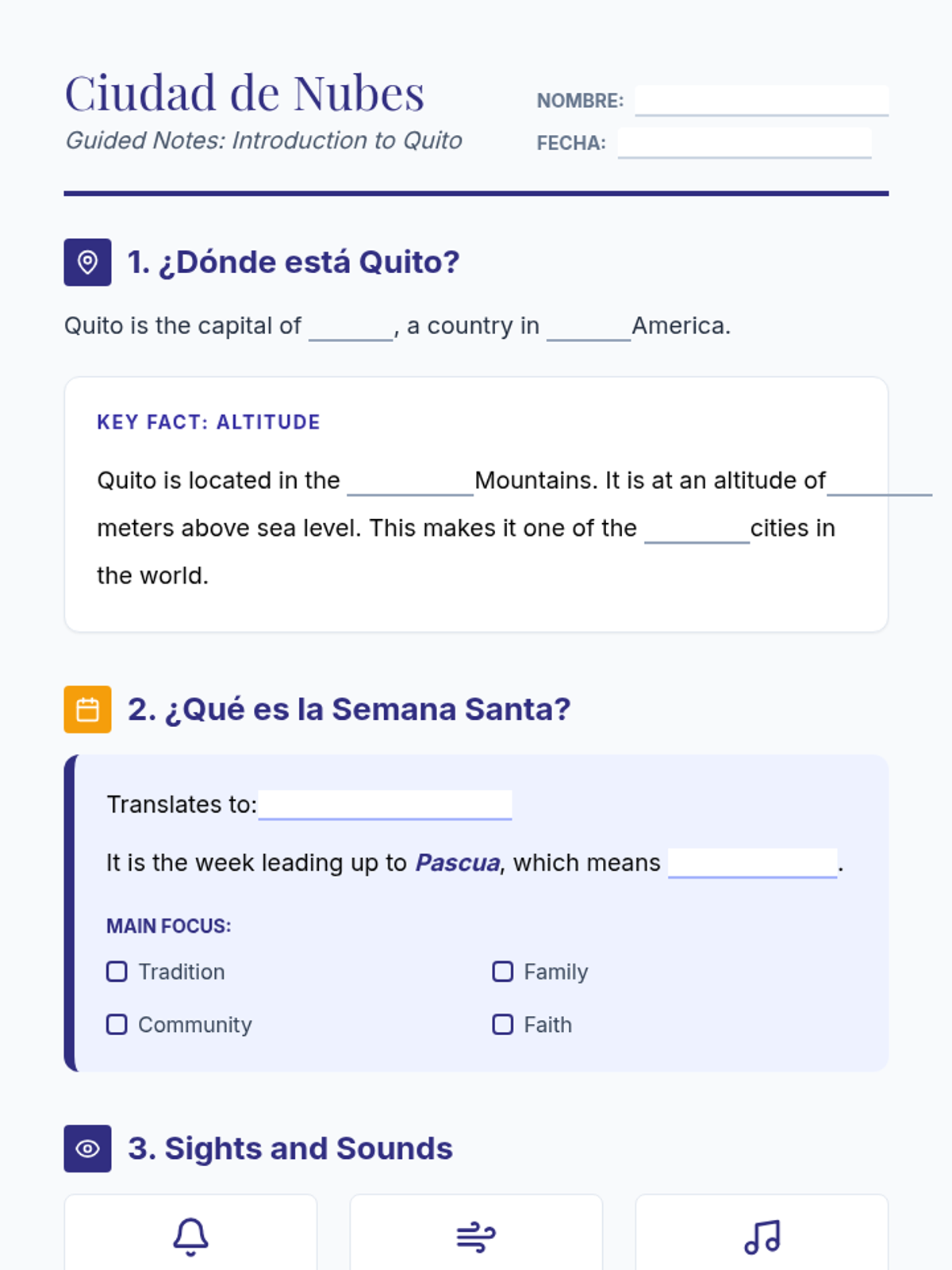
A 3-day cultural immersion unit for Spanish 1 students exploring the unique Semana Santa traditions in Quito, Ecuador, focusing on the Jesús del Gran Poder procession and community culinary traditions.
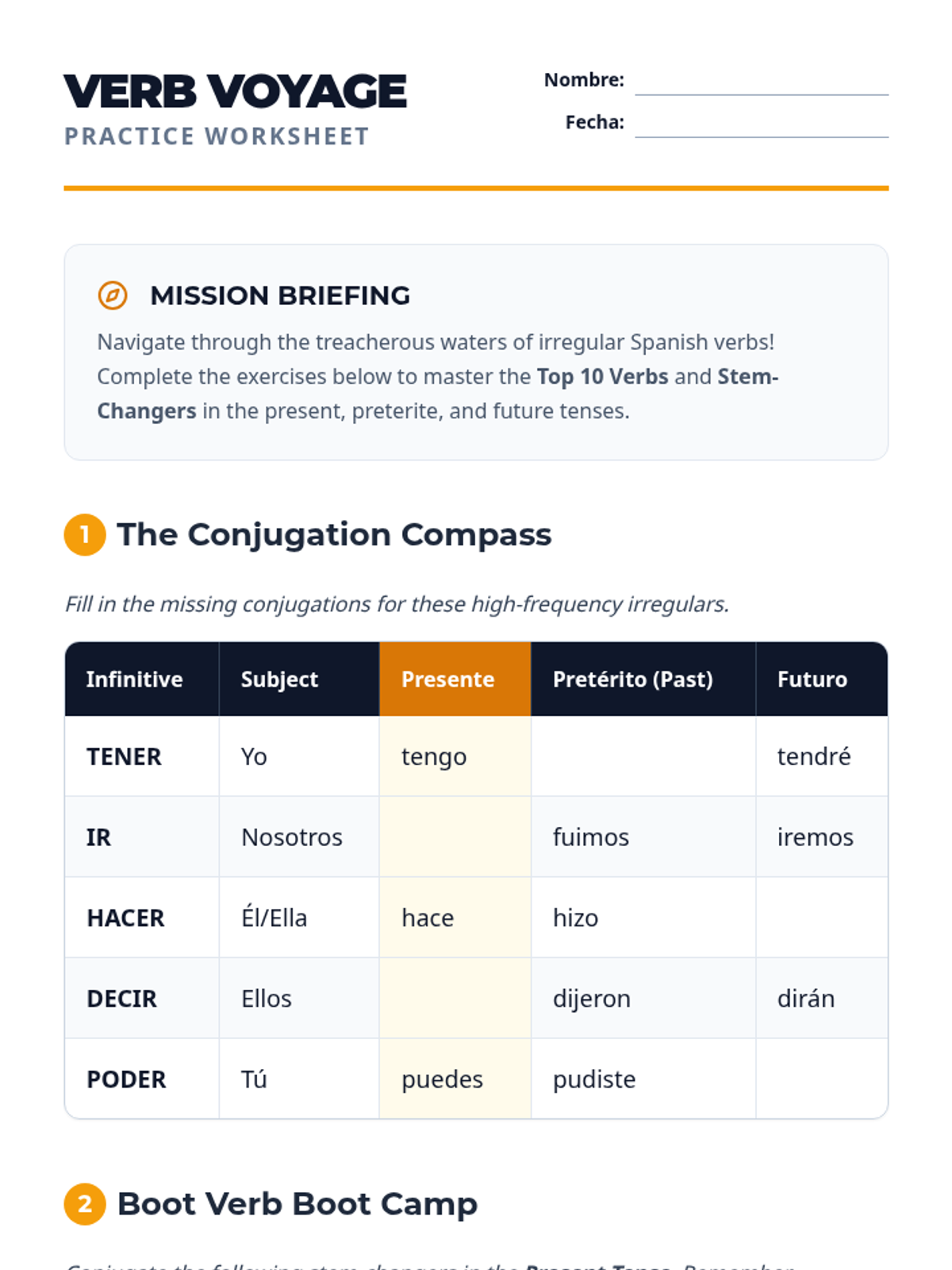
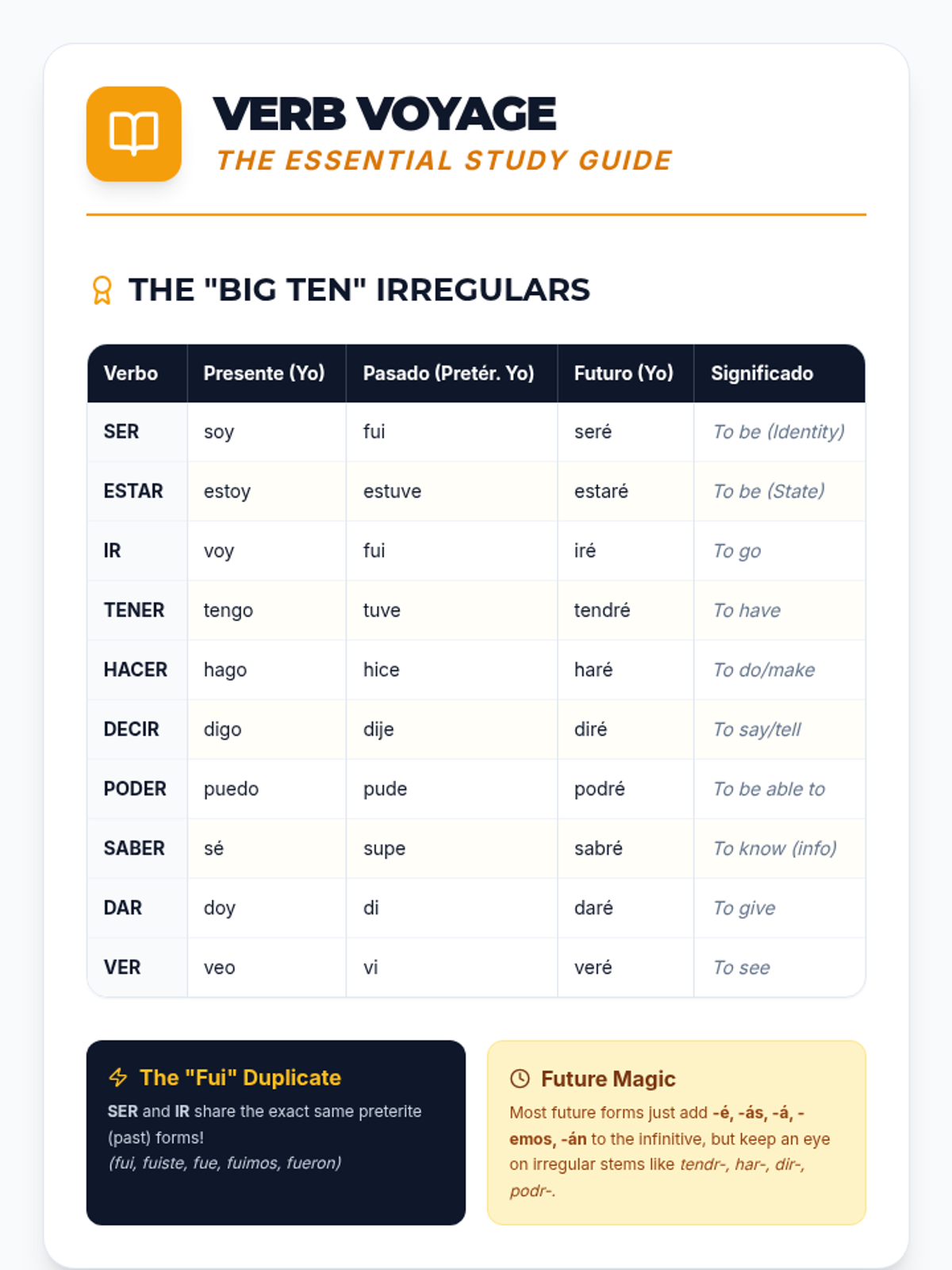
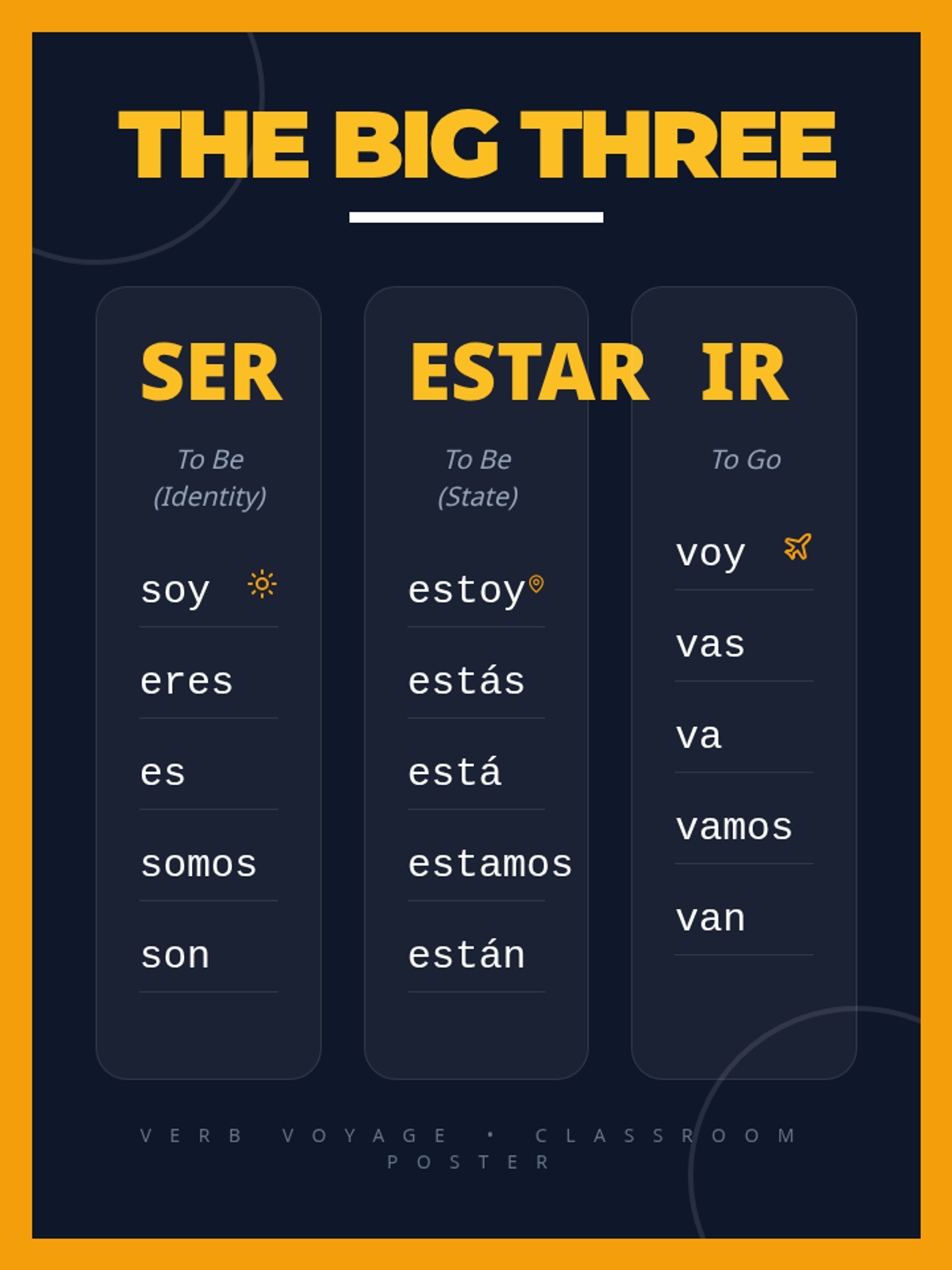
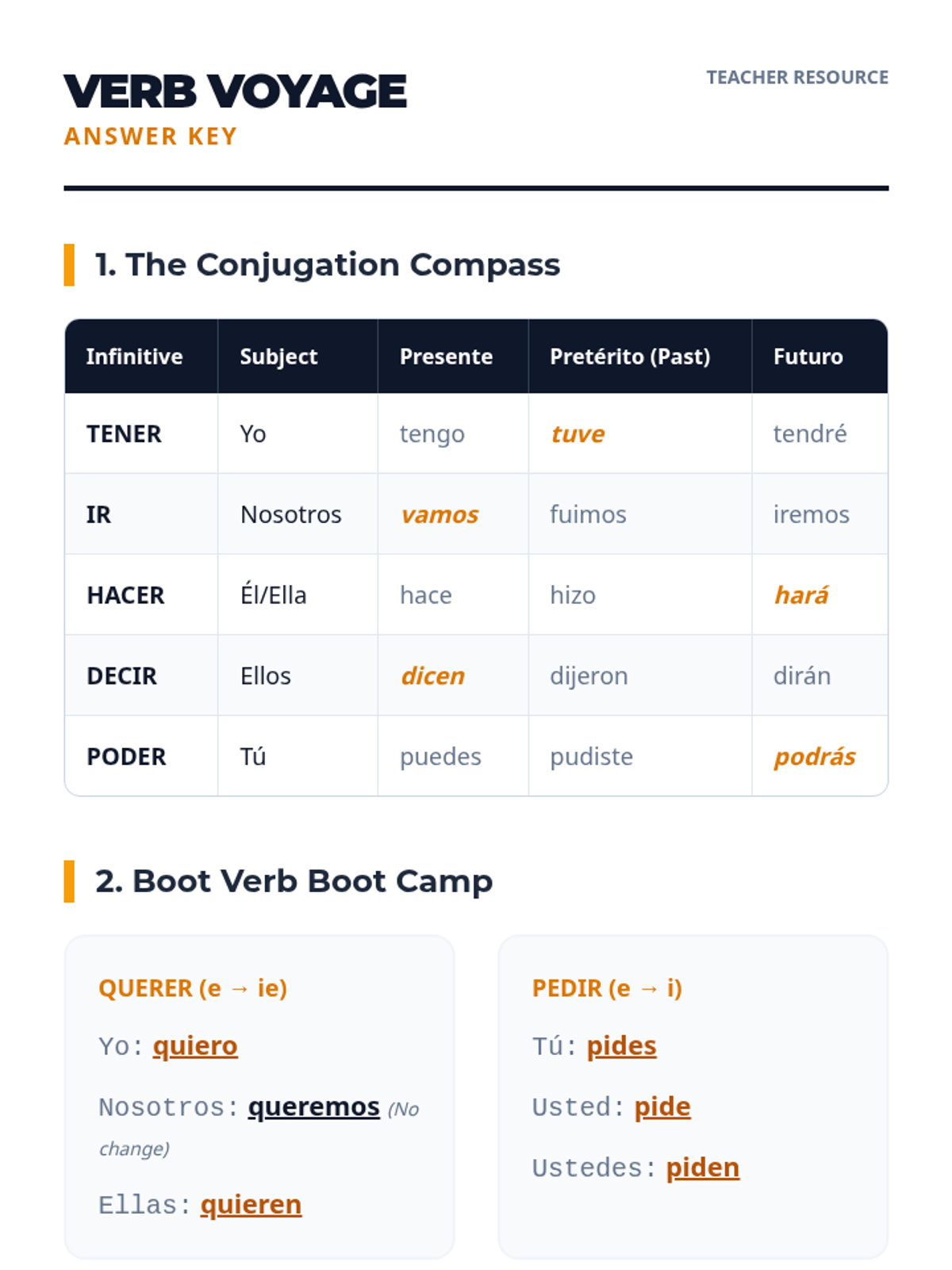
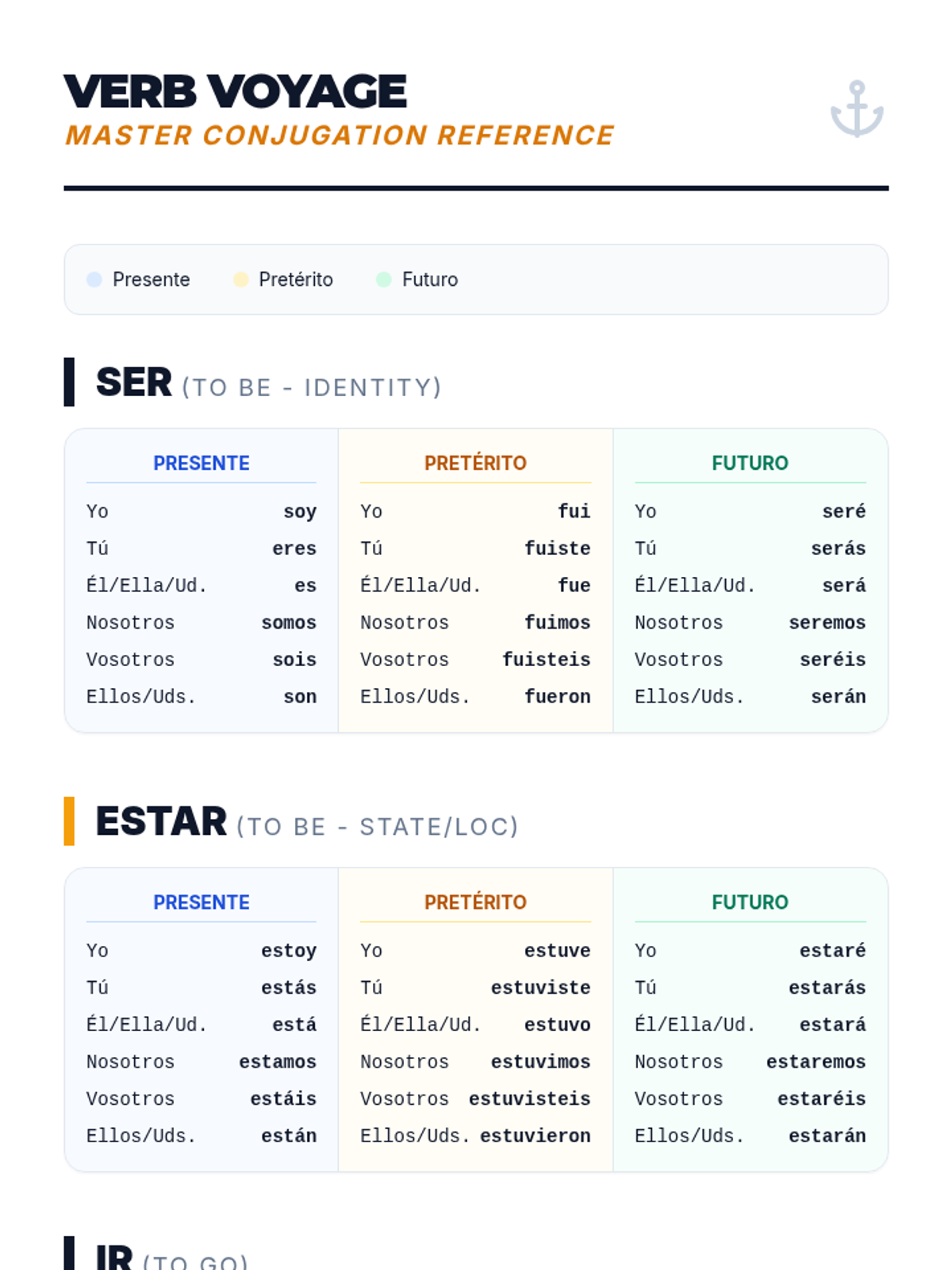
A series of lessons focused on mastering high-frequency irregular Spanish verbs to build foundational communication skills.
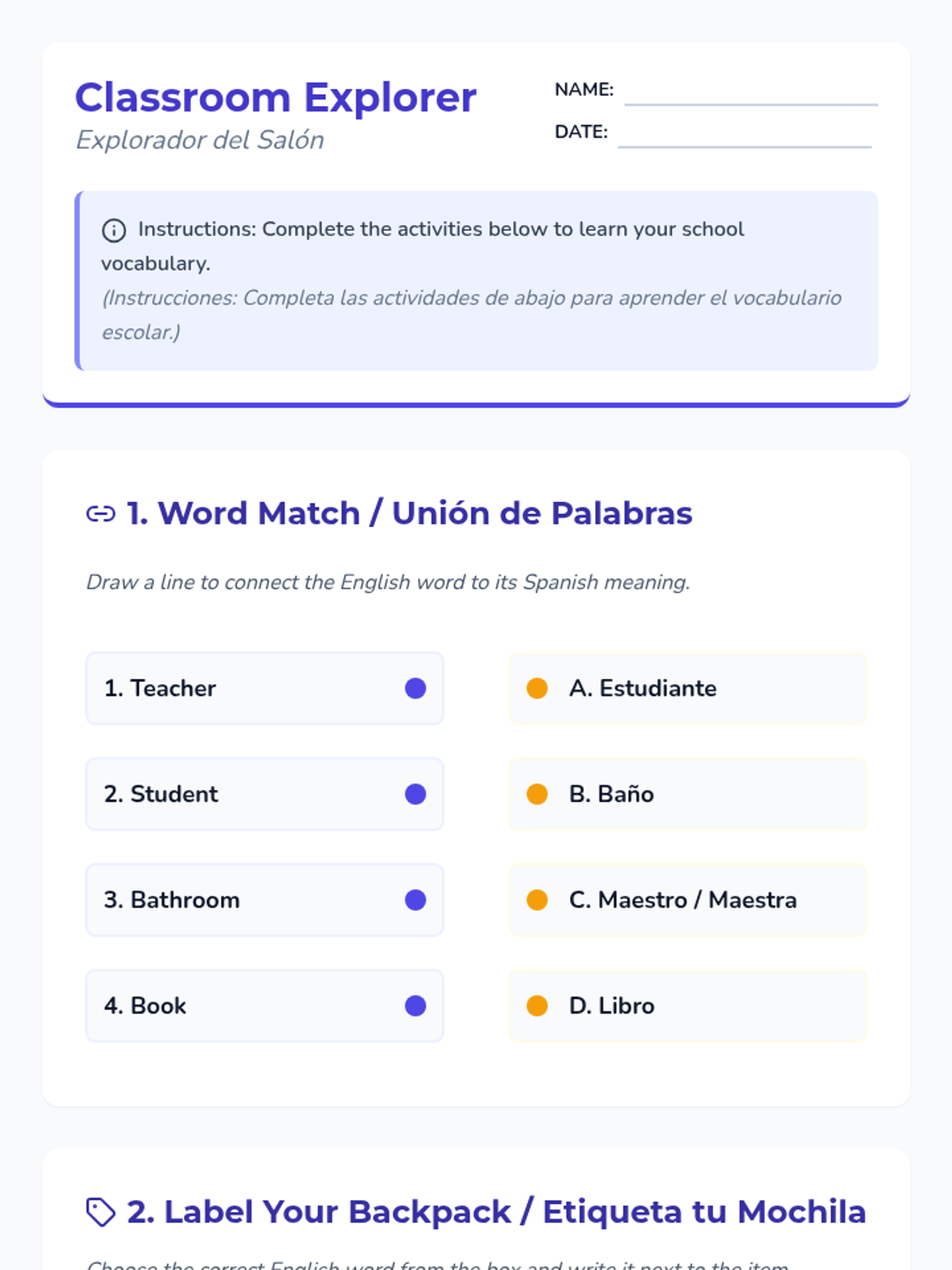
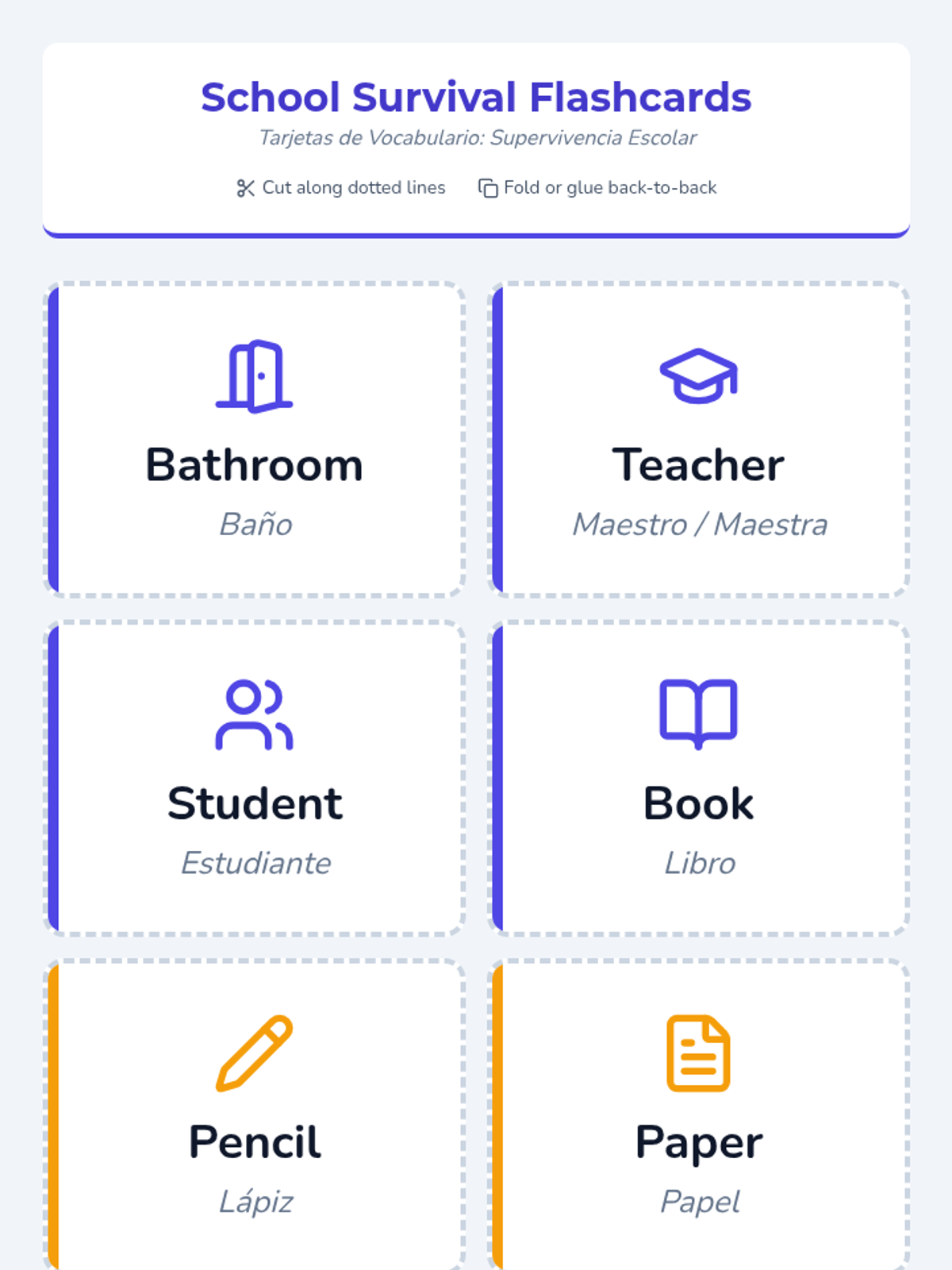
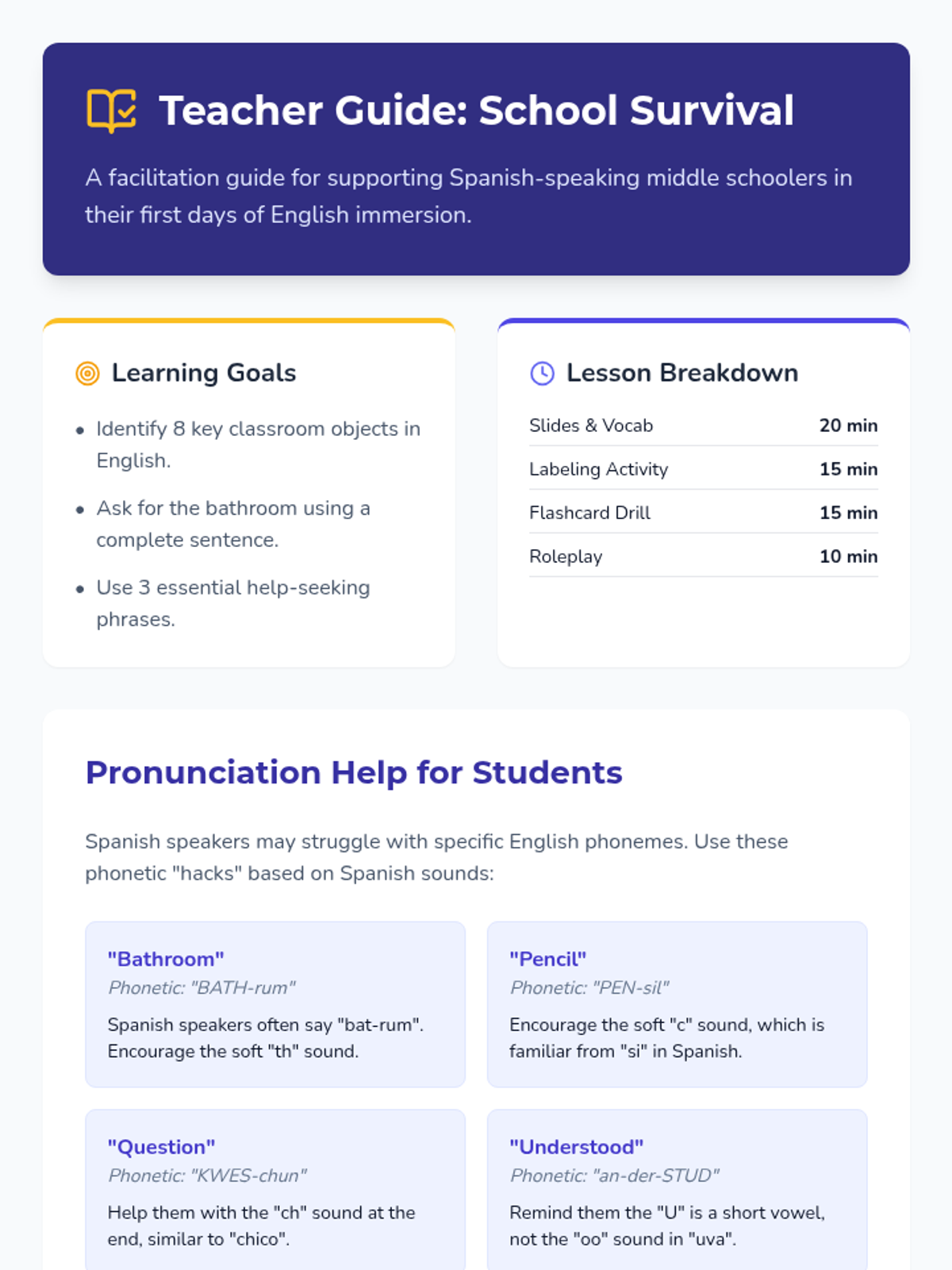
A foundational English as a Second Language (ESL) sequence for Spanish-speaking middle schoolers, focusing on essential survival phrases, school navigation, and personal relationships.
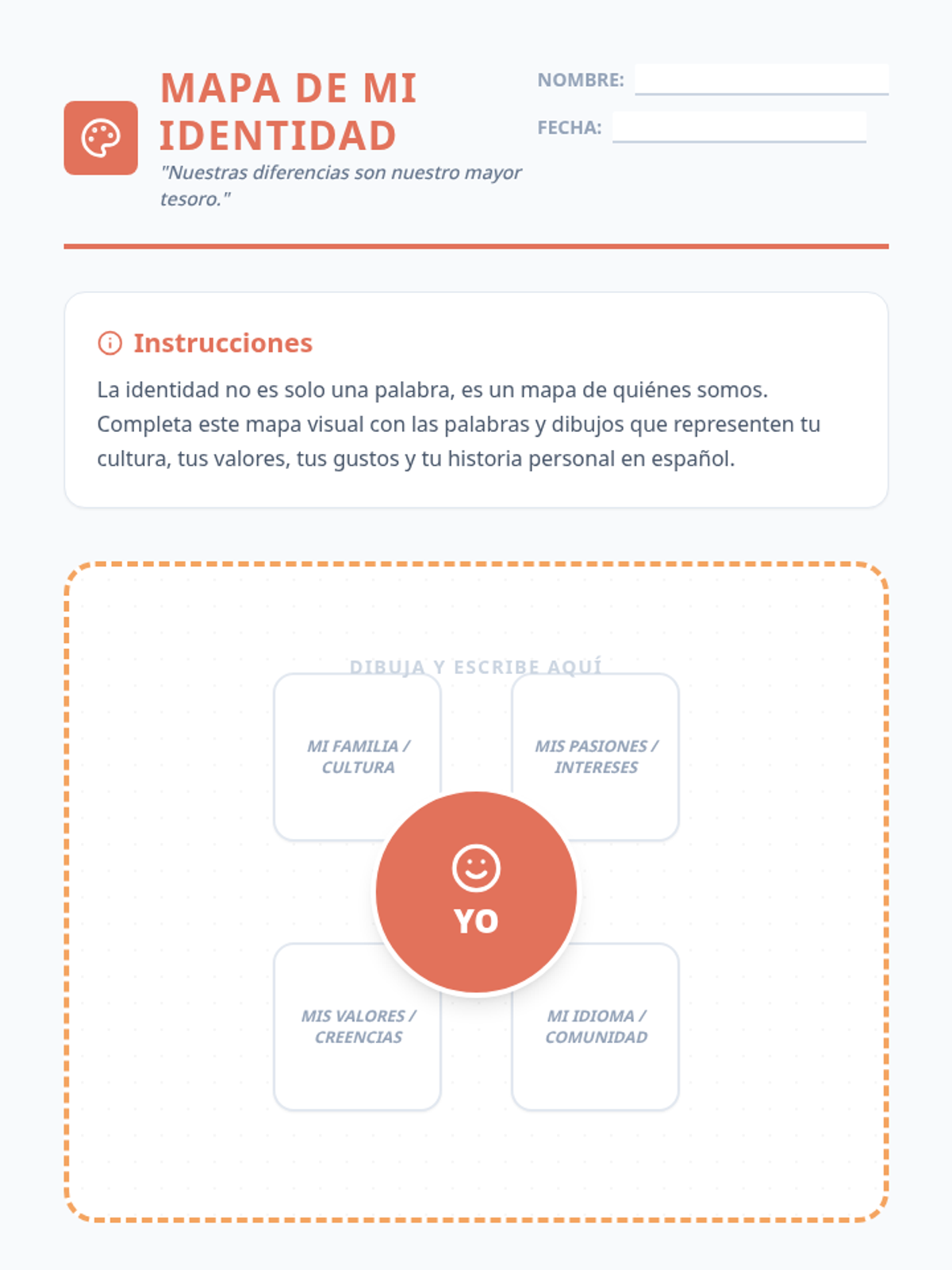
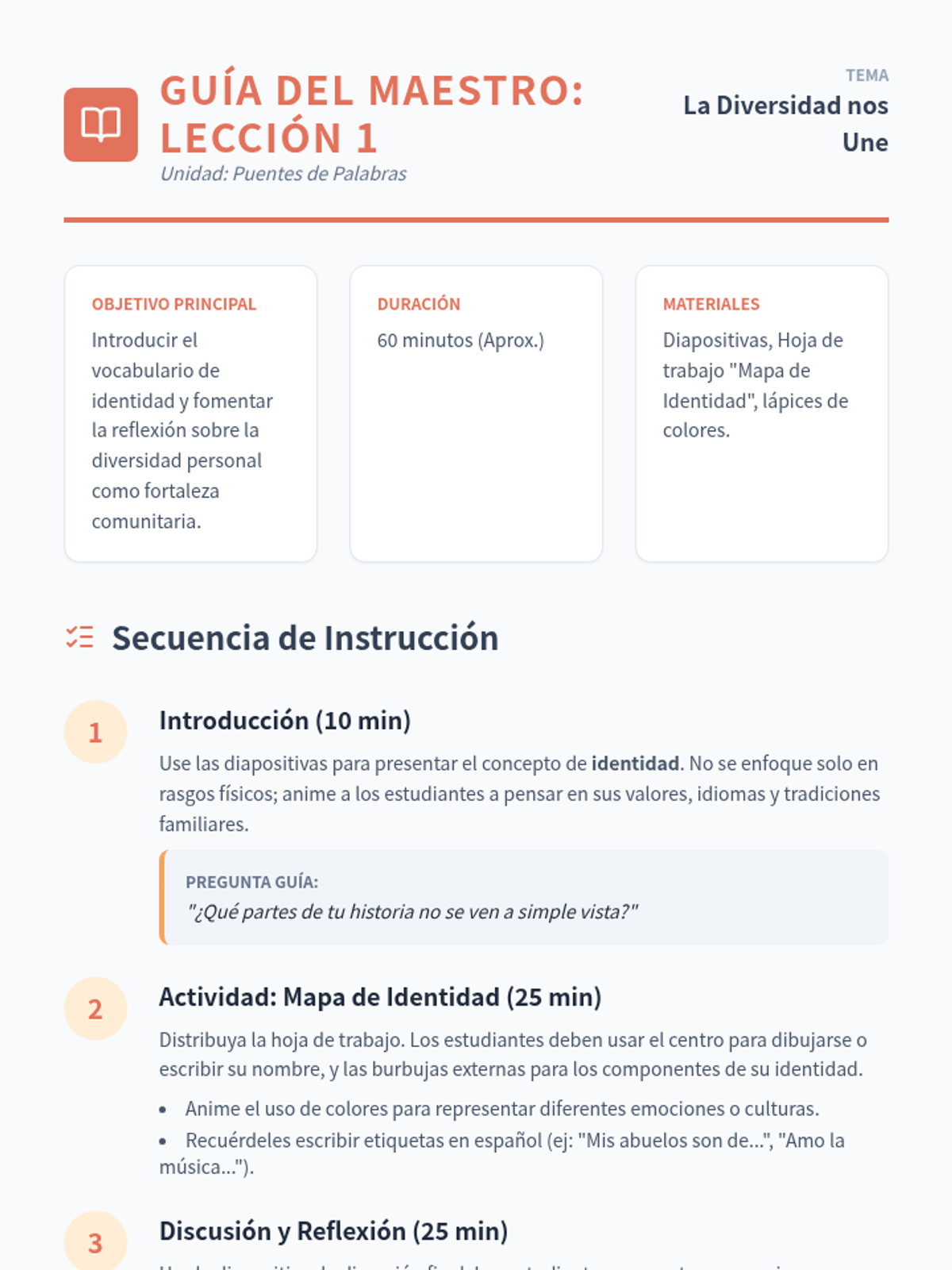
A two-lesson sequence for Spanish class exploring themes of diversity, social tolerance, and empathy through language and cultural connection. Students develop vocabulary to describe identity and practice perspective-taking to build inclusive communities.
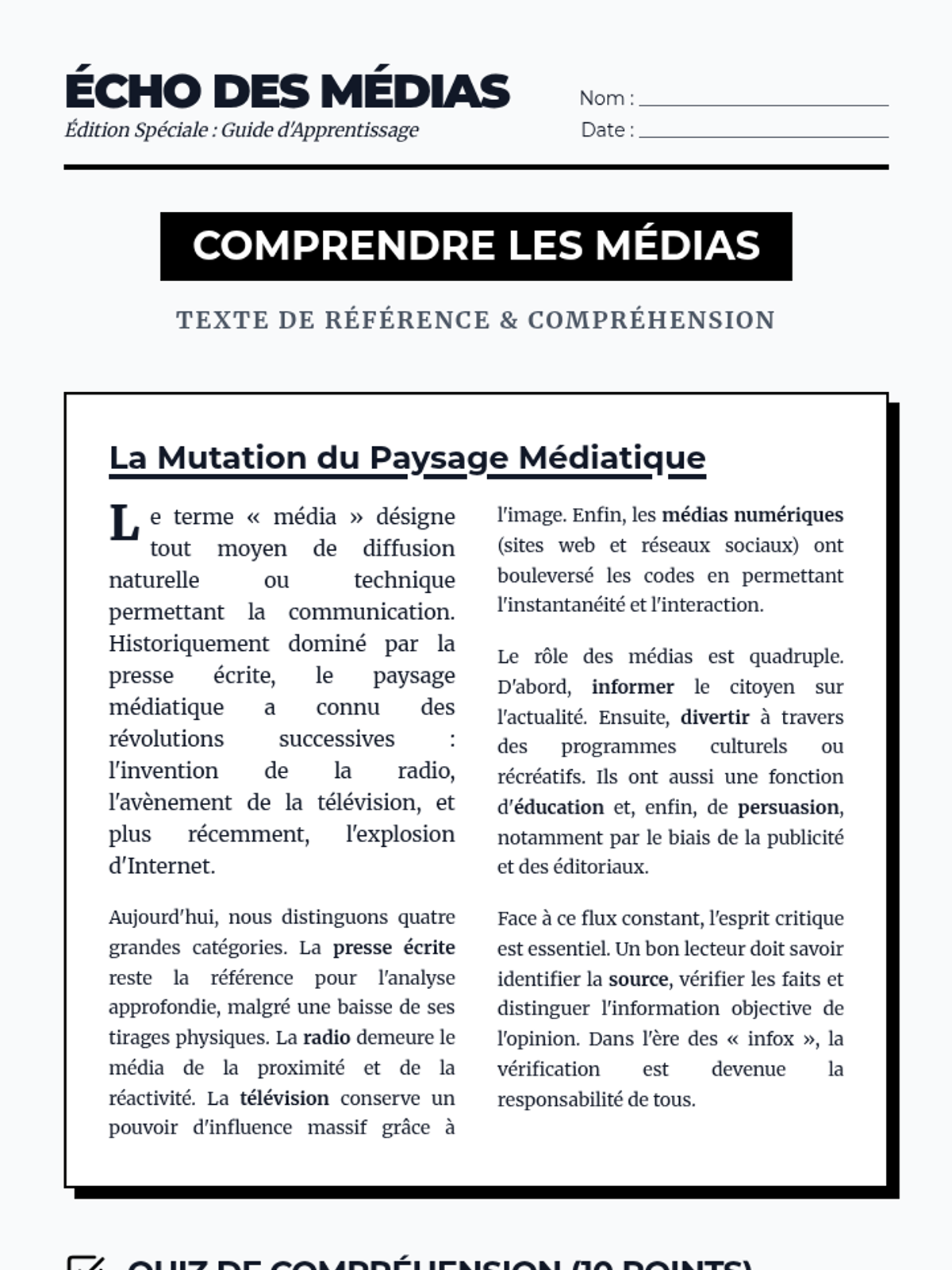
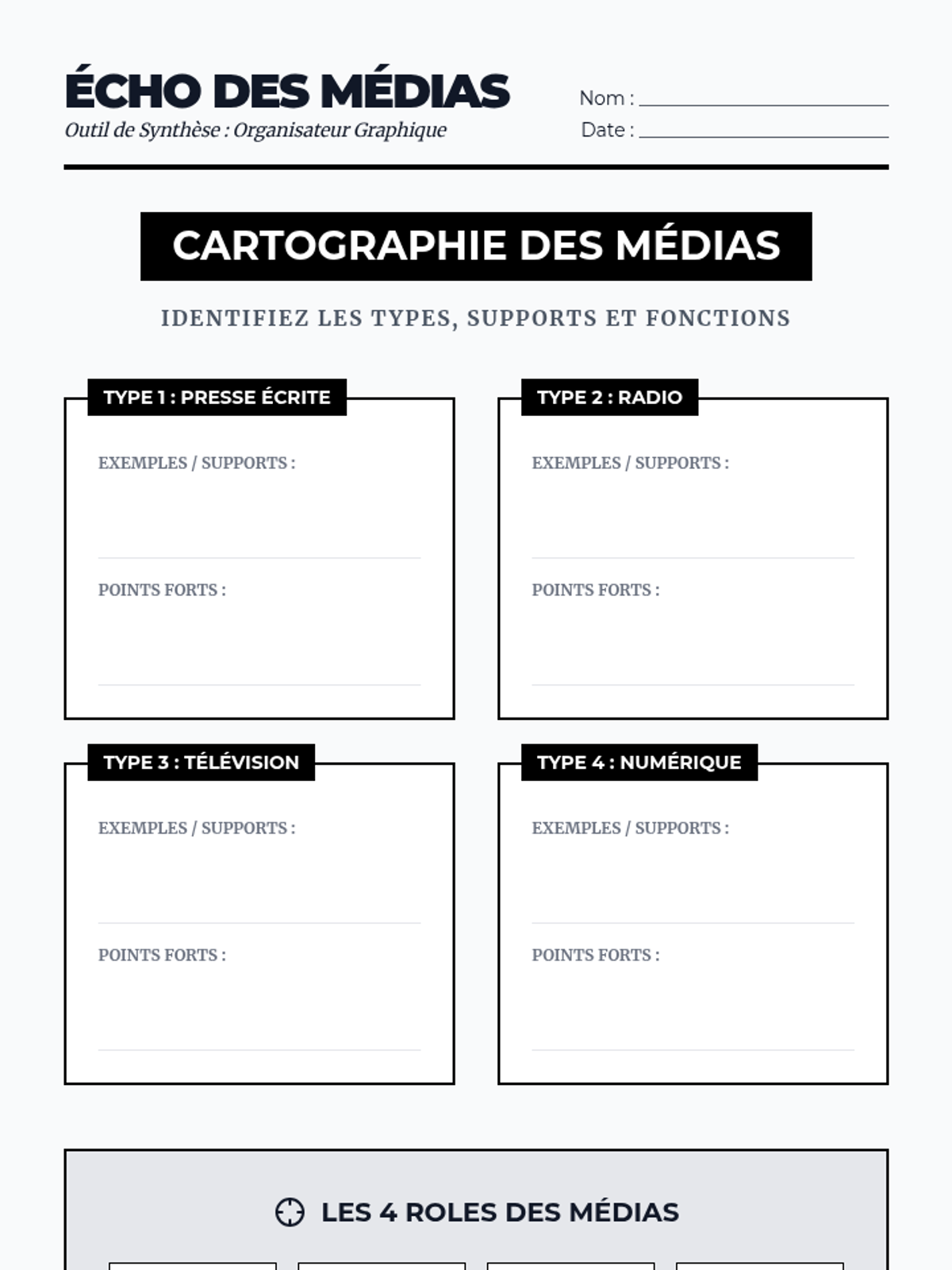
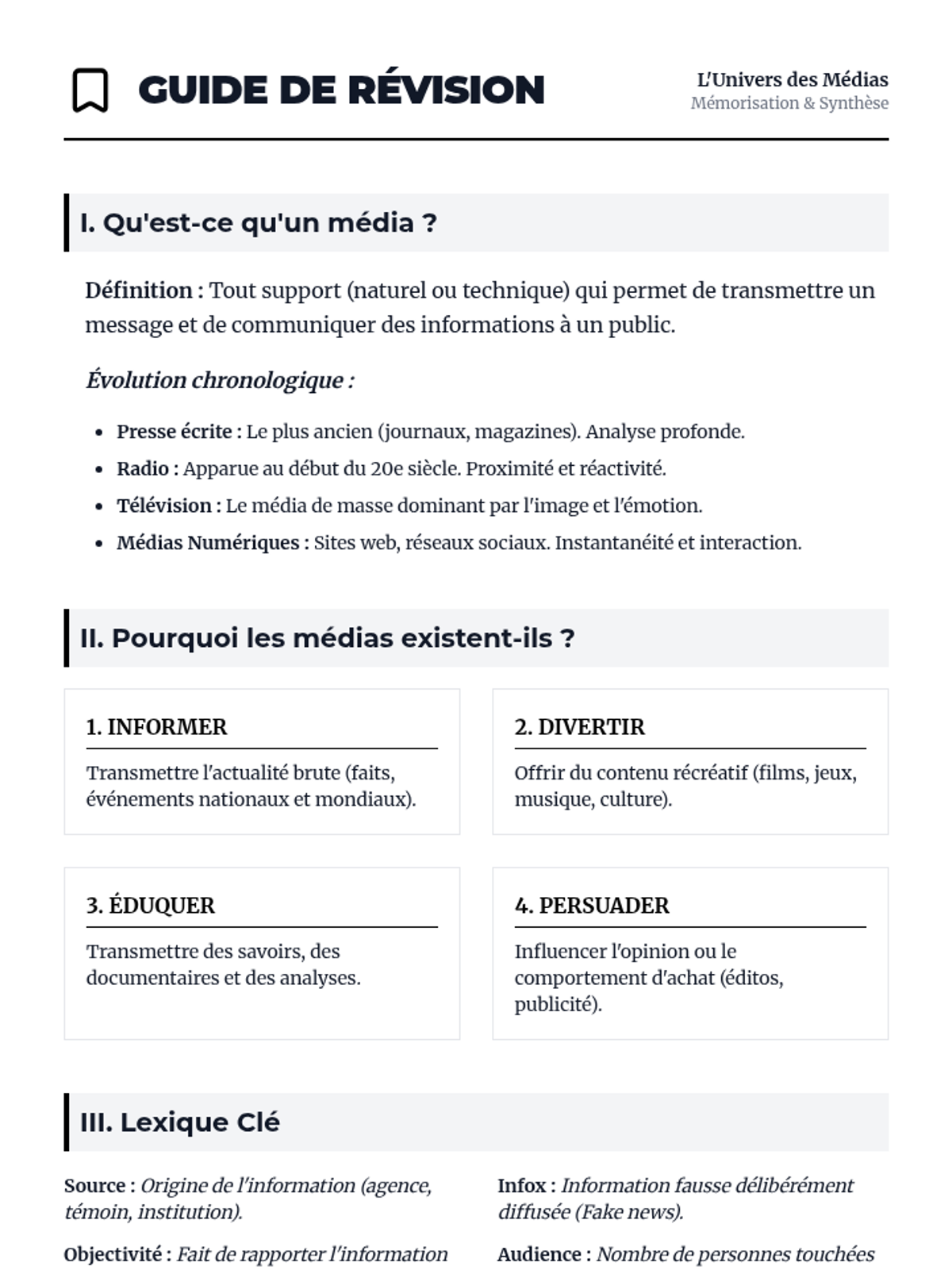
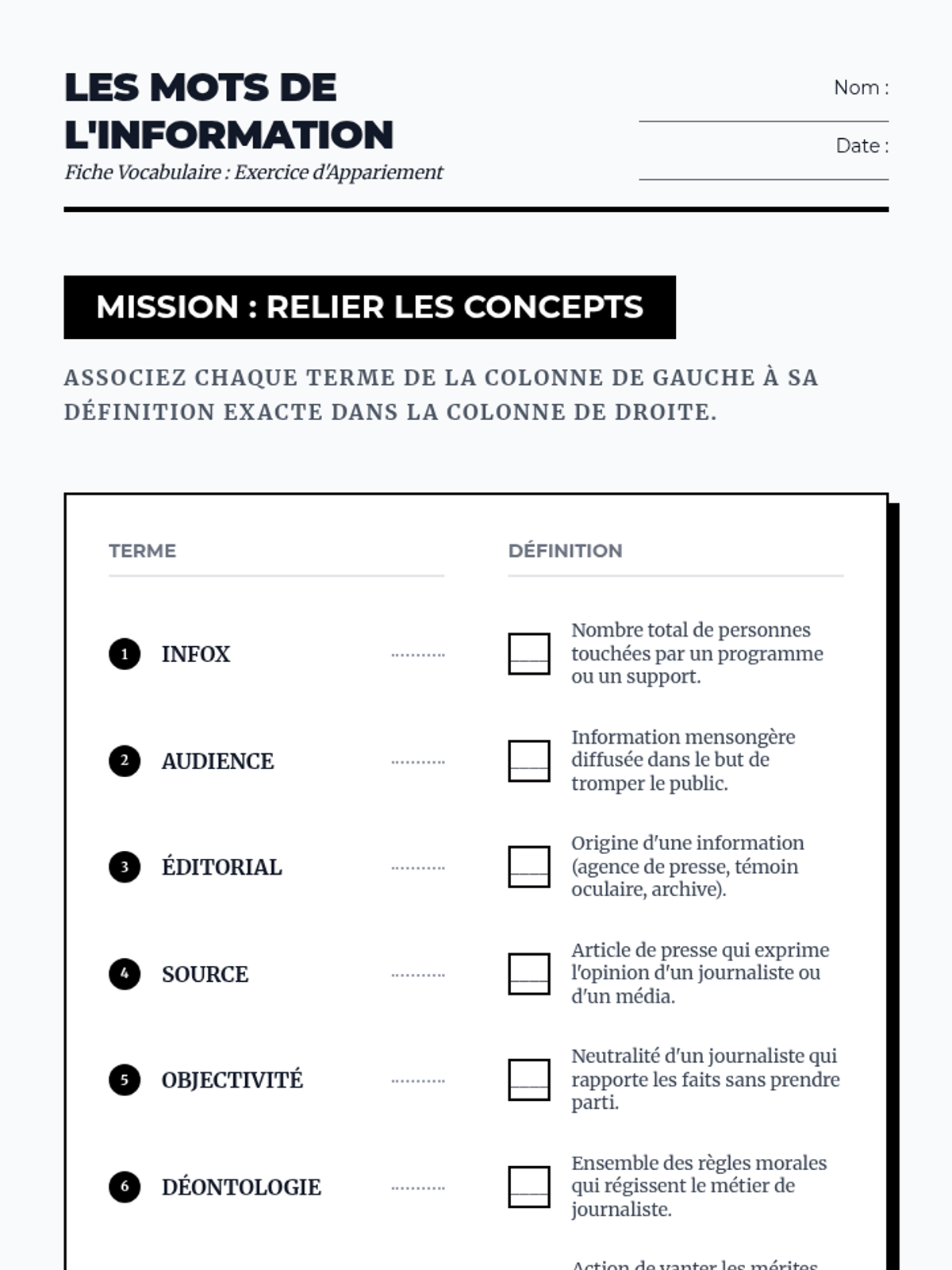
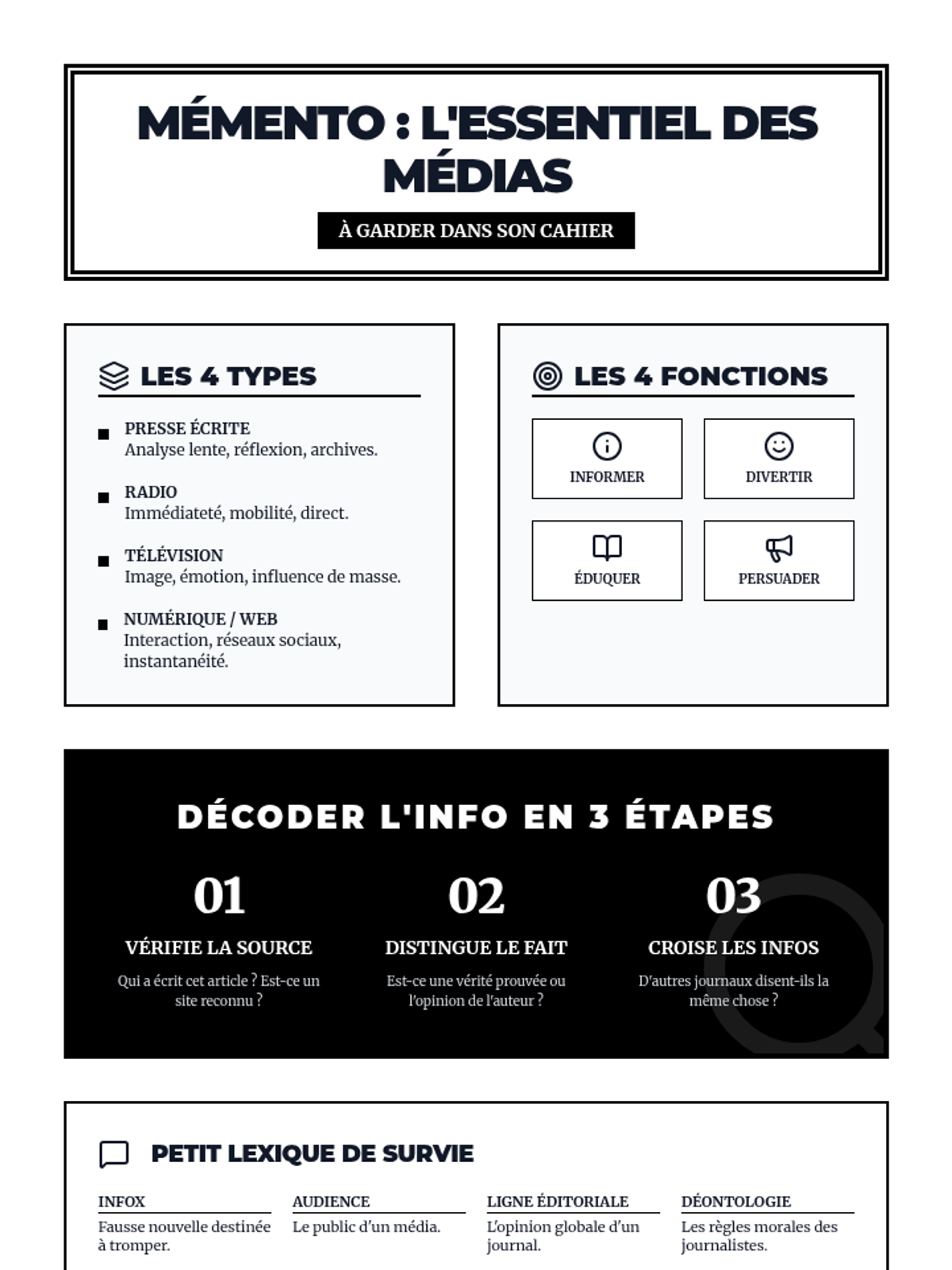
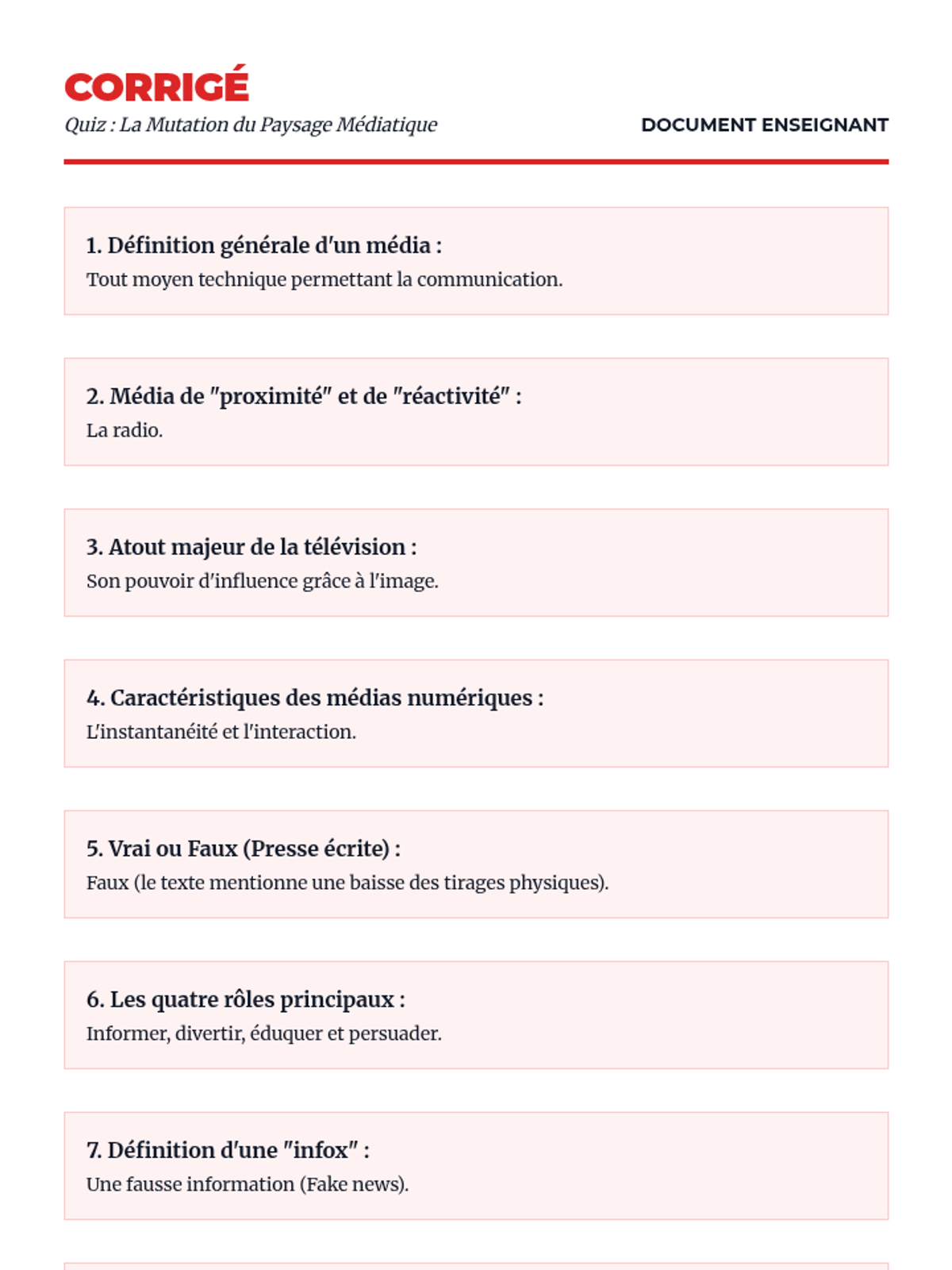
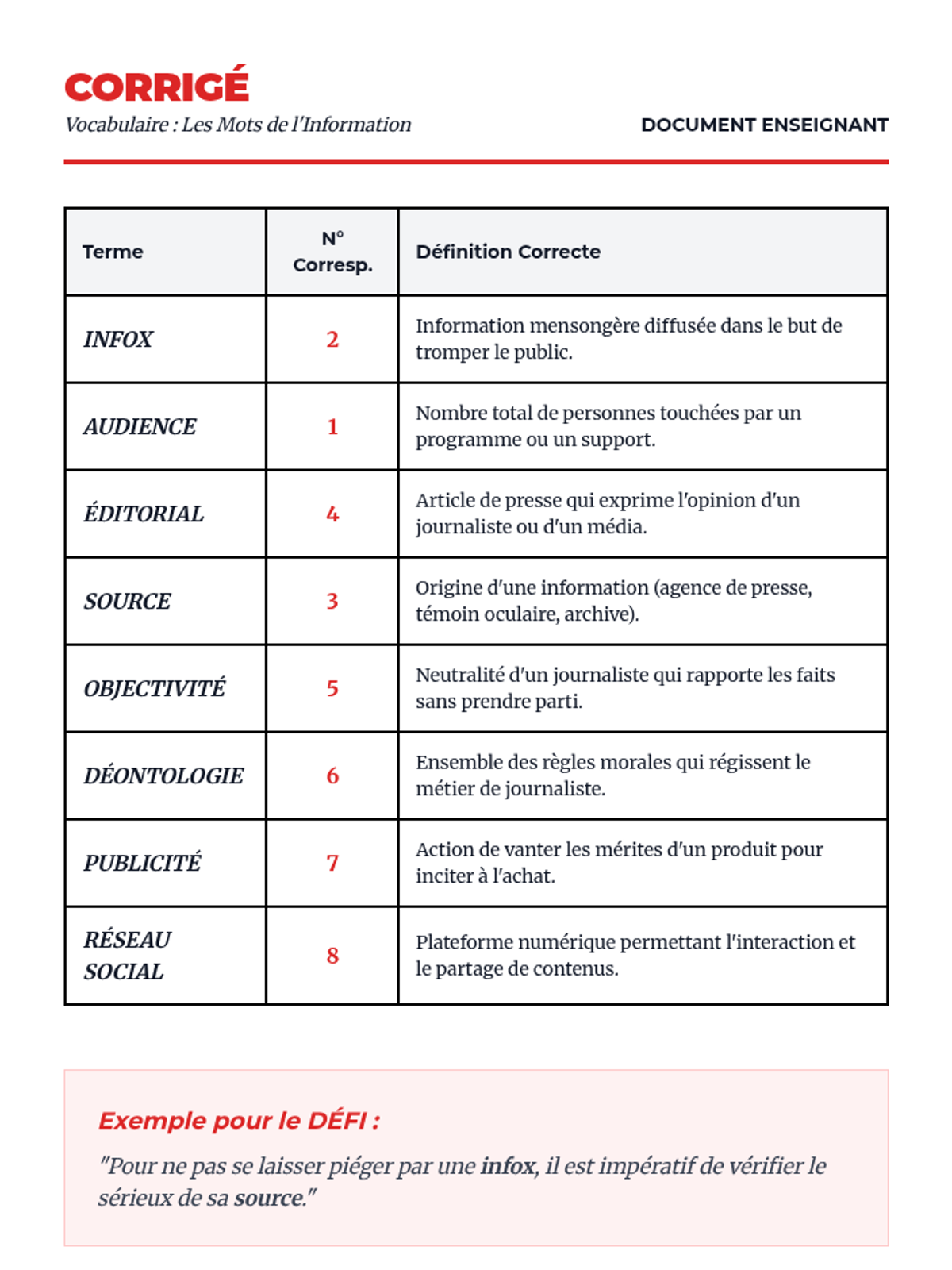
Une séquence pédagogique complète sur les différents types de médias, leurs fonctions et le vocabulaire journalistique. Elle comprend des supports visuels, des outils d'organisation et des évaluations.
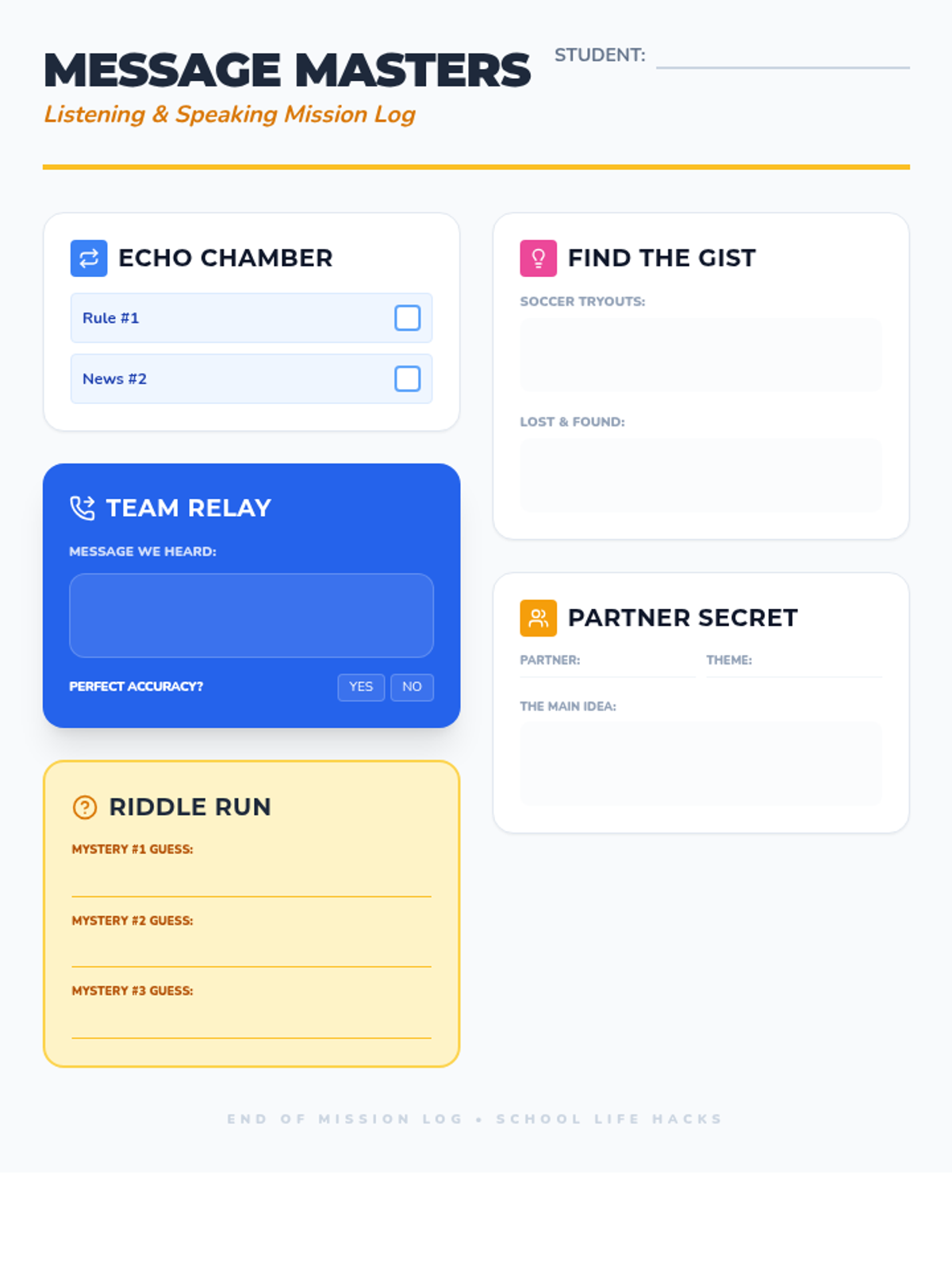
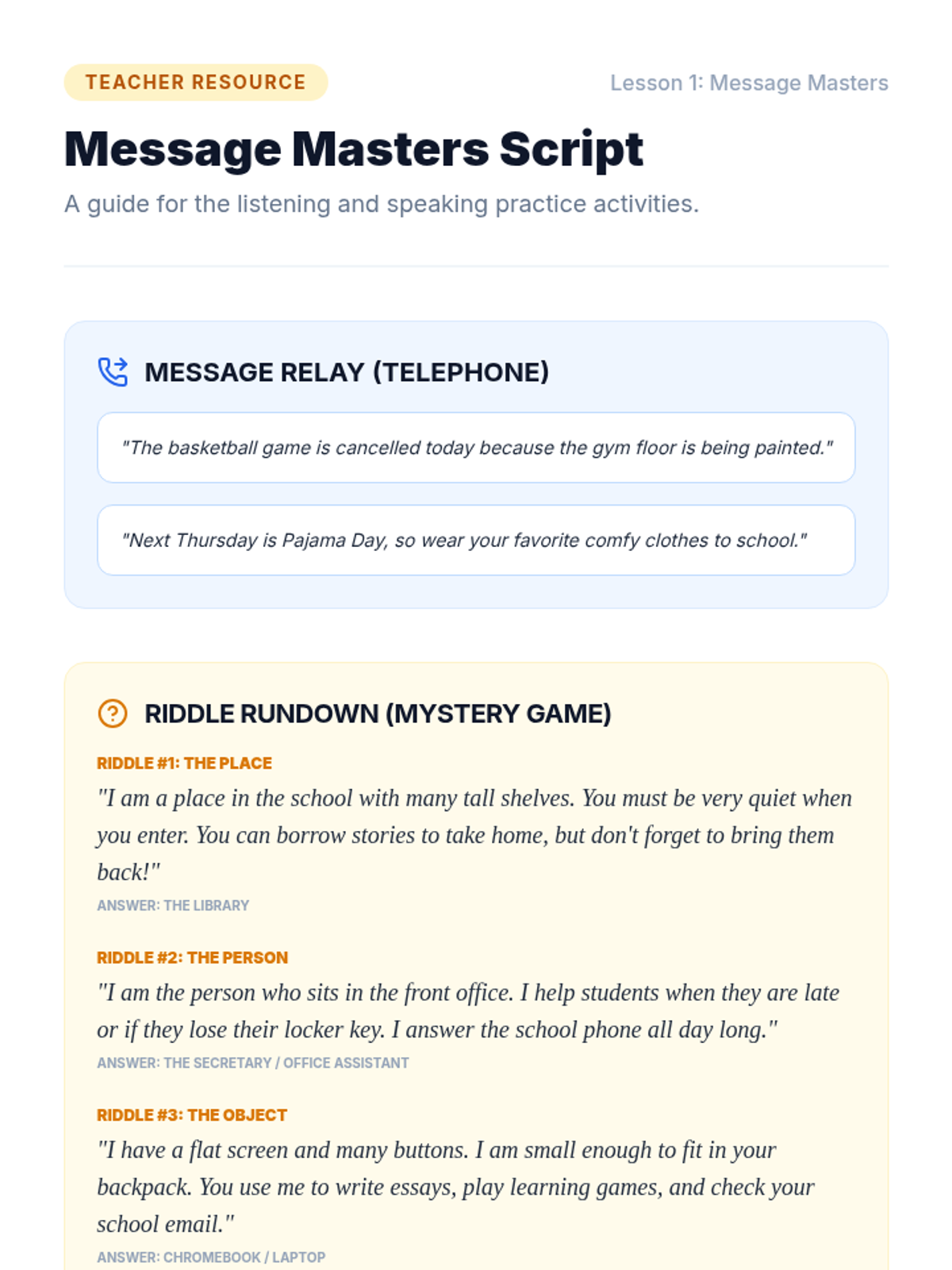
A 6-lesson mini-unit for 6th-grade ELD students focused on listening and speaking skills for ELPA preparation. Students practice listening for main ideas, repeating phrases, describing processes, supporting opinions, and using precise spatial language for drawing.
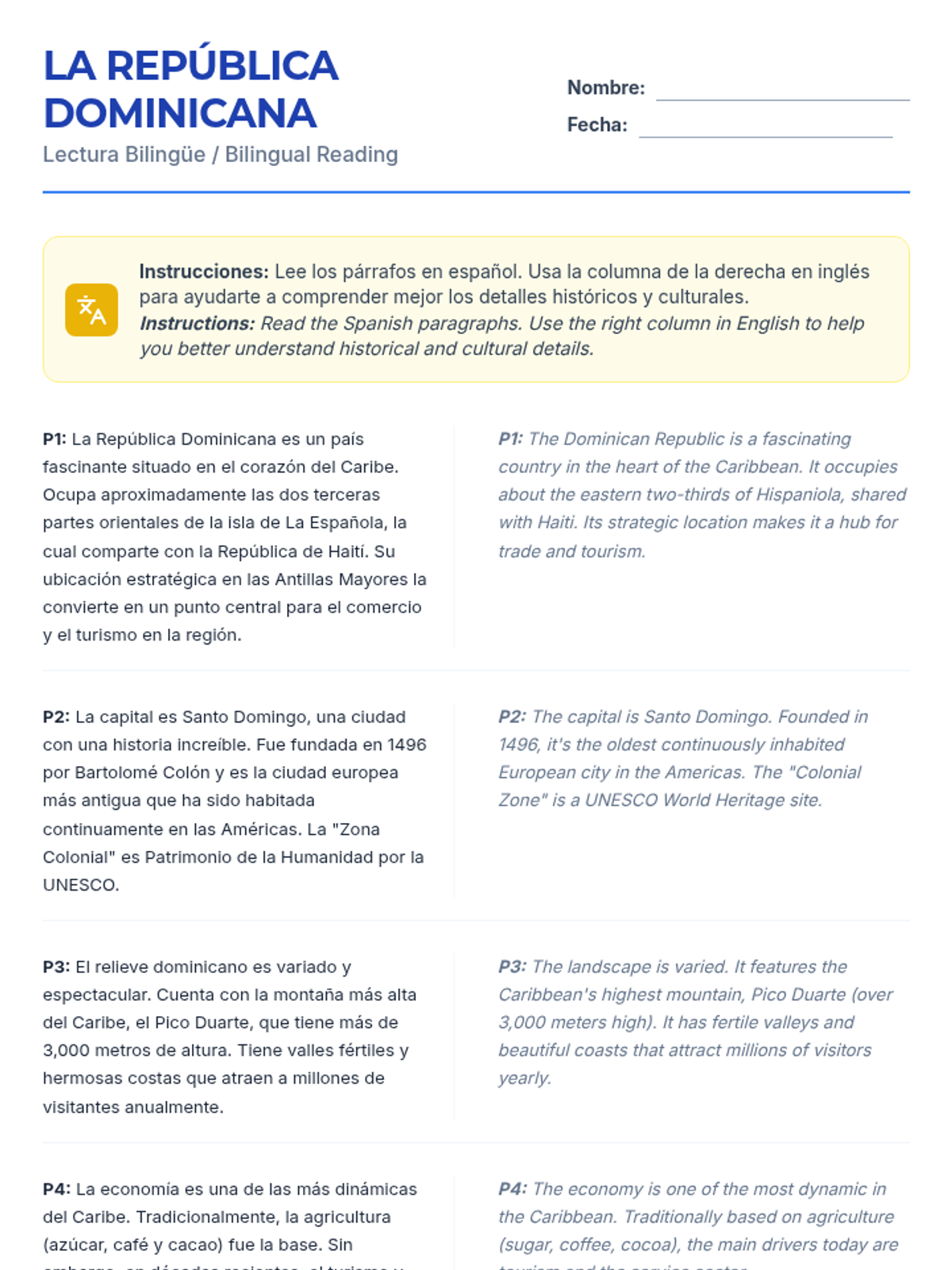
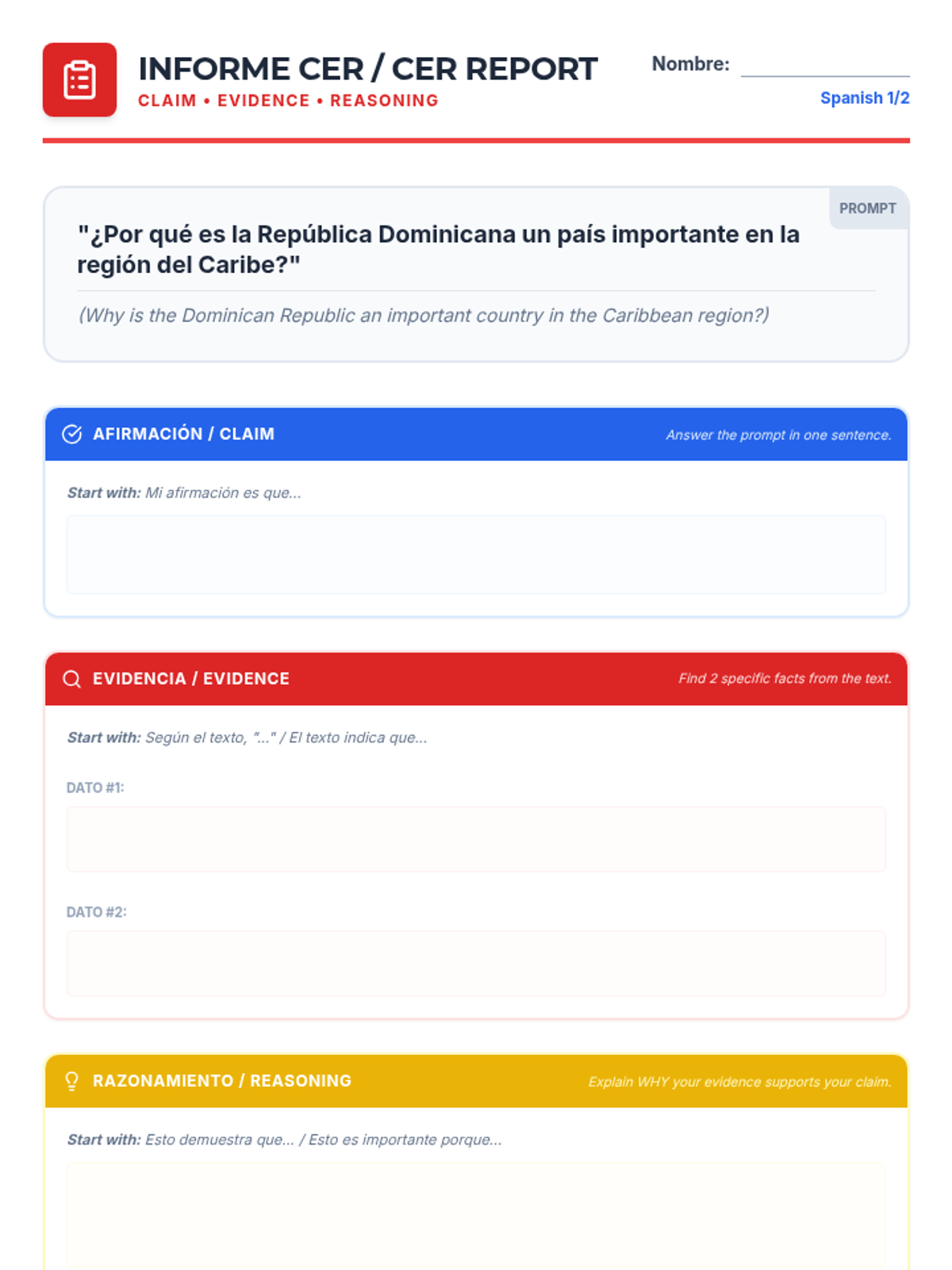
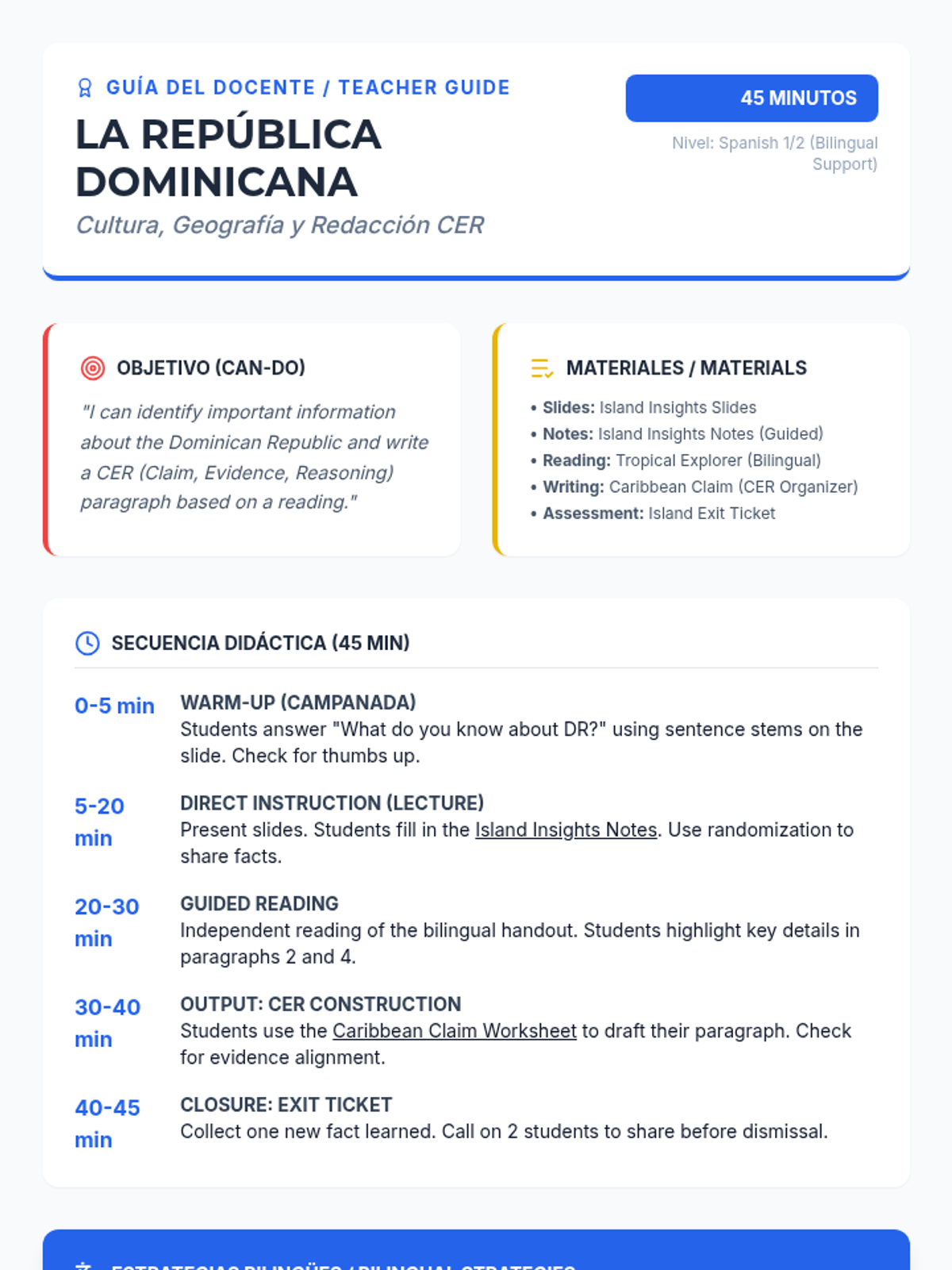
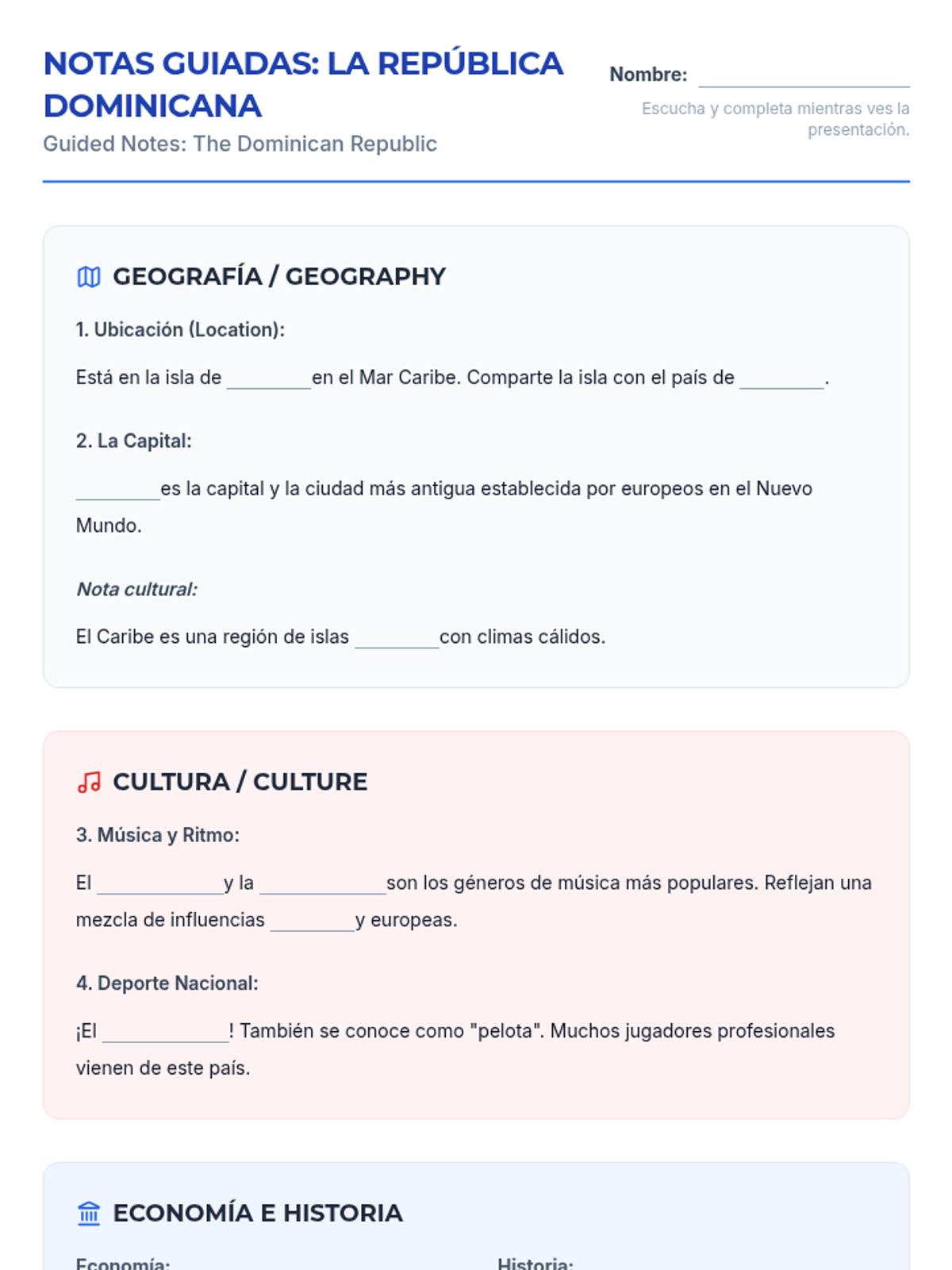
A cultural exploration of the Dominican Republic, focusing on geography, history, and traditions while developing CER writing skills in Spanish.
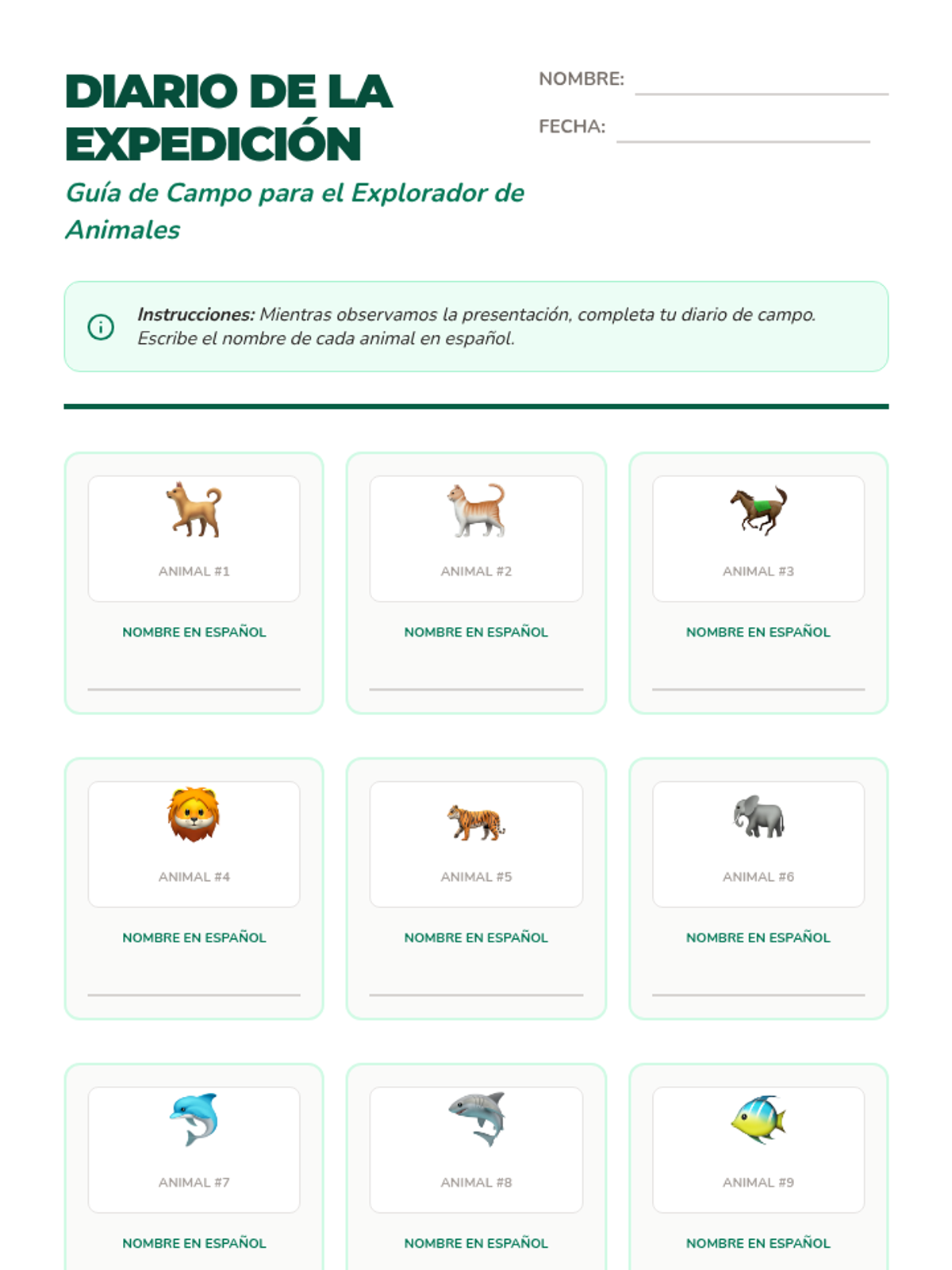
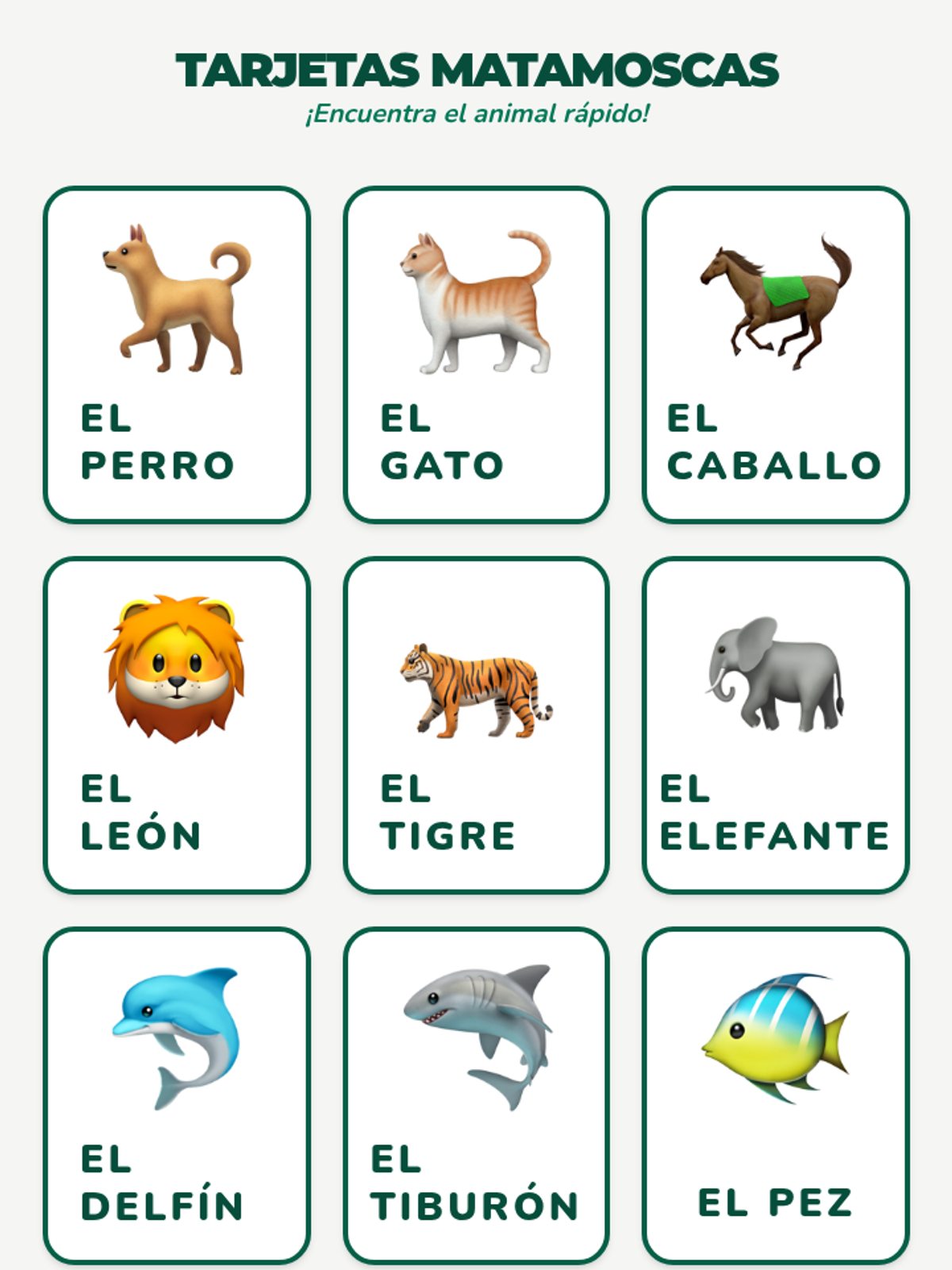
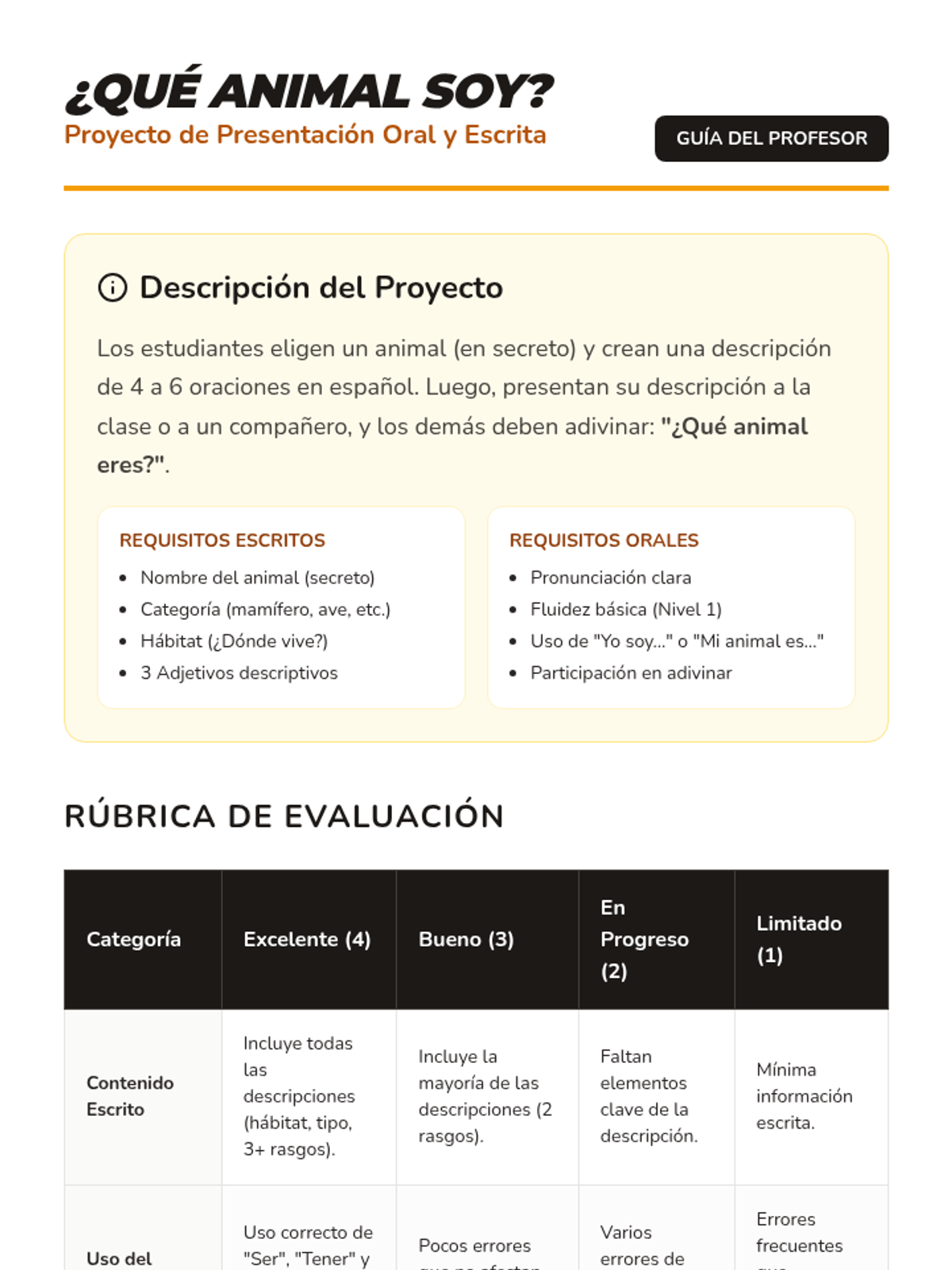
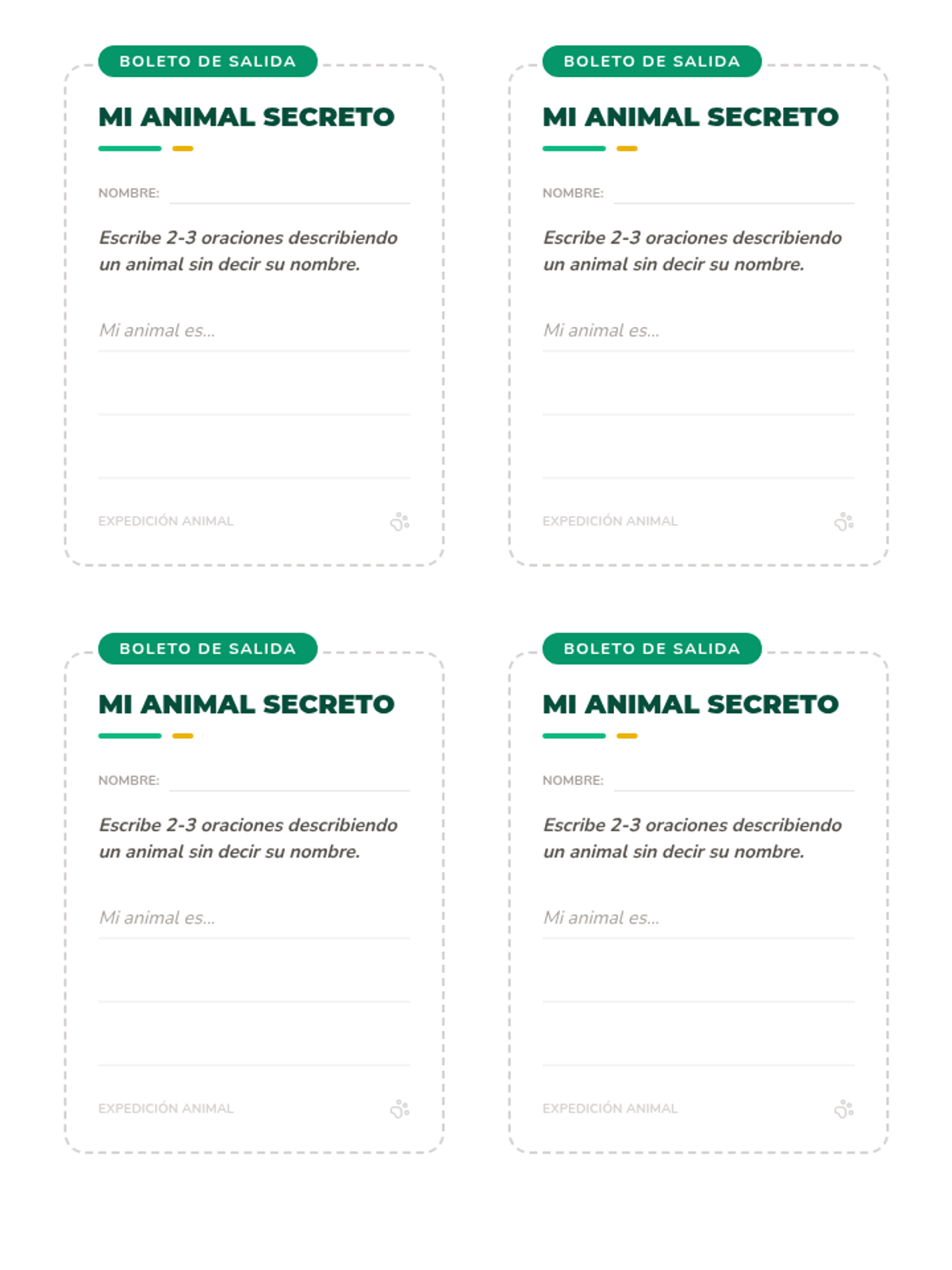
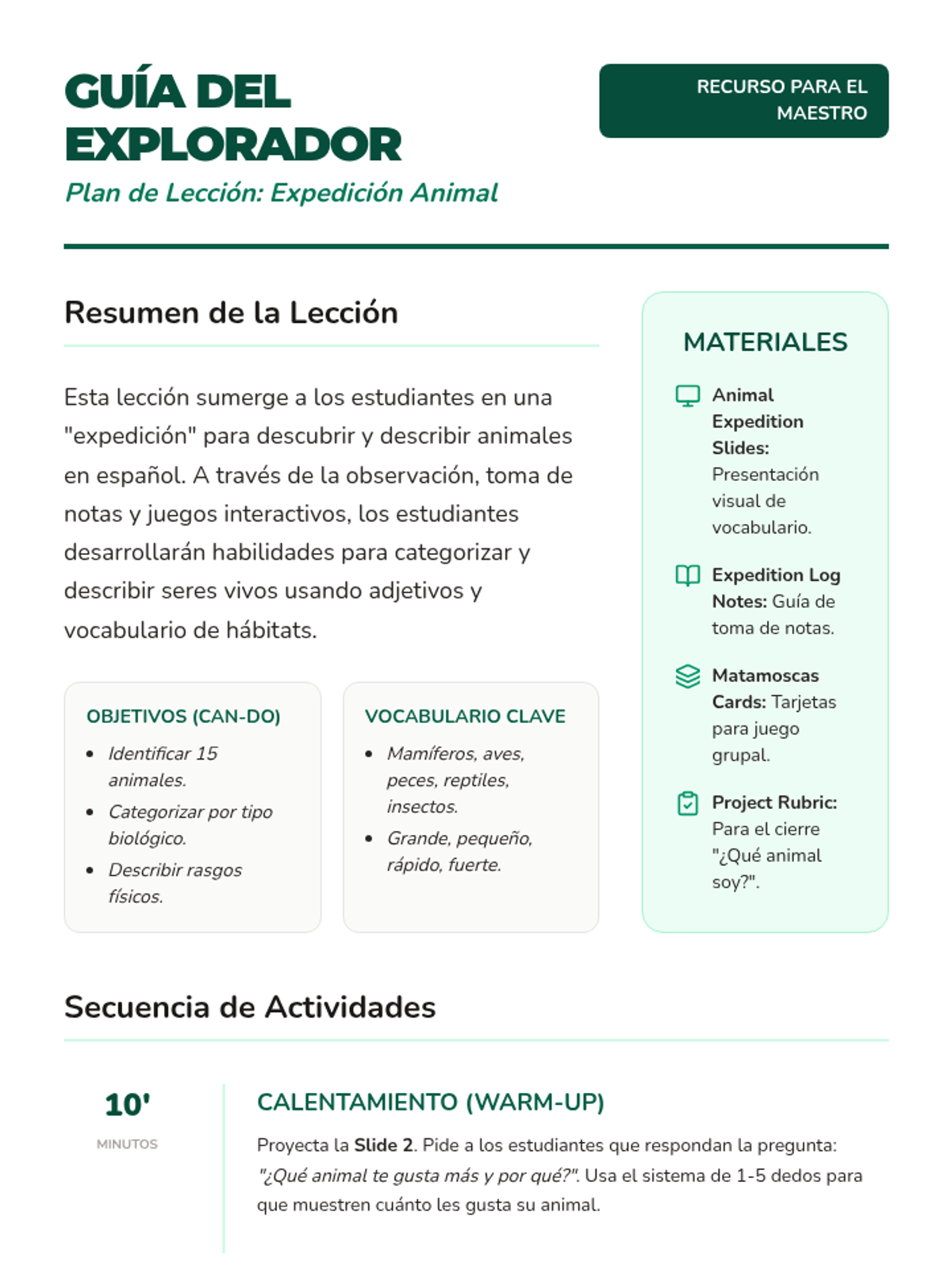
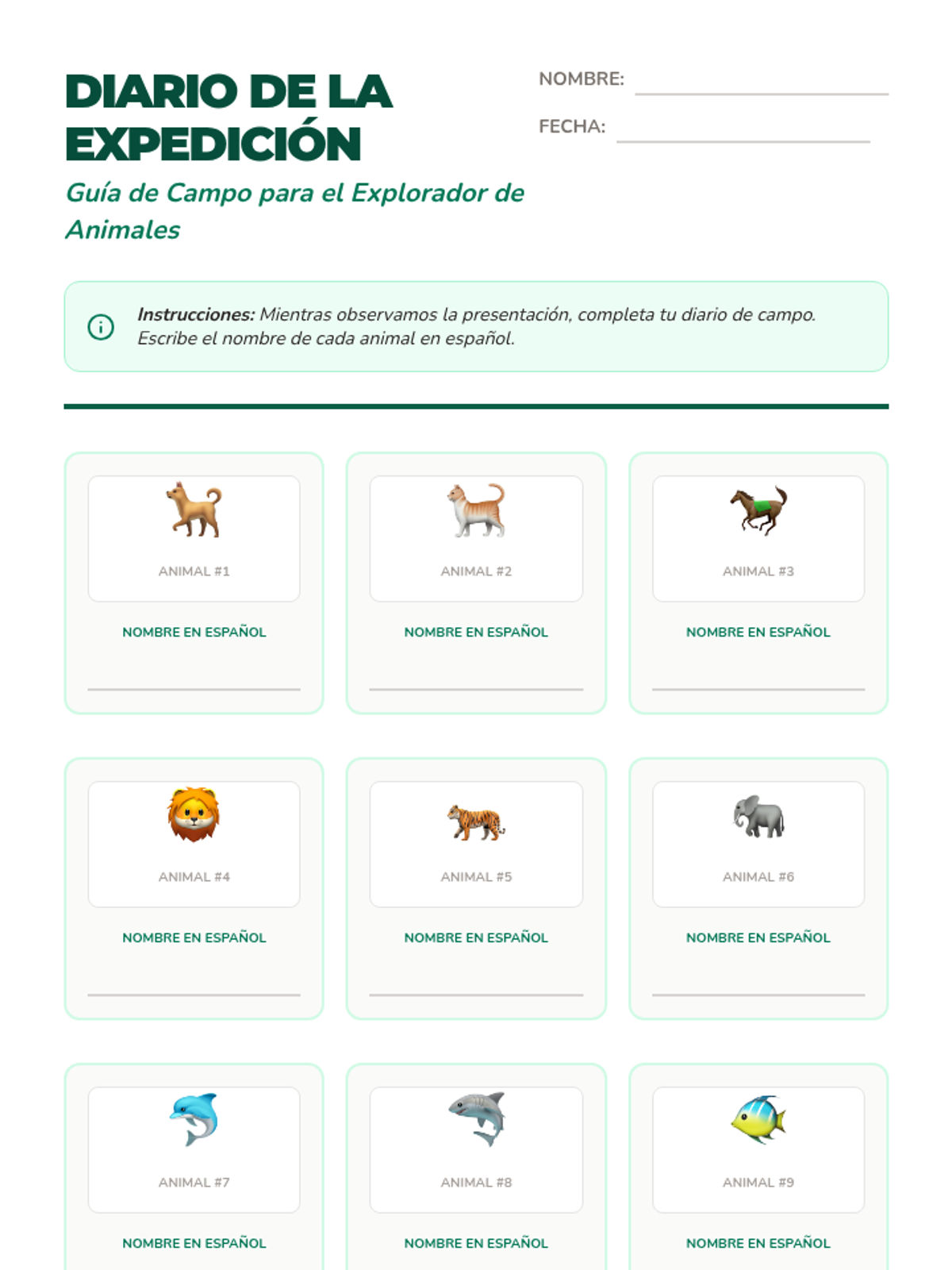
A unit covering animal vocabulary, descriptions, and likes/dislikes in Spanish, designed for Level 1 learners to build foundational communication skills about the natural world.
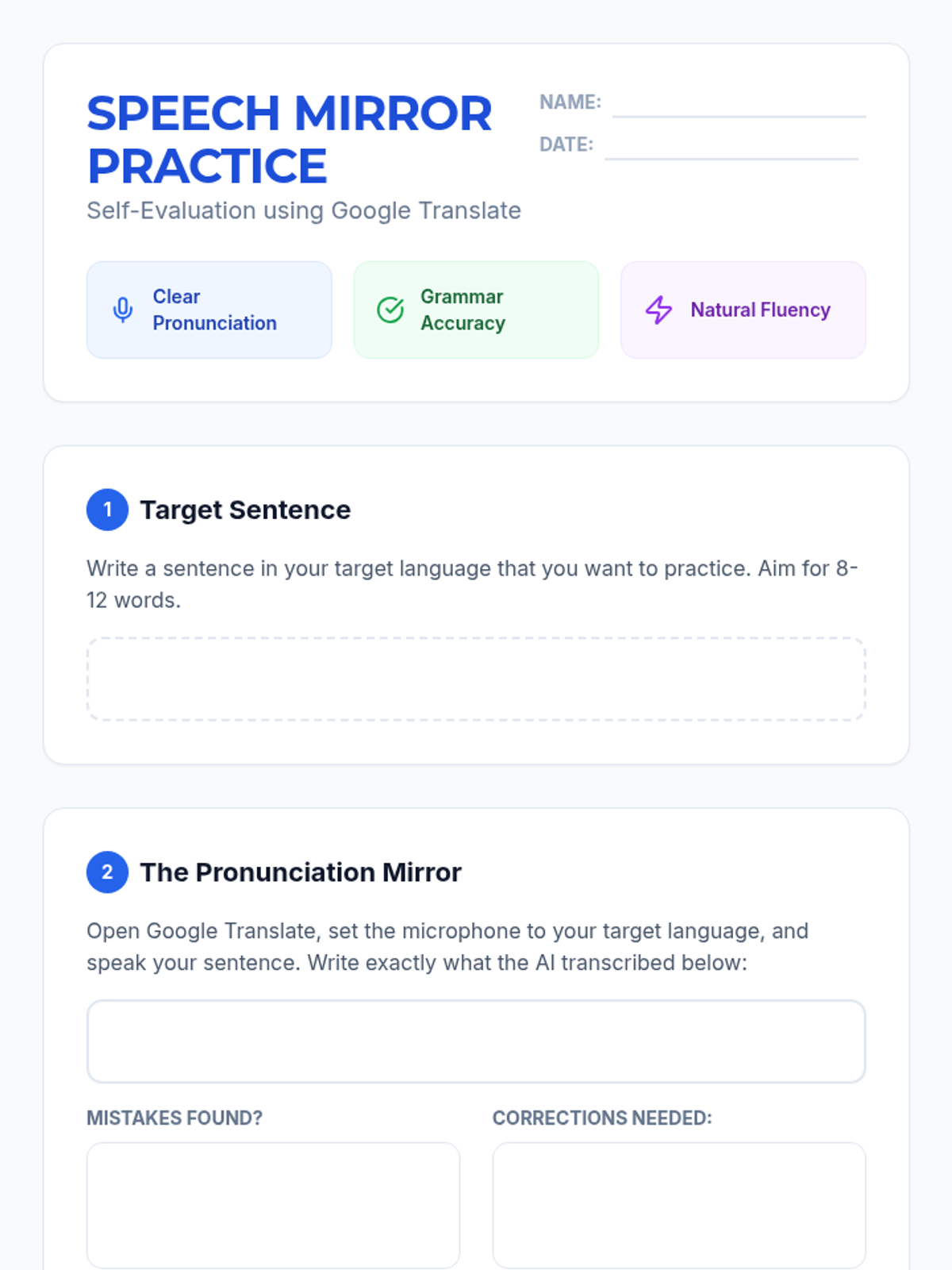
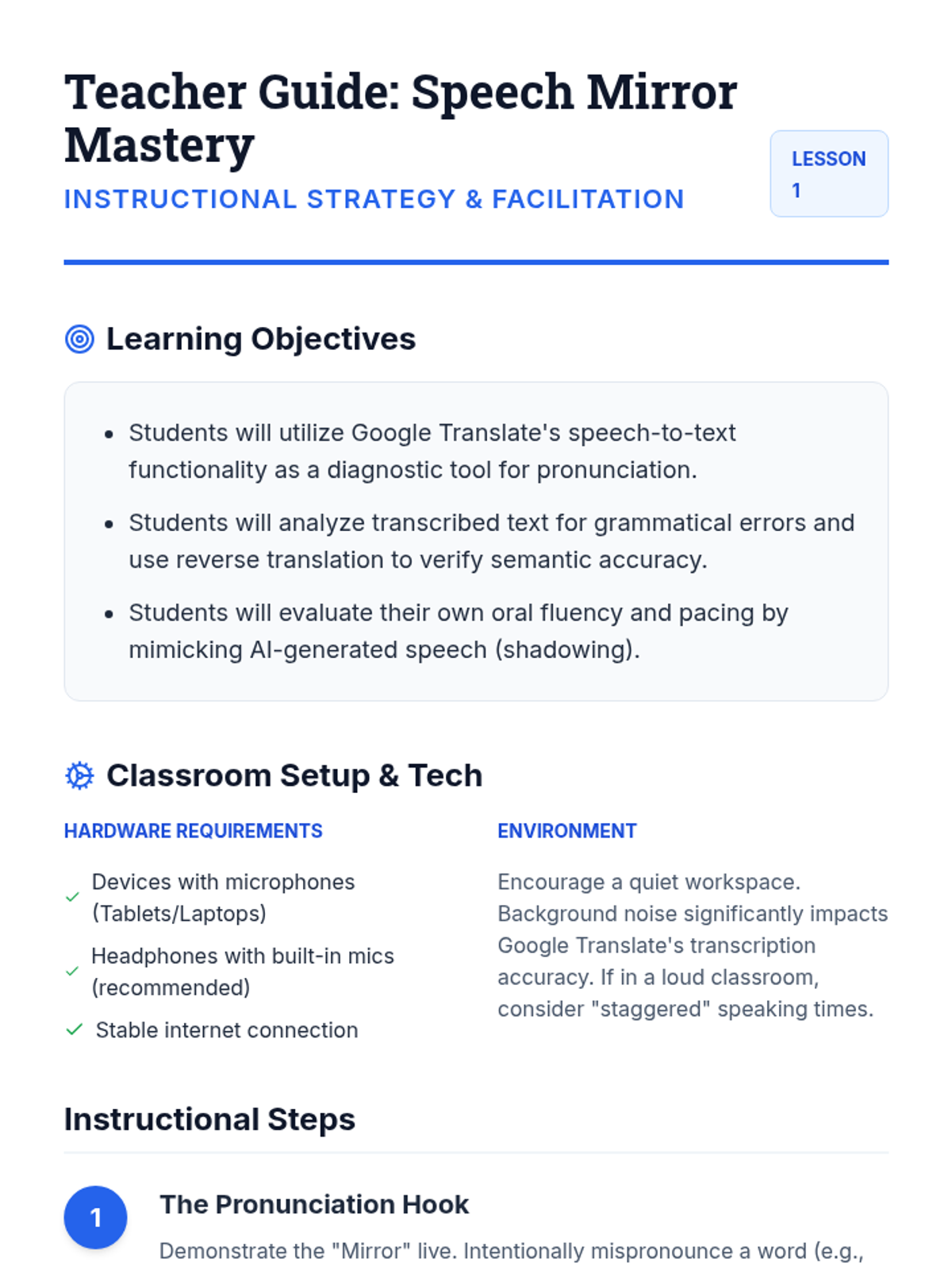
A sequence focused on leveraging digital translation tools for language self-assessment and speech improvement. Students learn to use Google Translate not just for translation, but as a 'mirror' for their own pronunciation, grammar, and fluency.
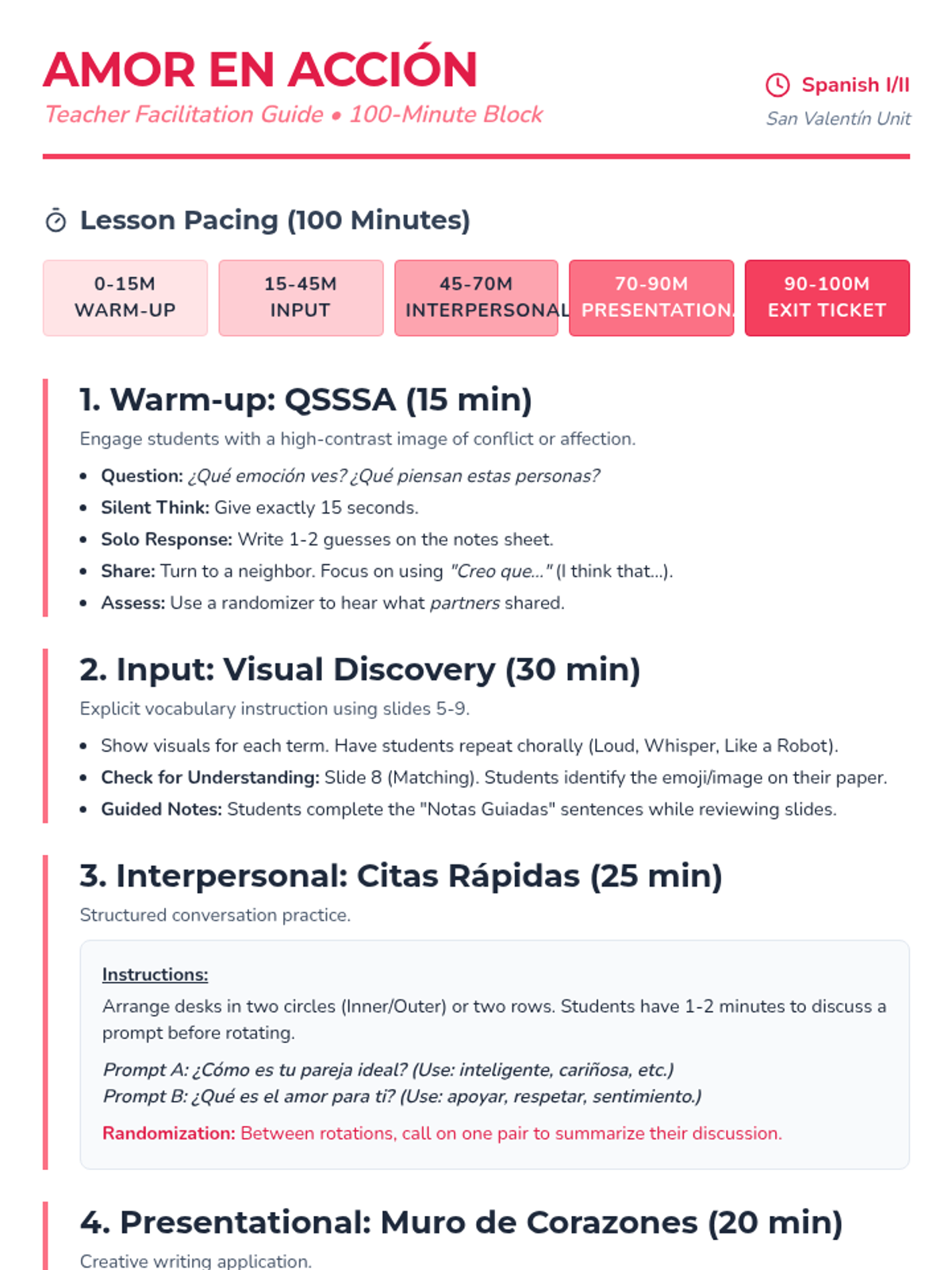
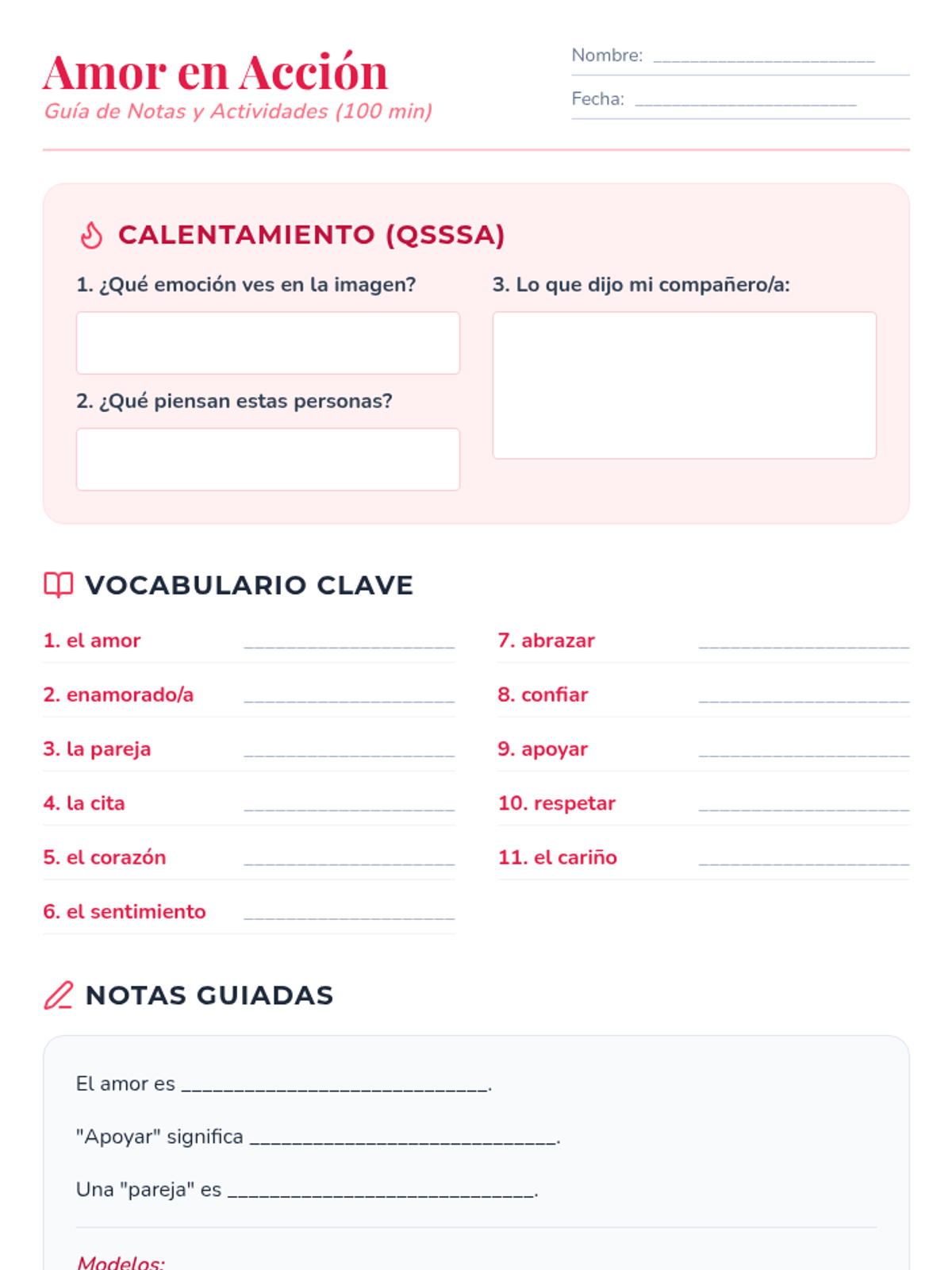
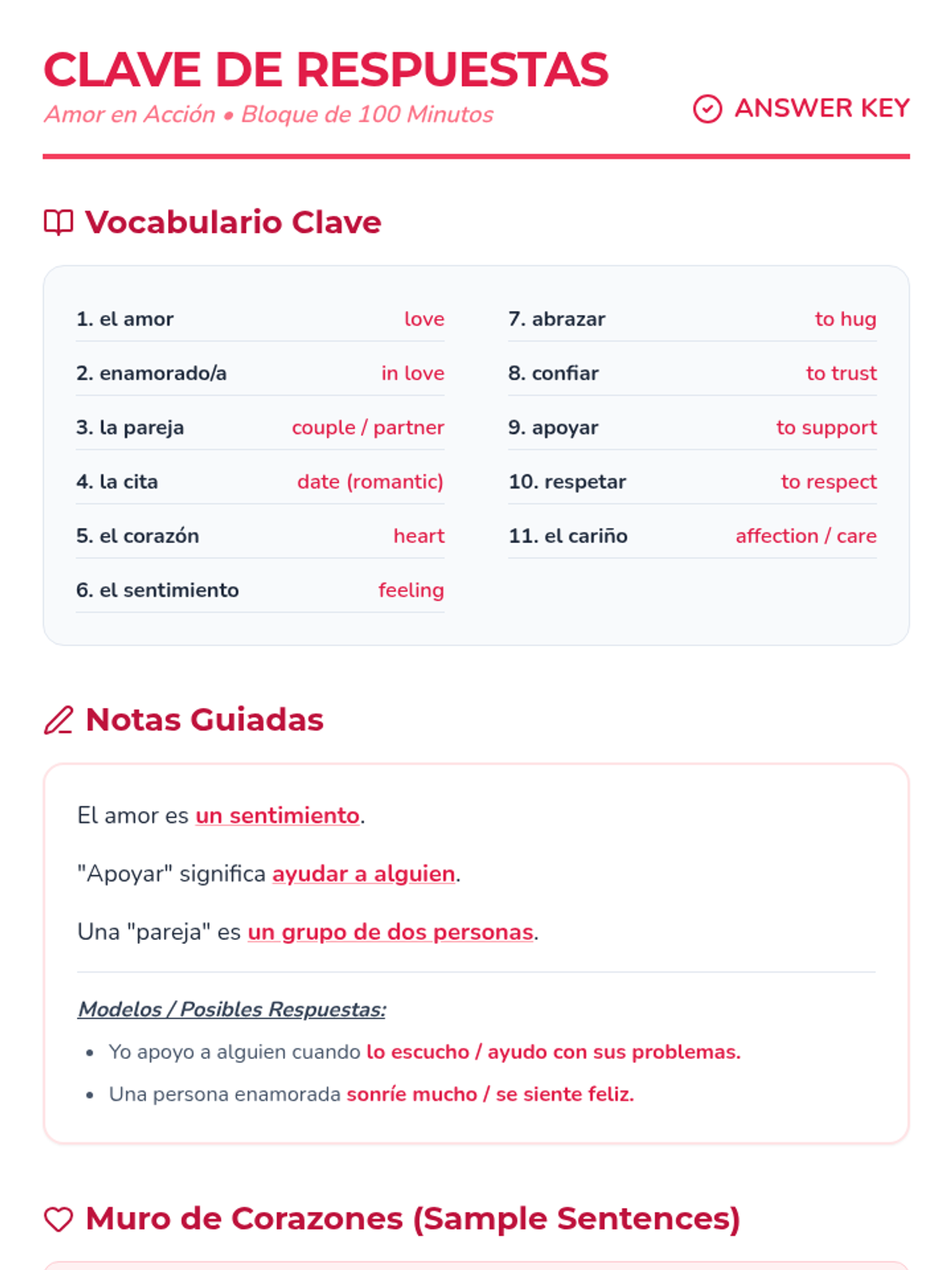
A Spanish I/II unit focused on Valentine's Day, covering vocabulary related to love, relationships, and emotions through interactive activities and communicative practice.
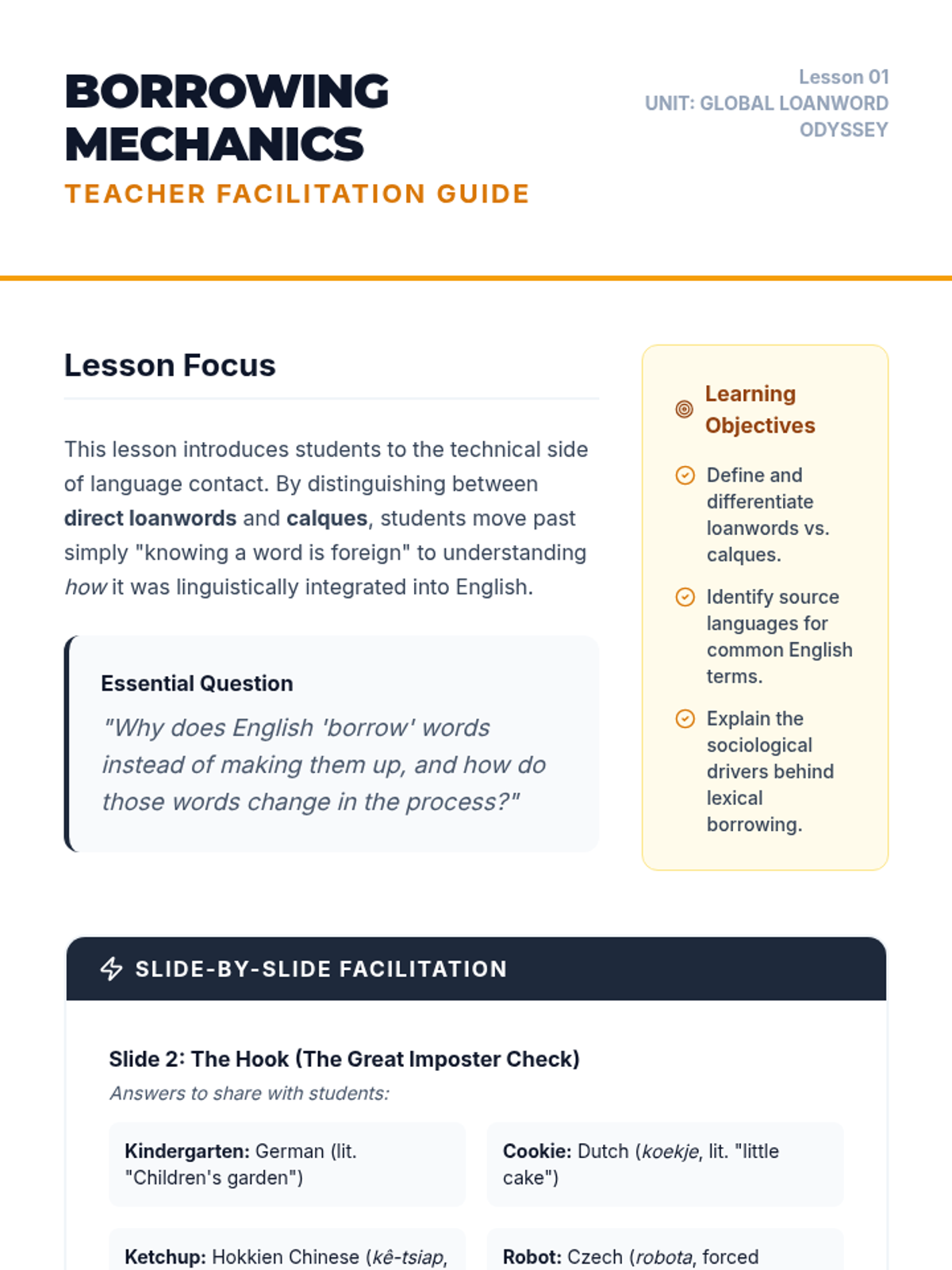
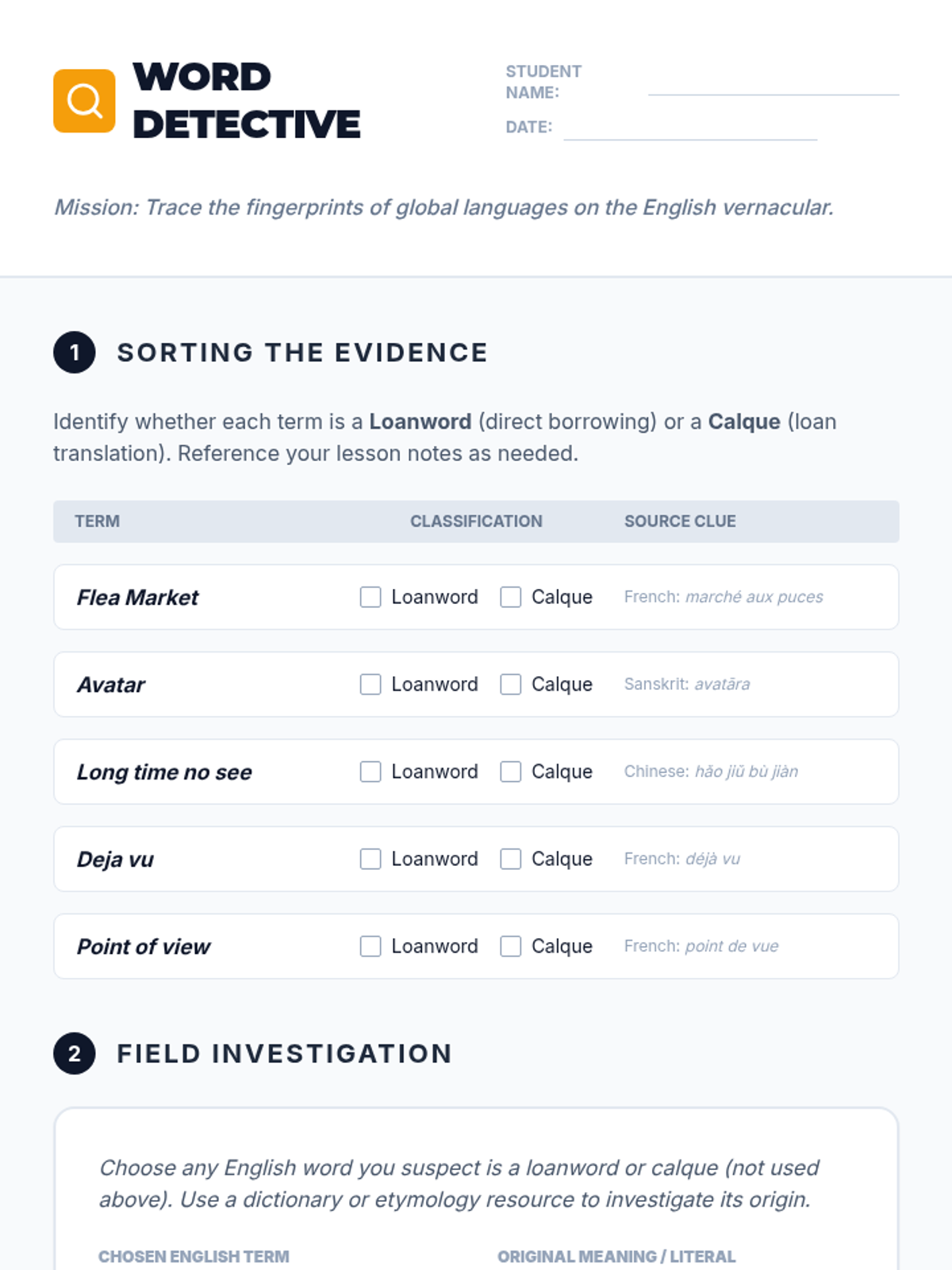
A linguistic and sociological exploration of how English absorbs and adapts words from diverse global sources, focusing on etymology, cultural exchange, and the evolution of language.
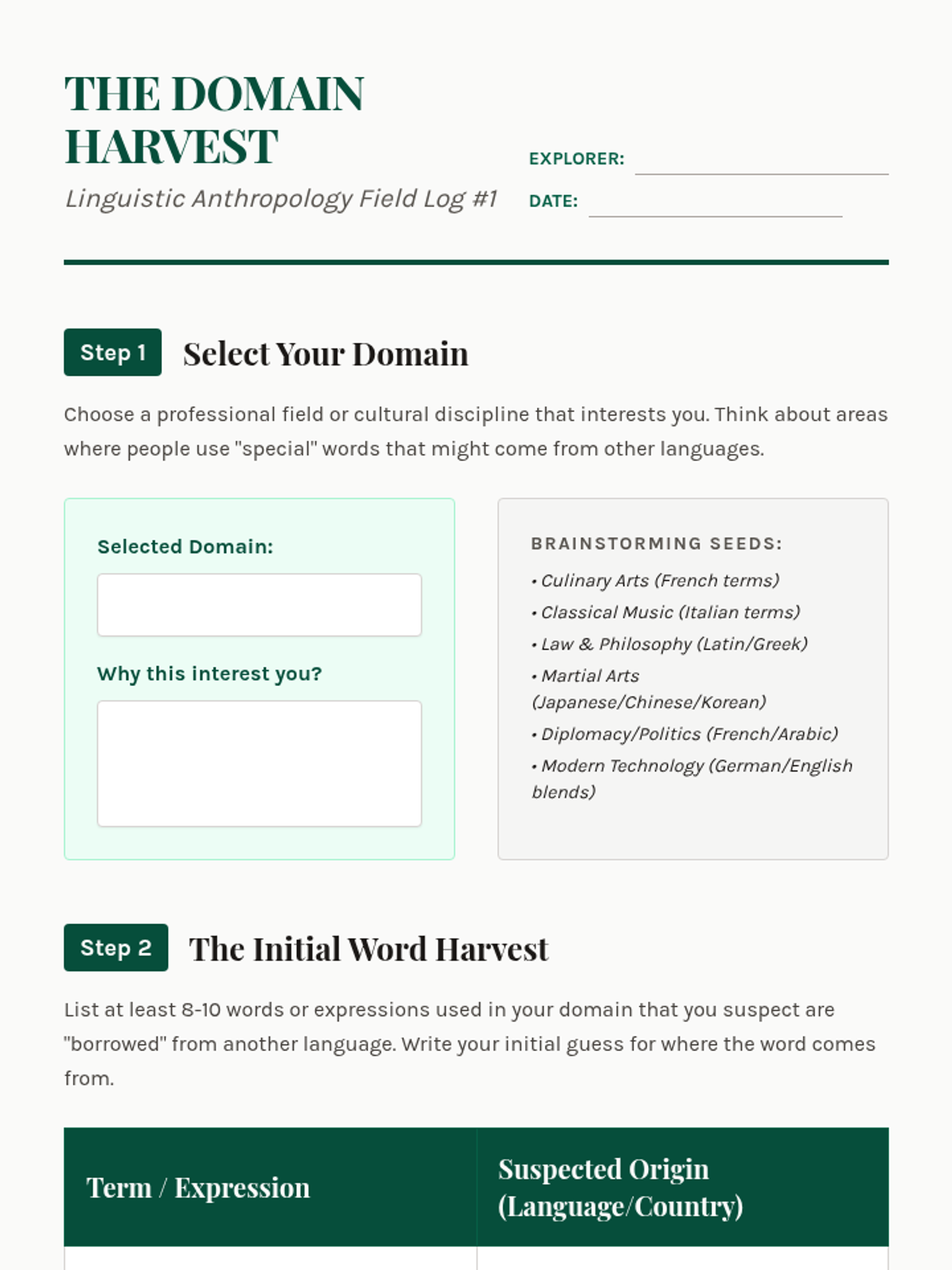
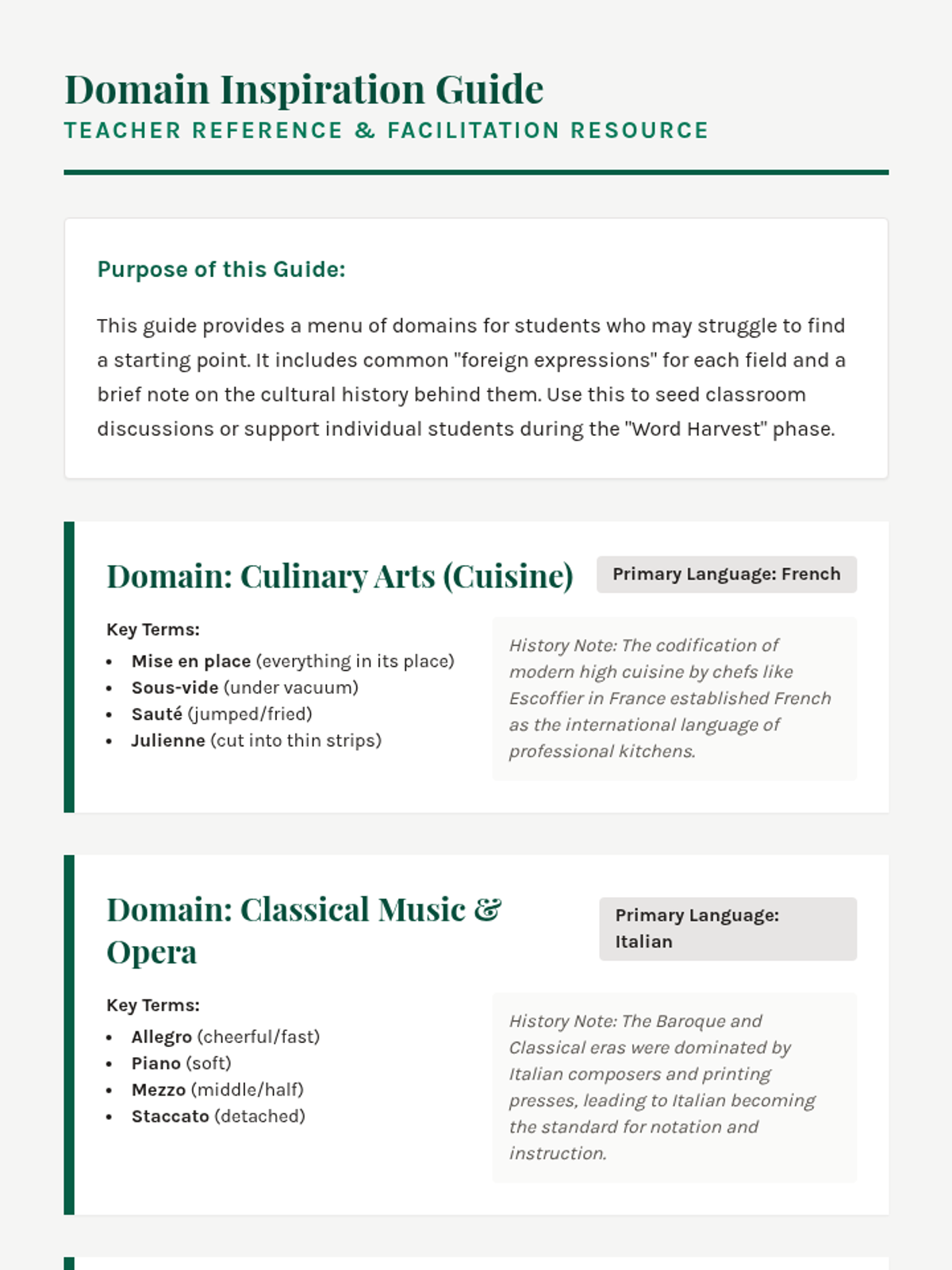
Students act as linguistic anthropologists creating a specialized 'Field Guide to Foreign Expressions' for a chosen professional or cultural domain. They investigate the etymology, usage, and visual representation of foreign terminology to explain their chosen field's linguistic history to a lay audience.