Develops technical proficiency and creative movement skills across various styles. Examines choreographic principles alongside the historical and cultural origins of diverse global dance forms.
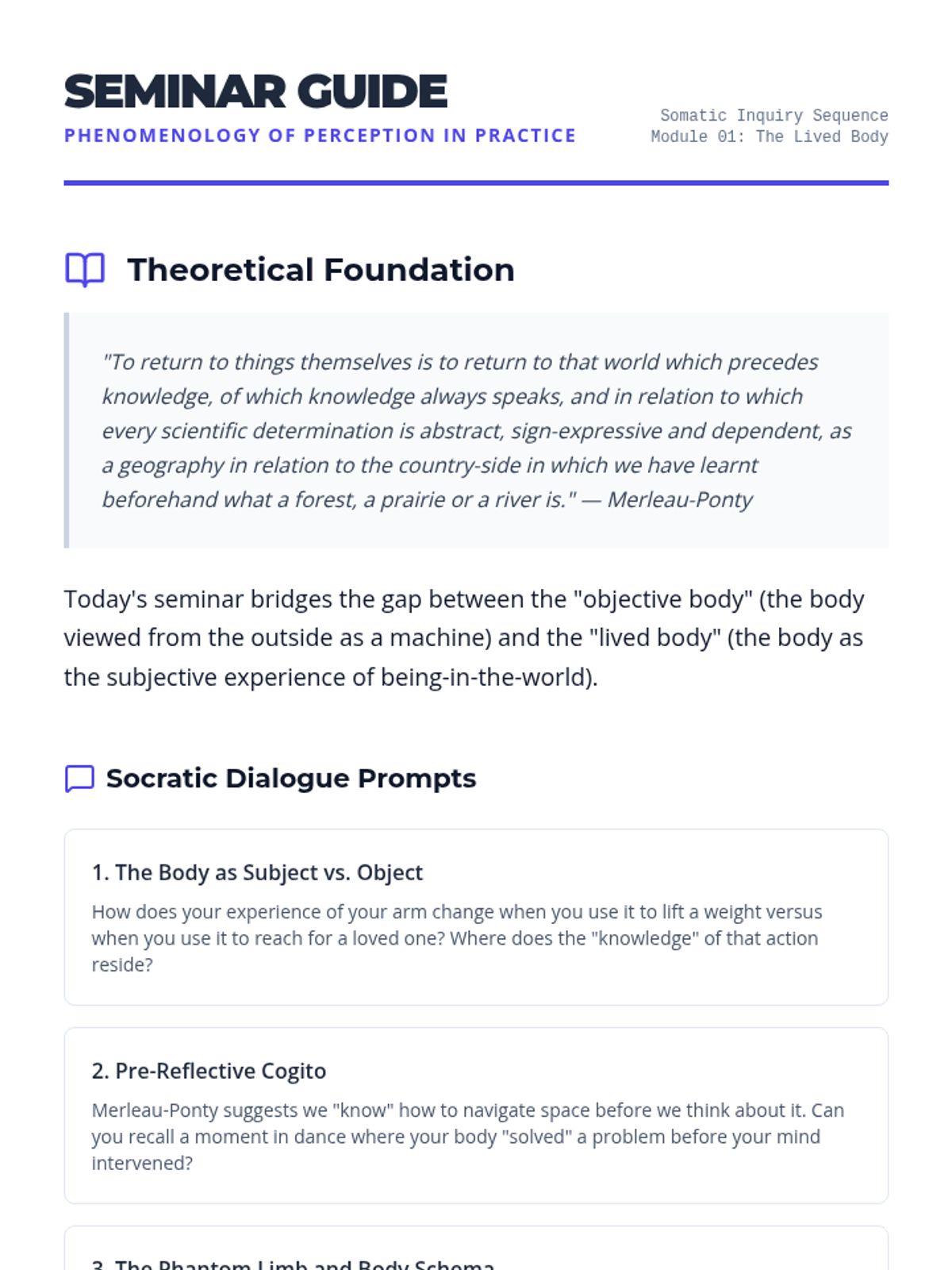
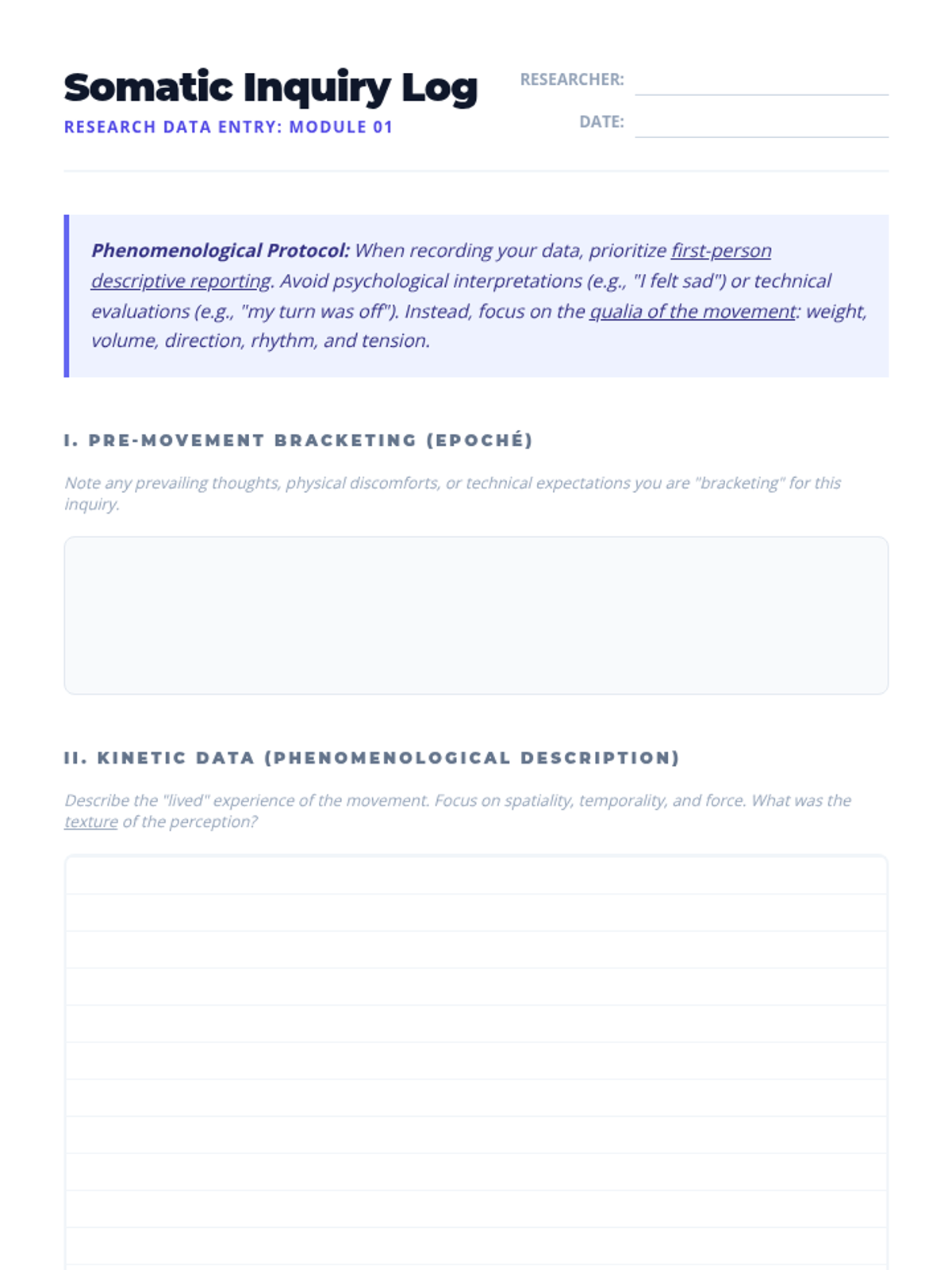
A graduate-level sequence exploring creative movement as a rigorous Practice-as-Research (PaR) methodology. It bridges phenomenological philosophy and somatic practice to investigate academic questions through the body.
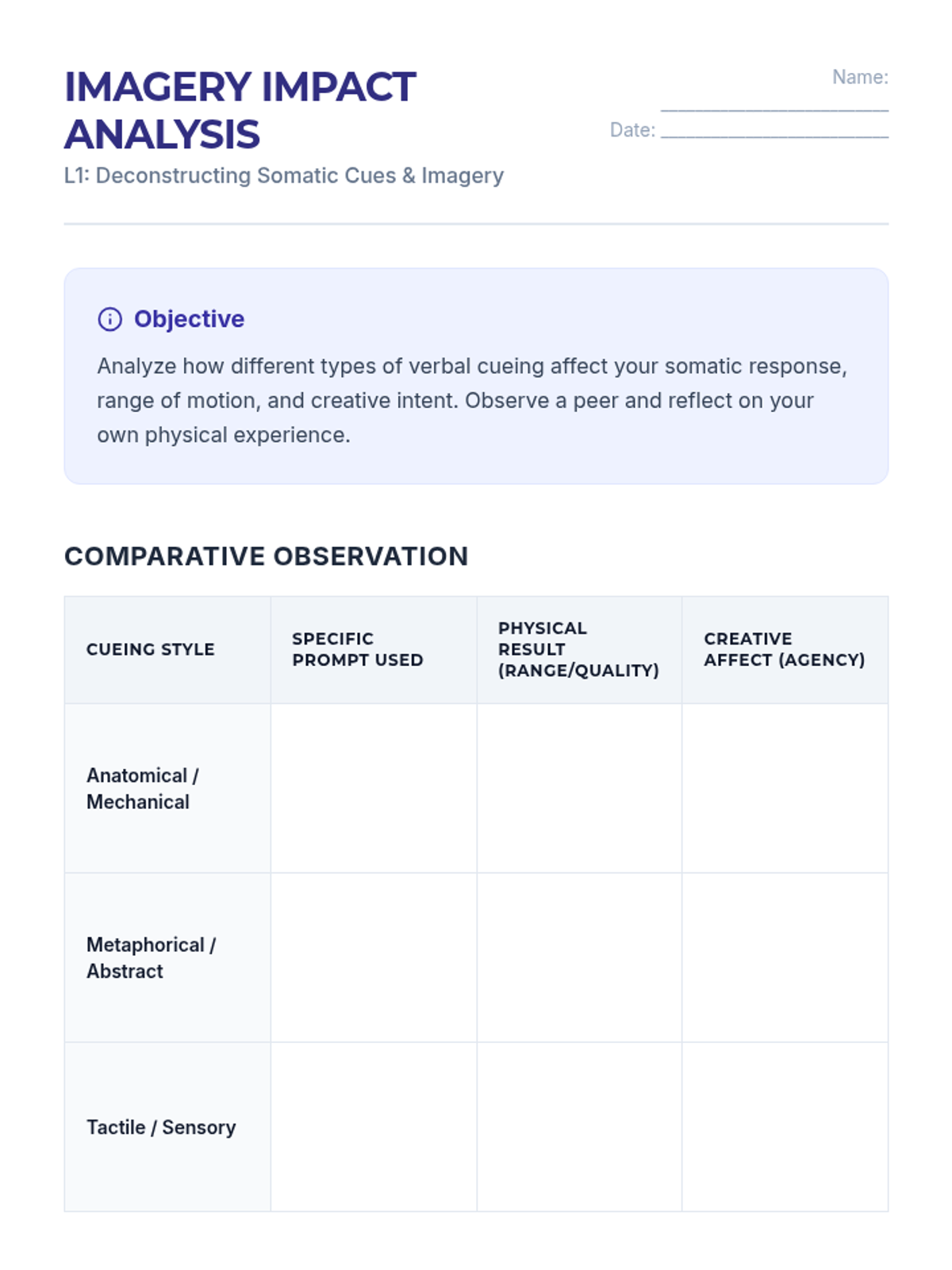
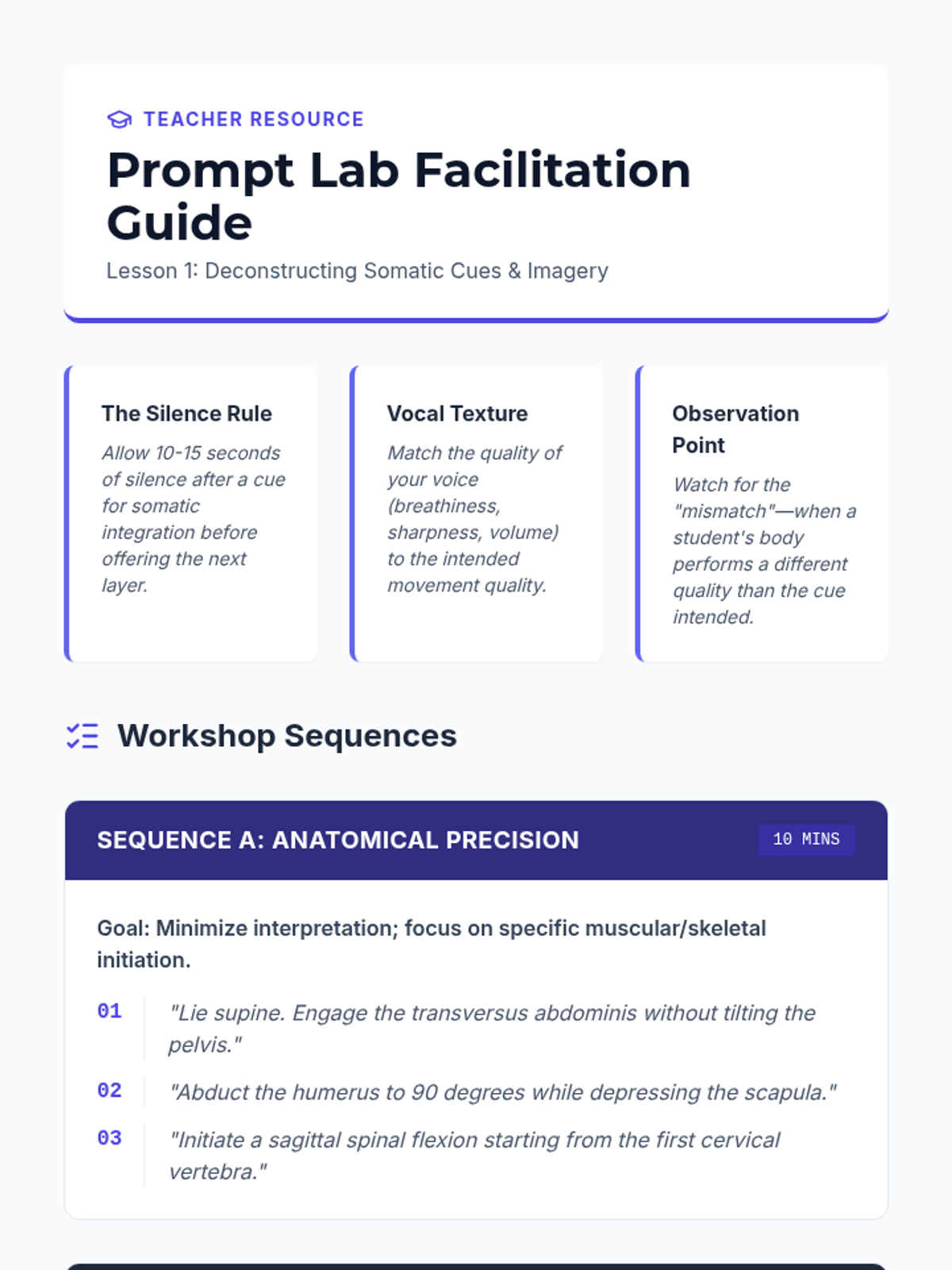
A graduate-level sequence exploring advanced pedagogical frameworks for creative movement facilitation. Students deconstruct somatic cues, developmental patterns, trauma-informed practices, and neurodiverse scaffolding to design inclusive and effective movement workshops.
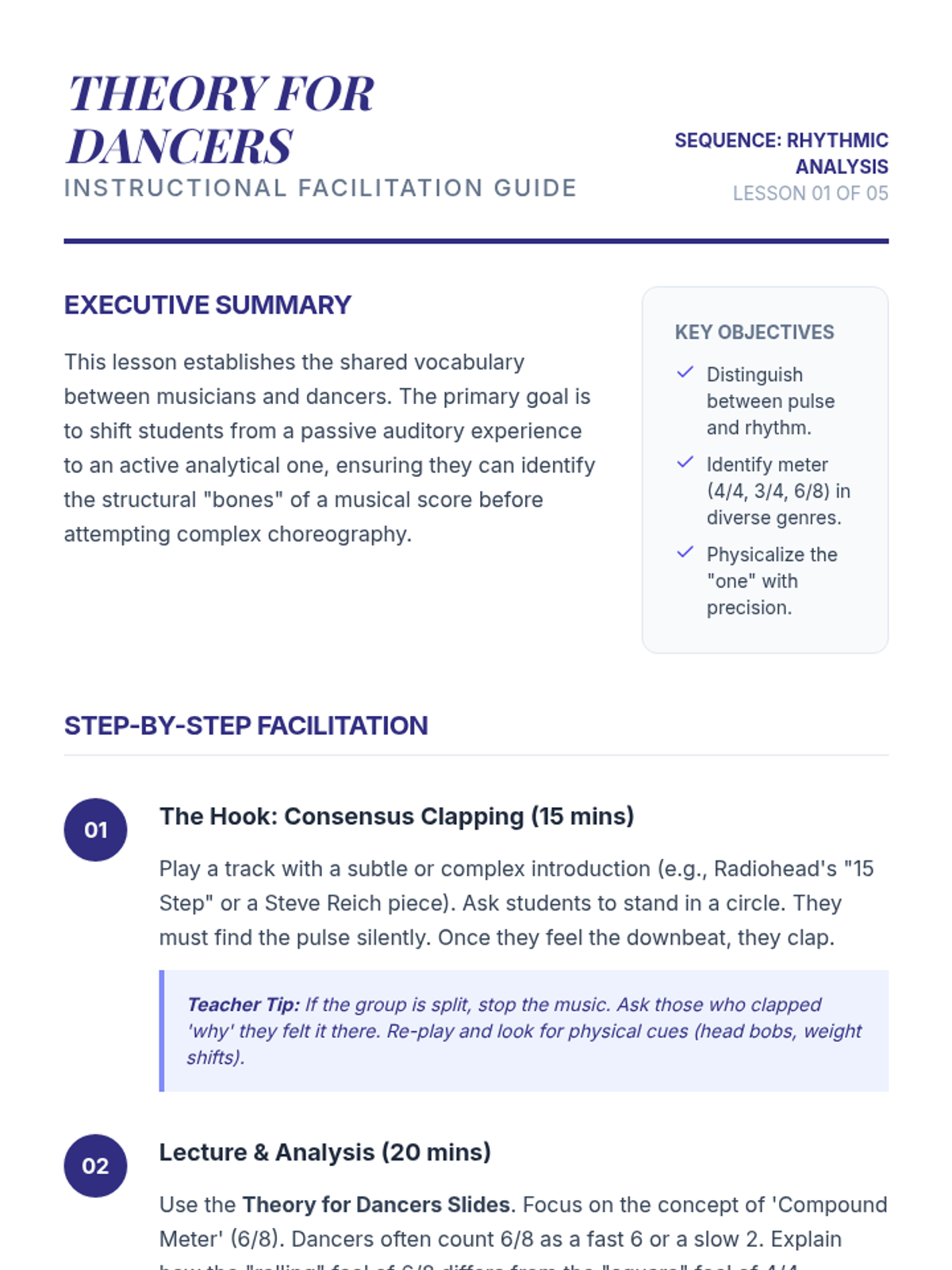
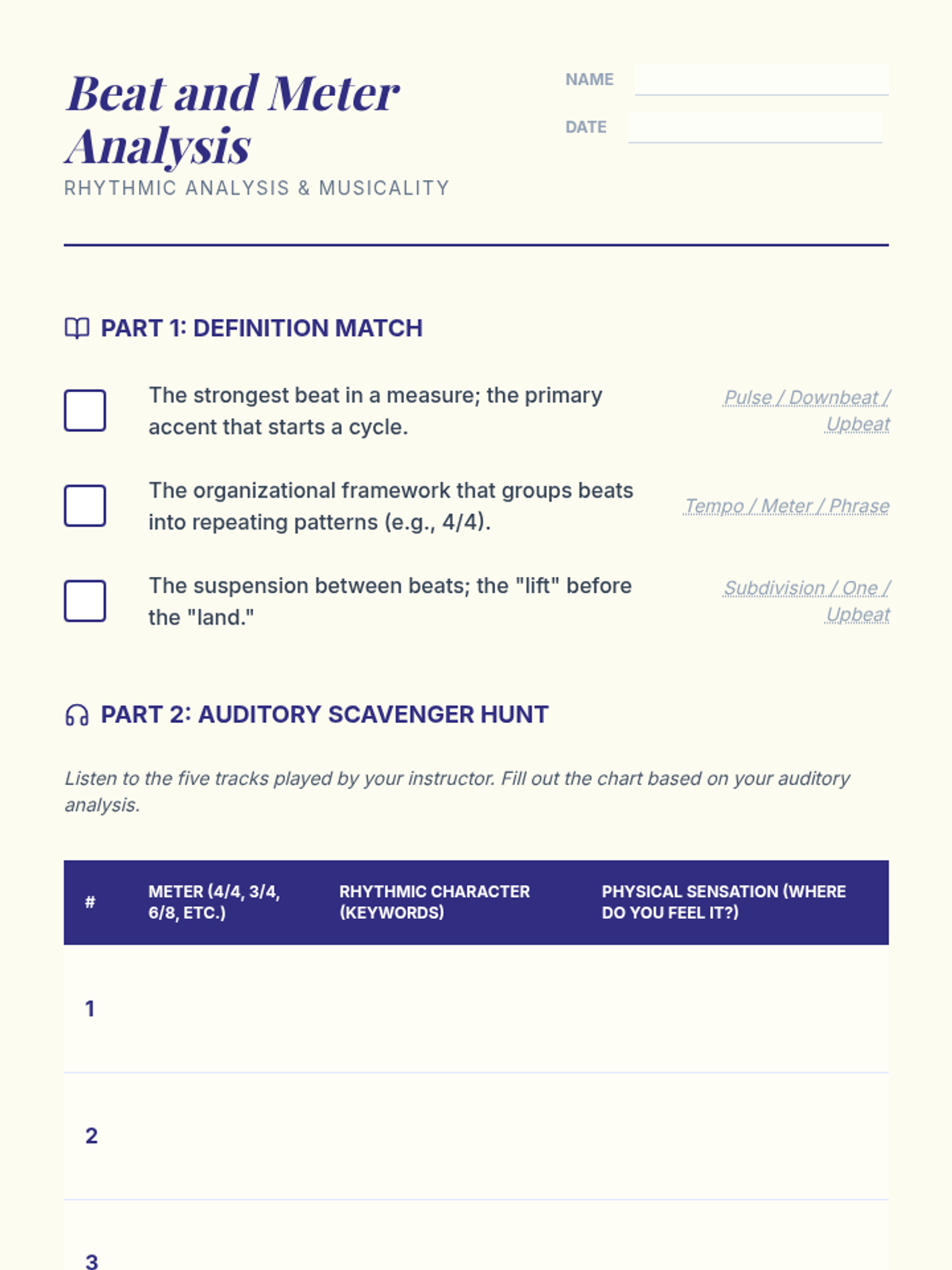
This undergraduate dance sequence explores the relationship between musical structure and movement. Students move from basic theory and meter to complex polyrhythms, phrasing across measures, and creating independent choreographic counterpoint.
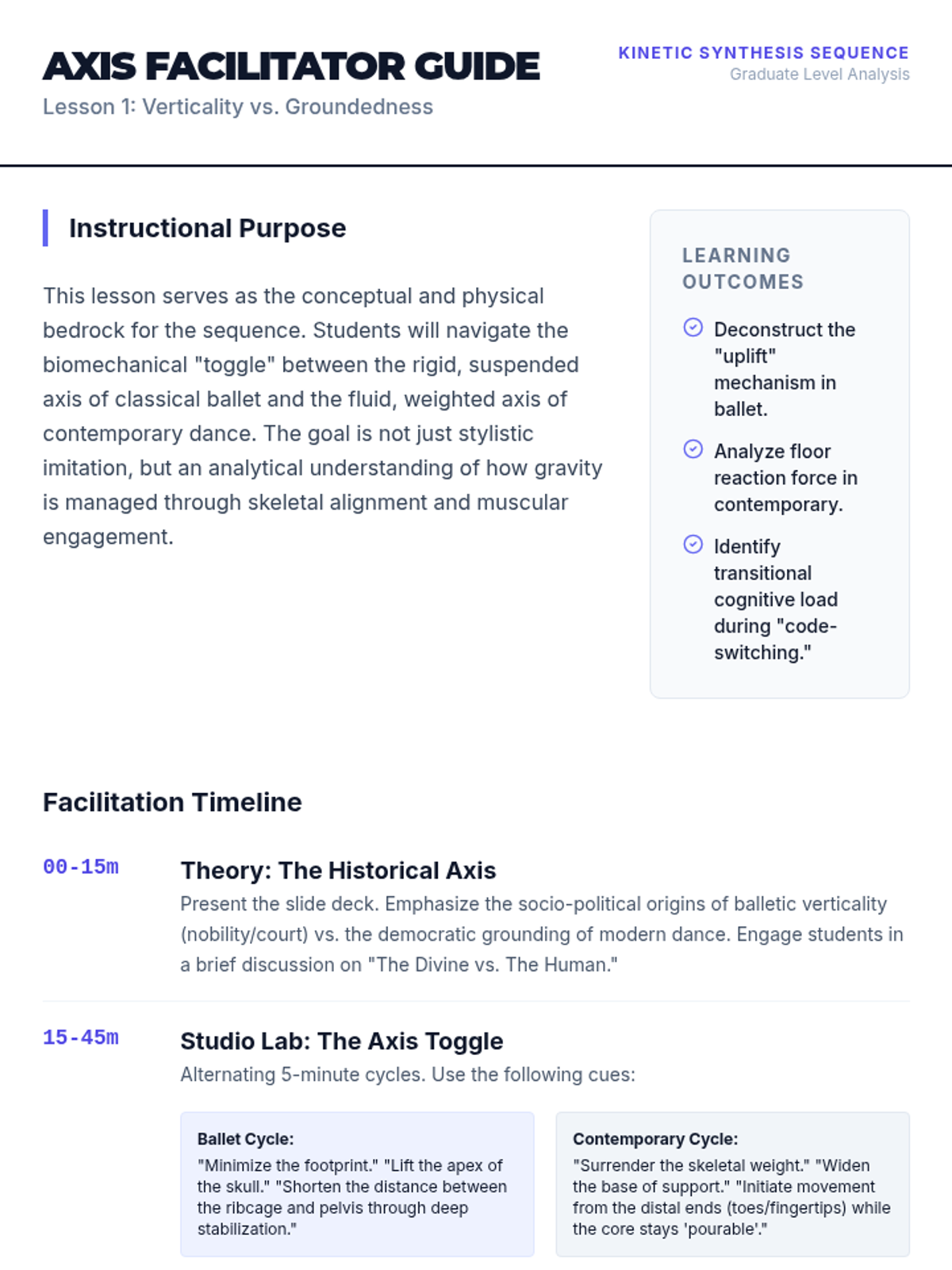
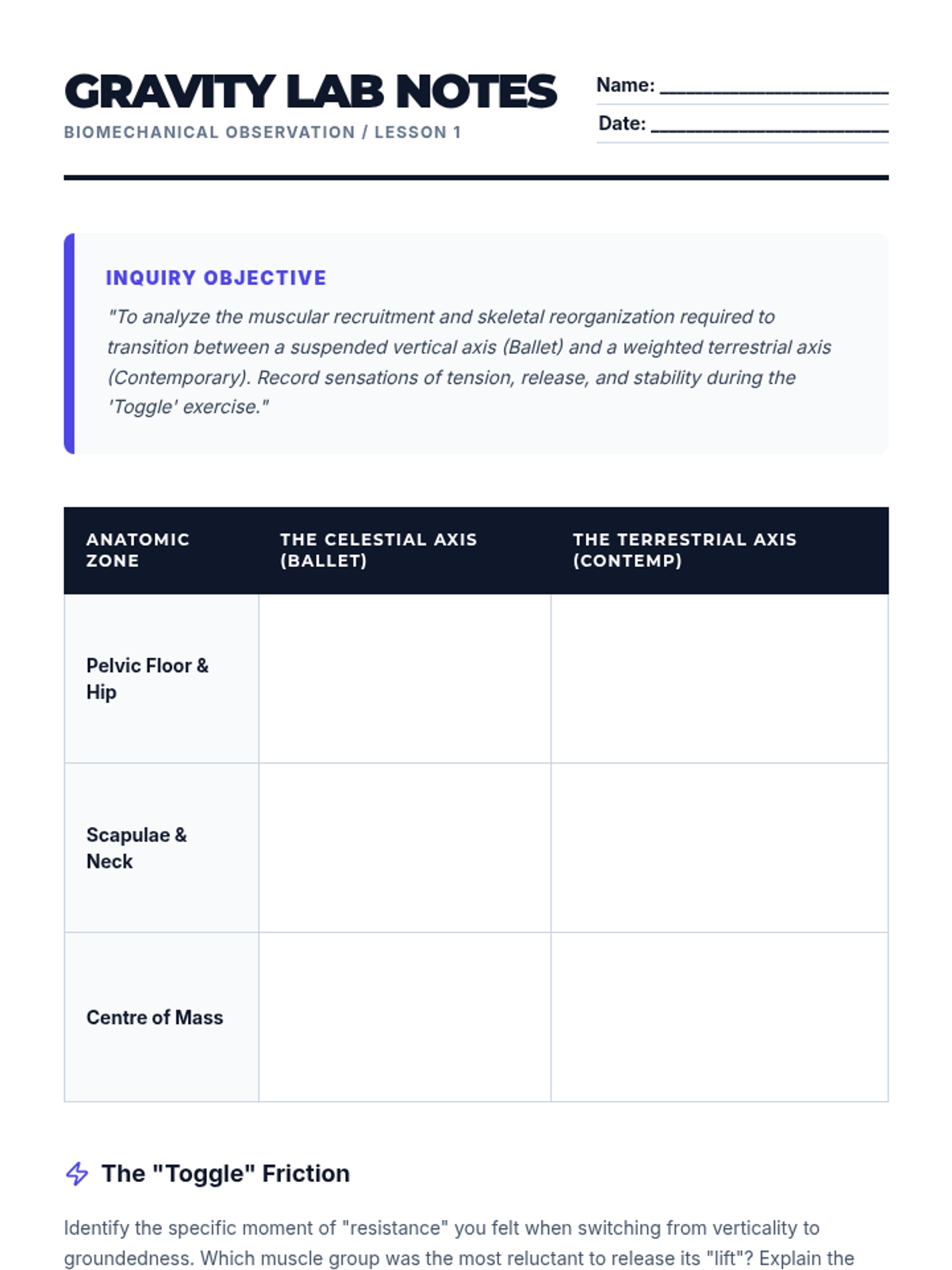
A graduate-level comparative analysis of ballet and contemporary dance techniques, focusing on biomechanical roots, gravity management, and spinal mechanics to develop a hybrid movement vocabulary.
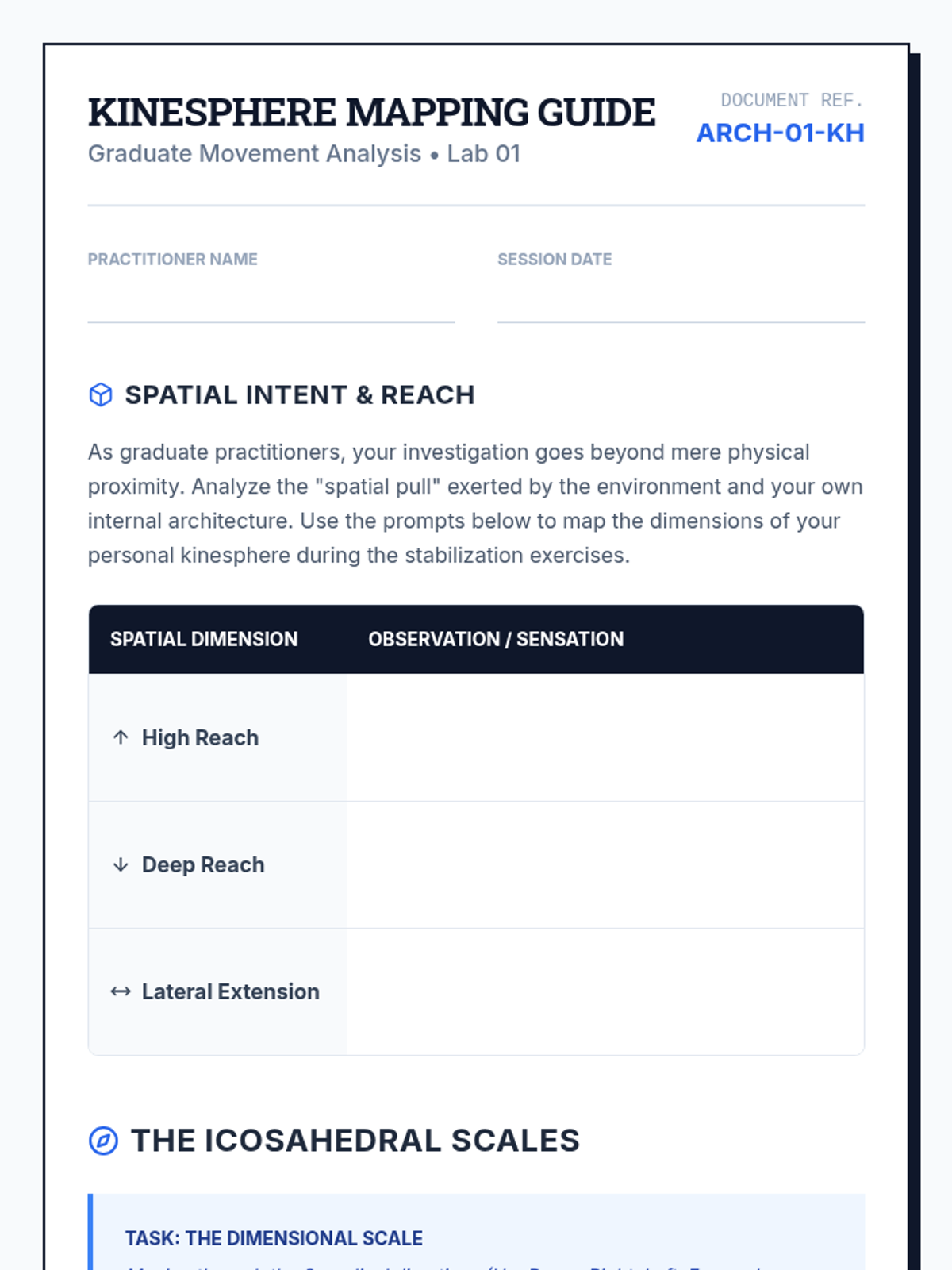
This advanced dance sequence for graduate students explores the intersection of physics and movement, focusing on Laban Space Harmony, off-center stability, and the architectural potential of the body in motion. Students will progress from individual spatial analysis to complex partnering mechanics and gravity-defying choreographic composition.
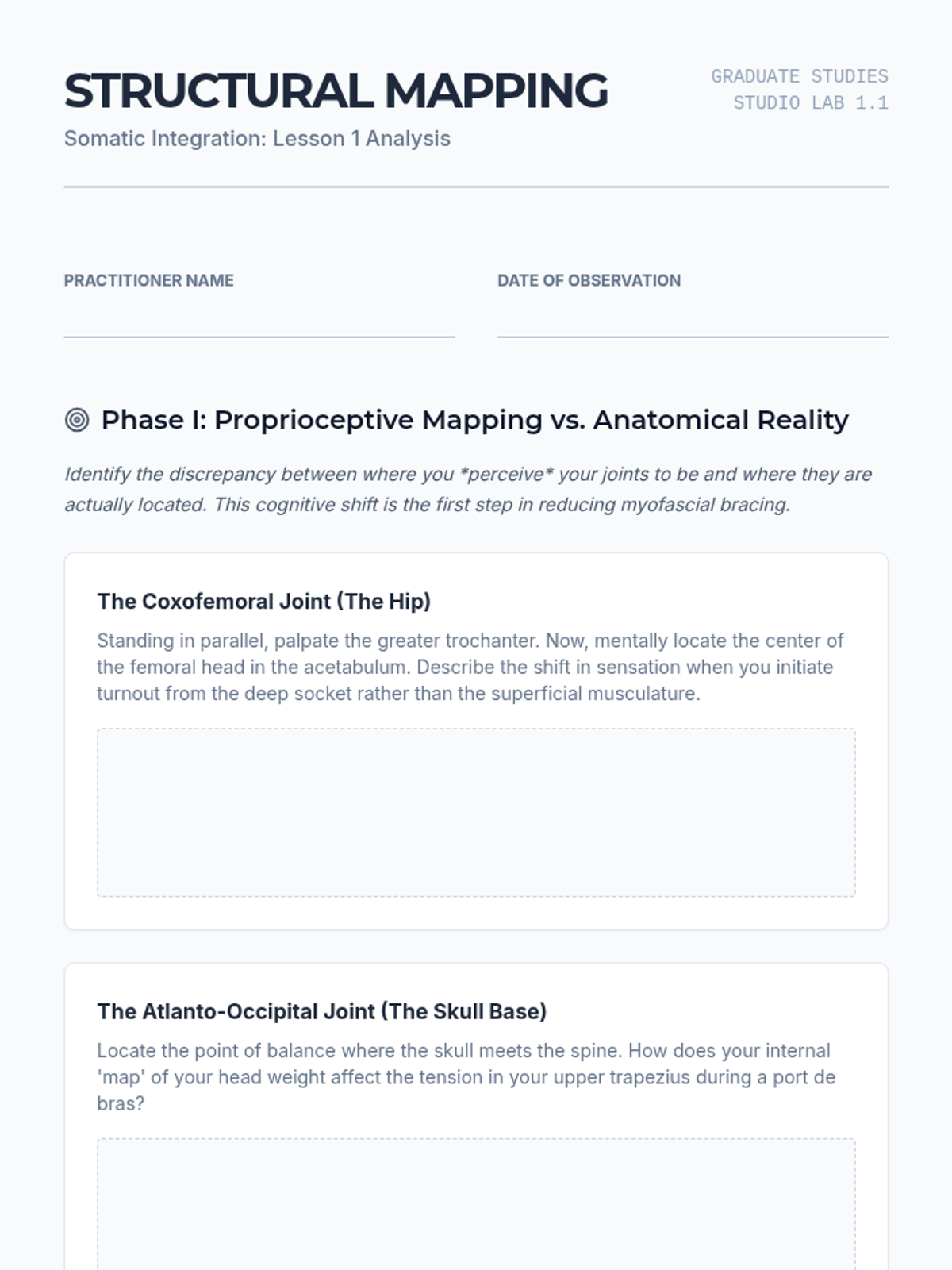
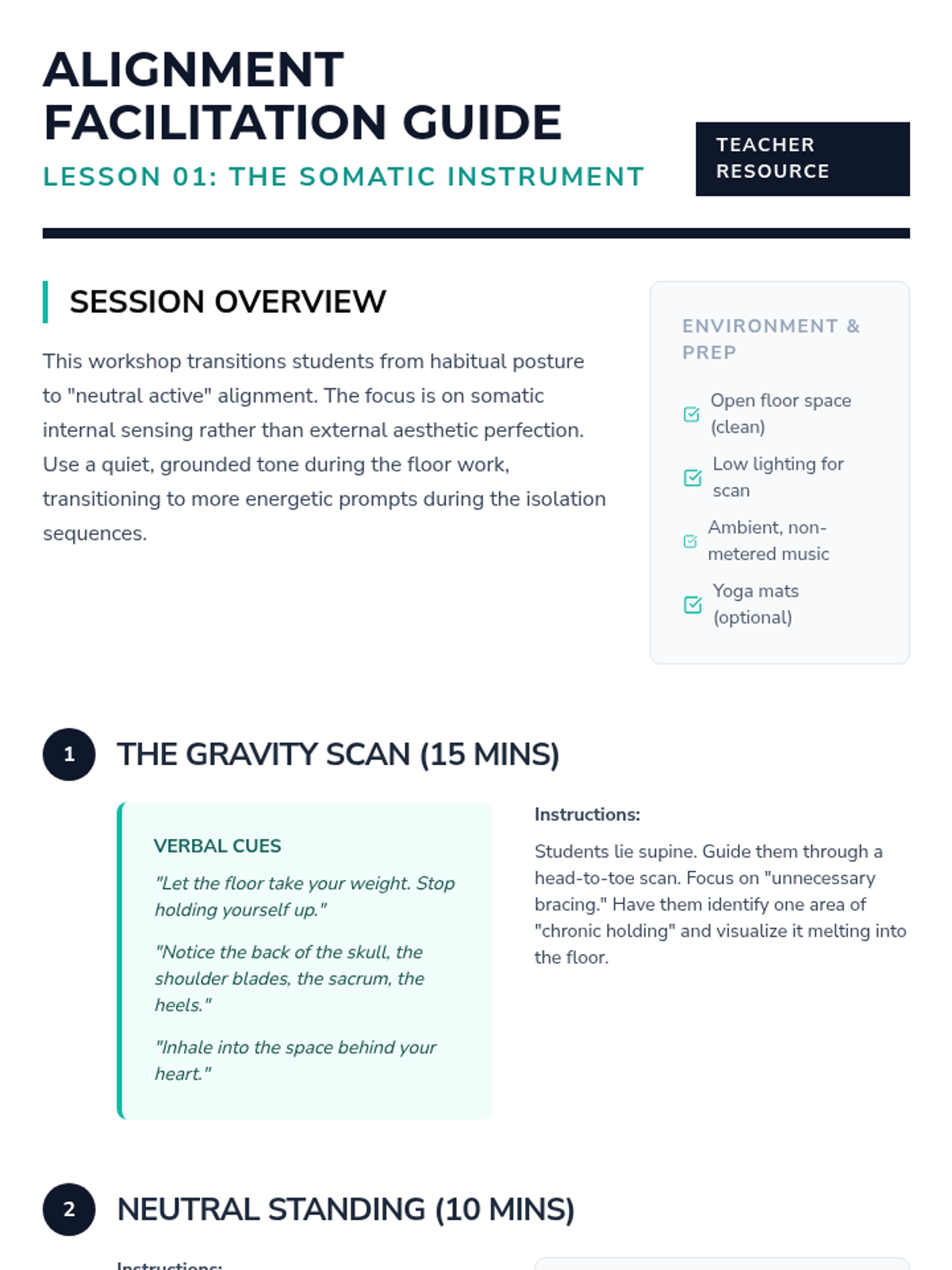
An advanced somatic sequence for graduate dance students that integrates Bartenieff Fundamentals and Ideokinesis into technical training to optimize kinetic efficiency and longevity. Students will deconstruct habitual patterns through anatomical mapping and dynamic application in complex movement phrases.
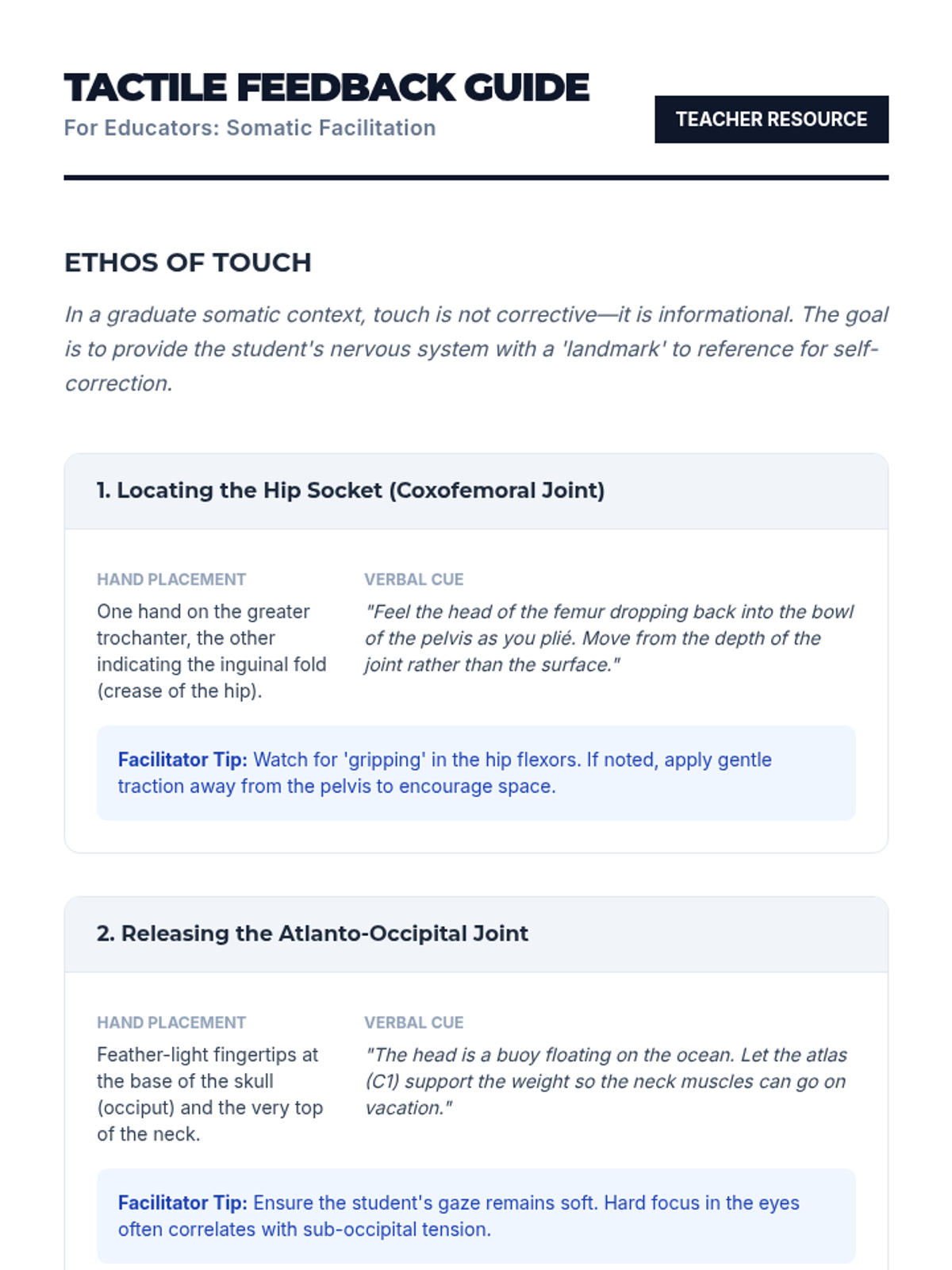
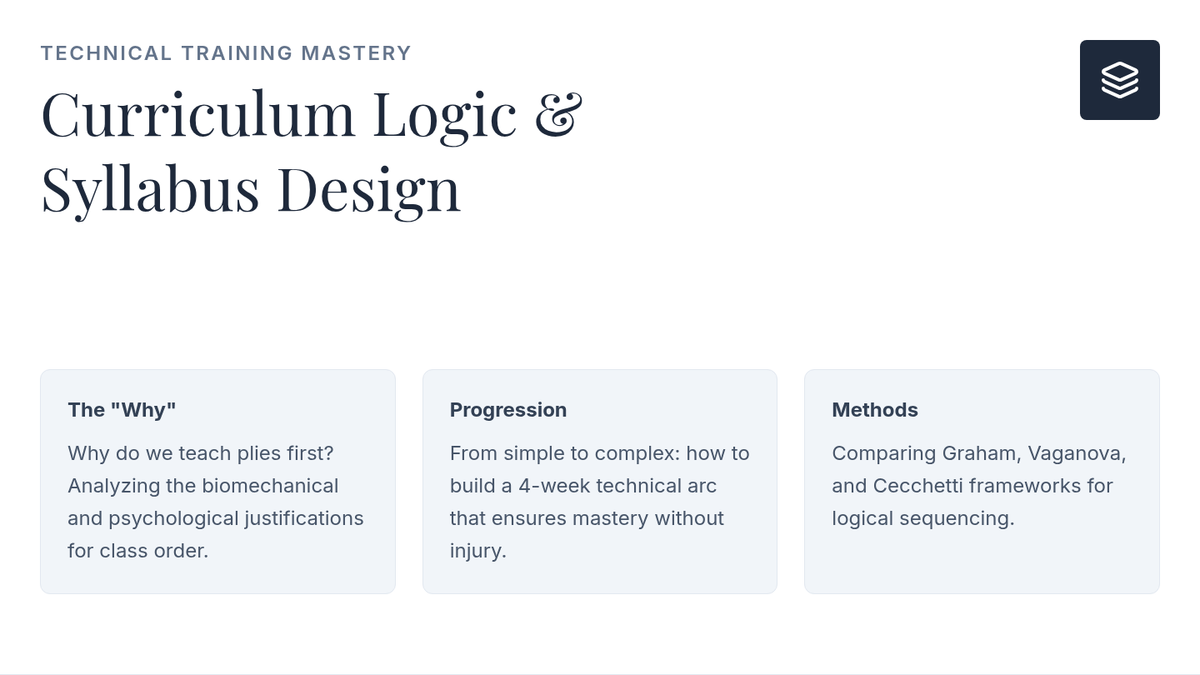
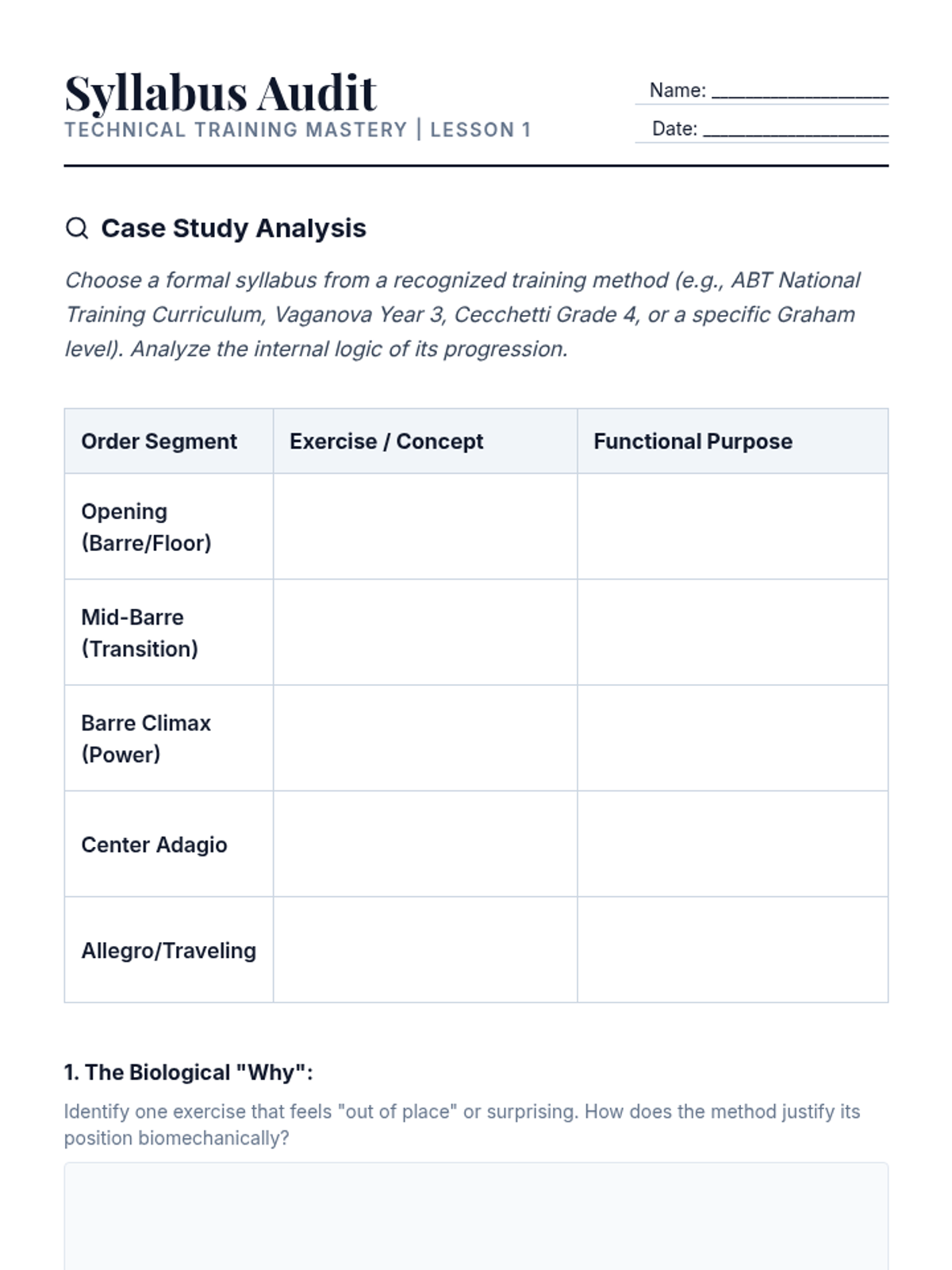
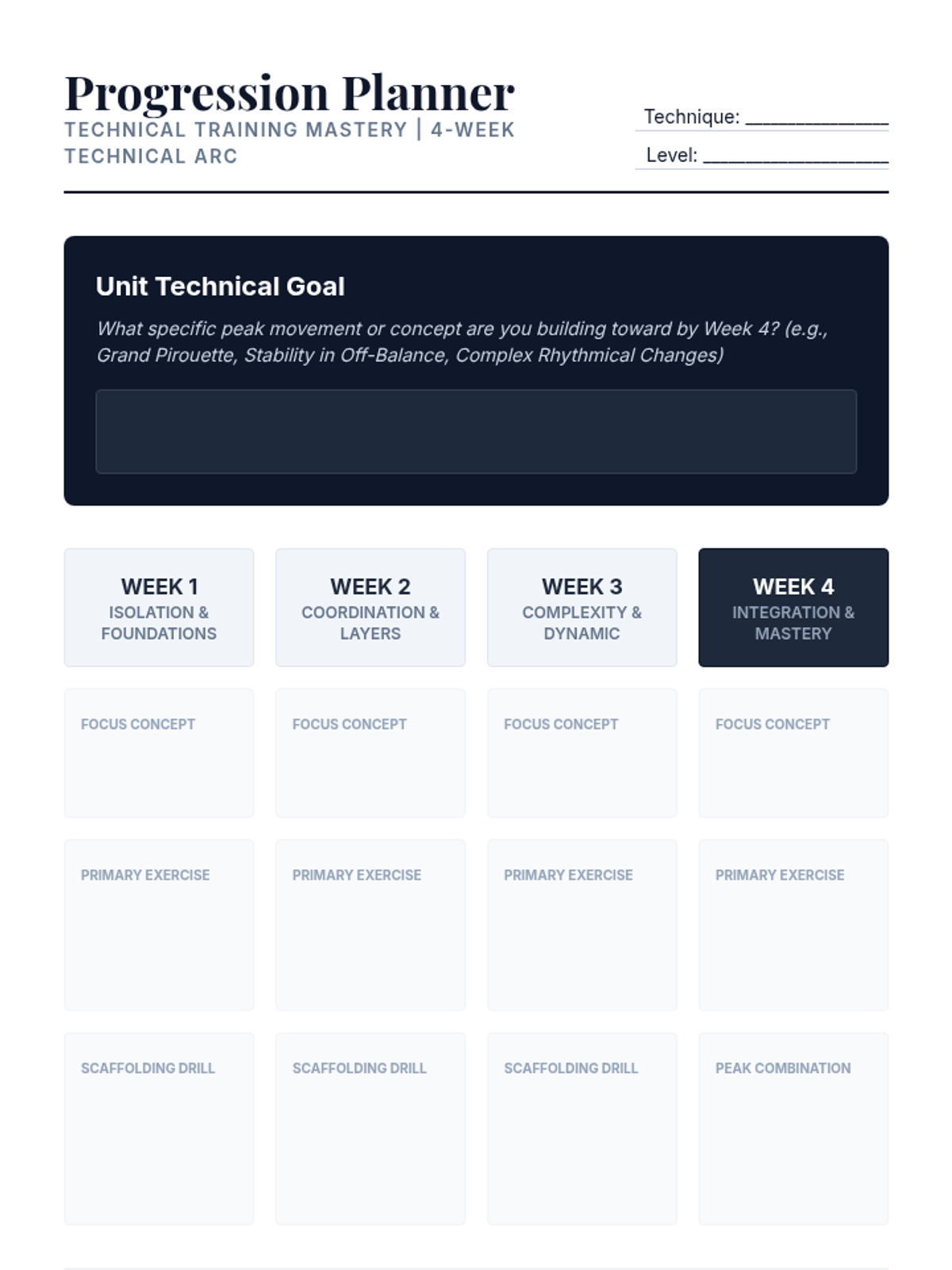
A comprehensive graduate-level sequence exploring the pedagogical architecture of dance technique. Students analyze curriculum logic, error detection, verbal cueing, and tactile adjustments, culminating in a practical teaching lab to refine their instructional mastery.
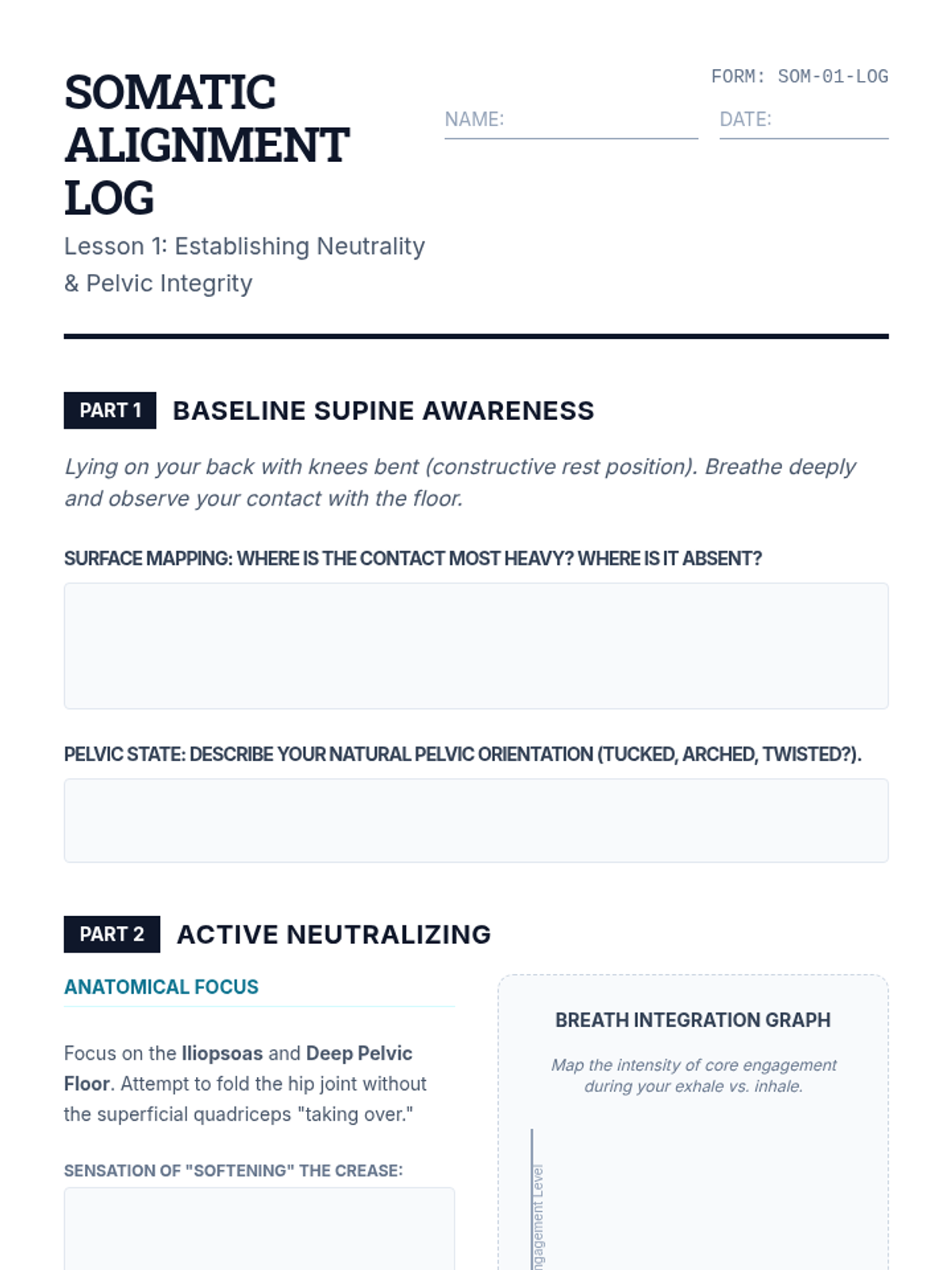
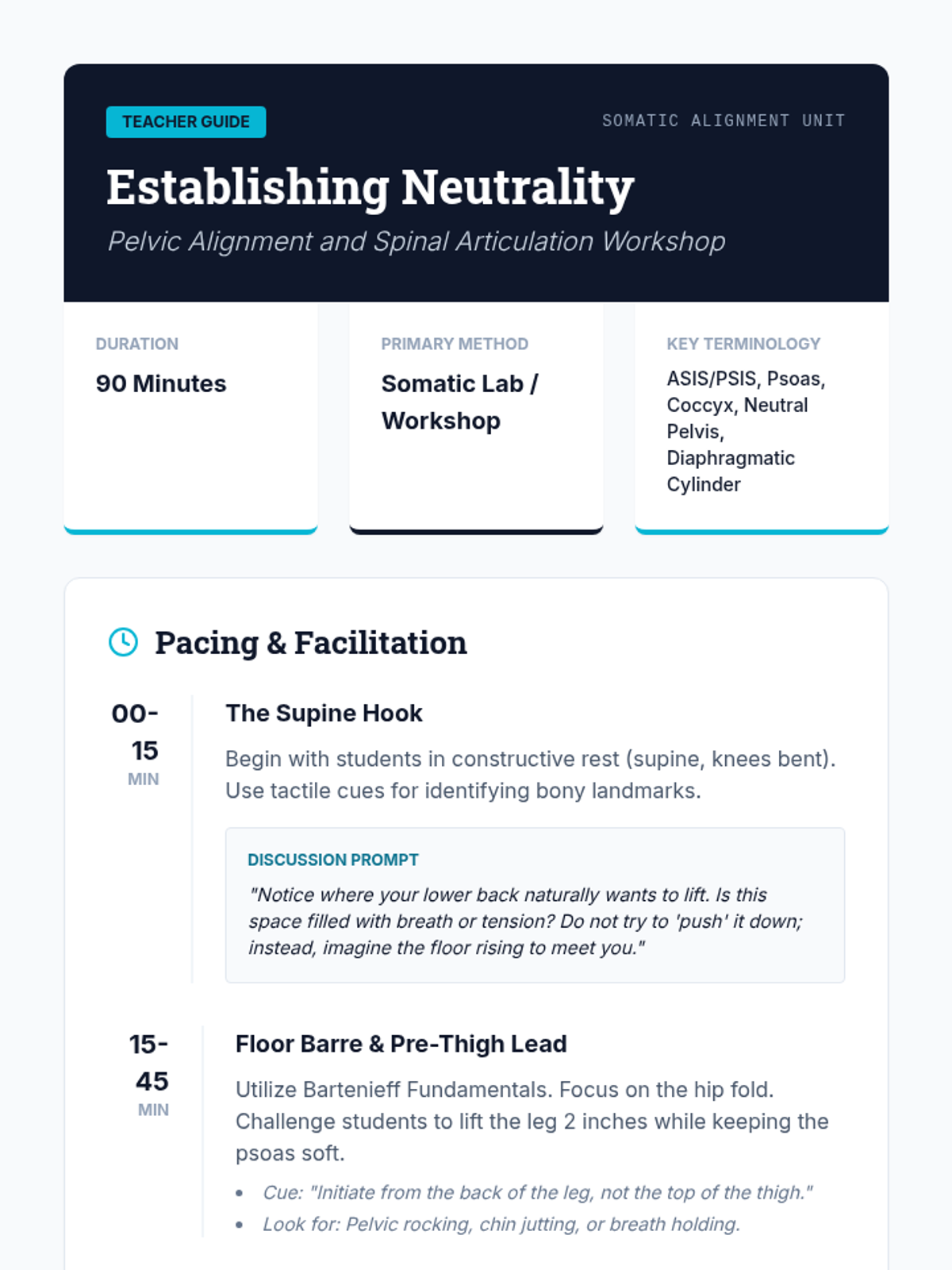
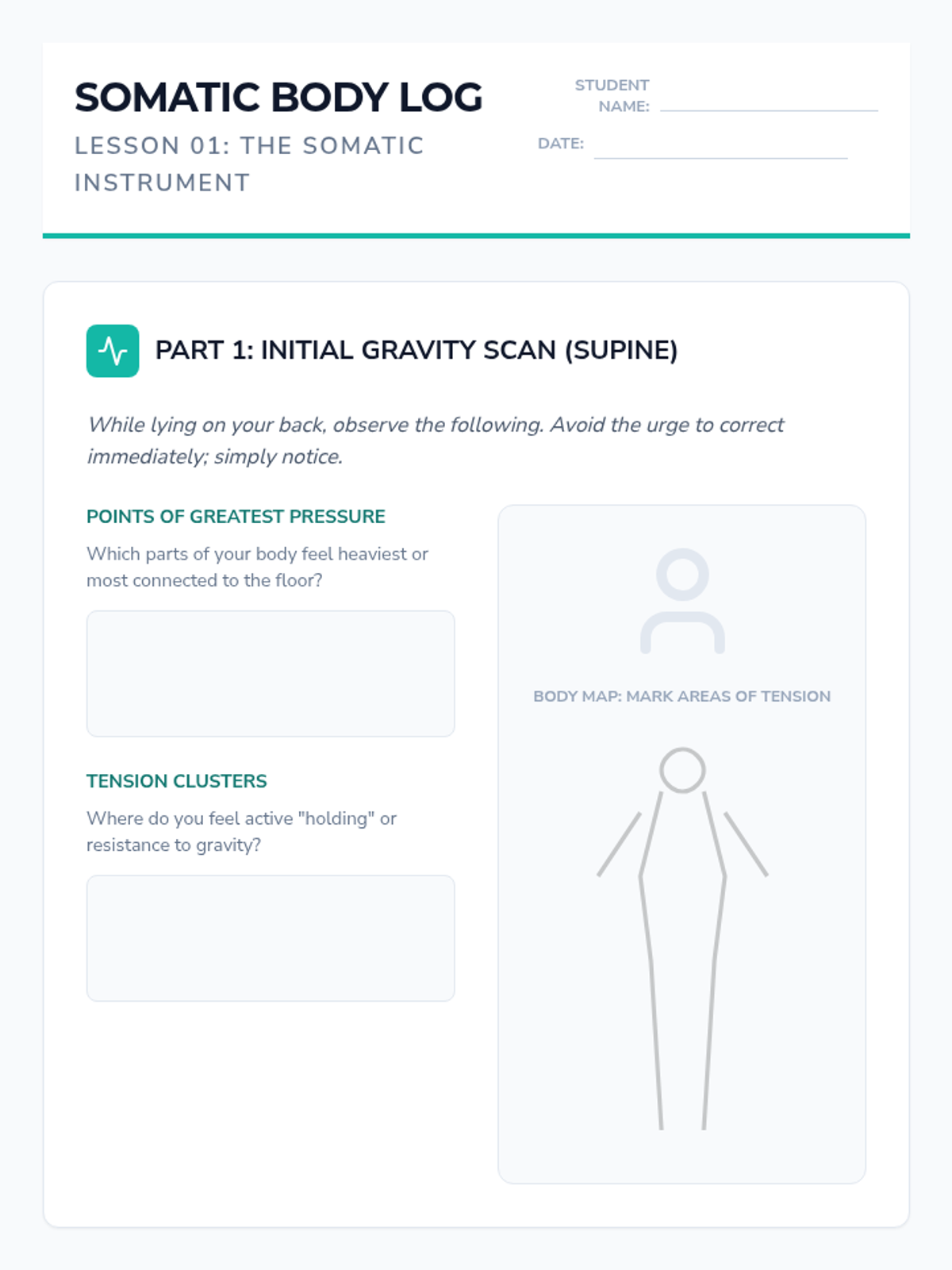
An advanced undergraduate dance sequence focused on integrating somatic practices with technical training to optimize alignment, reduce injury, and enhance movement efficiency. Students progress from foundational pelvic neutrality to complex kinetic chaining in allegro.
A comprehensive undergraduate sequence exploring the theoretical and practical foundations of dance through the analysis of body, space, time, and energy. Students develop somatic awareness and choreographic skills to transform movement into expressive communication.
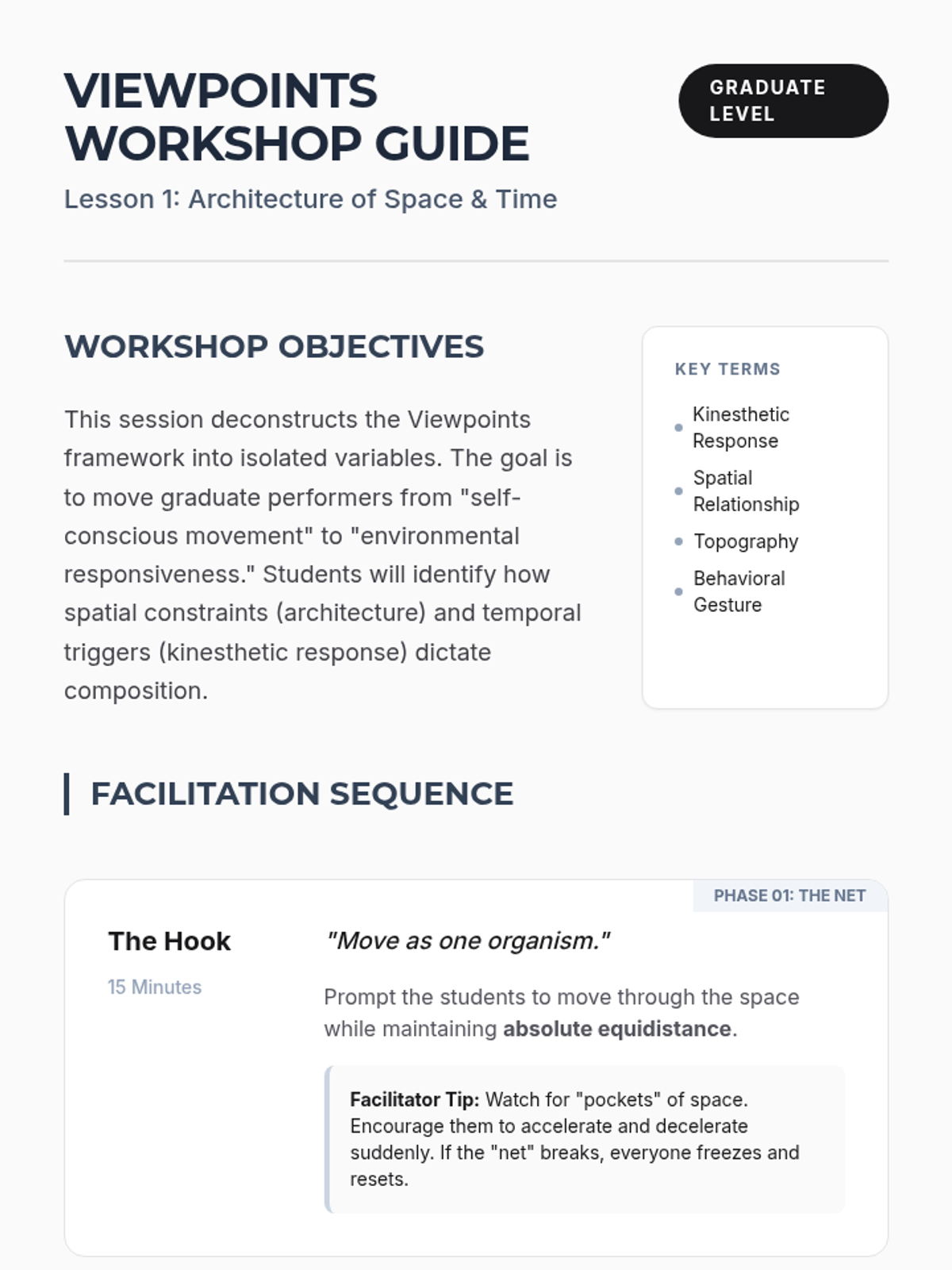
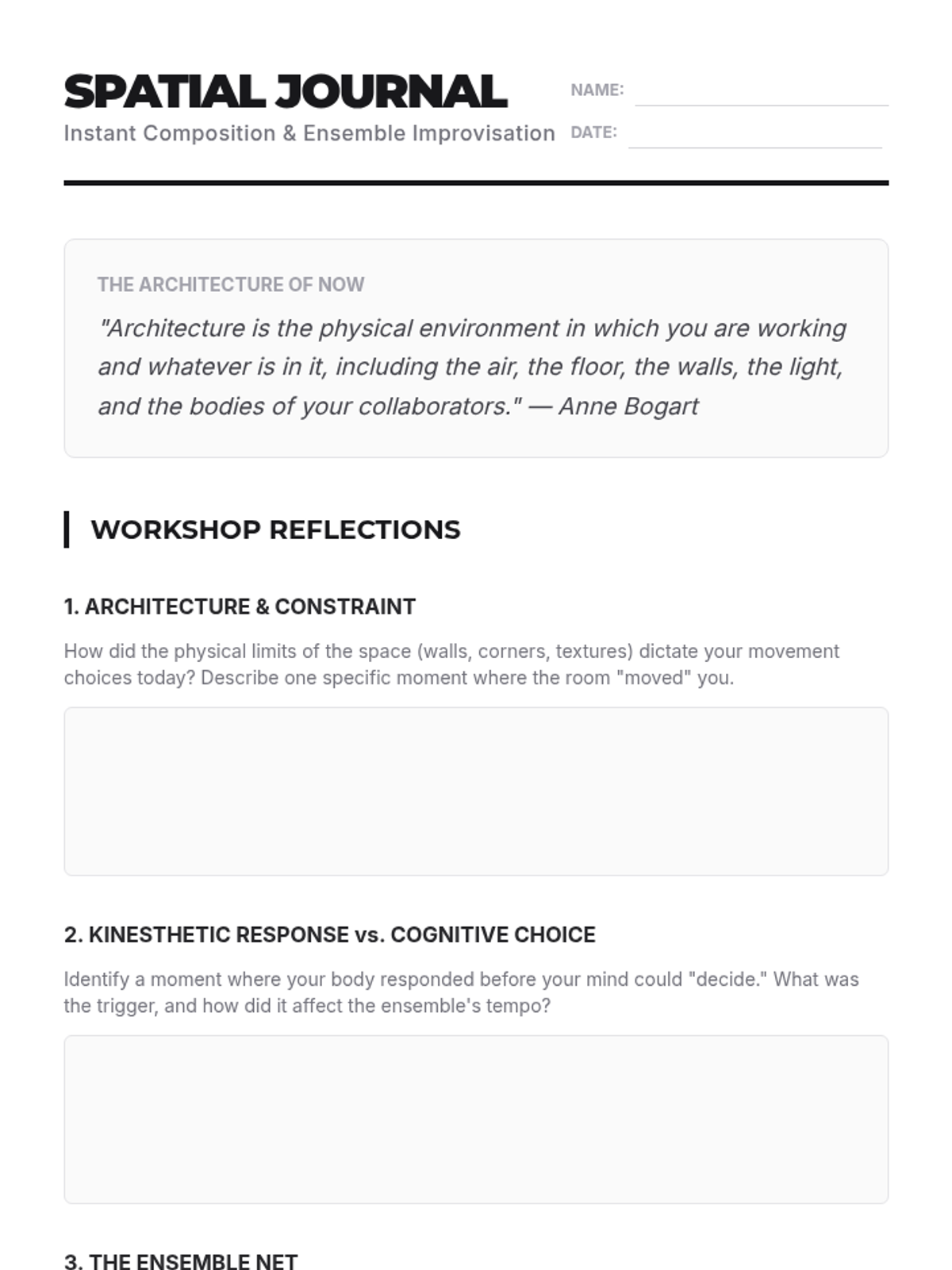
A high-level graduate sequence exploring the transition from solo improvisation to complex ensemble instant composition, utilizing Viewpoints, Contact Improvisation, and indeterminate scoring.
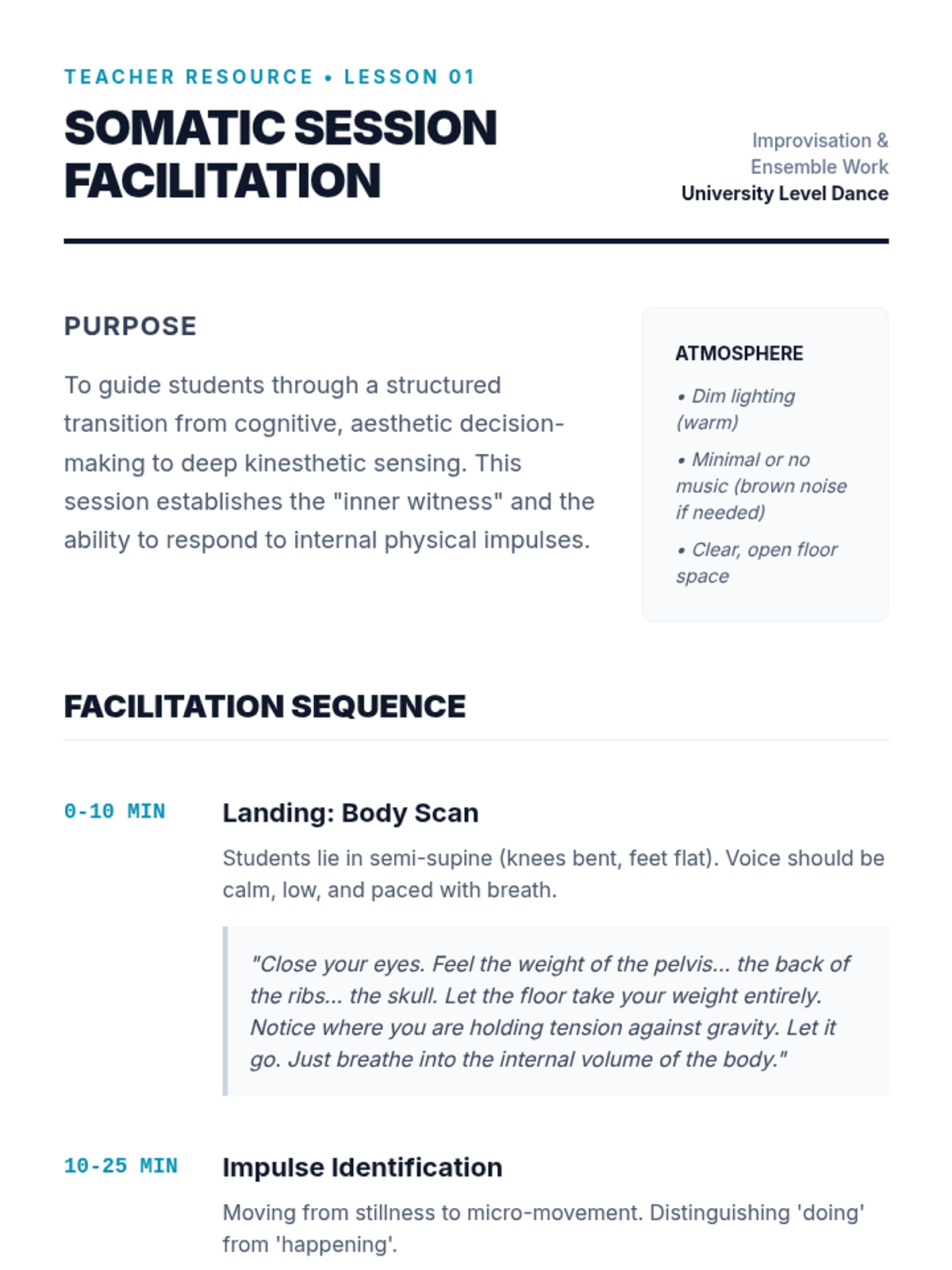
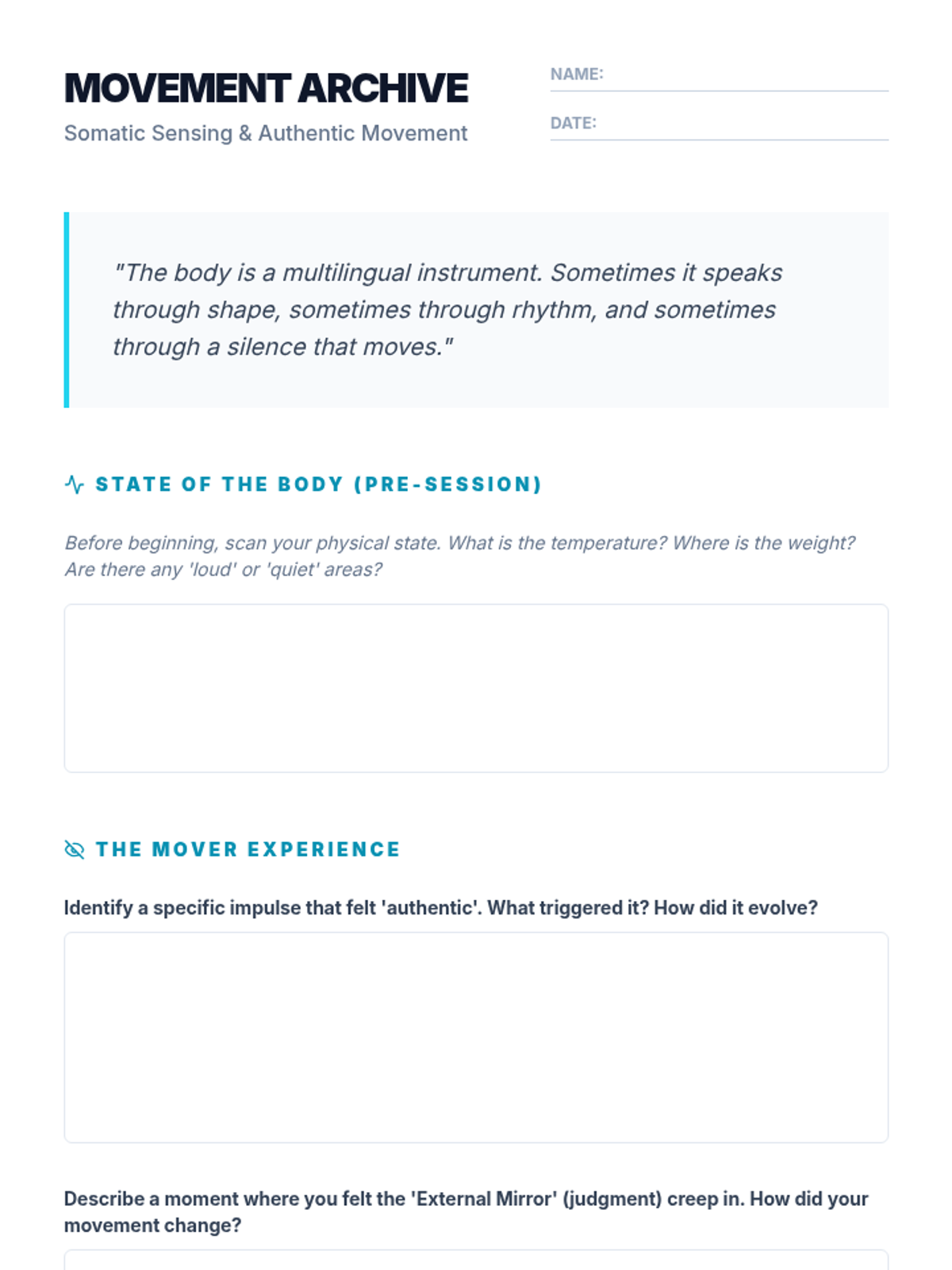
This sequence explores the generation of movement through improvisation and structured play. Undergraduate students build trust, spatial awareness, and real-time composition skills, moving from internal somatic sensing to complex group scores and ensemble weight sharing.
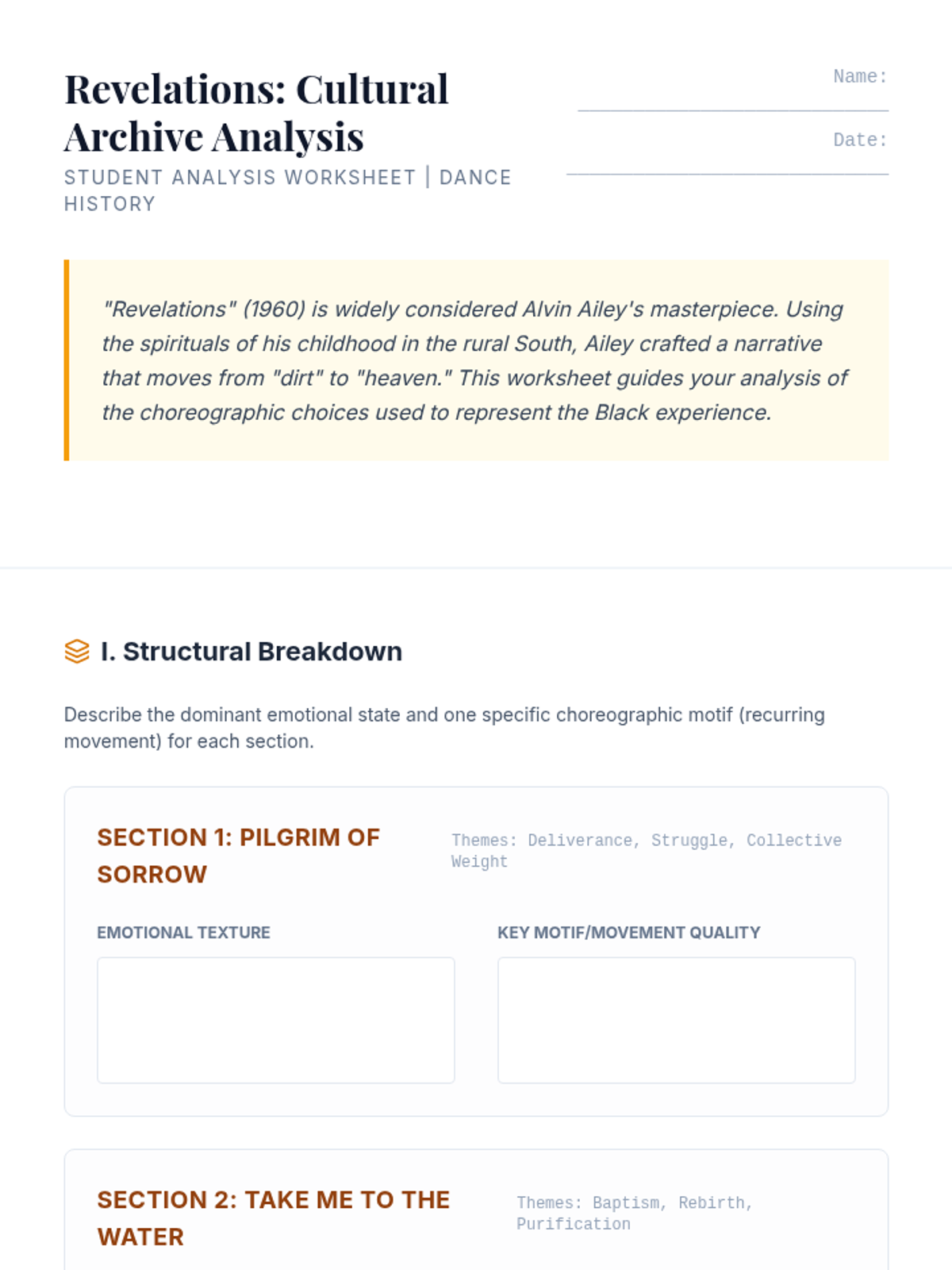
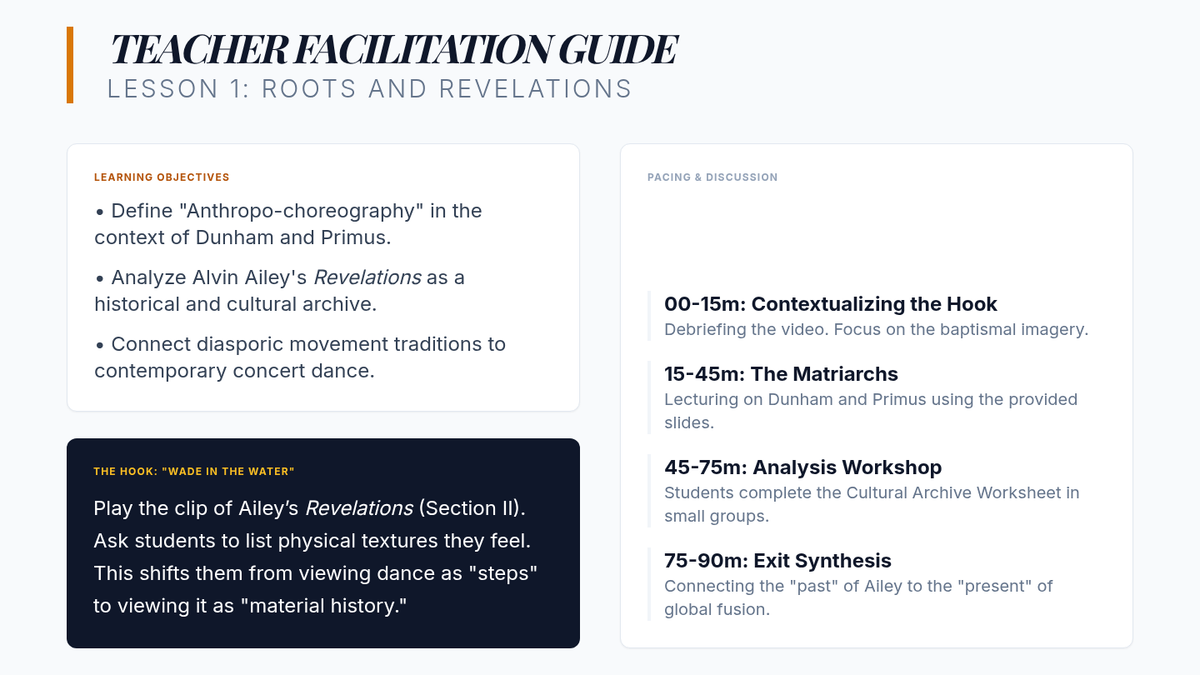
This sequence explores the evolution of dance in the 20th and 21st centuries, focusing on how globalization and the African Diaspora have reshaped the concert dance canon. Students analyze Hip Hop, Butoh, and contemporary fusion to understand the shifting boundaries of 'high art'.
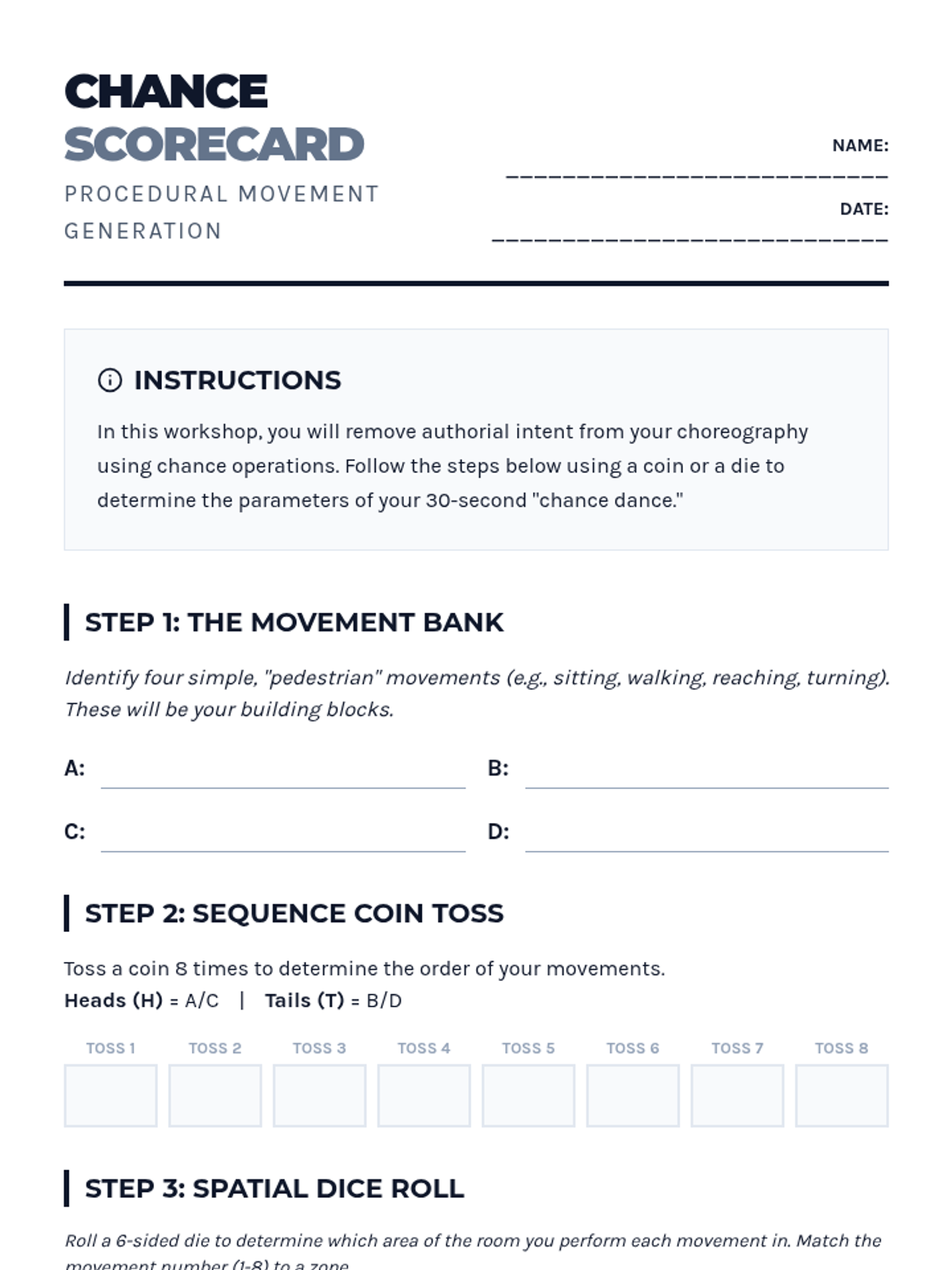
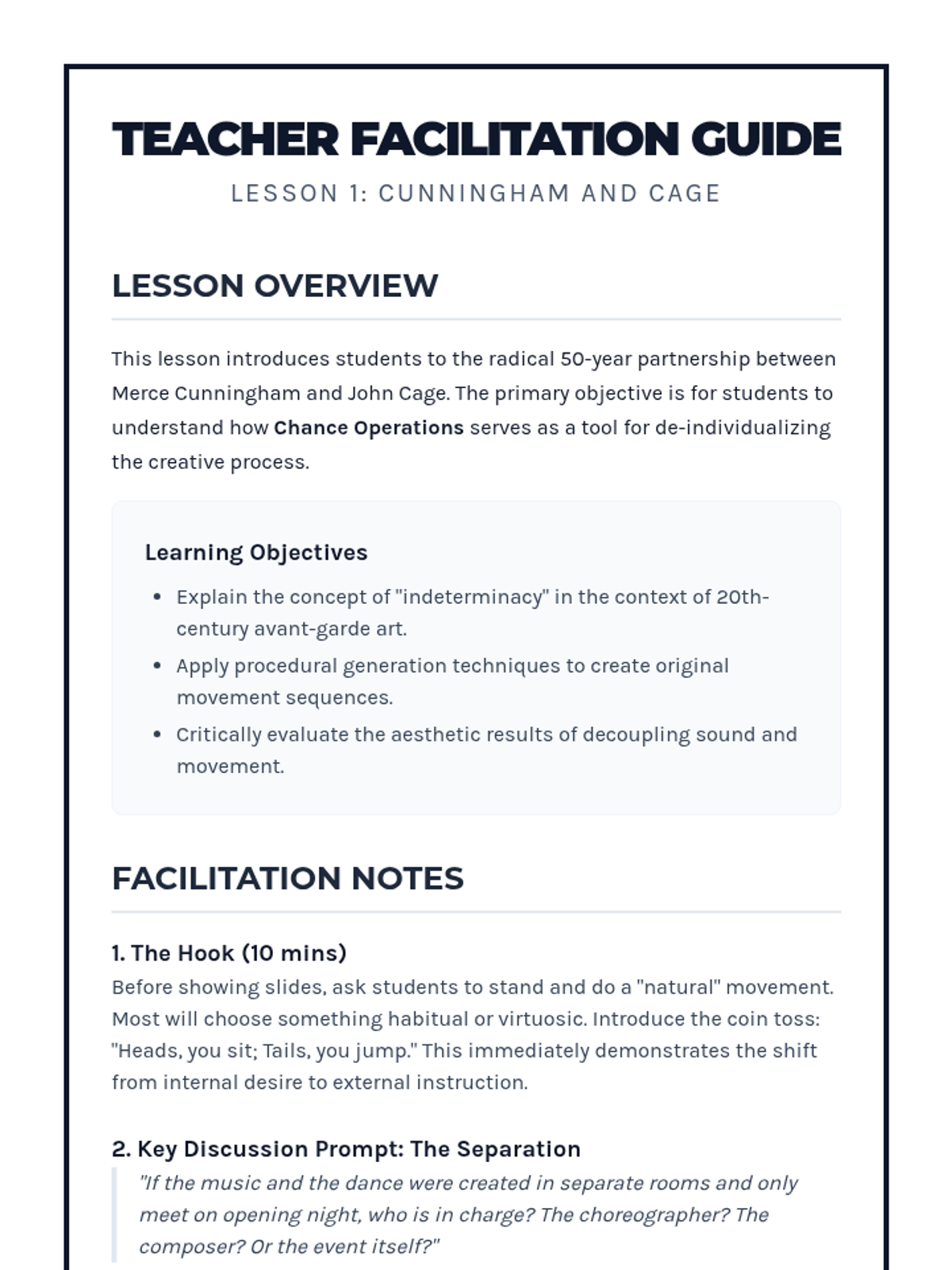
A deep dive into the 1960s-70s avant-garde dance movement, exploring how Merce Cunningham, the Judson Dance Theater, and Steve Paxton dismantled traditional virtuosity to redefine dance through chance, pedestrian movement, and physics.
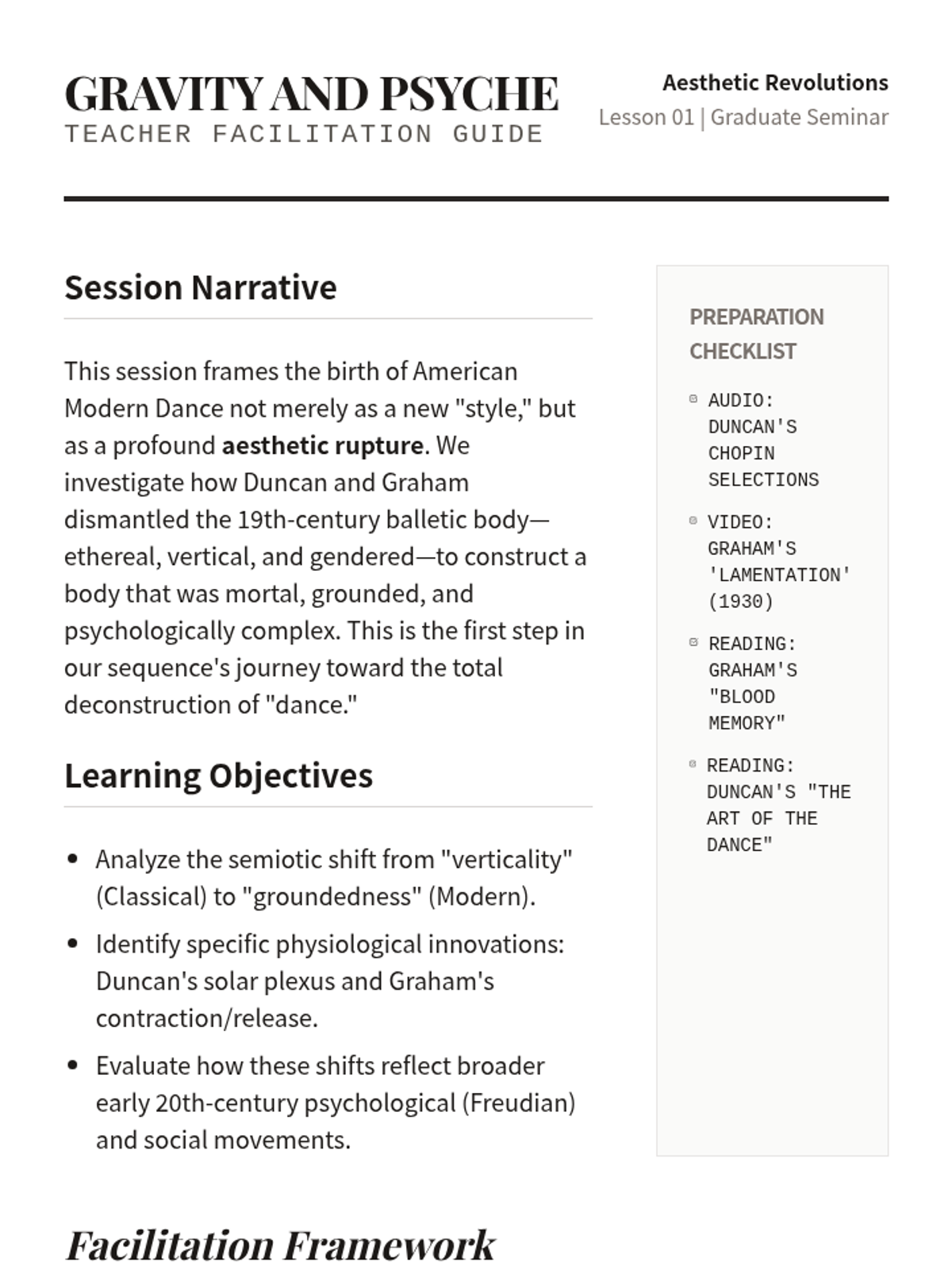
An intensive graduate-level exploration of major aesthetic ruptures in 20th and 21st-century Western dance, tracking the evolution from modern expressionism to contemporary conceptualism.
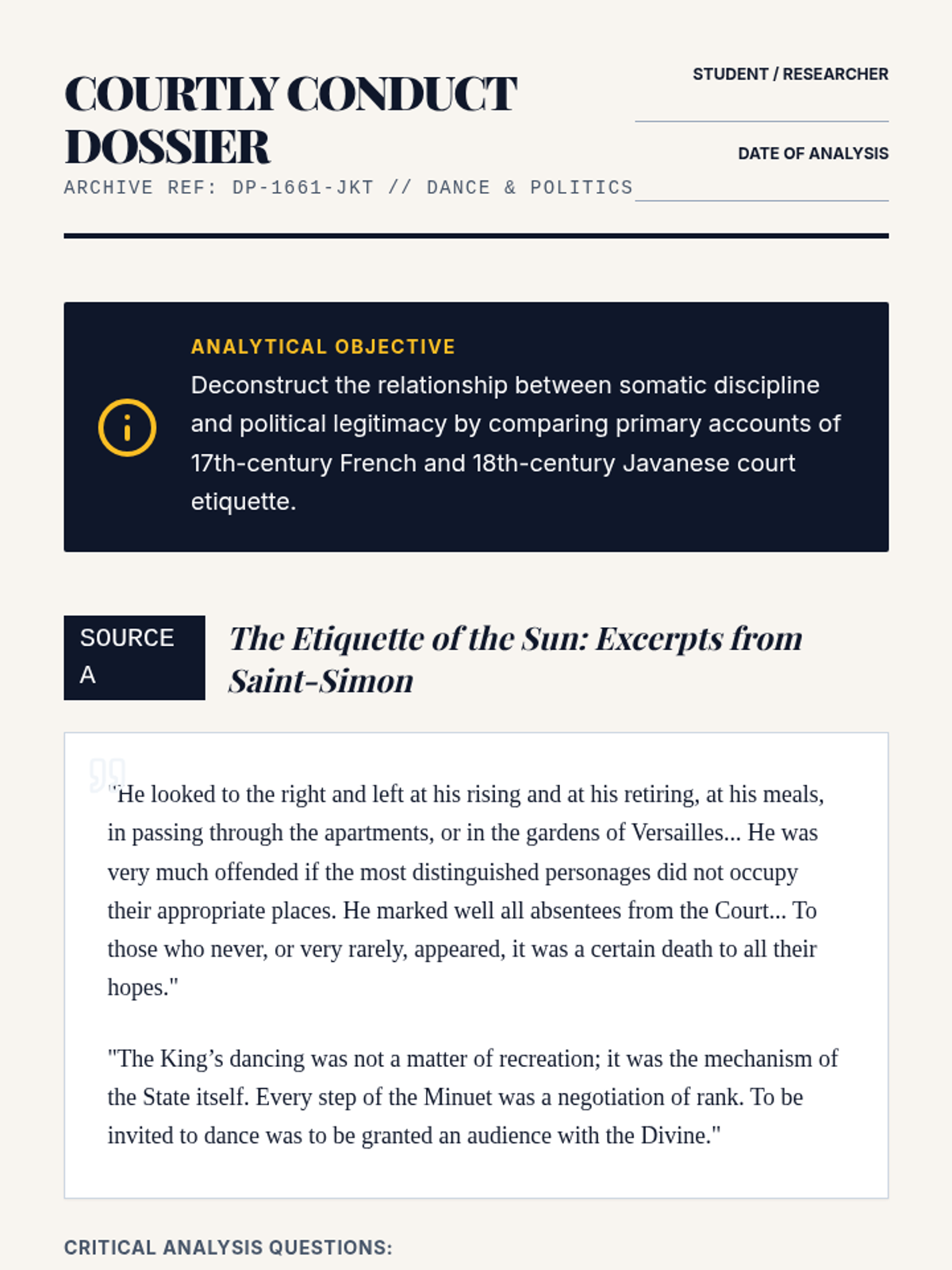
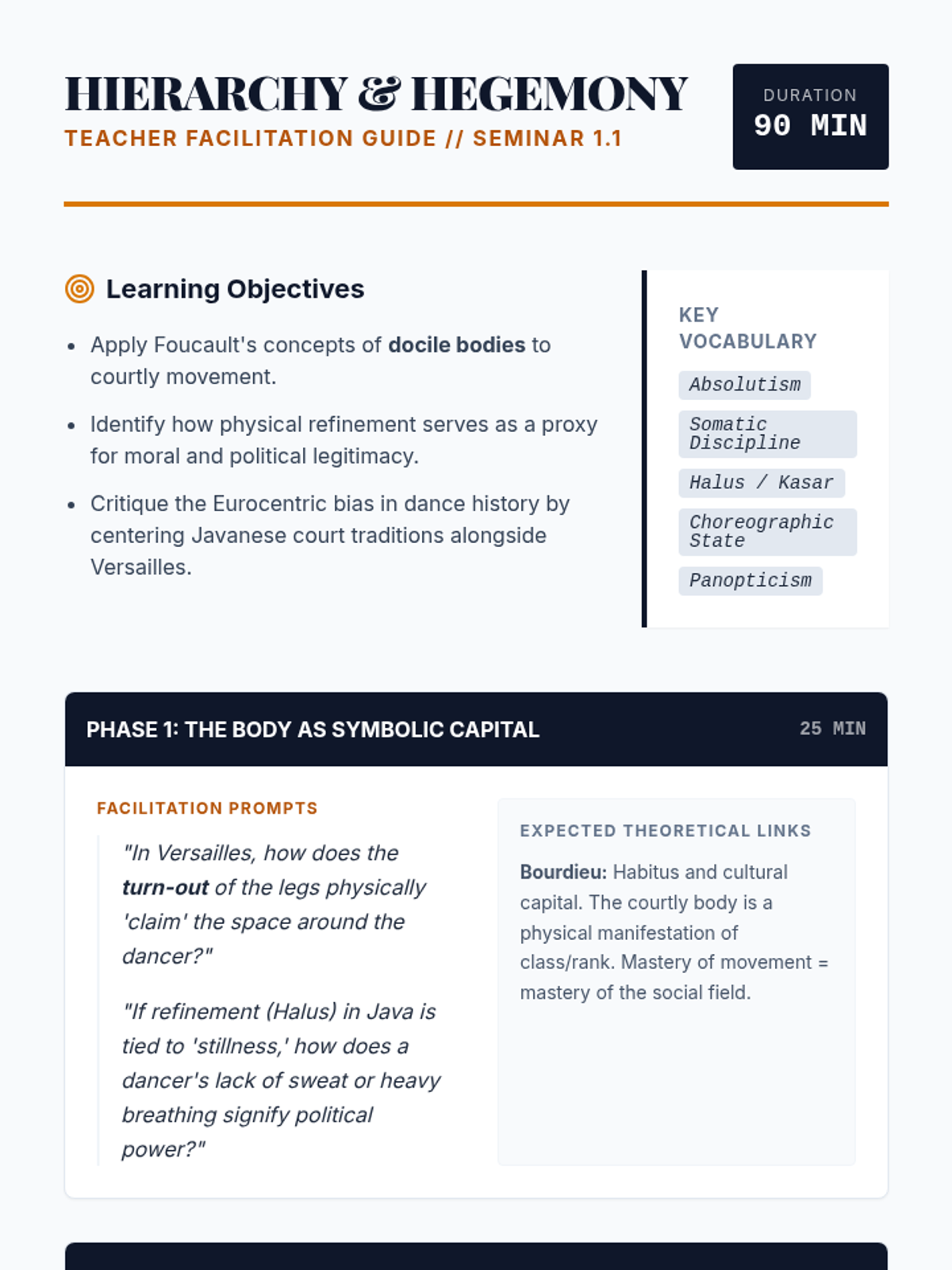
A graduate-level exploration of how dance serves as a tool for state power, national identity formation, and revolutionary resistance, spanning from absolutist courts to contemporary protest movements.
A comprehensive investigation into how political power and statecraft shaped the technique, hierarchy, and aesthetics of classical ballet from the French court to the Russian Imperial stage. Students analyze the evolution of the 'ideal body' as a reflection of political absolutism, gender dynamics, and modernist rupture.
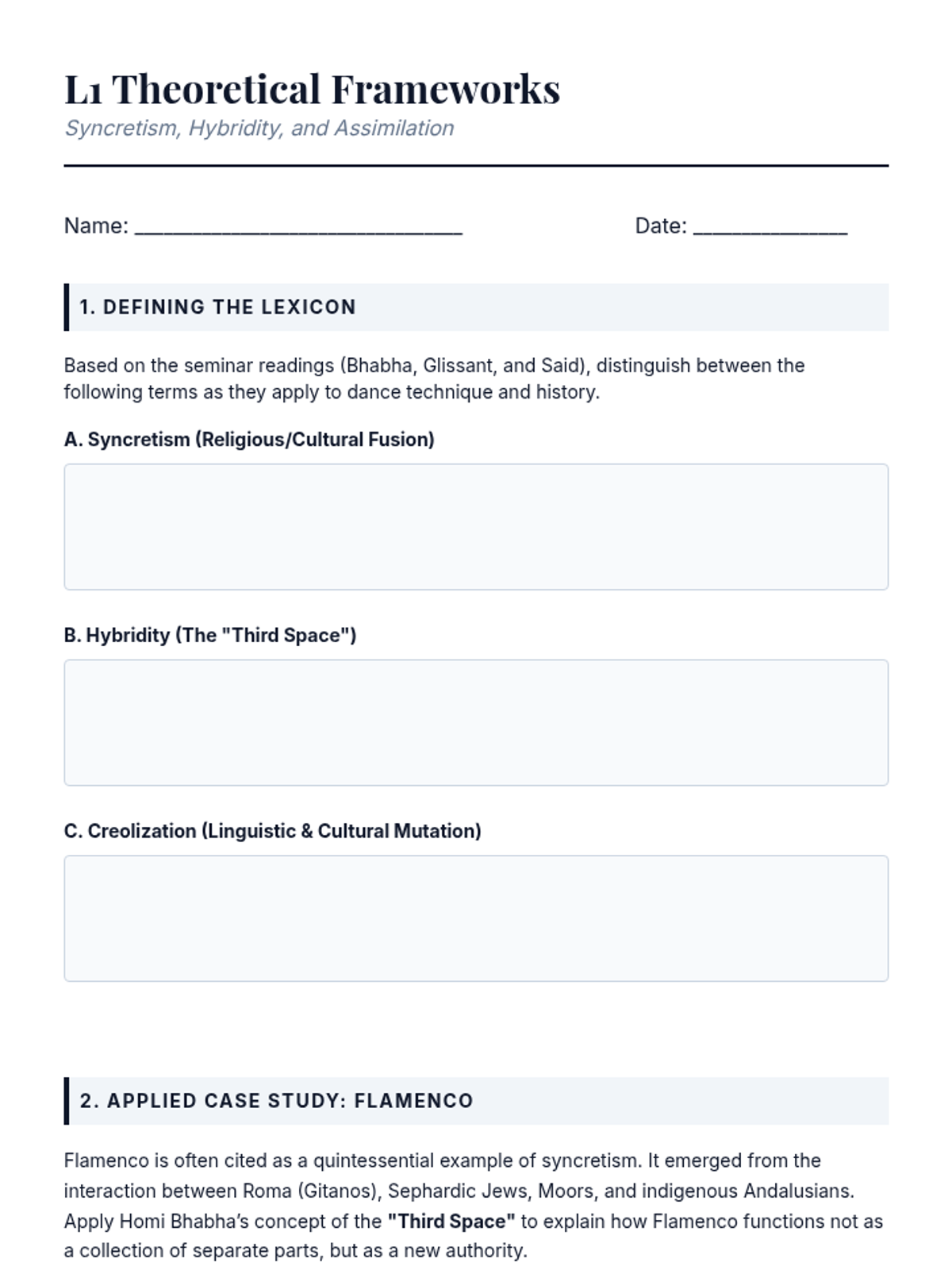
A graduate-level sequence exploring how migration, diaspora, and globalization reconfigure the somatic and semantic meanings of dance across geopolitical borders. Students analyze theories of syncretism, the Black Atlantic, Orientalism, transnational trauma in Butoh, and the ethics of digital globalization.
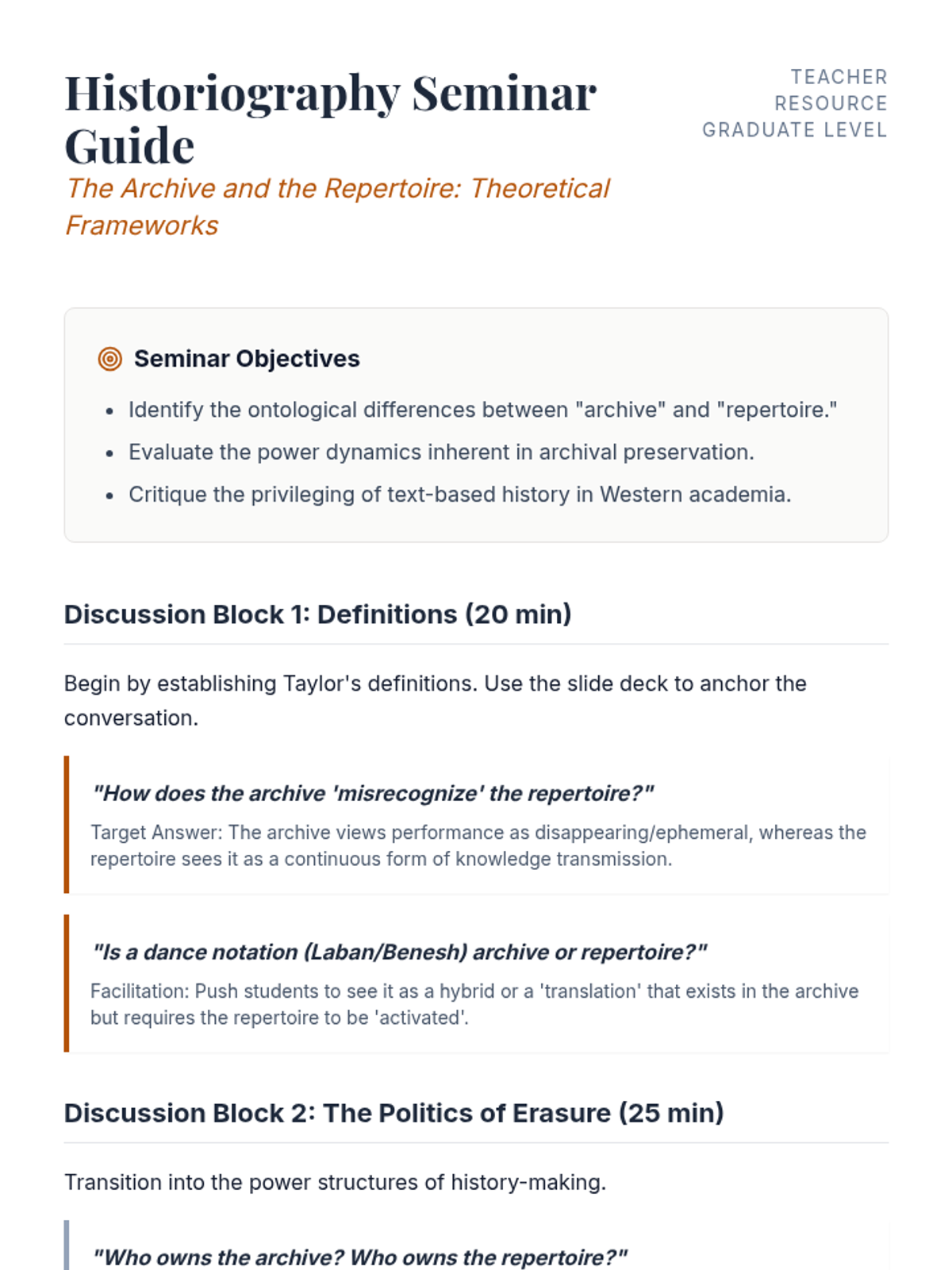
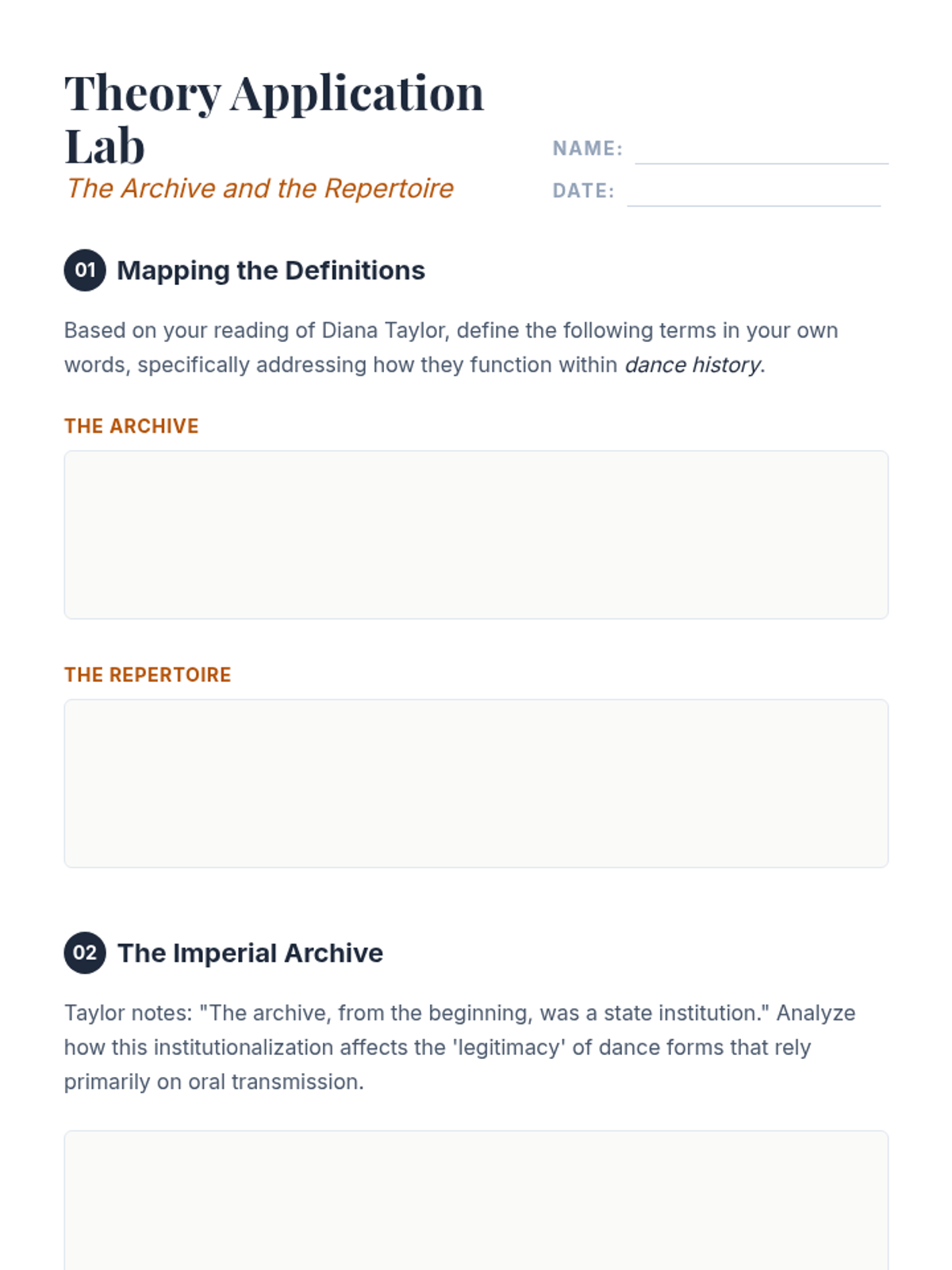
This advanced graduate seminar sequence explores the theoretical and practical methodologies of dance historiography, focusing on the tension between archival documentation and embodied performance. Students will critically examine power structures in history-making and develop methods for researching marginalized or ephemeral dance forms.