Historical evolution of performance, technical stagecraft, and core acting techniques. Develops playwriting skills and fosters imaginative expression through script development and production management.
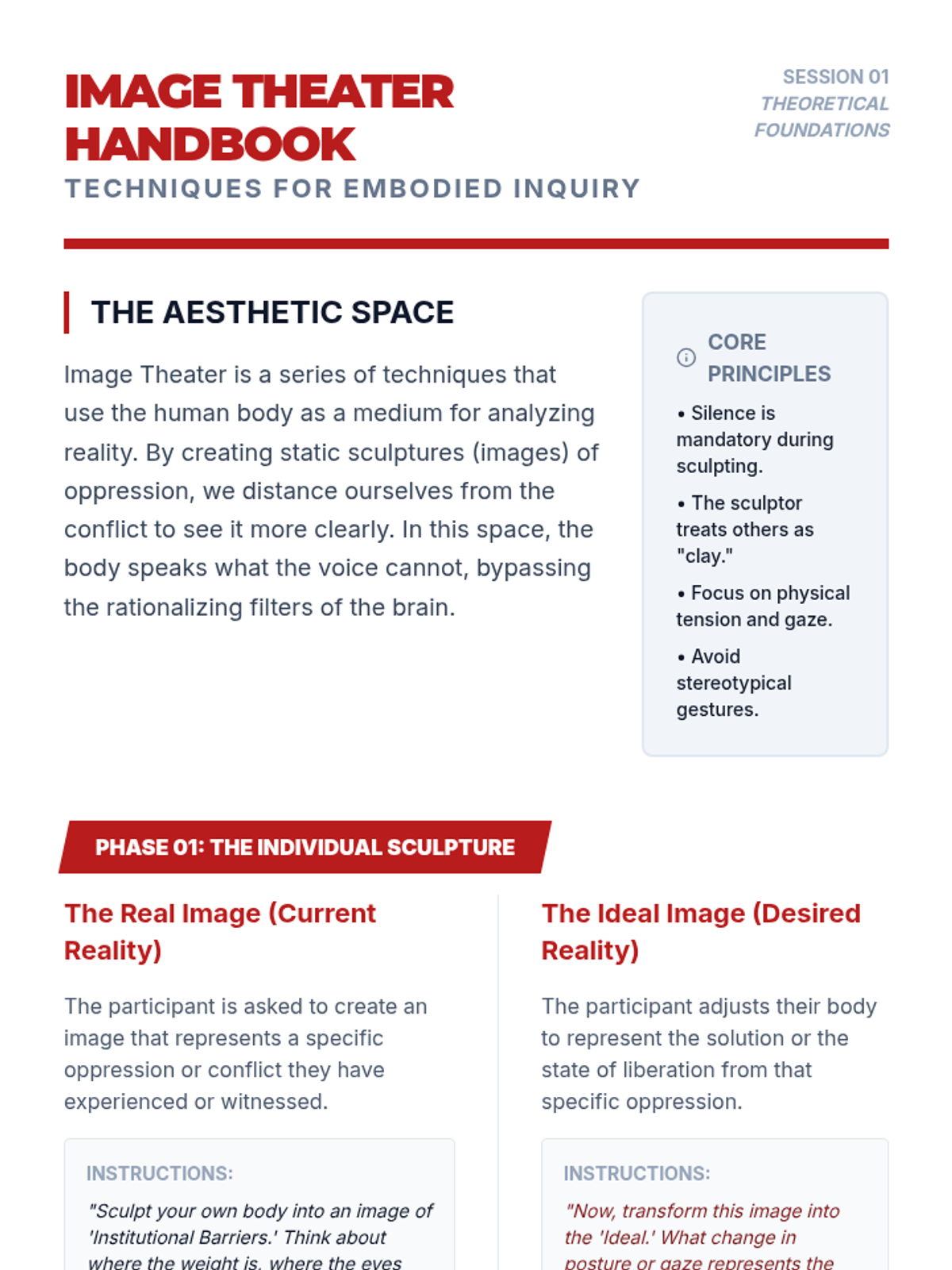
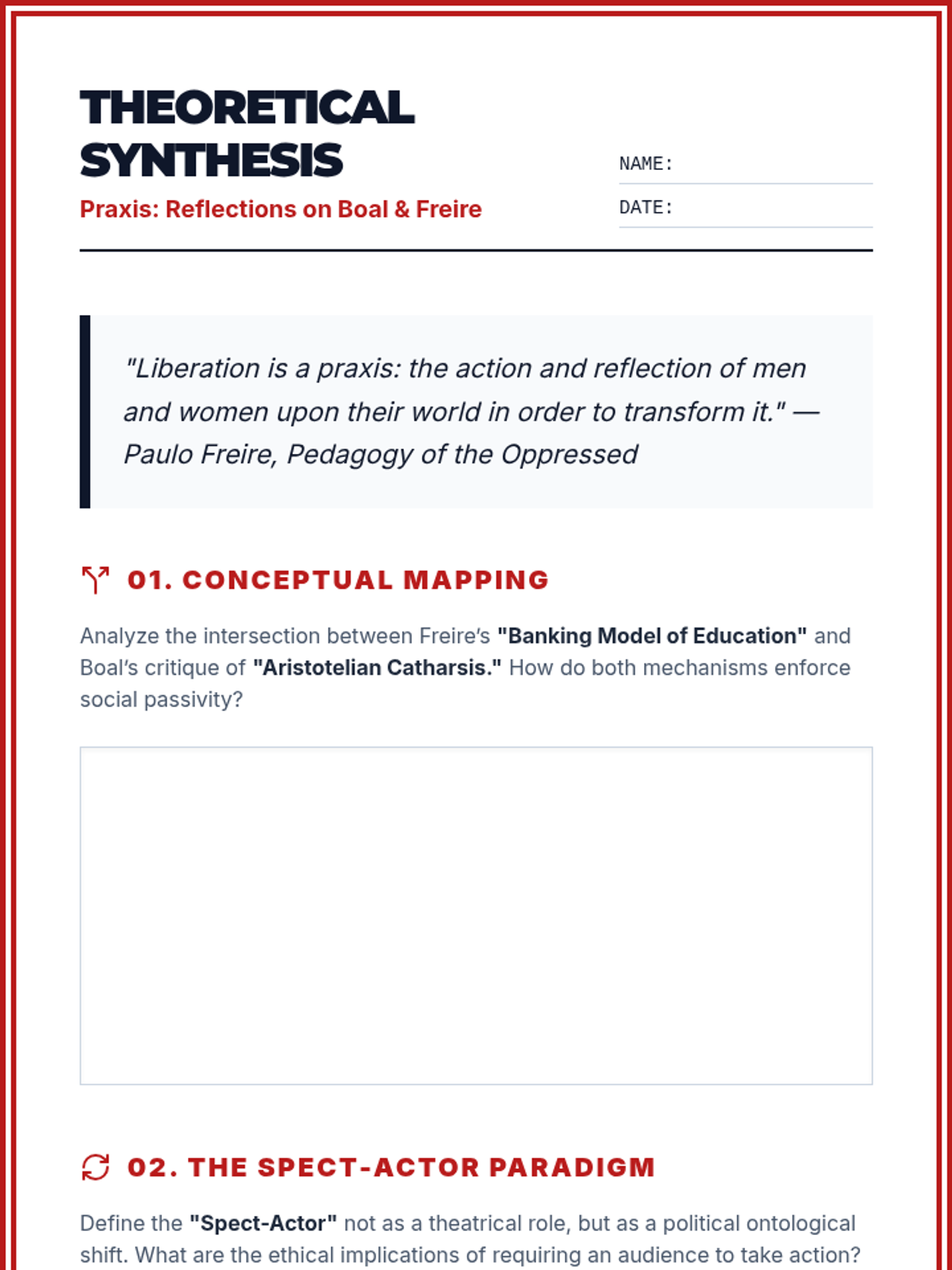
This graduate sequence explores Augusto Boal's Theater of the Oppressed, training students in the theoretical, physical, and ethical skills required to facilitate social change through dramatic play.
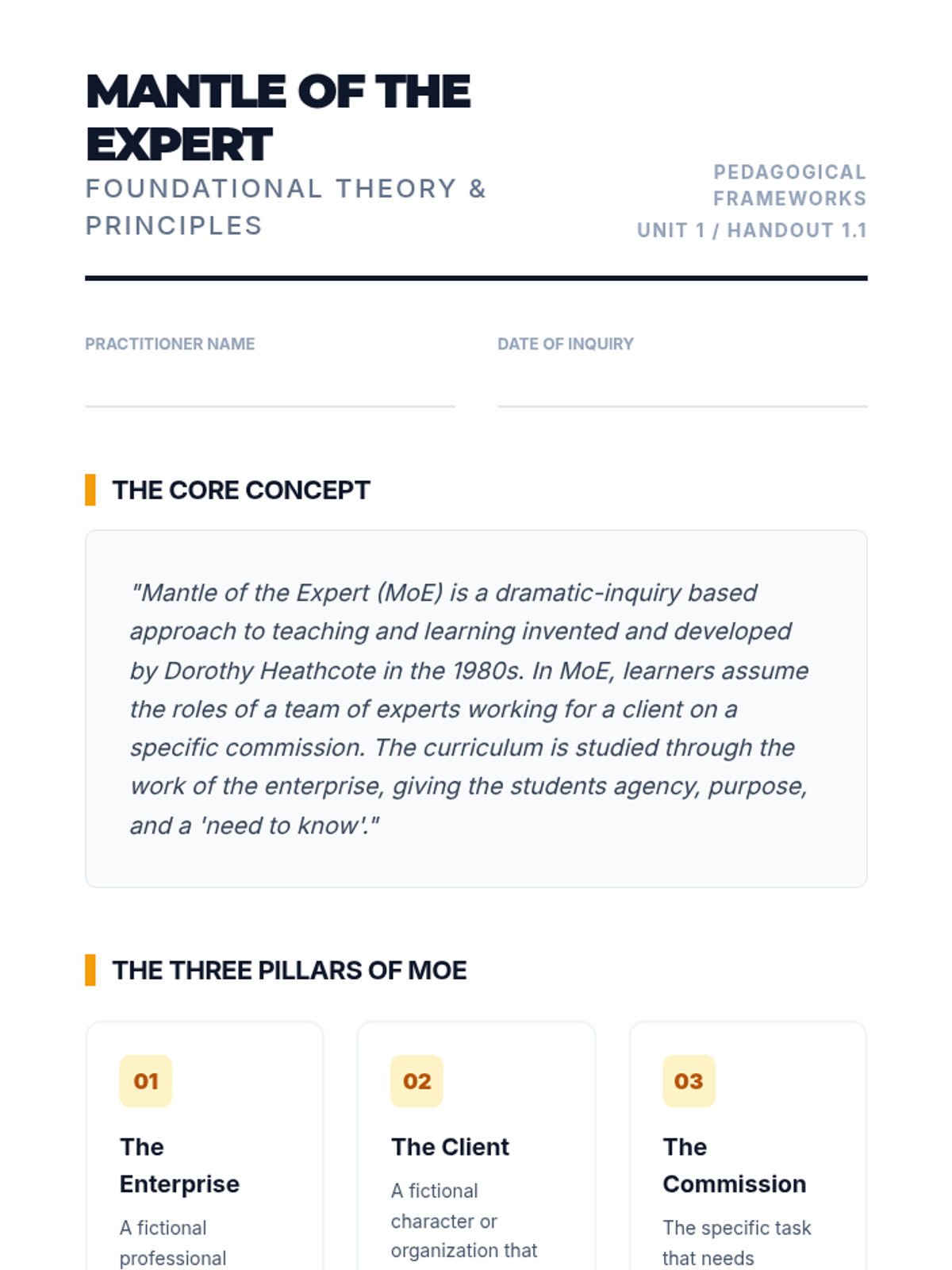
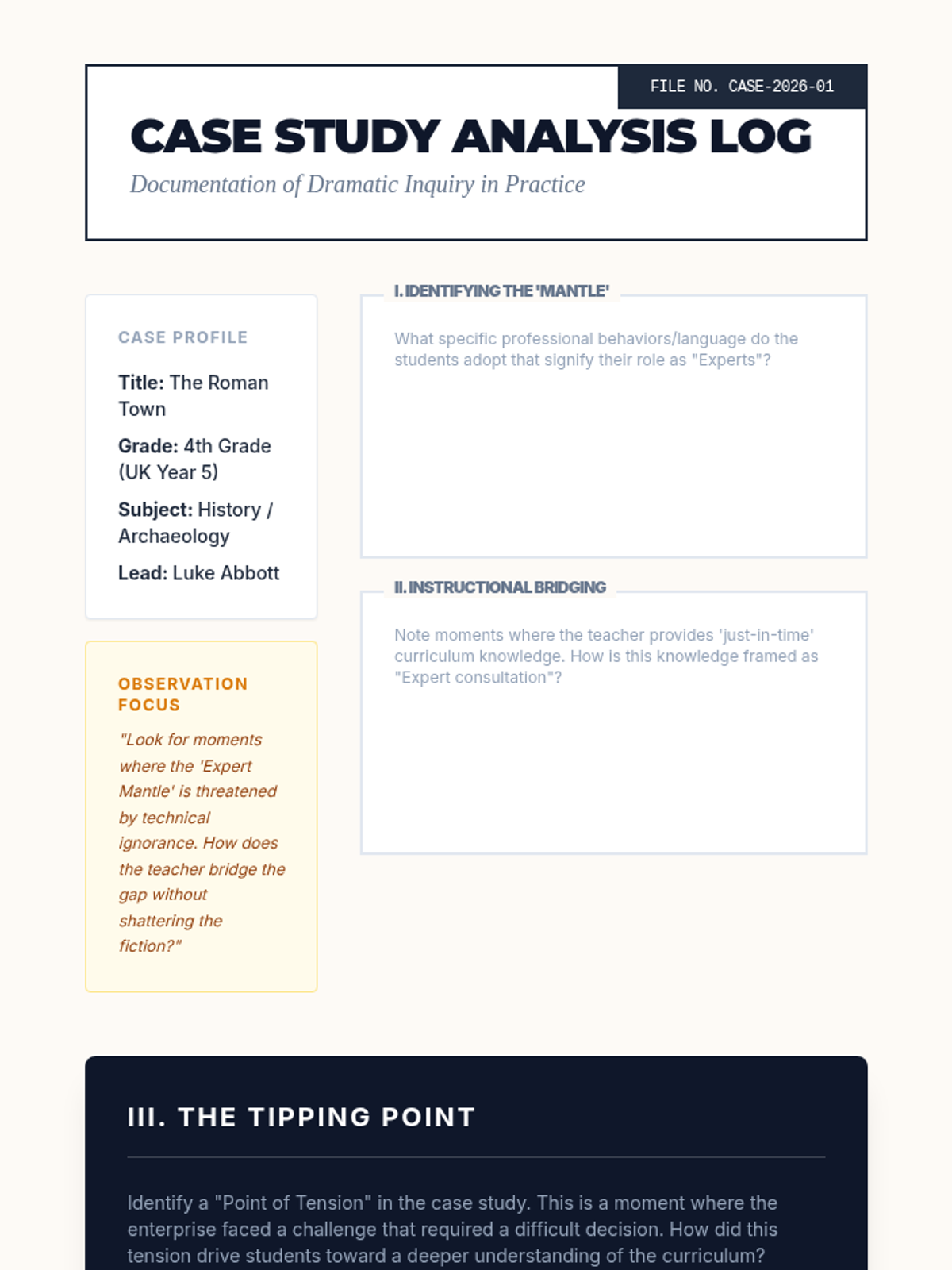
A comprehensive graduate-level course exploring the pedagogy of dramatic inquiry, focusing on Dorothy Heathcote’s Mantle of the Expert and its application in cross-curricular K-12 education. Students will master instructional design, teacher-in-role techniques, and the assessment of creative processes.
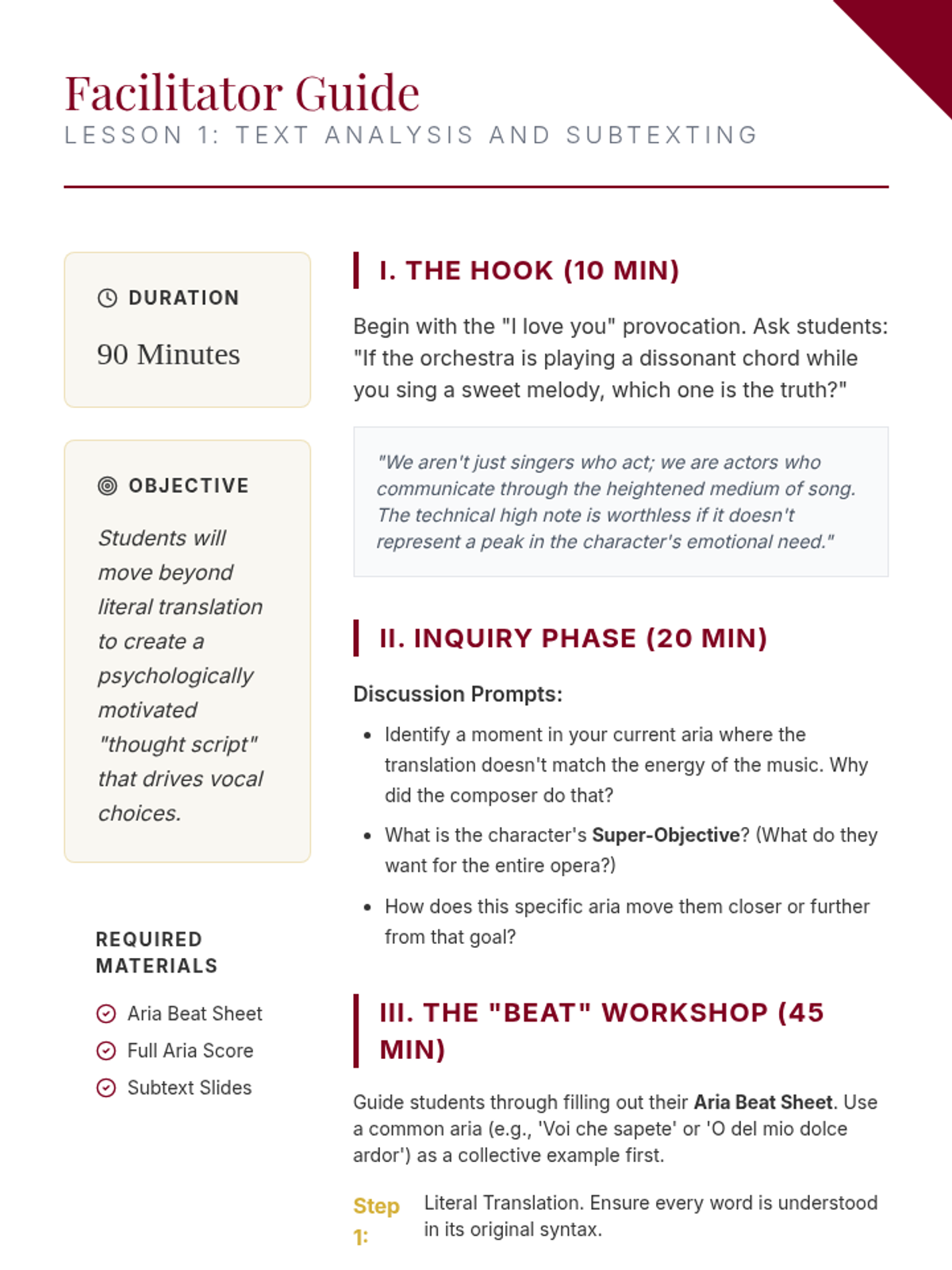
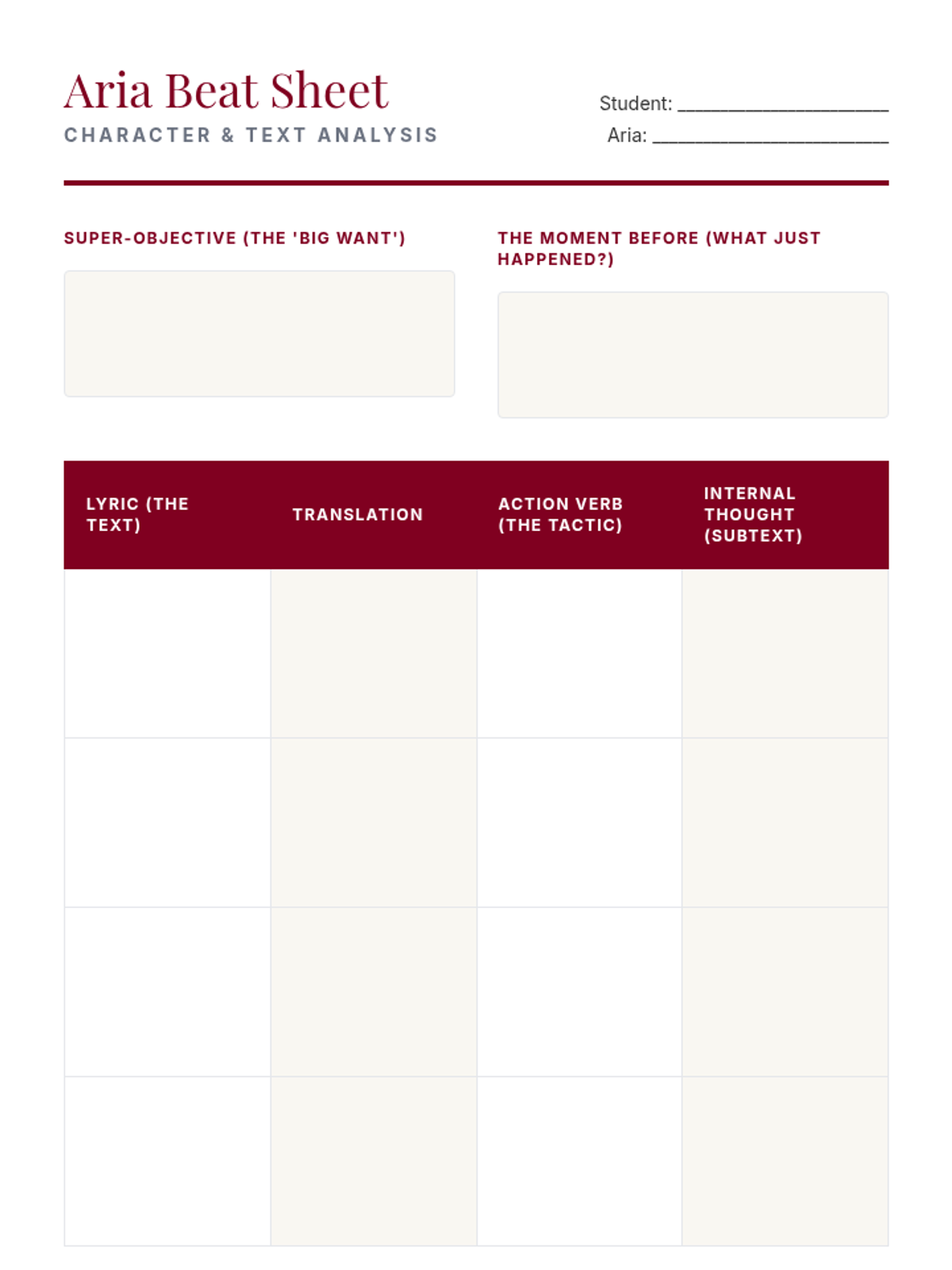
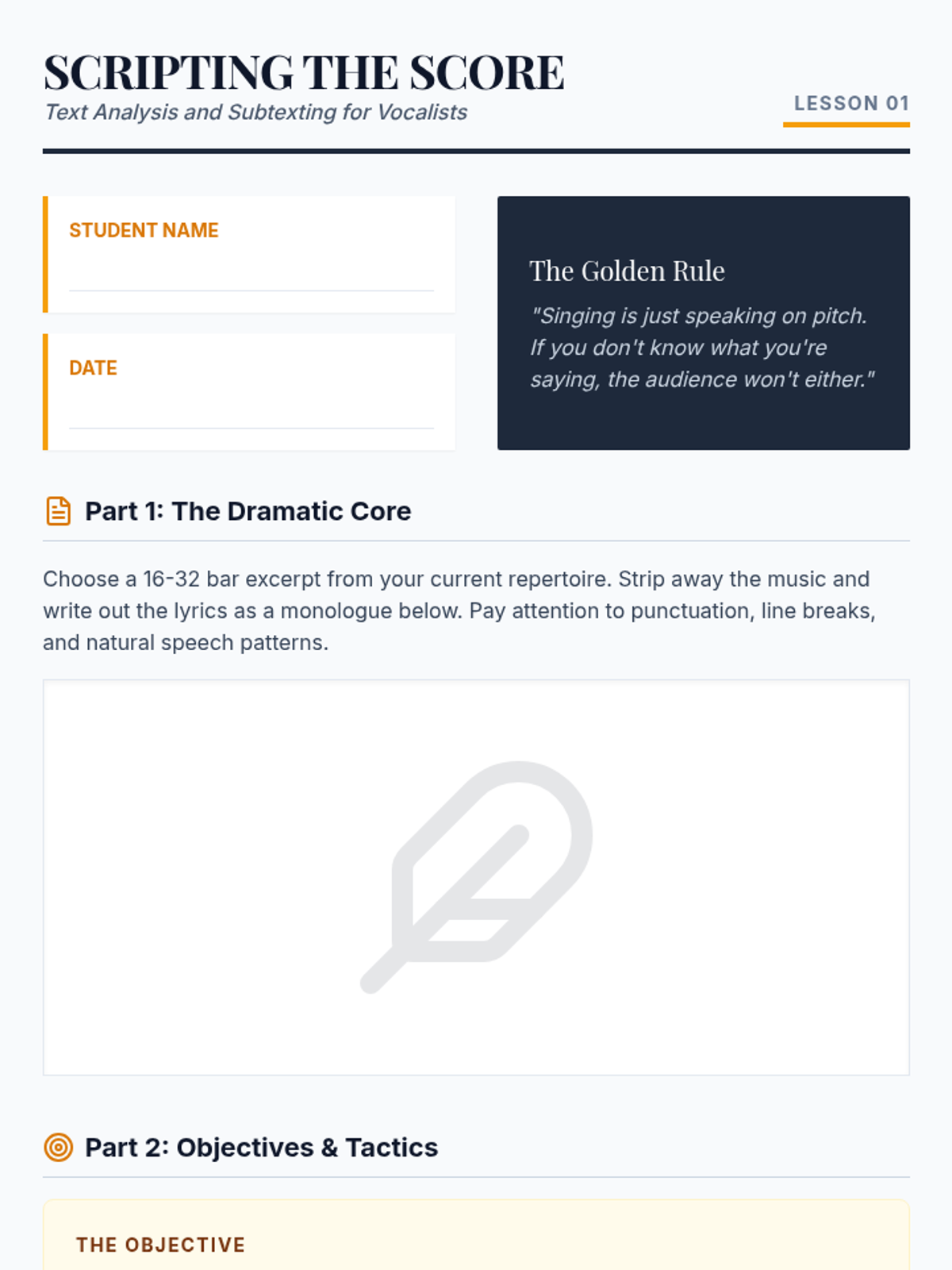
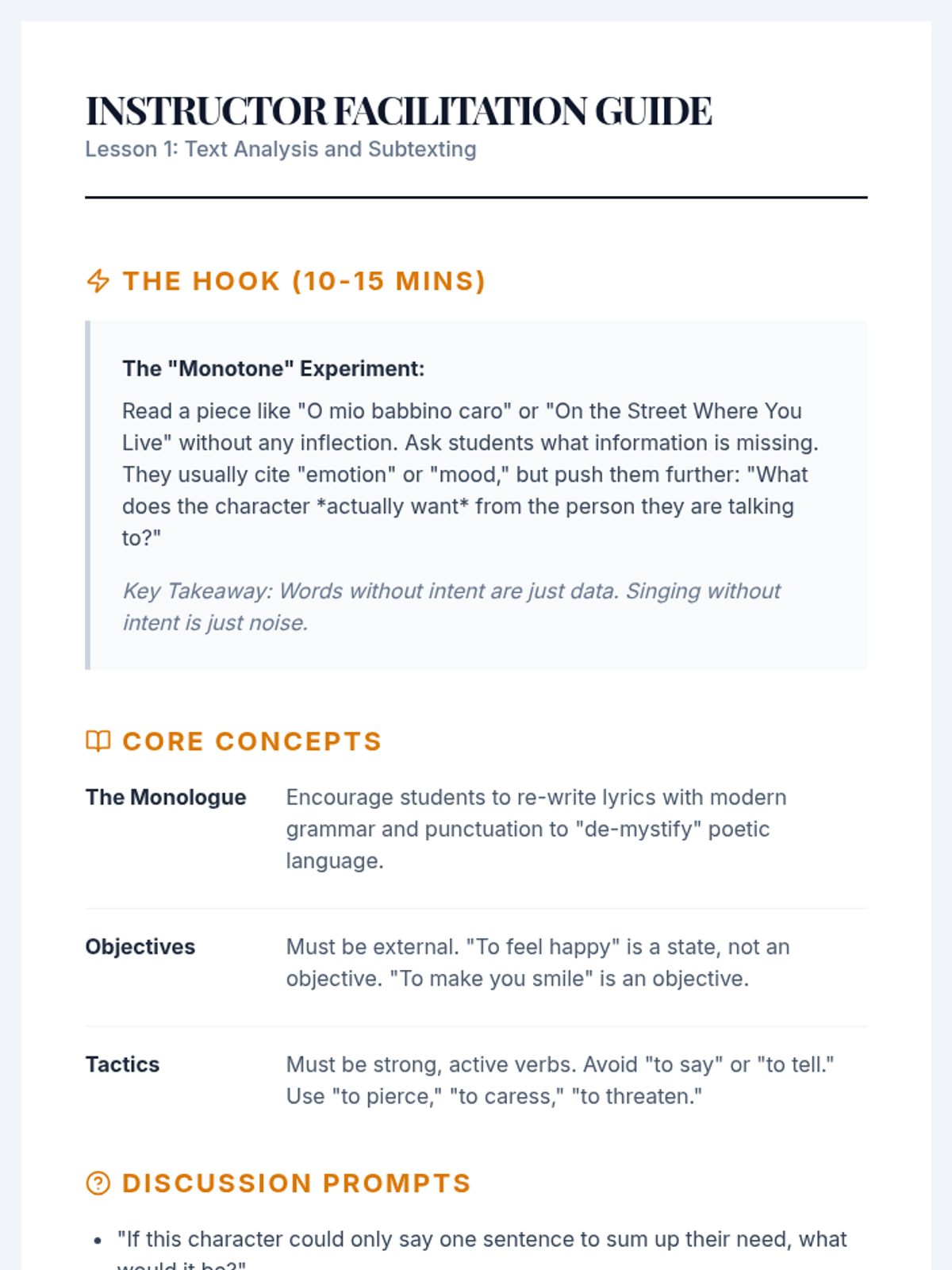
This advanced performance sequence for graduate vocalists bridges the gap between technical vocal production and authentic theatrical embodiment. Students move from deep text analysis and subtexting to physical movement (Laban efforts) and stage optics, culminating in a synthesized performance where vocal technique serves dramatic intent.
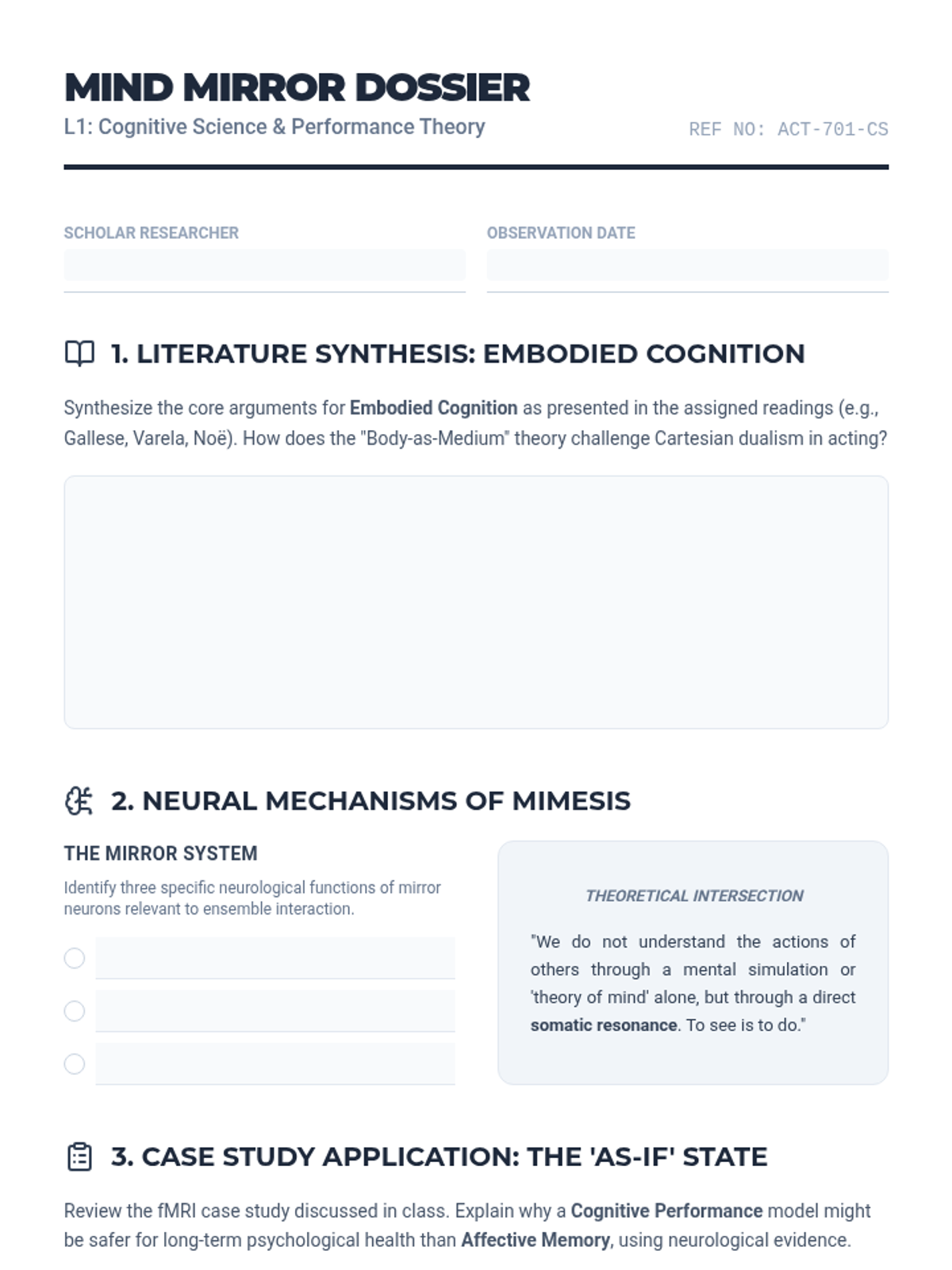
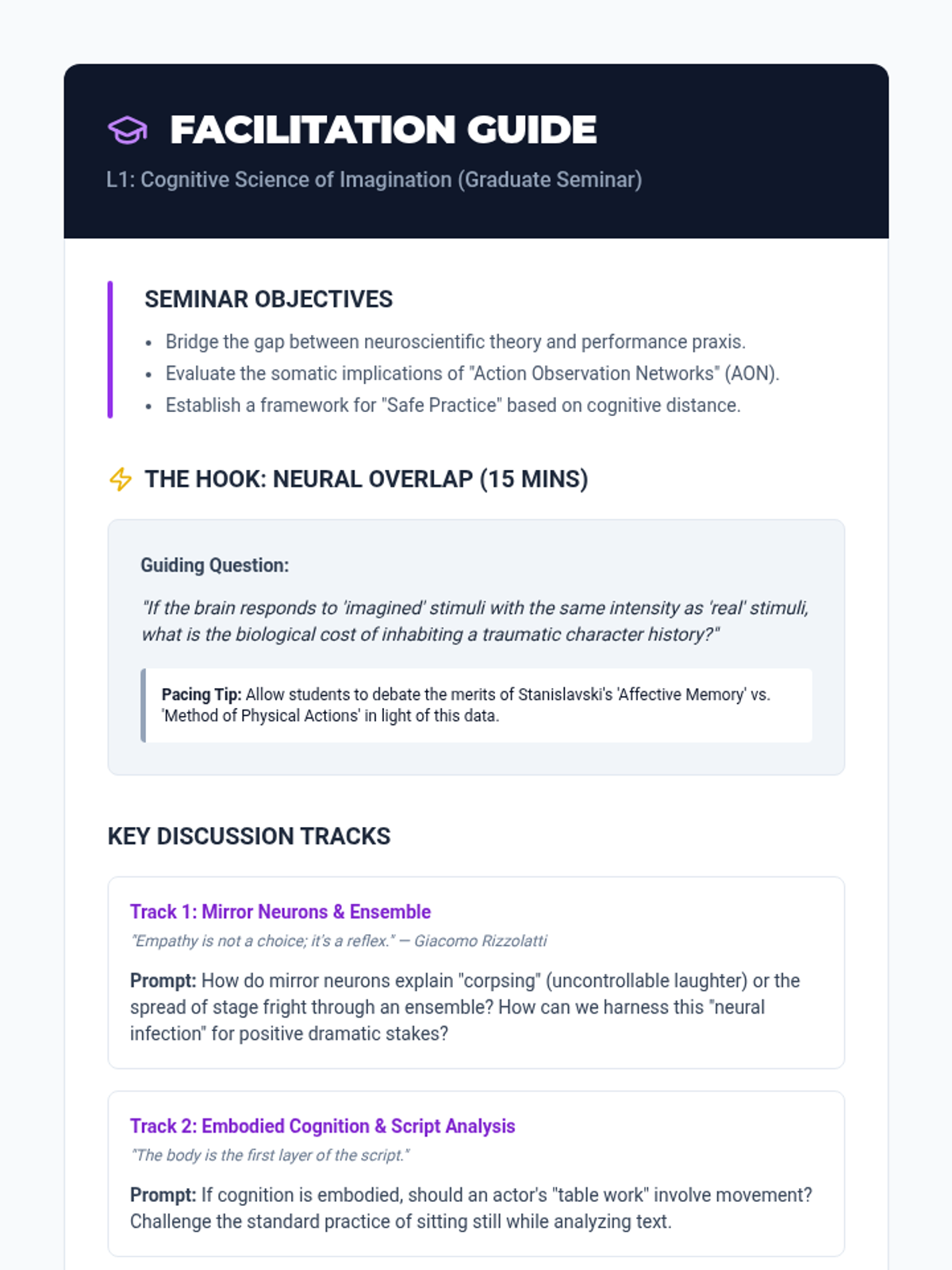
A graduate-level sequence exploring the intersection of cognitive neuroscience and performance theory, focusing on how actors use psychological mechanisms to build and sustain authentic characters.
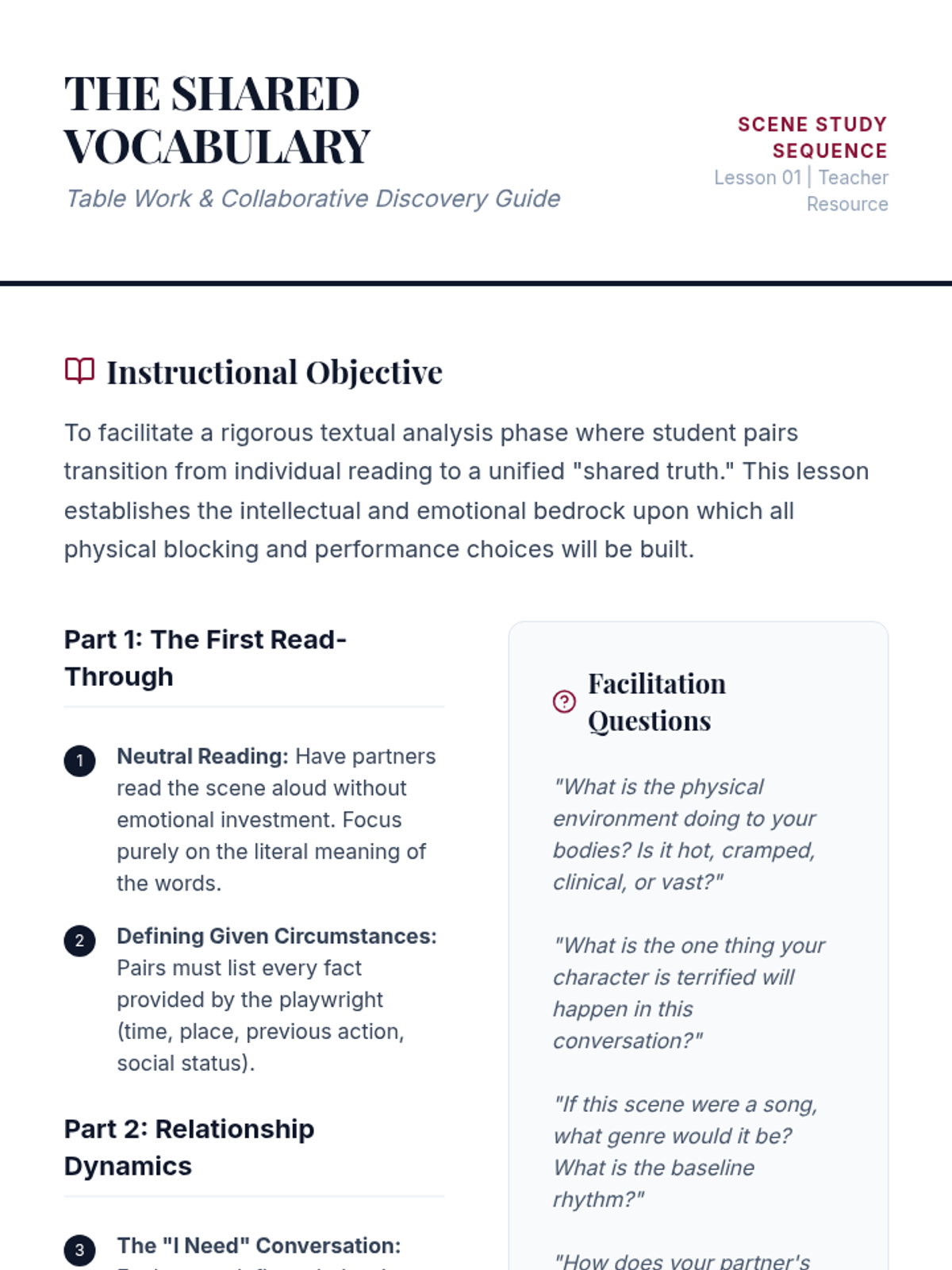
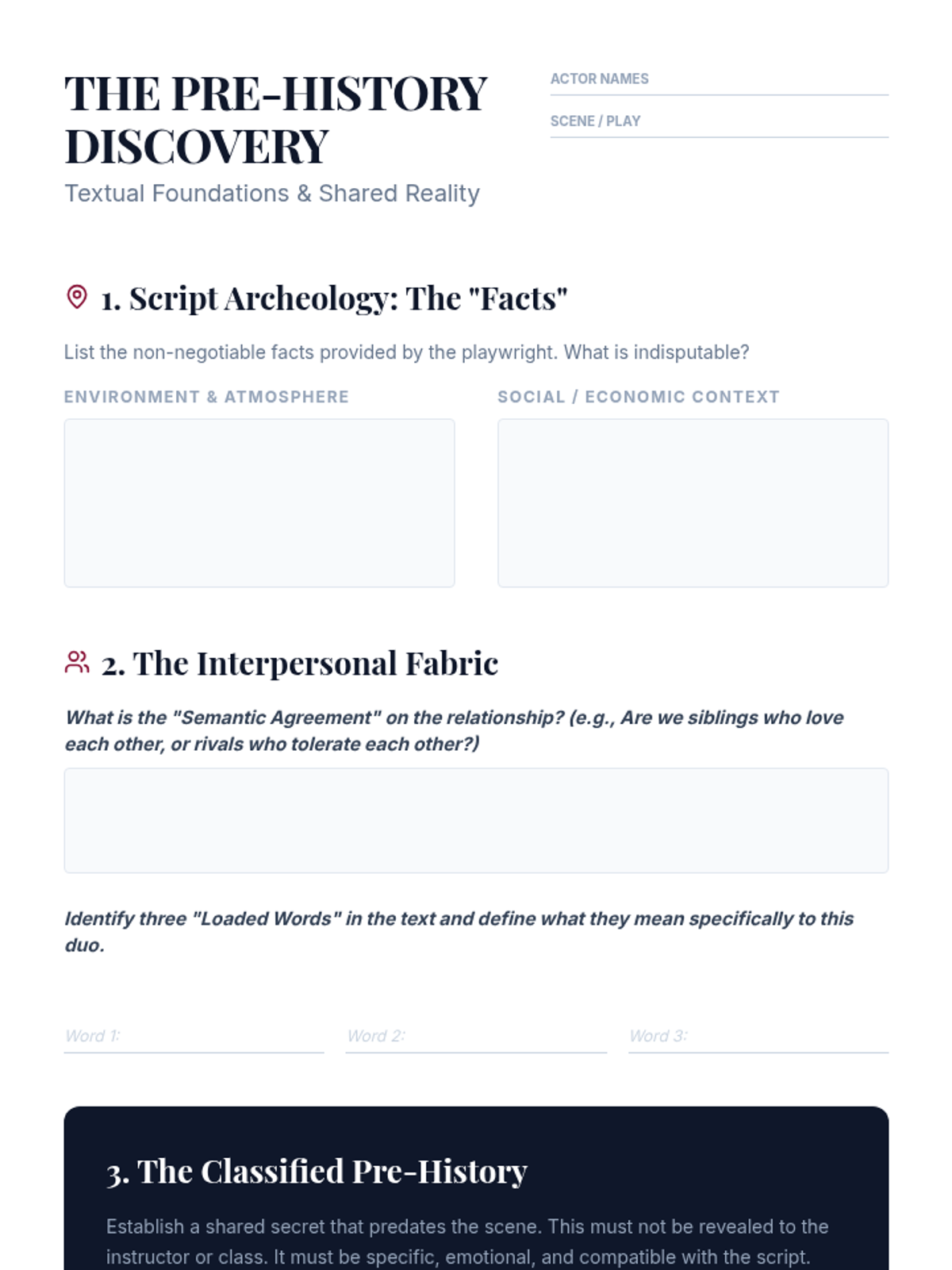
A graduate-level sequence focused on the professional rehearsal process, synthesizing character analysis, physical blocking, and rhythmic precision into a showcase-ready contemporary scene. Students move from deep textual analysis to technical mastery and industry-style critique.
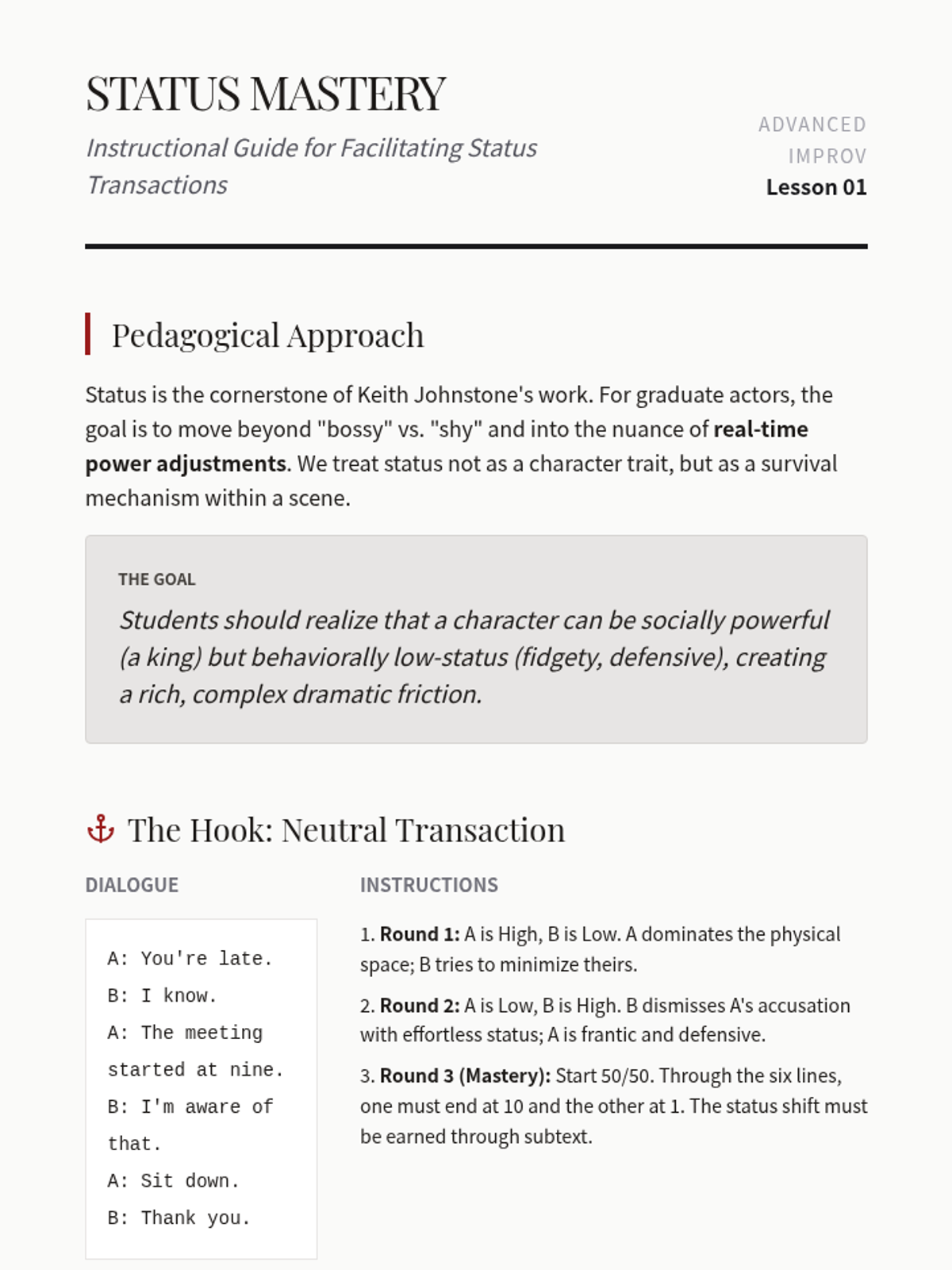
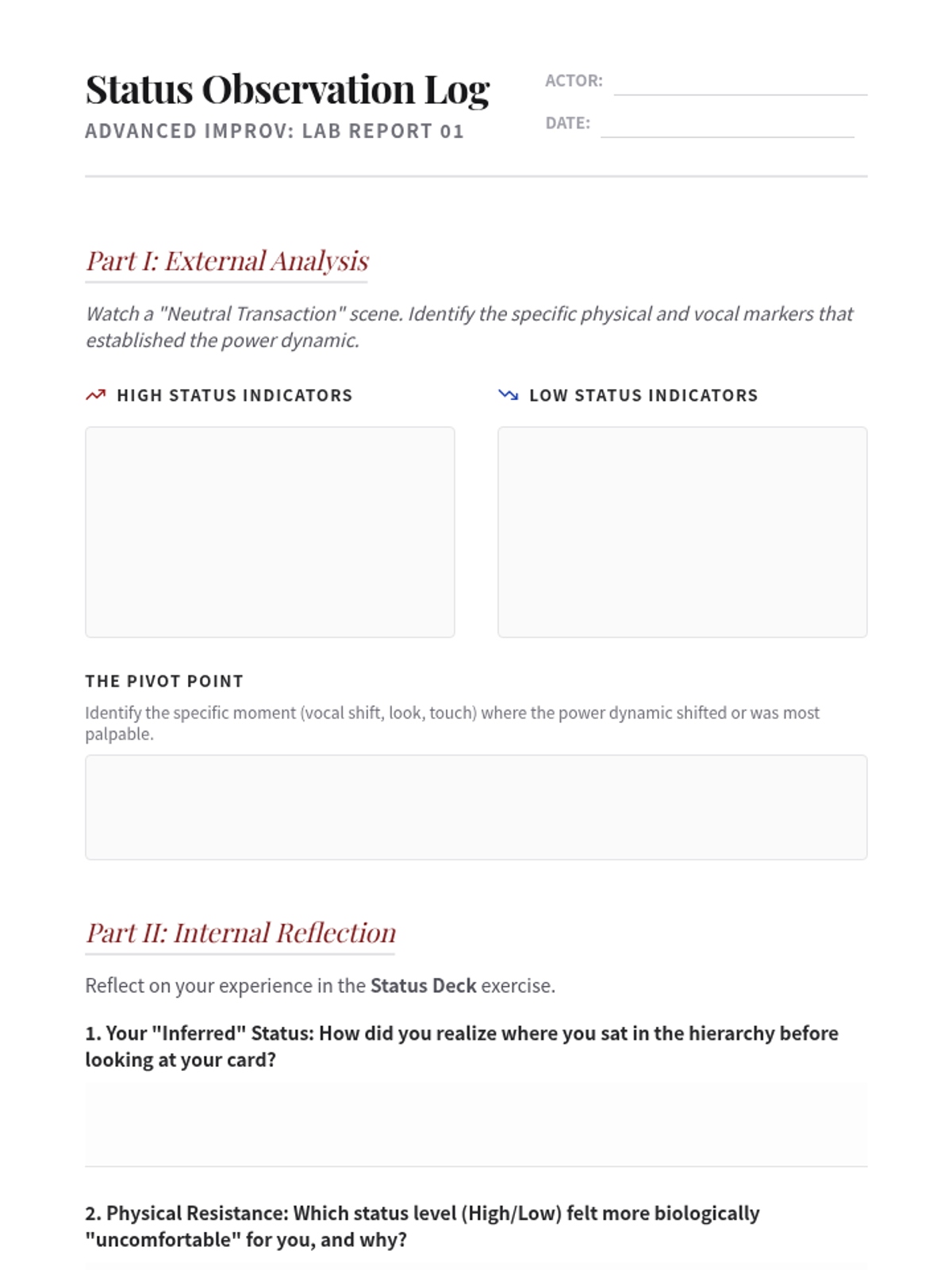
A graduate-level exploration of improvisation as a generative tool for devising original theatrical work. Students progress from micro-level status transactions to macro-level long-form structures, ultimately refining improvised moments into repeatable dramatic scripts.
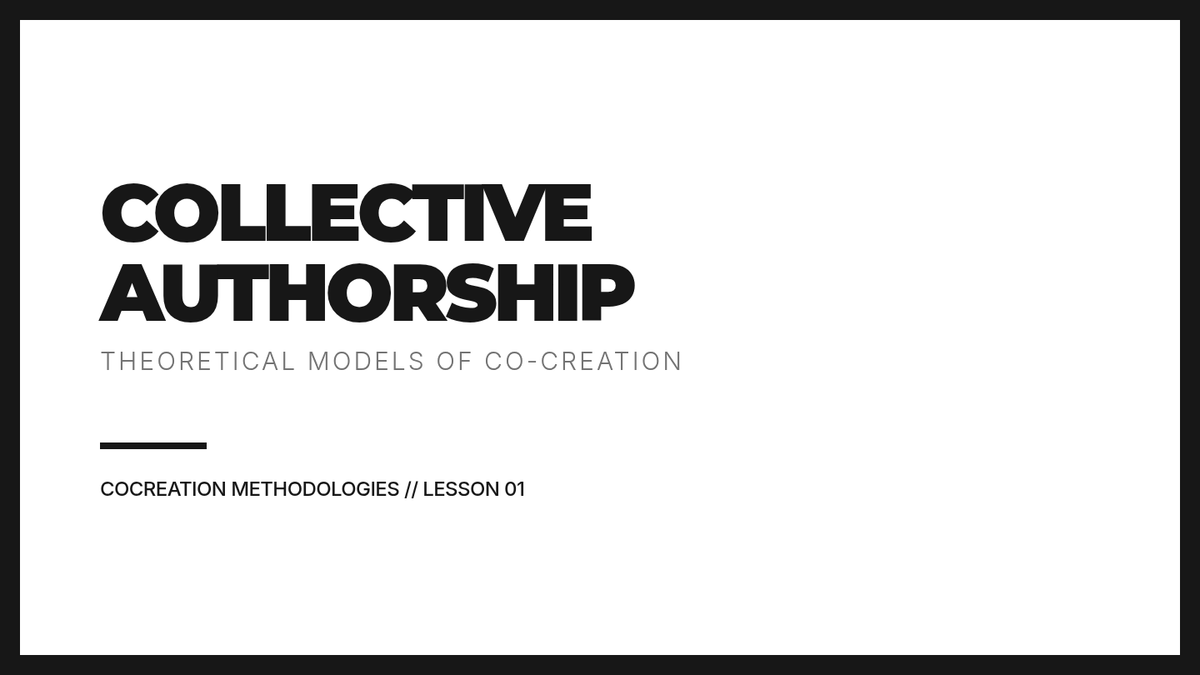
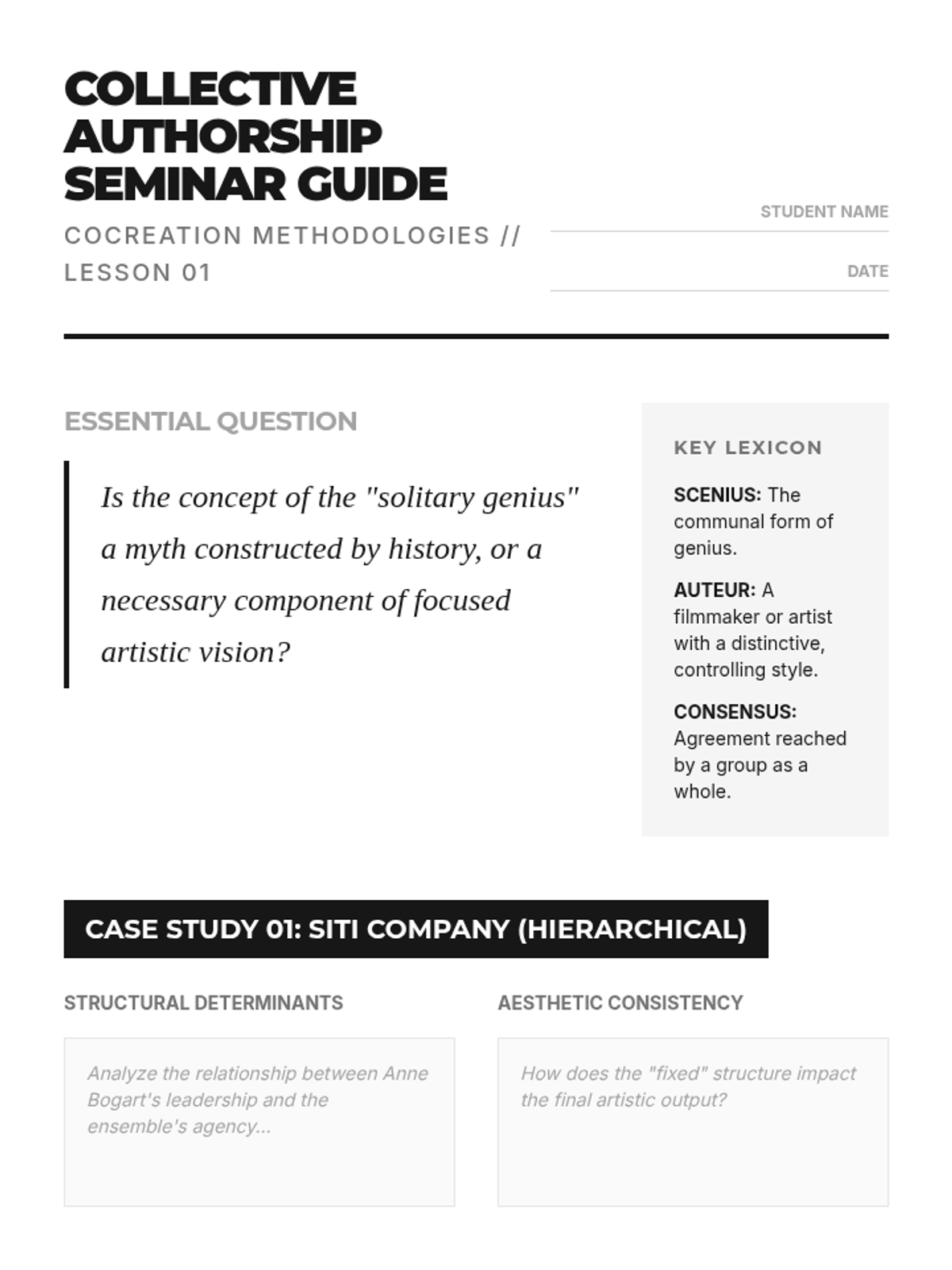
An advanced exploration of collective artistic creation for graduate students, moving from theoretical models of authorship to practical strategies for managing interpersonal friction and structured feedback in professional creative ensembles.
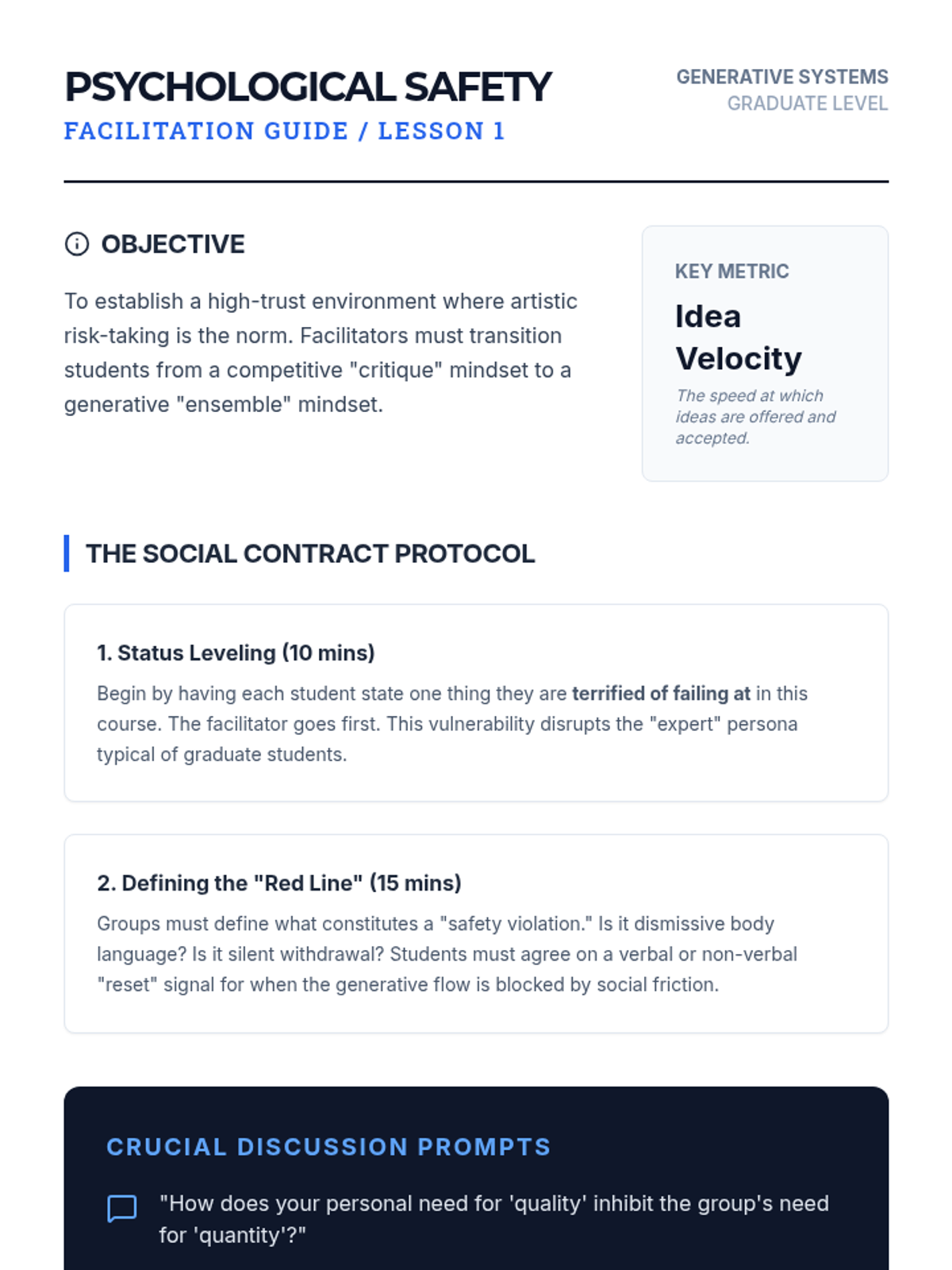
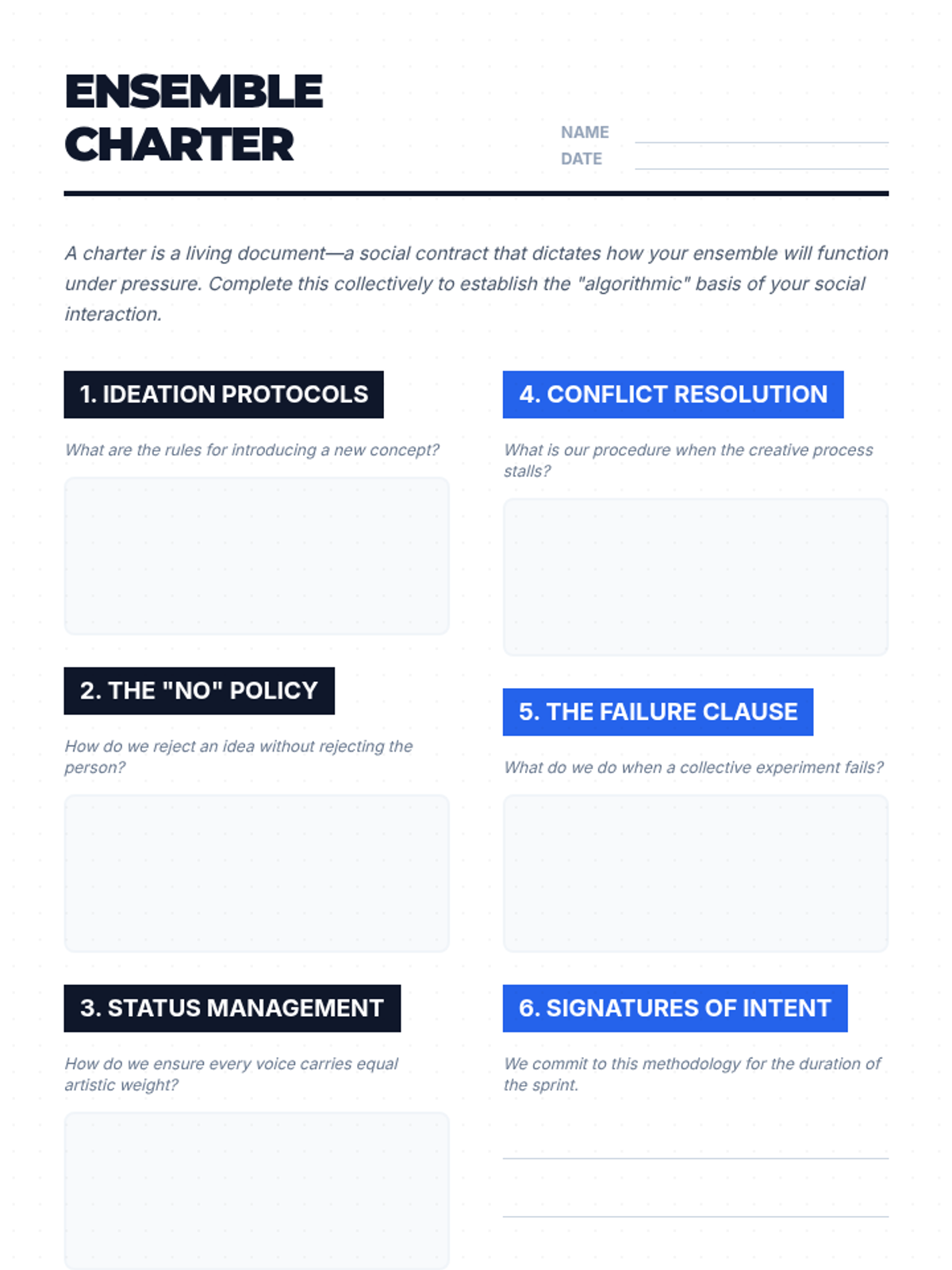
An advanced graduate-level exploration of collective invention in the arts. This sequence moves from the social foundations of psychological safety to algorithmic constraint-based ideation and swarm intelligence, culminating in the identification of a 'third voice'—the unique aesthetic signature of an ensemble.
A comprehensive undergraduate sequence bridging technical vocal proficiency with artistic interpretation through text analysis, phrasing, timbre, and historical context.
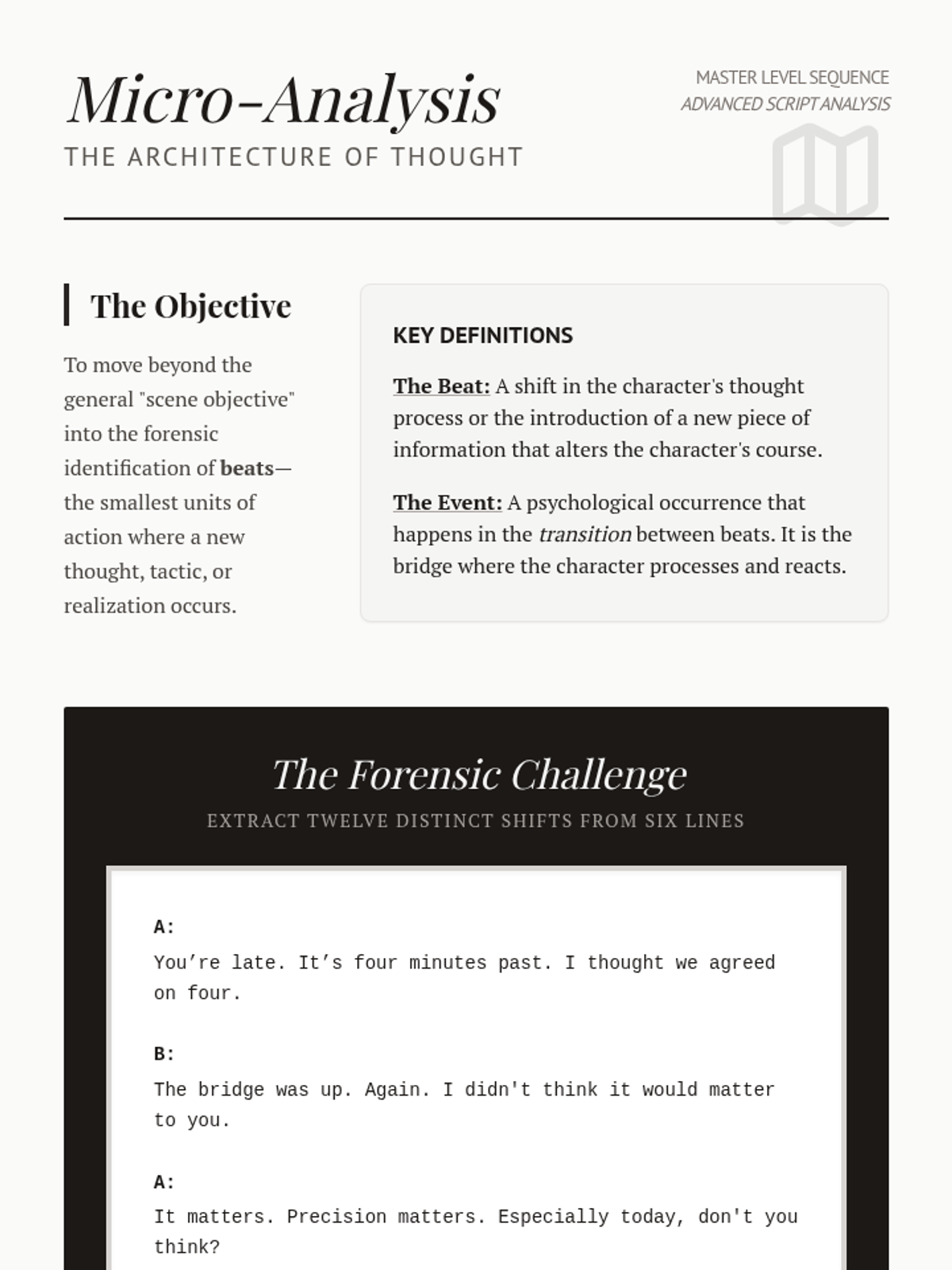
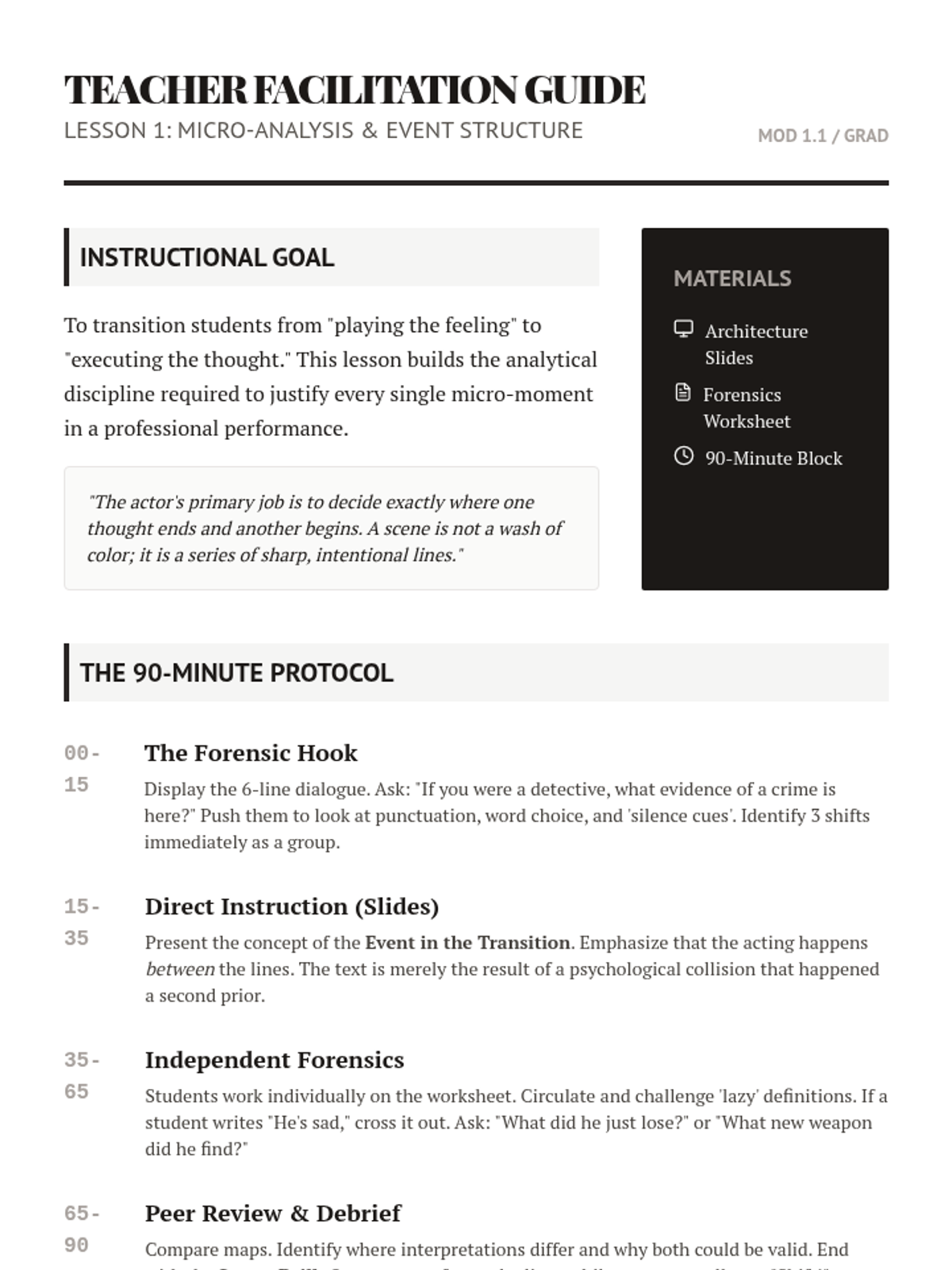
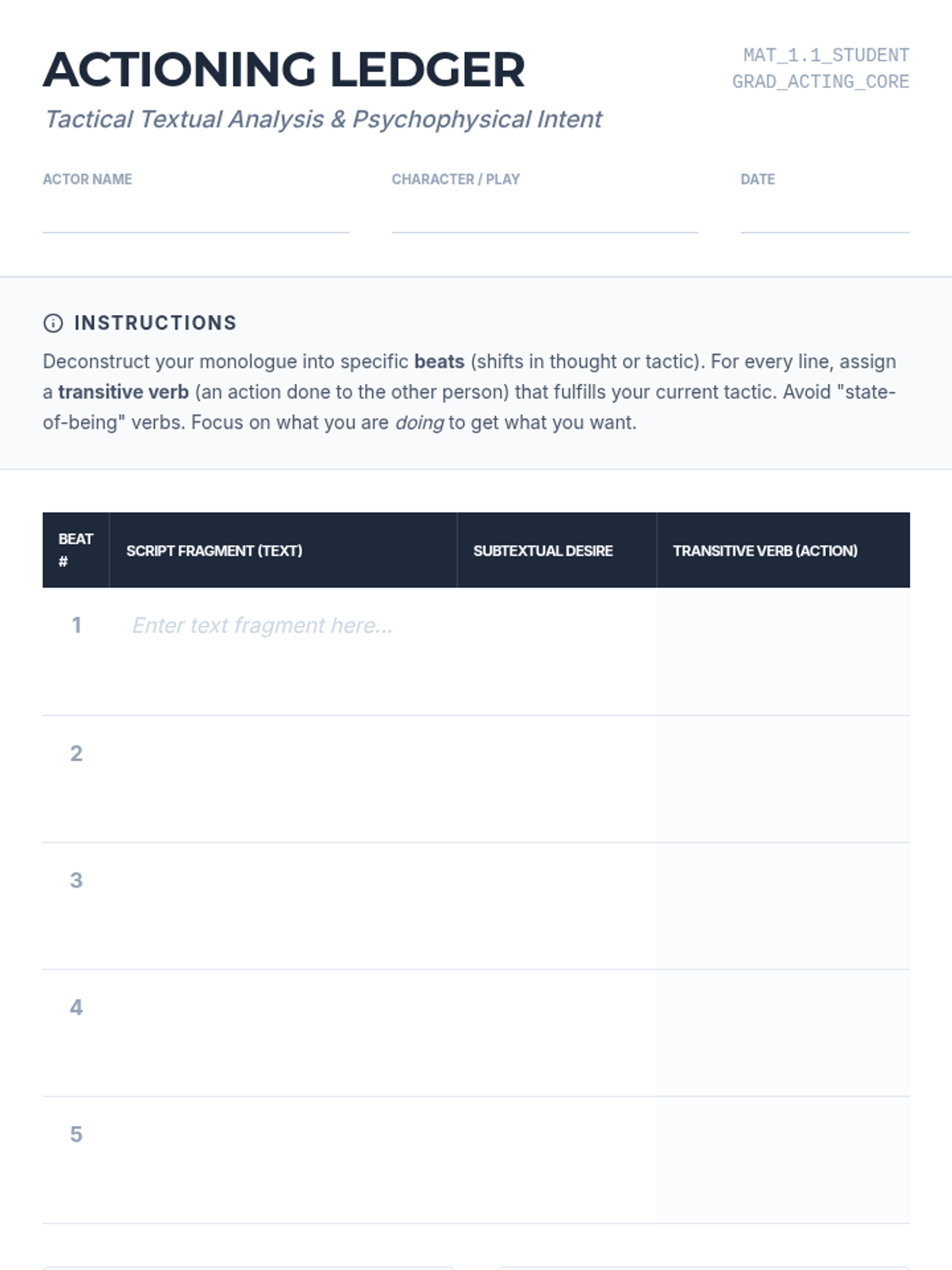
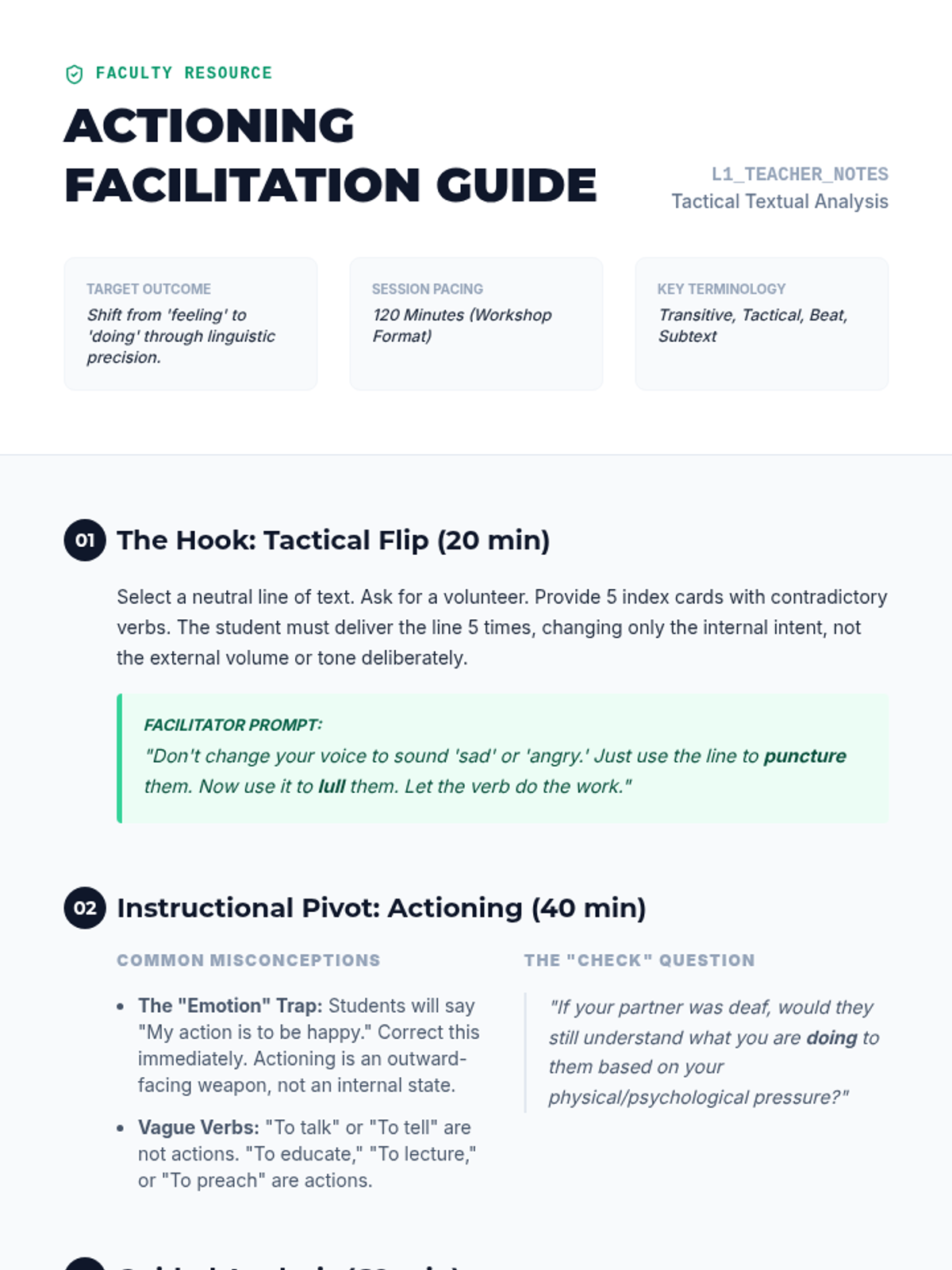
A graduate-level sequence focused on the intellectual and psychological excavation of dramatic text, utilizing Actioning, Active Analysis, and Chekhovian techniques.
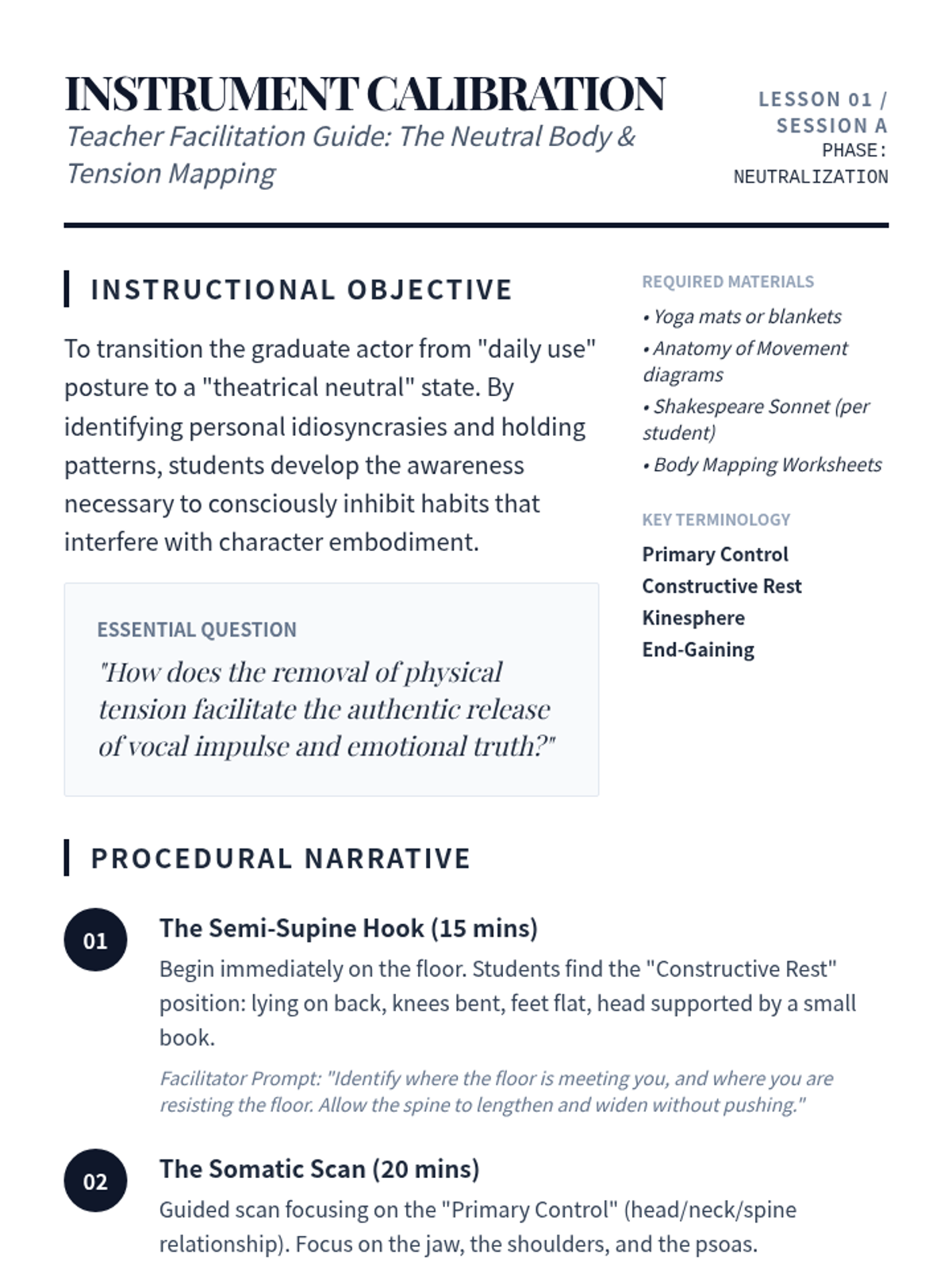
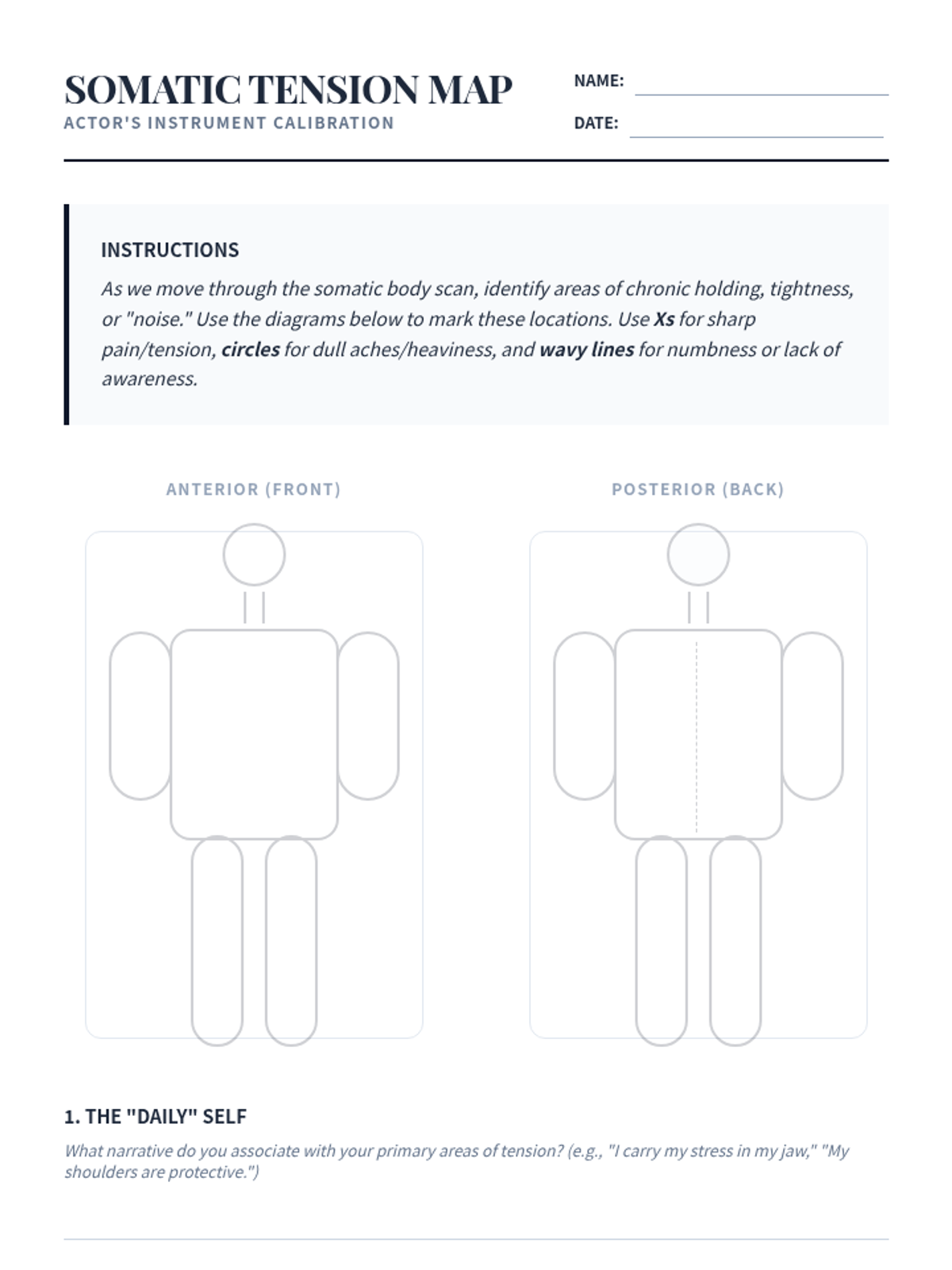
This advanced sequence for graduate theater students explores somatic practices to eliminate physical tension and unlock vocal power. By integrating Alexander Technique, Linklater Voice, Laban Movement Analysis, and Bogart's Viewpoints, students develop a responsive and resonant 'actor's instrument' capable of meeting the demands of professional performance.
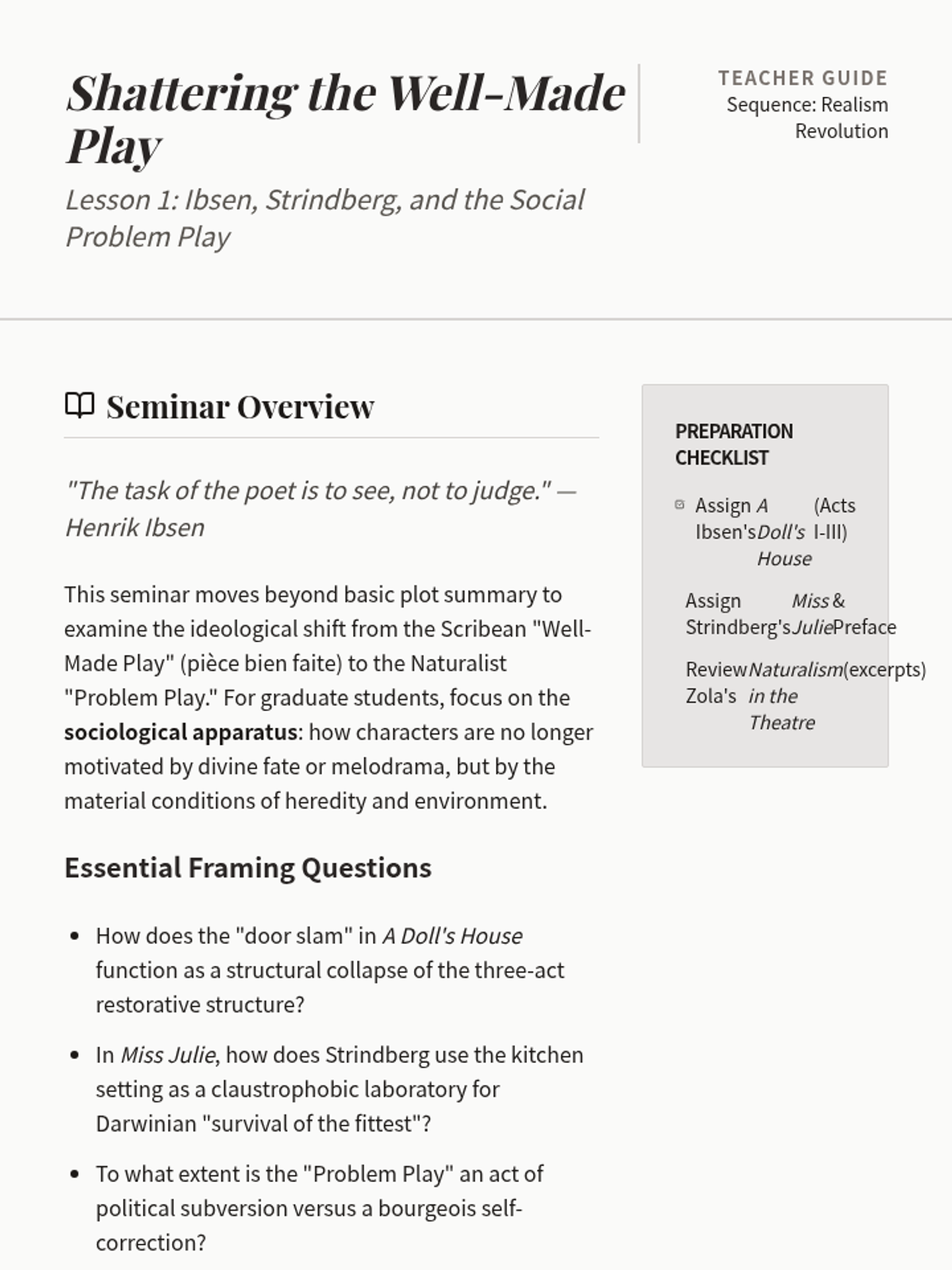
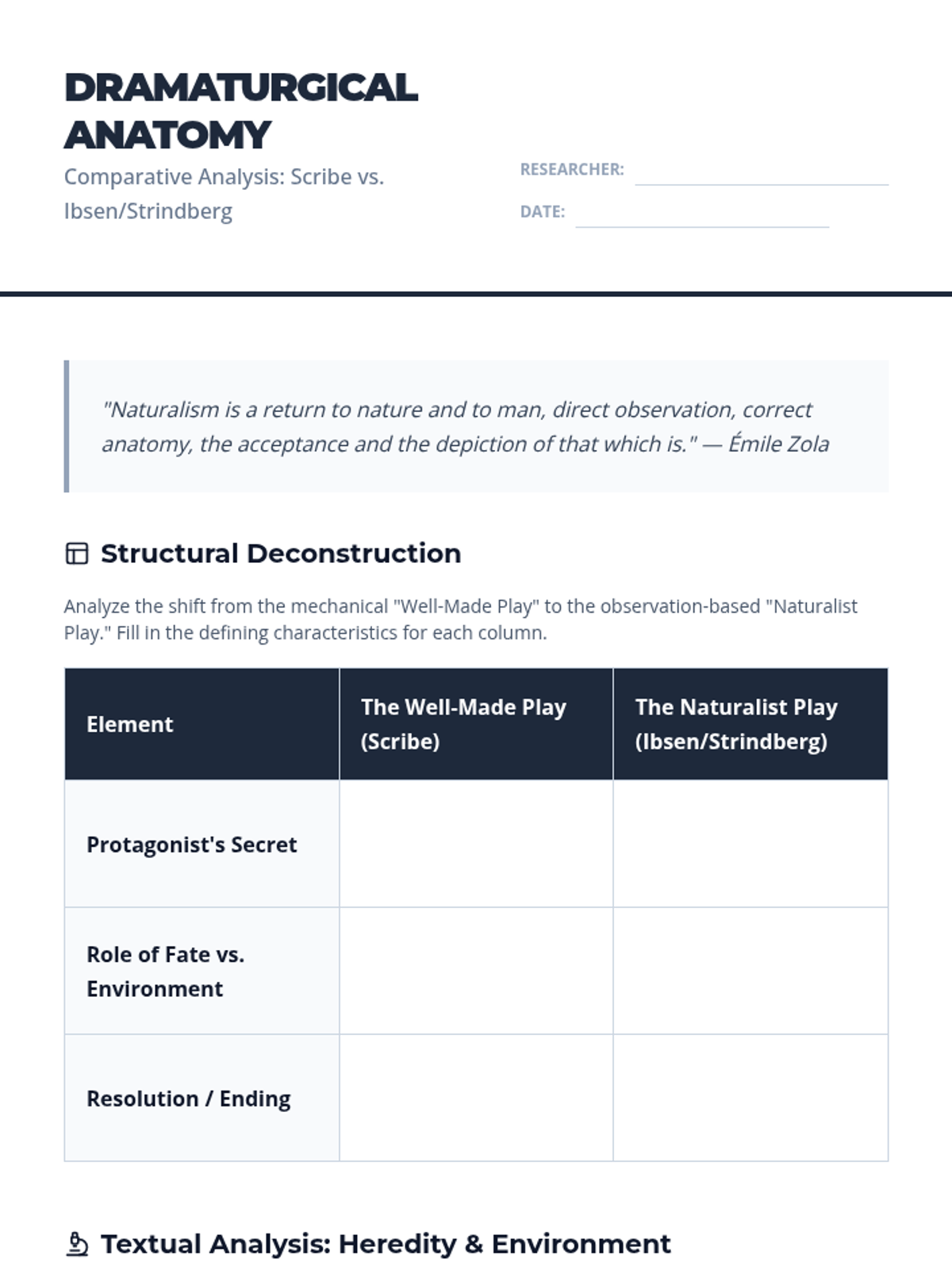
A graduate-level exploration of the shift toward Realism and Naturalism in the late 19th and early 20th centuries. The sequence examines the emergence of the director-auteur, the development of psychological acting systems, and the political dimensions of the Independent Theatre Movement, concluding with a critical deconstruction of the Realistic canon.
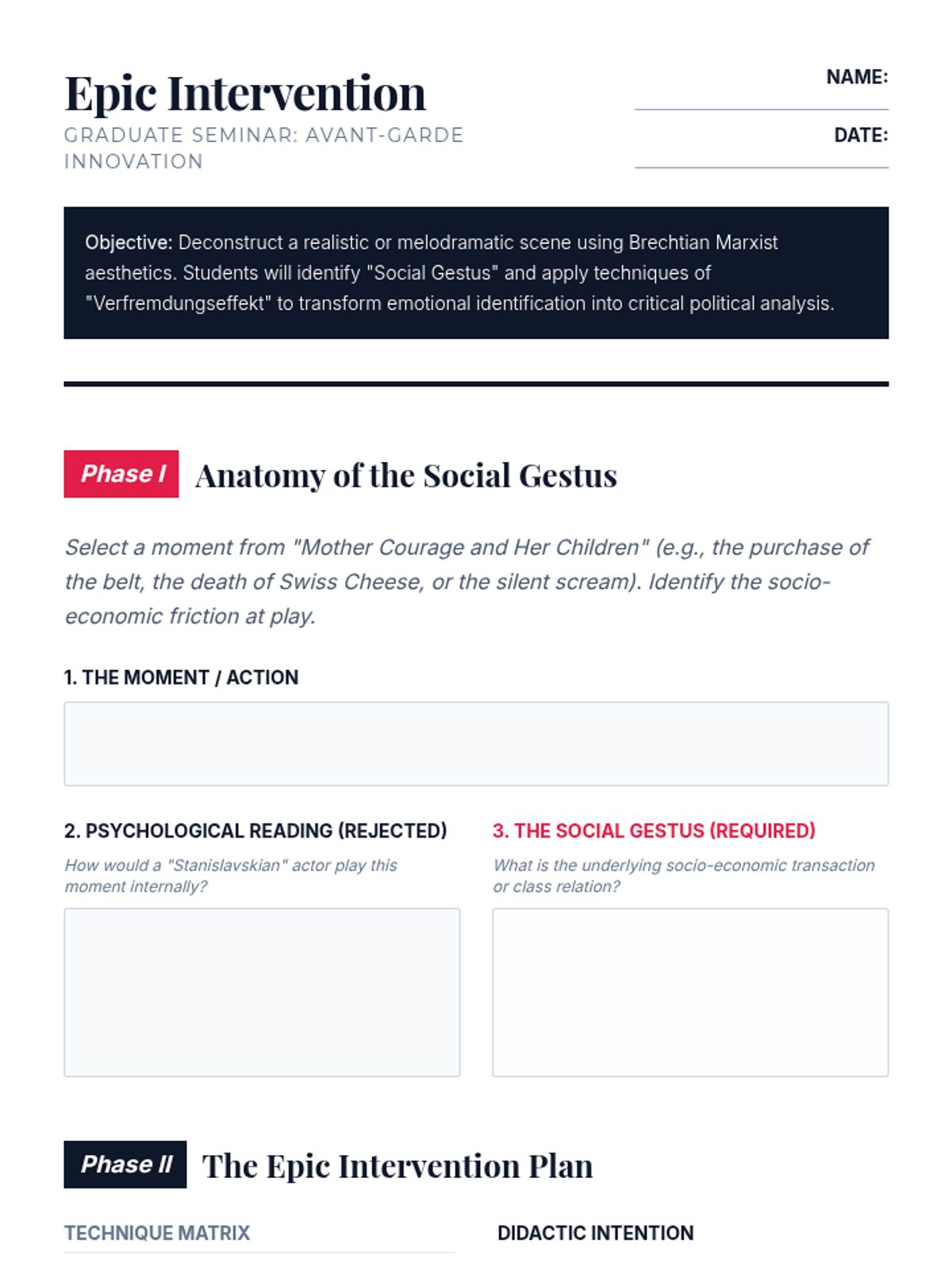
A graduate-level exploration of 20th and 21st-century theatrical innovation, focusing on the shift from historical Avant-Garde to Post-Dramatic theory. Students analyze movements that challenge the 'Fourth Wall,' the supremacy of text, and the nature of narrative through the lenses of Marxism, Existentialism, and Post-Structuralism.
A rigorous sequence for graduate theater students exploring the synthesis of textual analysis, Laban movement, vocal resonance, and Chekhov techniques to create truthful, heightened characters.
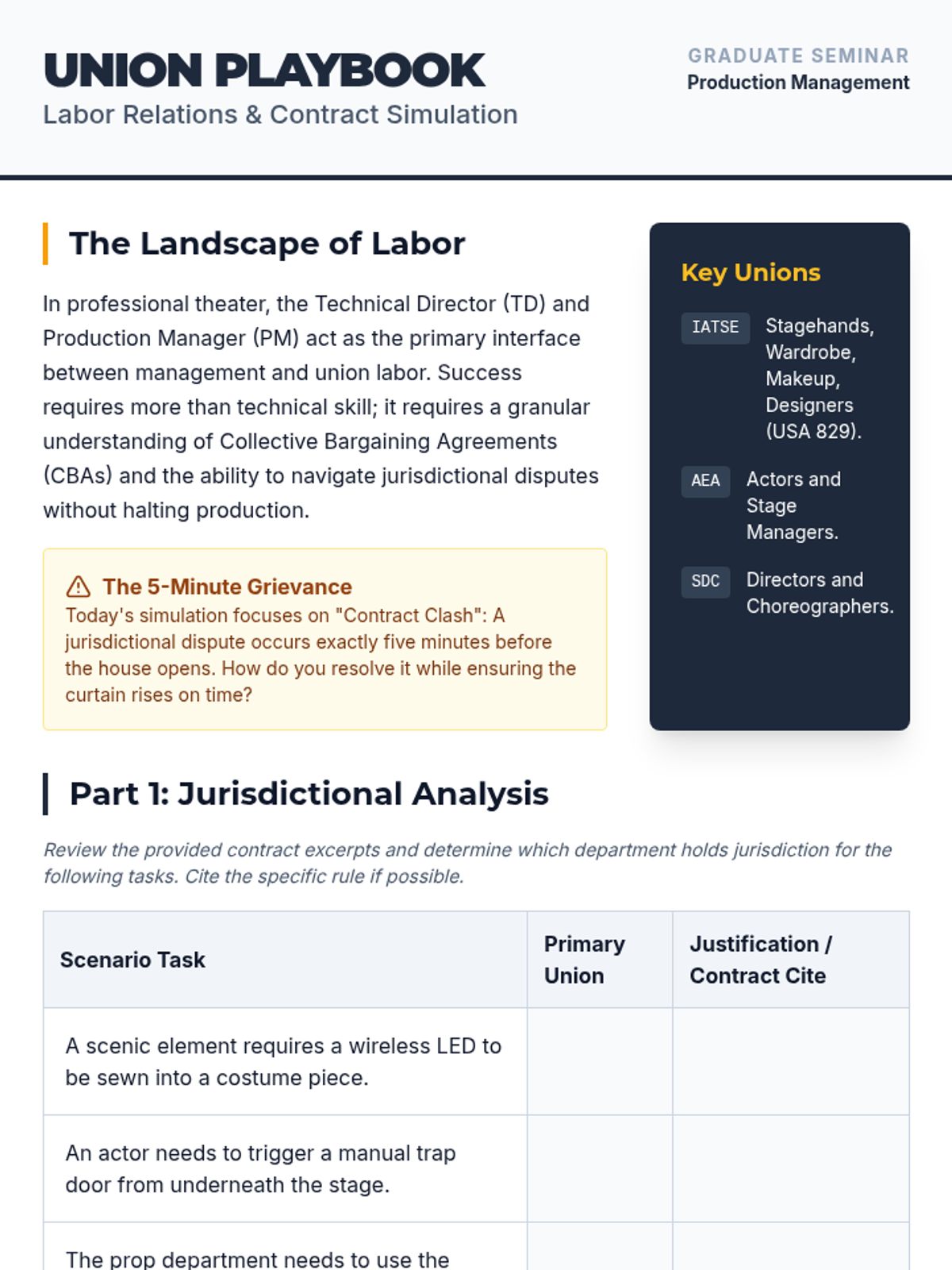
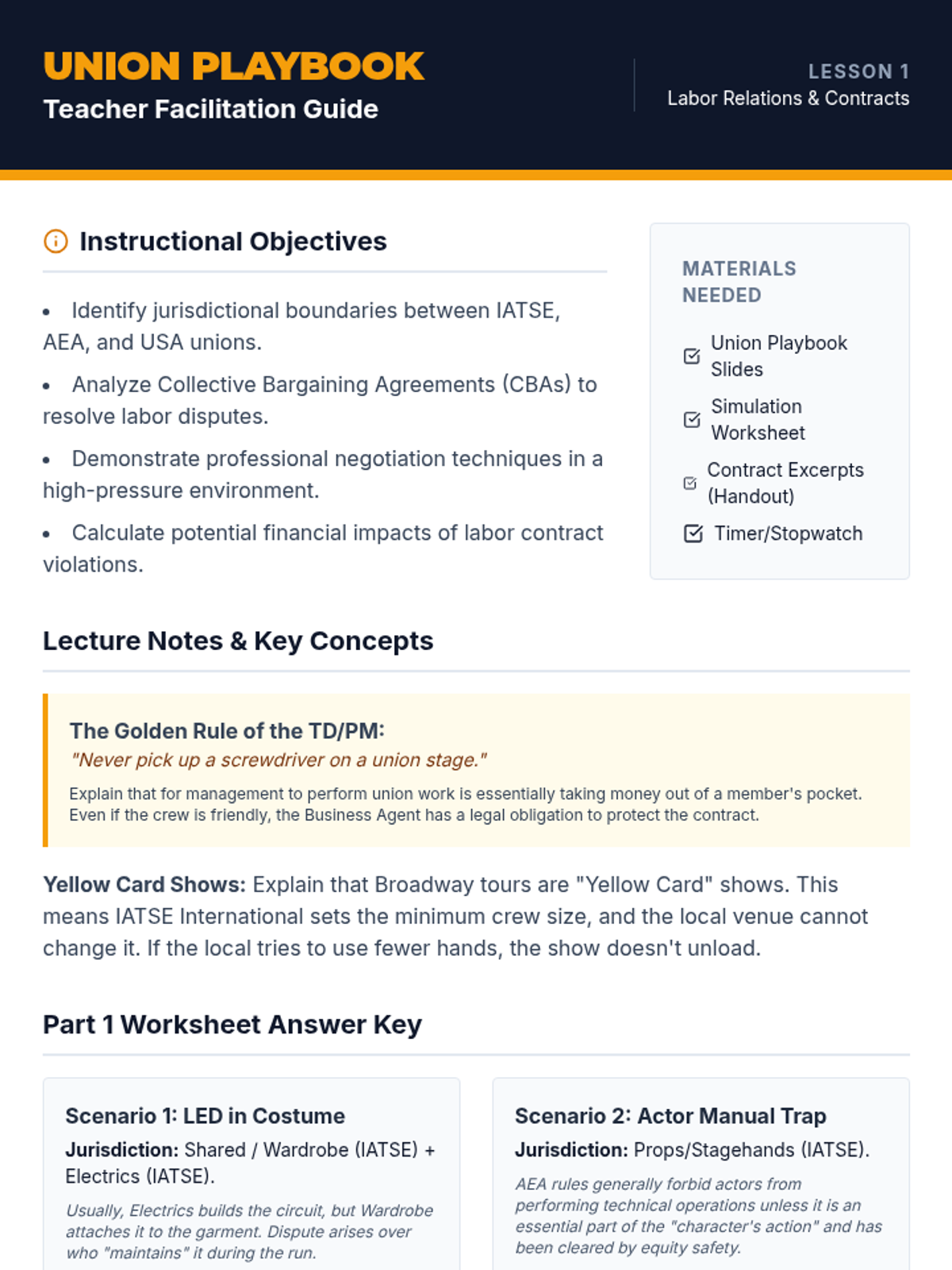
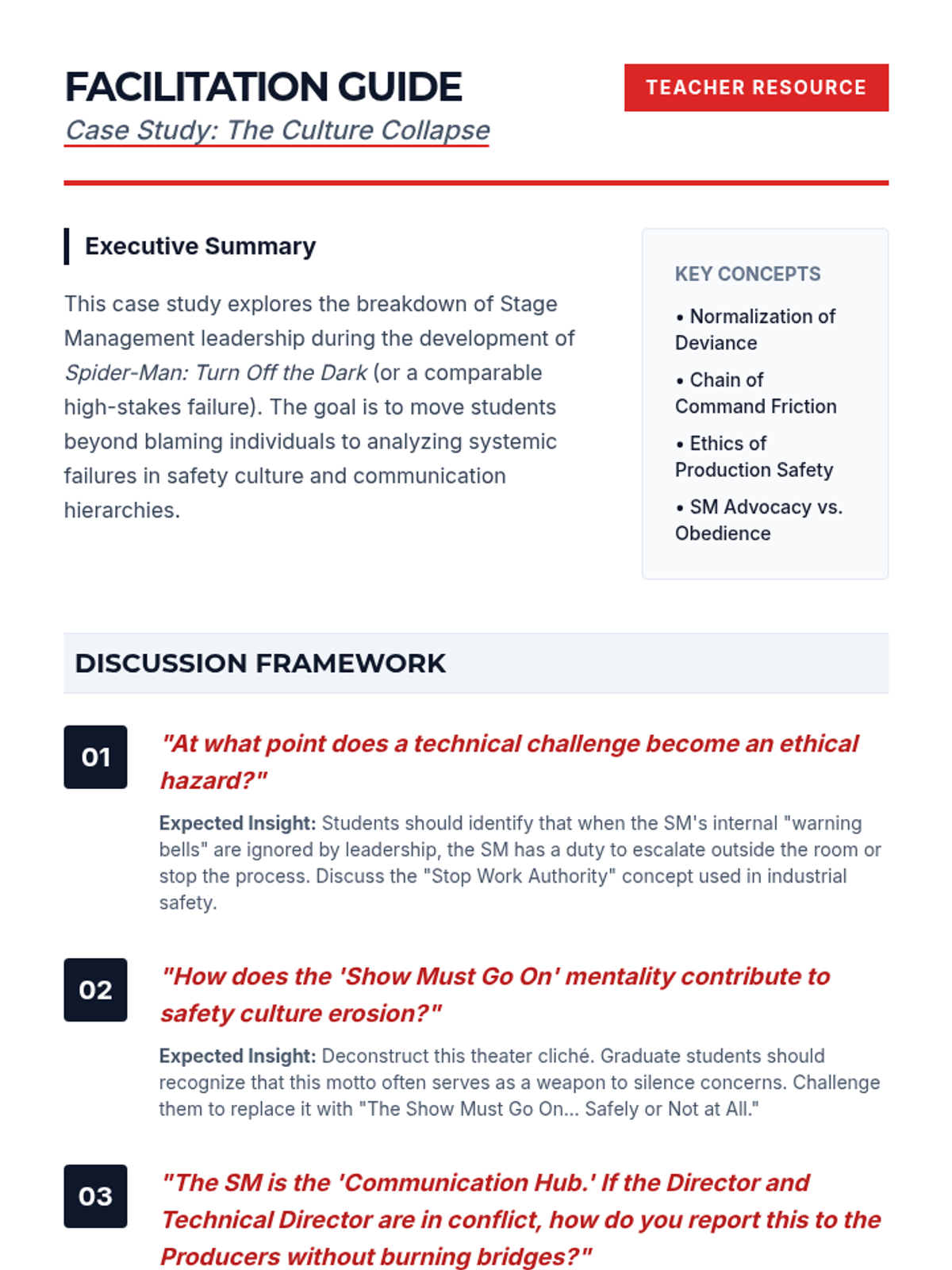
This graduate-level sequence explores the intersection of labor law, fiscal strategy, safety protocols, and crisis management within professional theater production. Students develop the leadership skills necessary to navigate union environments and high-stakes technical environments.
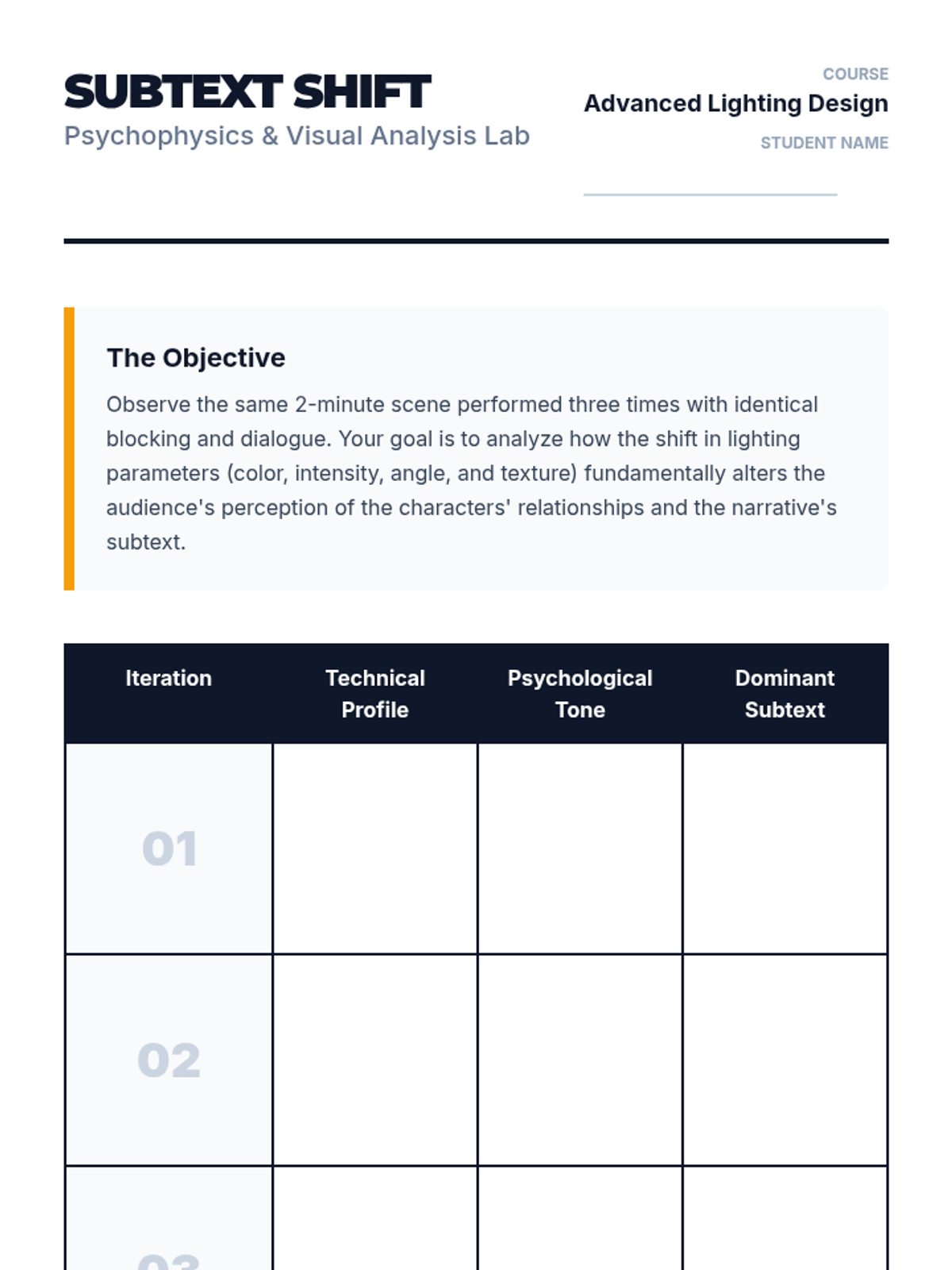
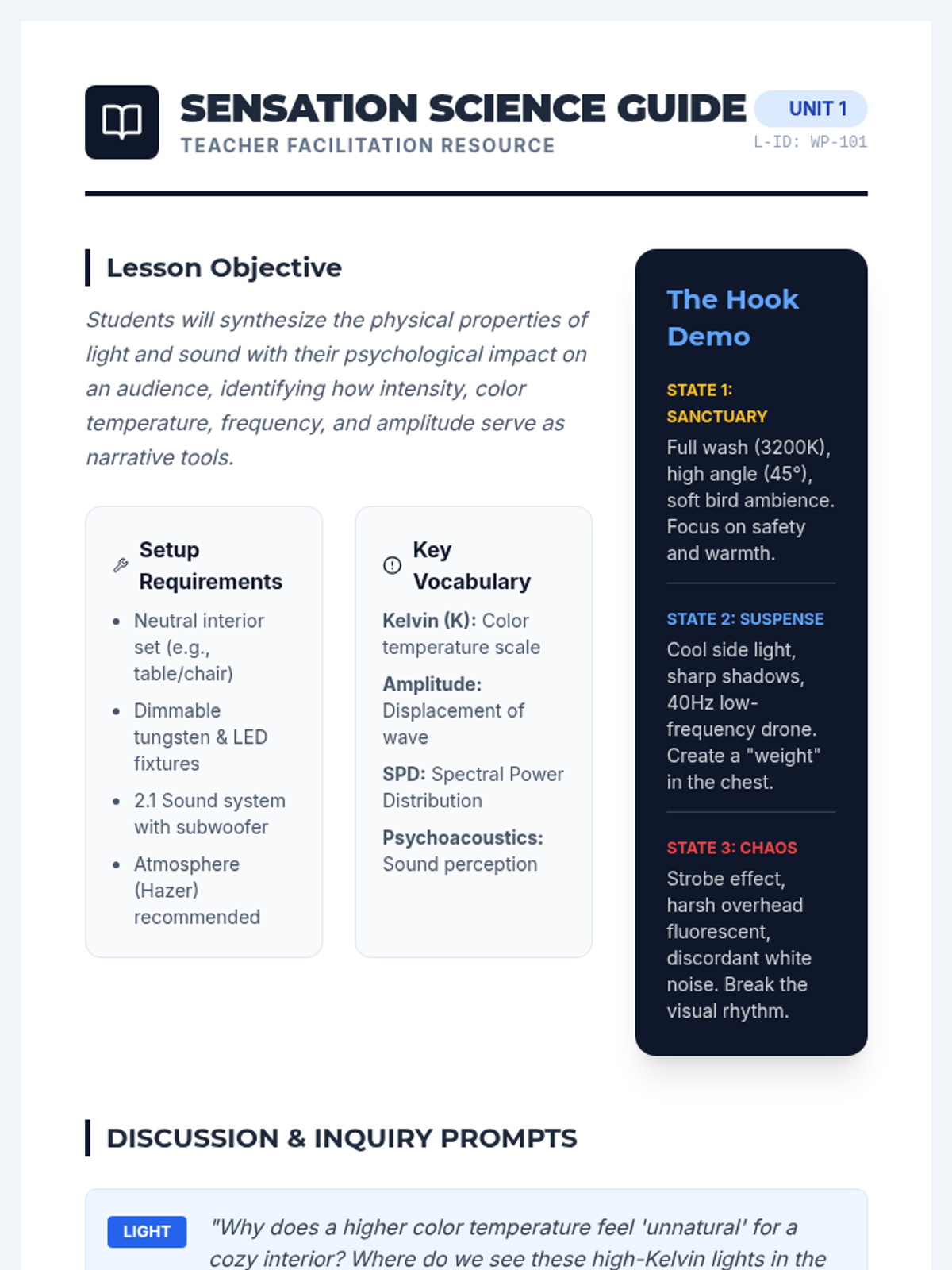
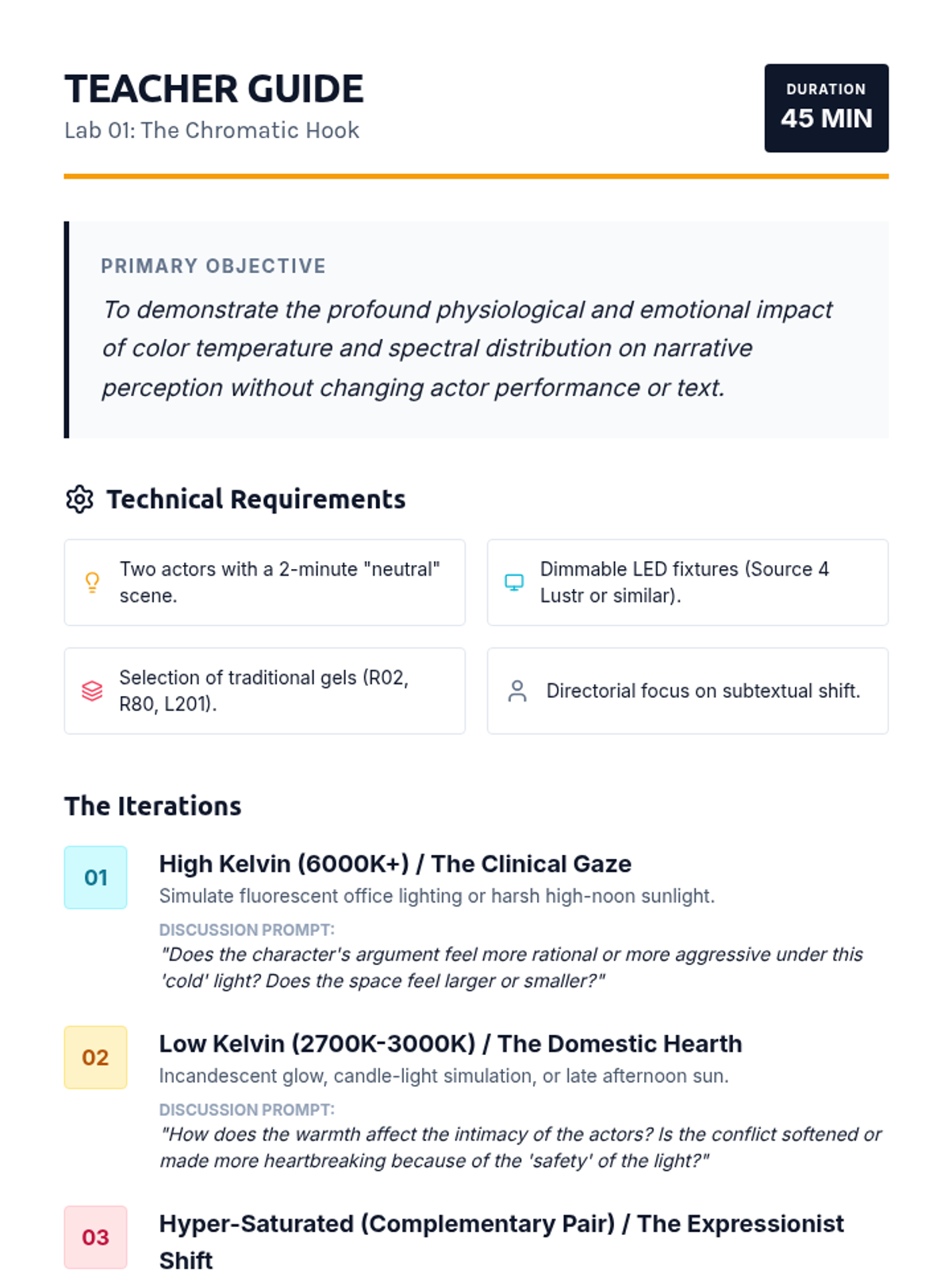
An advanced technical theater sequence for graduate students exploring the intersection of light physics, human perception, and visual storytelling. Students move from the biological mechanics of the eye to high-level system integration and dramaturgy.
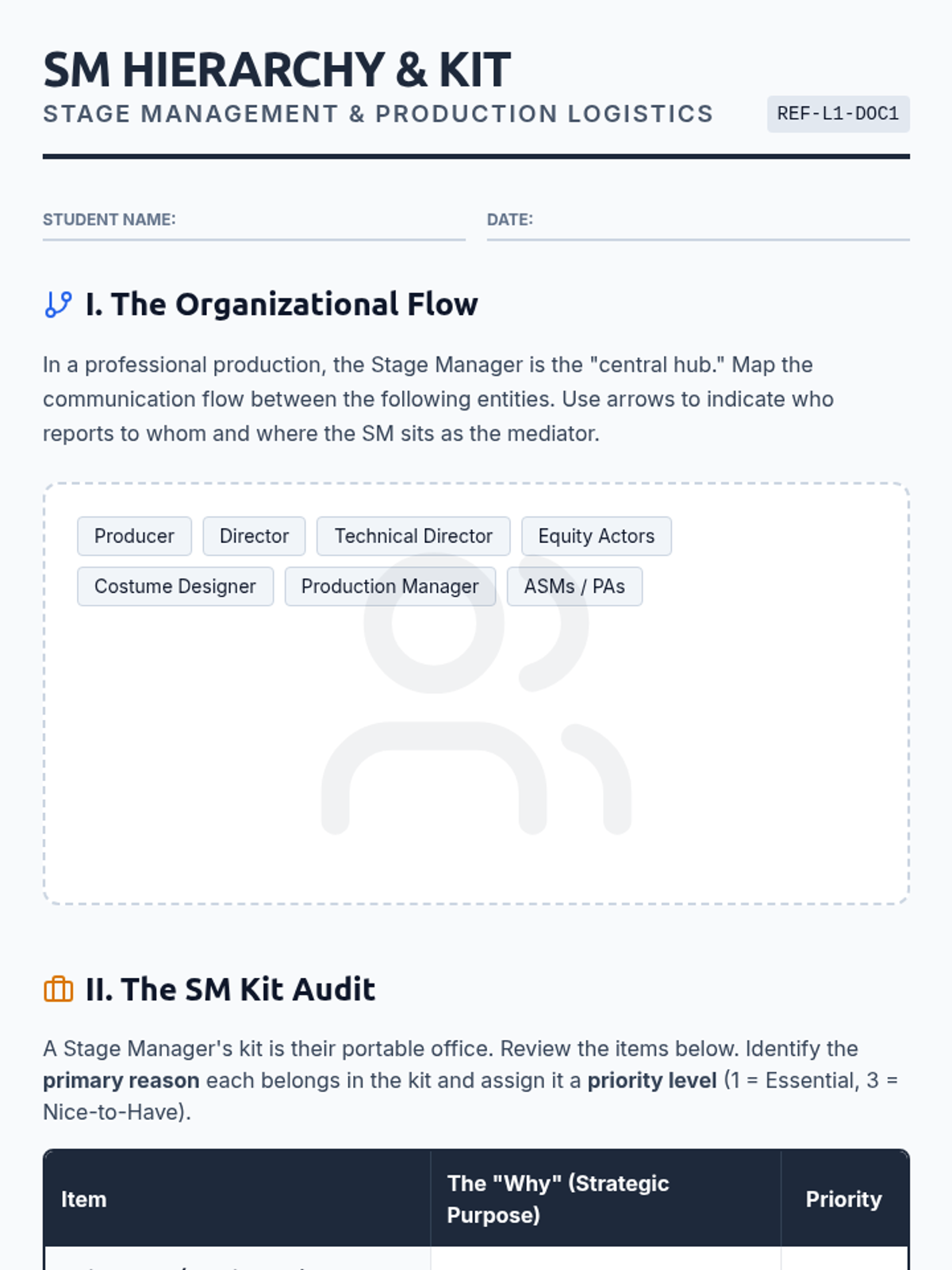
A comprehensive exploration of stage management for undergraduate students, covering organizational hierarchy, documentation, rehearsal management, and technical execution. Students transition from understanding the SM role to mastery of the prompt book and cue calling.
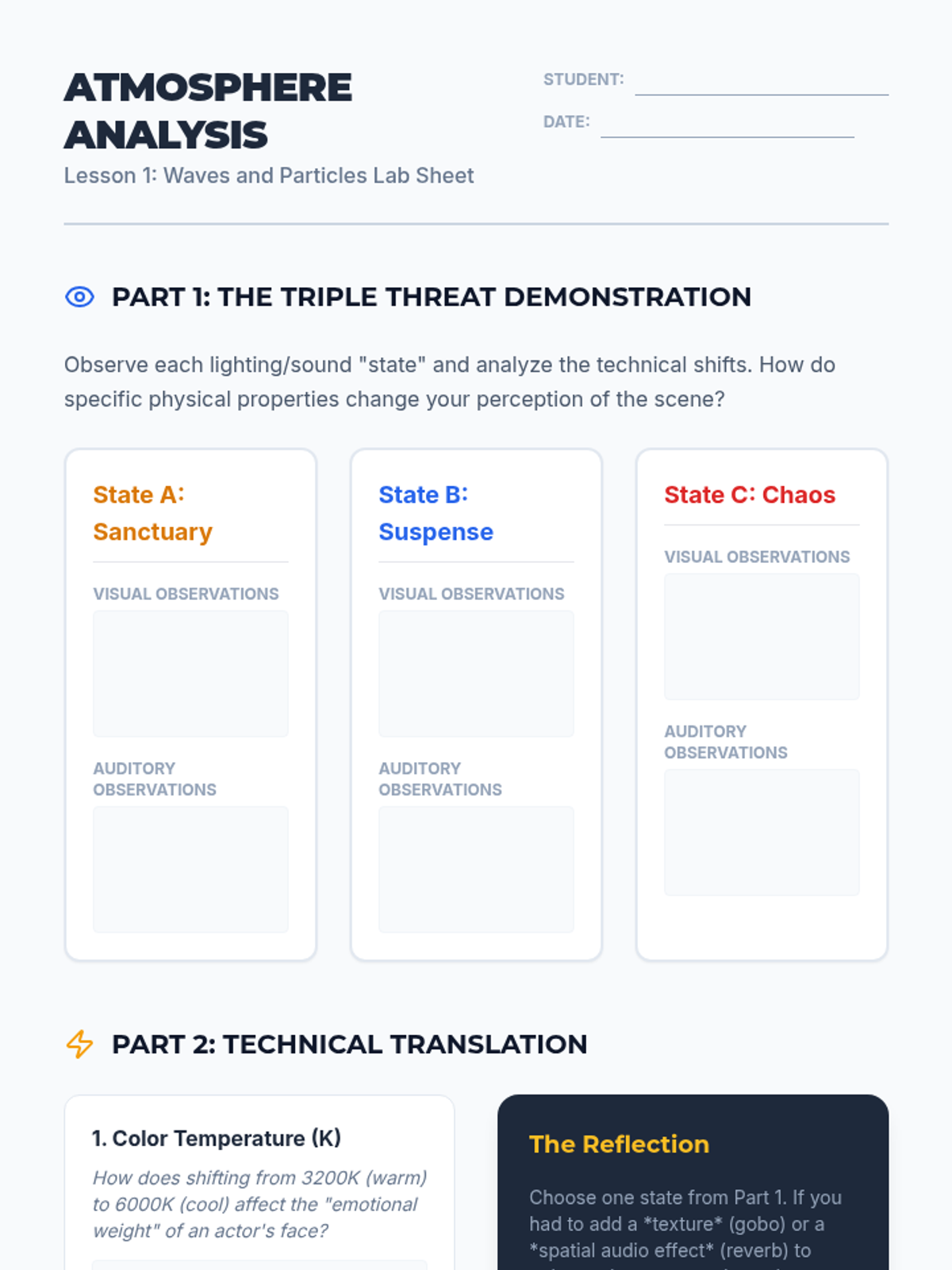
An undergraduate-level introduction to the technical systems of theater, focusing on the physics, hardware, and creative implementation of lighting and sound design. Students progress from fundamental science to professional drafting and real-time cue execution.
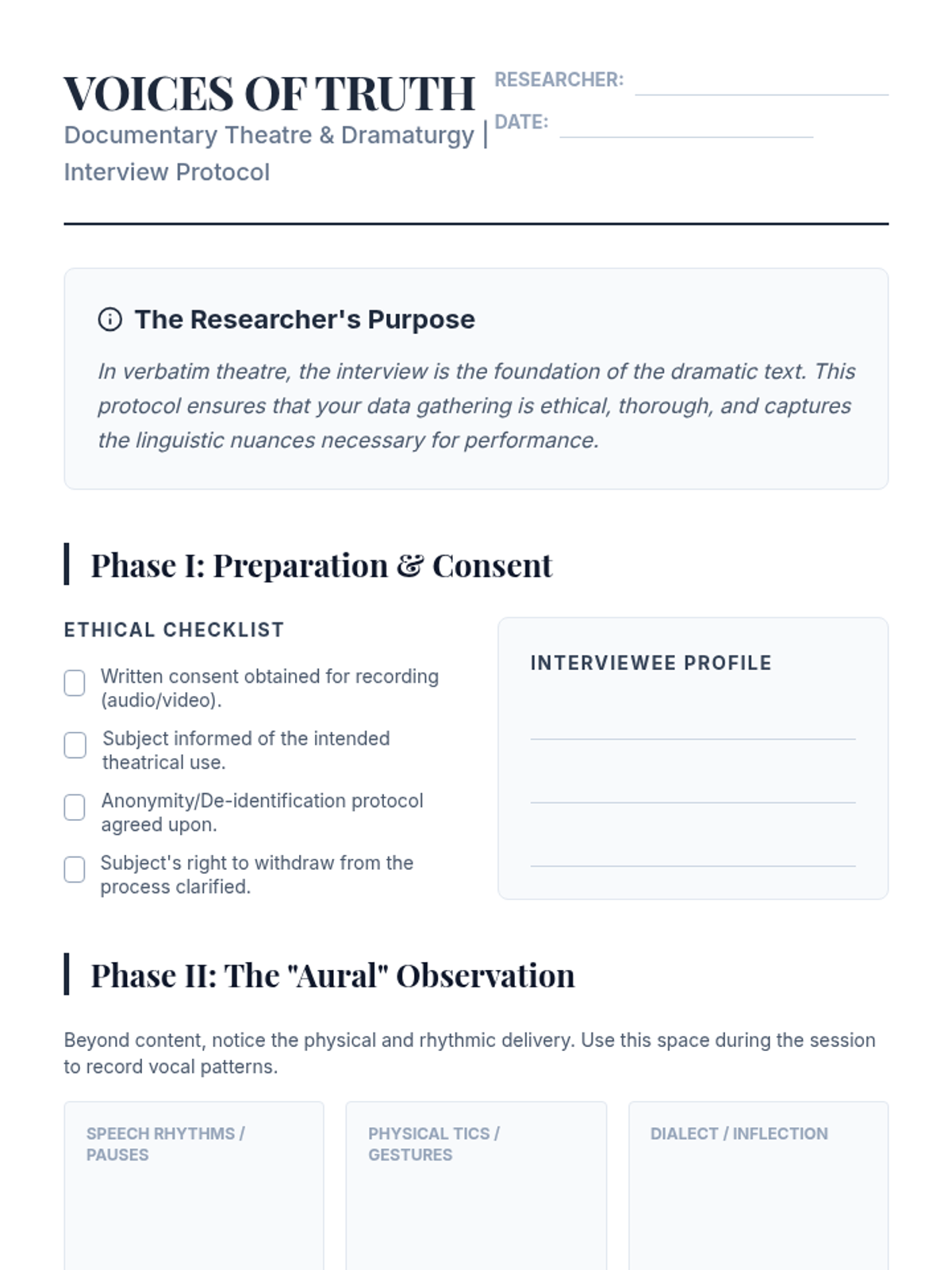
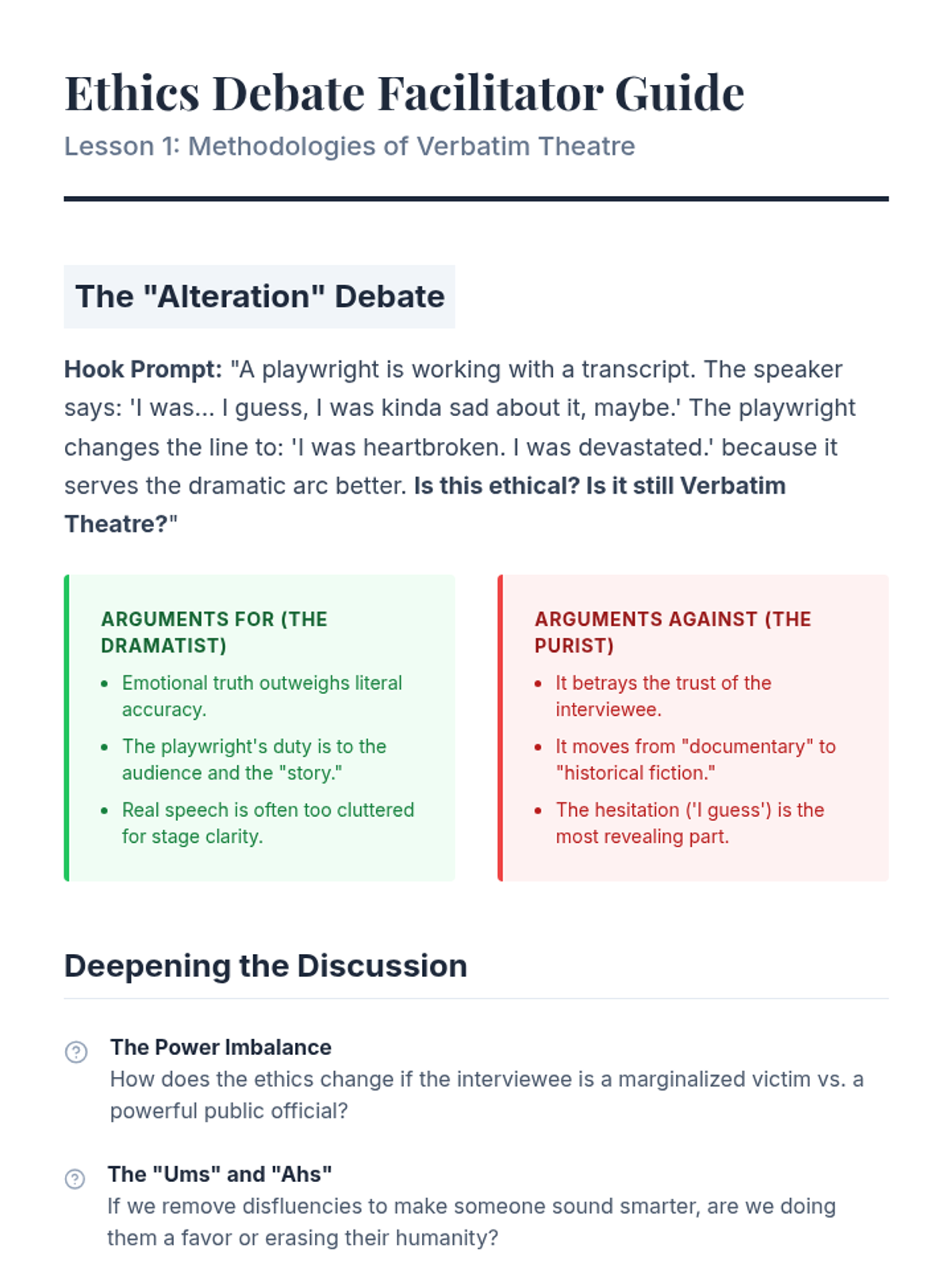
A comprehensive graduate-level exploration of Documentary and Verbatim Theatre, covering ethical research, archival mining, speech editing, character synthesis, and theatrical staging. Students transition from researchers to dramatists, producing original documentary works based on real-world testimony and historical records.
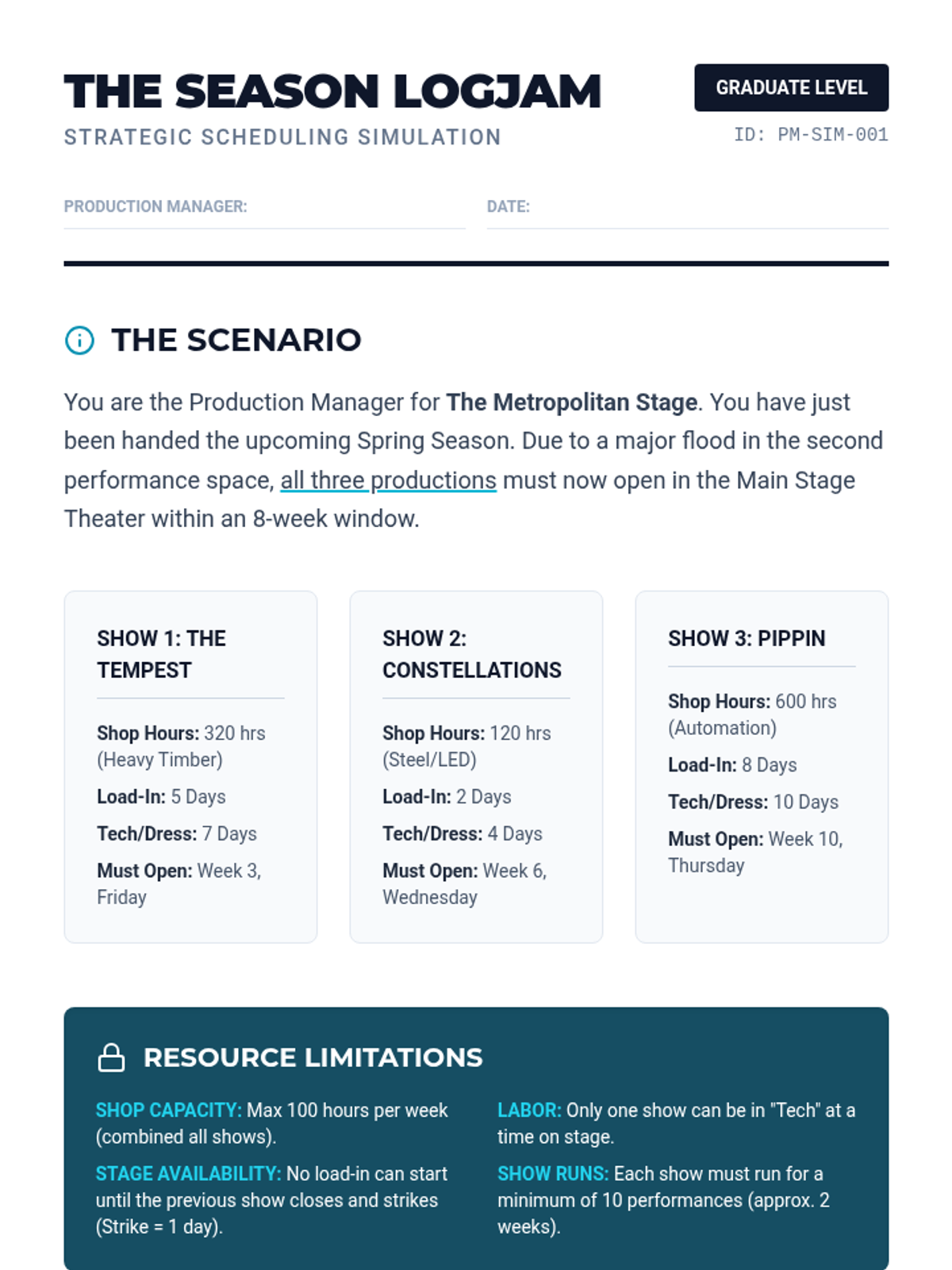
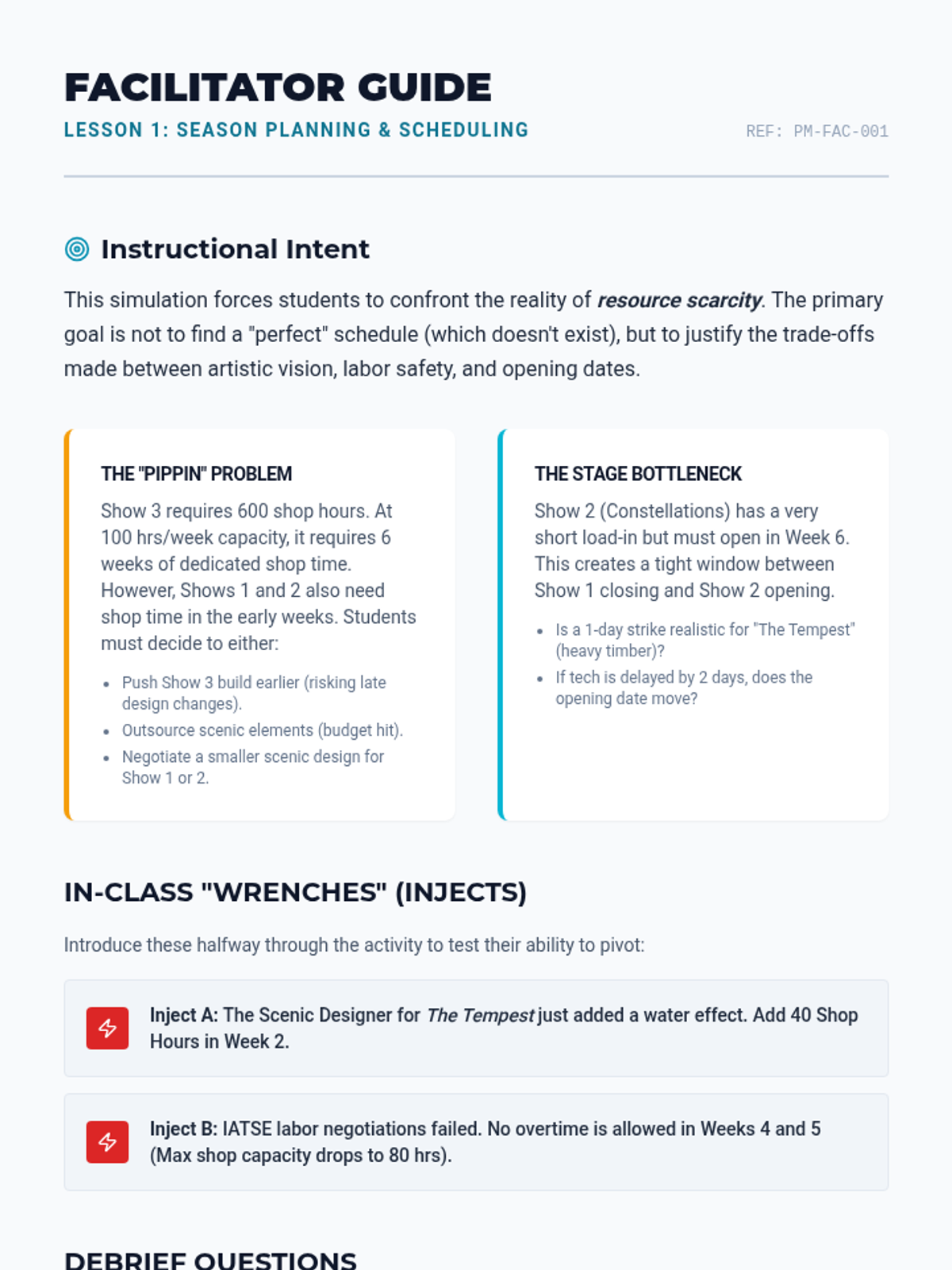
A graduate-level exploration of the macro-level logistics of theatrical production management, focusing on strategic planning, financial oversight, human resources, and facility management to balance artistic vision with finite resources.
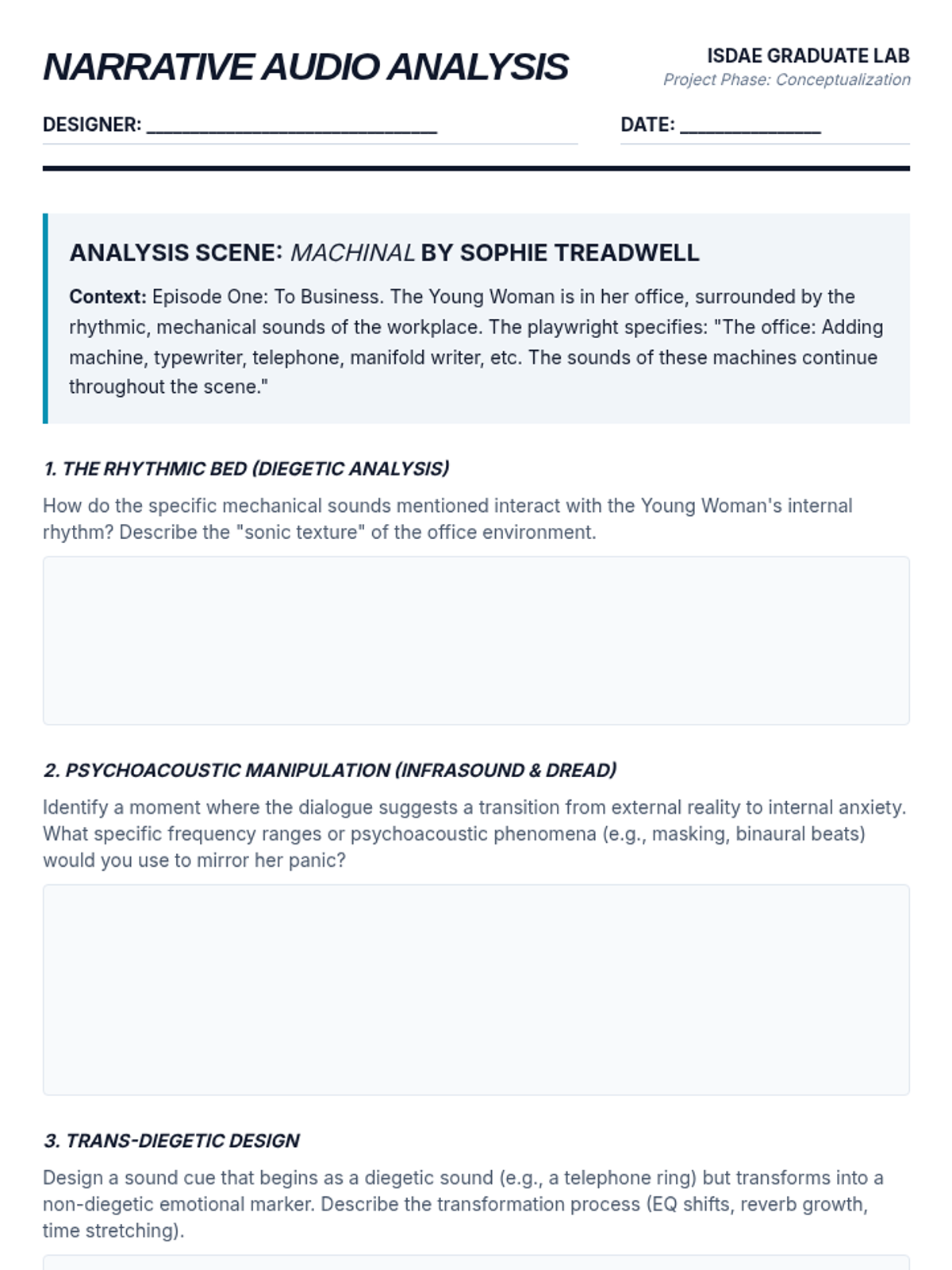
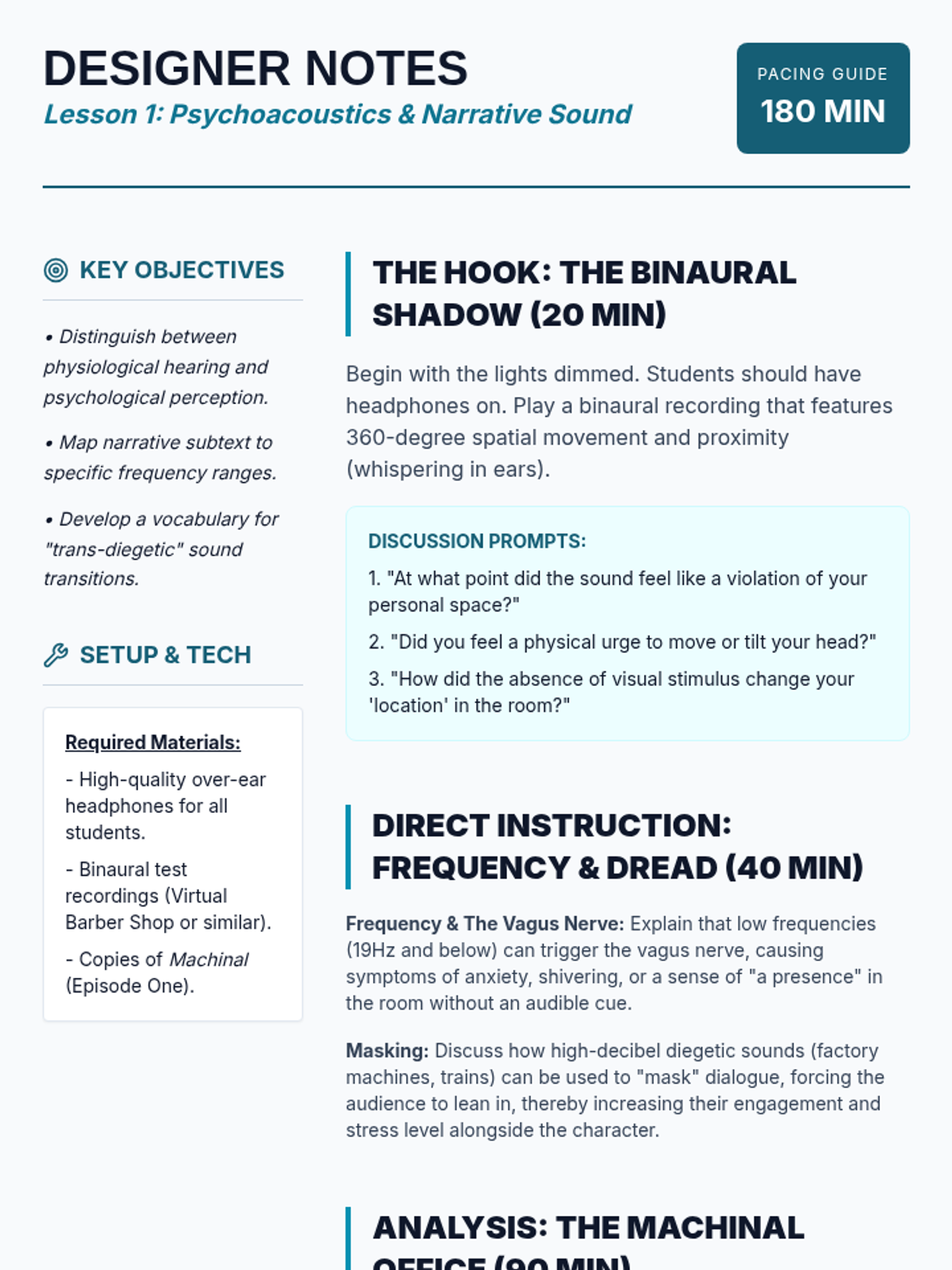
A graduate-level exploration of sound design as a primary narrative tool, covering psychoacoustics, technical system engineering, advanced show control with QLab, spatial audio mixing, and live reinforcement for musical theater.
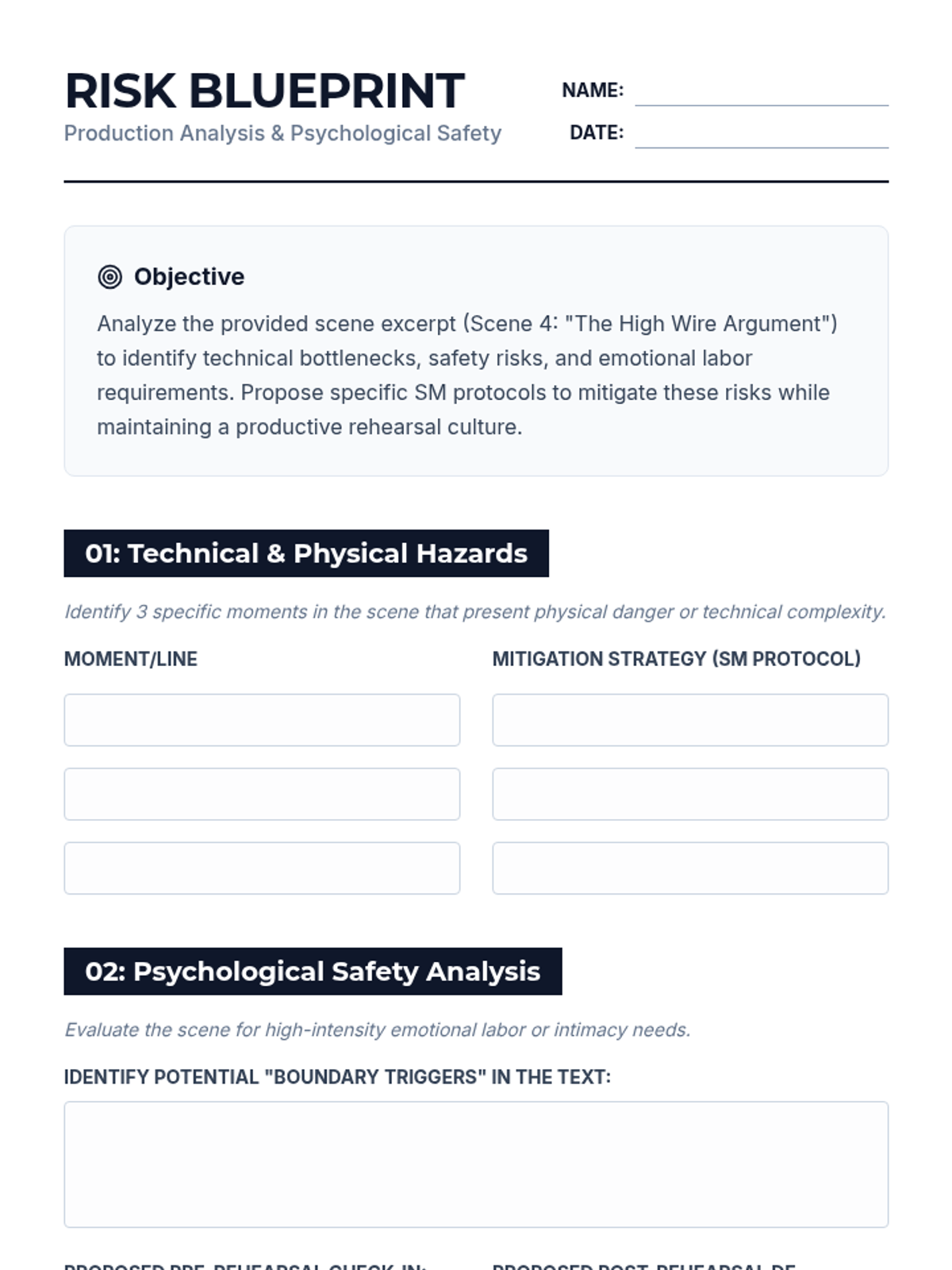
An advanced course for graduate students focusing on the intersection of leadership, psychology, and complex logistics in professional theater production. Students master the art of stage management from script analysis to long-run performance maintenance.
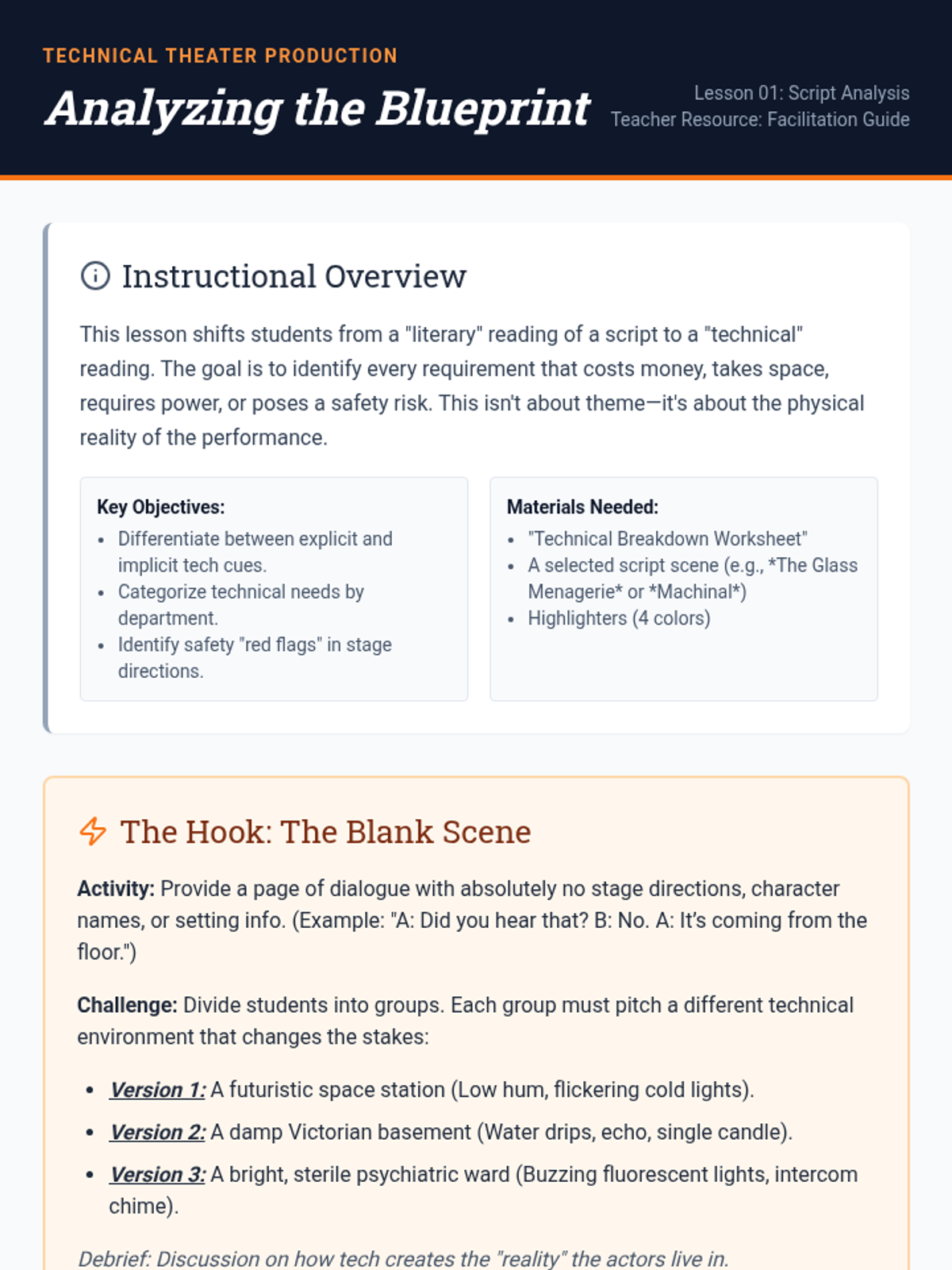
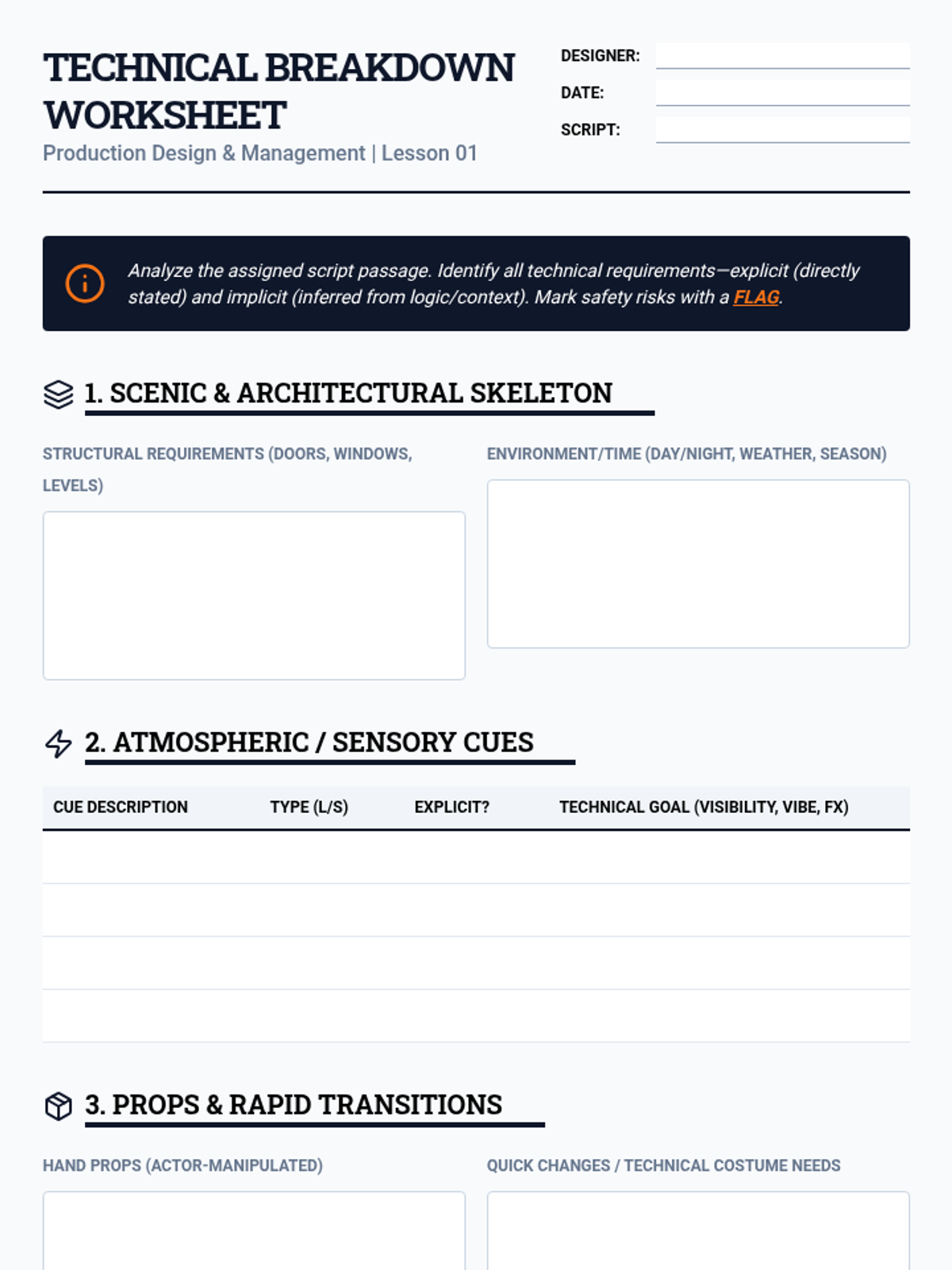
An advanced undergraduate sequence exploring the intersection of artistic vision and technical execution in theater. Students move from script analysis to technical design (lighting, sound, scenery) and professional stage management, culminating in a simulated 'paper tech' to test the feasibility and safety of their integrated production plans.
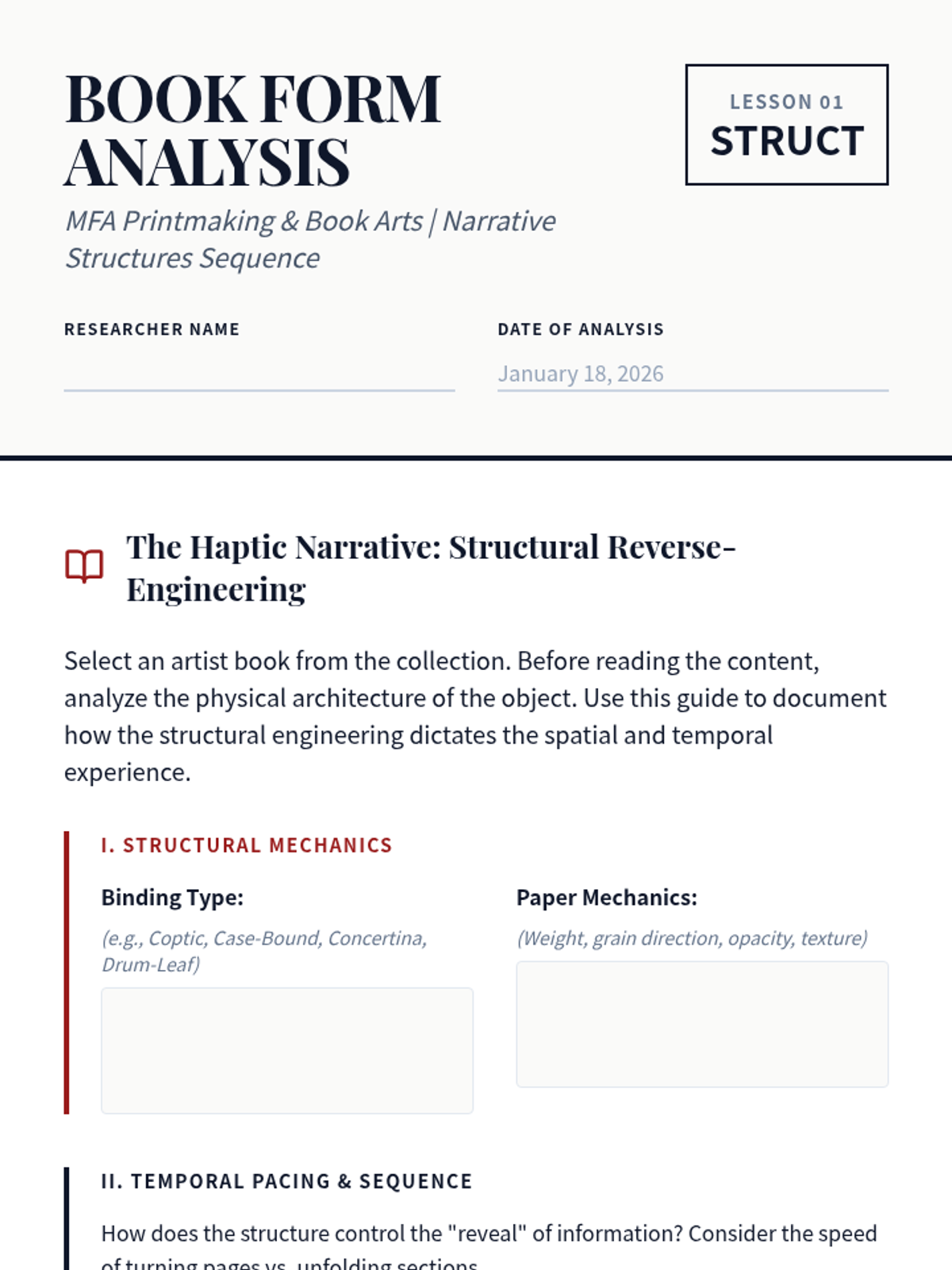
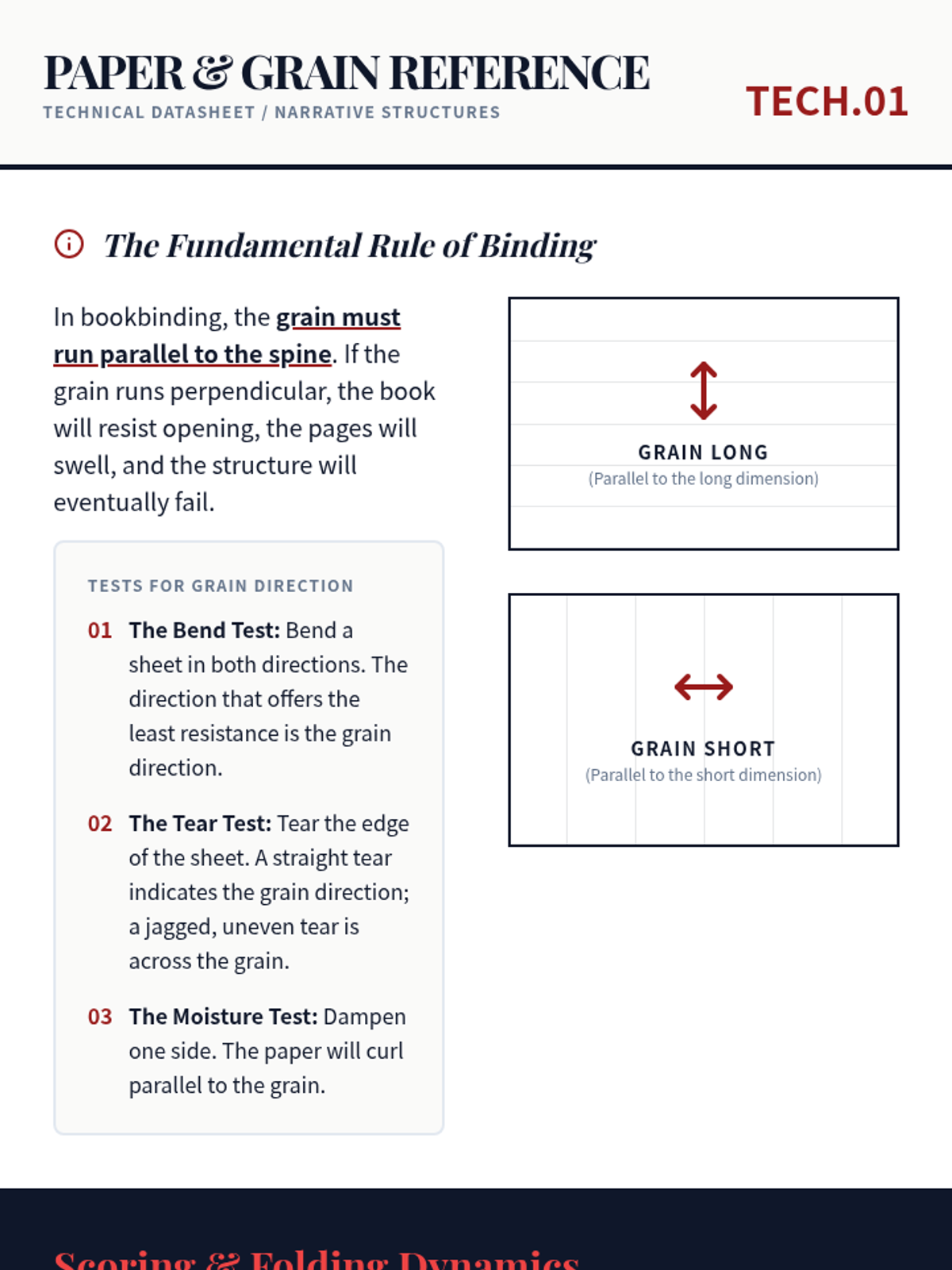
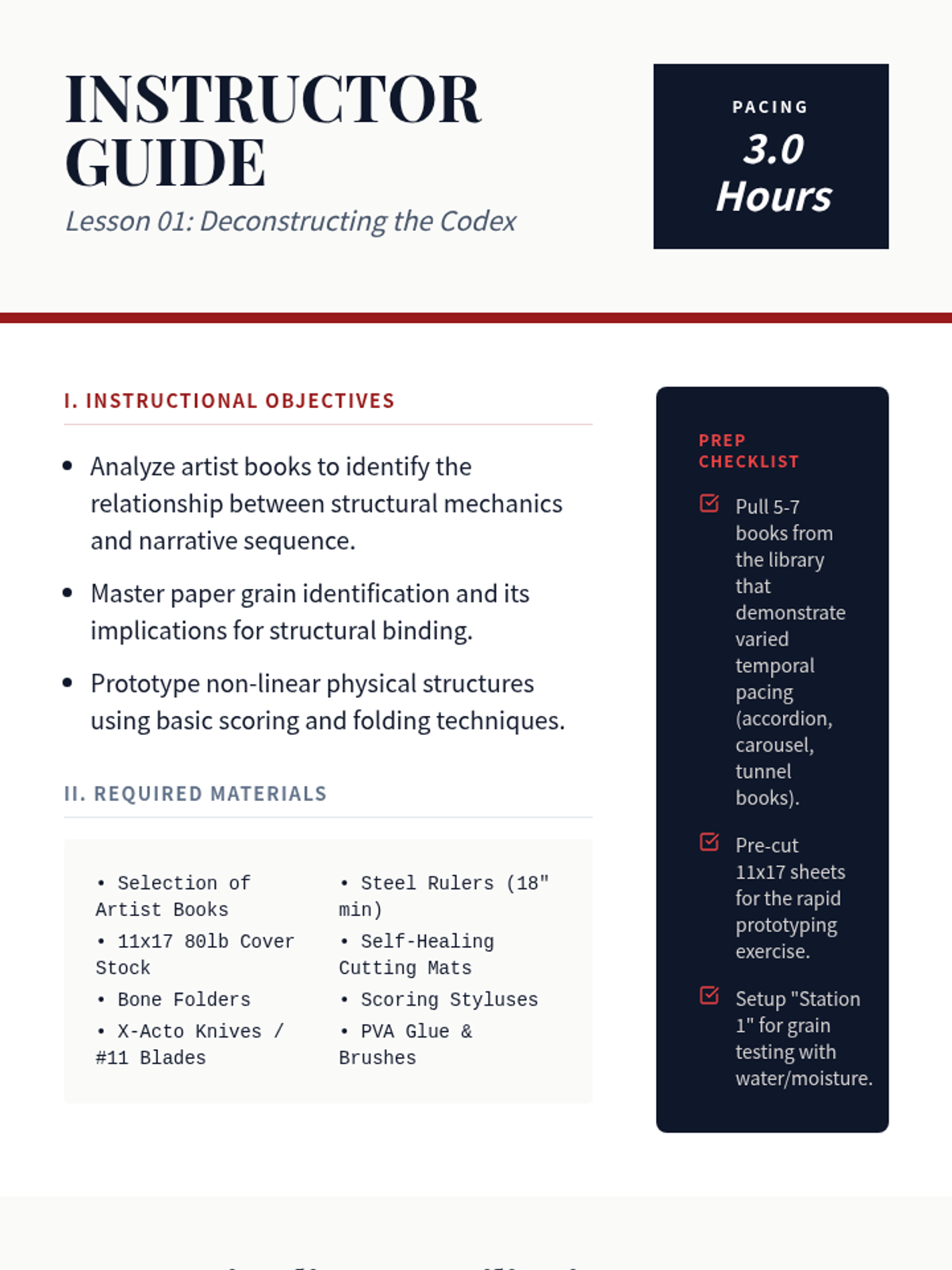
A graduate-level exploration of the artist book, integrating letterpress printing, relief graphics, and structural binding to investigate the relationship between physical form and narrative sequence.
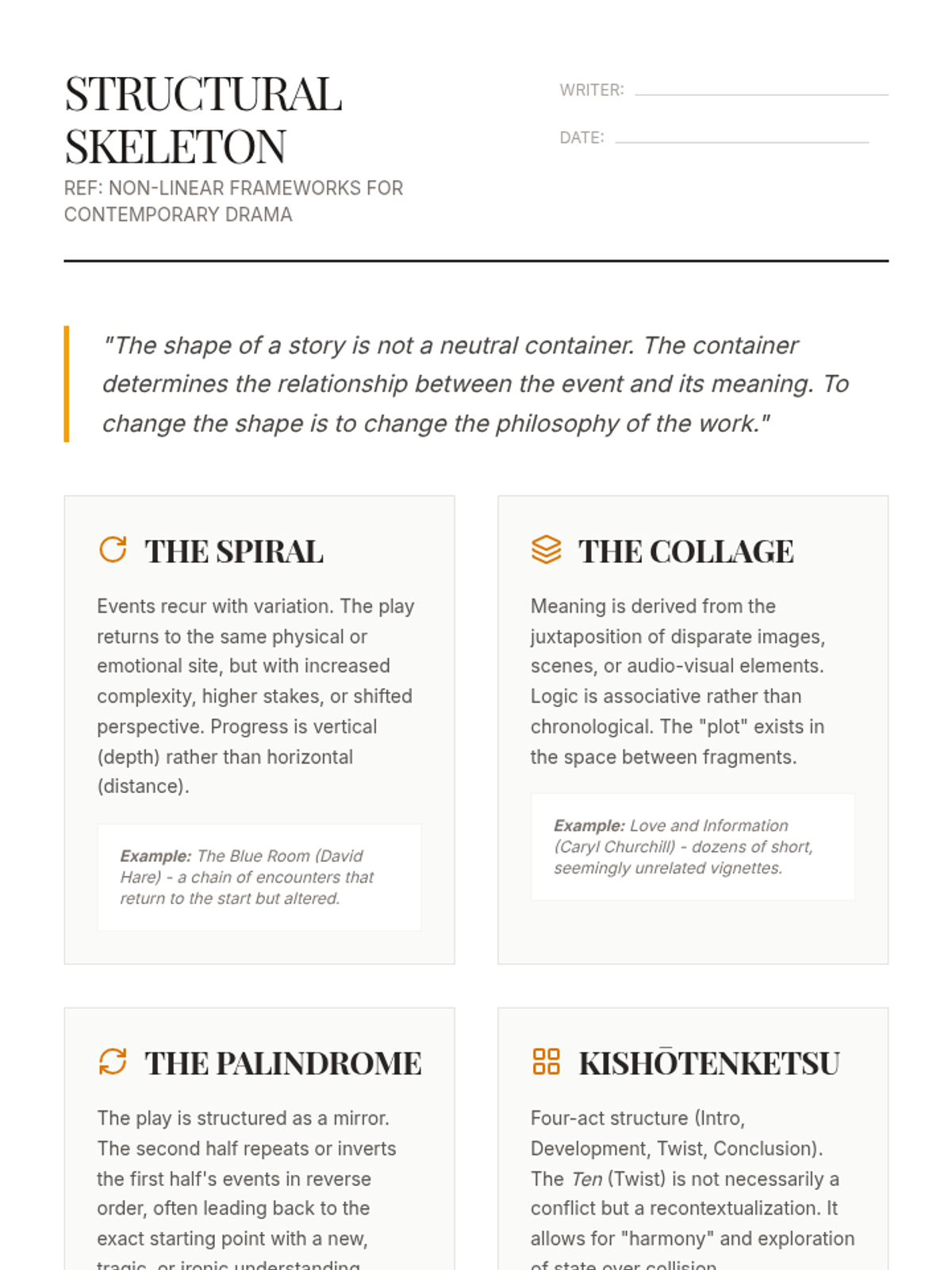
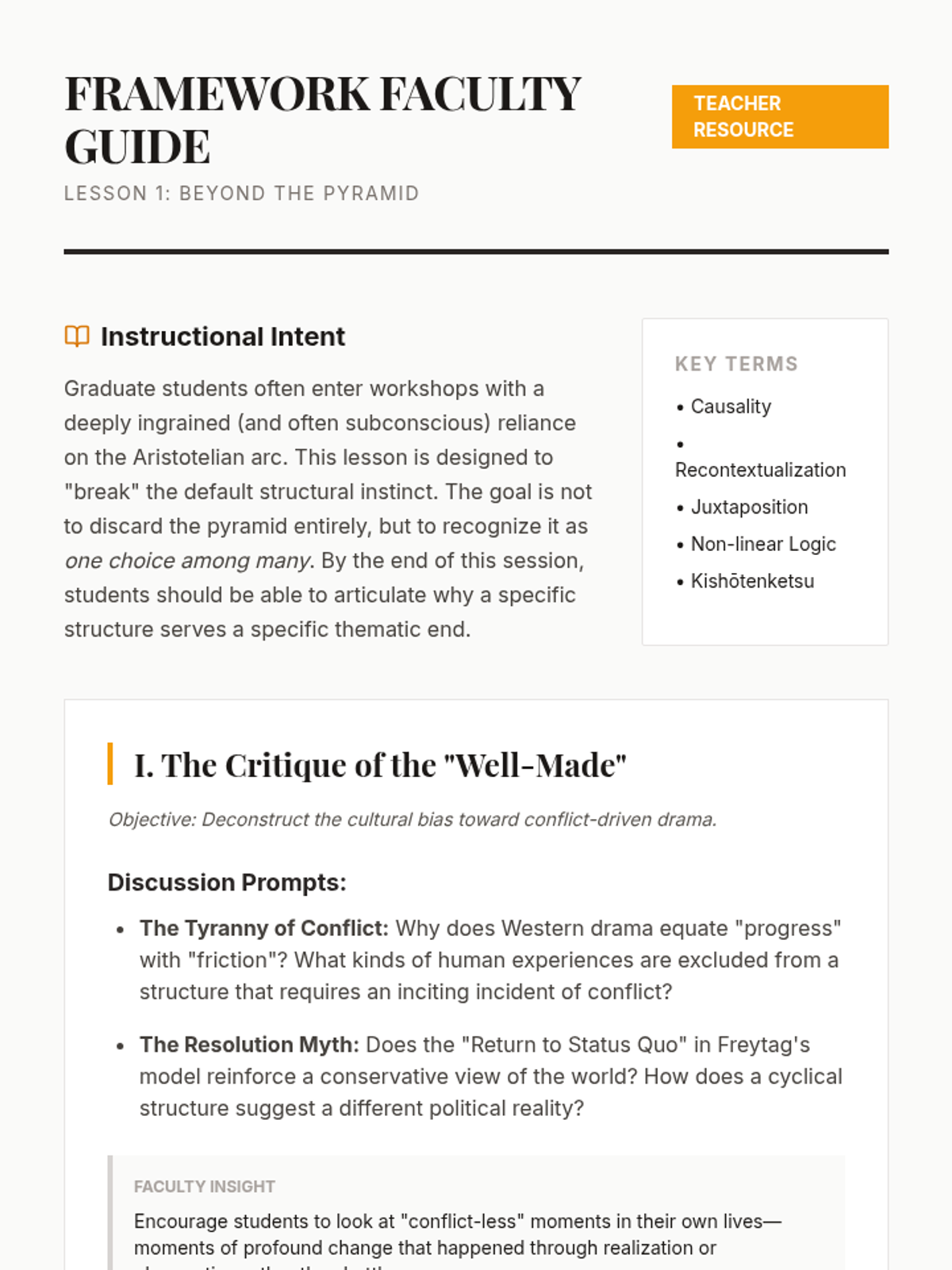
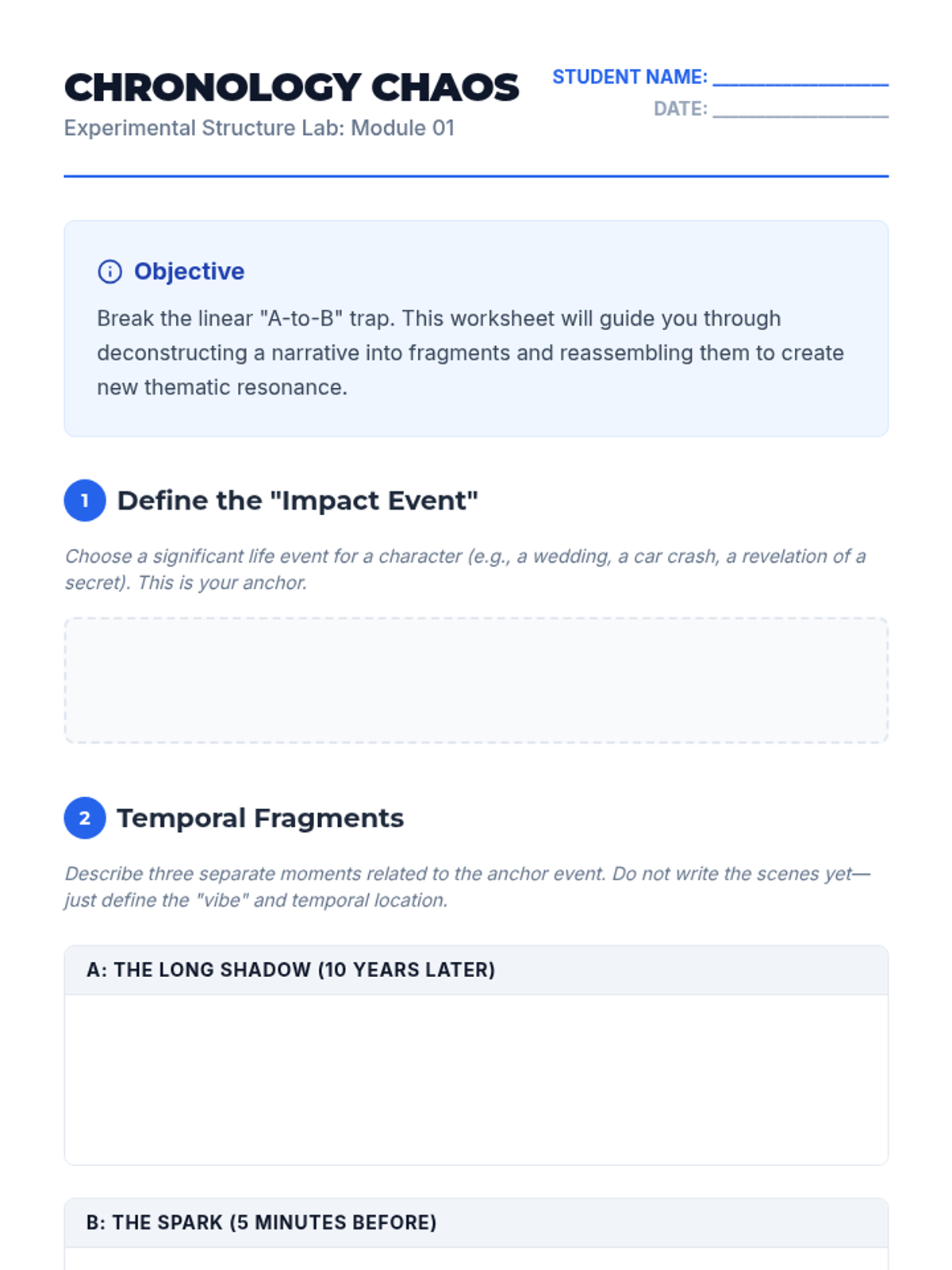
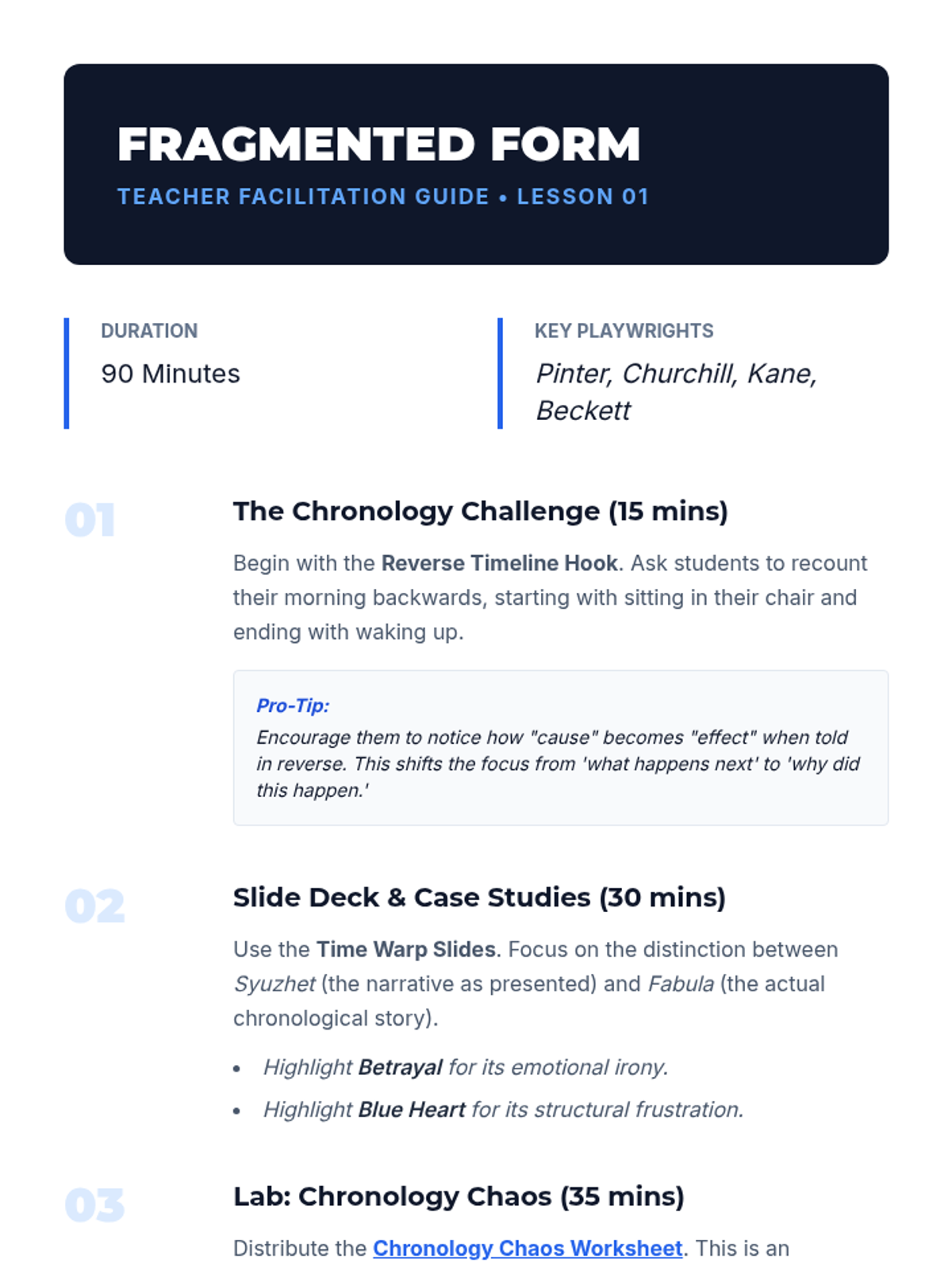
An advanced playwriting module for graduate students focusing on non-linear, fragmented, and experimental dramatic structures. Students interrogate traditional narrative shapes and develop a comprehensive structural blueprint for a full-length experimental work.
An advanced playwriting sequence for undergraduate students focusing on non-traditional structures, including non-linear time, verbatim theater, absurdism, meta-theatricality, and multimedia integration. Students will move from theoretical analysis of experimental playwrights to creating their own rule-breaking scripts.
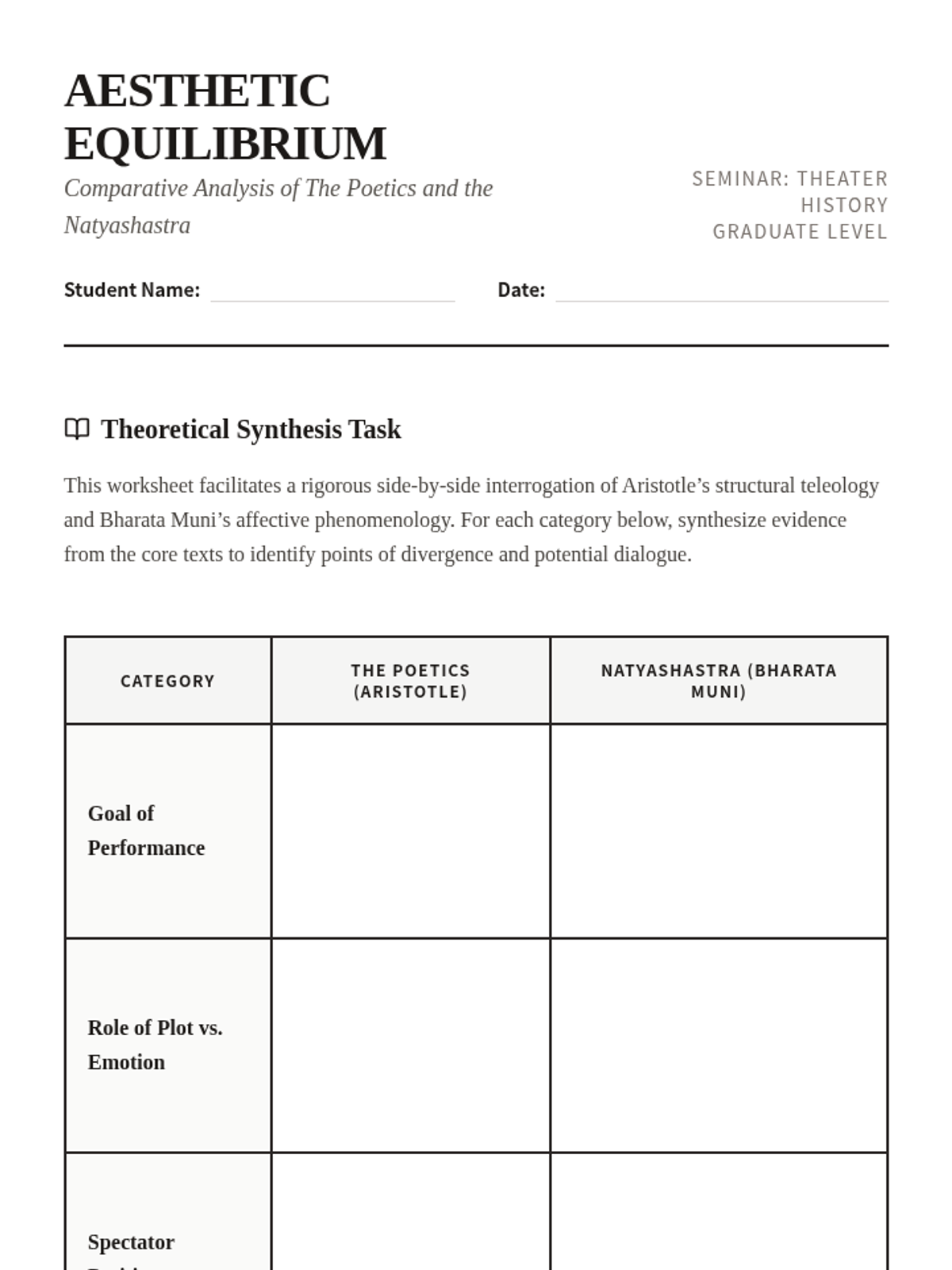
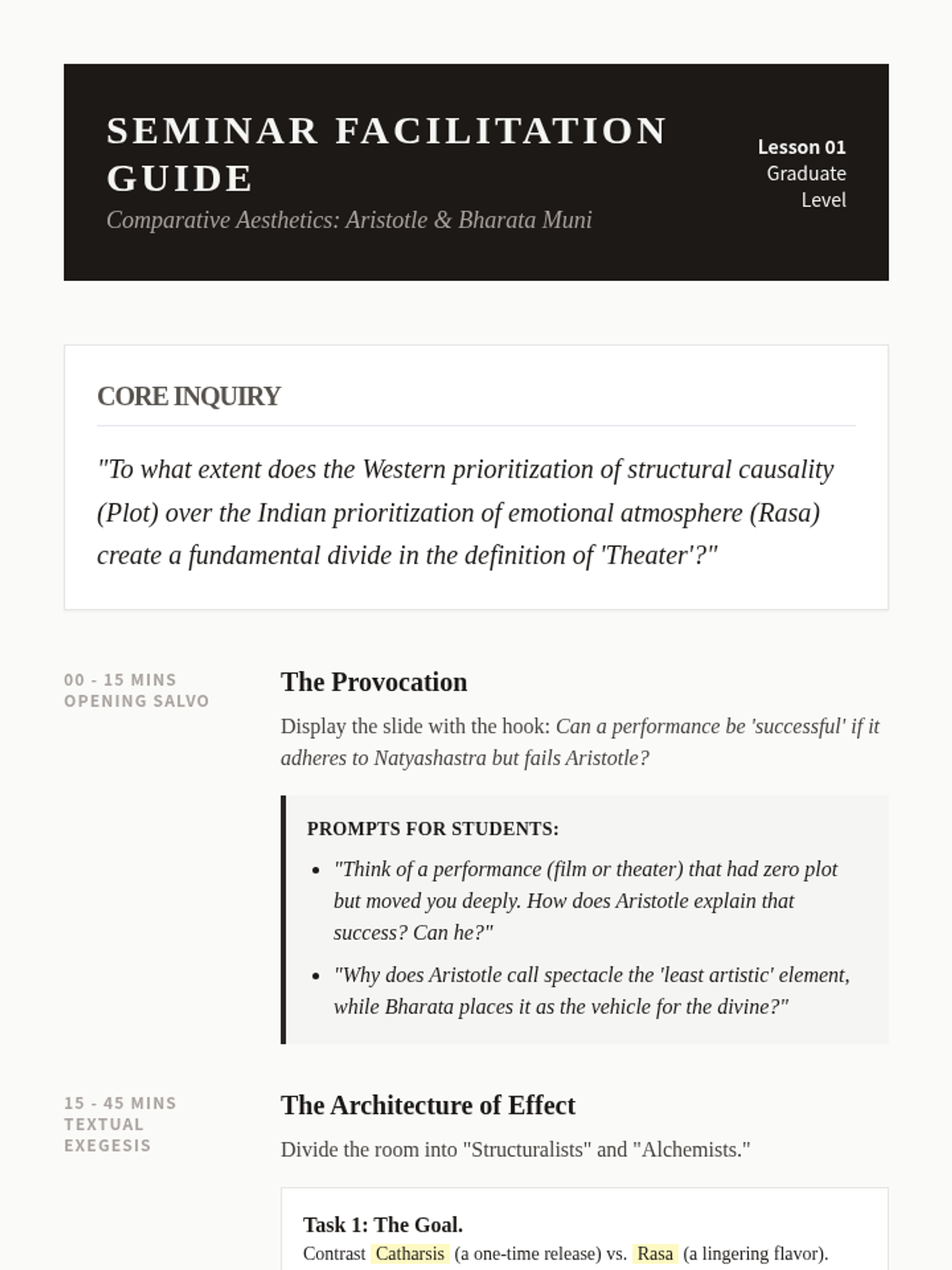
A graduate-level exploration of classical theater foundations across Western and non-Western traditions, focusing on comparative dramaturgy, performance space, and contemporary adaptation.
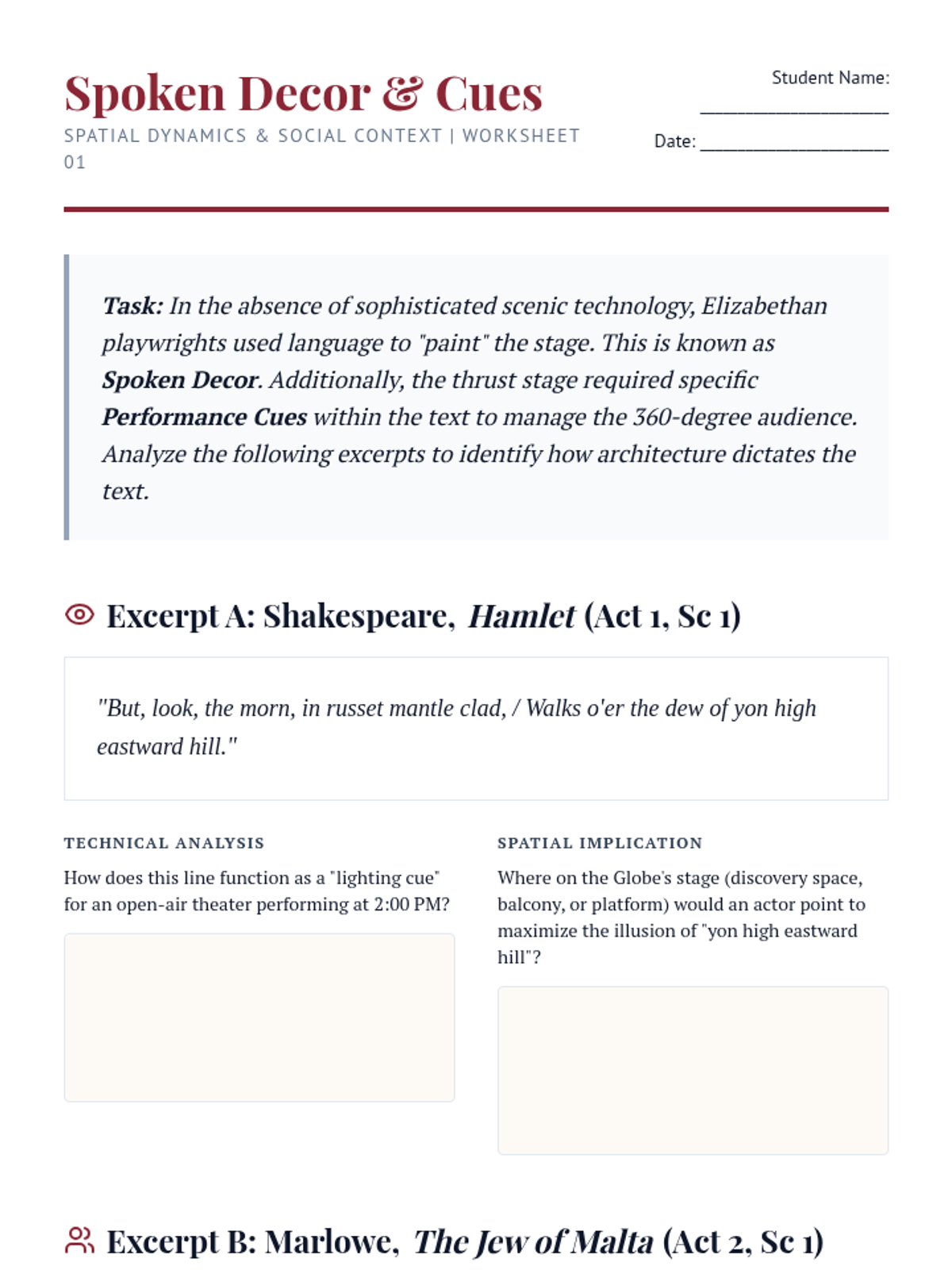
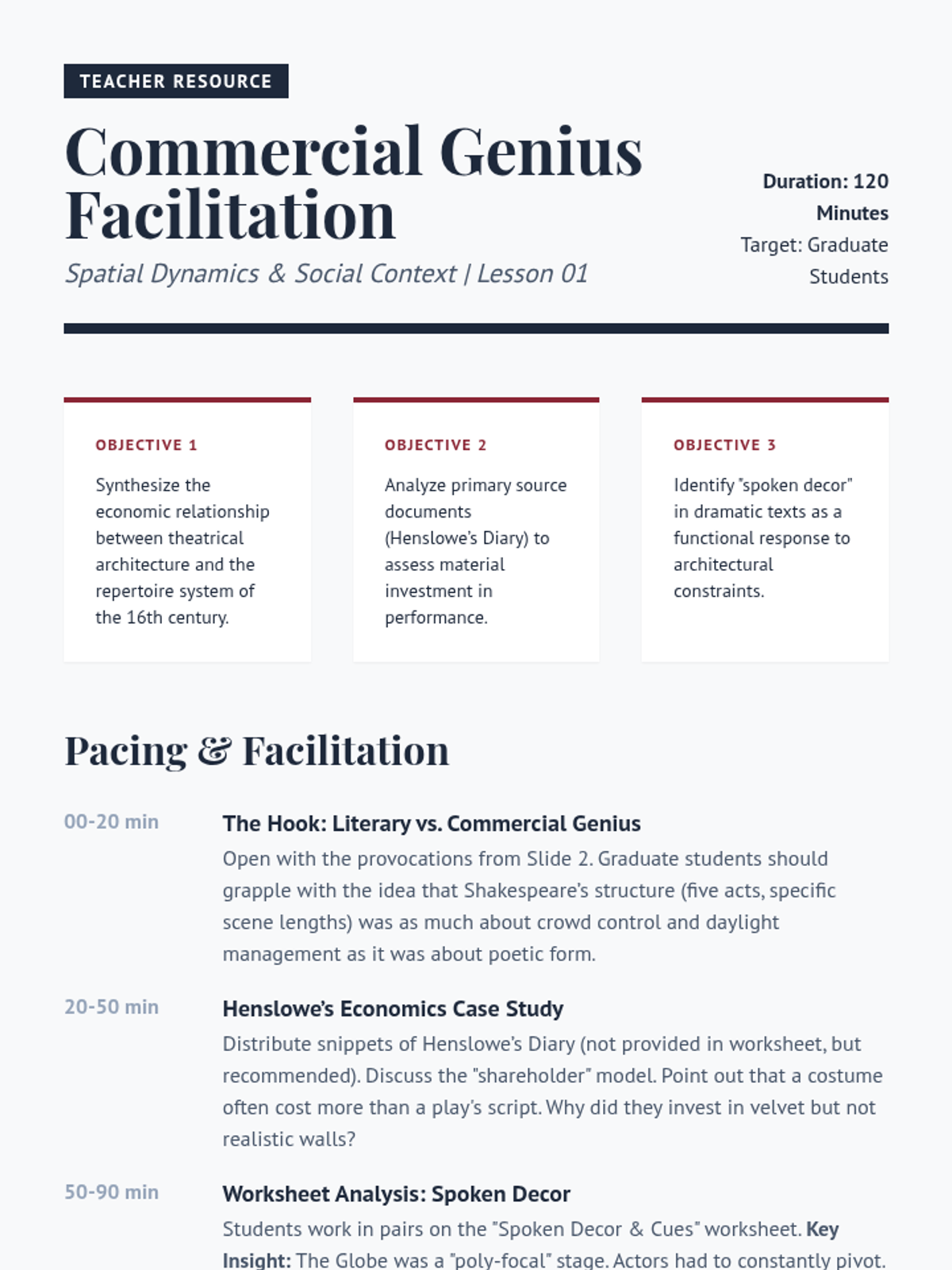
An advanced exploration of Early Modern theater history for graduate students, focusing on the intersection of architecture, economics, and social dynamics from the Renaissance to the 18th century.
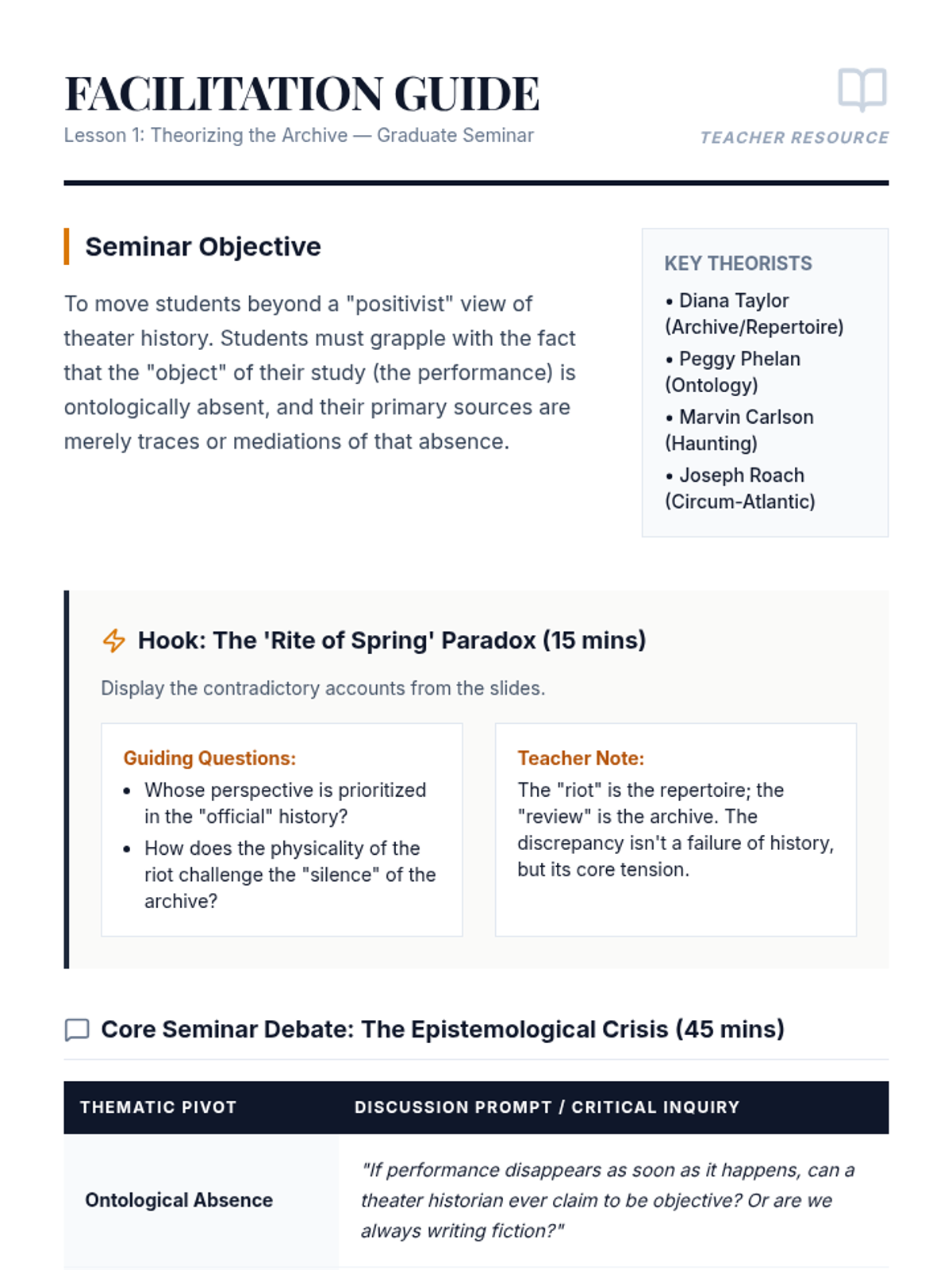
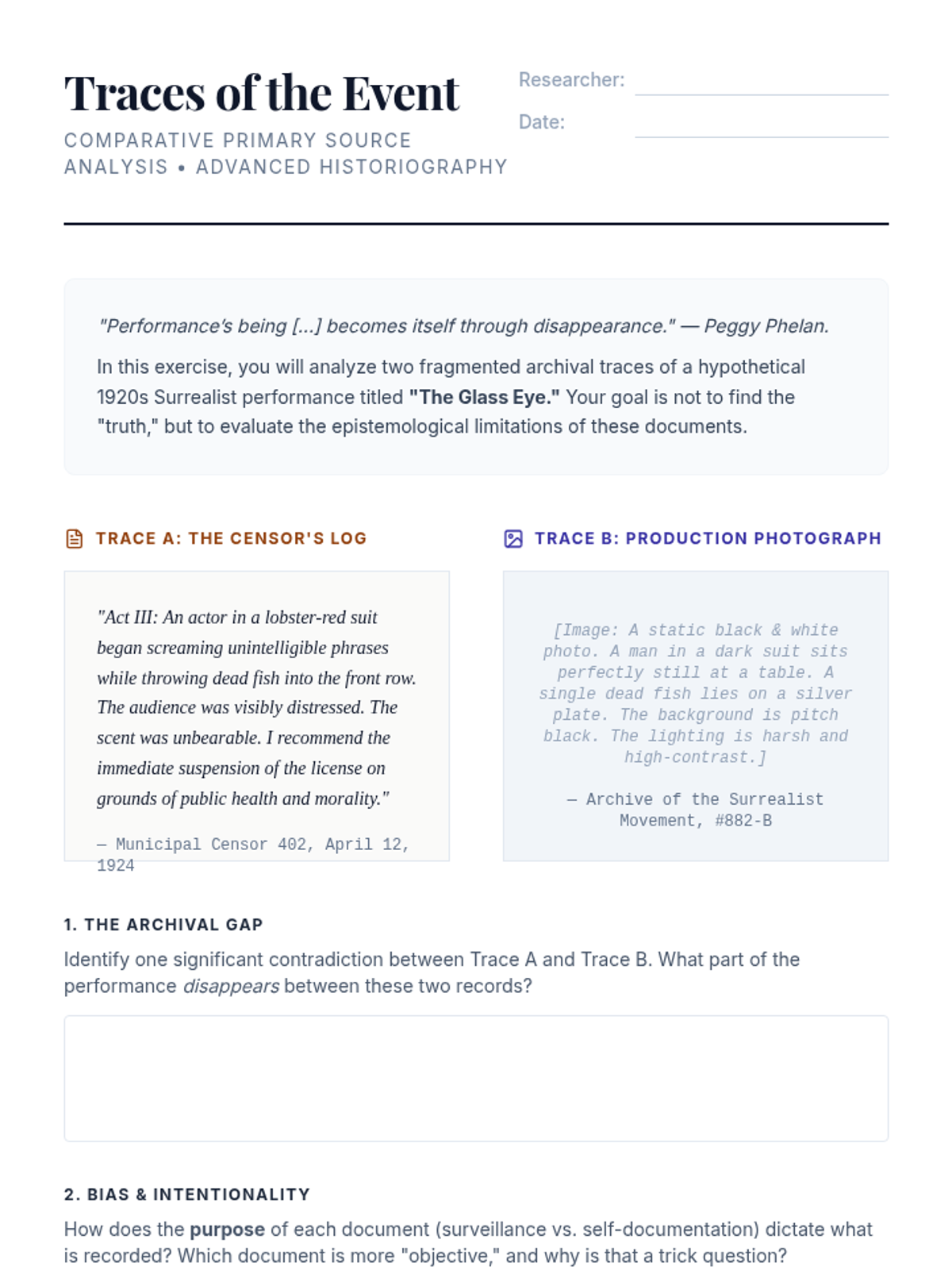
An advanced graduate seminar on the methodologies of theater historiography, focusing on the reconstruction of performance through archival evidence, material culture, and revisionist theoretical frameworks.
A comprehensive graduate-level course on the professional development of a new play, focusing on revision strategies, collaborative feedback, and industry-standard submission practices. Students transition from draft to a polished, professional-grade script and submission package.
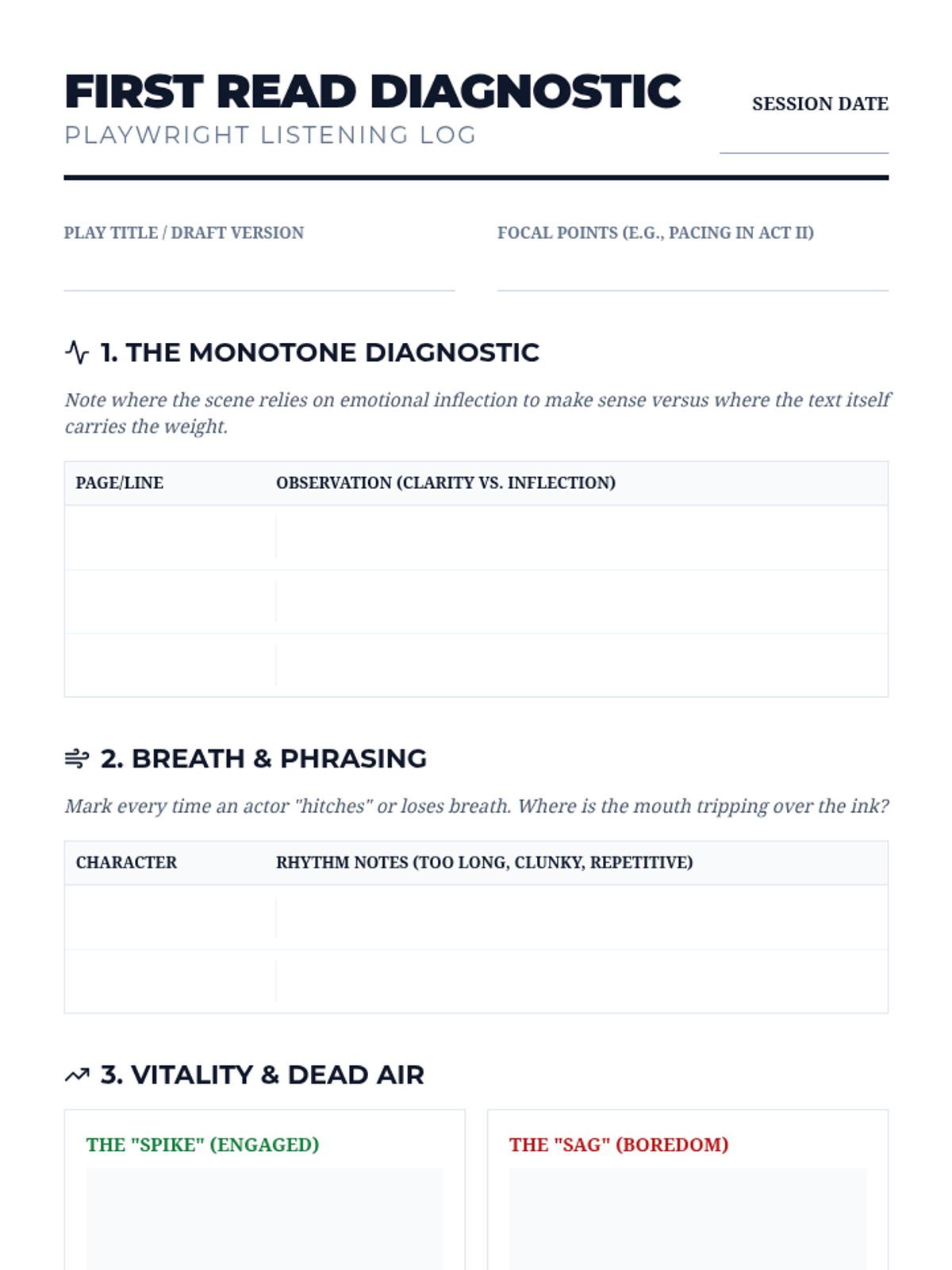
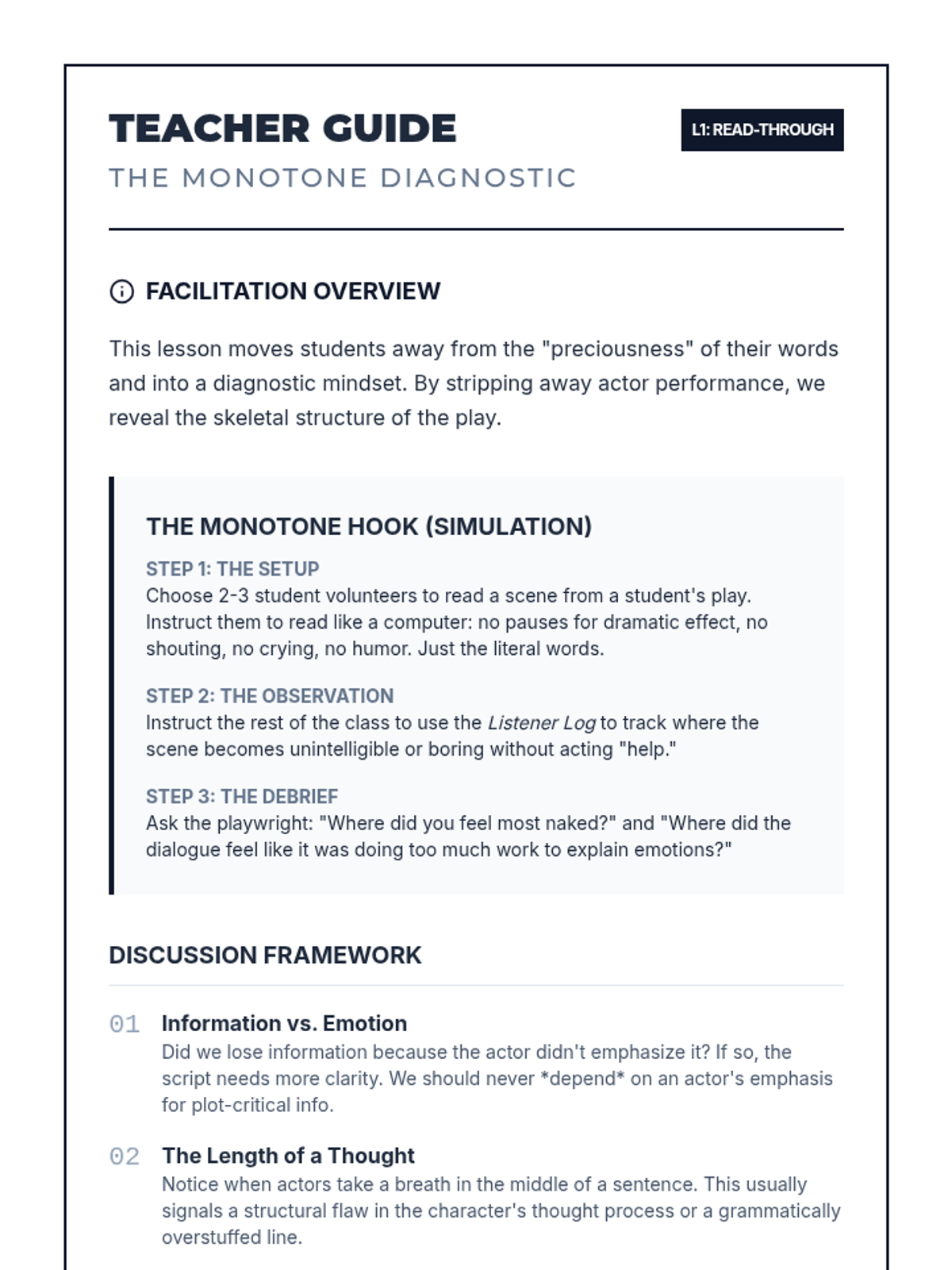
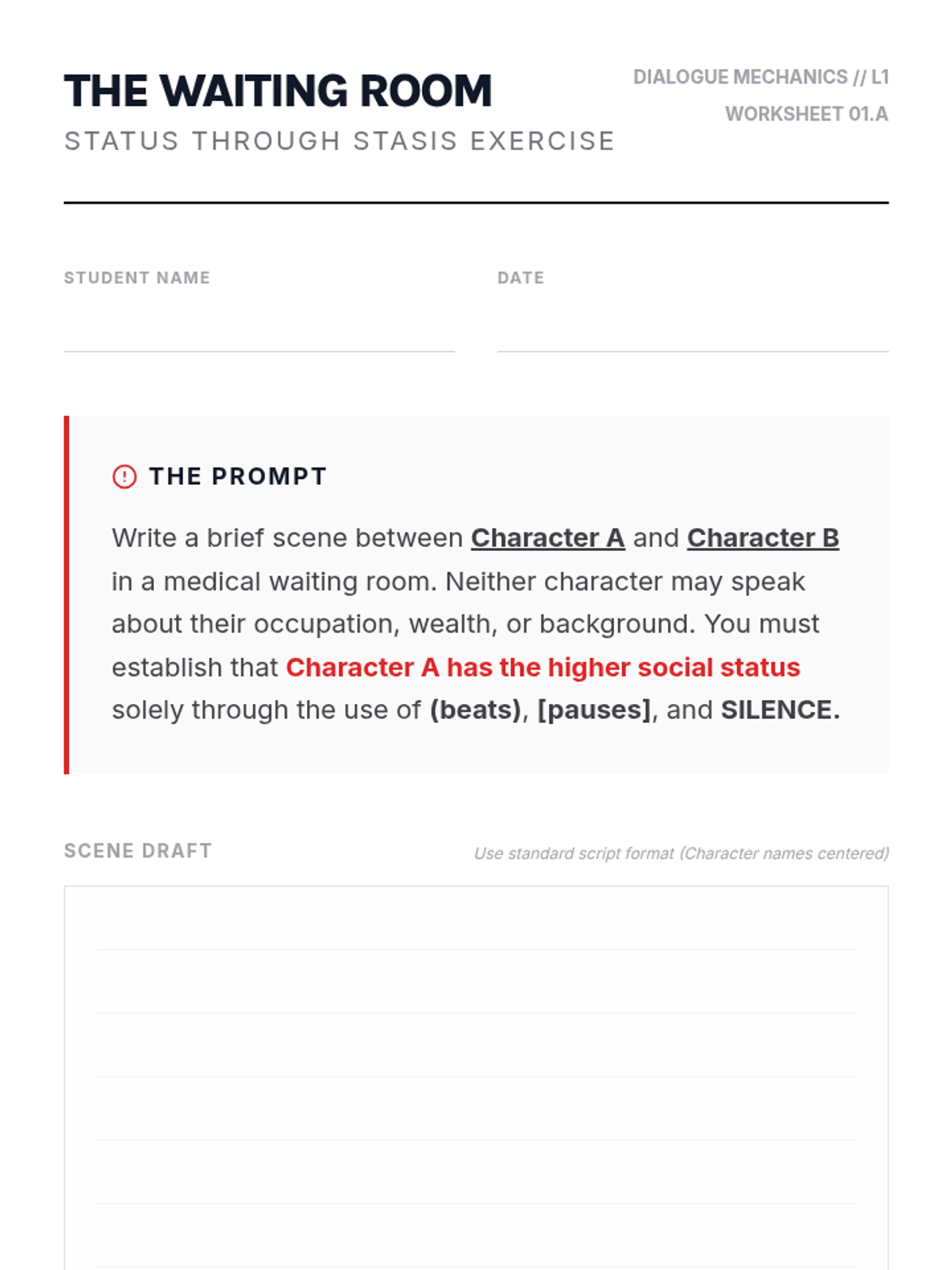
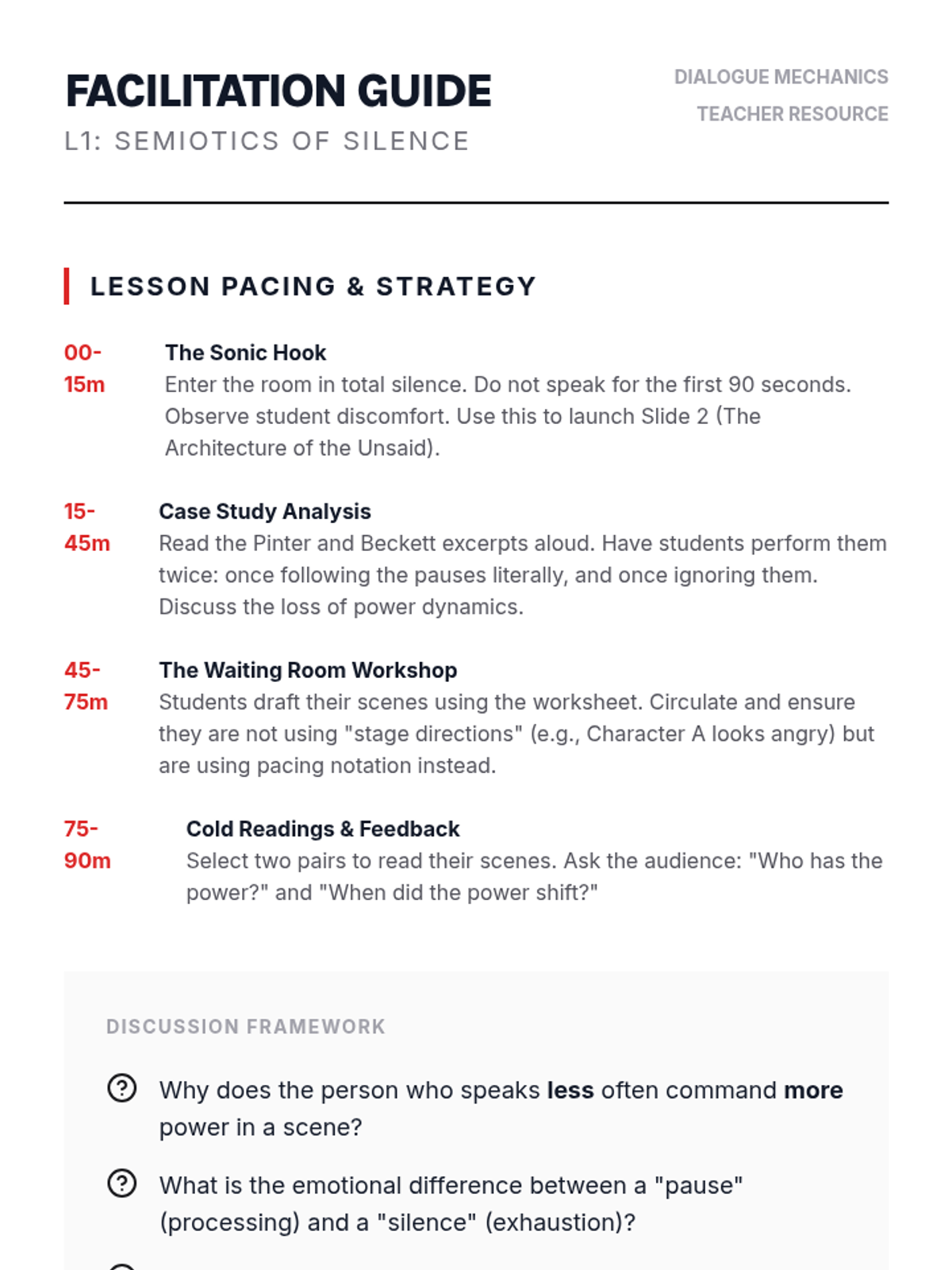
An advanced playwriting sequence for graduate students focusing on the technical mechanics of dialogue. It treats dramatic text as musical notation, exploring how rhythm, syntax, and silence construct power dynamics and atmosphere.
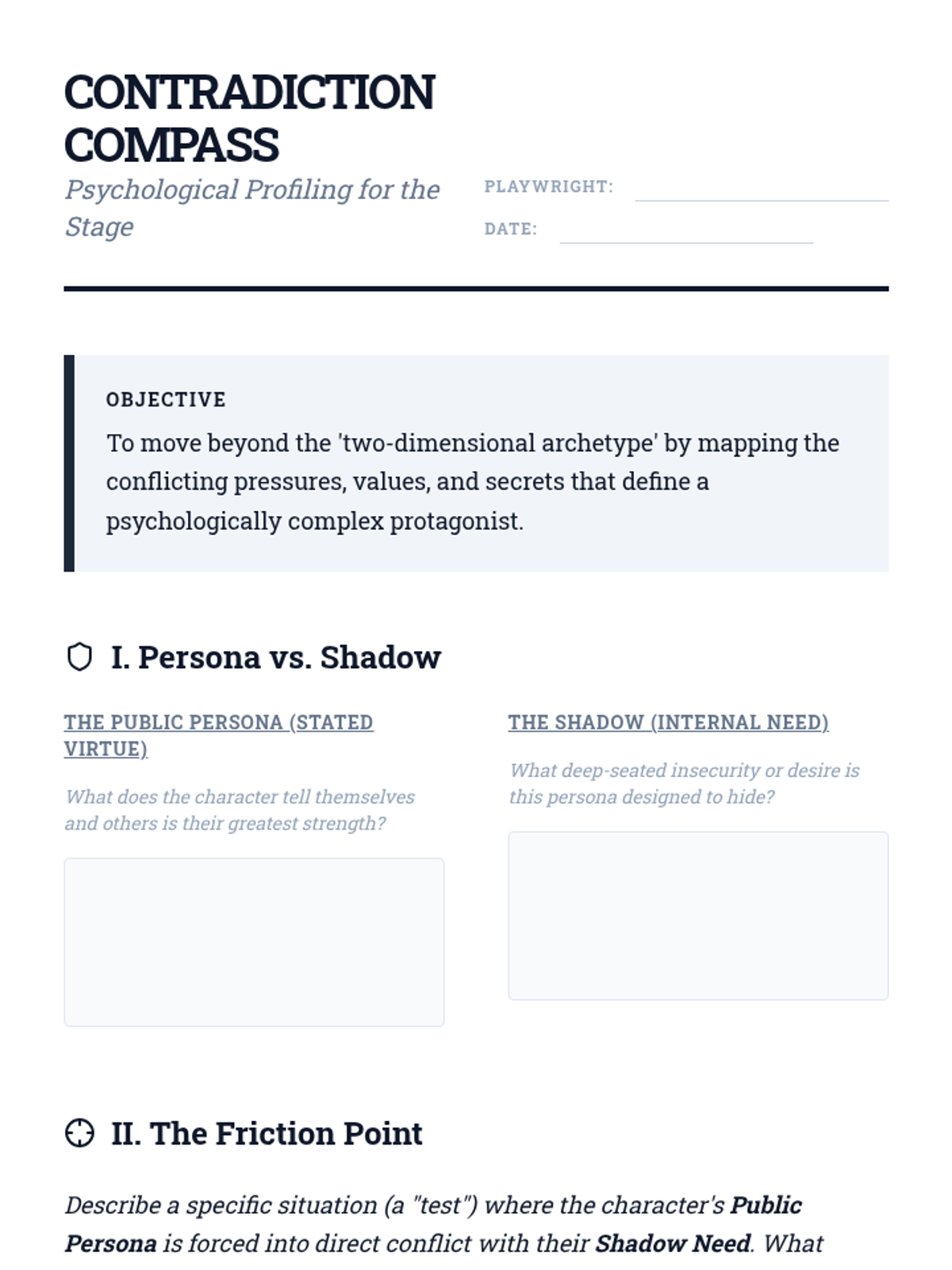
An advanced playwriting sequence for graduate students focusing on the psychological architecture of dramatic characters, subtextual dialogue, and character-driven narrative structures. Students progress from deconstructing archetypes to writing a one-act draft grounded in behavioral truth and internal contradiction.
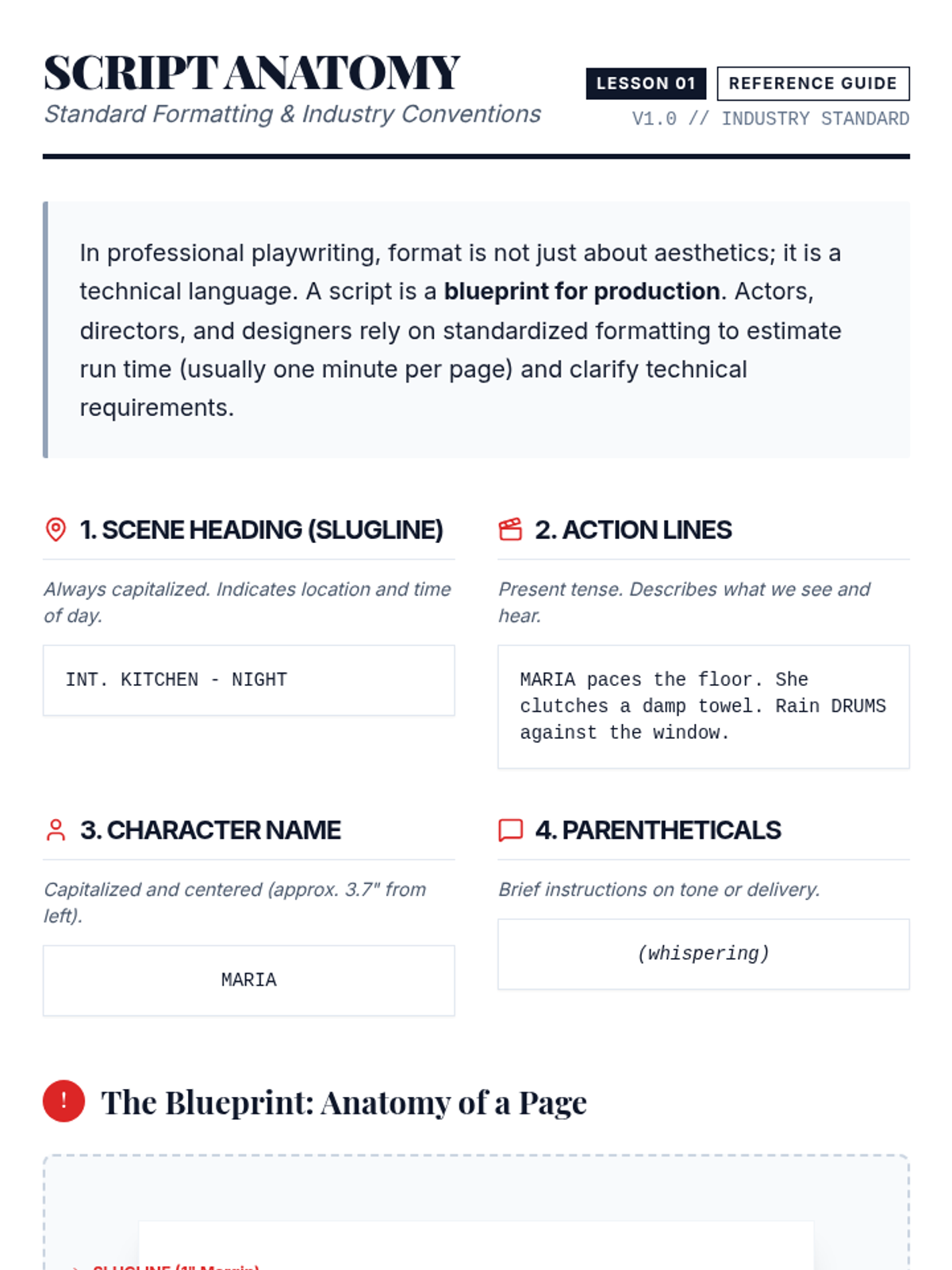
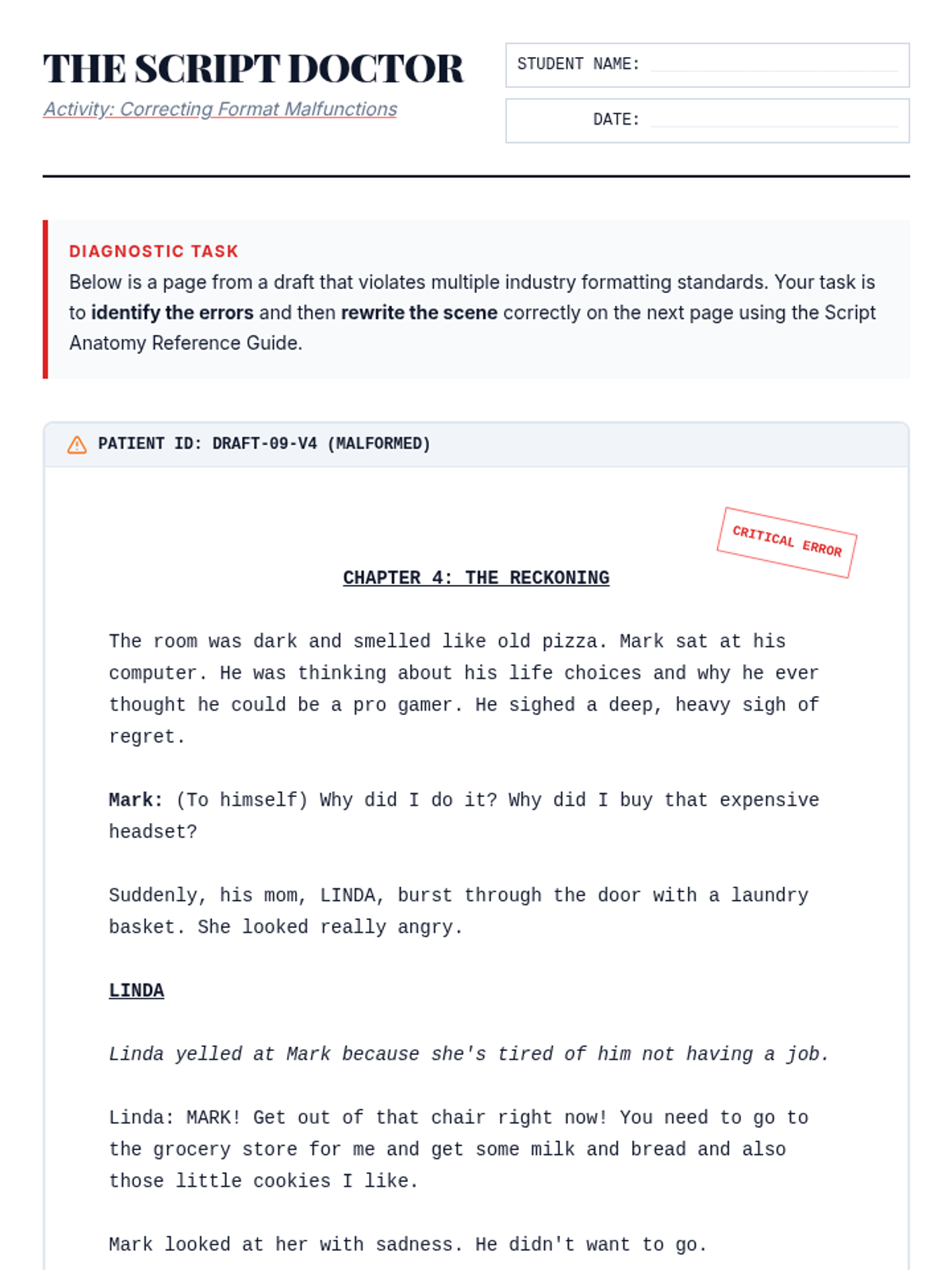
This sequence establishes the technical and structural foundations required for professional playwriting. Students master industry-standard formatting and deconstruct theatrical architecture using classic and contemporary models to understand how structure dictates pacing and dramatic tension.
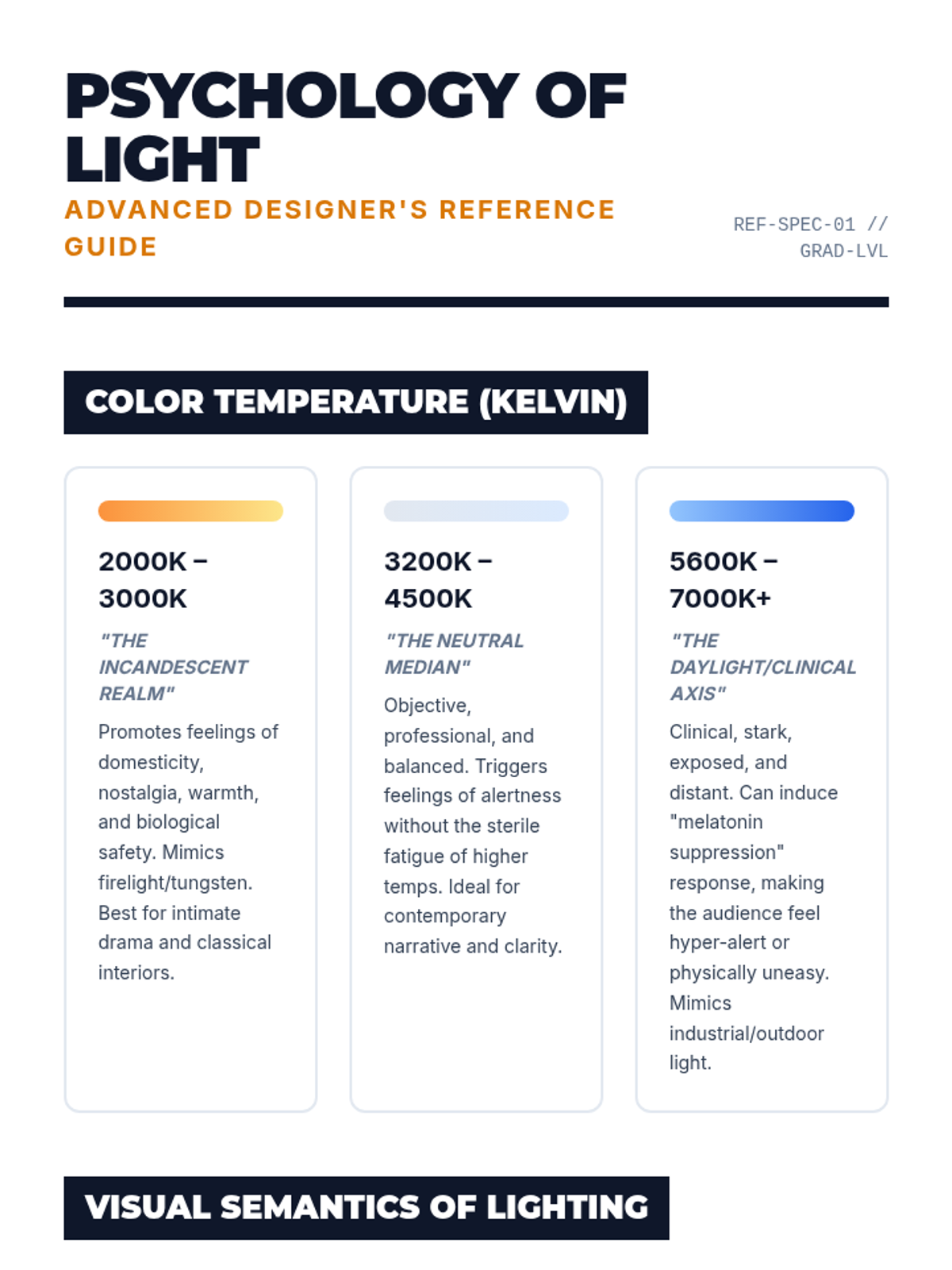
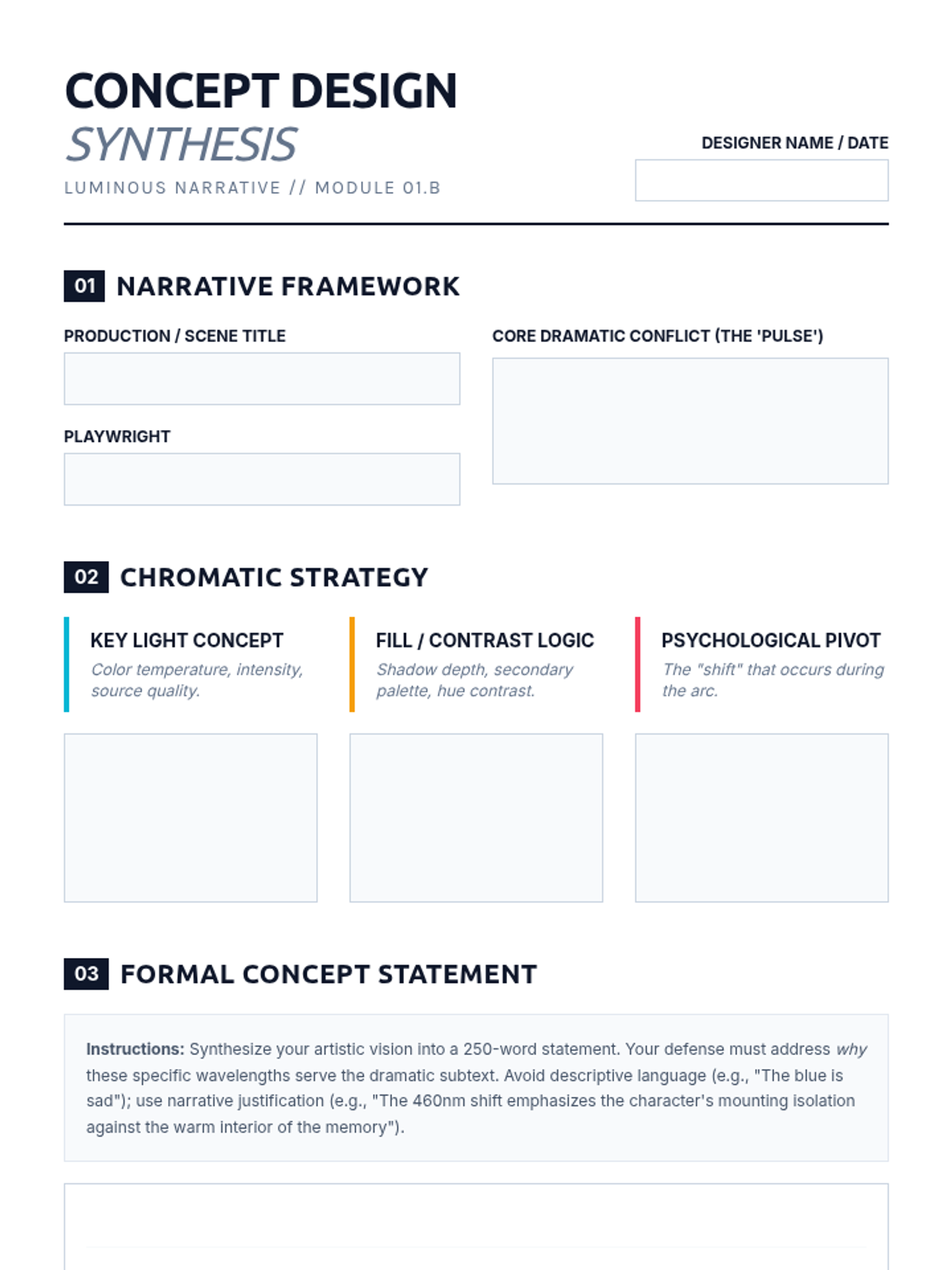
A graduate-level sequence exploring lighting design through color theory, photometrics, intelligent systems, and narrative cueing. Students synthesize technical mastery with artistic justification to create immersive visual environments.