Cultural identity, community development, and public policy through the lens of creative practice. Addresses arts advocacy strategies and integrates interdisciplinary connections across social and professional sectors.
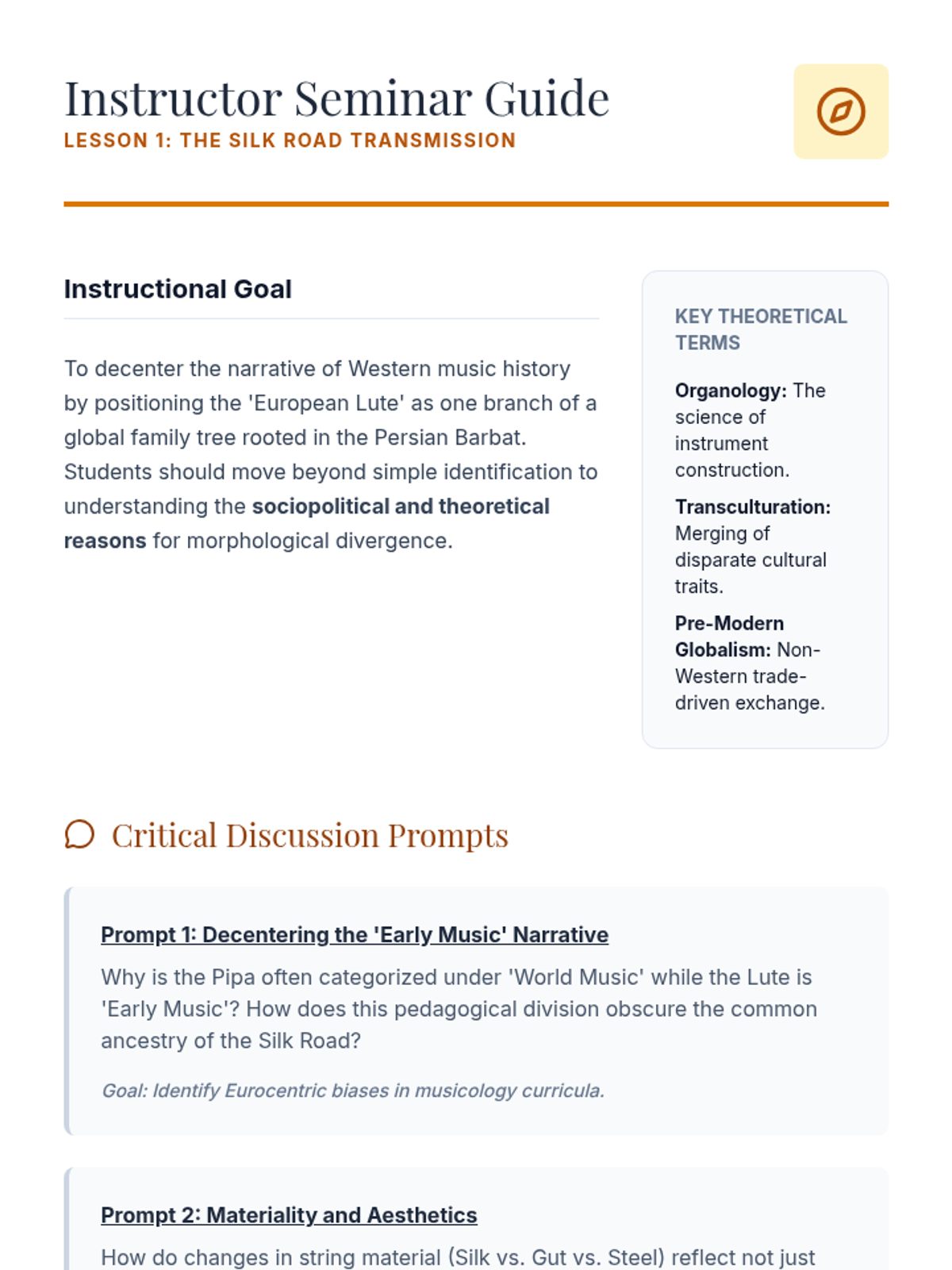
A graduate-level exploration of music history through the lenses of migration, diaspora, and cultural hybridity, moving beyond Western-centric narratives to examine how global movement shapes musical evolution.
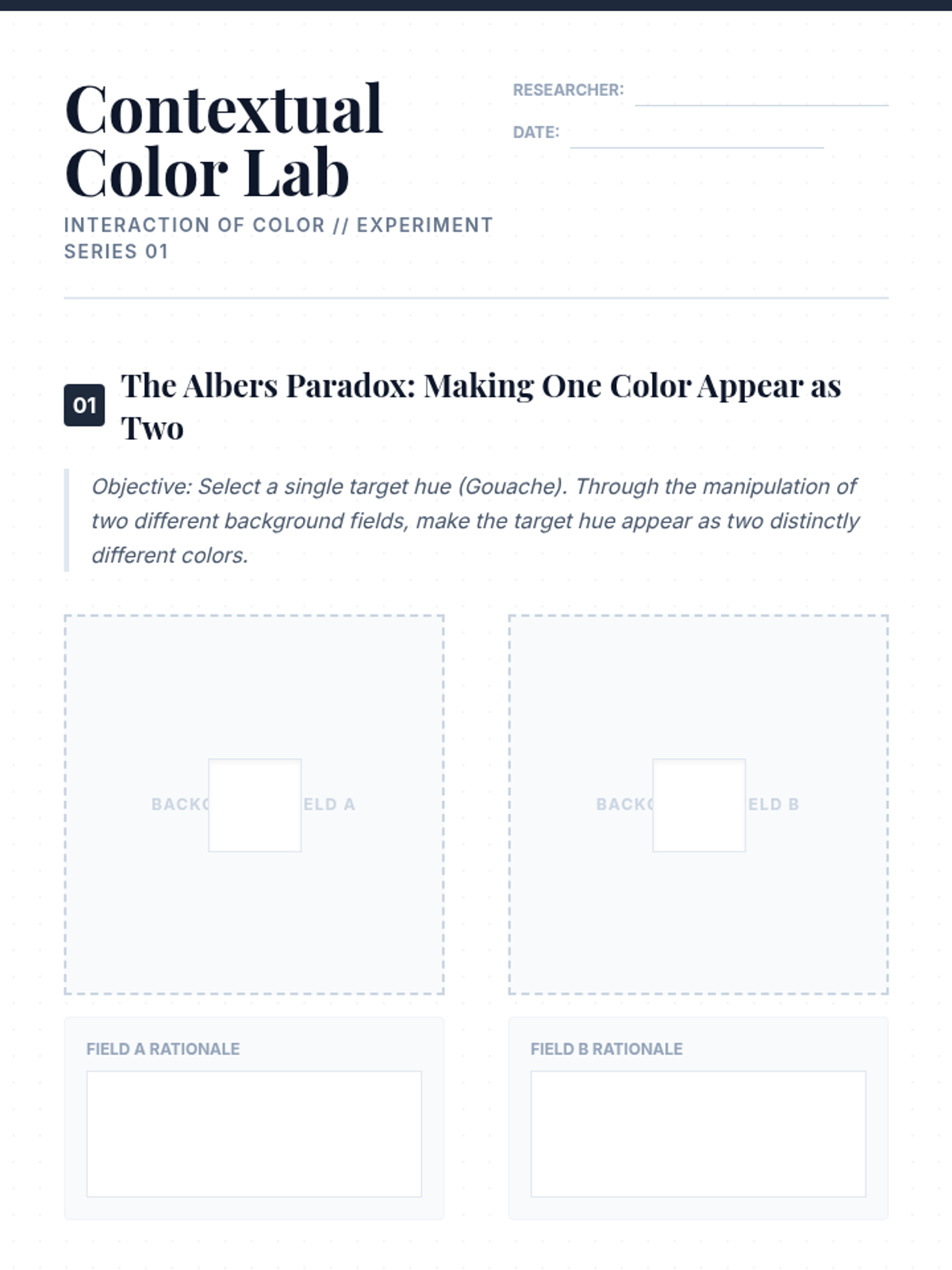
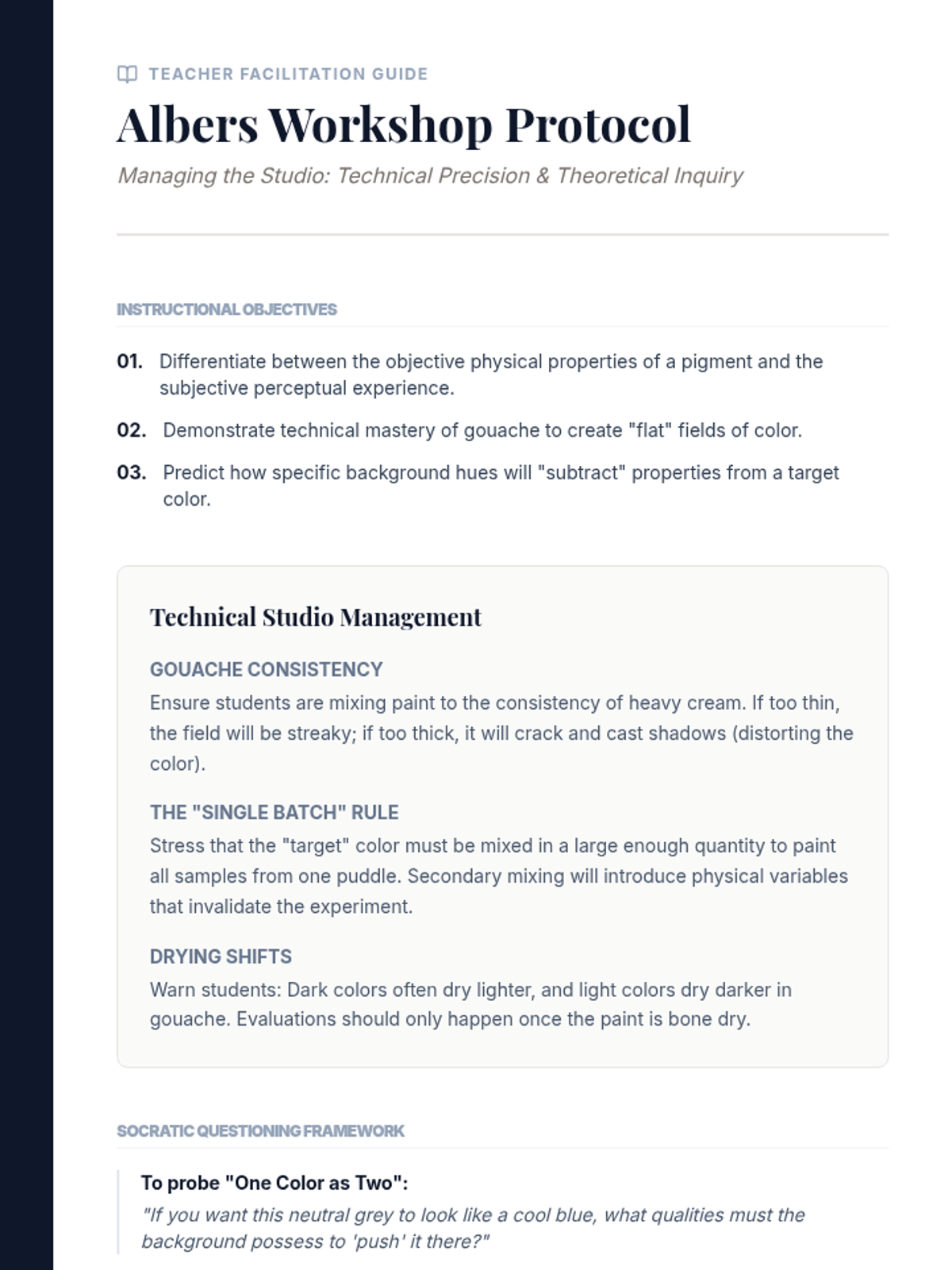
An intensive graduate-level investigation into the physics, psychology, and application of color in fine art, focusing on relativity, semiotics, and narrative.
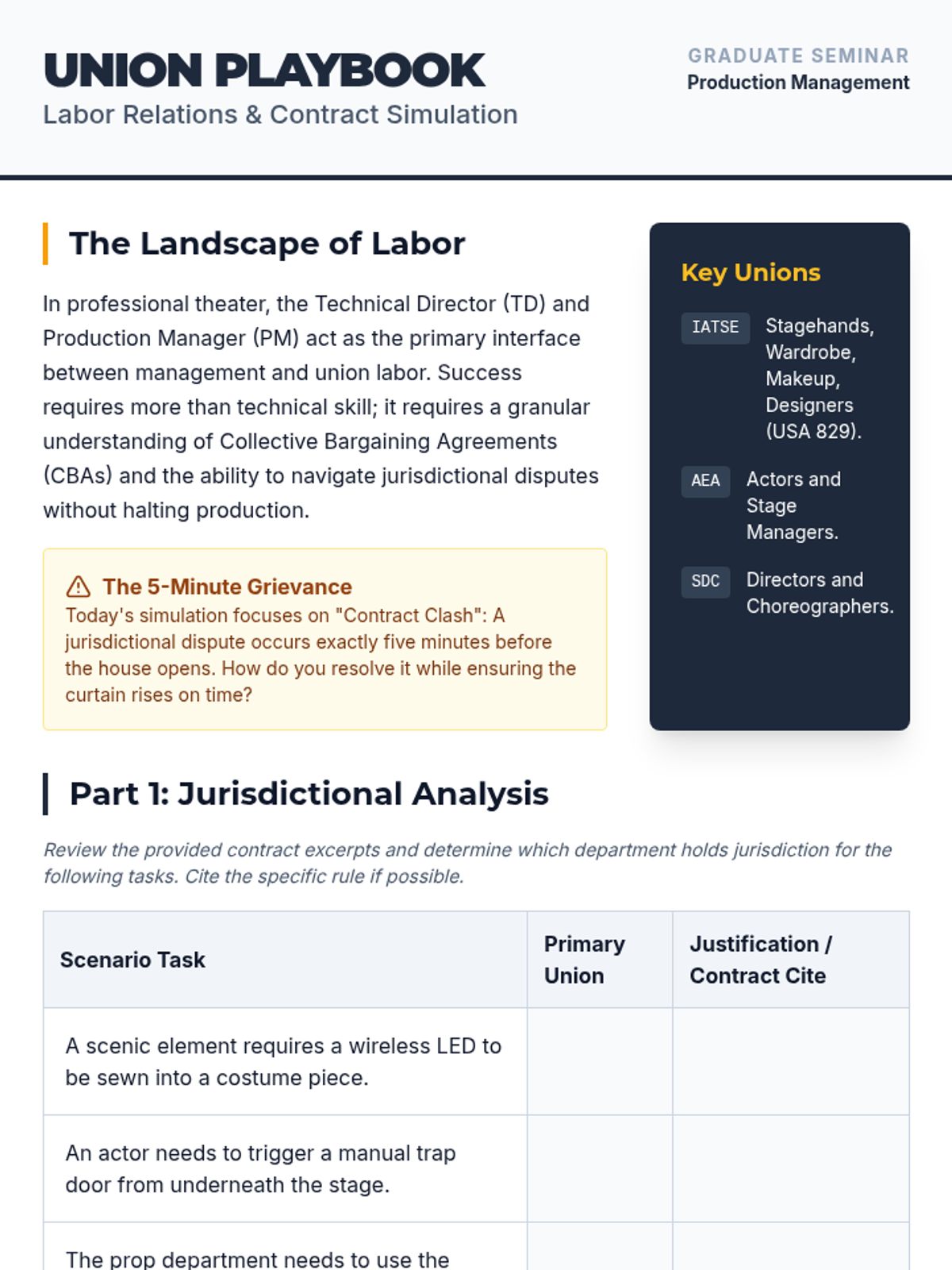
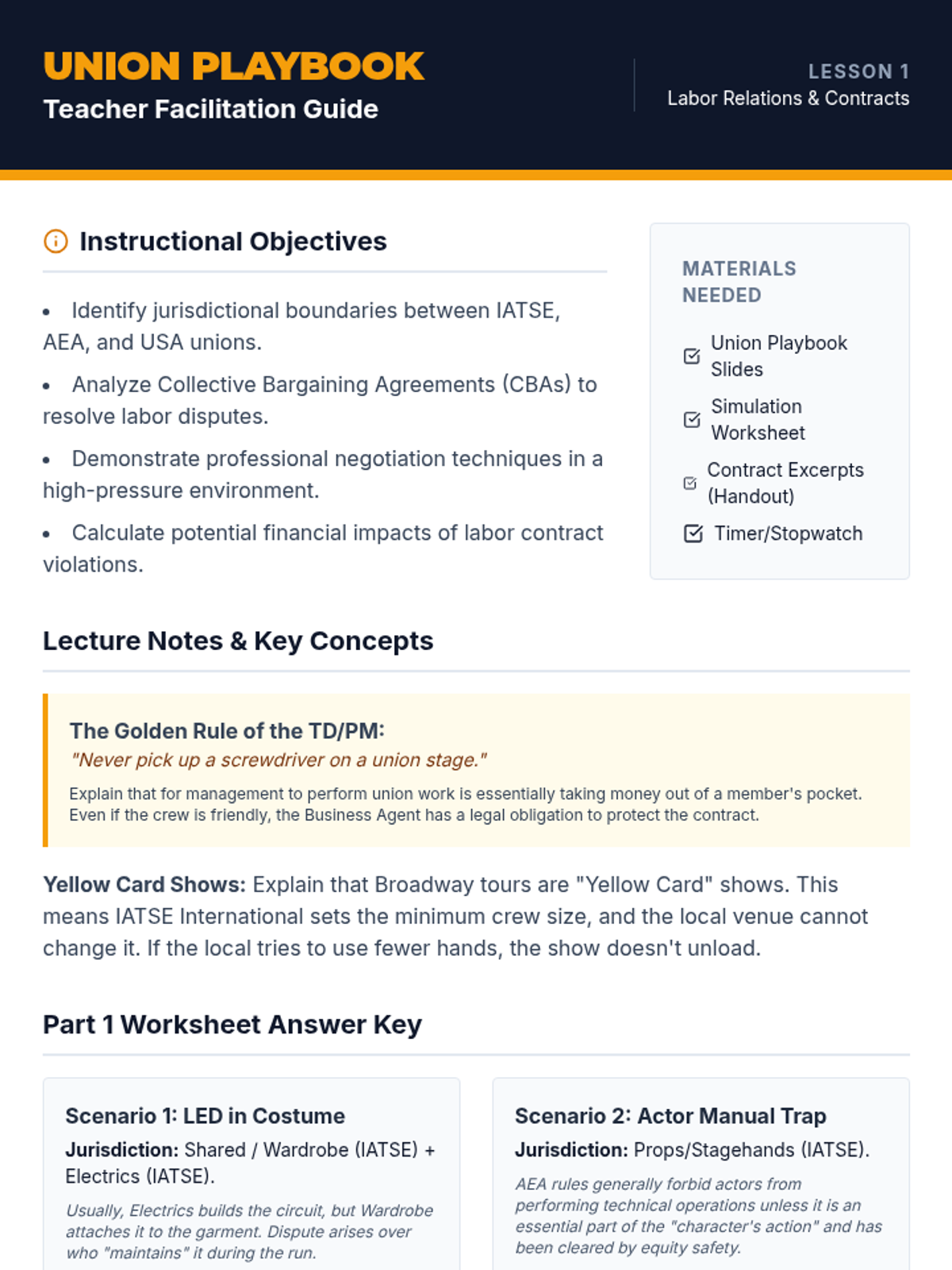
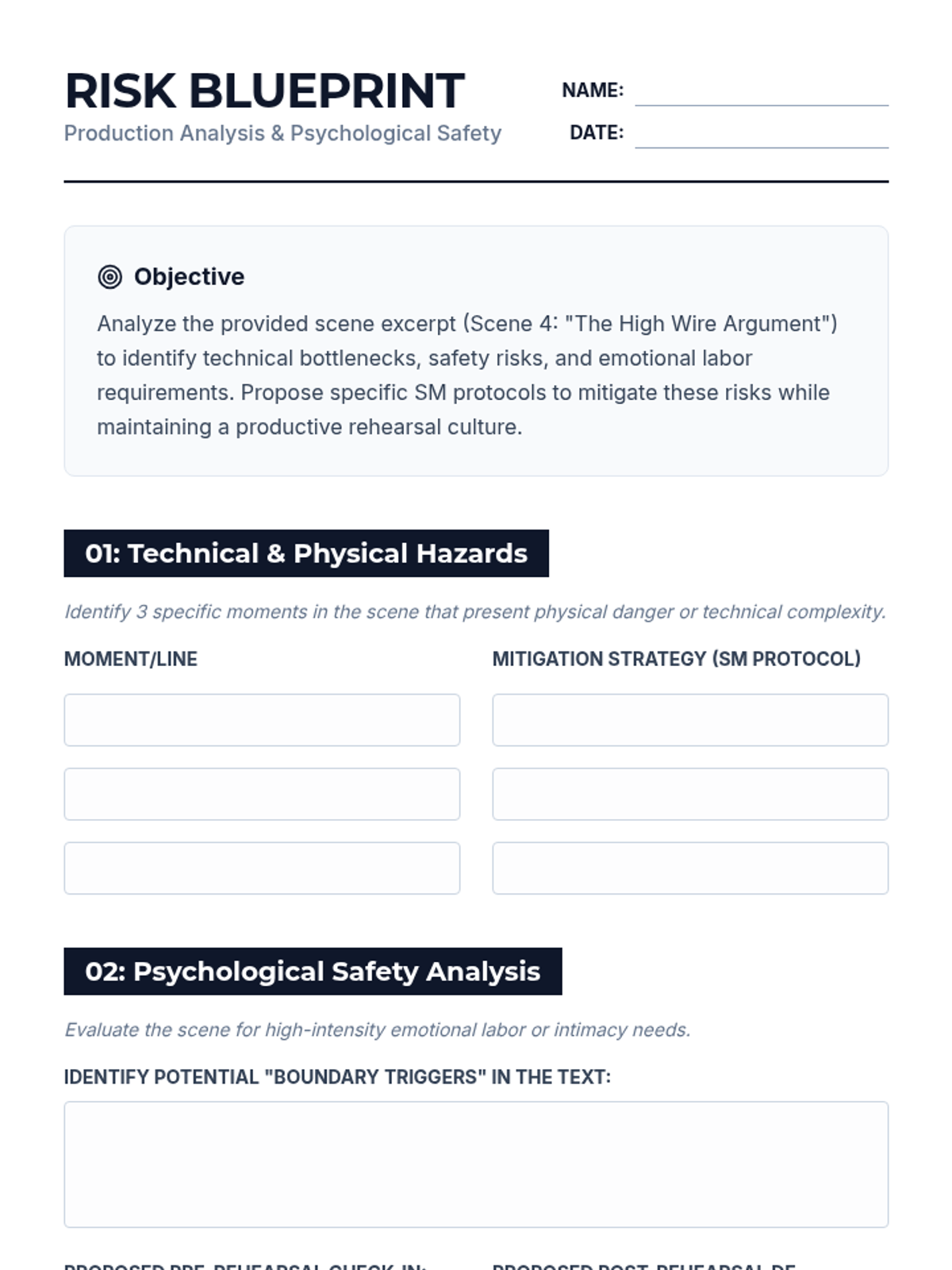
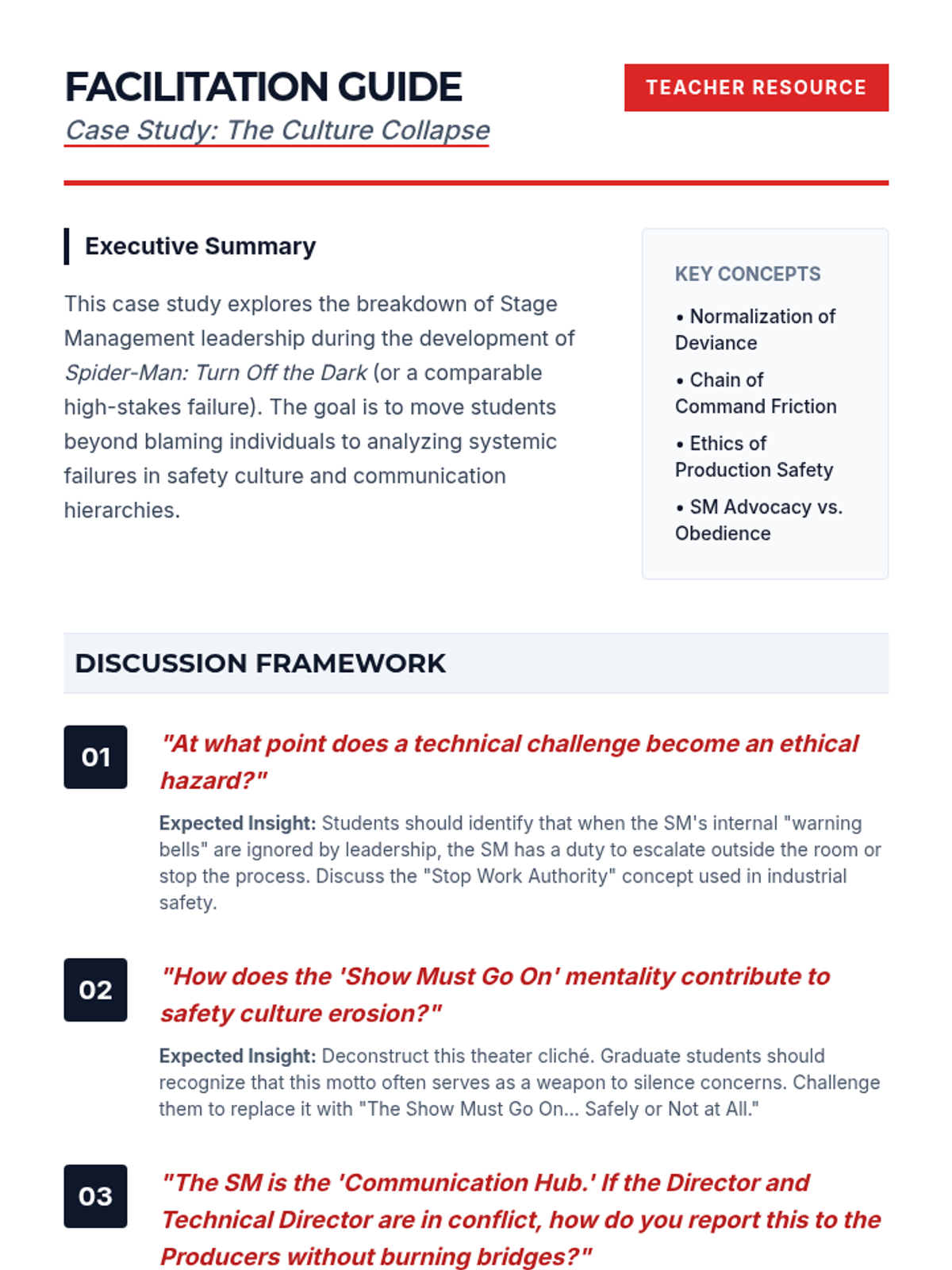
This graduate-level sequence explores the intersection of labor law, fiscal strategy, safety protocols, and crisis management within professional theater production. Students develop the leadership skills necessary to navigate union environments and high-stakes technical environments.
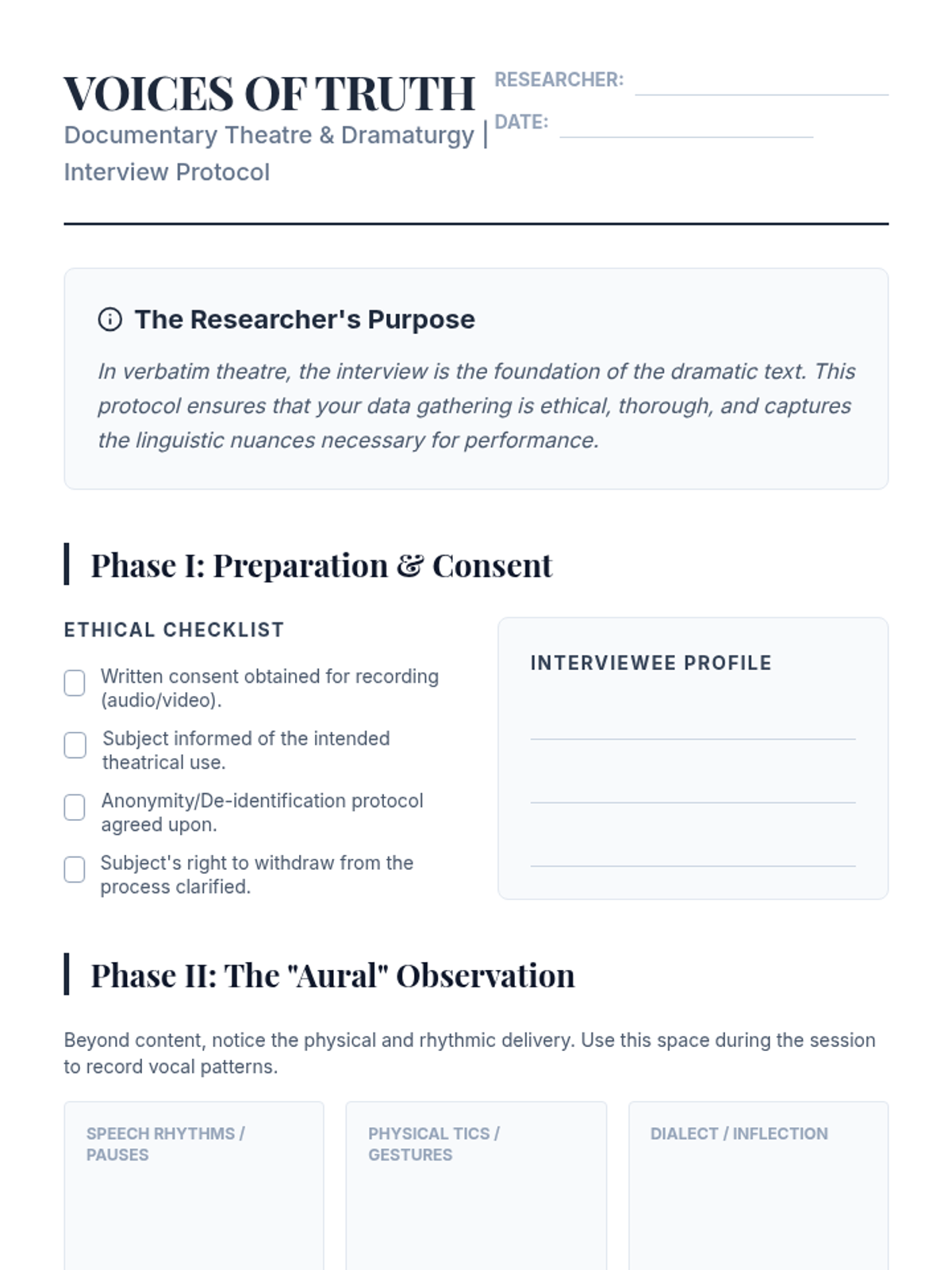
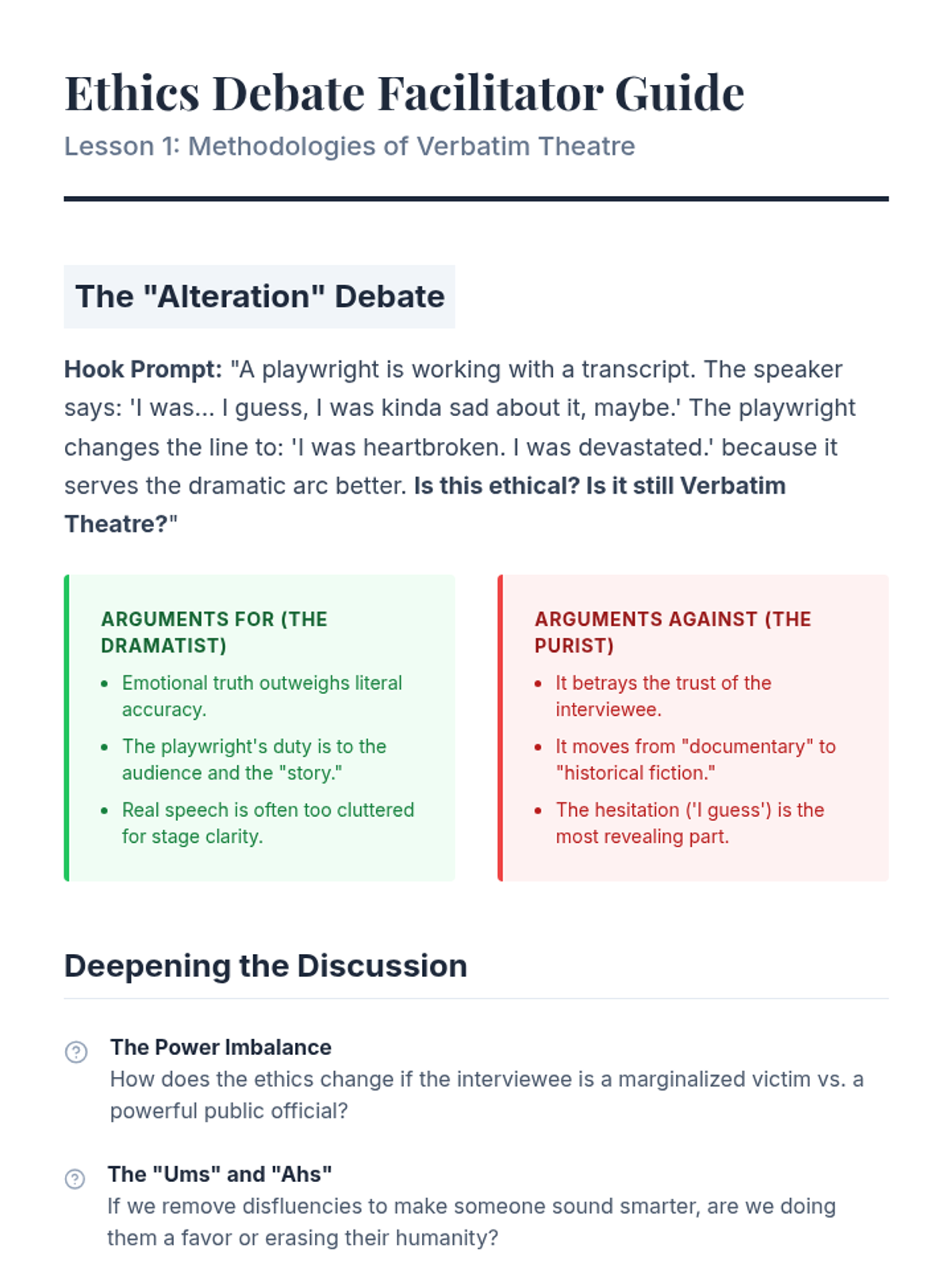
A comprehensive graduate-level exploration of Documentary and Verbatim Theatre, covering ethical research, archival mining, speech editing, character synthesis, and theatrical staging. Students transition from researchers to dramatists, producing original documentary works based on real-world testimony and historical records.
An advanced course for graduate students focusing on the intersection of leadership, psychology, and complex logistics in professional theater production. Students master the art of stage management from script analysis to long-run performance maintenance.
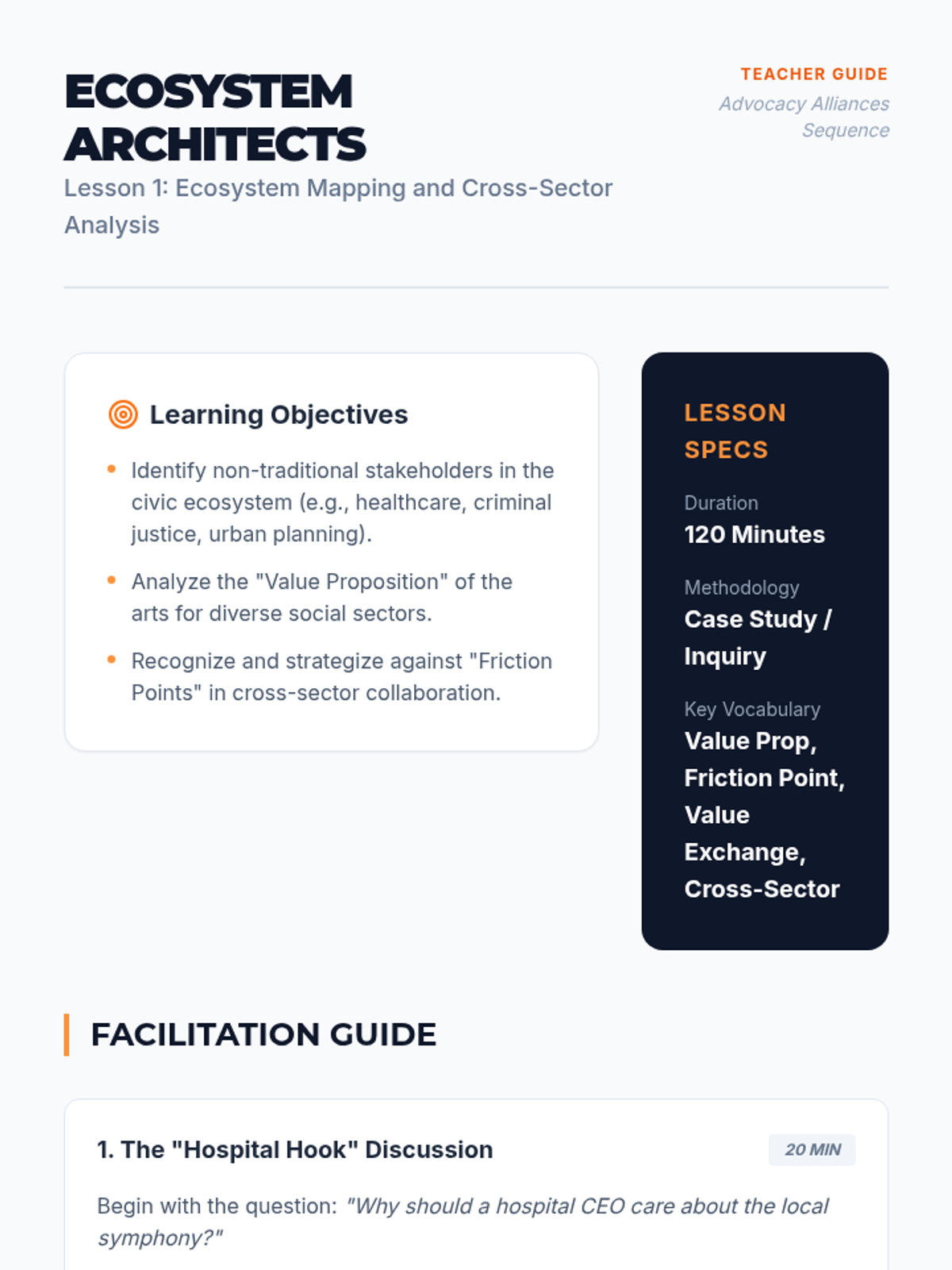
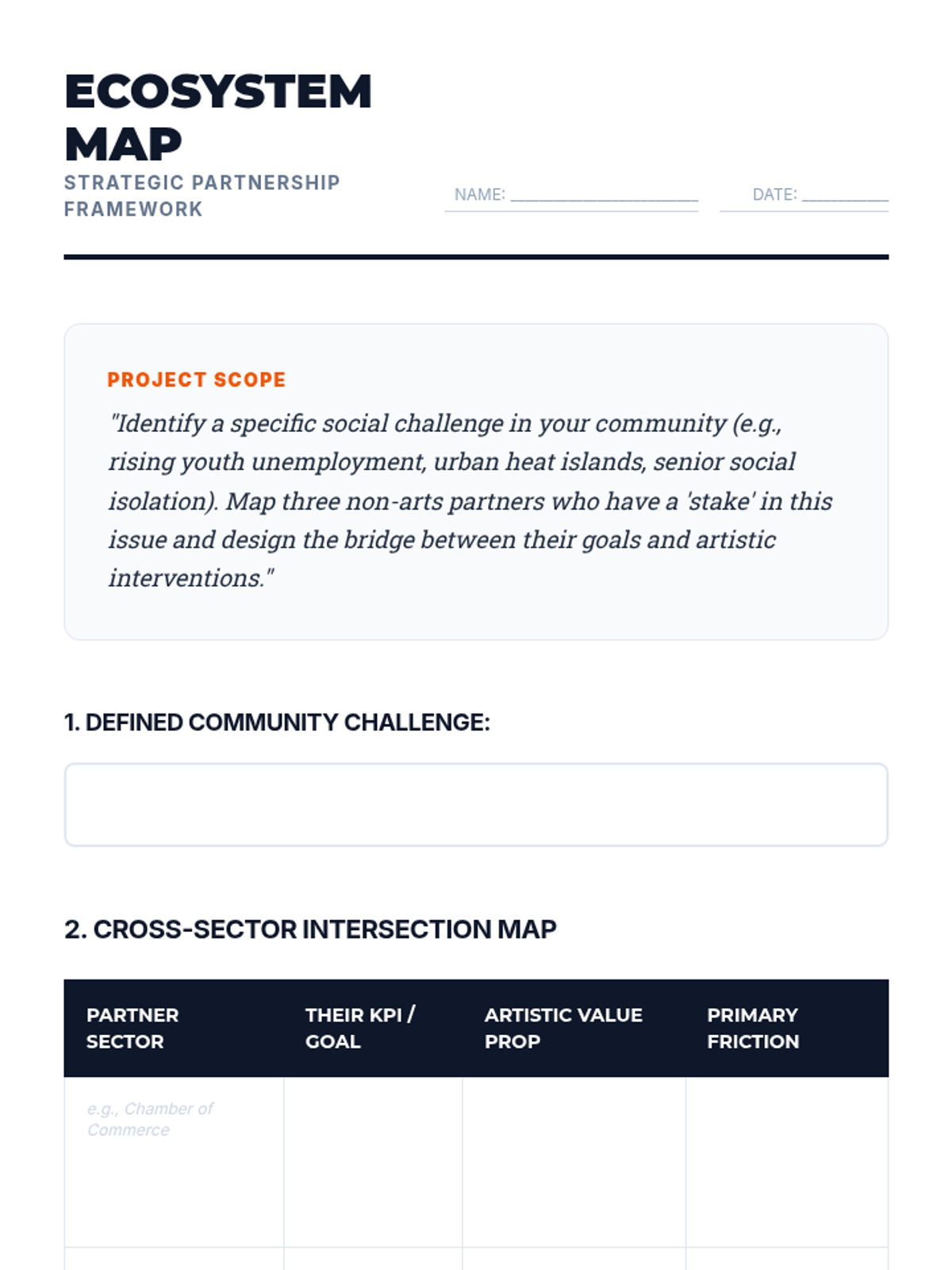
A graduate-level sequence exploring how arts leaders can build powerful, equitable cross-sector coalitions to sustain cultural ecosystems. Students move from systems mapping to governance design and grassroots organizing, culminating in a collective impact proposal.
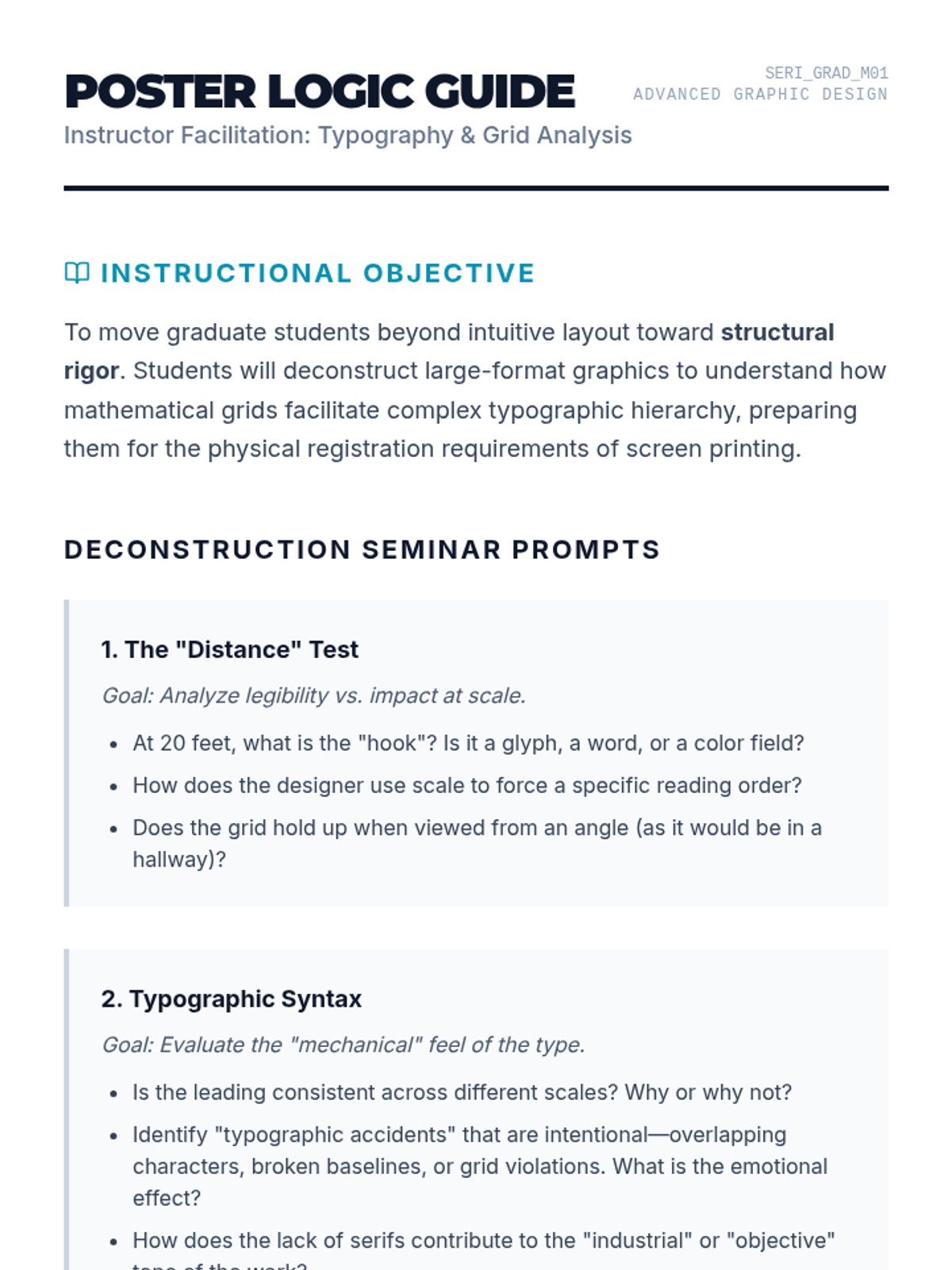
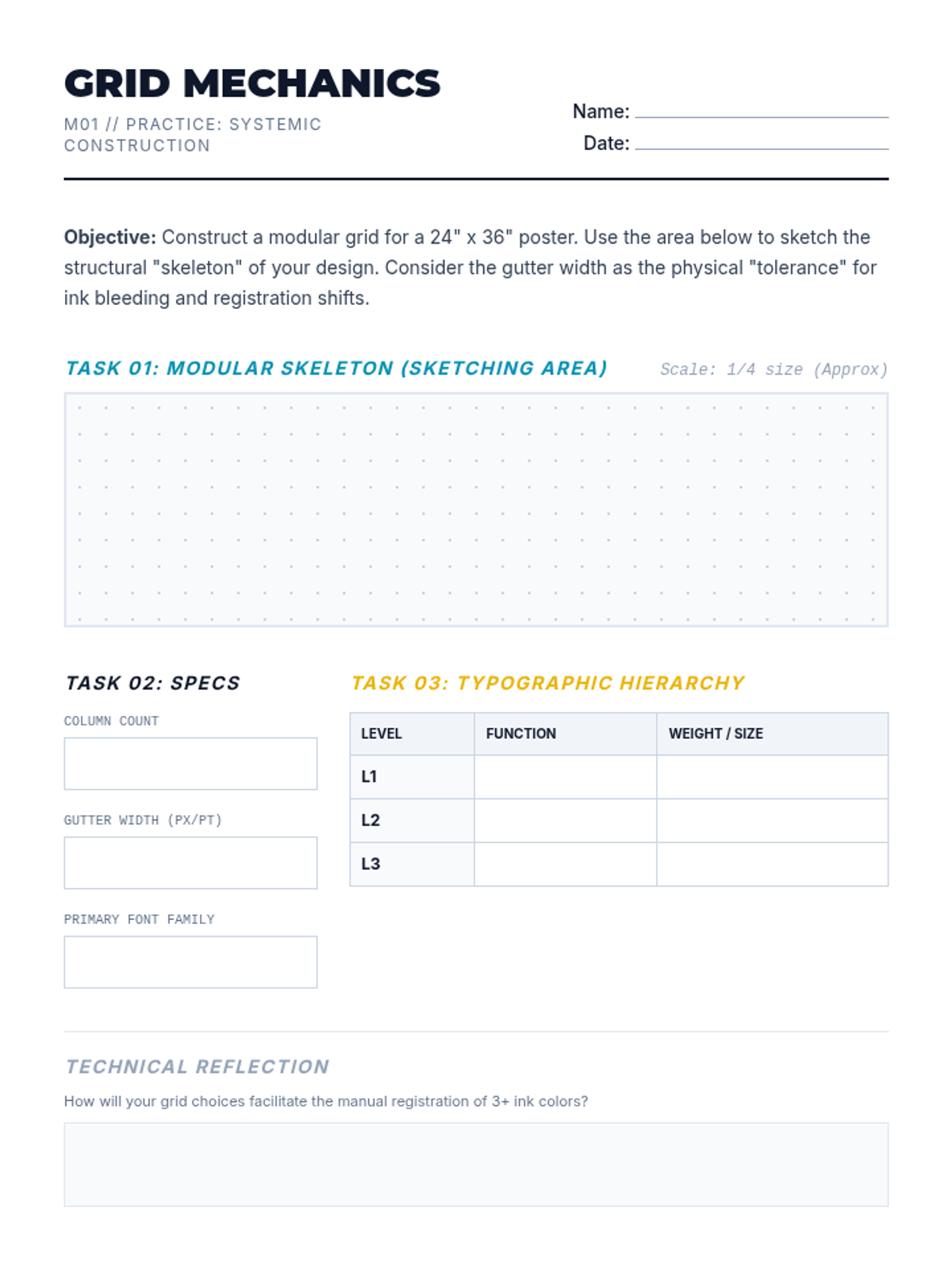
This advanced graduate-level sequence explores the intersection of typographic design and large-format screen printing. Students master complex grid systems, CMYK color separation, and high-precision technical execution to create impactful graphic narratives.
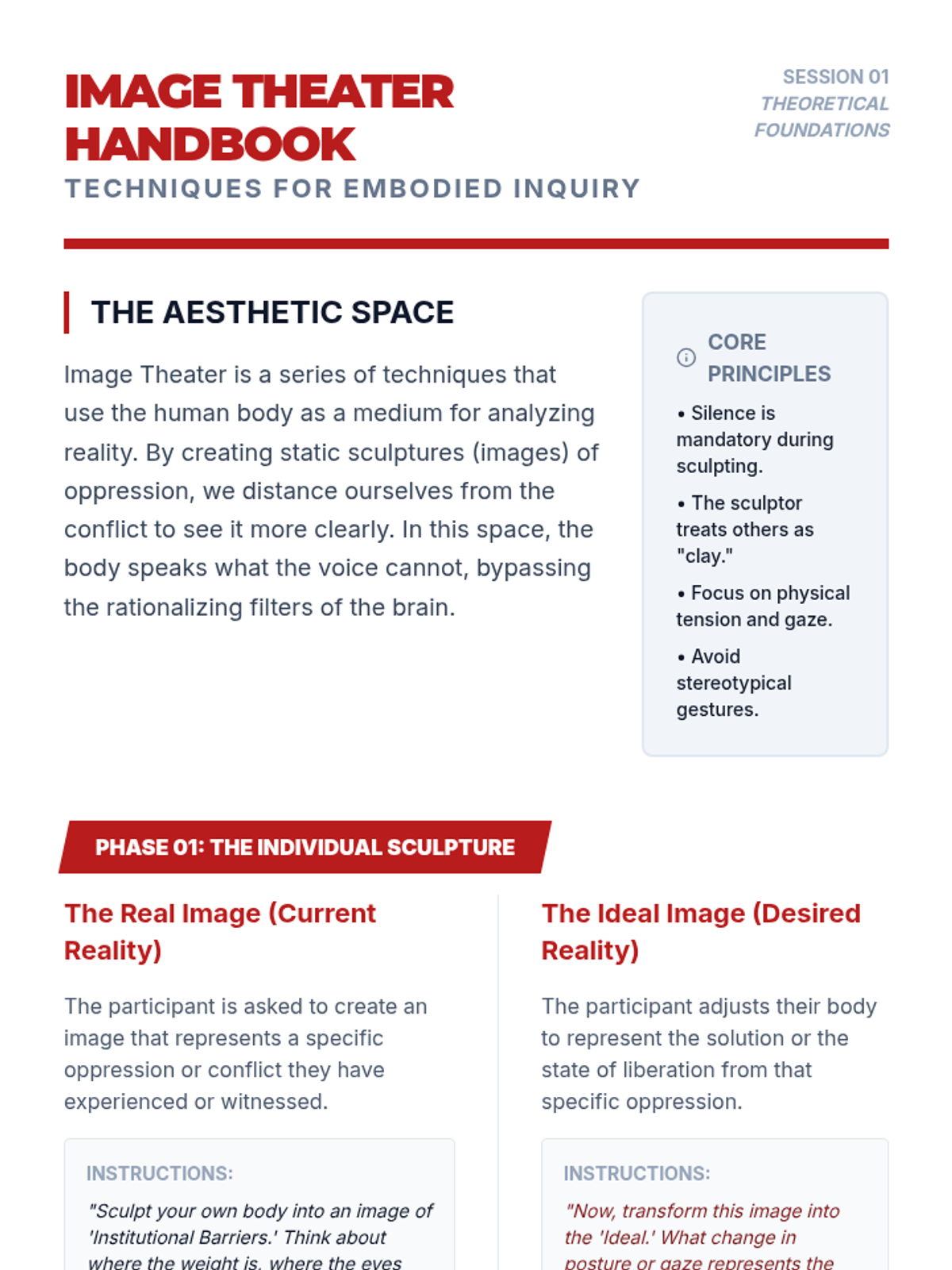
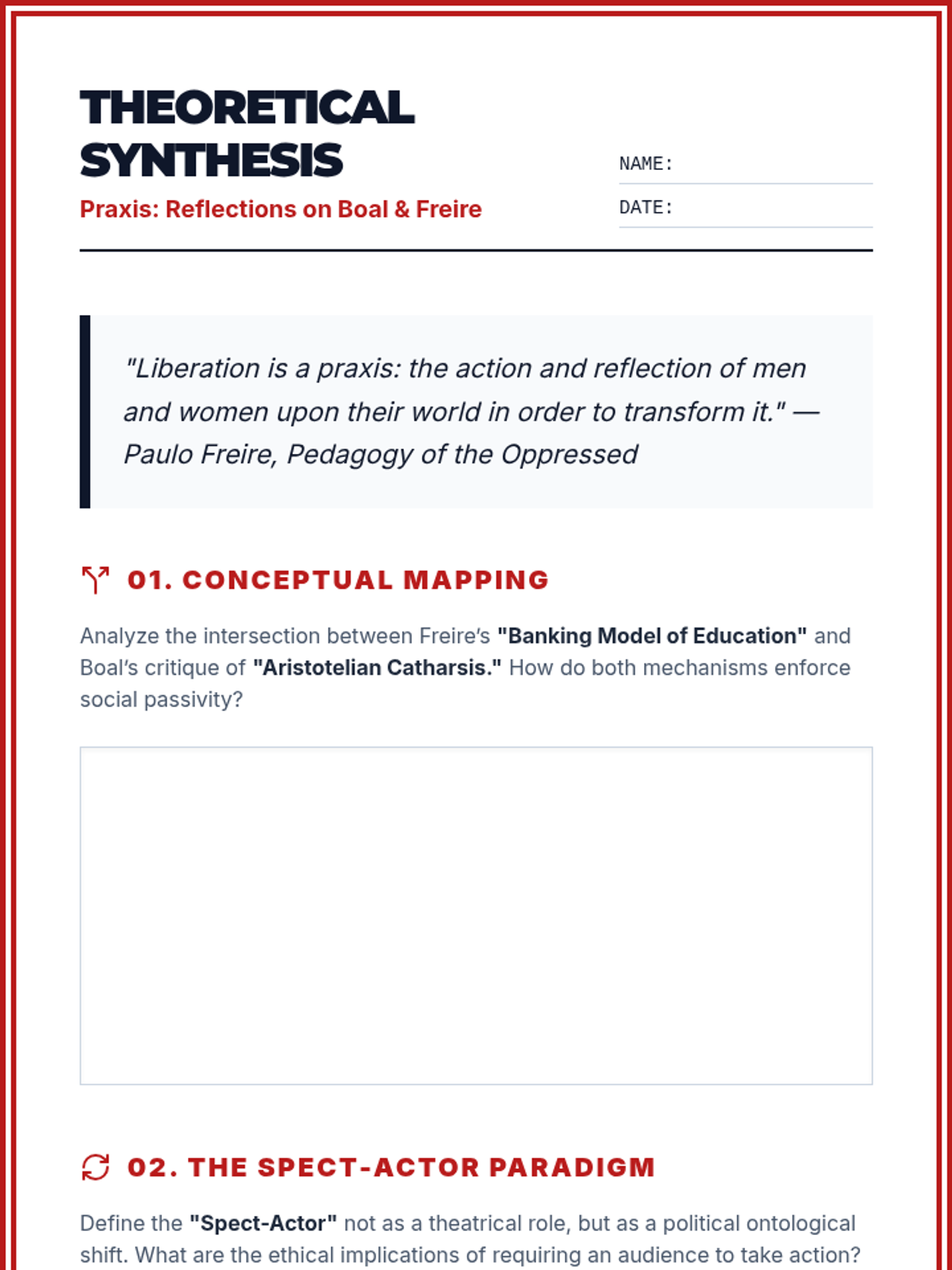
This graduate sequence explores Augusto Boal's Theater of the Oppressed, training students in the theoretical, physical, and ethical skills required to facilitate social change through dramatic play.
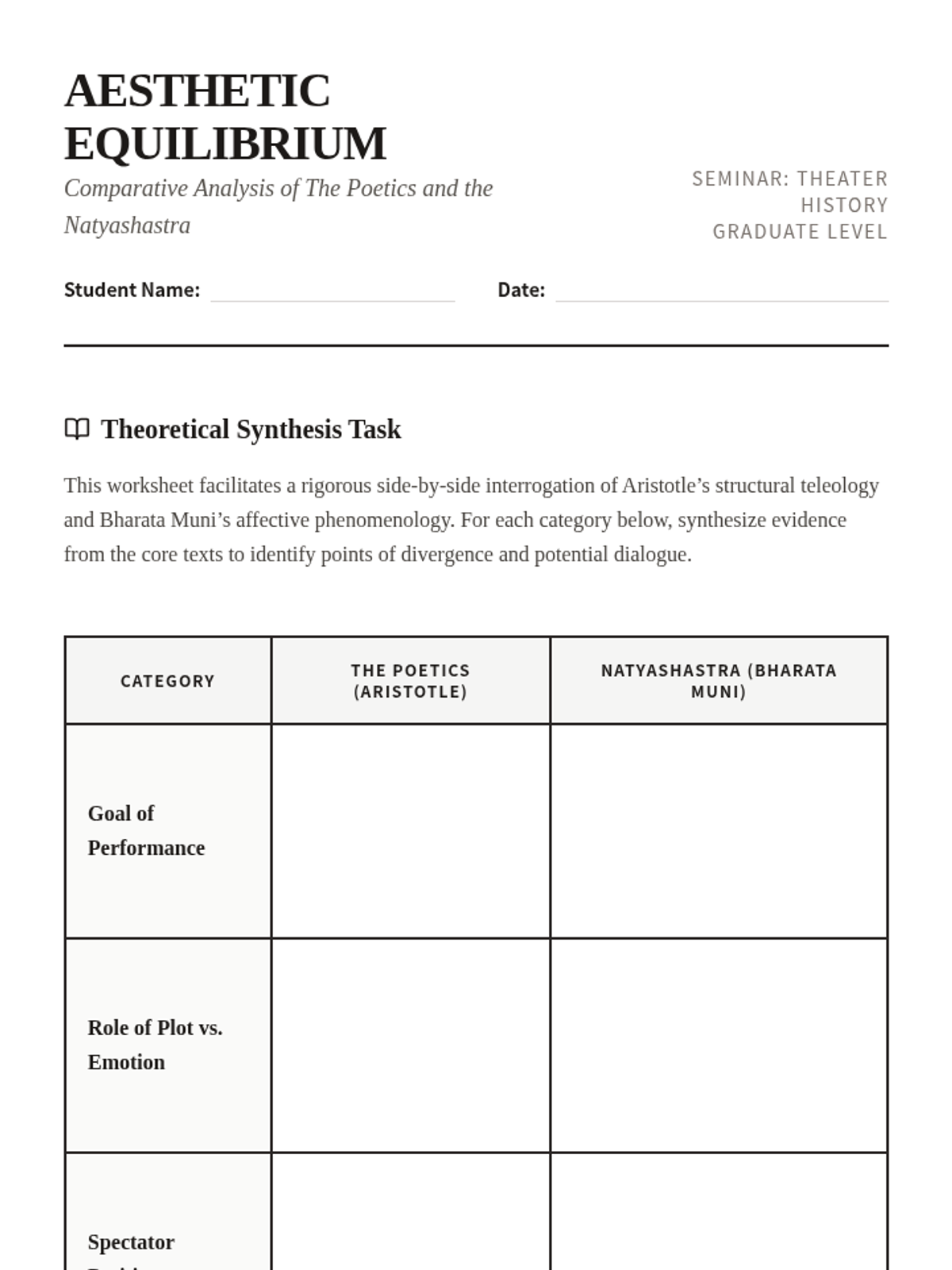
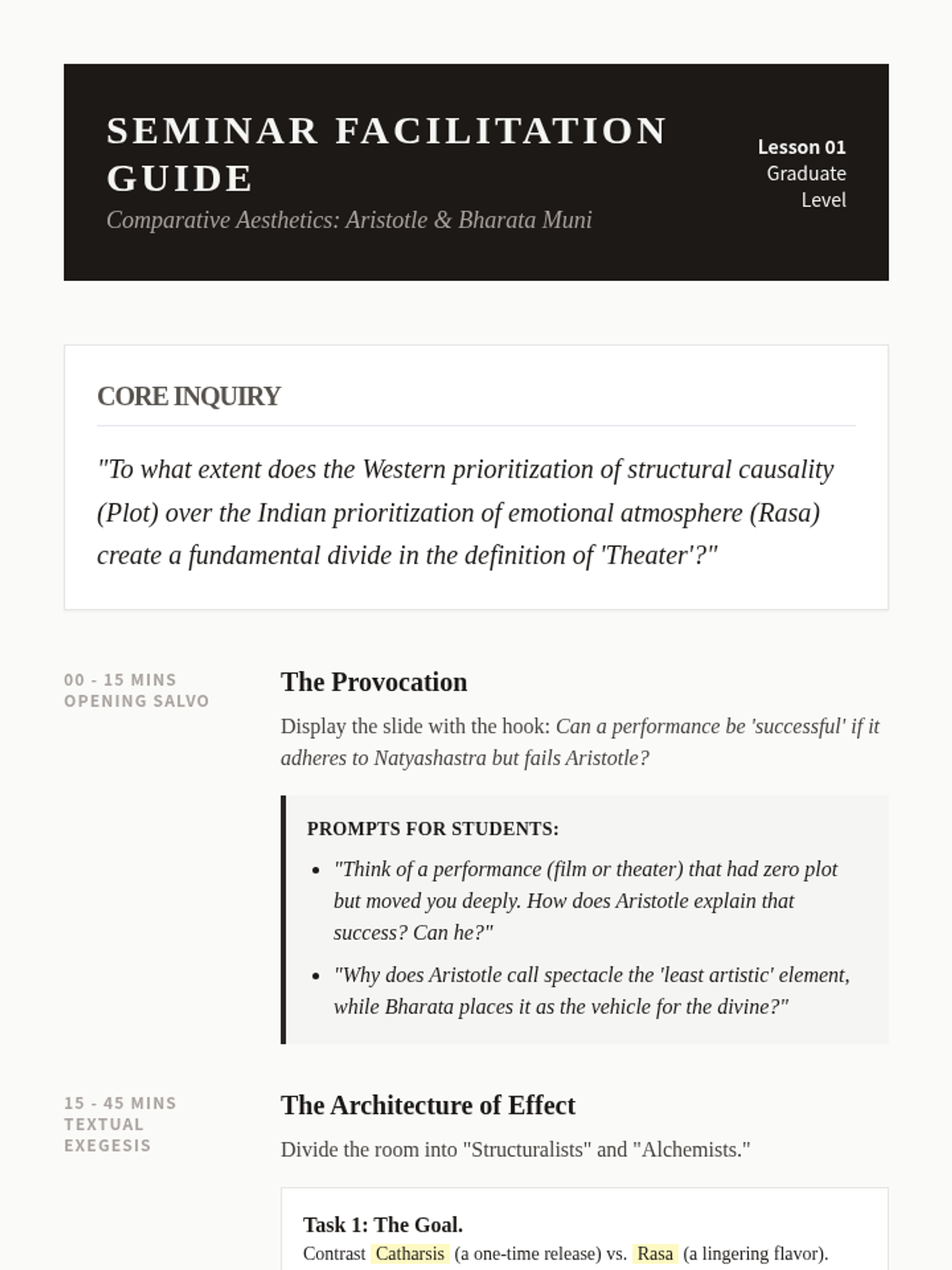
A graduate-level exploration of classical theater foundations across Western and non-Western traditions, focusing on comparative dramaturgy, performance space, and contemporary adaptation.
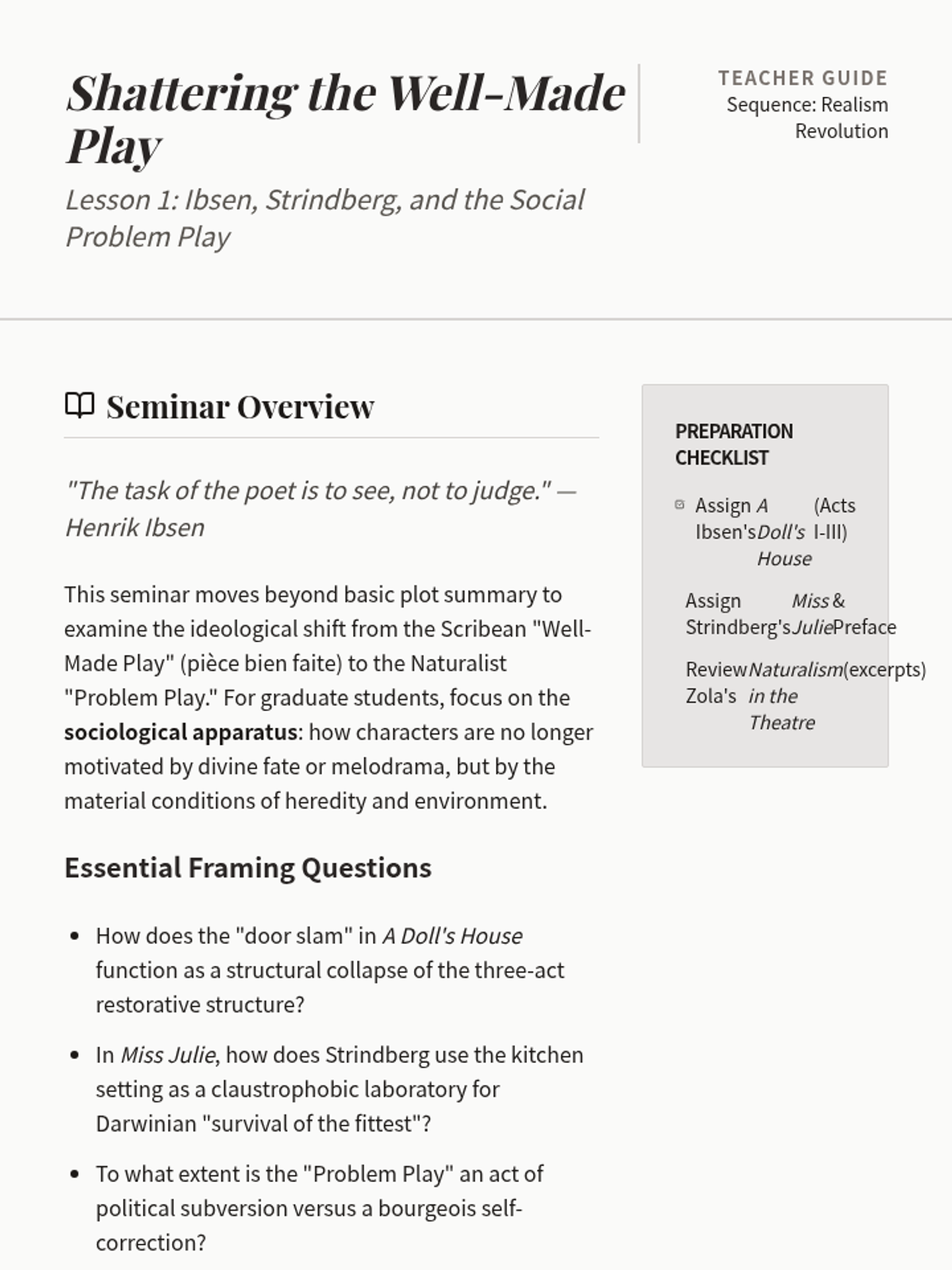
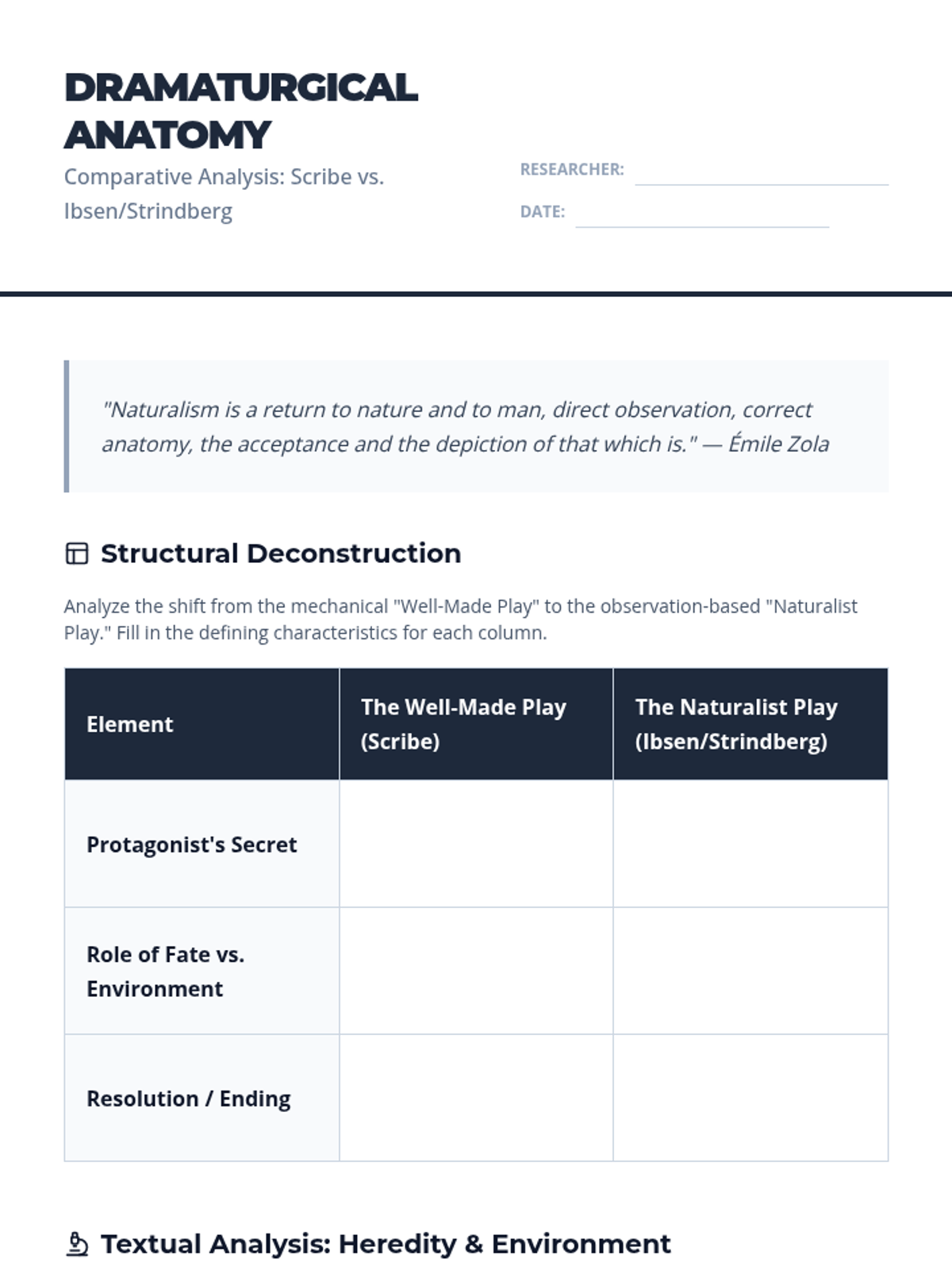
A graduate-level exploration of the shift toward Realism and Naturalism in the late 19th and early 20th centuries. The sequence examines the emergence of the director-auteur, the development of psychological acting systems, and the political dimensions of the Independent Theatre Movement, concluding with a critical deconstruction of the Realistic canon.
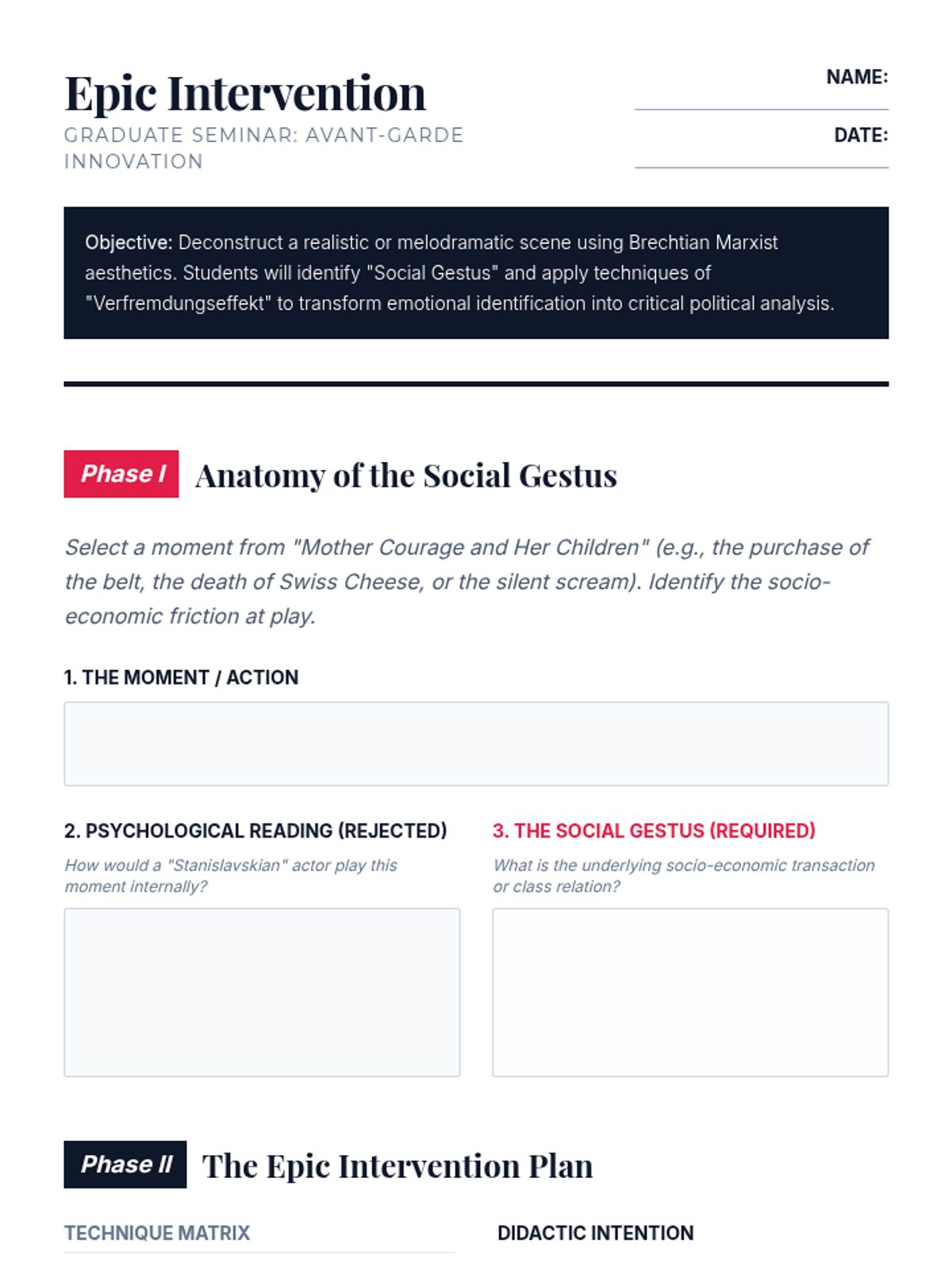
A graduate-level exploration of 20th and 21st-century theatrical innovation, focusing on the shift from historical Avant-Garde to Post-Dramatic theory. Students analyze movements that challenge the 'Fourth Wall,' the supremacy of text, and the nature of narrative through the lenses of Marxism, Existentialism, and Post-Structuralism.
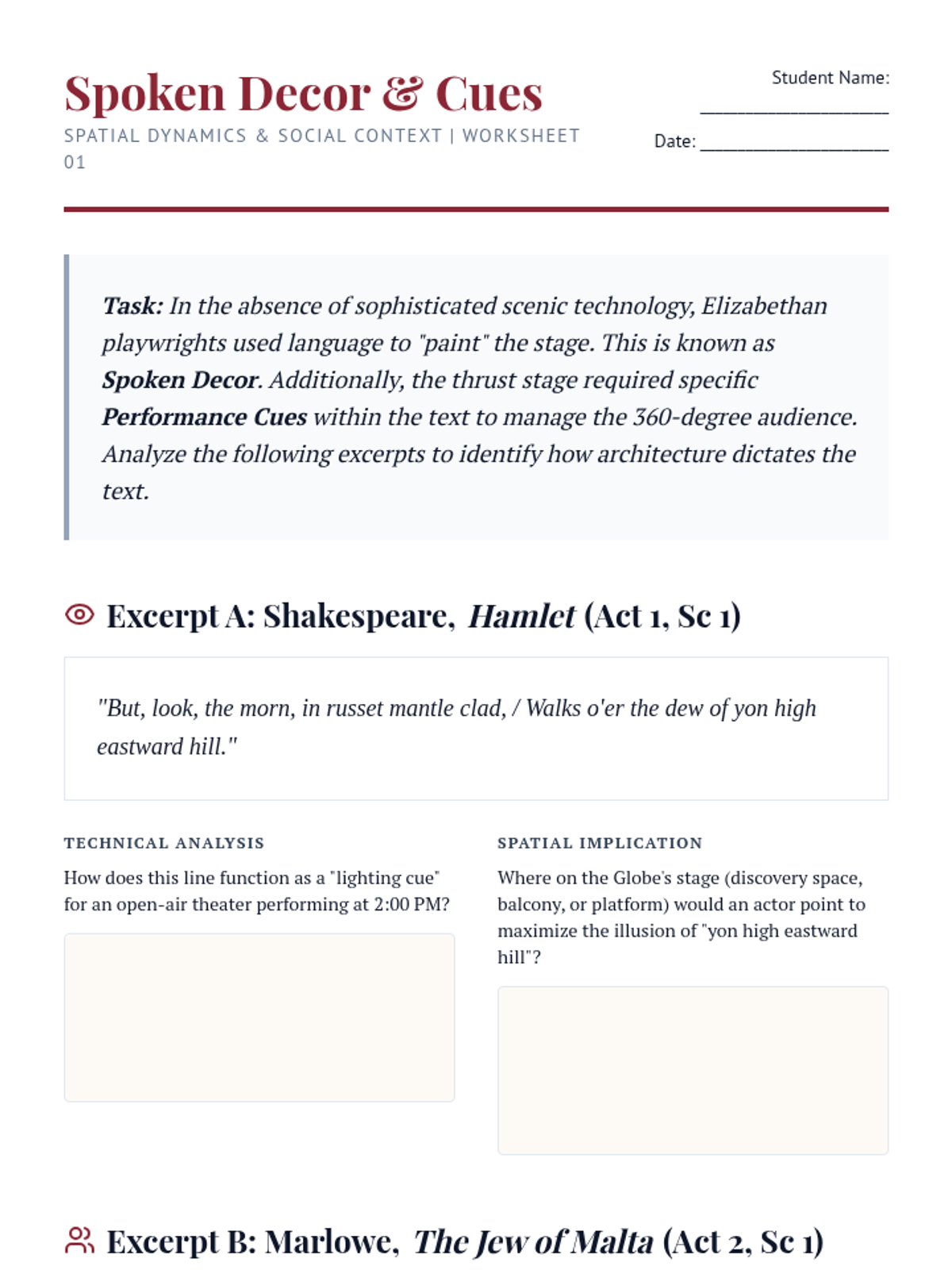
An advanced exploration of Early Modern theater history for graduate students, focusing on the intersection of architecture, economics, and social dynamics from the Renaissance to the 18th century.
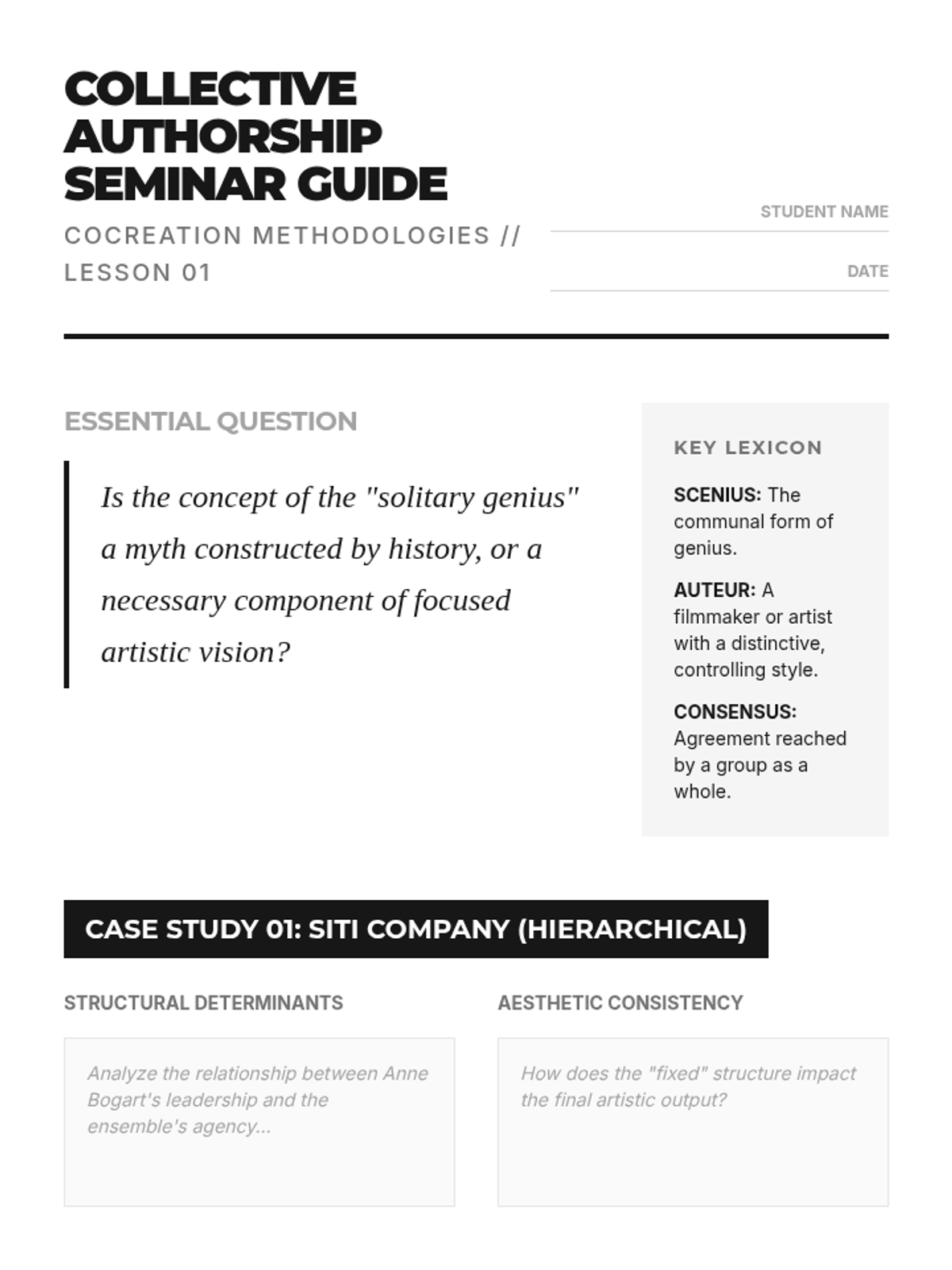
An advanced exploration of collective artistic creation for graduate students, moving from theoretical models of authorship to practical strategies for managing interpersonal friction and structured feedback in professional creative ensembles.
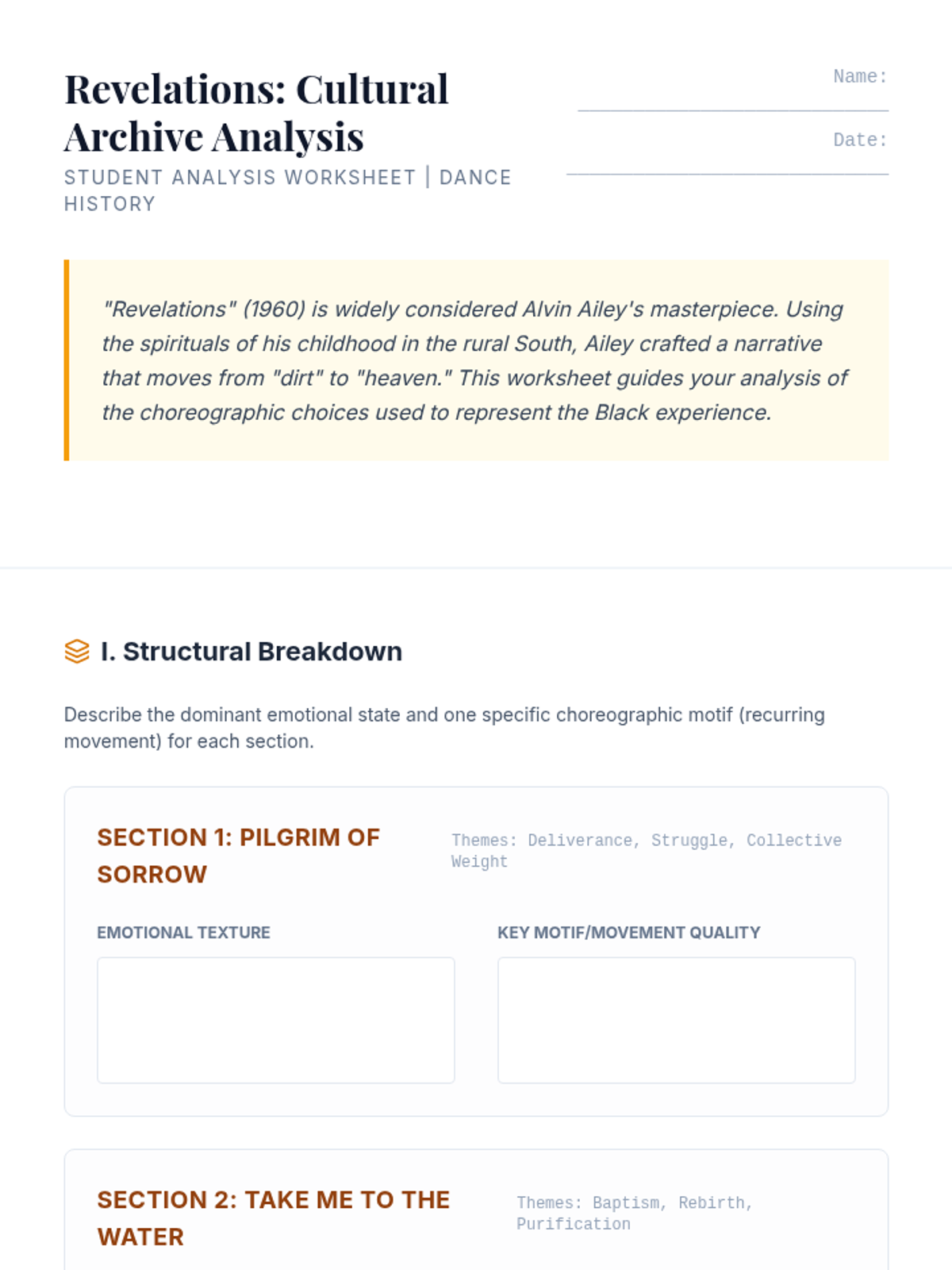
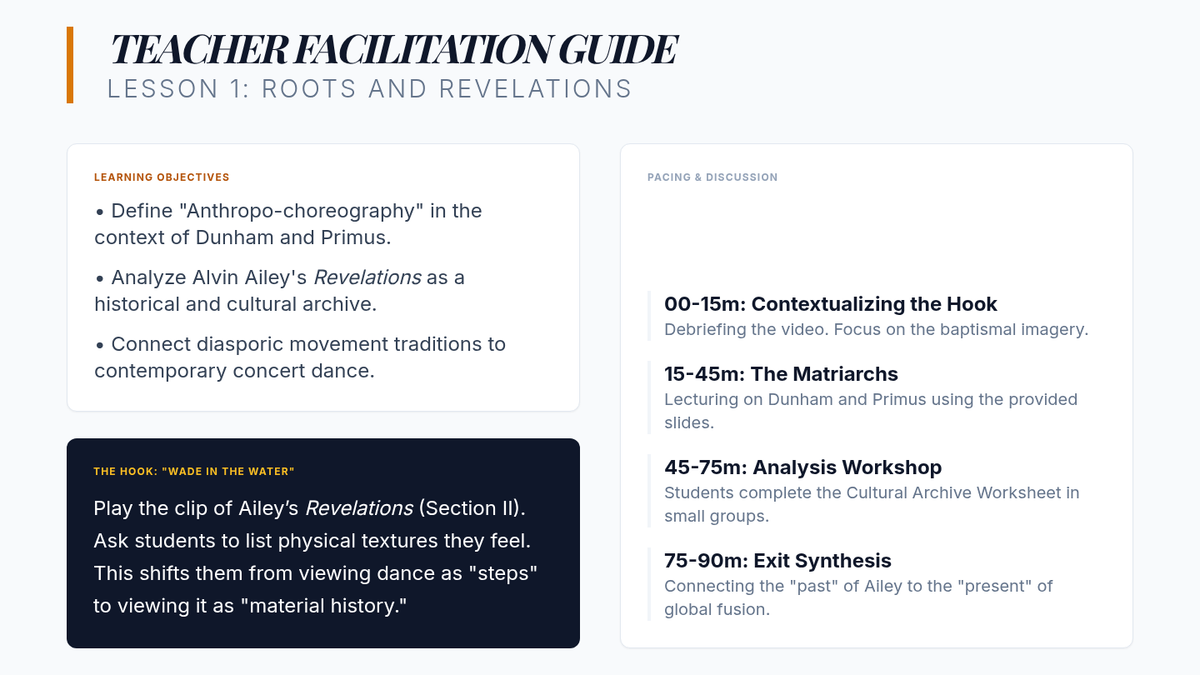
This sequence explores the evolution of dance in the 20th and 21st centuries, focusing on how globalization and the African Diaspora have reshaped the concert dance canon. Students analyze Hip Hop, Butoh, and contemporary fusion to understand the shifting boundaries of 'high art'.
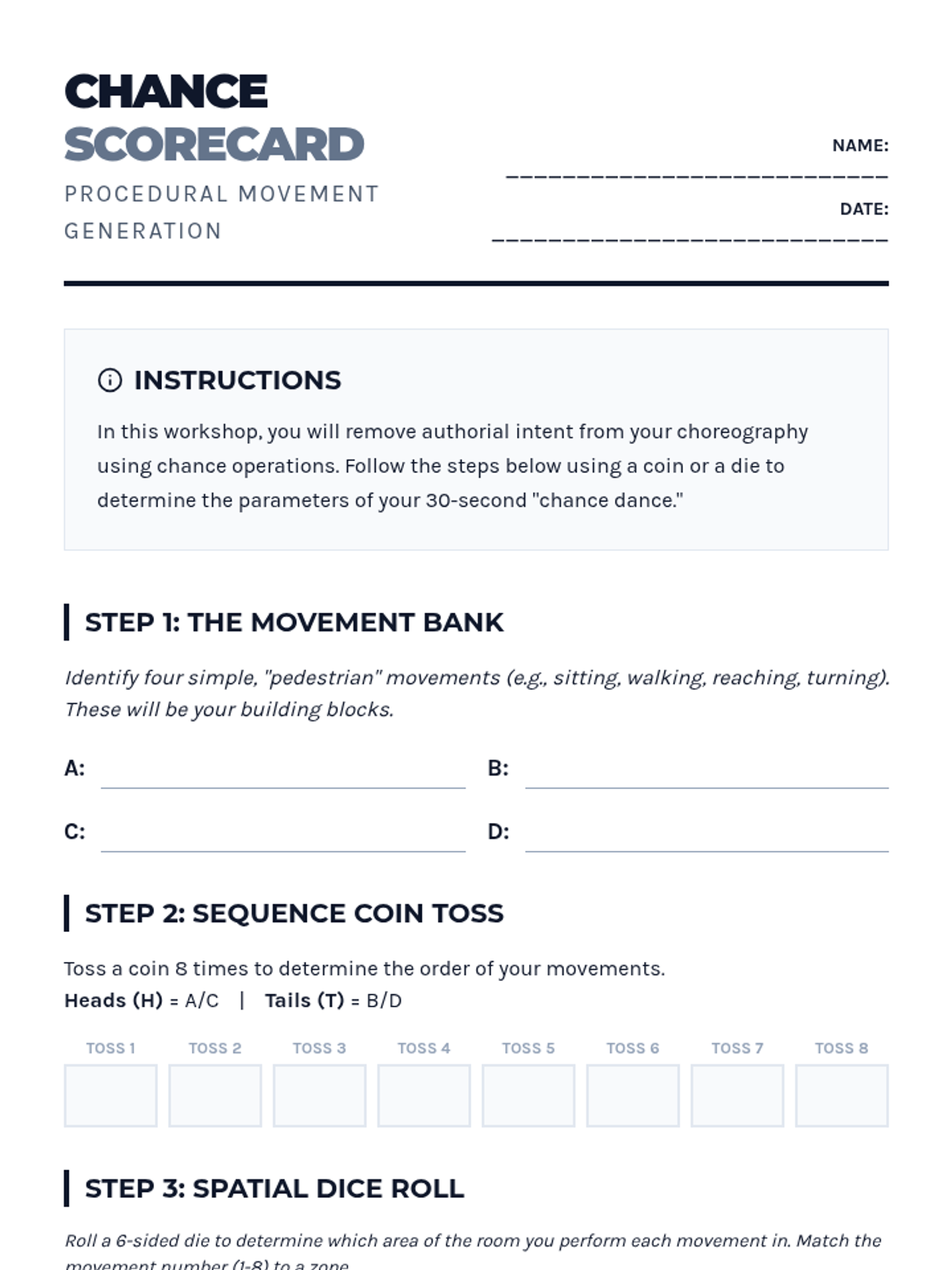
A deep dive into the 1960s-70s avant-garde dance movement, exploring how Merce Cunningham, the Judson Dance Theater, and Steve Paxton dismantled traditional virtuosity to redefine dance through chance, pedestrian movement, and physics.
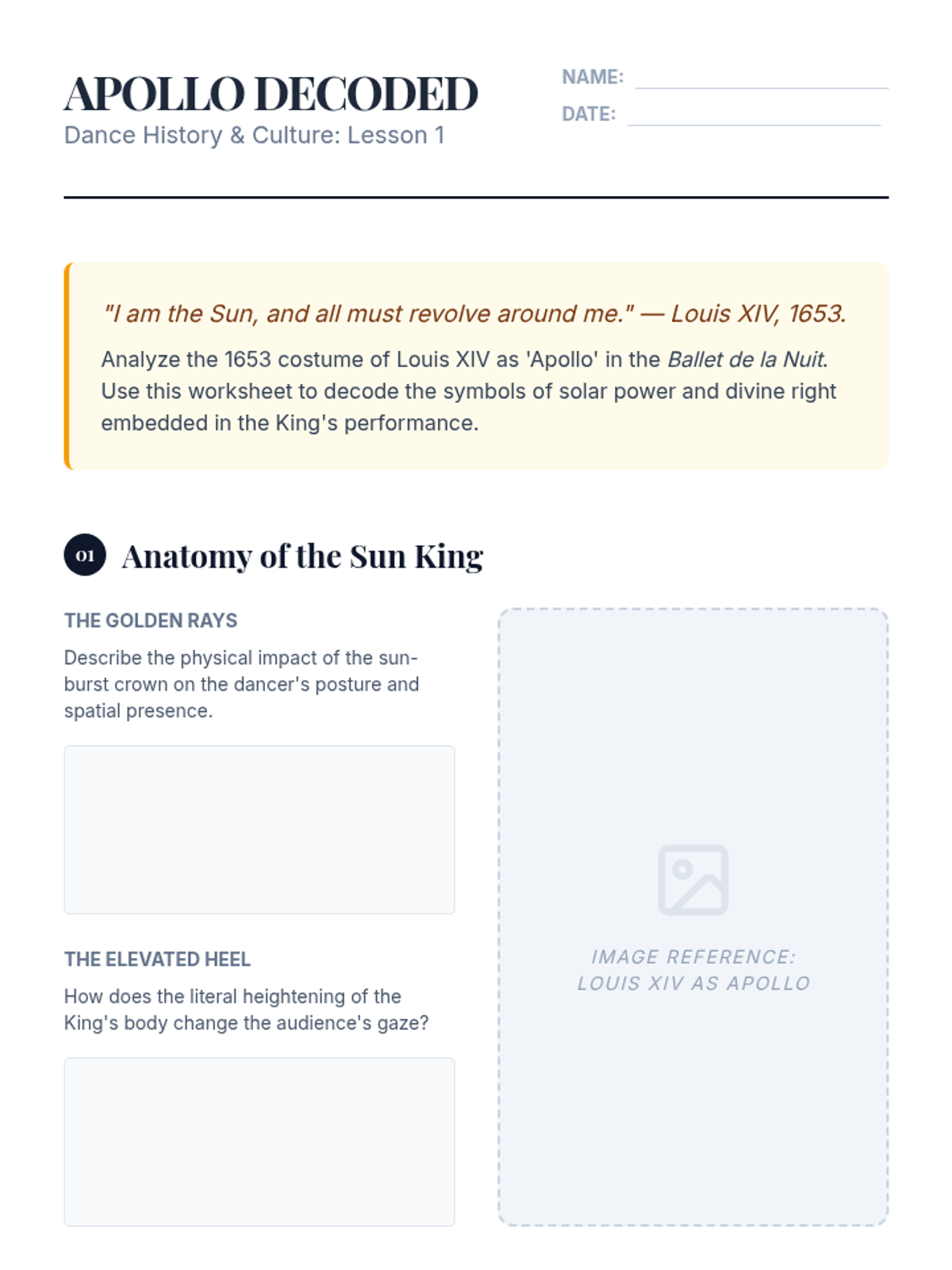
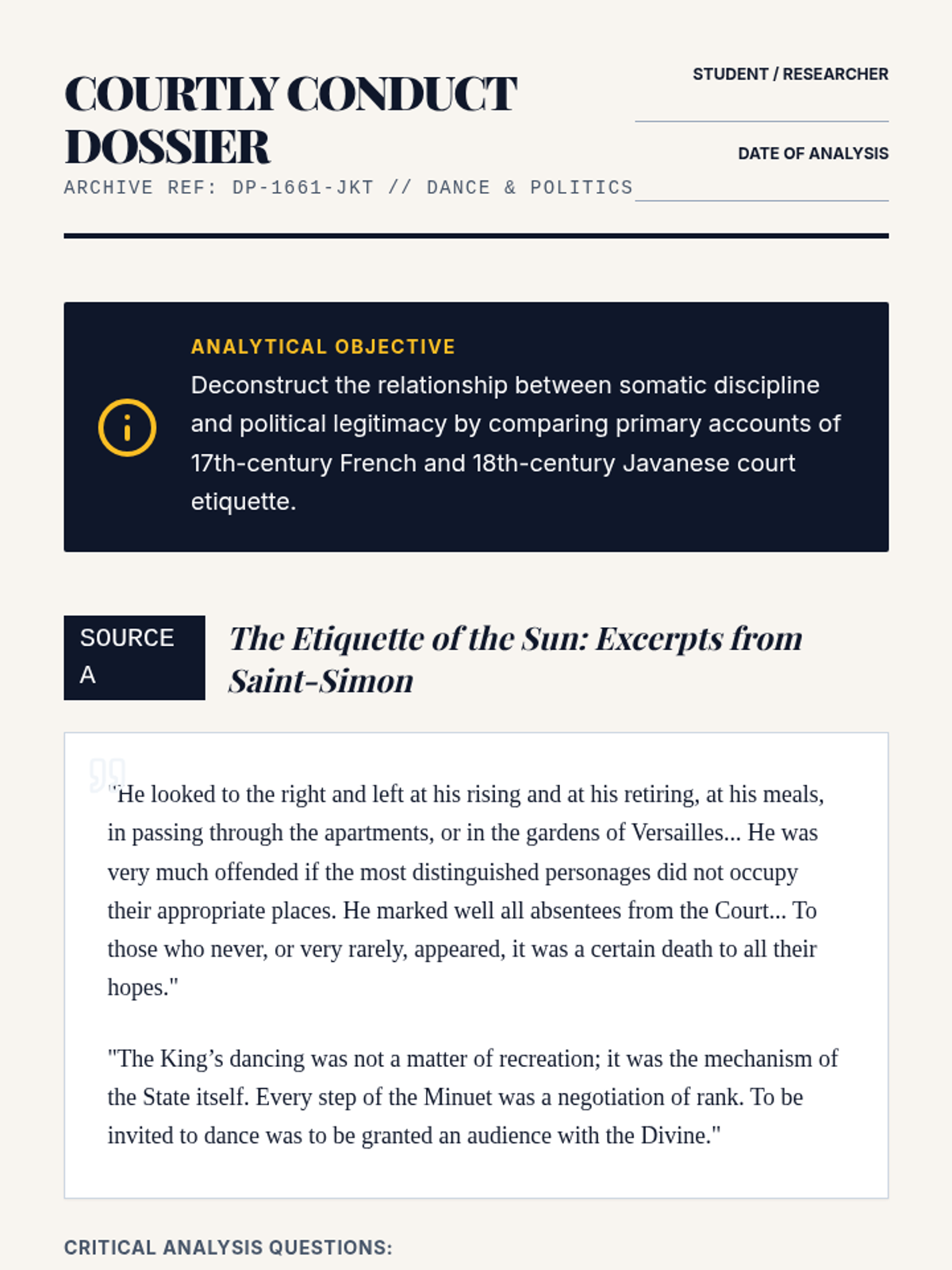
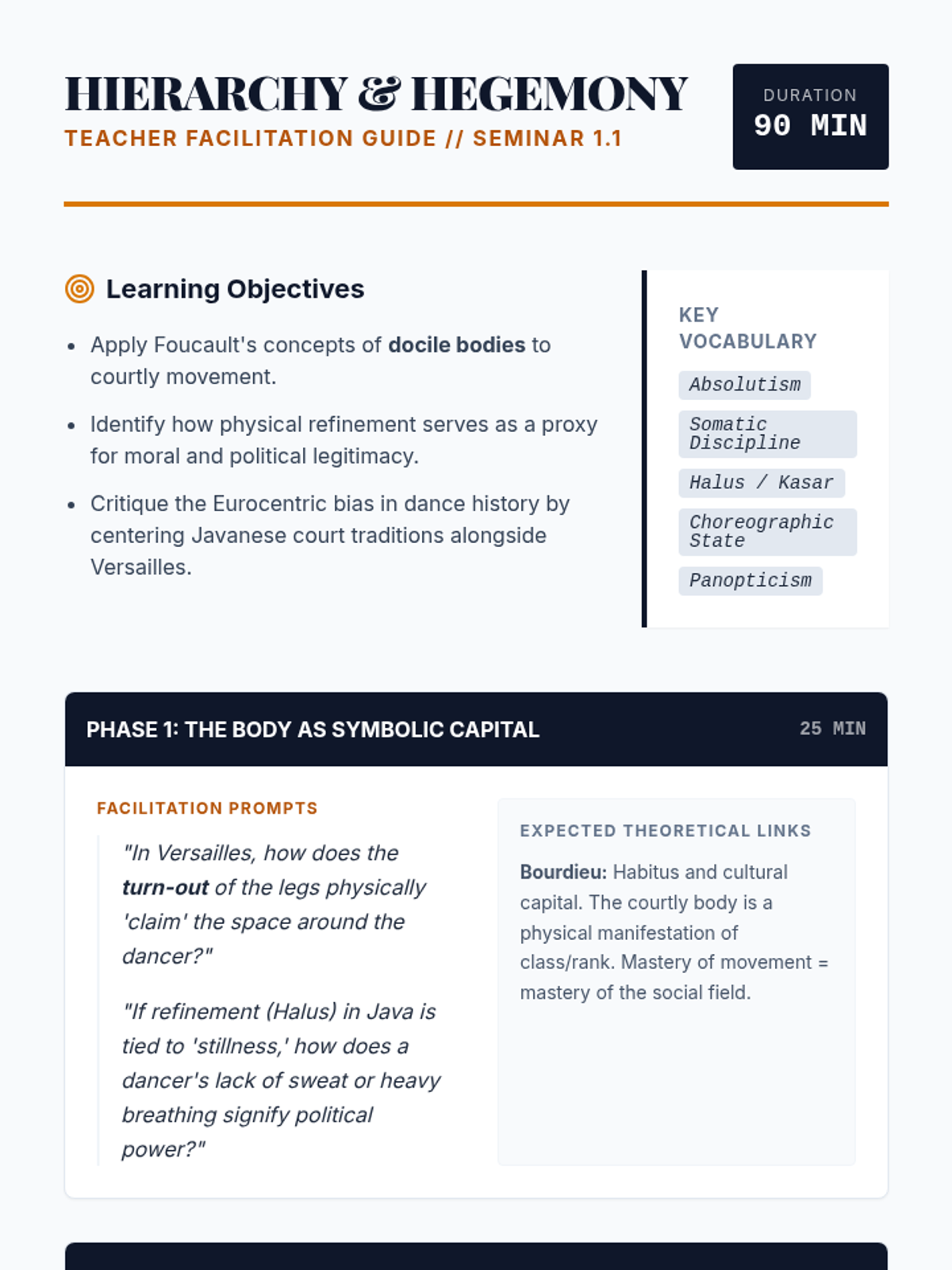
A comprehensive investigation into how political power and statecraft shaped the technique, hierarchy, and aesthetics of classical ballet from the French court to the Russian Imperial stage. Students analyze the evolution of the 'ideal body' as a reflection of political absolutism, gender dynamics, and modernist rupture.
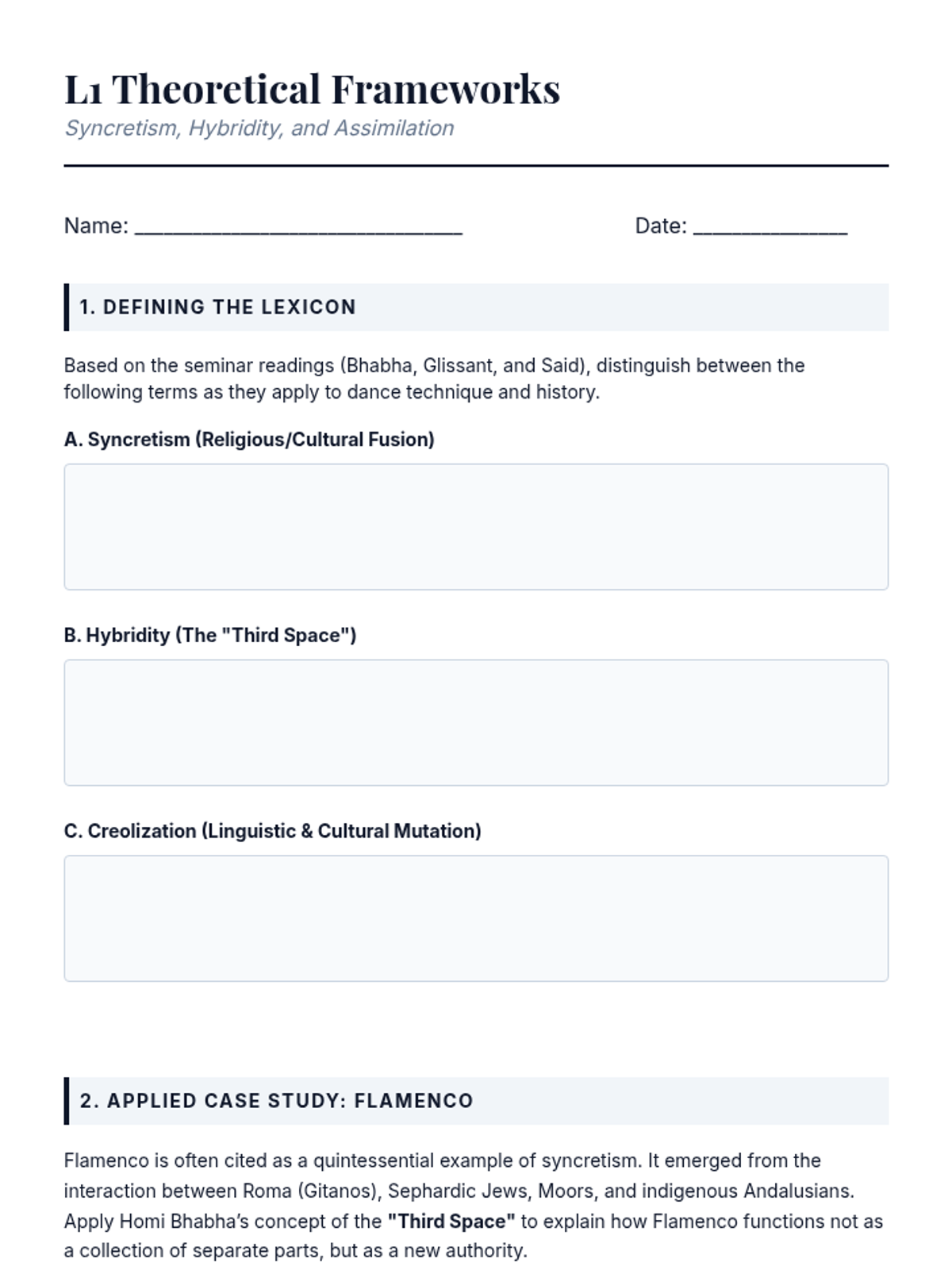
A graduate-level sequence exploring how migration, diaspora, and globalization reconfigure the somatic and semantic meanings of dance across geopolitical borders. Students analyze theories of syncretism, the Black Atlantic, Orientalism, transnational trauma in Butoh, and the ethics of digital globalization.
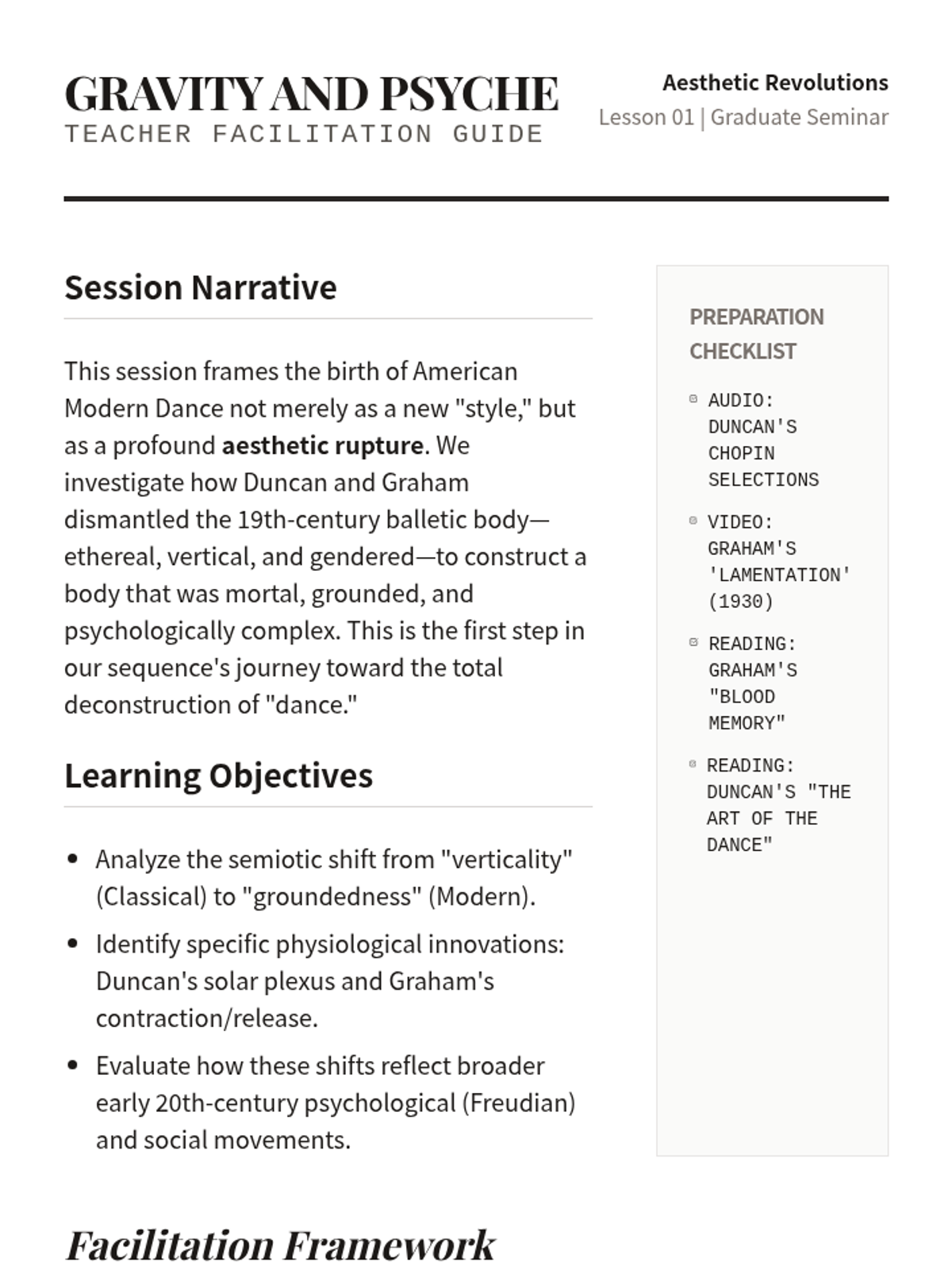
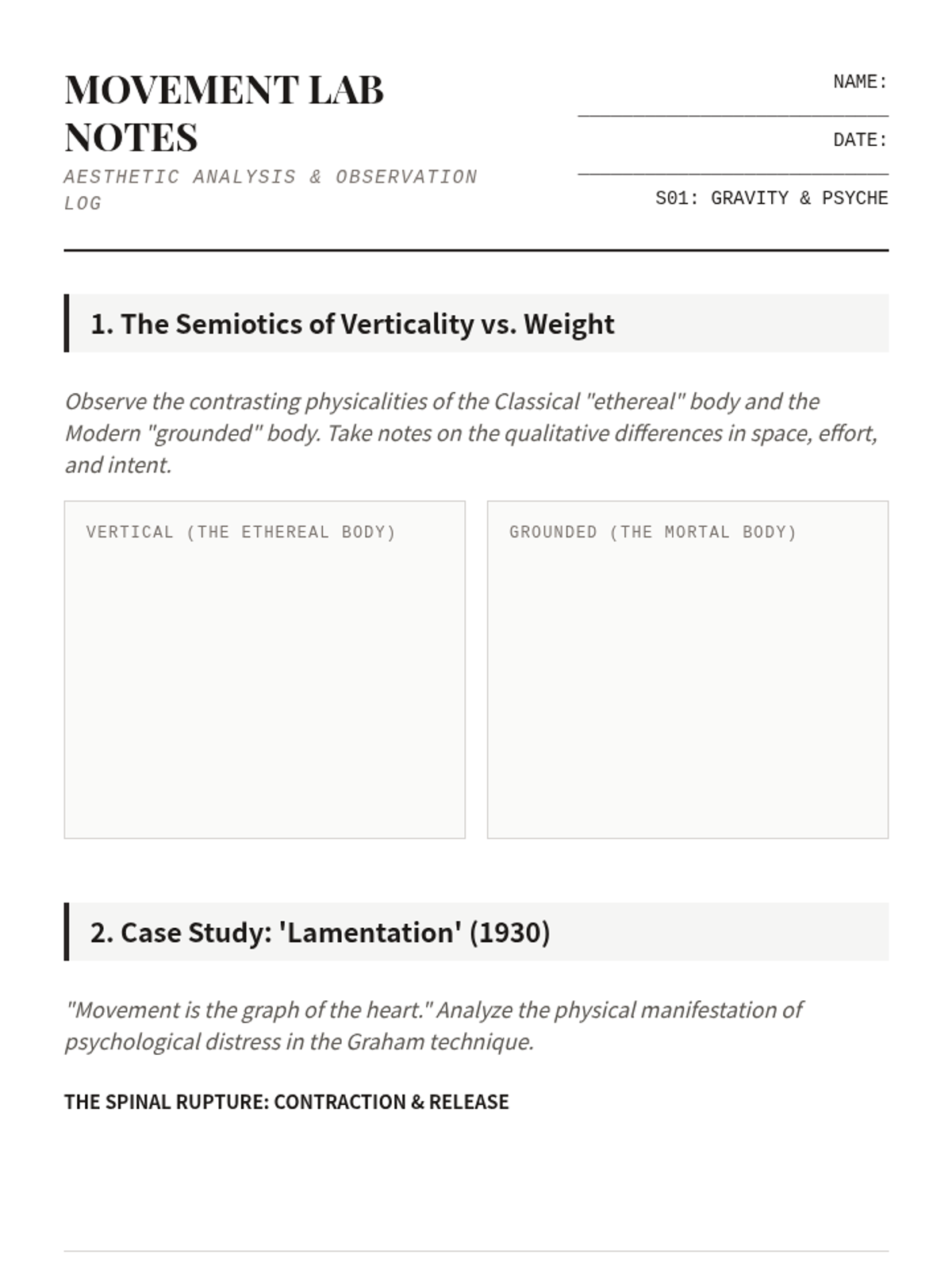
An intensive graduate-level exploration of major aesthetic ruptures in 20th and 21st-century Western dance, tracking the evolution from modern expressionism to contemporary conceptualism.
A graduate-level exploration of how dance serves as a tool for state power, national identity formation, and revolutionary resistance, spanning from absolutist courts to contemporary protest movements.
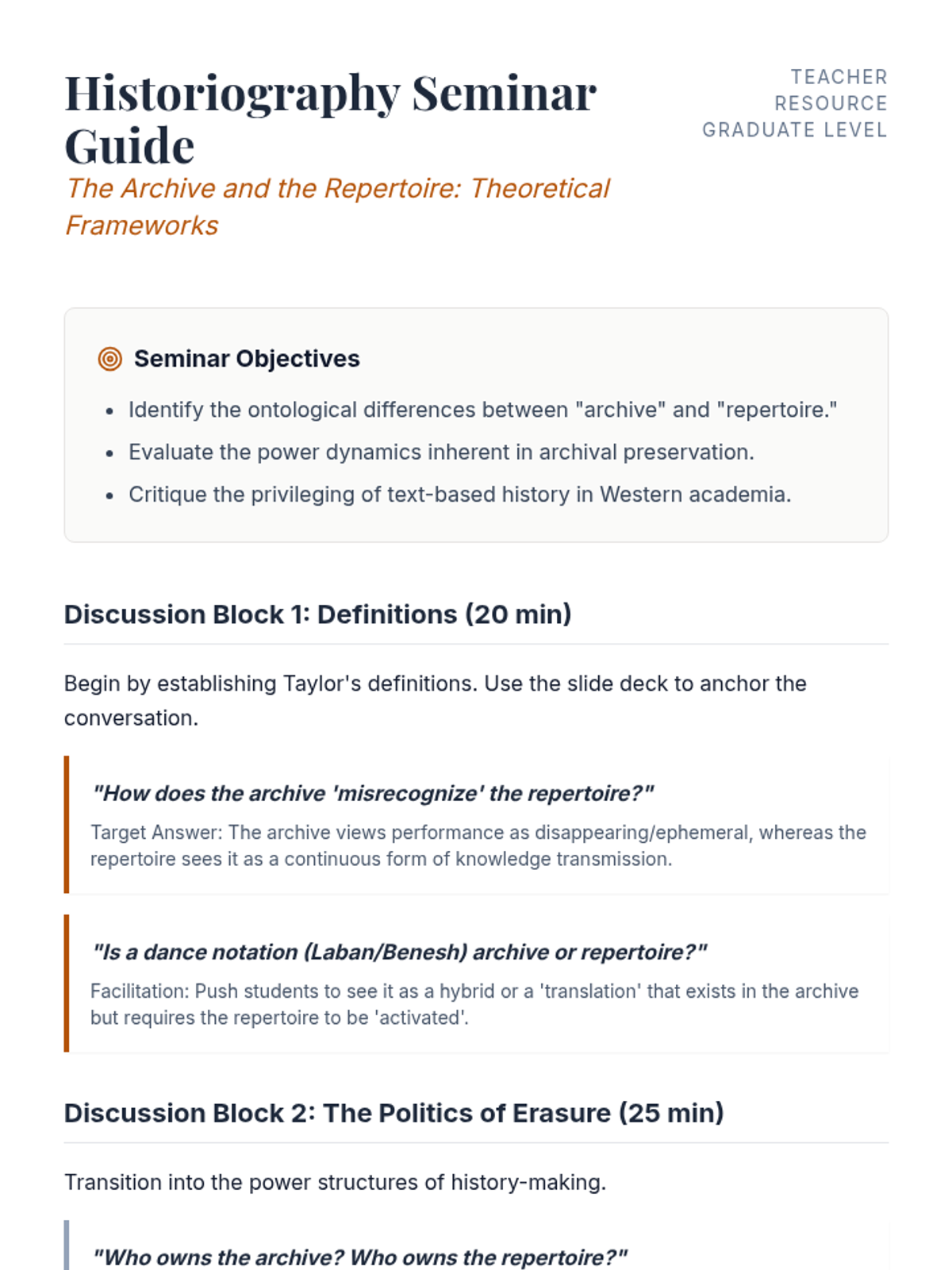
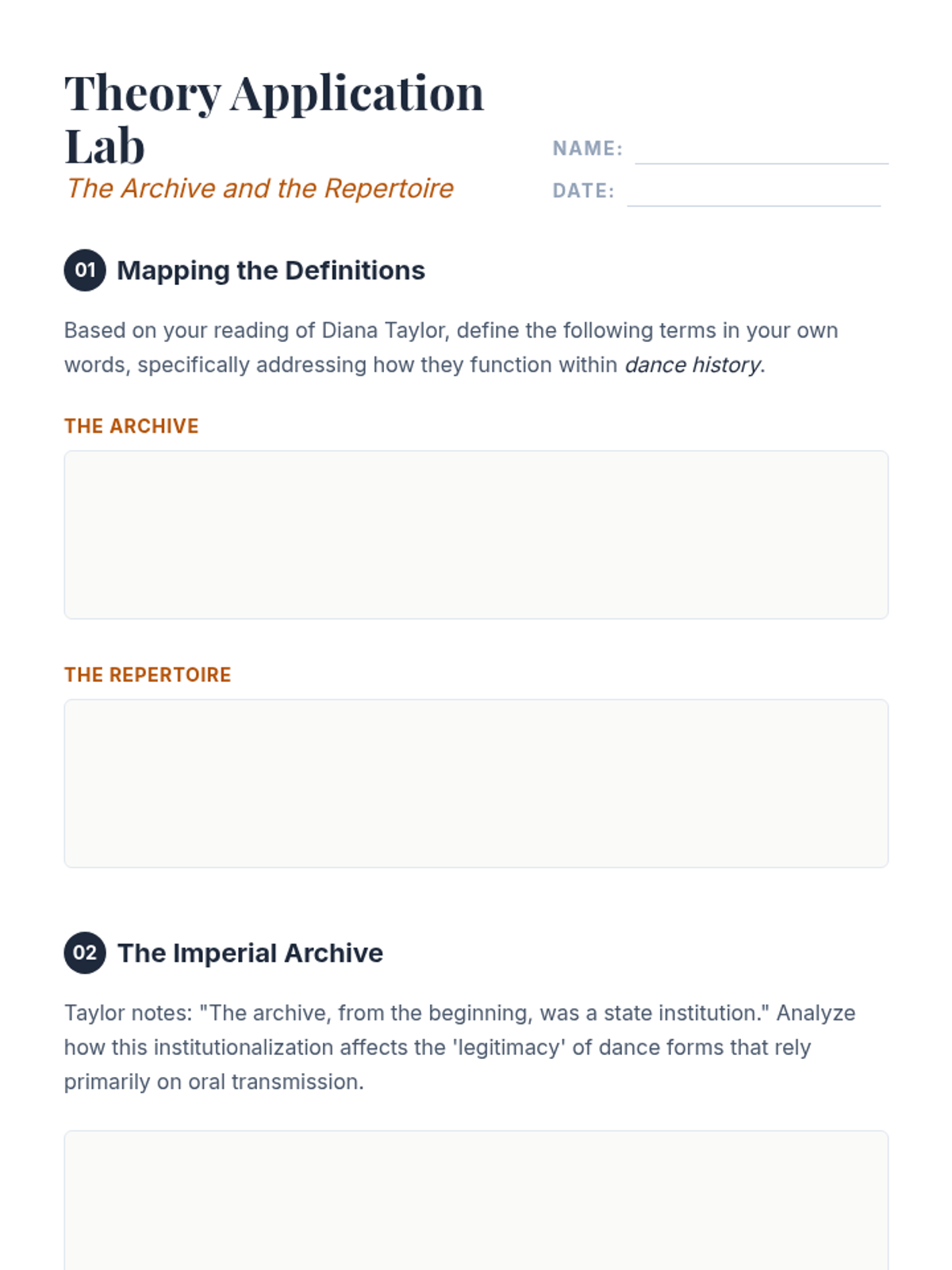
This advanced graduate seminar sequence explores the theoretical and practical methodologies of dance historiography, focusing on the tension between archival documentation and embodied performance. Students will critically examine power structures in history-making and develop methods for researching marginalized or ephemeral dance forms.
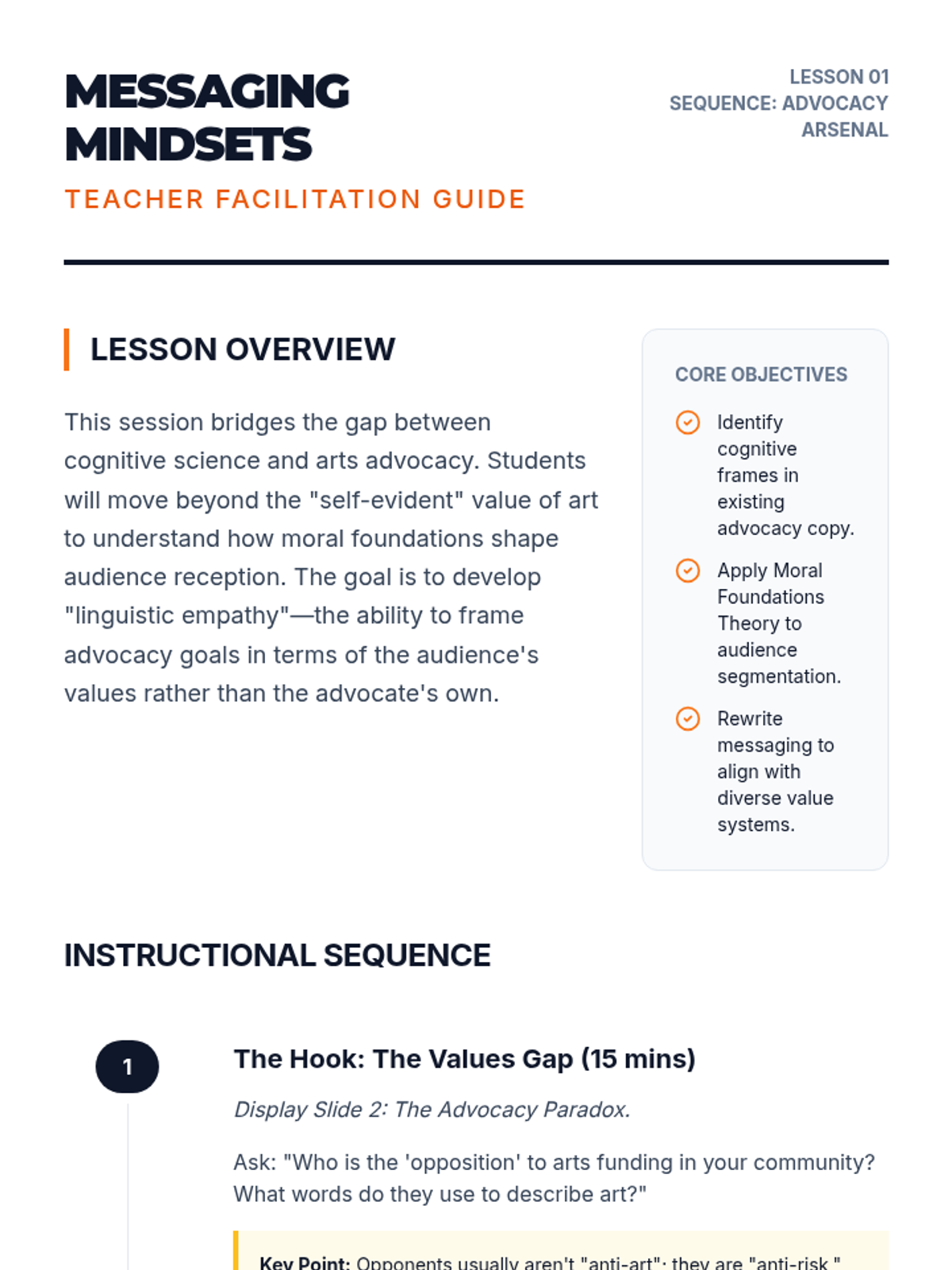
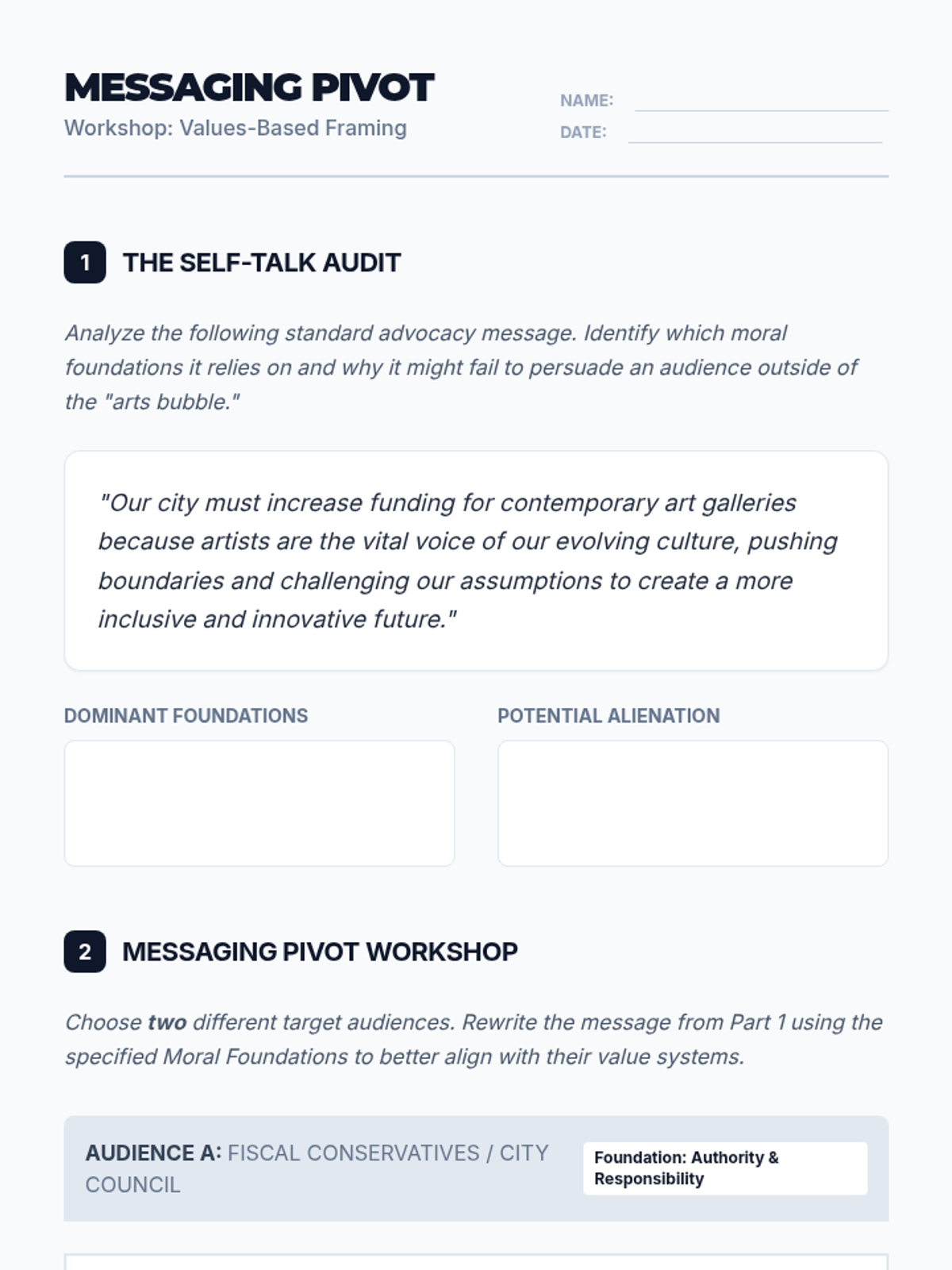
This graduate-level sequence explores strategic communication for arts advocacy, focusing on cognitive framing, digital mobilization, crisis management, and media relations. Students develop a comprehensive campaign plan to influence public opinion and policy.
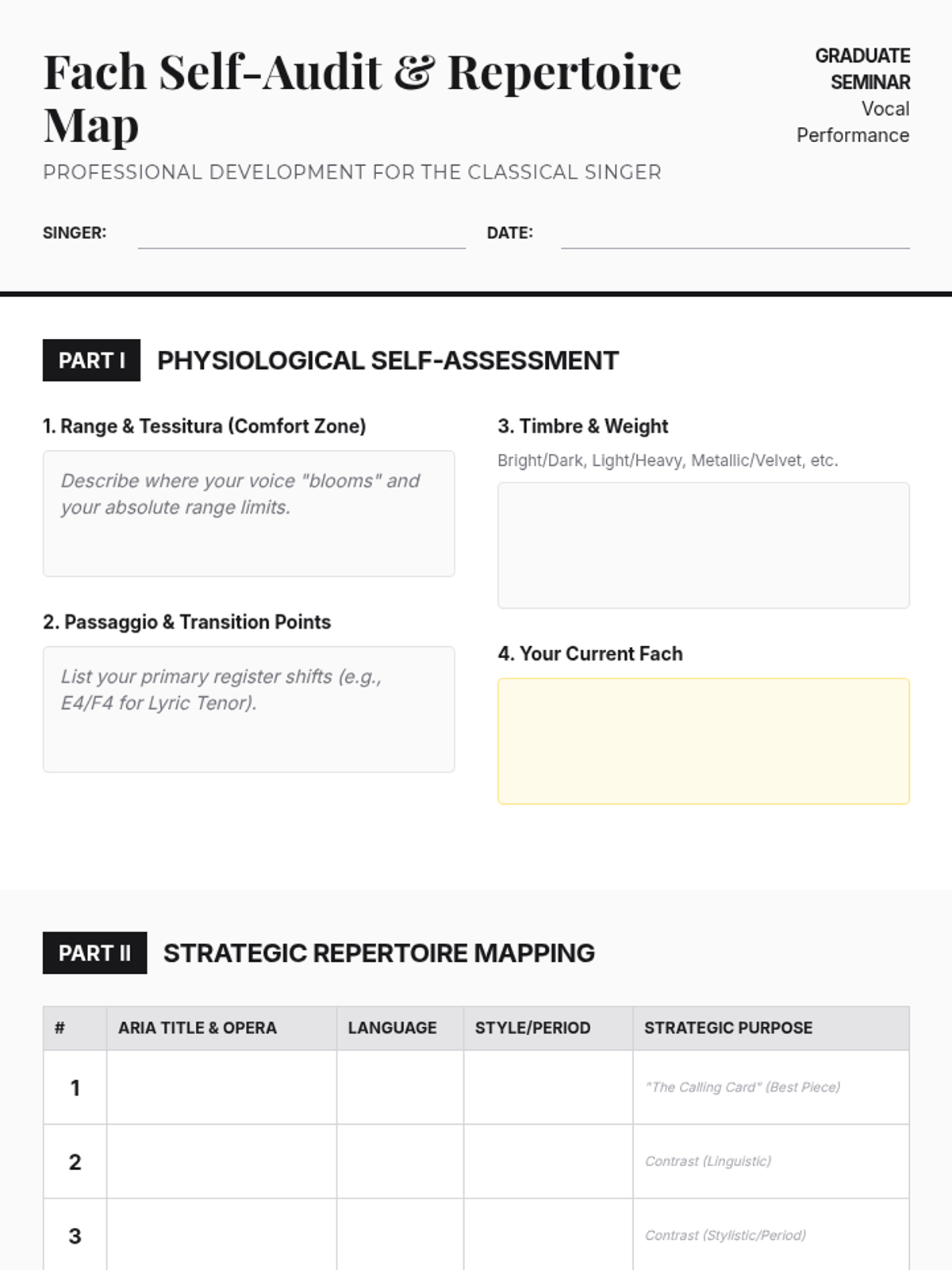
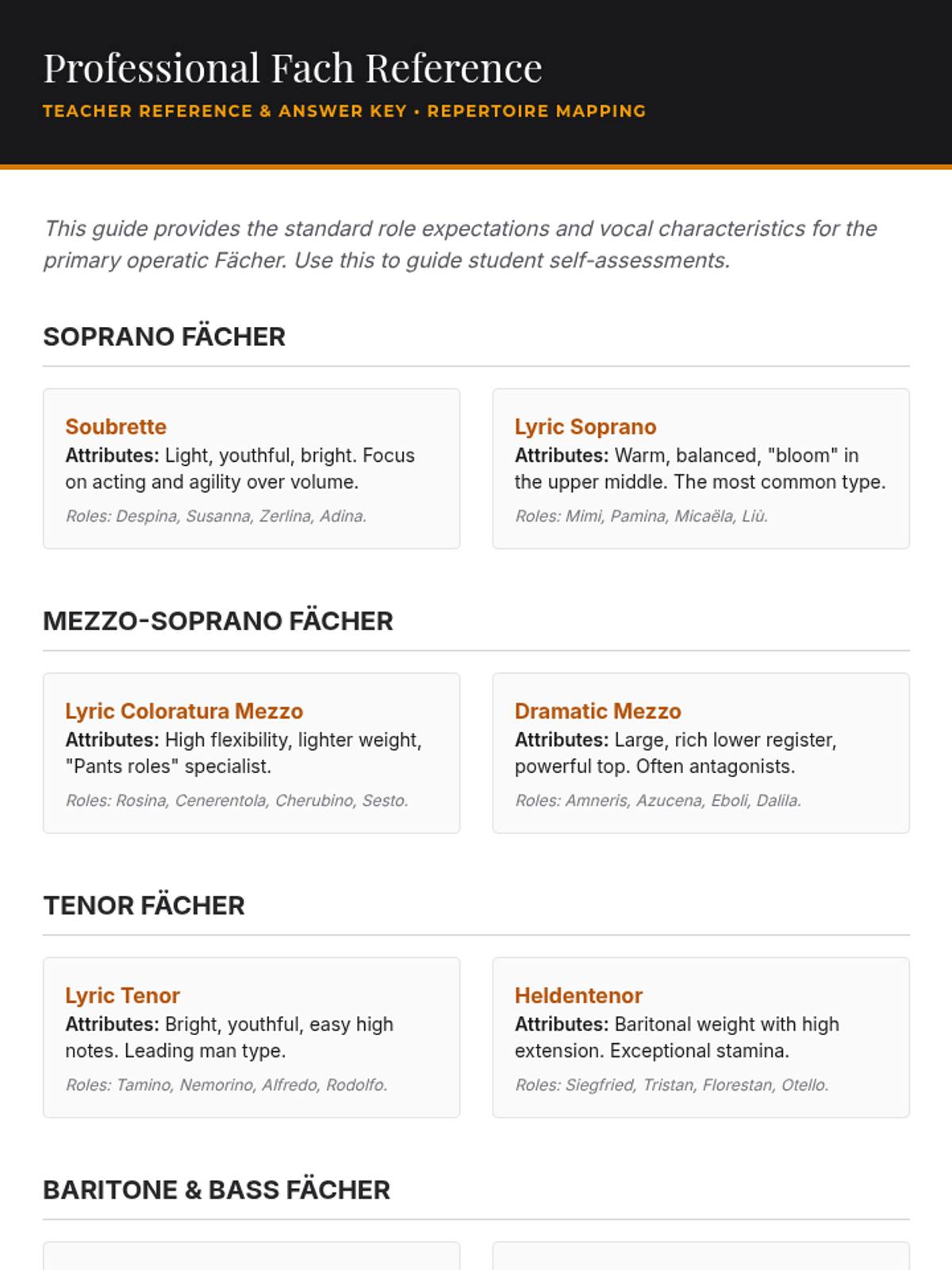
A comprehensive career-focused sequence for graduate-level singers, covering Fach analysis, audition repertoire, professional materials, performance psychology, and a final mock audition. This unit bridges the gap between conservatory training and the professional music industry.
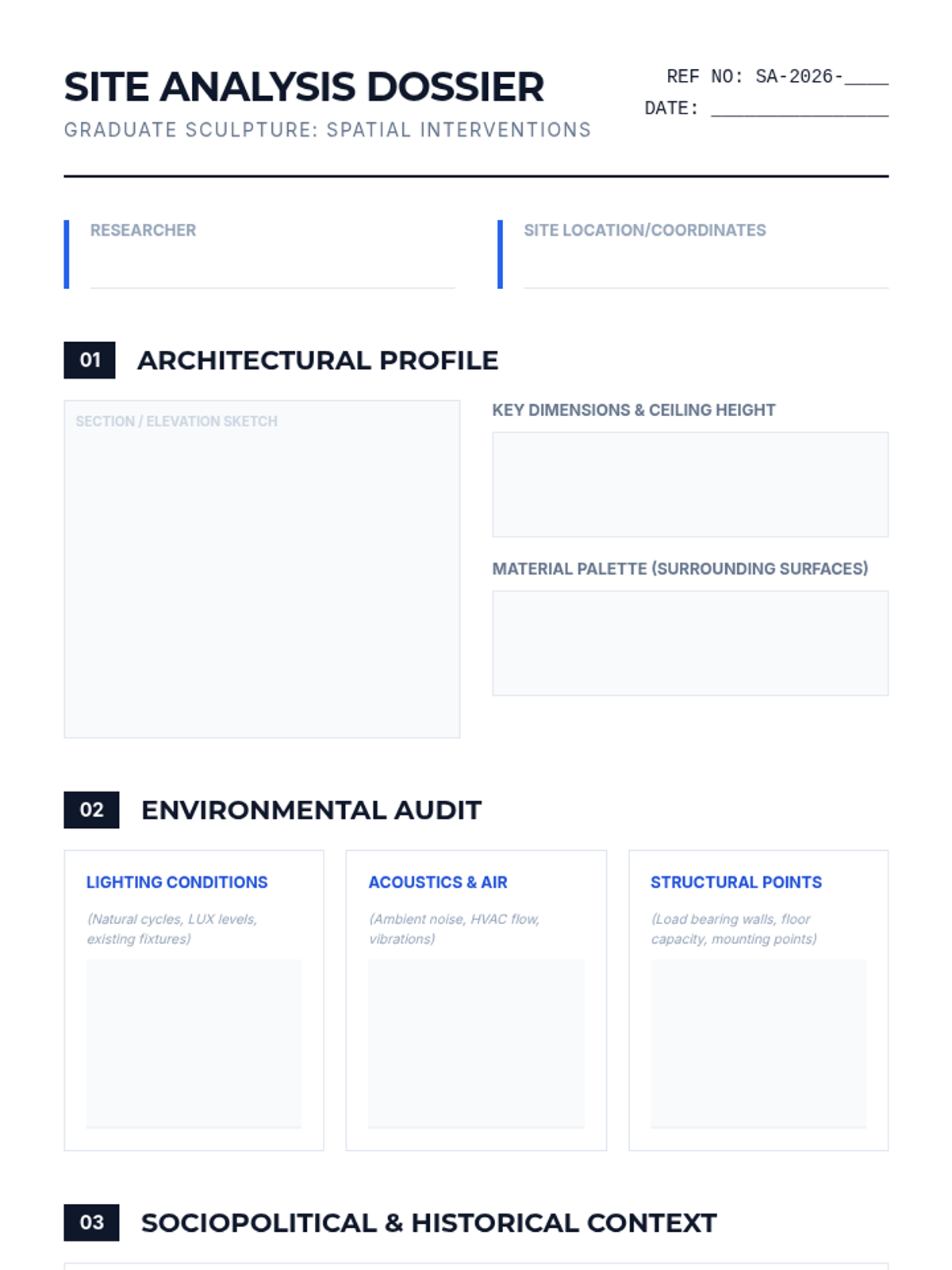
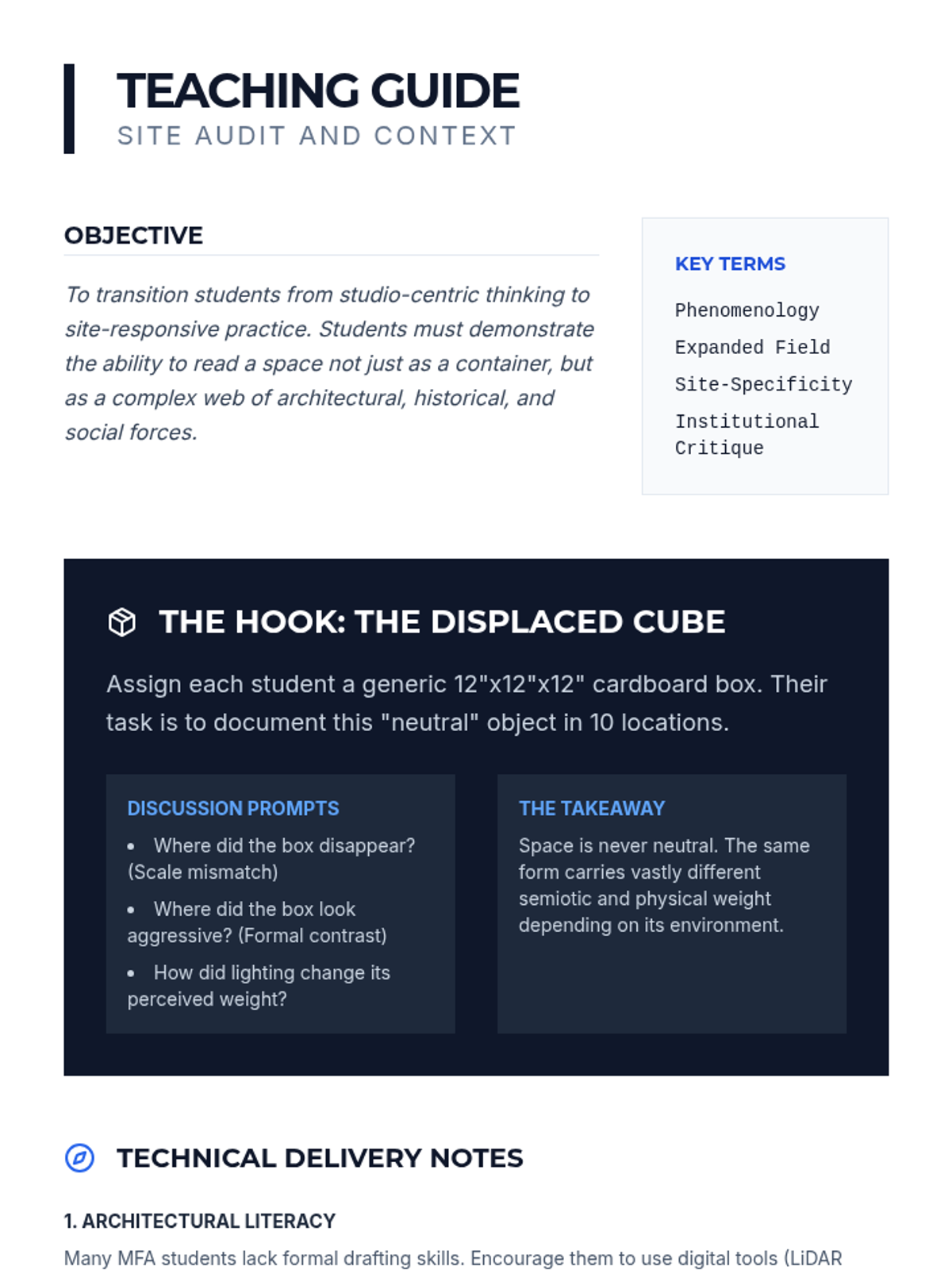
A graduate-level sequence exploring the methodology of site-specific sculpture, focusing on spatial analysis, professional proposal development, phenomenology, and archival documentation.
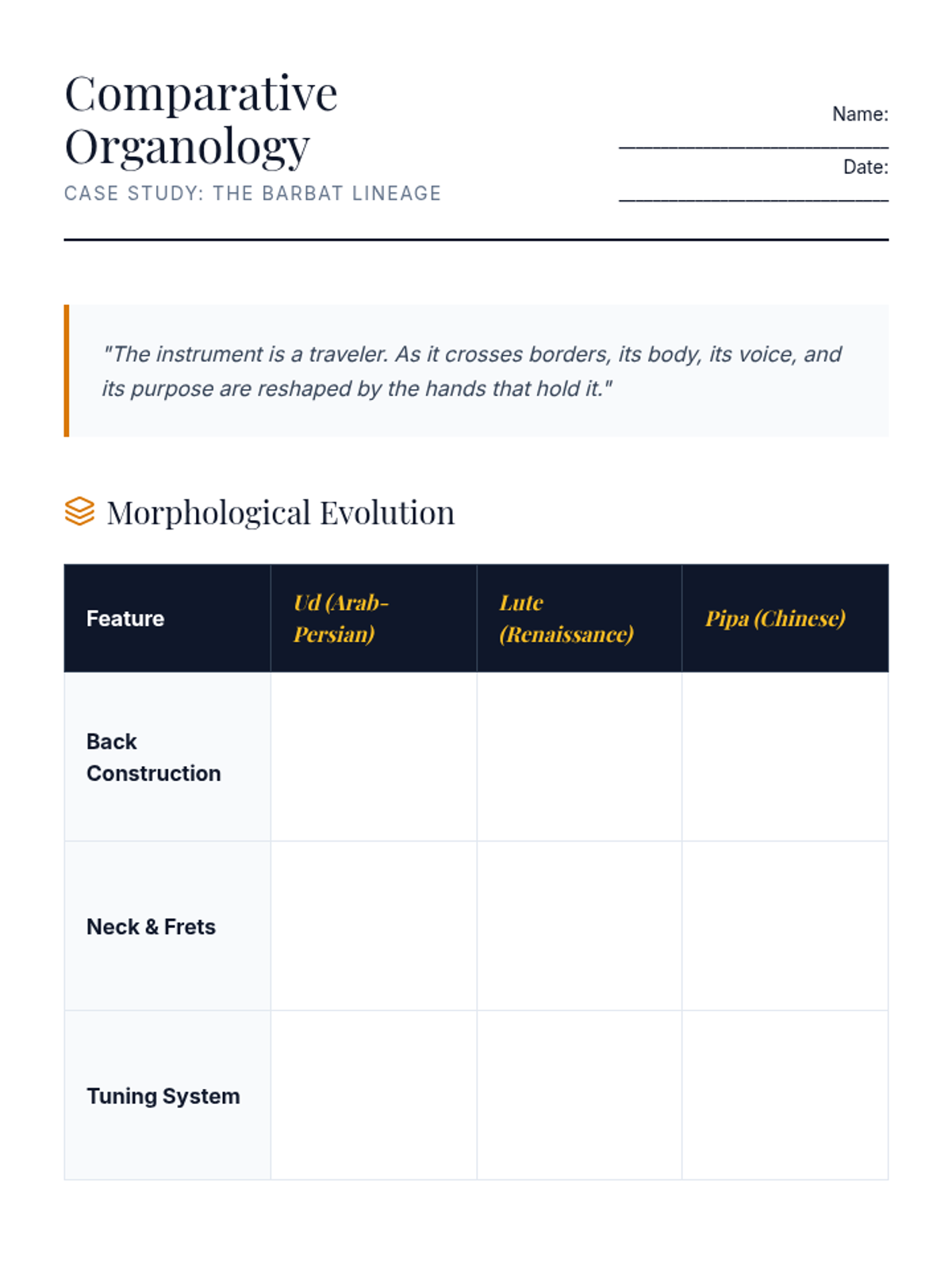
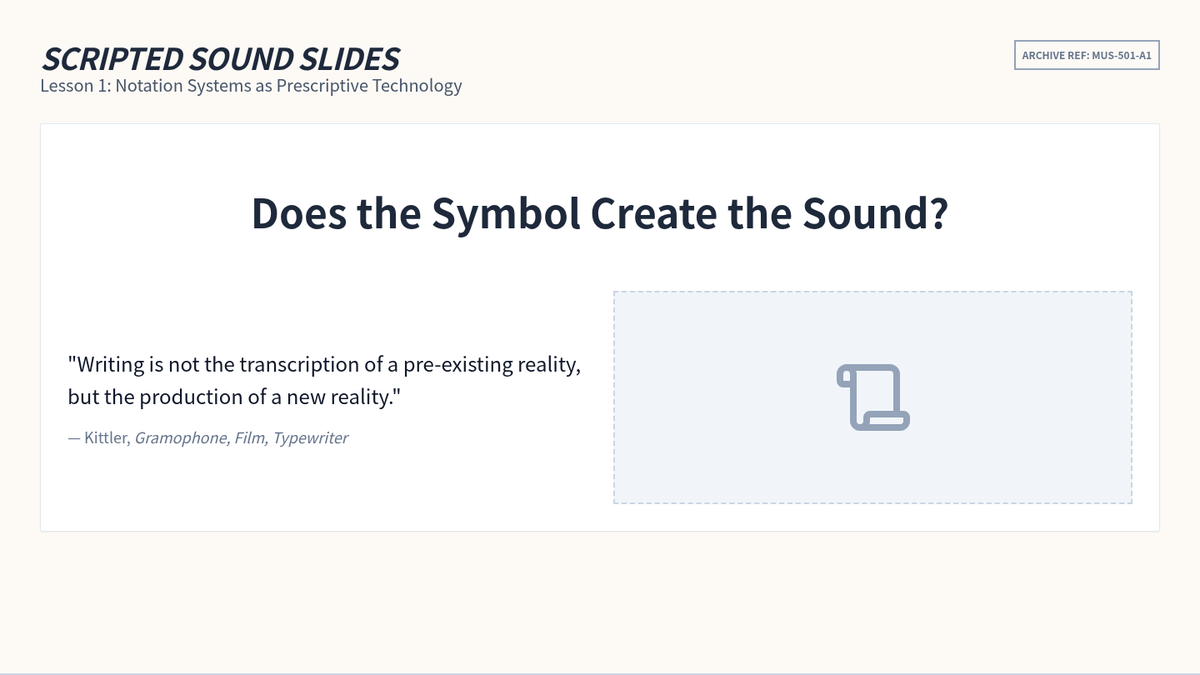
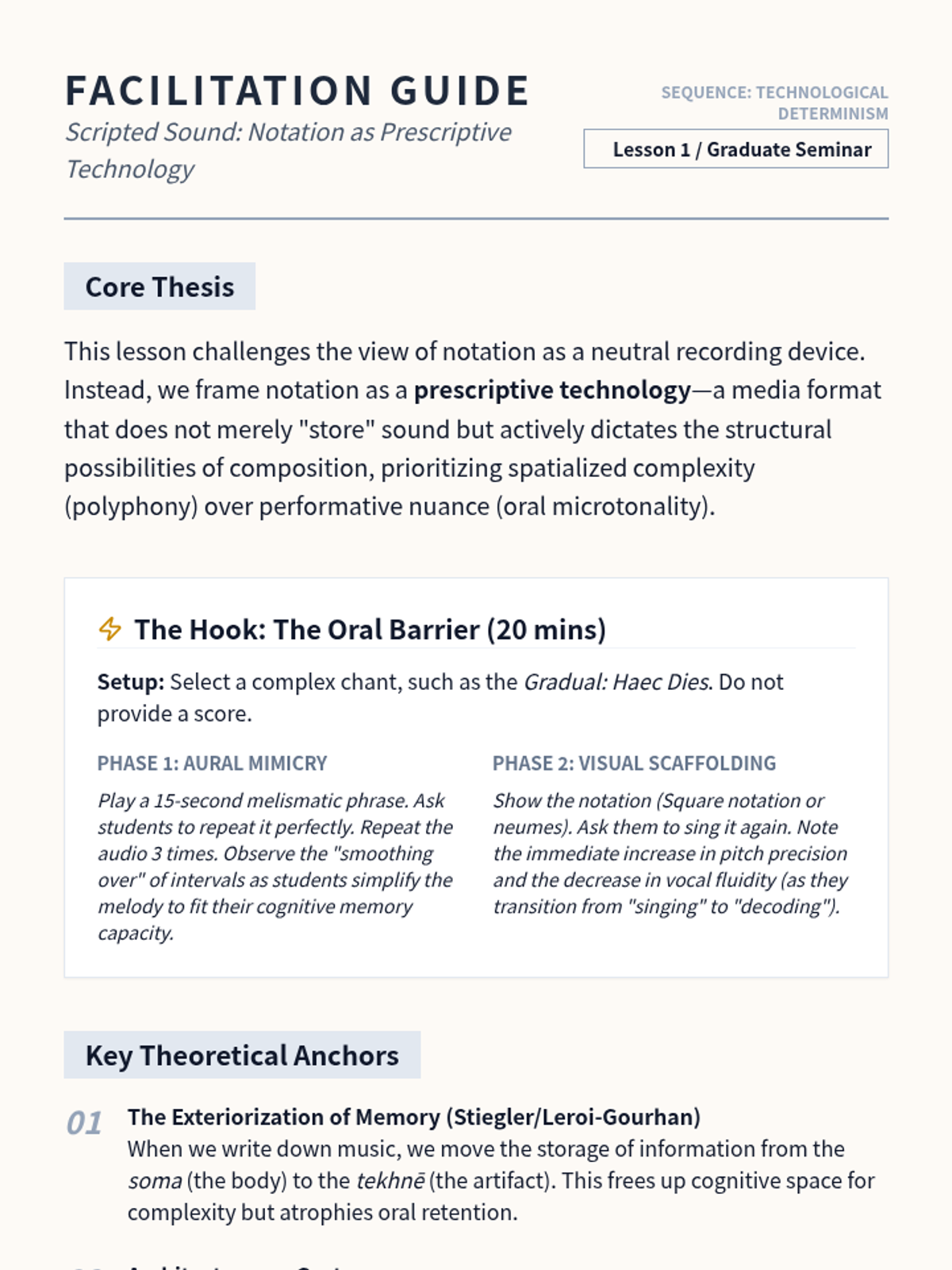
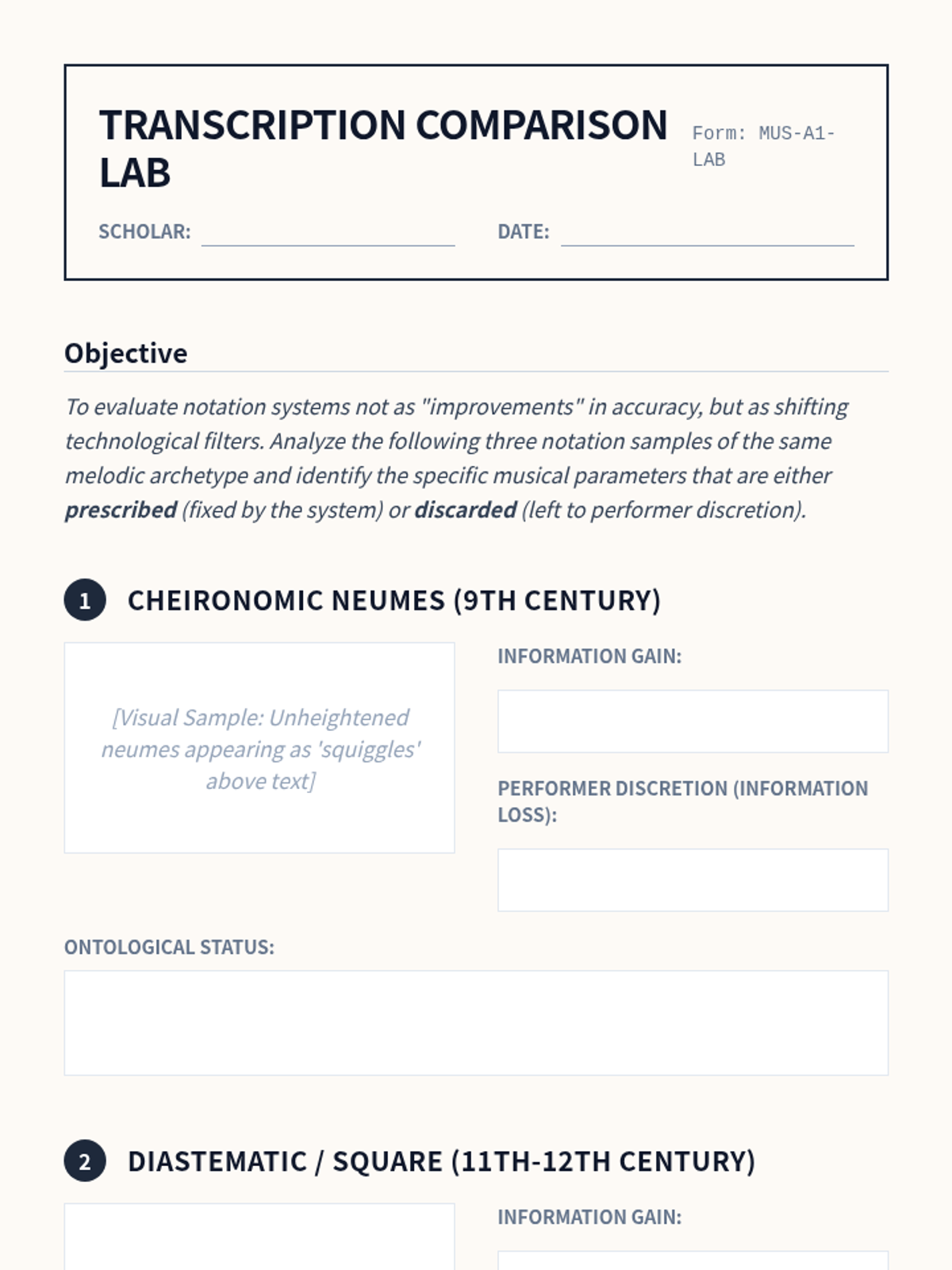
A graduate-level exploration of how technological advancement (from notation to algorithms) acts as a primary driver of musical aesthetics and evolution. Students analyze the reciprocal relationship between material culture and musical expression using media theory and organology.
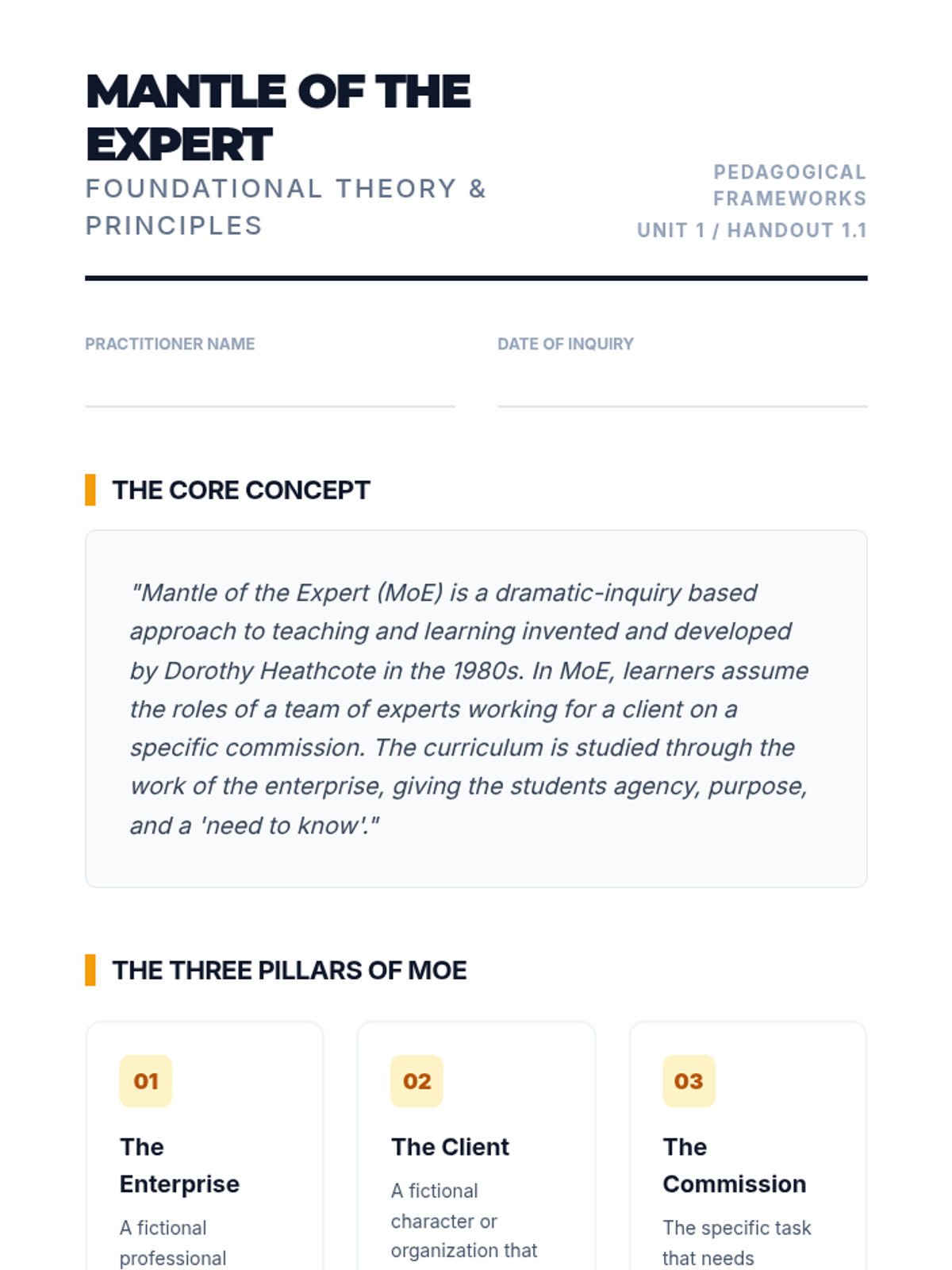
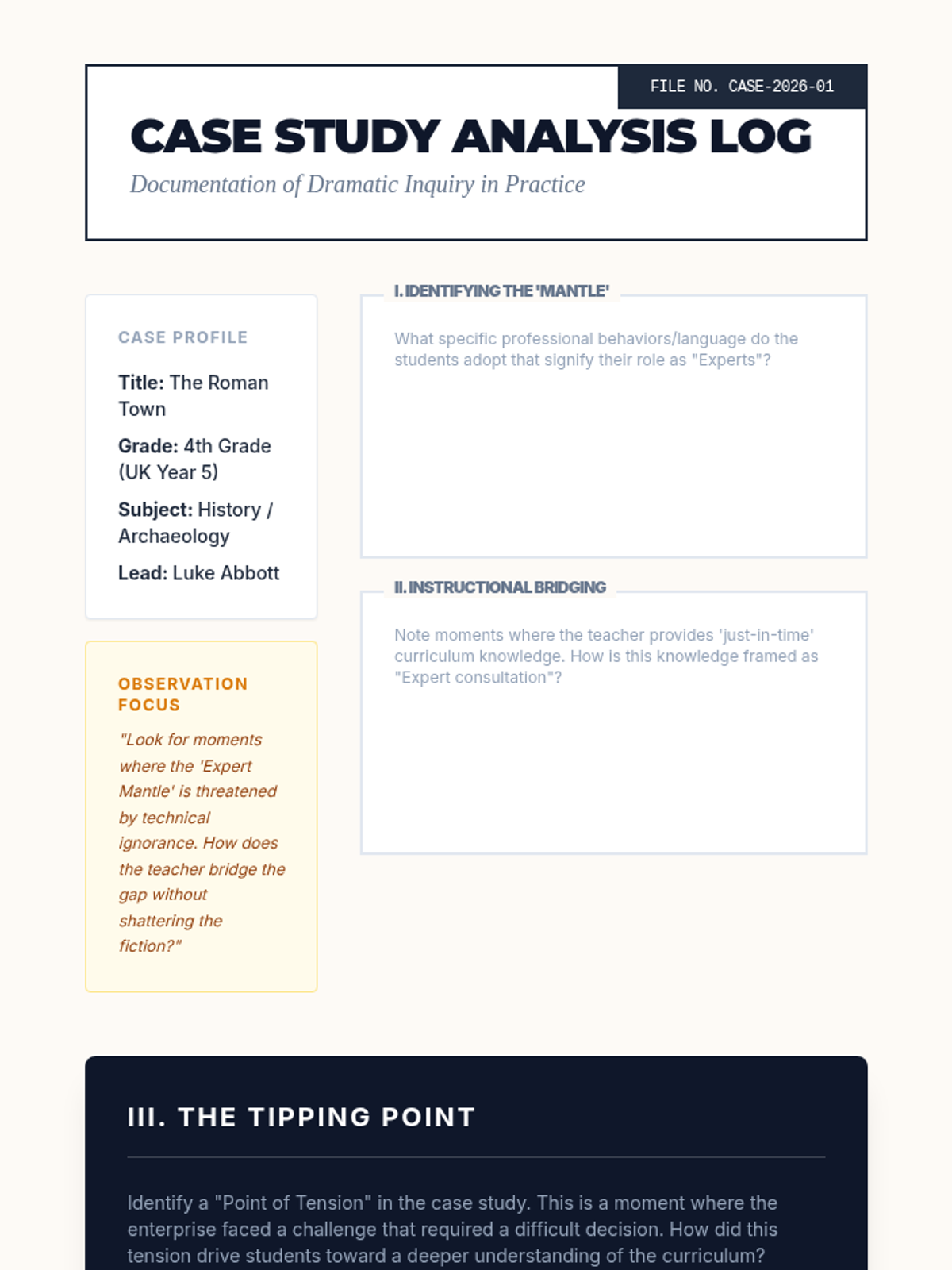
A comprehensive graduate-level course exploring the pedagogy of dramatic inquiry, focusing on Dorothy Heathcote’s Mantle of the Expert and its application in cross-curricular K-12 education. Students will master instructional design, teacher-in-role techniques, and the assessment of creative processes.
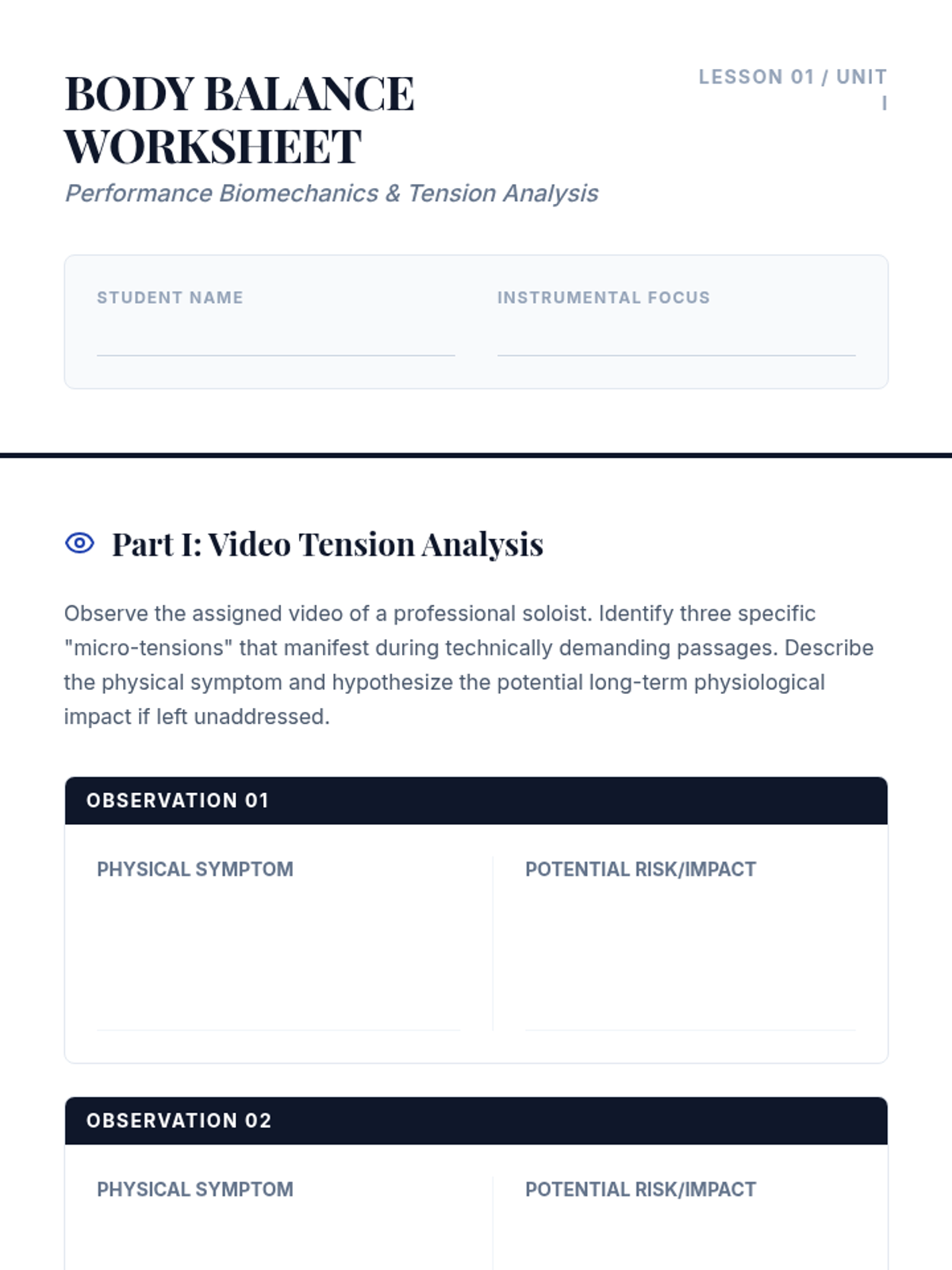
A comprehensive graduate-level sequence exploring the analytical, physiological, and philosophical foundations of instrumental music teaching, from biomechanics to professional masterclass facilitation.
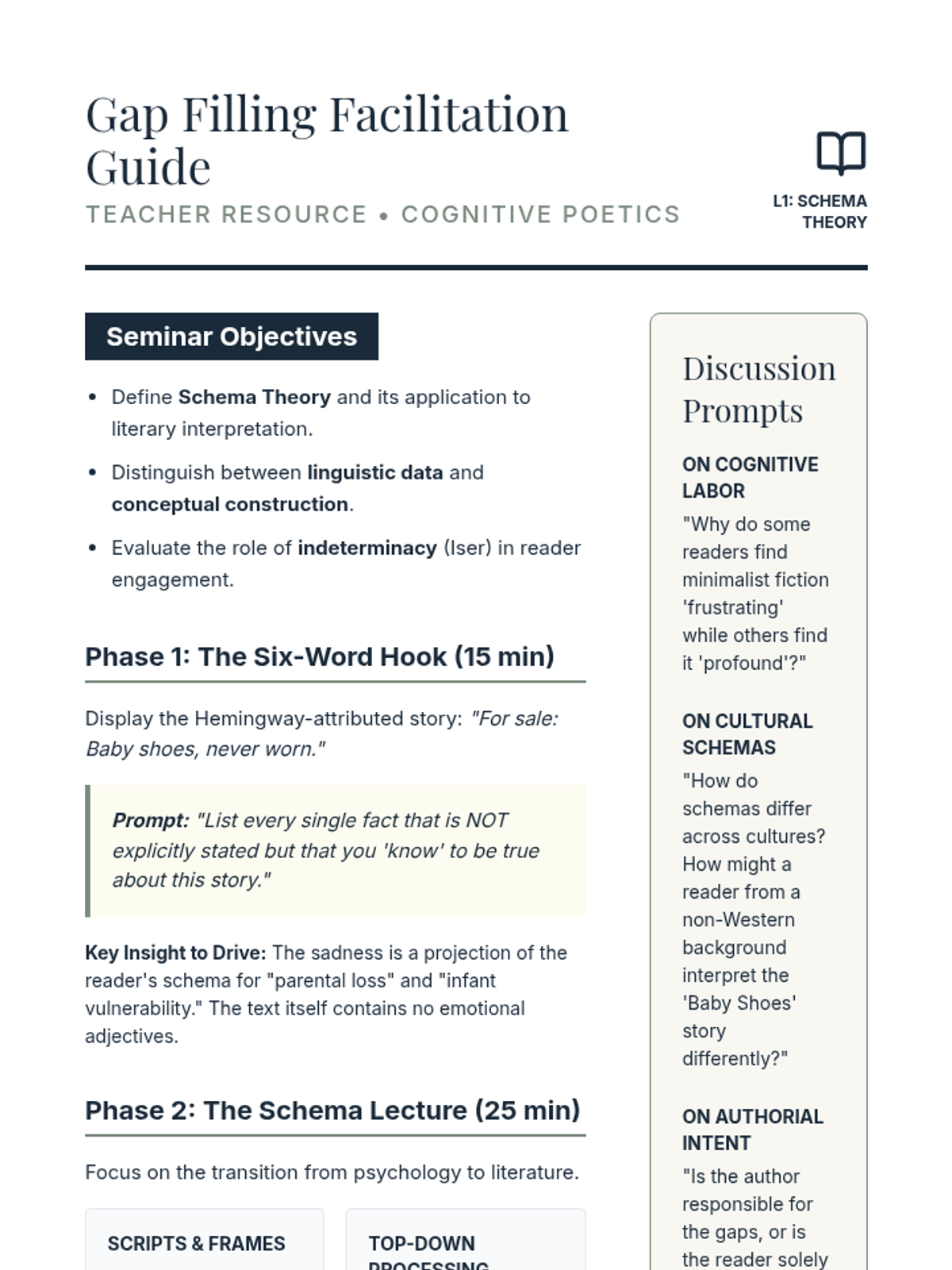
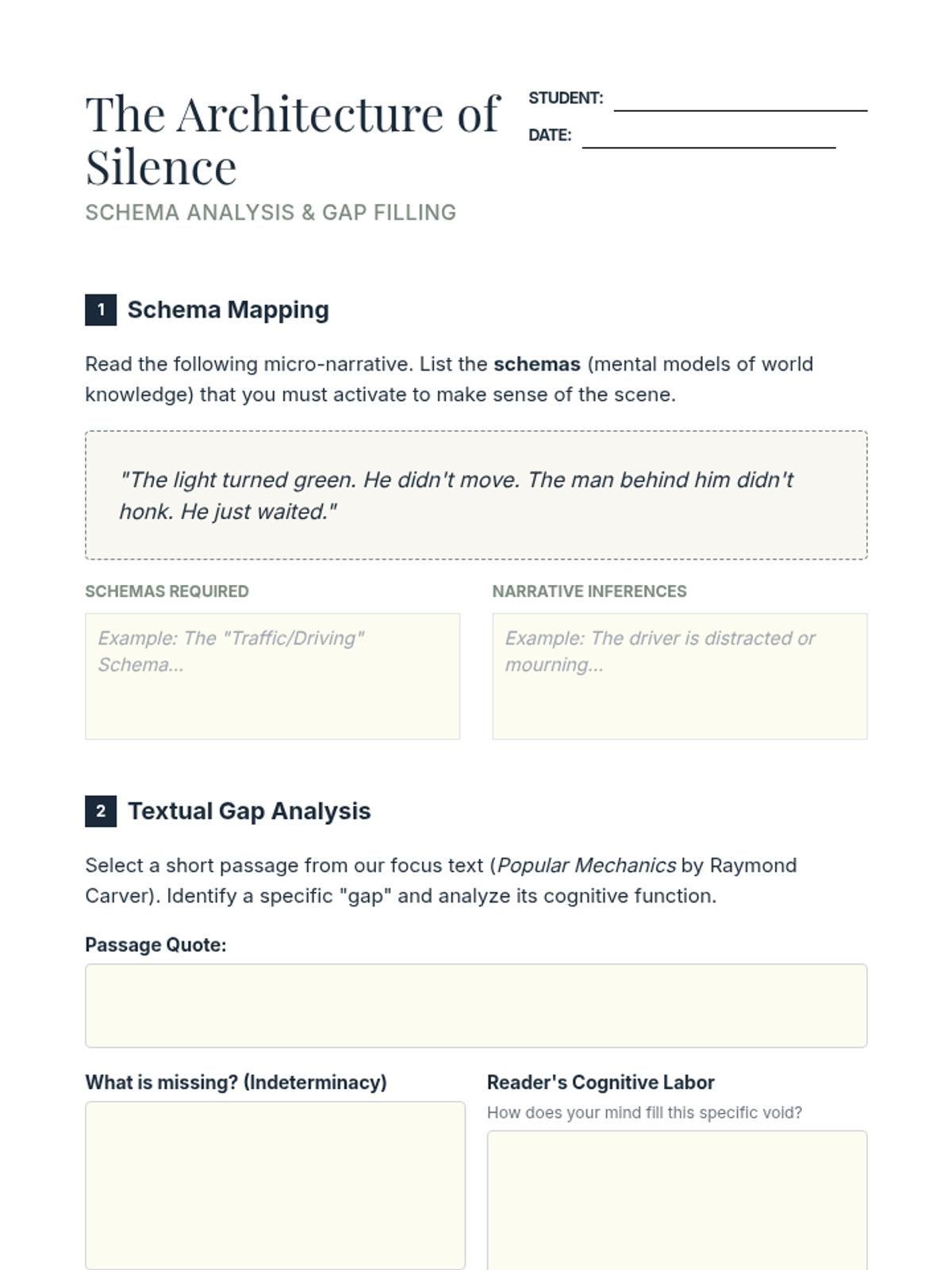
This graduate-level sequence explores the cognitive processes behind reading, focusing on how schemas, metaphors, and mental models allow readers to construct meaning and experience empathy through literature.
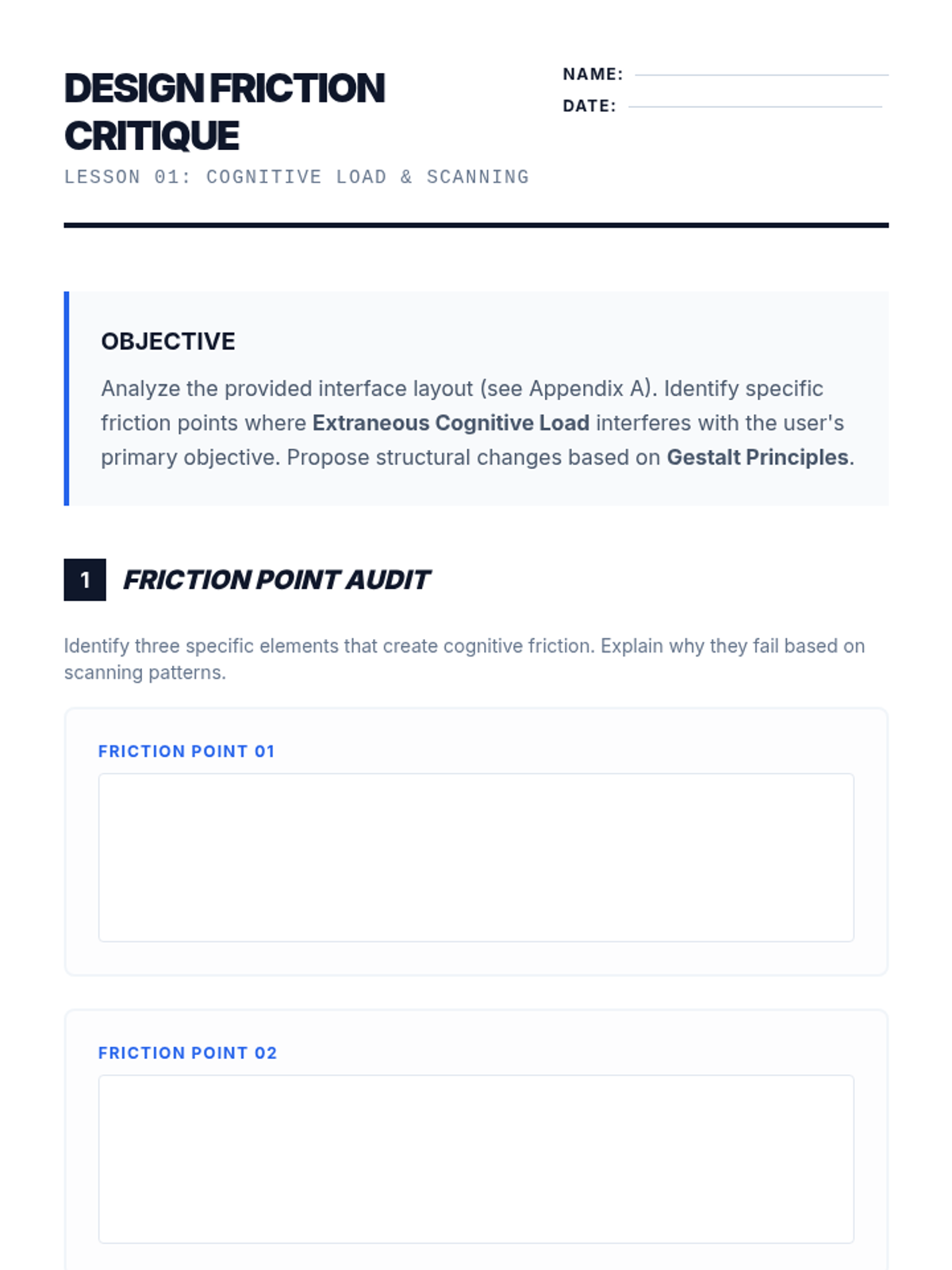
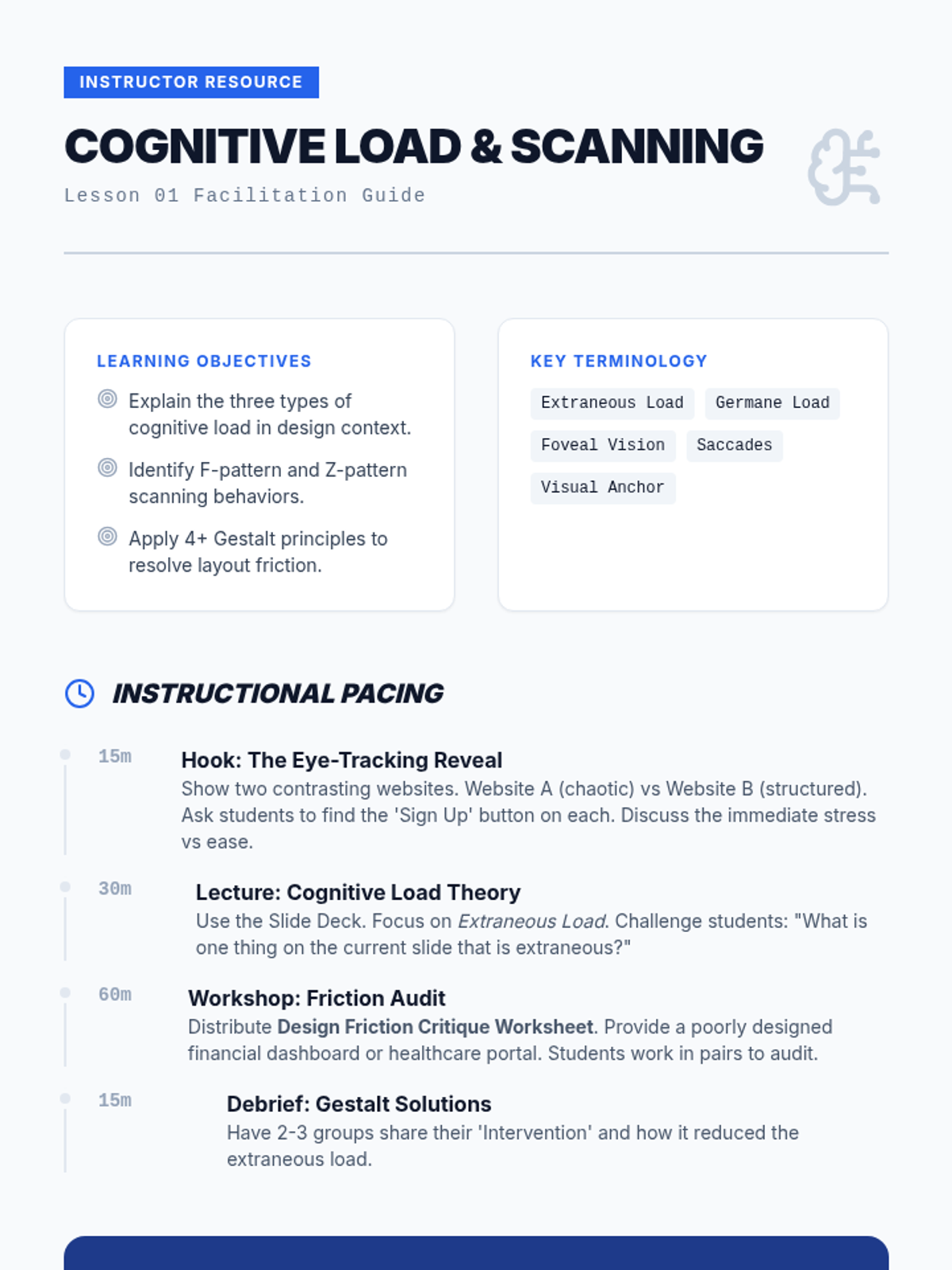
A graduate-level sequence exploring visual hierarchy, information design, and cognitive psychology. Students learn to reduce cognitive load through data visualization, accessibility standards, and wayfinding systems.
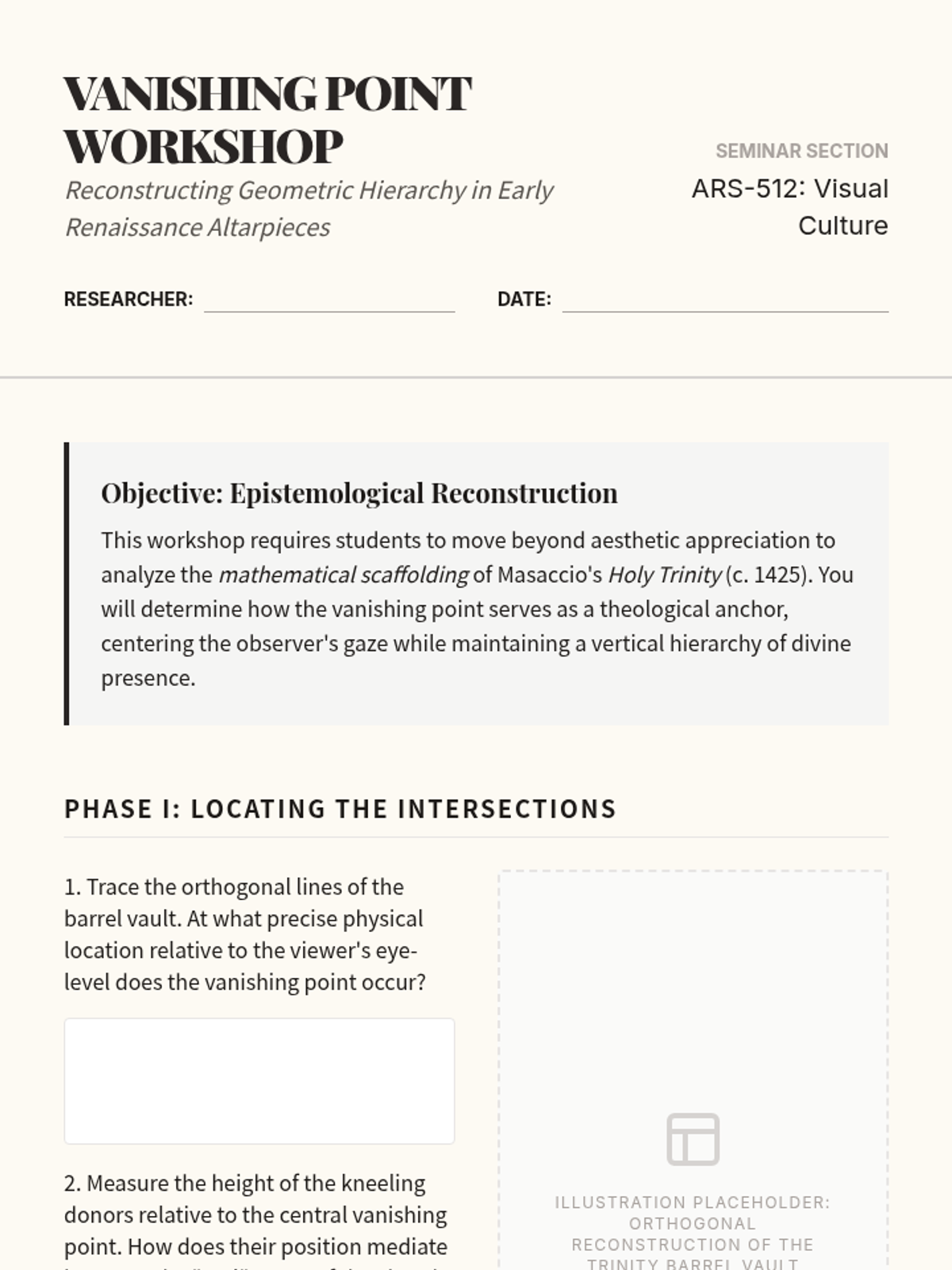
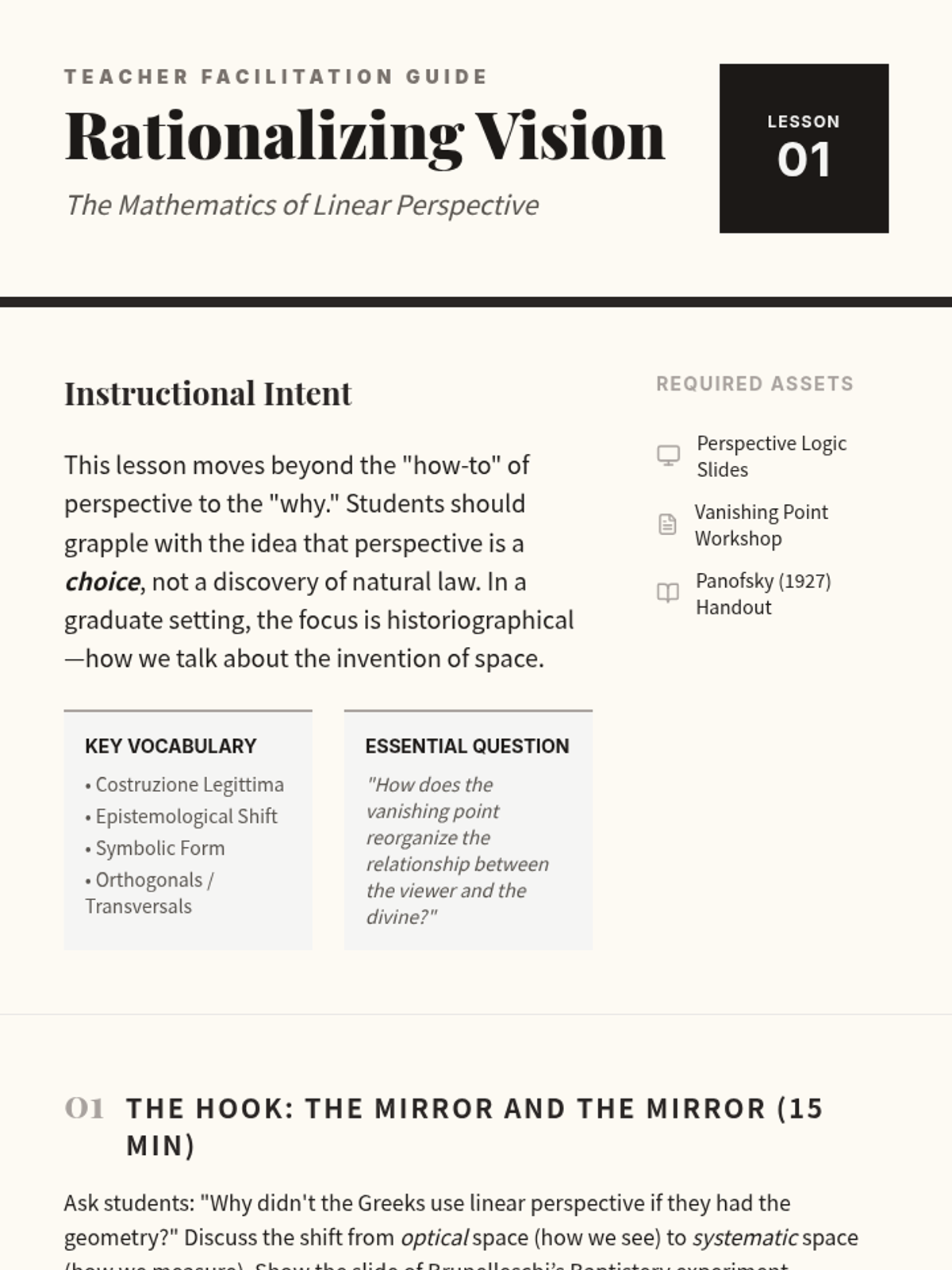
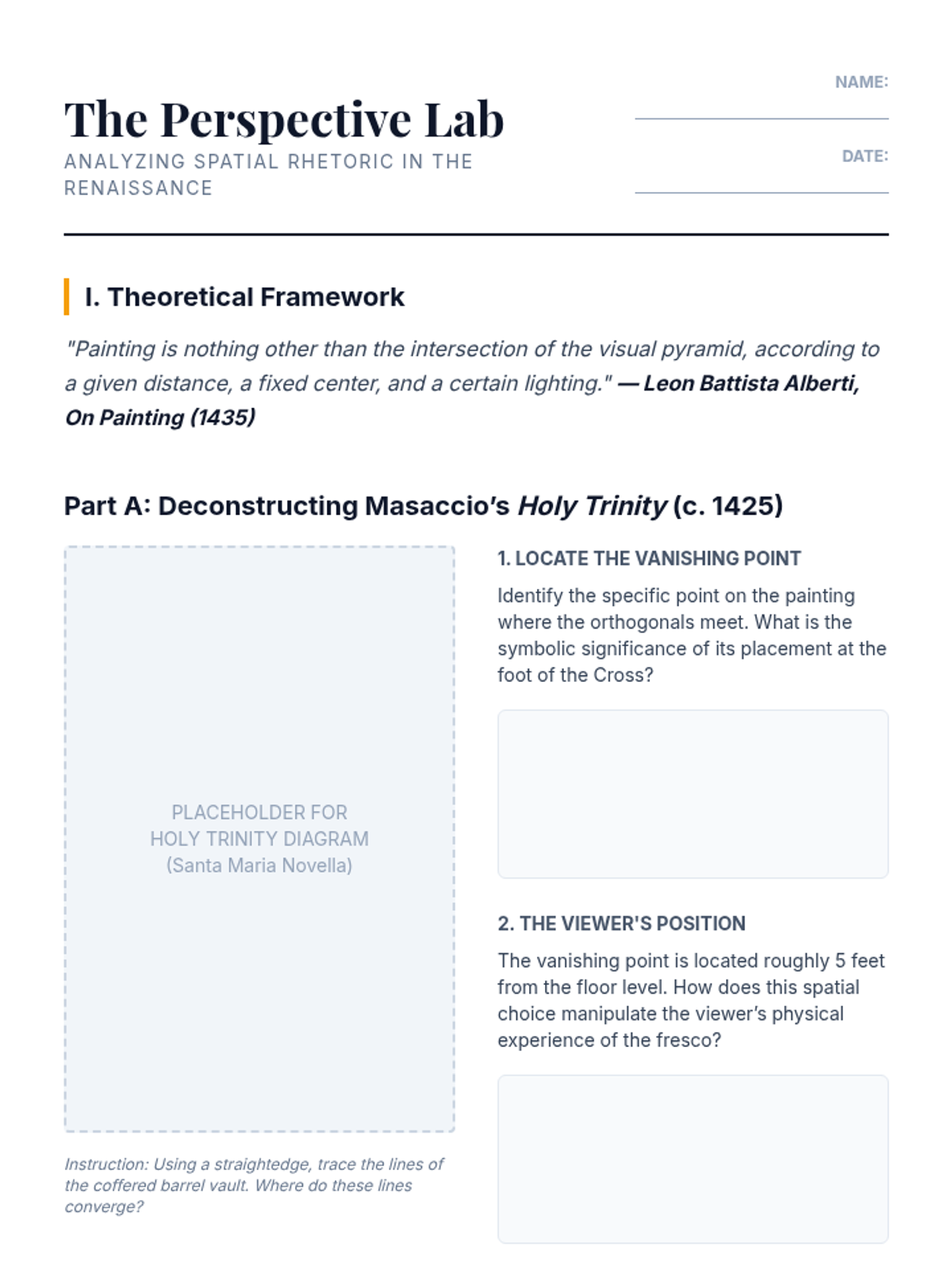
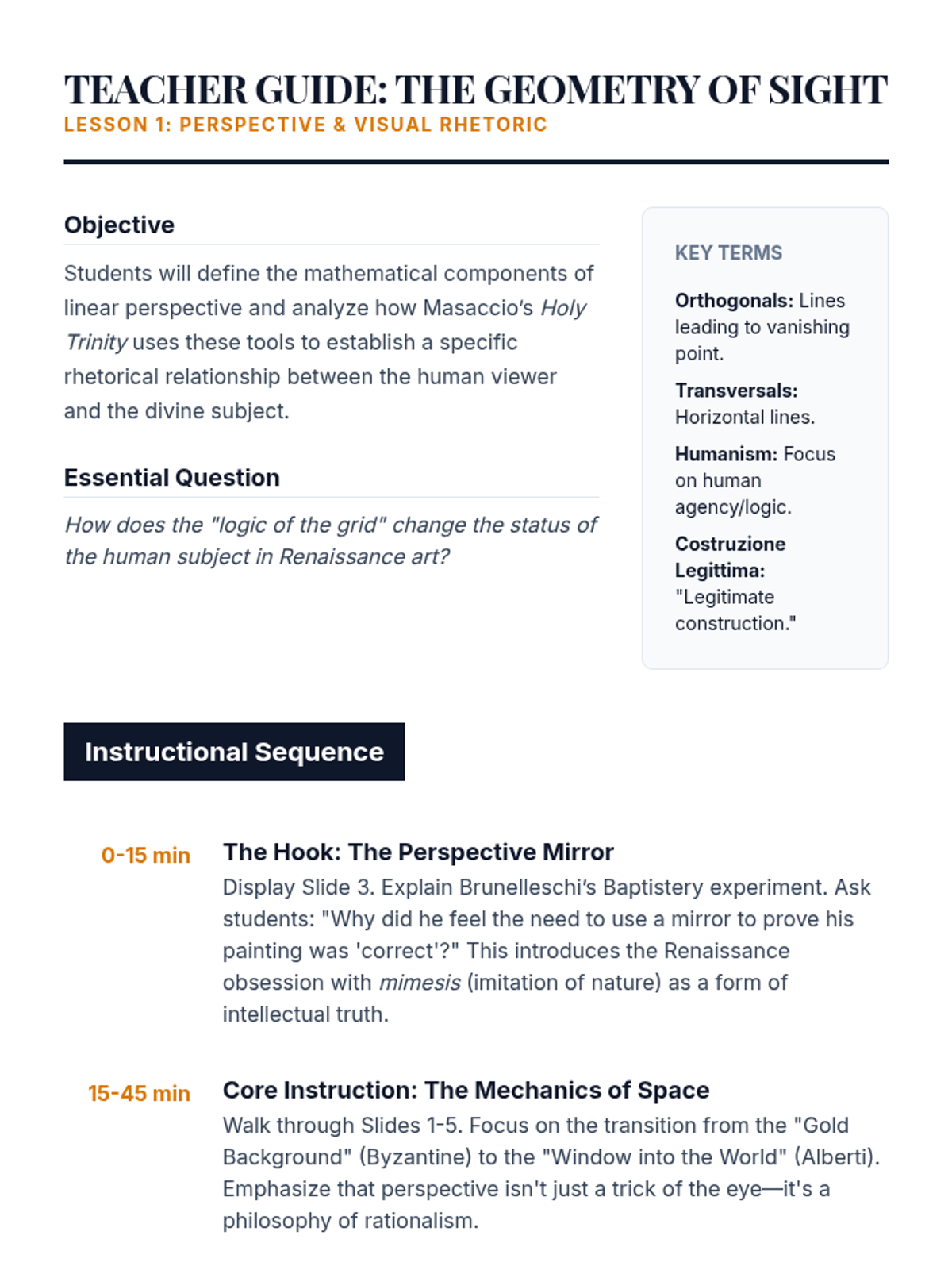
A graduate-level exploration of the Renaissance through the lens of sociology, mathematics, and semiotics, examining how visual culture reorganized the Western worldview and asserted political power.
An undergraduate-level exploration of Renaissance art as visual rhetoric, focusing on mathematical perspective, patronage systems, and the shift from High Renaissance balance to Mannerist distortion. Students analyze how formal innovations served political and social agendas in Early Modern Europe.