Cultural identity, community development, and public policy through the lens of creative practice. Addresses arts advocacy strategies and integrates interdisciplinary connections across social and professional sectors.
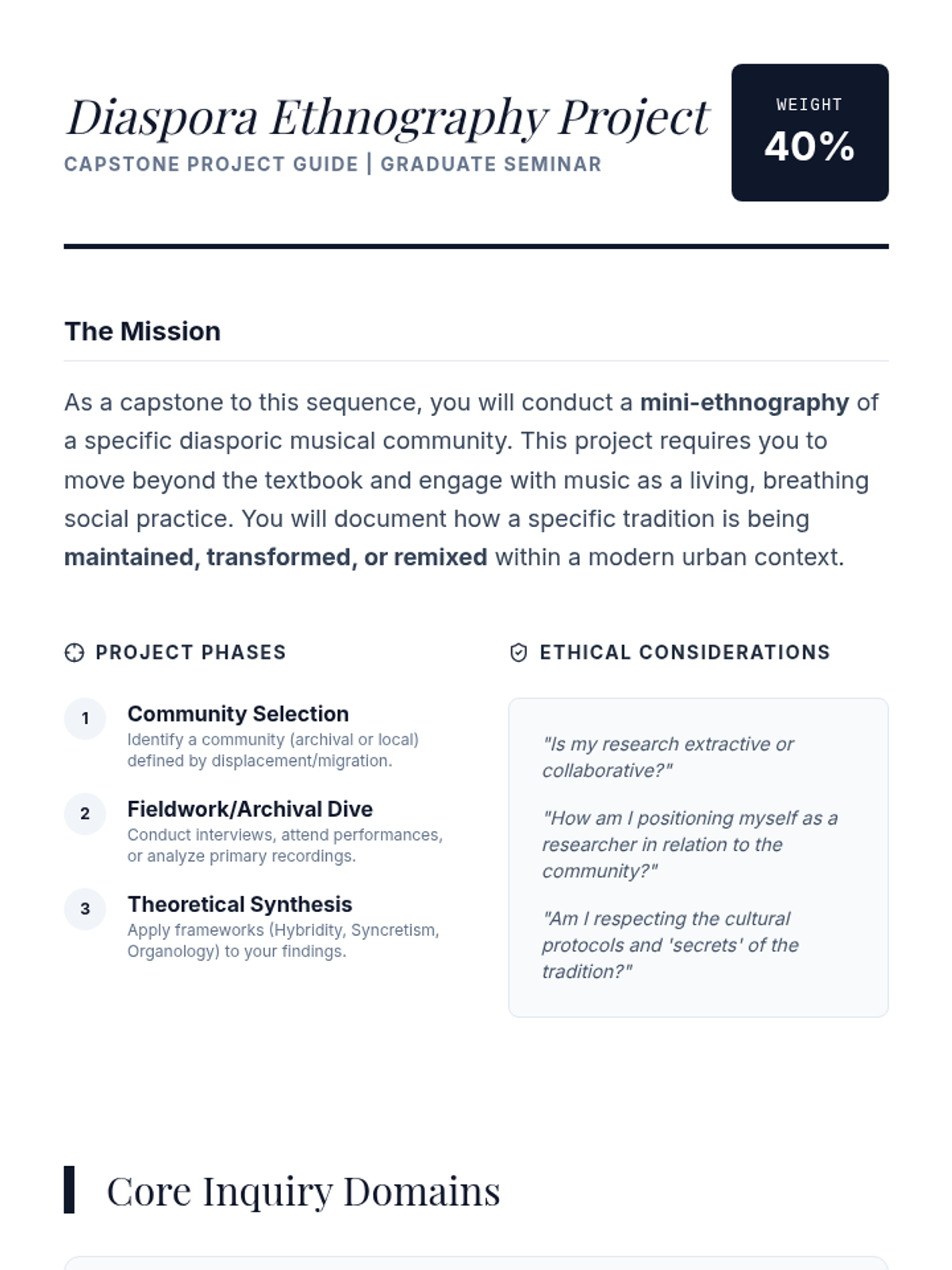
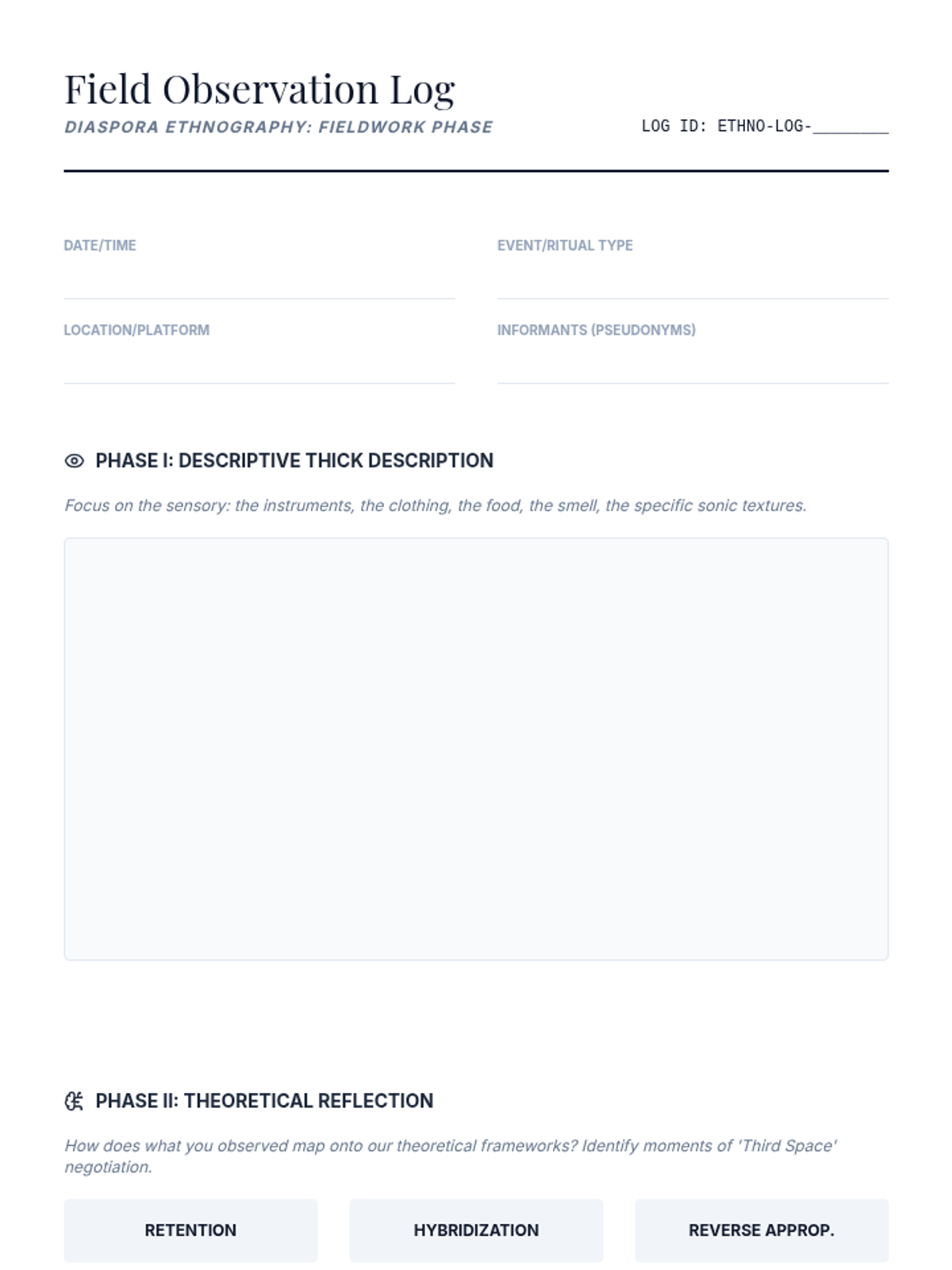
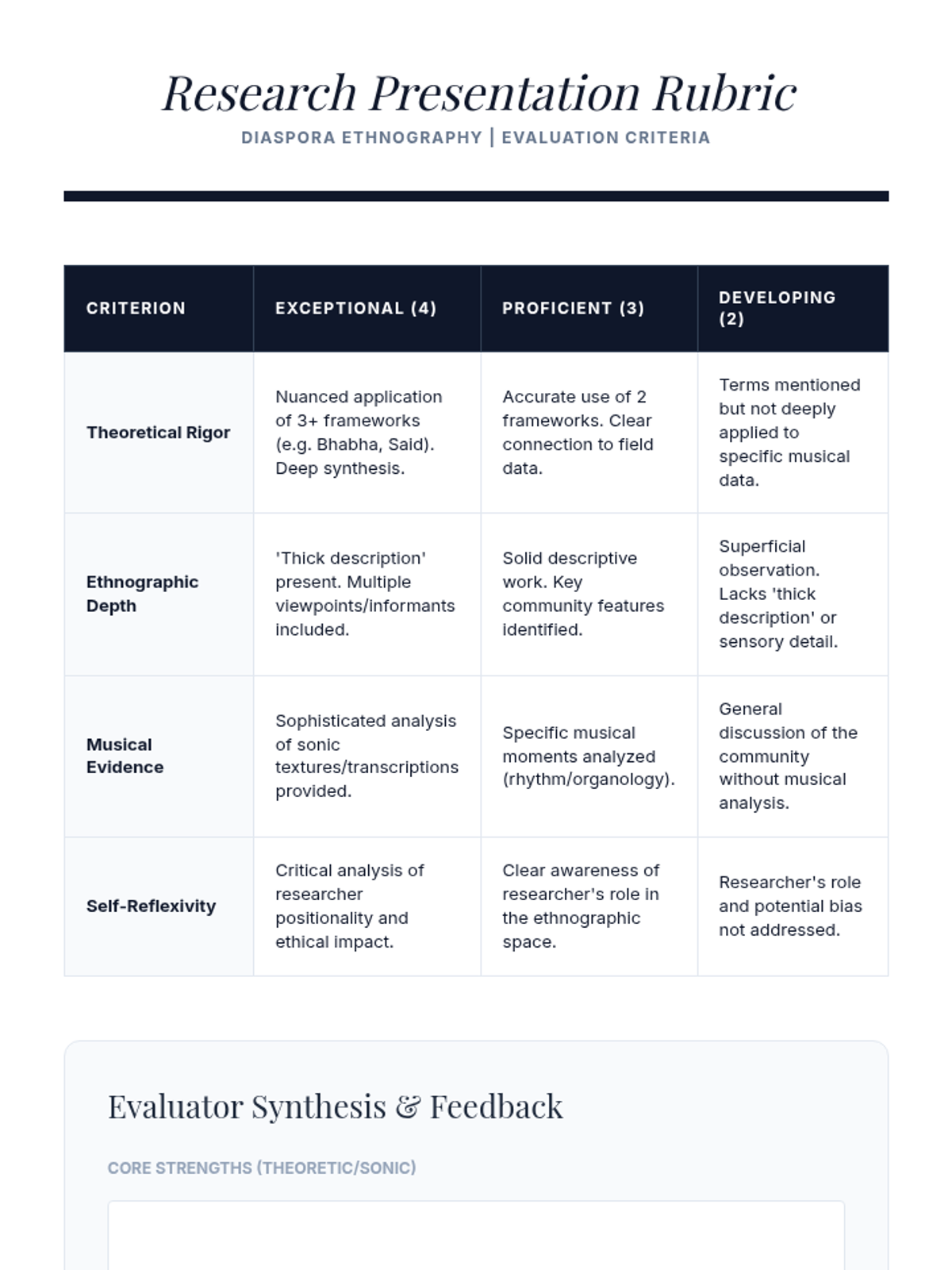
A project-based lesson where students design and conduct a mini-ethnography of a diasporic musical community, synthesizing theoretical frameworks into a research presentation.
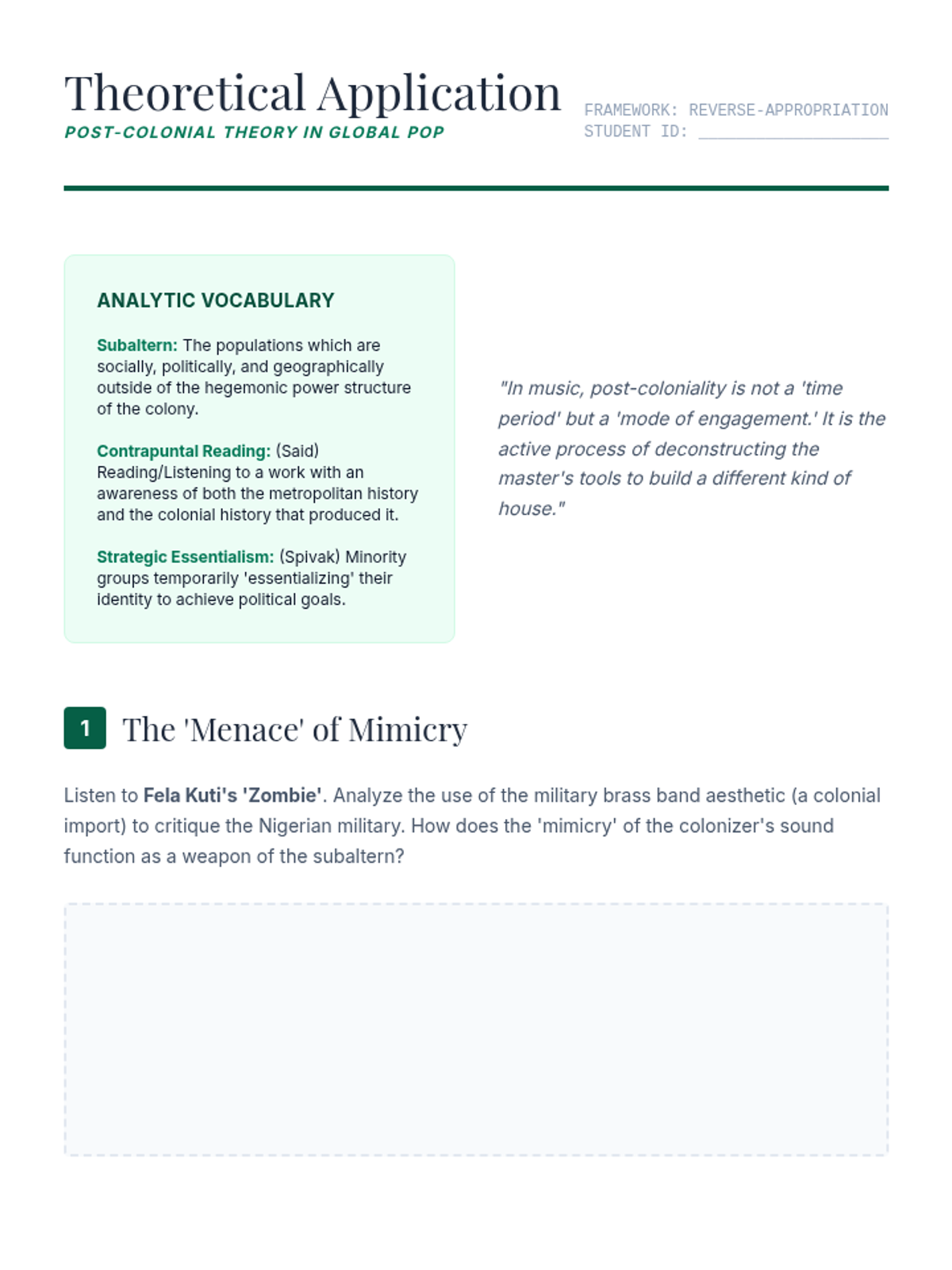
Applying post-colonial theory to late 20th-century global pop, exploring how formerly colonized nations reclaimed and remixed colonial instruments to assert cultural identity.
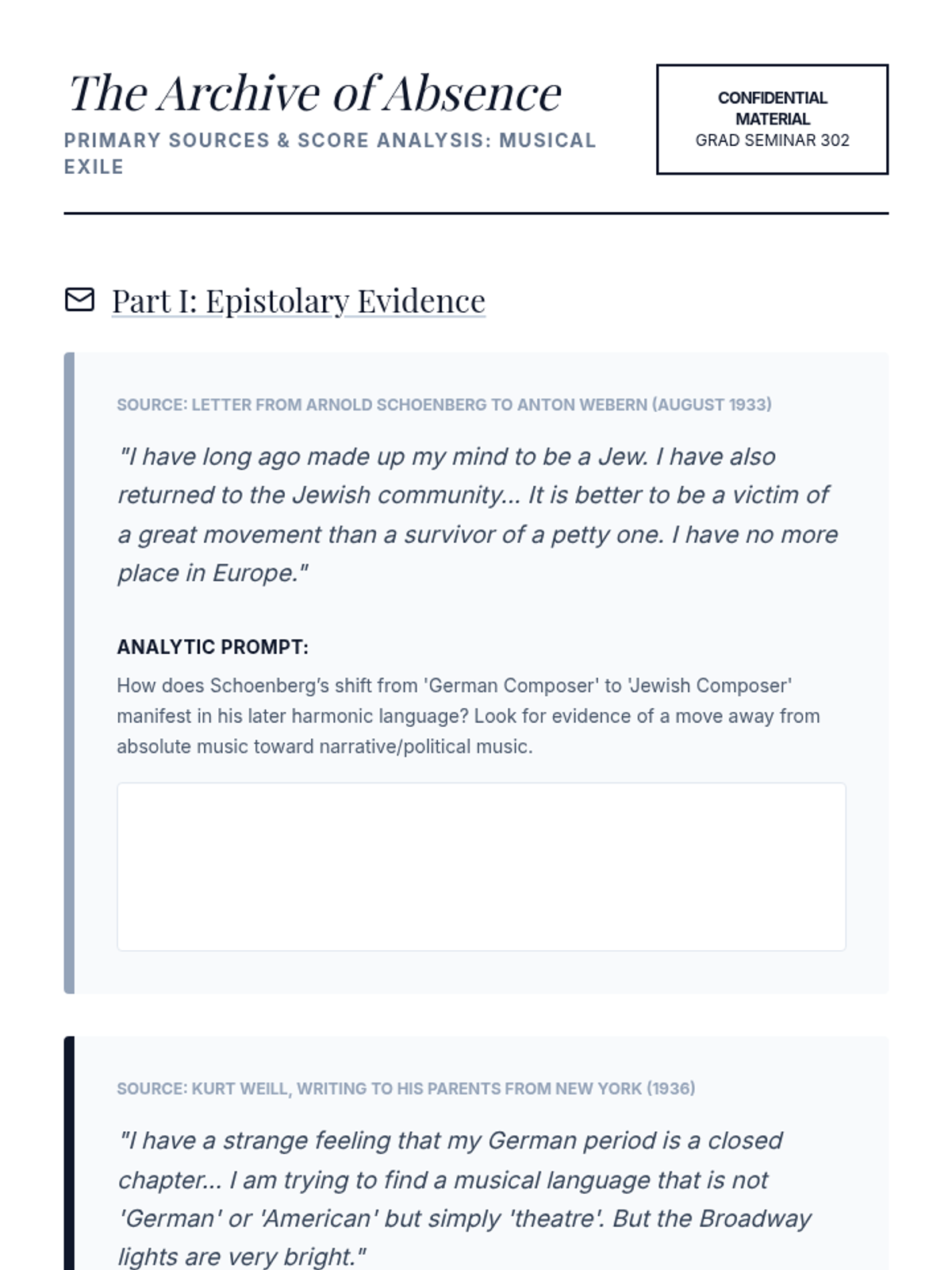
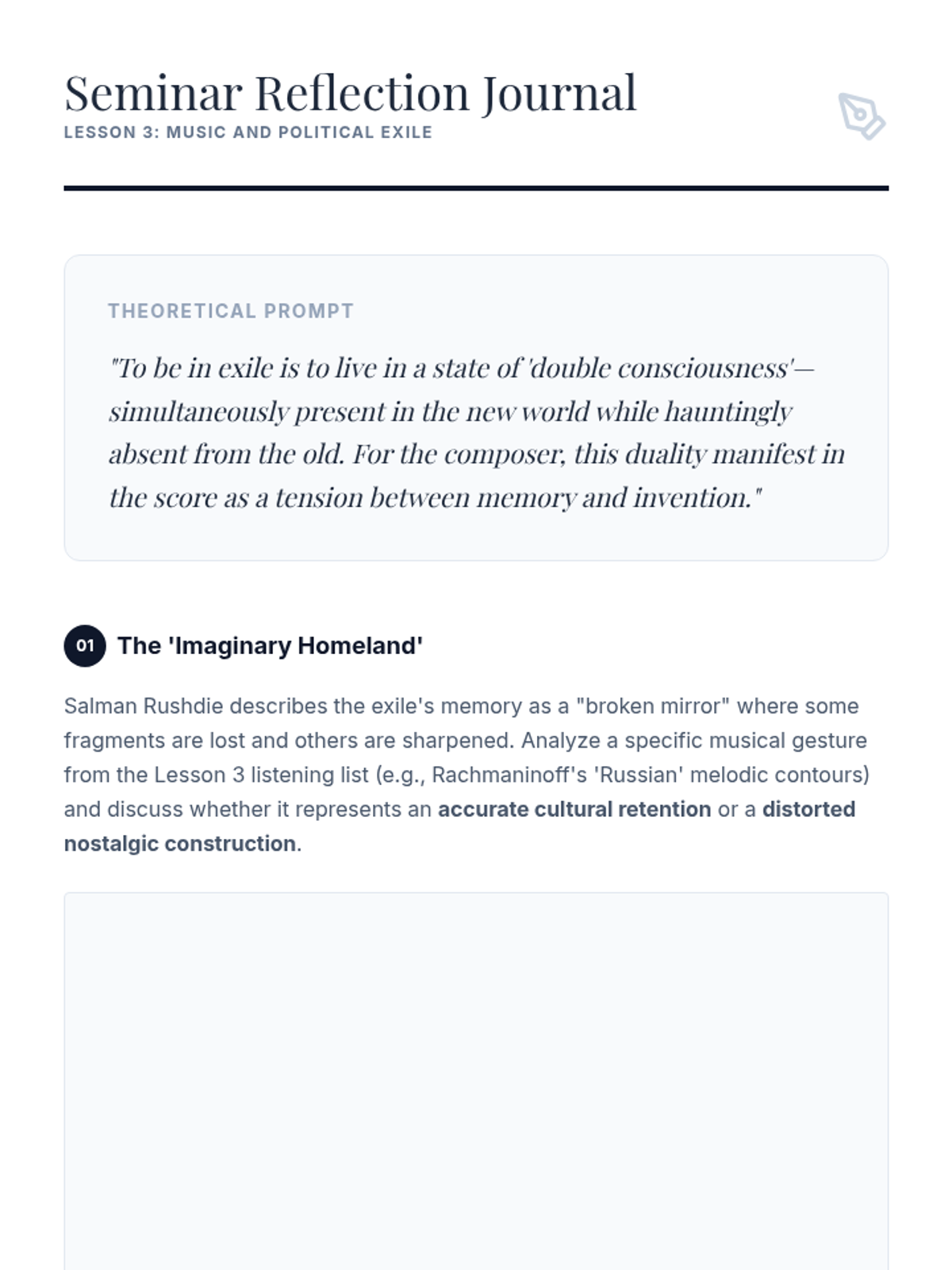
Investigating the impact of political displacement on 20th-century composers, examining how exile and the search for 'homeland' manifest in musical style and creative output.
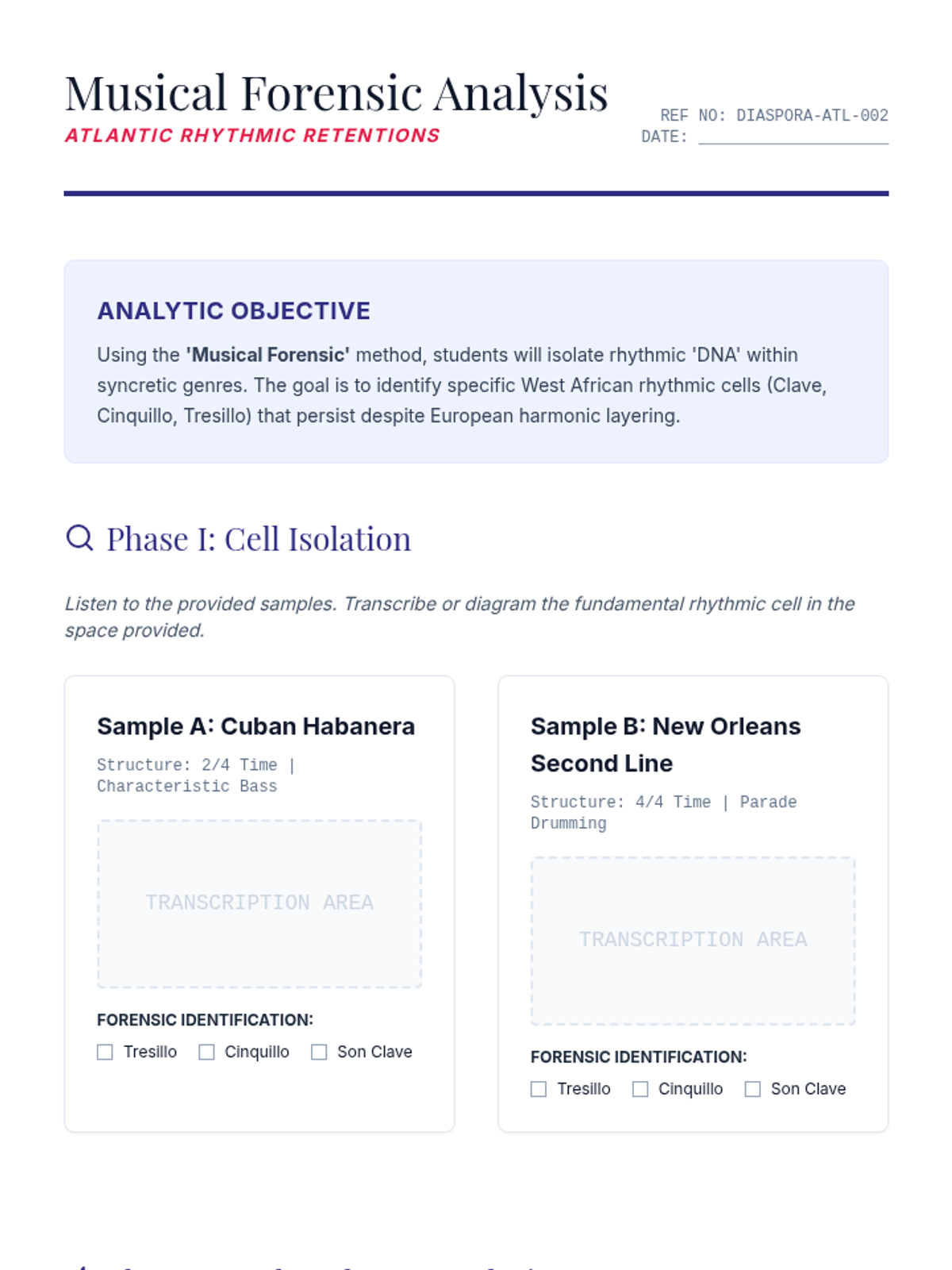
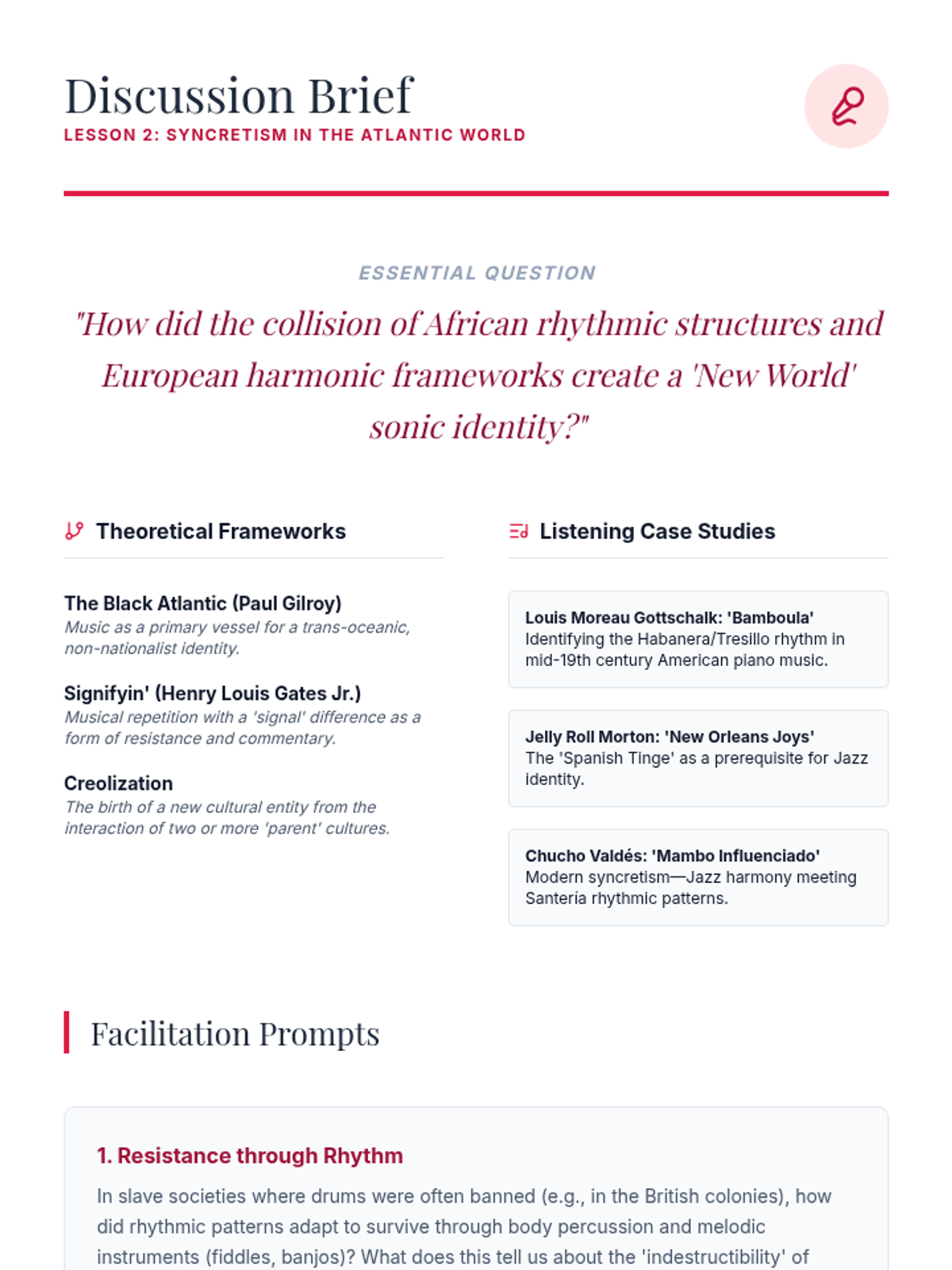
An analysis of the collision between African rhythmic structures and European harmonic traditions in the Americas, focusing on the genesis of syncretic genres like Jazz and Habanera.
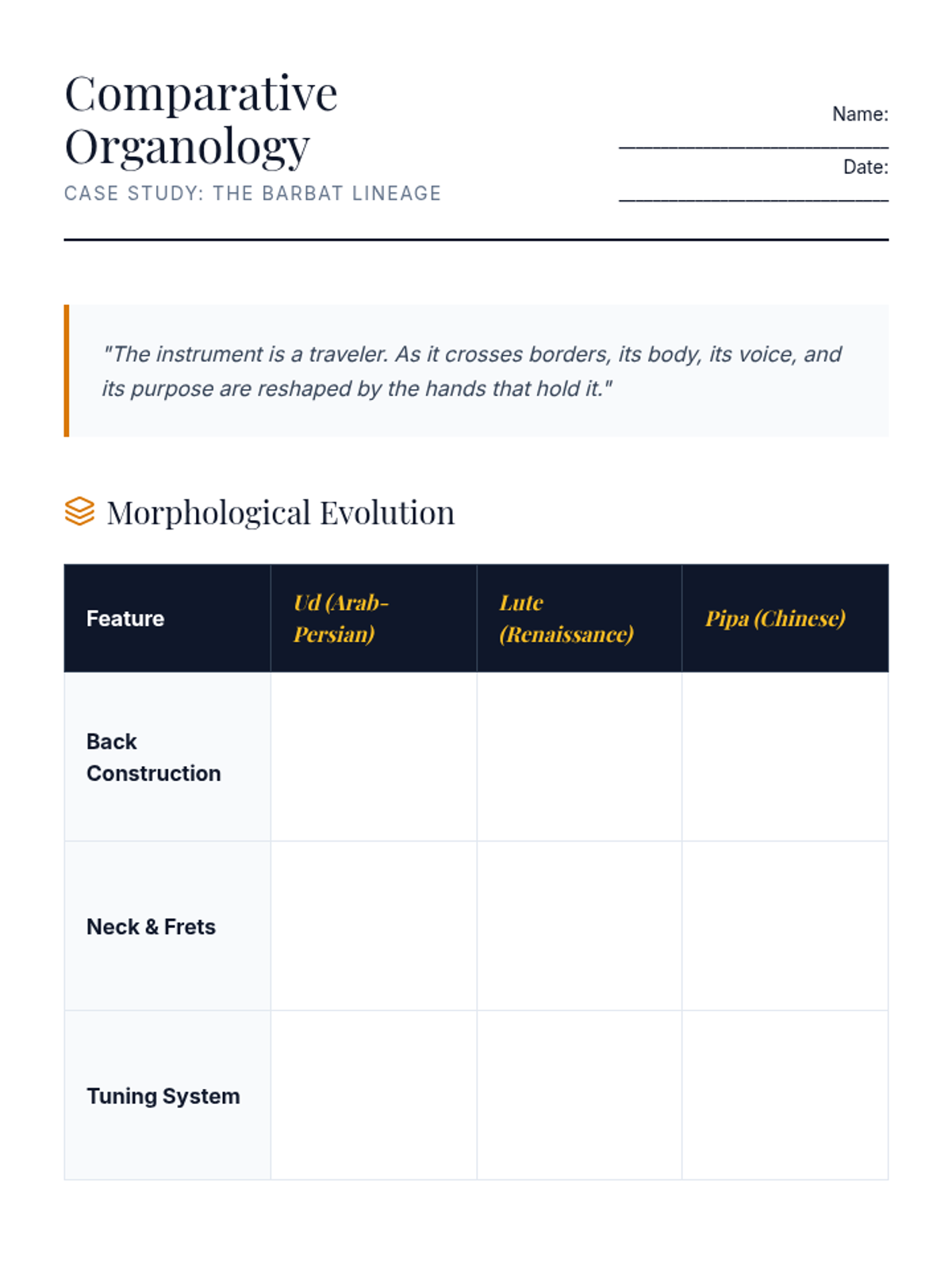
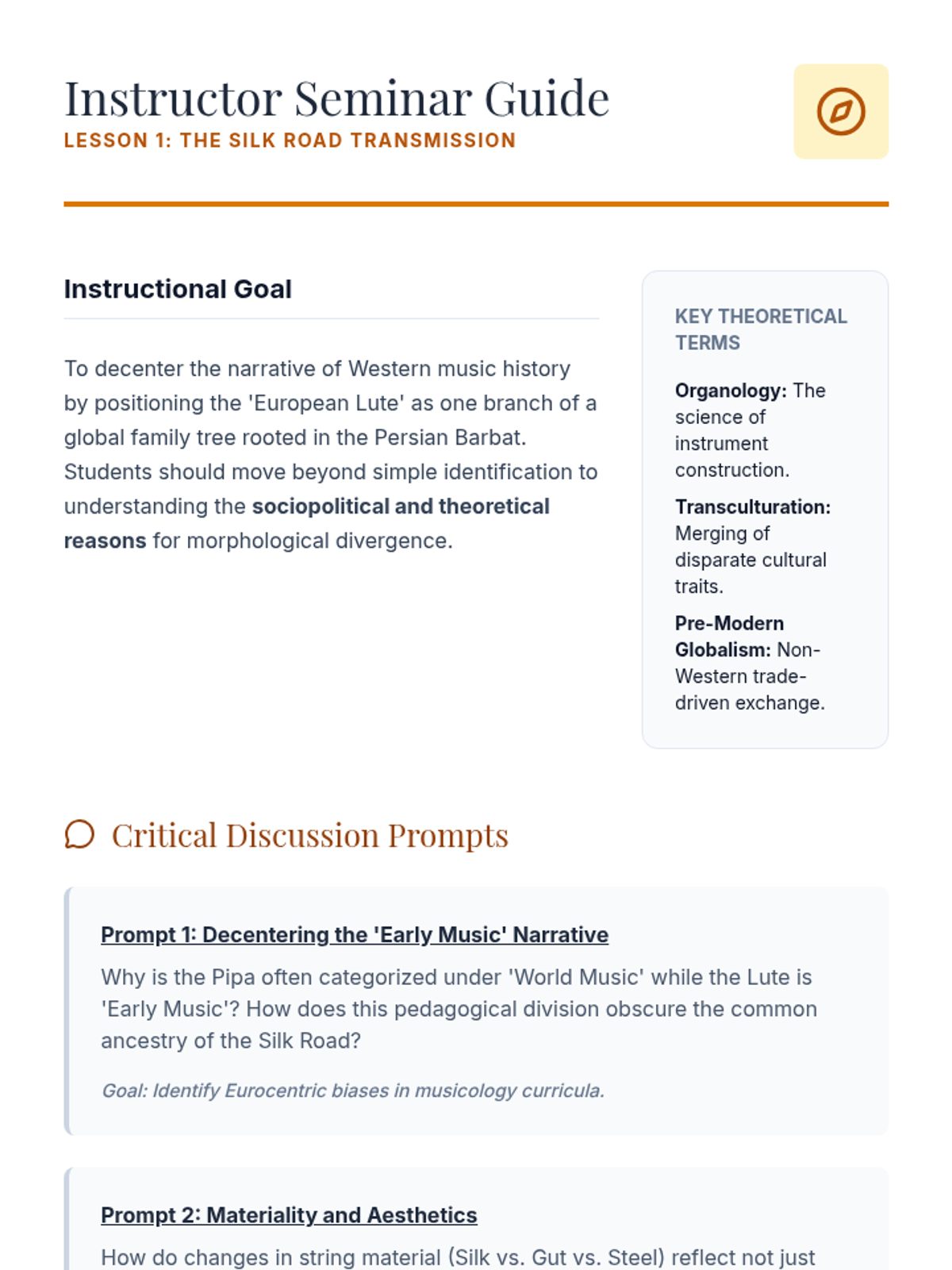
Students trace the organological evolution of string instruments along the Silk Road, exploring how pre-modern globalization facilitated trans-cultural musical flow between East and West.
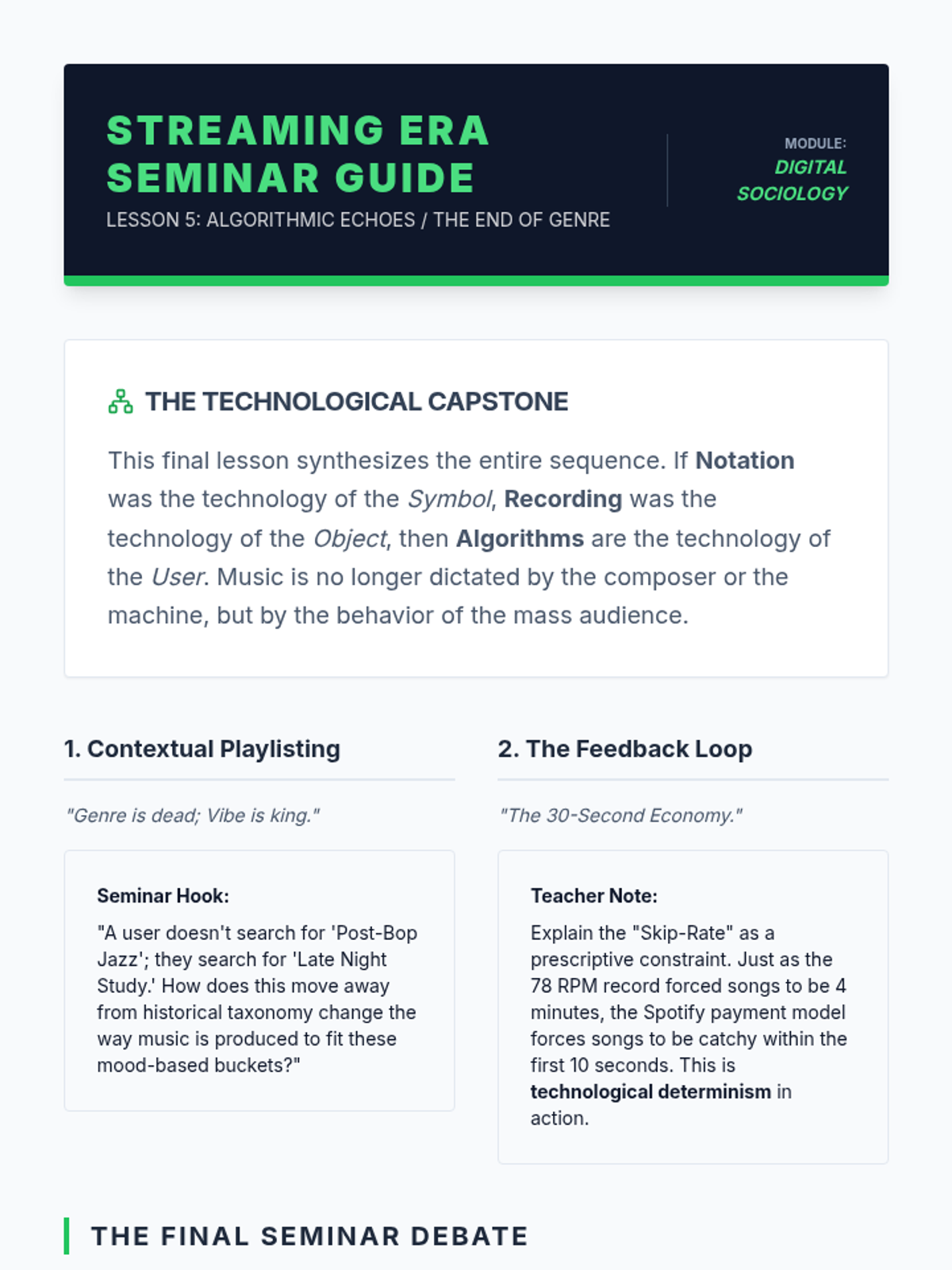
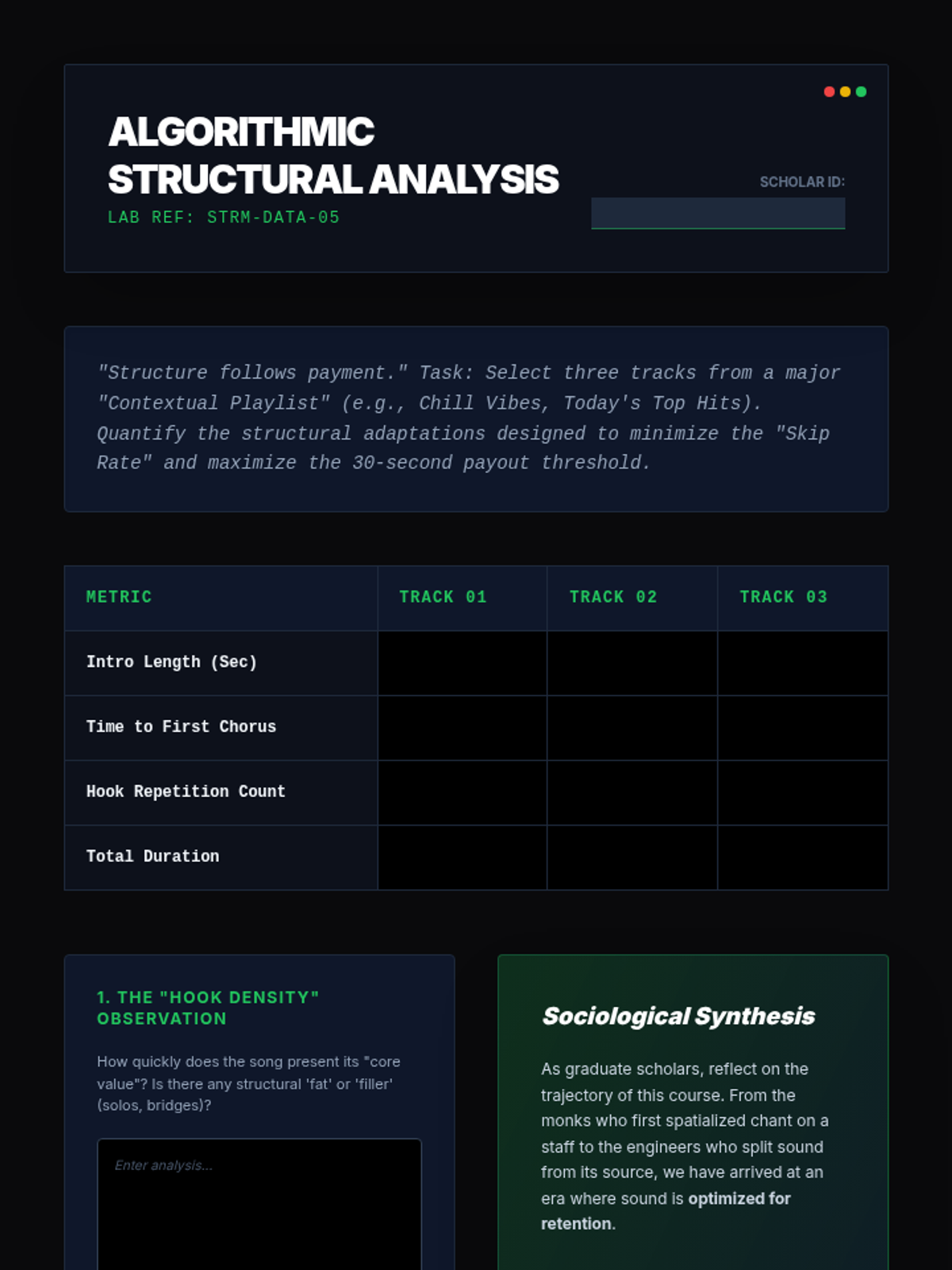
Concludes with an analysis of how streaming algorithms and metadata influence modern song structure and the sociological phenomenon of the 'end of genre.'
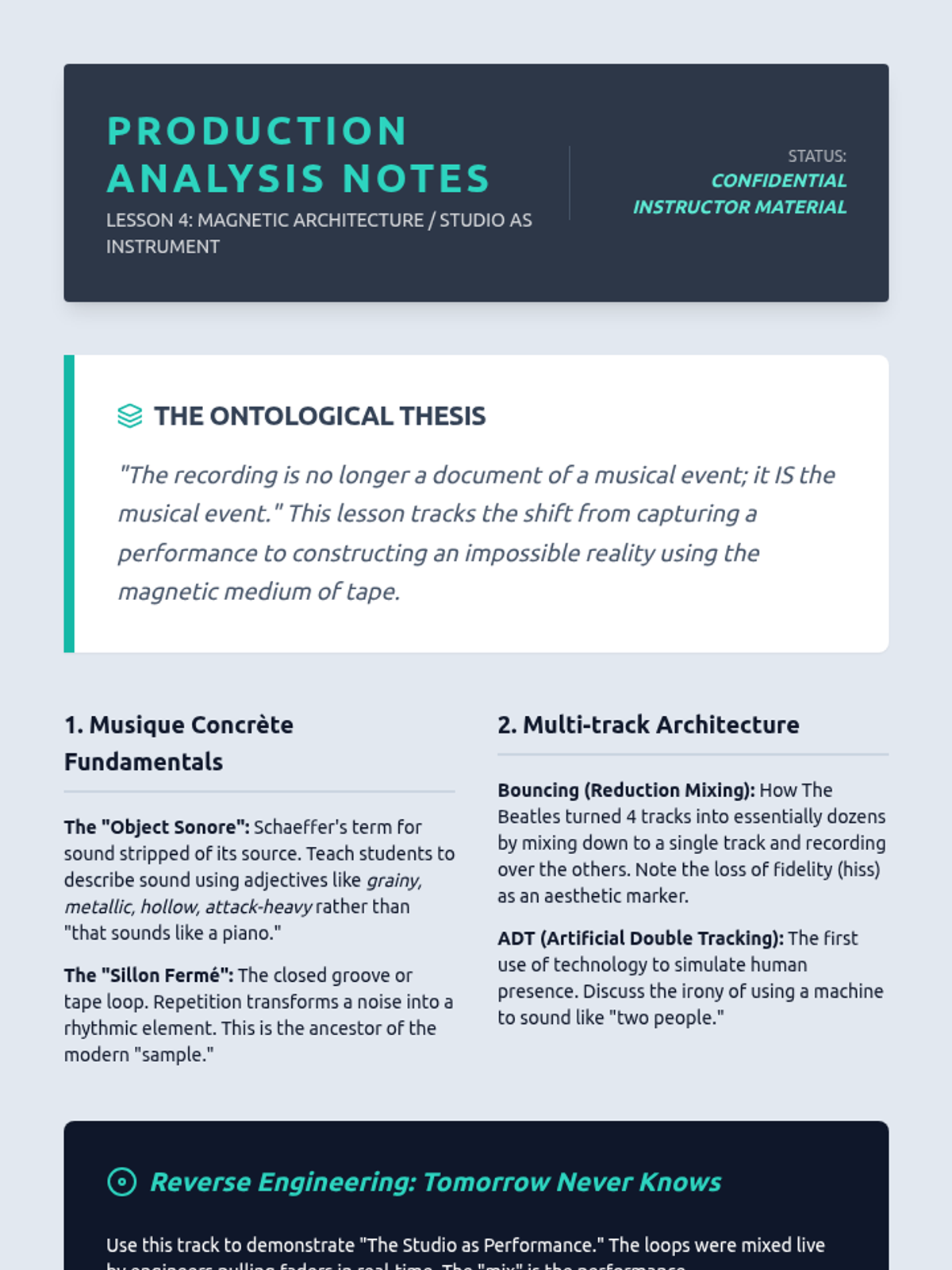
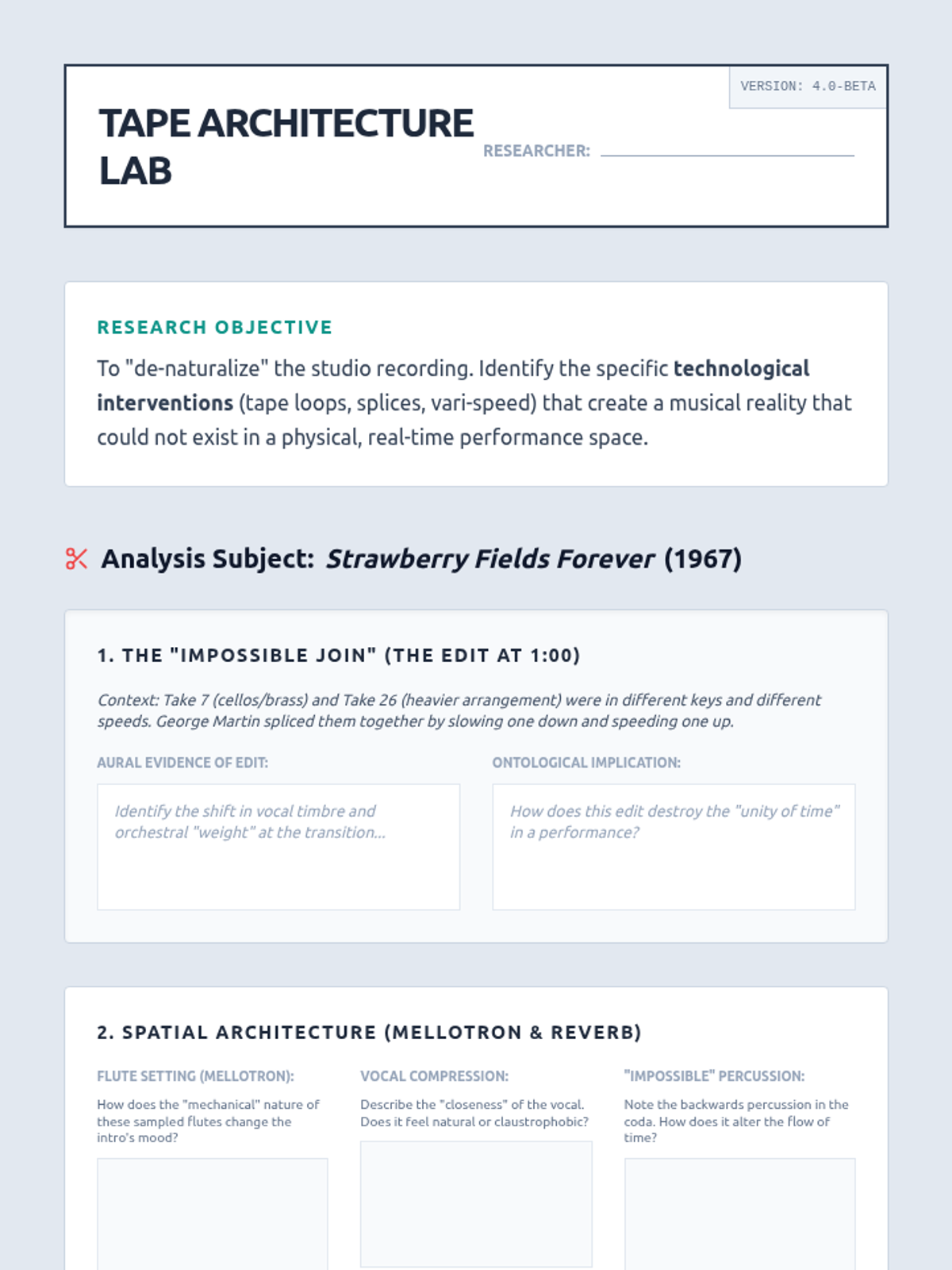
Explores the recording studio as a primary compositional tool, moving from Musique Concrète to multi-track recording and the ontological shift from score to recording.
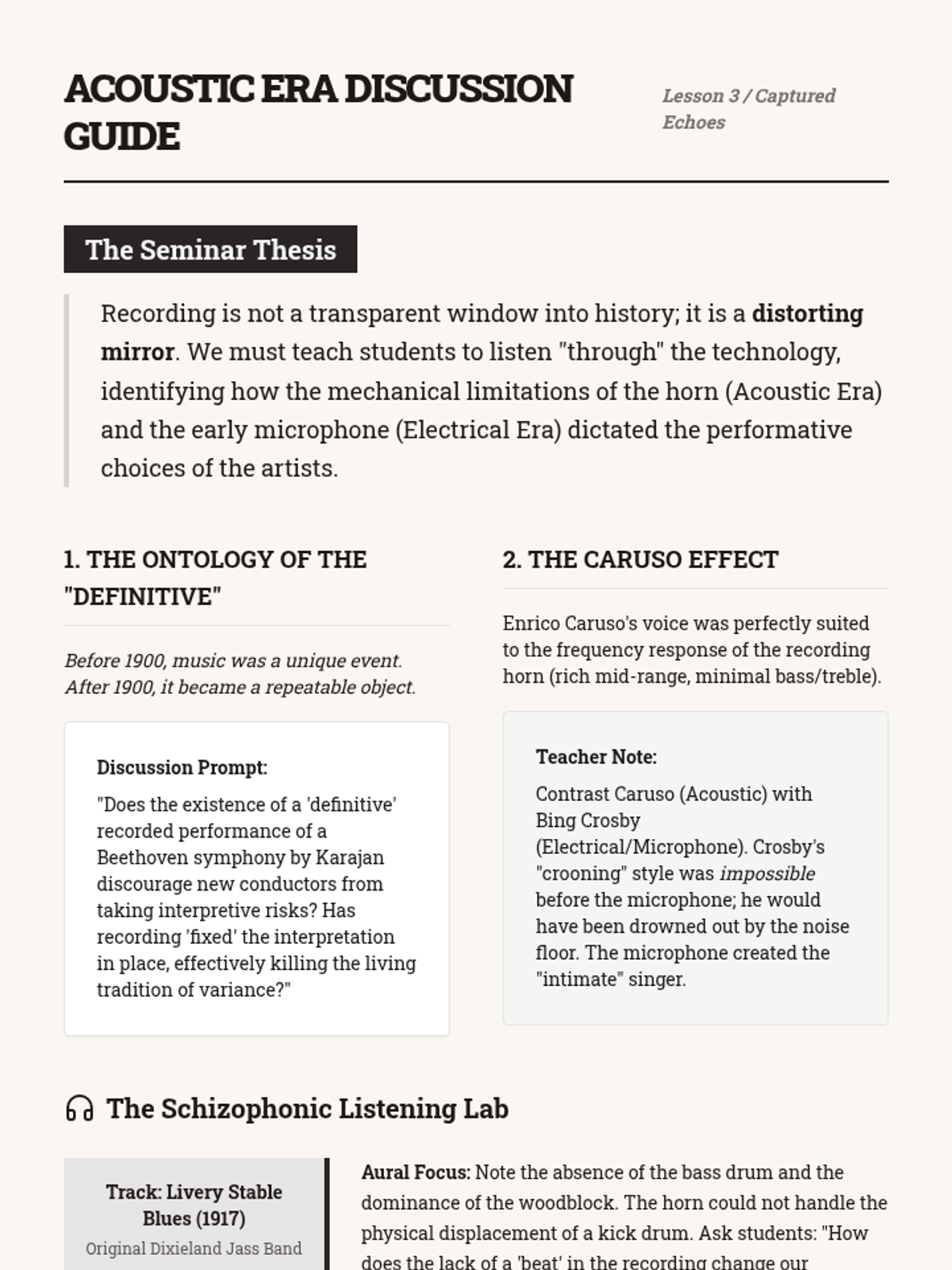
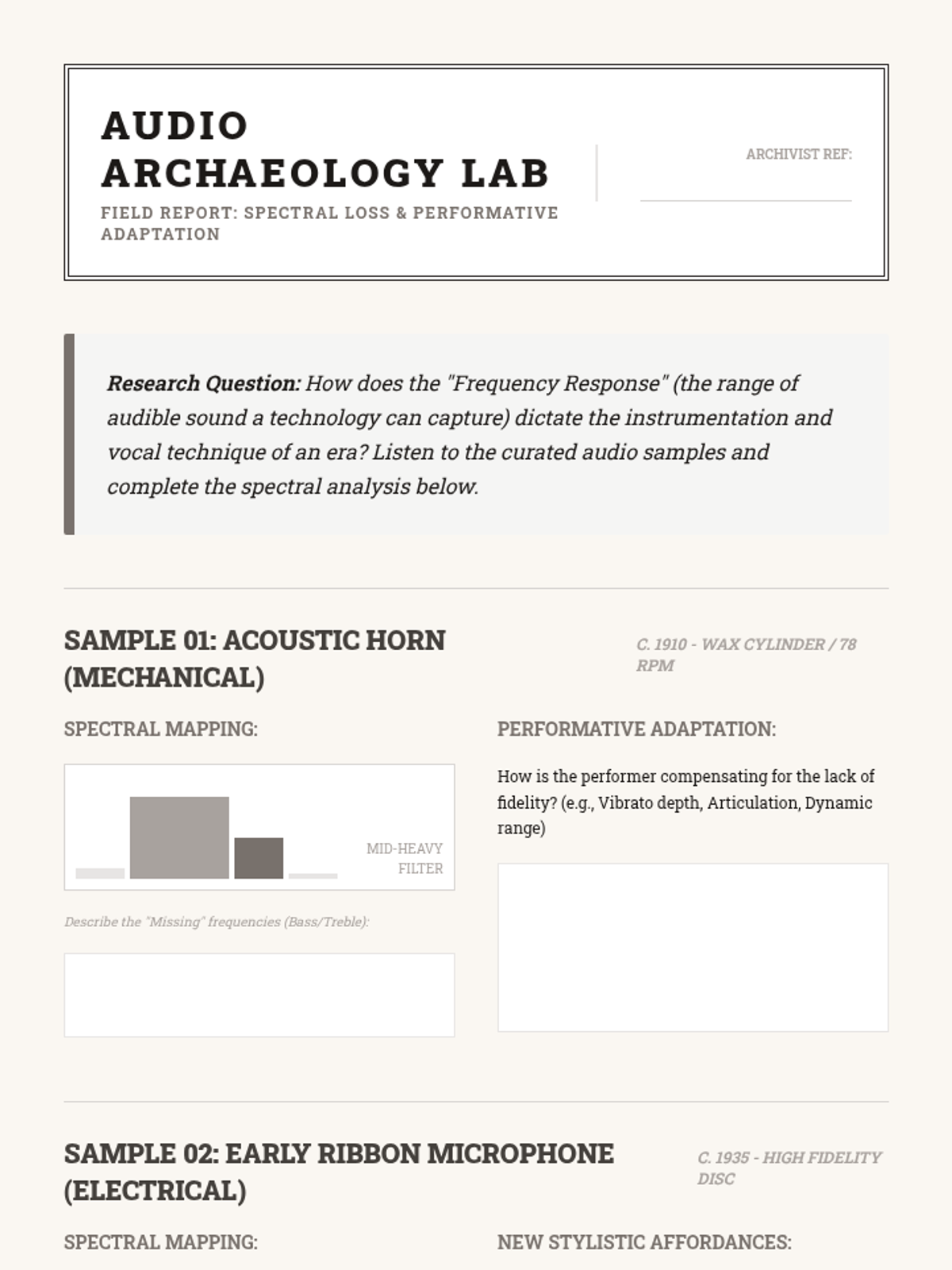
Investigates the separation of sound from its source (schizophonia) and how early recording limitations influenced performance practice and the concept of the 'definitive performance.'
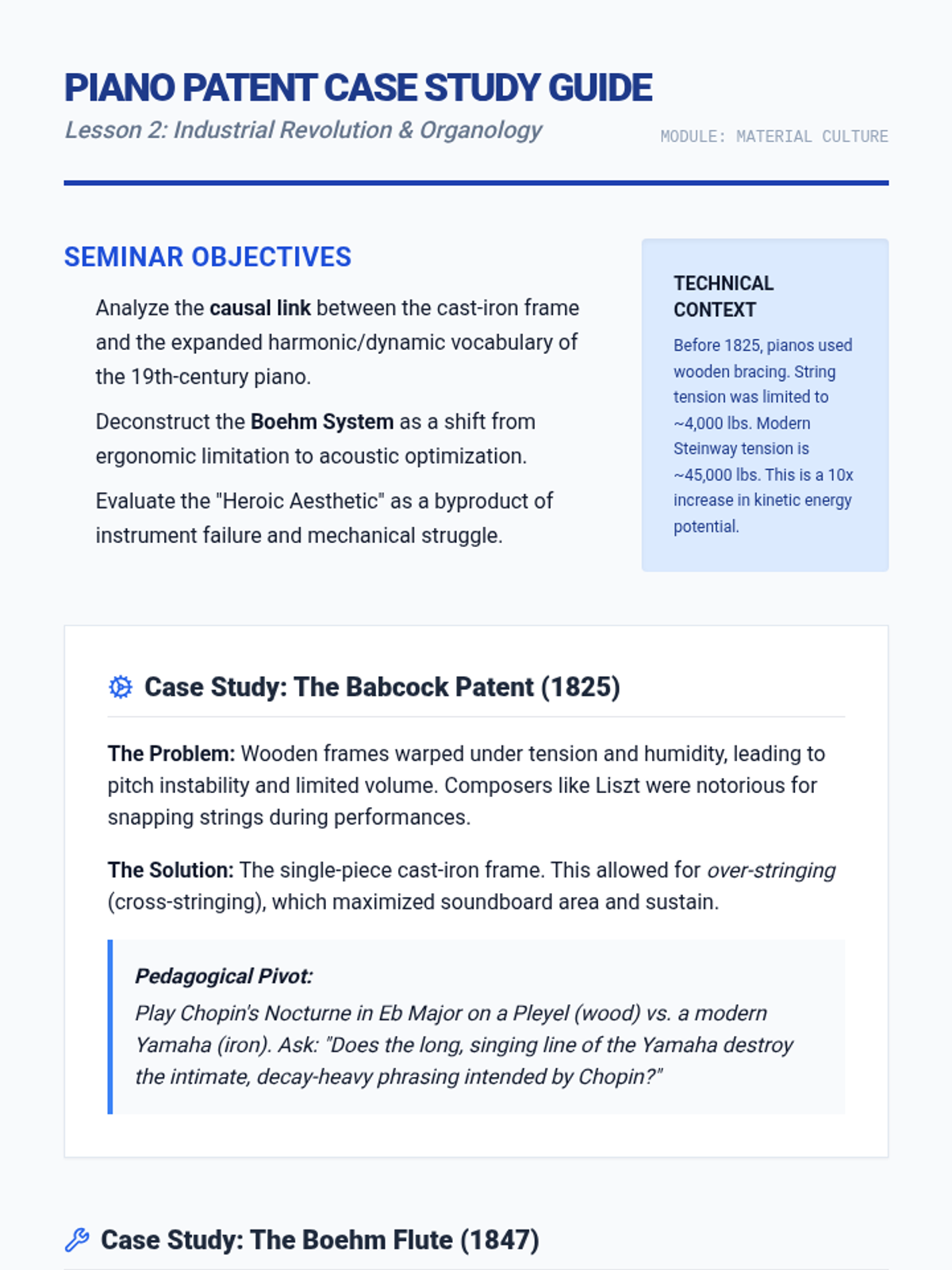
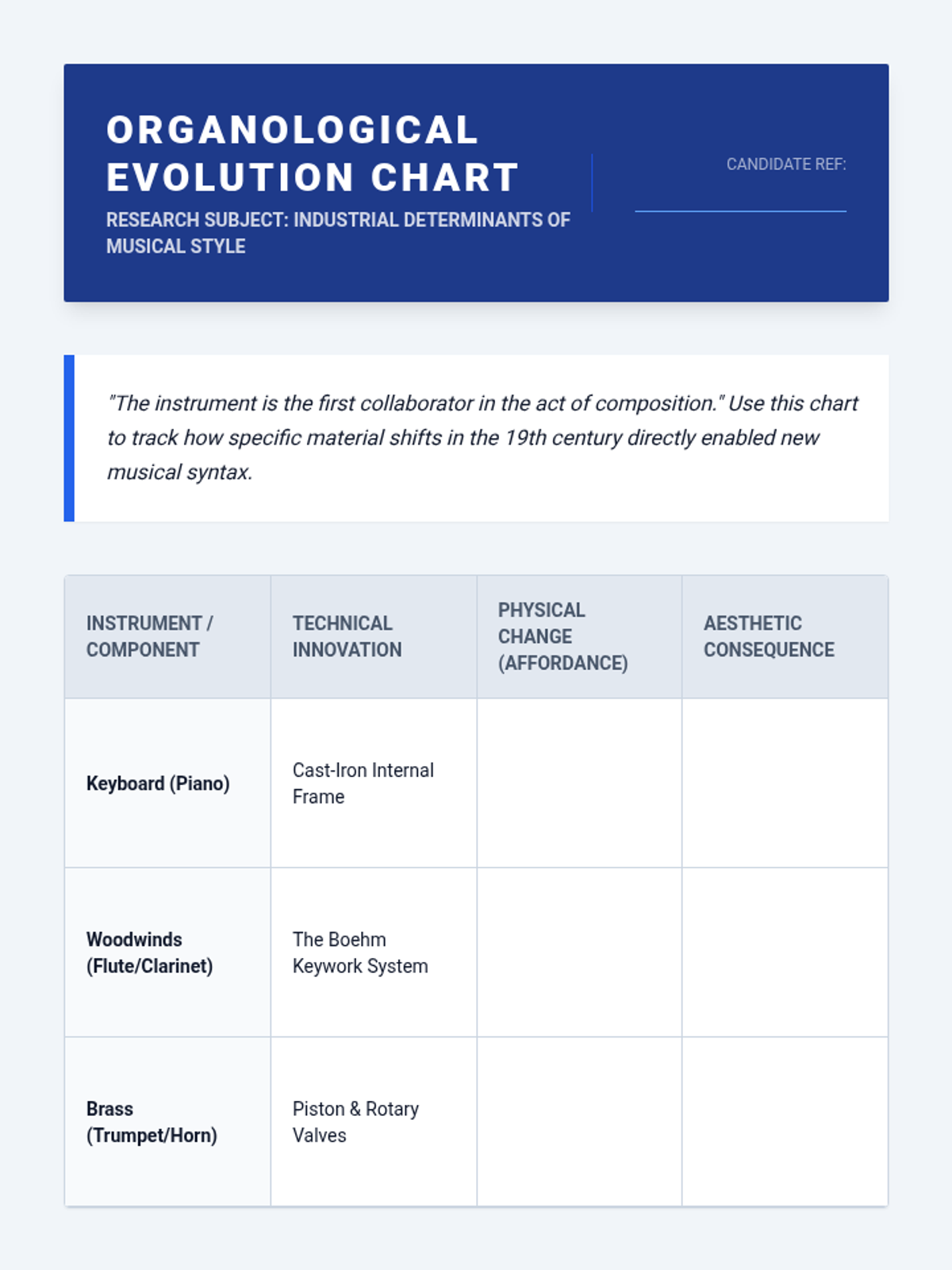
Examines how the physical evolution of instruments during the Industrial Revolution, such as the cast-iron piano frame, dictated Romantic era orchestration and the rise of the virtuoso.
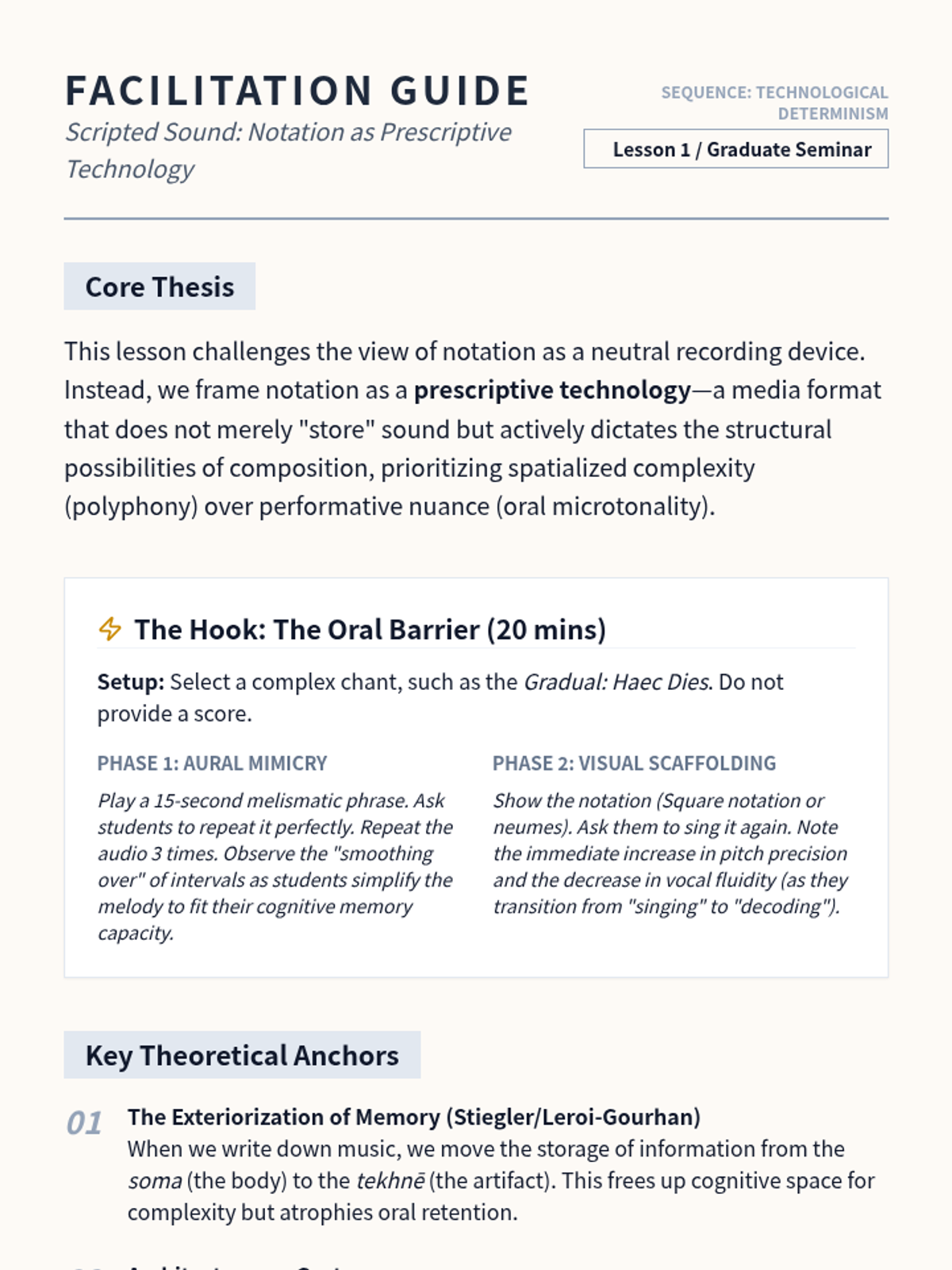
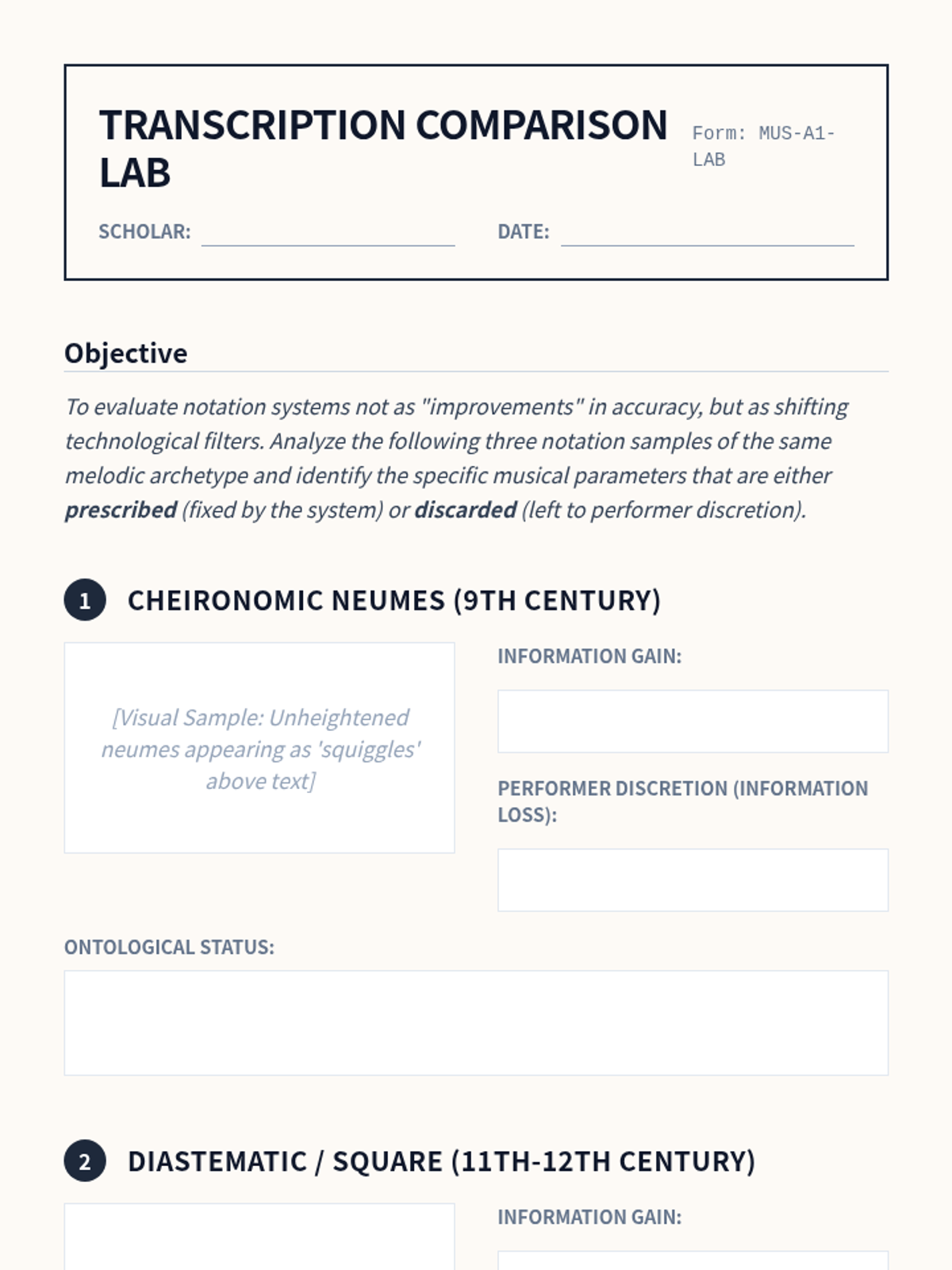
Analyzes the shift from oral tradition to fixed notation and how the technology of 'writing' music enabled new levels of polyphonic complexity while altering musical memory.
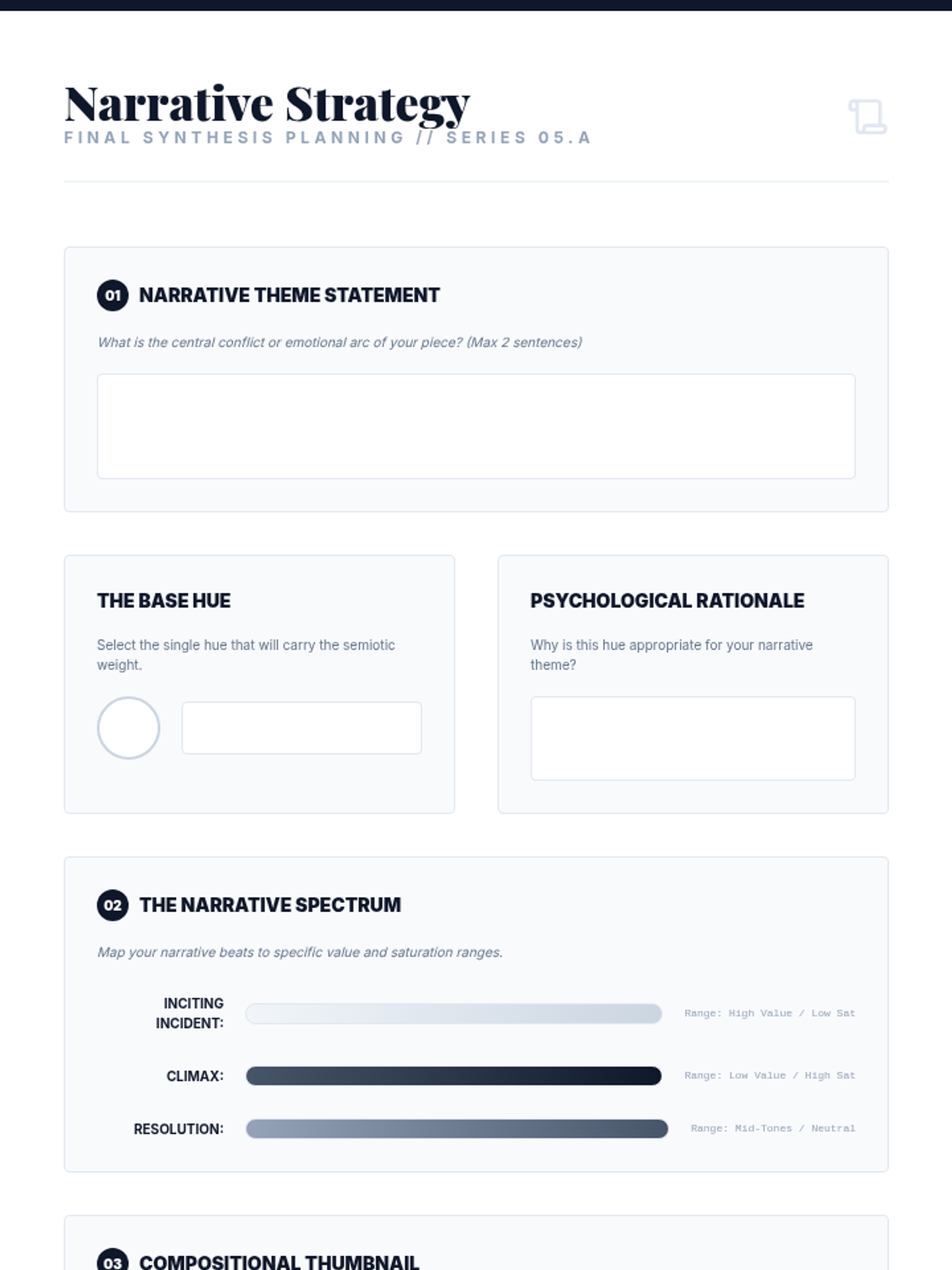
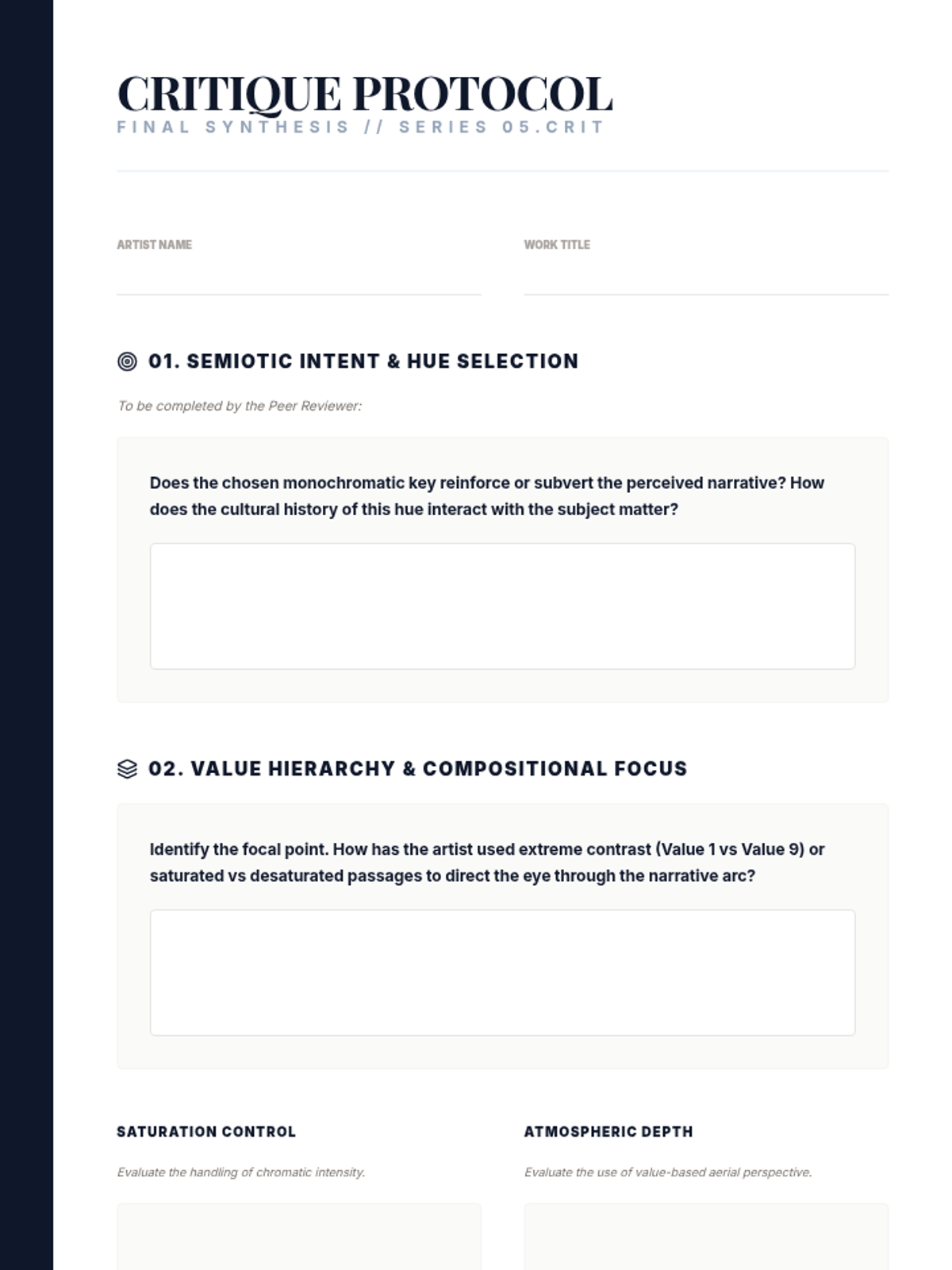
In this culminating critique, students present a major work executed in a monochromatic or analogous scheme that conveys a complex narrative usually reserved for full-color spectrums. Peers critique the work based on how effectively value and saturation were used to replace hue as the primary storytelling device.
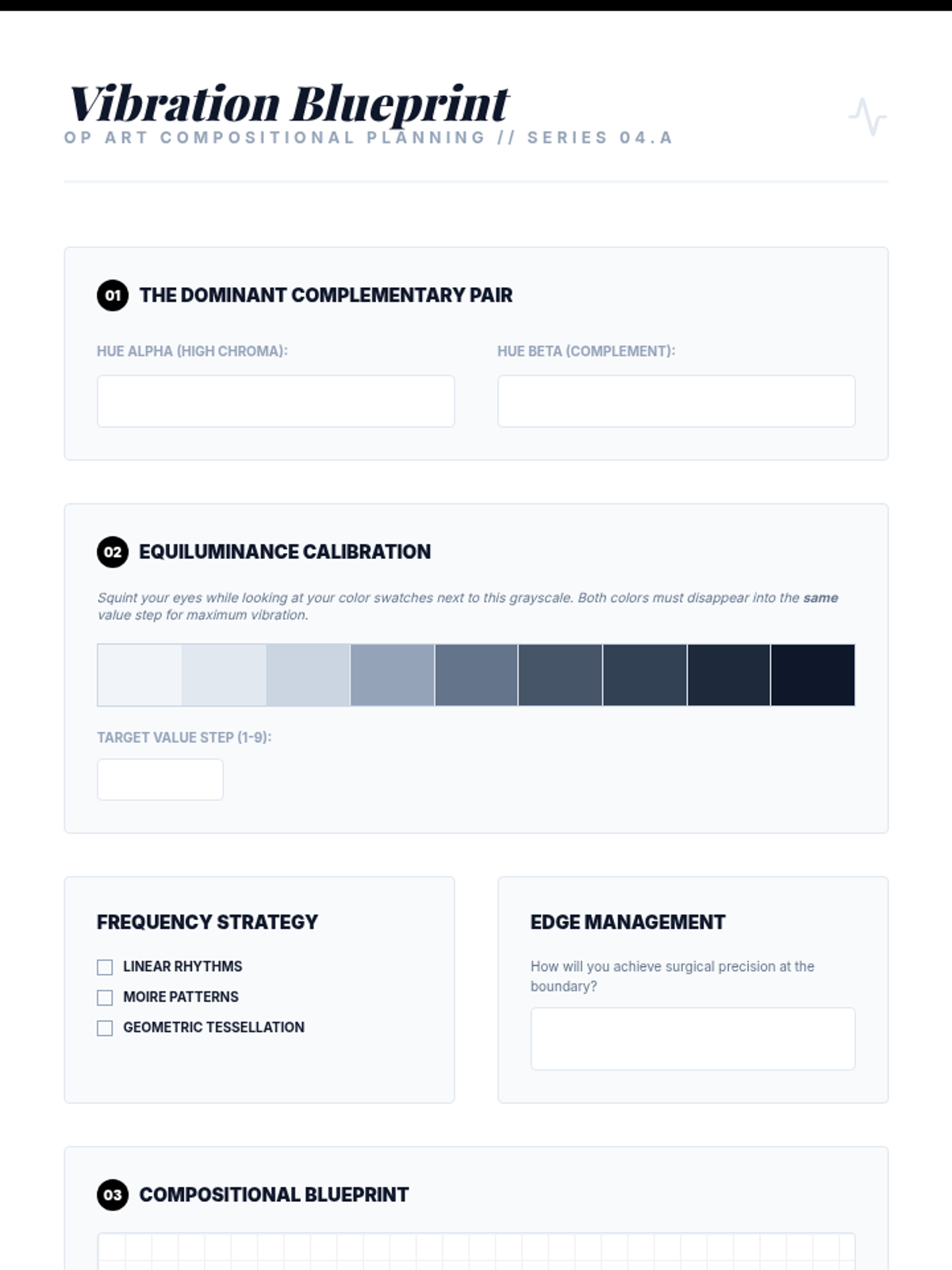
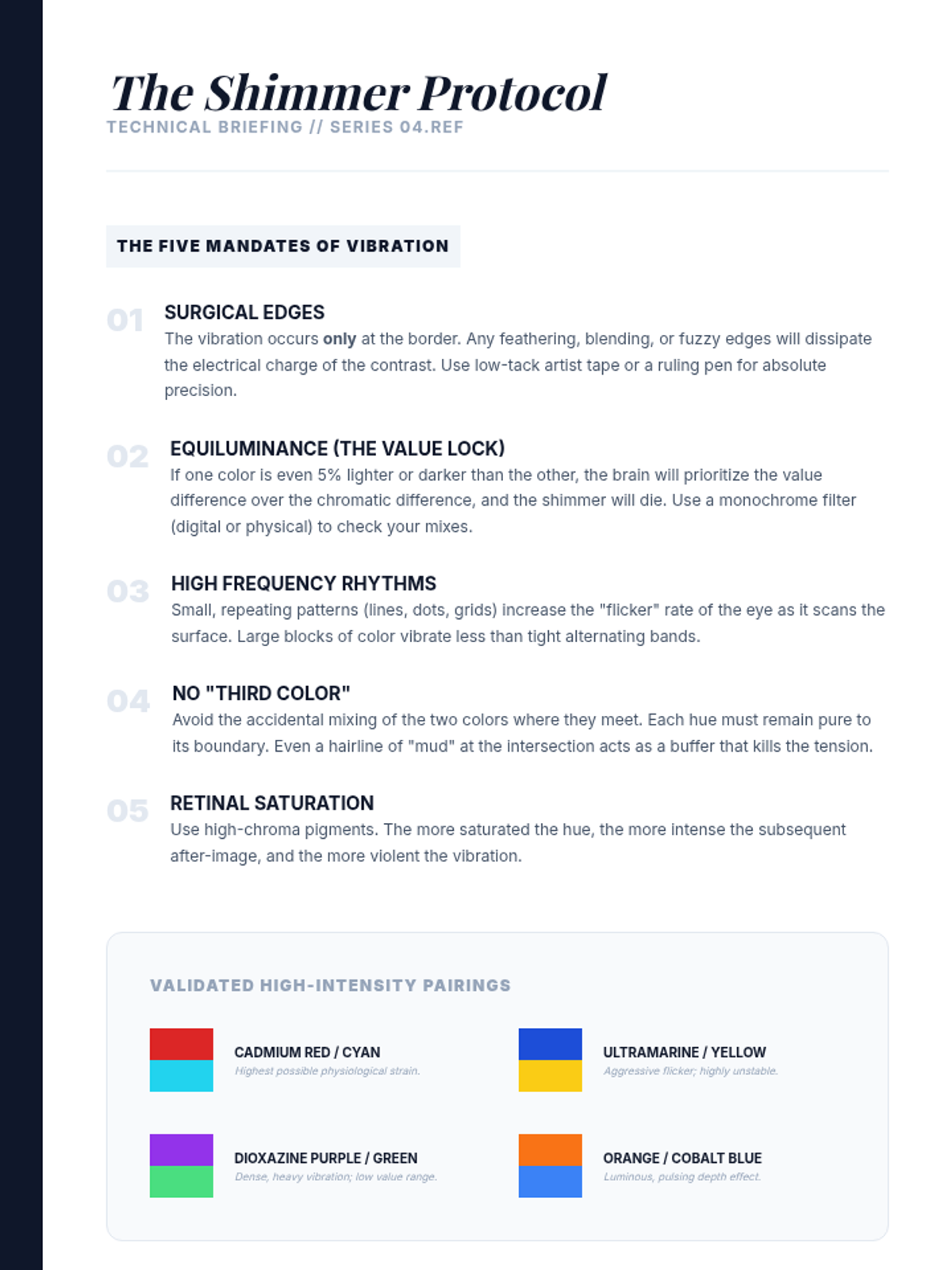
Focusing on complementary contrasts and simultaneous contrast, students create a composition designed to produce visual vibration or 'shimmer.' The lesson explores the boundary between aesthetic harmony and physiological visual discomfort, pushing the limits of what is comfortable for the viewer to observe.
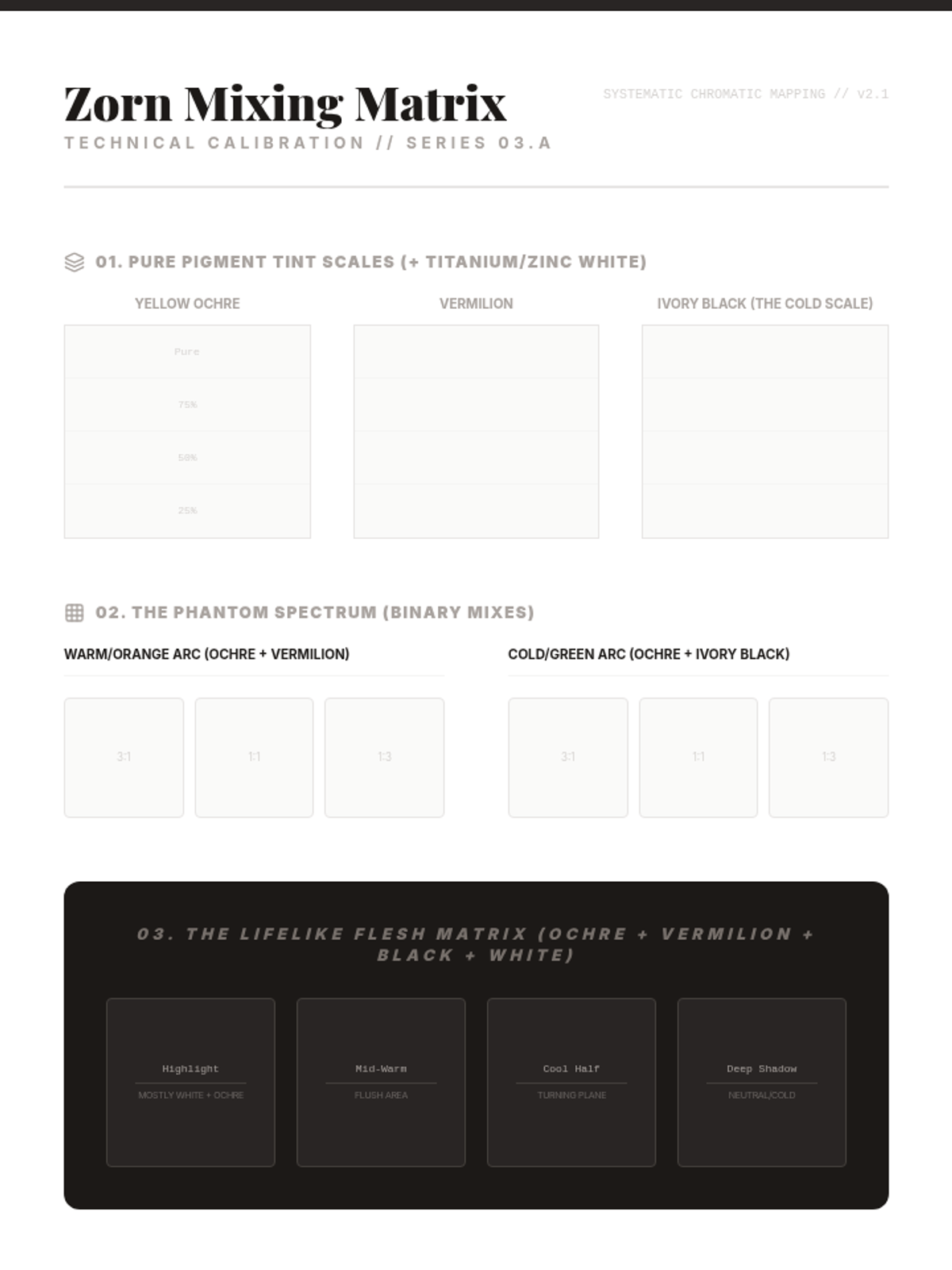
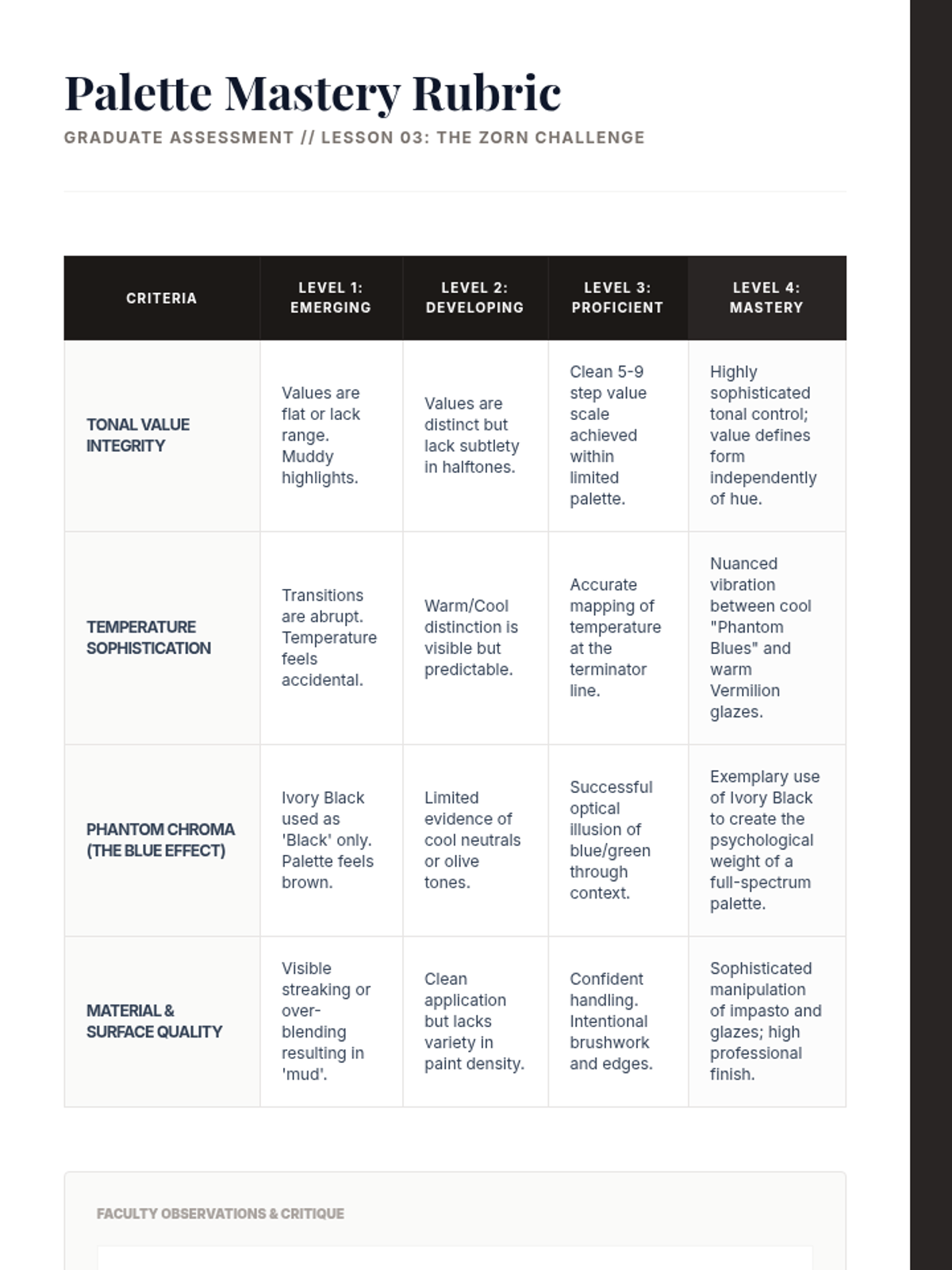
Students restrict their materials to the 'Zorn Palette' (Yellow Ochre, Vermilion, Ivory Black, and White) to master temperature control without relying on high-chroma pigments. By removing the crutch of convenient tube colors, students must demonstrate sophisticated mixing skills to achieve lifelike flesh tones and atmospheric depth.
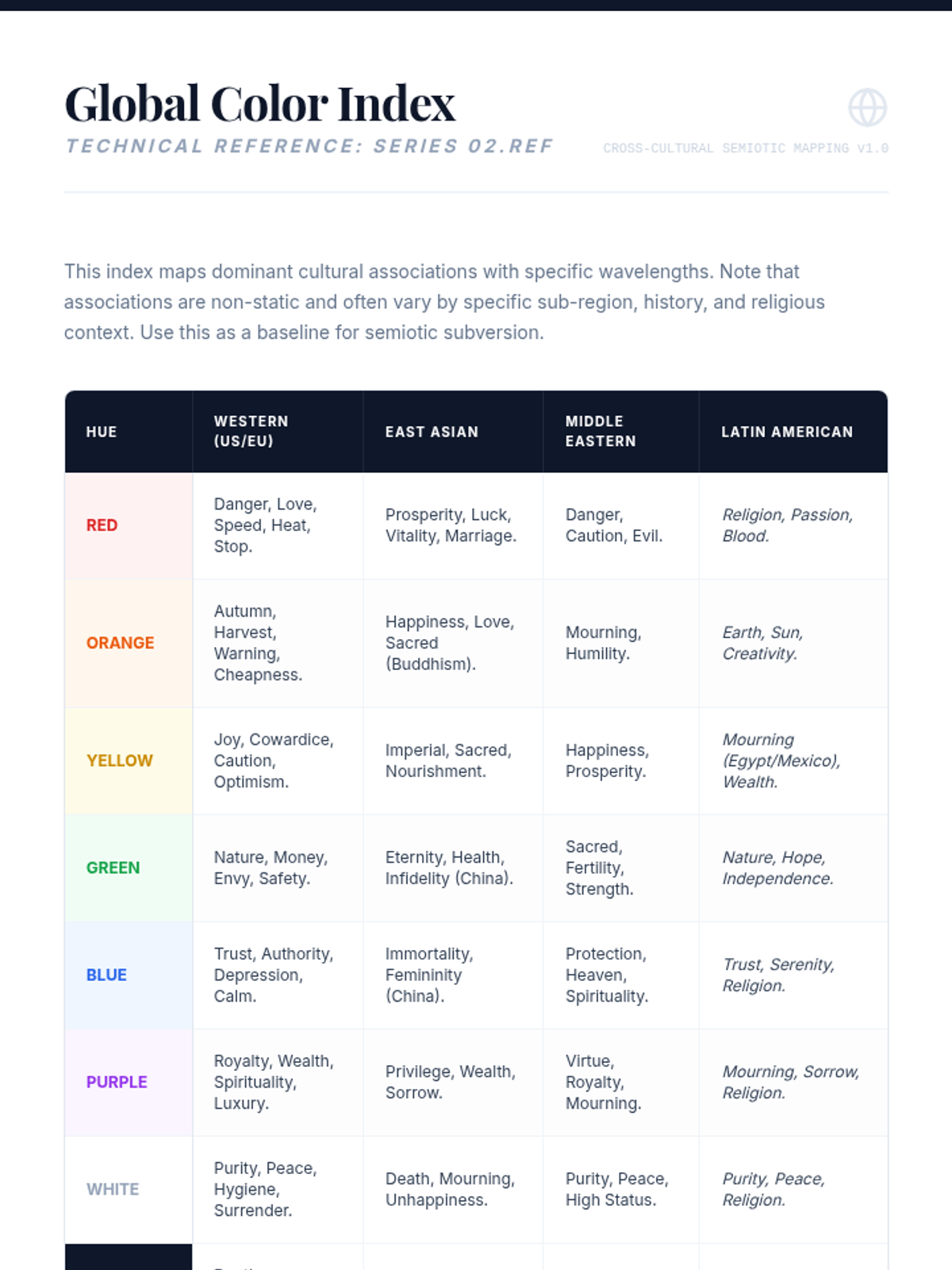
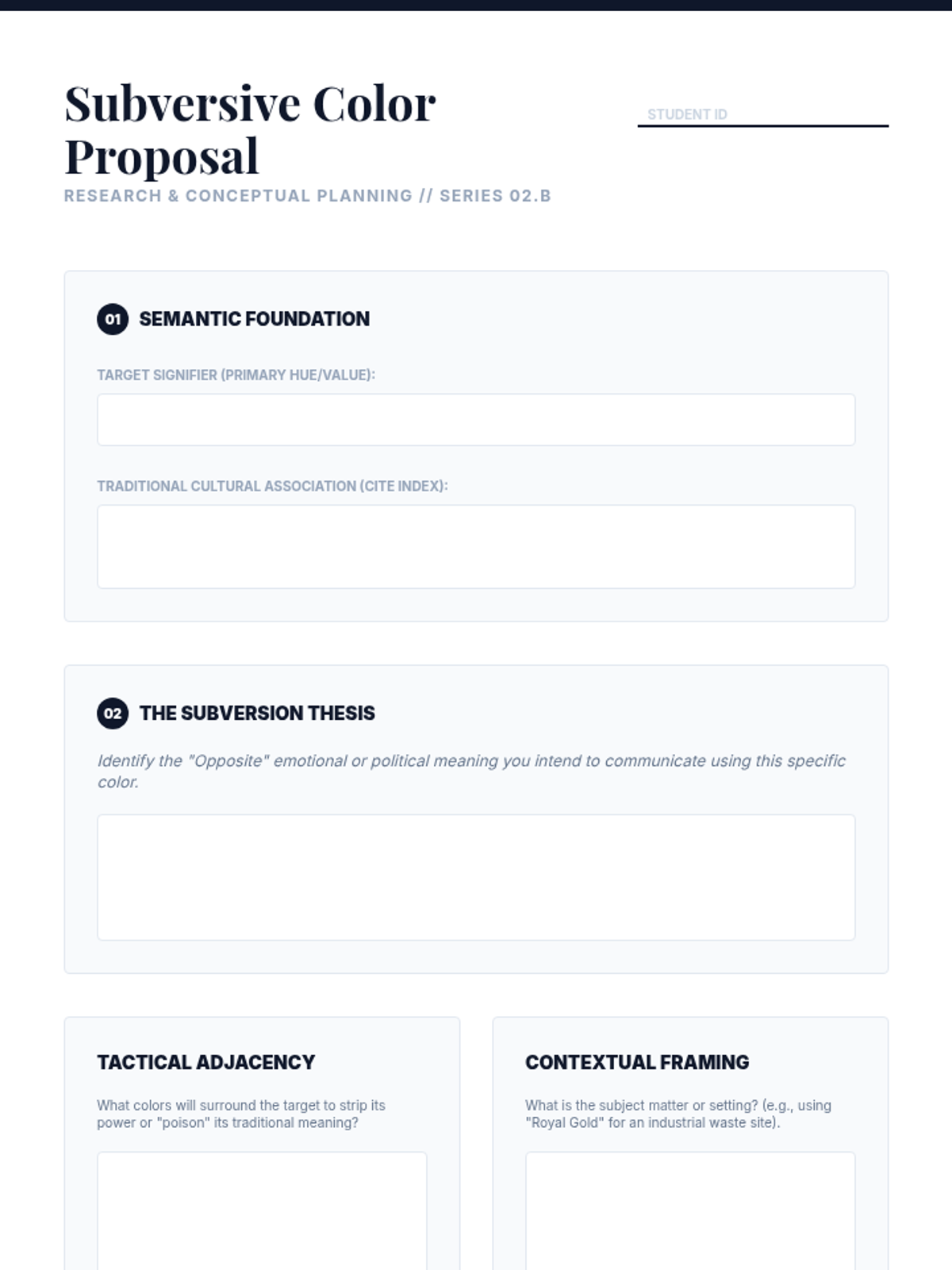
This seminar-style lesson examines the psychological impact of color and its cultural specificities through a global lens. Students analyze case studies of contemporary artists who leverage color for political or emotional manipulation, then draft a proposal for a piece that utilizes color to subvert traditional cultural associations.
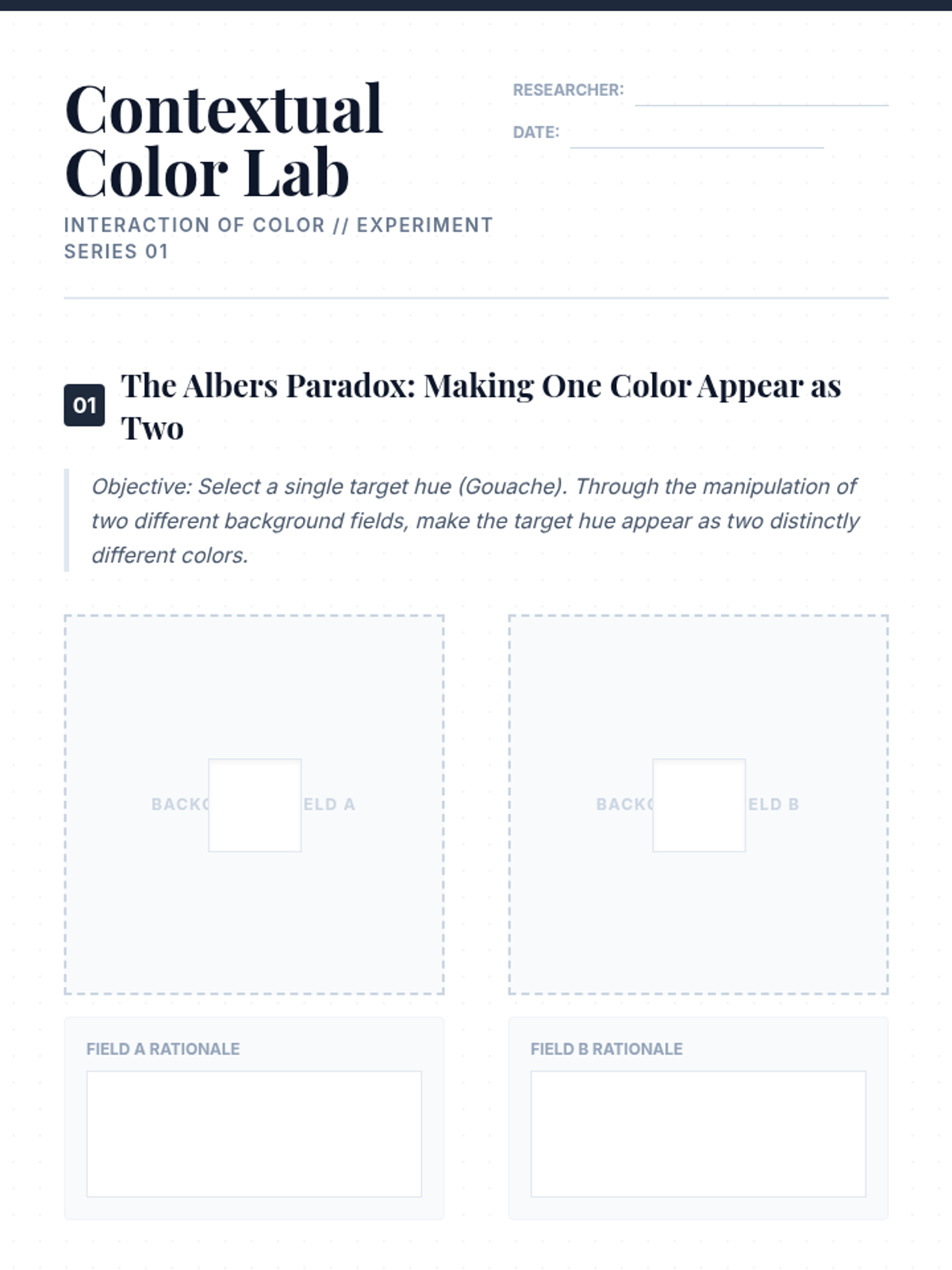
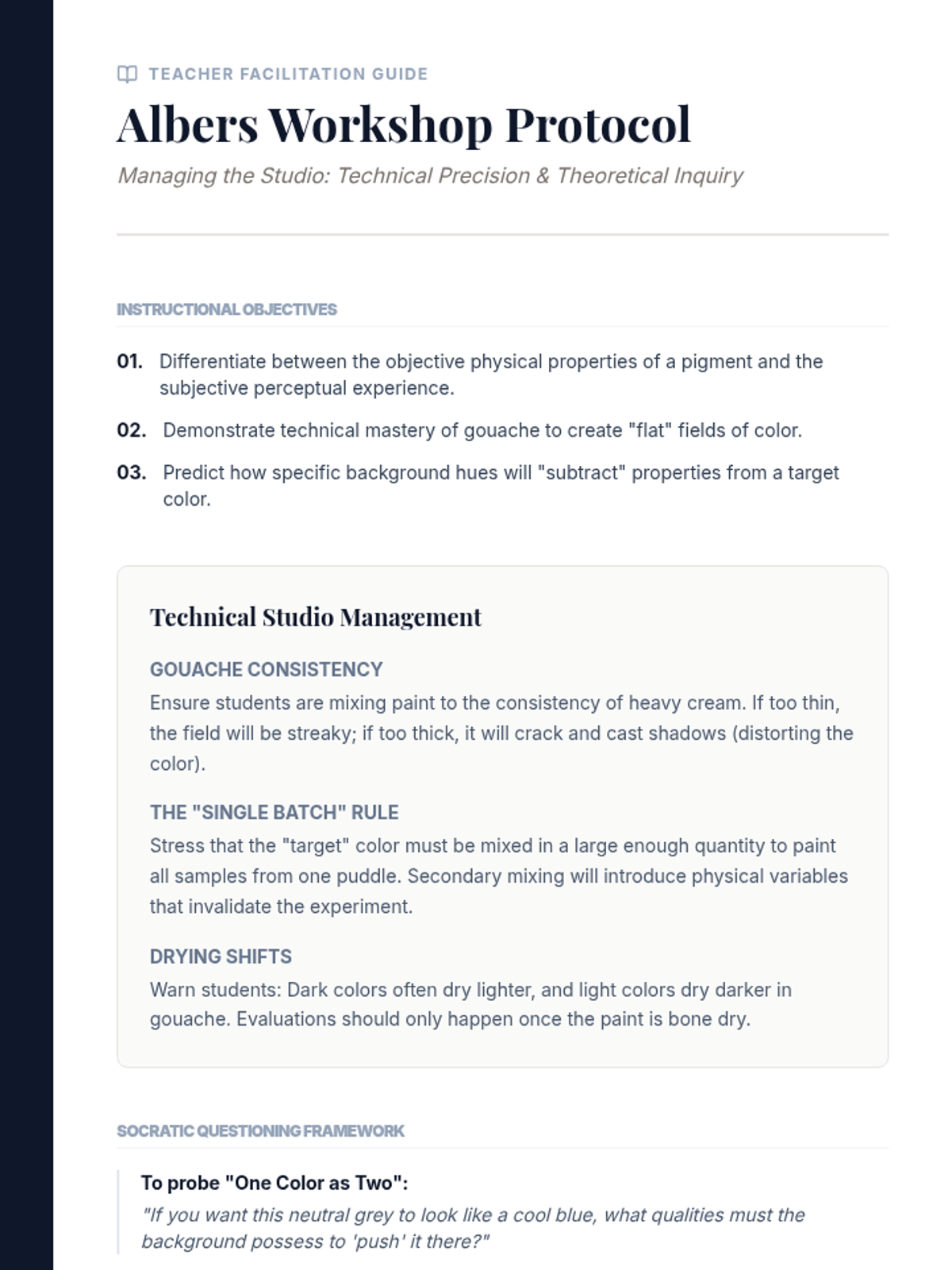
Students analyze Josef Albers' 'Interaction of Color' and execute precision experiments to demonstrate how contextual placement alters color perception.
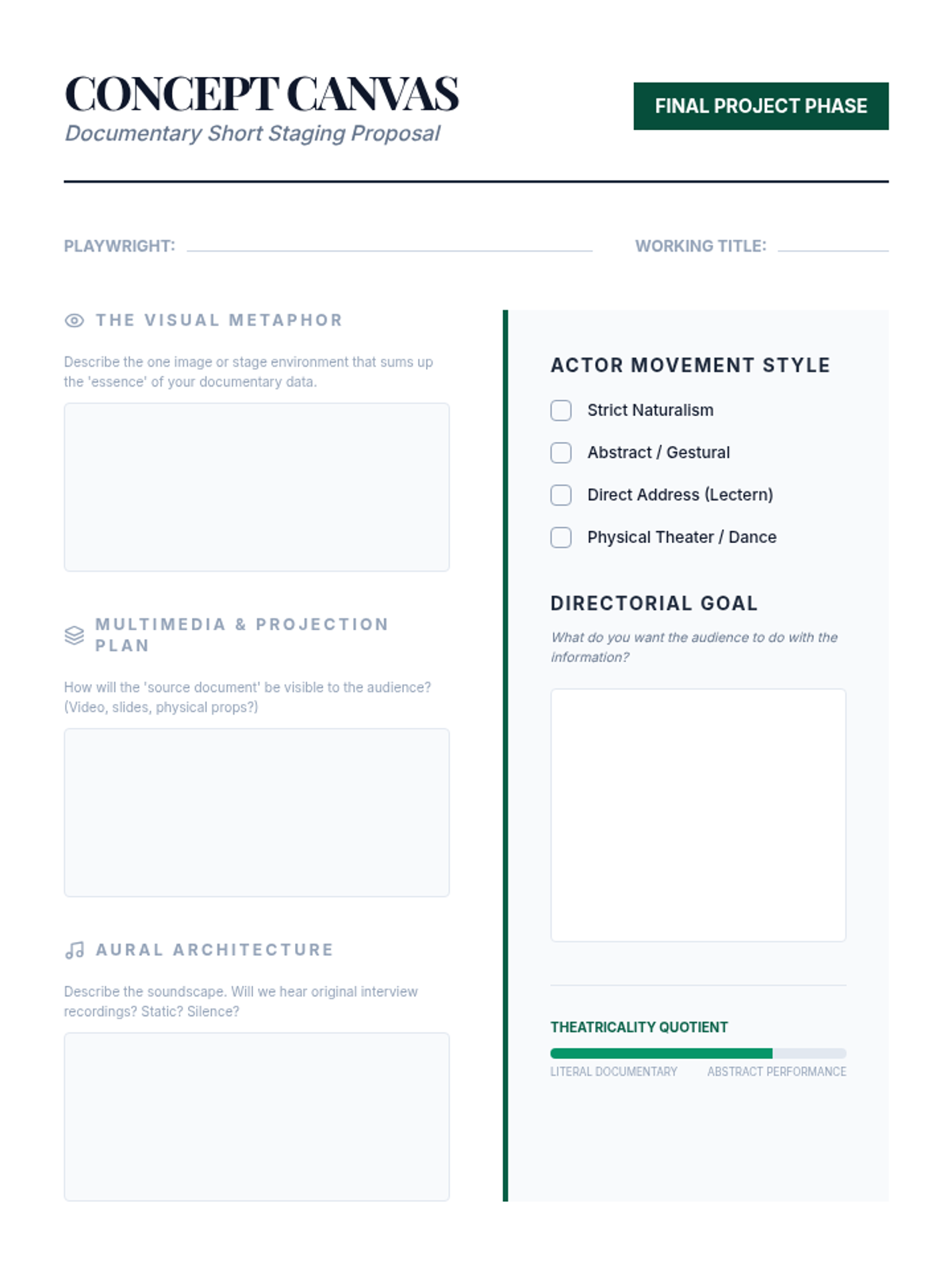
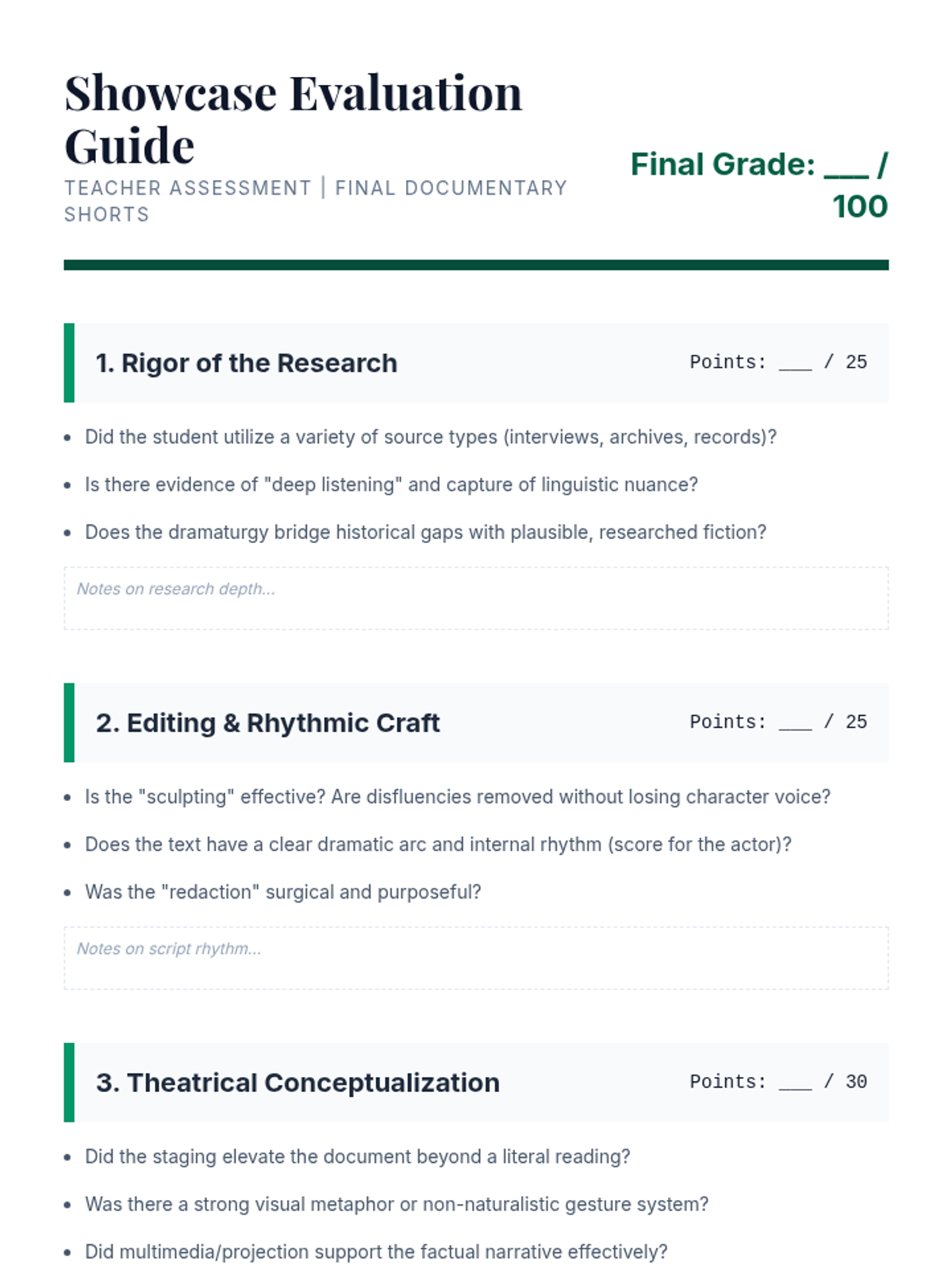
Concludes with a focus on non-naturalistic staging techniques for documentary theatre, culminating in a presentation of student documentary shorts.
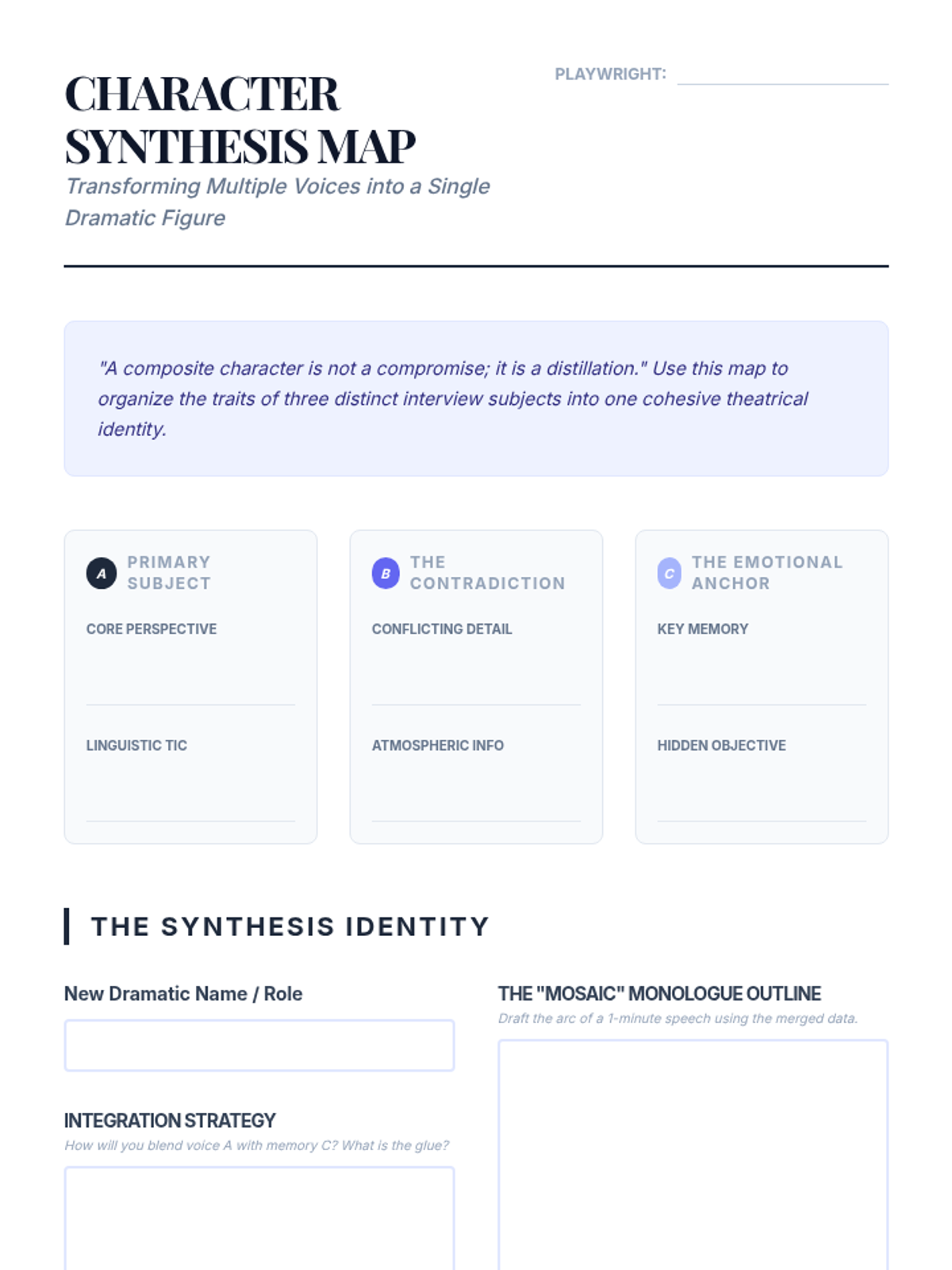
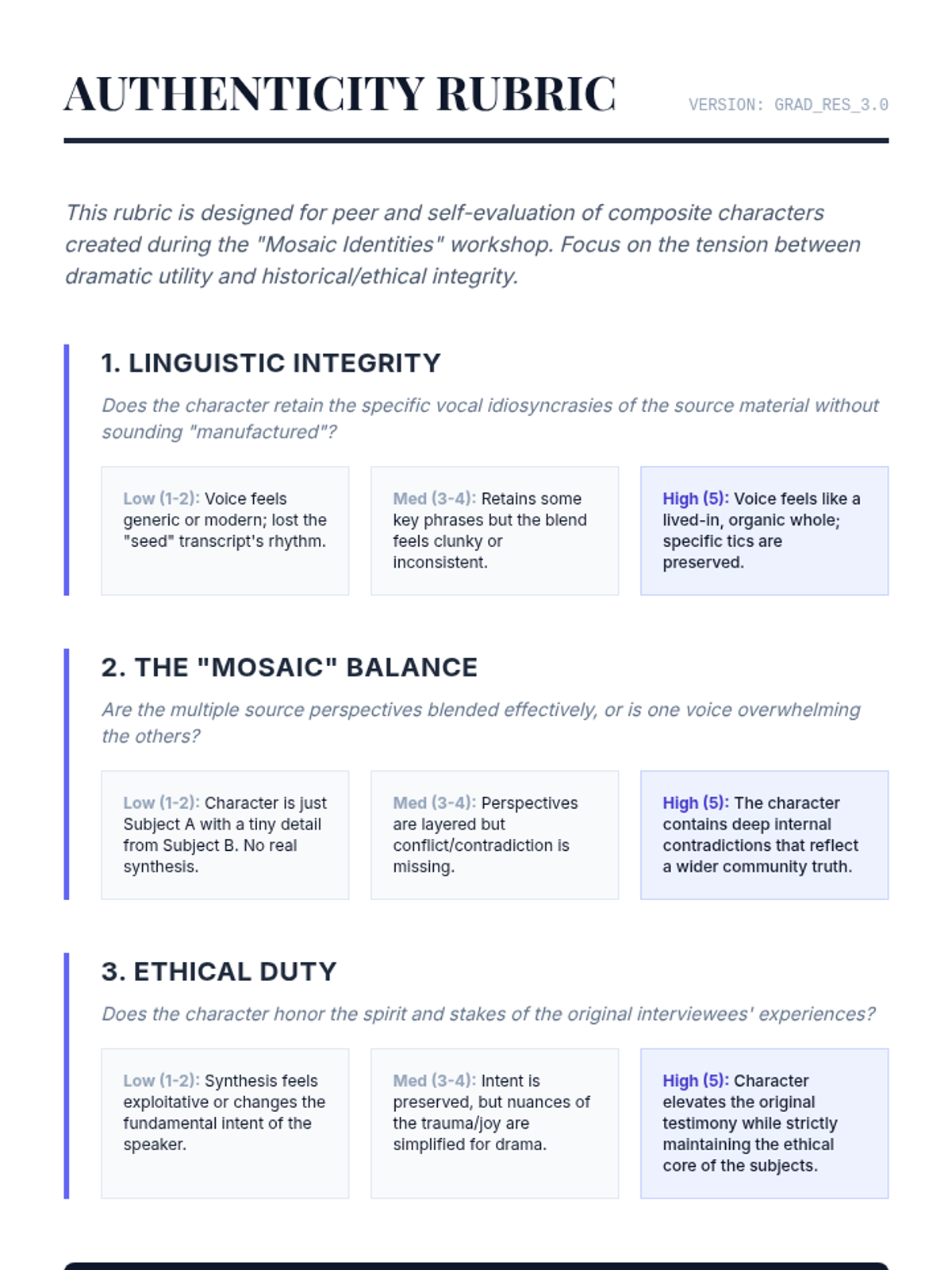
Explores the controversial technique of composite characters, balancing the need for dramatic economy with the ethics of authentic representation.
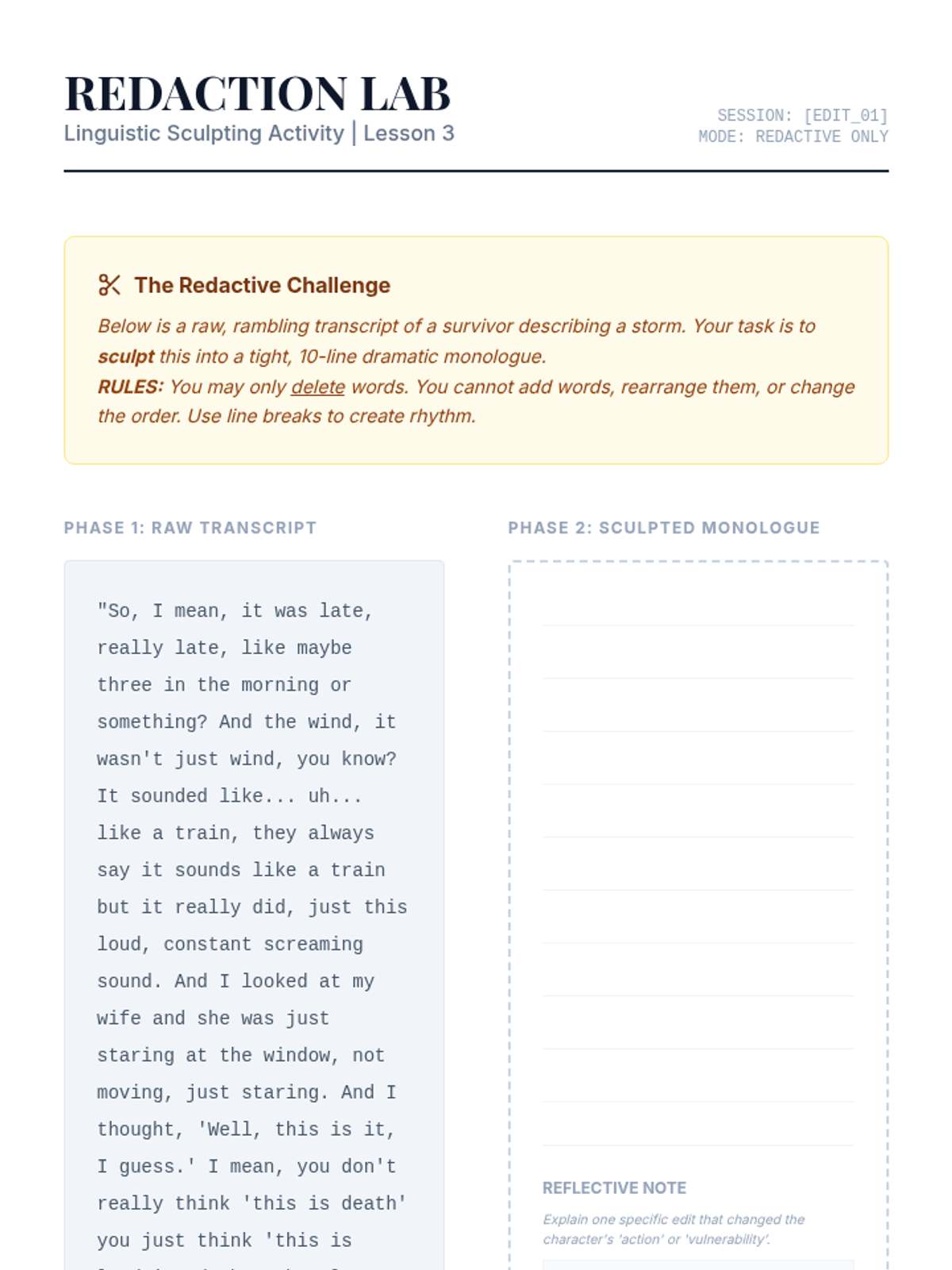
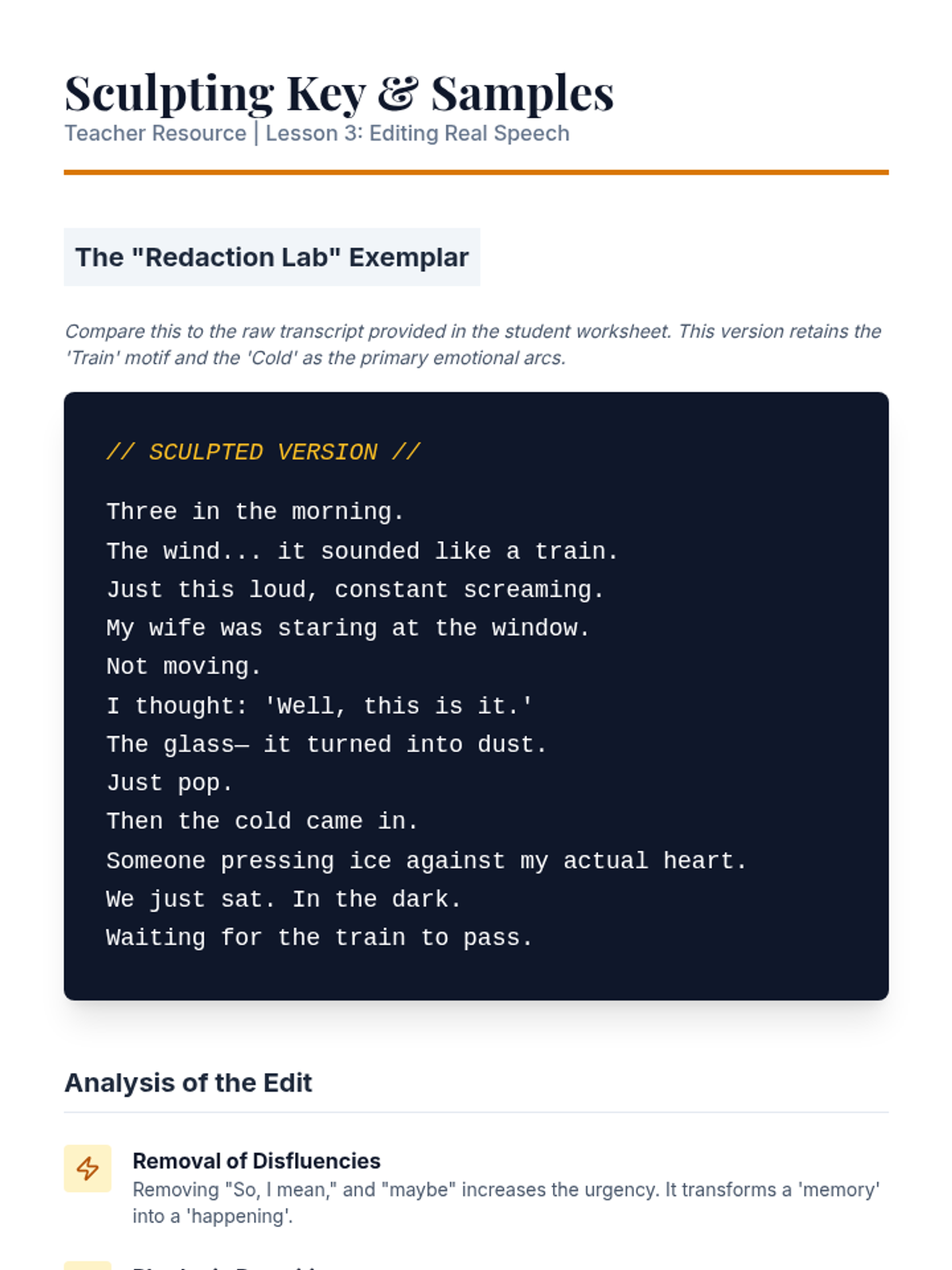
A workshop-based lesson on the technical art of editing raw transcript data into rhythmic, dramatically impactful stage speech.
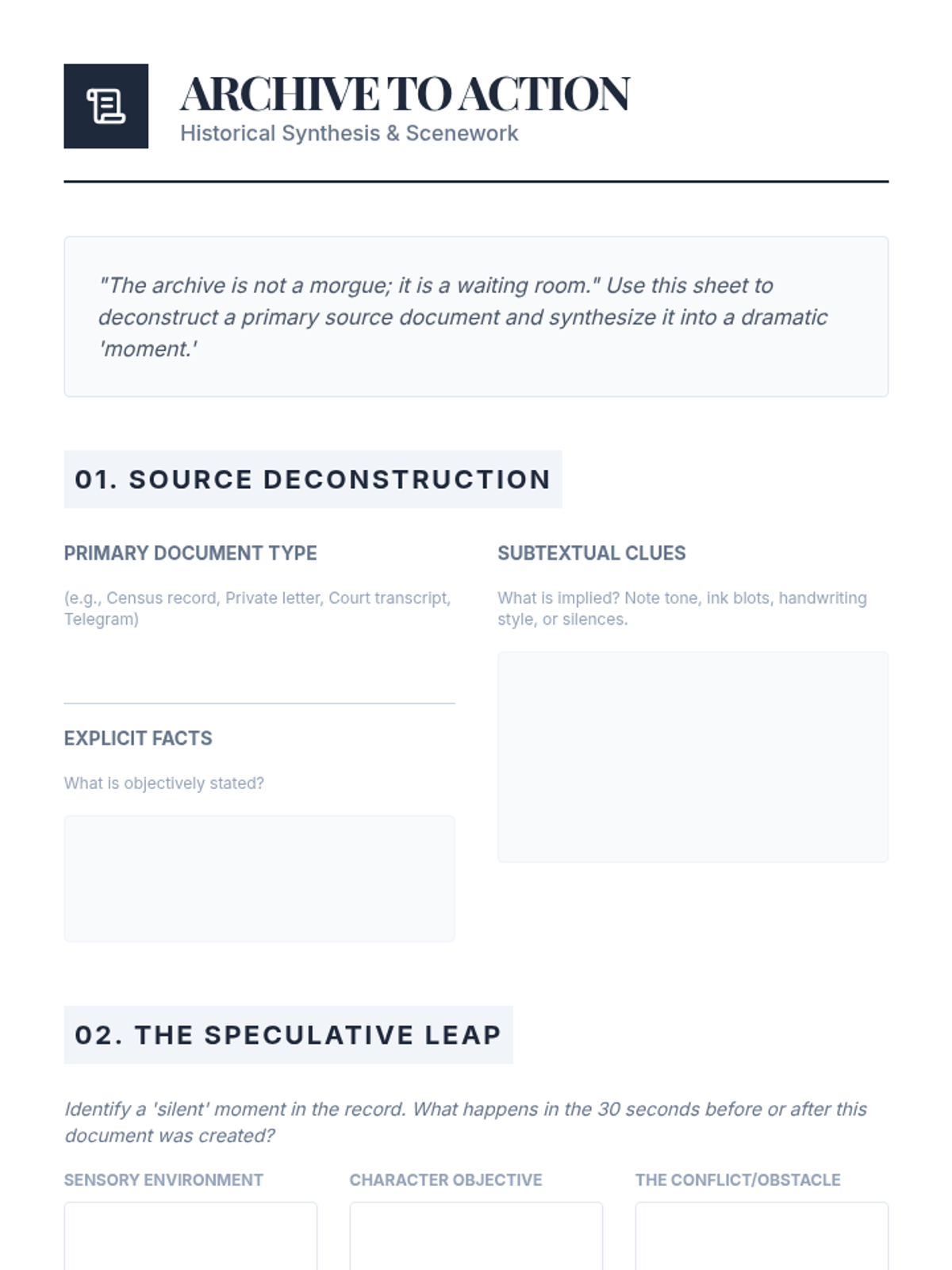
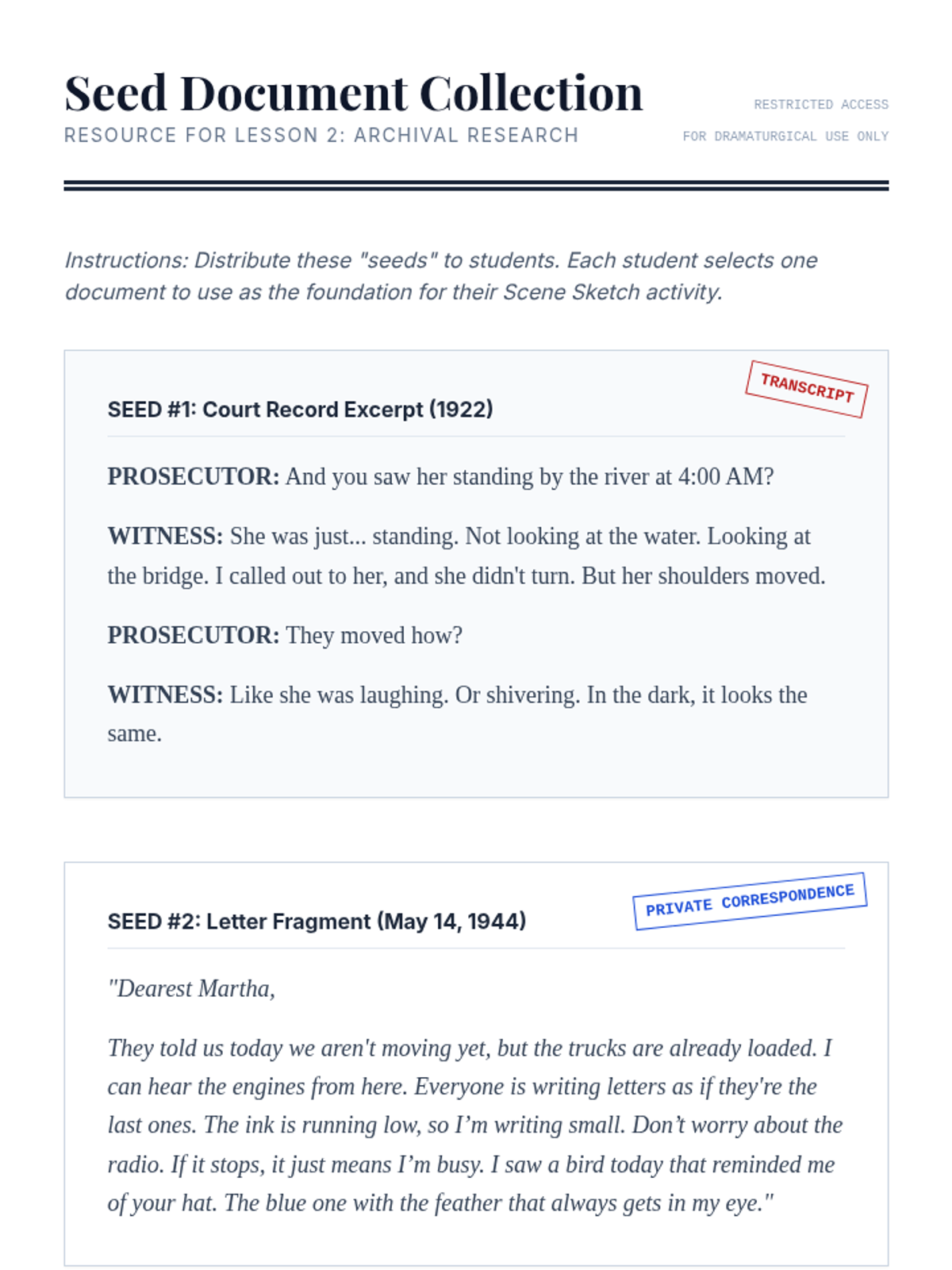
Focuses on archival research as a source for drama, teaching students how to bridge historical gaps and transform dry documents into compelling scenes.
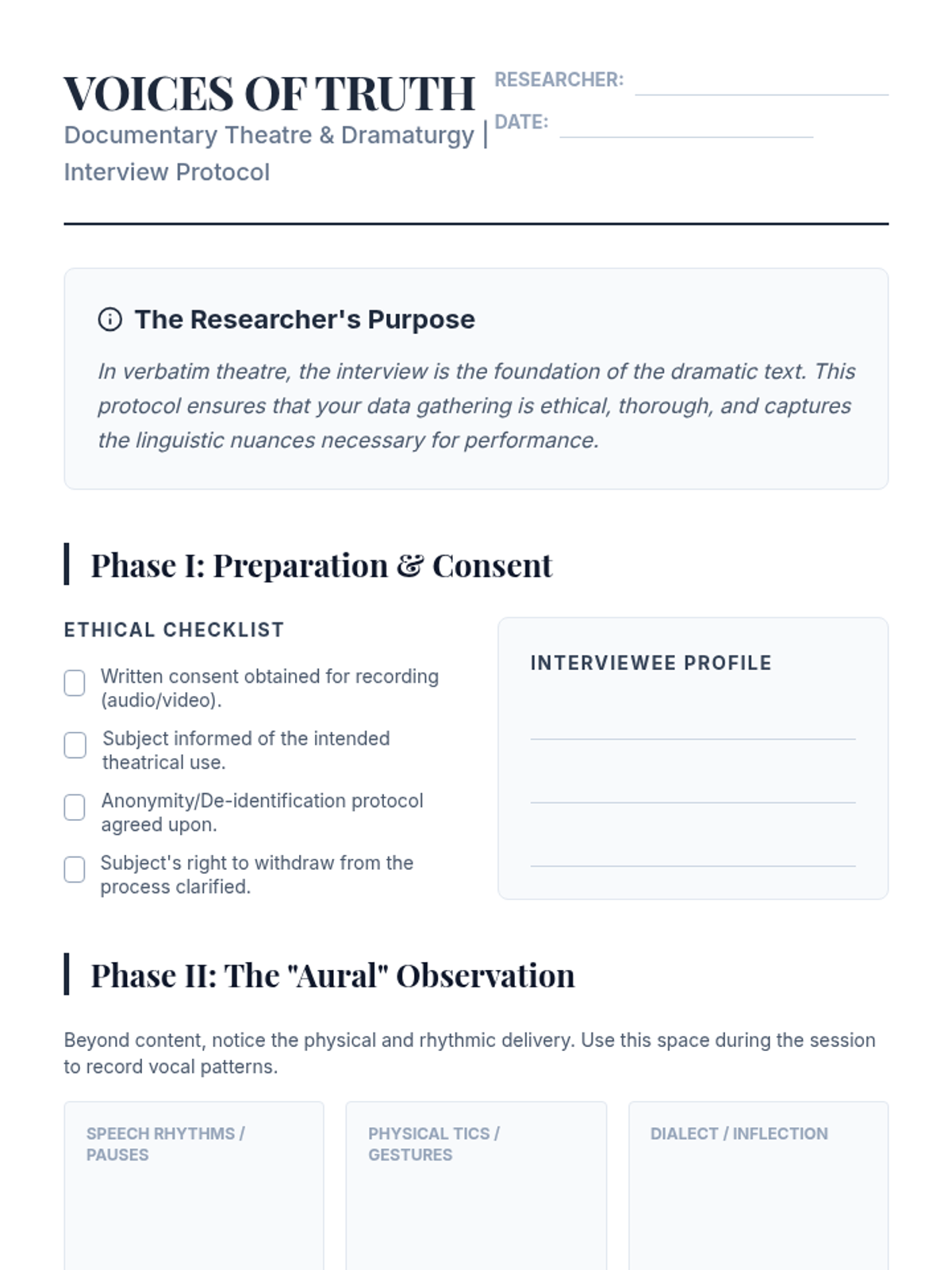
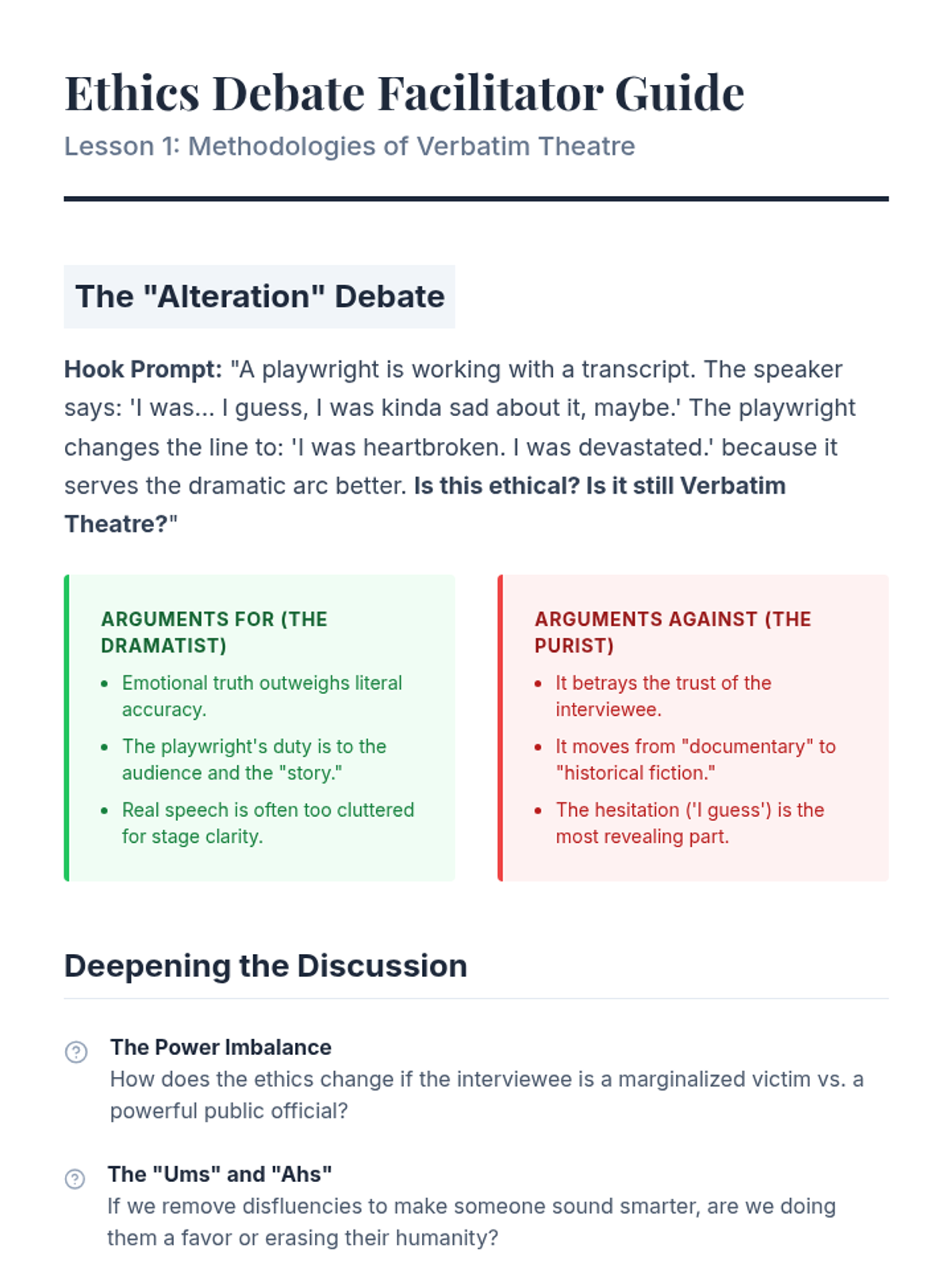
Investigates the history and ethics of verbatim theatre, focusing on interviewing methodologies and the legal/ethical frameworks of representing real subjects.
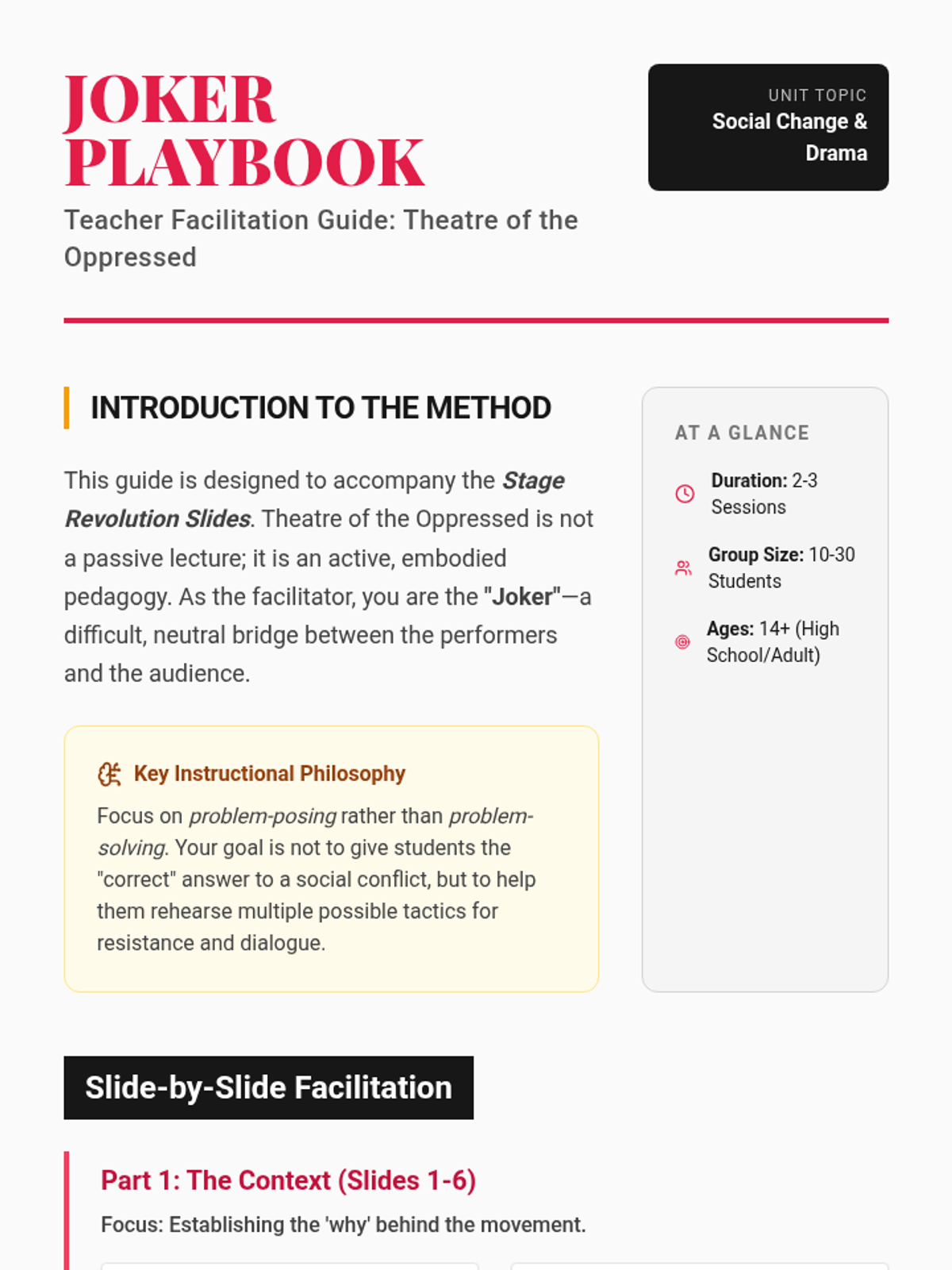
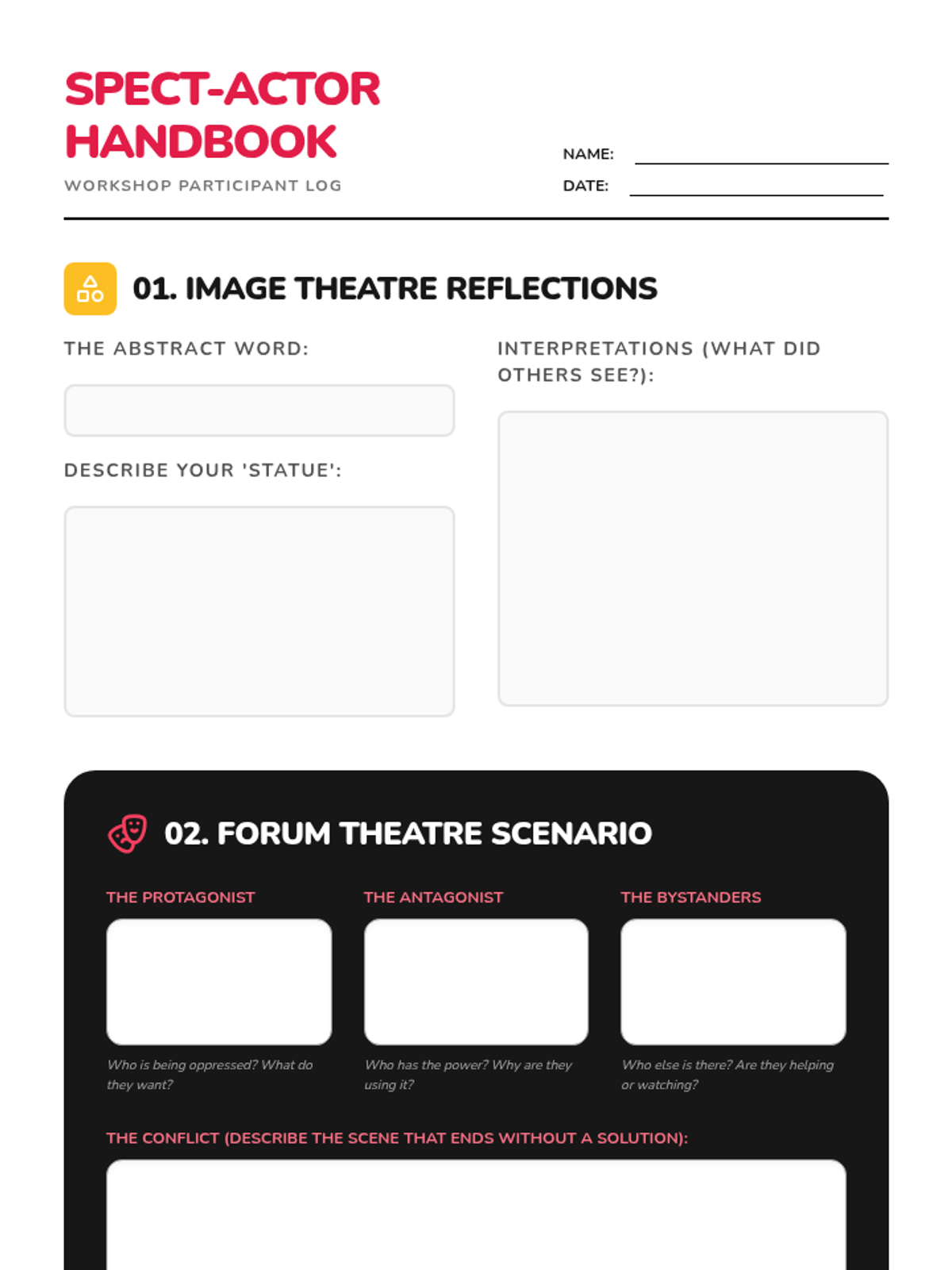
An exploration of Augusto Boal's Theatre of the Oppressed, covering its historical roots in Brazil, key techniques like Forum and Image Theatre, and its ongoing role in global social justice movements.
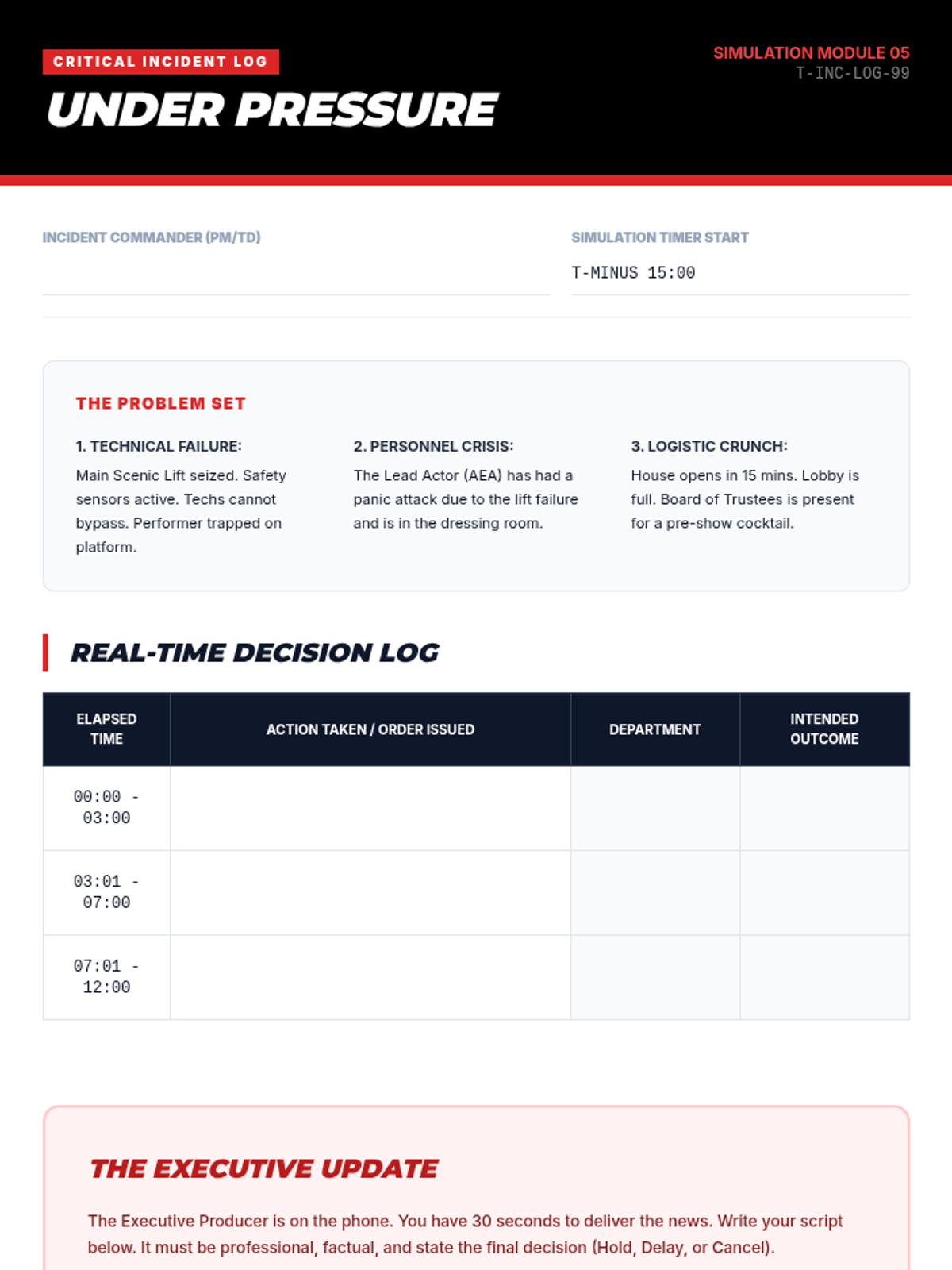
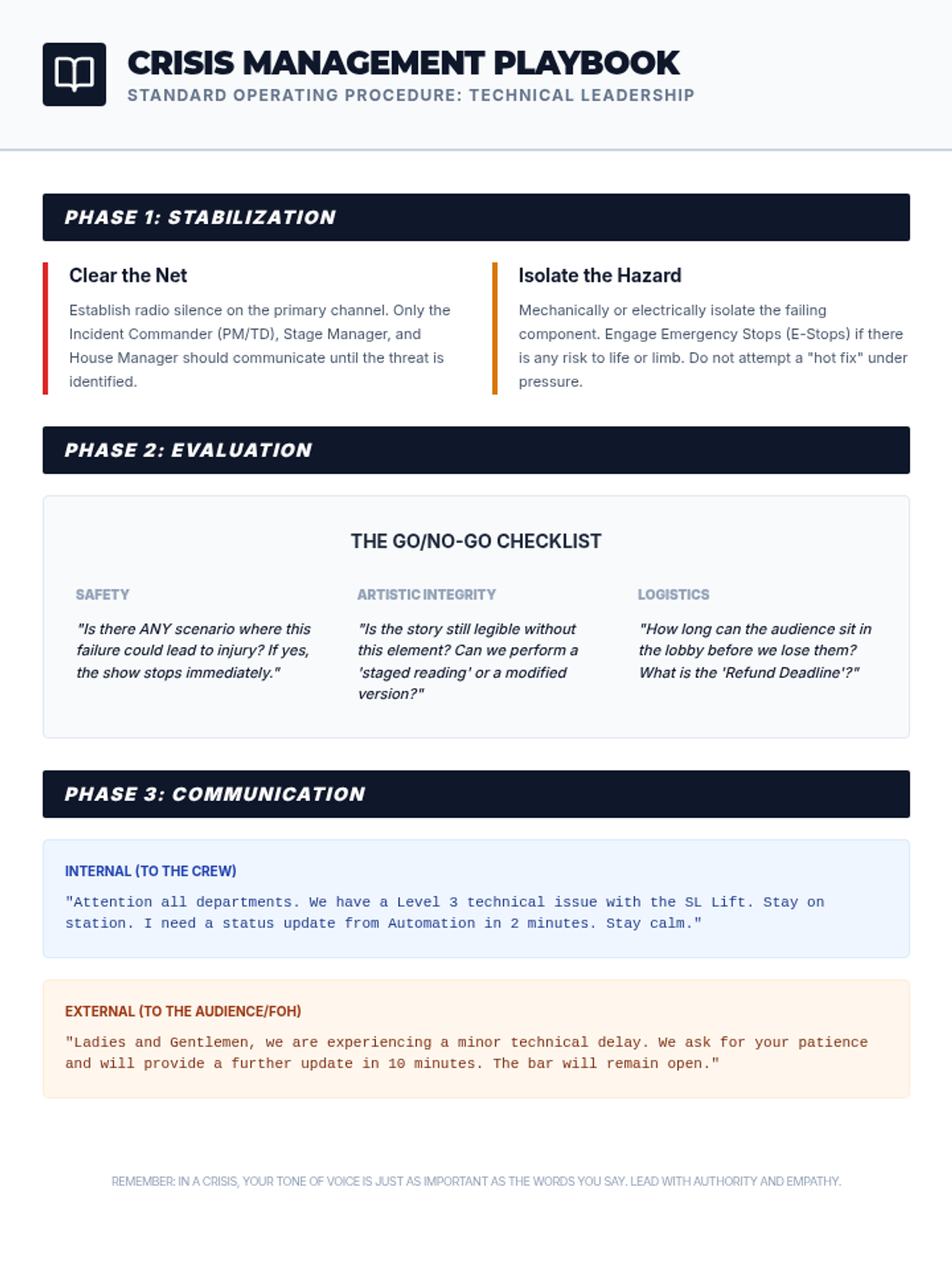
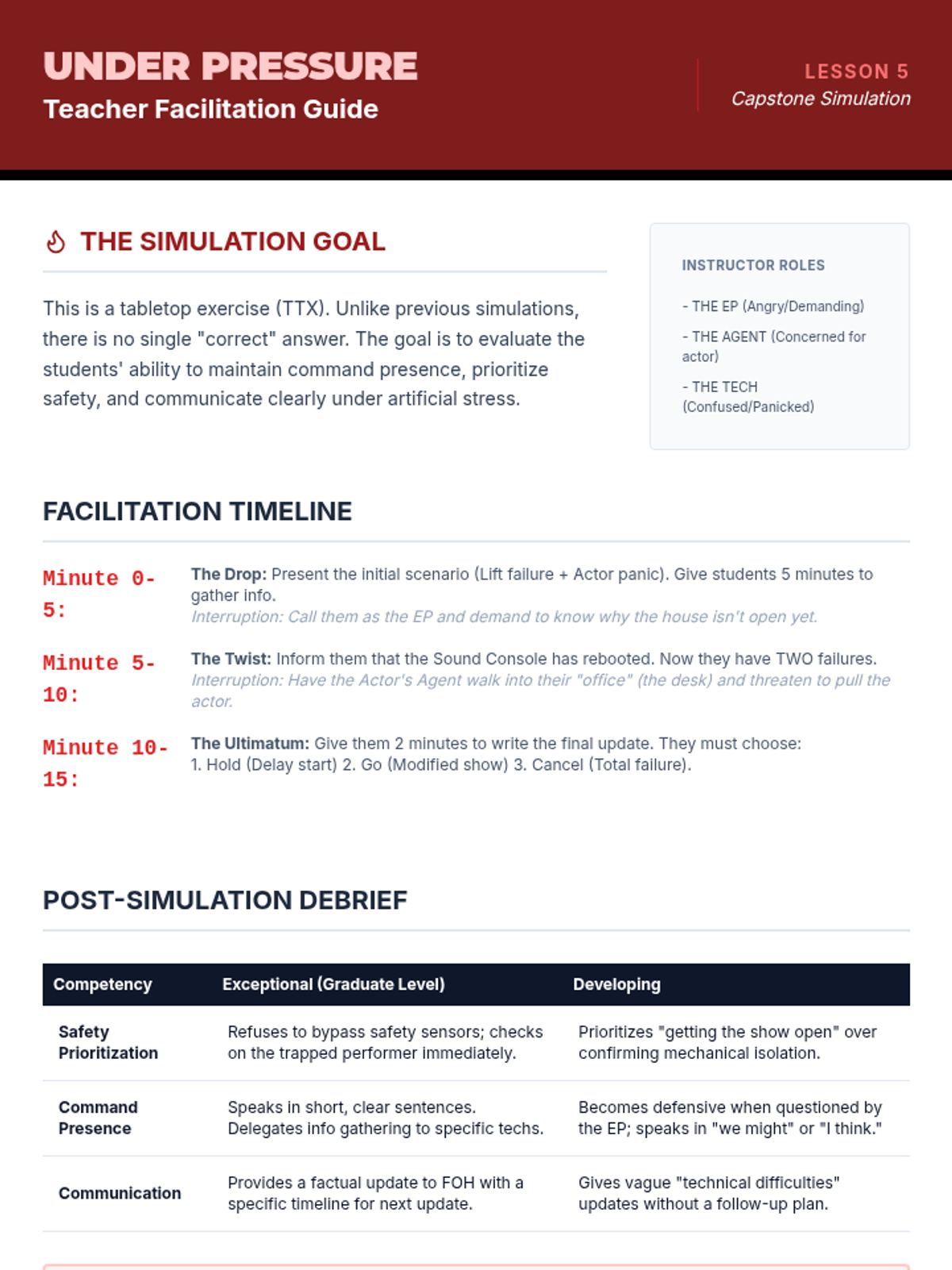
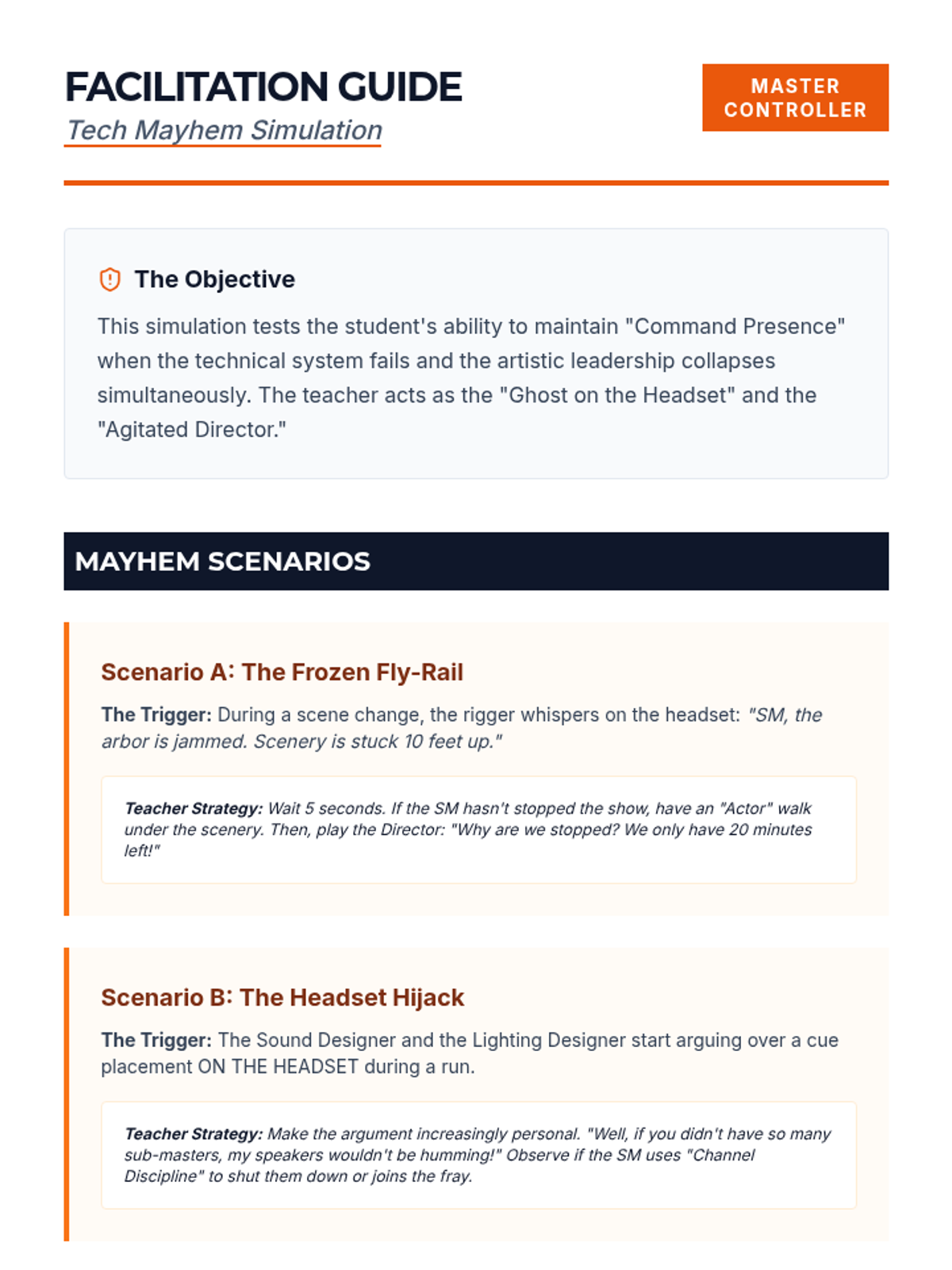
A real-time simulation where students manage cascading technical and personnel crises to test their leadership under pressure.
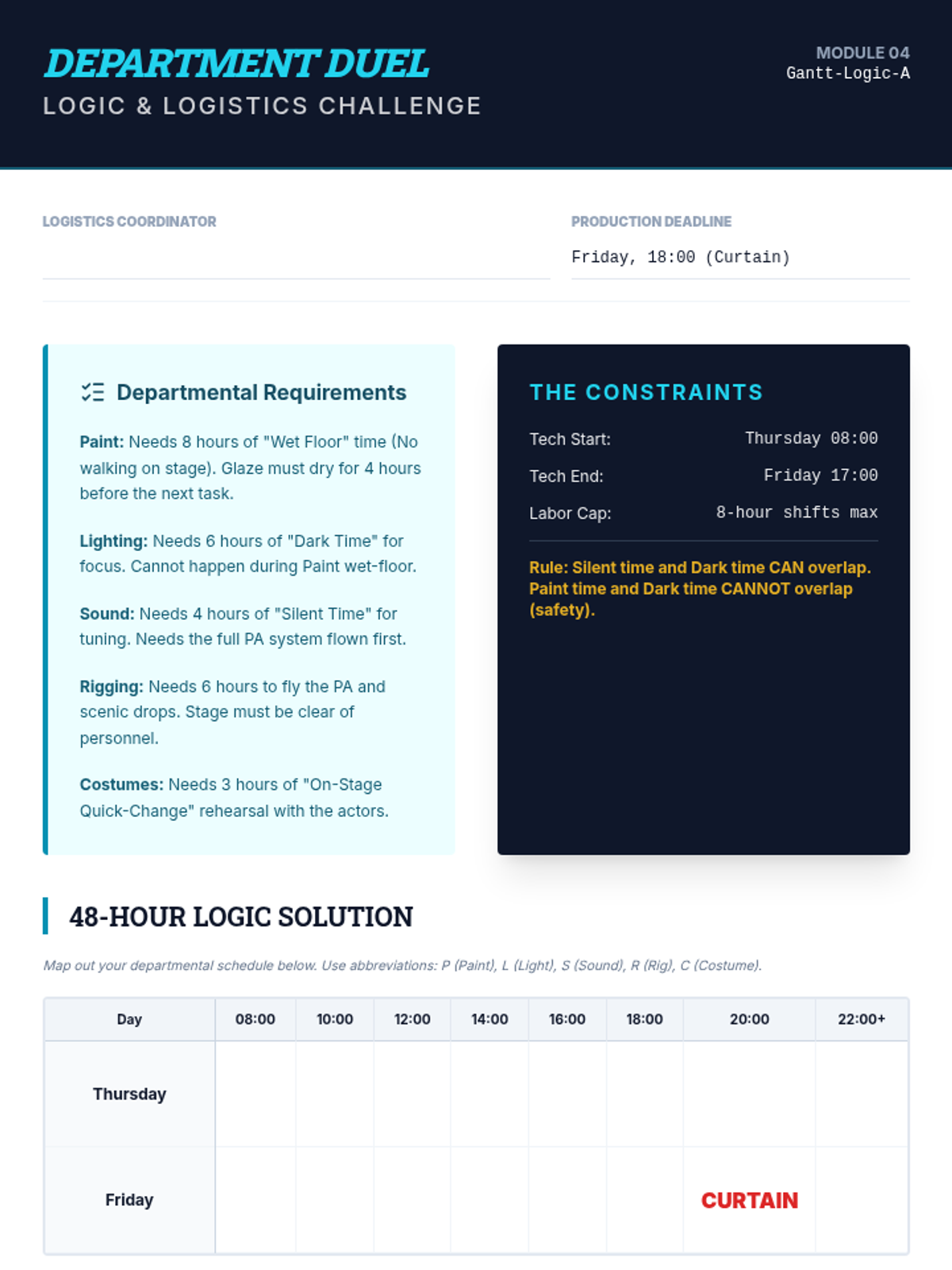
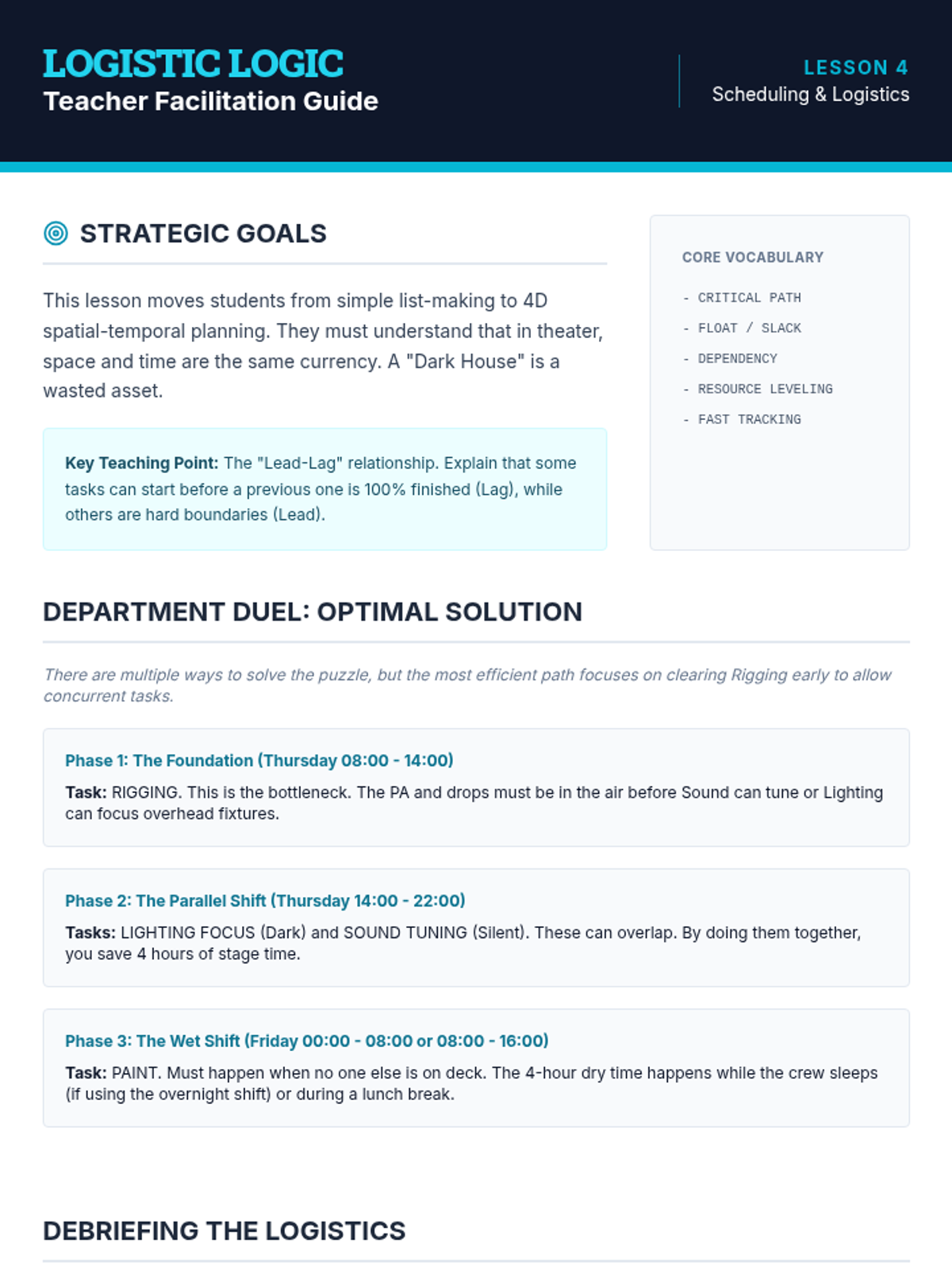
Covers the Critical Path Method and complex logistics coordination, requiring students to solve departmental scheduling conflicts.
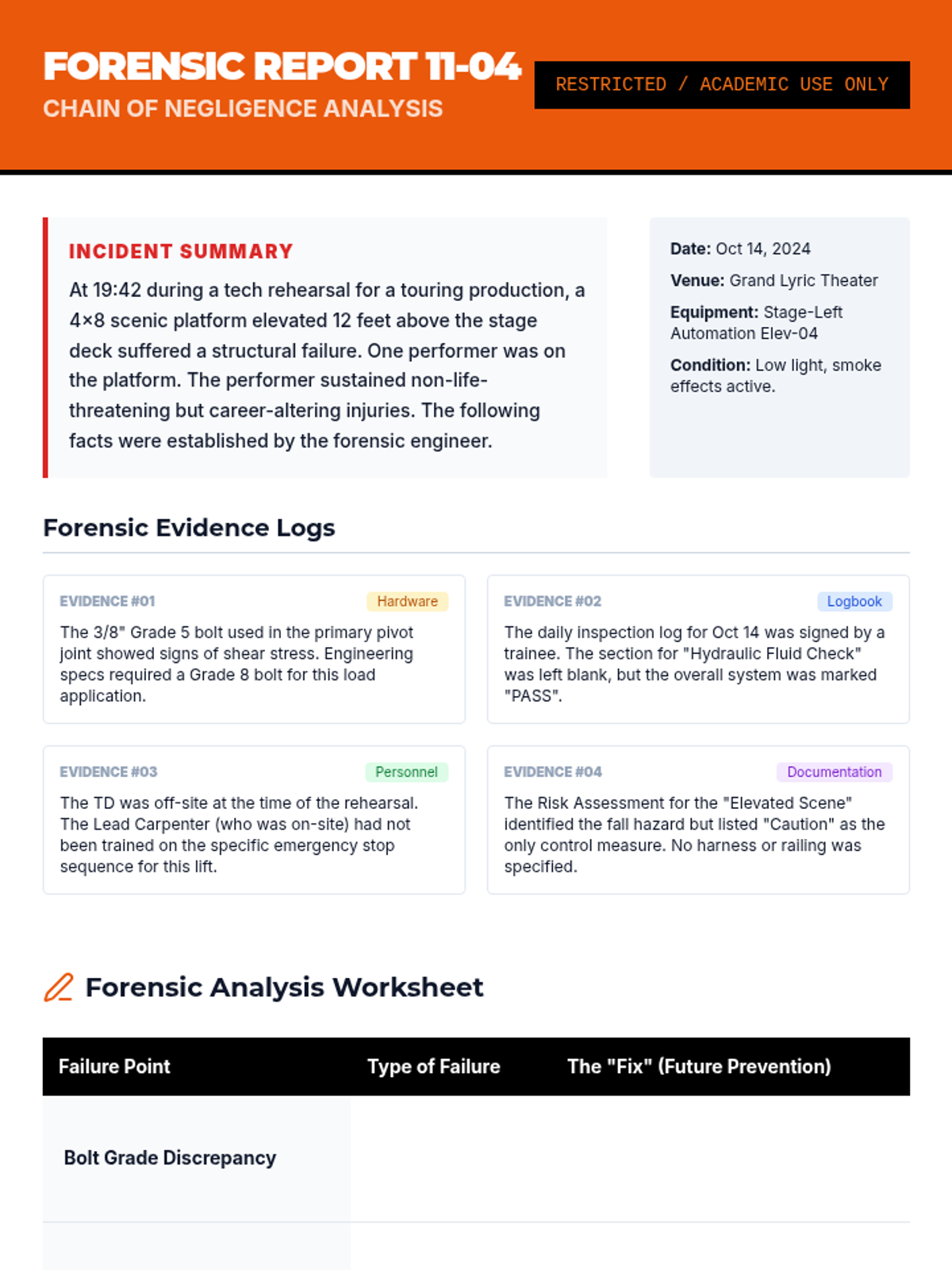
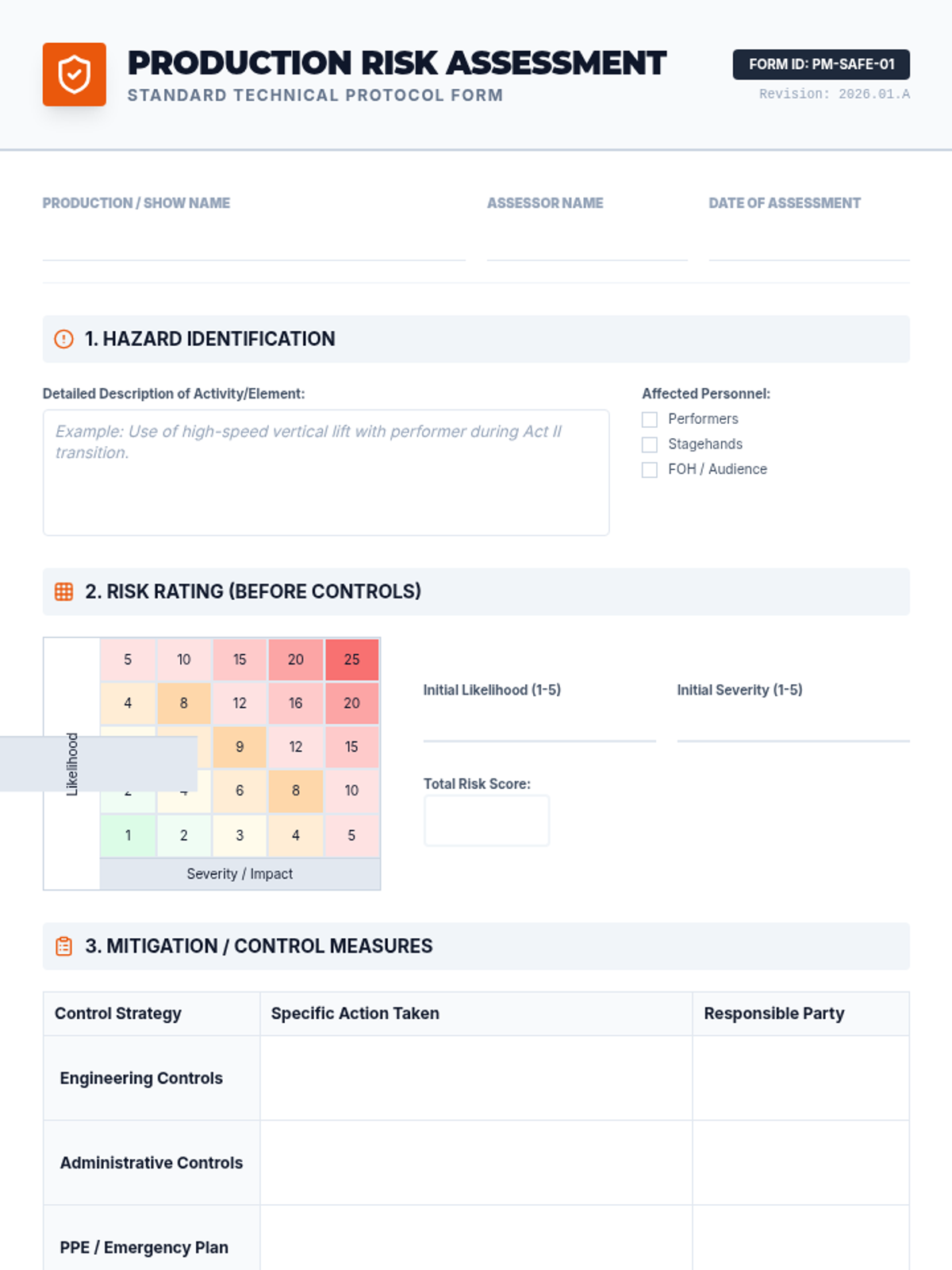
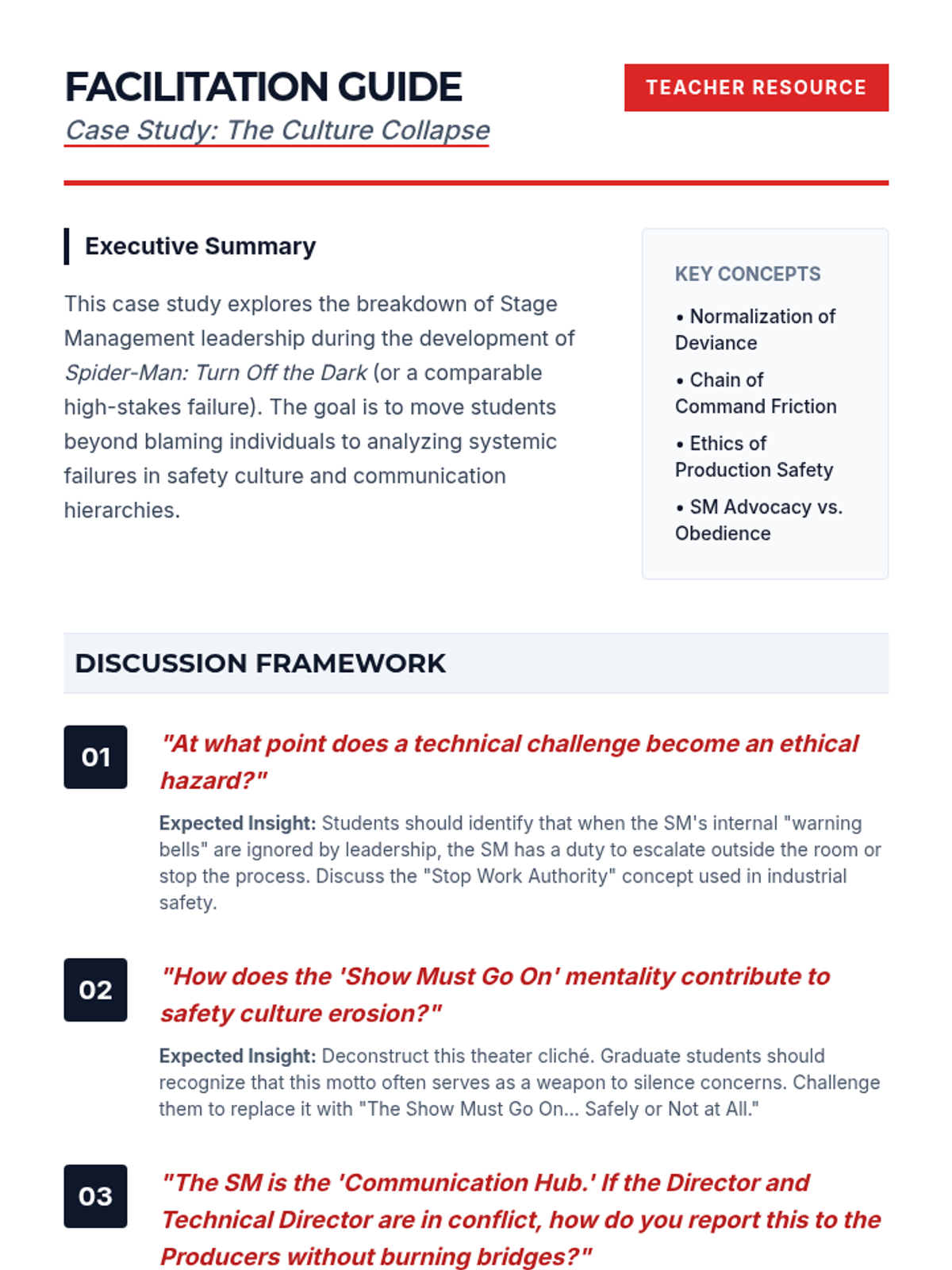
A deep dive into OSHA regulations, risk assessment writing, and the forensic analysis of stage accidents to prevent future negligence.
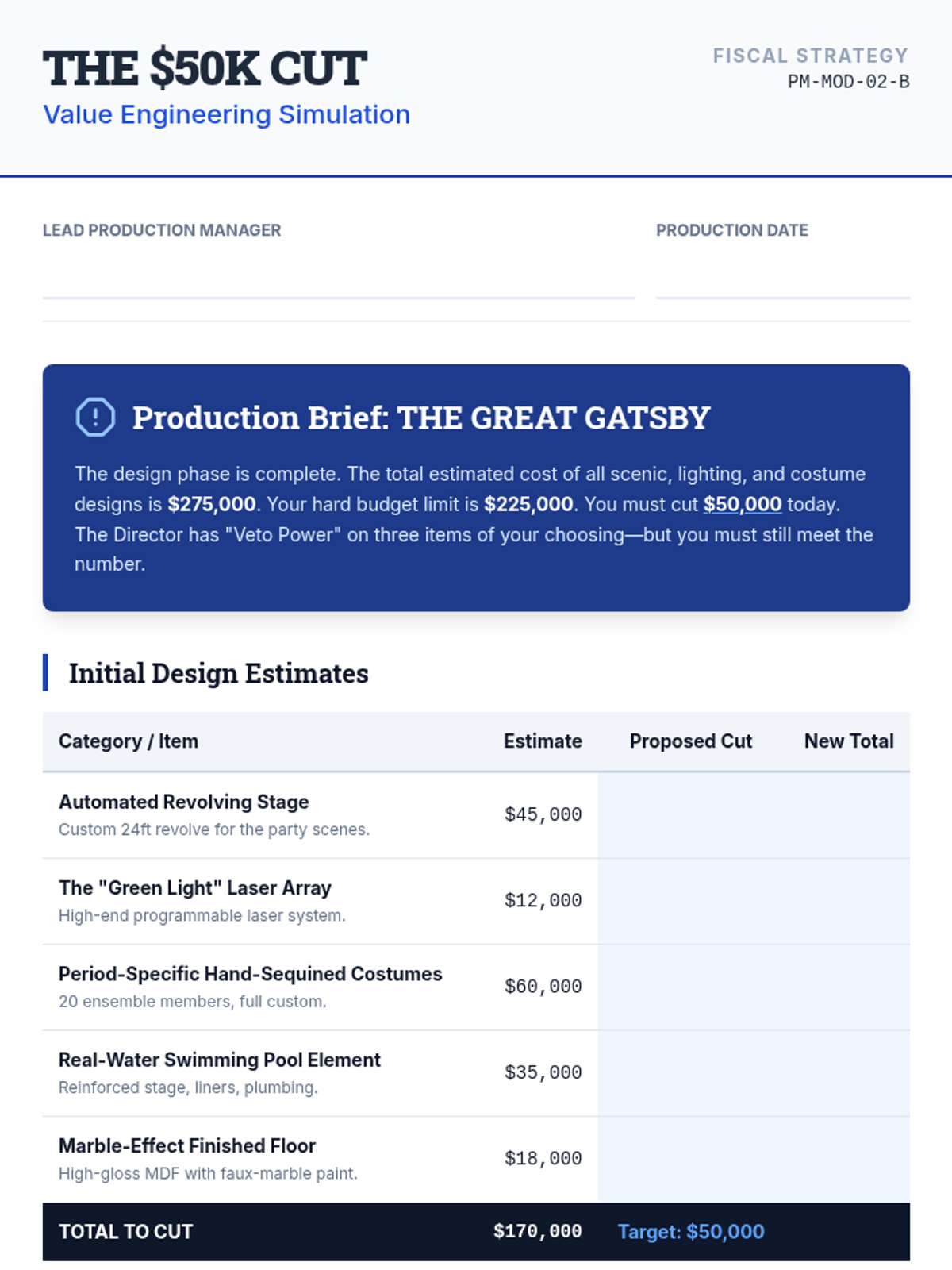
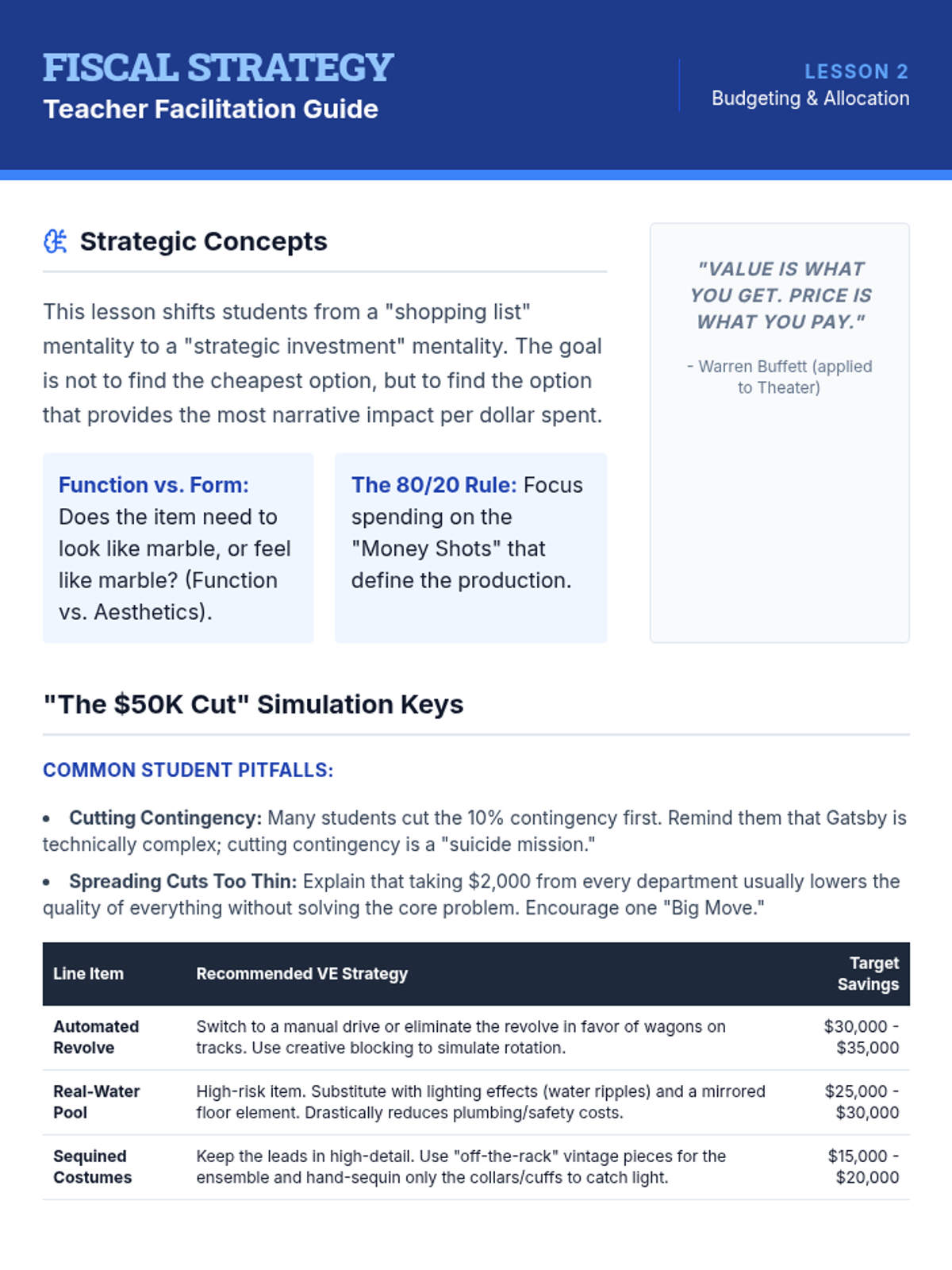
Focused on fiscal strategy, students learn to balance artistic vision with budgetary constraints through value engineering and strategic allocation.
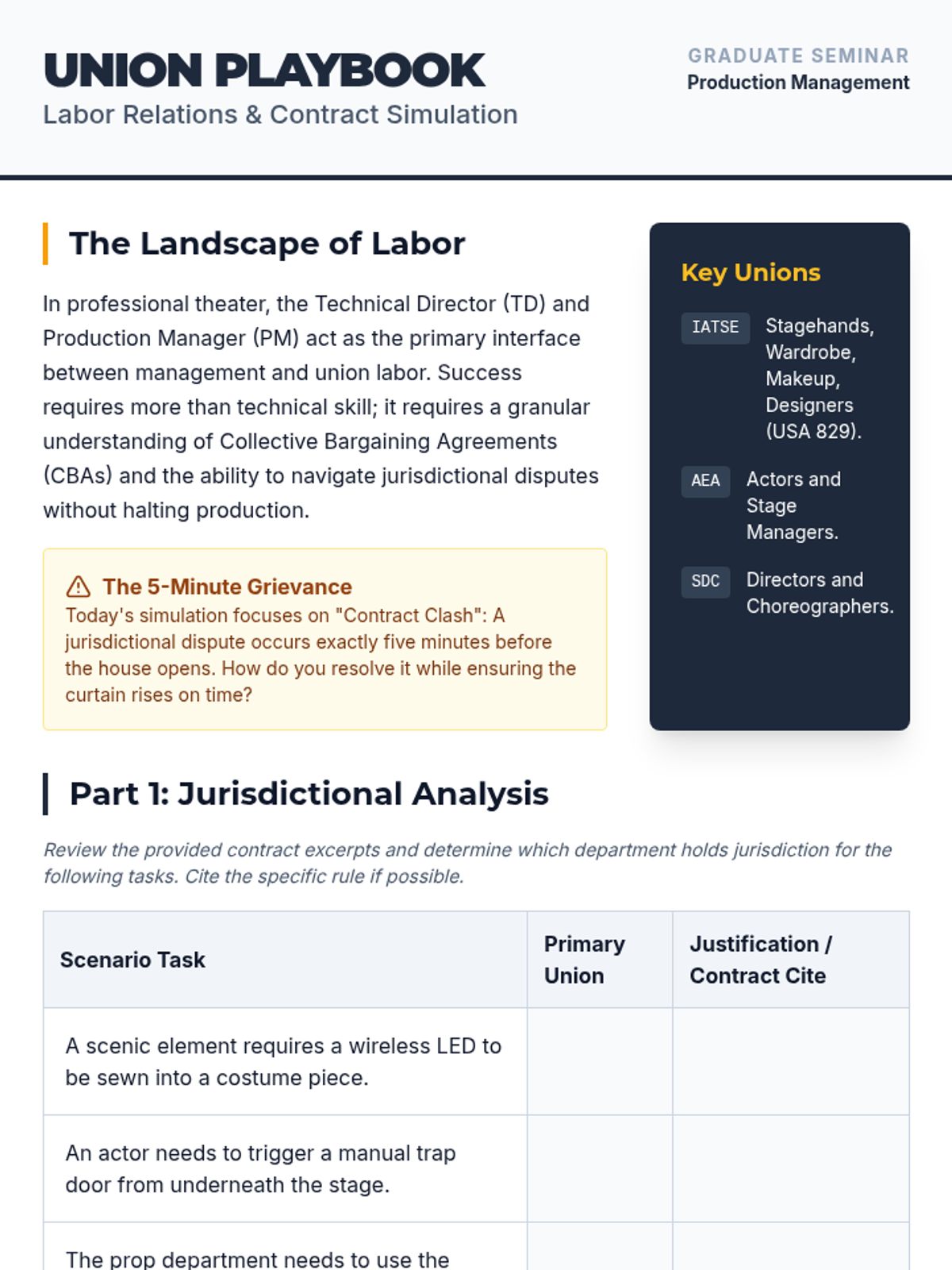
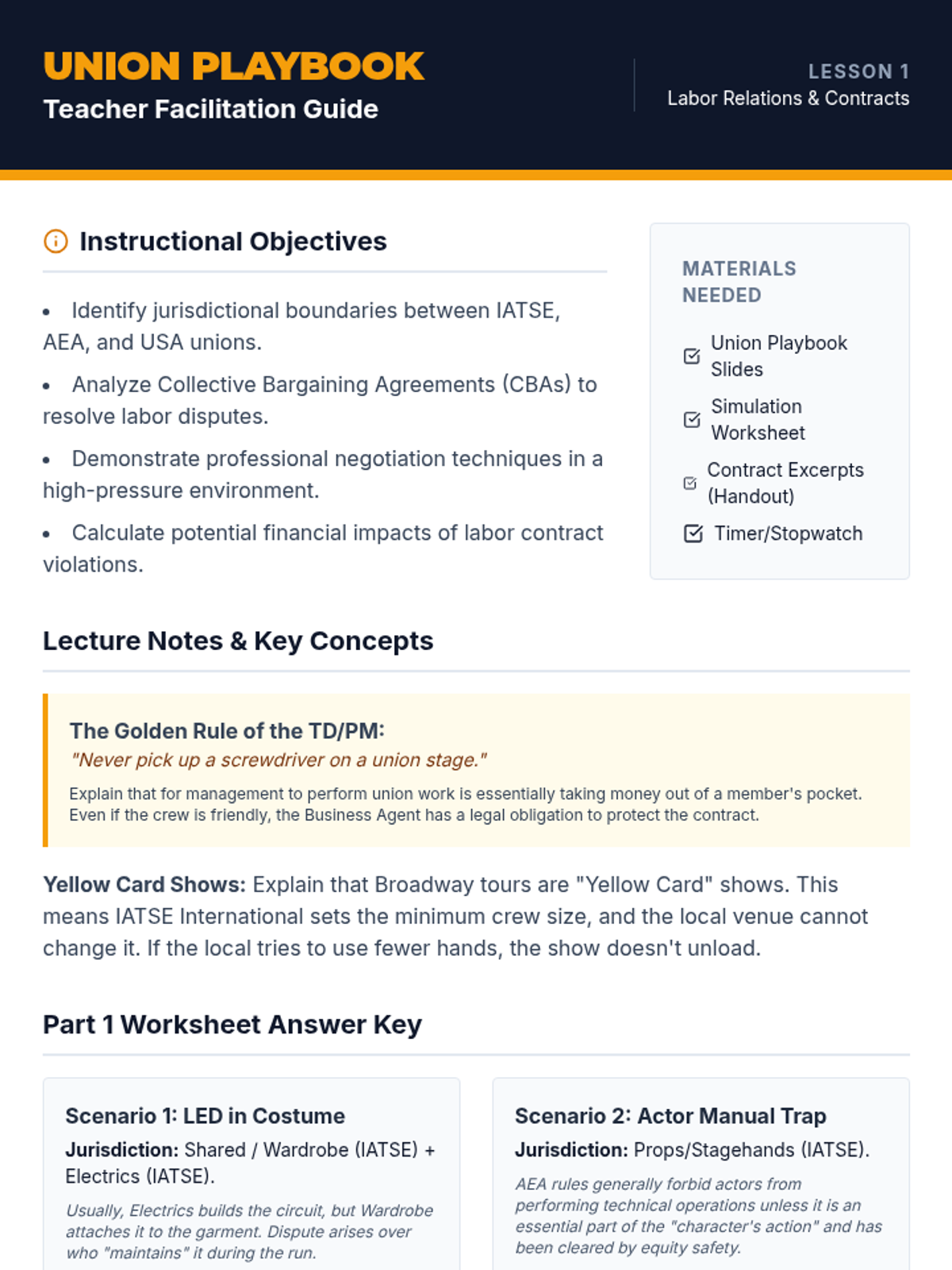
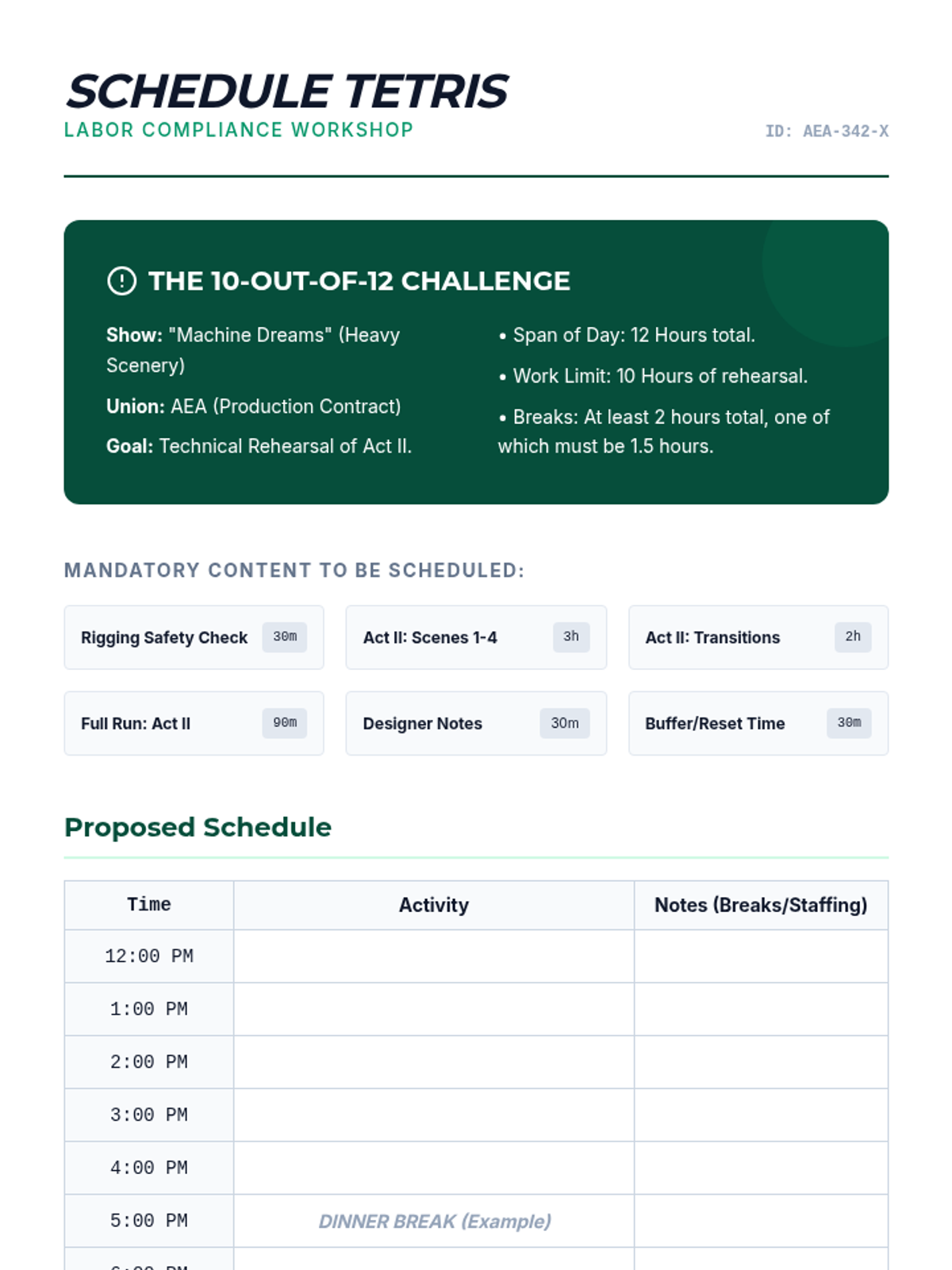
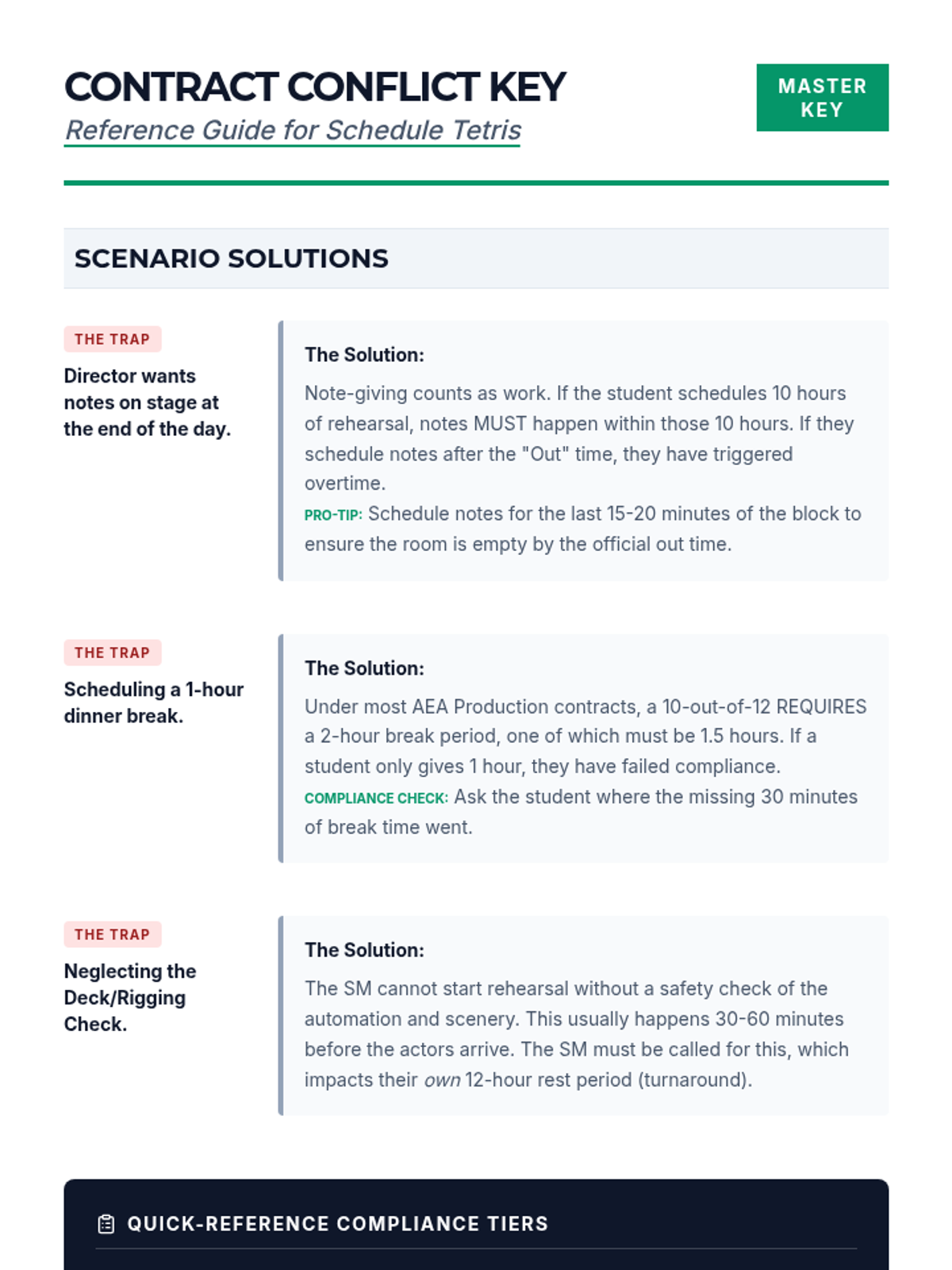
Students analyze IATSE, AEA, and USA contracts to understand jurisdictional boundaries and labor laws. The lesson culminates in a high-stakes grievance simulation.
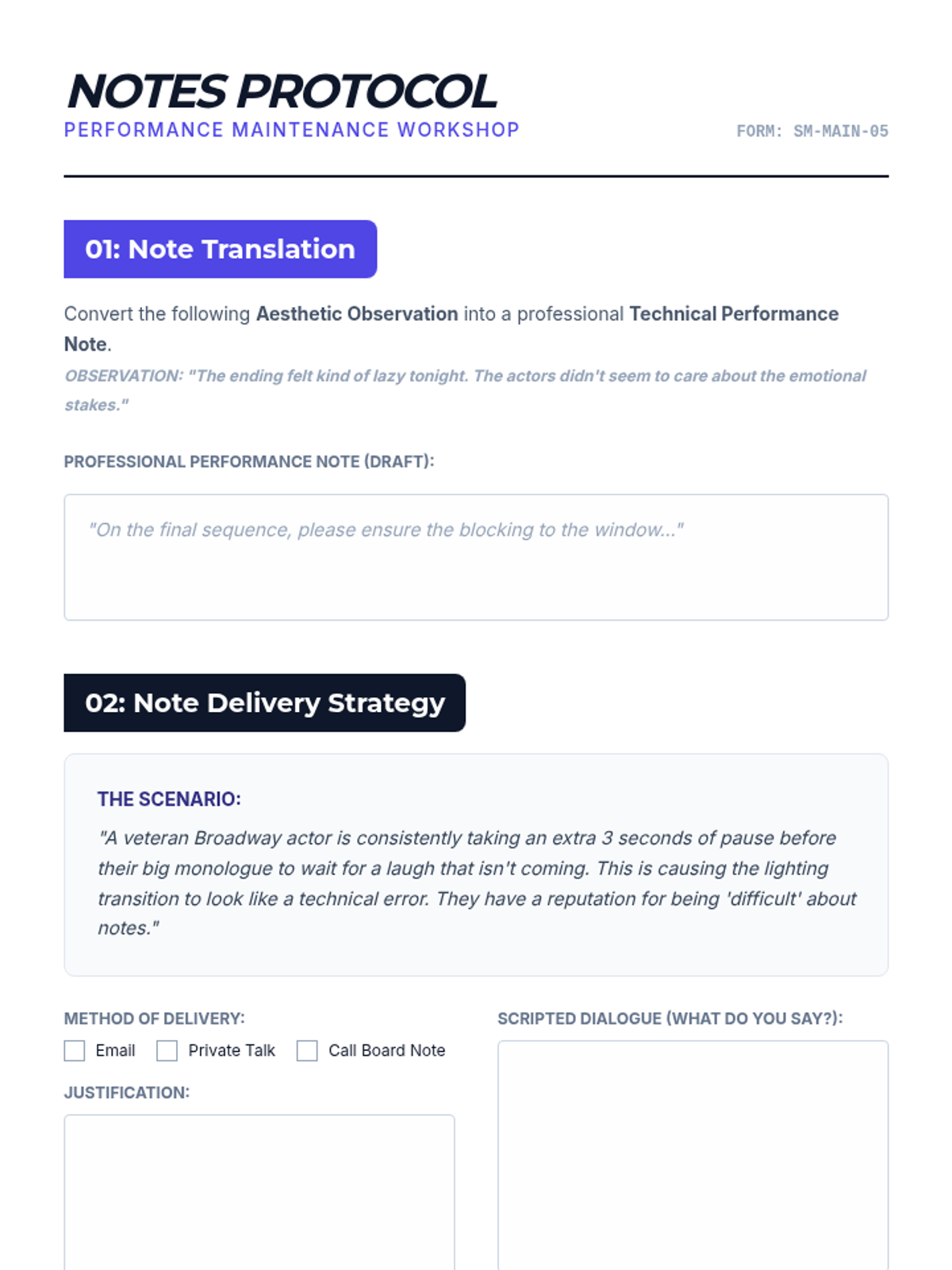
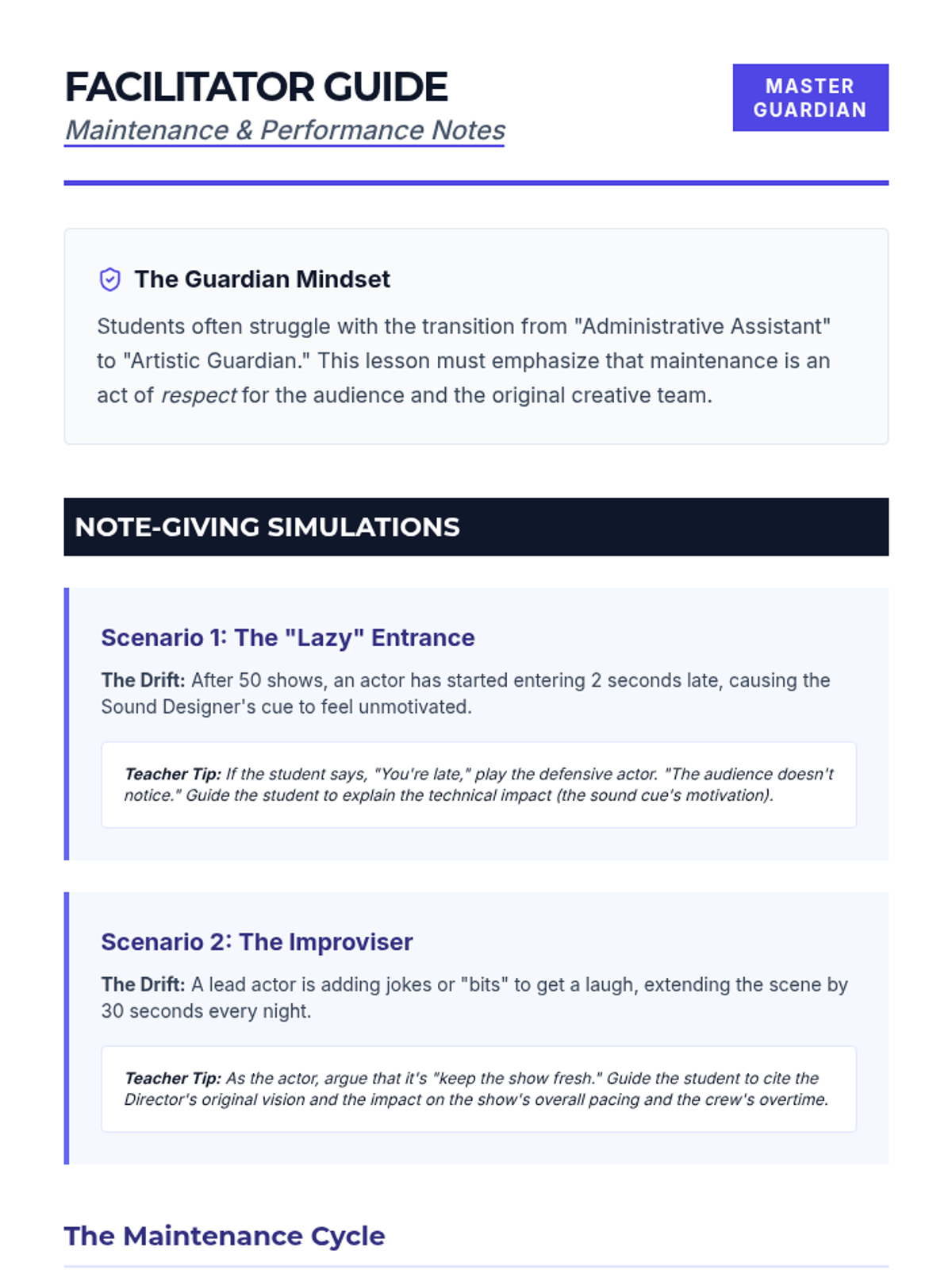
Learn the art of maintaining a production's artistic integrity over a long run. Master the delicate skill of giving notes to professional actors and combating performance drift.
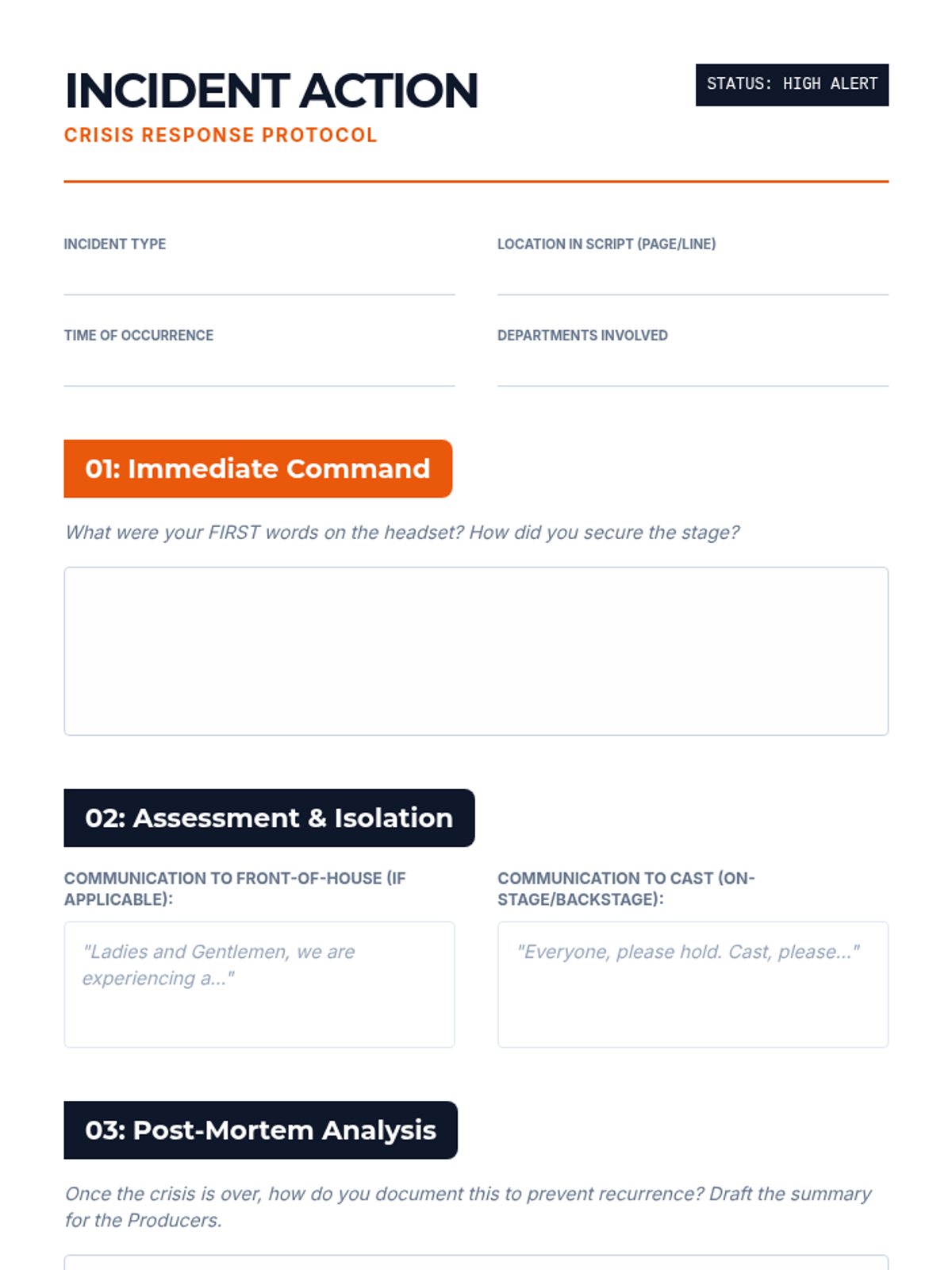
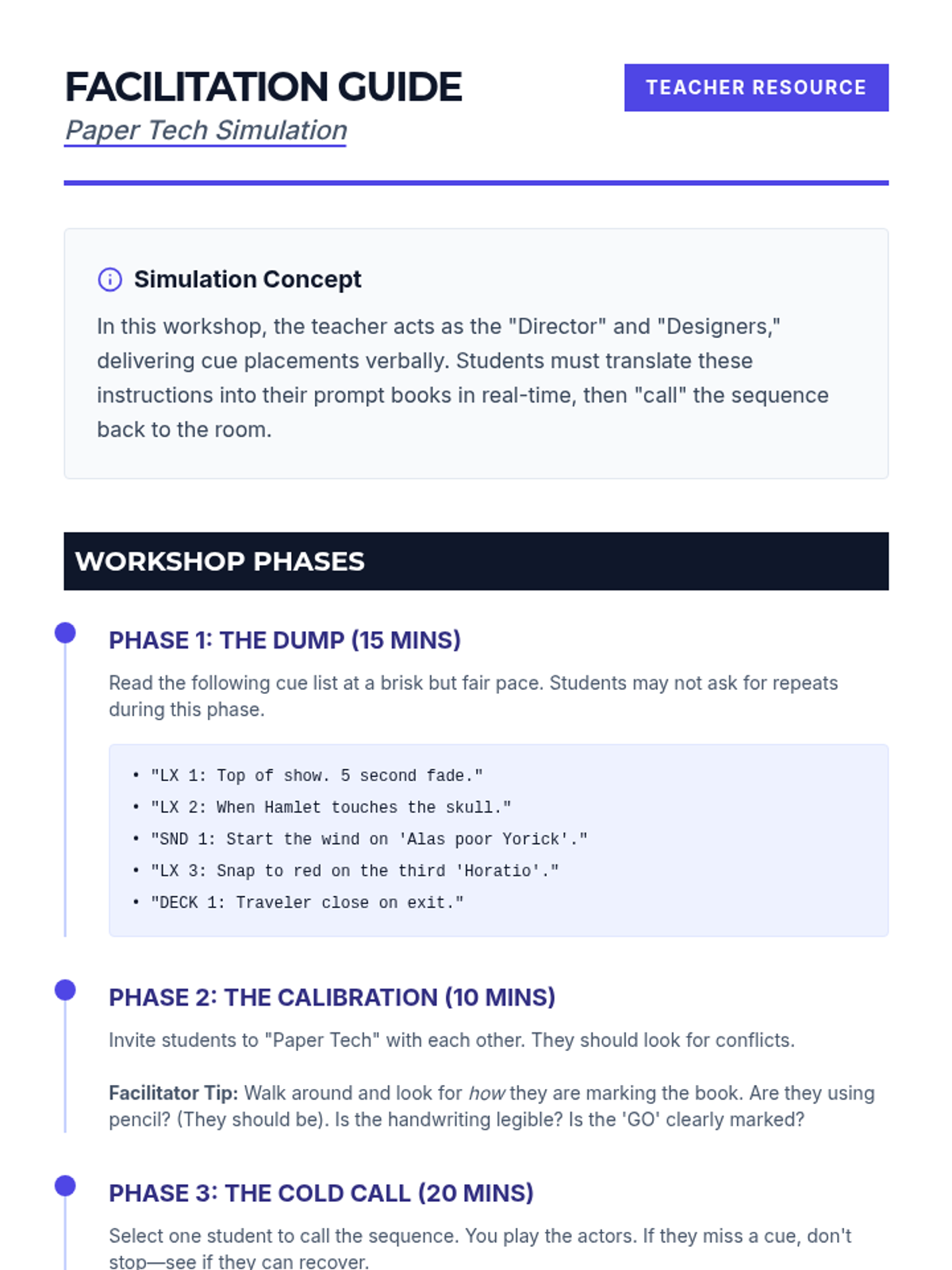
Simulate high-pressure technical rehearsals. Develop crisis communication skills and command presence to manage equipment failures and artistic disputes under the clock.
Navigate the complex landscape of theatrical unions (AEA/IATSE). Apply contract rules to real-world scheduling and grievance scenarios in a professional environment.
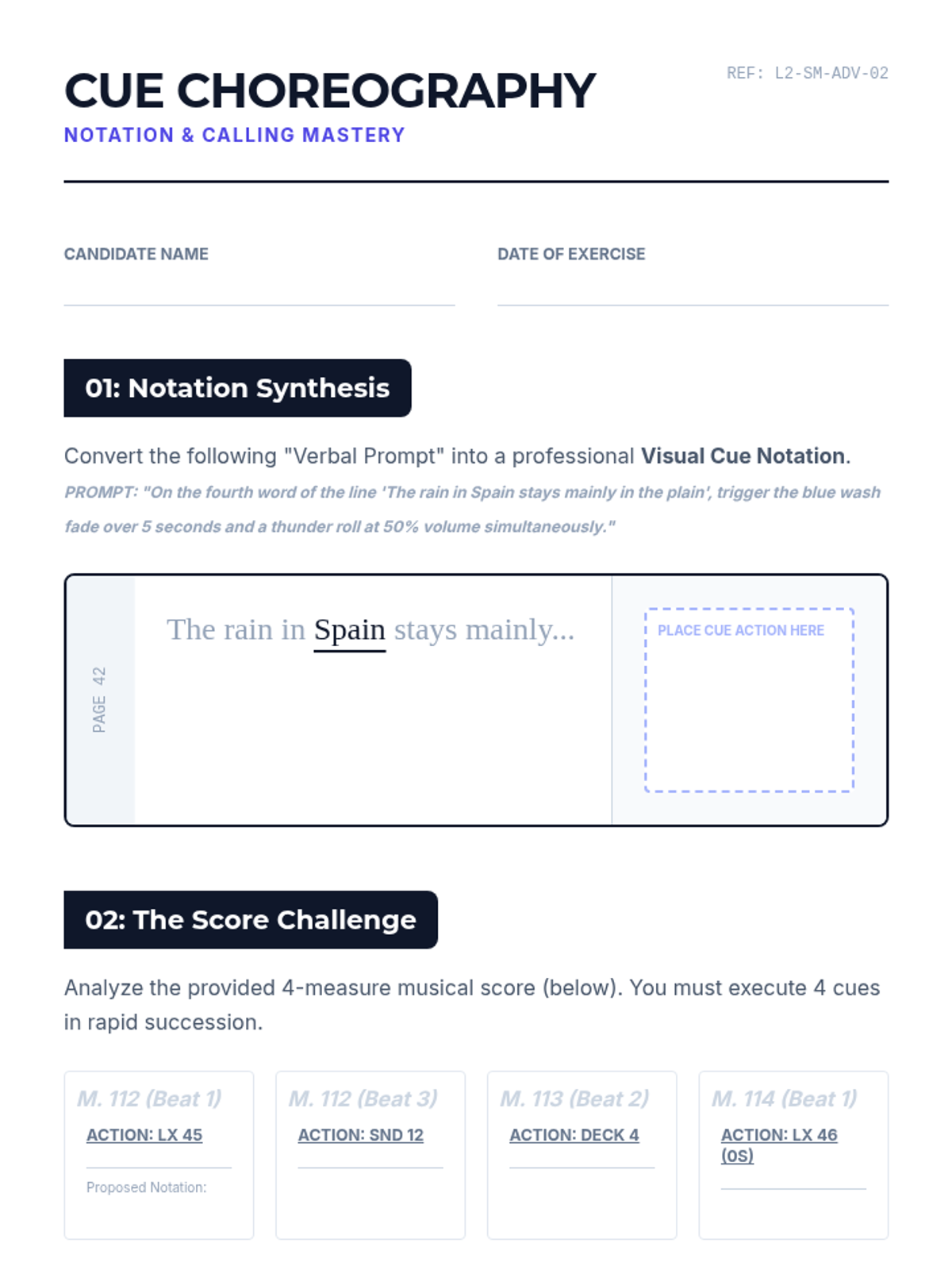
Master the technical art of prompt book creation and cue calling for complex productions. Focus on notation systems that bridge the gap between artistic vision and technical execution.
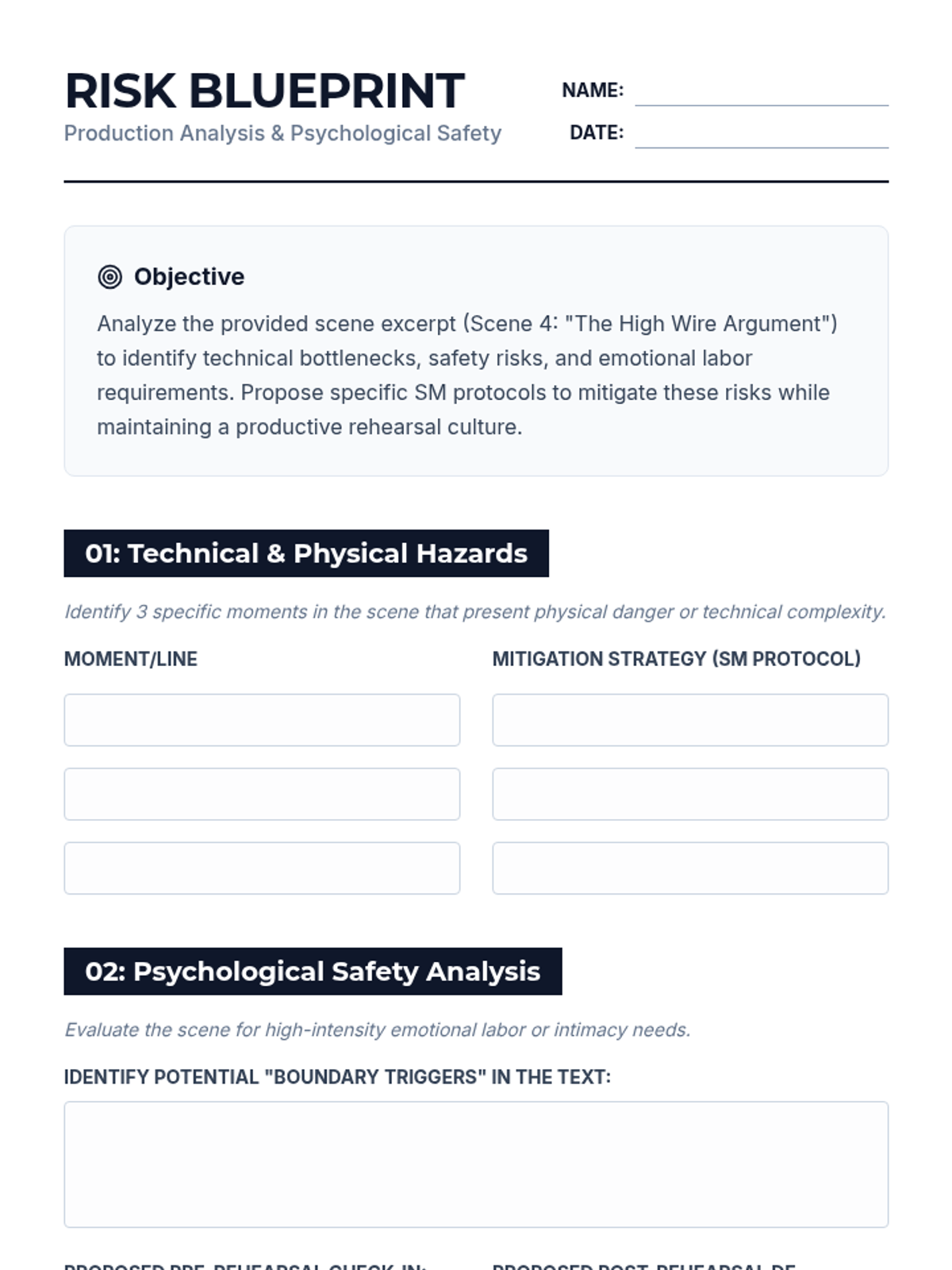
Examine the psychological and technical foundations of a professional rehearsal room. Students learn to analyze scripts for intimacy and safety needs while building a culture of high-stakes trust.
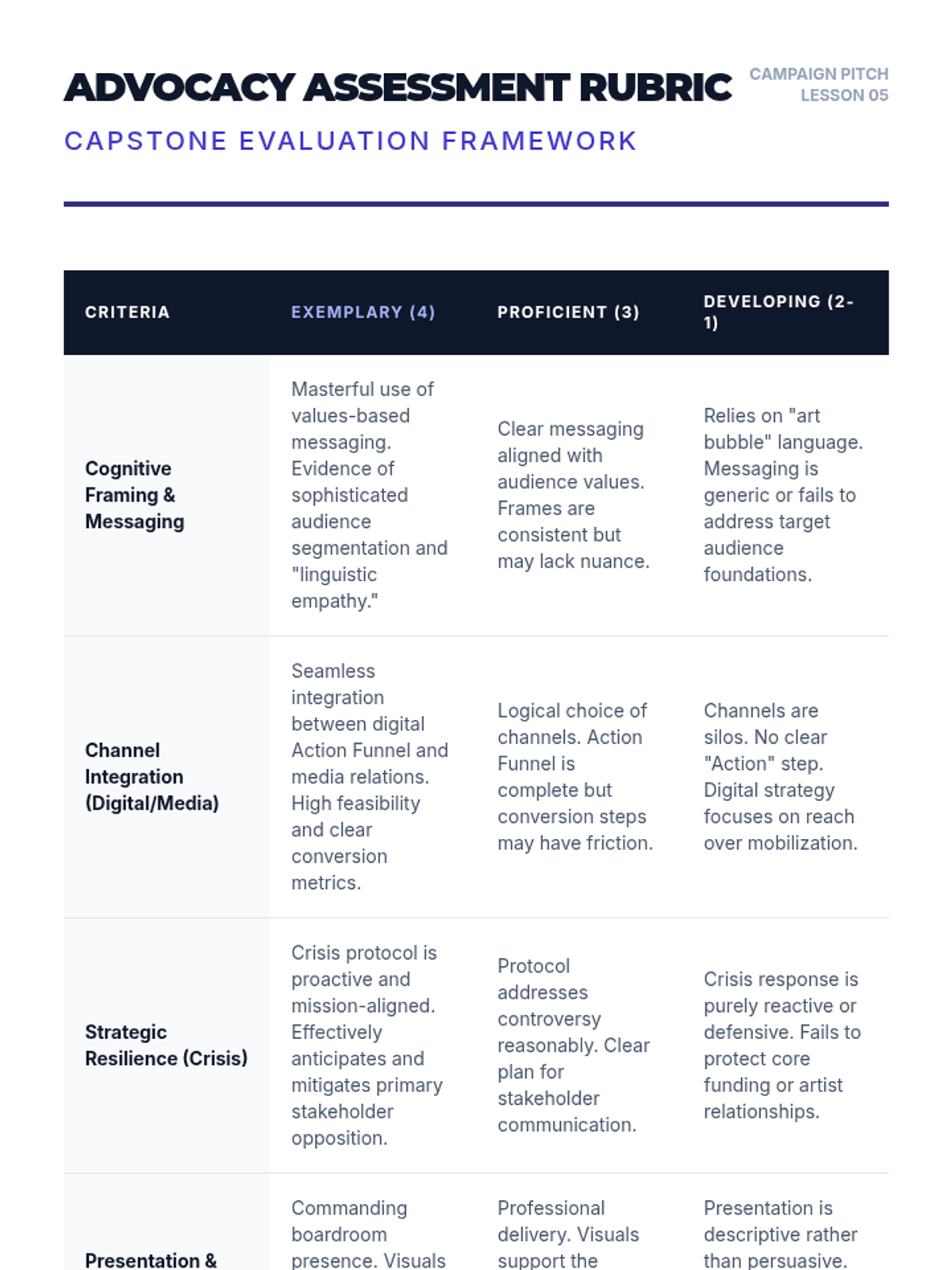
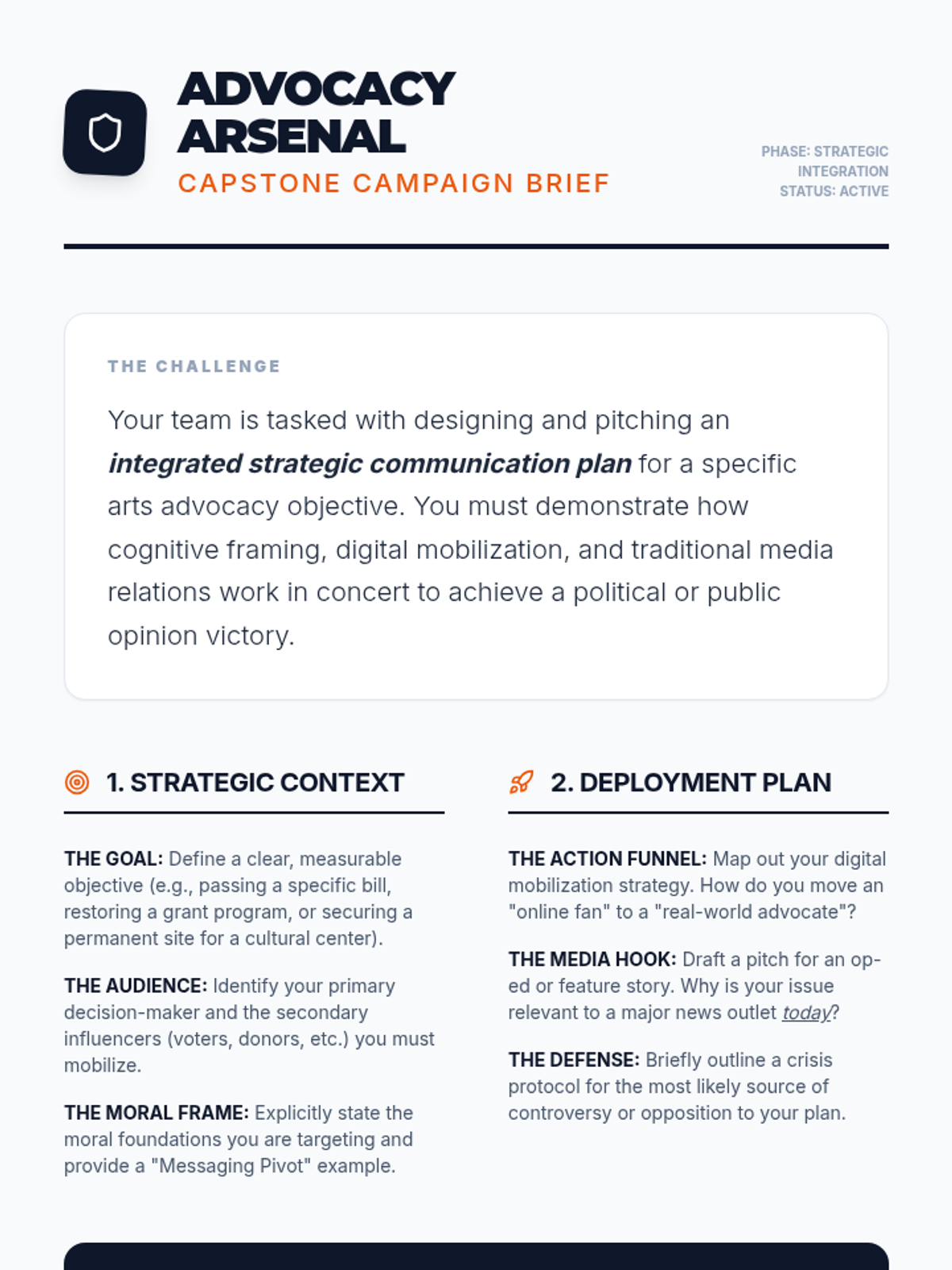
Synthesize all sequence concepts into a final campaign pitch. Students present integrated strategic communication plans for specific advocacy objectives to a mock board.
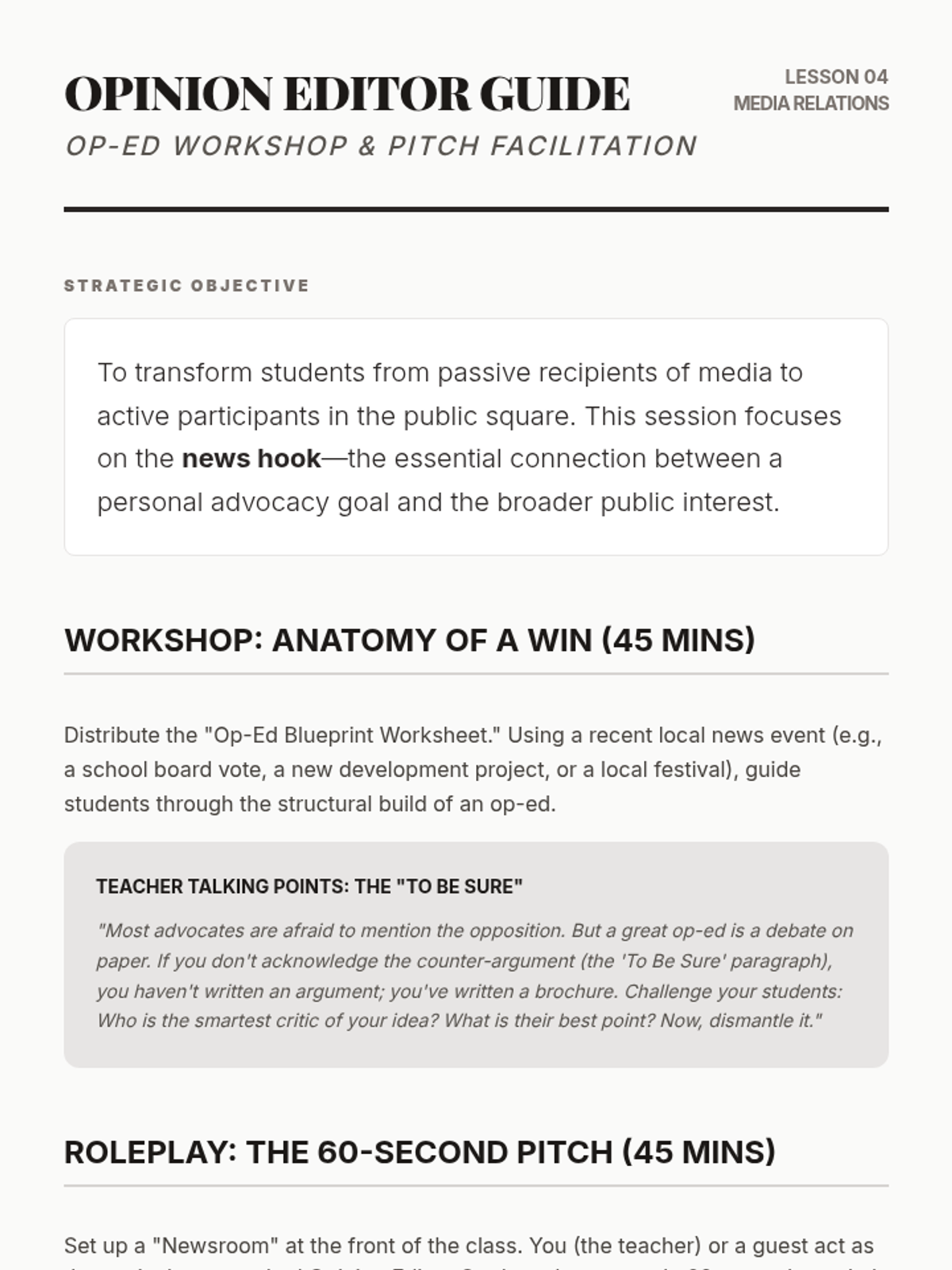
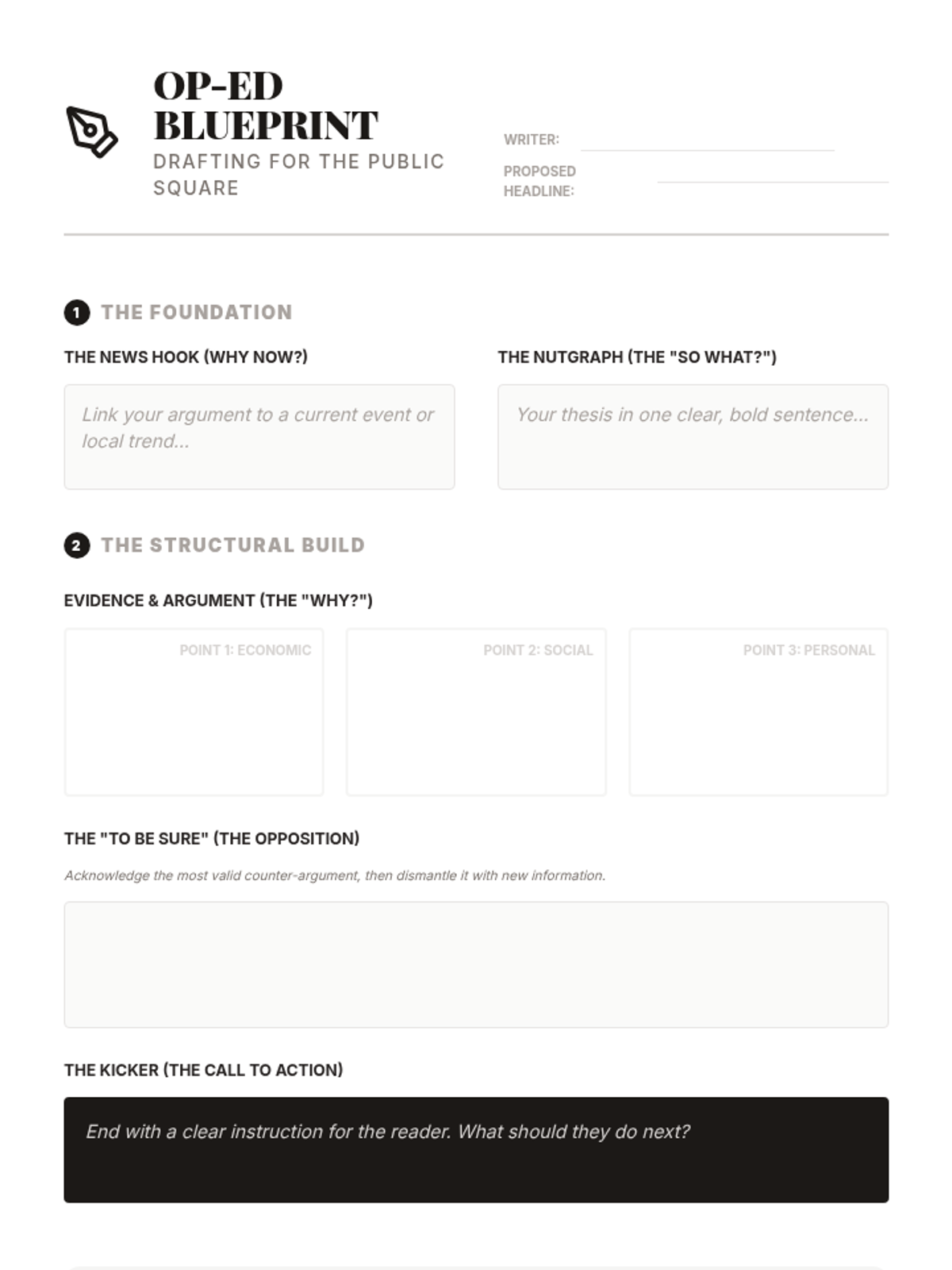
Master the mechanics of traditional media relations, from drafting persuasive op-eds to pitching stories. Students learn to frame local arts issues as essential public interests.
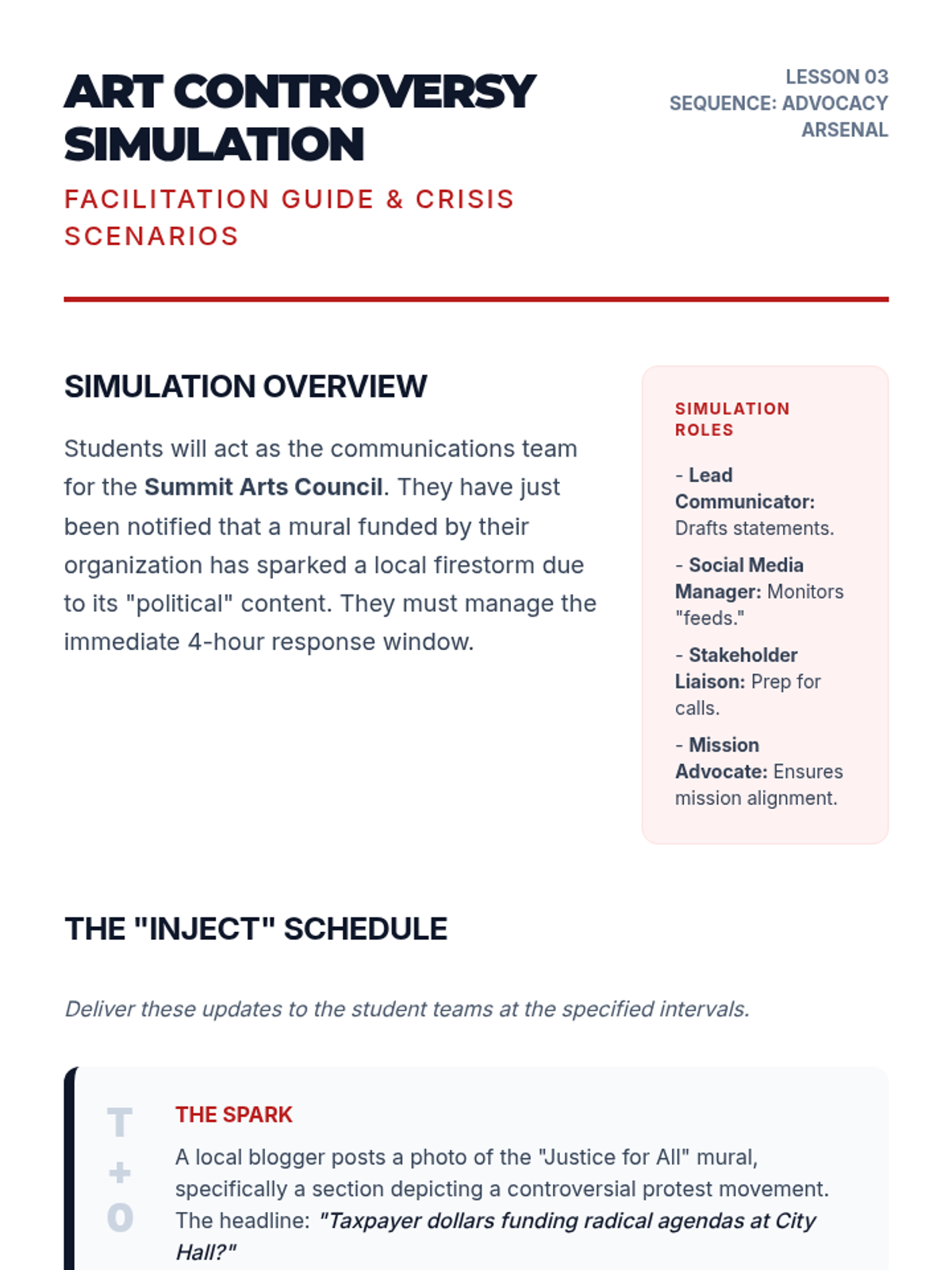
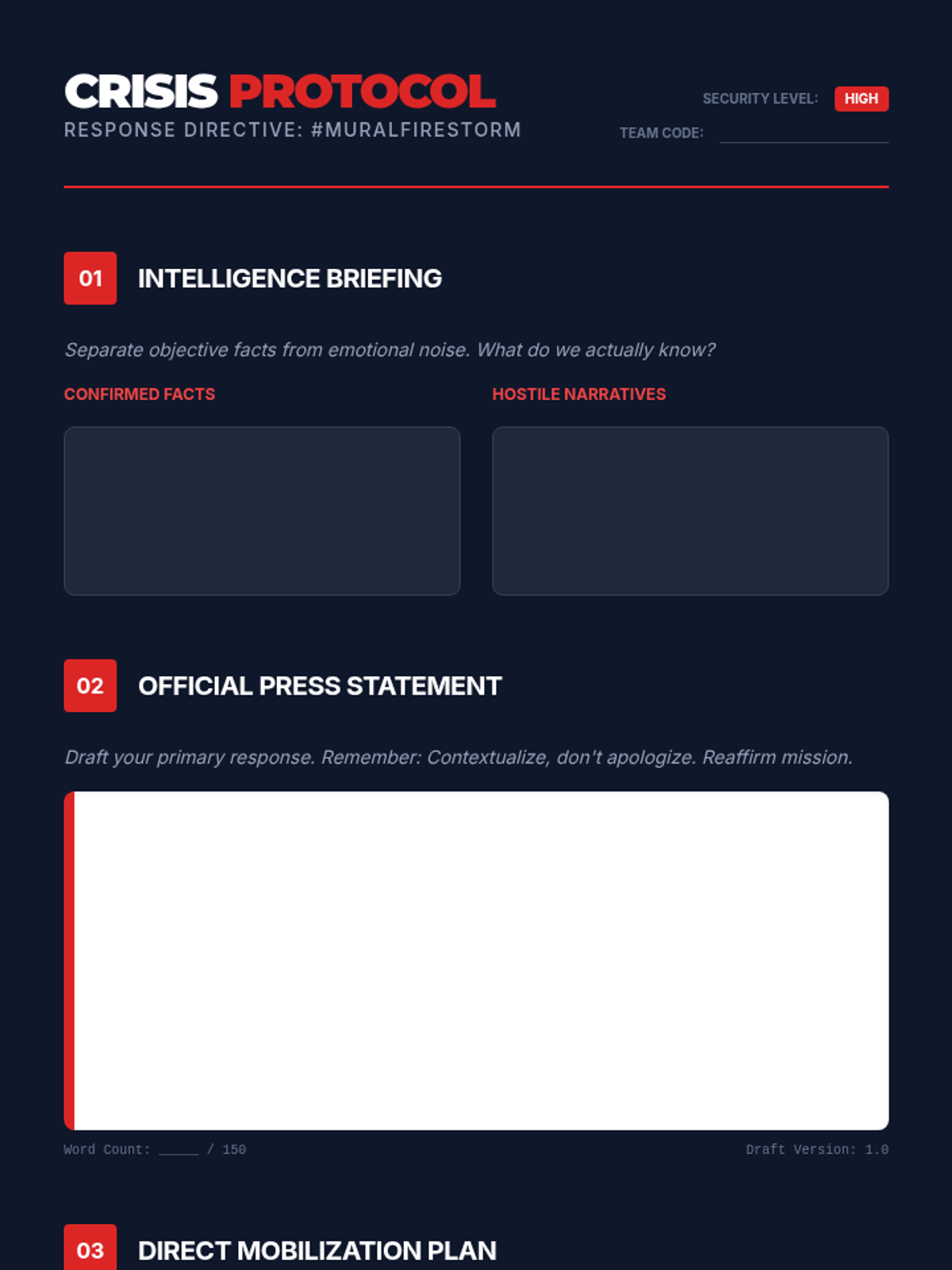
Examine high-profile controversies in publicly funded art and develop strategic crisis protocols. Students simulate responding to media scrutiny and stakeholder pressure.
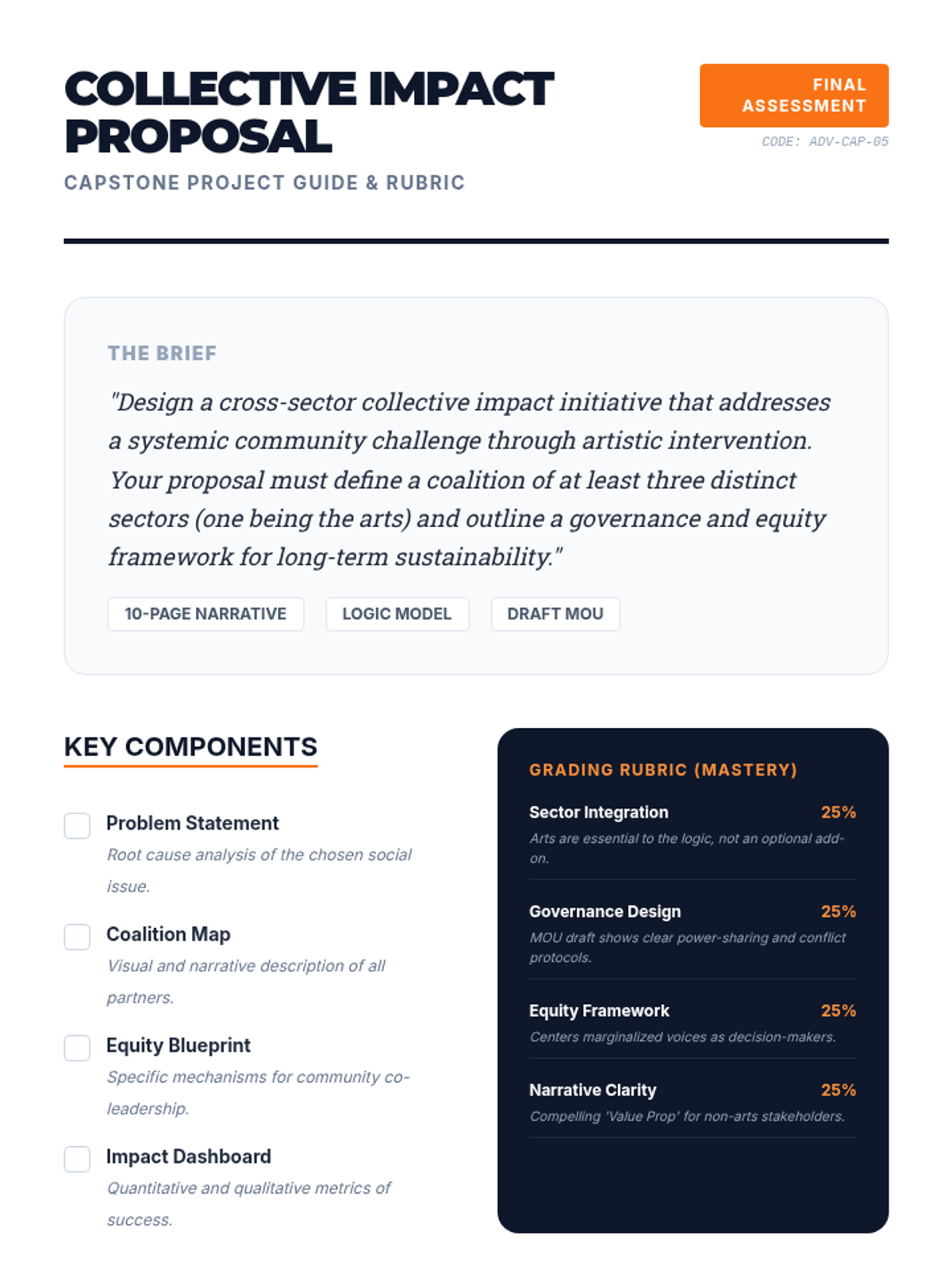
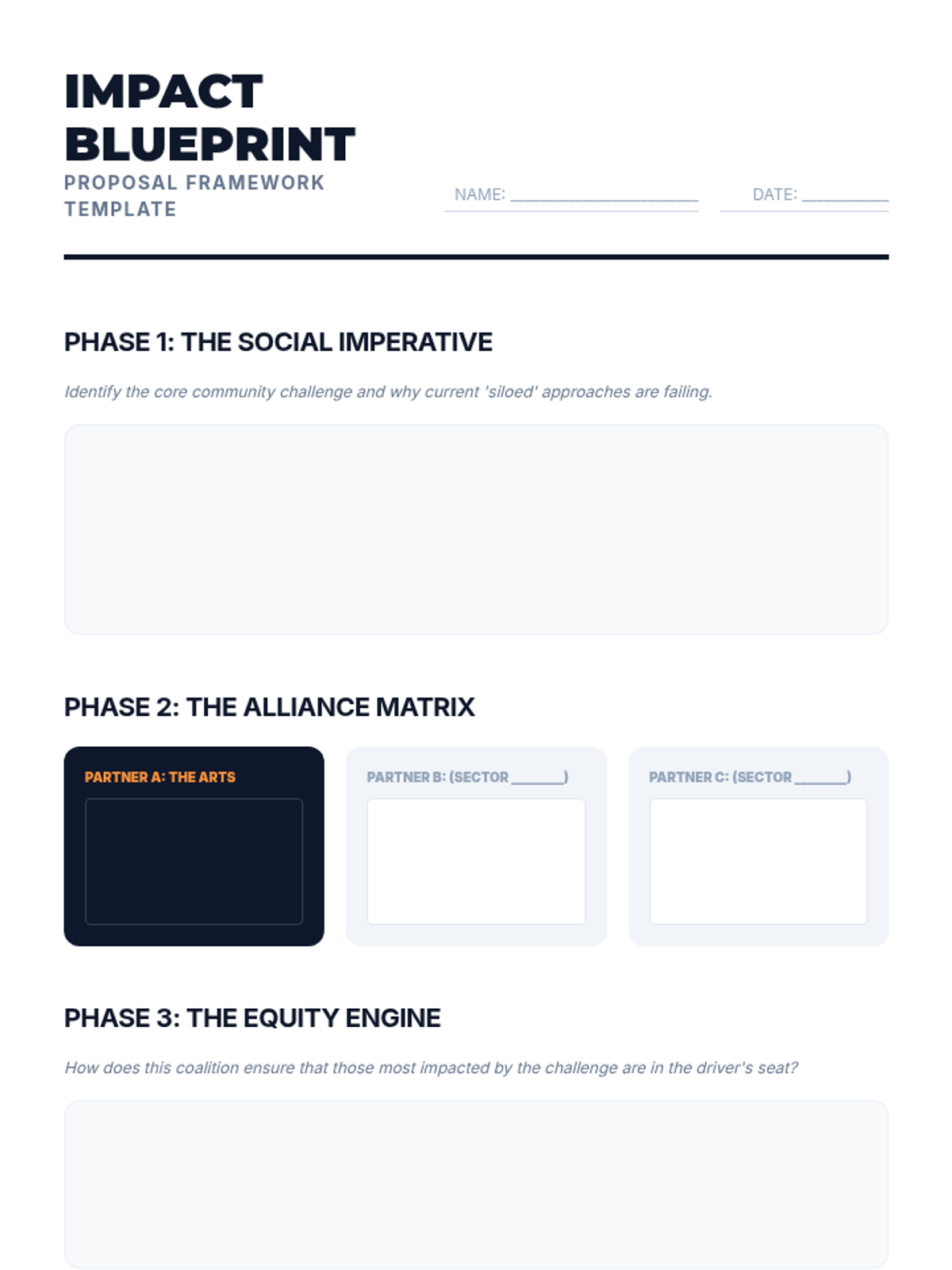
Students develop a proposal for a collective impact initiative that uses the arts to address a specific community issue.
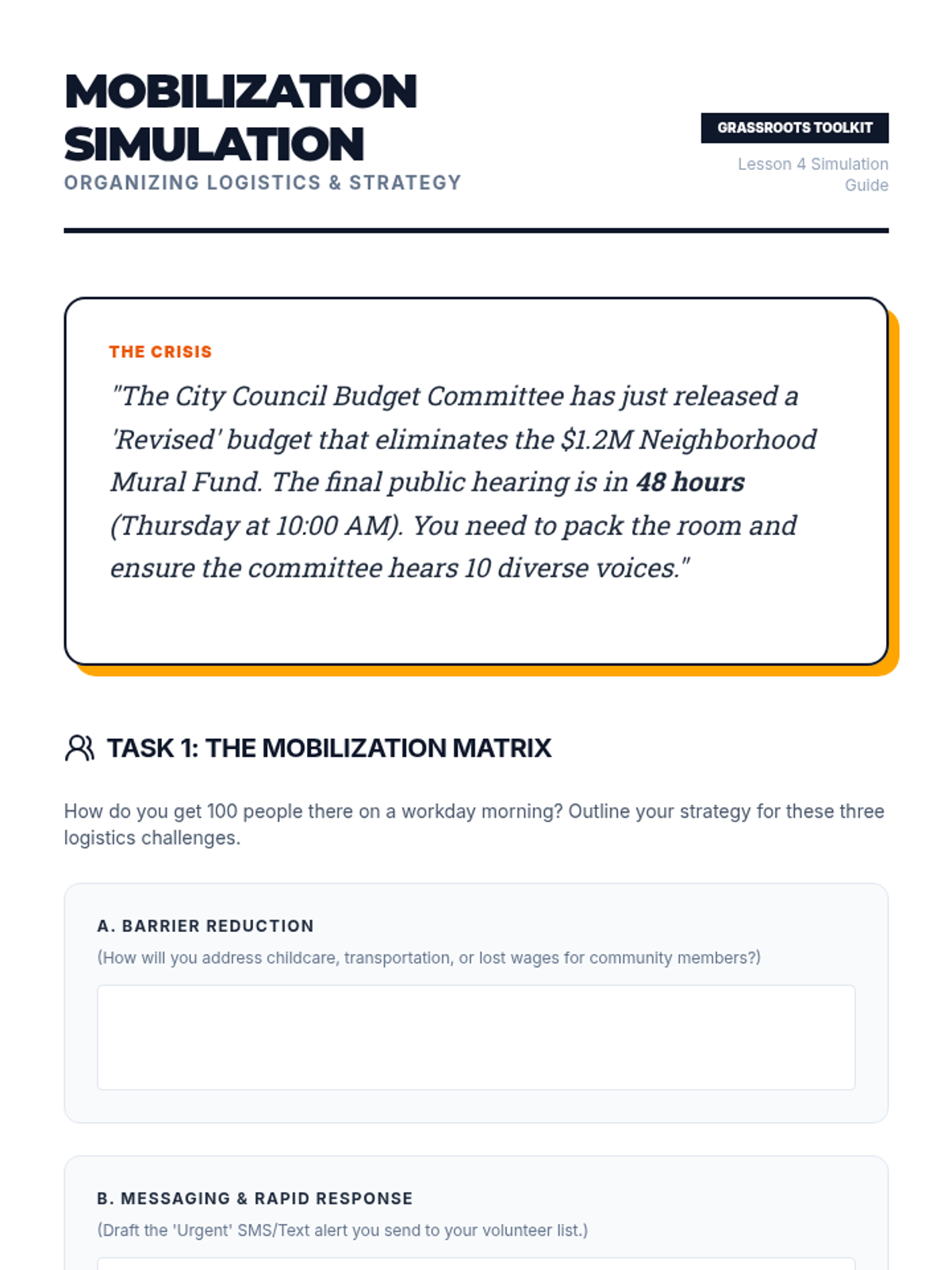
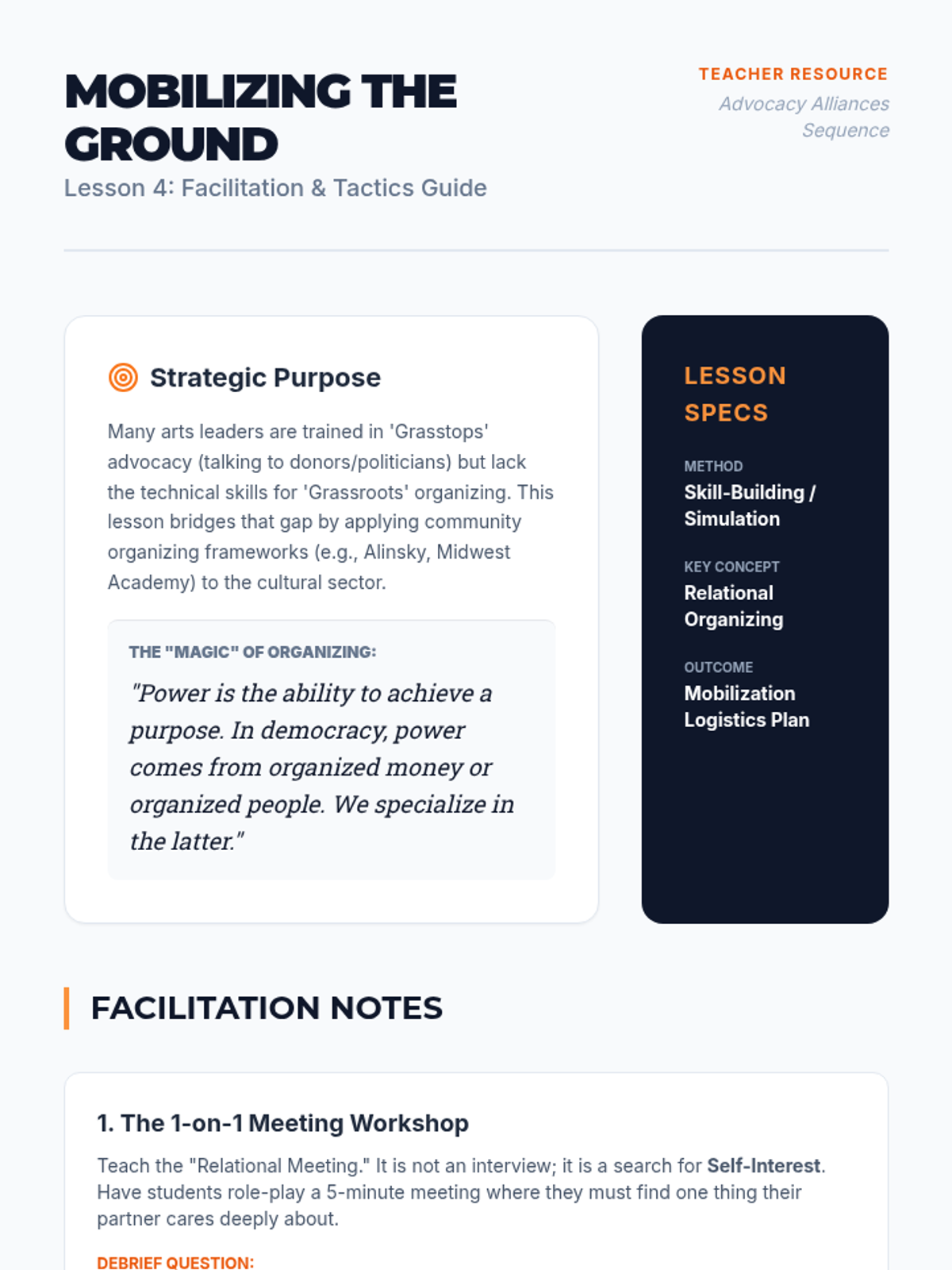
Students learn specific community organizing tactics, distinguishing between 'grasstops' and 'grassroots' strategies for mobilization.
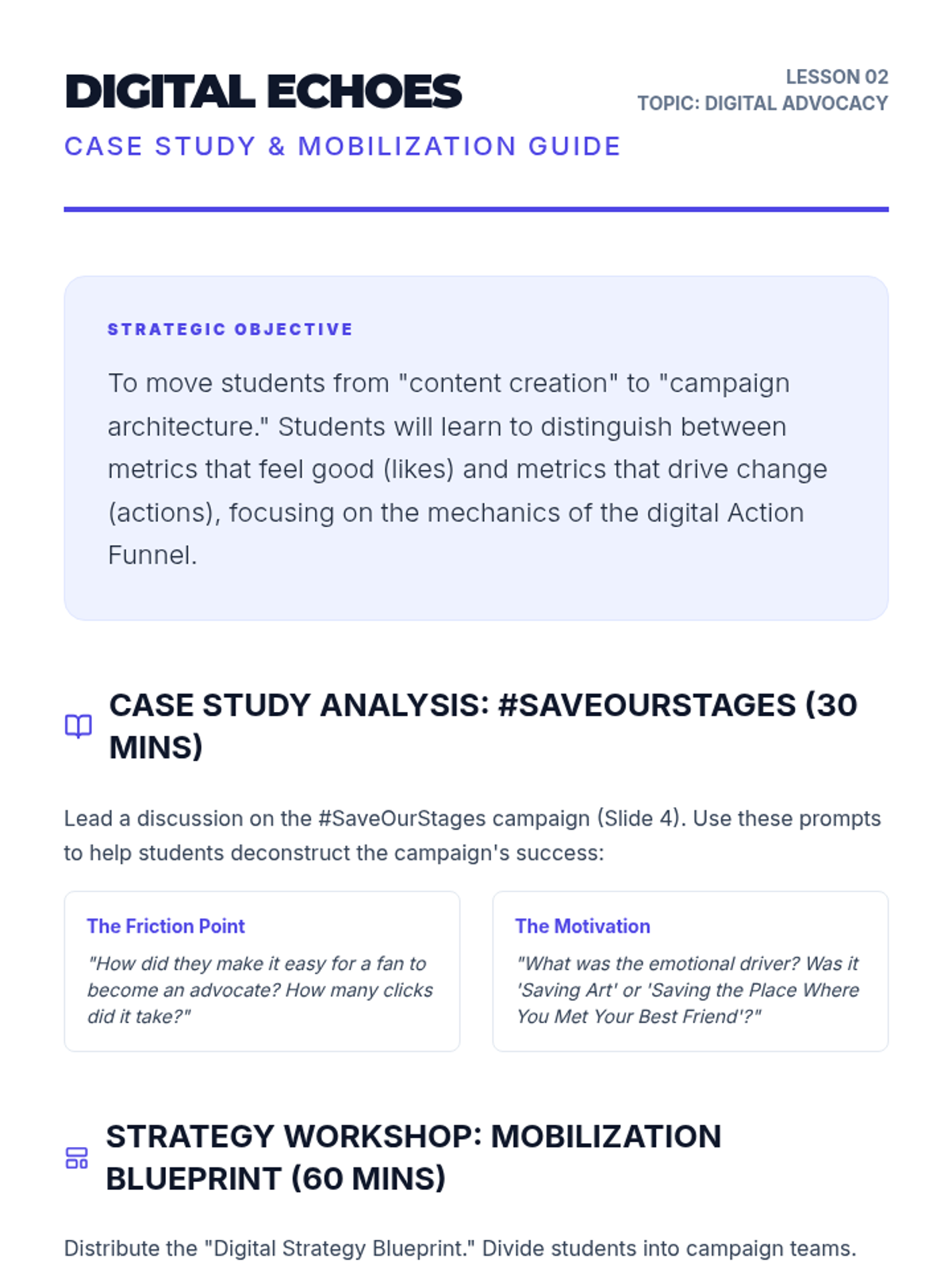
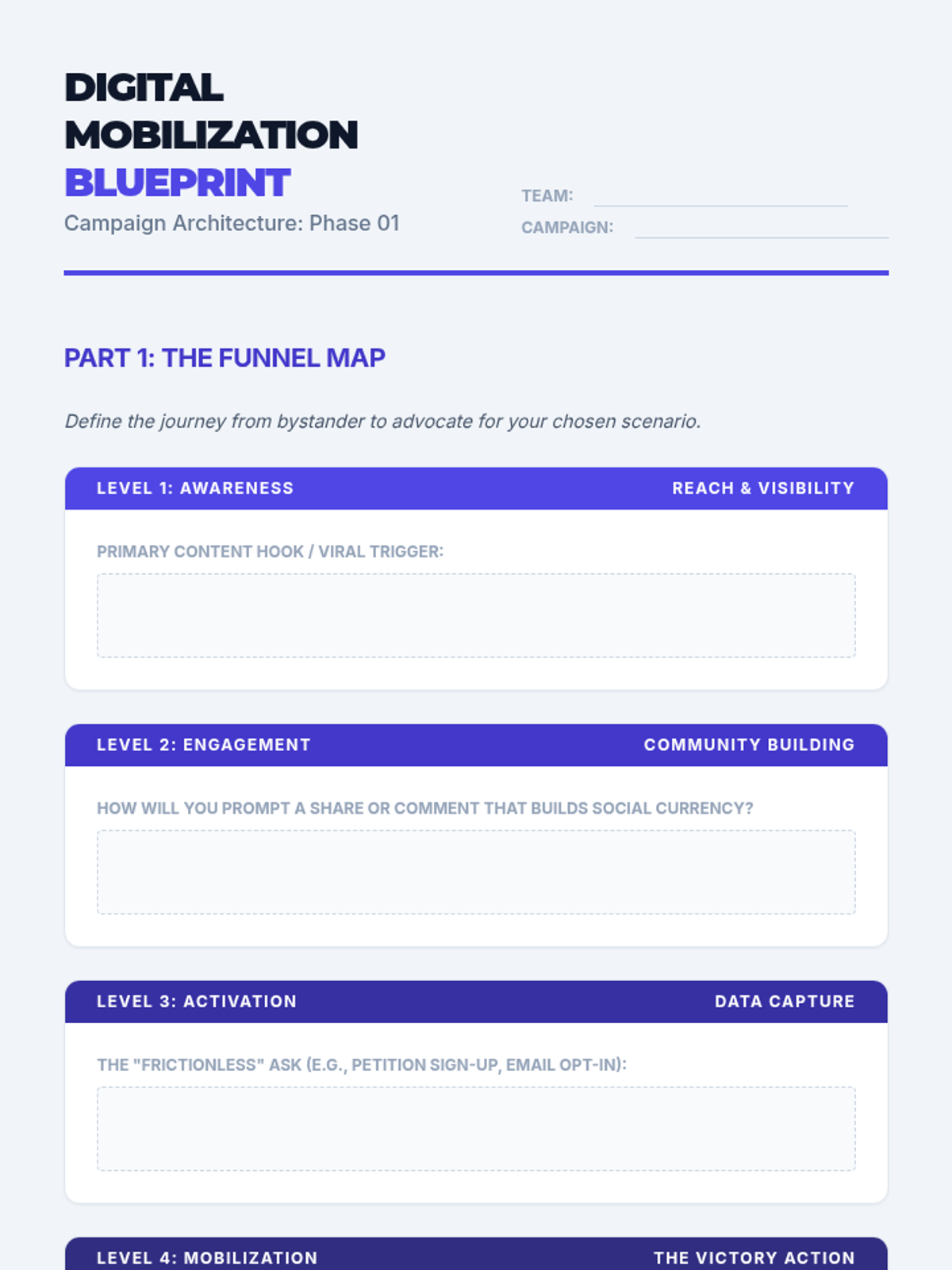
Analyze digital mobilization strategies and viral advocacy campaigns. Students design targeted digital engagement plans to convert online support into real-world action.
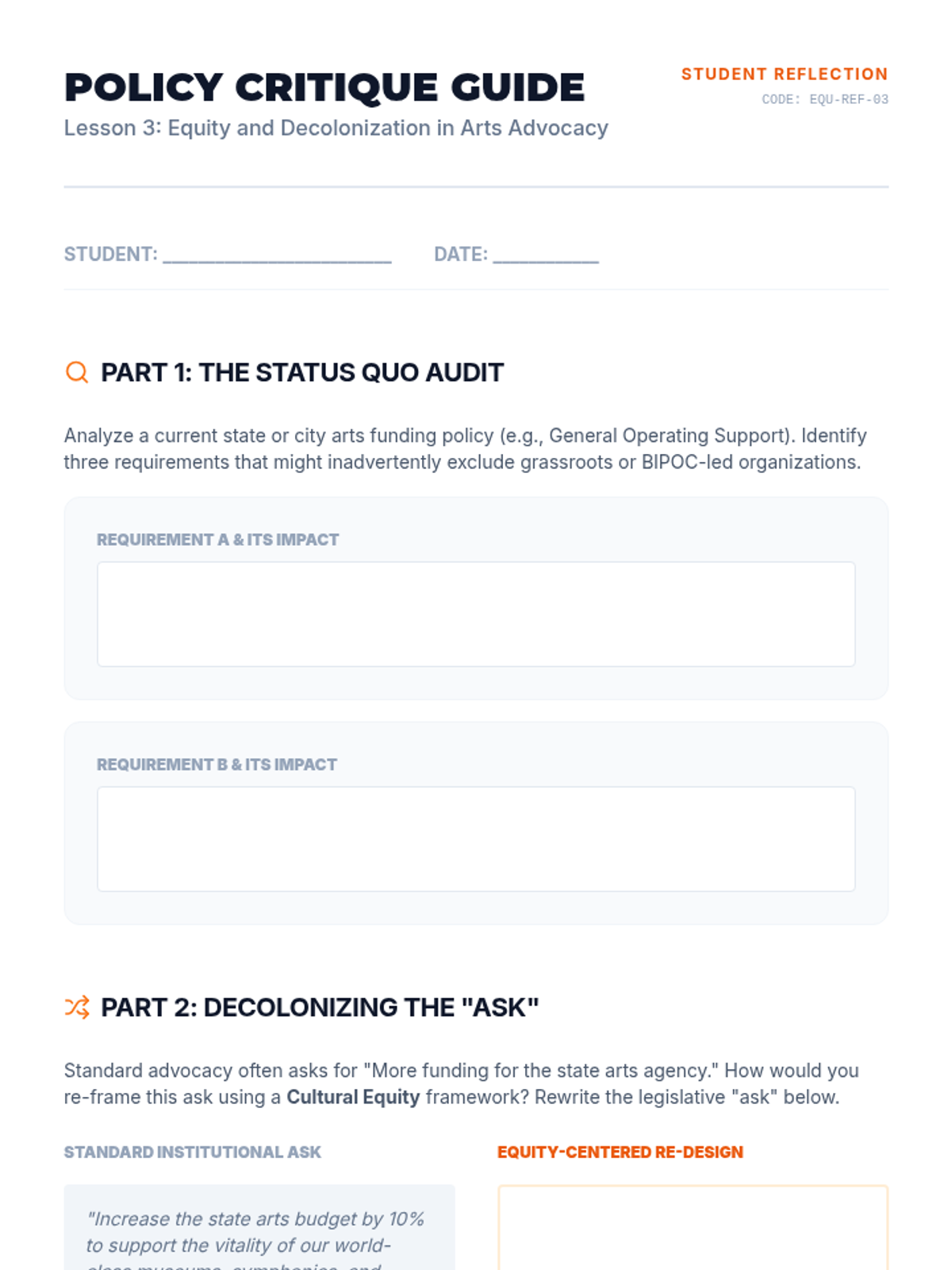
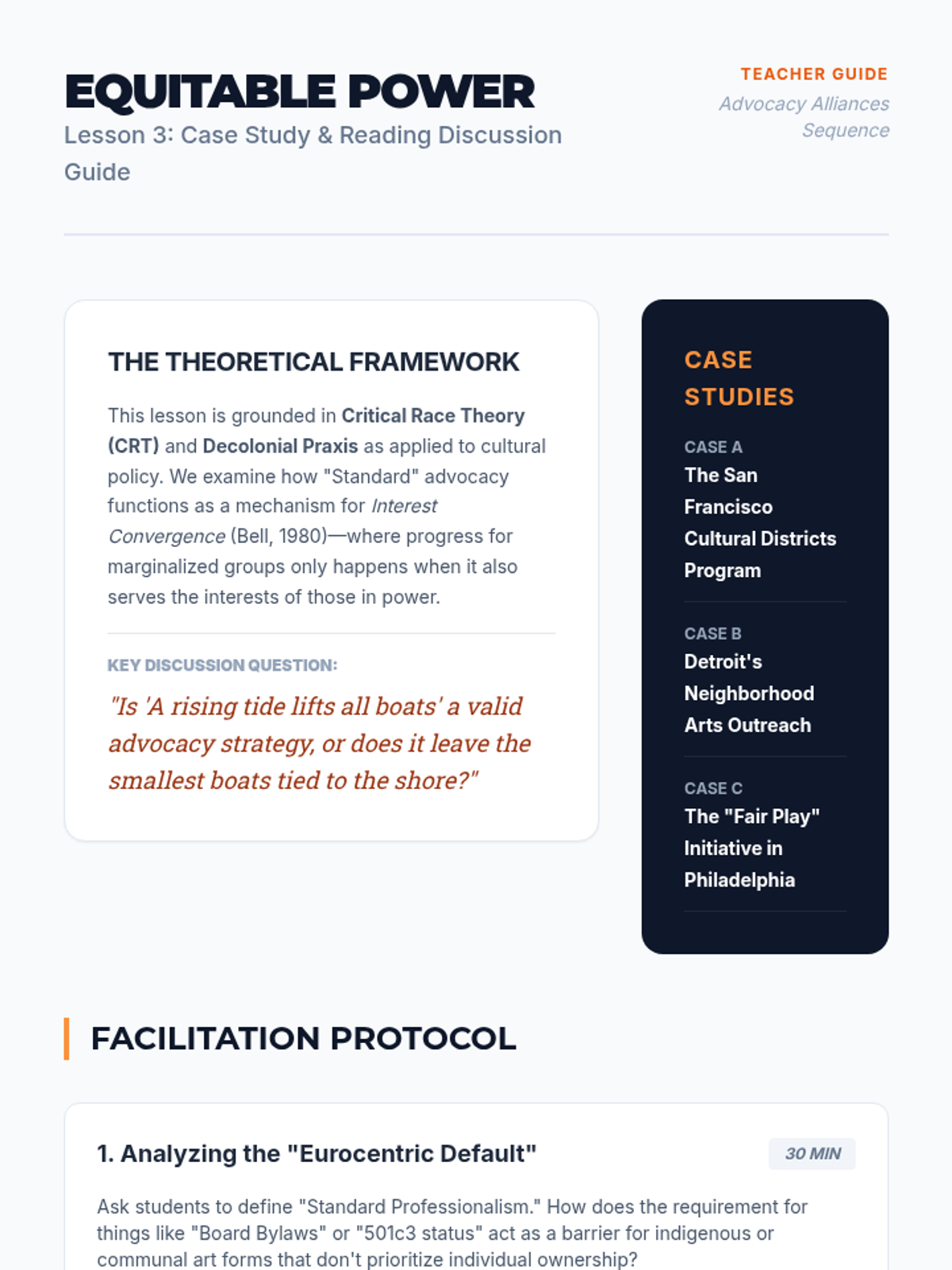
Students critically examine historical funding inequities and design advocacy frameworks that center marginalized voices and promote cultural equity.
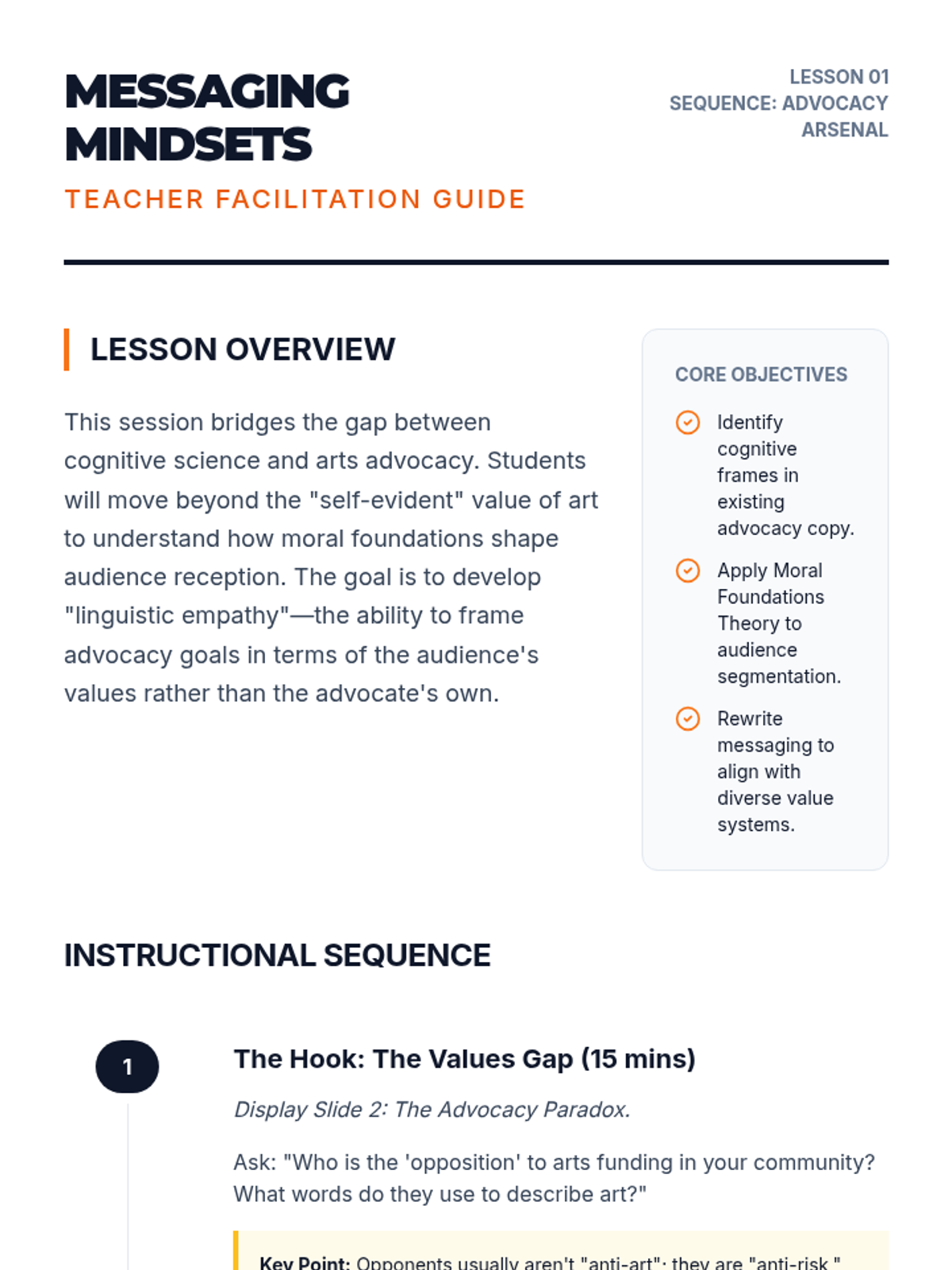
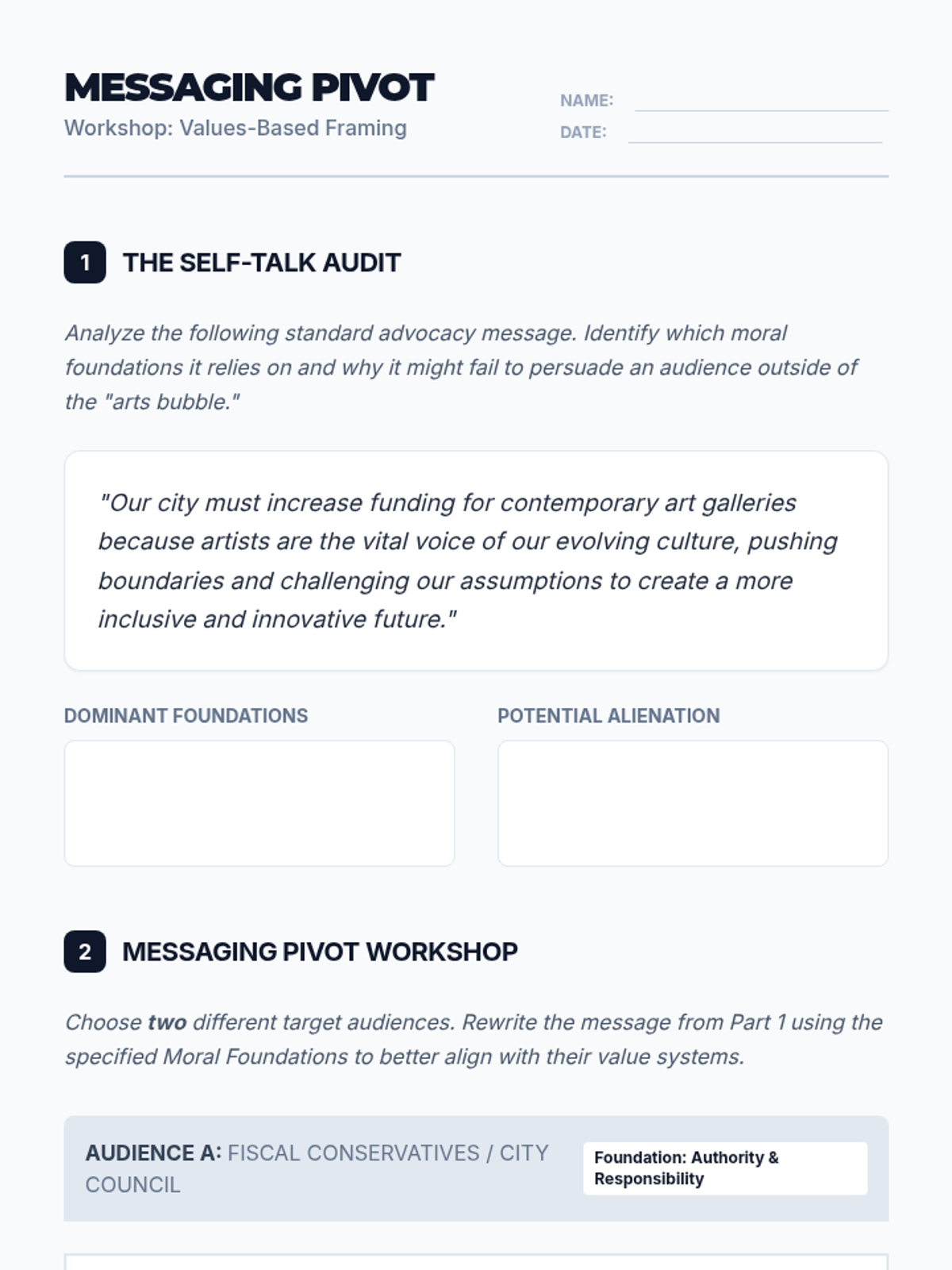
Explore the cognitive science behind political persuasion and how moral foundations influence arts support. Students practice values-based messaging to reach diverse ideological audiences.
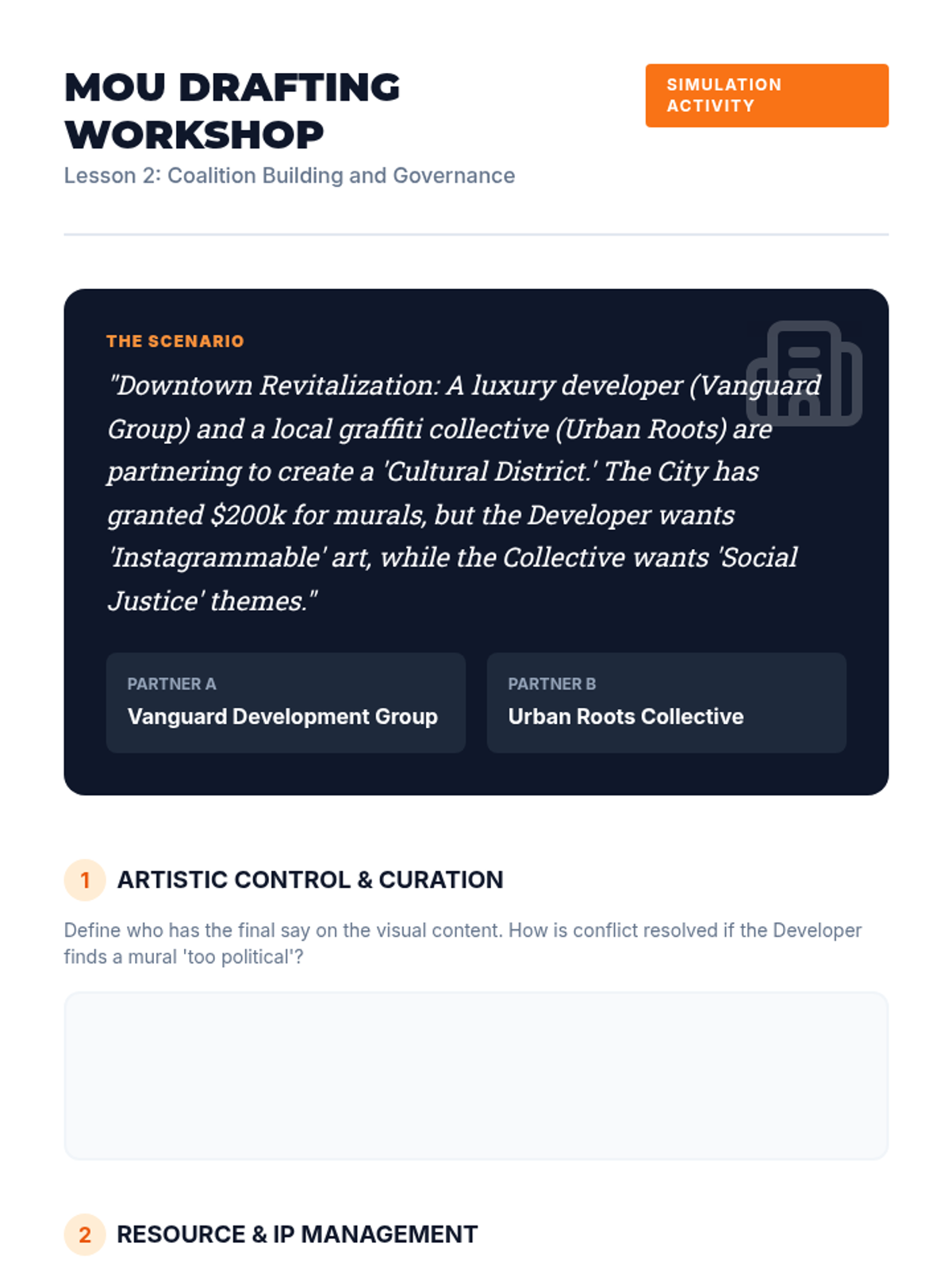
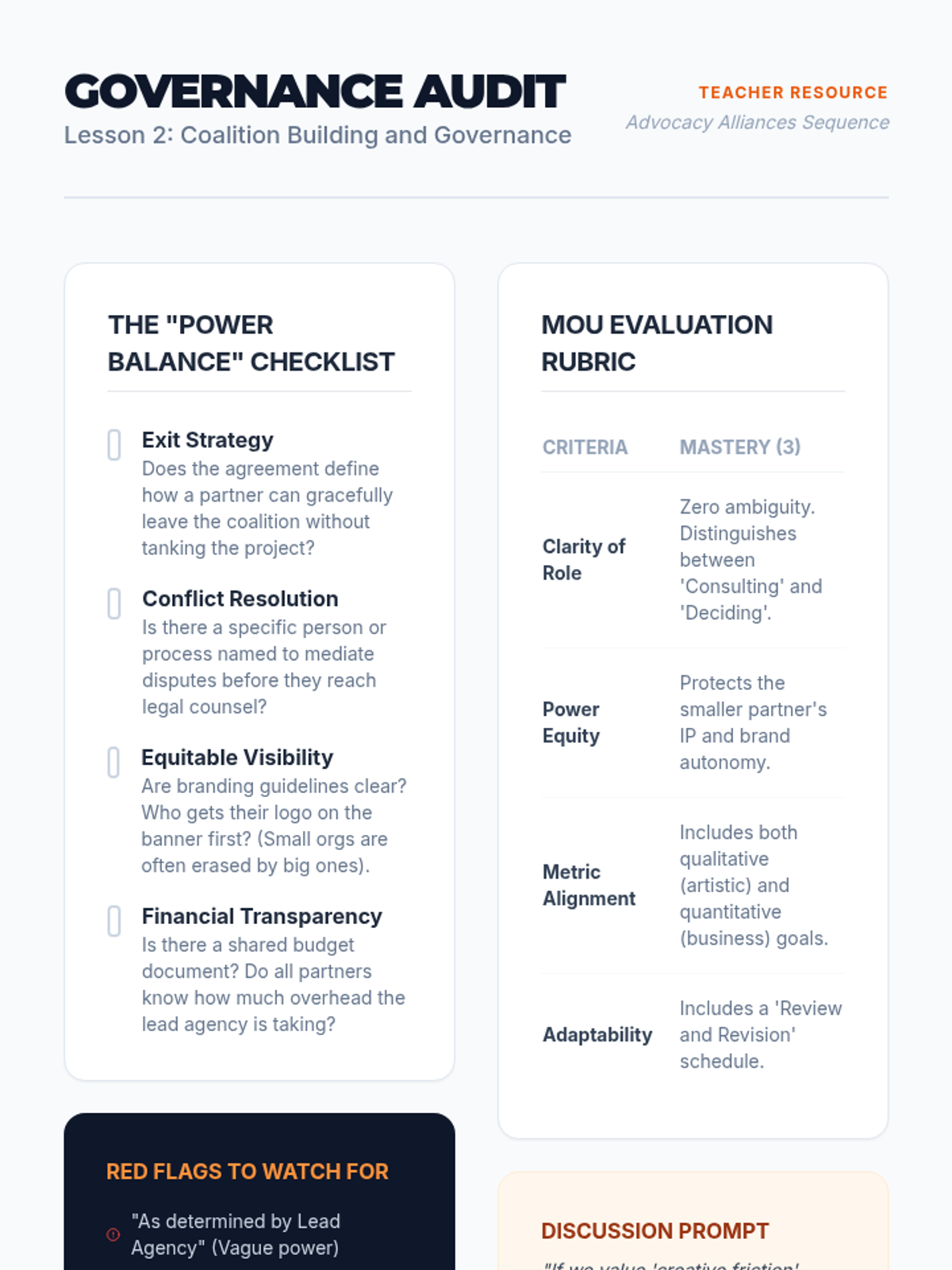
This lesson focuses on the mechanics of forming and governing a coalition, including collective impact models and drafting Memorandums of Understanding (MOUs).