Fundamental notation, instrumental proficiency, and vocal techniques across various genres. Connects historical analysis with original composition and creative performance skills.
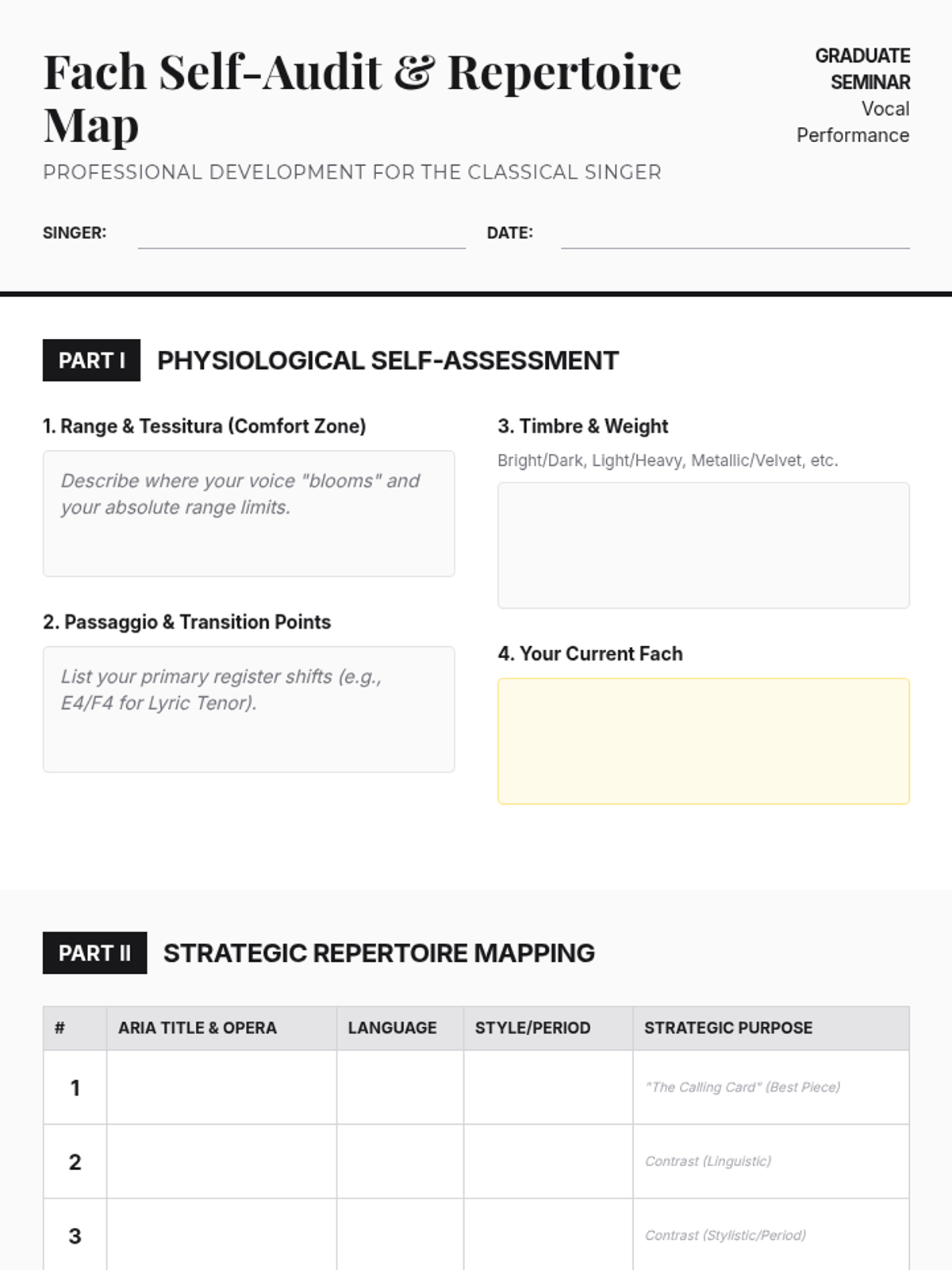
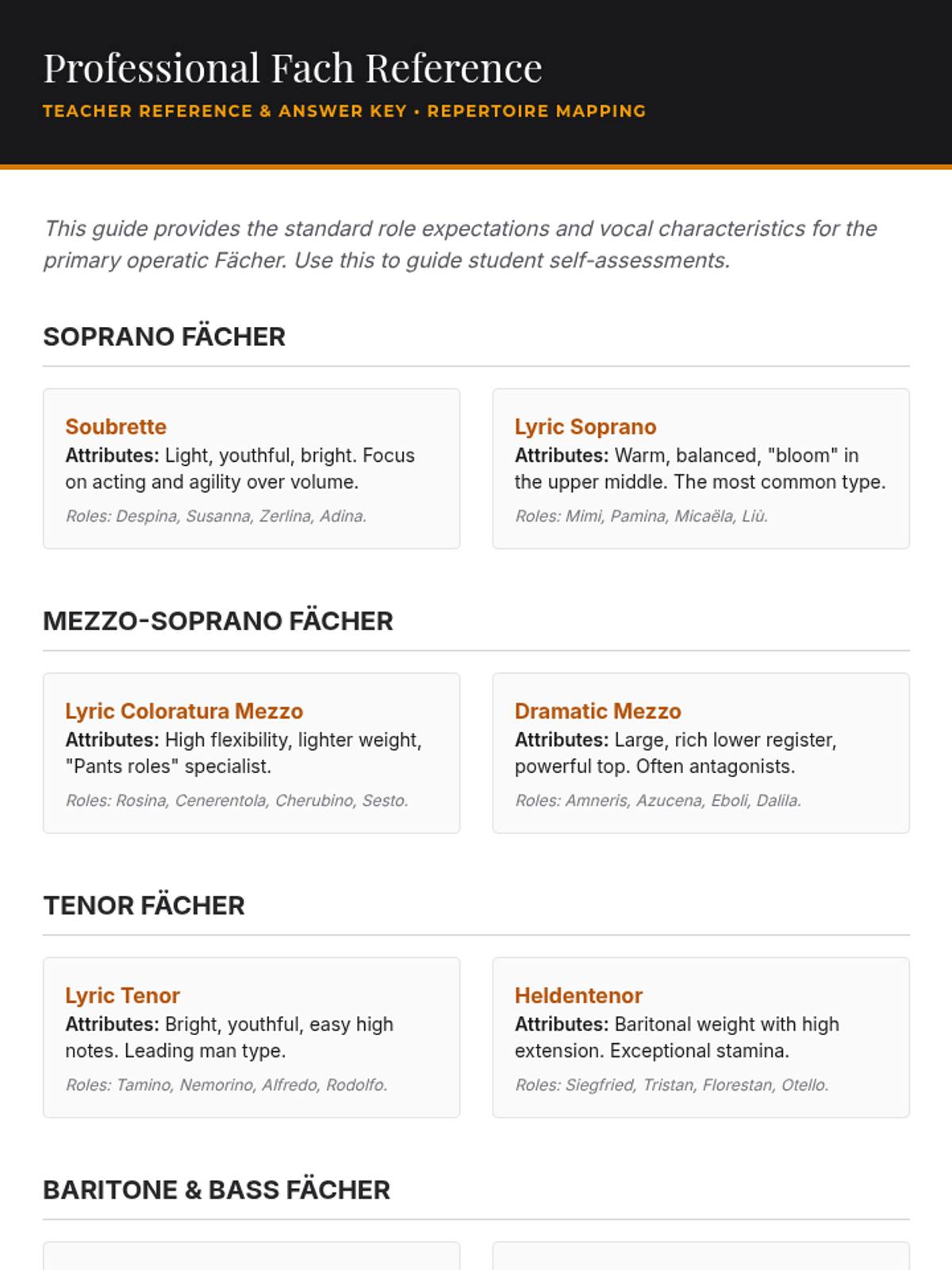
A comprehensive career-focused sequence for graduate-level singers, covering Fach analysis, audition repertoire, professional materials, performance psychology, and a final mock audition. This unit bridges the gap between conservatory training and the professional music industry.
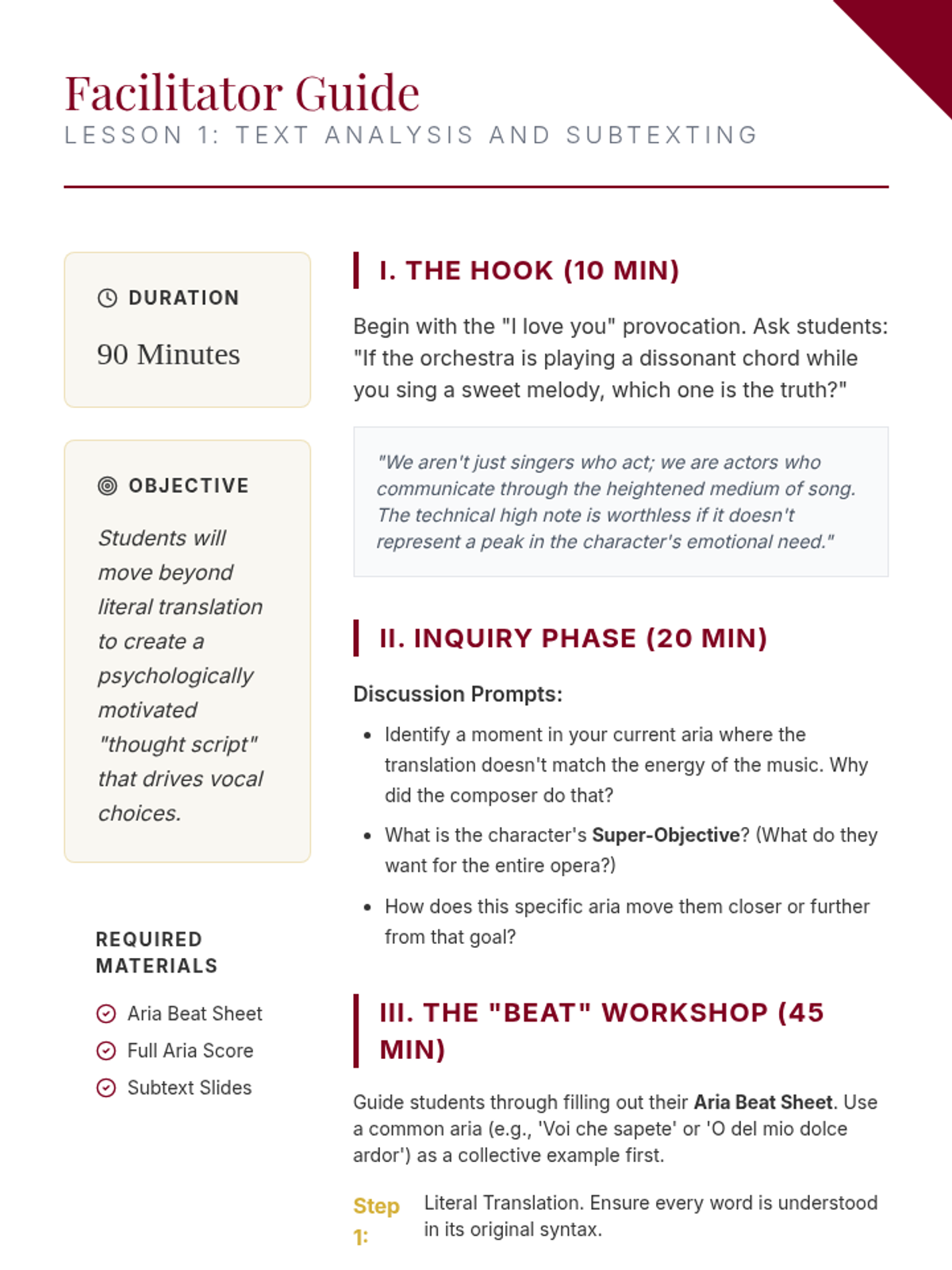
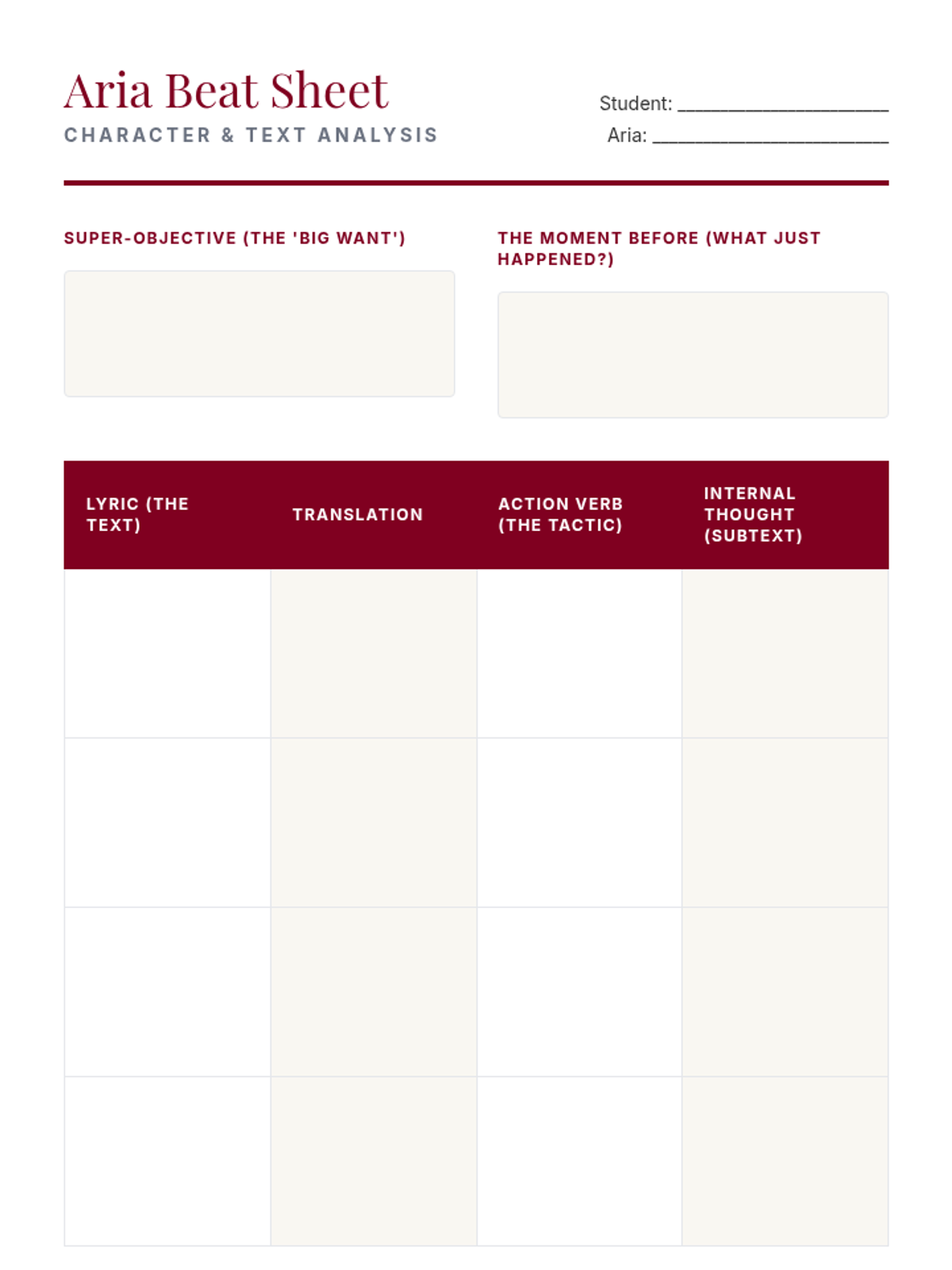
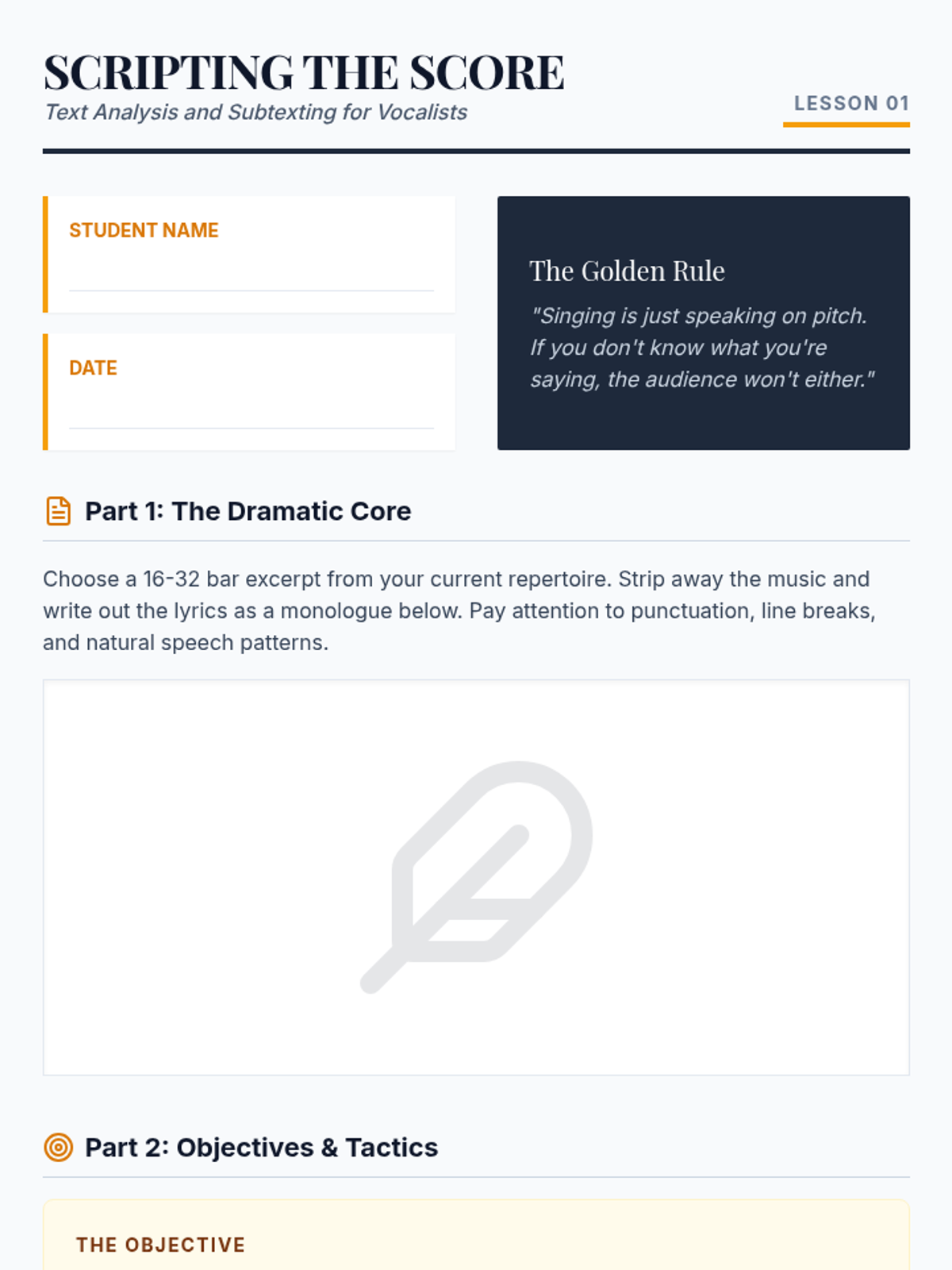
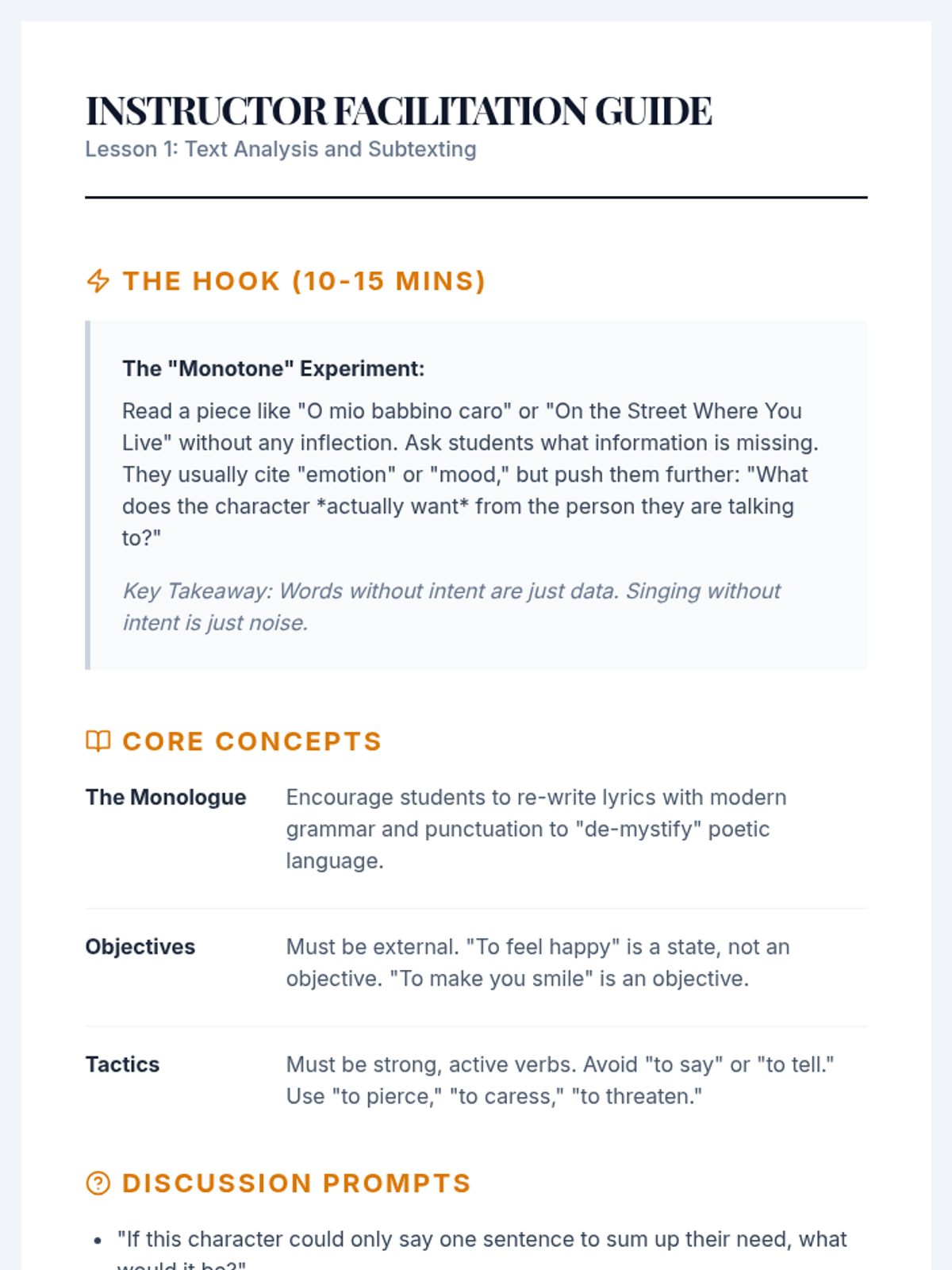
This advanced performance sequence for graduate vocalists bridges the gap between technical vocal production and authentic theatrical embodiment. Students move from deep text analysis and subtexting to physical movement (Laban efforts) and stage optics, culminating in a synthesized performance where vocal technique serves dramatic intent.
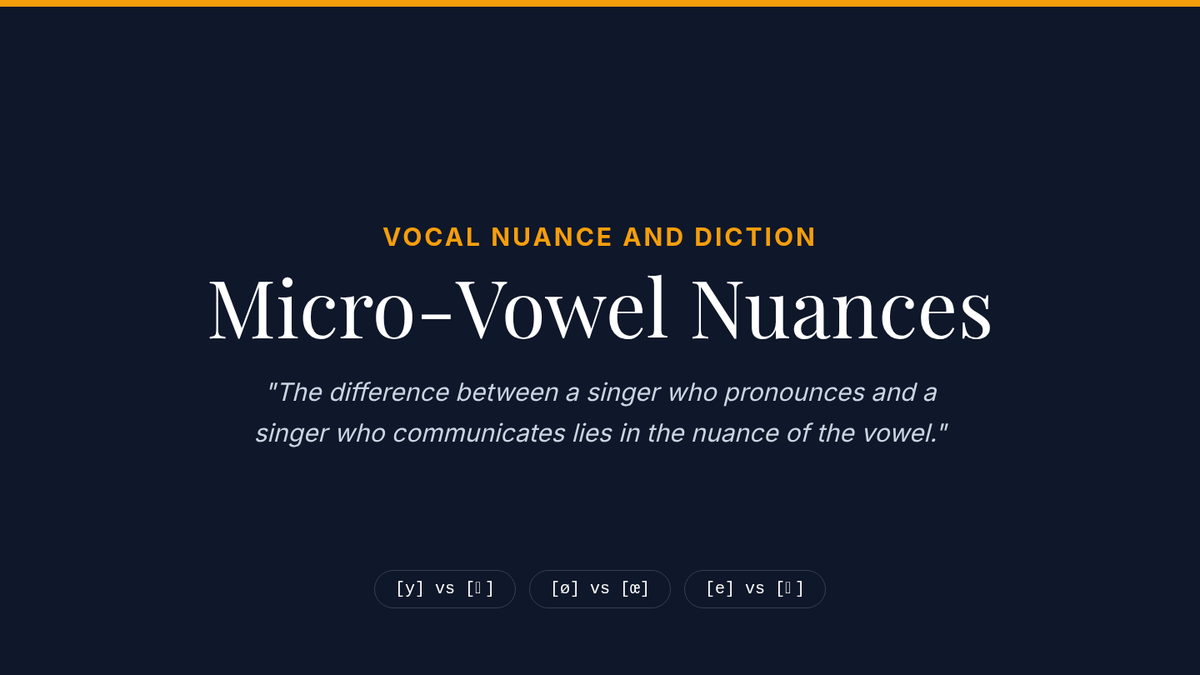
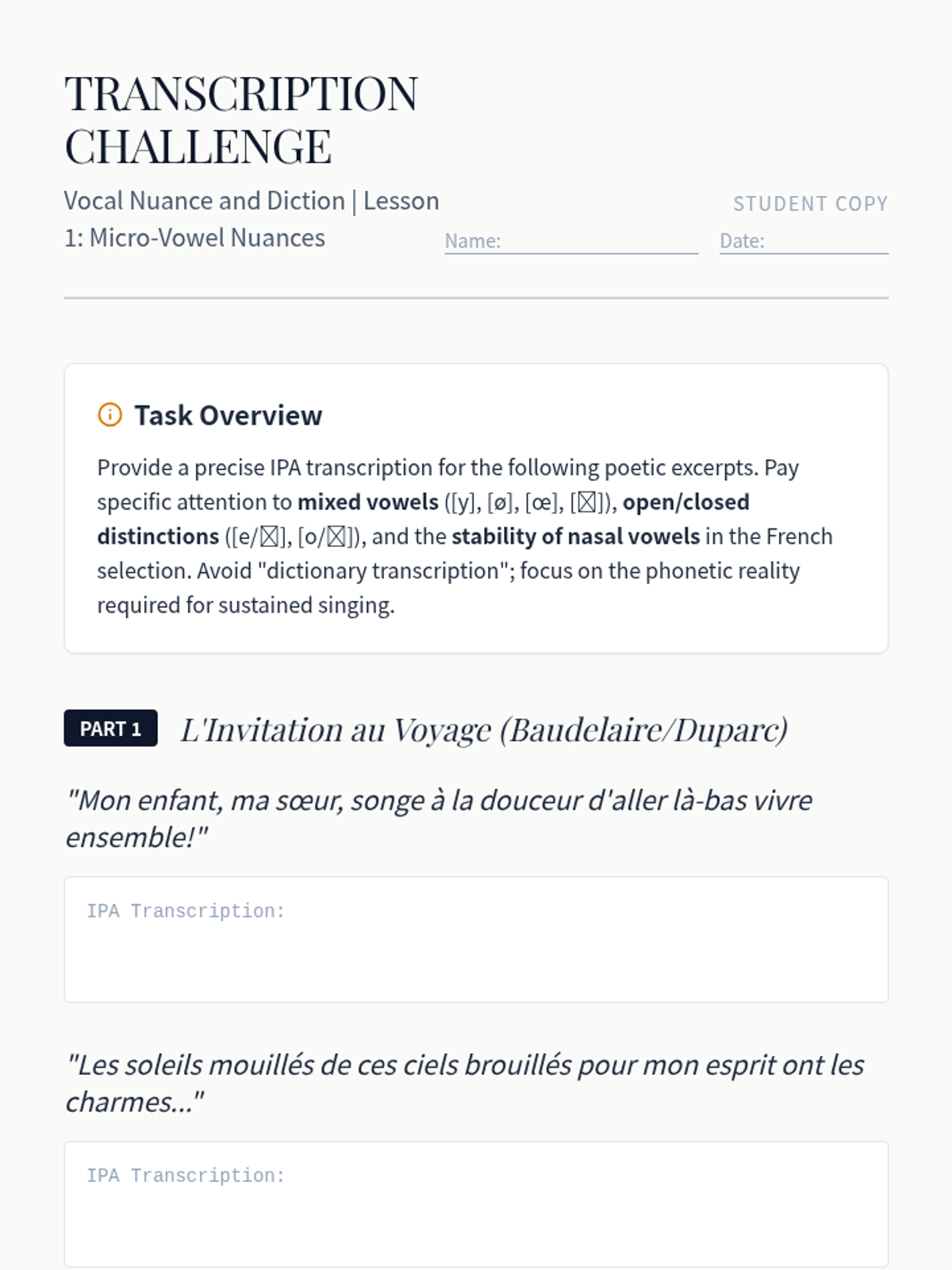
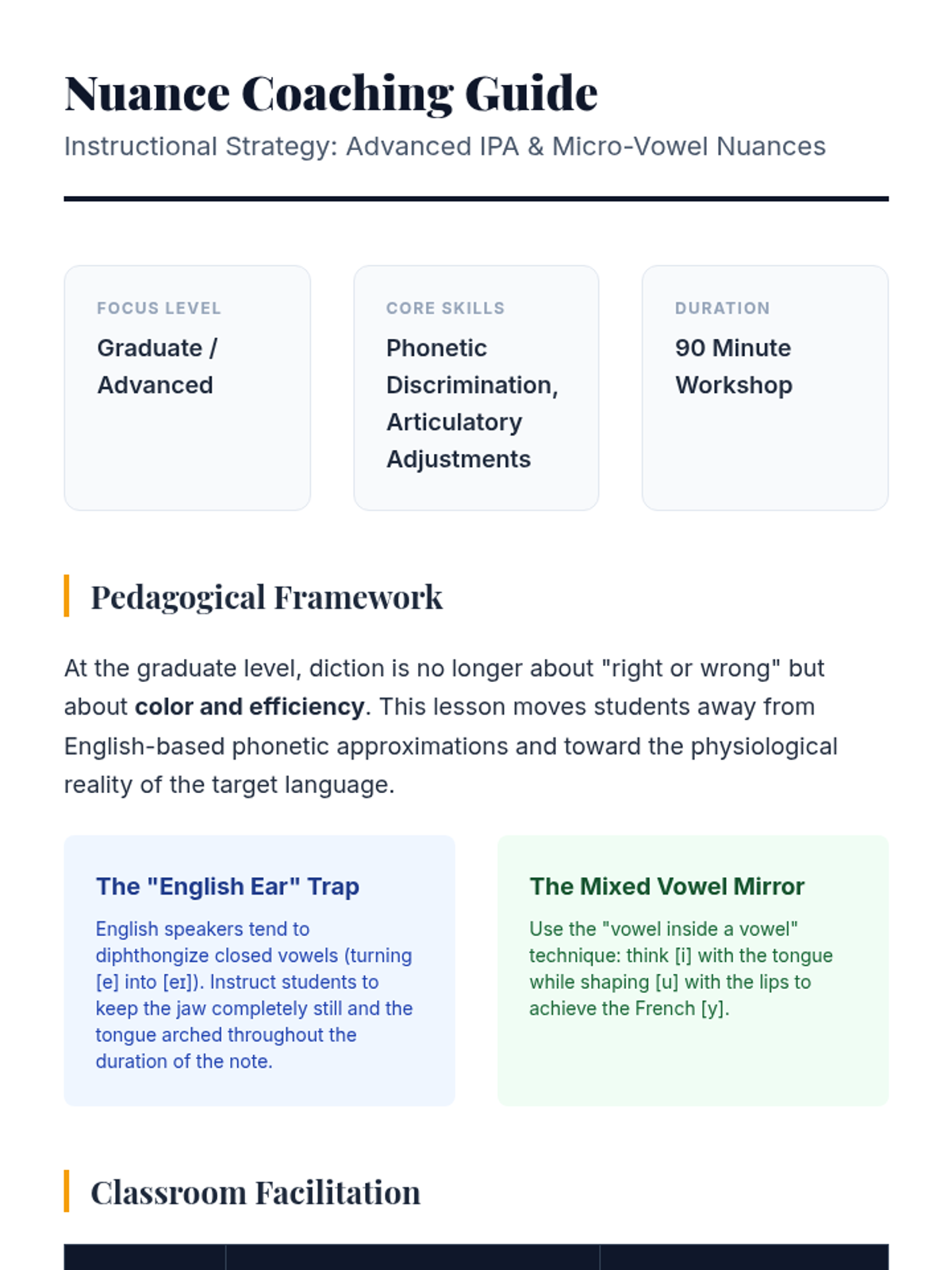
A graduate-level vocal pedagogy sequence focusing on the intersection of phonetics and expressive musicality across four languages. Students refine their technical diction through IPA analysis and apply these nuances to legato, recitative, and stylistic interpretation.
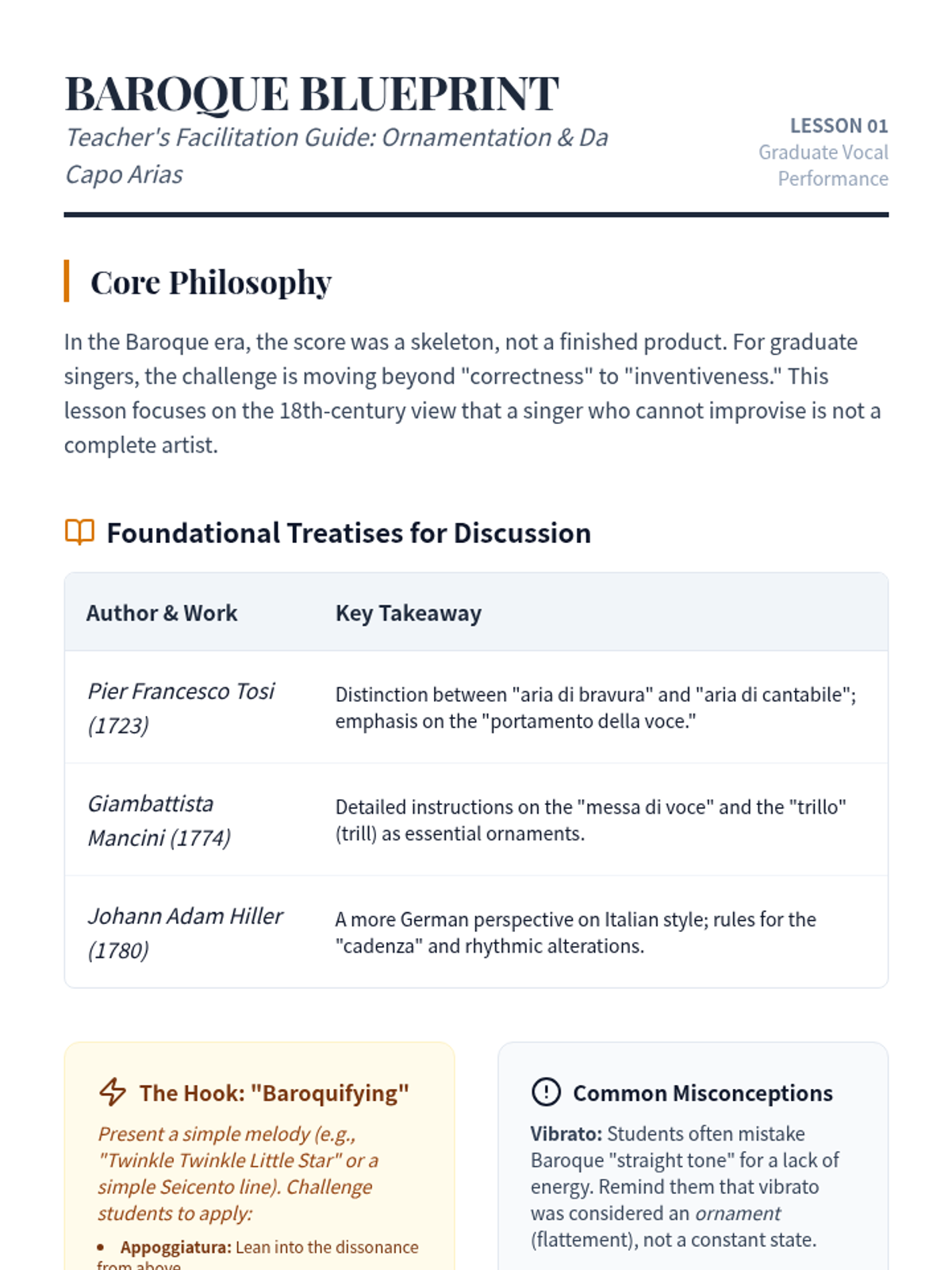
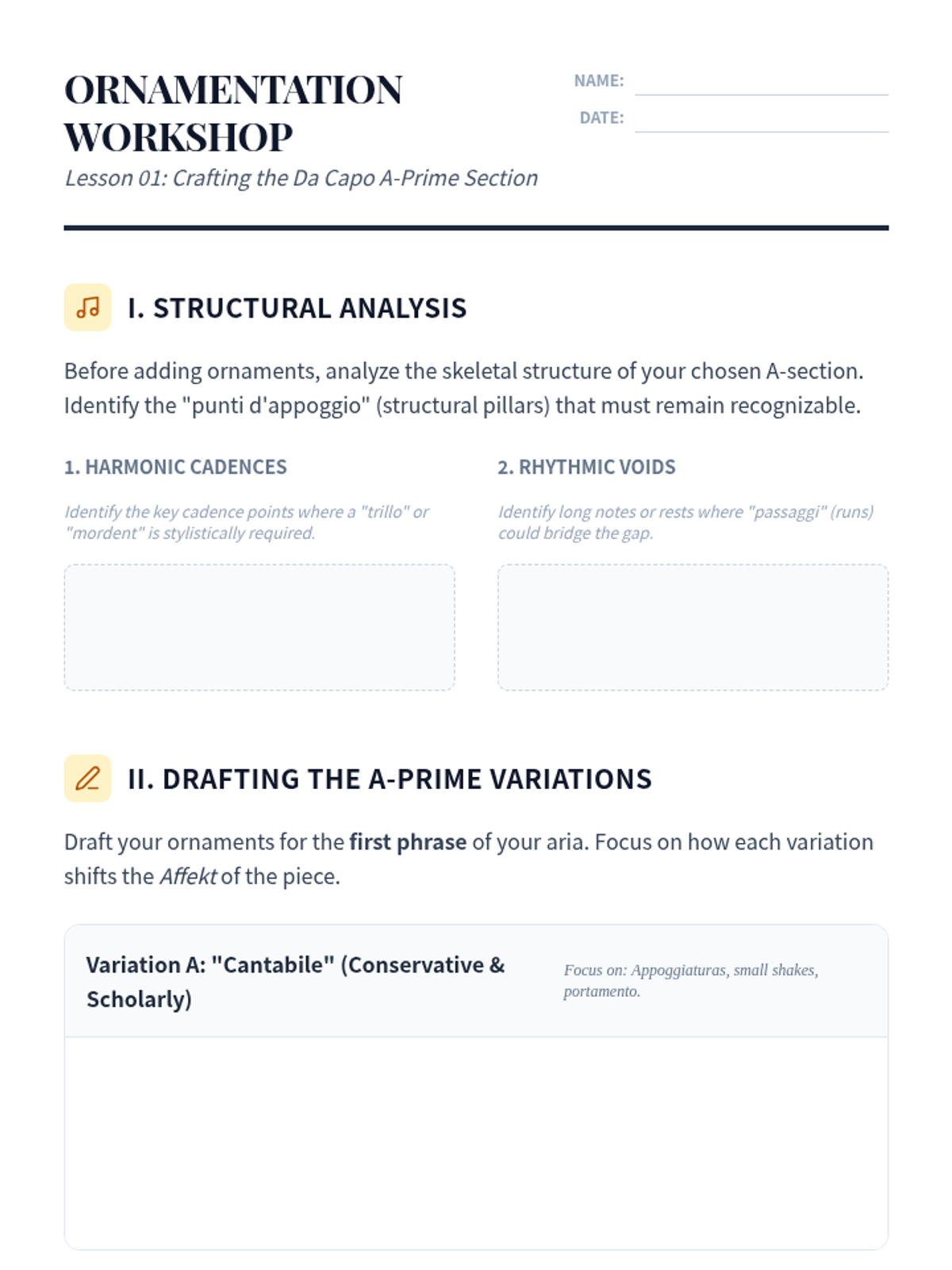
A graduate-level sequence exploring historical performance practice from the Baroque era to the 21st century, focusing on the tension between musicological evidence and personal artistic expression in vocal performance.
A comprehensive undergraduate sequence bridging technical vocal proficiency with artistic interpretation through text analysis, phrasing, timbre, and historical context.
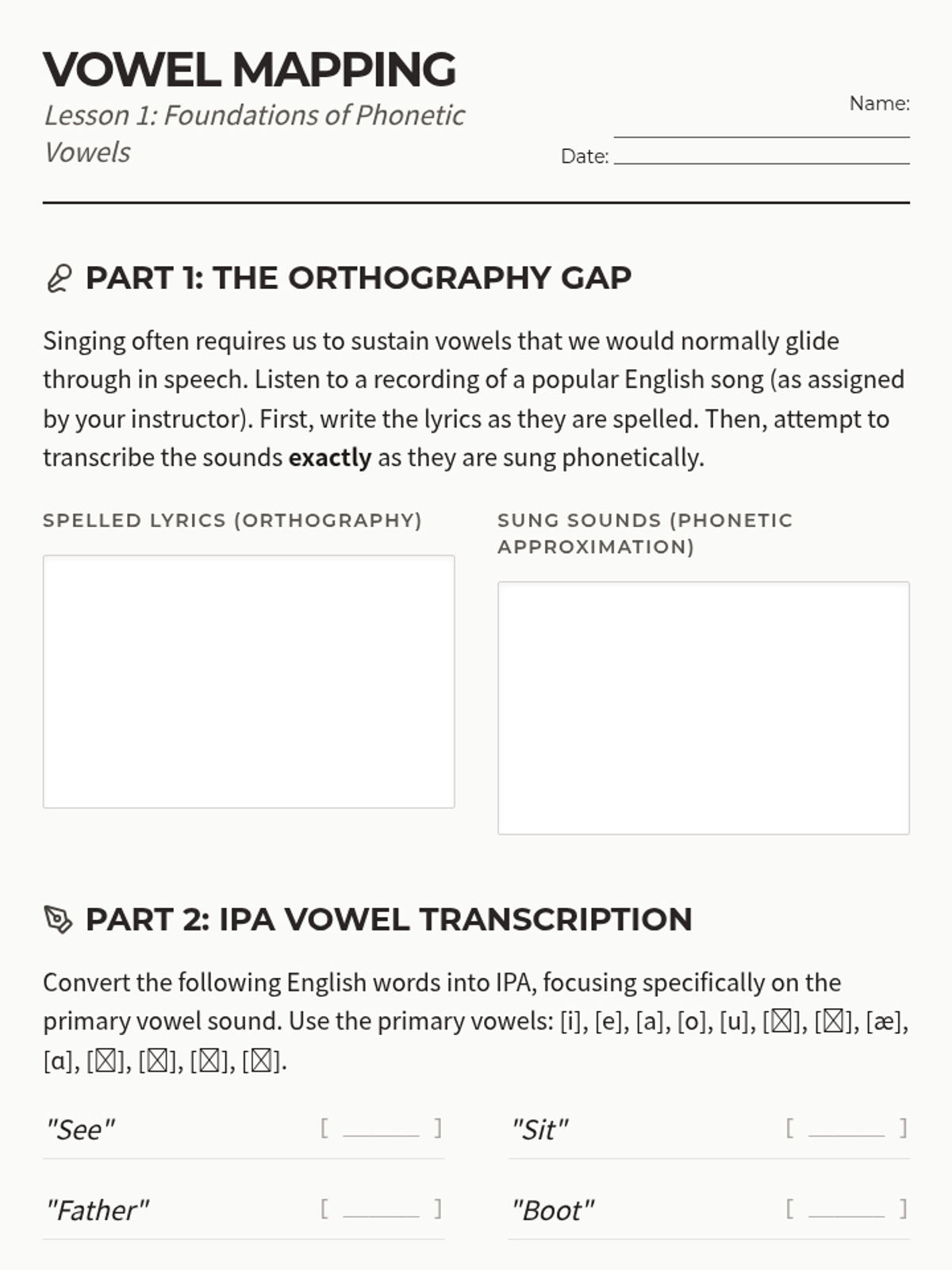
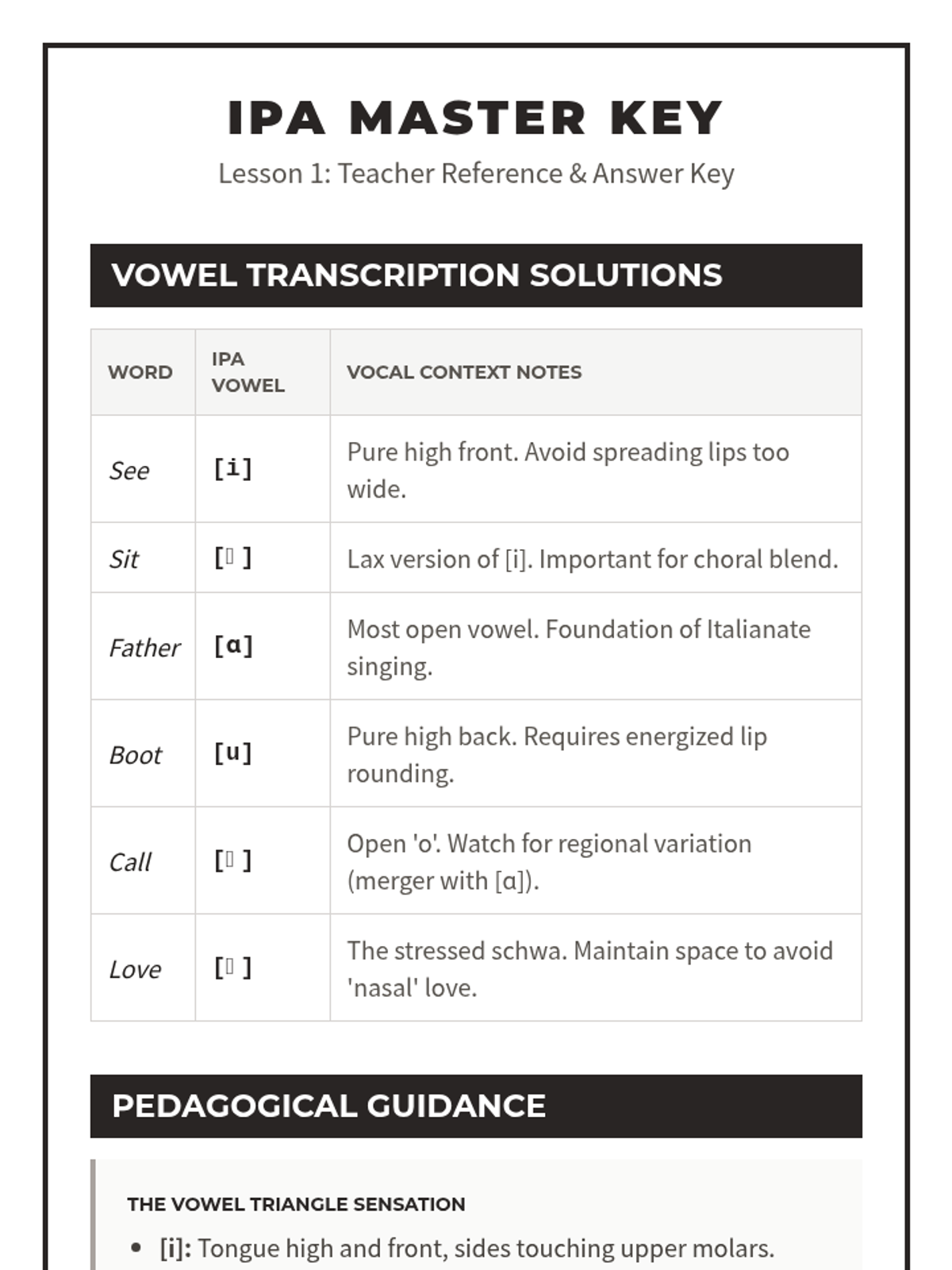
A comprehensive workshop-style sequence for undergraduate vocalists focusing on the International Phonetic Alphabet (IPA) and articulatory phonetics to achieve precision, vowel purity, and stylistic authenticity in singing across English, Italian, German, and French.
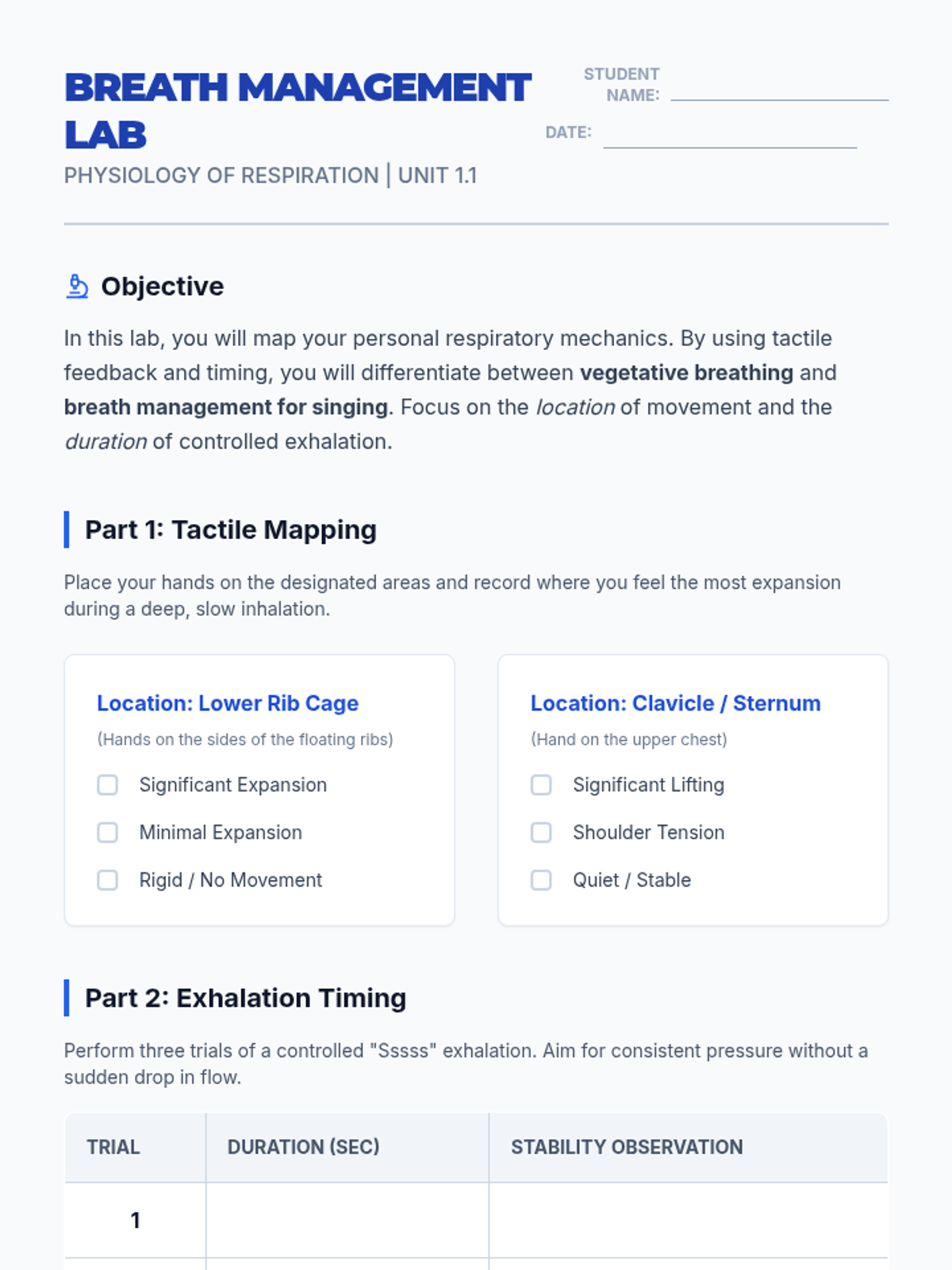
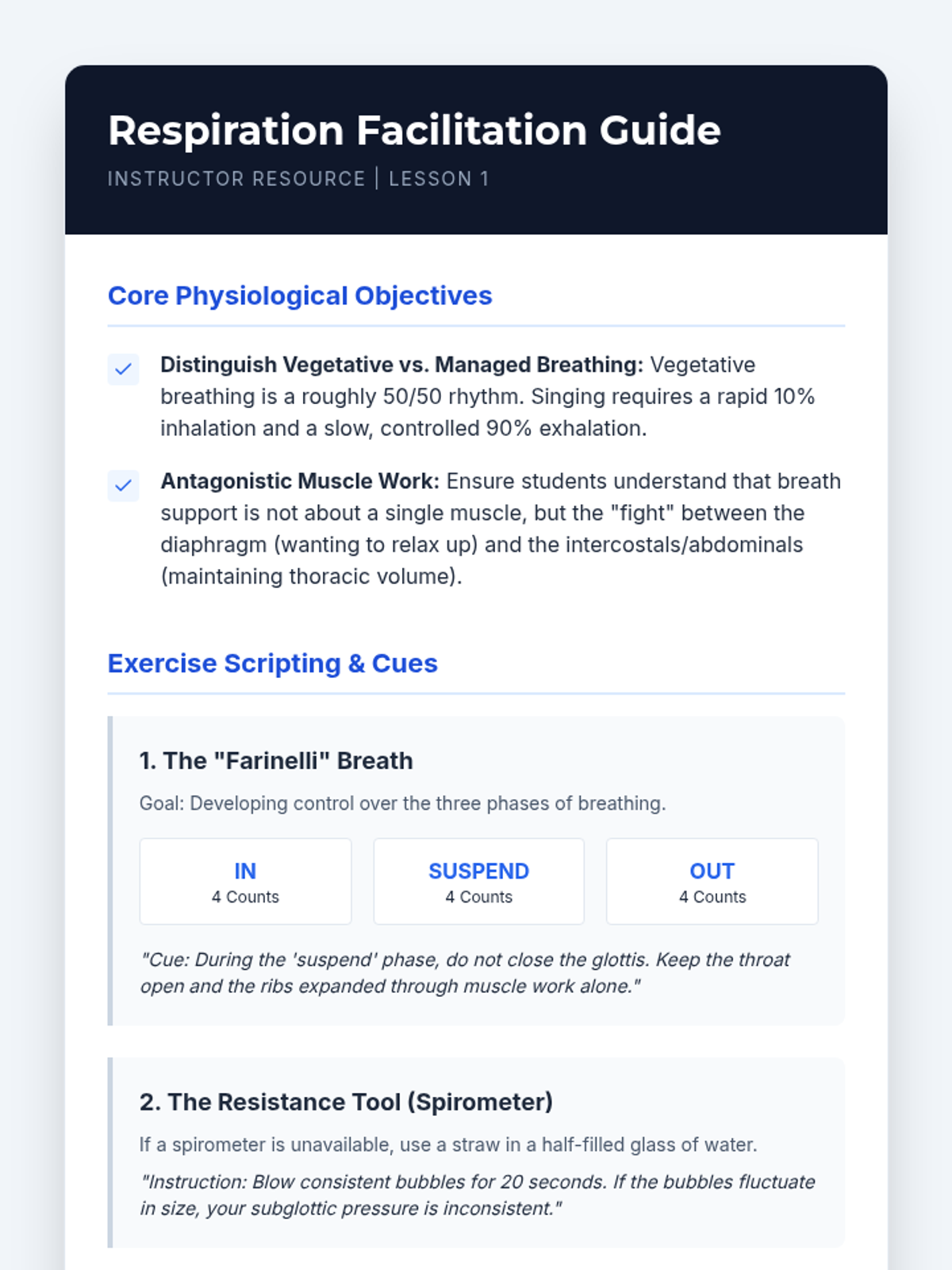
A comprehensive sequence for undergraduate vocal students that explores the physiological and acoustic principles of singing. From respiratory function to vocal health, students bridge the gap between science and artistry.
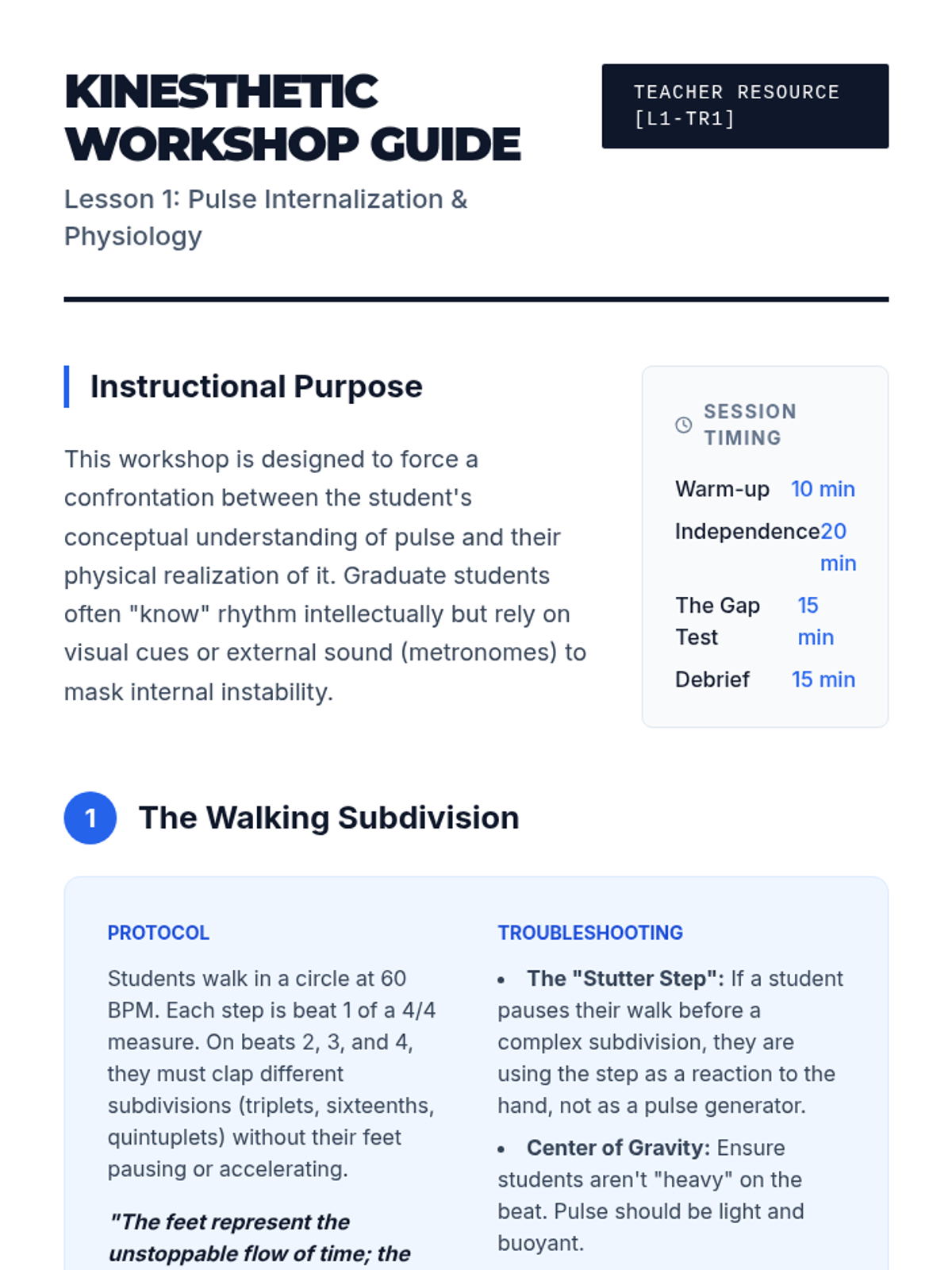
A rigorous workshop-based sequence for graduate music students exploring advanced rhythmic perception, meter architecture, asymmetrical rhythms, polyrhythms, and metric modulation. The course emphasizes both the mathematical calculation and the physical internalization of complex temporal structures.
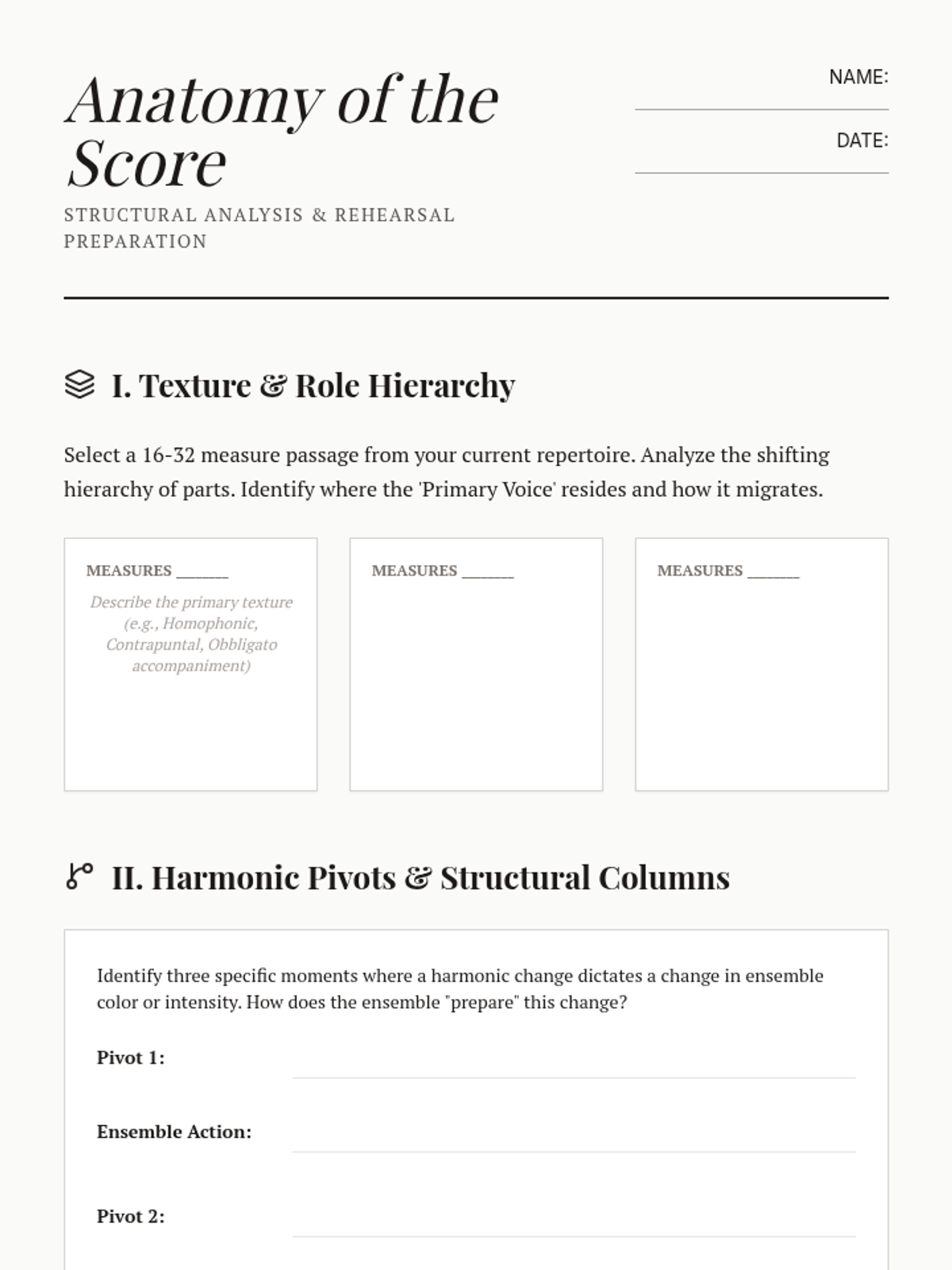
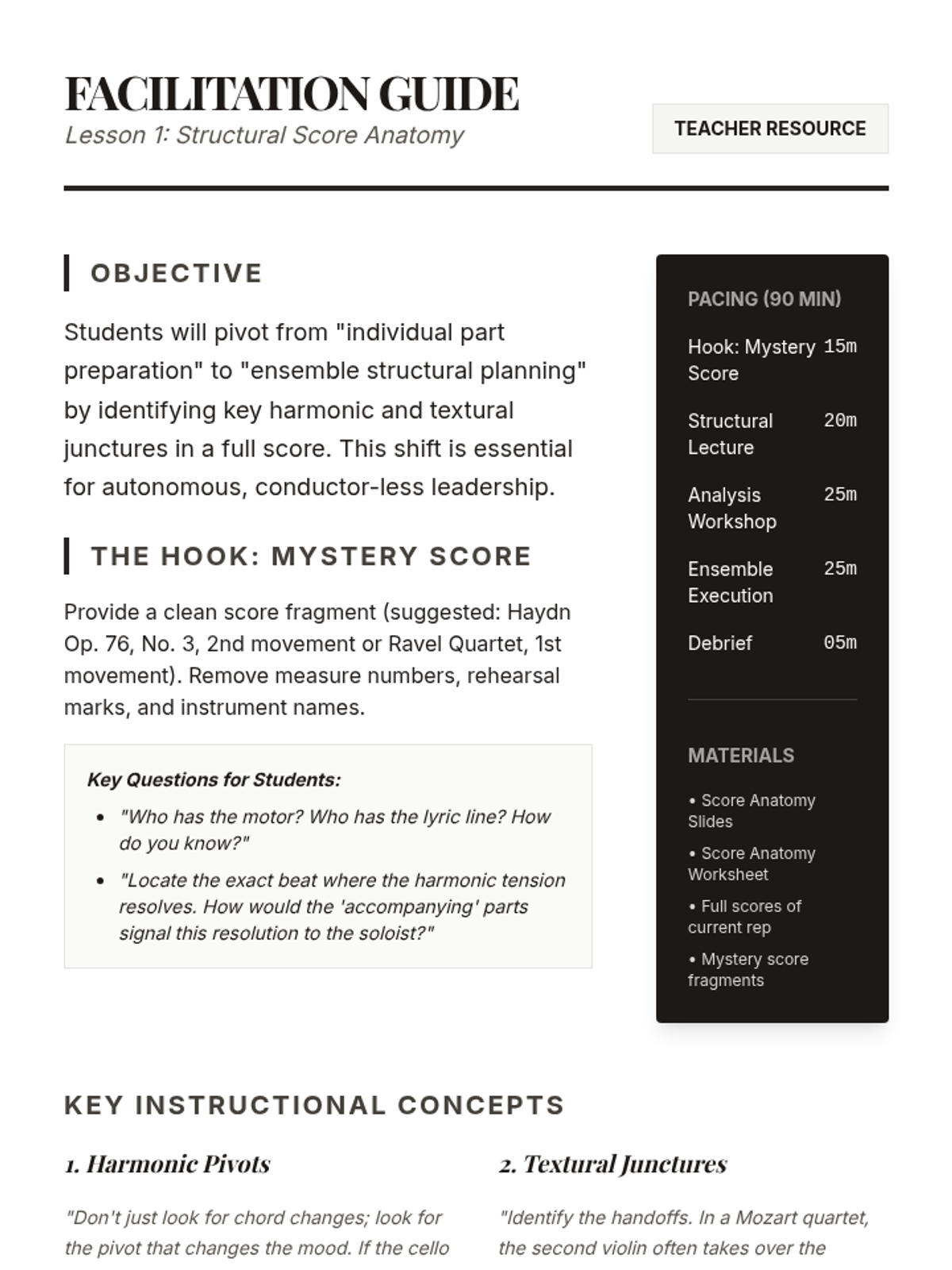
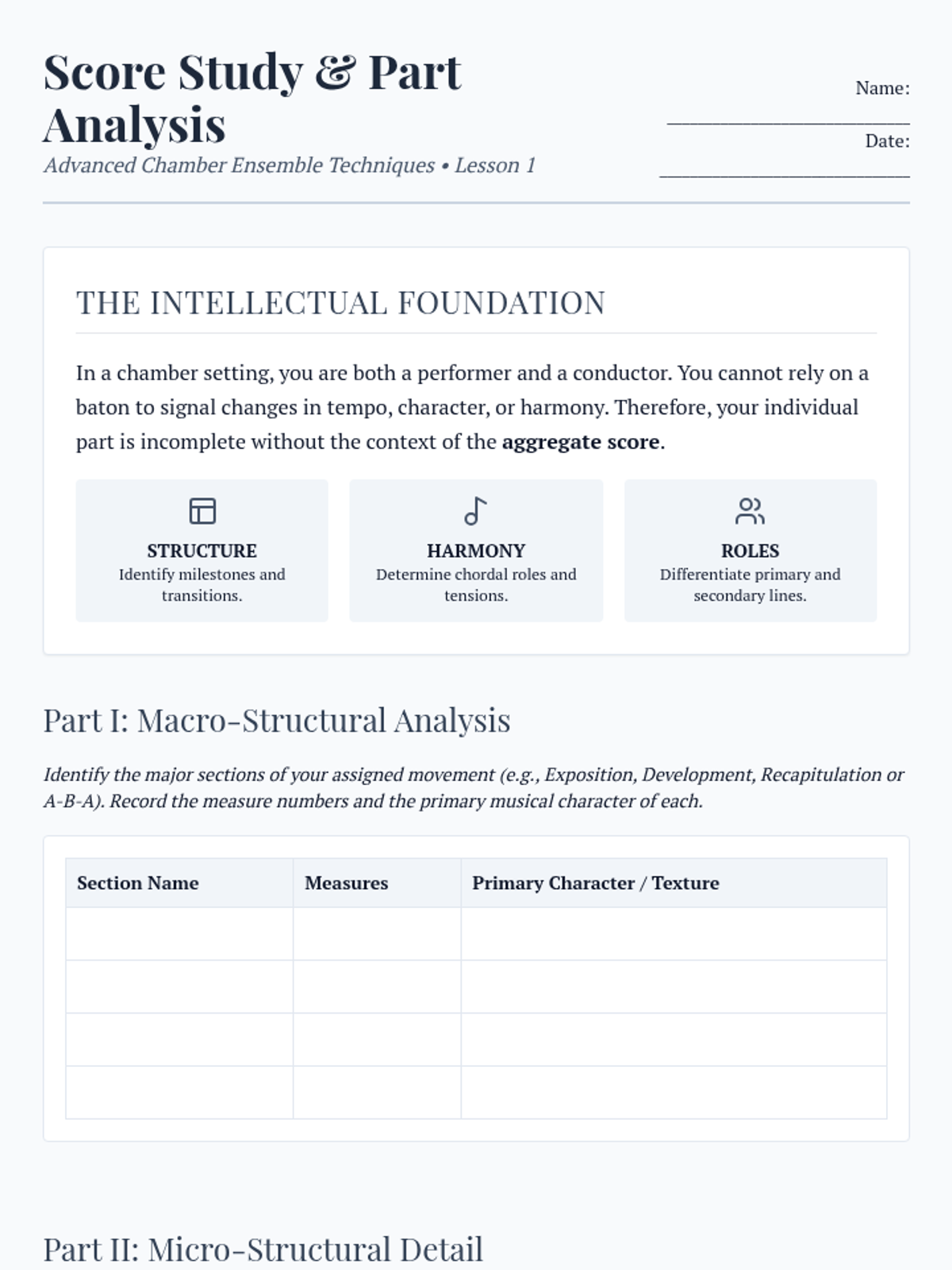
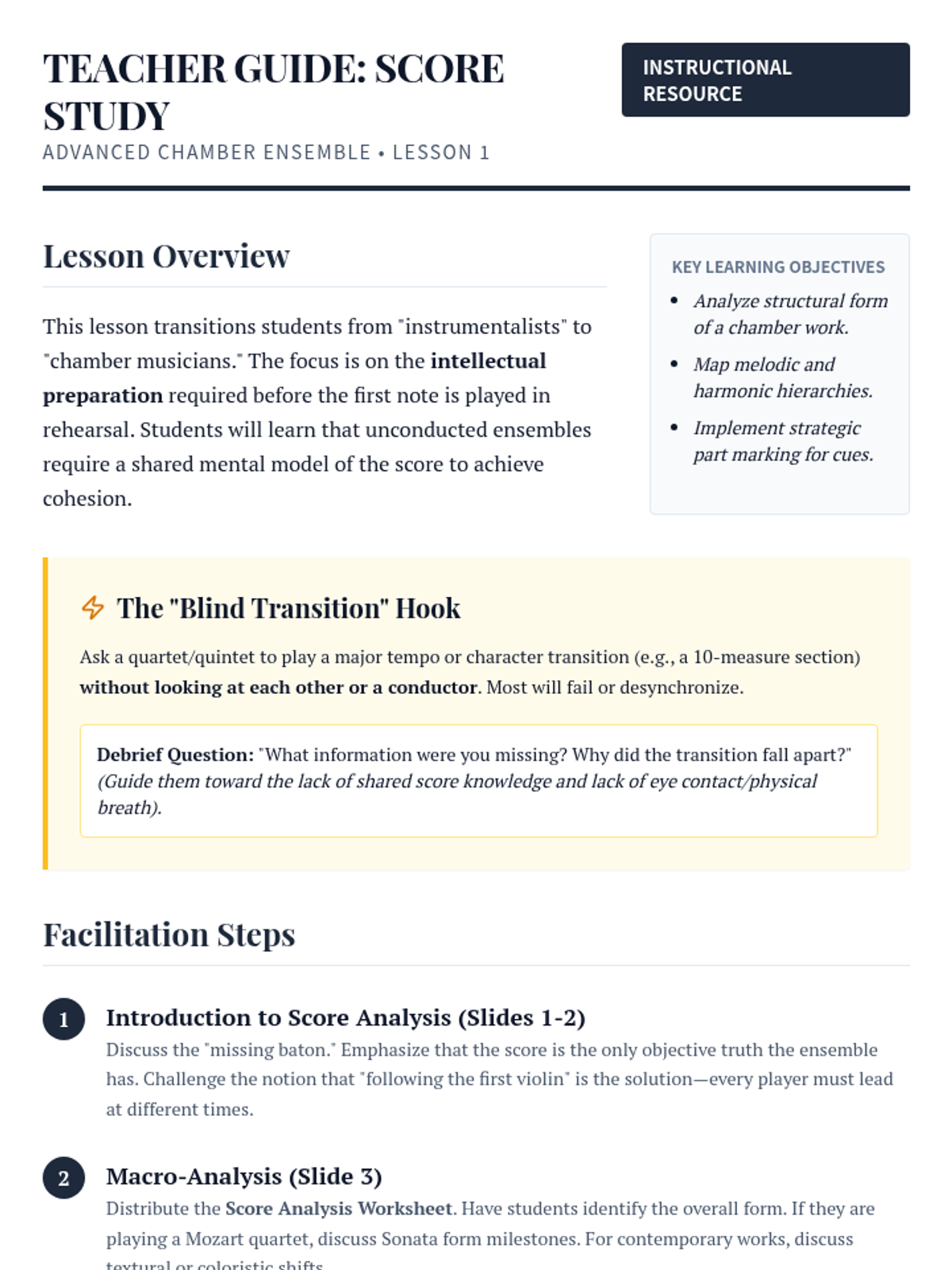
This advanced sequence for graduate music students explores the leadership, acoustics, and interpersonal dynamics of high-level chamber music. Students transition from individual practitioners to collaborative leaders through score analysis, pure tuning mastery, and non-verbal communication techniques.
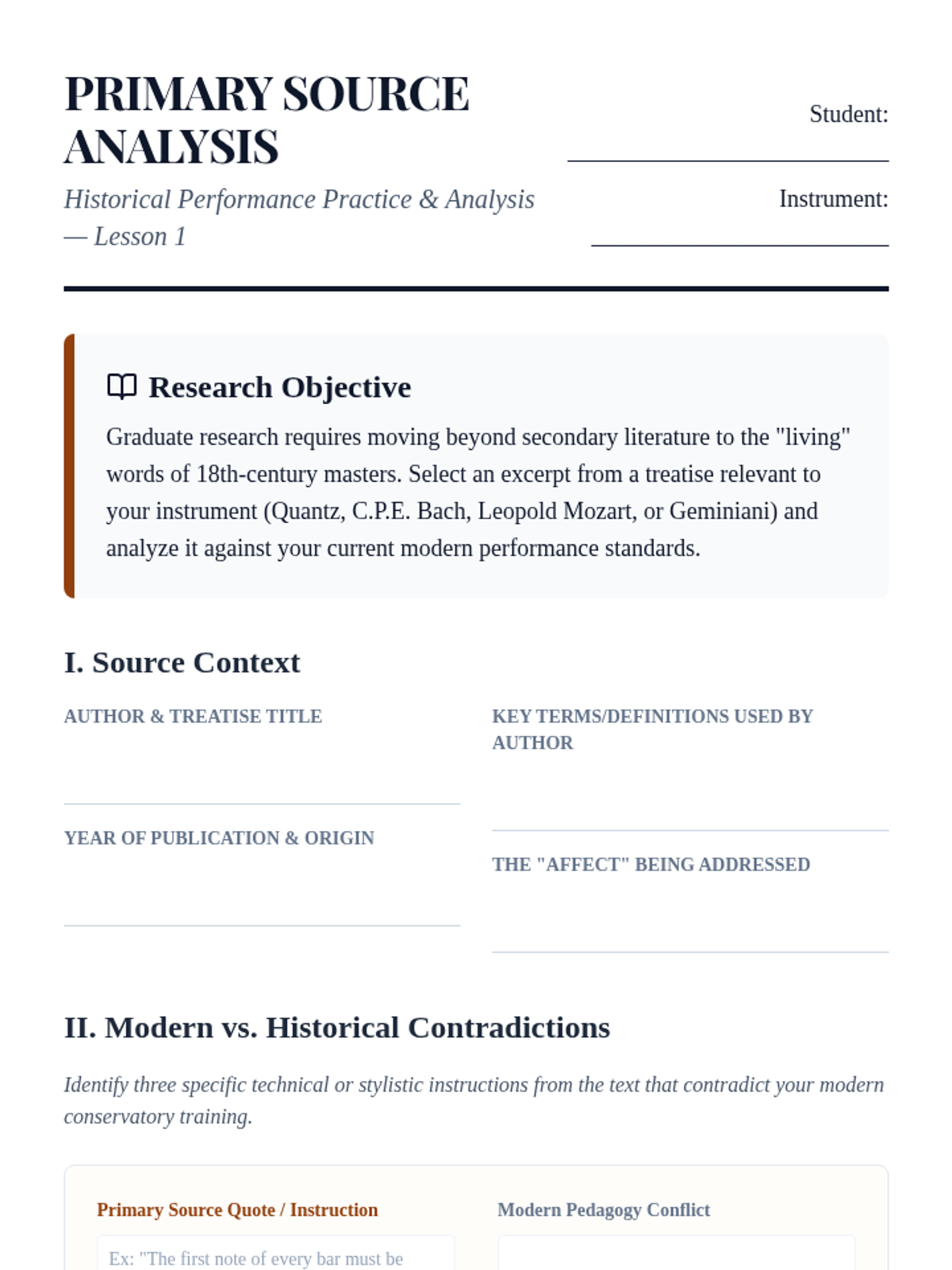
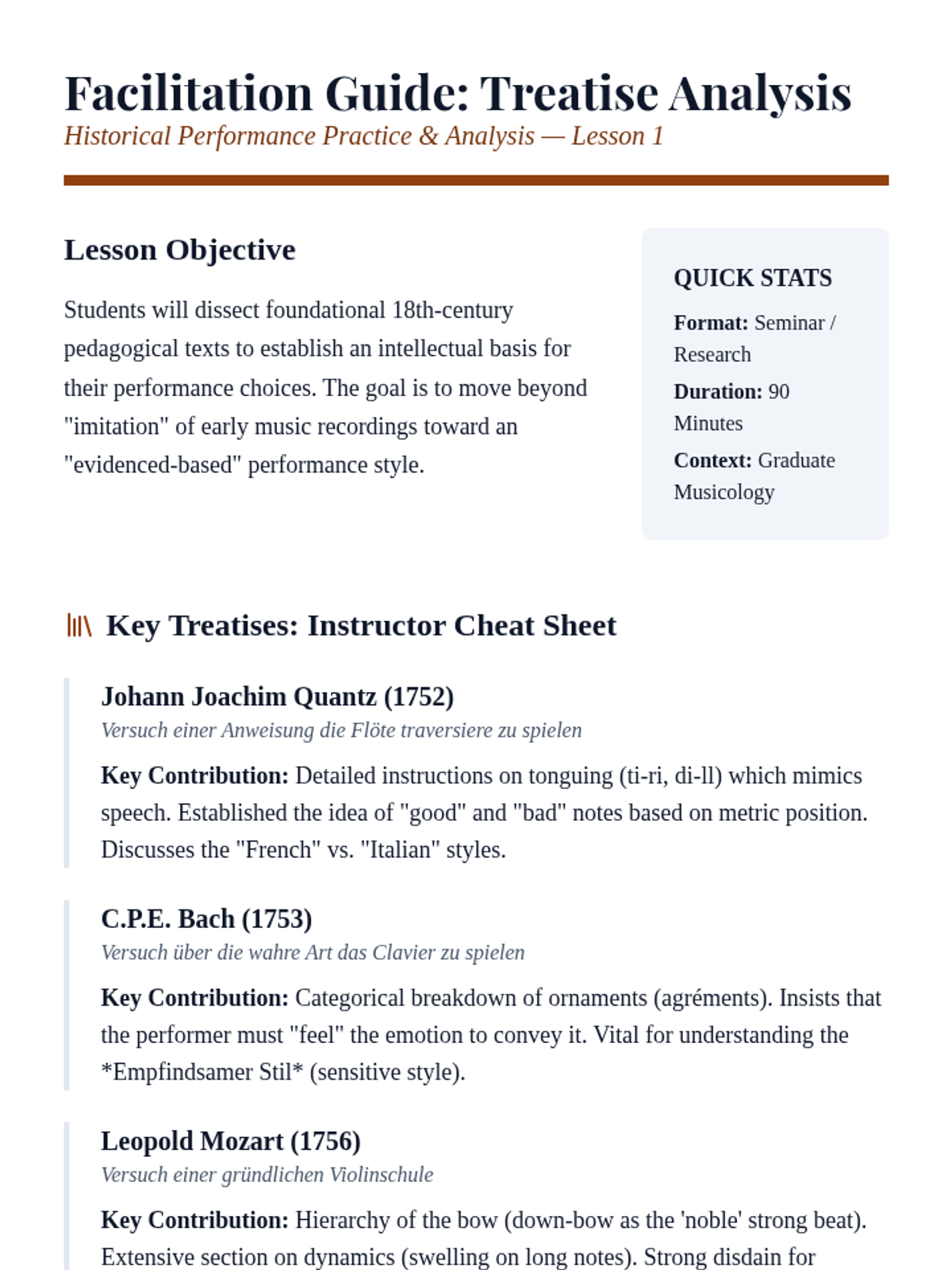
A graduate-level sequence exploring Baroque and Classical performance practice through primary source treatises. Students bridge musicology and performance by applying historical articulation, ornamentation, and rubato to modern instruments.
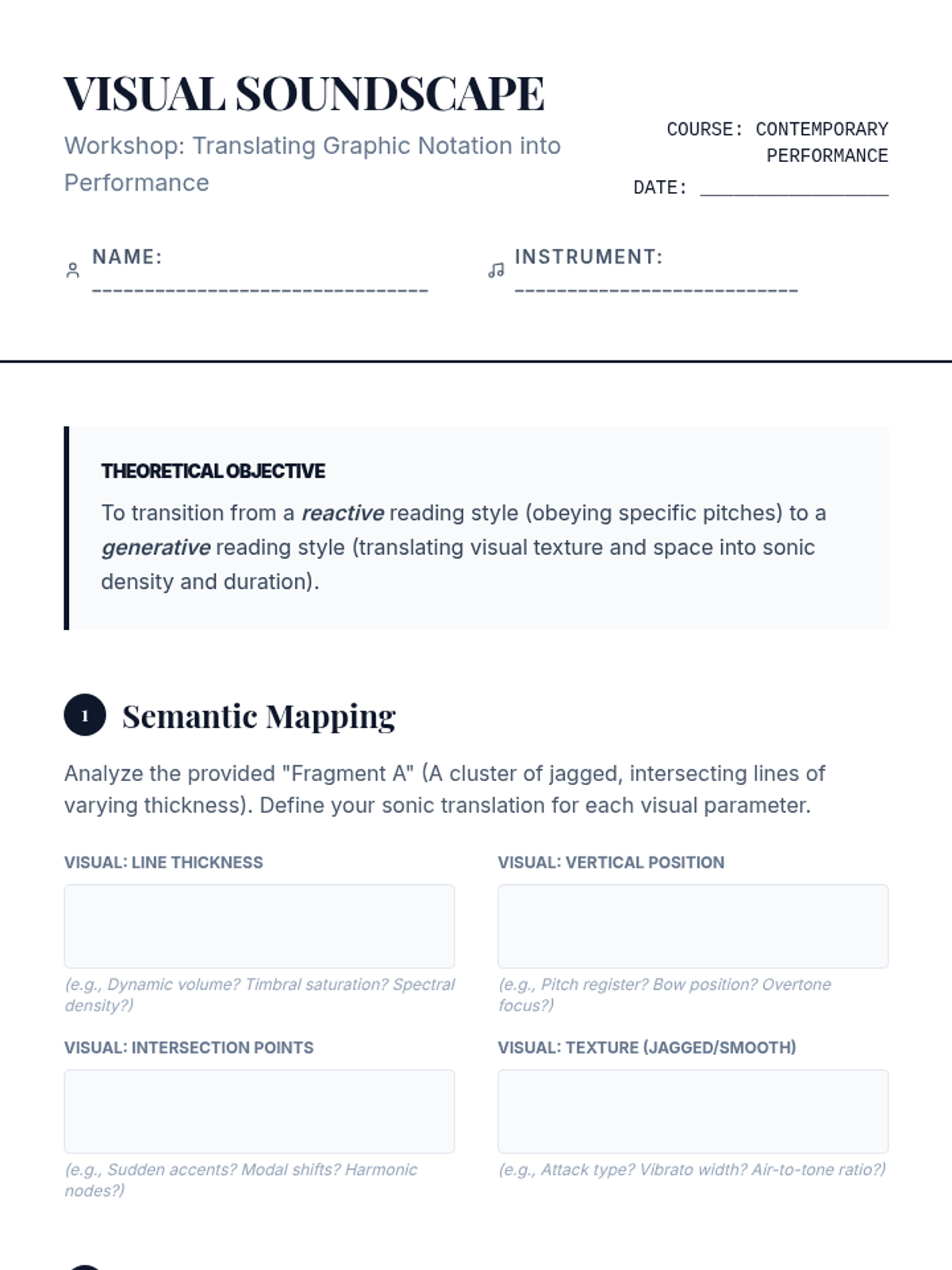
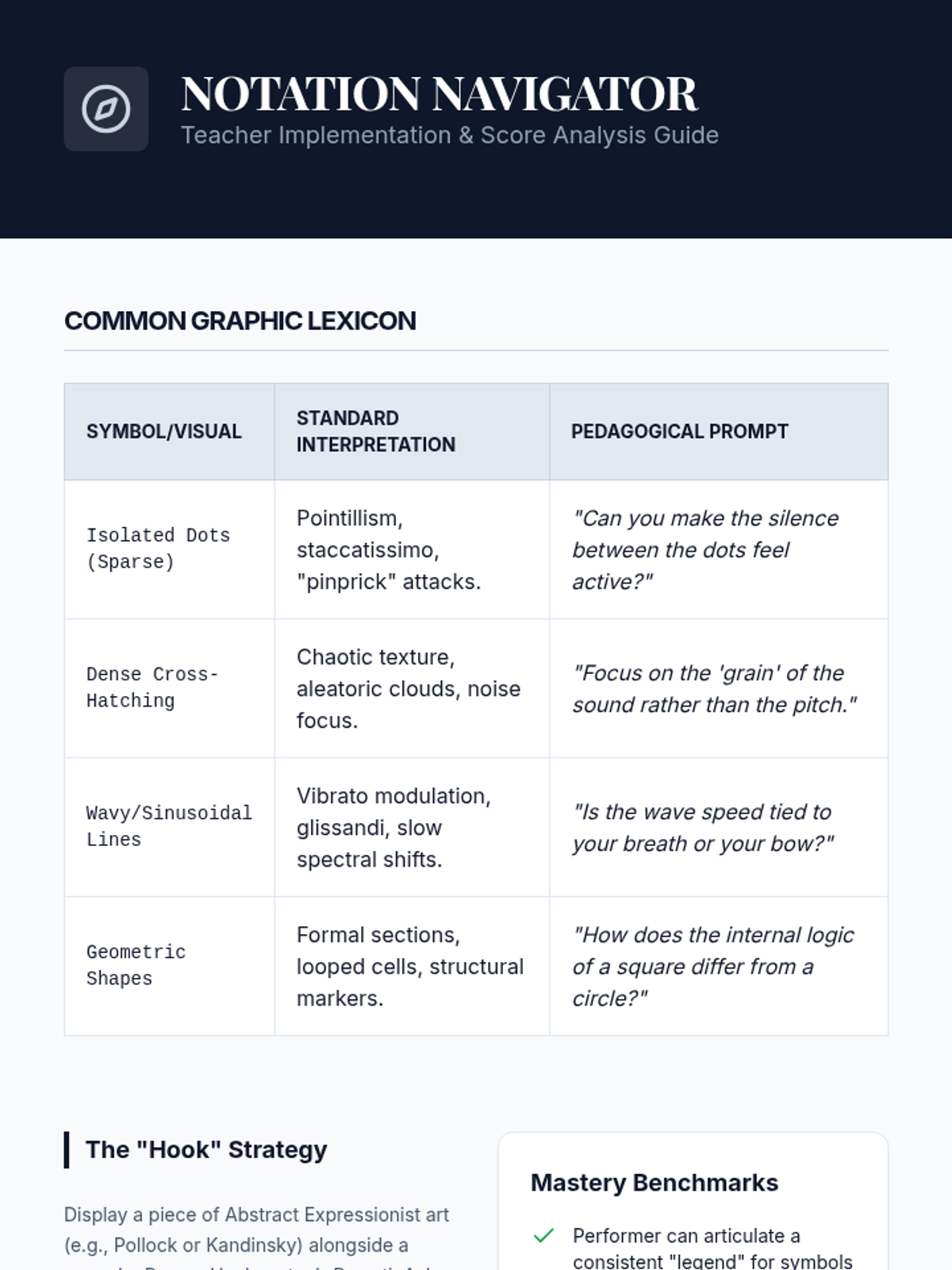
A graduate-level sequence focused on the technical and interpretive demands of 20th and 21st-century music, covering graphic notation, extended techniques, complex rhythms, and professional collaboration.
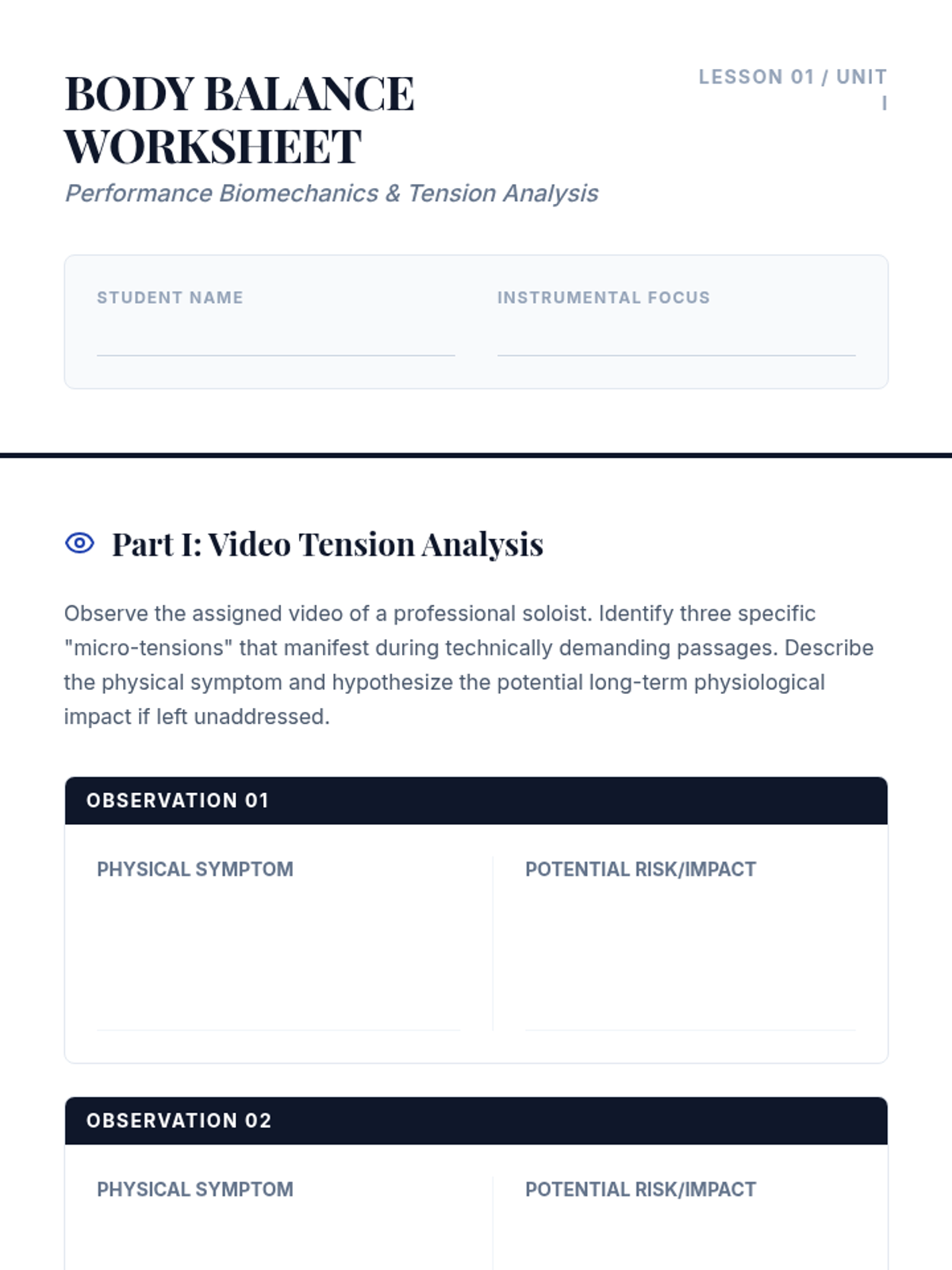
A comprehensive graduate-level sequence exploring the analytical, physiological, and philosophical foundations of instrumental music teaching, from biomechanics to professional masterclass facilitation.
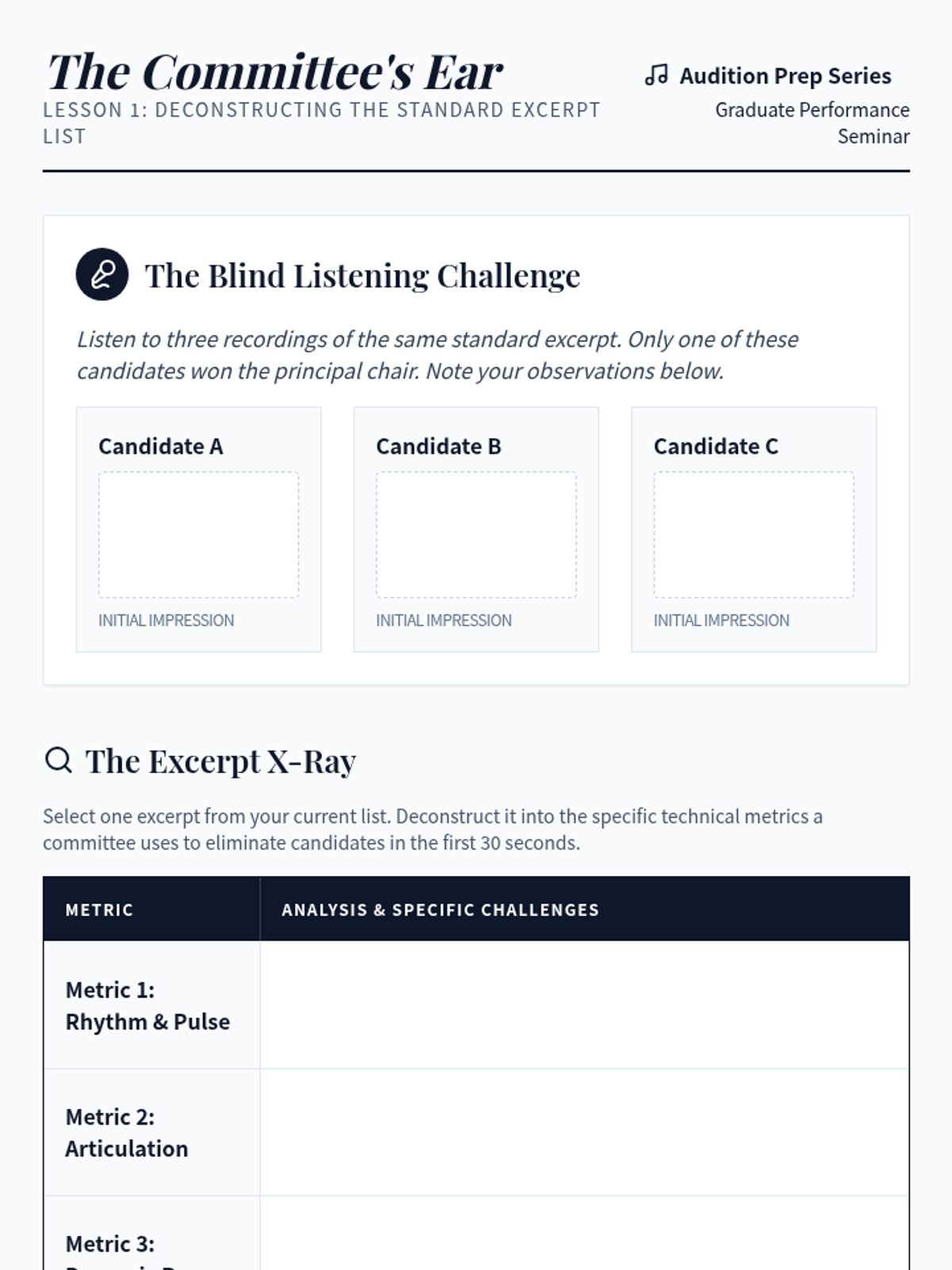
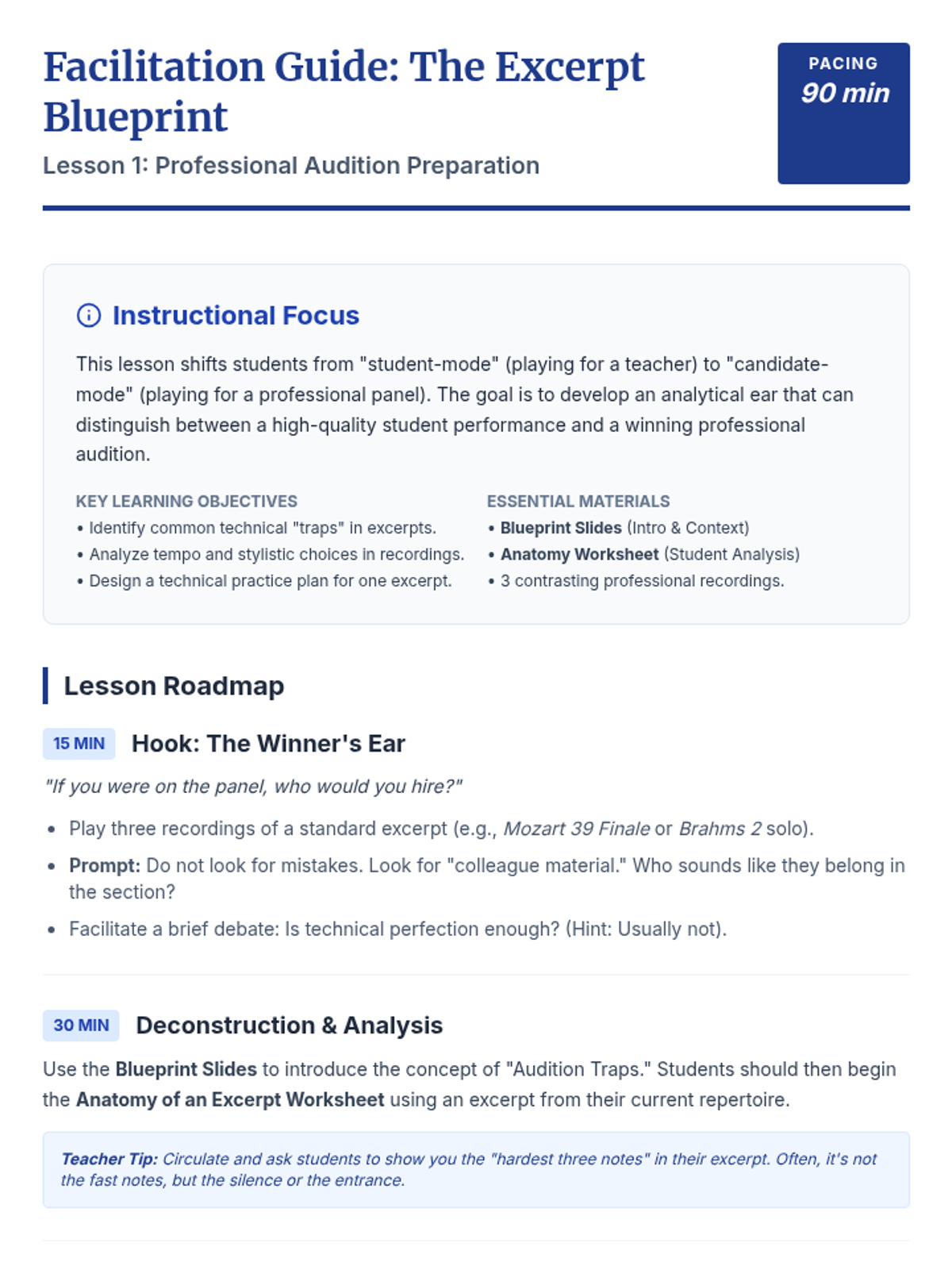
A rigorous, high-stakes sequence for graduate music students, simulating the professional orchestral audition process. It covers stylistic analysis, strategic practice techniques, performance psychology, and formal mock auditions to bridge the gap between technical proficiency and professional excellence.
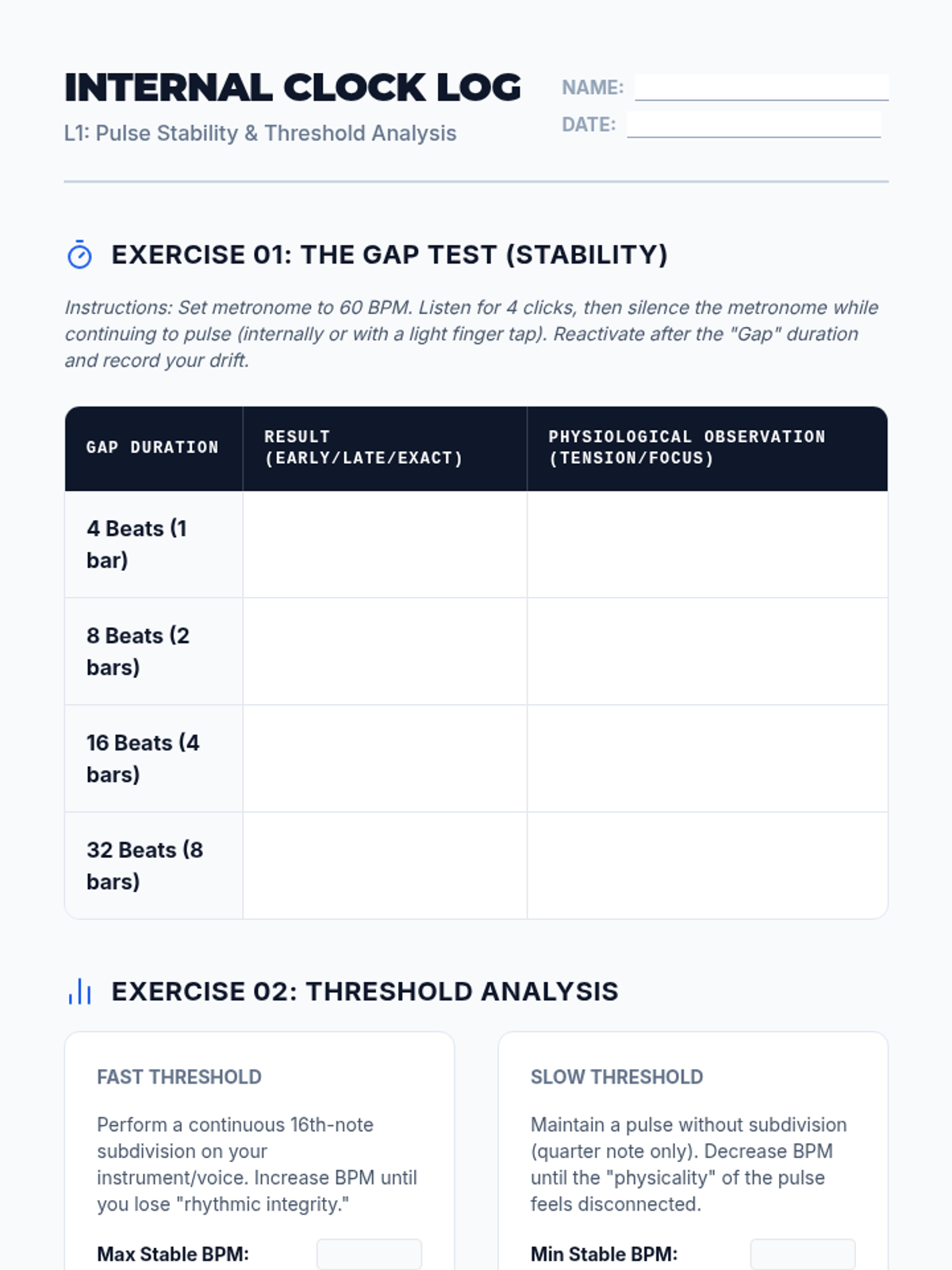
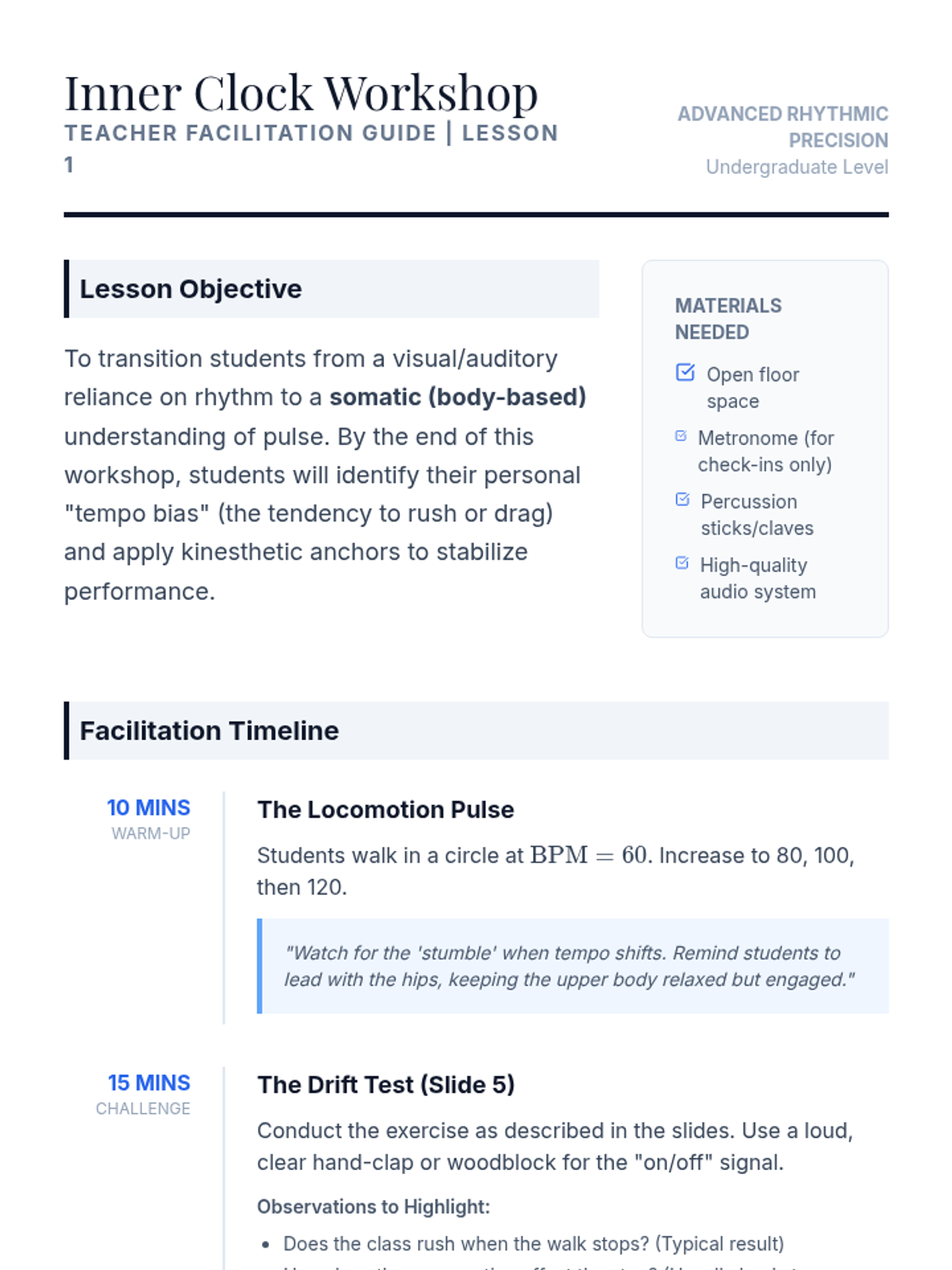
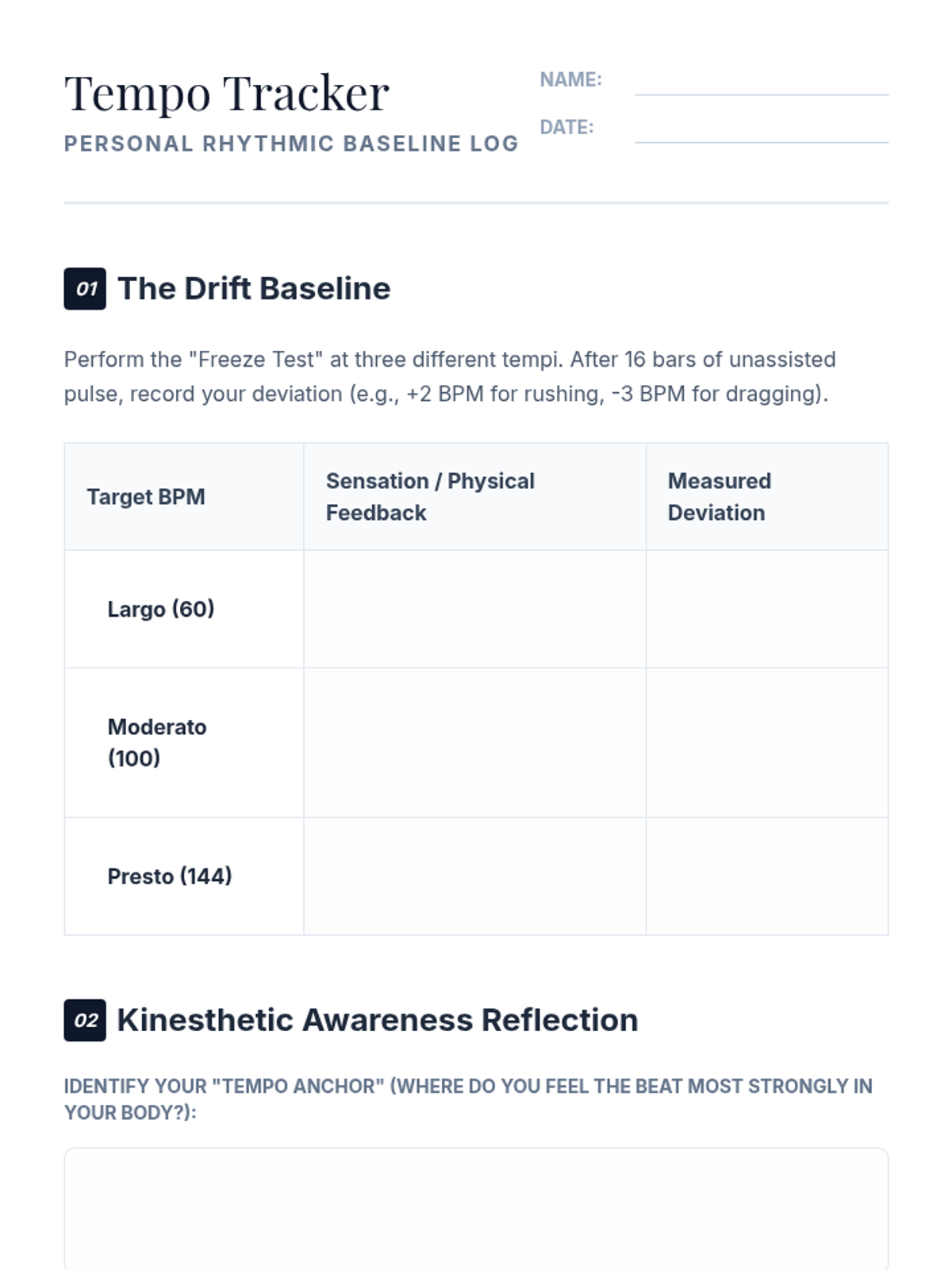
A comprehensive sequence designed for undergraduate musicians to master rhythmic architecture, internal pulse stability, and complex cross-rhythms through applied performance and theoretical analysis.
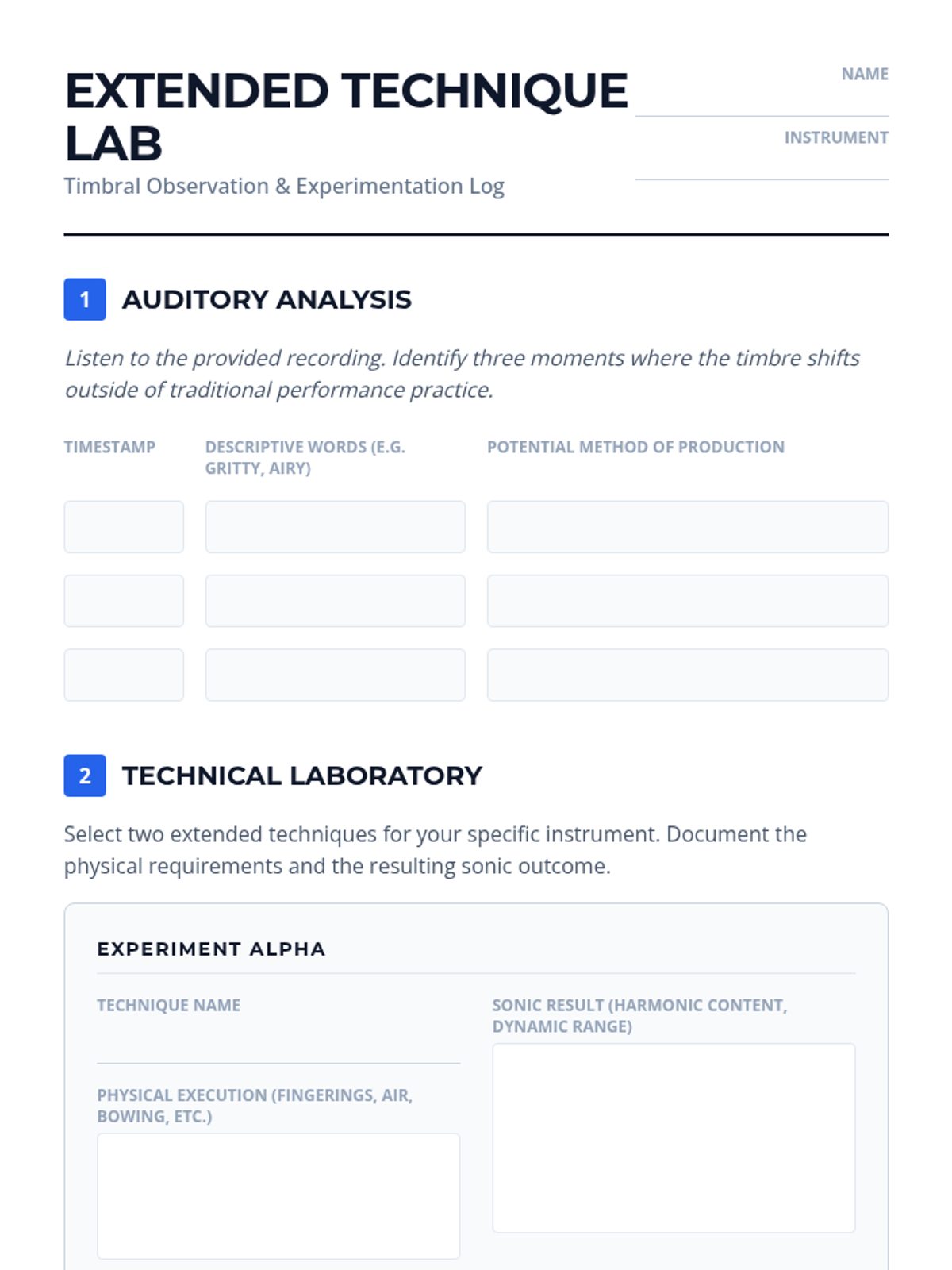
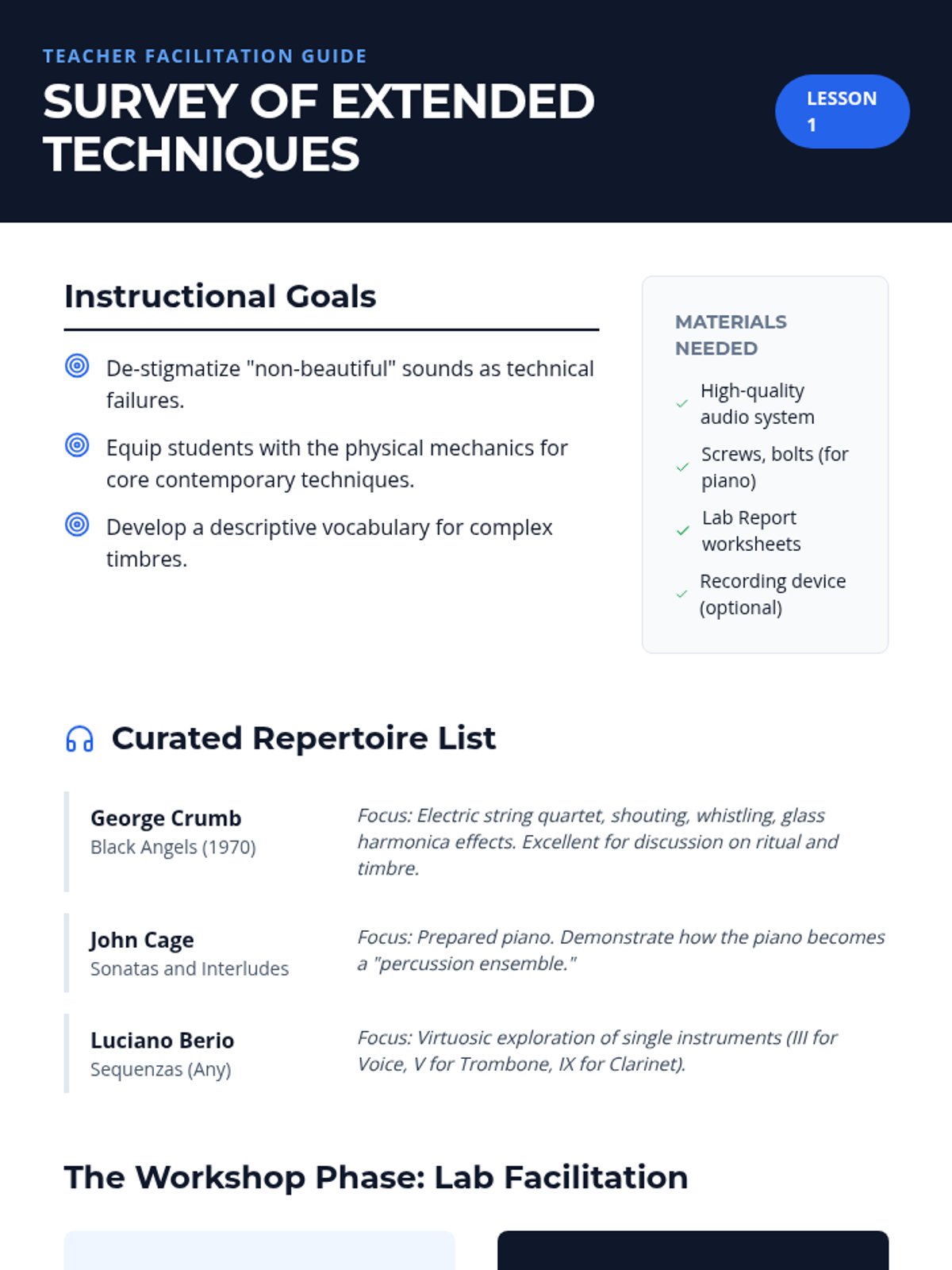
This sequence immerses students in the complexities of 20th and 21st-century music, expanding their technical palette through extended techniques and non-standard graphic notation. Students bridge historical practice with avant-garde experimentation, culminating in a contemporary performance workshop.
A comprehensive 5-lesson unit designed for undergraduate music majors preparing for professional orchestral auditions. Students will master excerpt analysis, sight-reading strategies, stylistic interpretation, performance psychology, and professional audition etiquette.
This sequence explores the intricate dynamics of performing in unconducted ensembles, focusing on score analysis, non-verbal communication, intonation, and rehearsal efficiency for undergraduate music students.
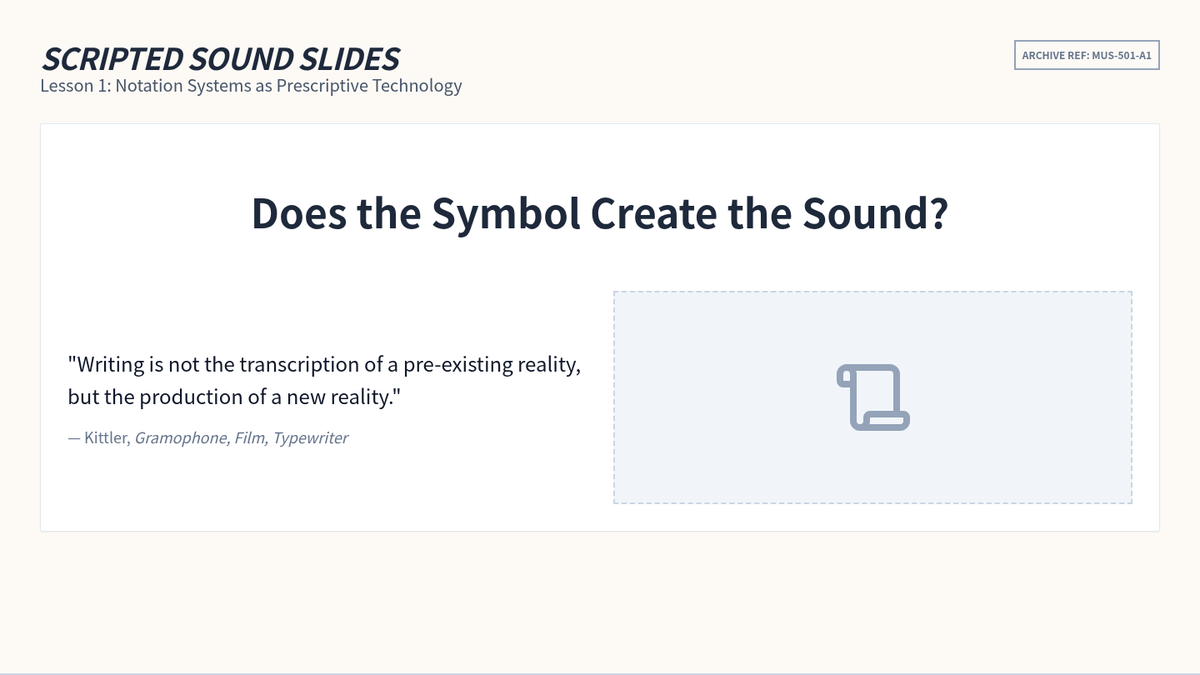
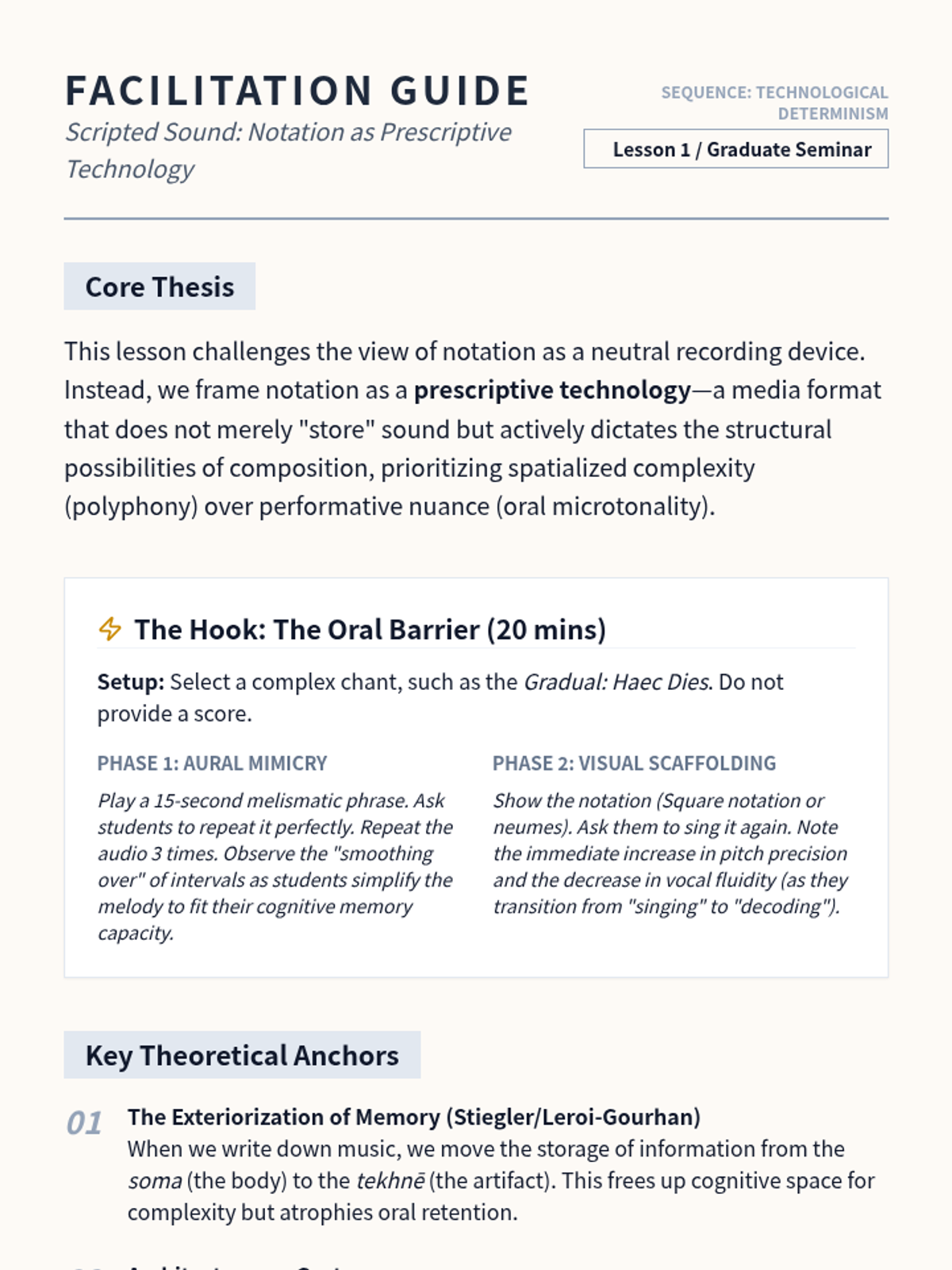
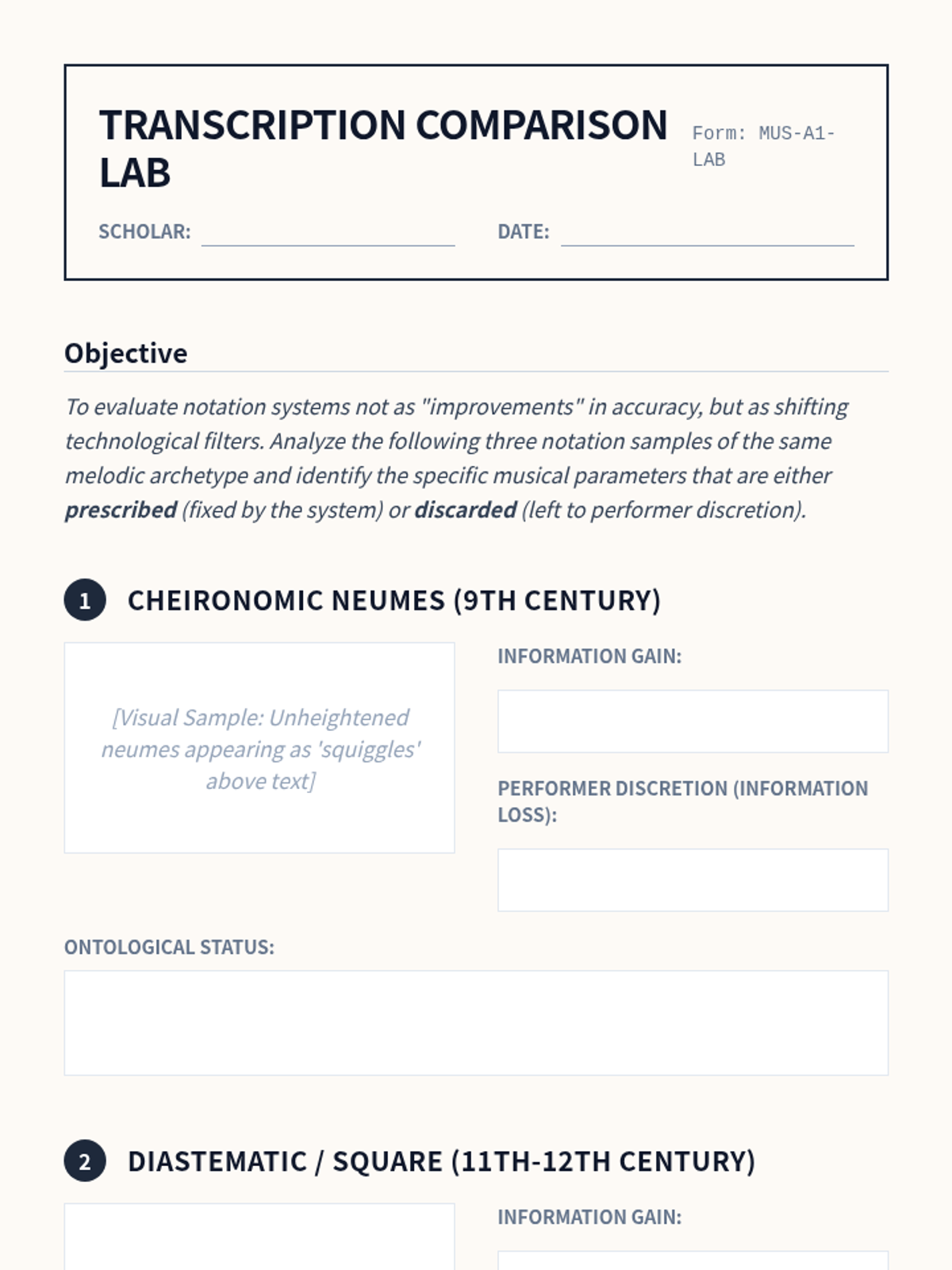
A graduate-level exploration of how technological advancement (from notation to algorithms) acts as a primary driver of musical aesthetics and evolution. Students analyze the reciprocal relationship between material culture and musical expression using media theory and organology.
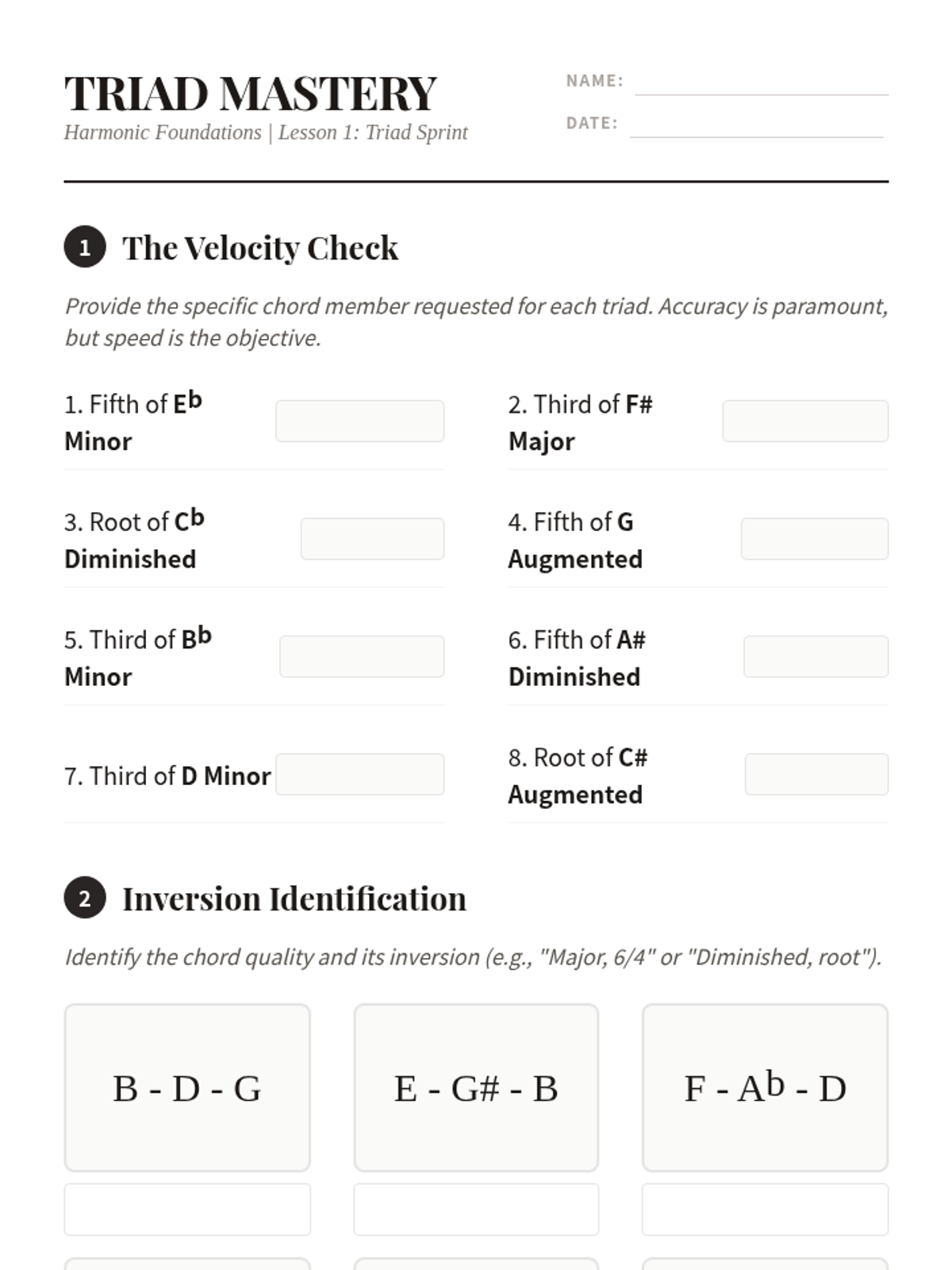
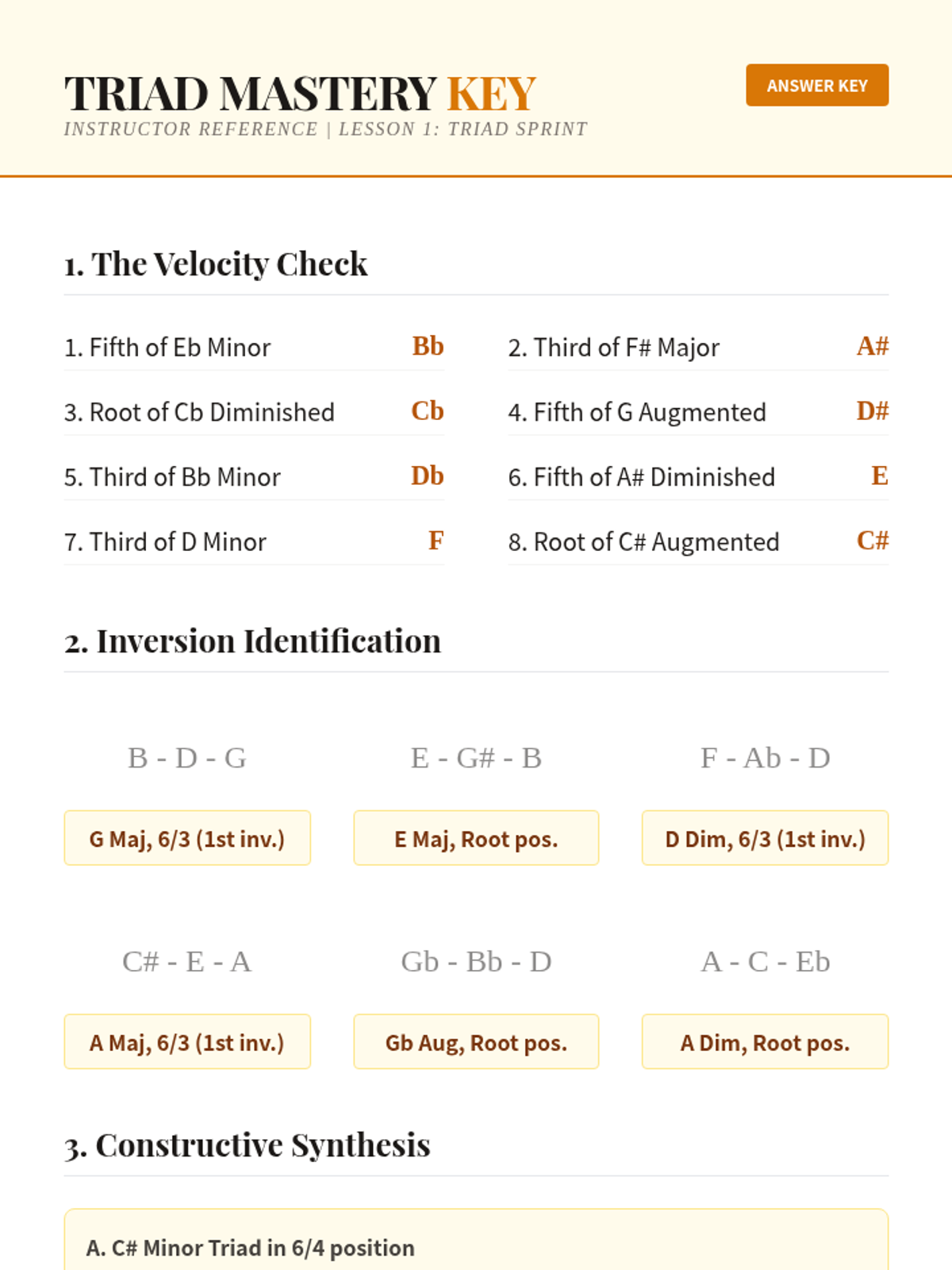
A comprehensive graduate-level bridge between basic music fundamentals and advanced harmonic theory, focusing on the construction of triads and seventh chords, figured bass realization, and the rigorous principles of SATB voice leading.
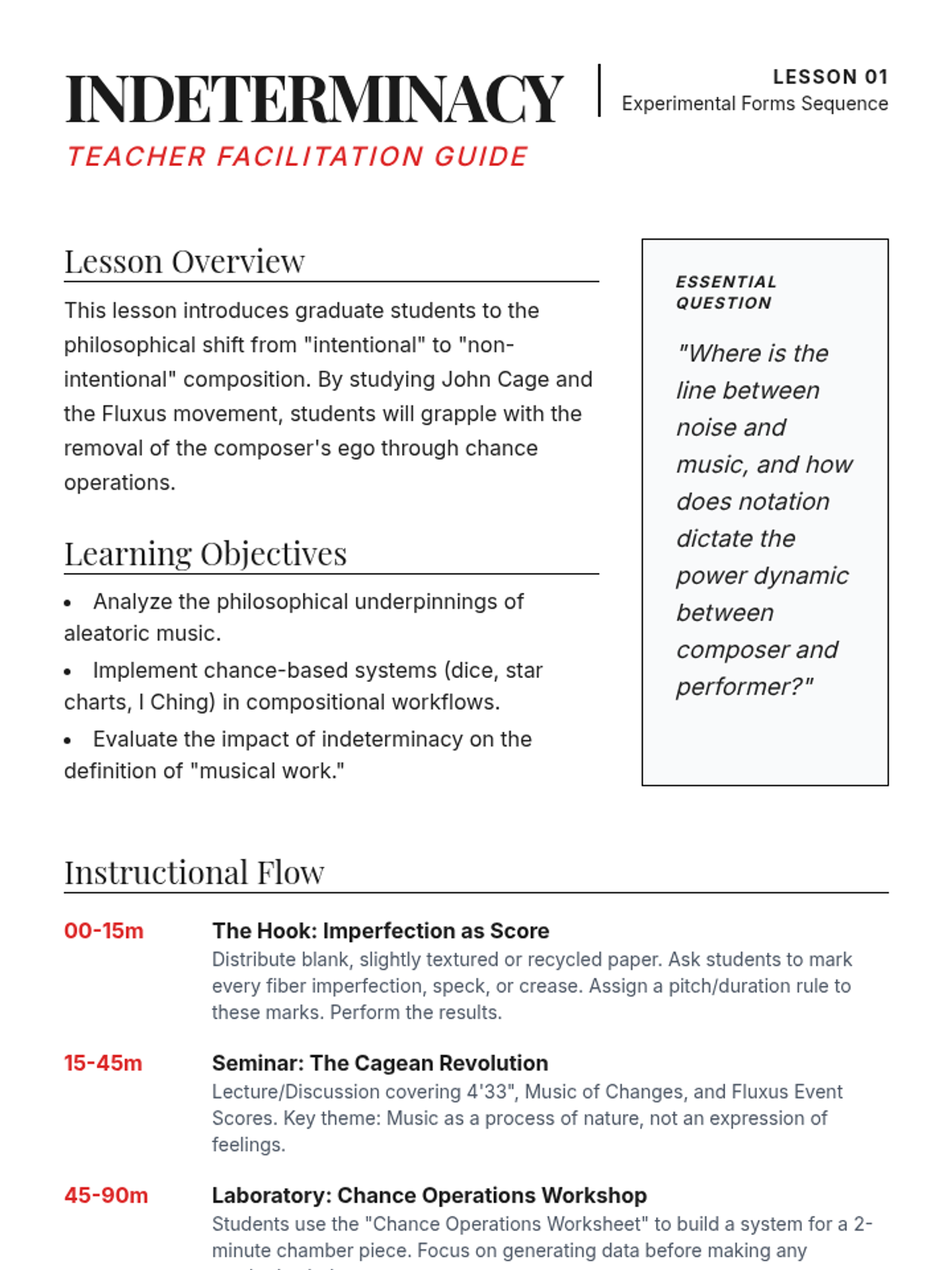
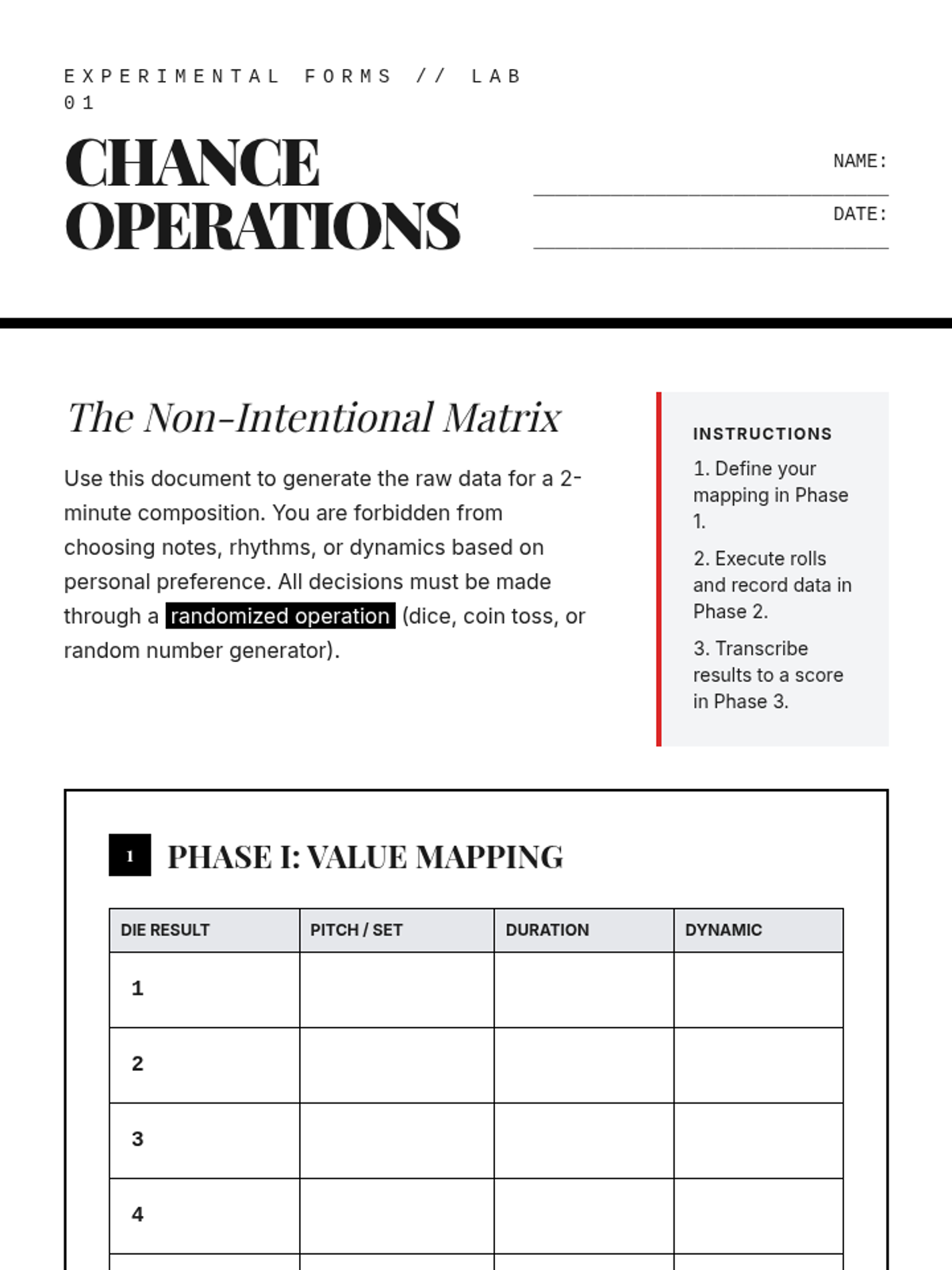
This graduate-level sequence explores the avant-garde frontiers of music composition, focusing on indeterminacy, extended techniques, and graphic notation to redefine the composer-performer relationship.
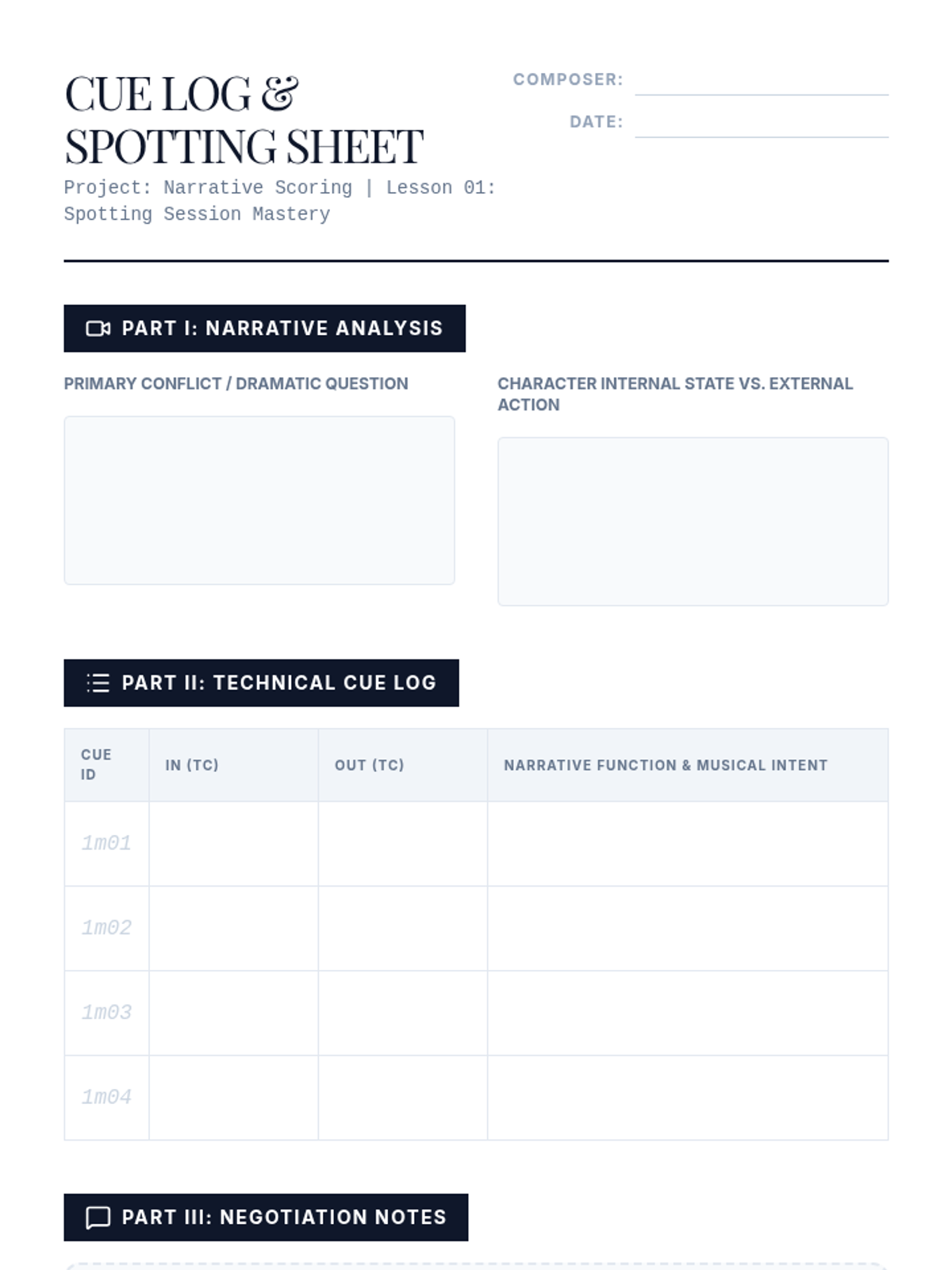
A graduate-level exploration of narrative film scoring, focusing on dramatic analysis, thematic development, psychological subtext, and technical synchronization. Students move from the conceptual spotting session to a fully synchronized final rescore project.
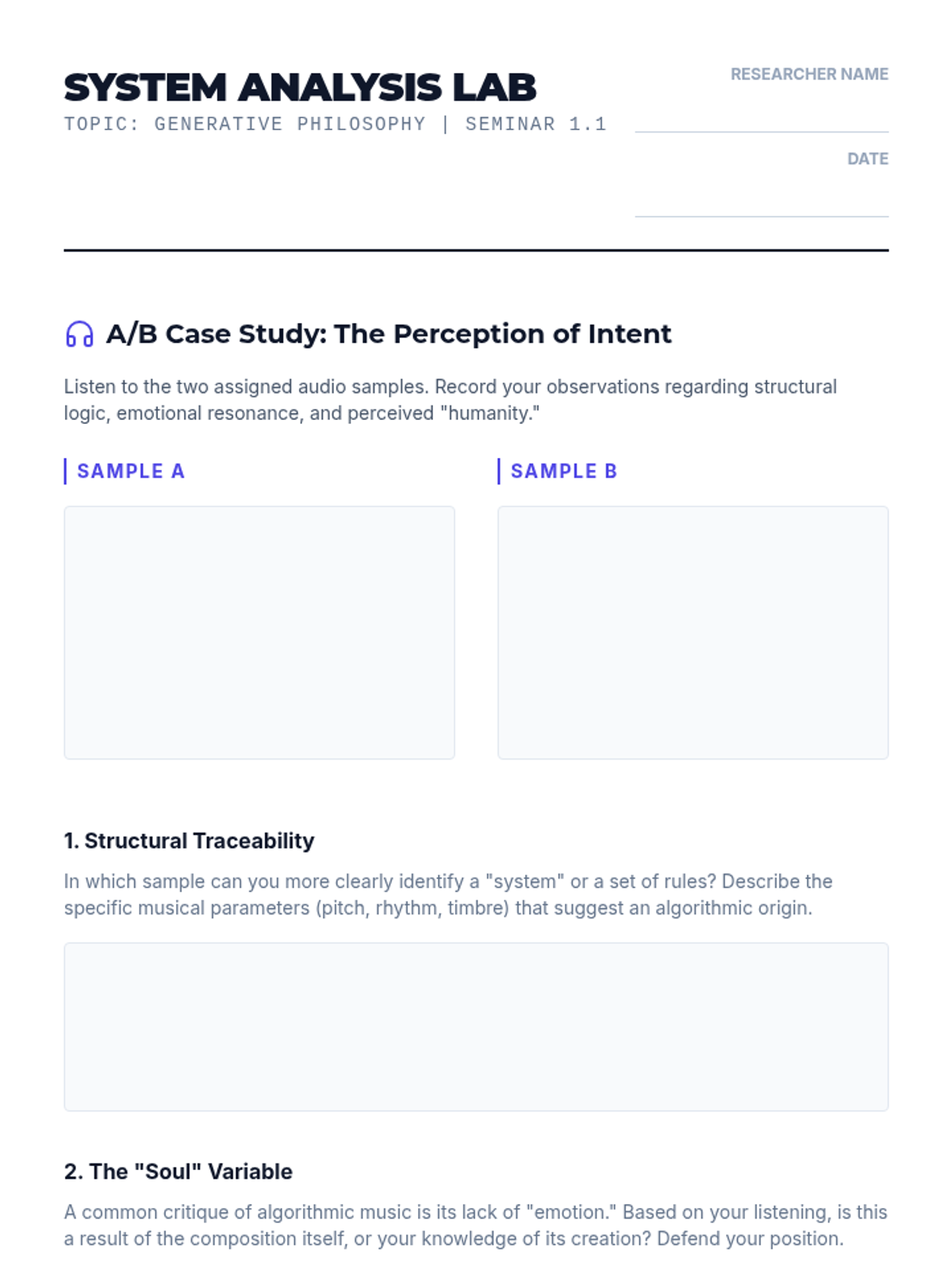
An advanced exploration of algorithmic music composition for graduate students, covering historical foundations, stochastic logic, feedback systems, data sonification, and generative installations.
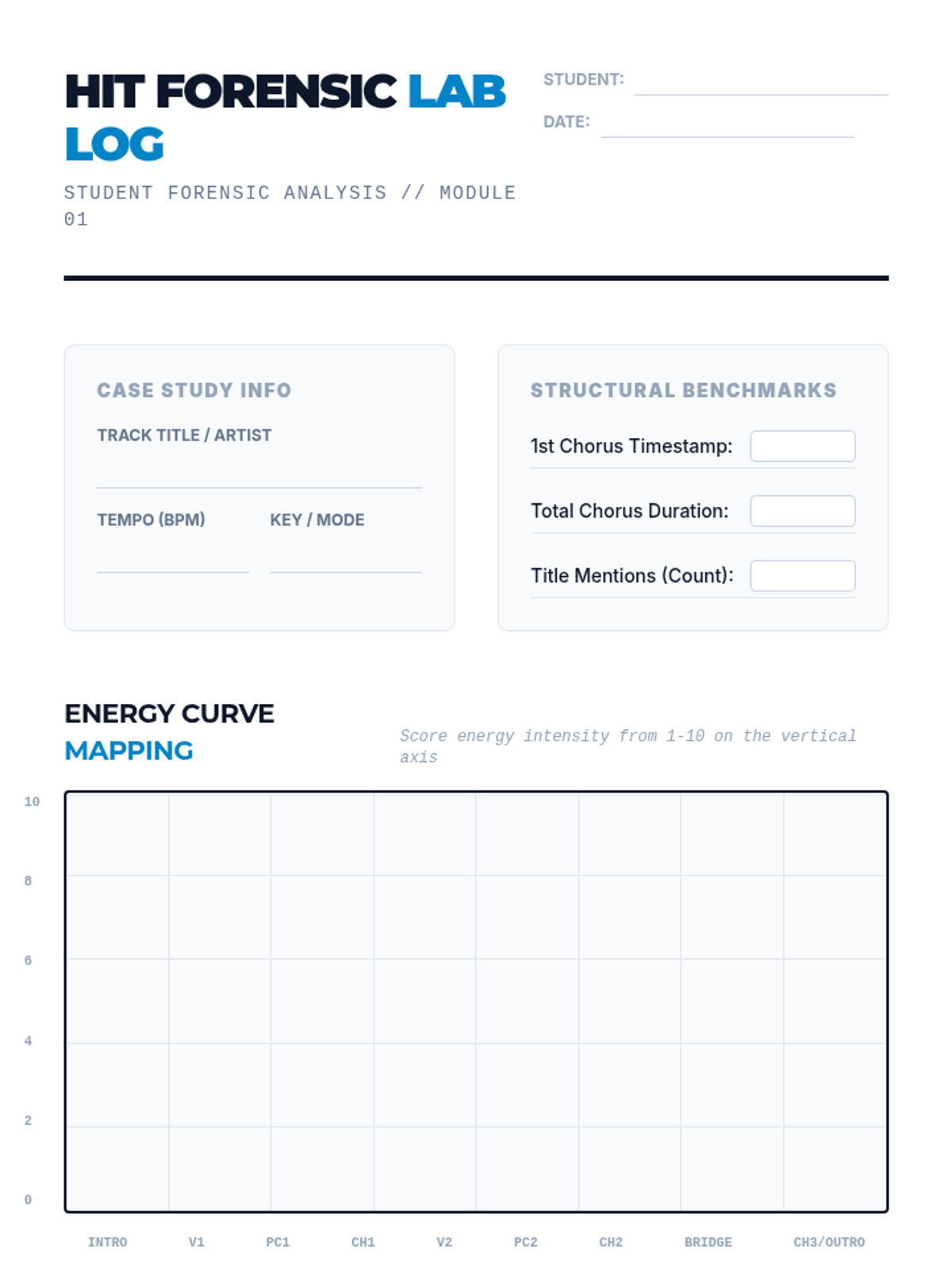
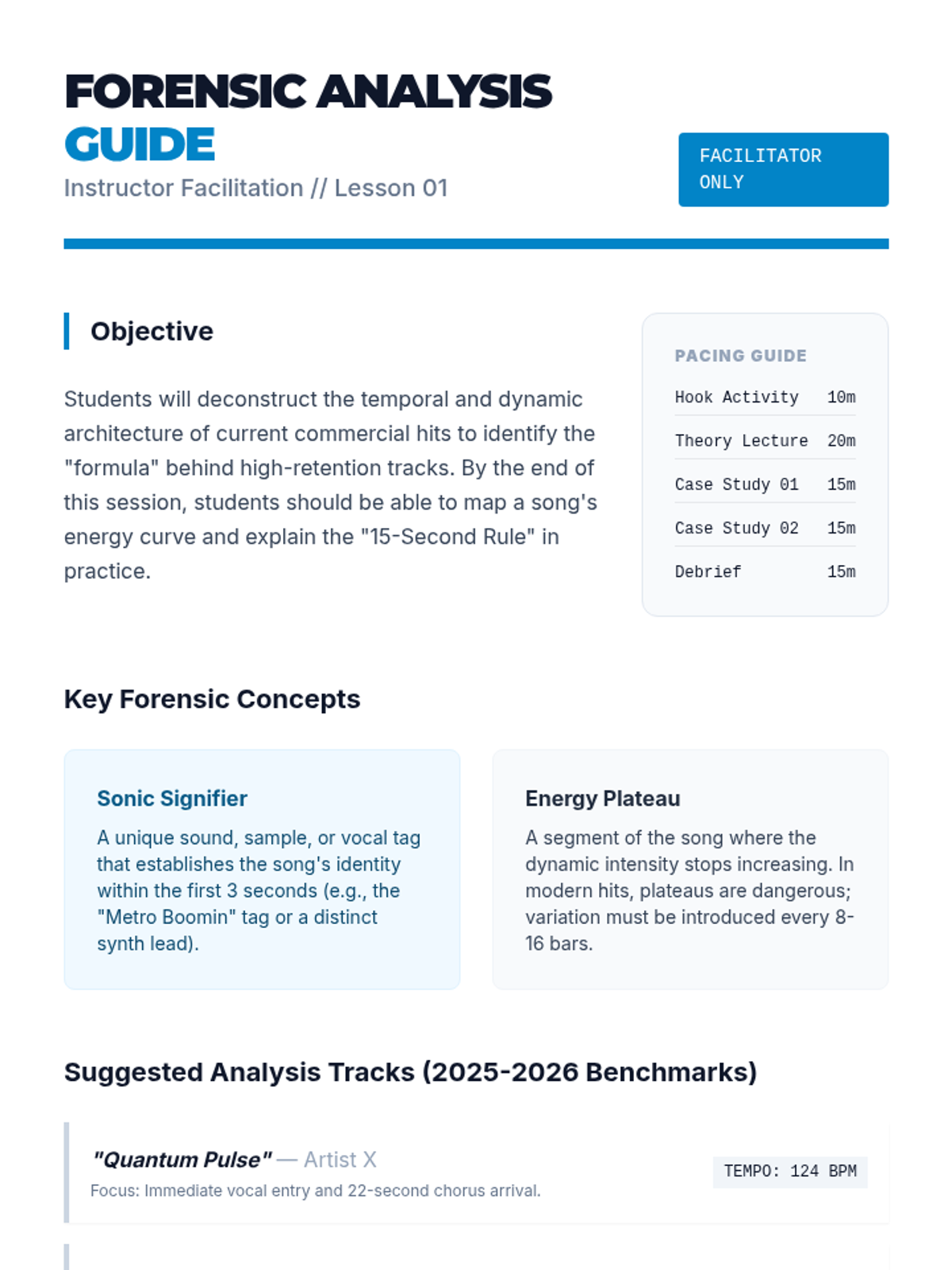
A high-level analysis of modern commercial music, focusing on melodic math, production-as-composition, and professional songwriting camp workflows for graduate students.
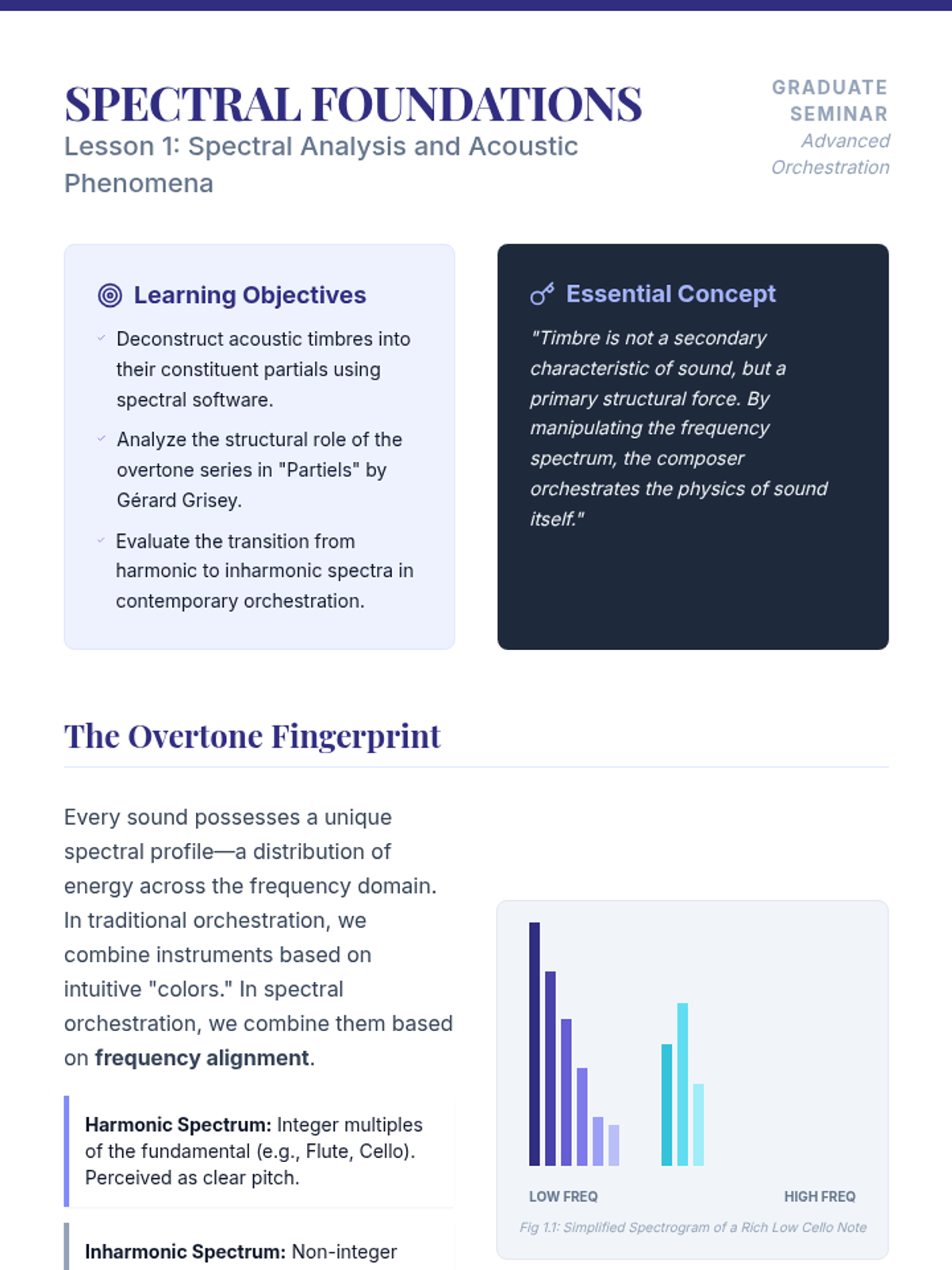
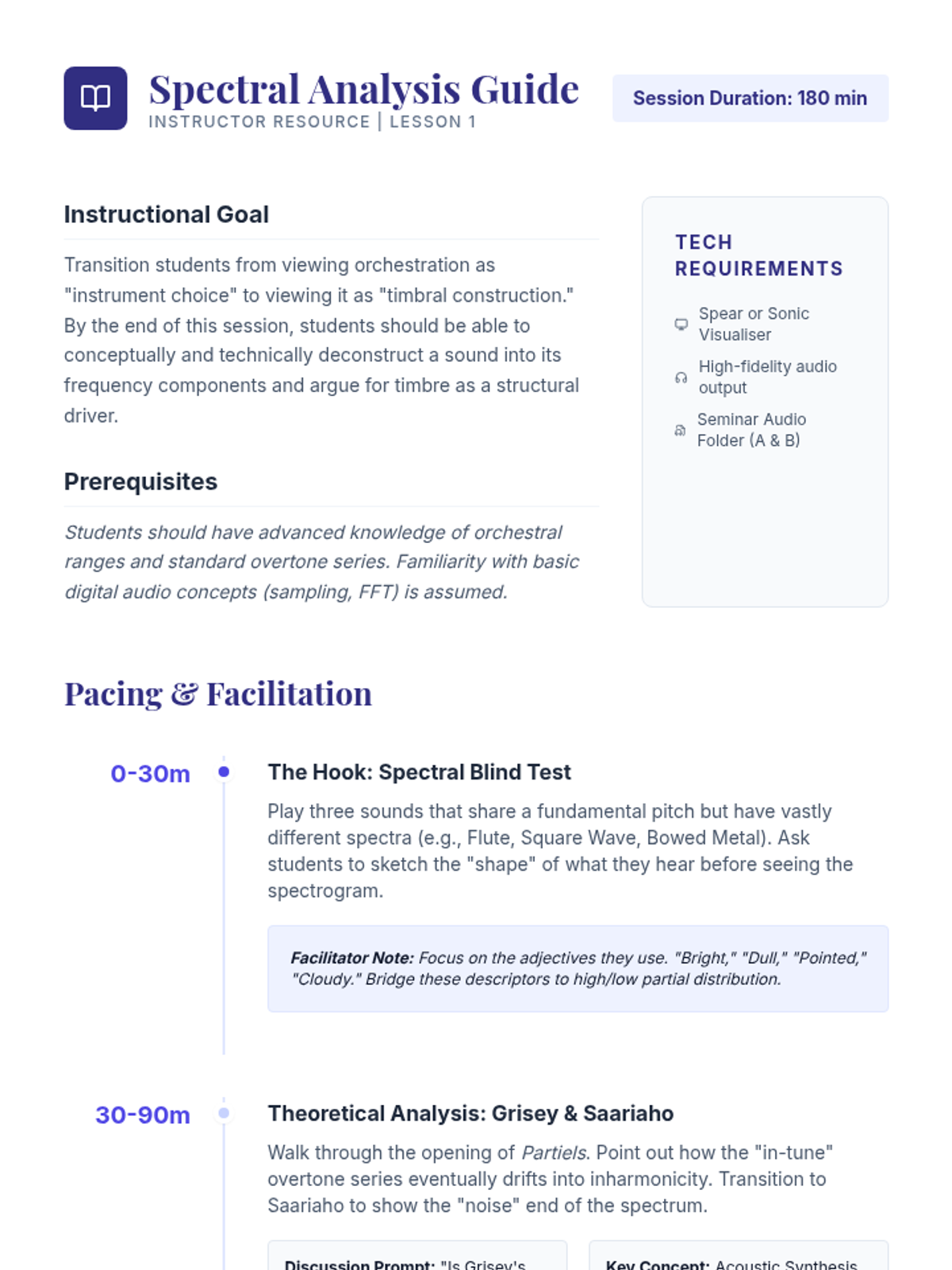
This advanced sequence for graduate students explores the intersection of traditional orchestration and modern sound design. Students learn to use timbre and texture as primary structural elements by analyzing spectral phenomena, synthesizing hybrid textures, and managing complex orchestrational densities.
A deep dive into 20th and 21st-century avant-garde composition, exploring atonality, chance music, timbral exploration, and graphic notation for undergraduate music students.
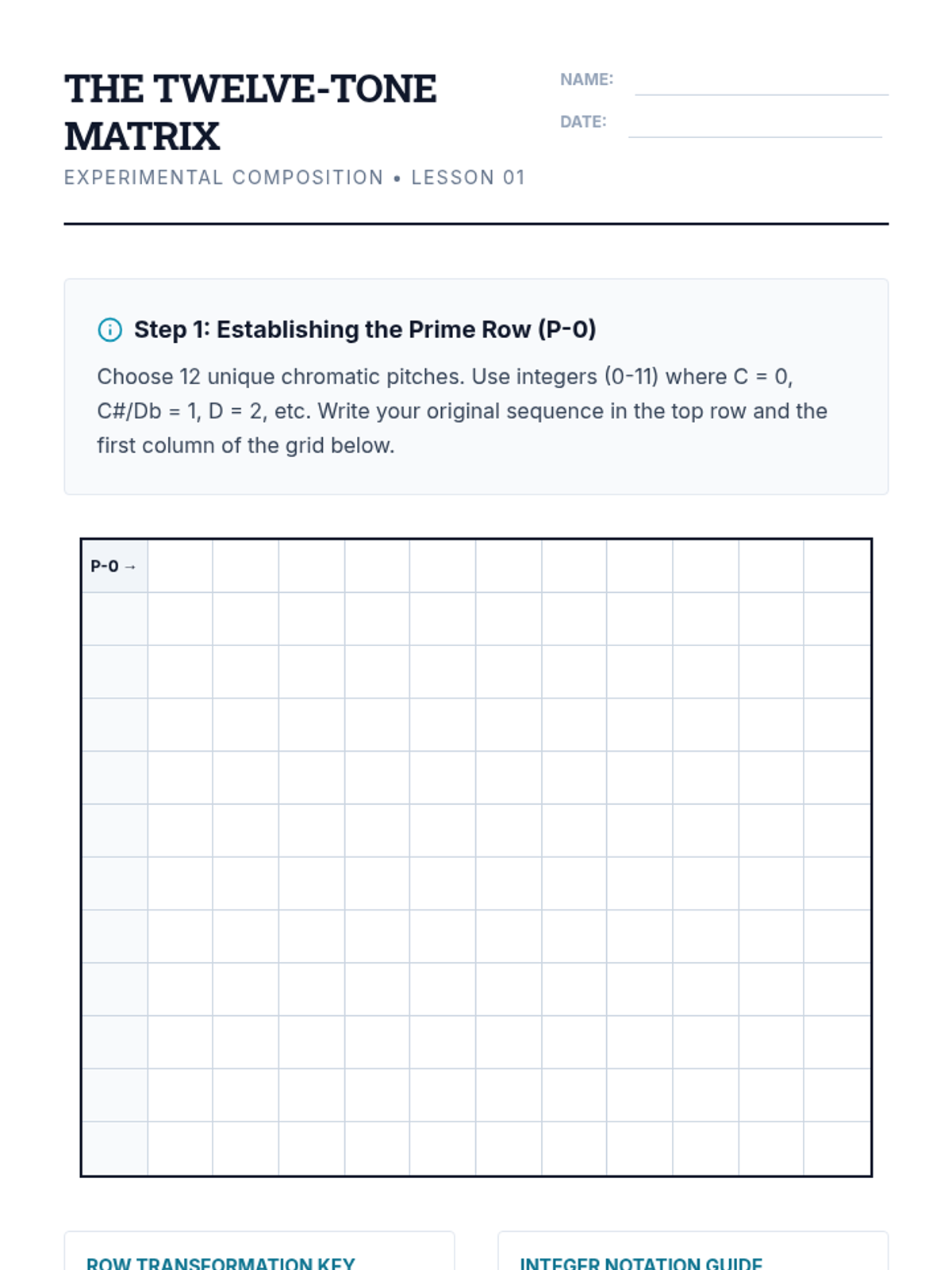
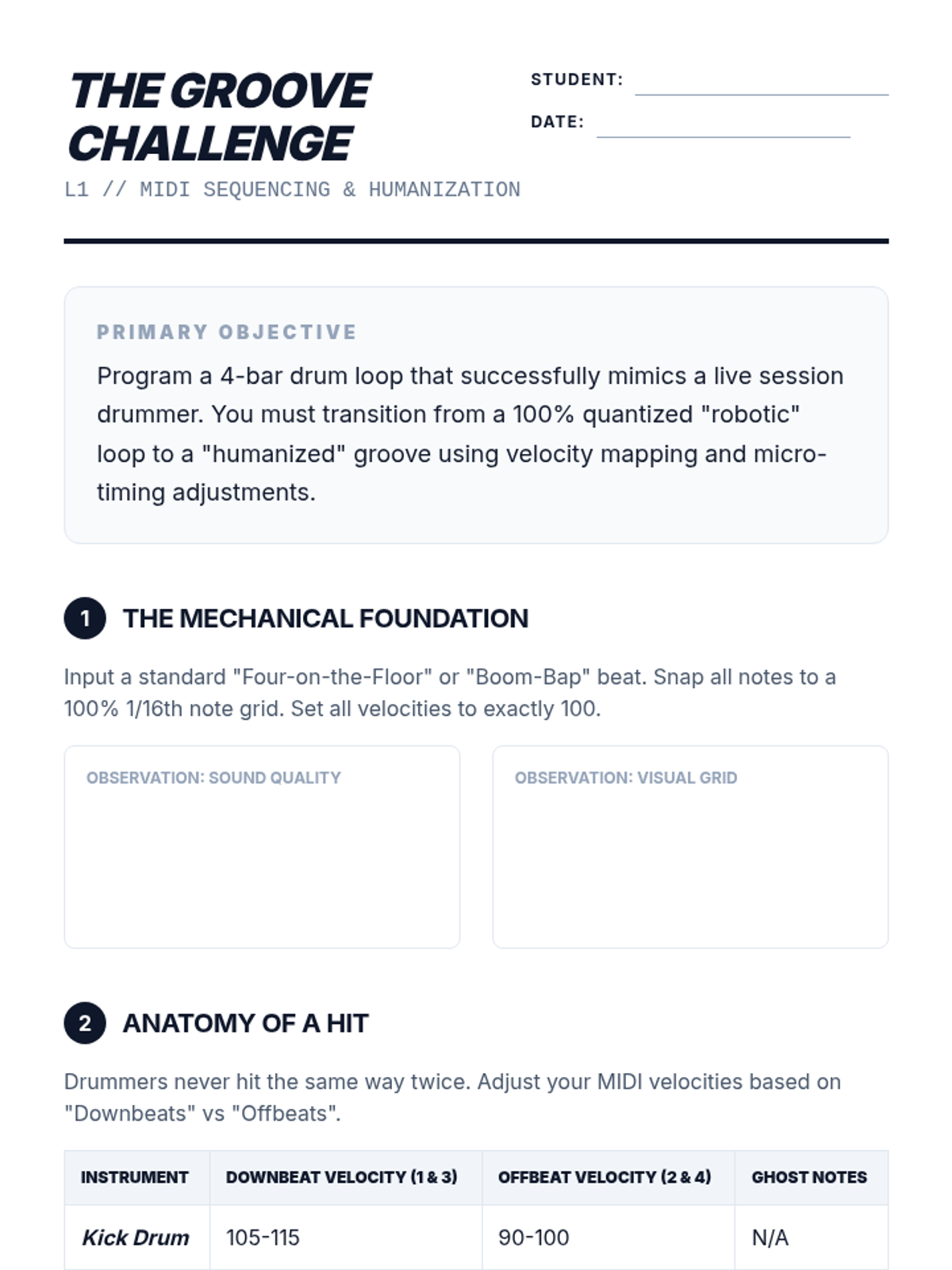
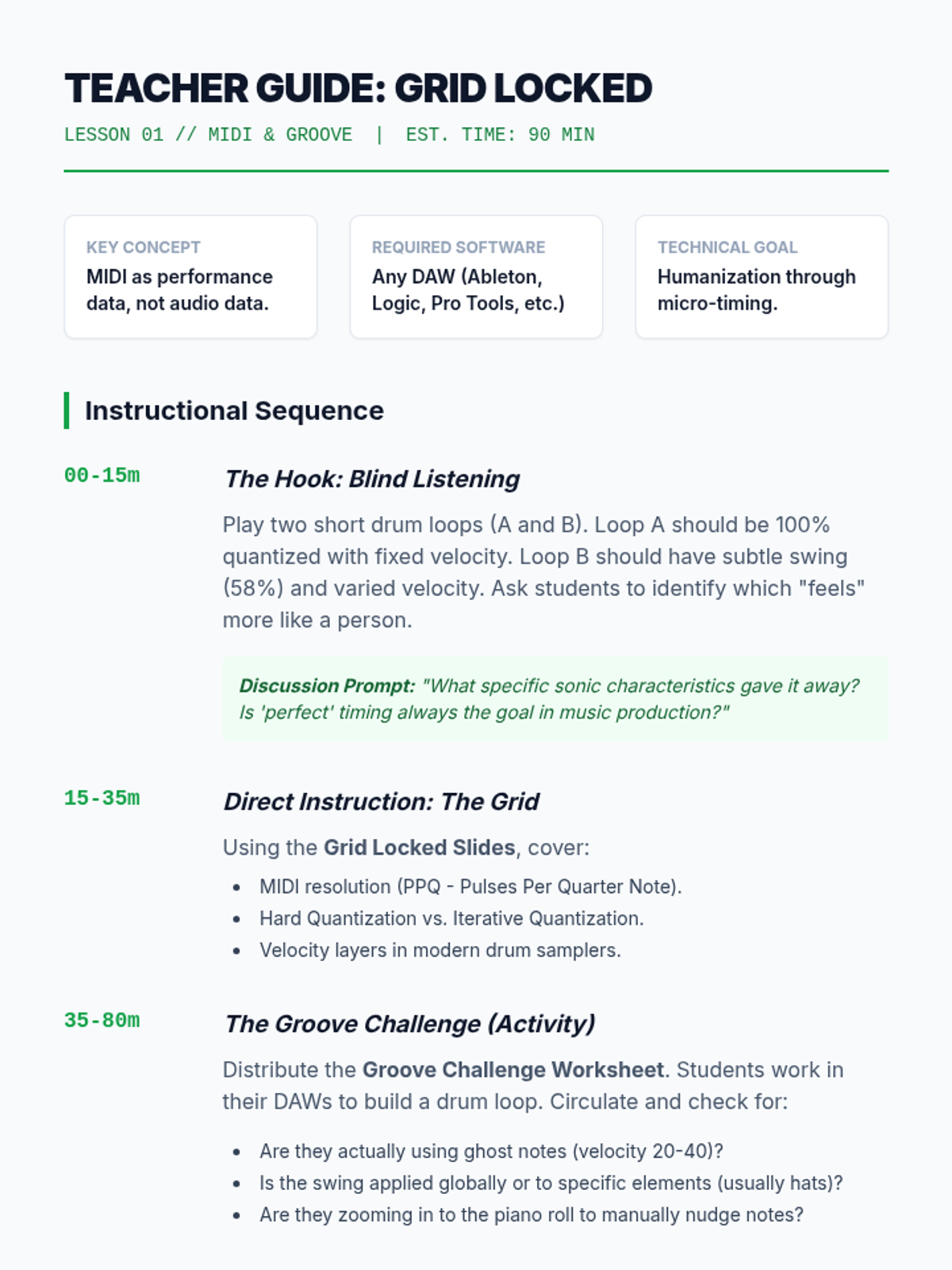
A comprehensive undergraduate sequence on modern music production, covering MIDI, synthesis, sampling, and mixing to bridge the gap between creative composition and technical audio engineering.
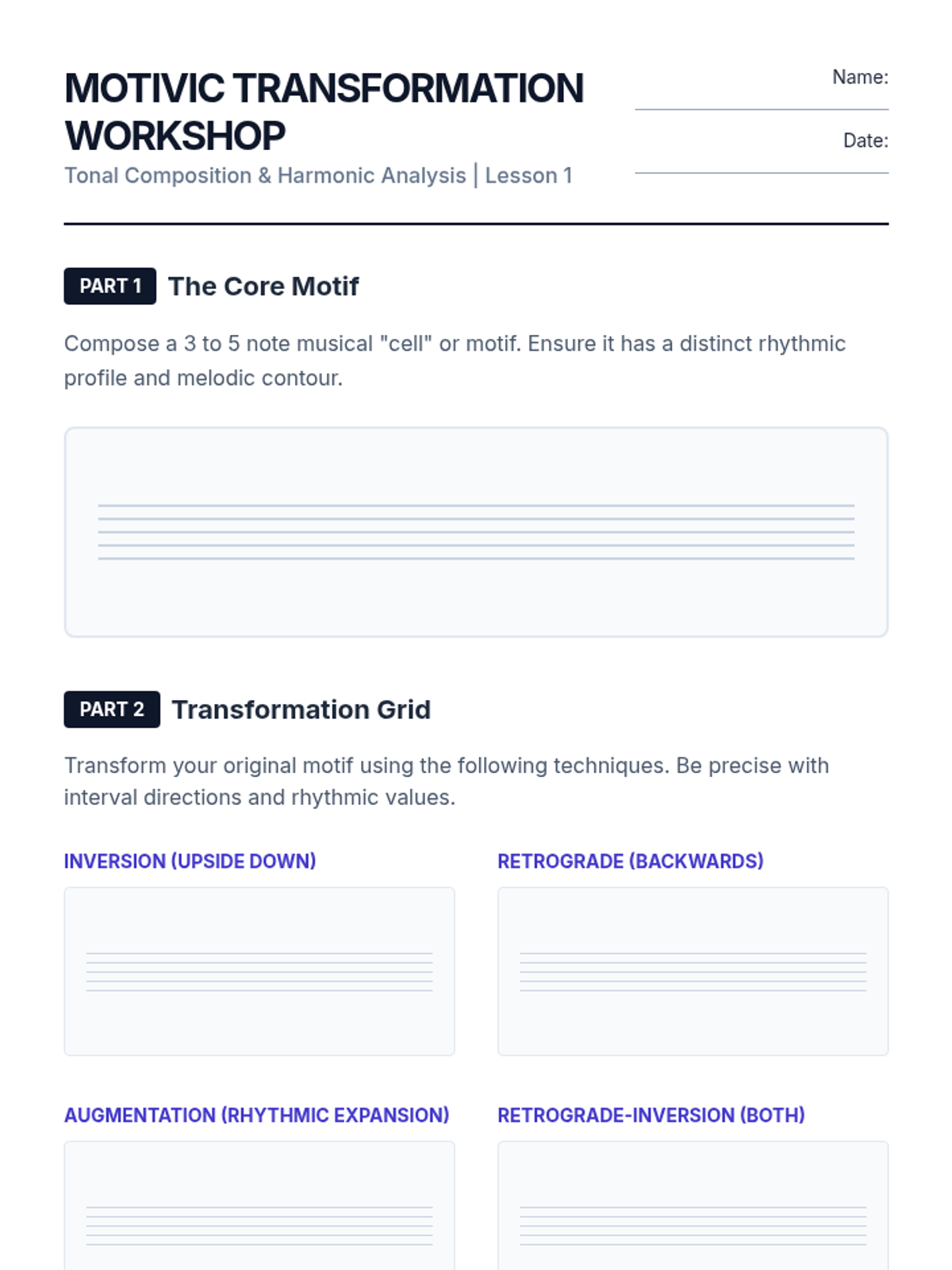
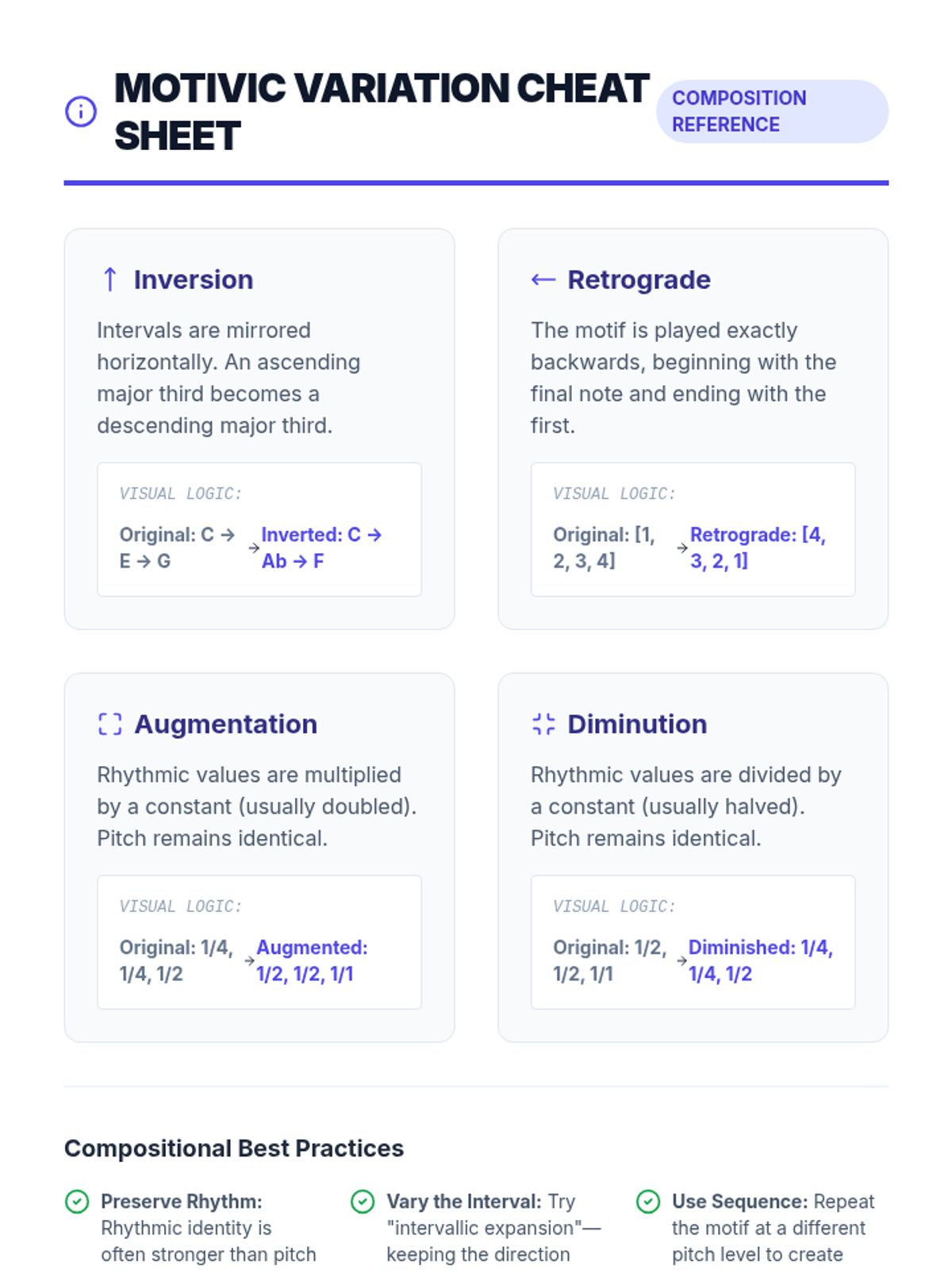
An intensive undergraduate sequence exploring the theoretical foundations of Western tonal composition, focusing on motivic development, advanced voice leading, chromatic harmony, and polyphonic textures, culminating in a chamber ensemble orchestration.
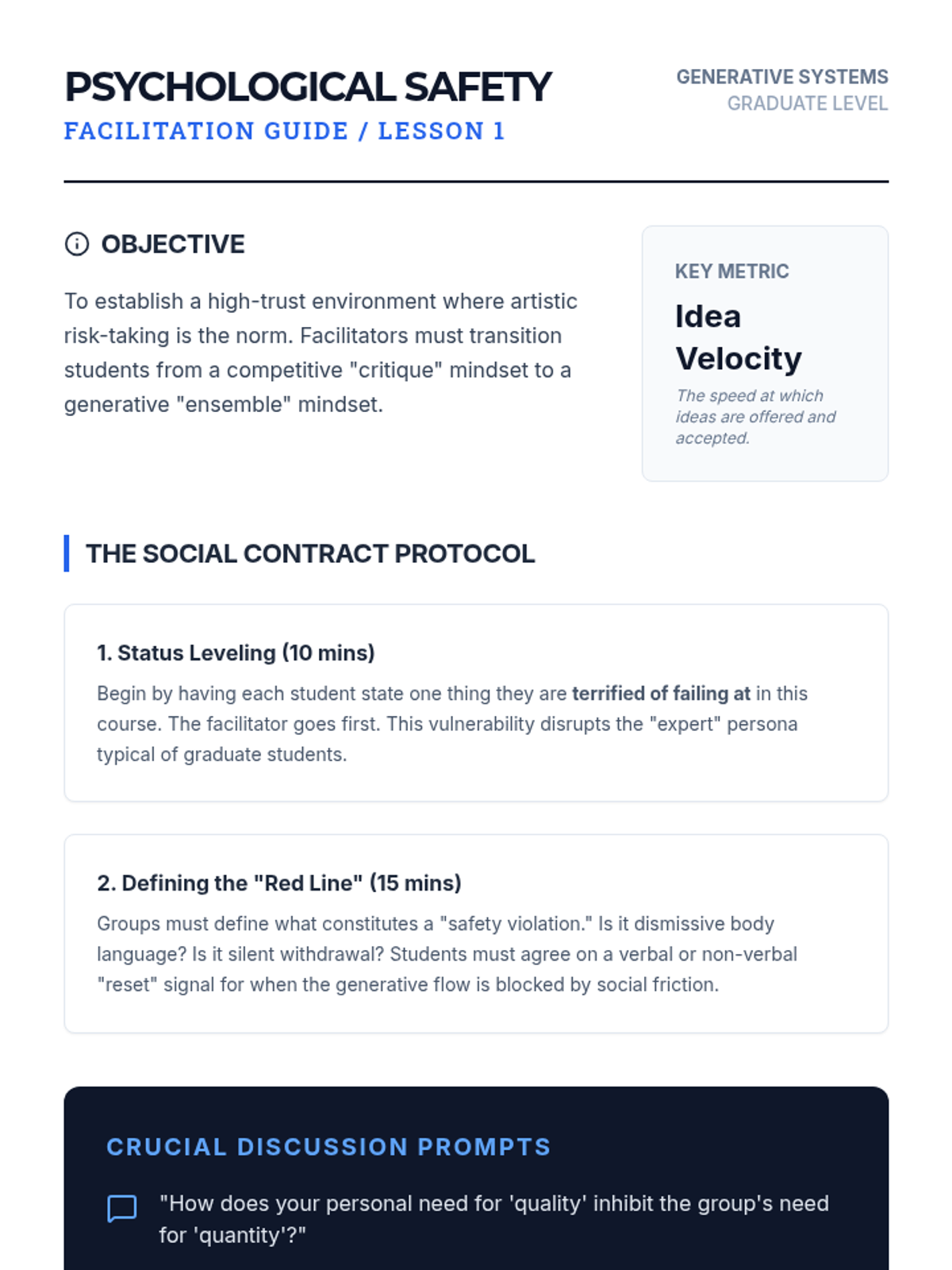
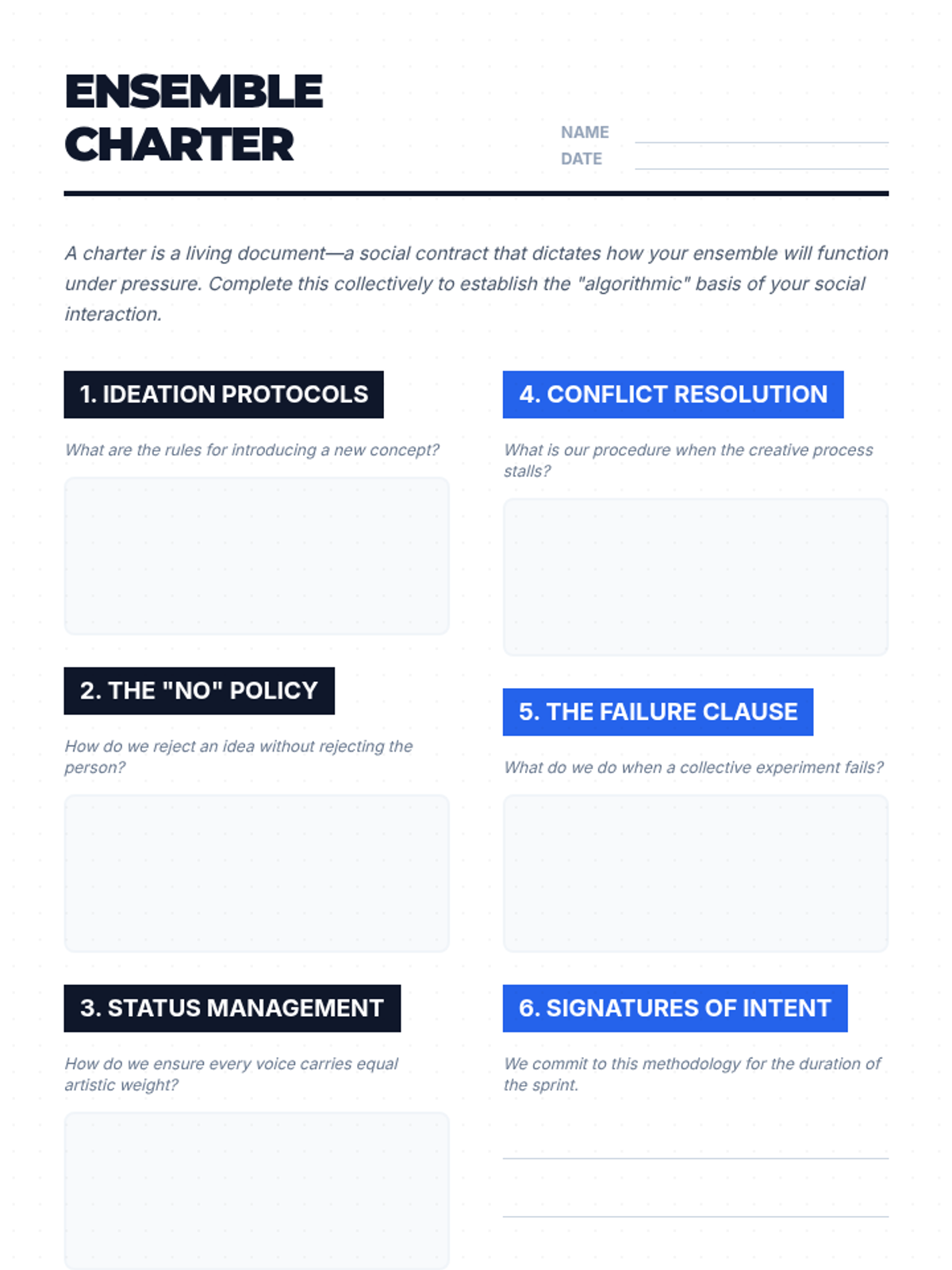
An advanced graduate-level exploration of collective invention in the arts. This sequence moves from the social foundations of psychological safety to algorithmic constraint-based ideation and swarm intelligence, culminating in the identification of a 'third voice'—the unique aesthetic signature of an ensemble.
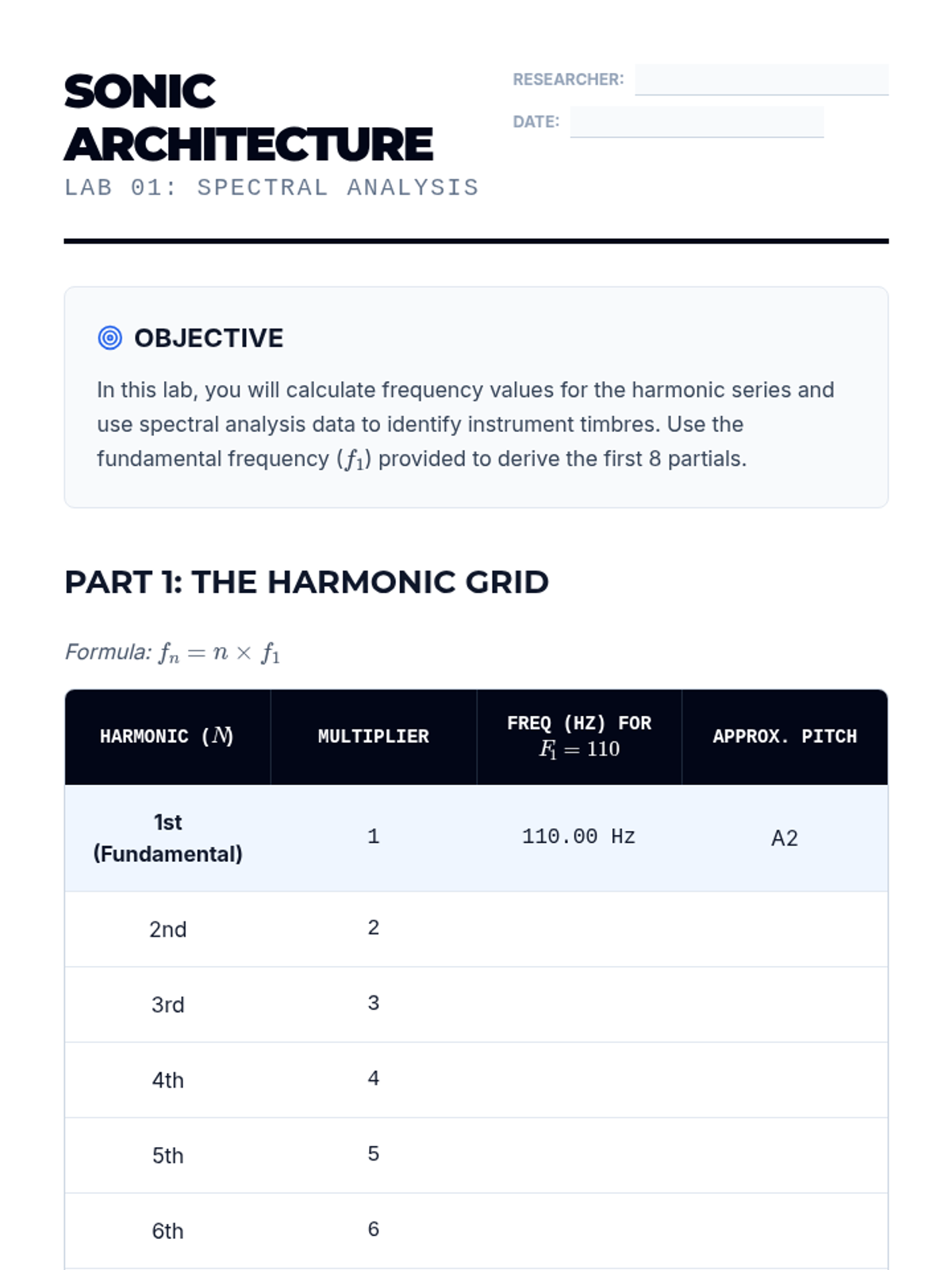
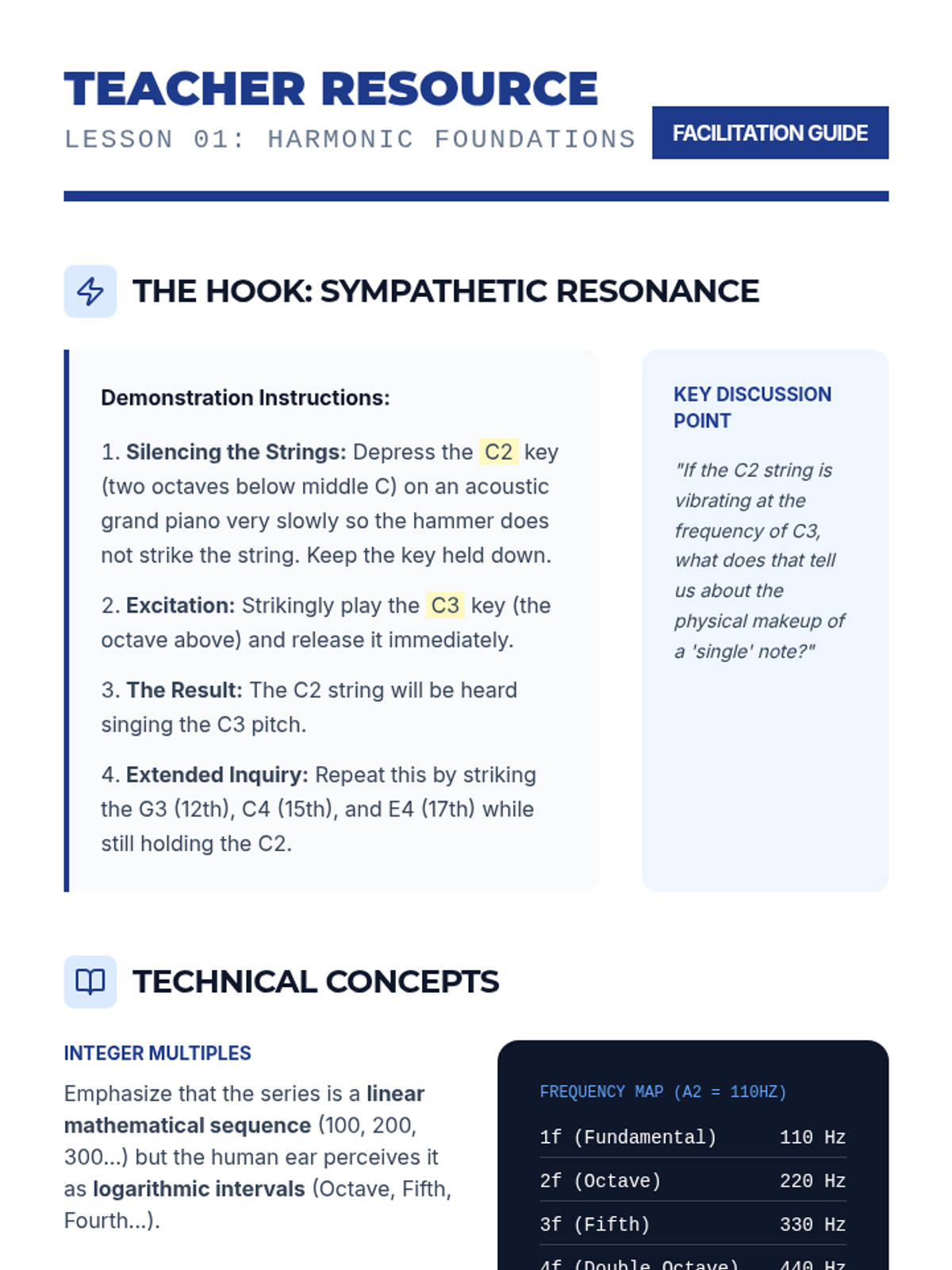
A graduate-level exploration of music fundamentals through the lens of acoustics, psychoacoustics, and tuning systems. Students investigate the physics of sound, frequency ratios, and the historical evolution of scales from Pythagorean to Equal Temperament.
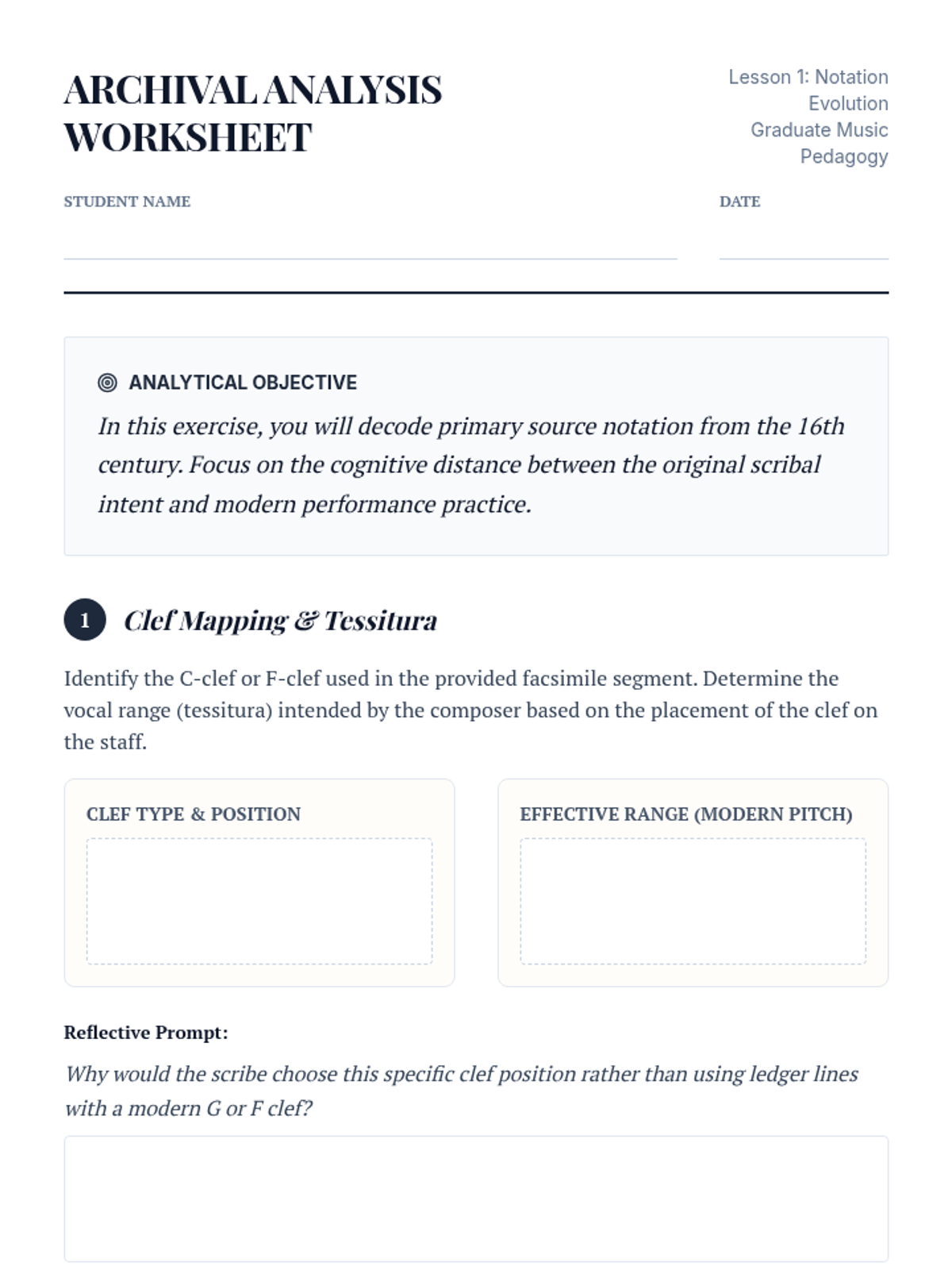
This sequence examines the evolution and cognitive mechanics of Western musical notation, designed for graduate students focusing on music education or musicology. Students will analyze the historical development of the staff, clefs, and accidentals, while simultaneously evaluating various pedagogical methodologies used to teach music literacy.
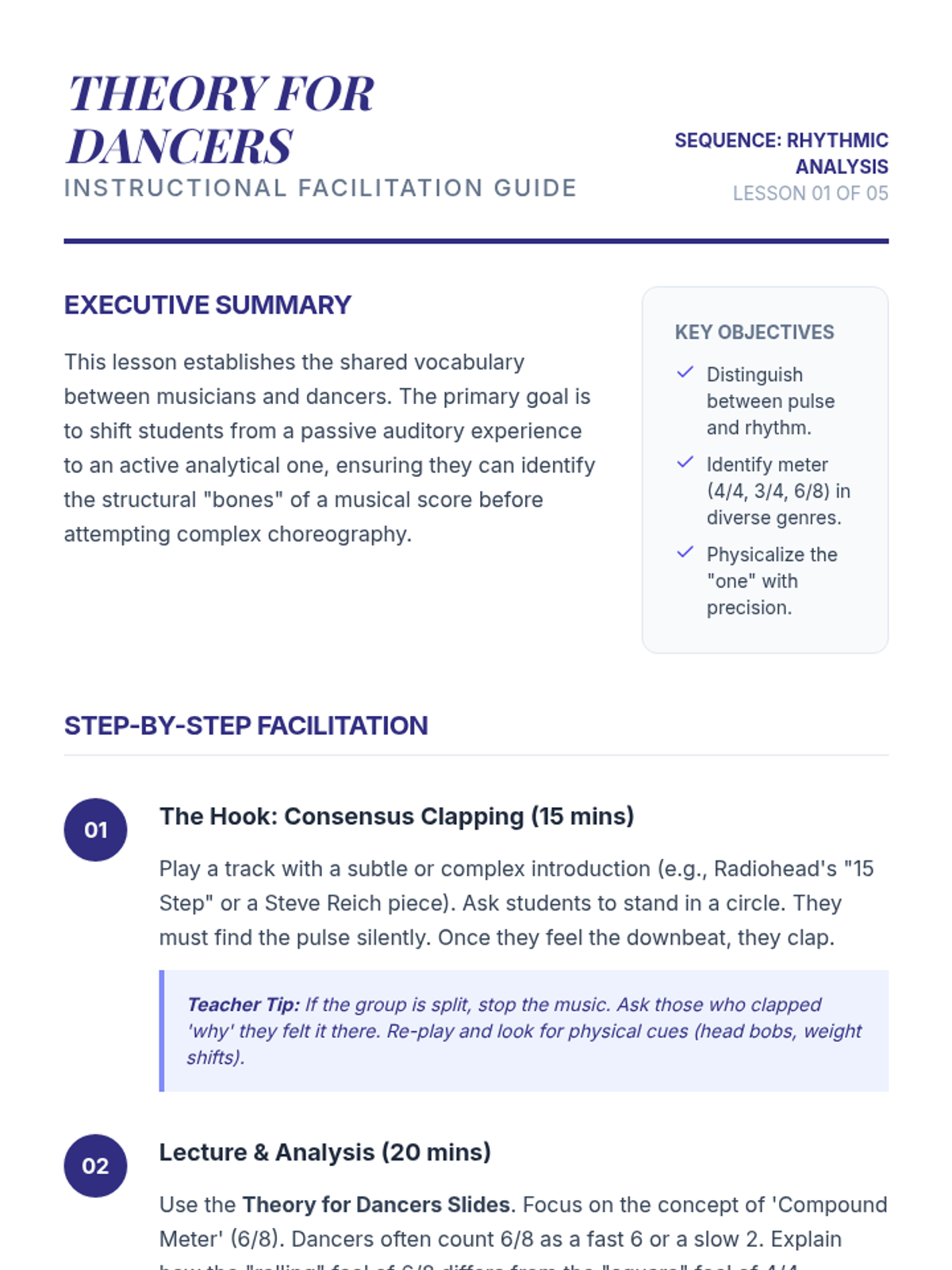
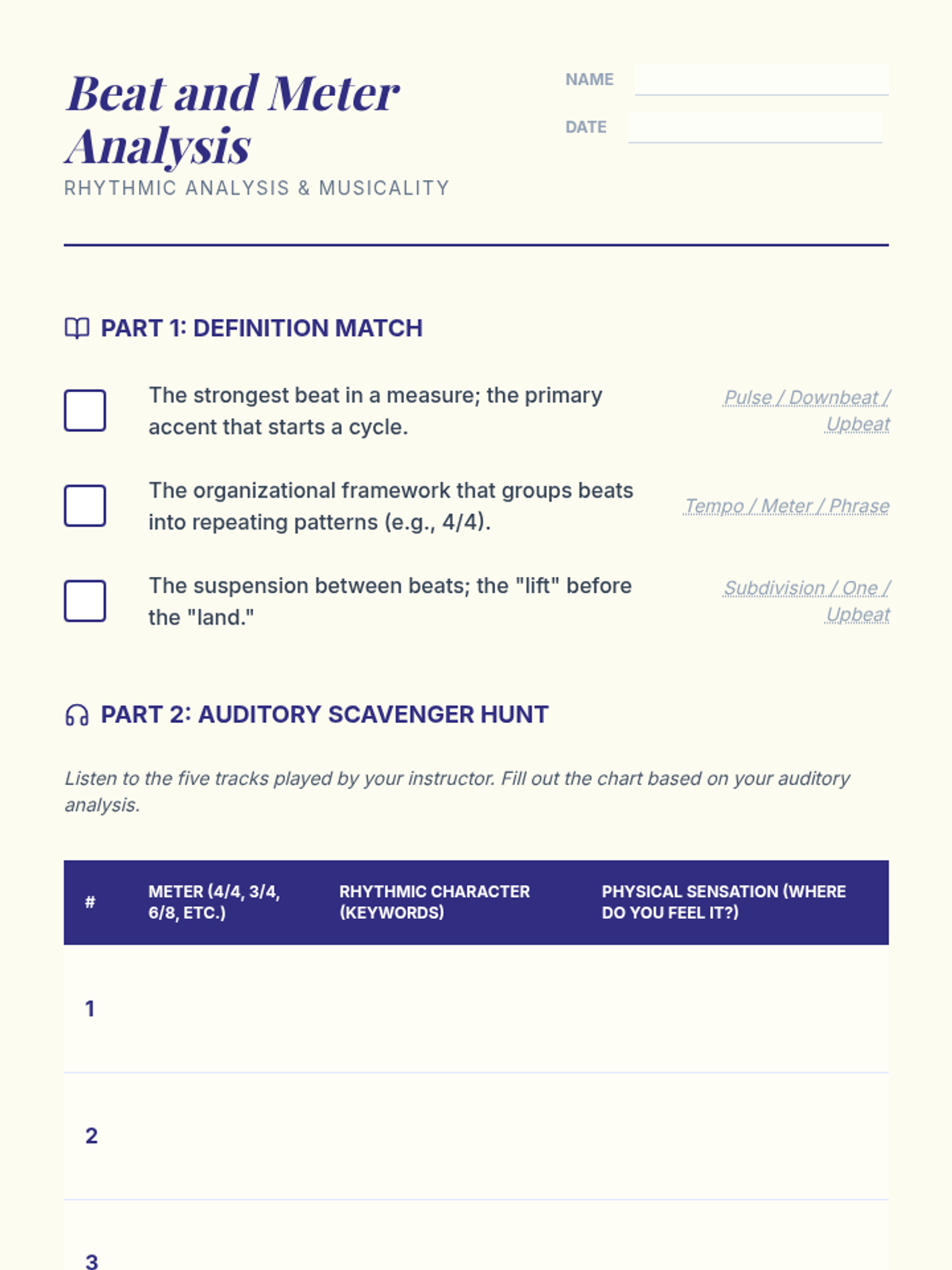
This undergraduate dance sequence explores the relationship between musical structure and movement. Students move from basic theory and meter to complex polyrhythms, phrasing across measures, and creating independent choreographic counterpoint.
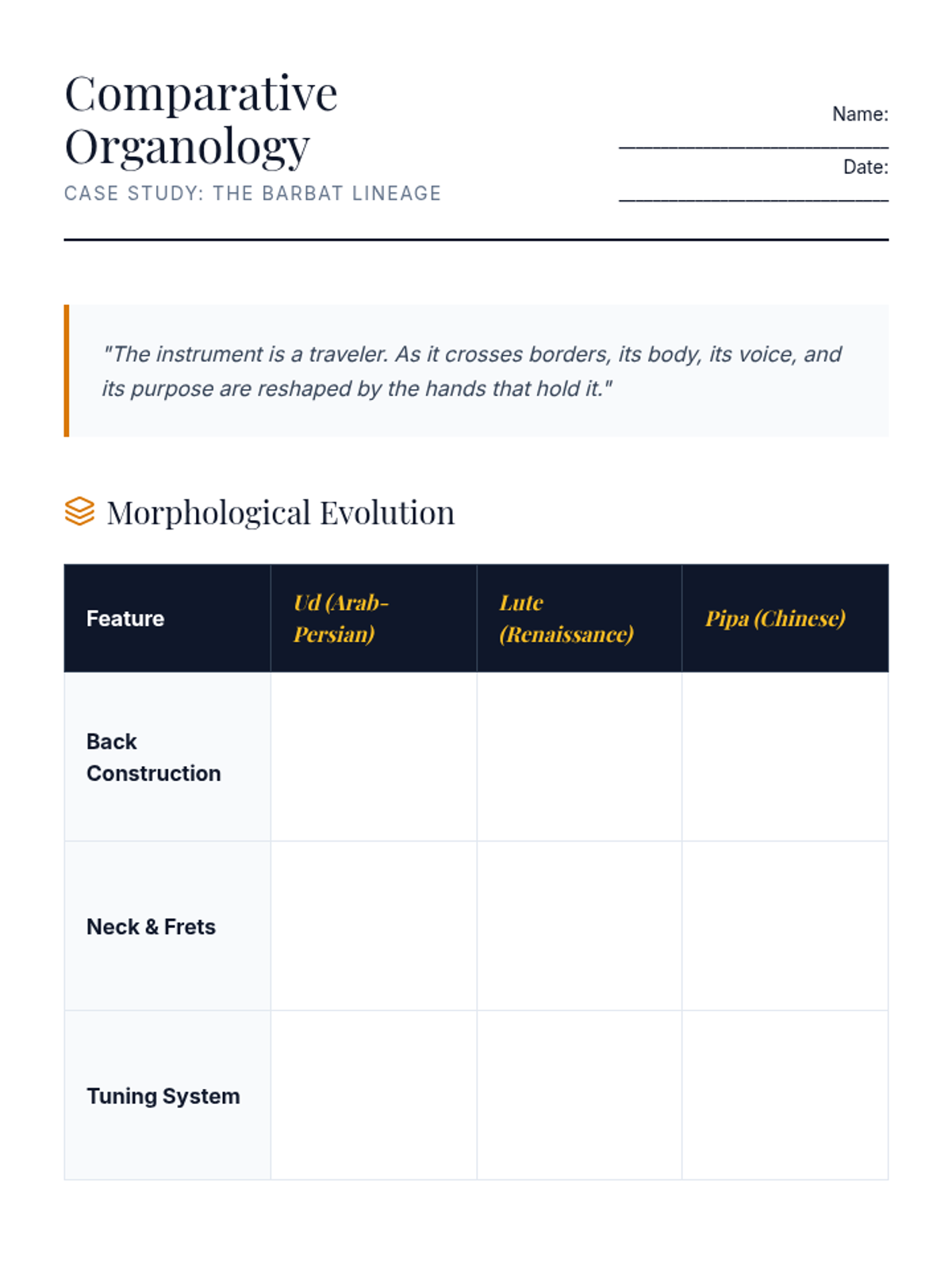
A graduate-level exploration of music history through the lenses of migration, diaspora, and cultural hybridity, moving beyond Western-centric narratives to examine how global movement shapes musical evolution.