Essential safety protocols, map reading, and compass navigation for wilderness environments. Strengthens group dynamics and problem-solving through structured outdoor team-building challenges.
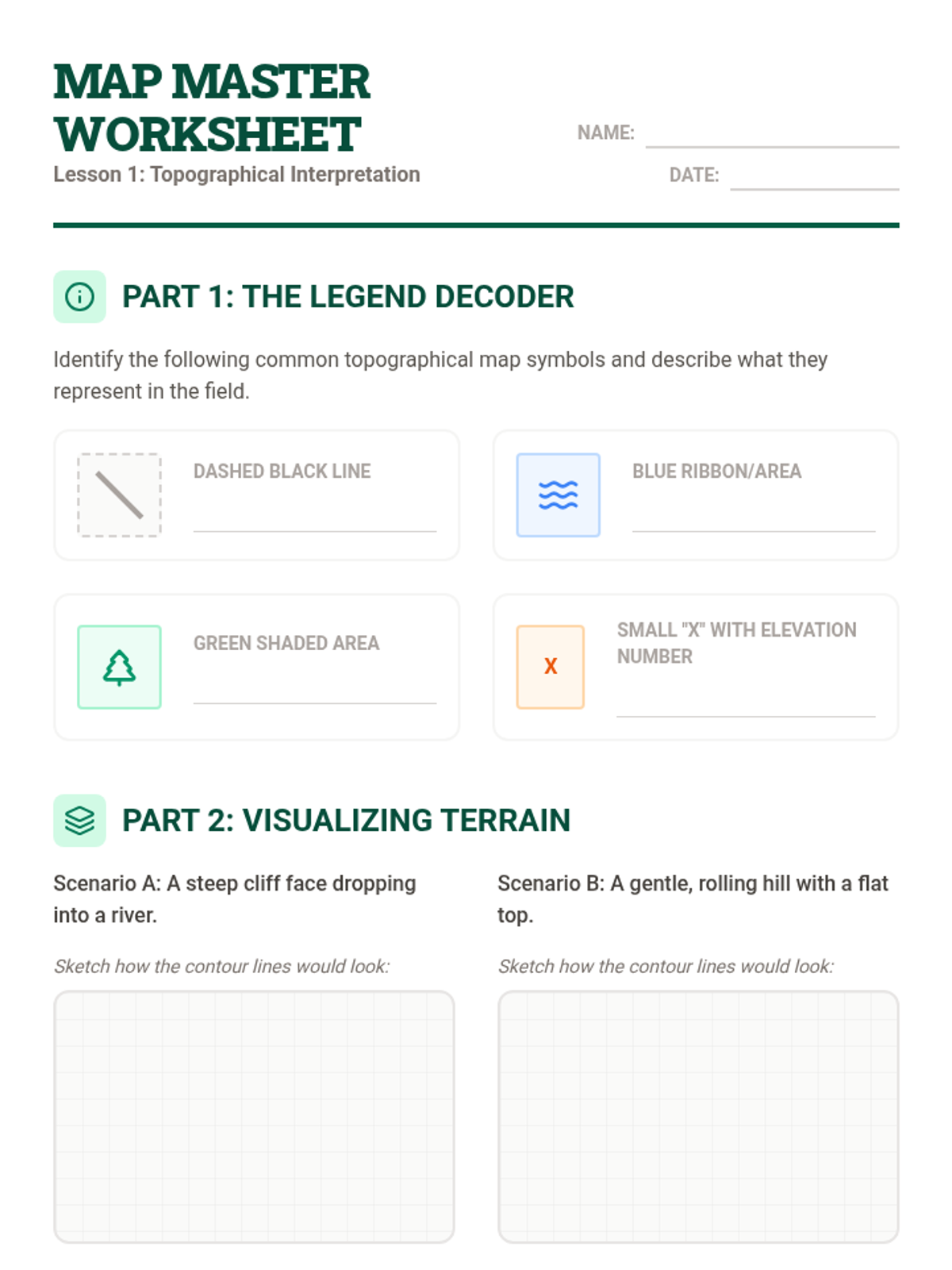
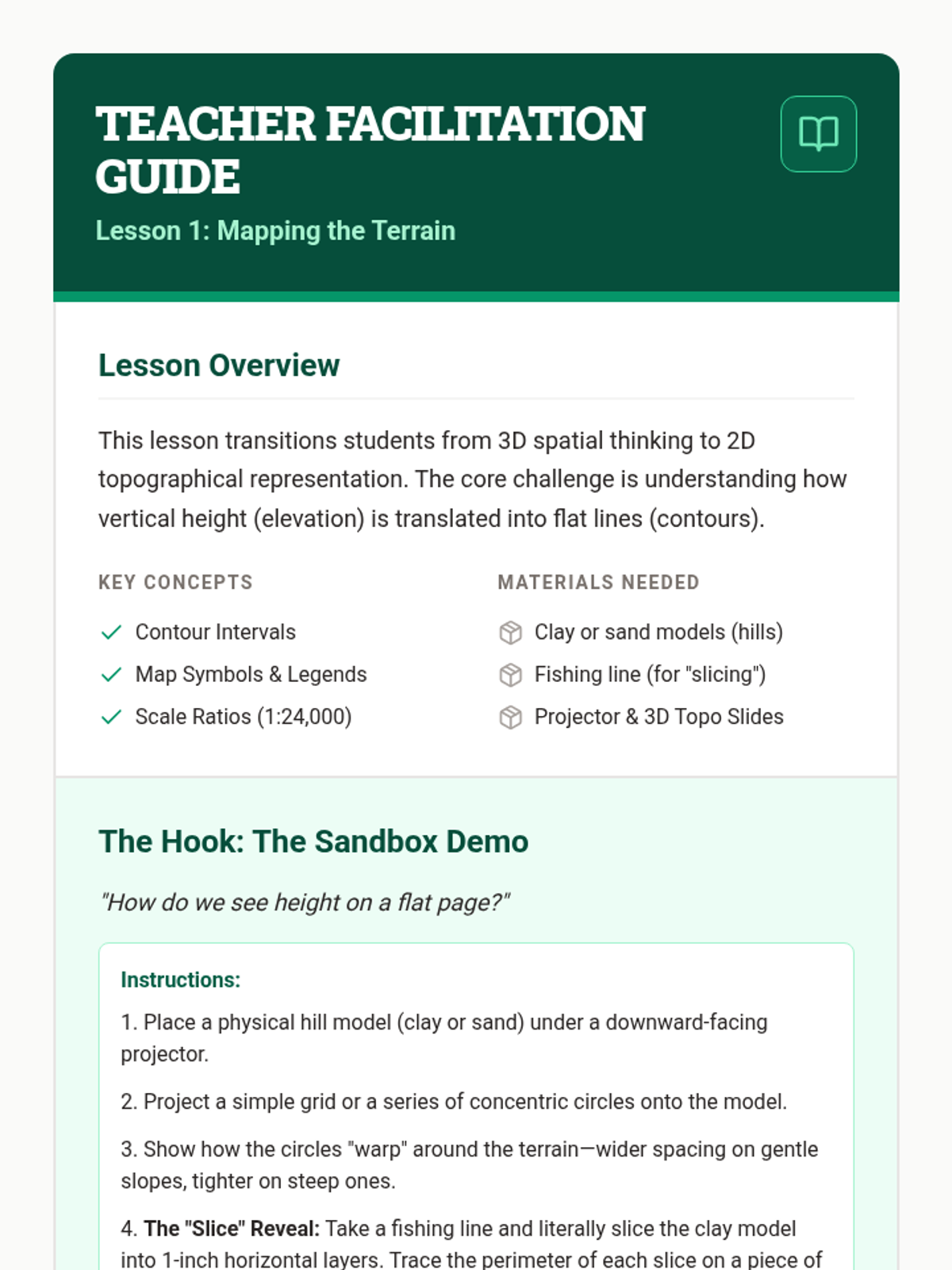
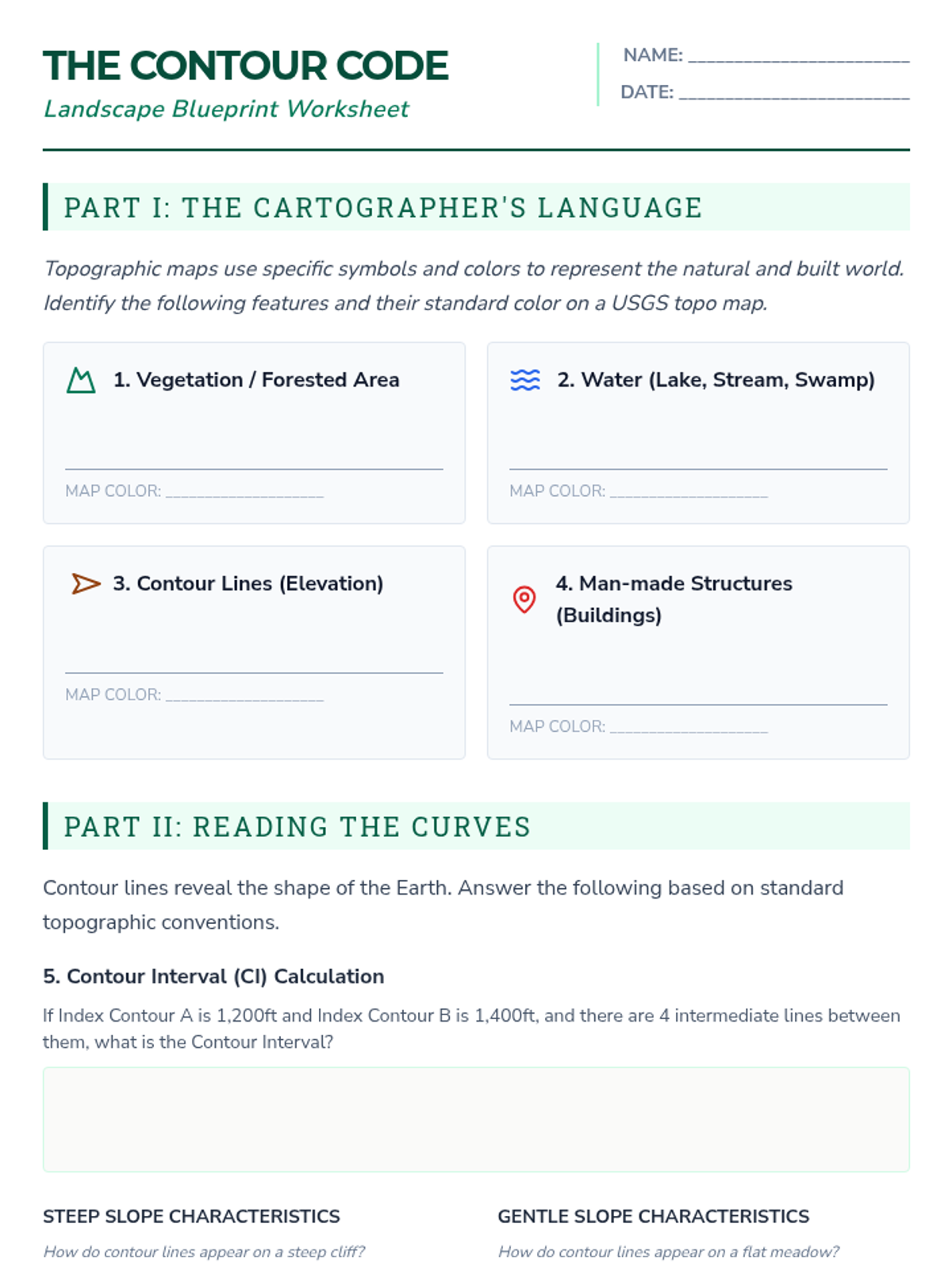
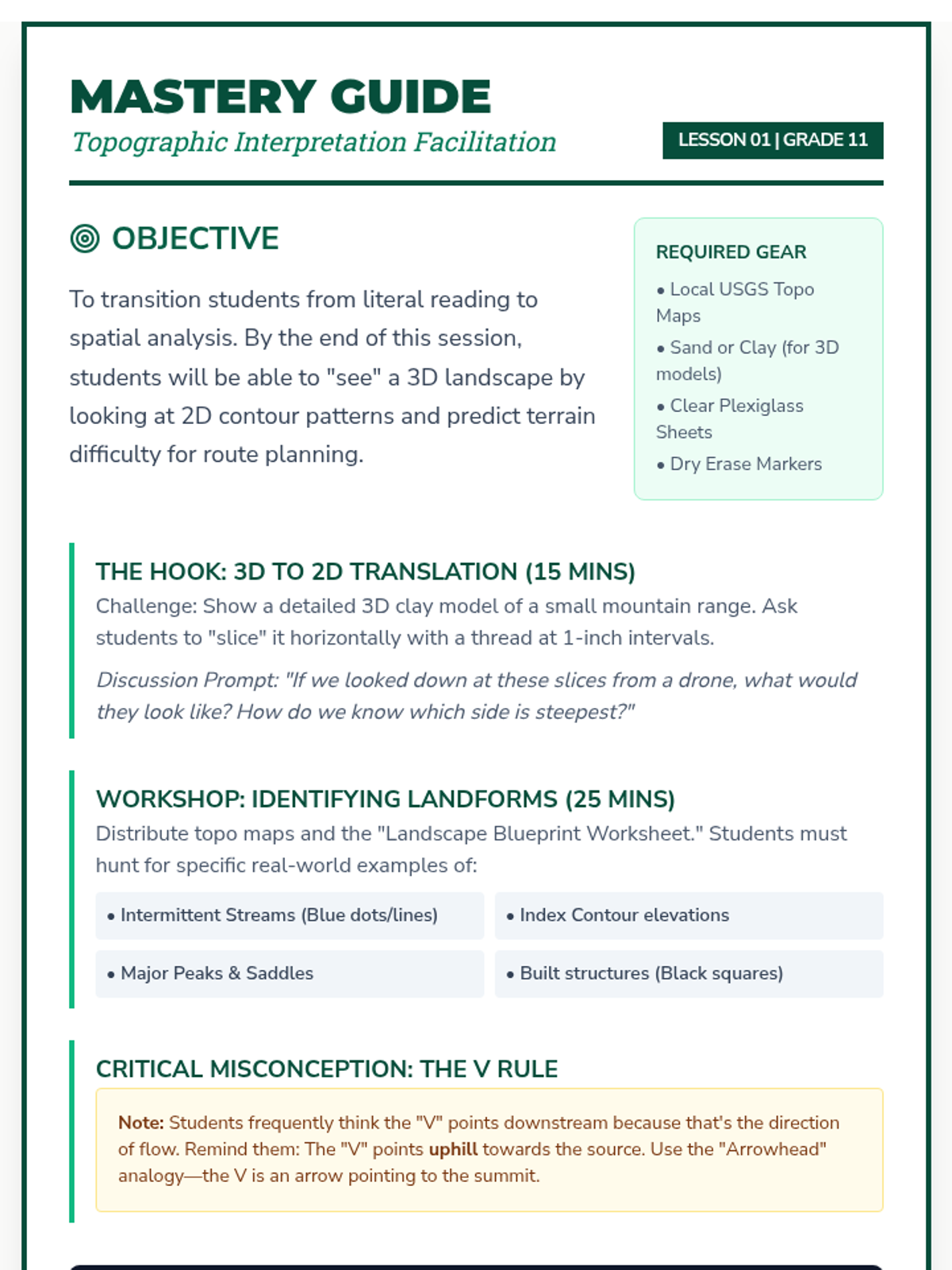
A comprehensive 9th-grade physical education unit focused on the technical and physical skills of wilderness navigation, from topographical map reading to practical orienteering.
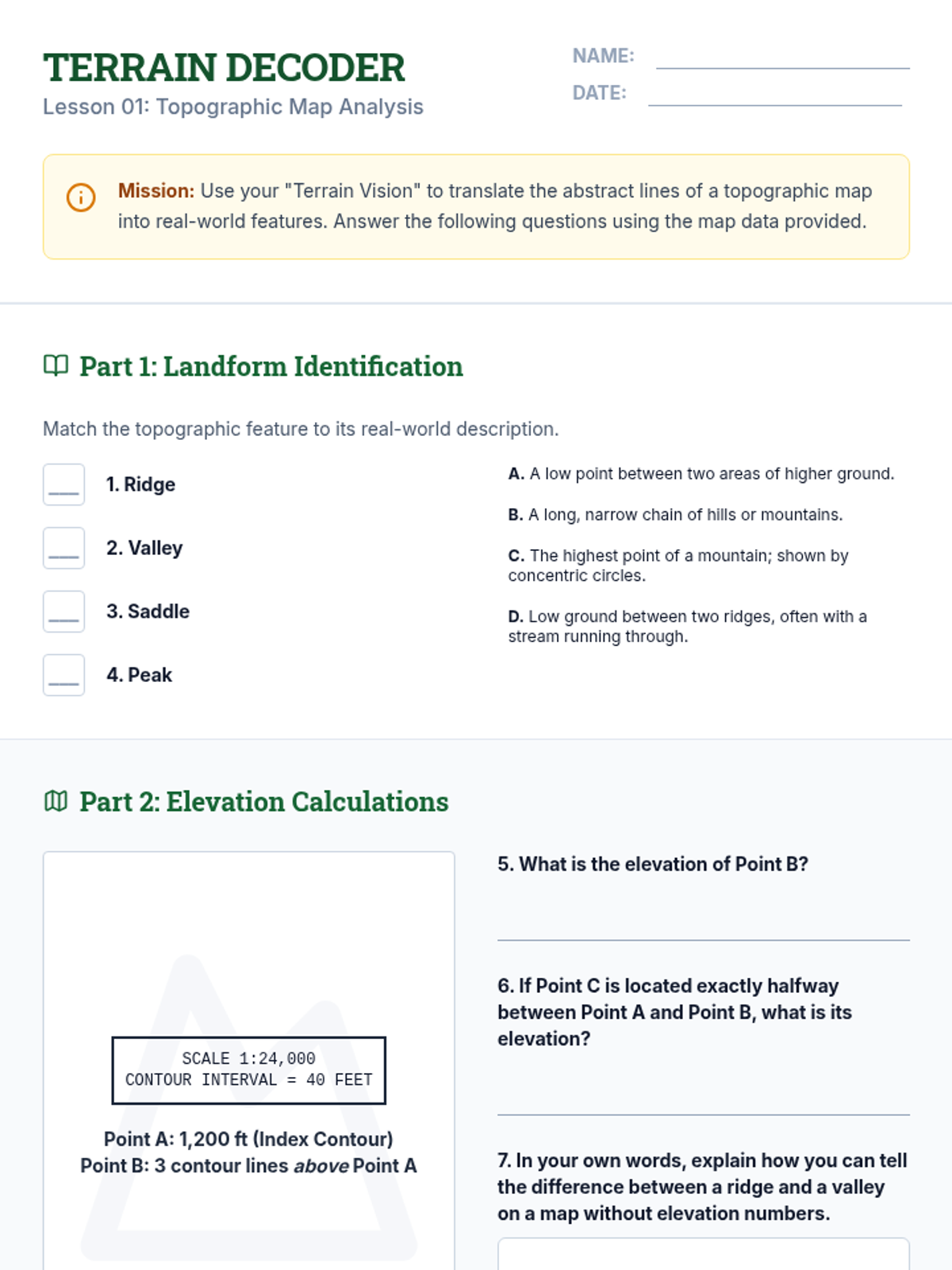
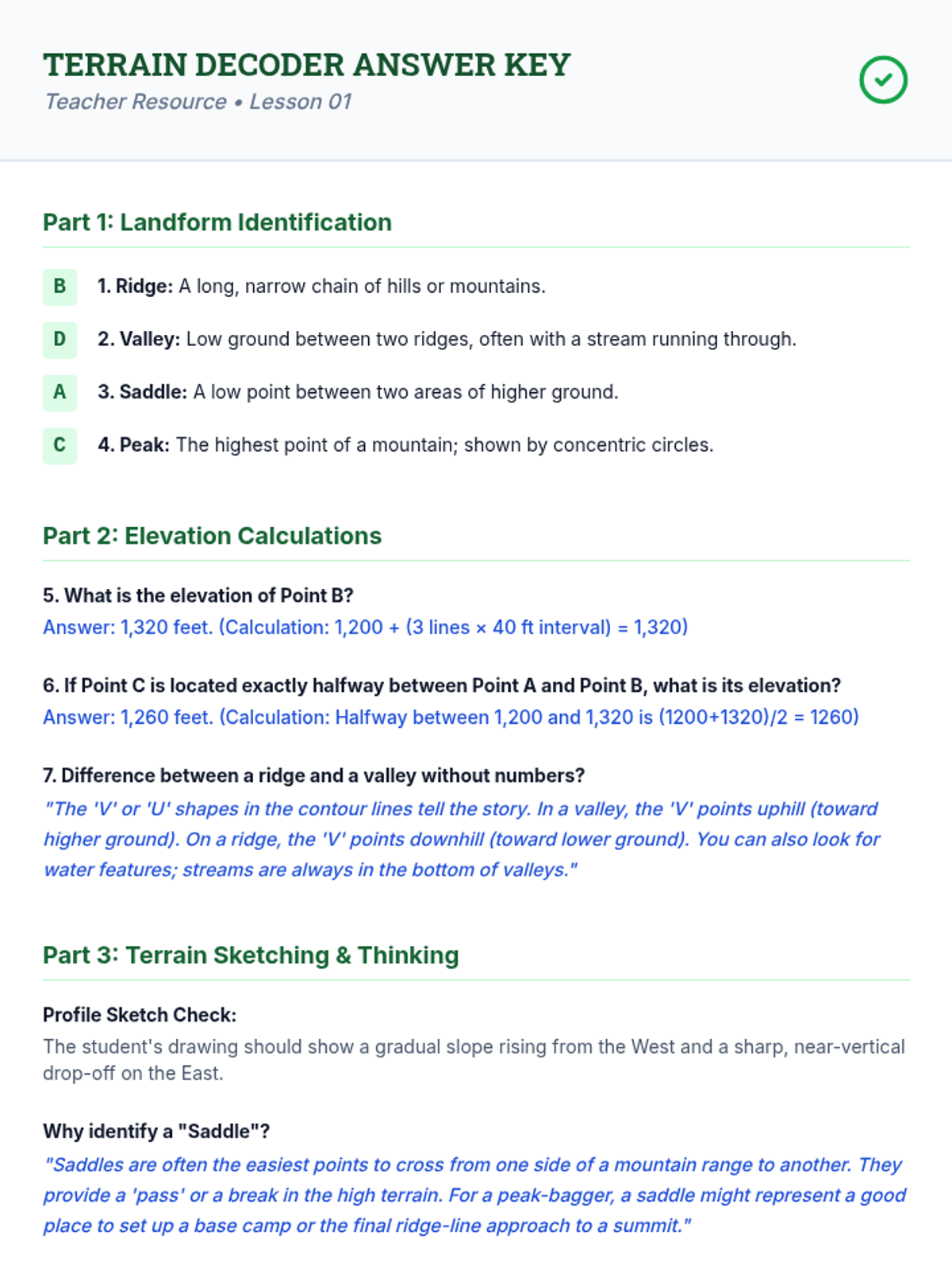
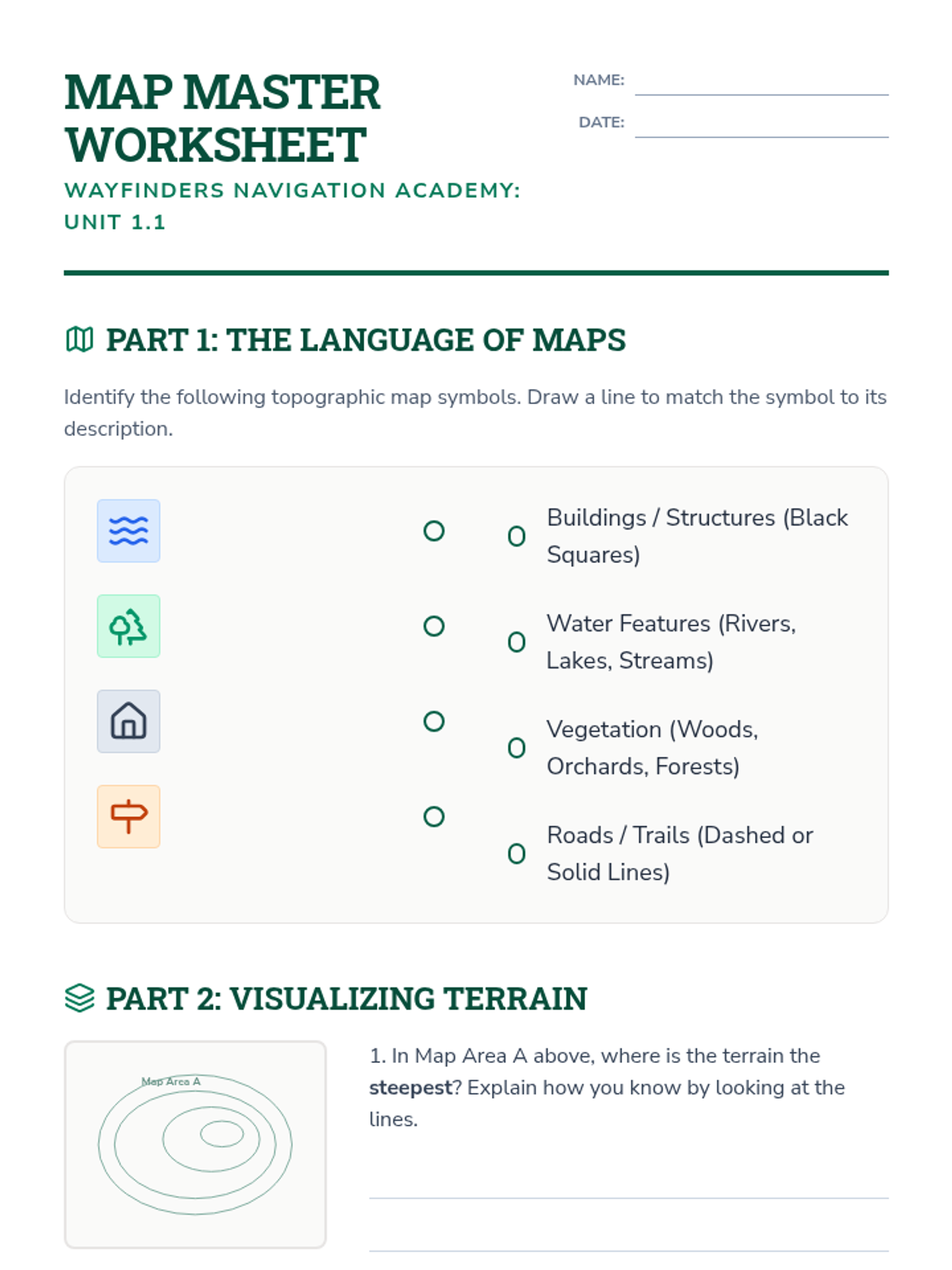
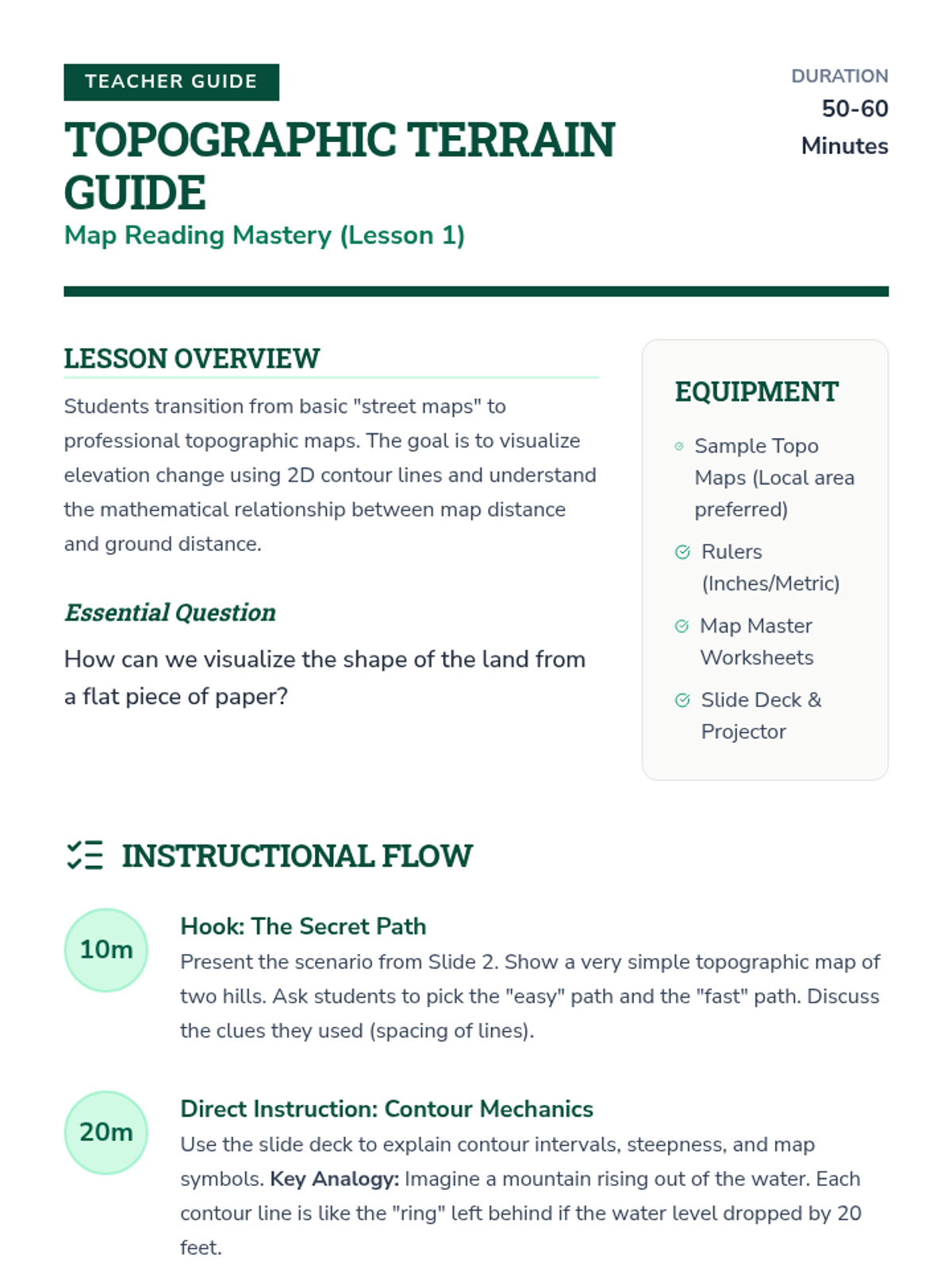
This sequence masters technical navigation using topographic maps, compasses, and dead reckoning. Students progress from basic spatial reasoning to strategic route planning and high-stakes orienteering, fostering wilderness independence.
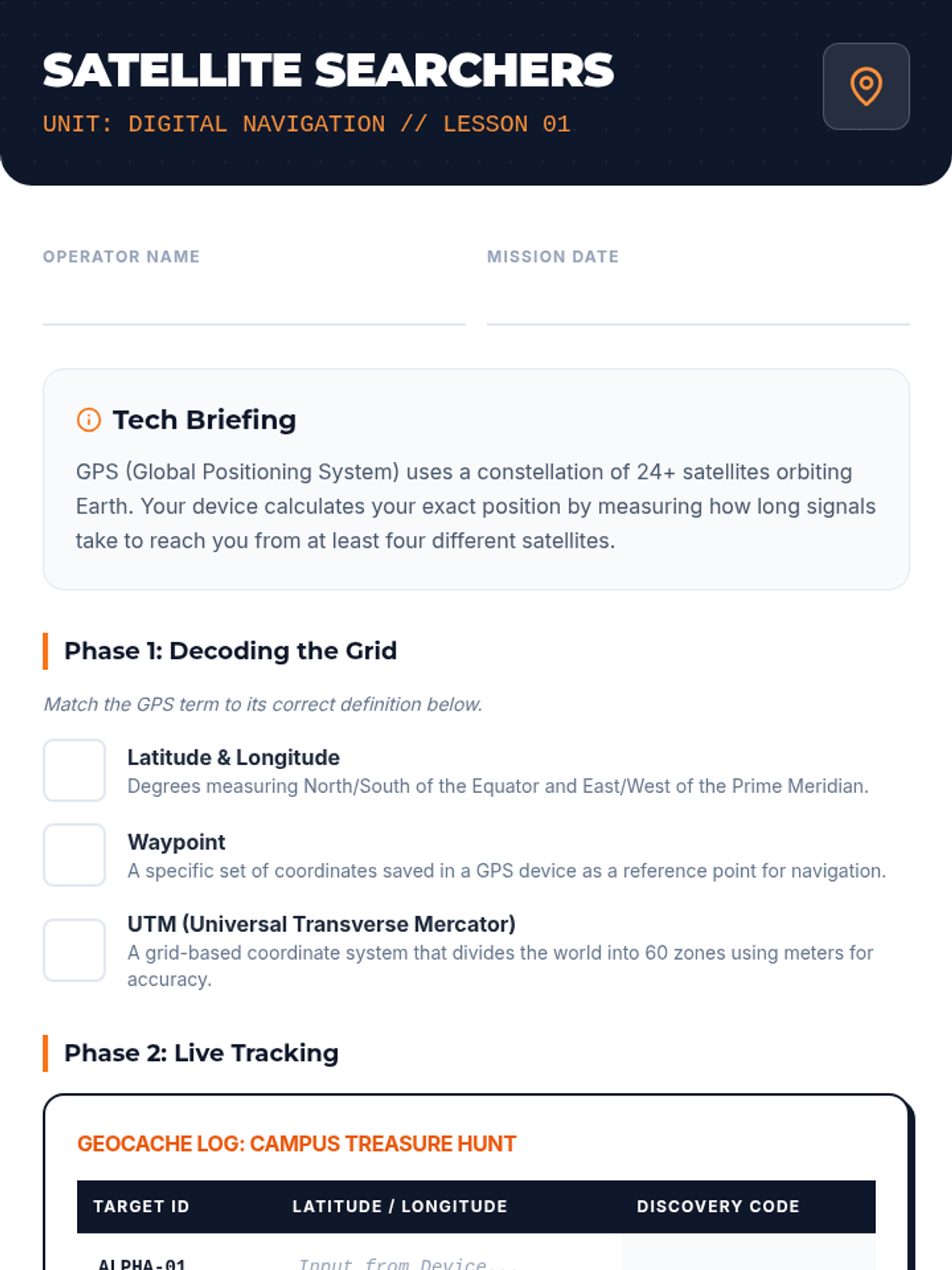
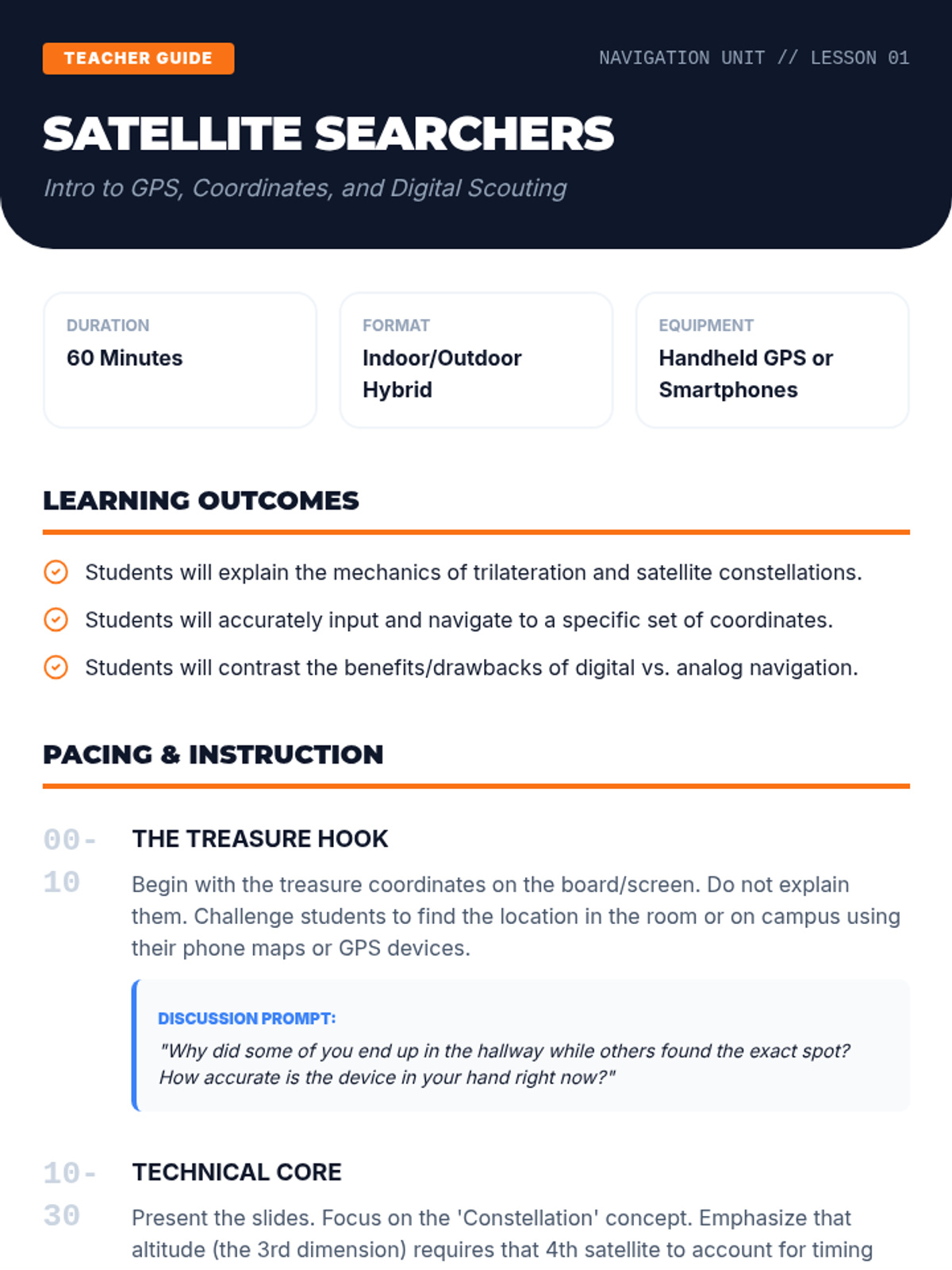
This sequence explores modern navigation techniques, blending GPS technology with traditional orienteering strategies. Students develop physical endurance and mental acuity by managing waypoints, calculating pace, and navigating complex terrain under time pressure.
A comprehensive unit on wilderness navigation skills, focusing on topographic map interpretation, compass mechanics, triangulation, and route planning for safe outdoor exploration.
A comprehensive introduction to land navigation, teaching students how to read topographic maps, use a baseplate compass, and navigate using bearings and pacing. The unit culminates in a practical schoolyard orienteering challenge.
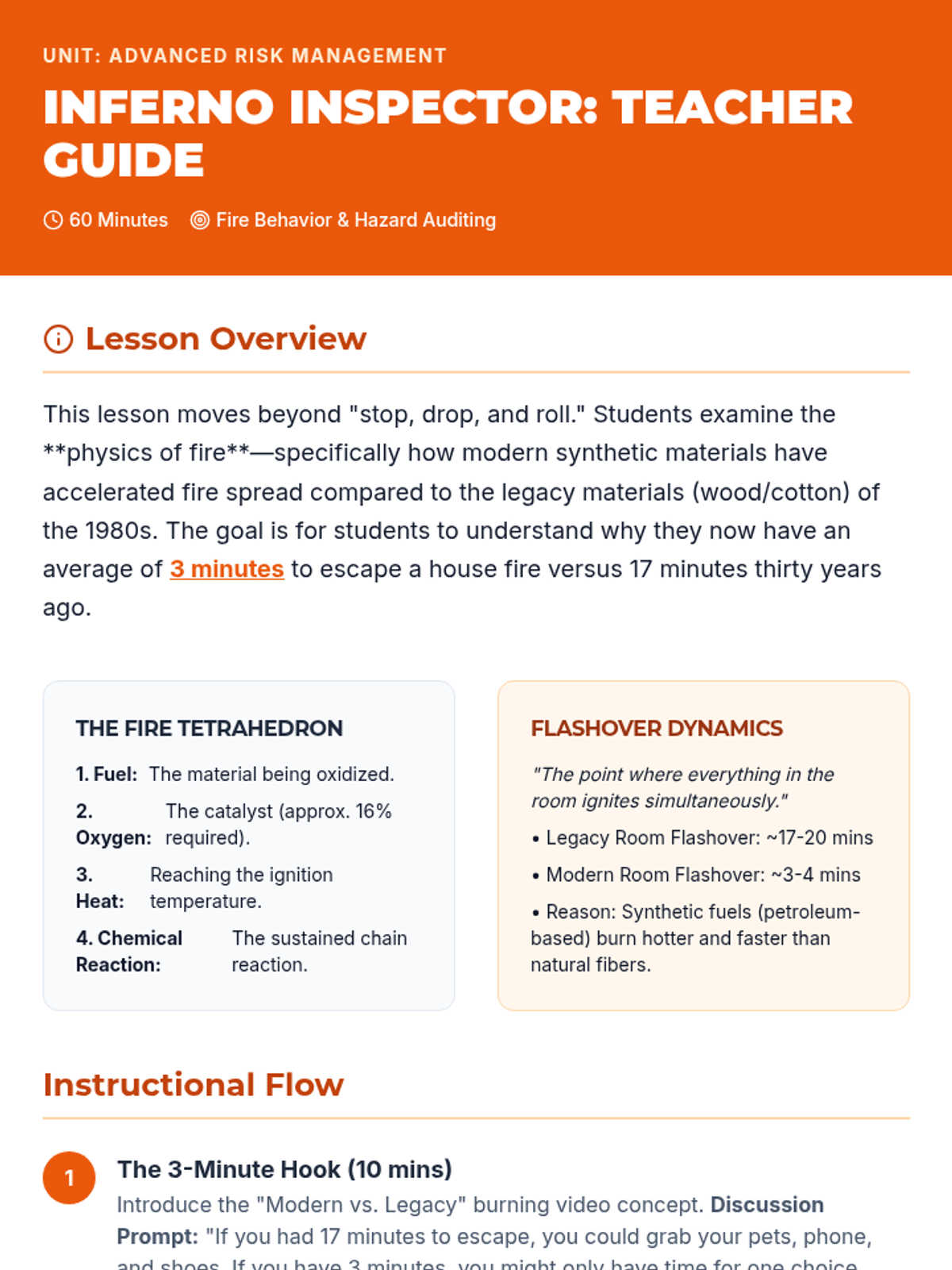
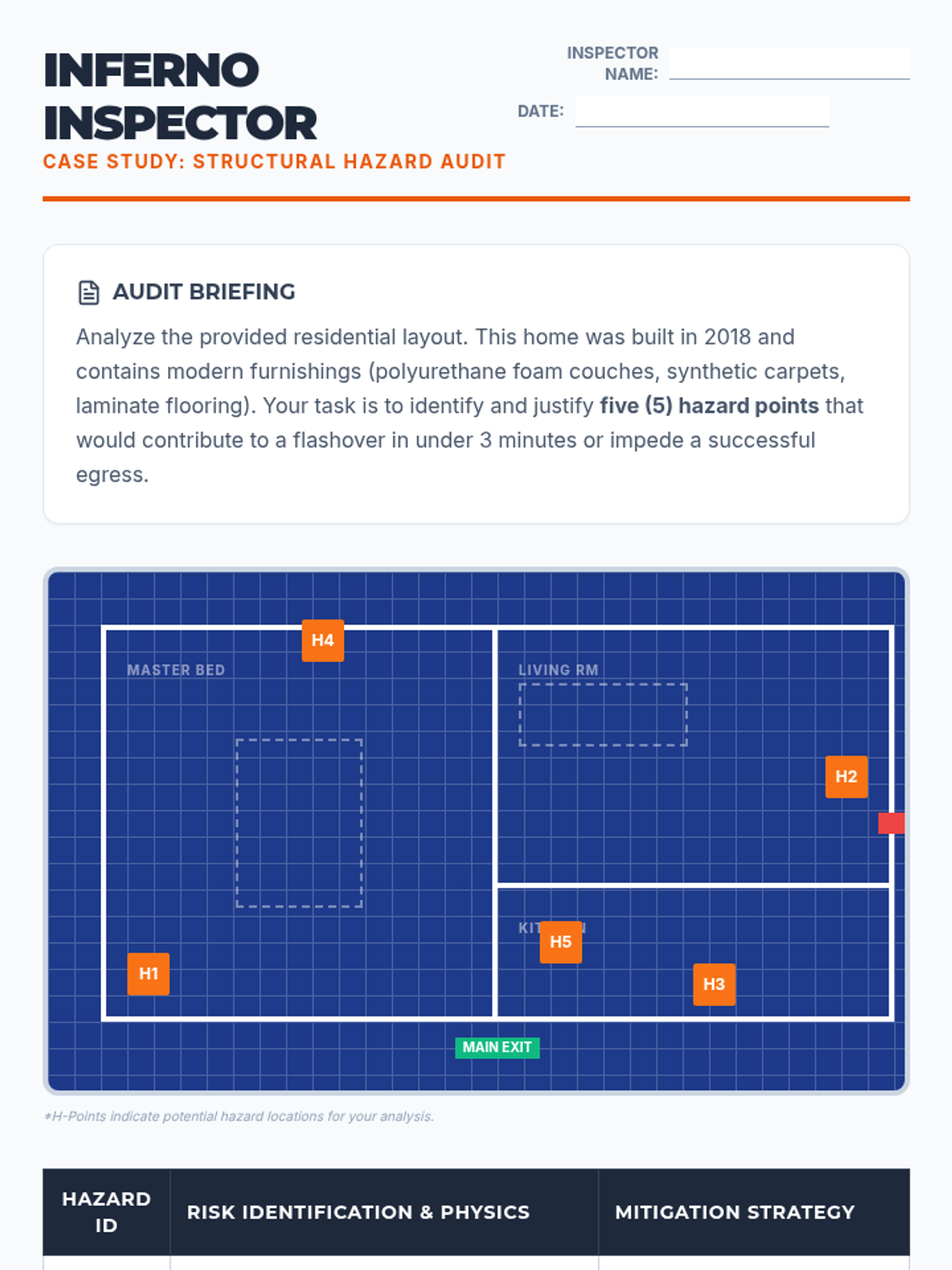
A comprehensive 9th-grade safety sequence that shifts from basic rules to scientific risk assessment and emergency leadership. Students analyze the physics of fire, the psychology of crowds, and the biological realities of aquatic distress to prepare for real-world emergency management.
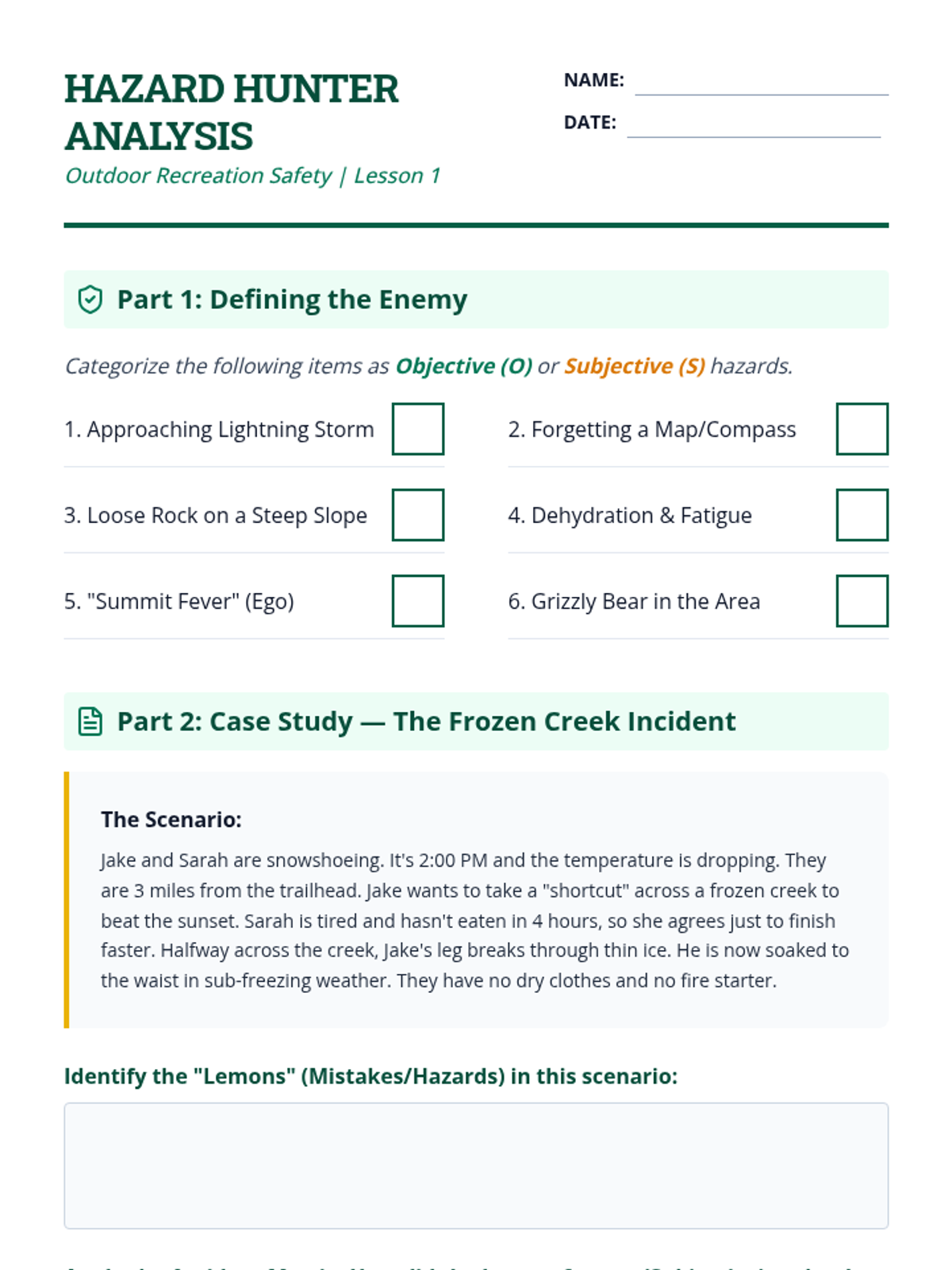
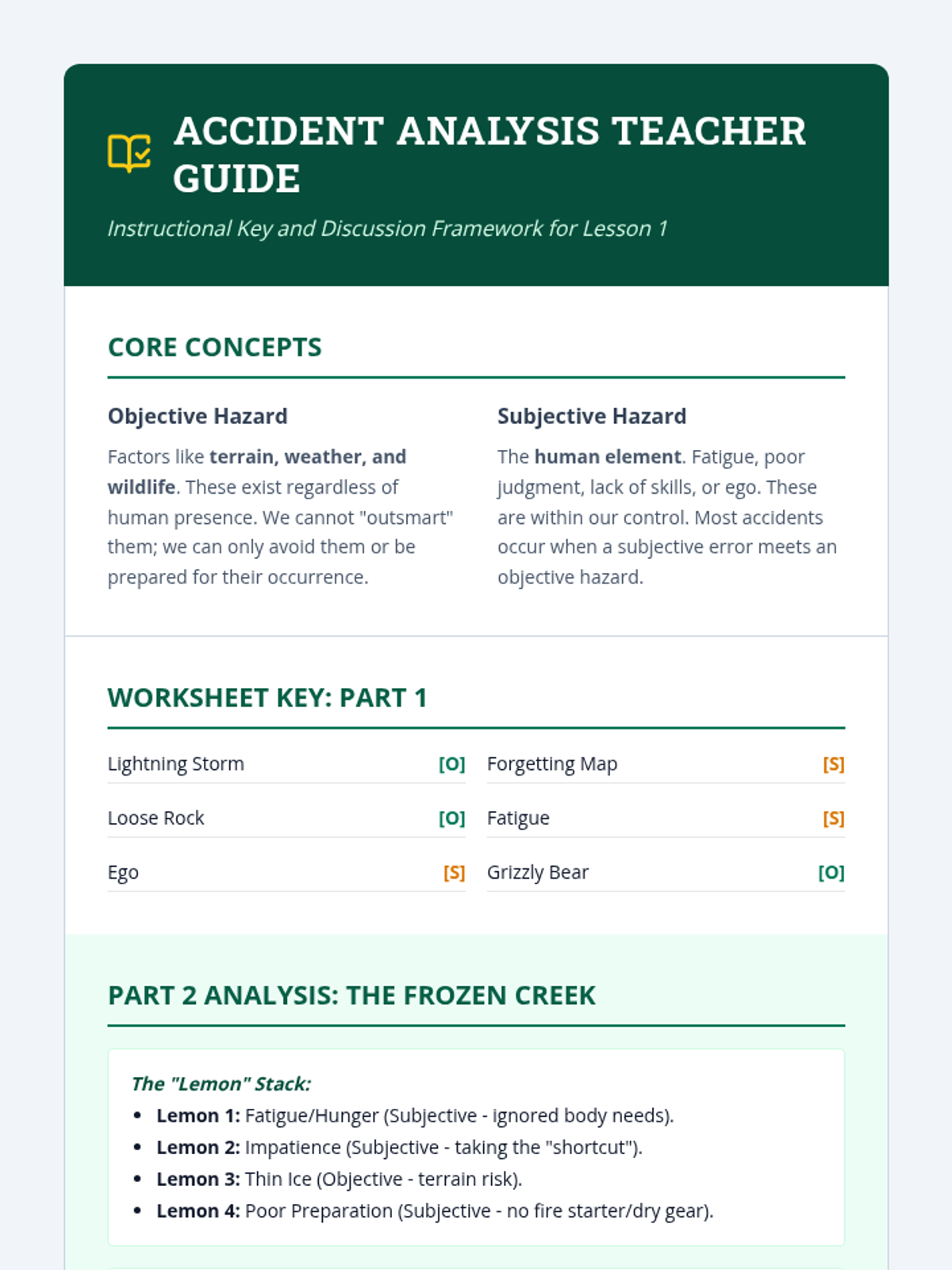
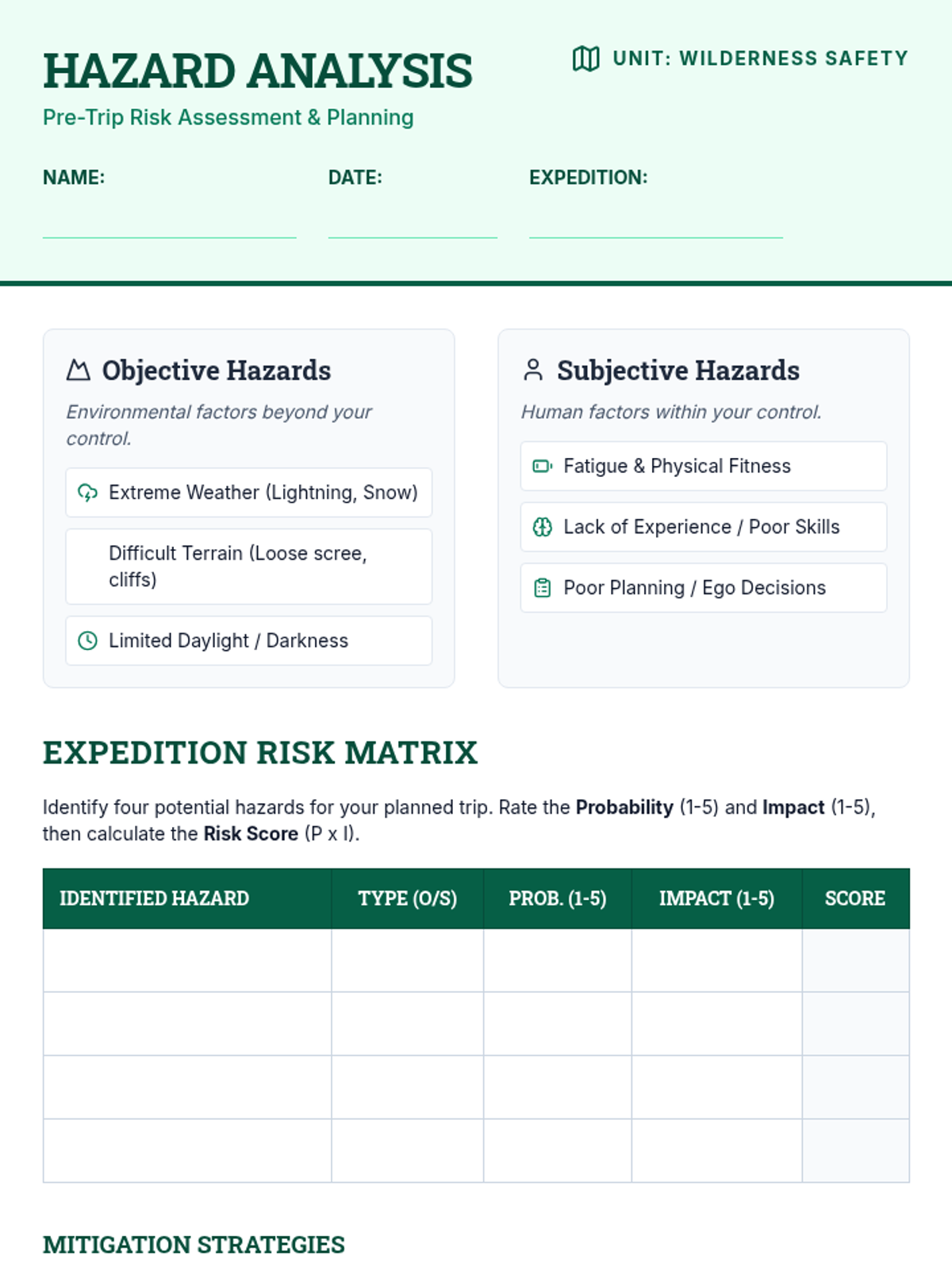
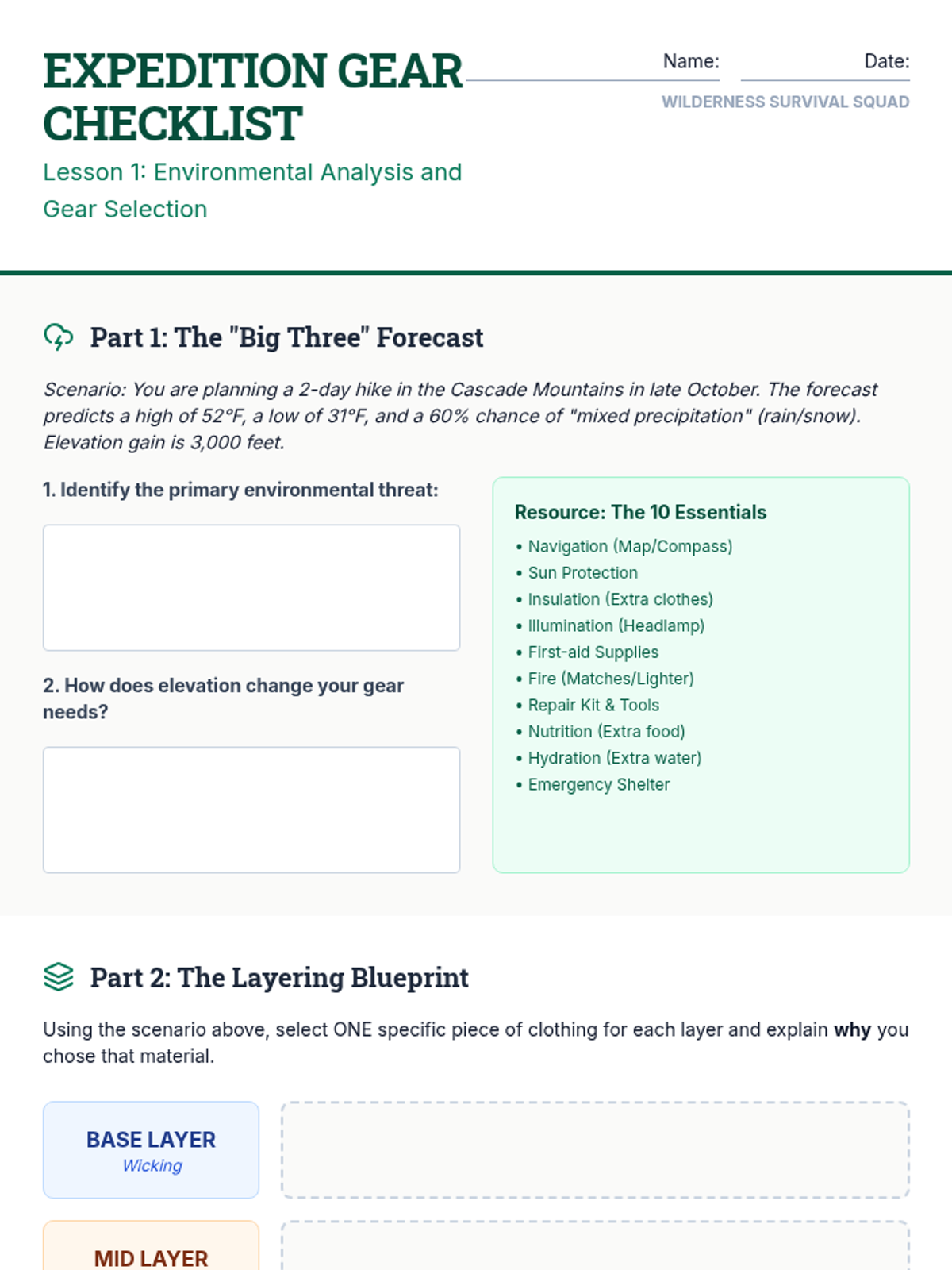
This sequence immerses students in the critical protocols necessary for safe wilderness exploration, moving beyond basic rules to complex decision-making scenarios. Students analyze hazards, weather patterns, emergency signaling, and gear maintenance to synthesize a comprehensive Risk Management Plan (RMP).
A comprehensive 9th-grade physical education sequence focusing on wilderness risk assessment, weather safety, emergency signaling, survival psychology (S.T.O.P. rule), and simulated crisis response to build critical decision-making skills in outdoor environments.
A comprehensive 7th-grade unit on wilderness risk management, covering gear selection, hazard identification, navigation safety, emergency signaling, and survival psychology. Students move from pre-trip planning to active emergency response simulations.
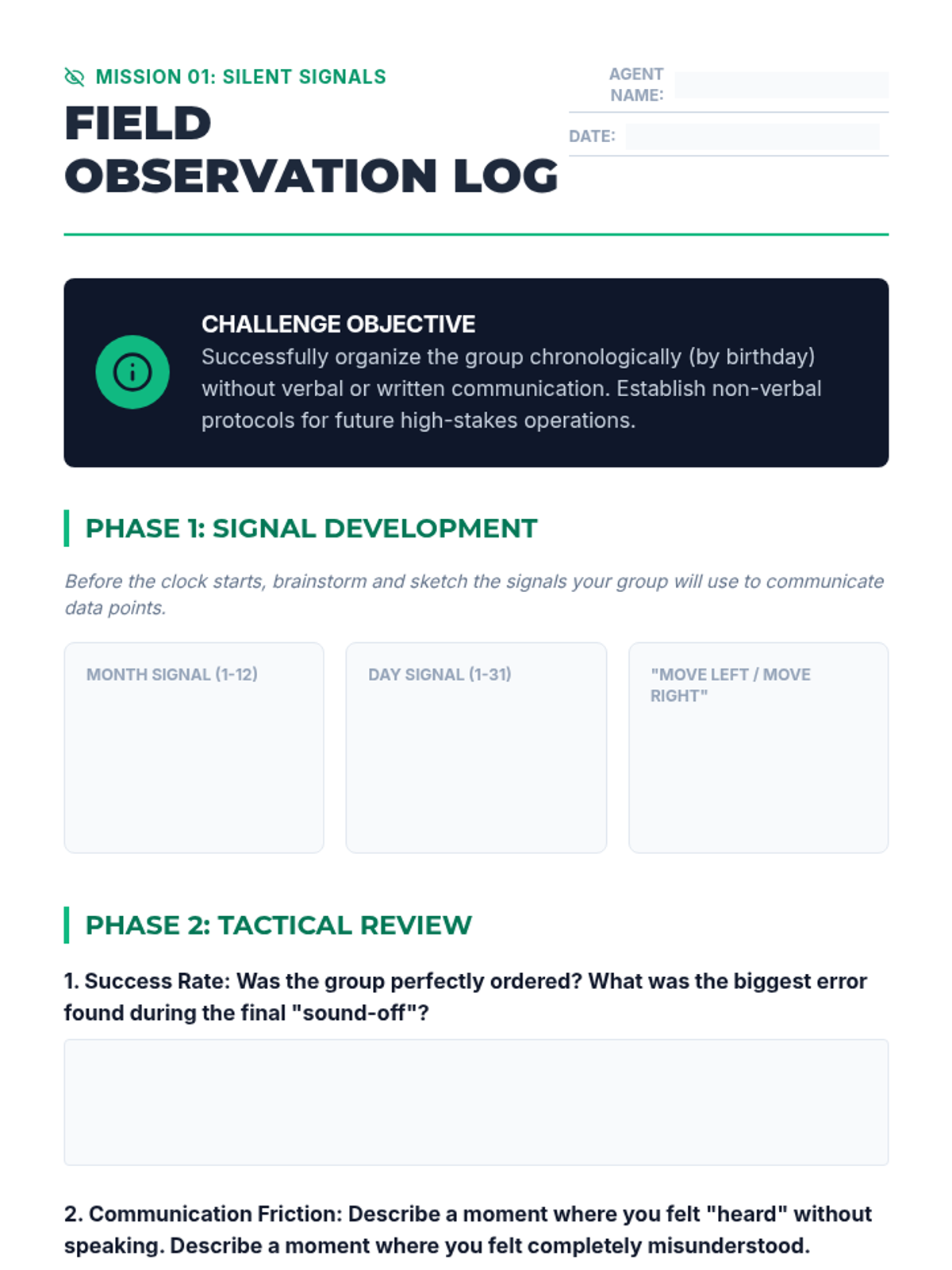
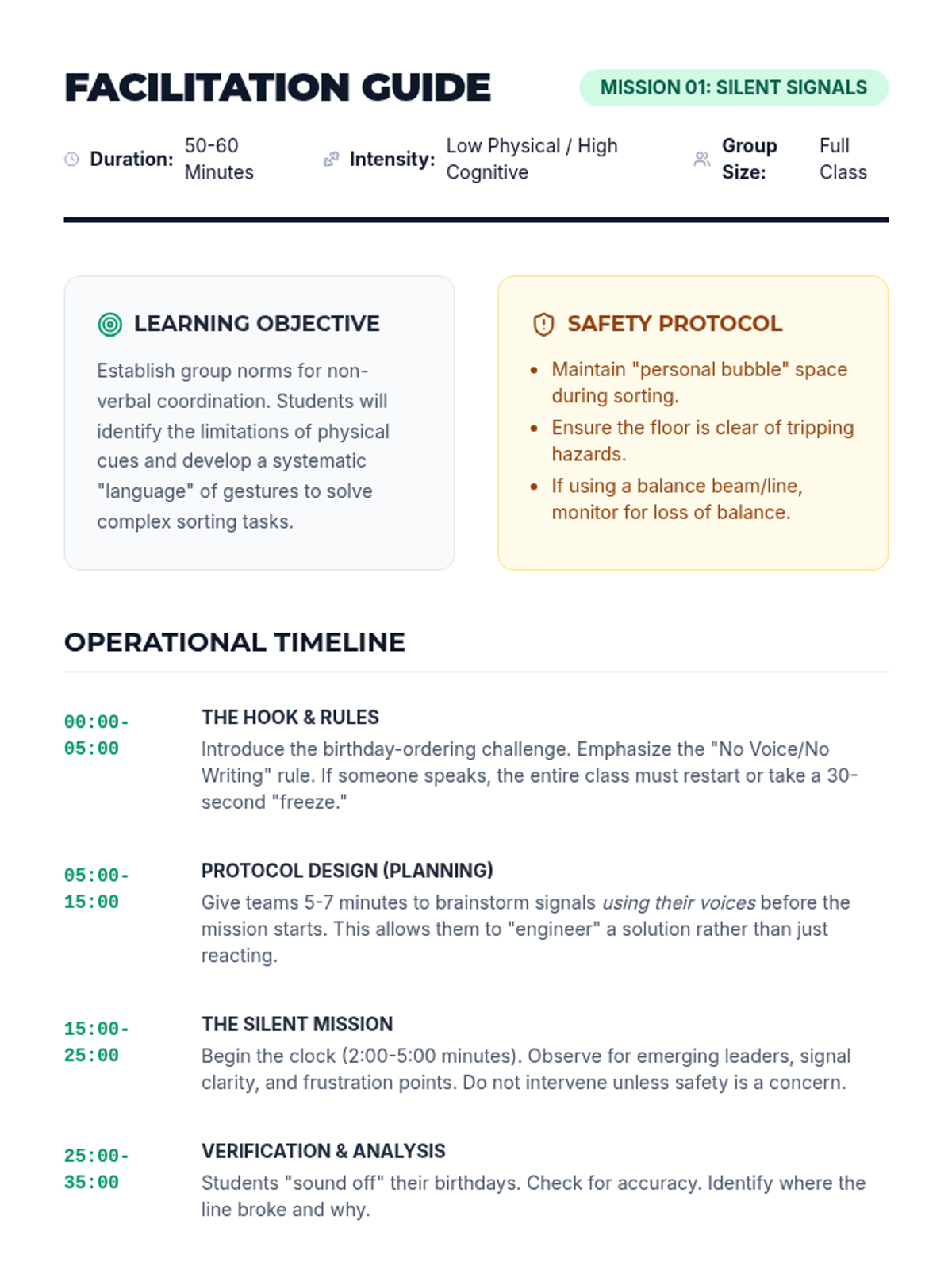
A 9th-grade physical education sequence focused on cooperative games, communication strategies, and group dynamics. Students progress from non-verbal trust activities to designing and facilitating their own team challenges.
A series of progressively difficult physical challenges focused on developing communication, trust, and strategic problem-solving skills in 9th-grade students. The sequence moves from non-verbal coordination to complex, high-stakes group reliance.