Lenny LearningLenny
Create
Explore
Workspace
LoginSign up
MathEnglish Language ArtsScience & EngineeringSocial StudiesGlobal LanguagesHealth & Physical EducationSpecial EducationCounseling & Life SkillsArts & CreativityESL
Lenny LearningLenny
Lenny Learning
About
Training
Pricing
Support
Contact
© 2026 Lenny Learning Inc.

Statistics & Probability

SequencesLessonsMaterialsVideos
  1. Math

Statistics & Probability

SequencesLessonsMaterialsVideos

Data representation, distributions, and statistical variability using sampling and inference techniques. Integrates probability models, compound events, bivariate patterns, and linear models to guide data-driven decision making.

MathNumbers & CountingCounting ObjectsNumber NamesComparing NumbersNumber OperationsCounting SequenceNumbers 0-10Place Value Understanding and SystemAdd and Subtract Within 20Addition and Subtraction ConceptsAddition and Subtraction EquationsAddition and Subtraction ProblemsFoundations for MultiplicationMultiplication and Division PropertiesMultiply and Divide Within 100Multiplication and Division ProblemsFactors and MultiplesProperties of OperationsPatterns and RelationshipsGenerate and Analyze PatternsMulti-Digit ArithmeticPlace Value OperationsMulti-Digit and Decimal OperationsNumerical ExpressionsFour Operations and PatternsFour Operations Problem SolvingMeasurement & DataMeasurable AttributesMeasuring LengthsMeasure and Estimate Lengths in Standard UnitsRelate Addition and Subtraction to LengthClassifying and Counting ObjectsTime and MoneyArea Concepts and MeasurementPerimeter and Area MeasuresAngle Concepts and MeasurementTime, Volume, and MassMeasurement Unit ConversionsGeometryIdentifying ShapesShapes and AttributesShape Attributes and ReasoningShapes and CompositionClassifying 2D FiguresGeometric Figures and RelationshipsLines, Angles, and ShapesAngle, Area, and VolumeGeometric MeasurementVolume of 3D ShapesCoordinate Plane ApplicationsTransformations in the PlaneCongruence and SimilarityUnderstand congruence in terms of rigid motionsSimilarity and TransformationsProve Theorems Involving SimilarityPythagorean TheoremTrigonometry for General TrianglesMake Geometric ConstructionsProve Geometric TheoremsTheorems About CirclesFind Arc Lengths And Areas of Sectors of CirclesVolume FormulasRelationships Between Two-Dimensional and Three-Dimensional ObjectsProve Simple Geometric Theorems AlgebraicallyTranslate Between Geometric Description and Equation for Conic SectionApply Geometric Concepts in Modeling SituationsFractions & DecimalsFractions as NumbersBuilding FractionsFraction Equivalence and OrderingAdding and Subtracting FractionsMultiplying and Dividing FractionsDividing FractionsDecimal FractionsMulti-Digit Computation and FactorsAdd, Subtract, Multiply, and Divide Rational NumbersRational Number SystemIrrational Numbers and ApproximationsRatiosRatios and ProportionsProportional RelationshipsUnit RateAlgebraAlgebraic ExpressionsGenerate Equivalent ExpressionsQuantitative RelationshipsProportional Relationships and Linear EquationsEquations and InequalitiesEquation Solving and ReasoningLinear Equations and SystemsGraph Equations and InequalitiesSystems of EquationsReal-World Algebraic ProblemsQuantitative Reasoning with UnitsExpression StructureEquivalent Expression FormsRadicals and Integer ExponentsRational ExponentsRational and Irrational NumbersPolynomial OperationsPolynomial IdentitiesPolynomial Zeros and FactorsRational ExpressionsComplex Number OperationsComplex Numbers in PolynomialsComplex Numbers on PlaneStatistics & ProbabilityRepresent and Interpret DataData DistributionsStatistical VariabilityProbability ModelsCompound Event ProbabilitiesStatistical SamplingInterpret Categorical and Quantitative DataBivariate Data PatternsInterpret Linear ModelsComparing Two PopulationsRandom Processes in StatisticsIndependence and Conditional ProbabilityExpected ValuesProbability-Based Decision MakingStatistical Inference and ConclusionsFunctionsFunction Concepts and NotationDefine and Compare FunctionsInterpret Functions in ContextAnalyze Function RepresentationsModel Relationships with FunctionsIdentify Linear vs Exponential GrowthDistinguish Between Function TypesCompare Growth RatesInterpret Function ExpressionsBuild Functions from RelationshipsConstruct and Model FunctionsTransform and Combine FunctionsModel Comparison and SelectionSolve Exponential EquationsTrigonometryTrigonometric Ratios Involving Right TrianglesTrigonometric Functions and Unit CircleModel with Trigonometric FunctionsTrigonometric IdentitiesVectors & MatricesIntroduction to Vectors and MatricesVector QuantitiesVector OperationsMatrix OperationsCalculusLimits and ContinuityDerivative Concepts and NotationDerivative Rules and TechniquesApplications of DerivativesOptimization ProblemsRelated RatesCurve Sketching and AnalysisIntegration Concepts and NotationAntiderivatives and Indefinite IntegralsDefinite Integrals and AreaFundamental Theorem of CalculusIntegration TechniquesApplications of IntegrationDifferential EquationsSequences and SeriesParametric and Polar FunctionsVector-Valued Functions
Data DistributionsAnalyzes the shape, center, and spread of numerical datasets using histograms, box plots, and dot plots. Examines measures of central tendency and variability to interpret data consistency and skewness.
Statistical VariabilityAnalysis of data spread using range, interquartile range, and mean absolute deviation. Examines how individual data points differ from the center and from each other within a distribution.
Interpret Categorical and Quantitative DataStatistical analysis techniques for summarizing and visualizing numerical and non-numerical data sets. Emphasizes shape, center, spread, and the impact of outliers on data interpretation through dot plots, histograms, and box plots.
Sequence
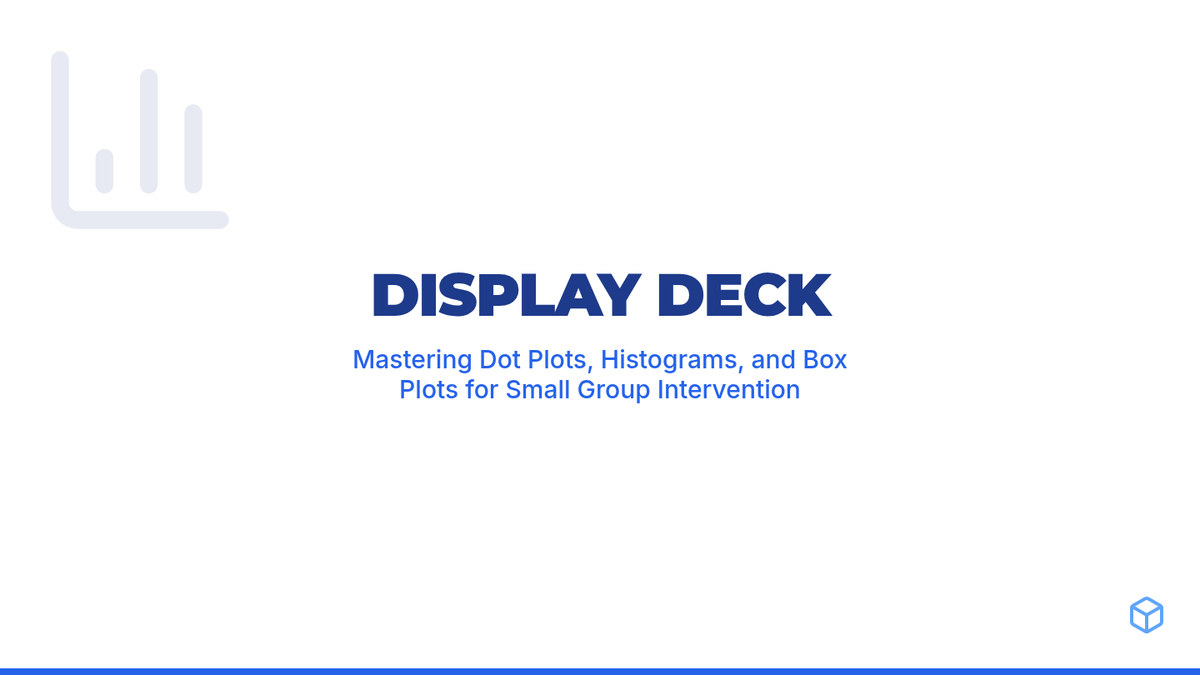
Display Deck Slides
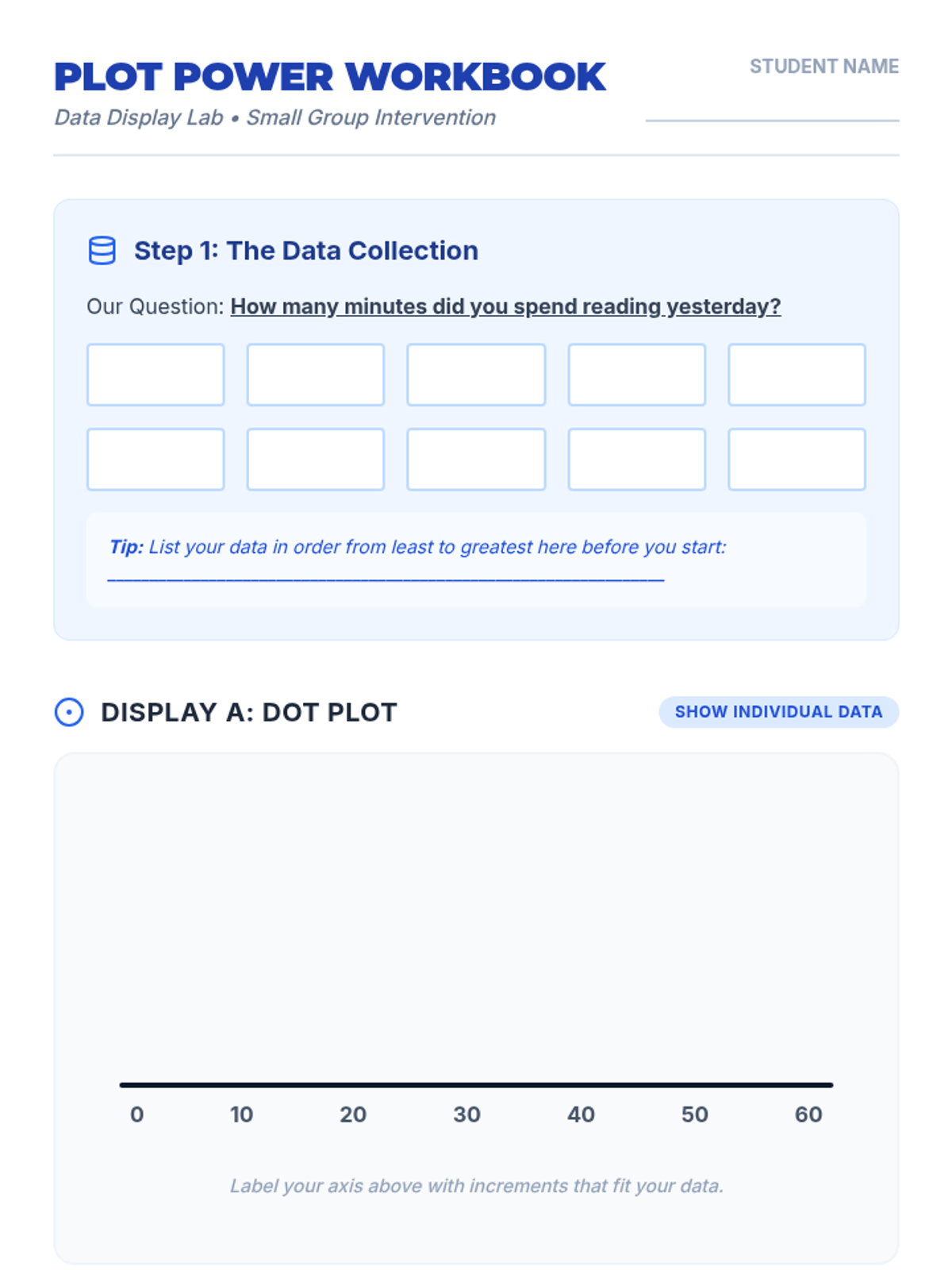
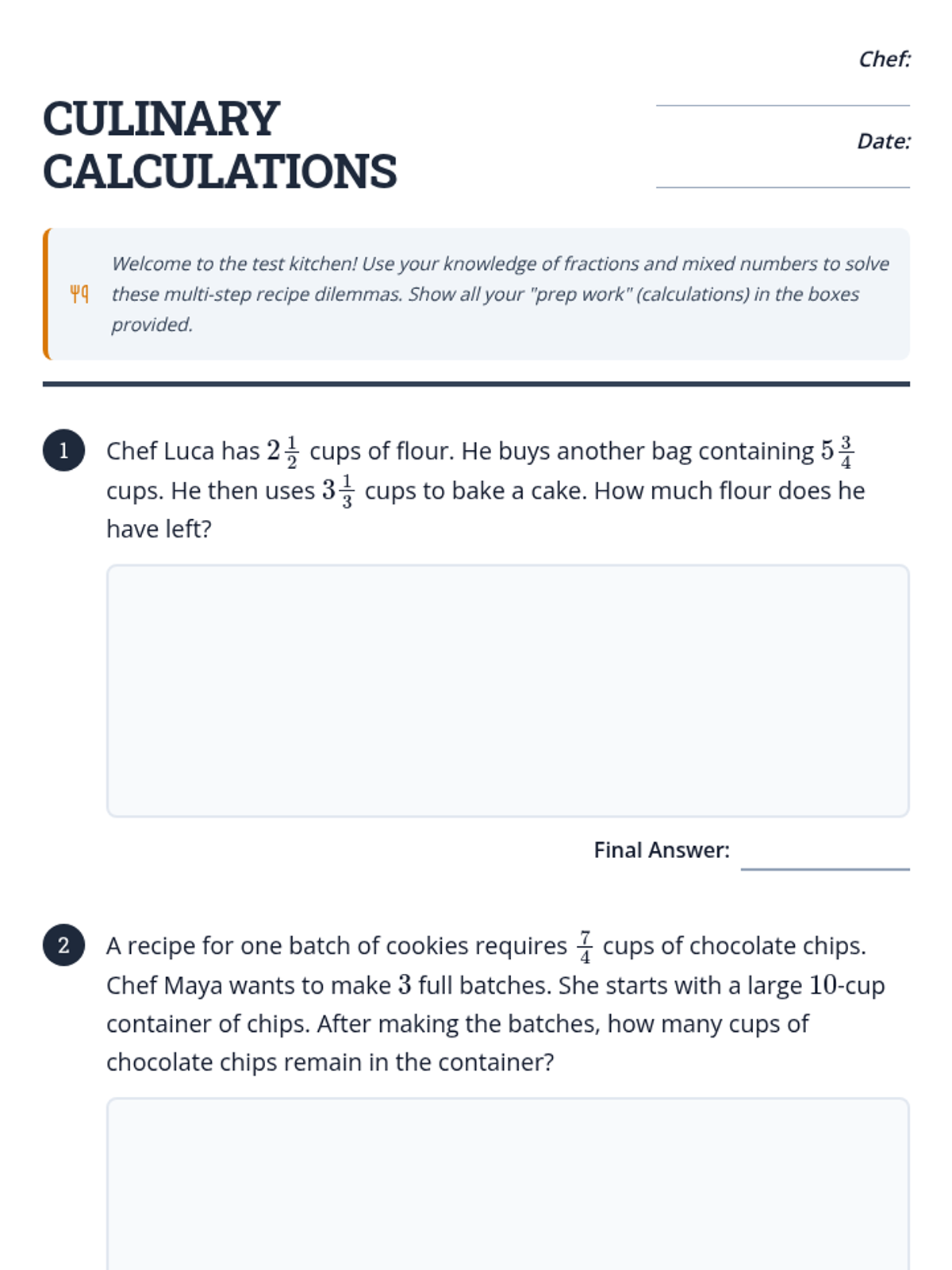
Plot Power Workbook
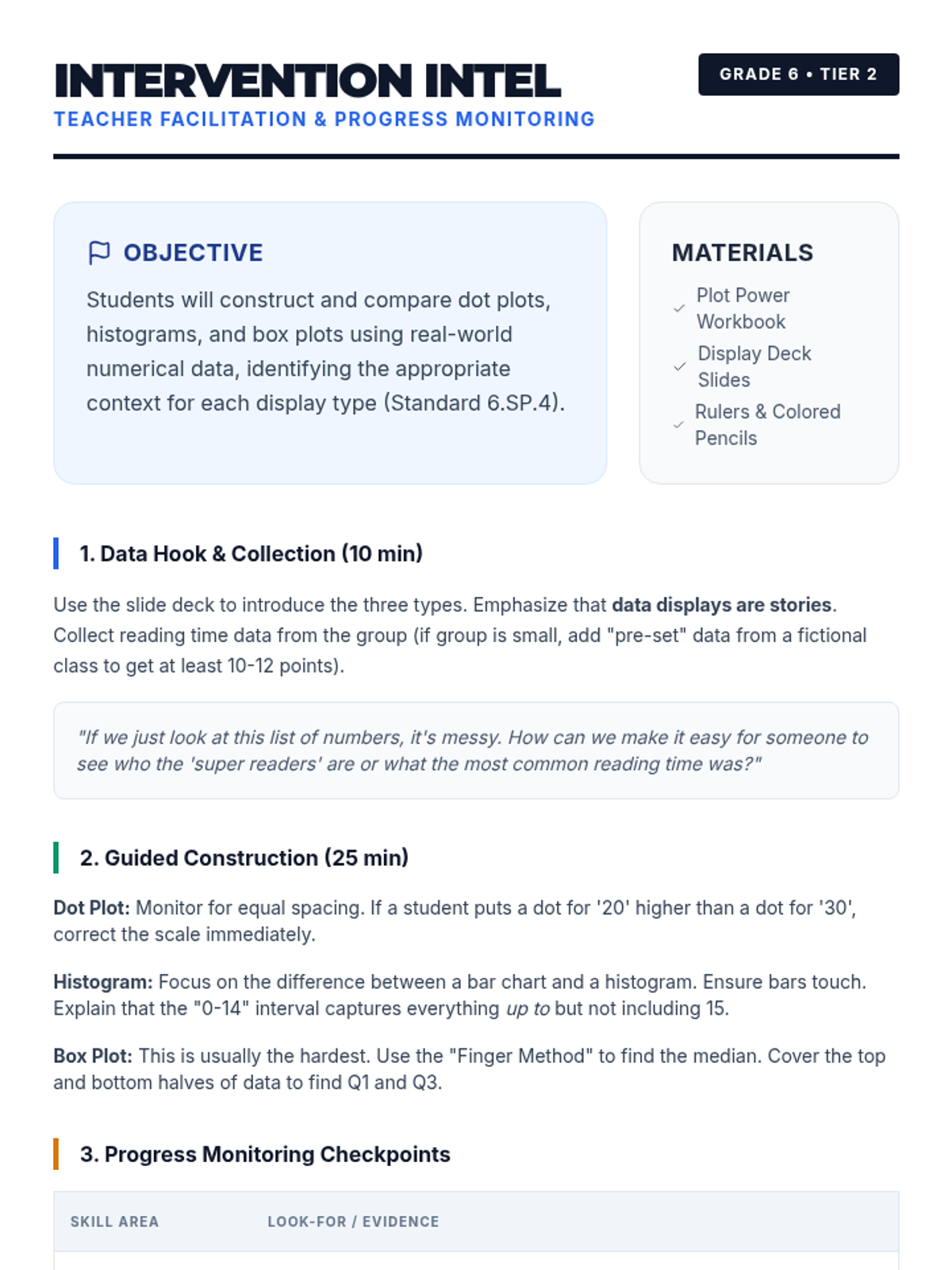
Intervention Intel Guide

Data Lab

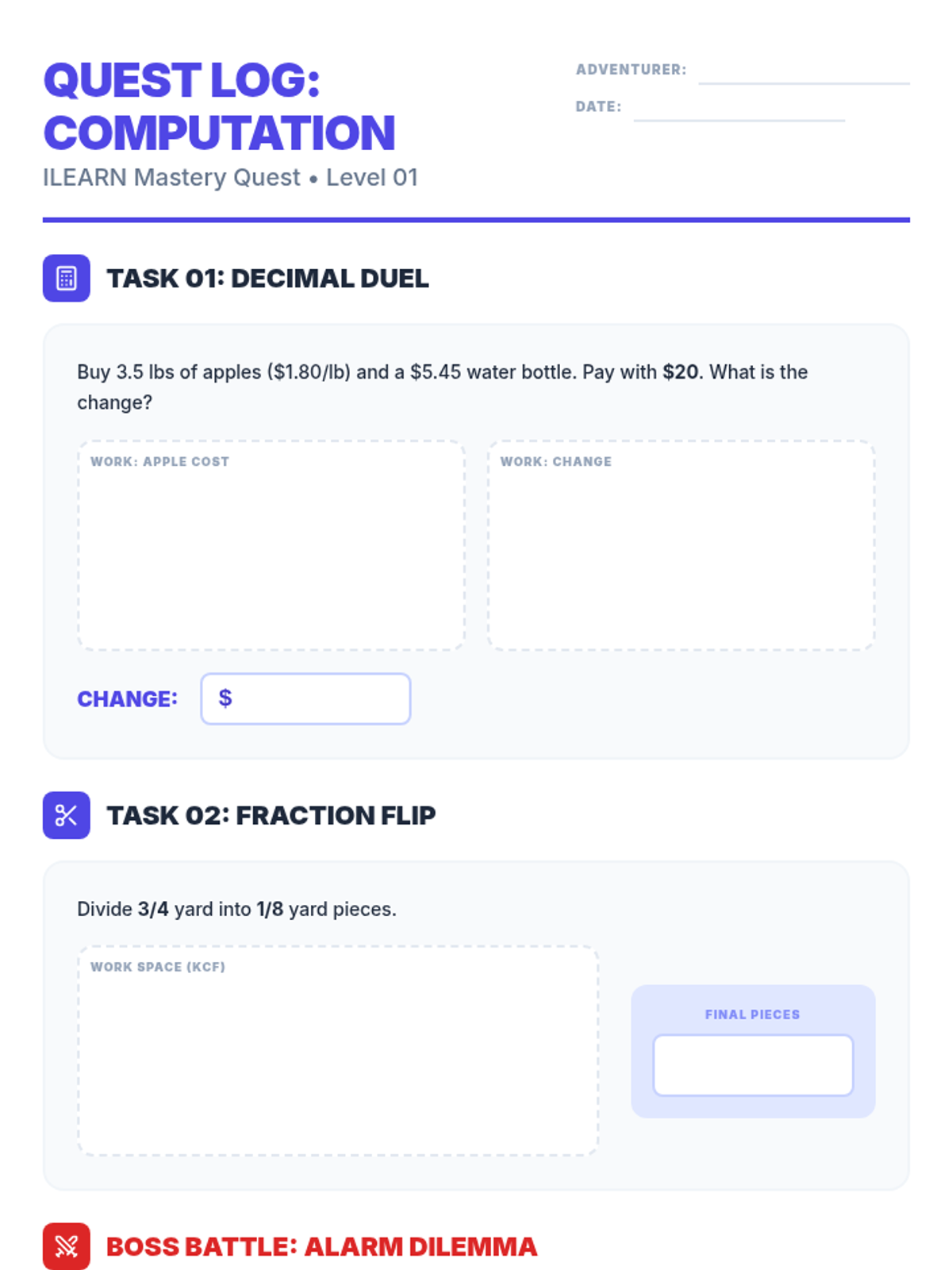
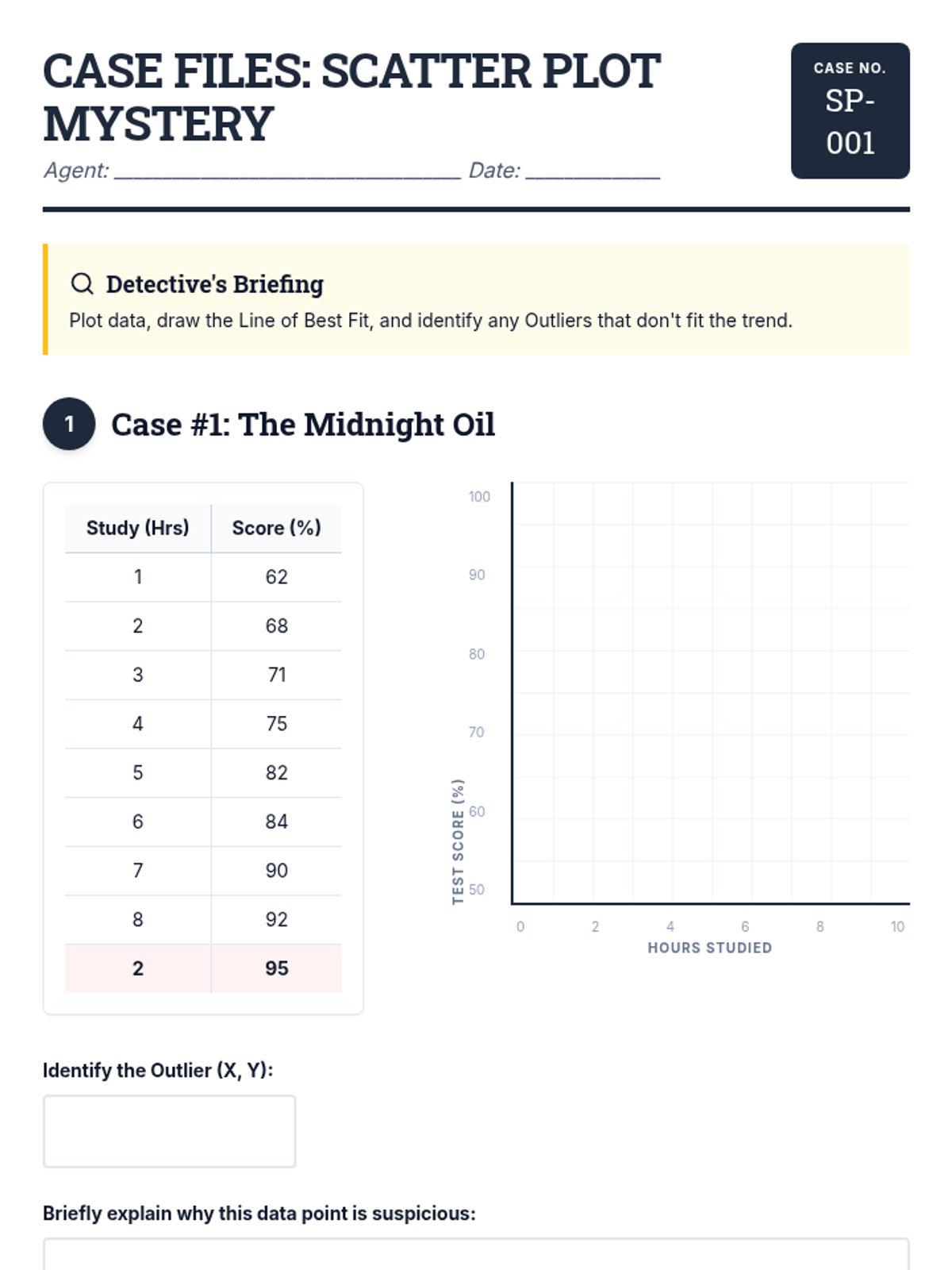
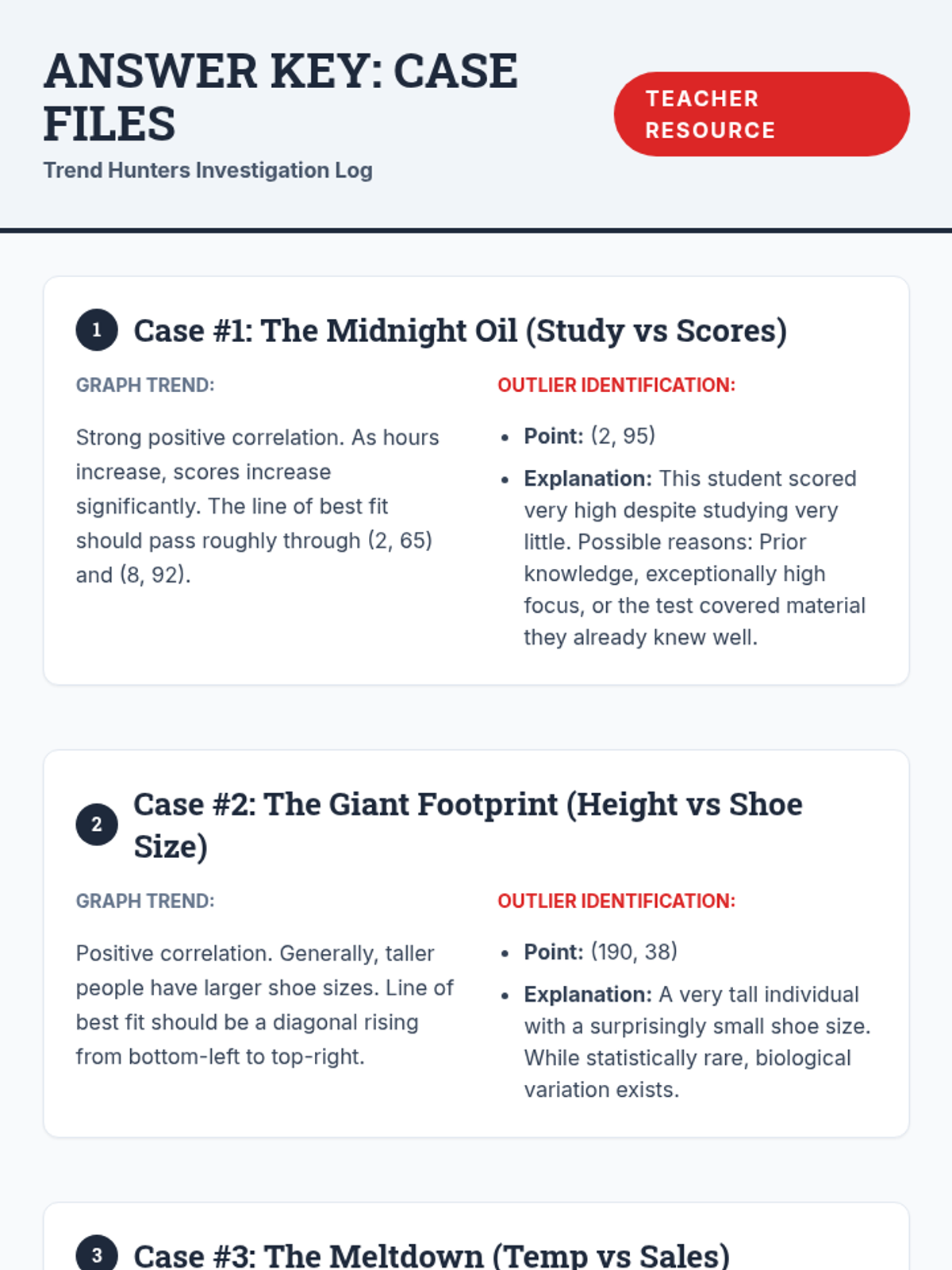
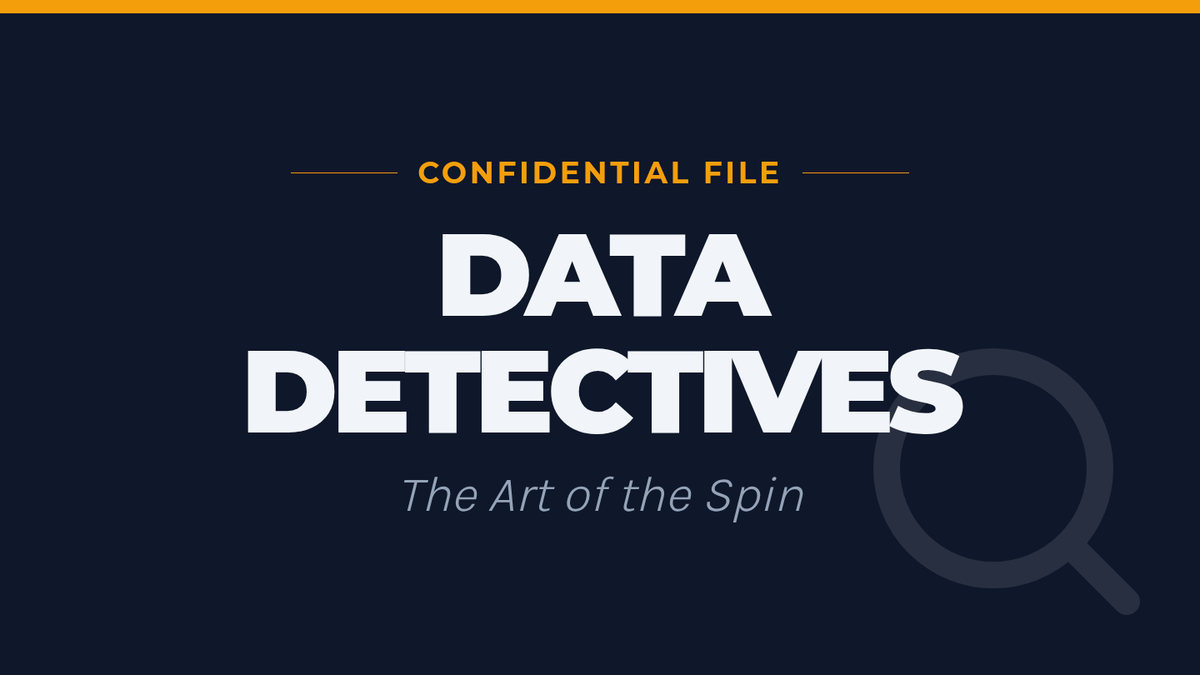
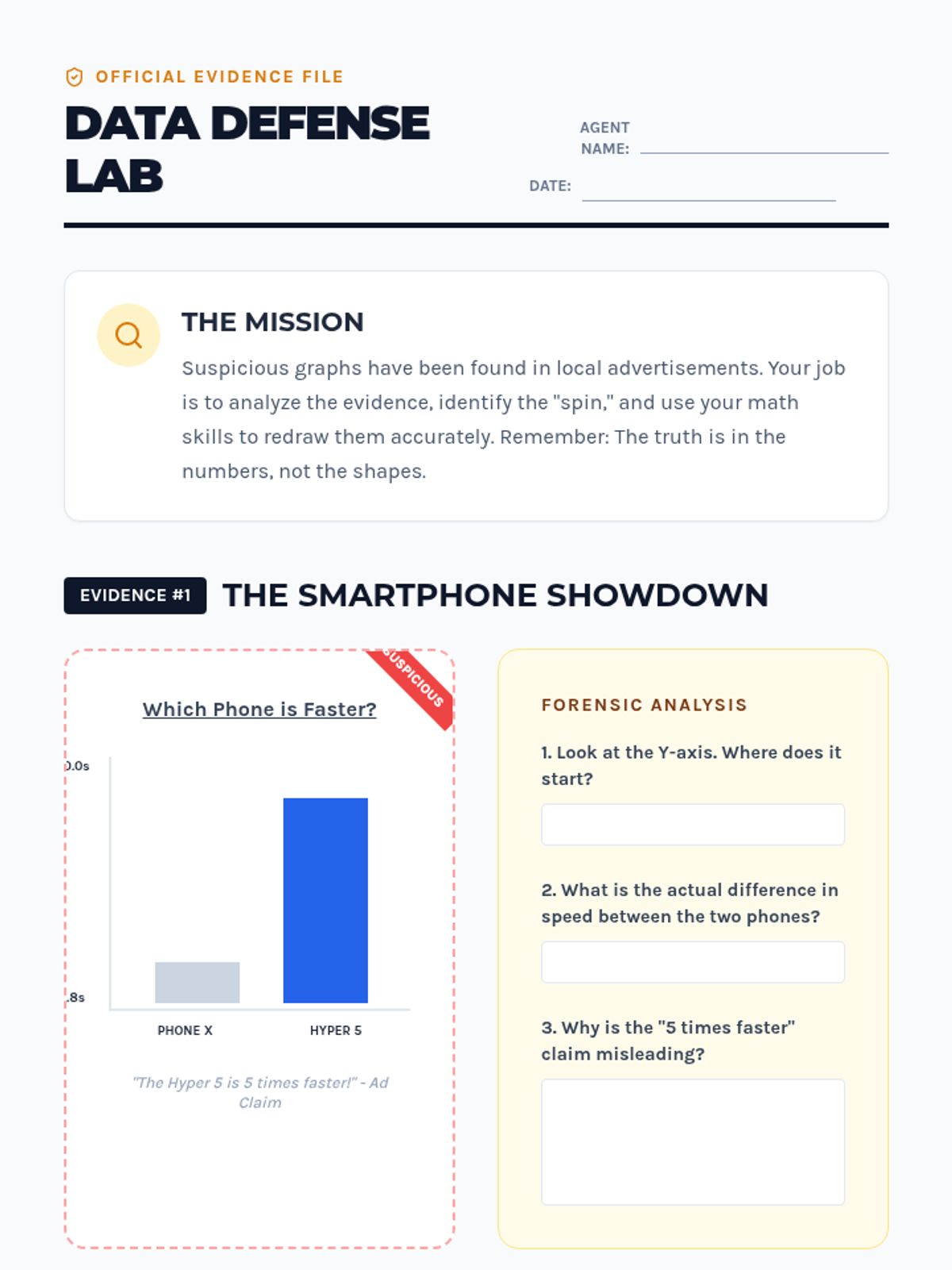
A targeted intervention sequence for 6th-grade students to master the construction and interpretation of dot plots, histograms, and box plots through hands-on data collection and analysis.
Lenny Avatar
Lenny
2/12
Sequence
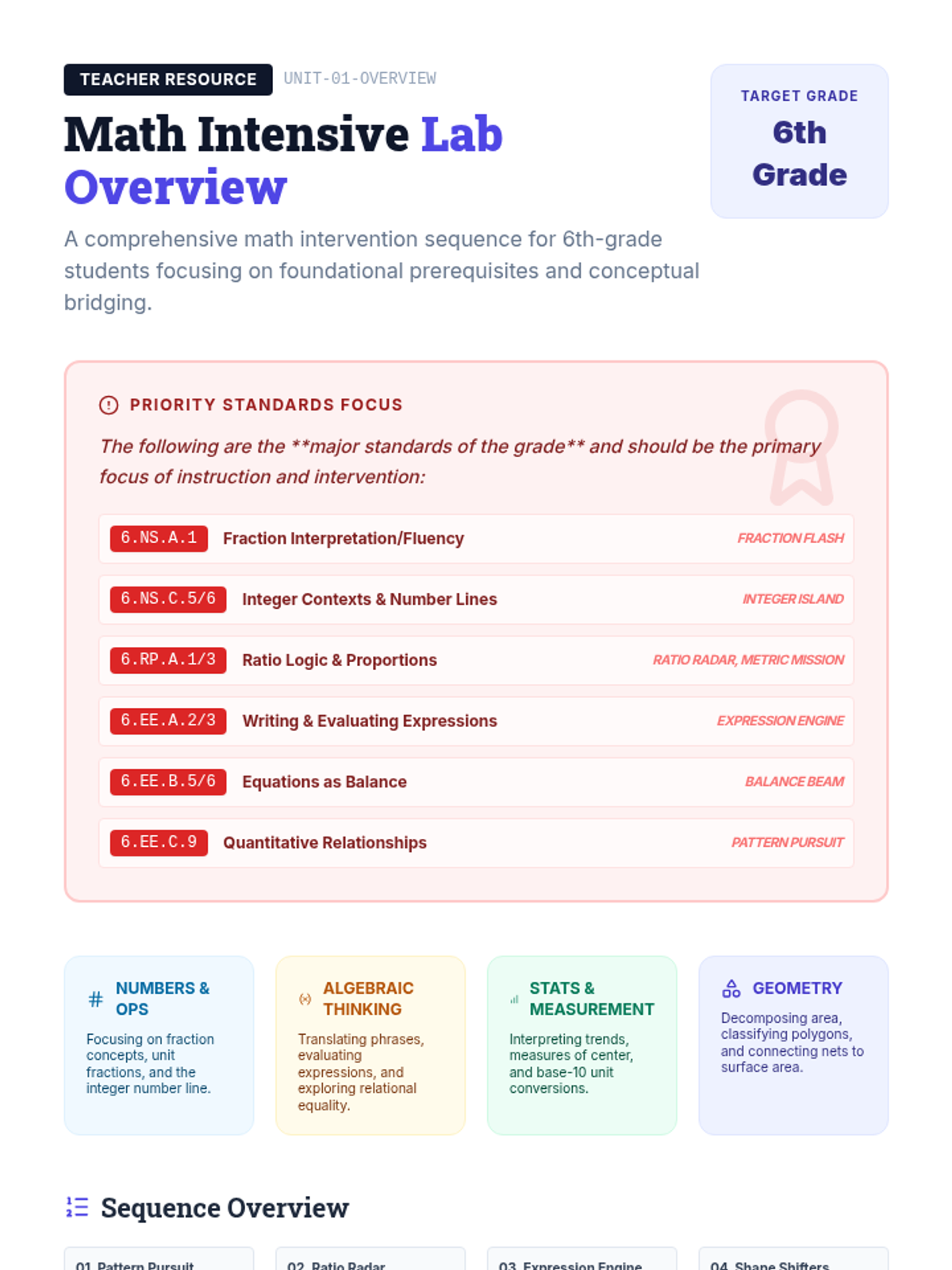
Unit Overview Resource

Math Intensive Lab

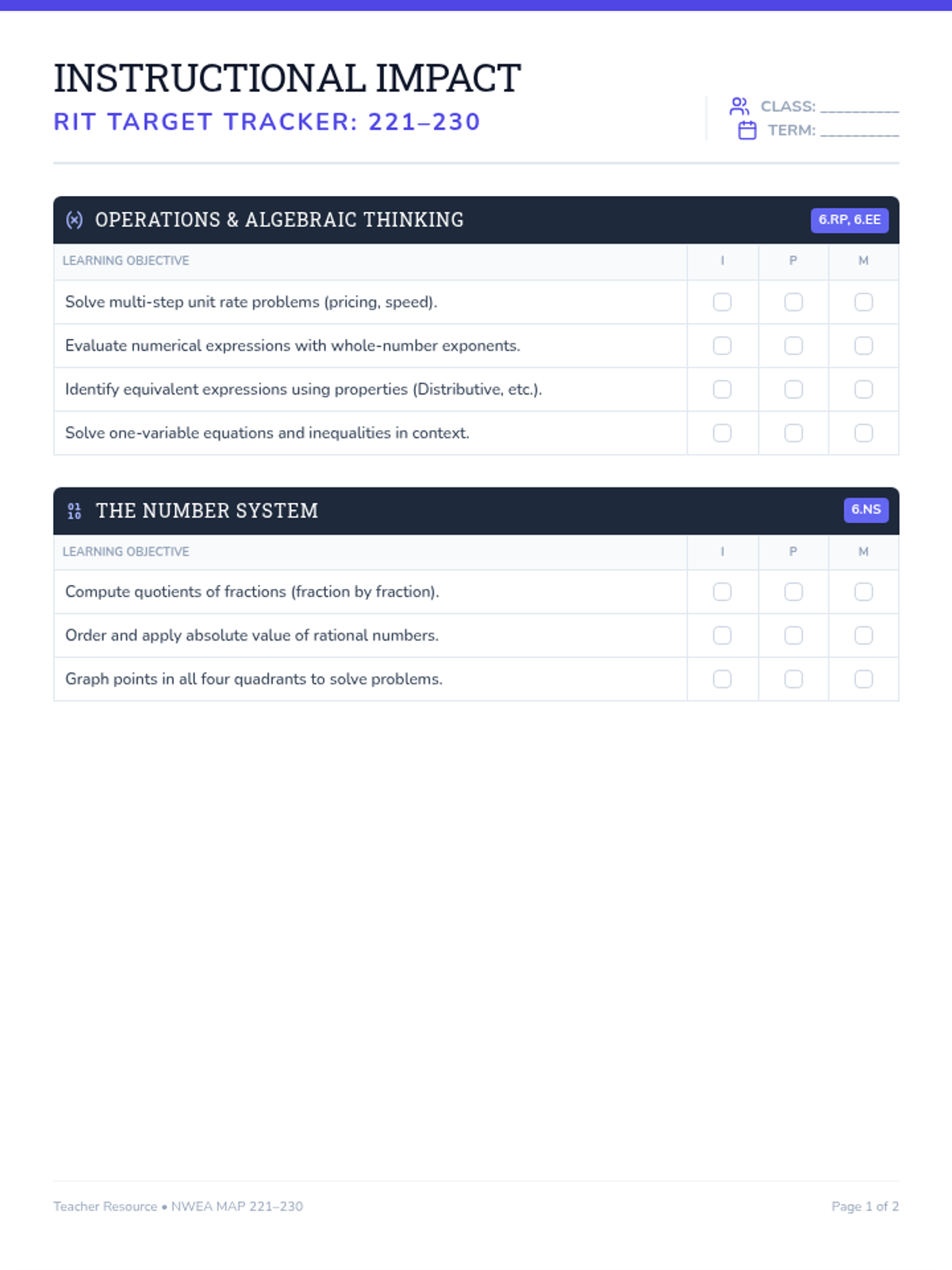
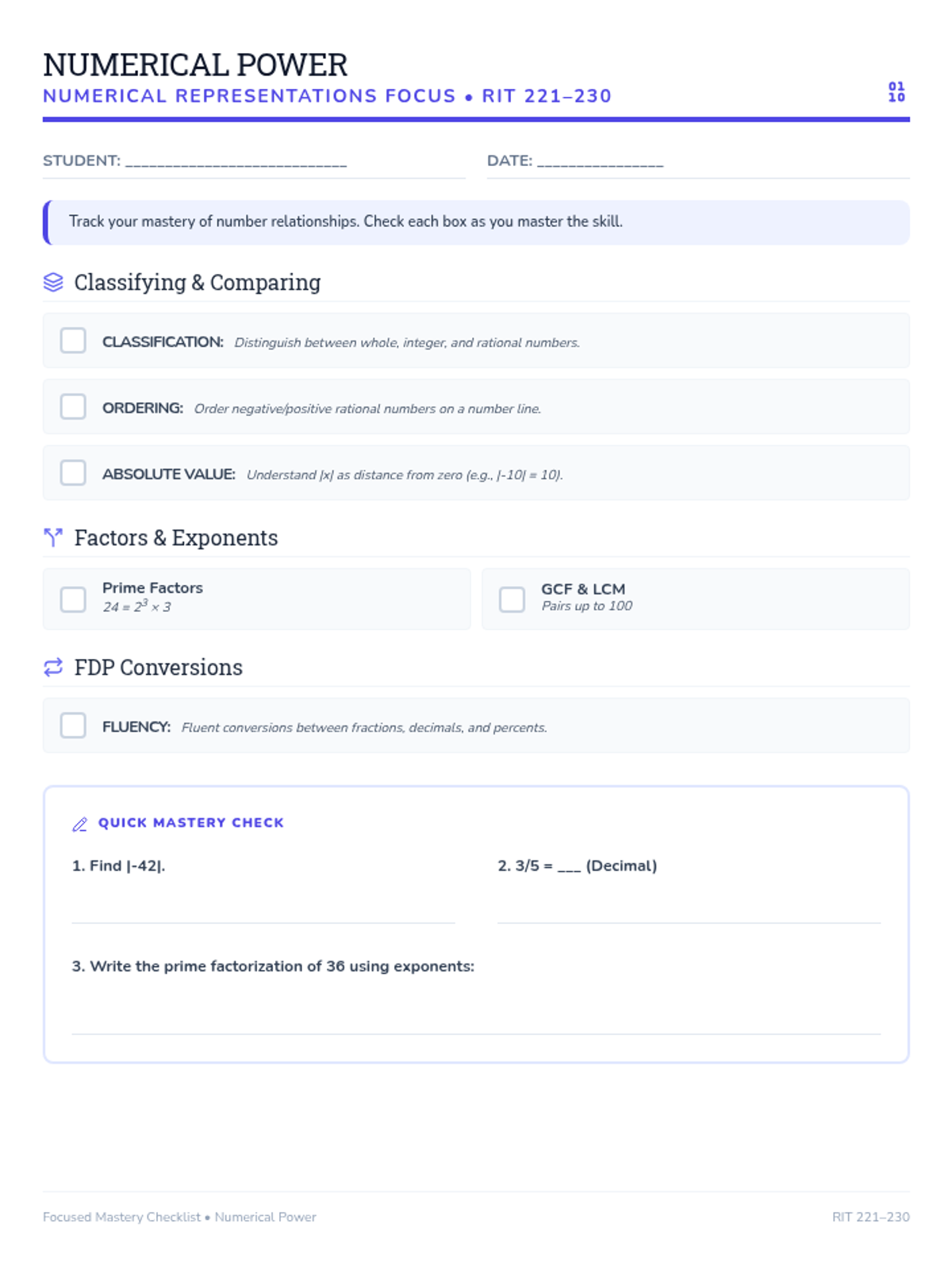
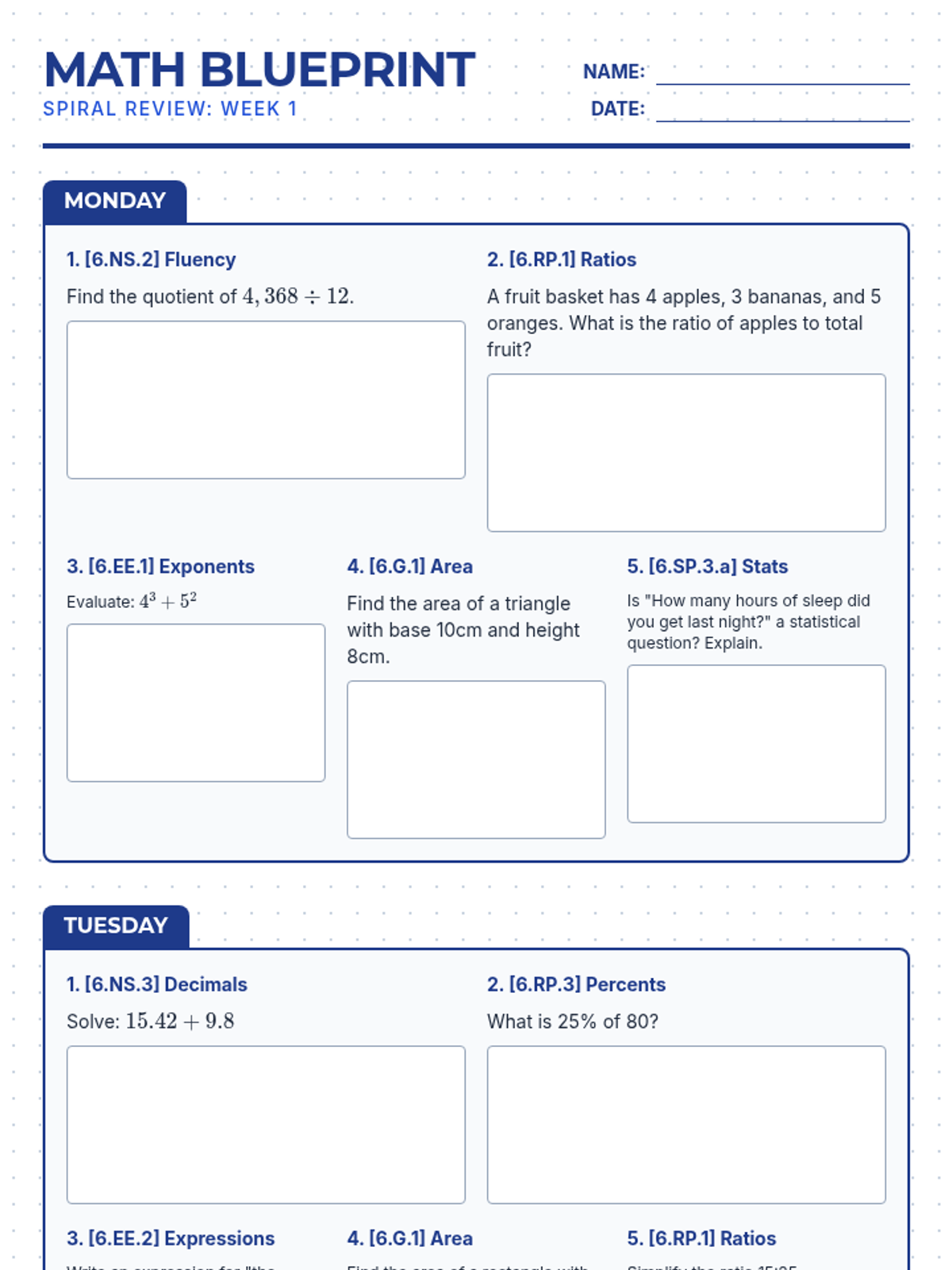
A comprehensive math intervention sequence for 6th-grade students, focusing on four key domains: Numbers & Operations, Algebraic Thinking, Measurement & Data, and Geometry. This sequence uses high-leverage strategies from the All Learners Network (ALN) and aligns with i-Ready prerequisite modules to bridge conceptual gaps.

D

dfredericks

Math Teacher
2/5
Sequence
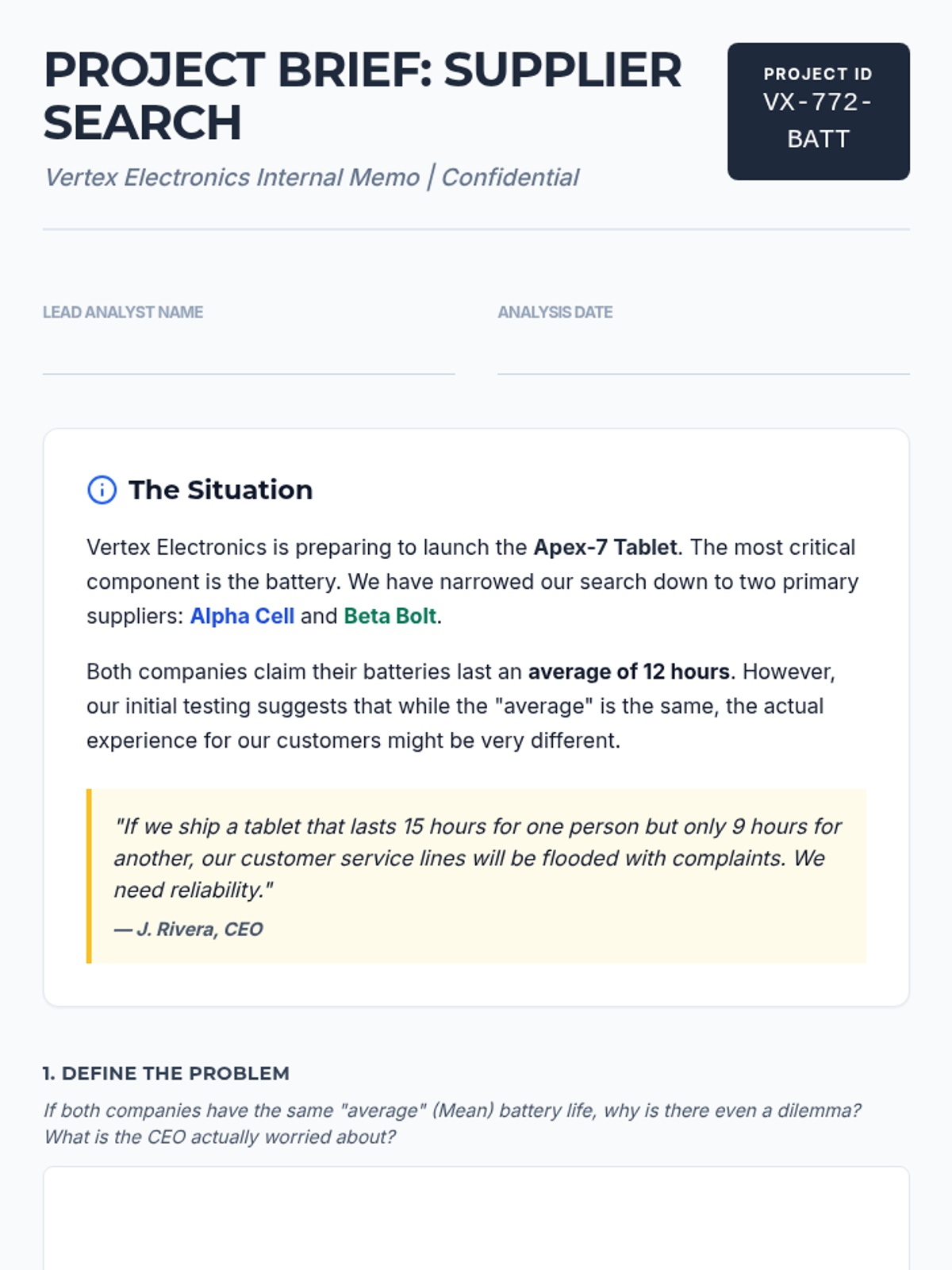
Supplier Search Brief
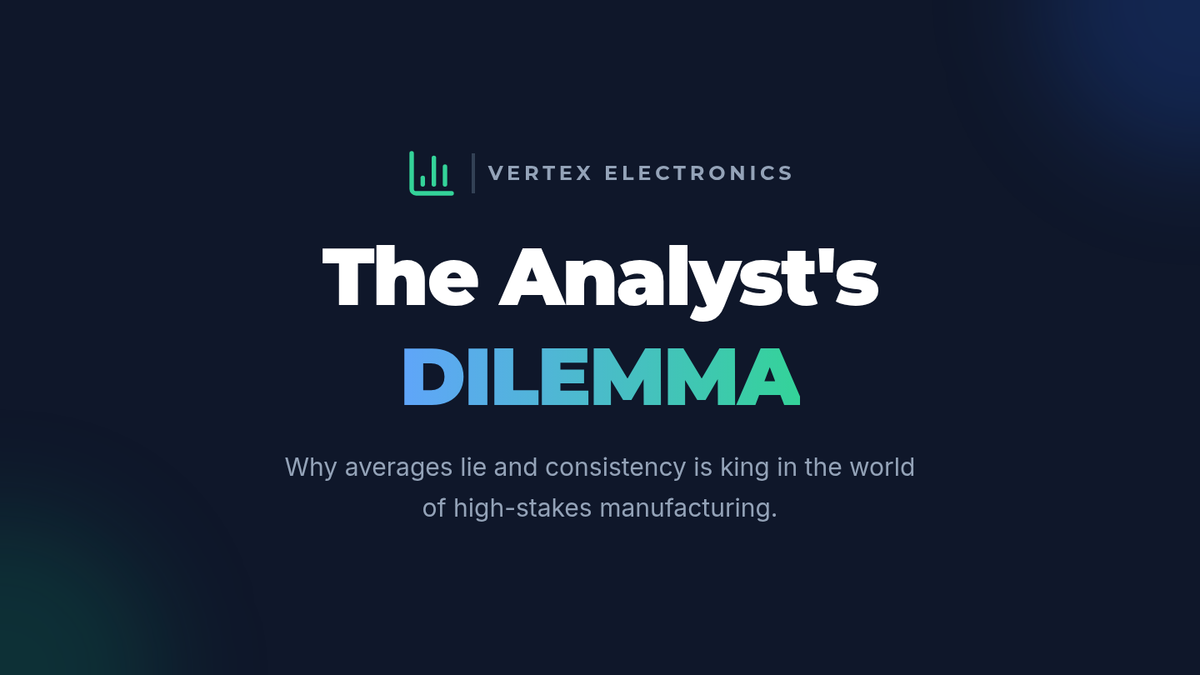
Analyst Intro Slides

Consistency Kings

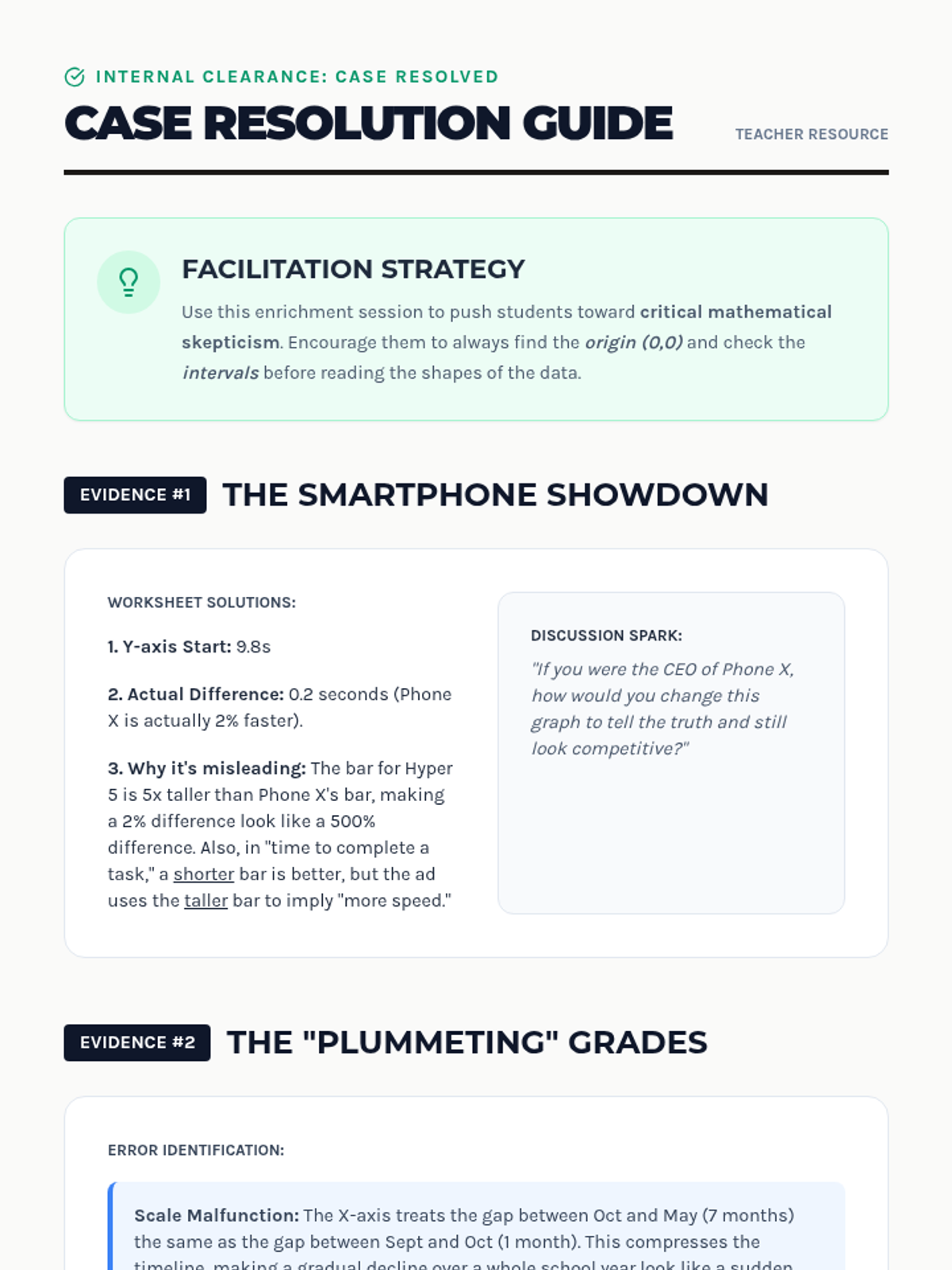
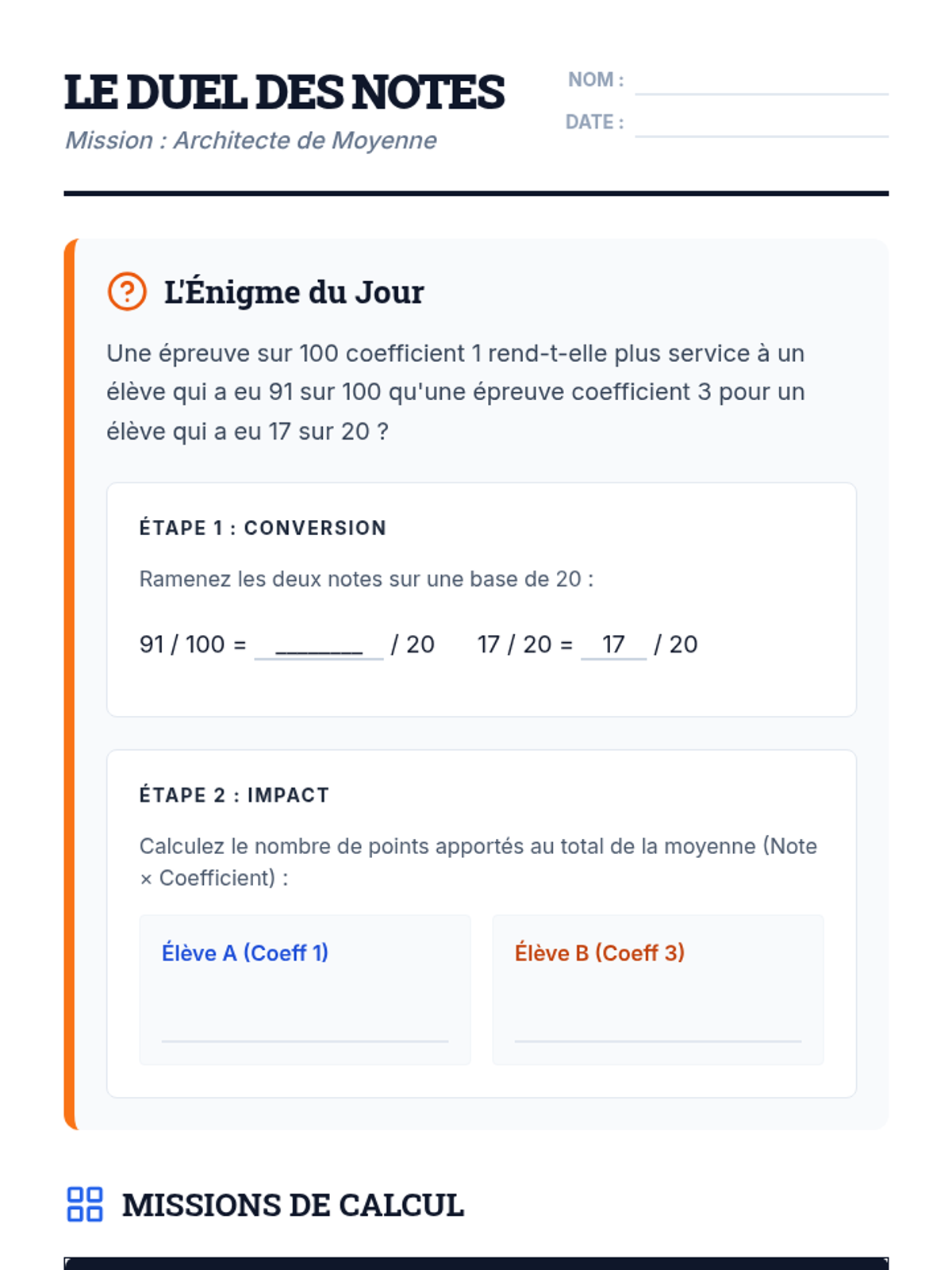
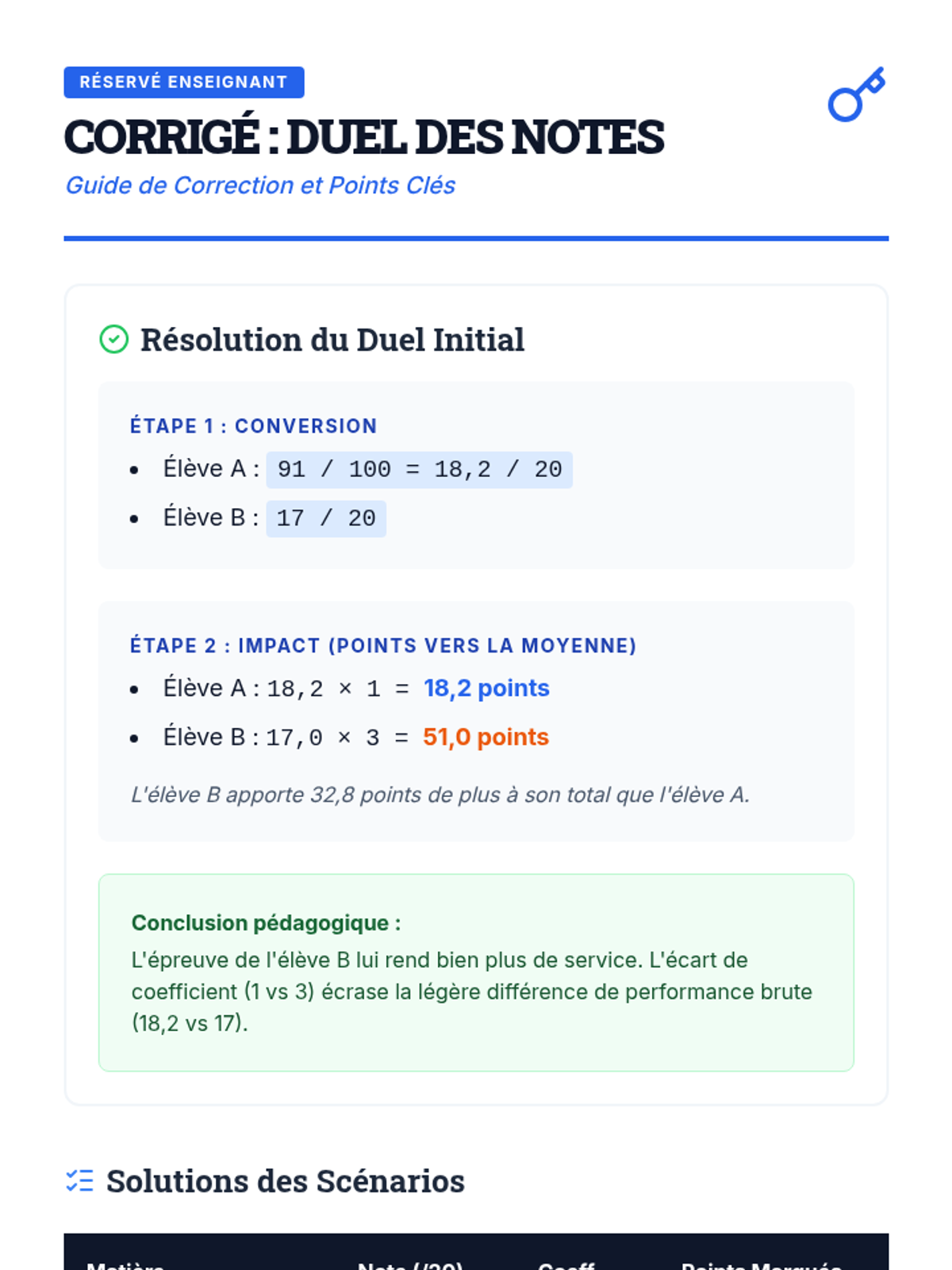
Students act as data analysts for a tech company to decide between two suppliers. They learn that averages don't tell the whole story, using Mean Absolute Deviation (MAD) and Interquartile Range (IQR) to assess risk and consistency in real-world decision making.

Lenny Avatar
Lenny
1/17
Sequence
Defining the Mission Slides
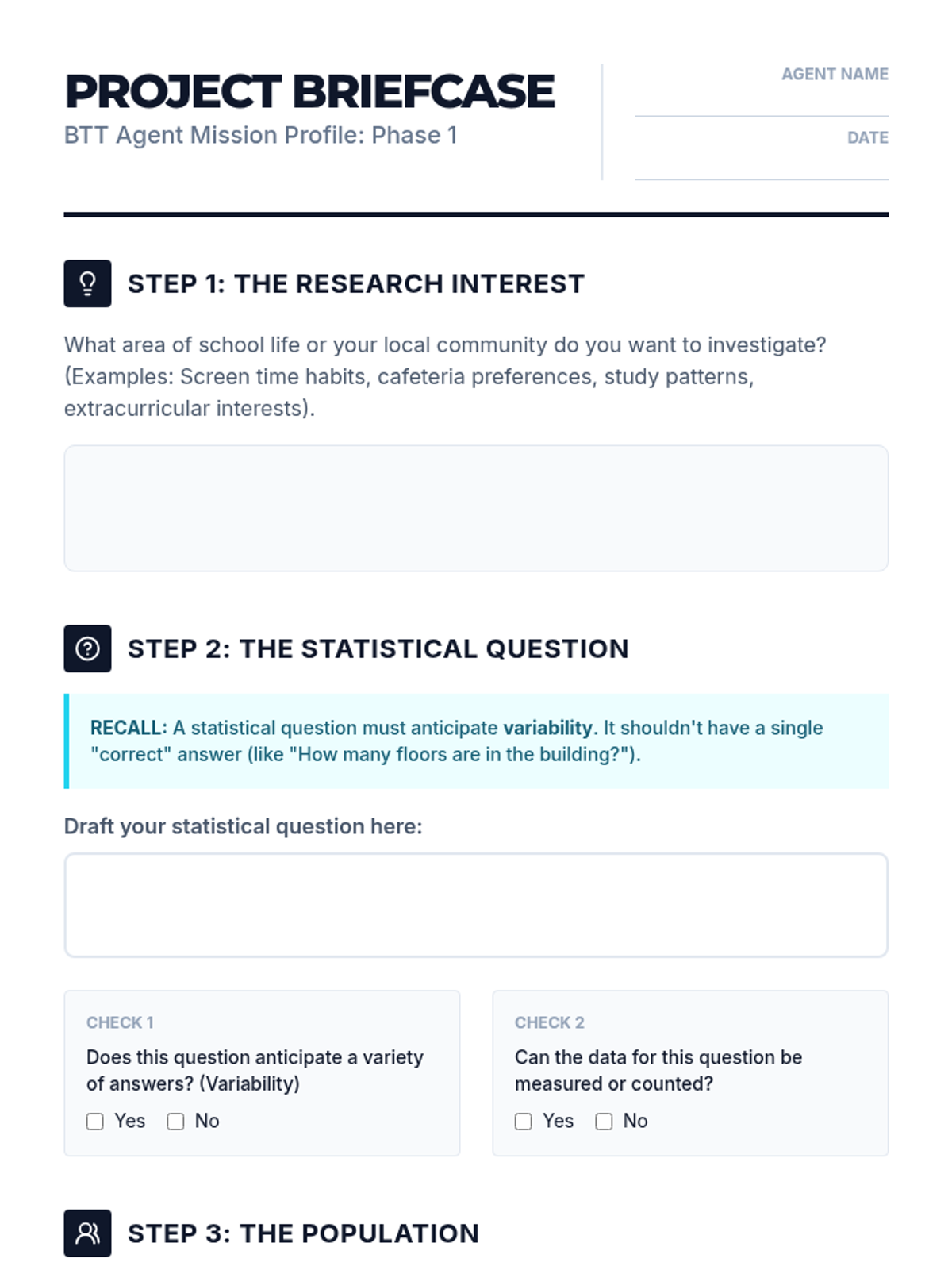
Project Briefcase Worksheet
Project Facilitation Guide

Bureau of Truth and Trends

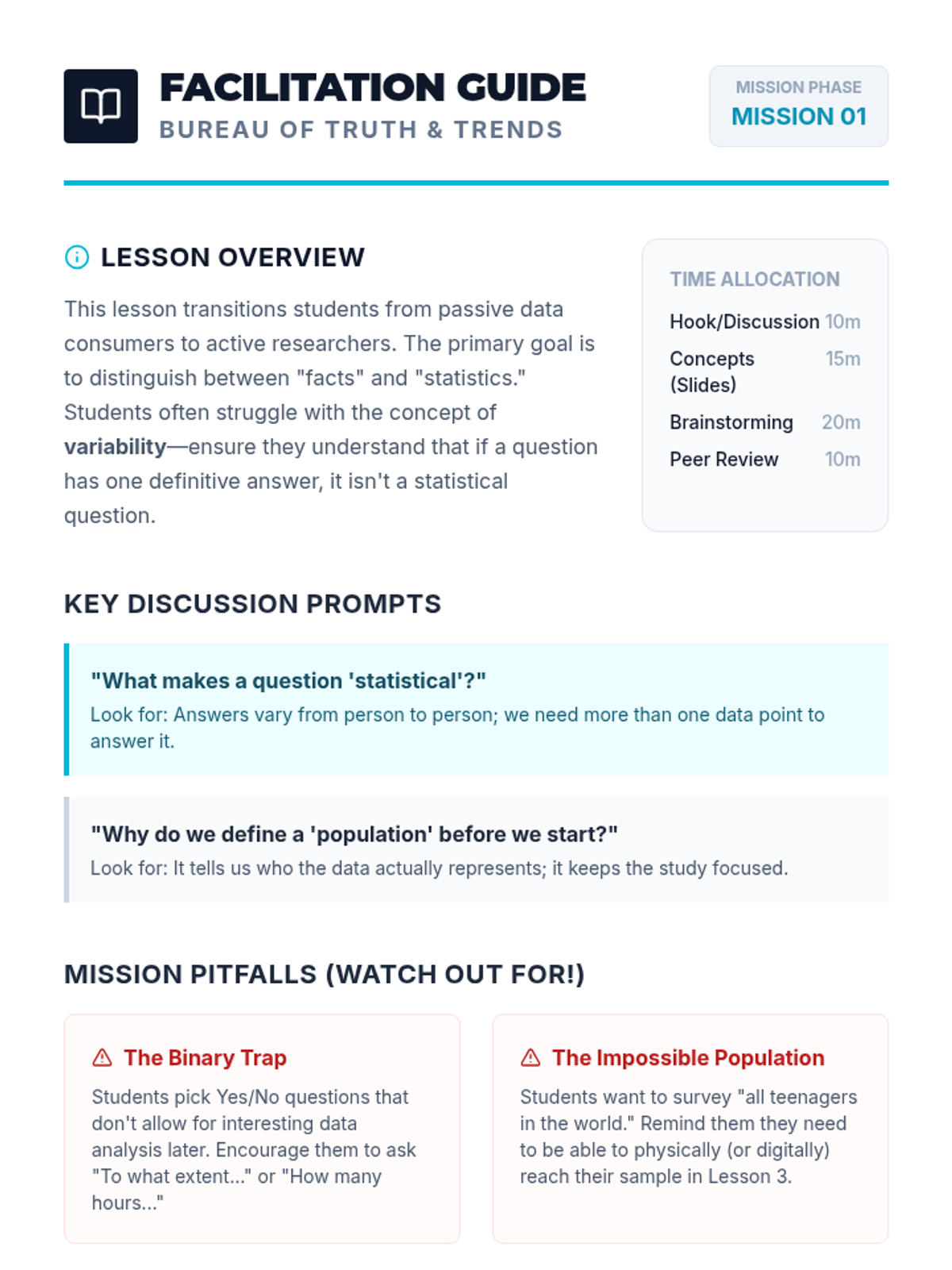
A project-based unit where students act as lead researchers, designing and executing a statistical study from question formulation to final validity reporting. Students learn to navigate population definitions, sampling methods, and question bias to ensure their data accurately reflects reality.

Lenny Avatar
Lenny
1/17
Sequence
Right Tool Slides
Center Spread Hunt Worksheet
Variability Teacher Guide

Data Lab Variability Detectives

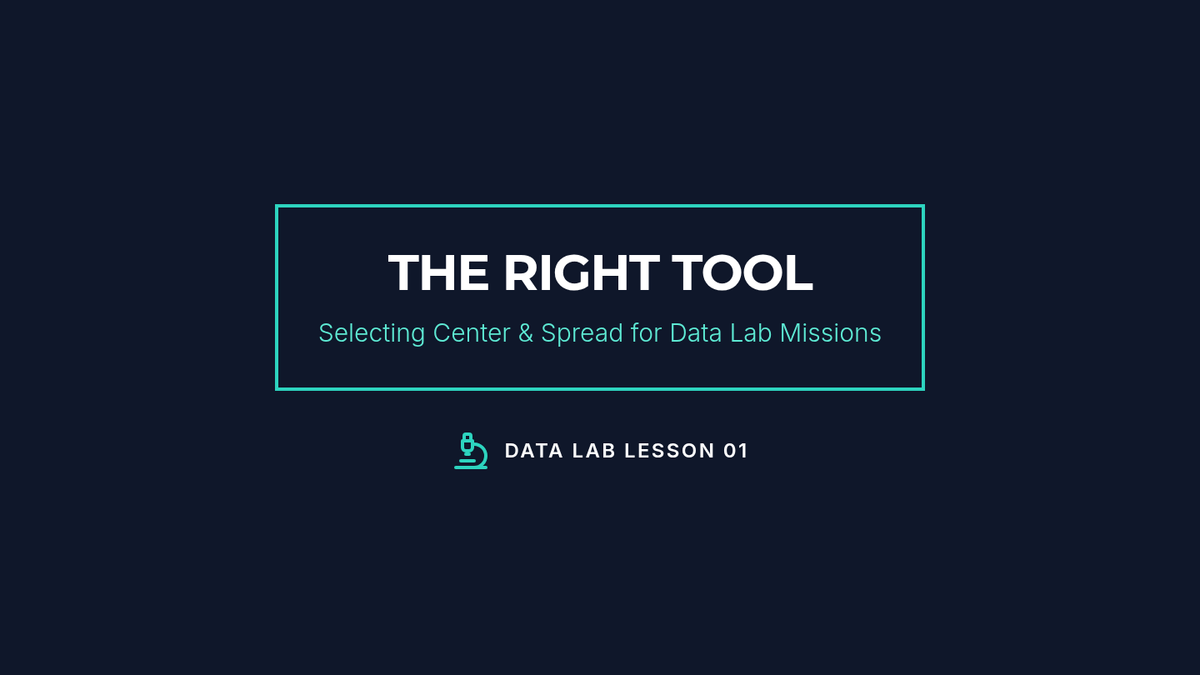
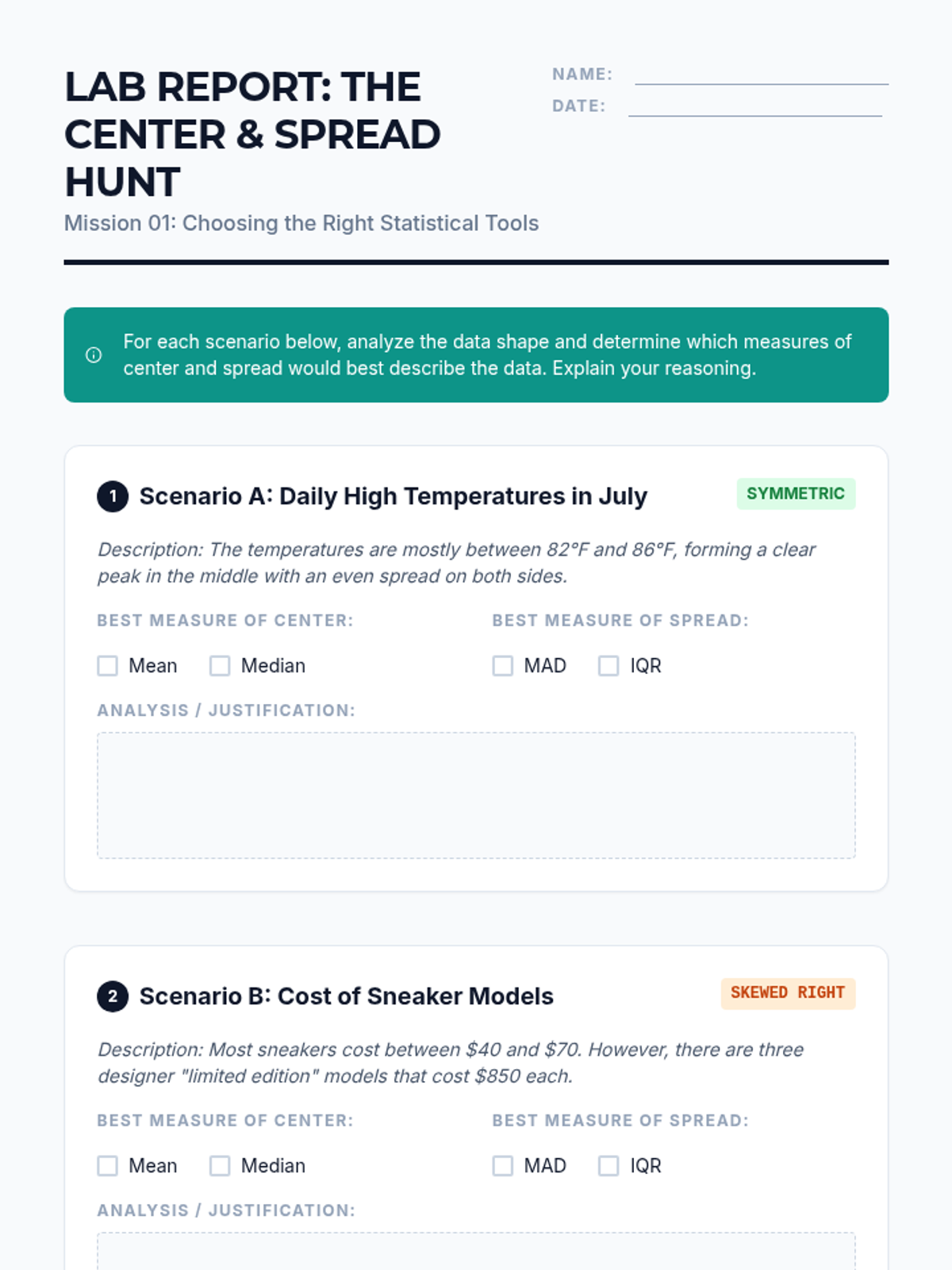
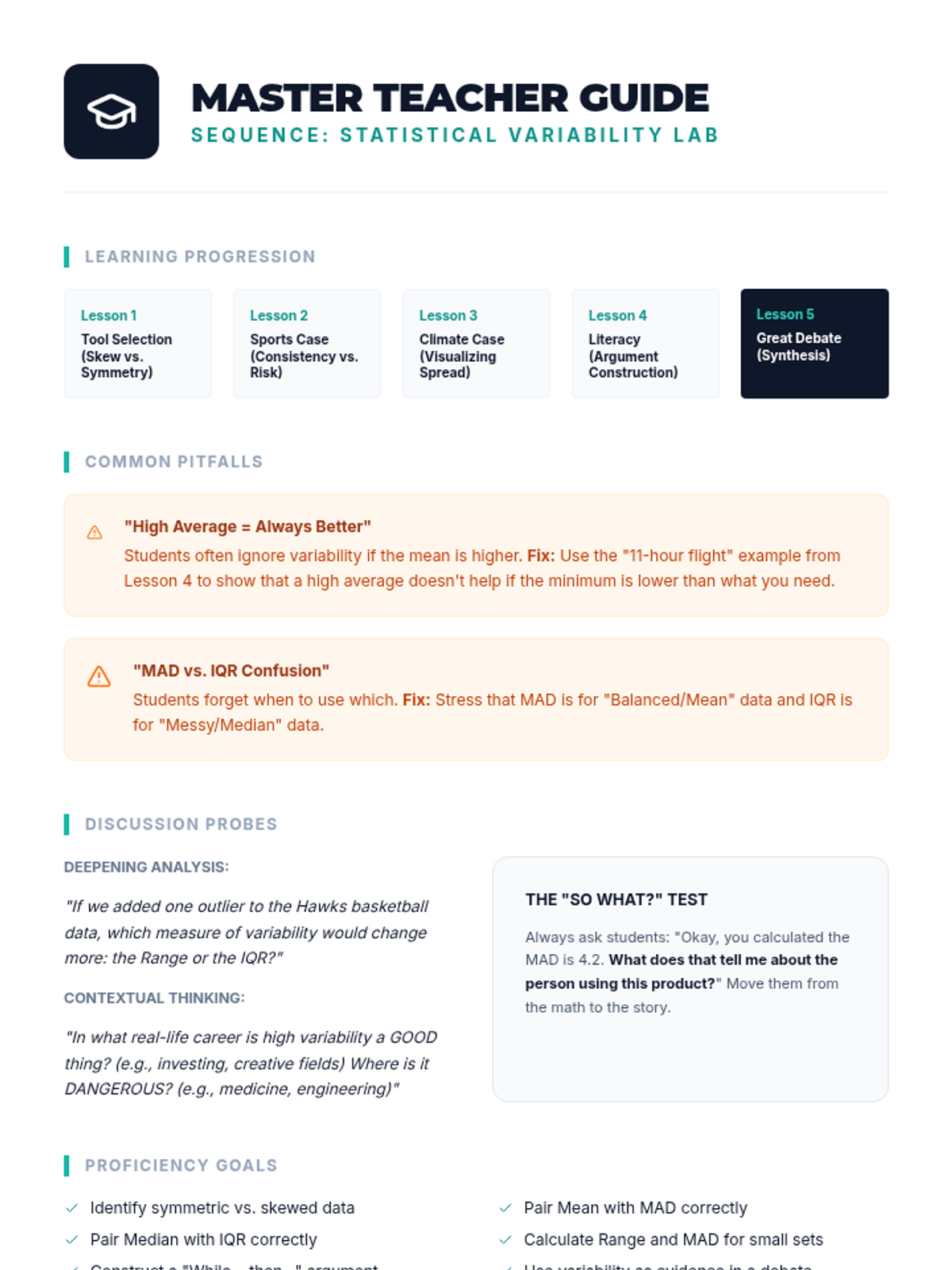
A 5-lesson sequence for 6th-grade students focused on using measures of variability (Range, IQR, MAD) to compare populations and make evidence-based arguments. Students transition from calculation to analysis using real-world case studies in sports, meteorology, and consumer products.

Lenny Avatar
Lenny
1/17
Sequence
Project Roadmap Teacher Guide
Study Blueprint Slides
Research Proposal Worksheet

Data Detectives Research Lab

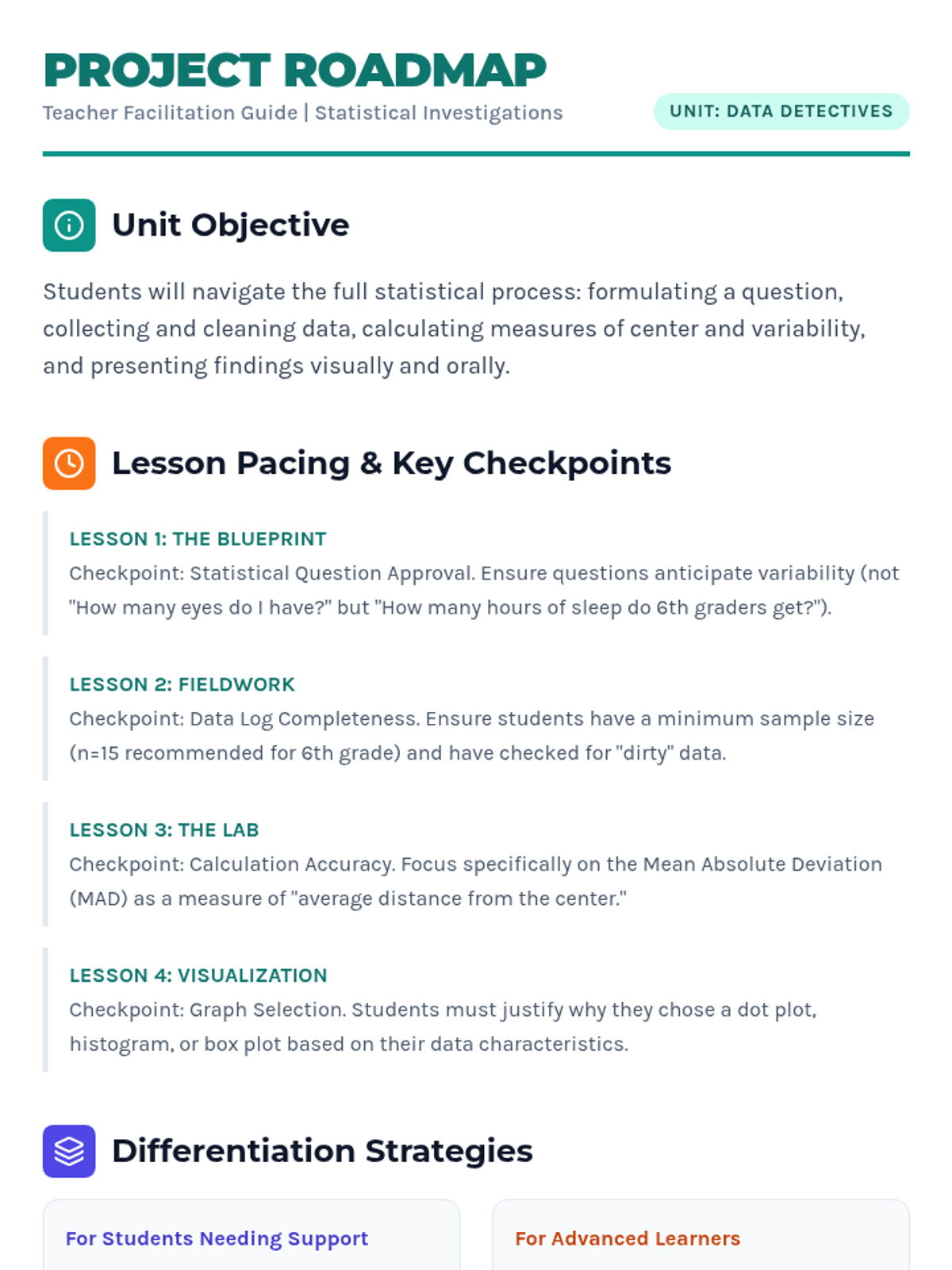
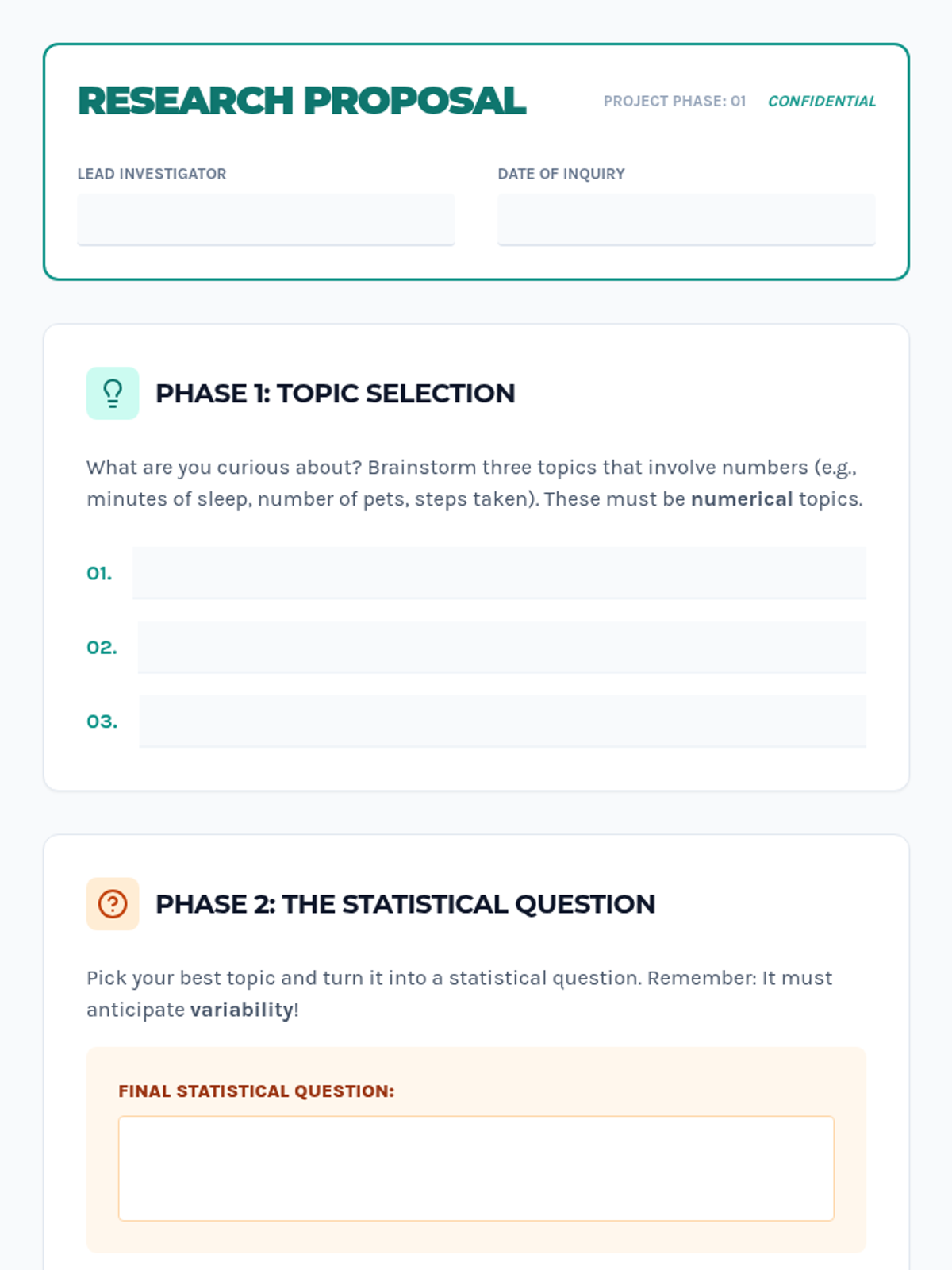
A project-based unit where 6th-grade students act as researchers, conducting a full statistical investigation from question formulation to final presentation. Students identify a topic, collect peer data, and analyze variability to answer their own statistical questions.

Lenny Avatar
Lenny
1/17
Sequence
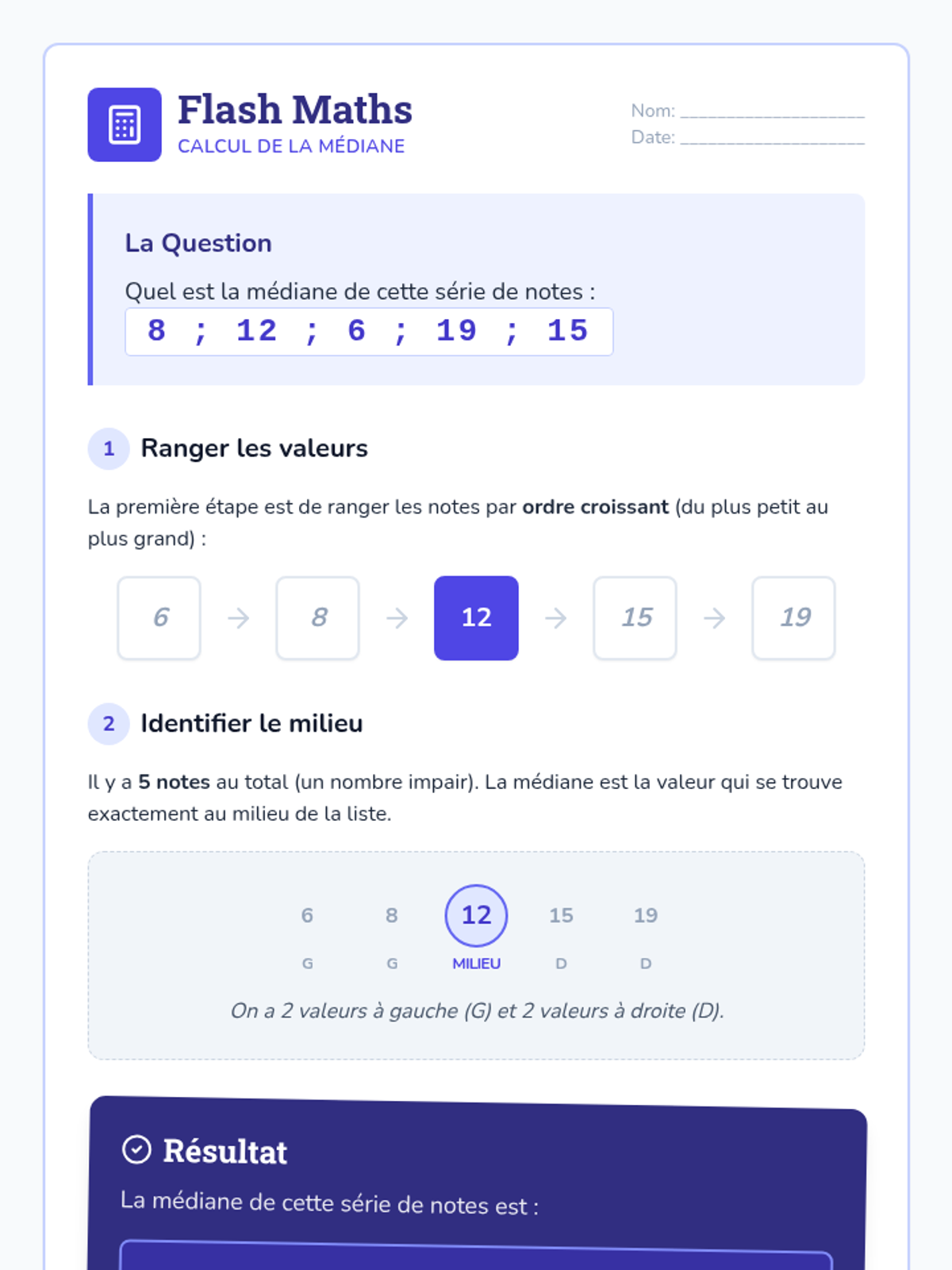
Median and Splitting Slides
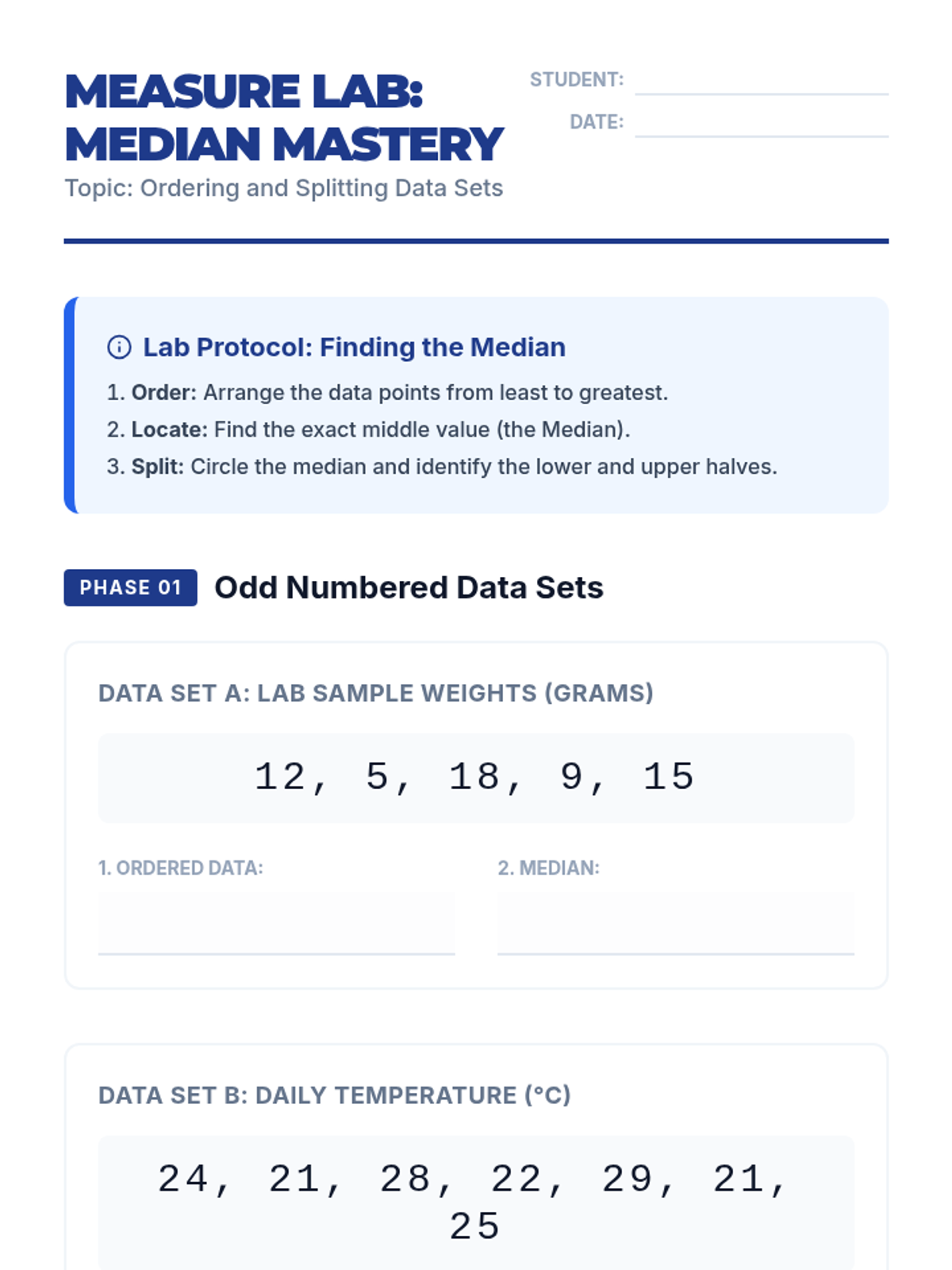
Median Mastery Worksheet
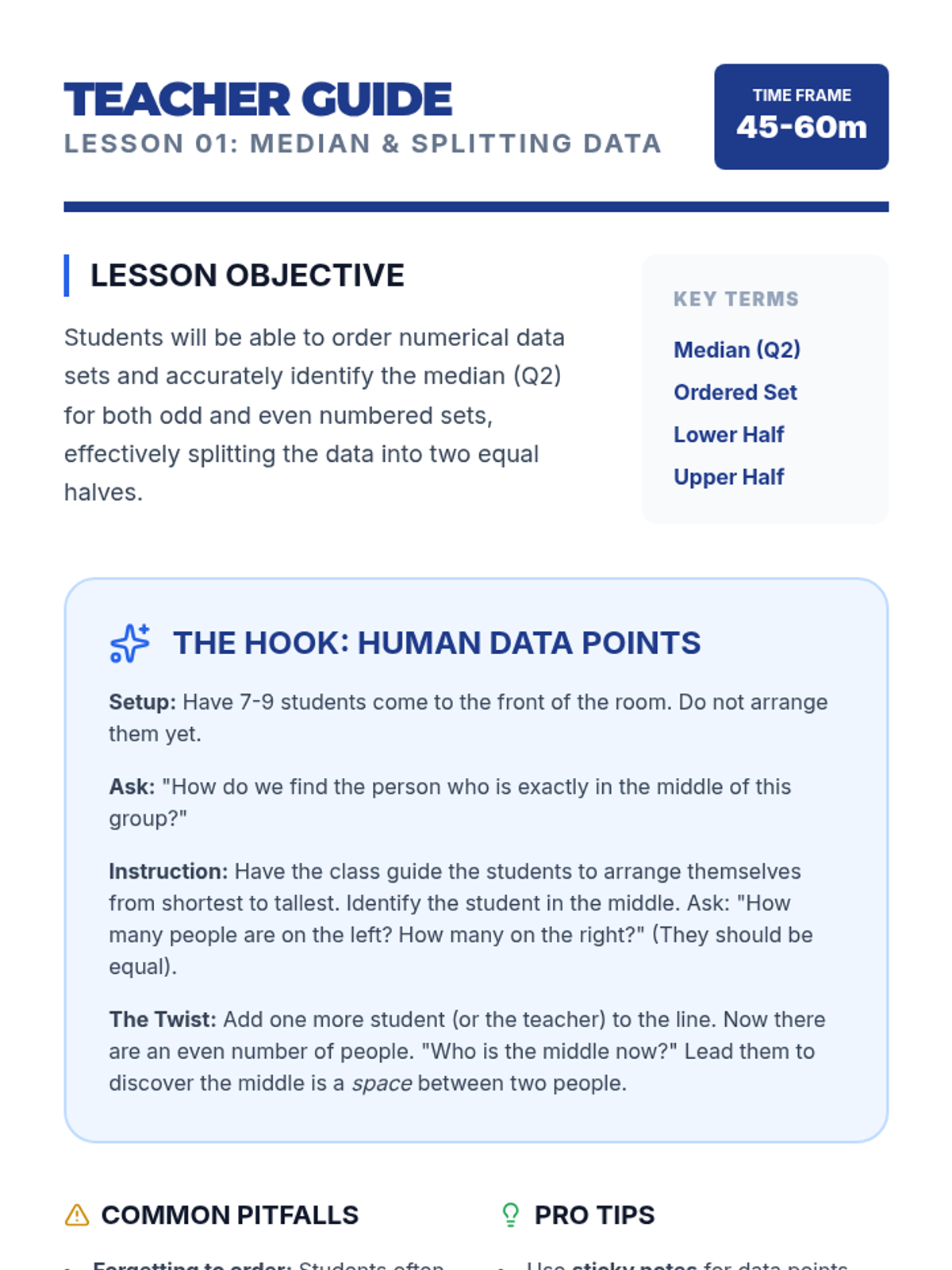
Median Splitting Teacher Guide

Measure Lab Data Distribution

A comprehensive unit for 6th-grade students on statistical variability, focusing on quartiles, Interquartile Range (IQR), and the construction and interpretation of box plots. Students move from basic median splitting to complex data visualization and comparison.

Lenny Avatar
Lenny
1/17
Sequence
Question Quest Slides
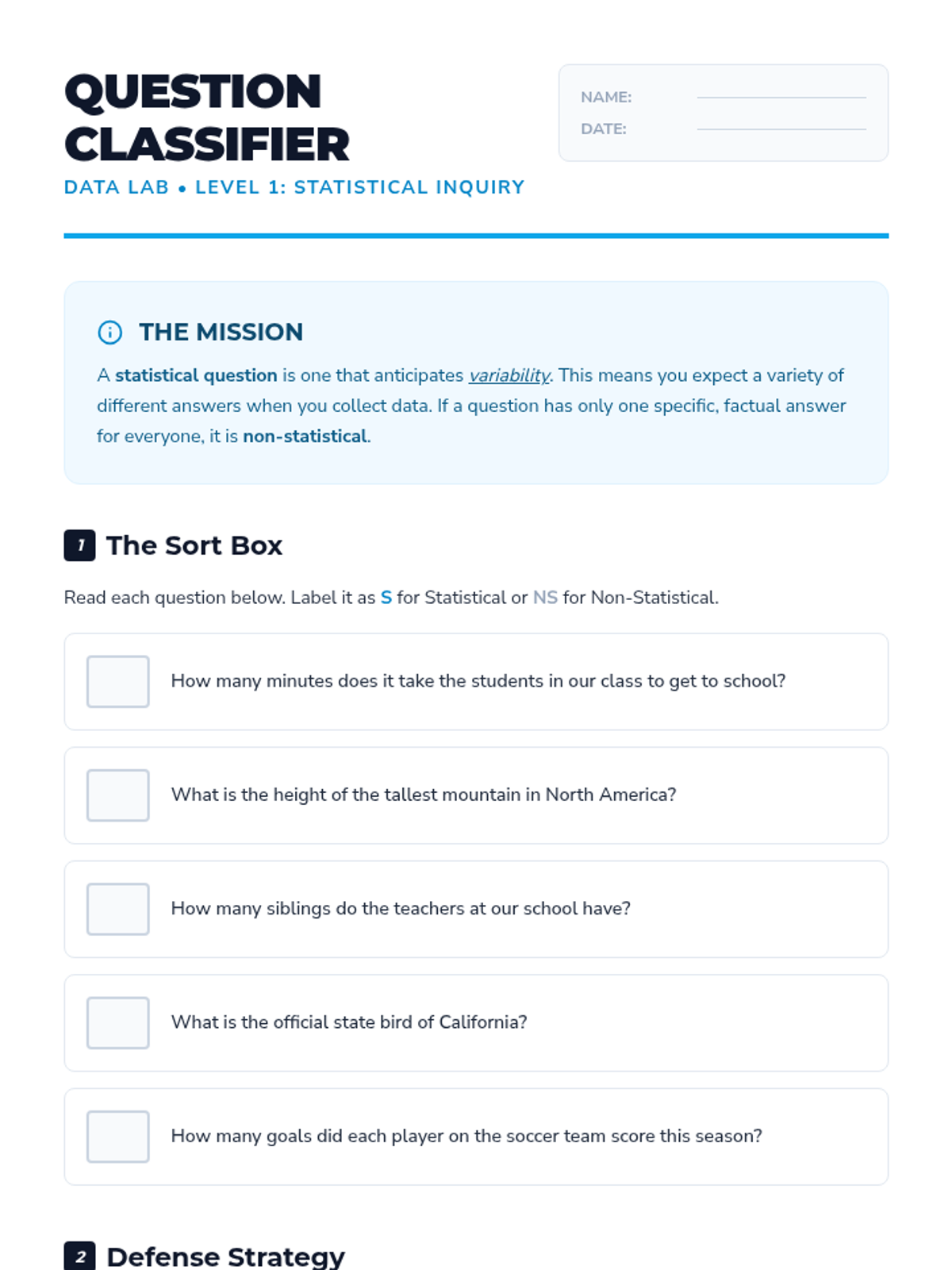
Question Classifier Worksheet

Trend Spotters Data Lab

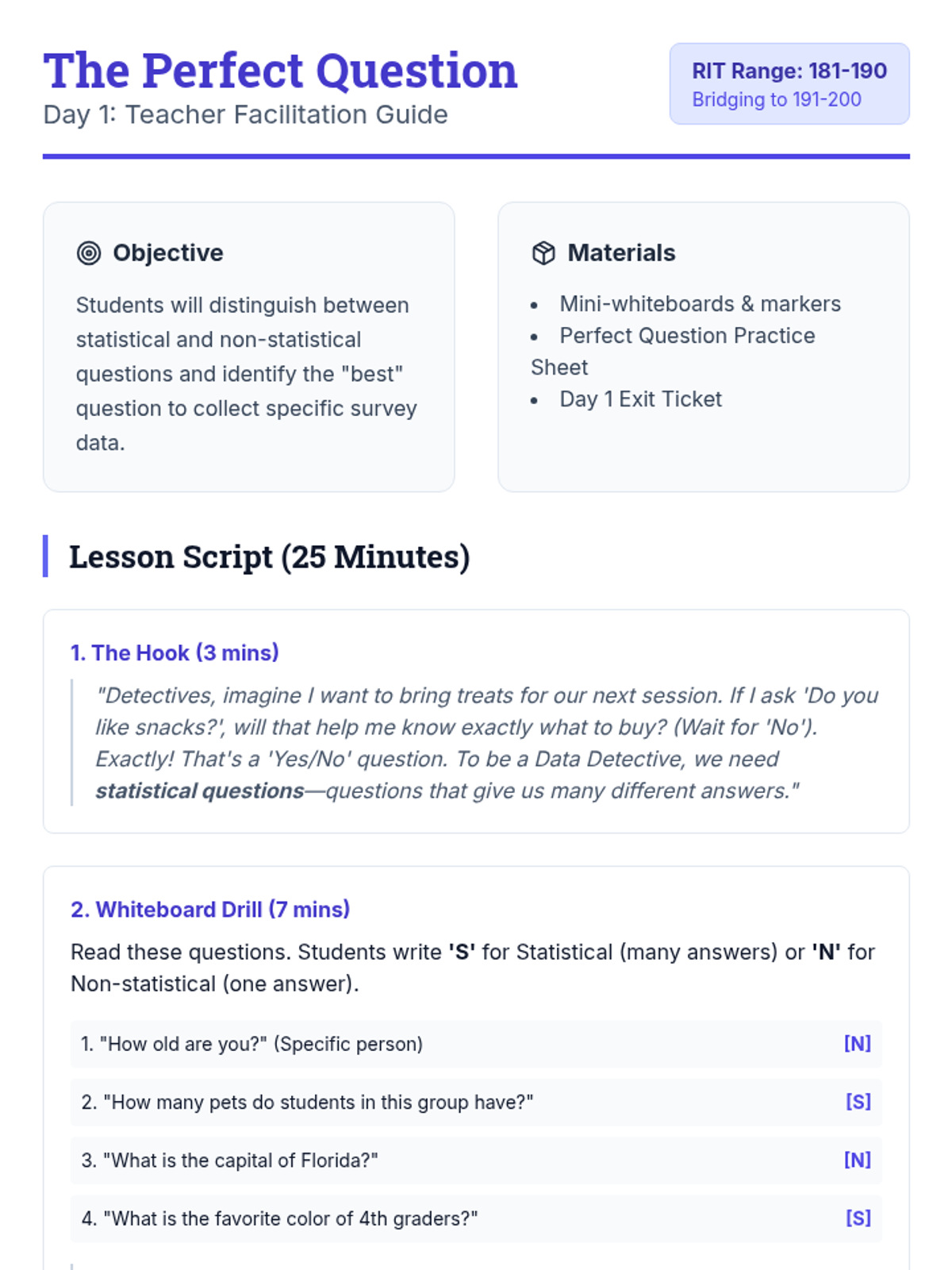
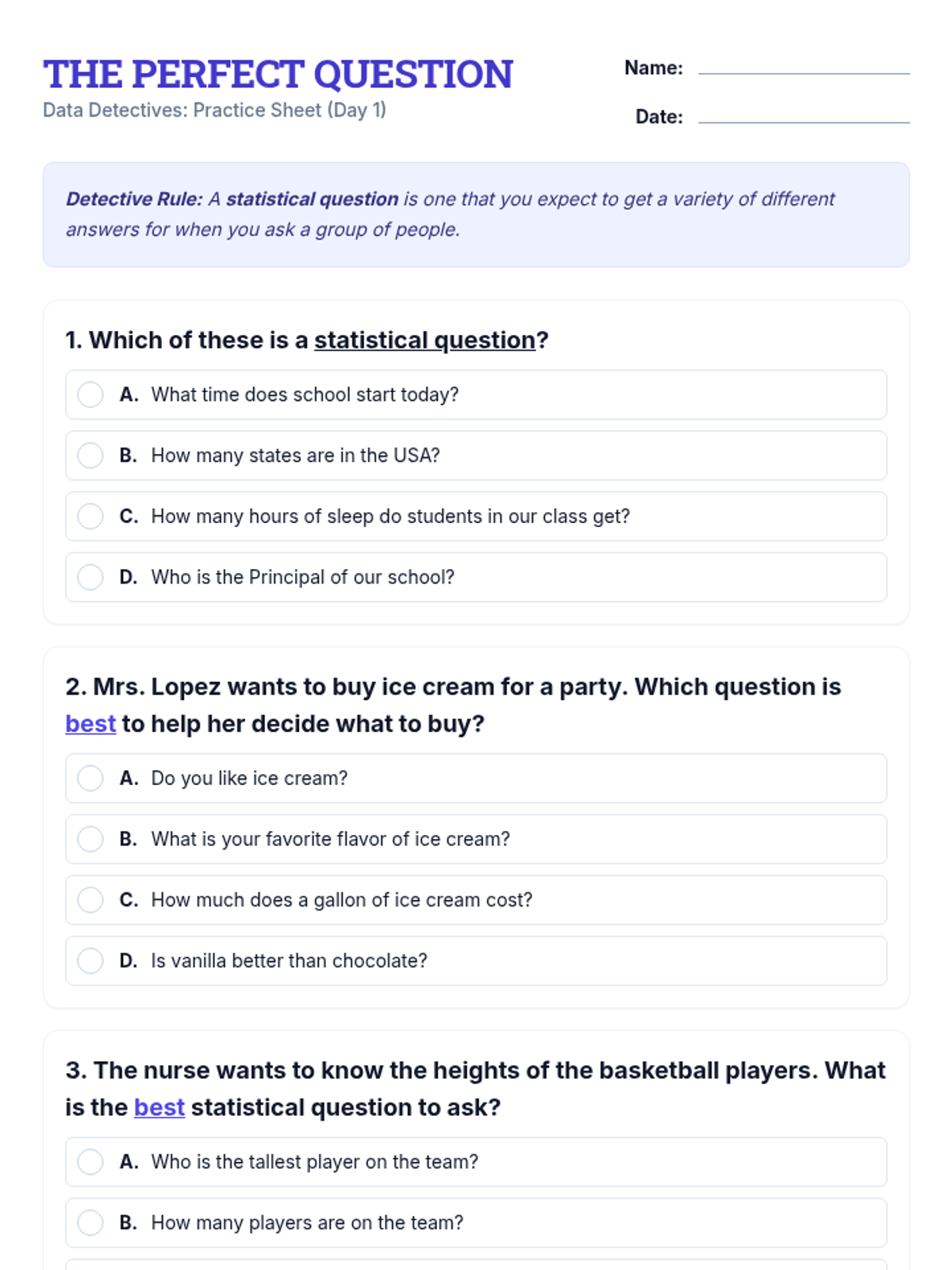
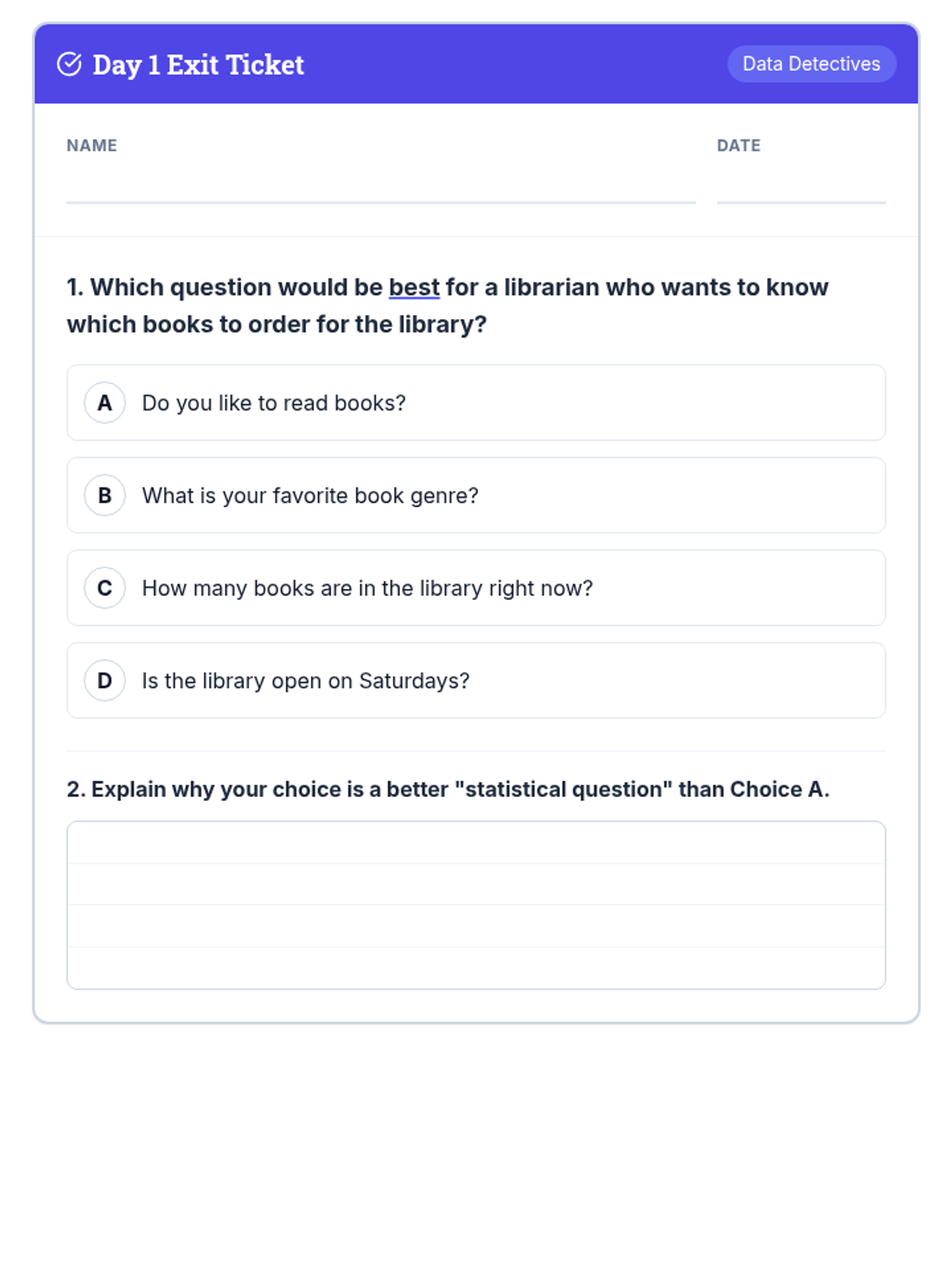
This inquiry-based sequence introduces 6th grade students to statistical variability, starting with distinguishing question types and progressing to visualizing data on dot plots and quantifying spread using range.

Lenny Avatar
Lenny
1/17
Sequence
Shape Shifters Presentation
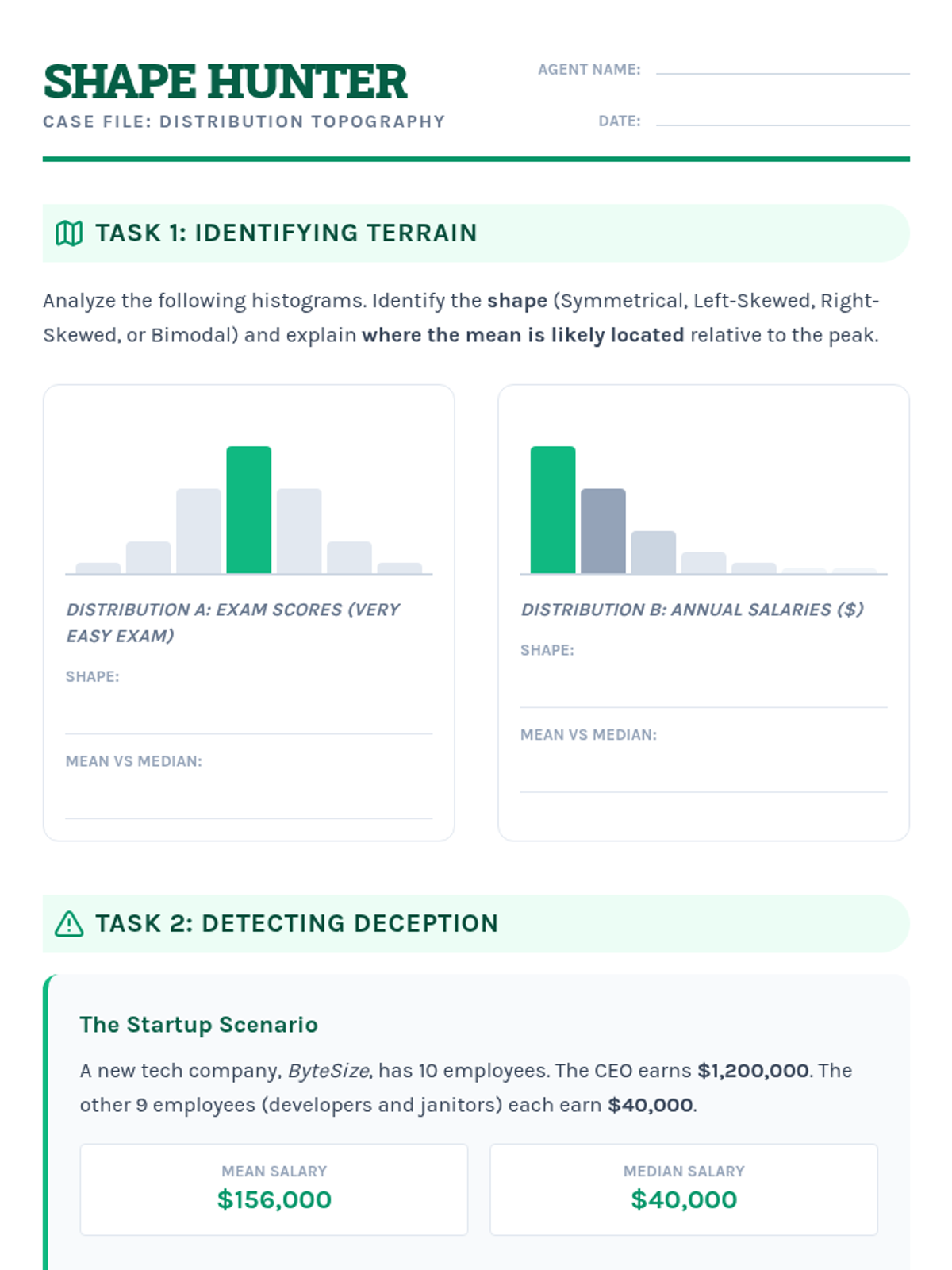
Shape Hunter Worksheet

Spread Stories

An inquiry-based exploration of statistical variability, focusing on how data spread reveals truths about inequality, climate instability, and diversity that averages often hide. Students transition from visual distribution analysis to quantifying disparity using IQR and MAD, culminating in an independent investigation.

Lenny Avatar
Lenny
1/17
Sequence
Quartile Quest Slides
Partition Practice Worksheet
Quartile Captain Teacher Guide

Data Blueprint Box Plots and IQR

A comprehensive sequence on statistical variability focusing on quartiles, IQR, and box plots. Students move from raw data partitioning to visual representation and advanced outlier detection, culminating in the interpretation of distribution shapes and skewness.

Lenny Avatar
Lenny
1/17
Sequence
Data Disparity Slides
Spread Matchup Worksheet

Data Disparity and Distribution

This sequence explores statistical variability through the lens of robust measures like IQR and box plots. Students move from basic understanding of spread to complex comparative analysis, focusing on how variability impacts the reliability of data-driven conclusions.

Lenny Avatar
Lenny
1/17
Sequence
Display Deck Slides
Plot Power Workbook
Intervention Intel Guide

Data Lab

A targeted intervention sequence for 6th-grade students to master the construction and interpretation of dot plots, histograms, and box plots through hands-on data collection and analysis.

Lenny Avatar
Lenny
2/12
Sequence
Unit Overview Resource

Math Intensive Lab

A comprehensive math intervention sequence for 6th-grade students, focusing on four key domains: Numbers & Operations, Algebraic Thinking, Measurement & Data, and Geometry. This sequence uses high-leverage strategies from the All Learners Network (ALN) and aligns with i-Ready prerequisite modules to bridge conceptual gaps.
D

dfredericks

Math Teacher
2/5
Sequence
Supplier Search Brief
Analyst Intro Slides

Consistency Kings

Students act as data analysts for a tech company to decide between two suppliers. They learn that averages don't tell the whole story, using Mean Absolute Deviation (MAD) and Interquartile Range (IQR) to assess risk and consistency in real-world decision making.
Lenny Avatar
Lenny
1/17
Sequence
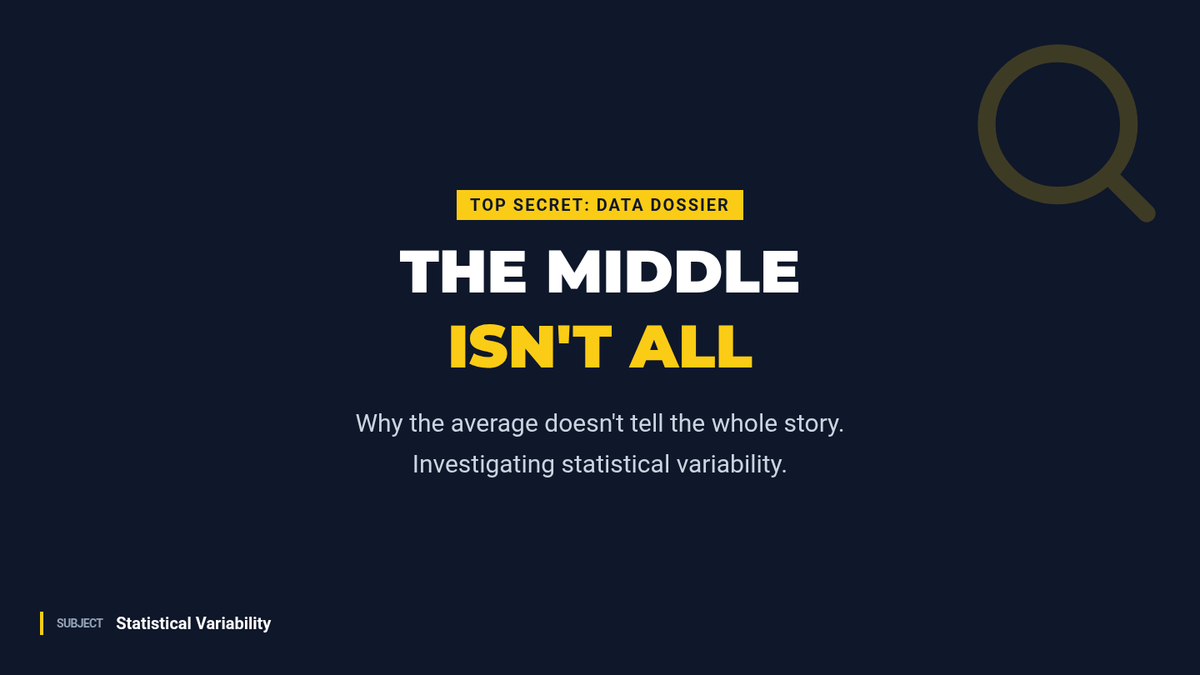
Mean isnt Everything Slides
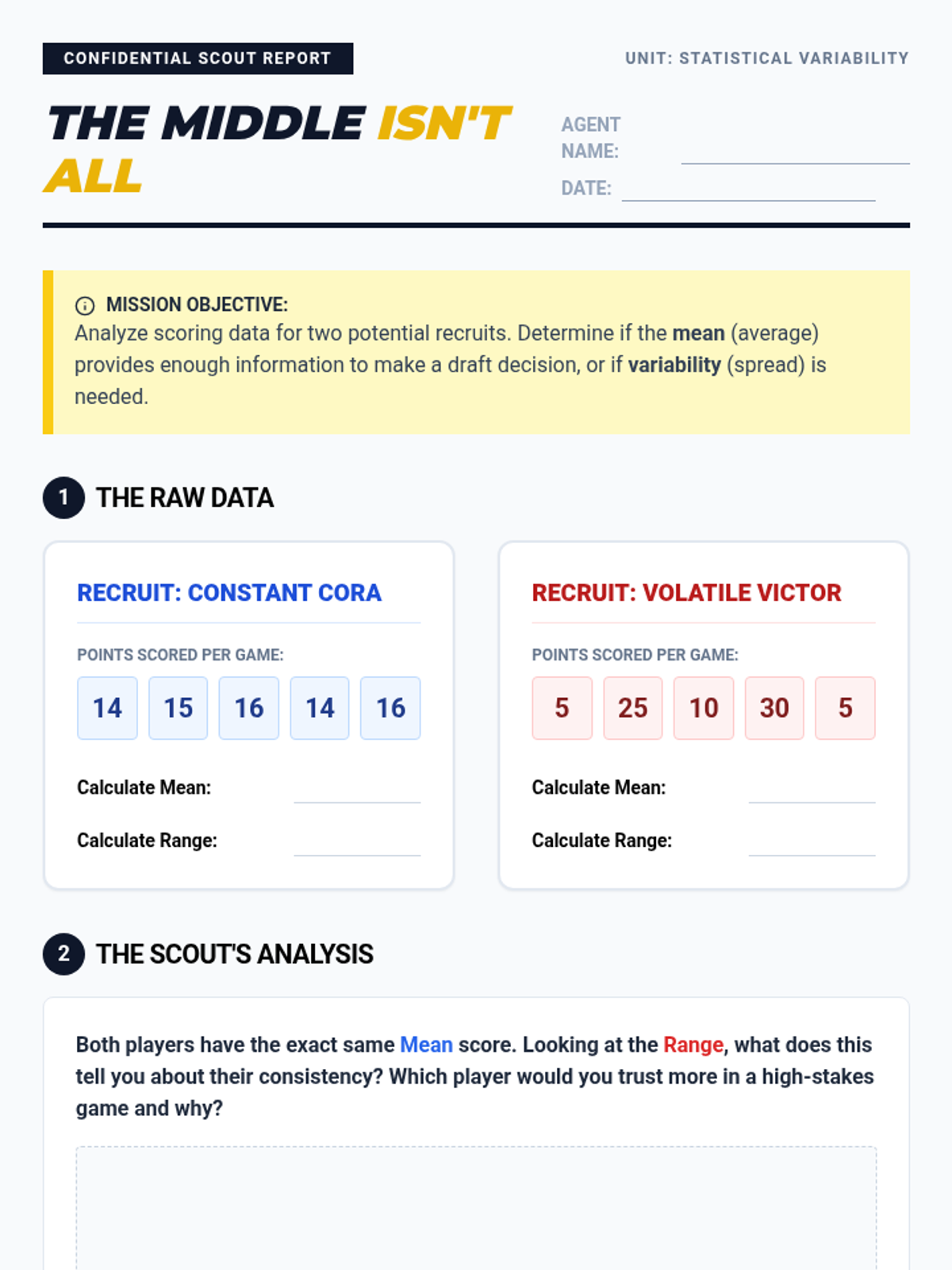
Scouting Report Worksheet

Data Detectives Spreading Stats

A comprehensive sequence on statistical variability focusing on Mean Absolute Deviation (MAD). Students progress from conceptual understanding of spread to algorithmic calculation and comparative analysis of data distributions.

Lenny Avatar
Lenny
1/17
Sequence
Right Tool Slides
Center Spread Hunt Worksheet
Variability Teacher Guide

Data Lab Variability Detectives

A 5-lesson sequence for 6th-grade students focused on using measures of variability (Range, IQR, MAD) to compare populations and make evidence-based arguments. Students transition from calculation to analysis using real-world case studies in sports, meteorology, and consumer products.
Lenny Avatar
Lenny
1/17
Sequence
Project Roadmap Teacher Guide
Study Blueprint Slides
Research Proposal Worksheet

Data Detectives Research Lab

A project-based unit where 6th-grade students act as researchers, conducting a full statistical investigation from question formulation to final presentation. Students identify a topic, collect peer data, and analyze variability to answer their own statistical questions.

Lenny Avatar
Lenny
1/17
Sequence
Median and Splitting Slides
Median Mastery Worksheet
Median Splitting Teacher Guide

Measure Lab Data Distribution

A comprehensive unit for 6th-grade students on statistical variability, focusing on quartiles, Interquartile Range (IQR), and the construction and interpretation of box plots. Students move from basic median splitting to complex data visualization and comparison.

Lenny Avatar
Lenny
1/17
Sequence
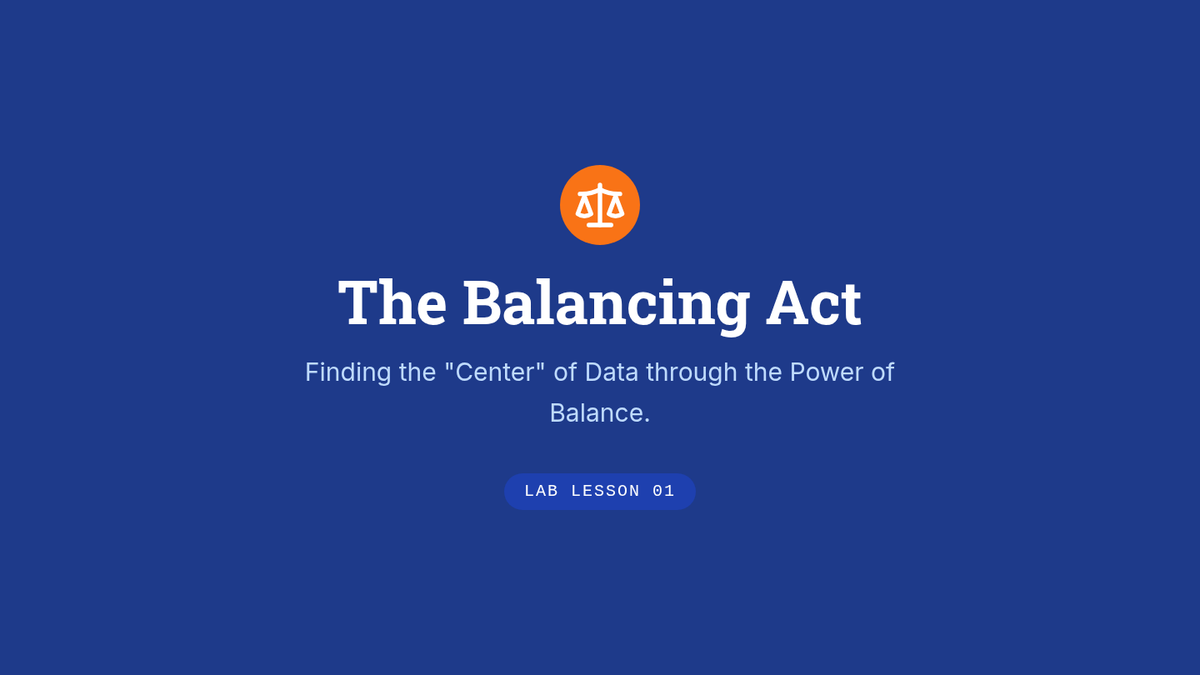
Balancing Act Slides
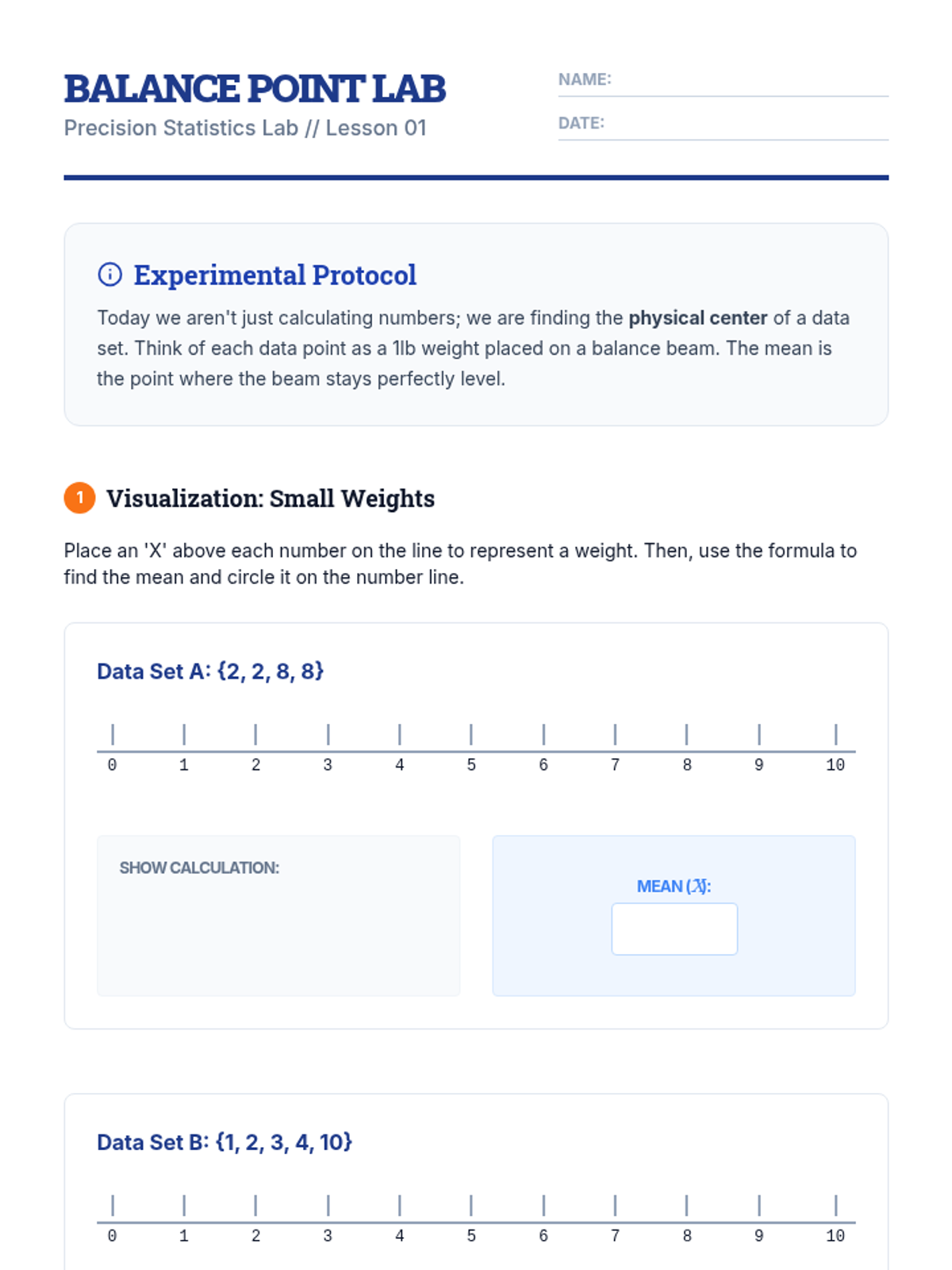
Balance Point Worksheet

Mean Absolute Deviation Mastery

This sequence guides 6th-grade students through the conceptual and procedural steps of calculating and interpreting Mean Absolute Deviation (MAD). Students move from understanding mean as a balance point to visualizing deviation as distance, eventually mastering the multi-step calculation and applying it to evaluate data consistency in real-world contexts.

Lenny Avatar
Lenny
1/17
Sequence
Shape Shifters Presentation
Shape Hunter Worksheet

Spread Stories

An inquiry-based exploration of statistical variability, focusing on how data spread reveals truths about inequality, climate instability, and diversity that averages often hide. Students transition from visual distribution analysis to quantifying disparity using IQR and MAD, culminating in an independent investigation.

Lenny Avatar
Lenny
1/17
Sequence
Quartile Quest Slides
Partition Practice Worksheet
Quartile Captain Teacher Guide

Data Blueprint Box Plots and IQR

A comprehensive sequence on statistical variability focusing on quartiles, IQR, and box plots. Students move from raw data partitioning to visual representation and advanced outlier detection, culminating in the interpretation of distribution shapes and skewness.

Lenny Avatar
Lenny
1/17
Sequence
Data Disparity Slides
Spread Matchup Worksheet

Data Disparity and Distribution

This sequence explores statistical variability through the lens of robust measures like IQR and box plots. Students move from basic understanding of spread to complex comparative analysis, focusing on how variability impacts the reliability of data-driven conclusions.

Lenny Avatar
Lenny
1/17
Sequence
Unit Overview Resource

Math Intensive Lab

A comprehensive math intervention sequence for 6th-grade students, focusing on four key domains: Numbers & Operations, Algebraic Thinking, Measurement & Data, and Geometry. This sequence uses high-leverage strategies from the All Learners Network (ALN) and aligns with i-Ready prerequisite modules to bridge conceptual gaps.

D

dfredericks

Math Teacher
2/5
Sequence
Supplier Search Brief
Analyst Intro Slides

Consistency Kings

Students act as data analysts for a tech company to decide between two suppliers. They learn that averages don't tell the whole story, using Mean Absolute Deviation (MAD) and Interquartile Range (IQR) to assess risk and consistency in real-world decision making.

Lenny Avatar
Lenny
1/17
Sequence
Mean isnt Everything Slides
Scouting Report Worksheet

Data Detectives Spreading Stats

A comprehensive sequence on statistical variability focusing on Mean Absolute Deviation (MAD). Students progress from conceptual understanding of spread to algorithmic calculation and comparative analysis of data distributions.

Lenny Avatar
Lenny
1/17
Sequence
Defining the Mission Slides
Project Briefcase Worksheet
Project Facilitation Guide

Bureau of Truth and Trends

A project-based unit where students act as lead researchers, designing and executing a statistical study from question formulation to final validity reporting. Students learn to navigate population definitions, sampling methods, and question bias to ensure their data accurately reflects reality.

Lenny Avatar
Lenny
1/17
Sequence
Right Tool Slides
Center Spread Hunt Worksheet
Variability Teacher Guide

Data Lab Variability Detectives

A 5-lesson sequence for 6th-grade students focused on using measures of variability (Range, IQR, MAD) to compare populations and make evidence-based arguments. Students transition from calculation to analysis using real-world case studies in sports, meteorology, and consumer products.

Lenny Avatar
Lenny
1/17
Sequence
Project Roadmap Teacher Guide
Study Blueprint Slides
Research Proposal Worksheet

Data Detectives Research Lab

A project-based unit where 6th-grade students act as researchers, conducting a full statistical investigation from question formulation to final presentation. Students identify a topic, collect peer data, and analyze variability to answer their own statistical questions.

Lenny Avatar
Lenny
1/17
Sequence
Median and Splitting Slides
Median Mastery Worksheet
Median Splitting Teacher Guide

Measure Lab Data Distribution

A comprehensive unit for 6th-grade students on statistical variability, focusing on quartiles, Interquartile Range (IQR), and the construction and interpretation of box plots. Students move from basic median splitting to complex data visualization and comparison.

Lenny Avatar
Lenny
1/17
Sequence
Balancing Act Slides
Balance Point Worksheet

Mean Absolute Deviation Mastery

This sequence guides 6th-grade students through the conceptual and procedural steps of calculating and interpreting Mean Absolute Deviation (MAD). Students move from understanding mean as a balance point to visualizing deviation as distance, eventually mastering the multi-step calculation and applying it to evaluate data consistency in real-world contexts.

Lenny Avatar
Lenny
1/17
Sequence
Question Quest Slides
Question Classifier Worksheet

Trend Spotters Data Lab

This inquiry-based sequence introduces 6th grade students to statistical variability, starting with distinguishing question types and progressing to visualizing data on dot plots and quantifying spread using range.

Lenny Avatar
Lenny
1/17
Sequence
Shape Shifters Presentation
Shape Hunter Worksheet

Spread Stories

An inquiry-based exploration of statistical variability, focusing on how data spread reveals truths about inequality, climate instability, and diversity that averages often hide. Students transition from visual distribution analysis to quantifying disparity using IQR and MAD, culminating in an independent investigation.

Lenny Avatar
Lenny
1/17
Sequence
Quartile Quest Slides
Partition Practice Worksheet
Quartile Captain Teacher Guide

Data Blueprint Box Plots and IQR

A comprehensive sequence on statistical variability focusing on quartiles, IQR, and box plots. Students move from raw data partitioning to visual representation and advanced outlier detection, culminating in the interpretation of distribution shapes and skewness.

Lenny Avatar
Lenny
1/17
Sequence
Data Disparity Slides
Spread Matchup Worksheet

Data Disparity and Distribution

This sequence explores statistical variability through the lens of robust measures like IQR and box plots. Students move from basic understanding of spread to complex comparative analysis, focusing on how variability impacts the reliability of data-driven conclusions.

Lenny Avatar
Lenny
1/17