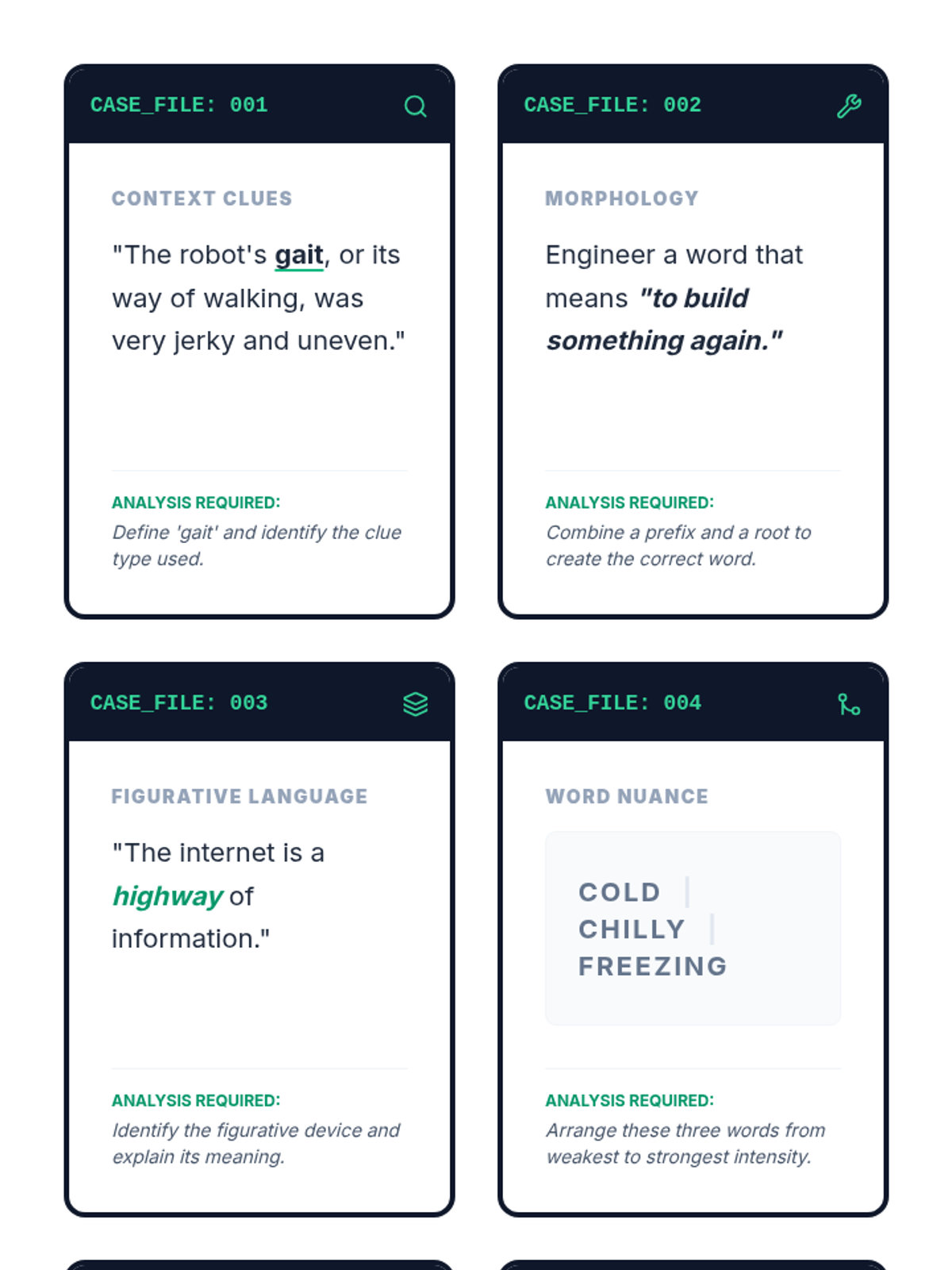
Builds word mastery through parts of speech, Greek and Latin roots, and morphological analysis of prefixes and suffixes. Develops nuanced comprehension using context clues, shades of meaning, and idiomatic expressions.
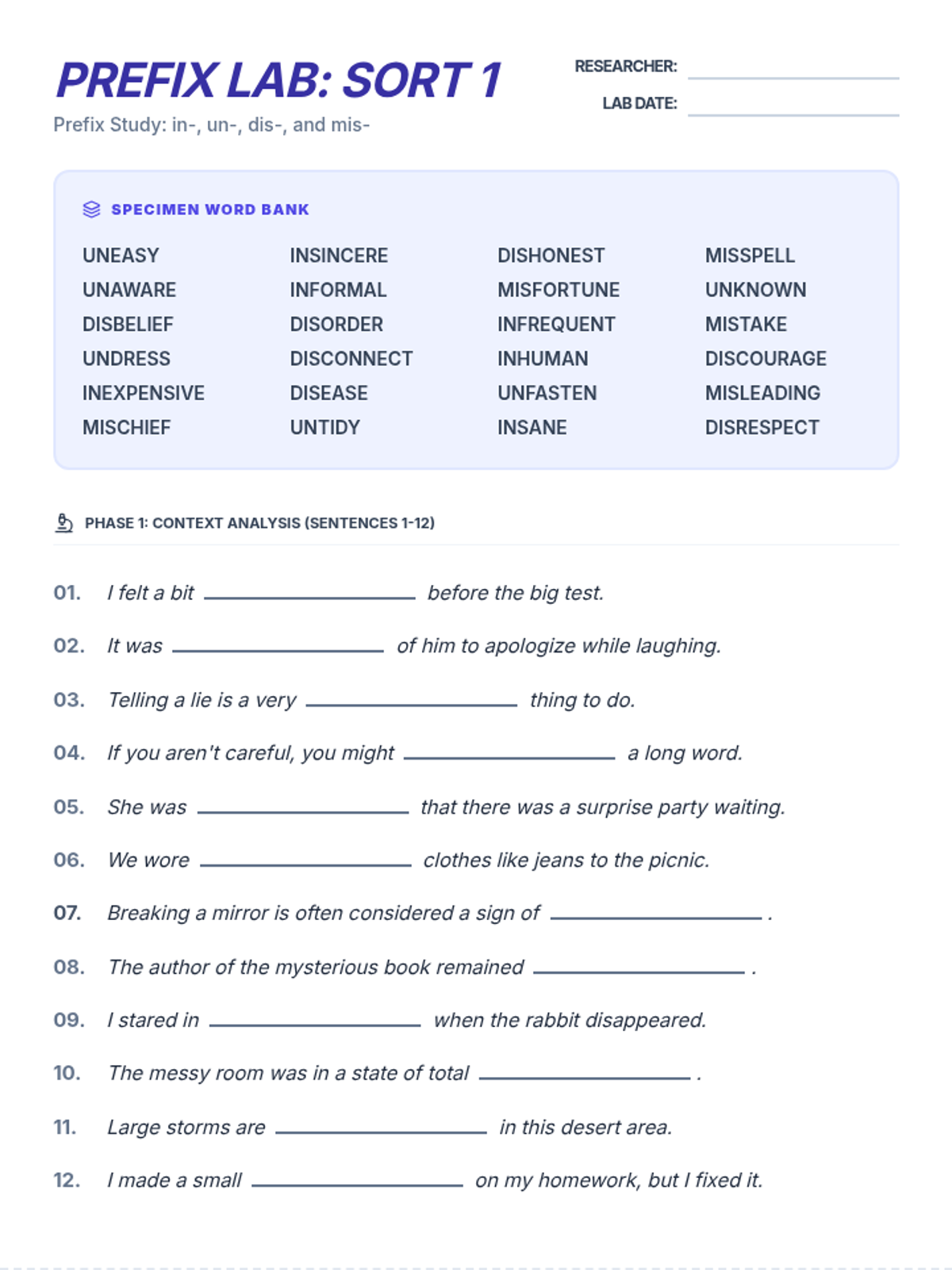
A series of prefix-focused labs designed to help students master common prefixes and suffixes through contextual application and logic puzzles.
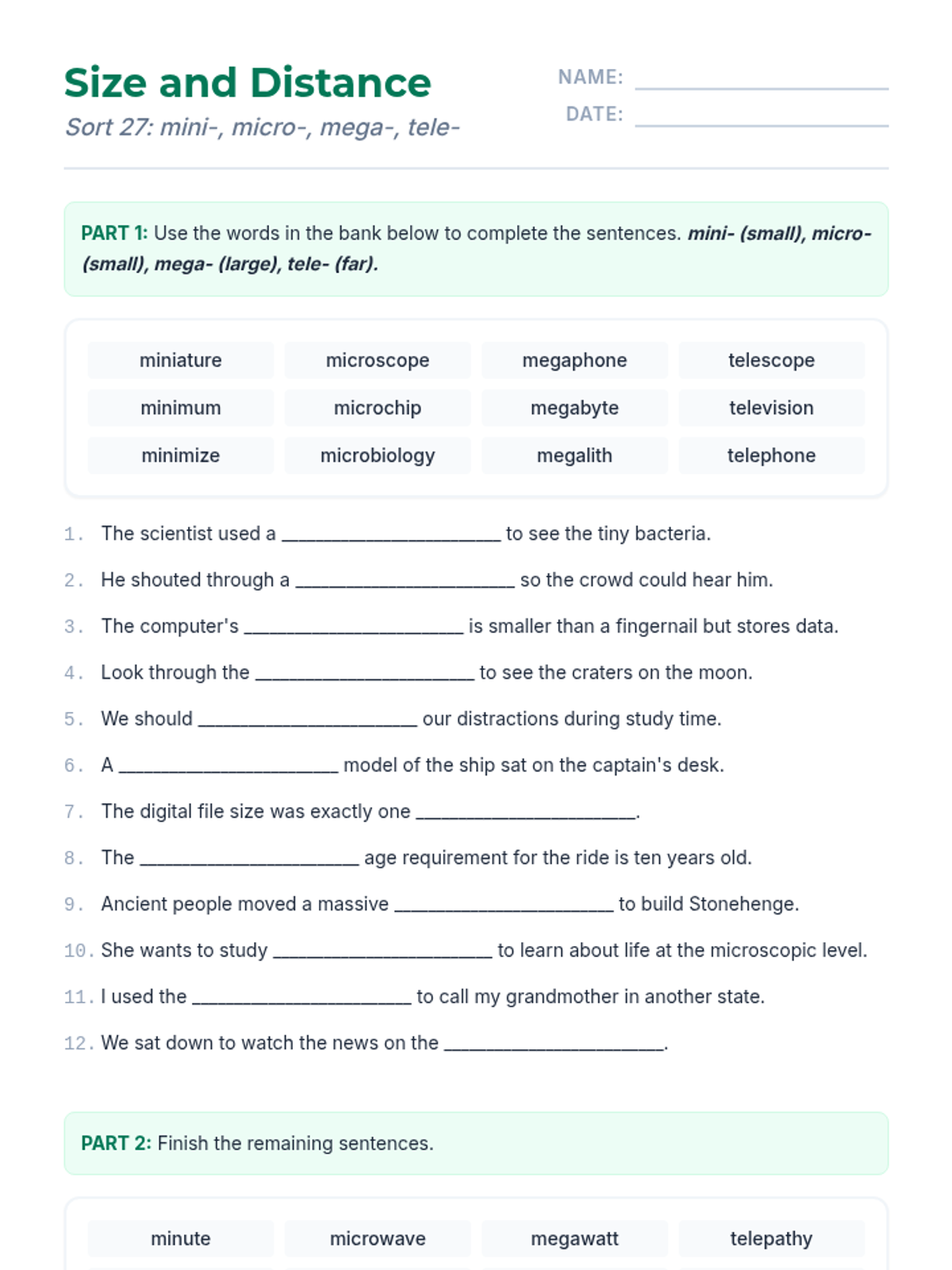
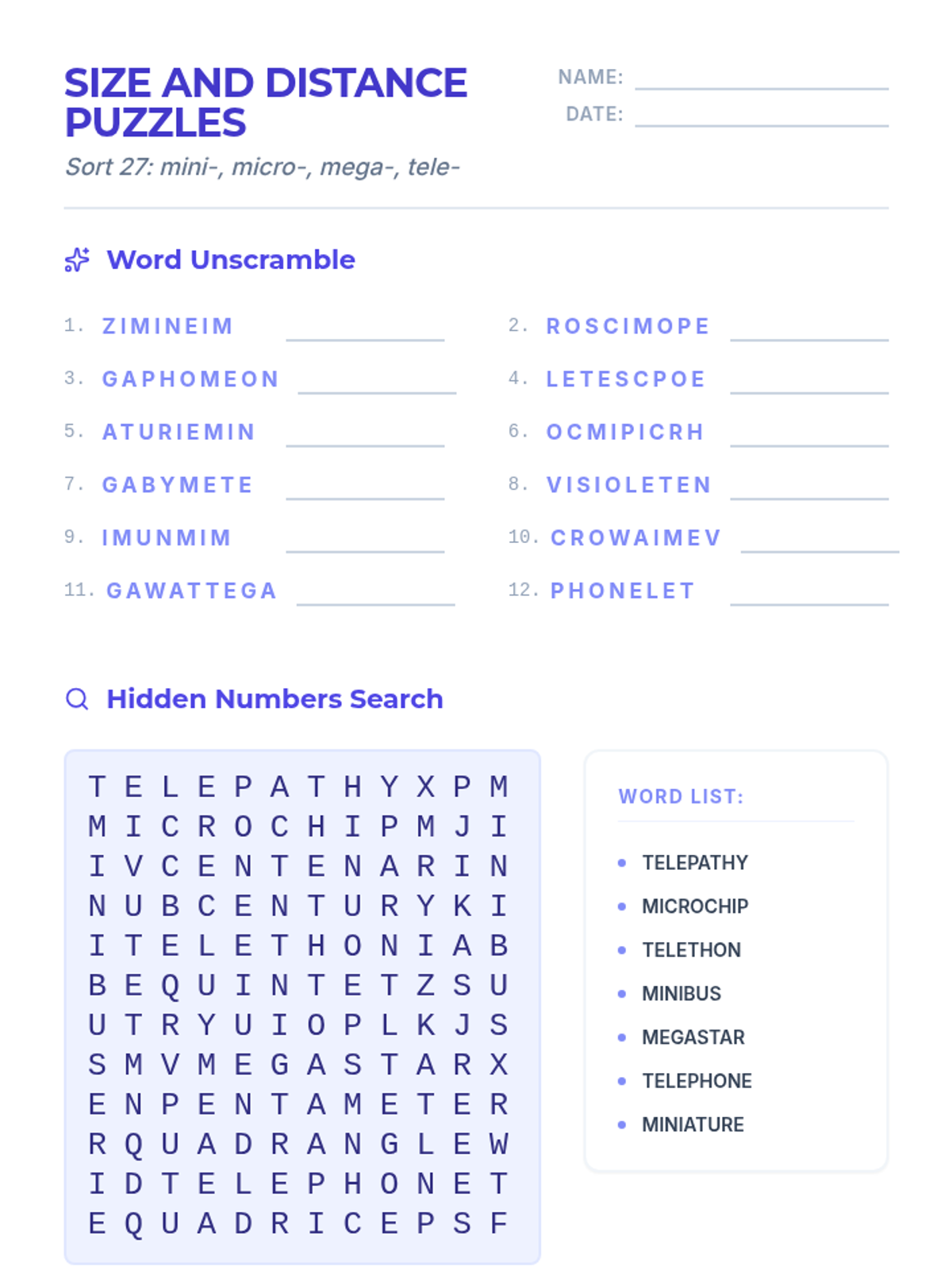
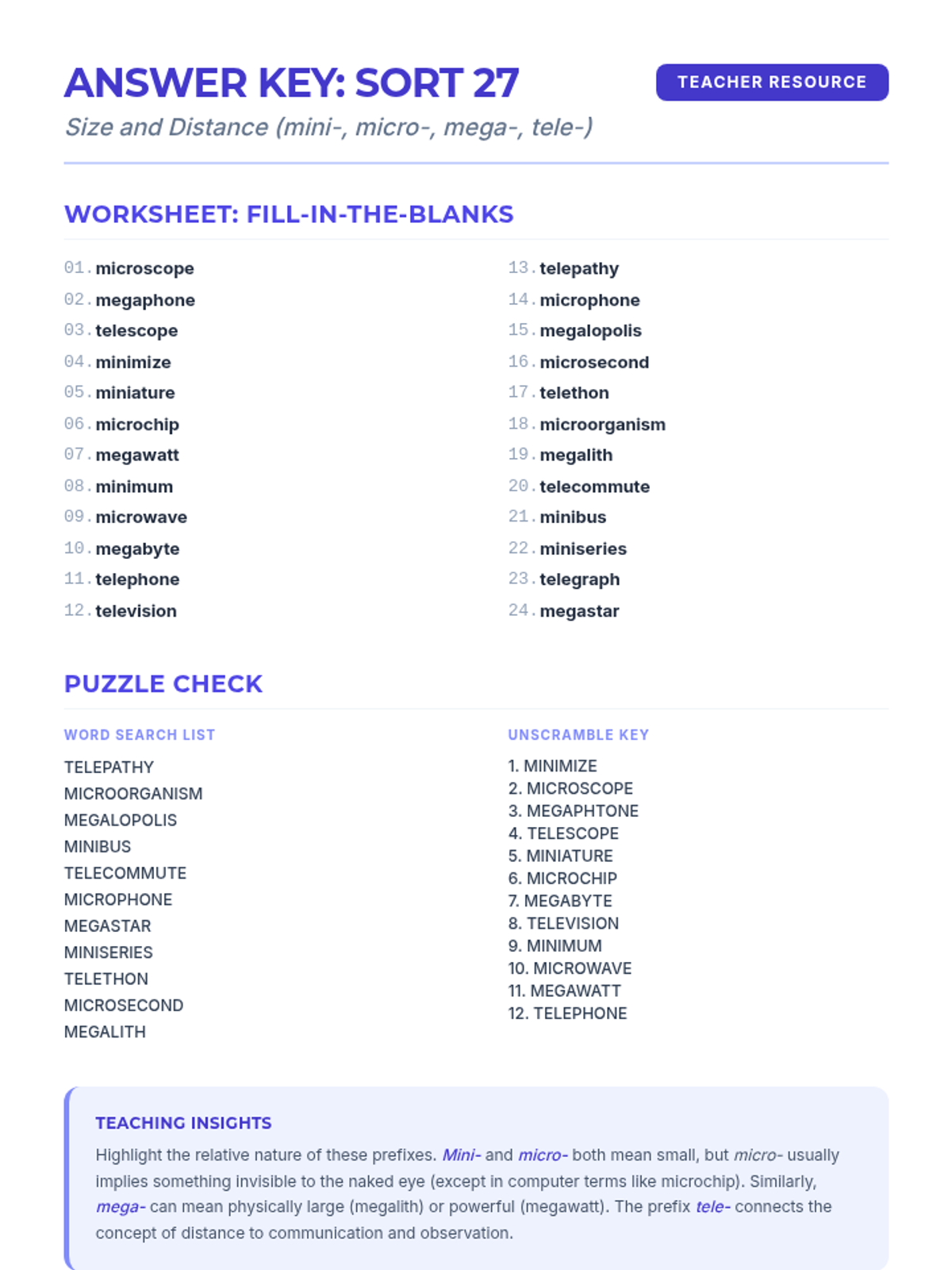
A comprehensive vocabulary and morphology curriculum covering prefixes, suffixes, Latin roots, and Greek roots through fill-in-the-blank exercises and engaging word puzzles.
A dual-unit intervention sequence for 6th grade Tier 2 decoding. Unit 1 focuses on Morphology (Lessons 1-15). Unit 2 focuses on Syllable Types and Division Patterns (Lessons 16-30) through an architectural blueprint theme.
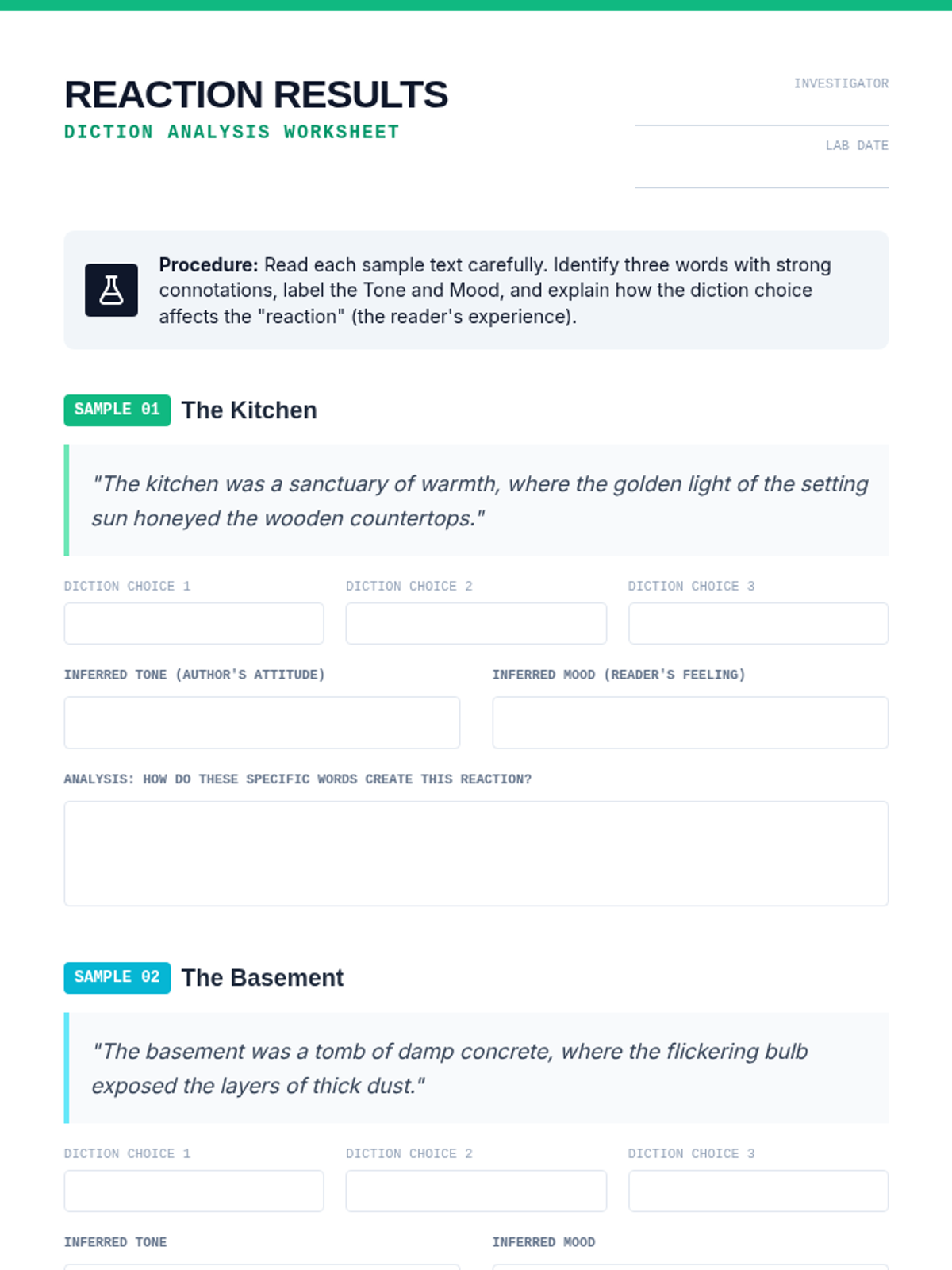
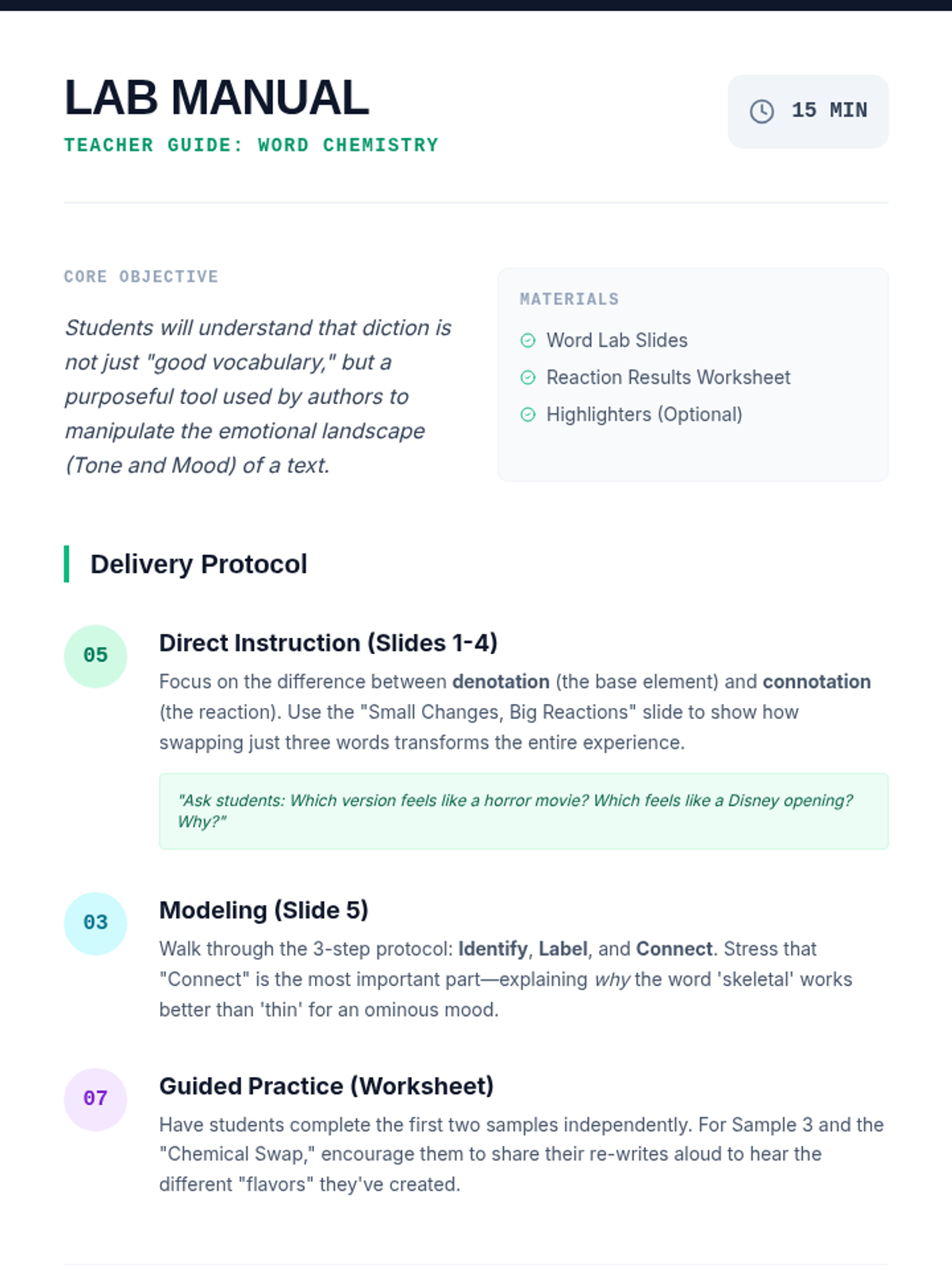
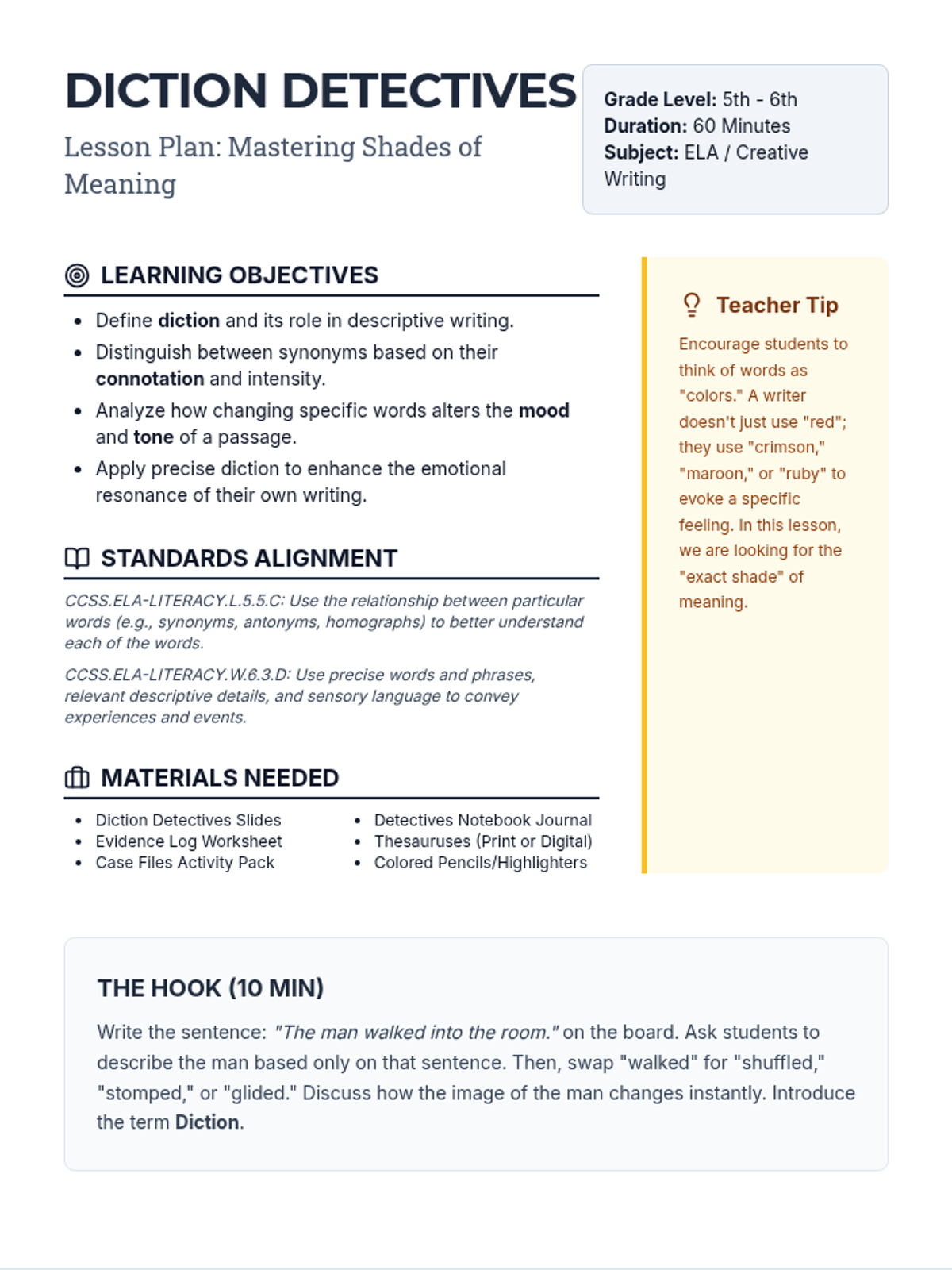
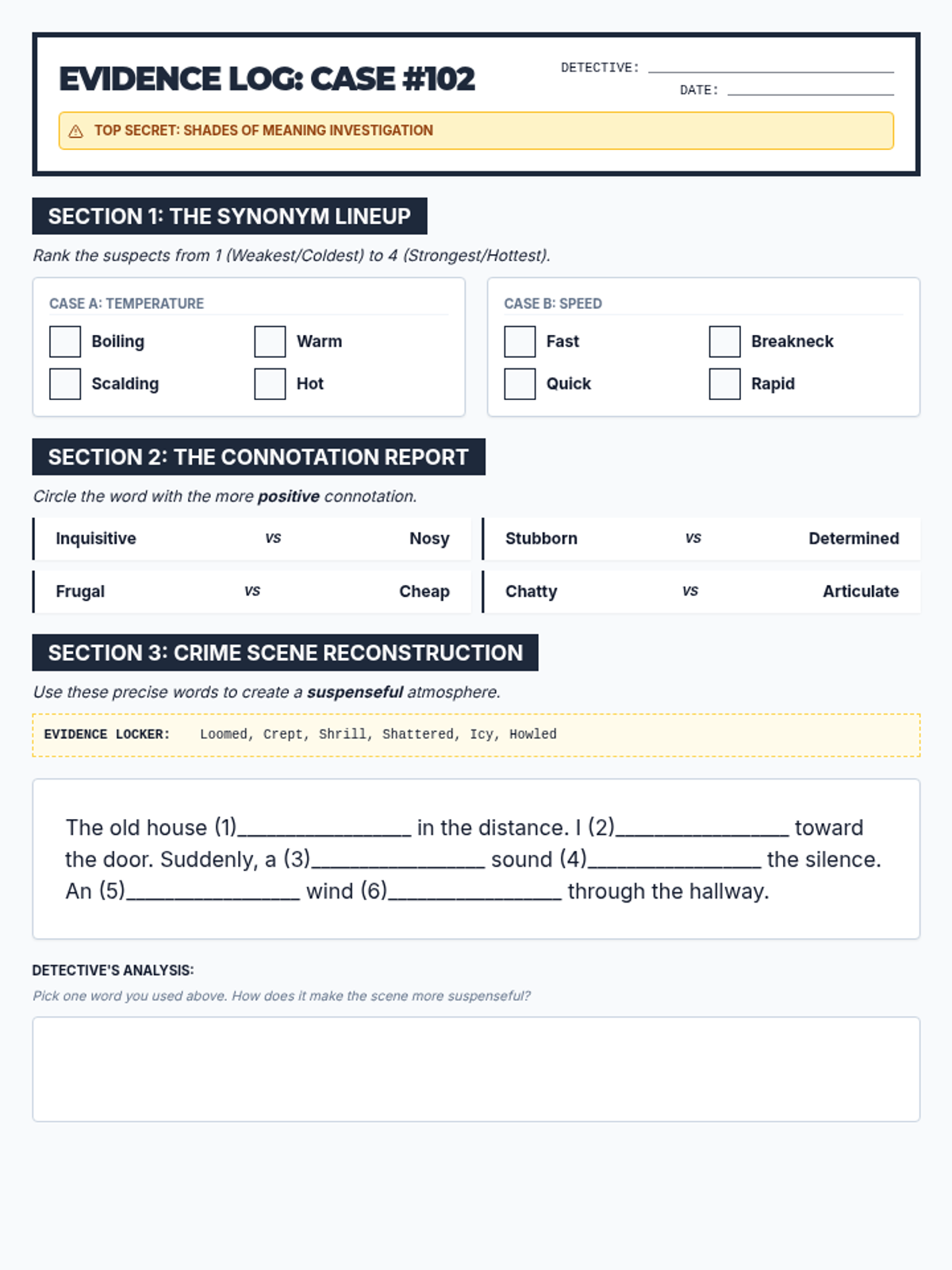
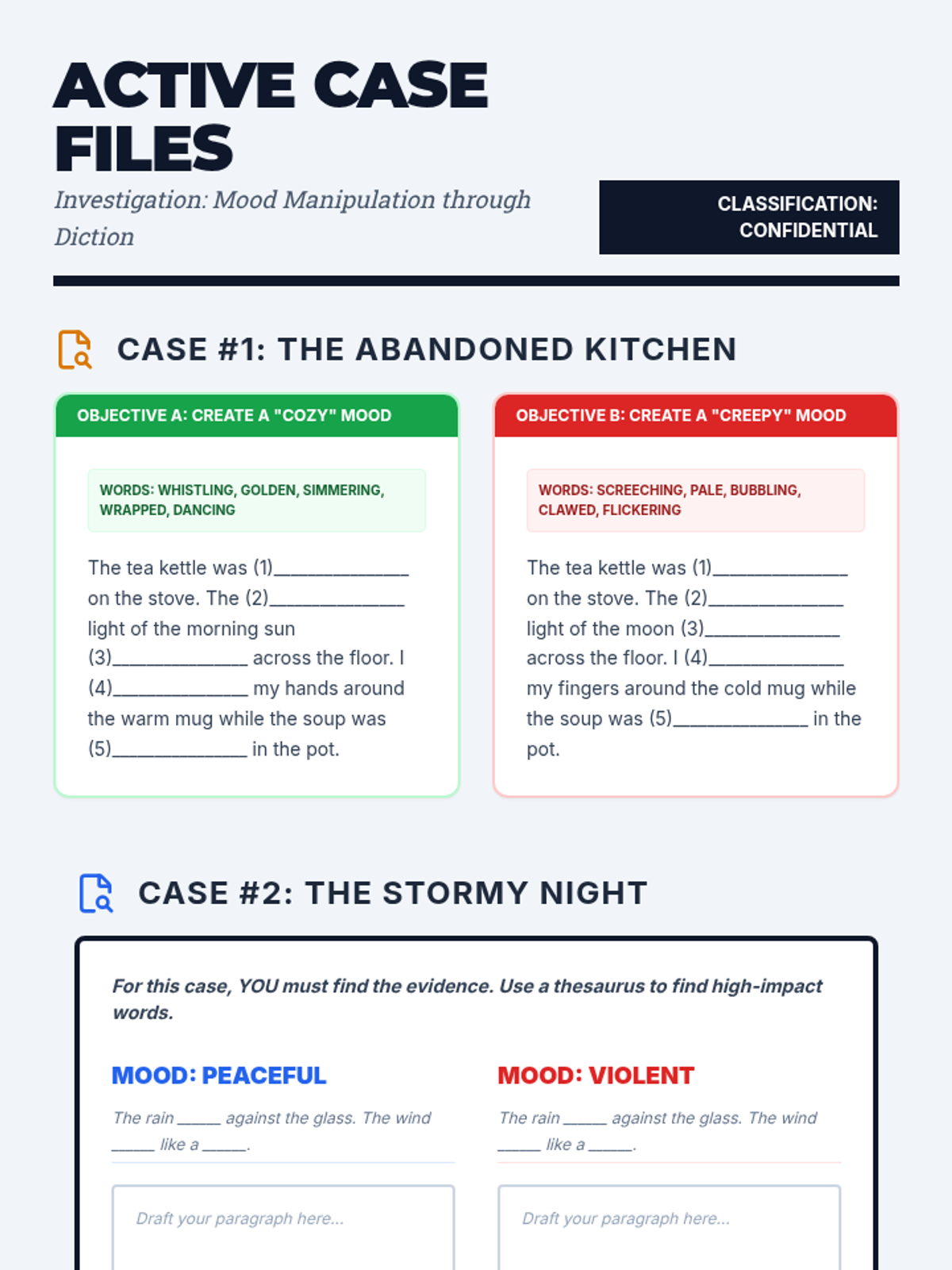
A series of mini-lessons exploring literary elements through the lens of a 'Word Lab', focusing on how precise word choices function like chemical ingredients to build atmosphere and character.
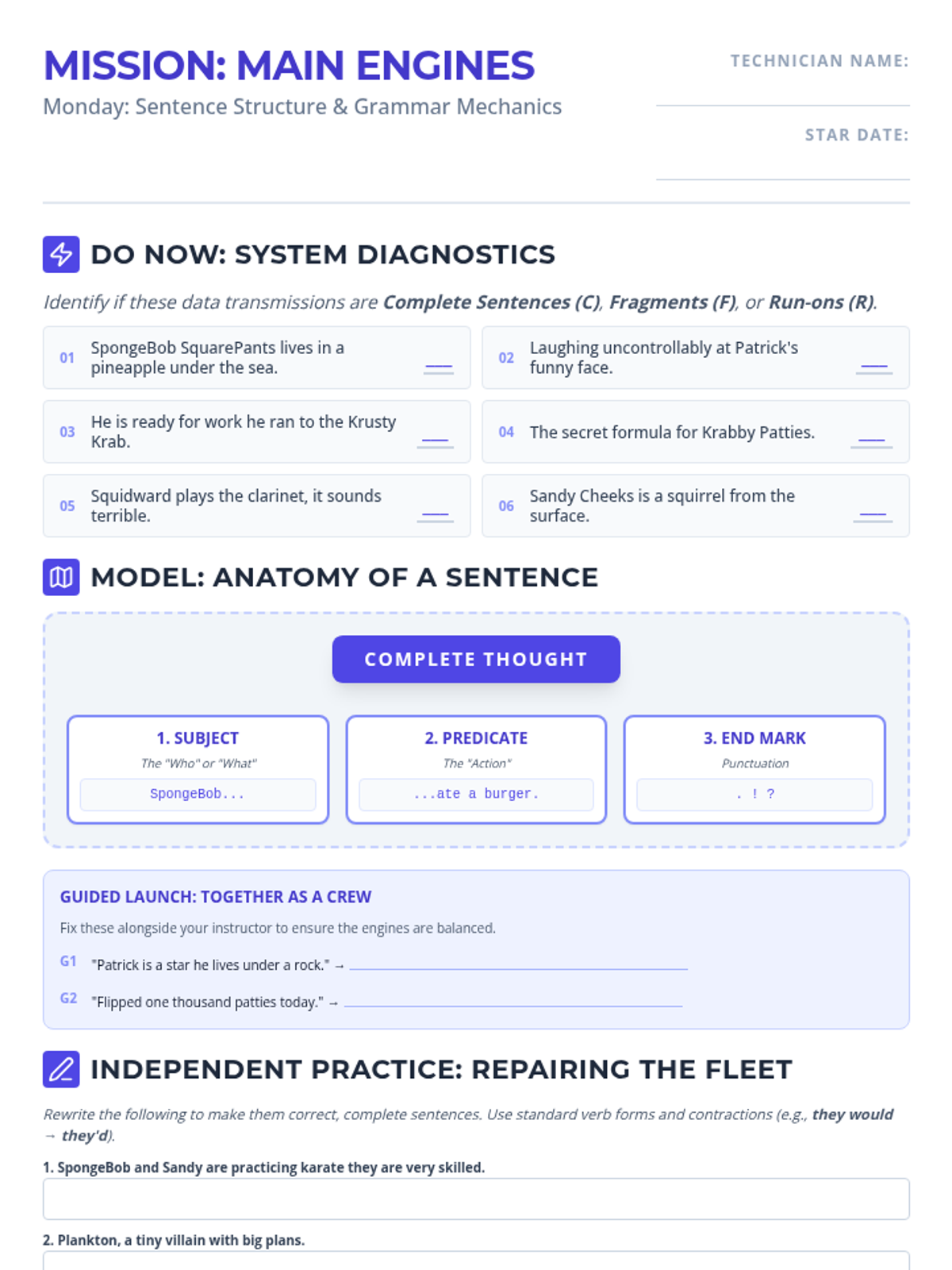
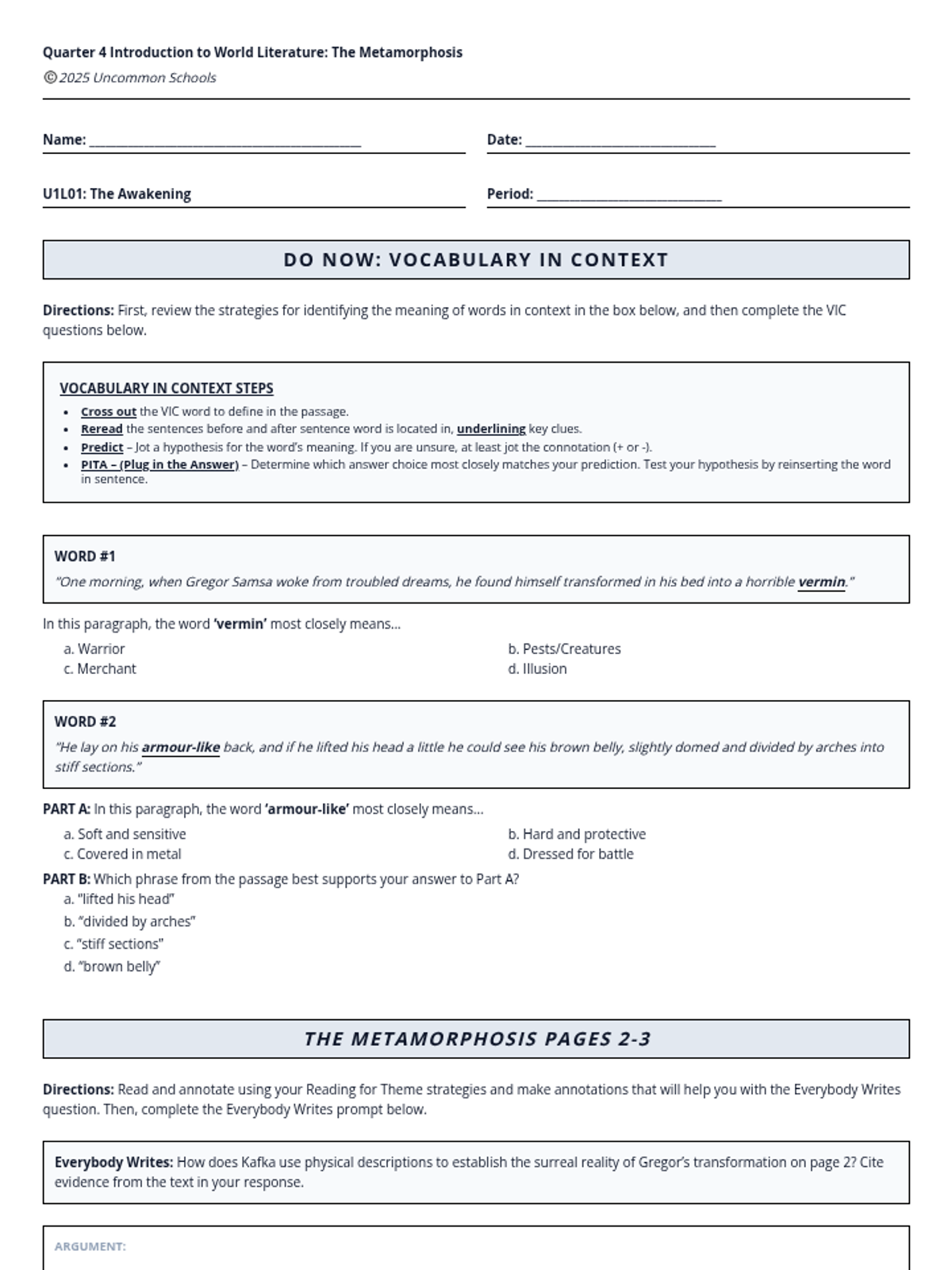
A four-day grammar intensive sequence designed to prepare students for the Introduction to World Literature IA Exam. Each lesson follows a consistent high-engagement structure: Do Now, Model with Concept Map, Solo Practice, and Exit Ticket, covering Sentence Structure, Punctuation, Clauses, and Vocabulary in Context.
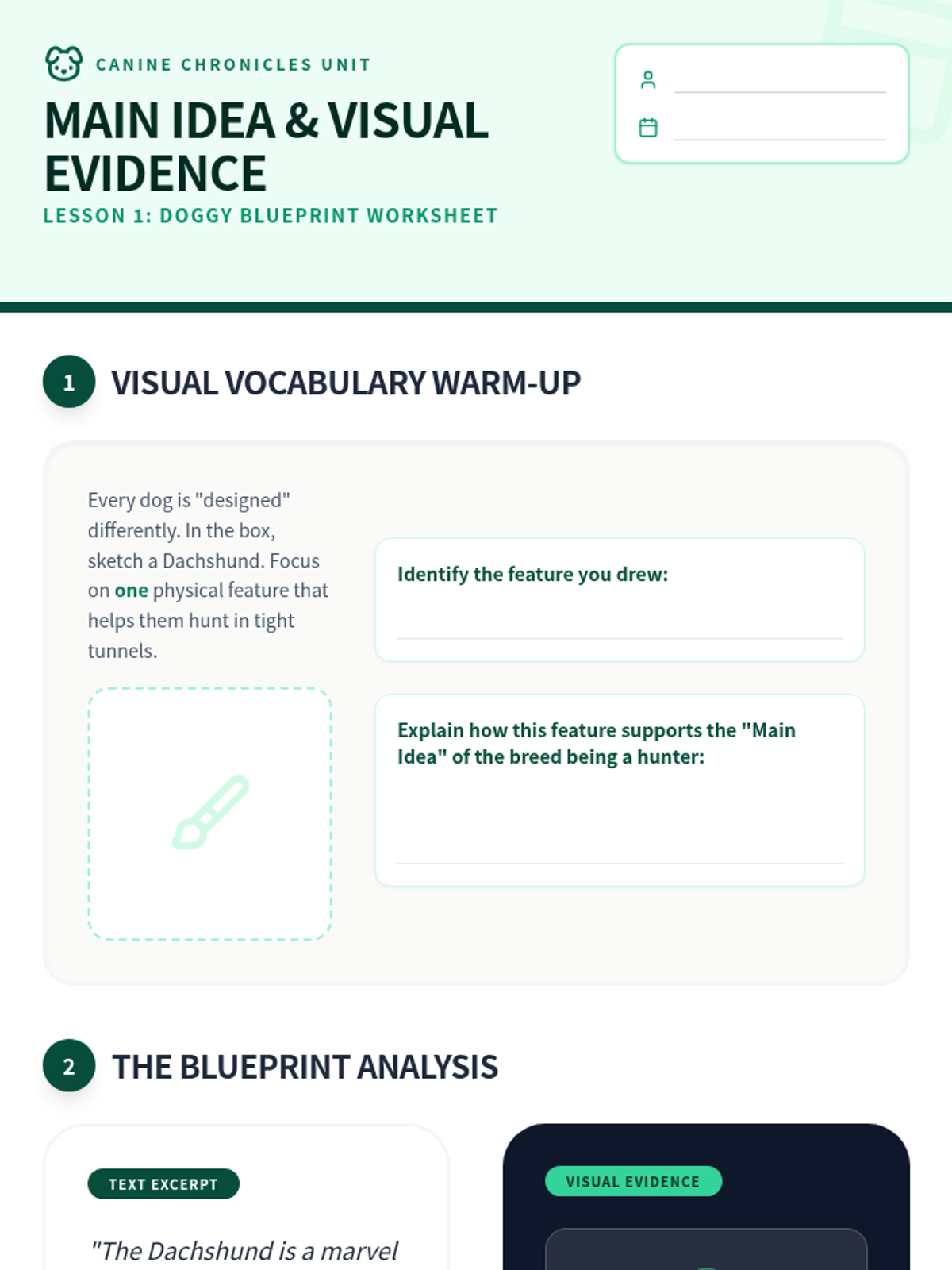
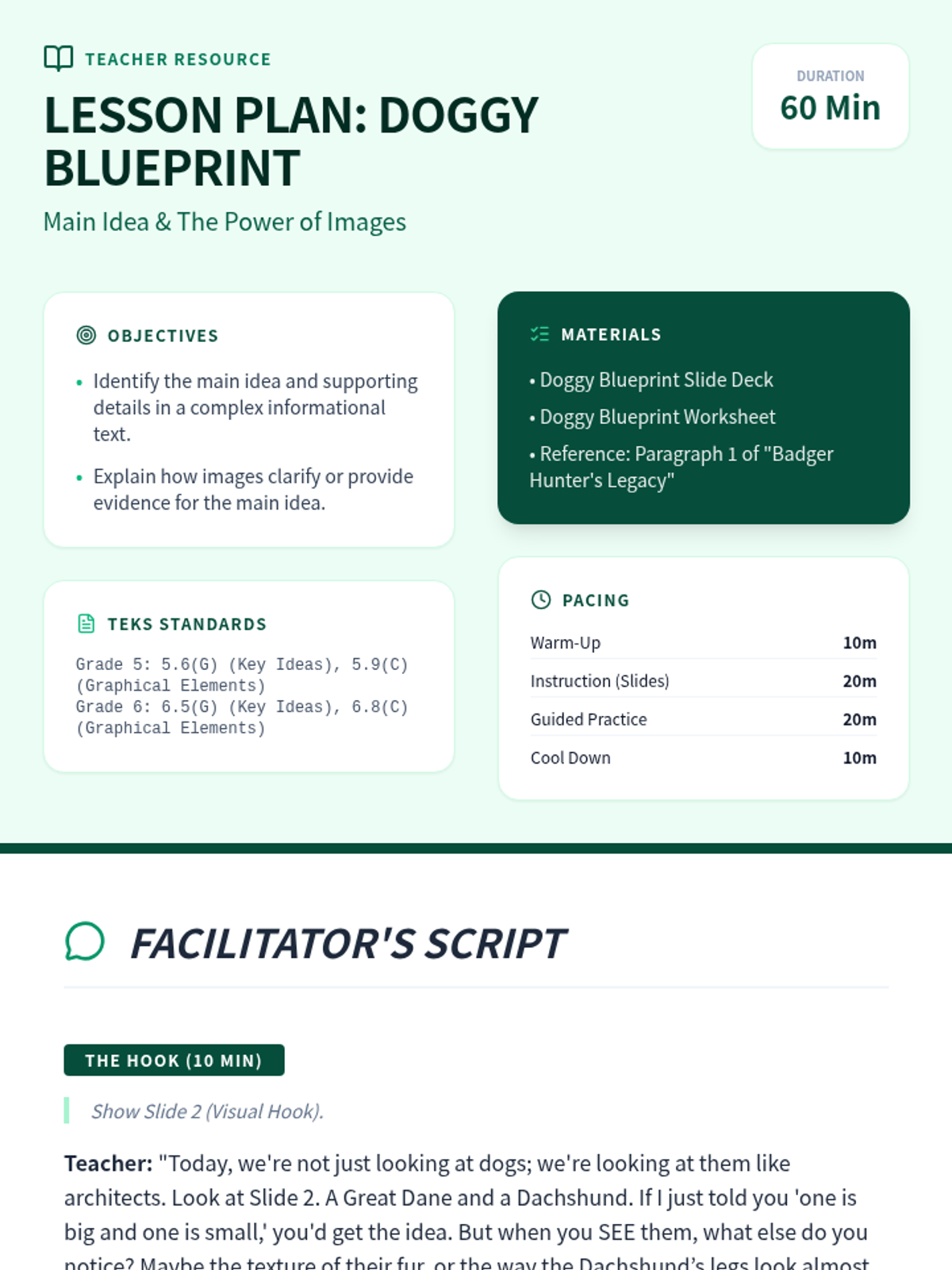
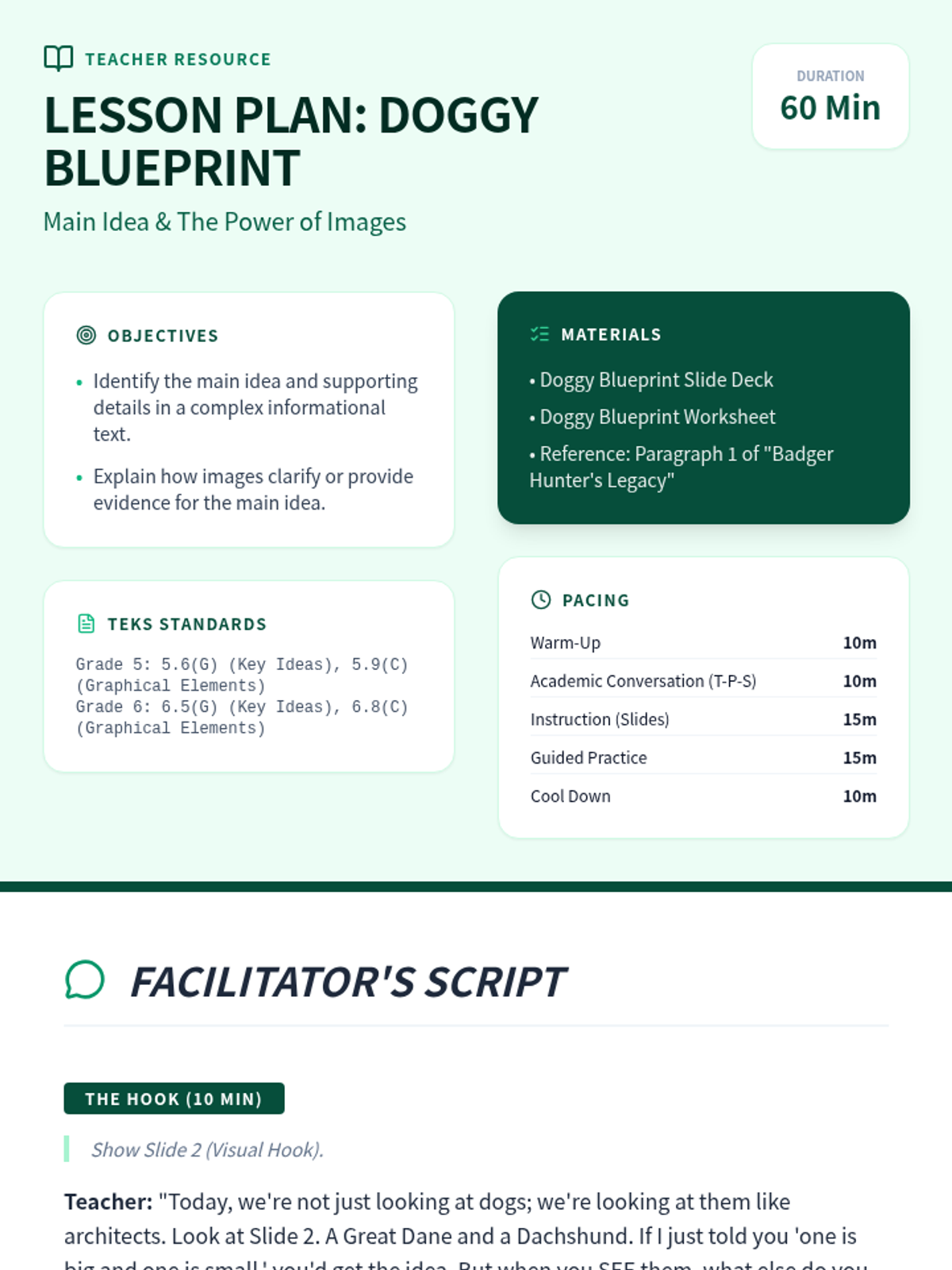
A 4-lesson unit exploring the organizational structures and graphic elements of non-fiction through the lens of the Dachshund breed, featuring a complex 1200 Lexile informational text.
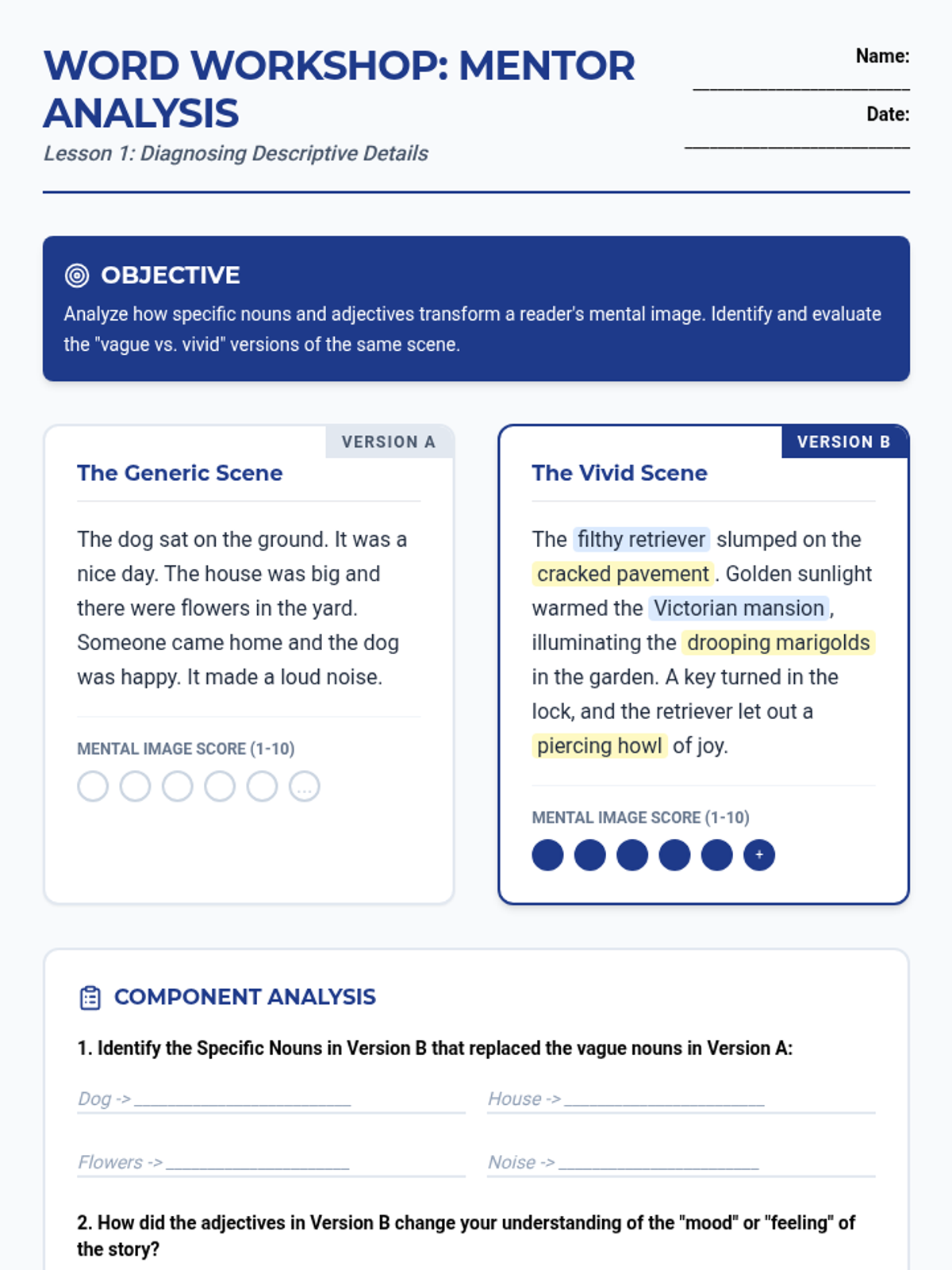
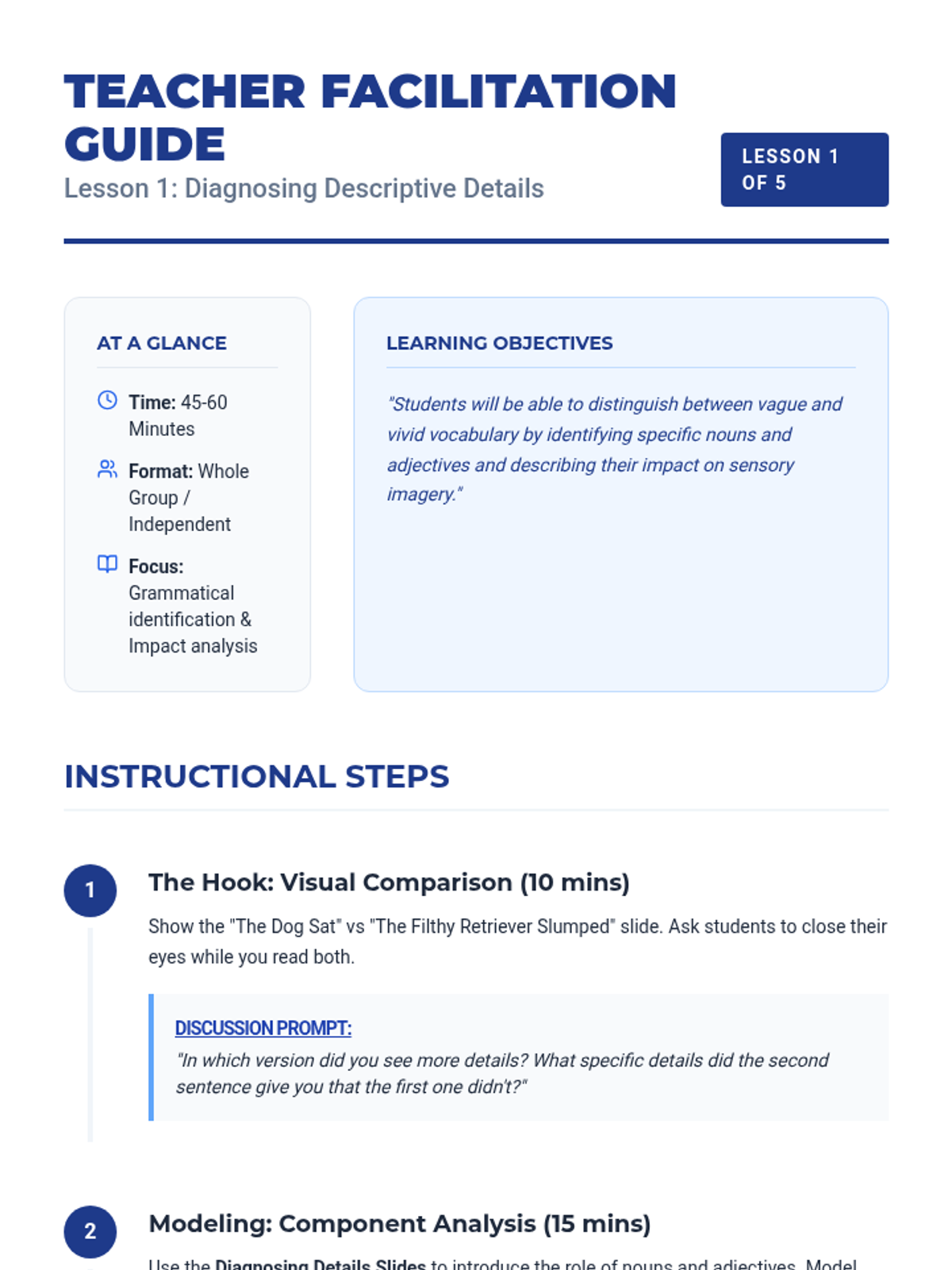
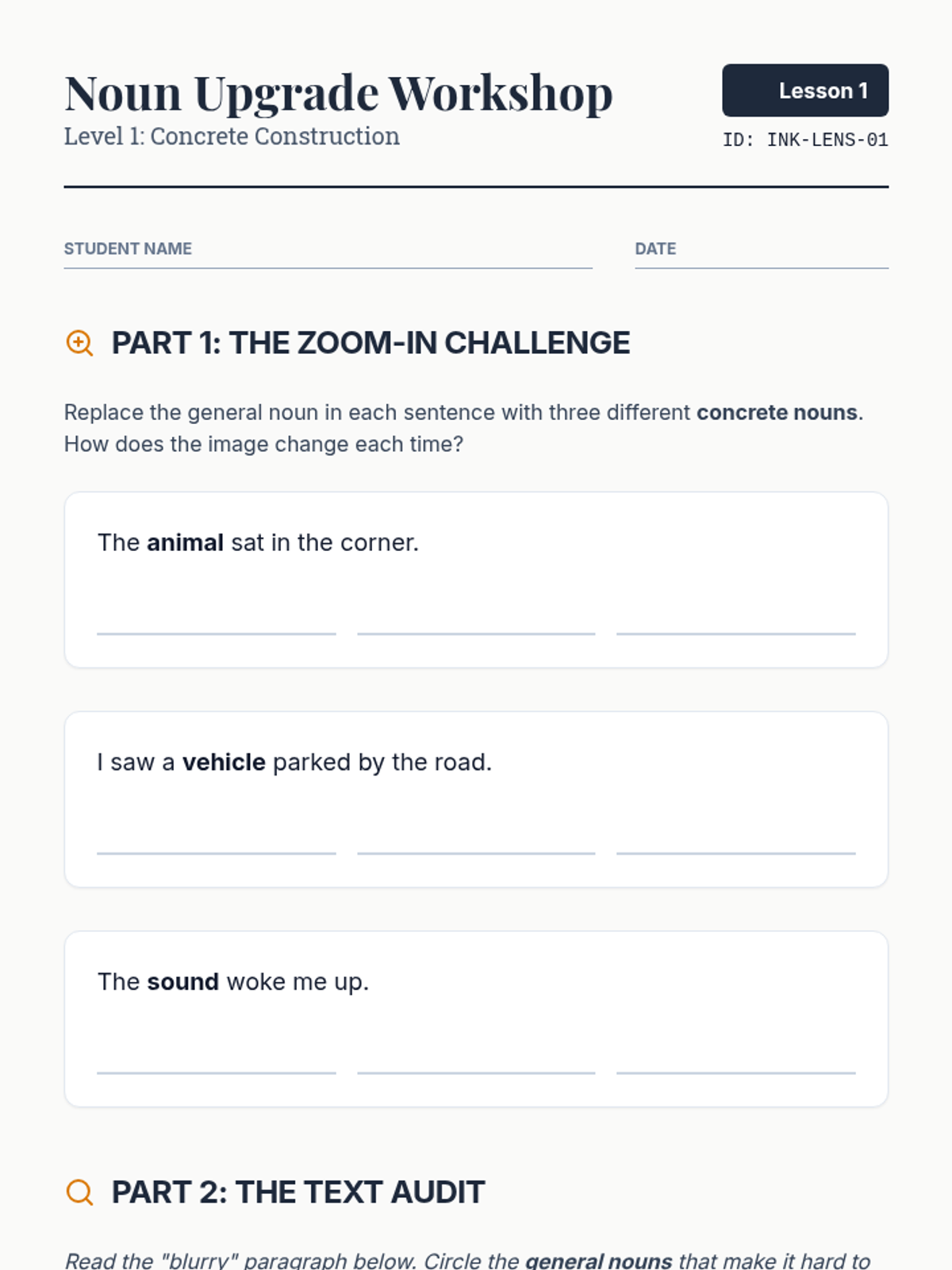
A 6th-grade ELA writing workshop sequence focused on vocabulary precision. Students learn to upgrade their descriptive writing by replacing vague generalities with concrete nouns and nuanced adjectives, culminating in a polished descriptive vignette.
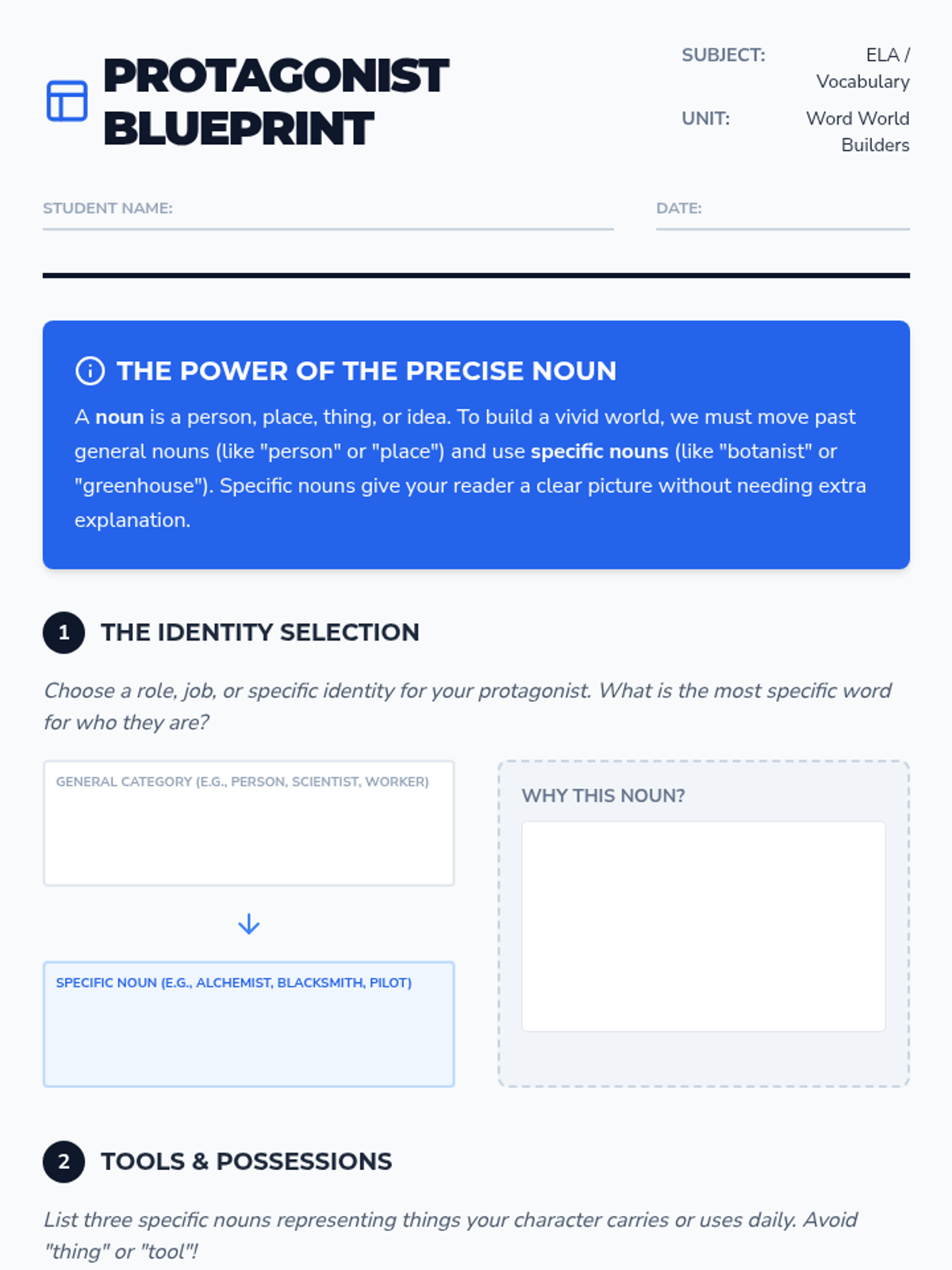
Students embark on a journey of fictional world-building, using precise nouns and vivid adjectives as their primary tools. They move from character identity to atmospheric settings, eventually crafting a polished narrative passage that demonstrates the power of descriptive imagery.
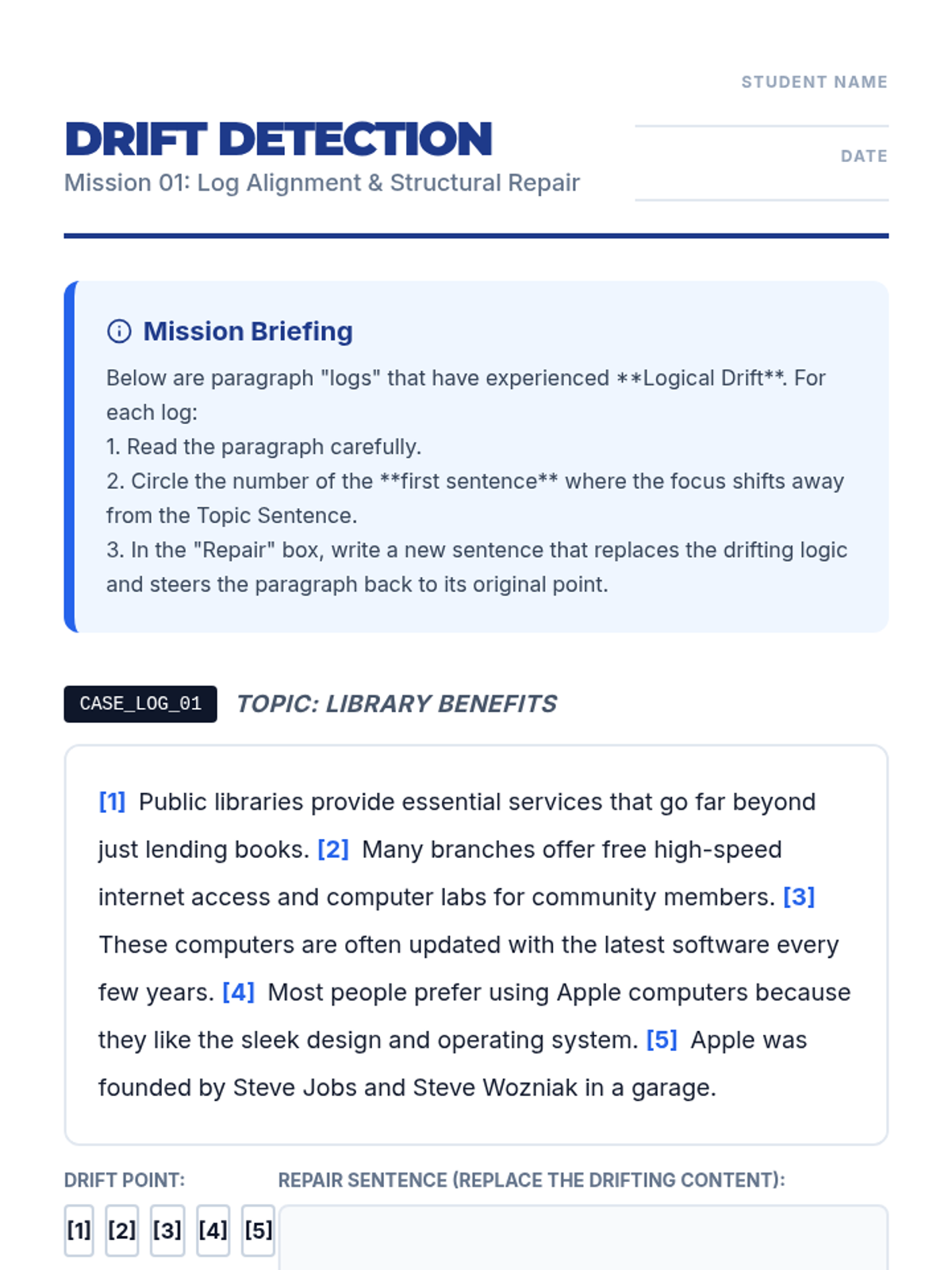
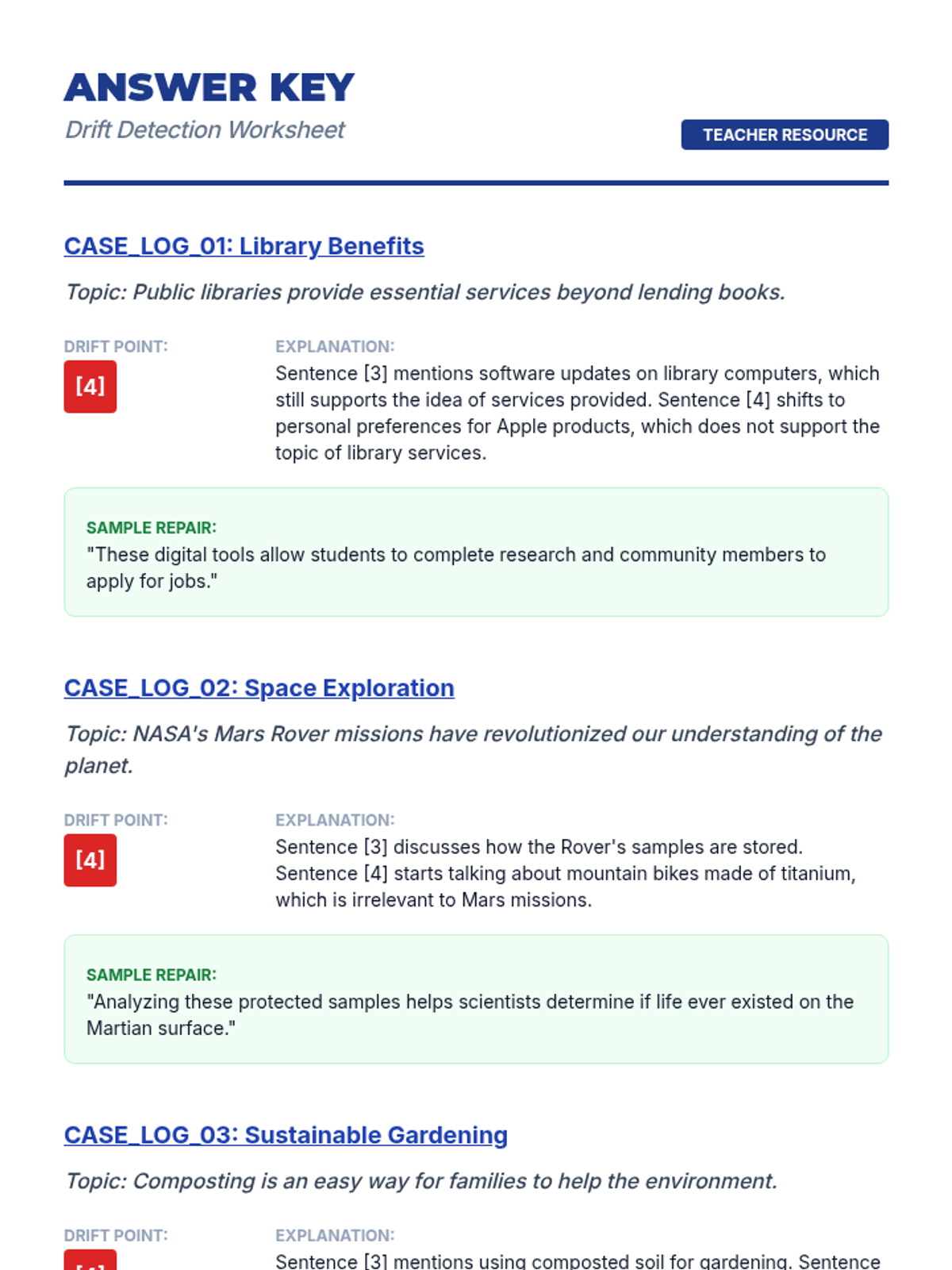
A game-based sequence focused on refining topic sentences and thesis statements to prevent logic 'drift' and enhance precision through diagnostic activities and vocabulary upgrades.
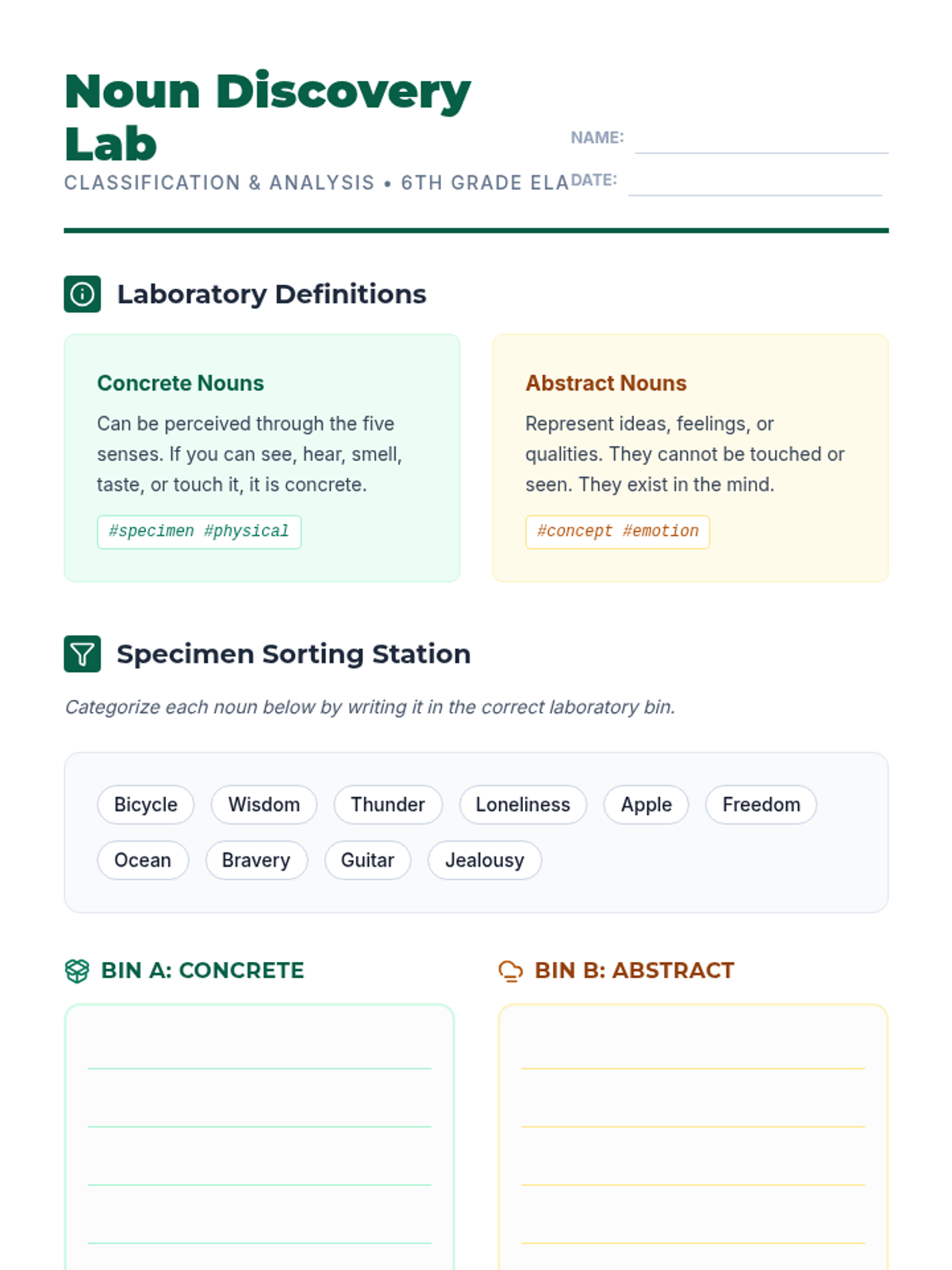
A comprehensive 6th-grade ELA unit focused on the precise use of nouns and adjectives to enhance descriptive writing. Students progress from basic classification to nuanced vocabulary selection and sensory integration.
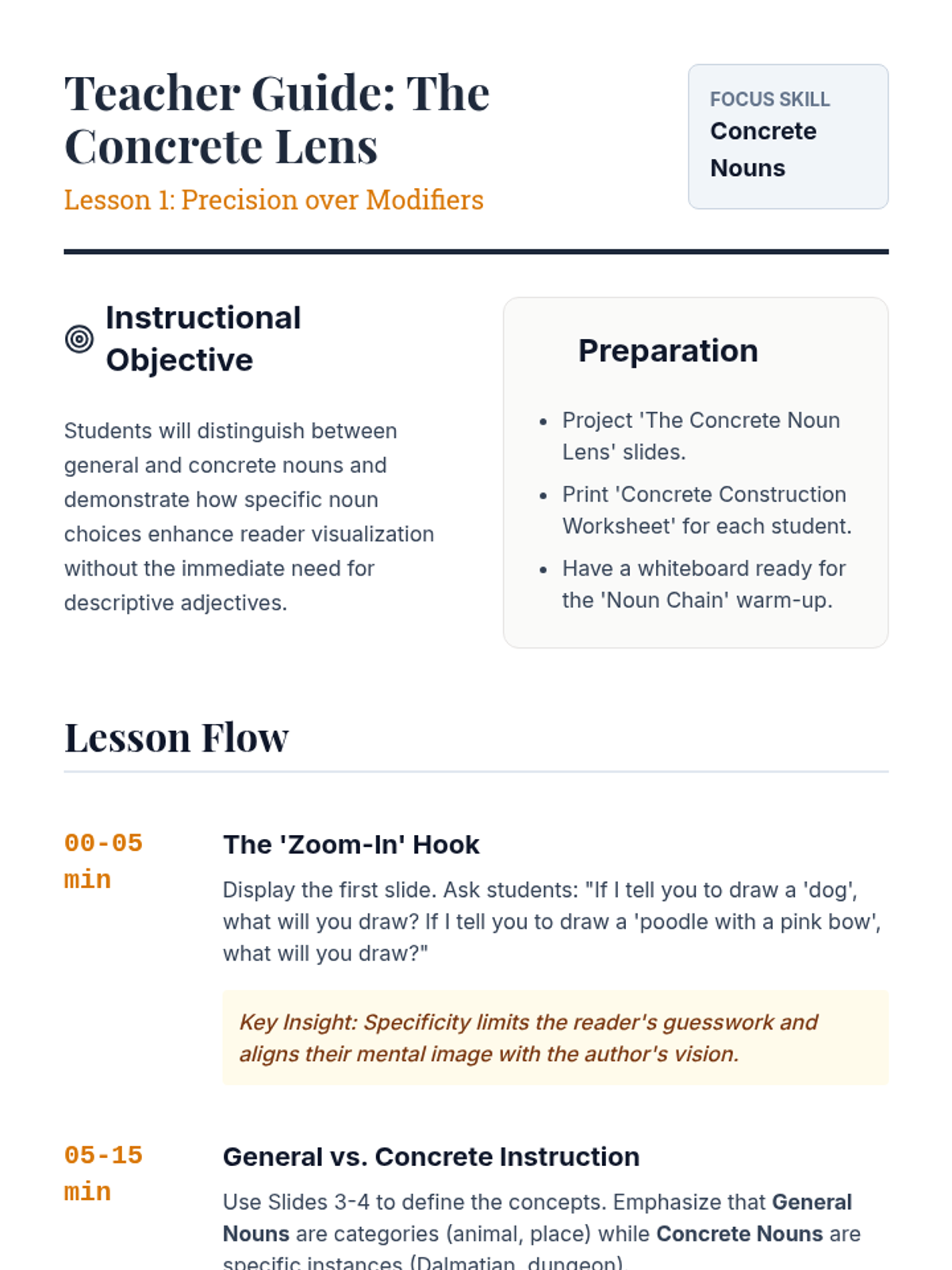
This writing workshop sequence moves students beyond basic identification of nouns and adjectives toward strategic application in narrative writing. Students practice replacing general nouns with concrete alternatives and weak adjectives with vivid modifiers to enhance reader visualization.
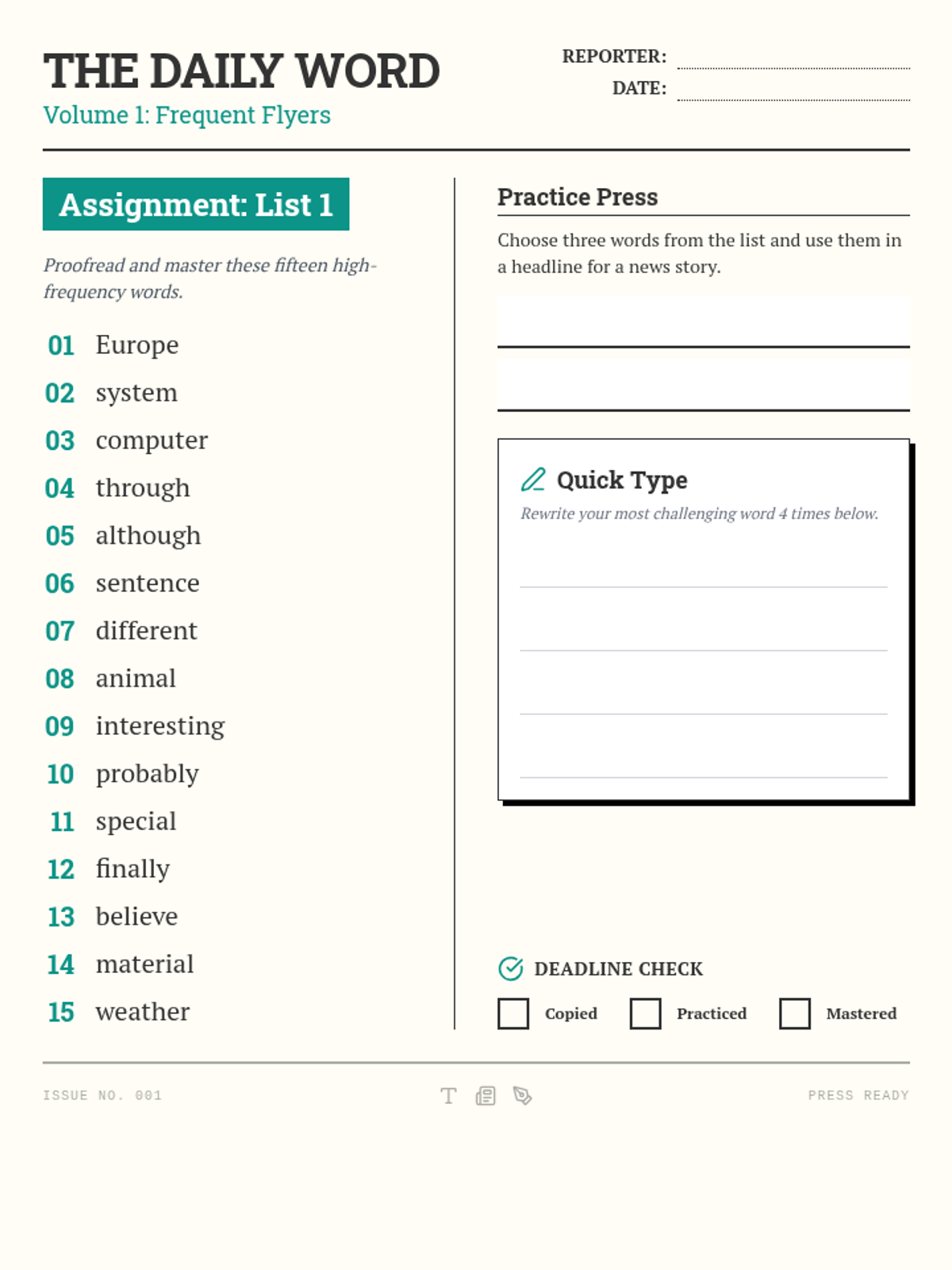
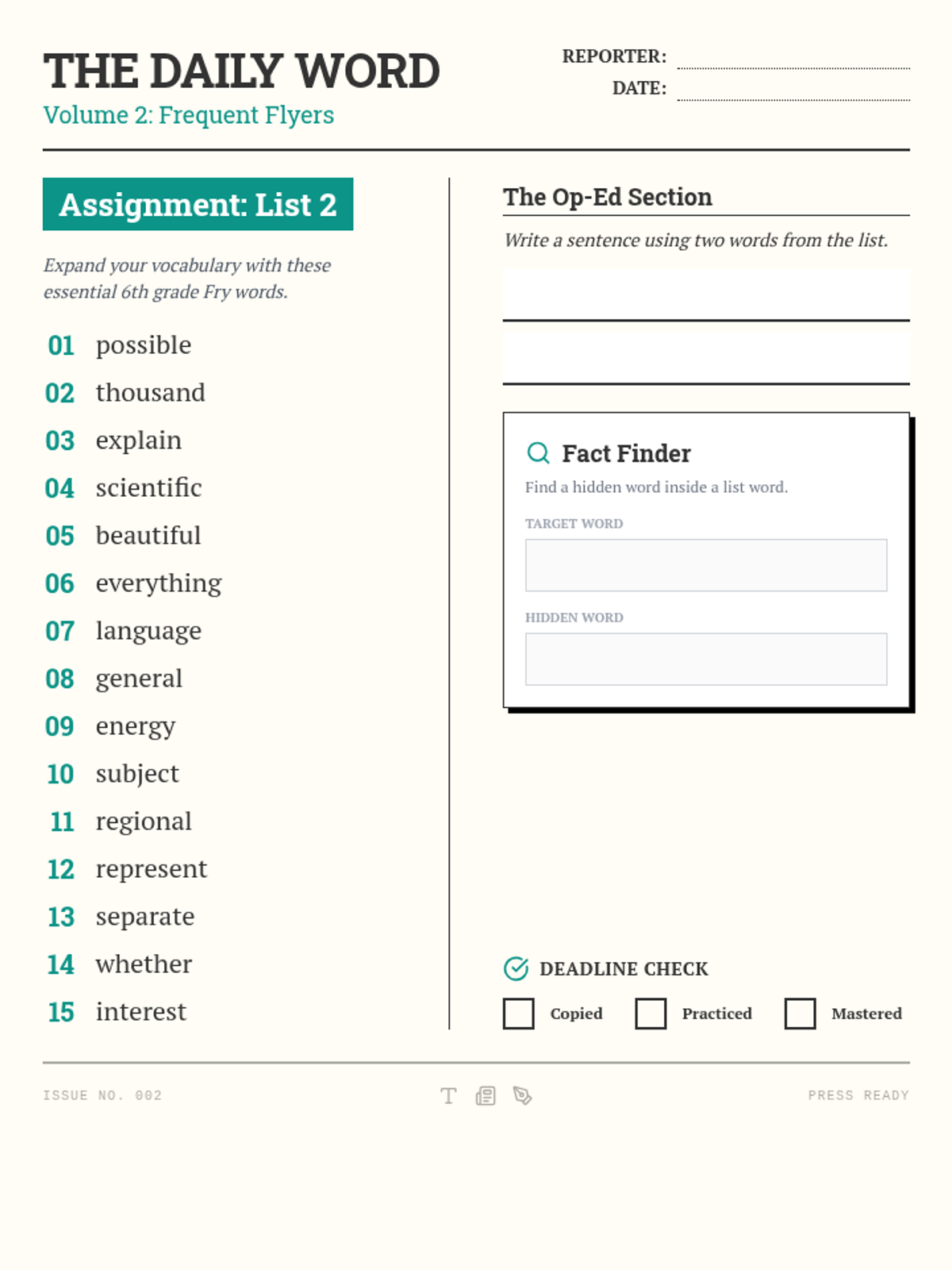
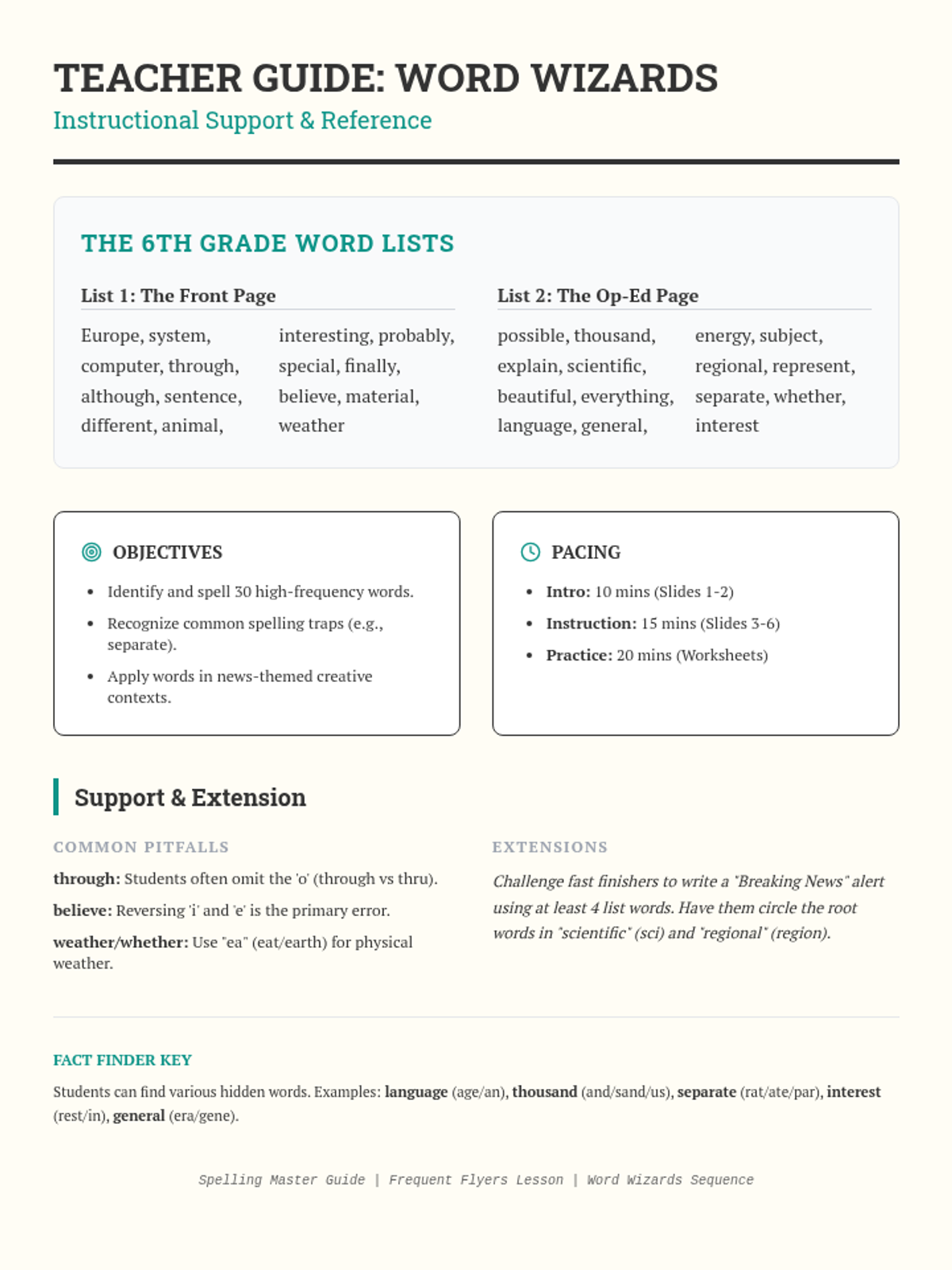
A spelling program for 6th graders focusing on high-frequency Fry words to build reading and writing fluency.
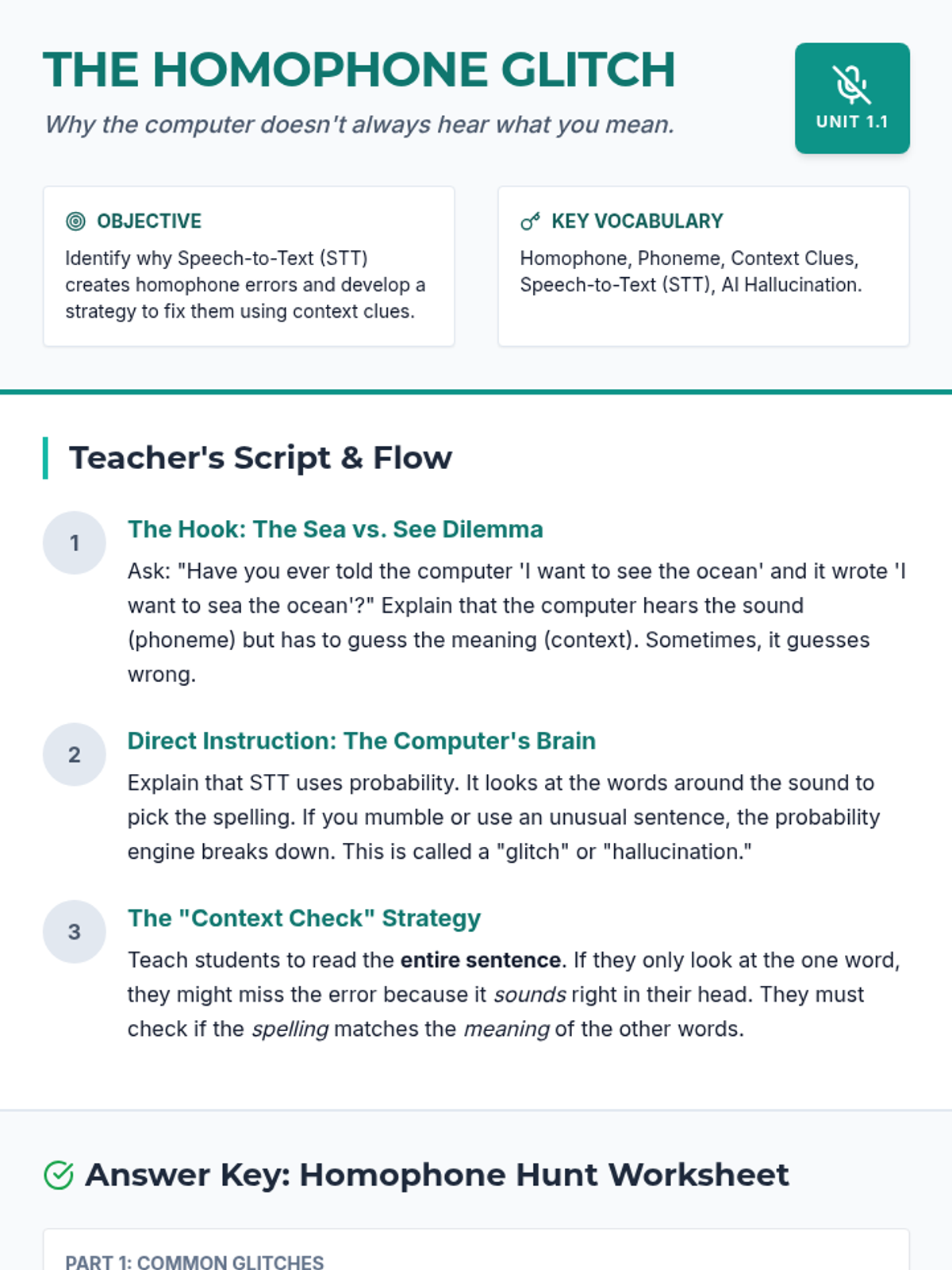
A sequence focused on the critical revision workflow for students using speech-to-text technology. Students learn to identify and fix common errors like homophone confusion, run-on sentences, and informal tone to turn raw dictation into polished academic writing.
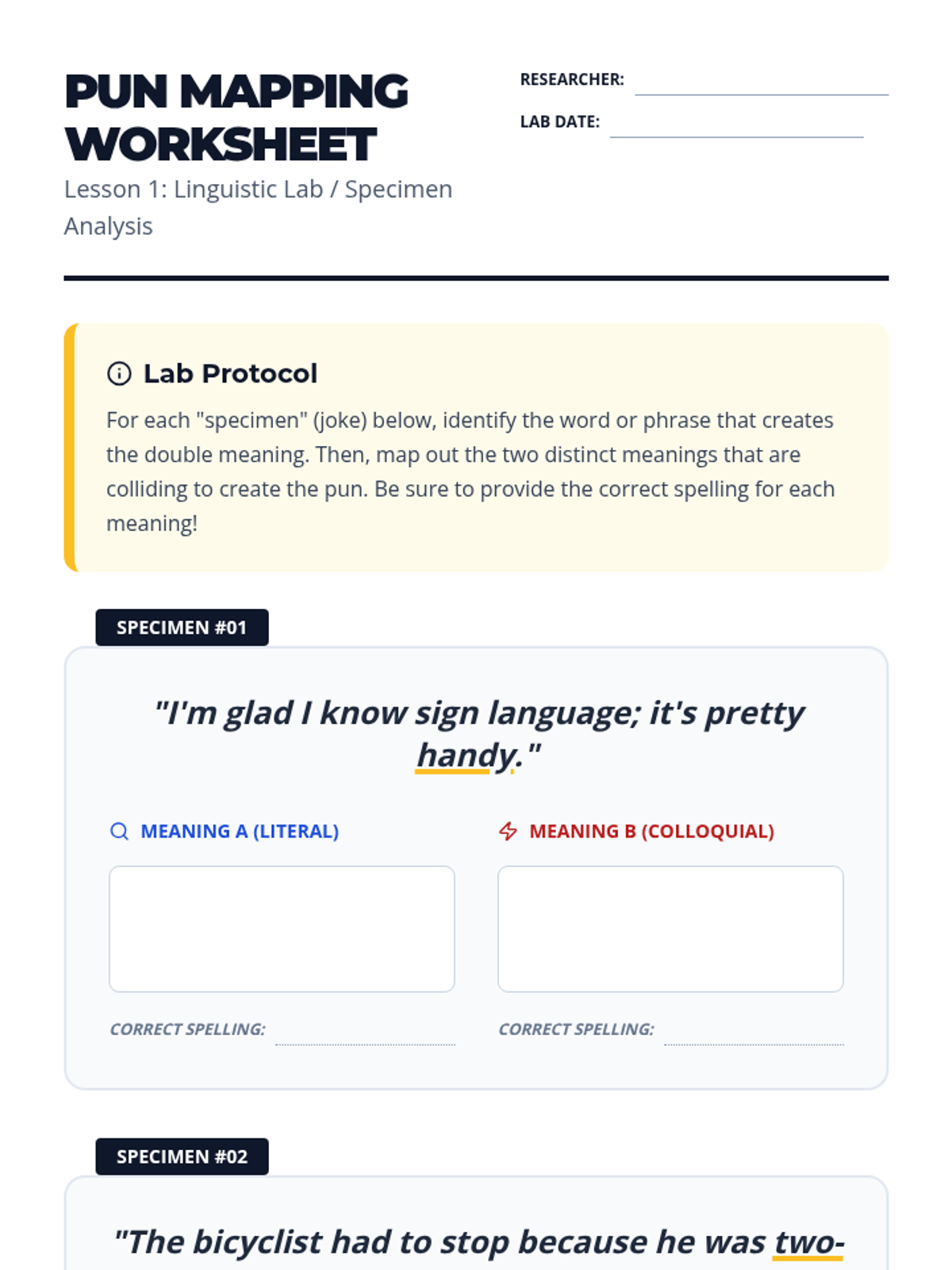
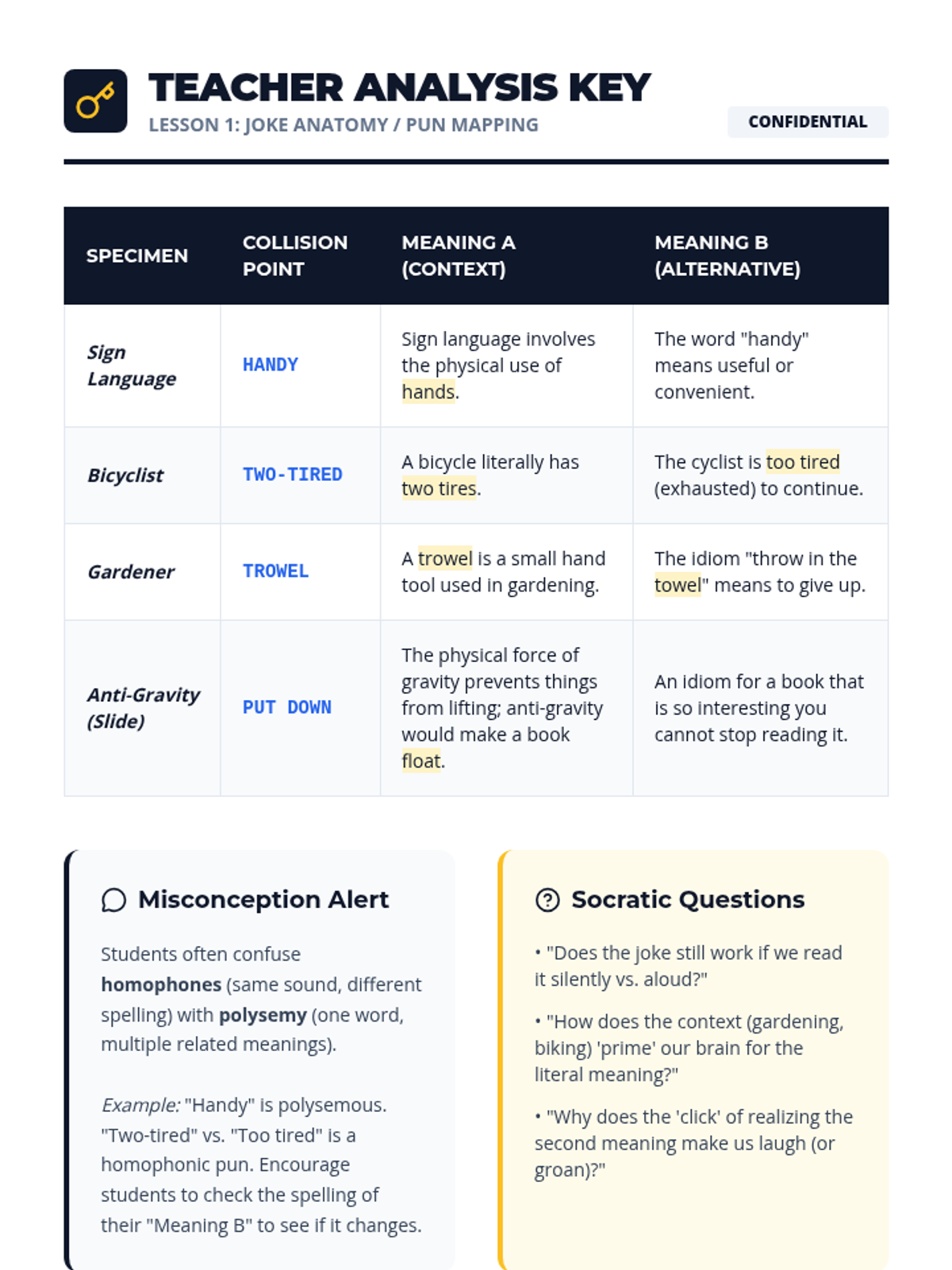
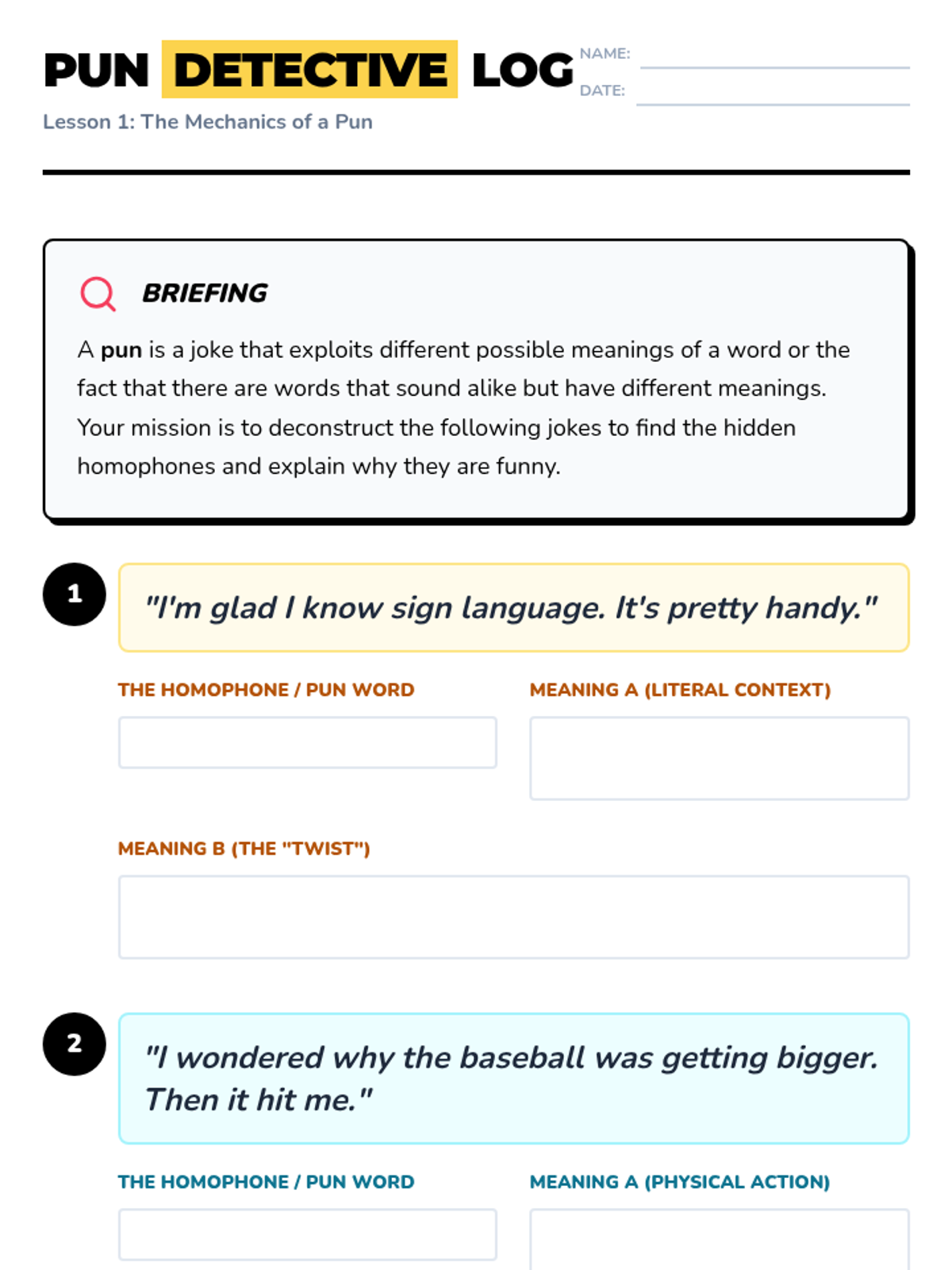
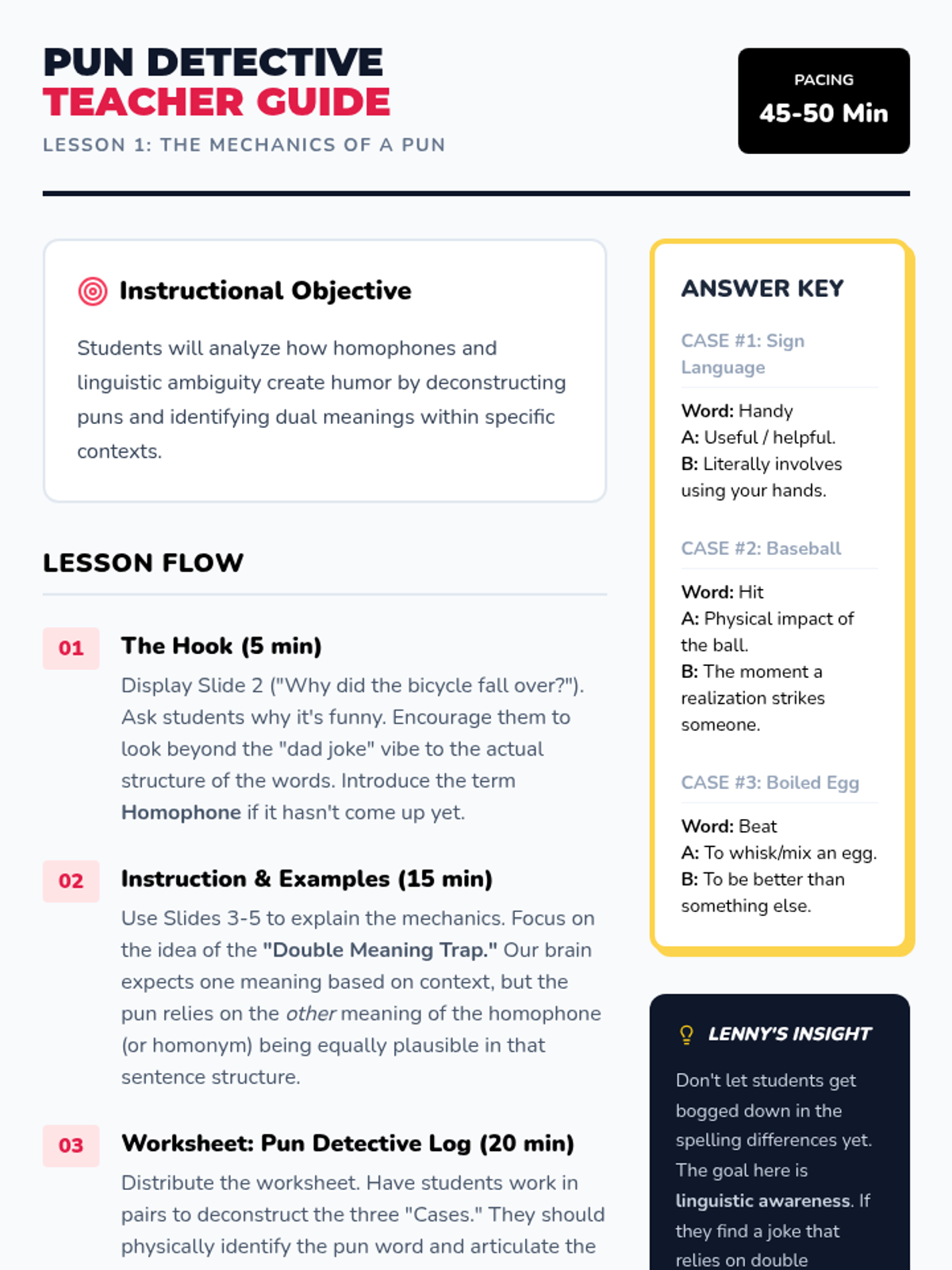
This sequence explores the creative and literary side of homophones and homonyms through puns, riddles, and advertising. Students move from deconstructing humor to creating their own intentional wordplay, culminating in a showcase of their comedic and creative linguistic skills.
This sequence explores the literary and rhetorical function of homophones and homonyms through the lens of wordplay. Students move from analyzing the structure of puns and riddles to examining real-world slogans and creating their own comedy scripts, reinforcing precise vocabulary through creative application.
This sequence explores the creative and rhetorical power of homophones, moving beyond mere error correction to intentional usage in wordplay and puns. Students examine how homophones function in literature, advertising, and humor to create double meanings.
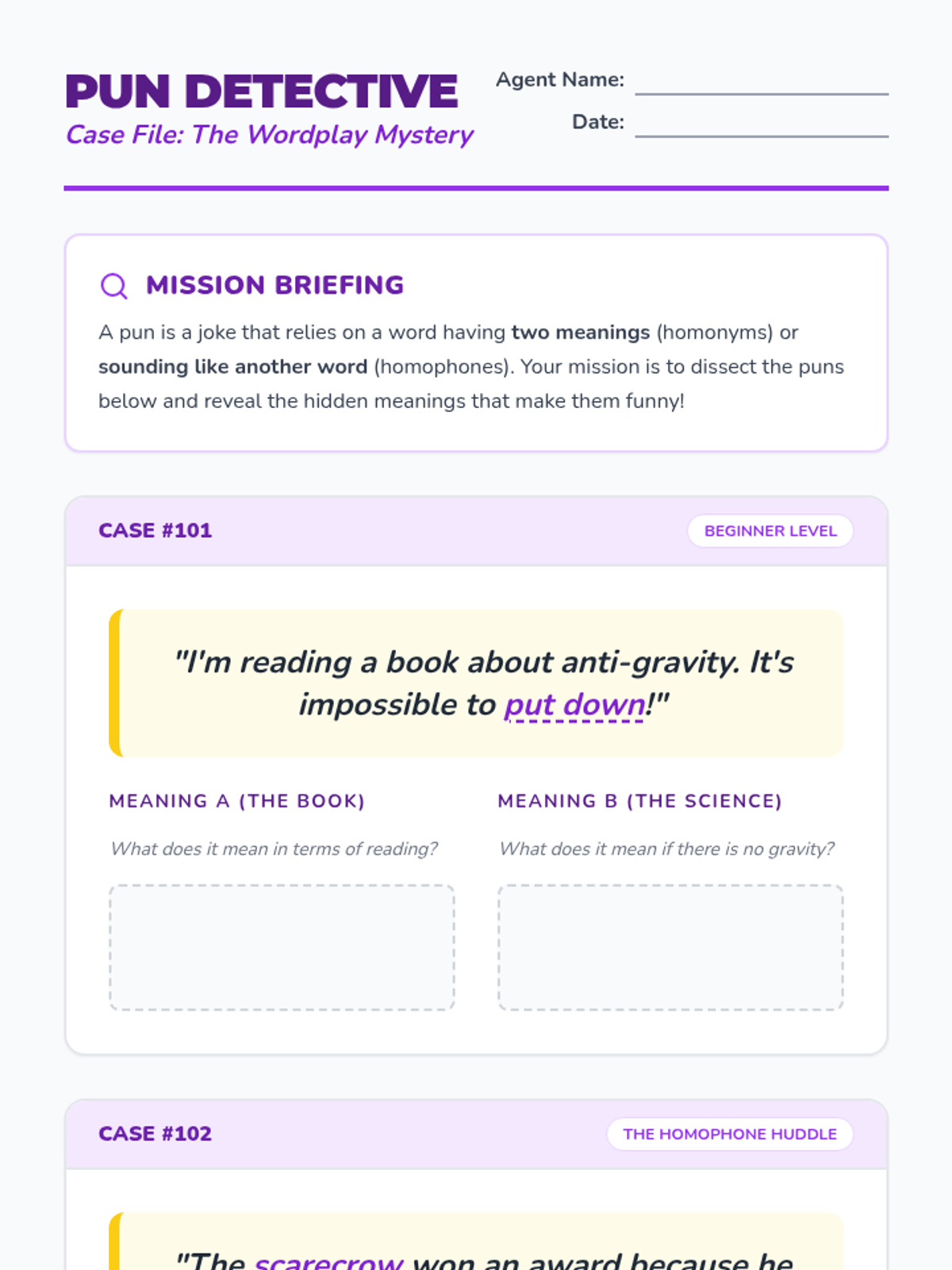
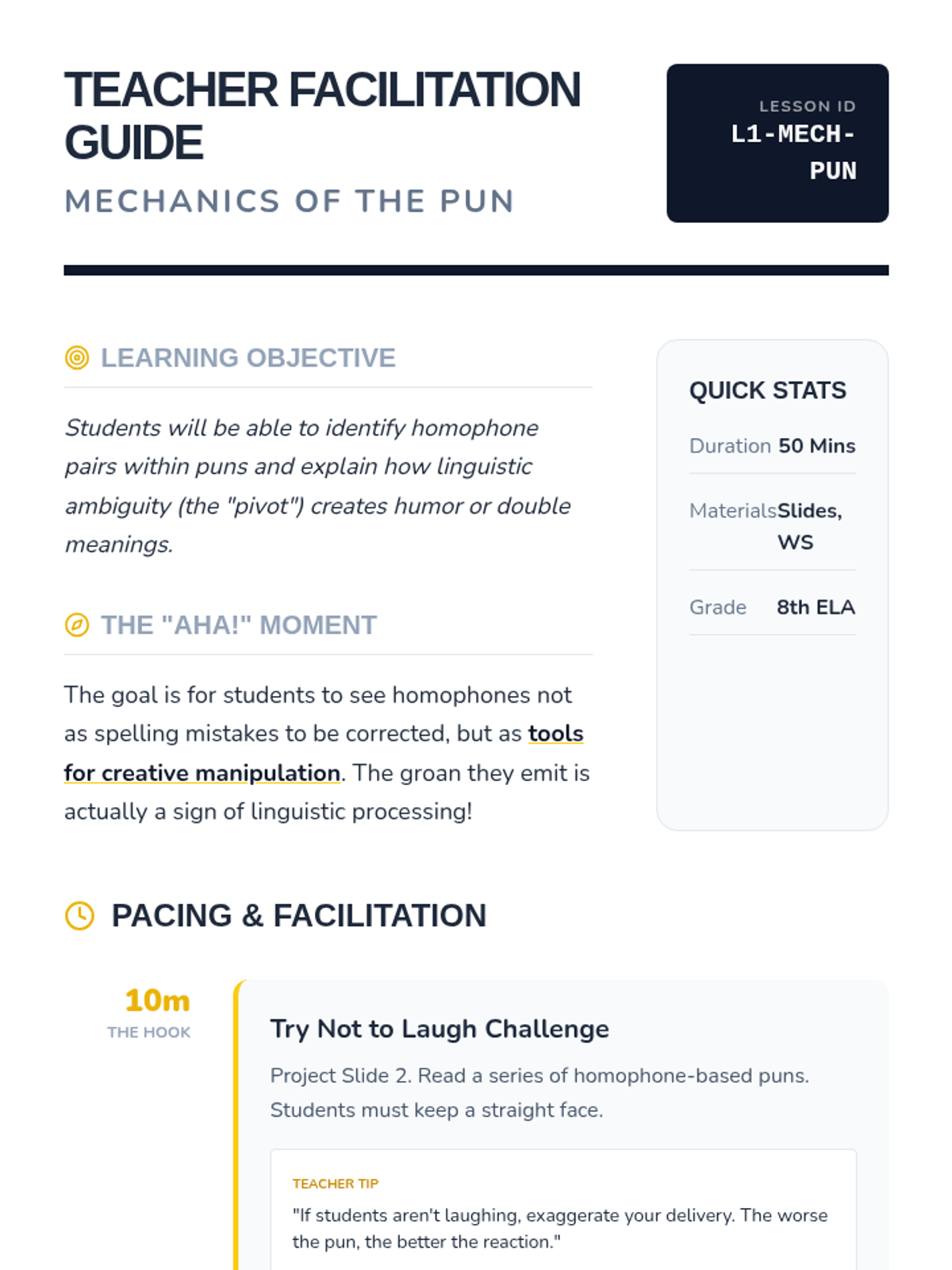
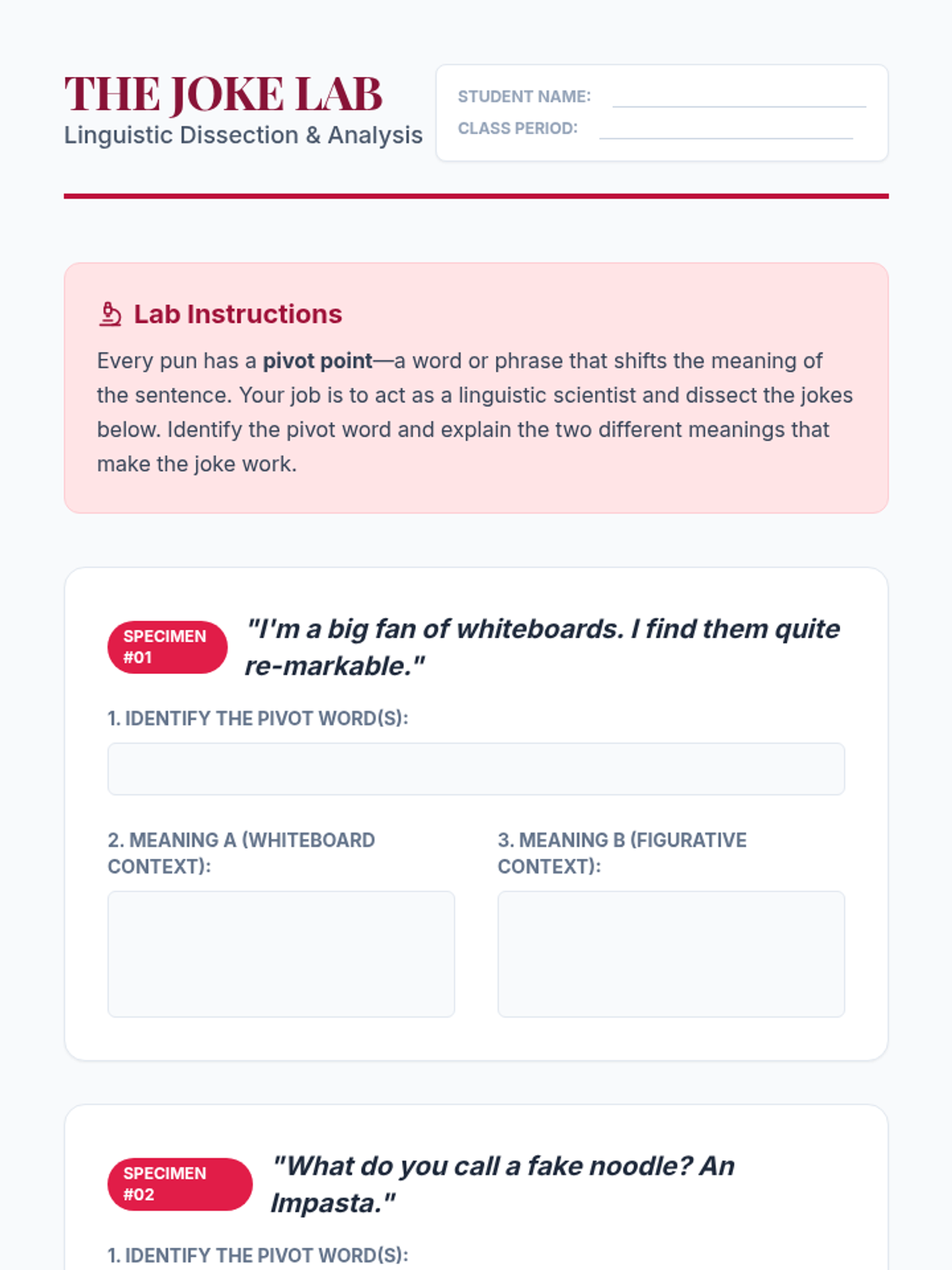
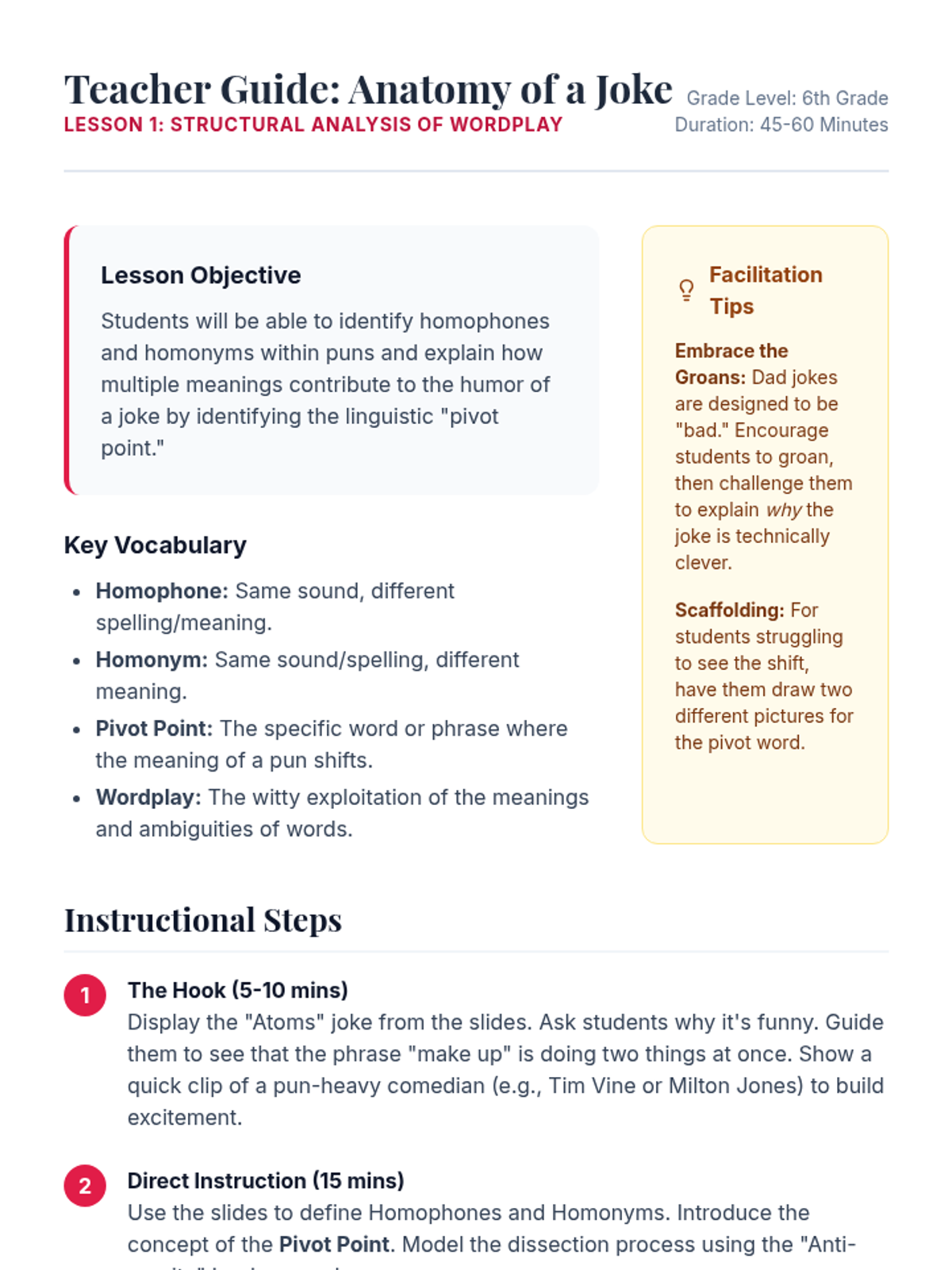
This sequence leverages humor and wordplay to engage students in the structural analysis of language. By dissecting puns, riddles, and jokes, students uncover how homophones and homonyms function as the mechanism for verbal humor. The learning journey moves from analyzing existing puns to understanding the linguistic pivot point, finally leading students to create their own wordplay.
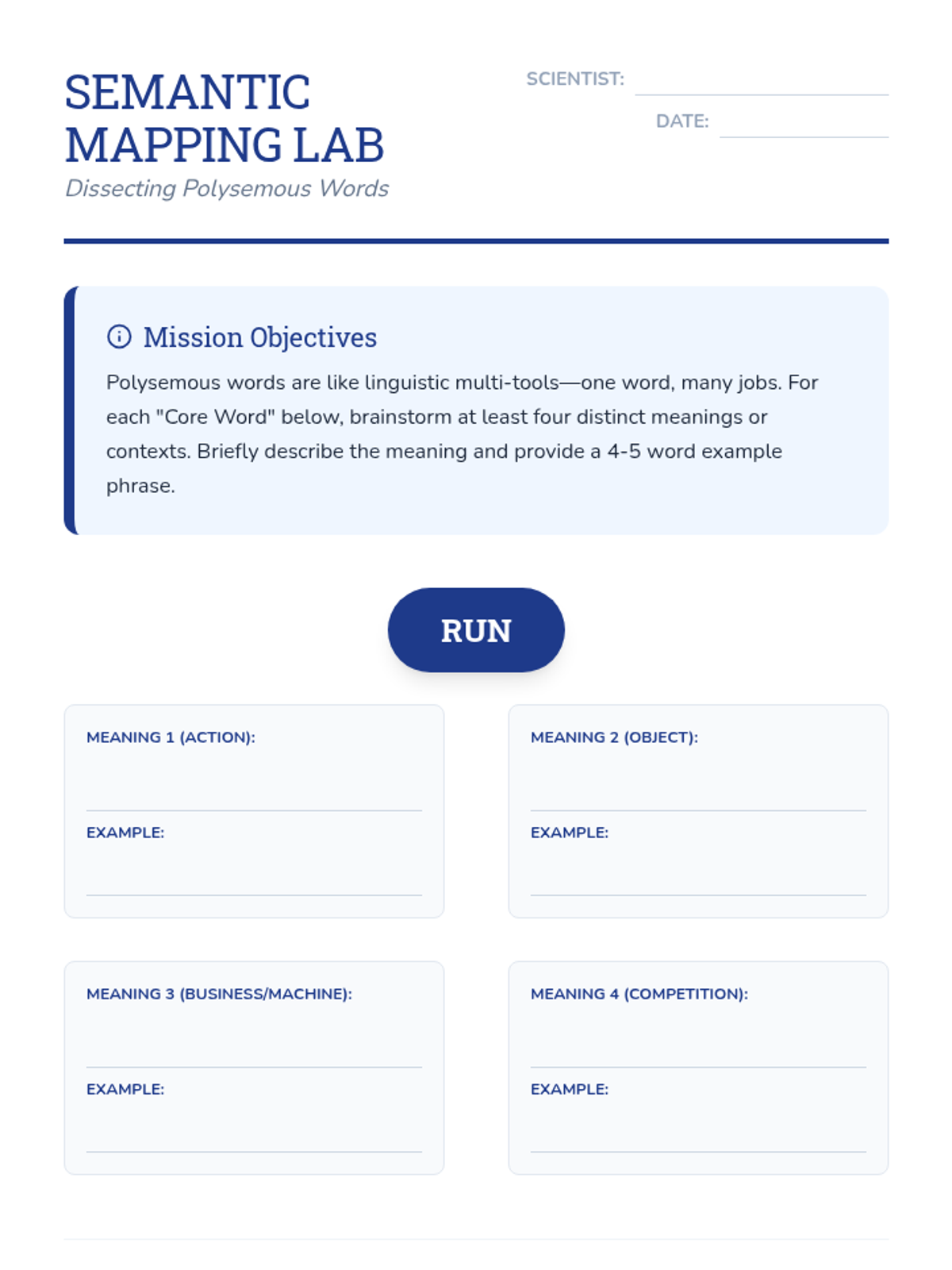
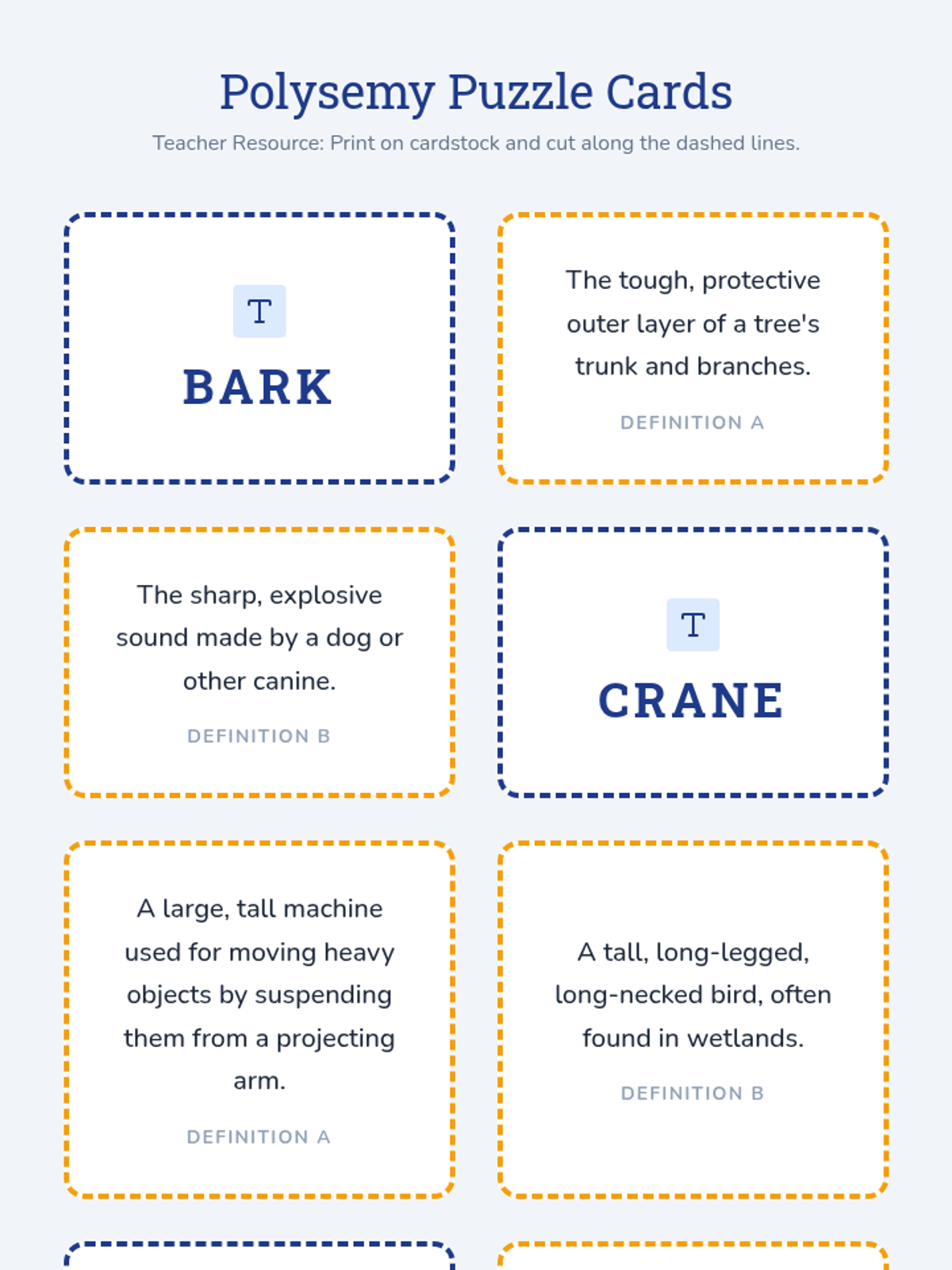
A 6th-grade ELA sequence exploring polysemy, homonyms, and homographs. Students learn to use context clues to differentiate between multiple meanings of a single word, improving reading comprehension and writing precision.
A project-based ELA sequence for 6th graders to master complex homophones through visual associations, etymology, and mnemonic devices. Students move from diagnosing personal errors to creating a collaborative visual dictionary.
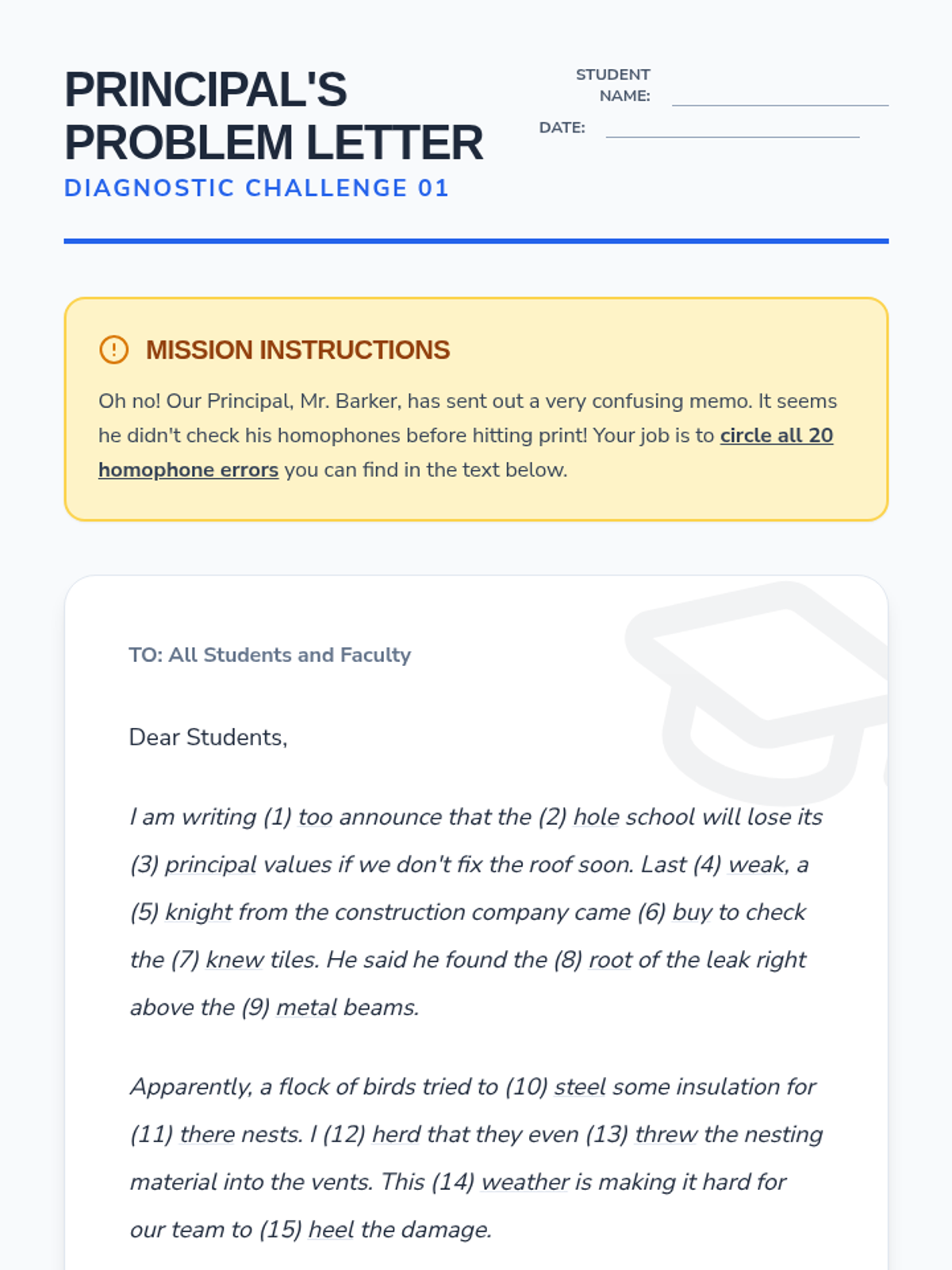
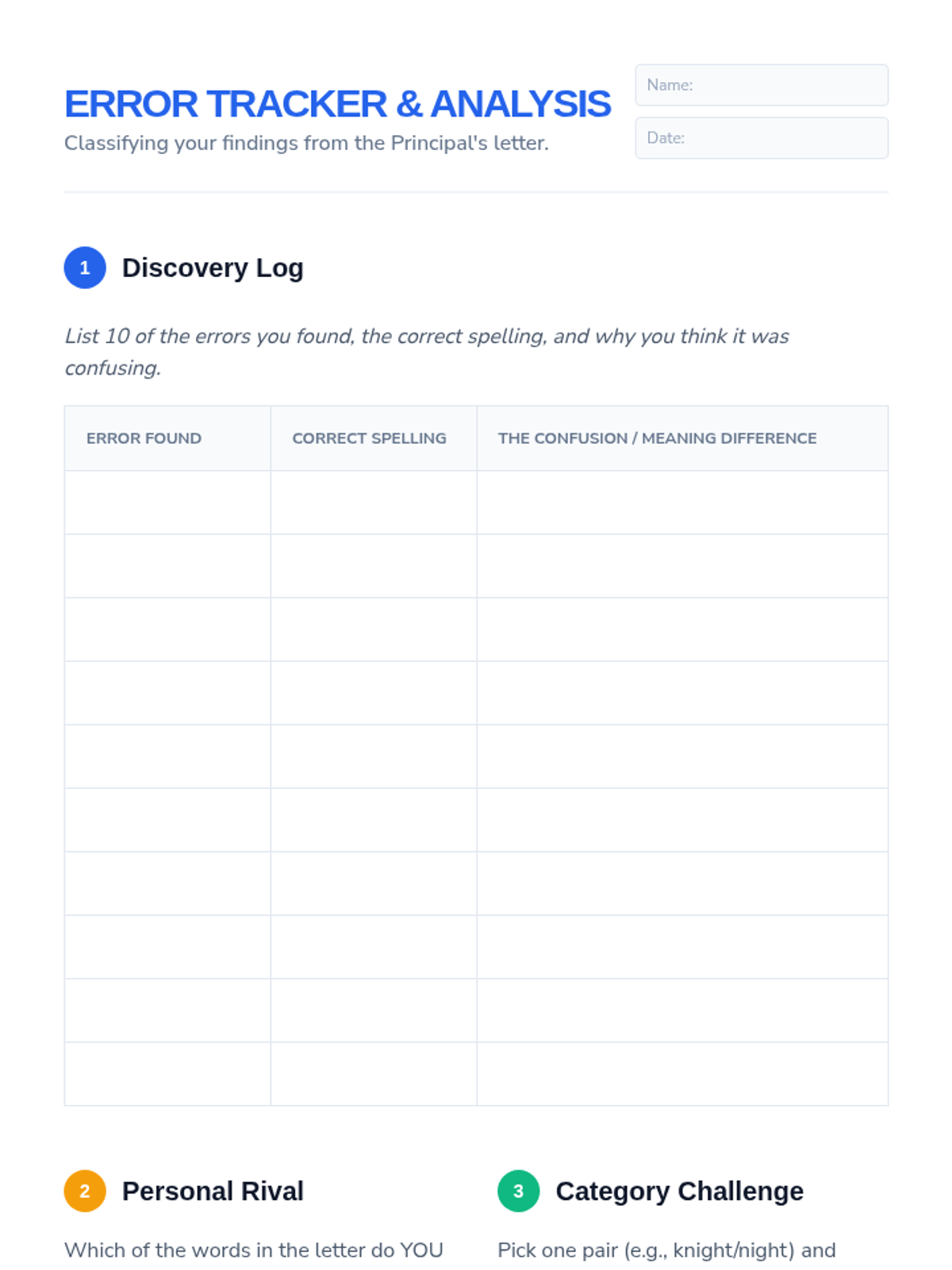
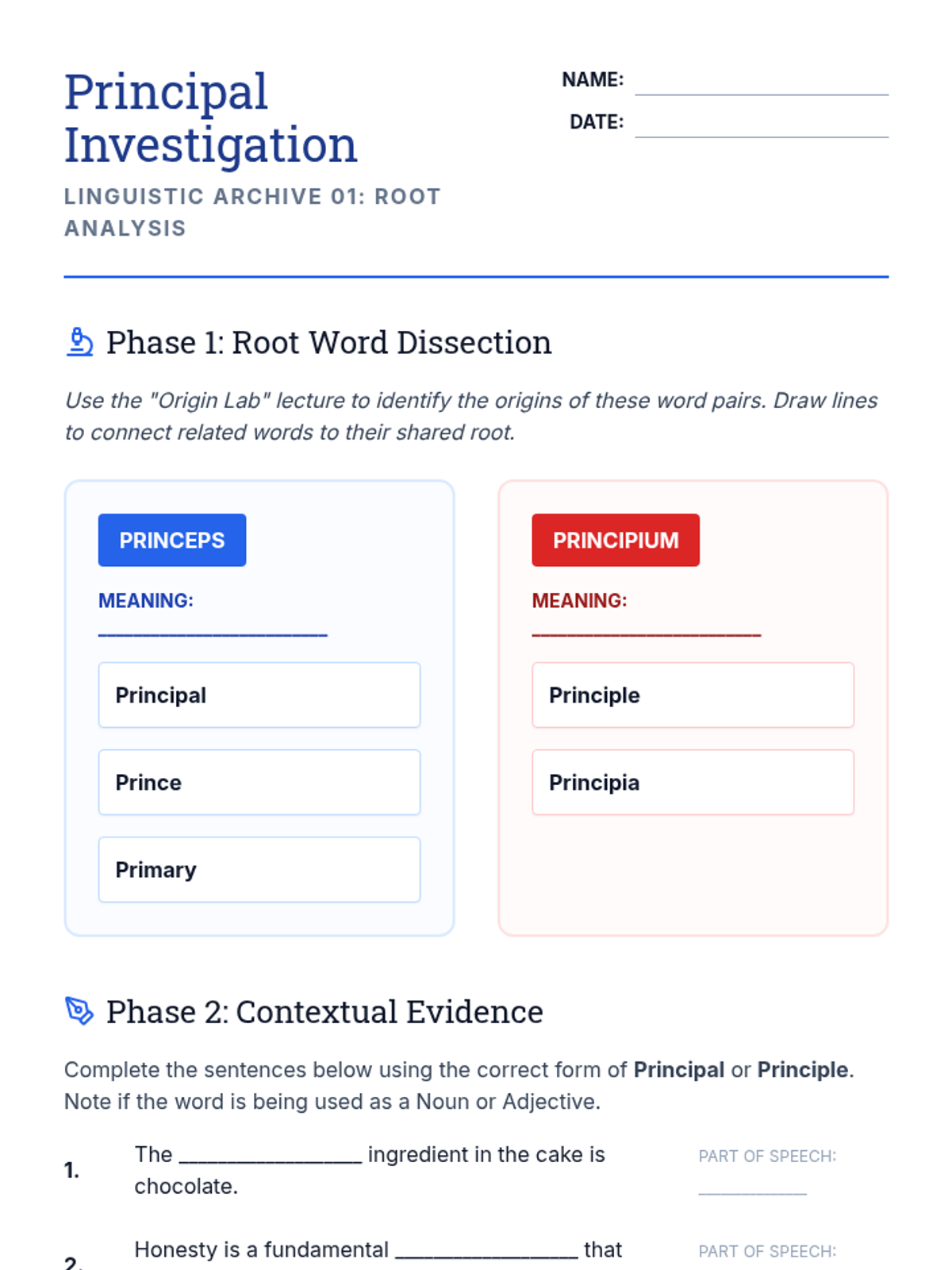
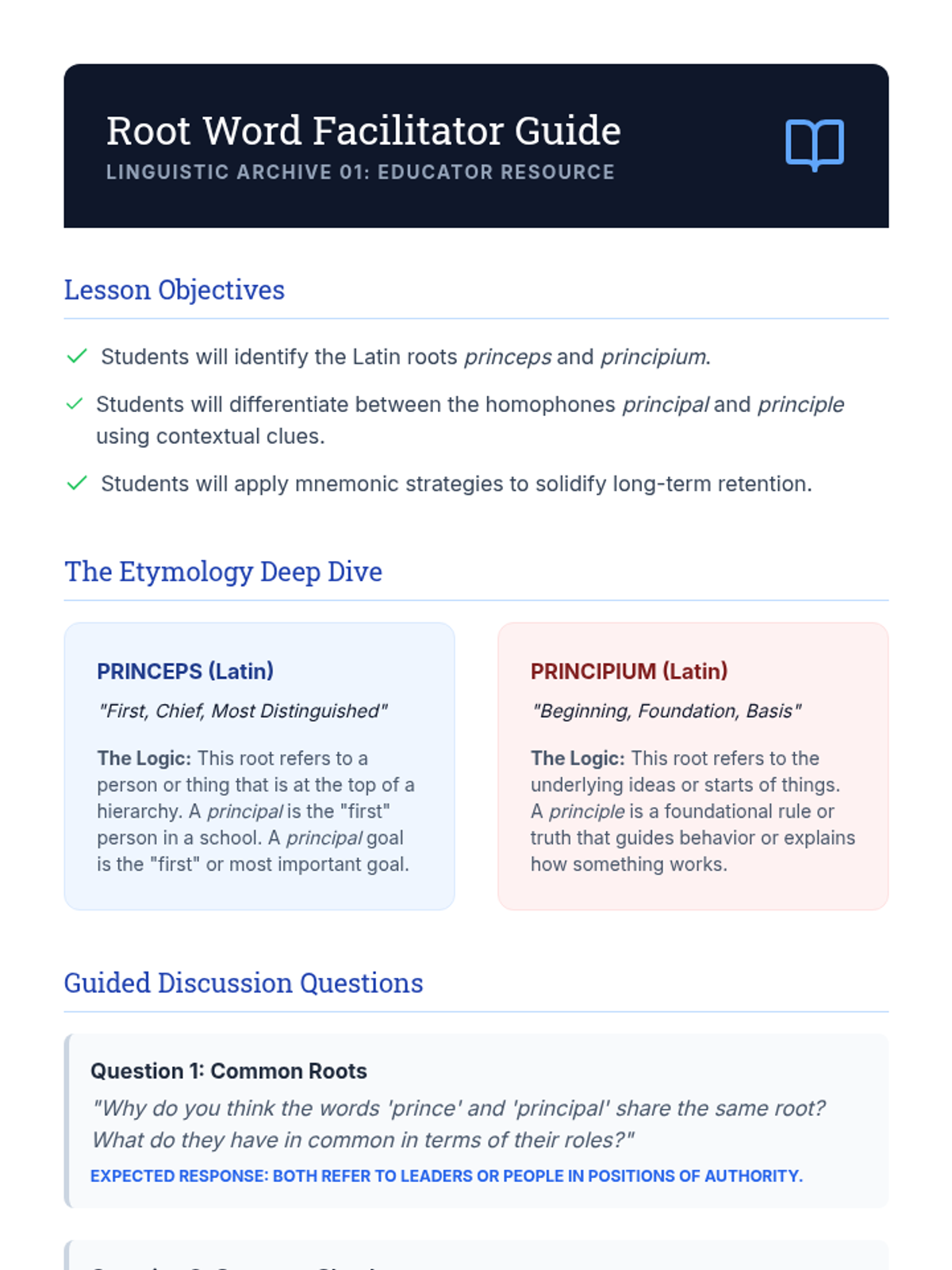
An advanced exploration of 6th-grade homophones using etymology and root word analysis. Students investigate complex word pairs like principal/principle and capital/capitol through case studies and simulations.
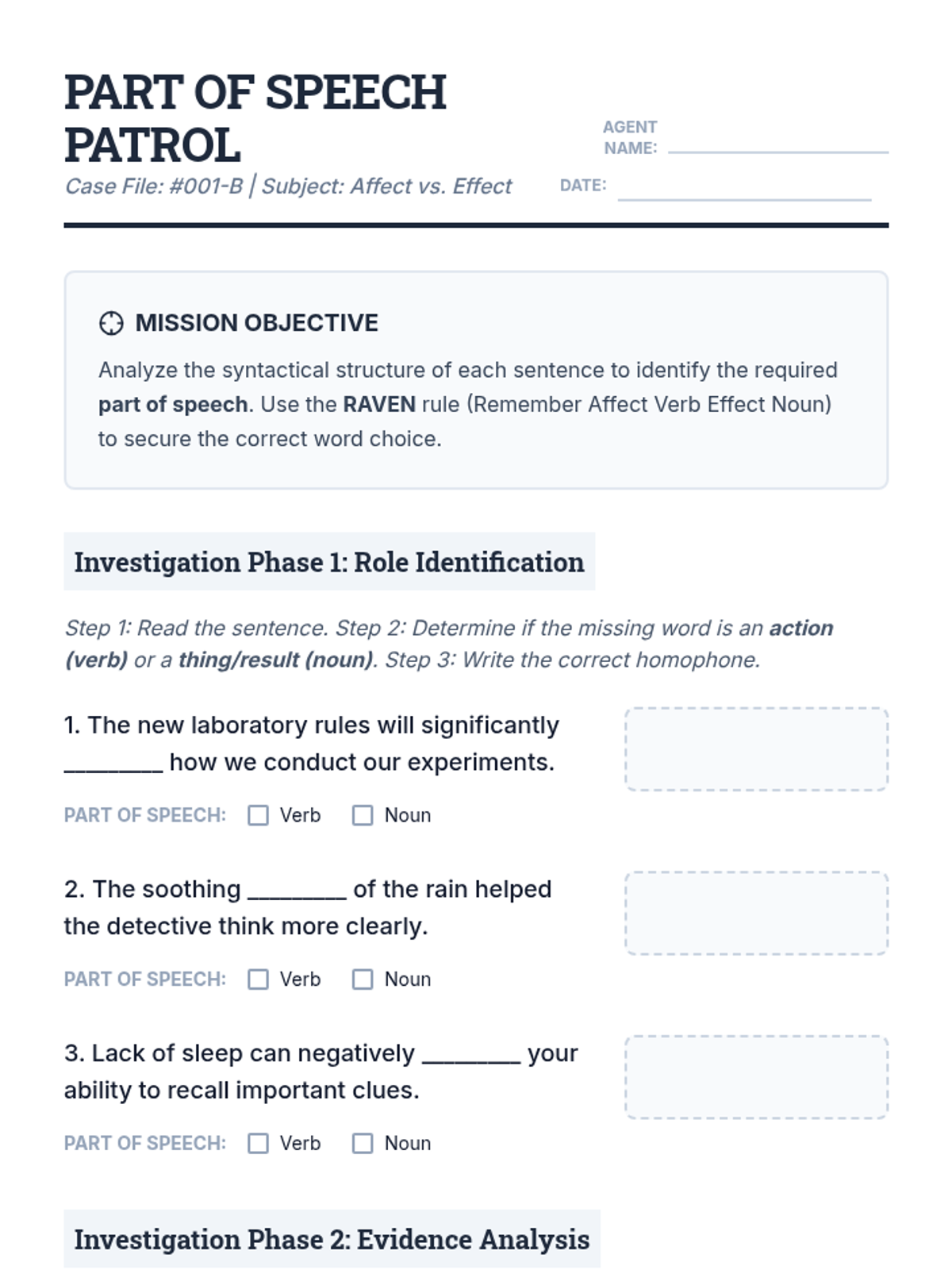
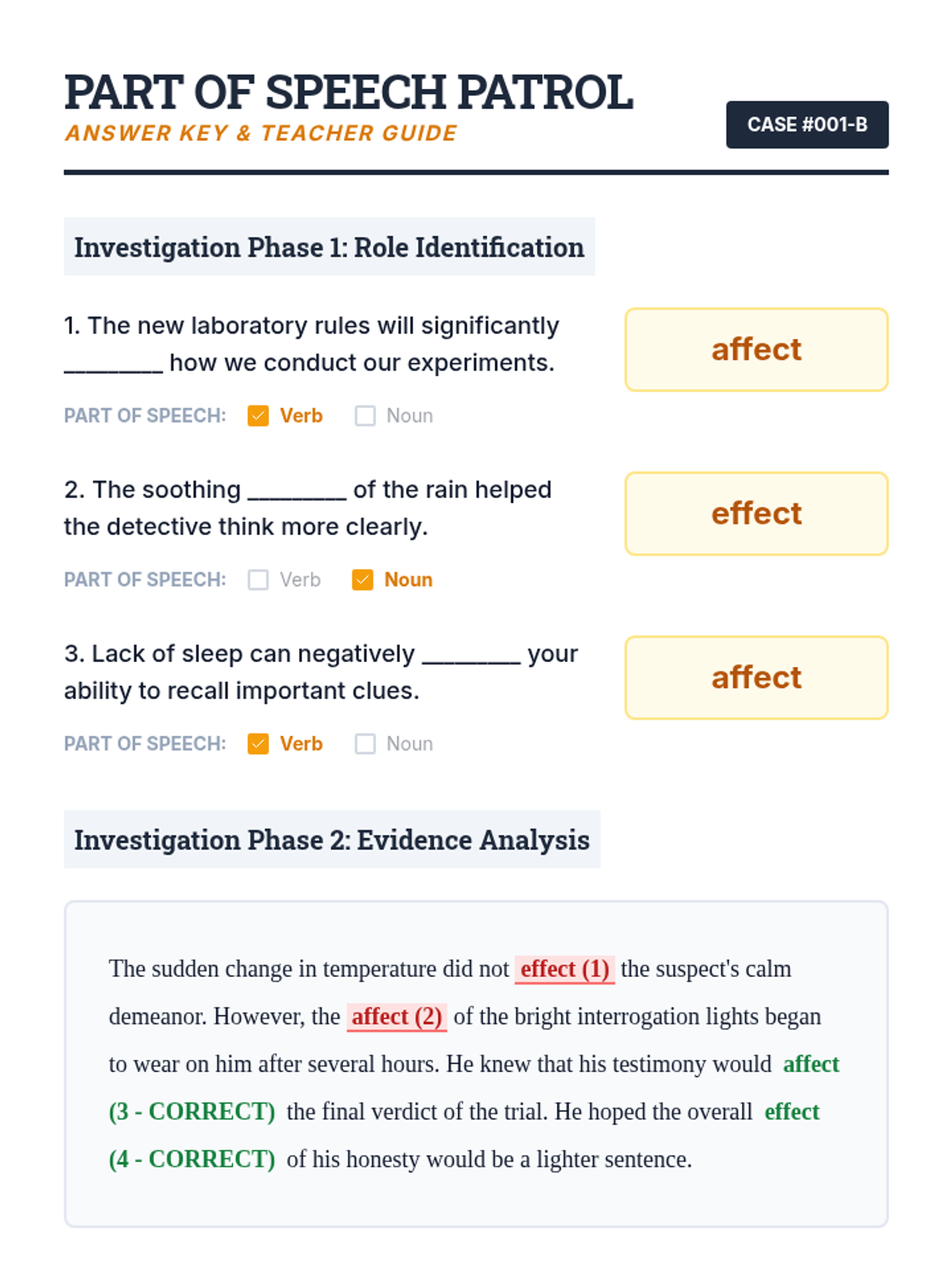
A rigorous, inquiry-based unit for 6th graders exploring how grammatical context and parts of speech dictate the spelling of homophones. Students analyze sentence structure, use replacement tests, and construct their own context-rich writing to master word choice.
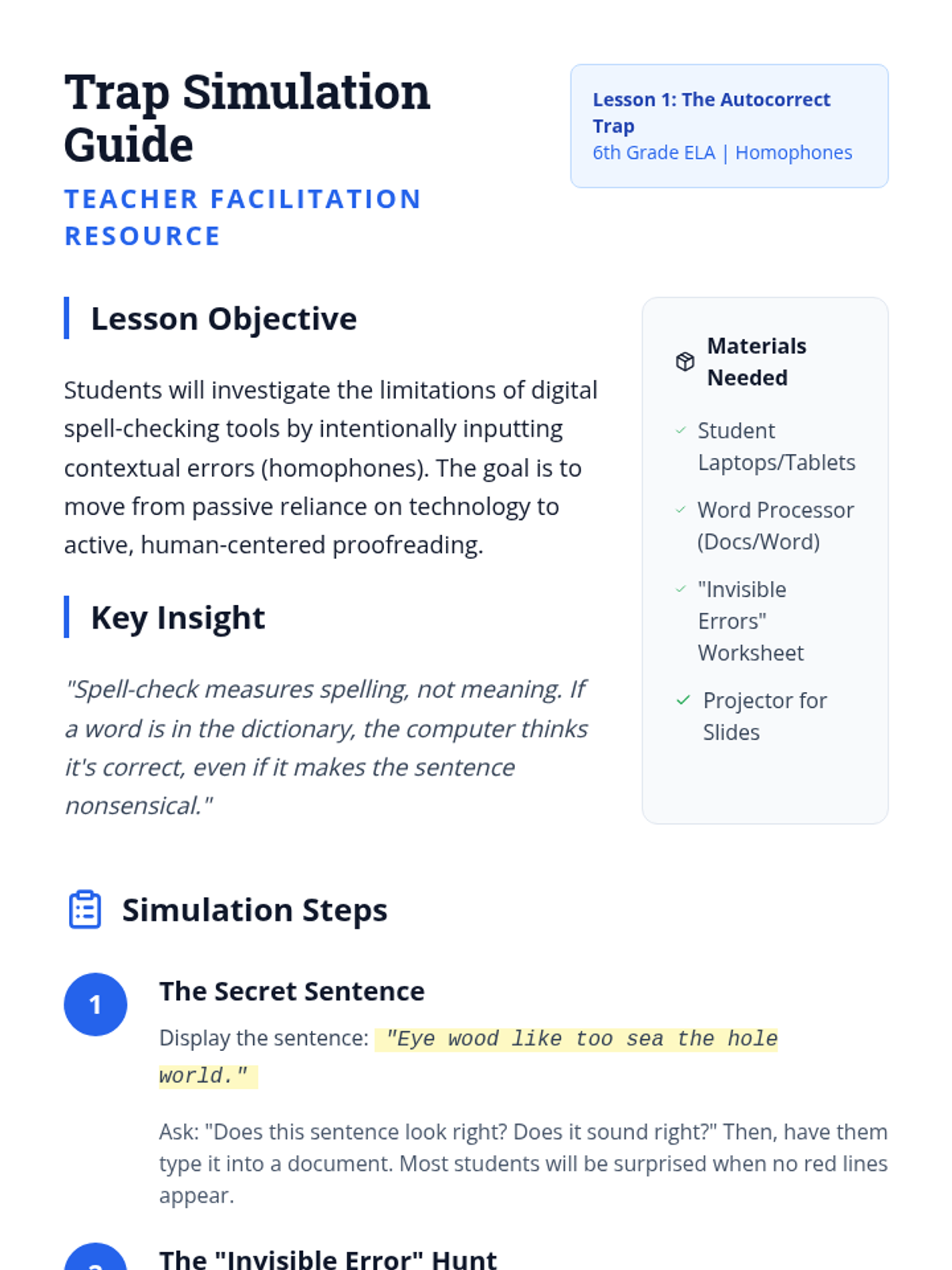
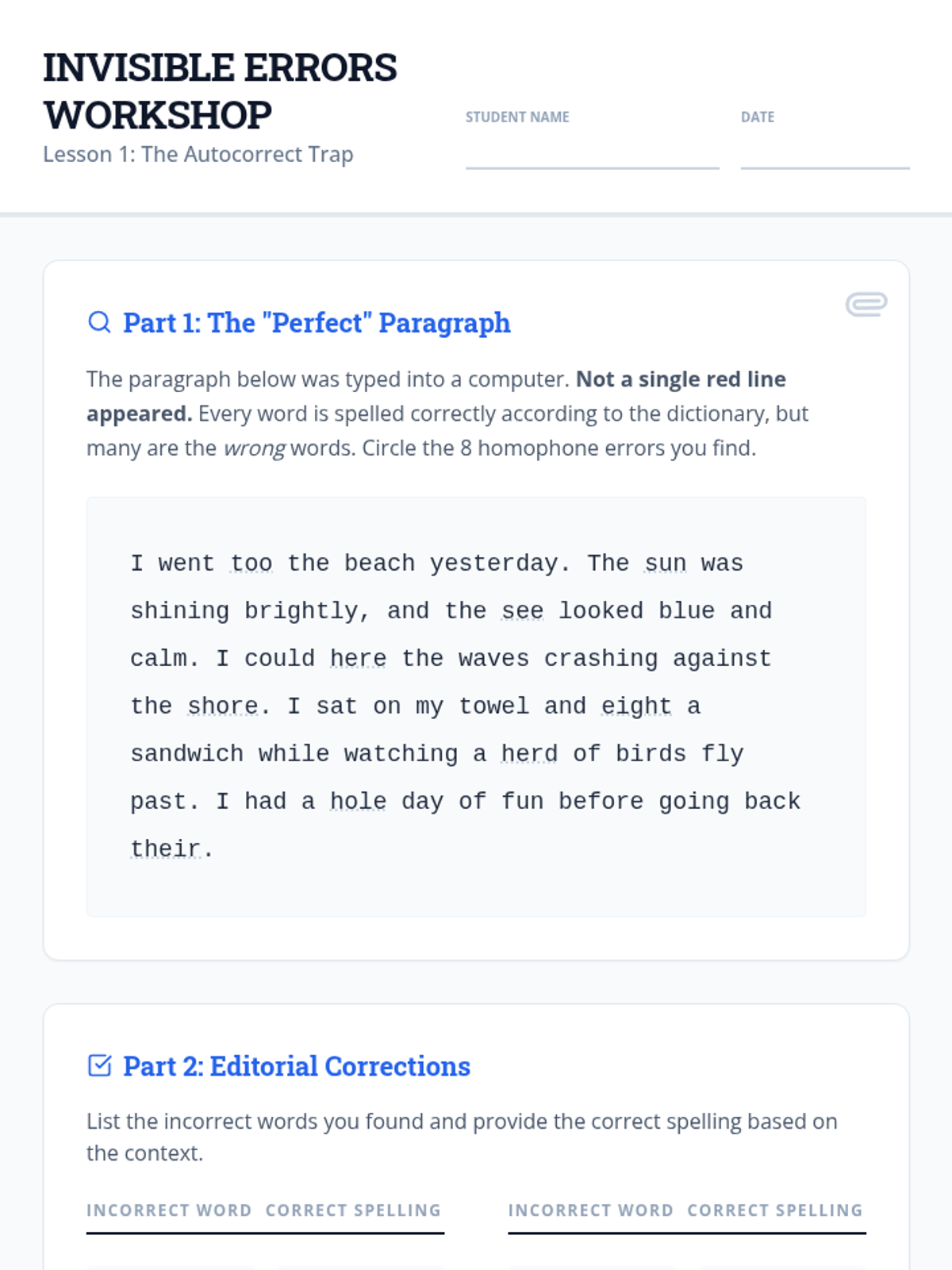
A workshop-style sequence for 6th grade students focused on identifying and correcting homophone errors through a lens of proofreading and editing. Students move from understanding why digital tools fail to mastering a specific protocol for 'invisible' mistakes.
This sequence explores homophones and homonyms through the lens of humor and creative writing. Students move from analyzing simple puns to deconstructing literary wordplay in works by Shakespeare and Lewis Carroll, ultimately creating their own ambiguity-driven performances.
This sequence explores the creative and humorous side of homophones, focusing on how writers use wordplay, puns, and ambiguity for effect. Students move from deconstructing jokes to creating their own homophone-based scripts and comics.
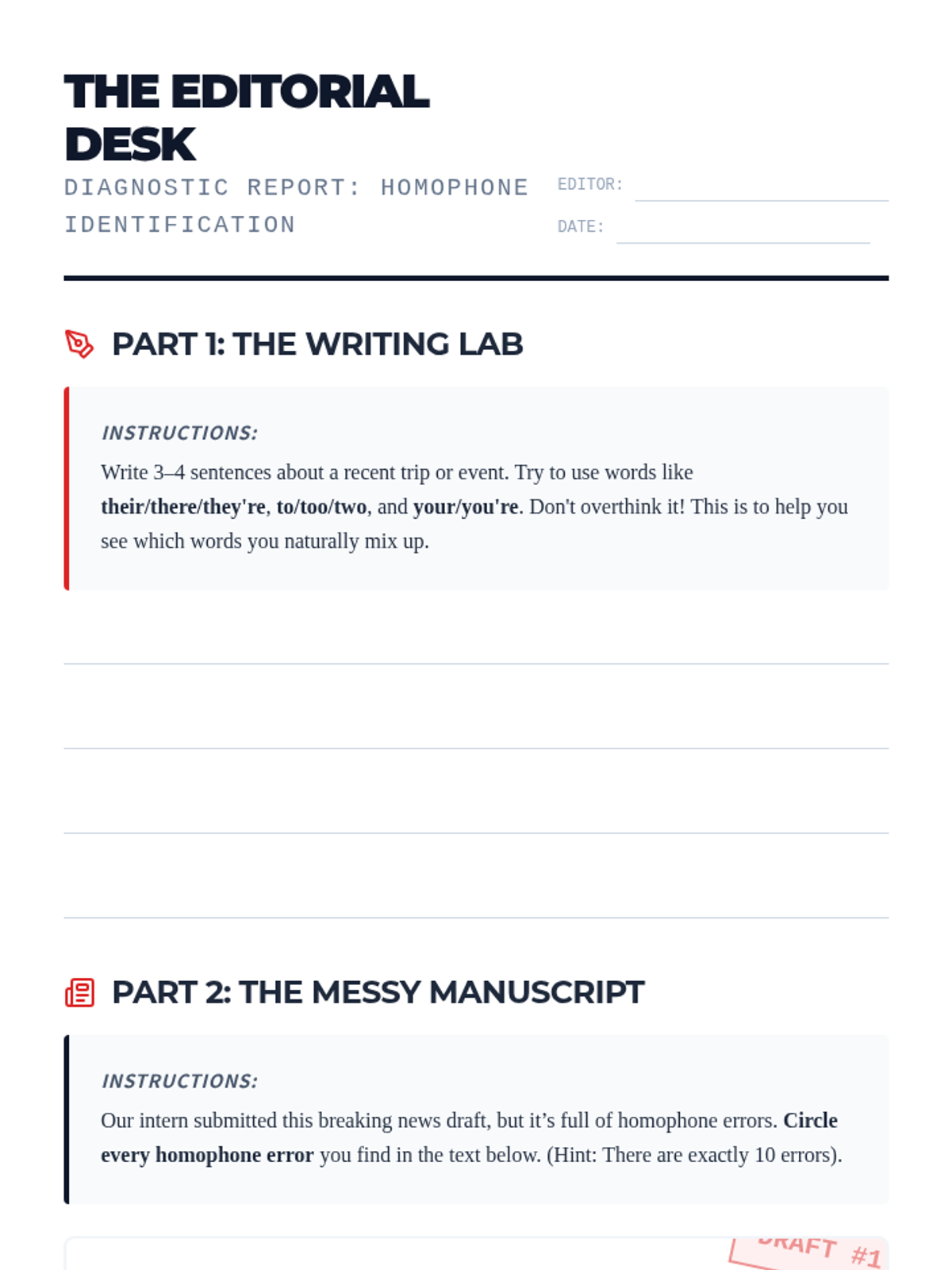
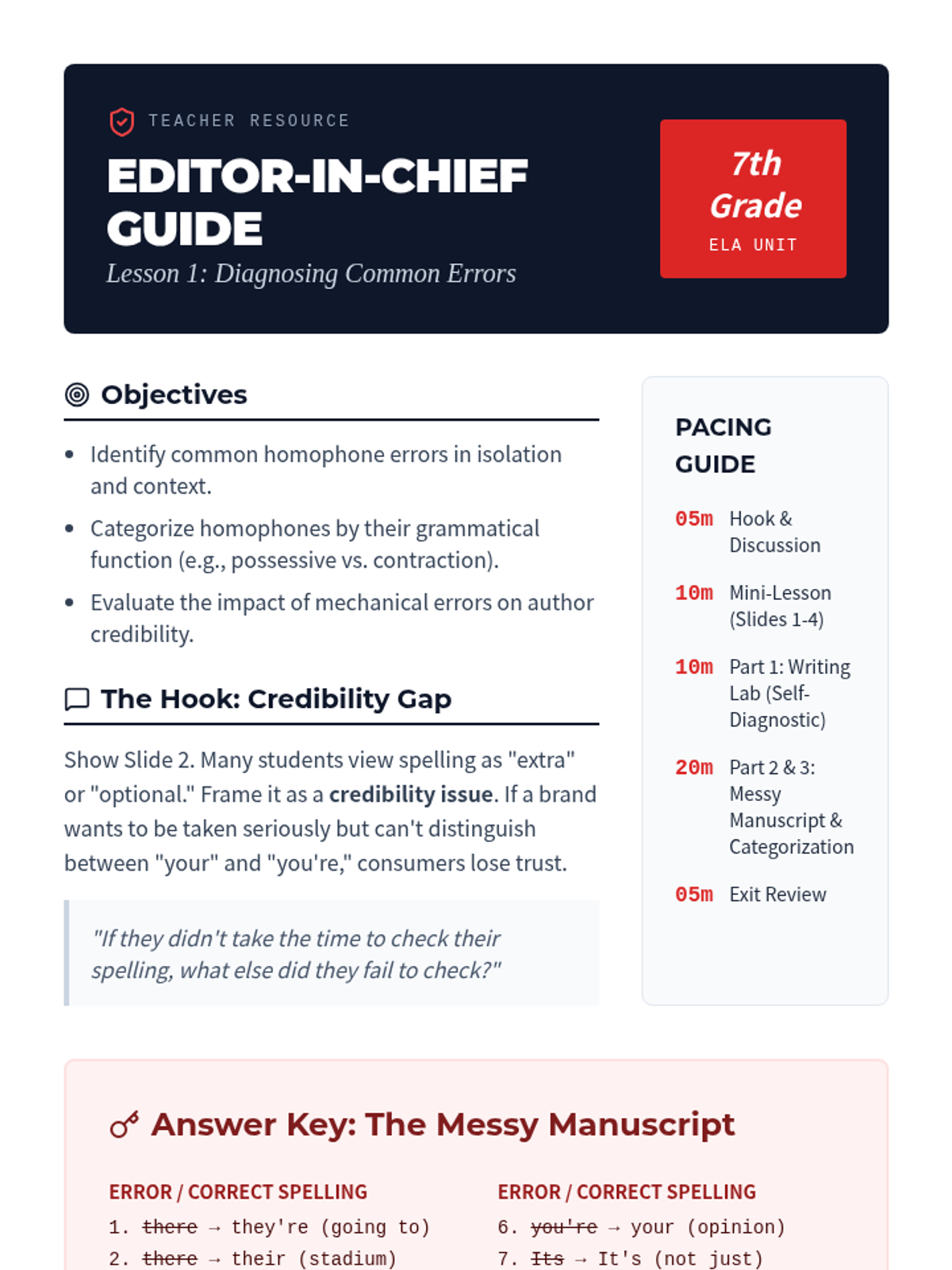
This sequence focuses on the practical application of homophone mastery through the lens of editing and professional communication. Students diagnose errors, master high-frequency triads, tackle advanced vocabulary, and apply their skills in real-world professional contexts before concluding with a peer-editing workshop.
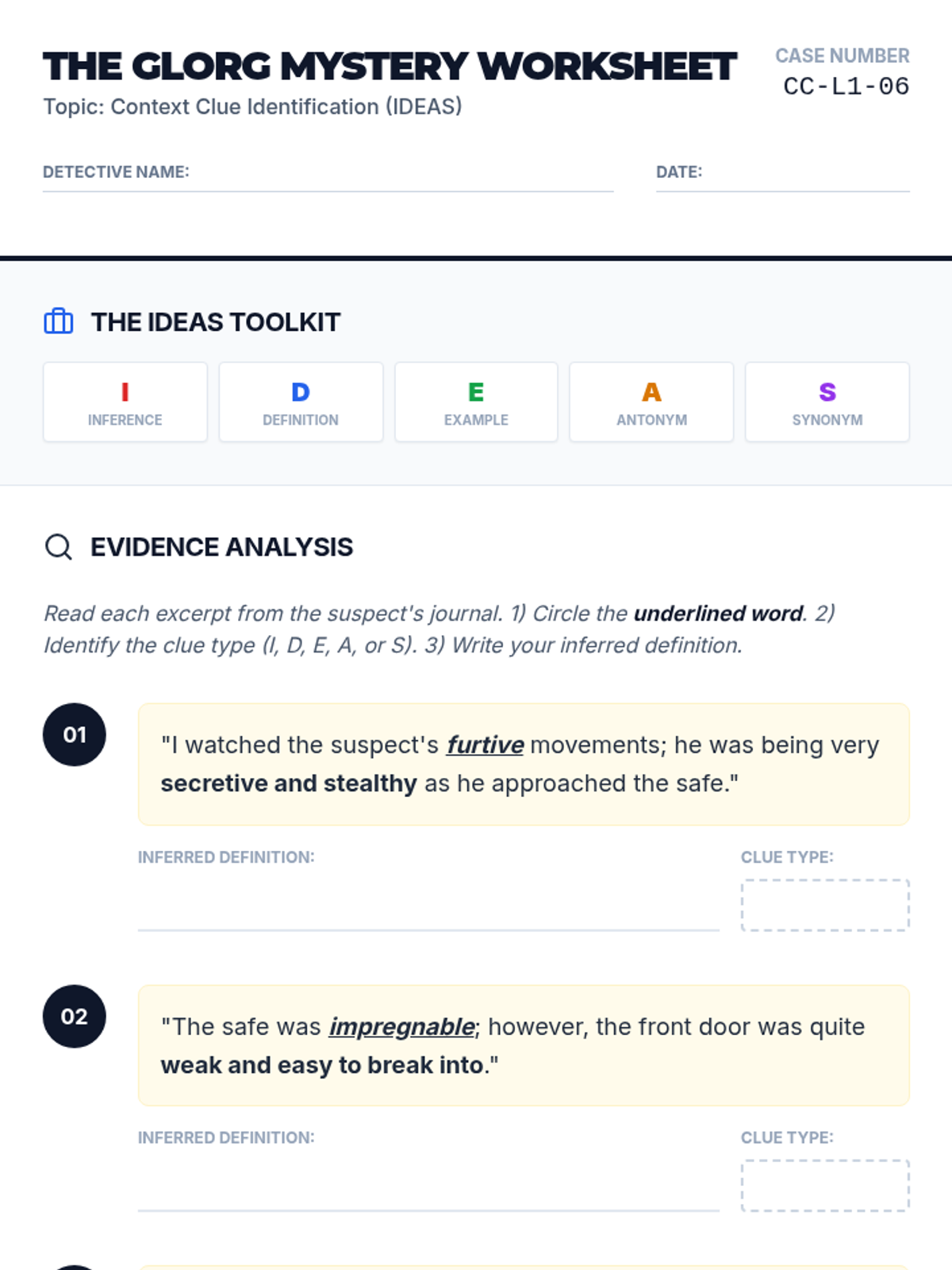
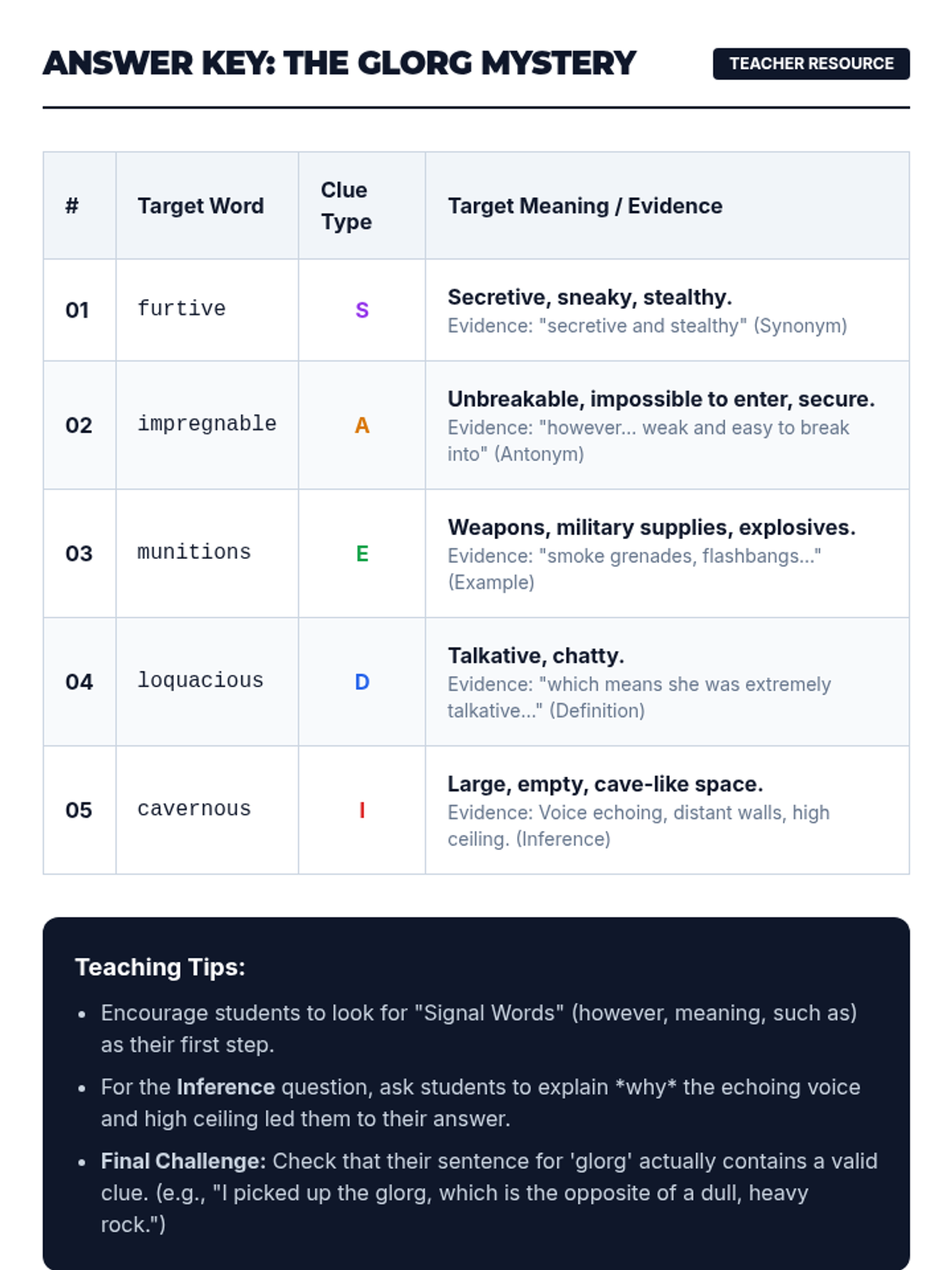
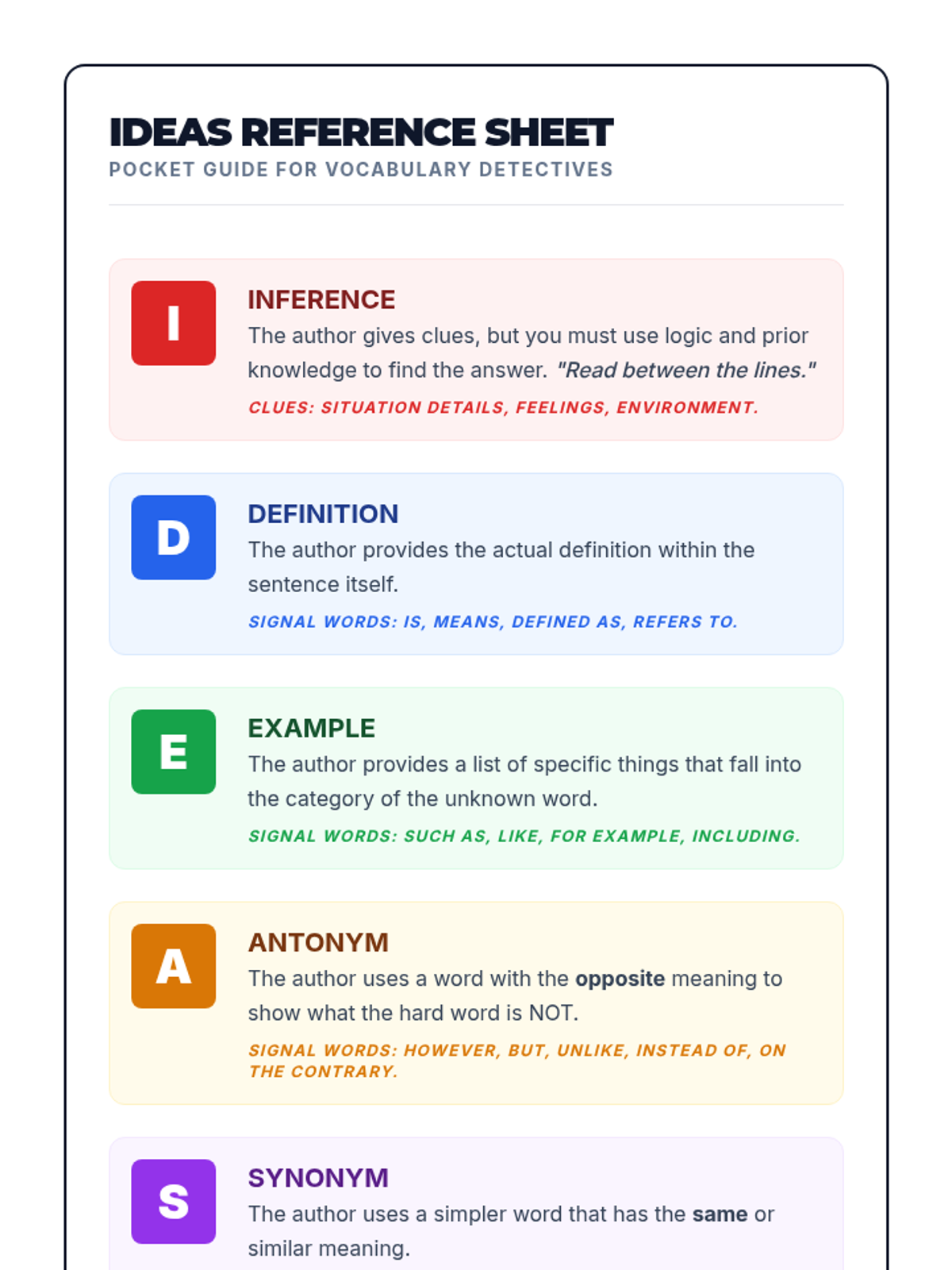
This sequence trains 6th-grade students to act as vocabulary detectives, using the IDEAS acronym (Inference, Definition, Example, Antonym, Synonym) to decode complex Tier 2 and Tier 3 words. Students progress from basic clue identification to mastering multiple-meaning words and semantic precision in advanced cloze reading.
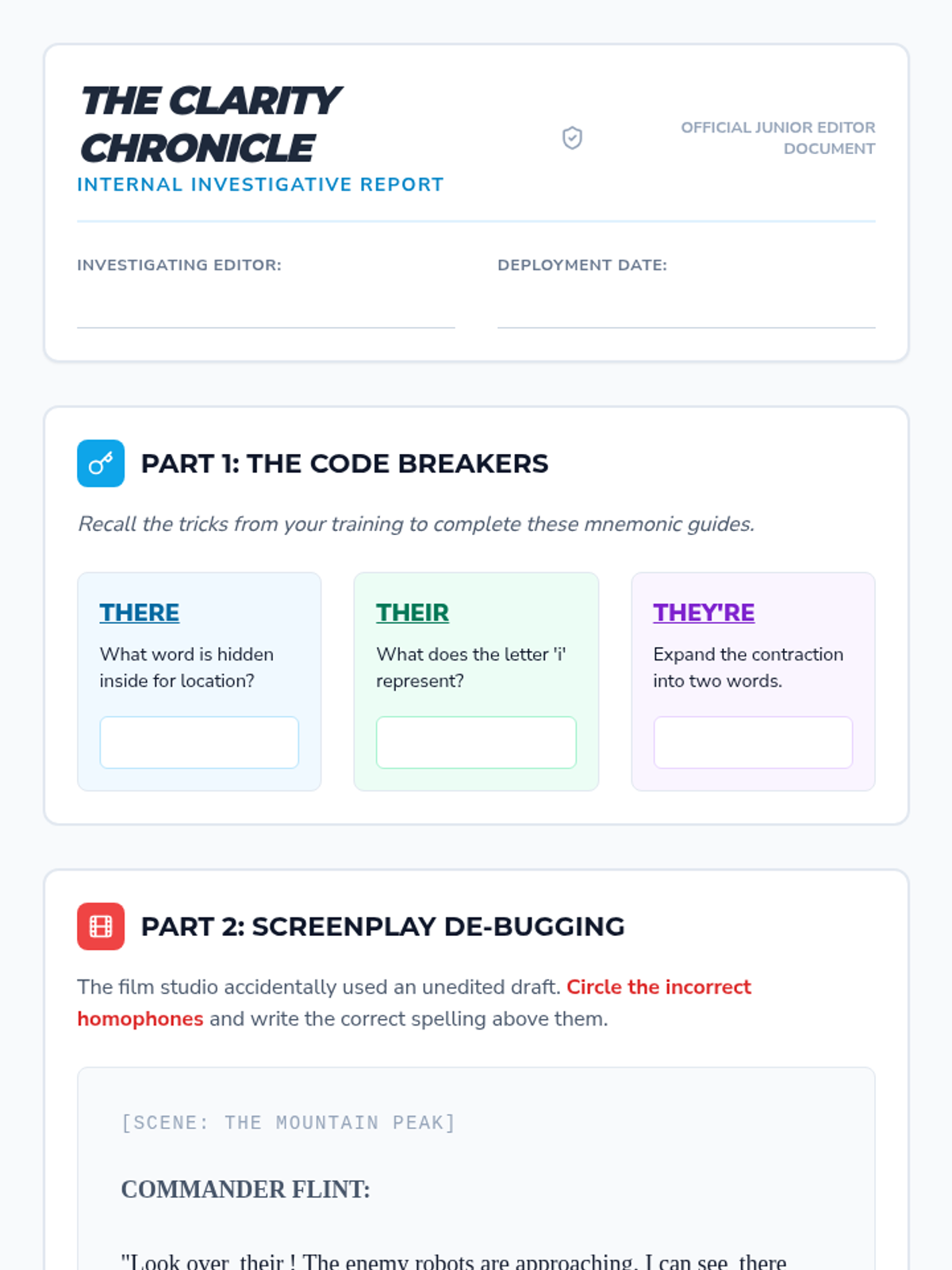
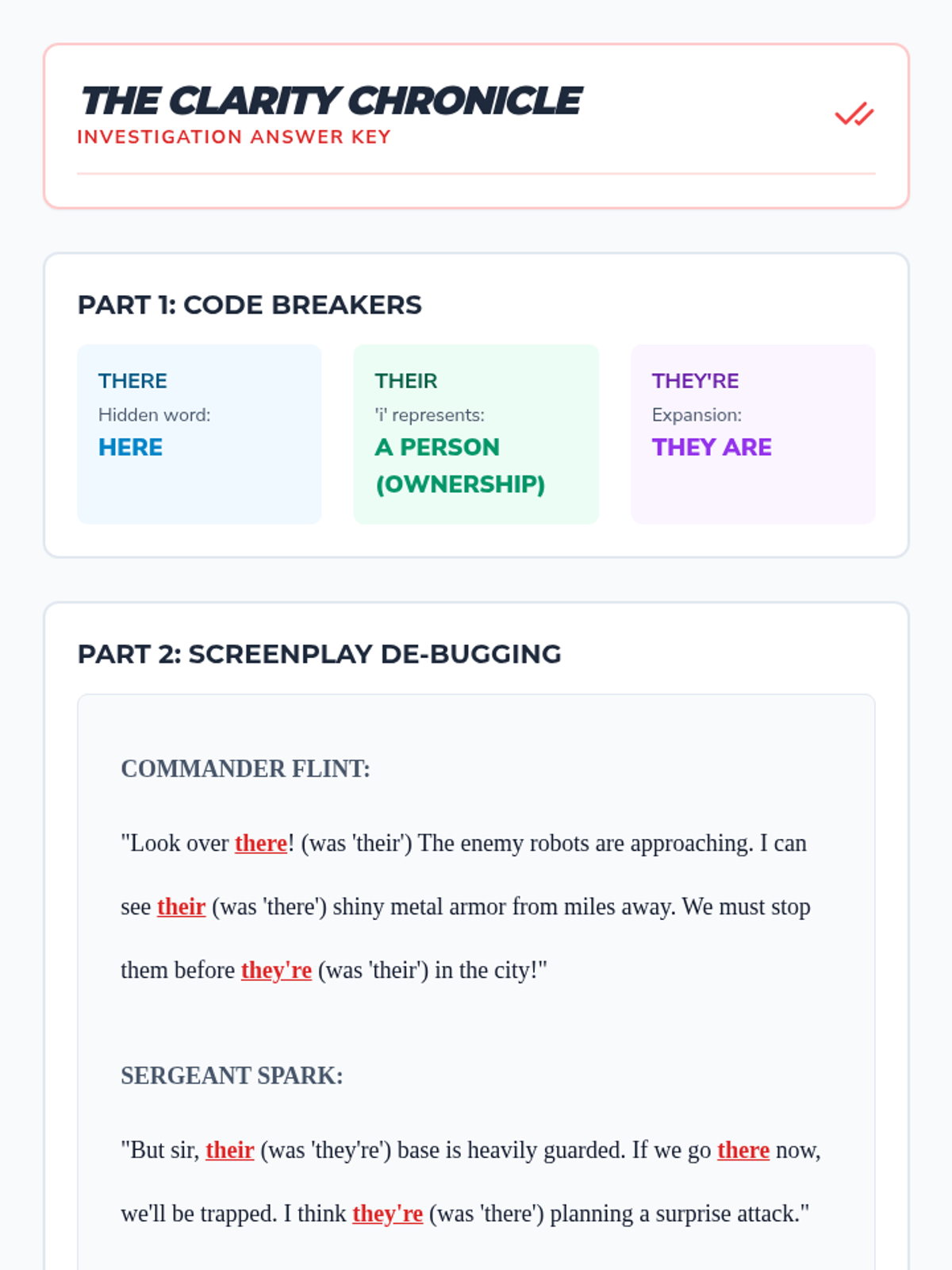
Students step into the role of professional editors at 'The Clarity Chronicle,' a top-tier editing agency. Over five lessons, they master the nuance of homophones and frequently confused words by analyzing context, creating mnemonics, and proofreading high-stakes documents to ensure semantic accuracy.
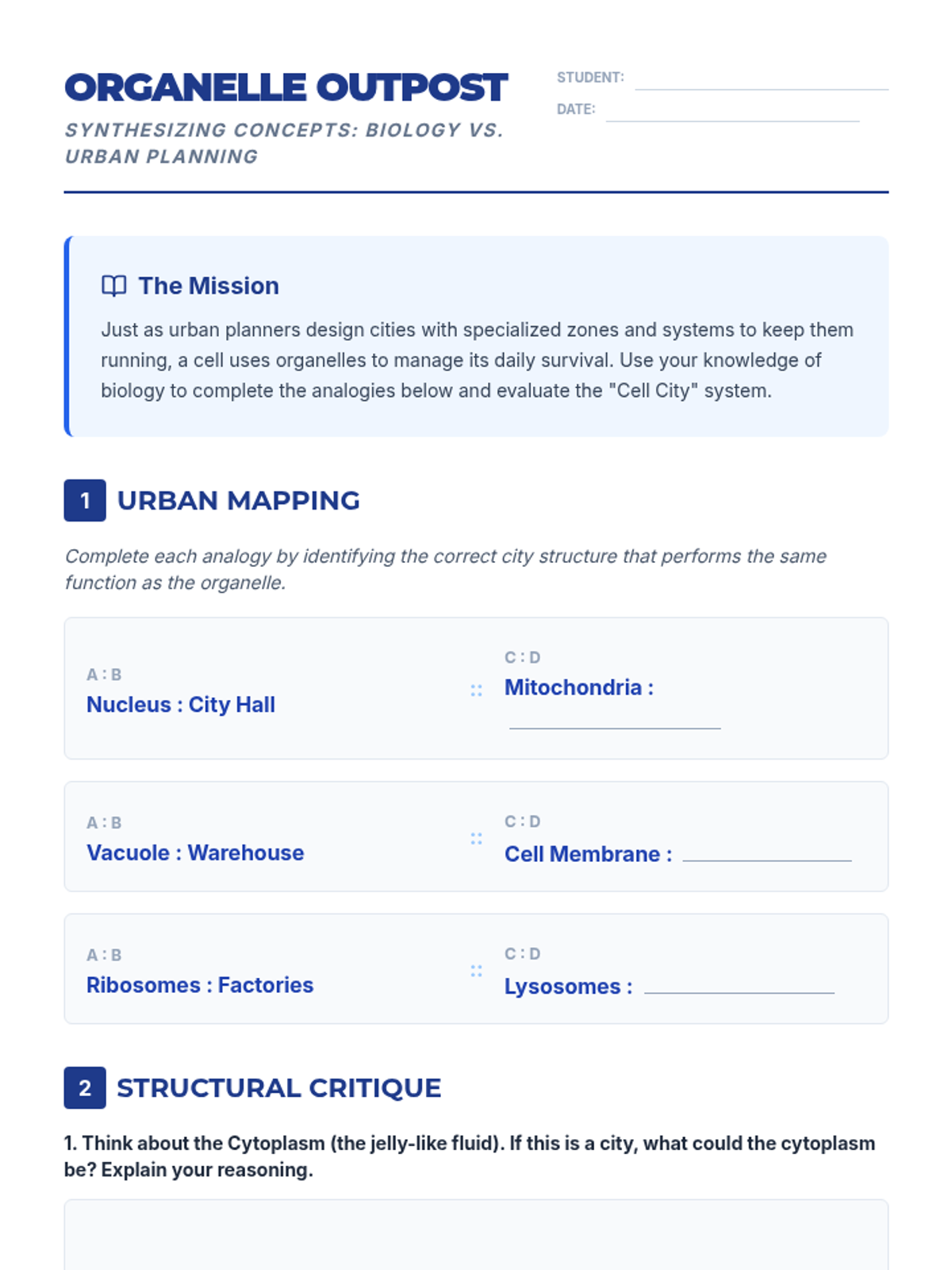
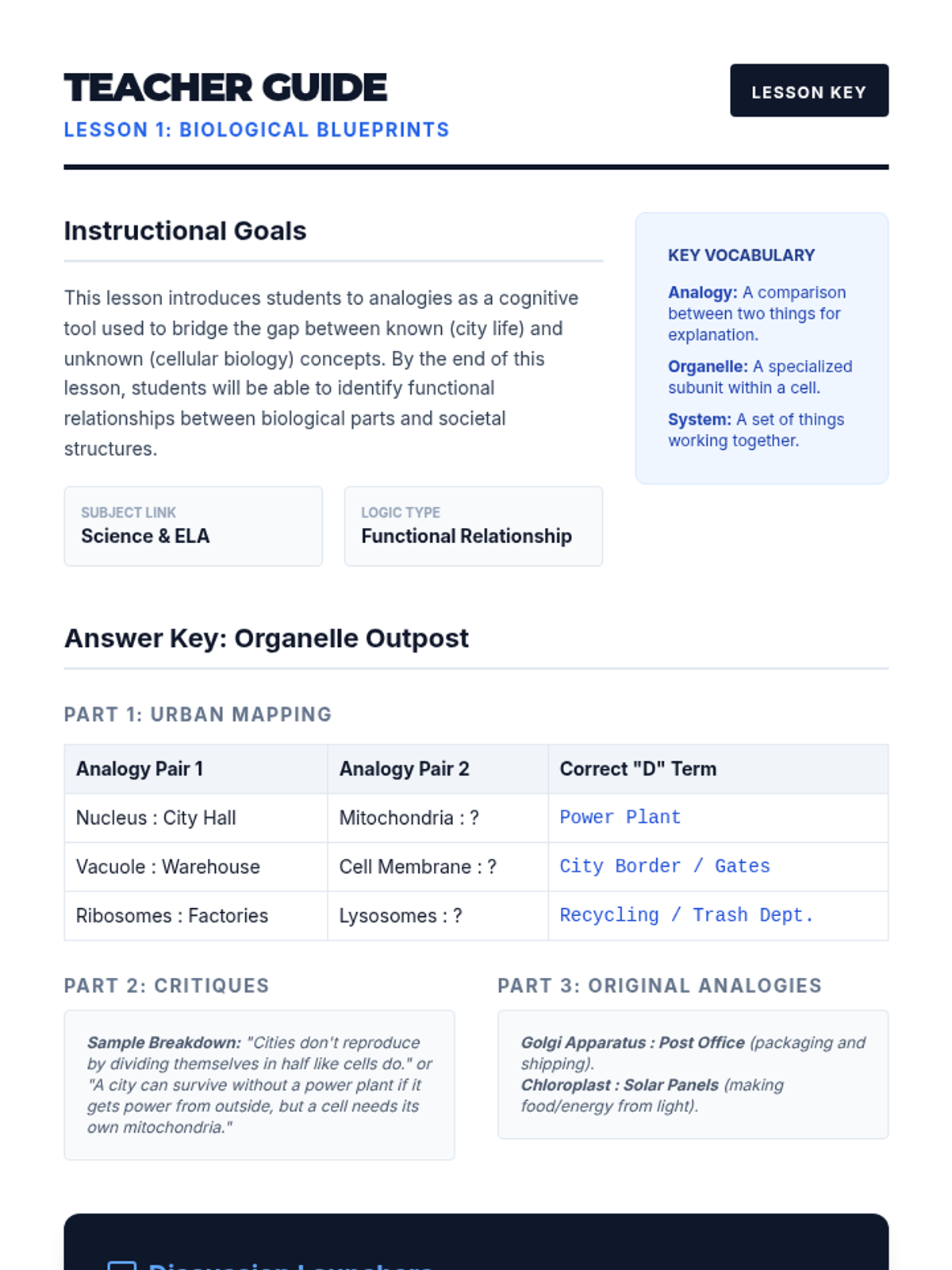
This sequence connects 6th grade vocabulary standards with science, social studies, and math by using analogies as cognitive tools. Students analyze complex systems and historical events through structural comparisons, culminating in an original analogy-based concept map project.
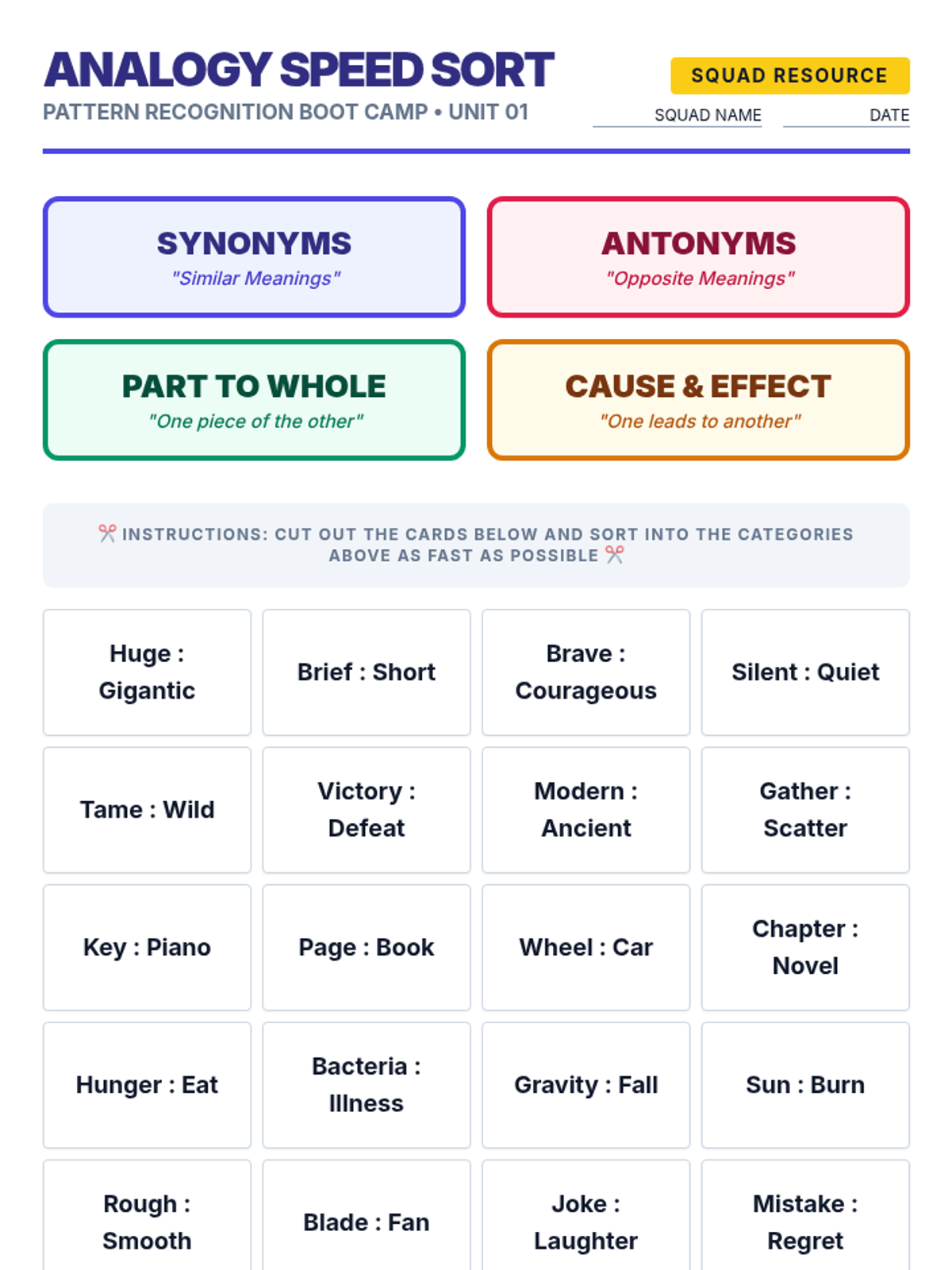
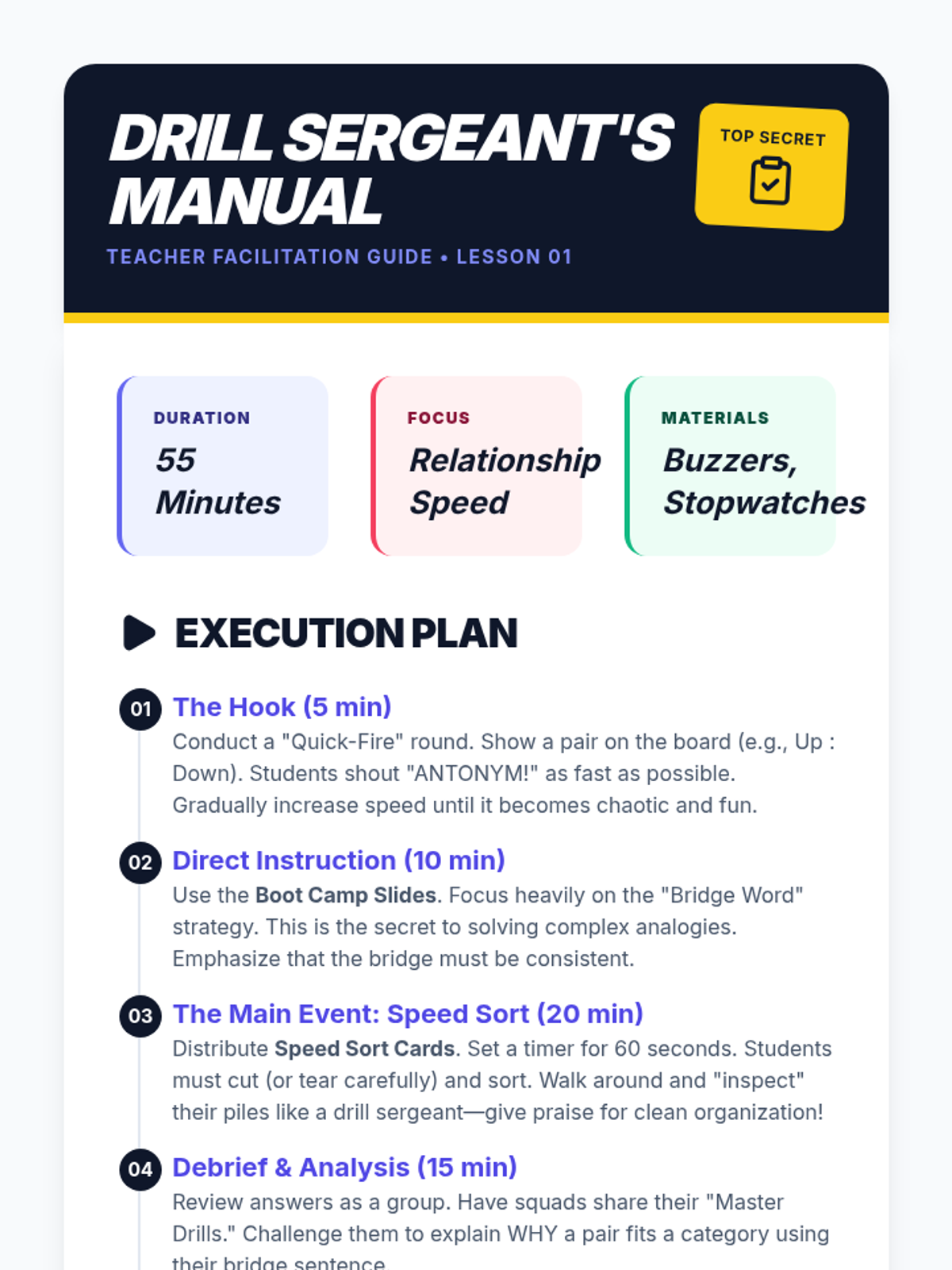
A gamified ELA sequence for 6th grade students to master analogies through speed drills, simulations, and project-based learning. Students progress from basic pattern recognition to creating their own analogy-based games.
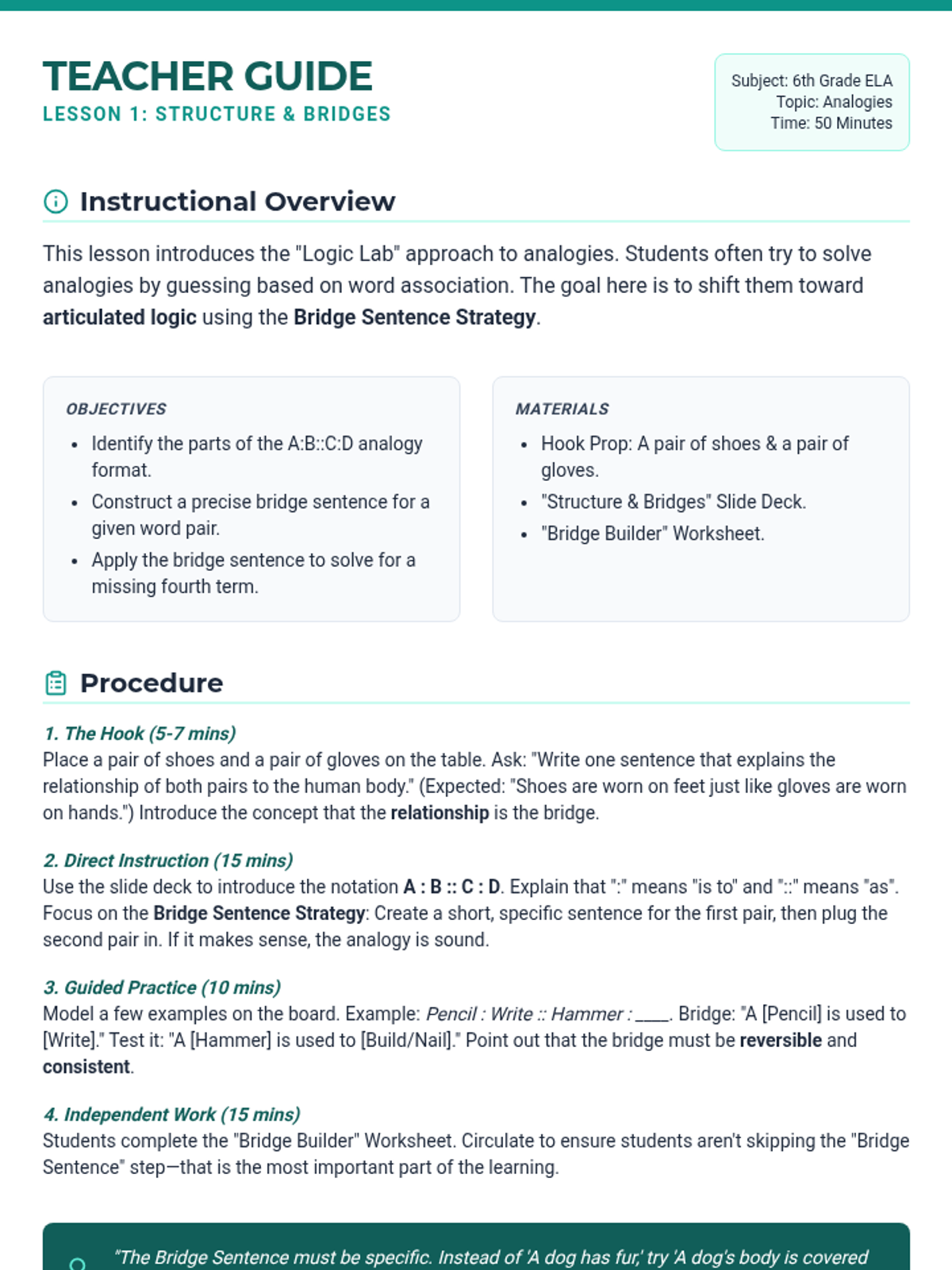
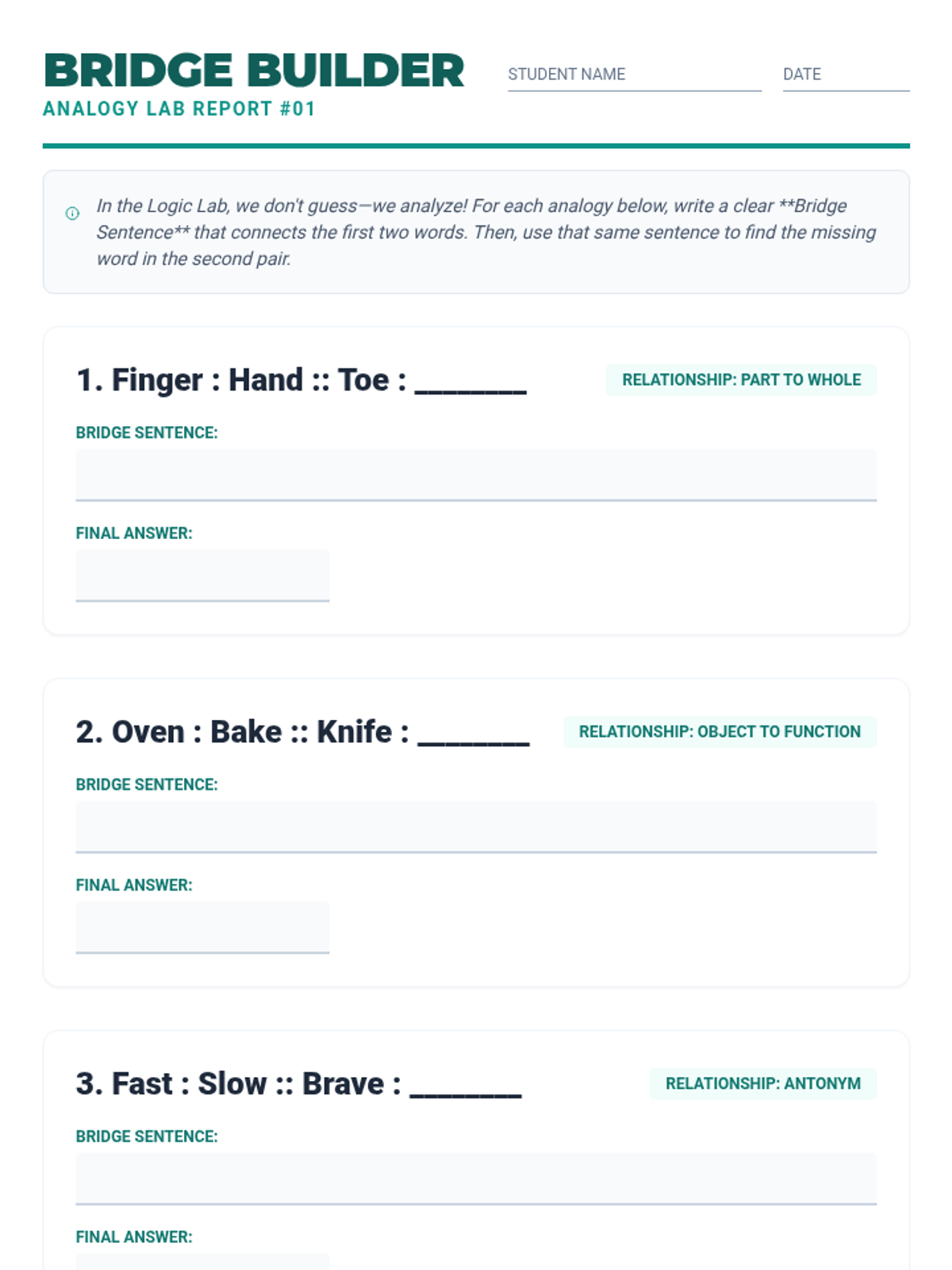
This sequence introduces 6th-grade students to the structure of analogies, focusing on identifying specific relationship types using the 'bridge sentence' strategy. Students progress from simple synonym/antonym pairs to complex structural and functional relationships.
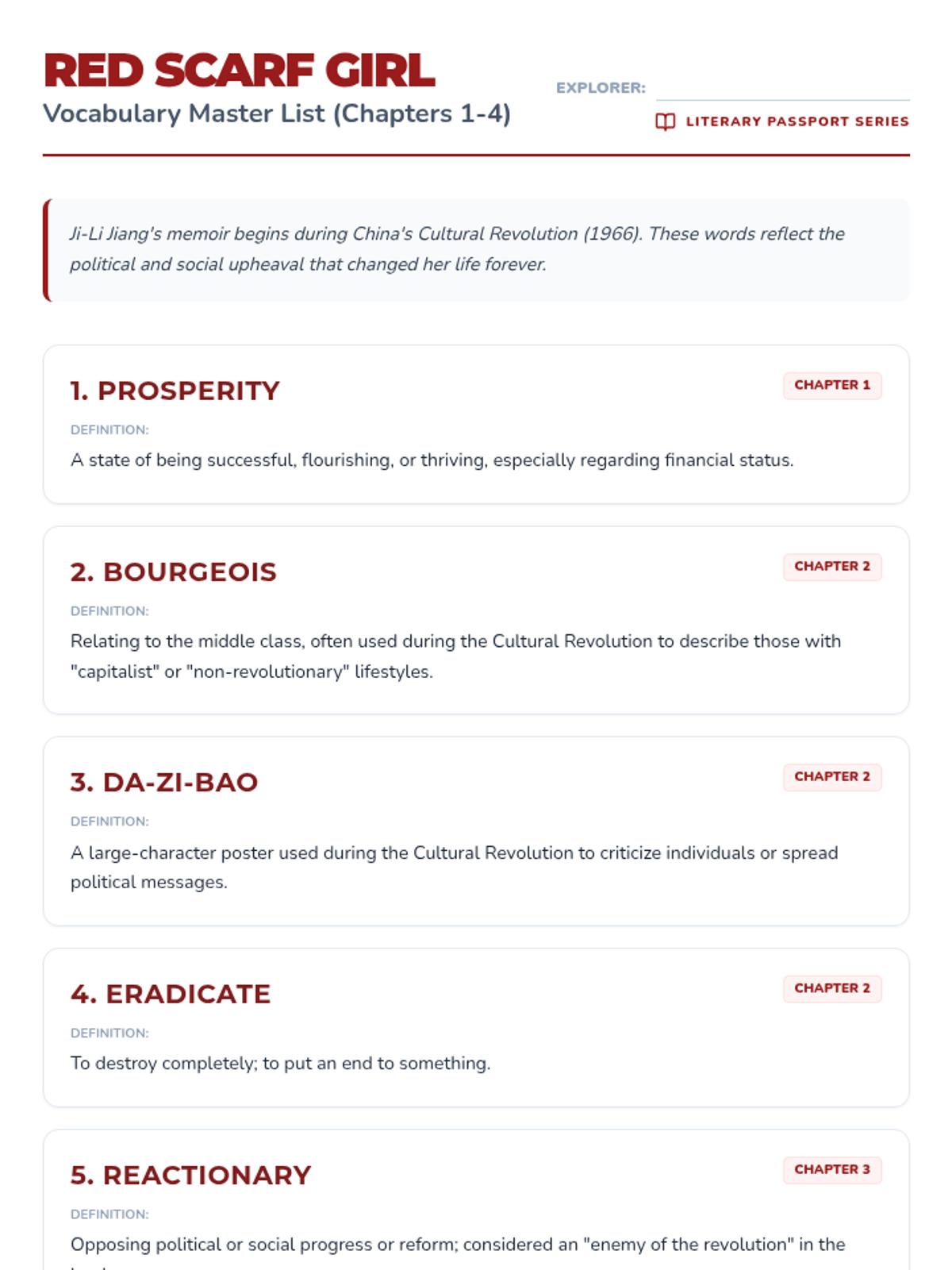
A collection of vocabulary-focused lessons for five influential memoirs often studied in middle school. Each lesson covers the first four chapters of the book, providing definitions and context-based practice.
A series of thematic handwriting programs designed to improve fine motor skills and penmanship through daily practice sessions centered around fascinating educational topics like biology and history.
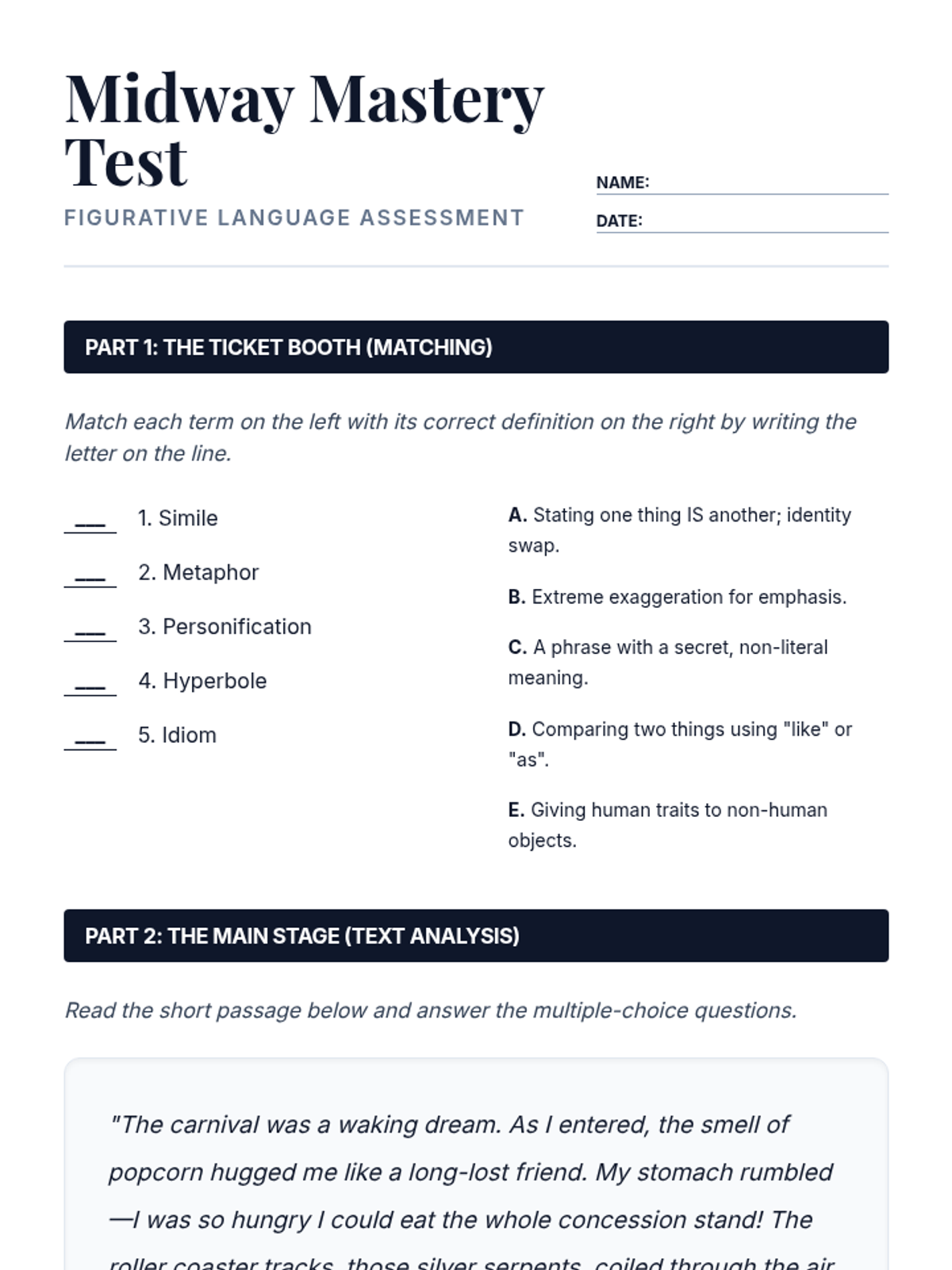
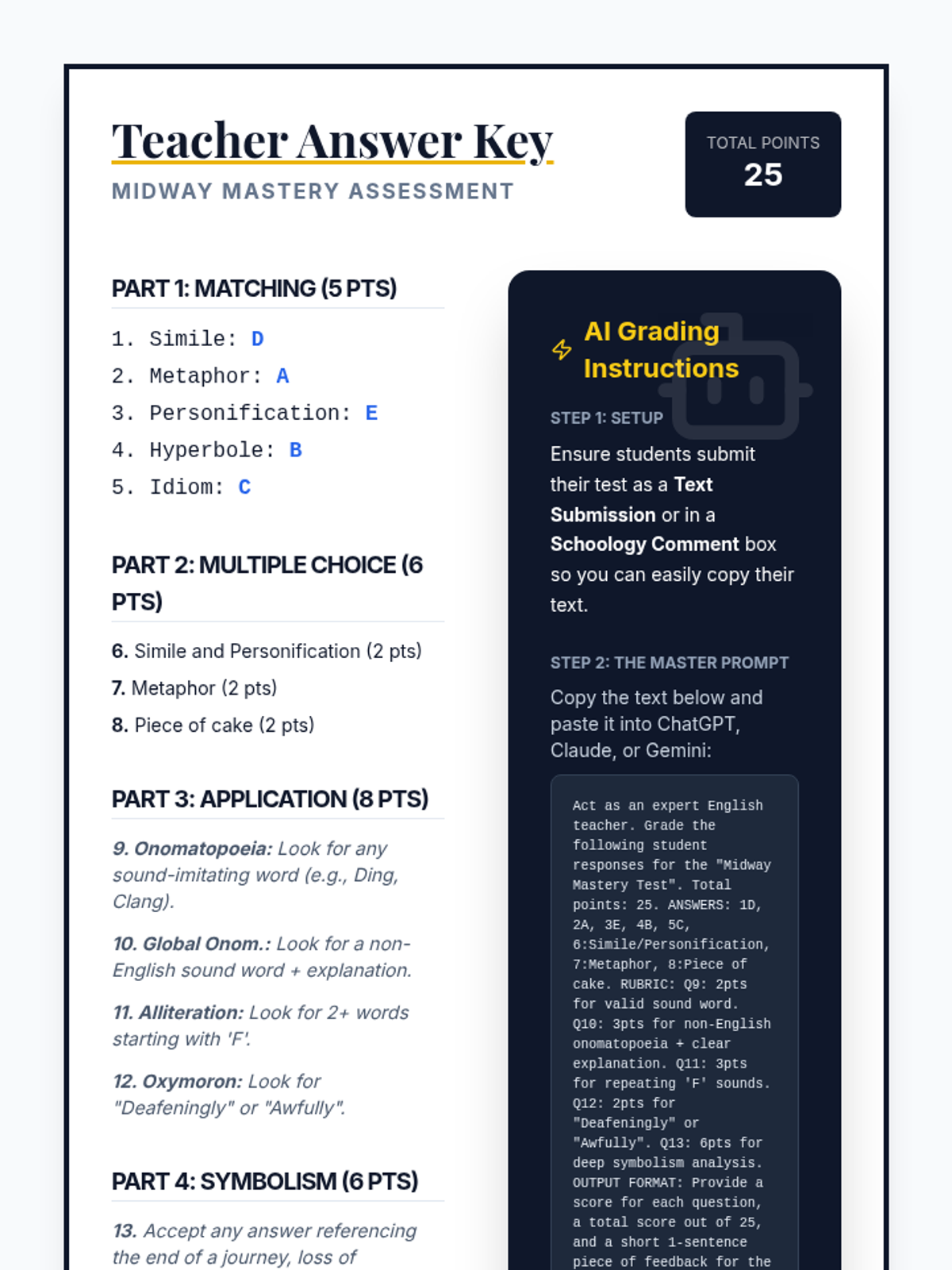
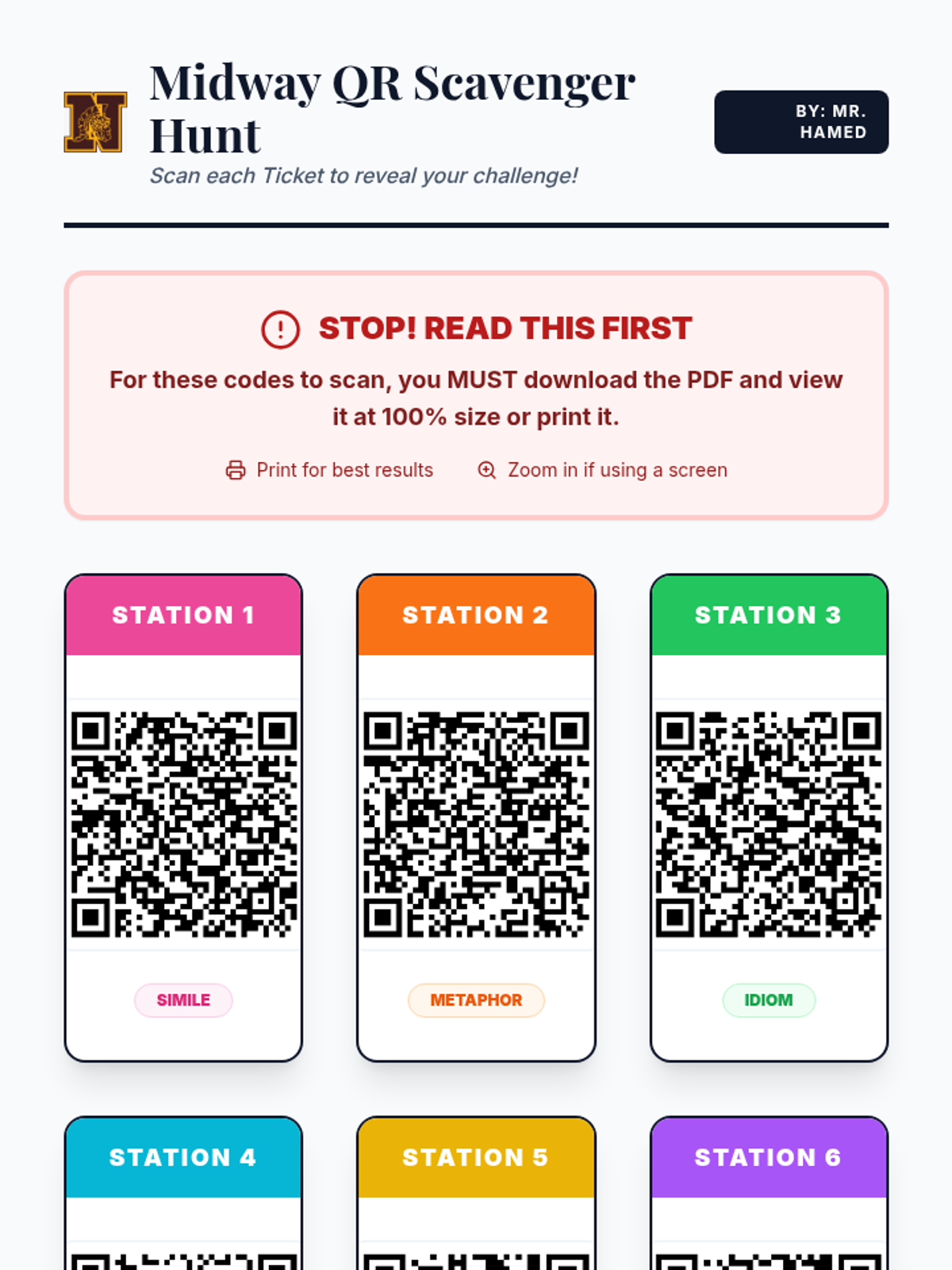
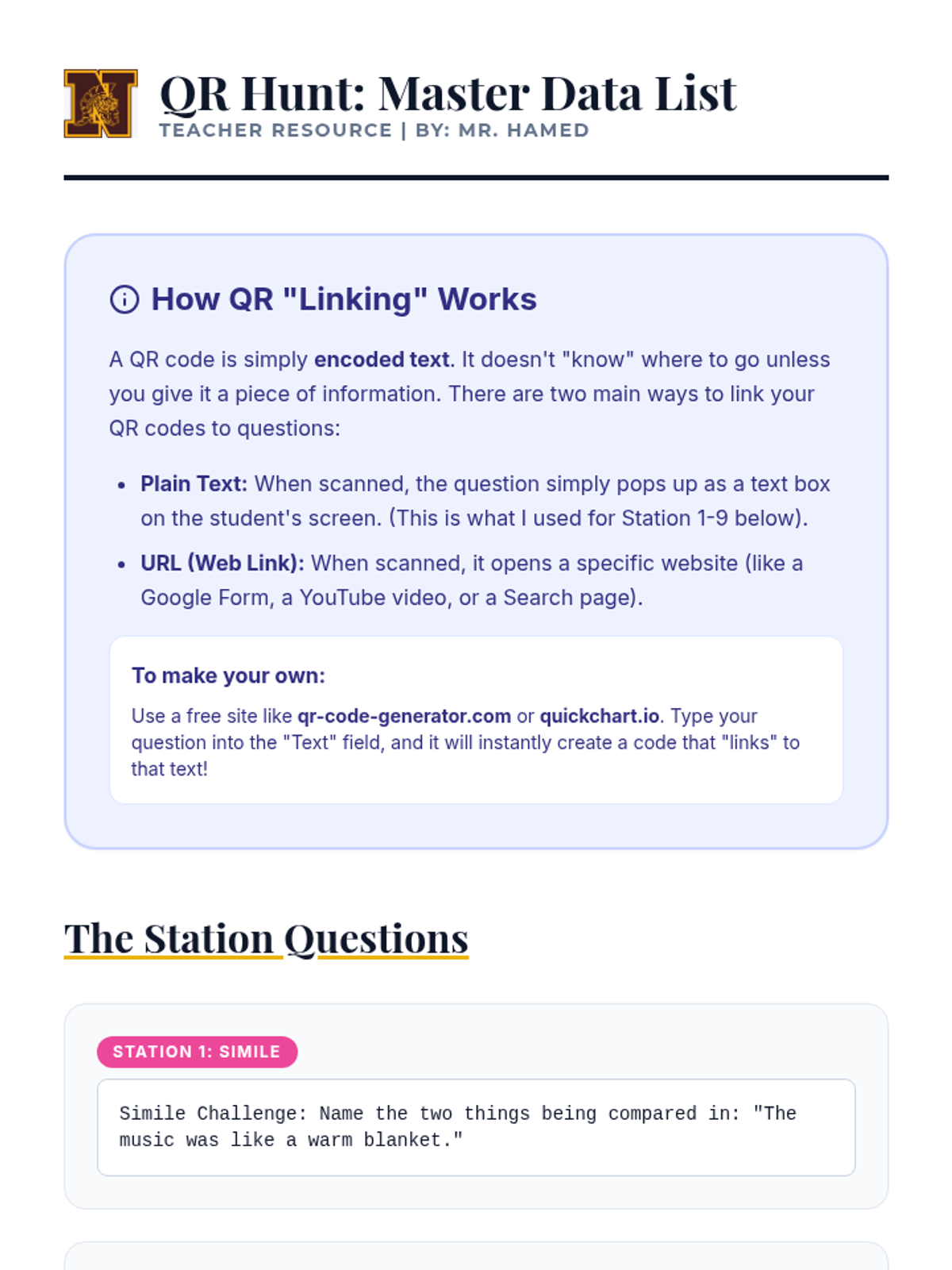
A comprehensive unit on figurative language set in the whimsical world of a Cosmic Carnival, covering nine key literary devices through interactive slides, a QR code scavenger hunt, and a rigorous mastery assessment.
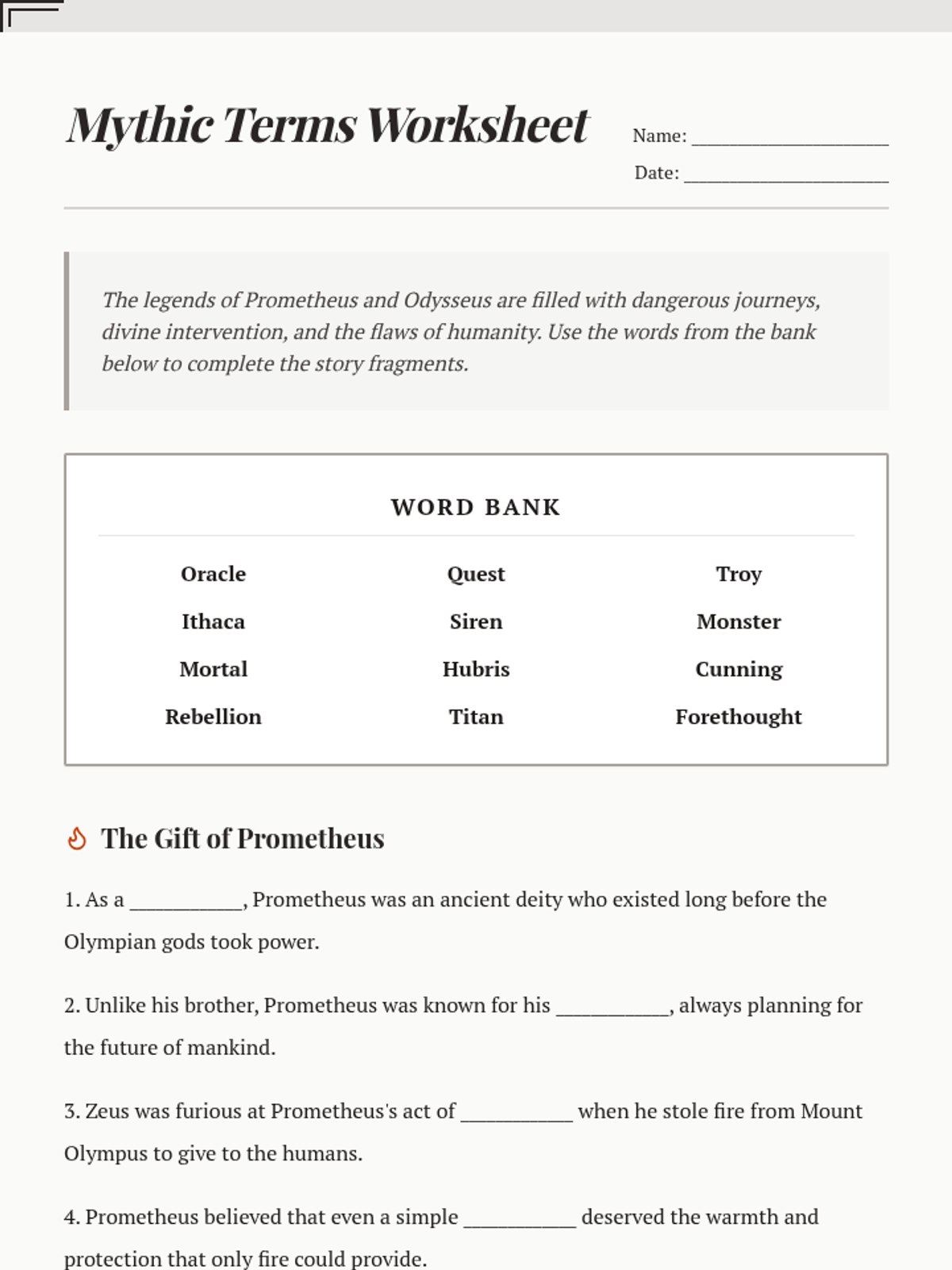
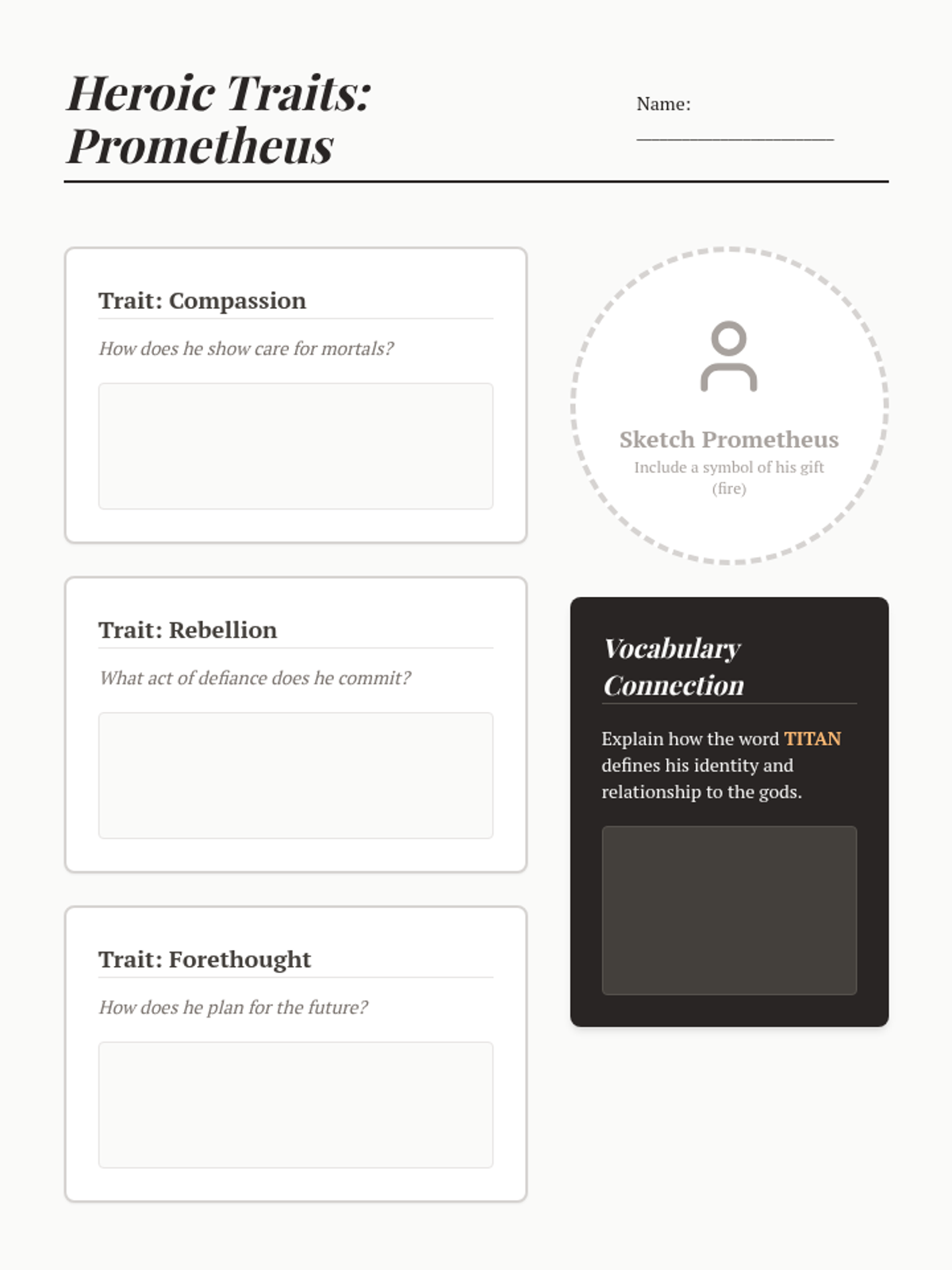
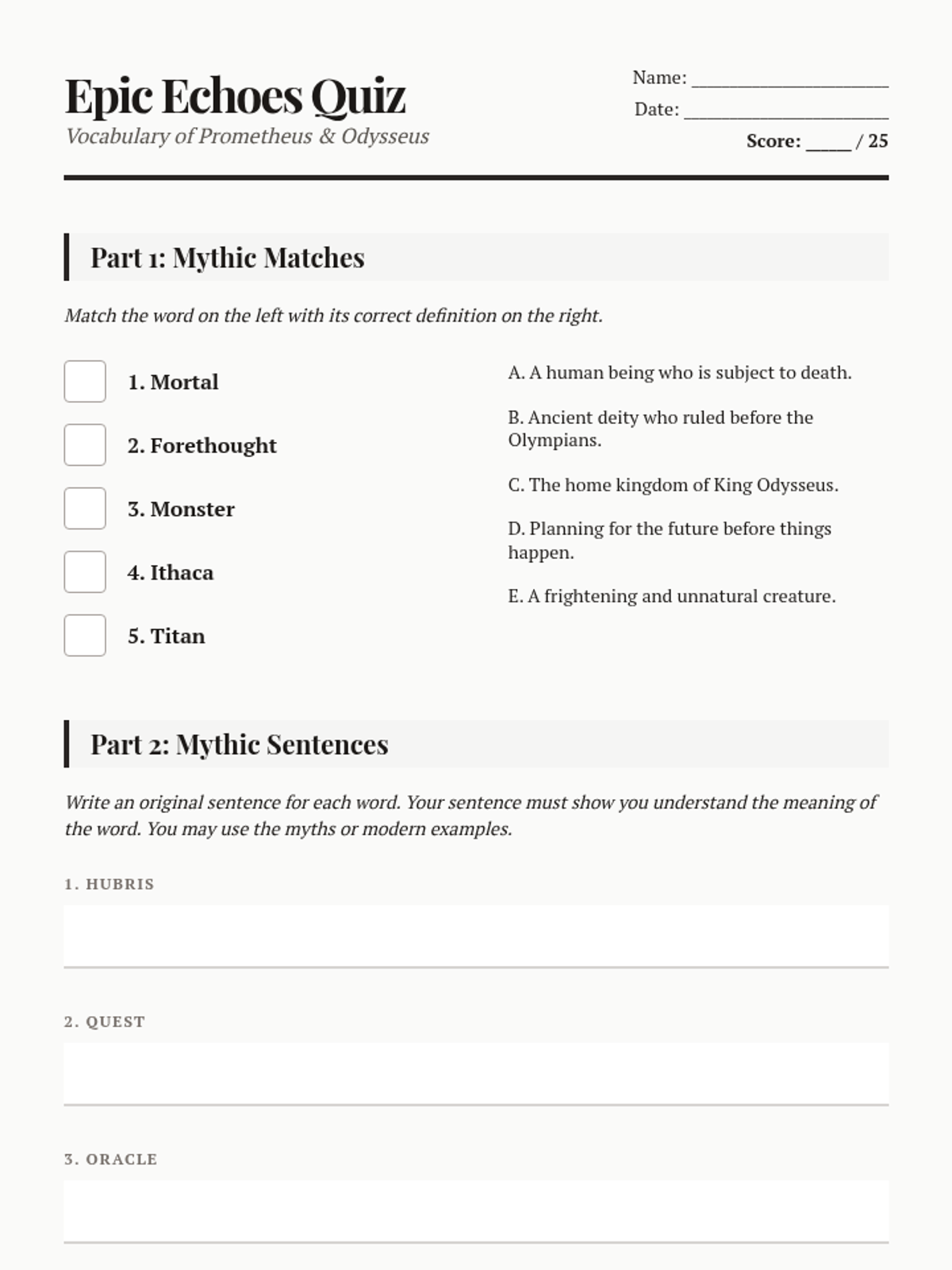
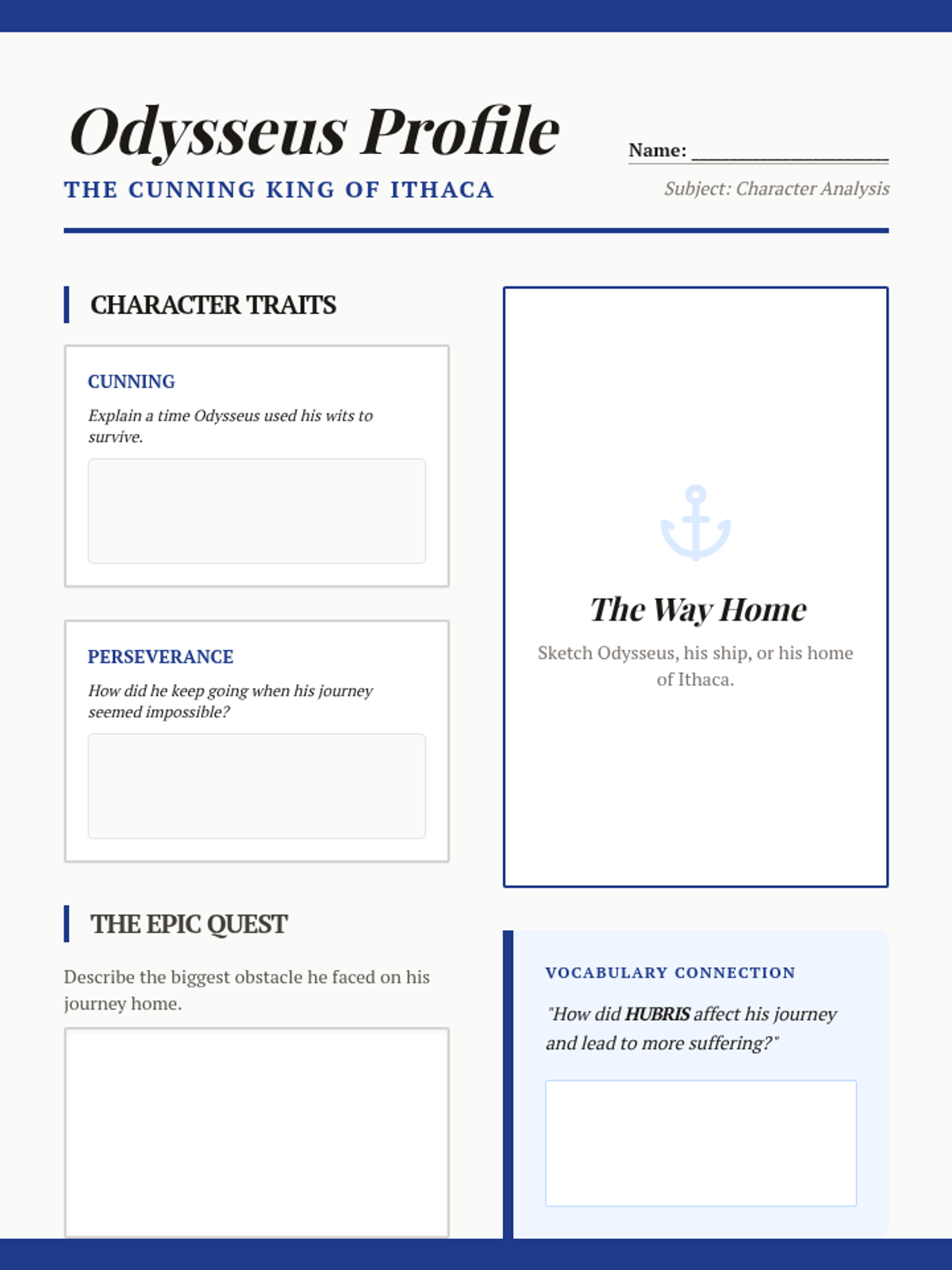
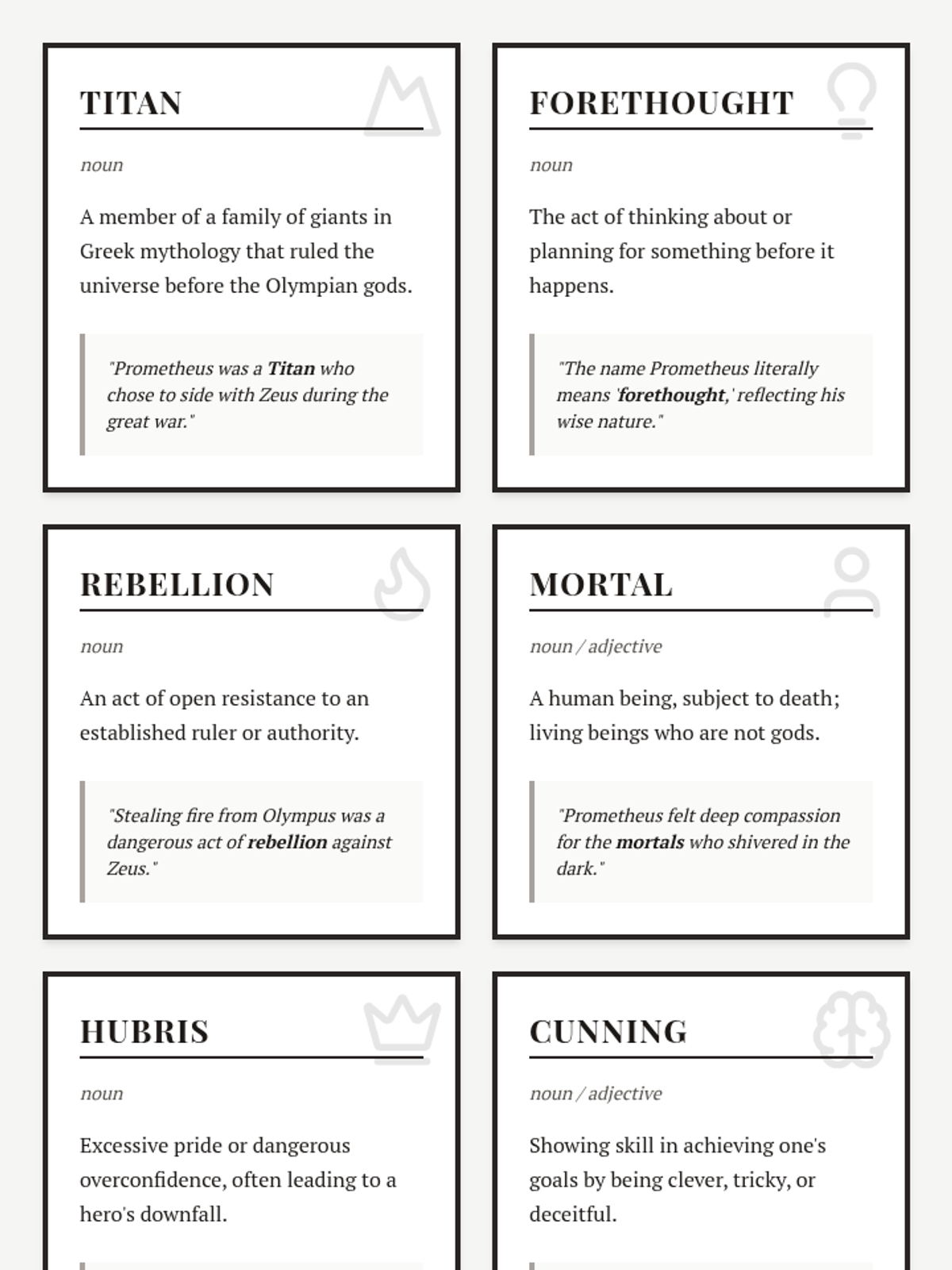
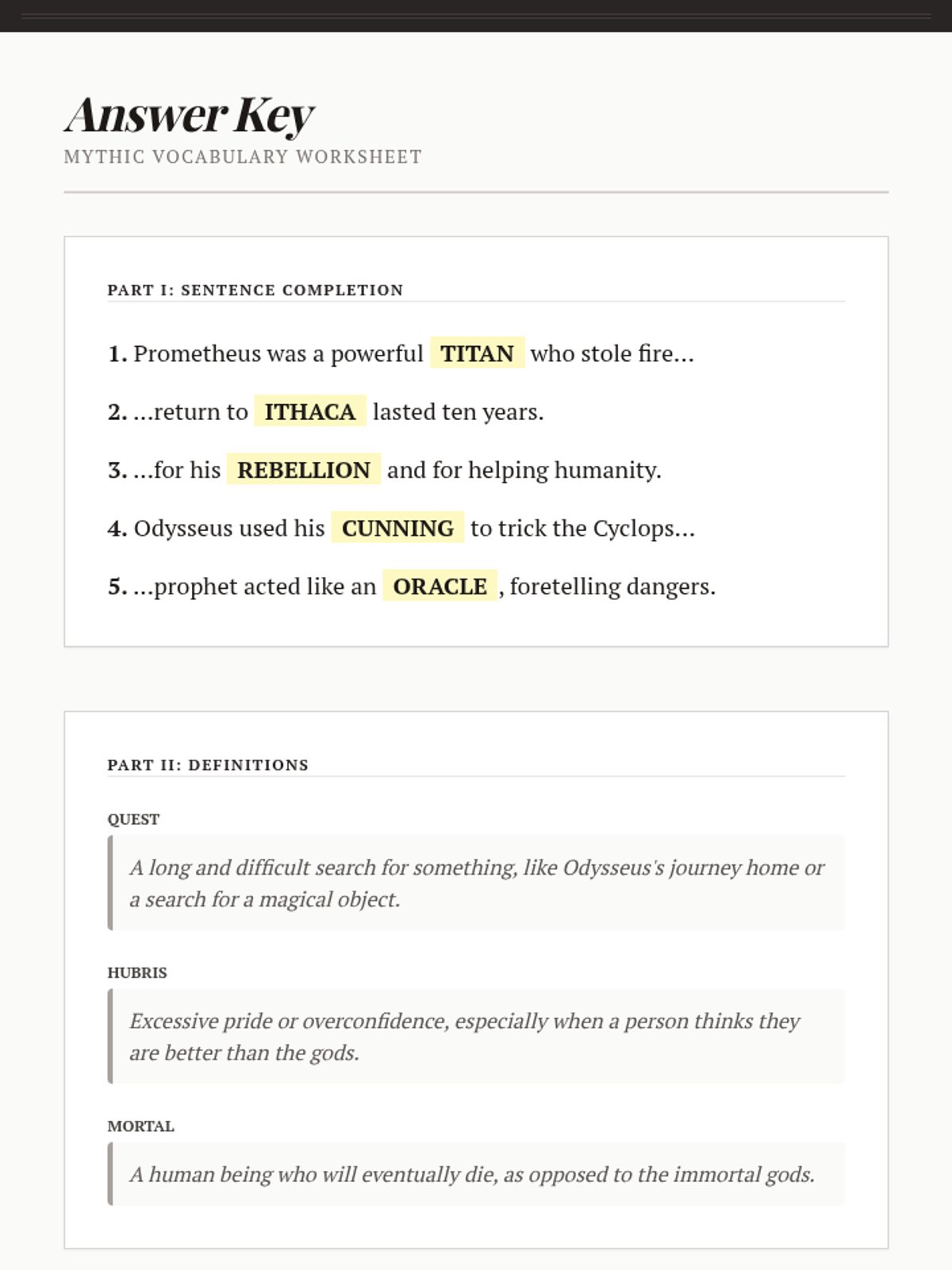
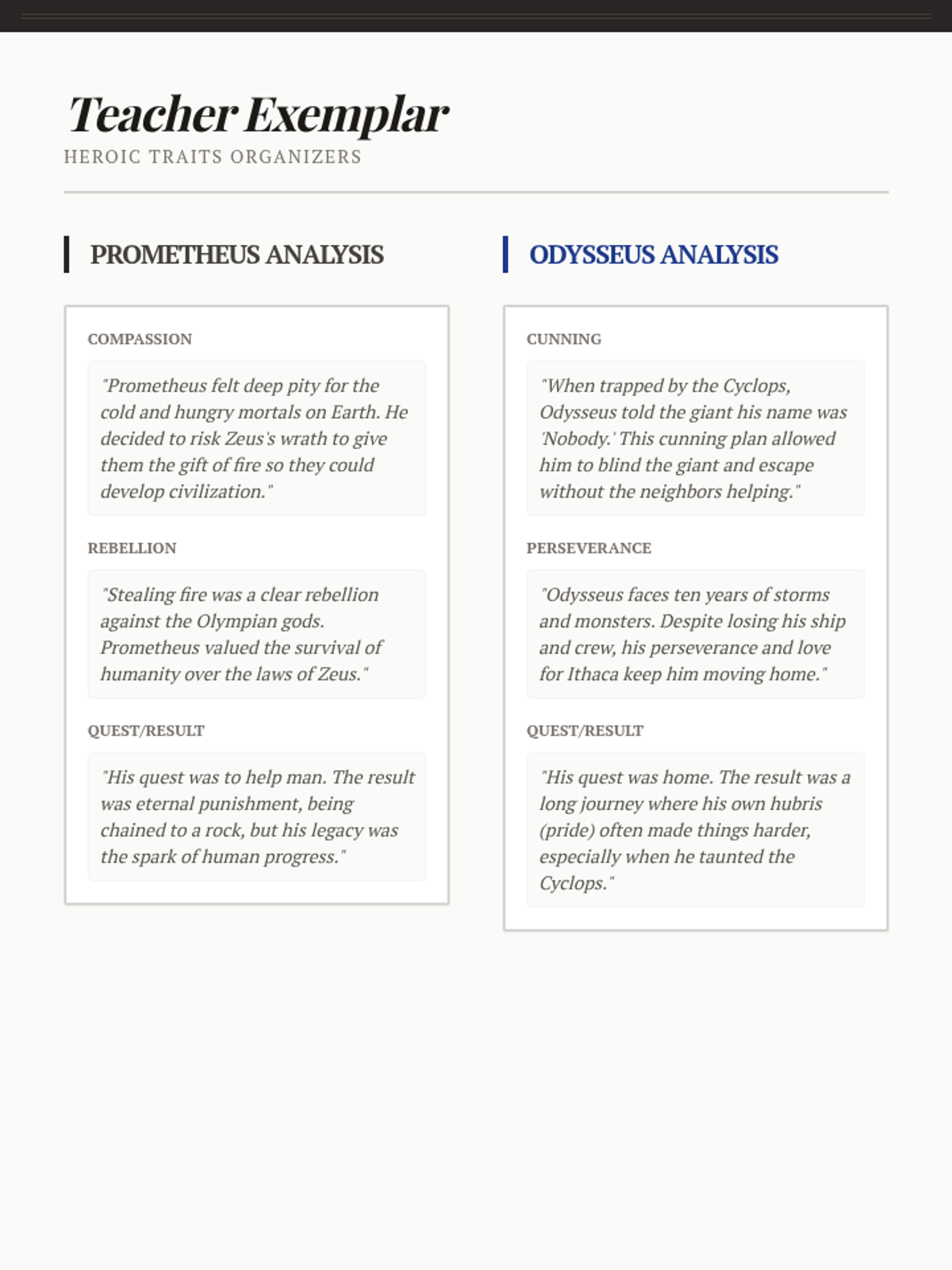
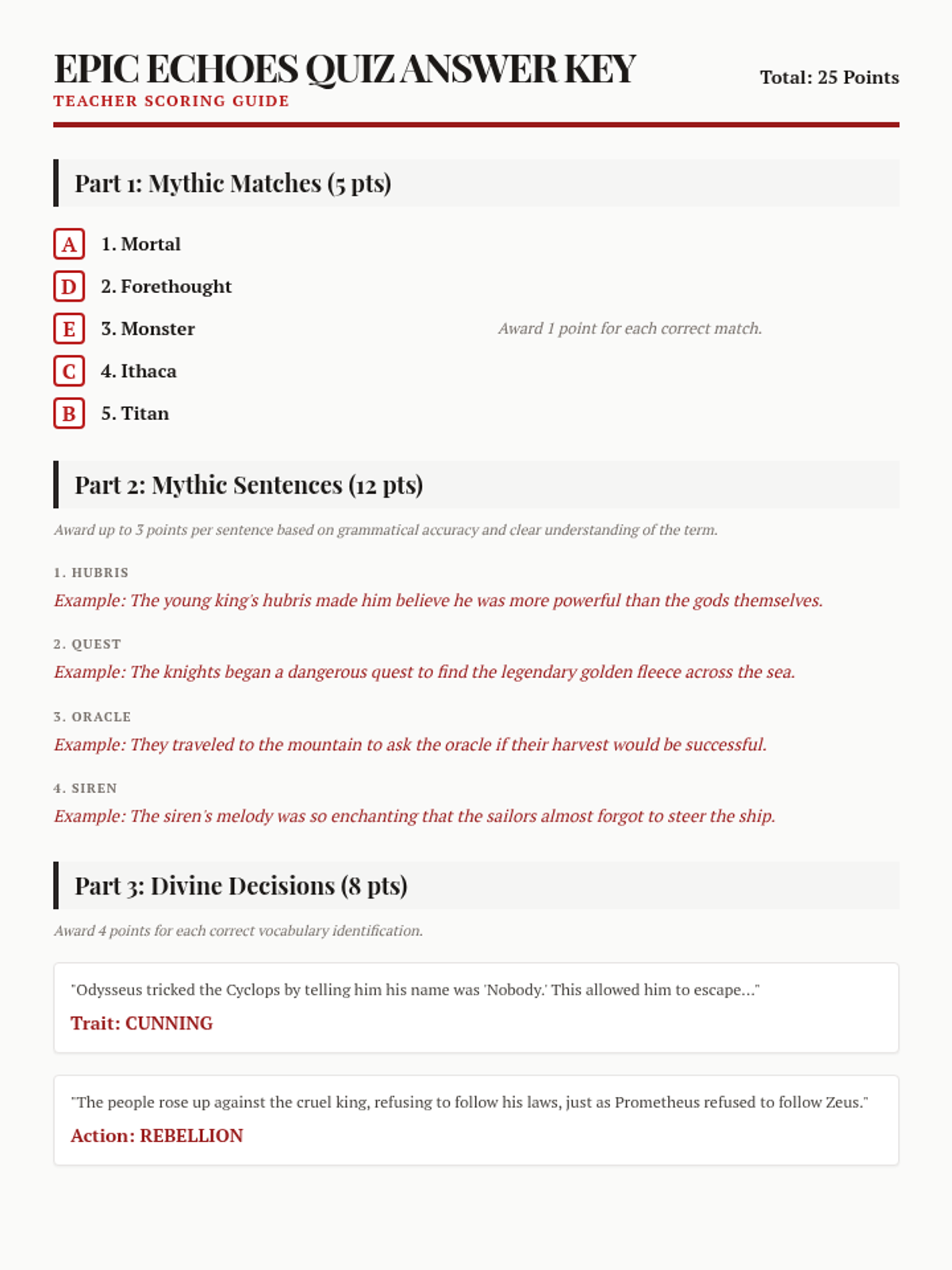
A comprehensive unit exploring the myths of Prometheus and Odysseus, focusing on character traits, epic journeys, and foundational Greek mythology vocabulary.
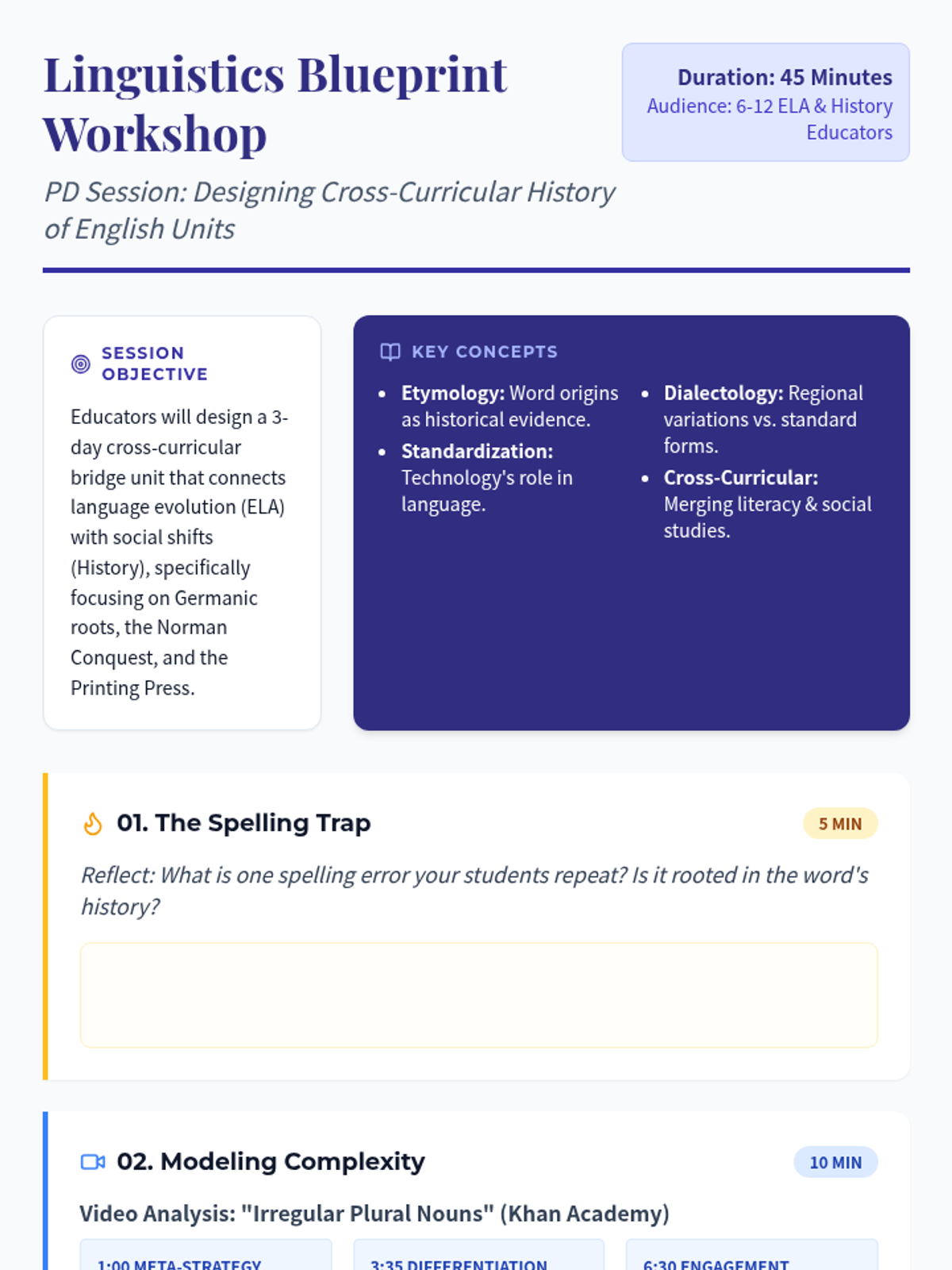
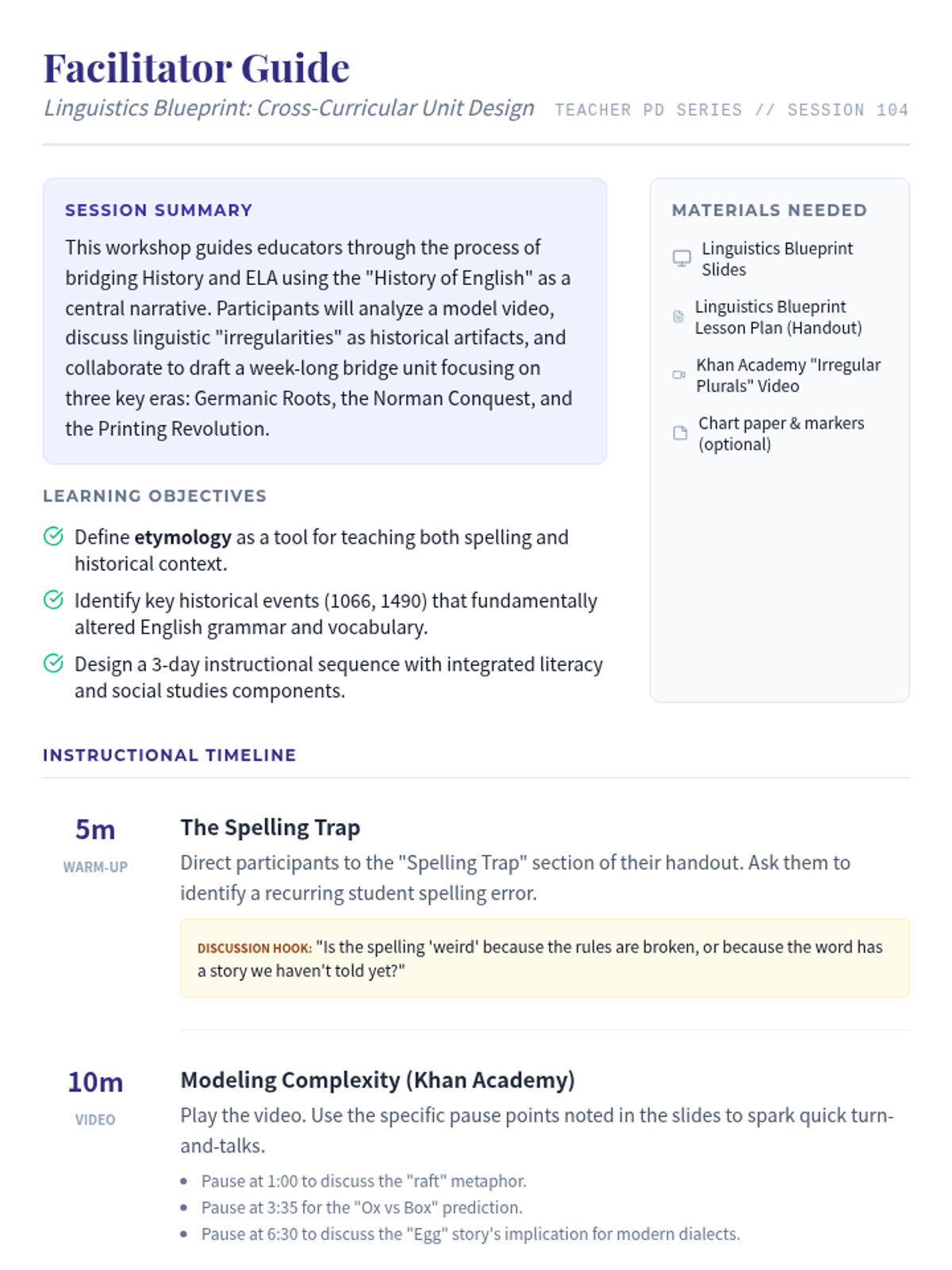
A curriculum development sequence focused on helping teachers bridge ELA and History through linguistics and etymology.
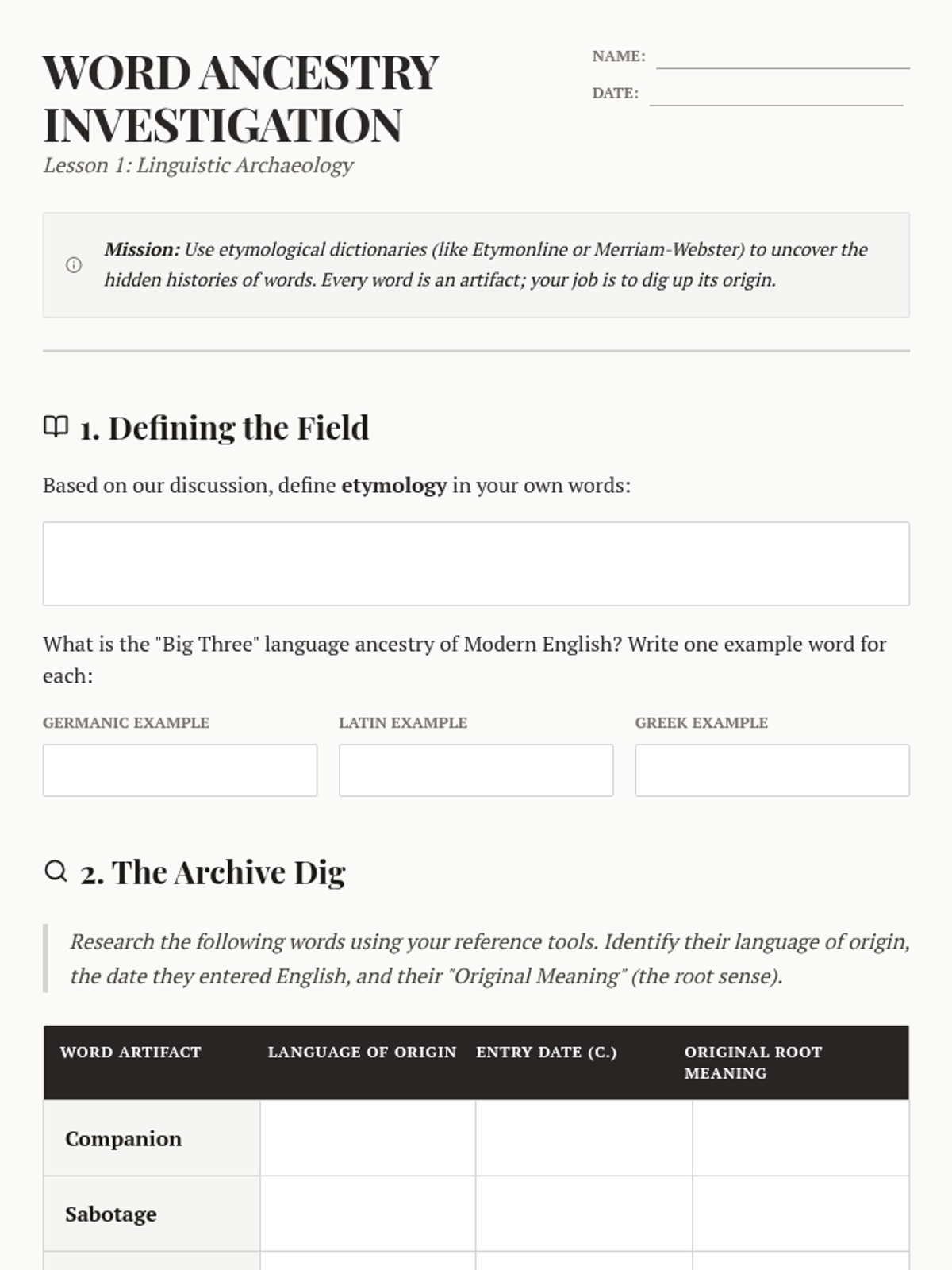
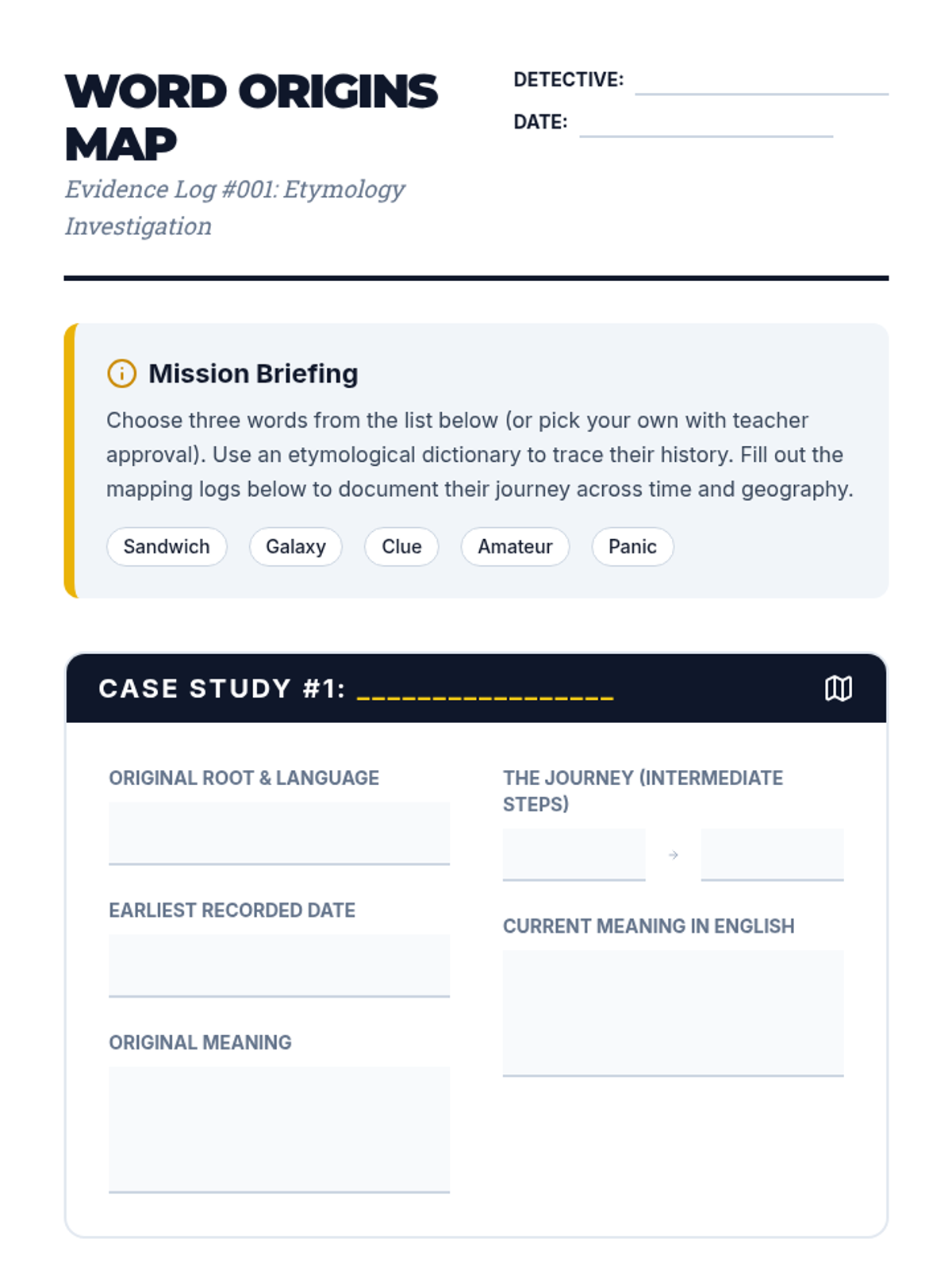
This inquiry-driven sequence focuses on etymology as a reference skill, teaching students to trace word origins to understand language evolution and historical context. Students move from decoding individual roots to analyzing how historical events shape the English lexicon, culminating in a 'word biography' project.
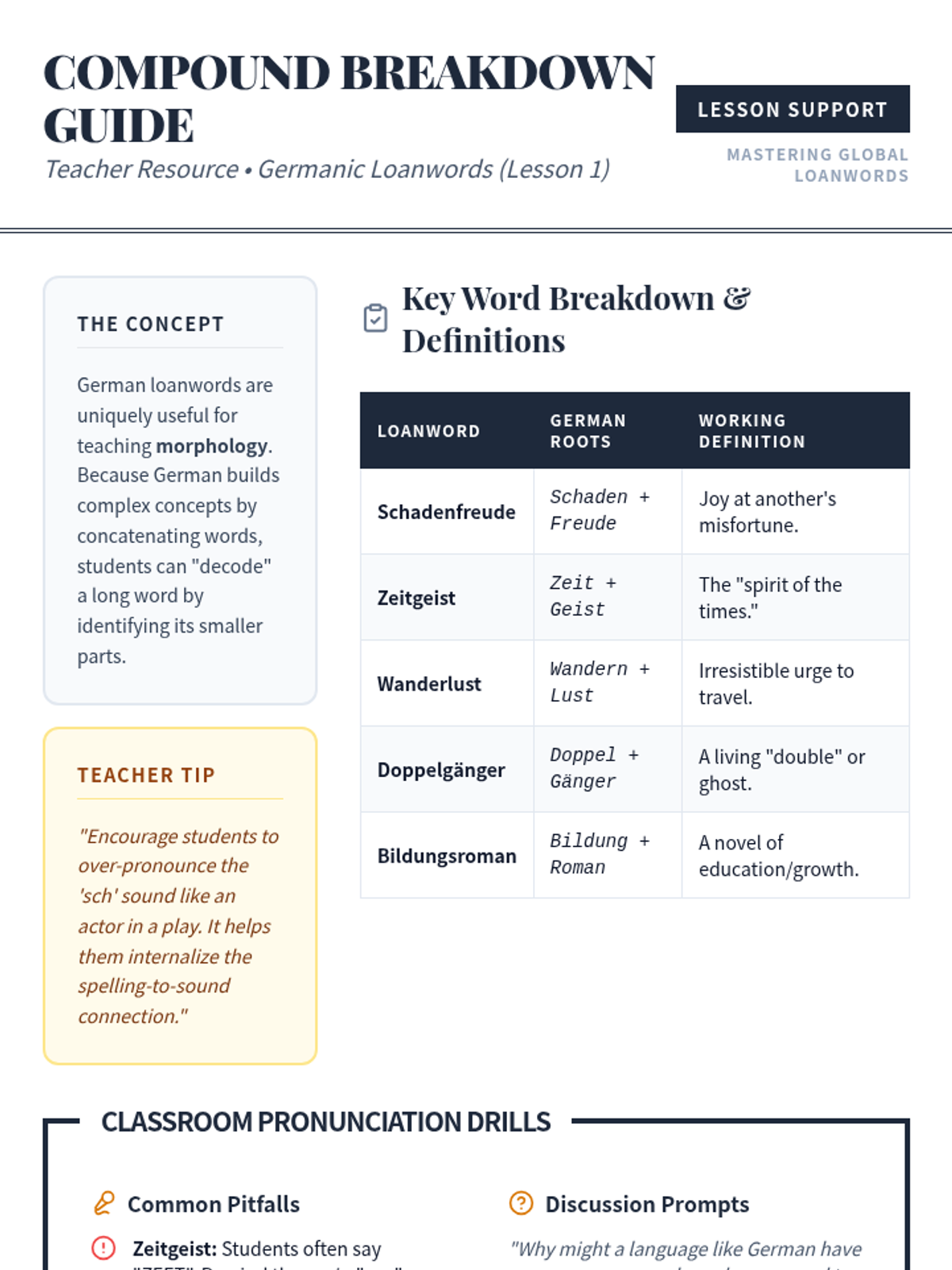
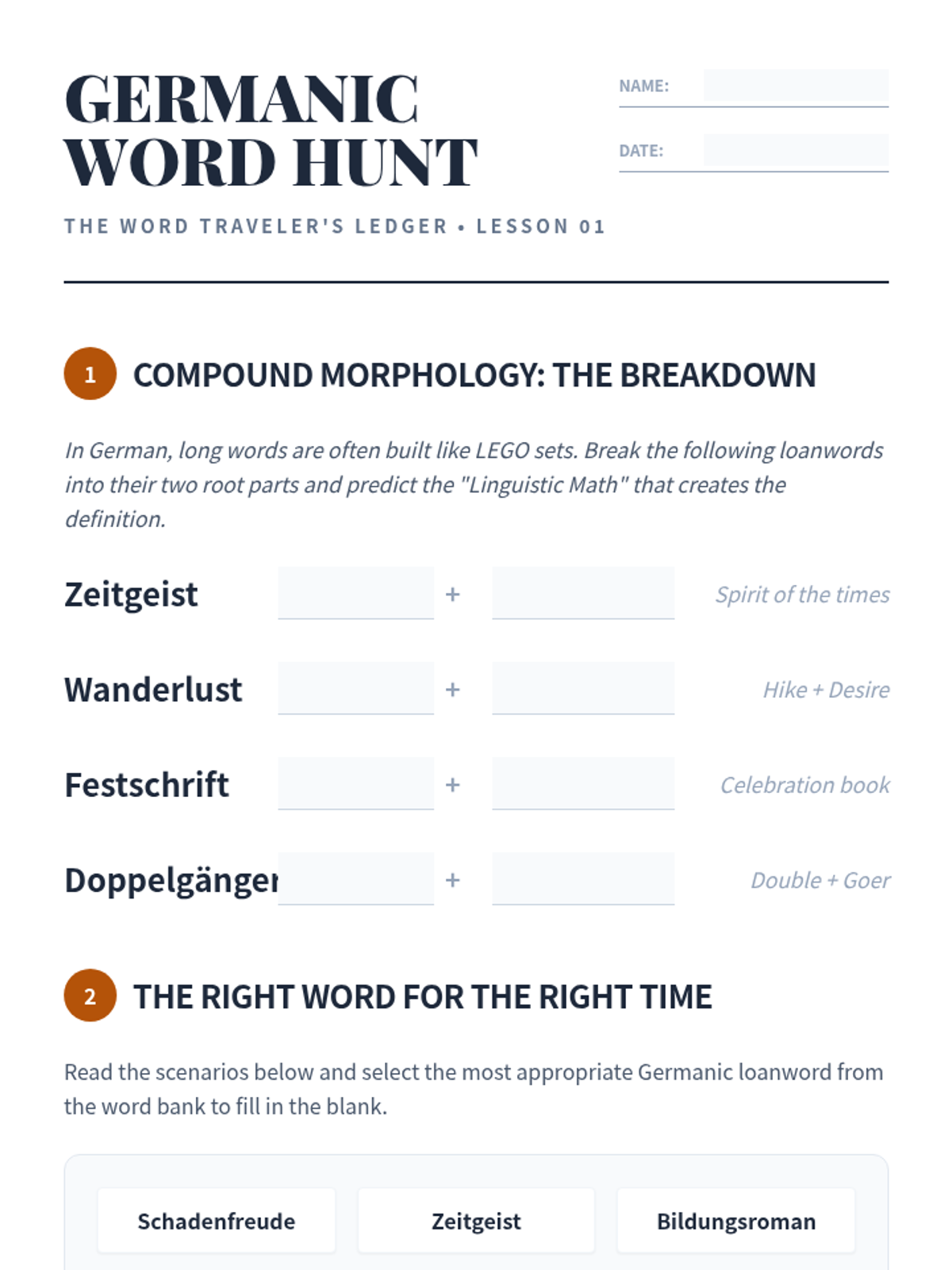
This sequence explores loanwords from German, Spanish, Italian, and Yiddish, focusing on their cultural origins, tricky orthography, and precise meanings. Students will engage in morphological analysis, categorization, and inquiry-based research to master these linguistic imports.
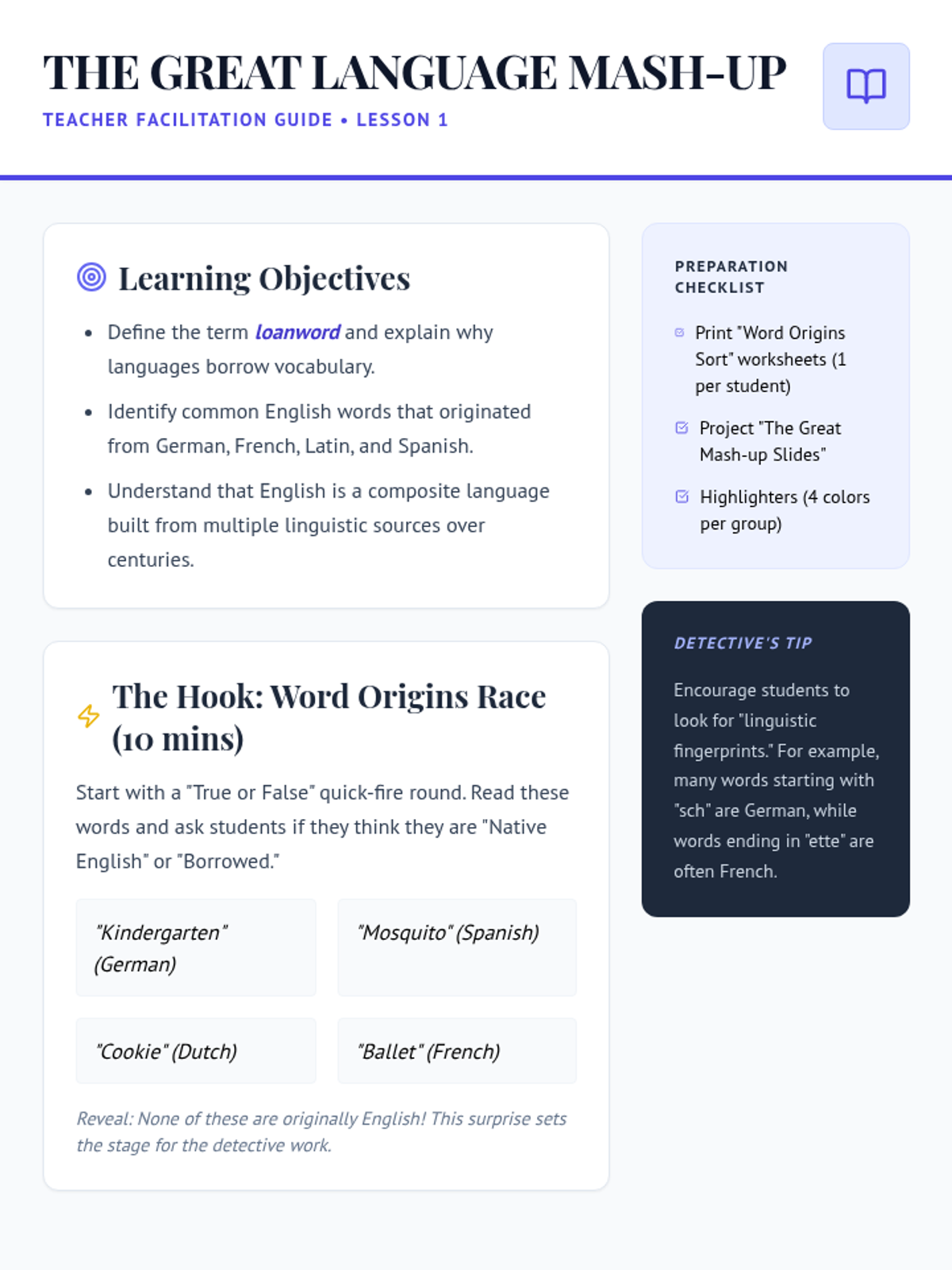
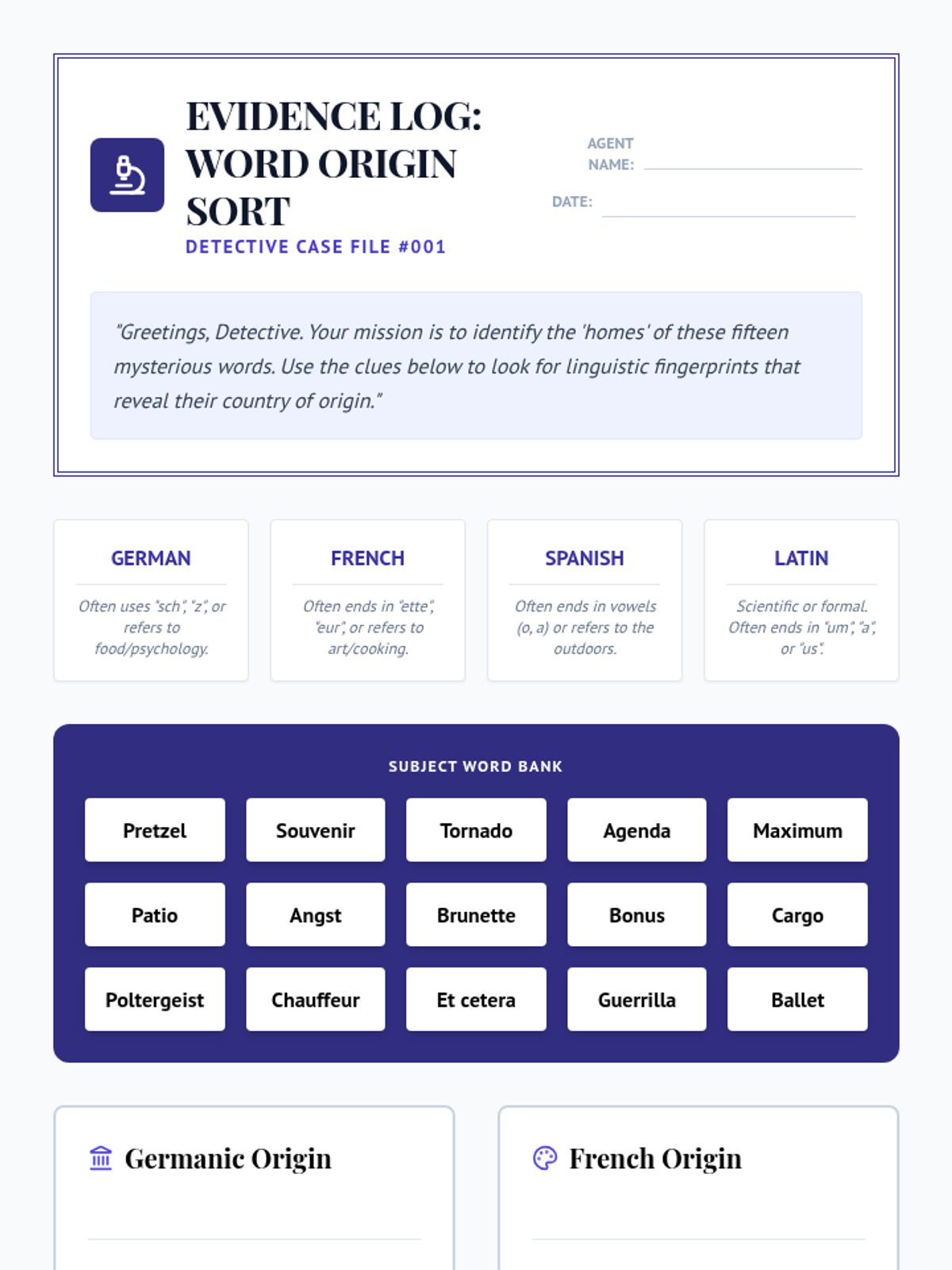
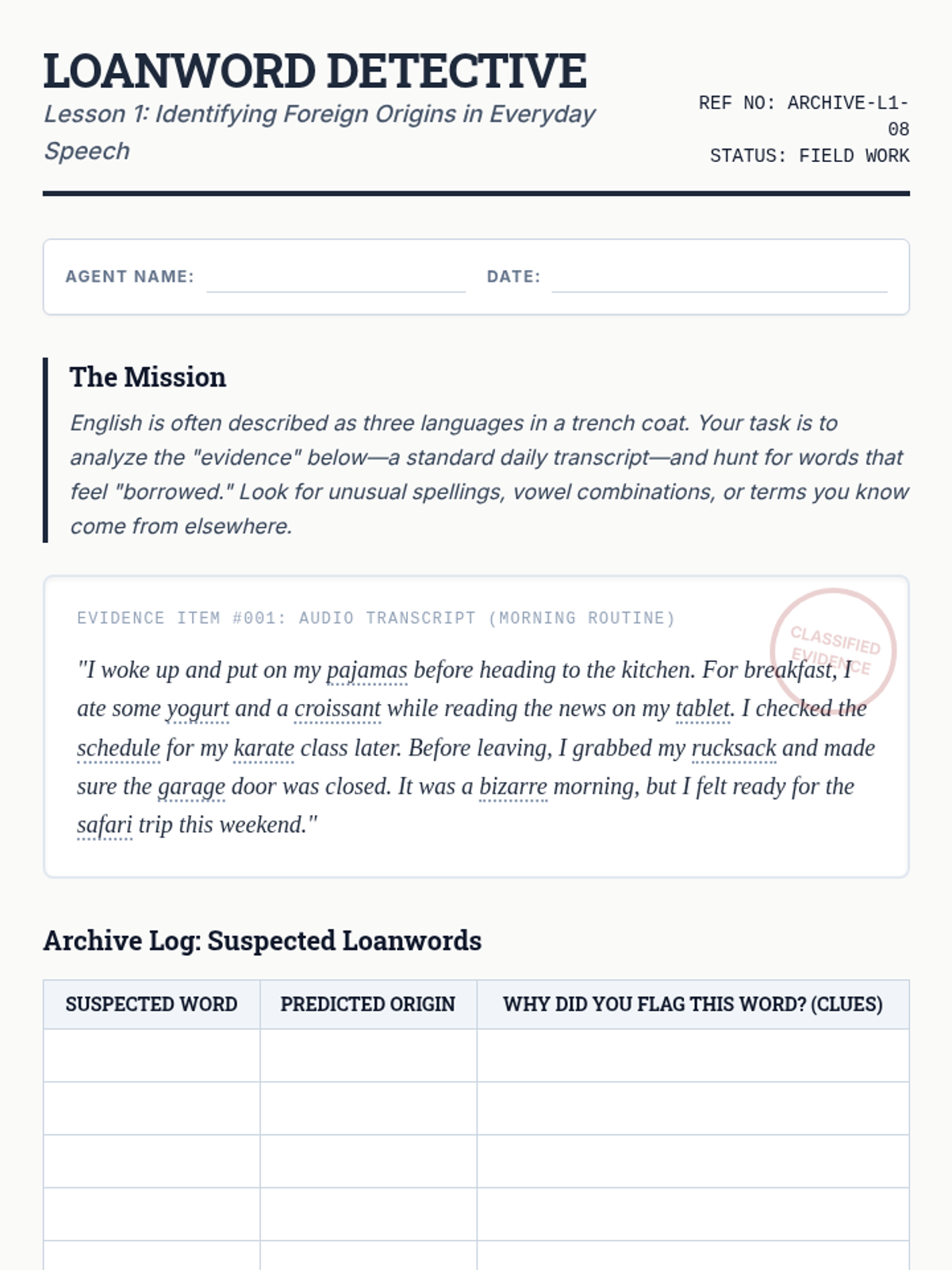
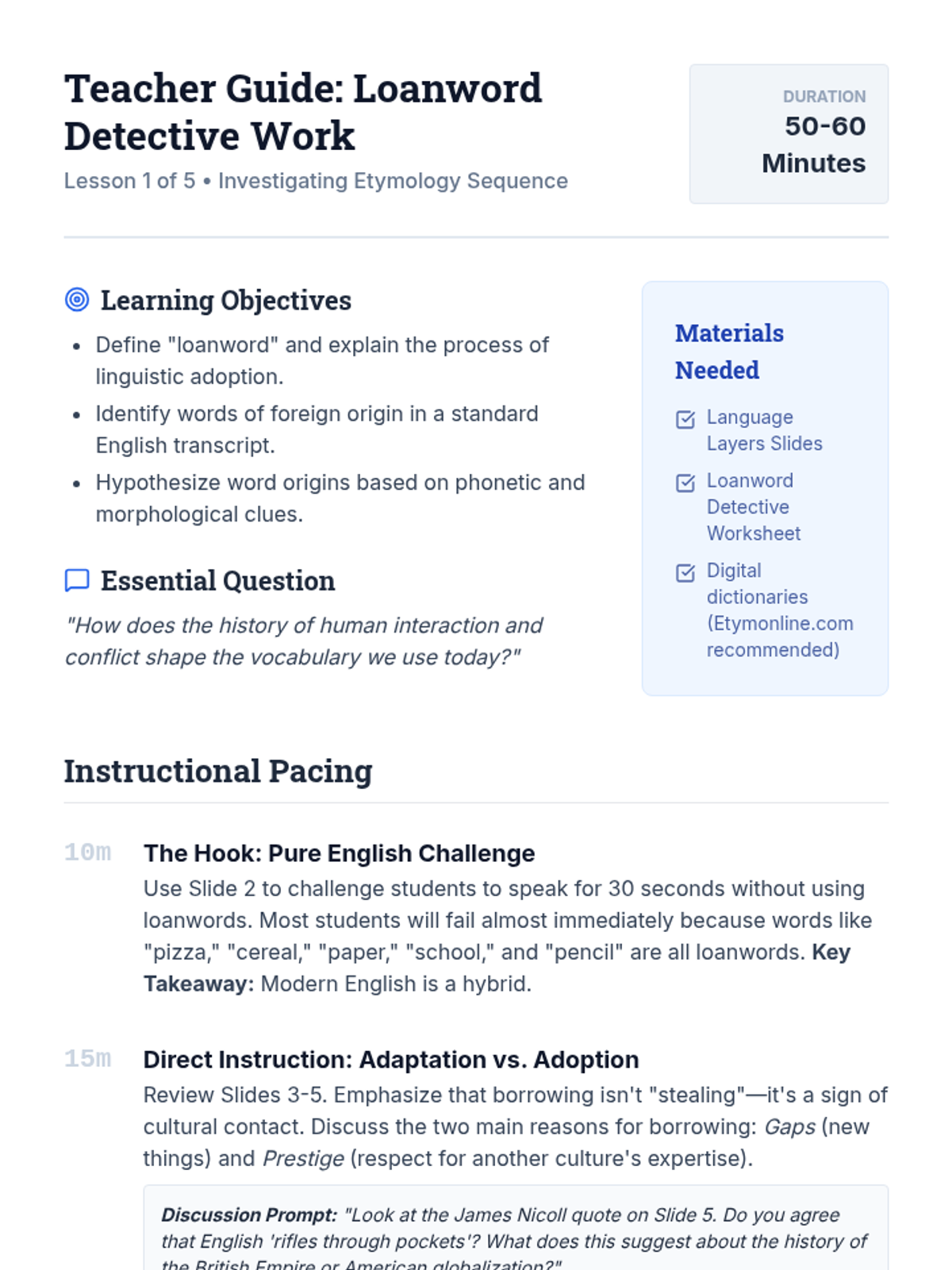
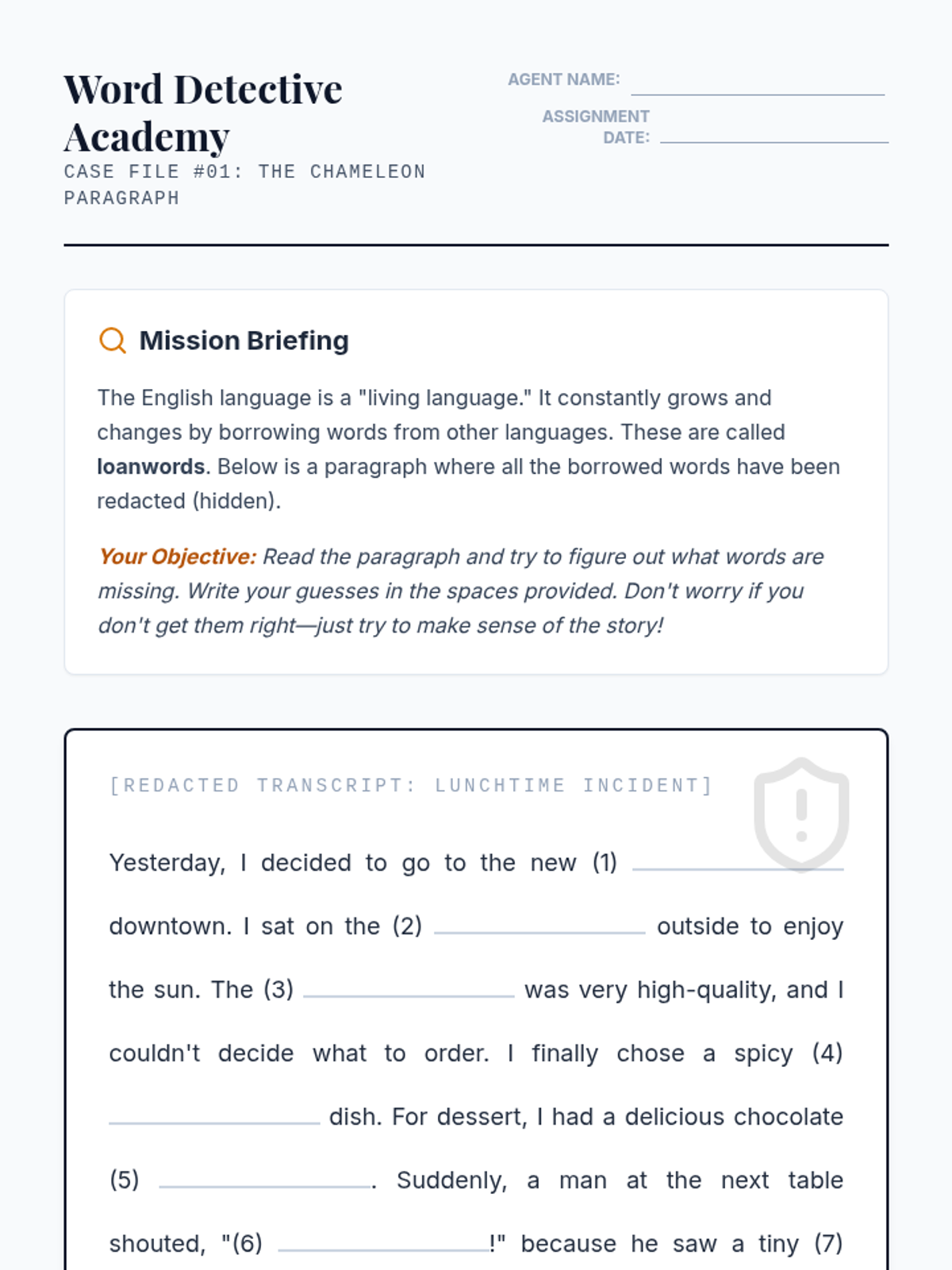
Students act as linguistic detectives to explore how English has evolved through borrowing words from other languages. They will trace the etymological roots of common loanwords and understand the historical and cultural contexts that brought them into everyday use.
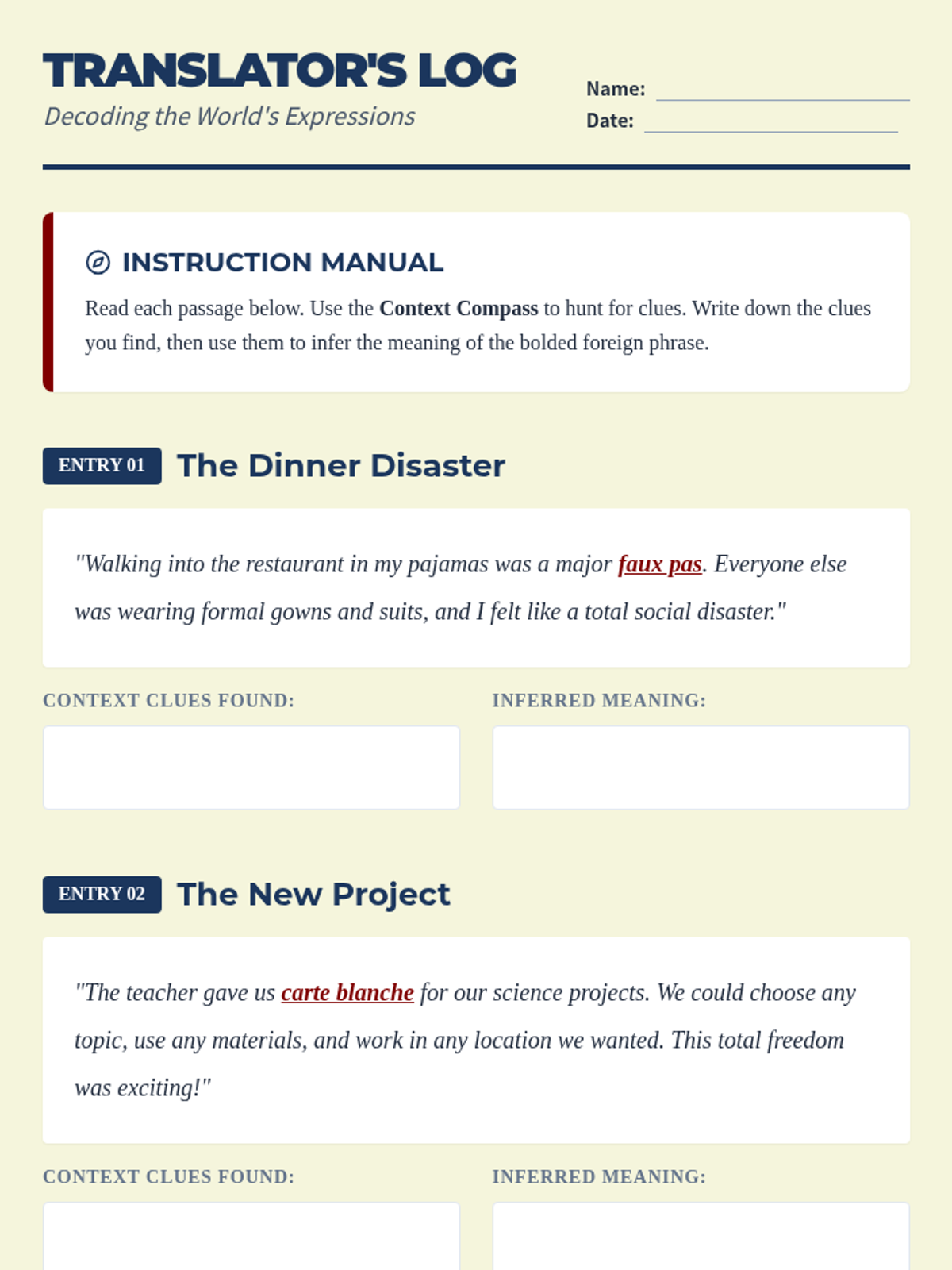
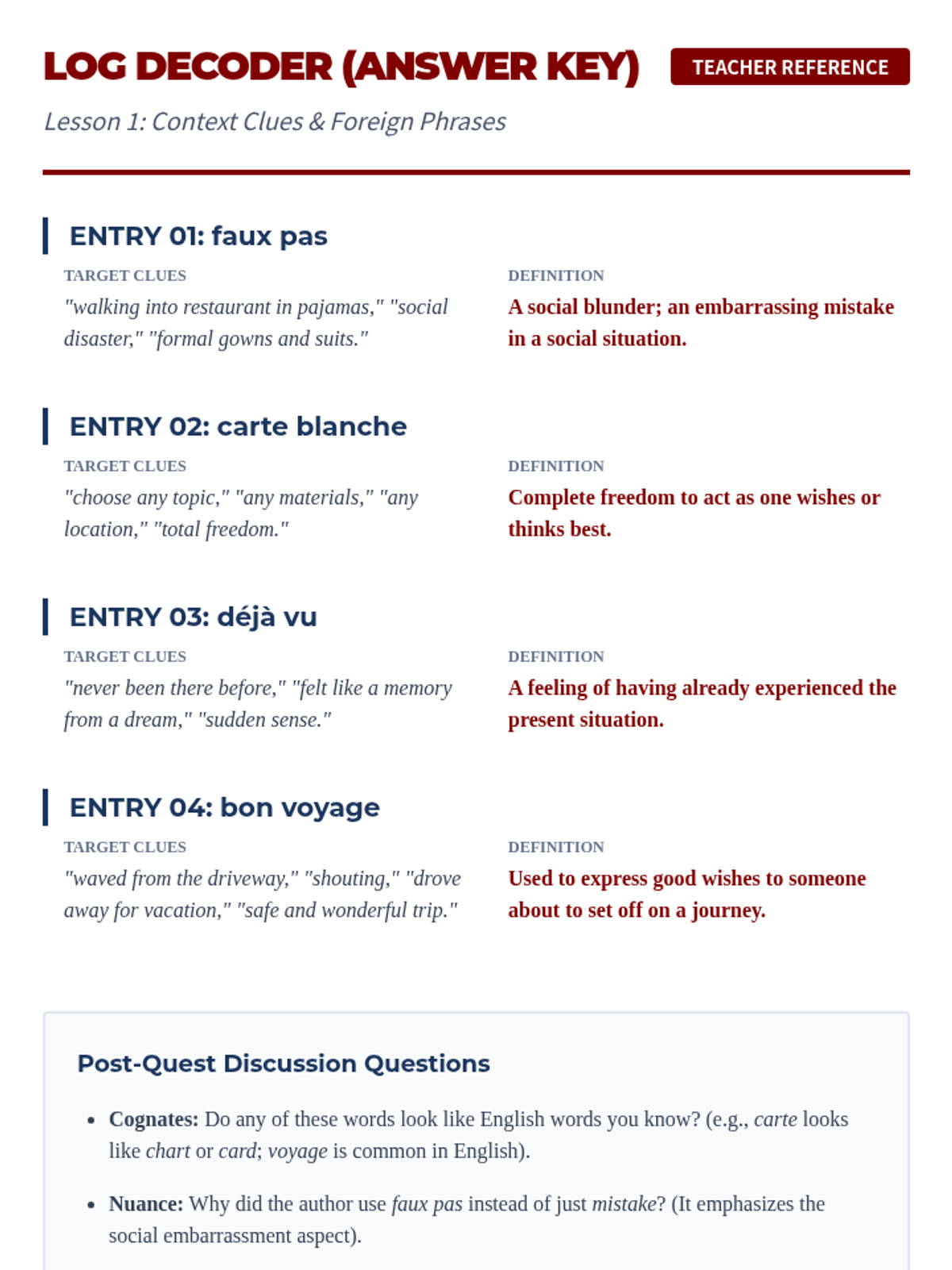
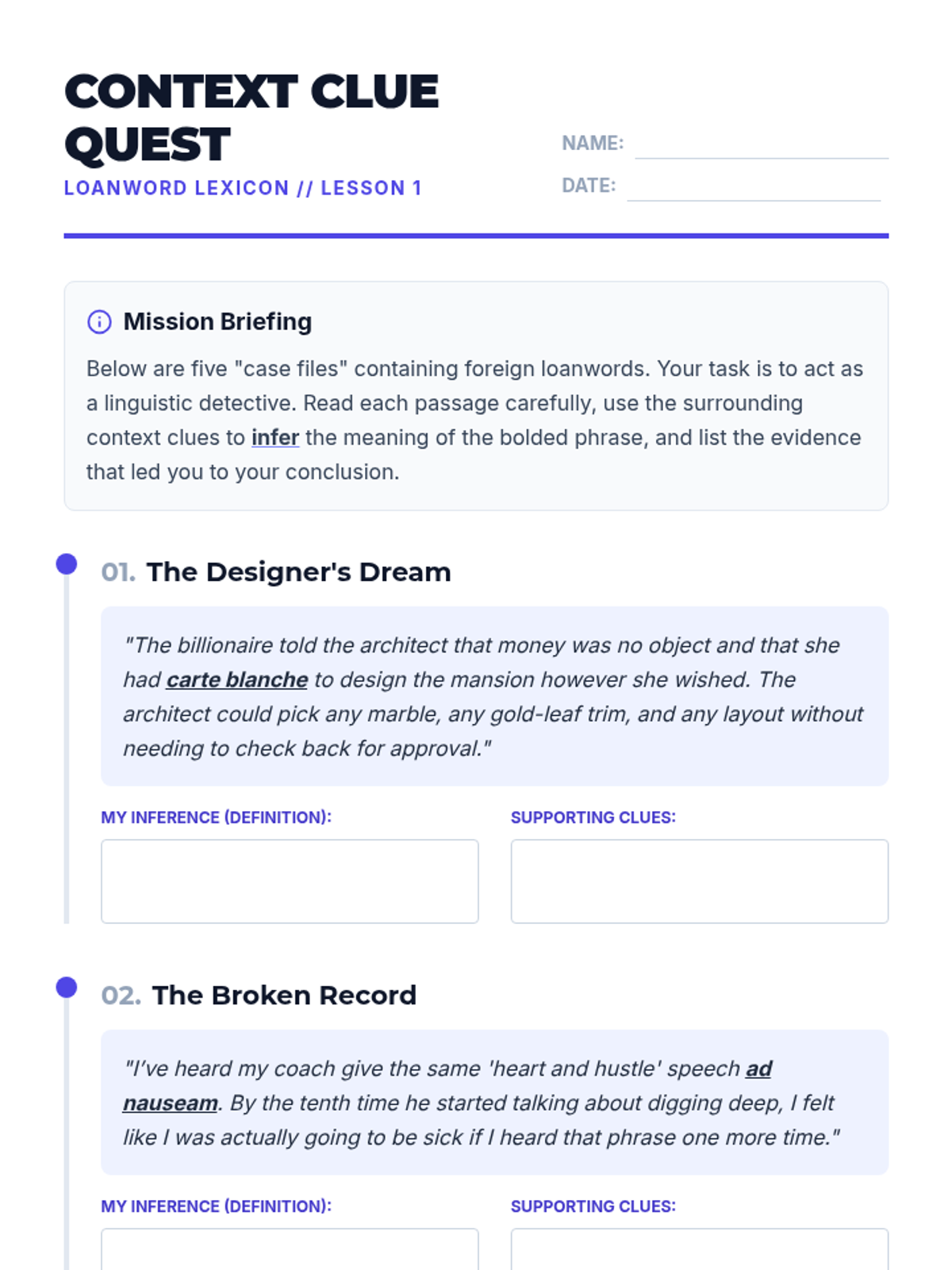
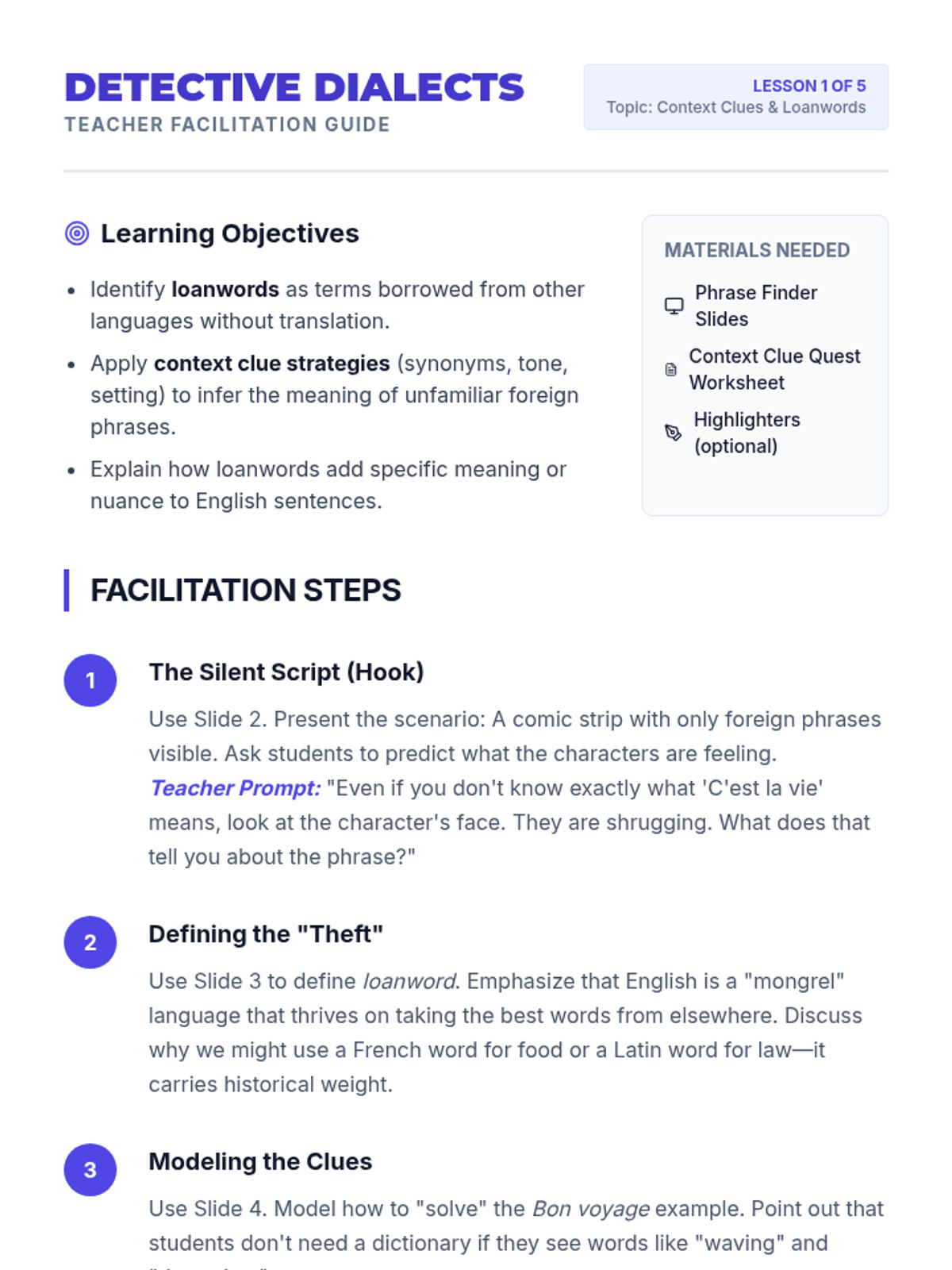
This sequence teaches 6th-grade students how to identify, understand, and use common foreign words and expressions in English. Through a mix of context clue analysis, tone comparison, pronunciation practice, and creative writing, students learn to enhance the sophistication and precision of their communication.
An inquiry-based exploration of the English language's historical roots through the lens of loanwords. Students investigate how Latin, French, Spanish, German, and other languages have shaped everyday vocabulary, culminating in a research project mapping the etymology of specific semantic fields.
This sequence explores the rhetorical power and nuance of foreign phrases in English, moving from context-clue inference to stylistic application in creative writing. Students will analyze how words like 'carpe diem' and 'déjà vu' add layers of meaning that standard English translations often lack.
Students act as linguistic detectives to uncover why English adopted specific terms from Latin, French, and Spanish. The sequence moves from understanding etymology to mastering high-frequency loanwords and identifying linguistic roots using research tools.
Students become linguistic historians, investigating the etymology, cultural origins, and evolution of advanced English vocabulary through research and creative projects.
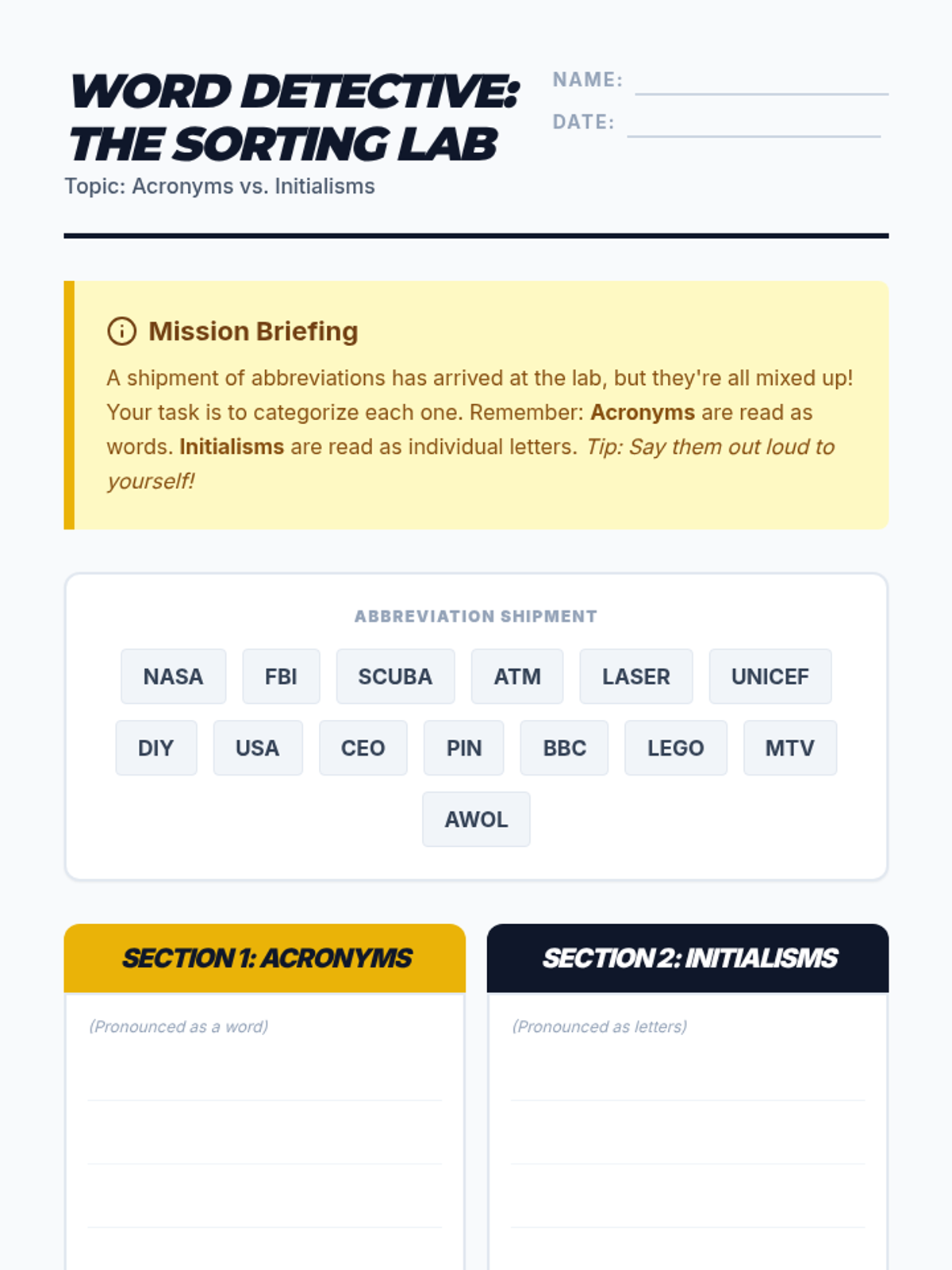
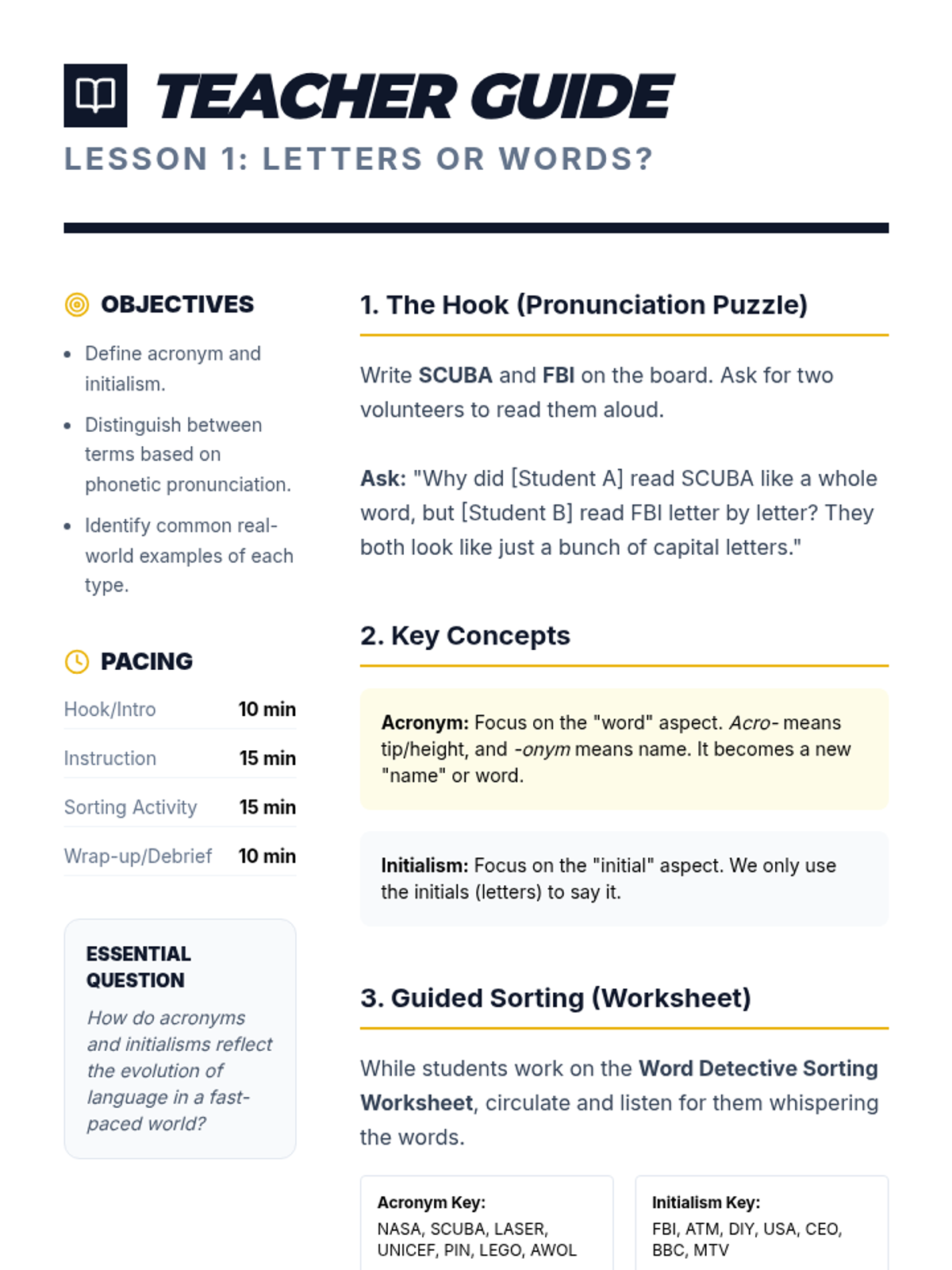
This inquiry-based sequence explores the nuances of acronyms, initialisms, and Latin-based abbreviations found in informational text. Students investigate the origins of these terms, distinguish between those pronounced as words versus individual letters, and produce an informational guide for their peers.
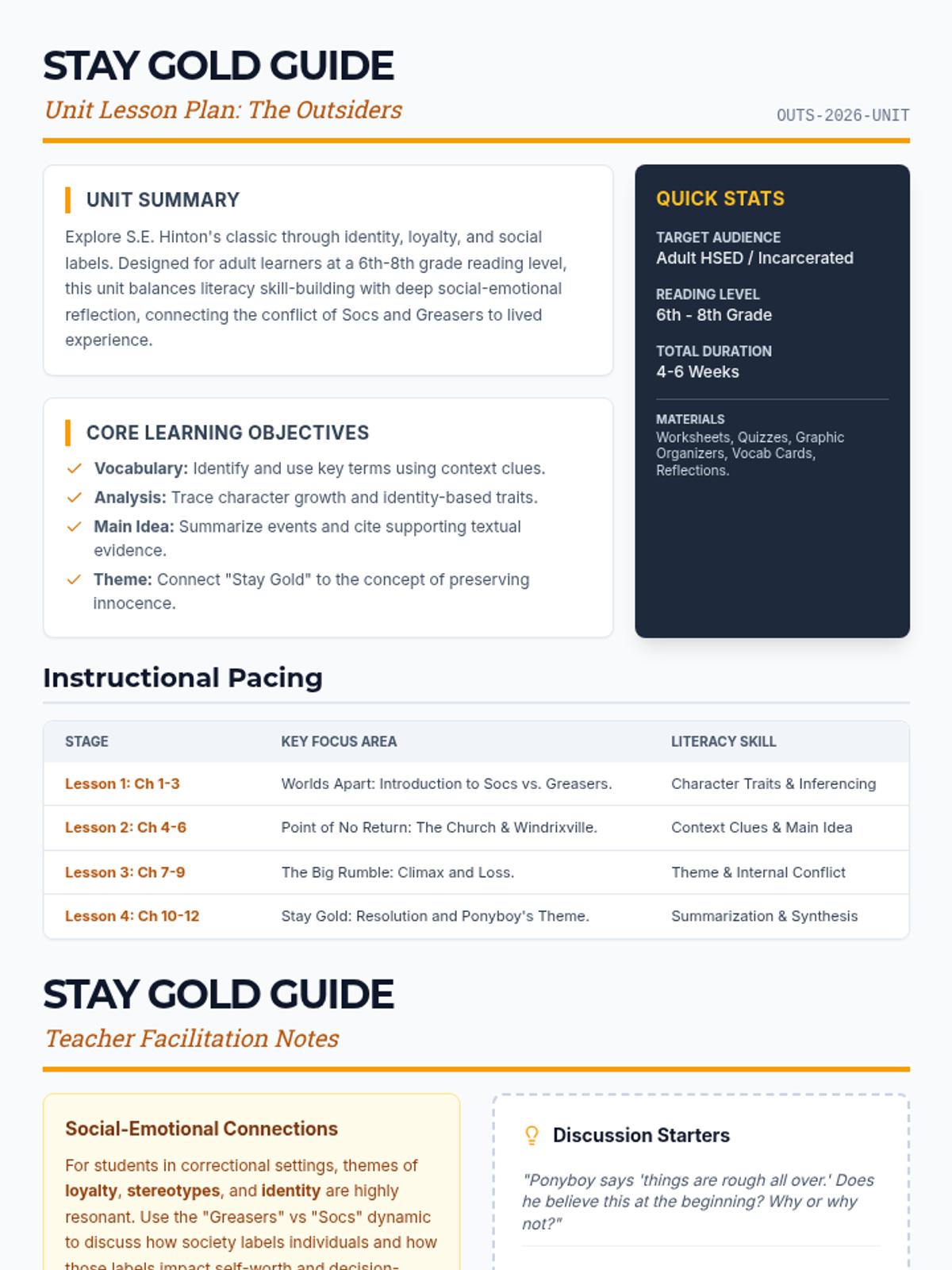
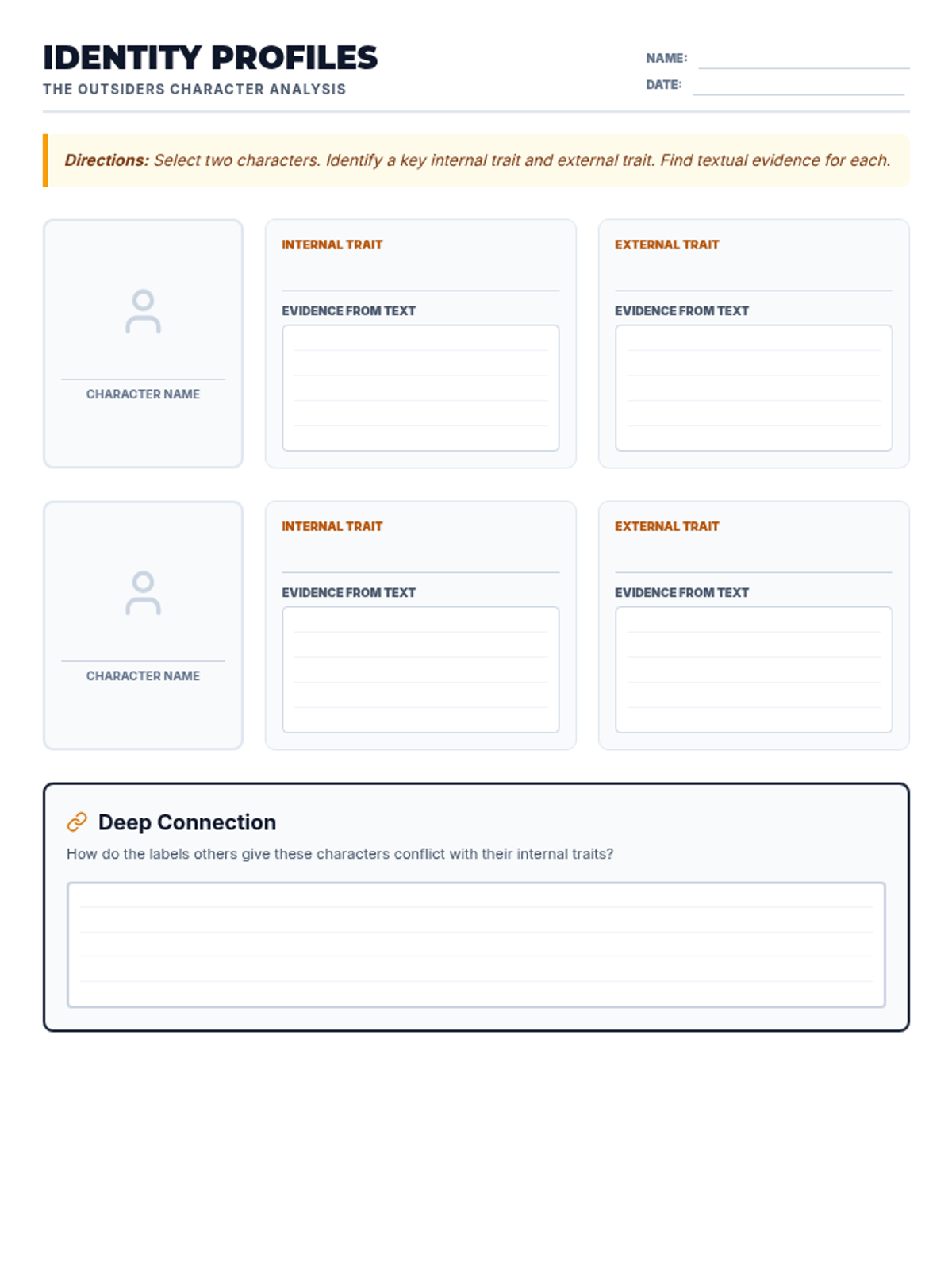
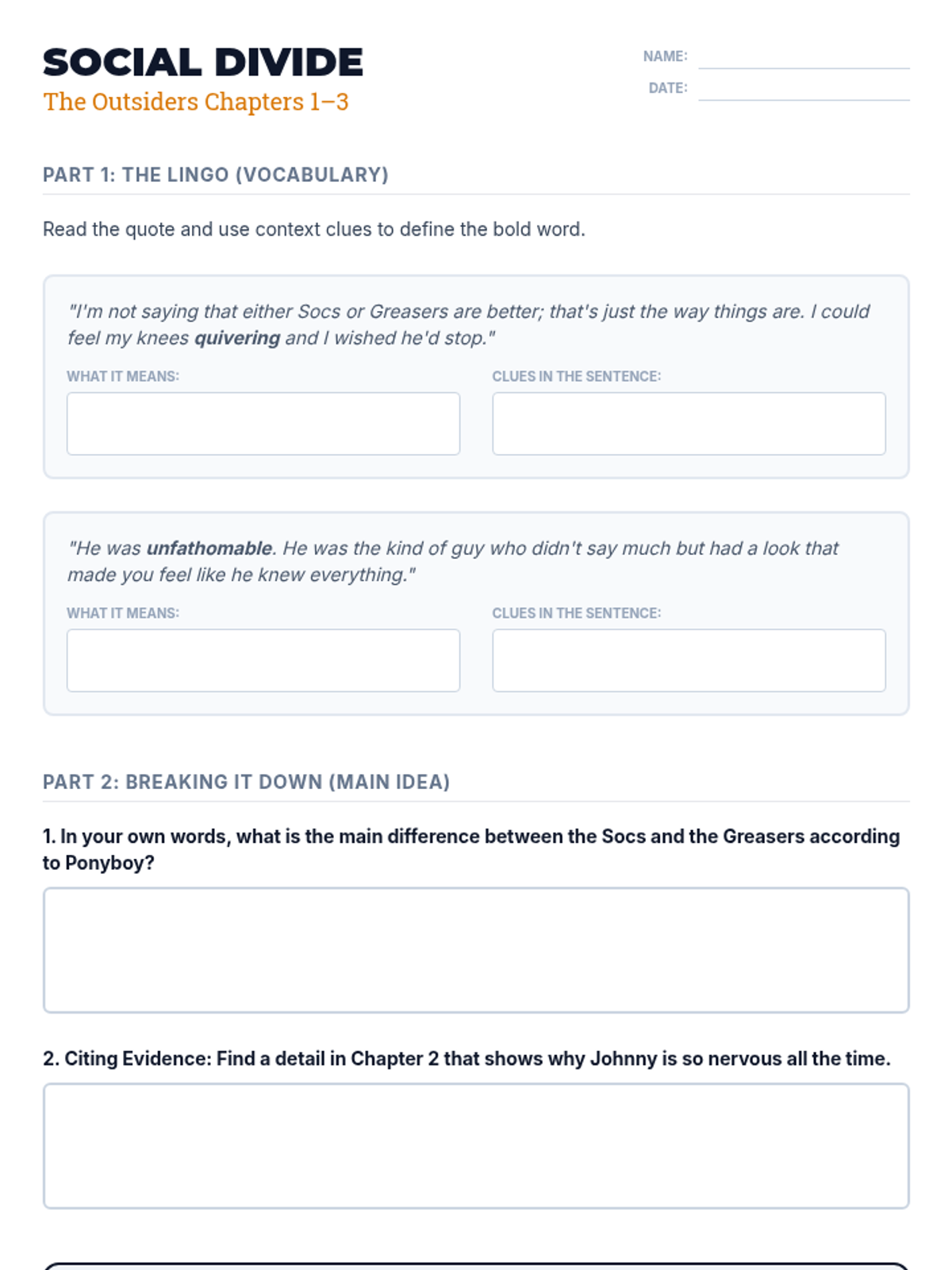
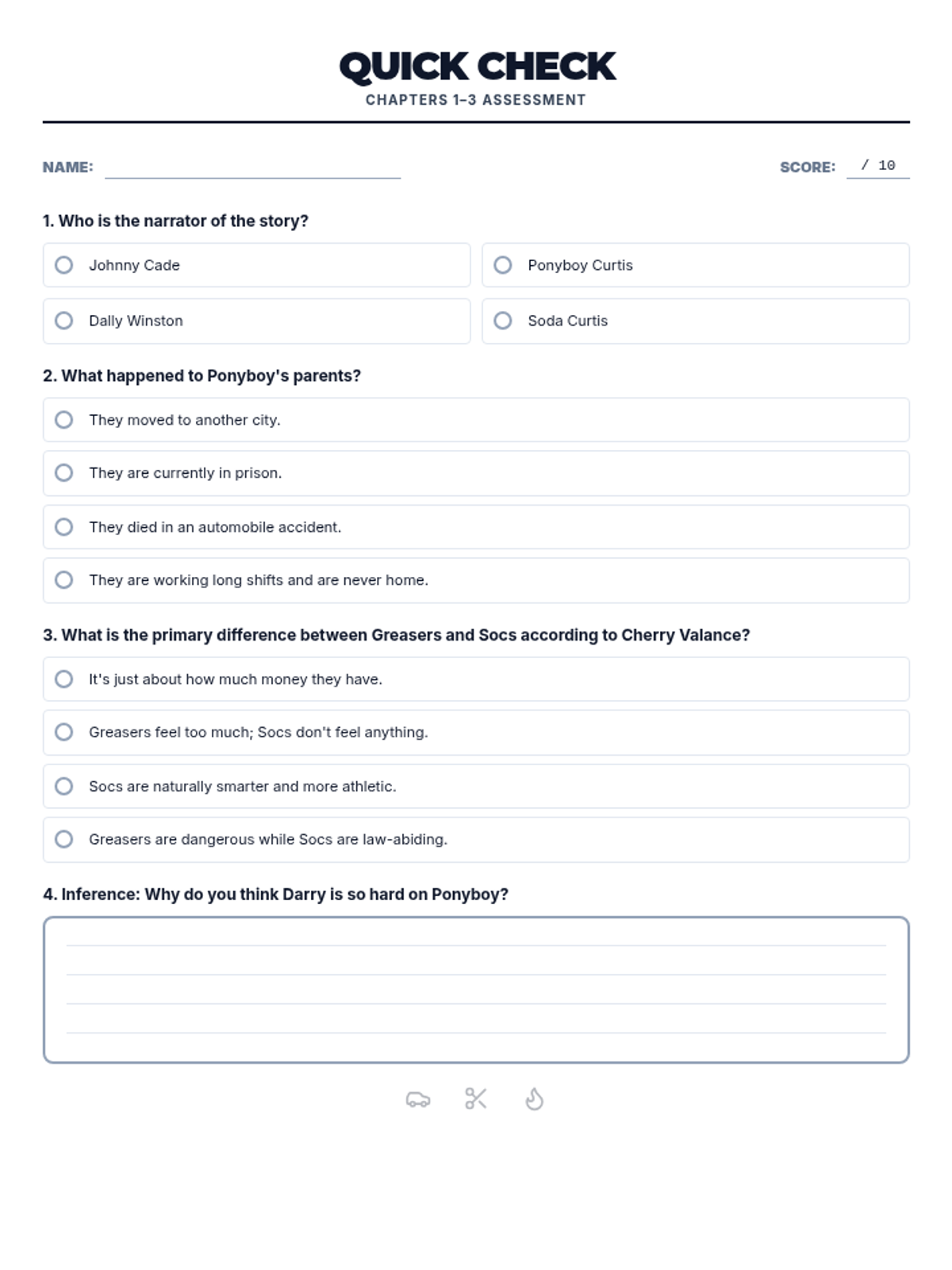
A comprehensive book study on S.E. Hinton's 'The Outsiders' designed for HSED adult students in a correctional setting. This unit focuses on character development, social dynamics, and critical reading skills while maintaining high-interest engagement.
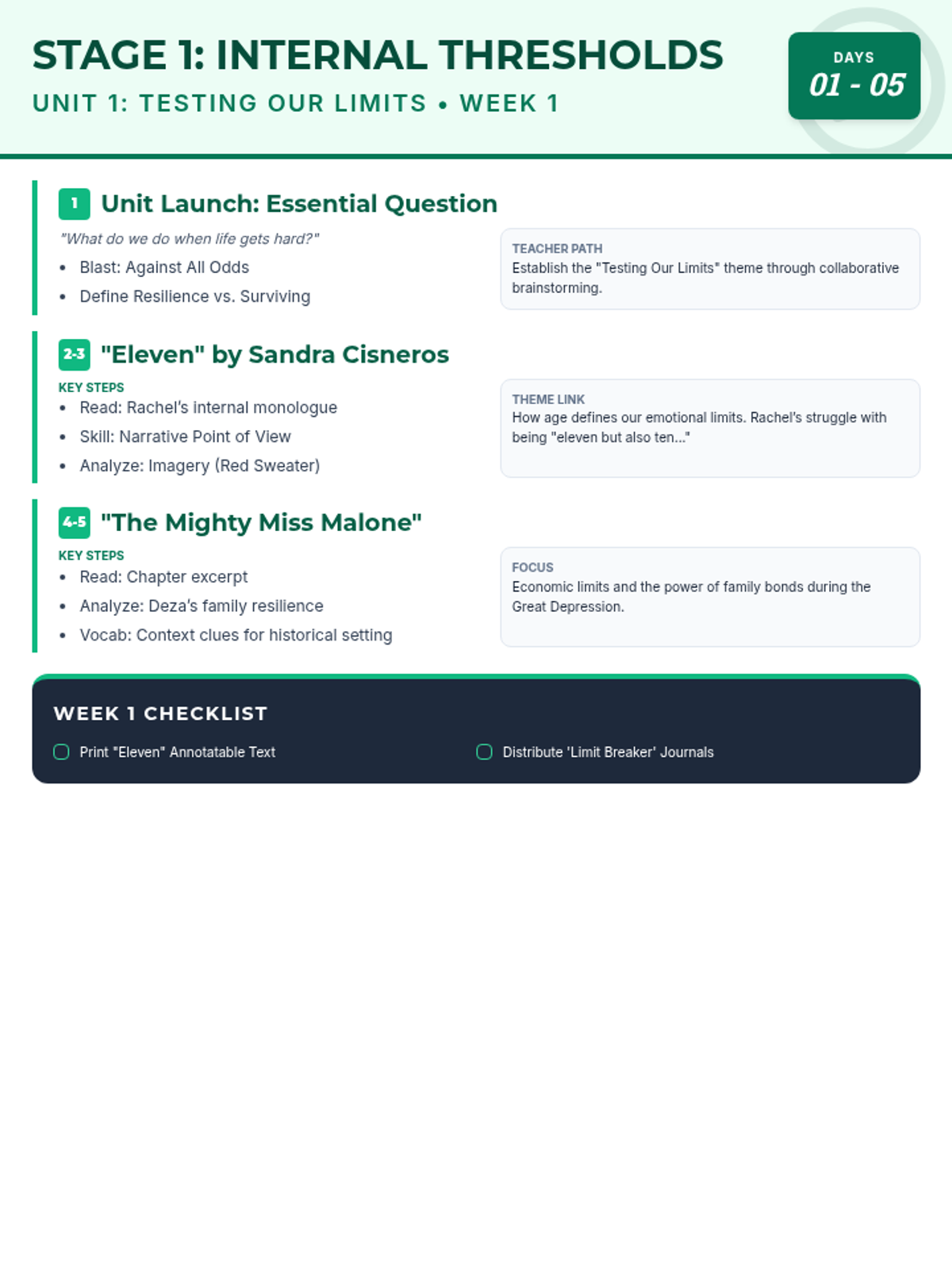
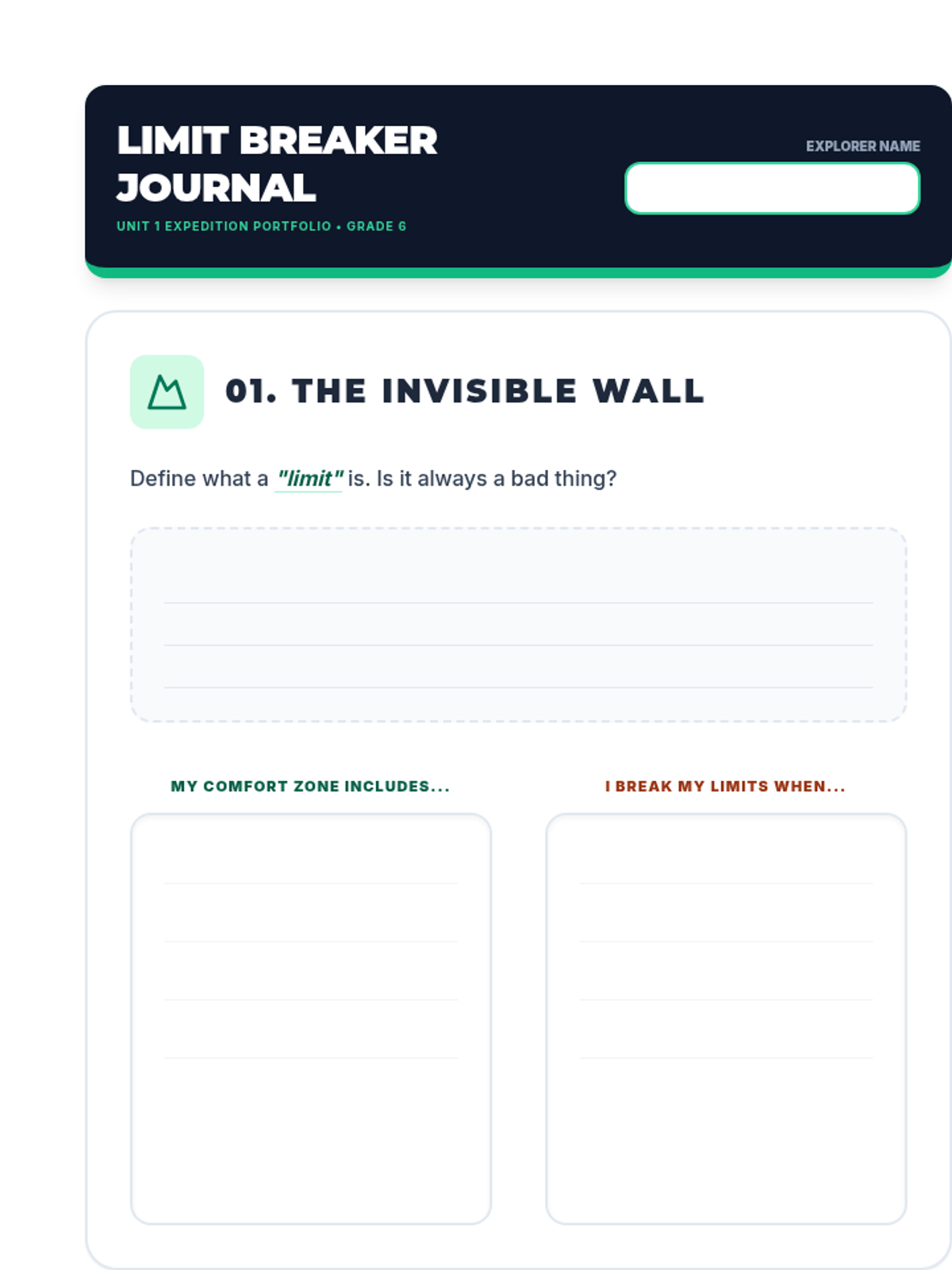
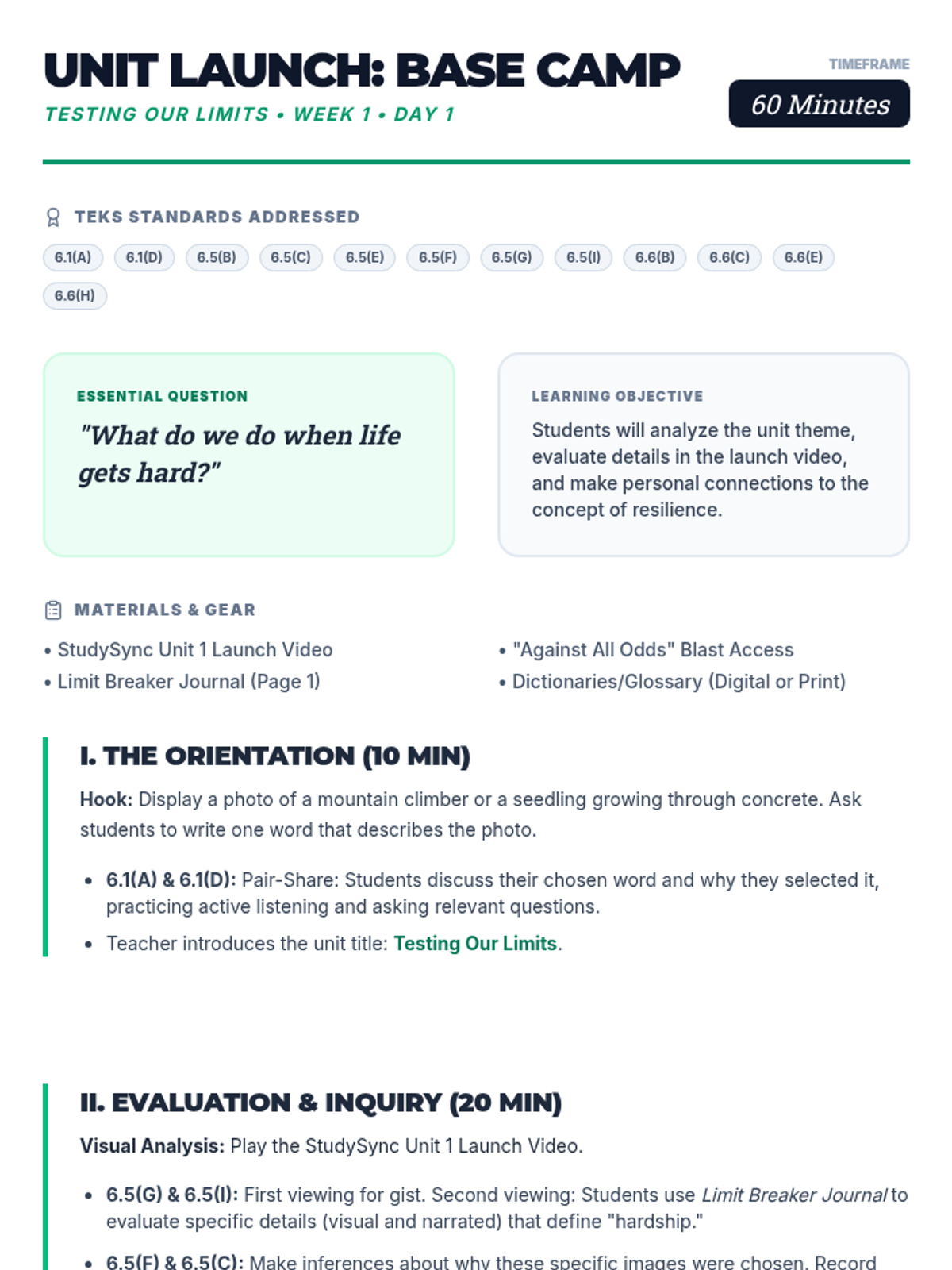
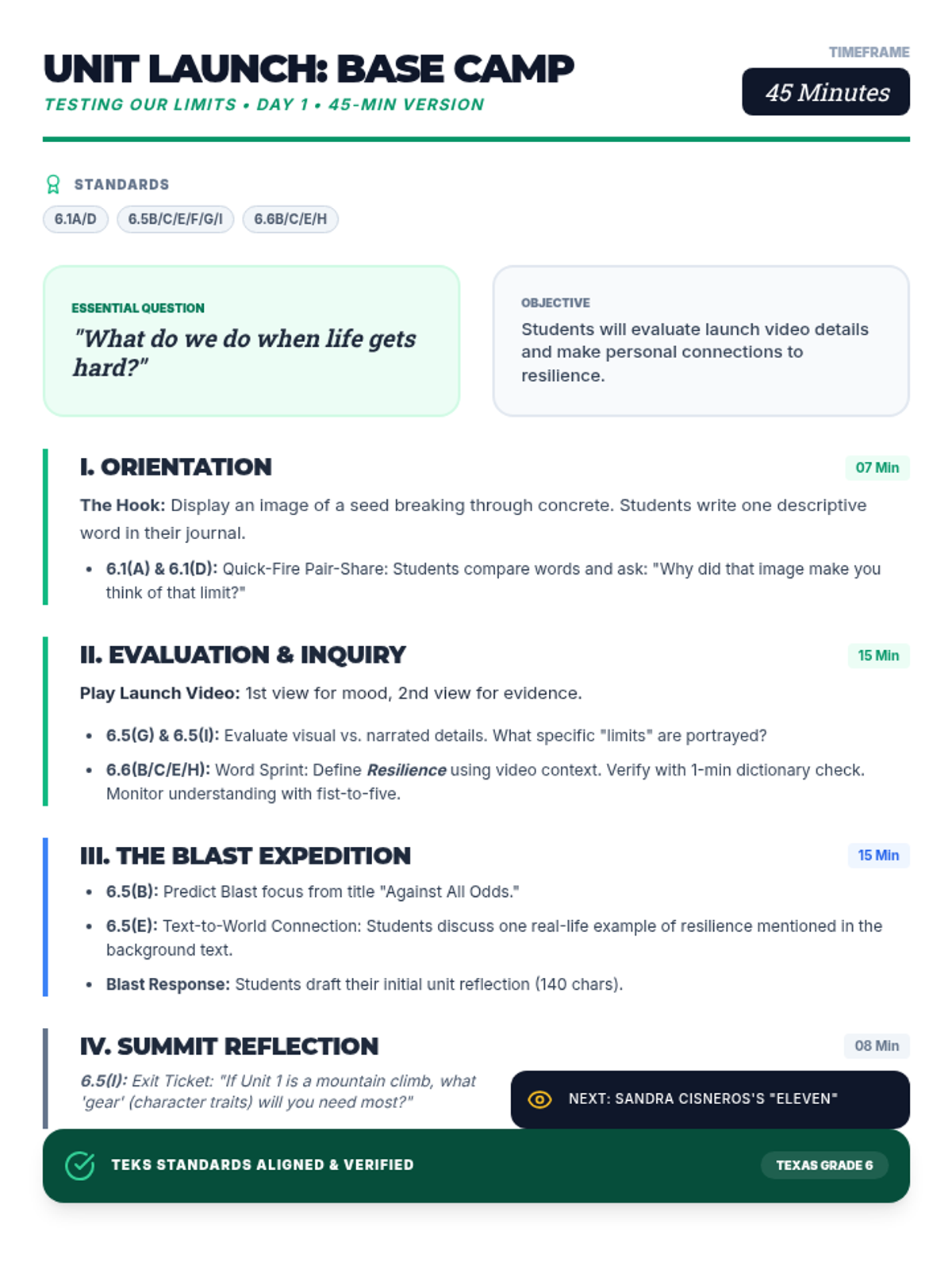
A comprehensive 25-day instructional sequence for Grade 6 Unit 1 'Testing Our Limits', focusing on resilience, narrative structure, and character development through diverse literary and informational texts.
A collection of diverse instructional units designed to build both literary analysis skills and practical life knowledge, preparing students for complex texts and real-world challenges.
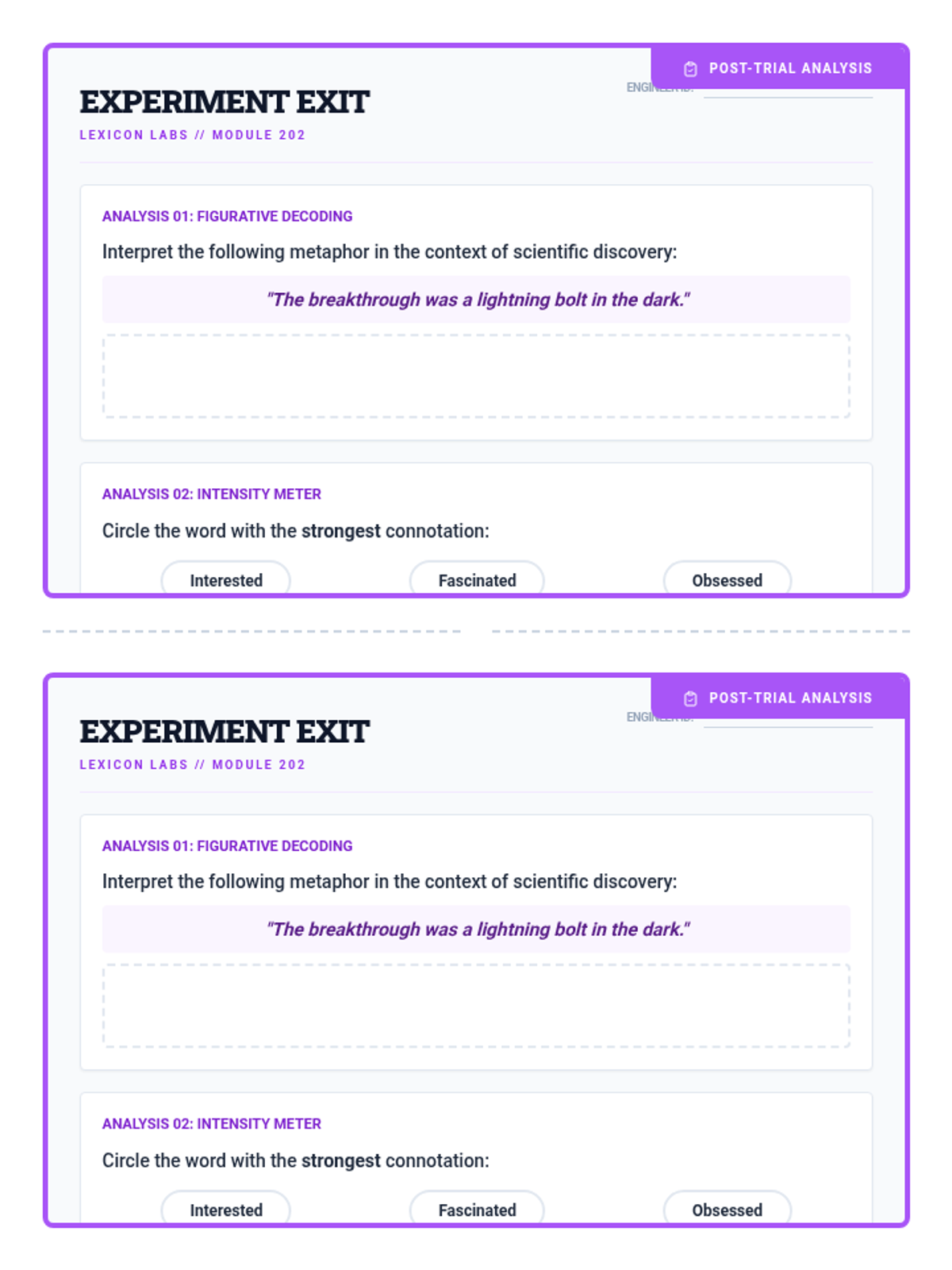
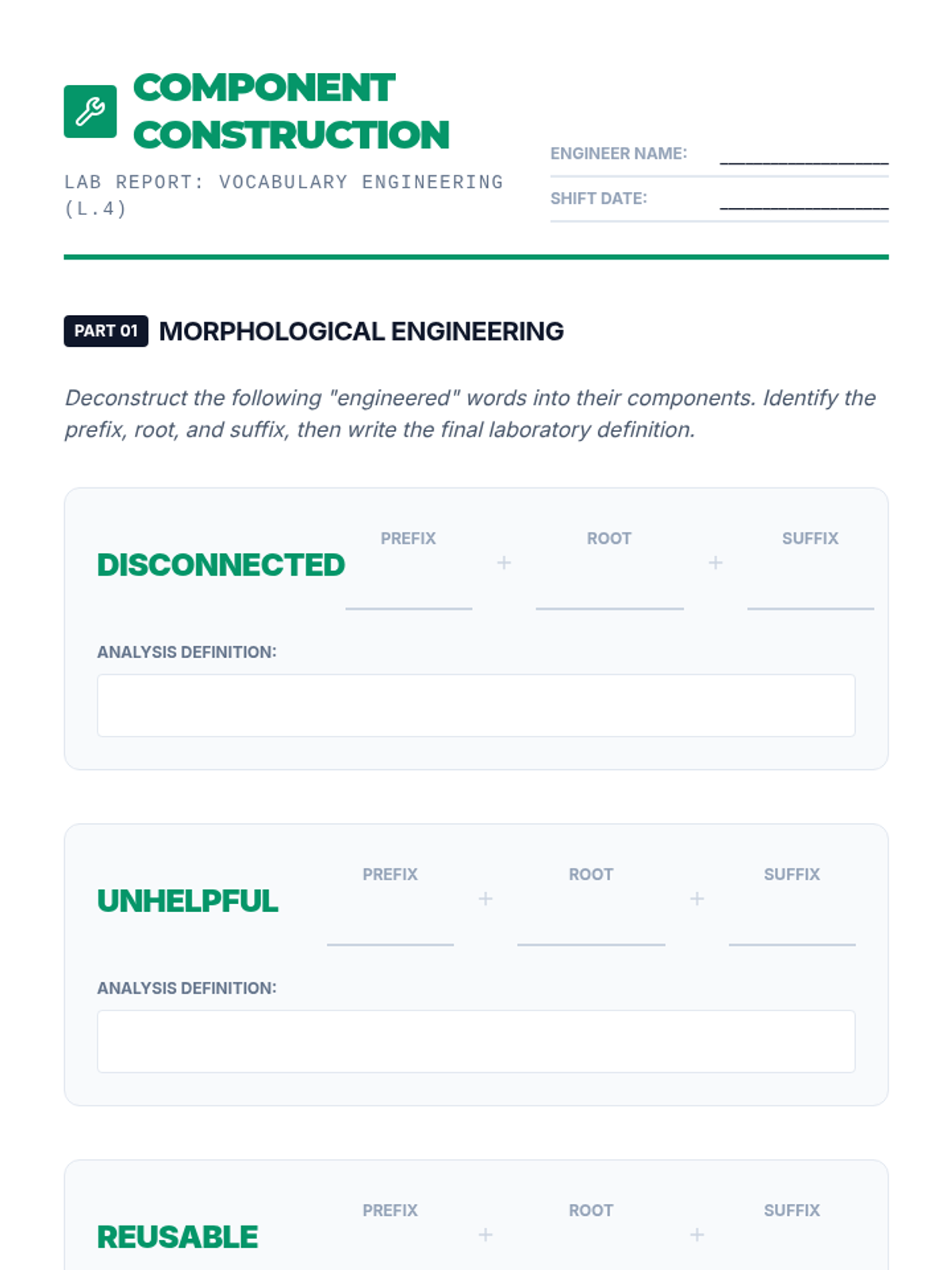
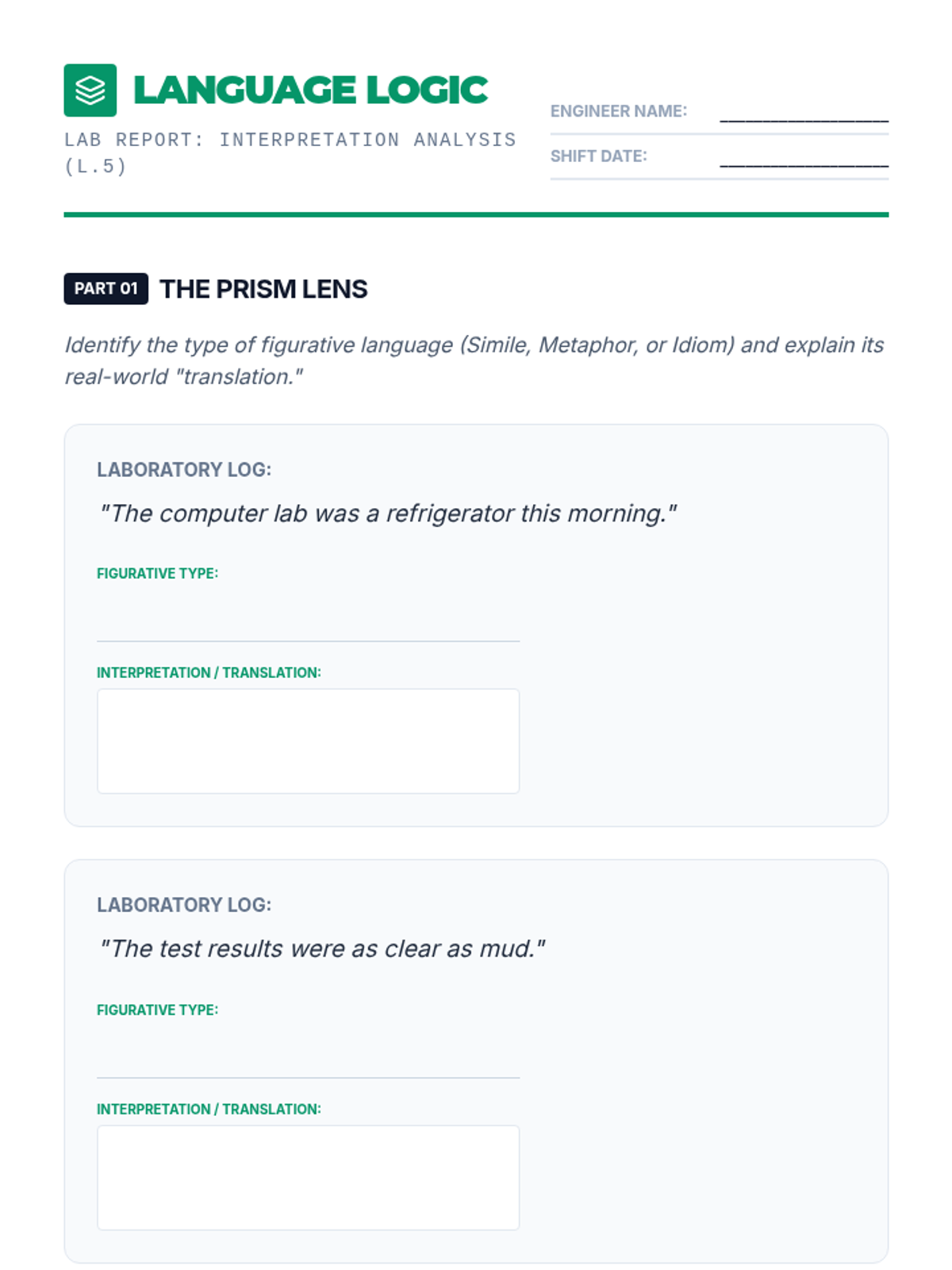
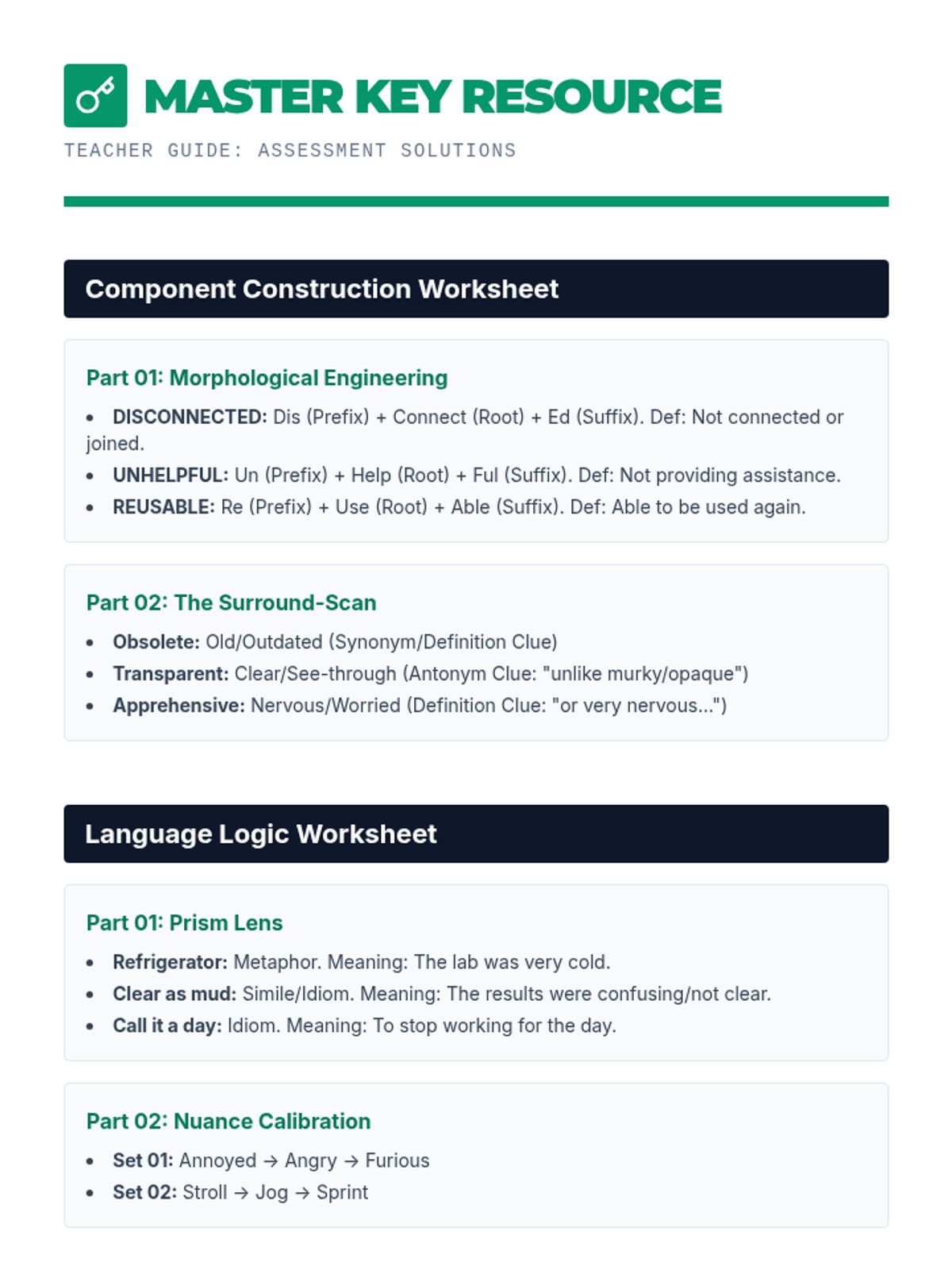
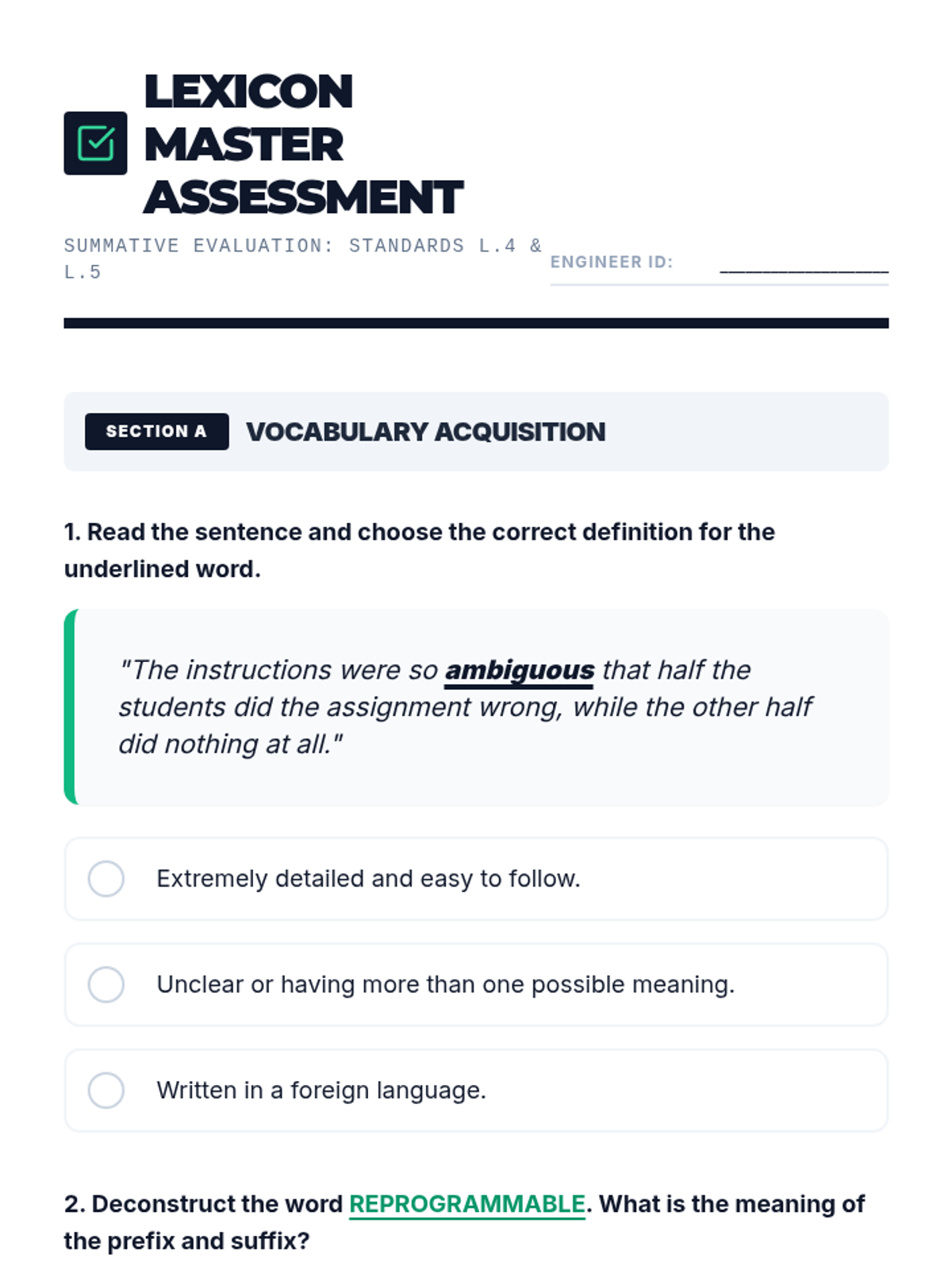
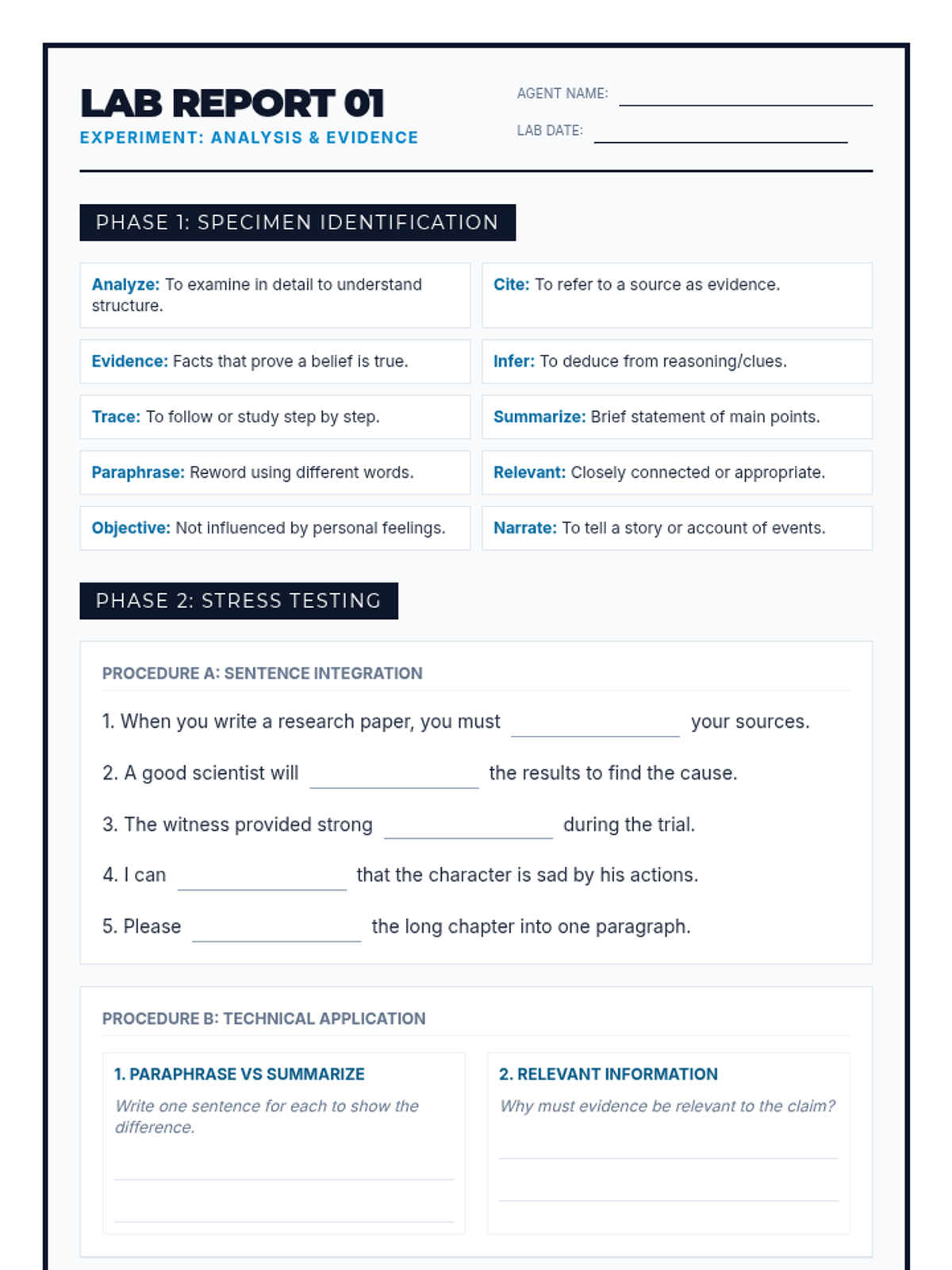
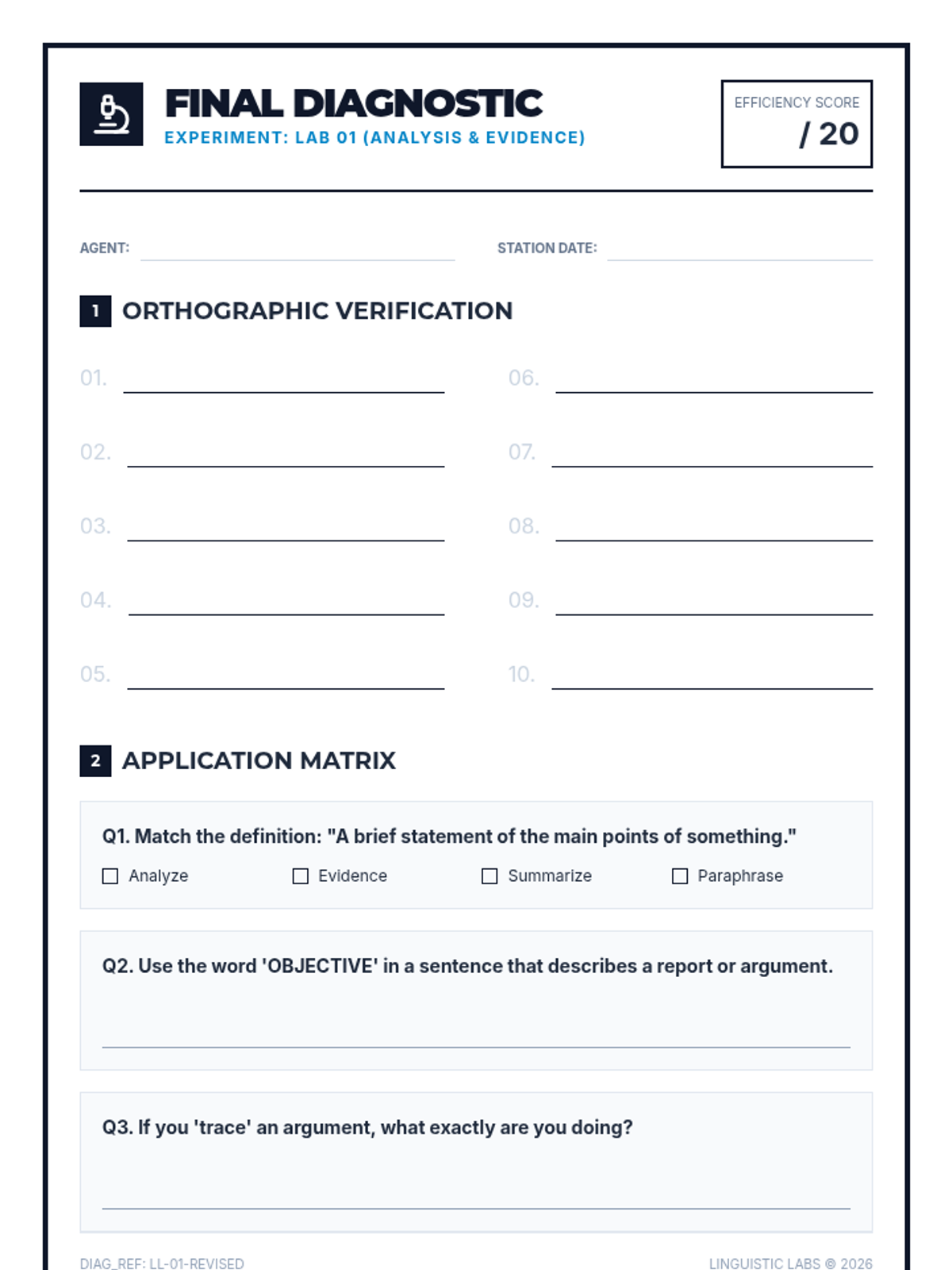
A comprehensive unit focusing on vocabulary acquisition and word relationships (L.4 and L.5). Students act as 'Lexicon Engineers' to decode meanings, analyze affixes, and master figurative language through a high-tech laboratory lens.
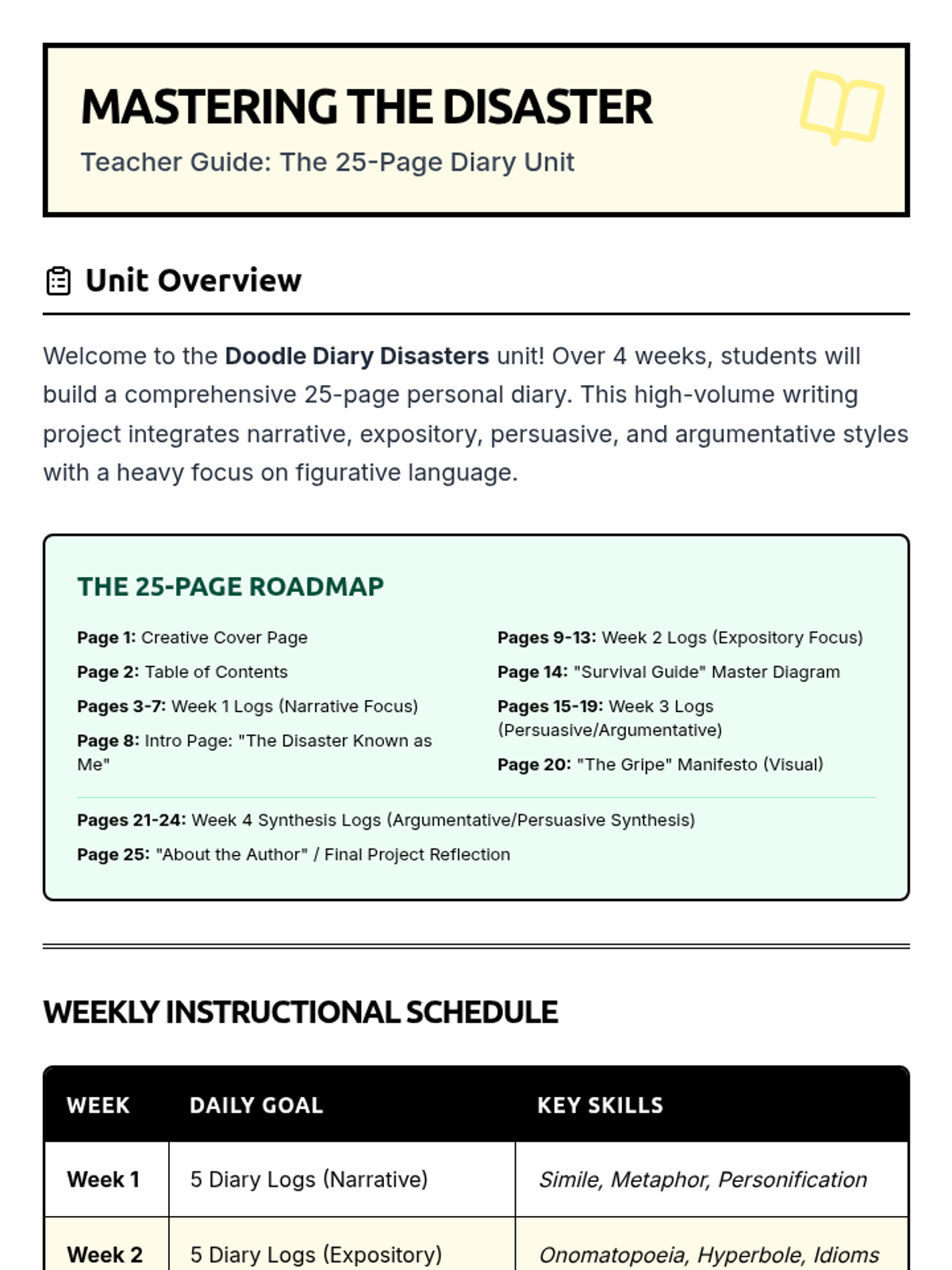
A 4-week writing unit where students create their own 'Wimpy Kid' style diary, exploring narrative, expository, argumentative, and persuasive writing alongside specific figurative language techniques.
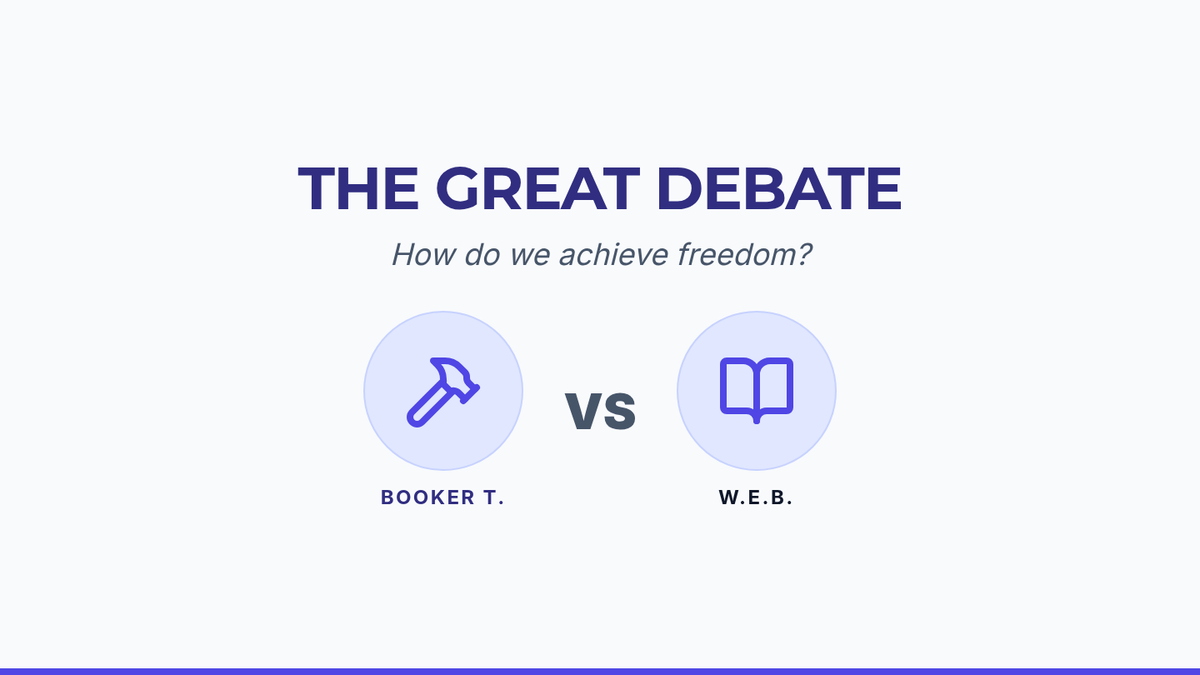
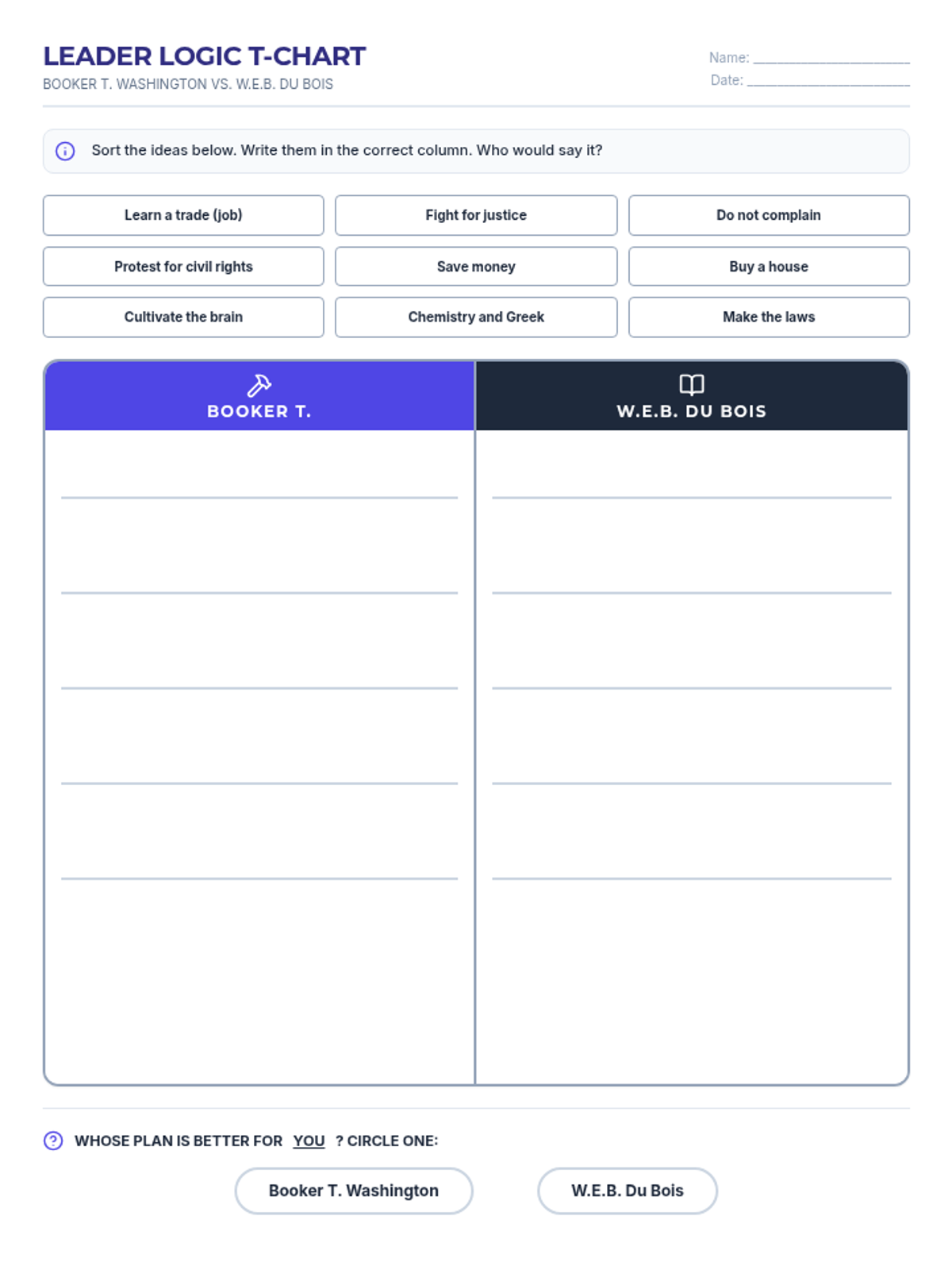
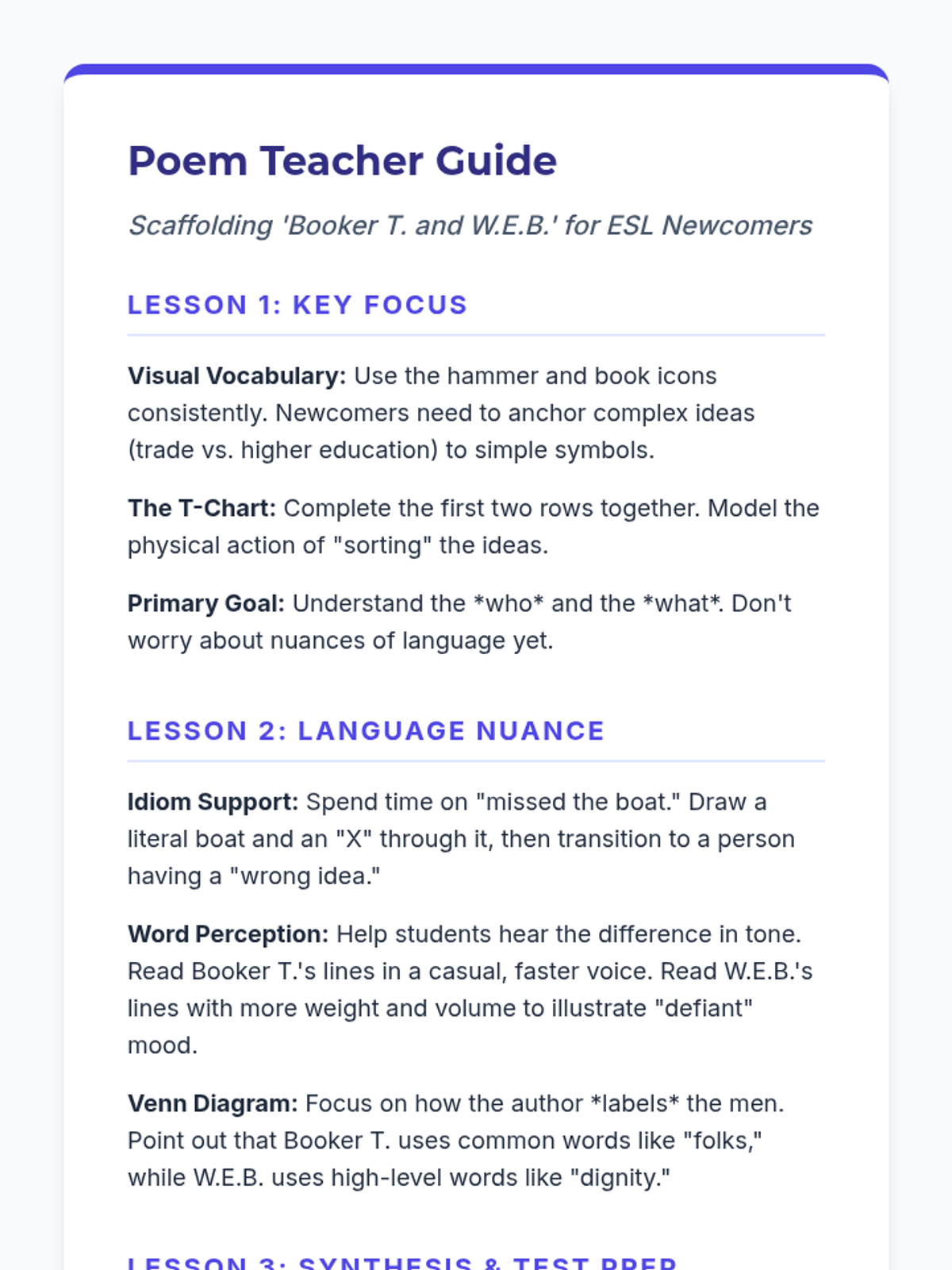
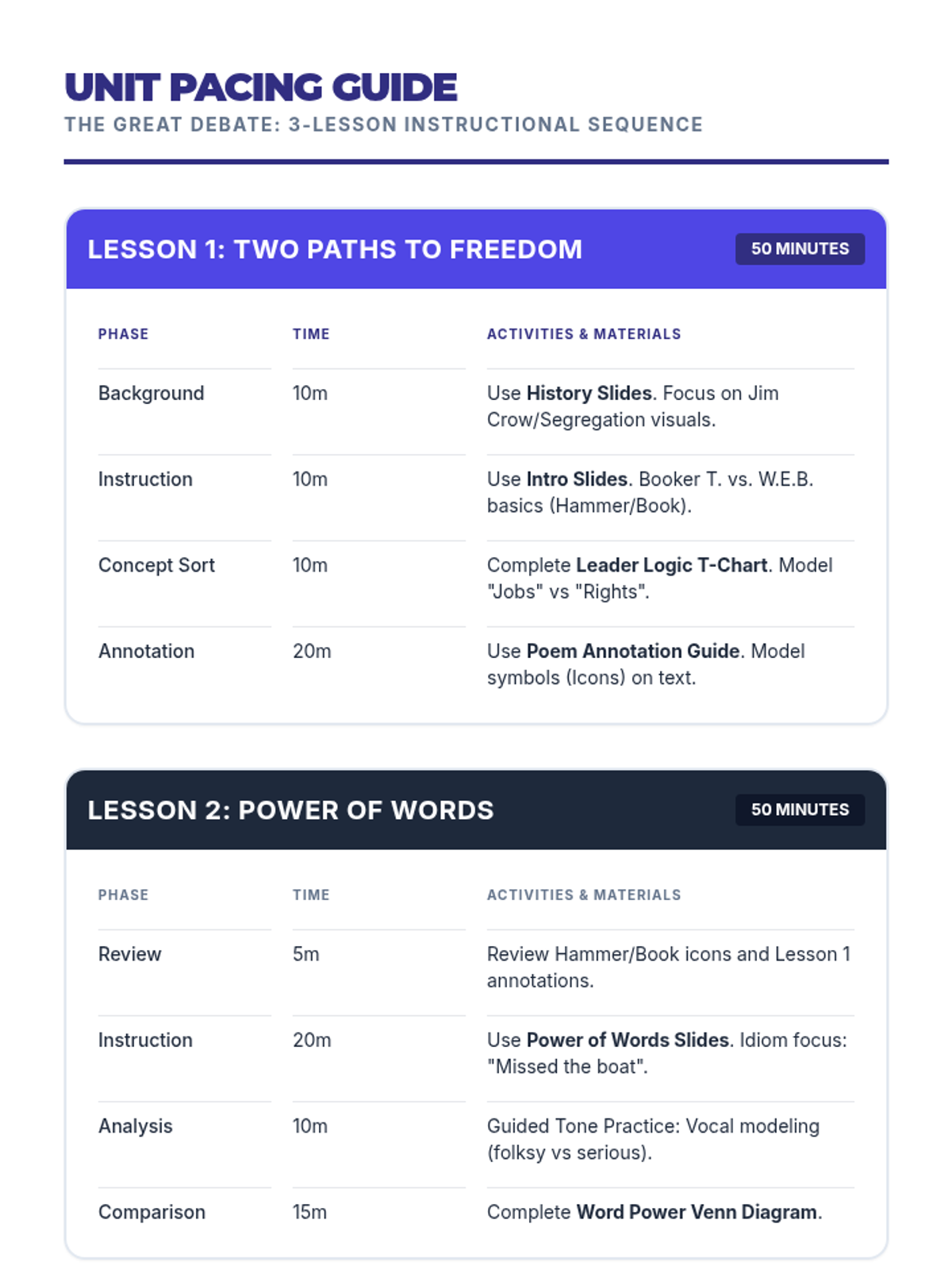
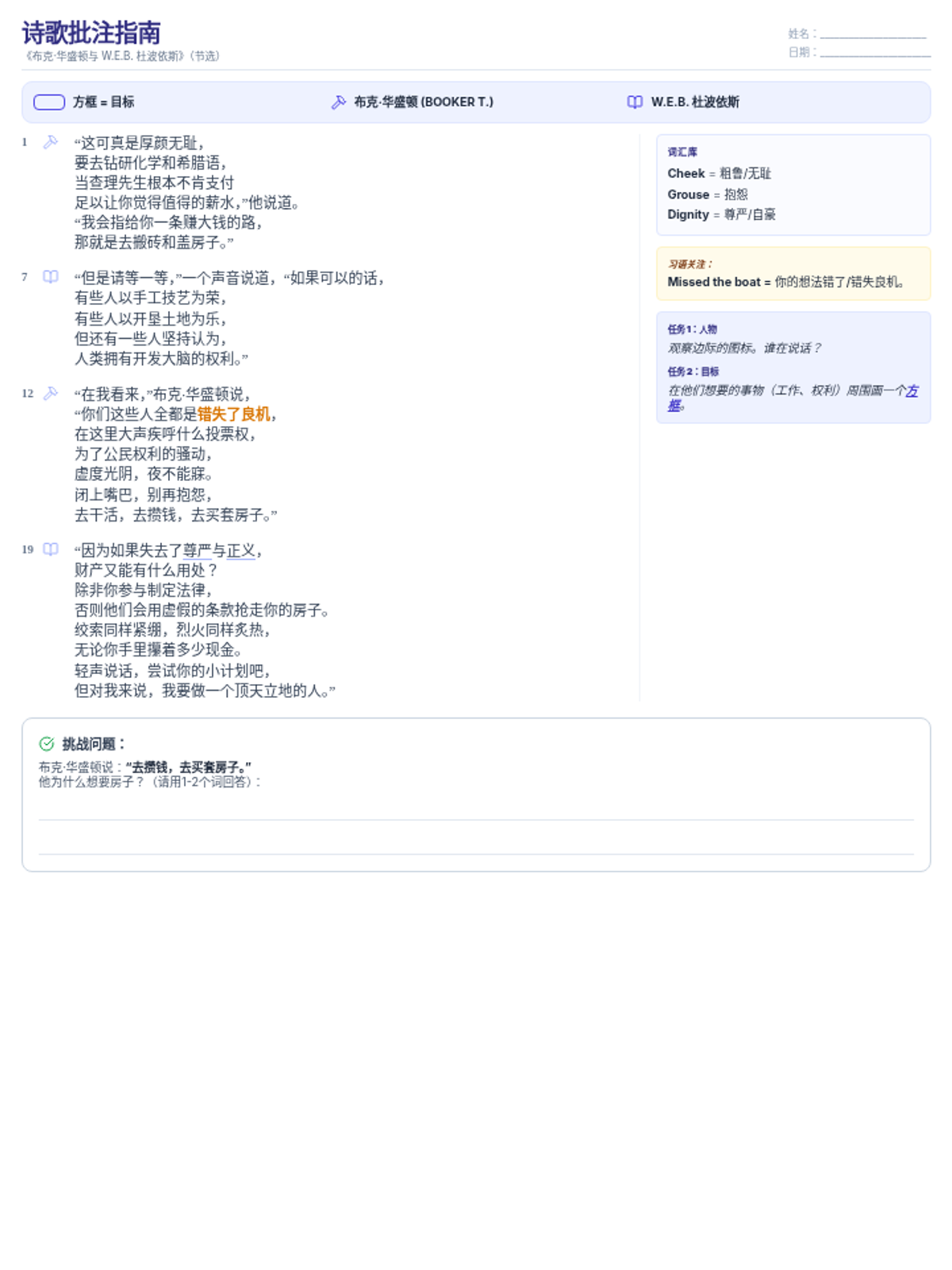
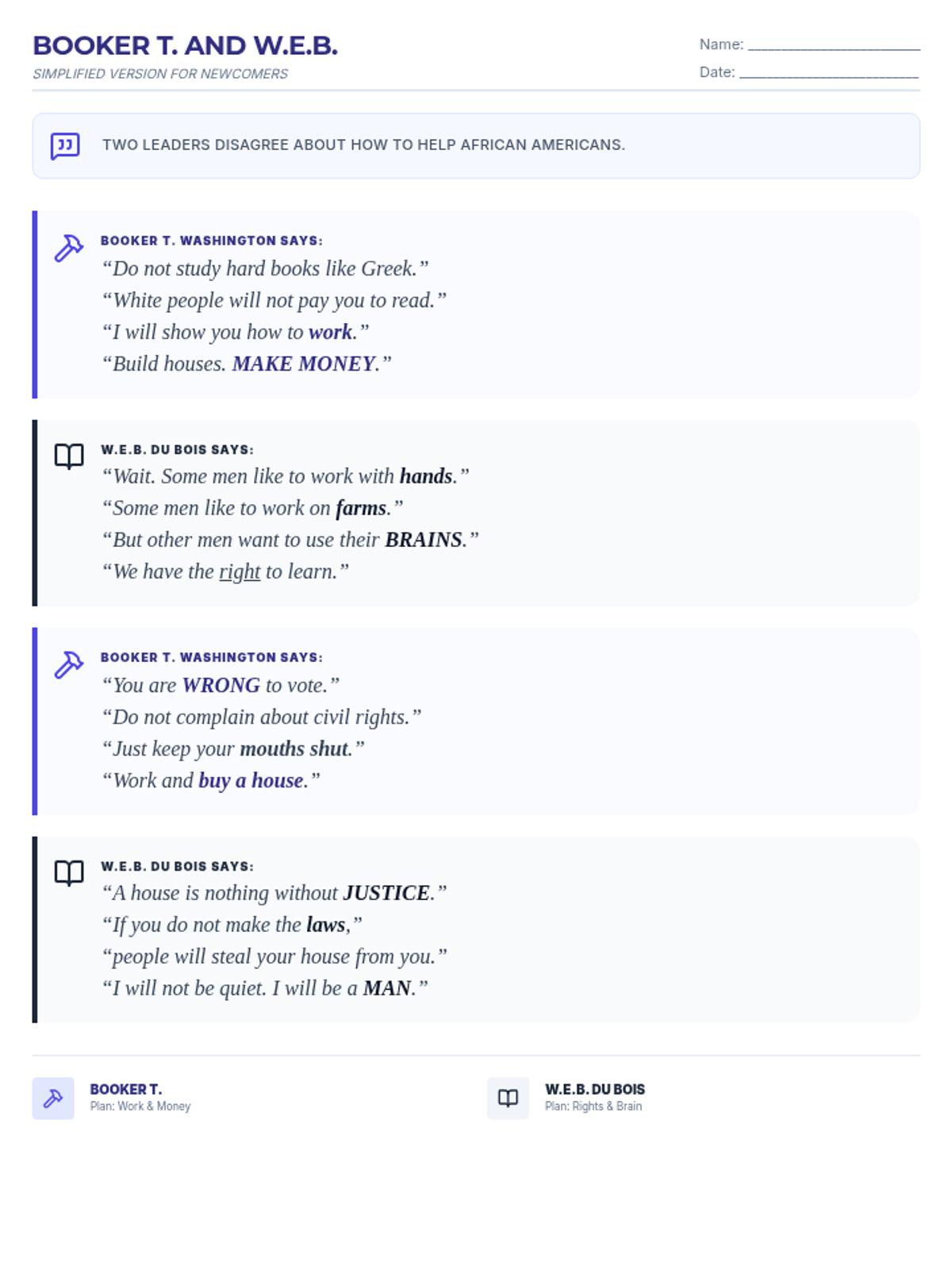
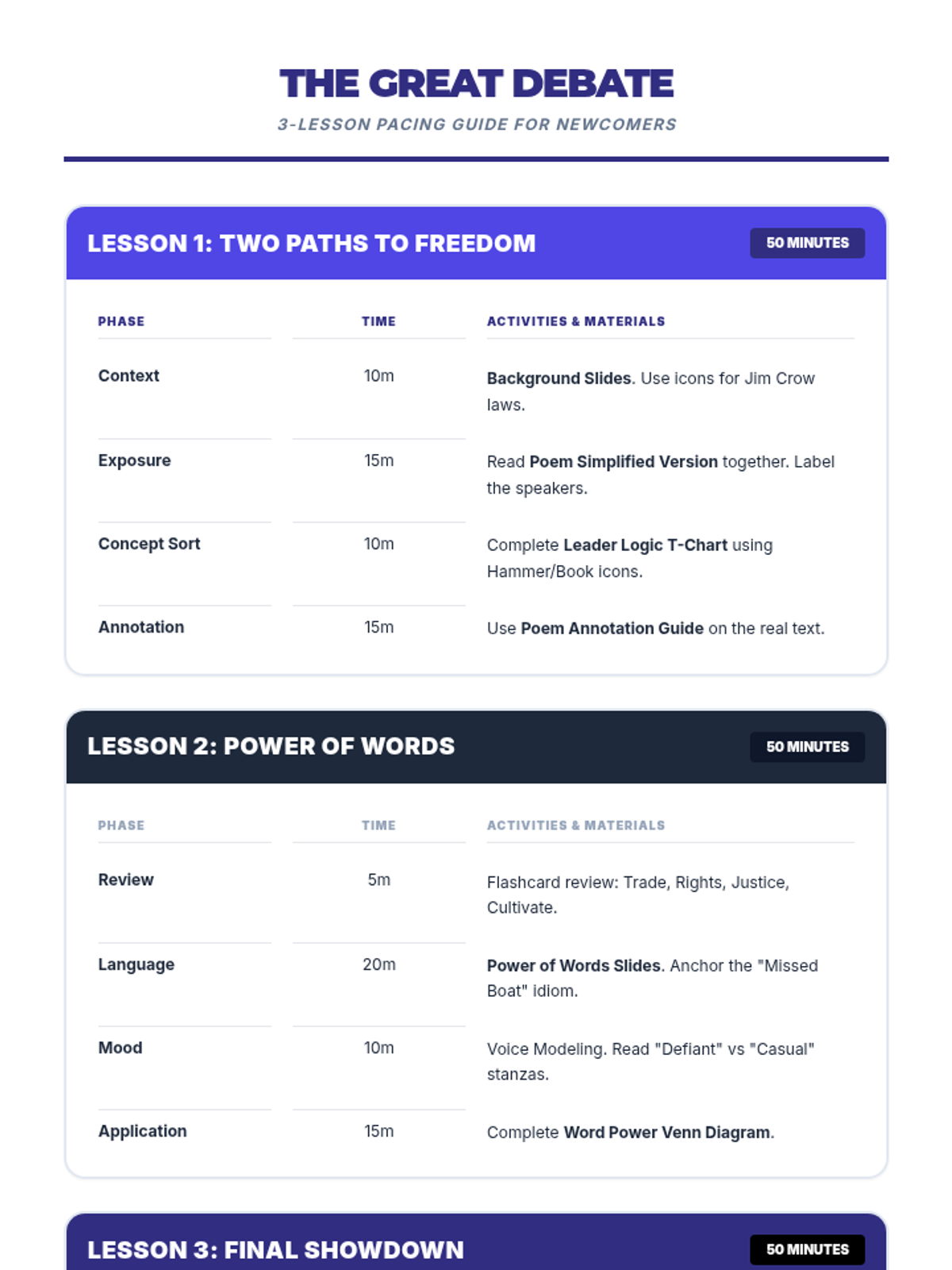
A three-lesson unit designed for ESL newcomers with minimal English proficiency, focusing on Dudley Randall's poem 'Booker T. and W.E.B.' and preparing them for a standardized assessment on author's purpose and language.
A retro-gaming themed MAP prep sequence for 6th grade reading, covering literature, informational text, vocabulary, and figurative language through interactive quest-based challenges.
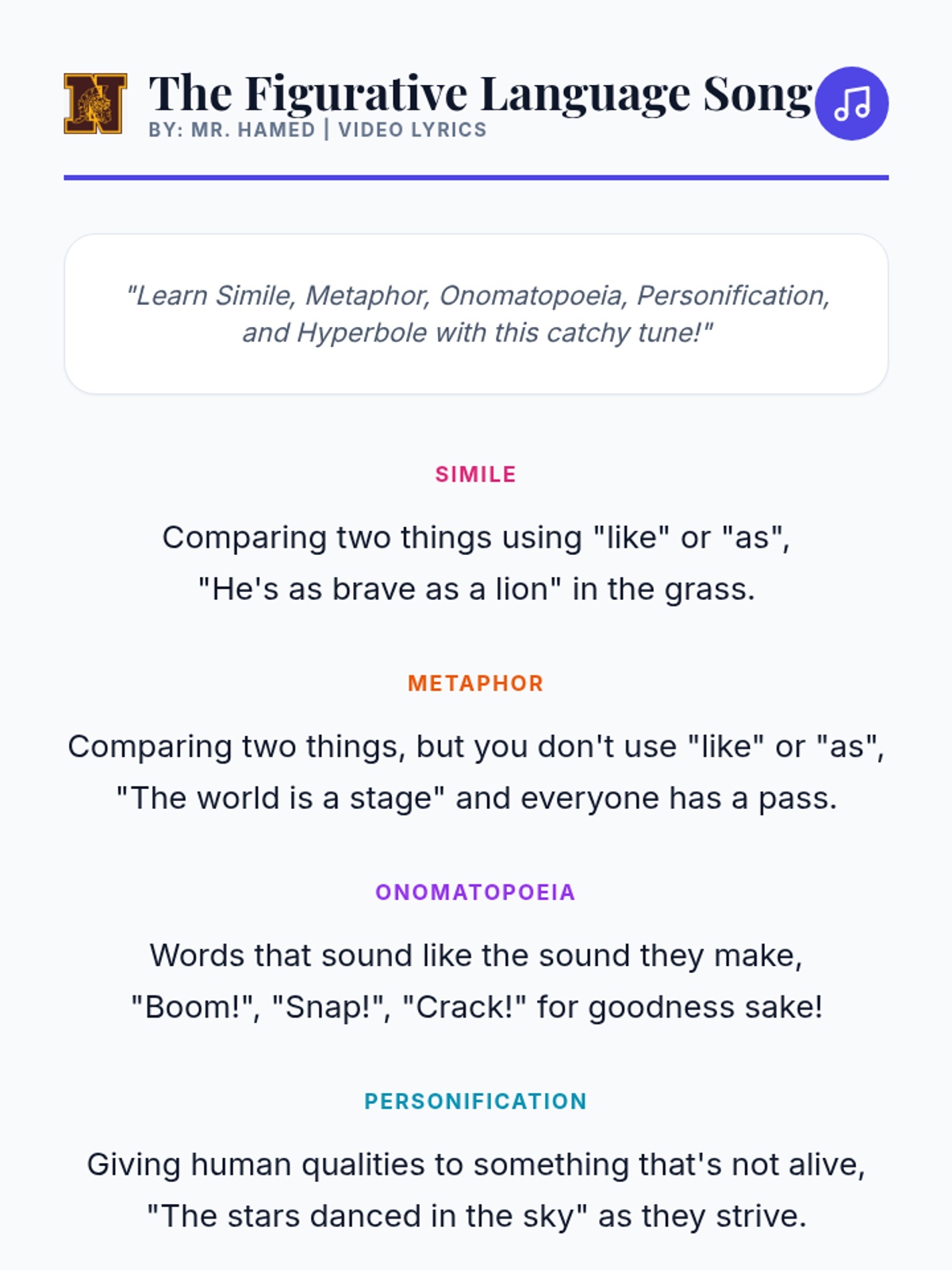
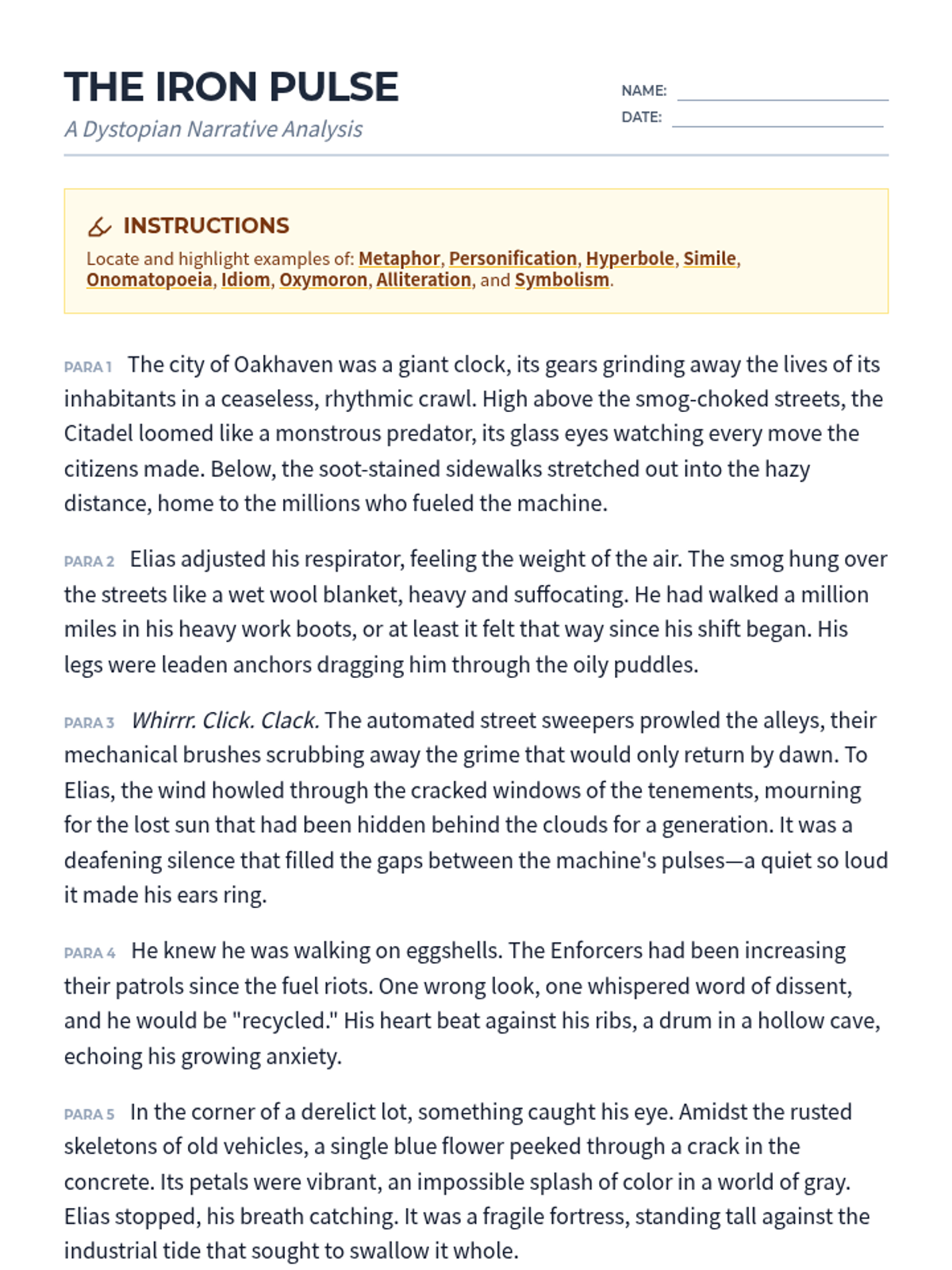
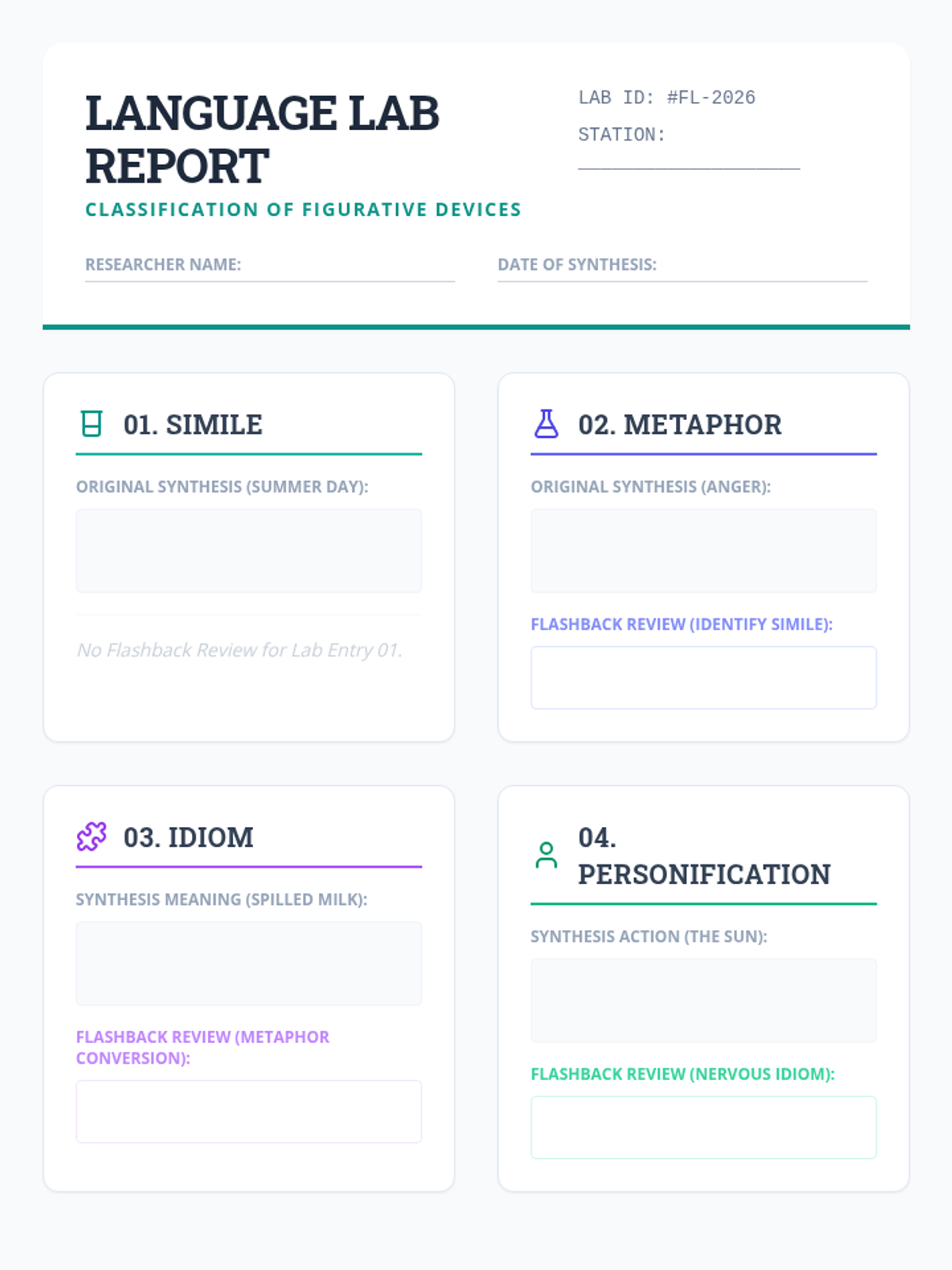
A comprehensive unit on figurative language, taking students from basic comparisons like similes and metaphors to complex devices like oxymorons and symbolism. Students act as 'Language Scientists' in a literary lab to synthesize and analyze text.
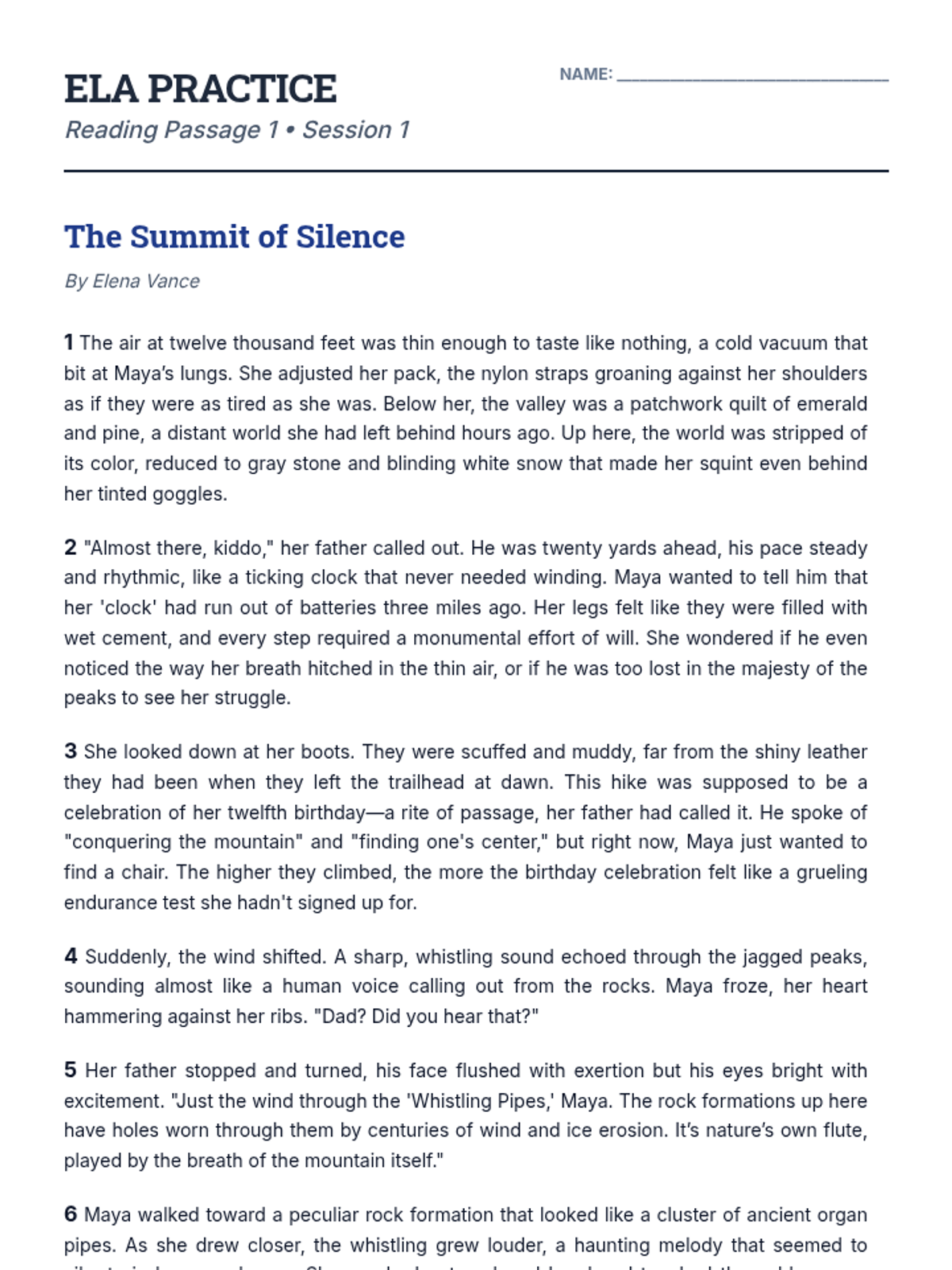
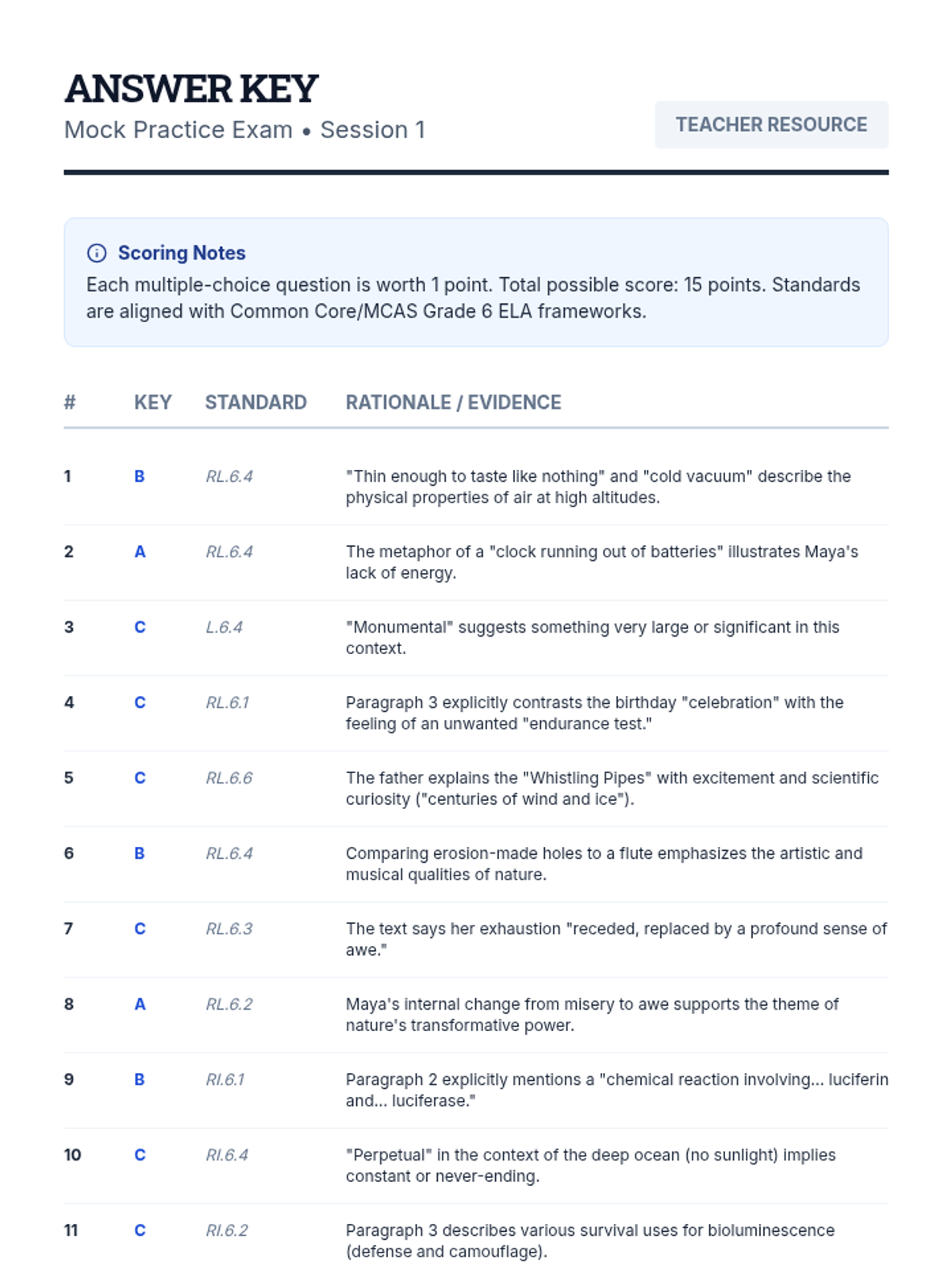
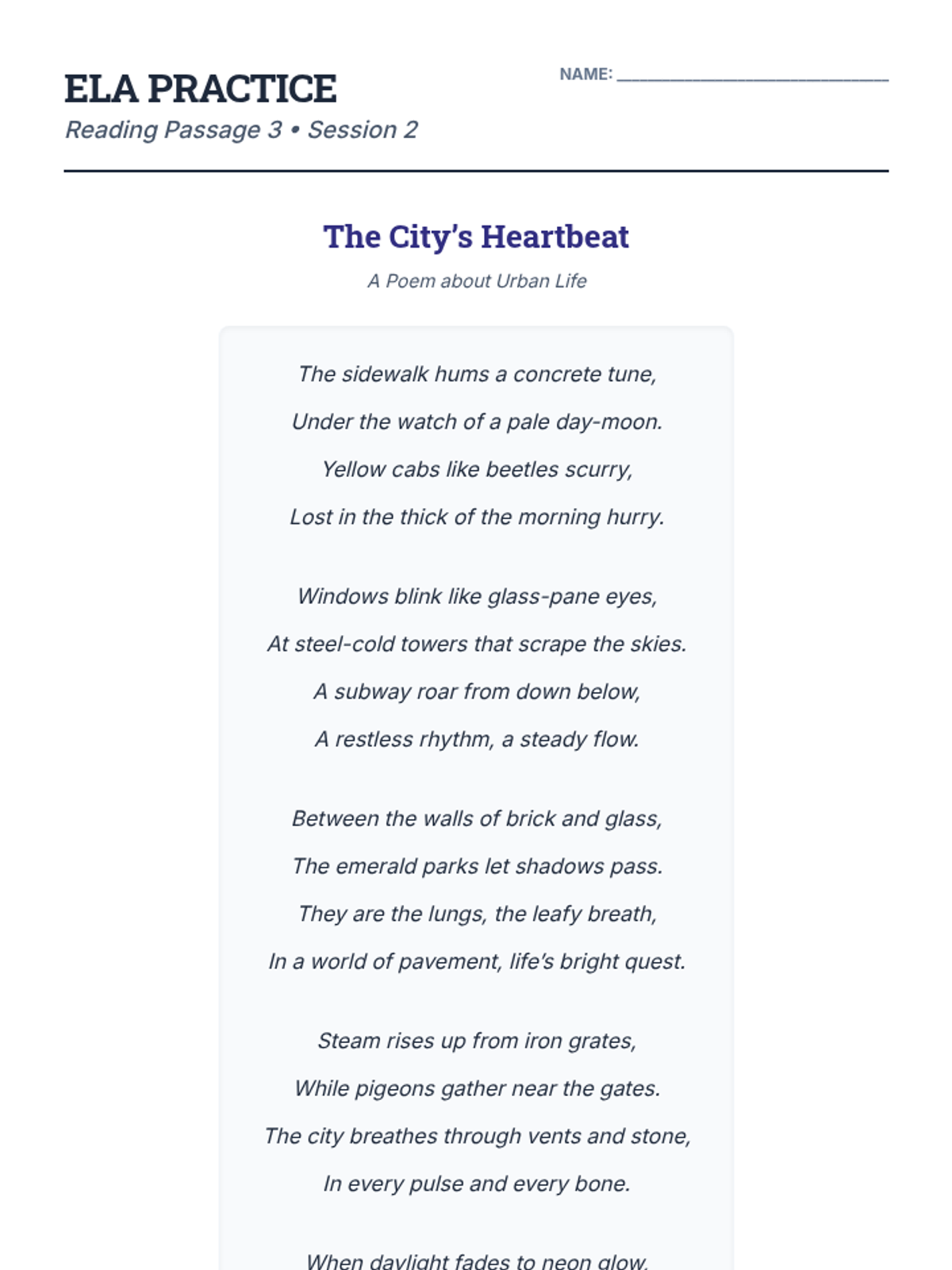
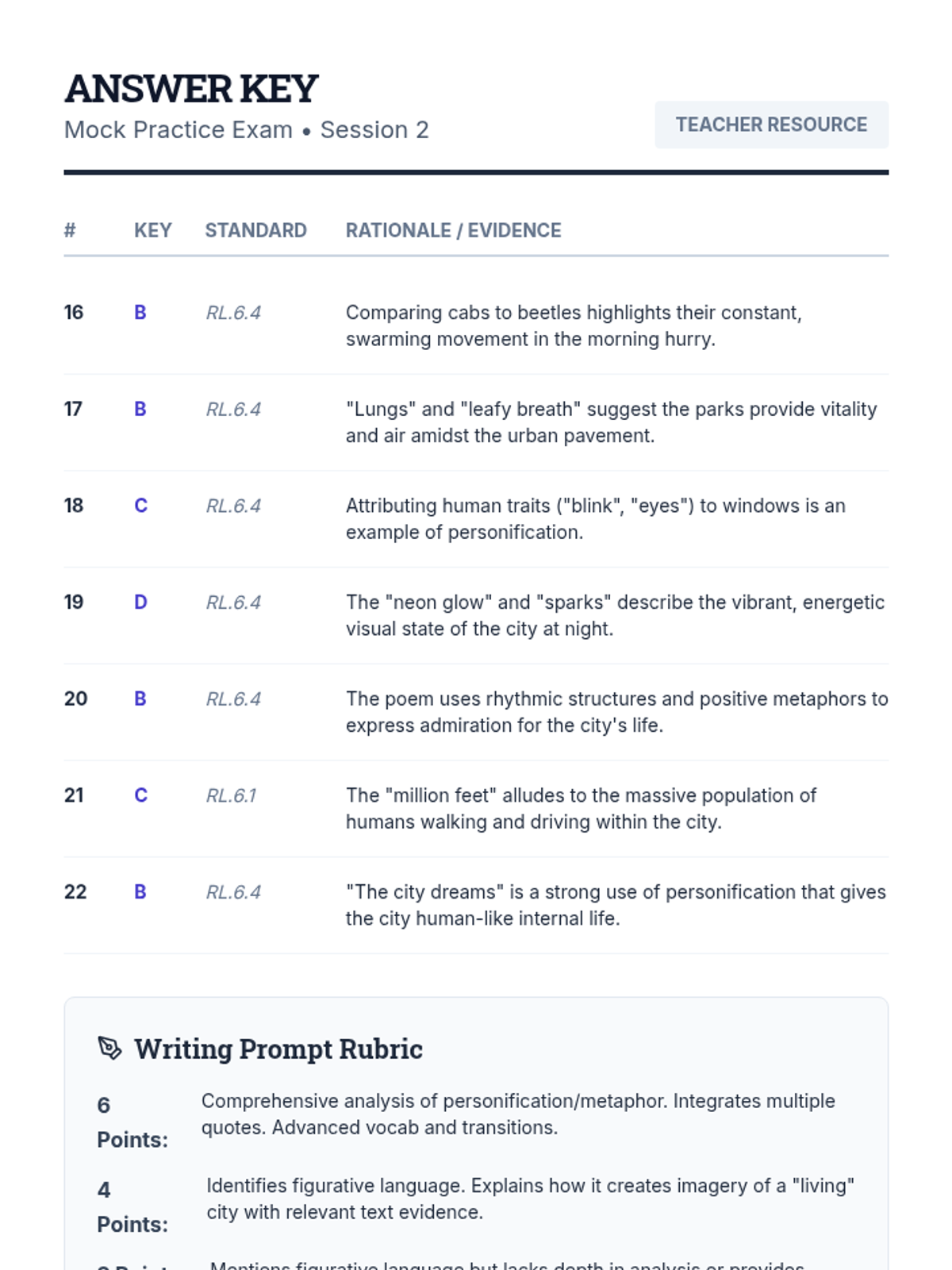
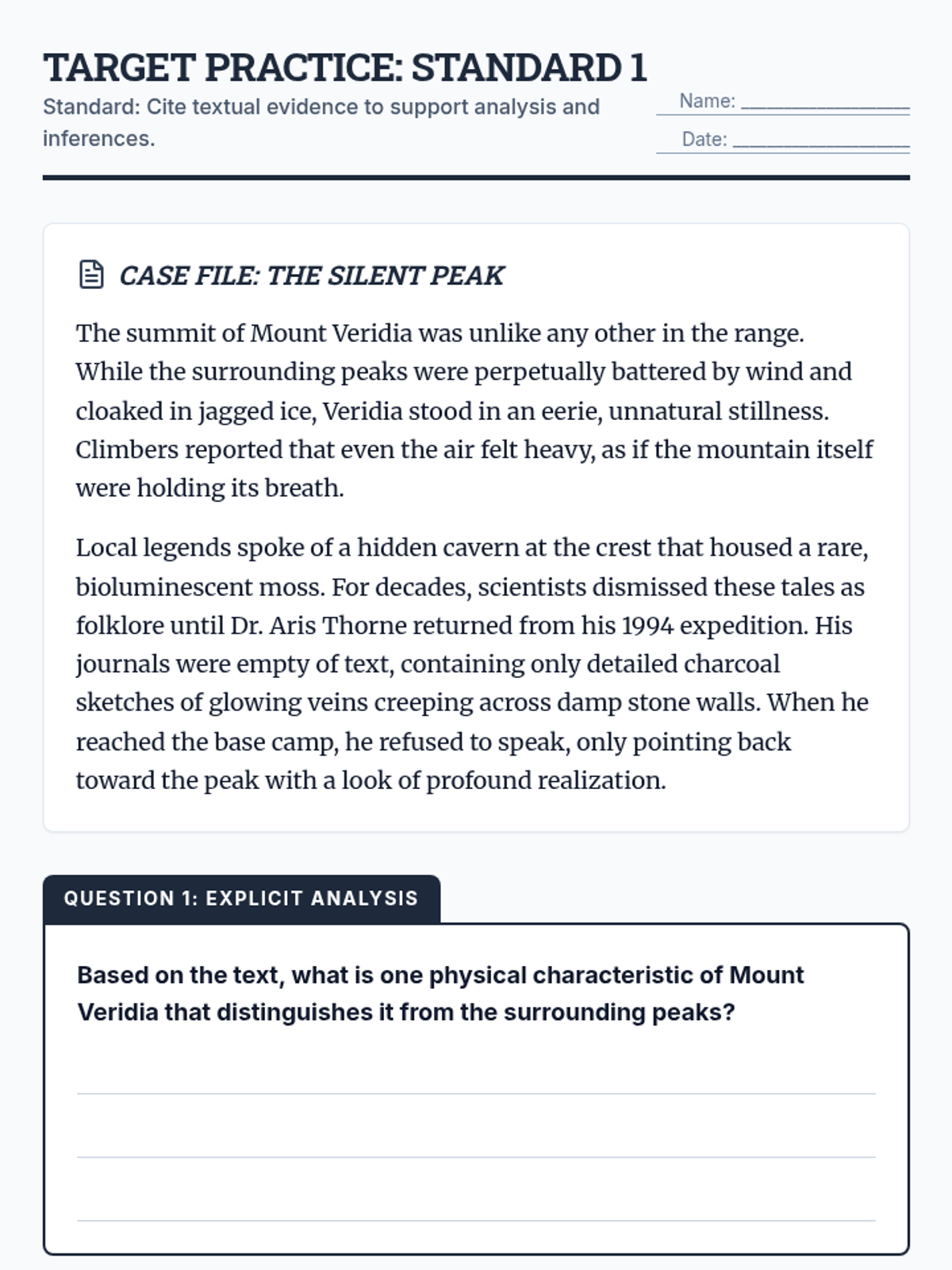
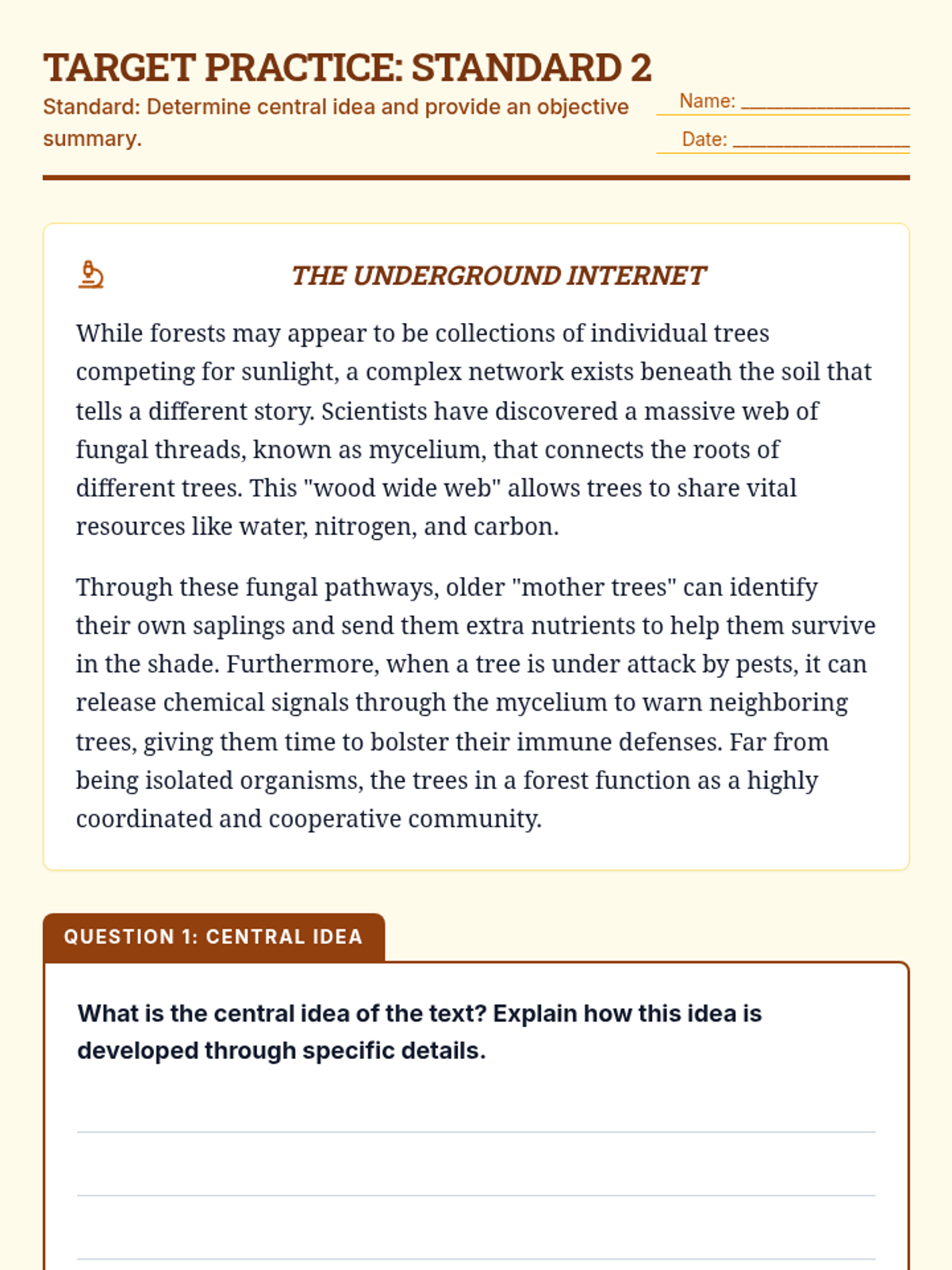
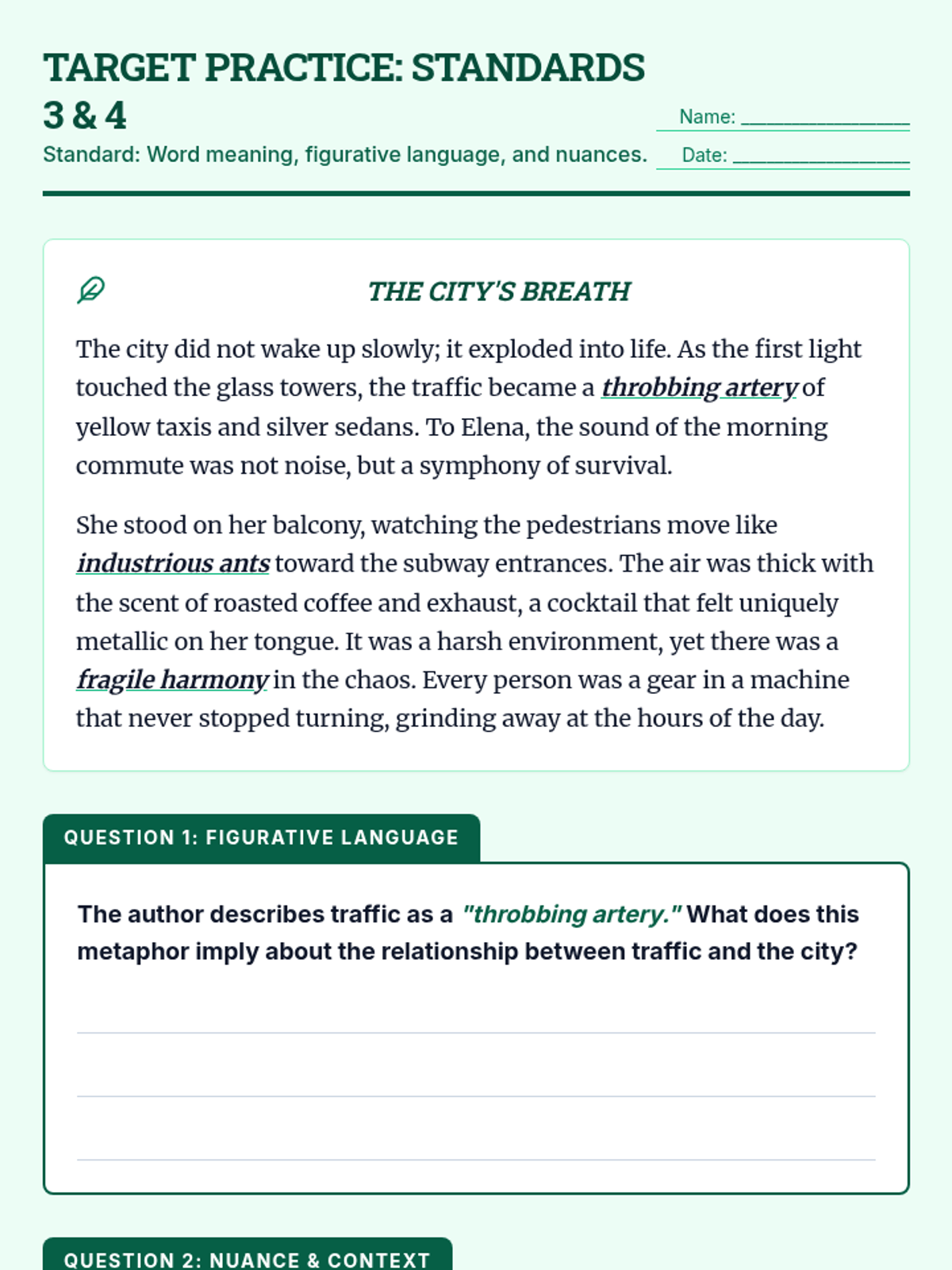
A comprehensive Grade 6 ELA MCAS preparation sequence designed to build stamina and familiarity with standardized testing formats through high-quality passages and standards-aligned questions.
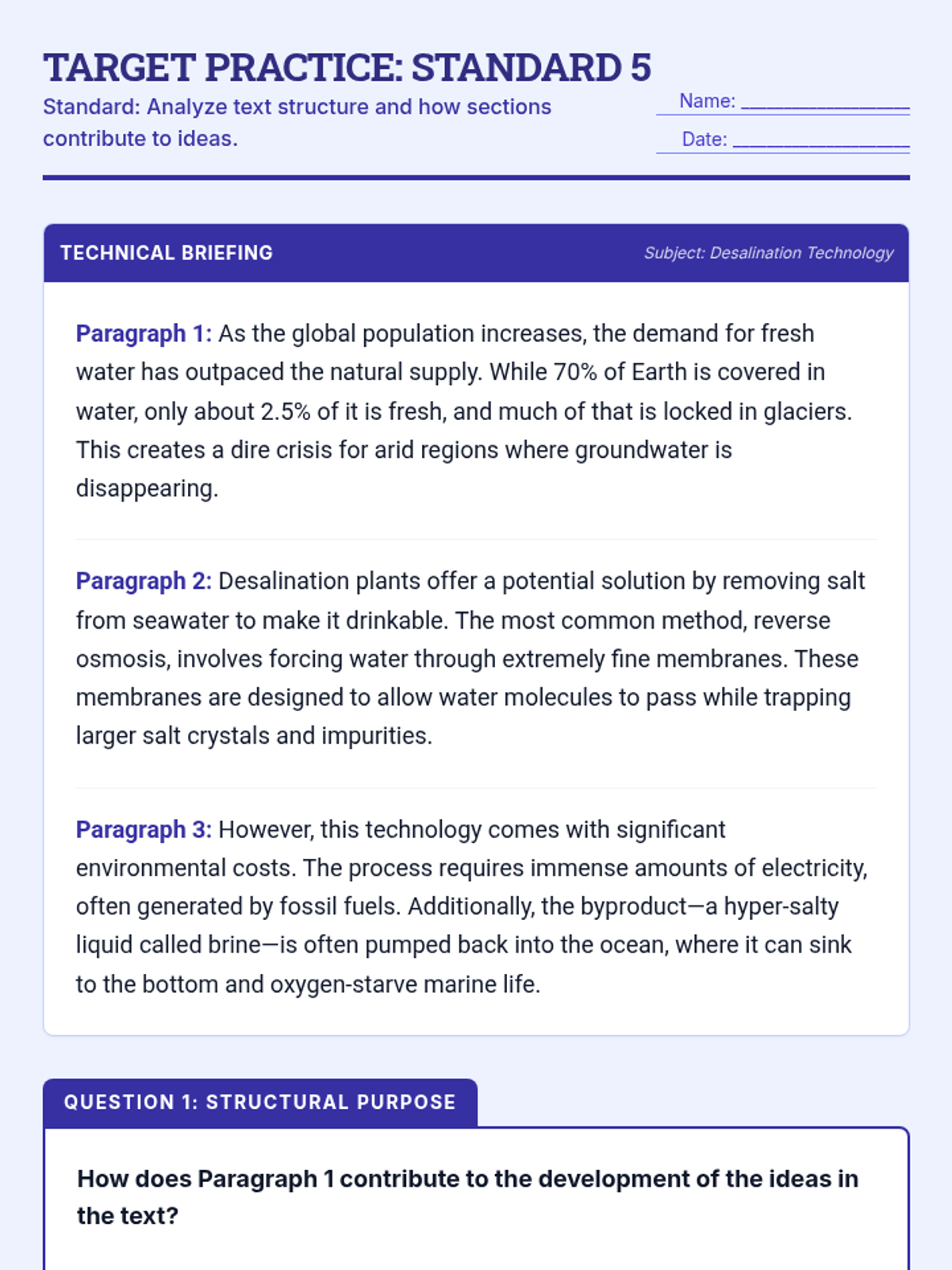
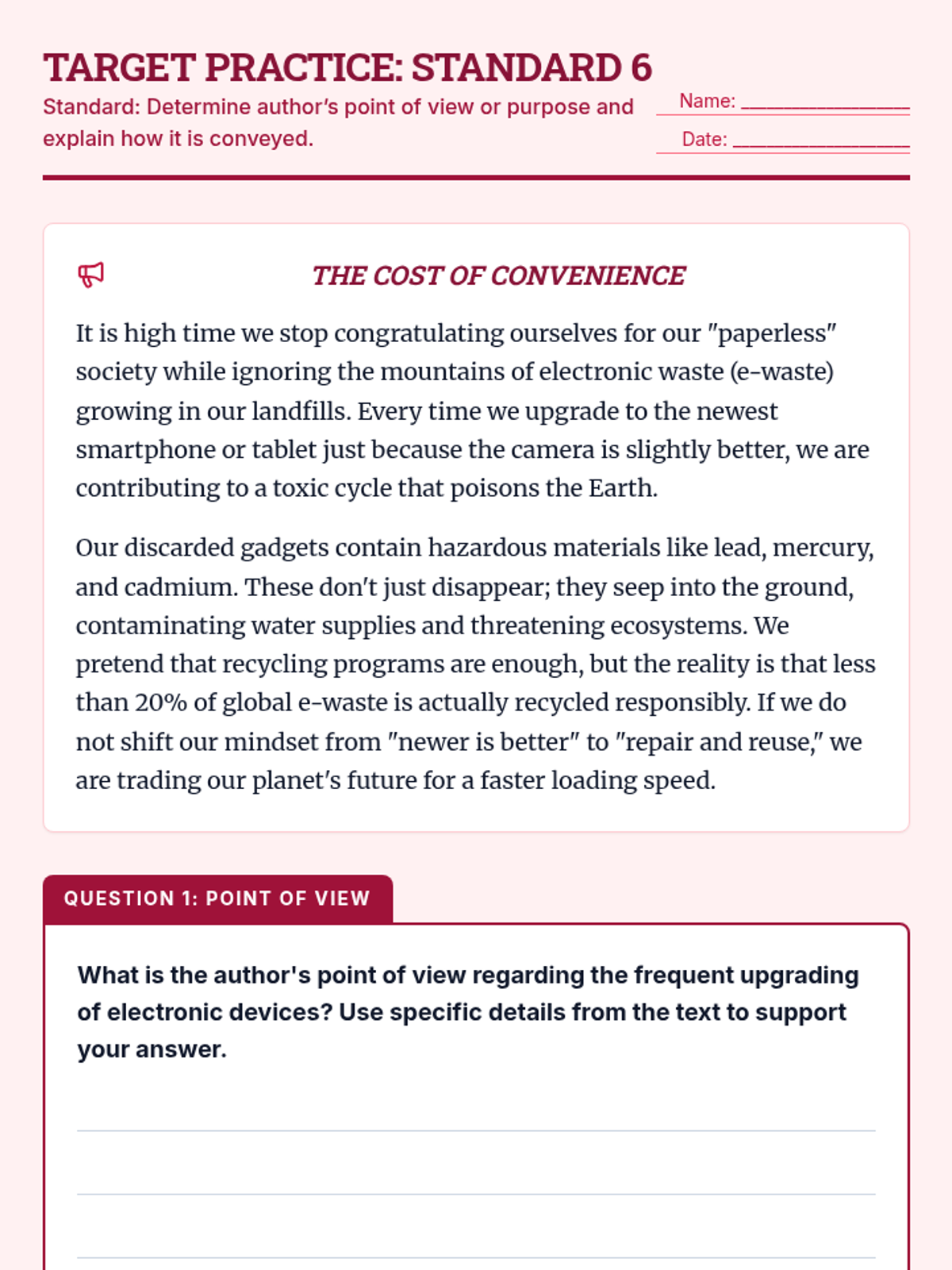
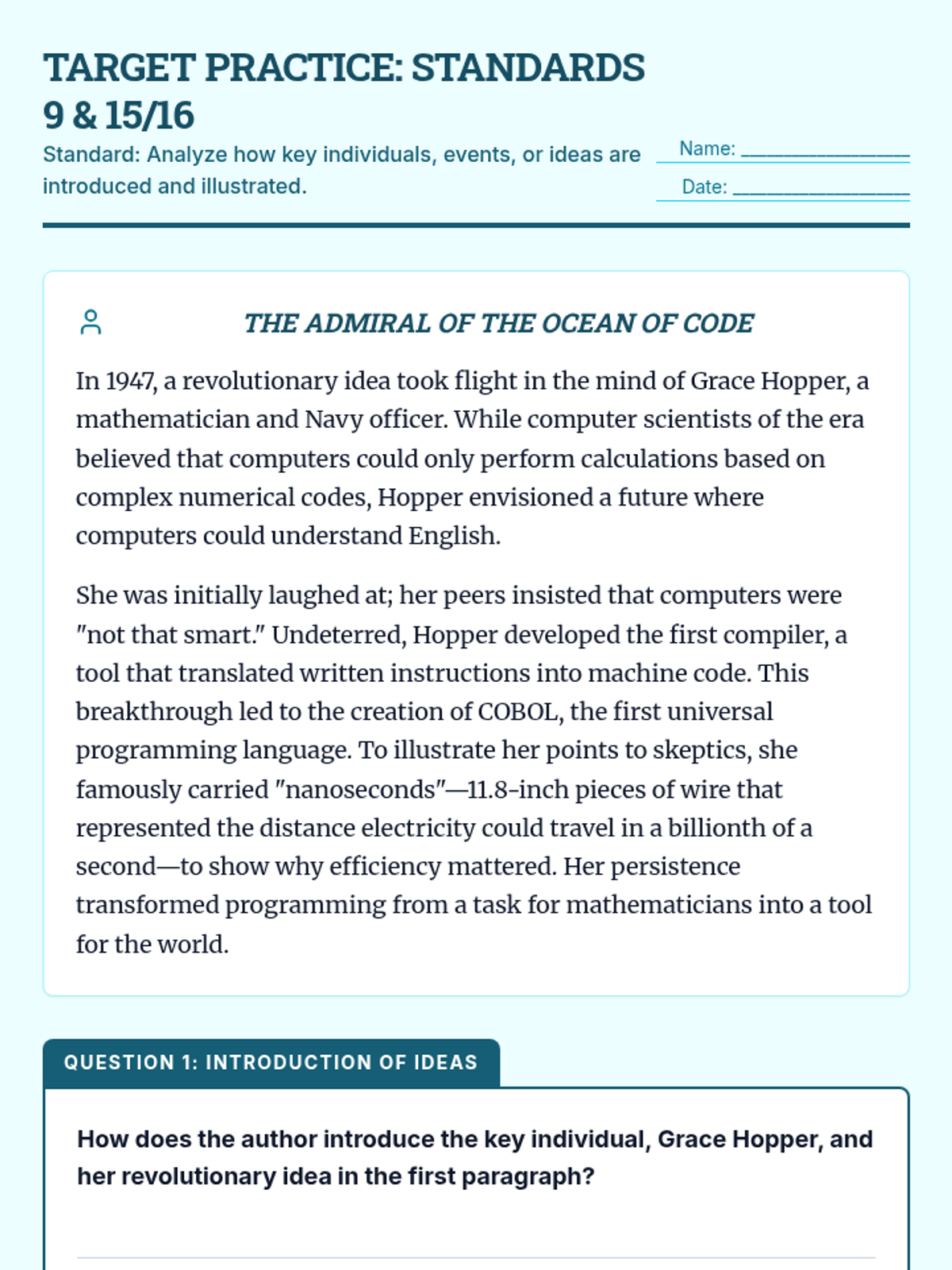
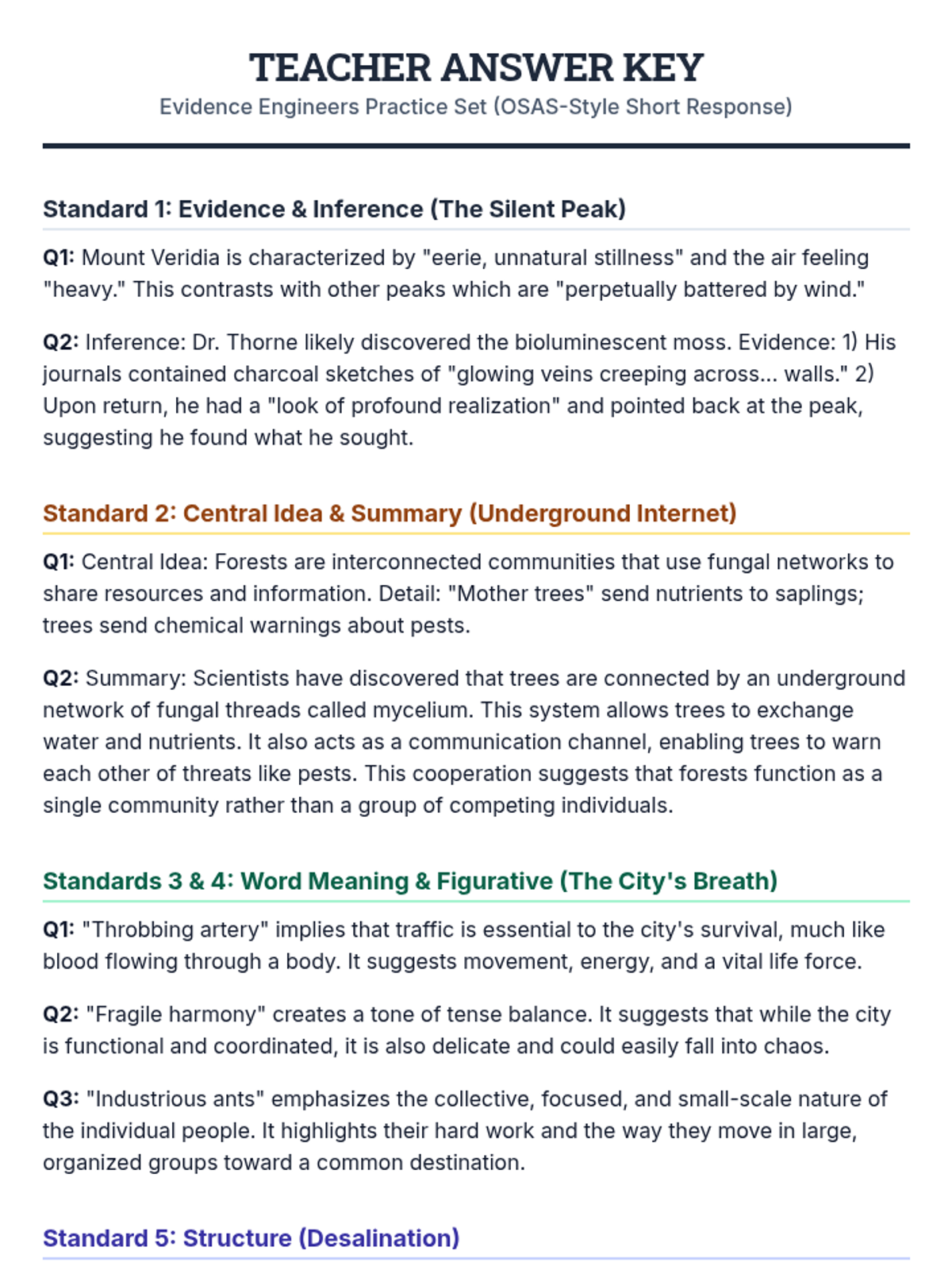
A multi-tiered ELA practice sequence designed to master OSAS-style short response questions across a range of informational and literary standards.
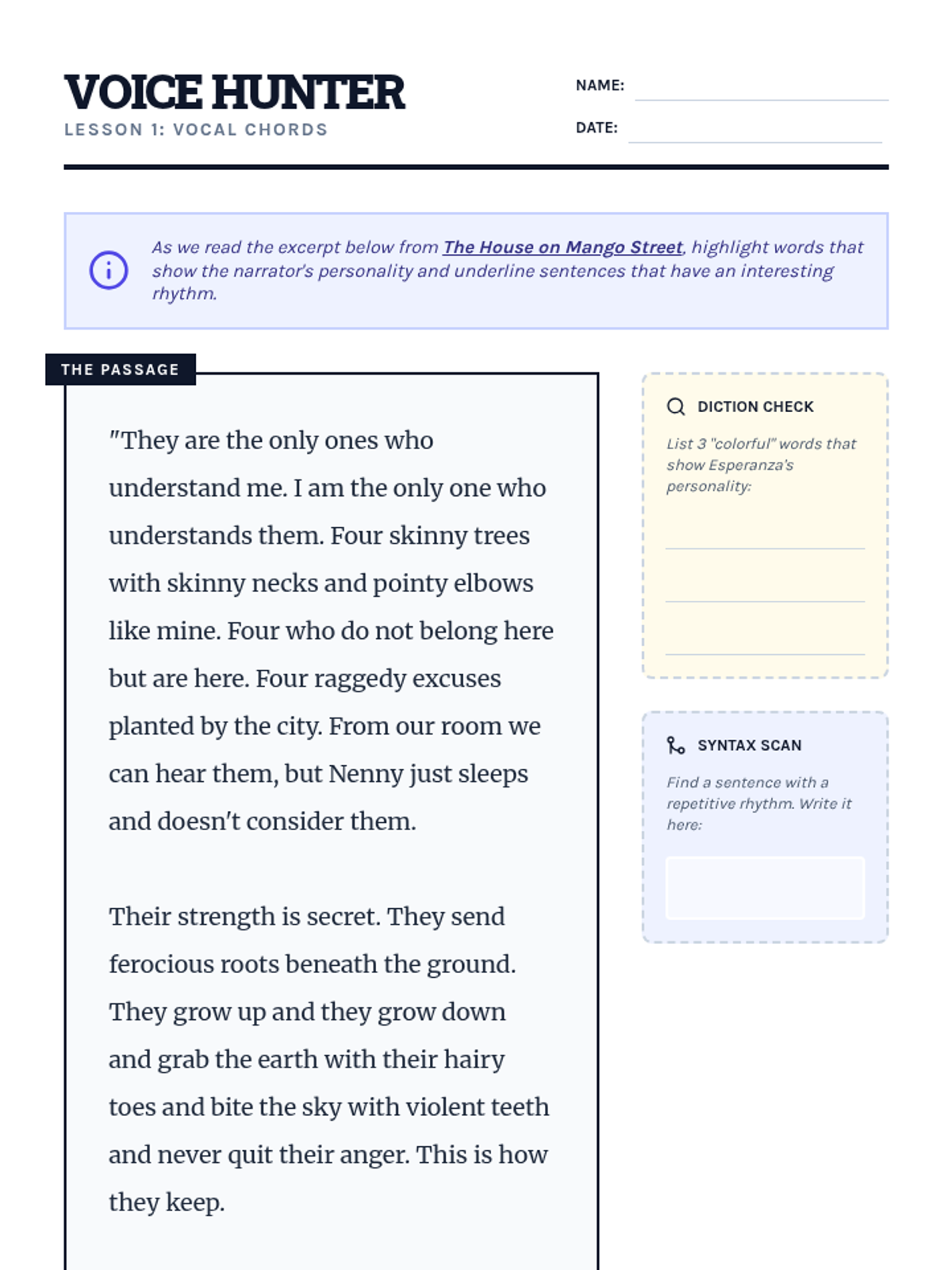
A middle school ELA unit exploring how authors use word choice, sentence structure, and personal history to craft unique voices and distinct perspectives. Students analyze contemporary literature and informational texts to understand the relationship between identity and narrative.
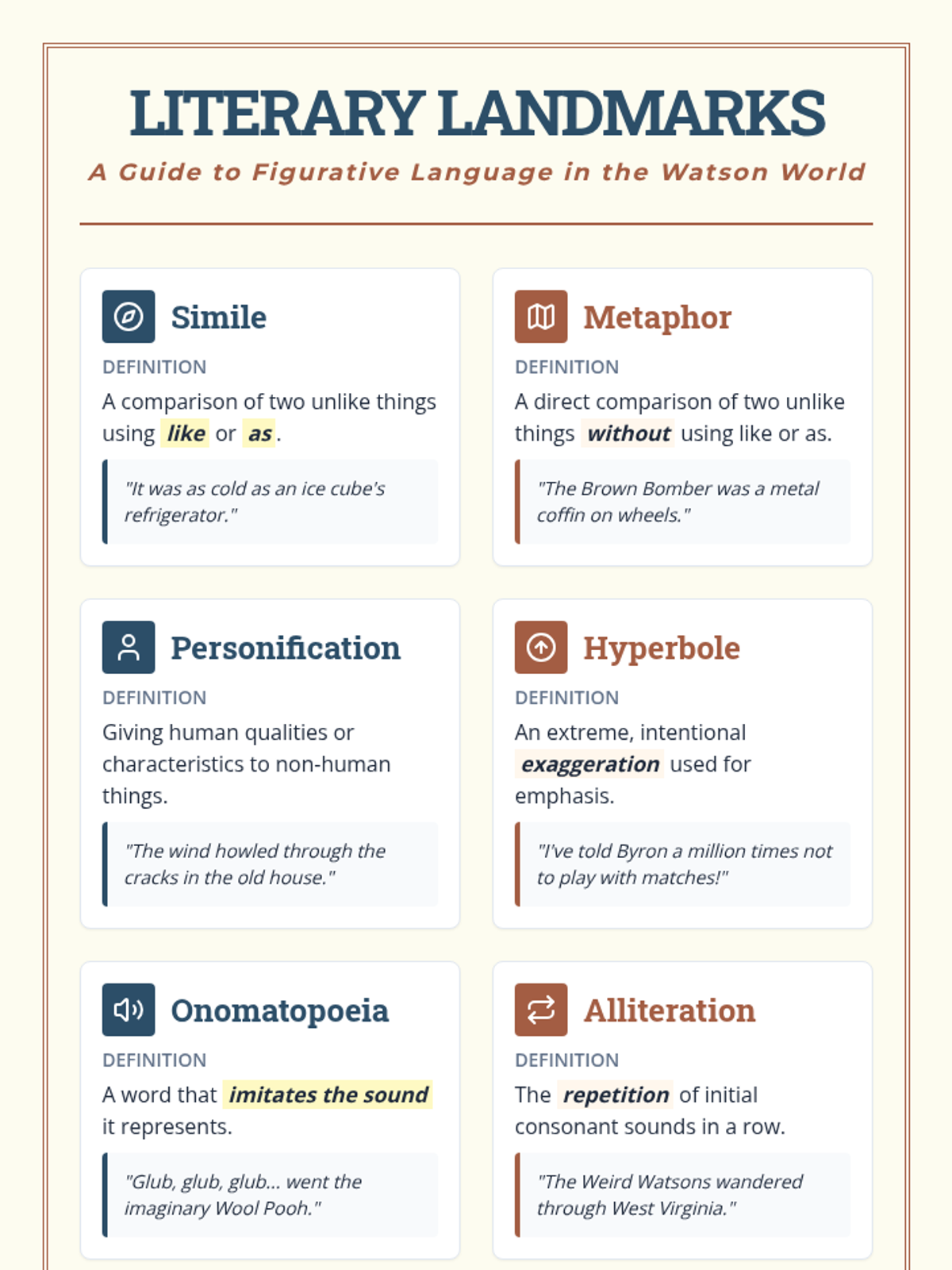
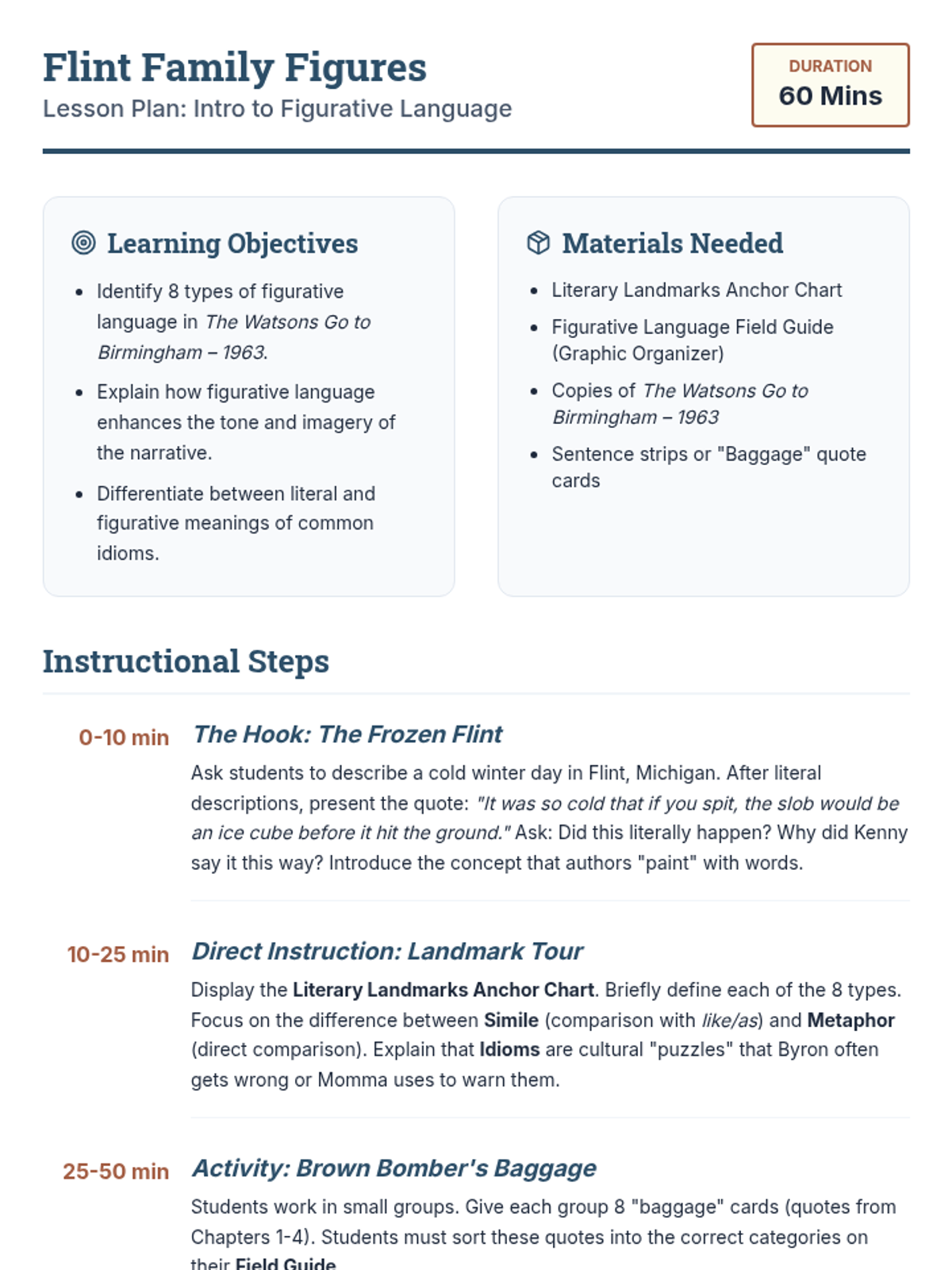
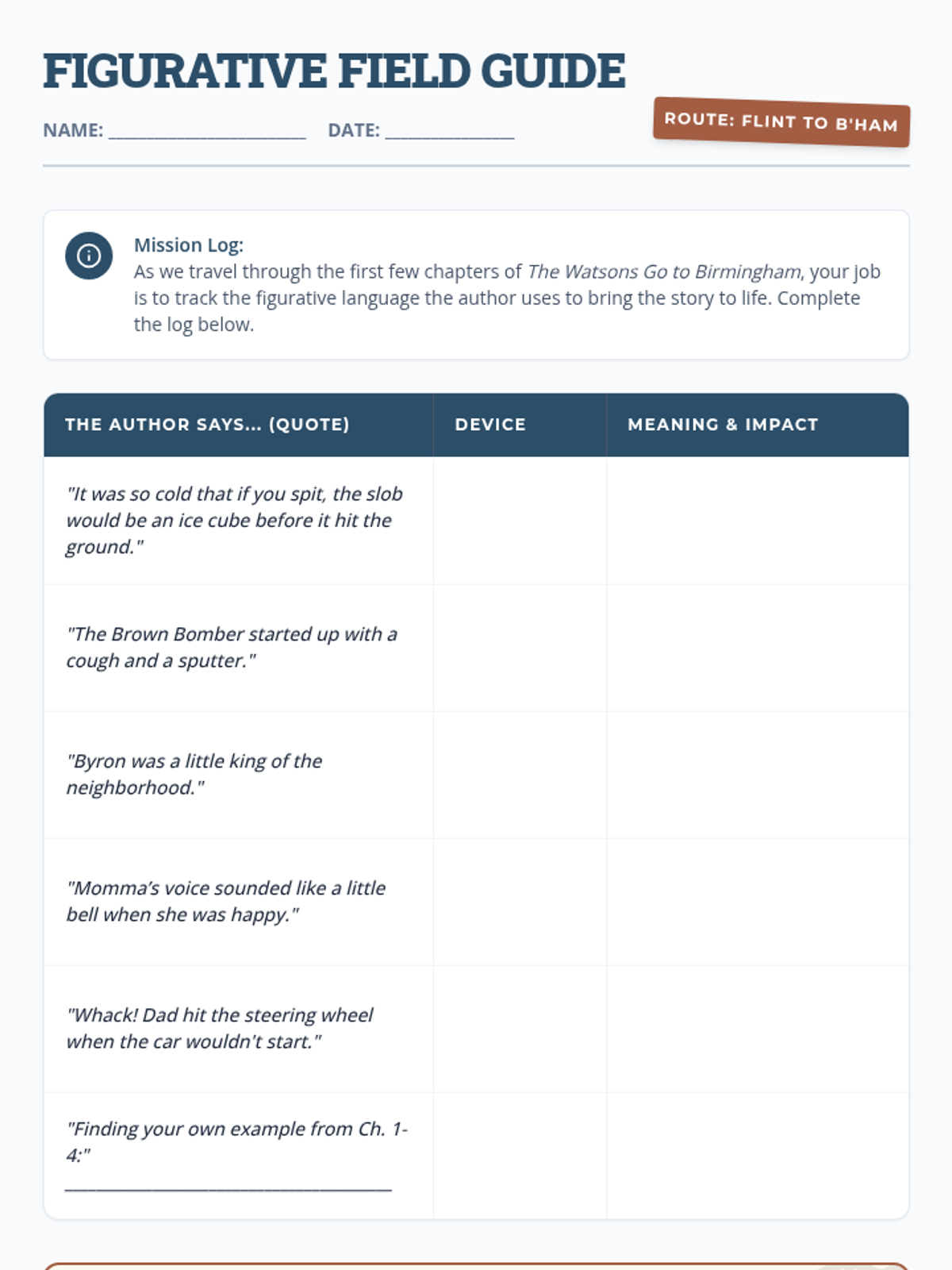
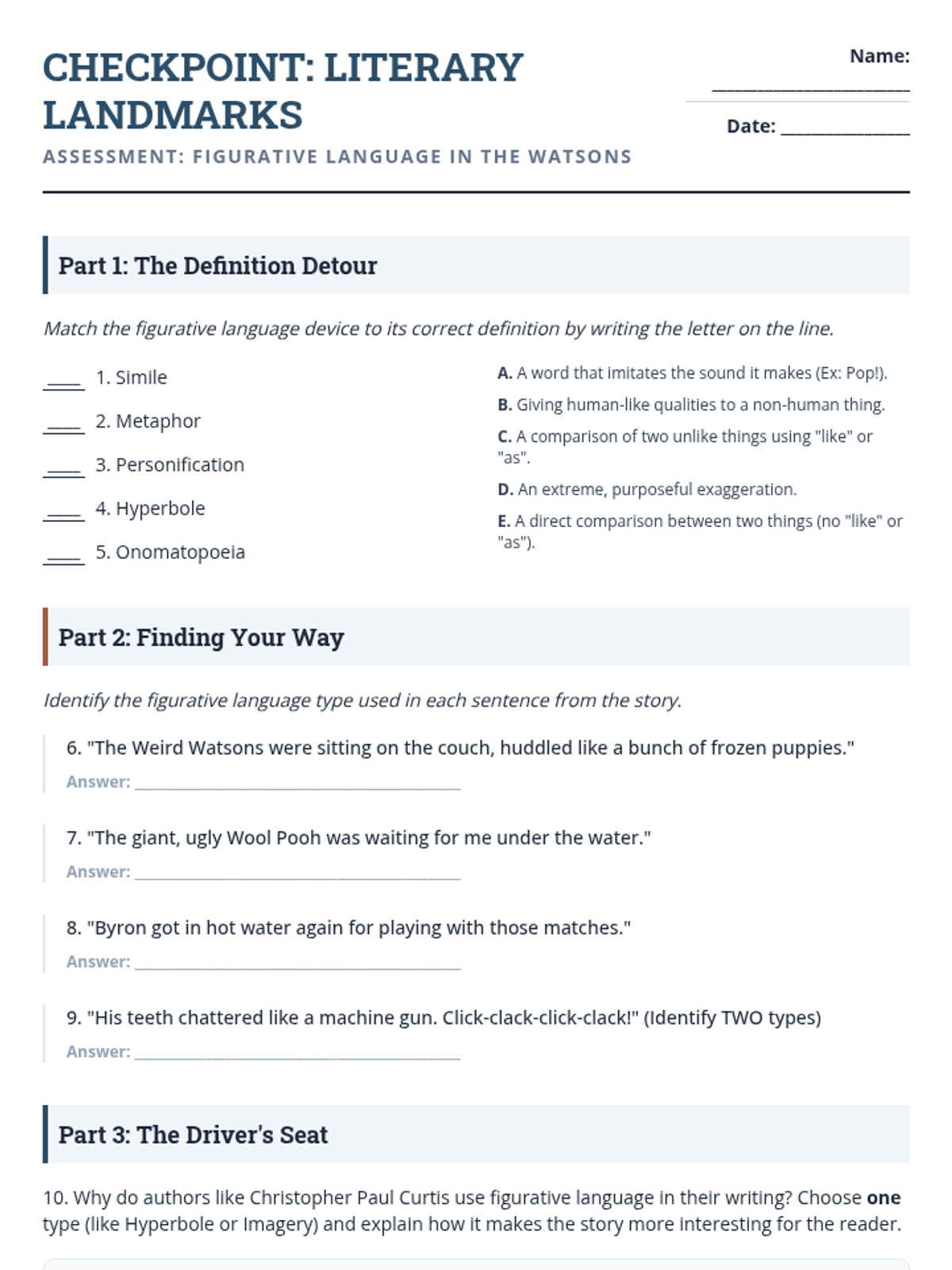
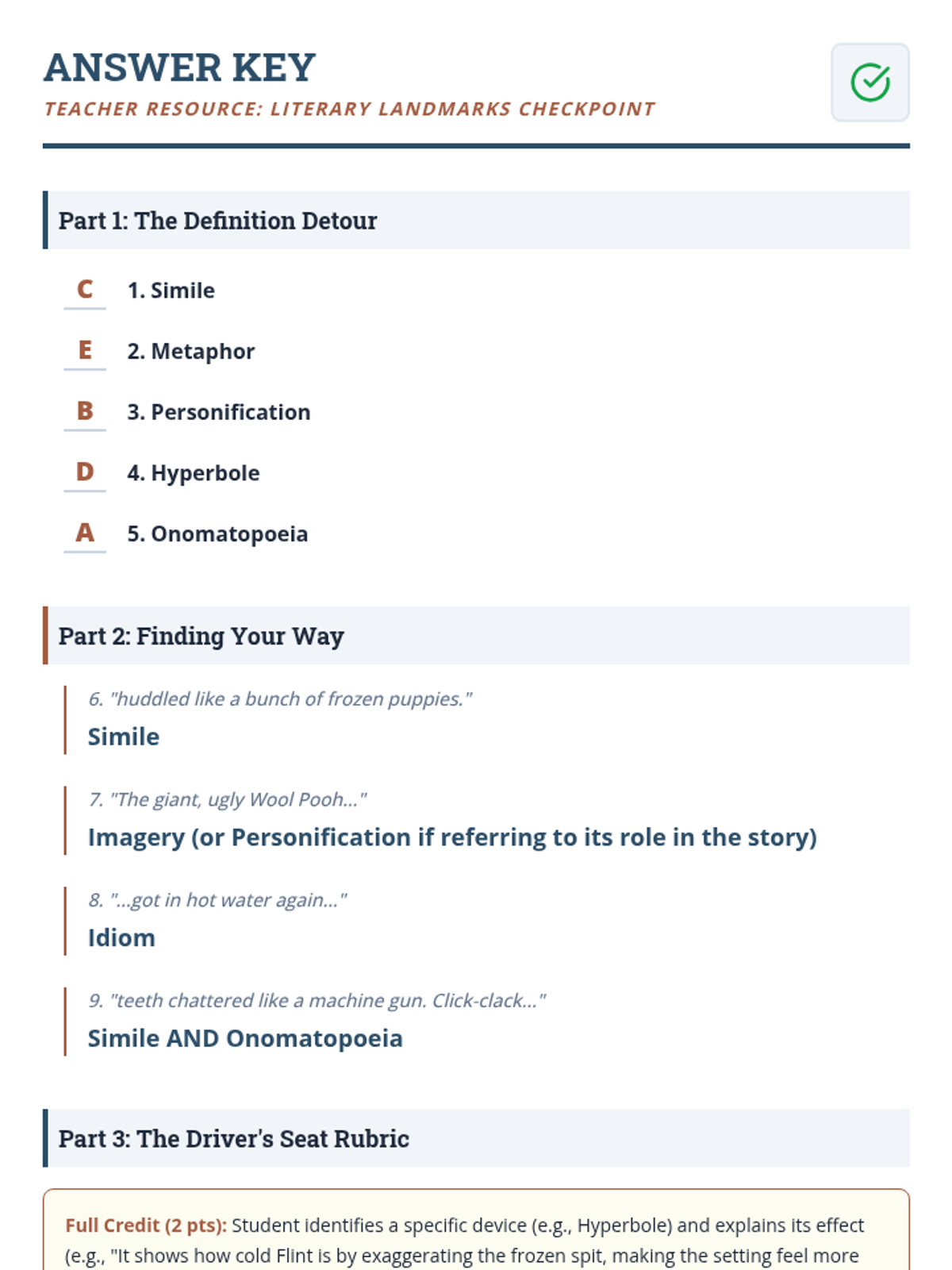
A comprehensive unit introduction to figurative language using 'The Watsons Go to Birmingham – 1963' as the primary text context for 6th-grade students.
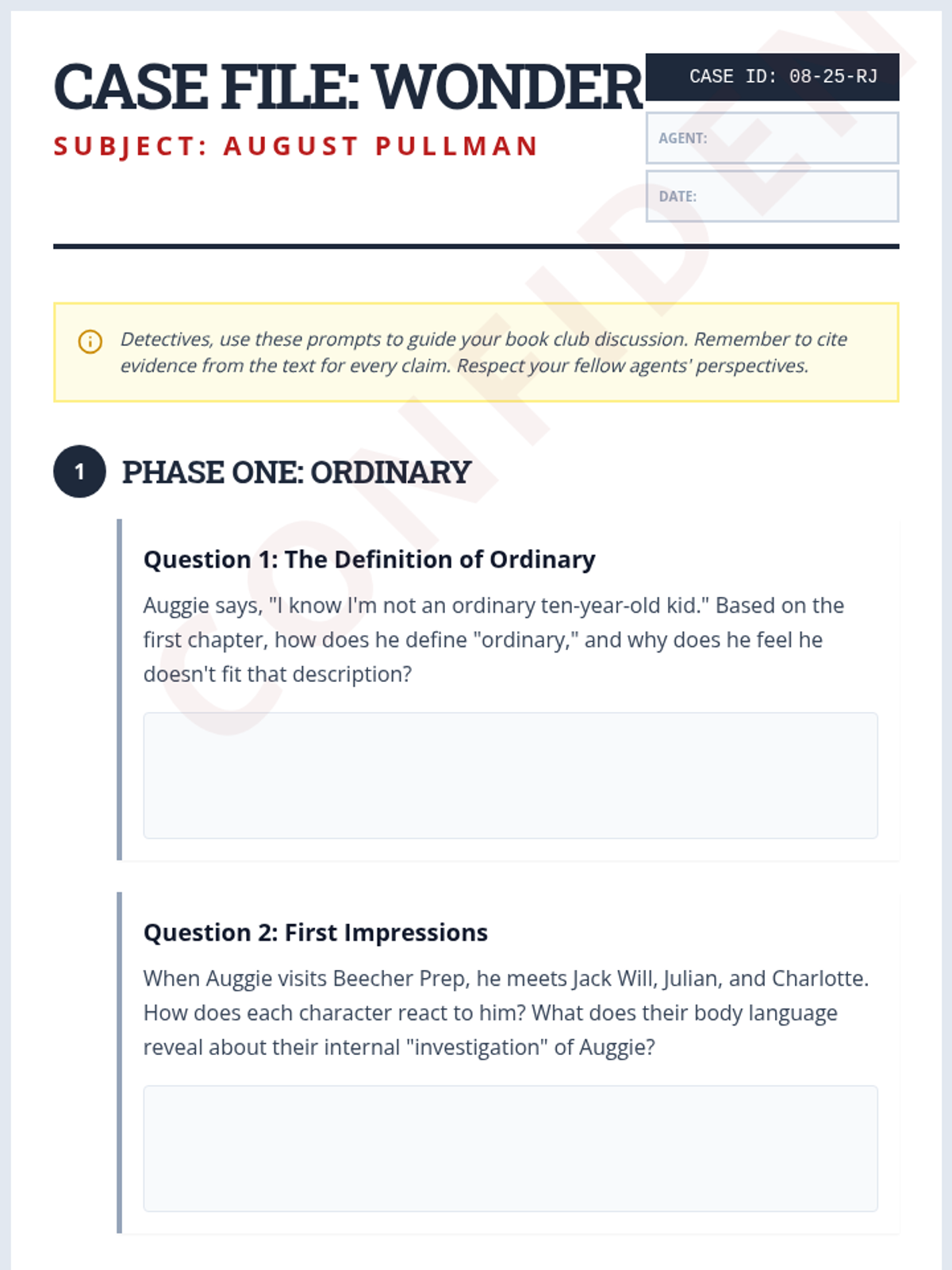
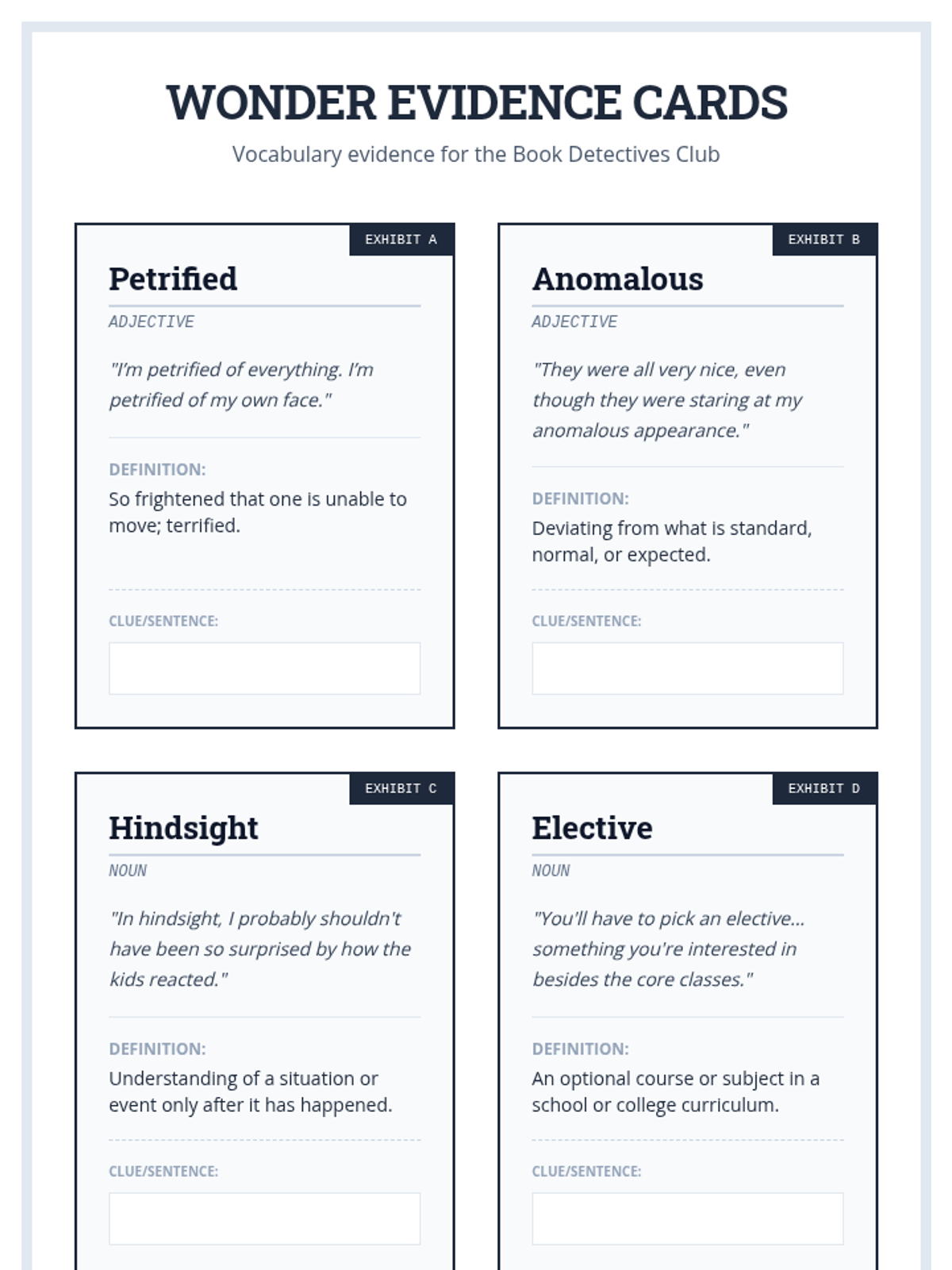
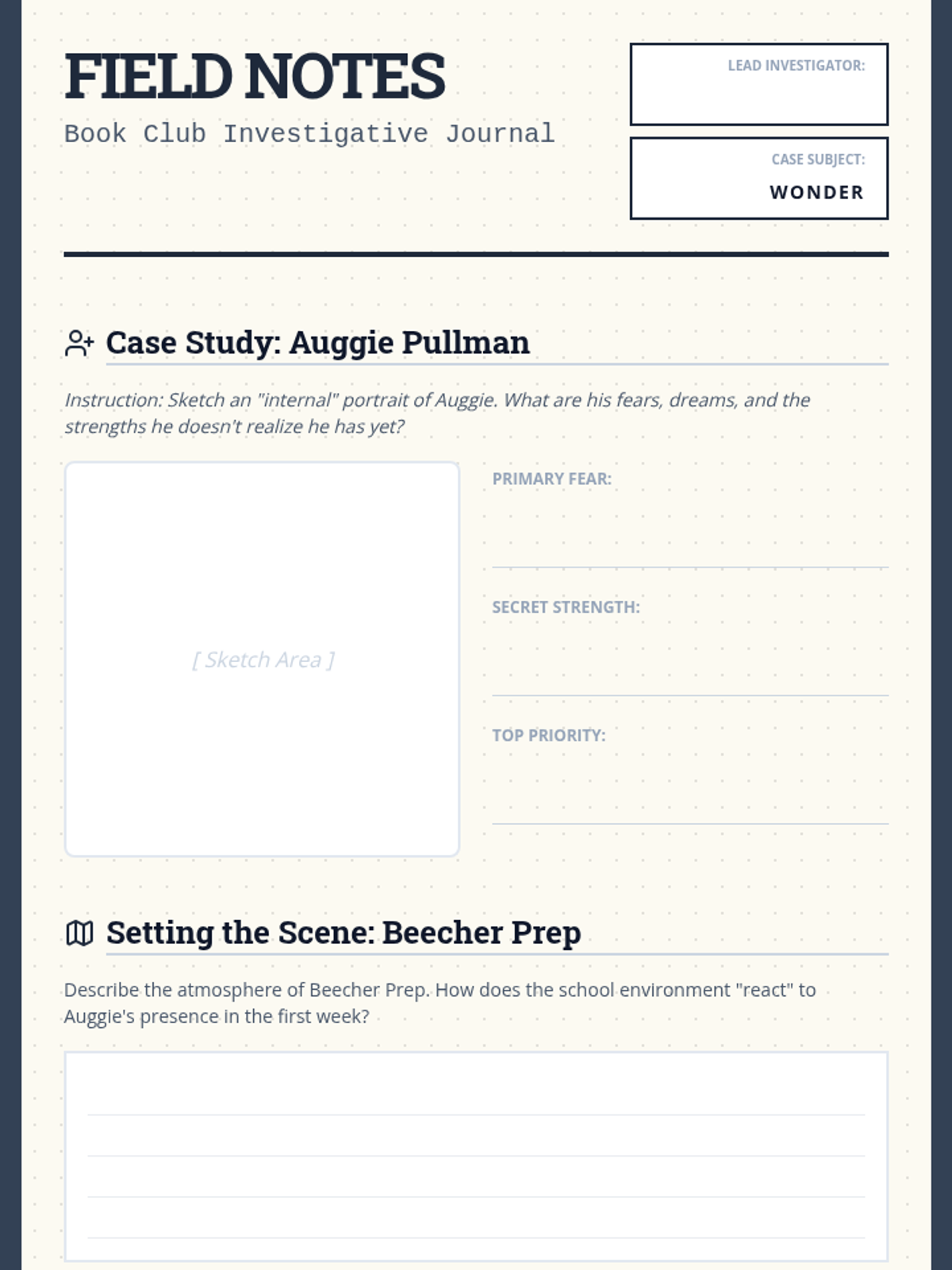
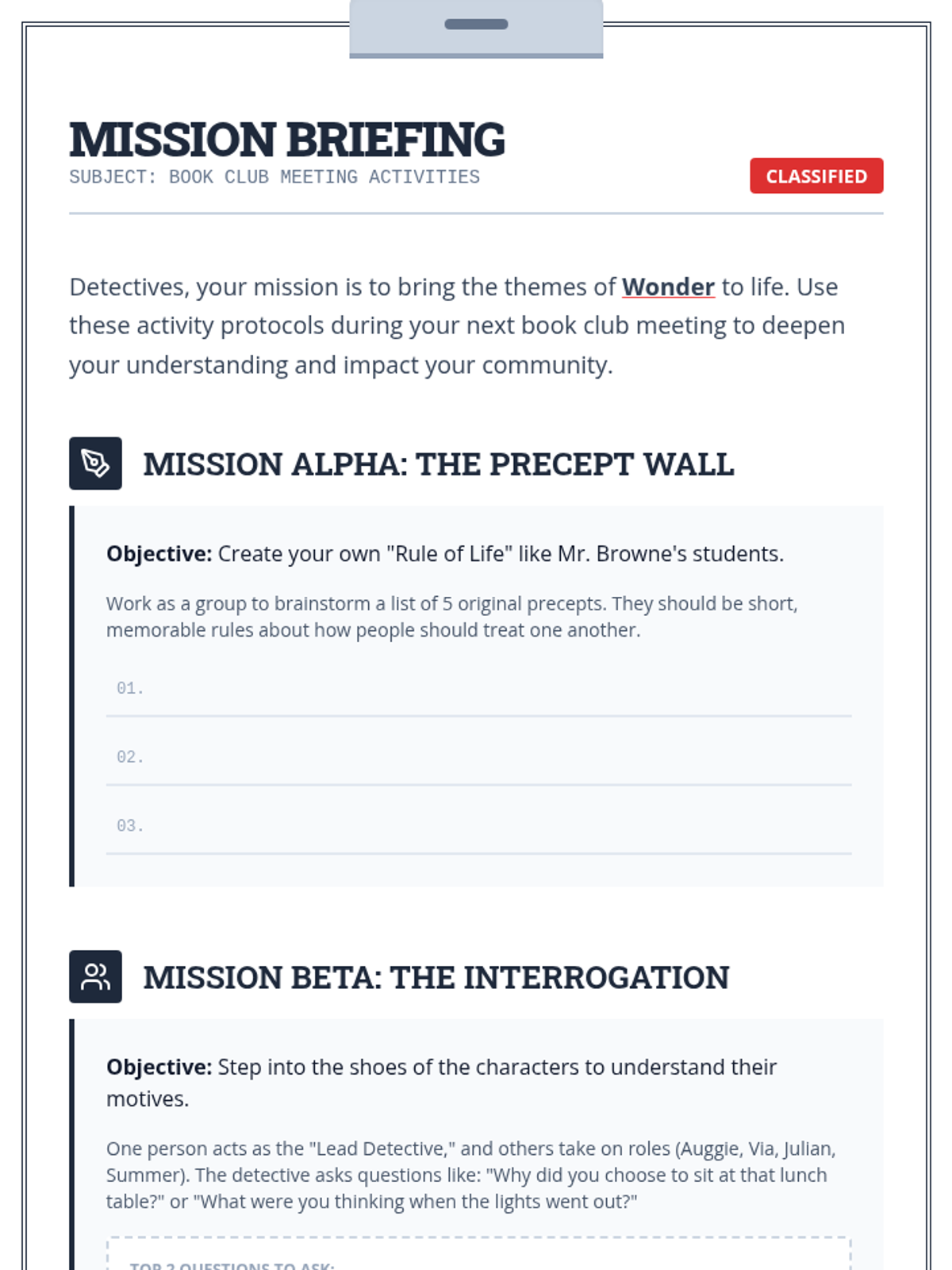
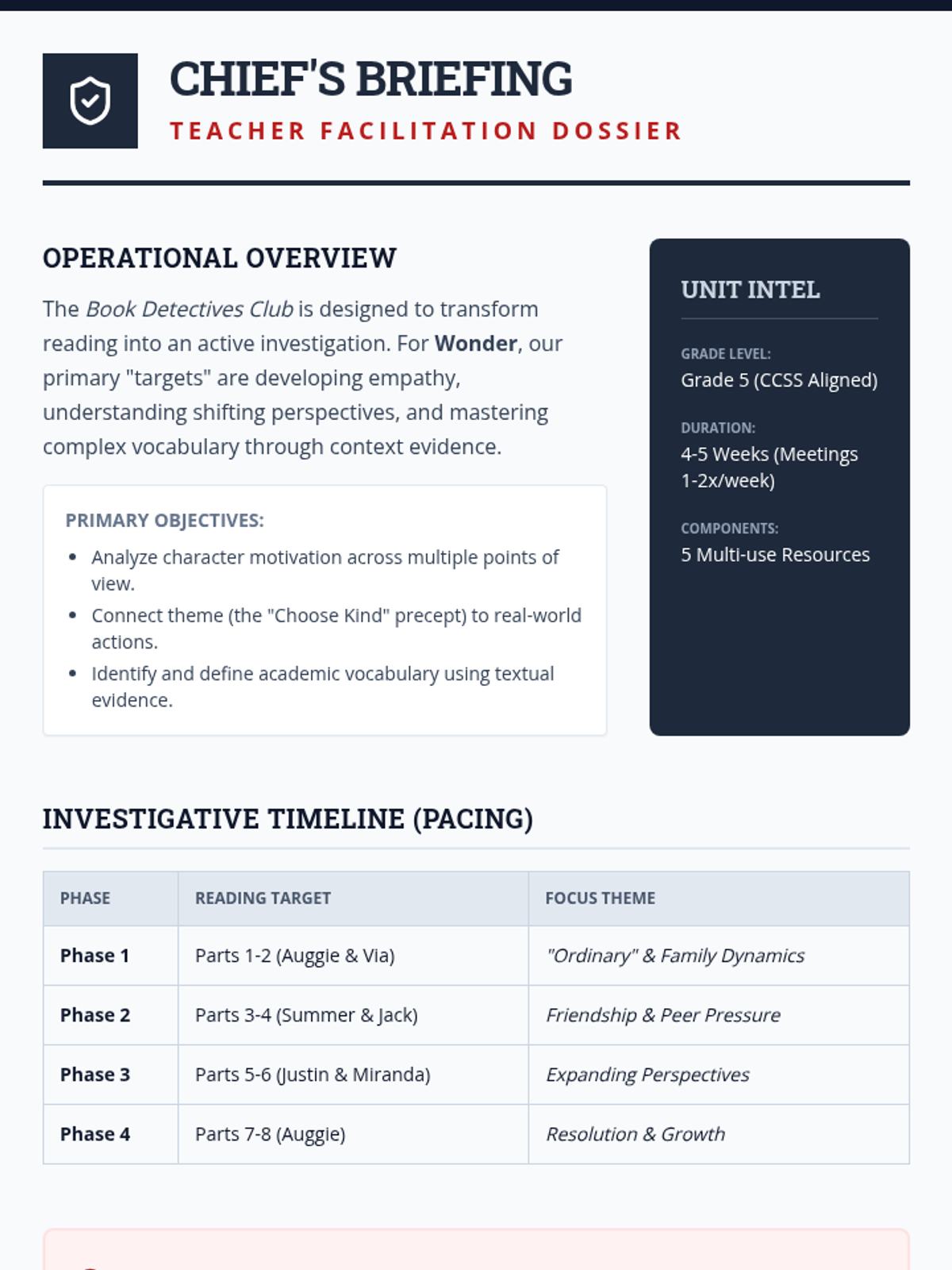
A comprehensive book club unit themed around a detective agency, focusing on R.J. Palacio's 'Wonder' to develop comprehension, empathy, and collaborative discussion skills.
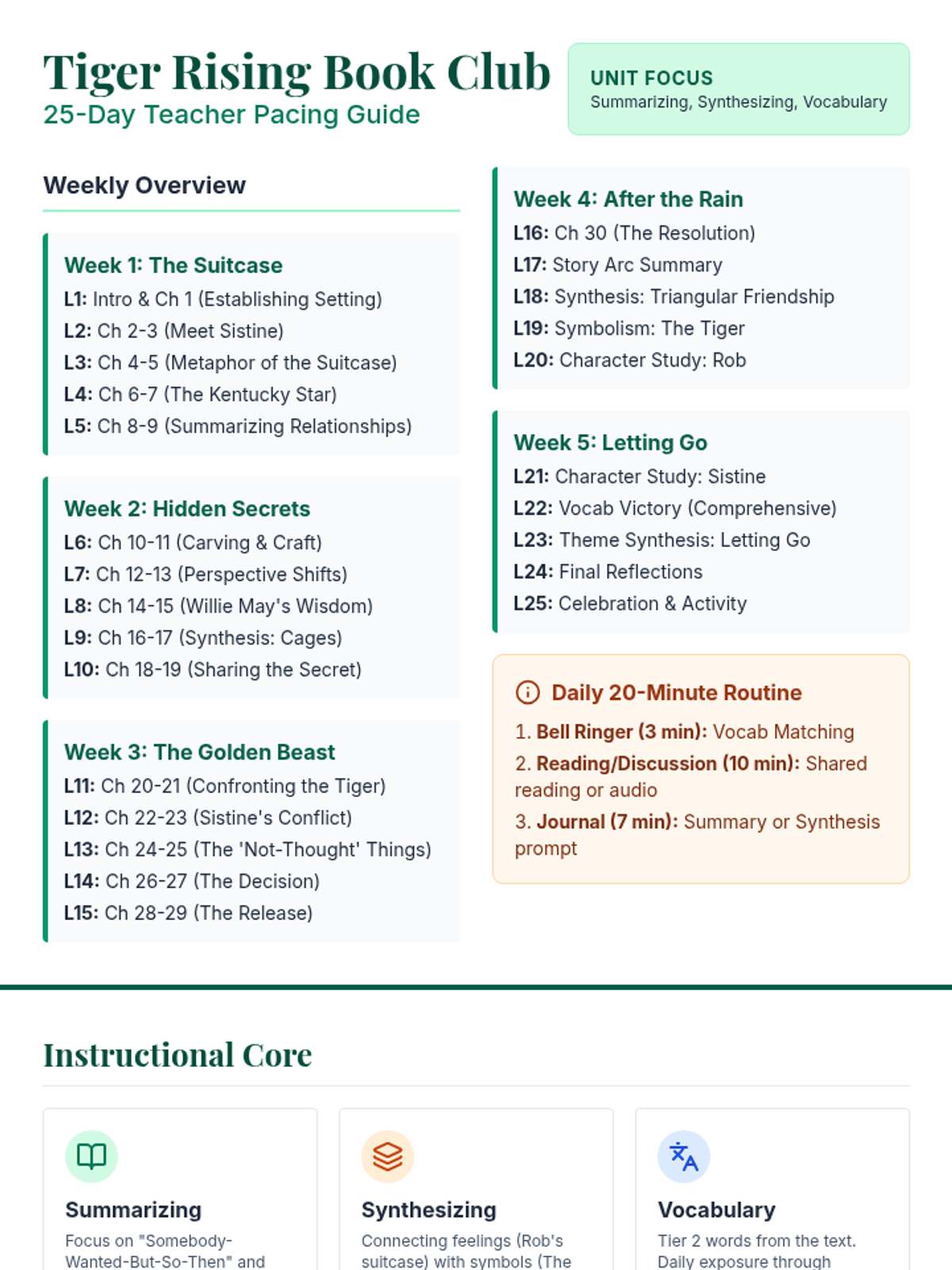
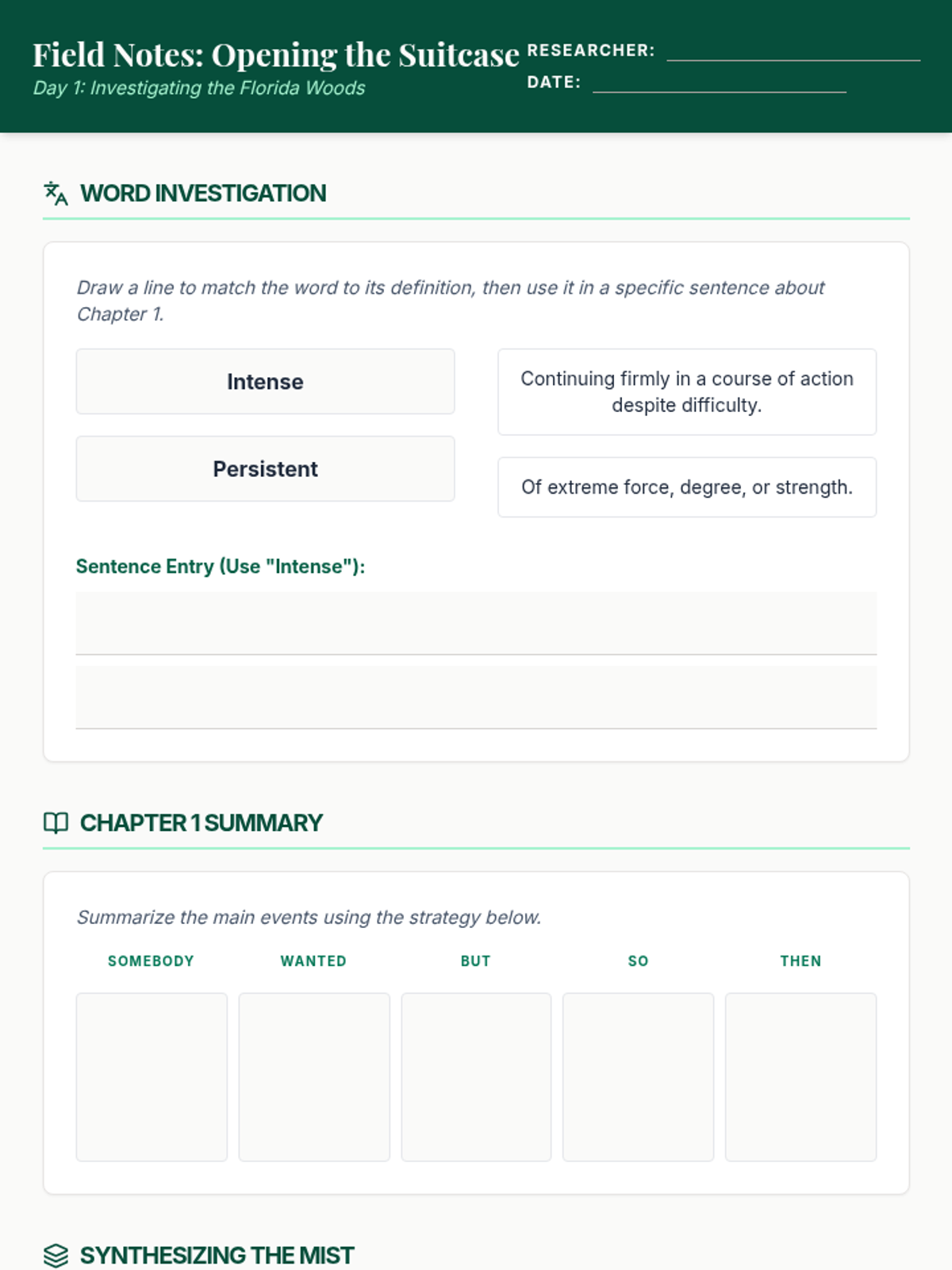
A comprehensive 25-lesson book club unit for 'The Tiger Rising' by Kate DiCamillo, focusing on summarizing, synthesizing, and vocabulary development through the lens of a Florida woods field journal.
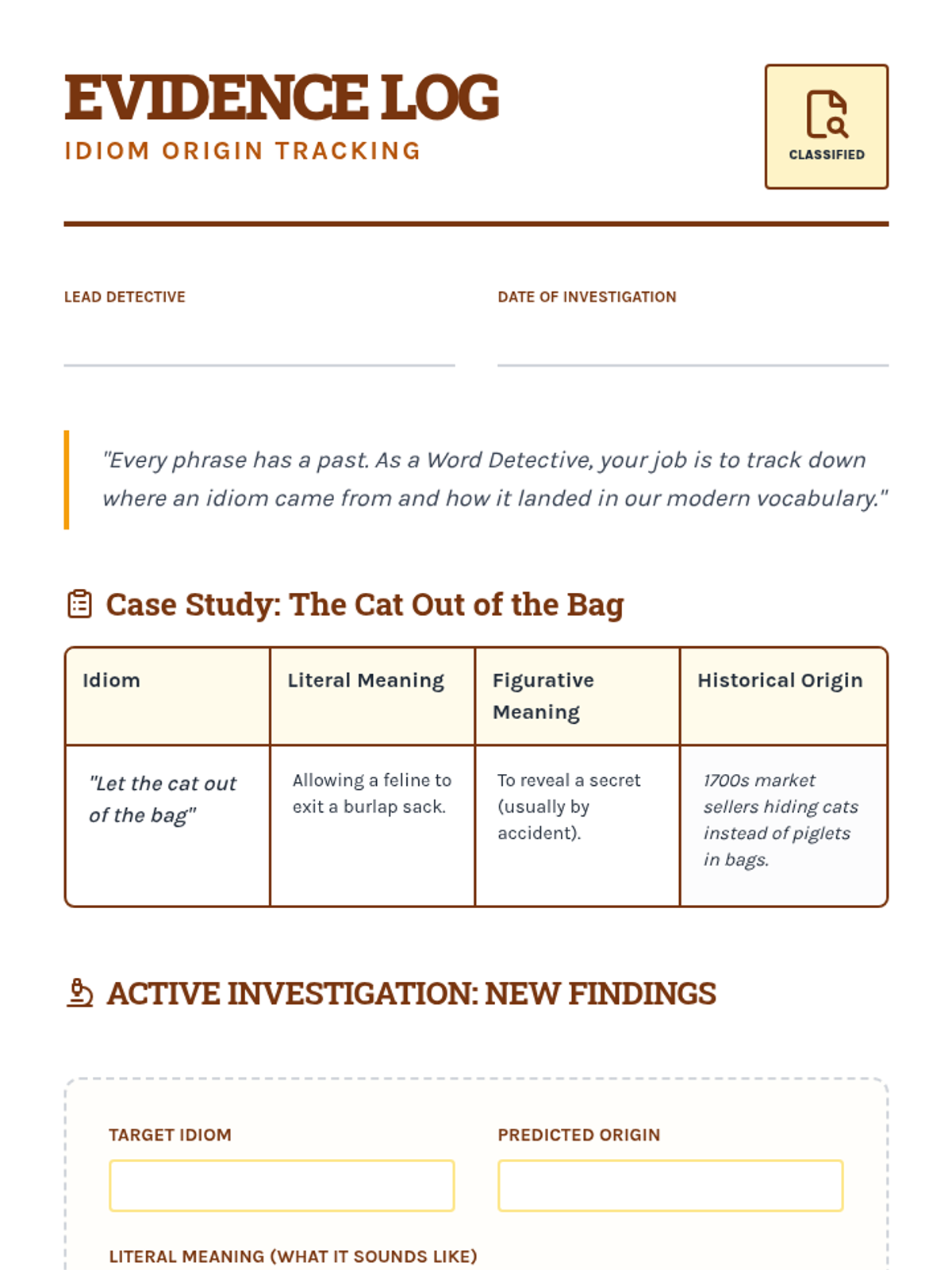
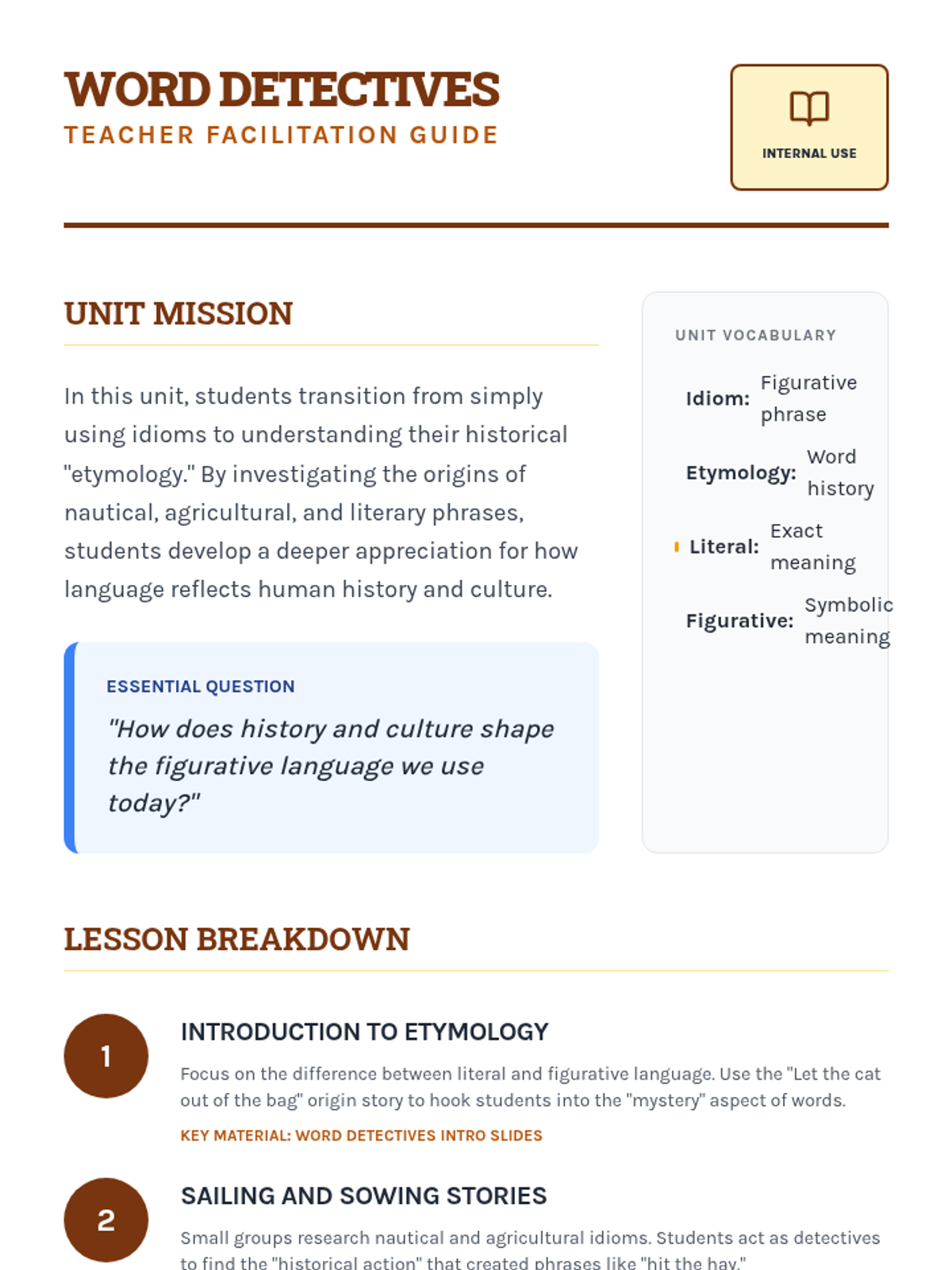
Students investigate the historical origins of English idioms, acting as linguistic detectives to explore how Shakespeare, nautical history, and agriculture shaped modern figurative language.
Students investigate the historical origins and etymology of common idioms, acting as 'Word Detectives' to uncover how nautical, agricultural, and literary history shaped modern English.
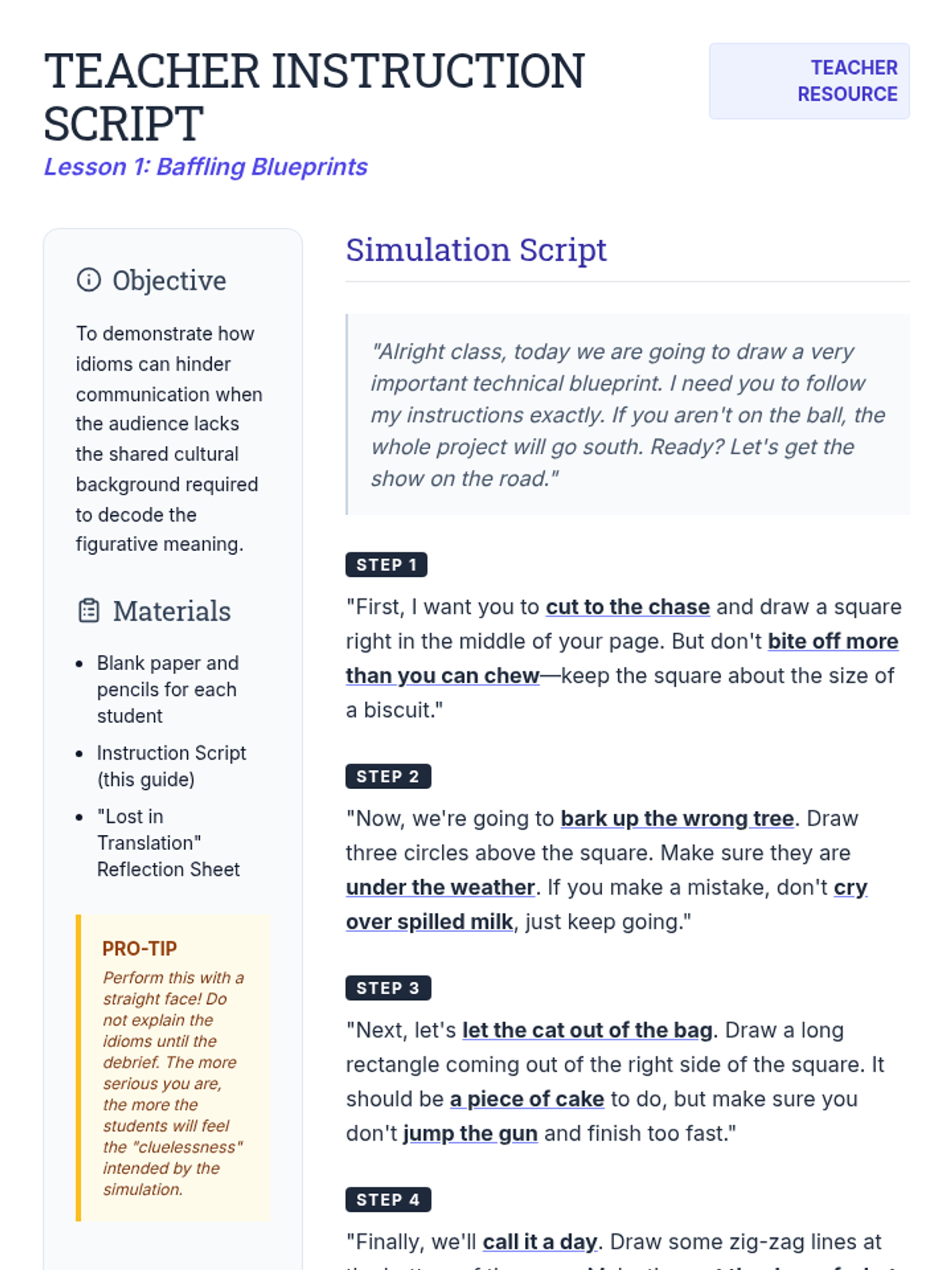
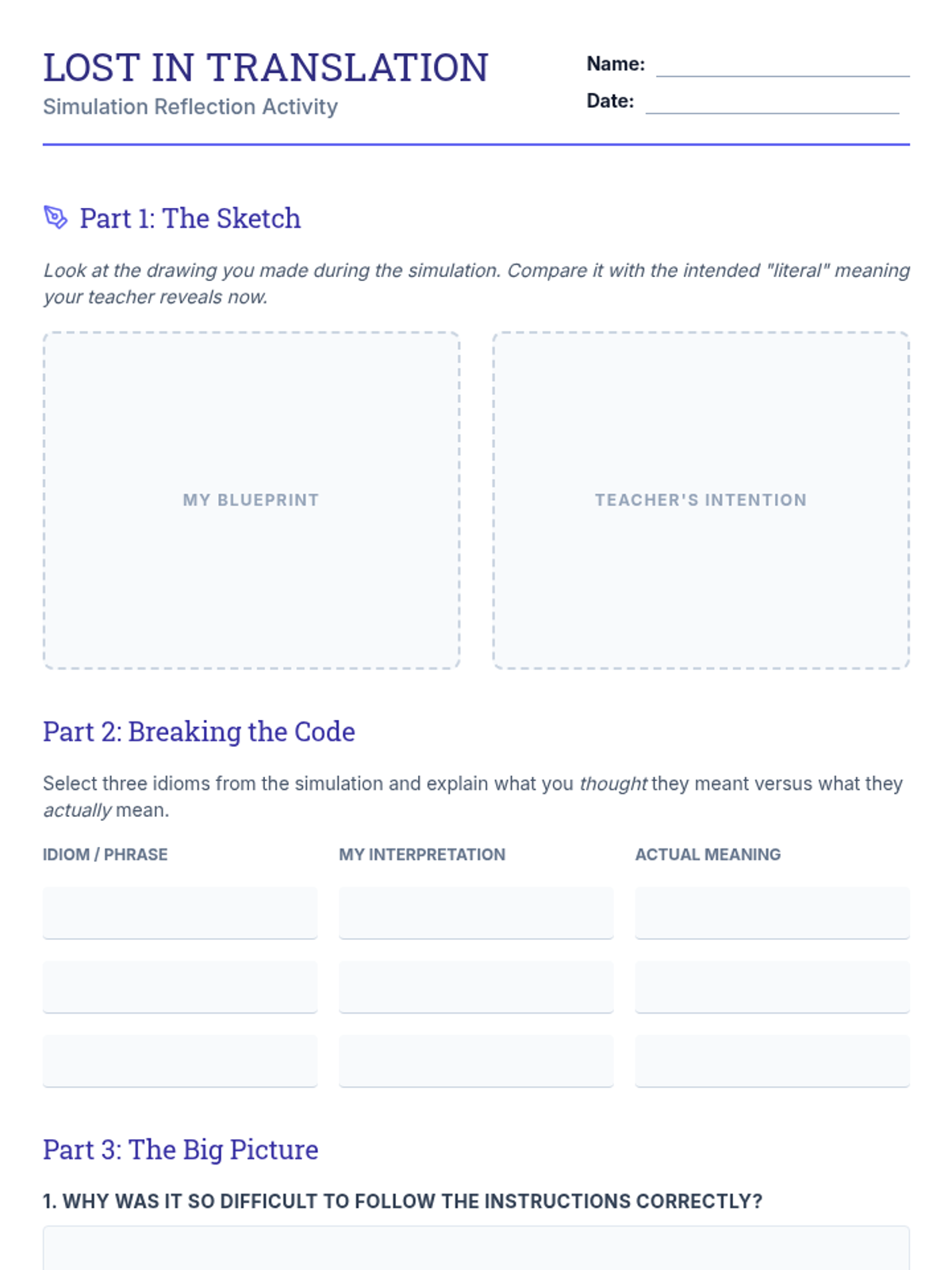
This sequence guides 6th-grade students through the production side of idioms and adages, focusing on when figurative language enhances or hinders communication in various contexts. Students will explore misinterpretation through simulation, adapt their speech for different settings, develop character voices in dialogue, and use proverbs as persuasive tools.
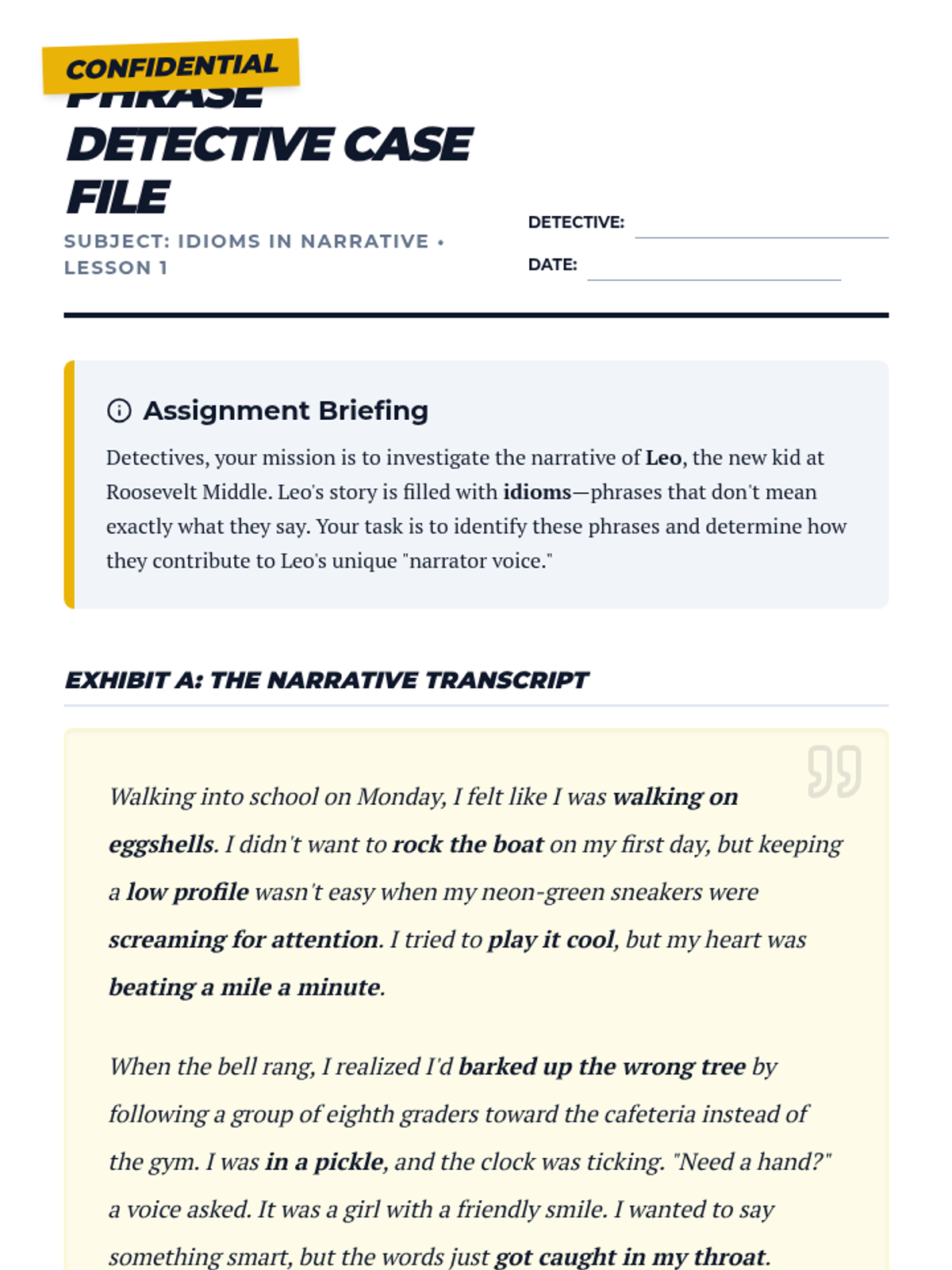
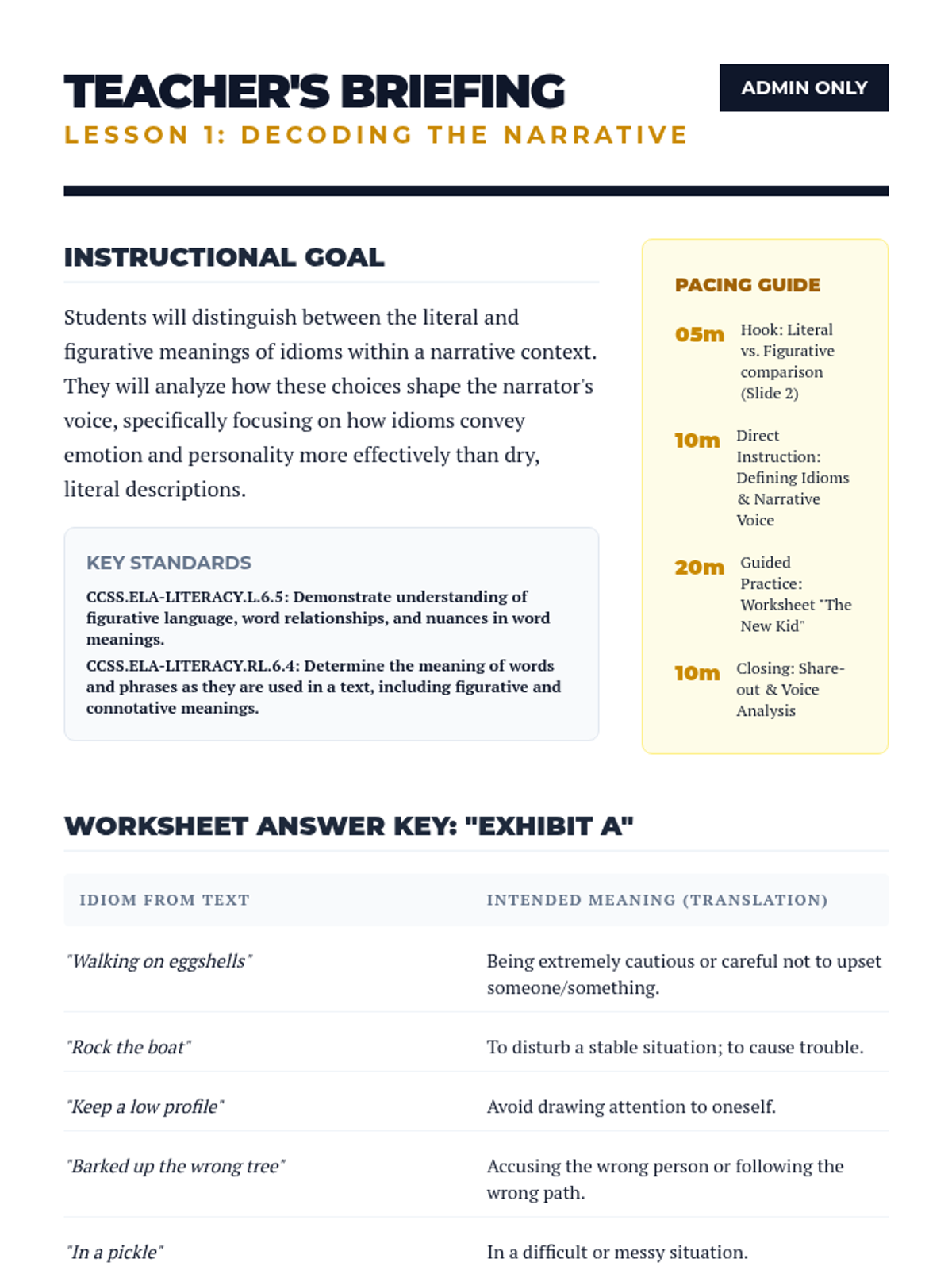
A 5-lesson unit for 6th grade students focused on identifying, interpreting, and analyzing the impact of idioms and adages in narrative texts, dialogue, and theme development.
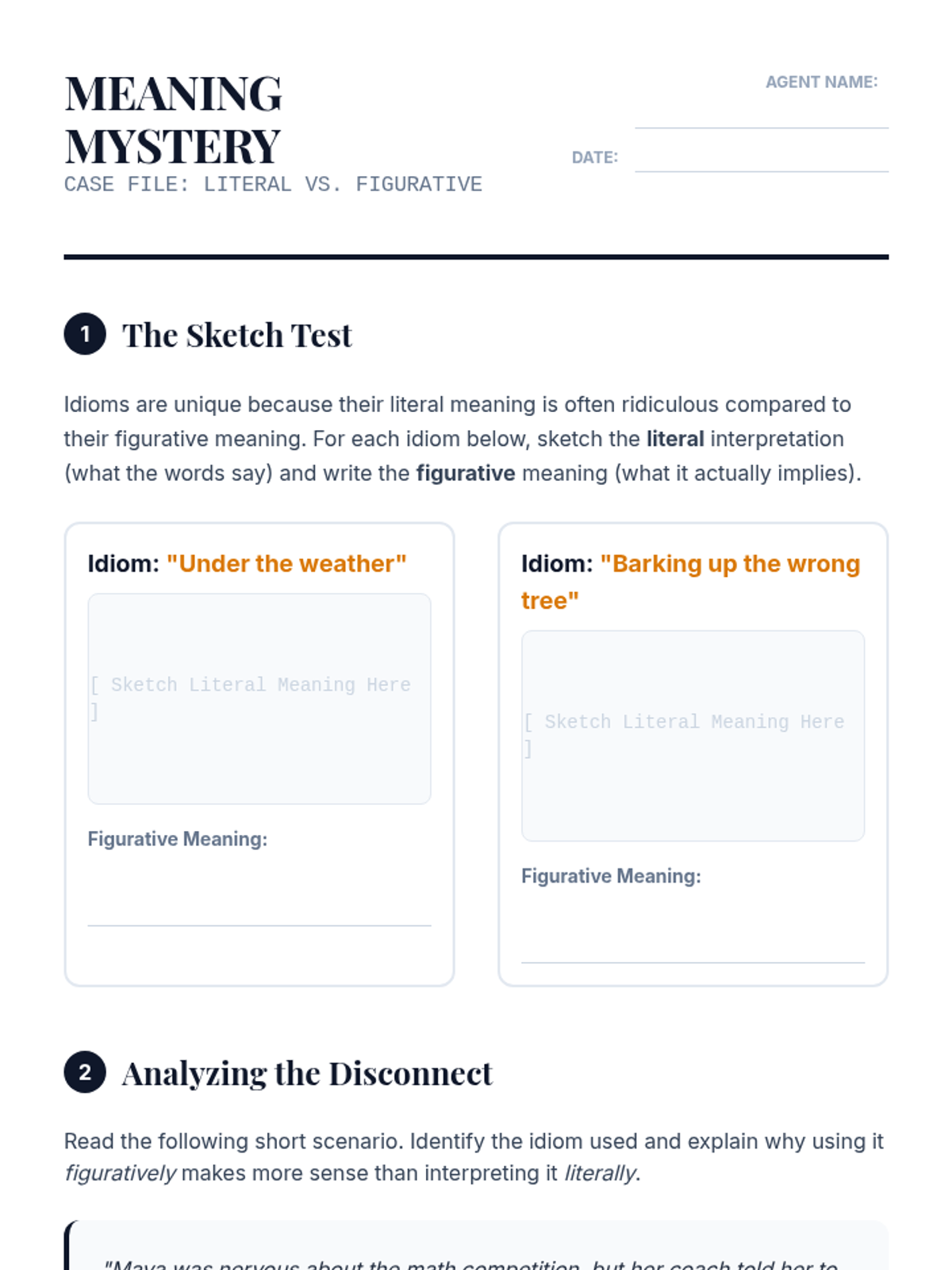
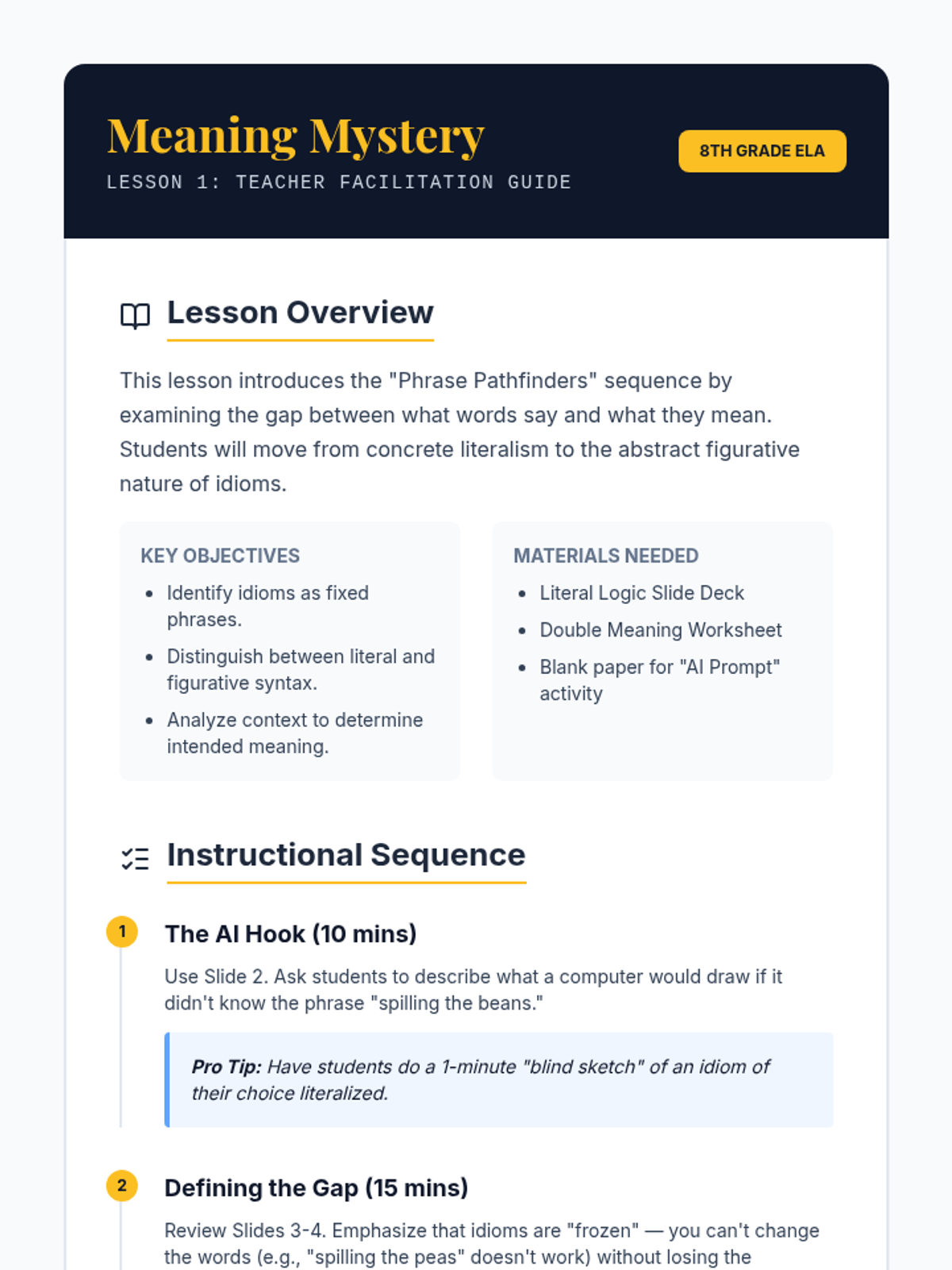
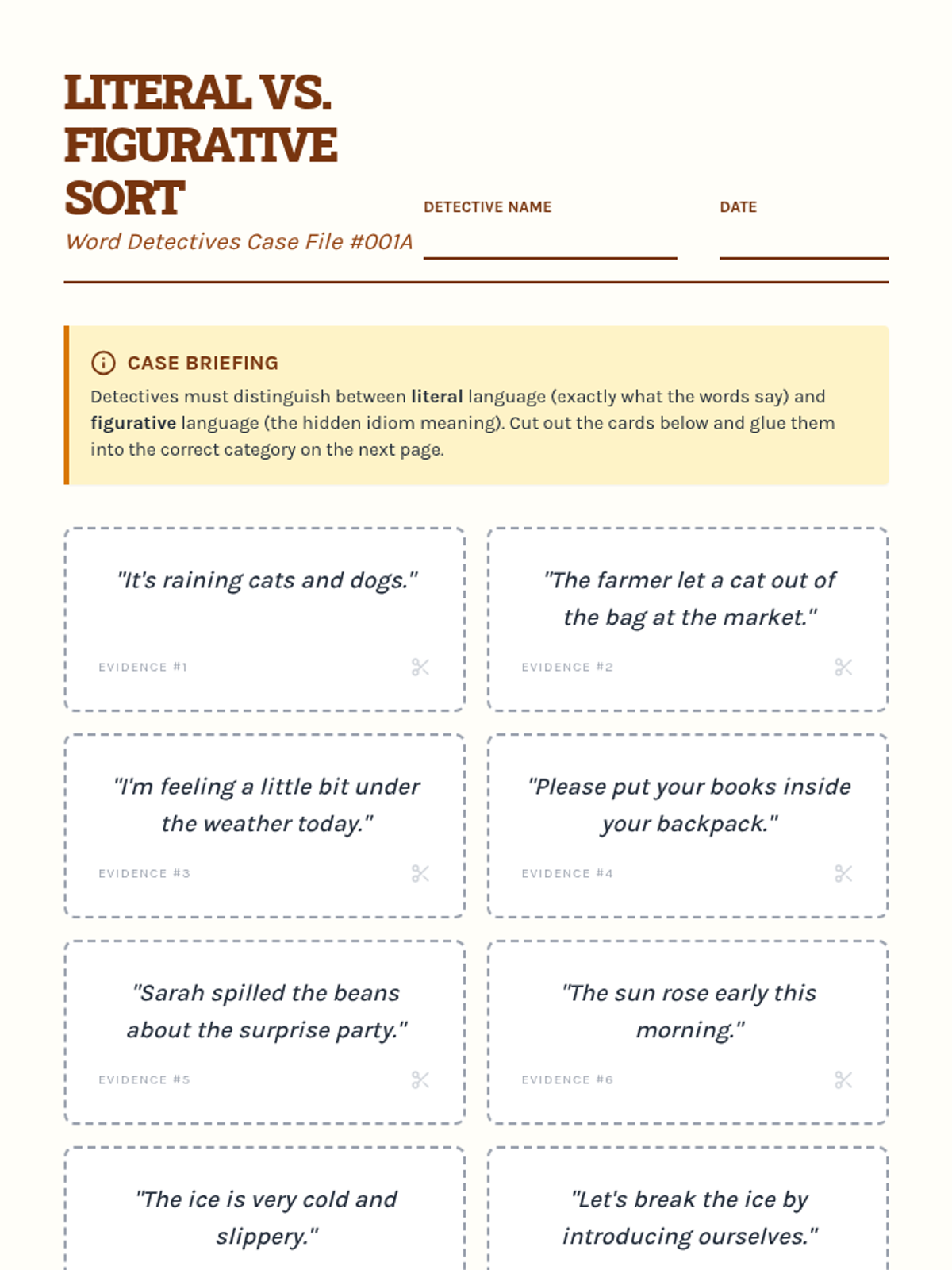
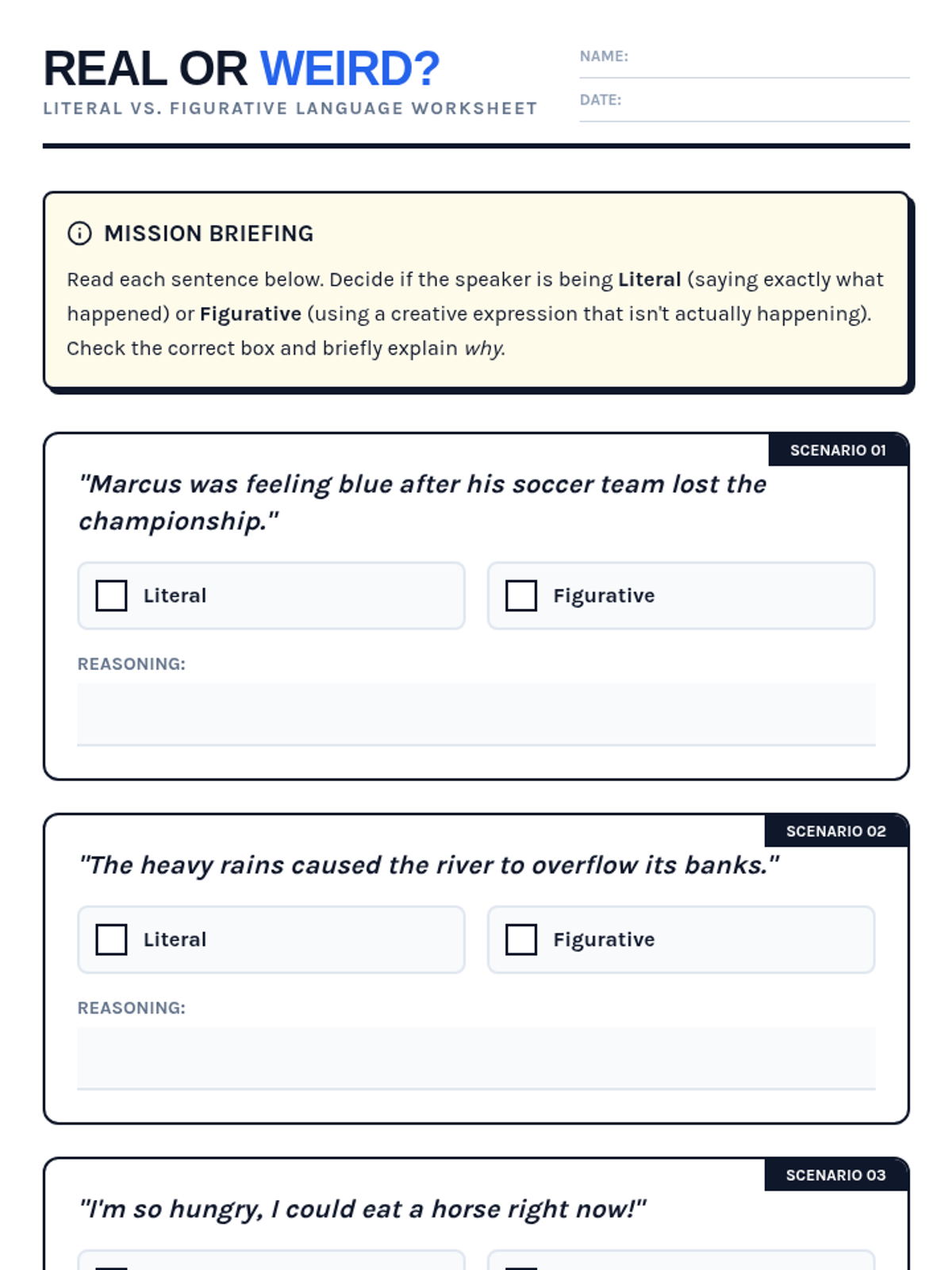
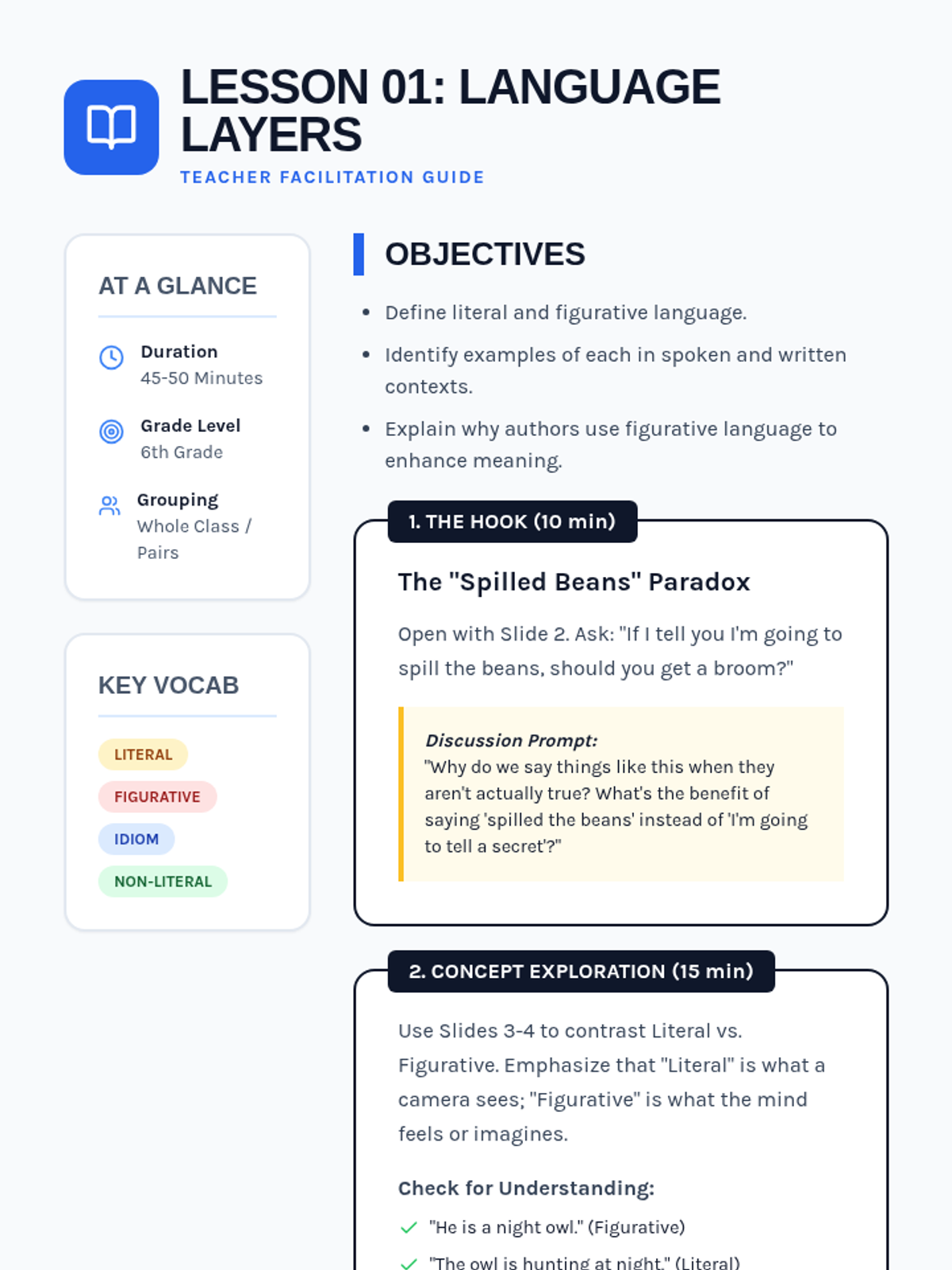
This sequence explores the contrast between literal and figurative language through visual analysis and context clues, helping students master idioms and adages. Students progress from identifying absurd literal interpretations to decoding complex figurative meanings in literature.
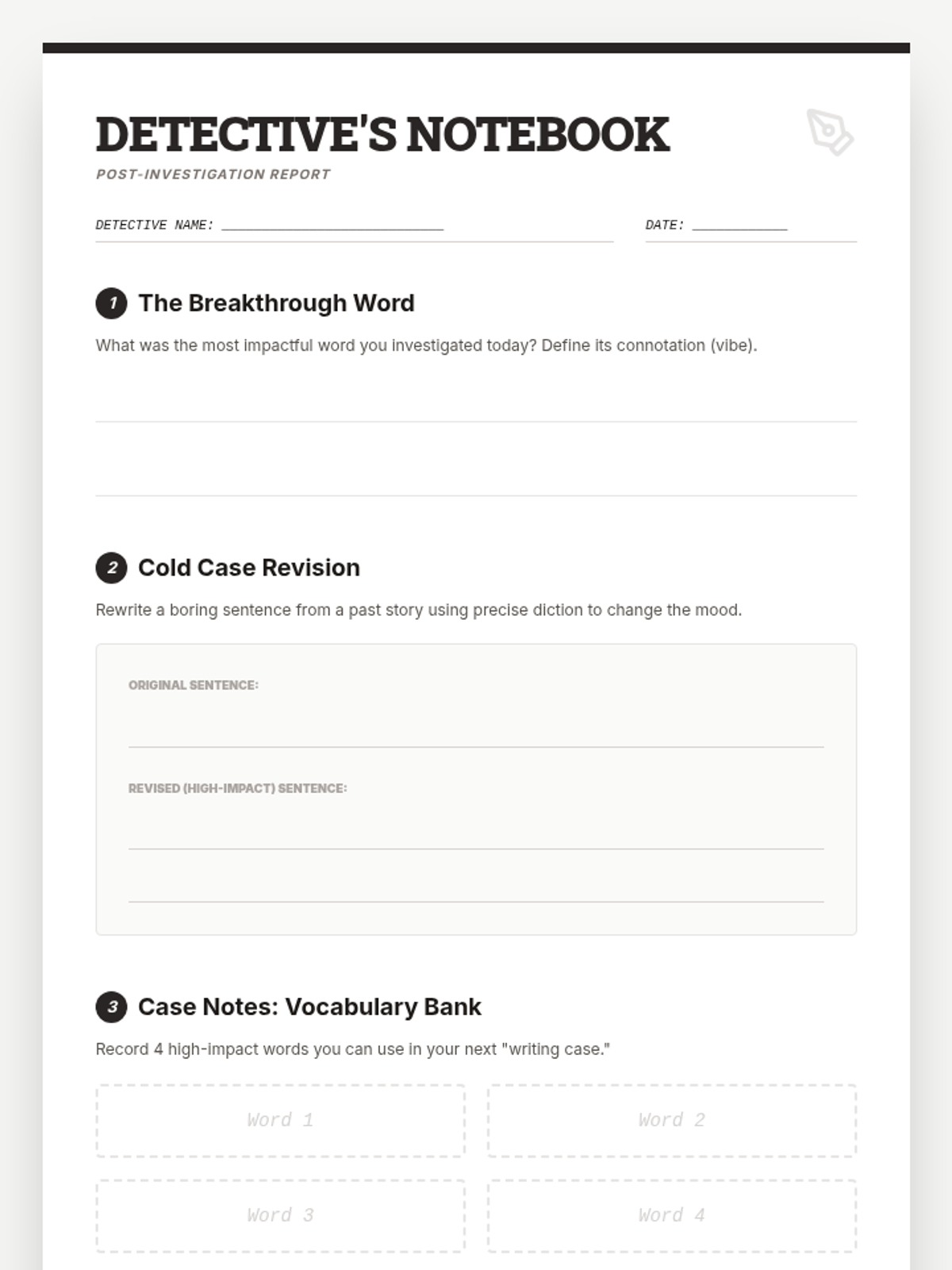
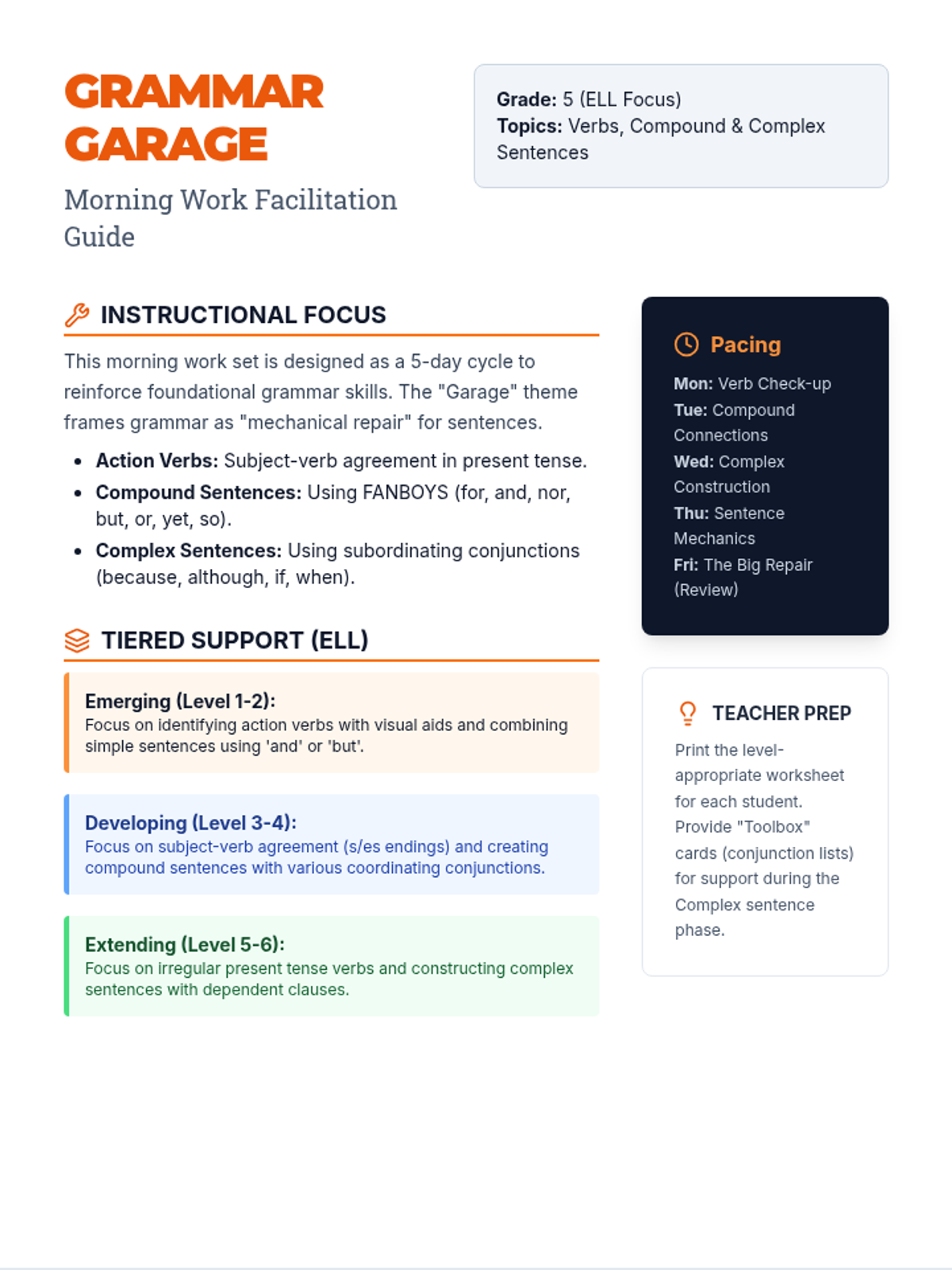
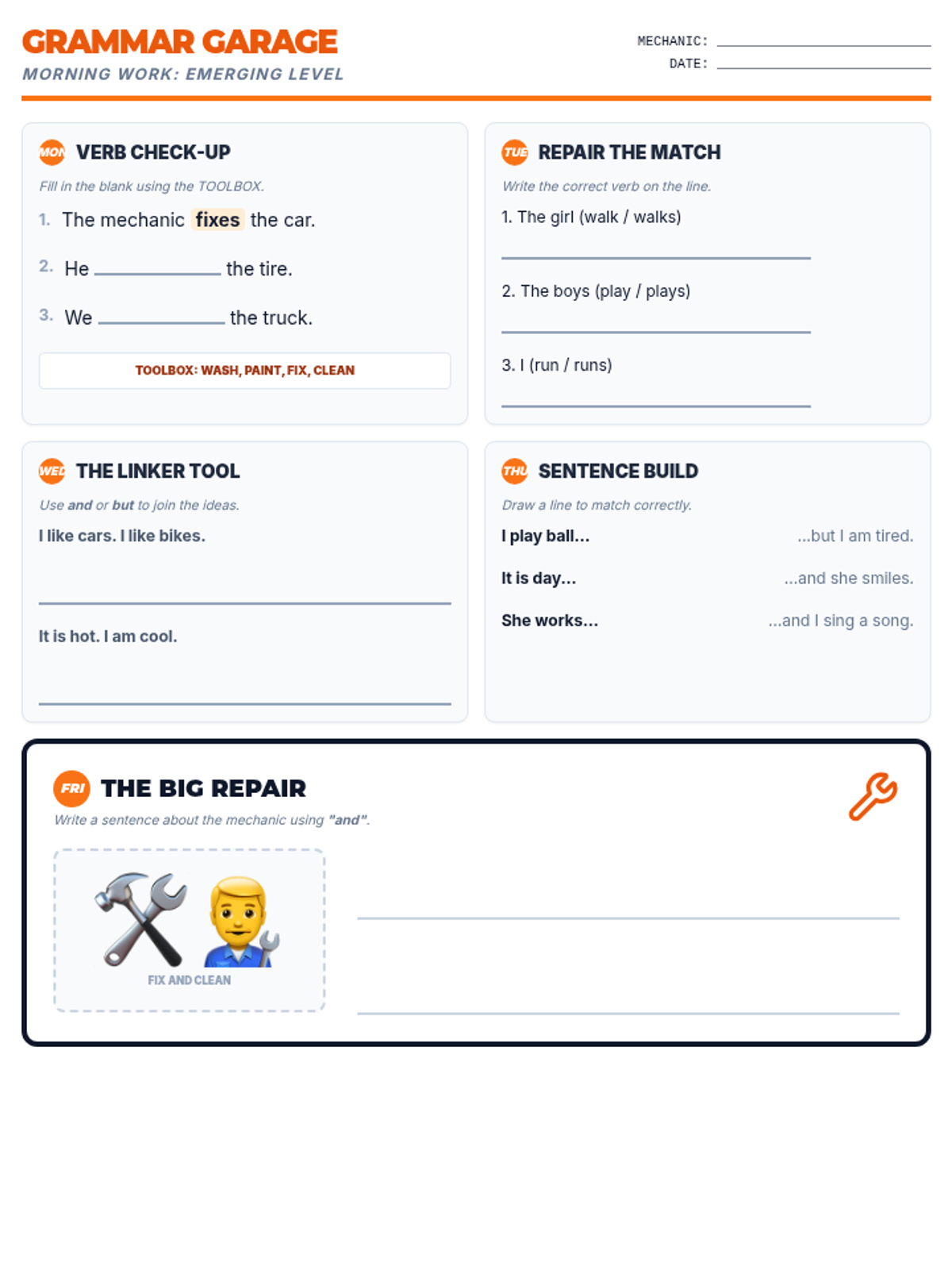
A collection of ELA resources focused on expanding vocabulary, refining diction, and mastering grammar mechanics through engaging, tiered activities.
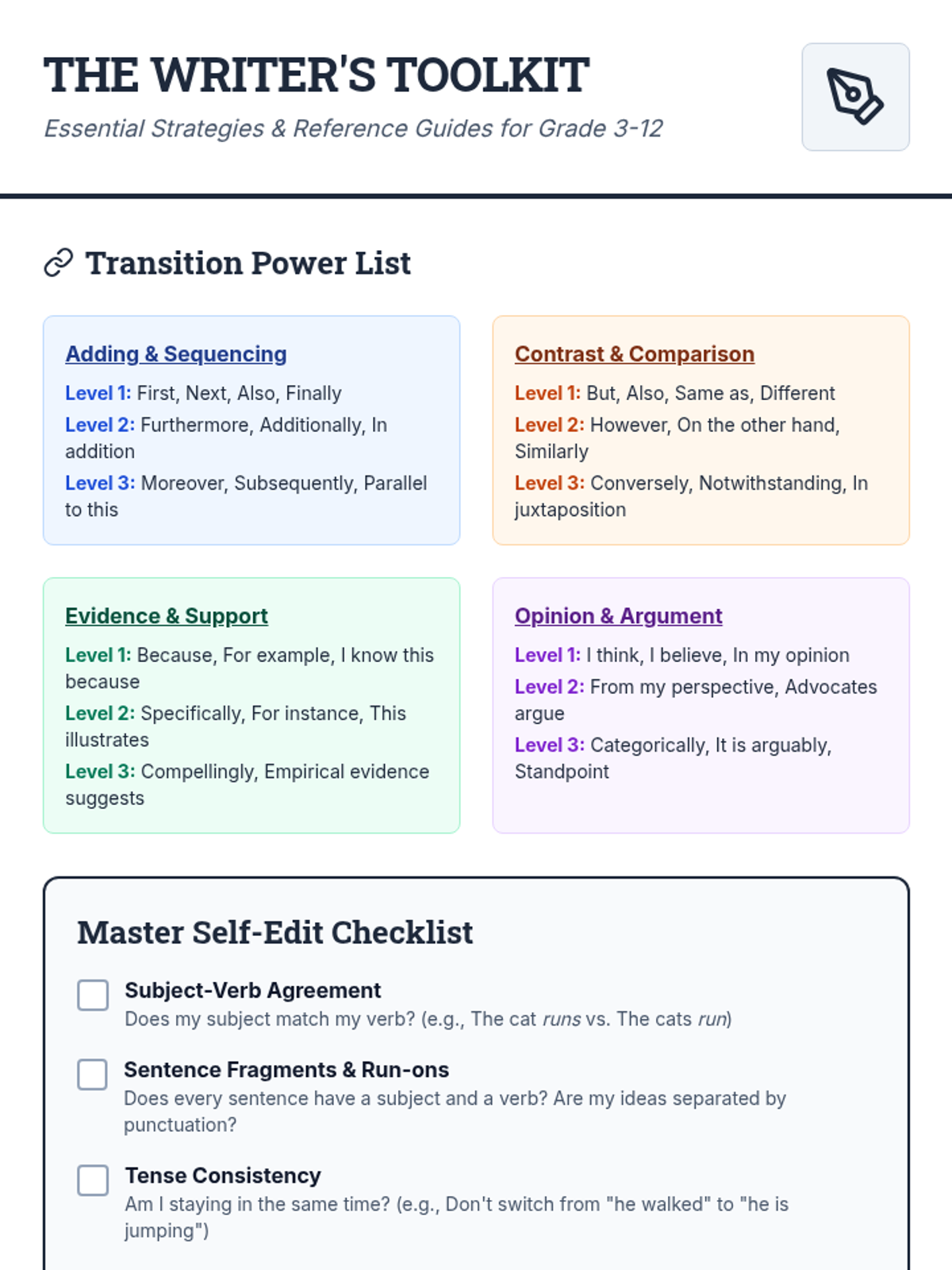
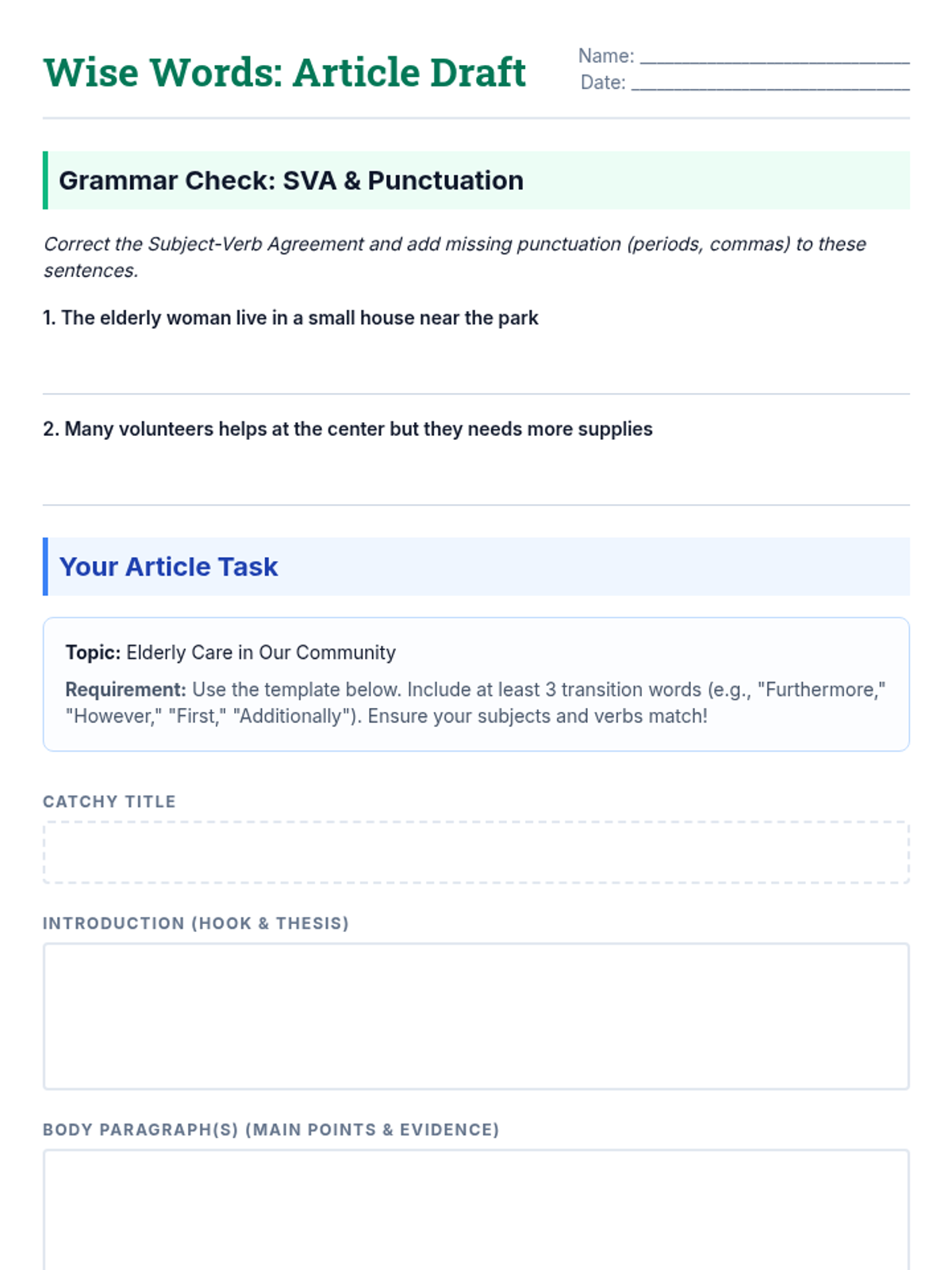
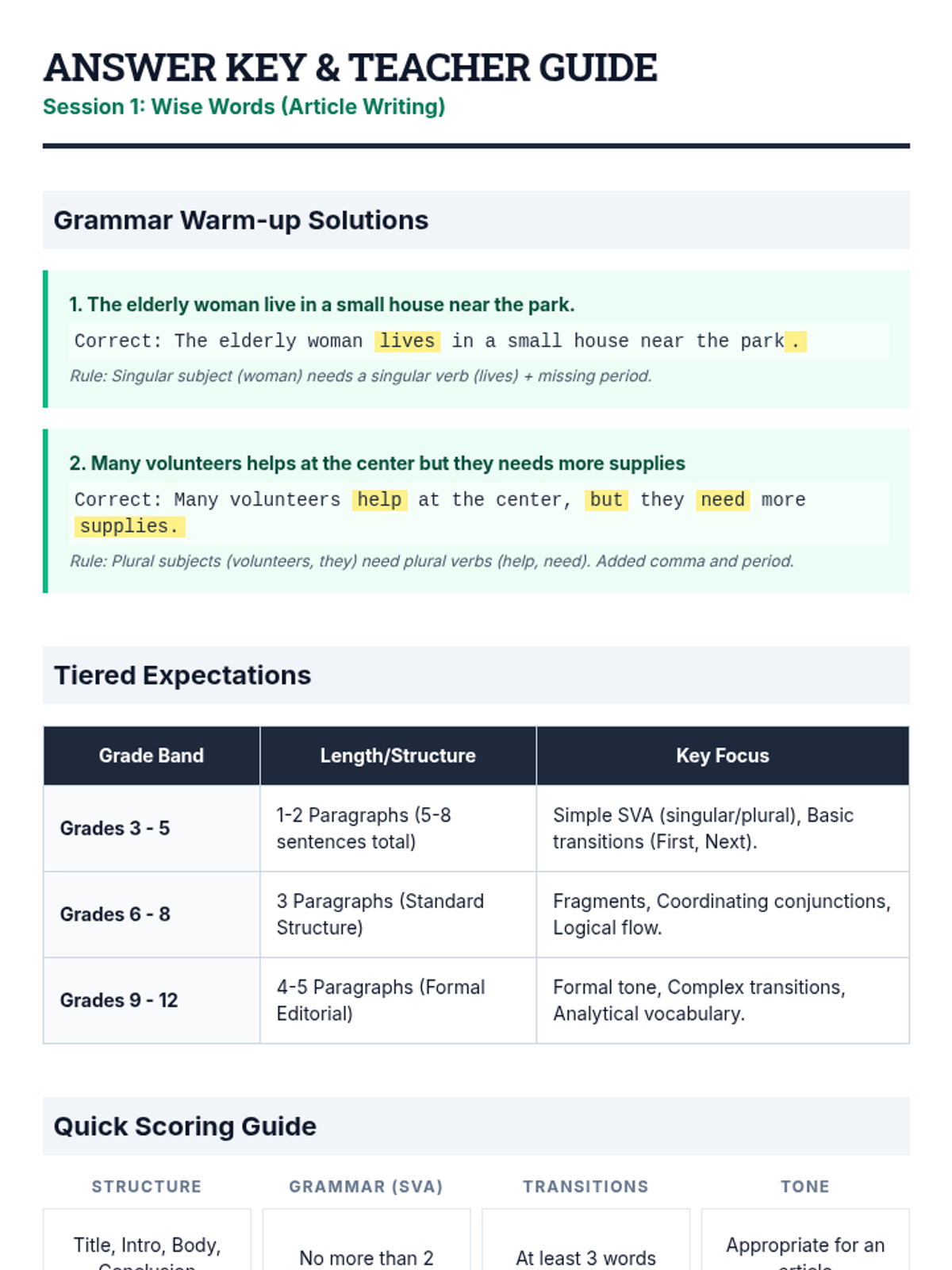
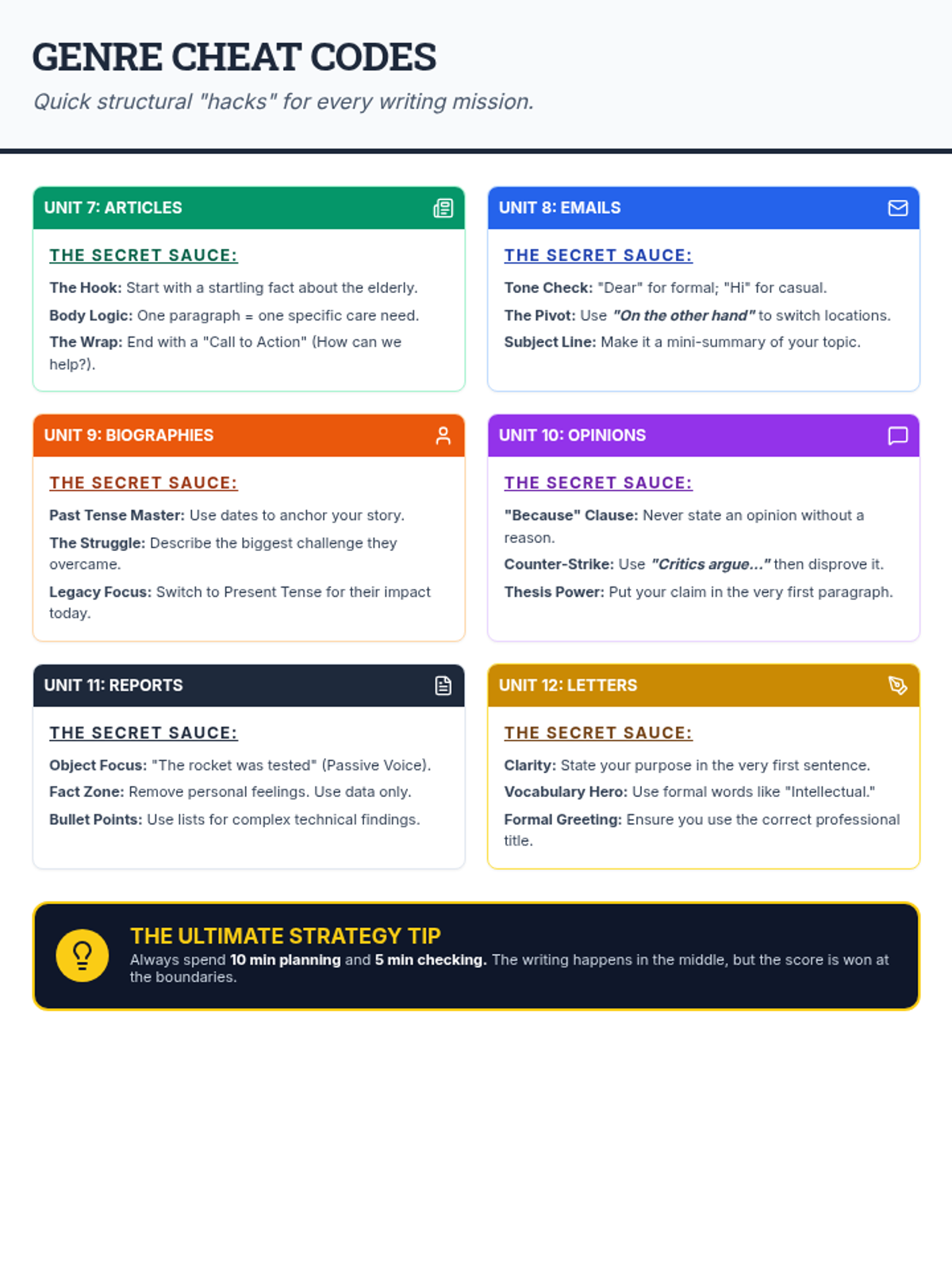
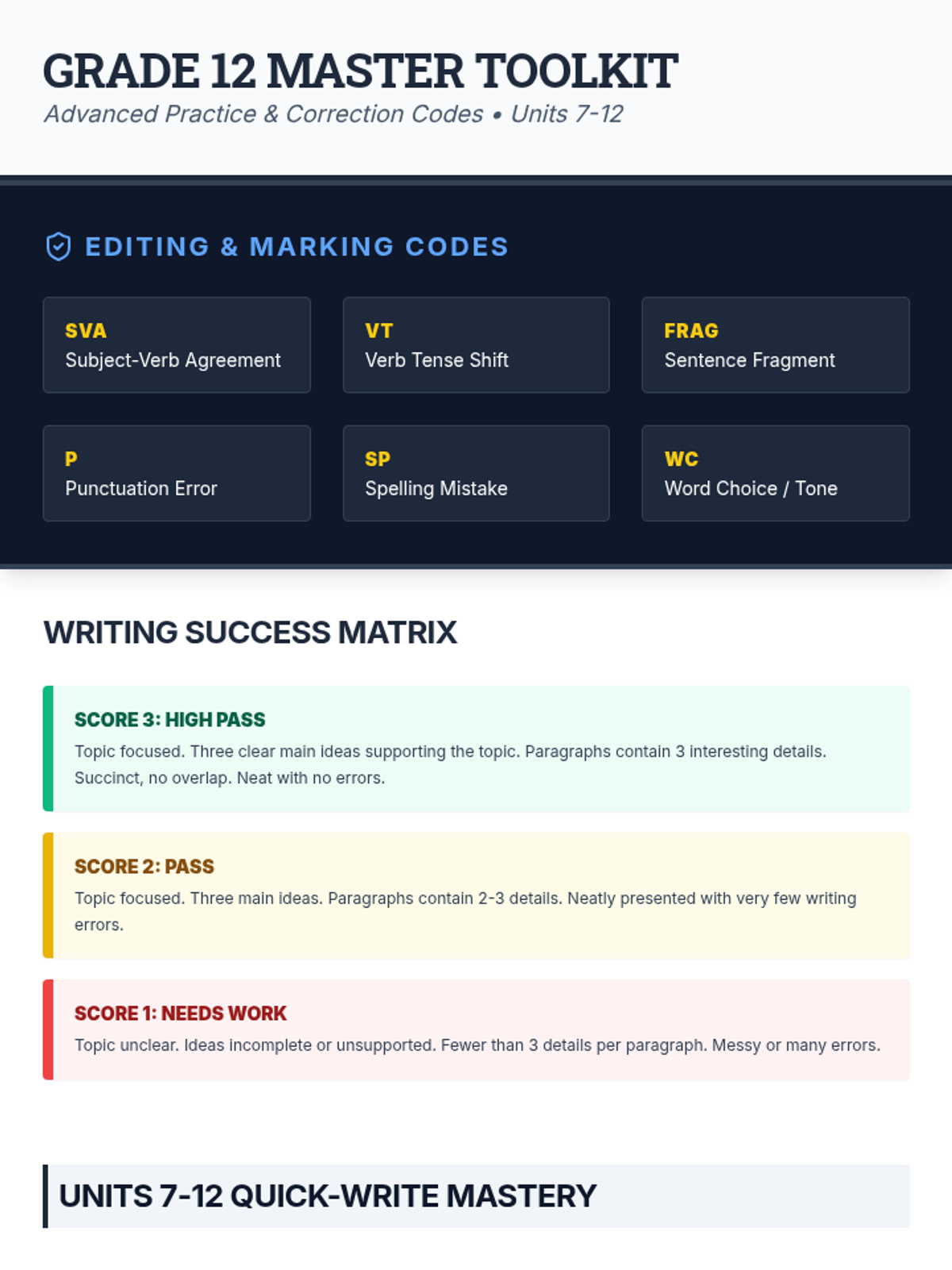
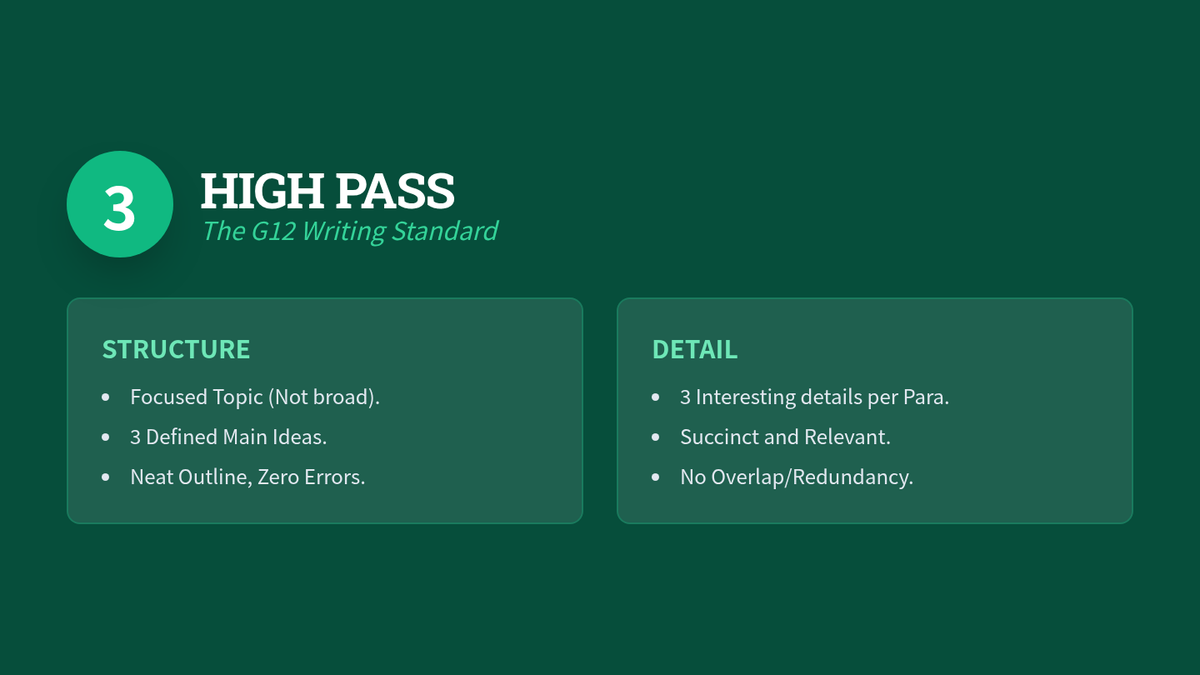
A comprehensive writing program for grades 3-12 focused on sentence and paragraph composition across six different genres, culminating in exam preparation and final assessments. The curriculum balances grammar foundations with creative and formal writing structures.
A literary analysis unit focusing on how structure and perspective shape the theme of resilience across poetry and short stories.
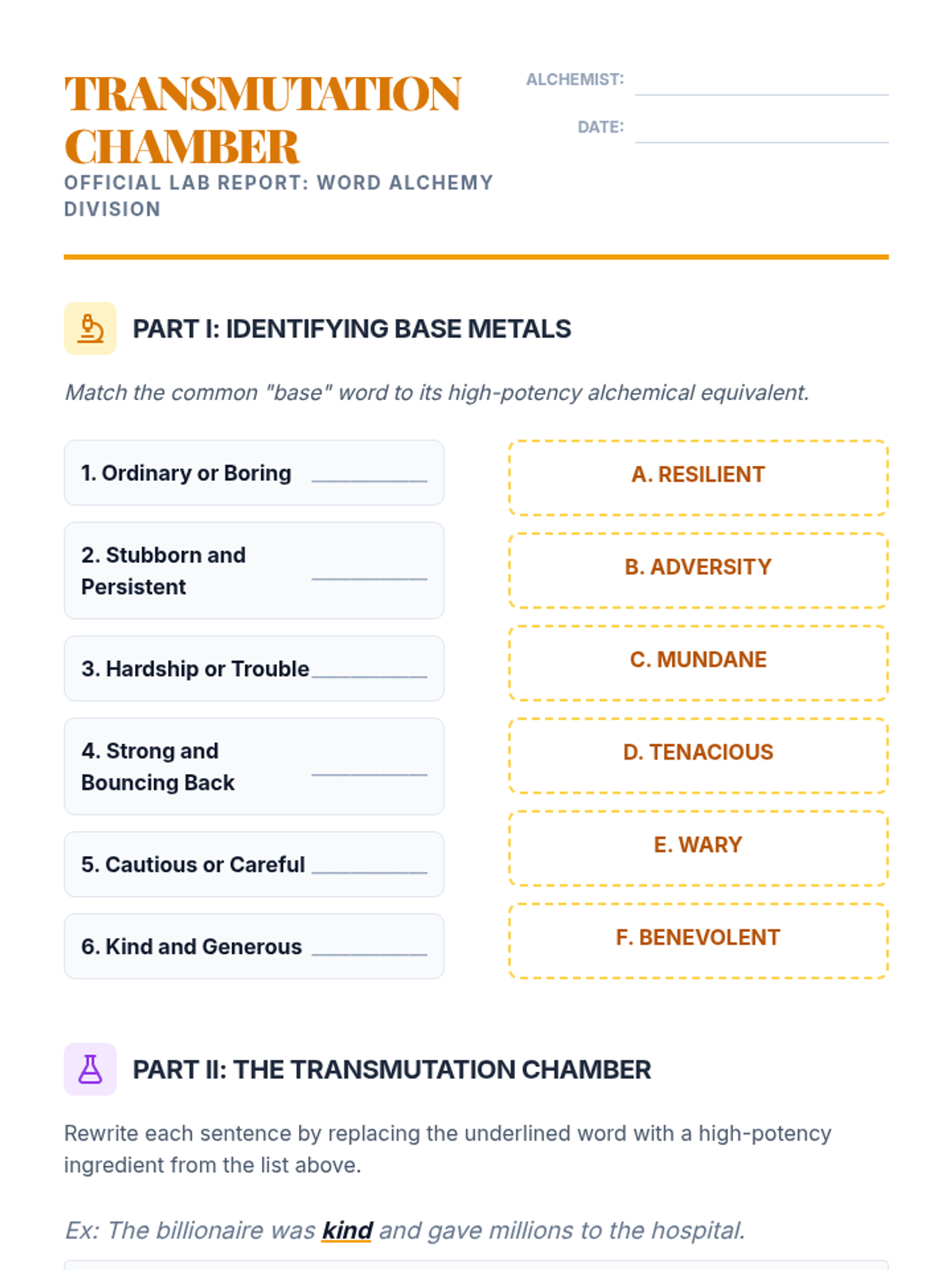
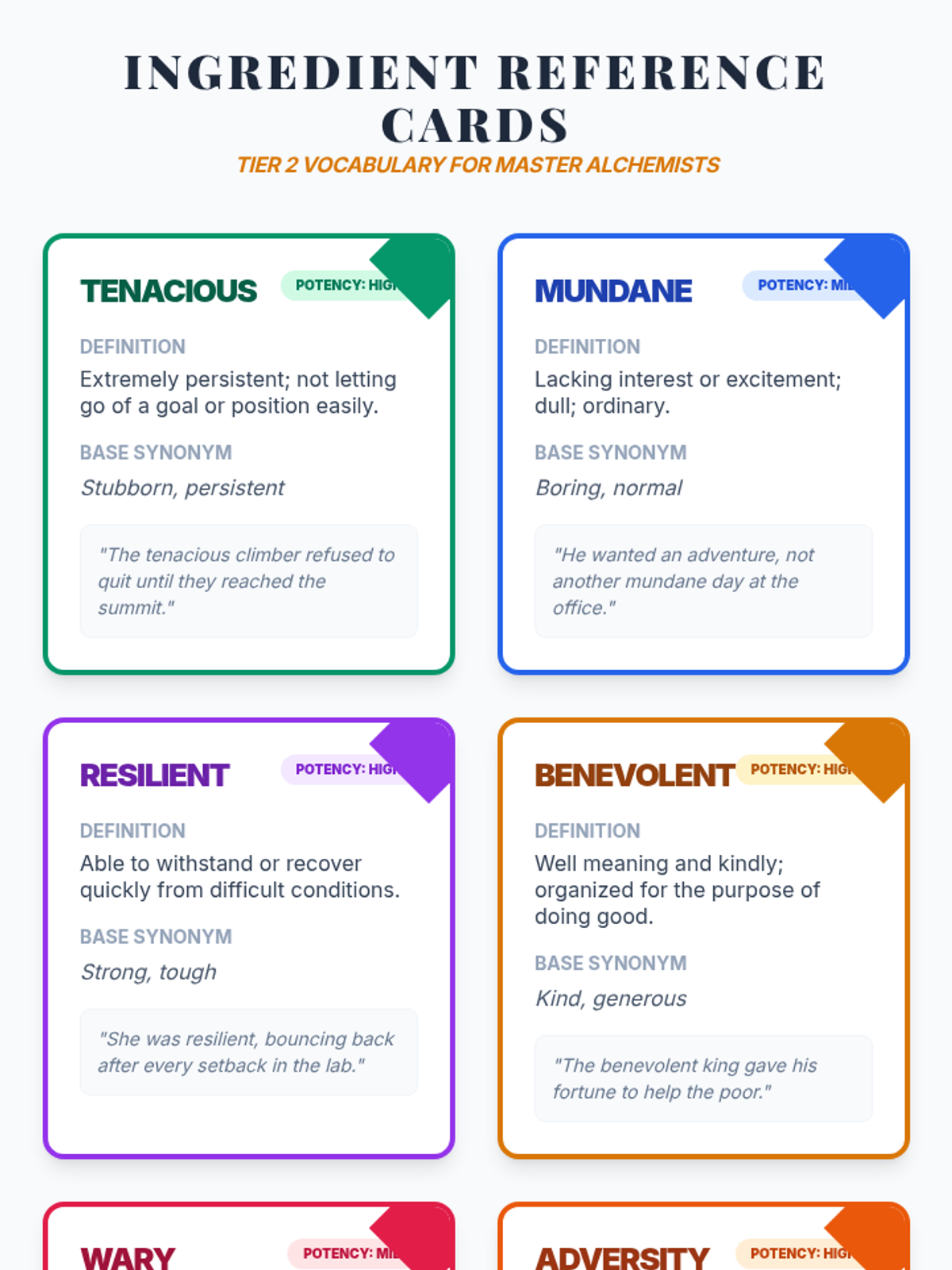
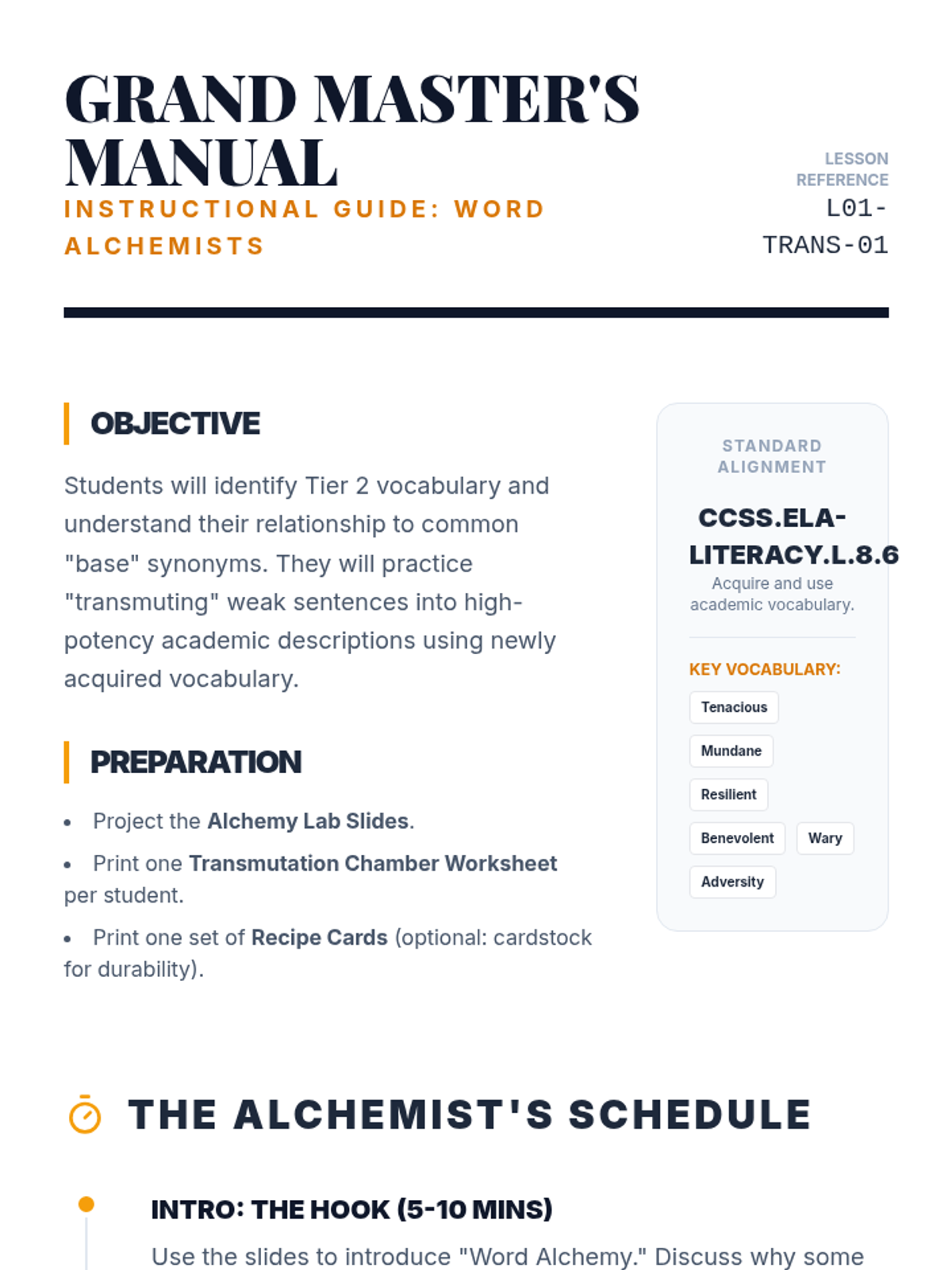
A vocabulary-building journey where students master academic language by framing word acquisition as magical alchemy and linguistic experimentation.
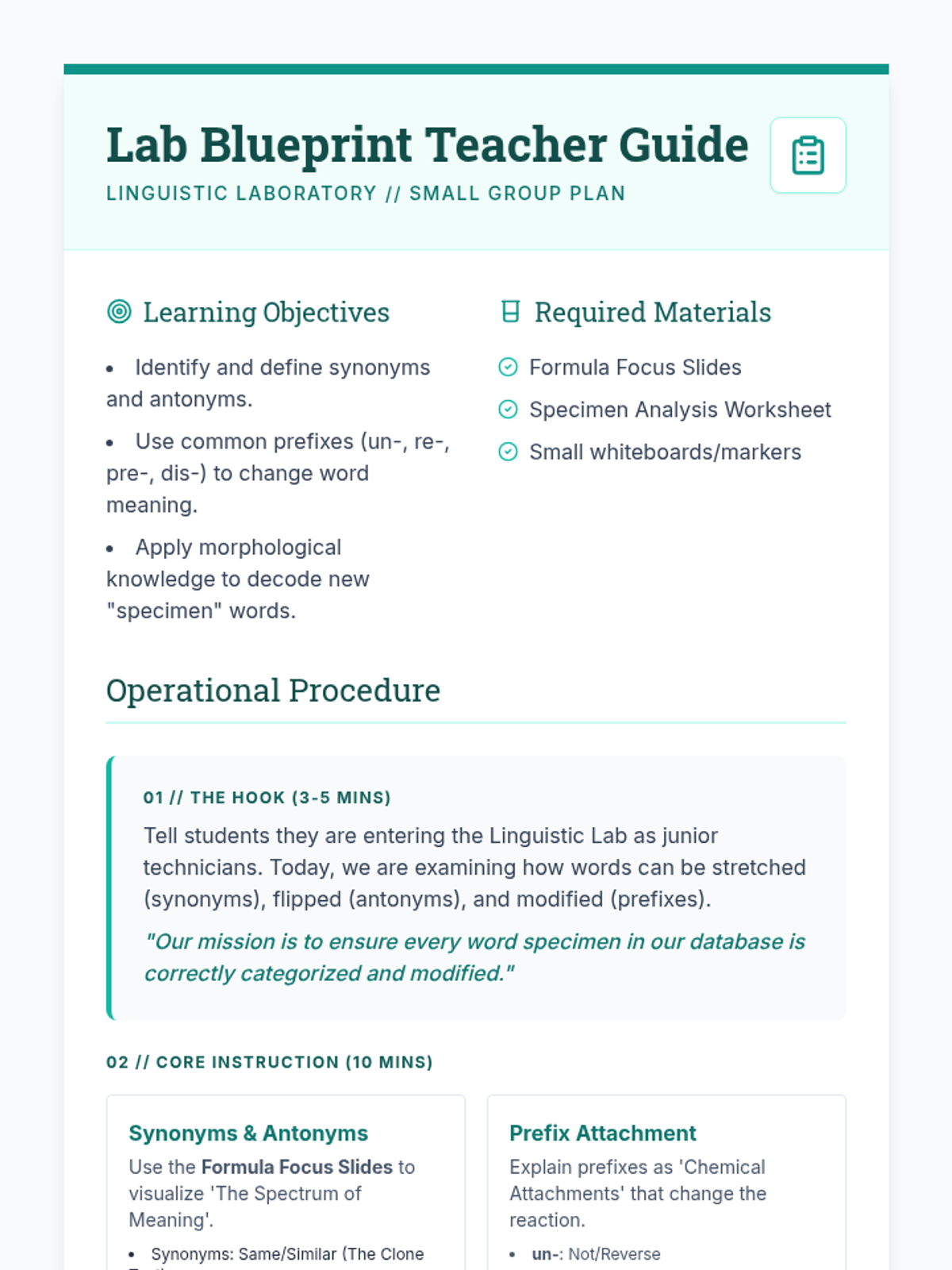
A unit focused on word mechanics, morphology, and meaning-making strategies through a cohesive laboratory and data-analysis theme.
A 5-day ELA intervention sequence focusing on context clues and main idea/details, using a detective-themed 'Clue Casefiles' motif to engage students in close reading and evidence-based thinking.
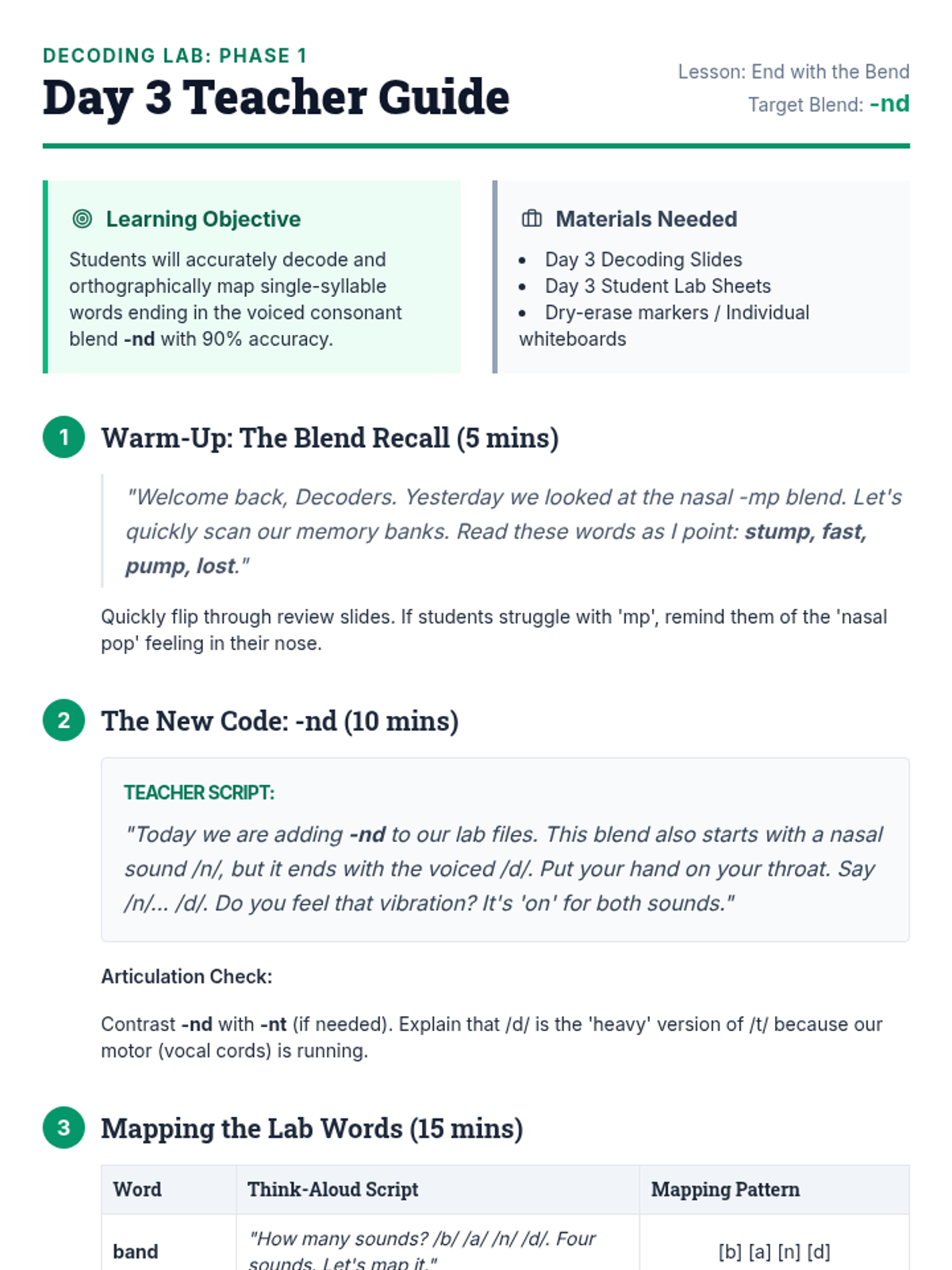
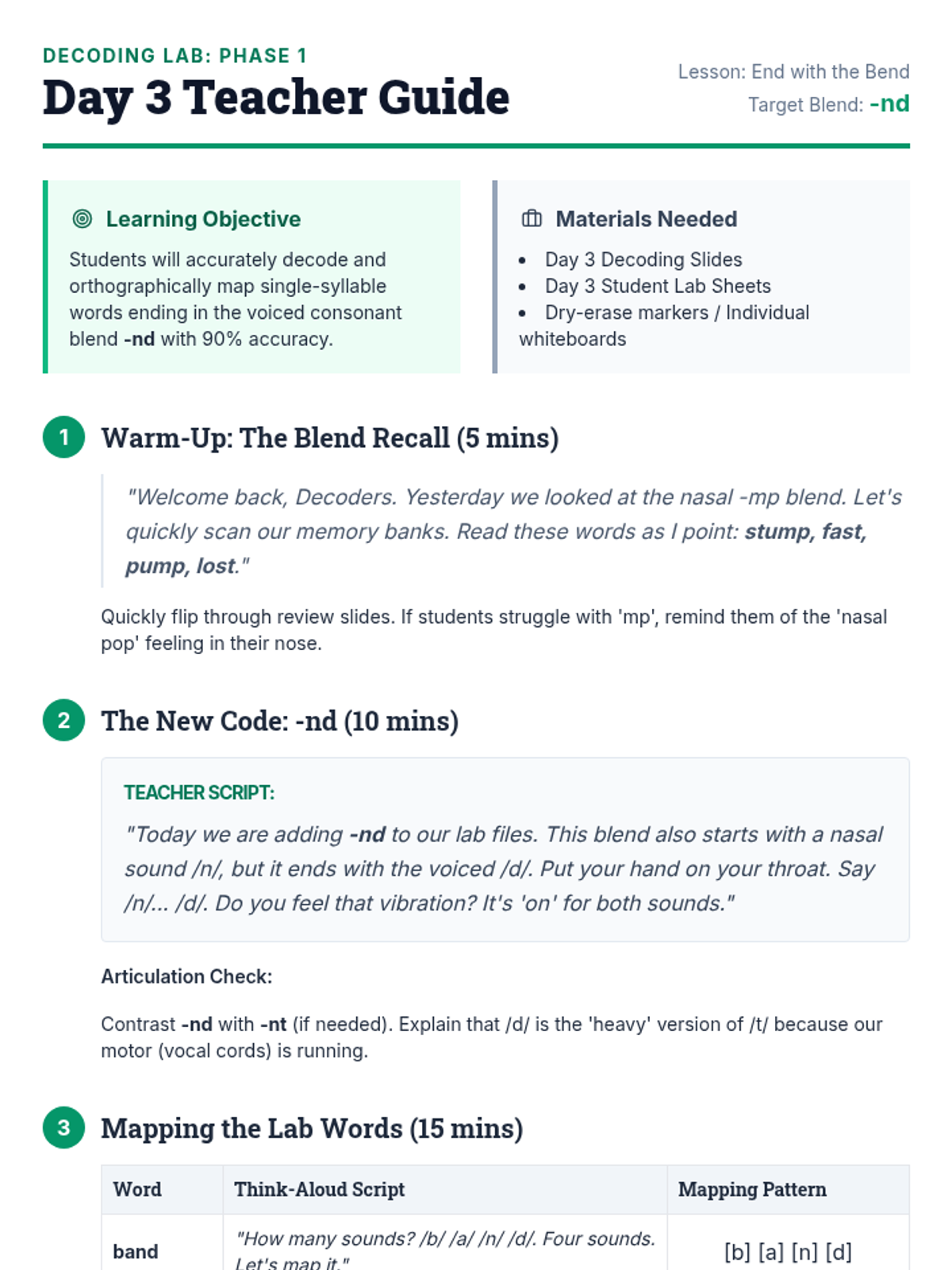
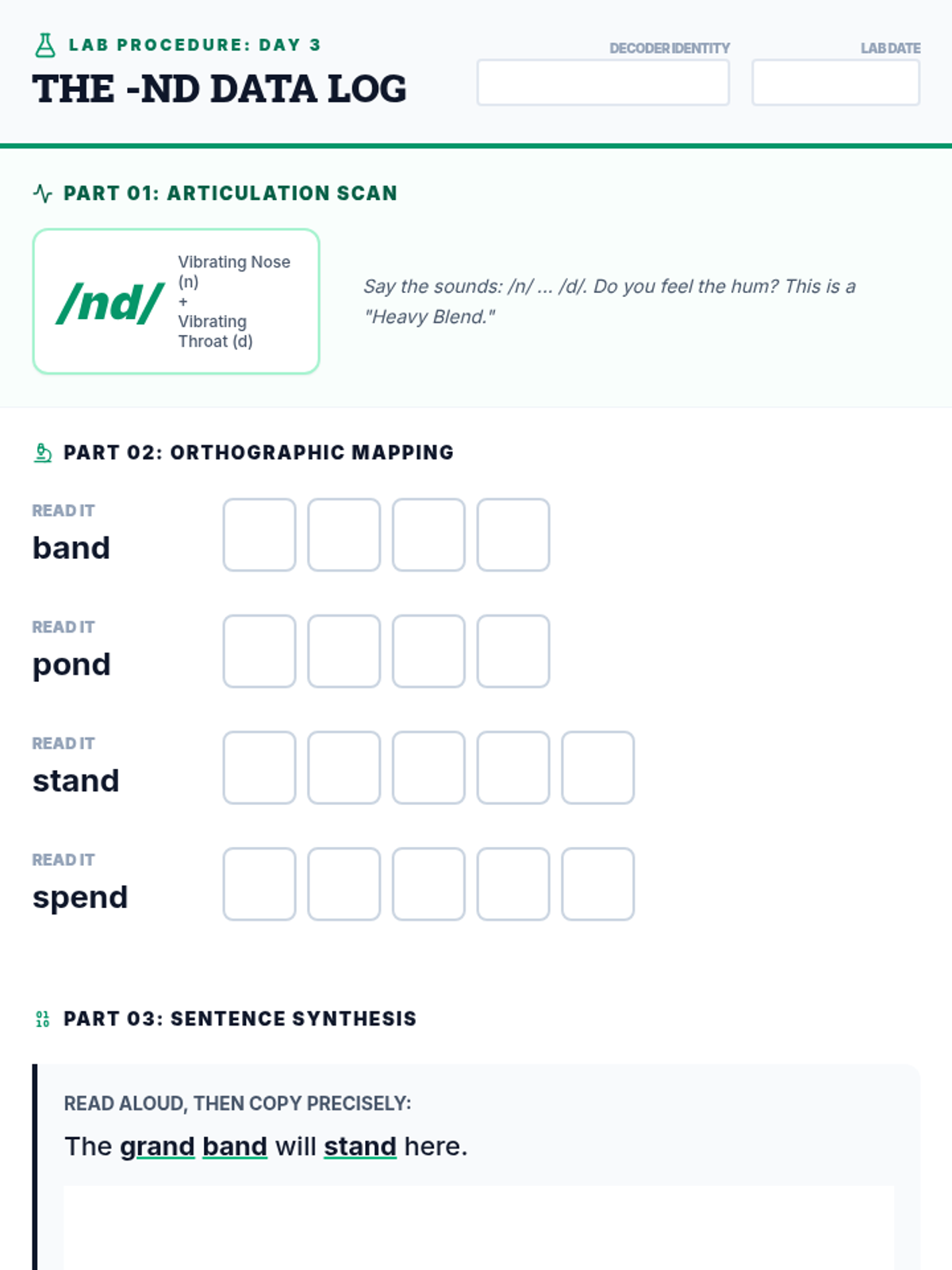
A comprehensive 20-day phonics and decoding sequence designed for middle school students with IEPs, focusing on short vowels, complex consonant blends, and multisyllabic word strategies. Using a 'Decoding Lab' theme, this unit provides explicit instruction, teacher scripts, and age-appropriate practice to build reading fluency and confidence.
A unit on persuasive writing for 5th-grade students, focusing on structure, audience awareness, and linguistic scaffolding for ELL learners.
A comprehensive 9-week study of Franz Kafka's 'Metamorphosis', focusing on argumentative writing through textual evidence and narrative expansion. The sequence utilizes graphic organizers, visual scaffolding, and increased opportunities to respond to deepen student engagement with the surrealist text.
A series of high-rigor reading and writing lessons designed to prepare middle school students for state-level standardized assessments.
A series of lessons focused on mastering high-frequency academic action verbs like explain, compare, and justify to help students succeed in academic tasks and assessments.
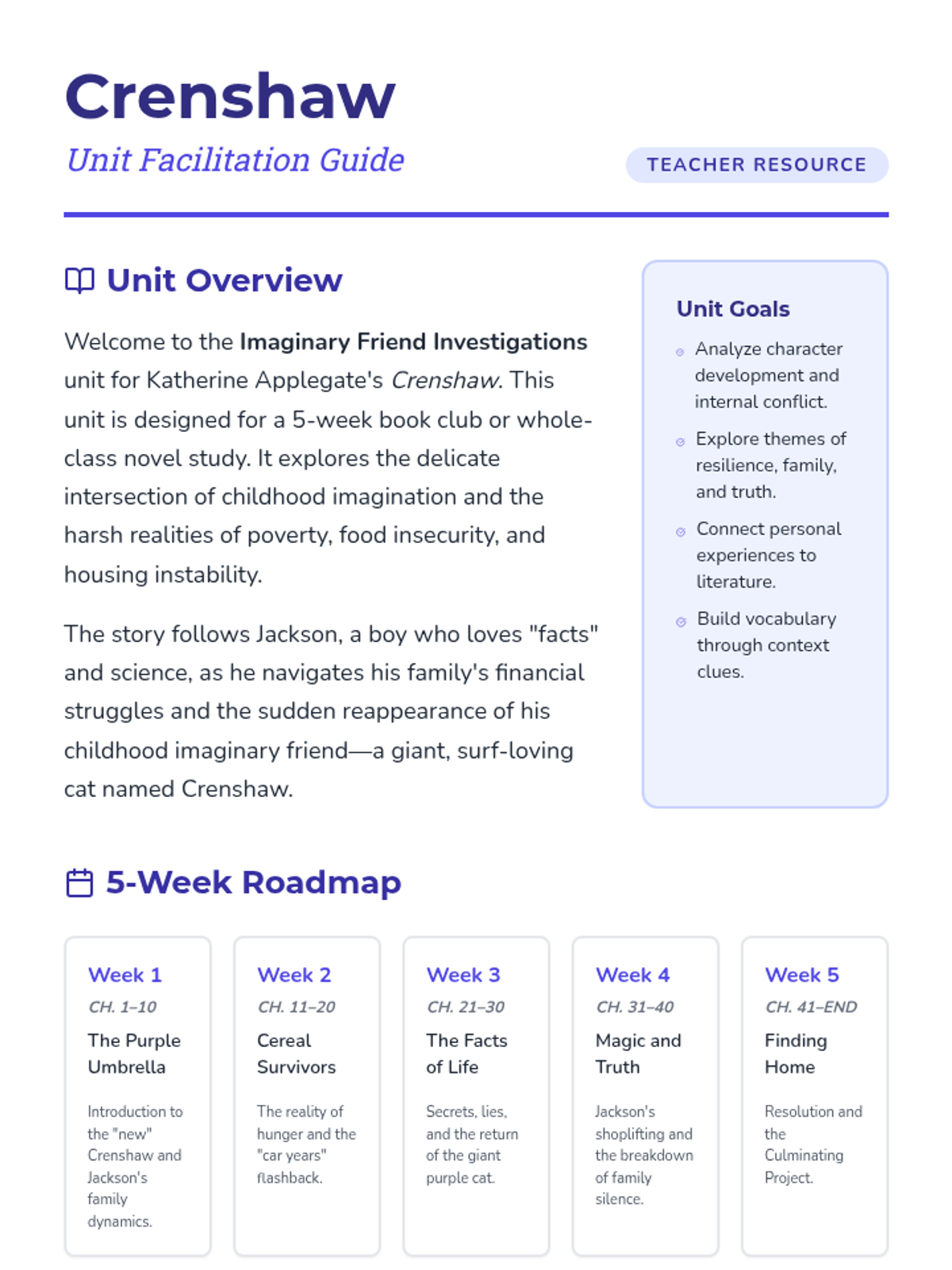
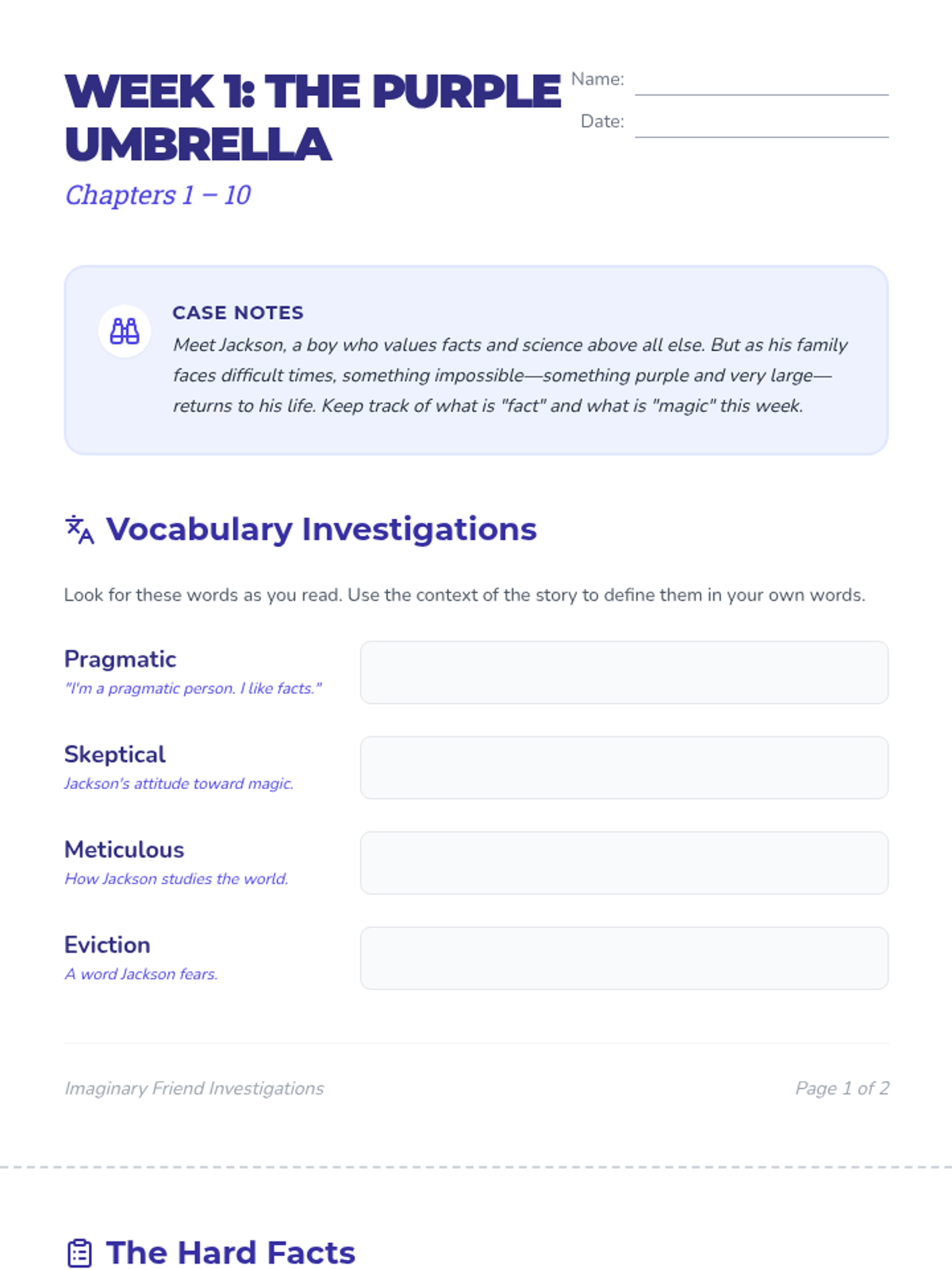
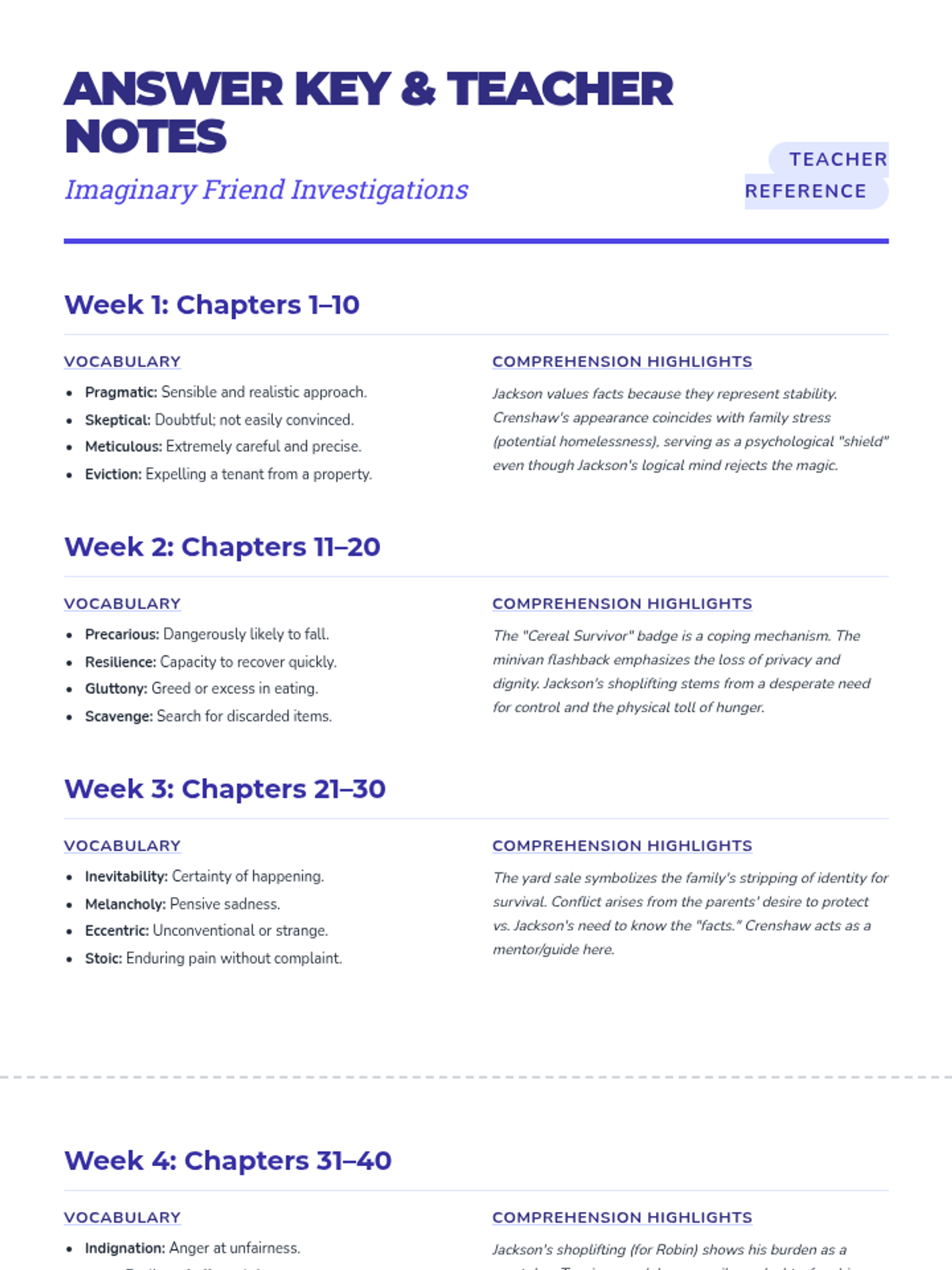
A 4-week literature unit for Katherine Applegate's 'Crenshaw', featuring vocabulary, comprehension, synthesis, and writing prompts to explore themes of resilience and imagination.
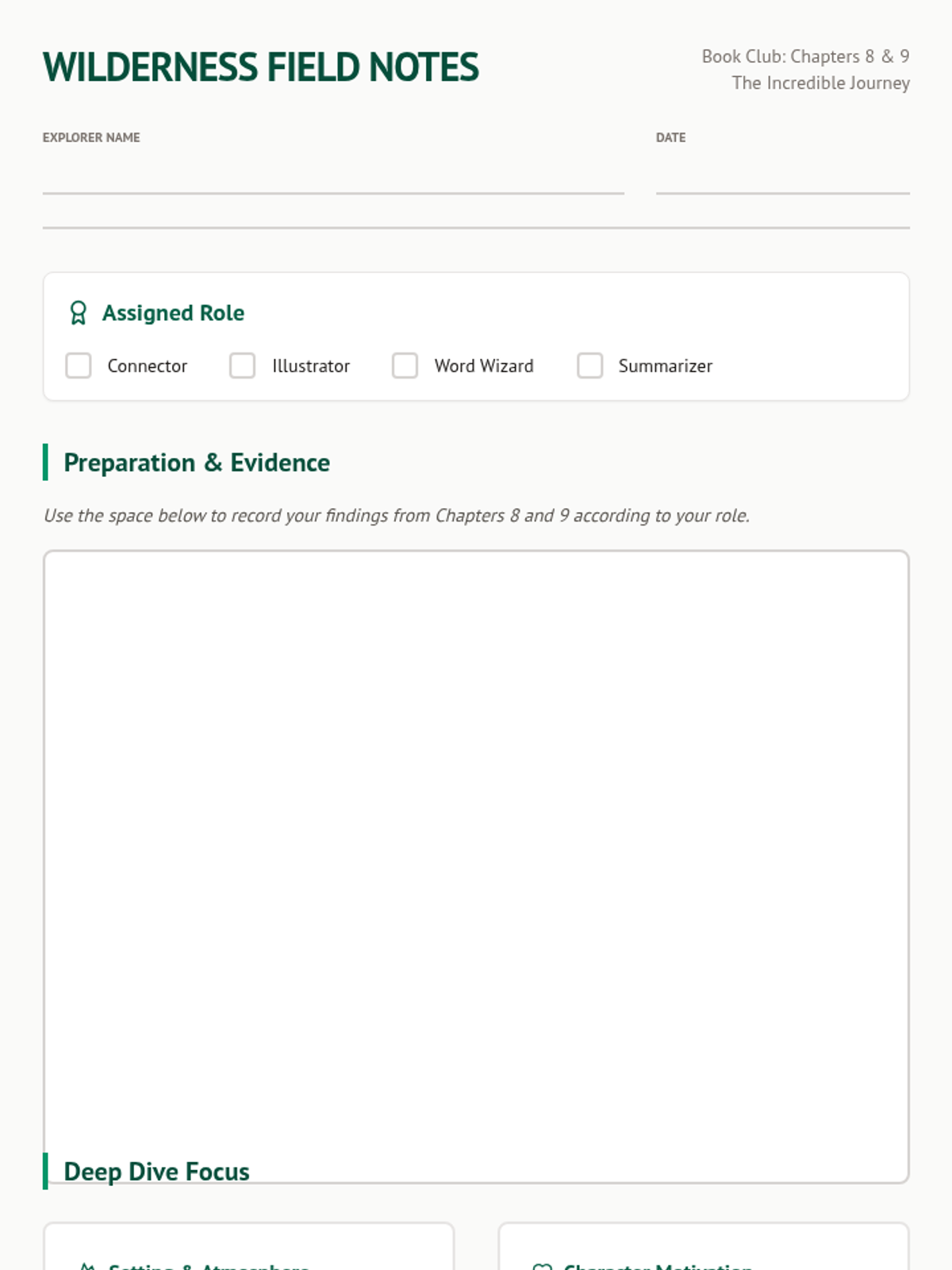
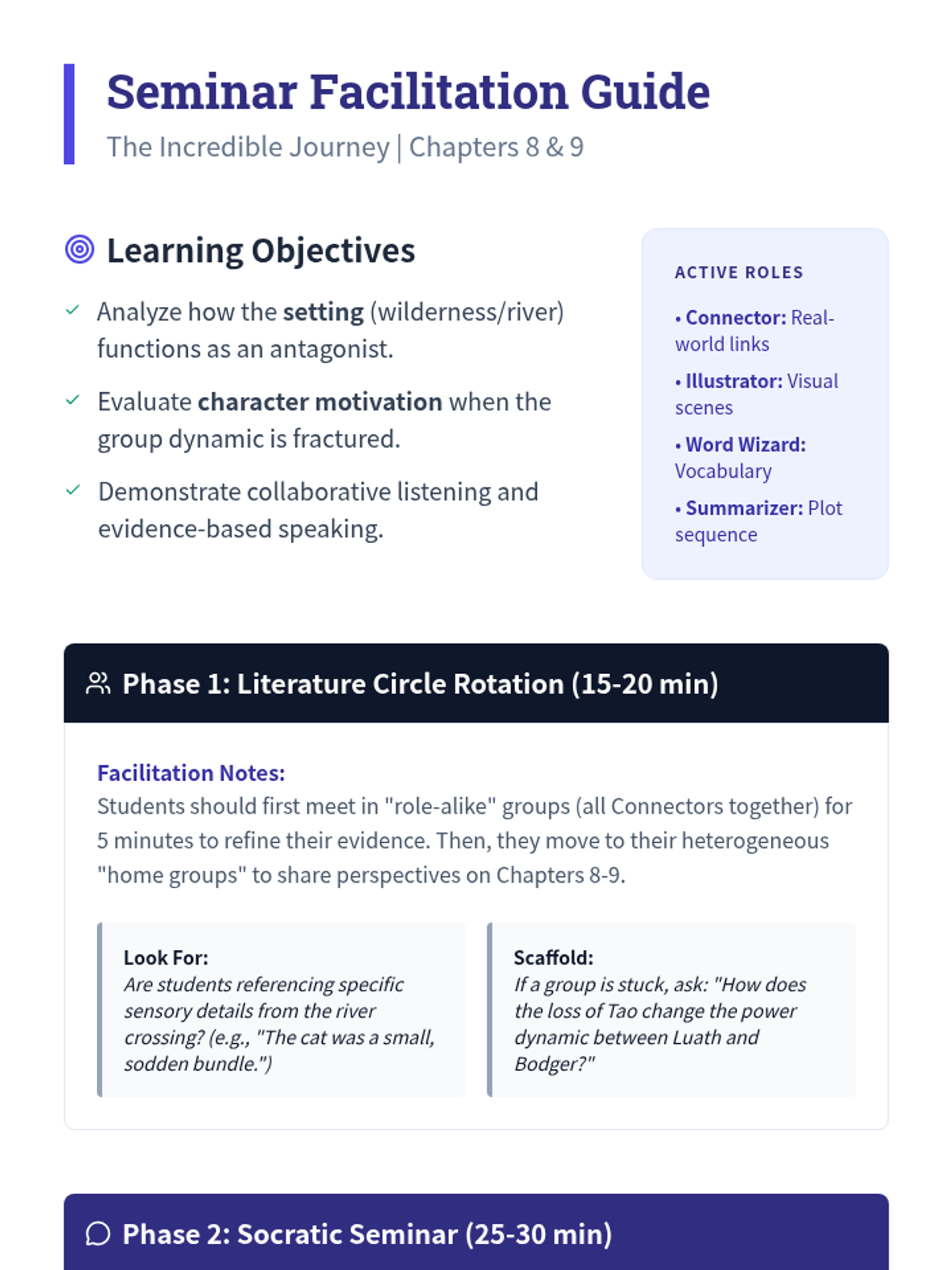
A literary exploration of survival stories and the bonds between animals and humans, centered on 'The Incredible Journey'. This unit emphasizes literary analysis through collaborative discussion and role-based inquiry.
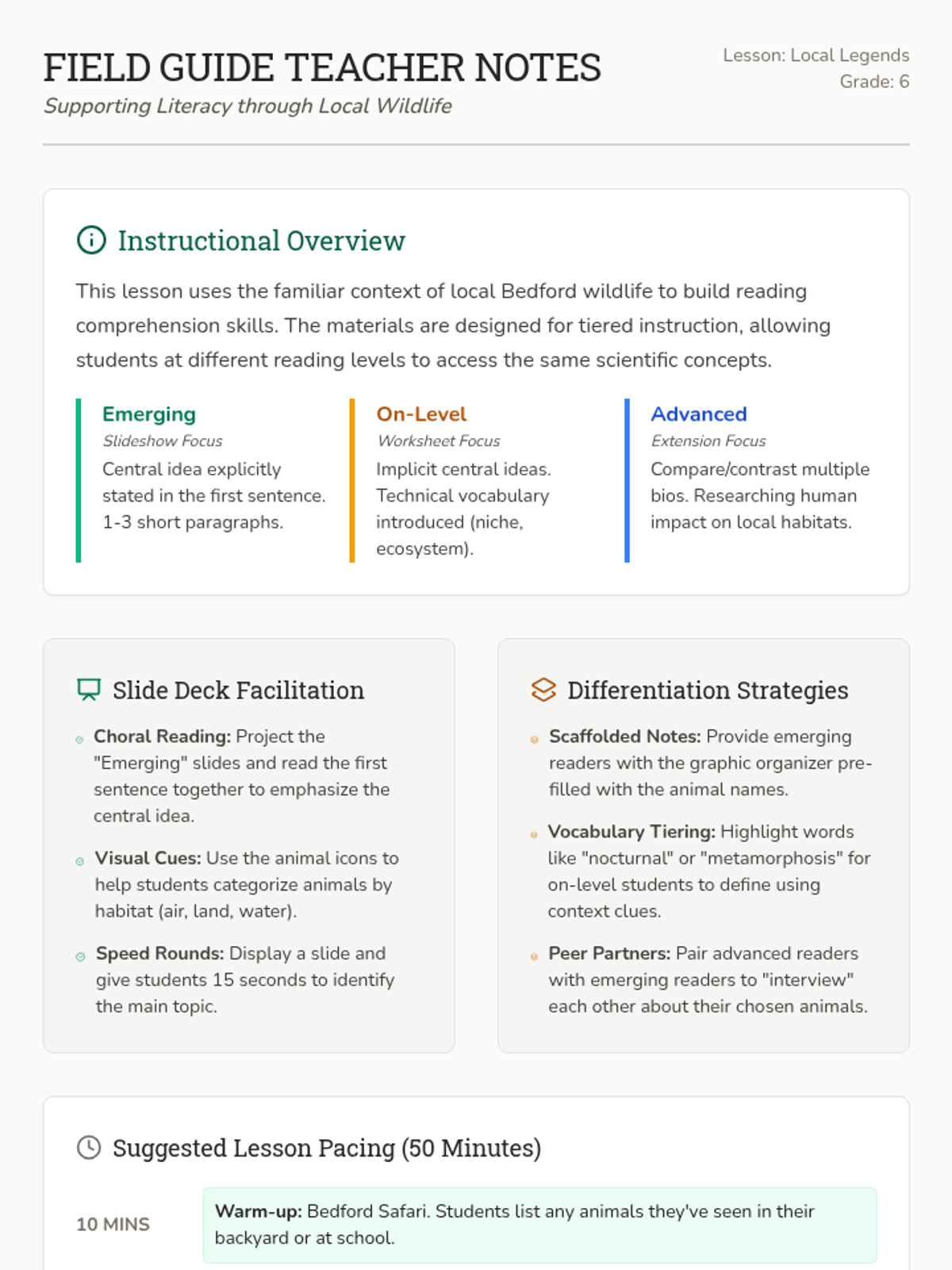
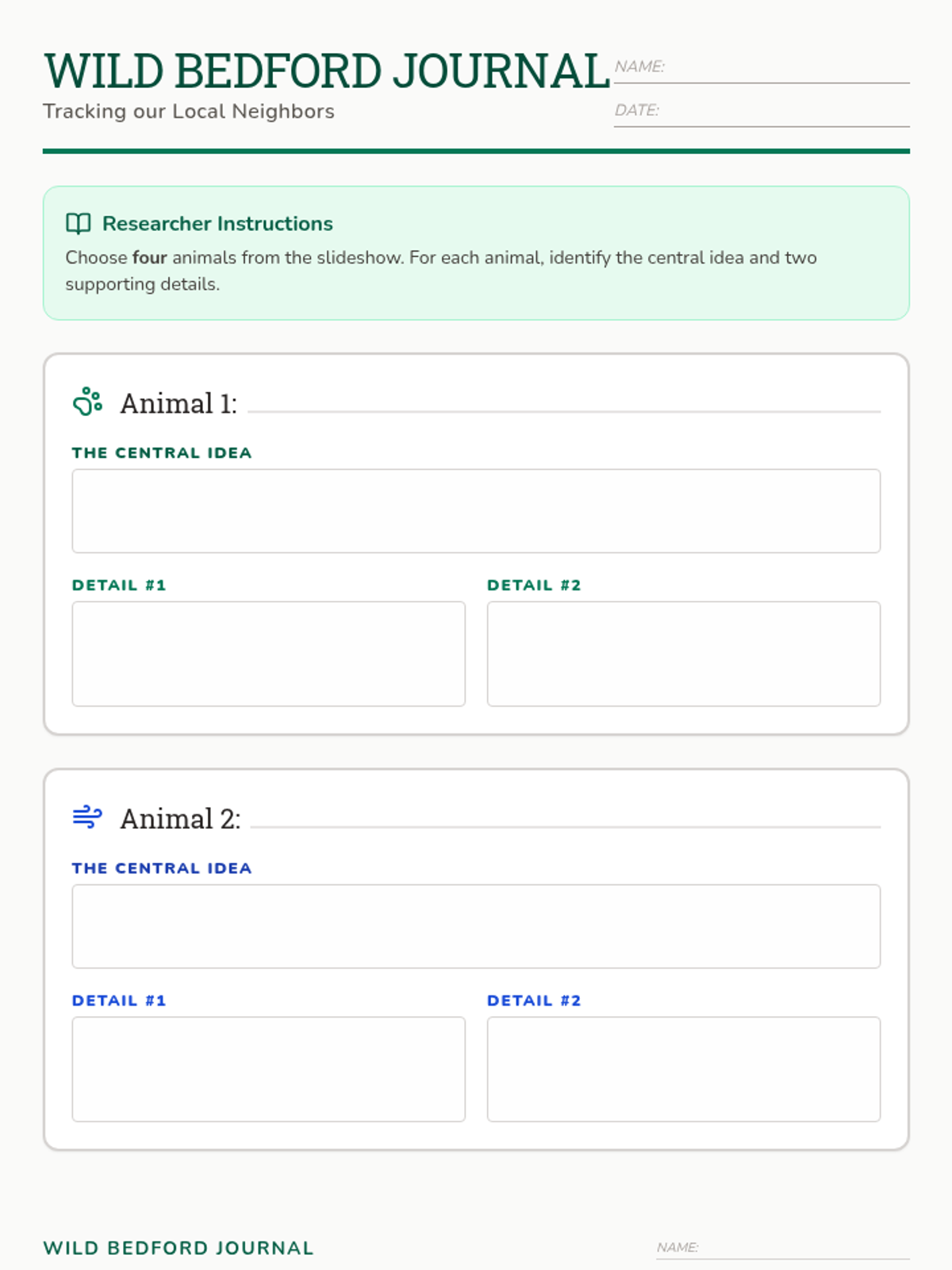
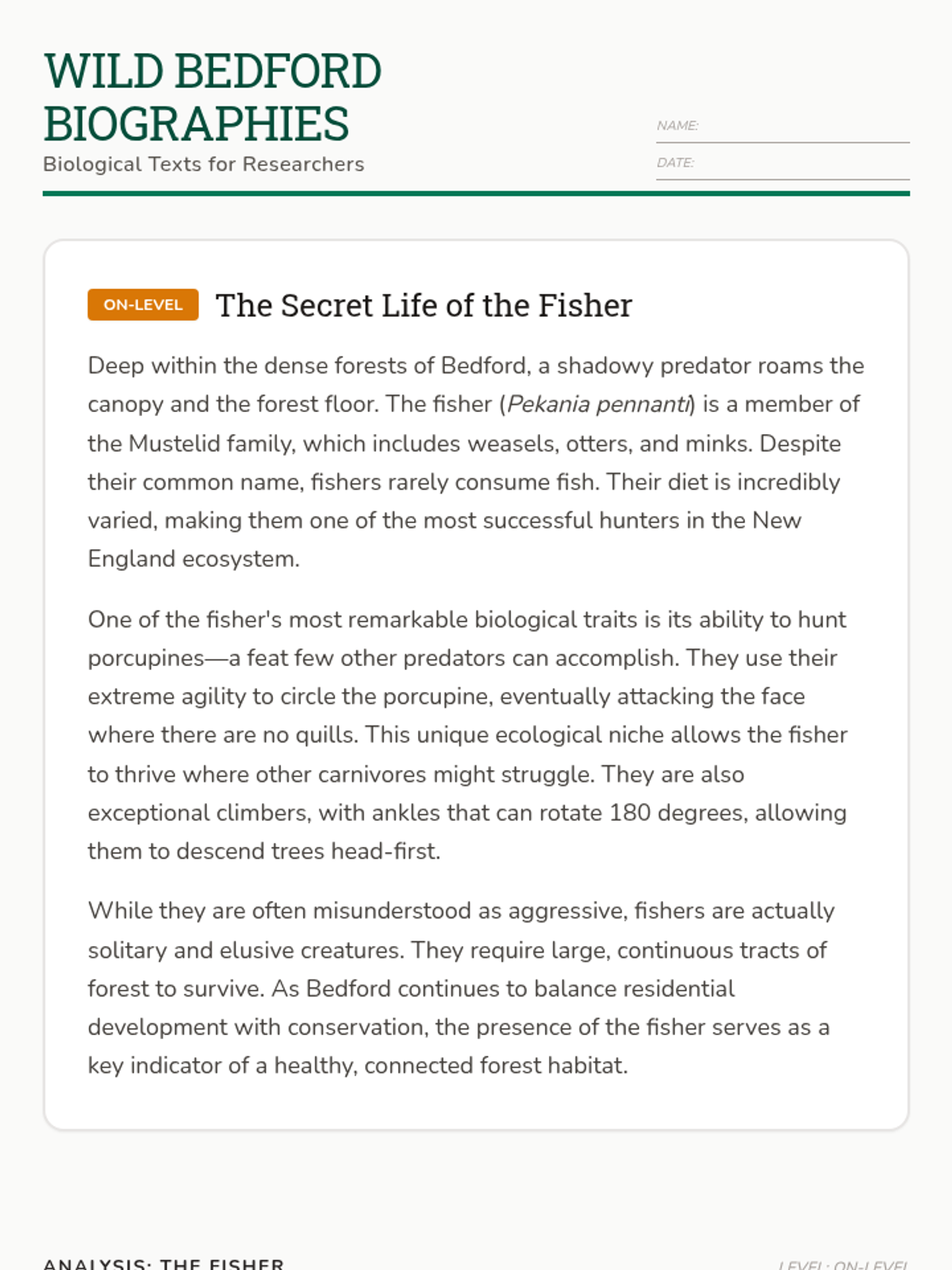
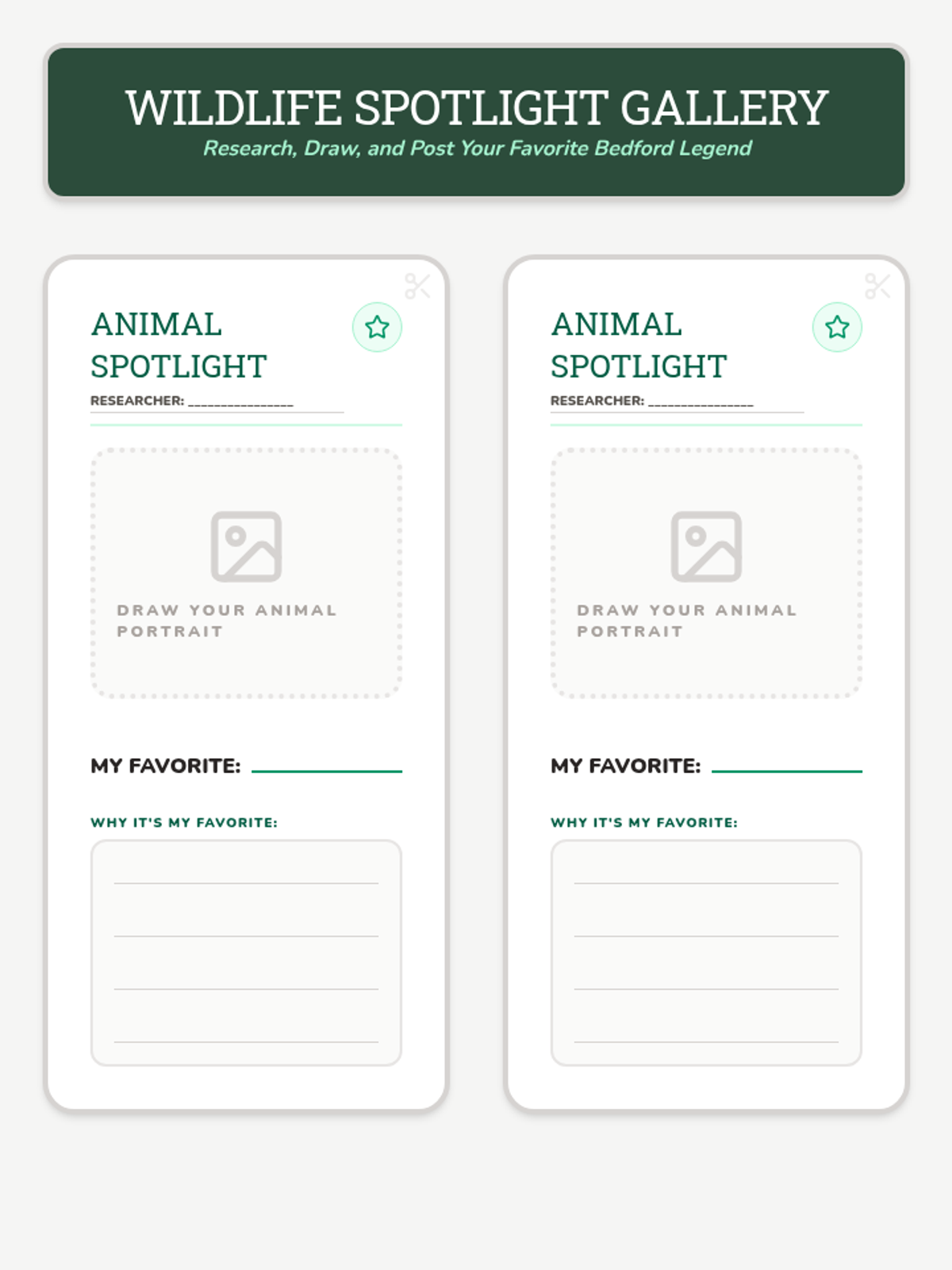
A comprehensive look at the diverse wildlife found in Bedford, Massachusetts, focusing on reading comprehension through animal biographies at multiple levels.
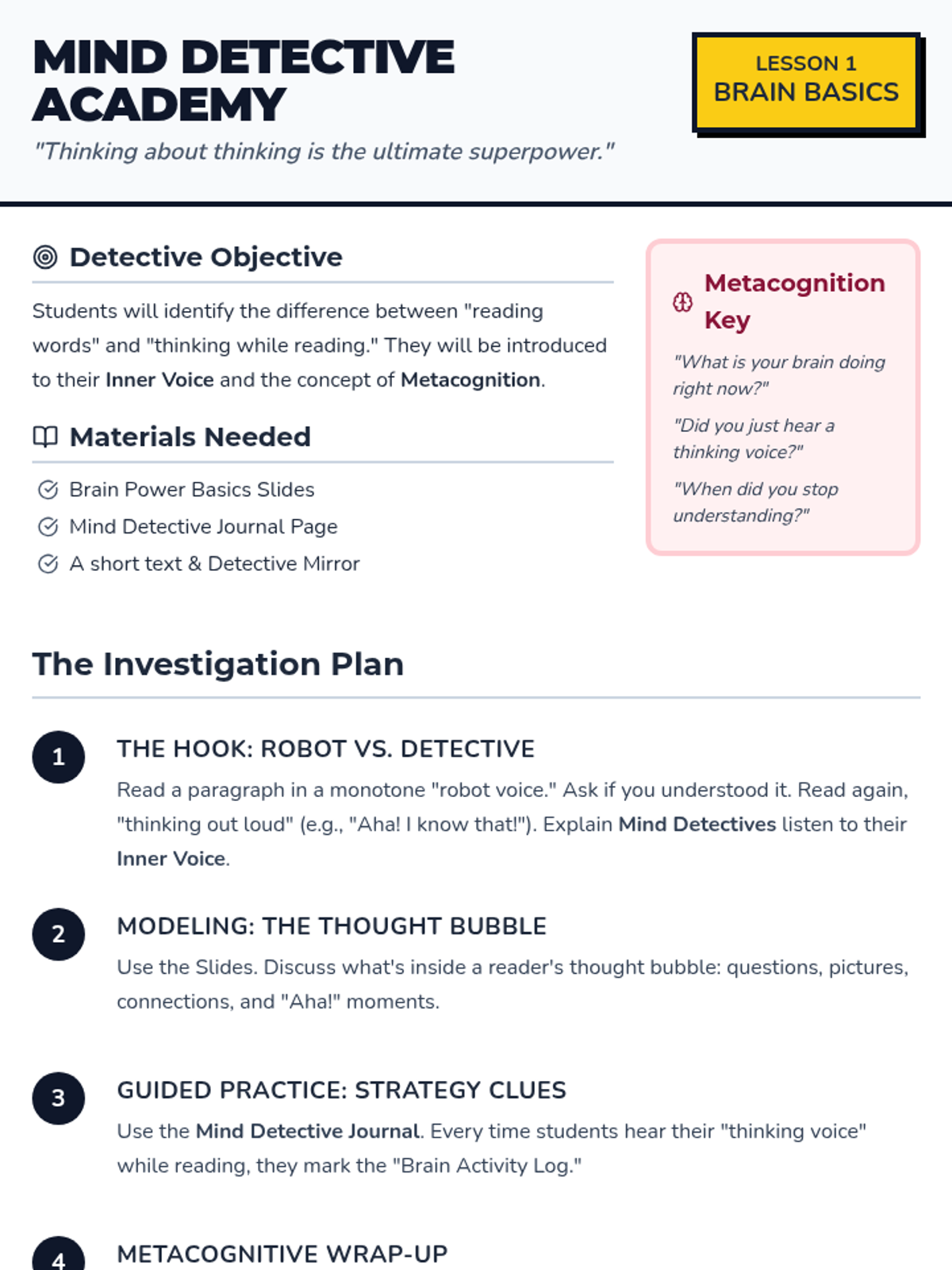
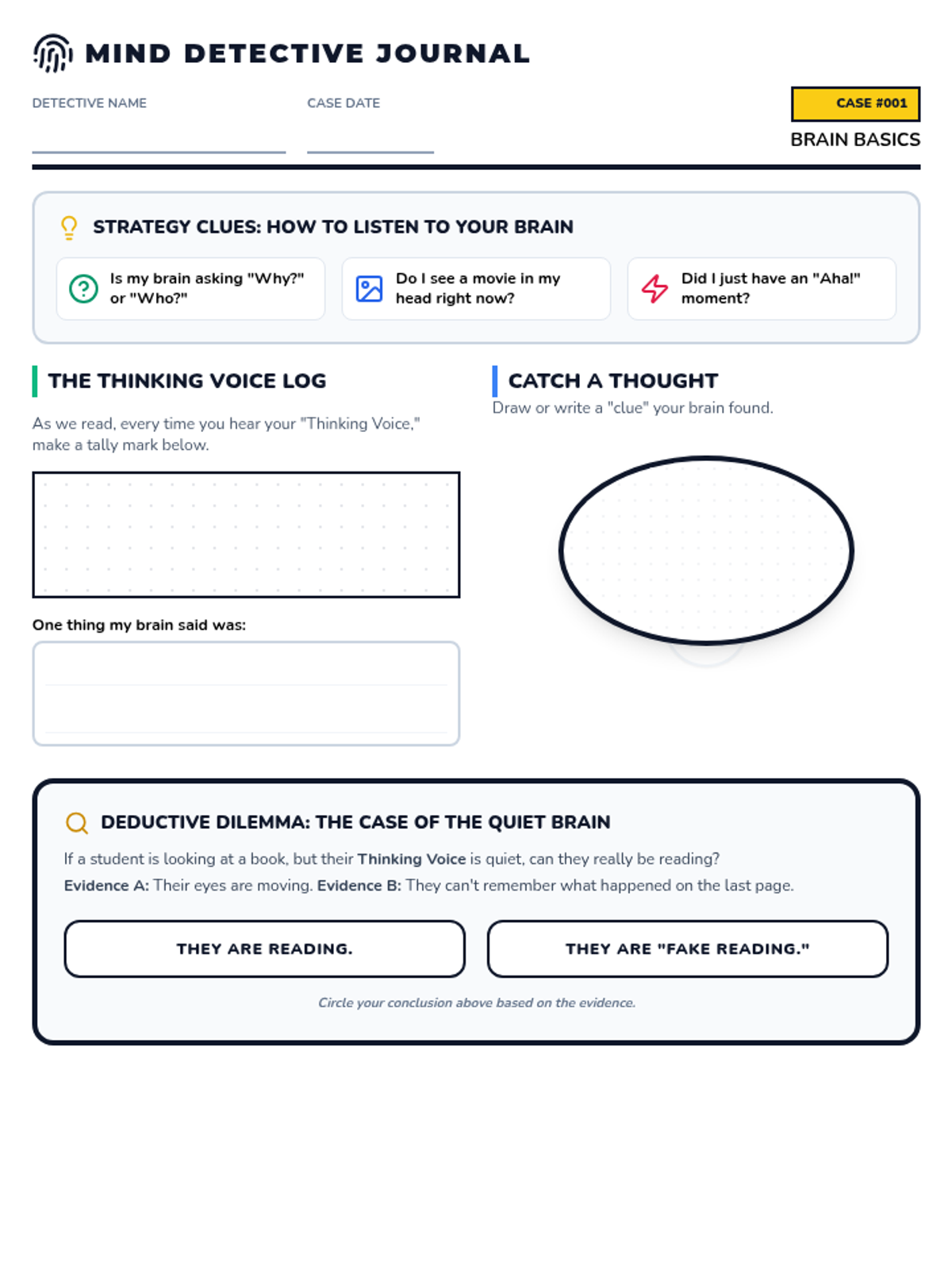
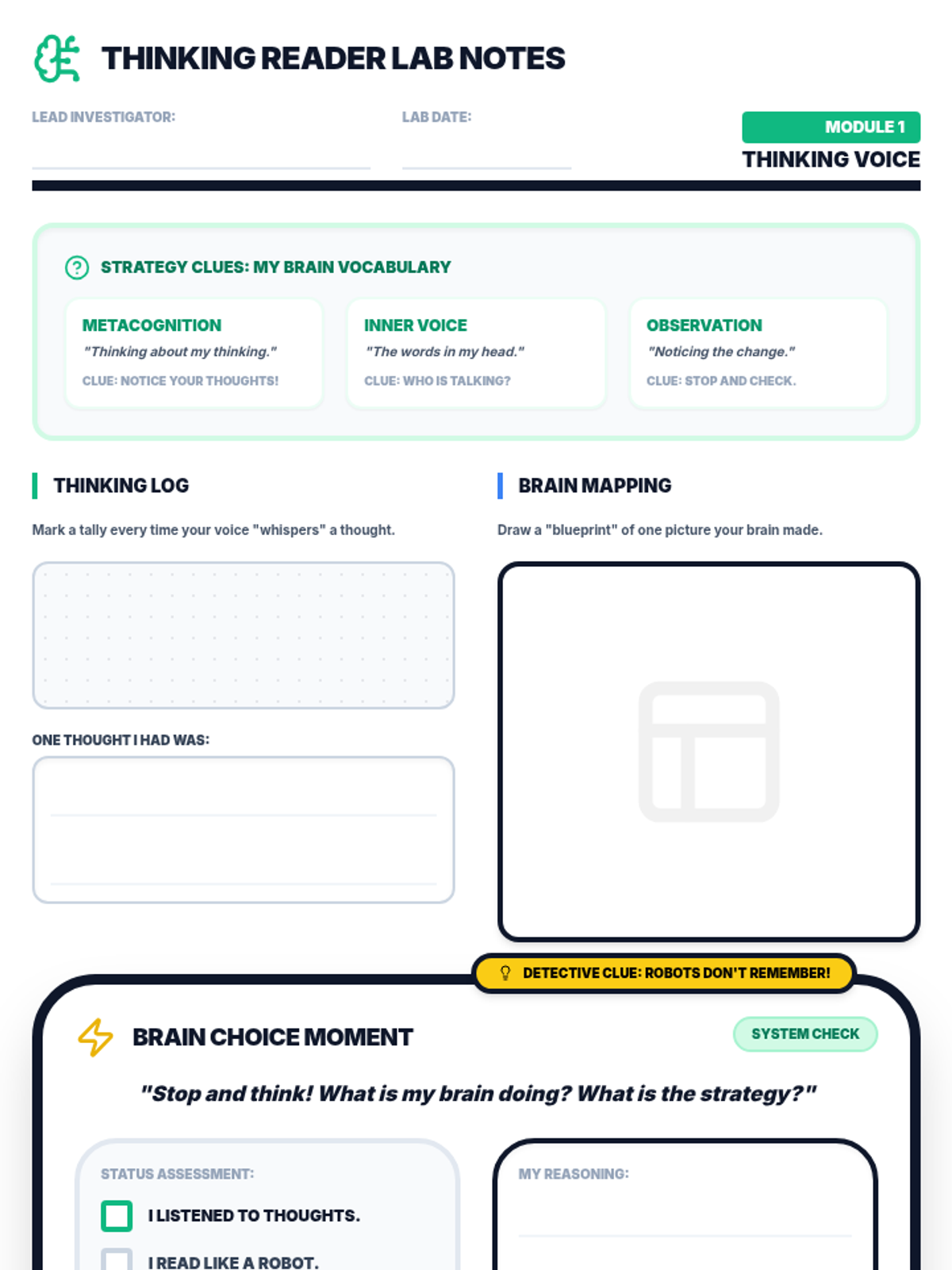
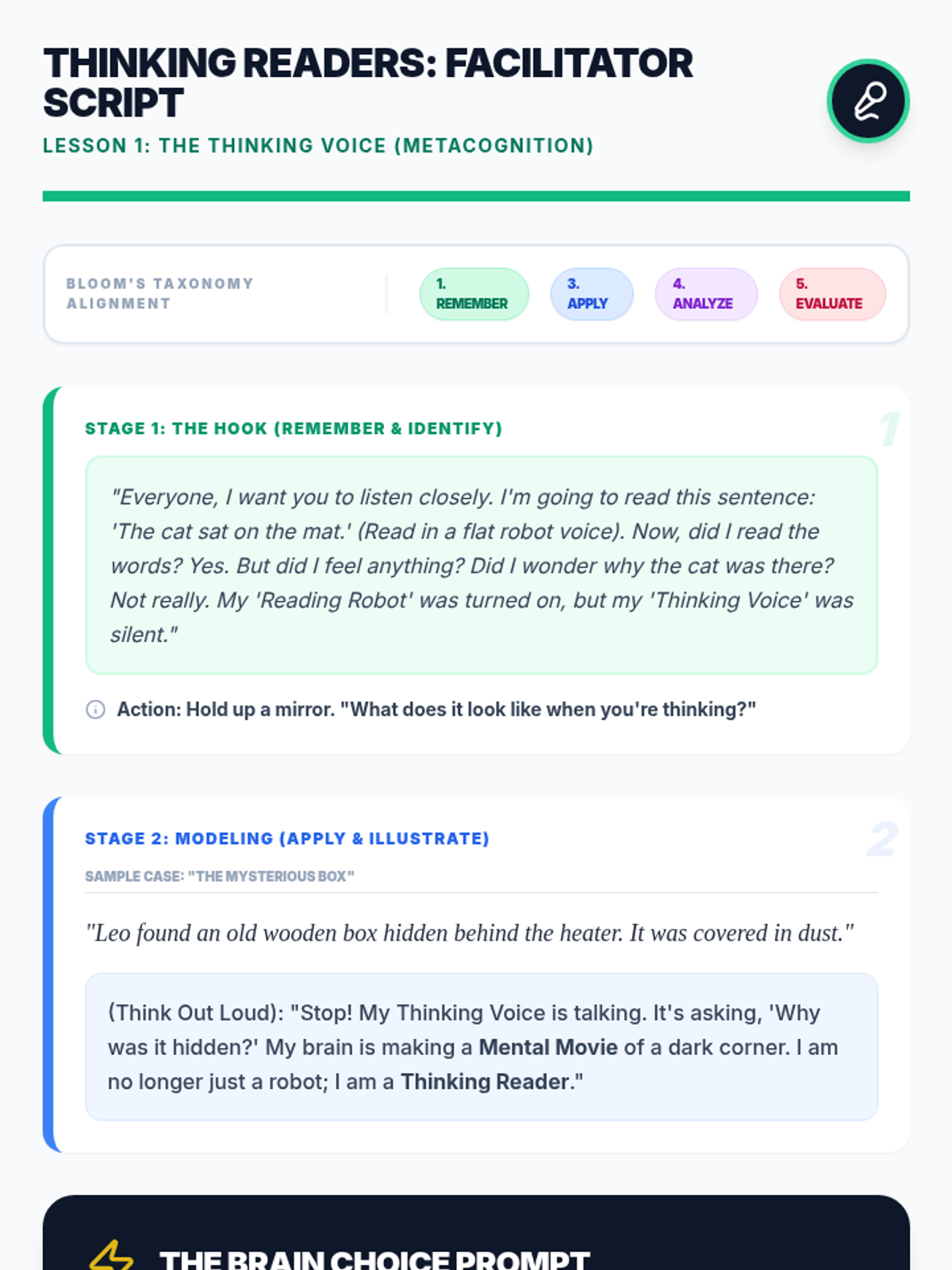
A 12-lesson comprehension mastery program focused on metacognition, reasoning, and evidence-based thinking. Students progress from basic thinking awareness to complex deductive reasoning and synthesis. Inspired by Reading Detective and Comprehension Connections.
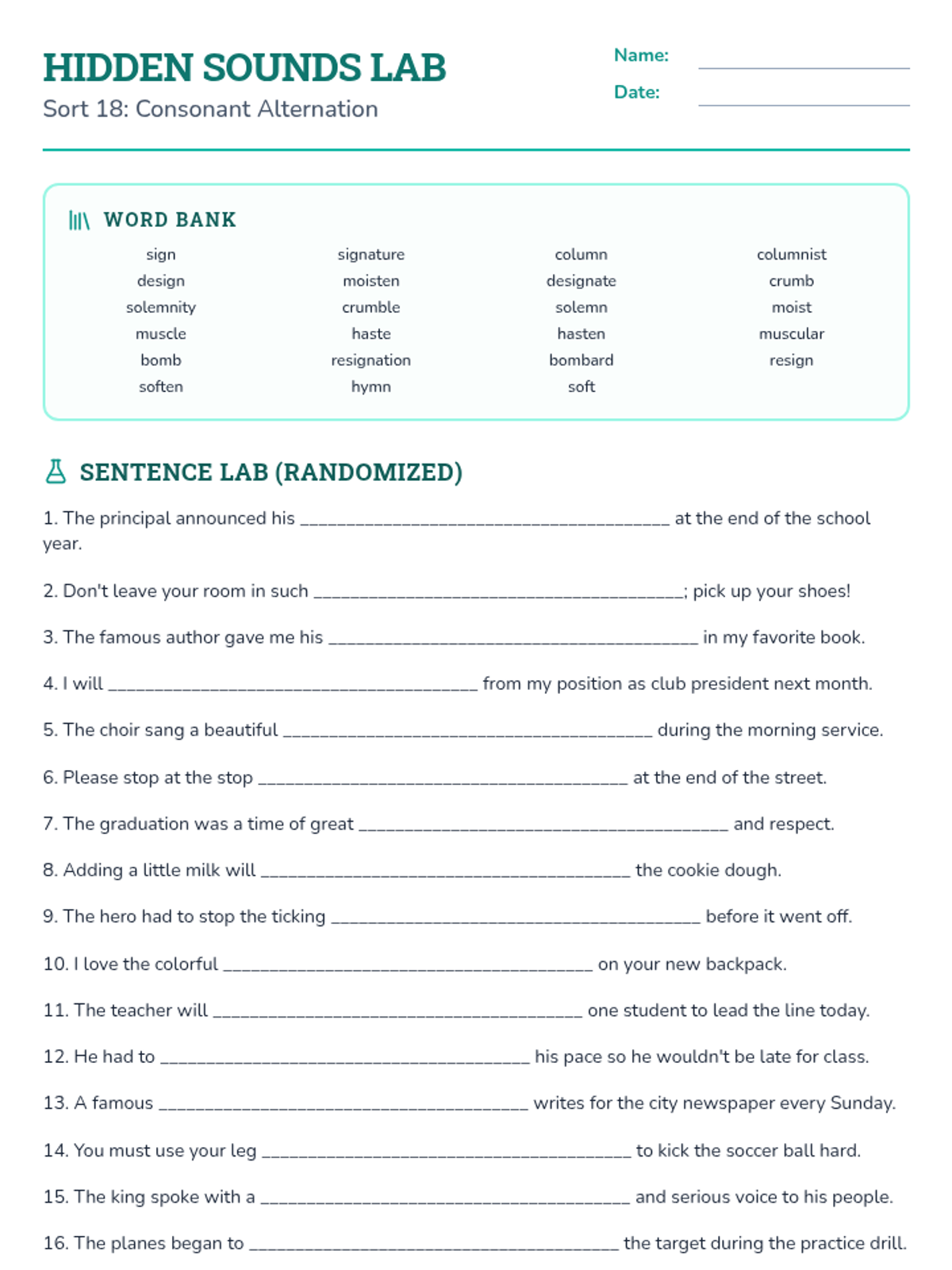
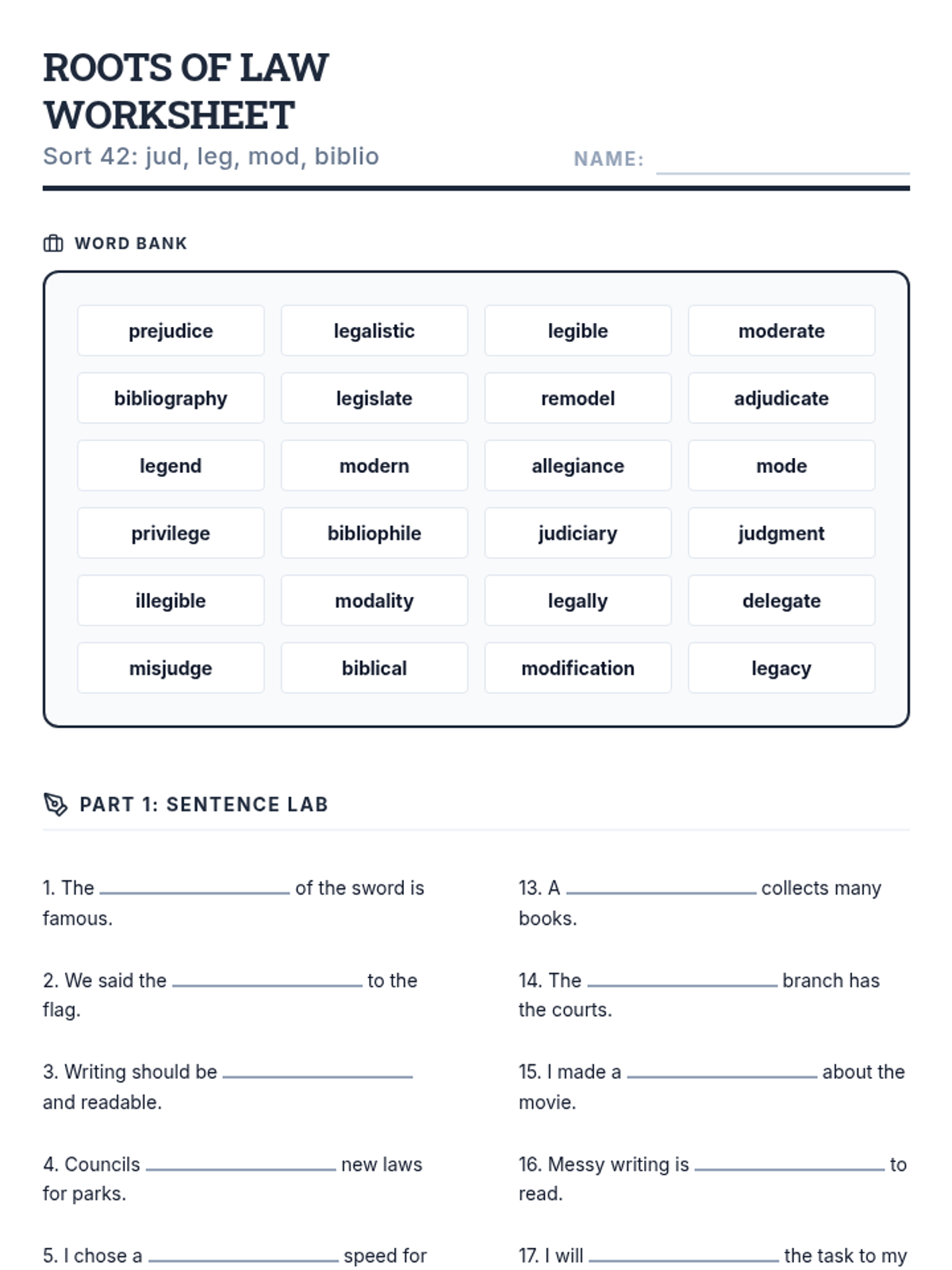
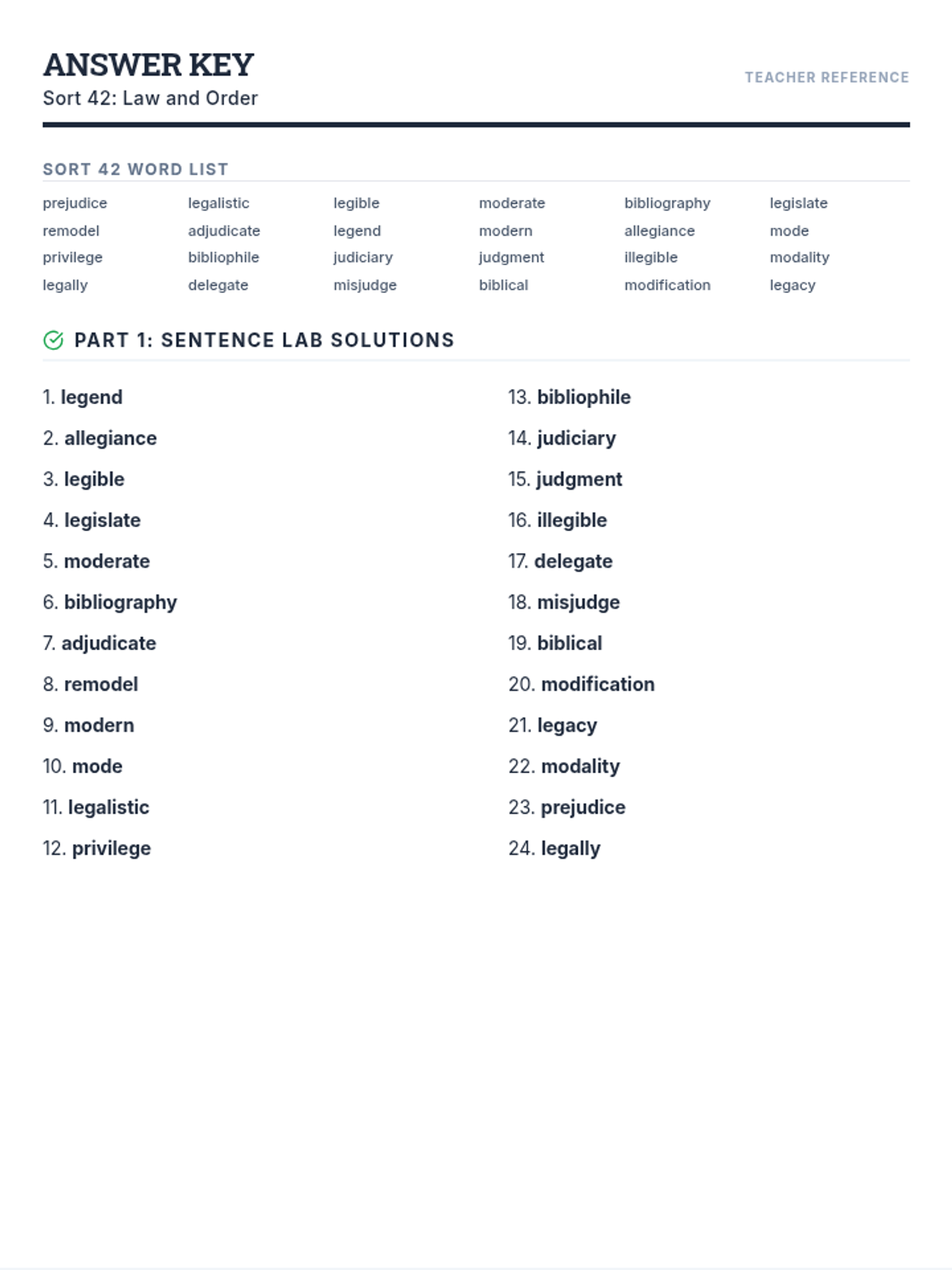
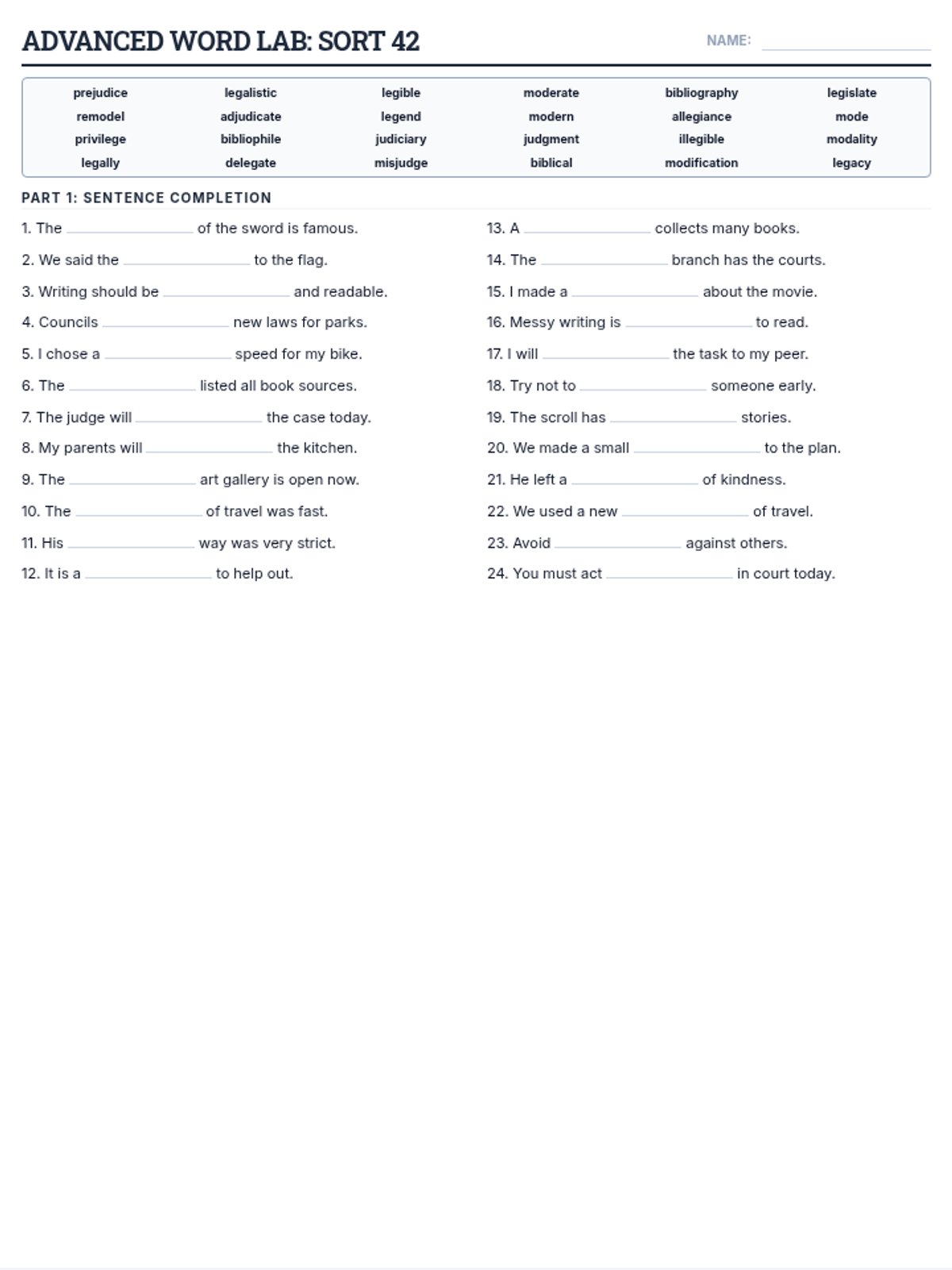
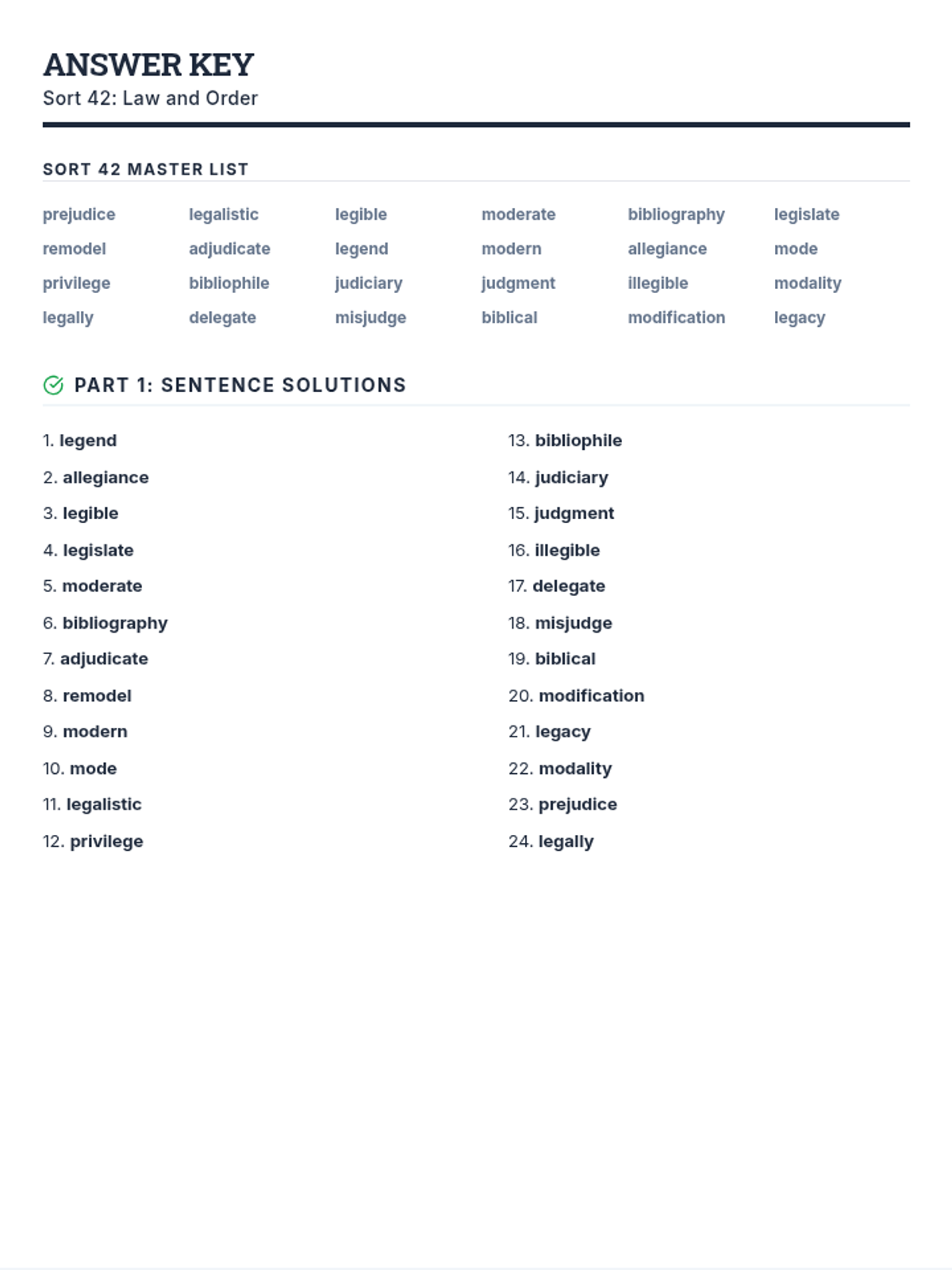
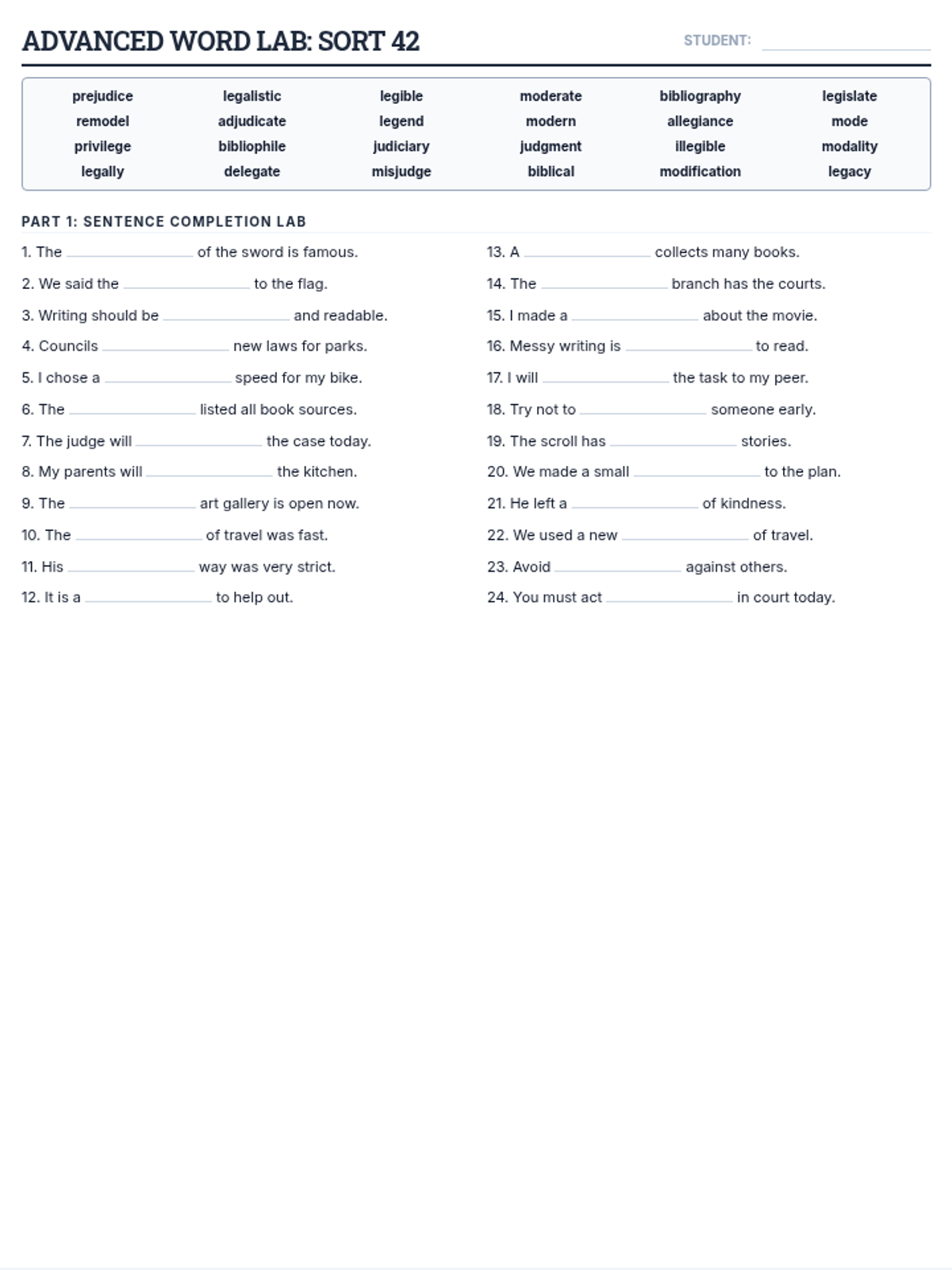
A comprehensive word study sequence for 4th-grade students covering spelling sorts 18 through 41, focusing on consonant and vowel alternations, suffixes, and Greek/Latin roots.
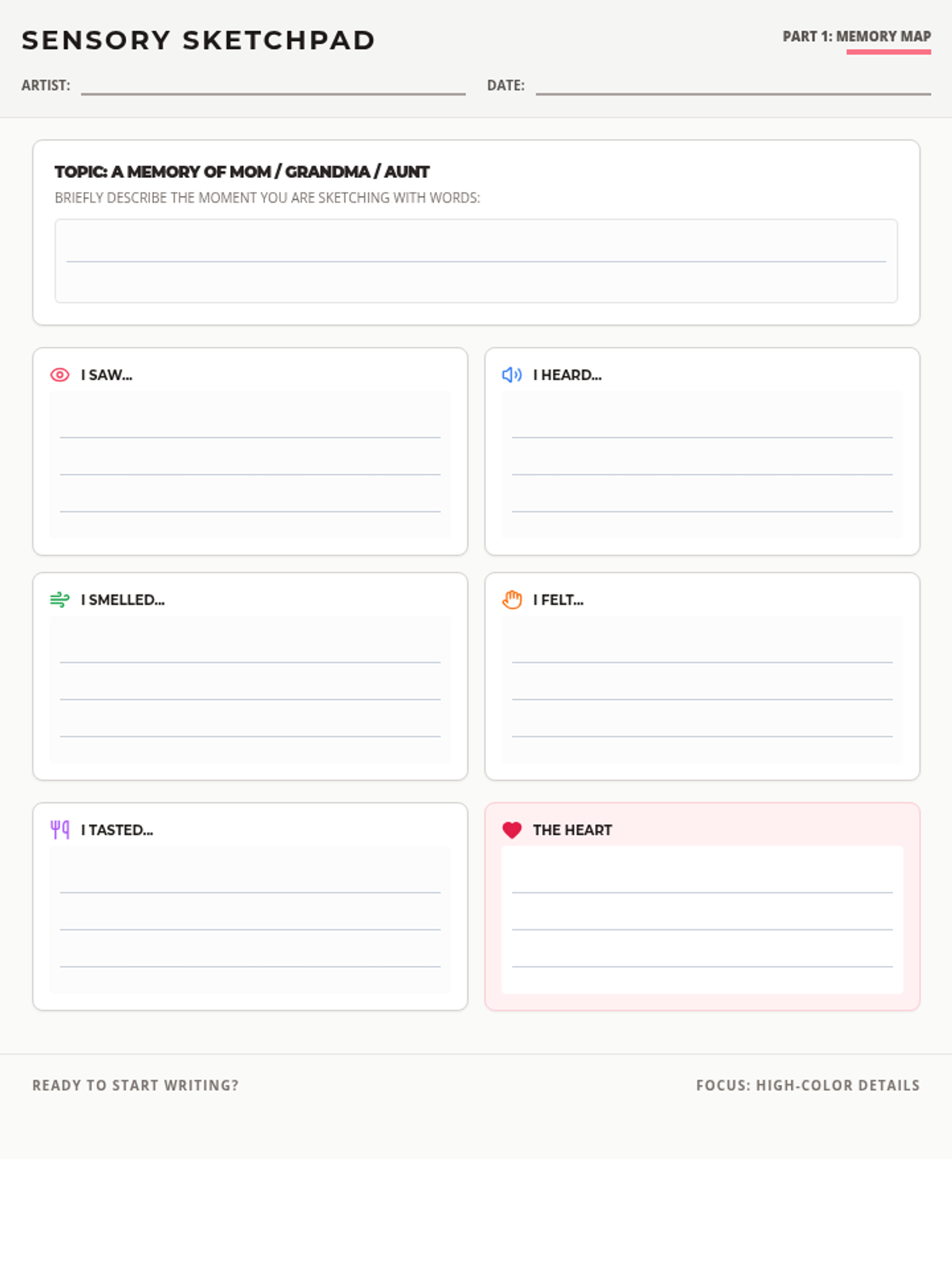
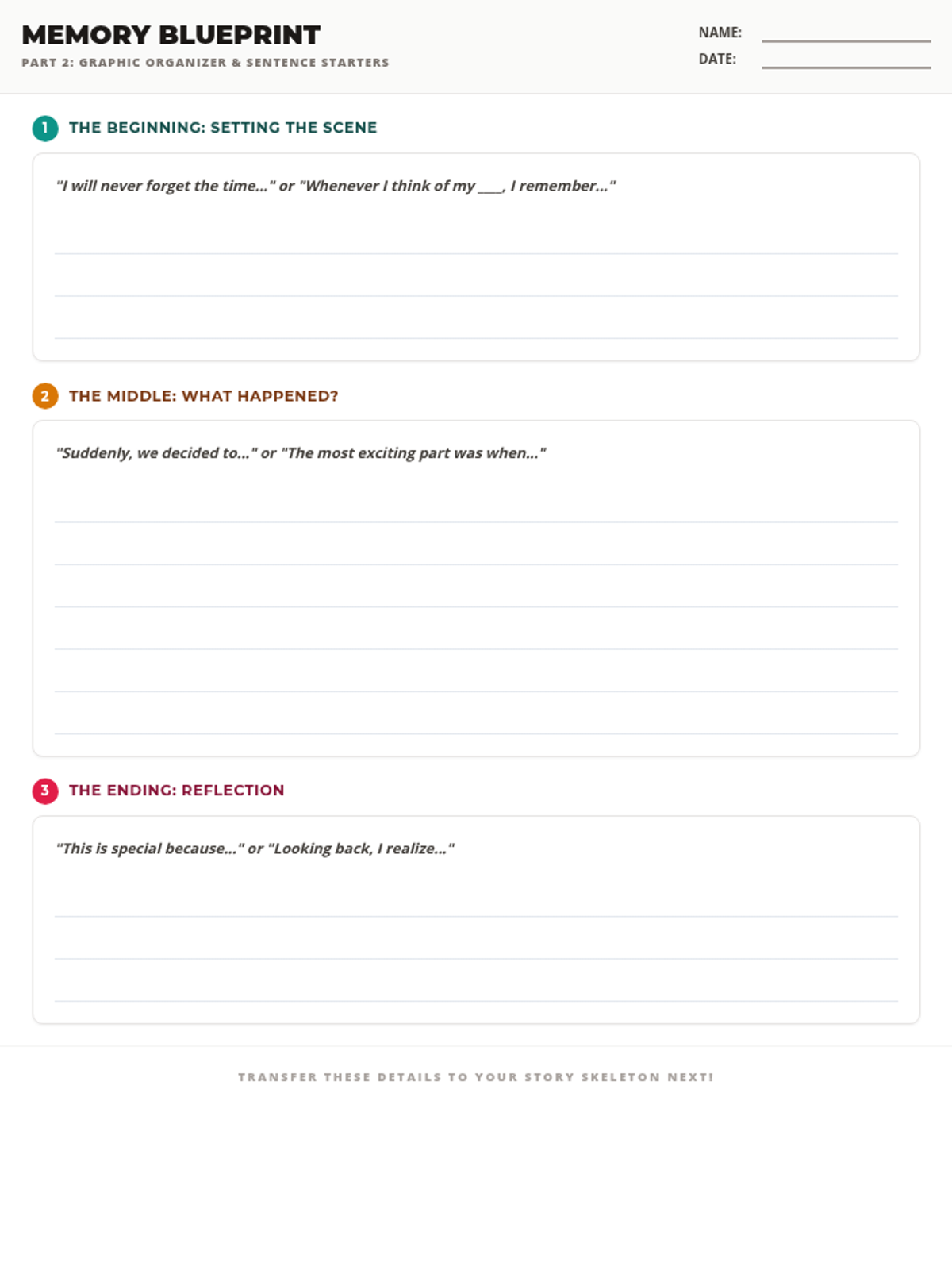
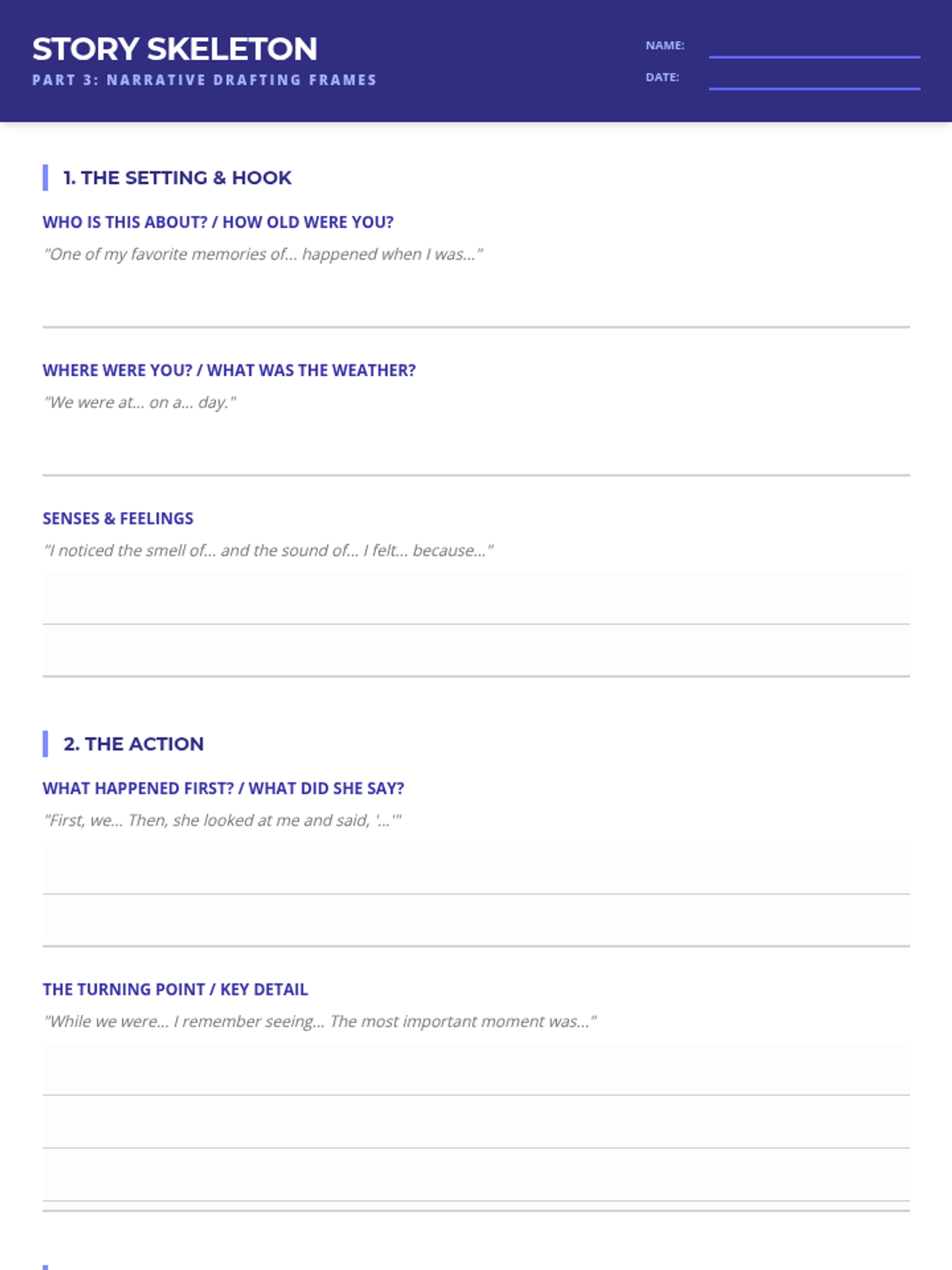
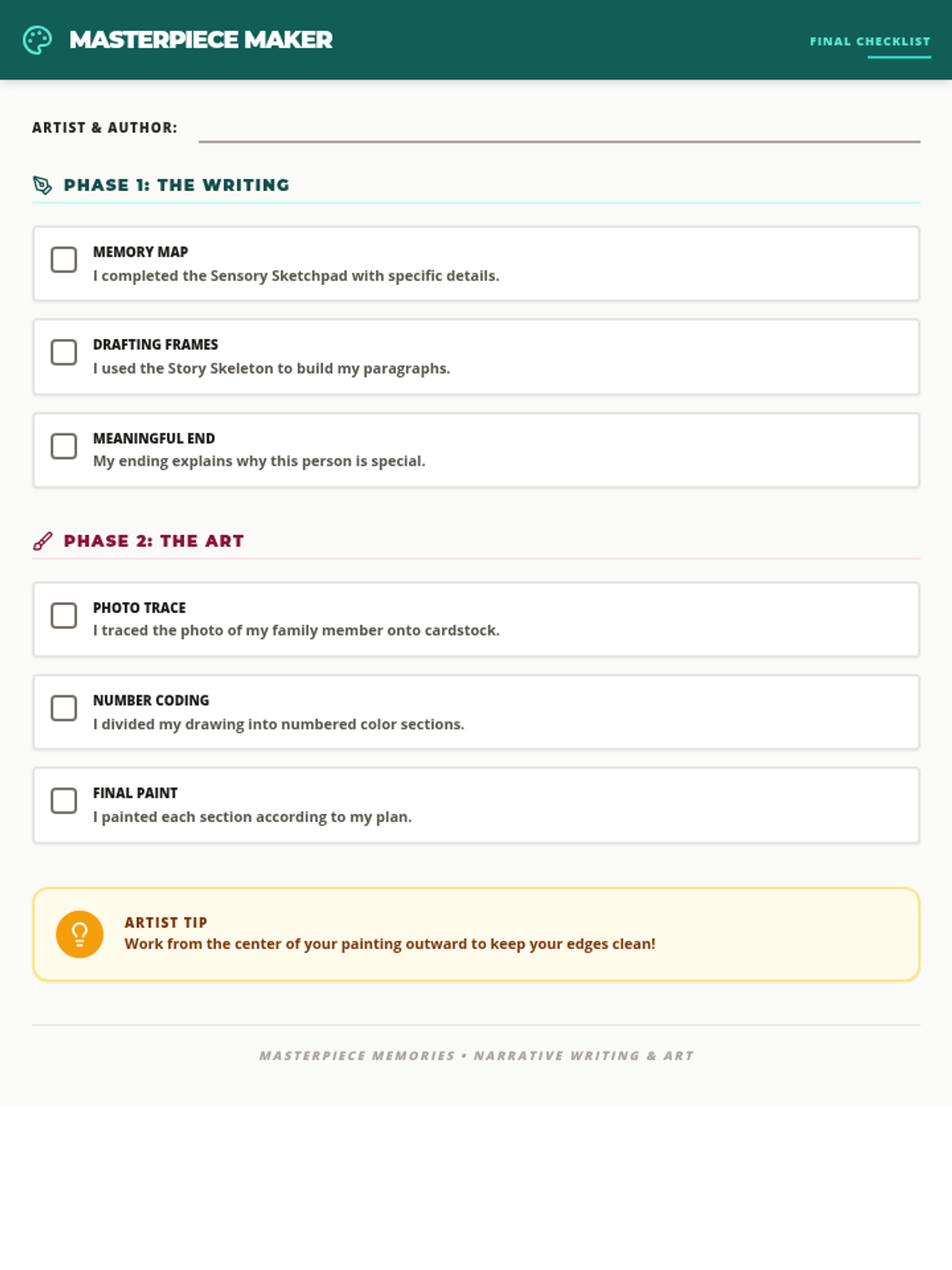
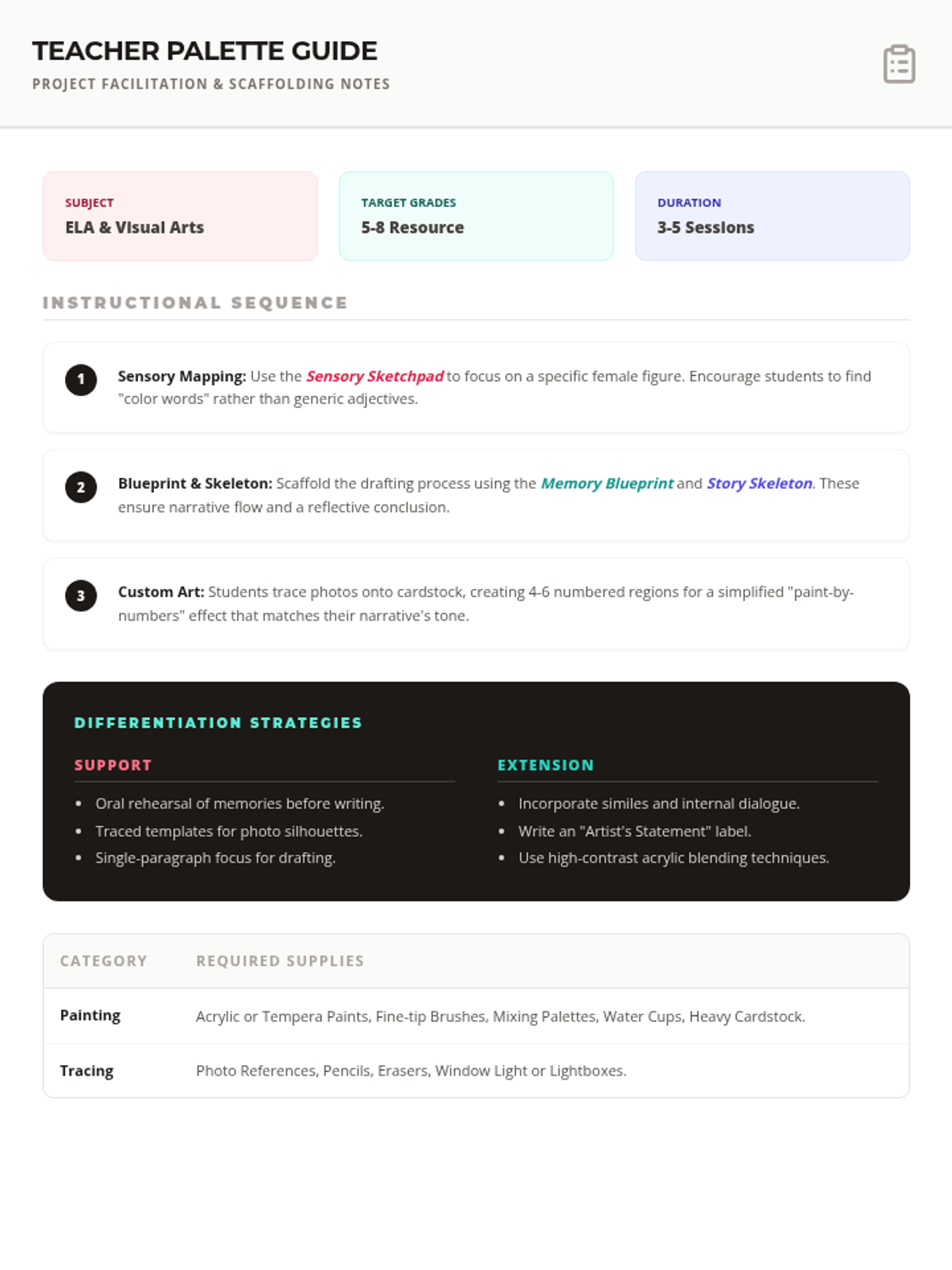
A Mother's Day writing and art unit where students draft heartfelt letters to significant female figures in their lives, sharing a favorite memory and accompanying it with a custom paint-by-numbers art piece.
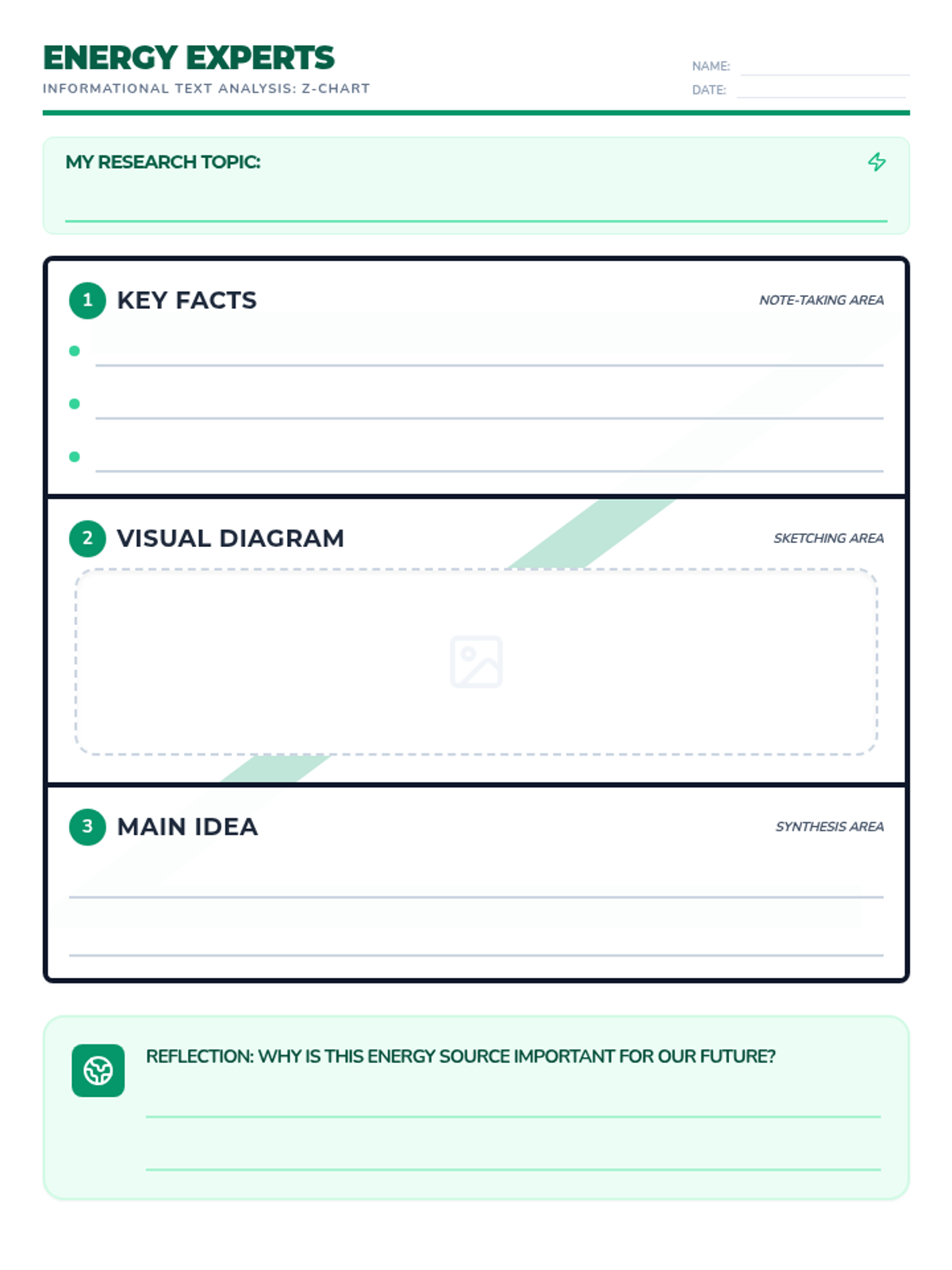
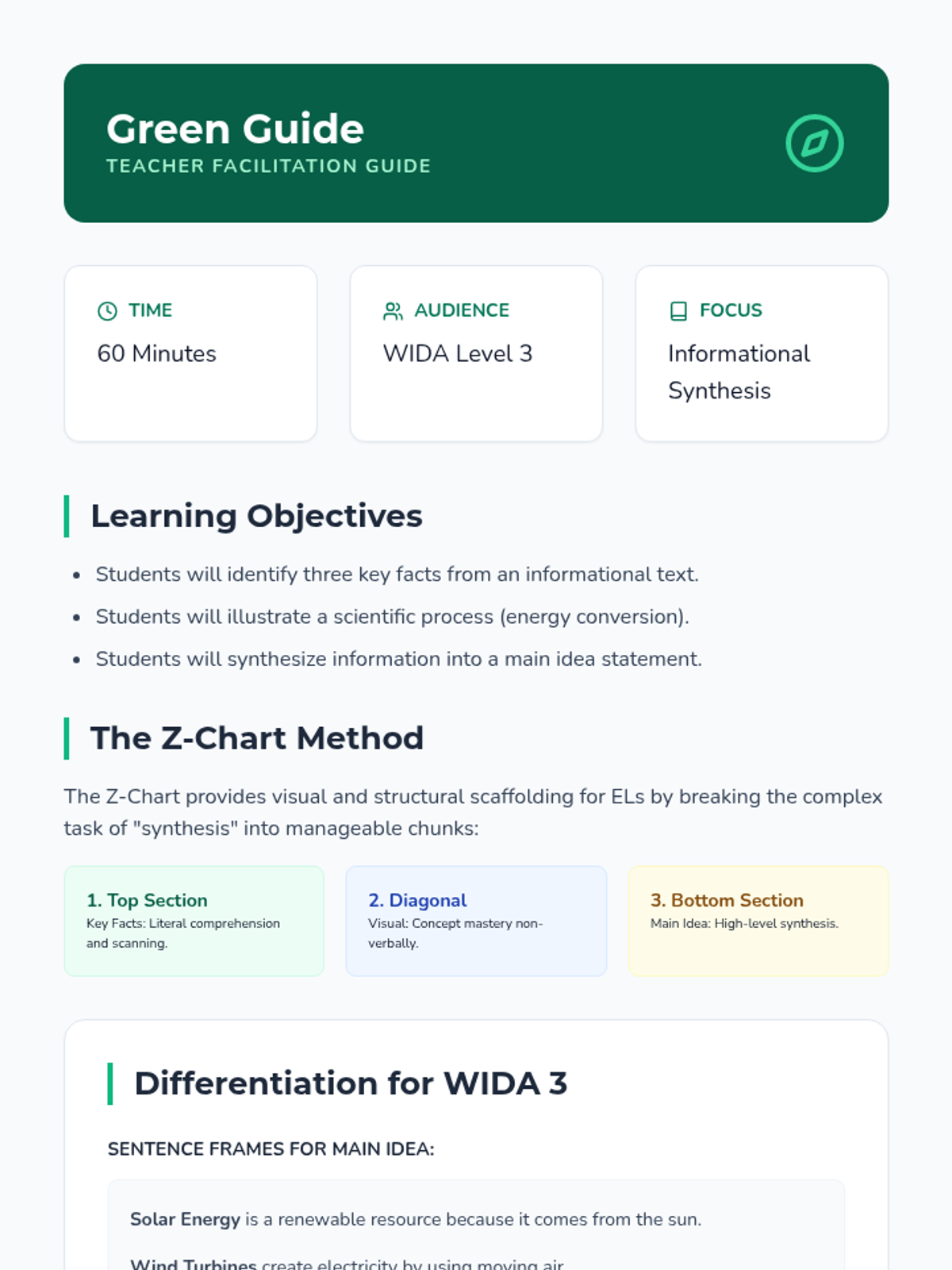
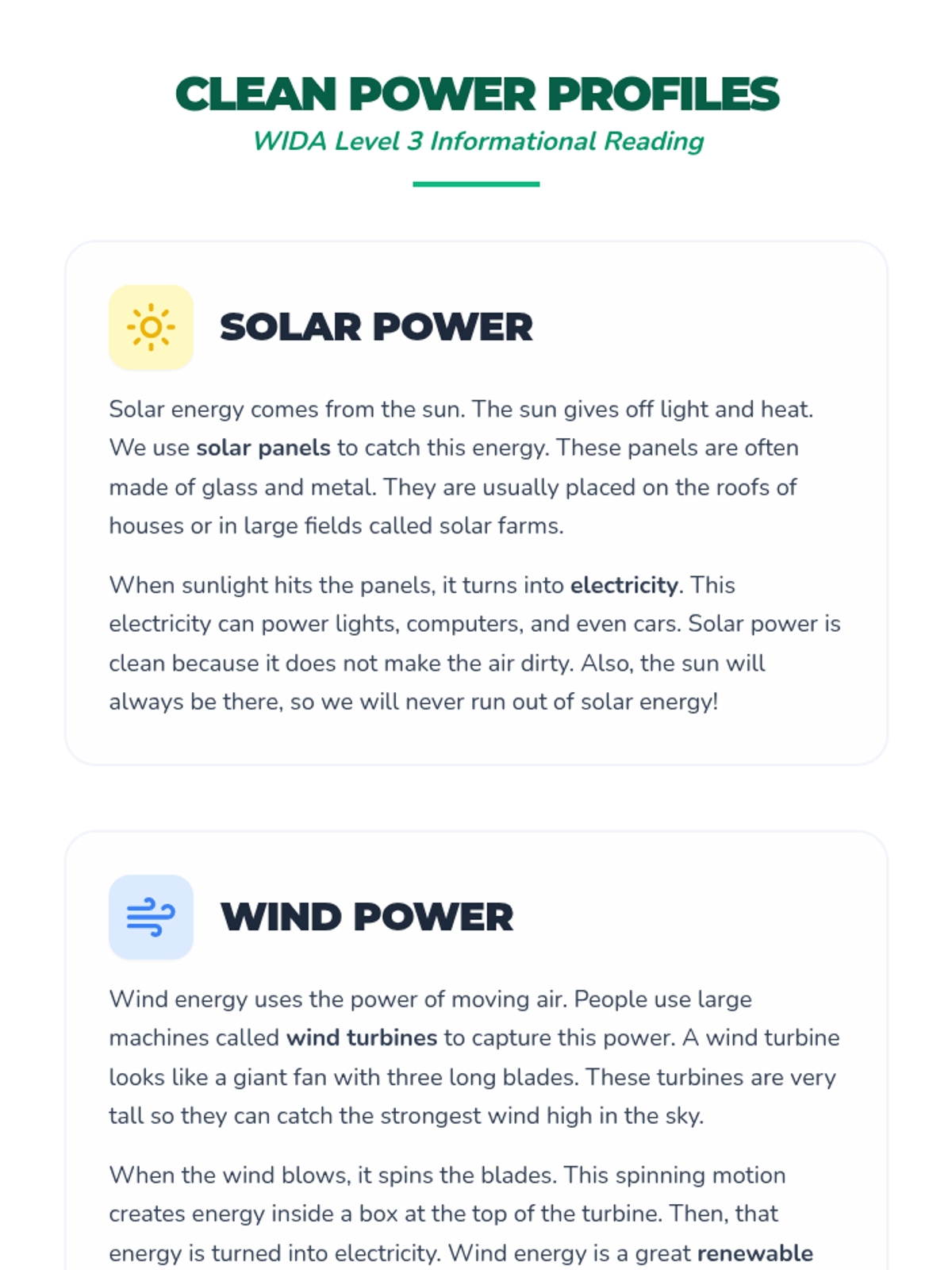
A comprehensive unit on renewable energy sources, focusing on analyzing informational texts through visual and written synthesis. Designed for EL students to develop academic language while exploring sustainable technology.
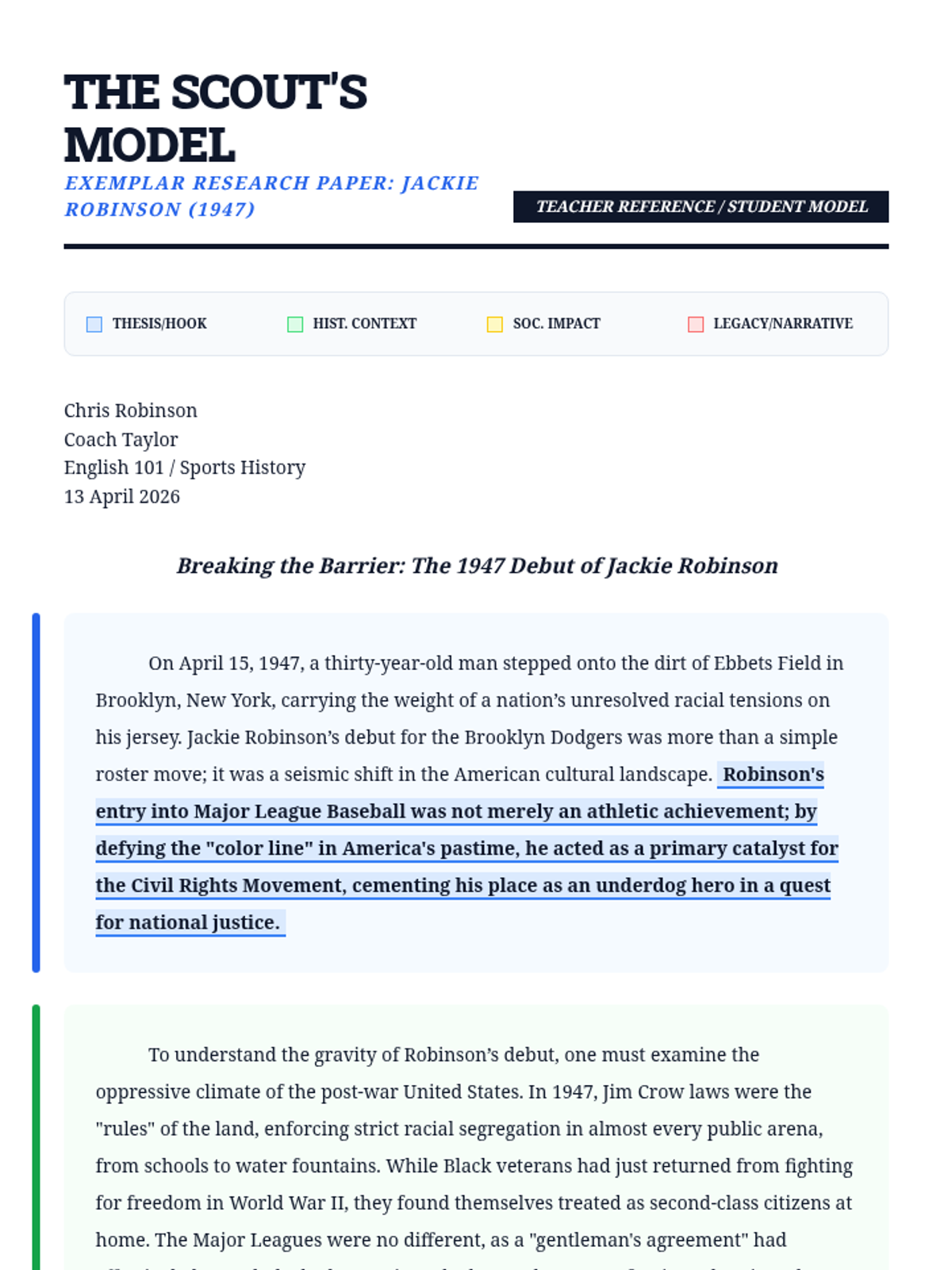
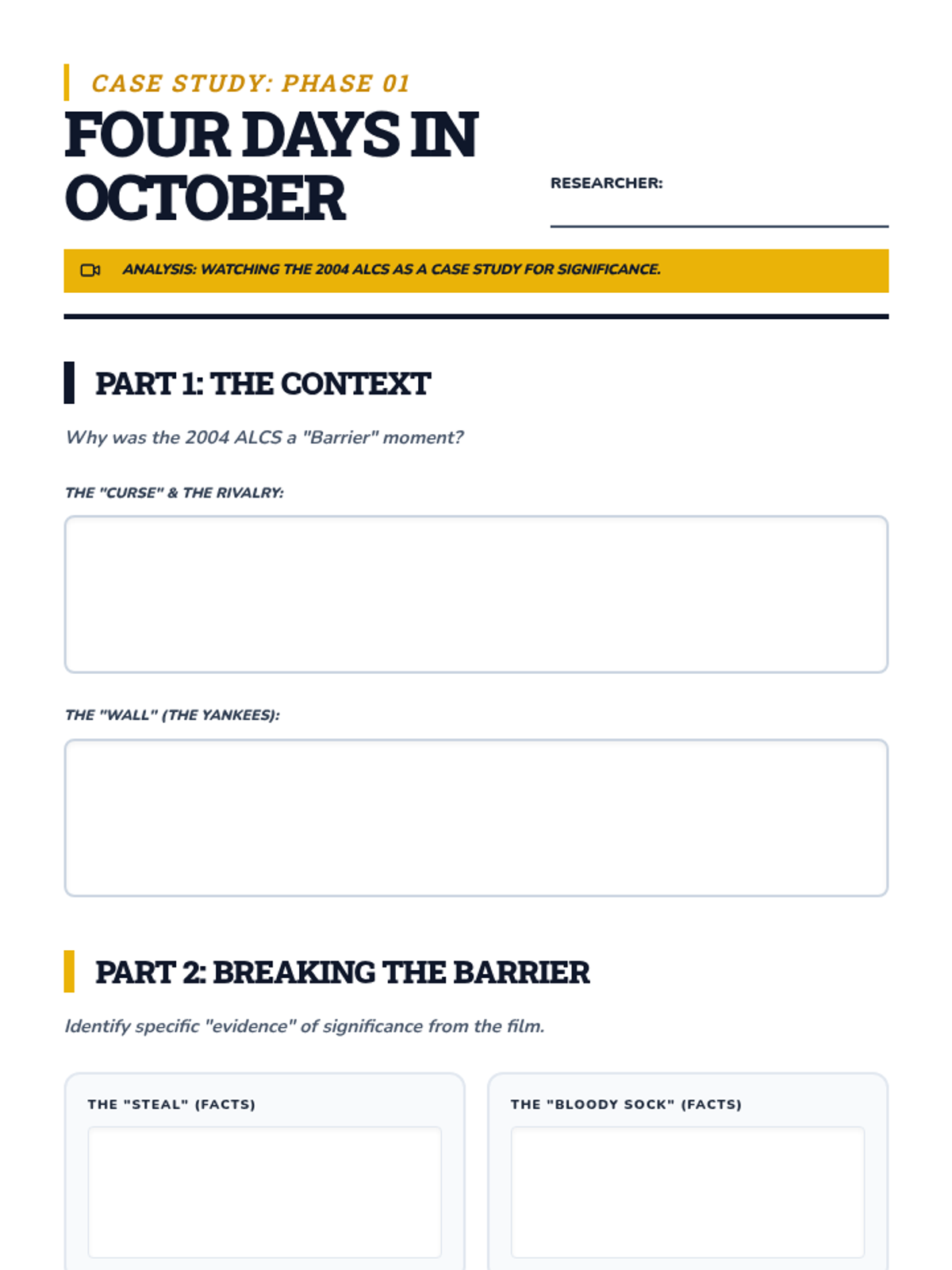
A 5-week research unit that scaffolds the process paragraph-by-paragraph. Students define significance, analyze the 'Four Days in October' case study, and turn in each paragraph separately, focusing on historical context, systemic barriers, and societal impact with a dedicated lesson on counterarguments.
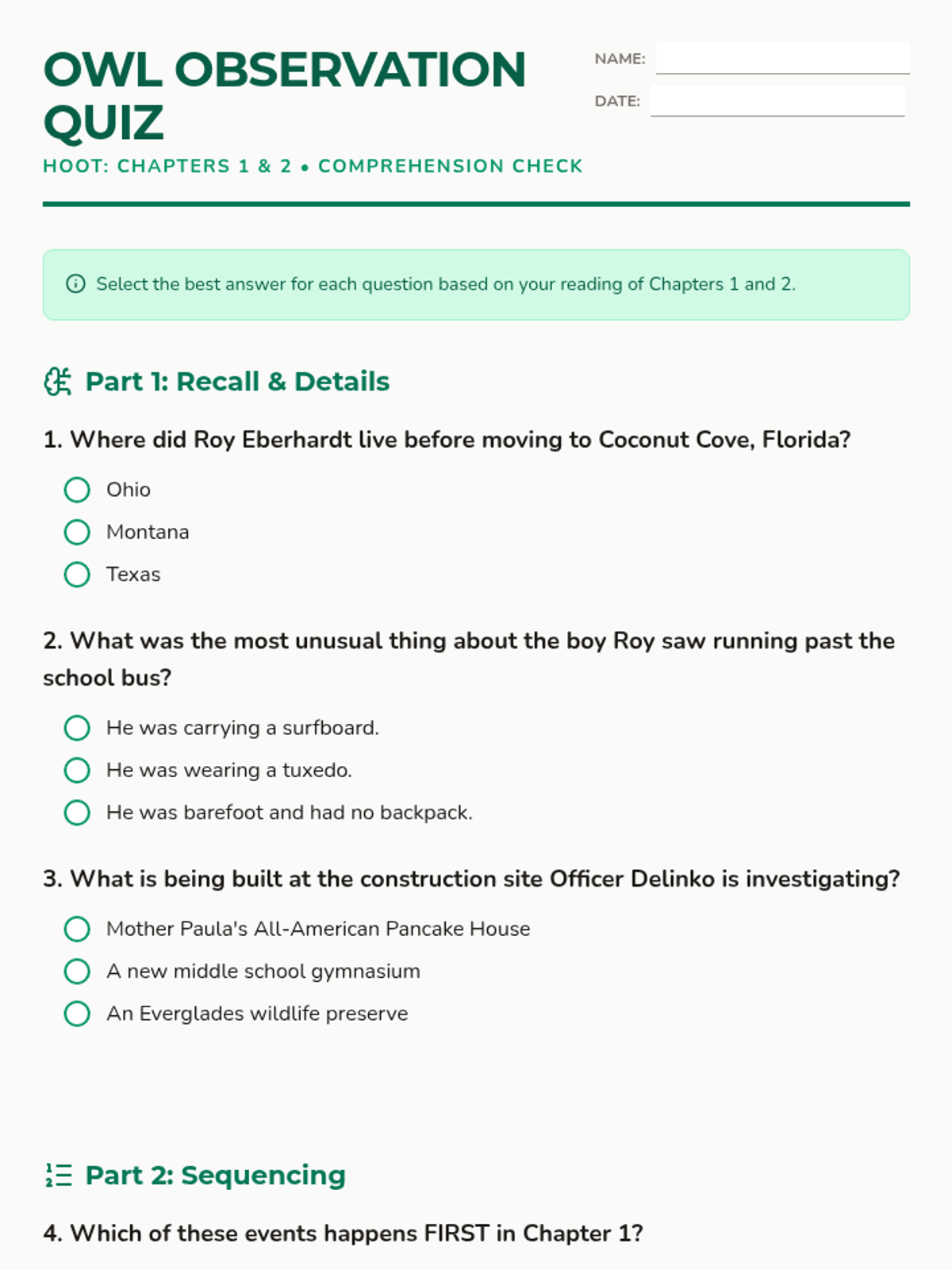
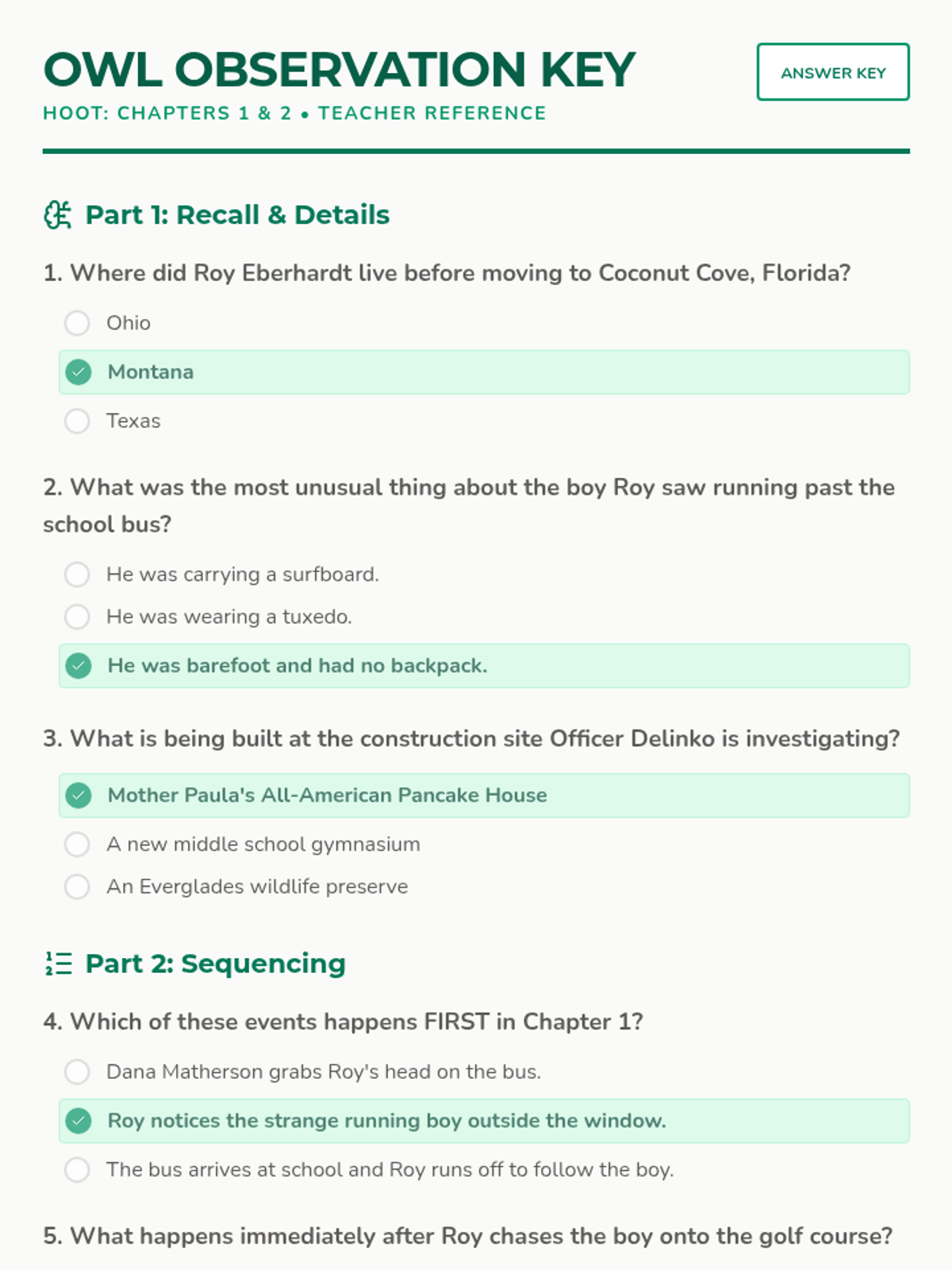
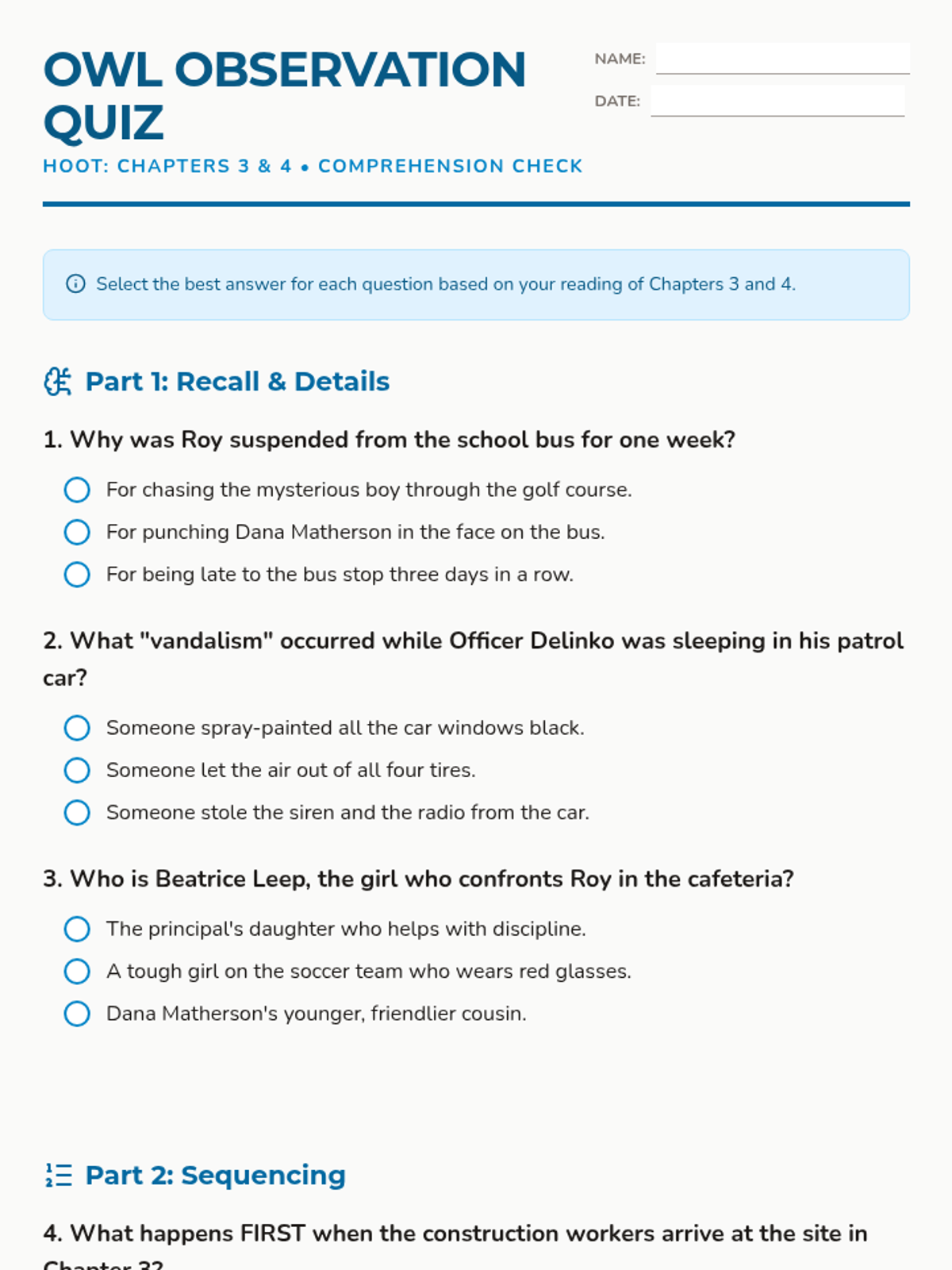
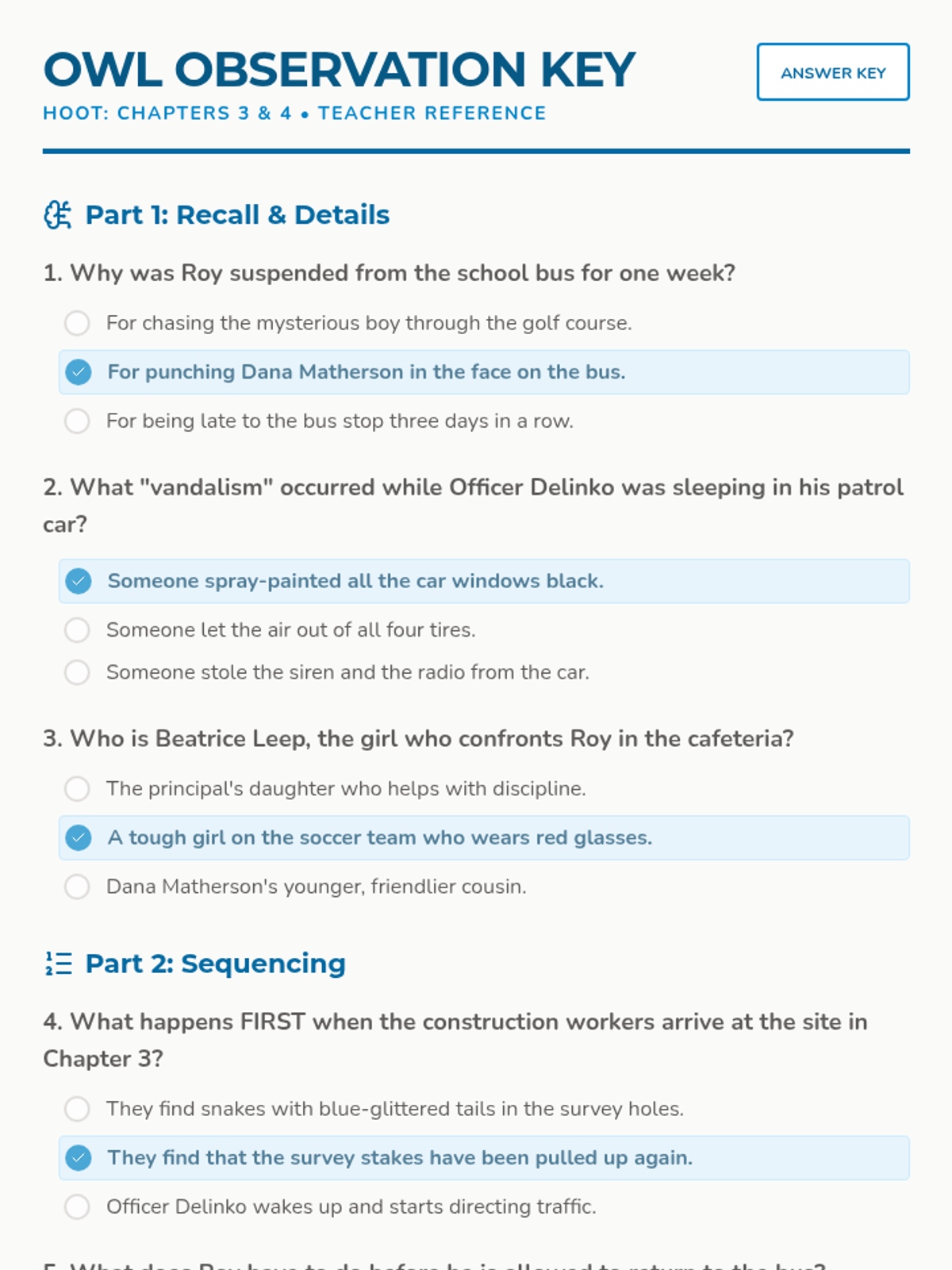
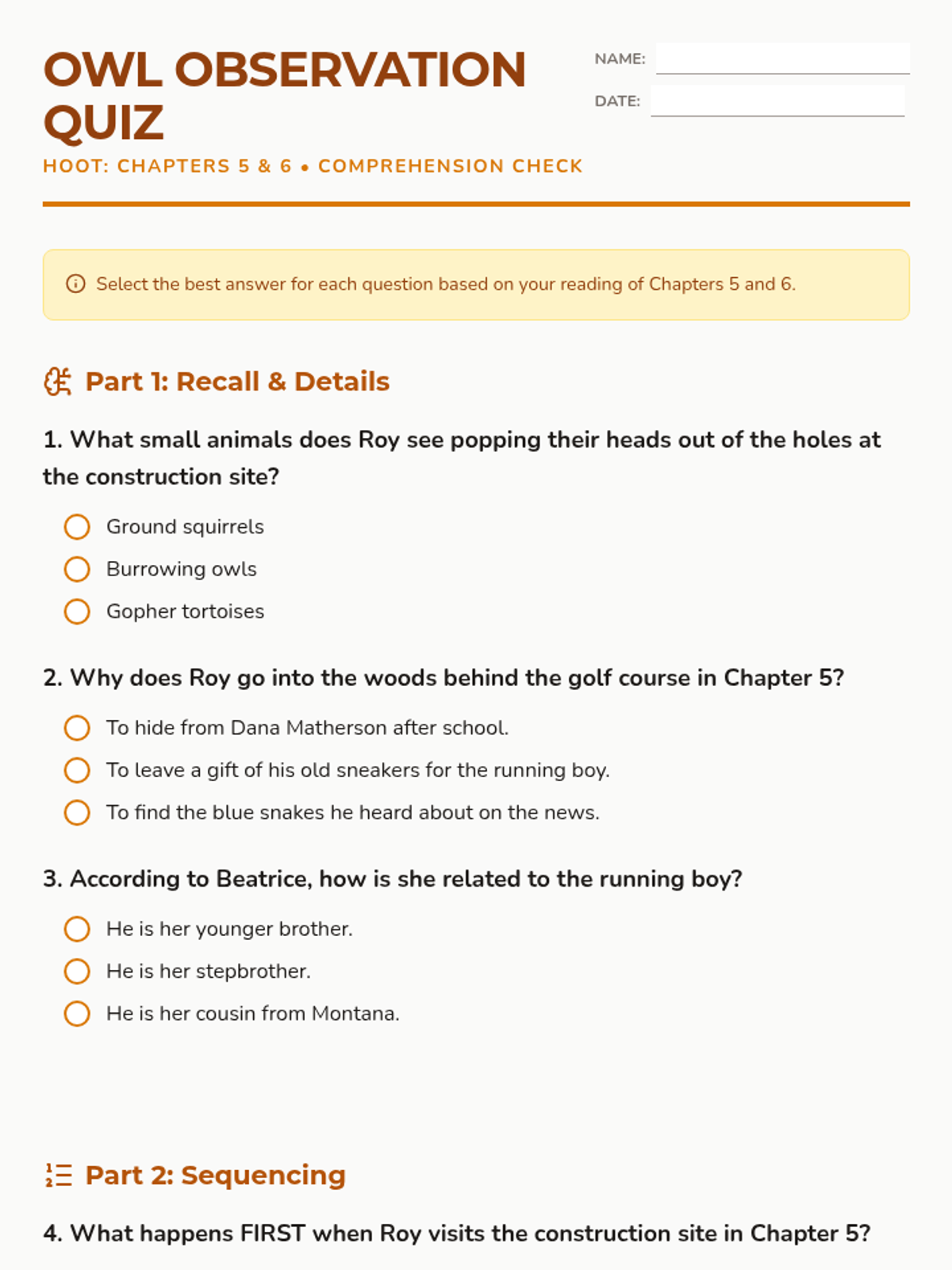
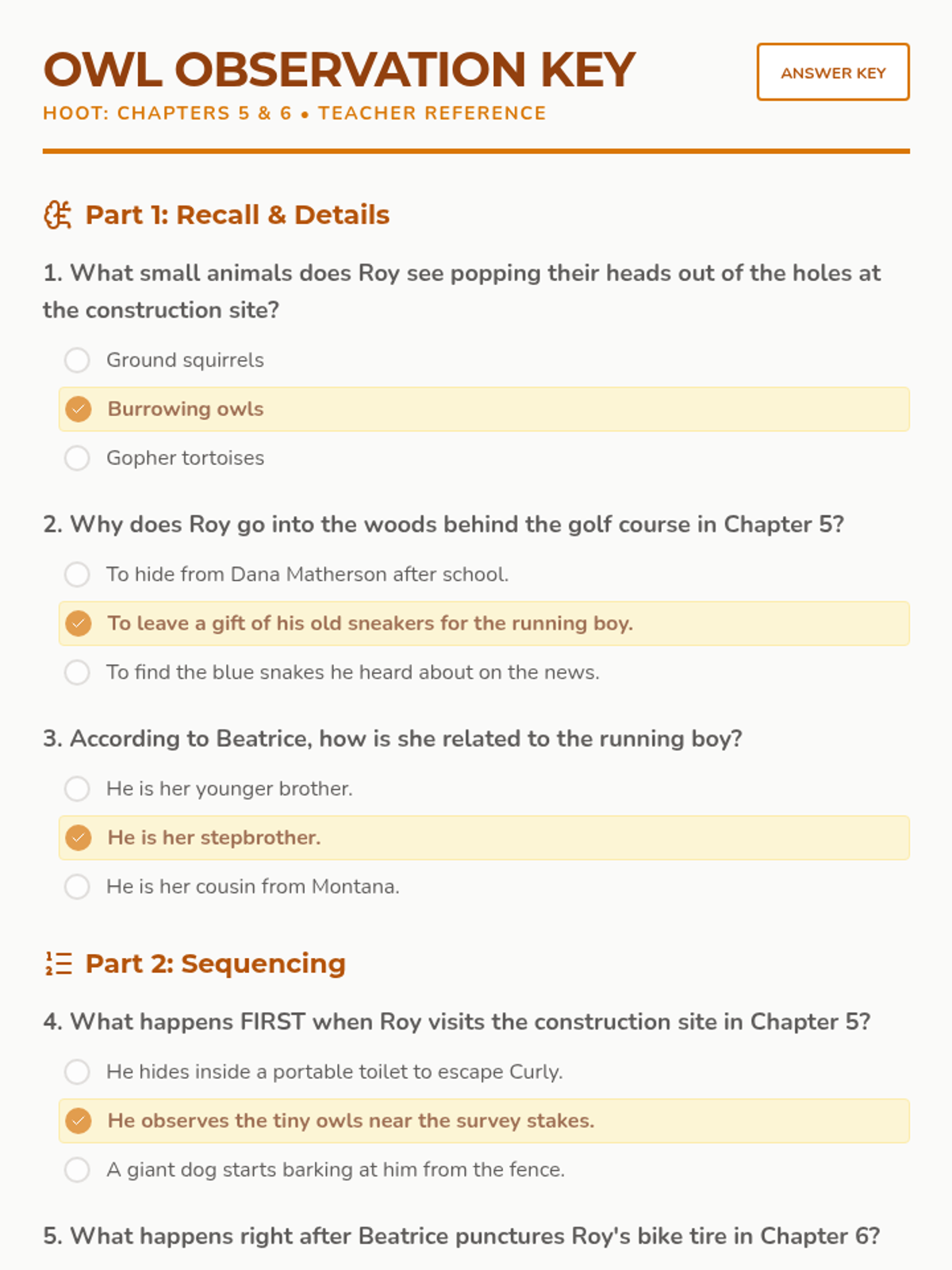
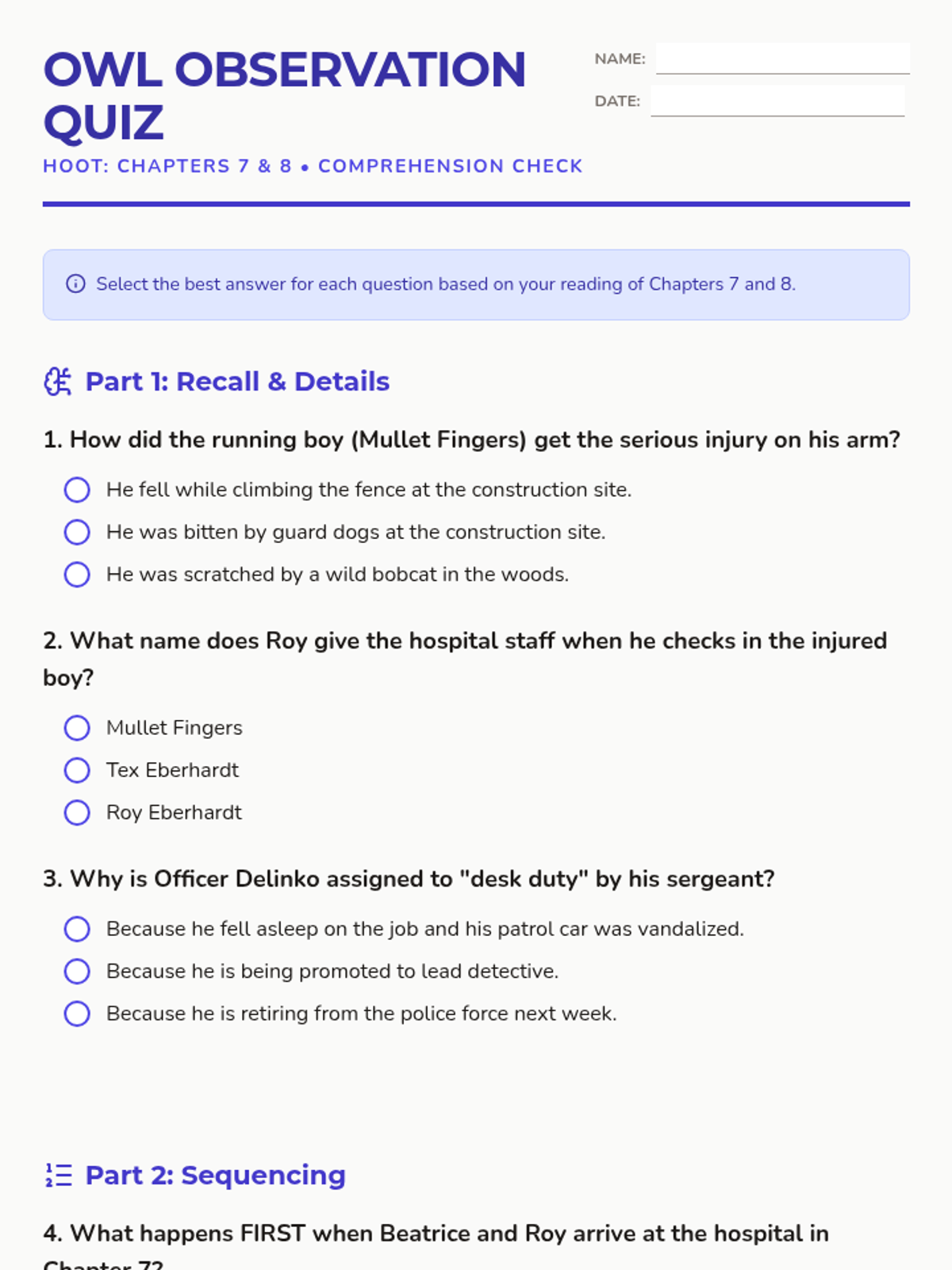
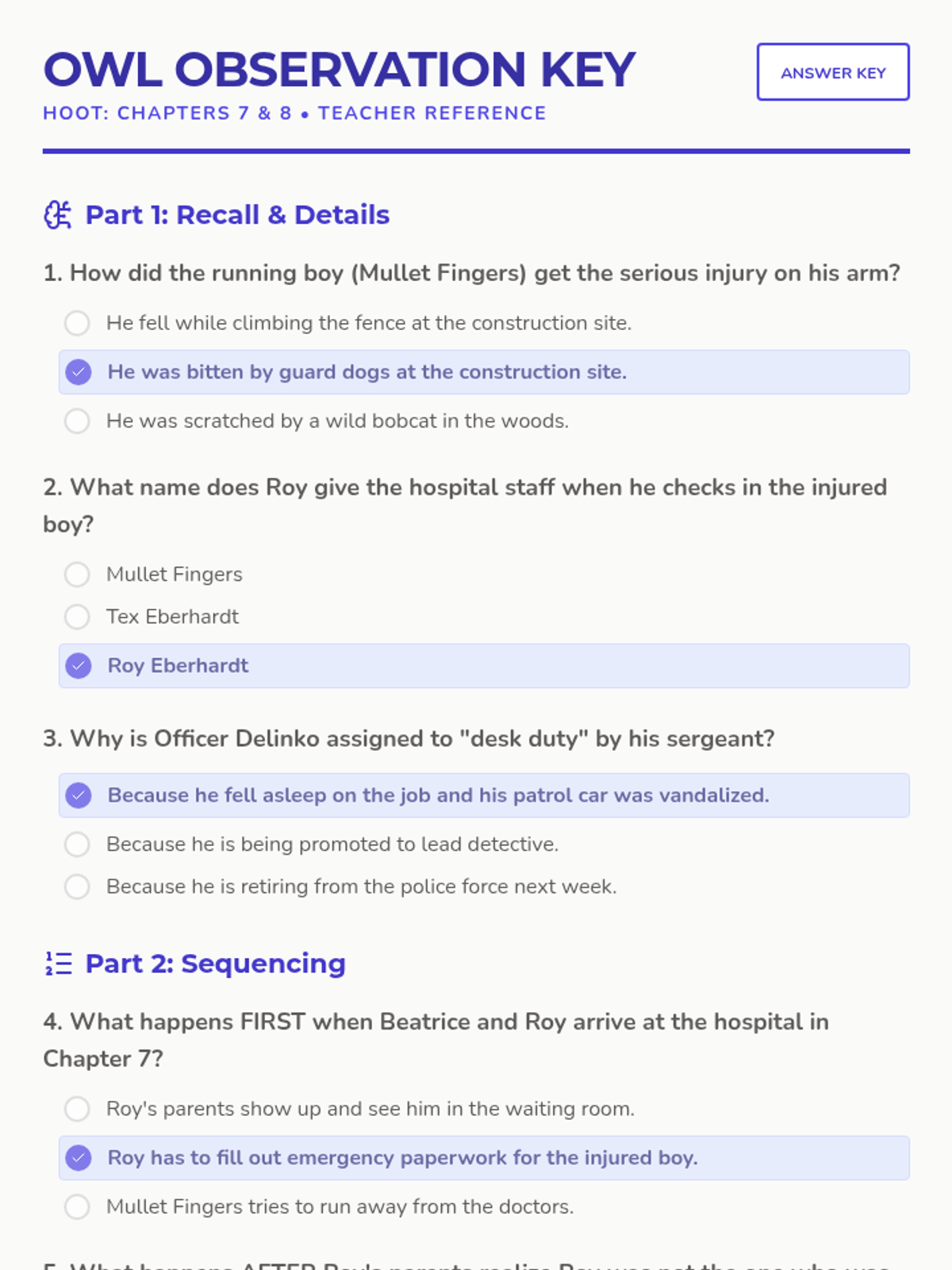
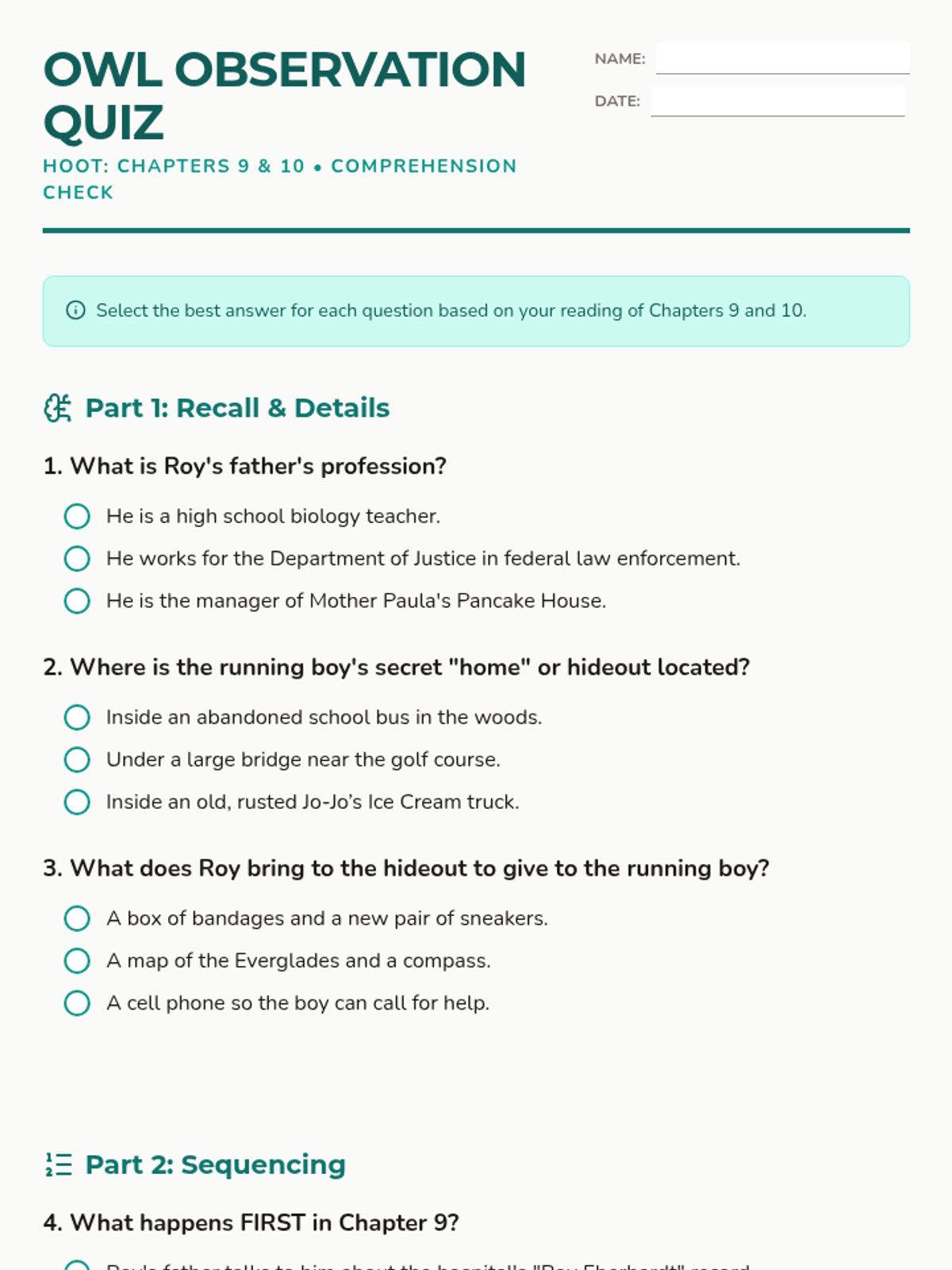
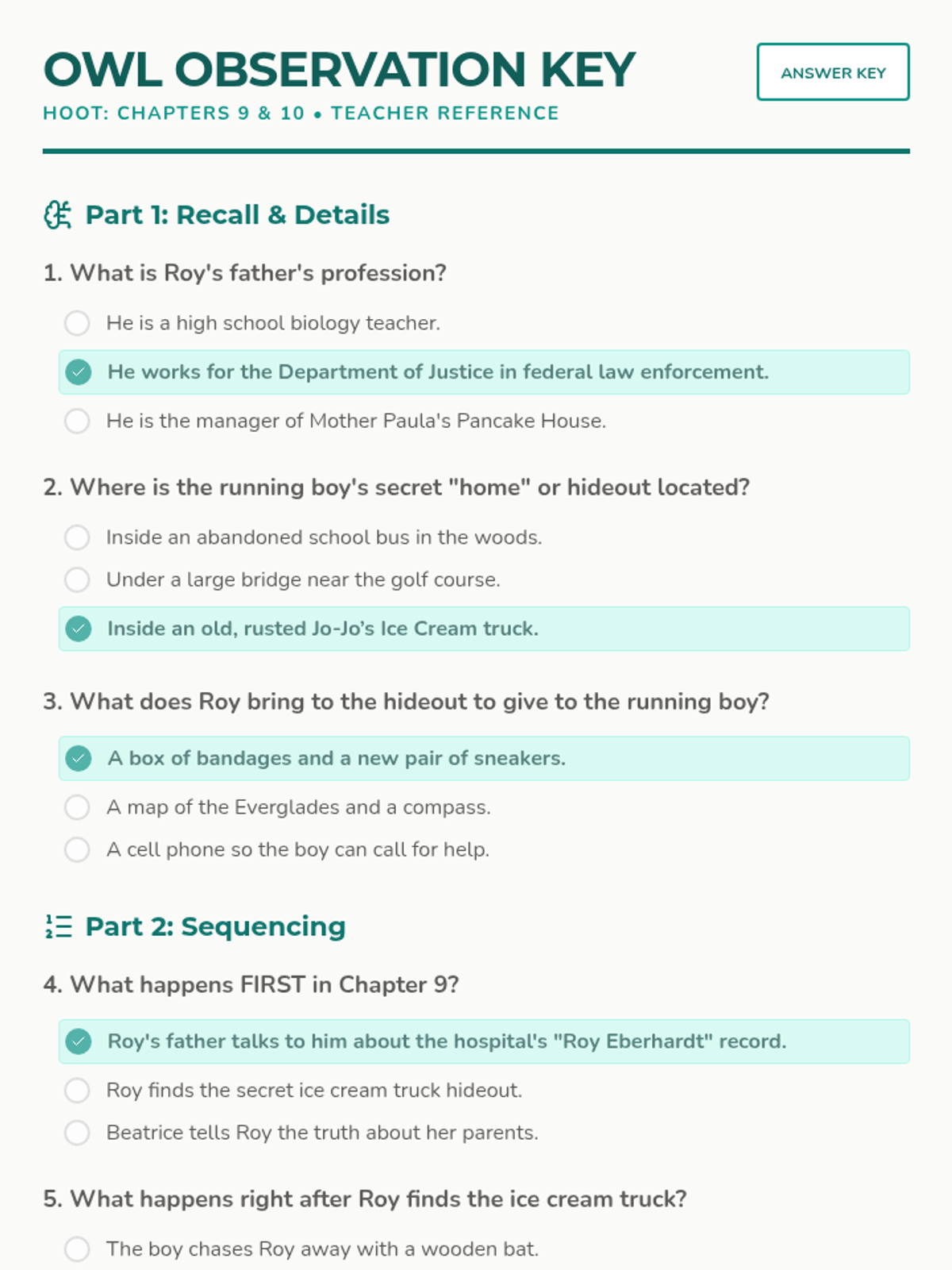
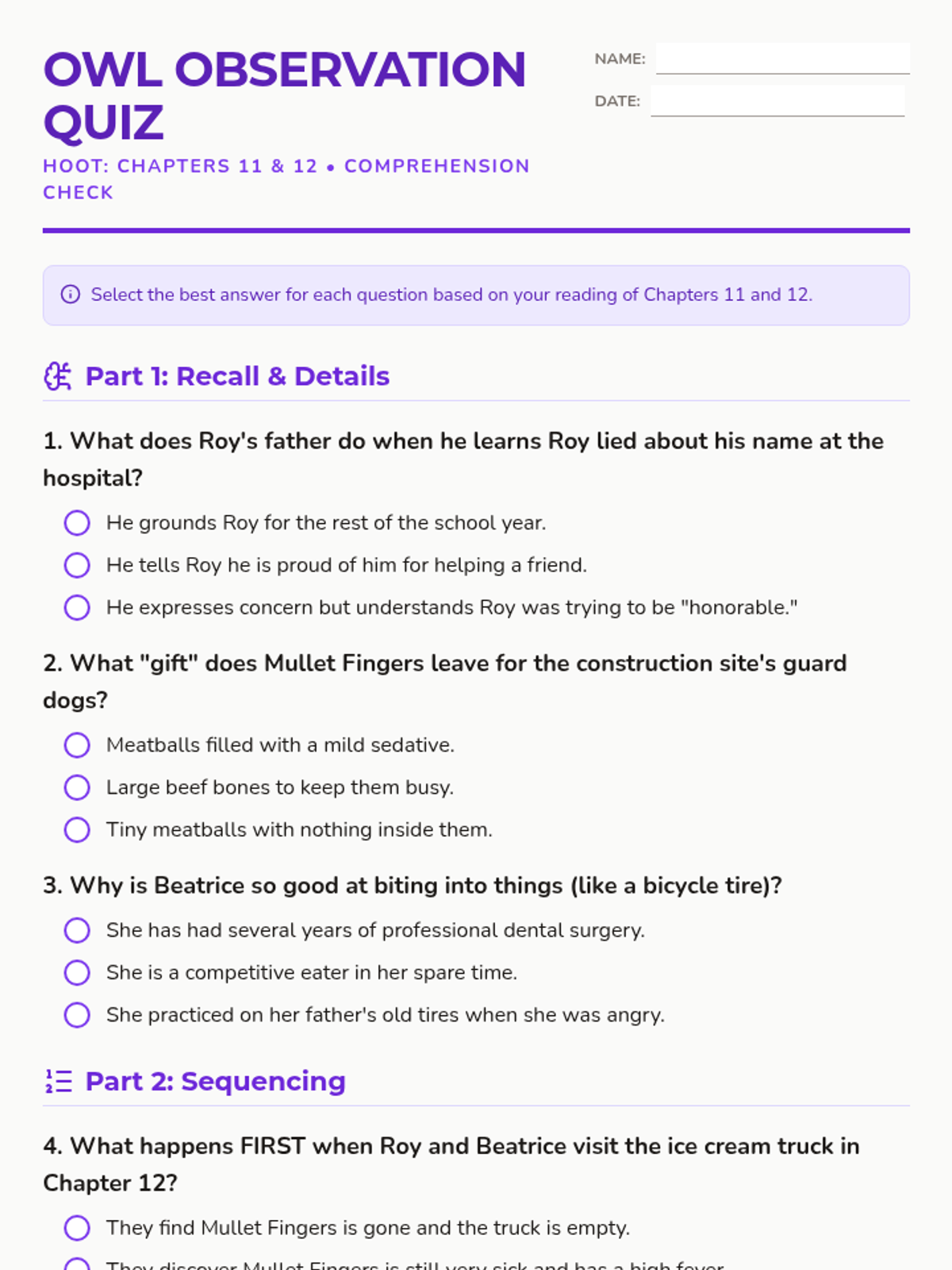
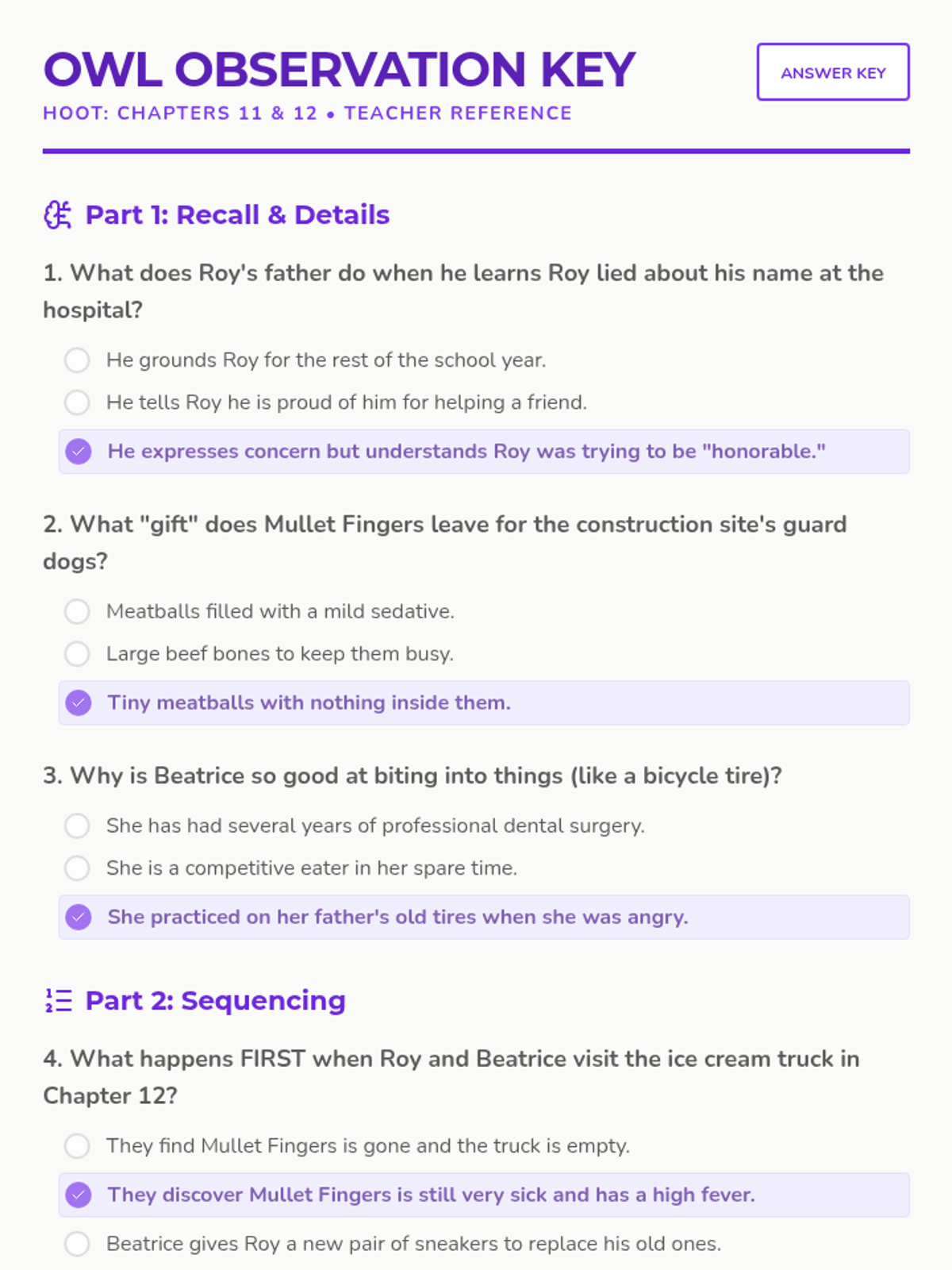
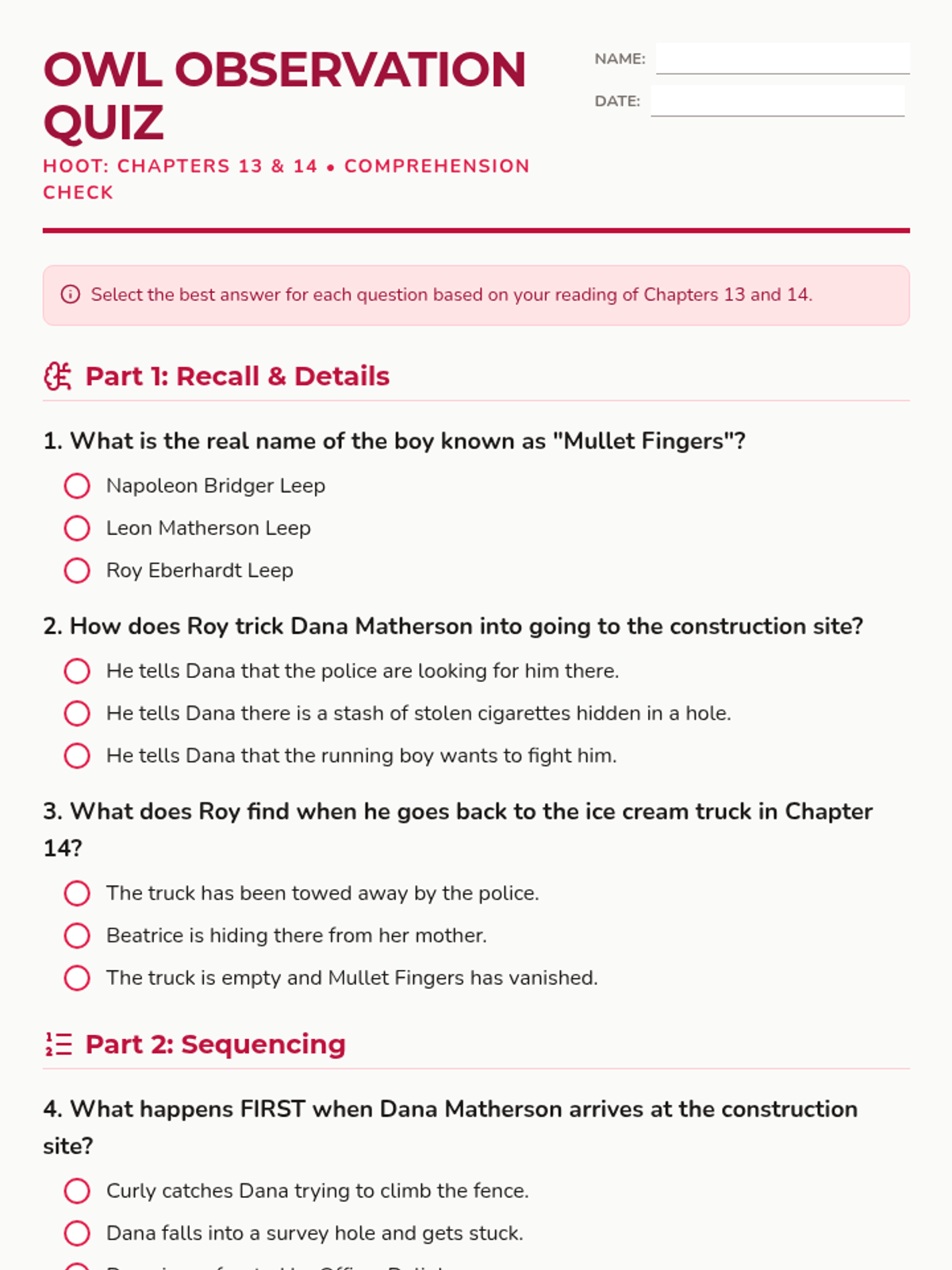
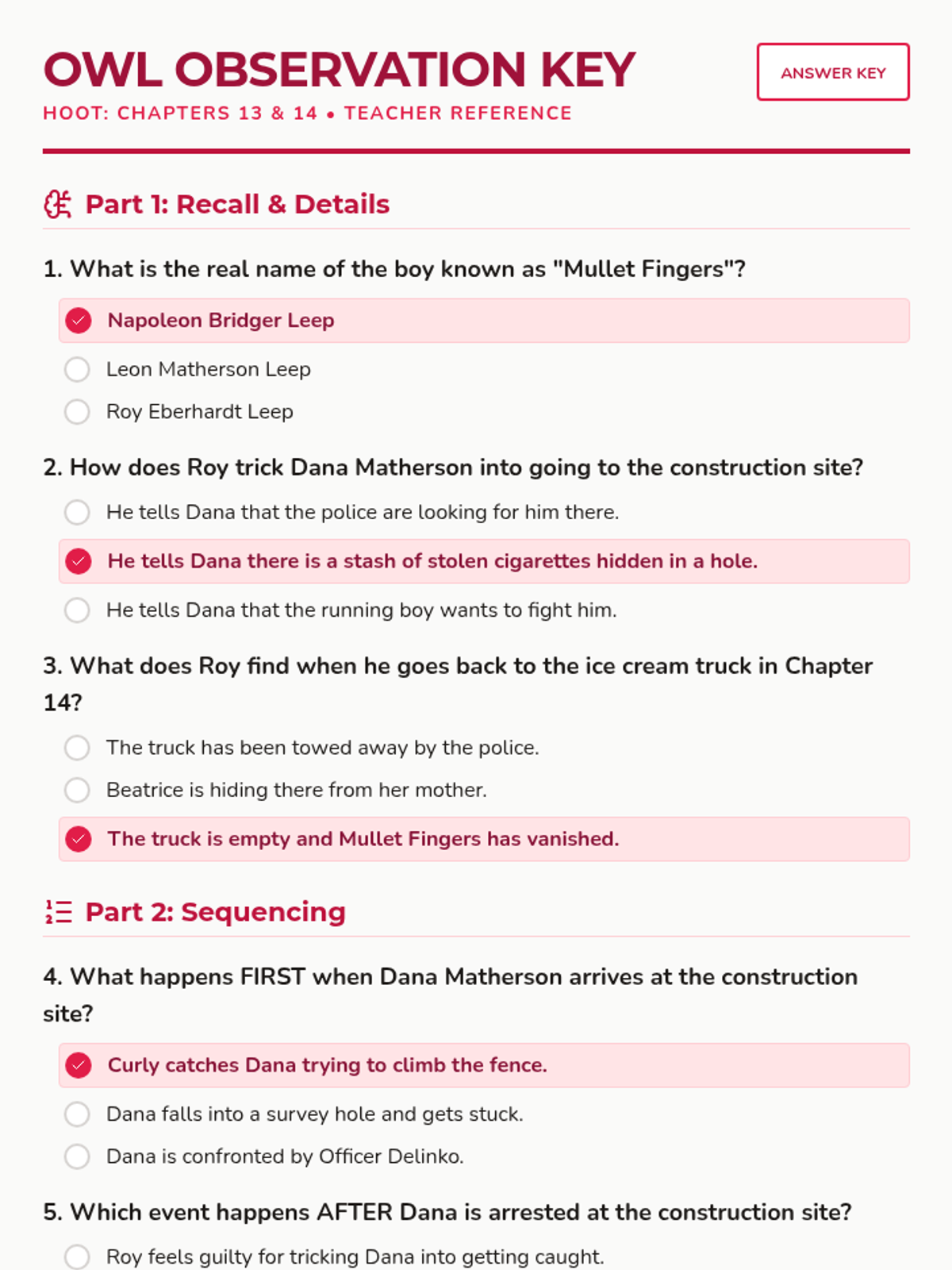
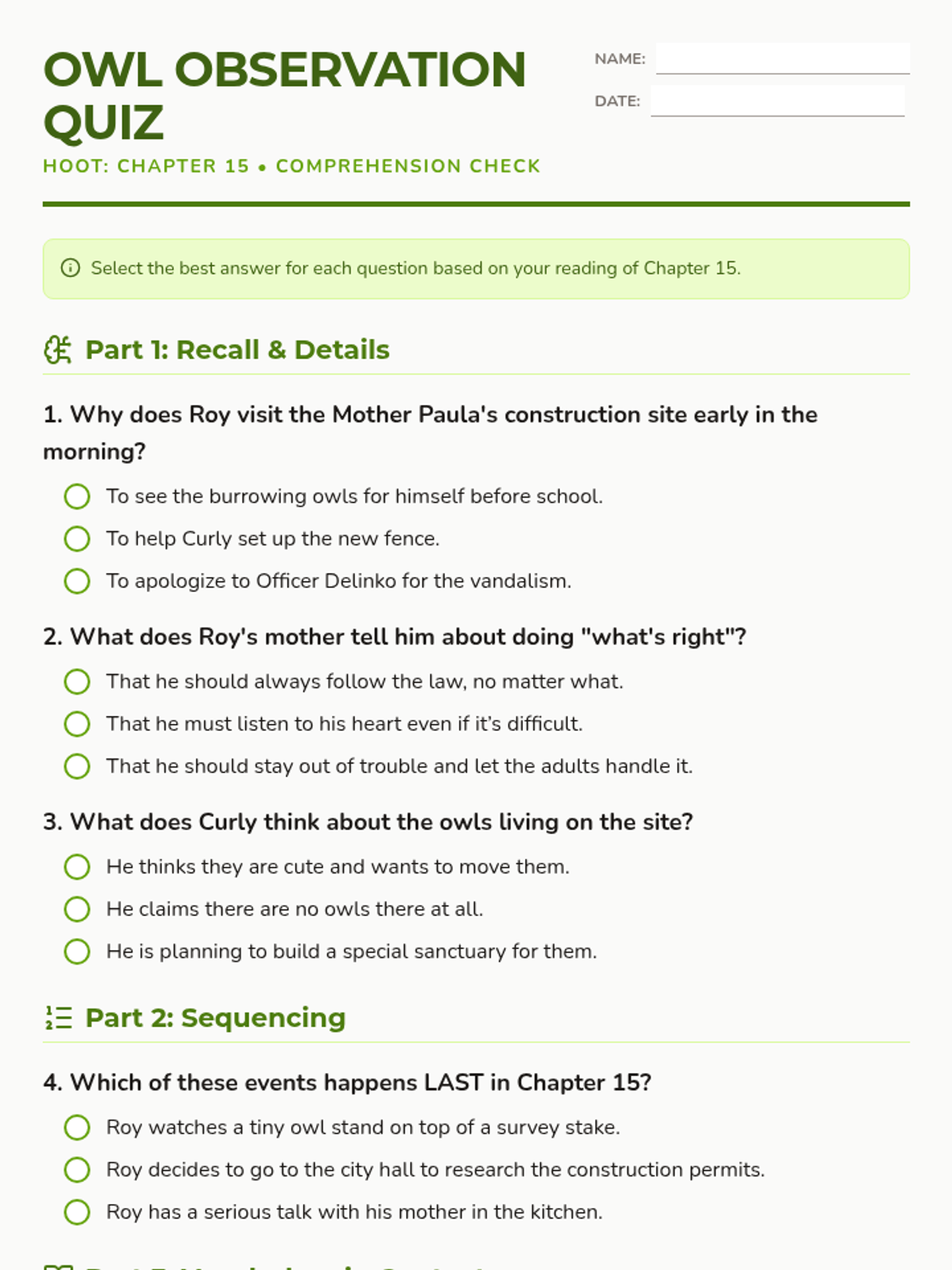
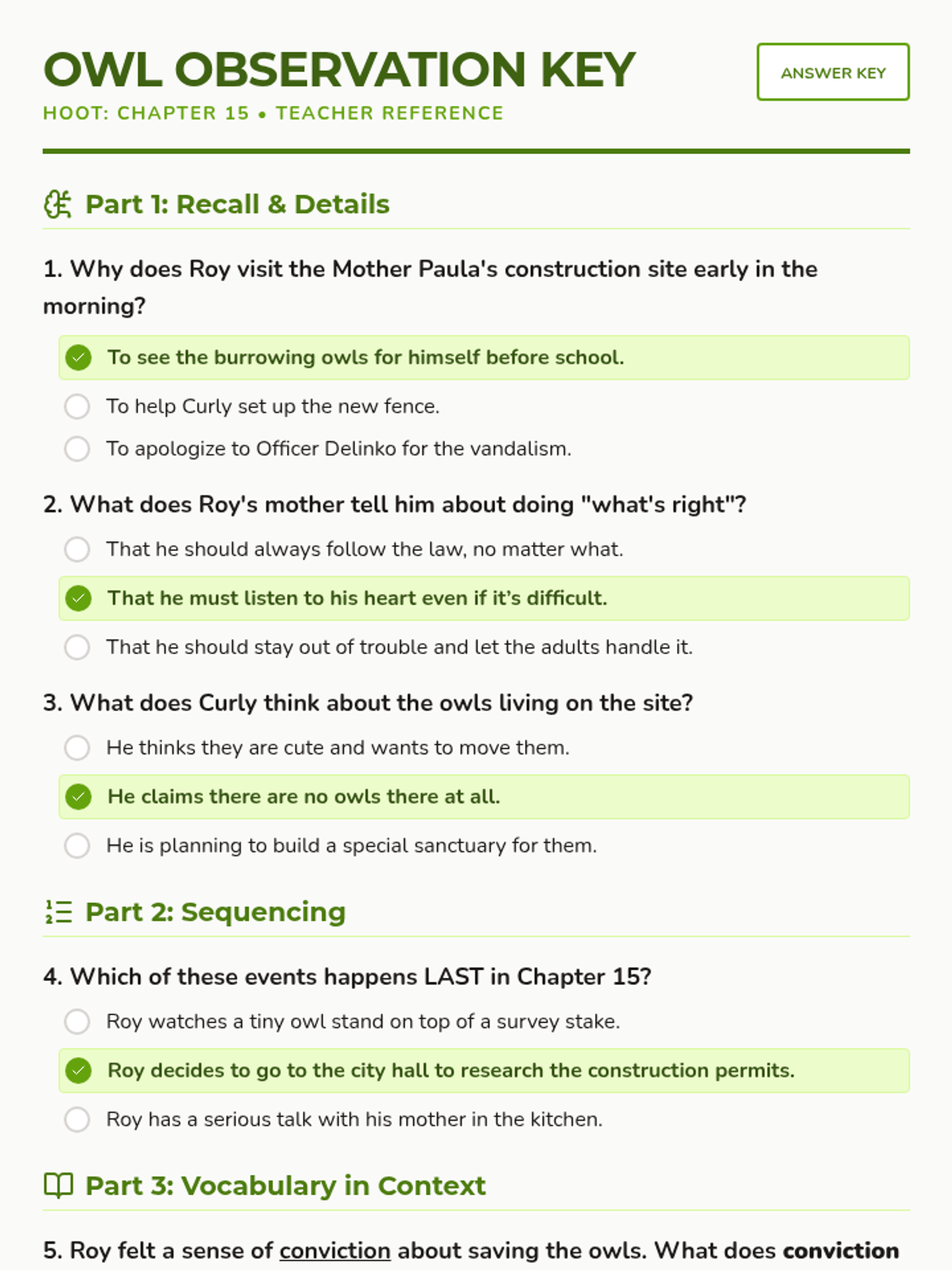
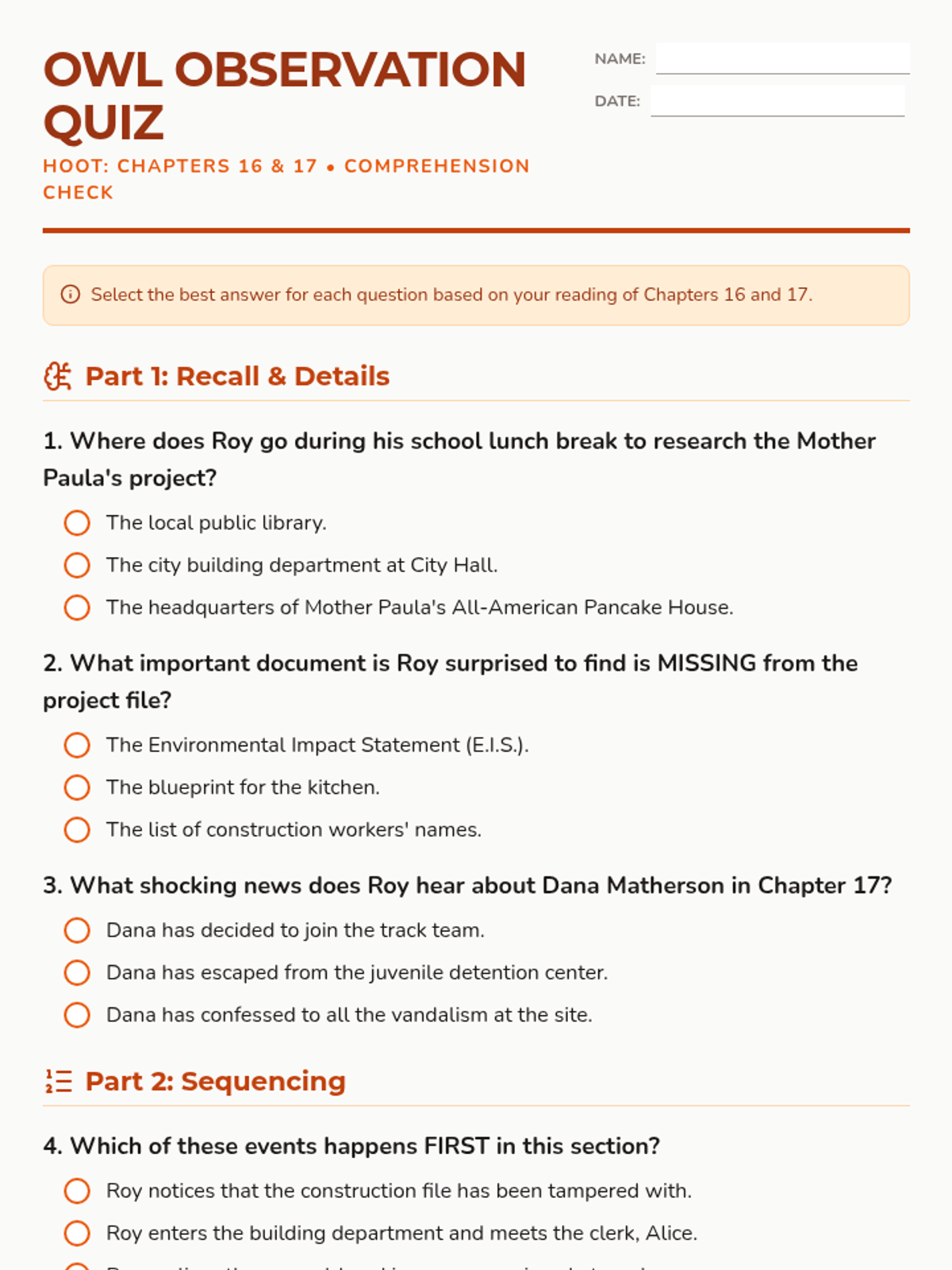
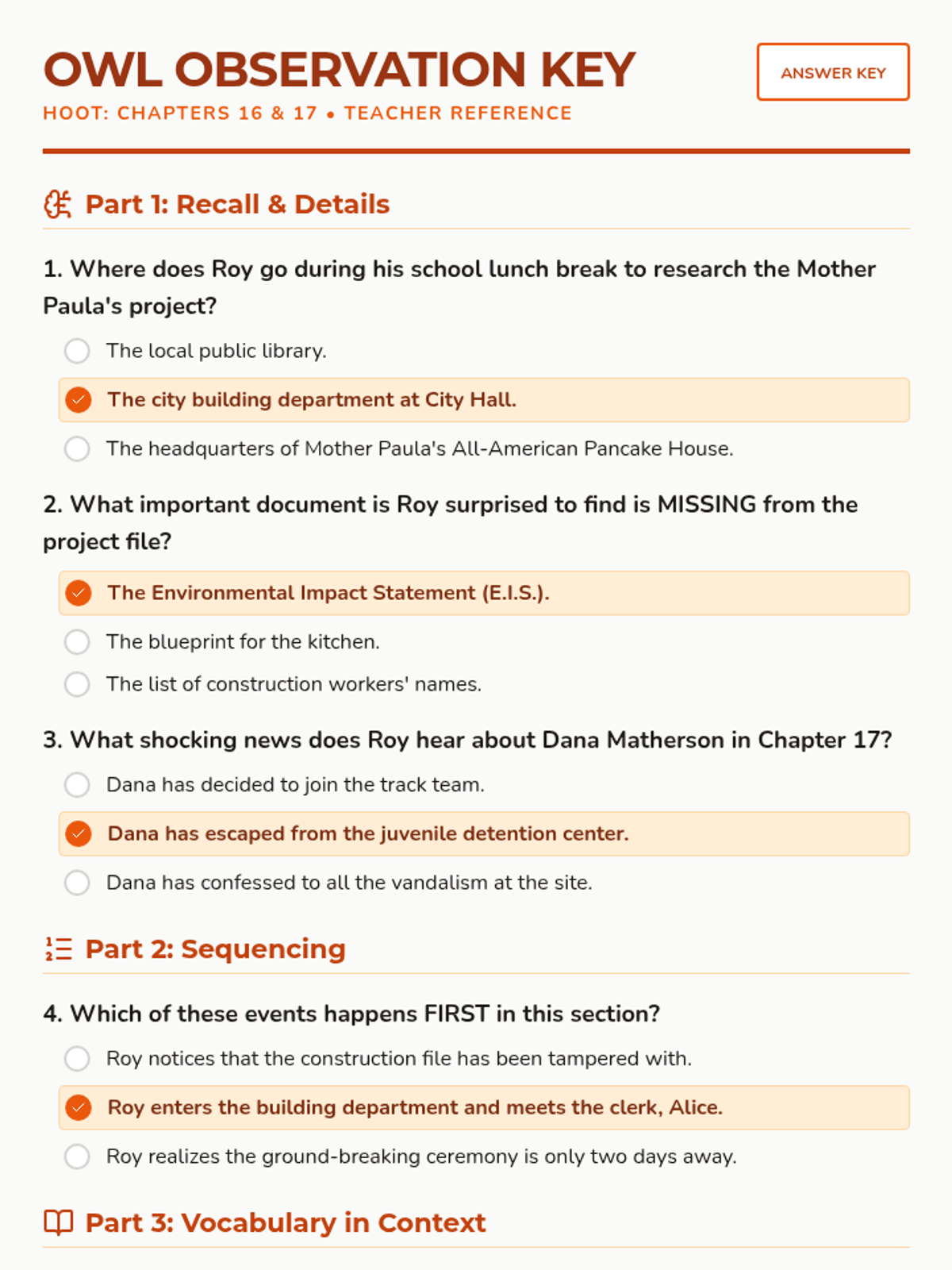
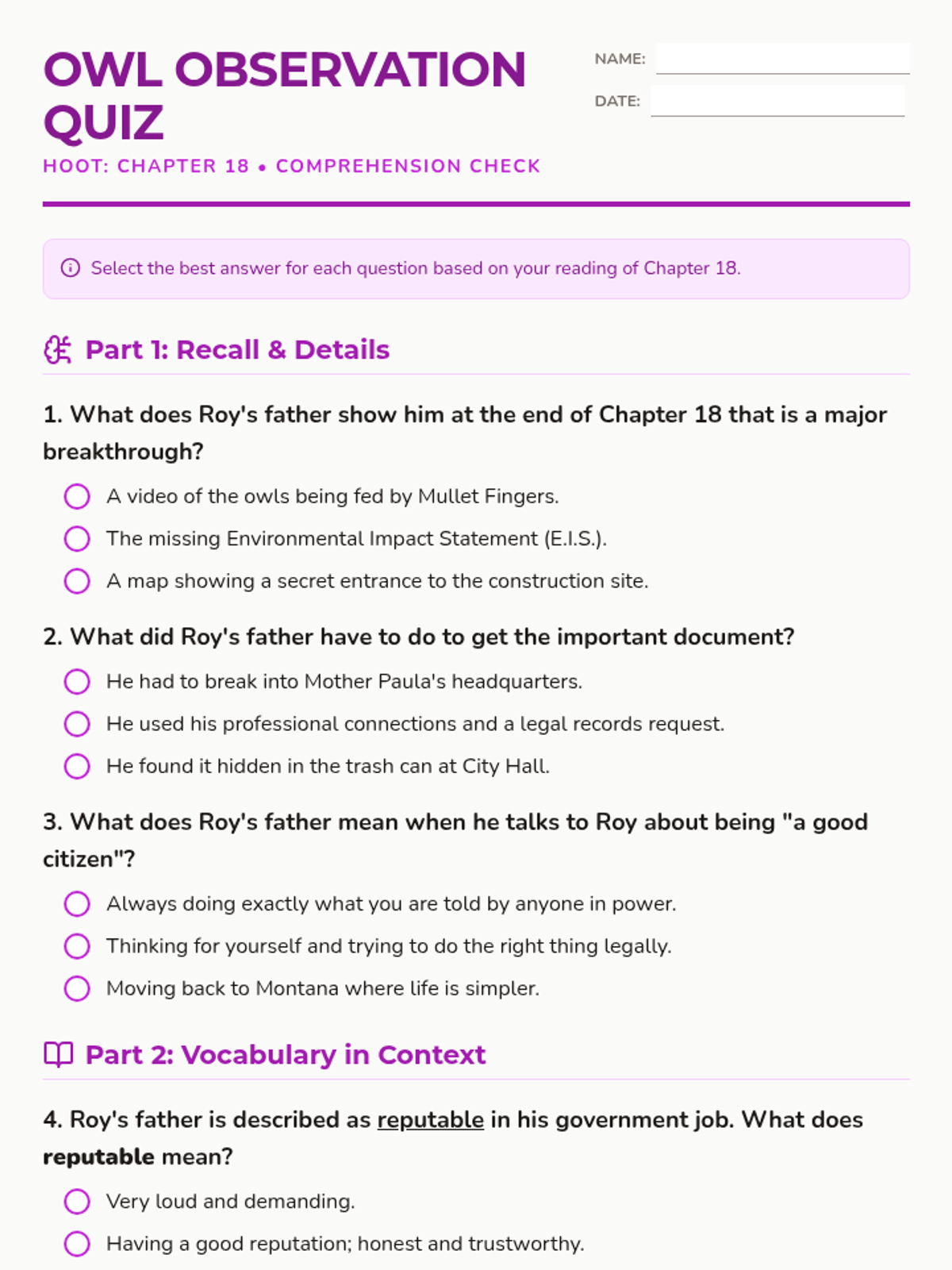
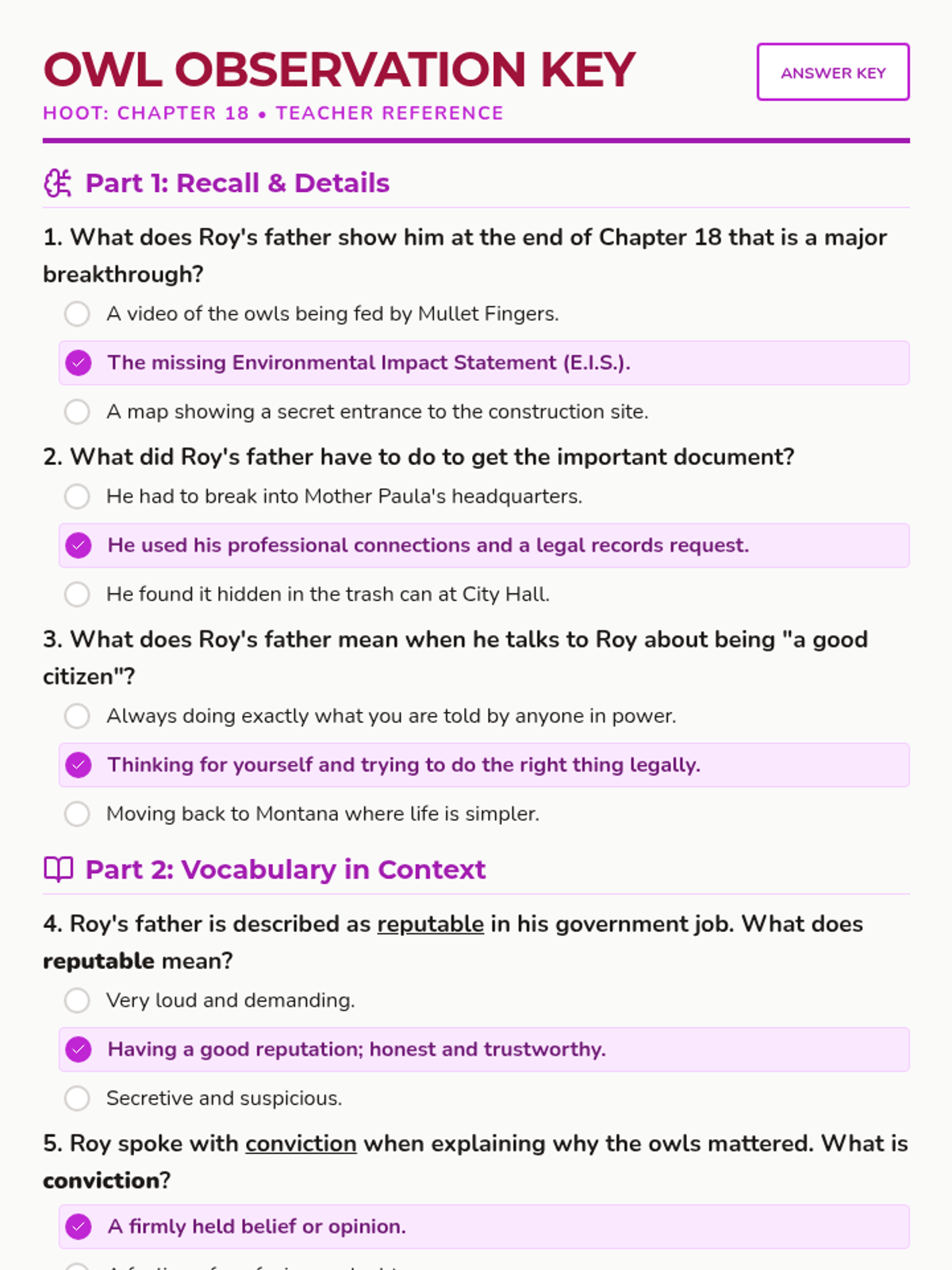
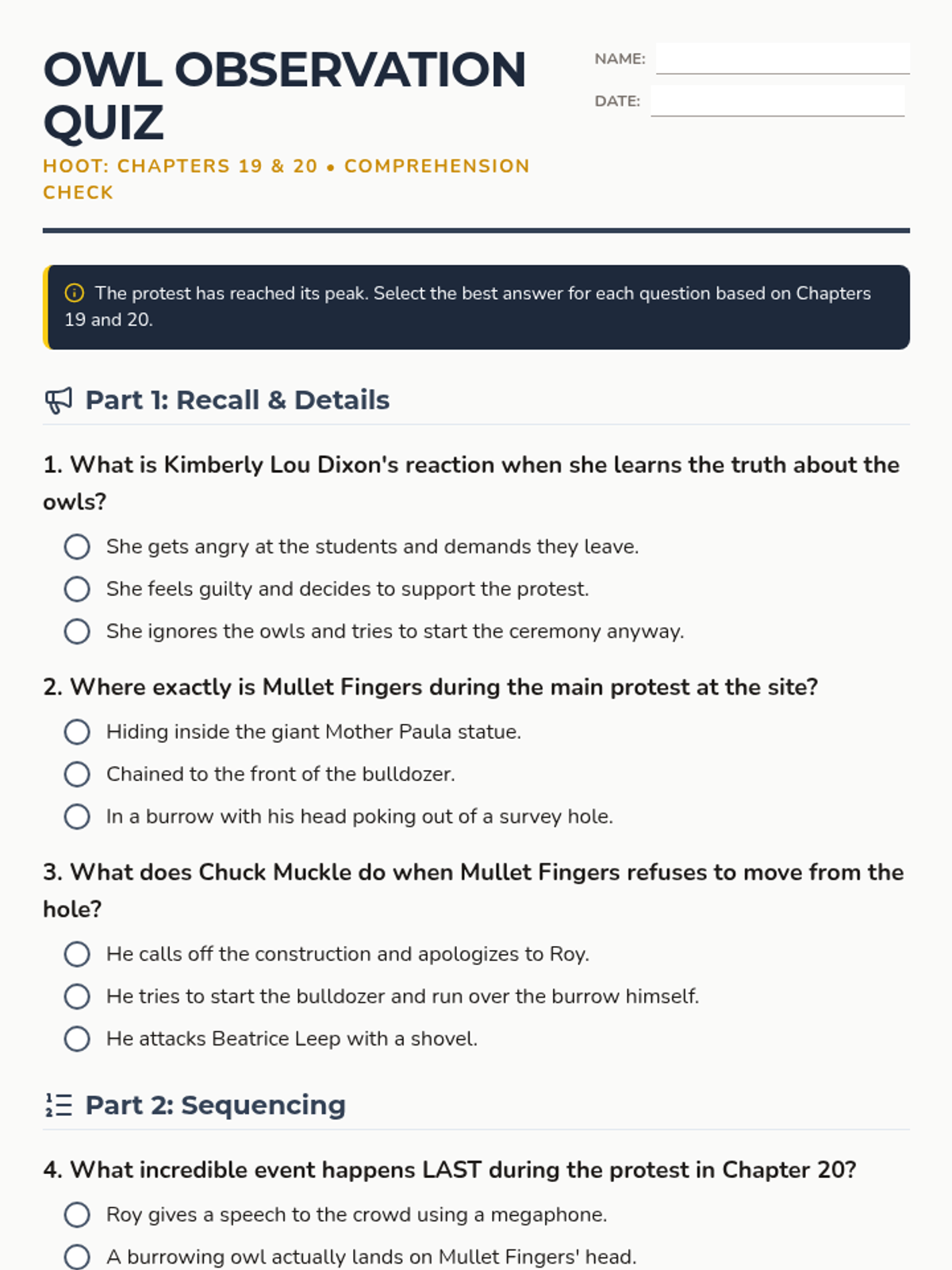
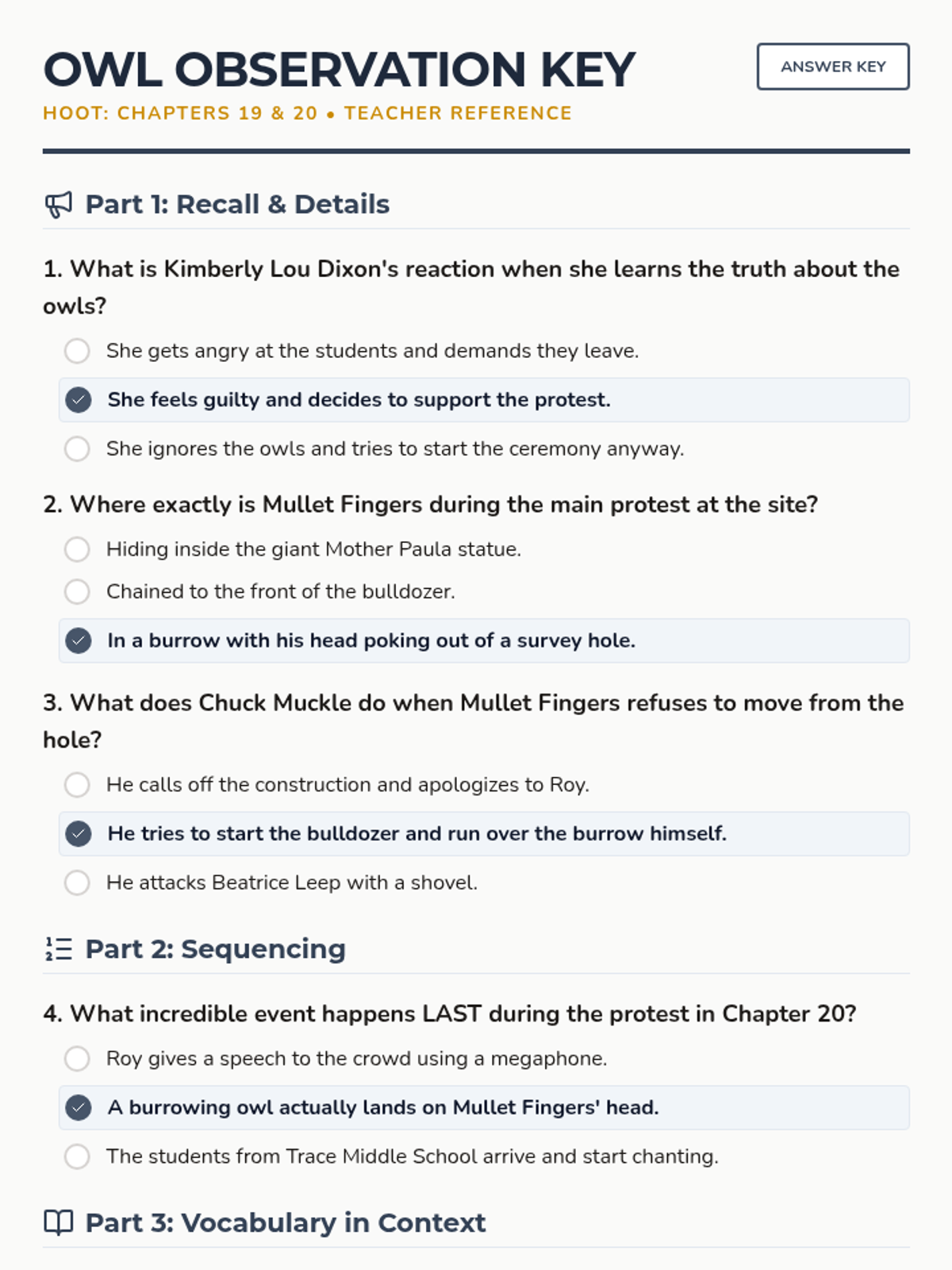
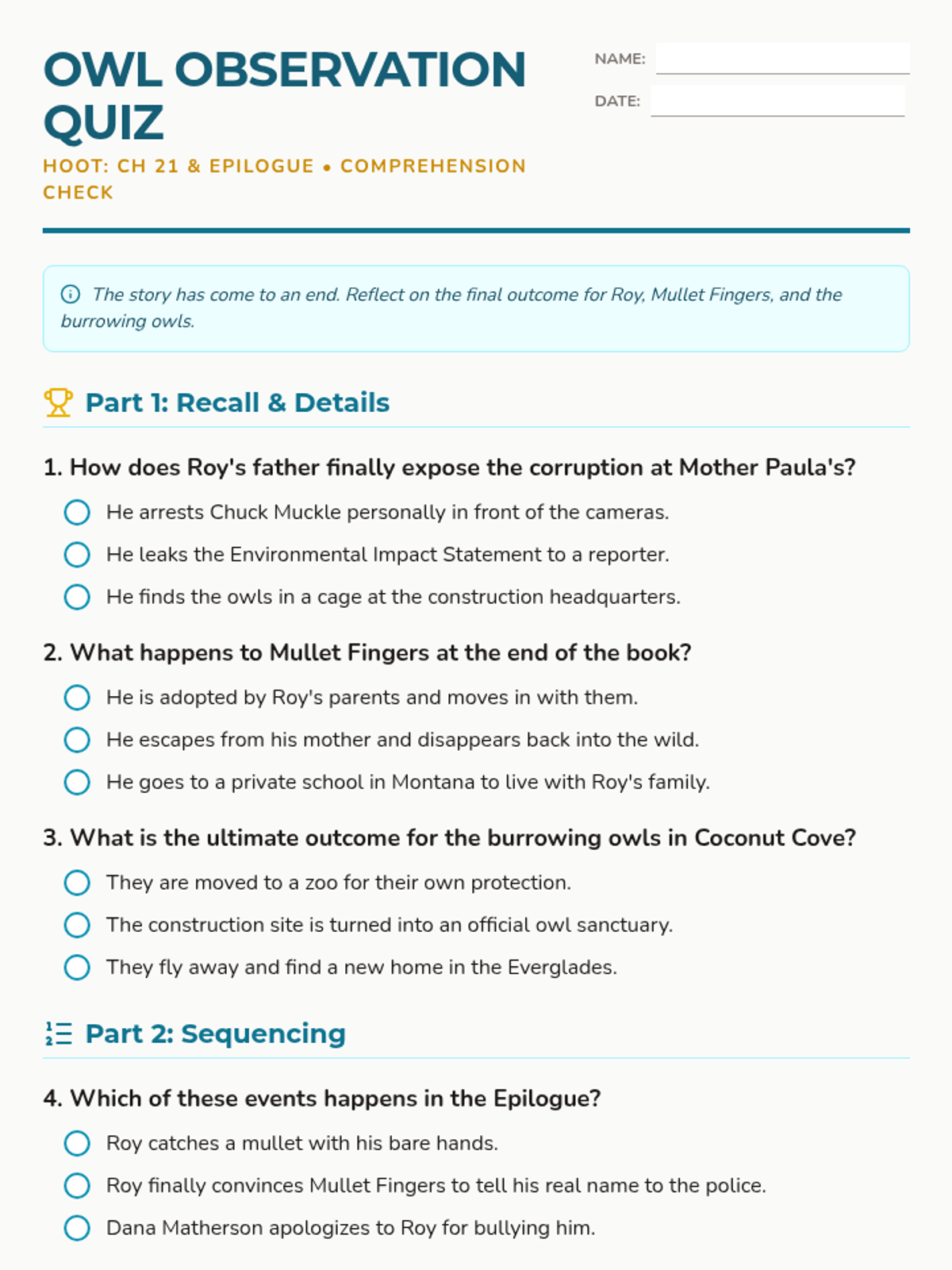
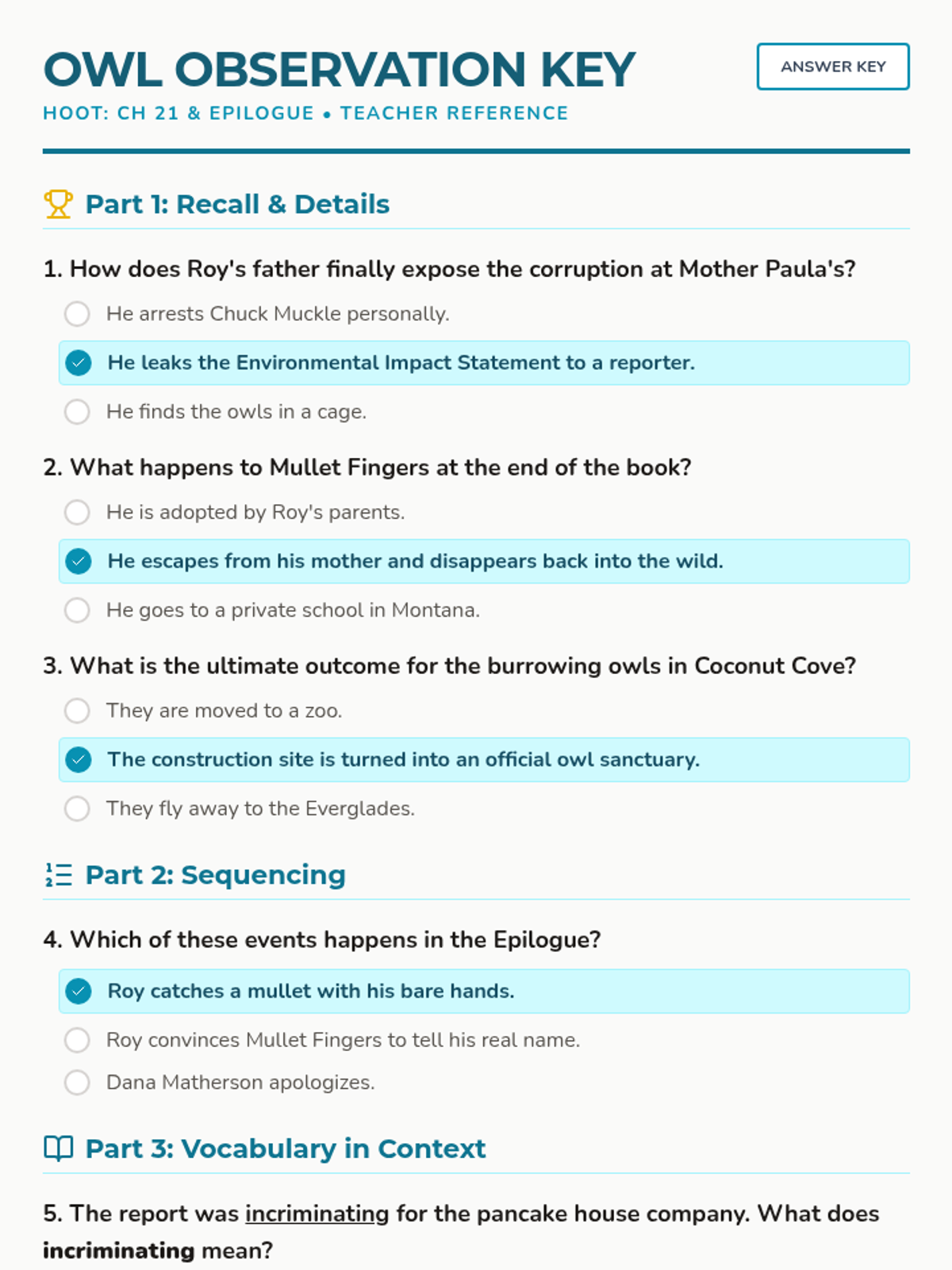
A comprehensive unit for Carl Hiaasen's Hoot, featuring chapter-by-chapter comprehension quizzes, teacher keys, and interactive slide decks.
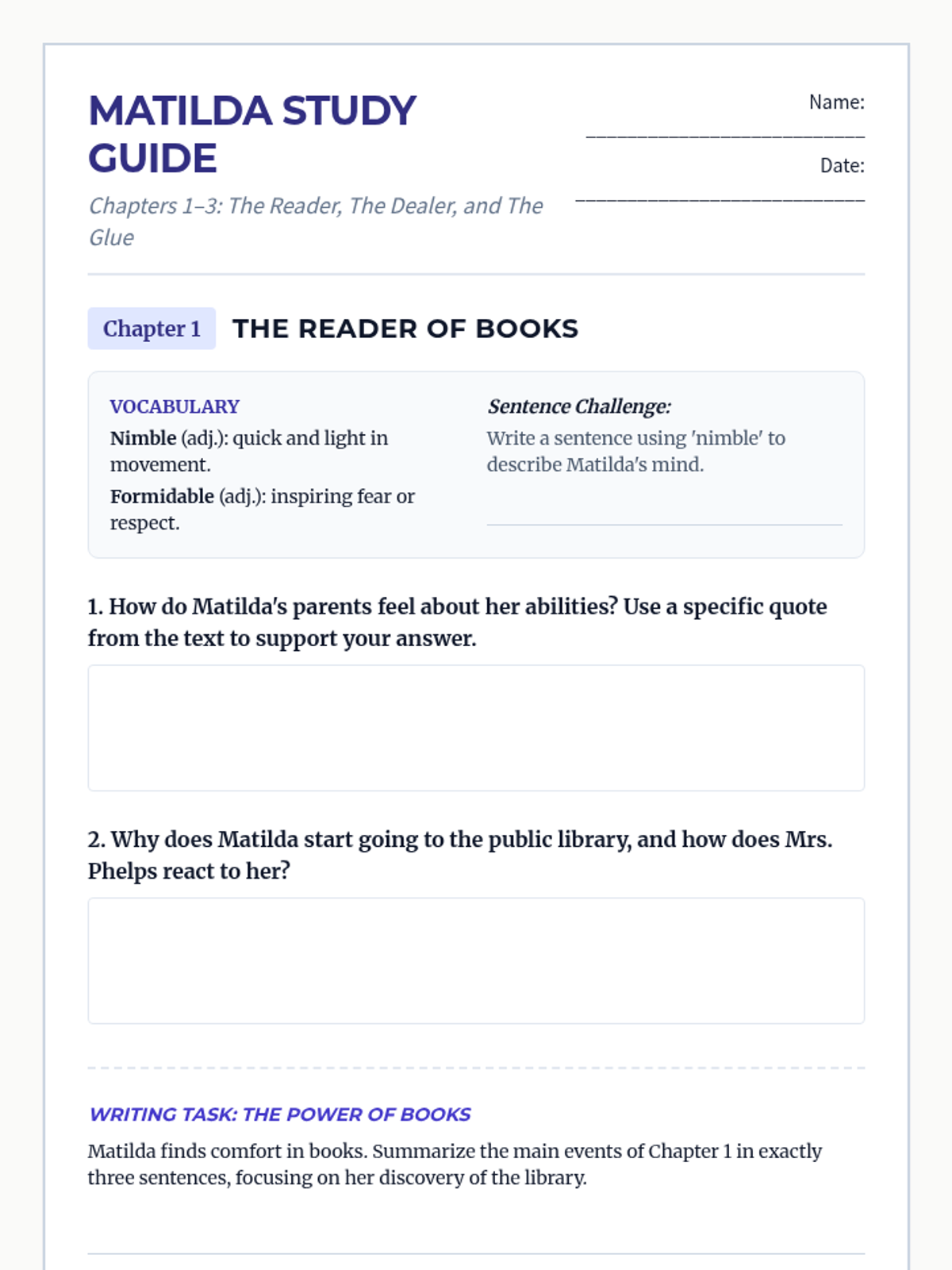
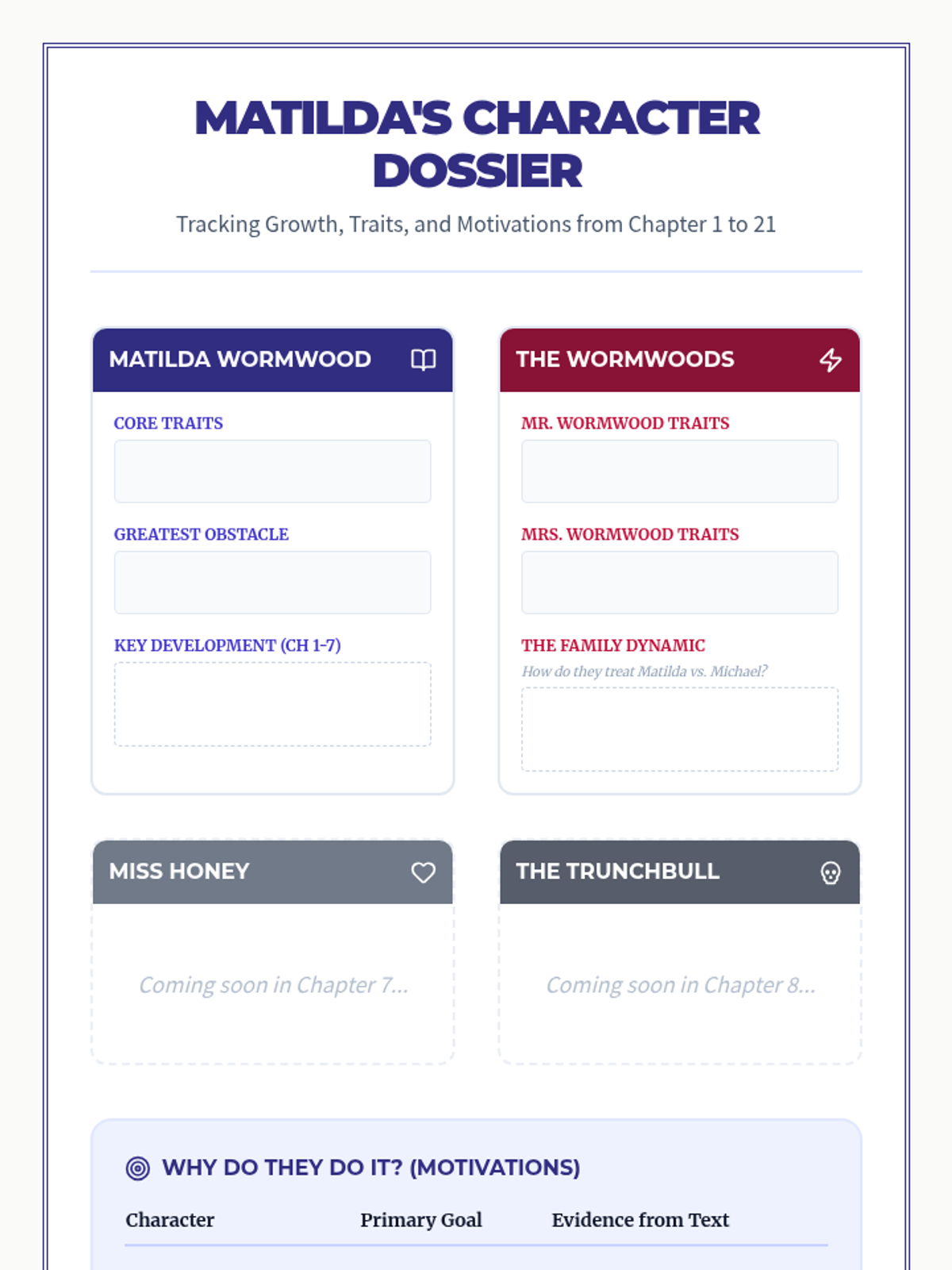
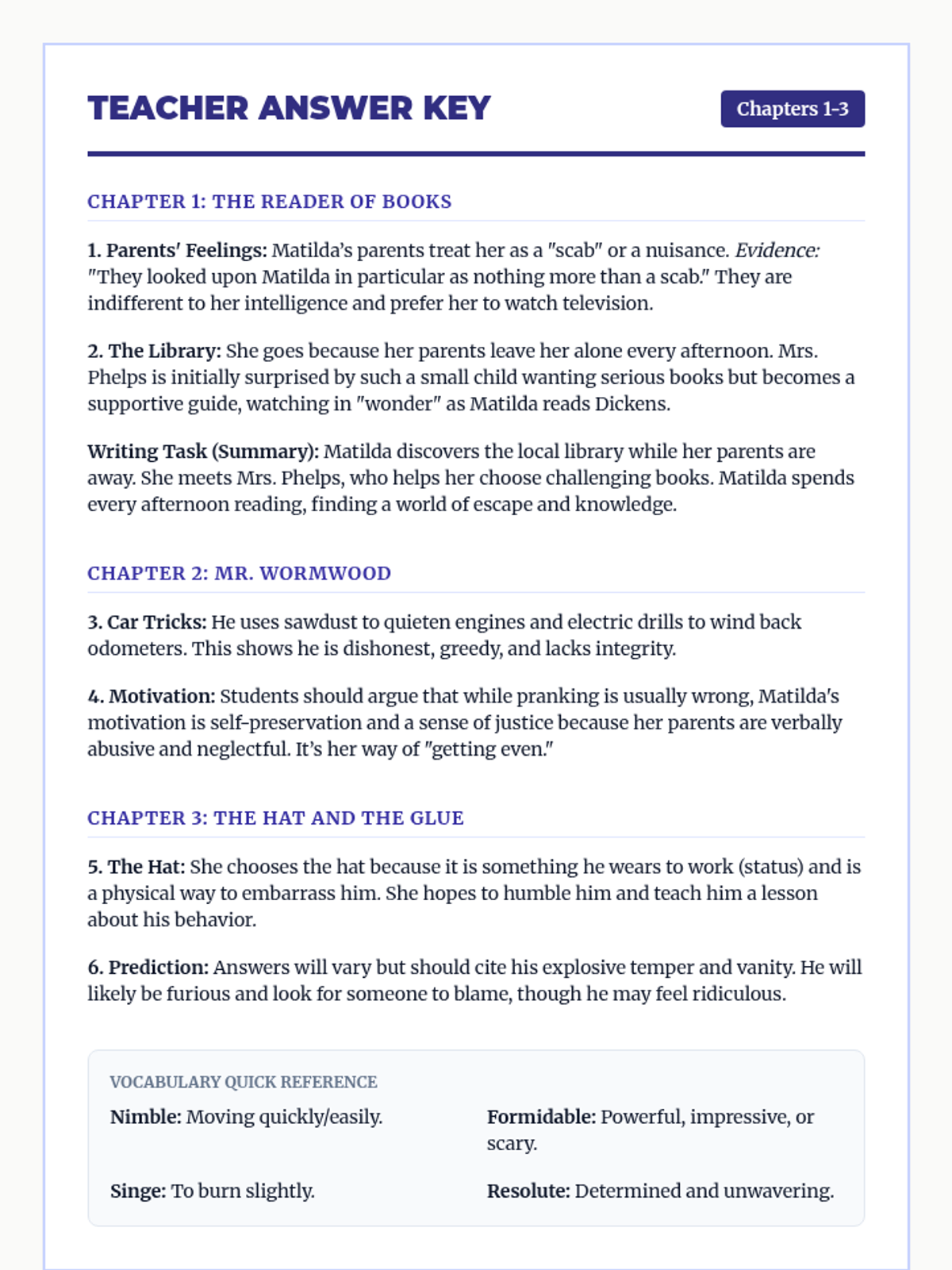
A comprehensive novel study for Roald Dahl's 'Matilda', focusing on character development, text evidence, and creative writing across 21 chapters.
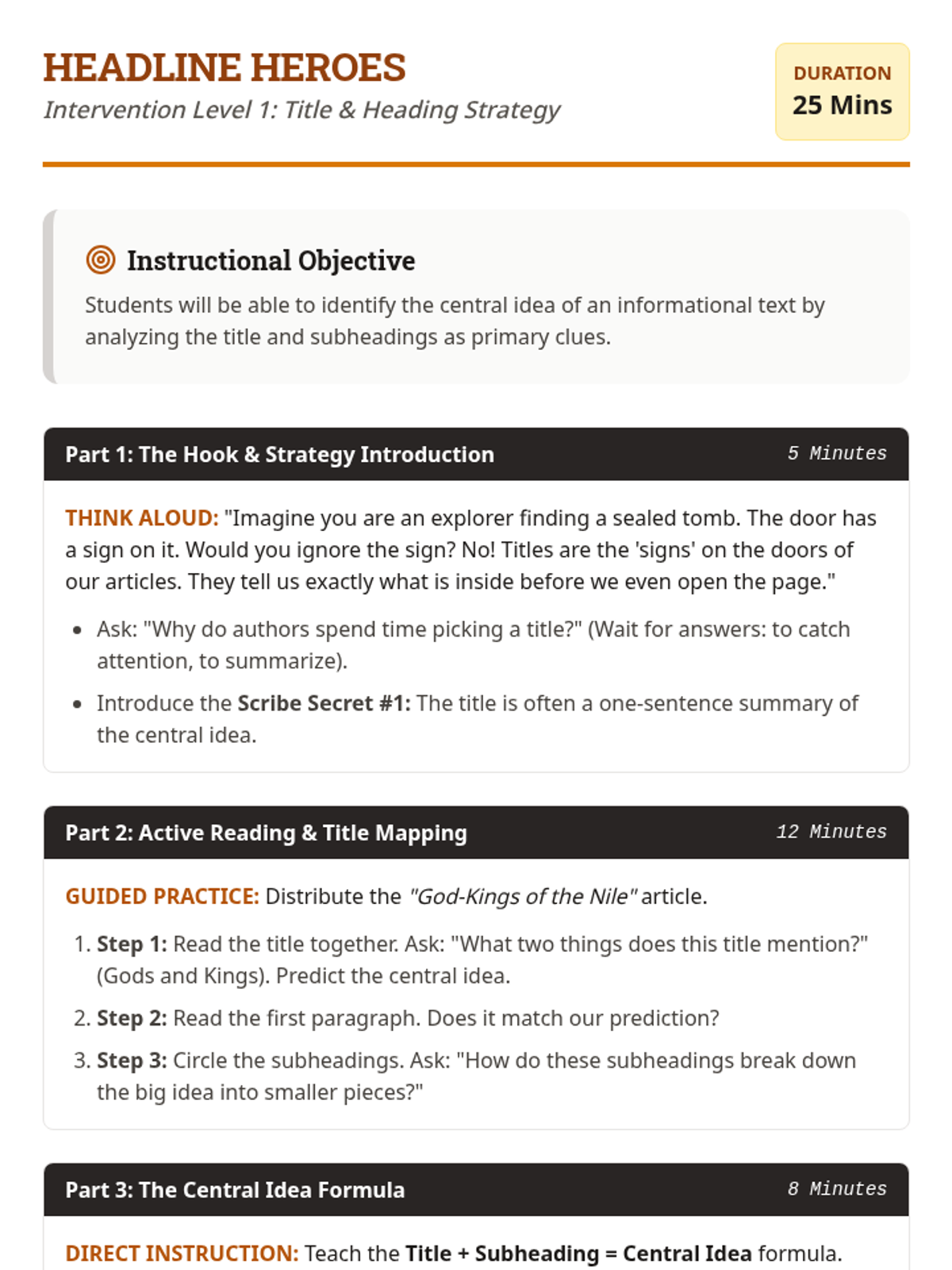
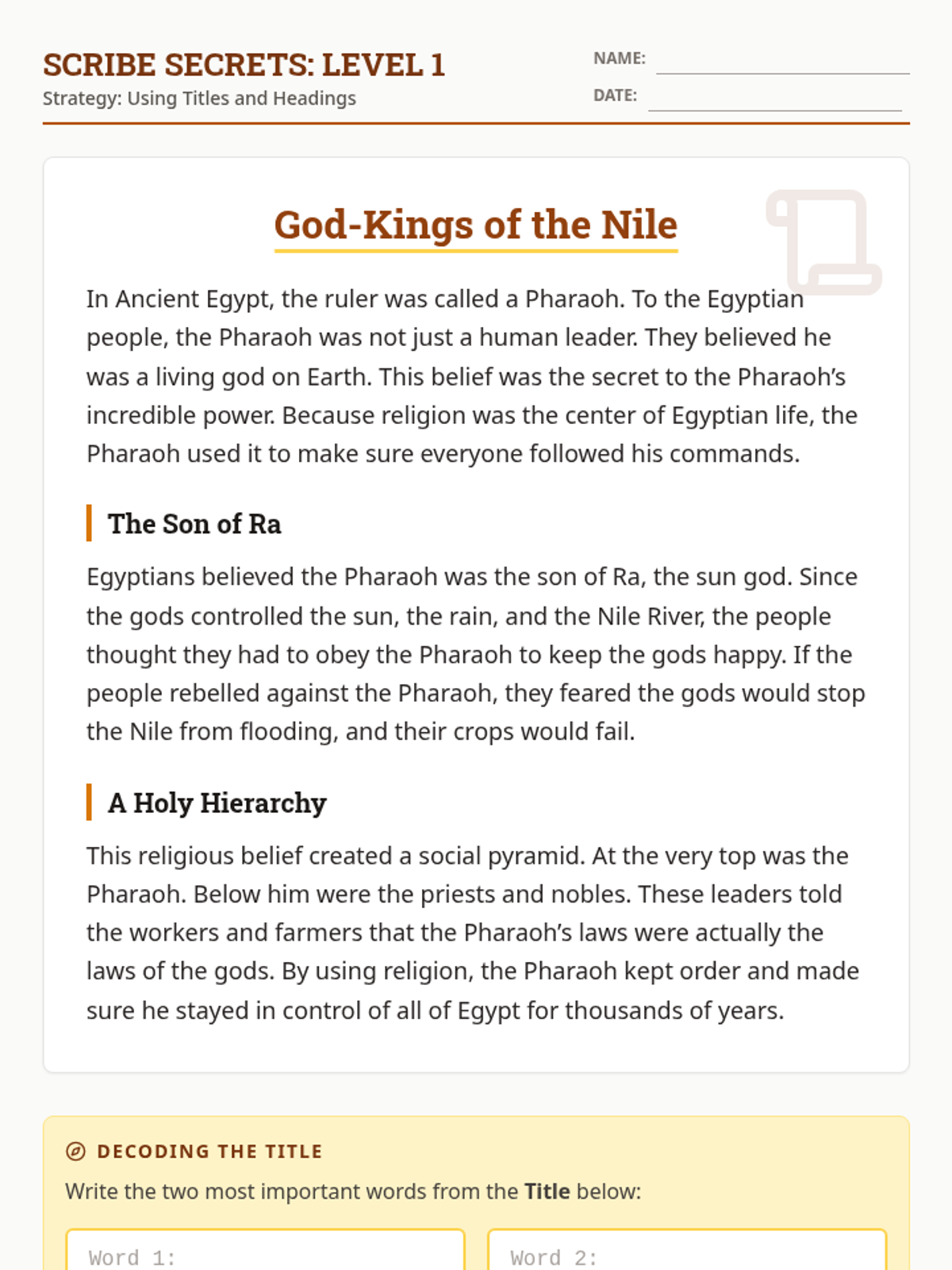
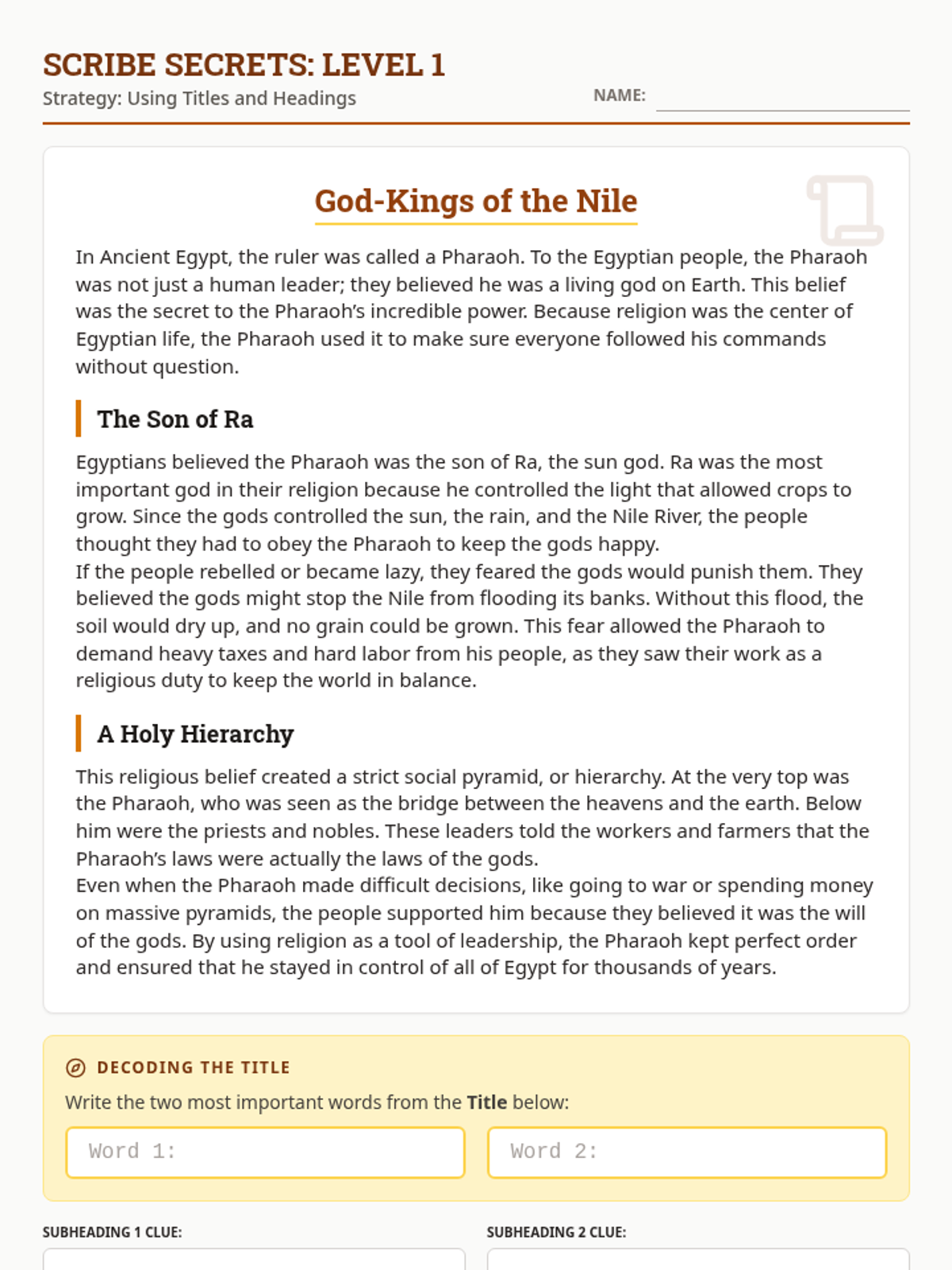
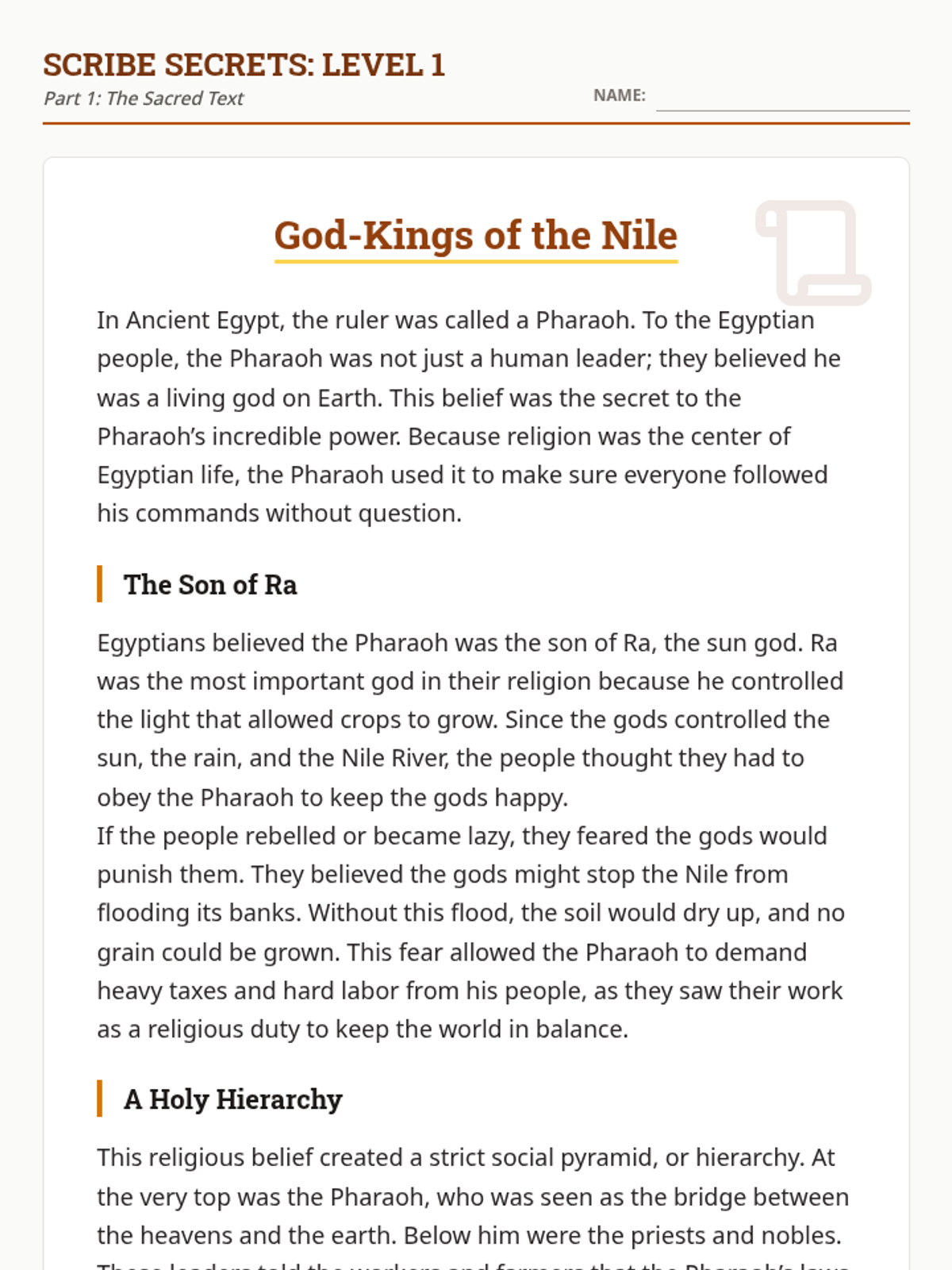
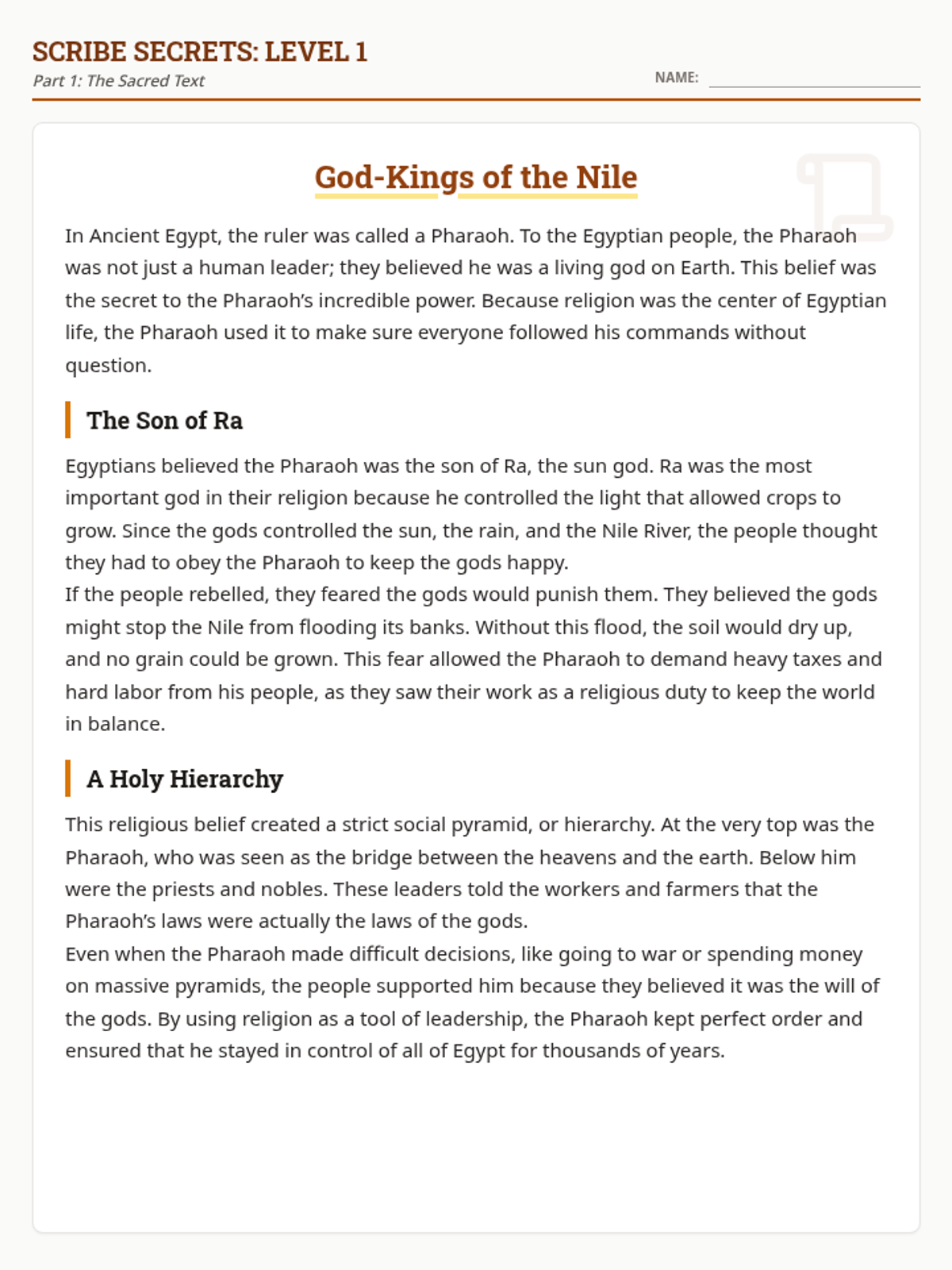
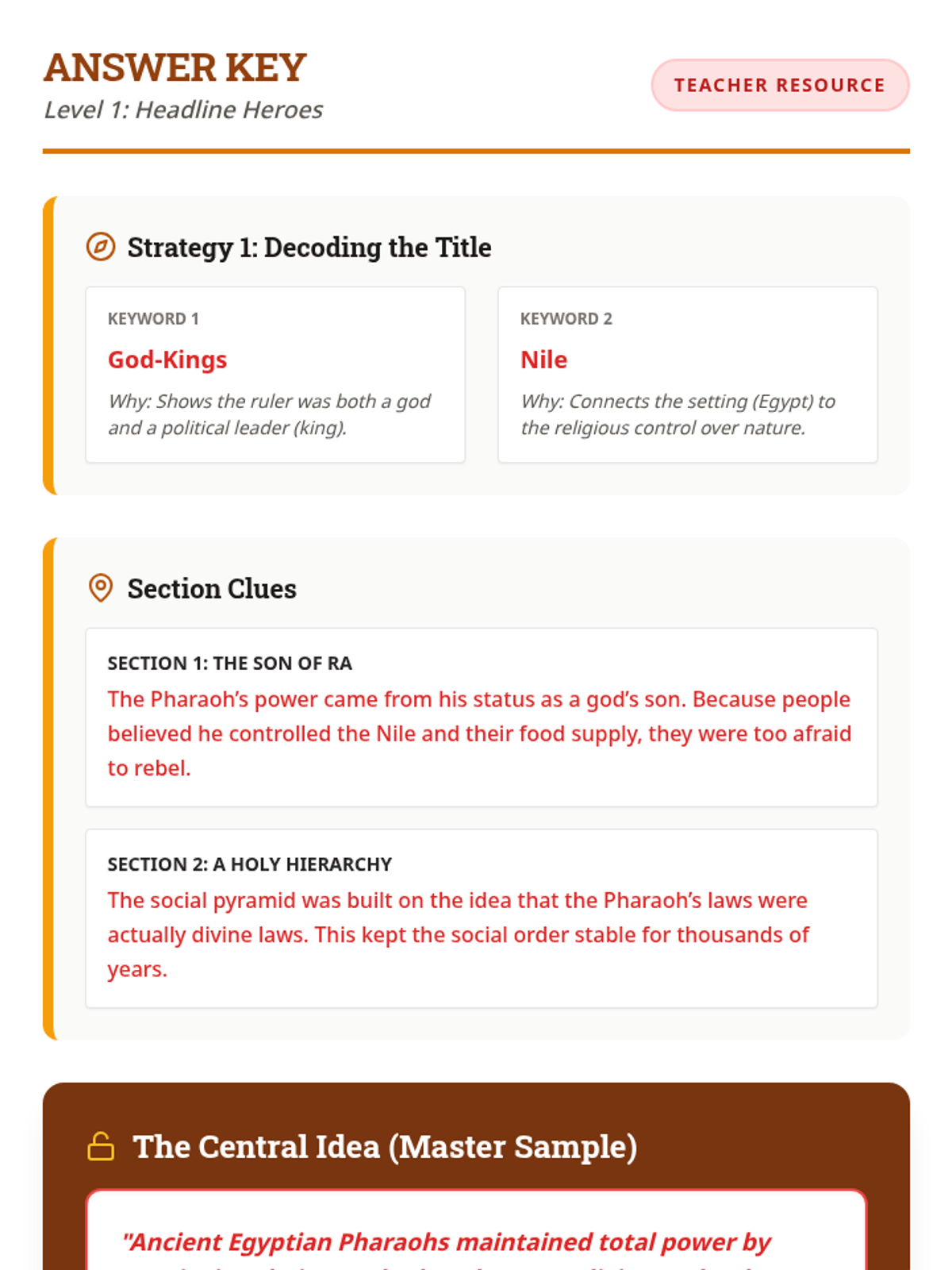
A four-part small group intervention series for sixth graders focused on identifying the central idea of nonfiction texts. The sequence uses the context of Ancient Mesopotamia and Egypt to teach strategies including title analysis, keyword repetition, and text features.
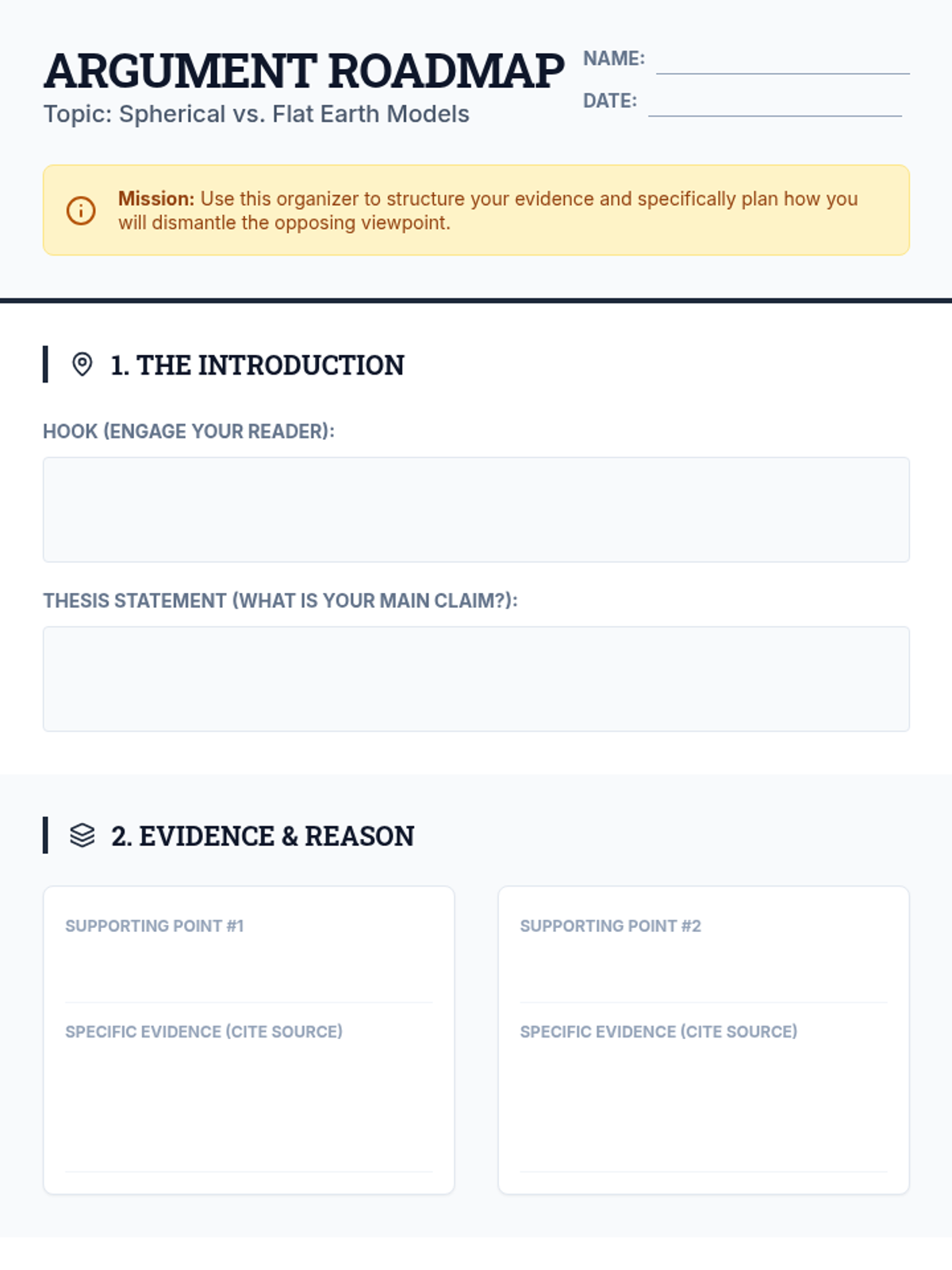
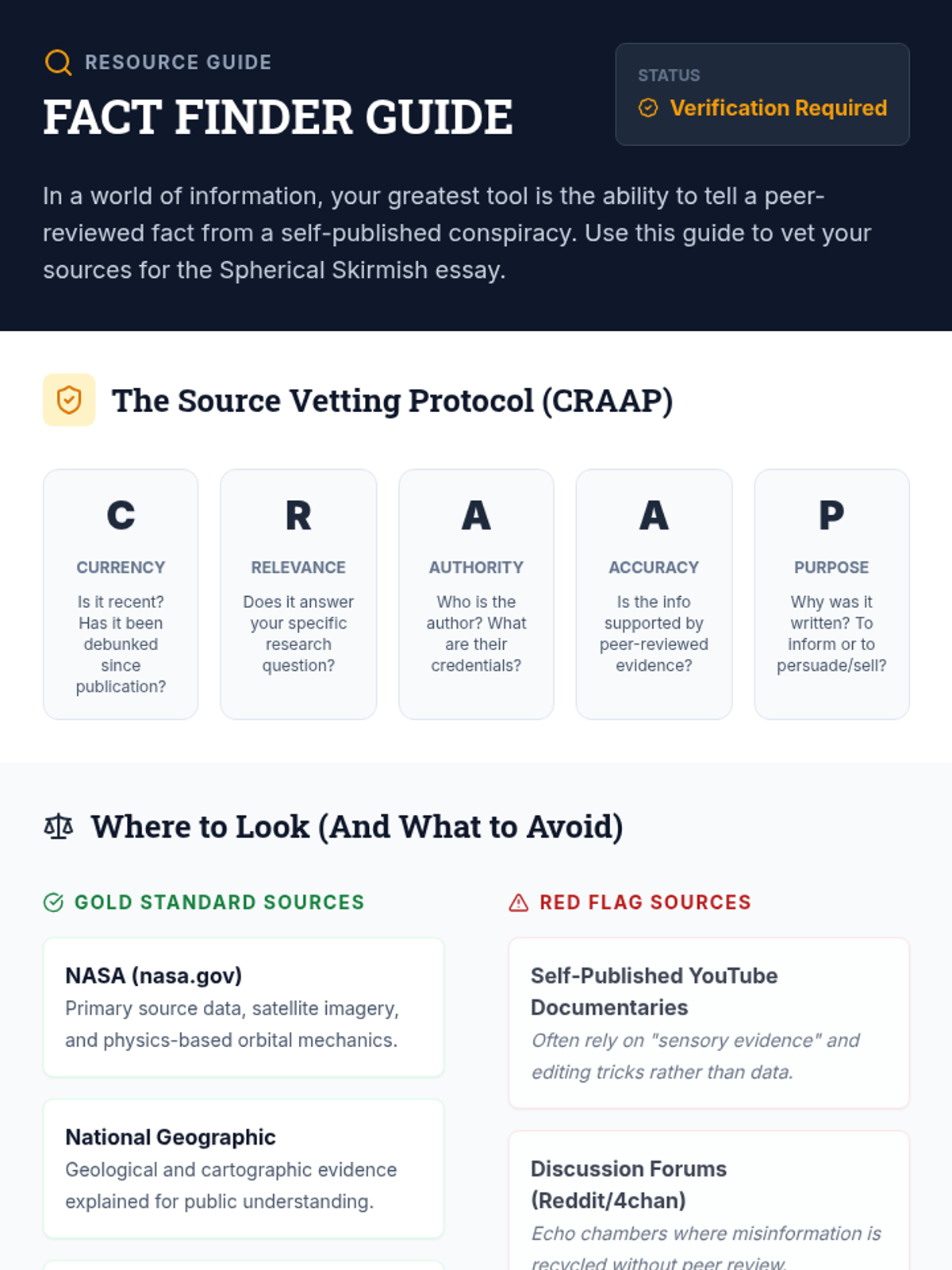
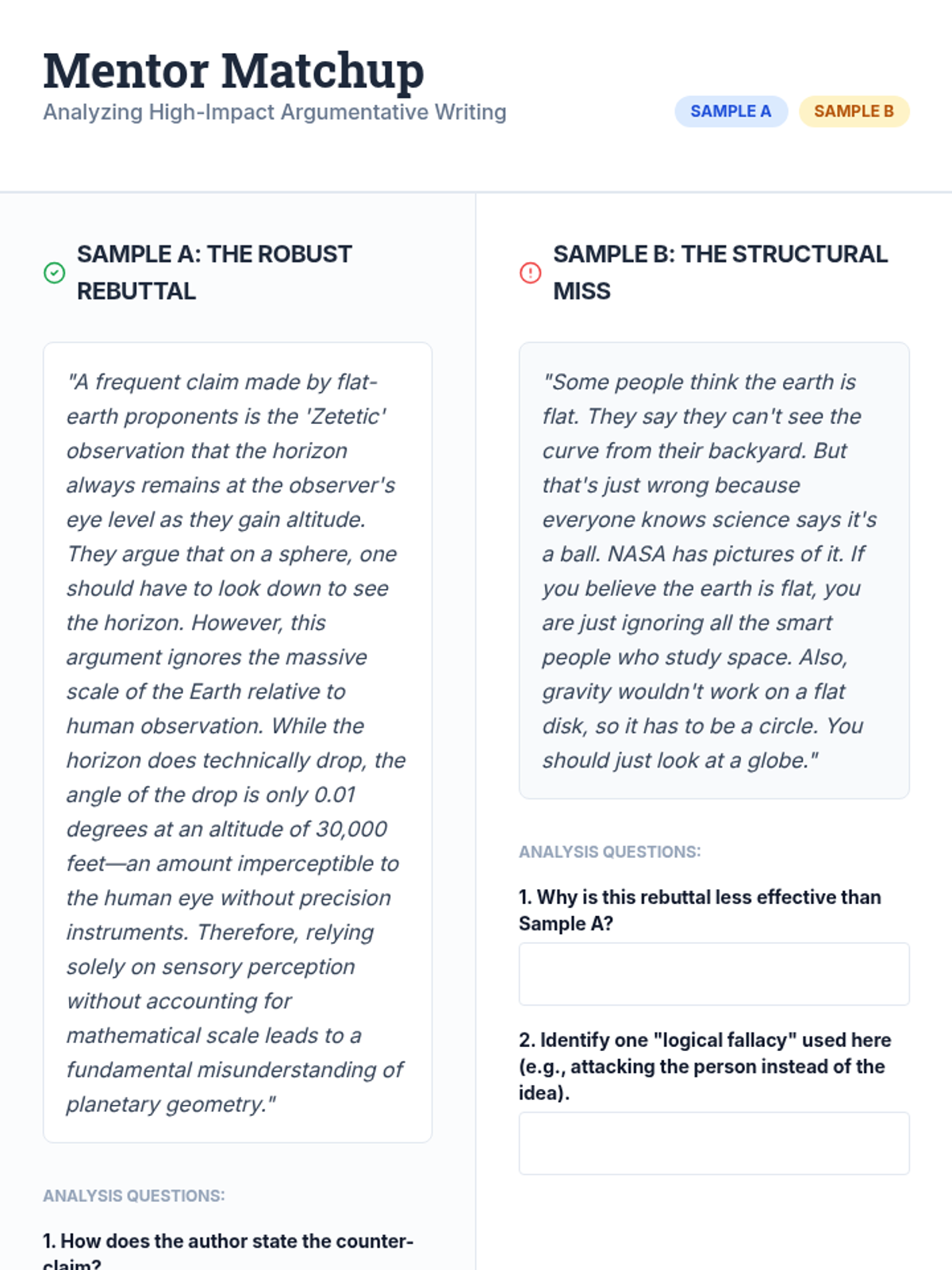
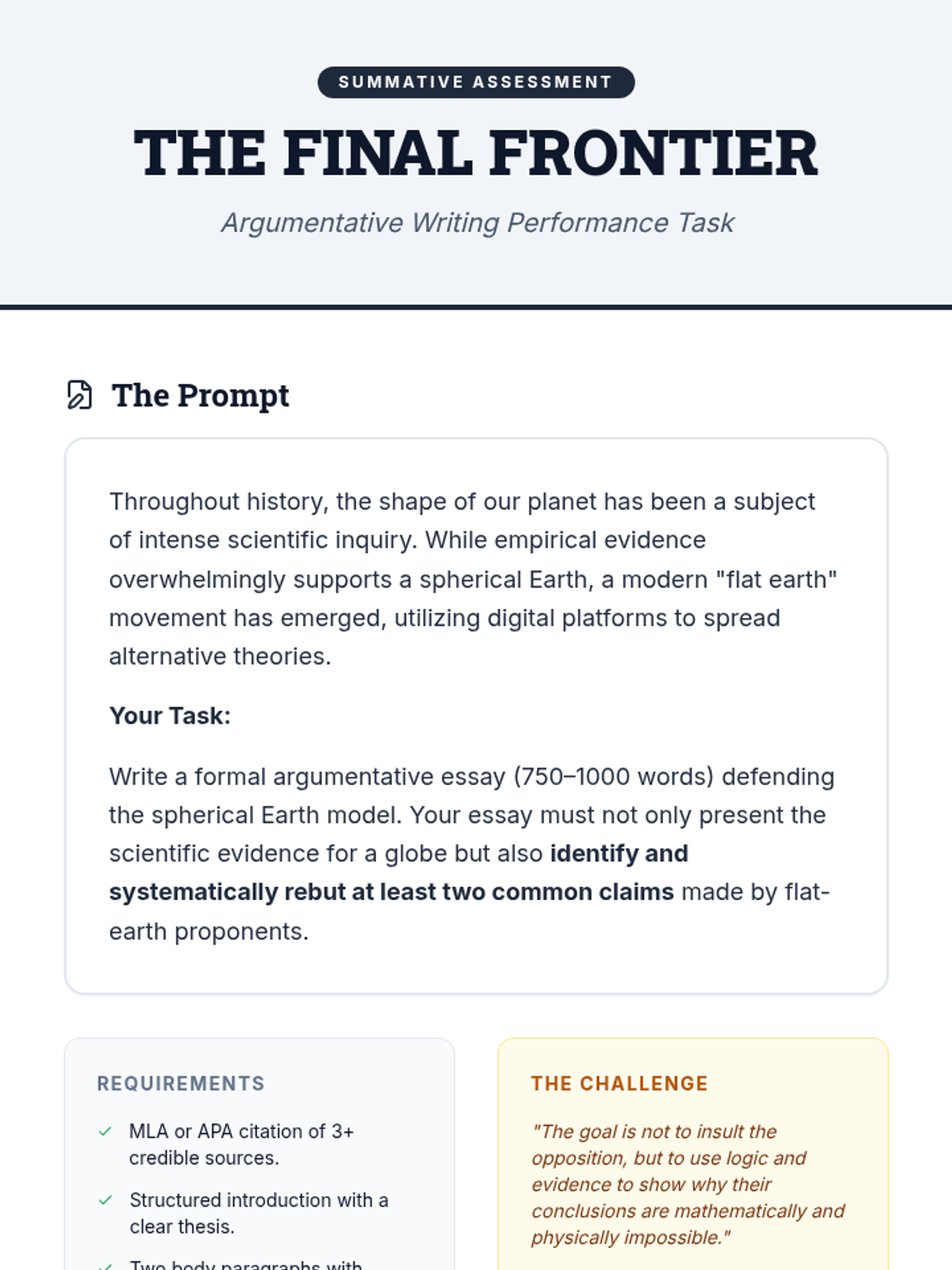
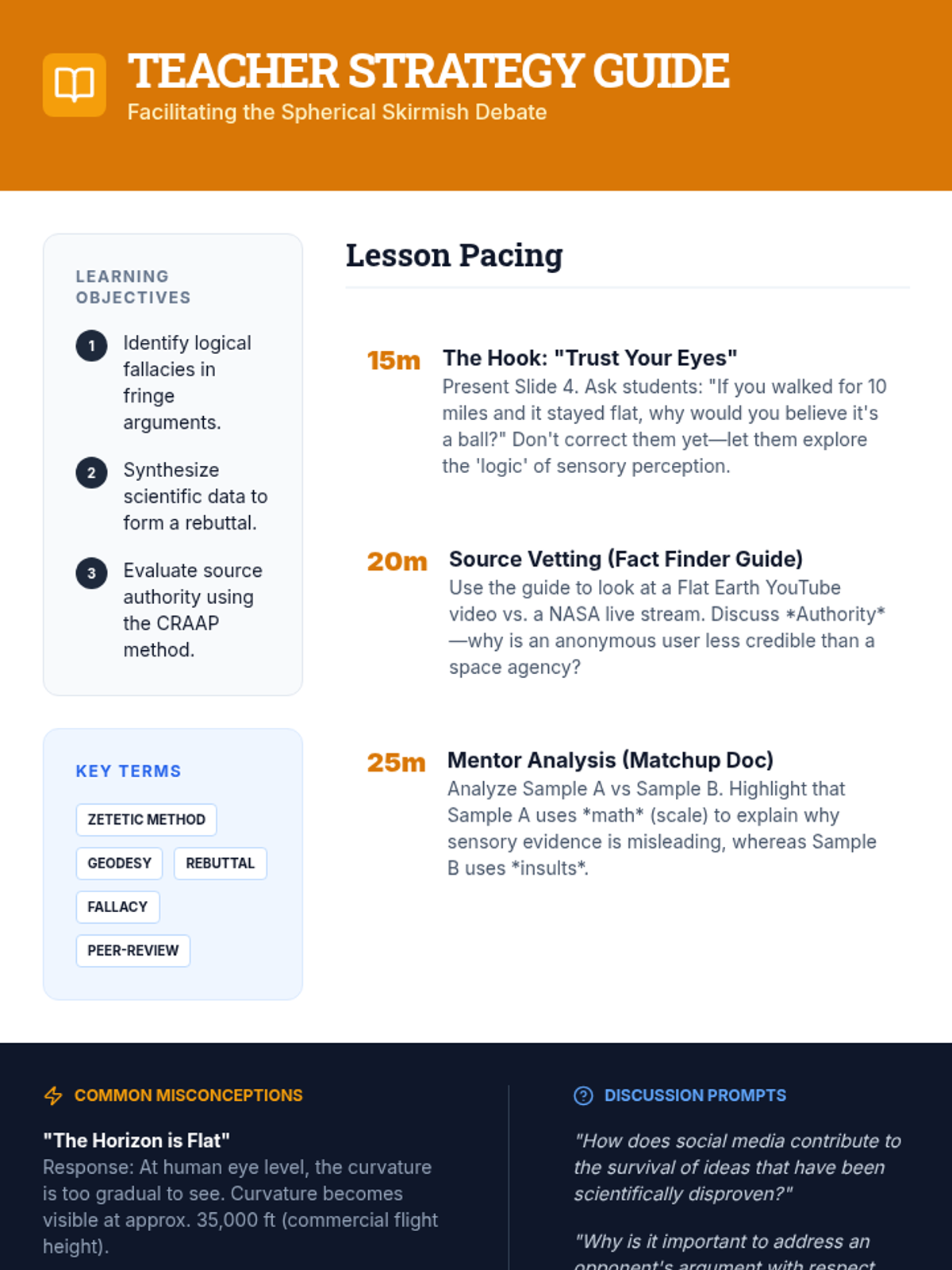
A comprehensive unit focused on mastering argumentative writing through the lens of the flat earth vs. round earth debate, emphasizing evidence-based reasoning and rebuttal techniques.
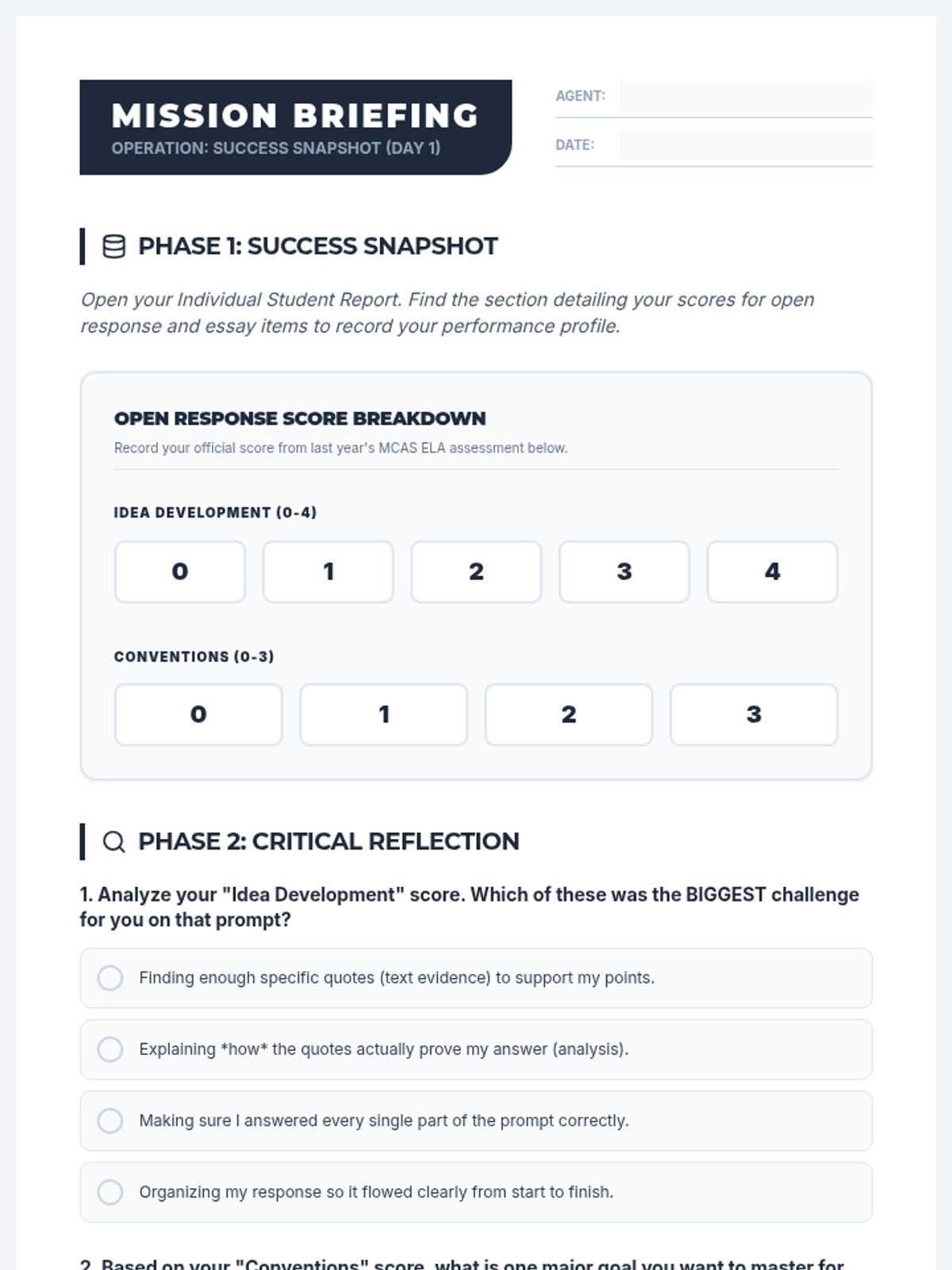
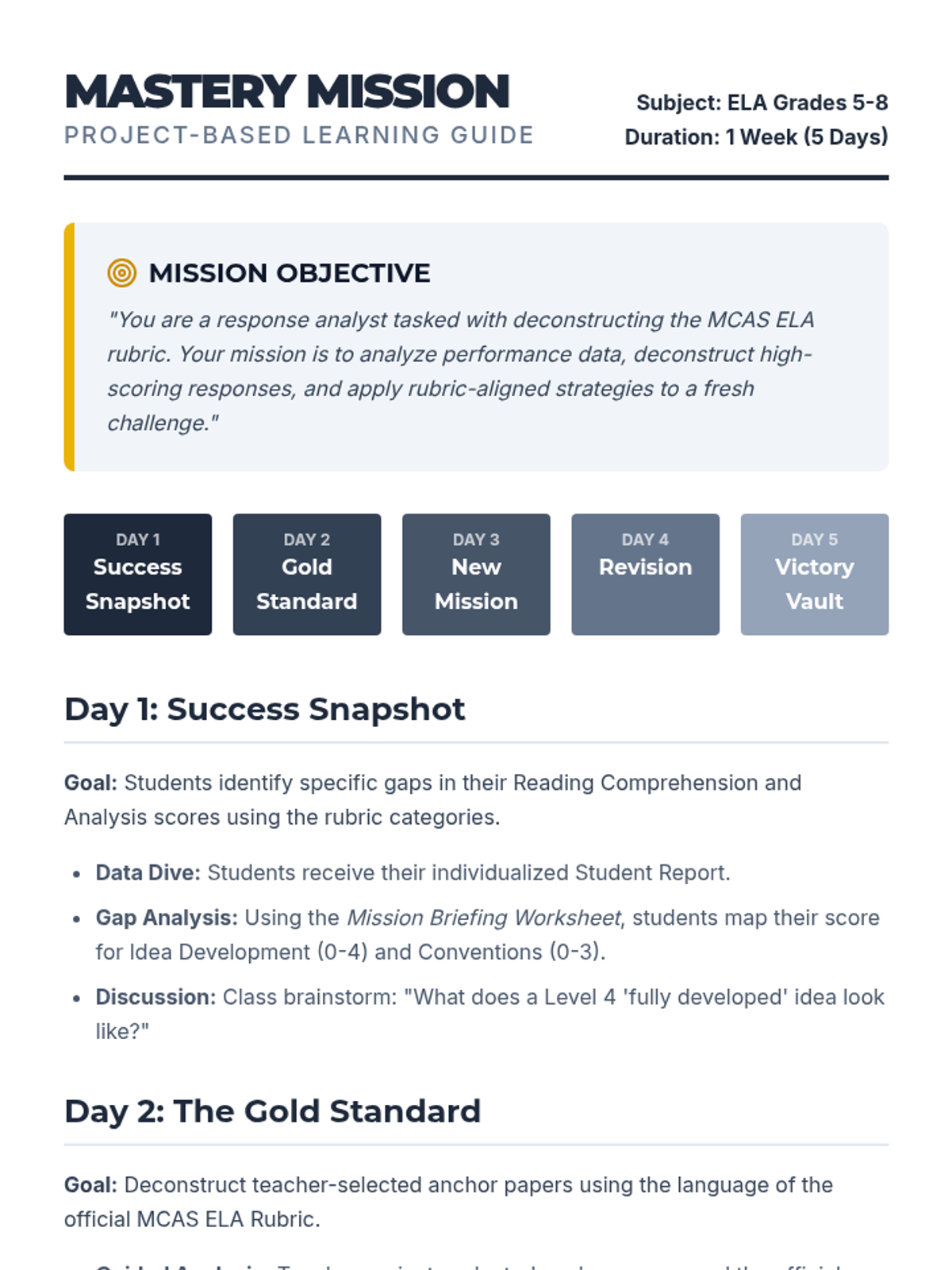
A project-based learning unit designed to help middle school students analyze their past MCAS ELA performance, deconstruct scoring rubrics, and create a personalized strategy playbook for upcoming assessments. Students move from 'investigating' their scores to 'rebooting' their responses and 'finalizing' their test-taking toolkit.
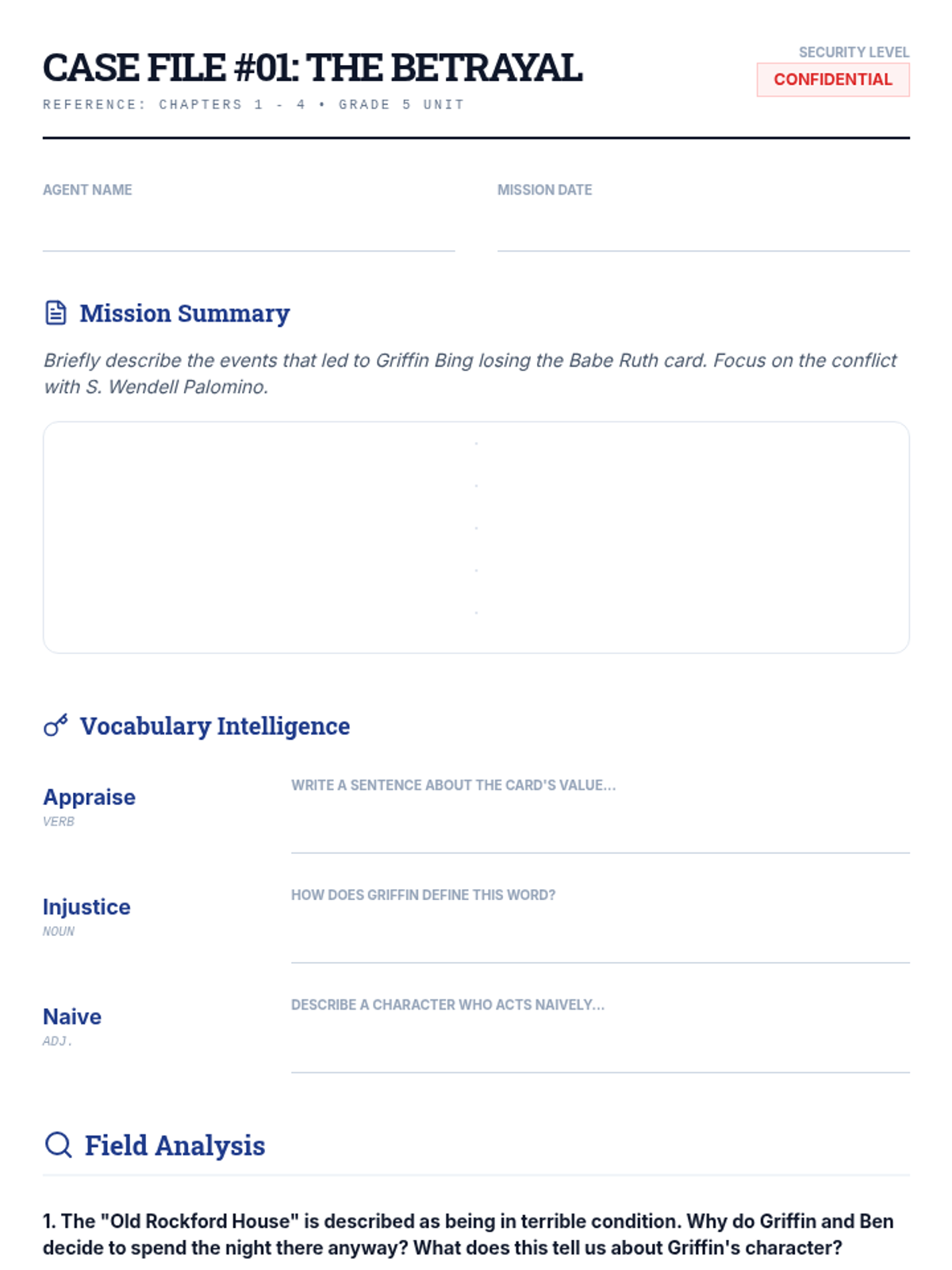
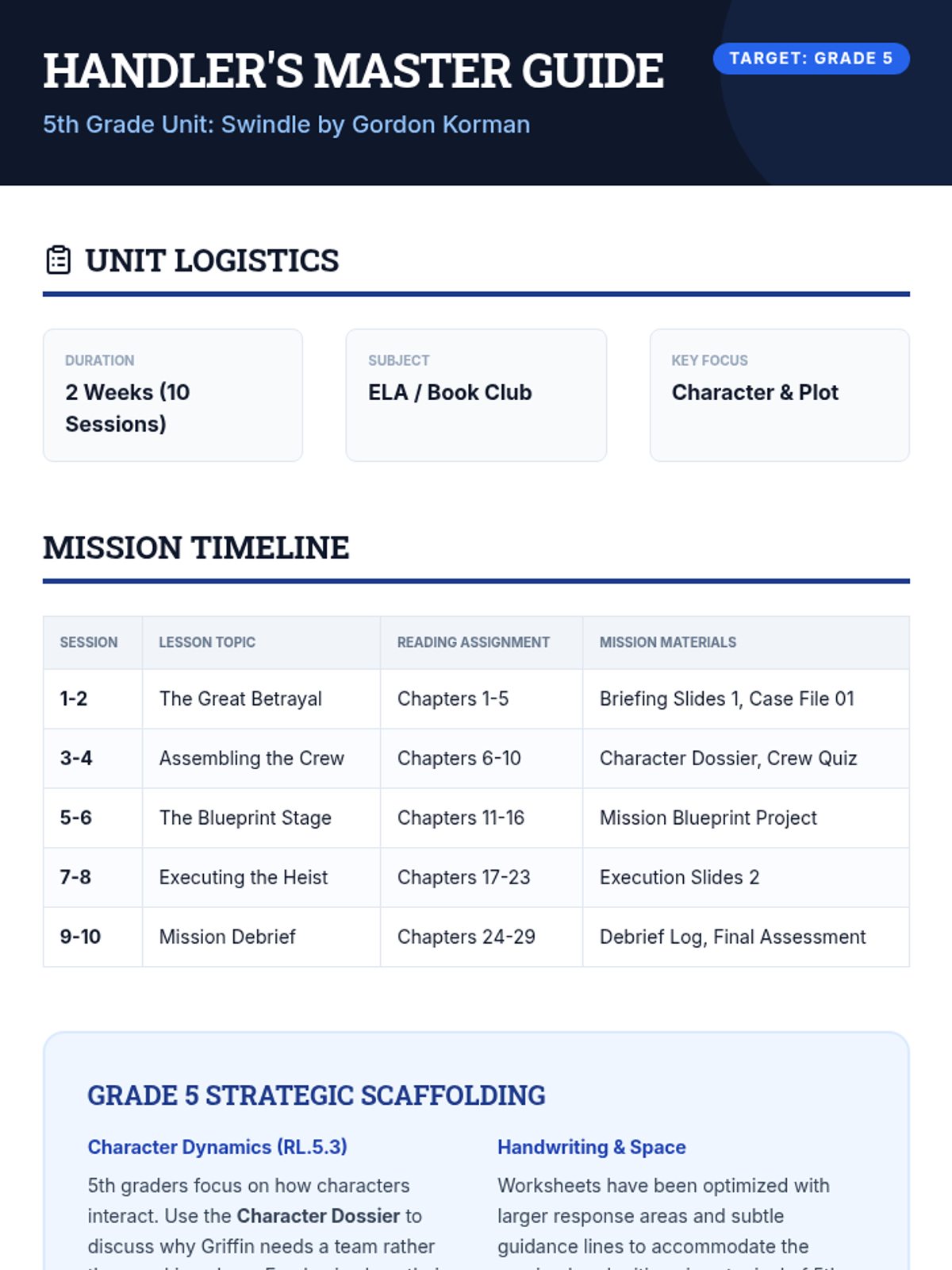
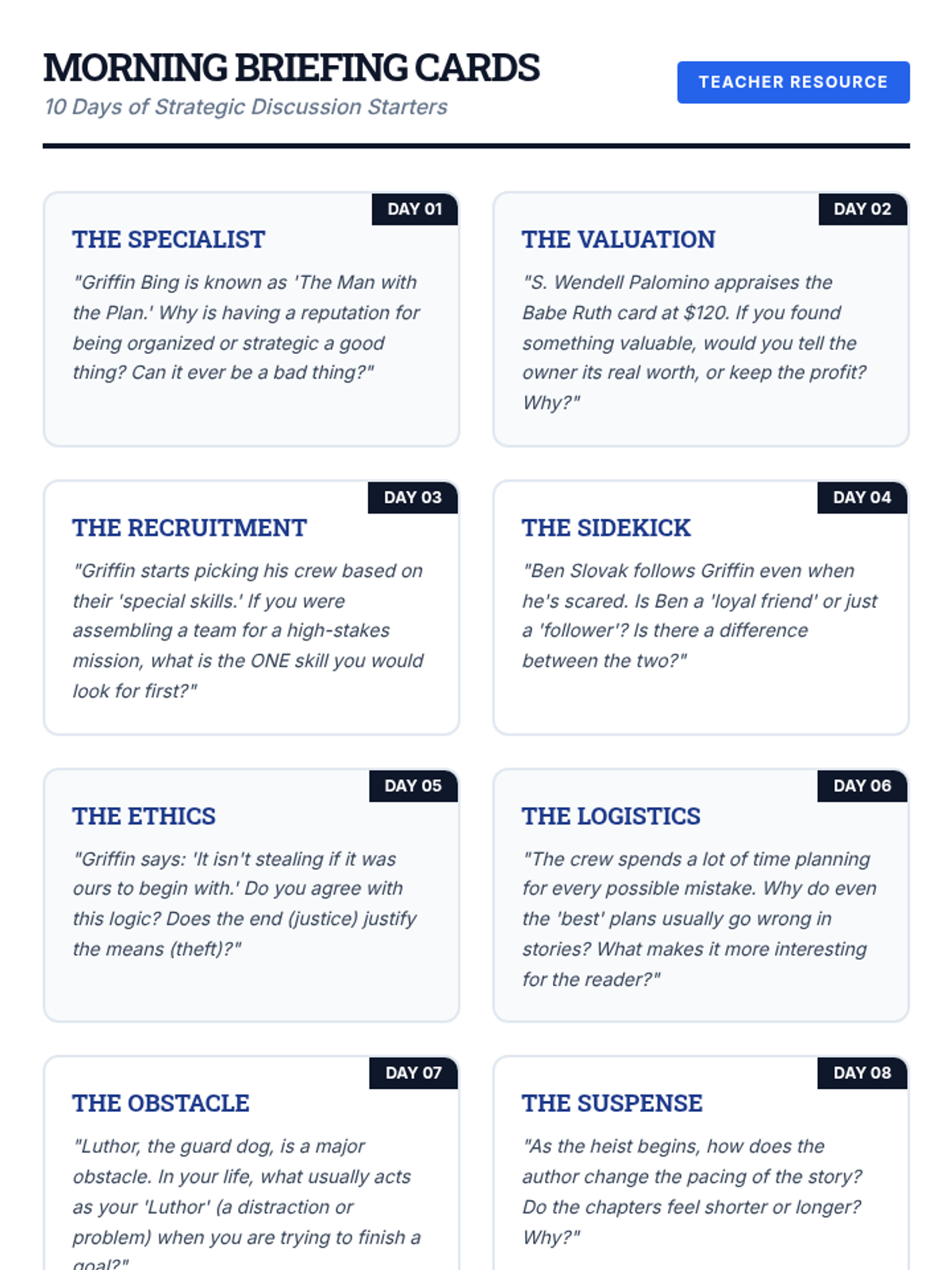
A comprehensive two-week unit for Gordon Korman's 'Swindle', focusing on character archetypes, heist plot structure, and vocabulary development through the lens of a professional 'heist briefing'.
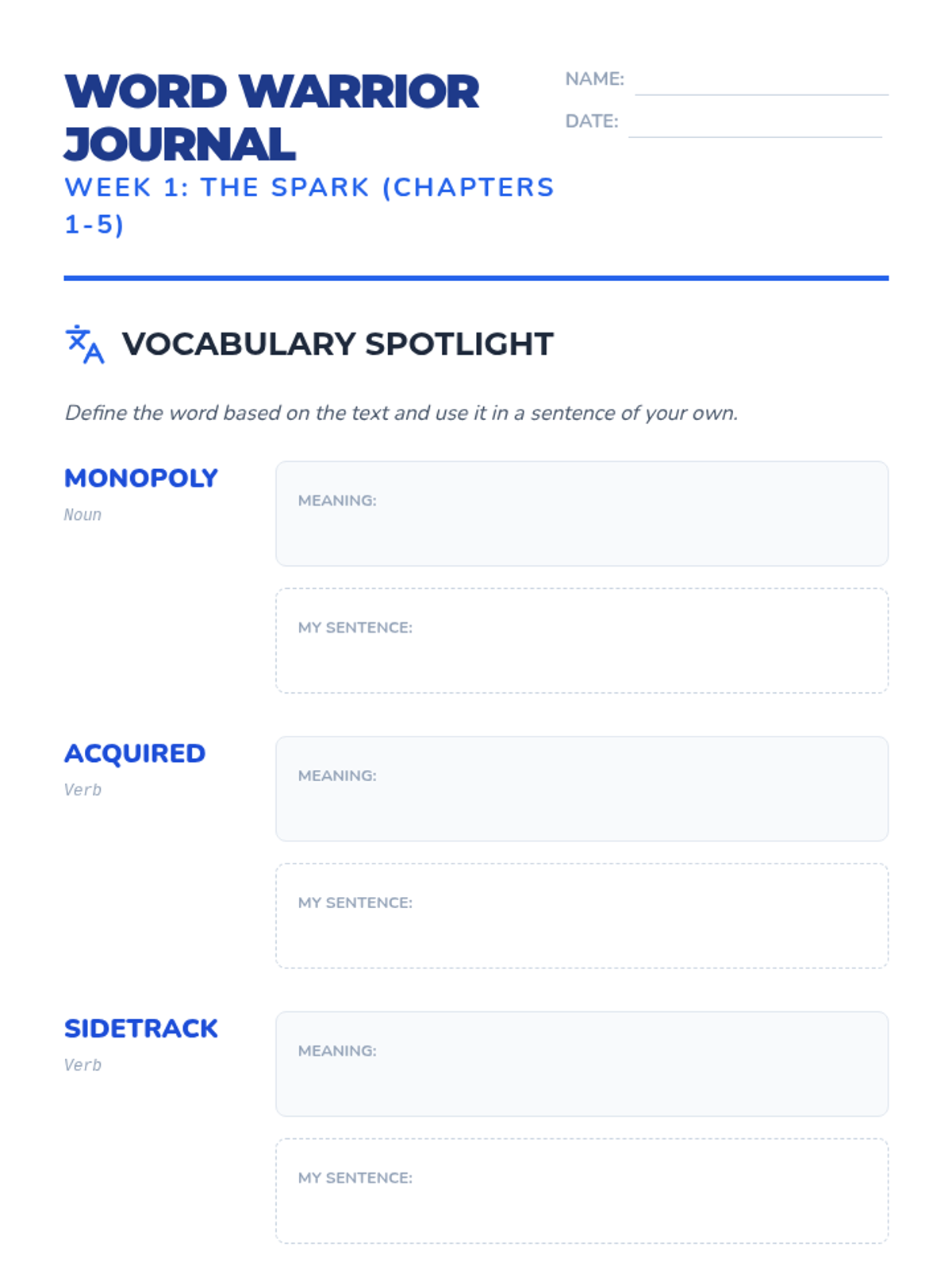
A three-week comprehensive book club for 'Frindle' by Andrew Clements, focusing on the power of language, character evolution, and the skills of summarizing and synthesizing. Students explore how a simple idea can spark a school-wide movement while building their vocabulary and analytical thinking.
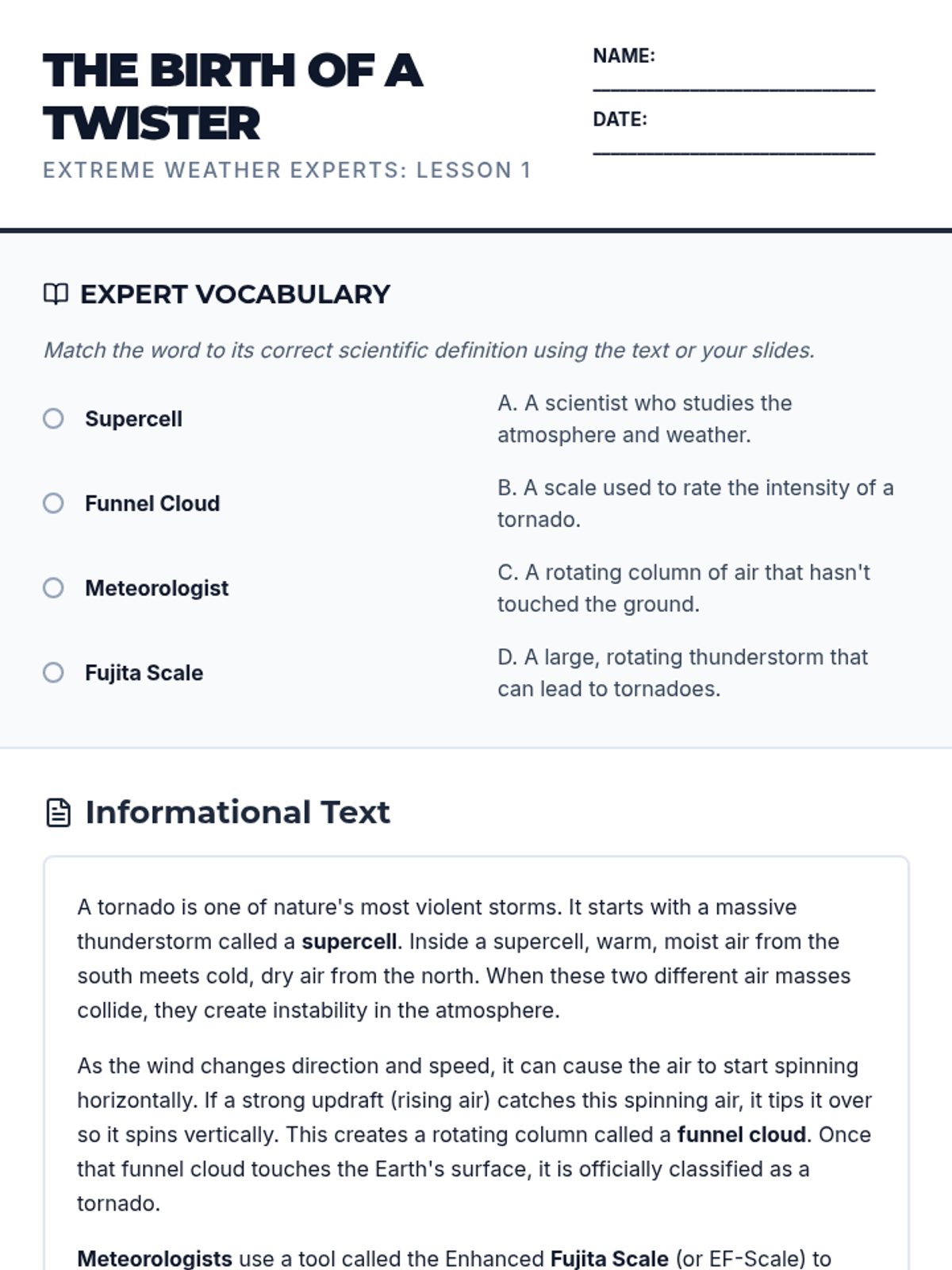
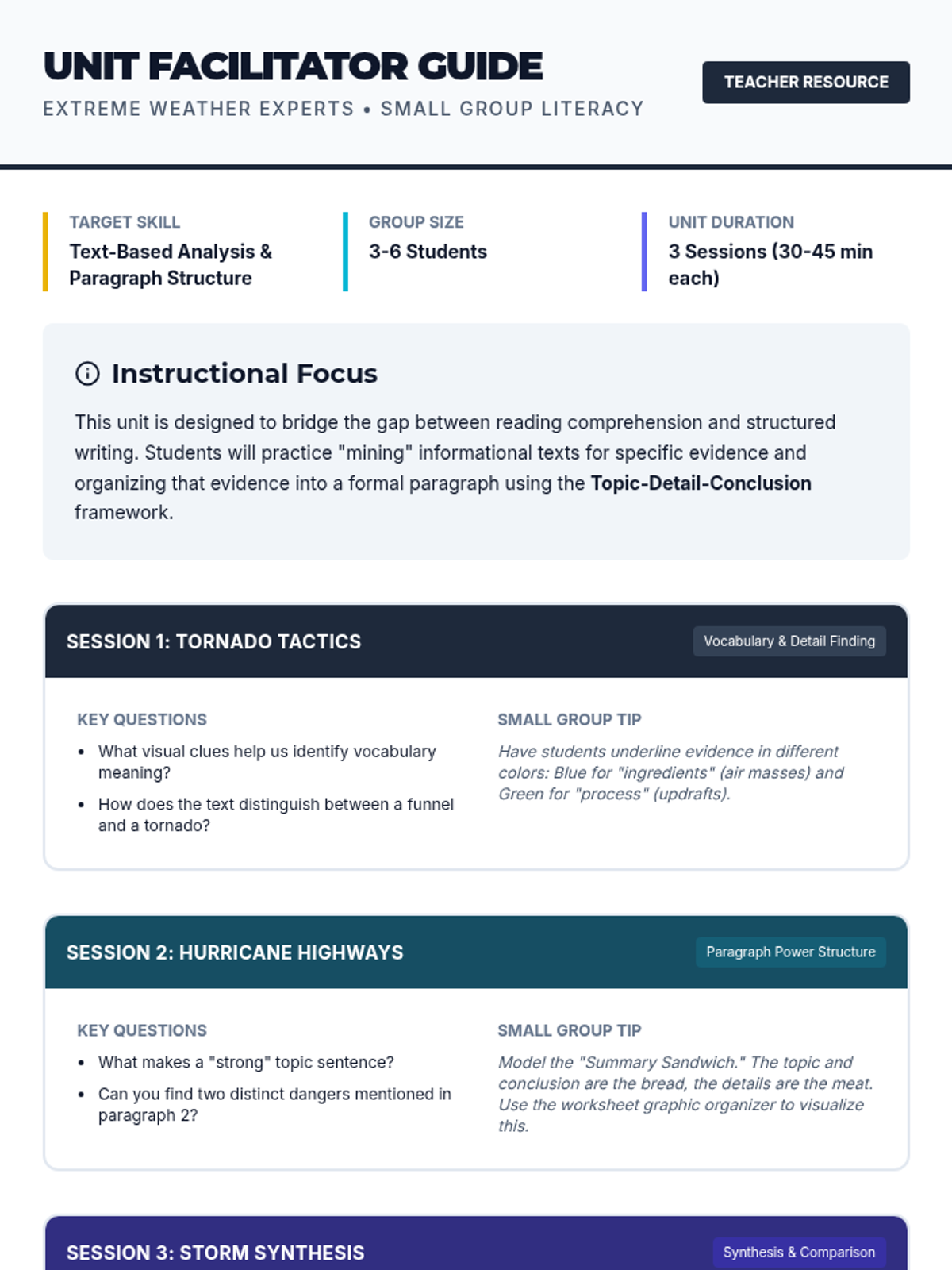
A small-group literacy unit focused on mastering informational texts through text-based questioning, vocabulary development, and structured paragraph writing (Topic Sentence, Details, Concluding Sentence) centered on the theme of extreme weather.
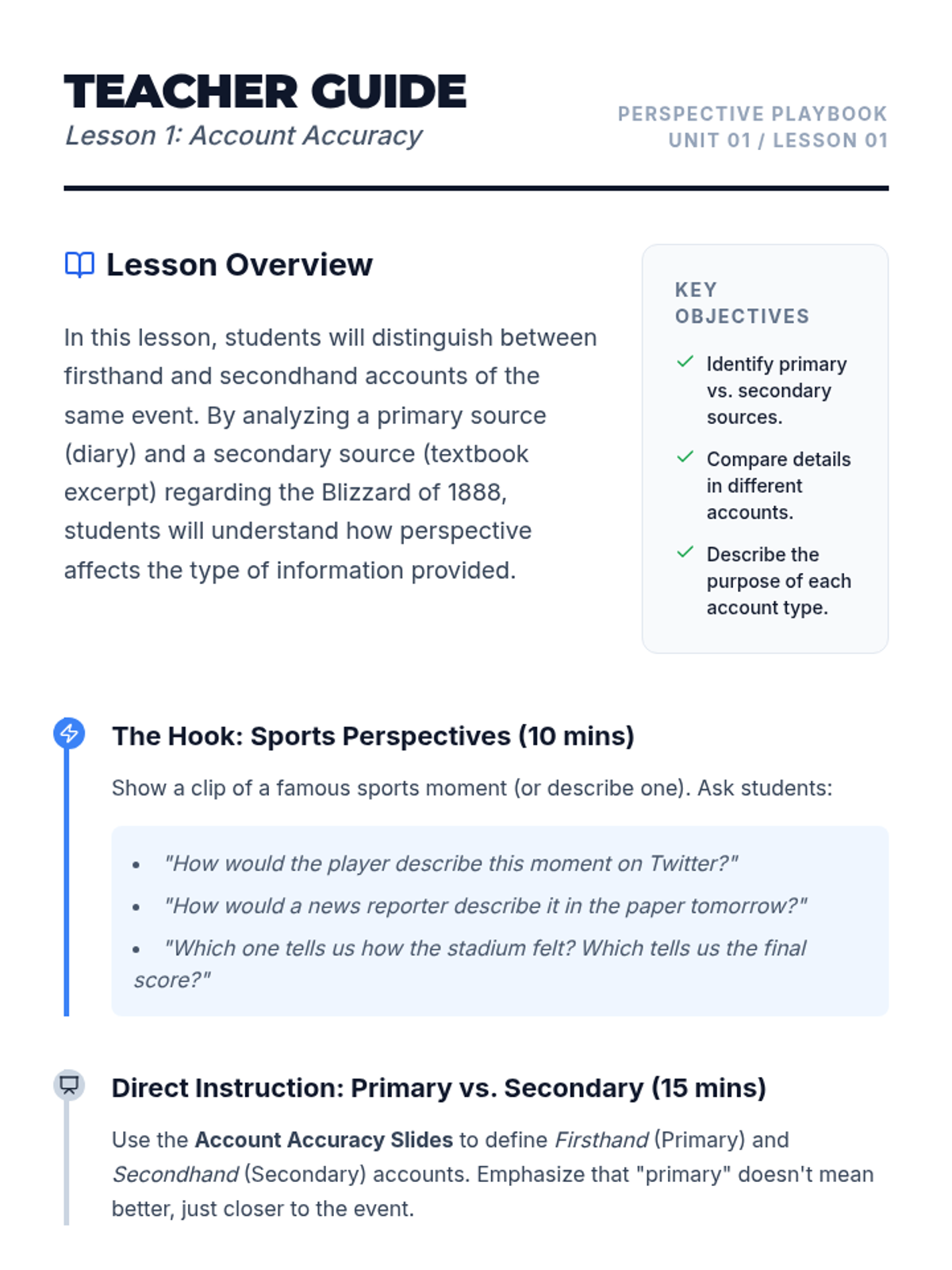
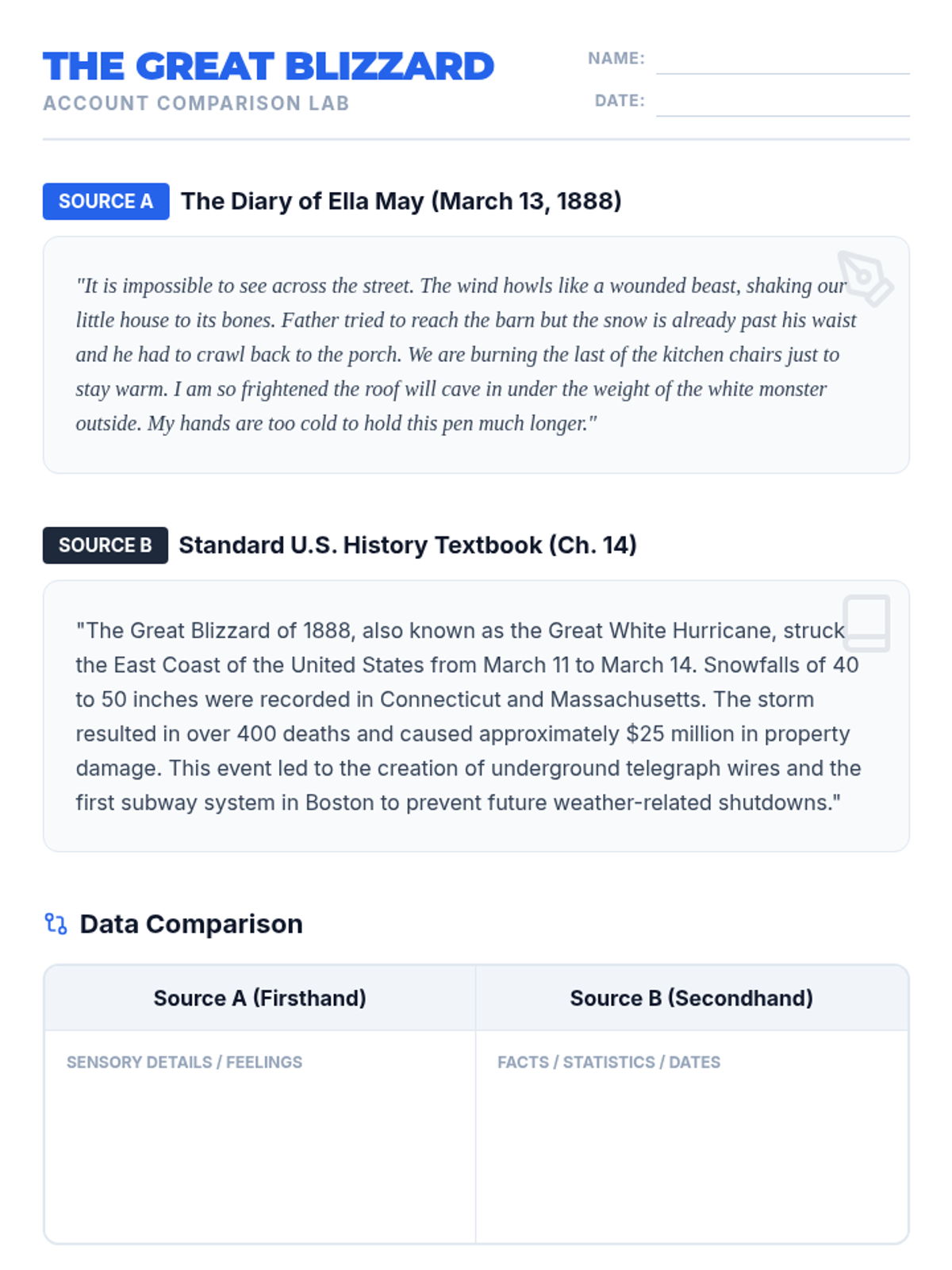
This sequence explores how different authors and mediums present the same event or topic, focusing on firsthand vs. secondhand accounts, conflicting information, multimedia integration, and tone analysis. Students will develop the ability to synthesize multiple sources to gain a comprehensive understanding of a subject.
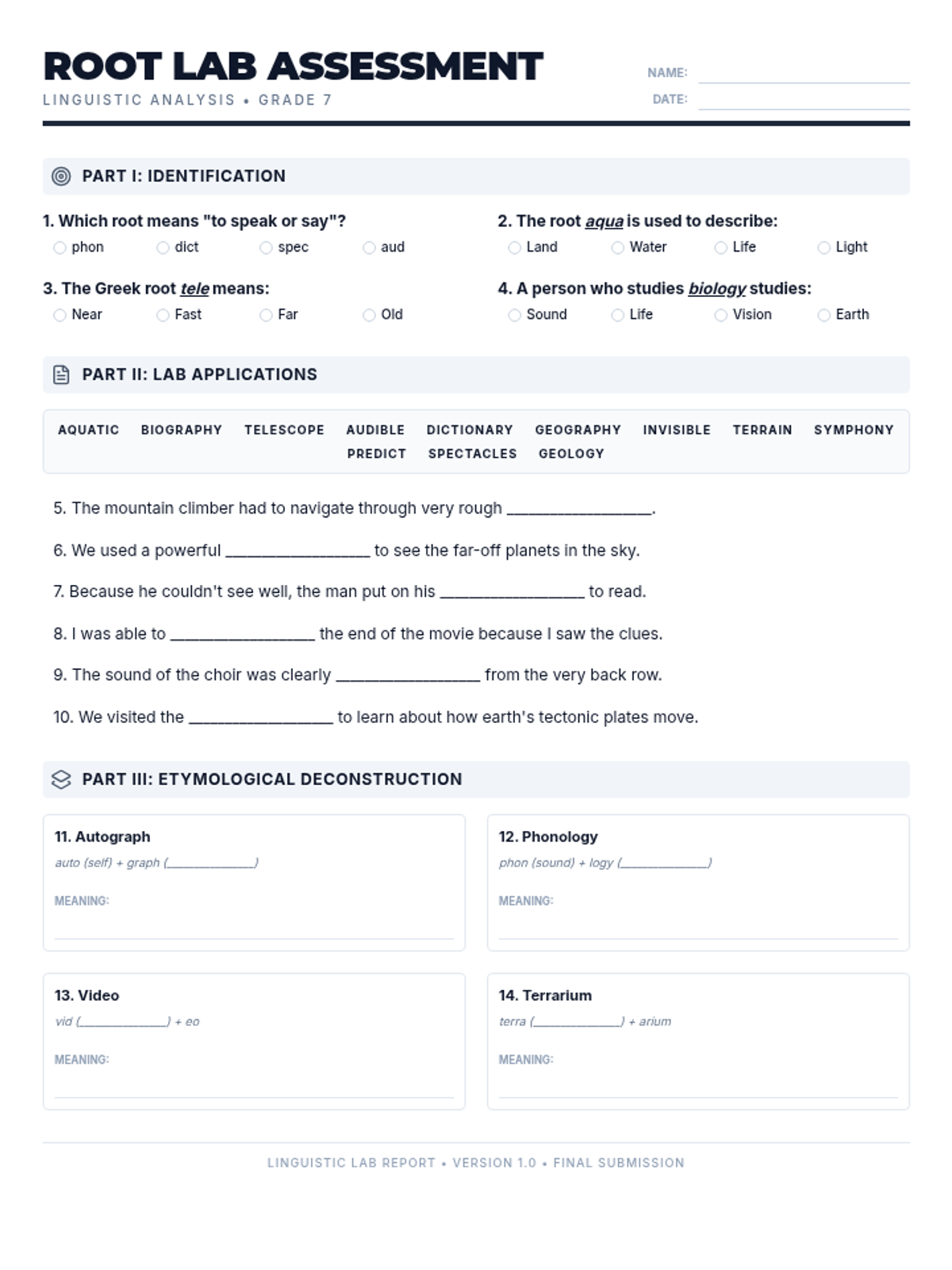
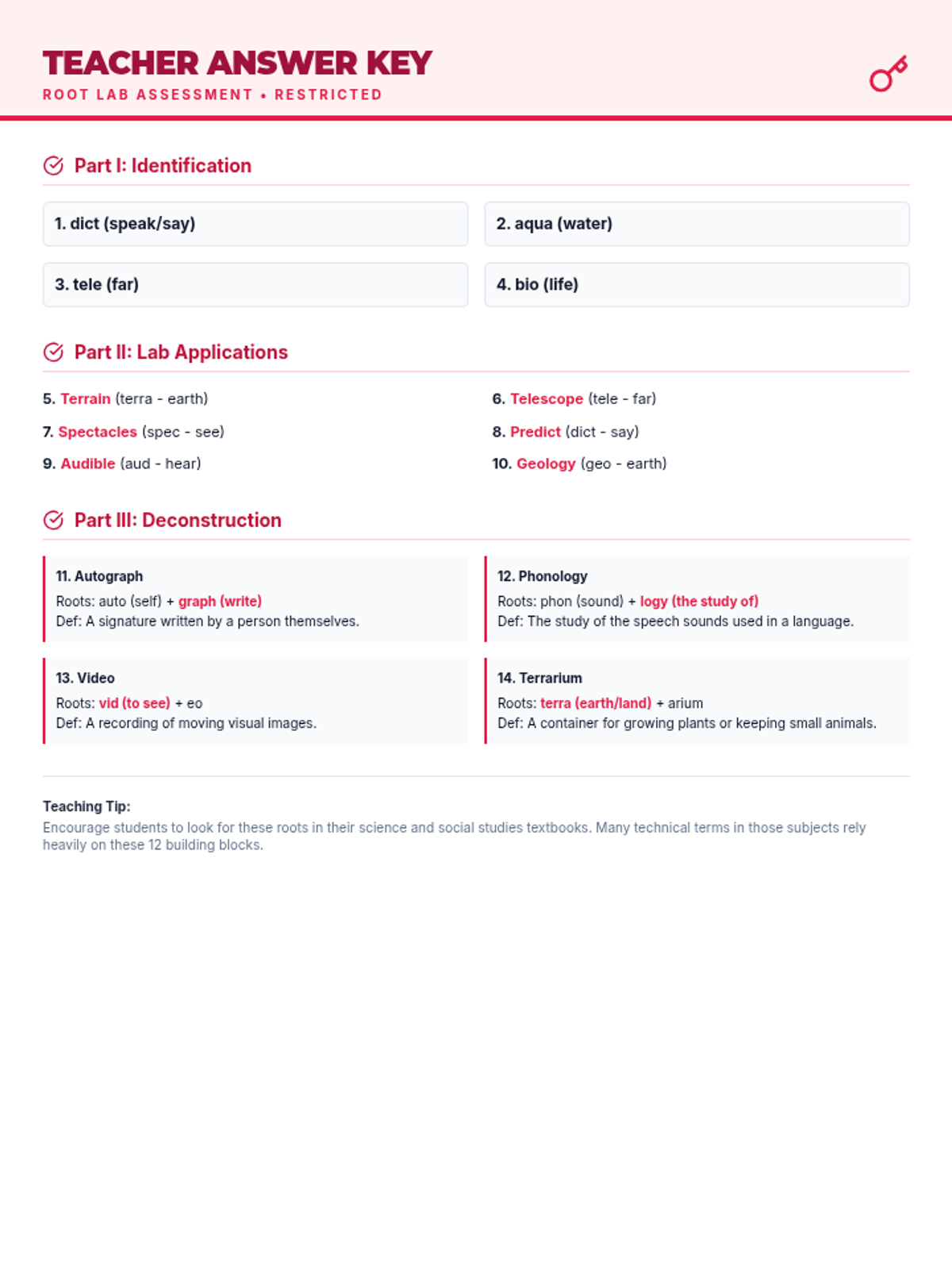
A deep dive into common Greek and Latin roots to help students decode complex vocabulary and improve reading comprehension through etymological analysis.
A mastery sequence for advanced word study, focusing on derivational roots, meaning-base spelling, and vocabulary expansion through puzzles and sentence application.
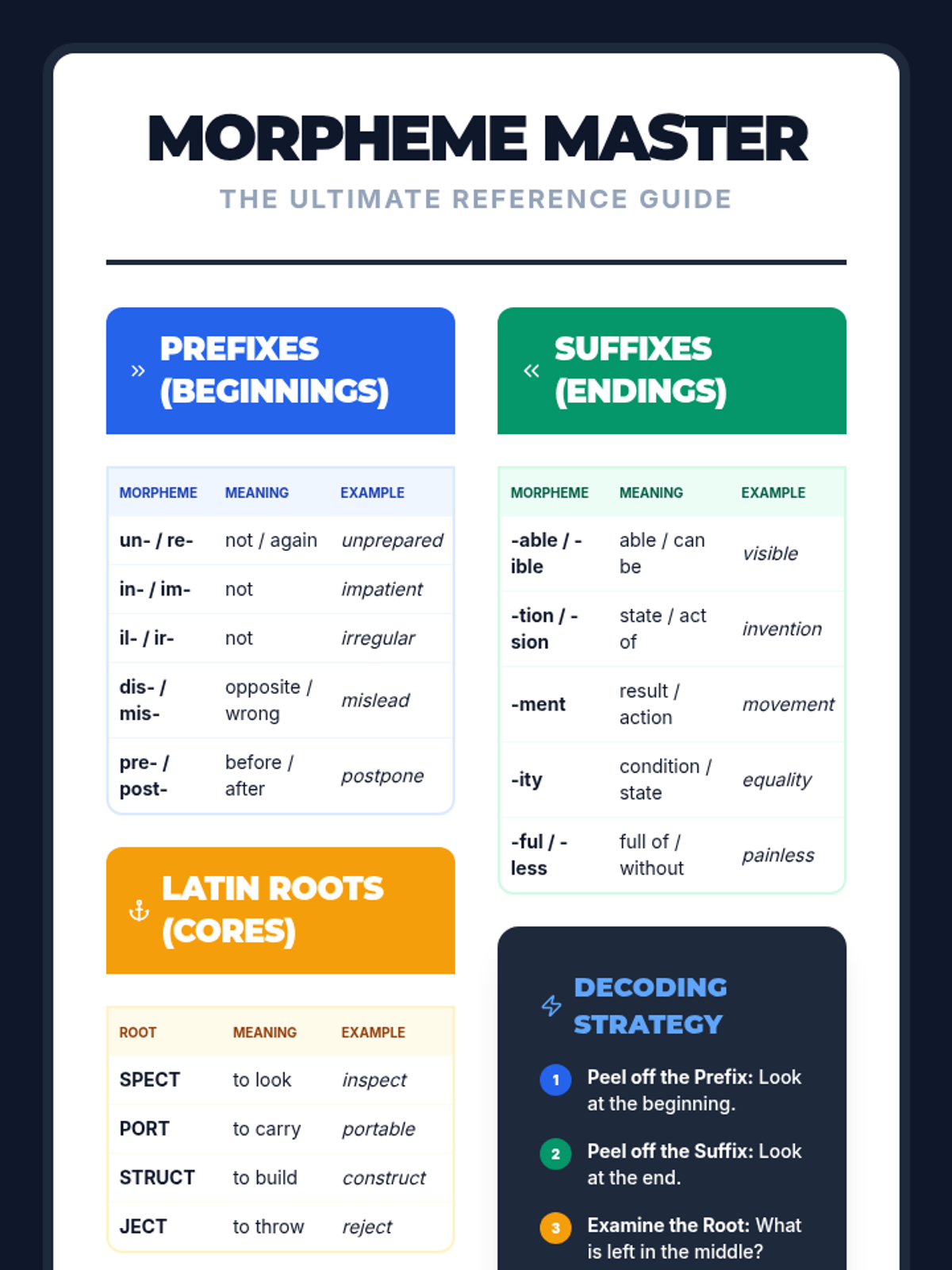
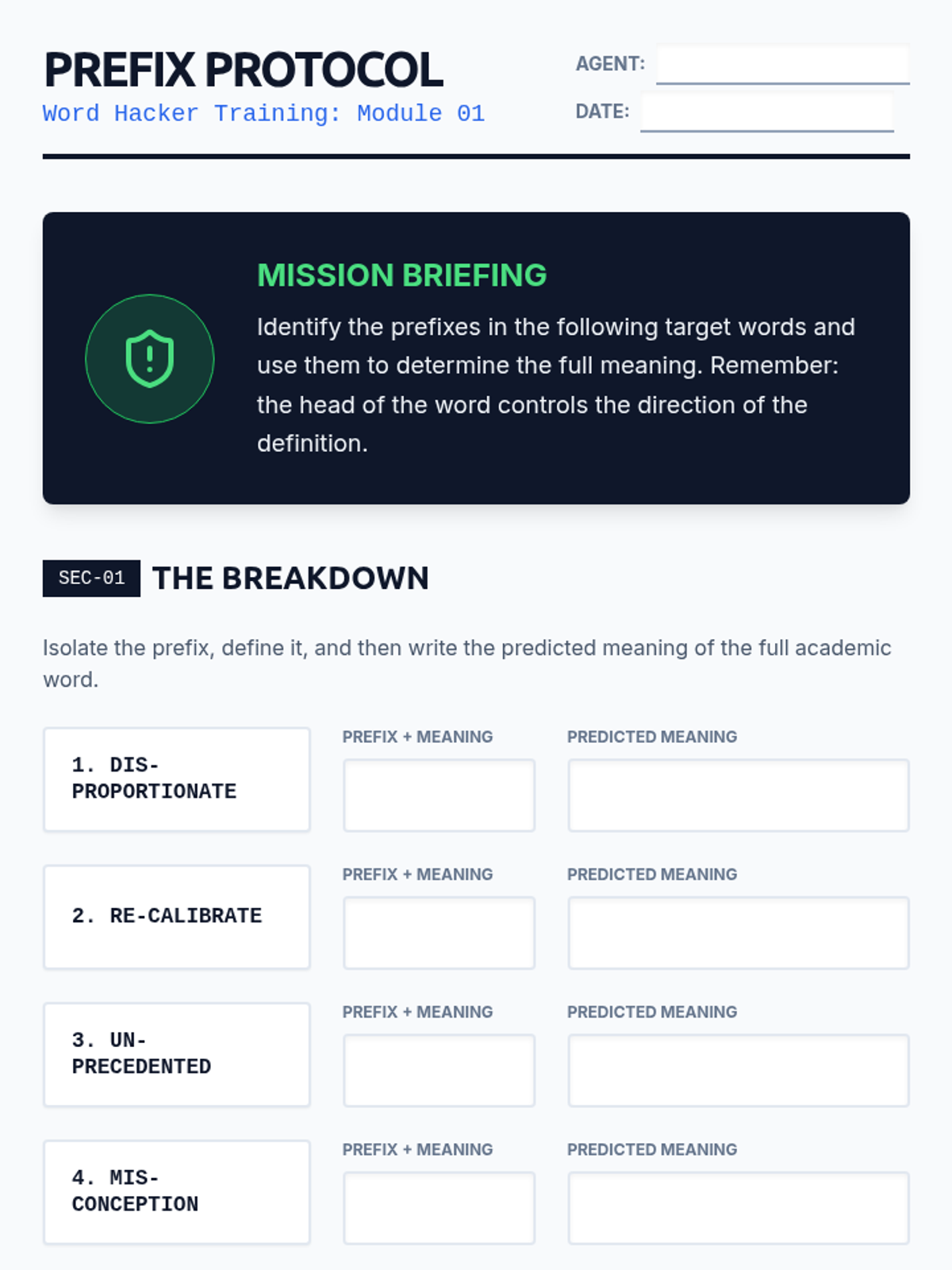
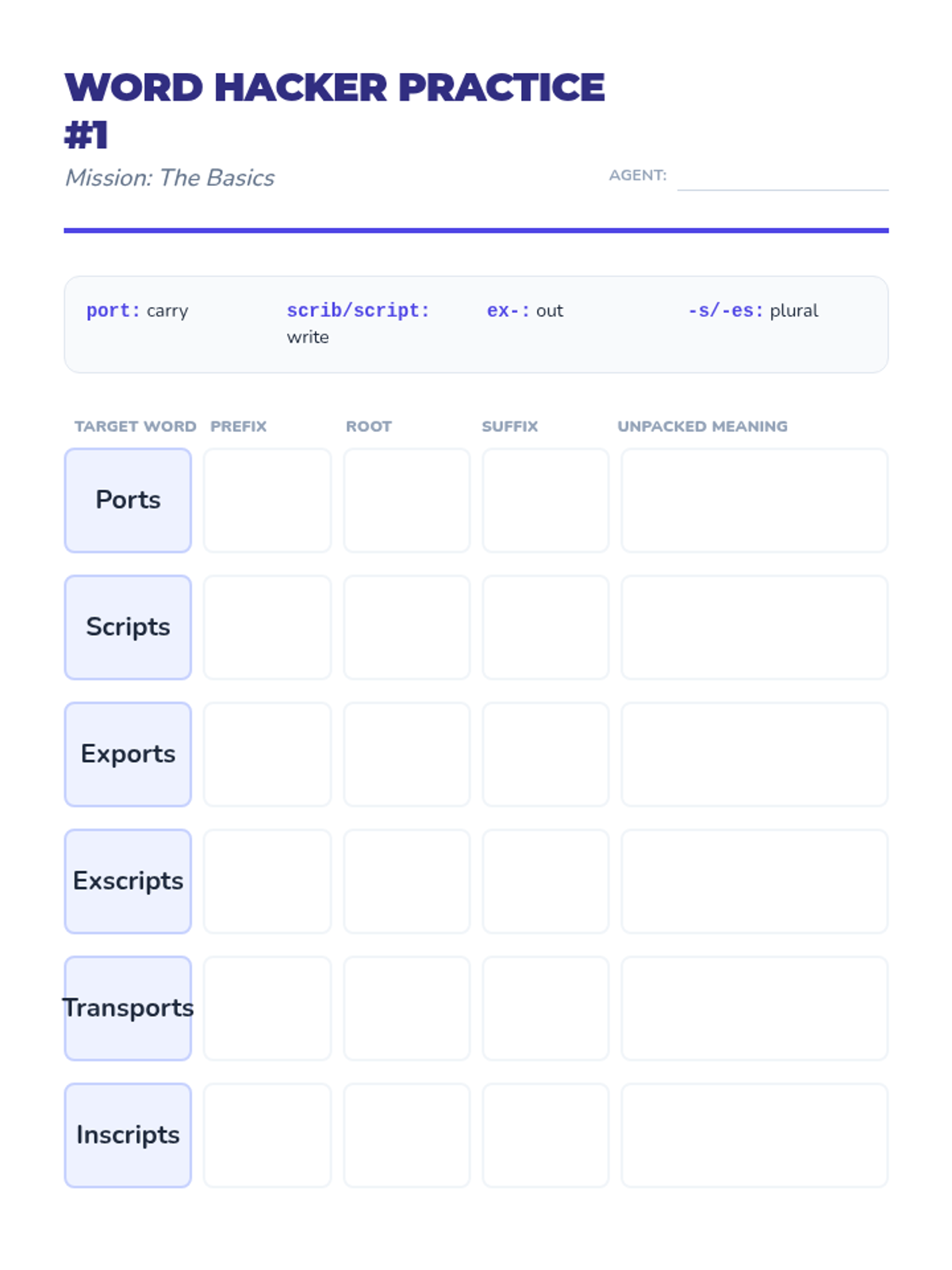
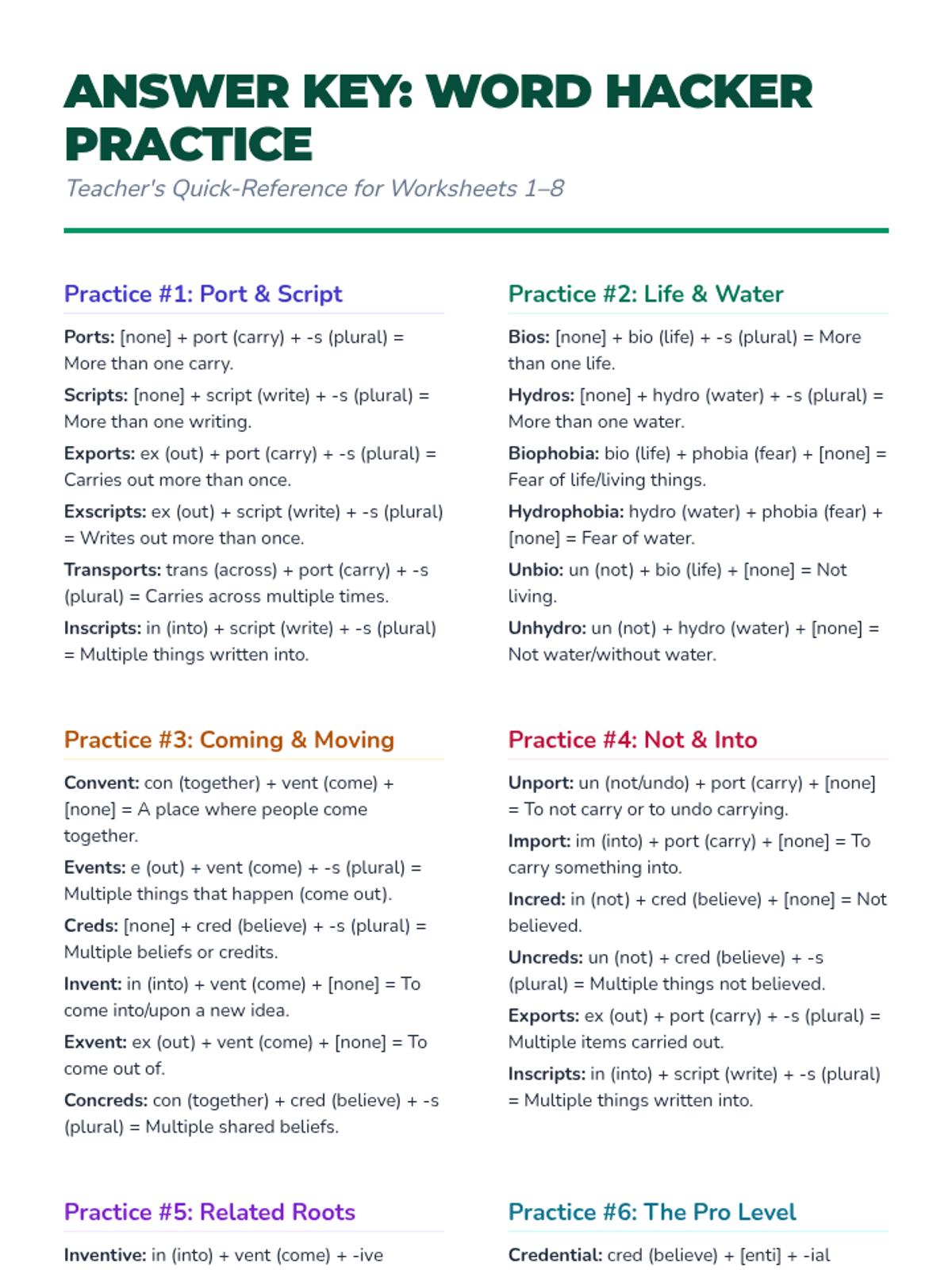
A 5-part series focusing on high-frequency Greek and Latin roots, prefixes, and suffixes using a "word hacking" theme to help students decode academic vocabulary.
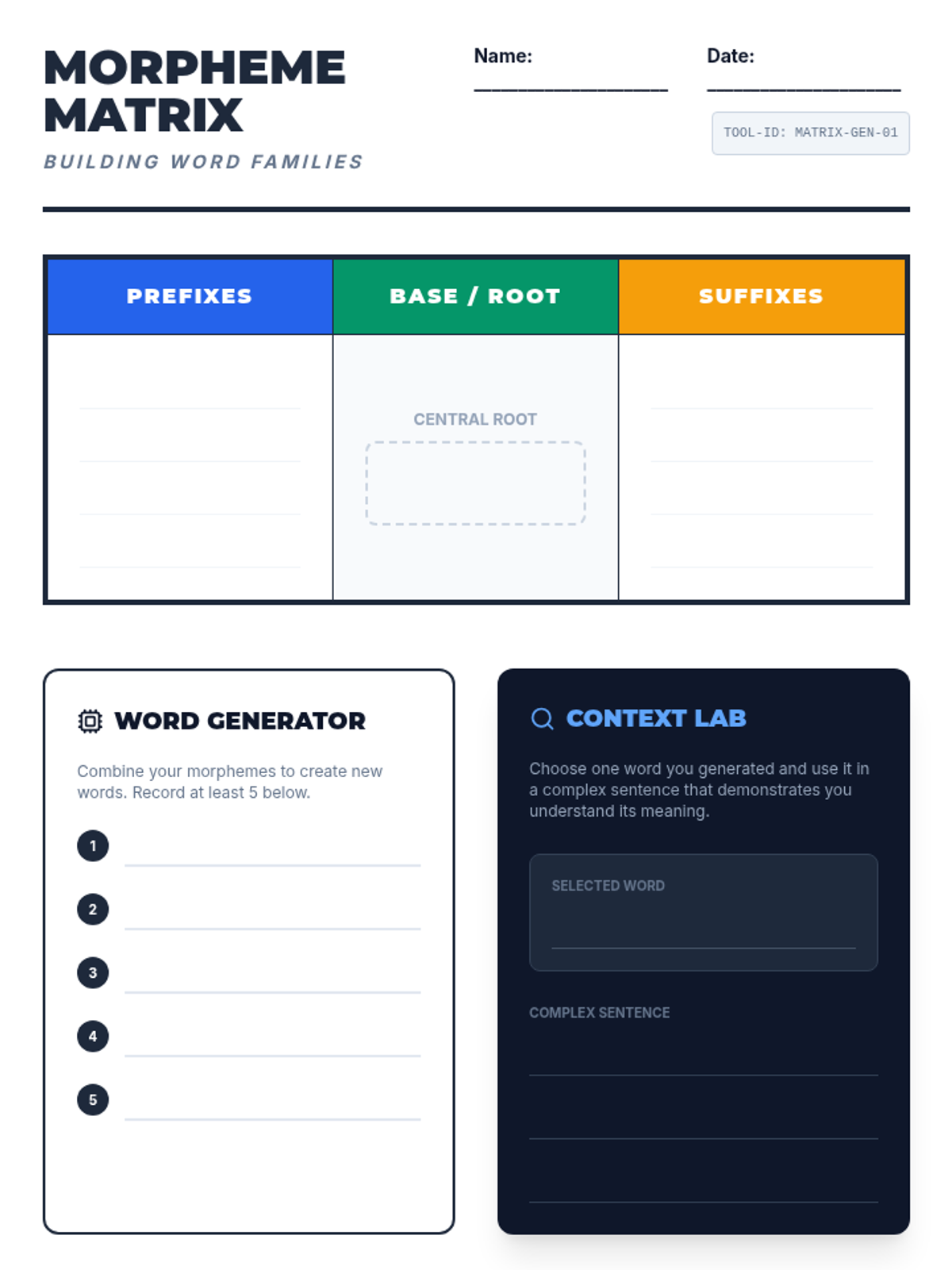
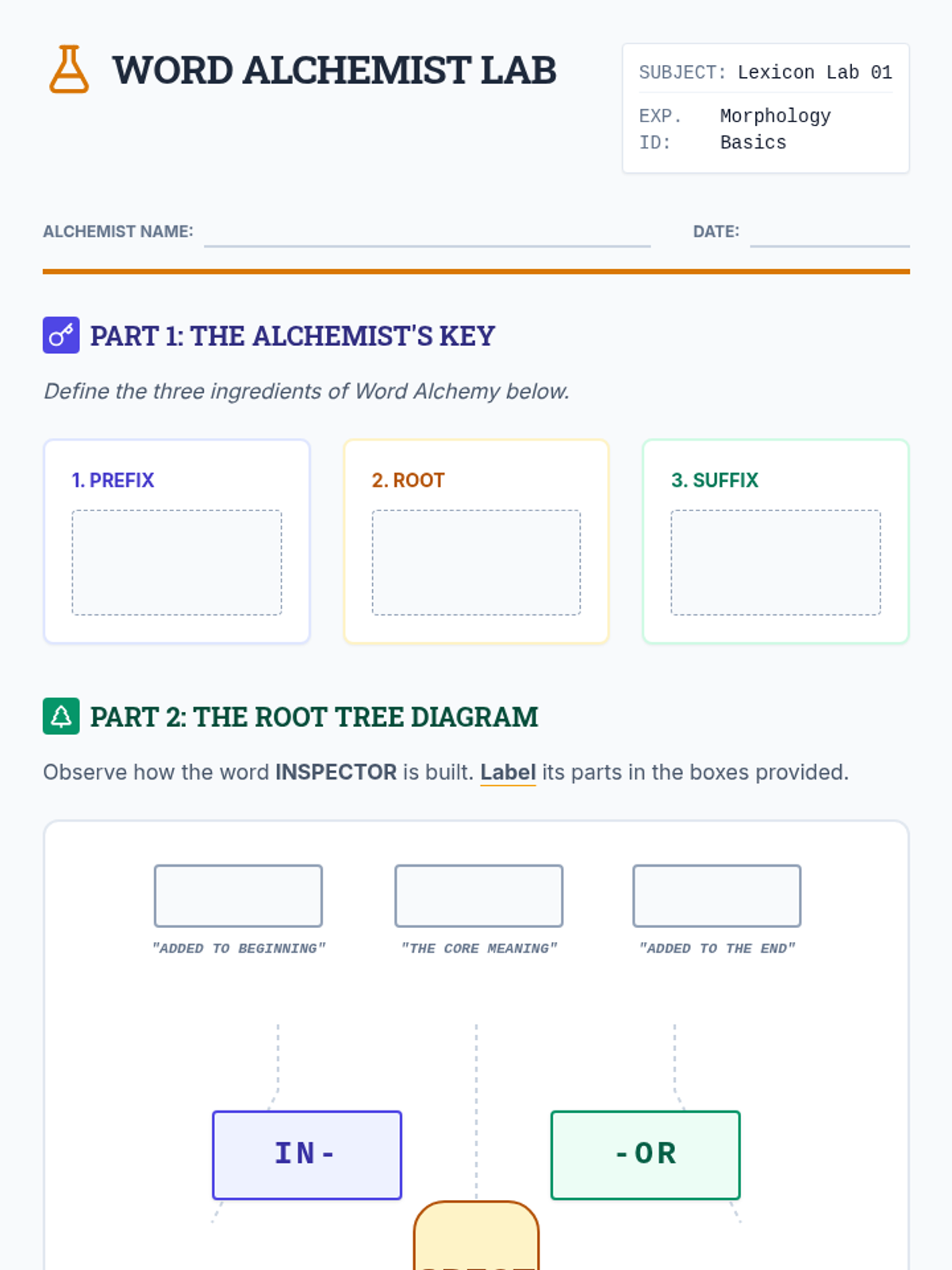
A 10-part series on Greek and Latin roots, prefixes, and suffixes, designed as 20-minute mini-lessons using a 'Linguistic Laboratory' theme. Students build word trees to visualize how word parts combine to create meaning.
A series of lessons exploring complex spelling patterns including assimilated suffixes and chameleon prefixes to improve student decoding and spelling accuracy.
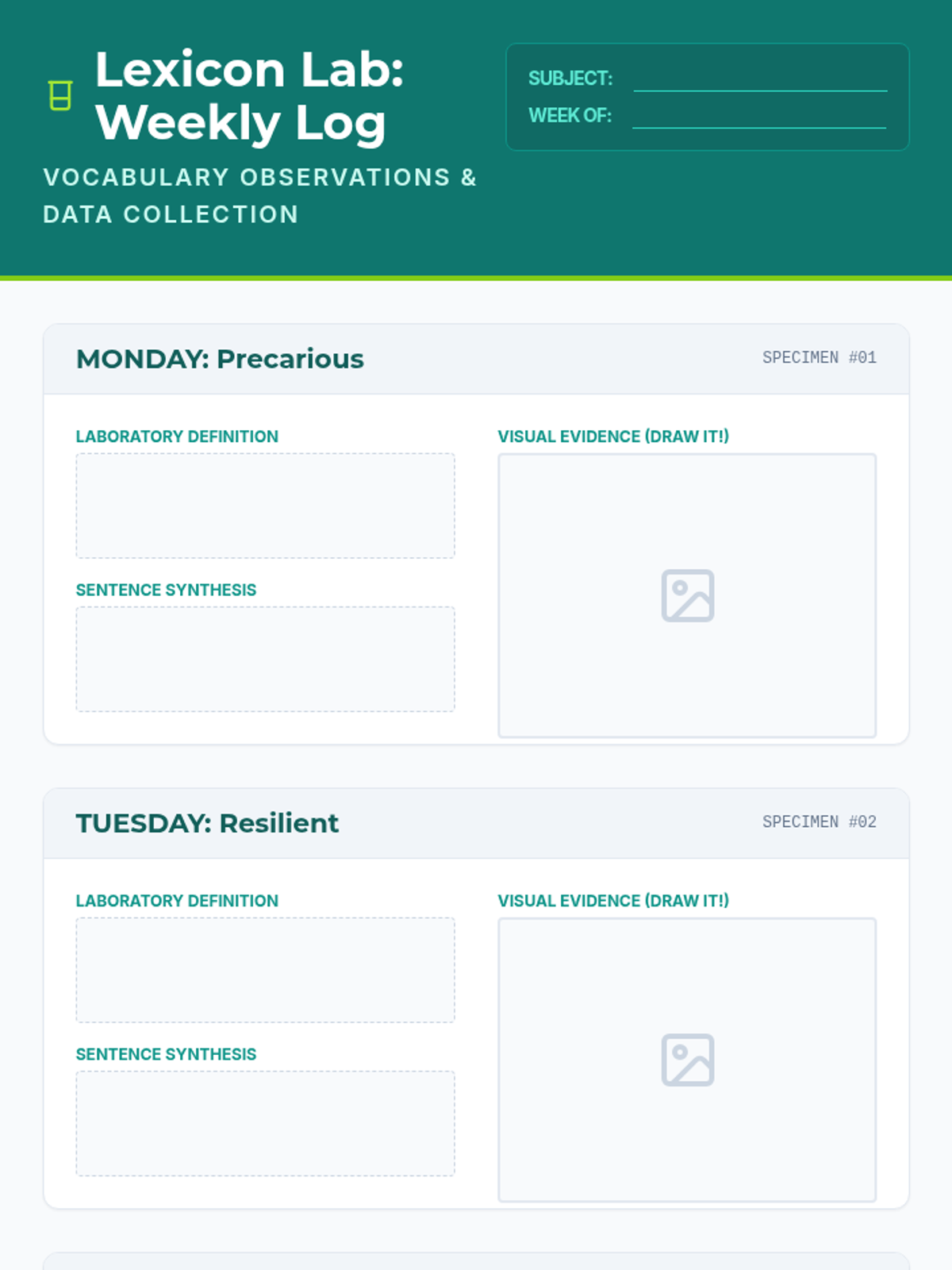
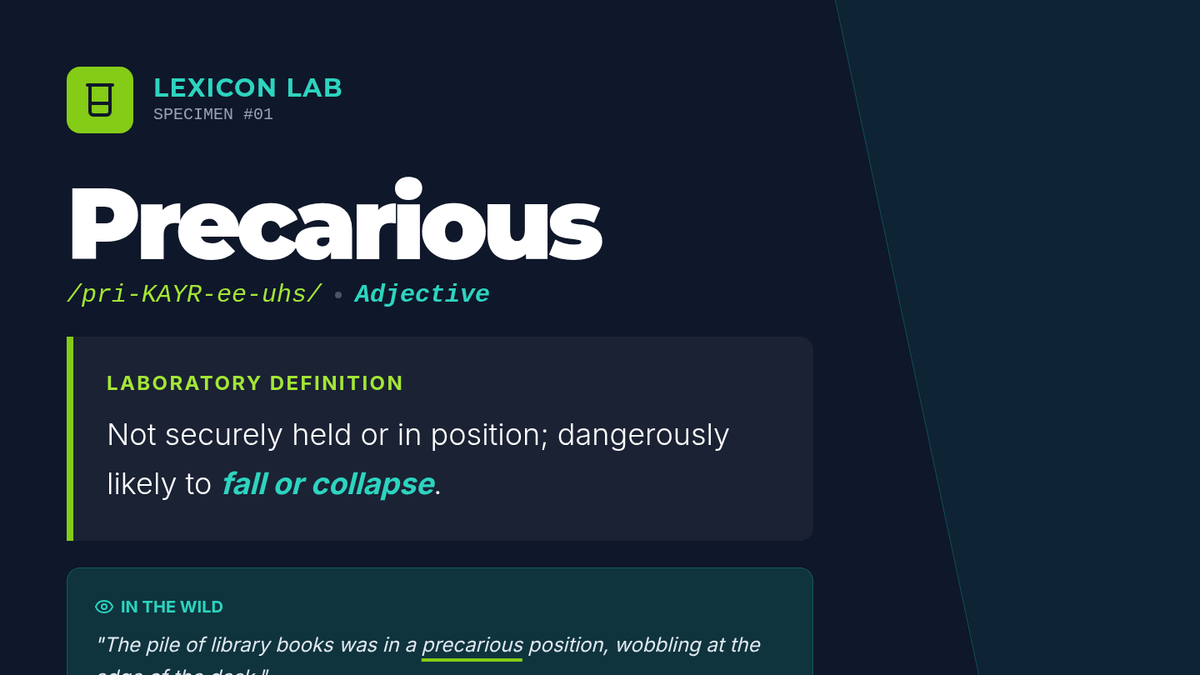
A 5-day vocabulary intensive for sixth-grade students focused on high-utility tier-2 words. Includes daily mini-lessons, presentation slides, and a weekly student tracking log.
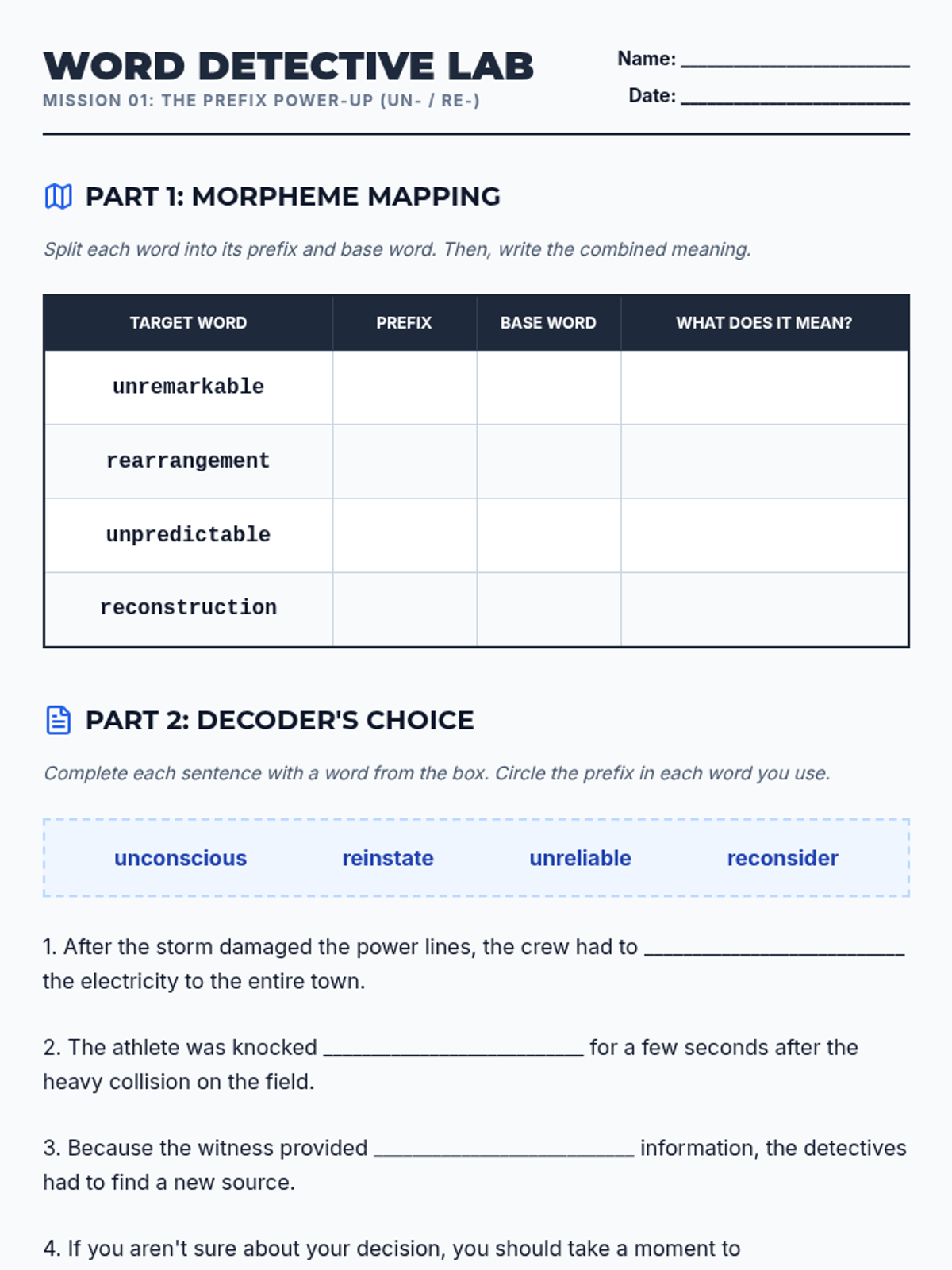
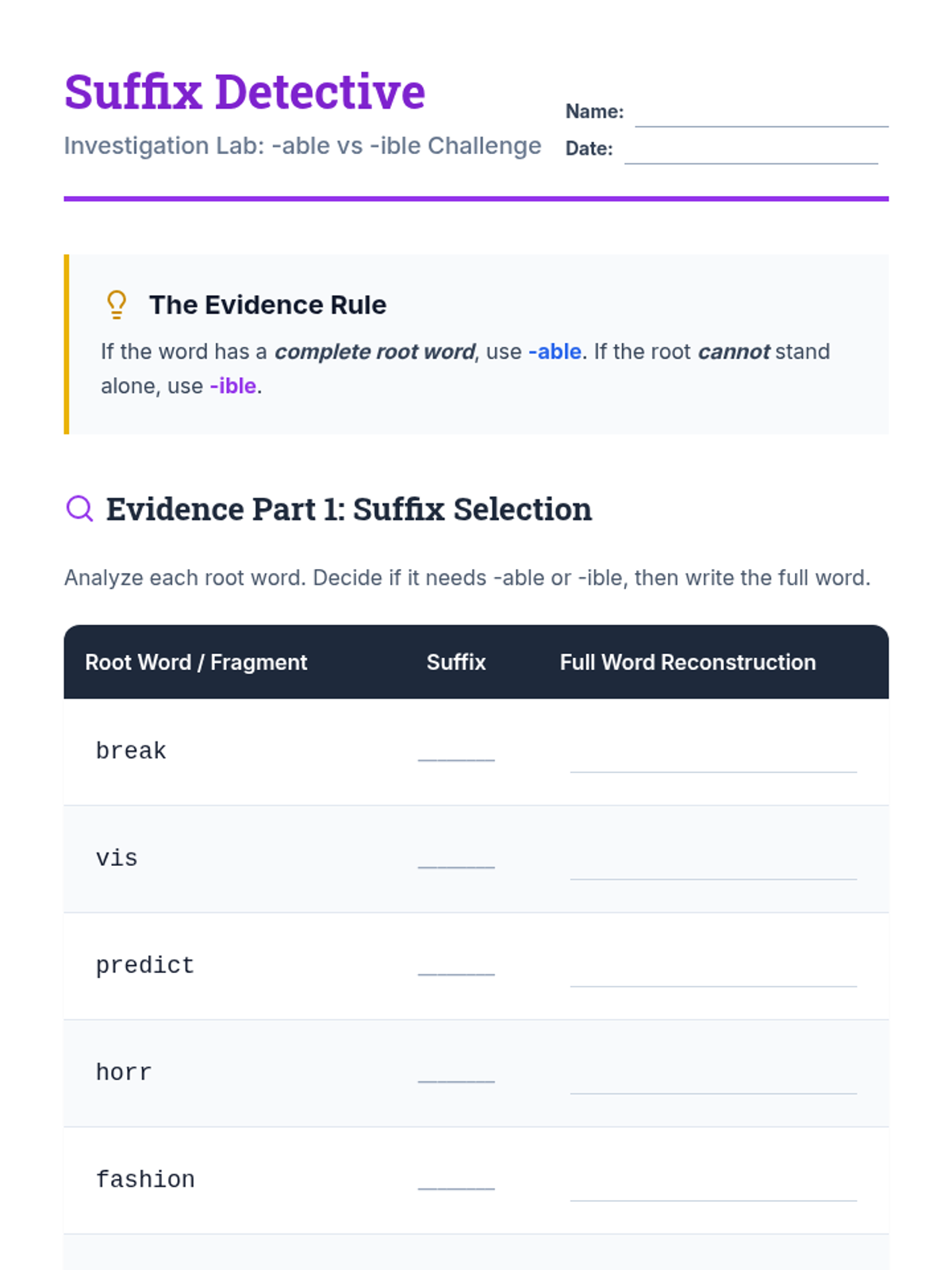
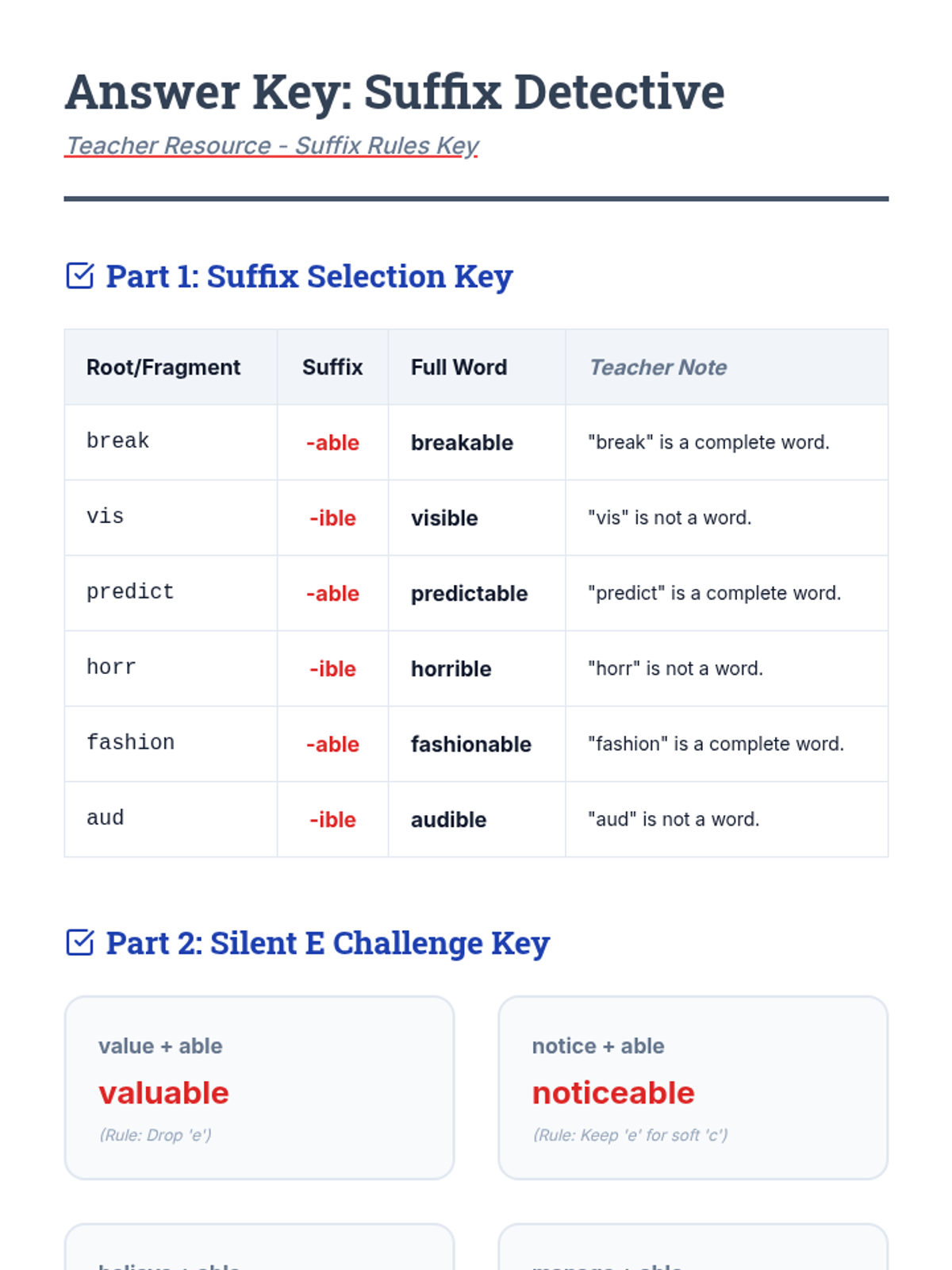
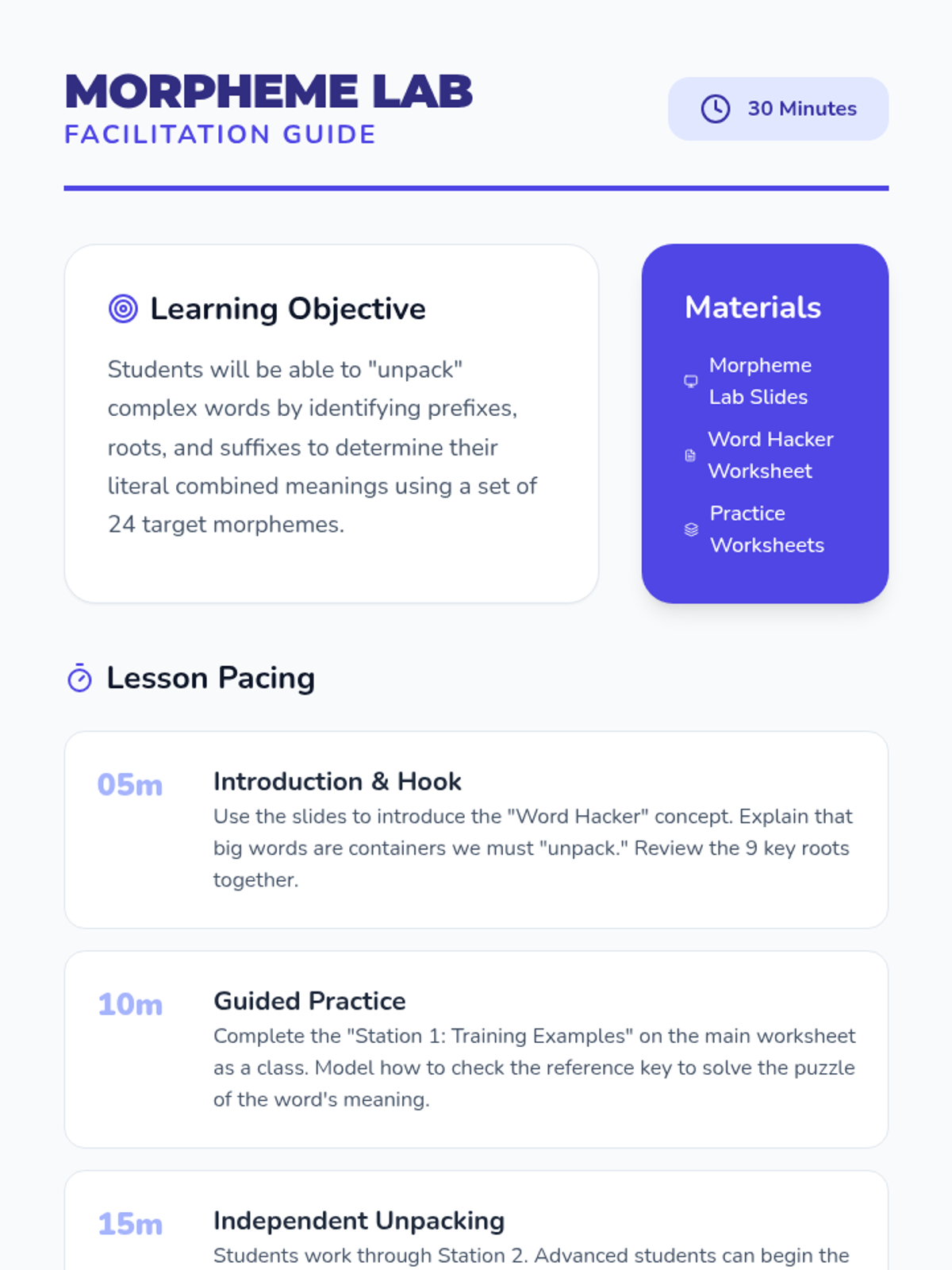
A series of activities focused on morphological awareness, teaching students to 'unpack' words by identifying prefixes, roots, and suffixes to determine meaning.
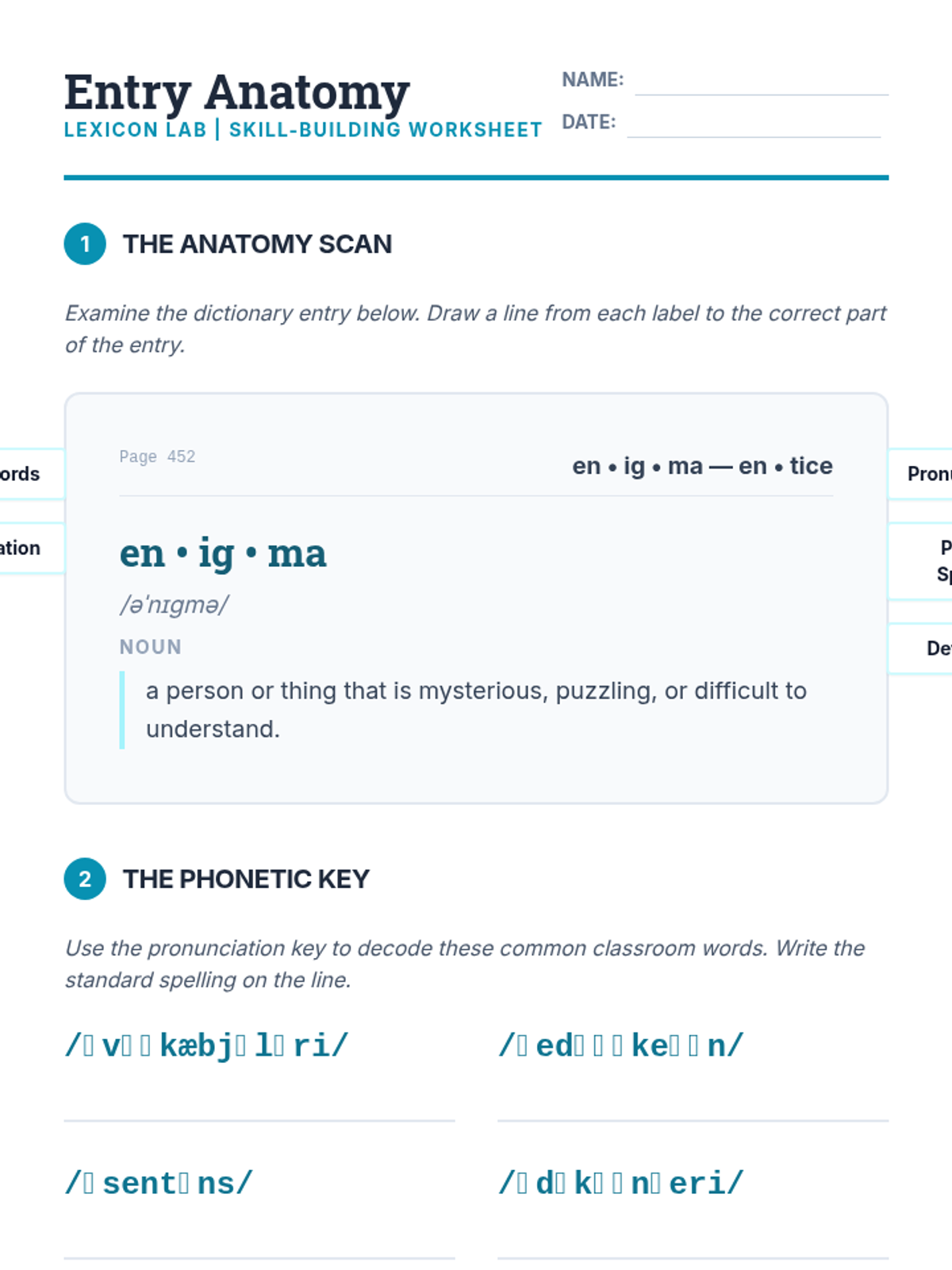
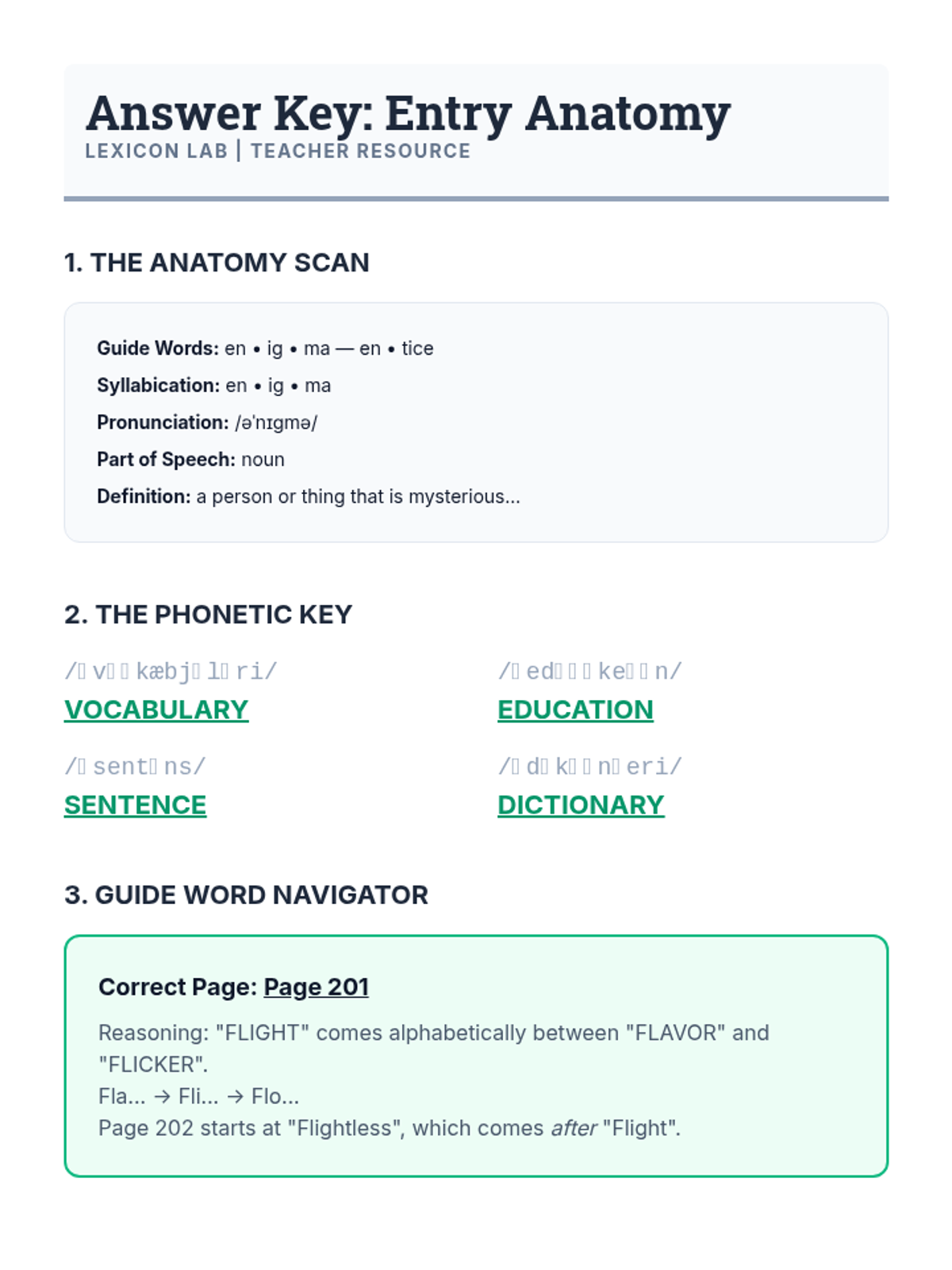
This 6th-grade ELA sequence teaches students to master dictionary and thesaurus skills, moving from technical decoding of entries to analyzing connotation and etymology. Students will learn to navigate complex reference materials and eventually create their own specialized glossaries to demonstrate mastery of word-level reference skills.
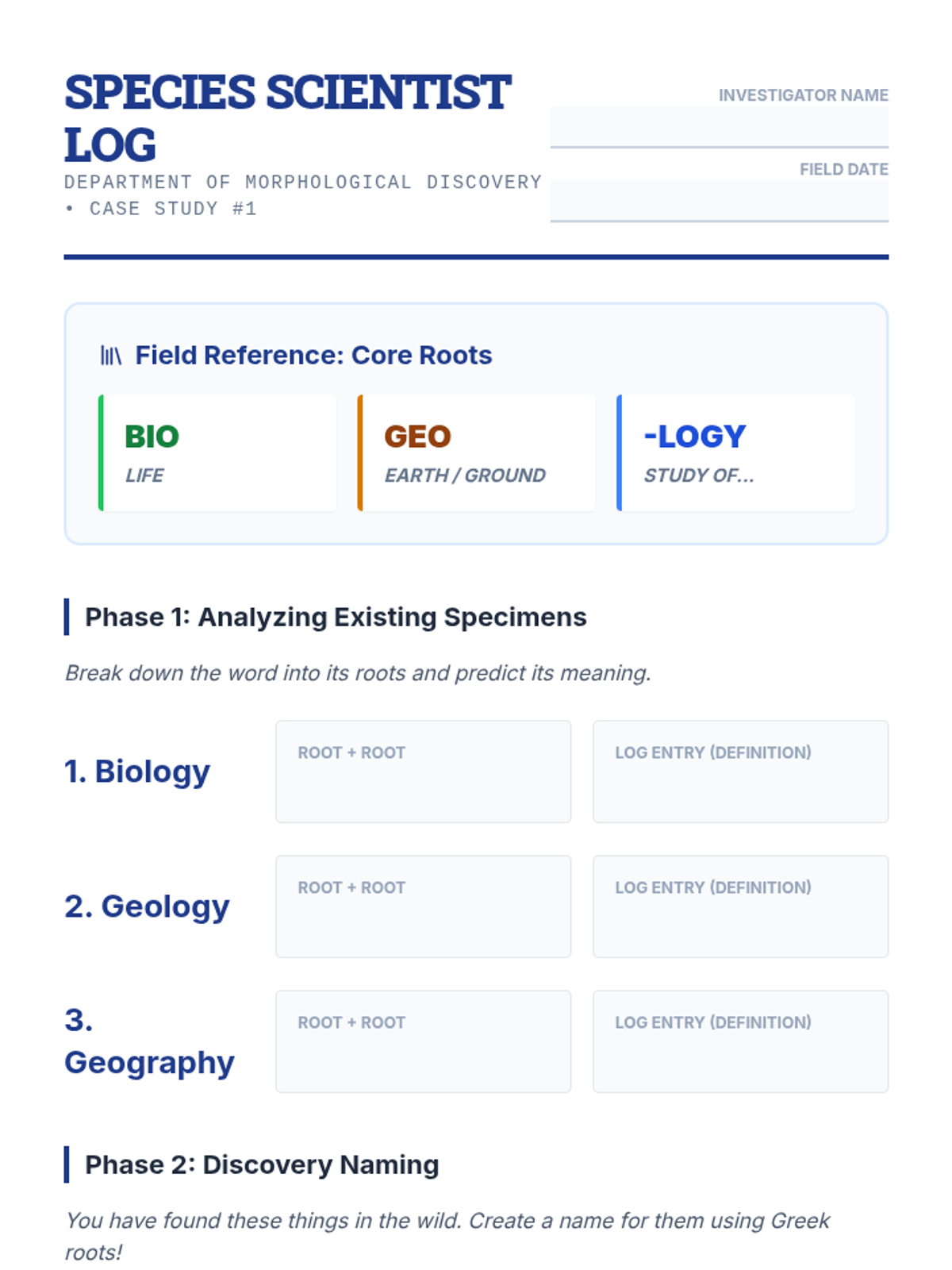
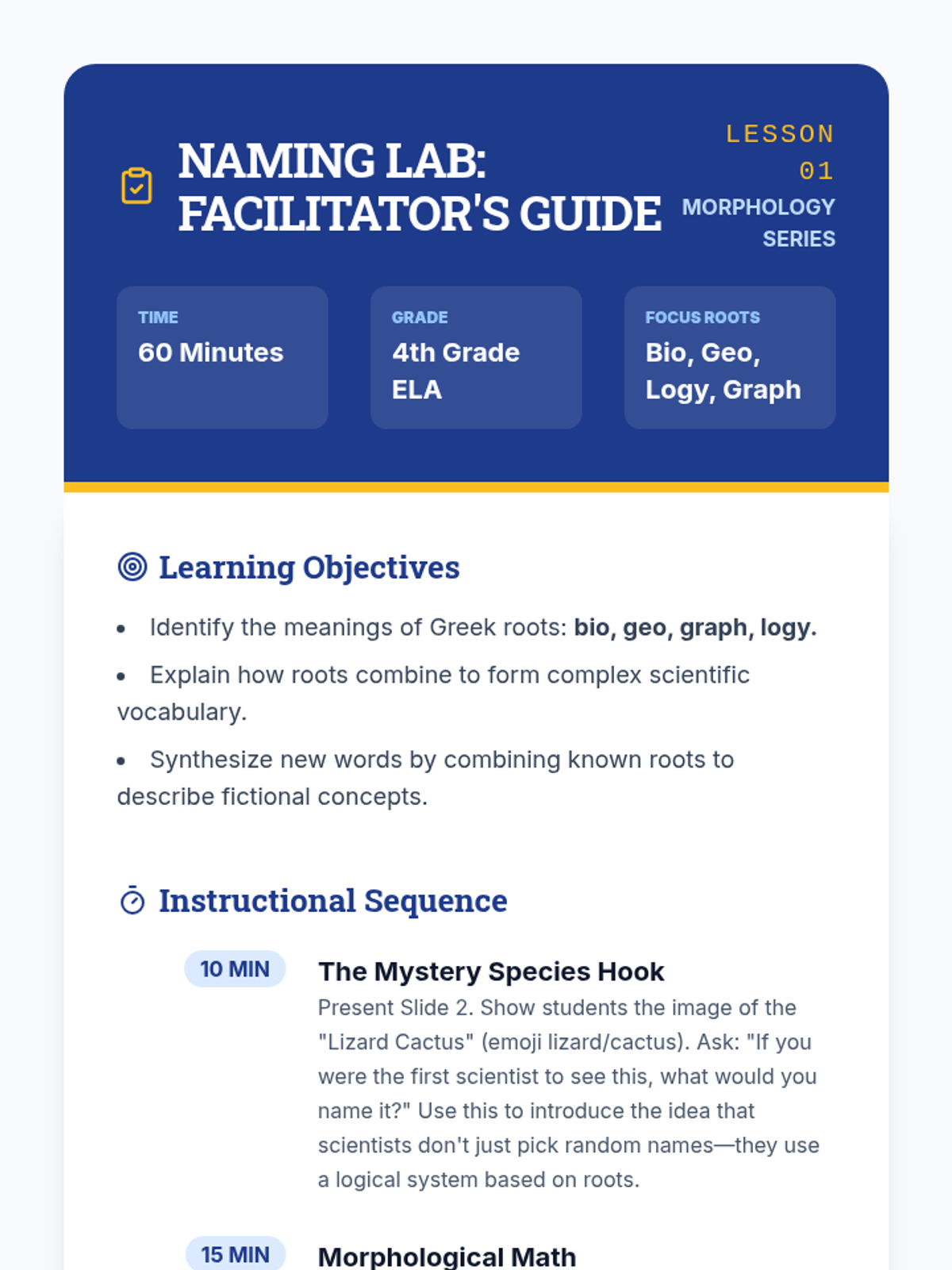
A project-based exploration of Greek and Latin roots where students act as 'Morpho Makers', synthesizing word parts to name scientific discoveries and futuristic inventions. Students move from analyzing scientific nomenclature to creating their own morphologically accurate terms for new concepts.
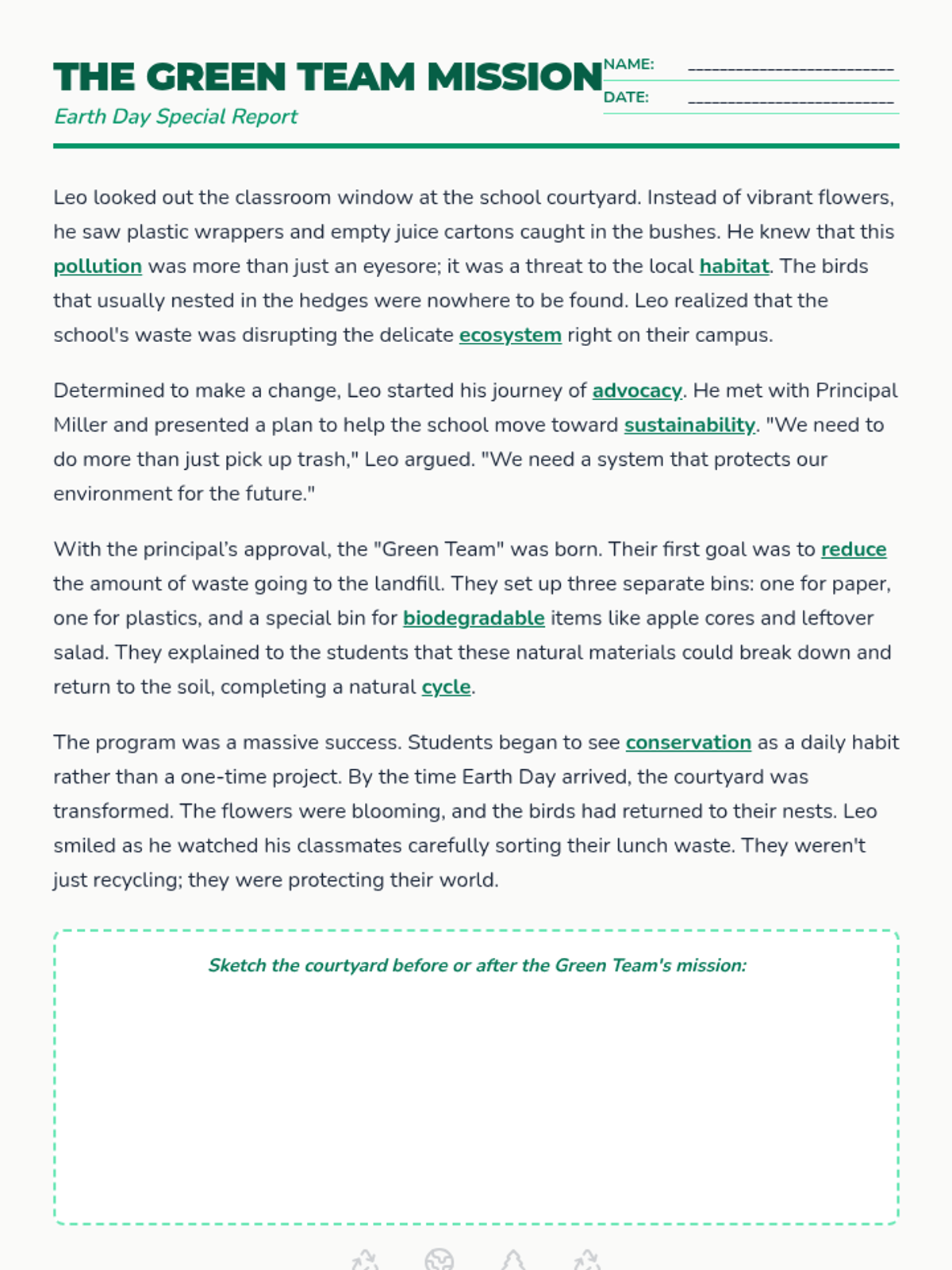
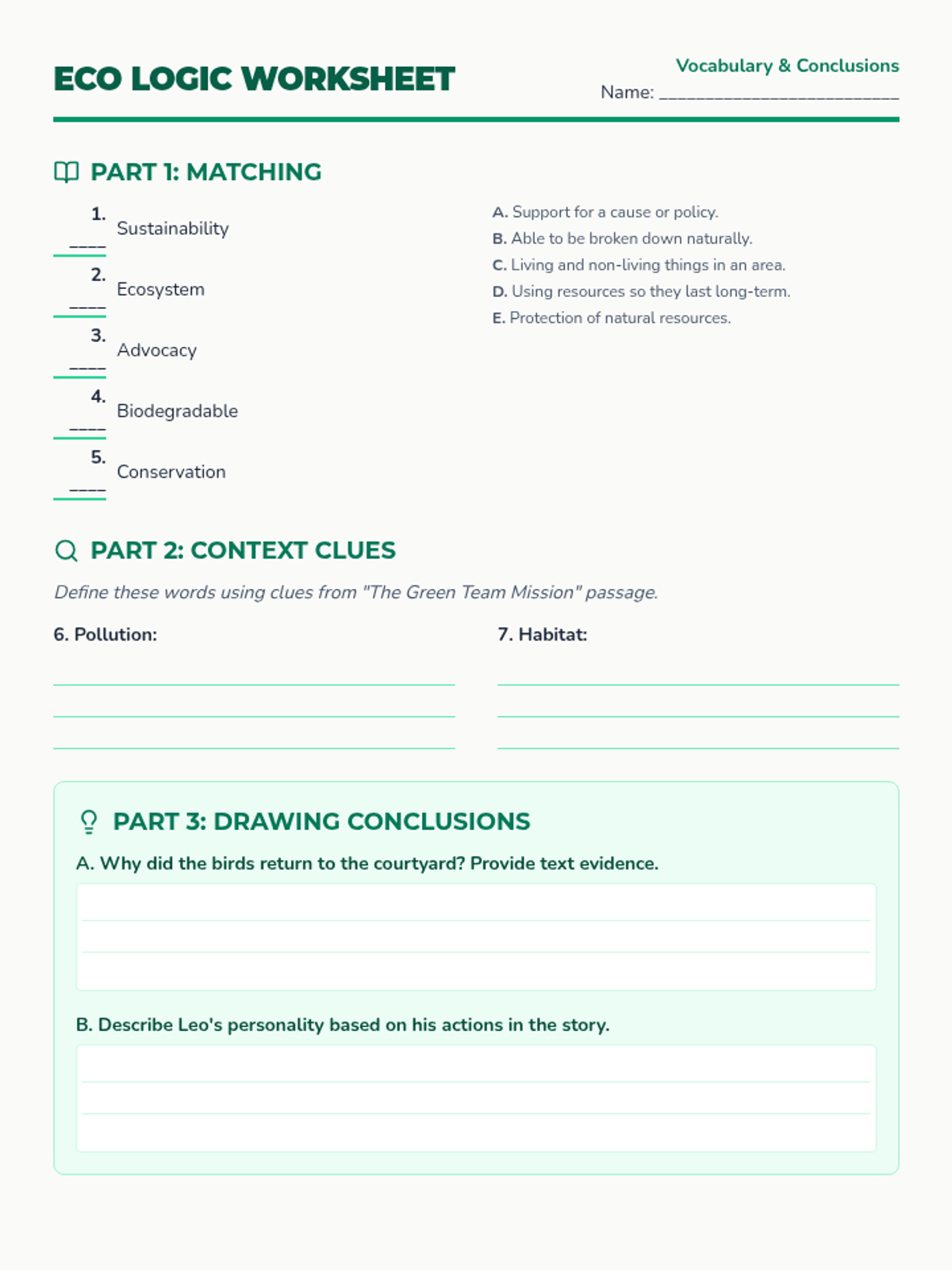
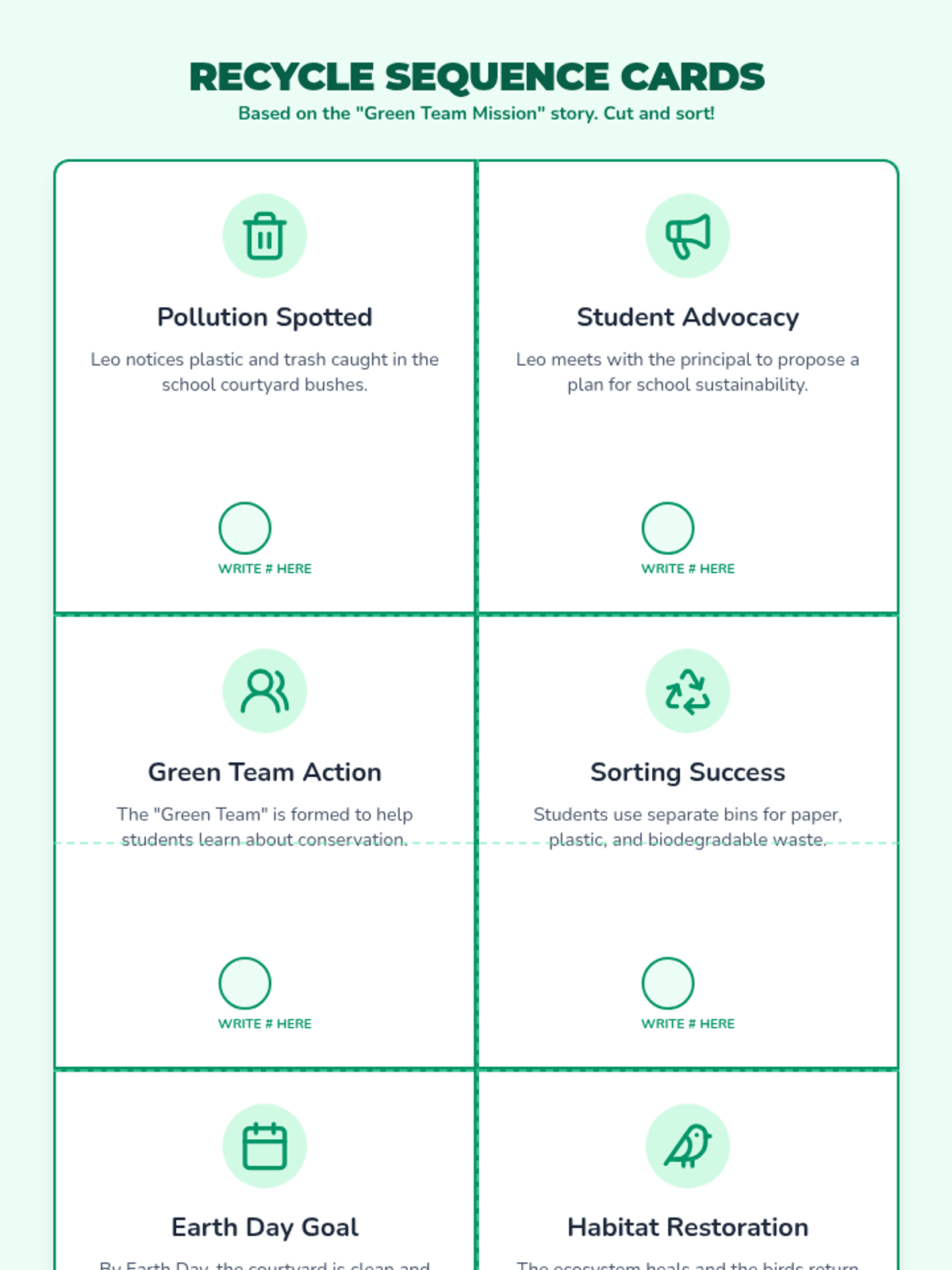
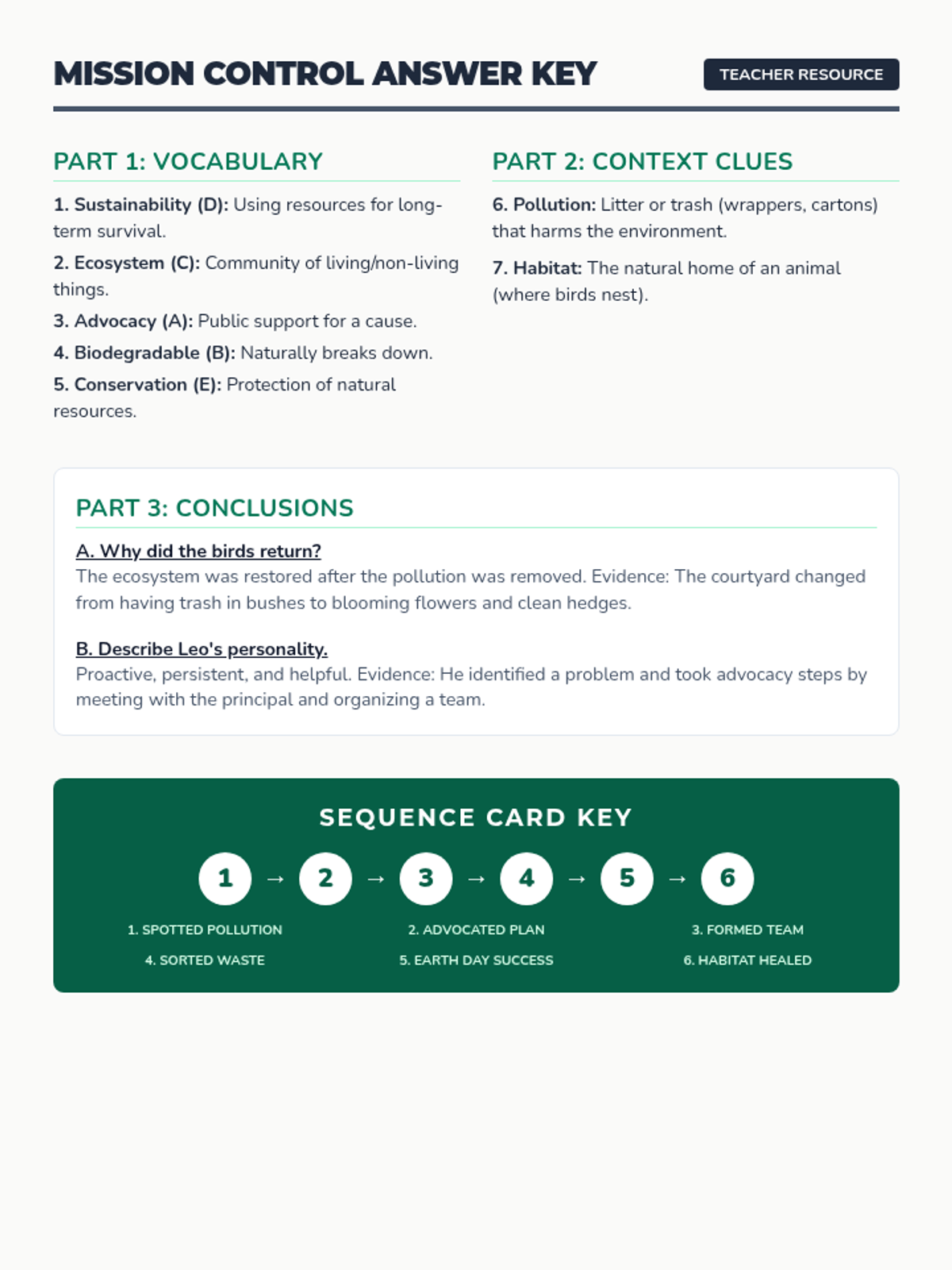
A unit exploring environmental responsibility and school-based sustainability efforts through reading, sequencing, and critical thinking.
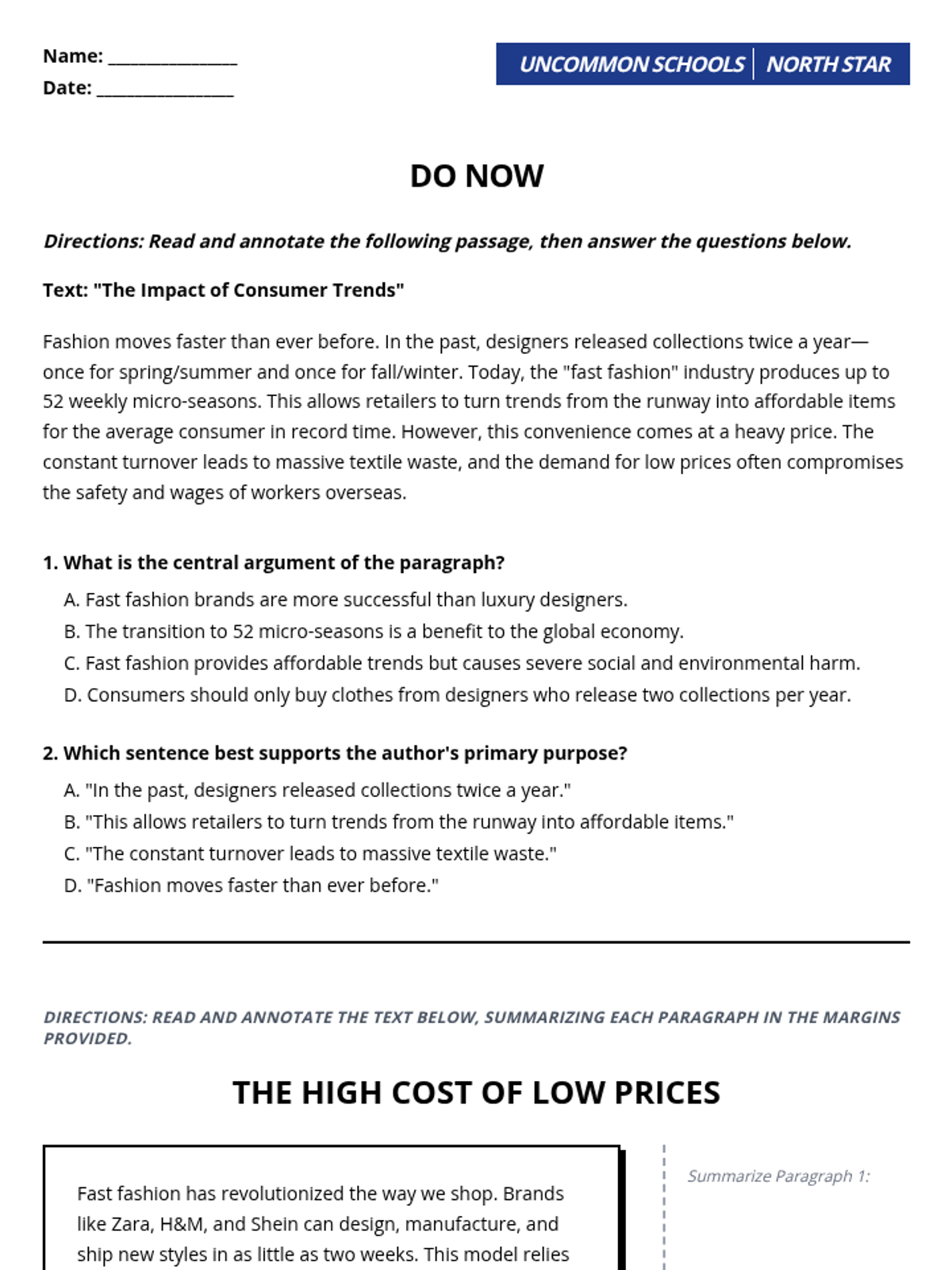
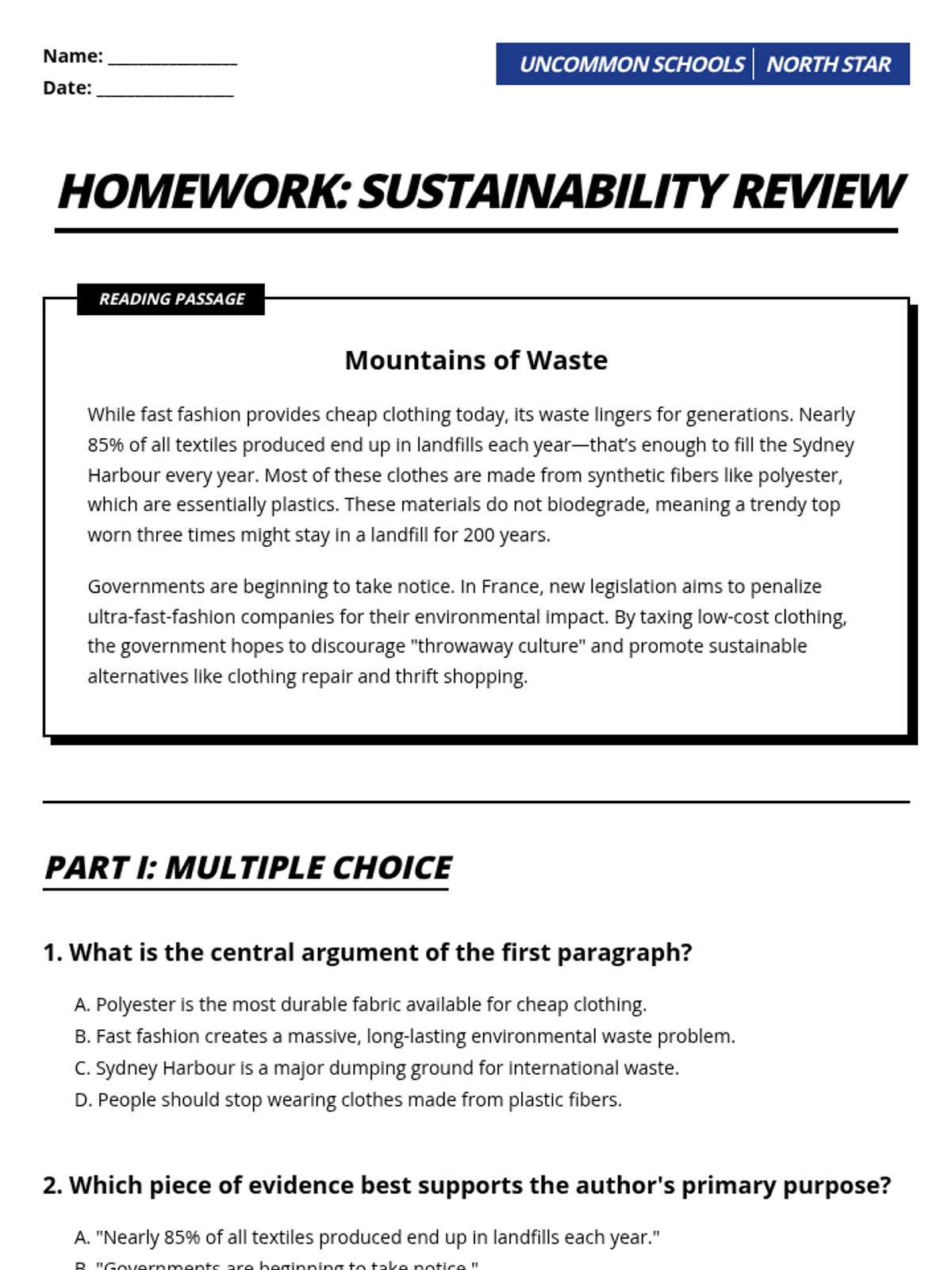
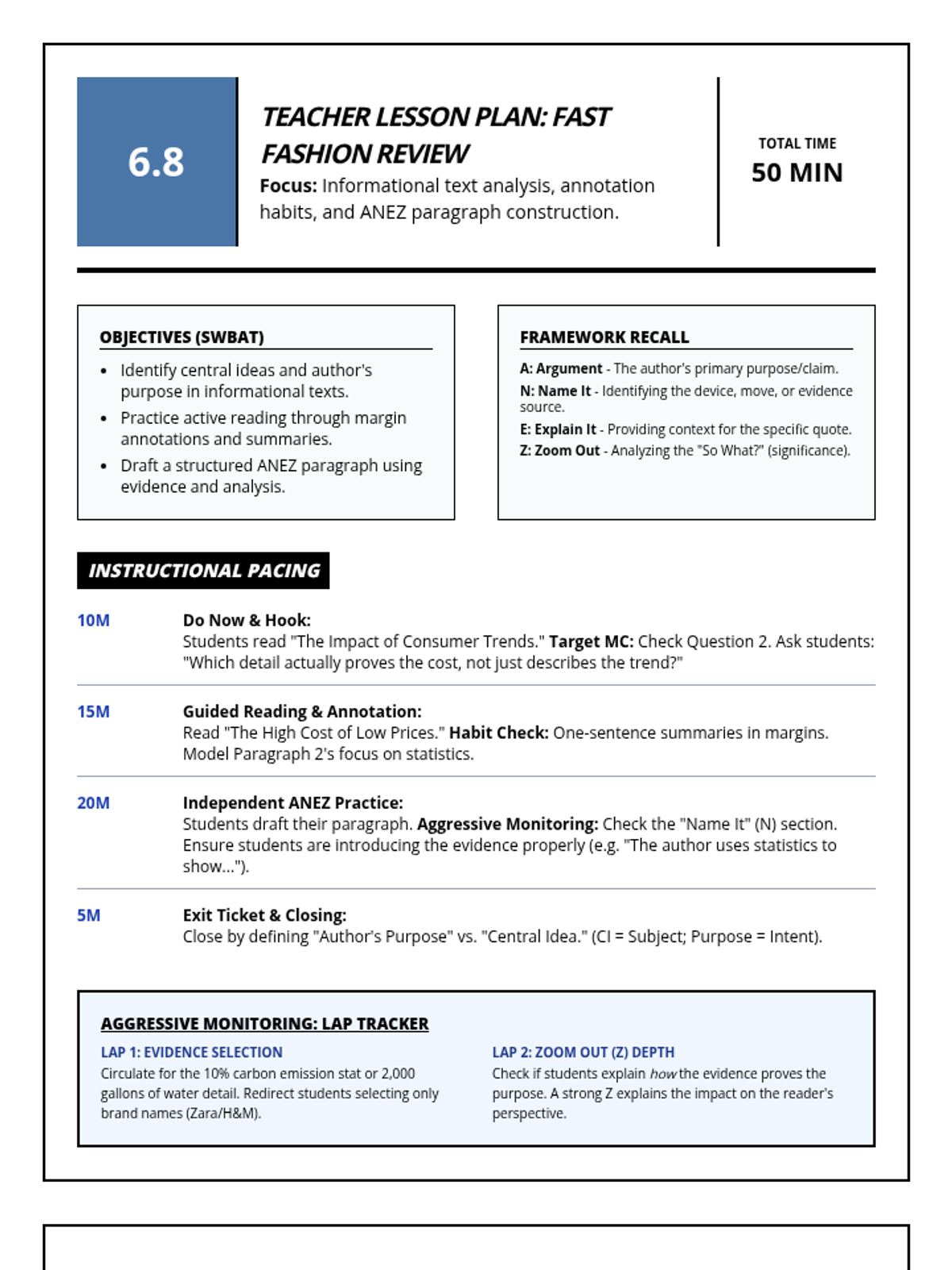
A two-part literacy unit focused on informational text analysis, featuring a review lesson on the impact of fast fashion and a formal assessment on the ethical considerations of artificial intelligence. Students practice identifying central ideas and author's purpose using the ANEZ paragraph framework.
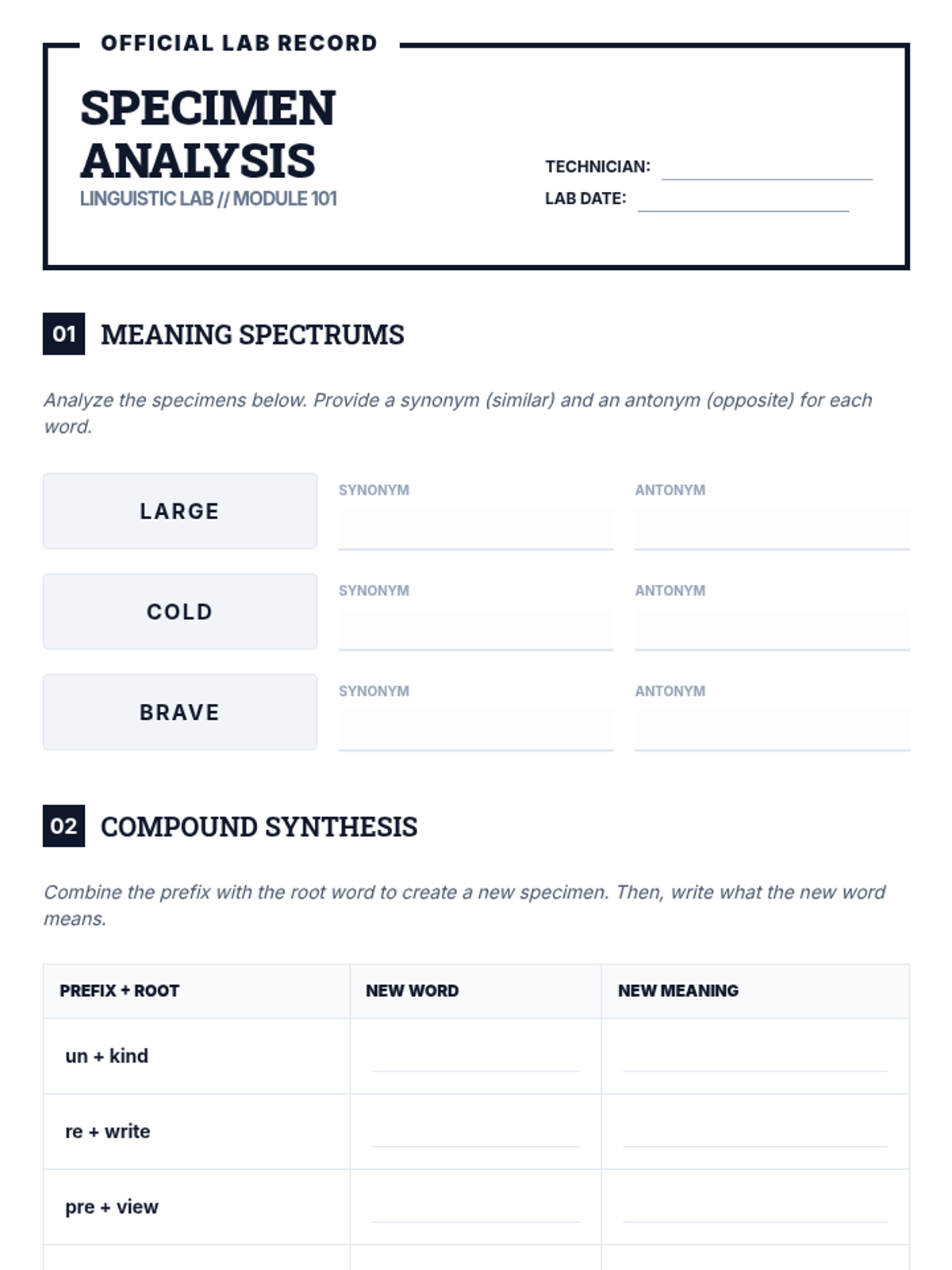
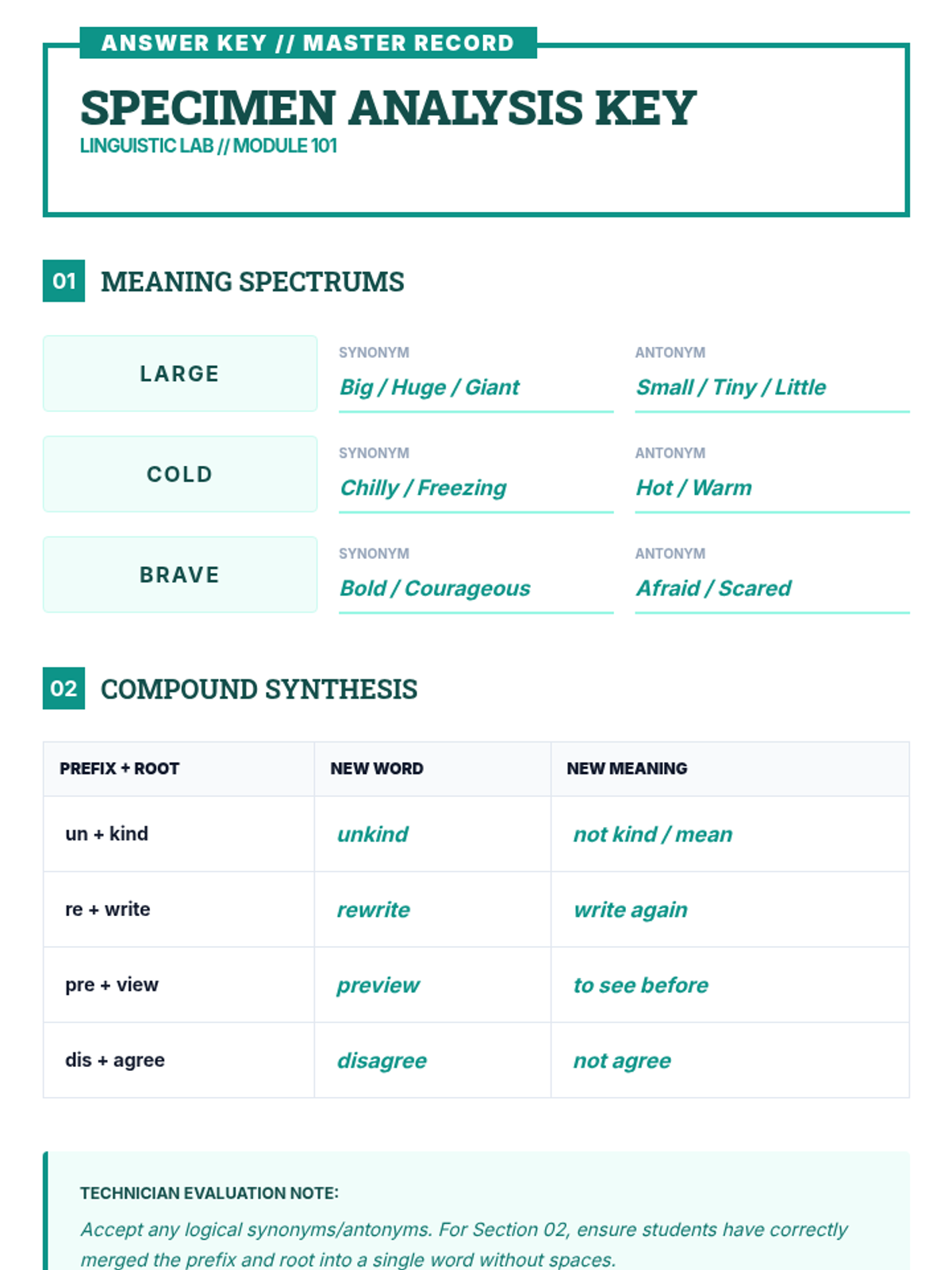
A comprehensive 10-week academic vocabulary program for 6th grade students, themed as a 'Linguistic Lab' where students analyze and master essential Tier 2 words.
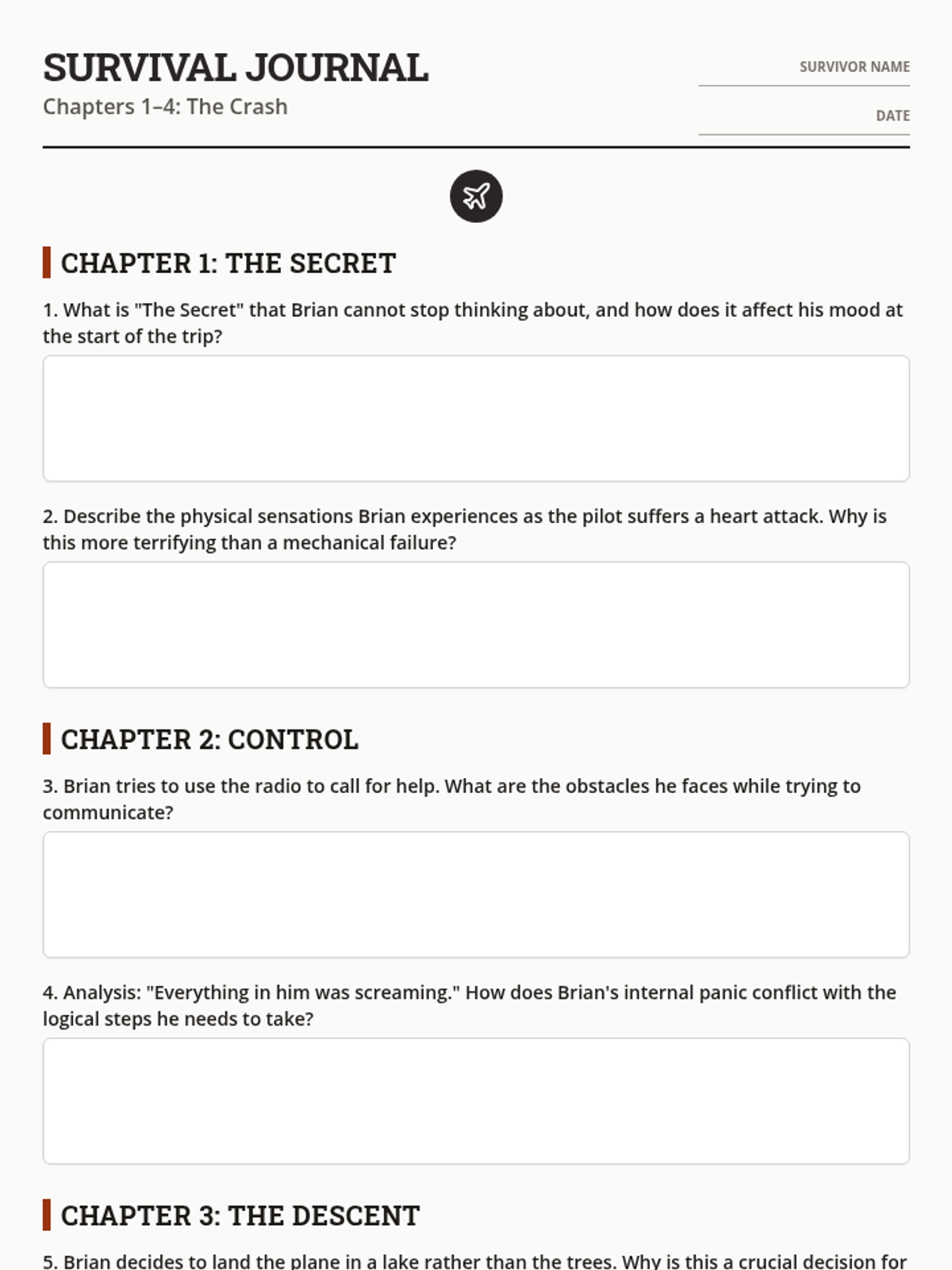
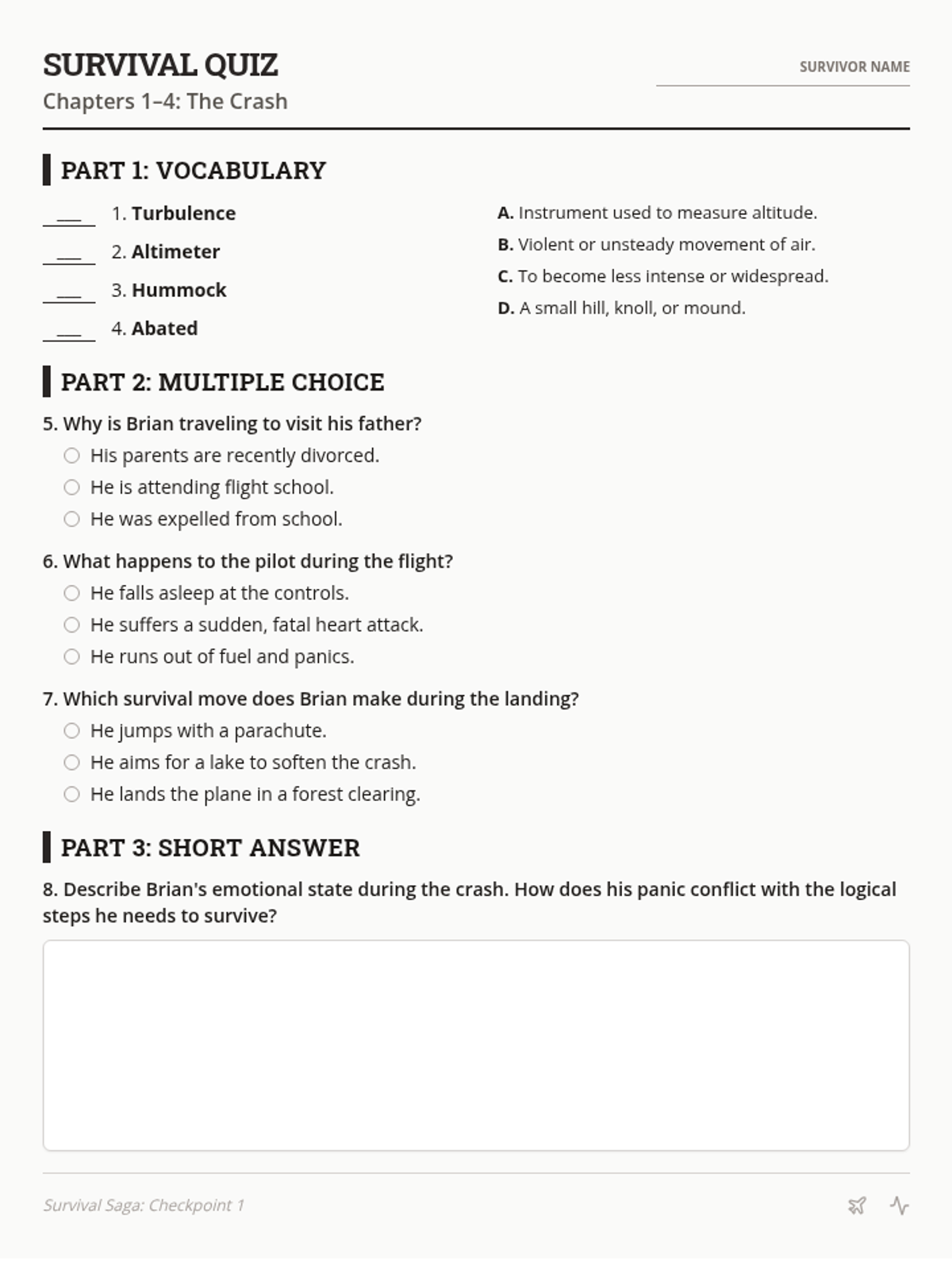
A comprehensive novel study for Gary Paulsen's Hatchet, focusing on Brian Robeson's survival journey. This sequence covers the entire book through five logical chapter groupings, providing recall and analysis questions to deepen student understanding of character development and survival themes.
A series of high-energy ELA lessons focusing on reading comprehension, summarizing, and word study to boost literacy skills.
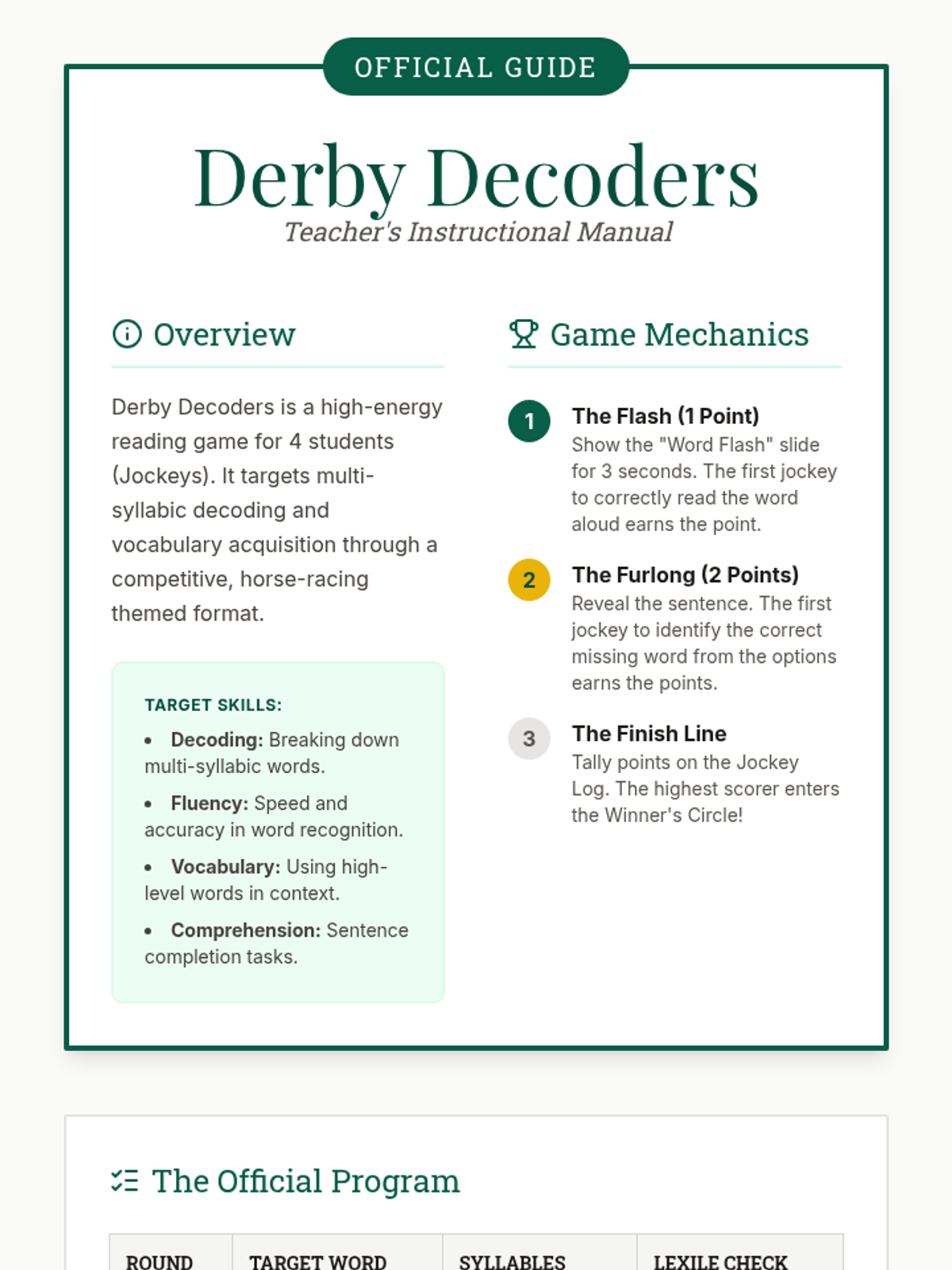
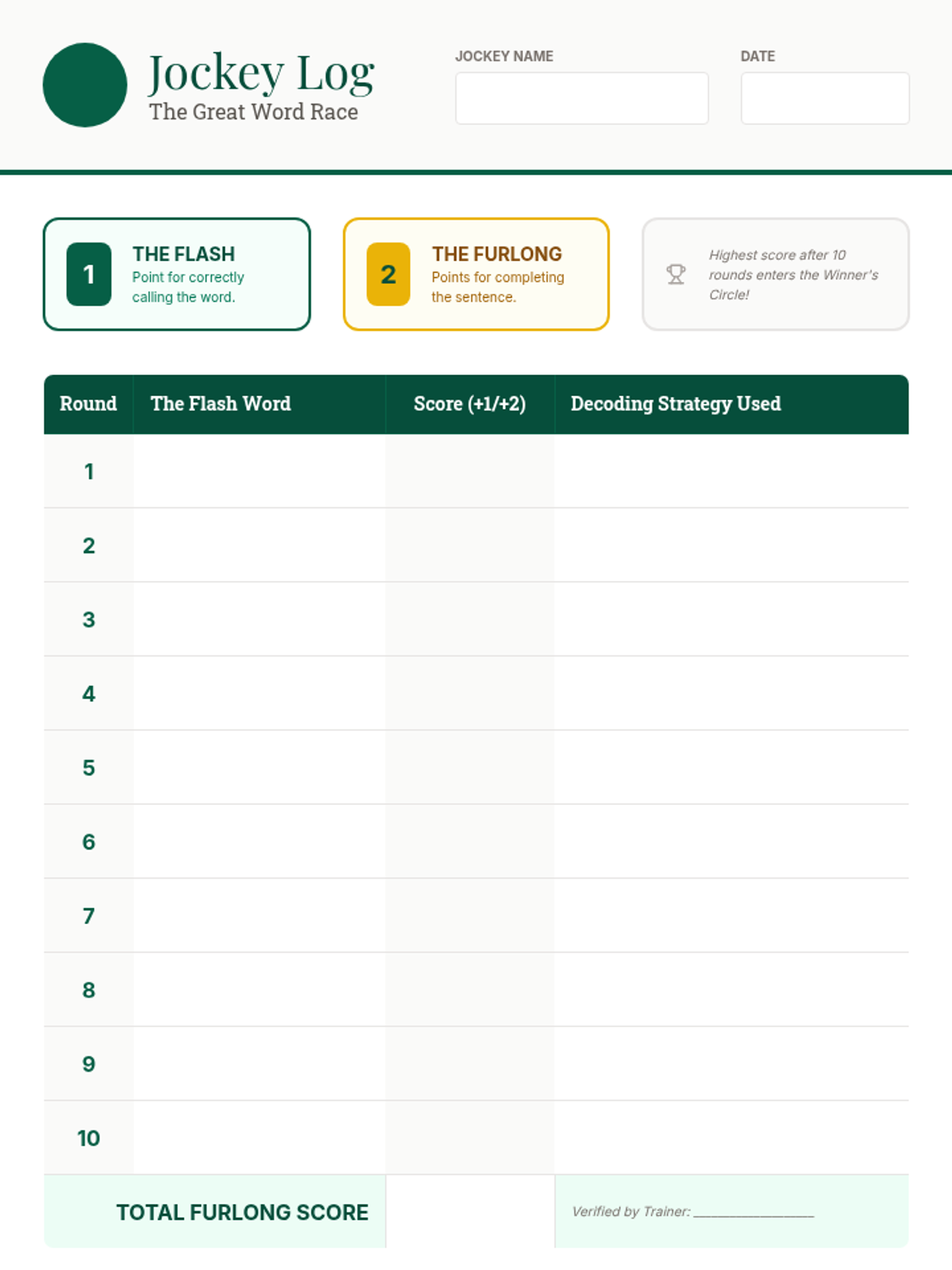
A series of competitive reading challenges designed to boost fluency, decoding skills, and vocabulary acquisition for upper elementary students.
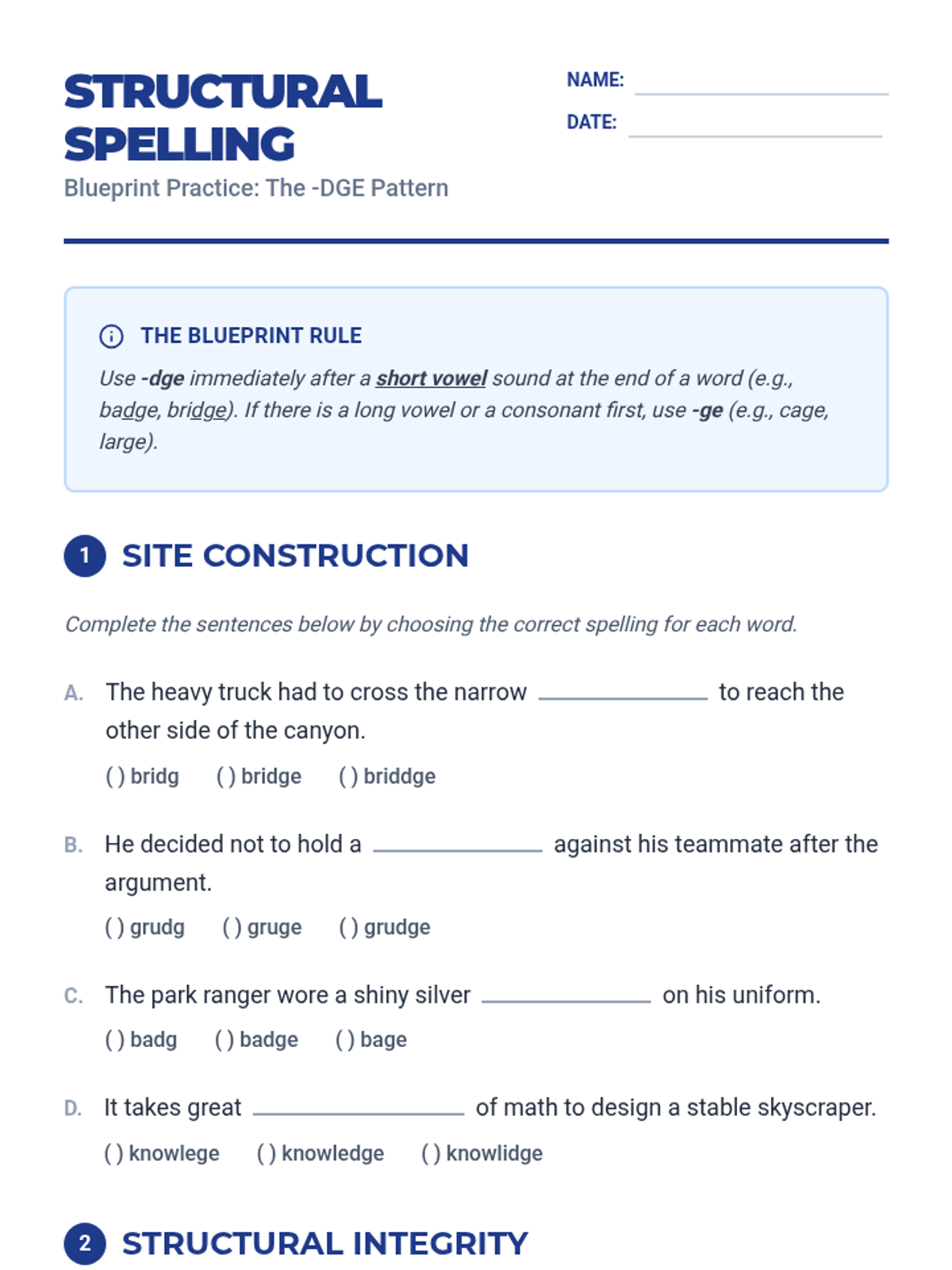
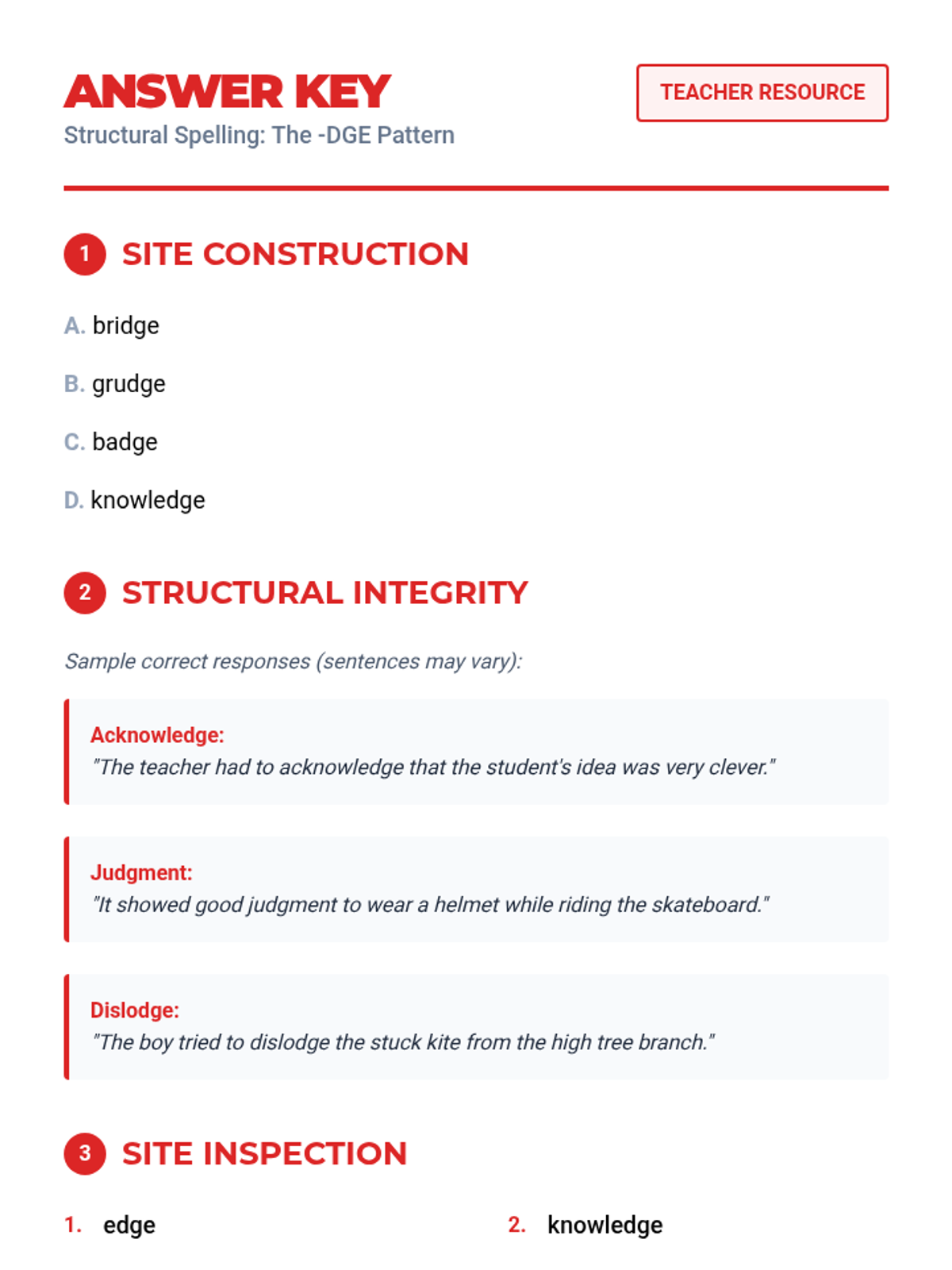
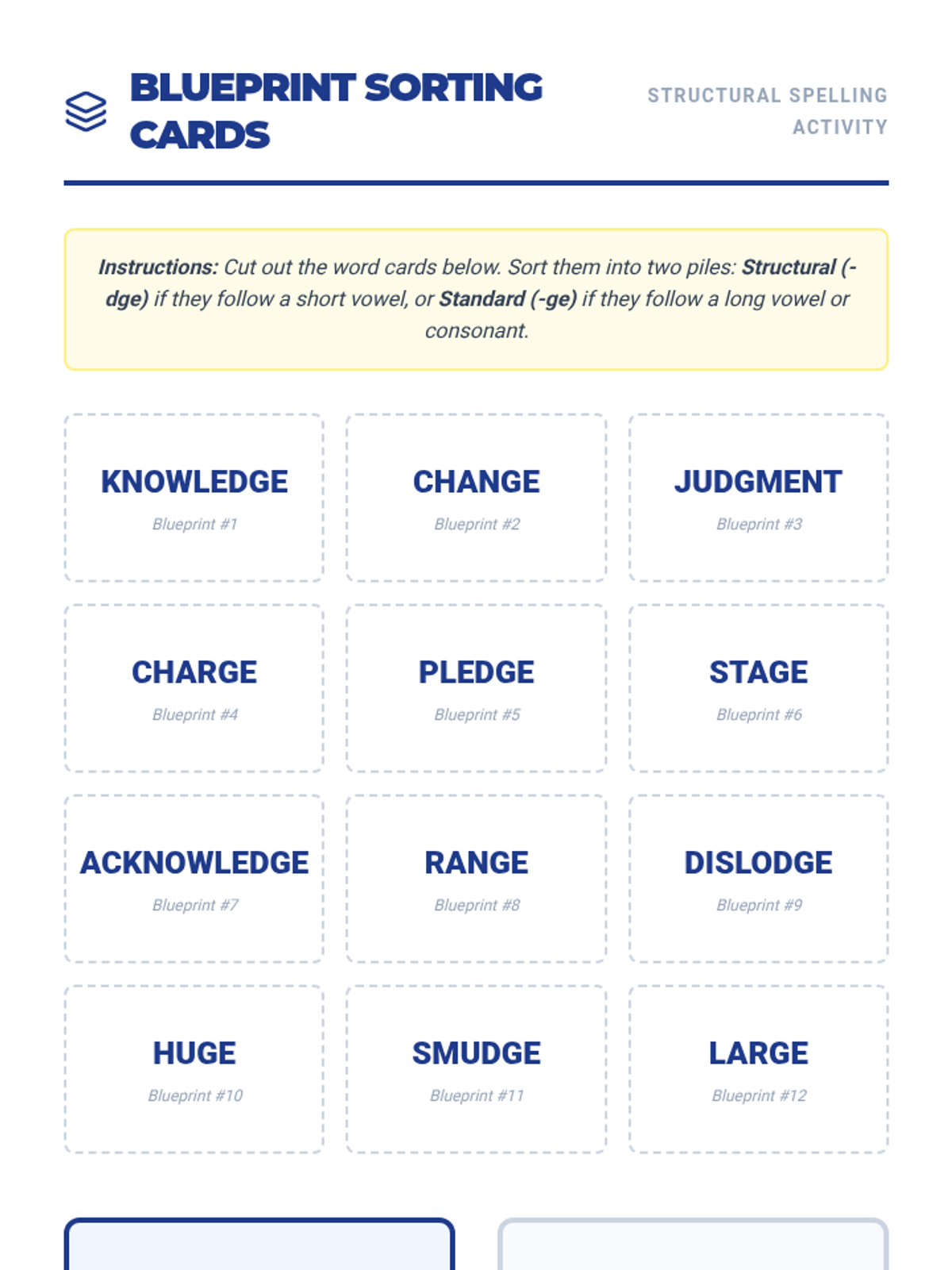
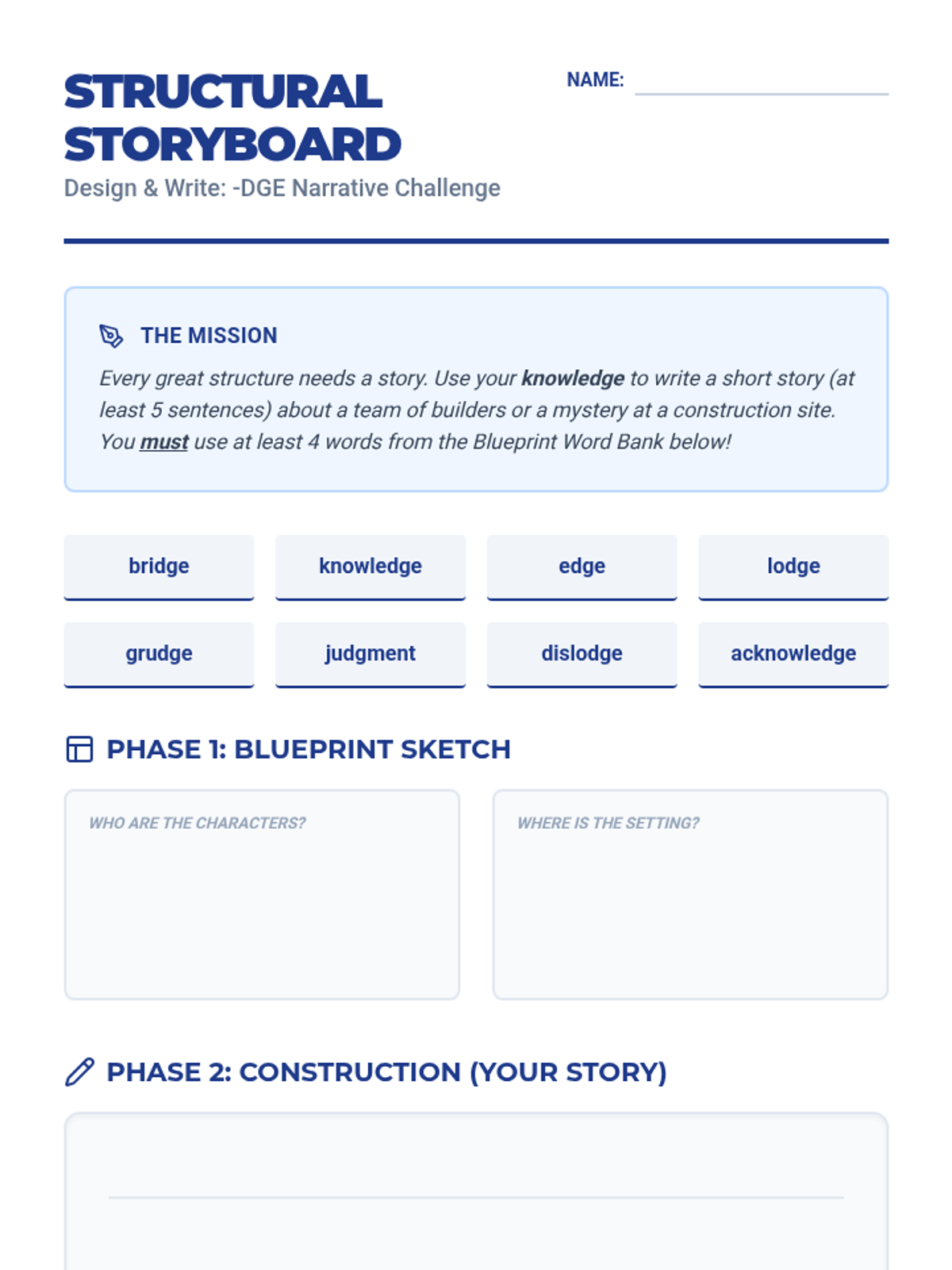
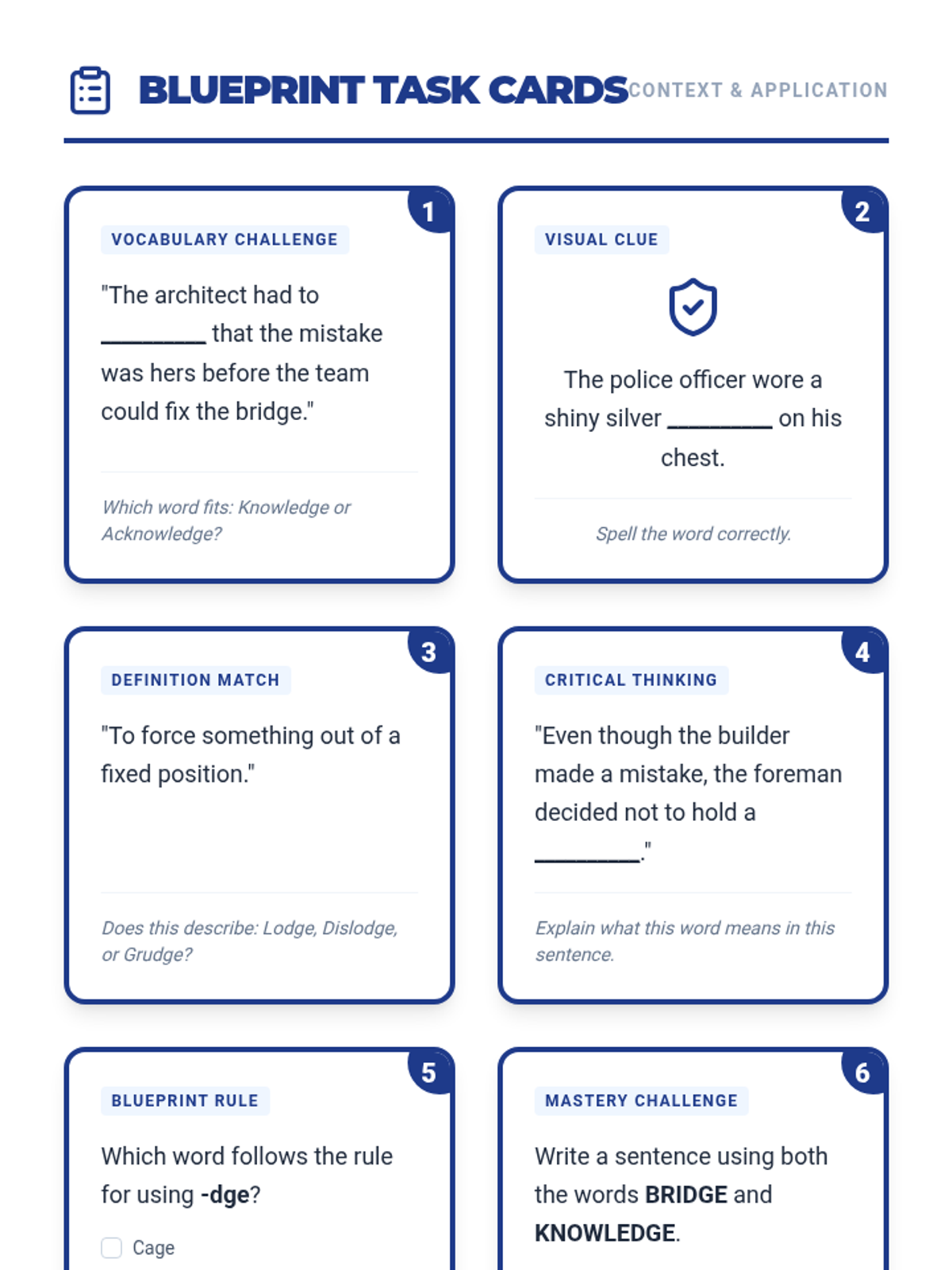
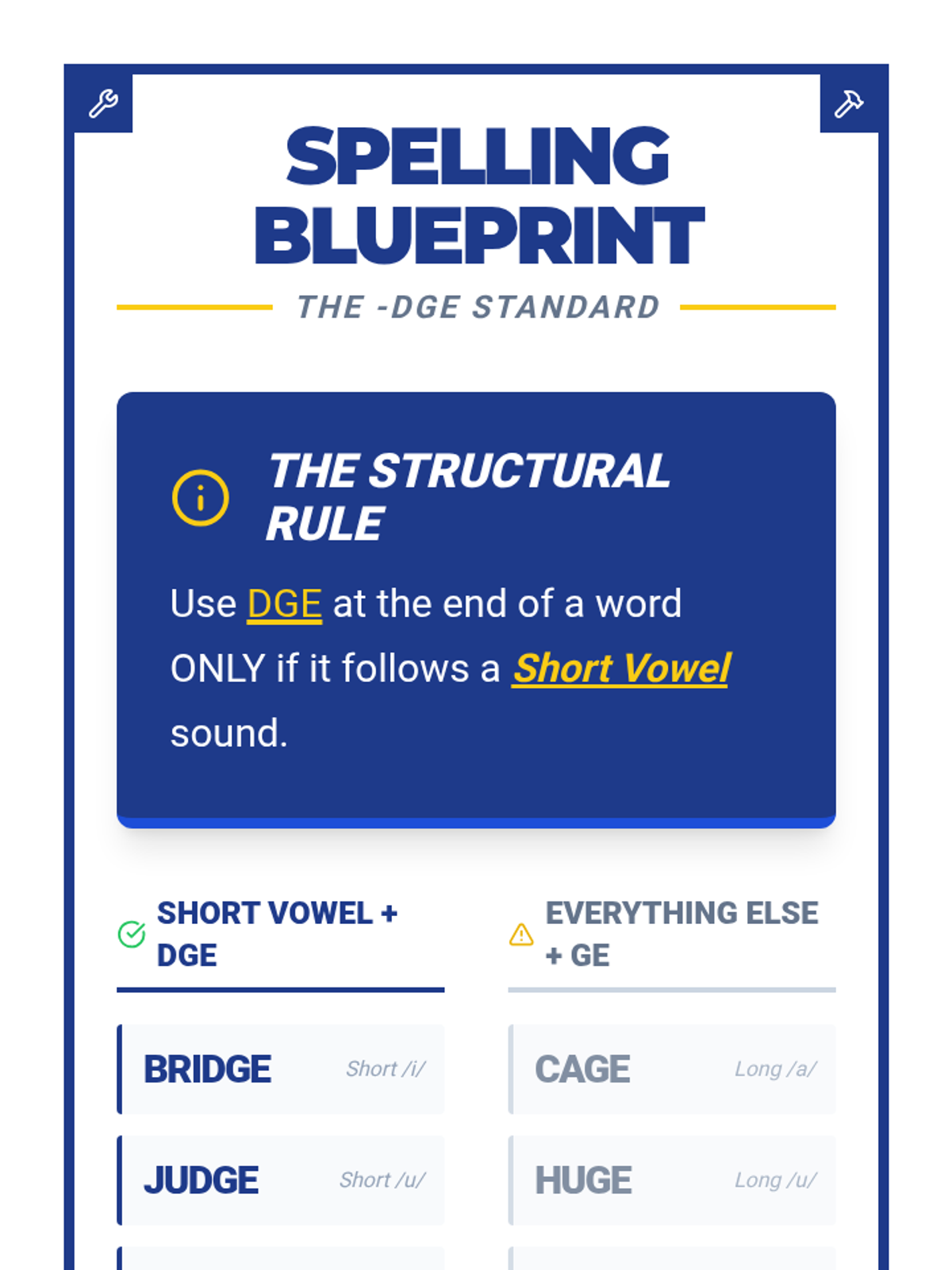
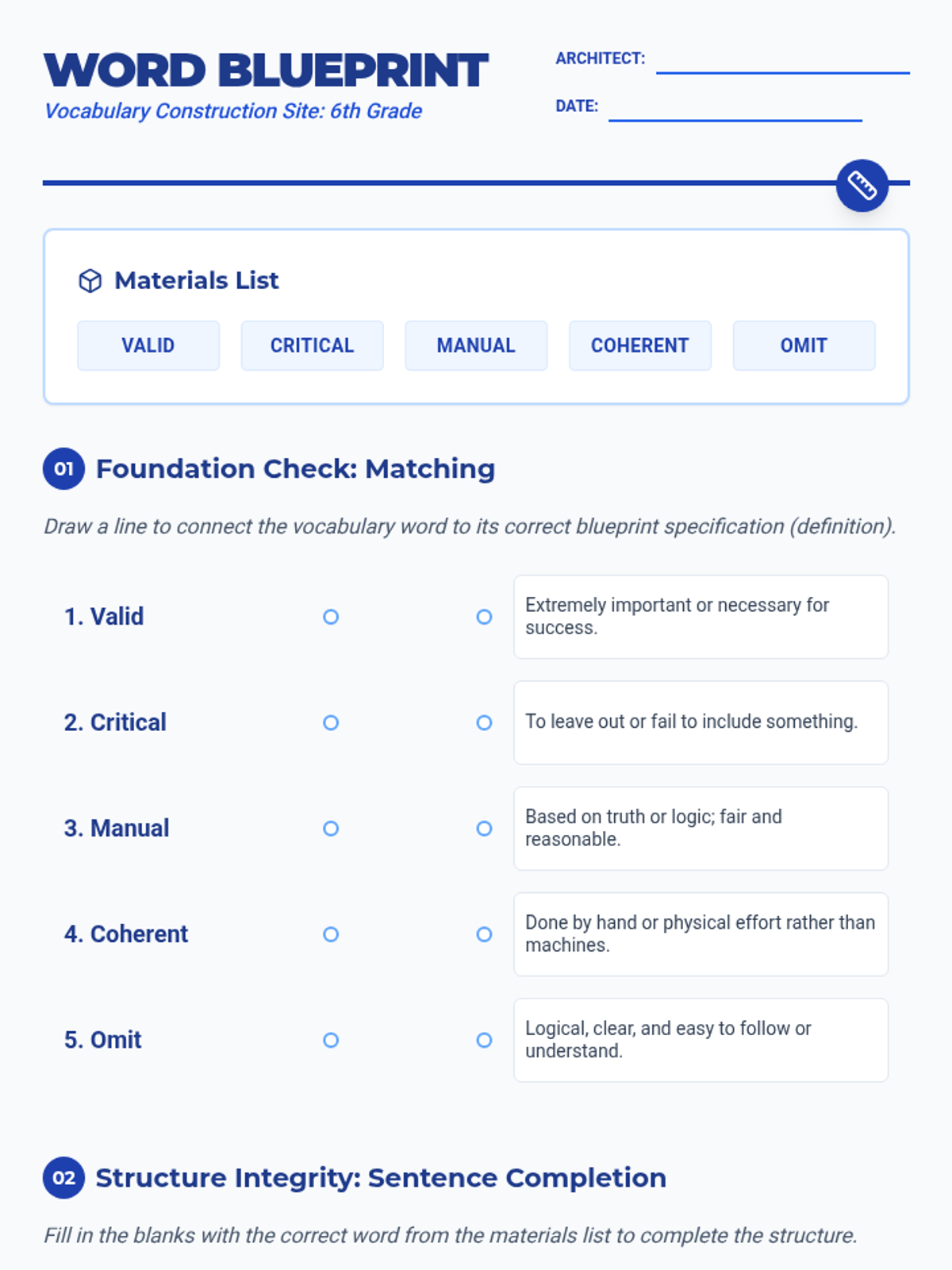
A specialized spelling sequence for middle school students, focusing on complex phonetic patterns and their practical application in reading and writing. The sequence uses a 'Blueprint' theme to treat word construction as structural engineering.
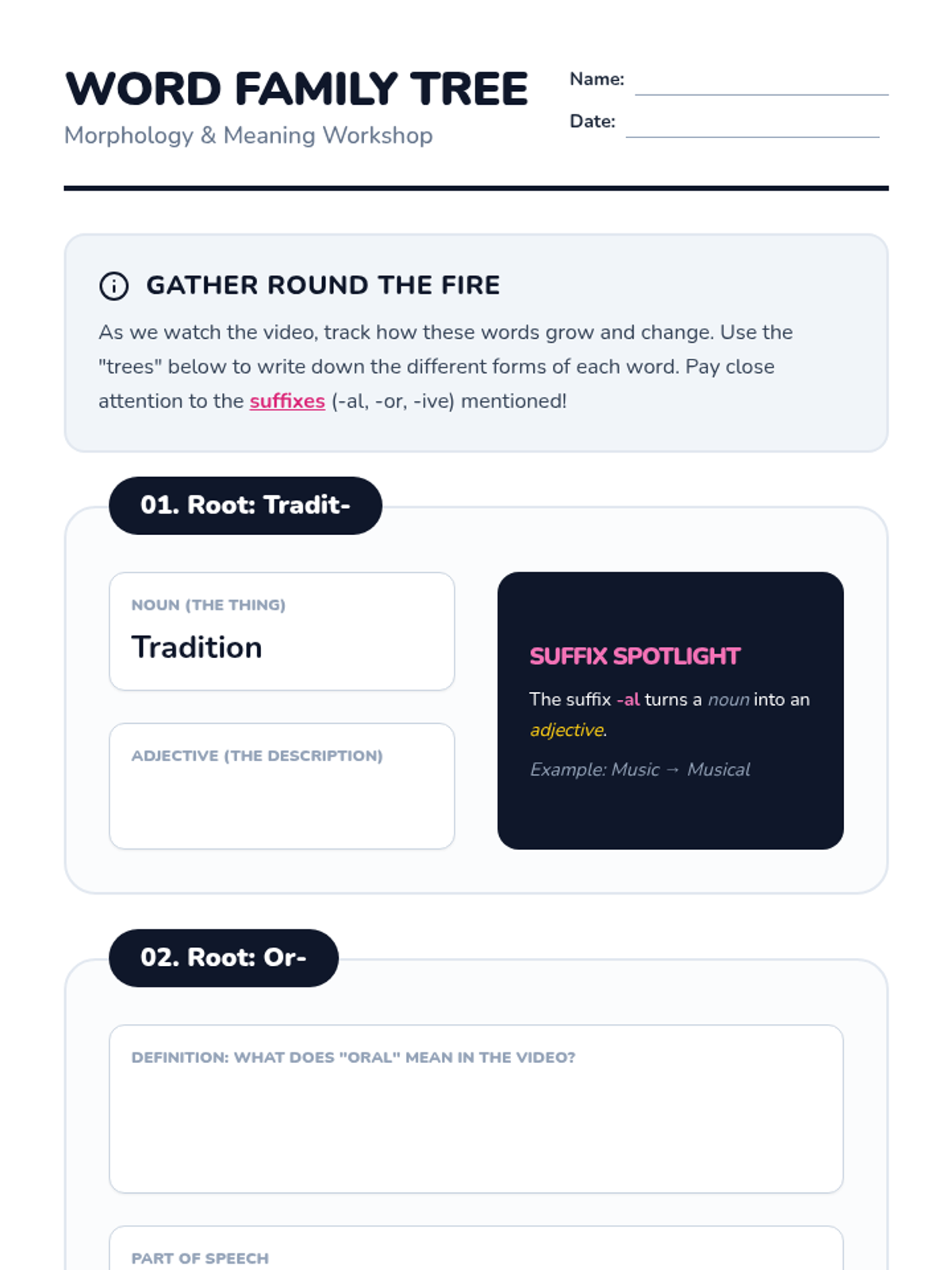
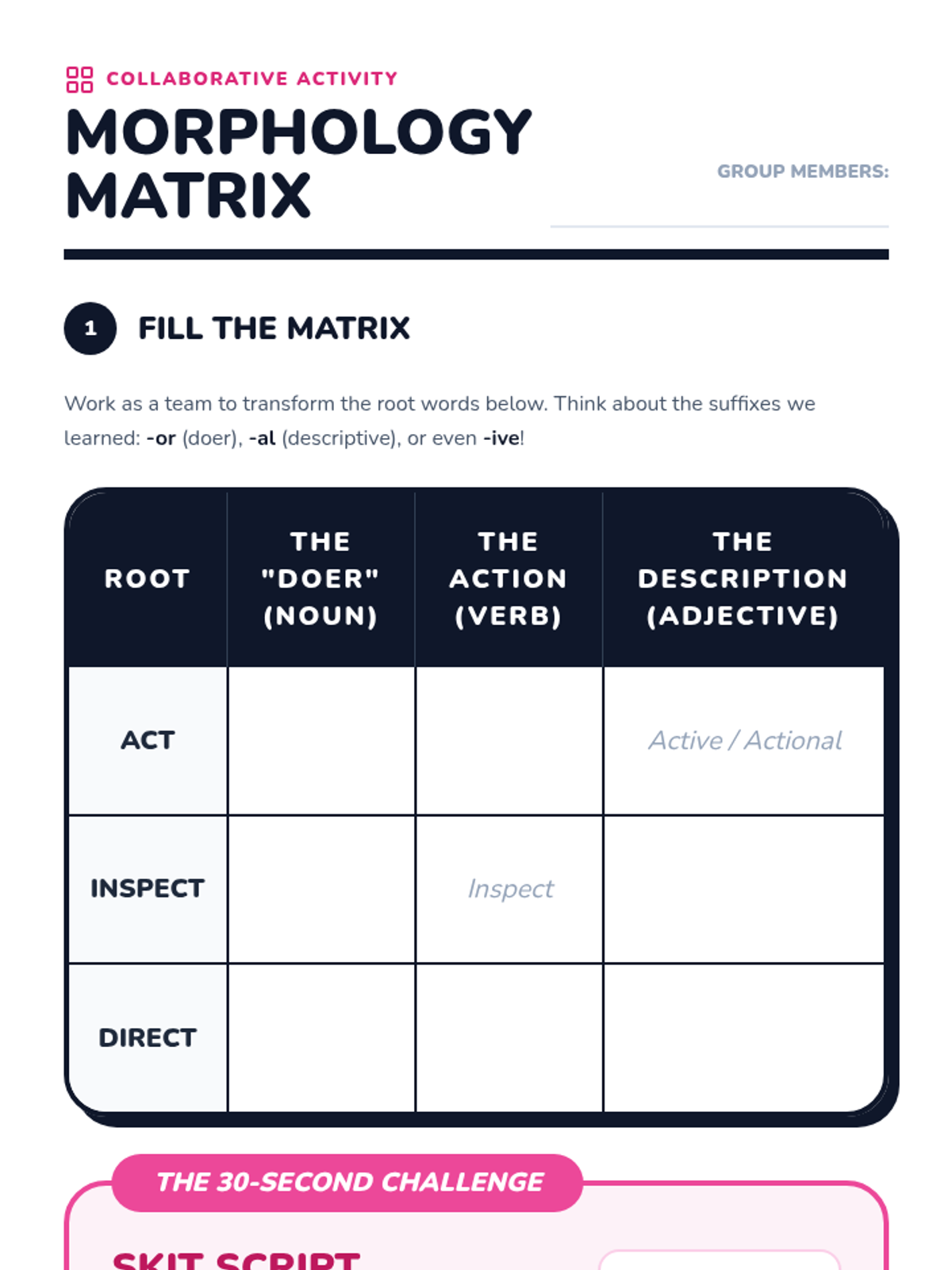
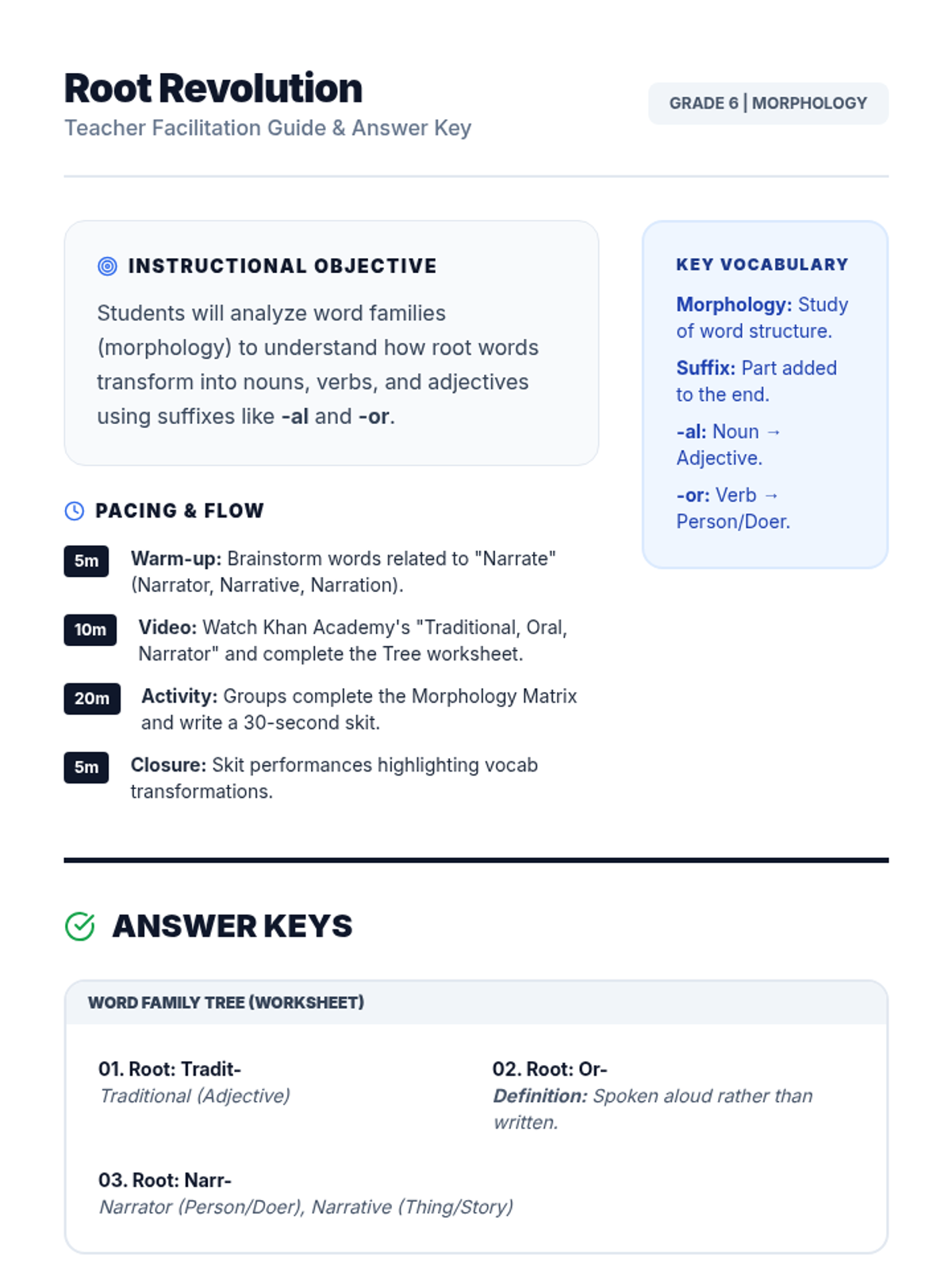
A sequence focused on the power of morphology, teaching students how to transform root words into various parts of speech using suffixes and prefixes.
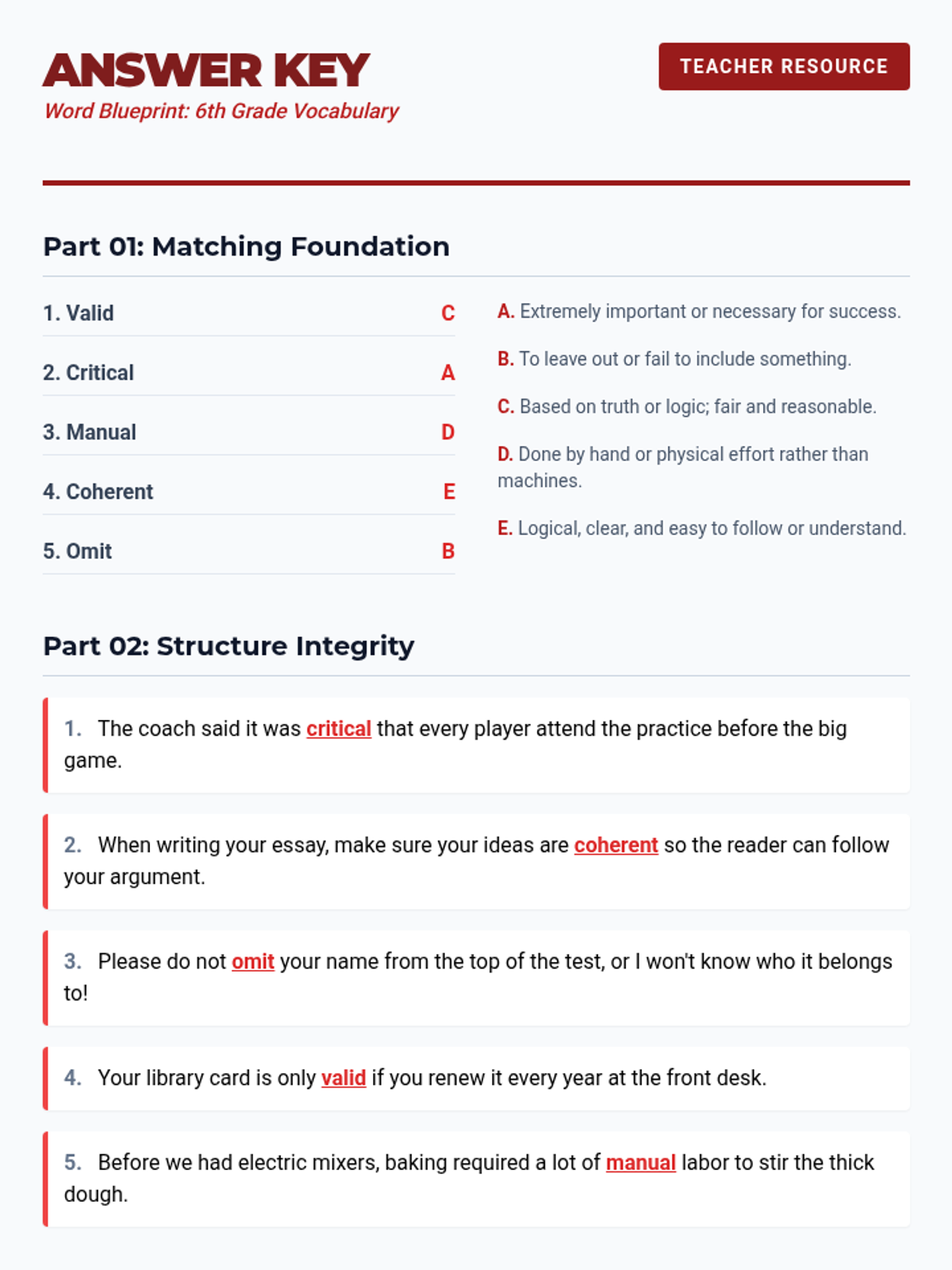
A comprehensive vocabulary unit designed for upper elementary and middle school students to master academic vocabulary through themed blueprints and structural linguistics.
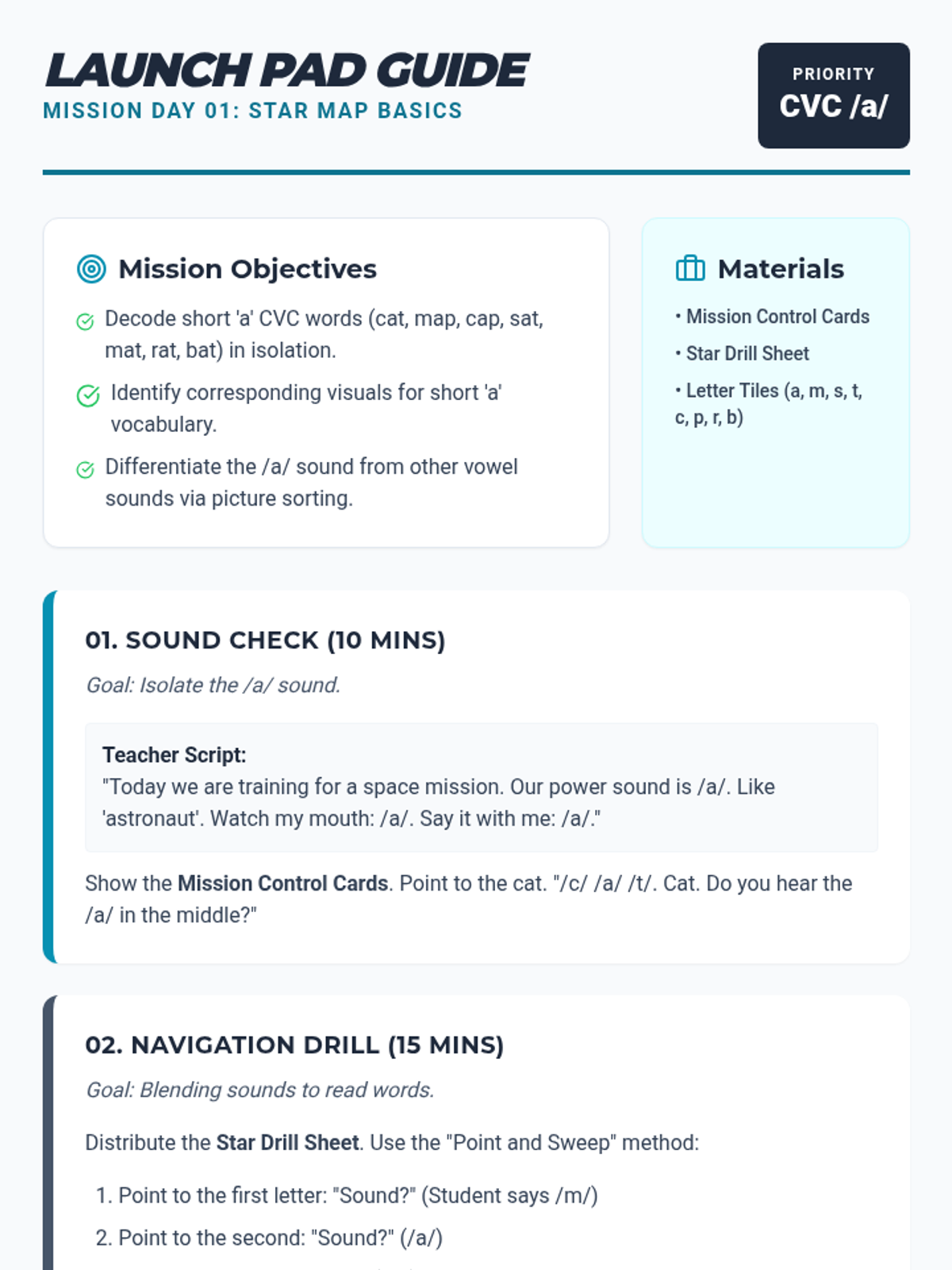
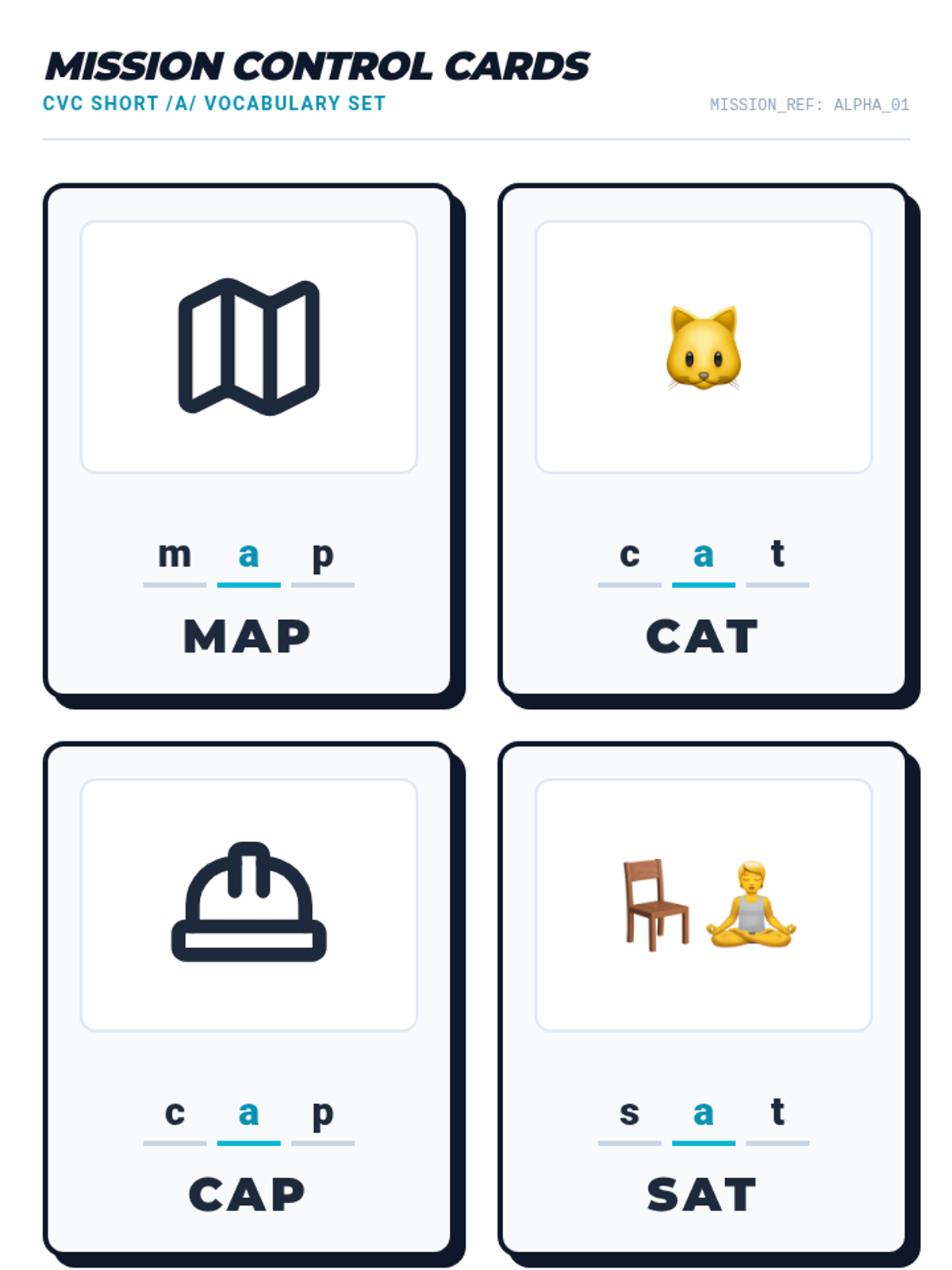
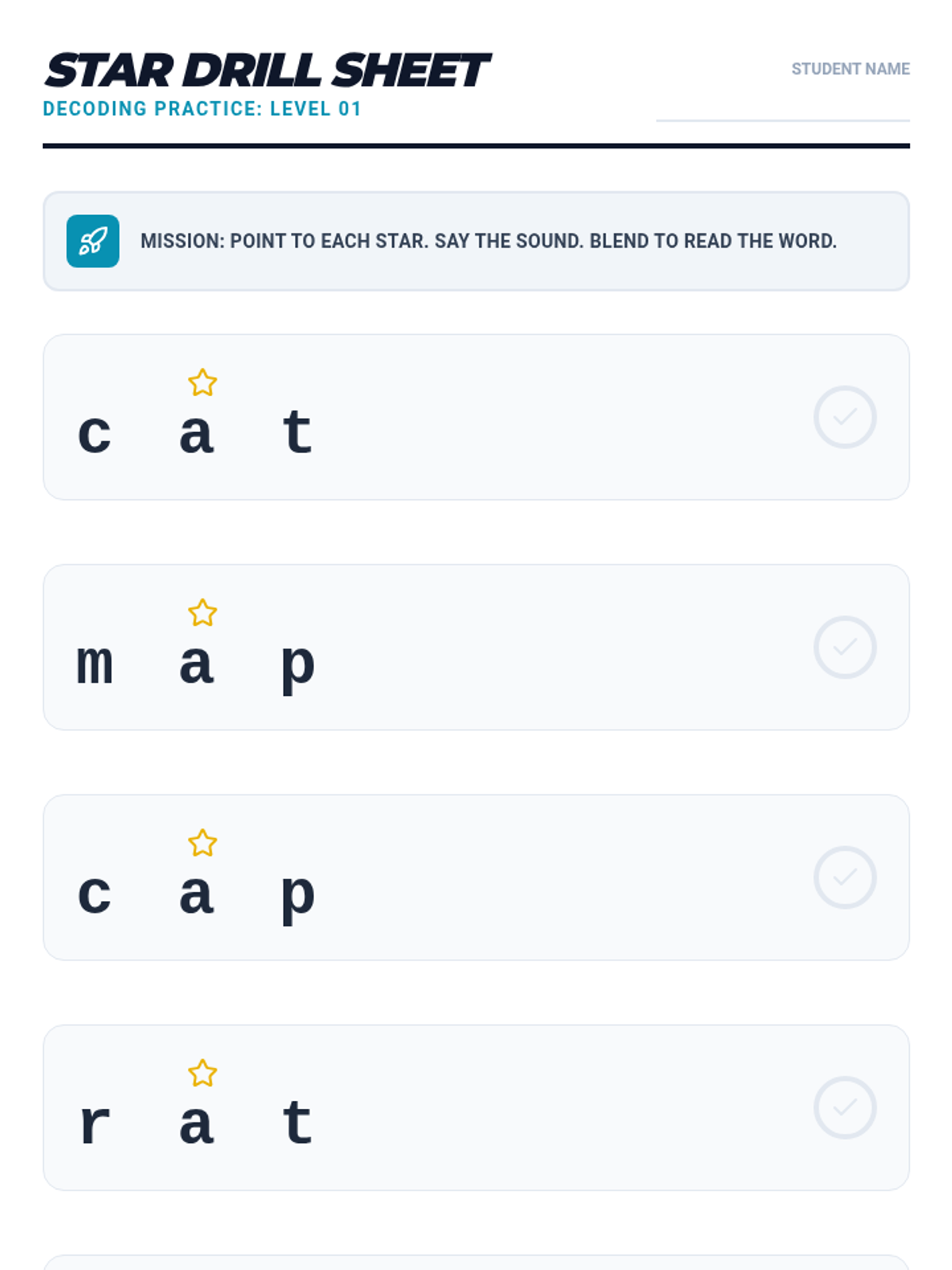
A 4-day intensive CVC short 'a' intervention for a 6th-grade ESL student, themed around space exploration to maintain age-appropriateness while focusing on foundational literacy.