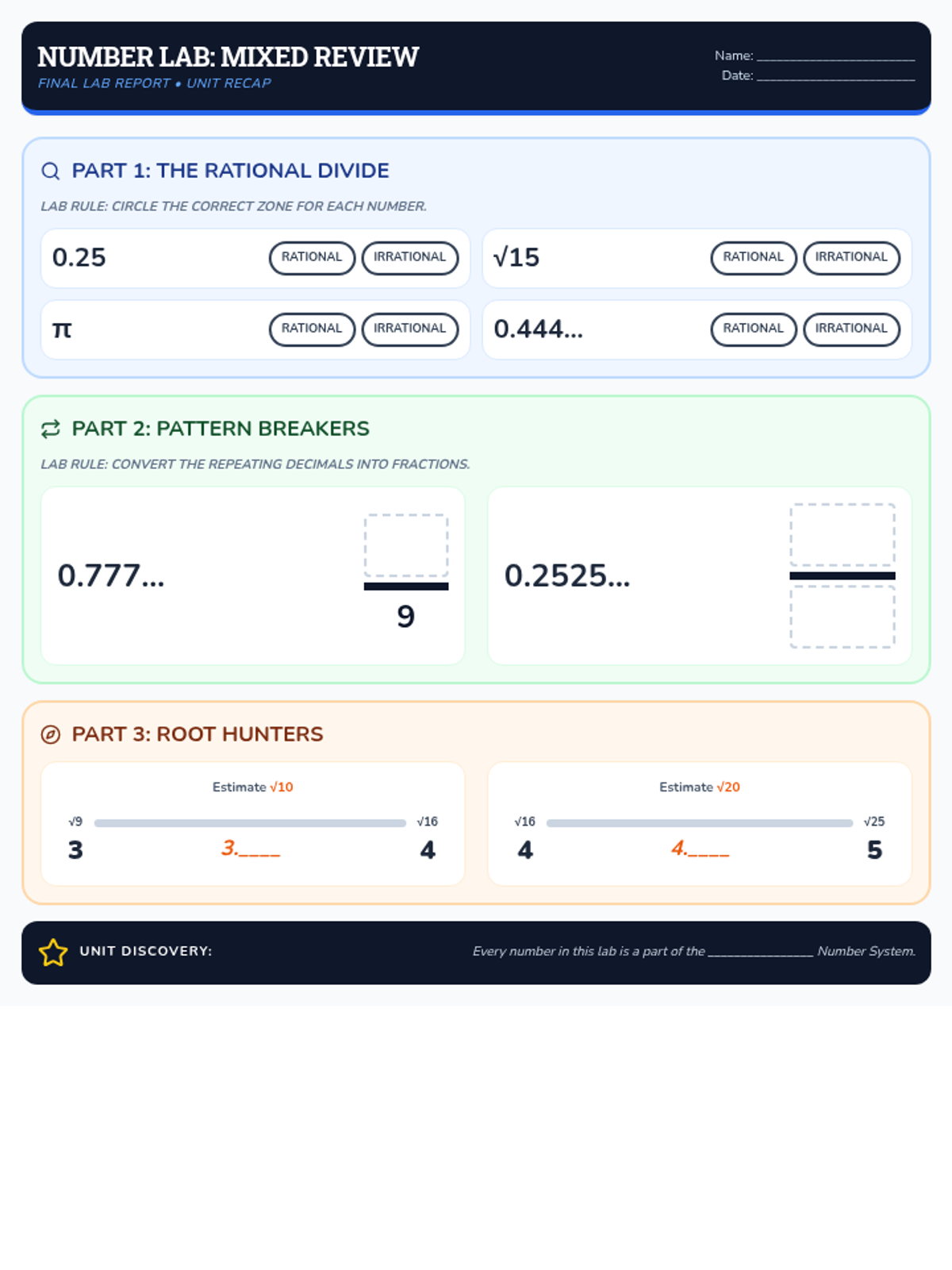
Foundational fraction equivalence, ordering, and operations across the rational number system. Addresses multi-digit computation, decimal conversions, and the distinction between rational and irrational numbers.
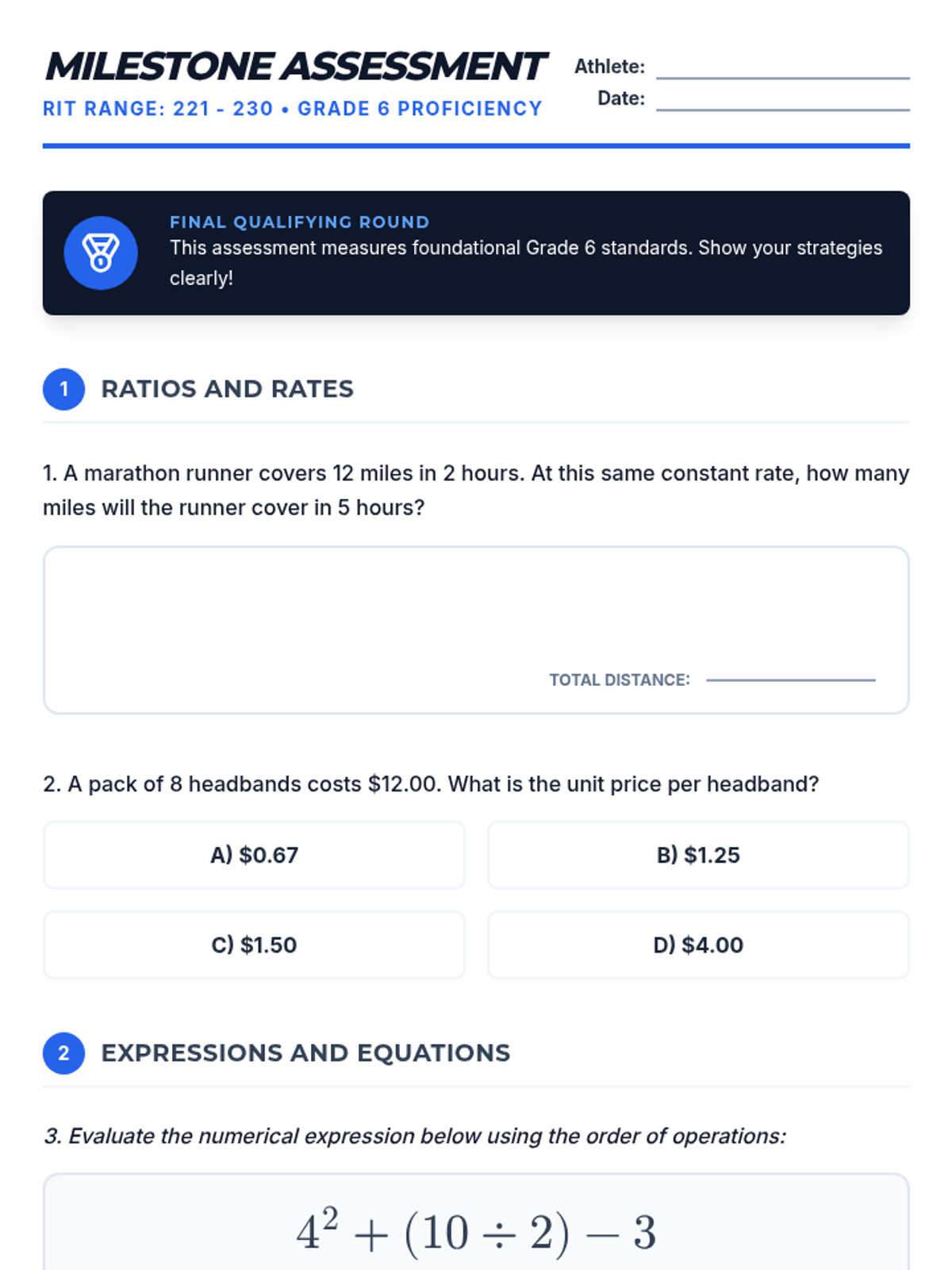
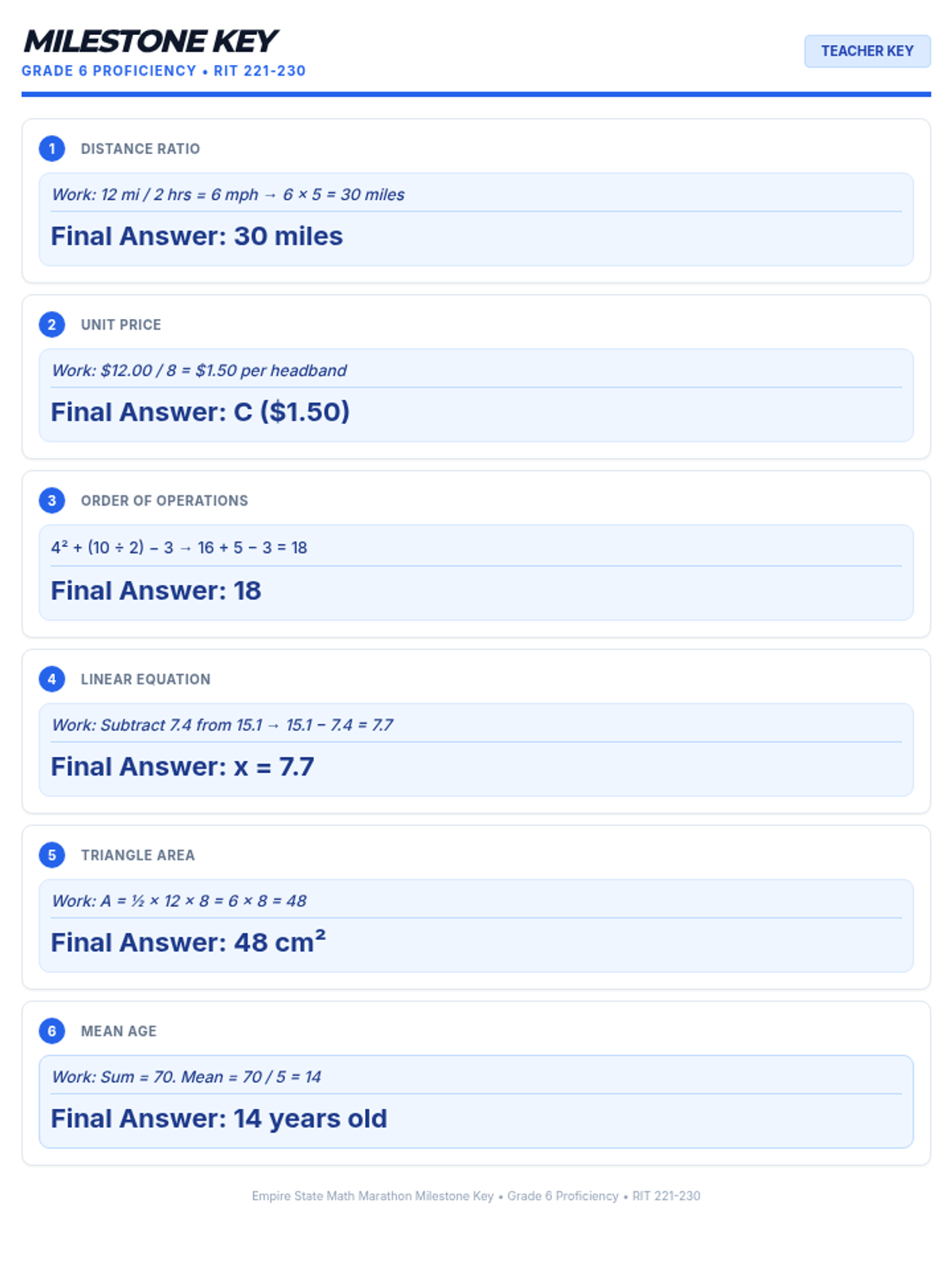
A cumulative milestone assessment designed for students at Grade 6 proficiency (RIT 221-230). This assessment checks foundational understanding of ratios, expressions, and geometry needed for 8th-grade success.
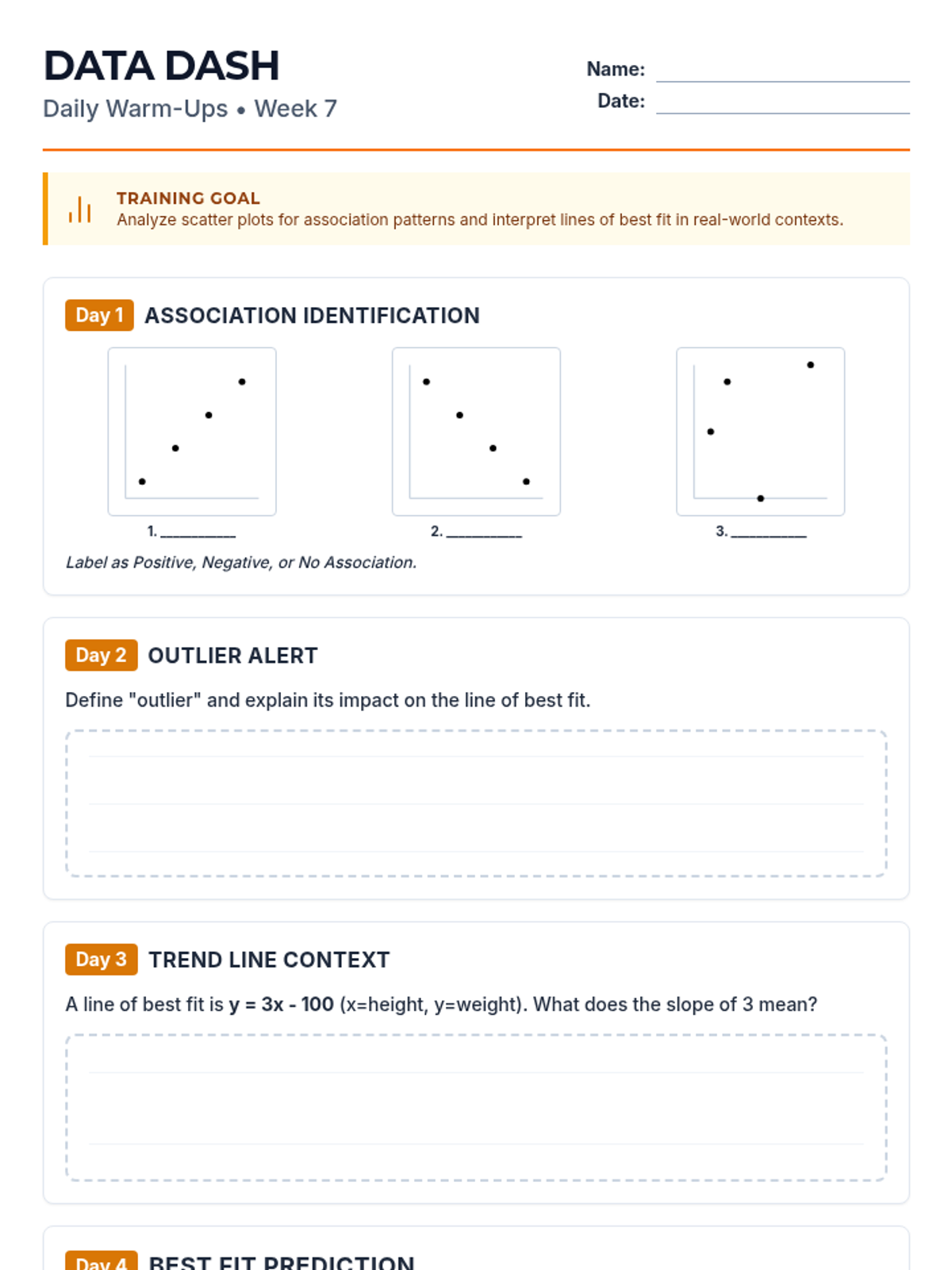
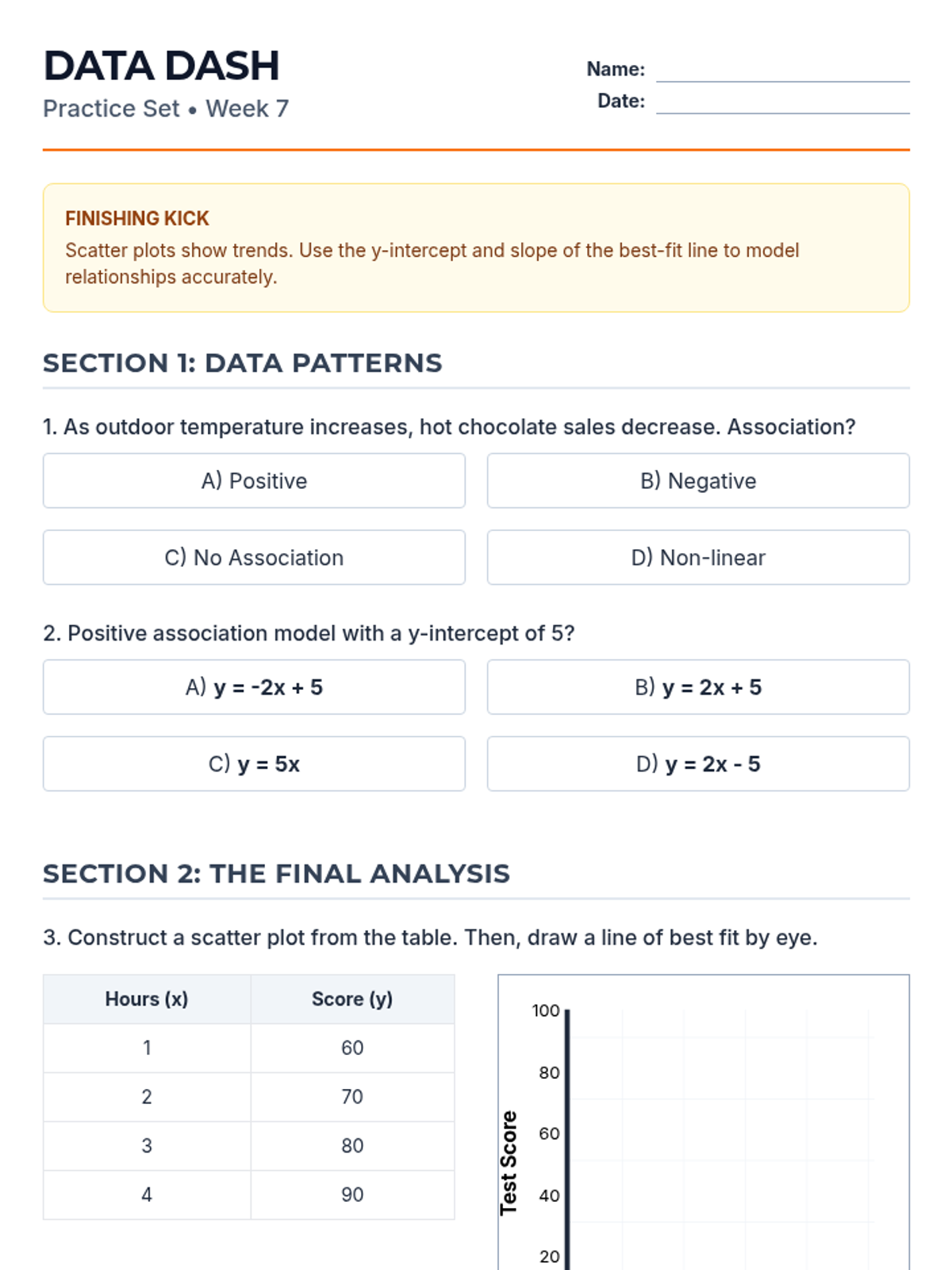
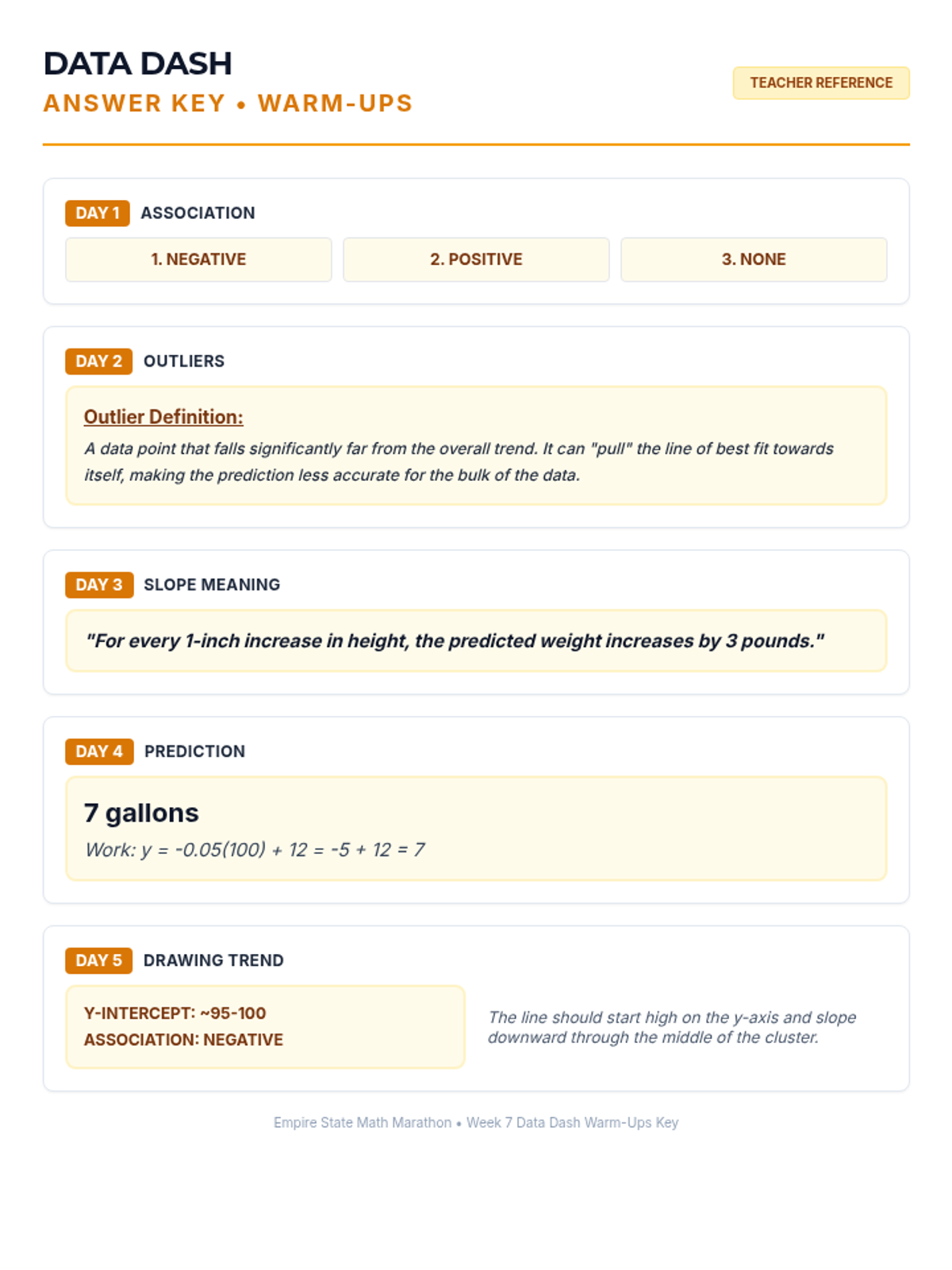
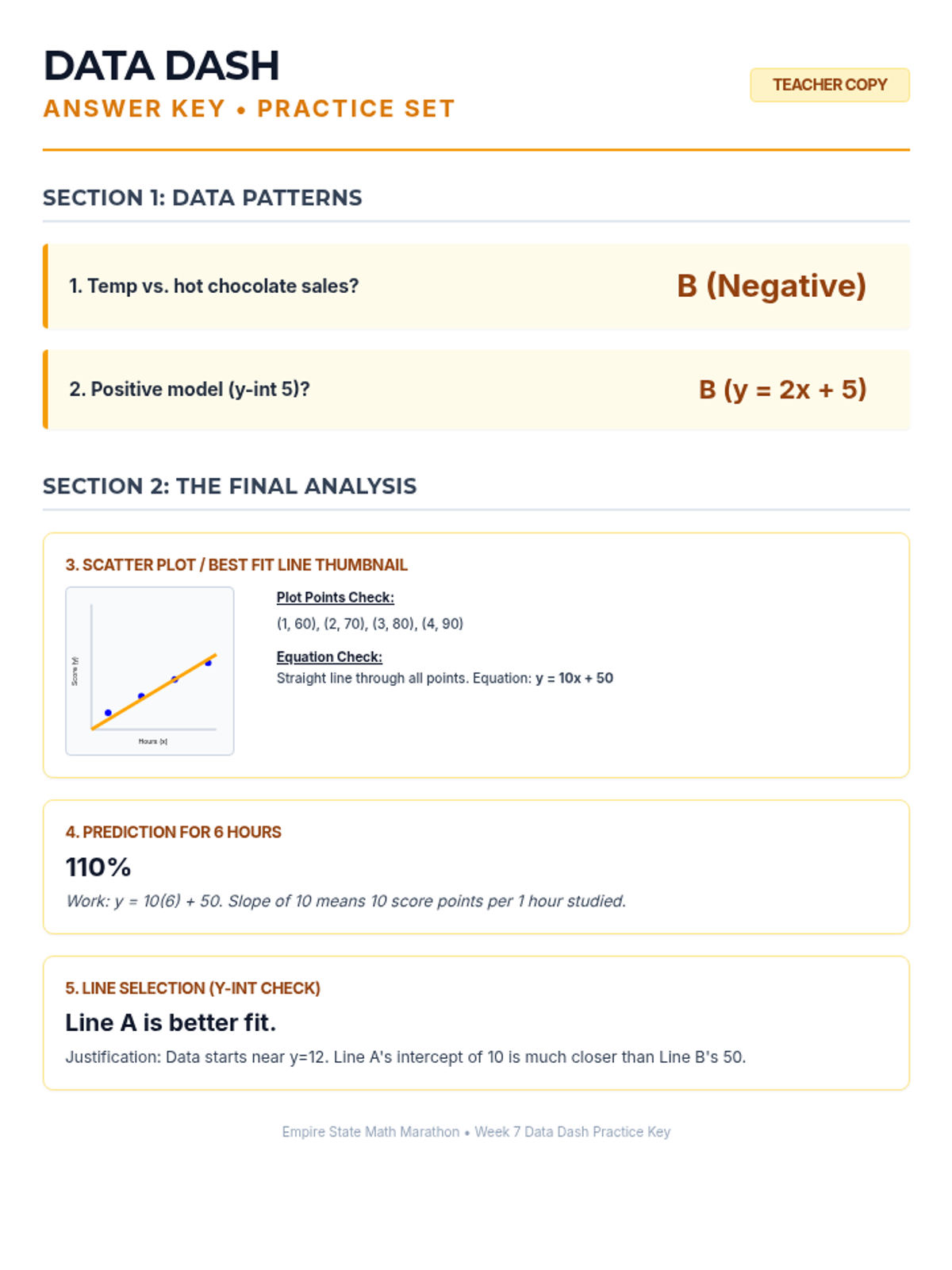
Week 7 analyzes bivariate data through scatter plots, interpreting lines of best fit, and using linear models to make predictions.
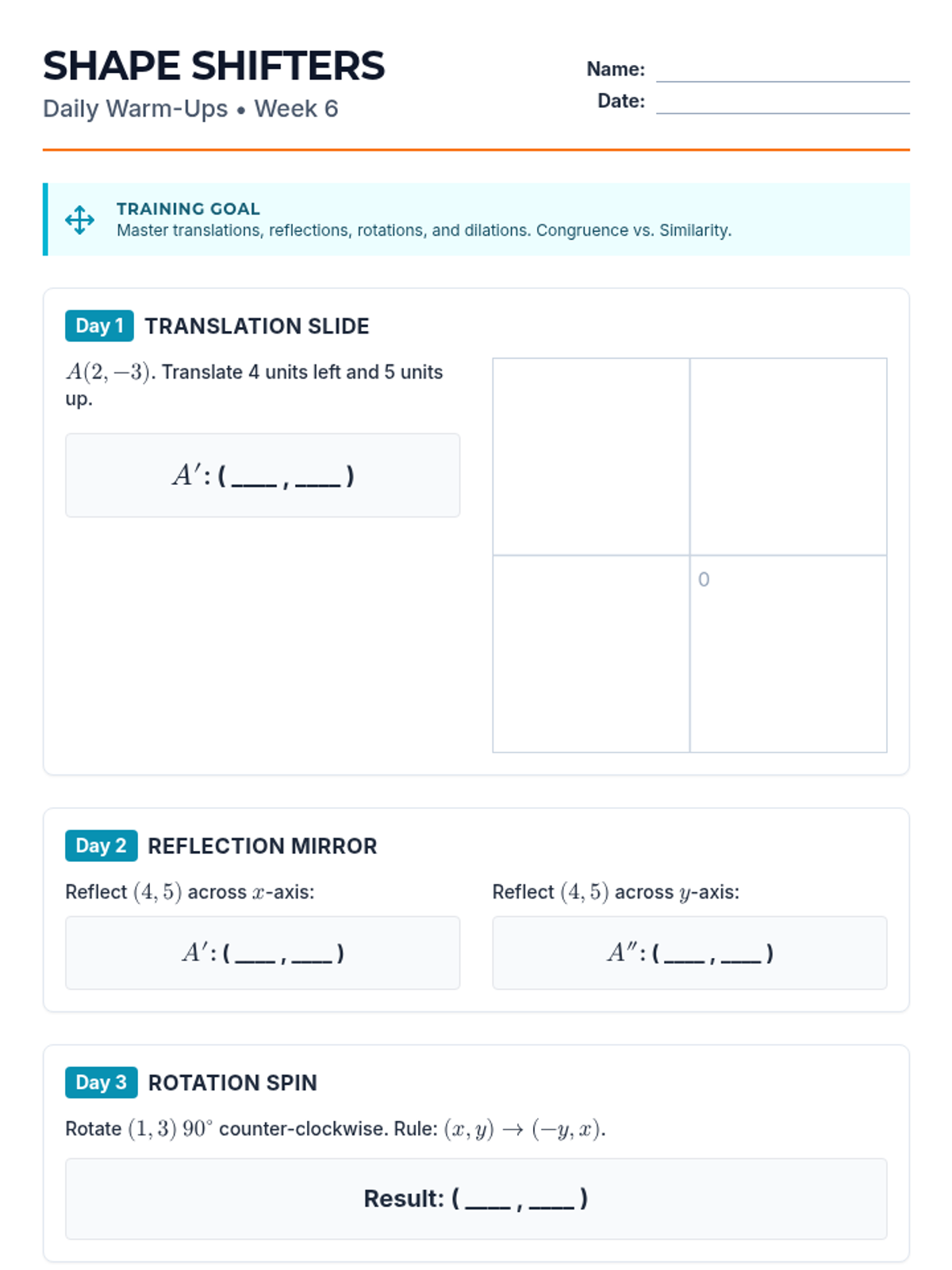
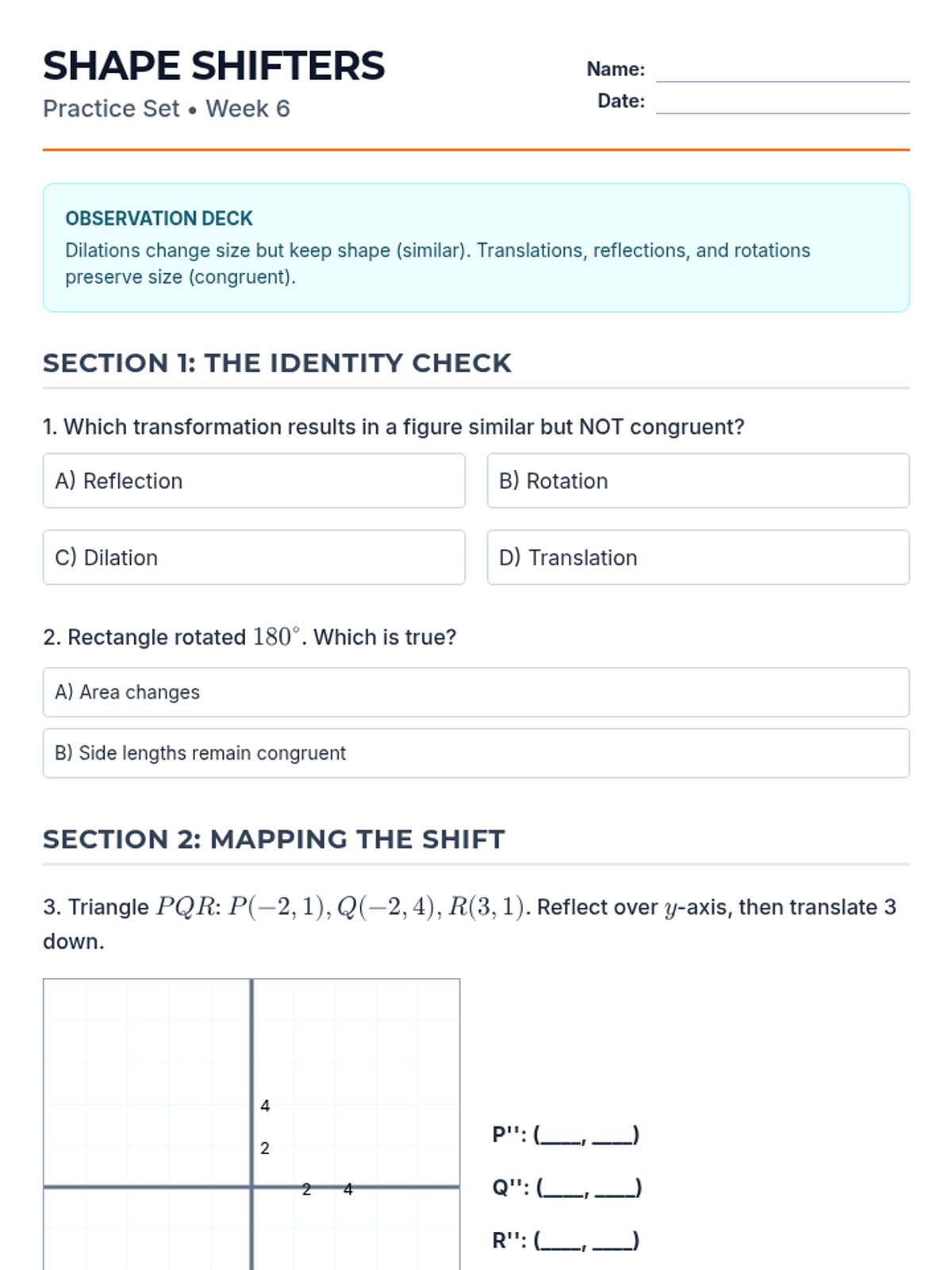
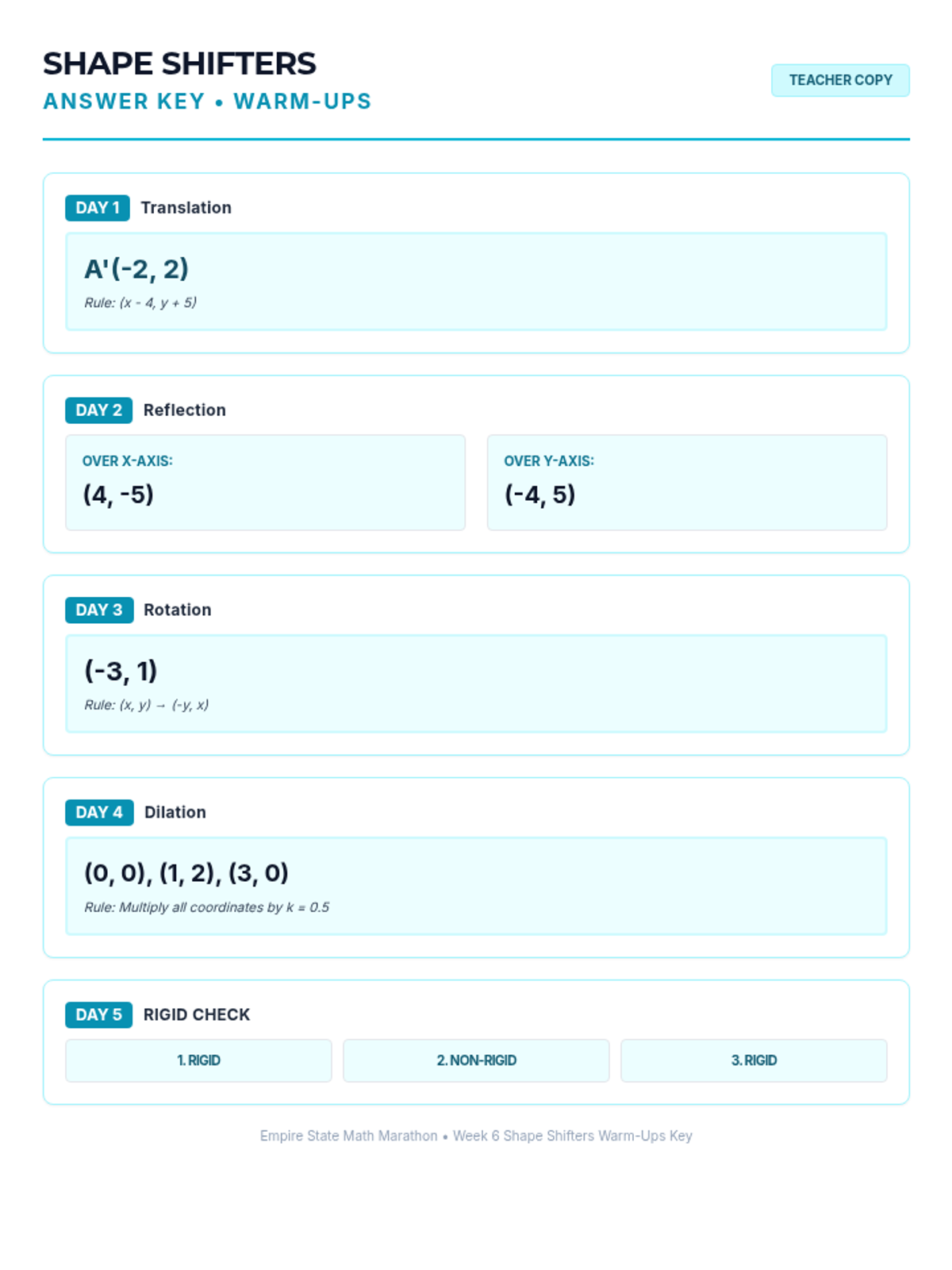
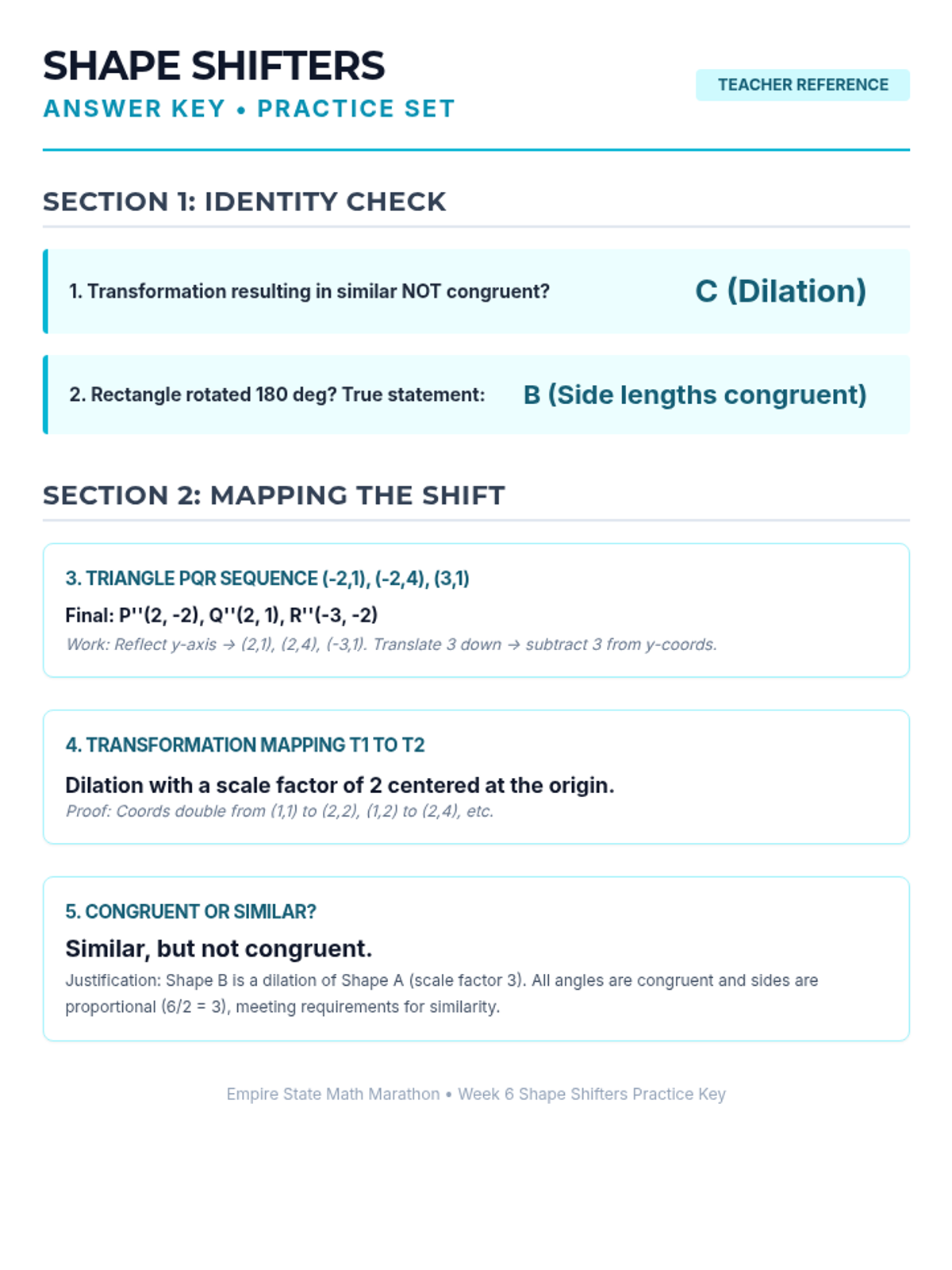
Week 6 focuses on rigid transformations (translations, reflections, rotations) and similarity transformations (dilations).
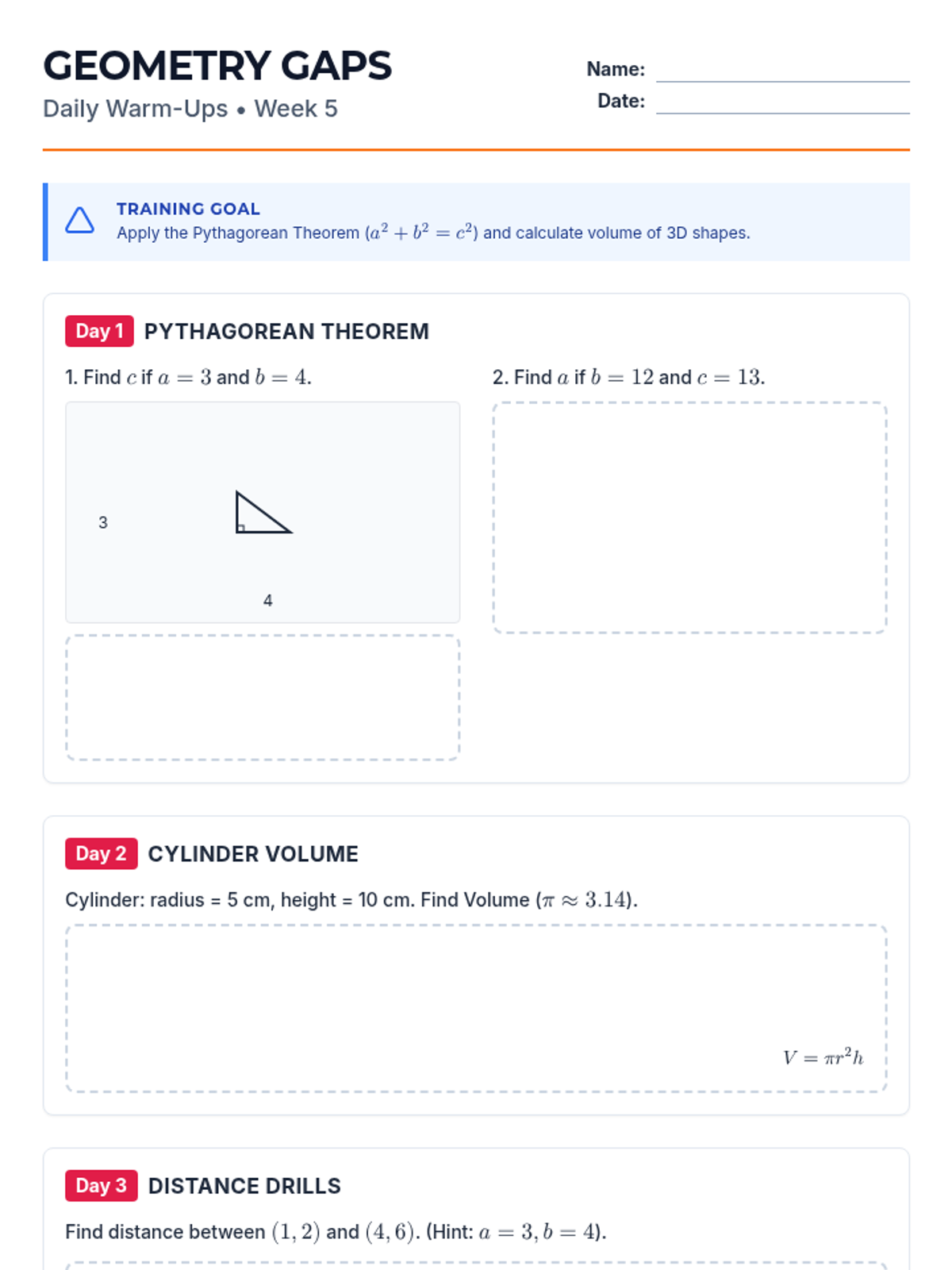
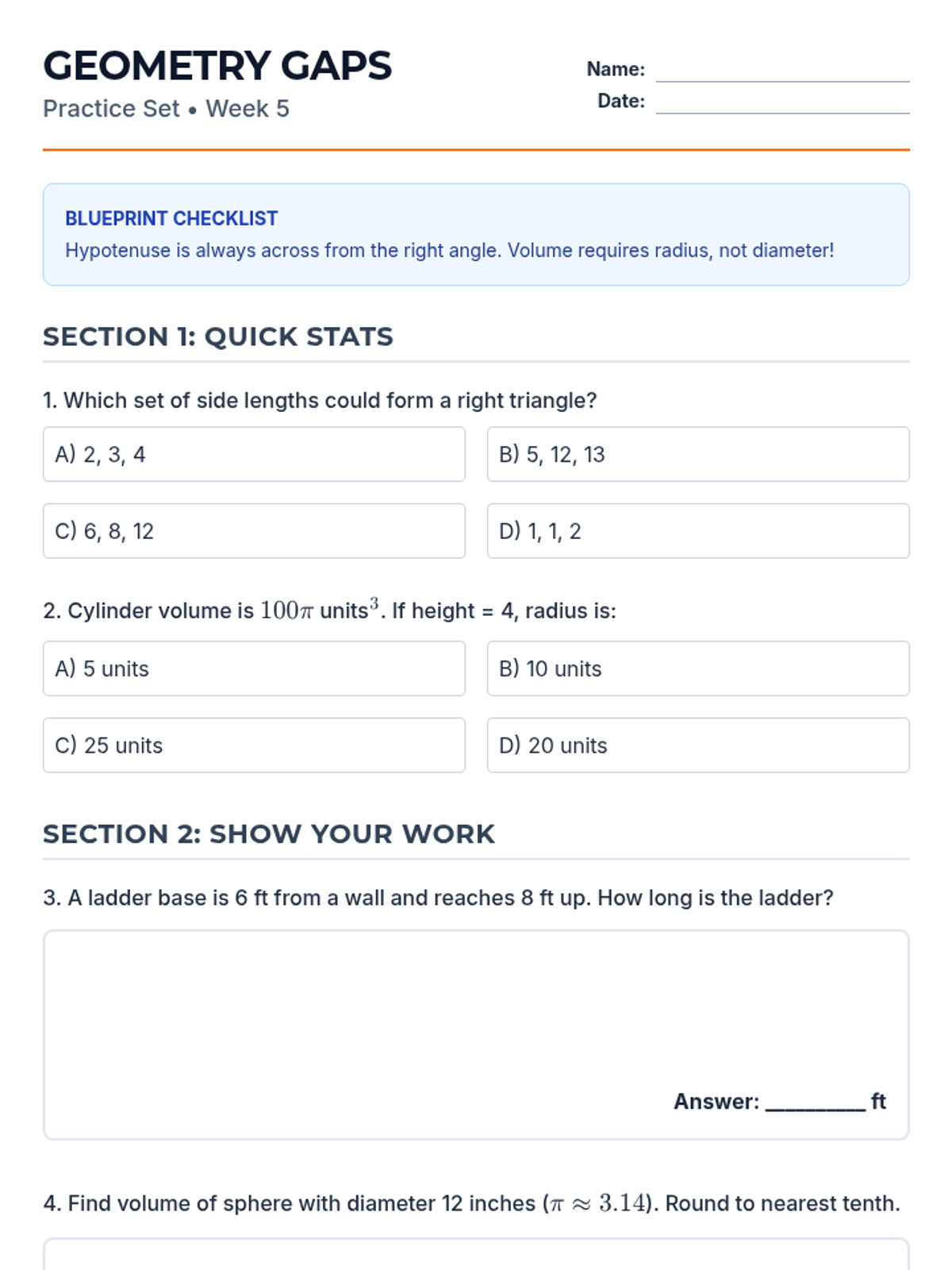
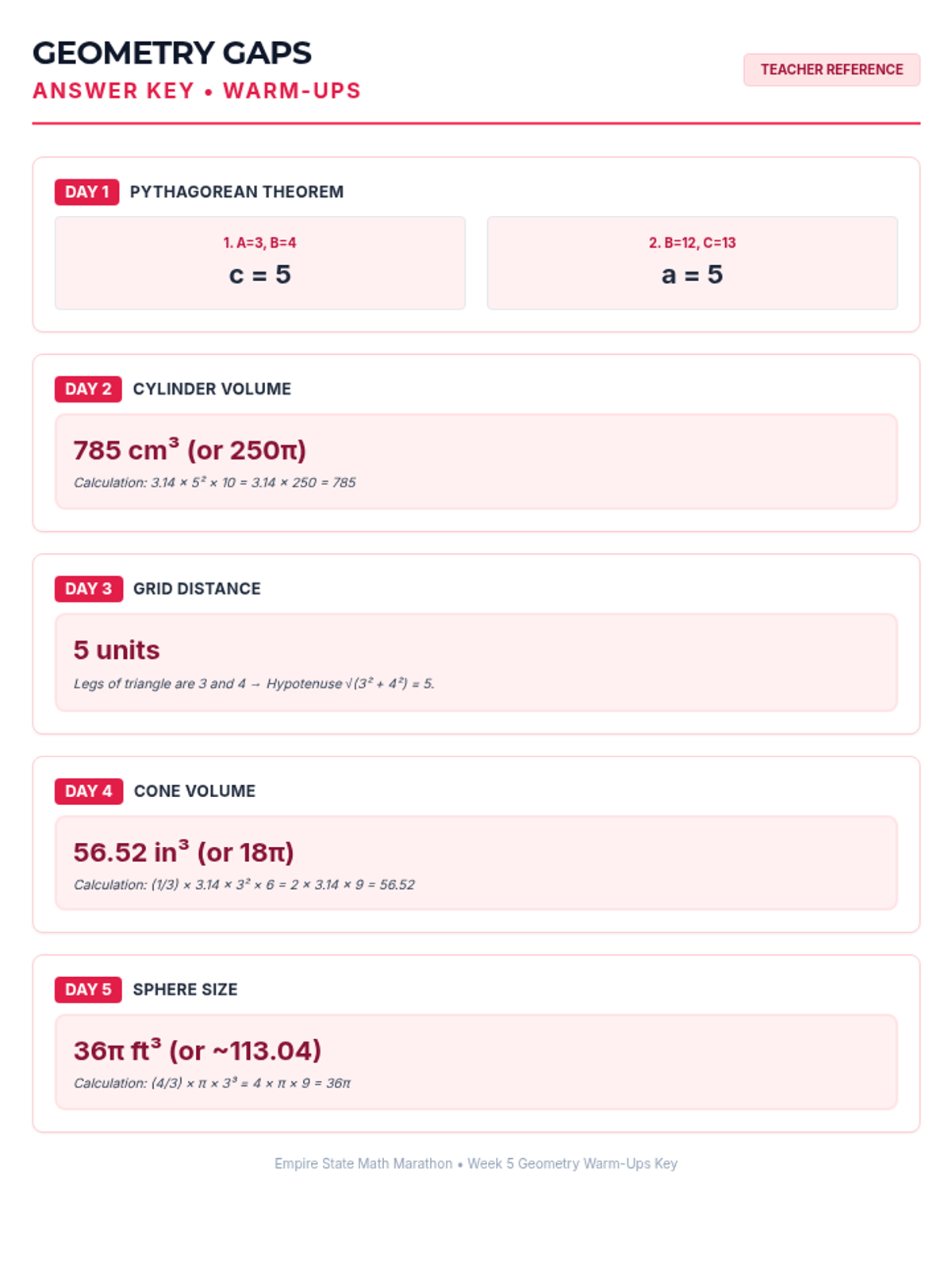
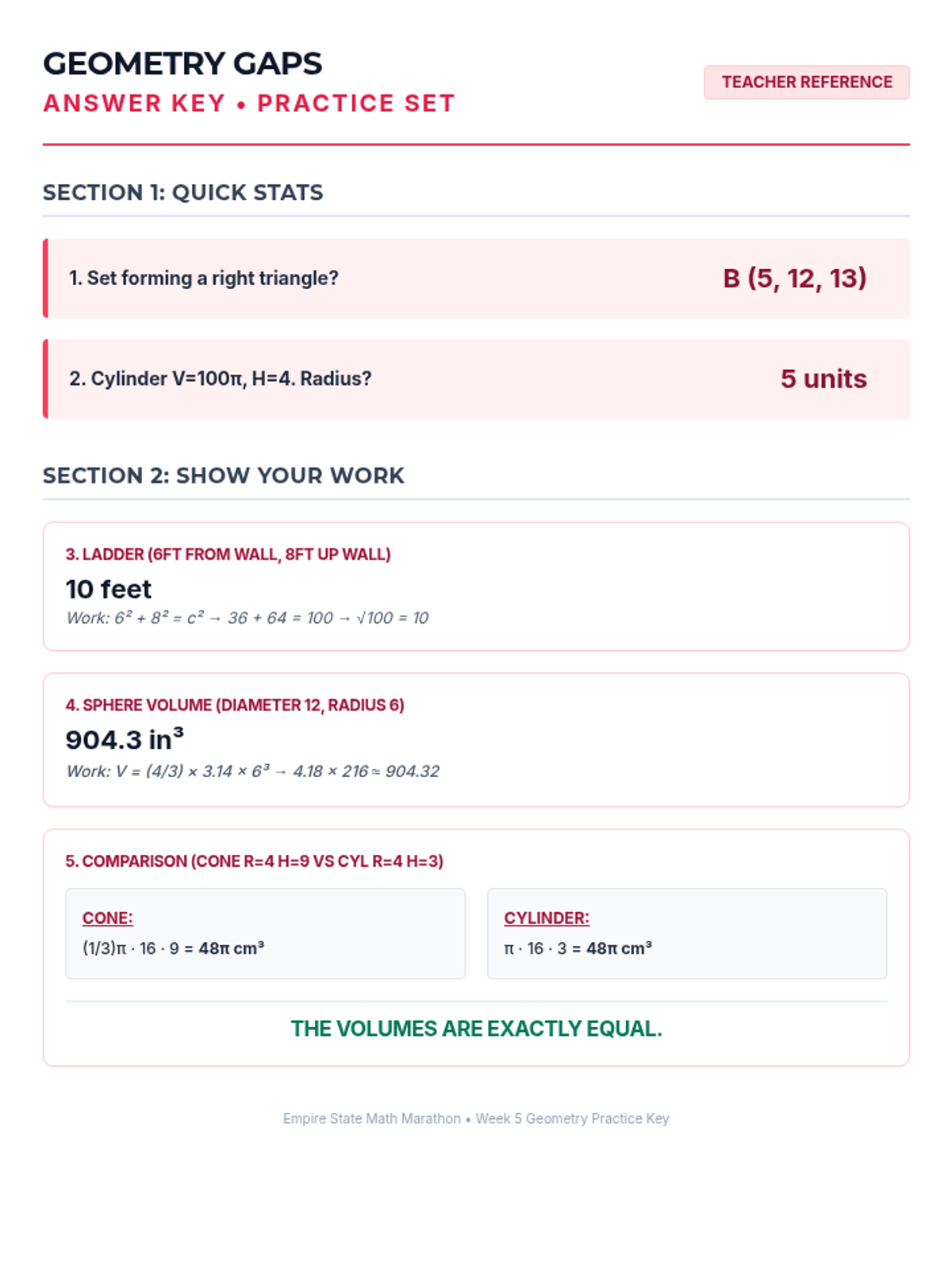
Week 5 reviews the Pythagorean Theorem and volume formulas for cylinders, cones, and spheres.
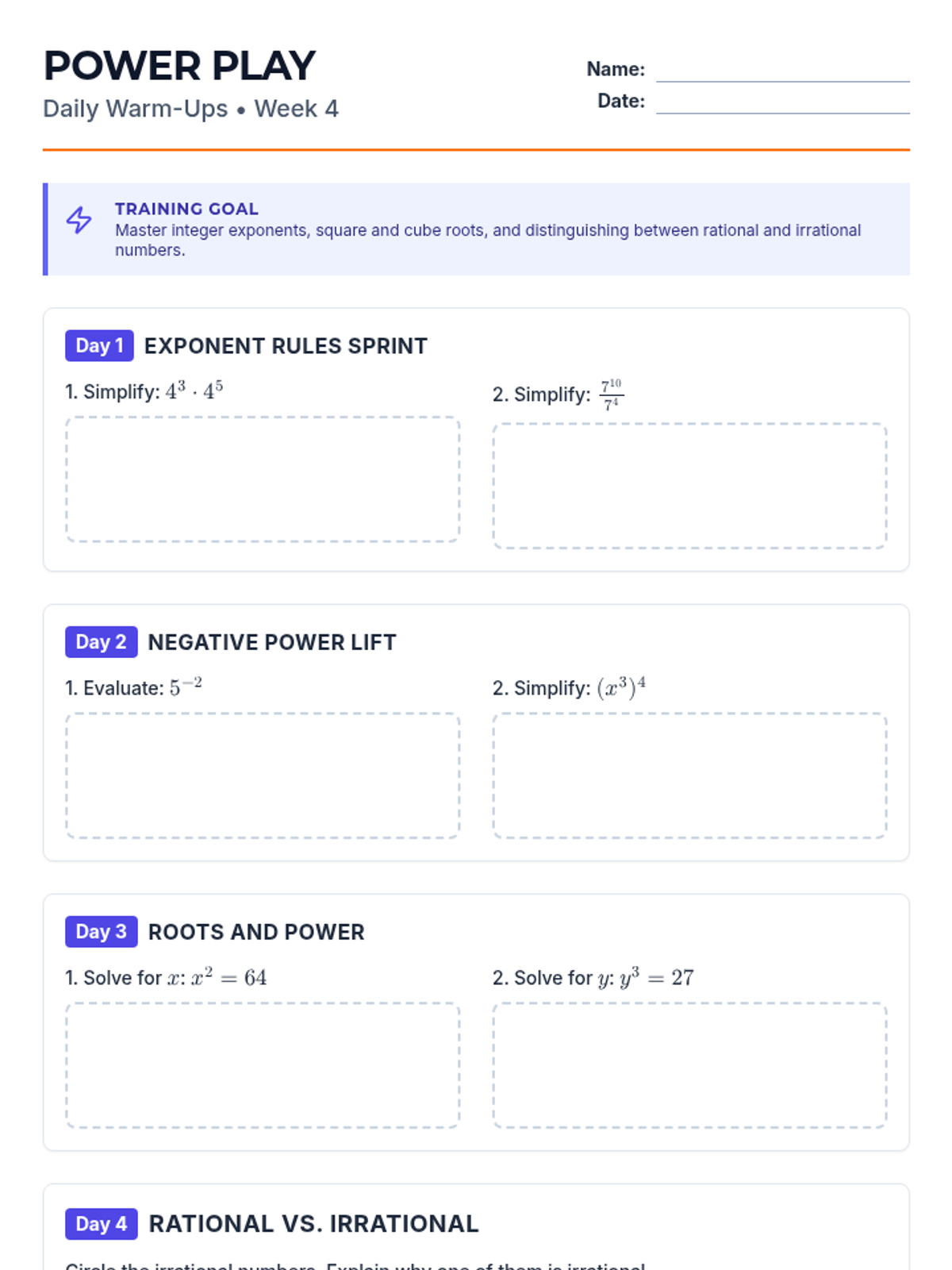
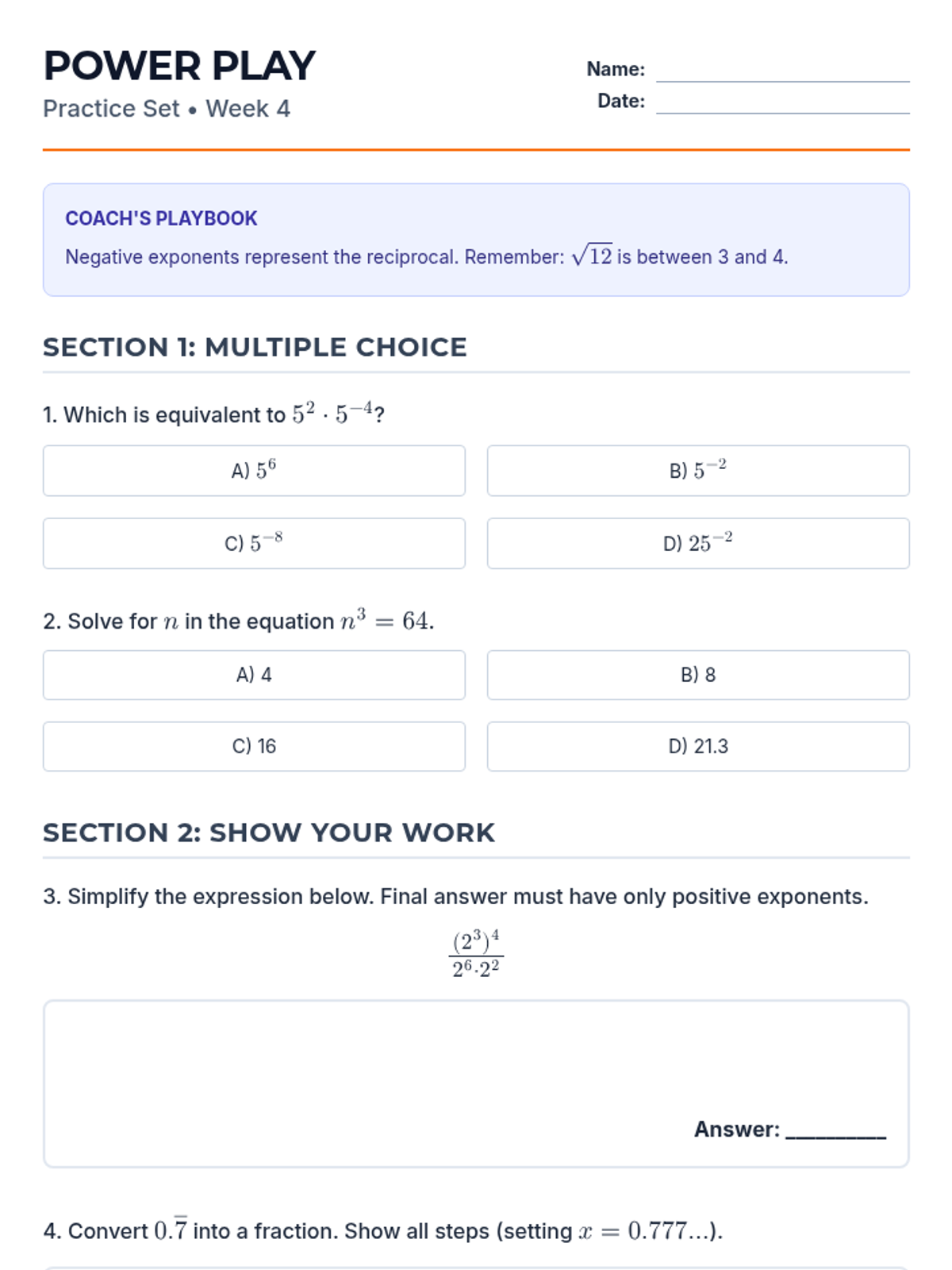
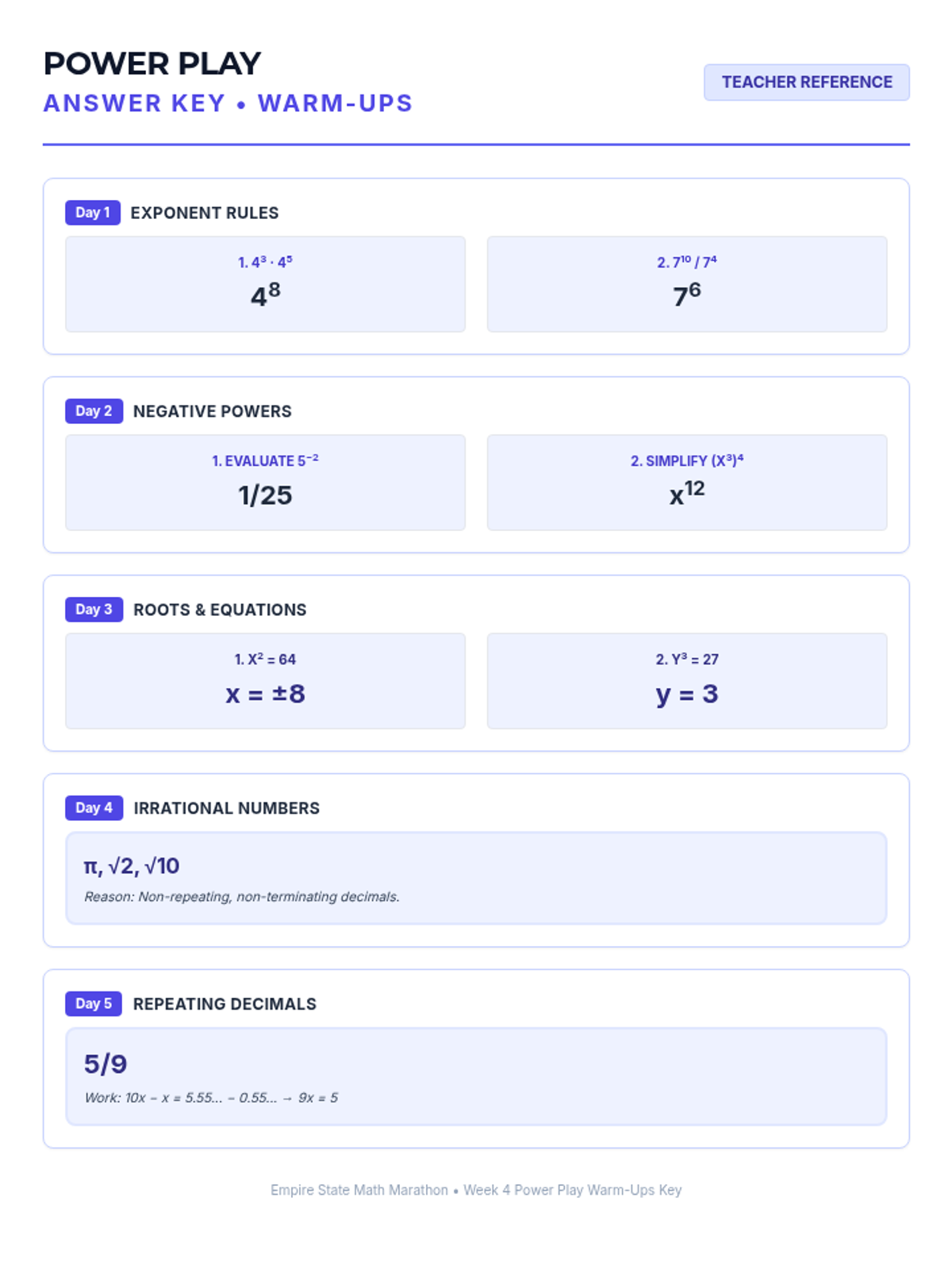
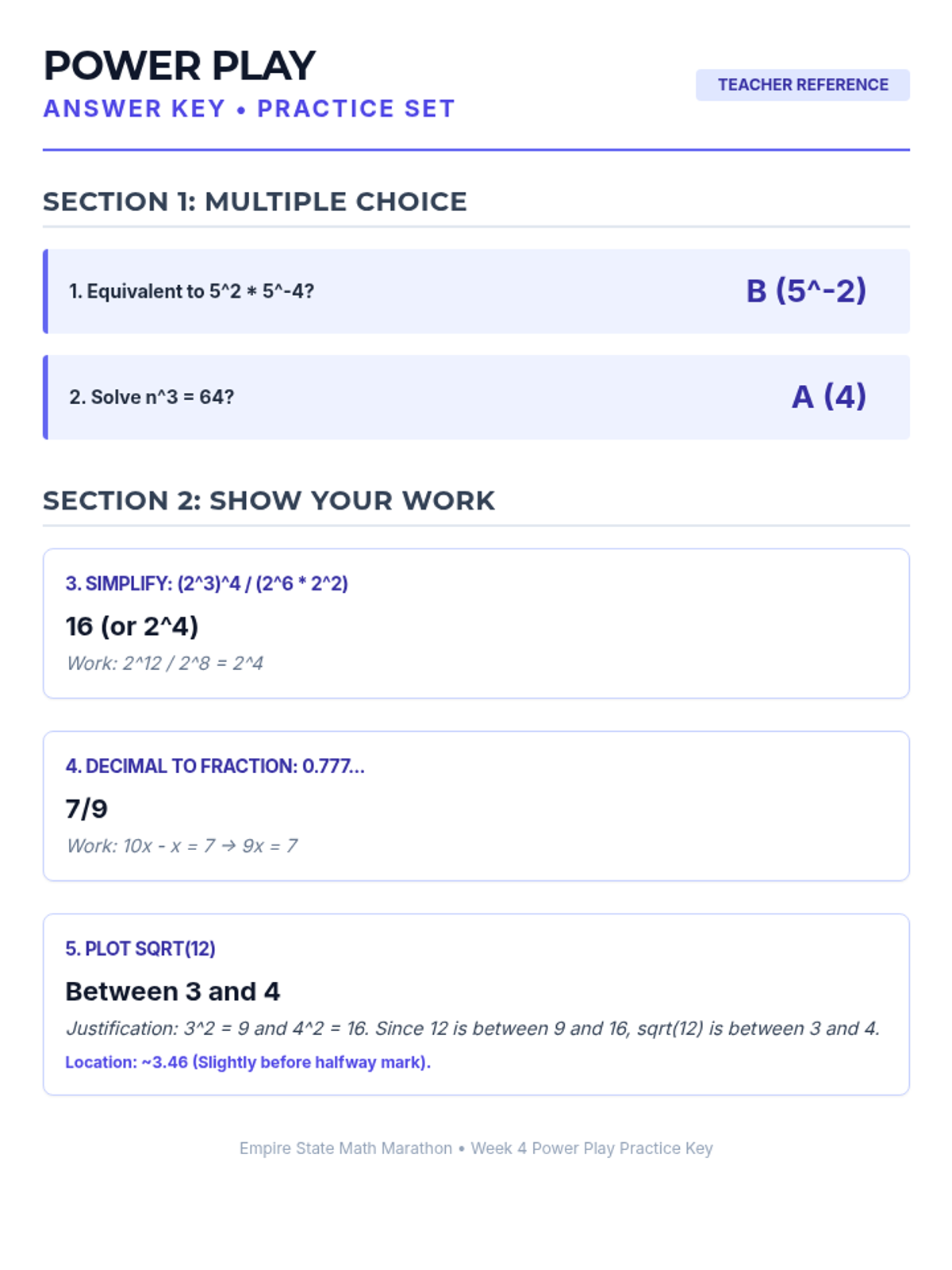
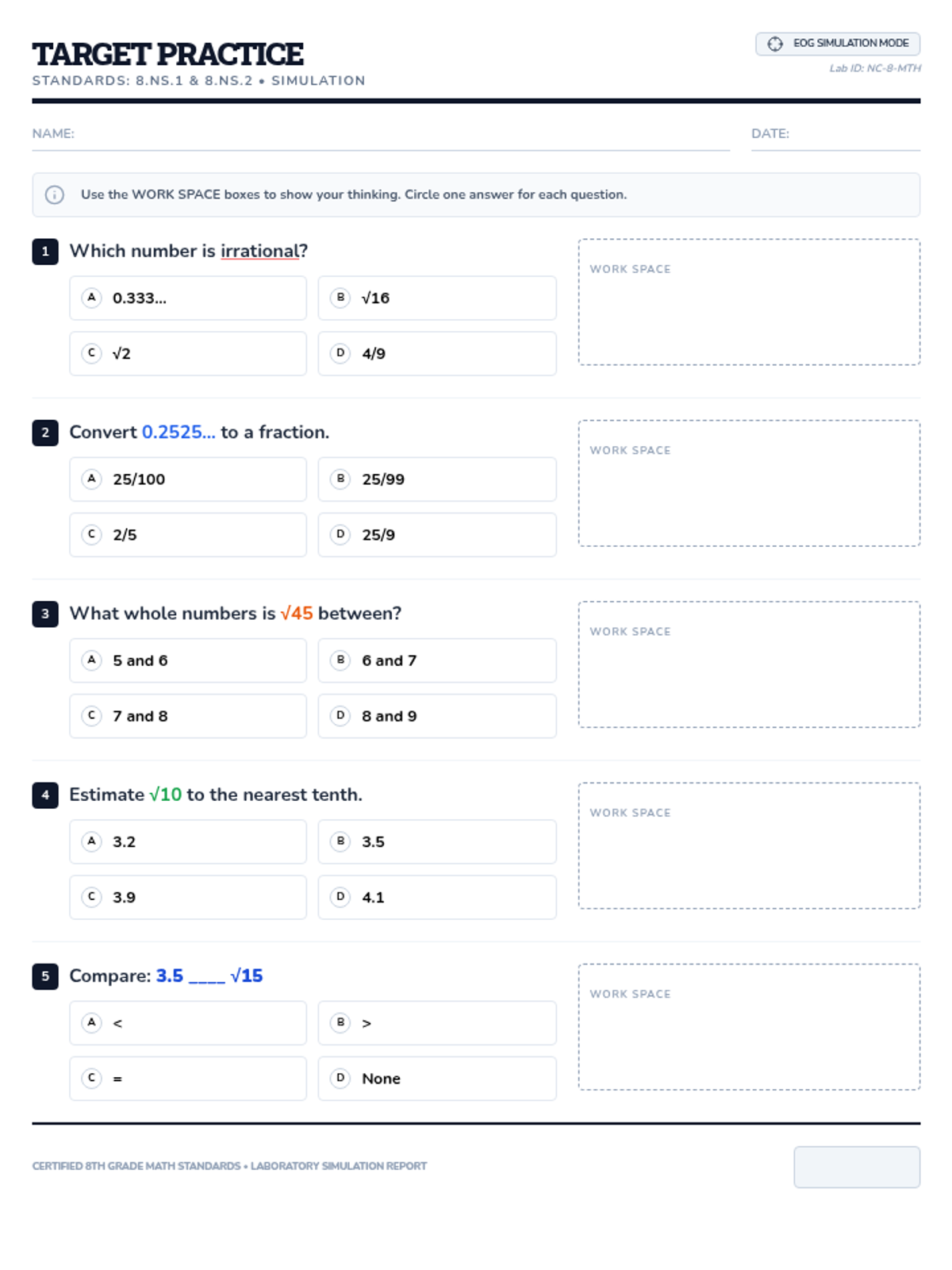
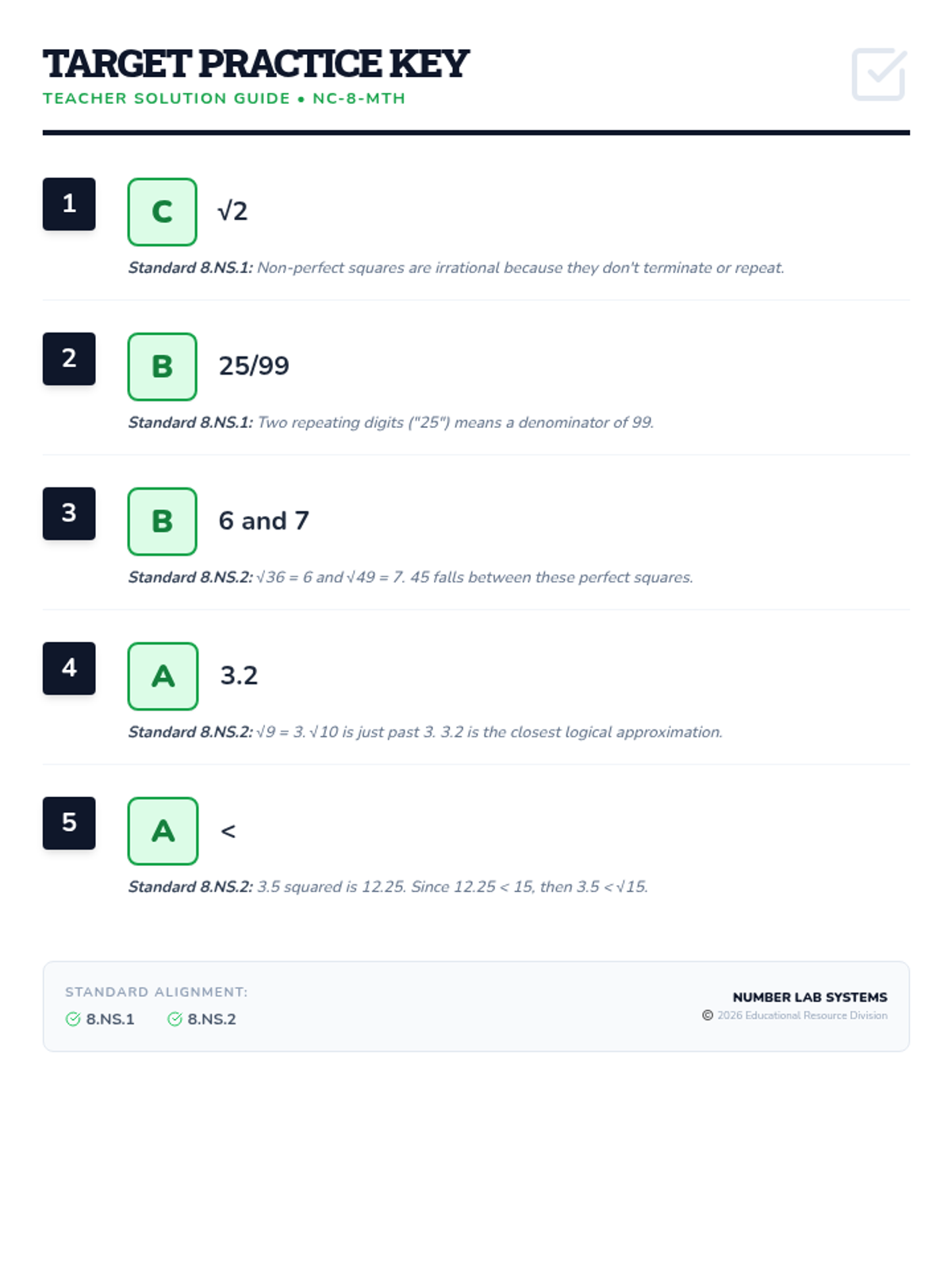
Week 4 explores integer exponent rules, perfect squares and cubes, and distinguishing between rational and irrational numbers.
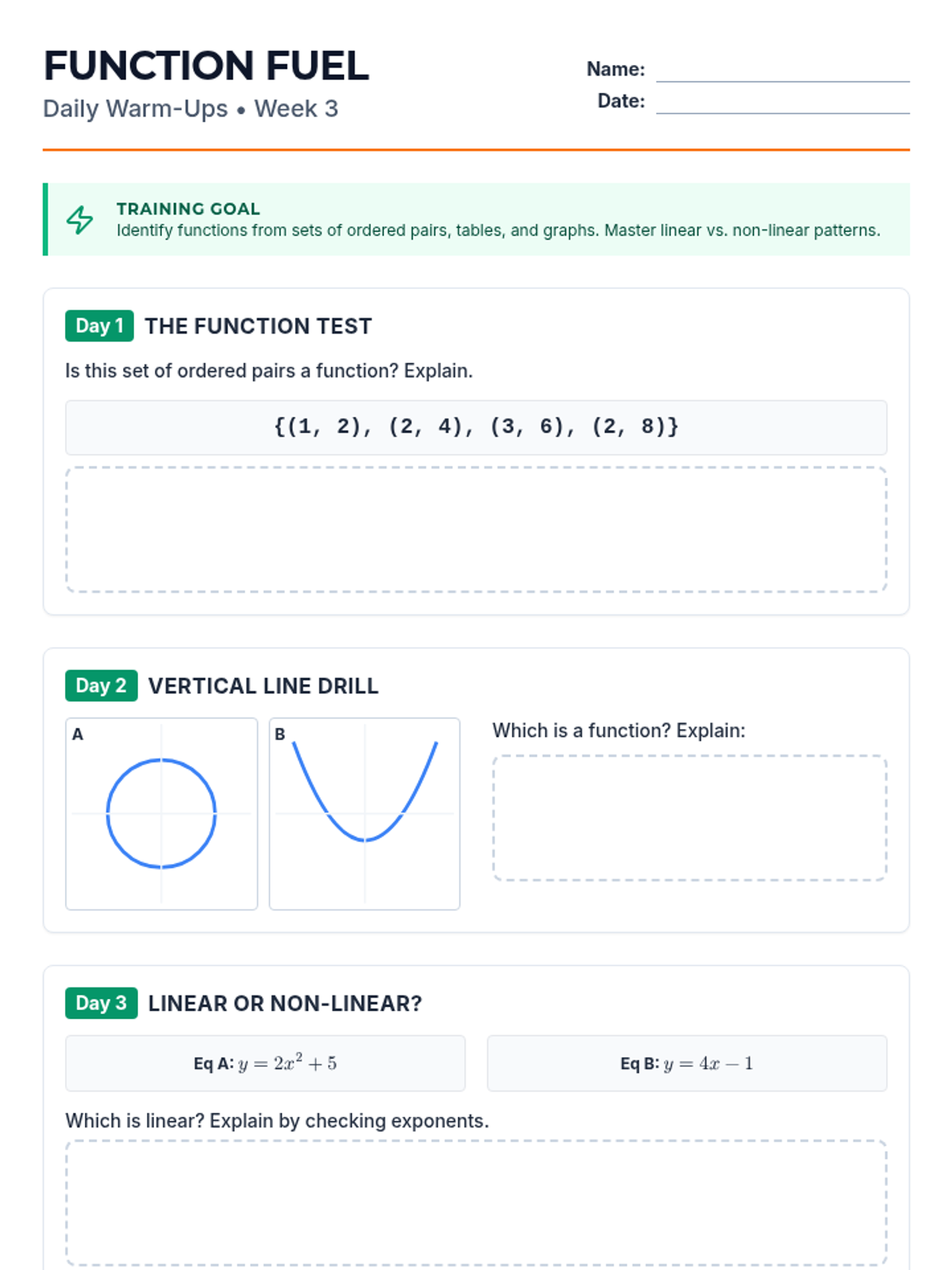
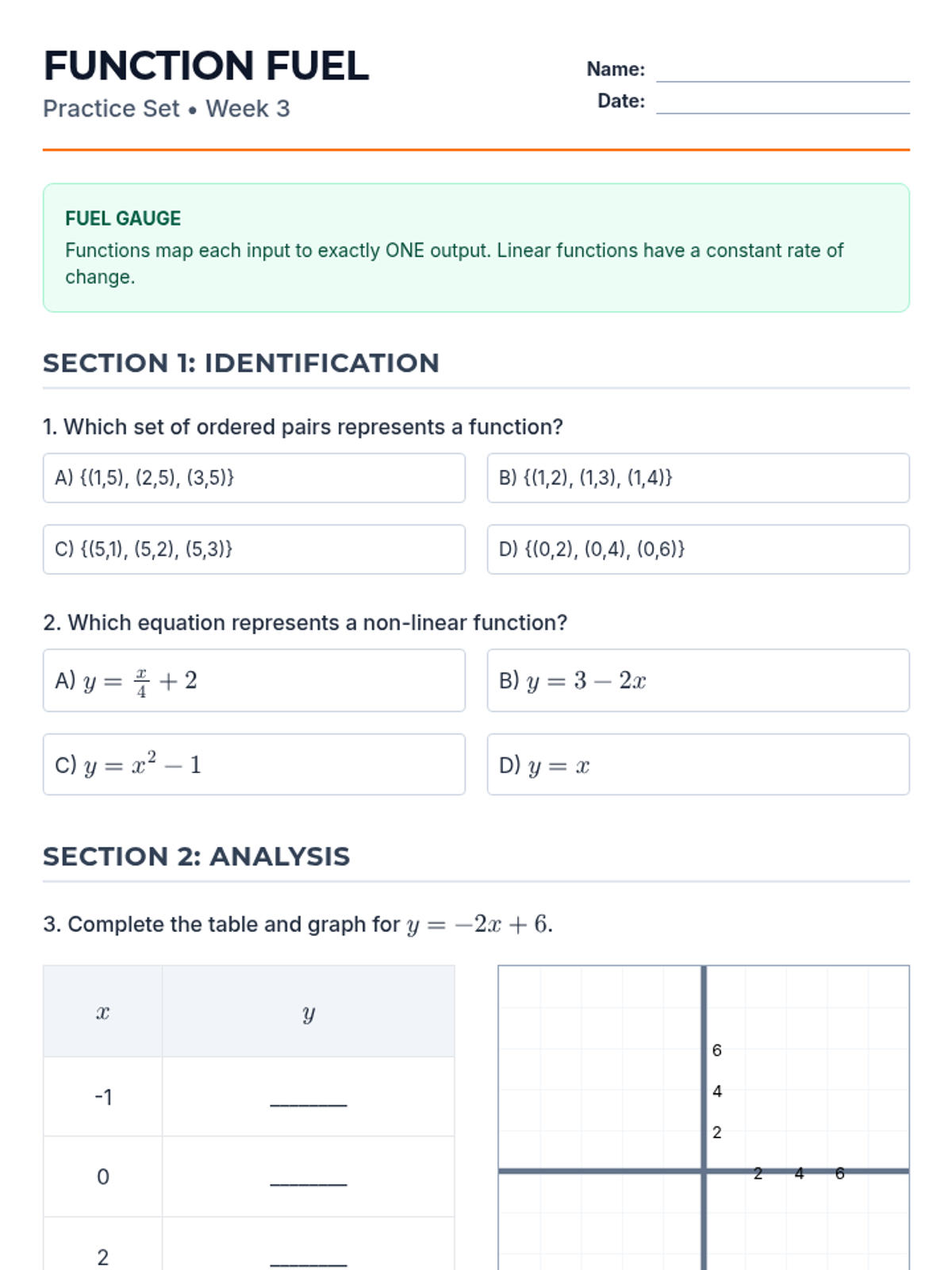
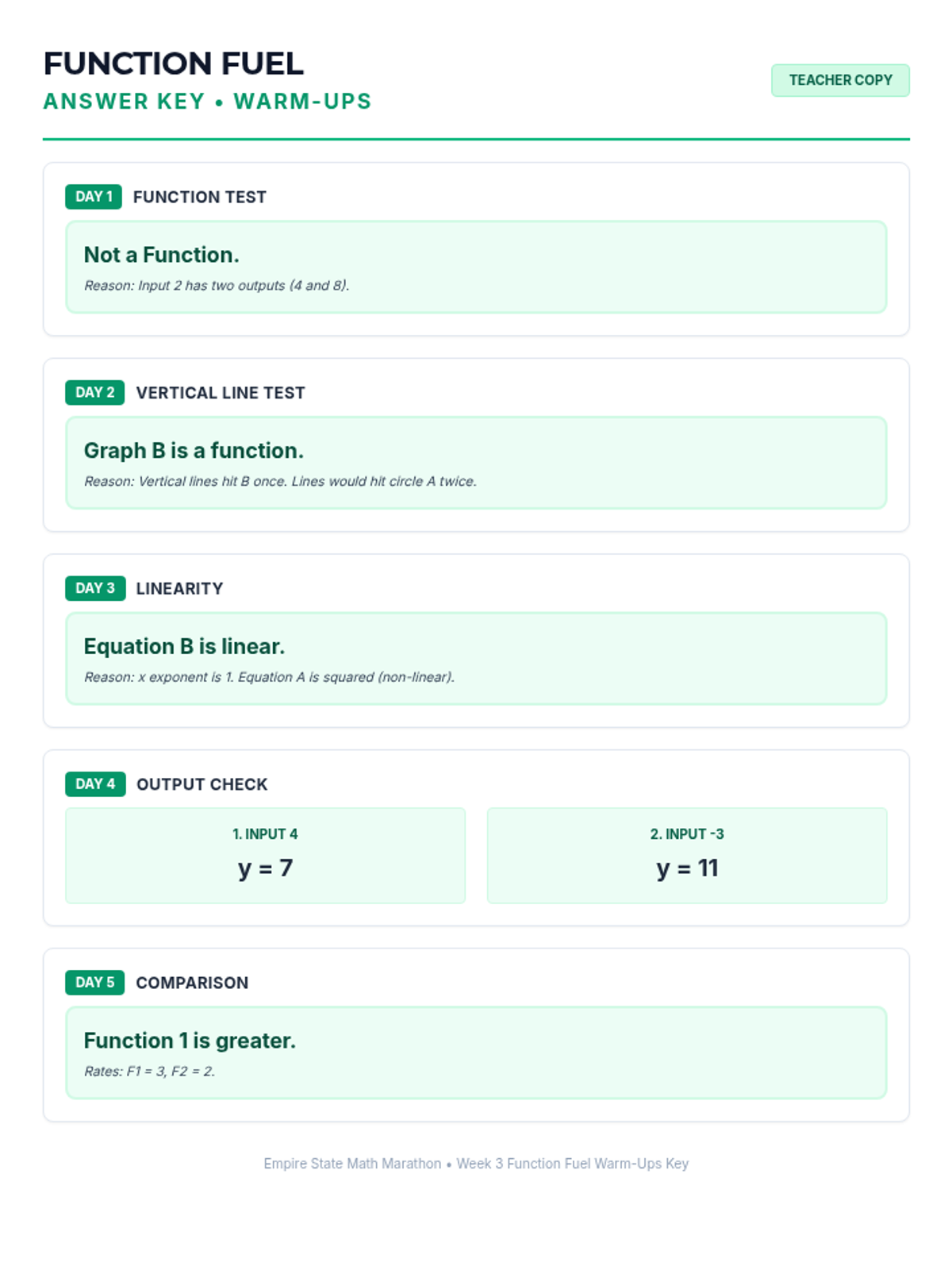
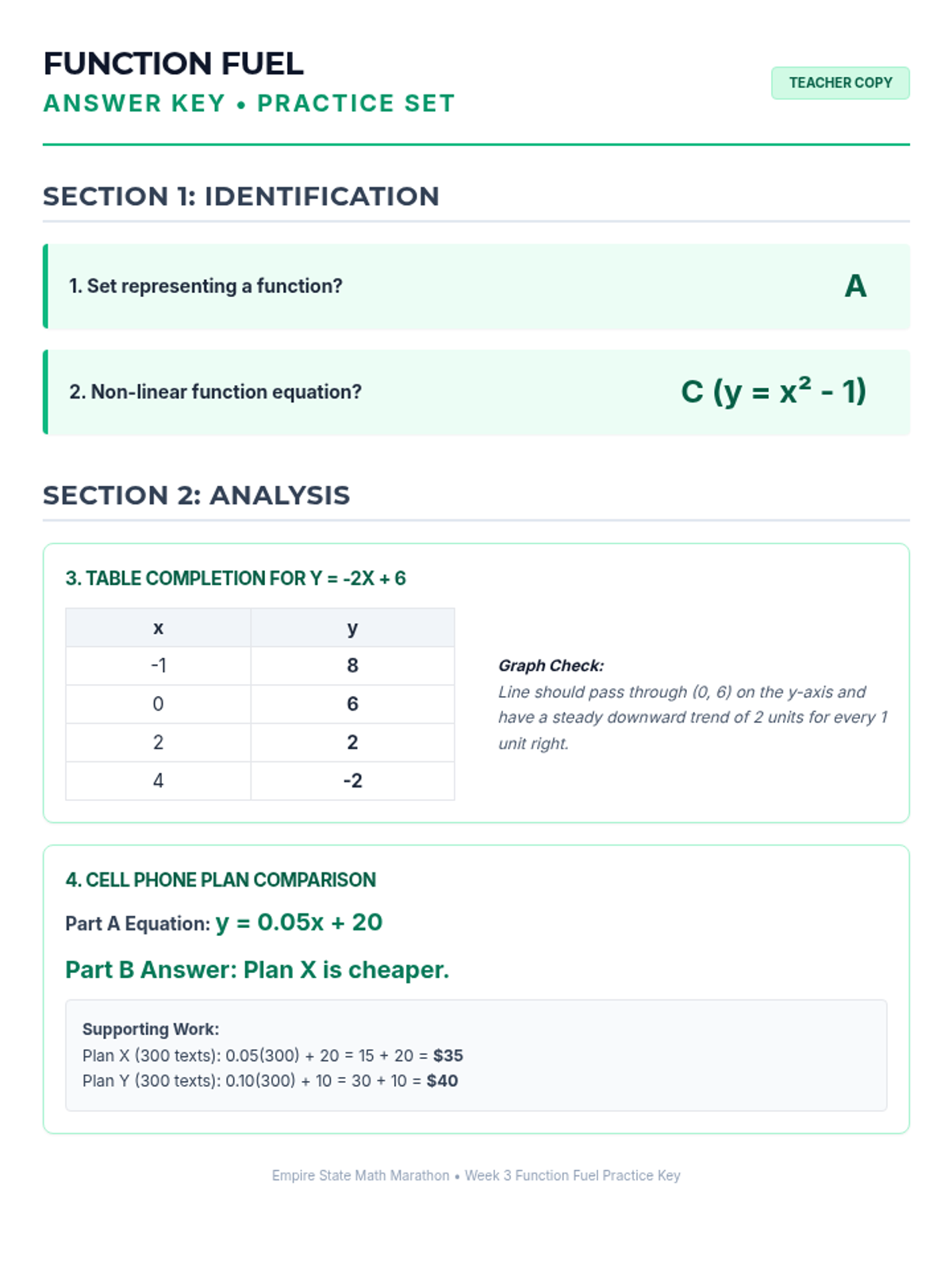
Week 3 defines, evaluates, and compares functions represented in different ways (tables, graphs, equations).
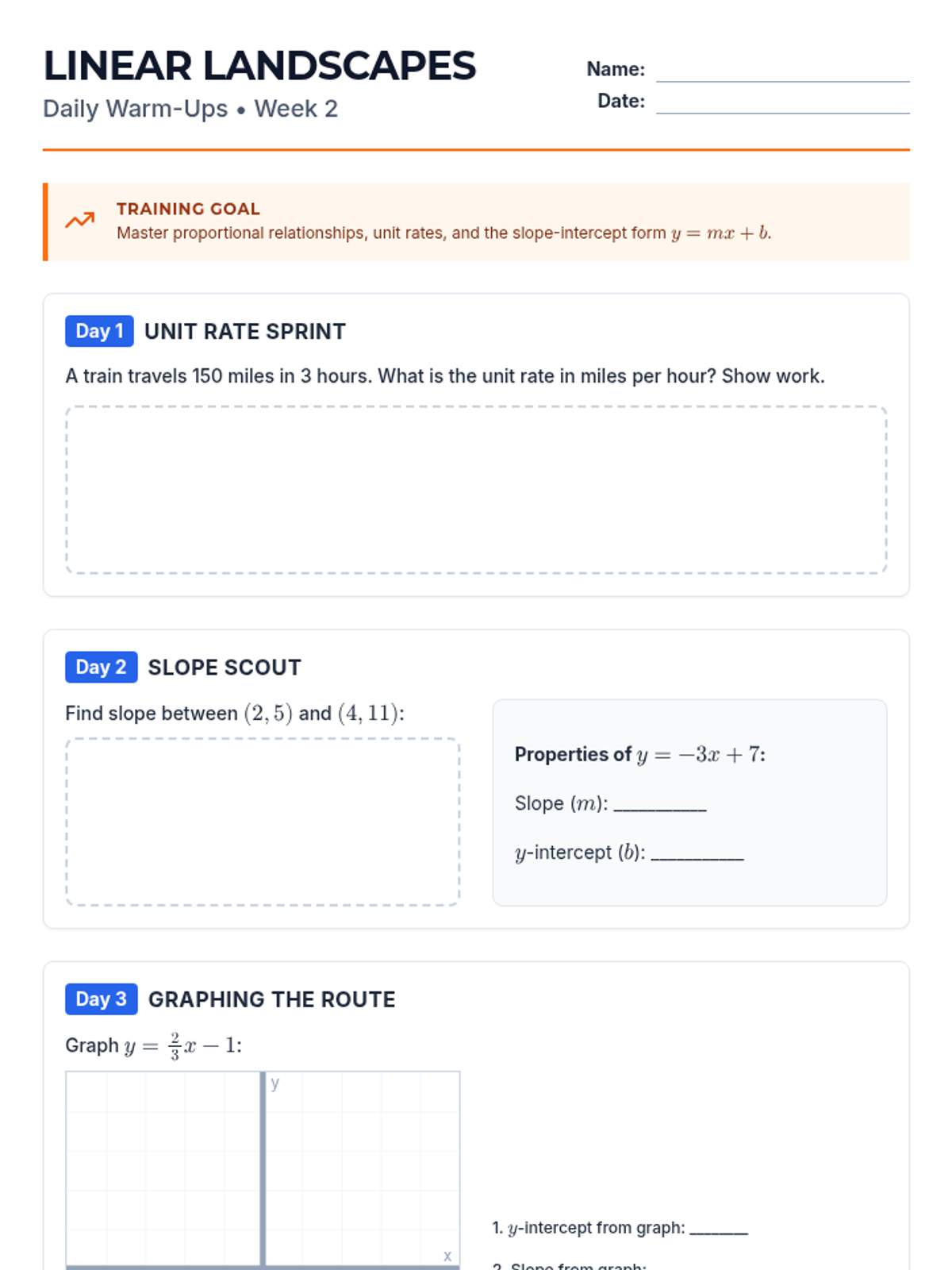
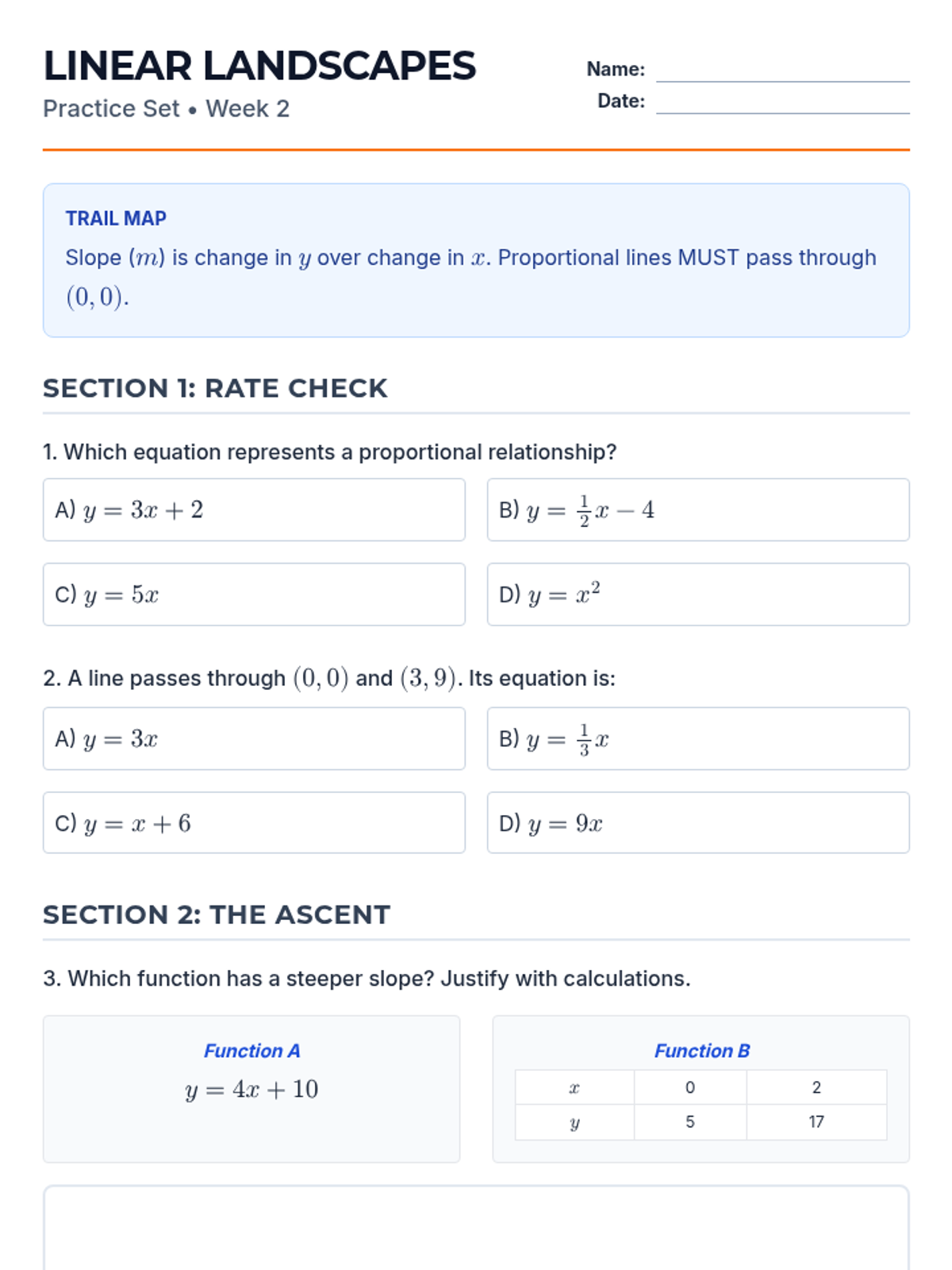
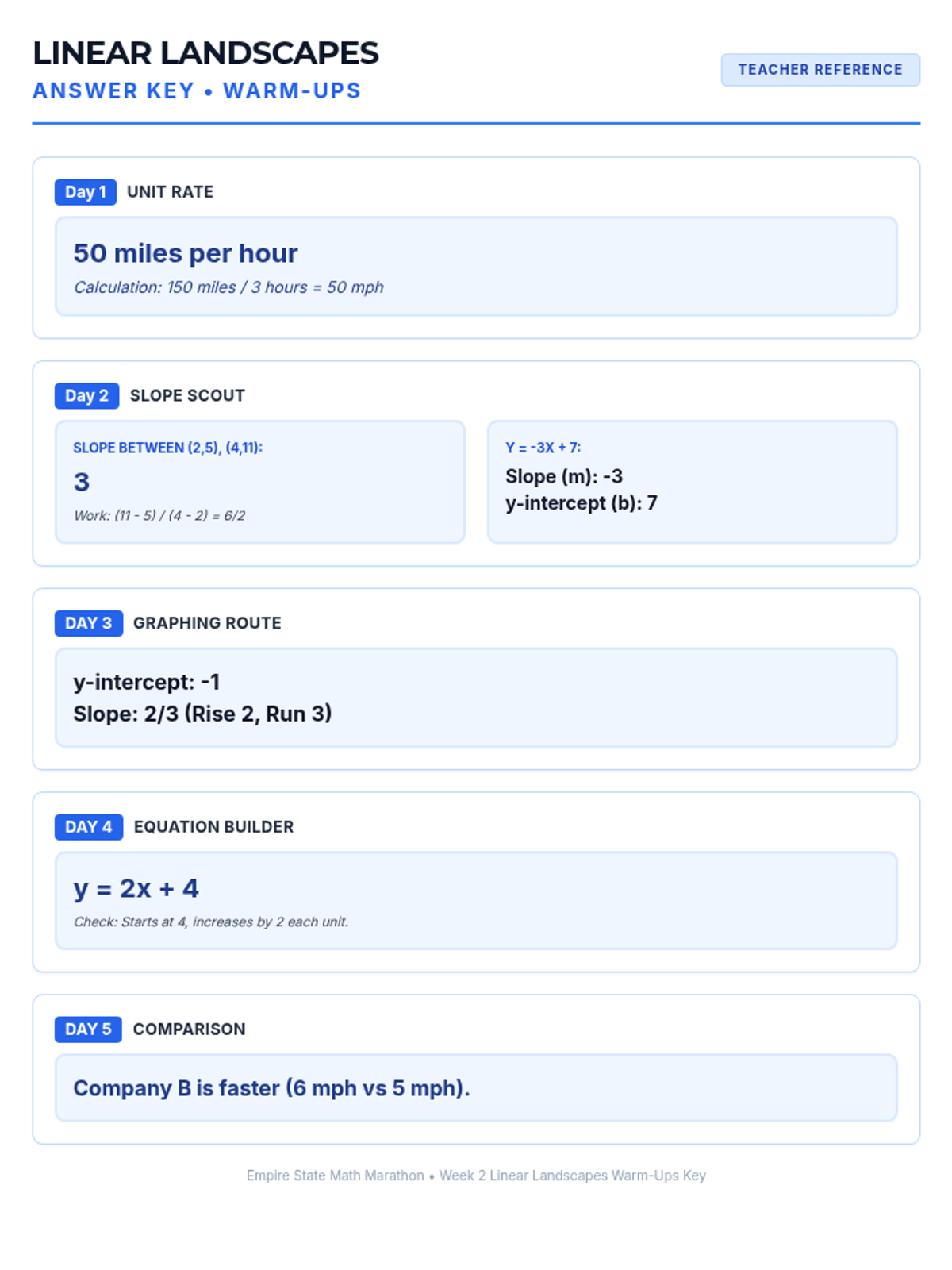
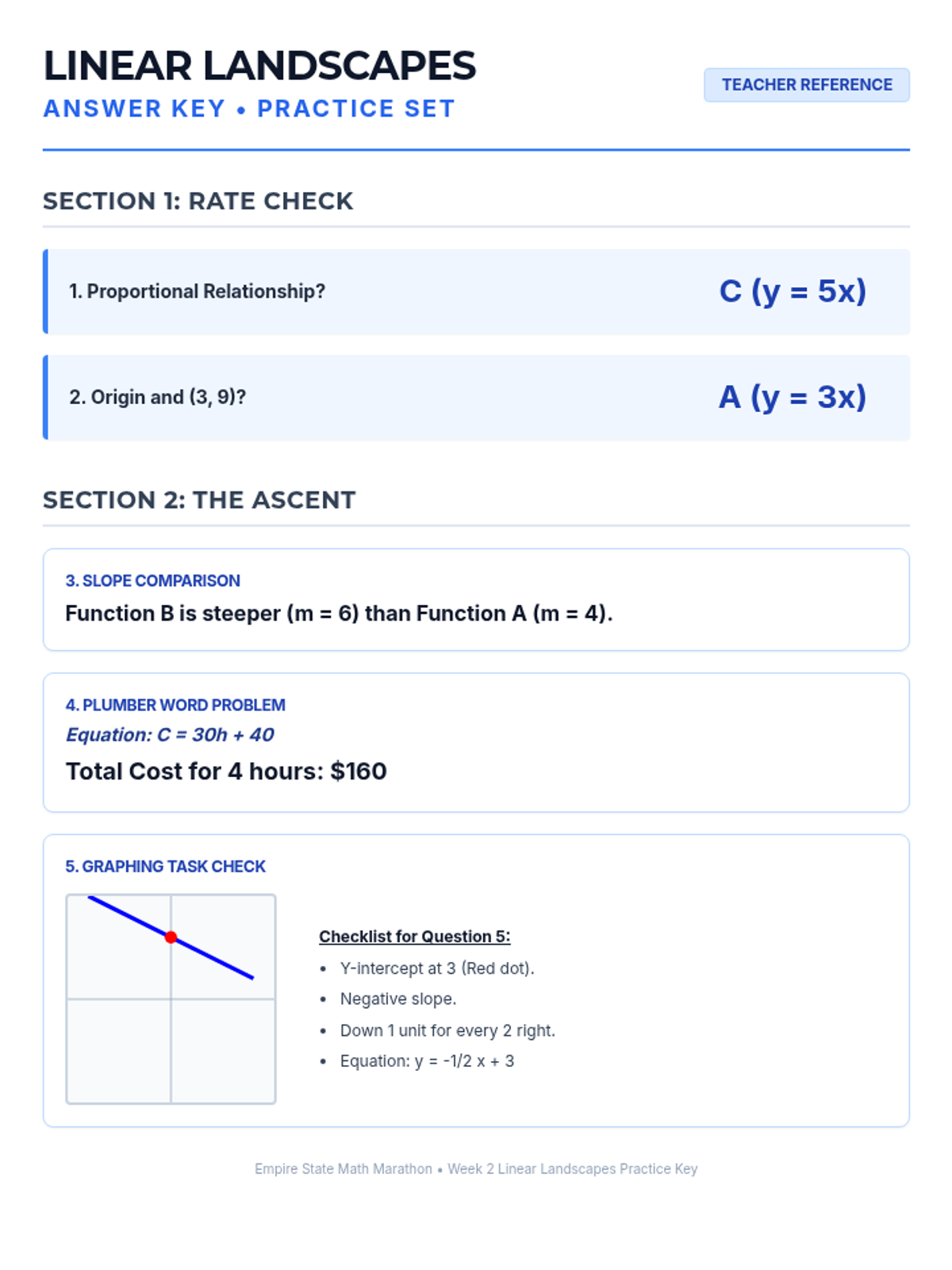
Week 2 covers proportional relationships, unit rates, and the slope-intercept form of linear equations.
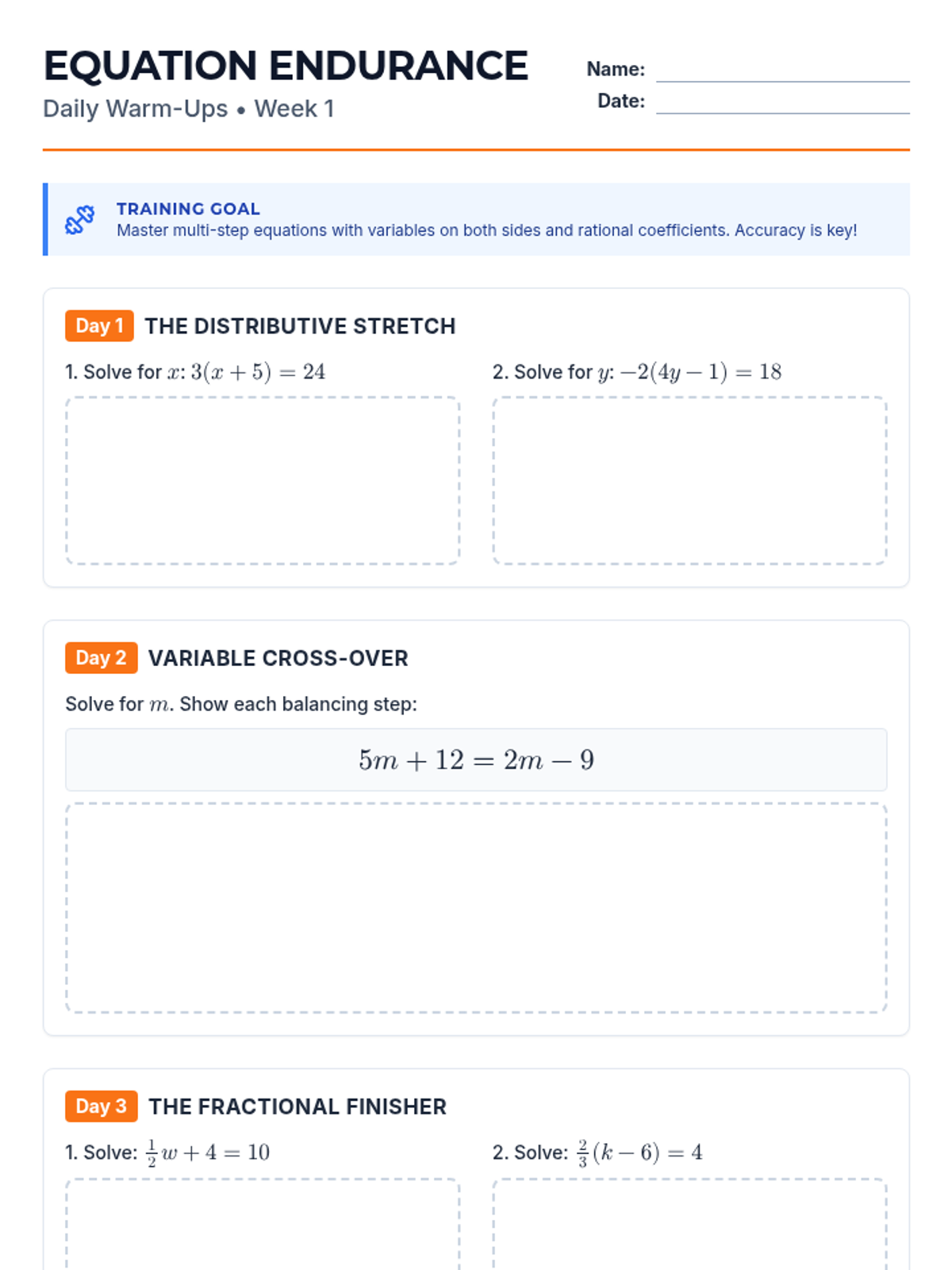
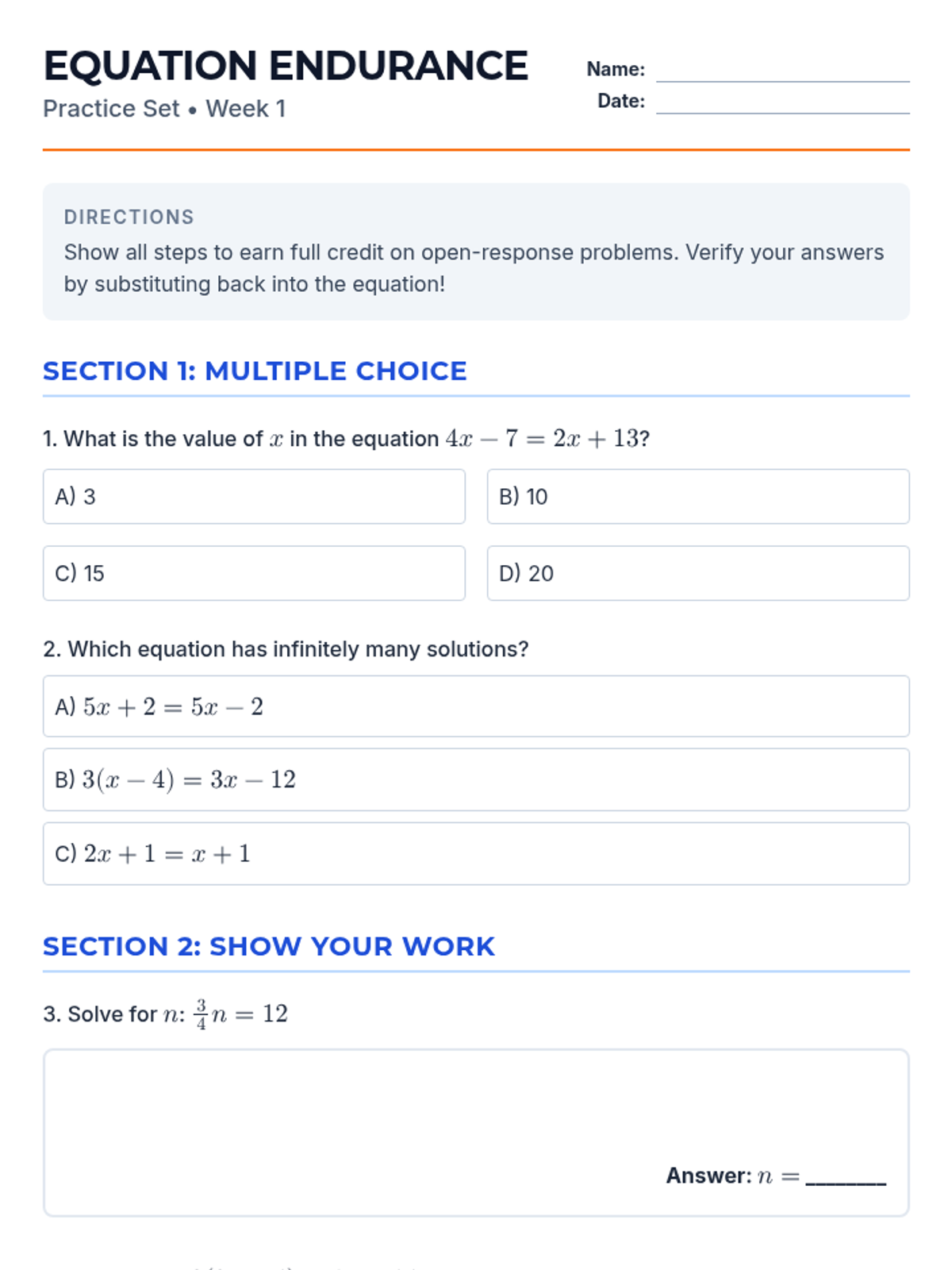
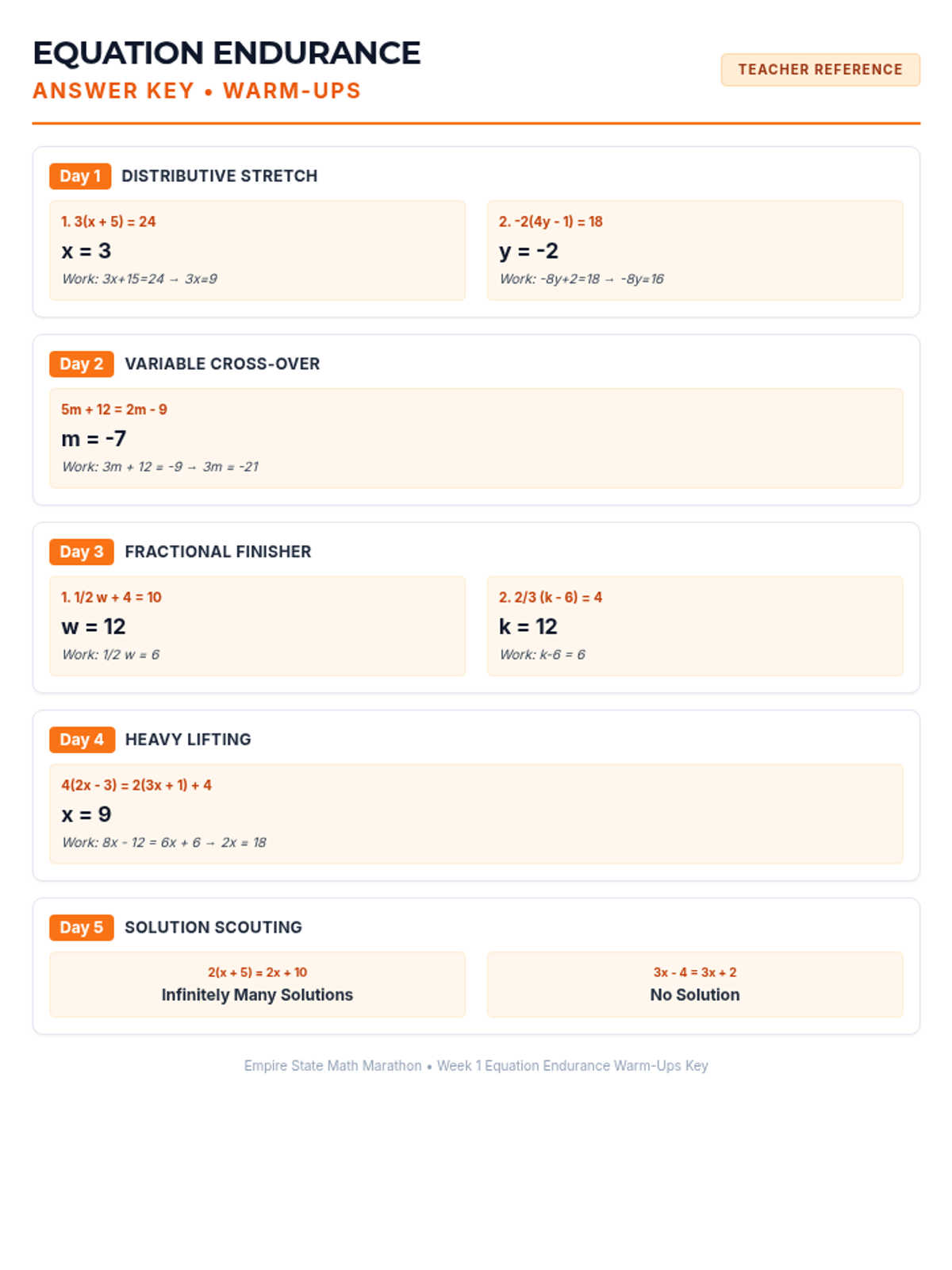
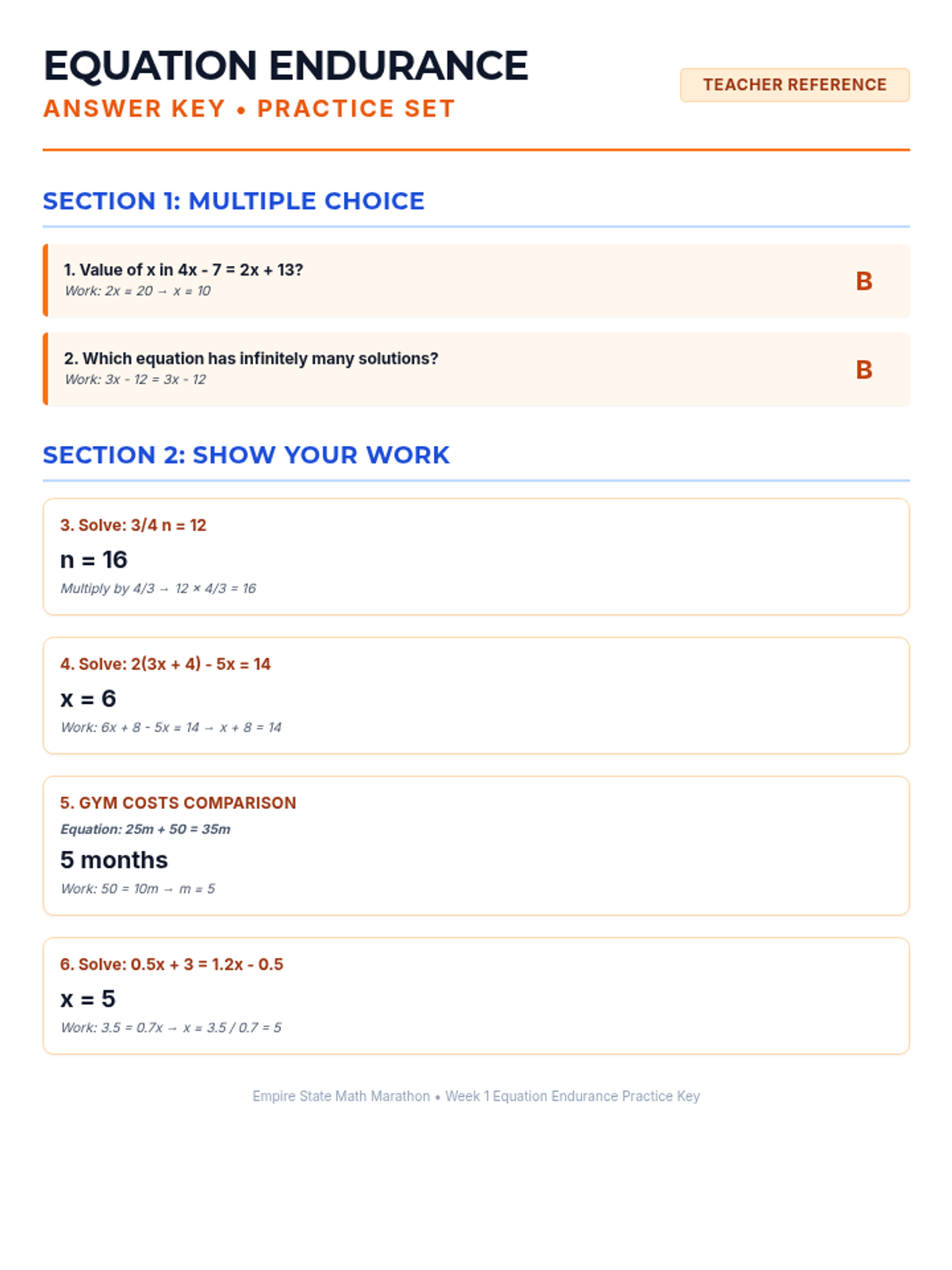
Week 1 focuses on solving multi-step equations, including those with variables on both sides, rational coefficients, and checking solutions.
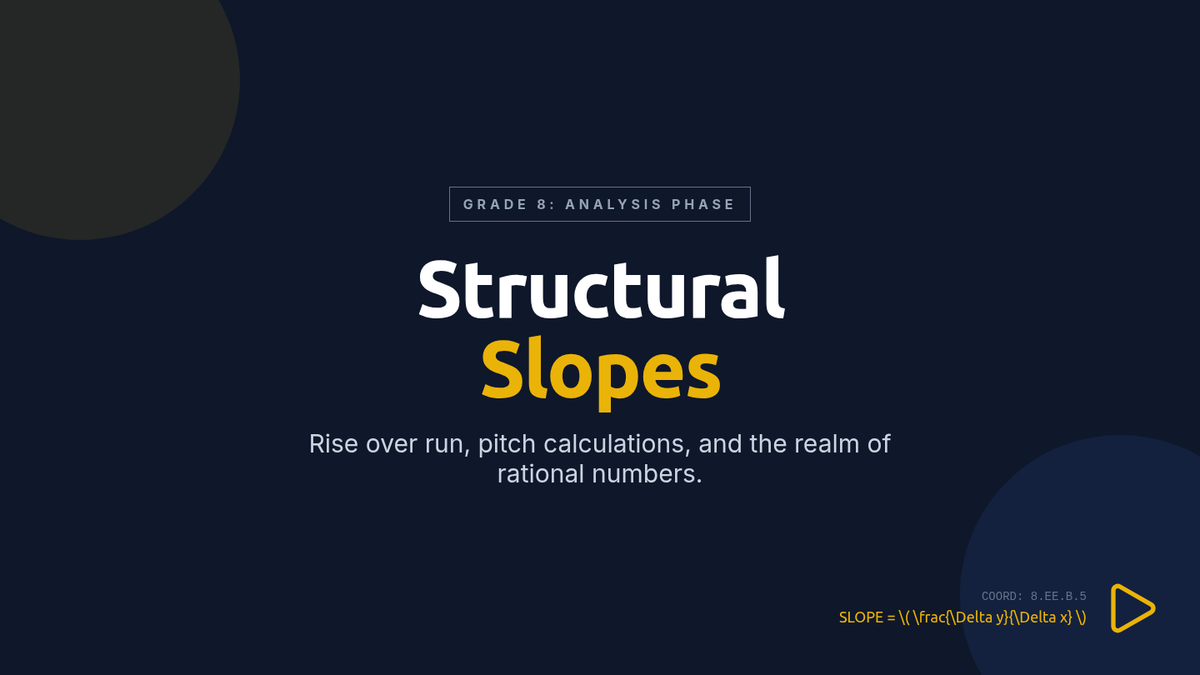
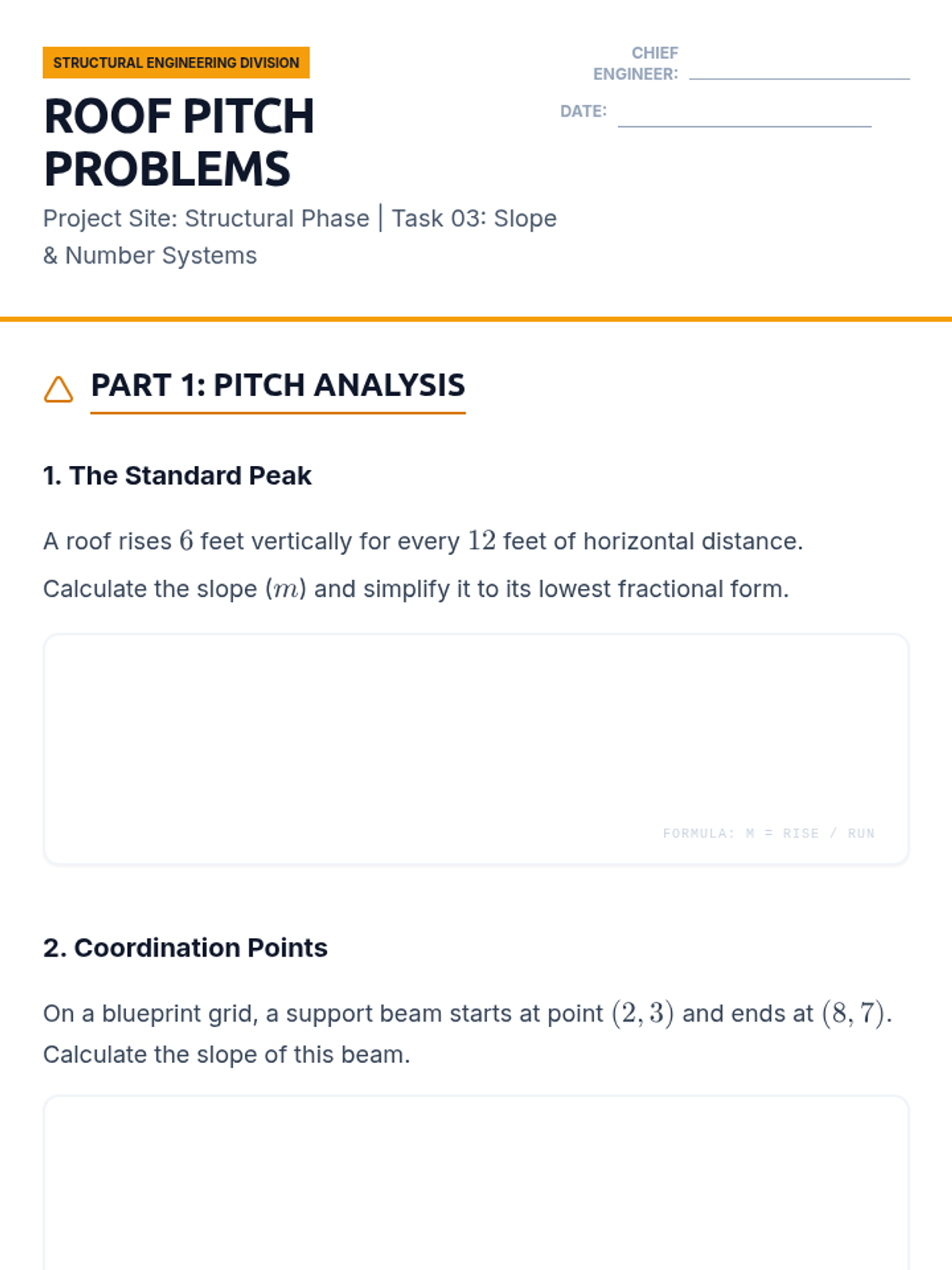
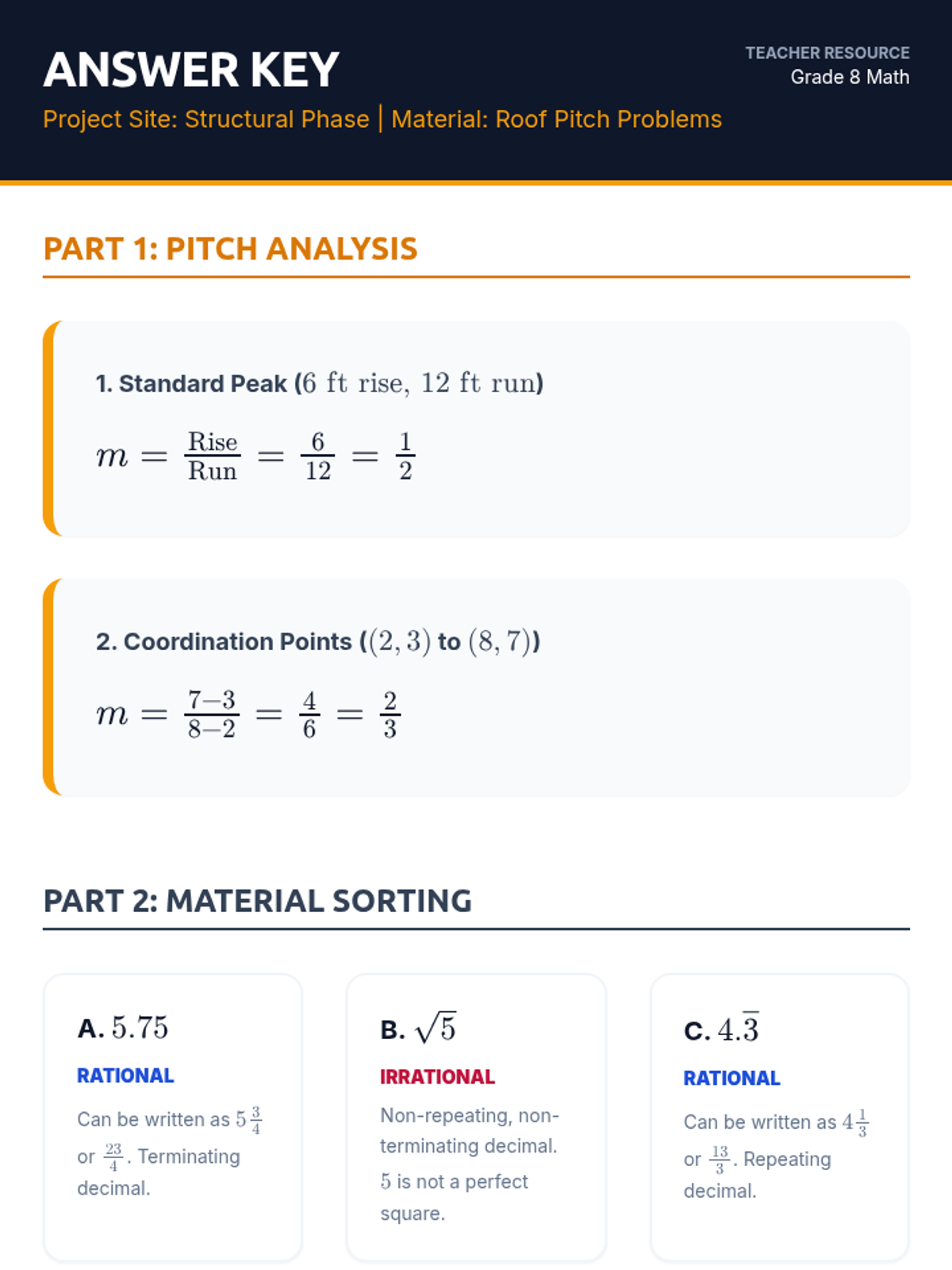
Explores 8th-grade concepts like slope as a fraction (rise over run) and identifying rational vs. irrational numbers in structural engineering.
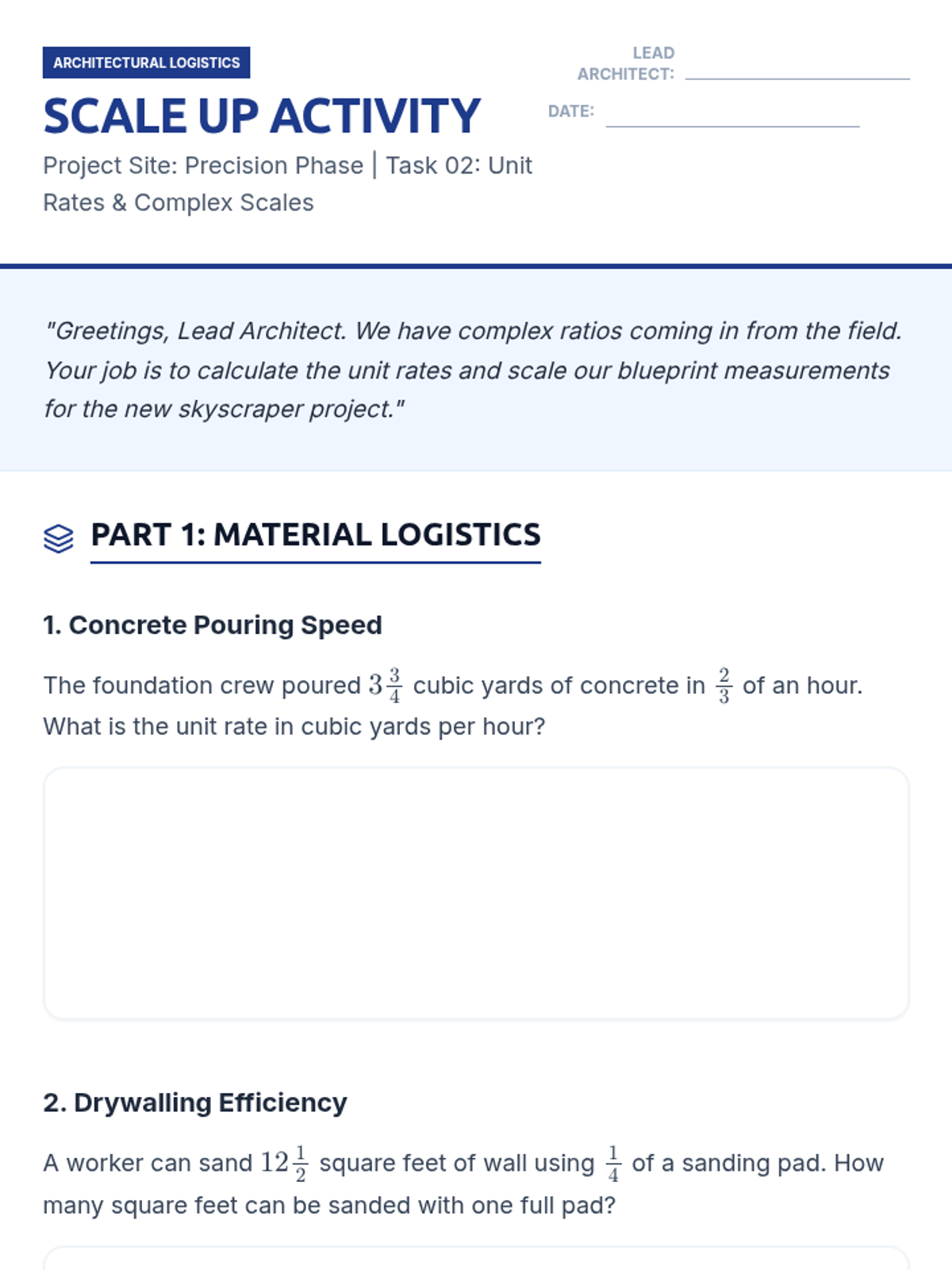
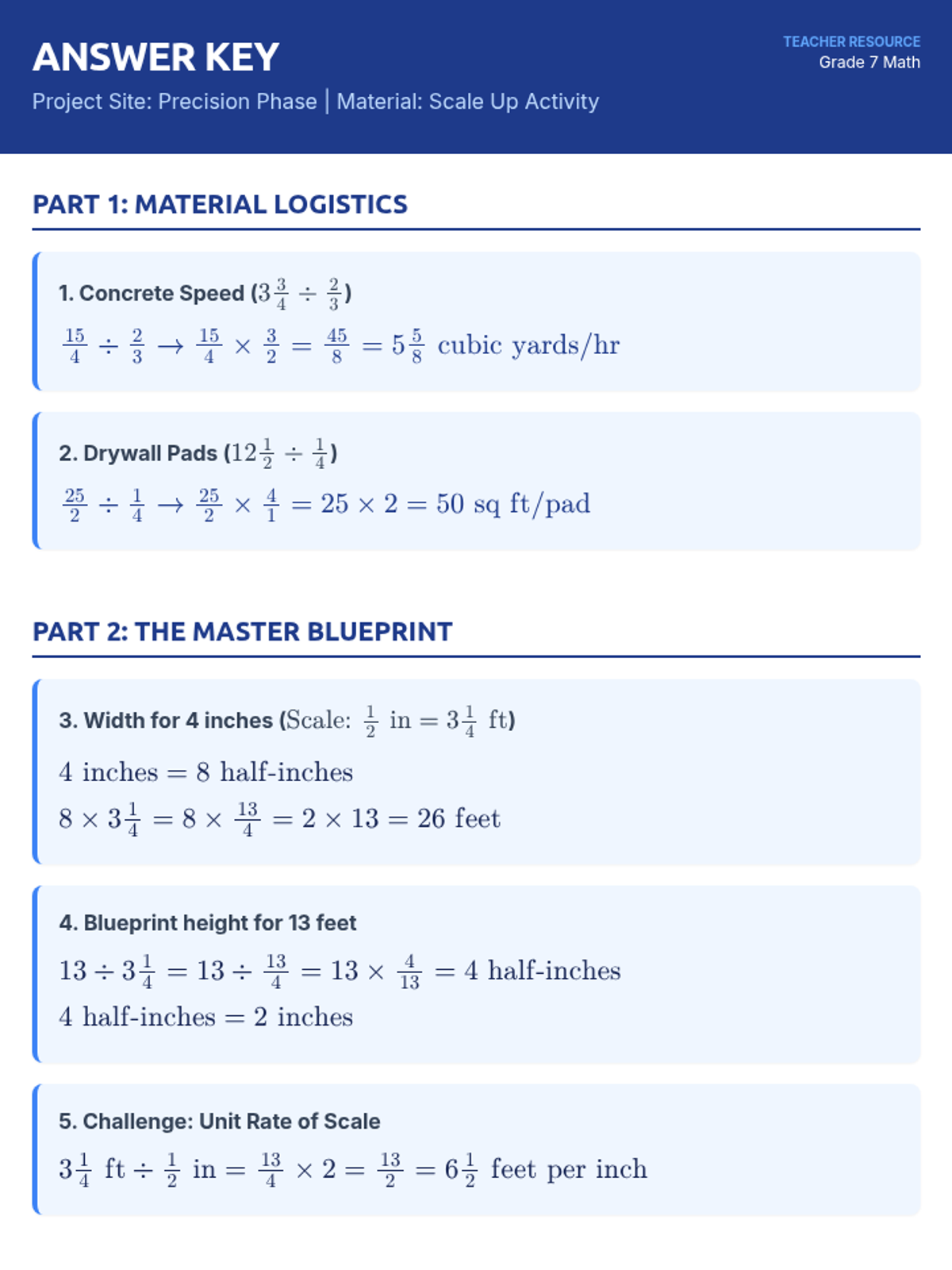
Covers 7th-grade topics including complex fractions, unit rates, and scaling designs for construction projects.
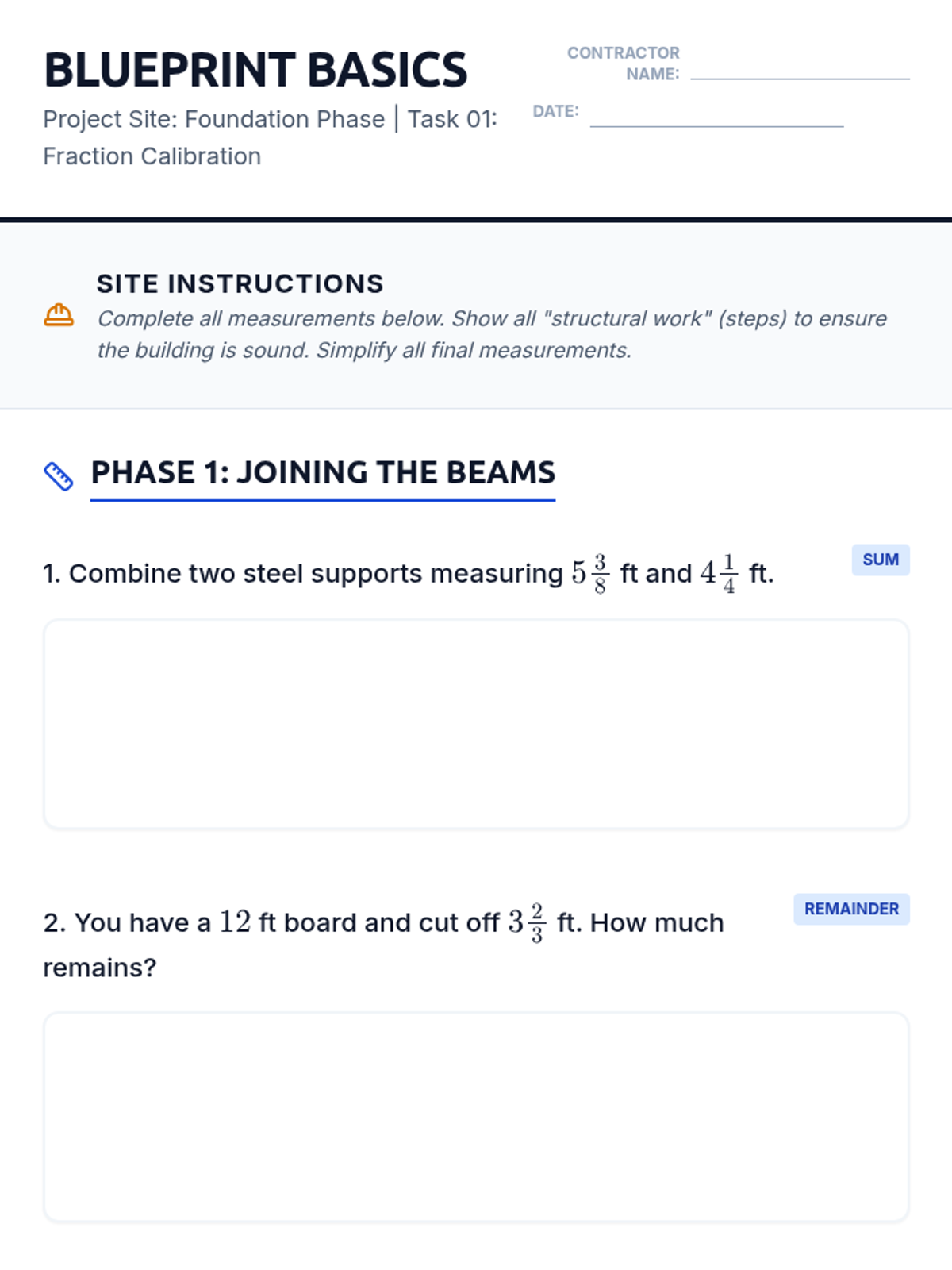
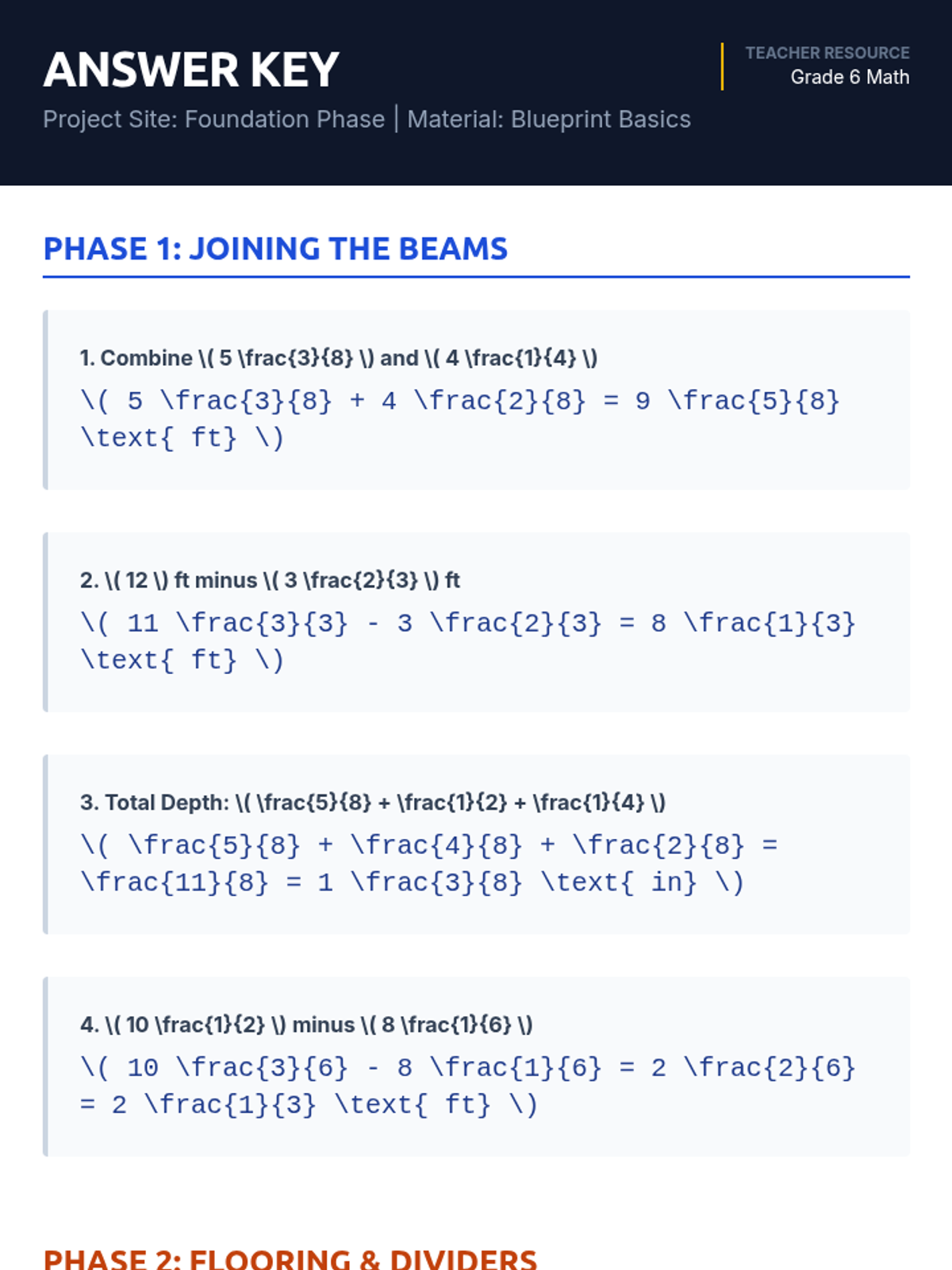
Focuses on 6th-grade fraction operations (addition, subtraction, multiplication, division) through the lens of foundational construction measurements.
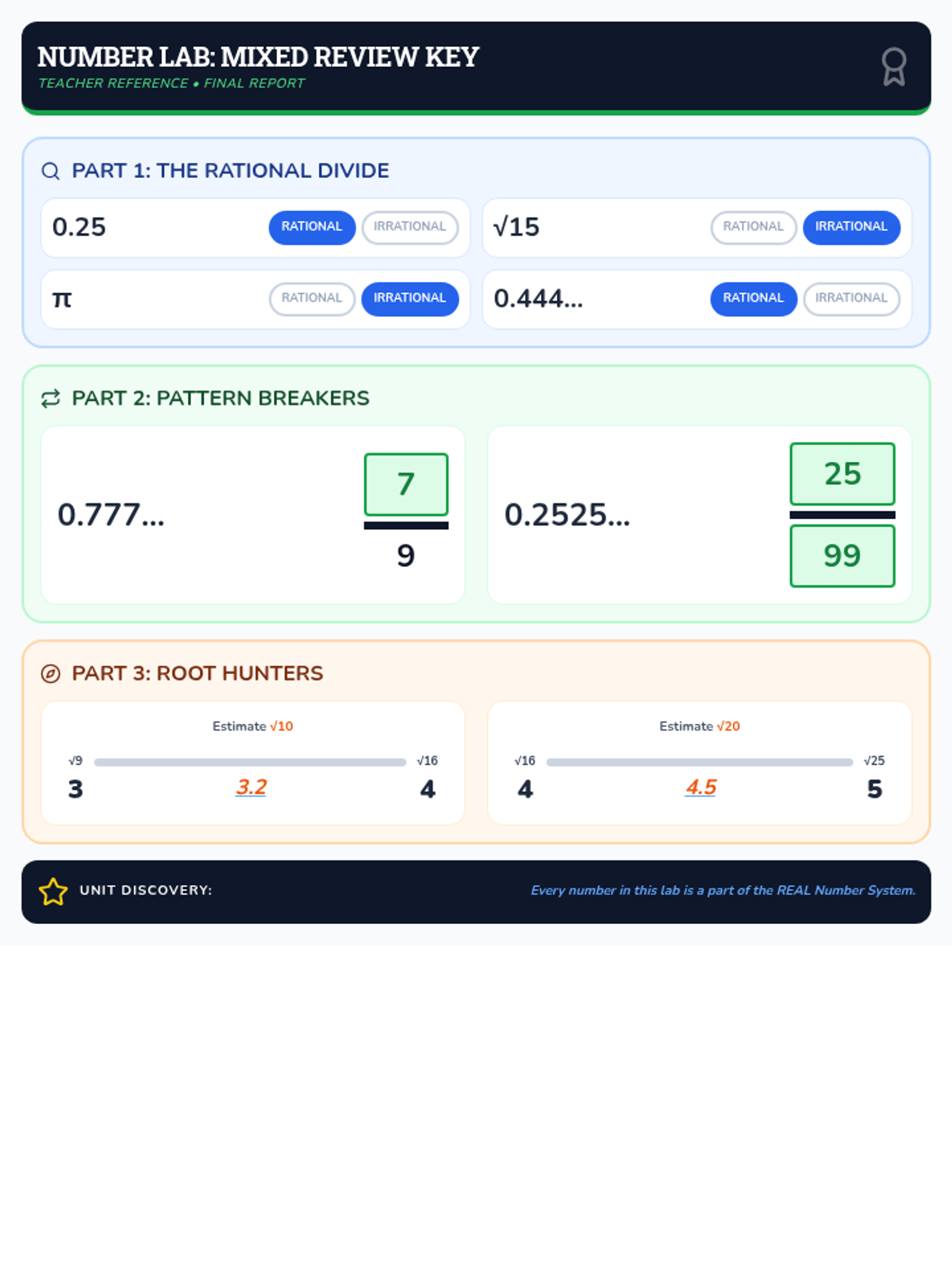
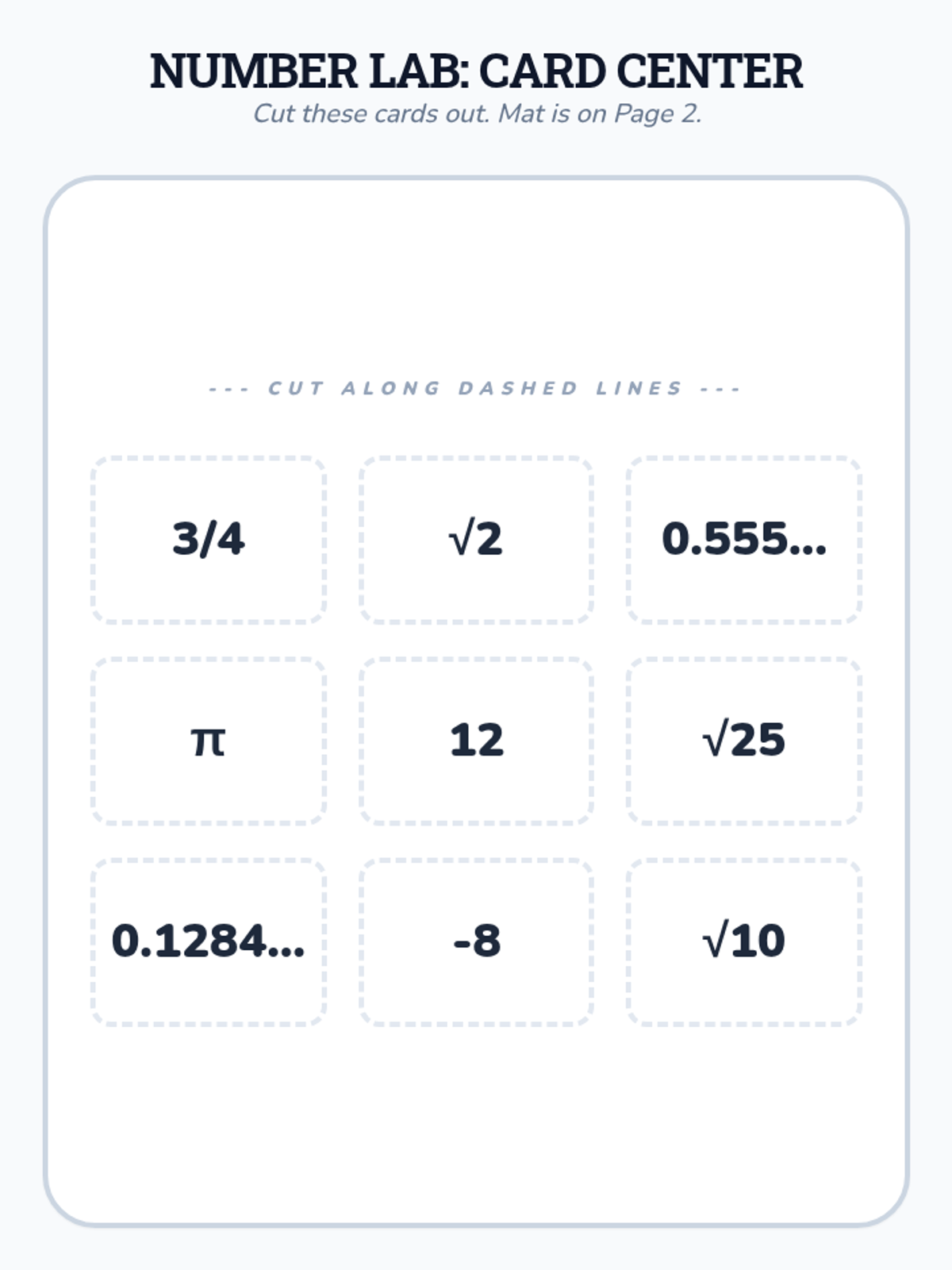
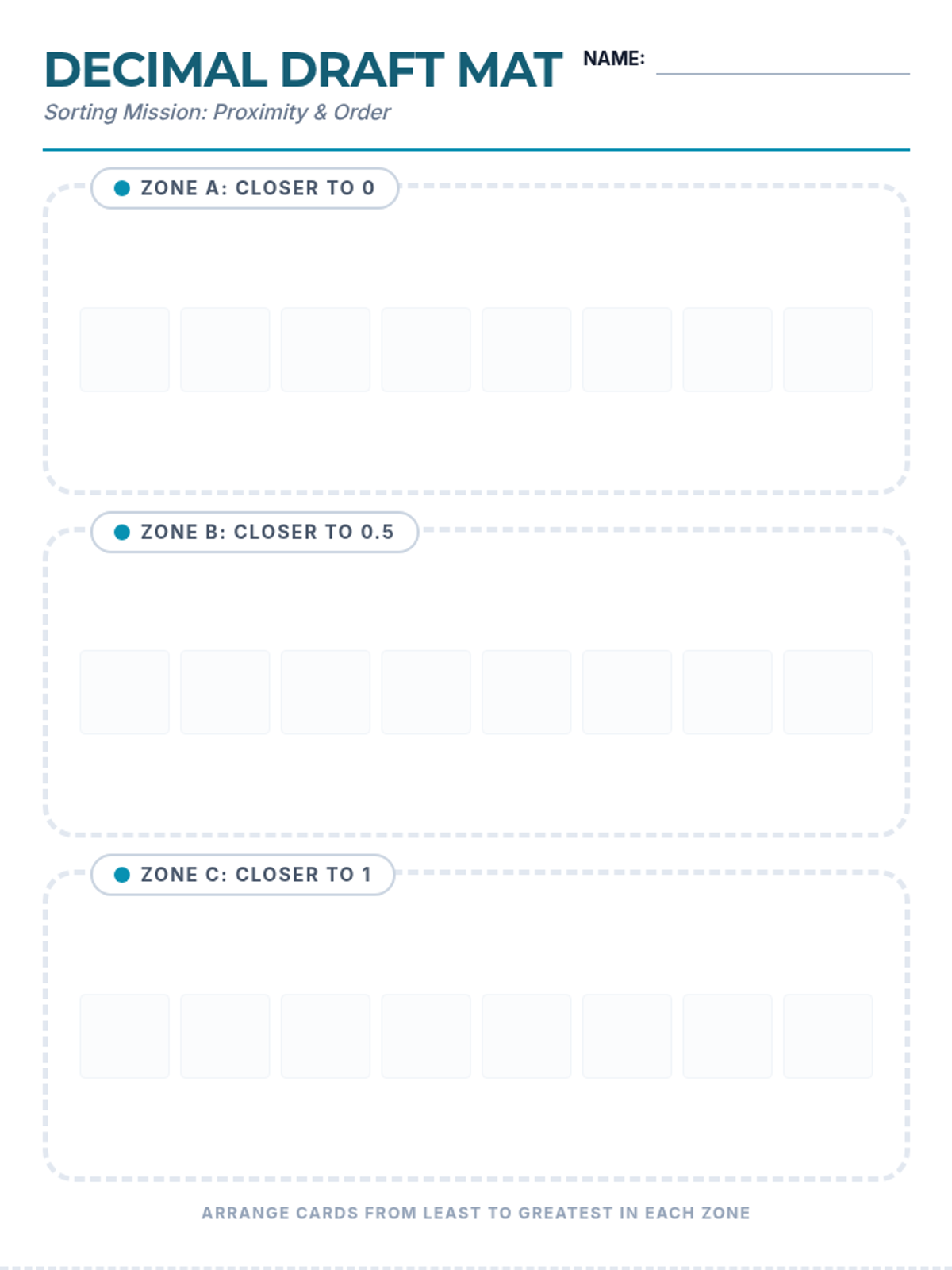
A culminating day for identifying, comparing, and sorting all real numbers through hands-on sorting cards and a final lab check-in.
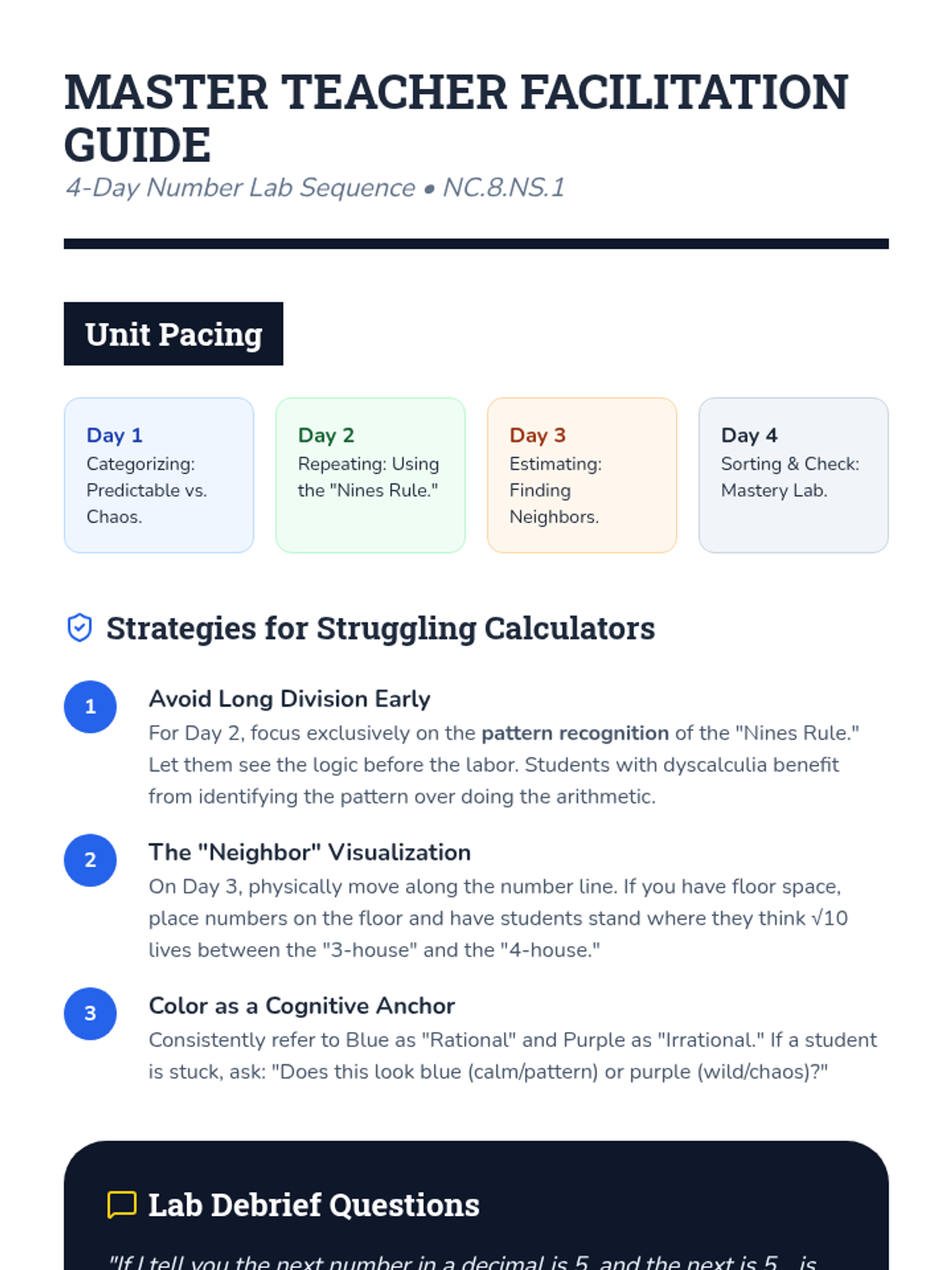
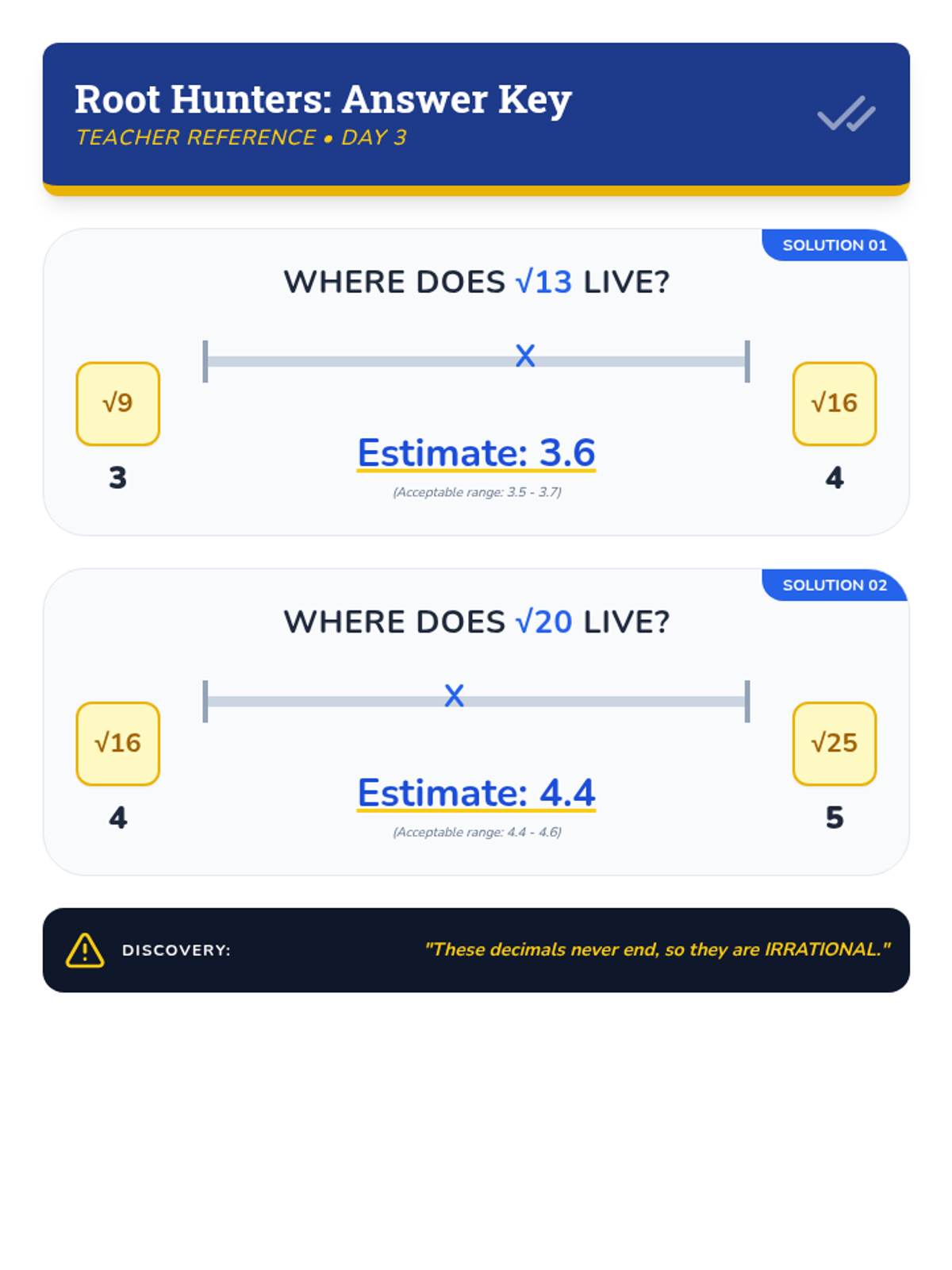
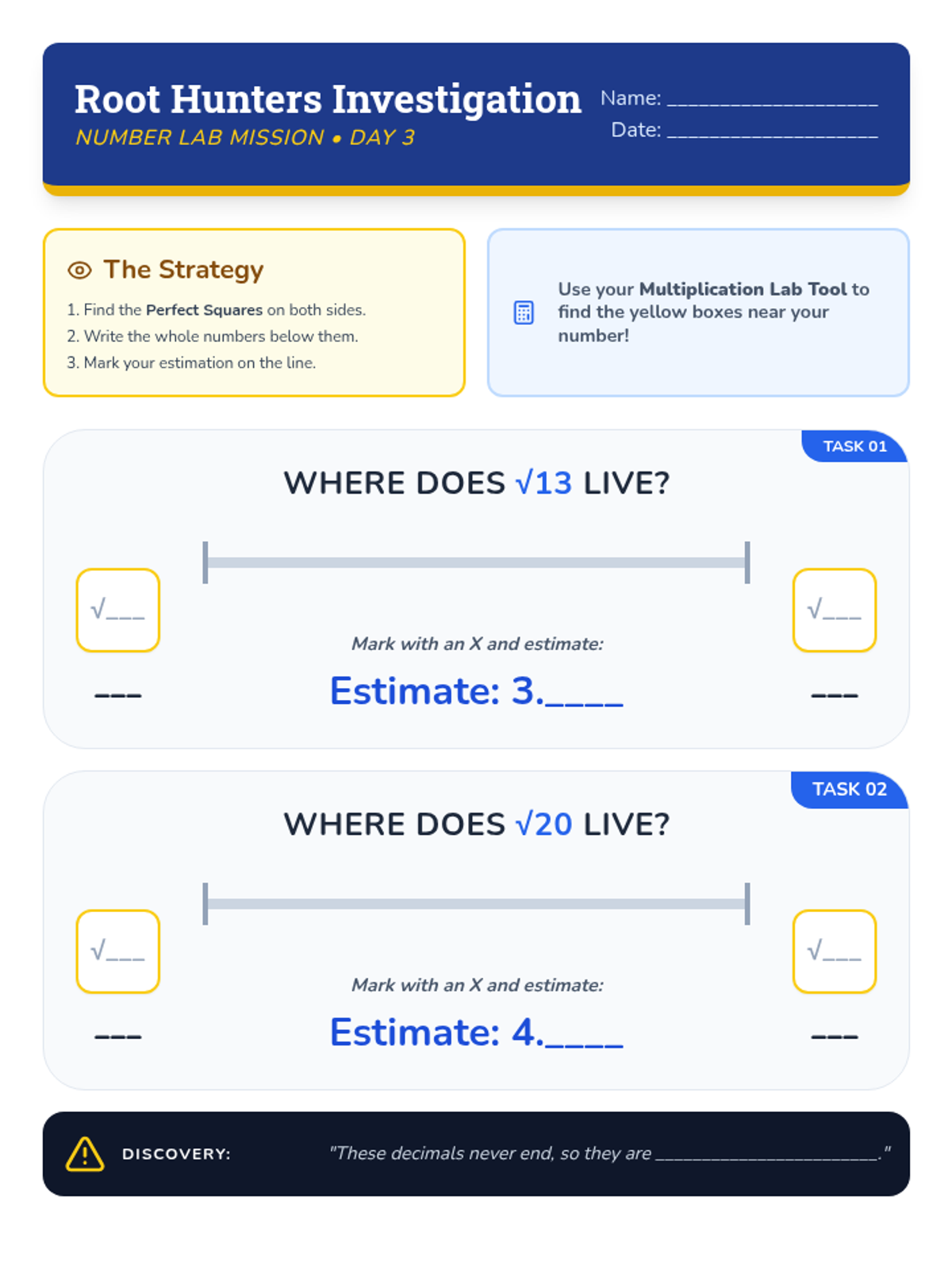
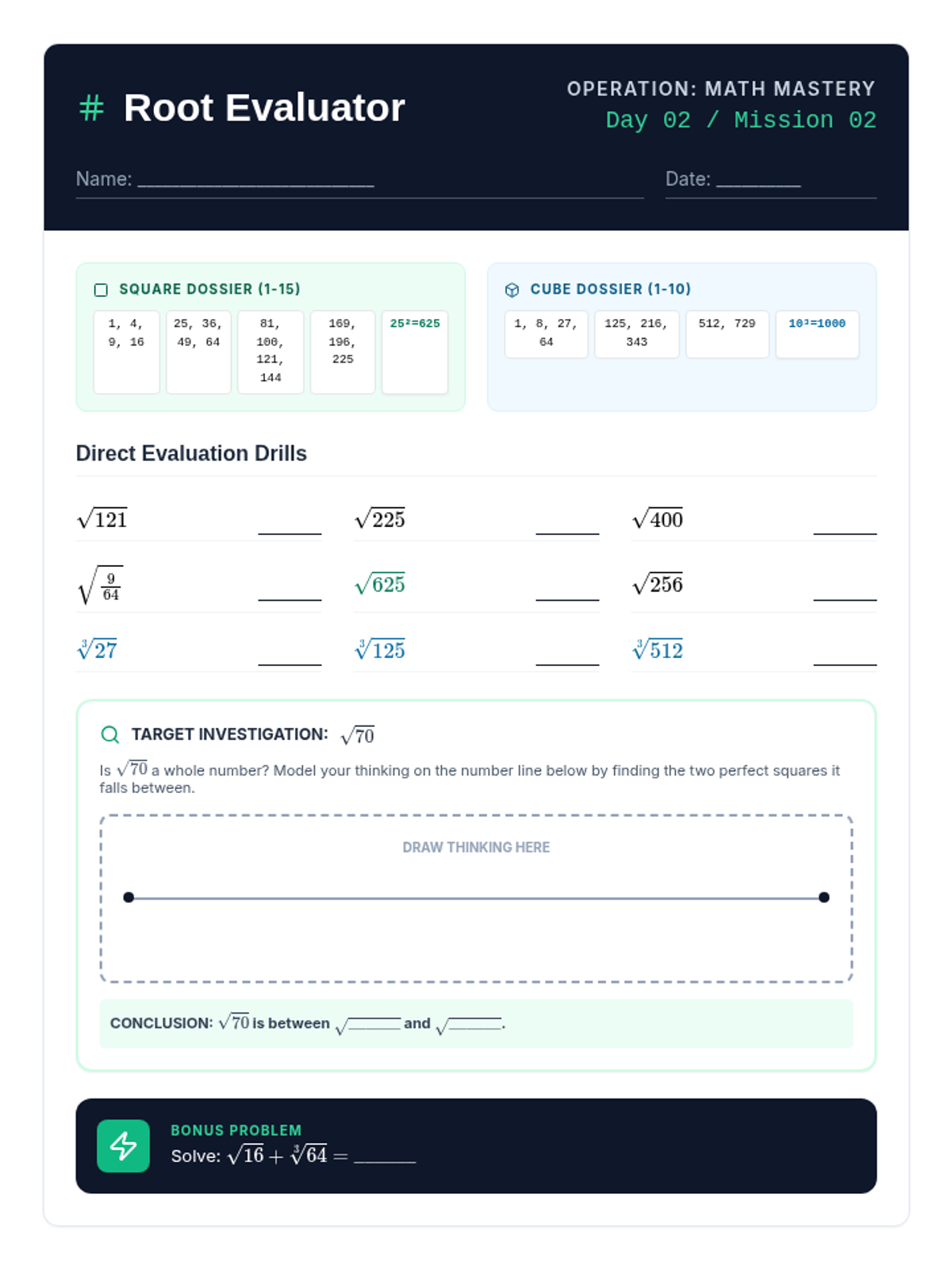
Students will estimate square roots of non-perfect squares by finding their 'Perfect Square Neighbors' on a number line.
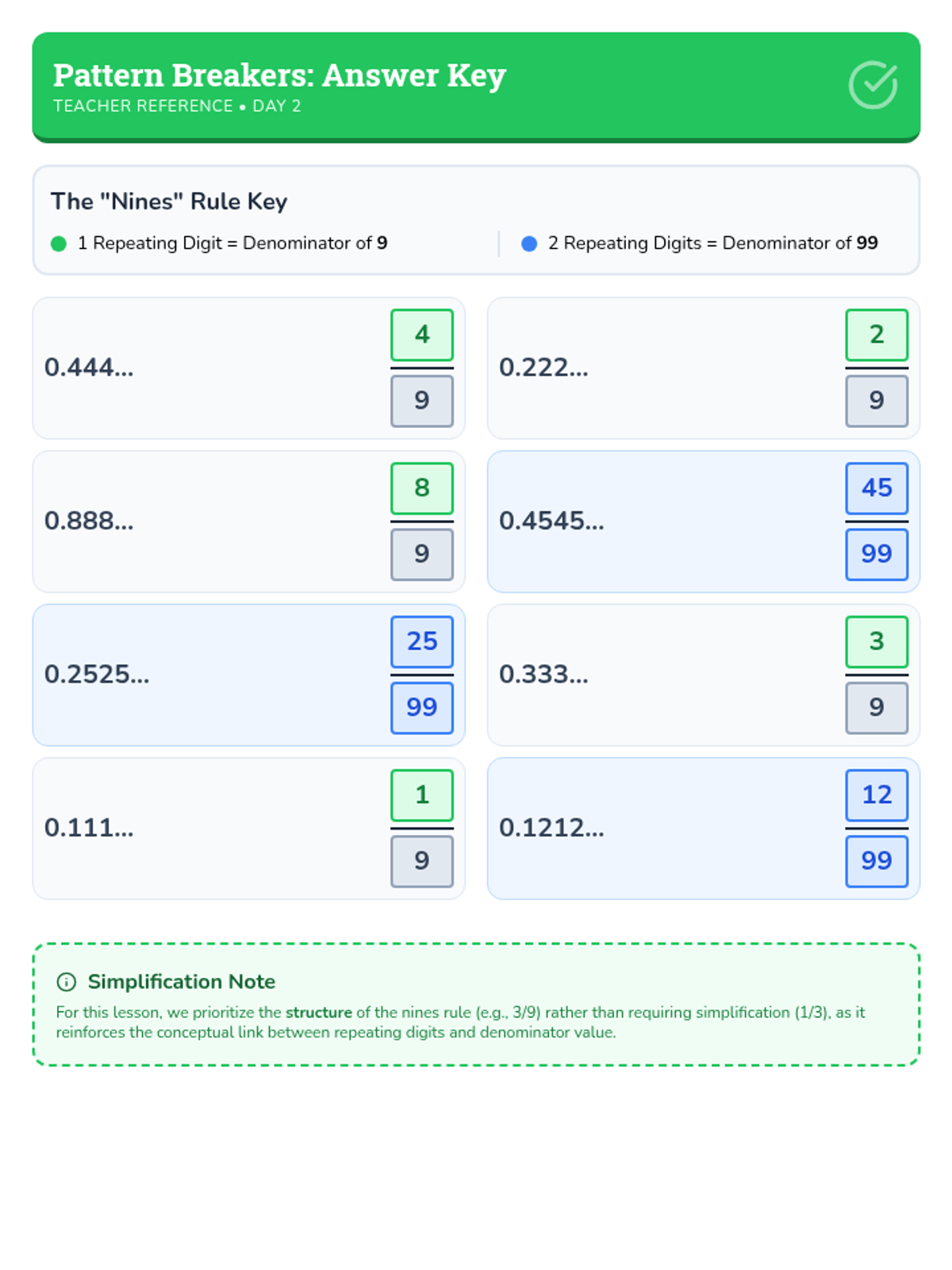
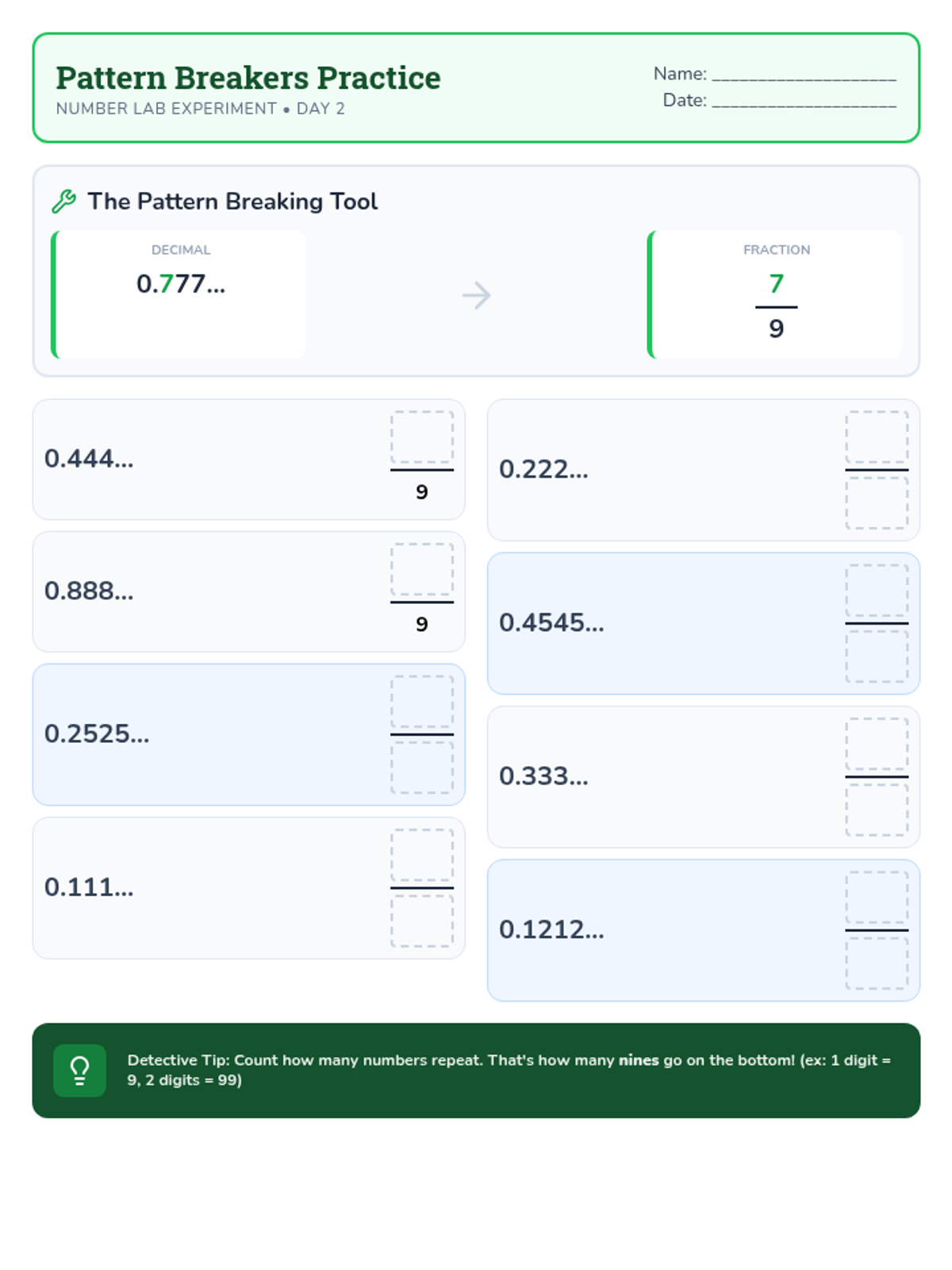
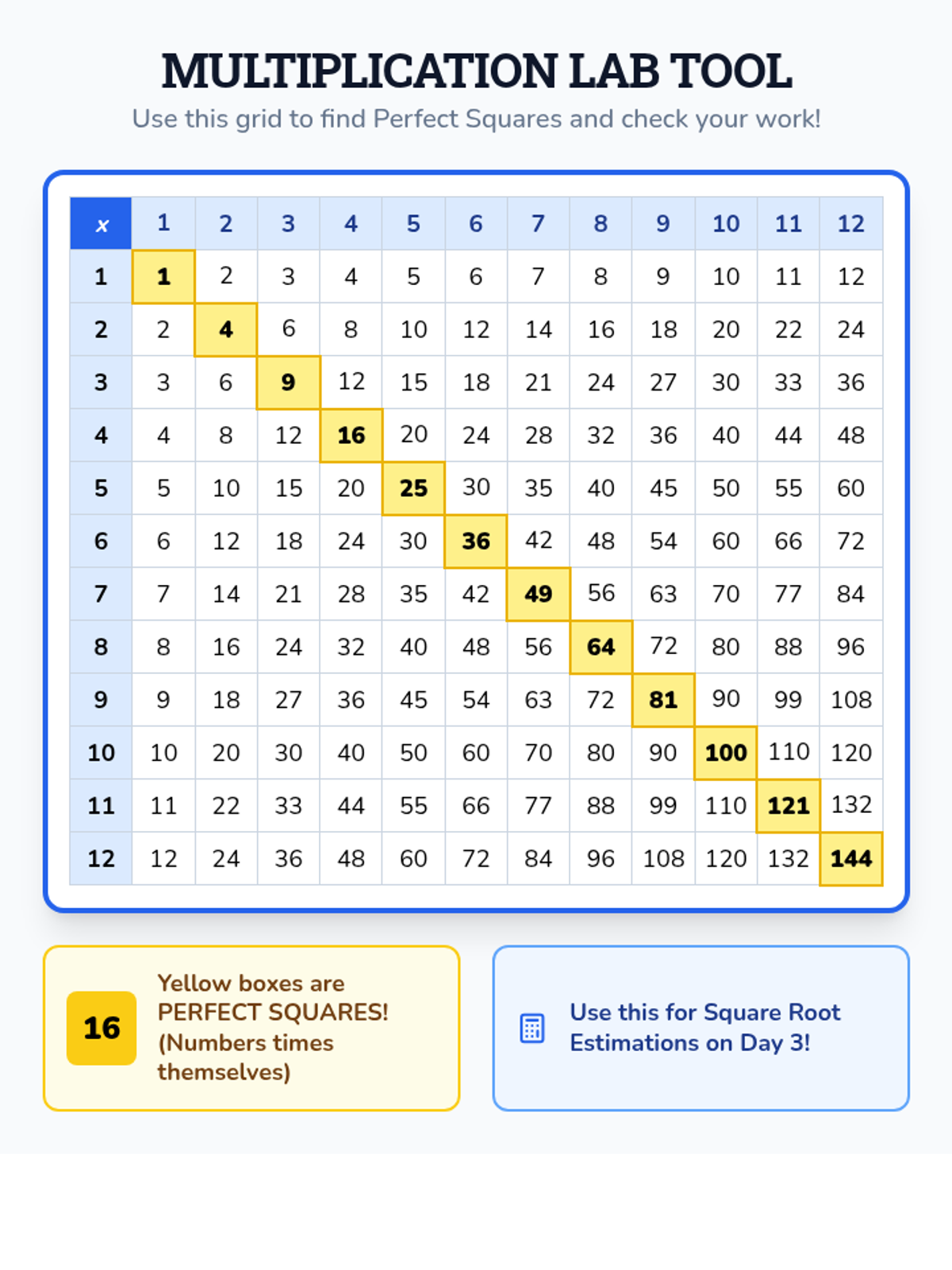
Focuses on identifying repeating patterns in decimals and using a simple 'Nines' rule to convert them into fractions with the support of a multiplication grid.
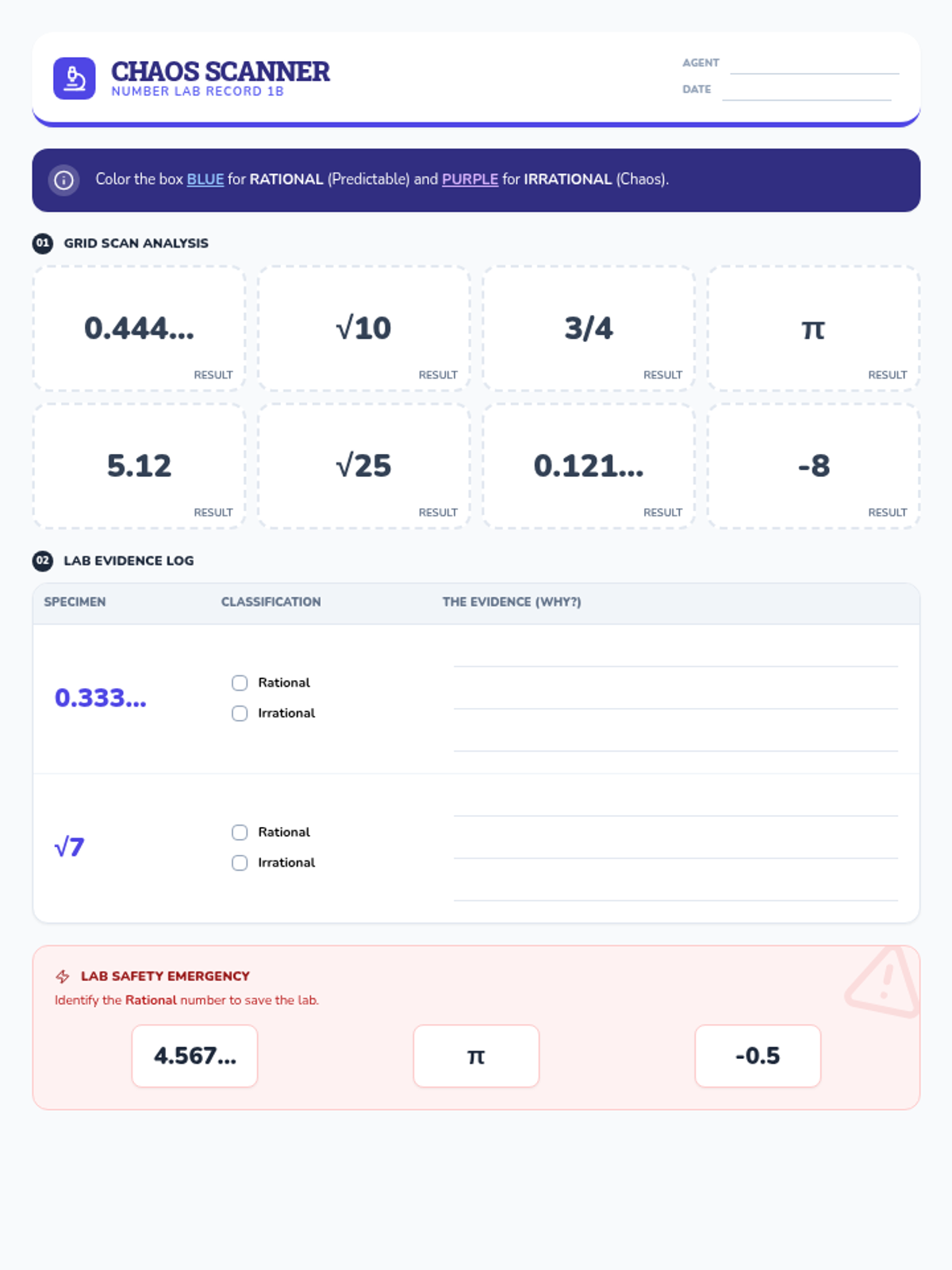
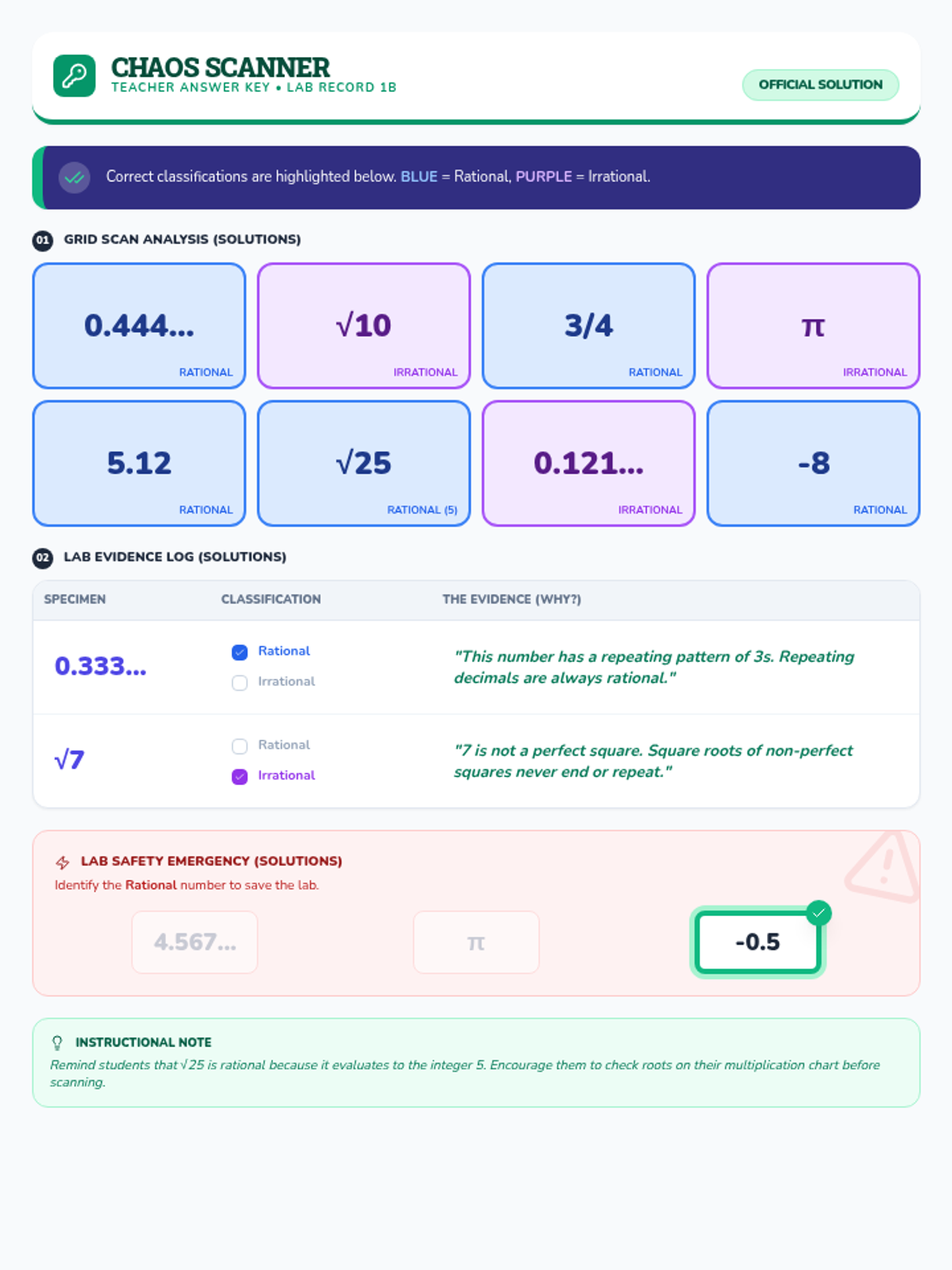
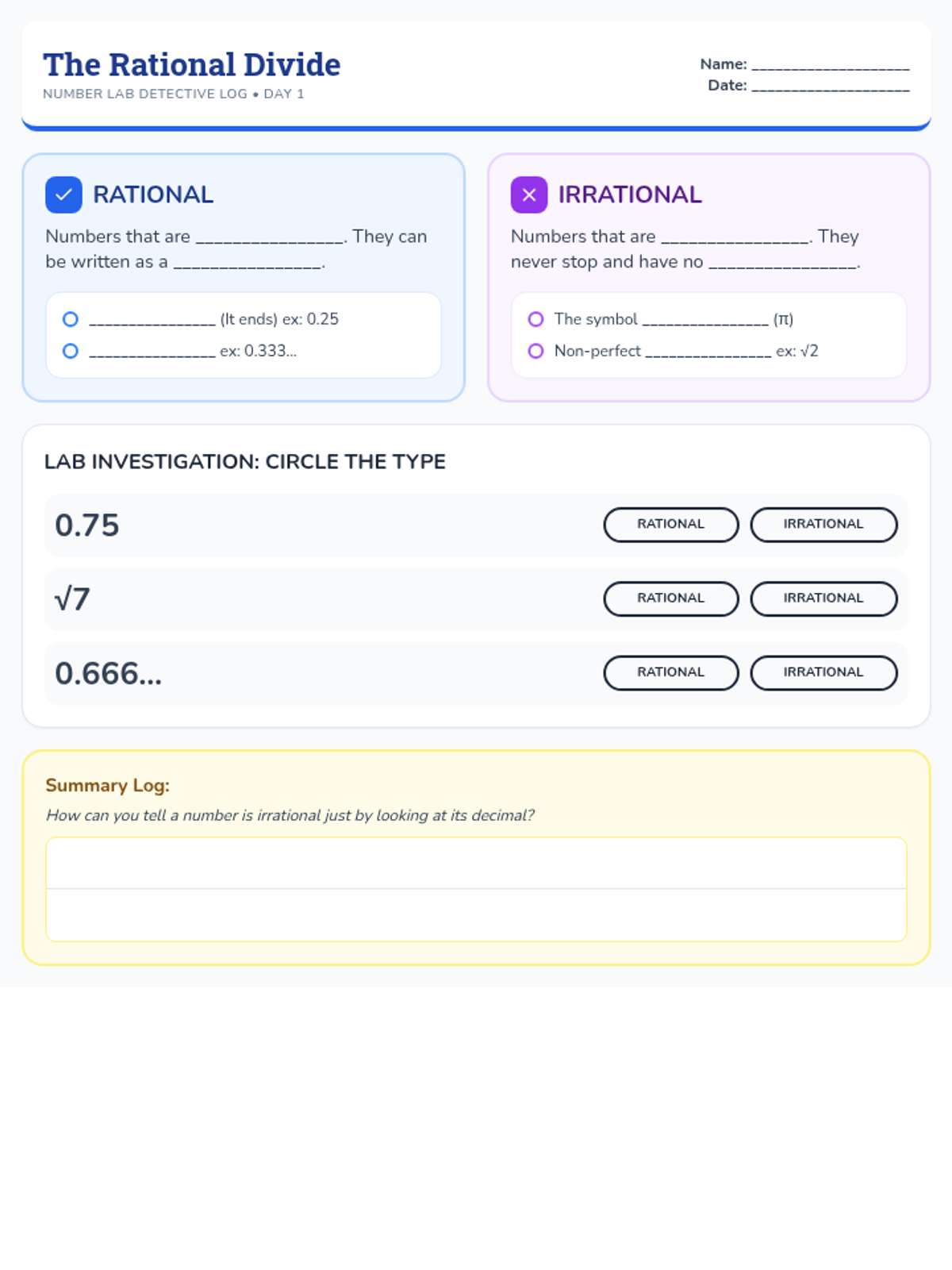
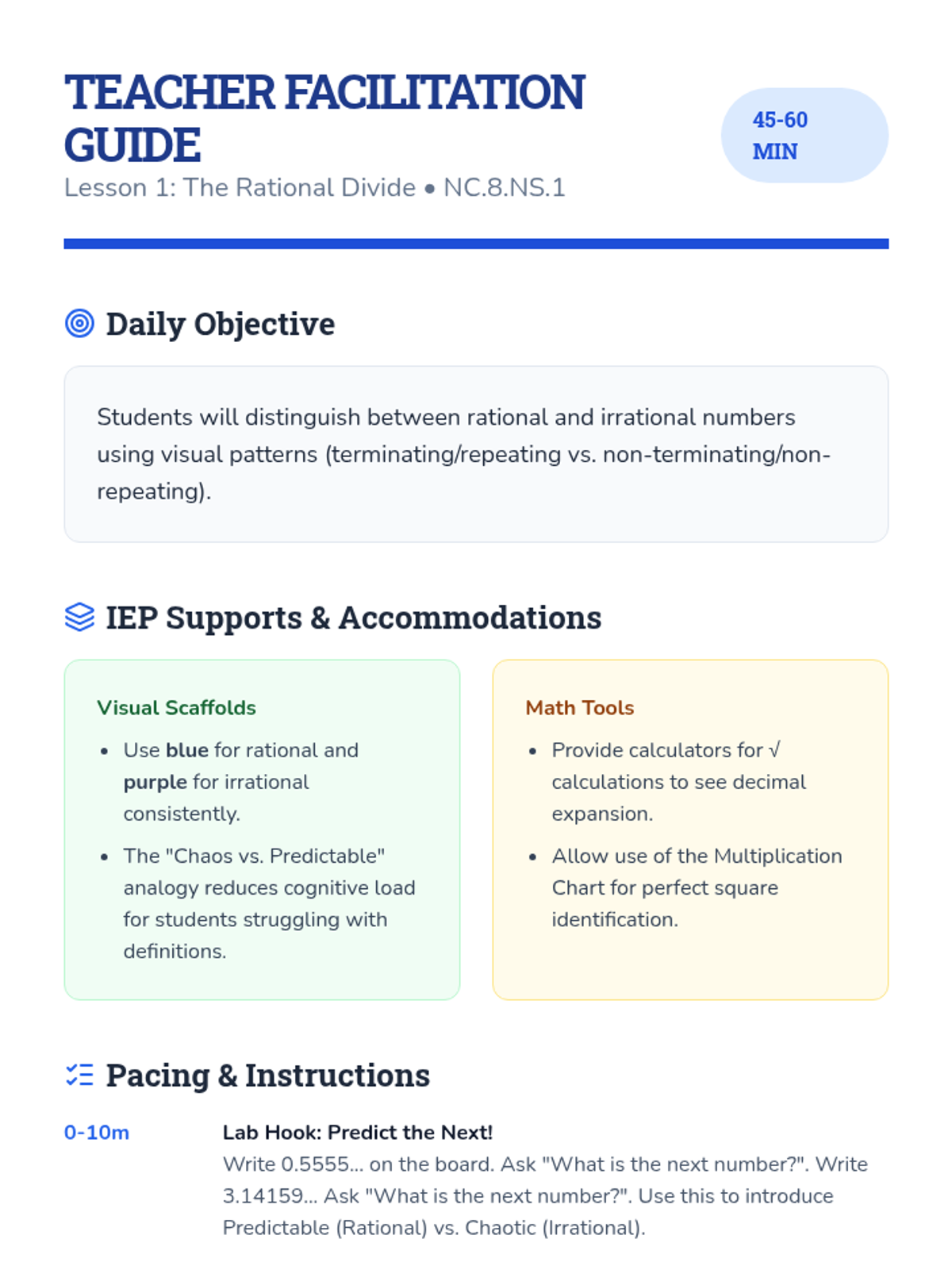
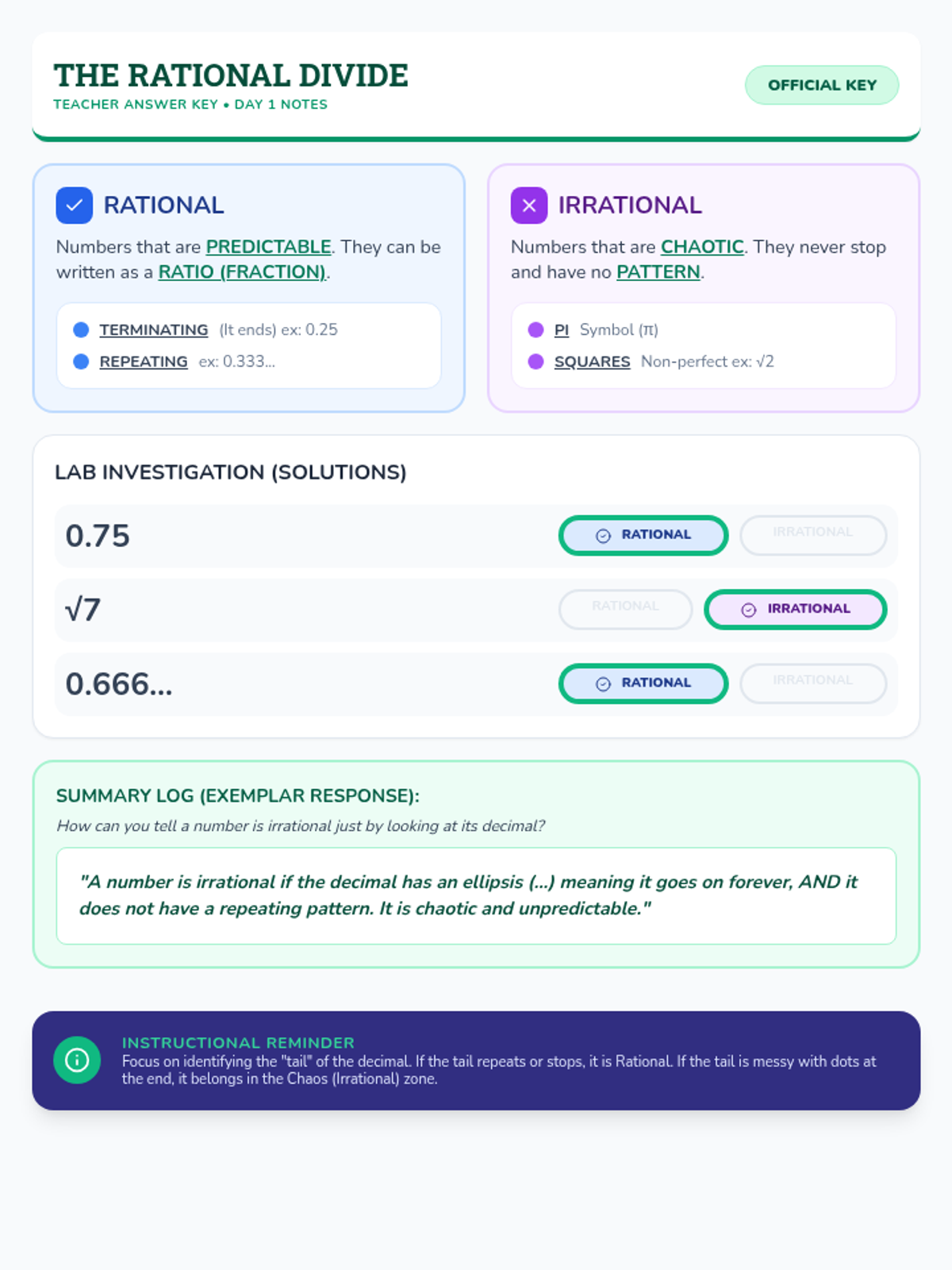
Students will learn the difference between rational and irrational numbers using a "Clean vs. Messy" visual analogy, featuring color-coded guided notes and a sorting activity.
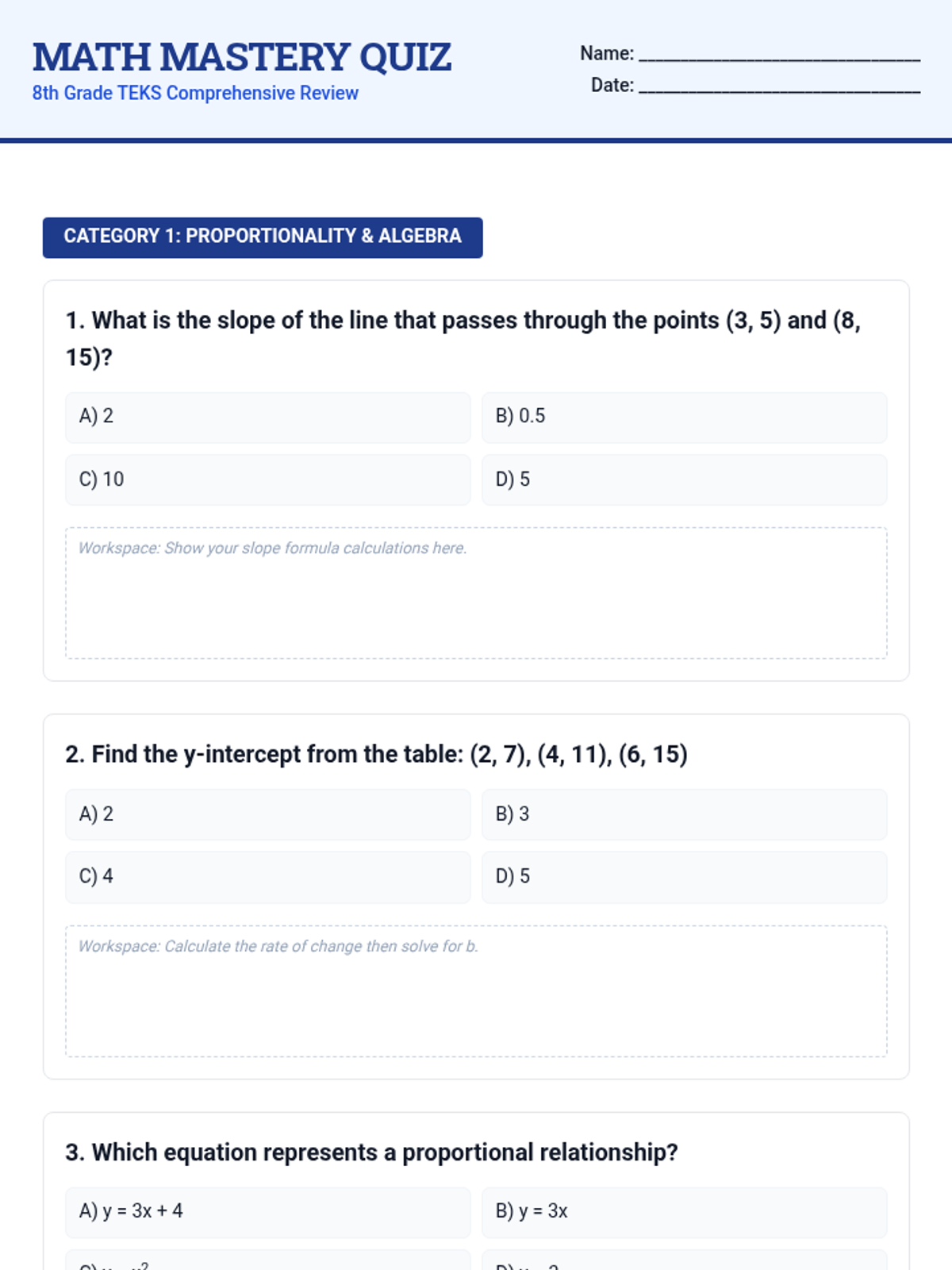
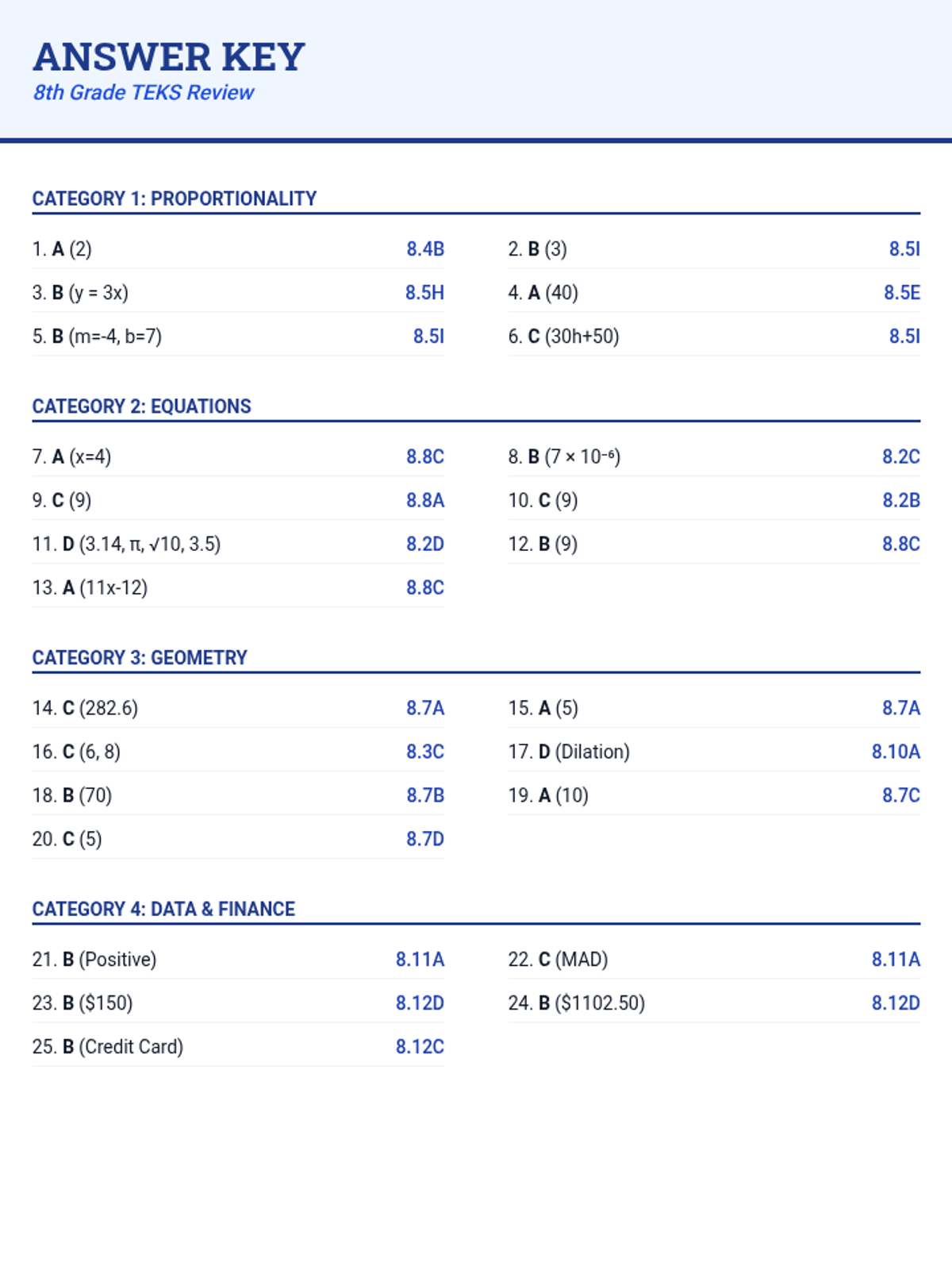
A comprehensive 8th-grade TEKS mathematics review focusing on Proportionality, Algebra, Expressions, Equations, Geometry, Measurement, and Data Analysis. This lesson includes a diagnostic quiz and a supporting presentation for classroom review.
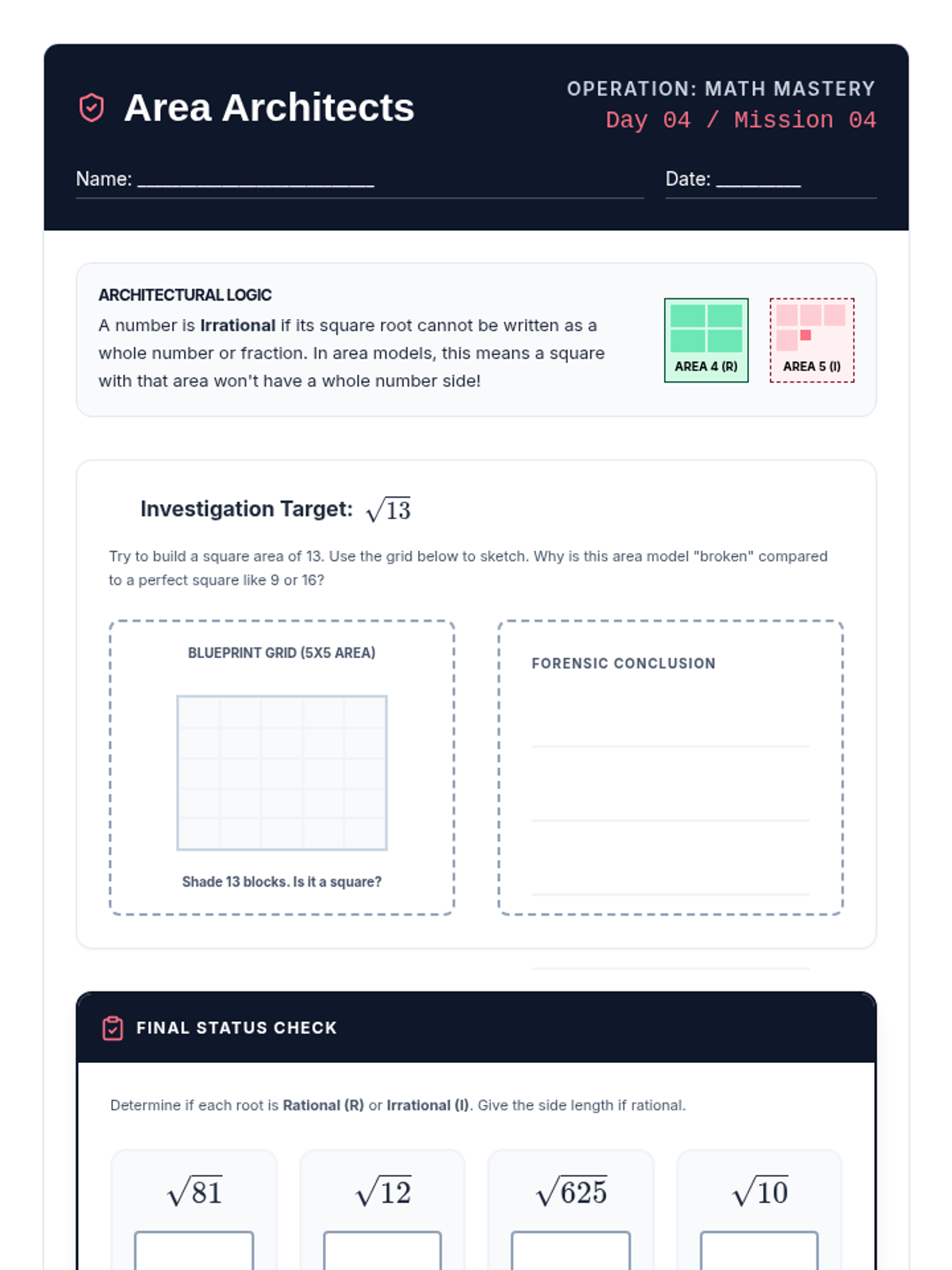
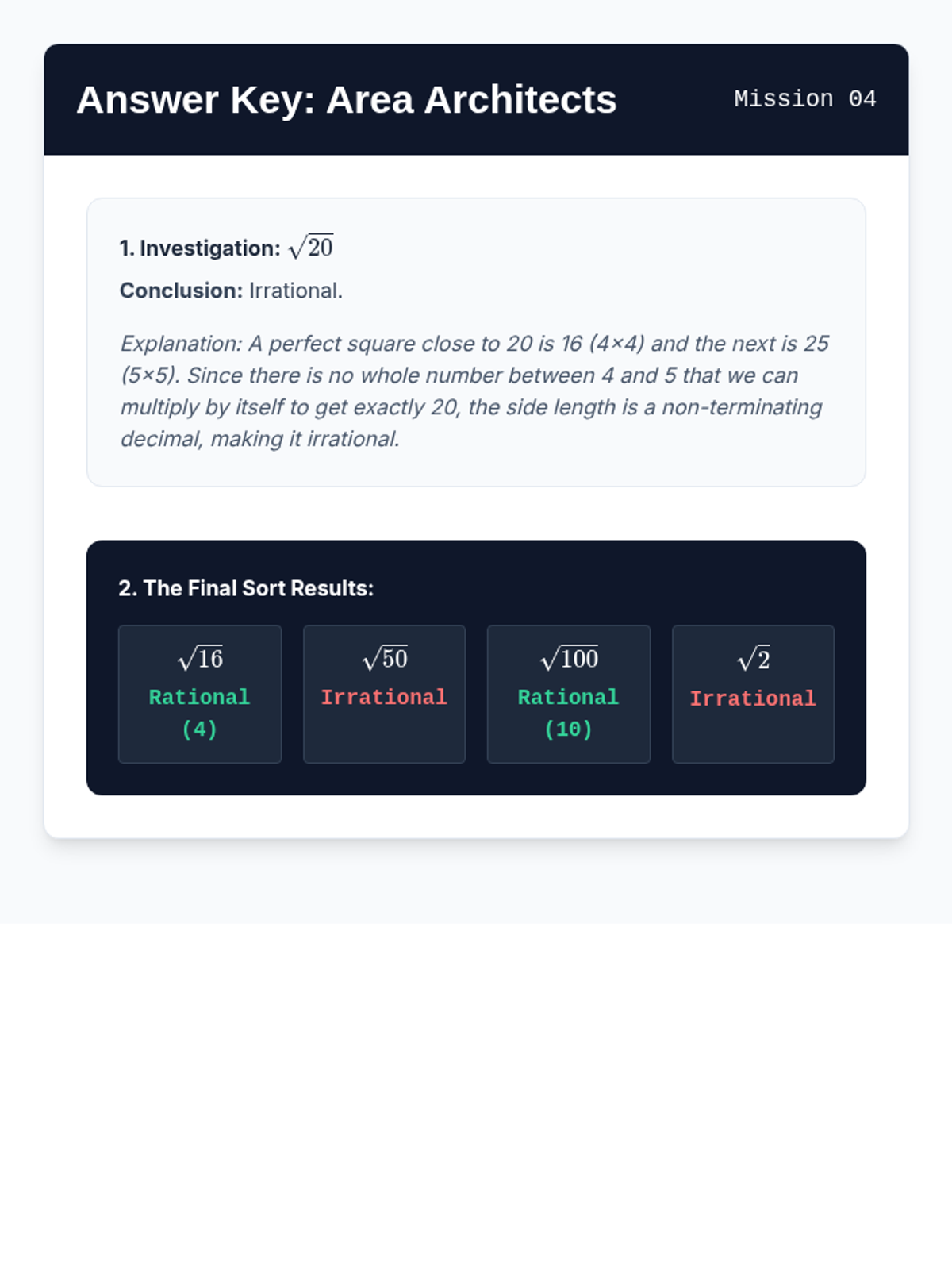
Using area models to recognize and explain the difference between rational perfect squares and irrational non-perfect squares.
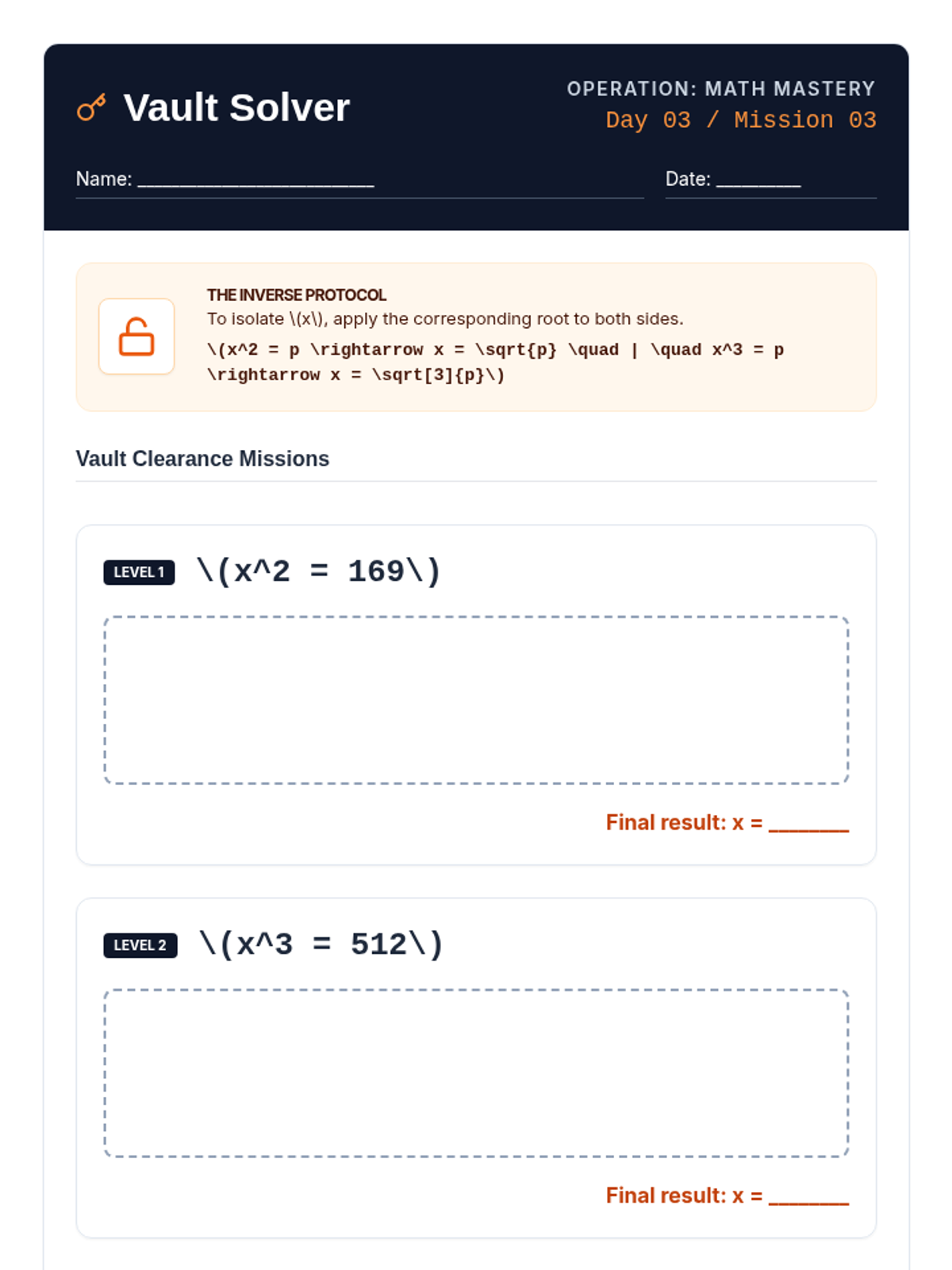
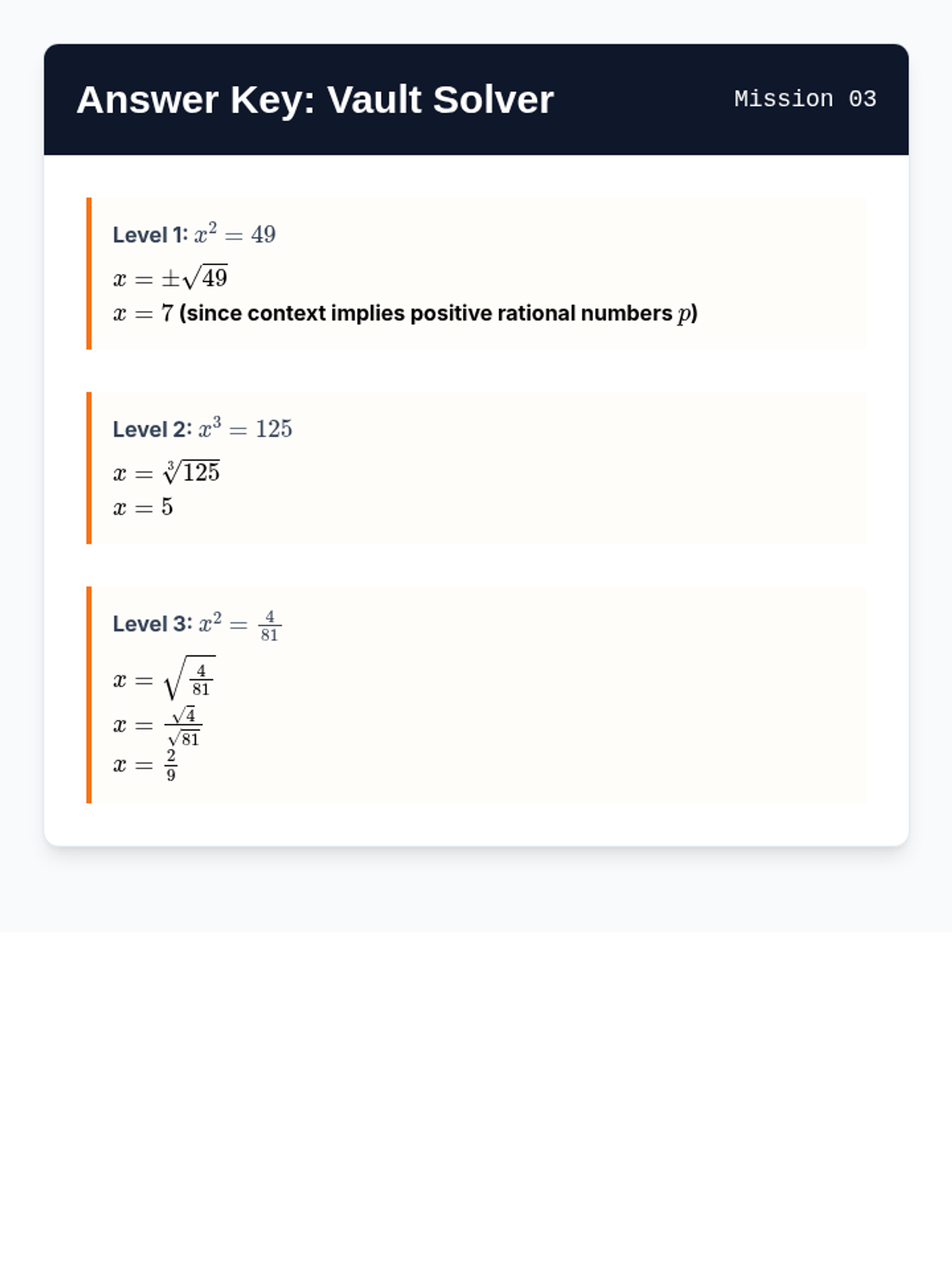
Solving equations in the form x squared = p and x cubed = p, where p is a positive rational number.
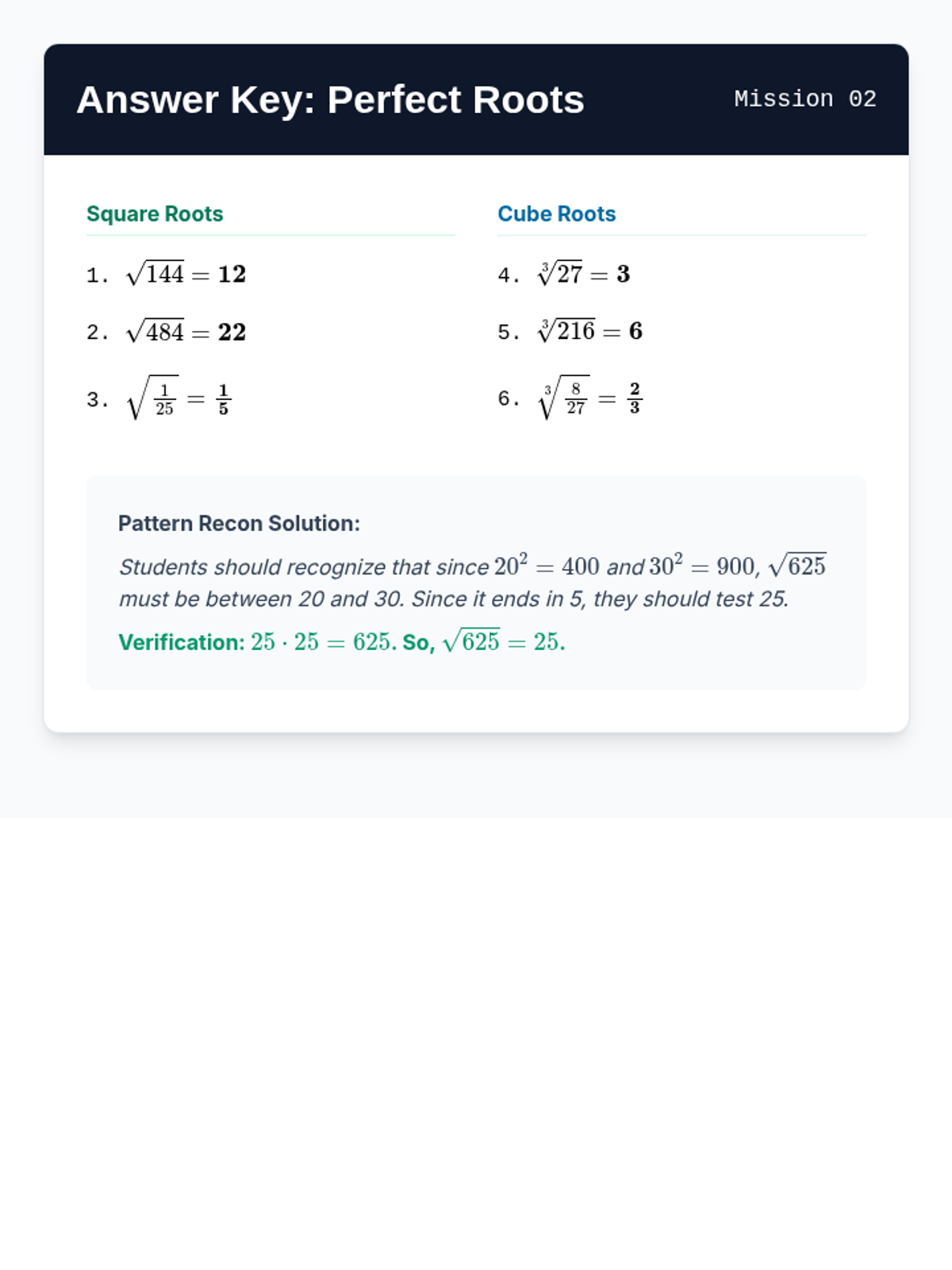
Evaluating square roots of perfect squares up to 625 and cube roots of perfect cubes up to 1000 using mental math and patterns.
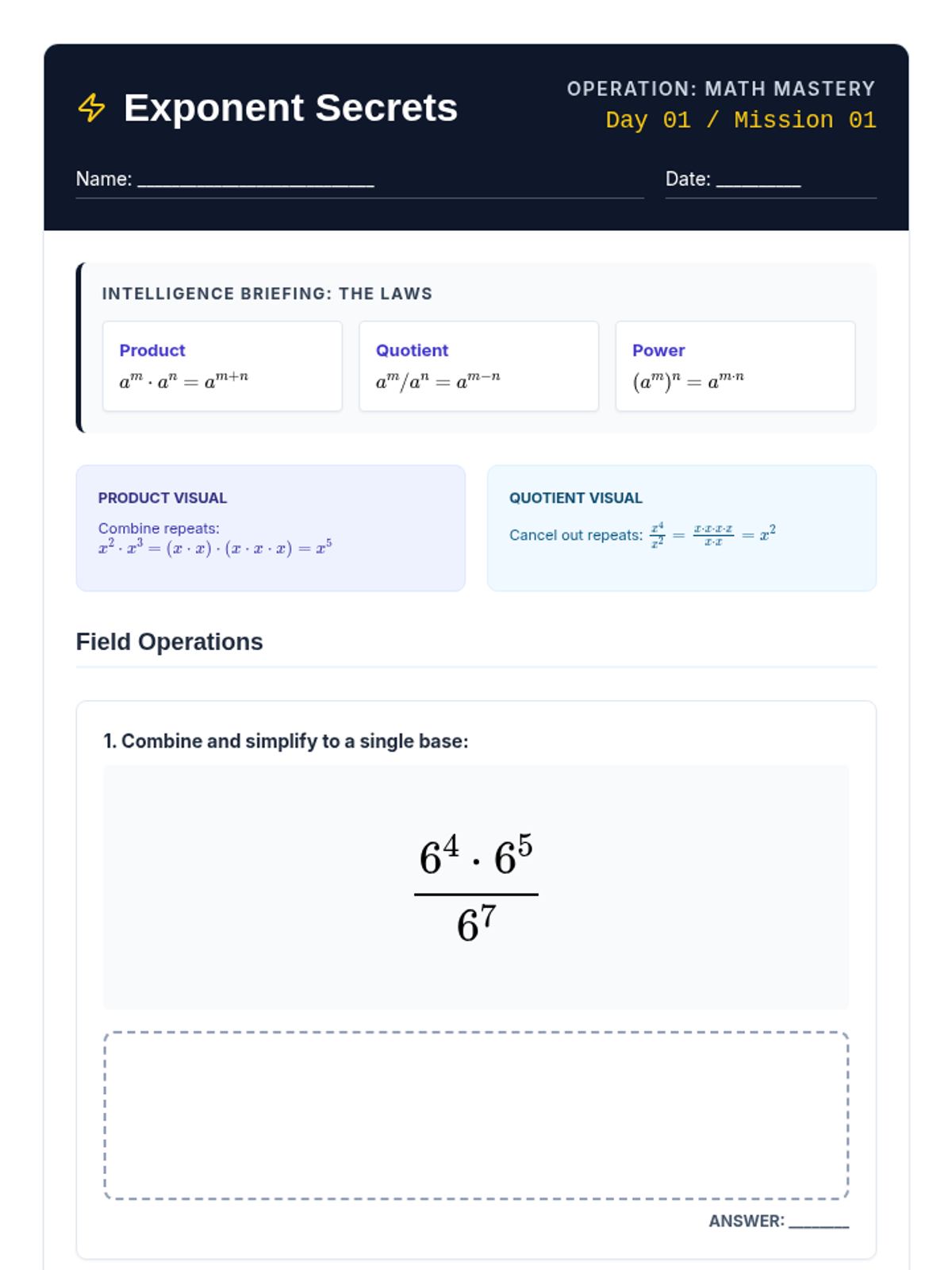
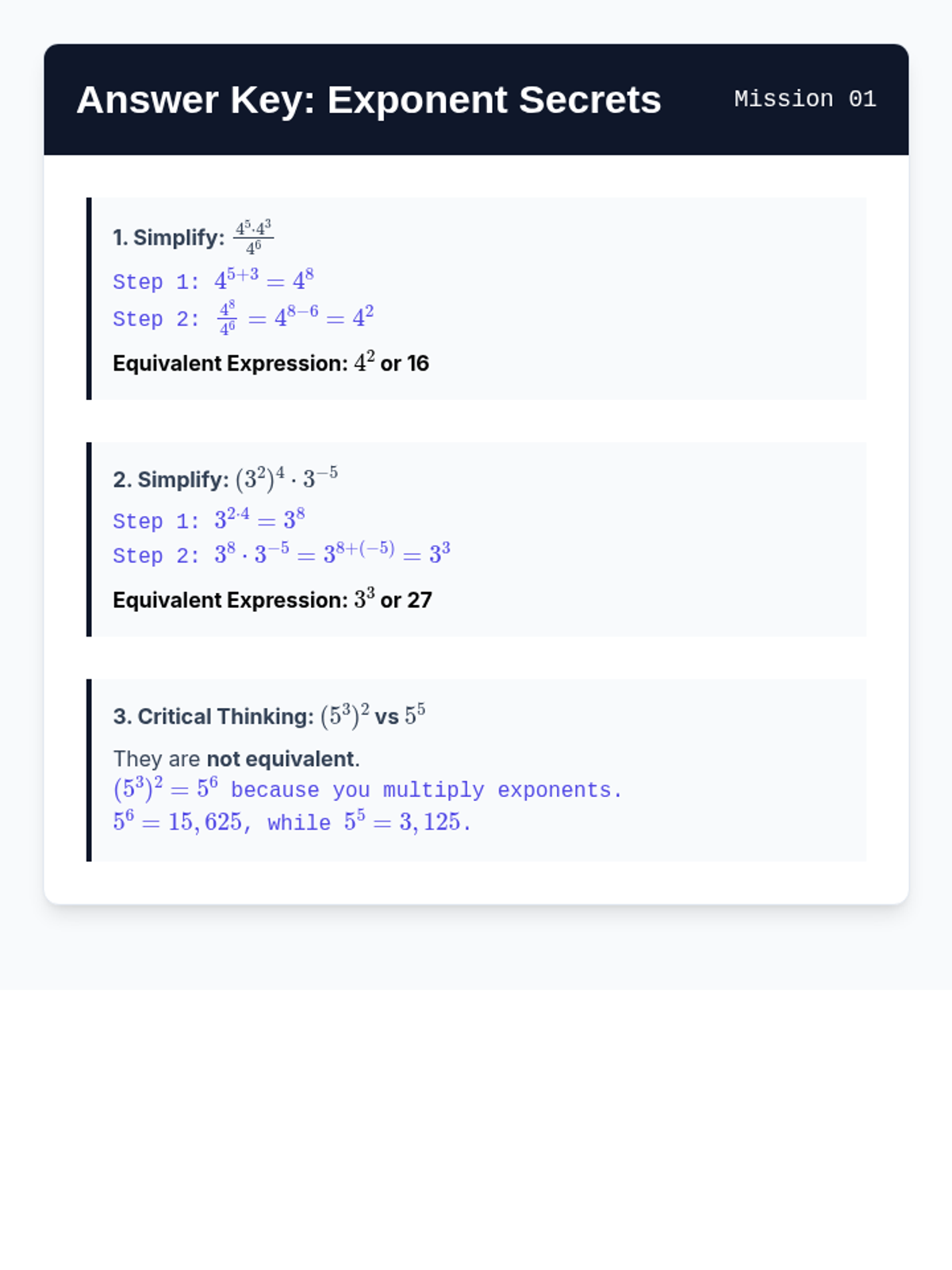
Focuses on applying properties of integer exponents to generate equivalent numerical expressions, including expressions with multiple operations.
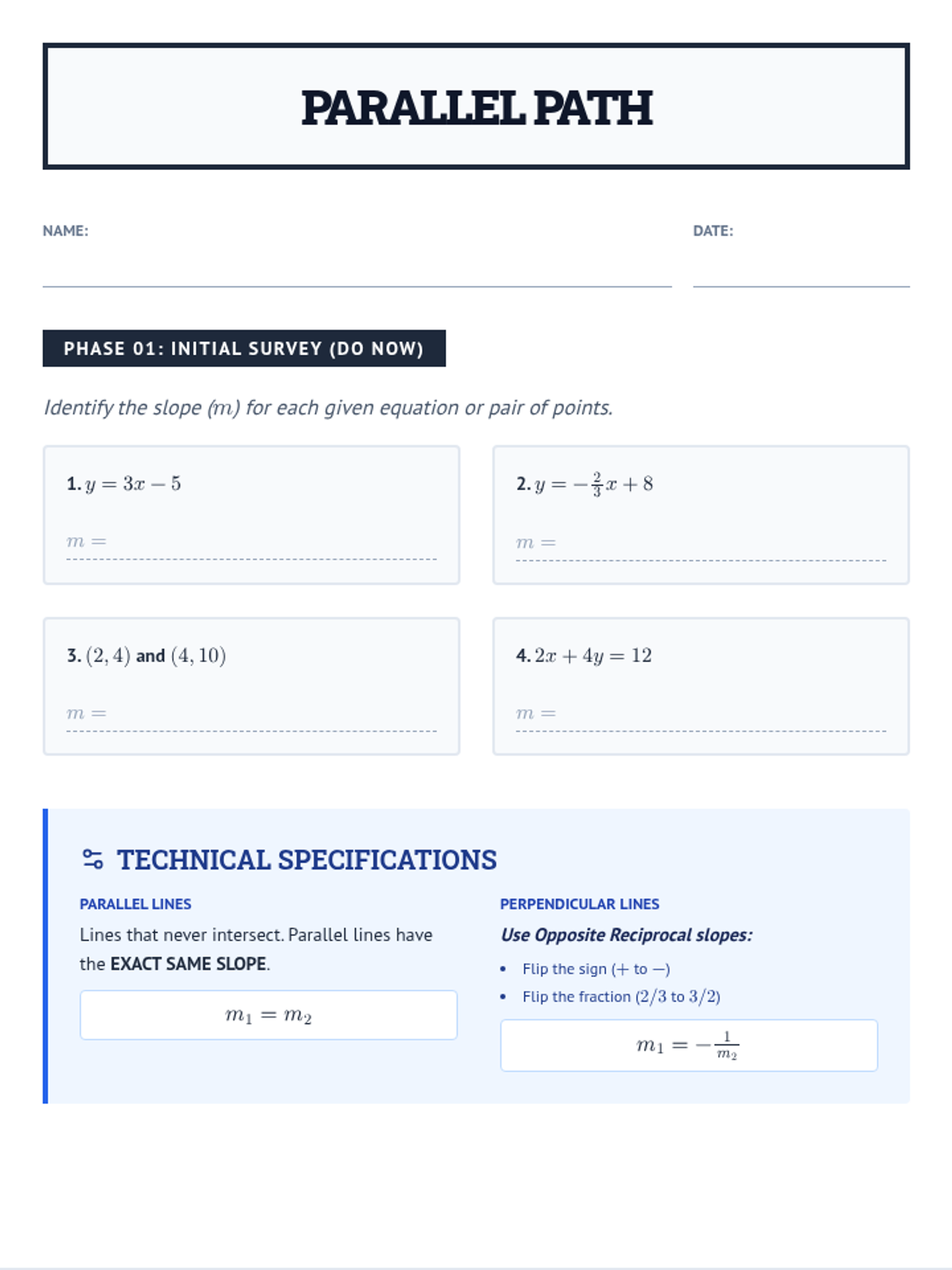
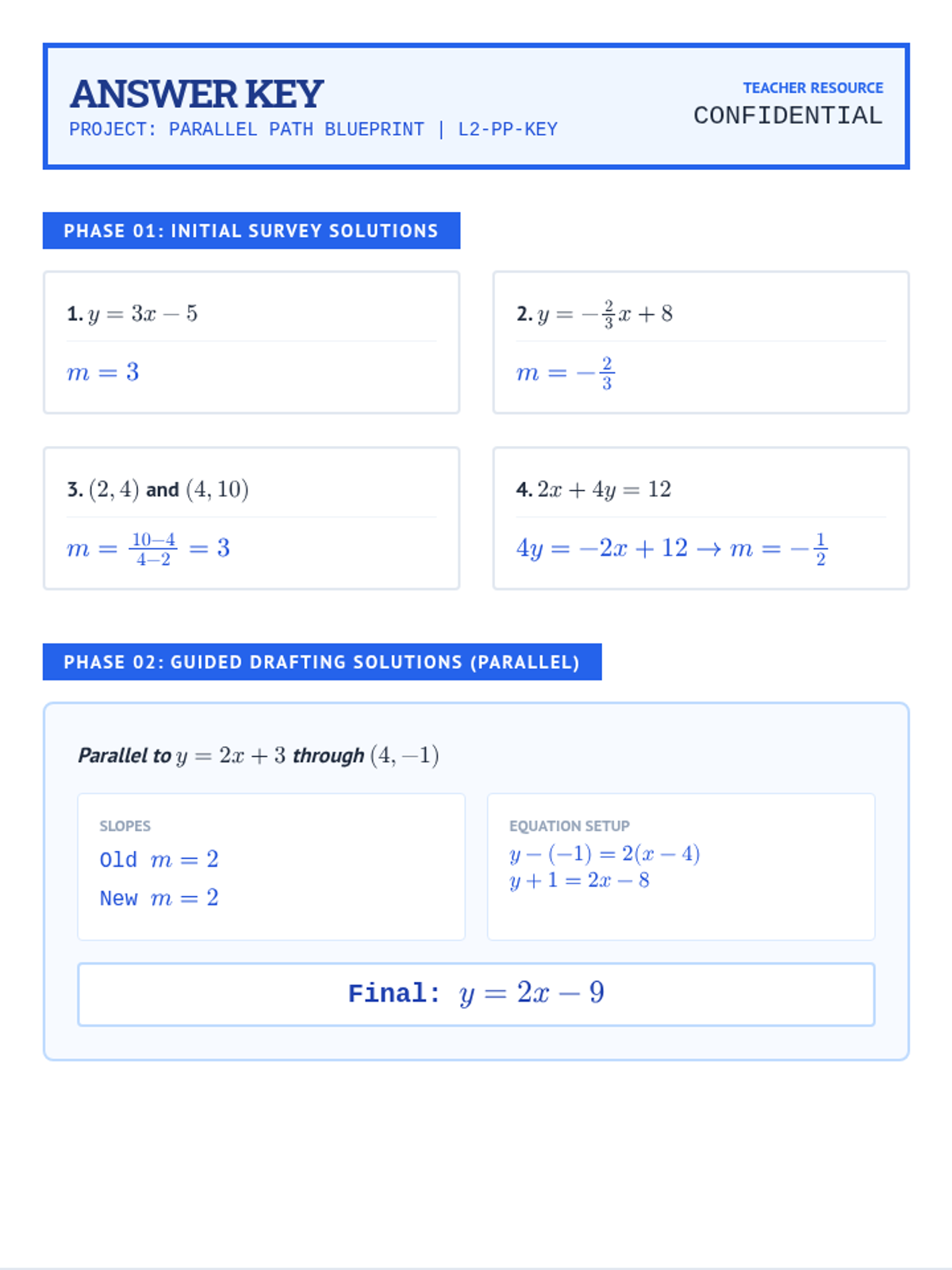
A lesson focused on the geometric and algebraic relationships of parallel and perpendicular lines, teaching students how to identify slopes and write new equations using a technical blueprint aesthetic.
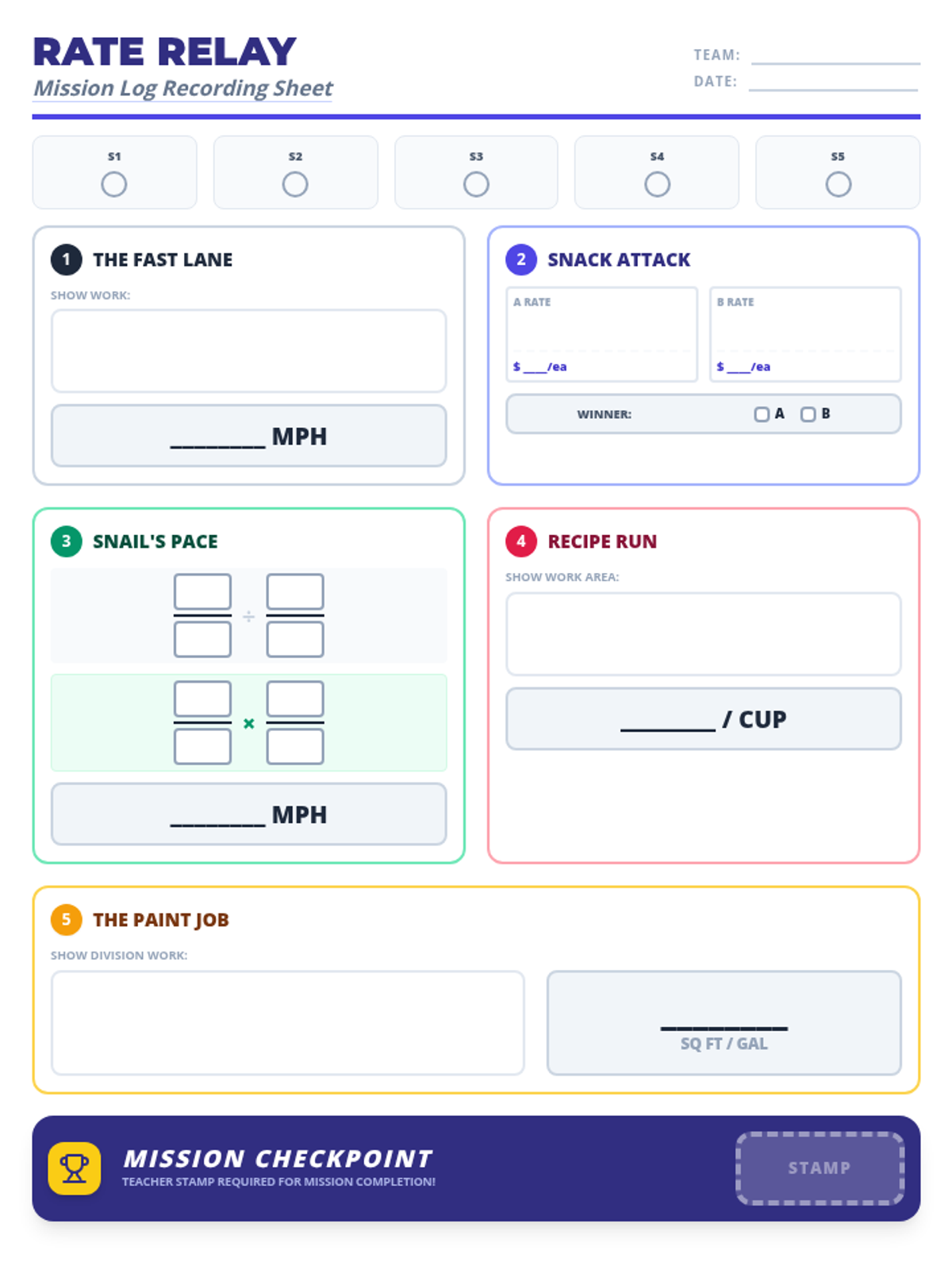
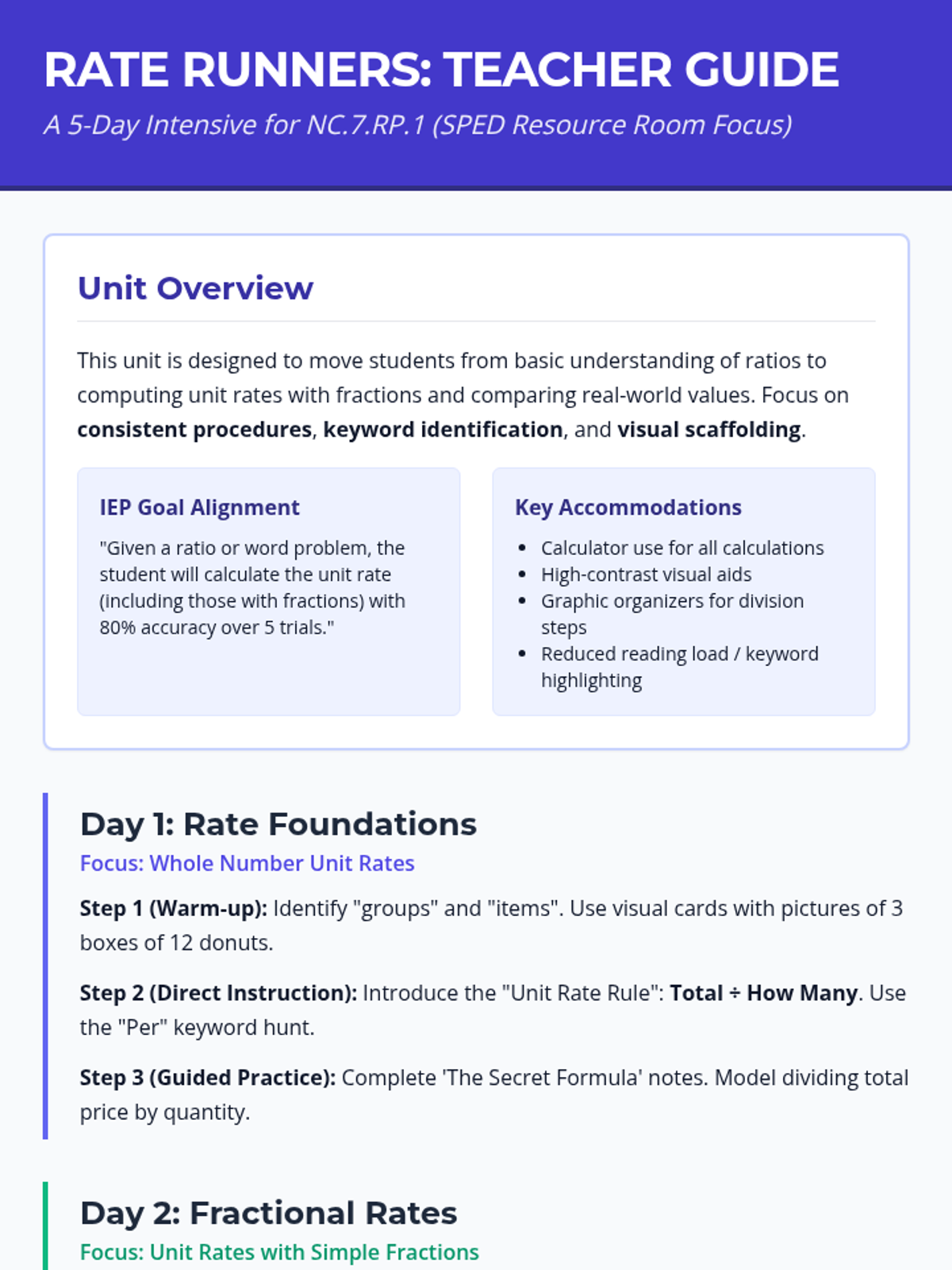
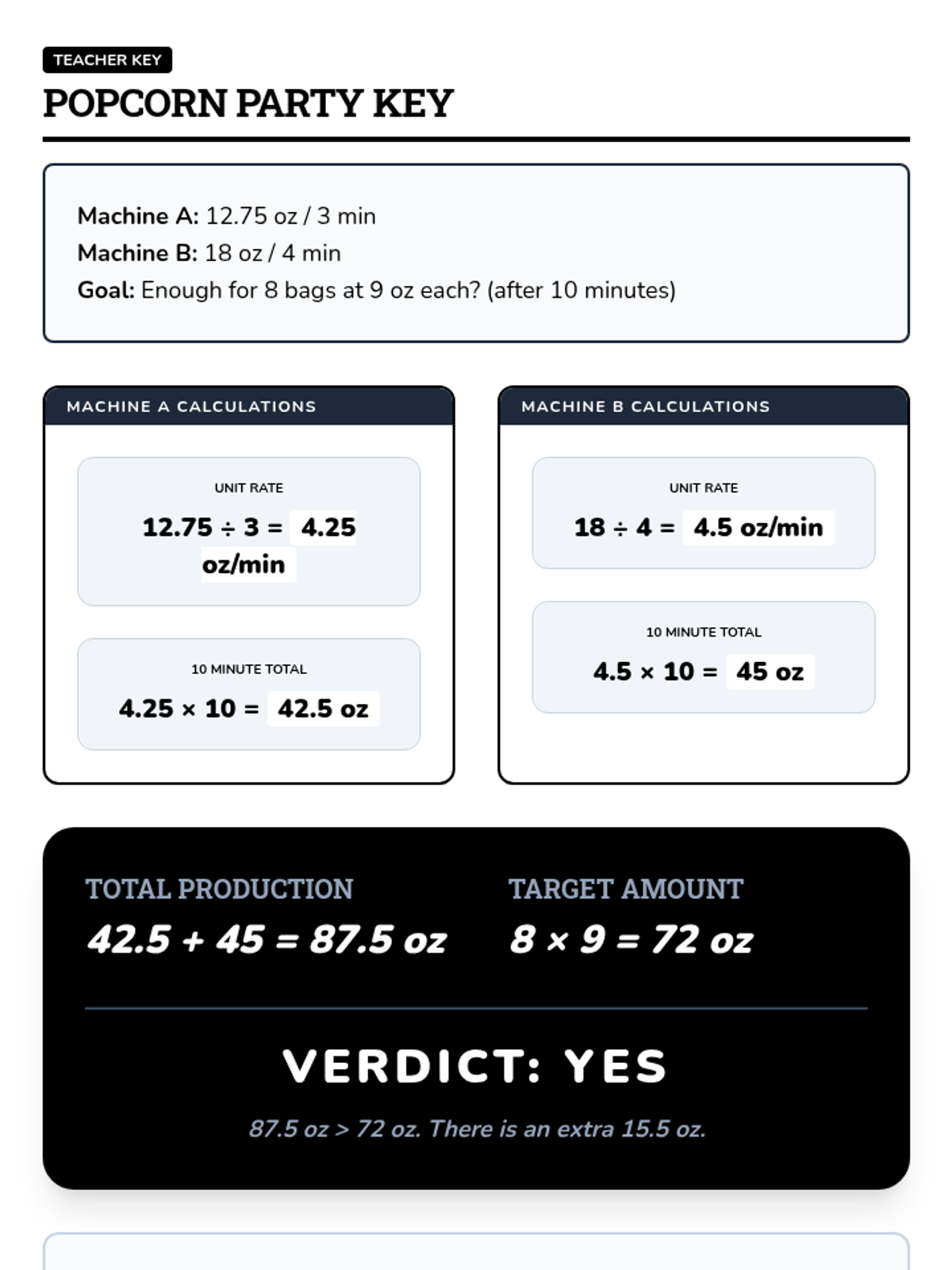
A high-energy collaborative review day. Students participate in a 'Relay Race' of unit rate tasks, moving through stations that cover whole numbers, fractions, consumer math, and measurement to reinforce skills before the final assessment.
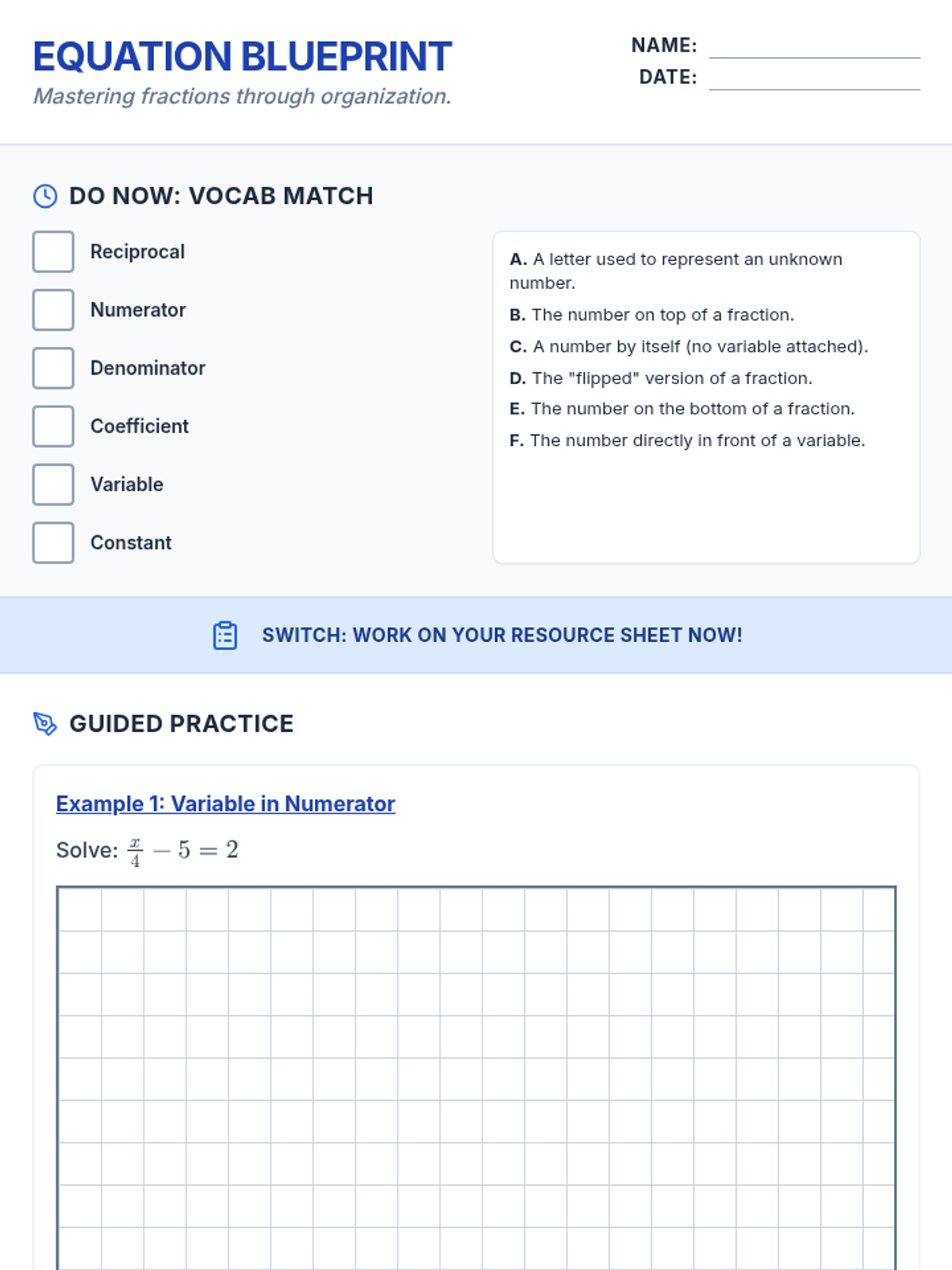
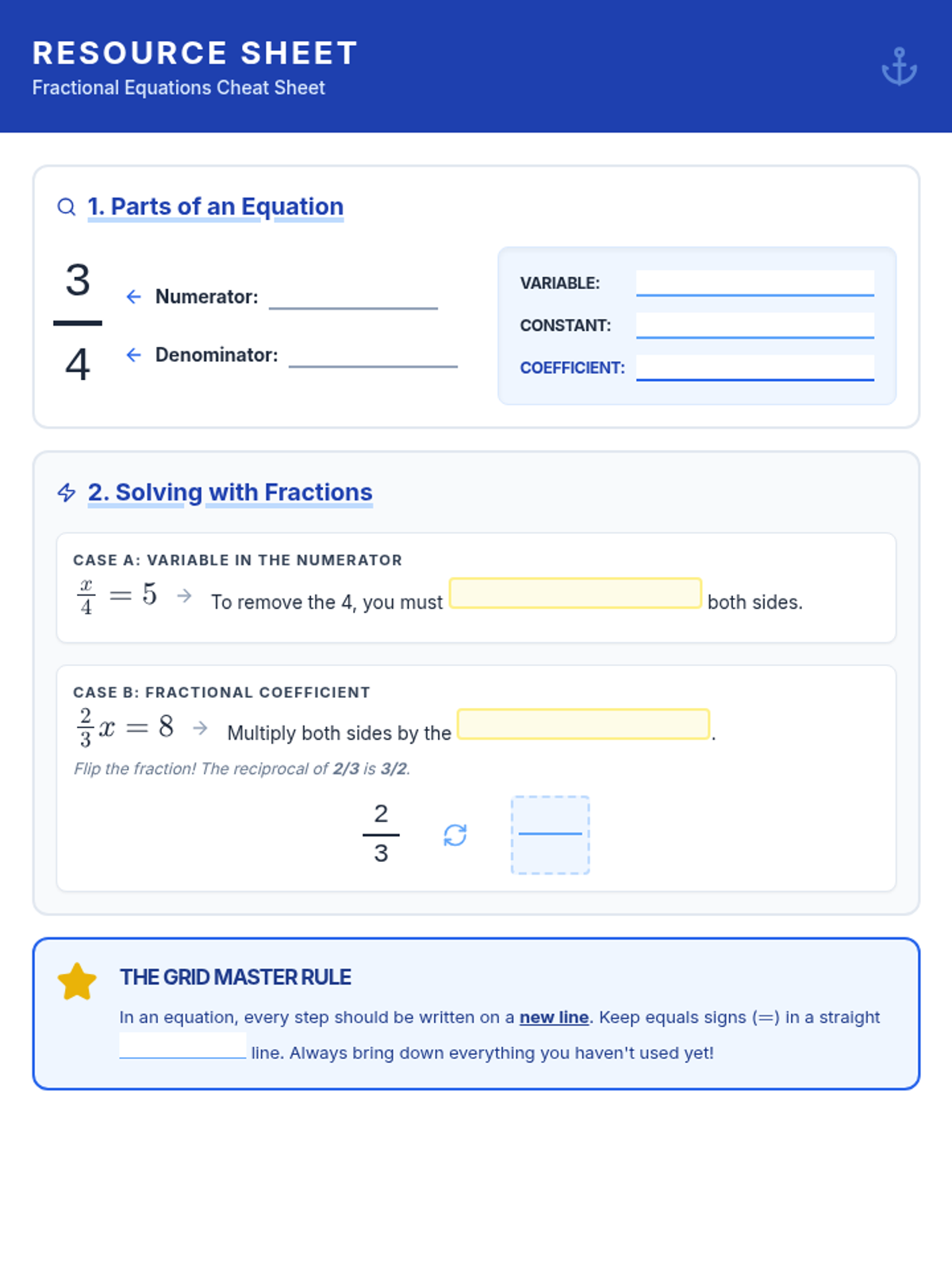
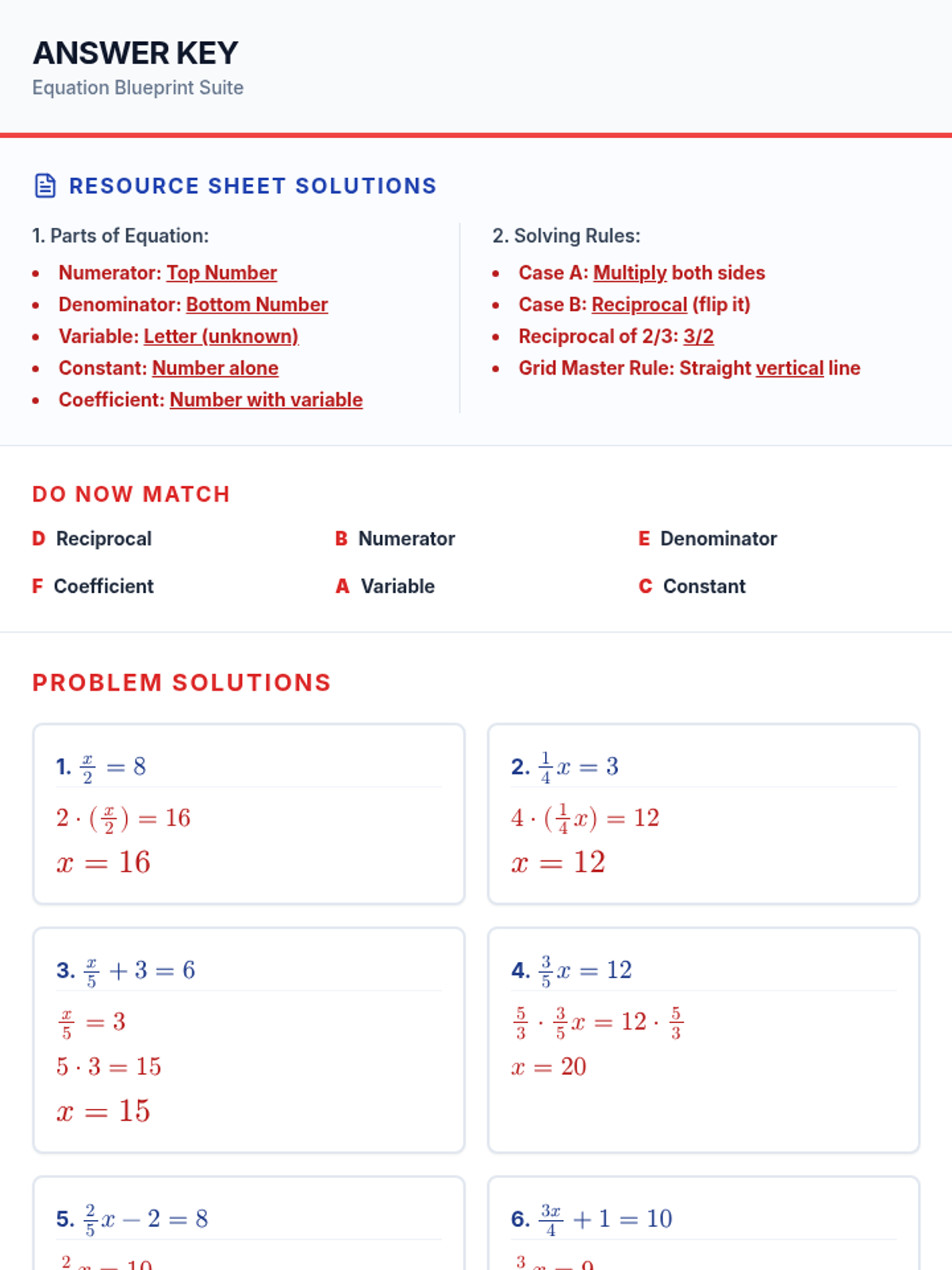
A math foundations lesson for 9th and 10th grade students focusing on solving equations with fractions through organized, line-by-line computation on grid-style layouts.
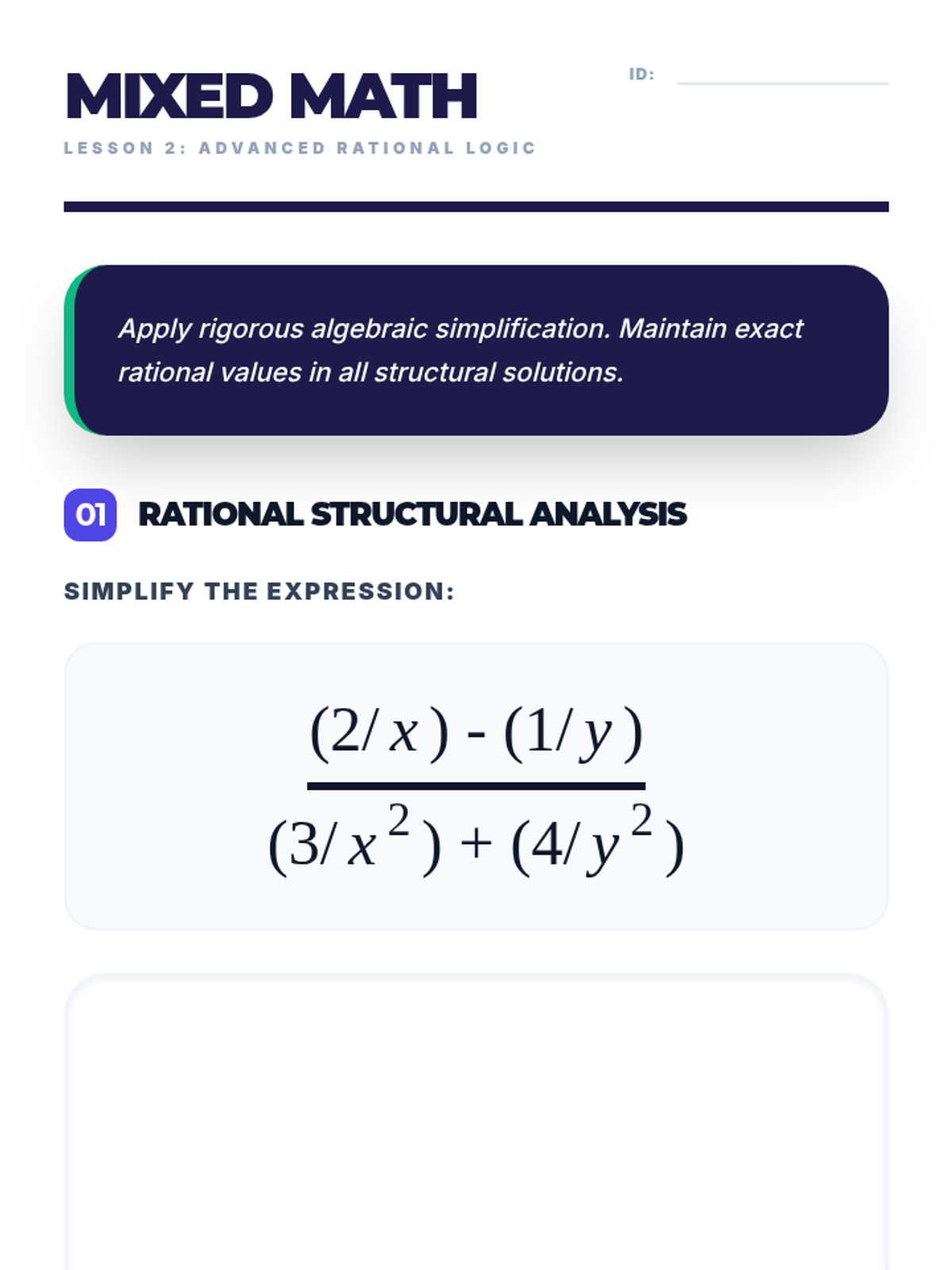
Master complex fractions and high-precision decimal operations through the lens of algebraic manipulation and real-world mathematical modeling.
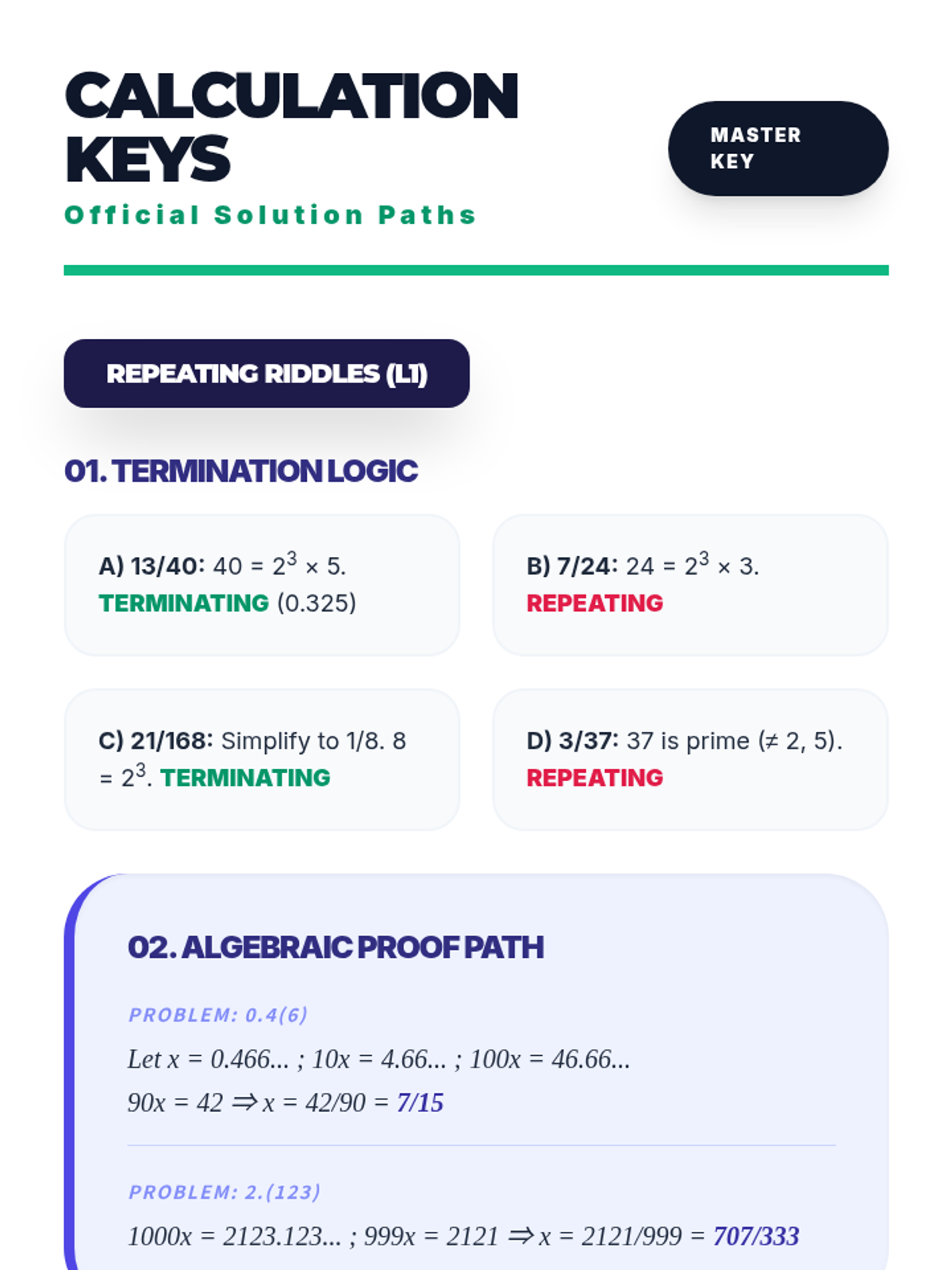
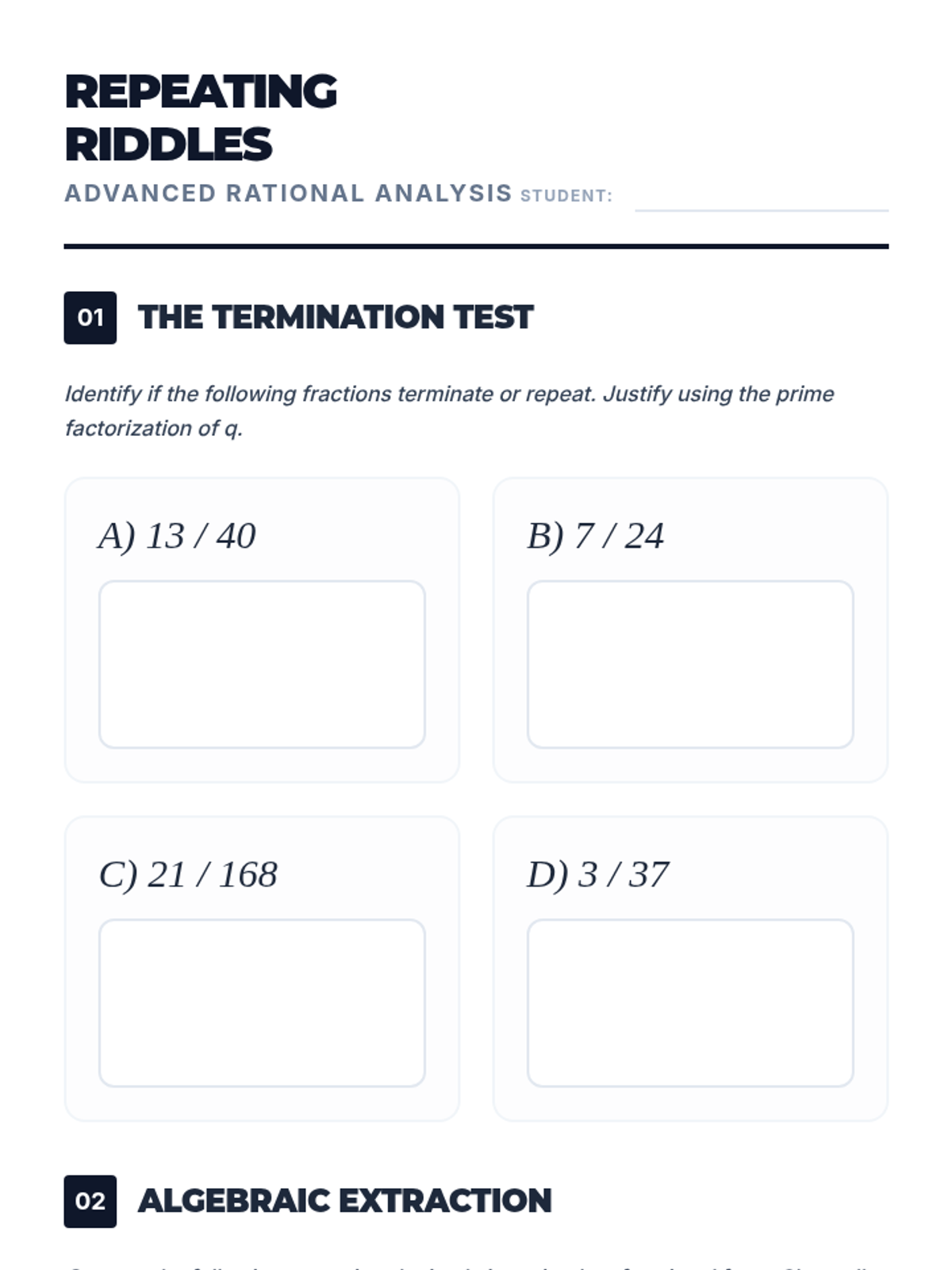
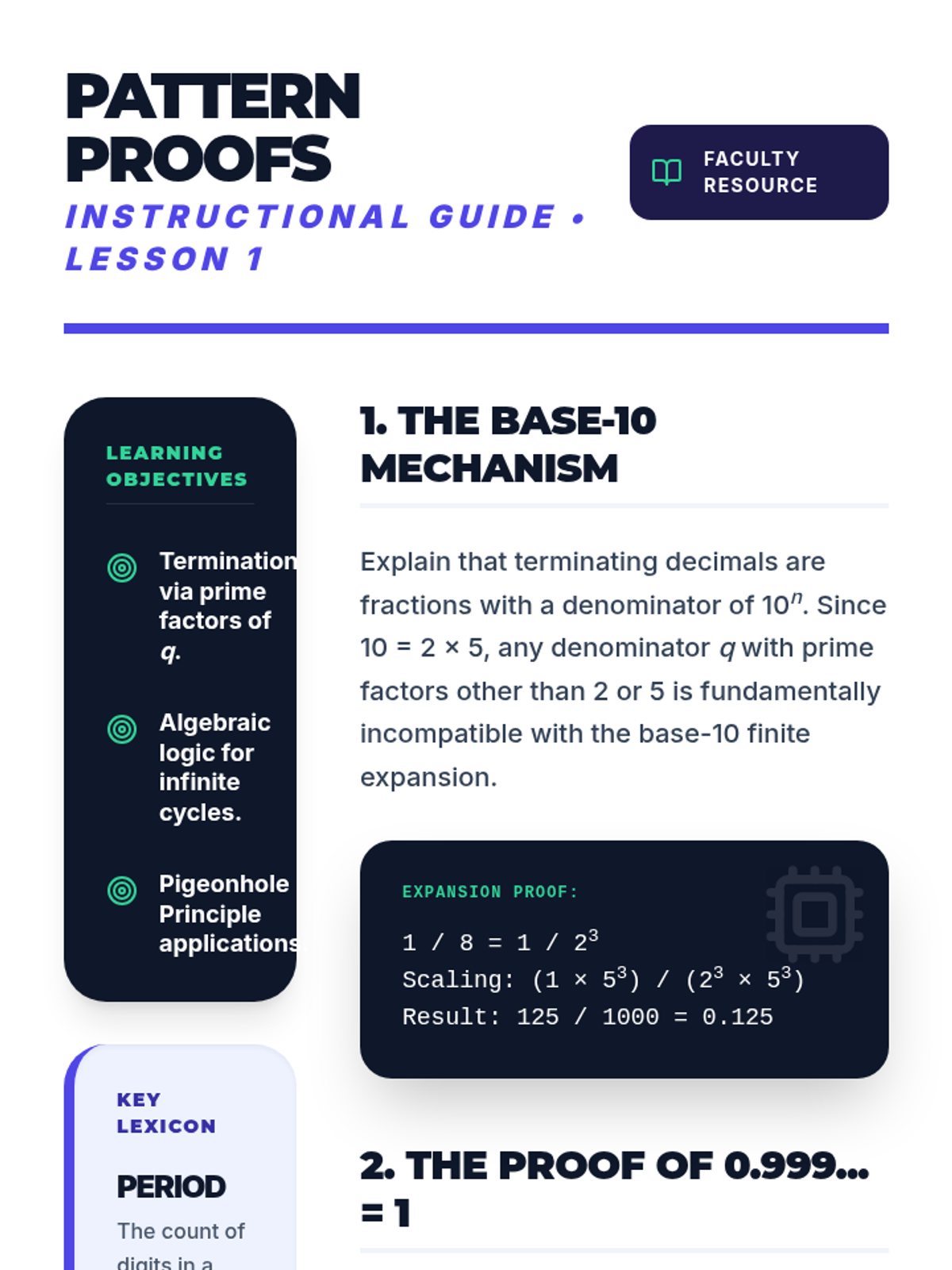
Explore the architecture of rational numbers, focusing on the rigorous conversion between fractions and decimals and the proof-based patterns of repeating digits.
Review and assessment day. Includes a structured mock test pack designed with IEP accommodations in mind (clear spacing, reduced choice, visual cues).
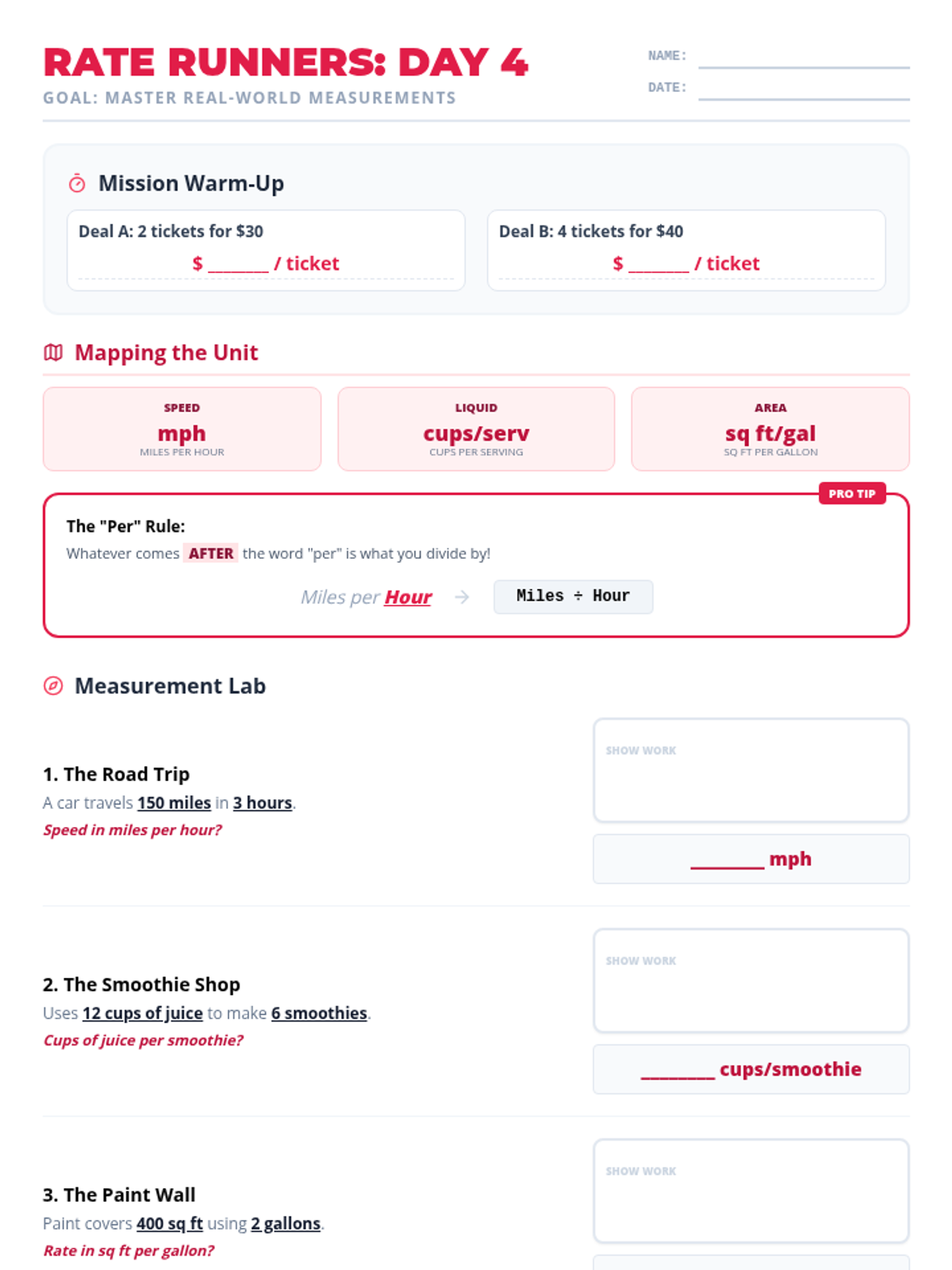
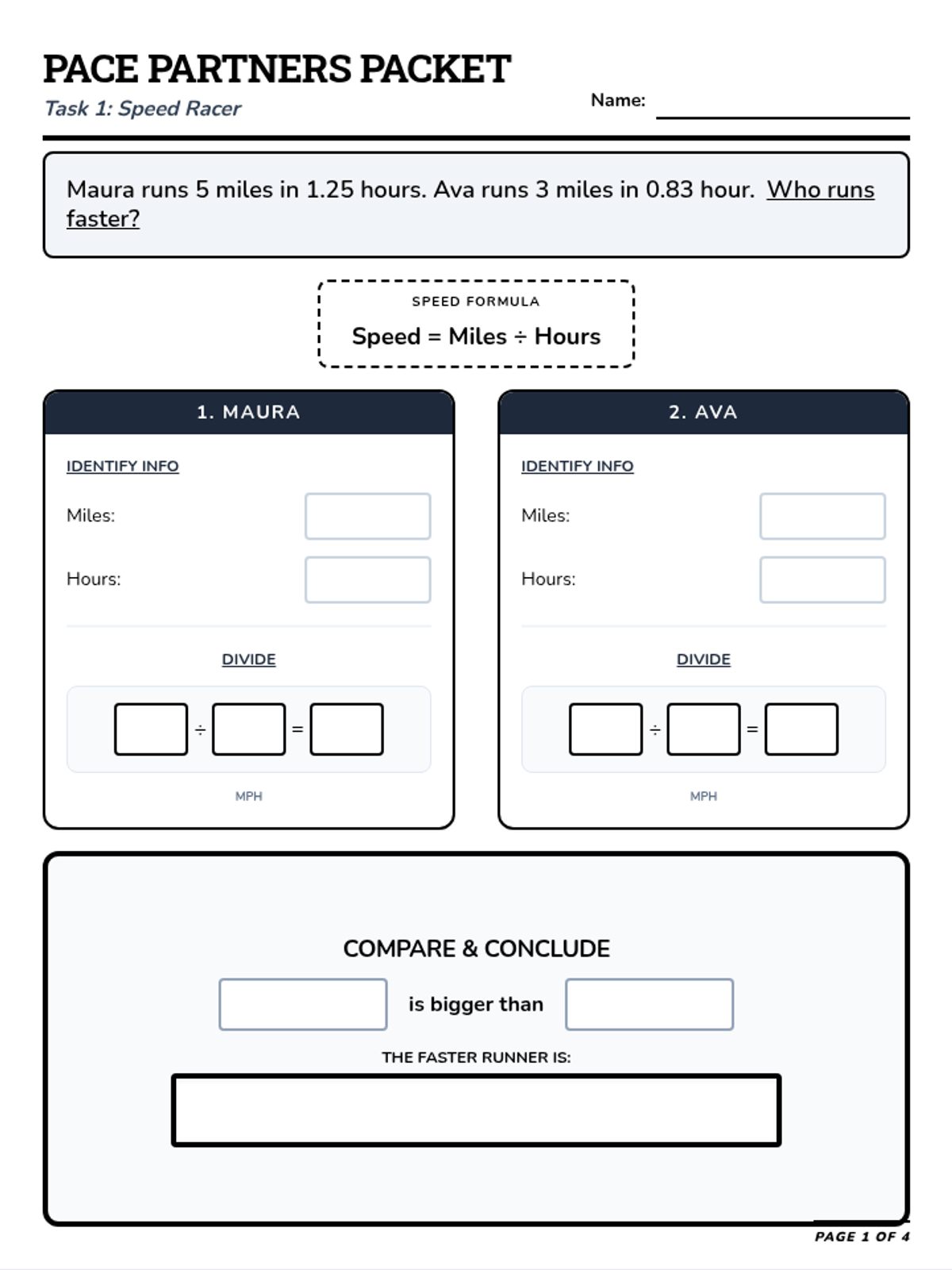
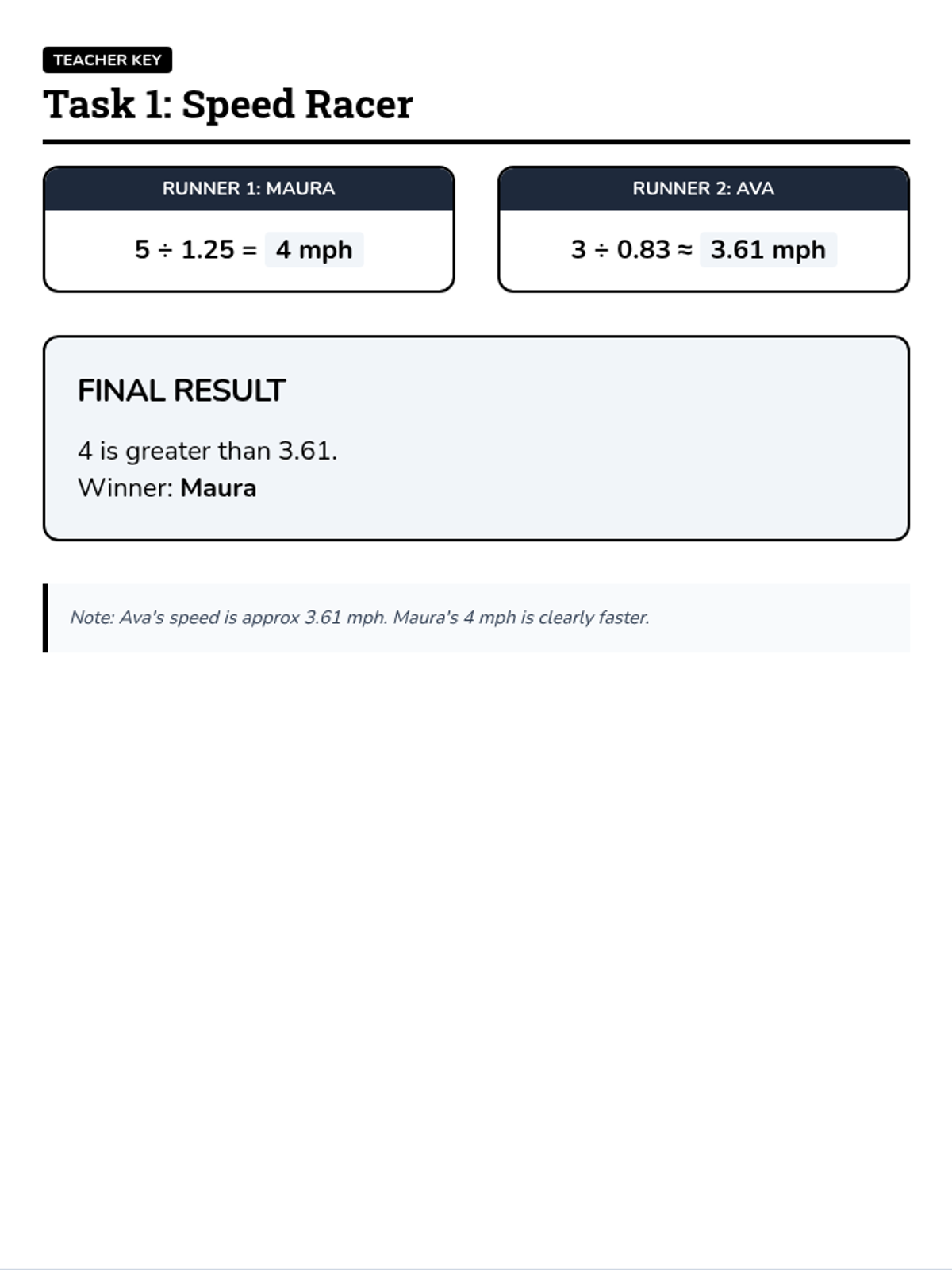
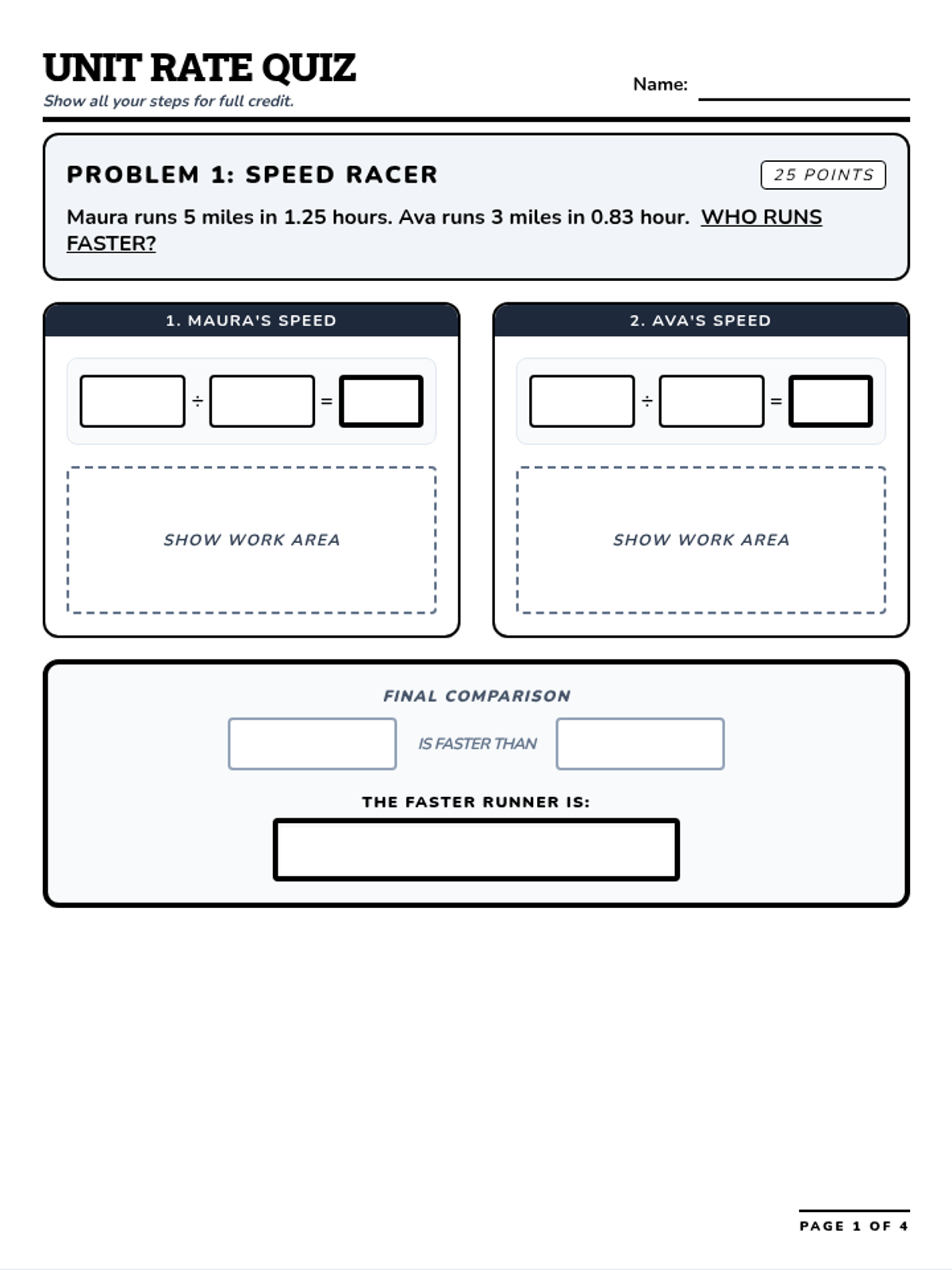
Connecting unit rates to real-world measurements including speed (mph), recipes (cups per serving), and area (square feet per gallon).
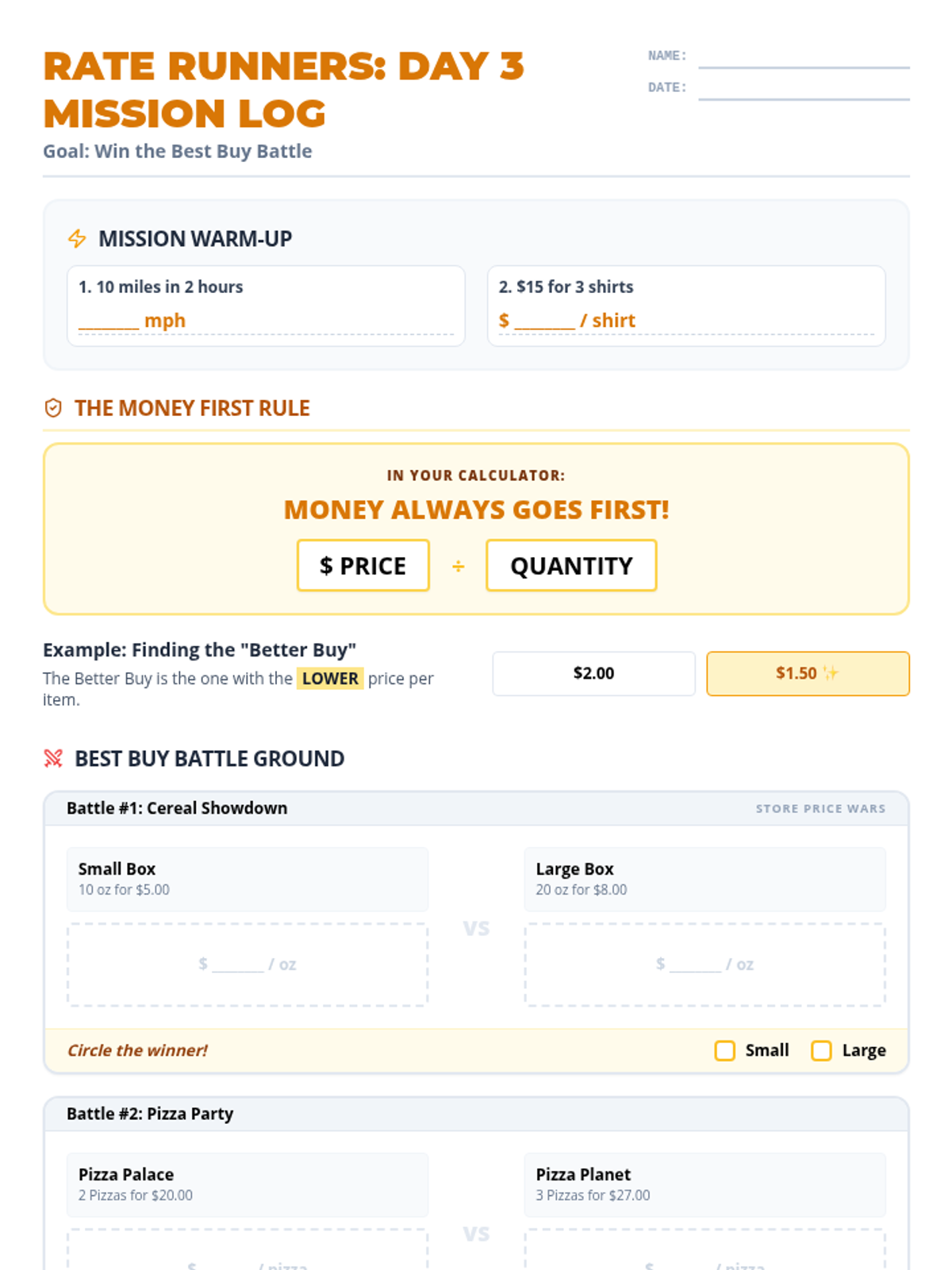
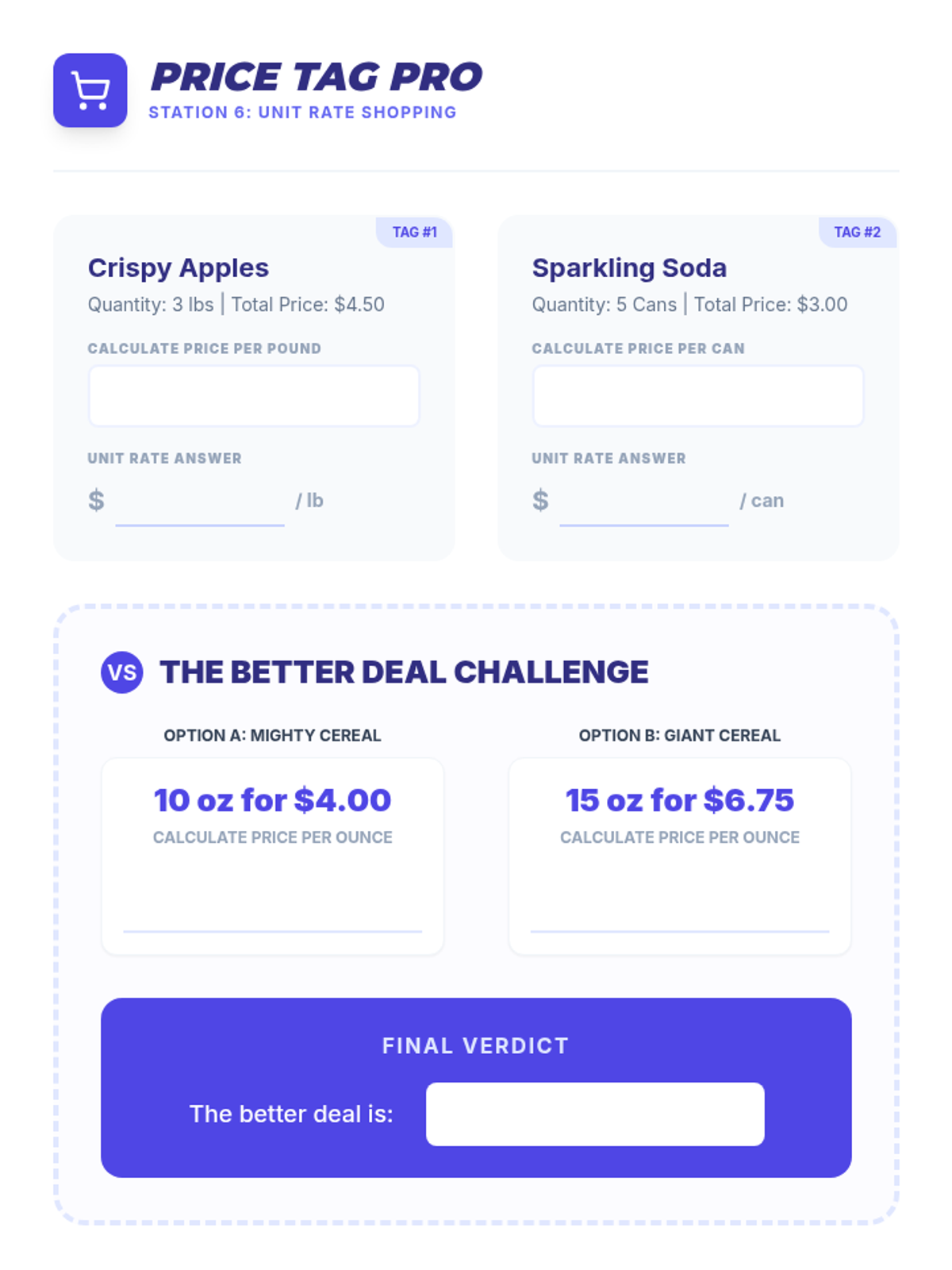
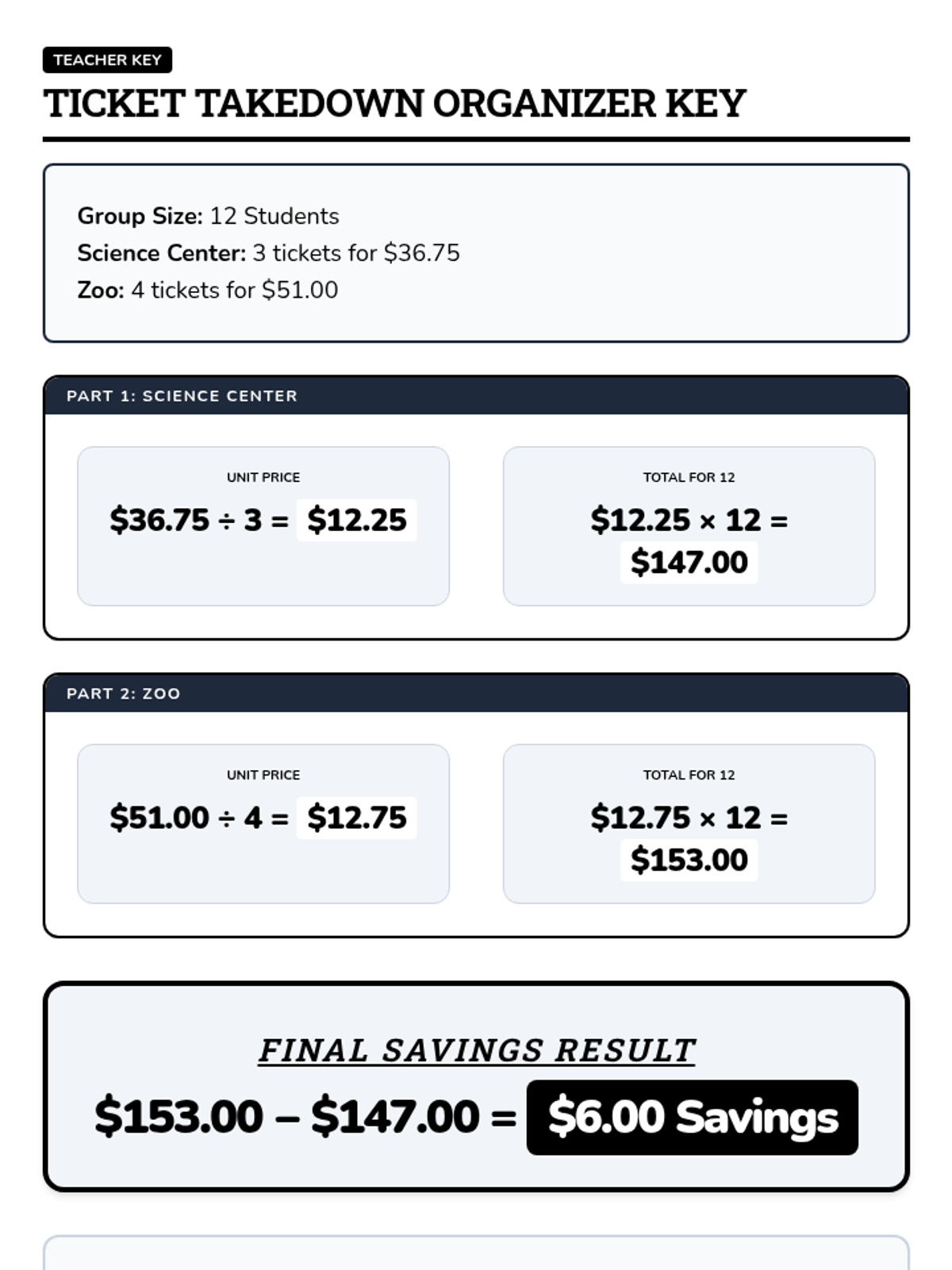
Application of unit rates to consumer math. Students compare two items to find the 'Better Buy' by calculating the price per unit for each option.
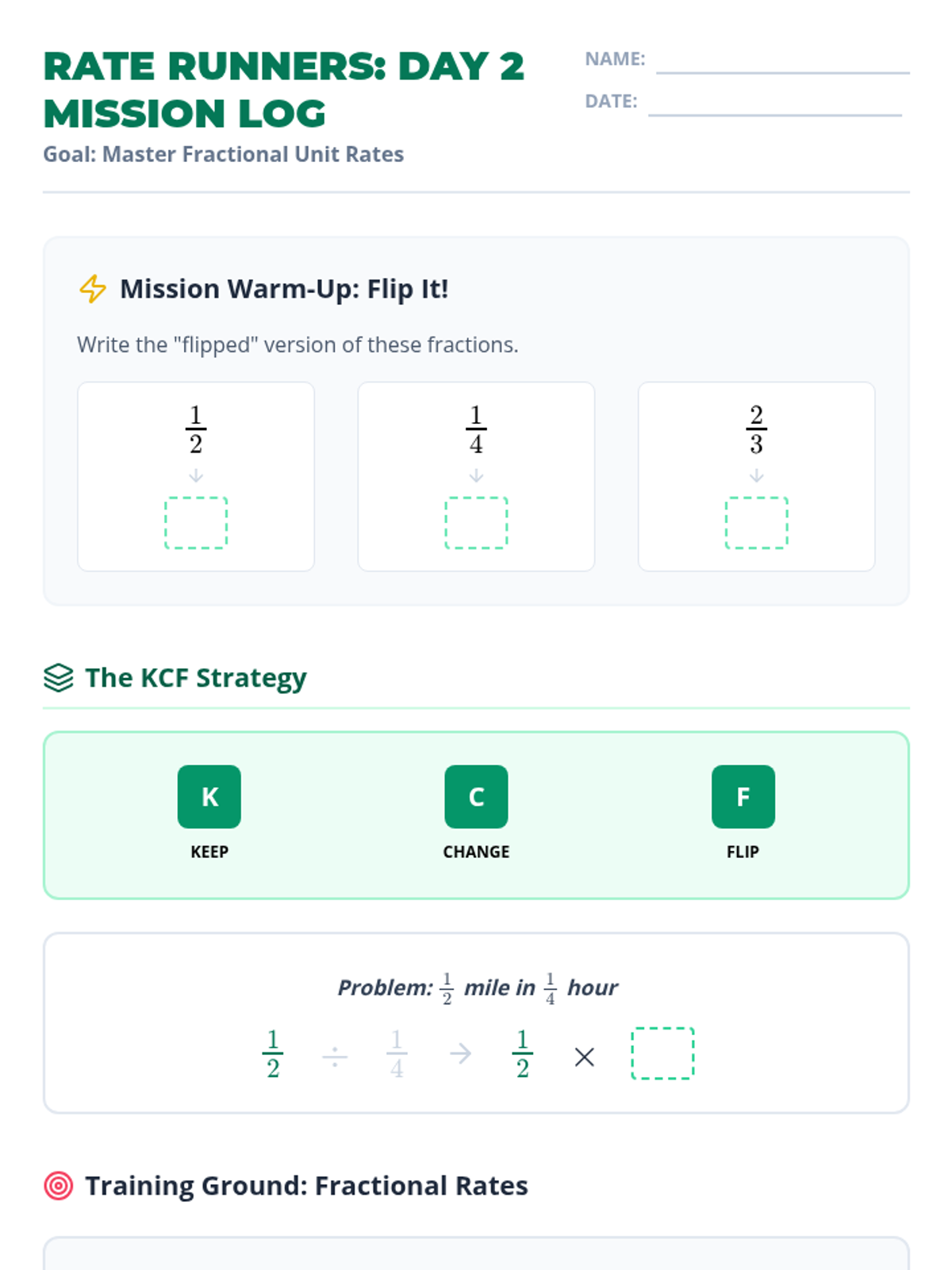
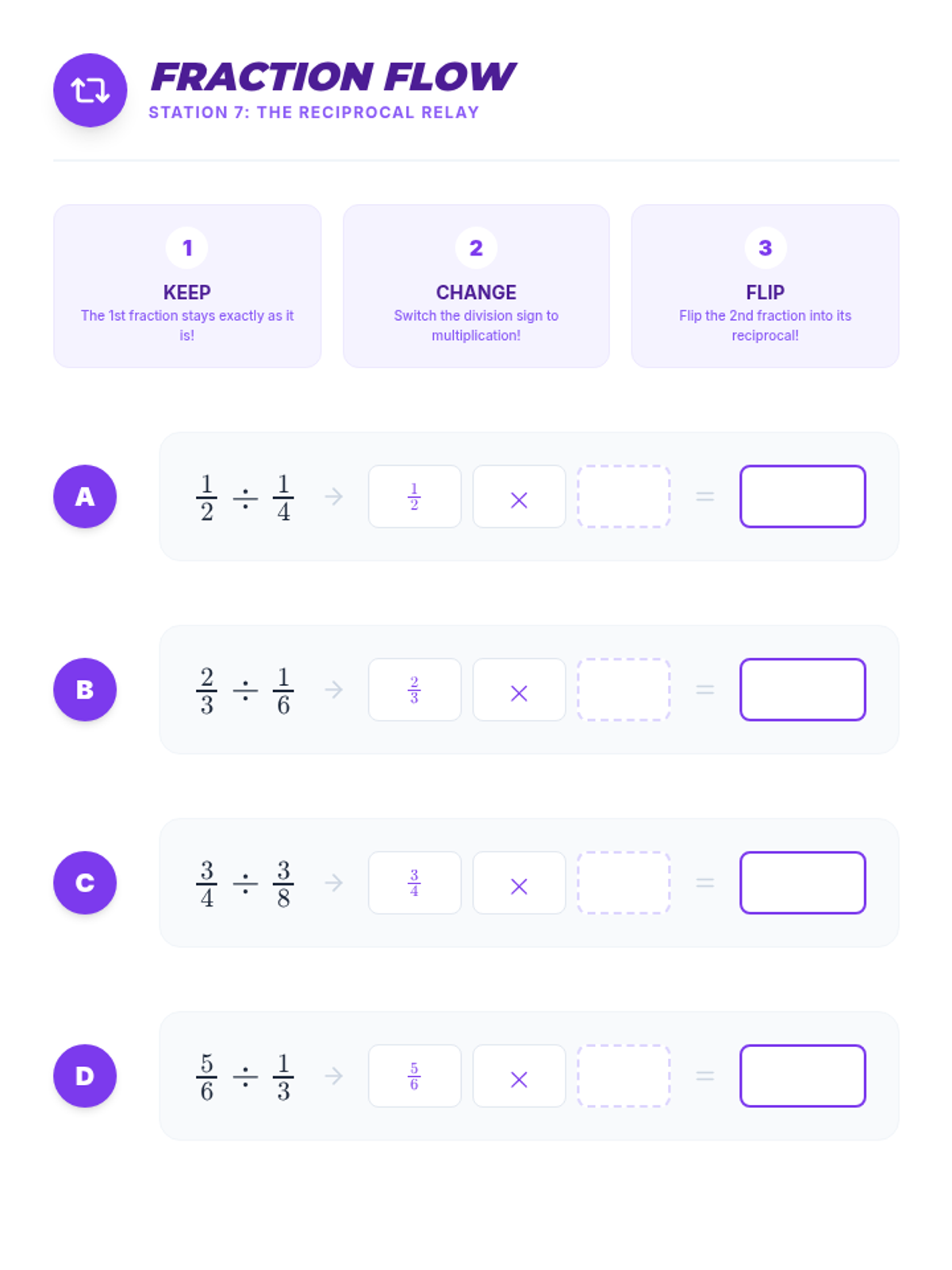
Introduction to unit rates involving simple fractions. Uses the 'Keep-Change-Flip' visual strategy and 'ratio of fractions' models to simplify complex unit rates.
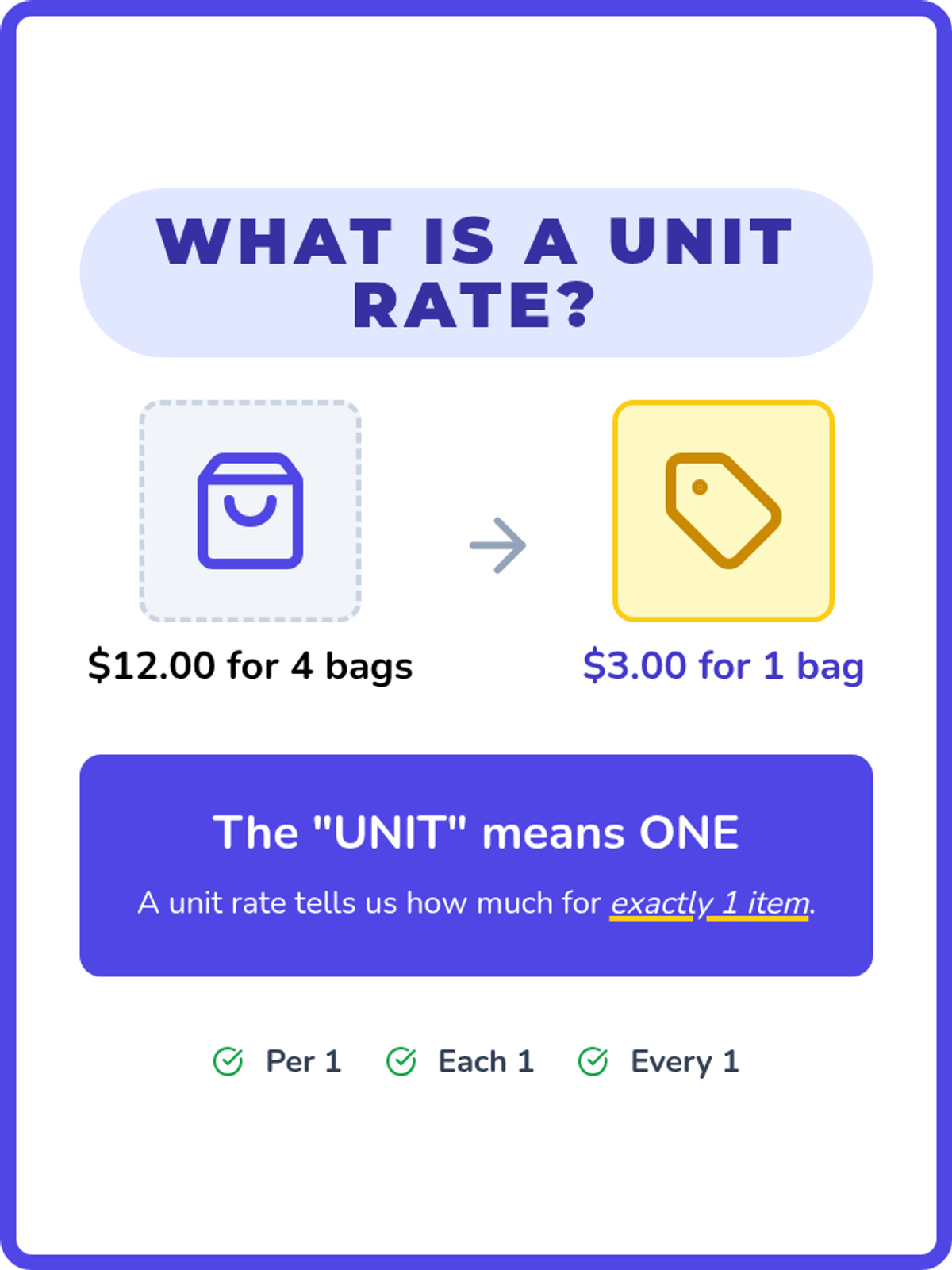
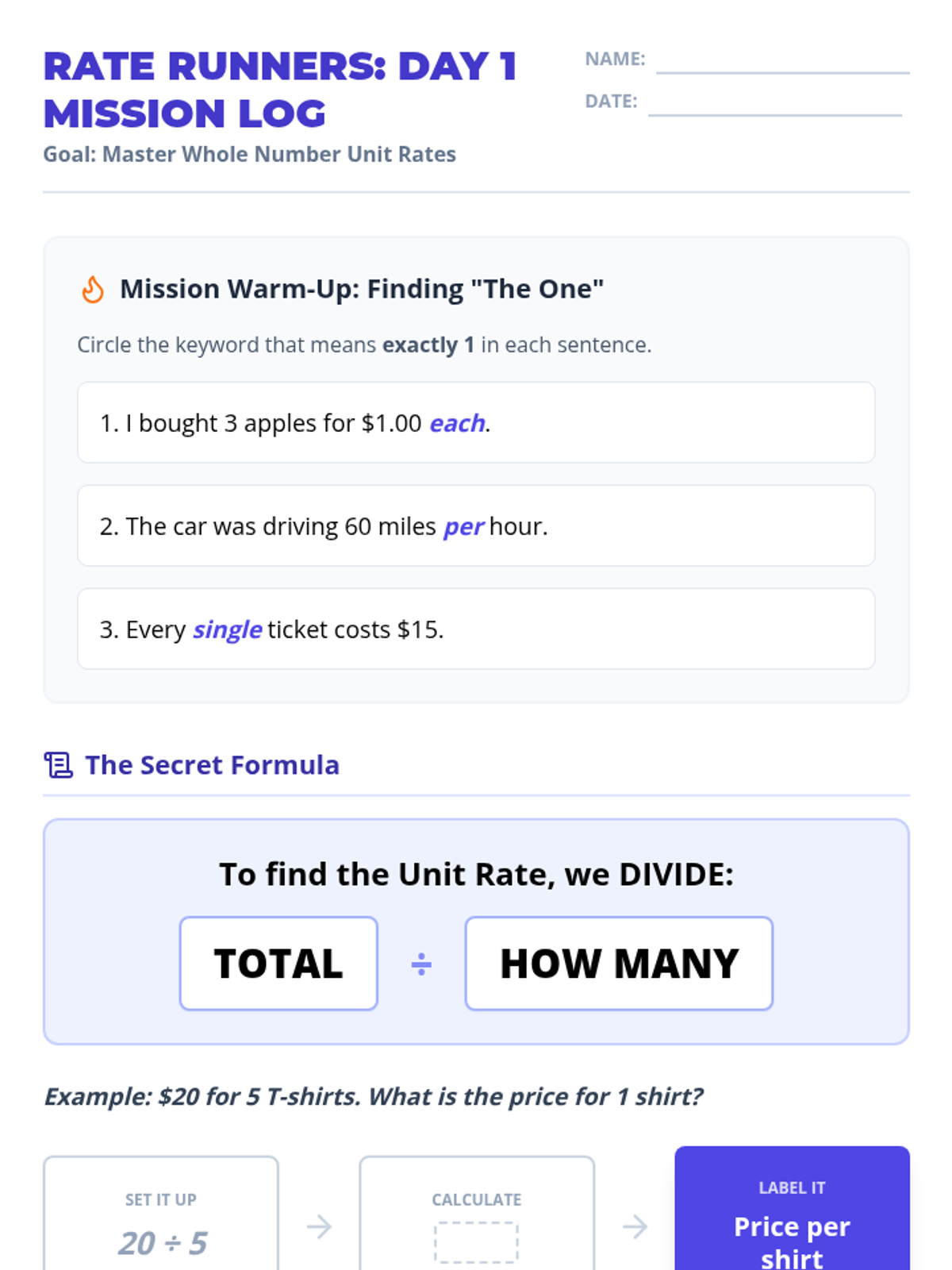
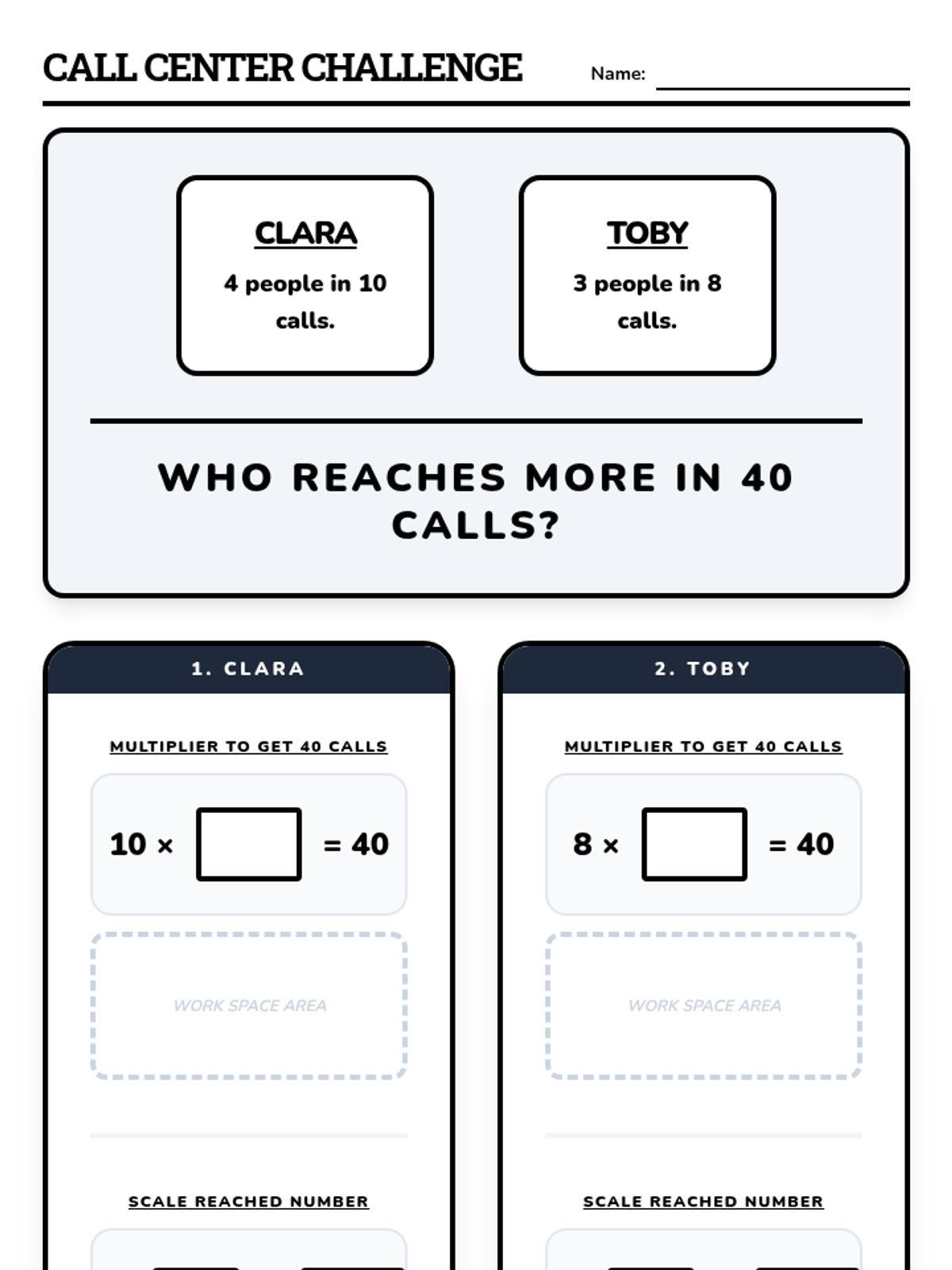
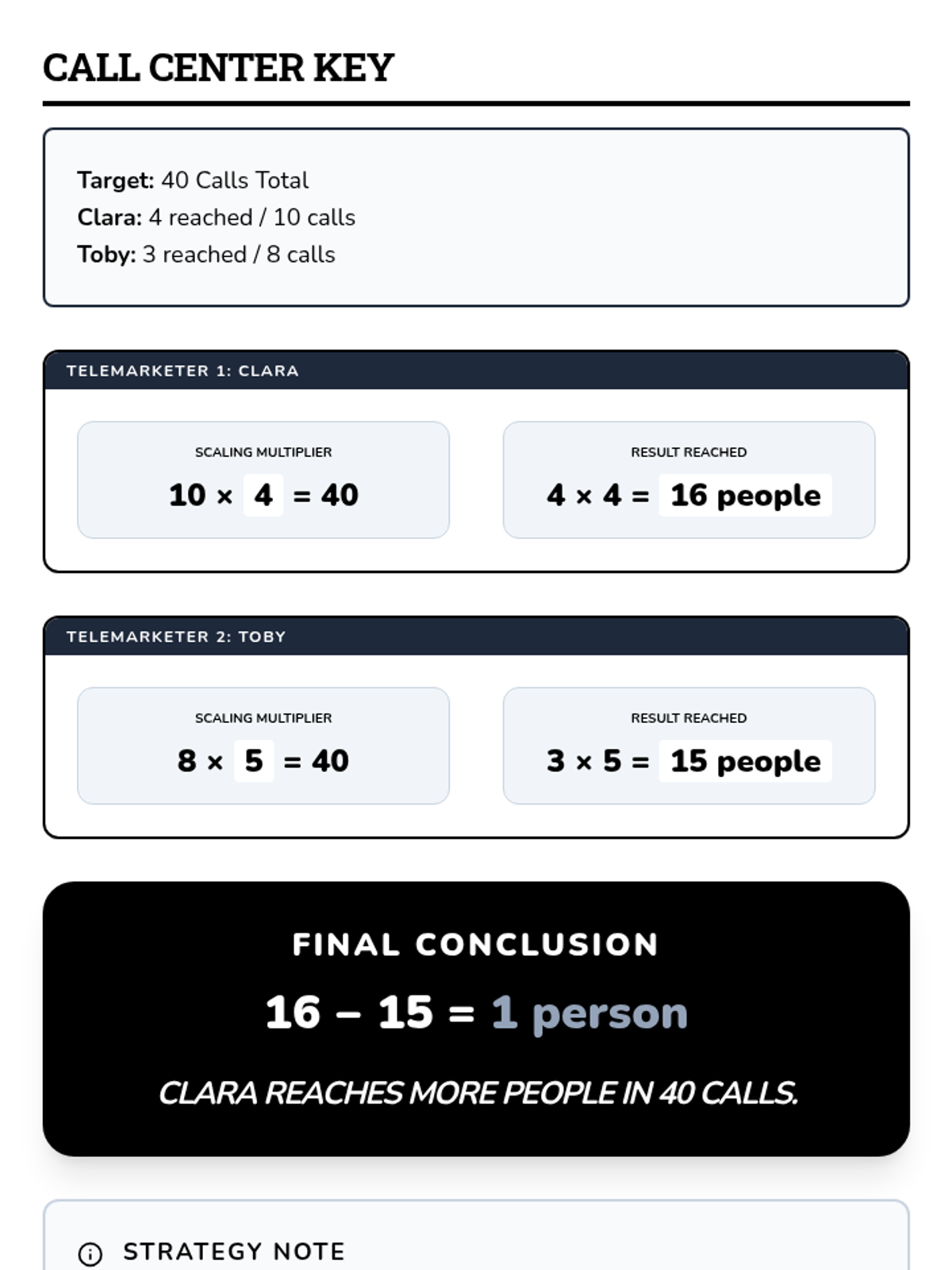
Foundational lesson on identifying ratios and calculating whole number unit rates using 'The Division Rule'. Includes guided notes on identifying 'per' and 'each' keywords.
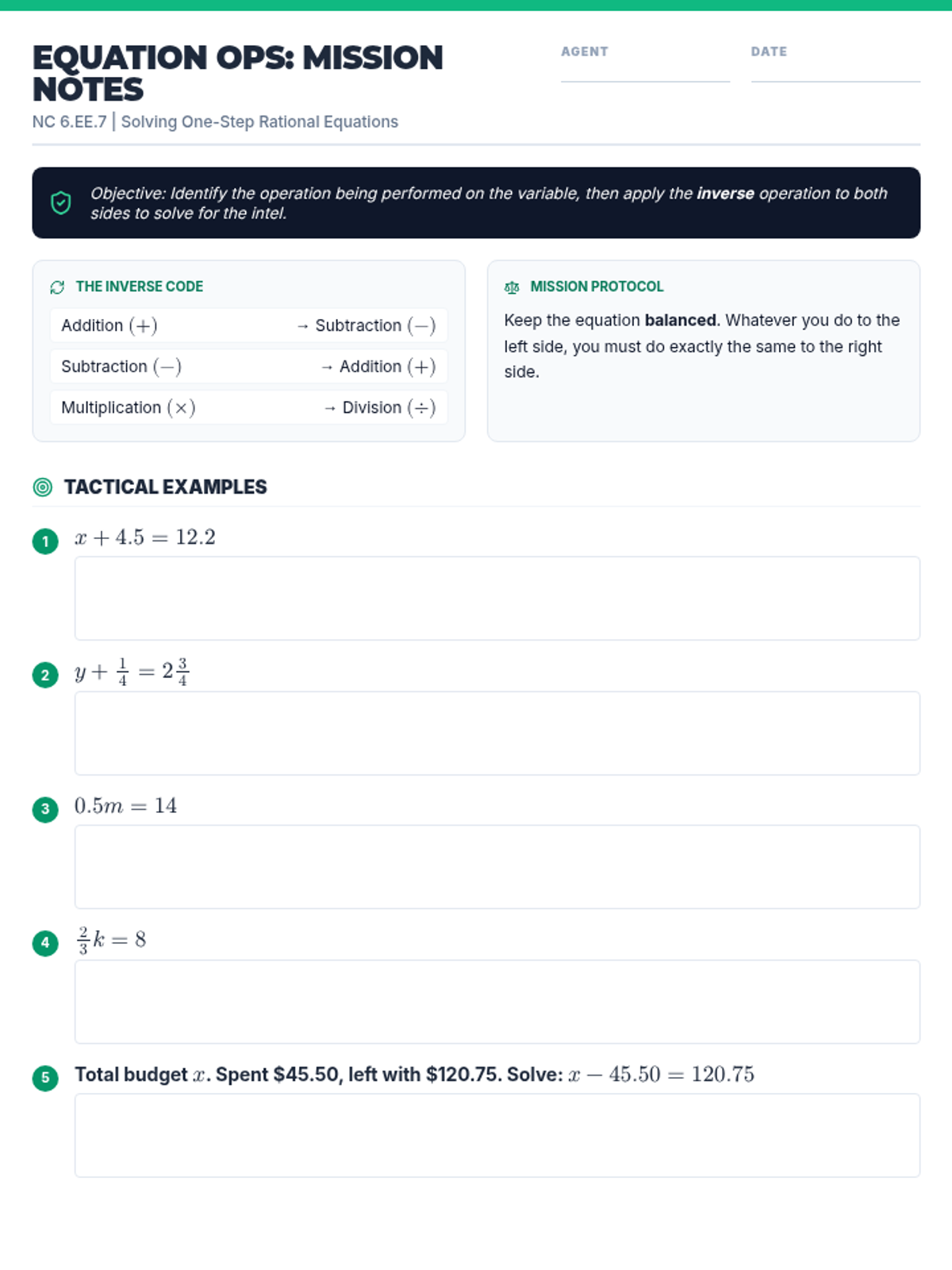
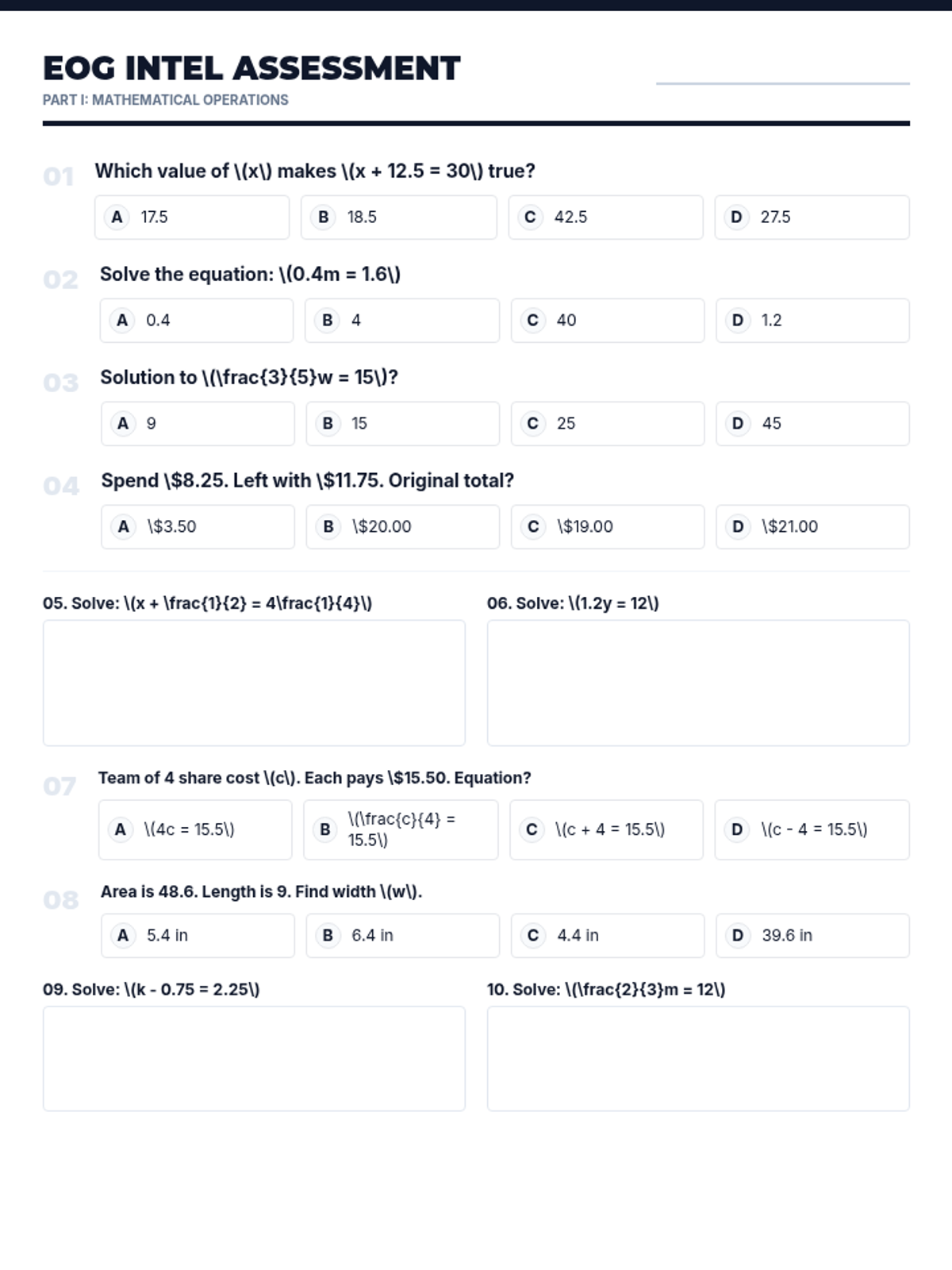
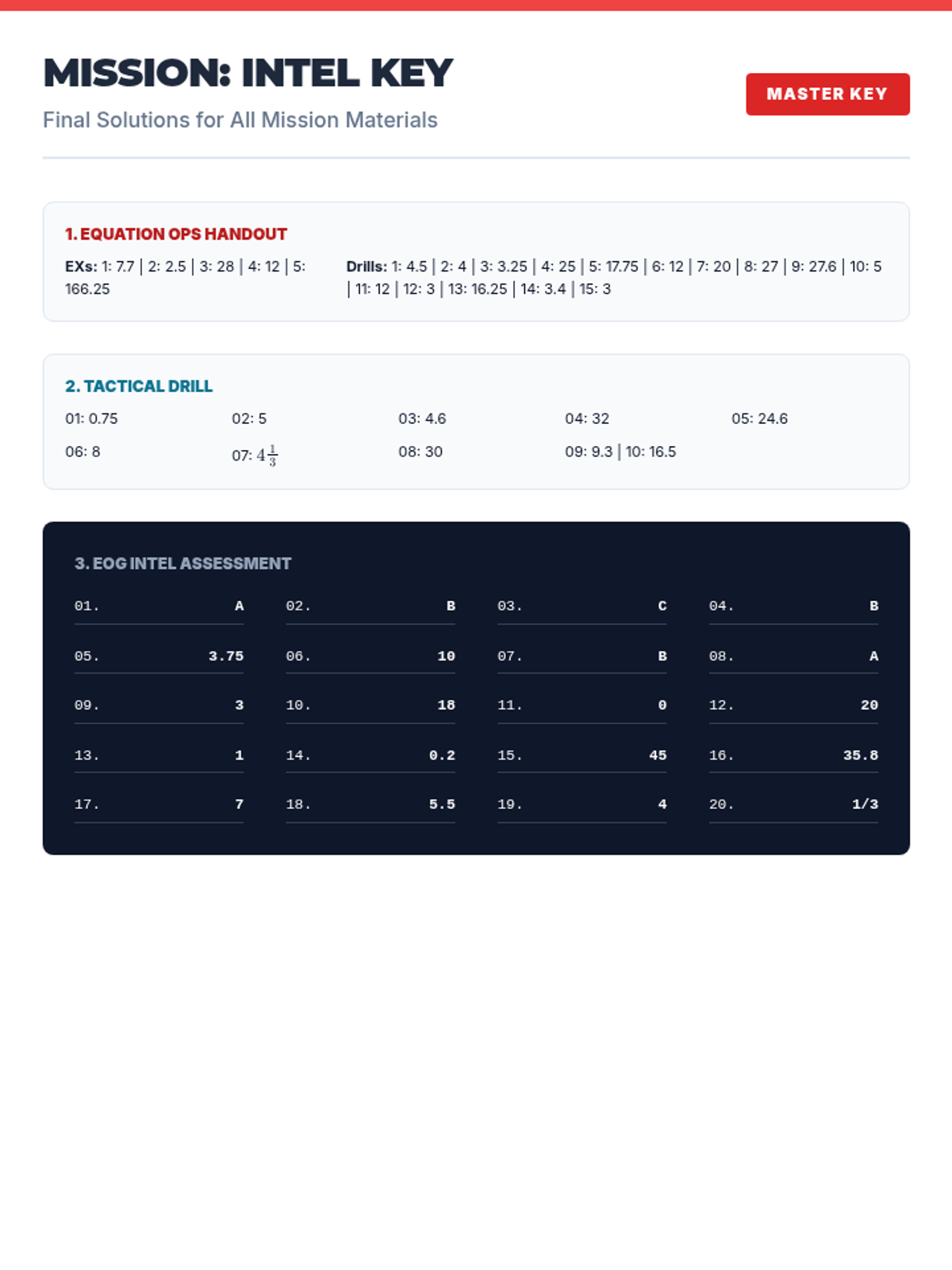
A comprehensive lesson on solving one-step equations involving non-negative rational numbers, featuring a secret agent tactical theme. Includes guided notes, extensive practice, and an EOG-style assessment.
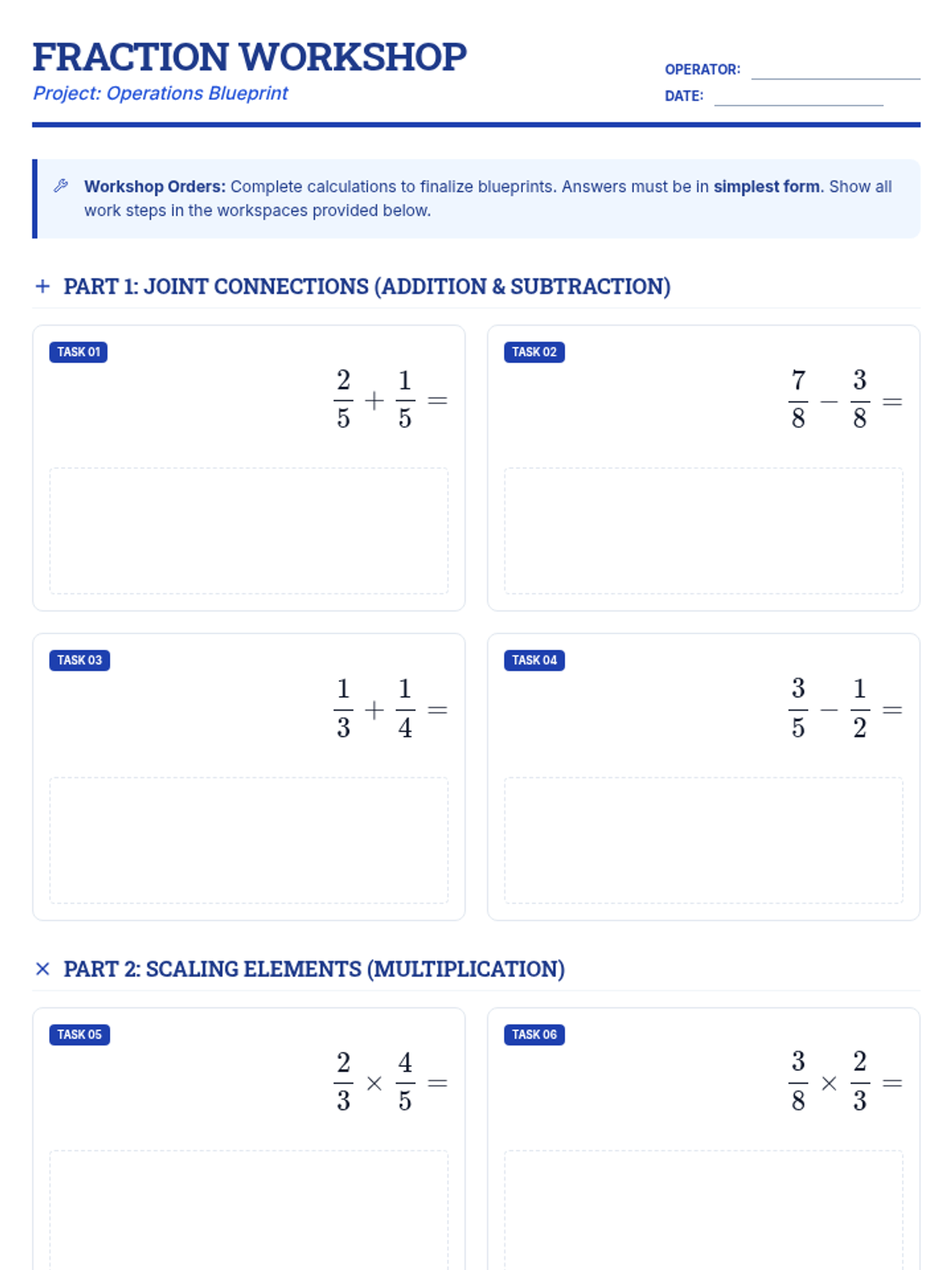
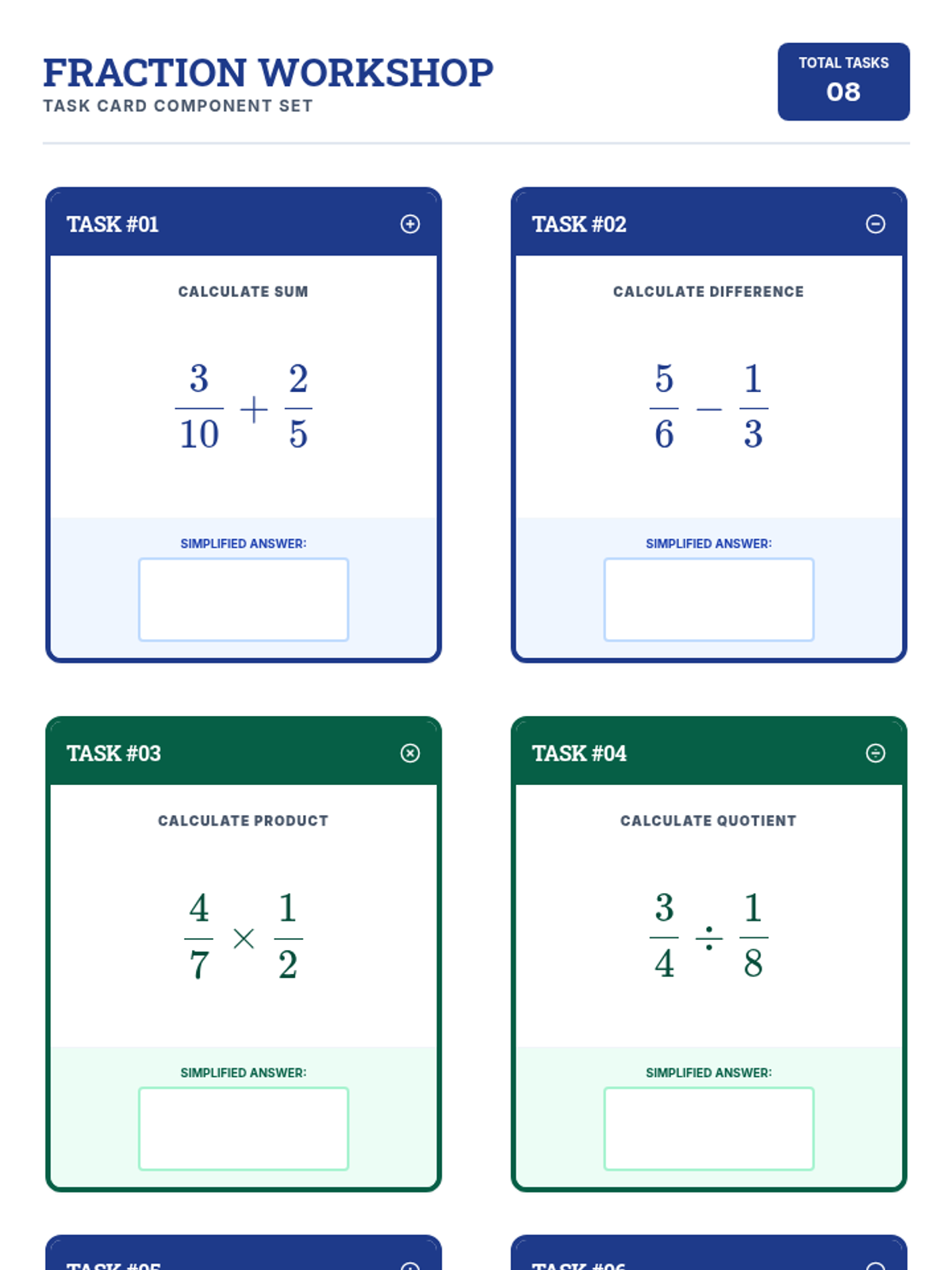
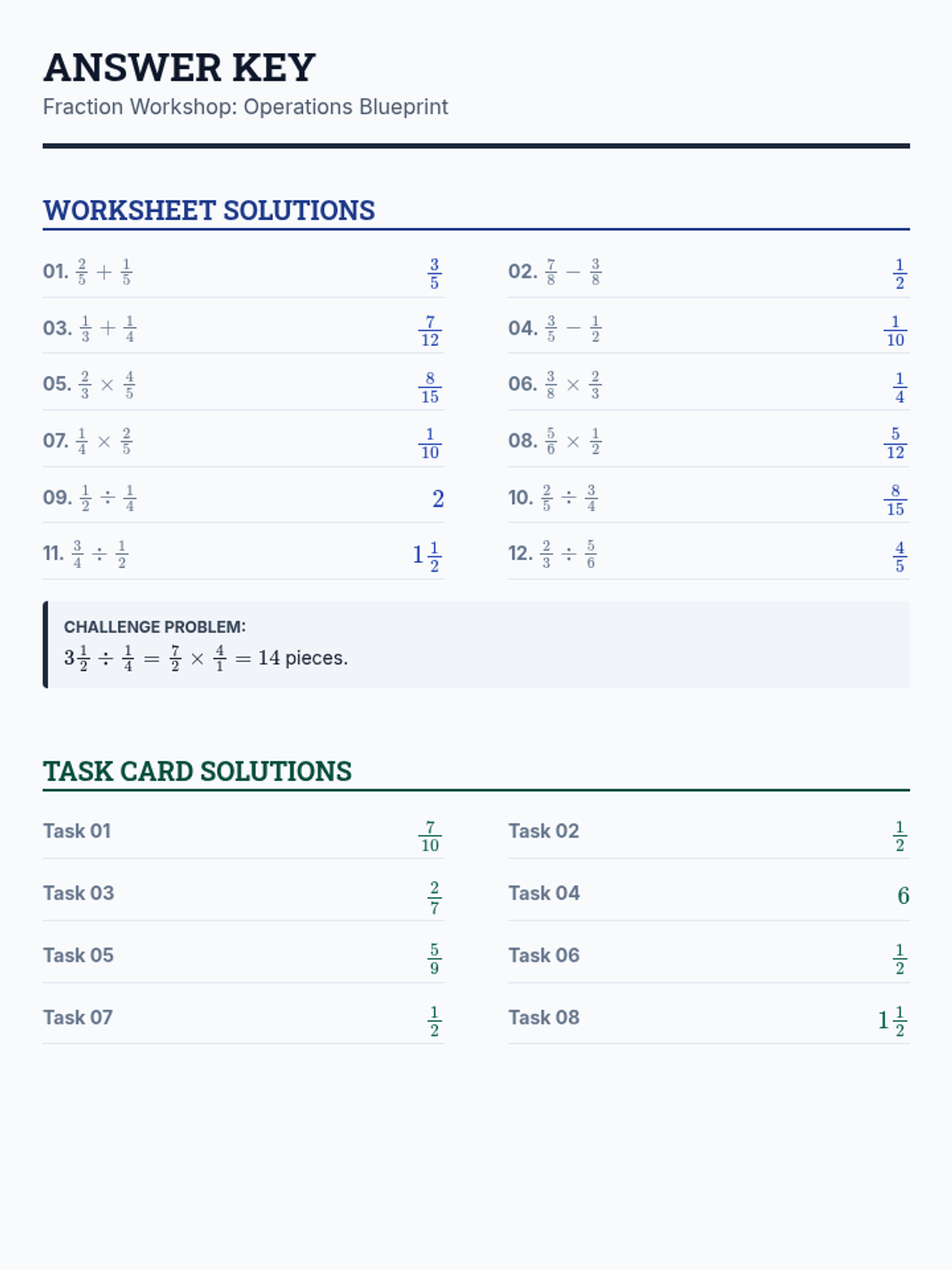
A comprehensive practice set for mastering the four basic operations with fractions, themed as an engineering workshop.
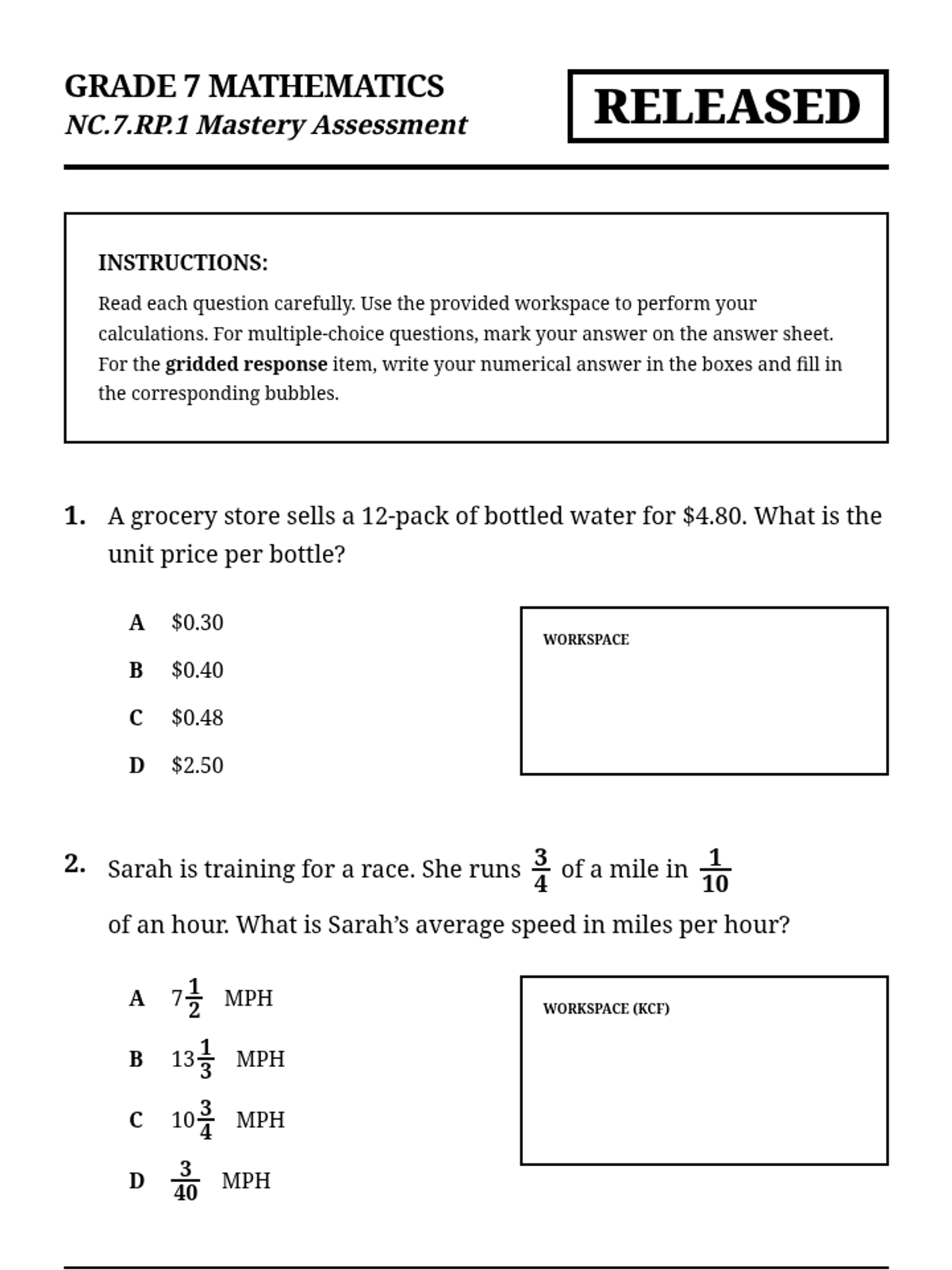
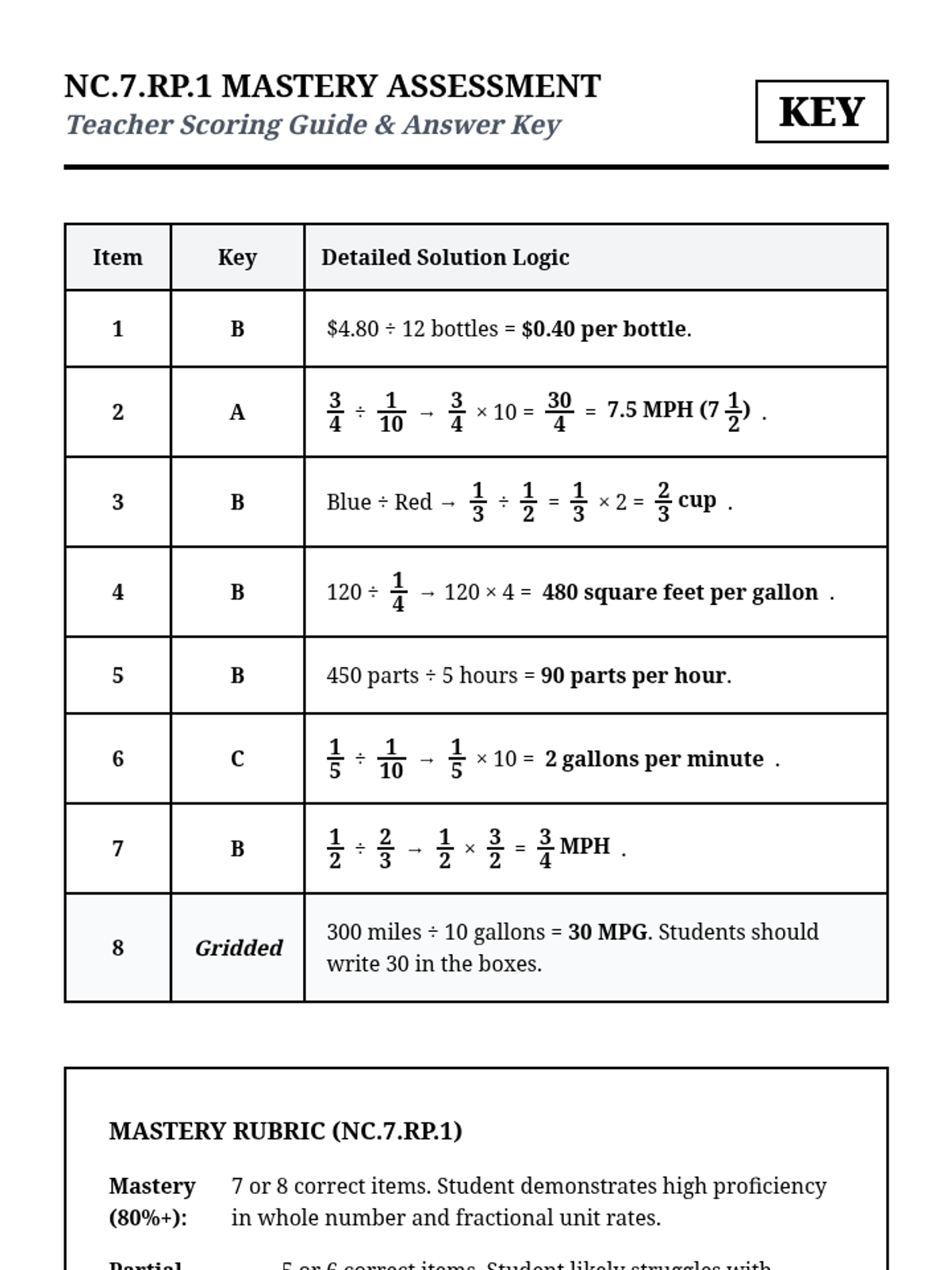
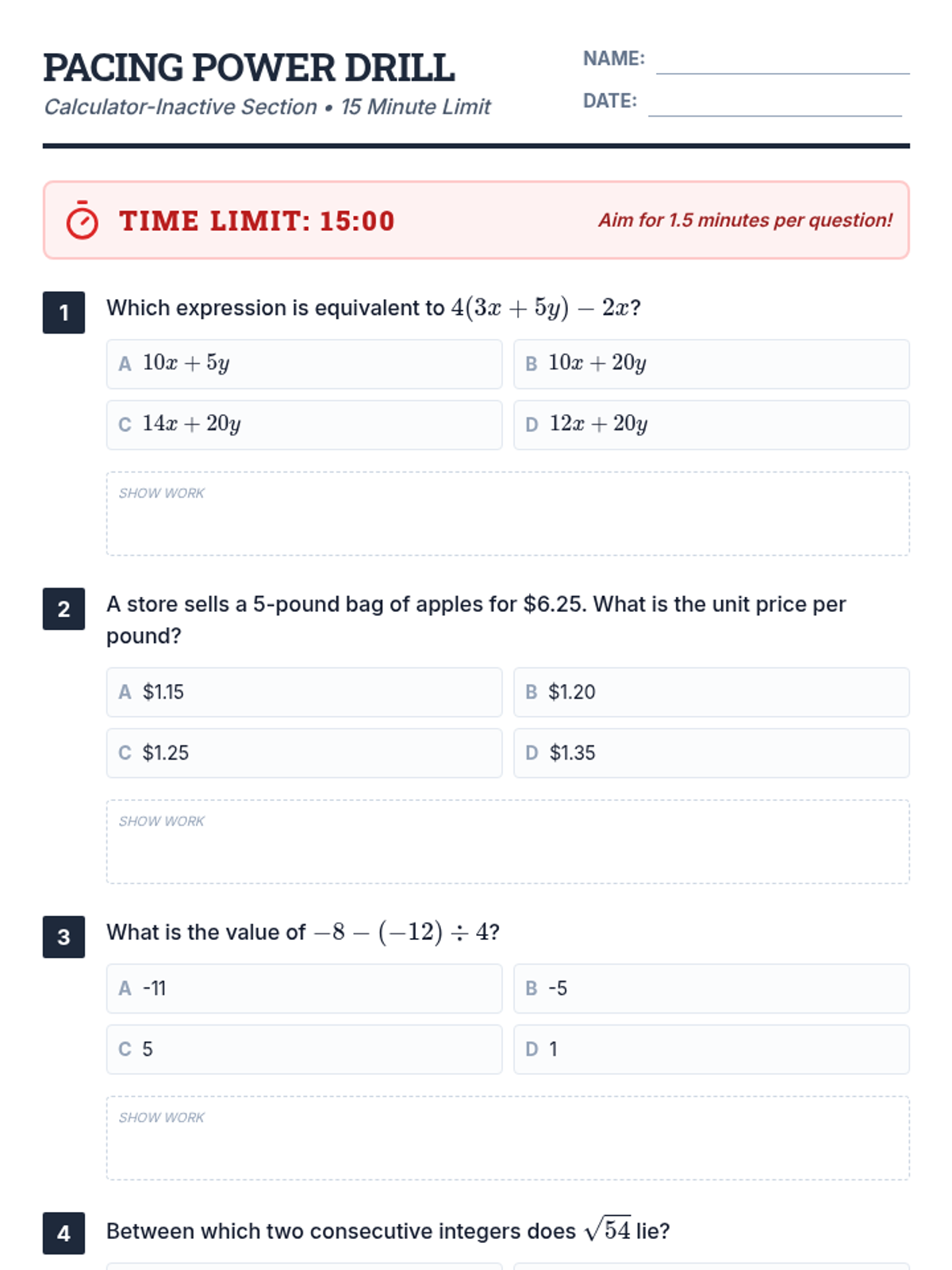
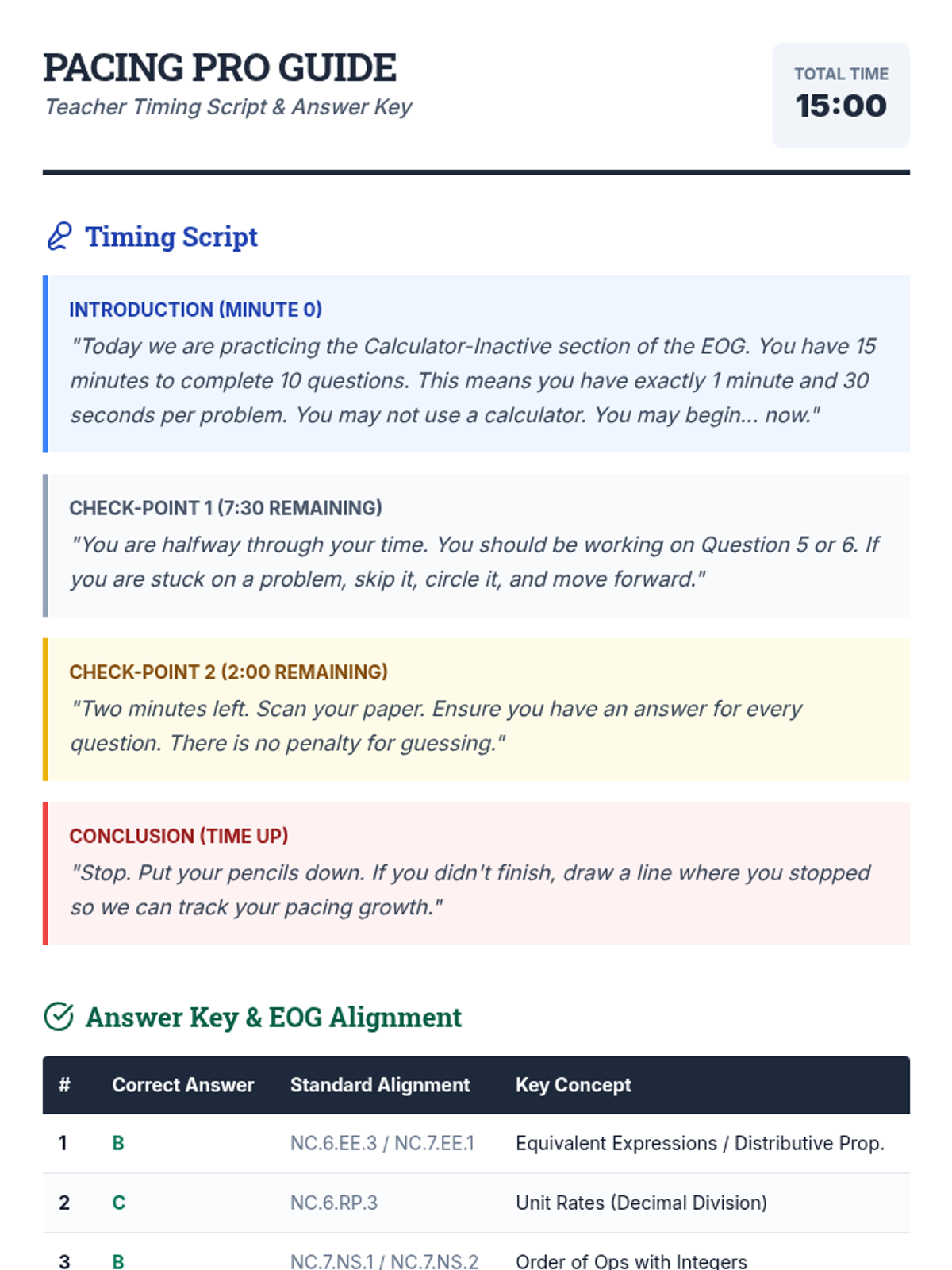
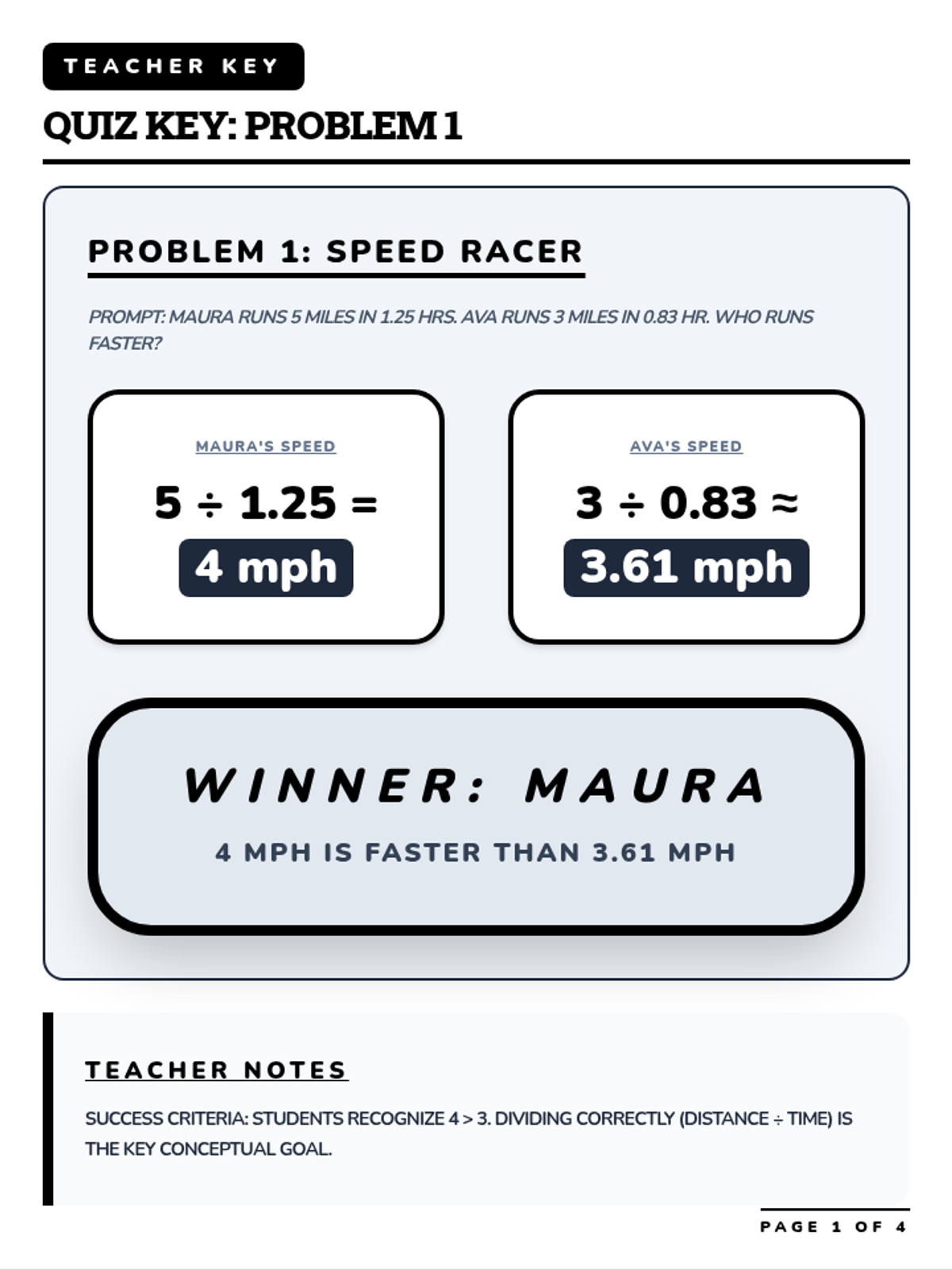
A high-intensity math practice session designed to build speed and accuracy for the calculator-inactive portion of the NC EOG. Students tackle 10 multi-grade level questions under a strict 15-minute limit followed by a metacognitive reflection on their pacing strategies.
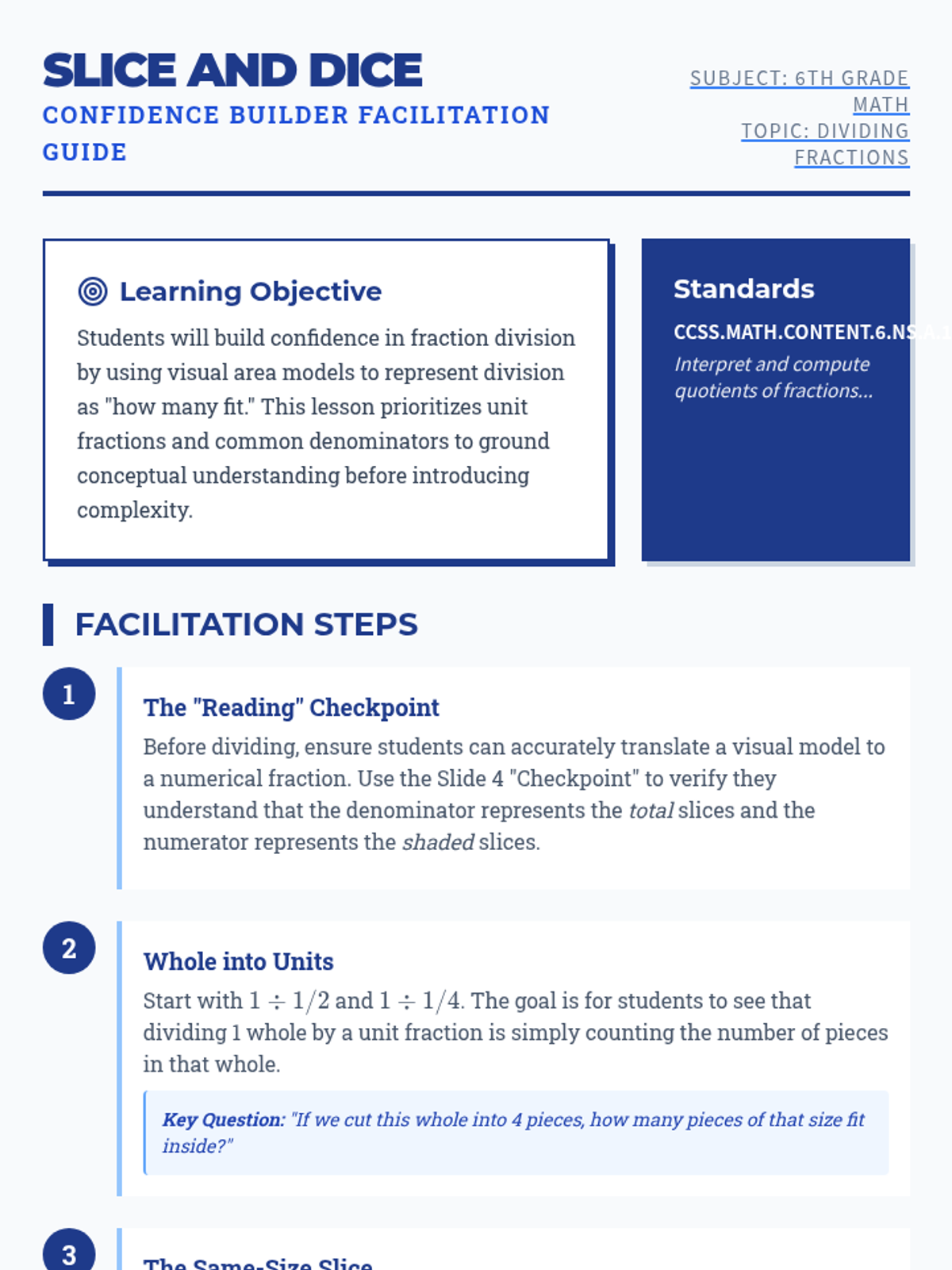
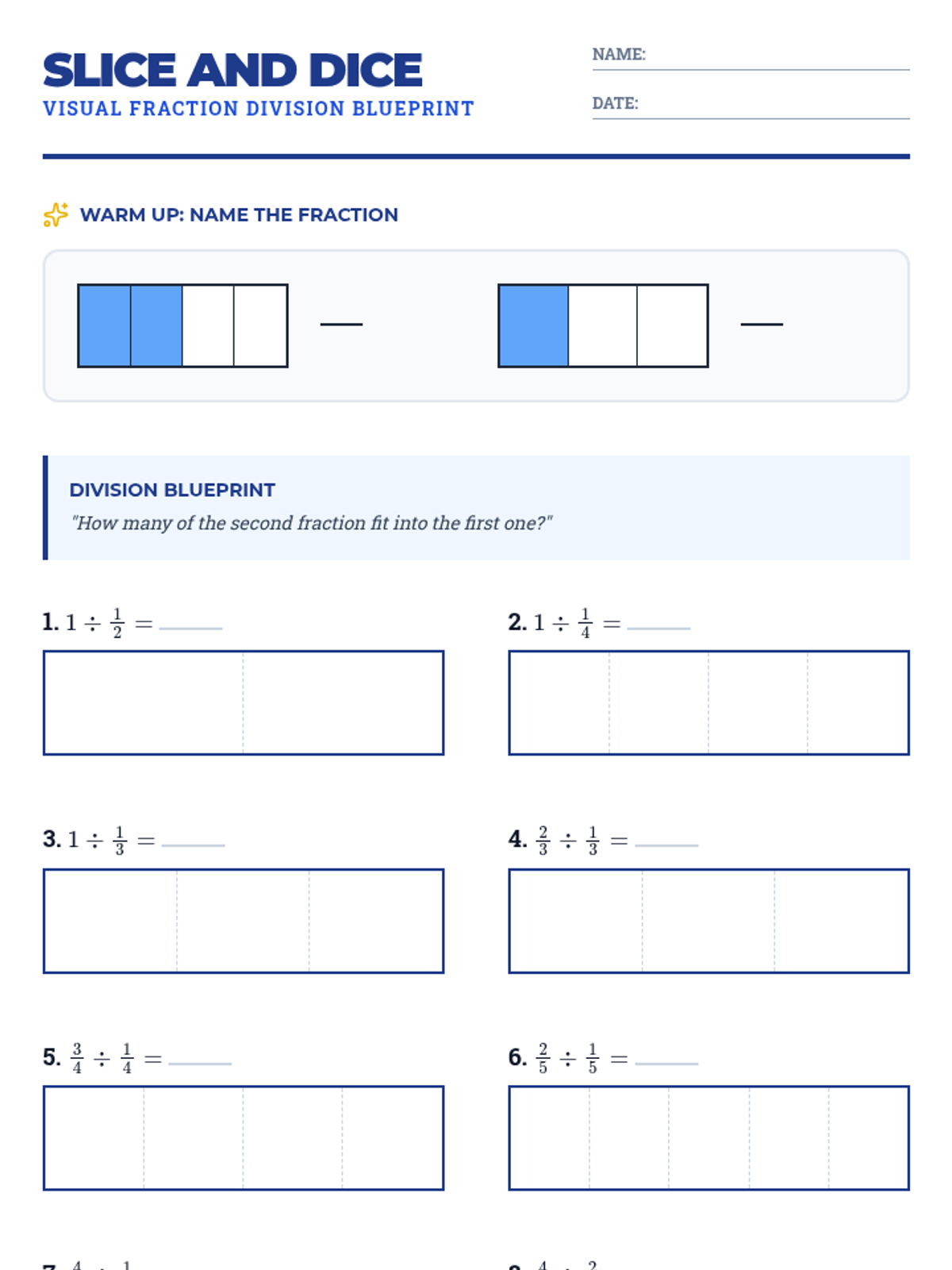
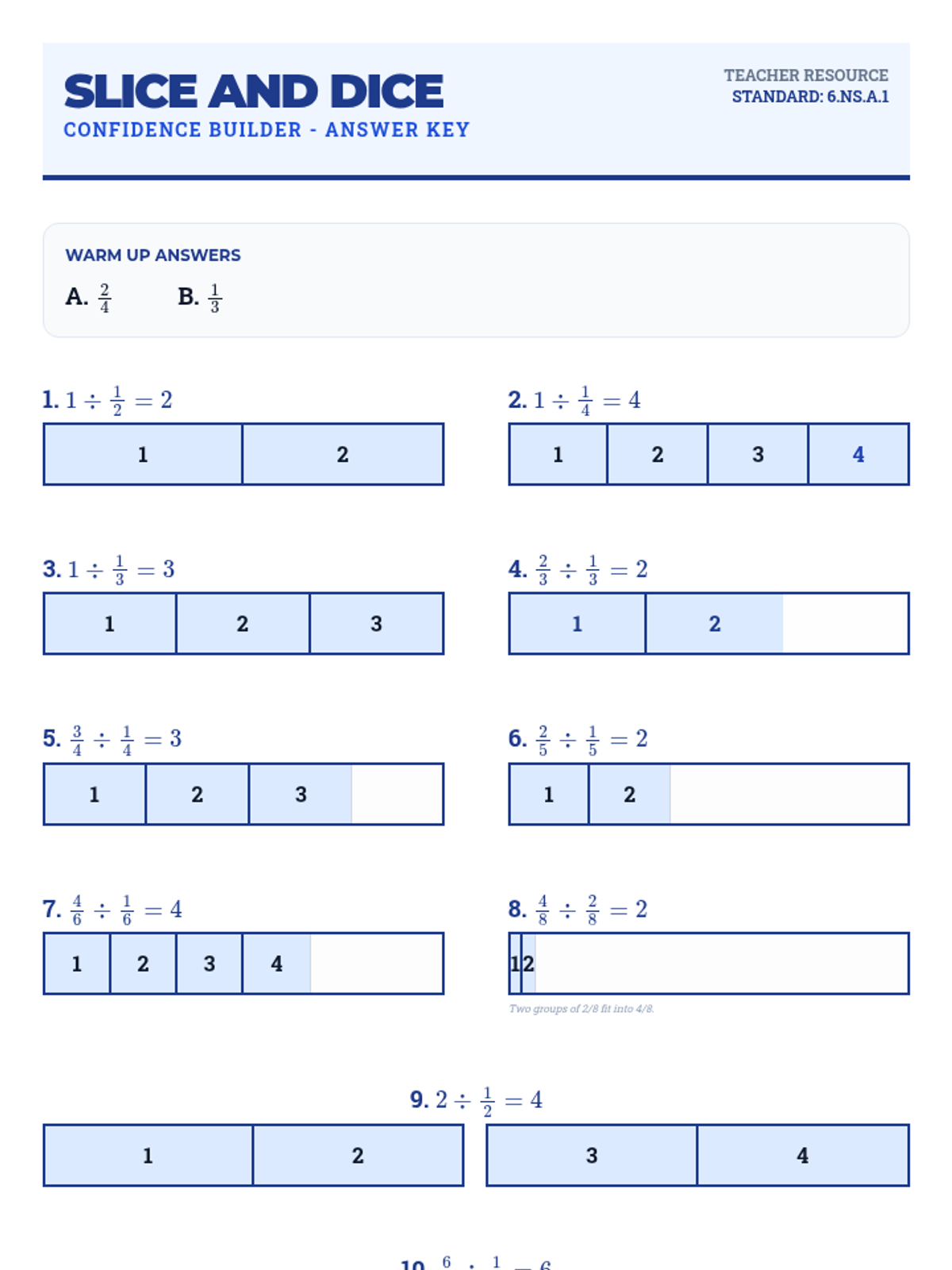
A remediation lesson focused on visual area models for dividing fractions (6.NS.A.1). Students use area models to visualize division as finding how many times one fraction fits into another.
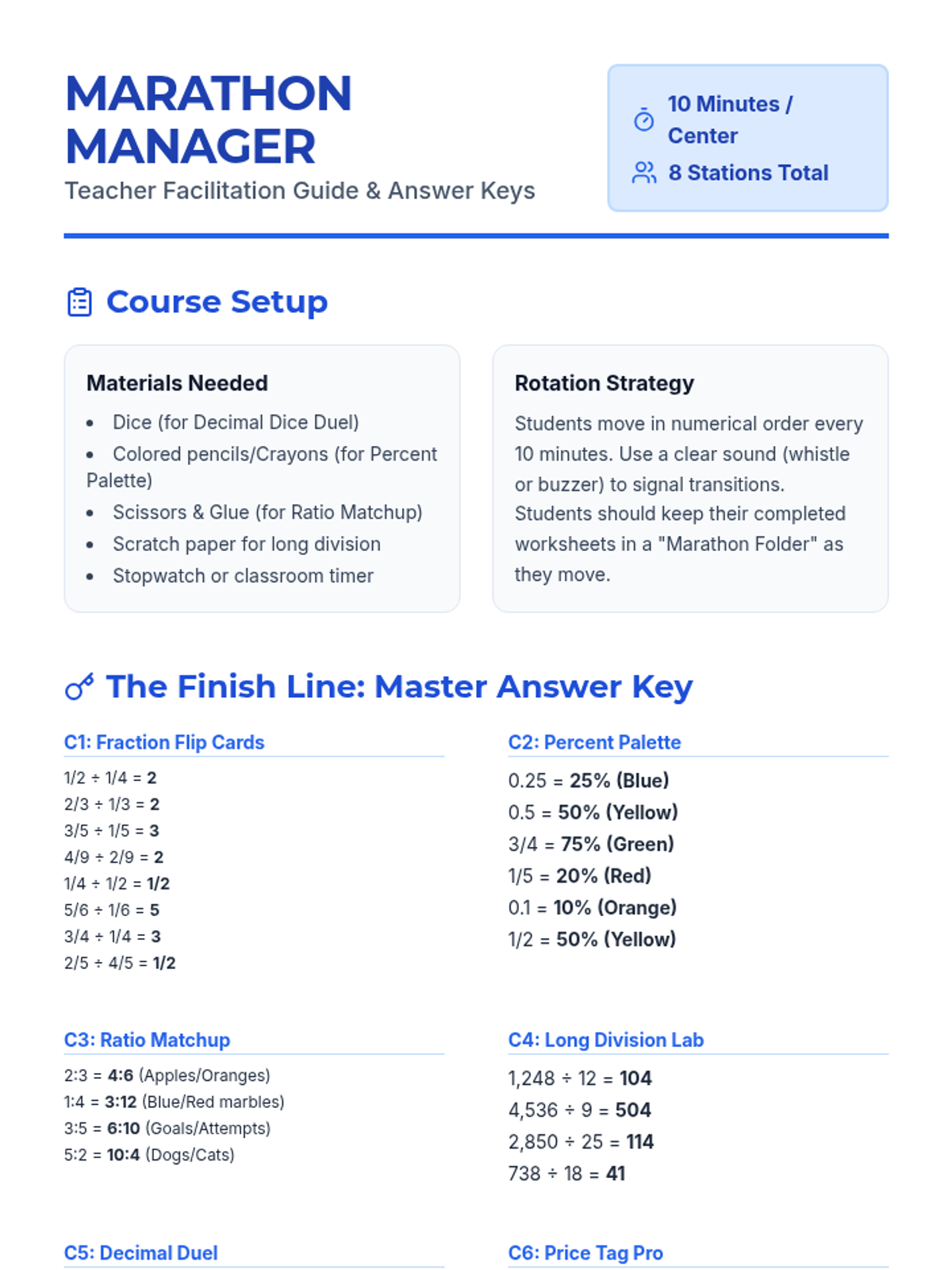
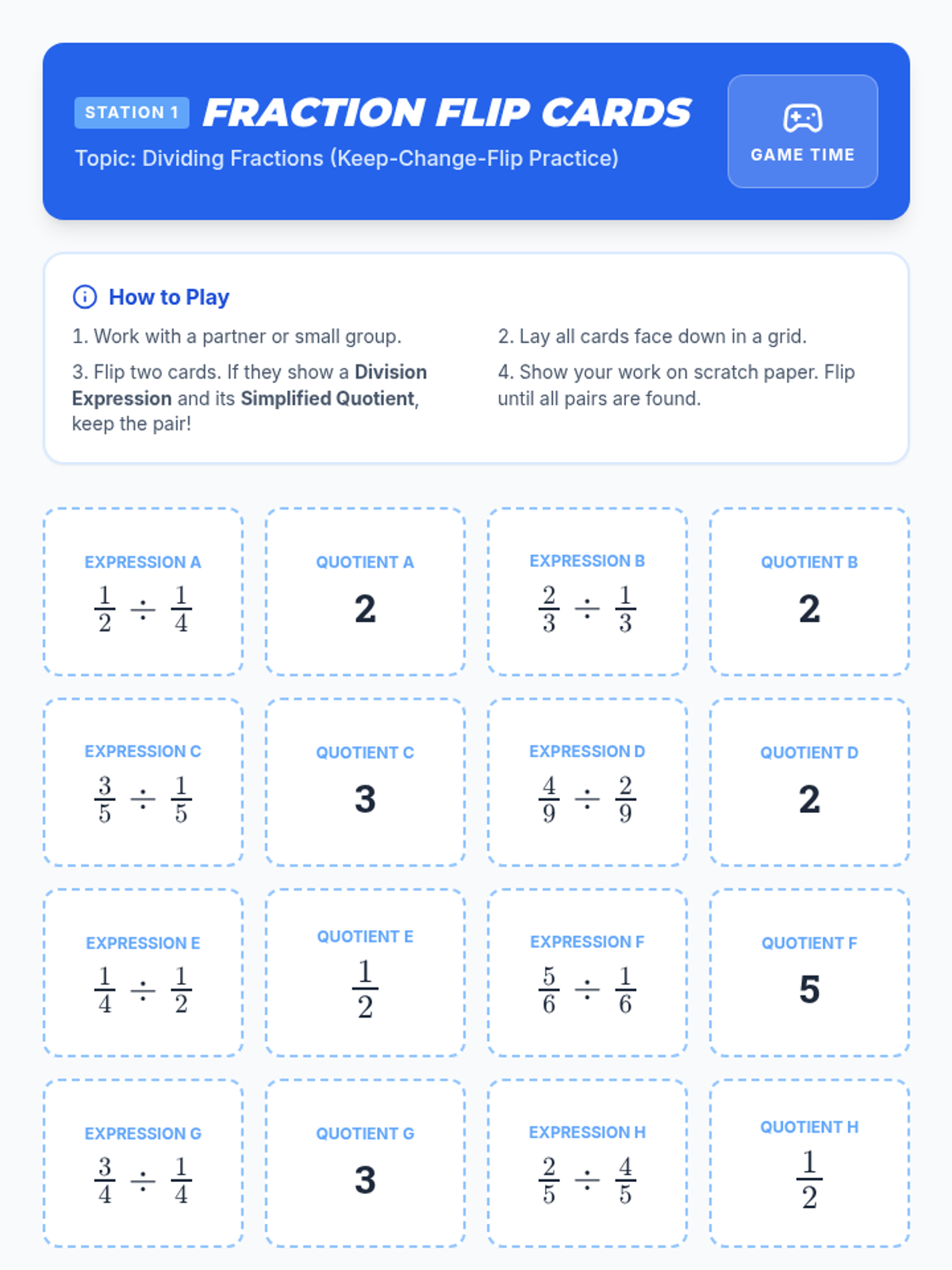
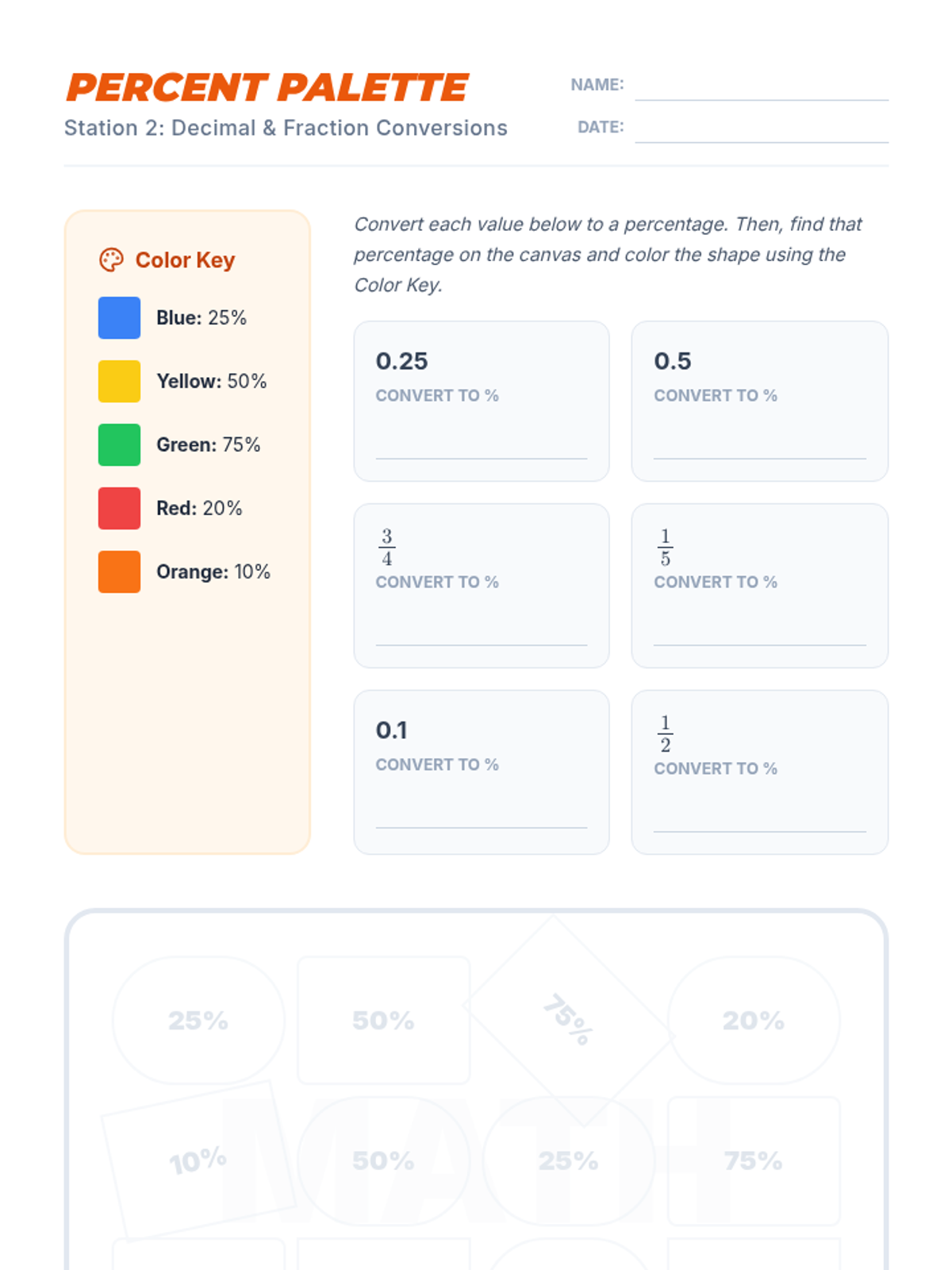
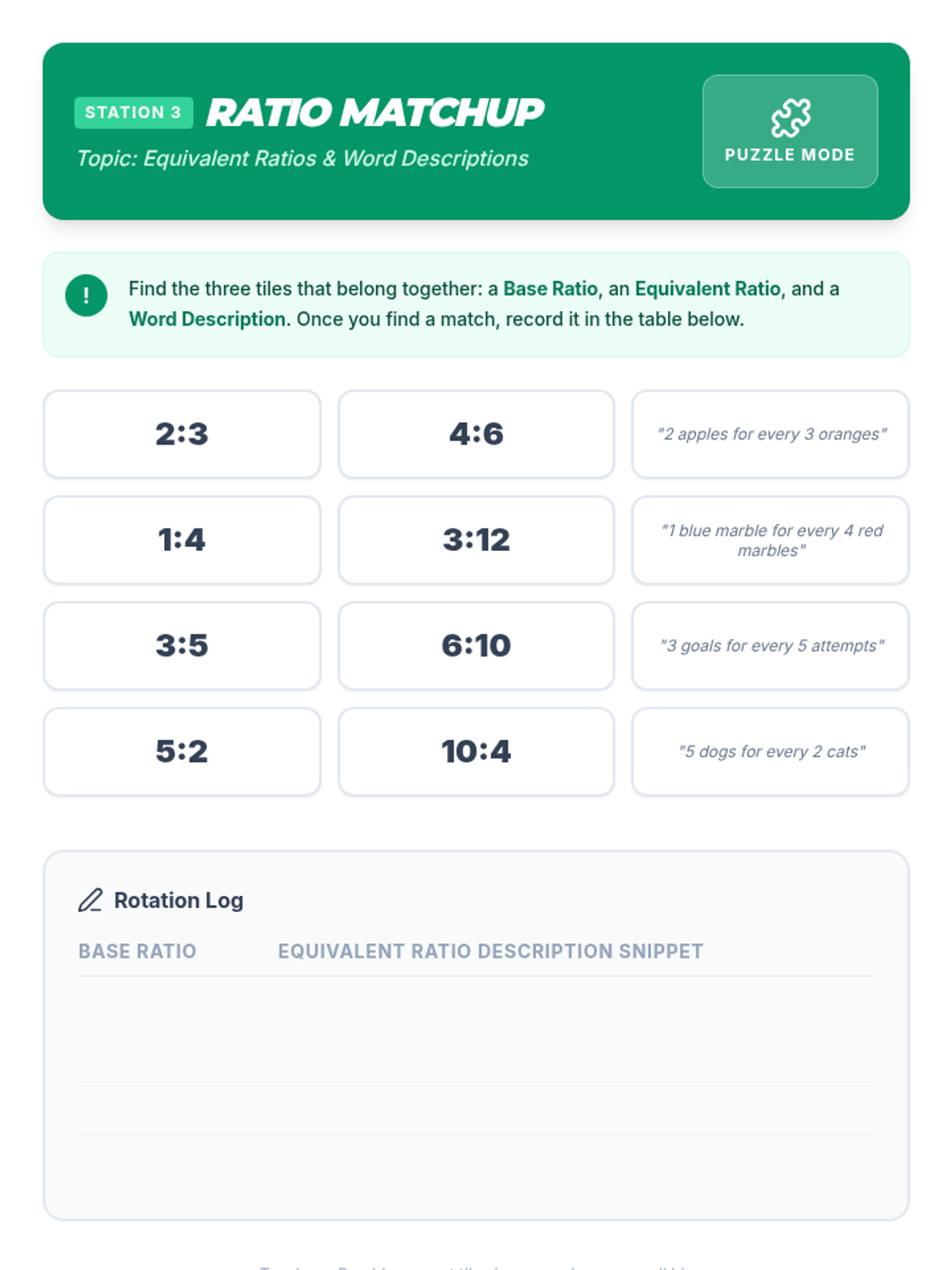
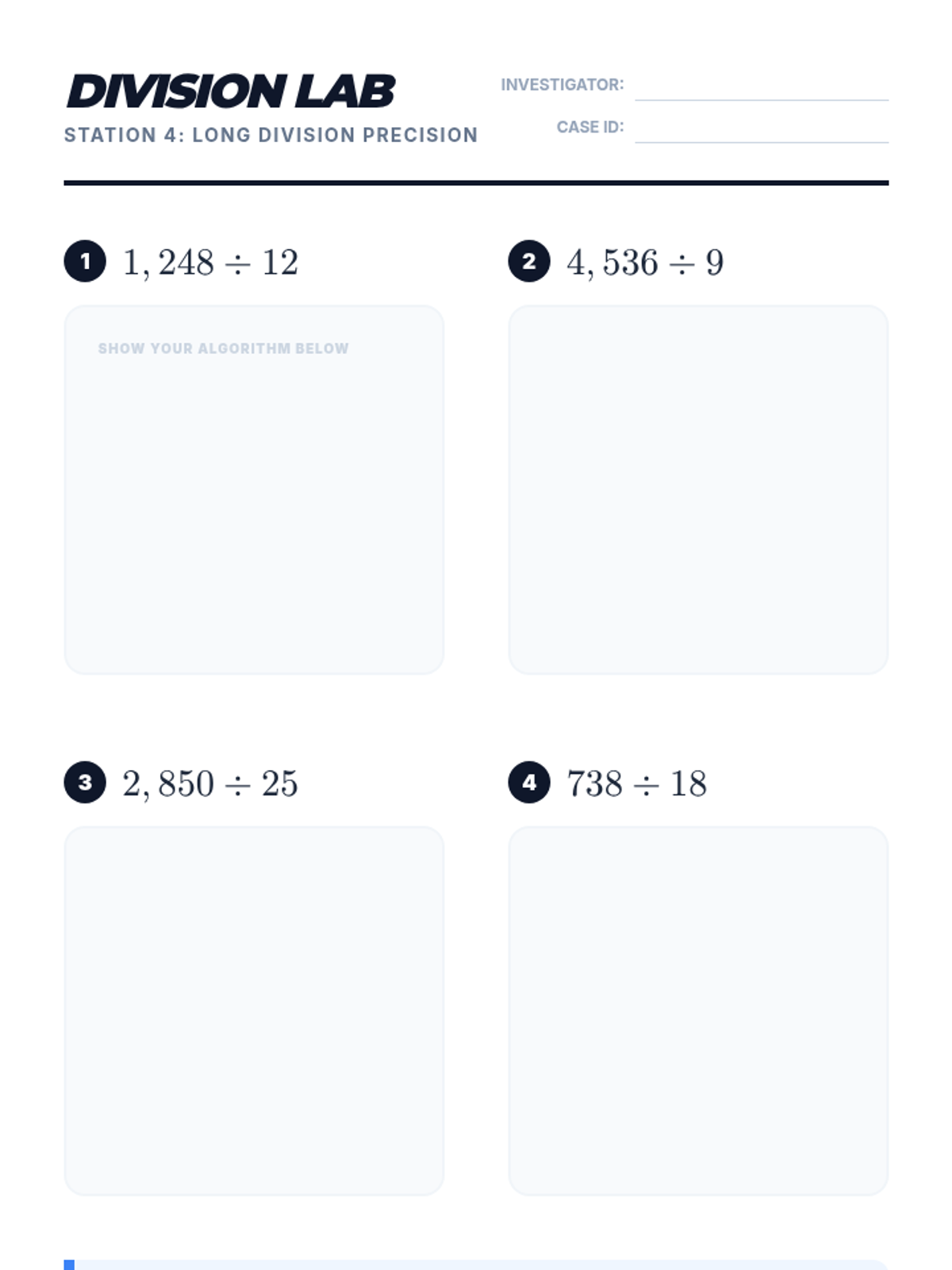
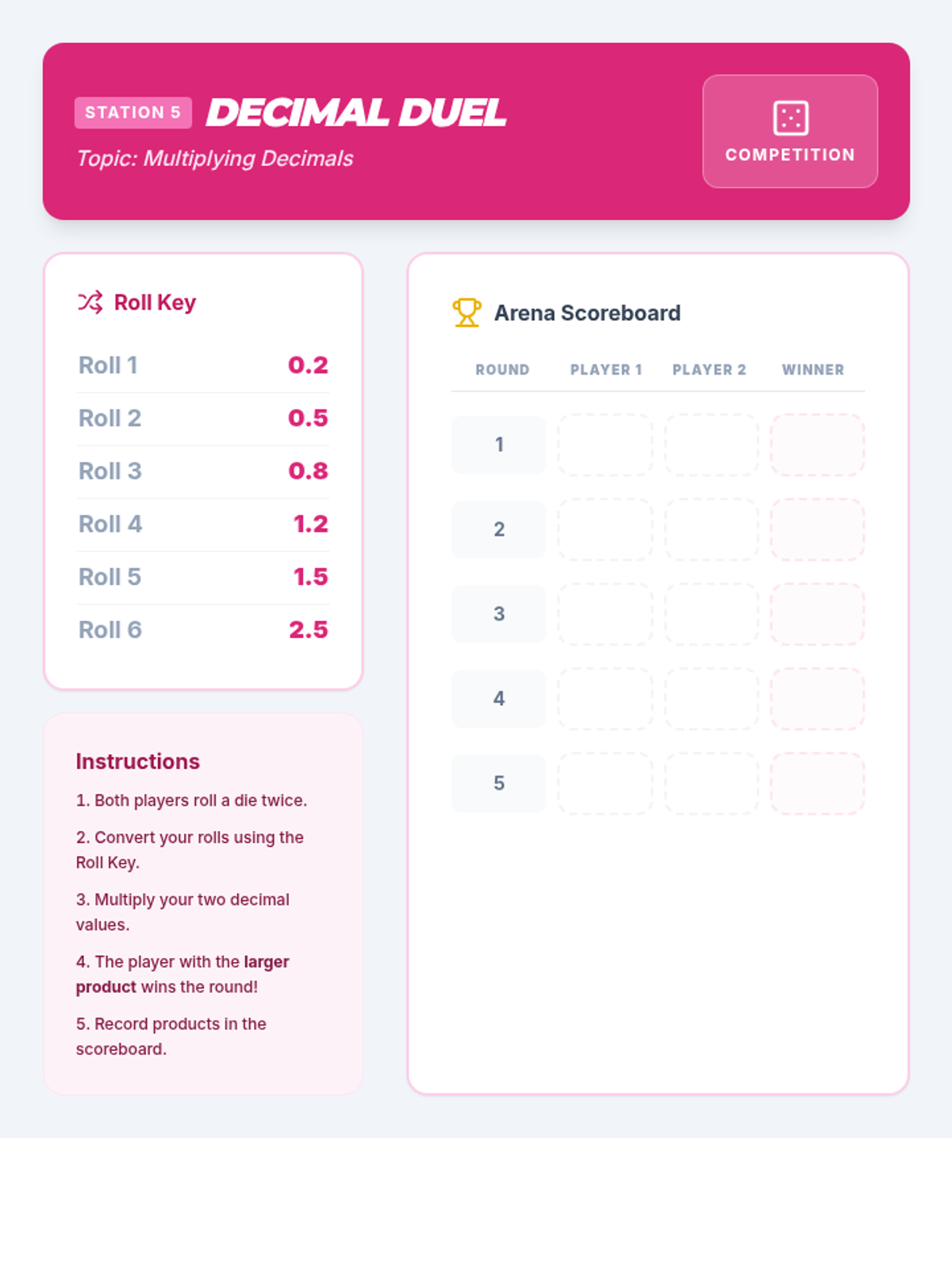
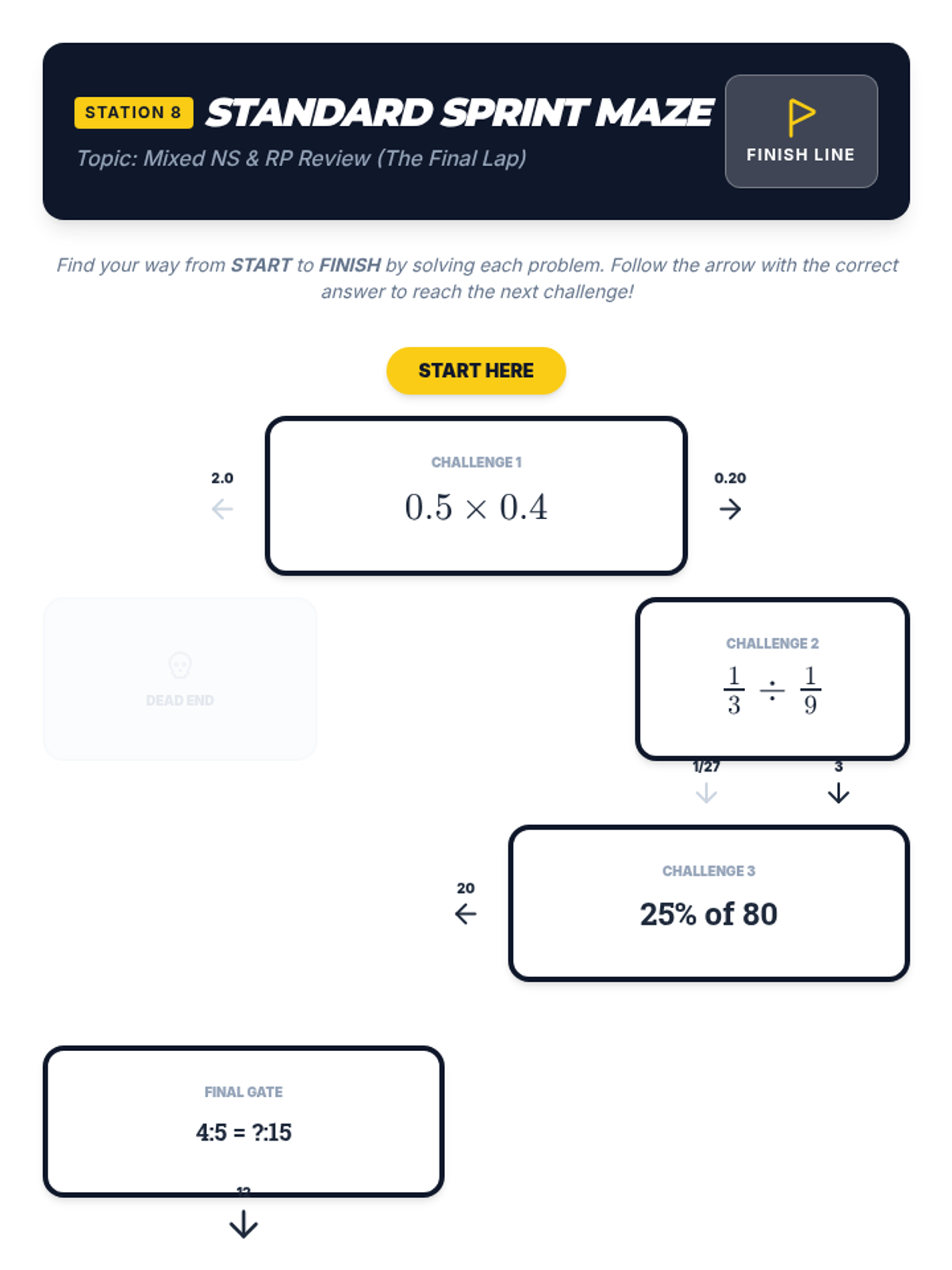
A high-energy series of 8 math centers focused on 6th-grade NS and RP standards, including games, puzzles, and coloring activities designed for 10-minute rotations.
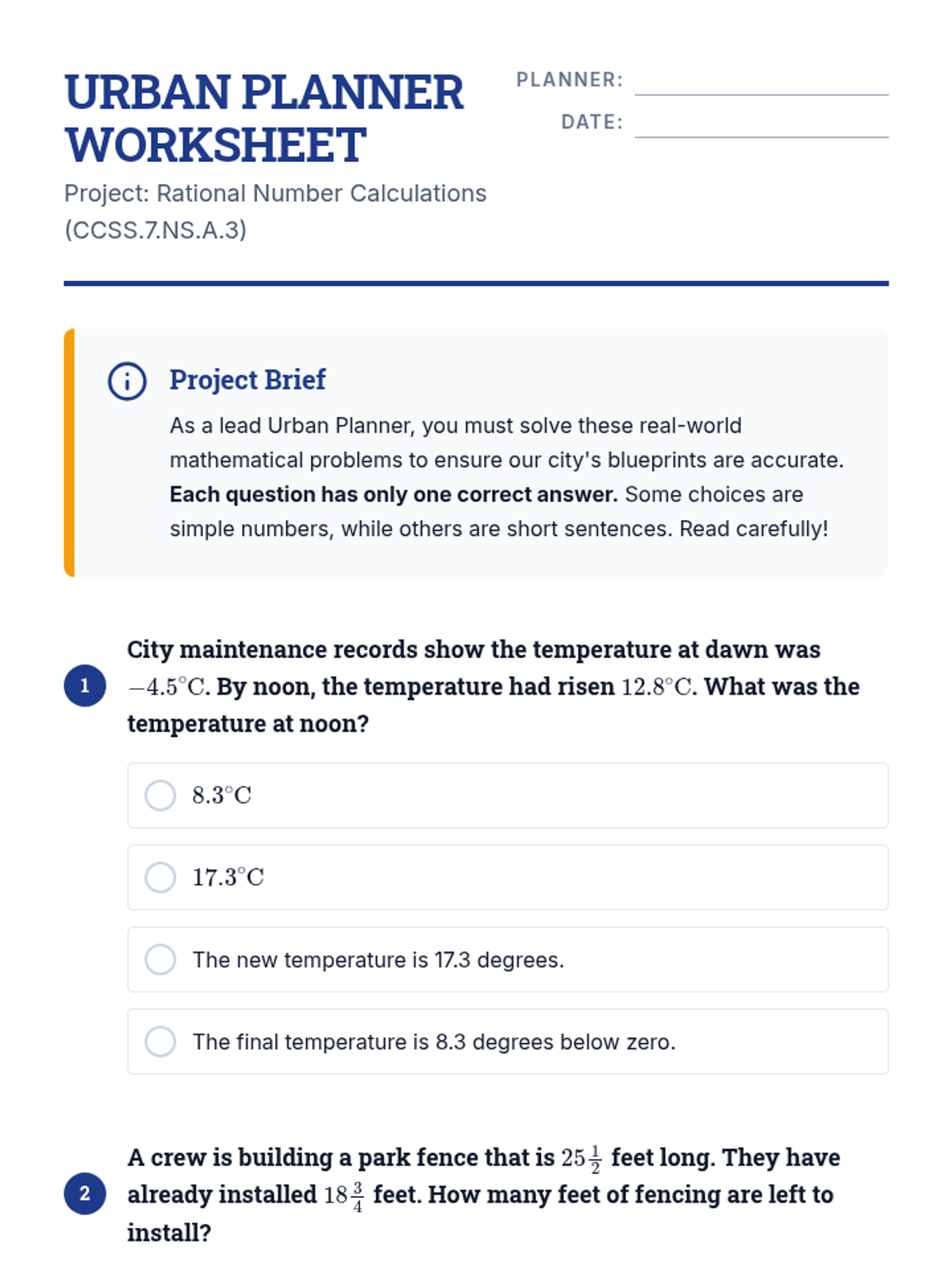
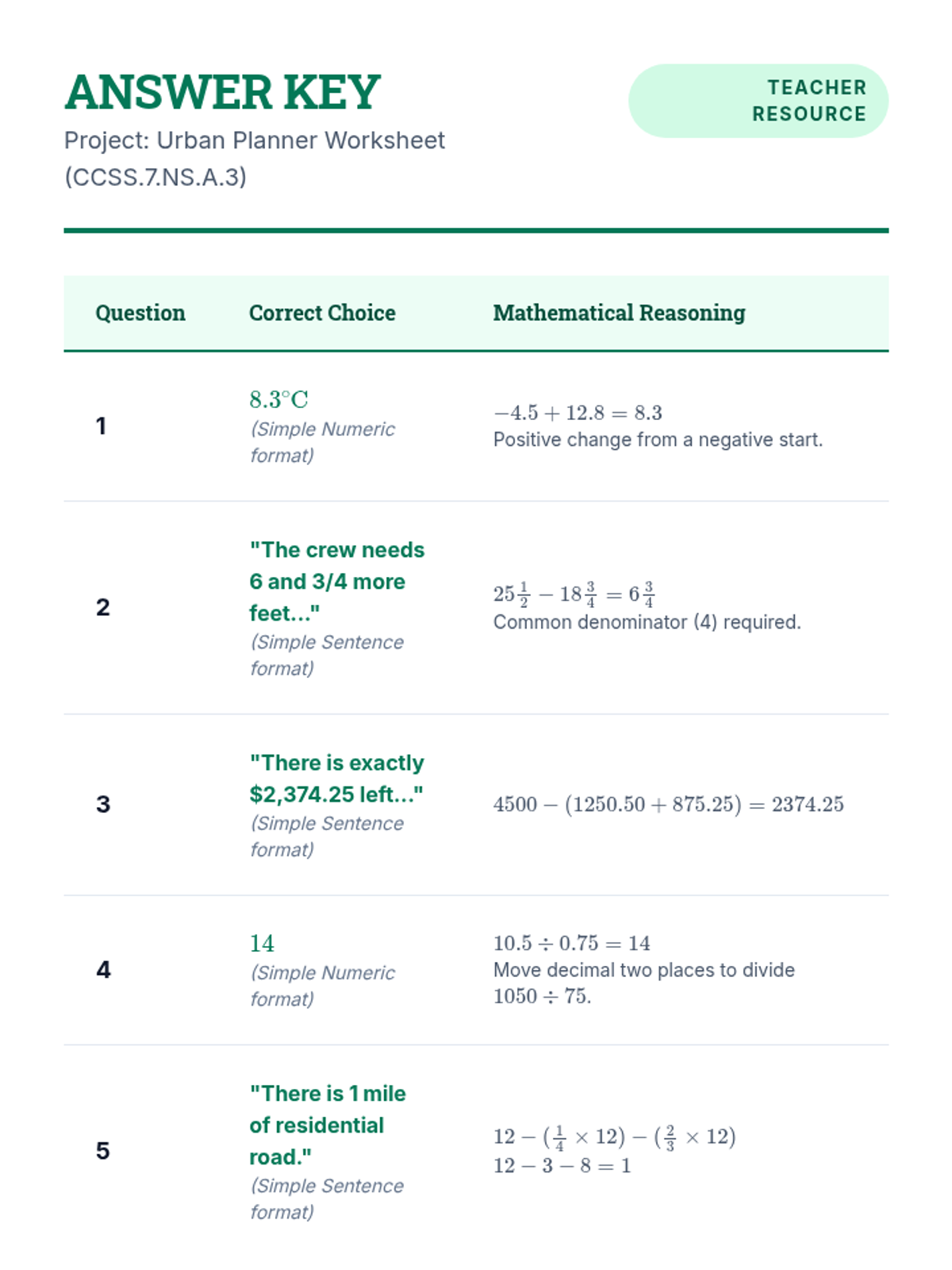
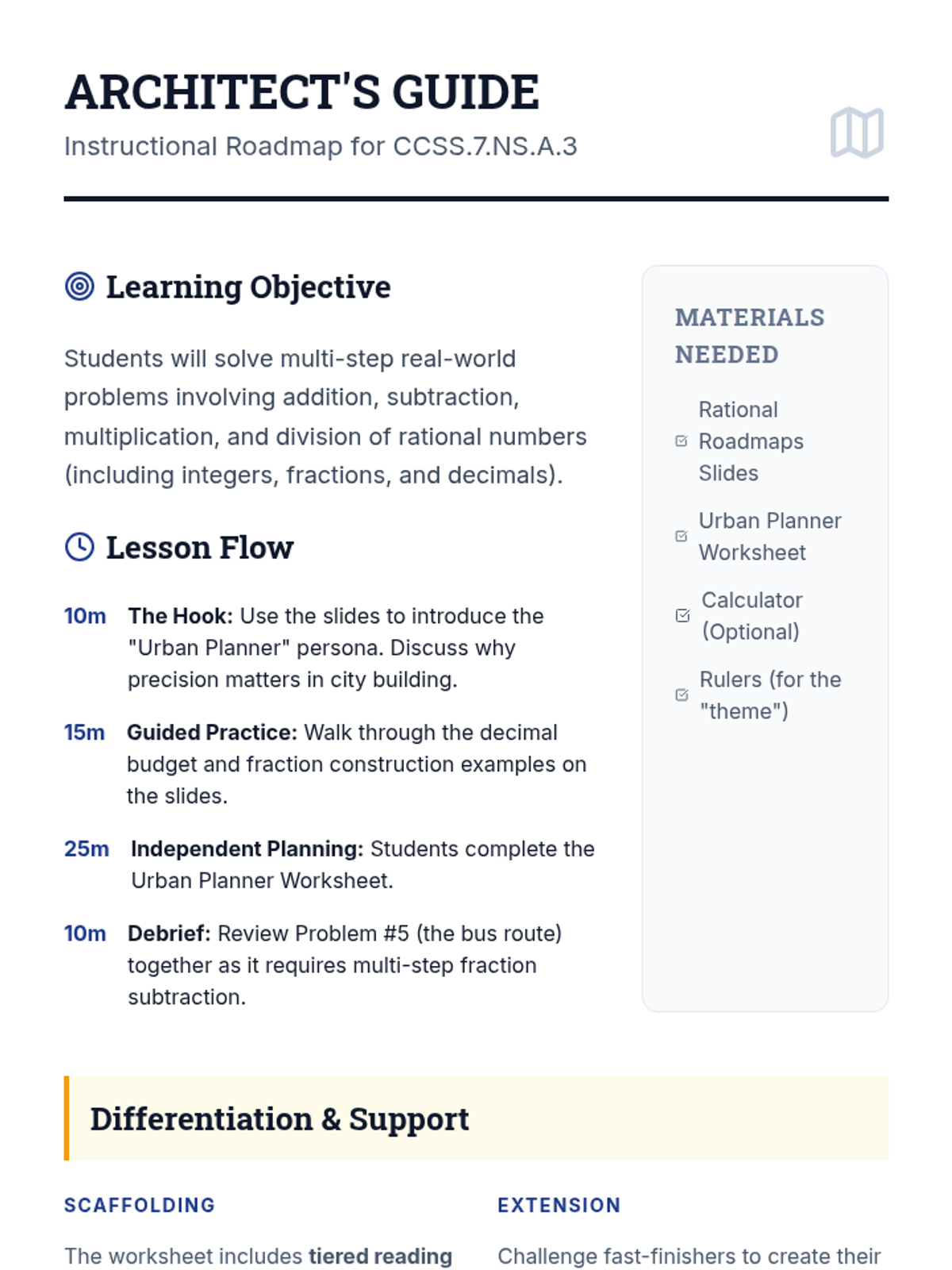
A lesson focused on solving real-world word problems using the four operations with rational numbers (fractions, decimals, and integers) through the lens of urban planning and architecture.
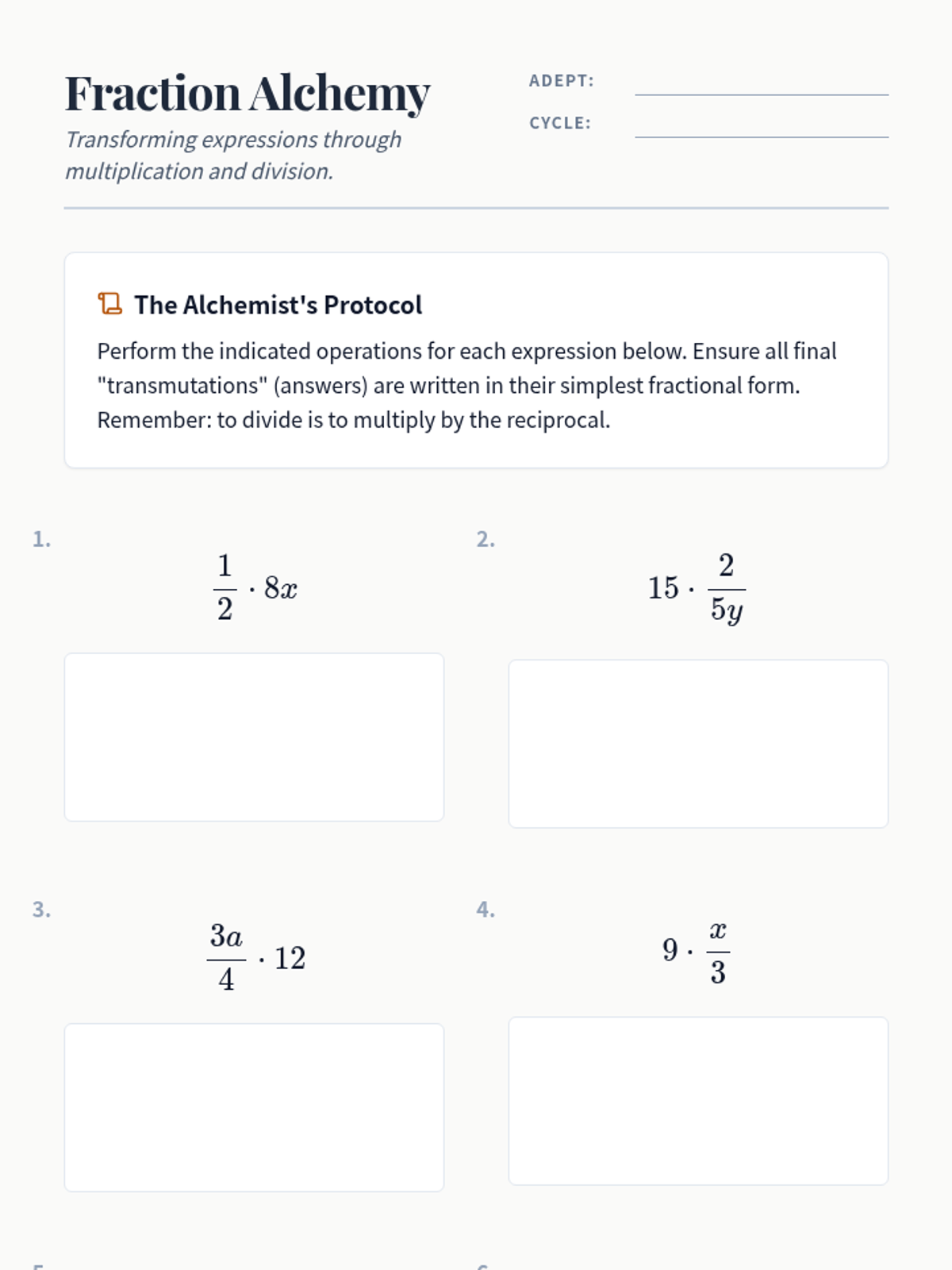
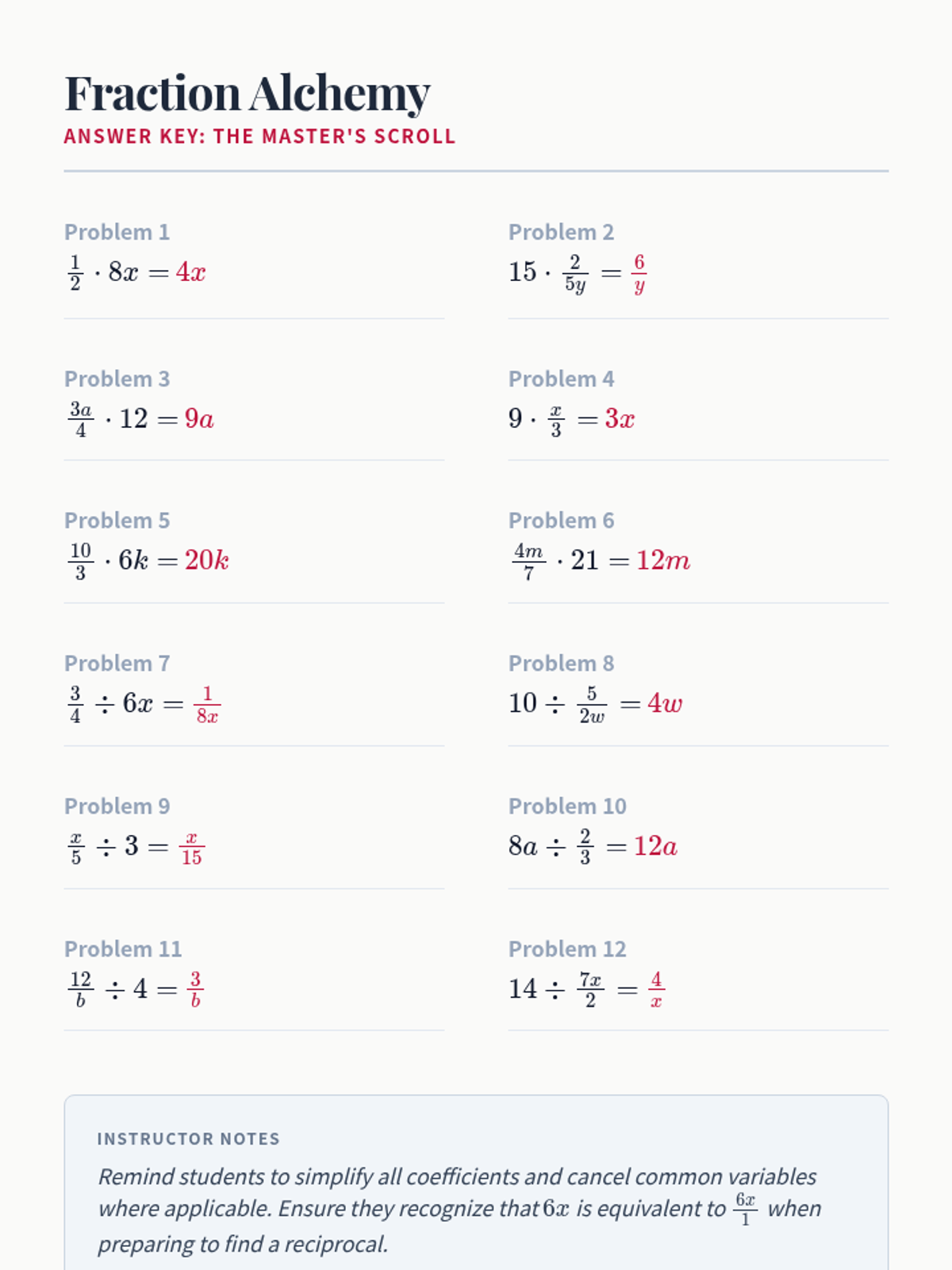
A focused lesson on the mechanics of multiplying and dividing fractions when combined with whole numbers and algebraic variables. Students practice simplifying expressions and applying reciprocal rules in a skill-based format.
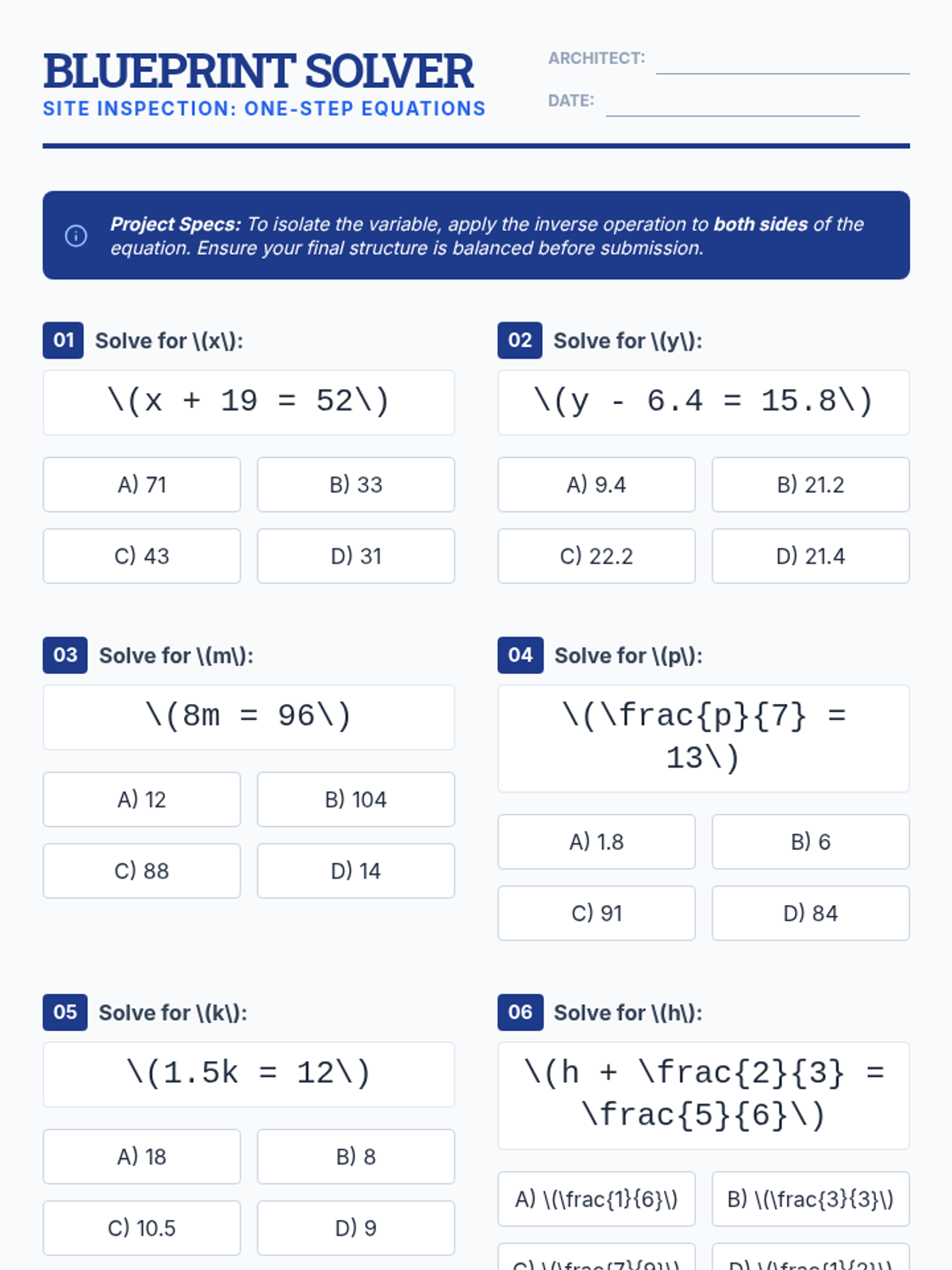
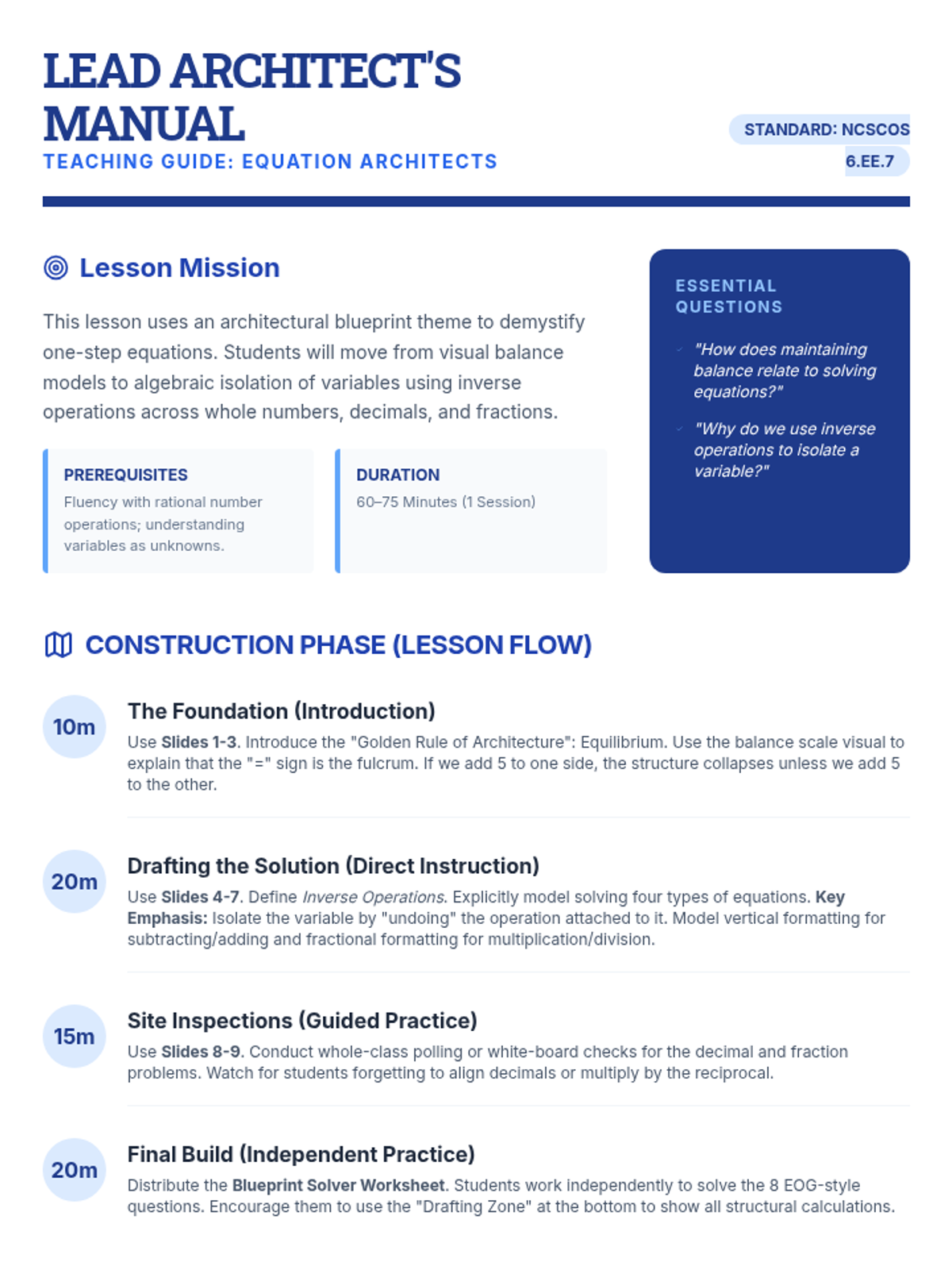
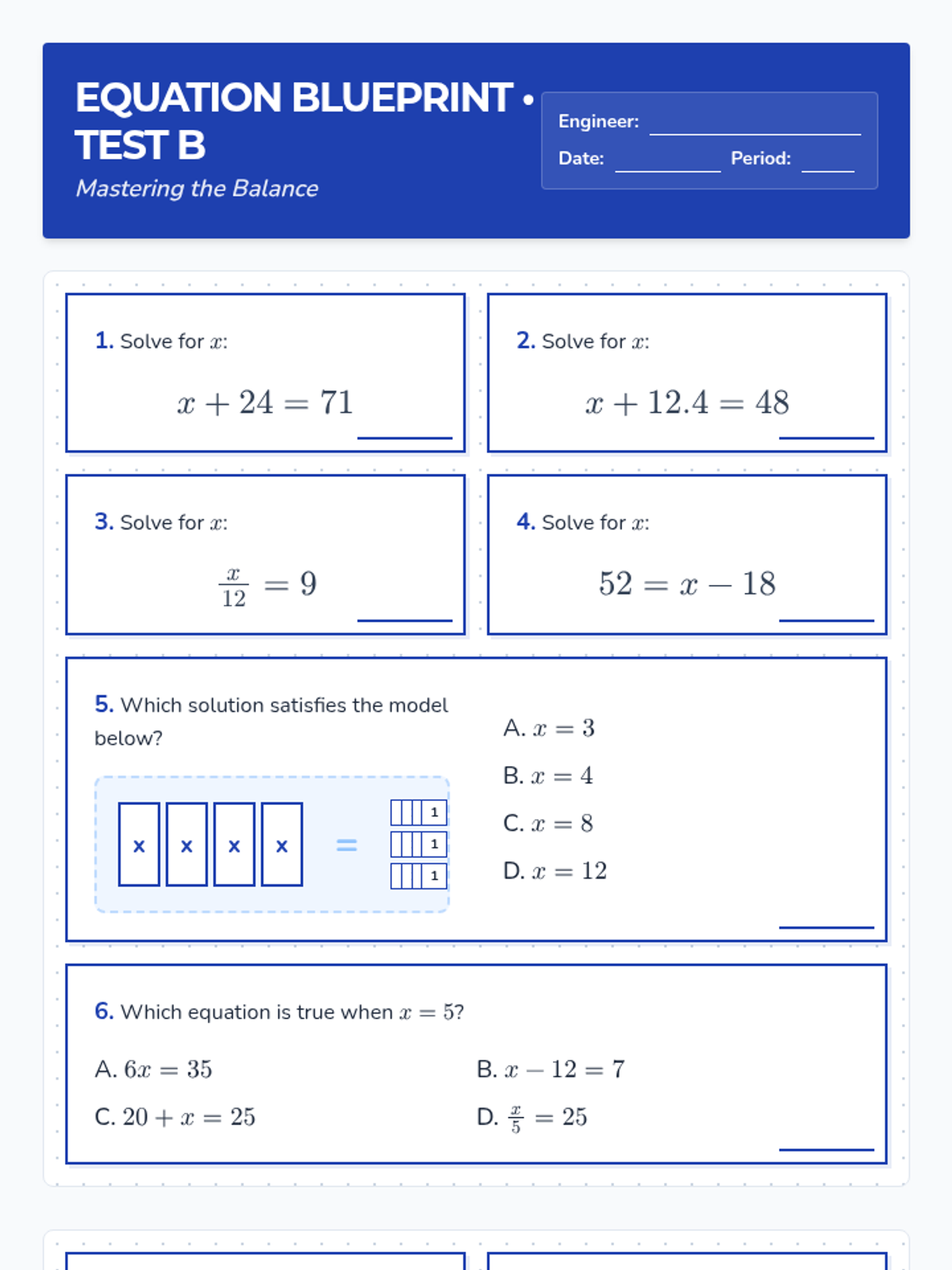
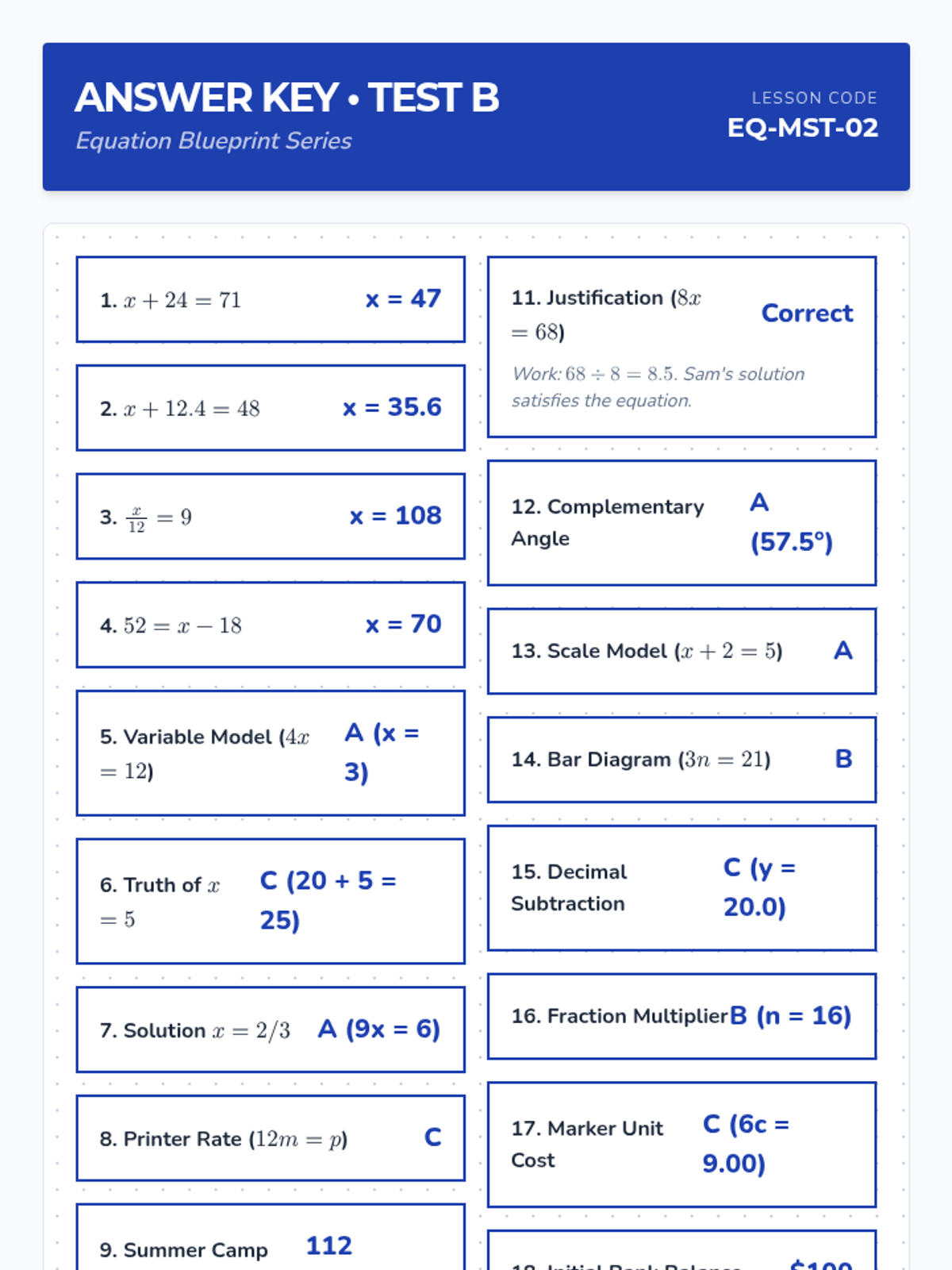
A comprehensive lesson on solving one-step equations using all four operations, featuring a balance scale model and EOG-aligned practice with whole numbers, decimals, and fractions.
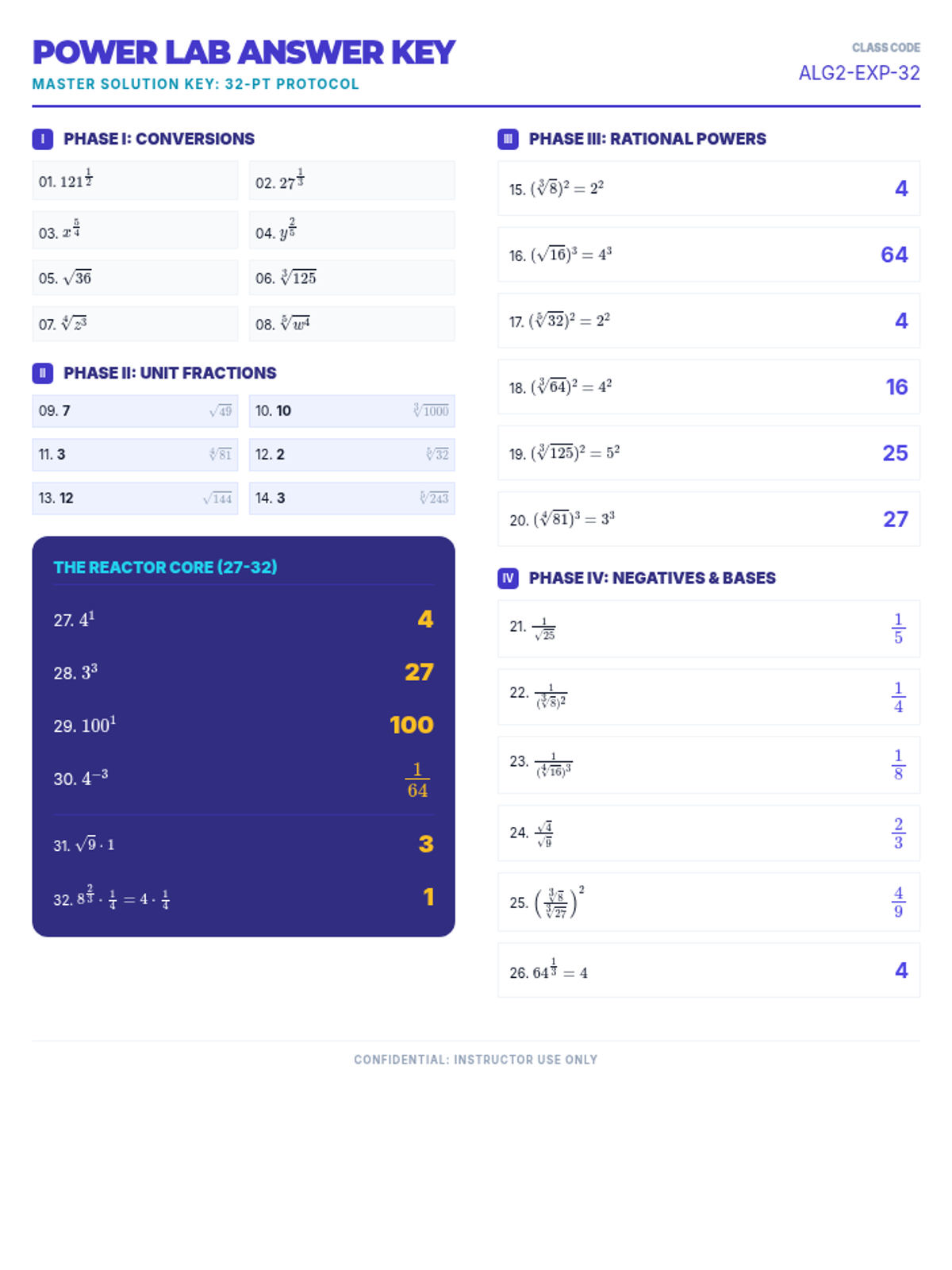
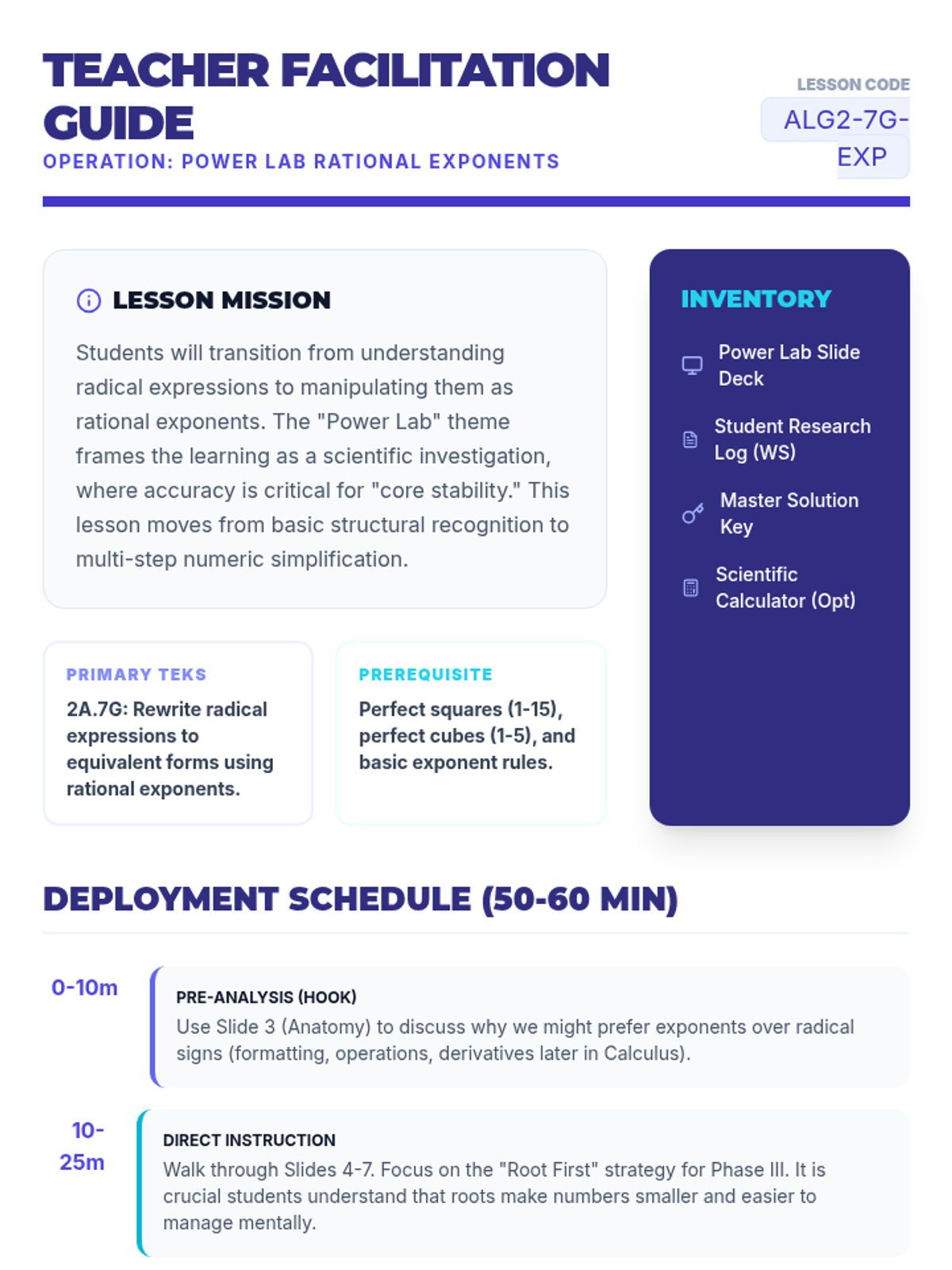
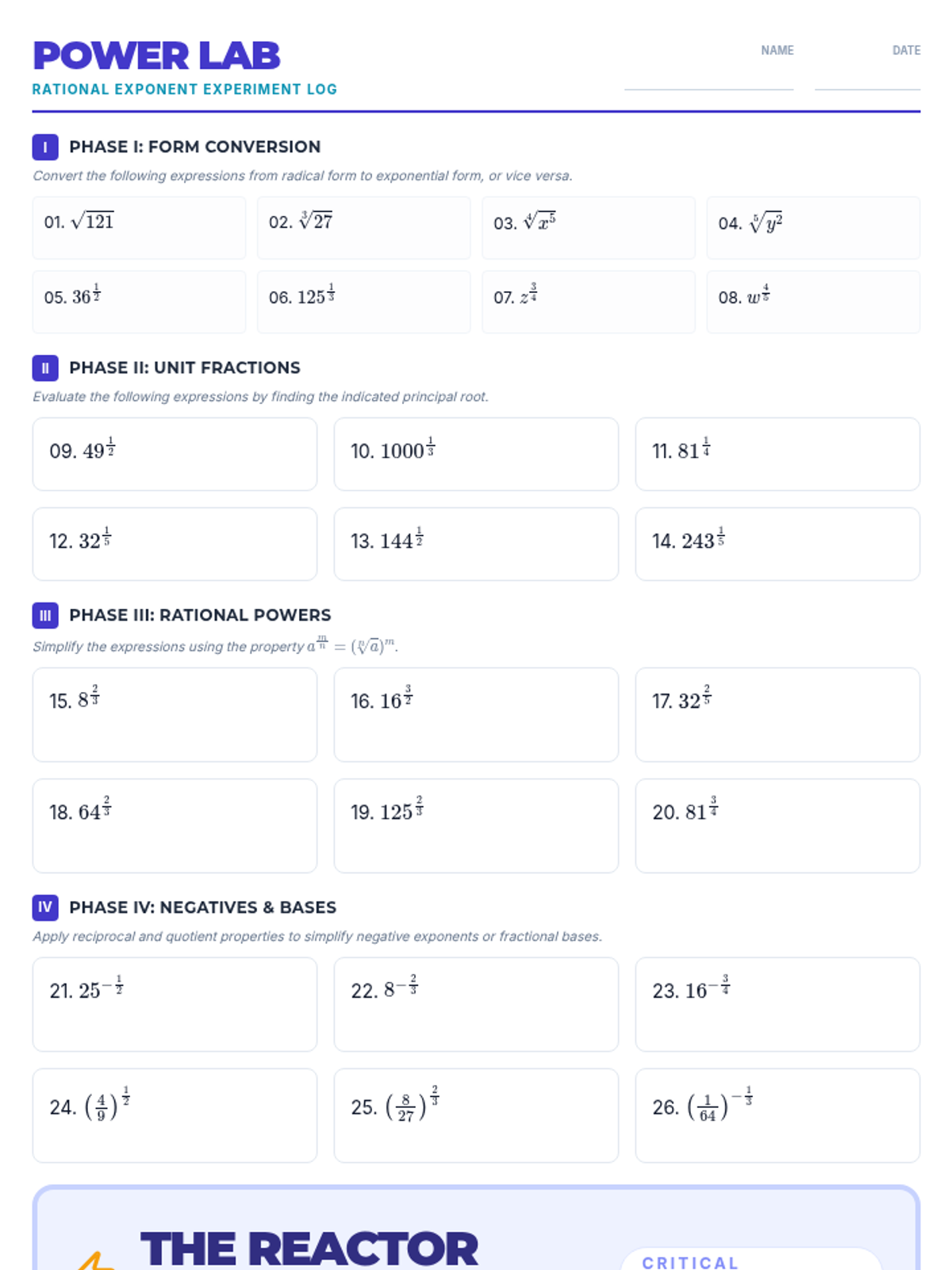
A comprehensive lesson on simplifying numeric expressions with rational exponents, transitioning from basic radical conversions to complex multi-step simplifications. This lesson aligns with Texas Algebra II standards for radical and exponential equivalency.
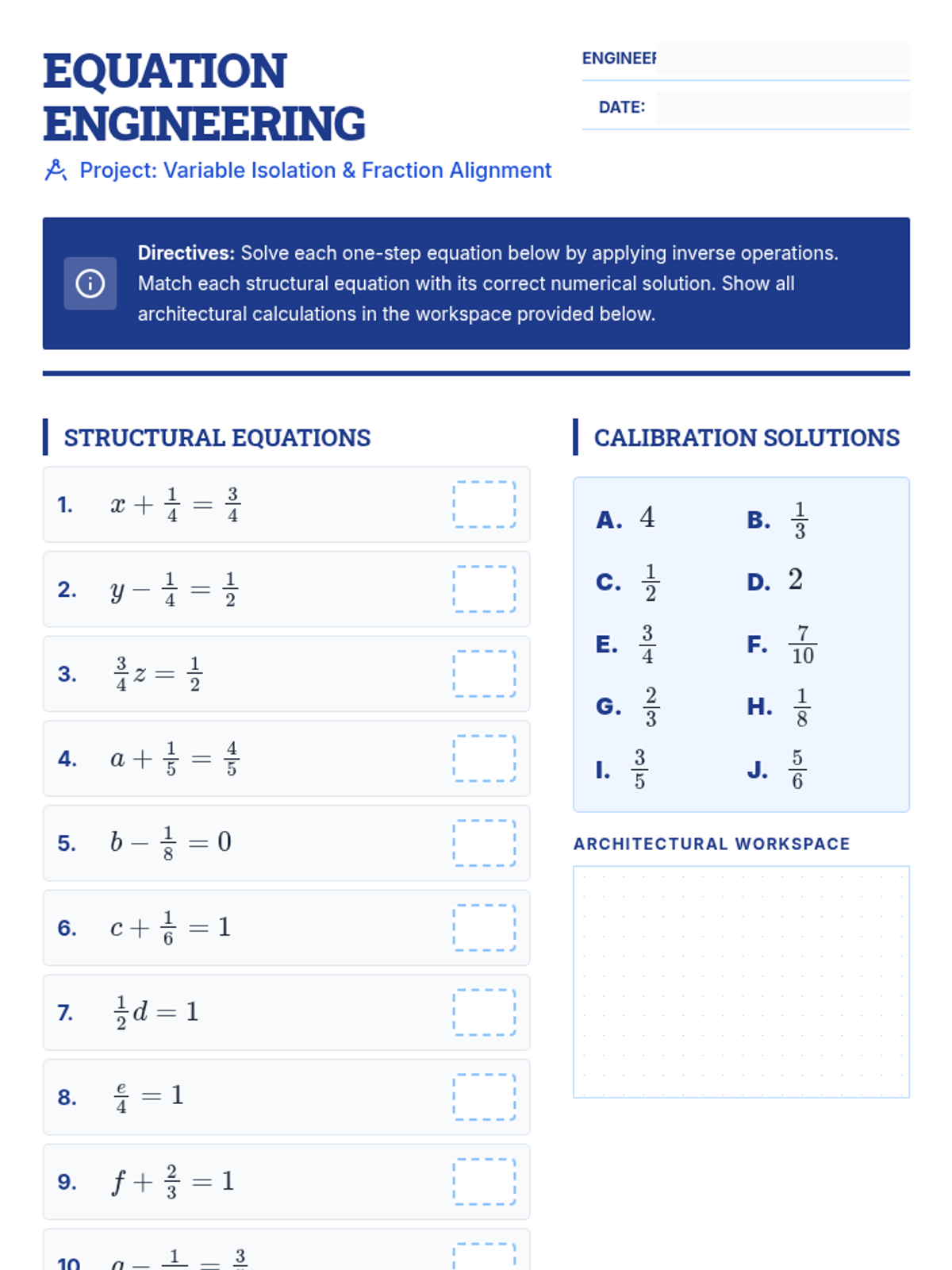
Students will master solving one-step equations involving fractions and variables through a technical, blueprint-themed matching activity. This lesson focuses on isolation of variables using inverse operations with fractional terms.
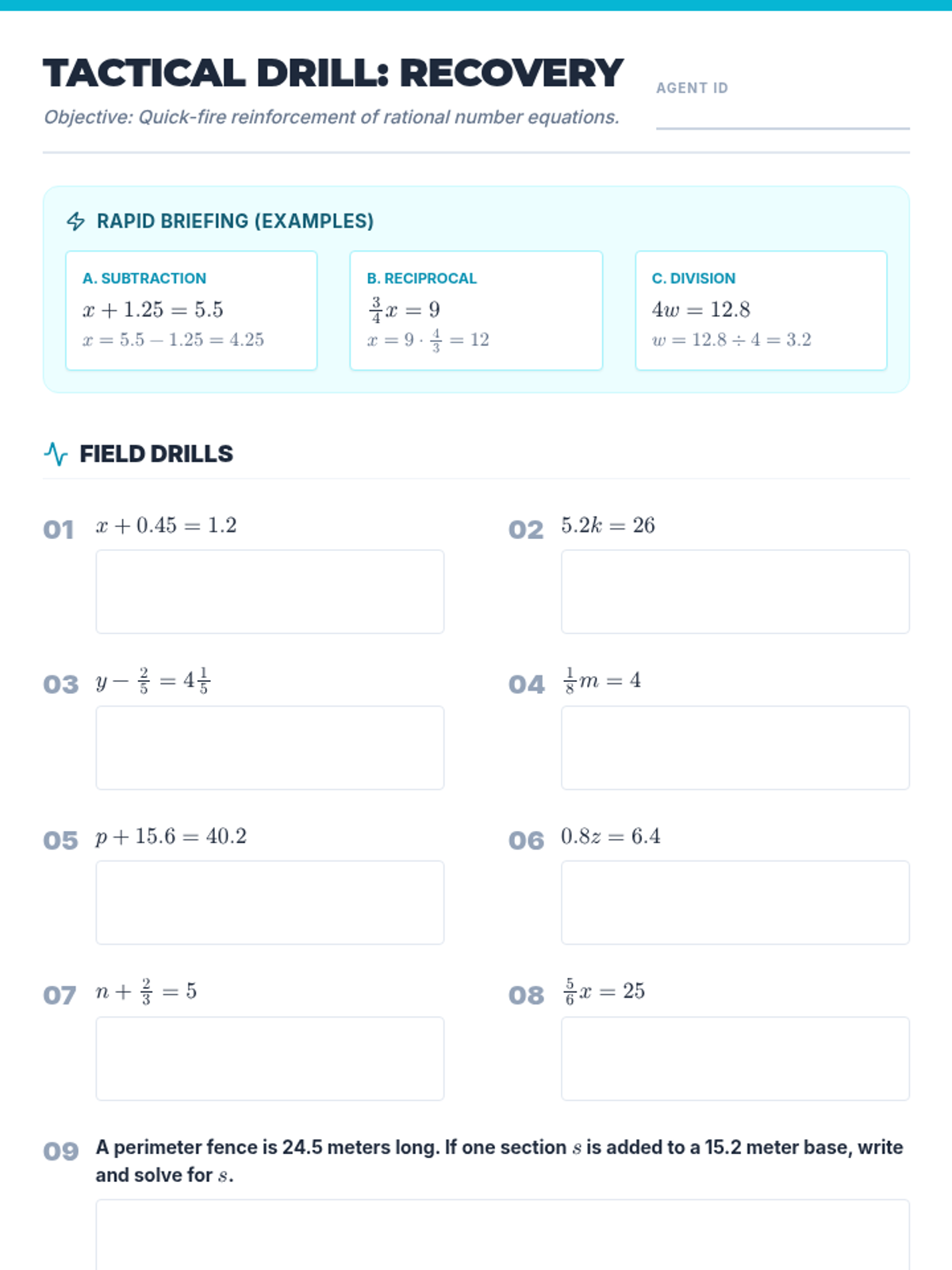
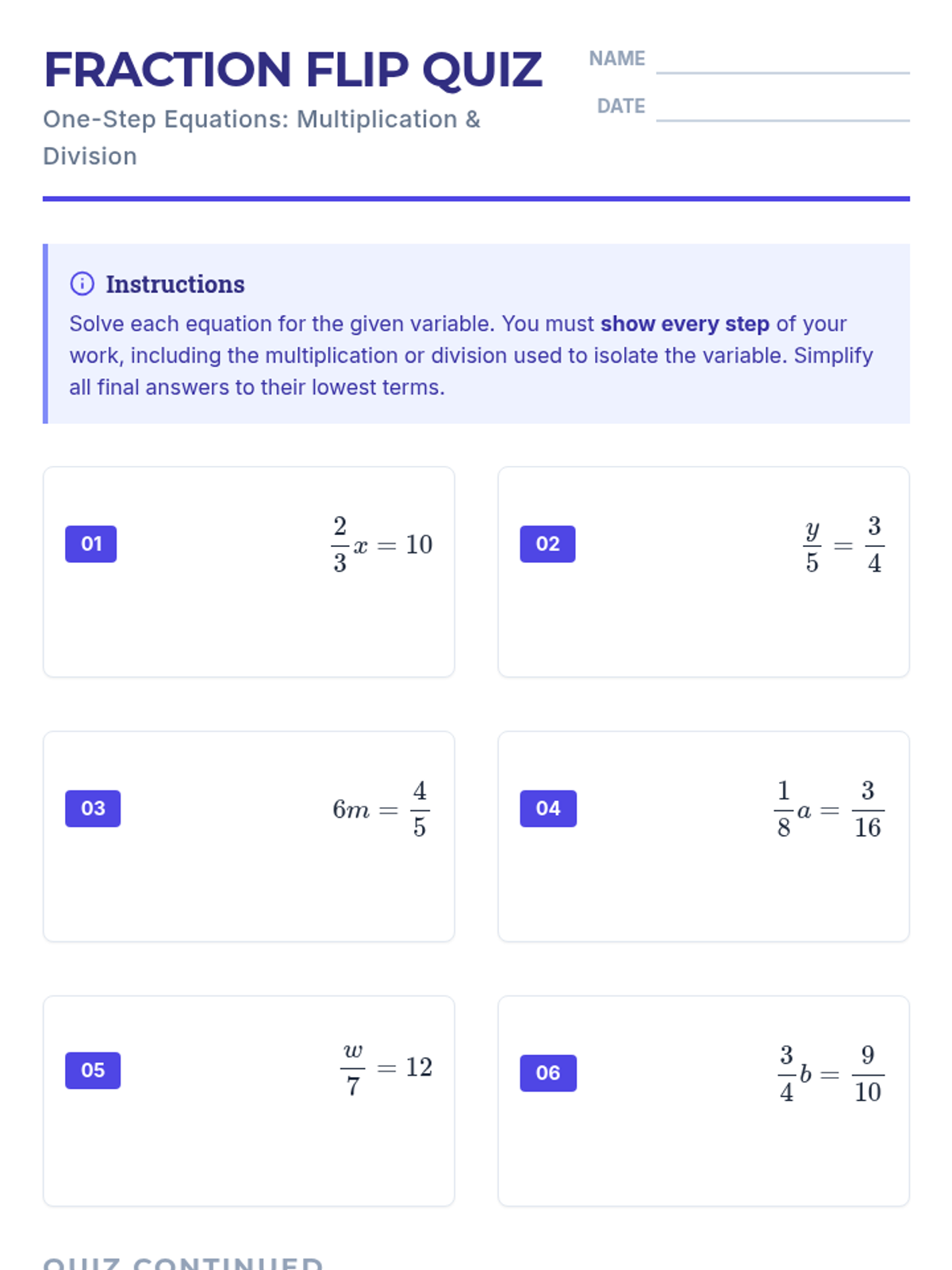
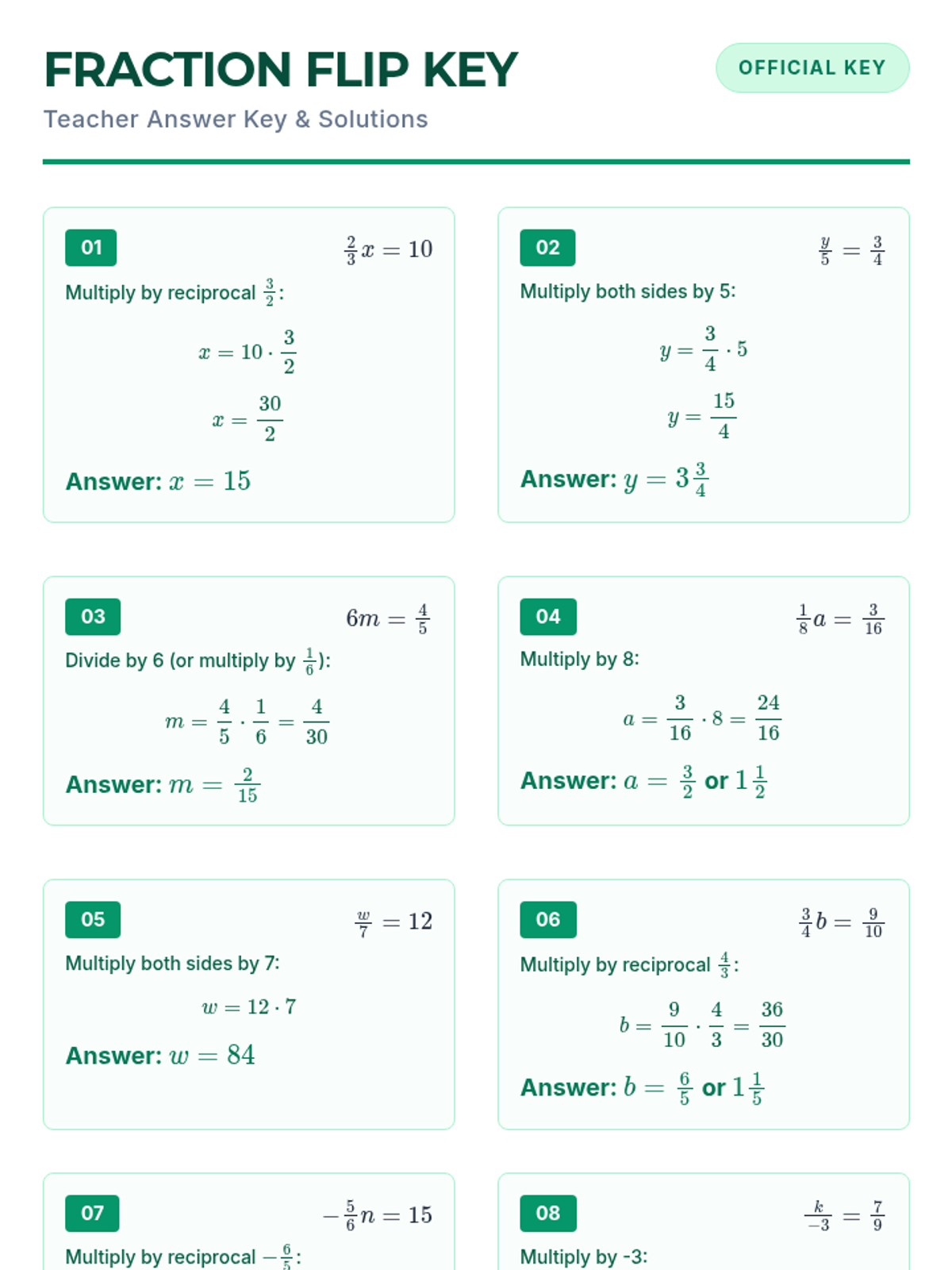
A focused lesson on solving one-step equations involving multiplication and division with fractional coefficients and terms. Students will master the use of reciprocals to isolate variables.
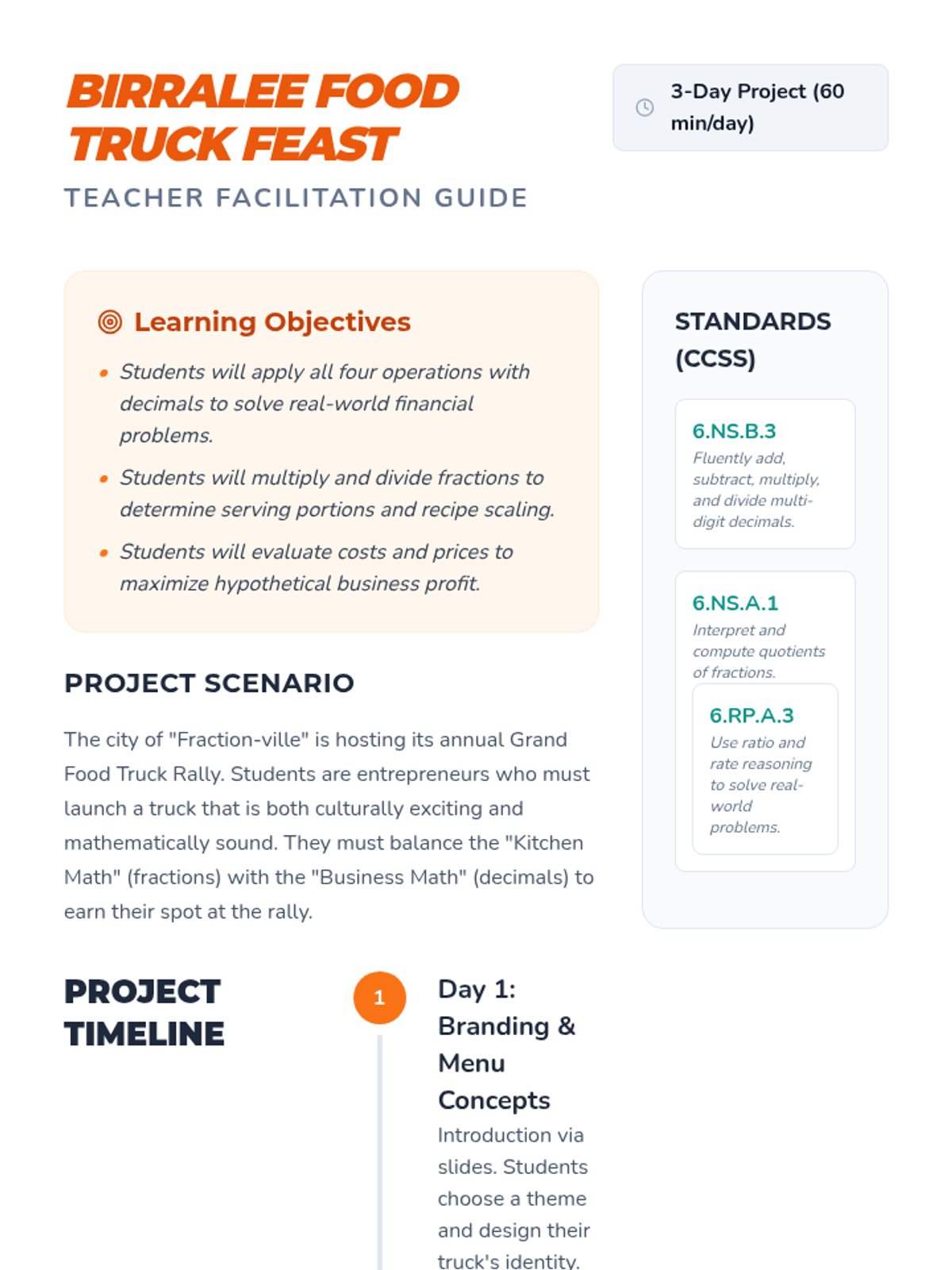
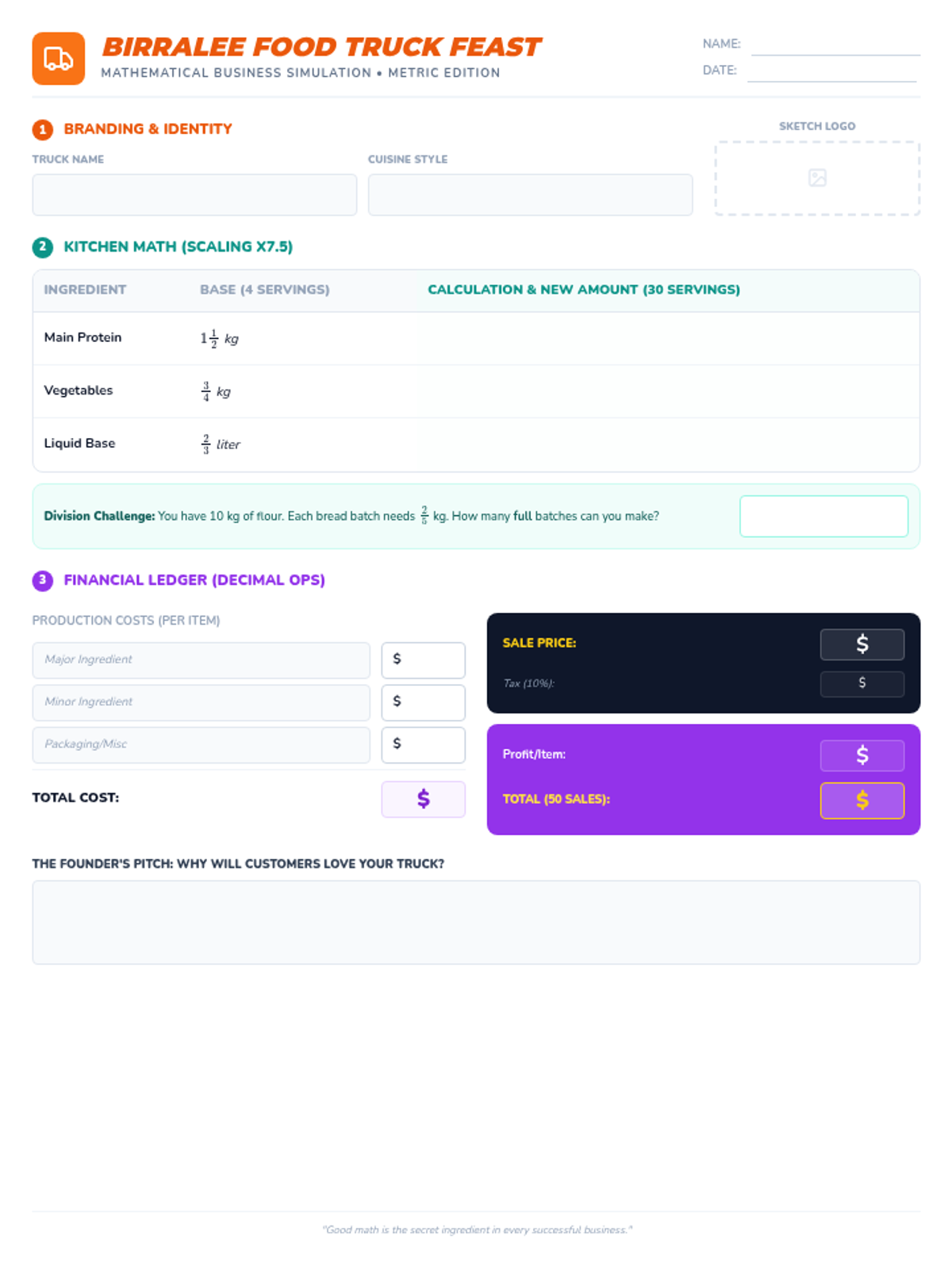
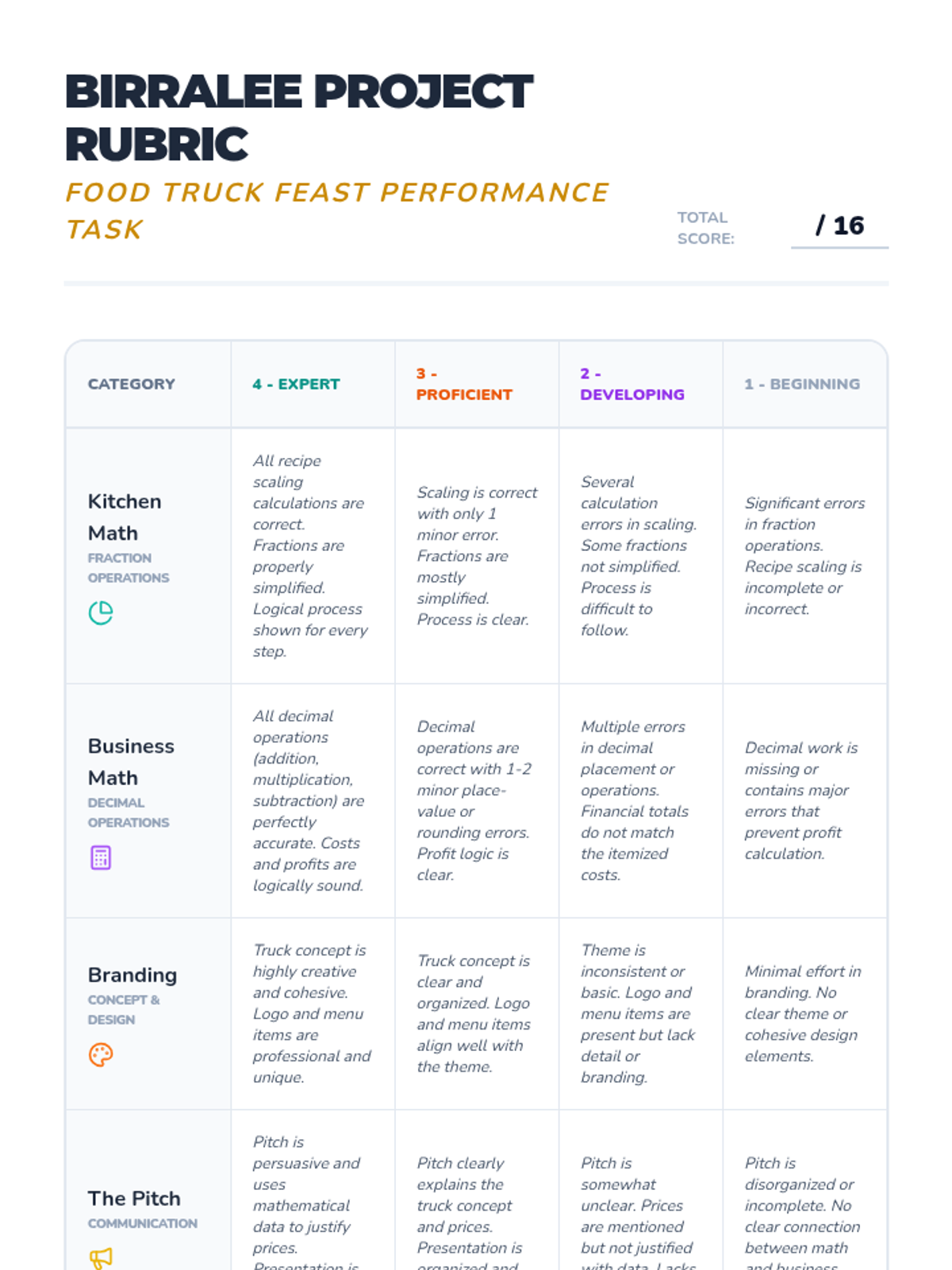
A project-based learning unit where students apply fraction and decimal operations to design, price, and manage a fictional food truck business. Students move from abstract calculations to real-world financial applications through menu design and budget management.
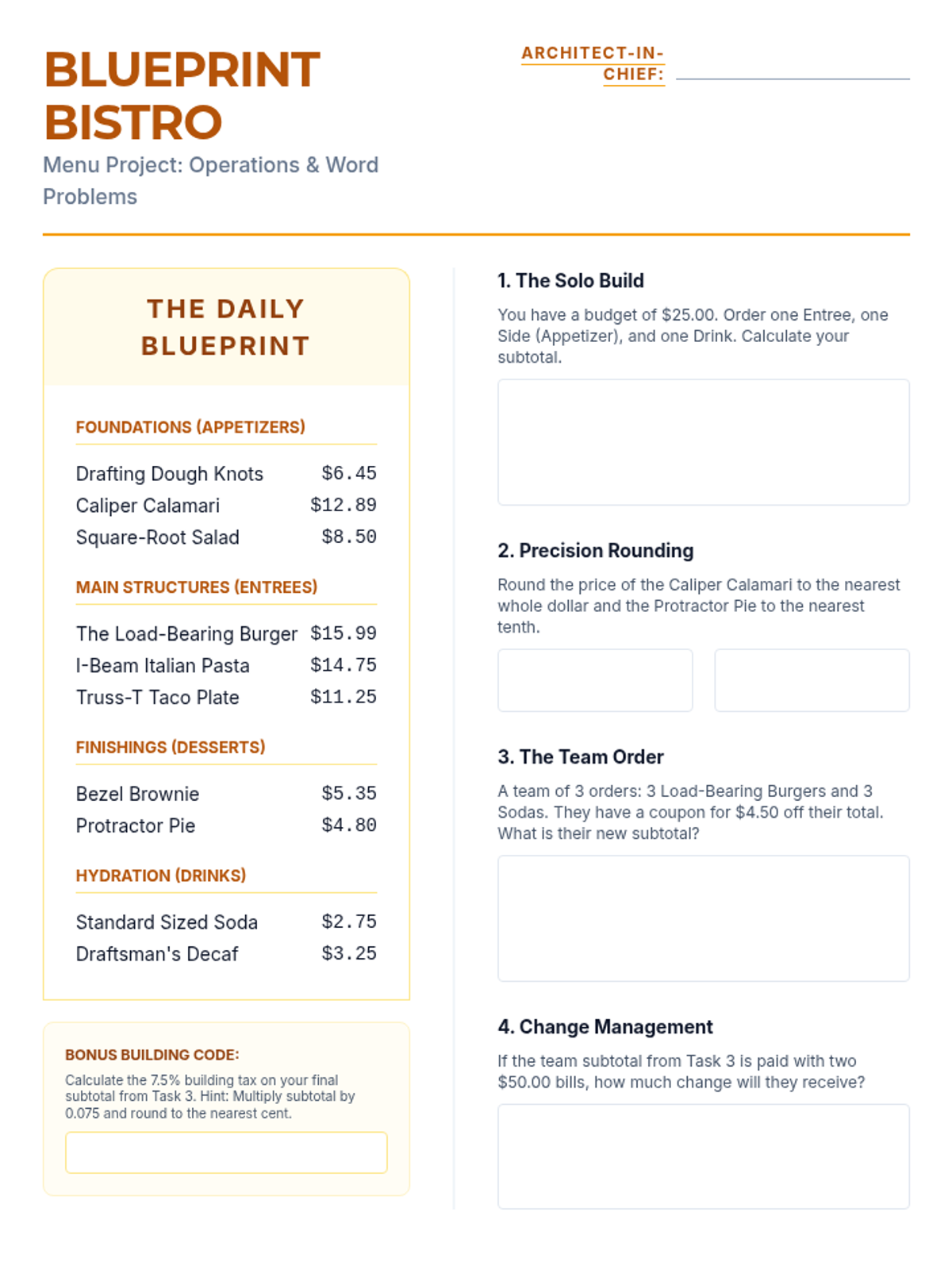
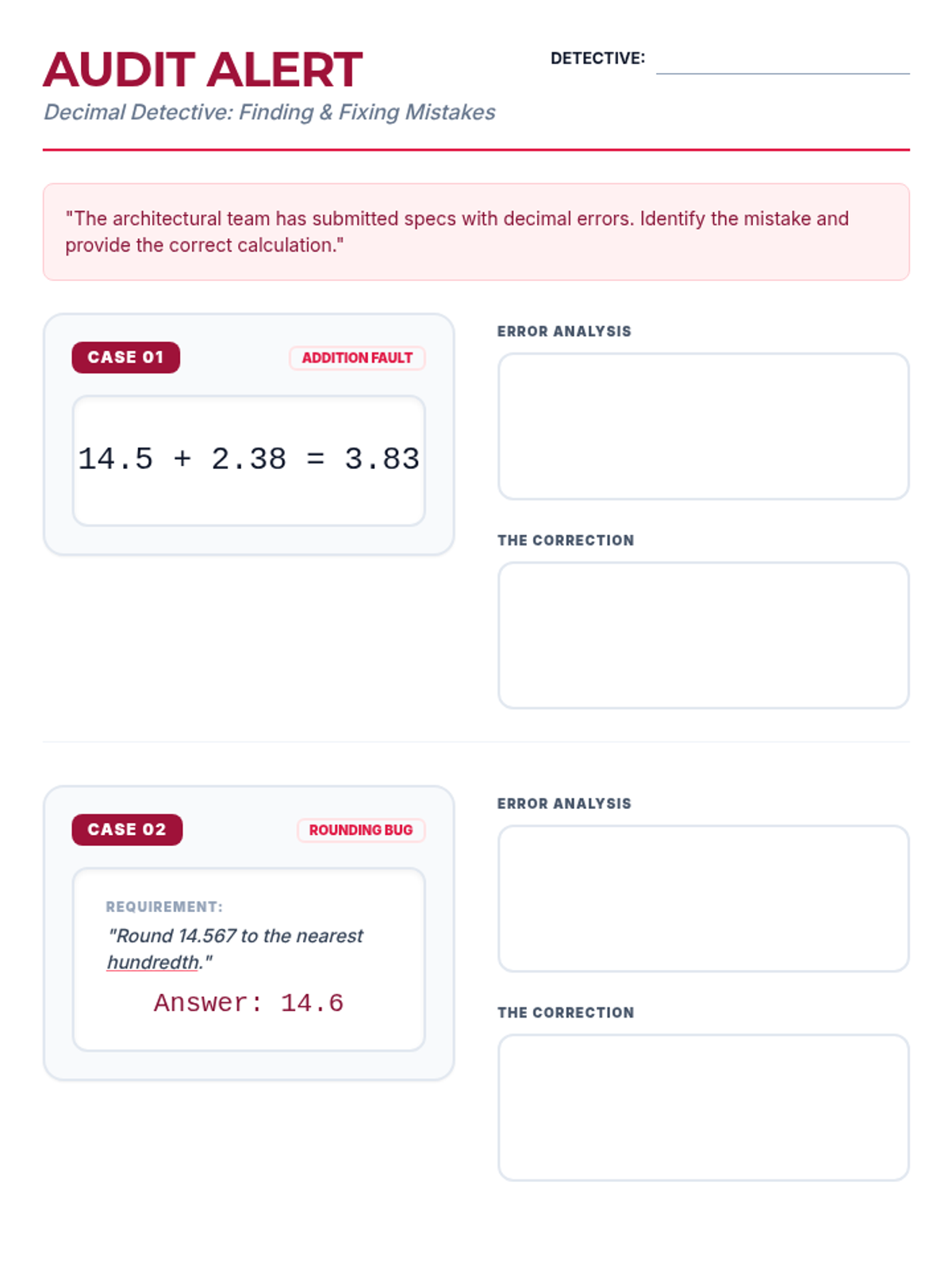
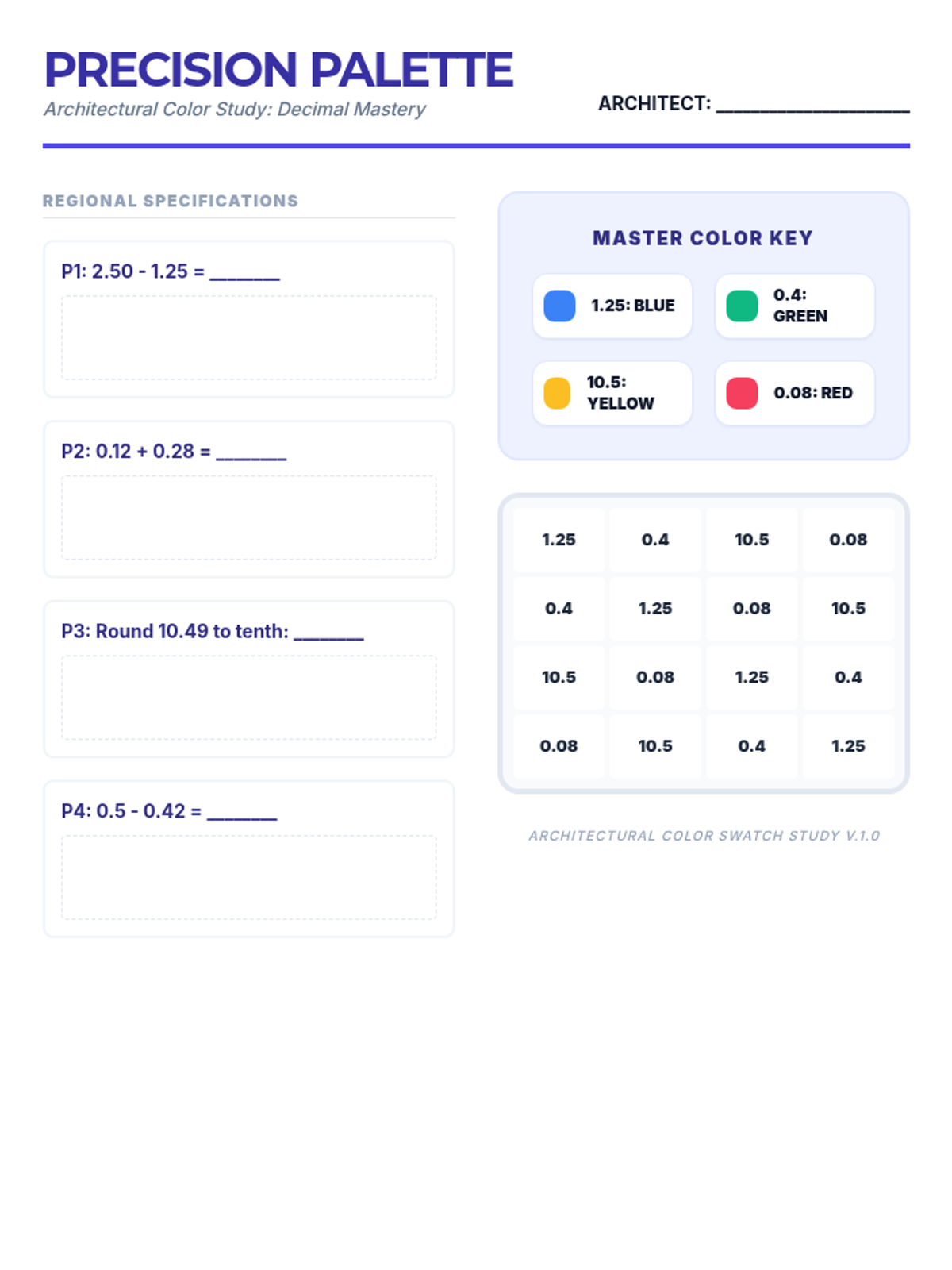
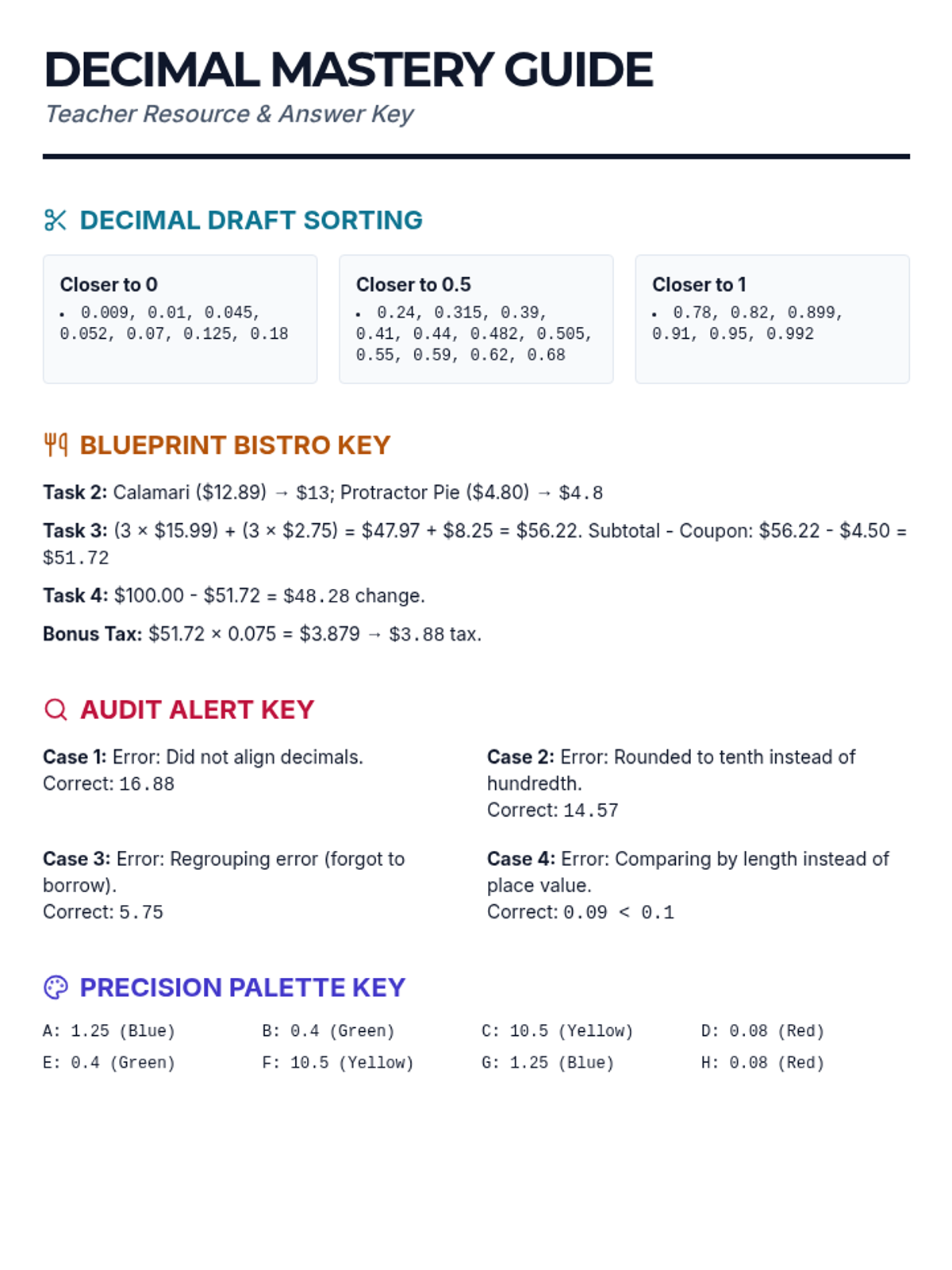
A collection of four diverse decimal practice activities covering addition, subtraction, comparison, rounding, and word problems for 7th-grade math students.
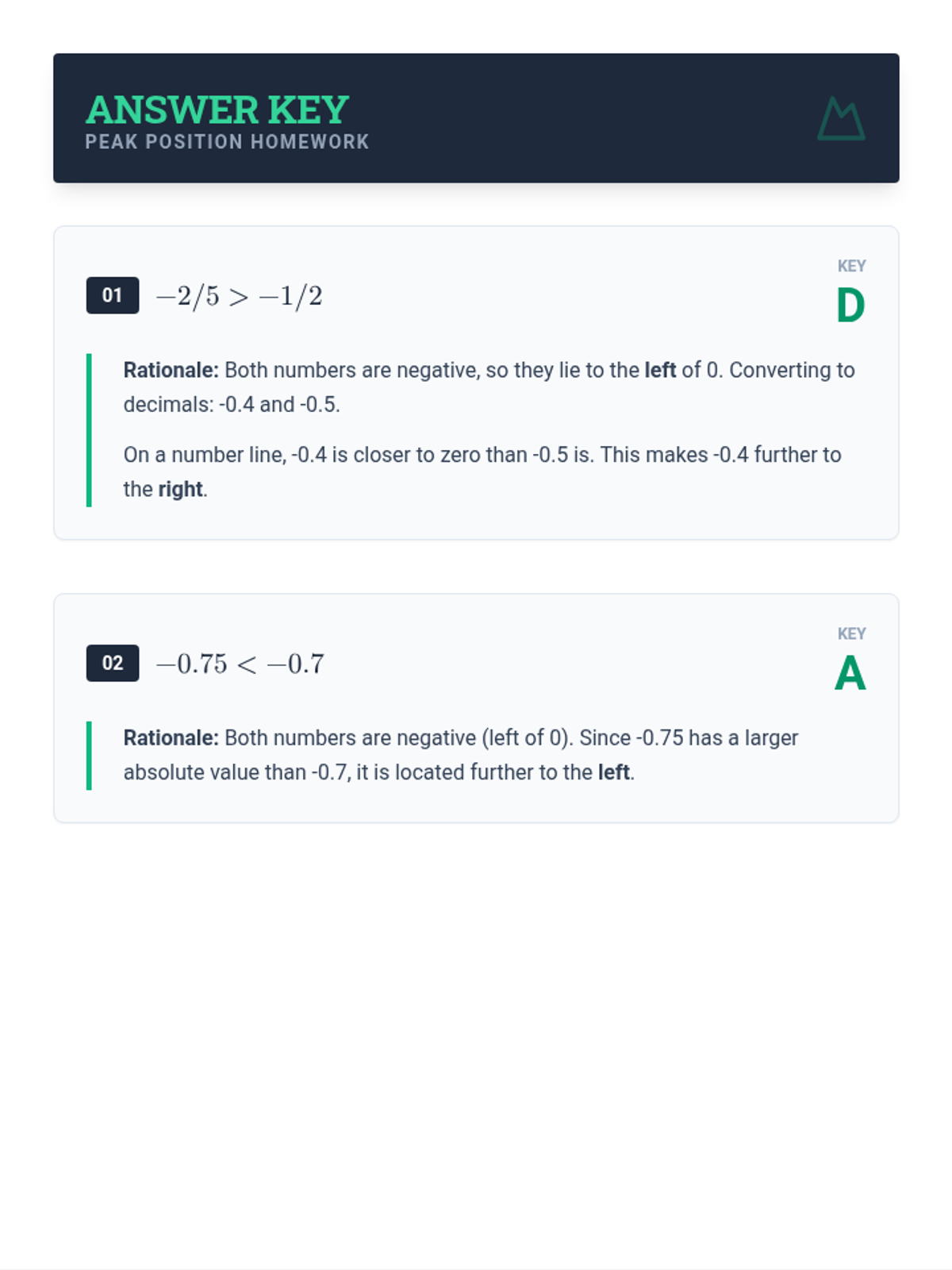
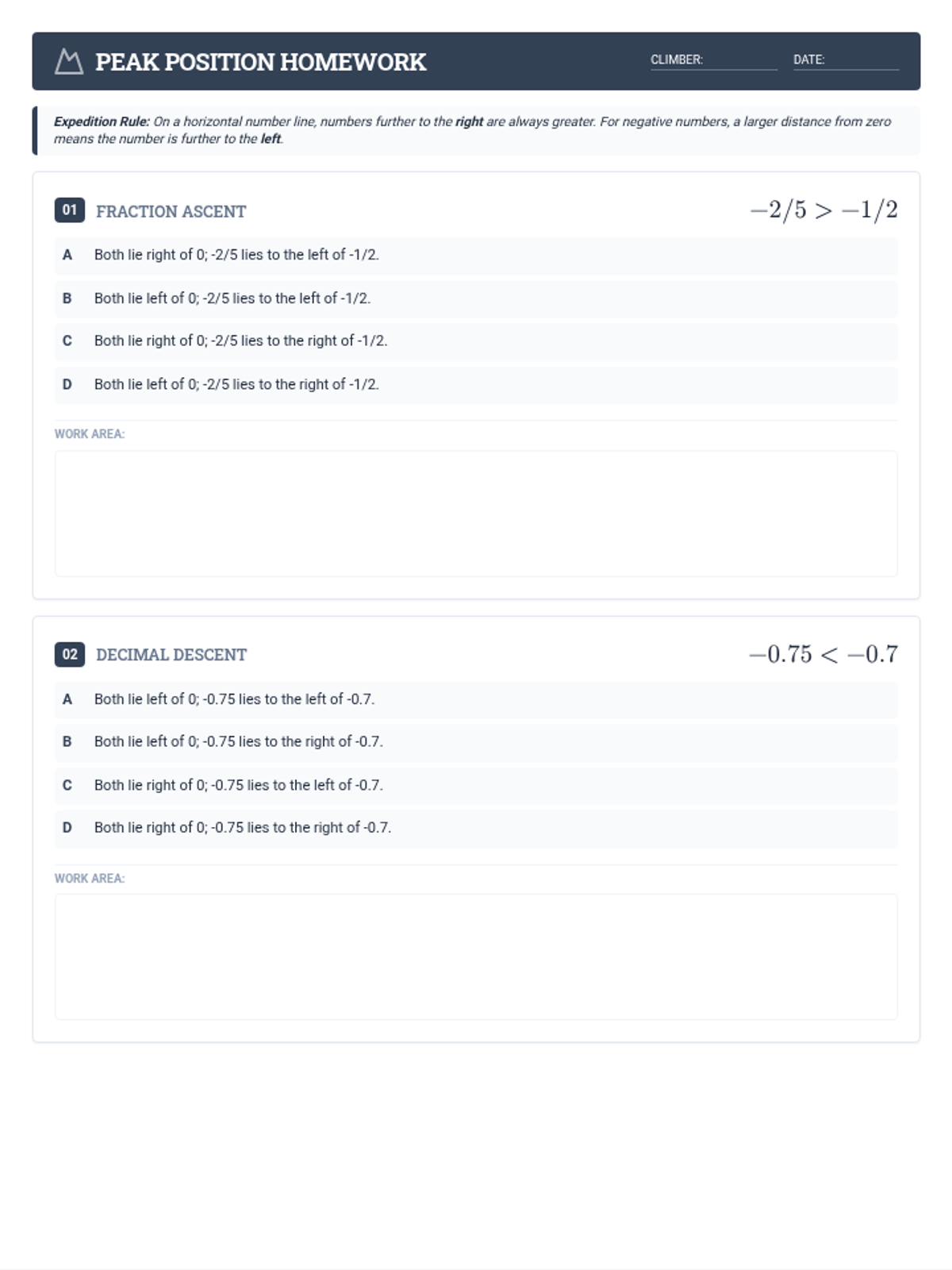
A lesson focused on comparing and ordering rational numbers on a number line, specifically focusing on negative values and their relative positions.
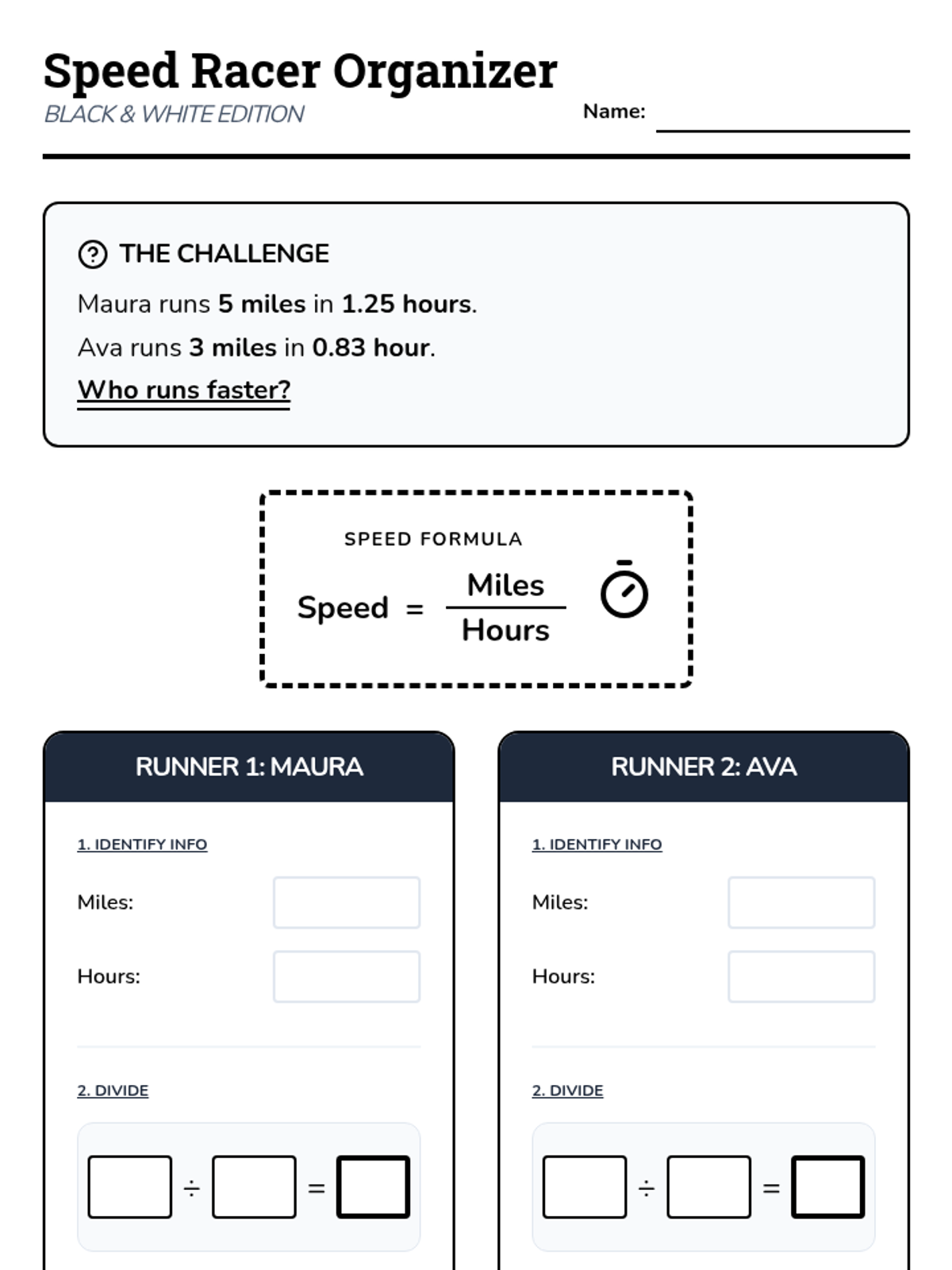
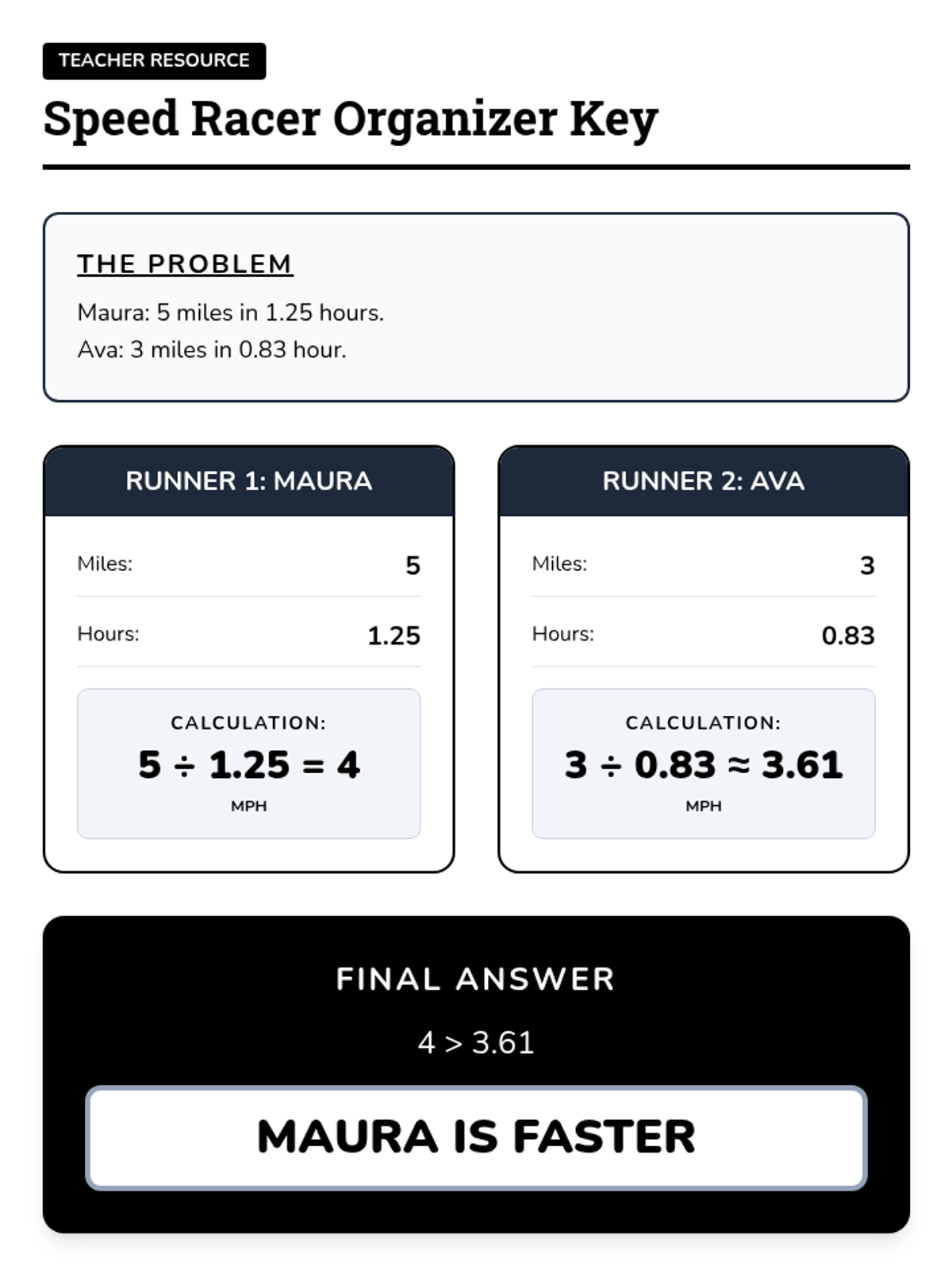
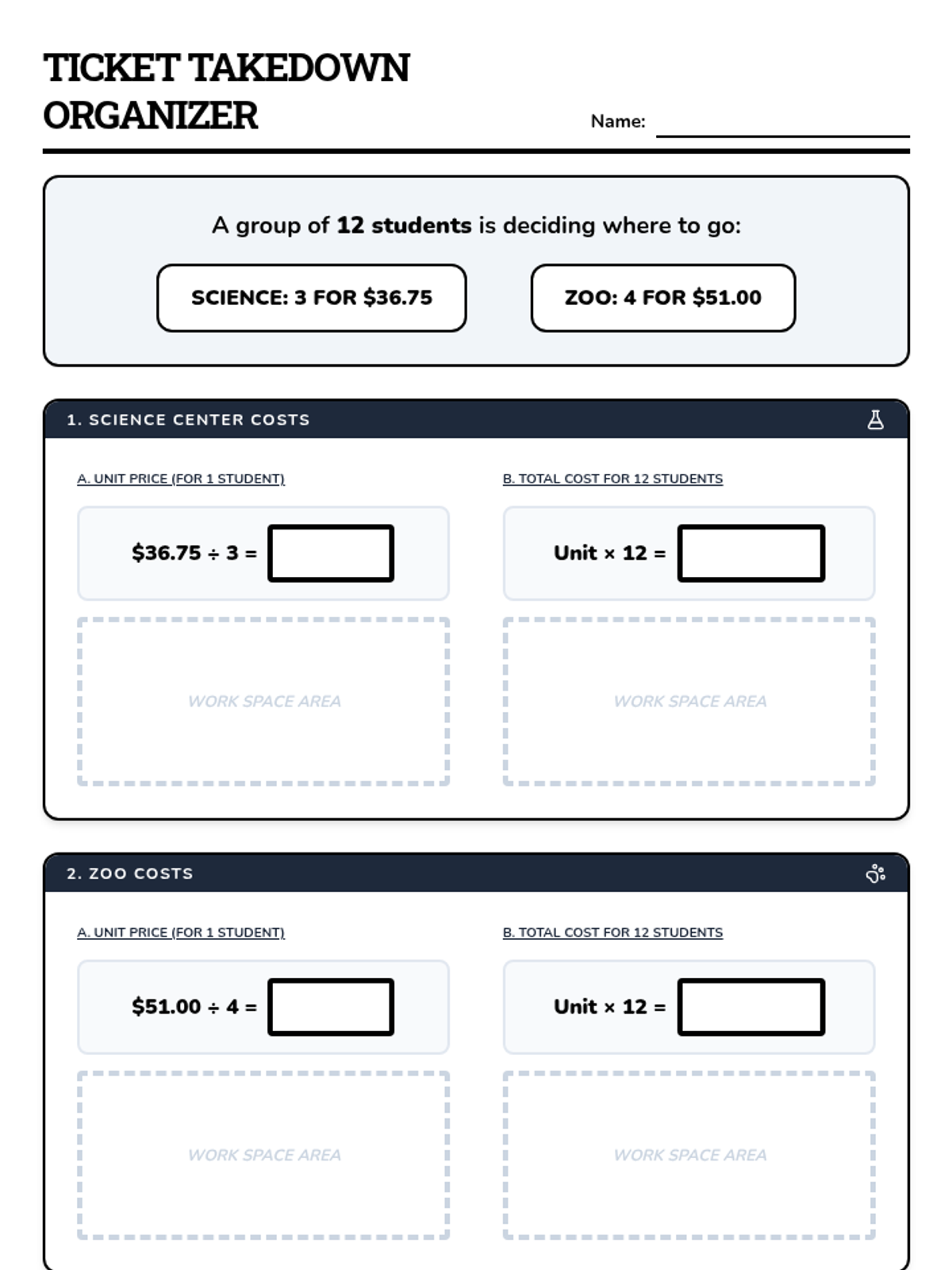
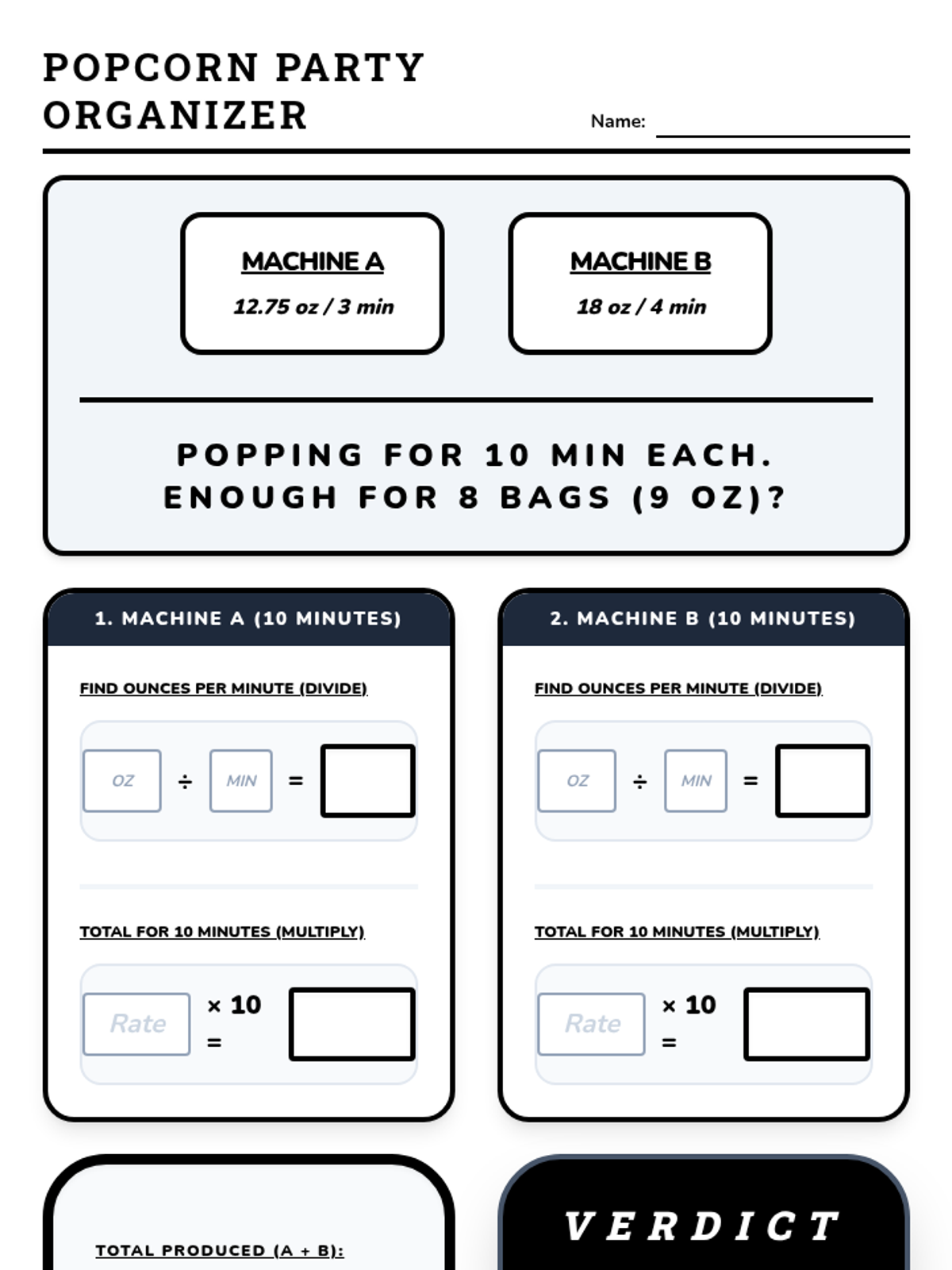
A lesson focused on breaking down unit rate word problems using a guided graphic organizer to support students with diverse learning needs.
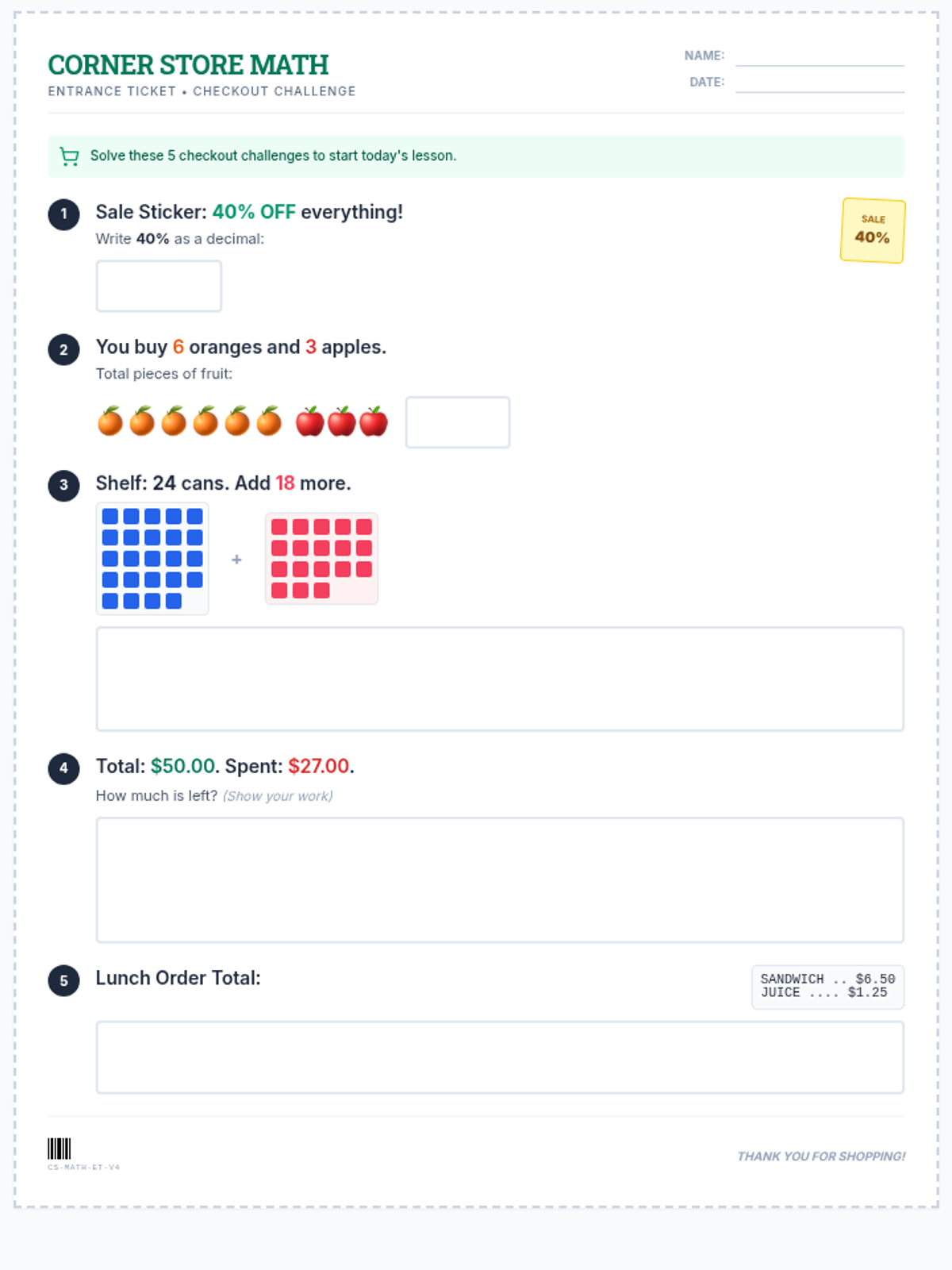
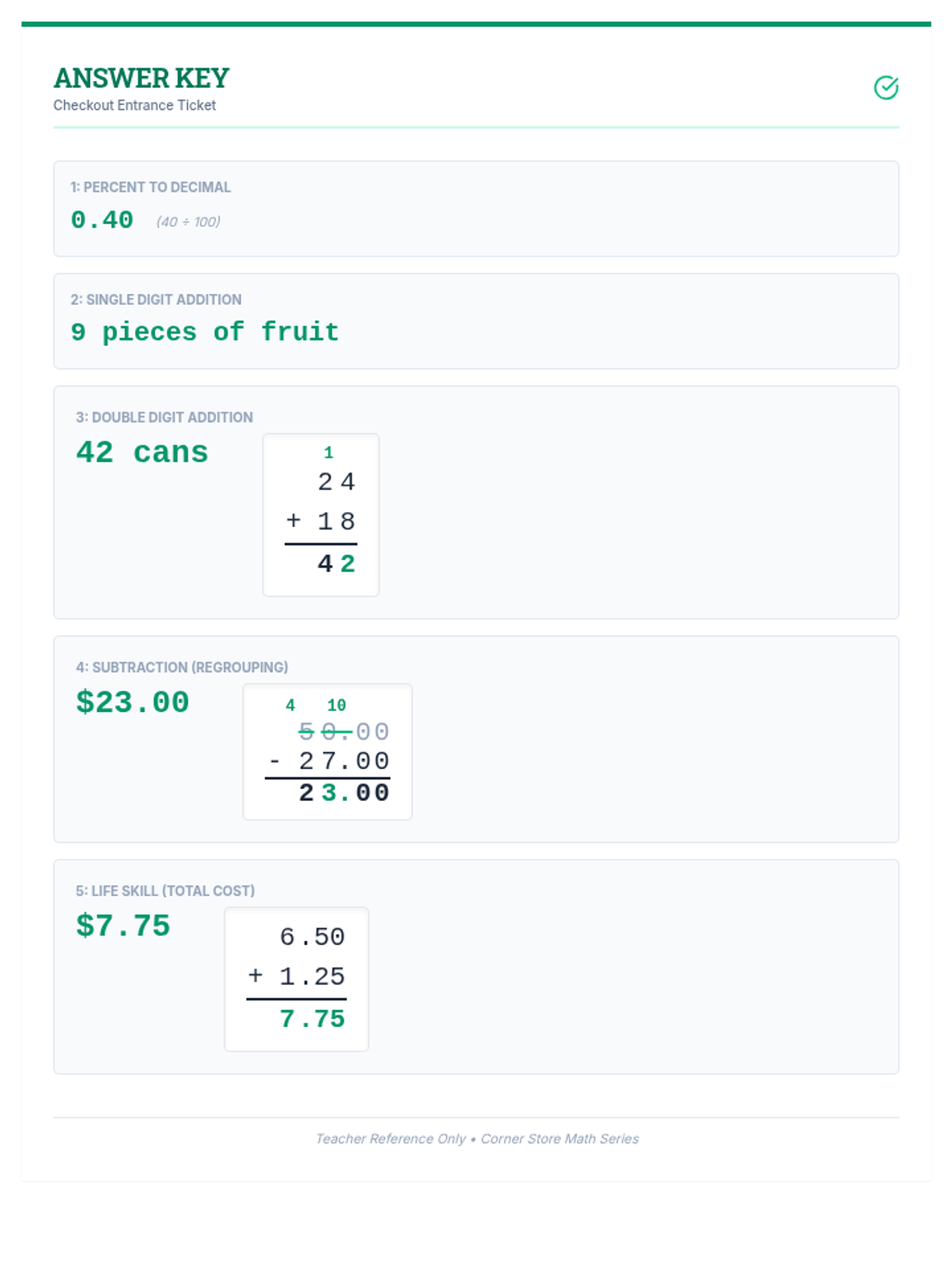
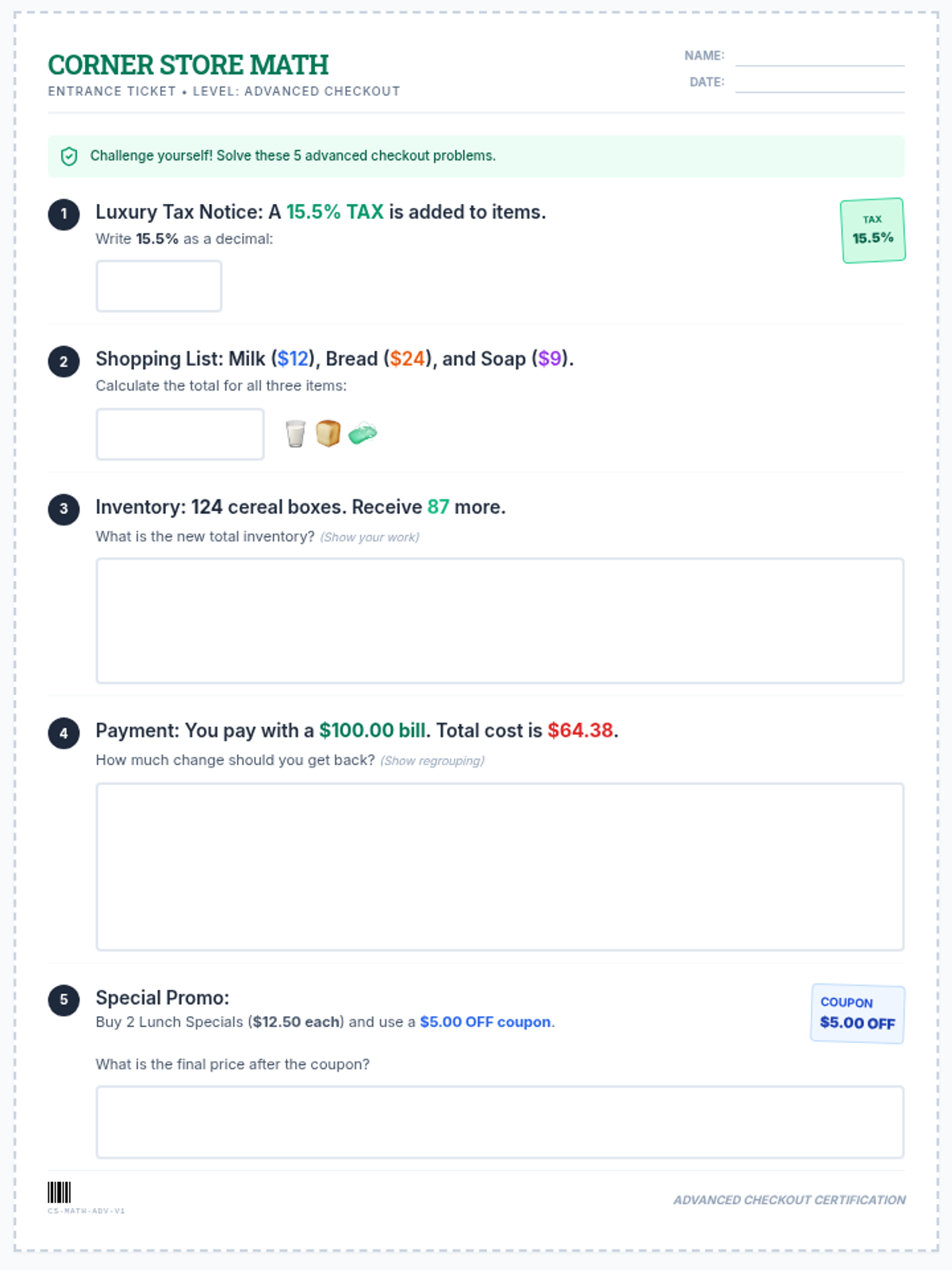
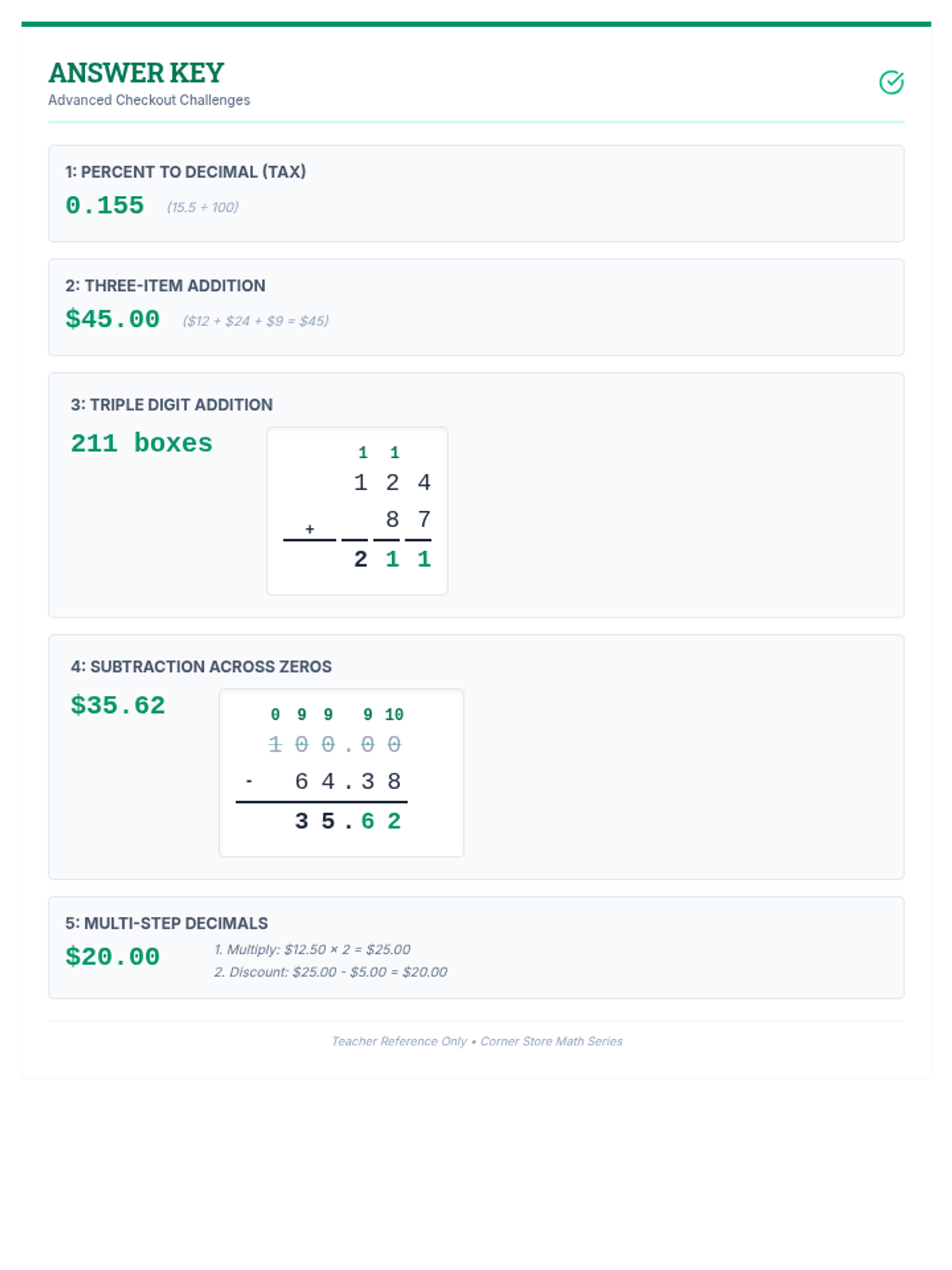
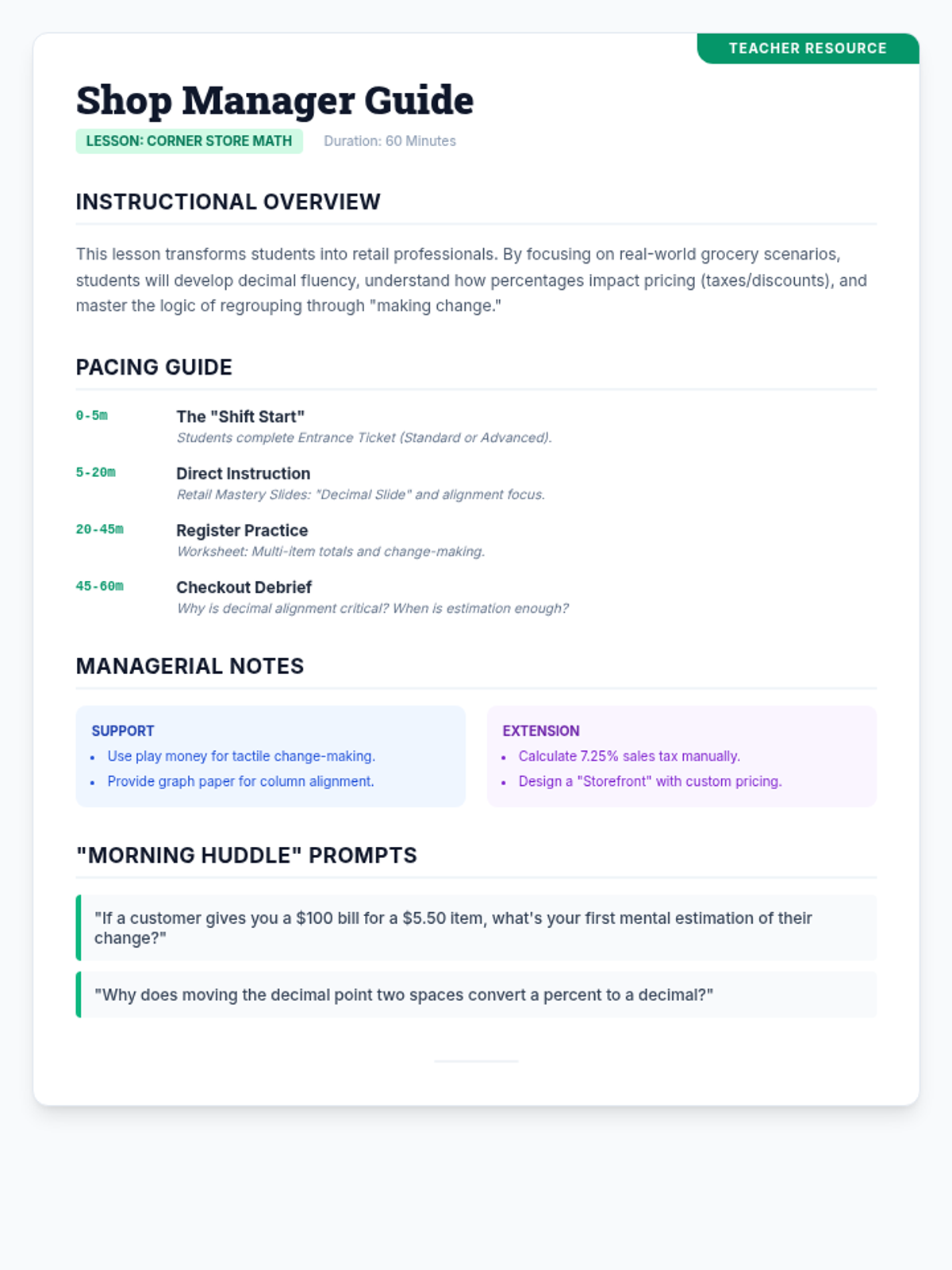
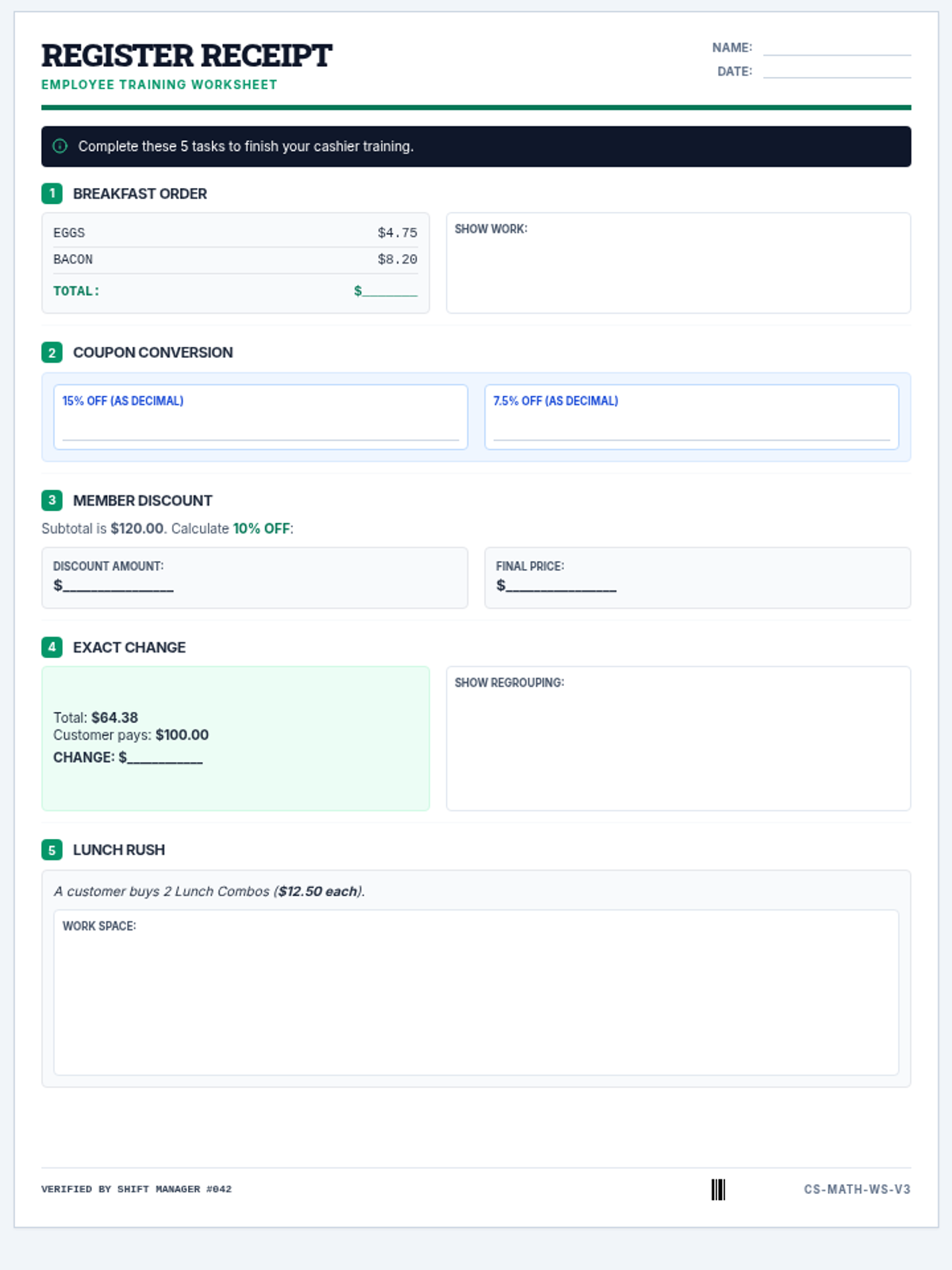
This lesson focuses on practical math applications in a retail setting, covering decimals, percentages, and basic arithmetic with a focus on money management.
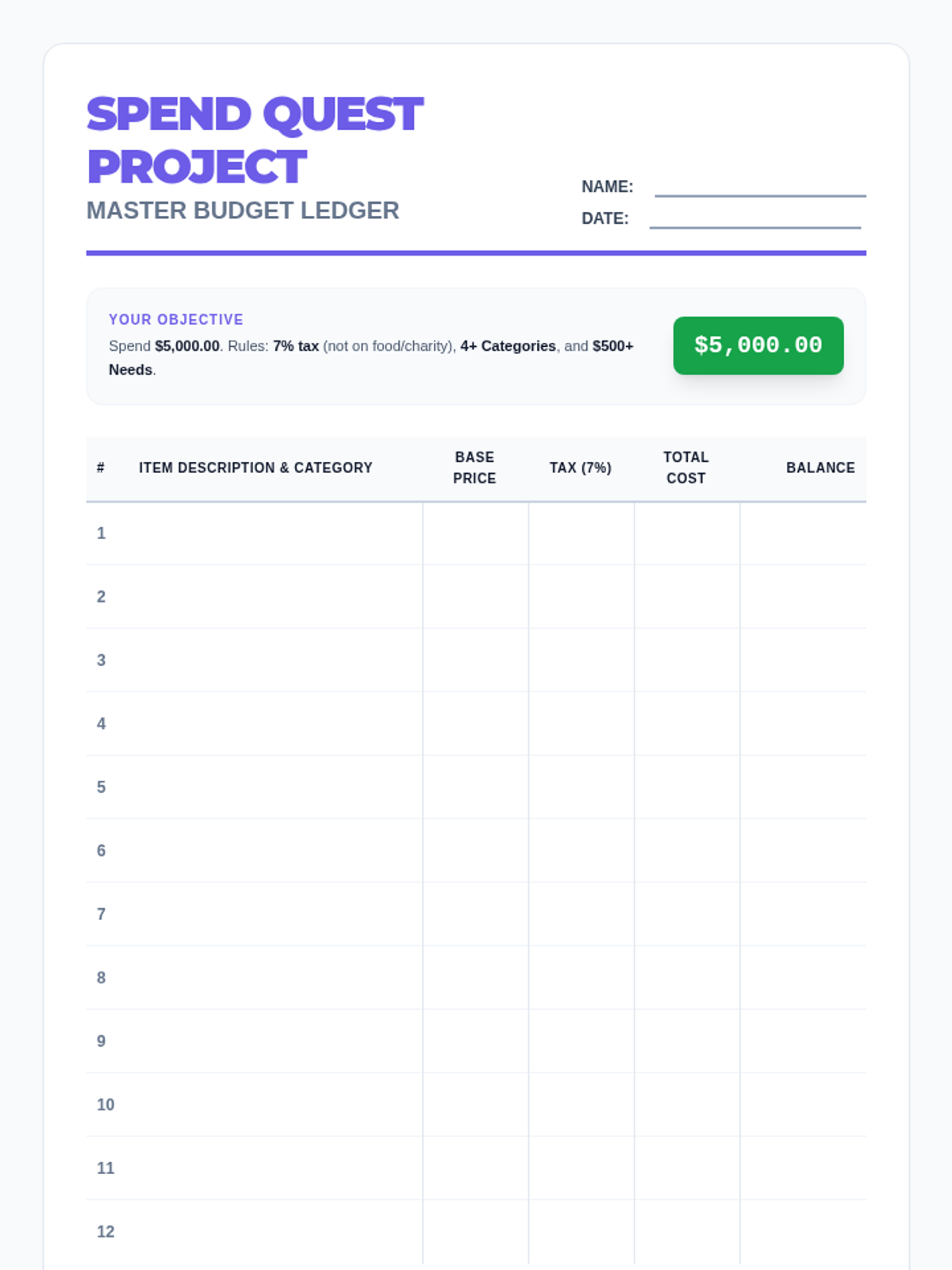
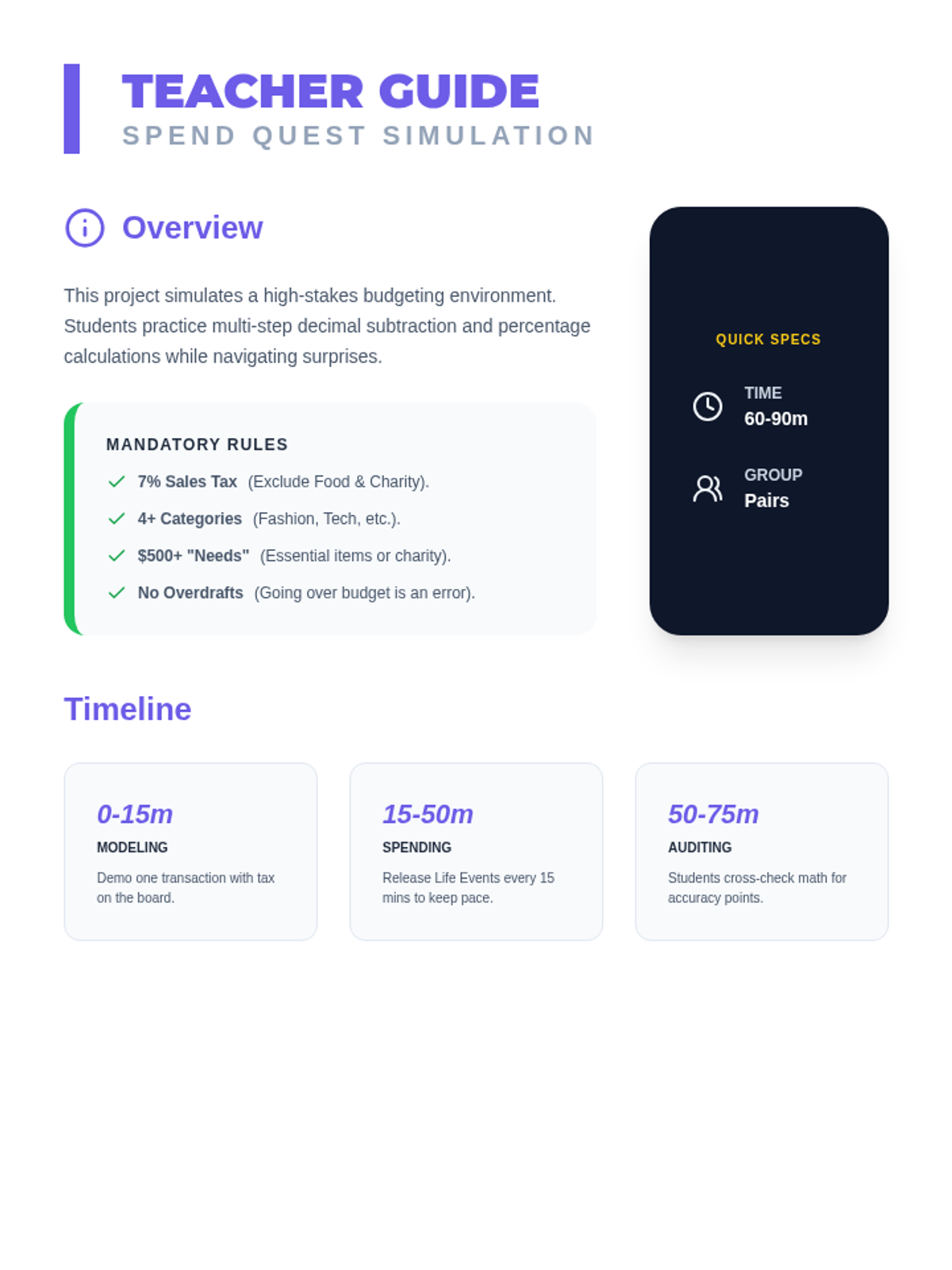
A high-energy math simulation where students manage a large budget, navigate financial constraints, and handle unexpected 'life events' while shopping for their dream items.
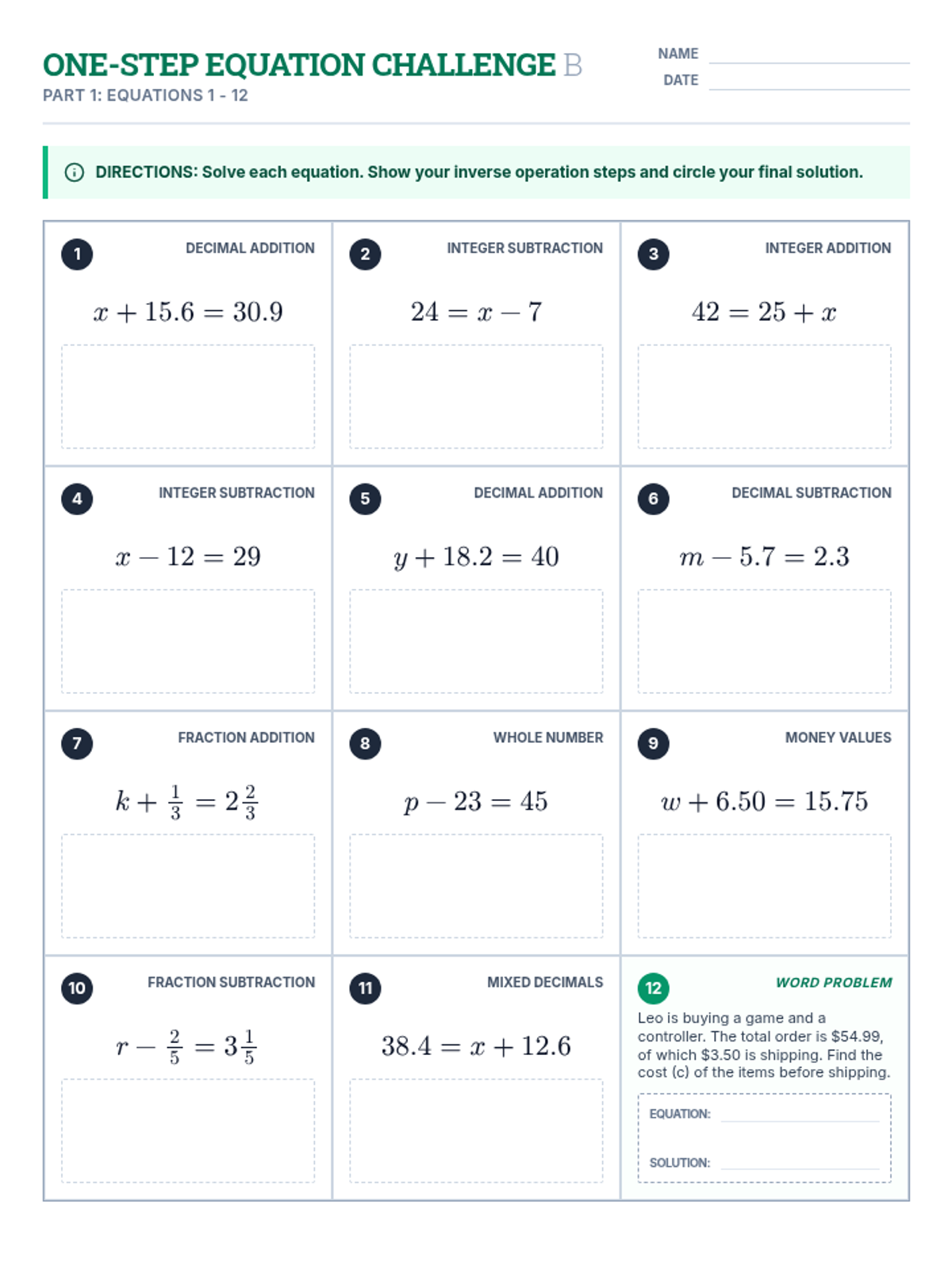
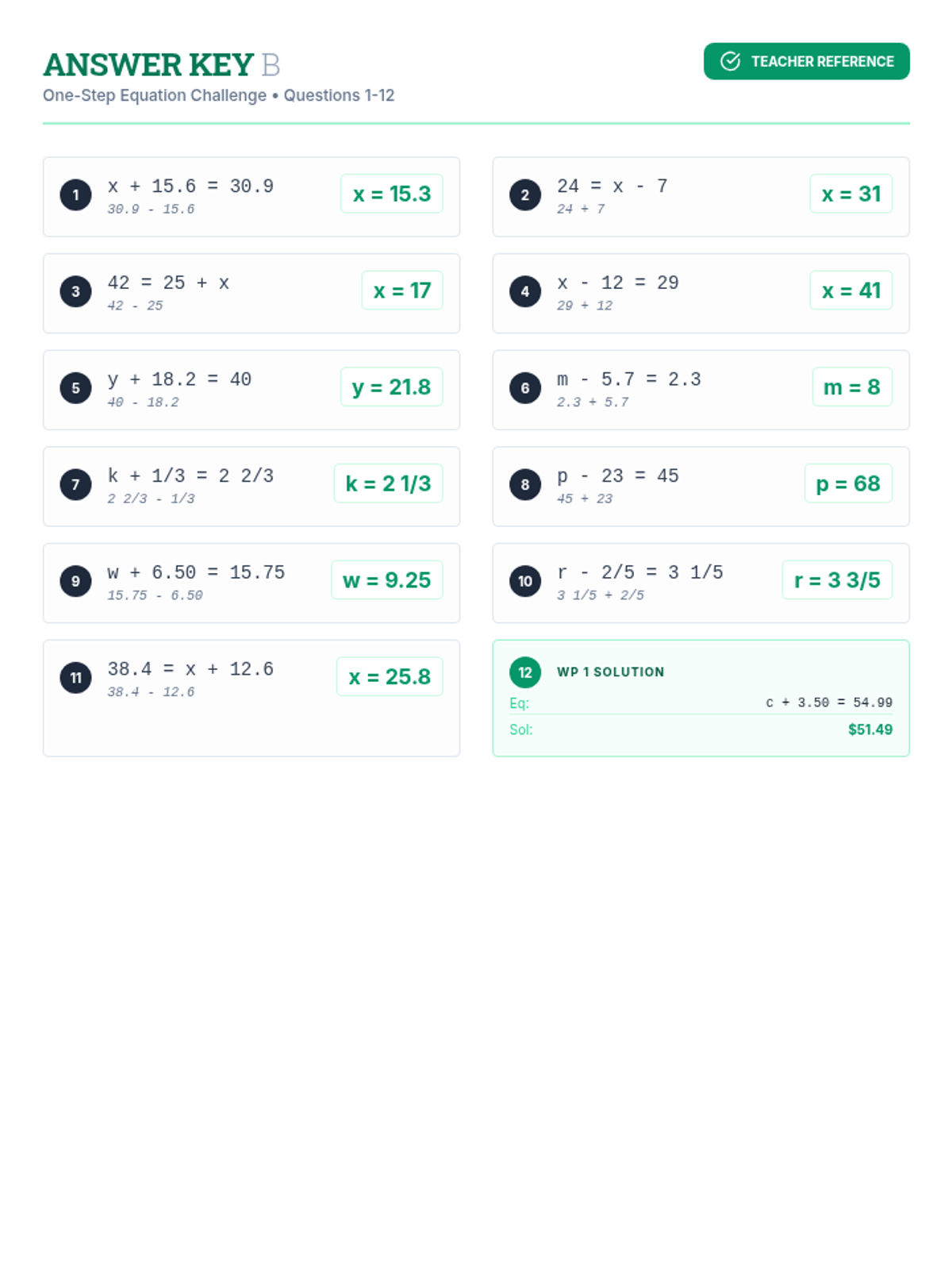
A focused lesson on solving one-step addition and subtraction equations using a variety of number types including whole numbers, decimals, and fractions.
A comprehensive lesson on solving one-step equations using addition, subtraction, multiplication, and division, featuring visual models and real-world applications.
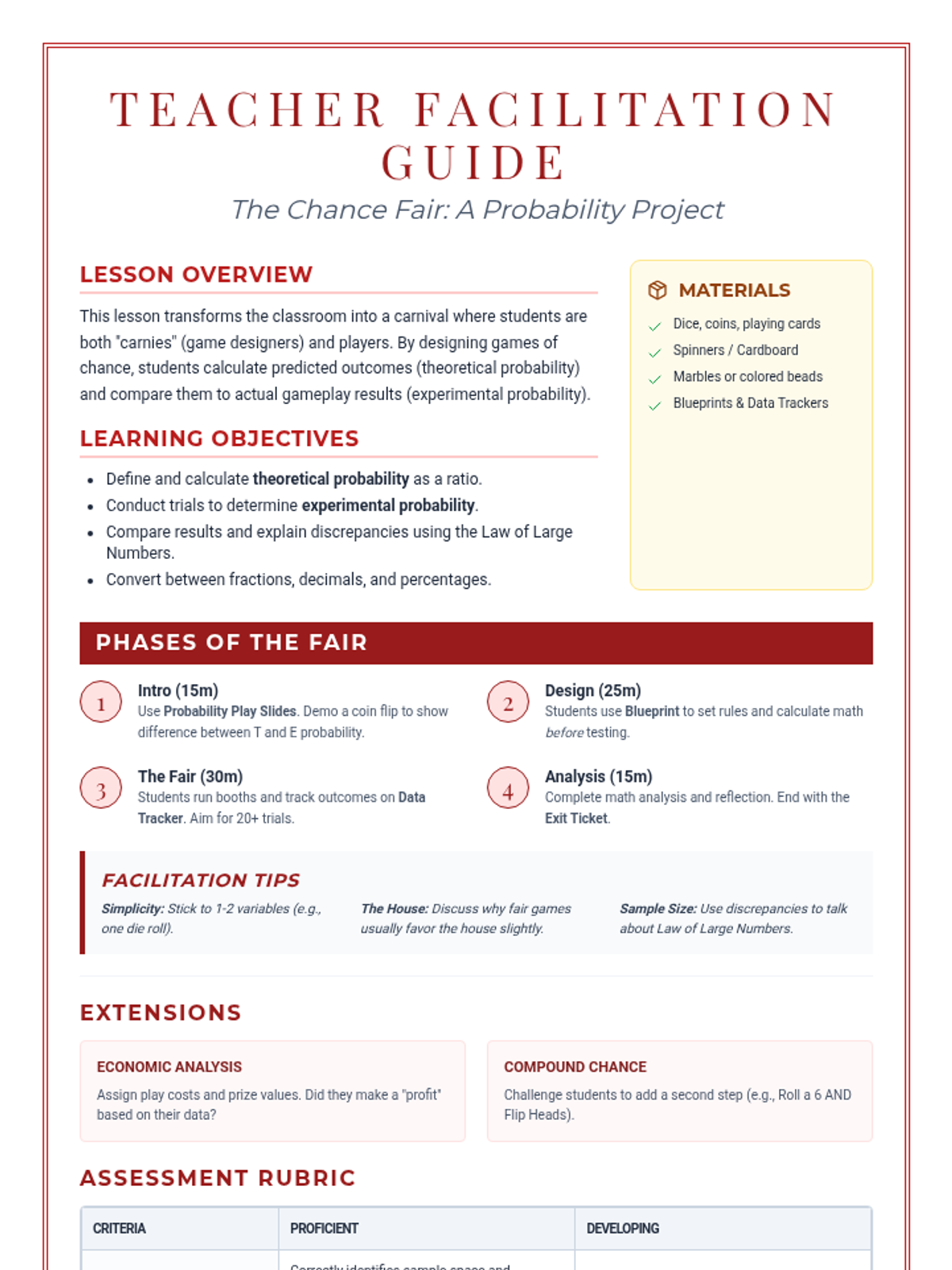
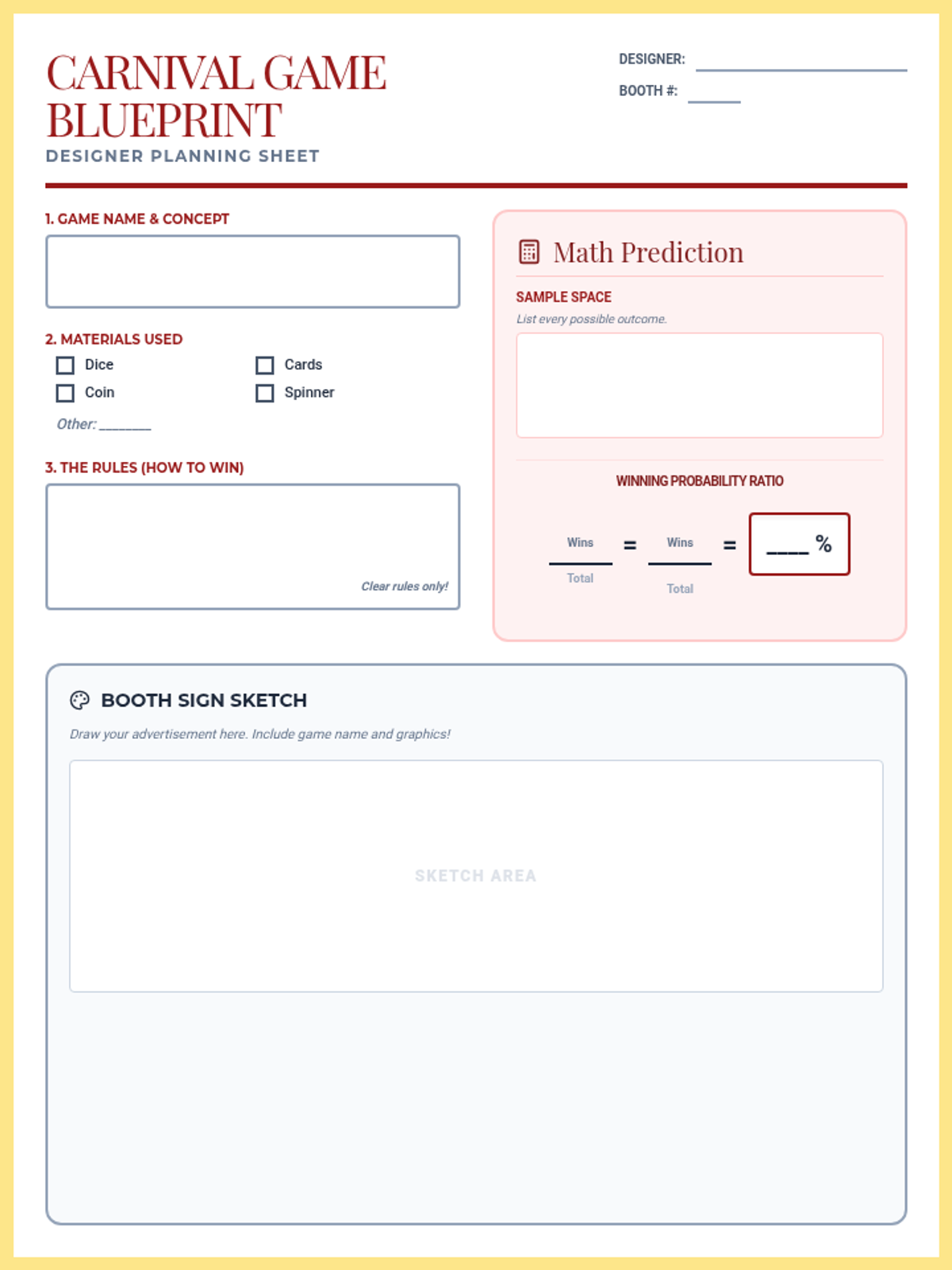
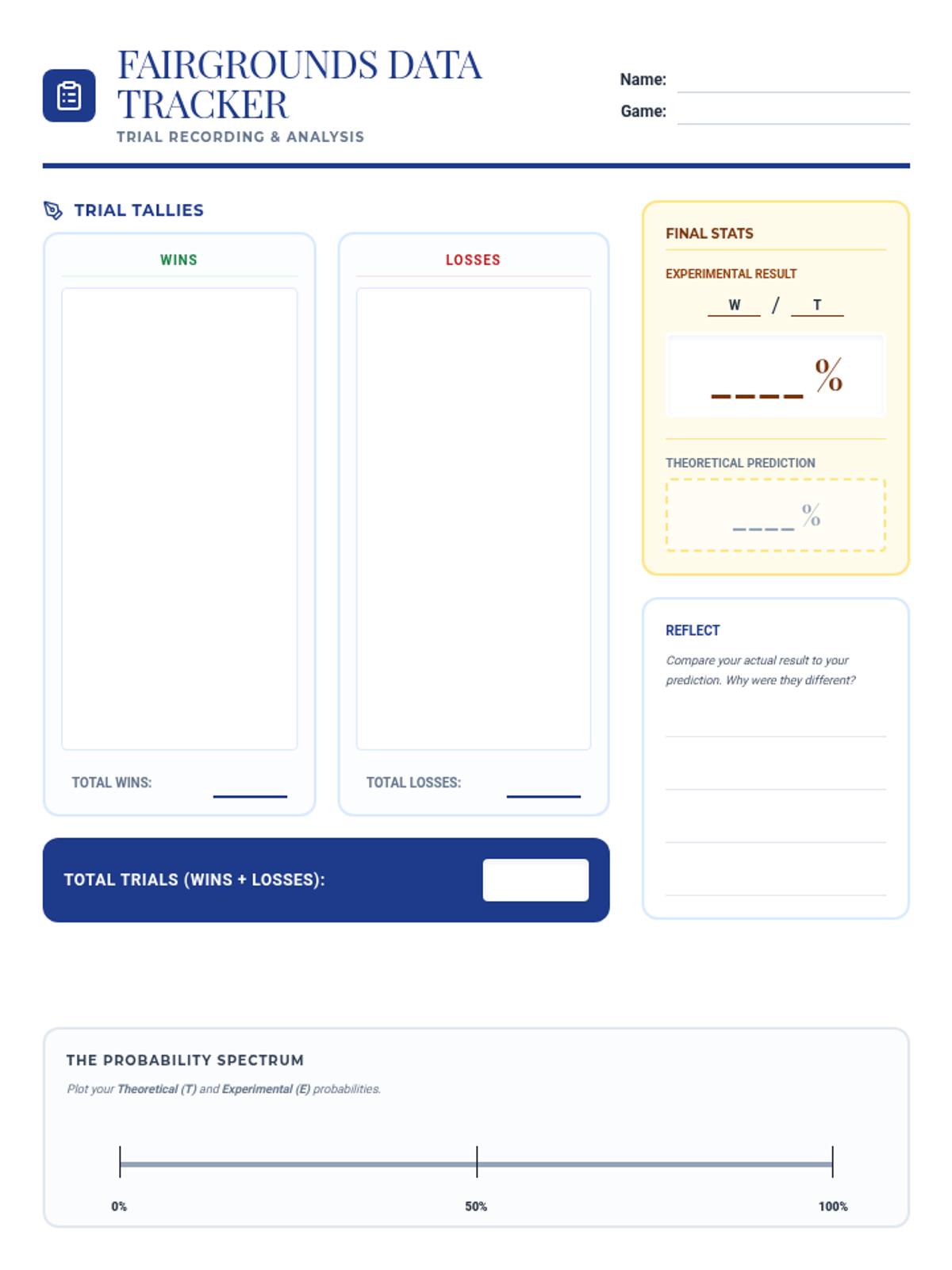
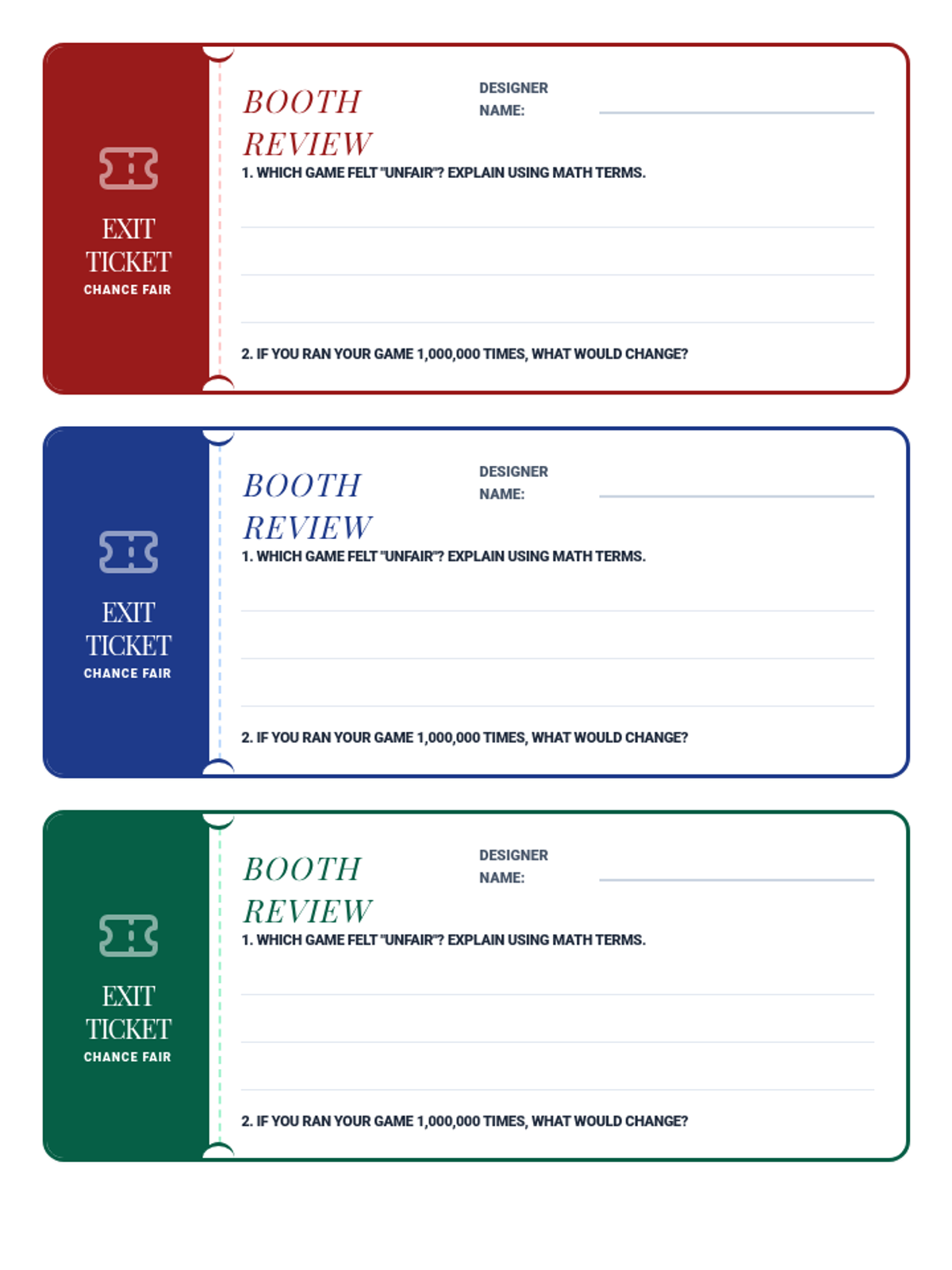
A hands-on math project where students design carnival games to explore theoretical versus experimental probability through data collection and analysis.
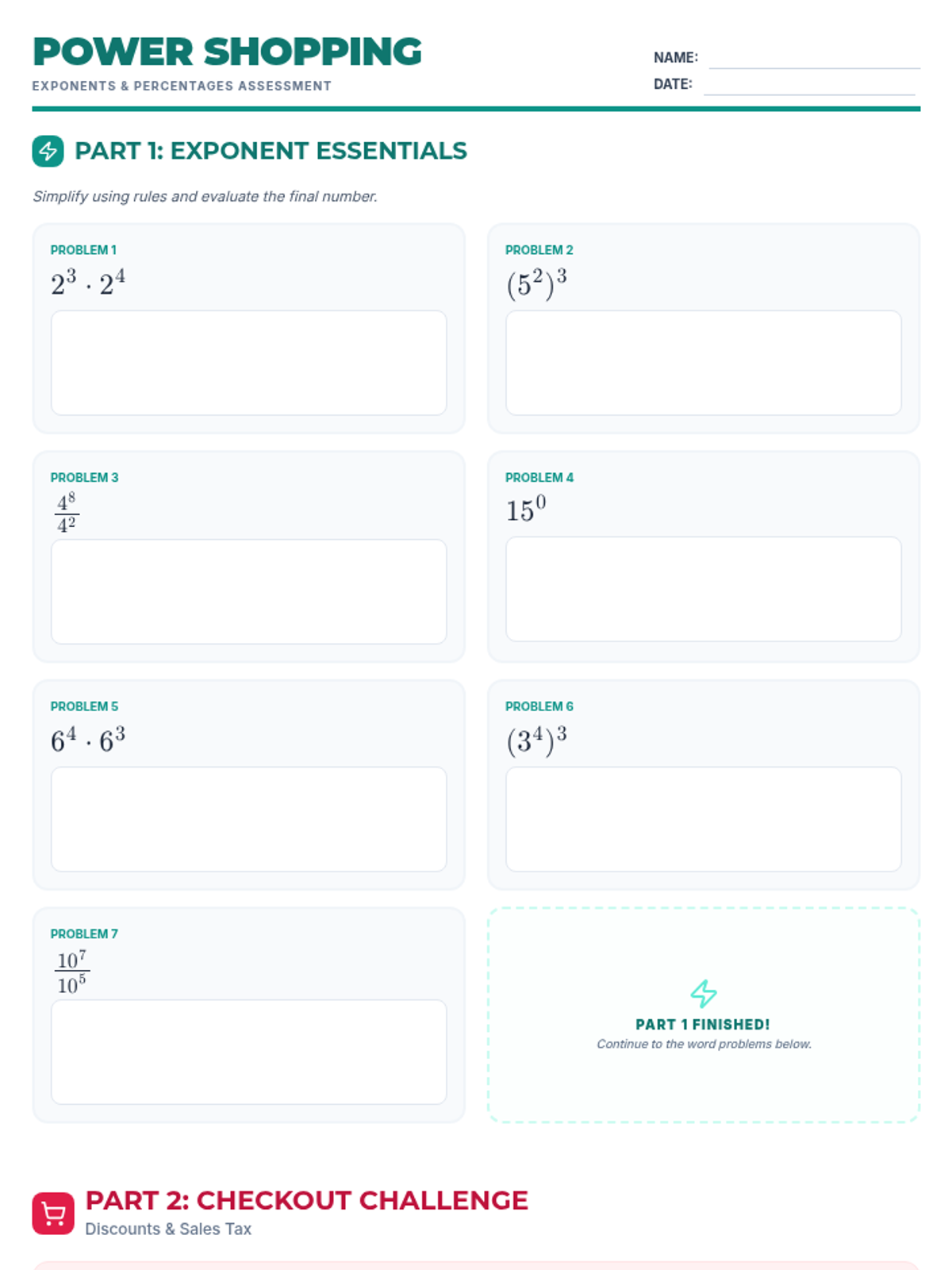
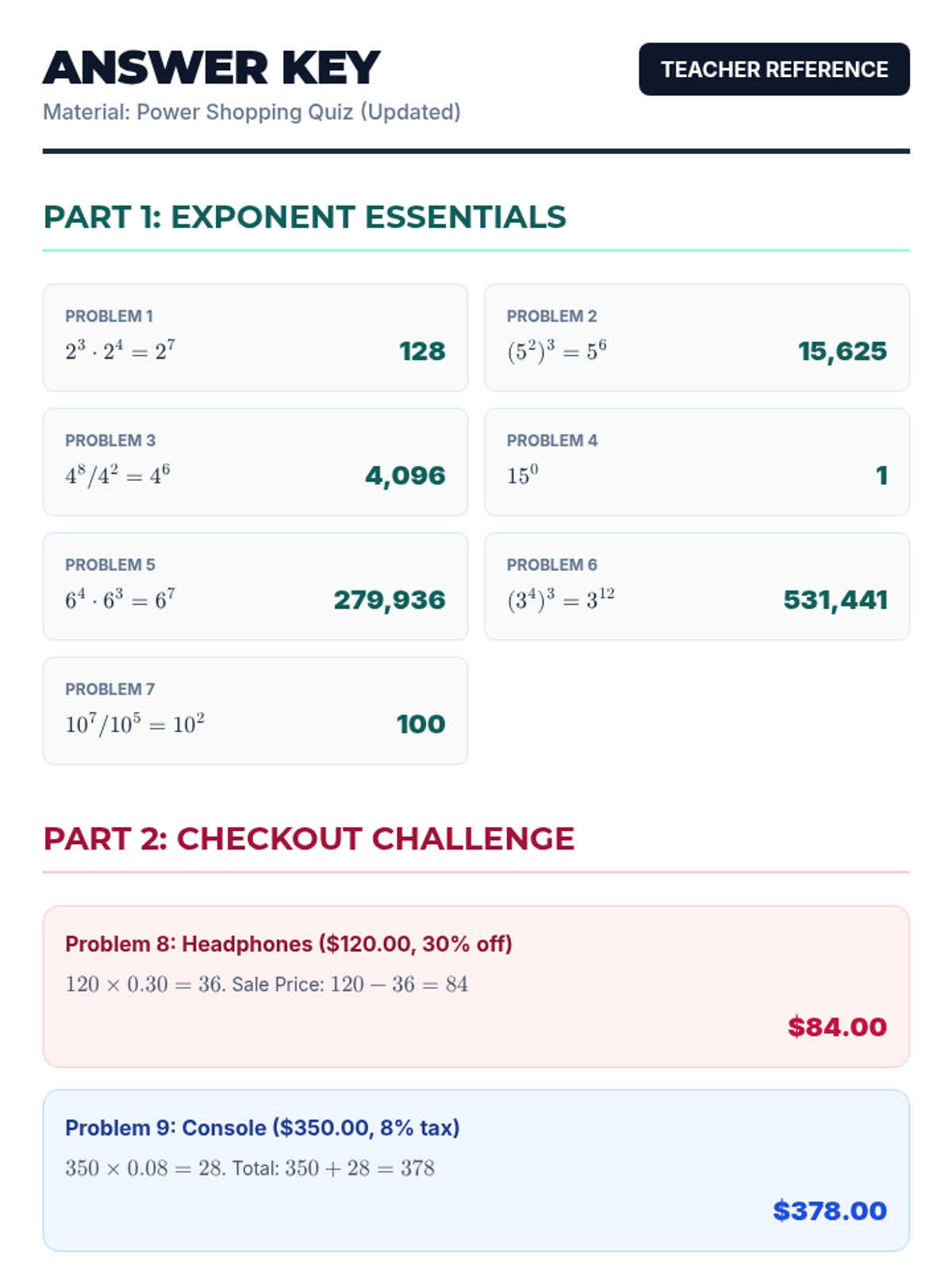
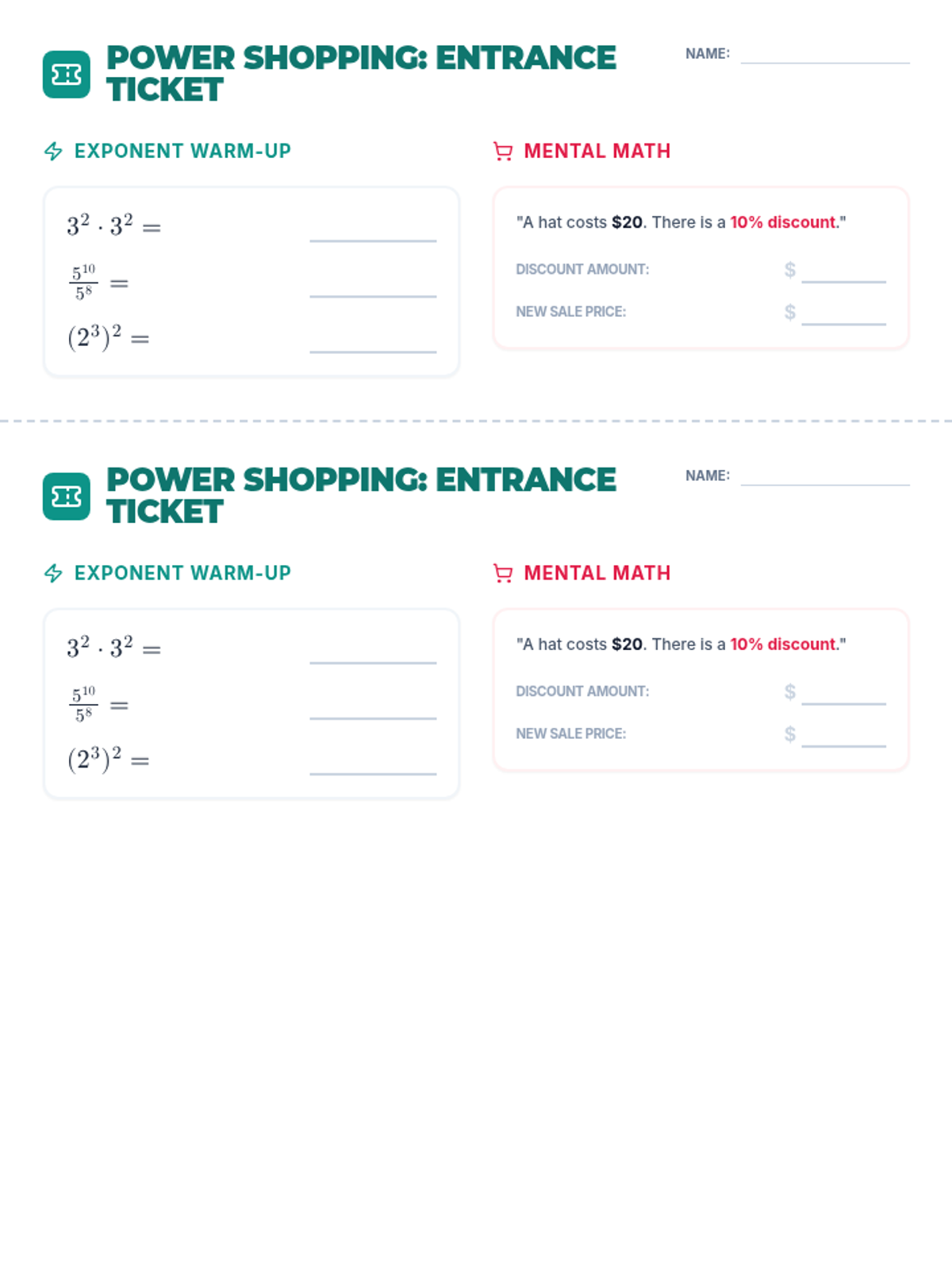
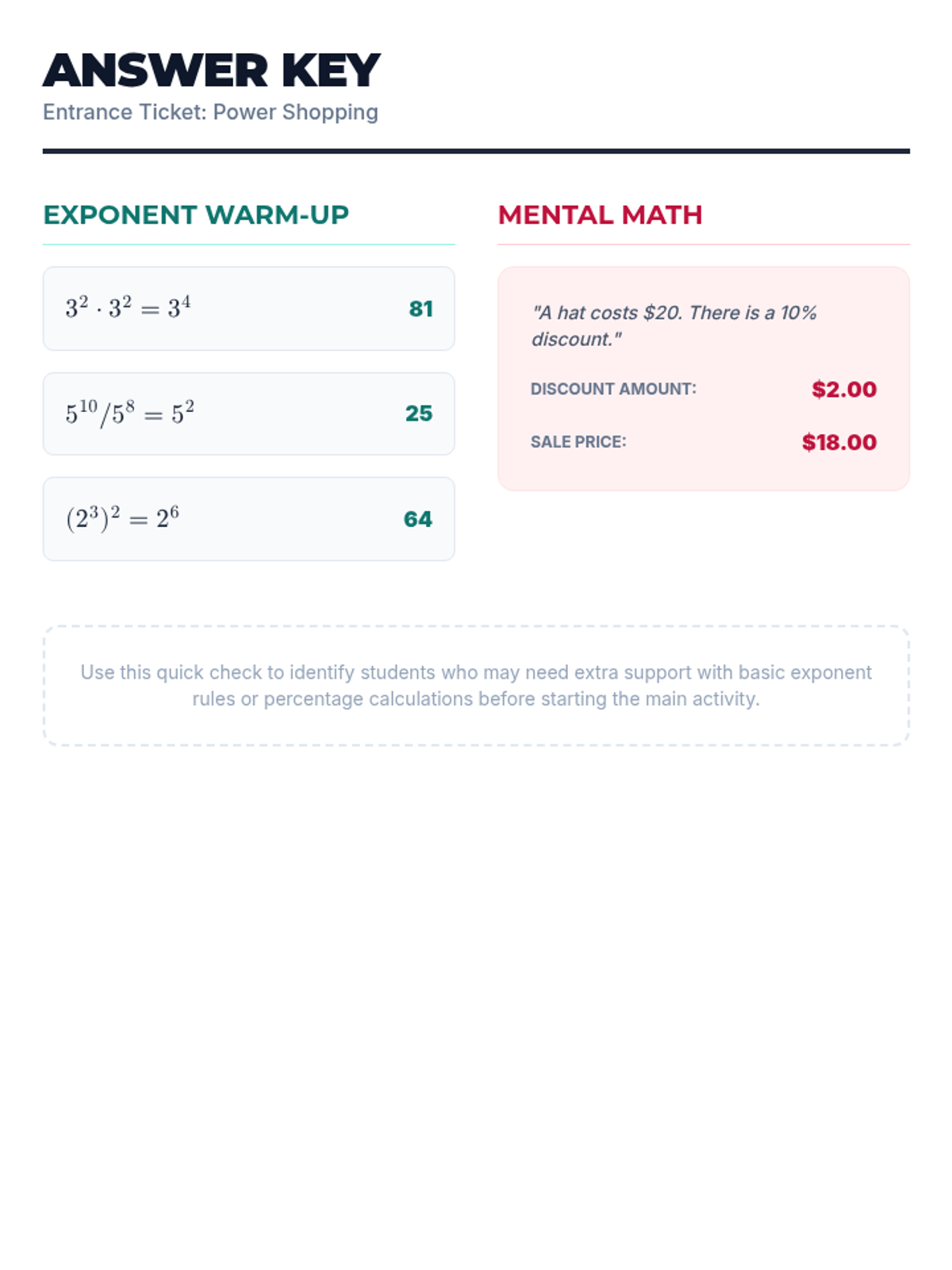
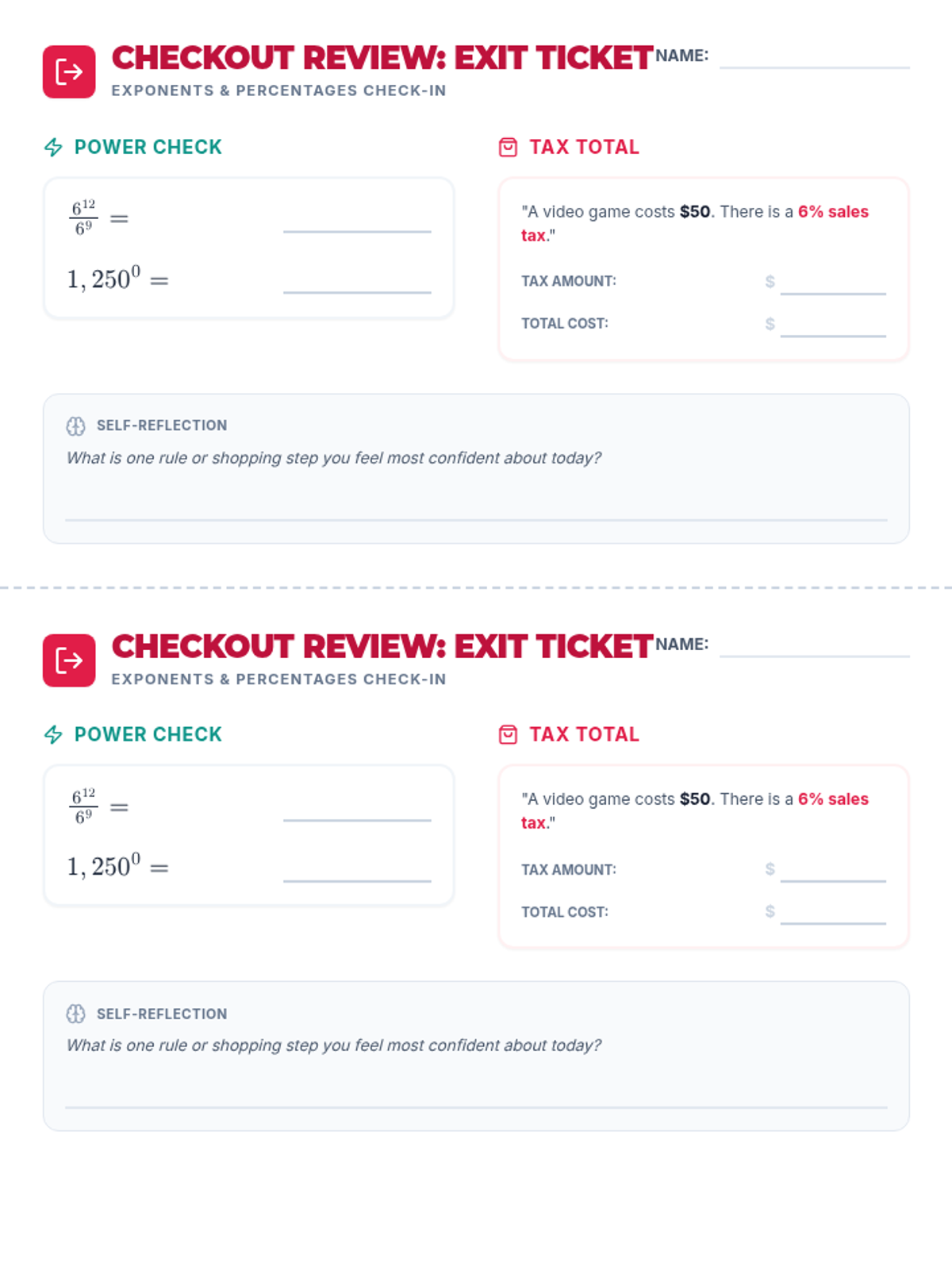
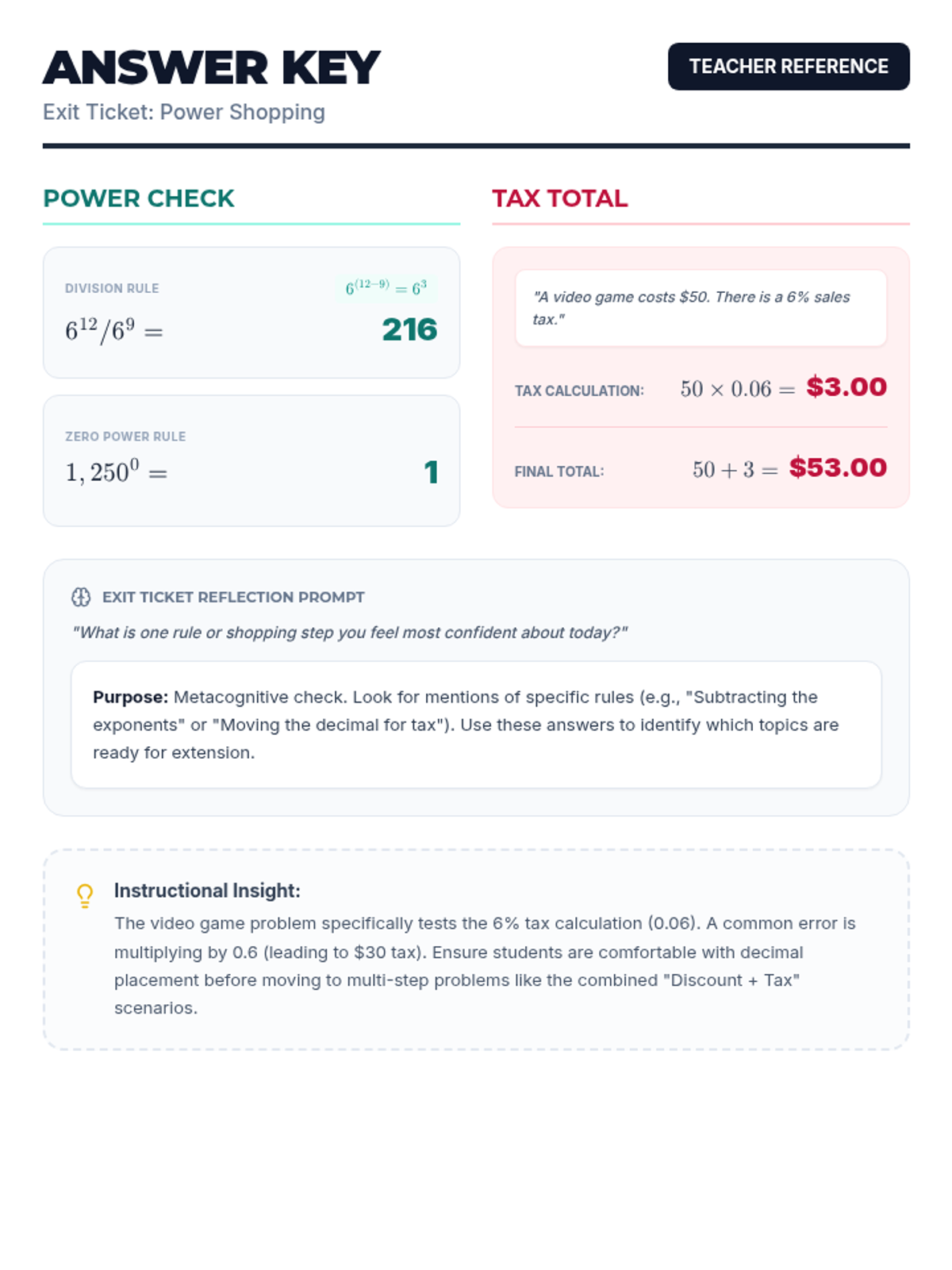
A math assessment focusing on basic exponent rules and real-world percentage applications involving sales tax and discounts.