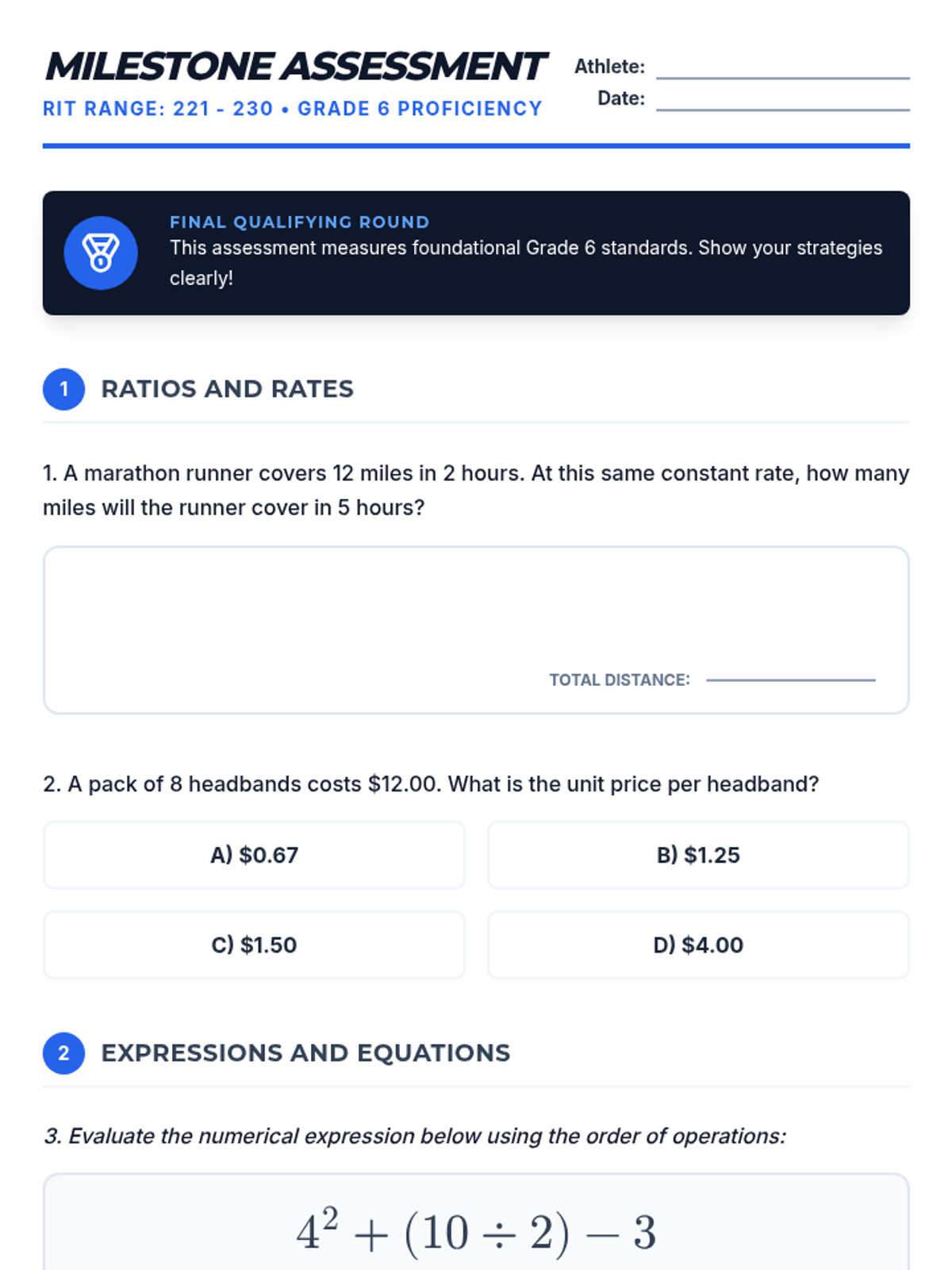
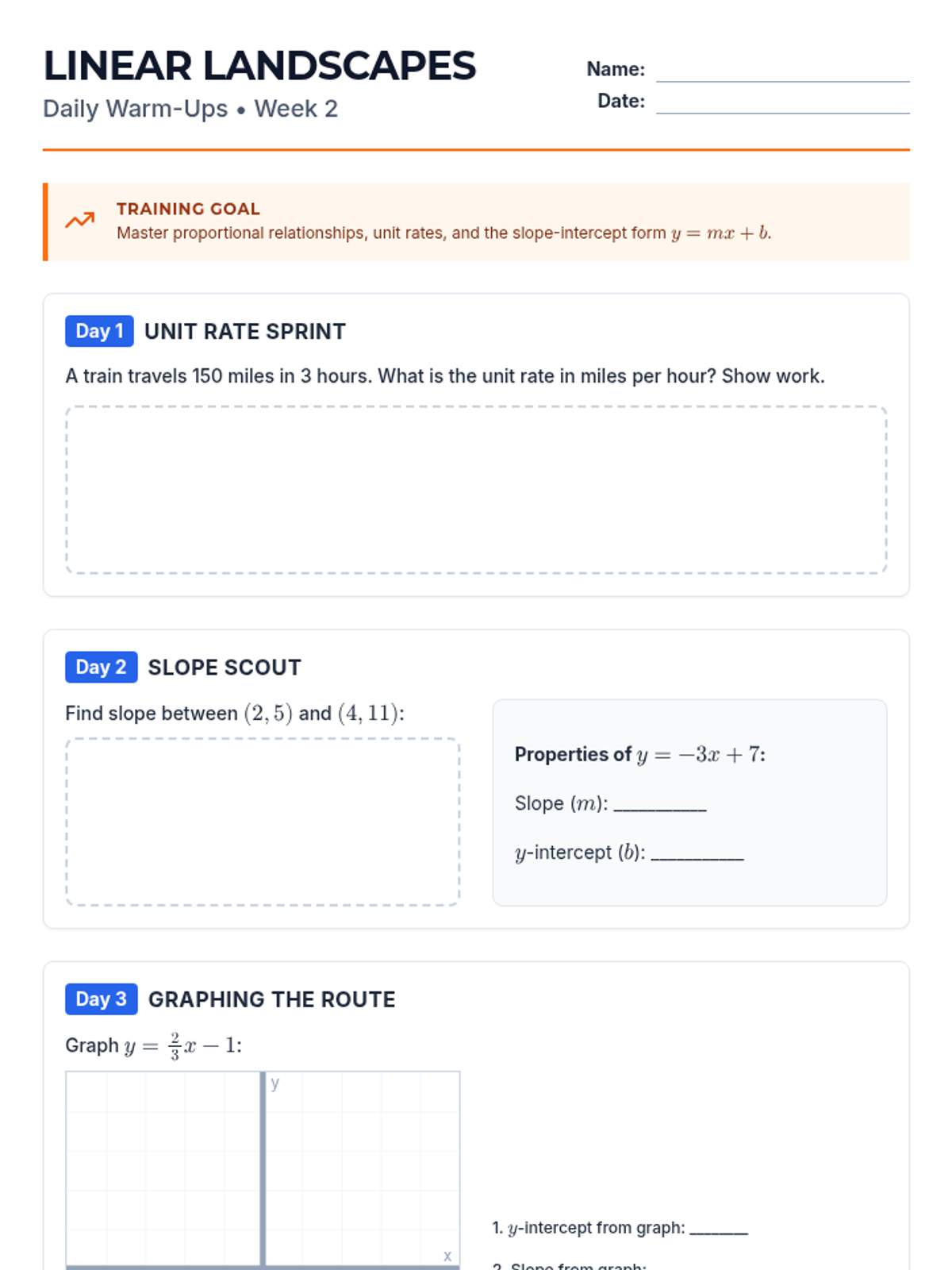
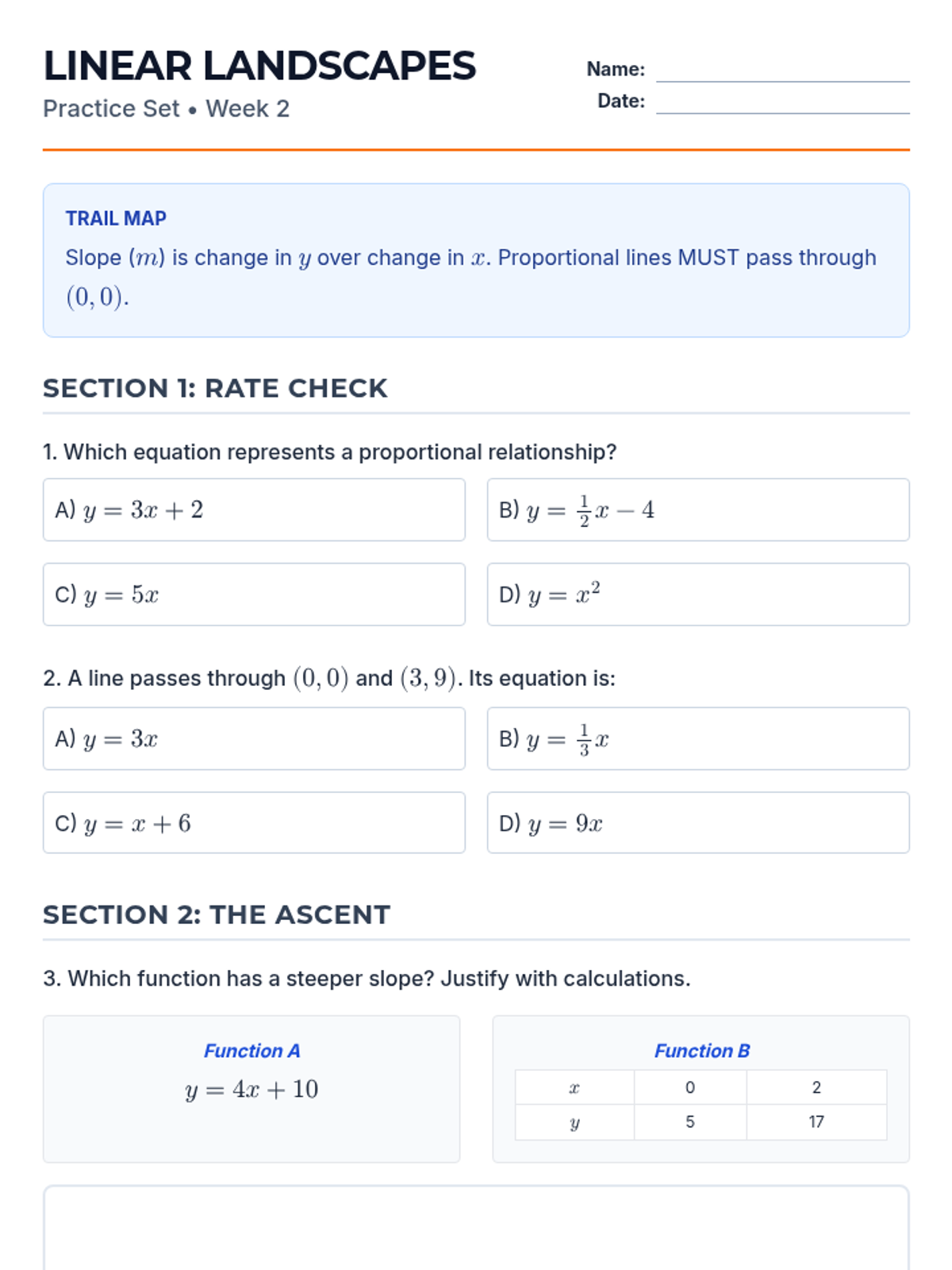
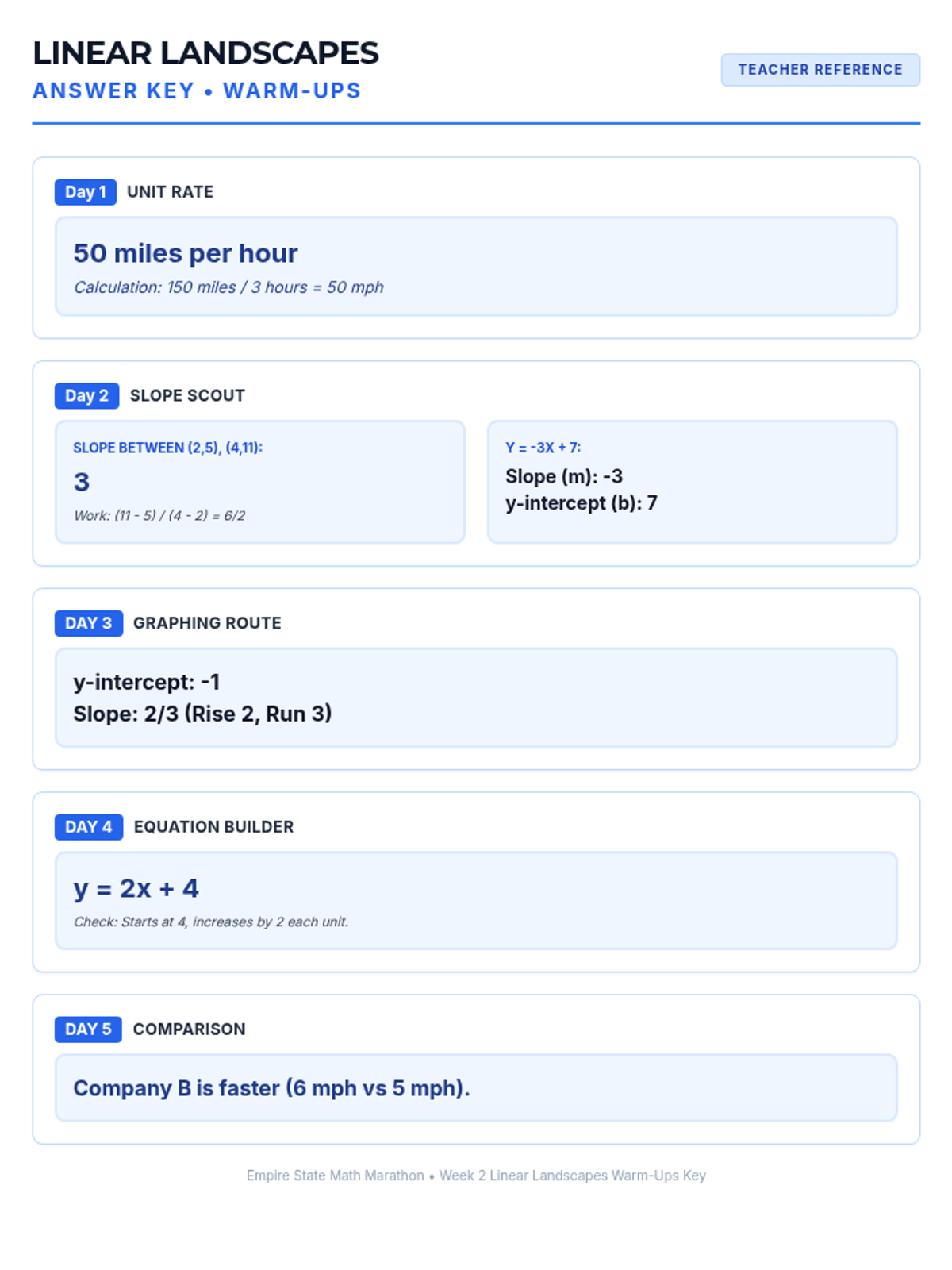
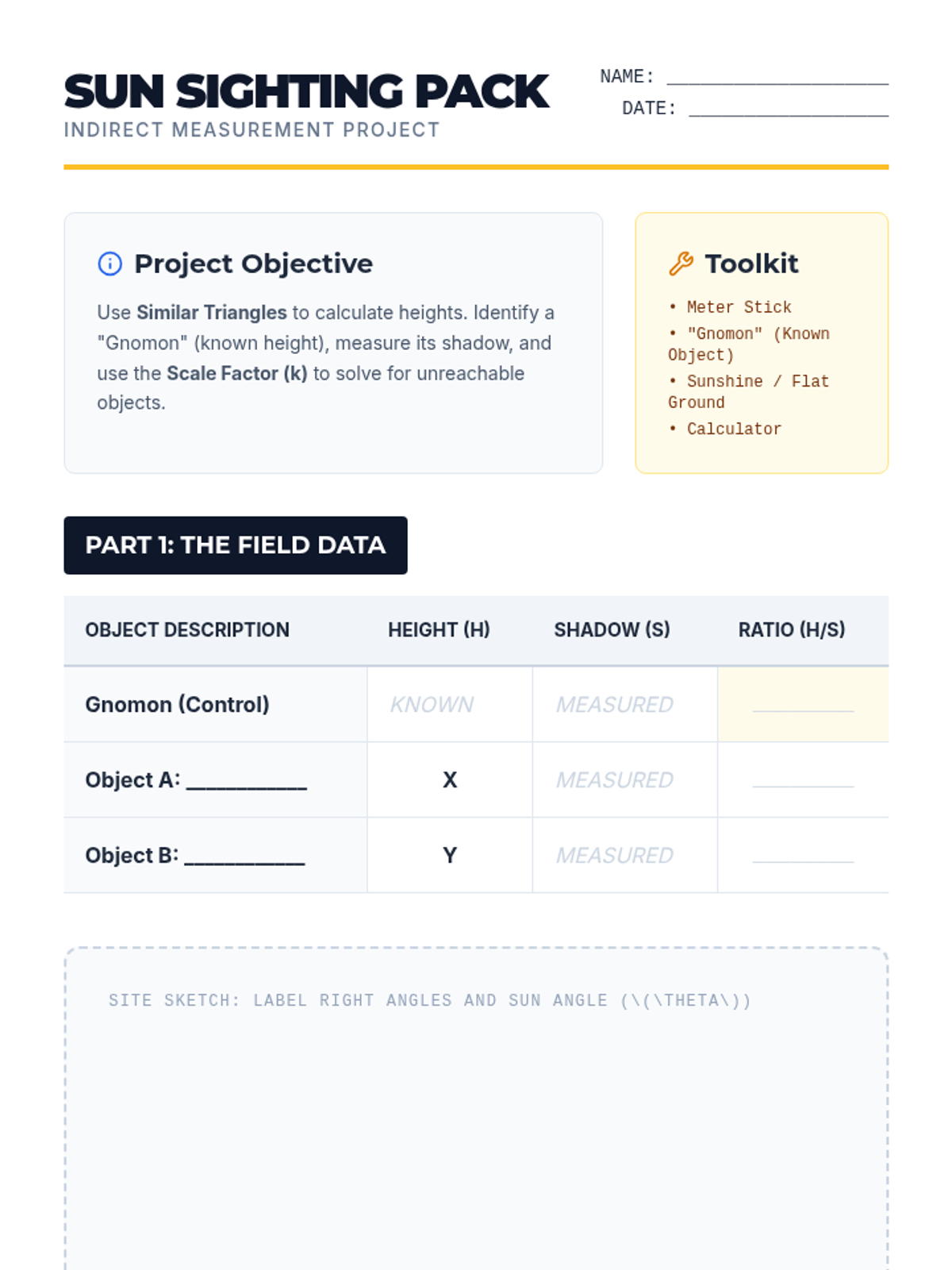
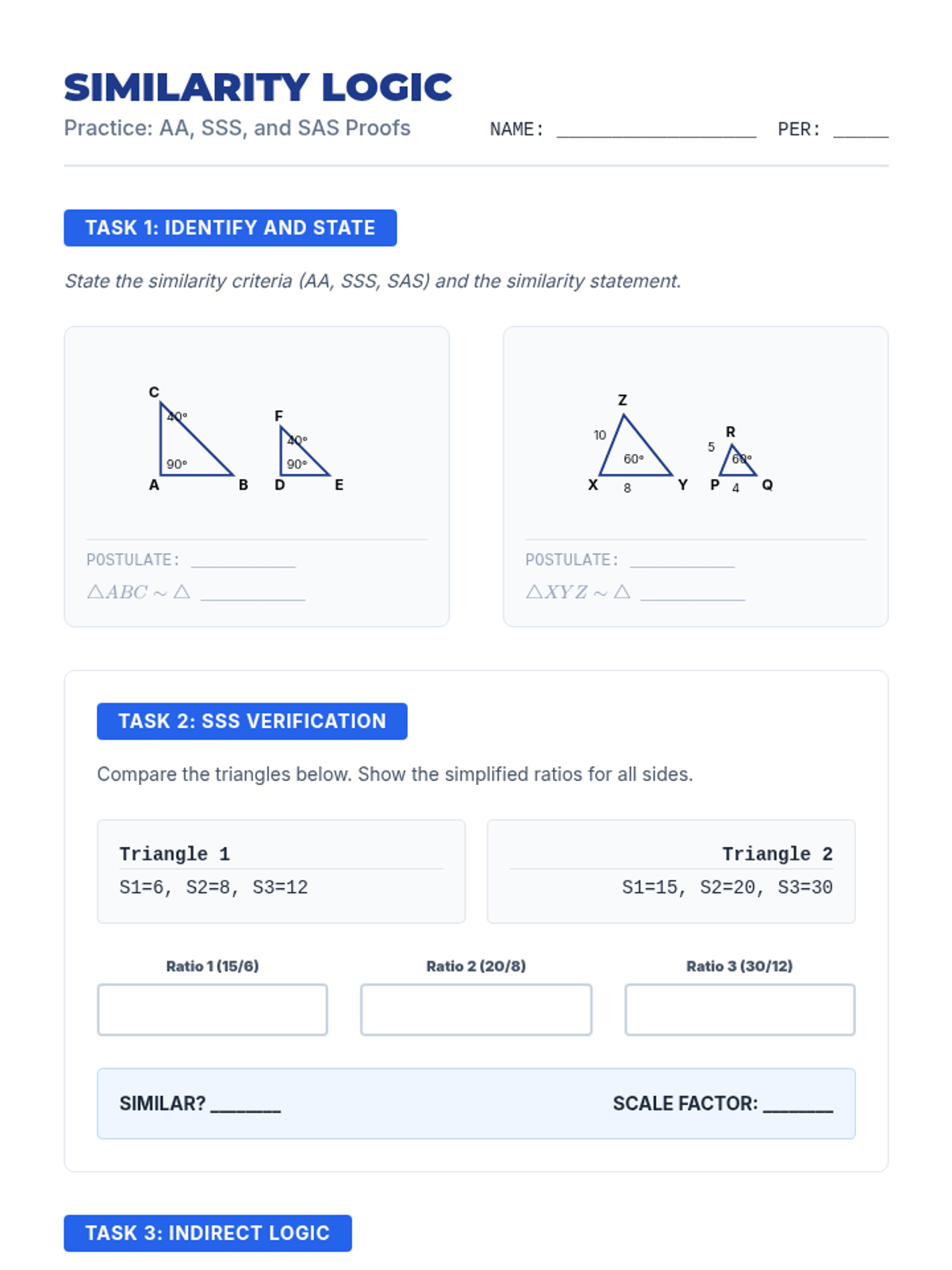
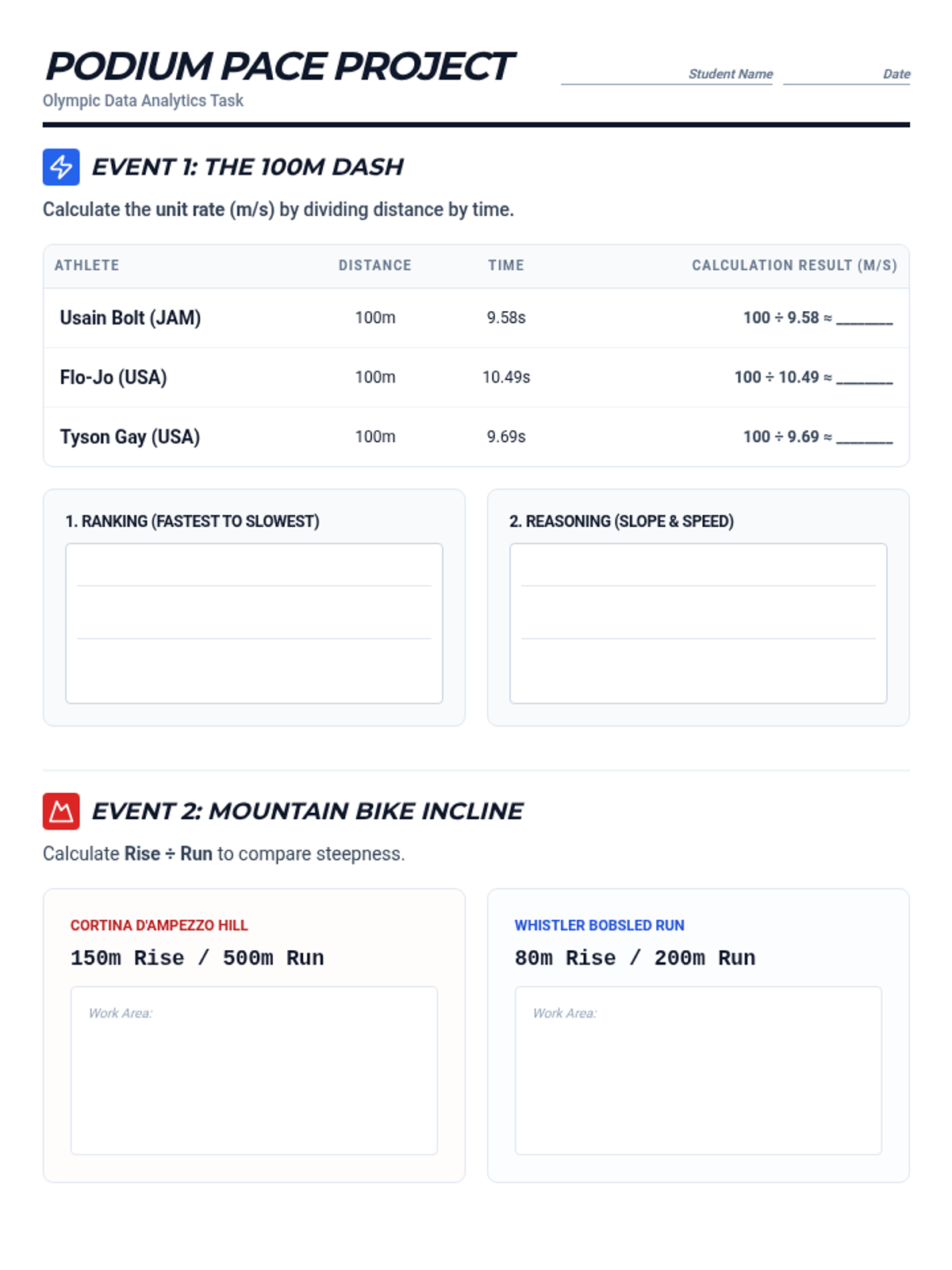
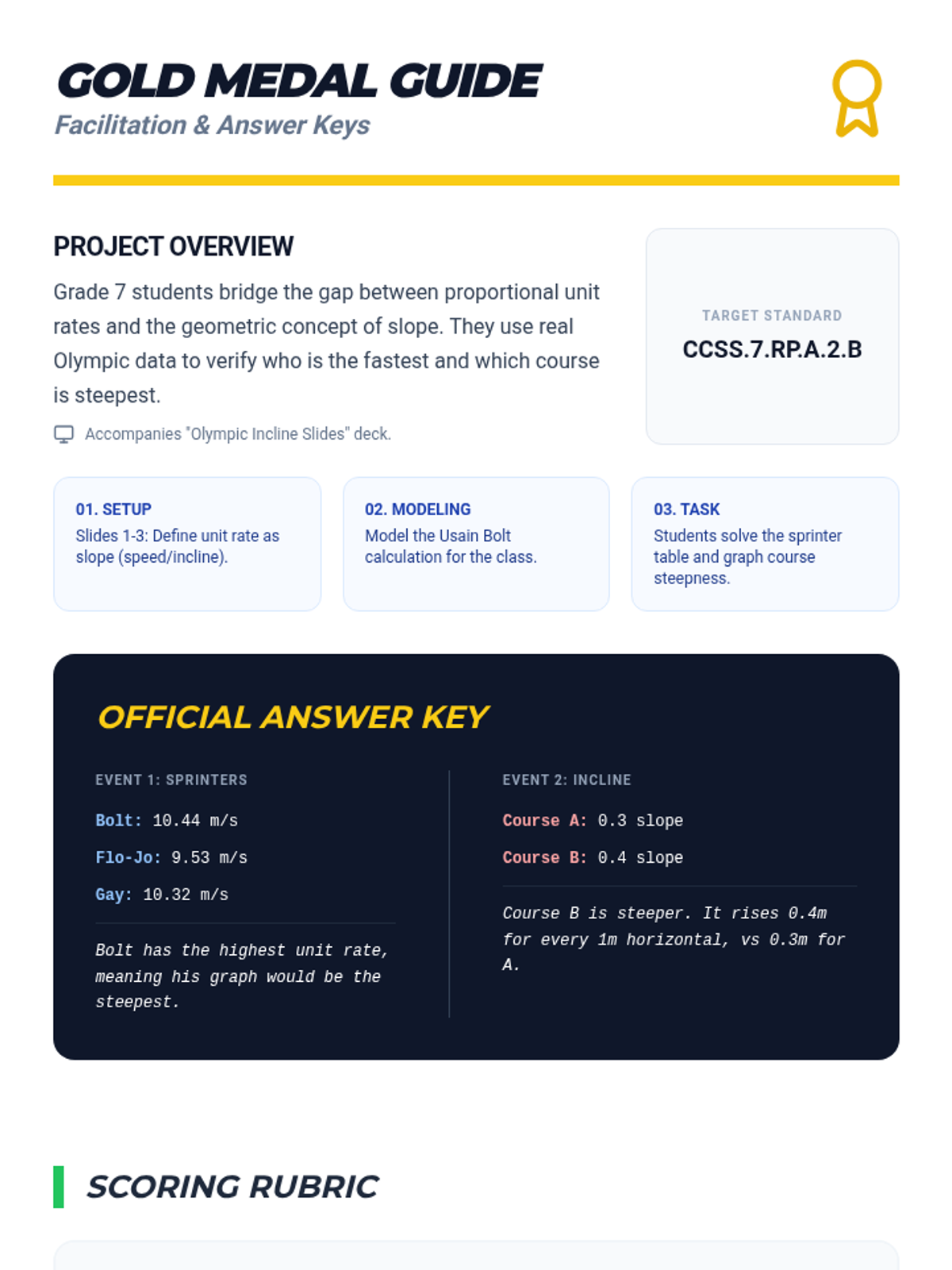
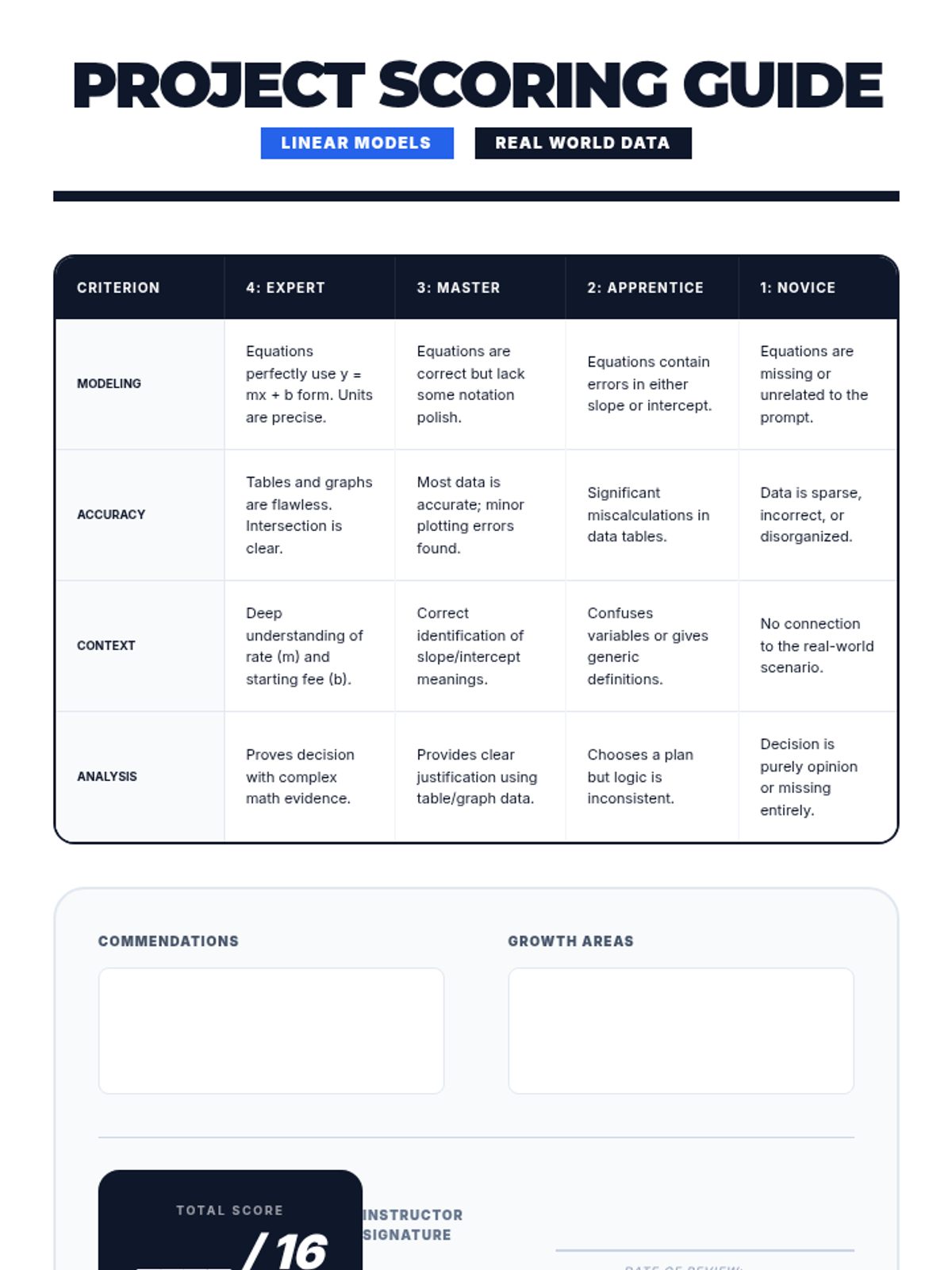
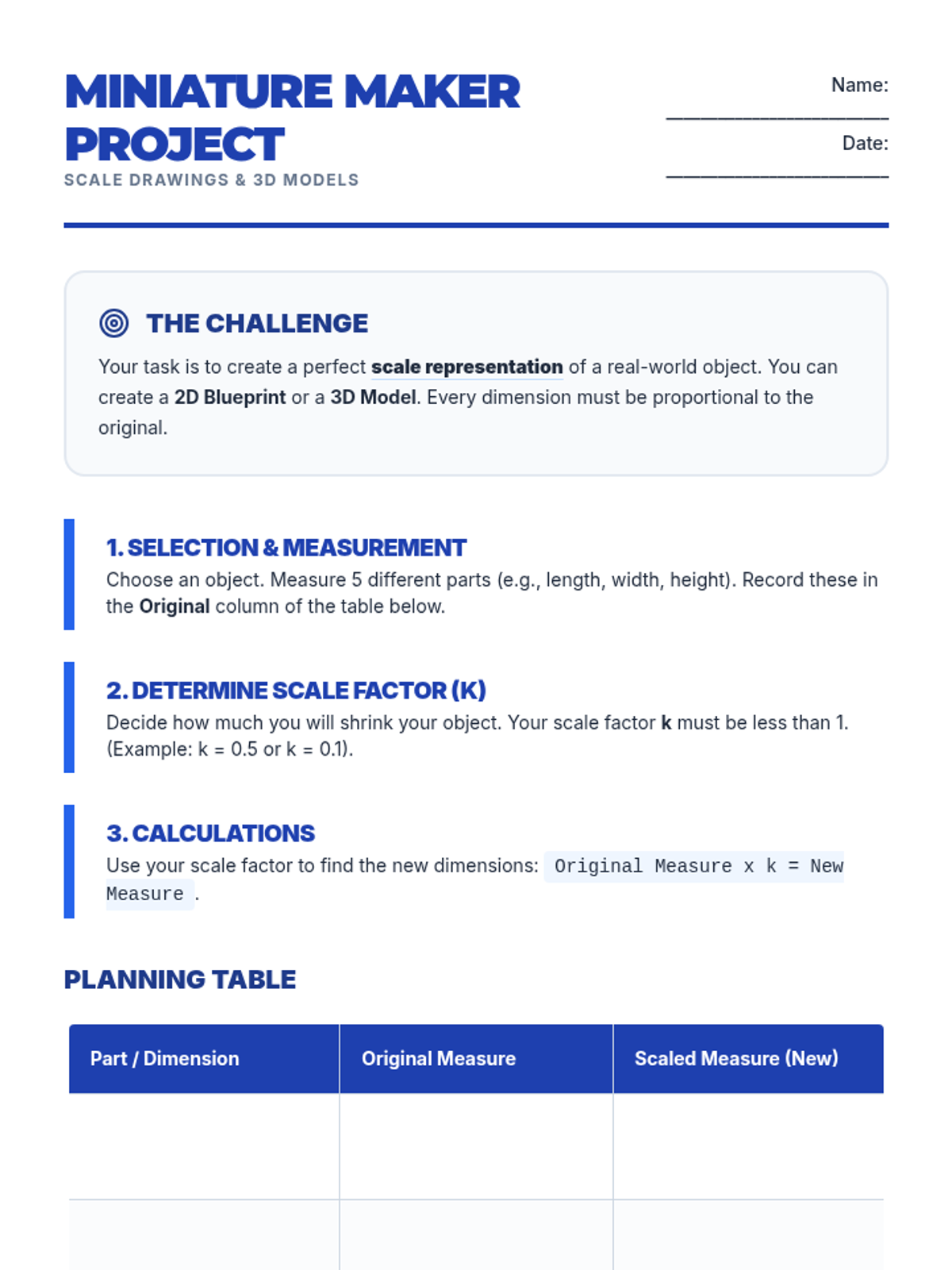
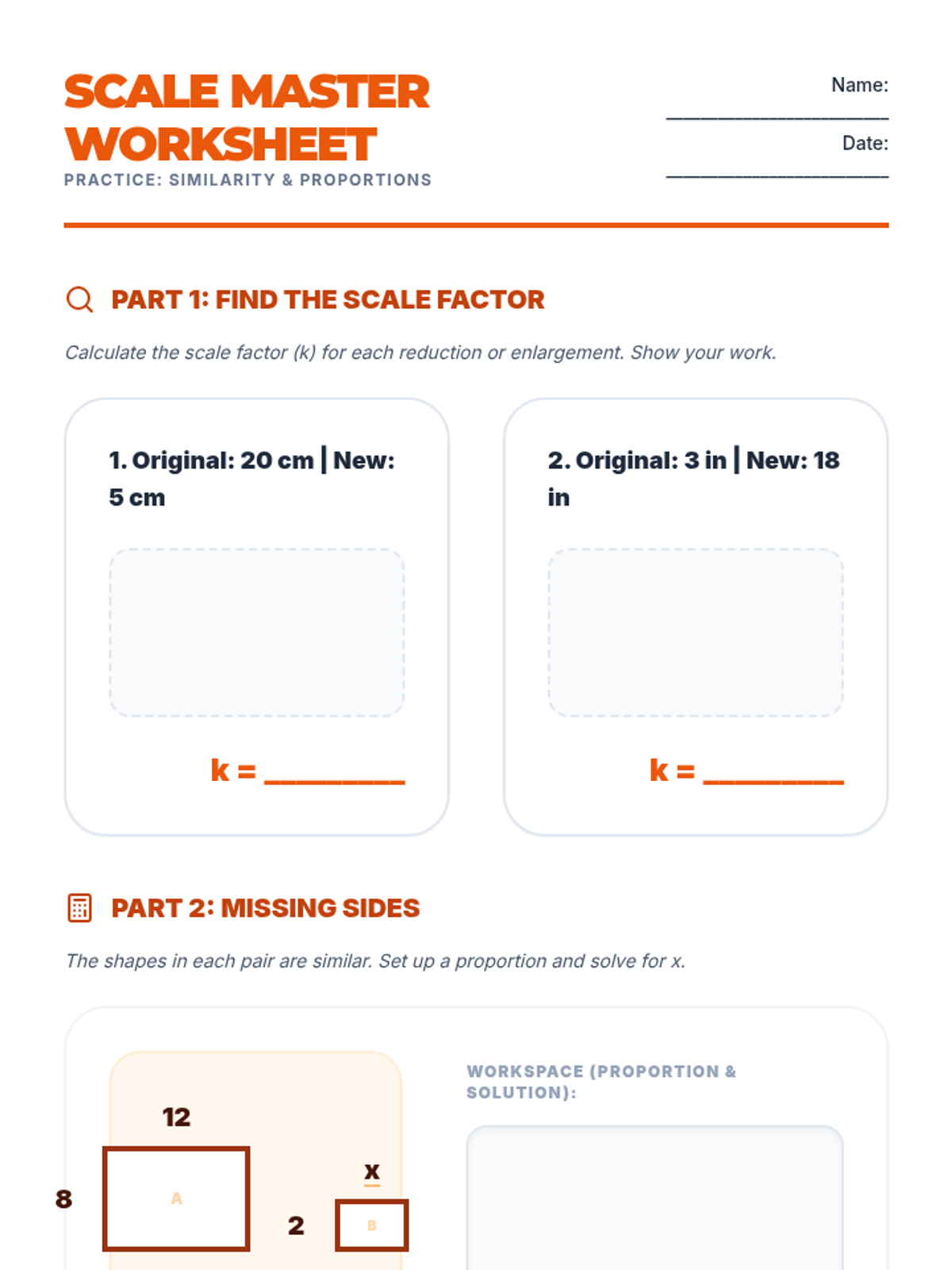
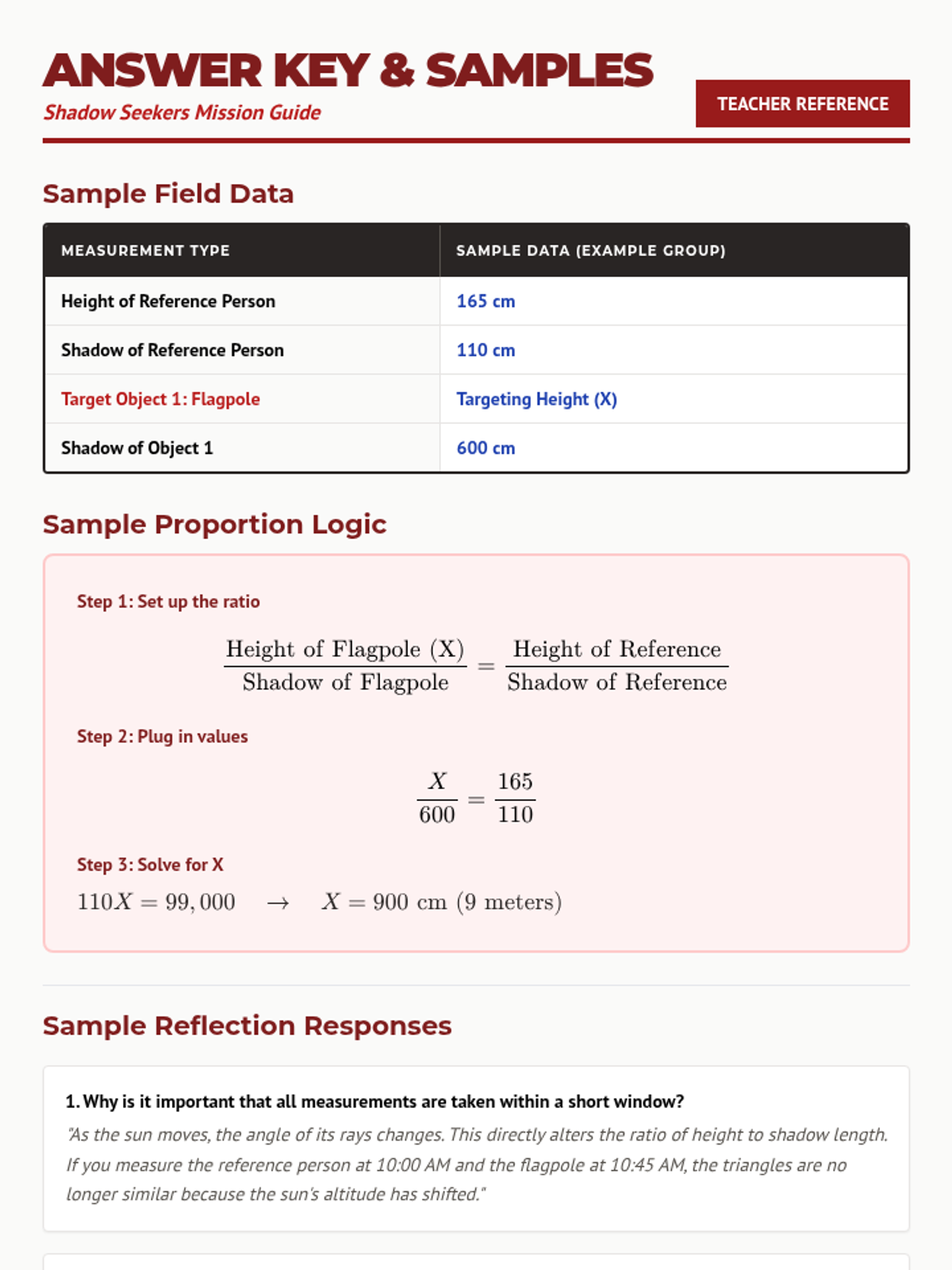
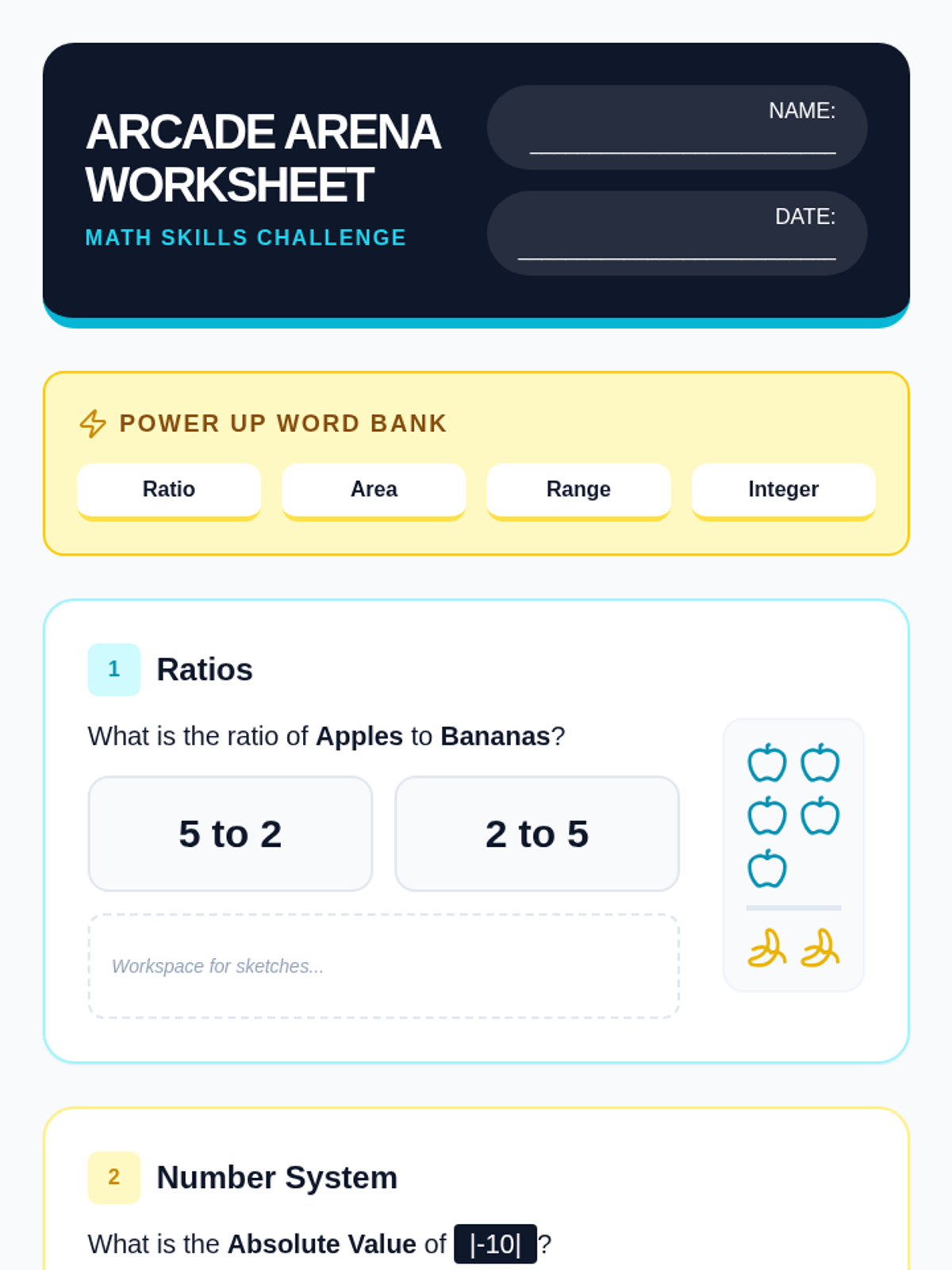
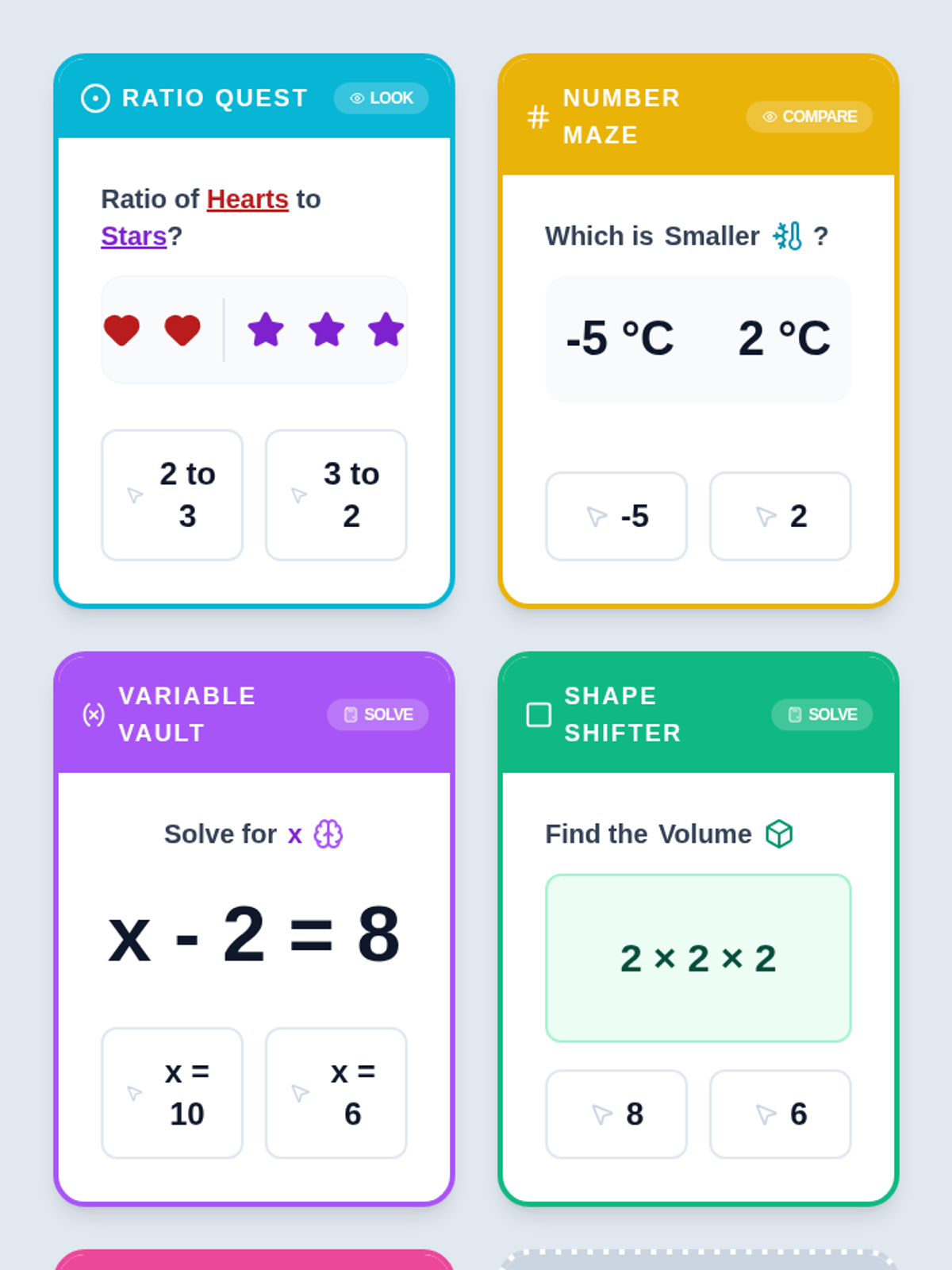
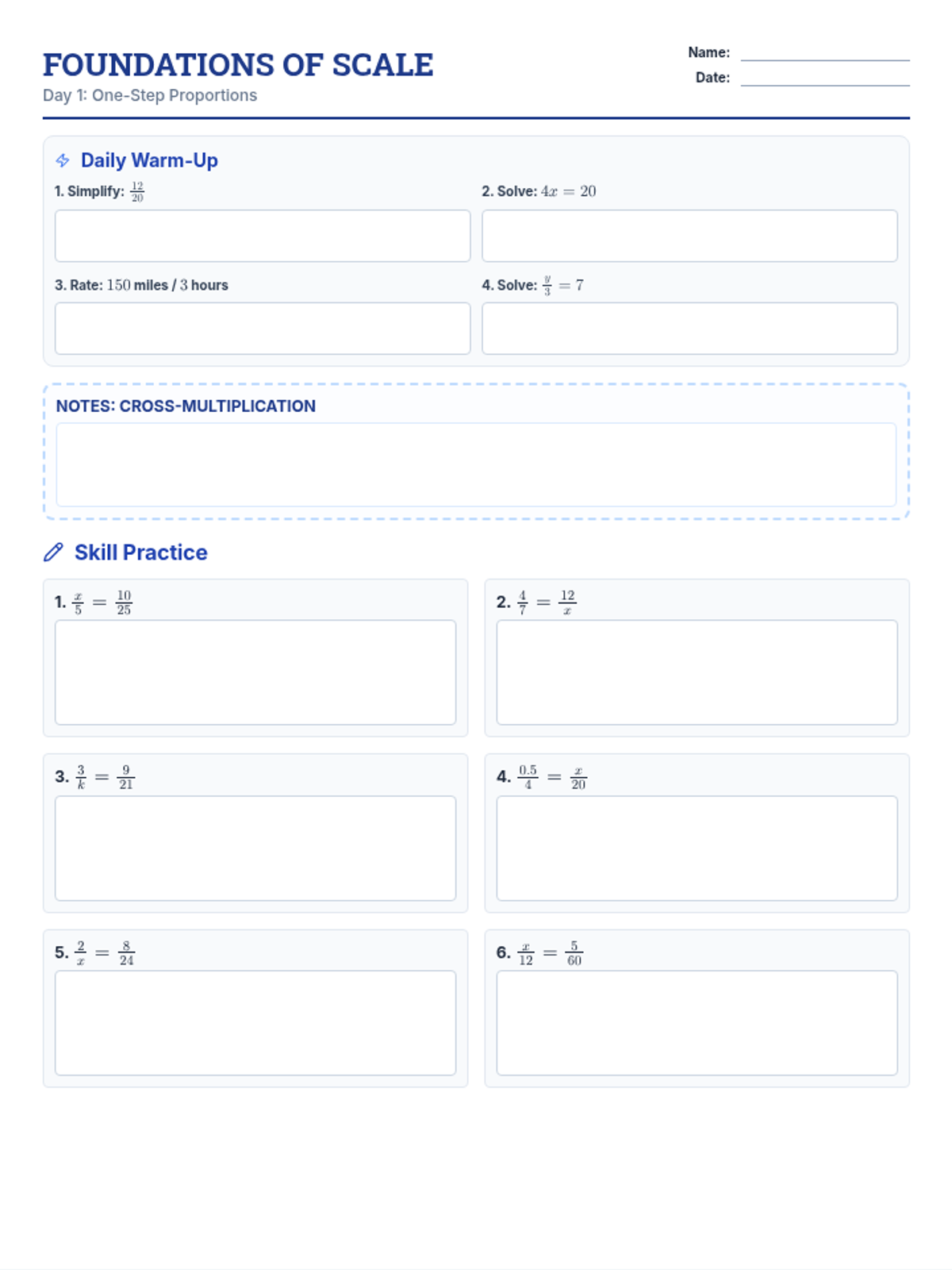
Comparisons of quantities using unit rates and proportional reasoning. Connects tables, graphs, and equations to represent constant rates of change.
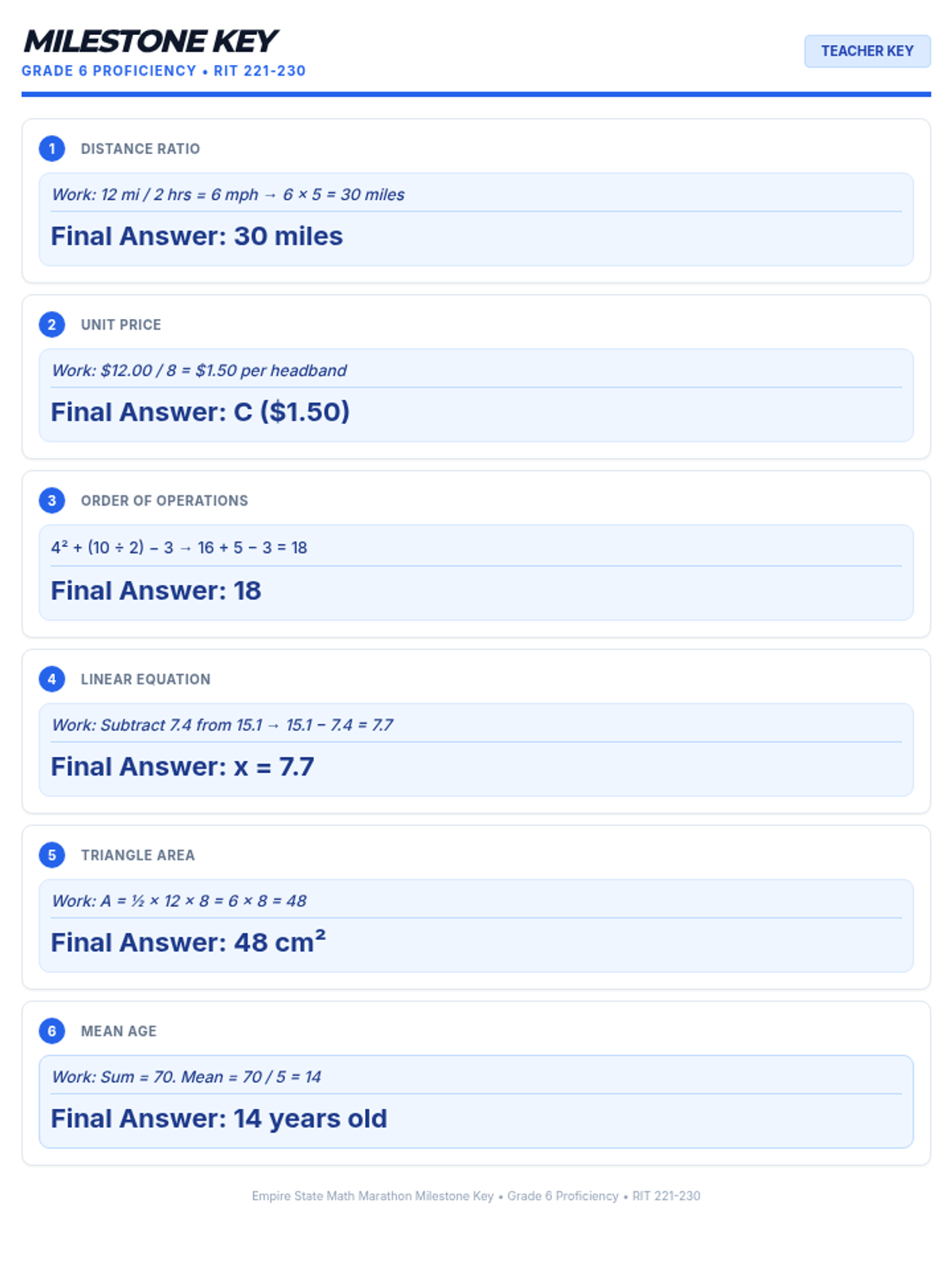
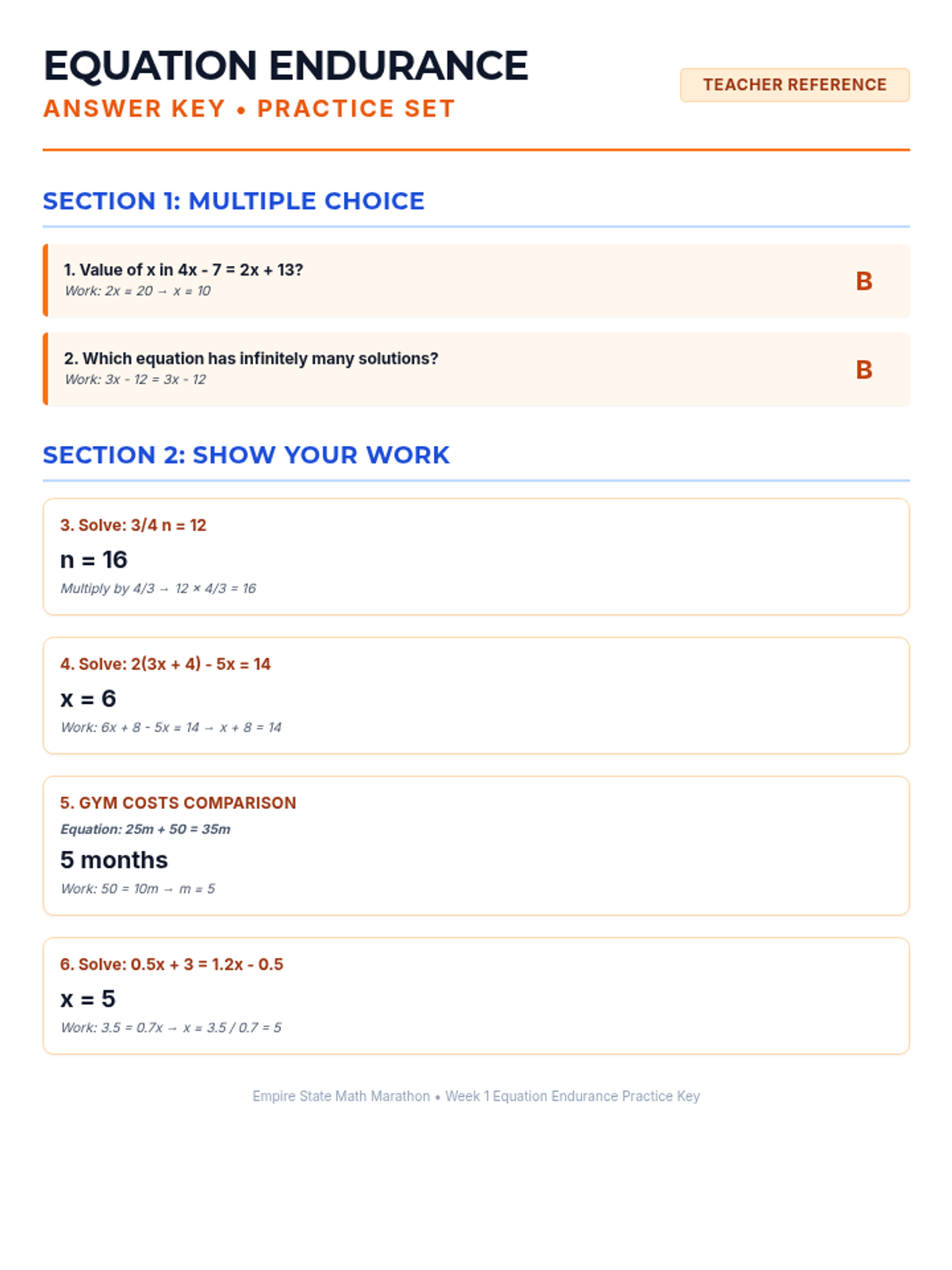
A high-energy, medical-themed 50-minute review of proportional relationships, equations, and geometry for middle school students, featuring error analysis and state-test style practice.
A middle school math lesson exploring proportional reasoning through real-world scaling, mapping, and budgeting scenarios. Students use visual models and multiple pathways to solve authentic problems.
An inquiry-based exploration of proportional reasoning through recipe scaling, map navigation, and smart shopping for grades 6-8, aligned to Massachusetts curriculum frameworks.
A comprehensive review lesson that synthesizes all the skills learned in the Real World Math series. Students will complete a final assessment covering multi-digit operations, decimals, fractions, and percentages through a variety of workplace and financial scenarios.
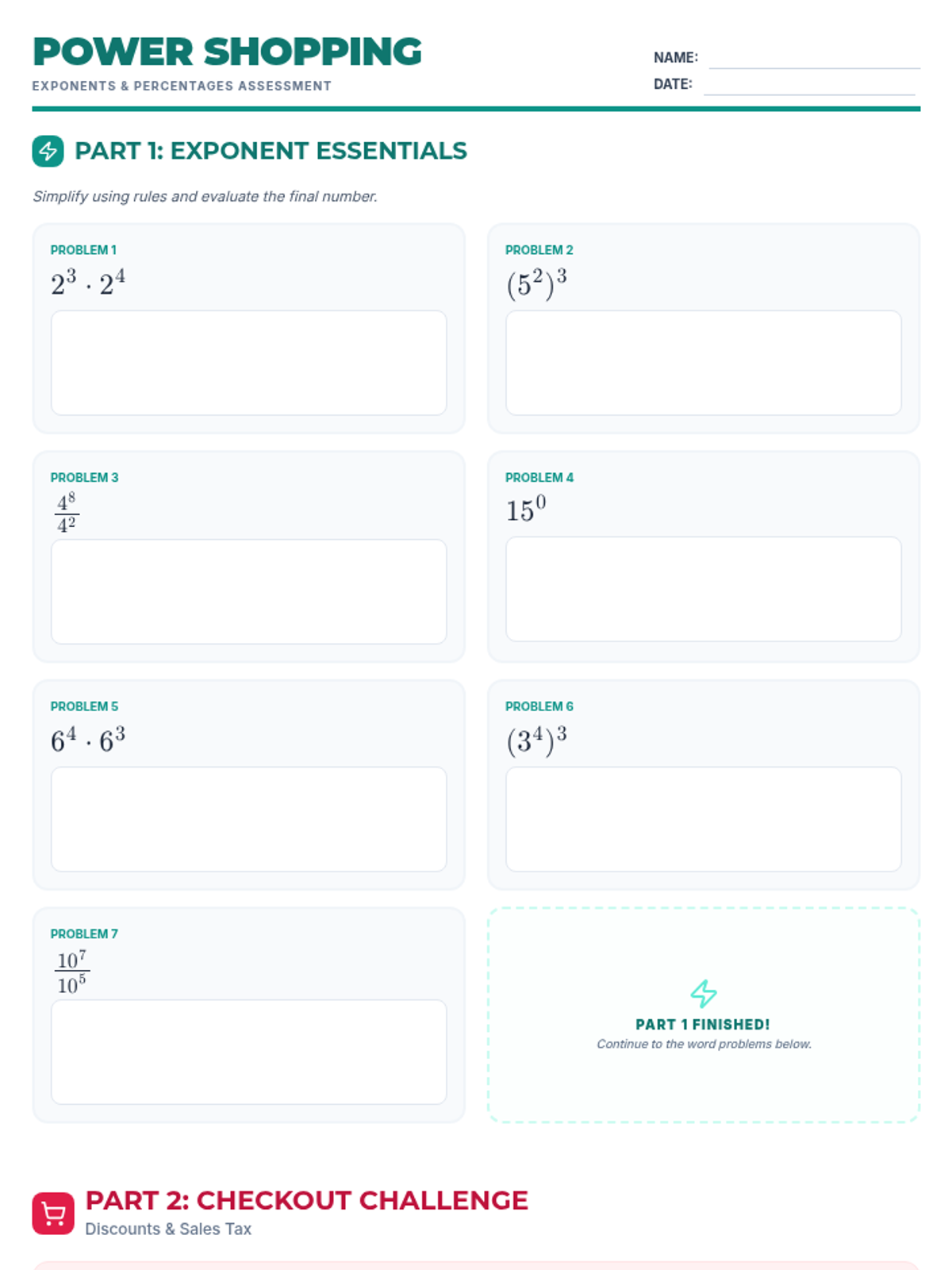
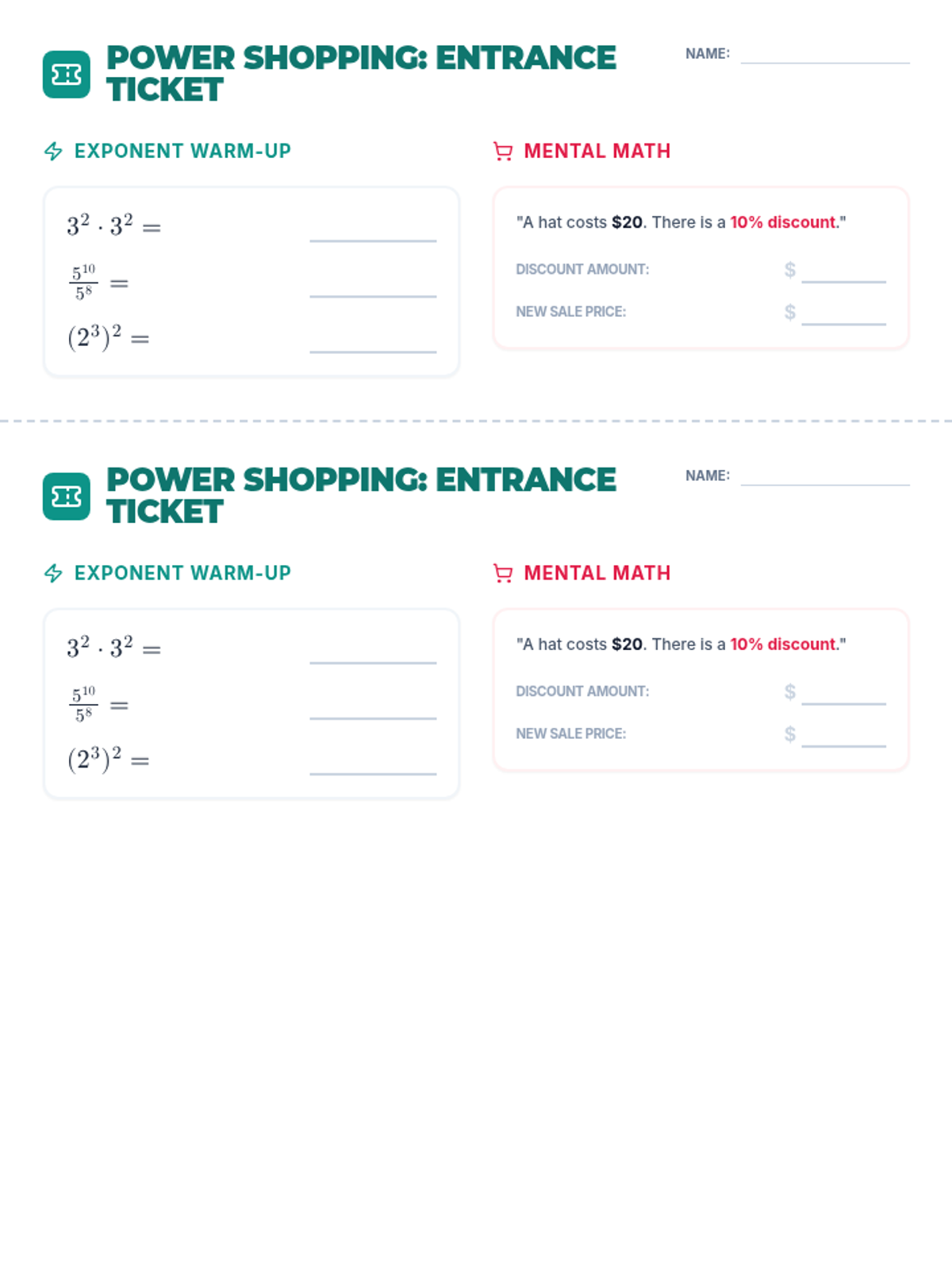
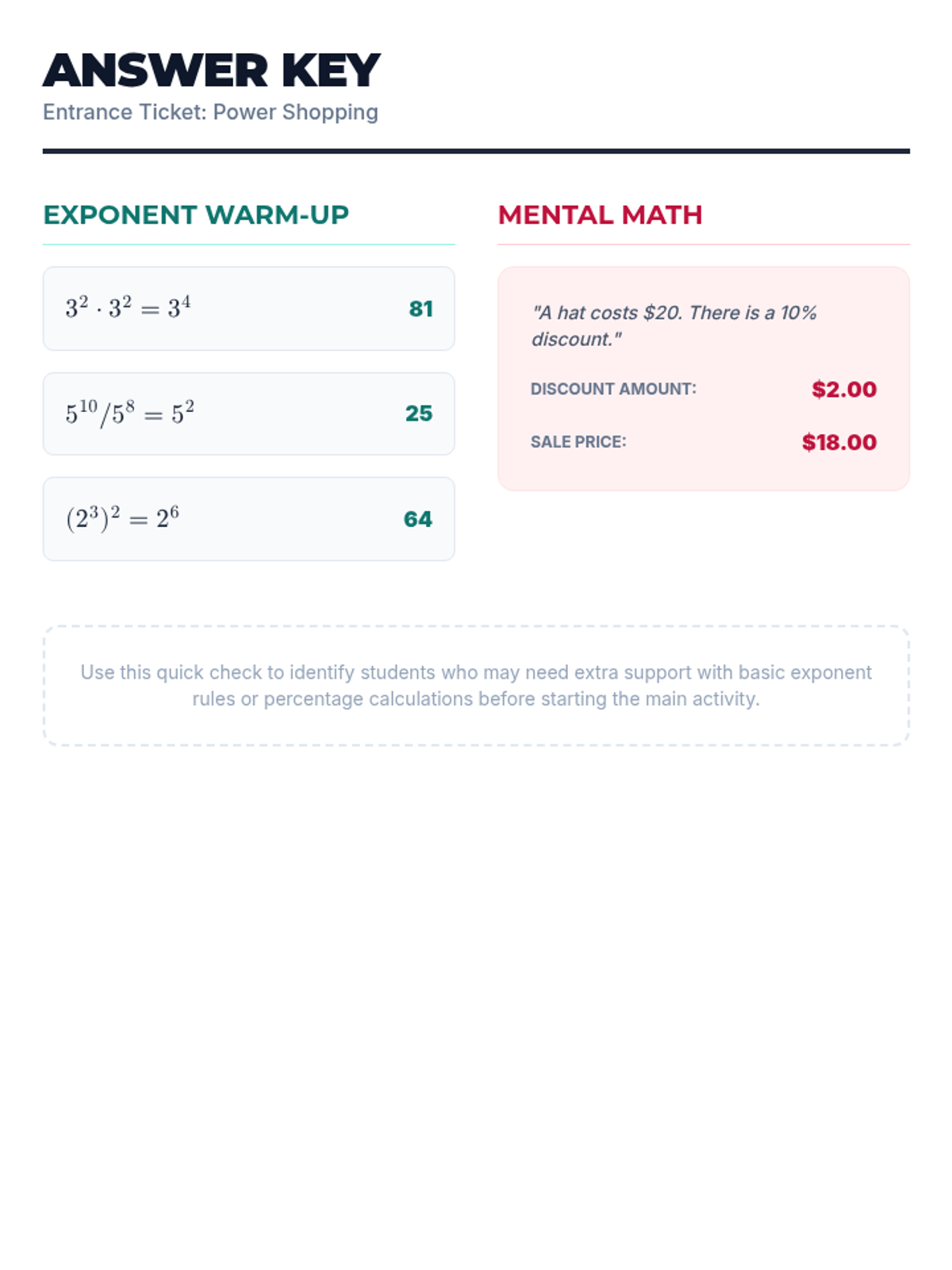
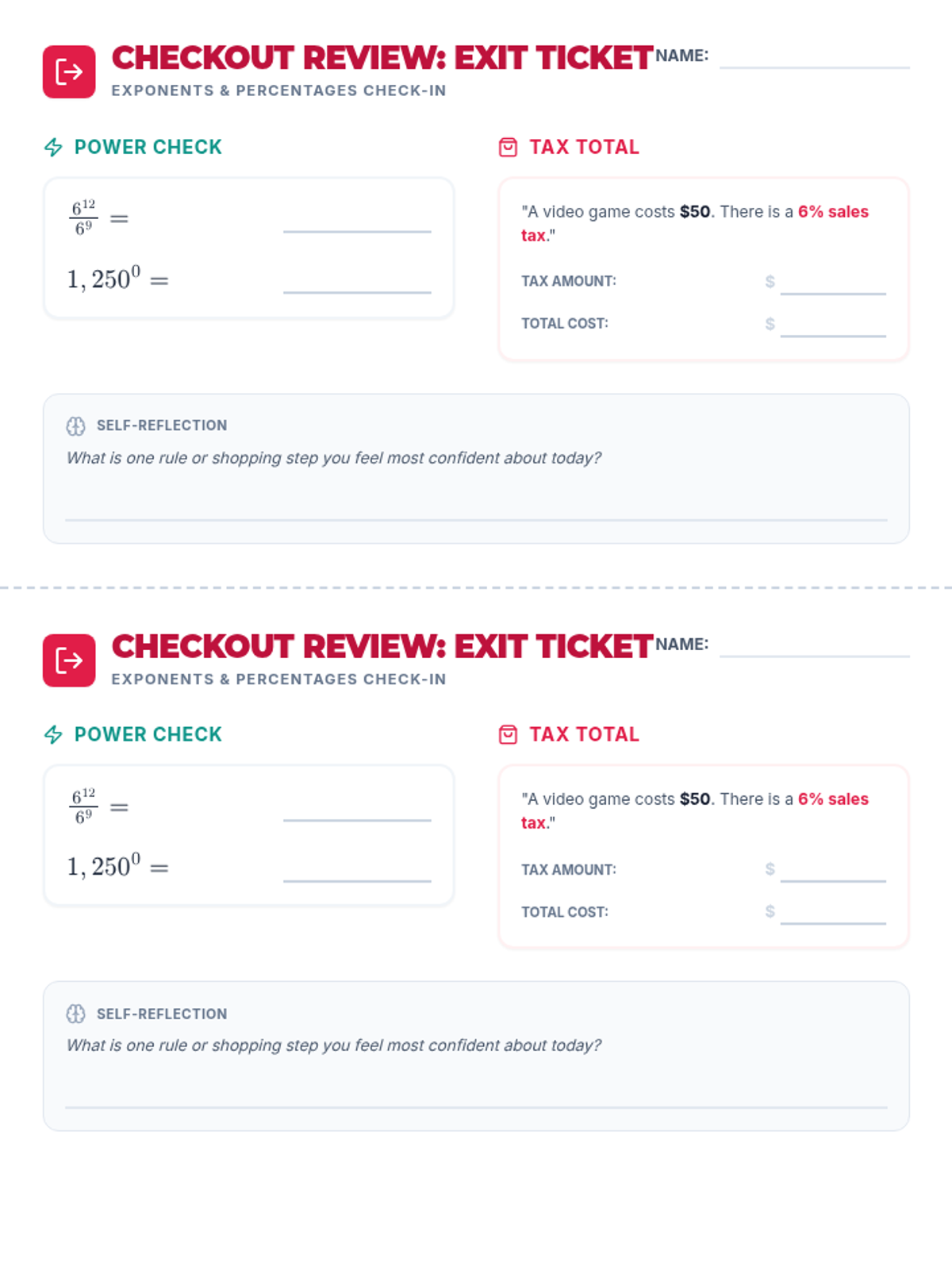
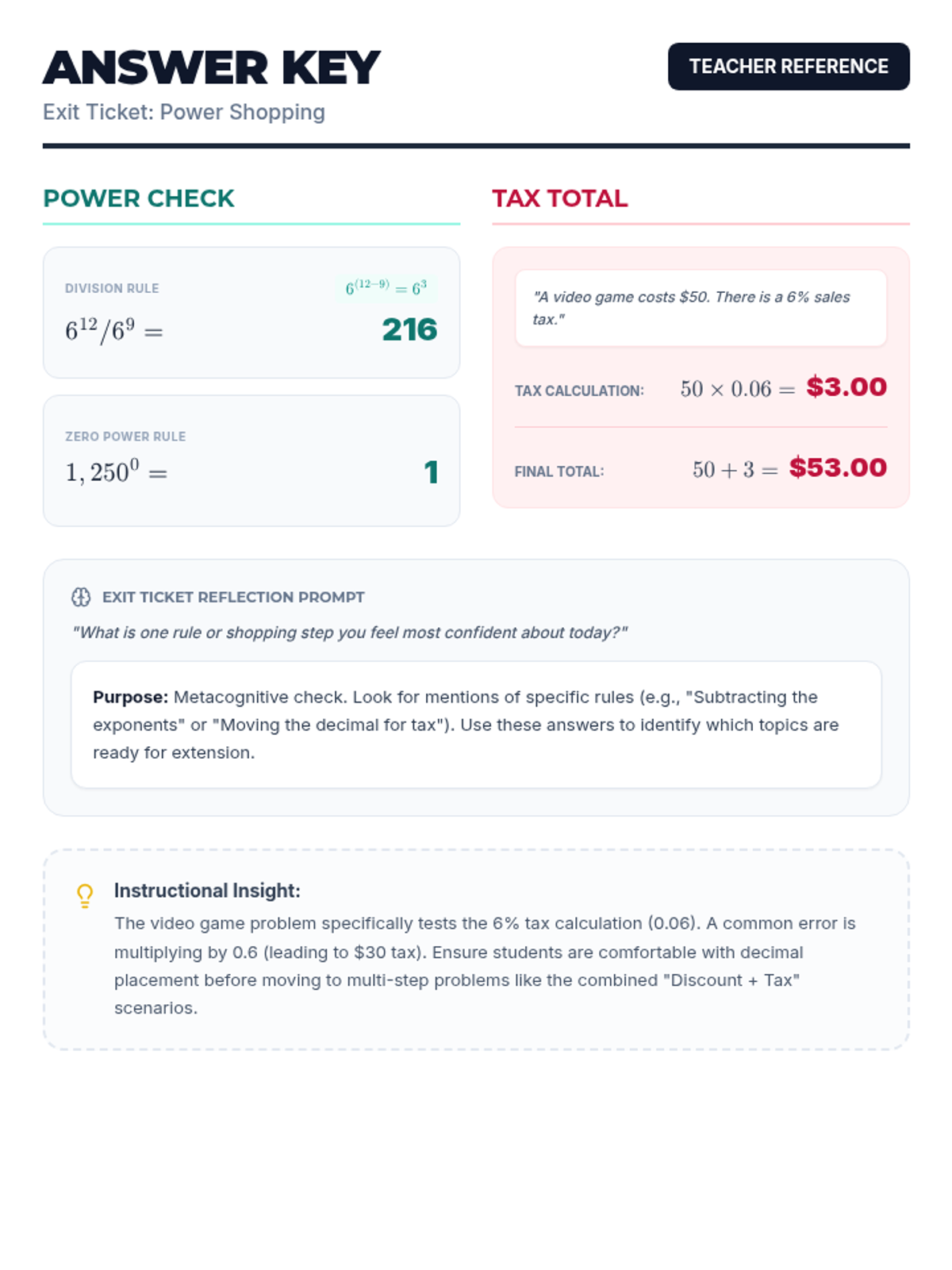
Understanding the power of percentages in finance and data. Students will solve for parts, wholes, and percentages in contexts like sales tax, interest rates, discounts, and performance statistics.
Developing a strong grasp of fractions in practical contexts such as construction, cooking, and time management. This lesson covers simplifying, adding/subtracting with unlike denominators, and multiplying/dividing fractions.
Mastering decimals through the lens of currency and precise measurements. Students learn to add, subtract, multiply, and divide decimals to calculate unit prices, handle cash transactions, and interpret technical specifications.
A foundational lesson on multi-digit multiplication and division focused on workplace budgeting and large-scale inventory management. Students will practice these operations through realistic scenarios like calculating monthly revenue and distributing supplies across departments.
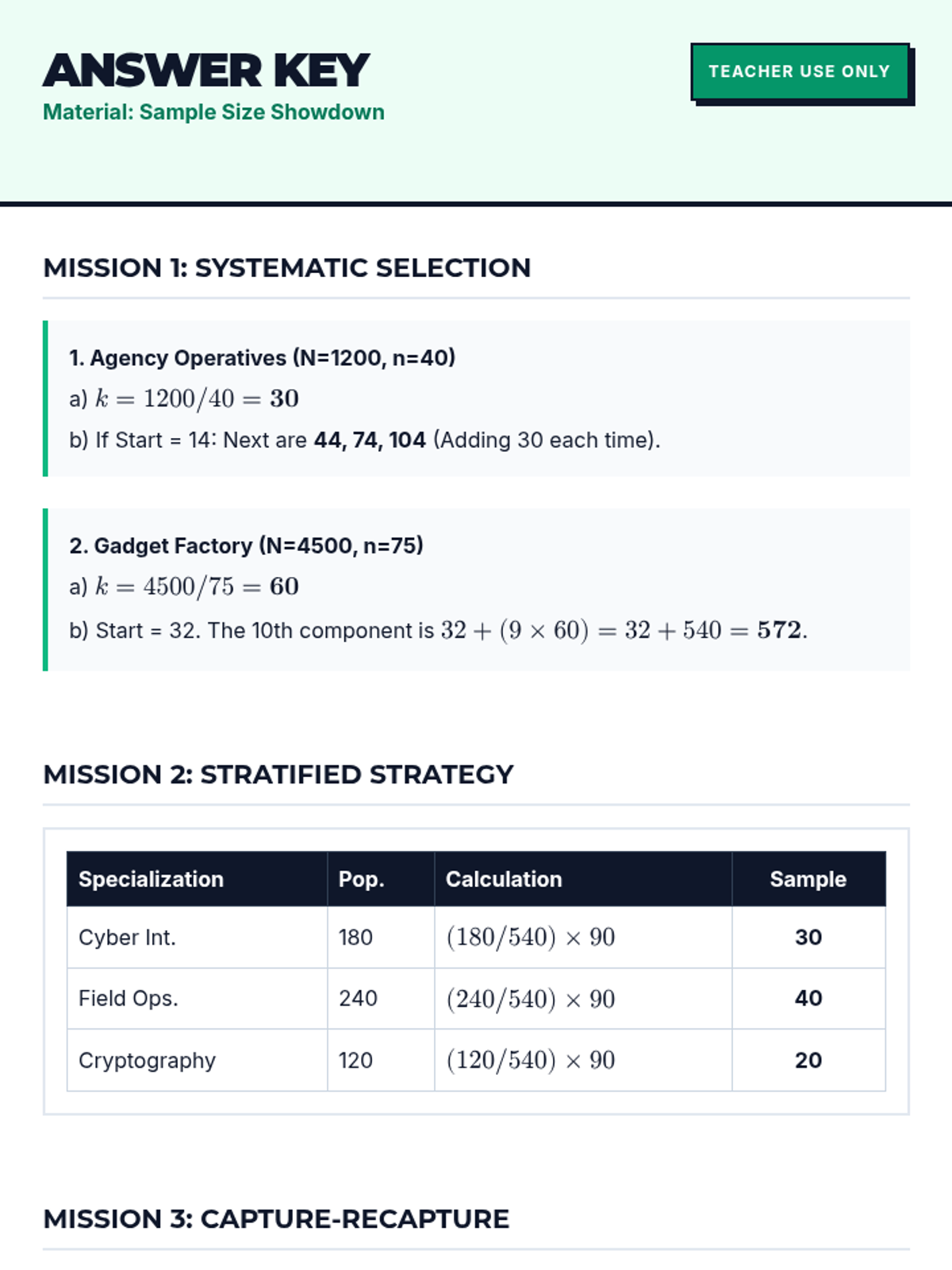
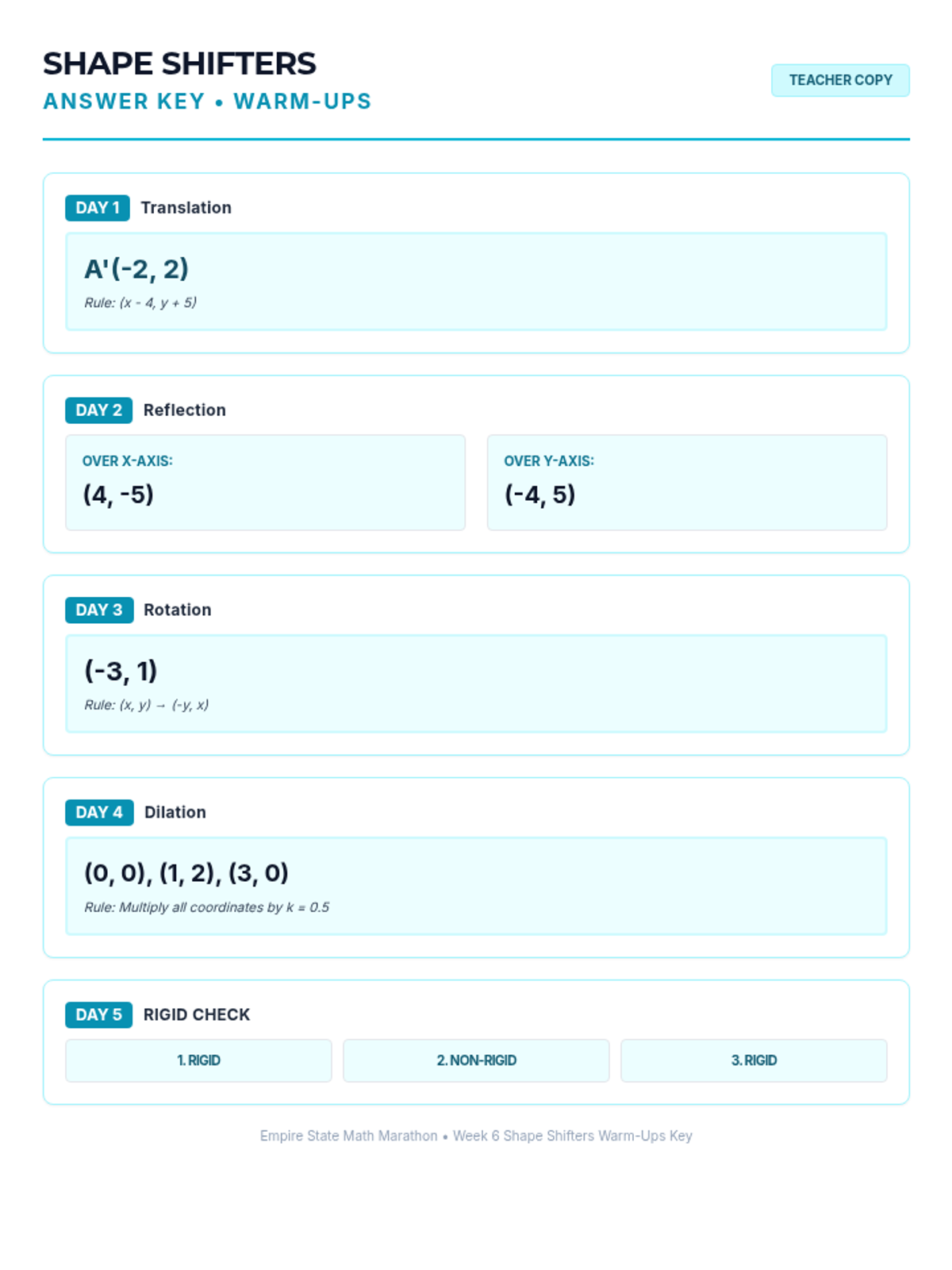
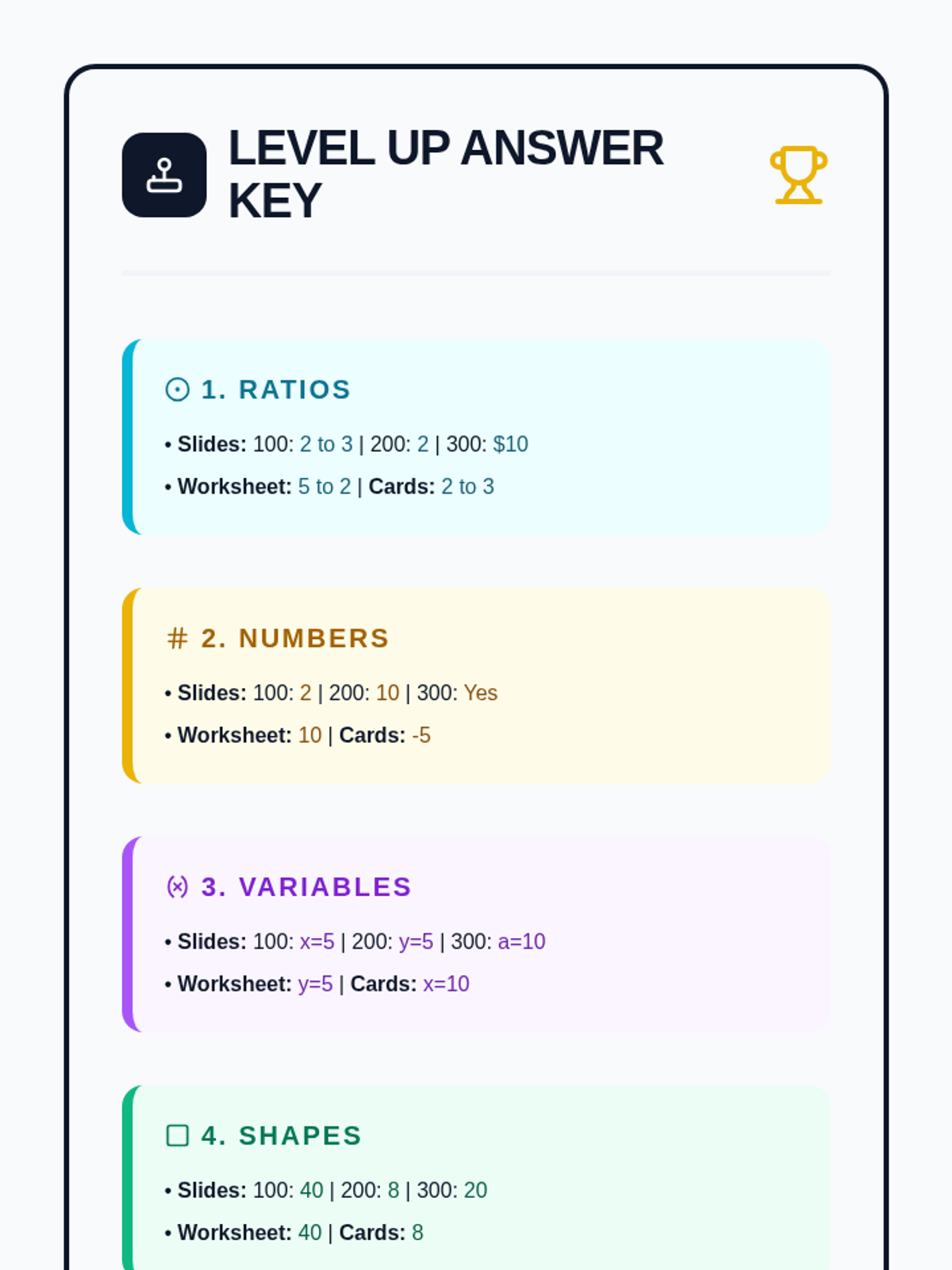
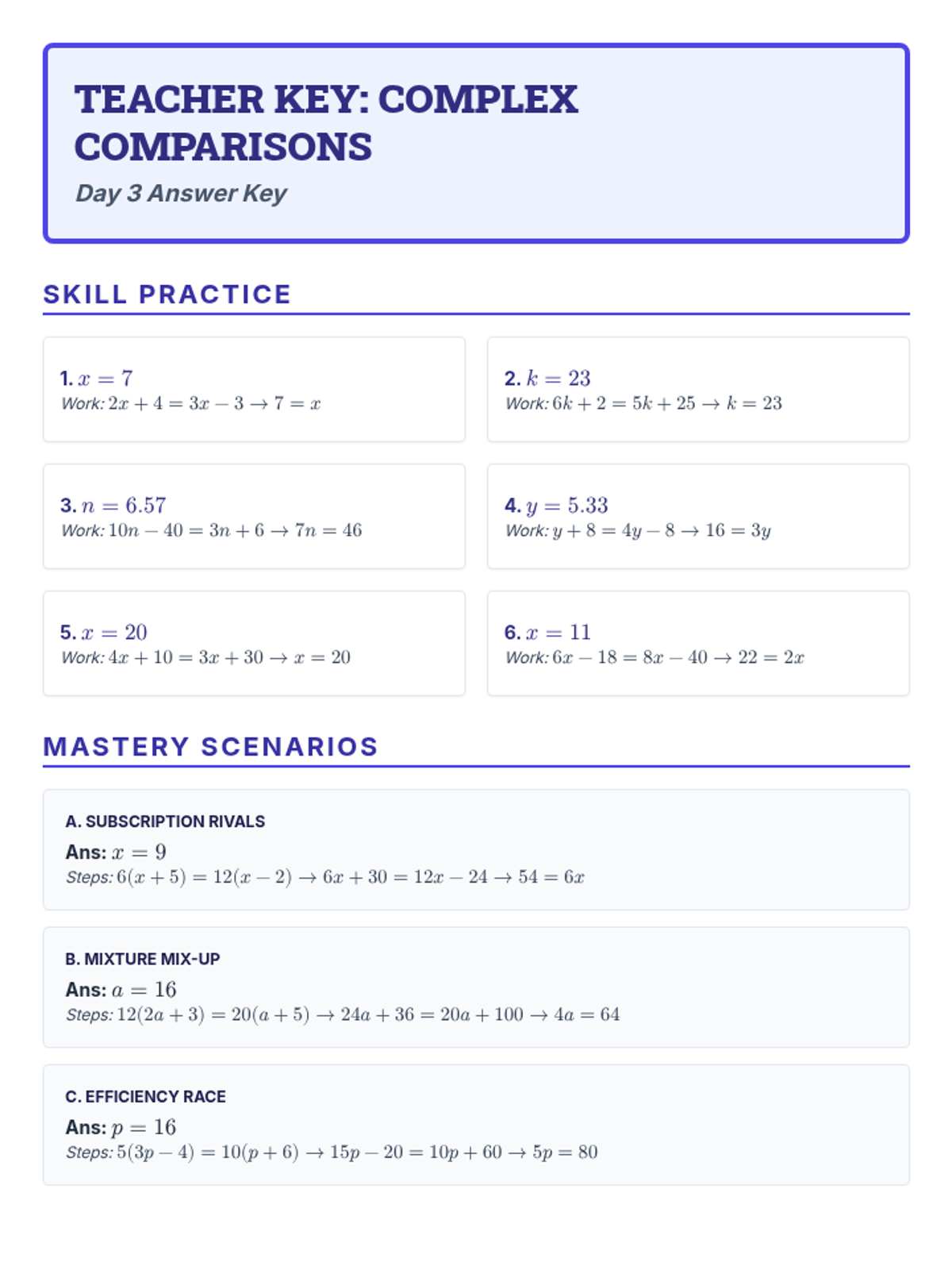
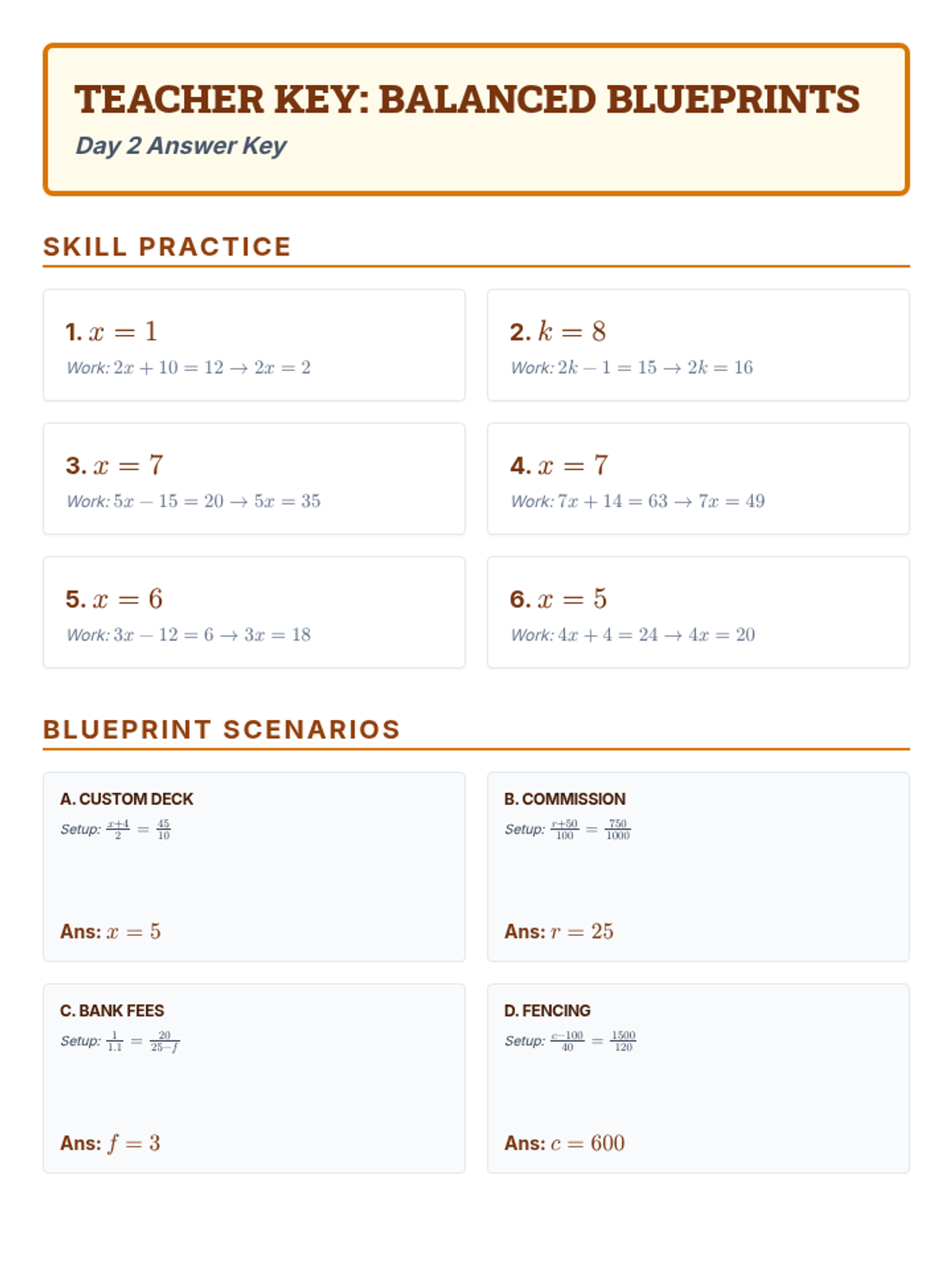
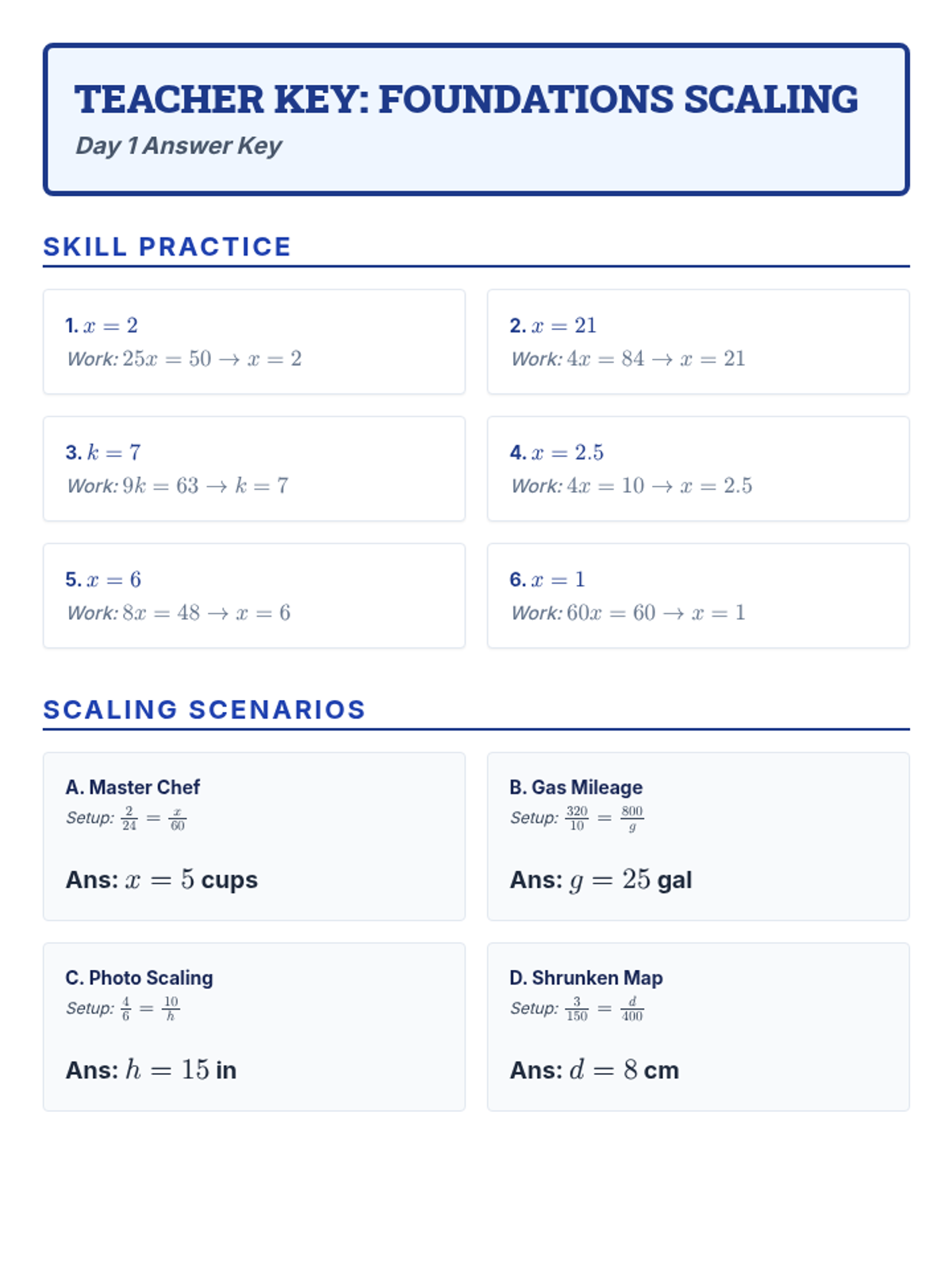
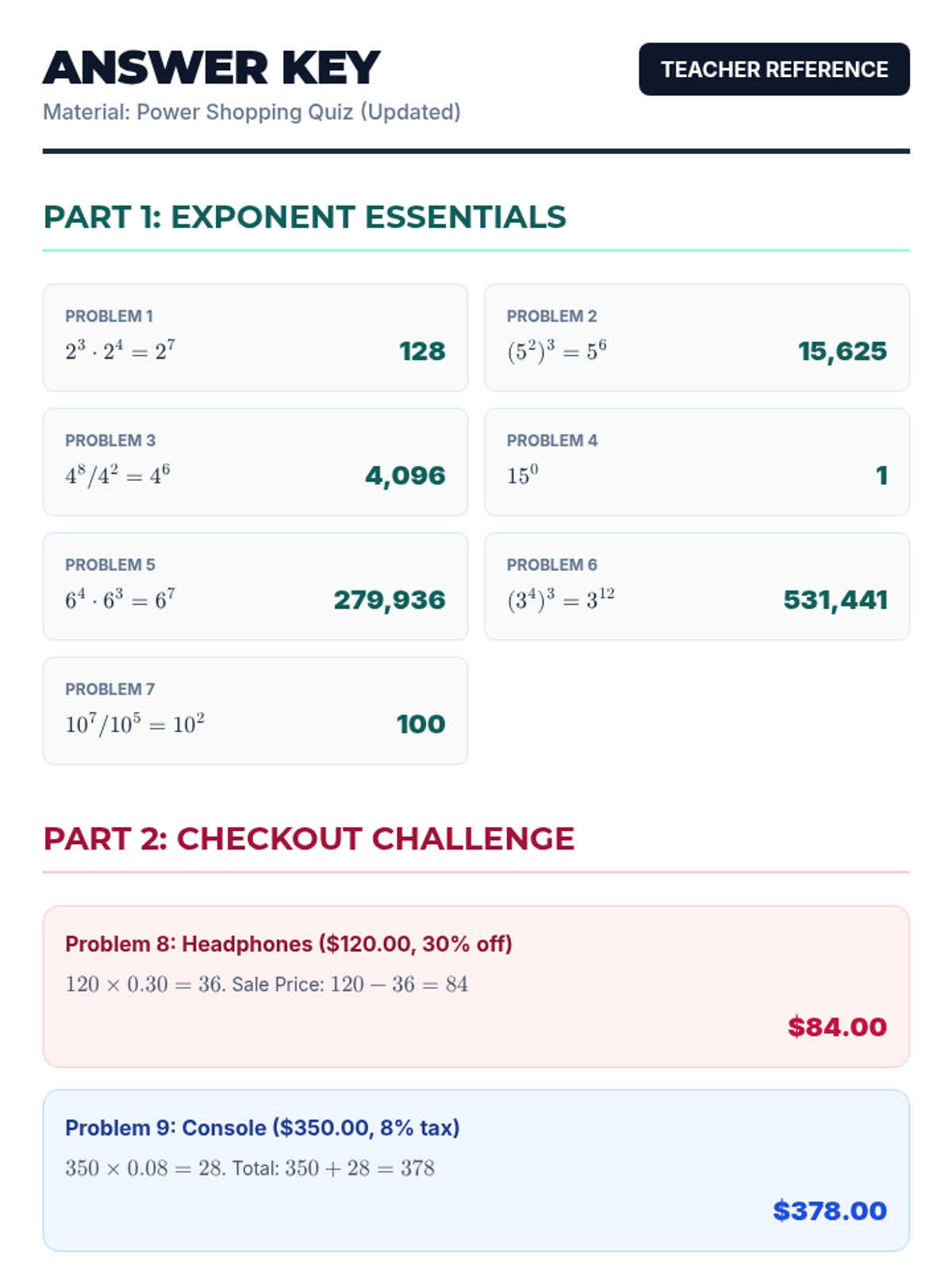
Teacher answer keys for the Real World Math series.
Instructional slides for the Real World Math series.
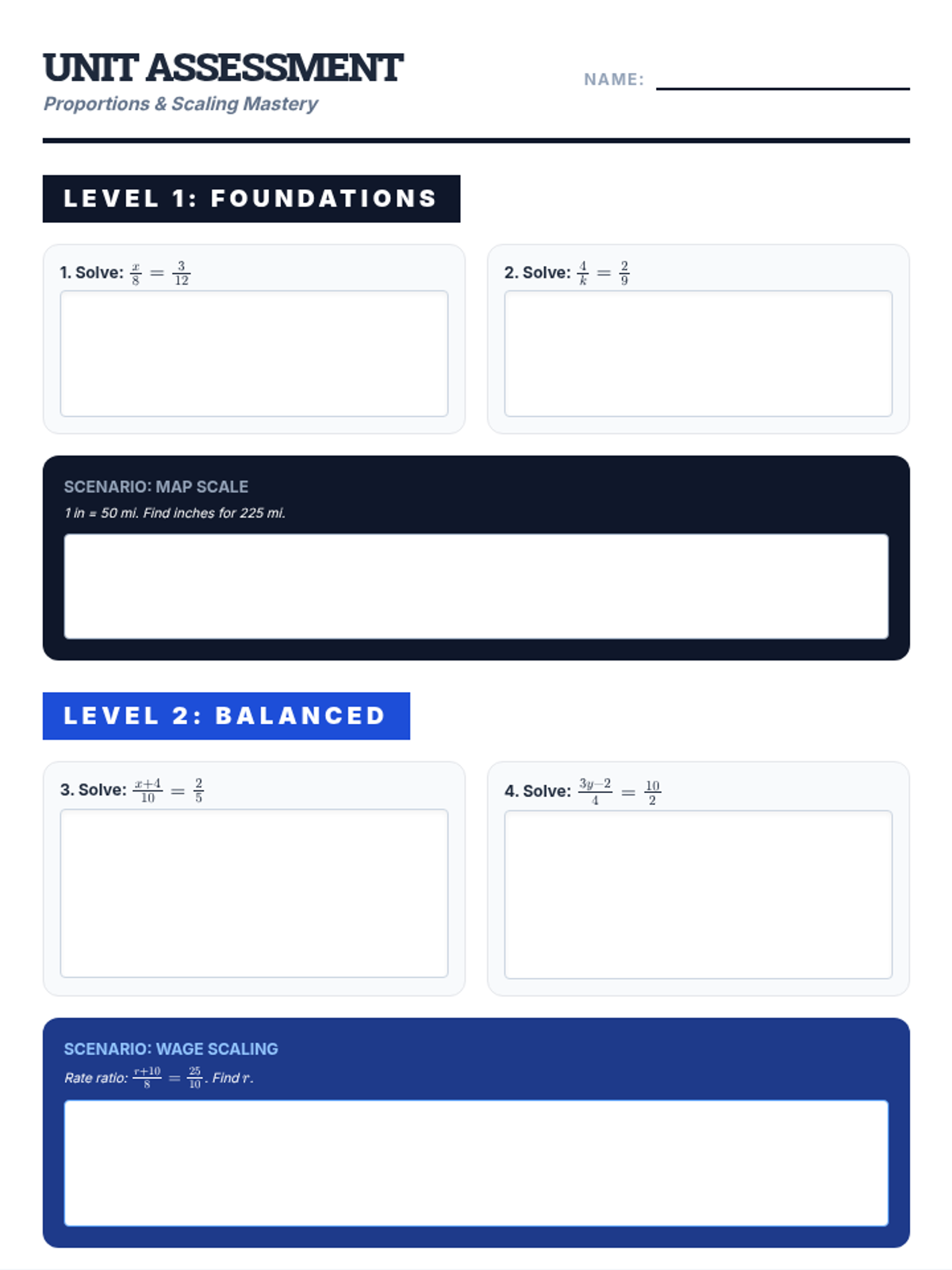
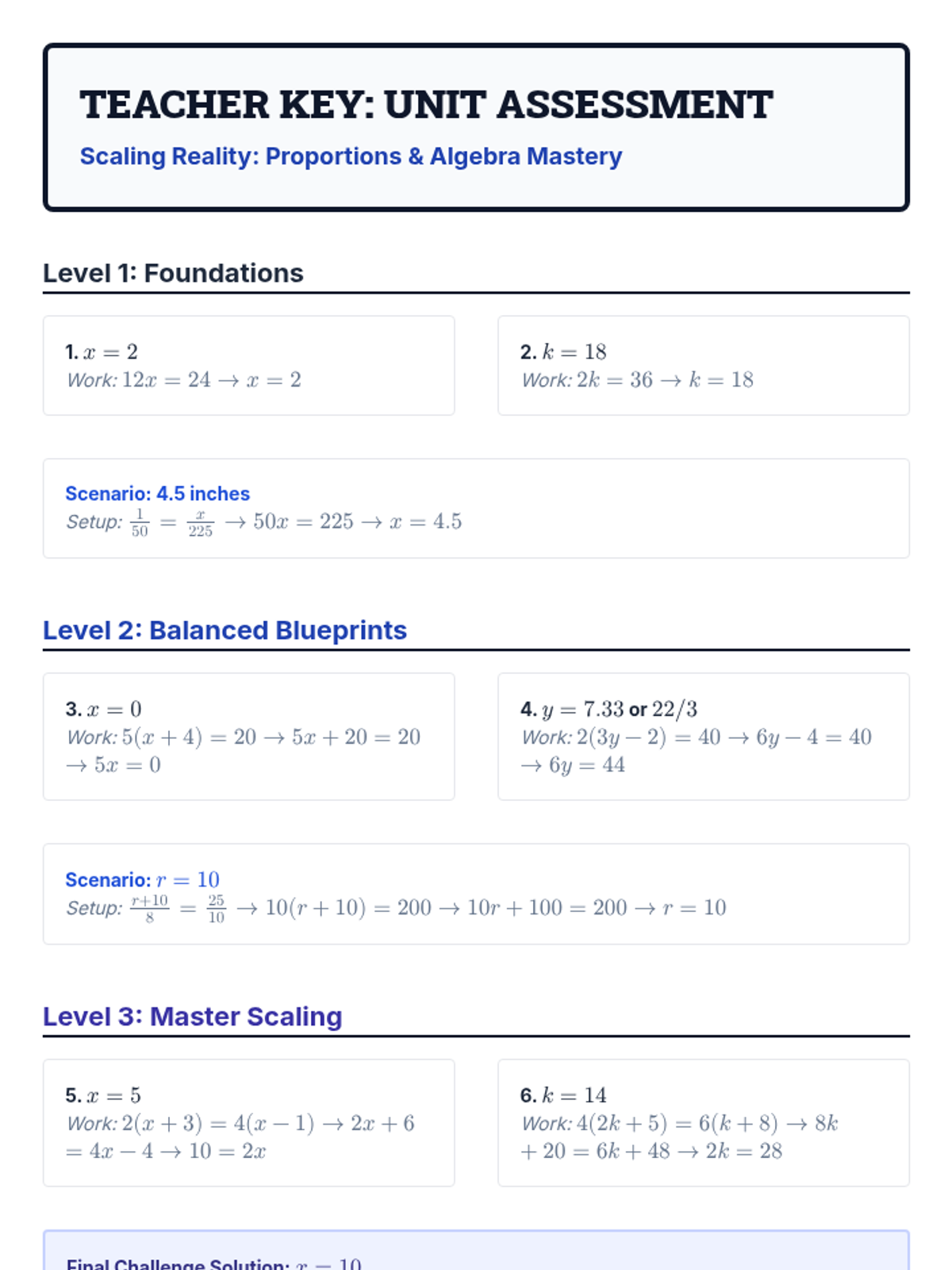
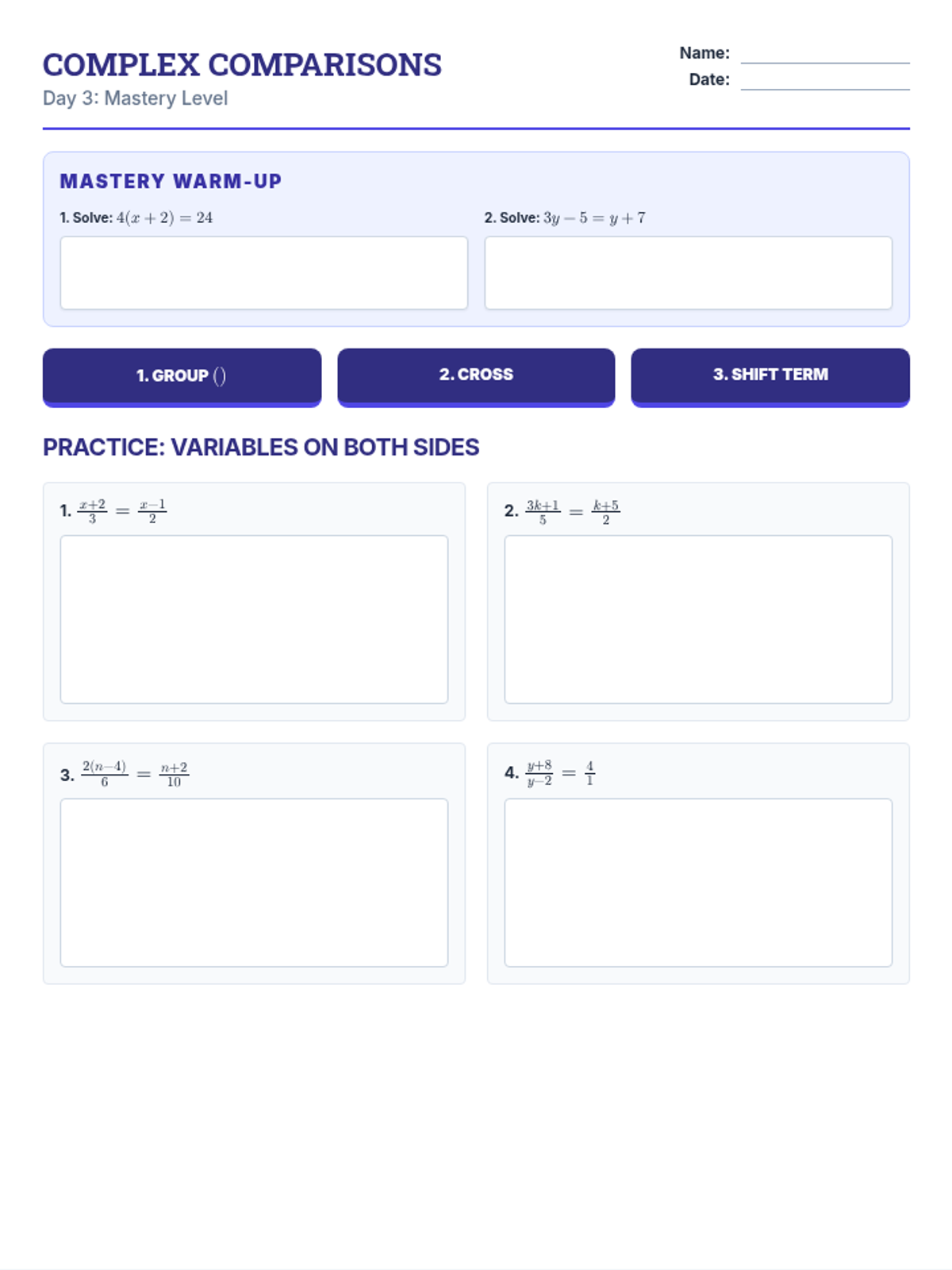
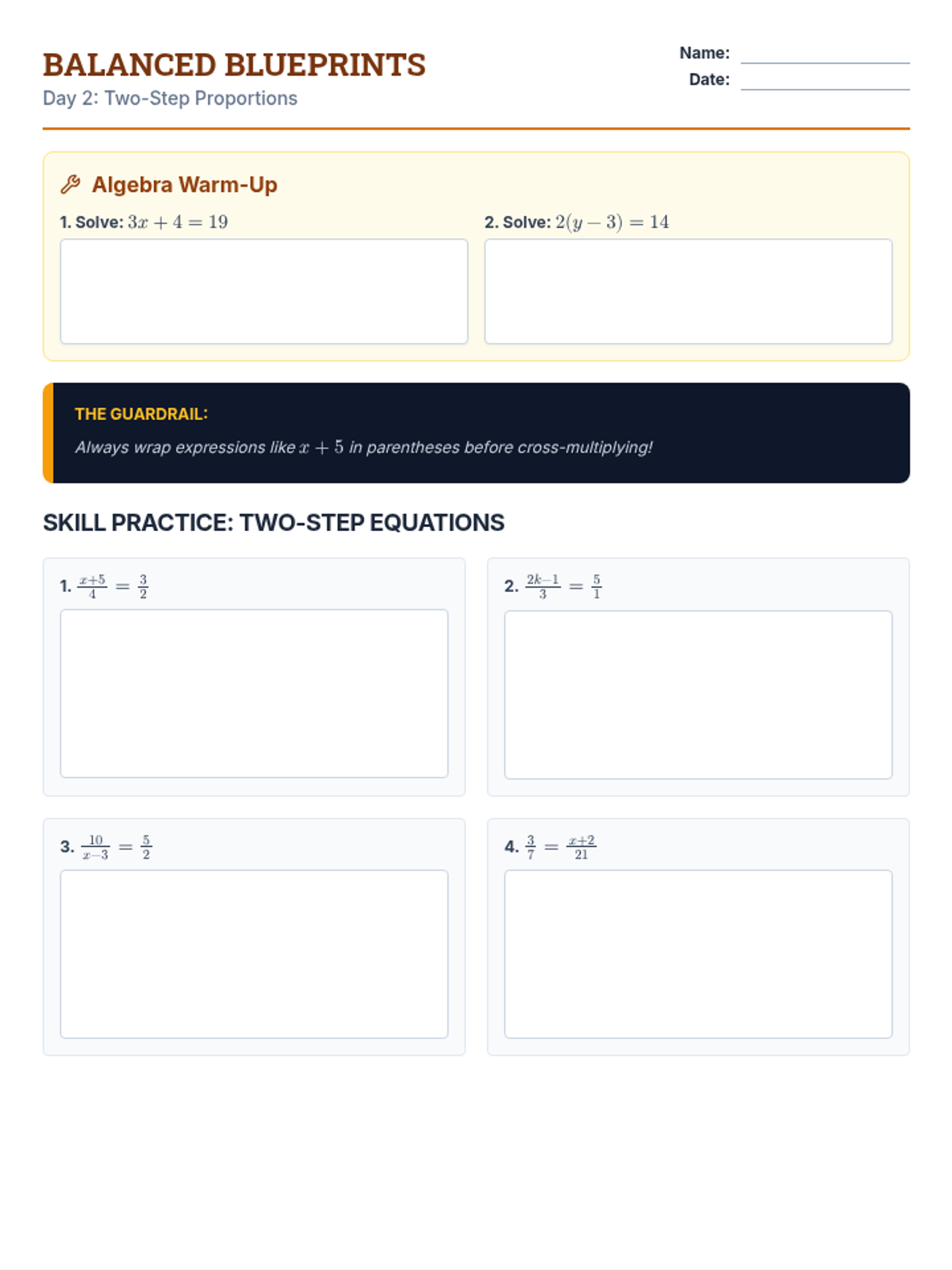
A lesson focused on solving proportions that lead to linear and quadratic equations through cross-multiplication.
Students practice solving rational equations by applying cross-multiplication to proportions. The lesson focuses on setting up the equation, distributing correctly, and isolating the variable.
A March Madness-themed lesson that provides students with a strategic "Game Plan" for deconstructing and solving math word problems. Students use a basketball-themed graphic organizer to scout for data, draft a playbook, and execute their solution.
A lesson focused on using ratio tables to solve real-world problems involving constant rates, specifically using a hot dog eating contest scenario to engage 6th-grade students.
A lesson focused on using ratio tables to solve real-world rate problems, specifically the Joey Chestnut hot dog eating record. Students will learn to set up tables, find unit rates, and scale values to find solutions.
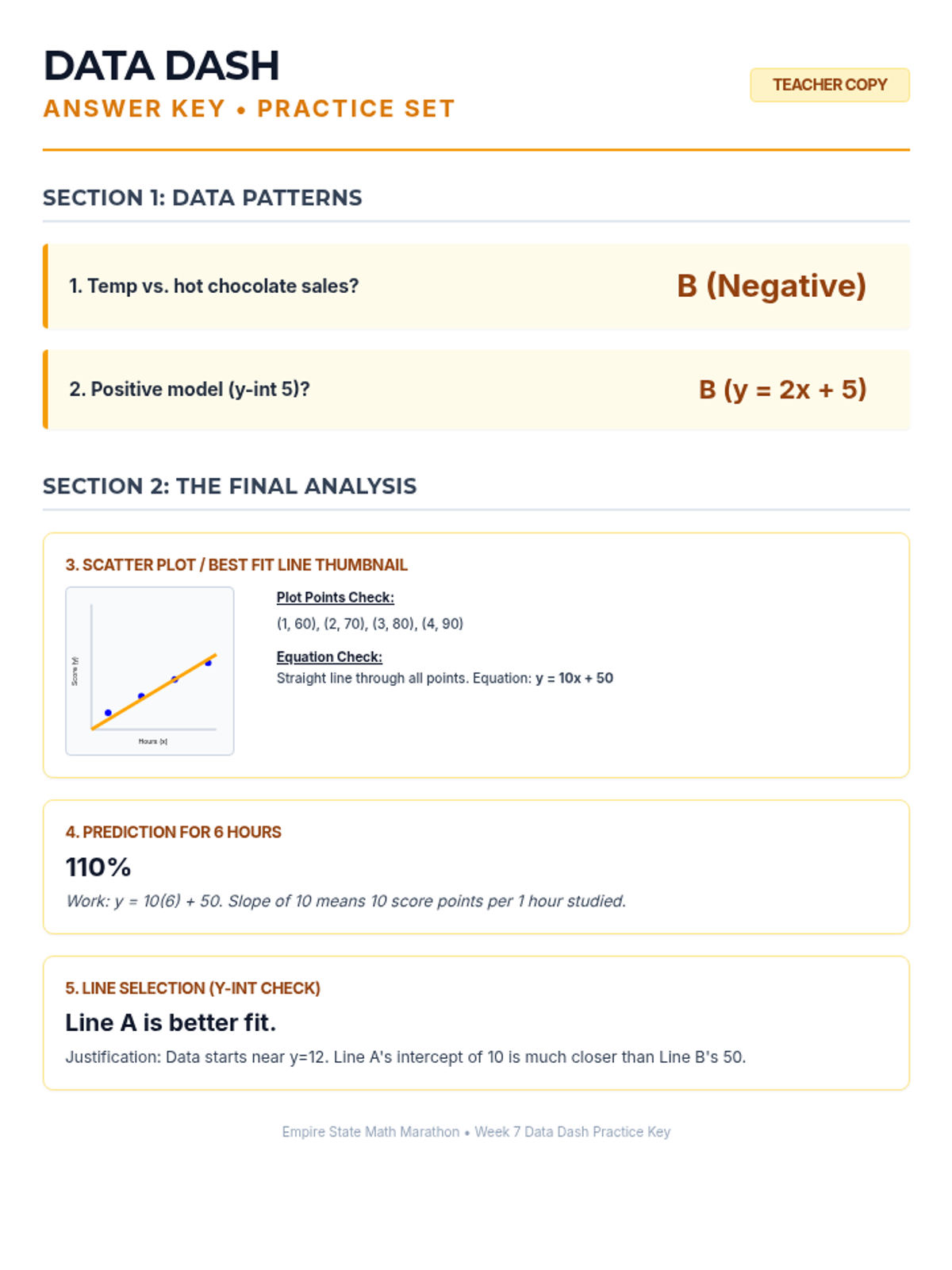
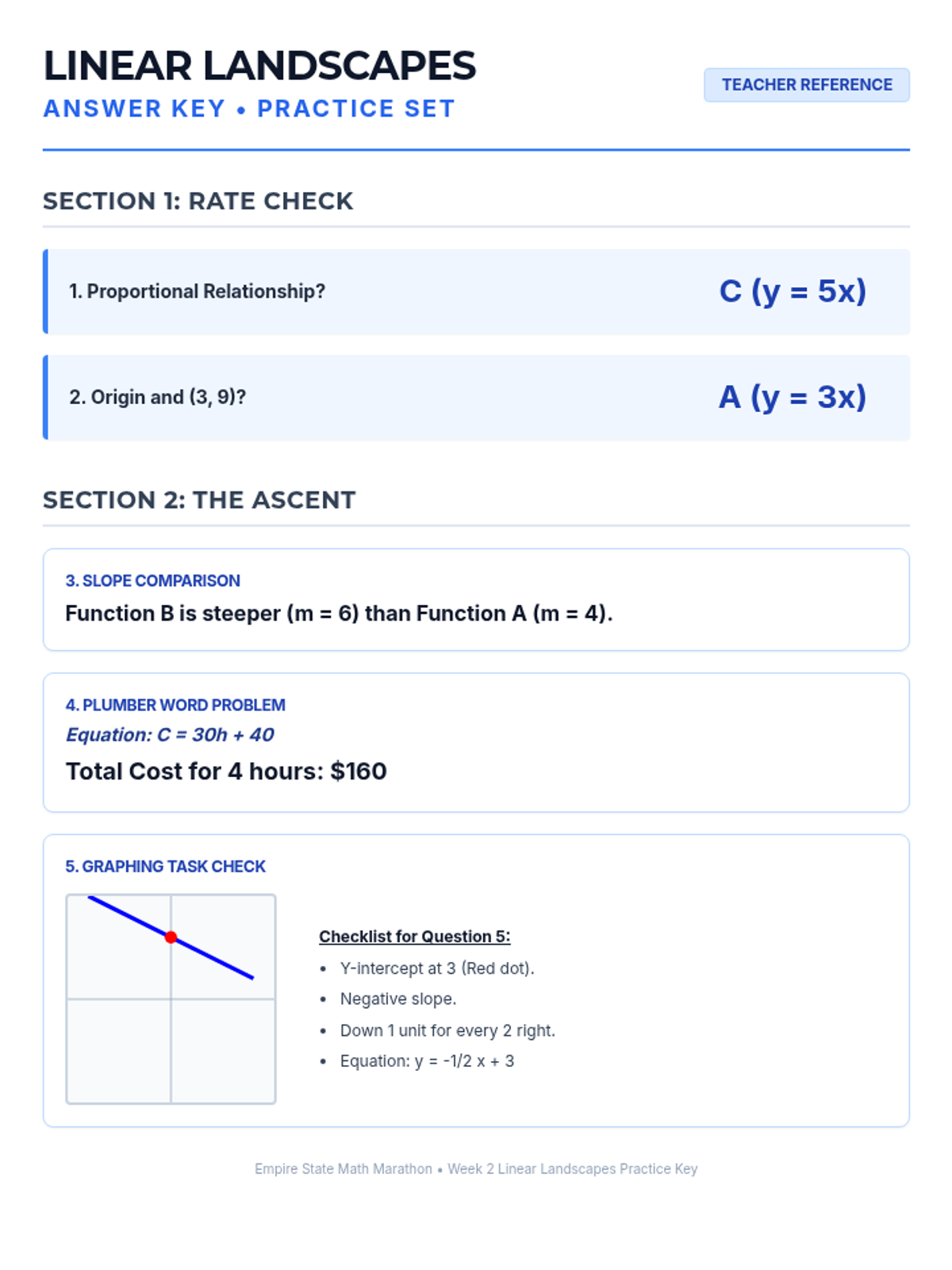
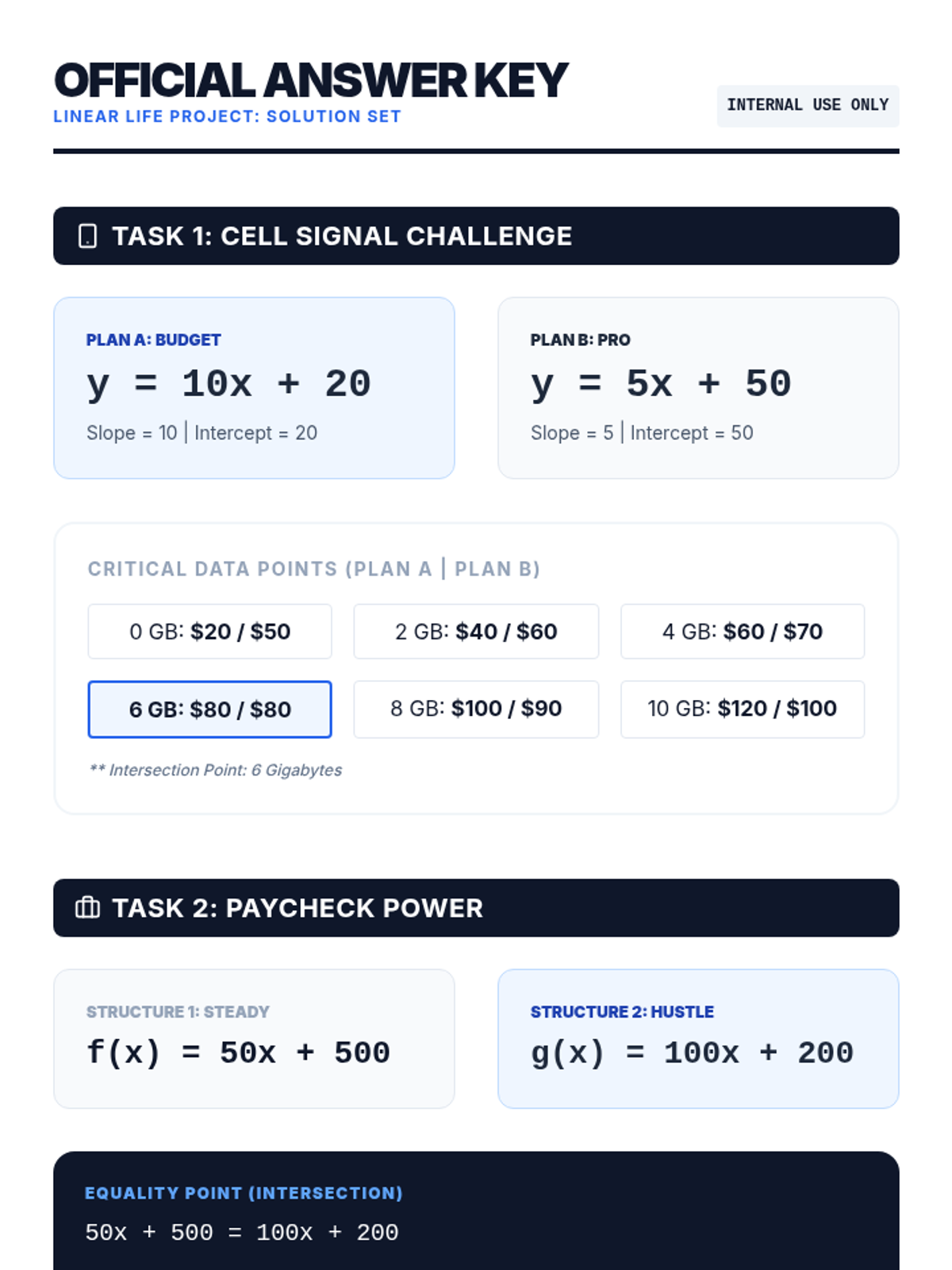
A comprehensive 8th-grade math lesson on linear equations, covering slope-intercept form, graphing techniques, and modeling real-world scenarios with linear functions. aligned with CA Common Core standards 8.EE.5, 8.EE.6, and 8.F.4.
A focused lesson on calculating percent increase and decrease through the lens of retail and marketplace scenarios. Includes instructional slides and practice problems.
A comprehensive lesson on unit rates, focusing on calculation, comparison for best value, and real-world application in consumer contexts.
A comprehensive lesson exploring proportions and measurement through the lens of non-standard 'wedge' units, set in a gourmet pizza kitchen theme. Students learn to compare ratios and understand how different sized units affect measurement.
A comprehensive set of visual, interactive doodle notes and practice activities designed to help students with ADHD master the concept of finding a percent of a number through single-concept focus and hands-on elements.
An introductory lesson focusing on the anatomy of Point-Slope Form, comparing it to Slope-Intercept Form, and mastering the 'sign switch' when identifying coordinates.
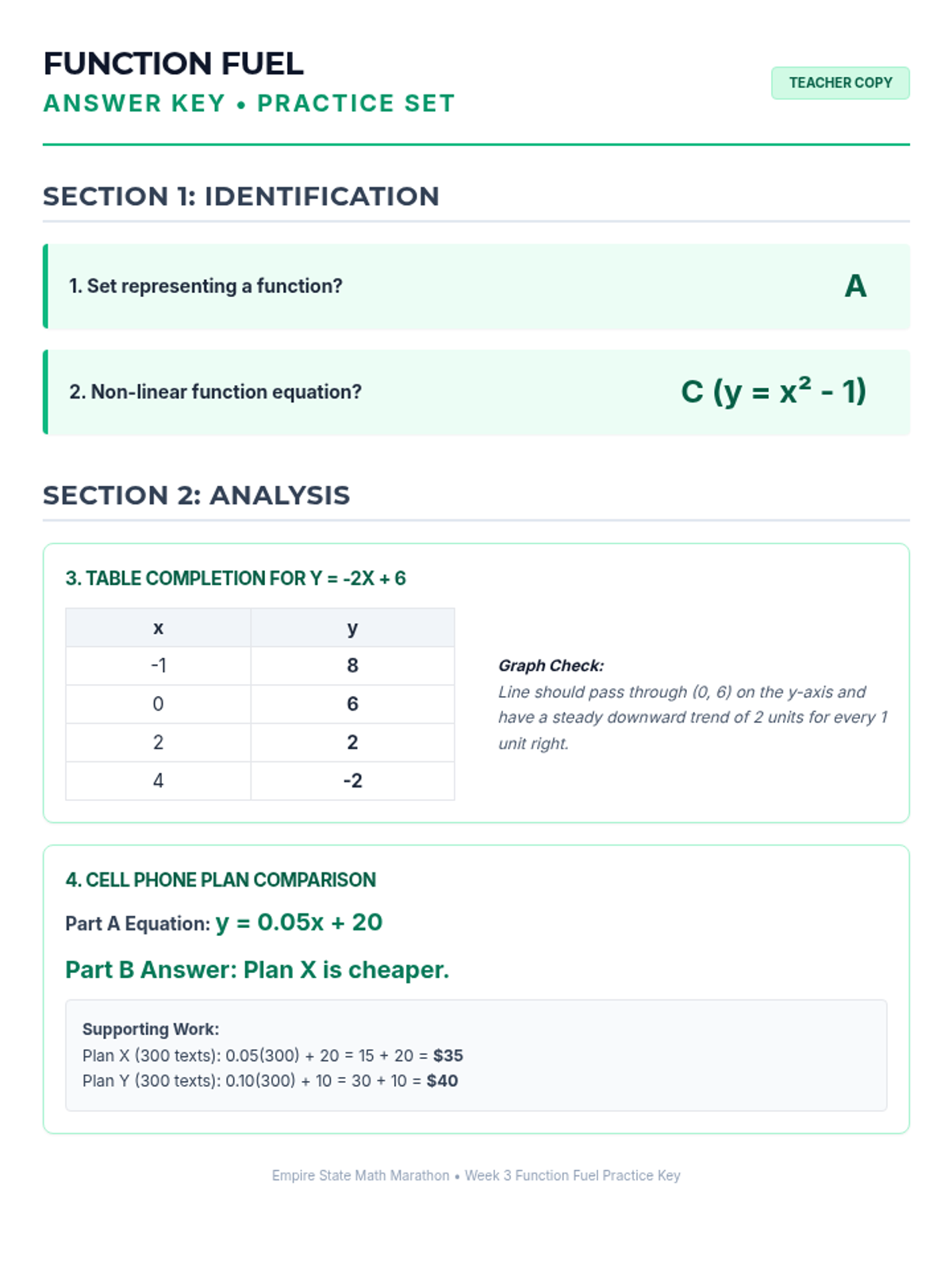
Evaluate student growth and mastery of function concepts and linear relationship interpretation through a comprehensive post-assessment.
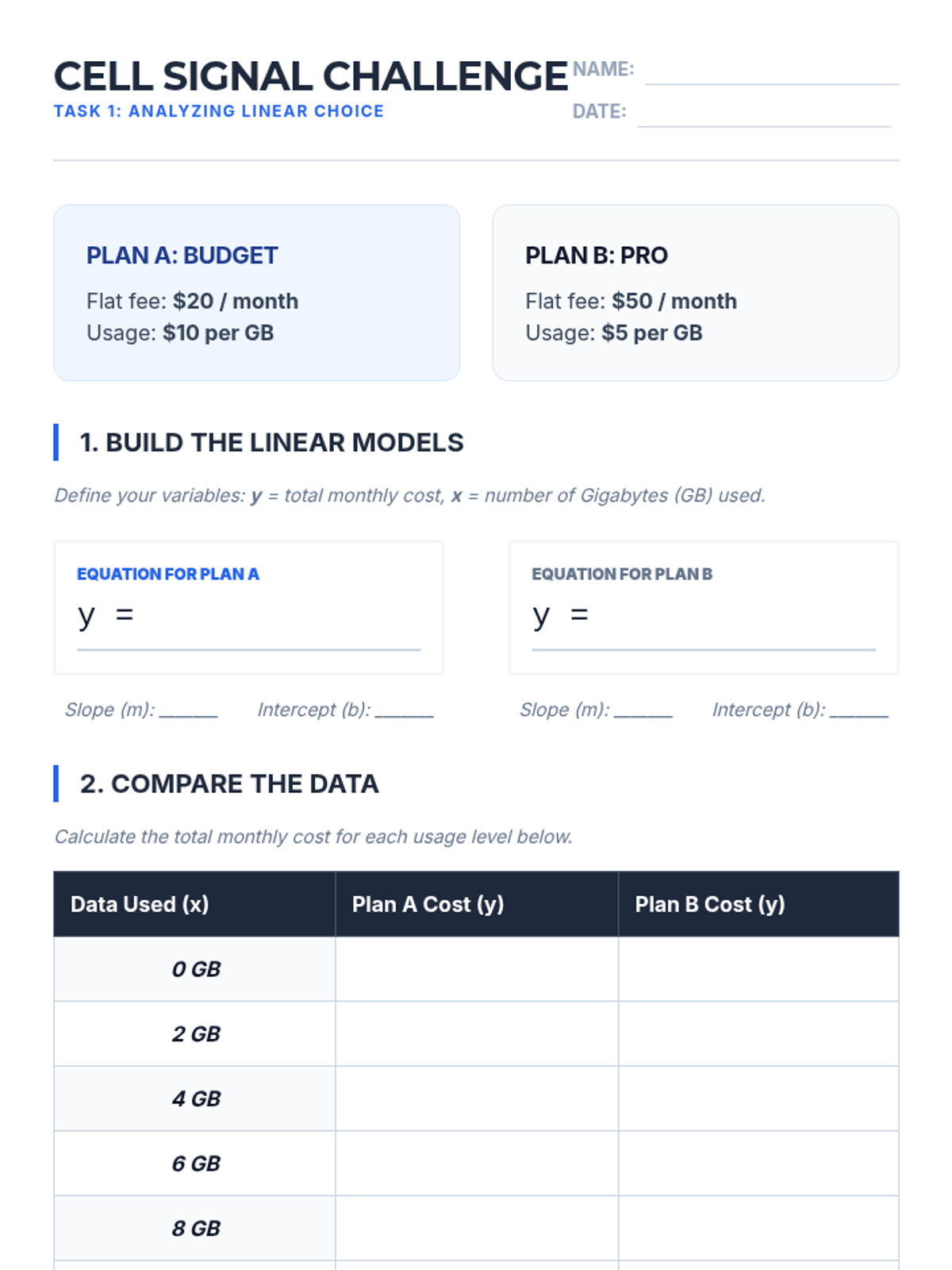
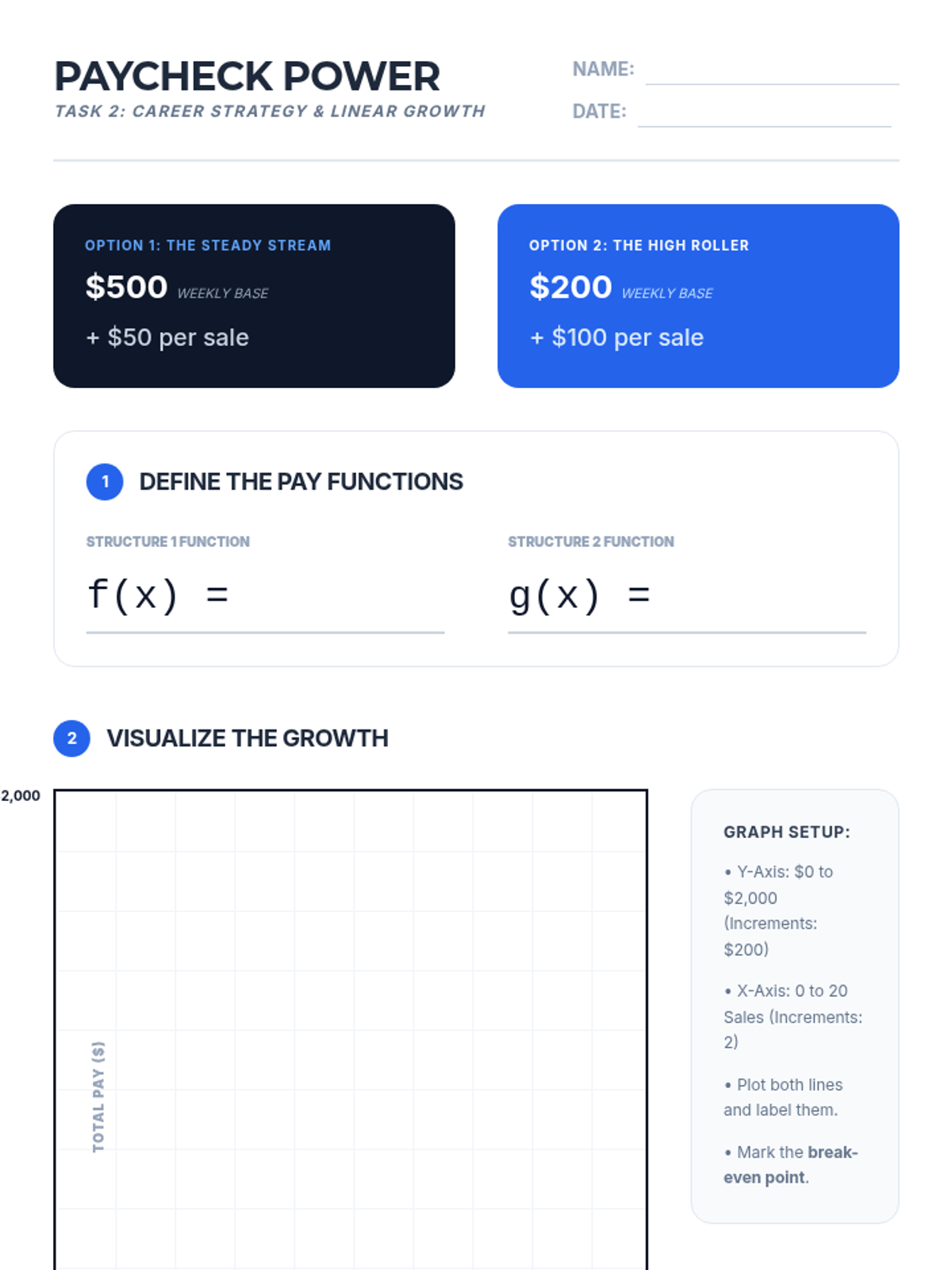
Interpret the meaning of slope and y-intercept in real-world scenarios and compare linear functions presented in different formats.
Connect the components of y = mx + b to their visual representations on a graph and practice graphing linear functions from equations.
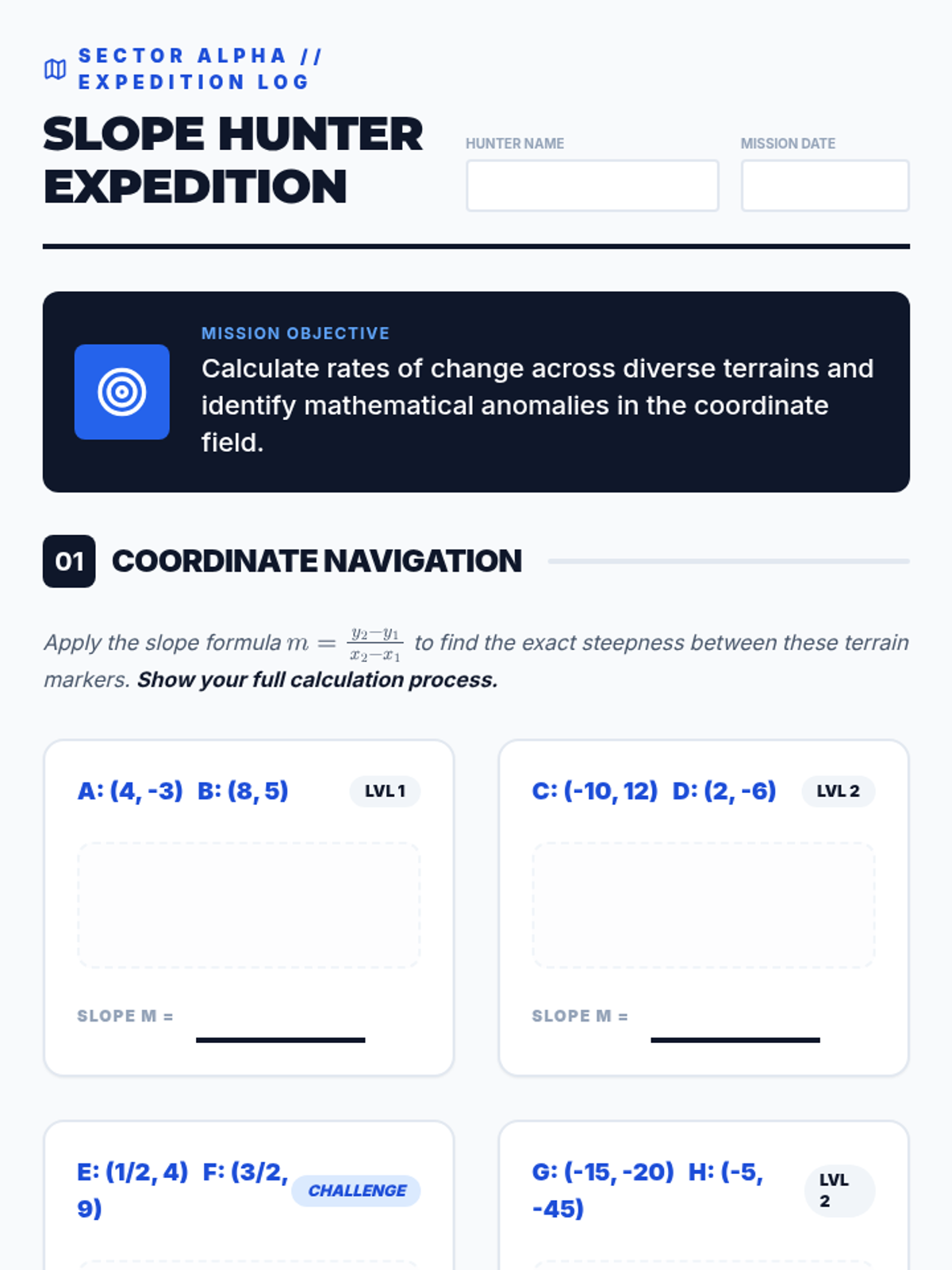
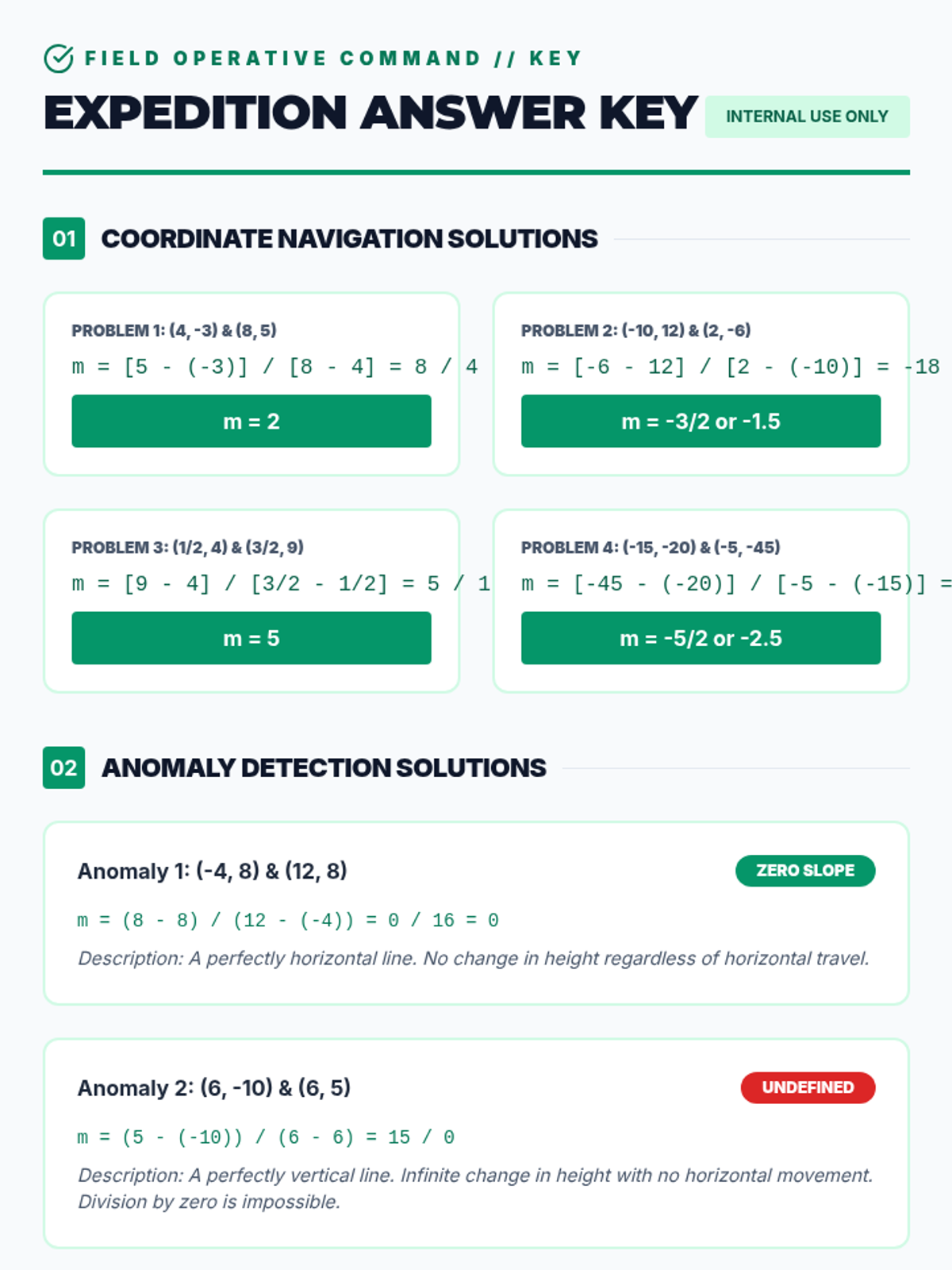
Master the calculation of slope (rate of change) from tables, graphs, and two points, emphasizing the ratio of vertical change to horizontal change.
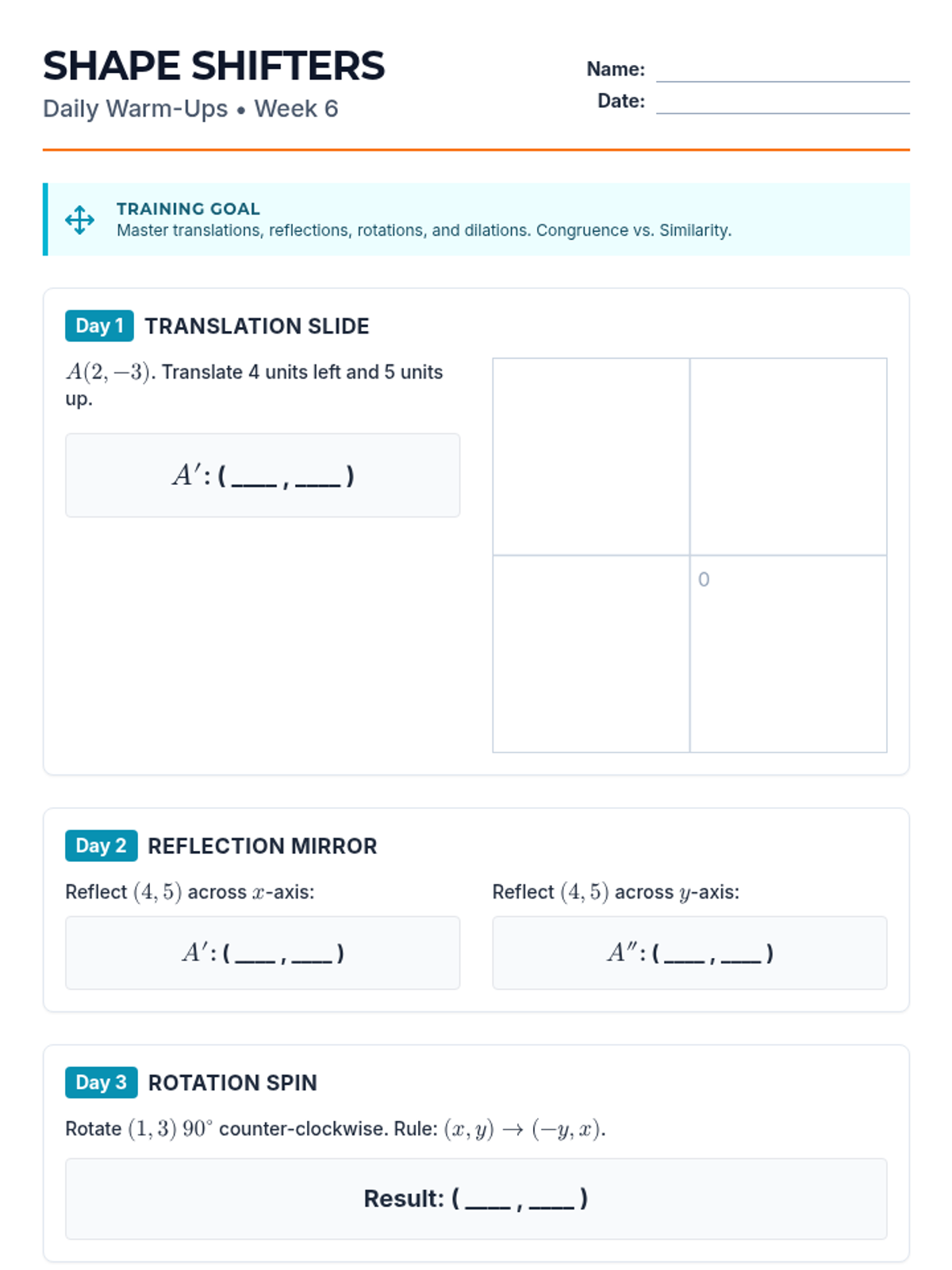
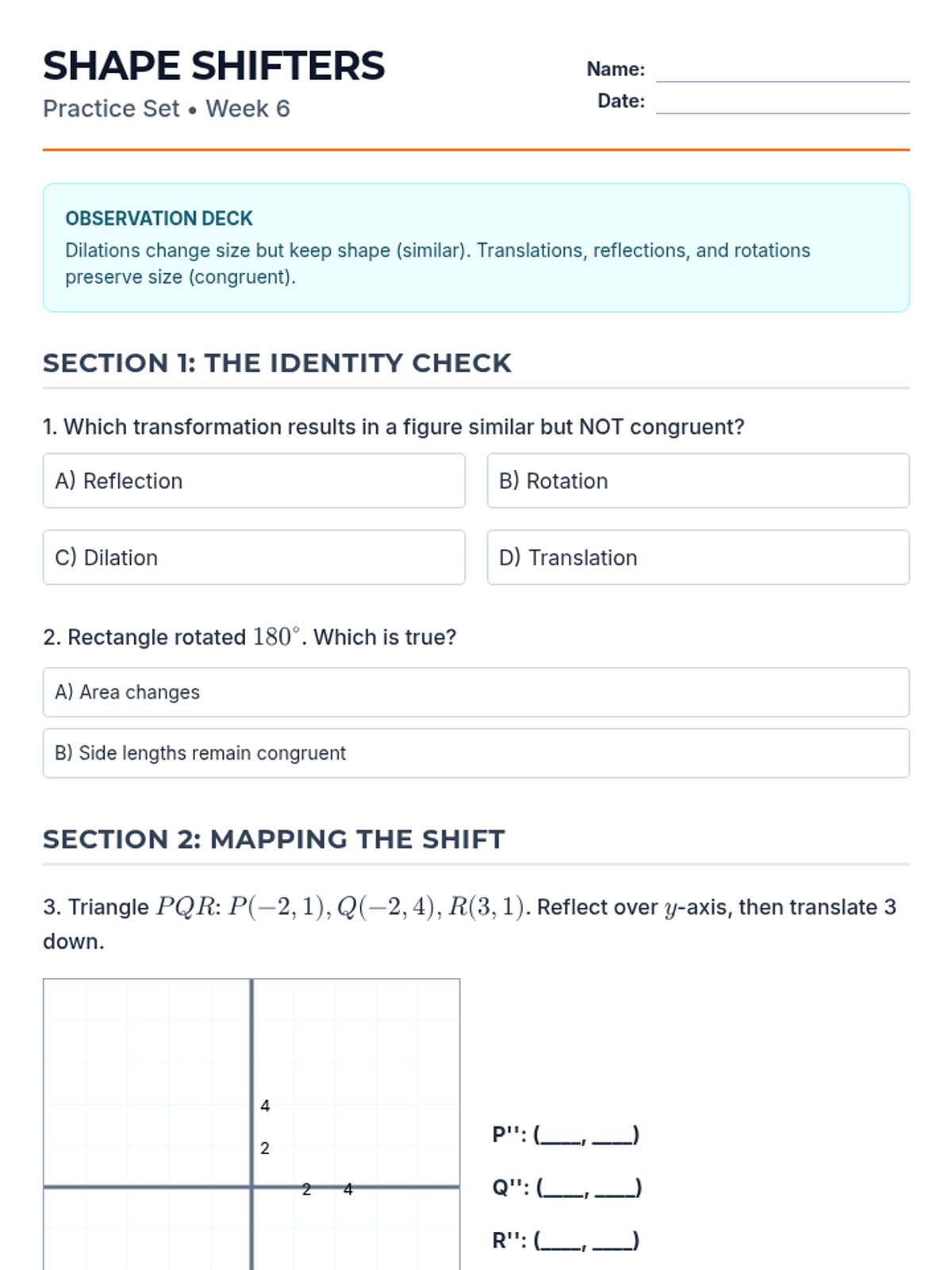
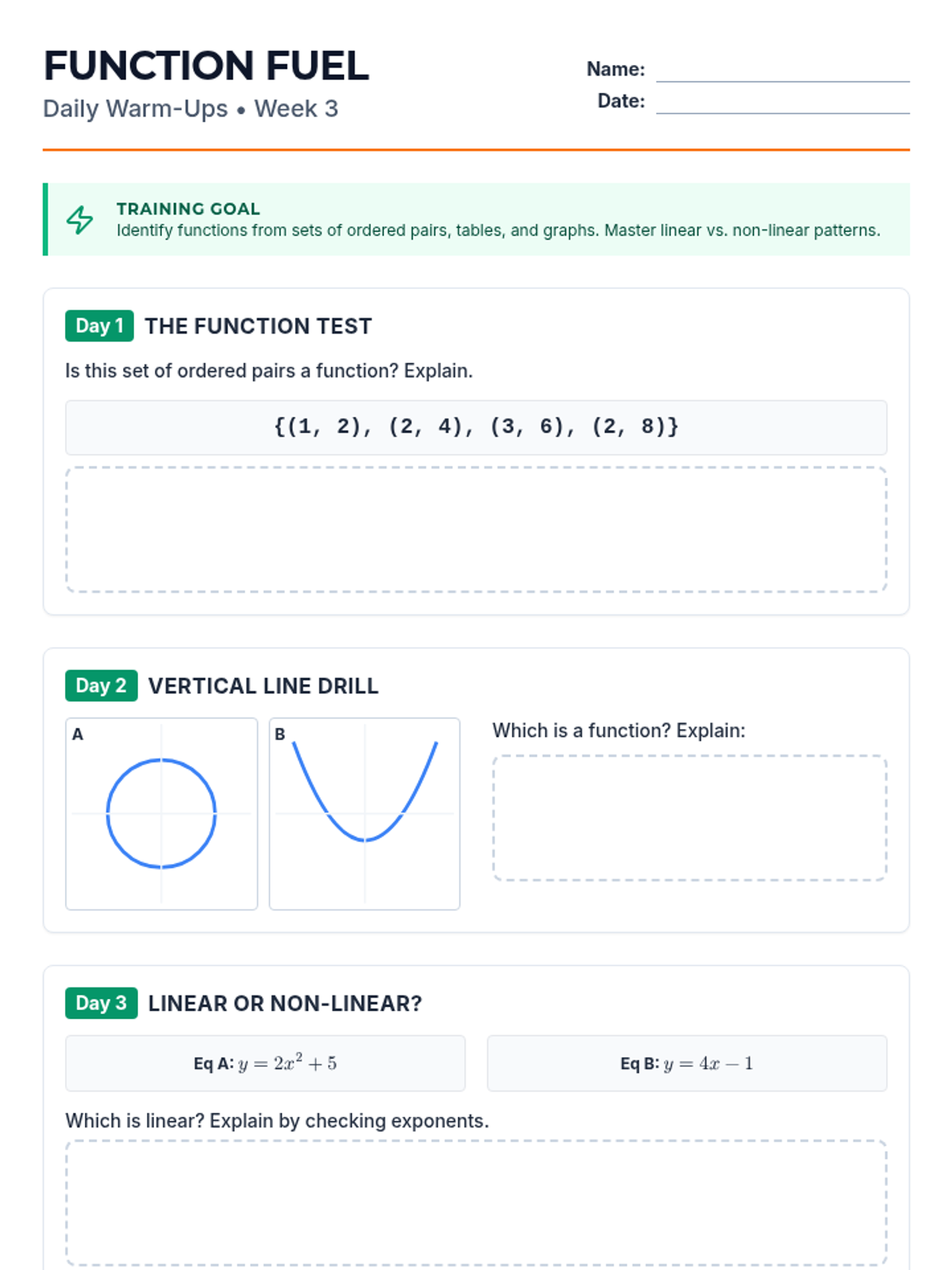
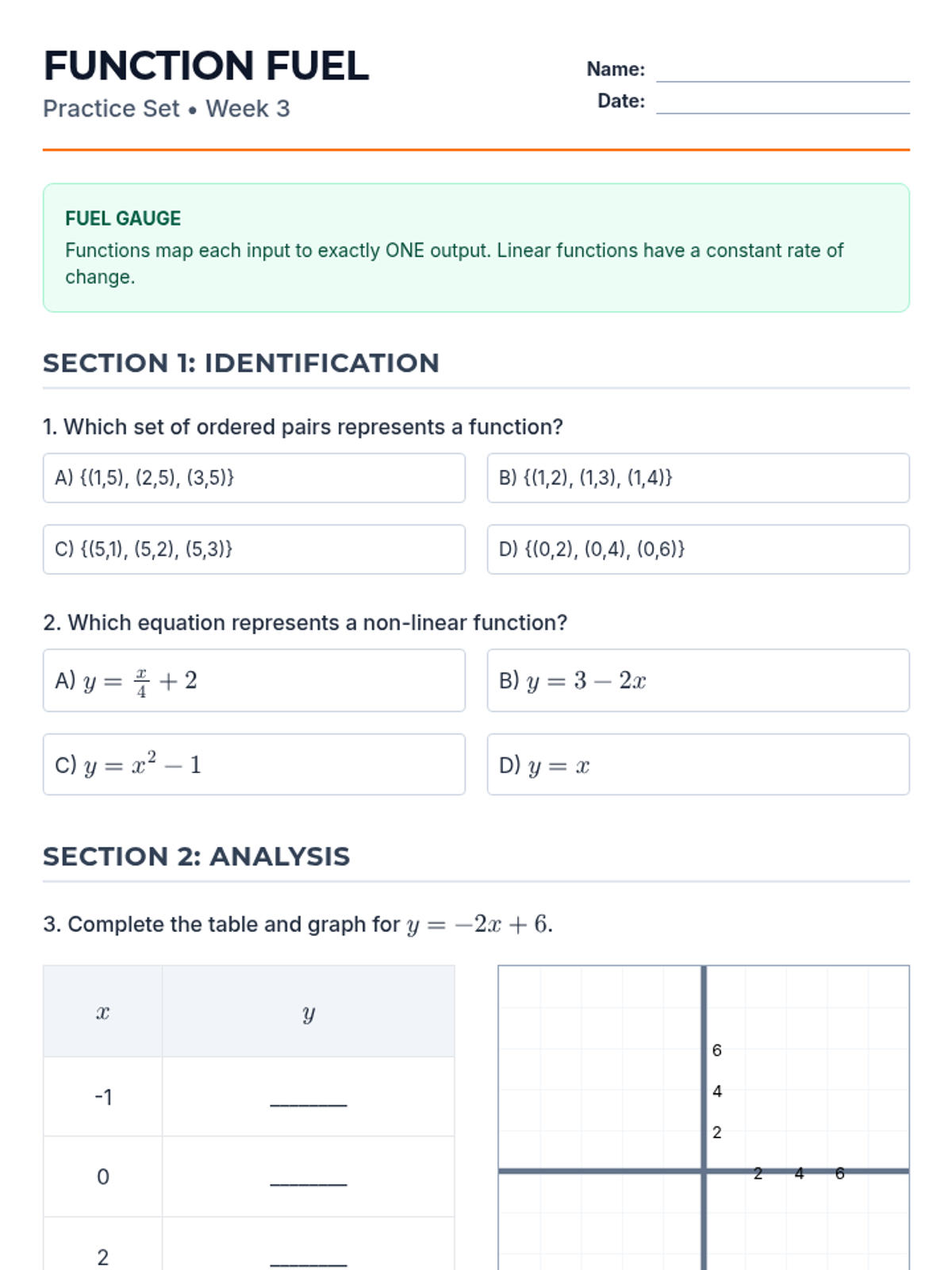
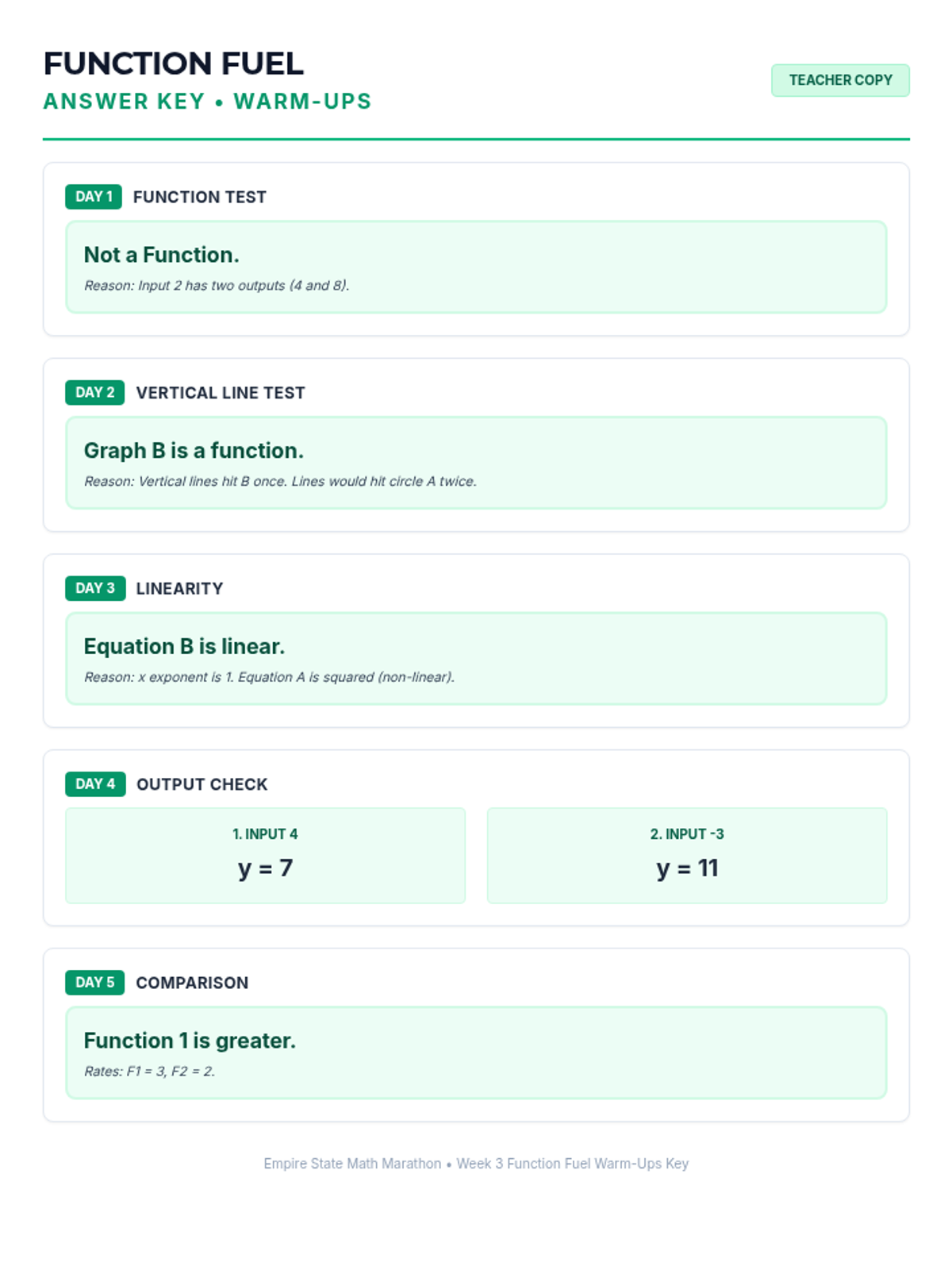
Identify gaps in prerequisite knowledge and introduce the formal definition of a function using input-output maps and the vertical line test.
Cette séance de mathématiques appliquées permet aux élèves de SEGPA d'apprendre à agrandir une maquette d'affiche A4 au format Raisin en utilisant la proportionnalité et le produit en croix, dans le cadre réel de leur mini-entreprise scolaire. Elle intègre une gestion de classe flexible (groupes hétérogènes, présence fluctuante) et des micro-tâches orientées métier.
Cette séance de mathématiques appliquées guide les élèves de SEGPA dans l'agrandissement d'une affiche promotionnelle pour leur mini-entreprise, en utilisant la proportionnalité et le produit en croix pour passer du format A4 au format raisin.
Cette leçon guide les élèves dans la conception d'une affiche publicitaire pour leur mini-entreprise, en se concentrant sur le passage du format A4 au format Raisin. Elle intègre des notions de français (titre, légendes) et de mathématiques (proportionnalité) dans un cadre professionnel immersif.
Réaliser la mise à l'échelle complète d'un projet client : 6 photos, encarts de texte et calcul des dimensions finales sur format Raisin.
Calculer la surface de papier utilisée et la surface de "perte" (chutes). Sensibilisation à l'optimisation et au coût écologique du gâchis.
Calculer le facteur d'agrandissement maximal pour passer d'un modèle A4 au format Raisin (50x65 cm) sans dépasser les bords du papier.
Calculer les dimensions et l'espacement pour placer 6 photos sur une page A4. Utilisation de la division et de la multiplication pour une mise en page équilibrée.
Comprendre si une photo peut être agrandie sans être recadrée en comparant les ratios largeur/hauteur. Concept de proportionnalité appliqué à l'image.