Techniques for brainstorming, collaborative project management, and individual artistic expression. Guides students through the iterative creative process from initial concept to final execution.
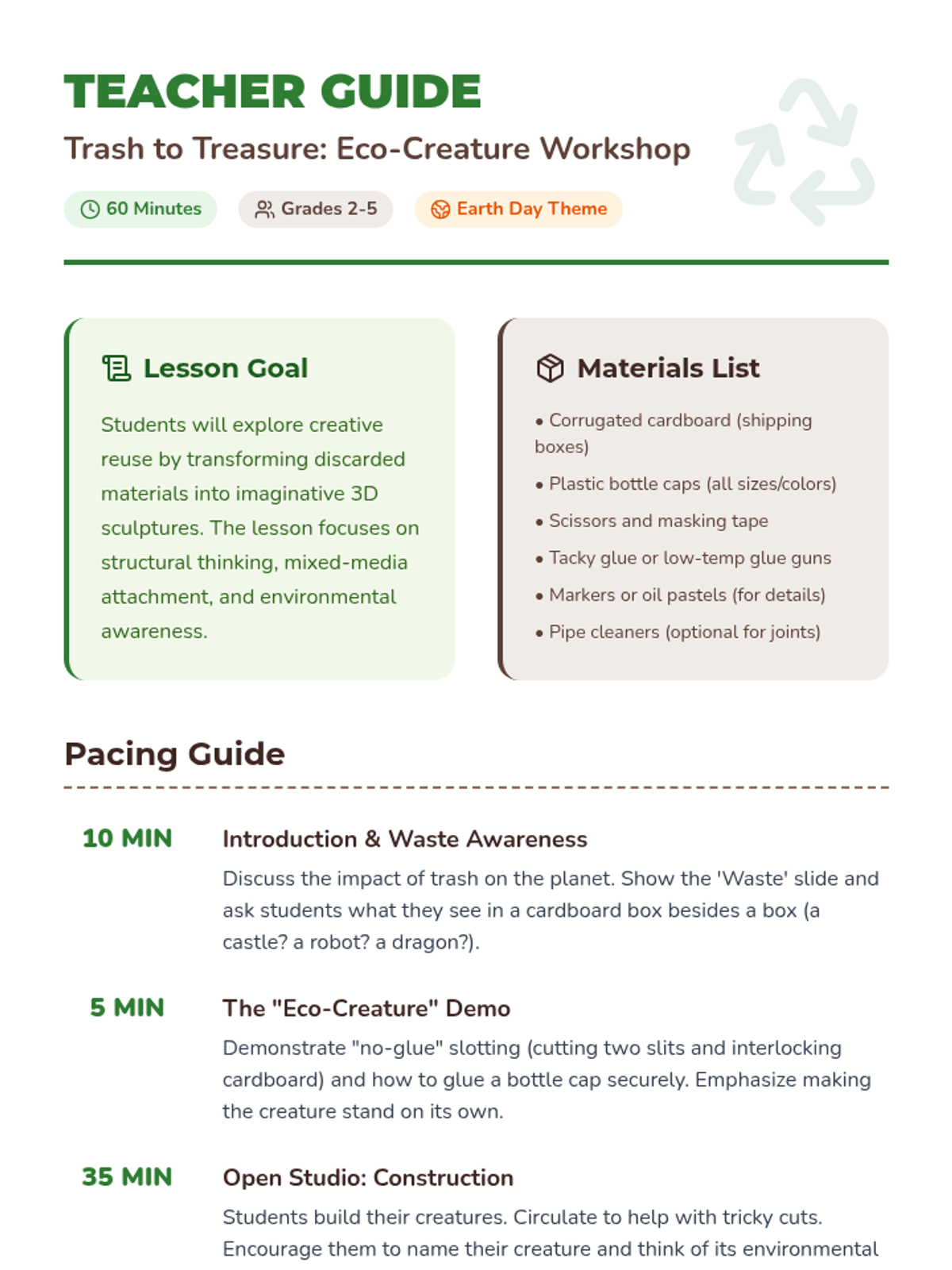
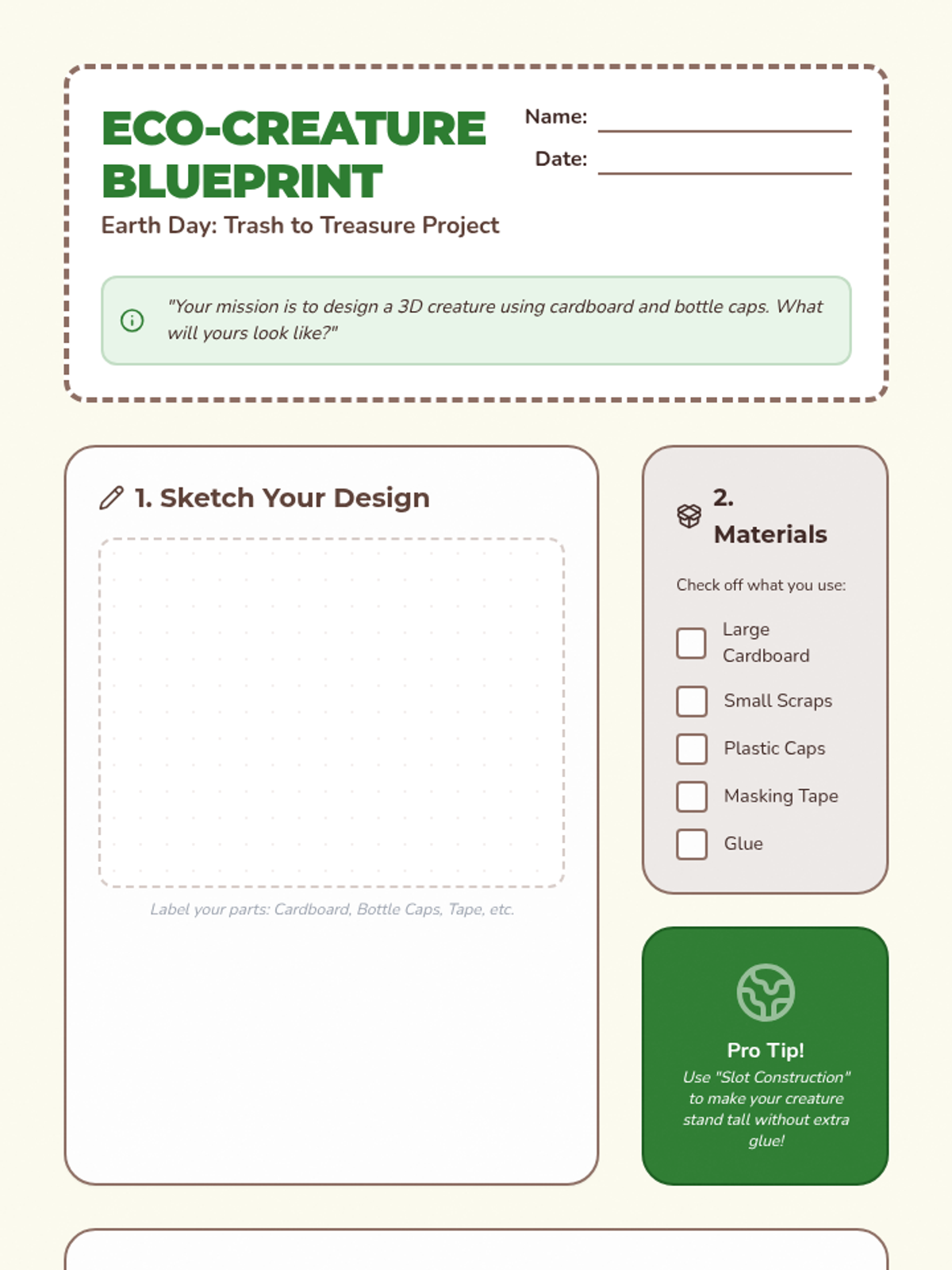
In this 60-minute art lesson, students transform everyday waste—cardboard and bottle caps—into imaginative 'Eco-Creatures,' learning about the importance of recycling and creative reuse for Earth Day.
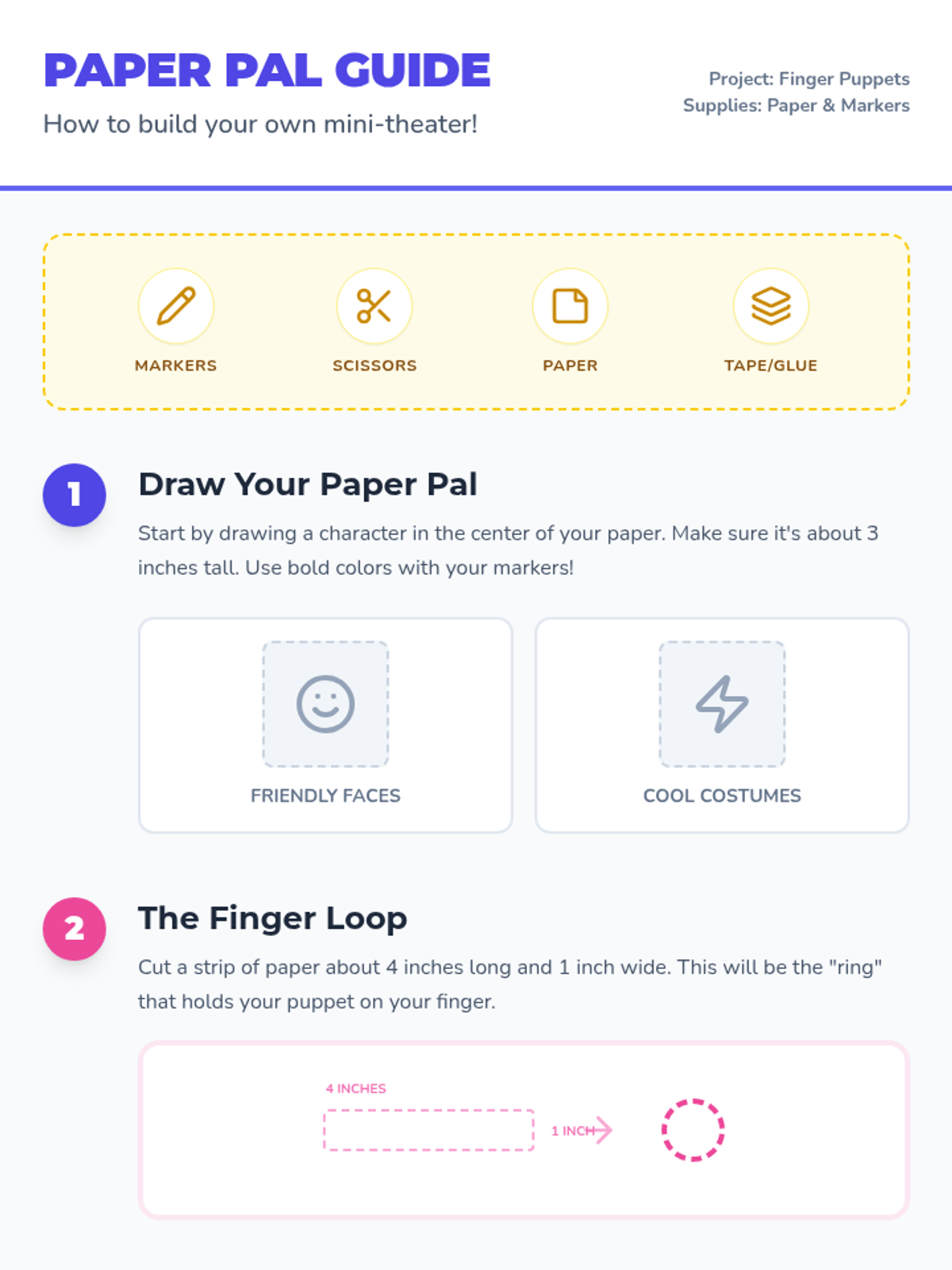
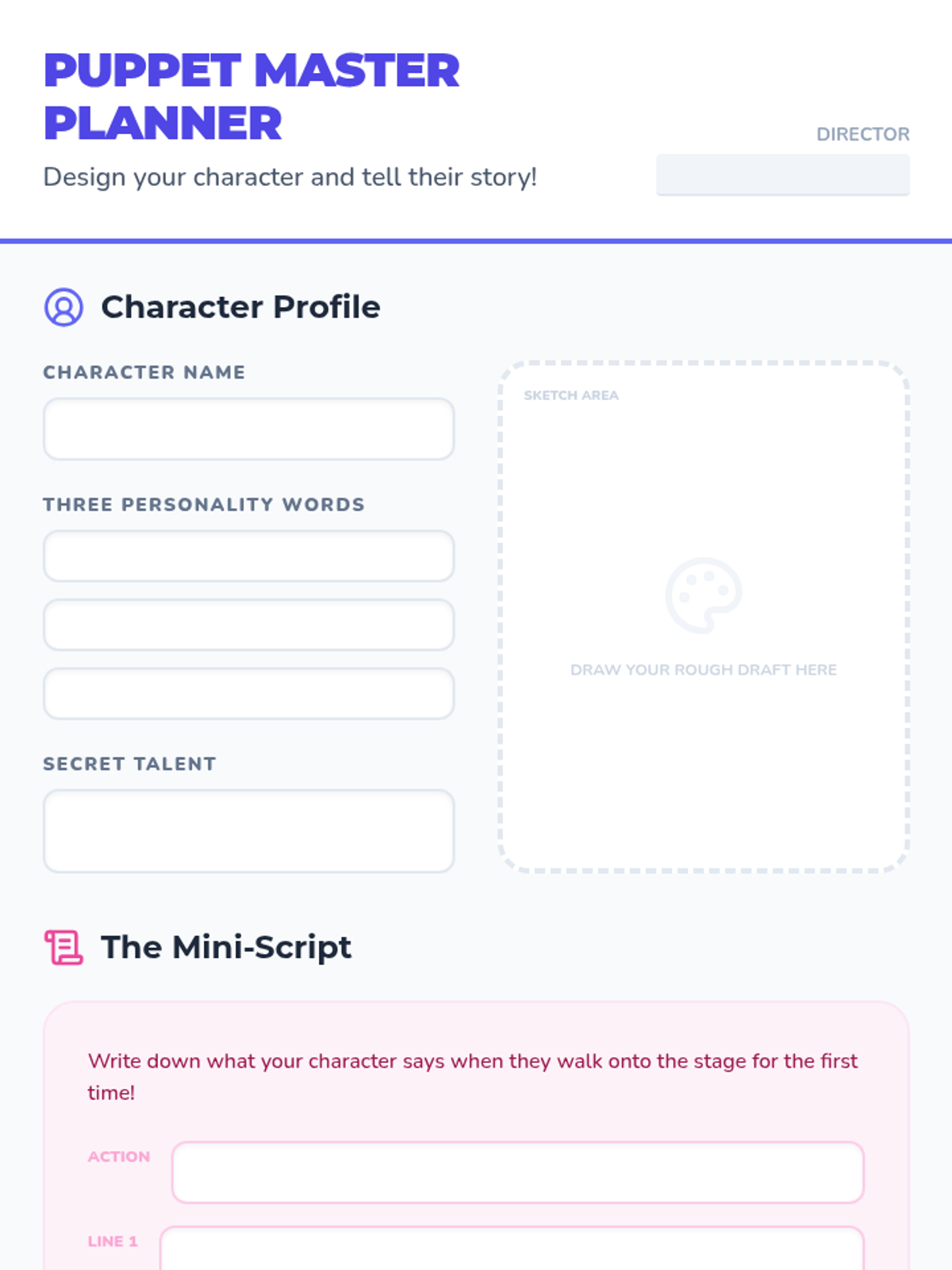
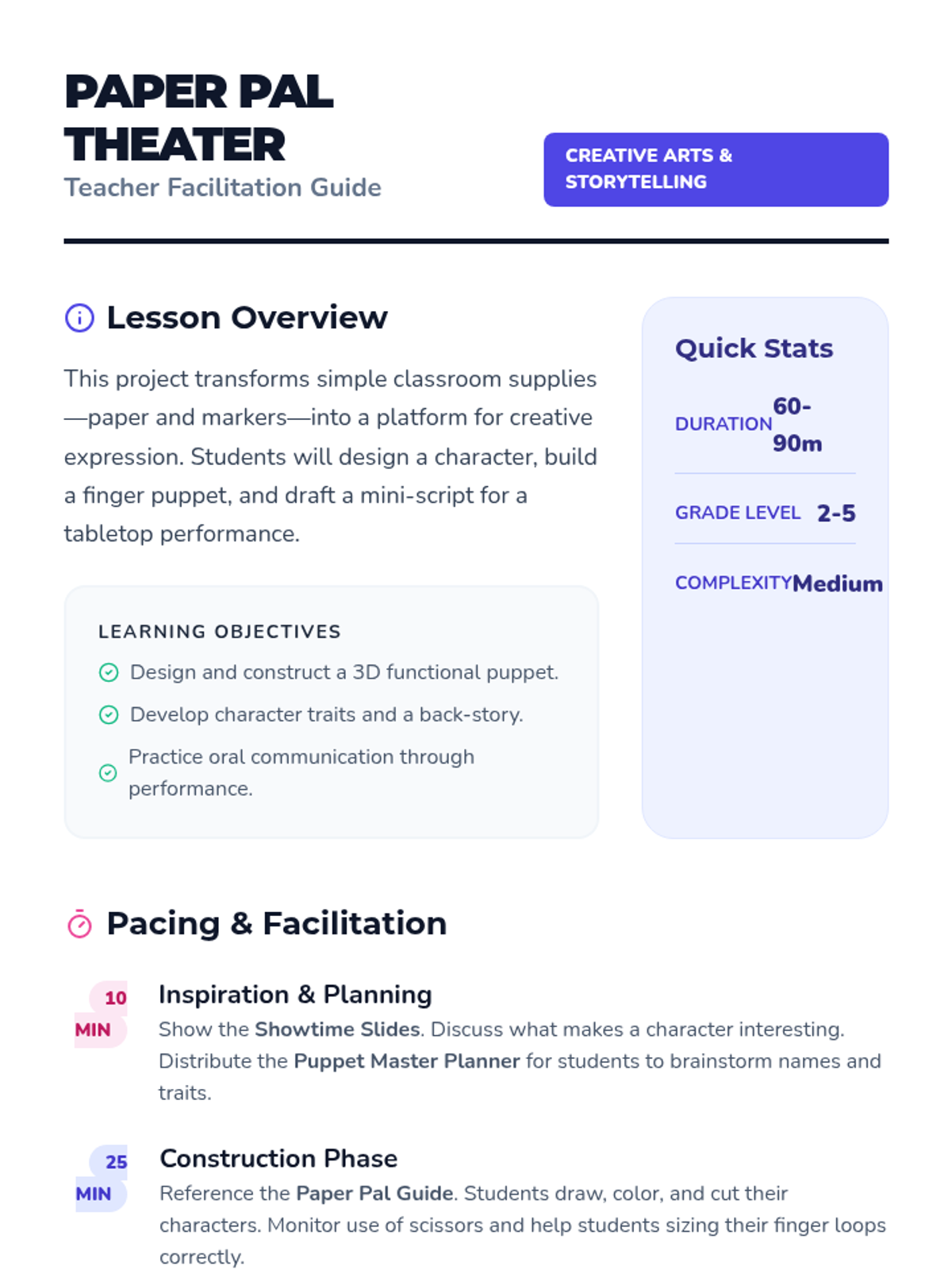
Students design and build their own paper finger puppets and a tabletop stage using markers and paper. This project combines visual arts with storytelling and performance.
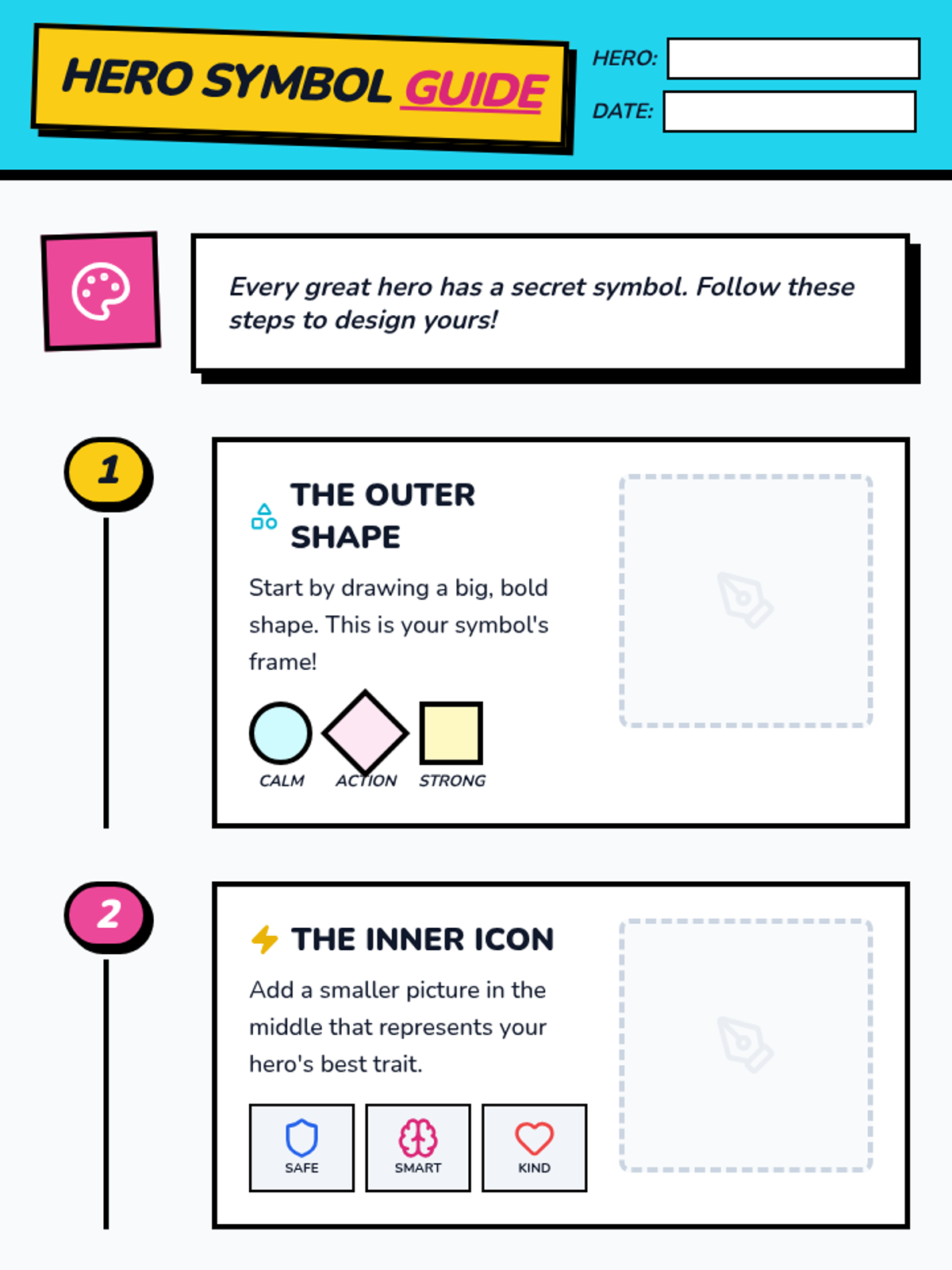
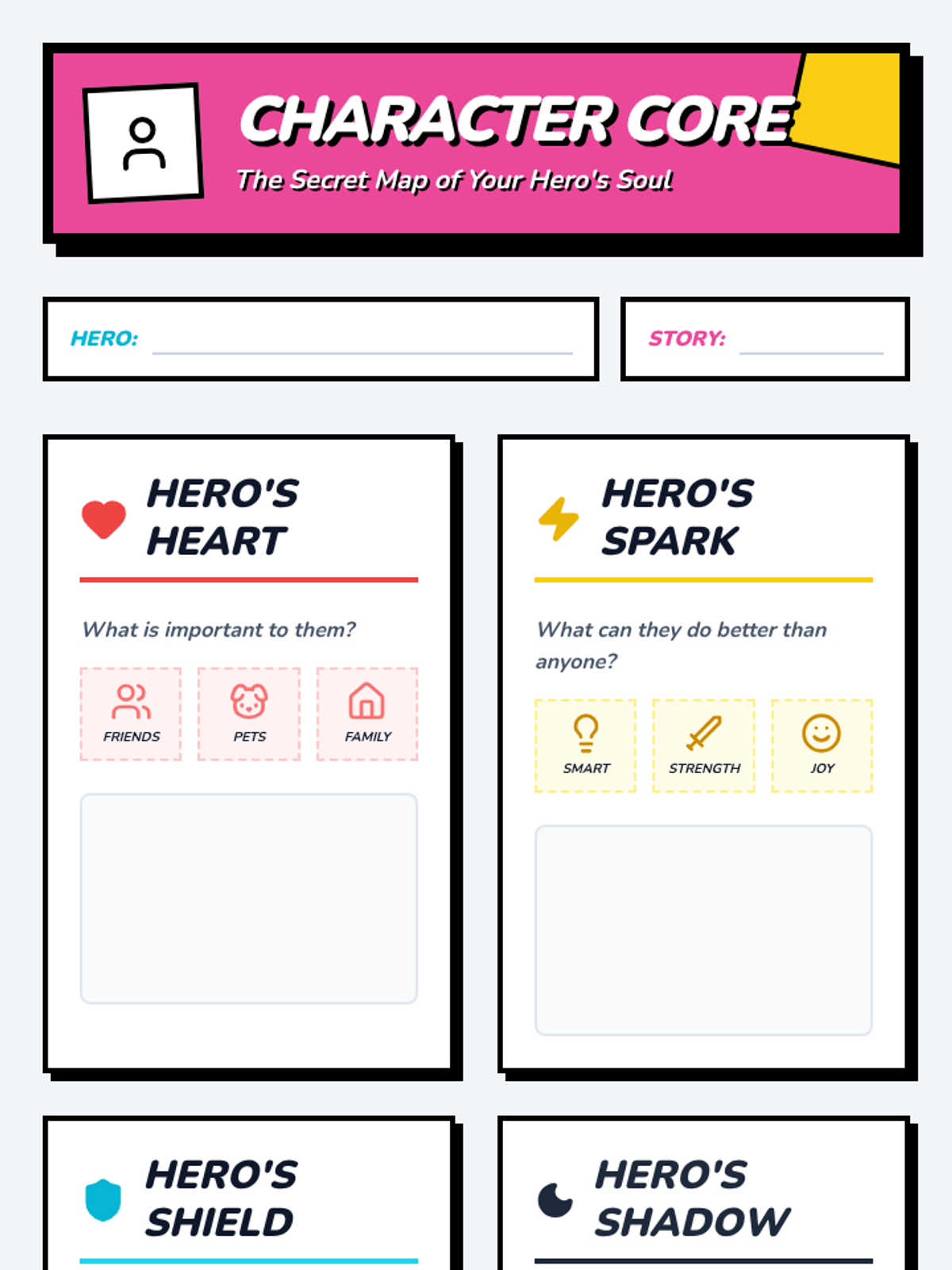
Students explore character traits and motivations by designing a unique visual symbol that represents their graphic novel protagonist.
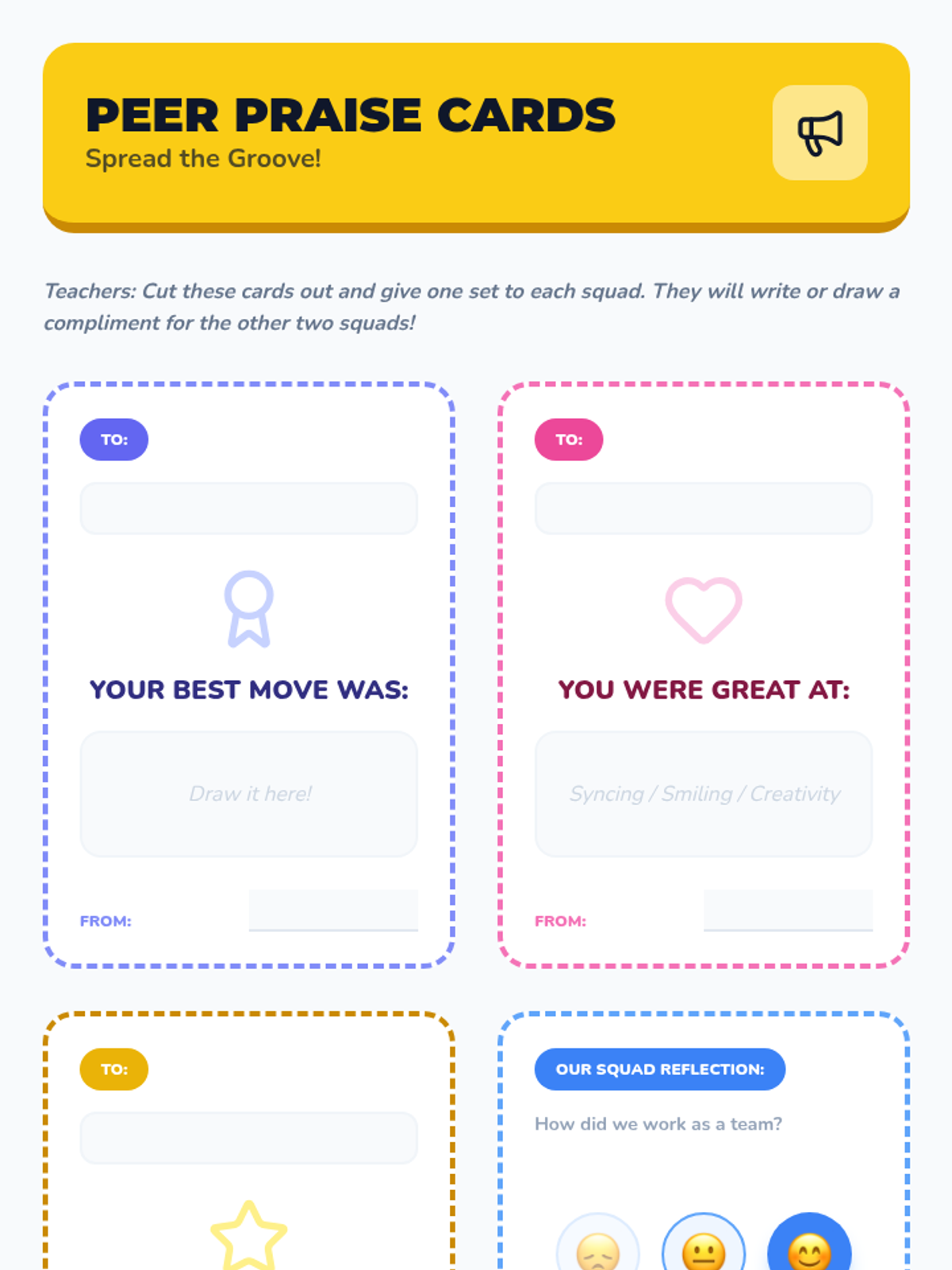
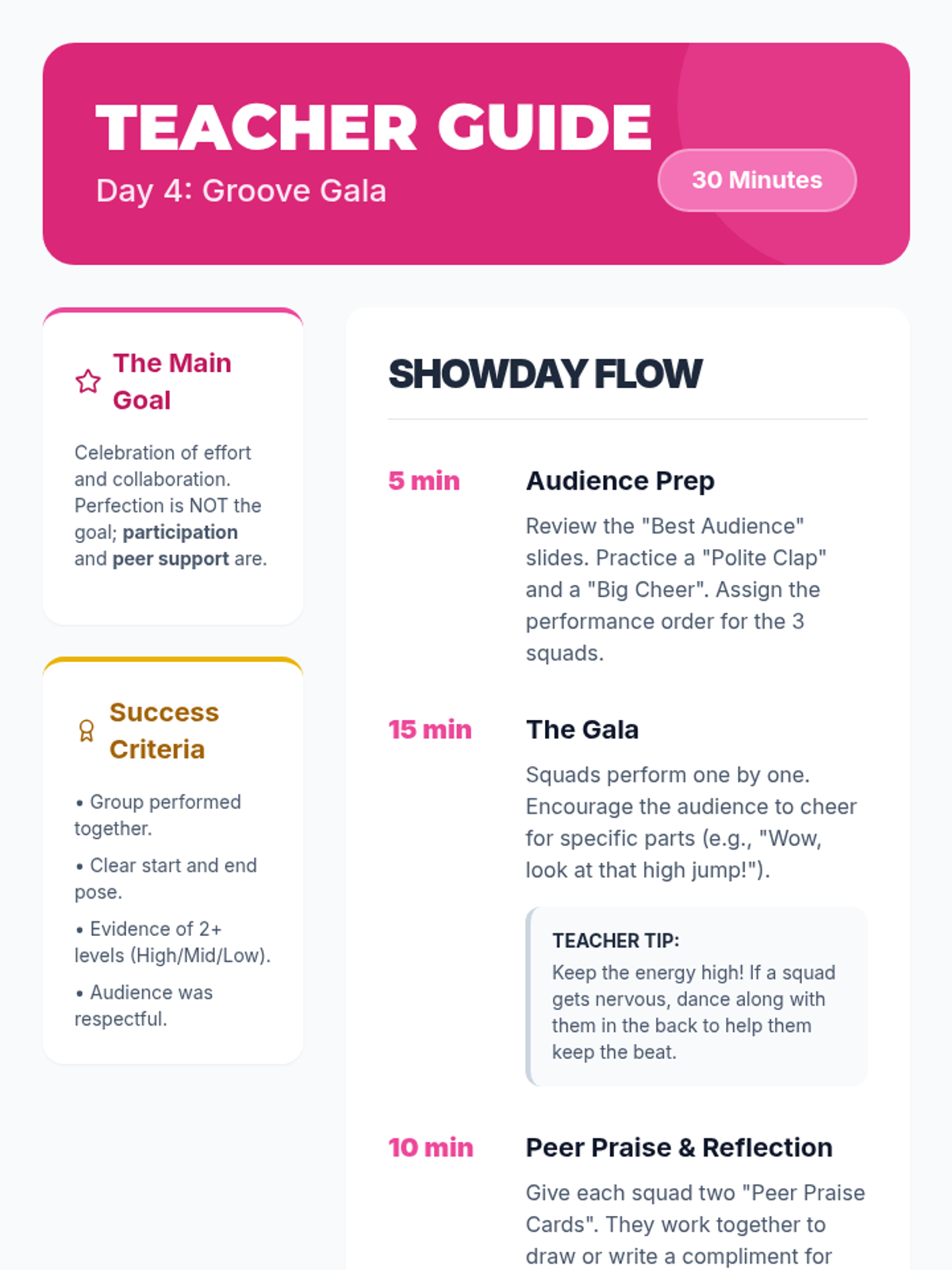
The final performance day where groups showcase their choreography and celebrate each other's creativity.
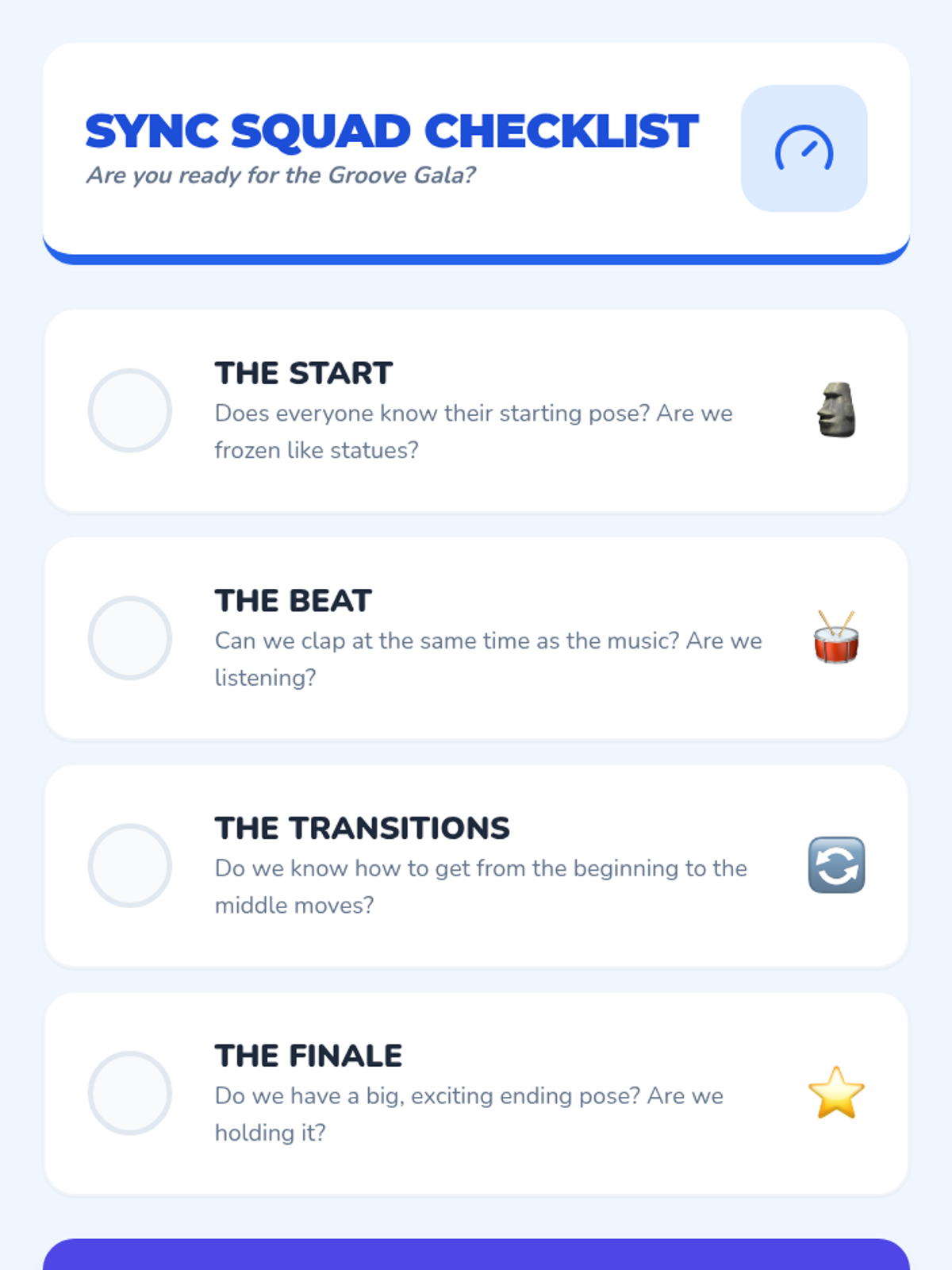
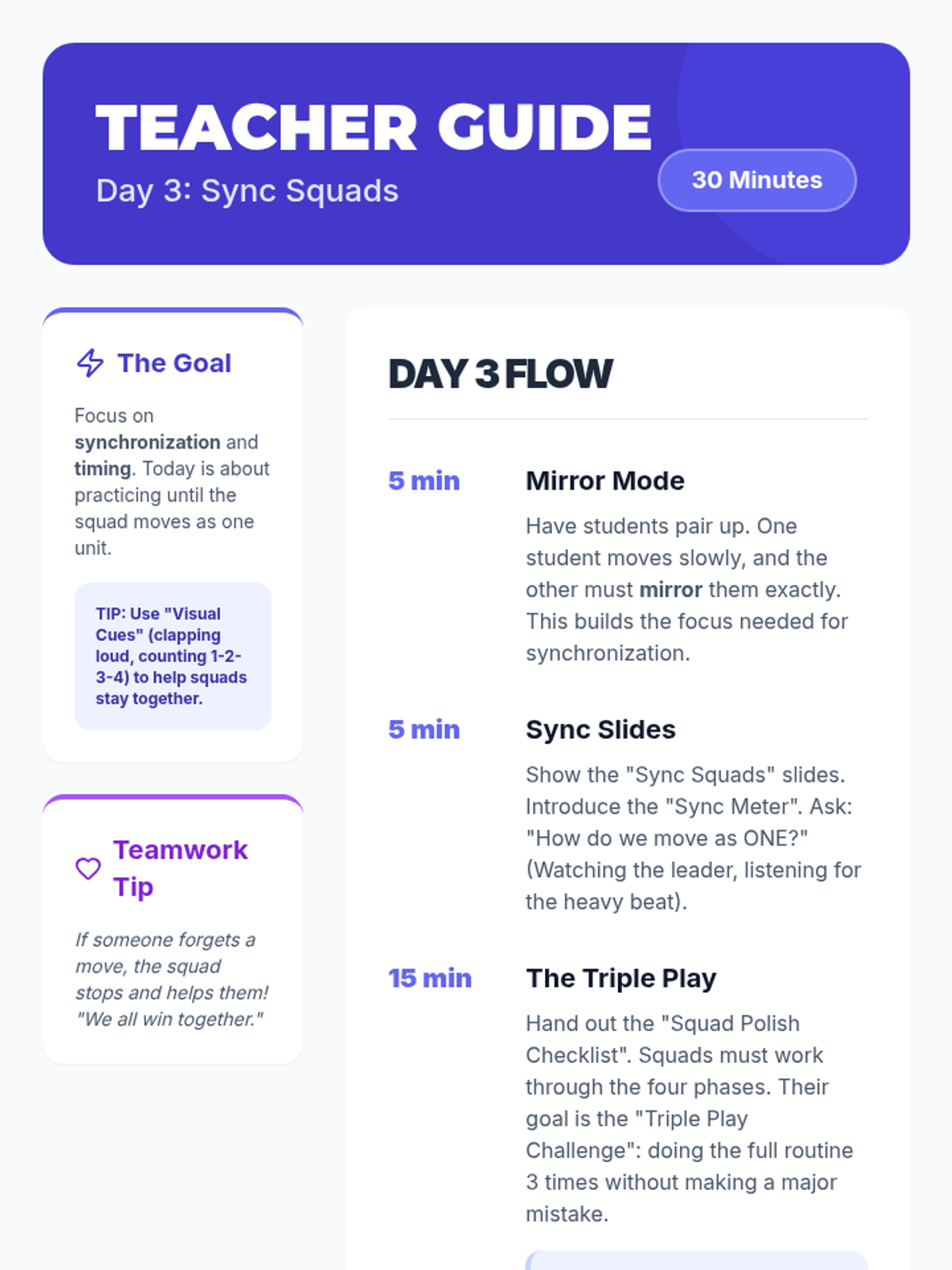
Squads practice their full routine, adding transitions and ensuring every member is in sync.
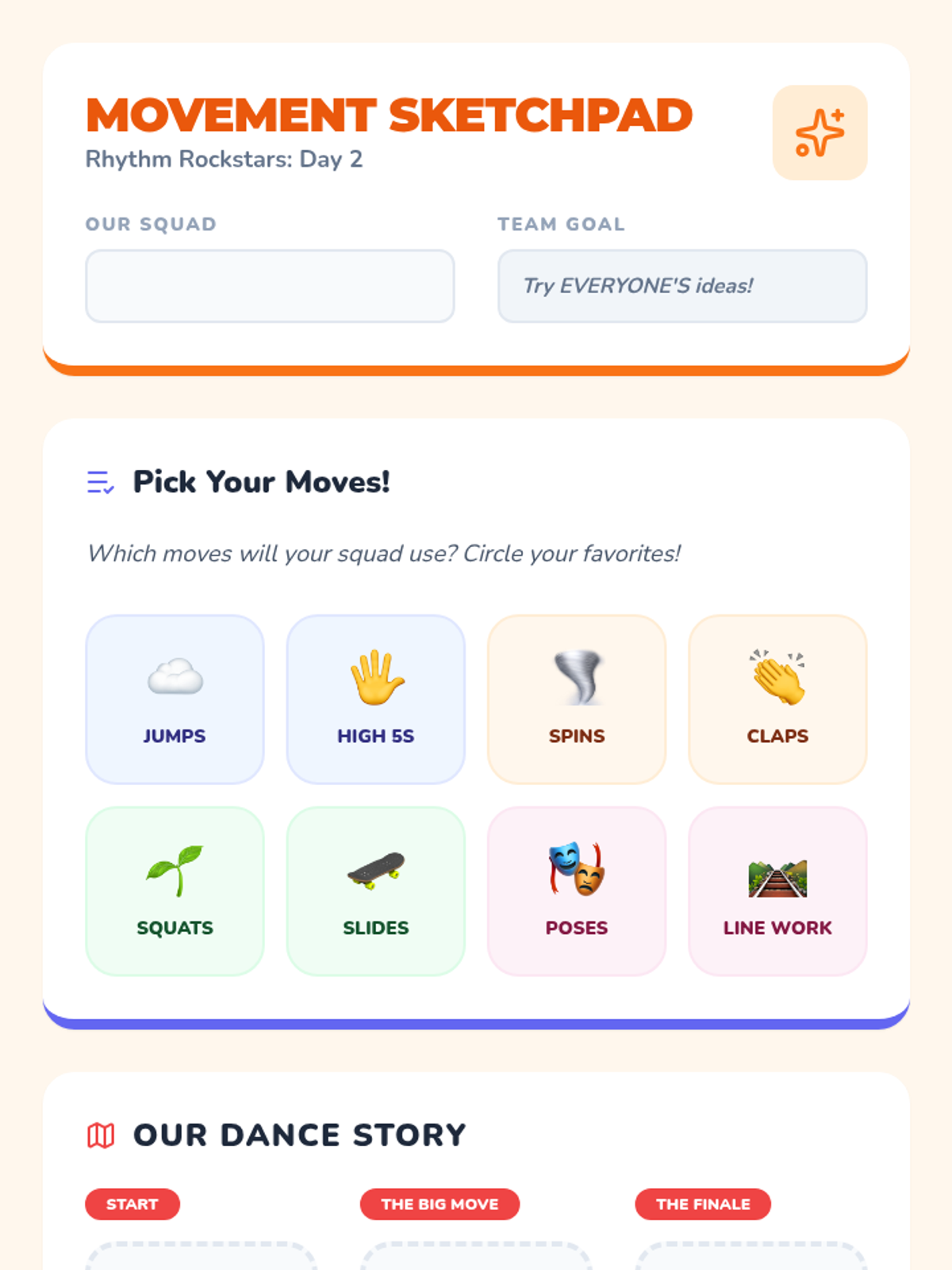
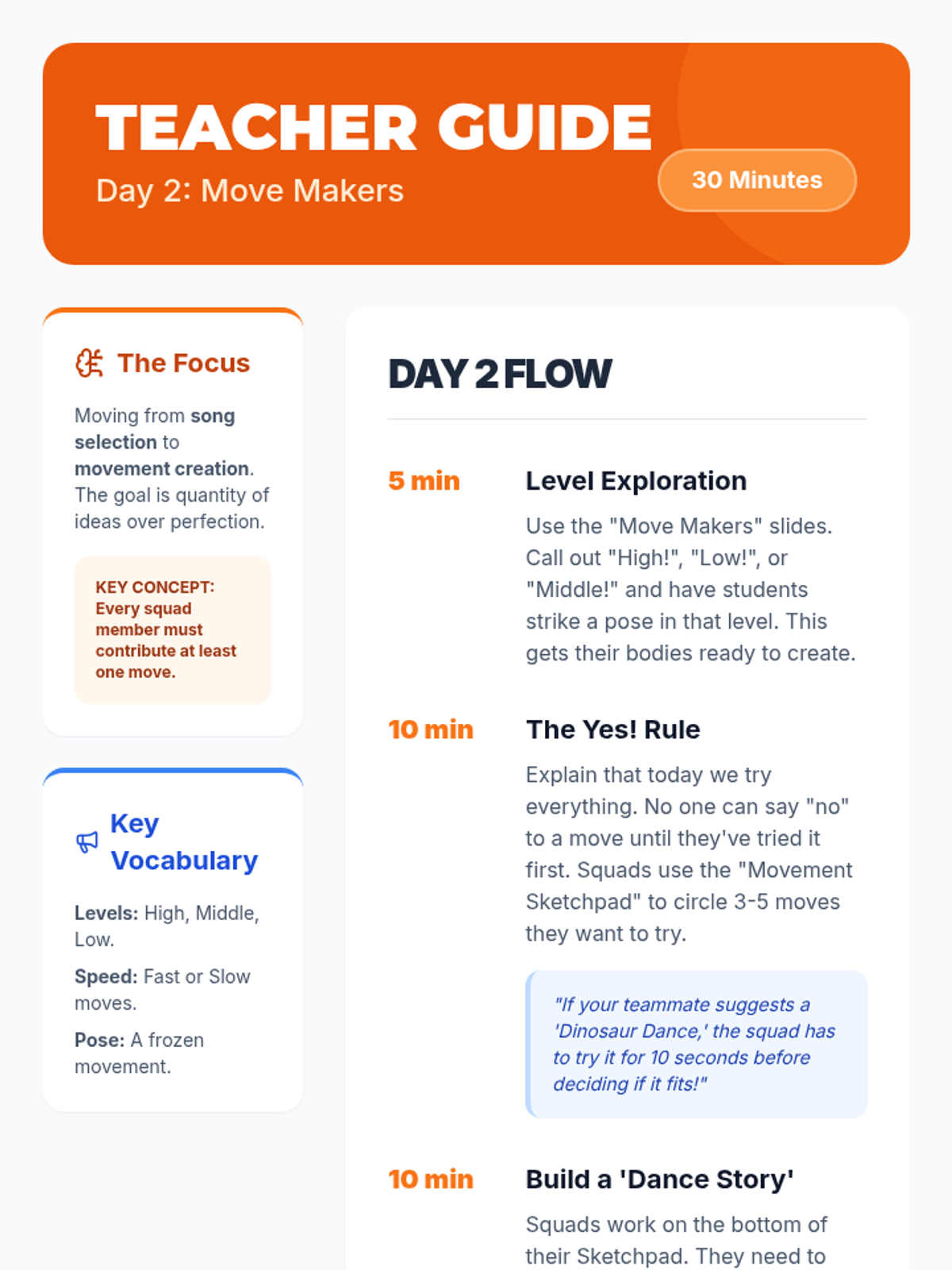
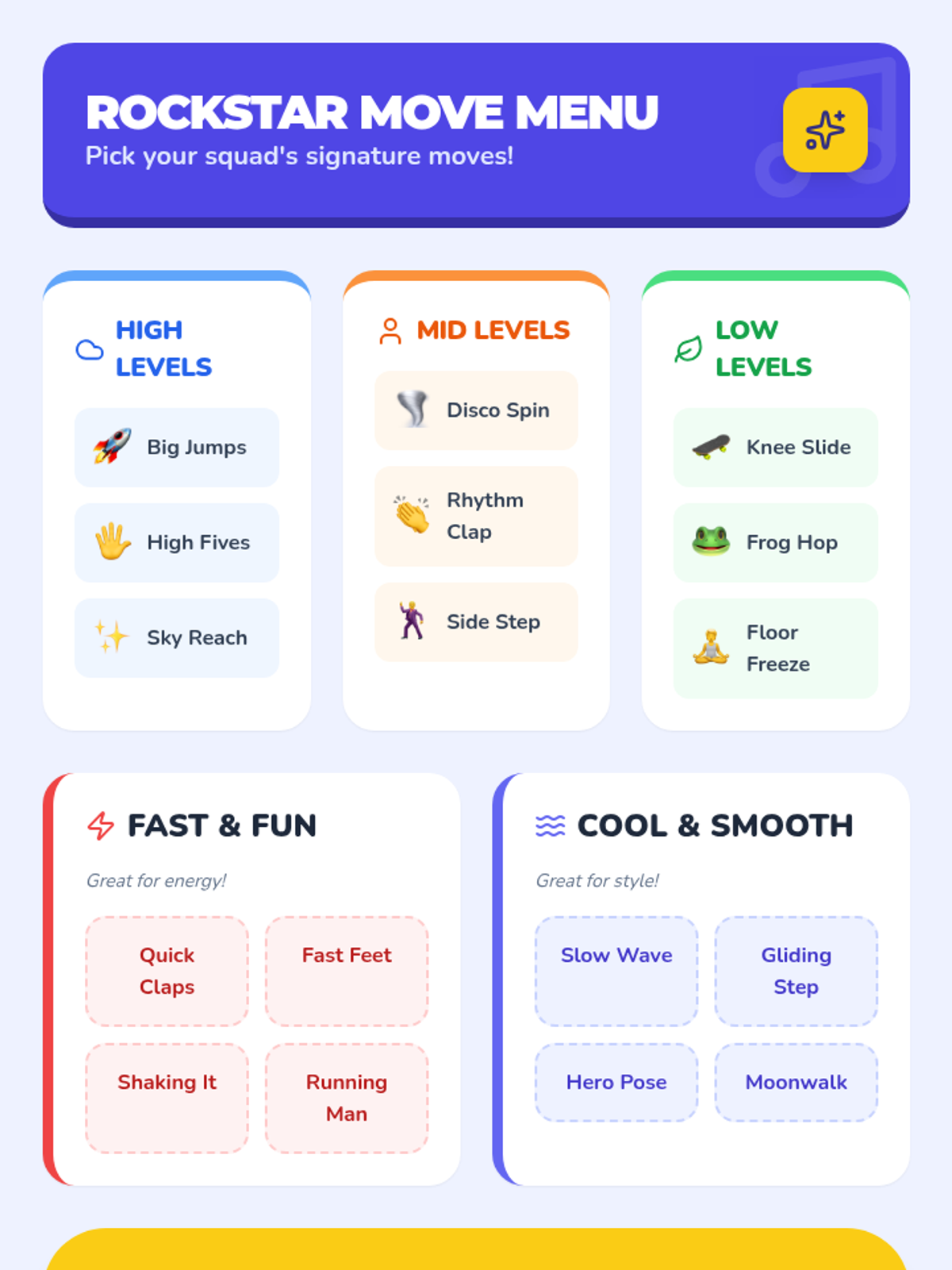
Groups brainstorm dance moves using different levels and speeds, focusing on including everyone's ideas.
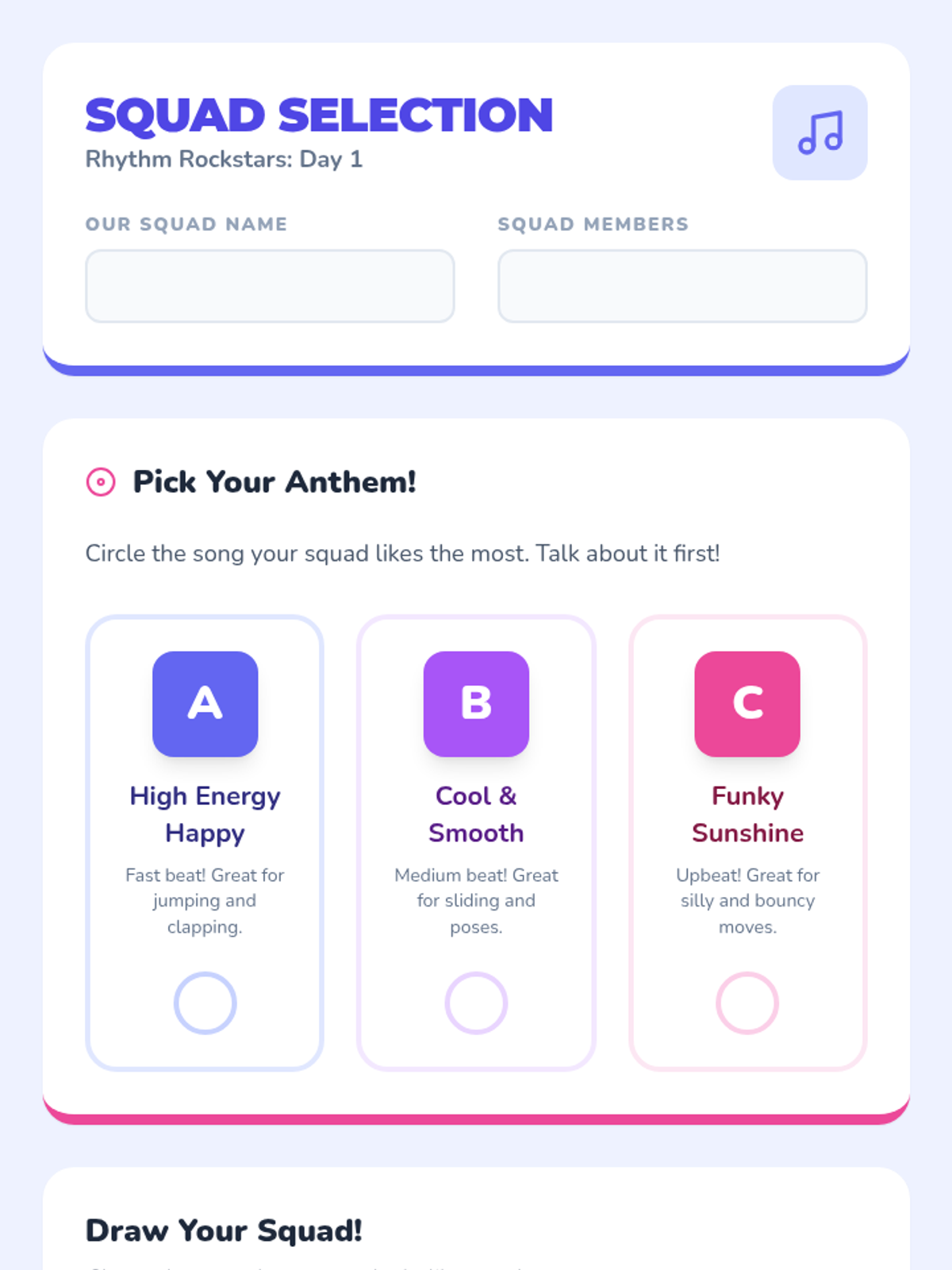
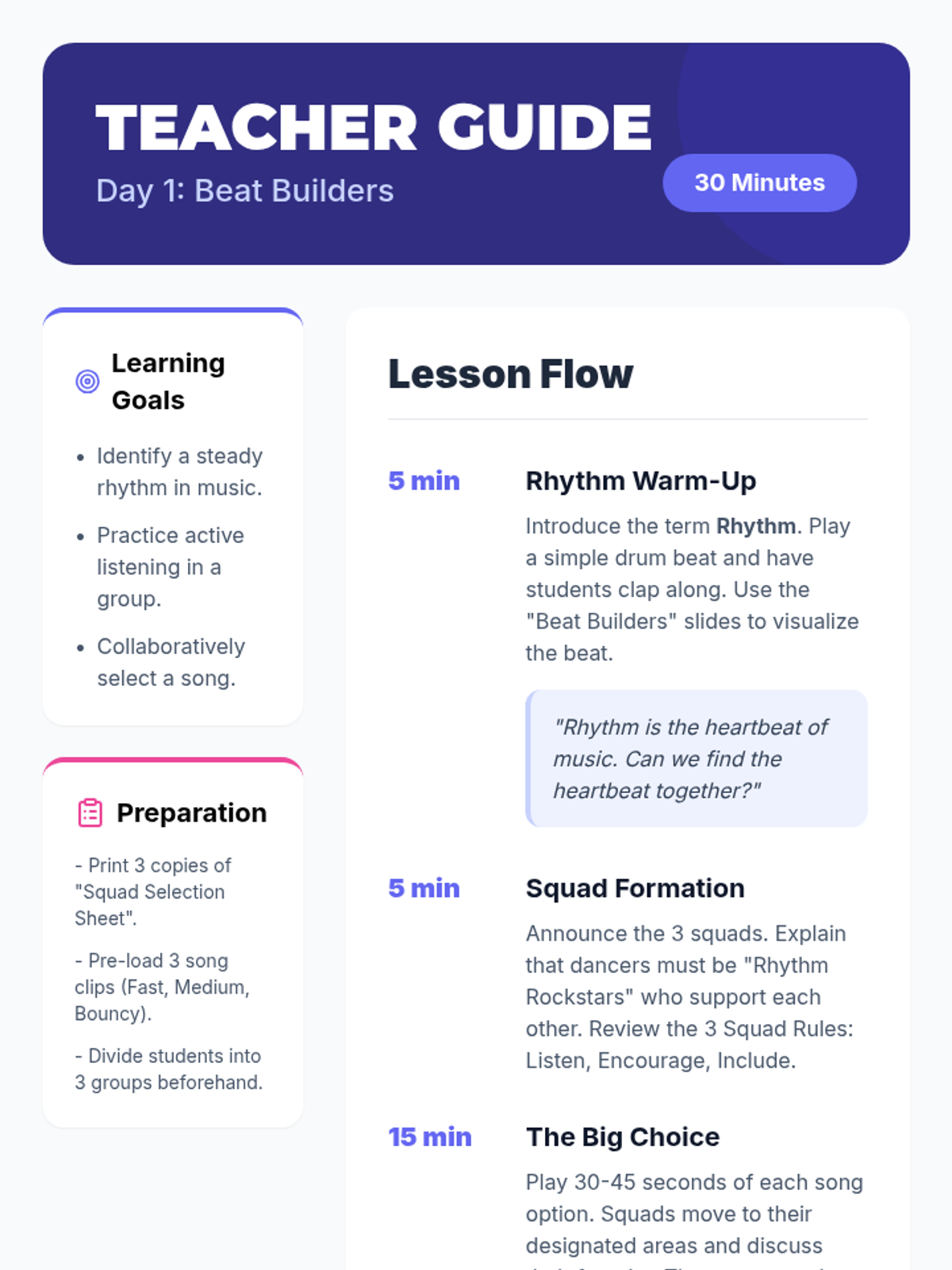
Students explore rhythm and tempo, form their dance squads, and select their group's performance song.
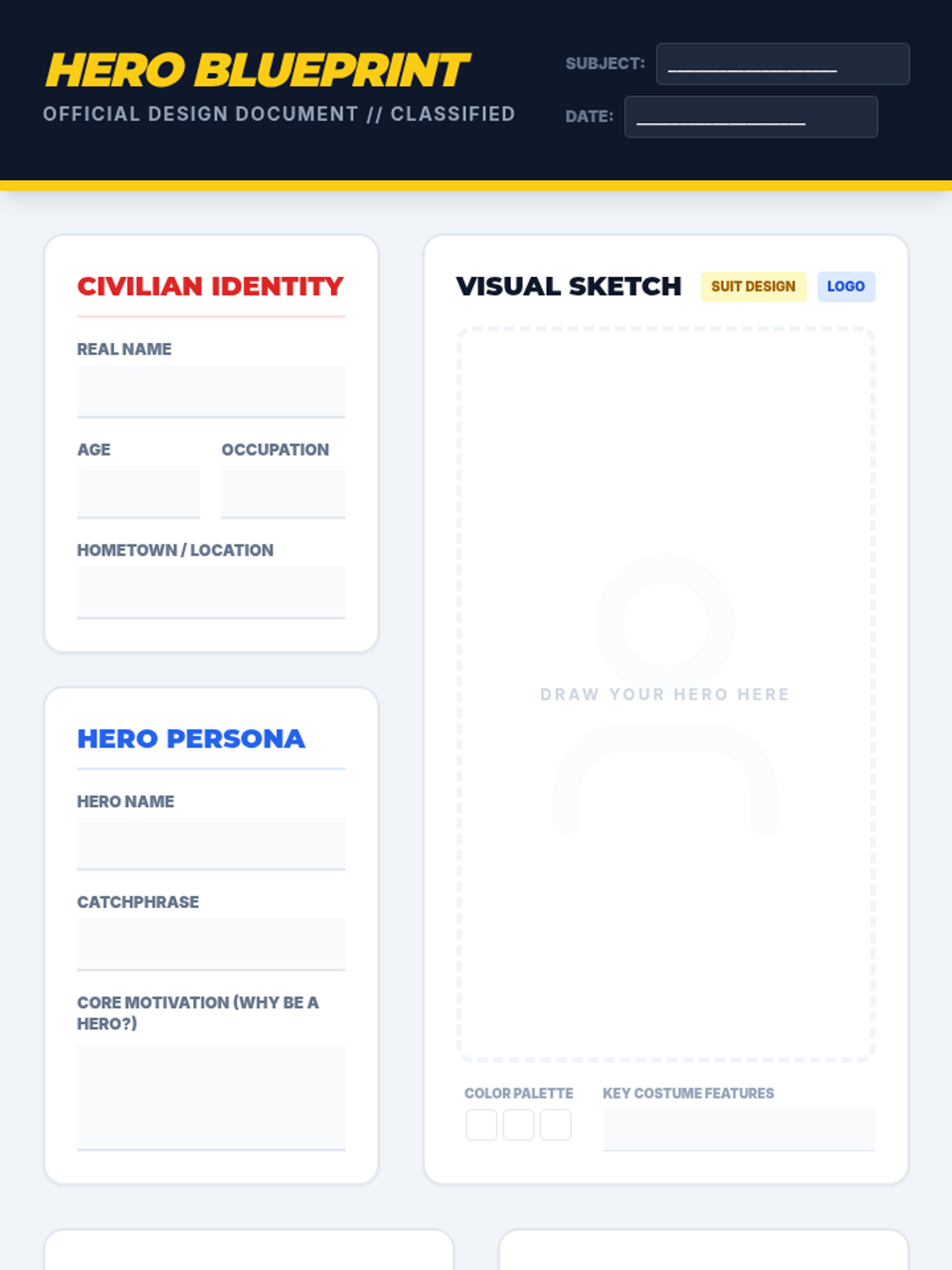
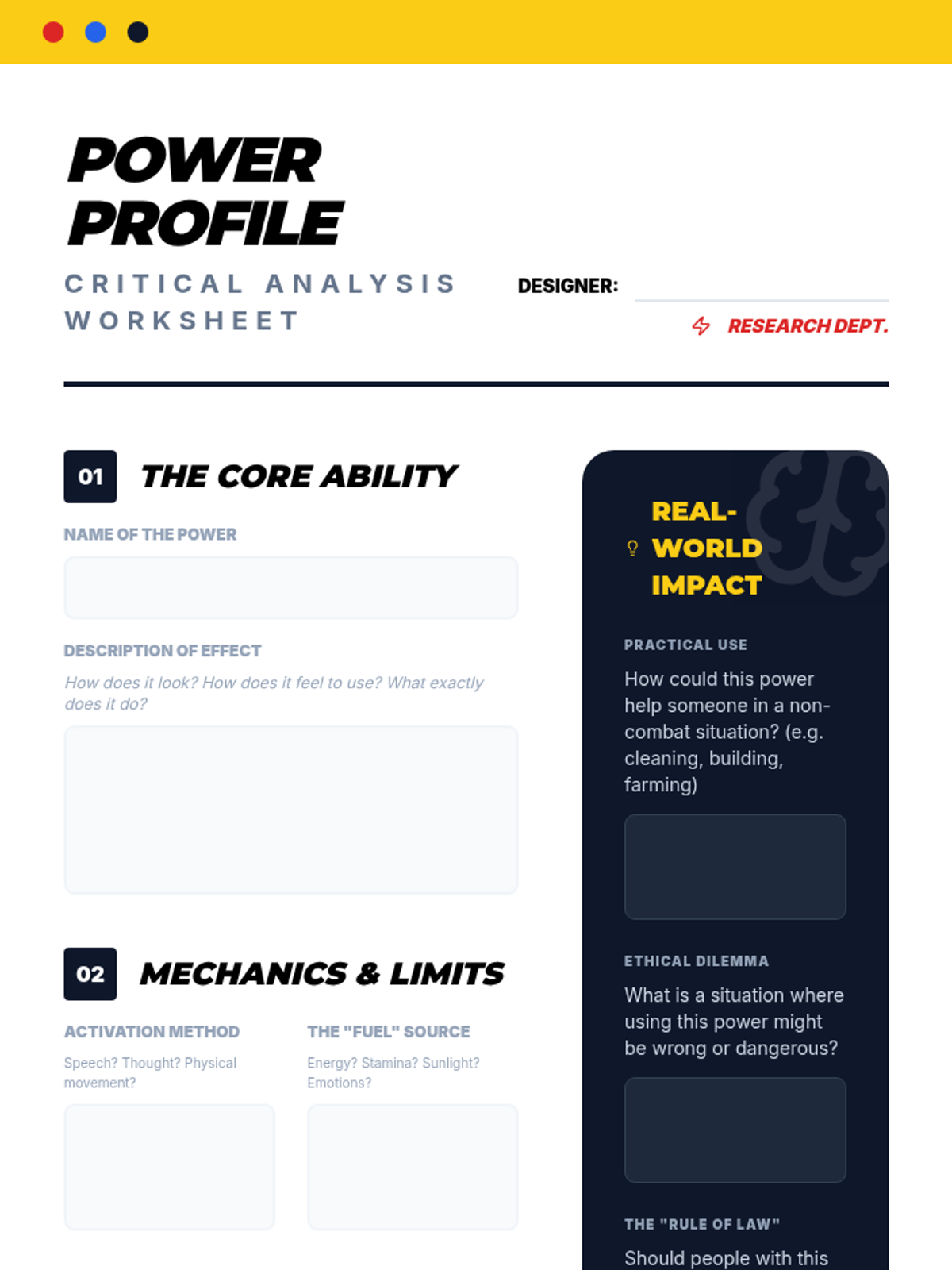
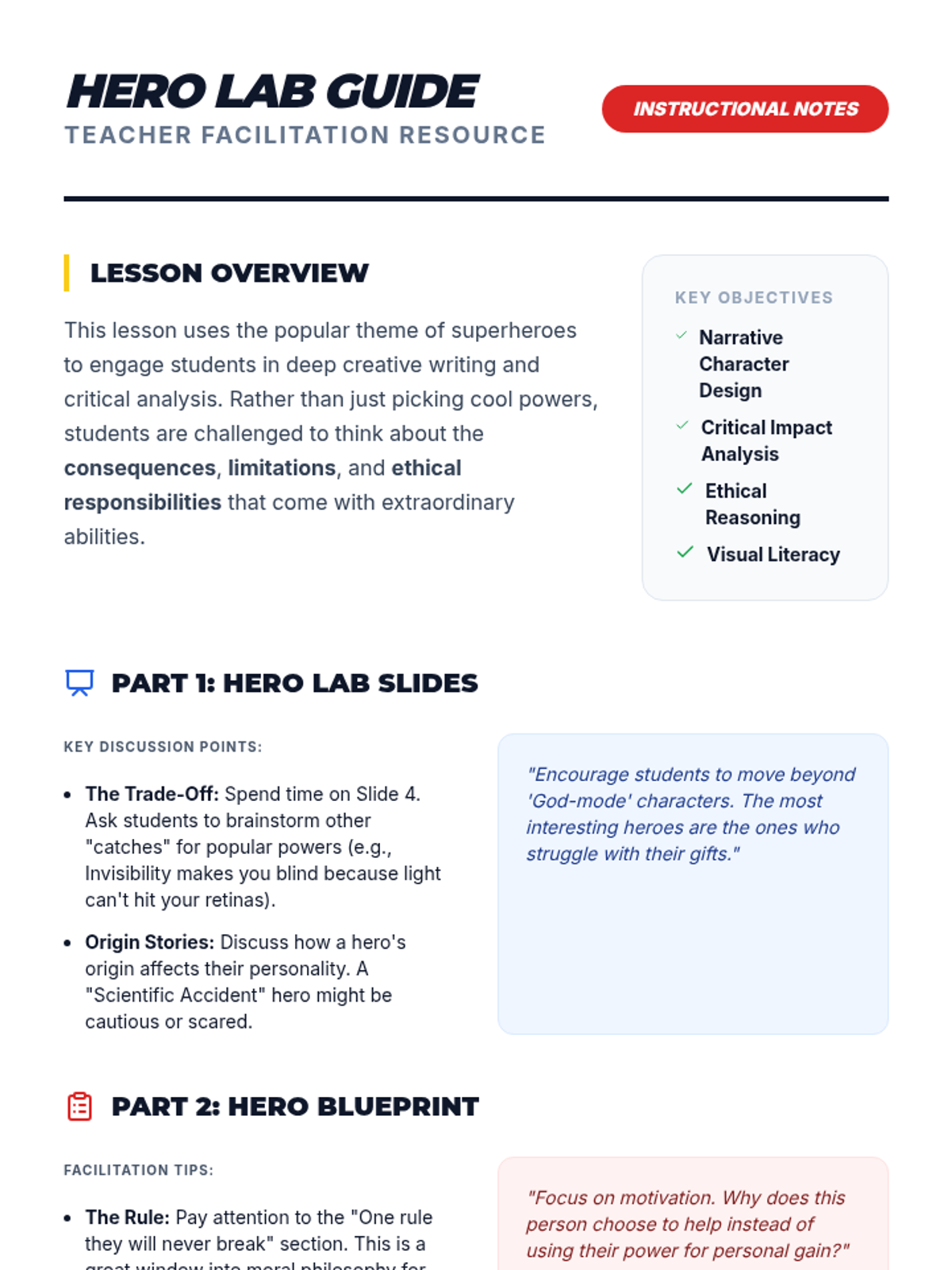
A lesson designed to spark imagination and critical thinking by having students design their own superheroes and analyze the implications of various superpowers.
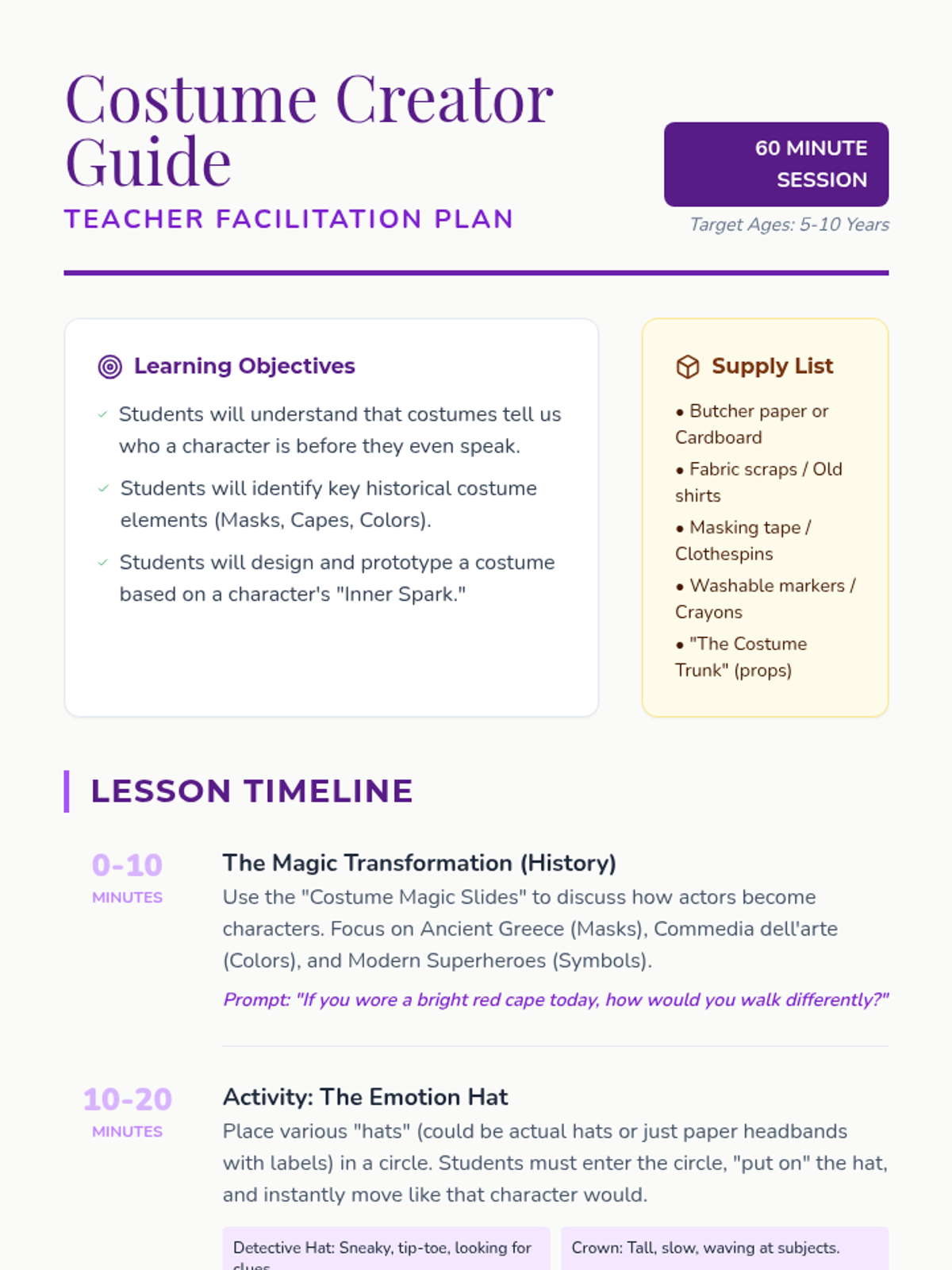
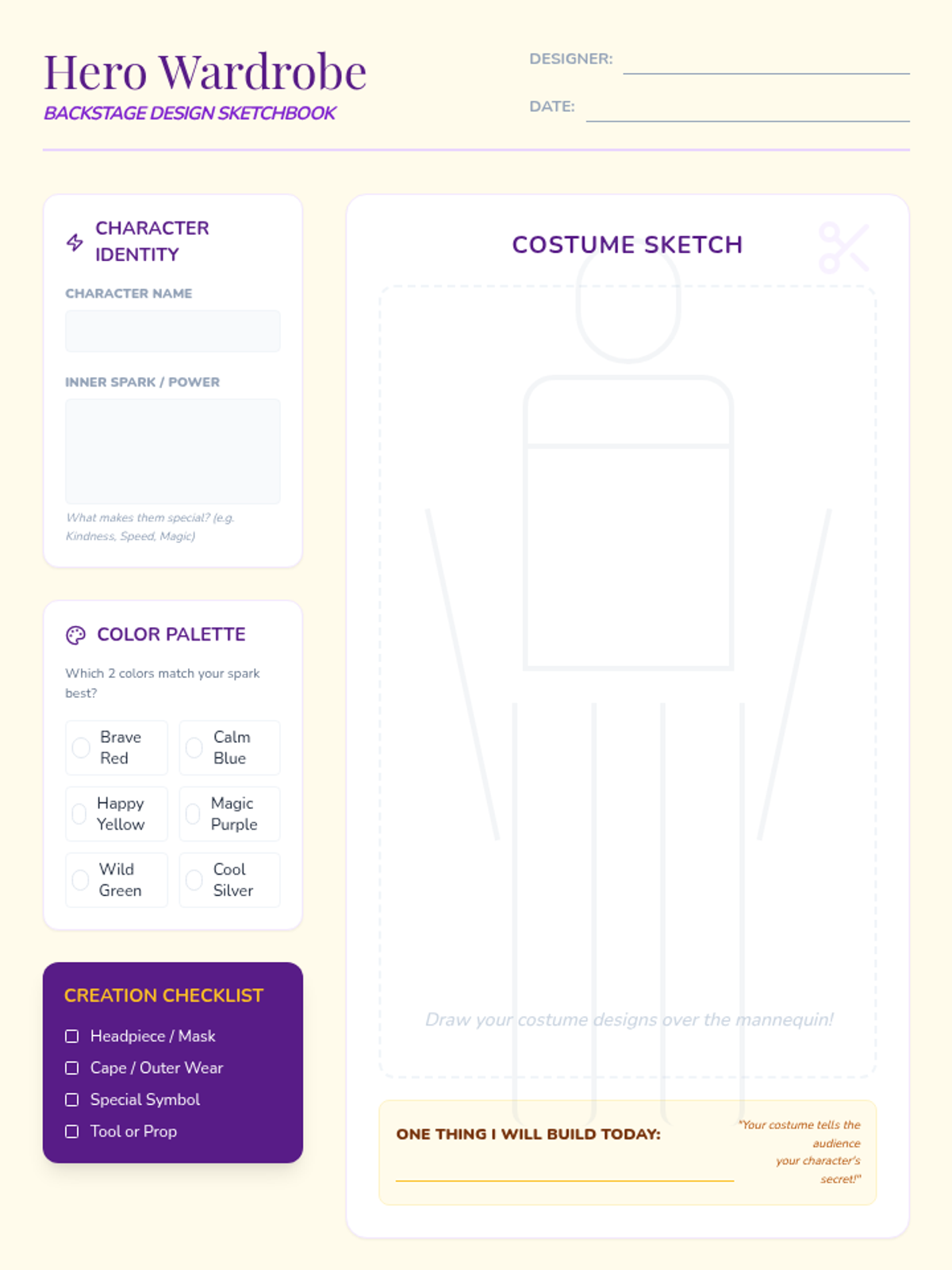
A 60-minute exploration into the world of theatrical costume design, featuring a simplified history of stage attire, interactive character-building games, and a hands-on design workshop for young creators.
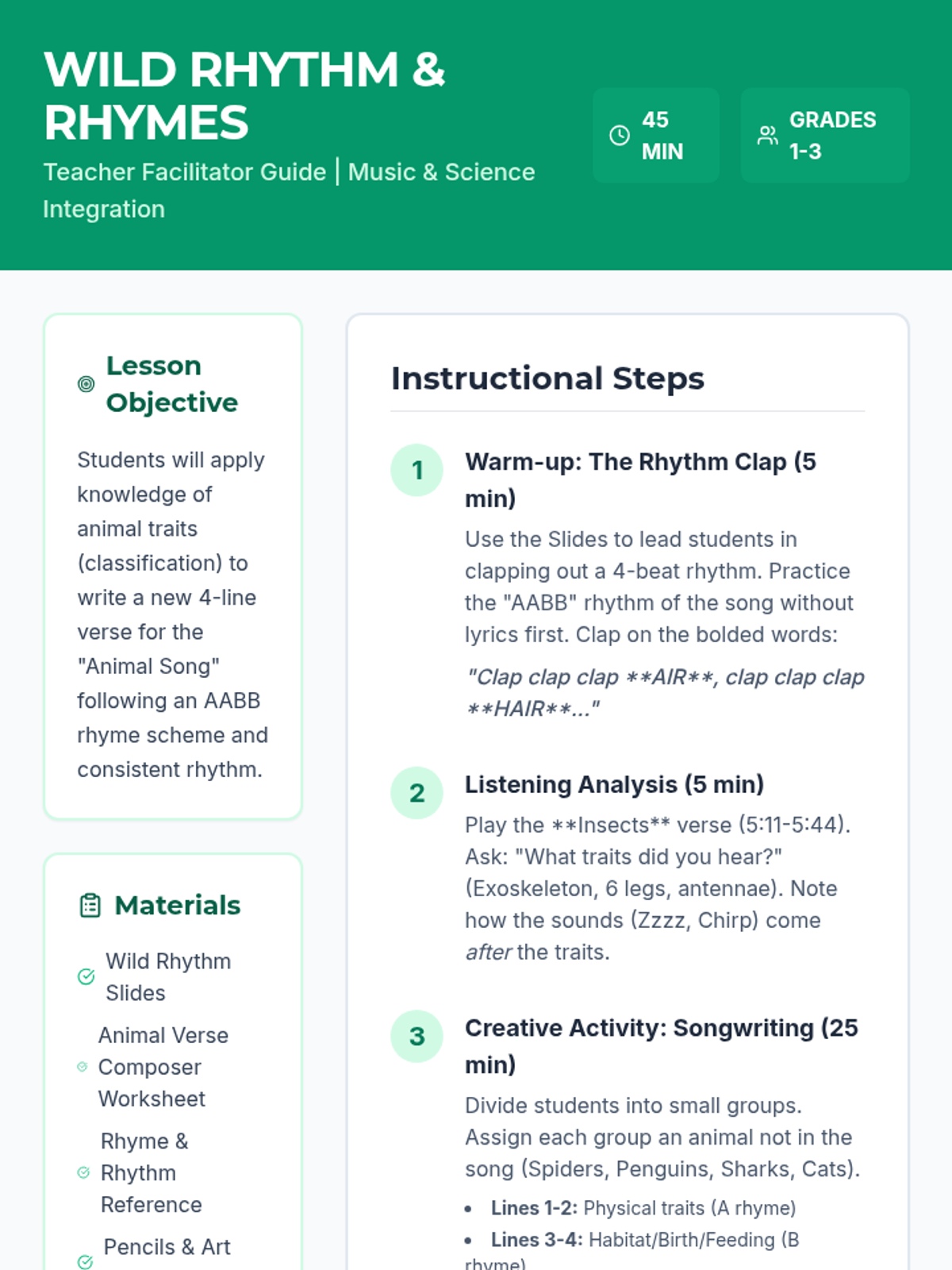
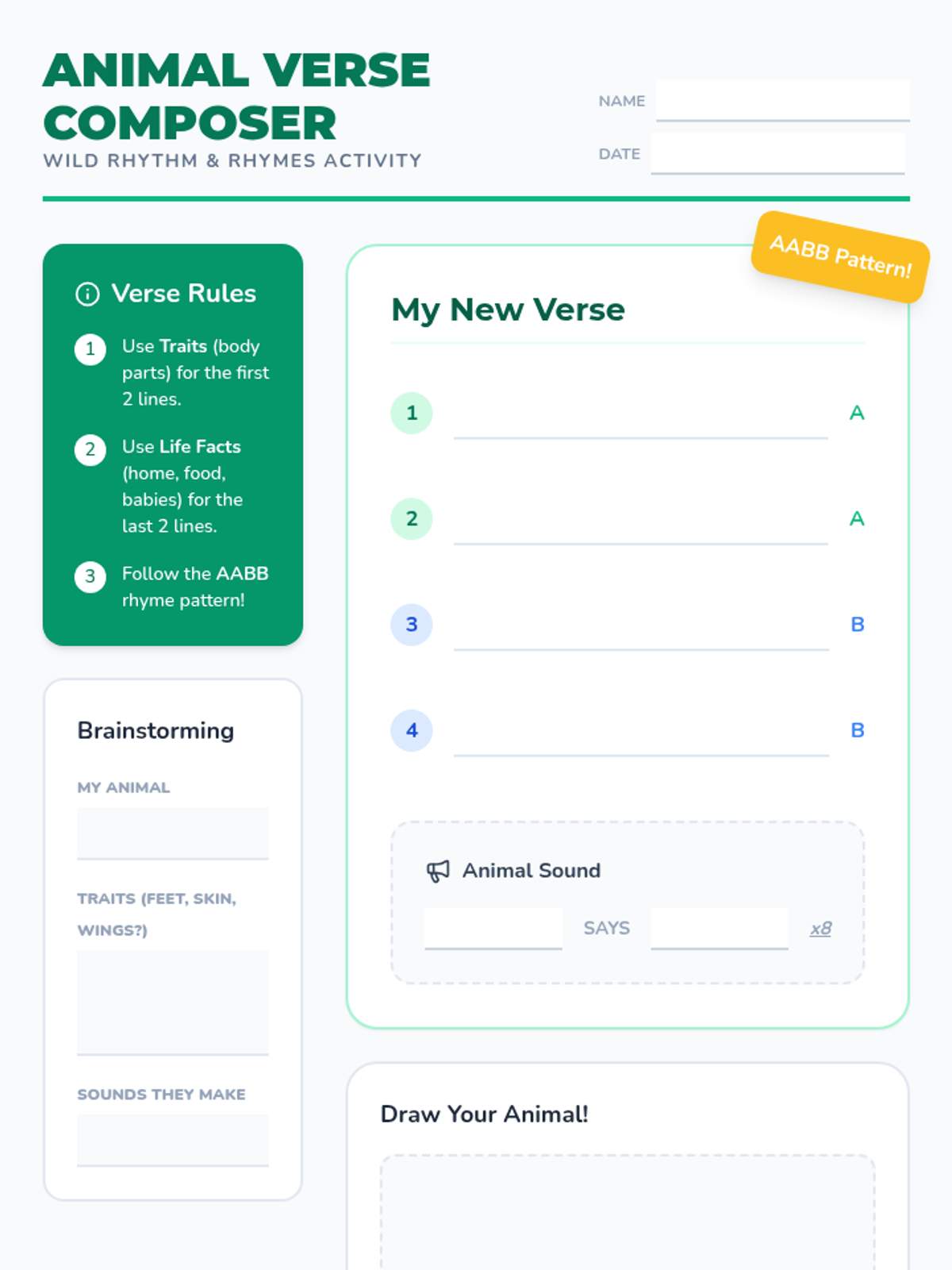
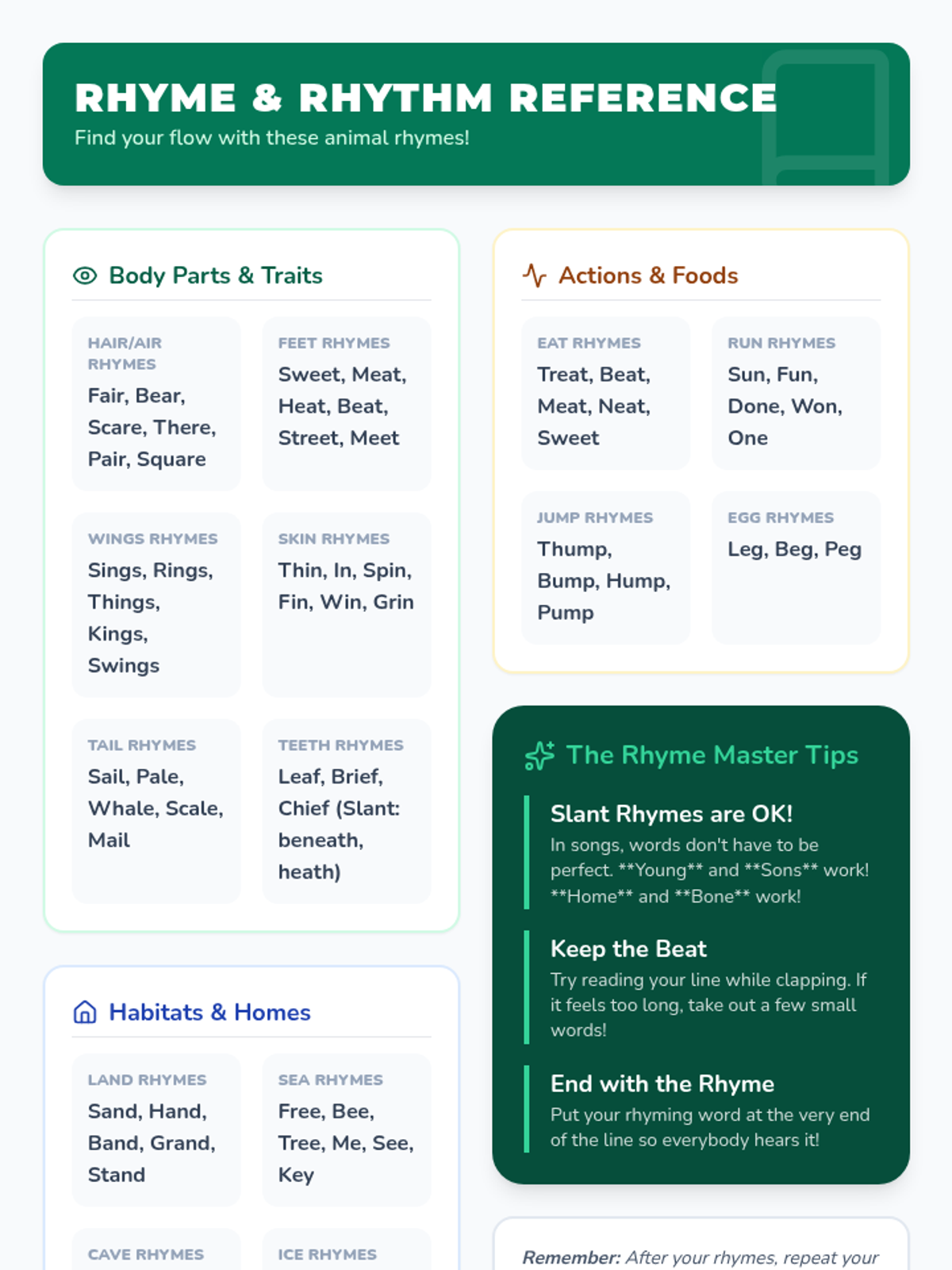
A music and science integration lesson where students analyze animal classifications and write their own verses for the 'Animal Song' using AABB rhyme schemes.
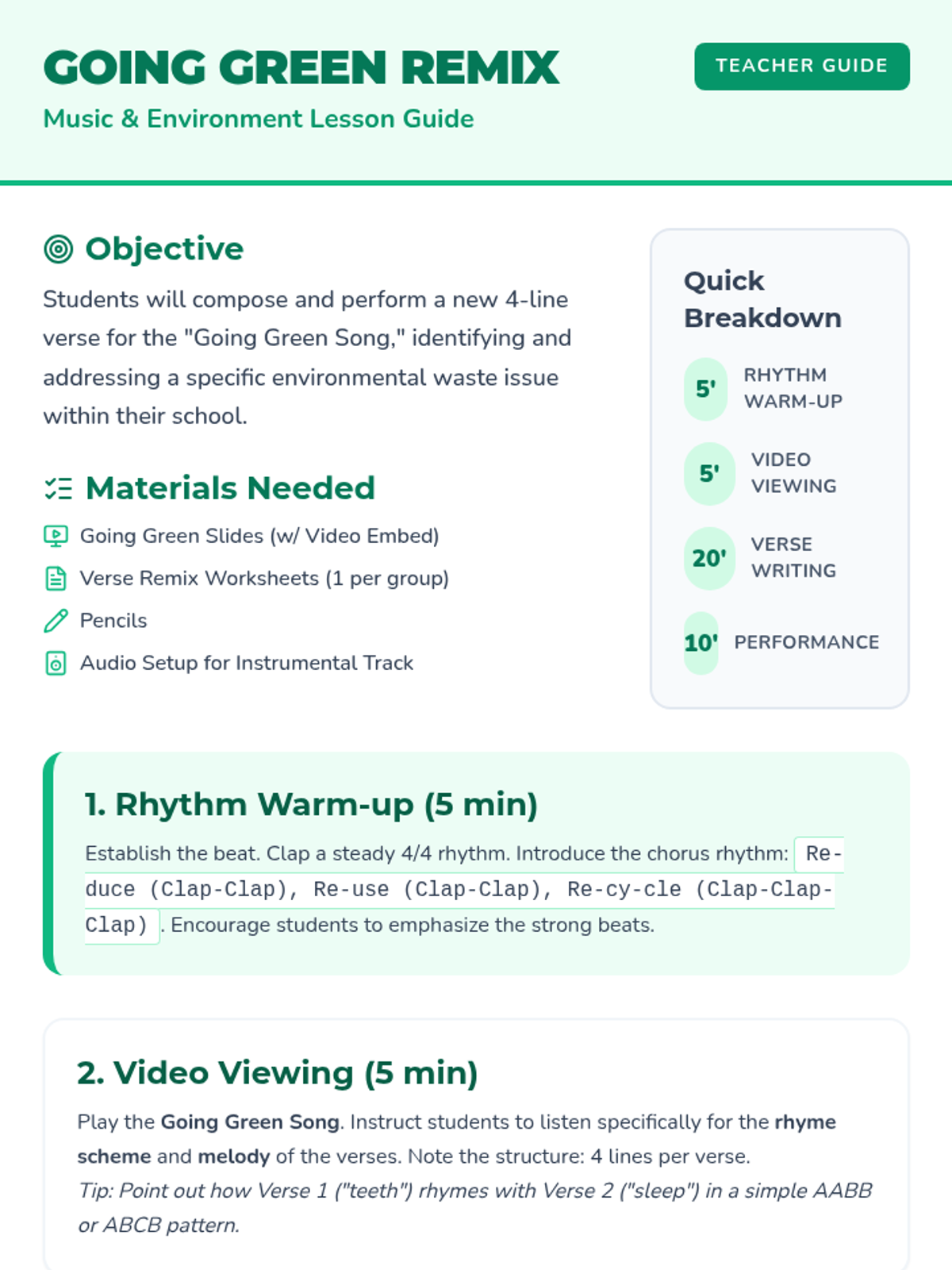
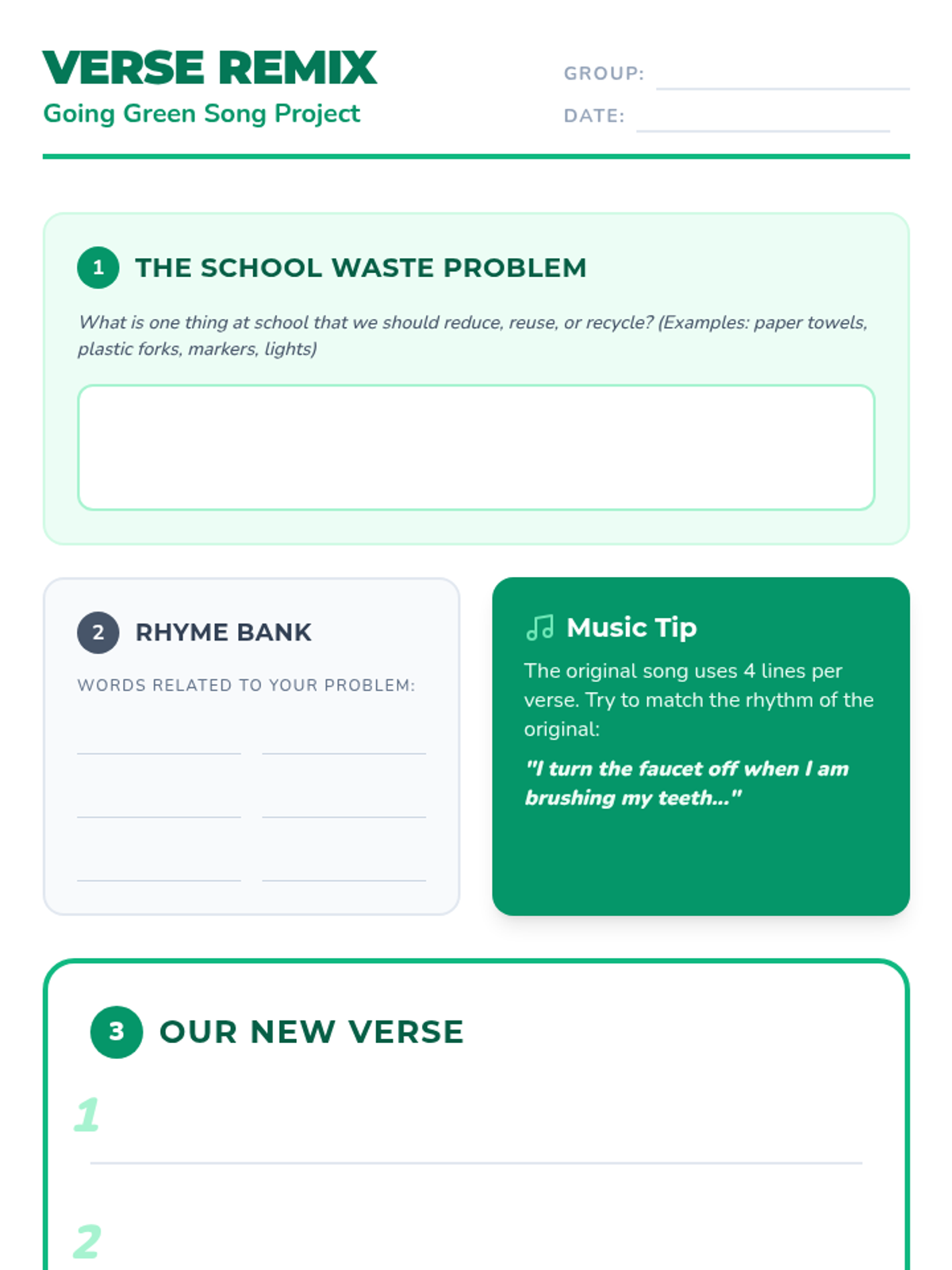
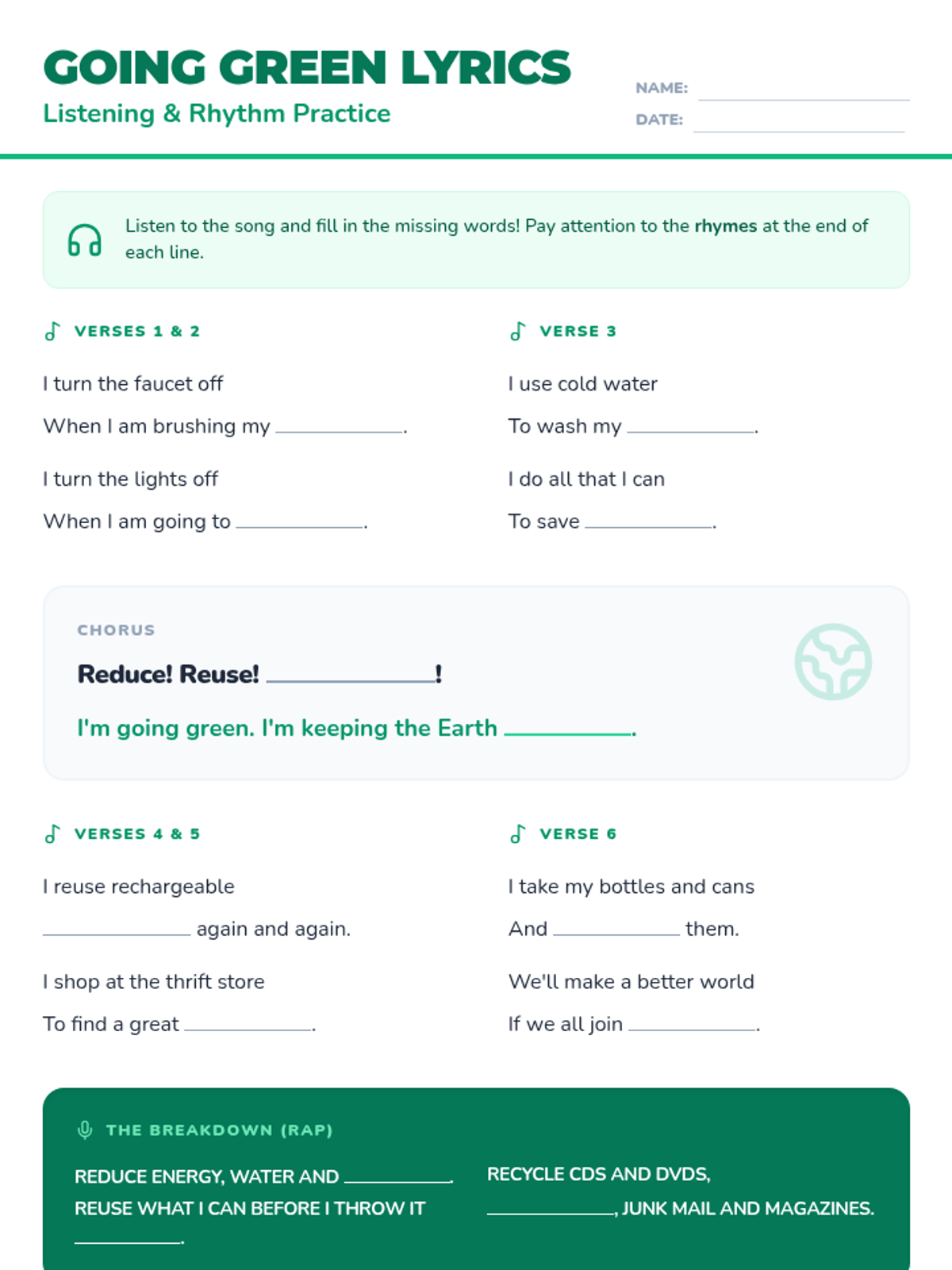
A music lesson where students compose and perform a new verse for 'Going Green Song' about environmental issues in their own school.
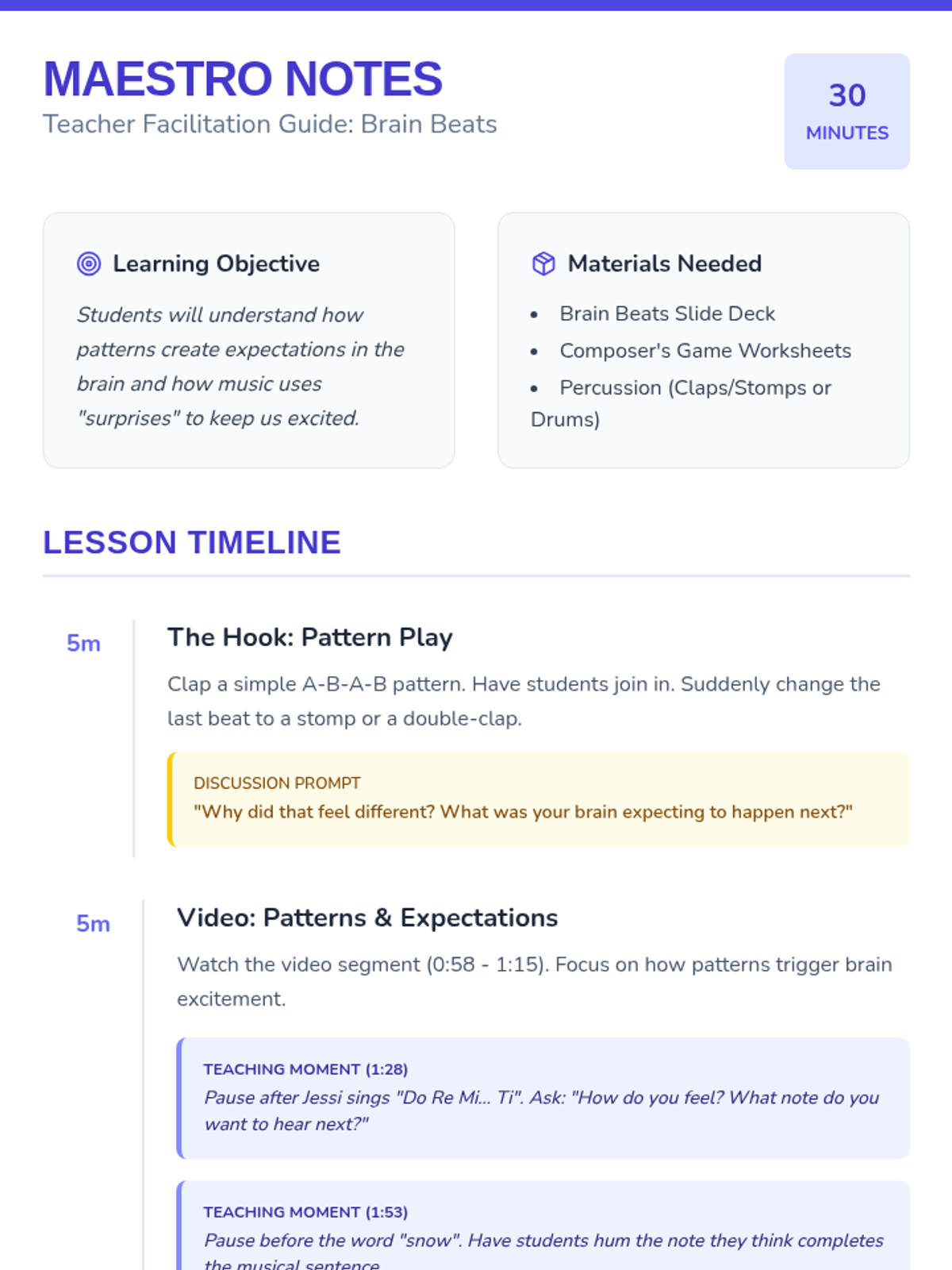
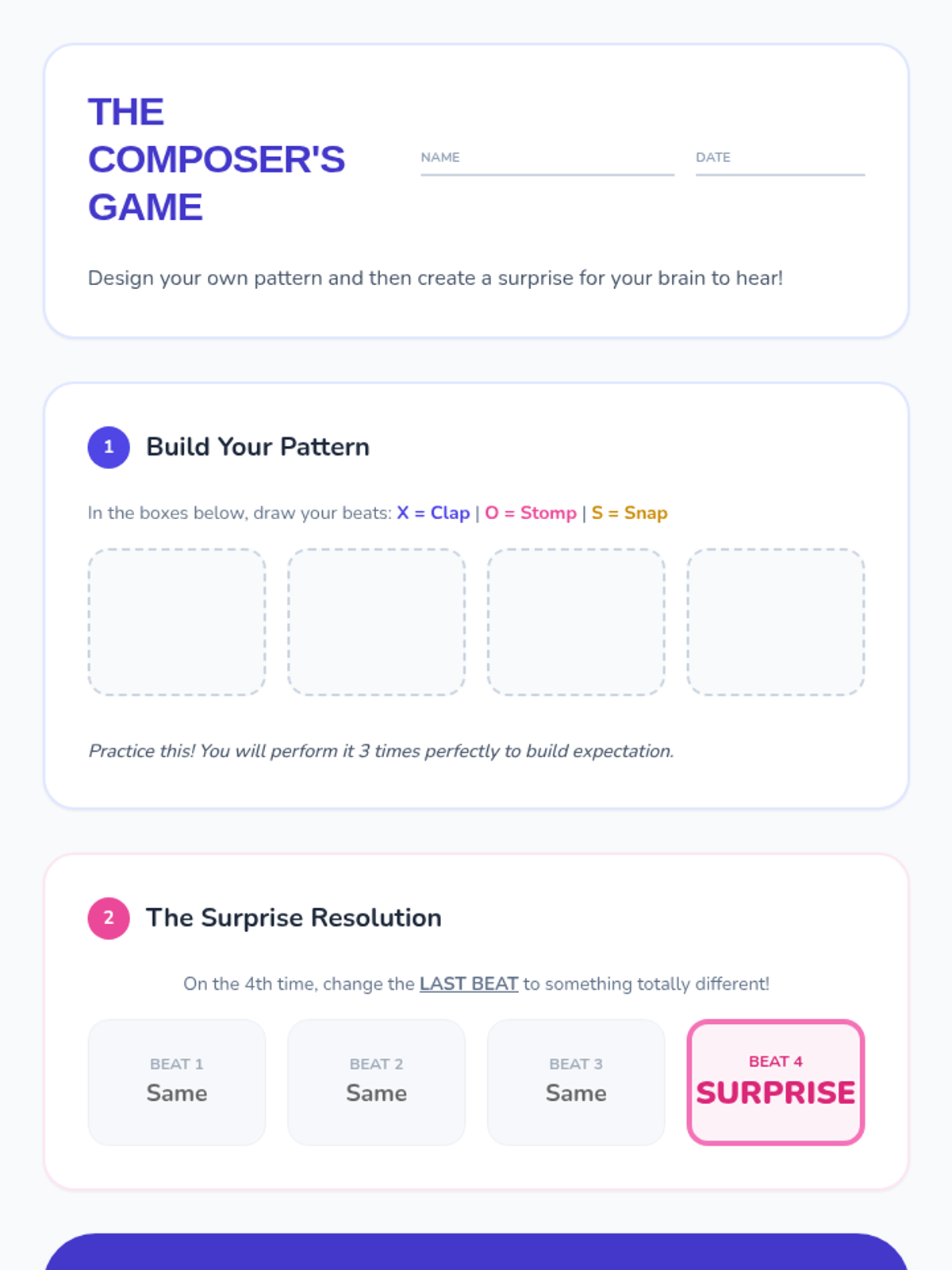
Students explore how the brain uses patterns and expectations to process music, learning about the 'tonic' and 'resolution' through a rhythmic composition game.
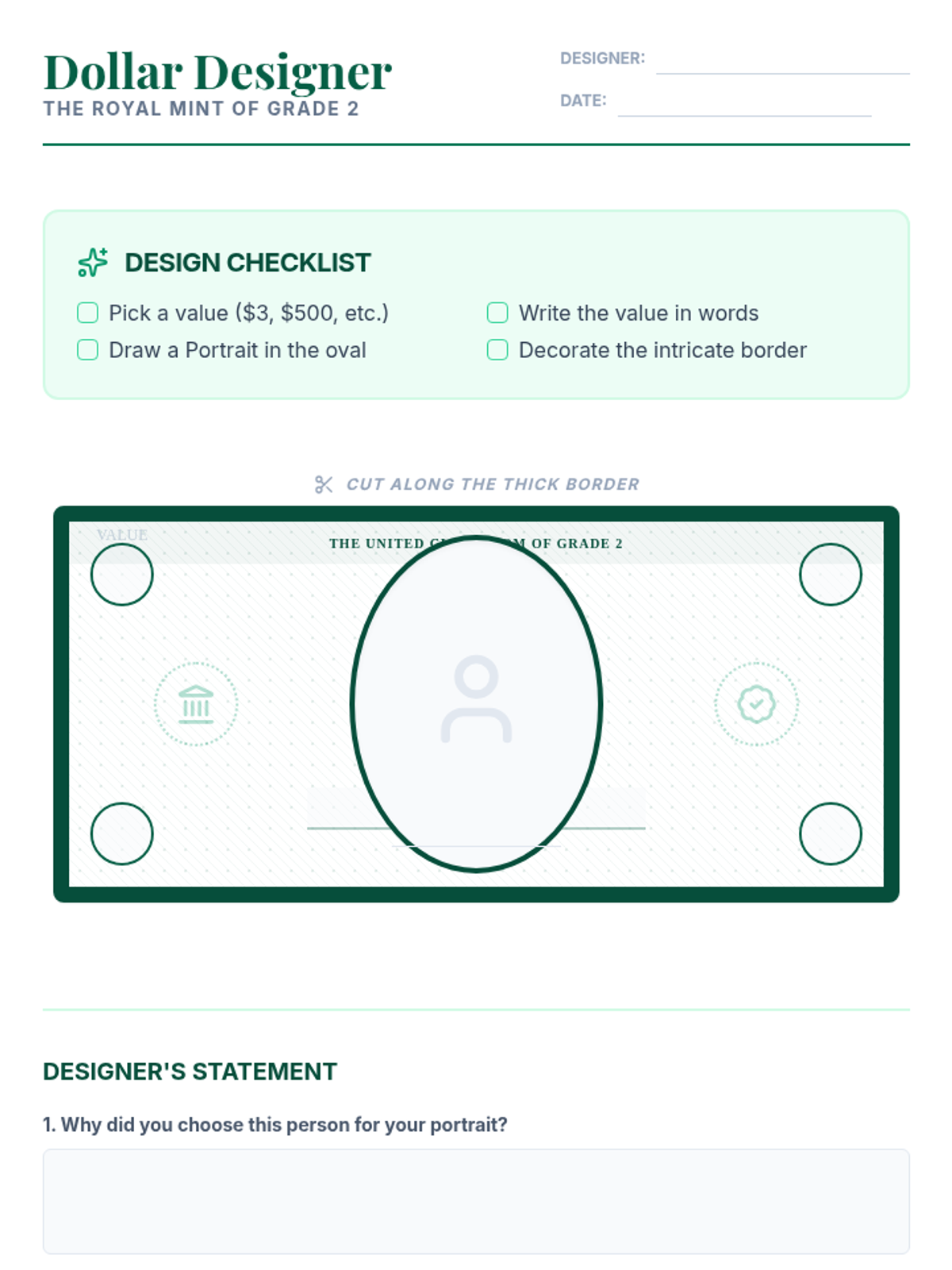
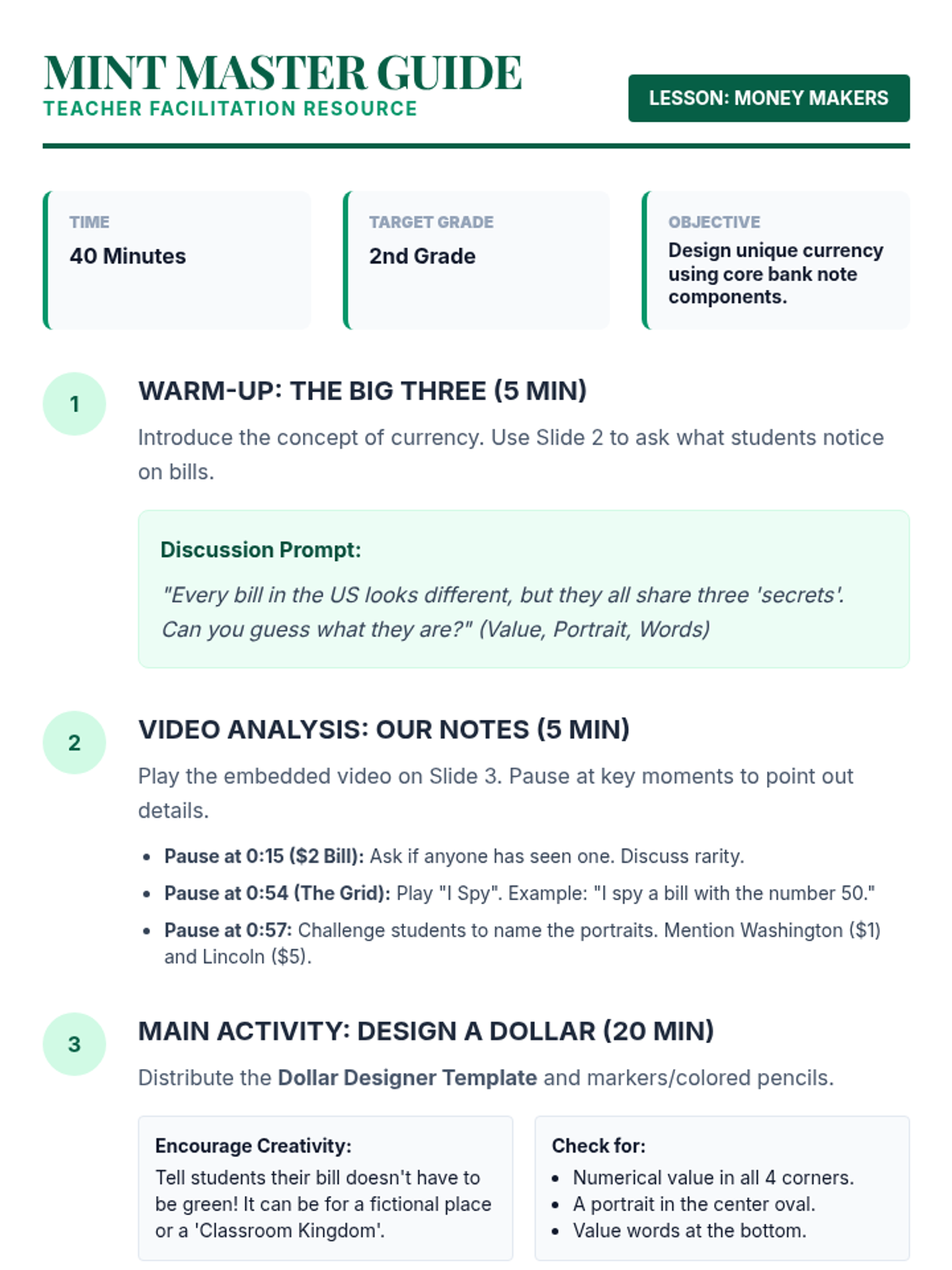
A creative art and social studies lesson where 2nd-grade students explore the anatomy of US currency and design their own unique bank notes. Students identify key features like portraits, denominations, and intricate borders before creating their own masterpiece.
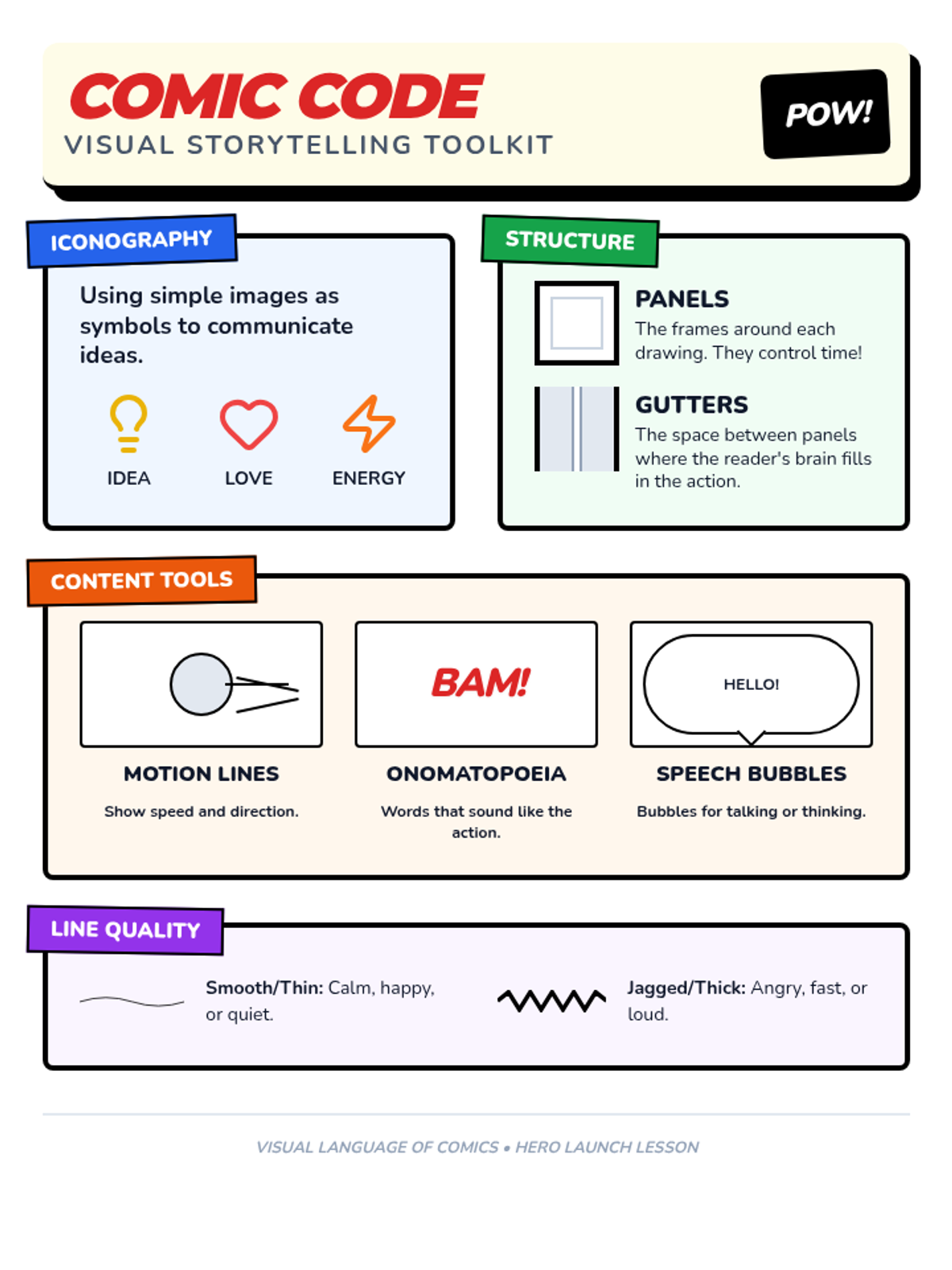
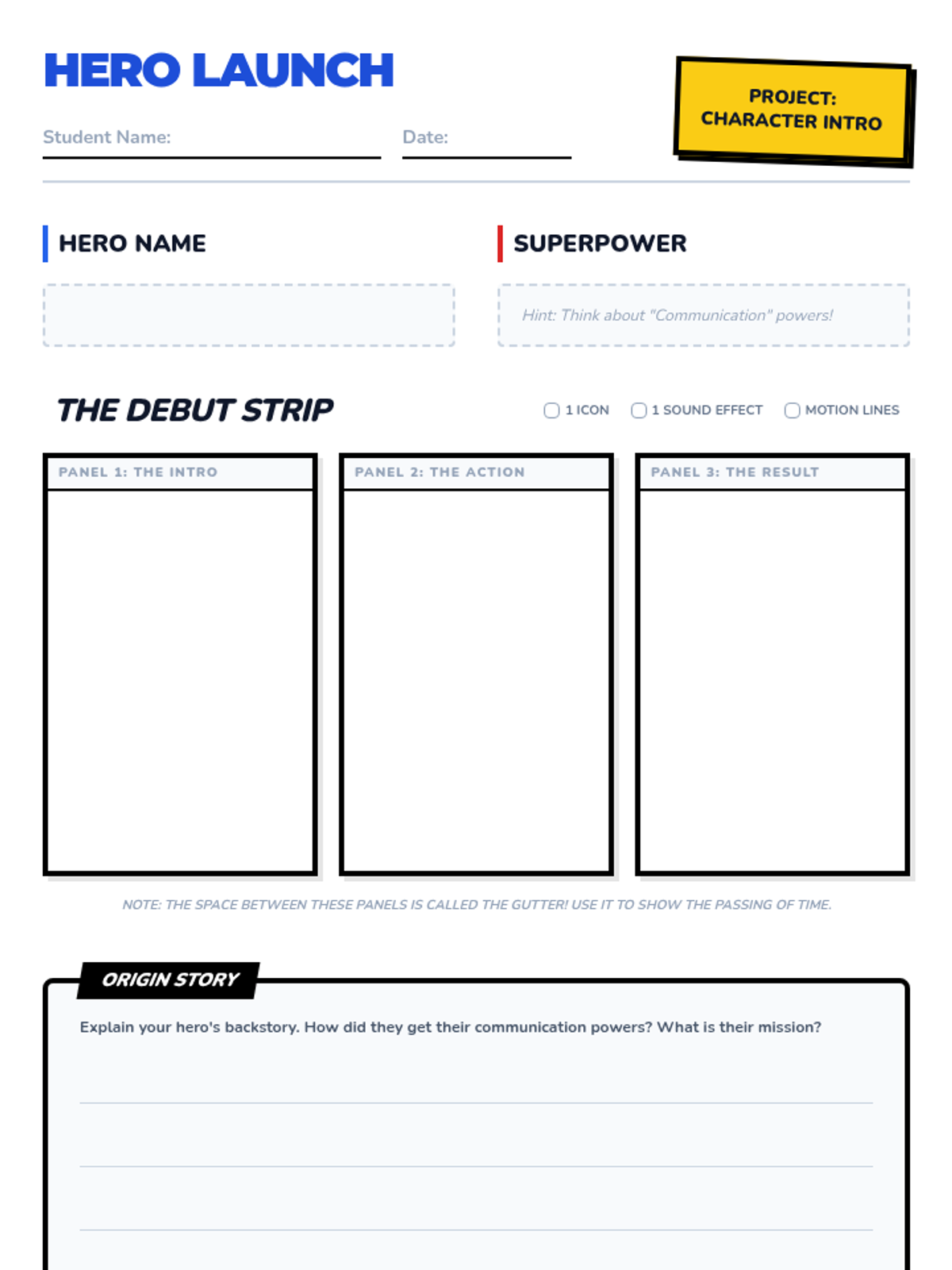
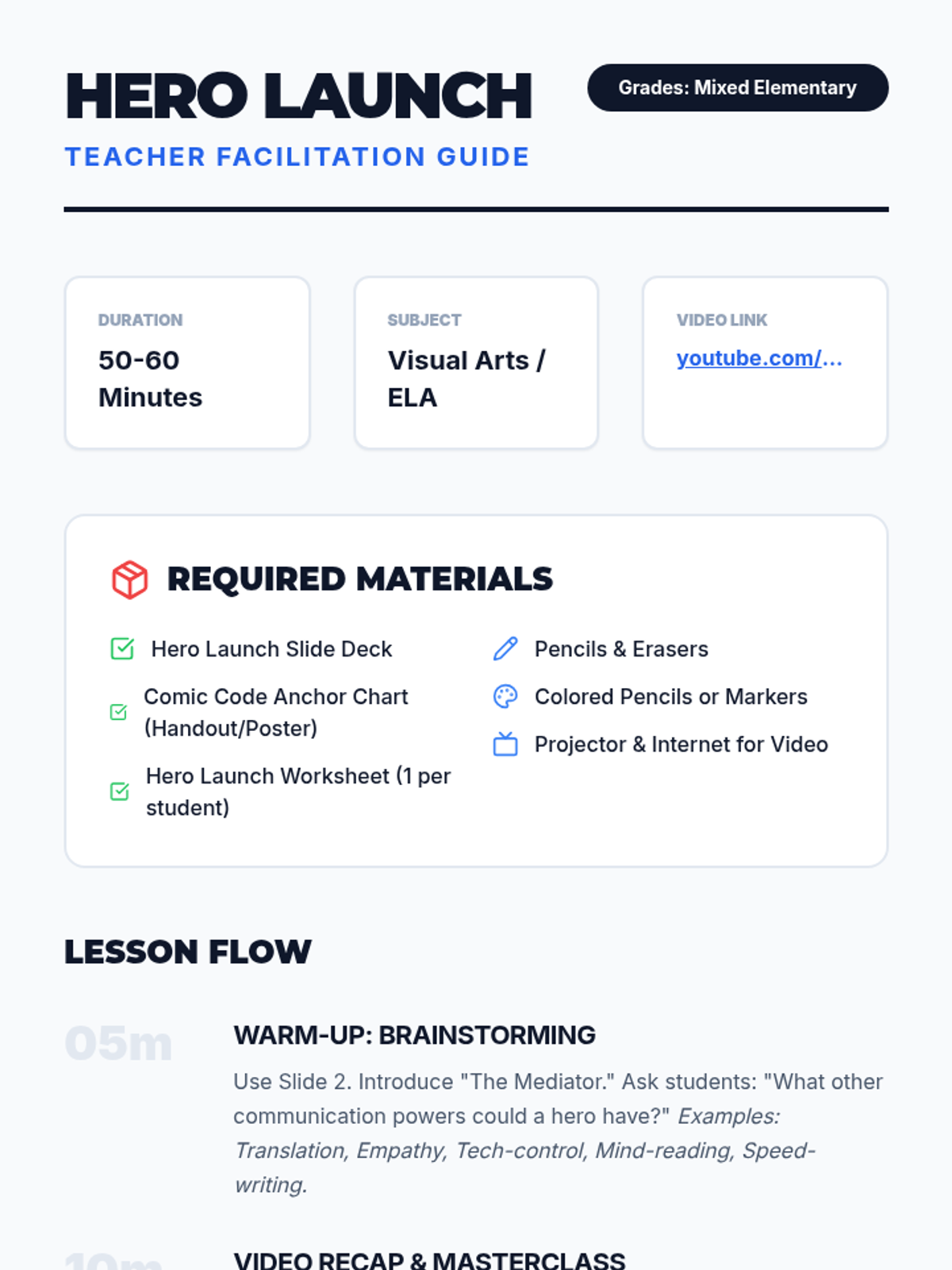
Students learn the visual language of comics—including iconography, panels, and gutters—to design an original superhero and introduce them in a three-panel 'Hero Launch' comic strip.
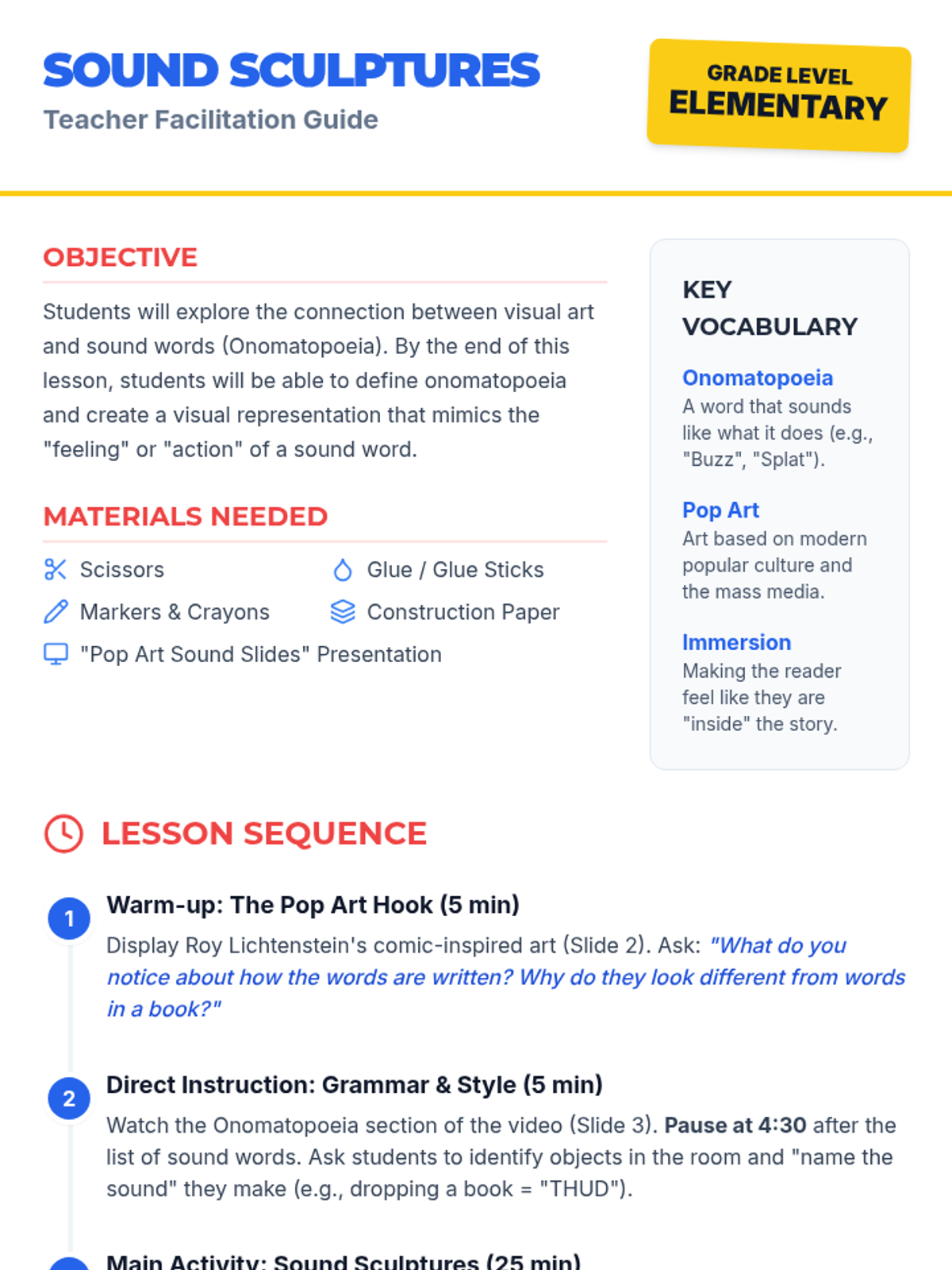
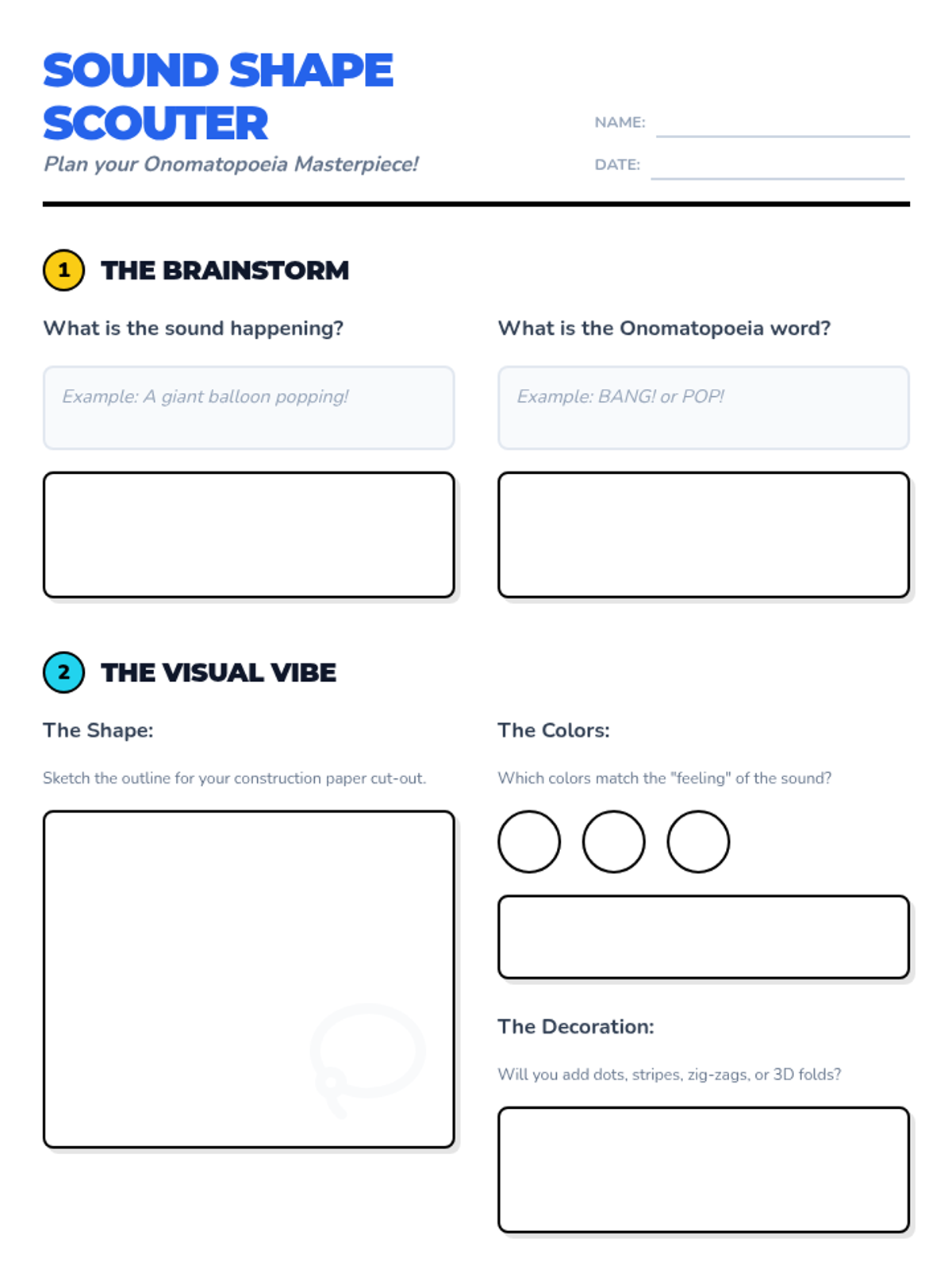
Students will explore the intersection of language and visual art by identifying onomatopoeia in Pop Art and creating 3D 'Sound Sculptures' that represent the visual feeling of a sound.
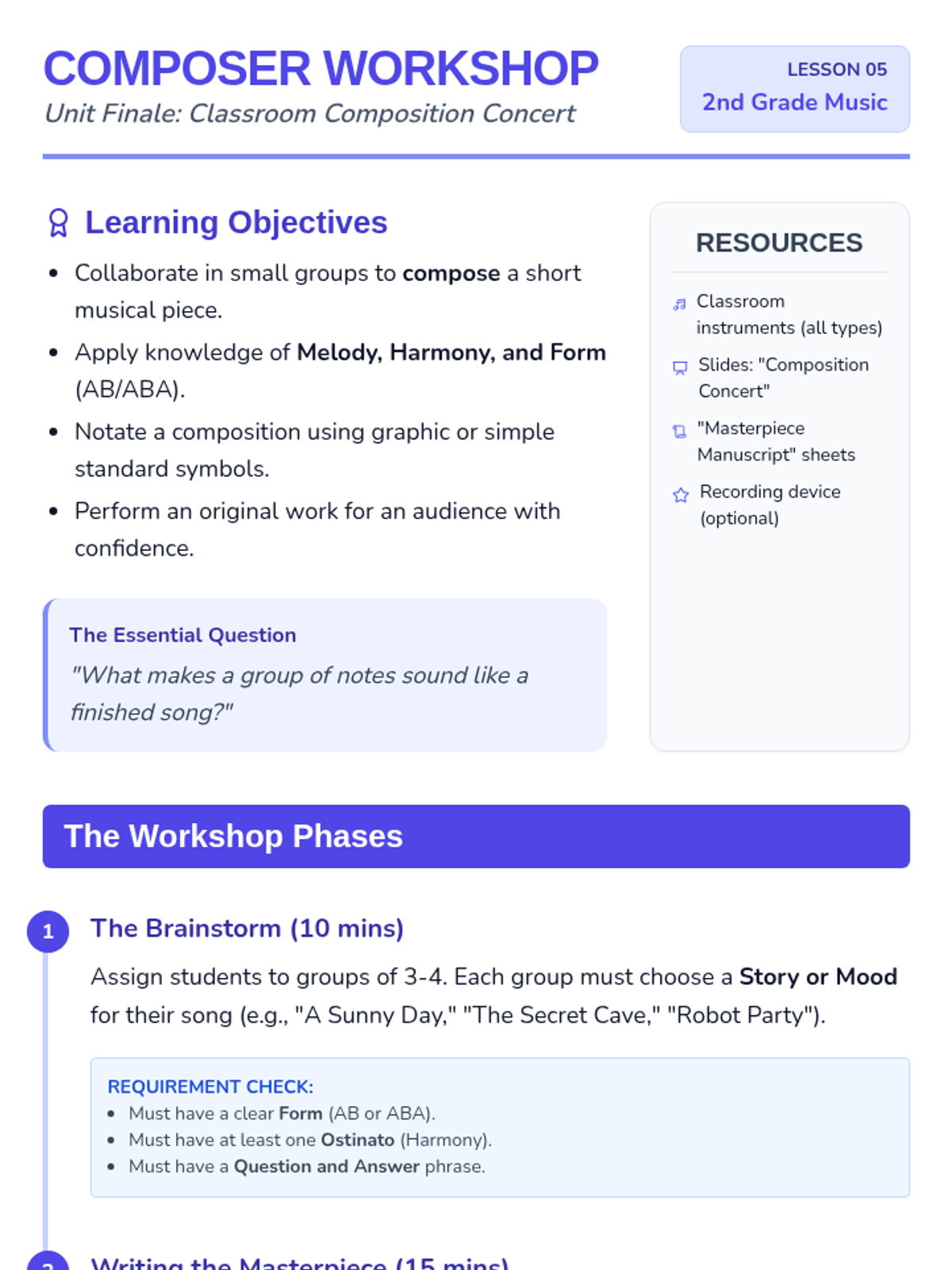
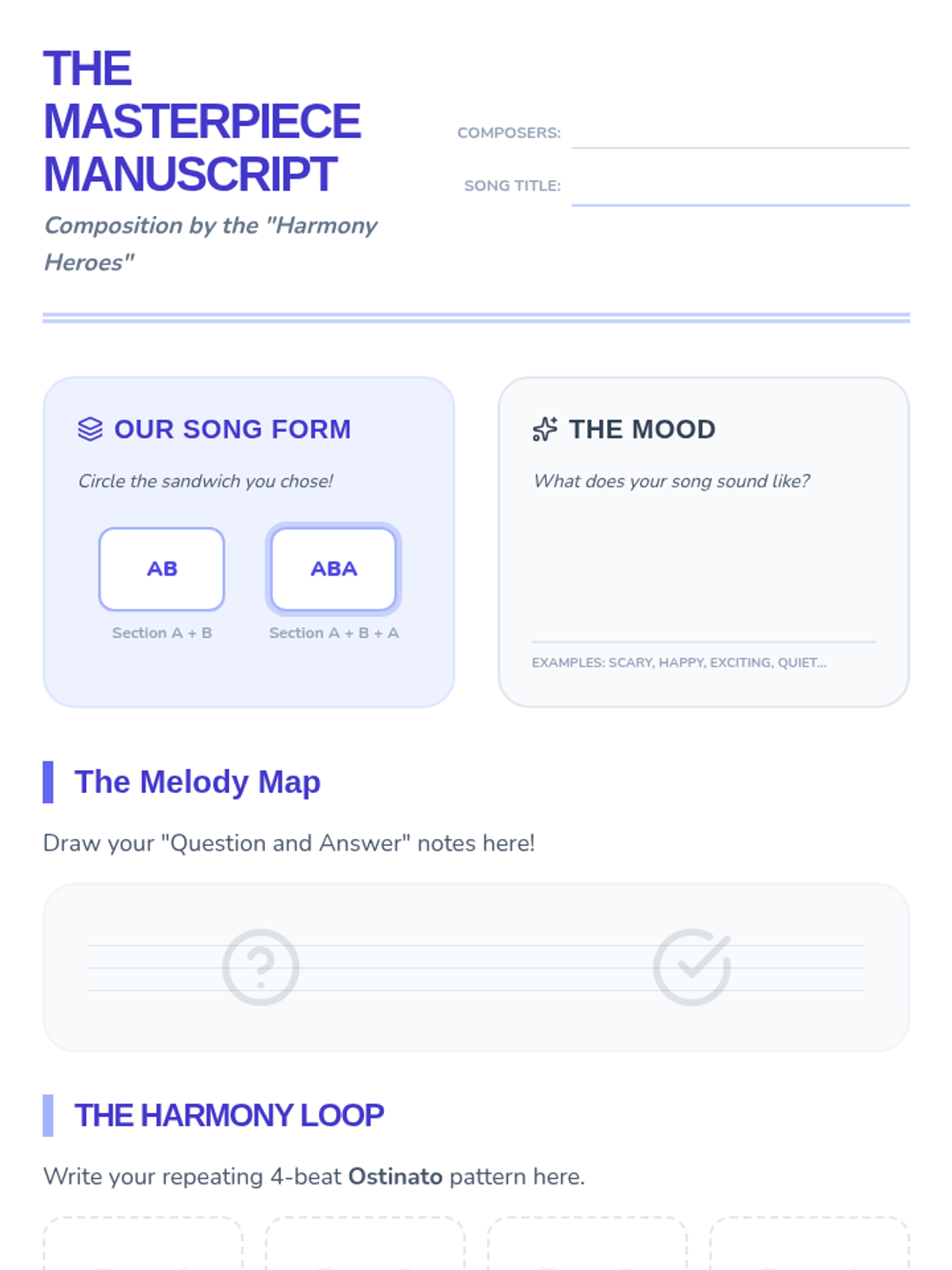
The unit concludes with students working in groups to compose, notate, and perform their own original musical pieces using the skills learned.
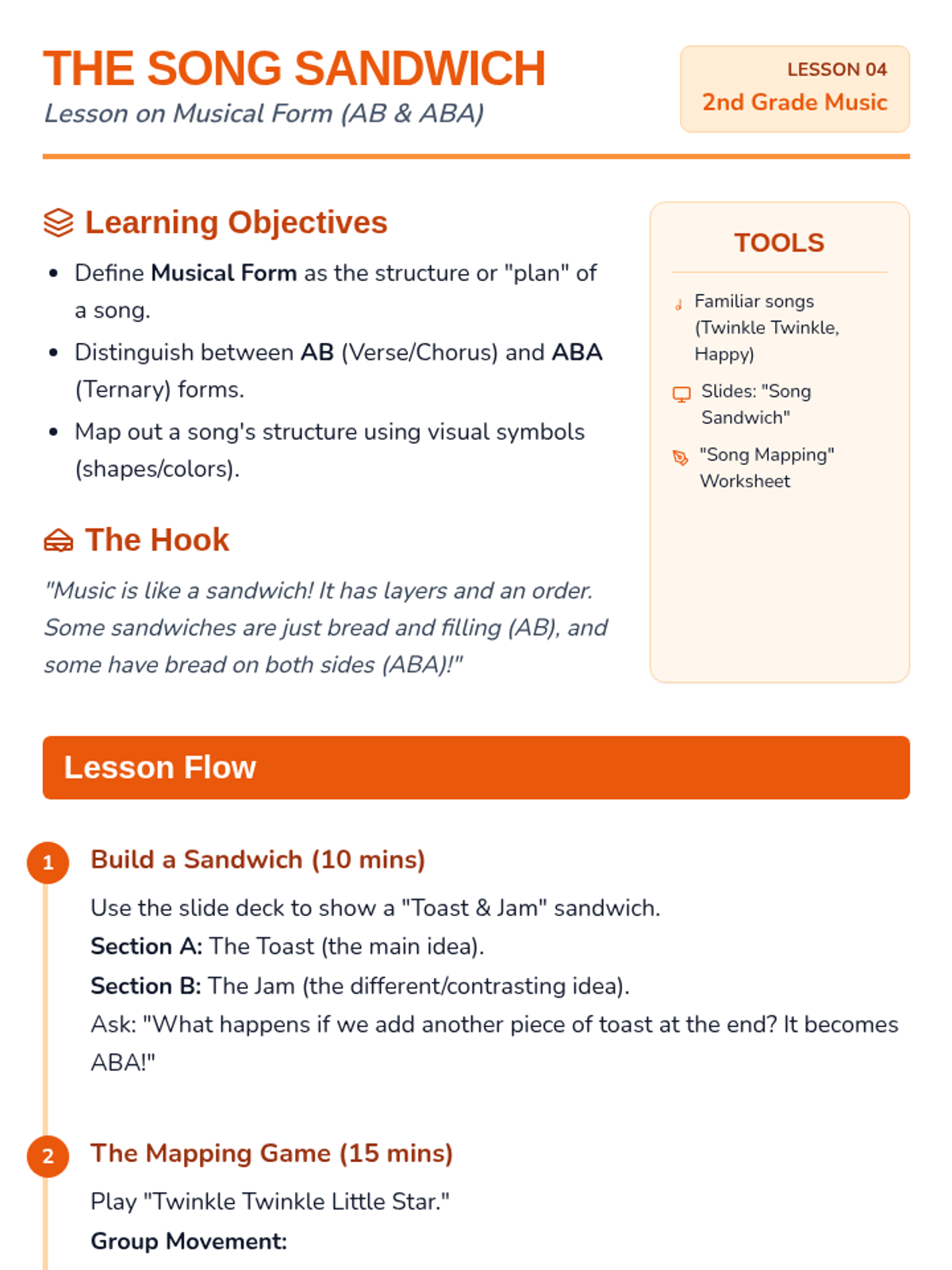
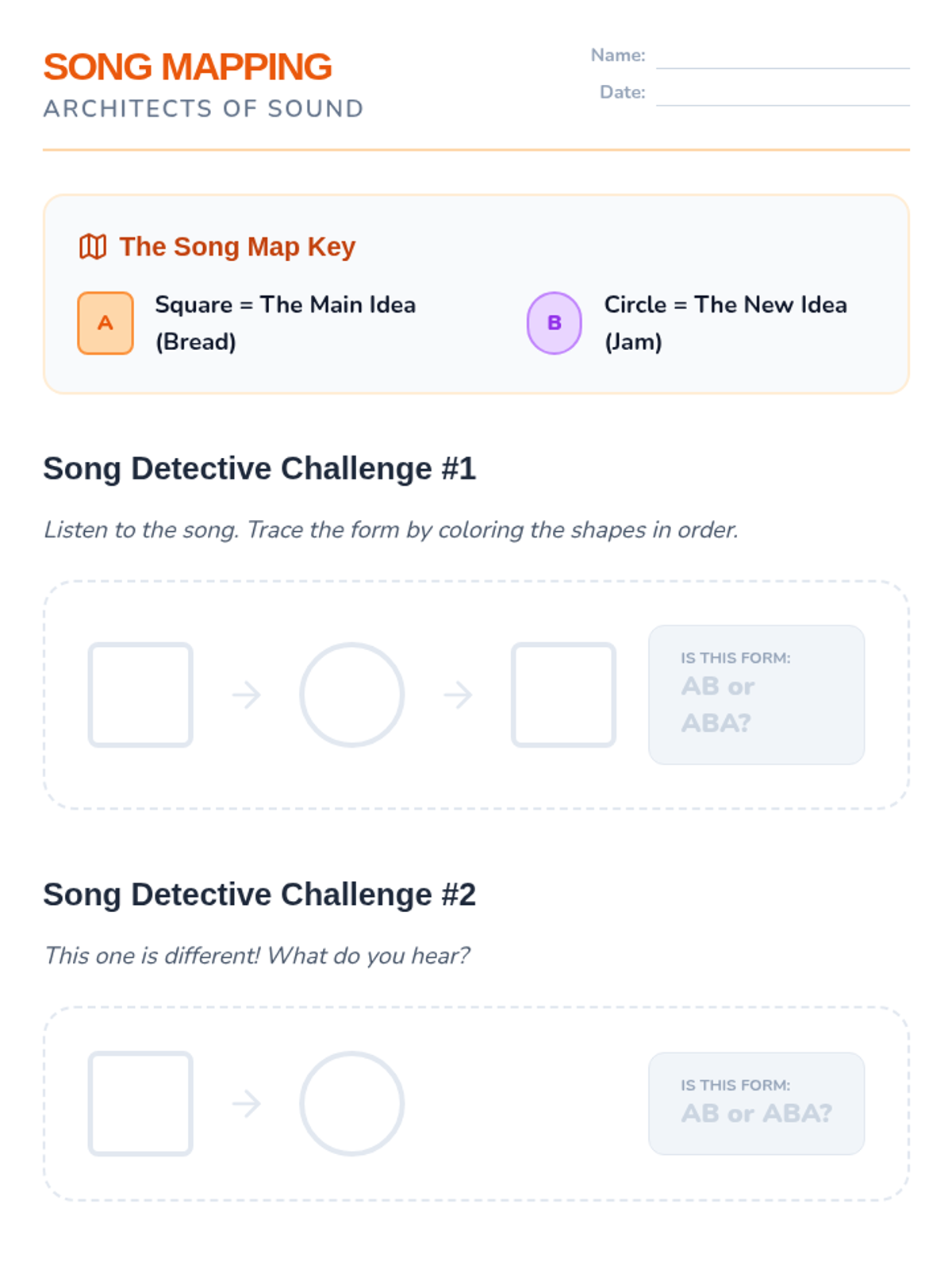
Students analyze and create song structures using the AB and ABA forms, comparing music to the layers of a sandwich.
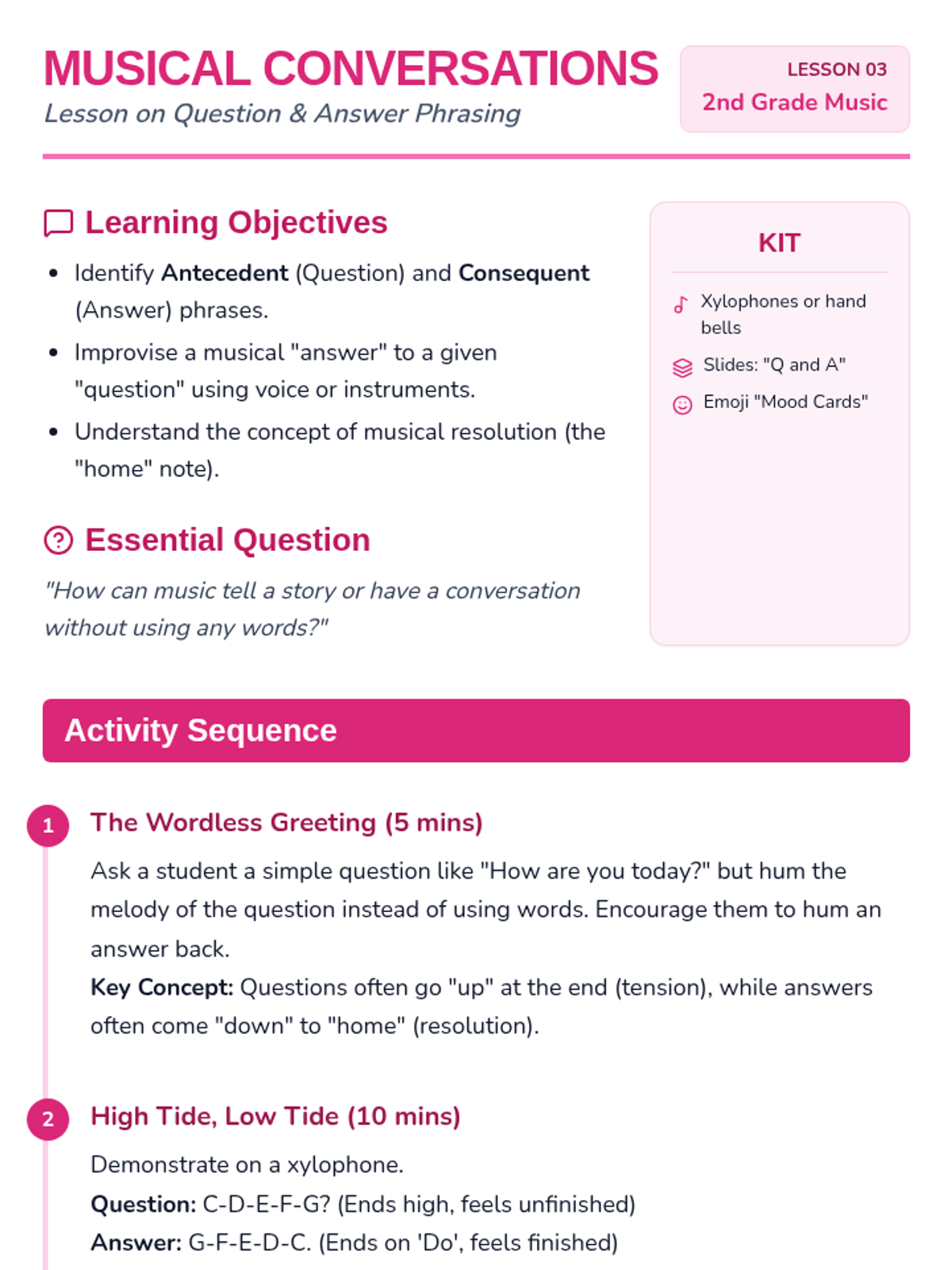
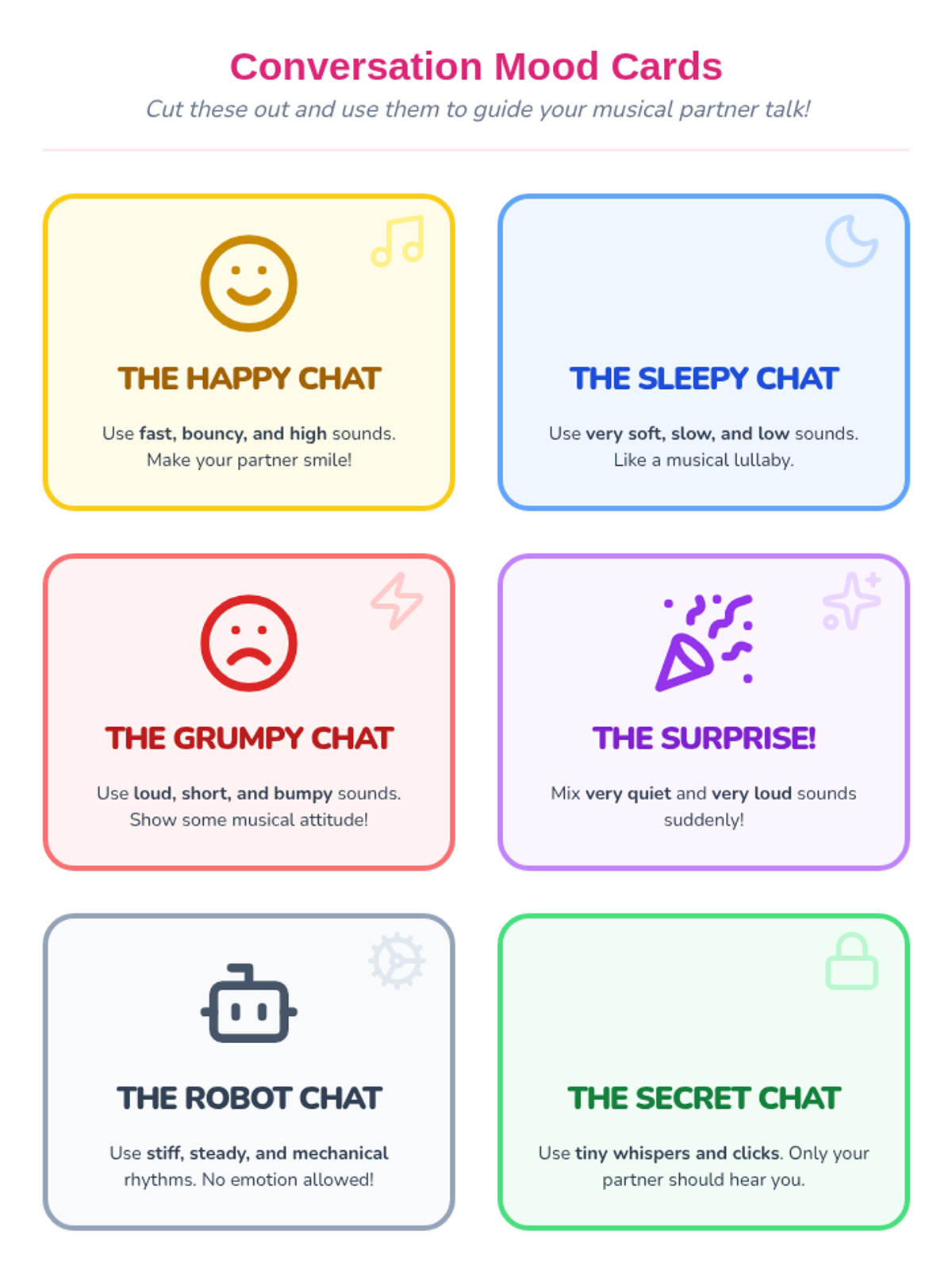
Students explore musical phrasing through a "call and response" game, learning how music creates questions and providing satisfying answers.
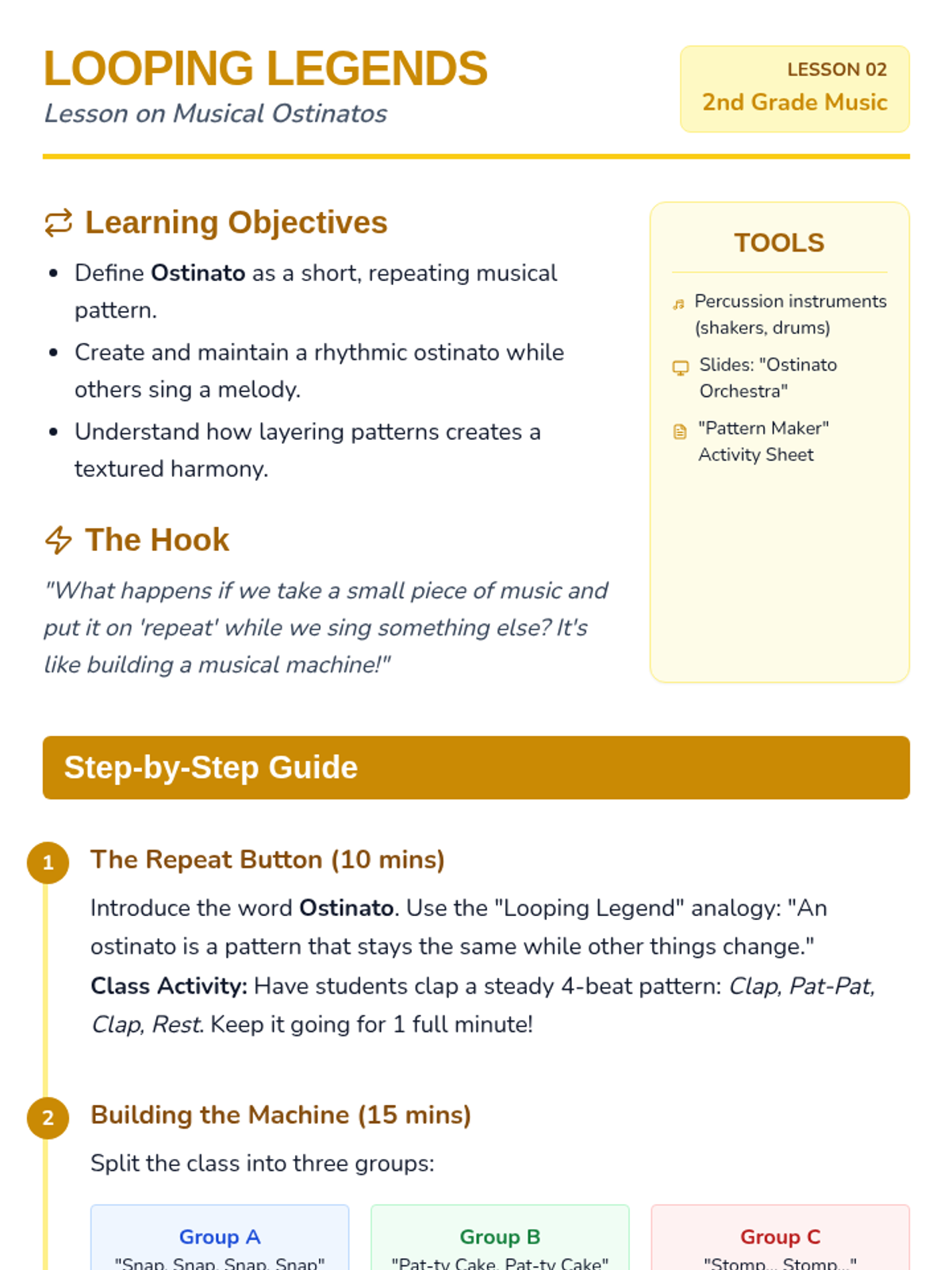
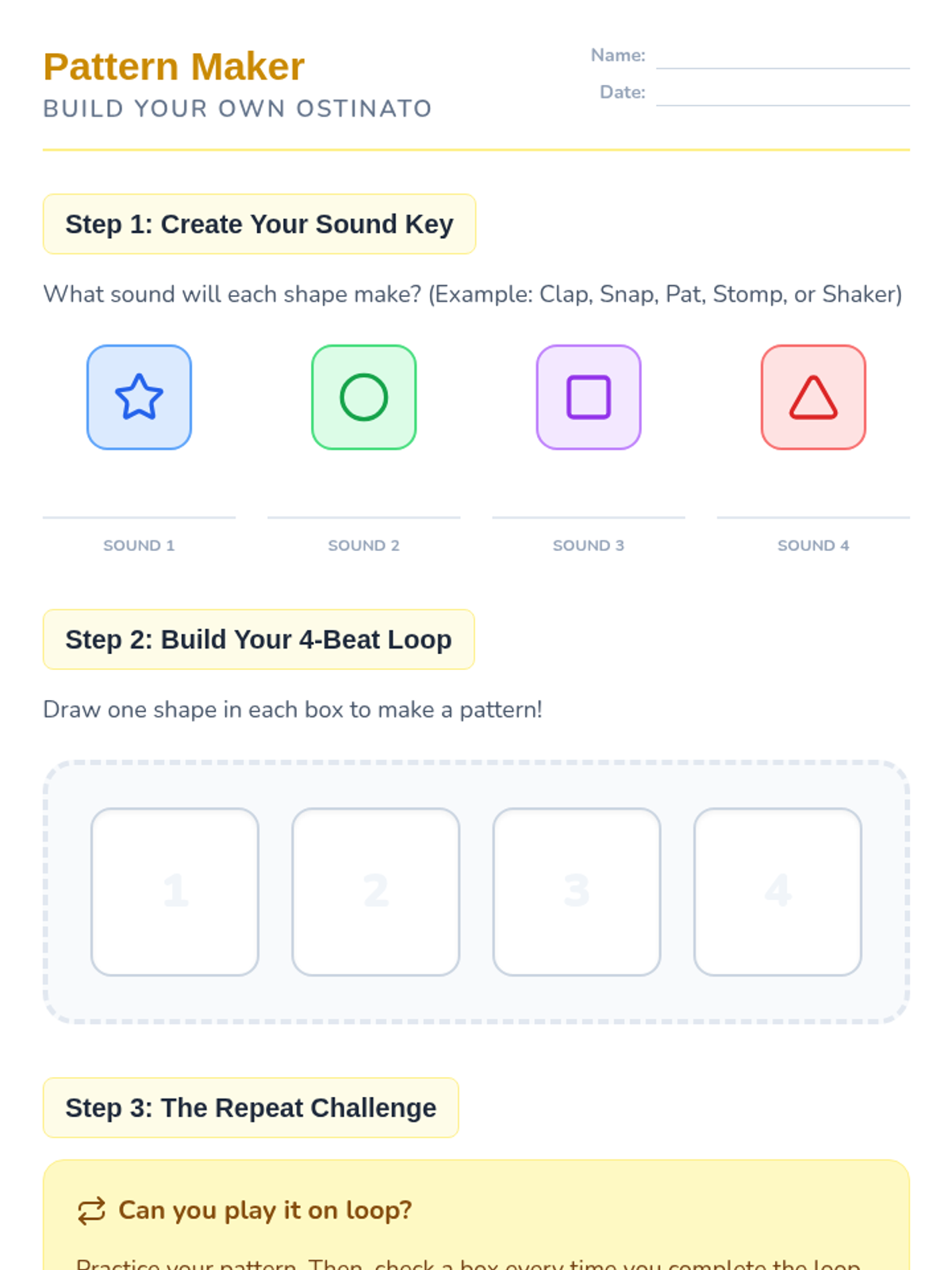
Students learn about ostinatos—repeating musical patterns—and practice layering them to create simple harmonic textures.
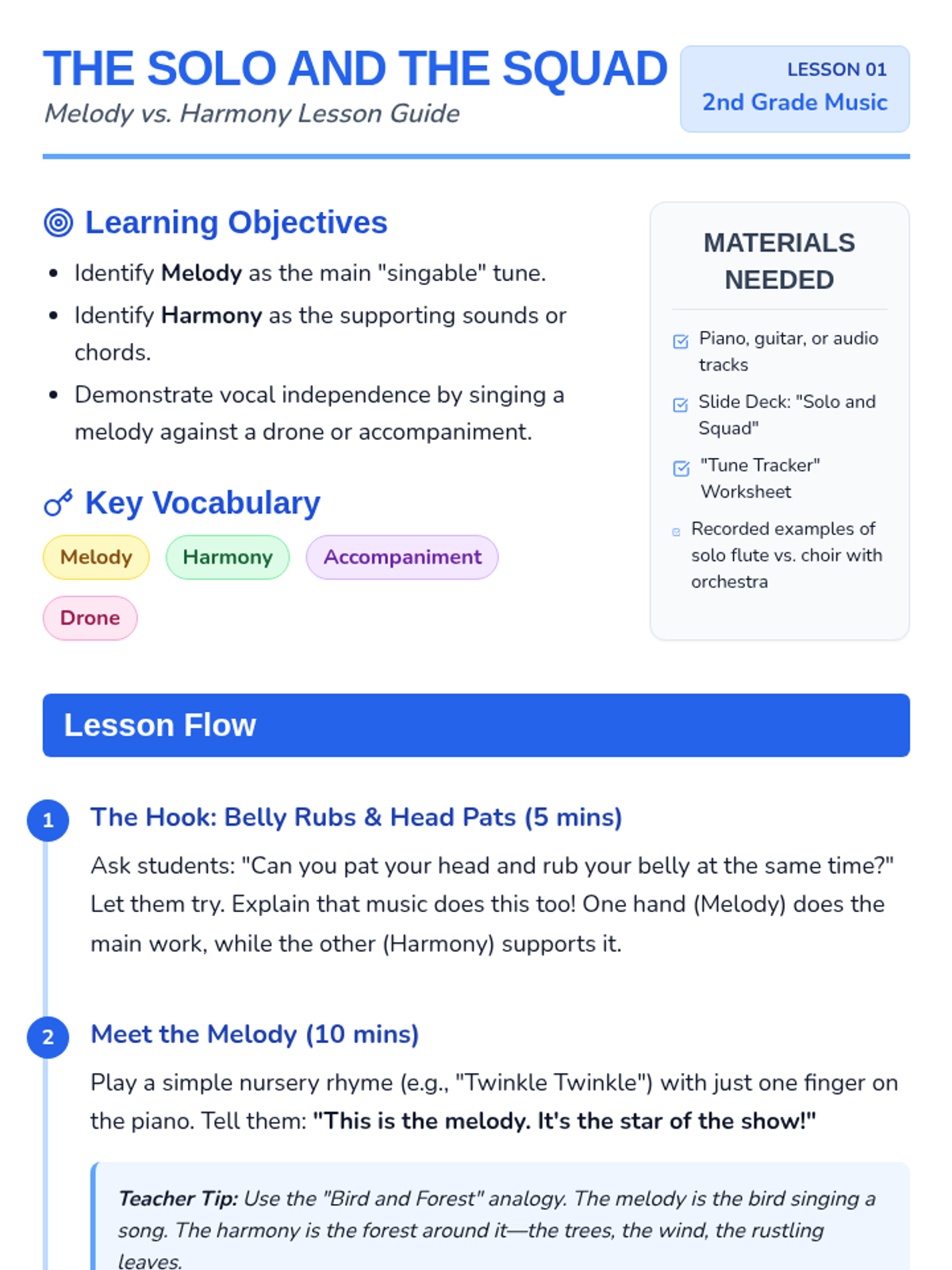
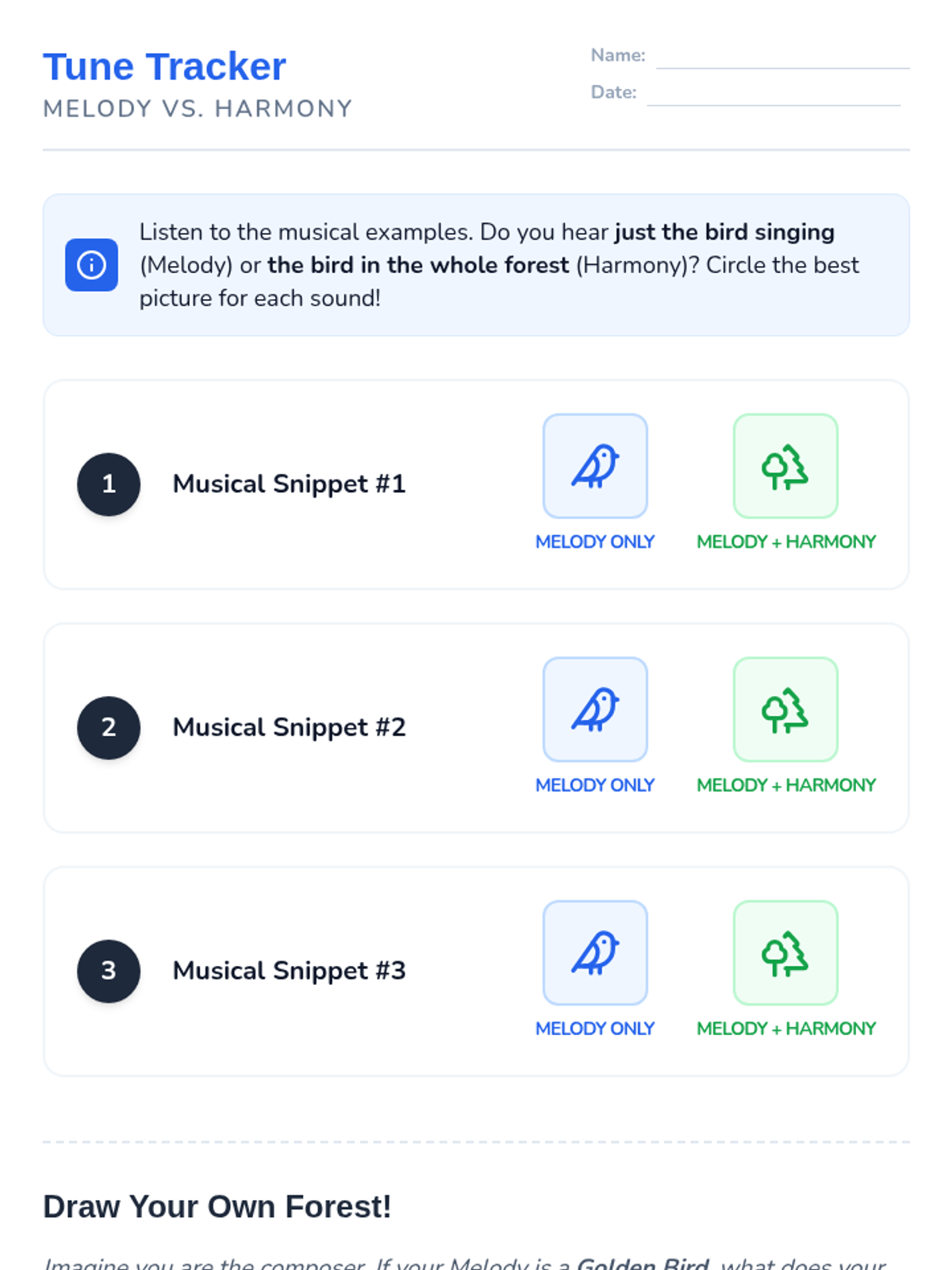
Students differentiate between melody (the main tune) and harmony (supporting sounds) through listening and active participation.
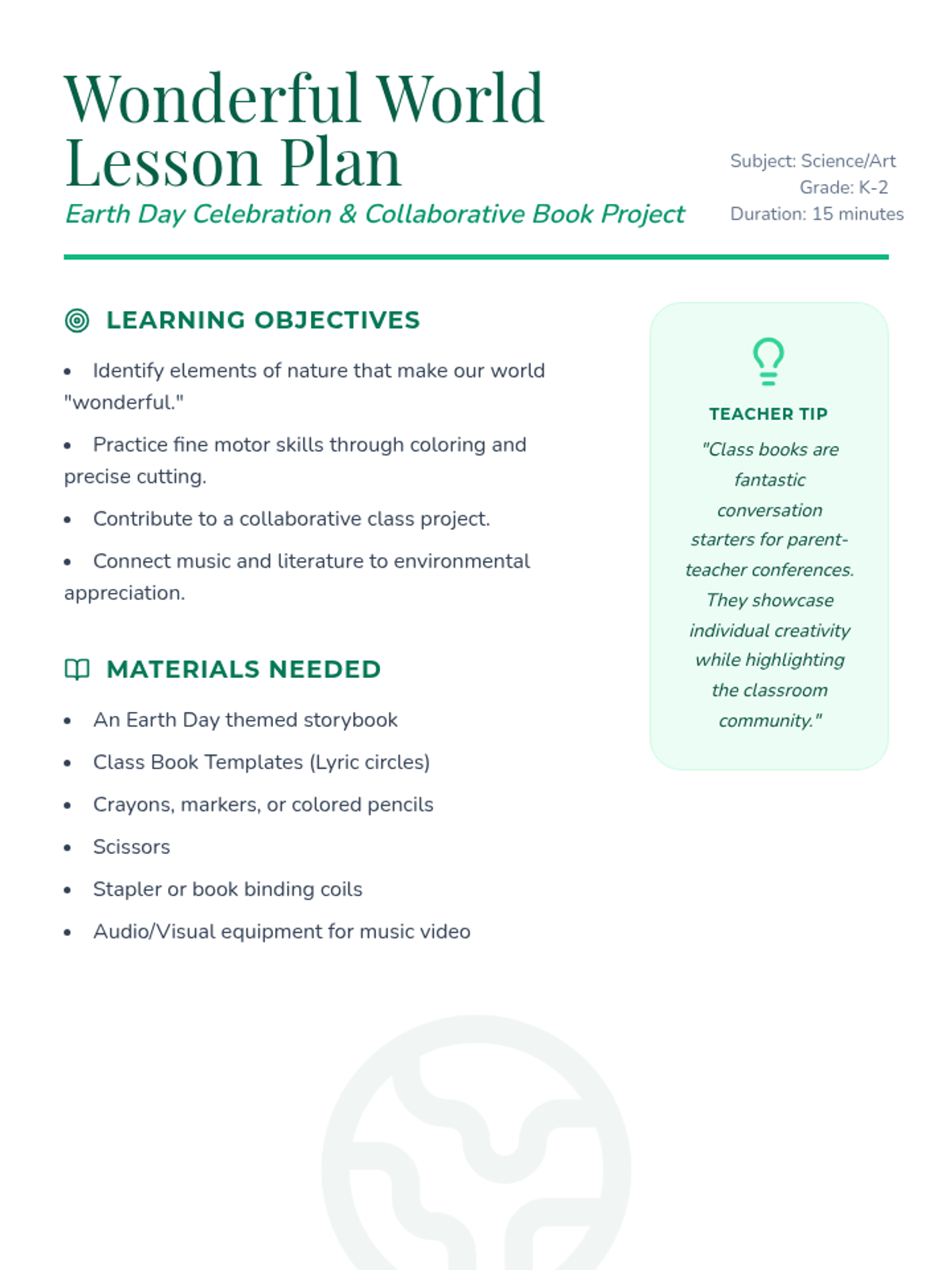
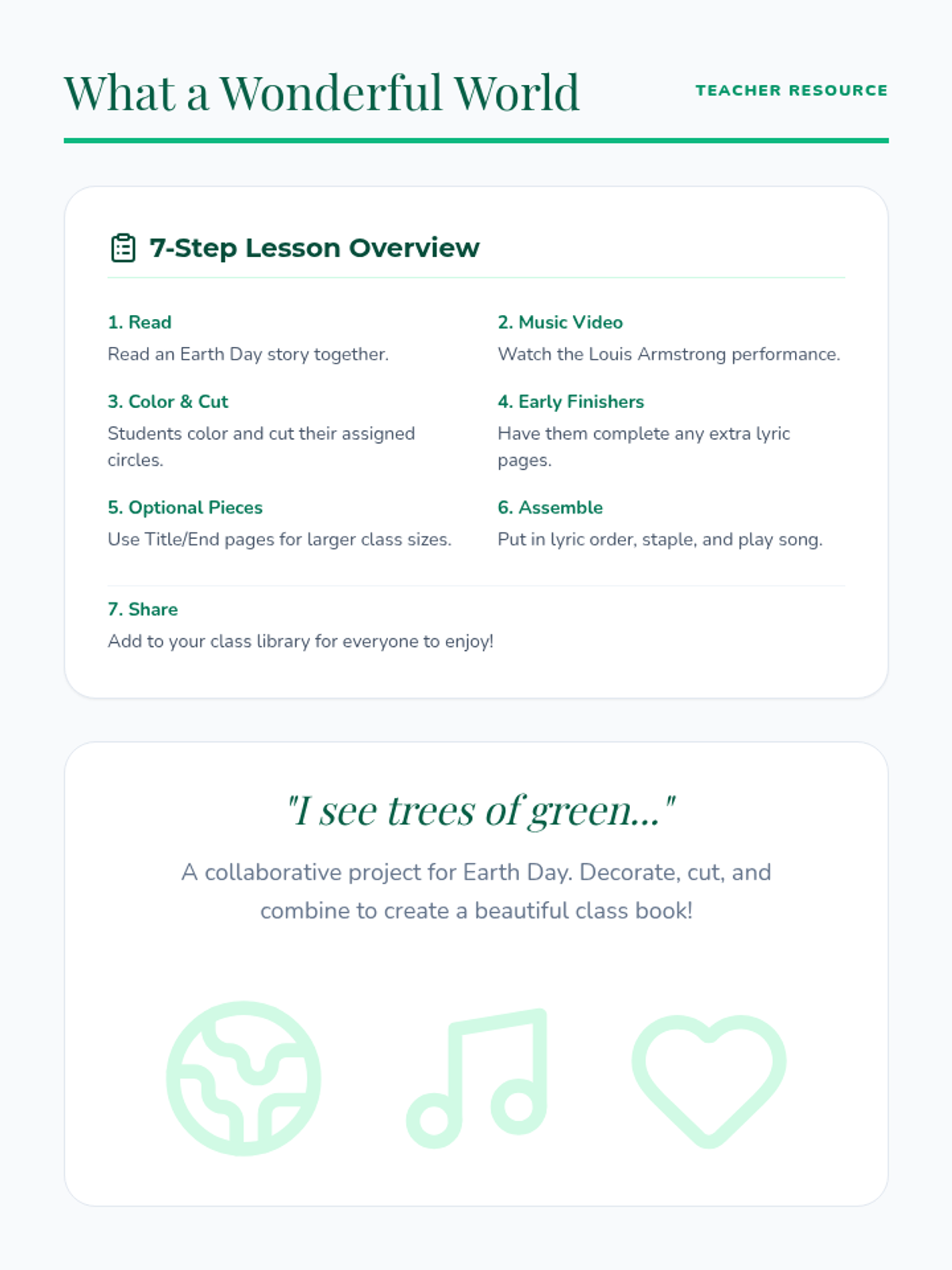
A collaborative Earth Day lesson where students create a class book inspired by Louis Armstrong's 'What a Wonderful World'. Includes a detailed teacher guide and presentation slides with a video embed.
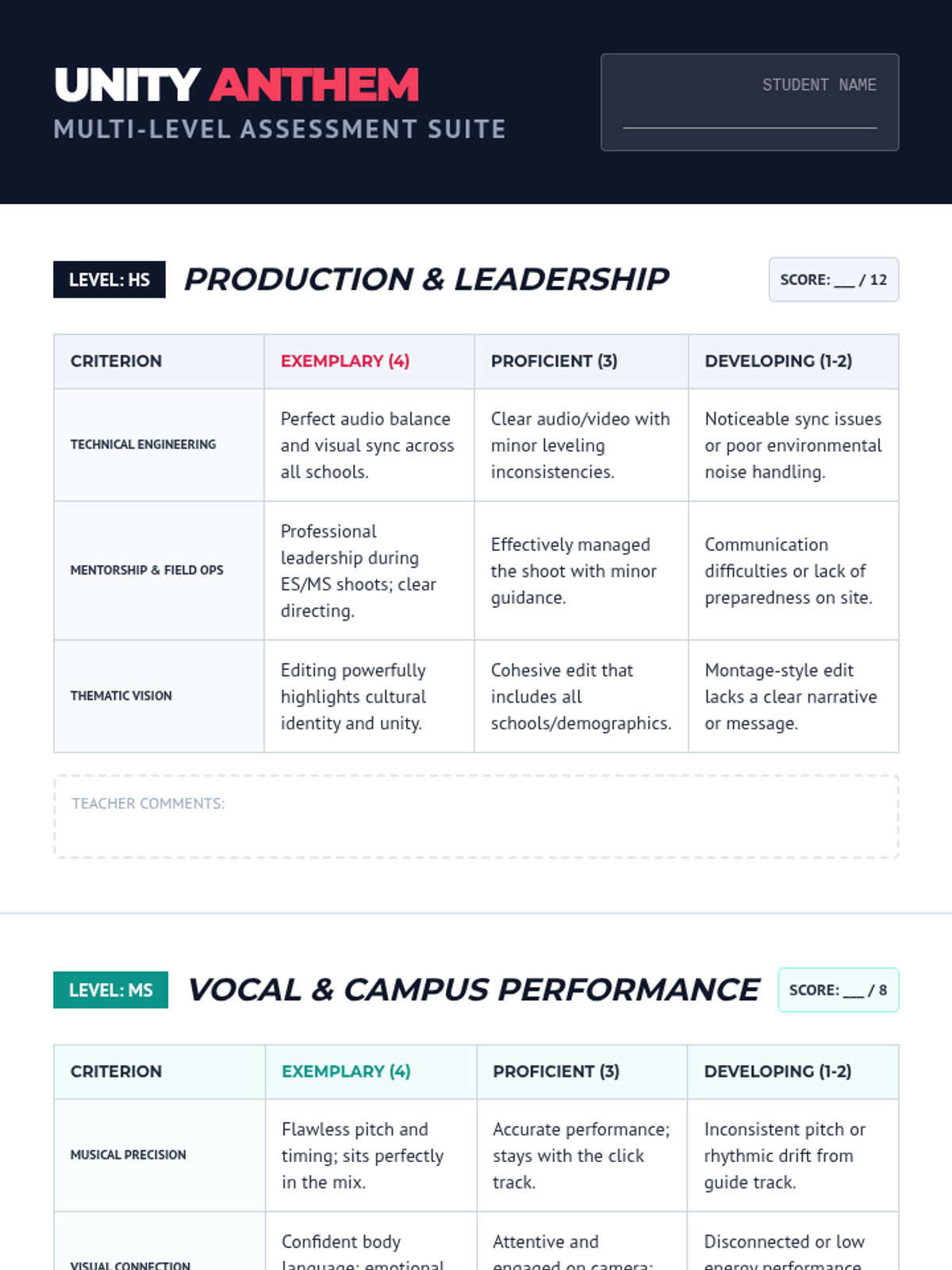
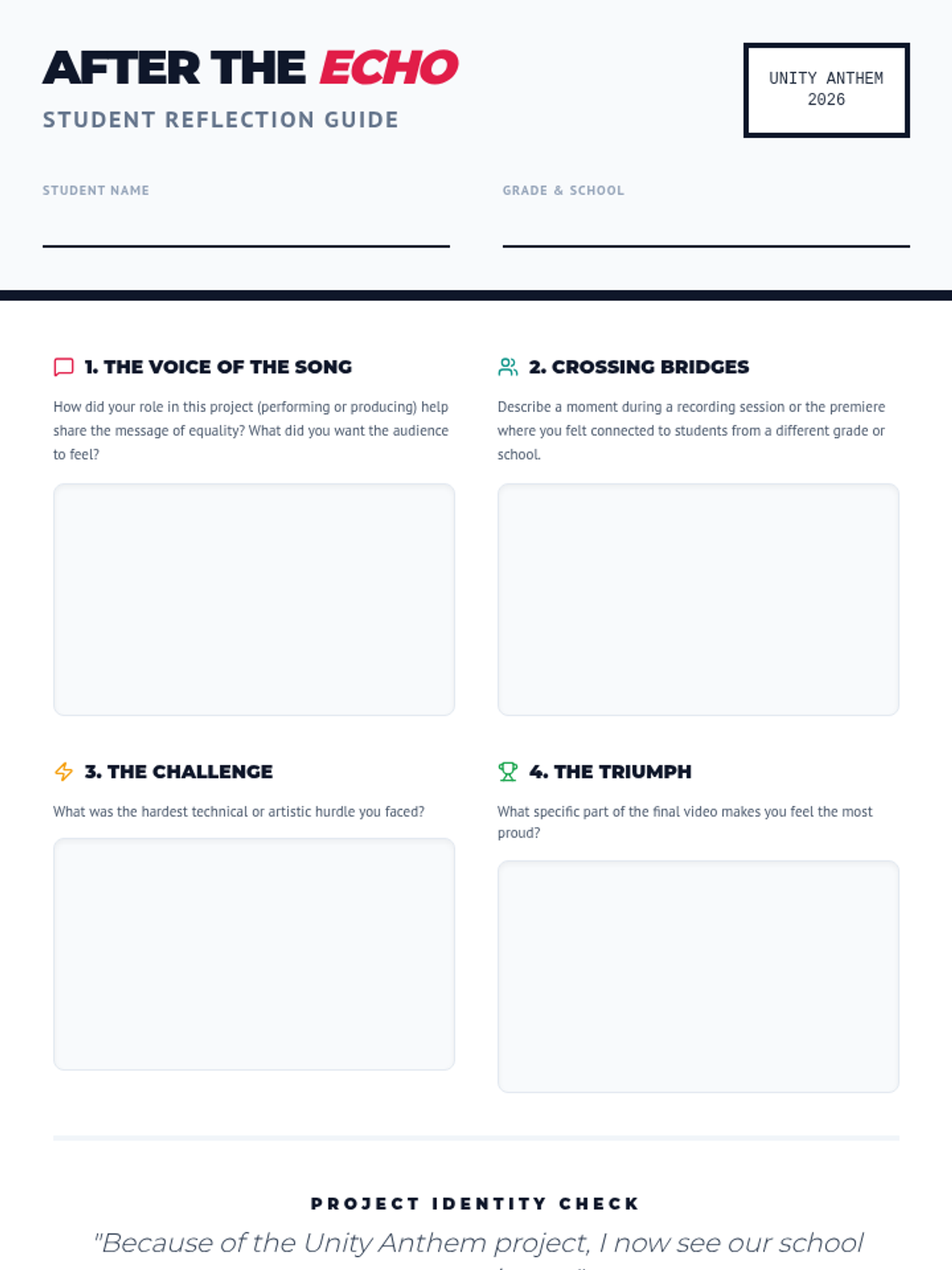
The final premiere of the music video at the All-town Music Tech Showcase, followed by a live performance and student reflection on the collaborative process.
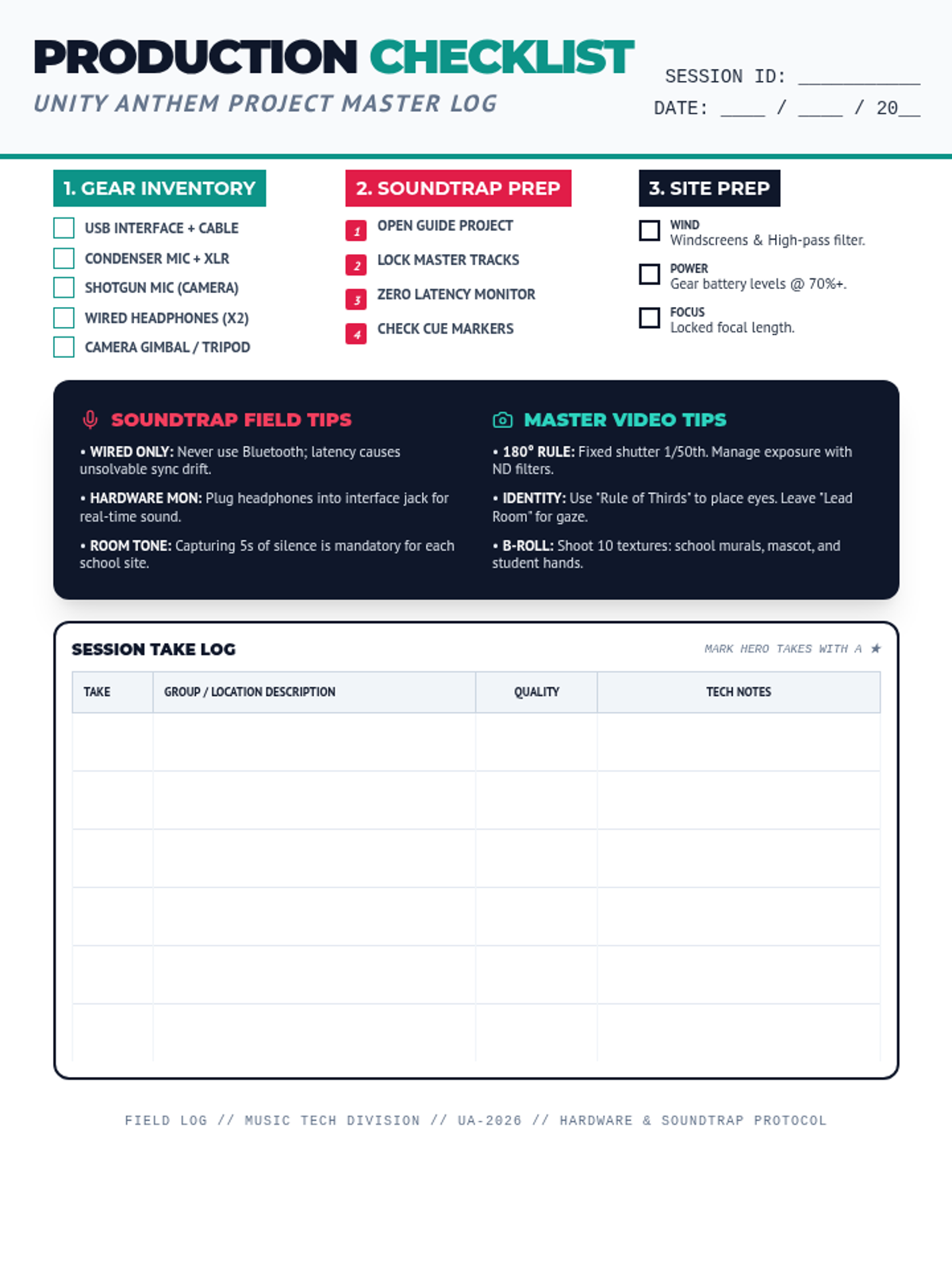
The technical phase involving on-location recordings at elementary and middle schools, followed by high school student-led mixing and video production.
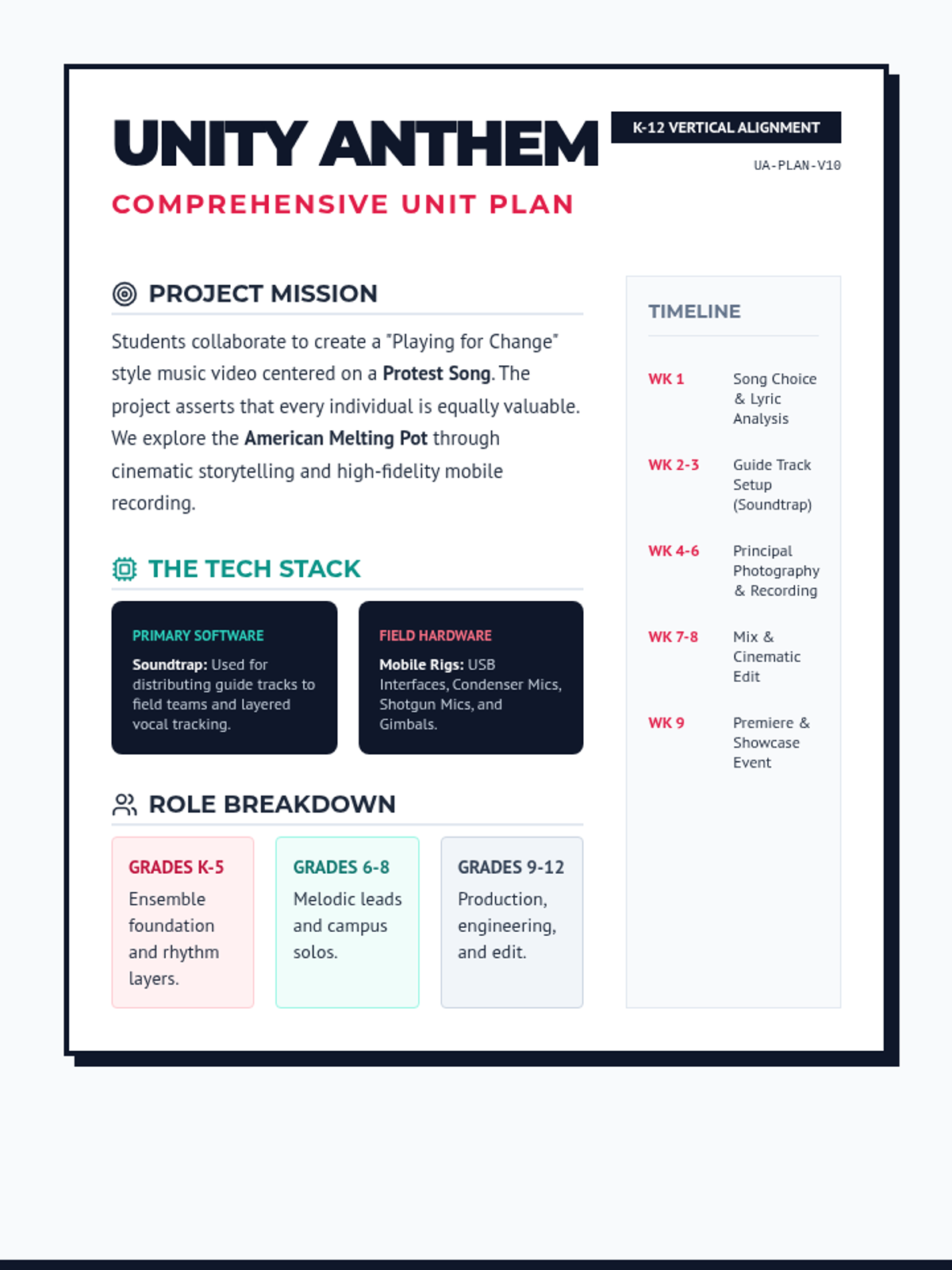
Introduction to the 'Playing for Change' concept, exploring the themes of the chosen protest song, and laying the groundwork for the K-12 collaboration.
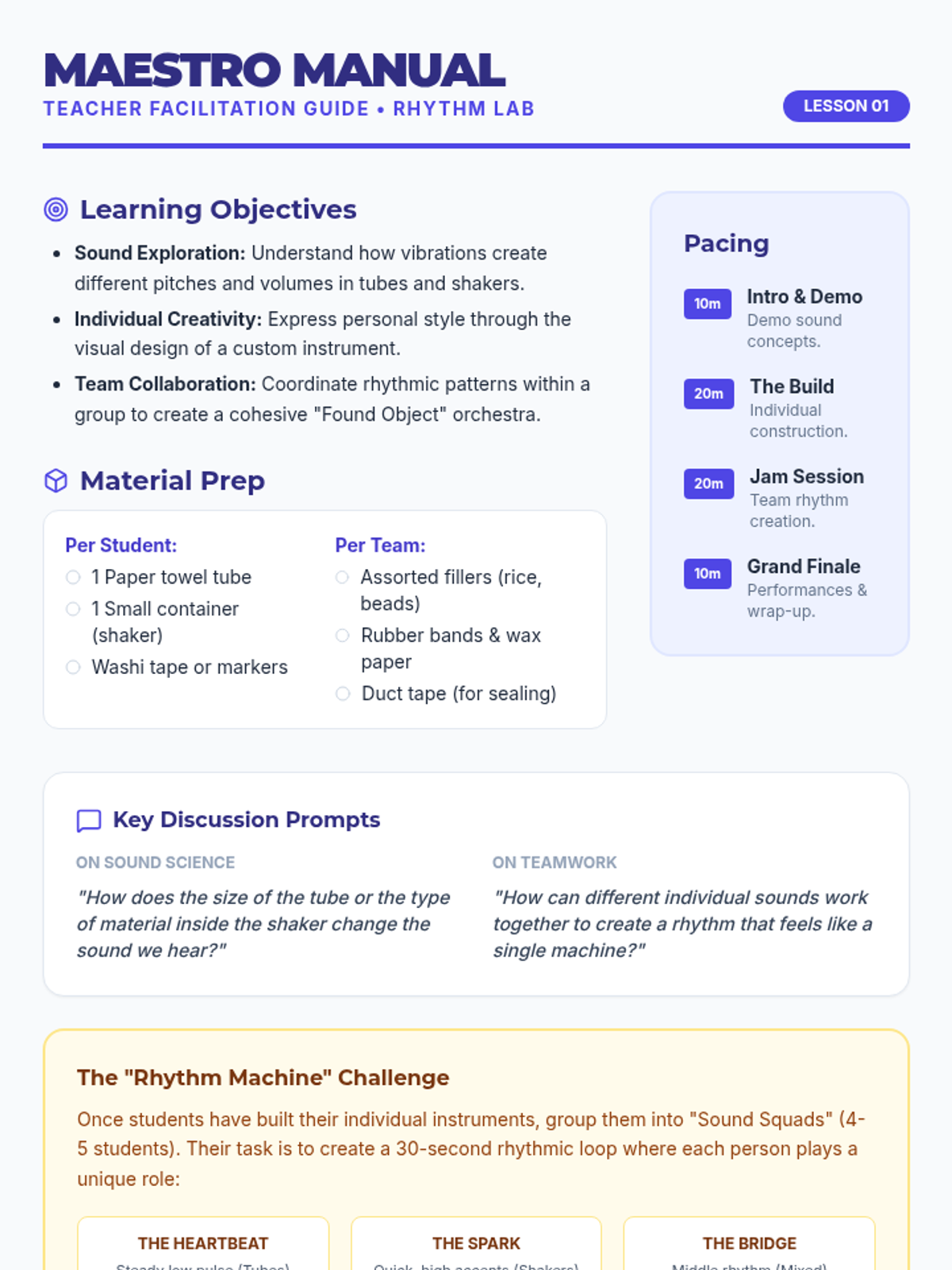
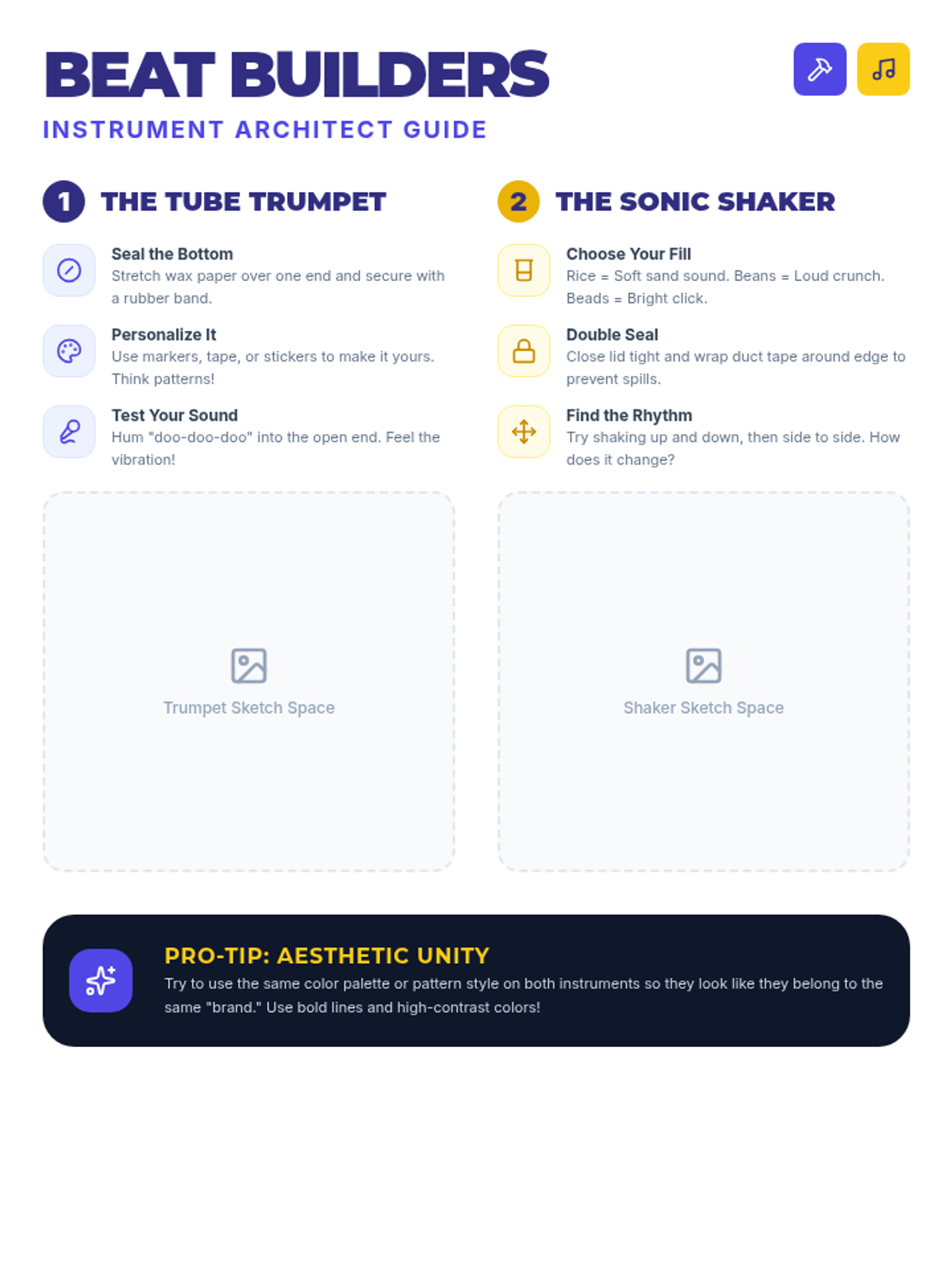
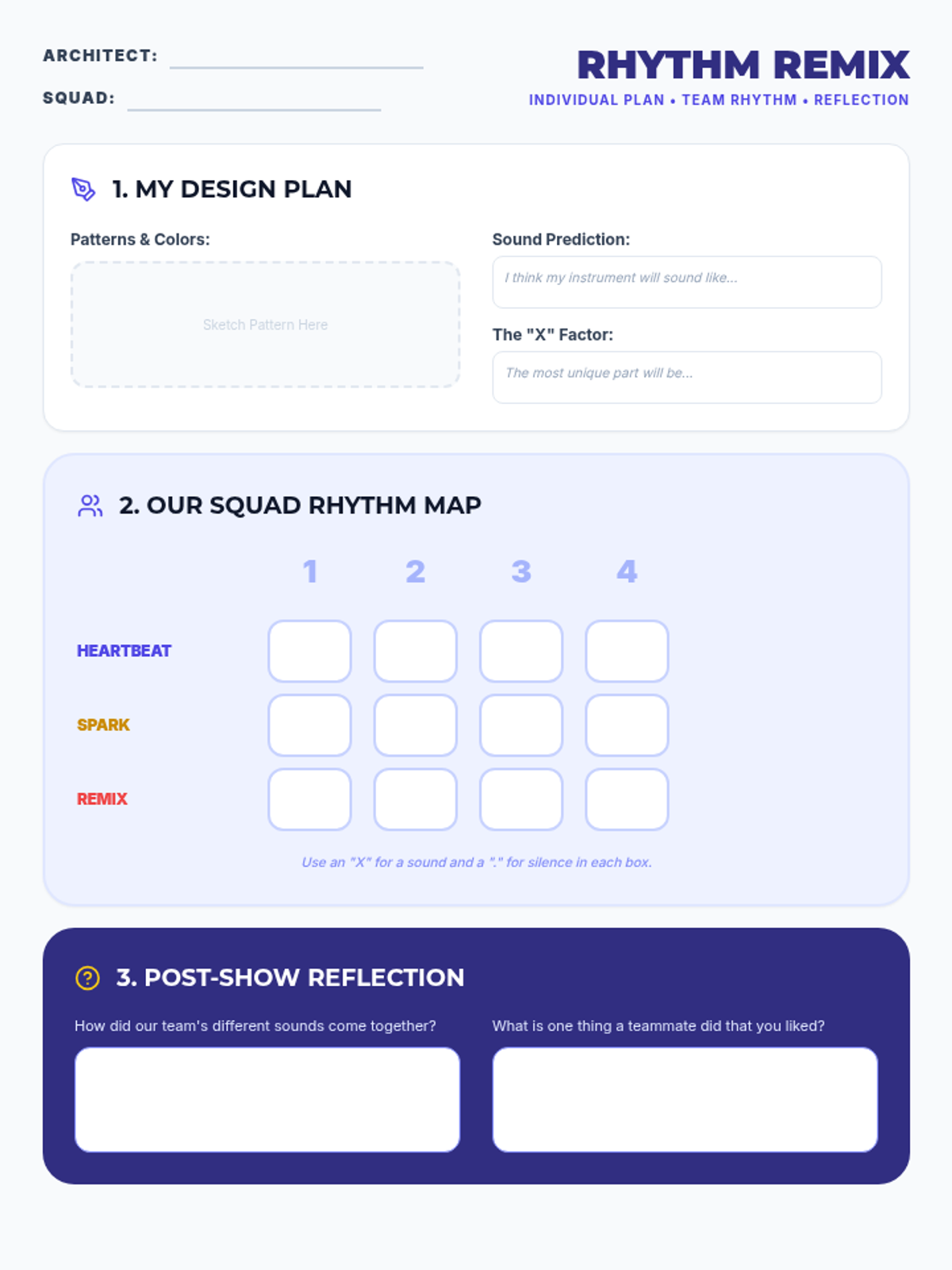
Students explore the science and art of sound by constructing DIY instruments from recycled materials. The lesson emphasizes individual creative design followed by a collaborative team performance.
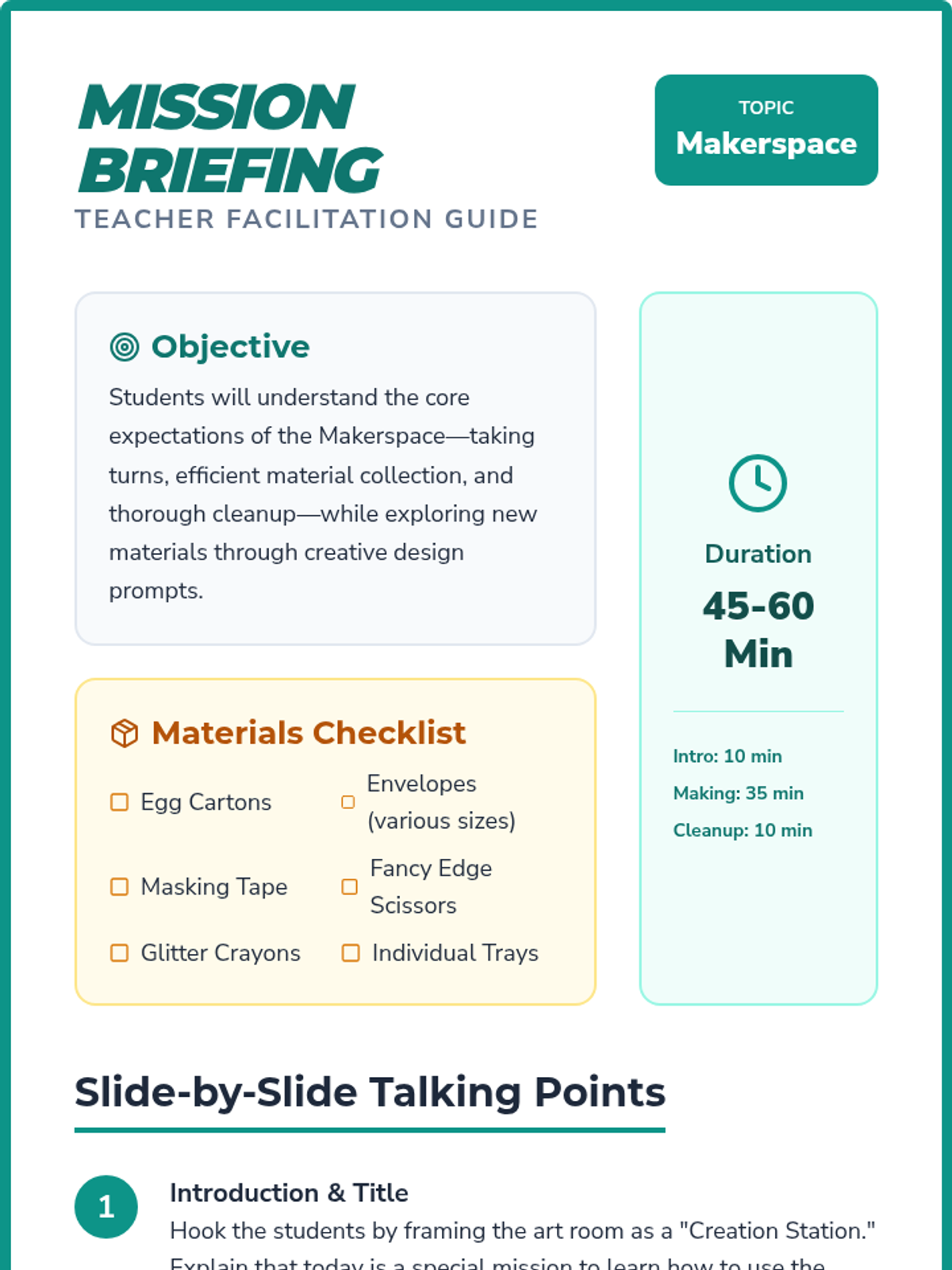
A guide for young artists on navigating a makerspace with respect and creativity, focusing on material exploration and studio etiquette.
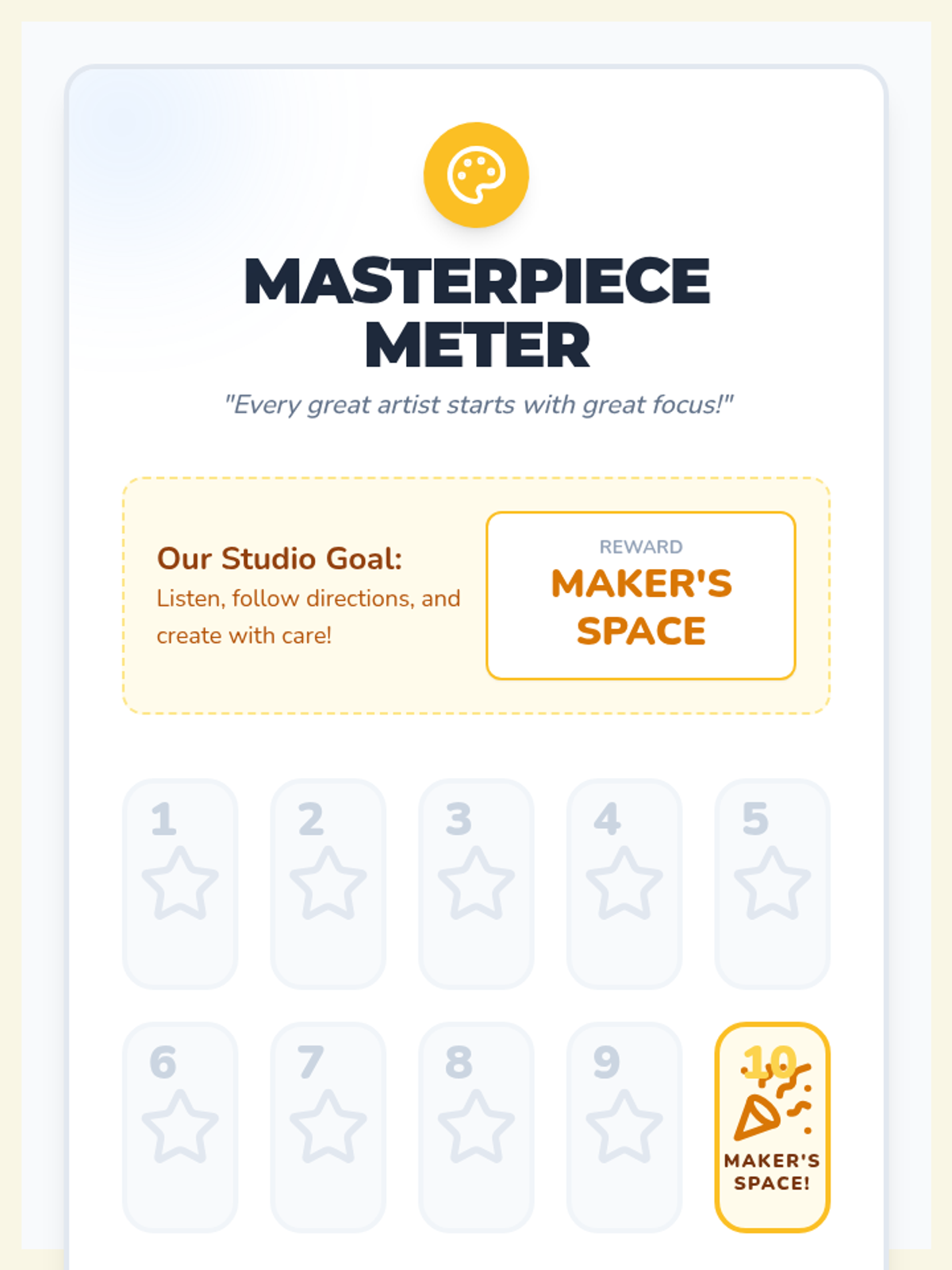
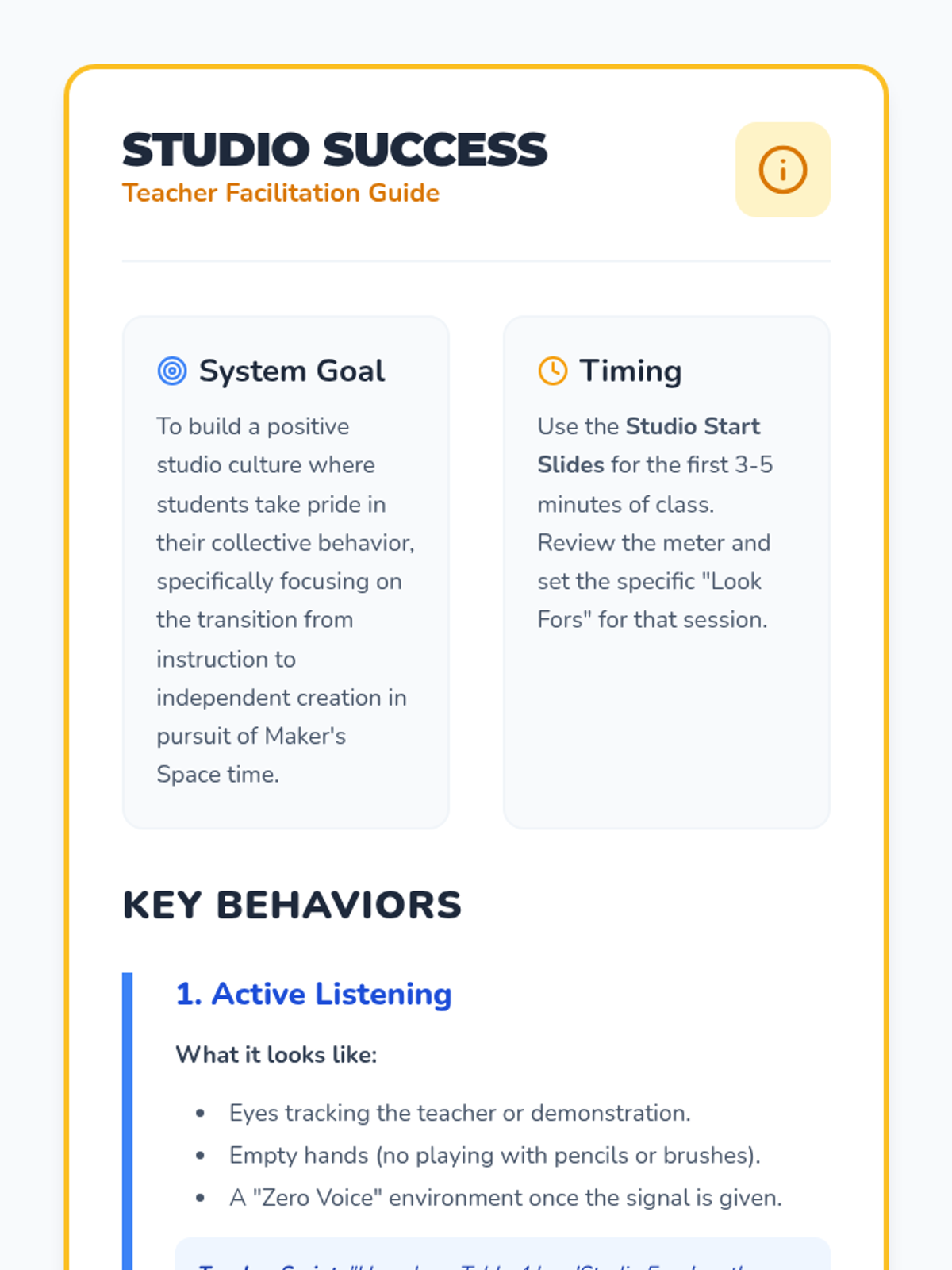
A system for art students to track their progress toward earning Maker's Space time by practicing active listening and following directions. This lesson includes a visual tracking chart, daily warm-up slides, and clear behavioral expectations.
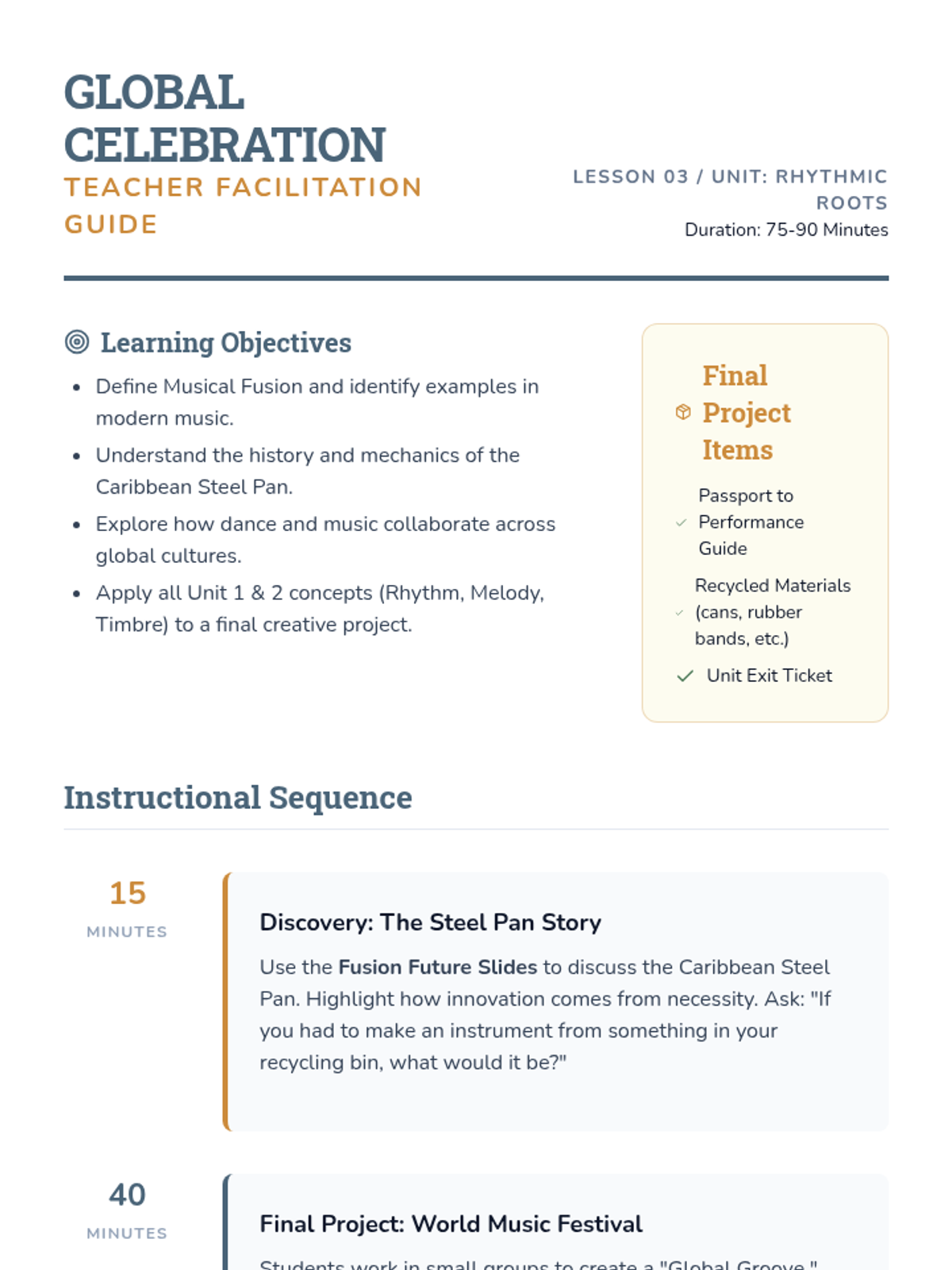
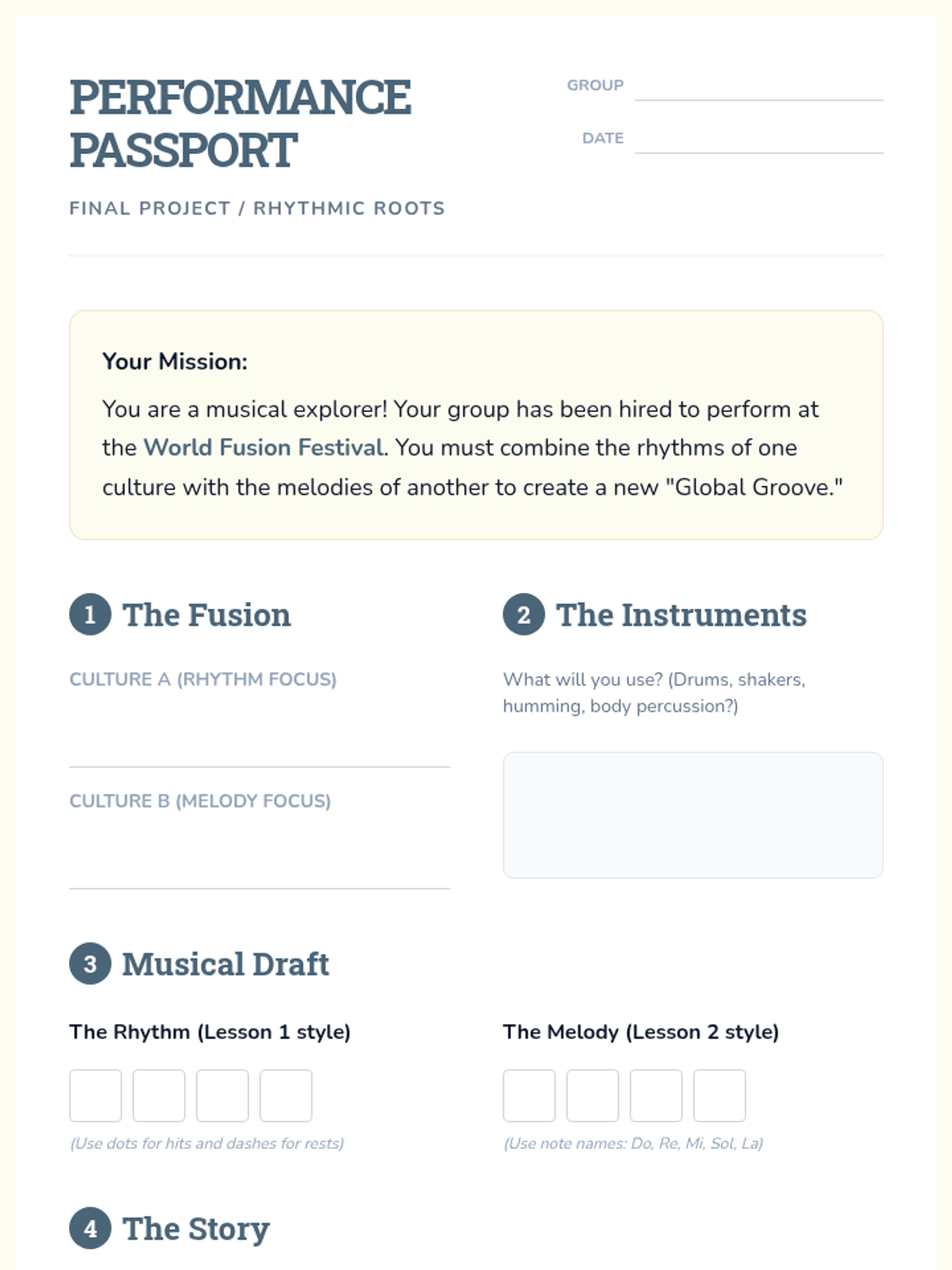
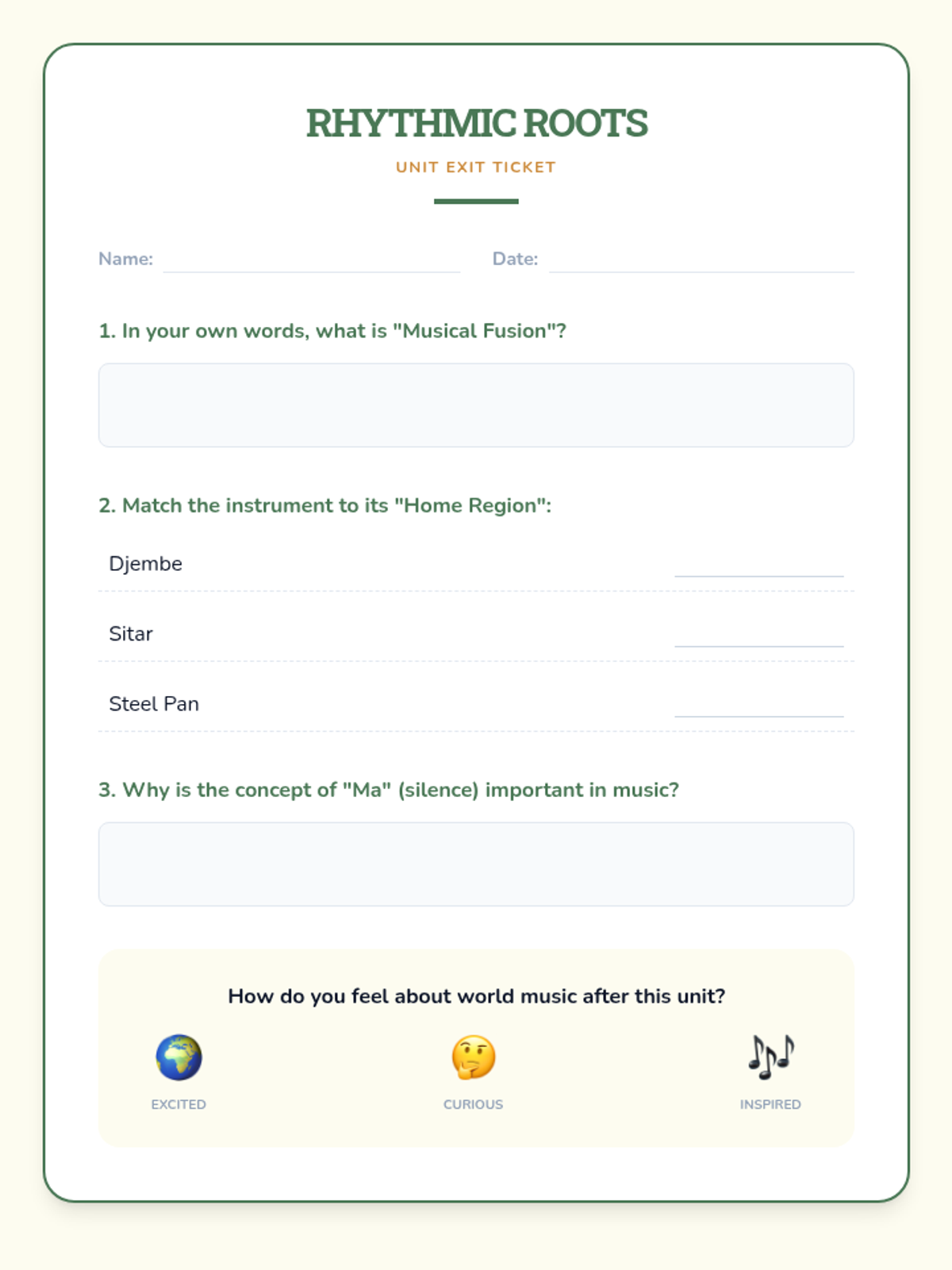
Synthesize learning through the study of global fusion and the creation of a collaborative world music project.
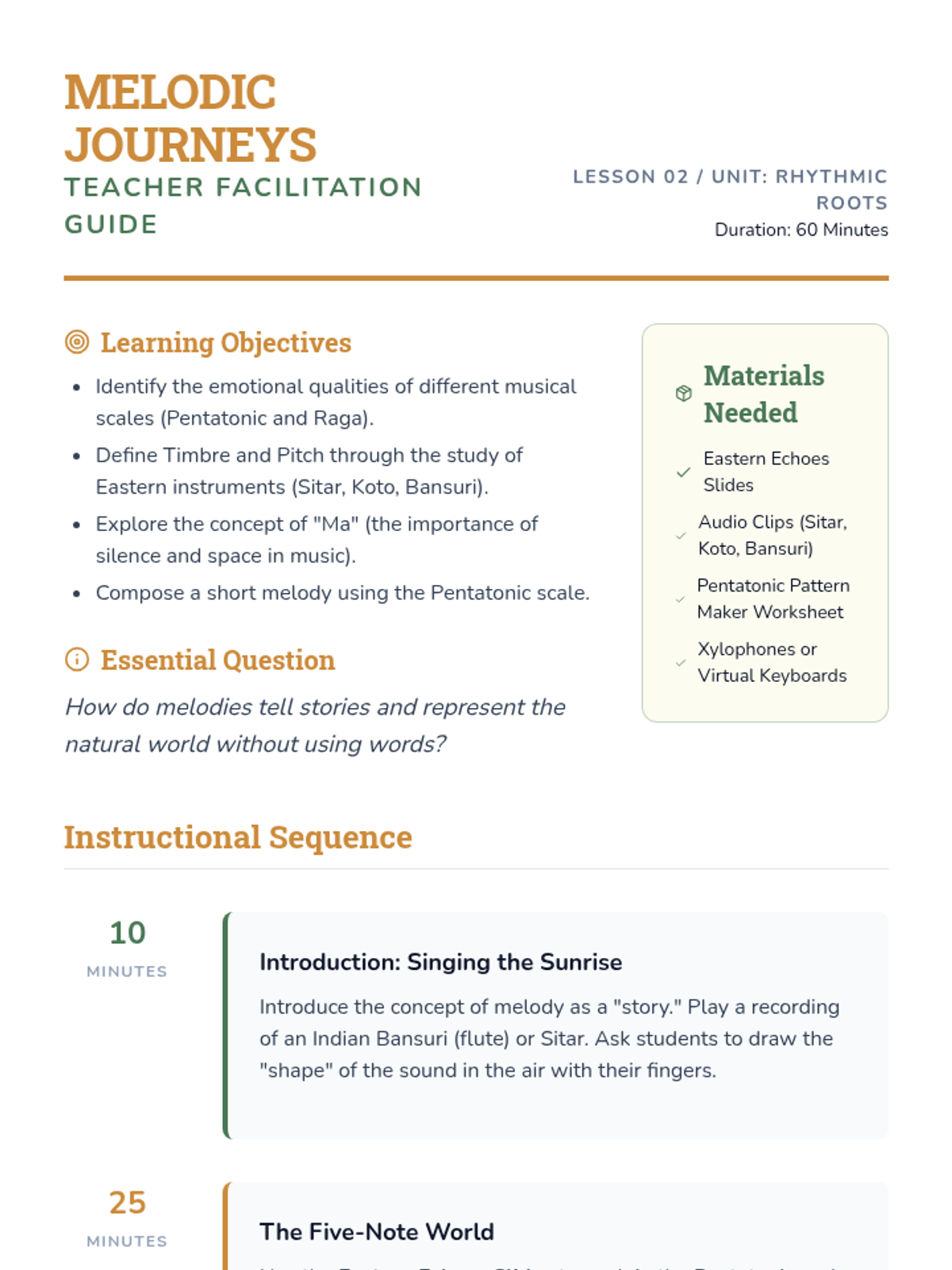
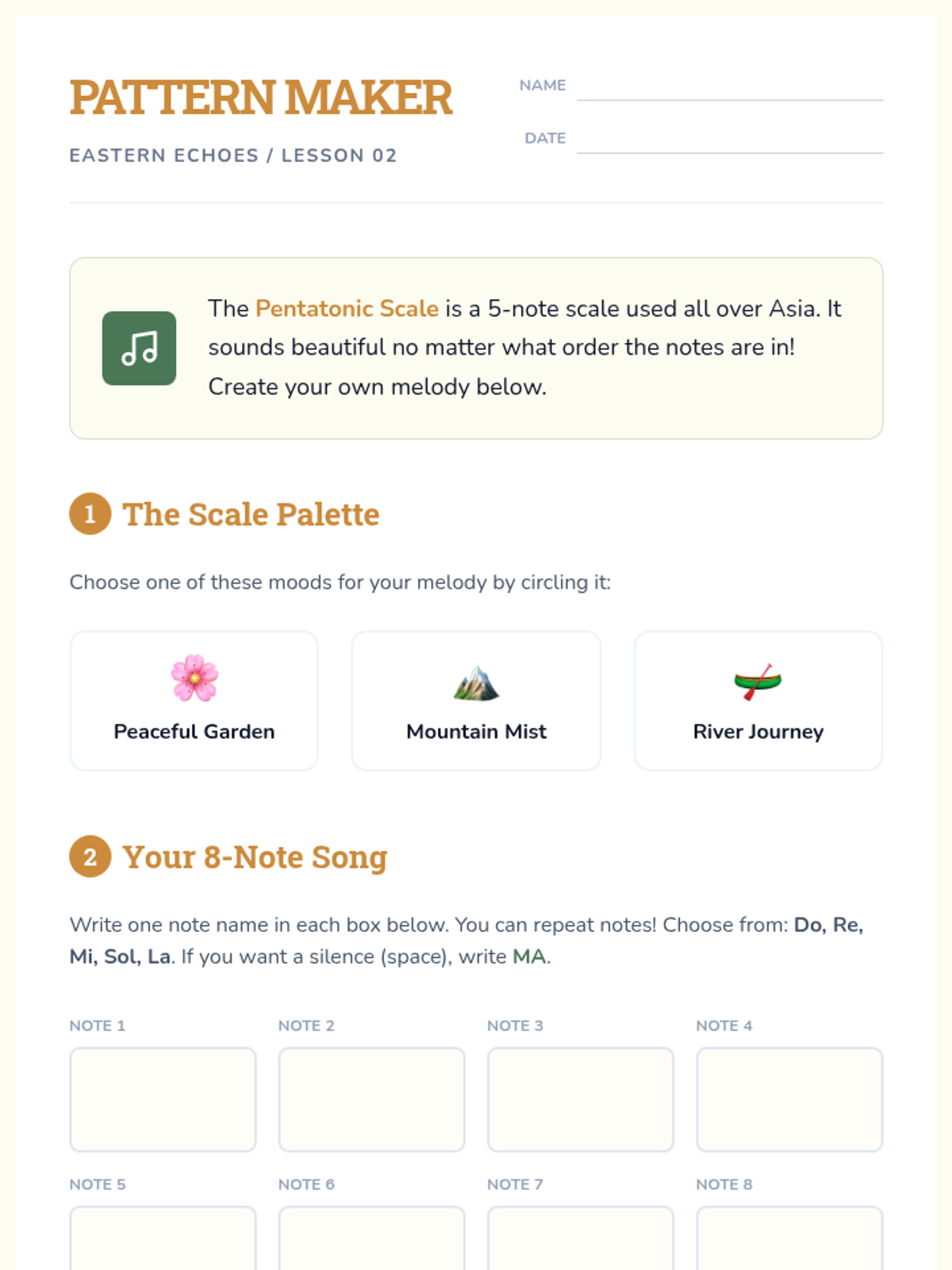
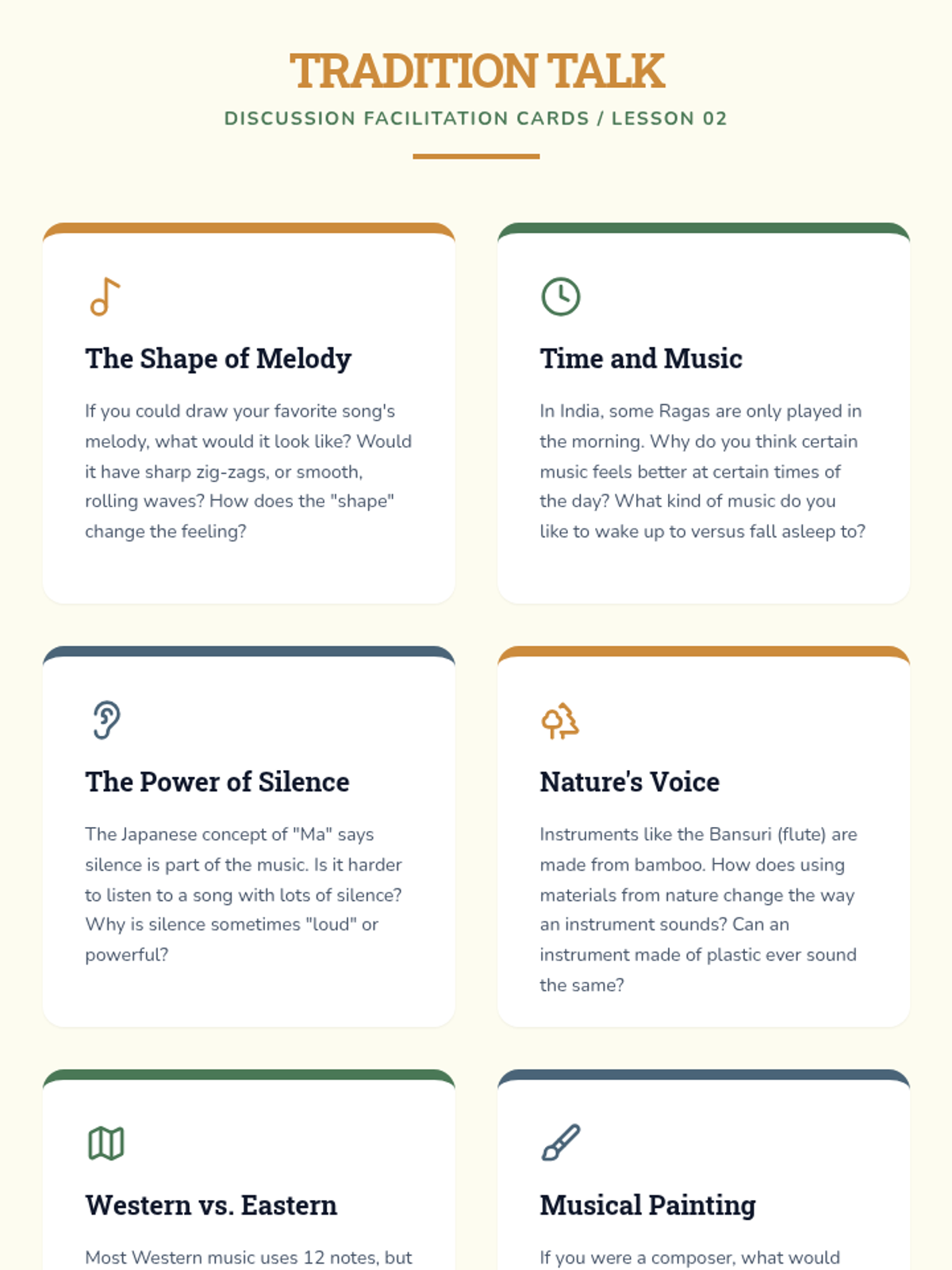
Discover the unique melodic structures, scales, and storytelling traditions of Asian and Middle Eastern music.
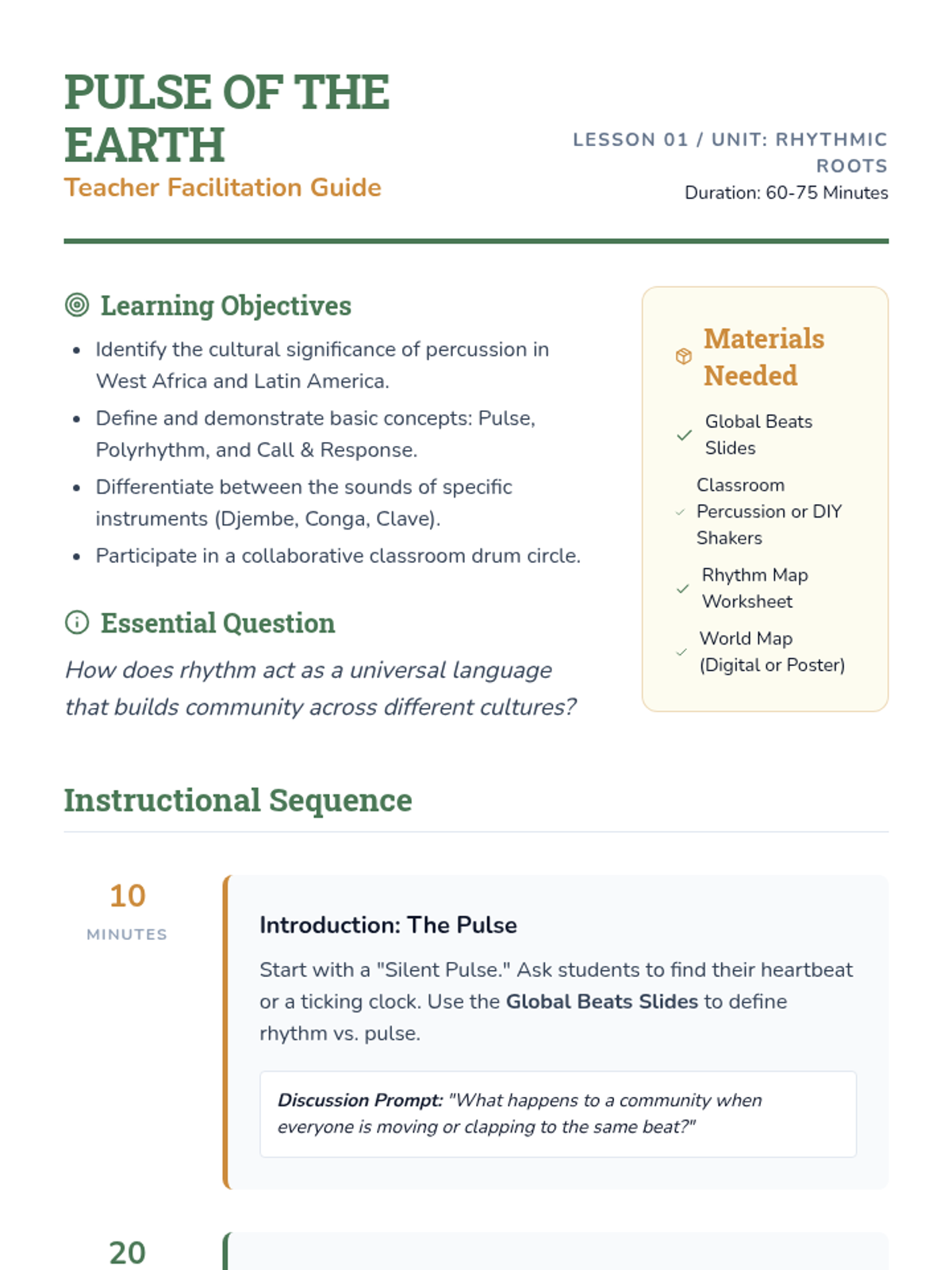
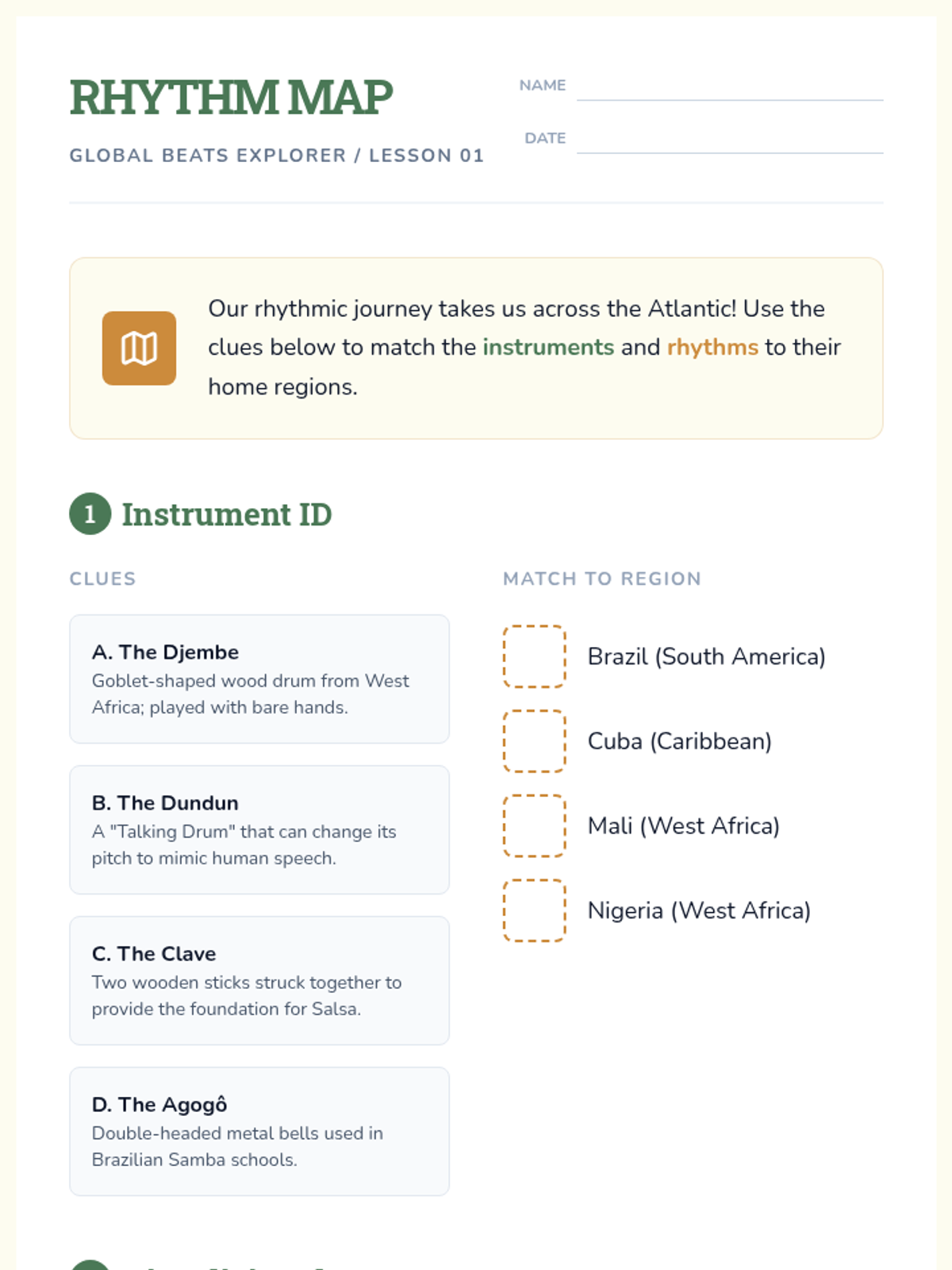
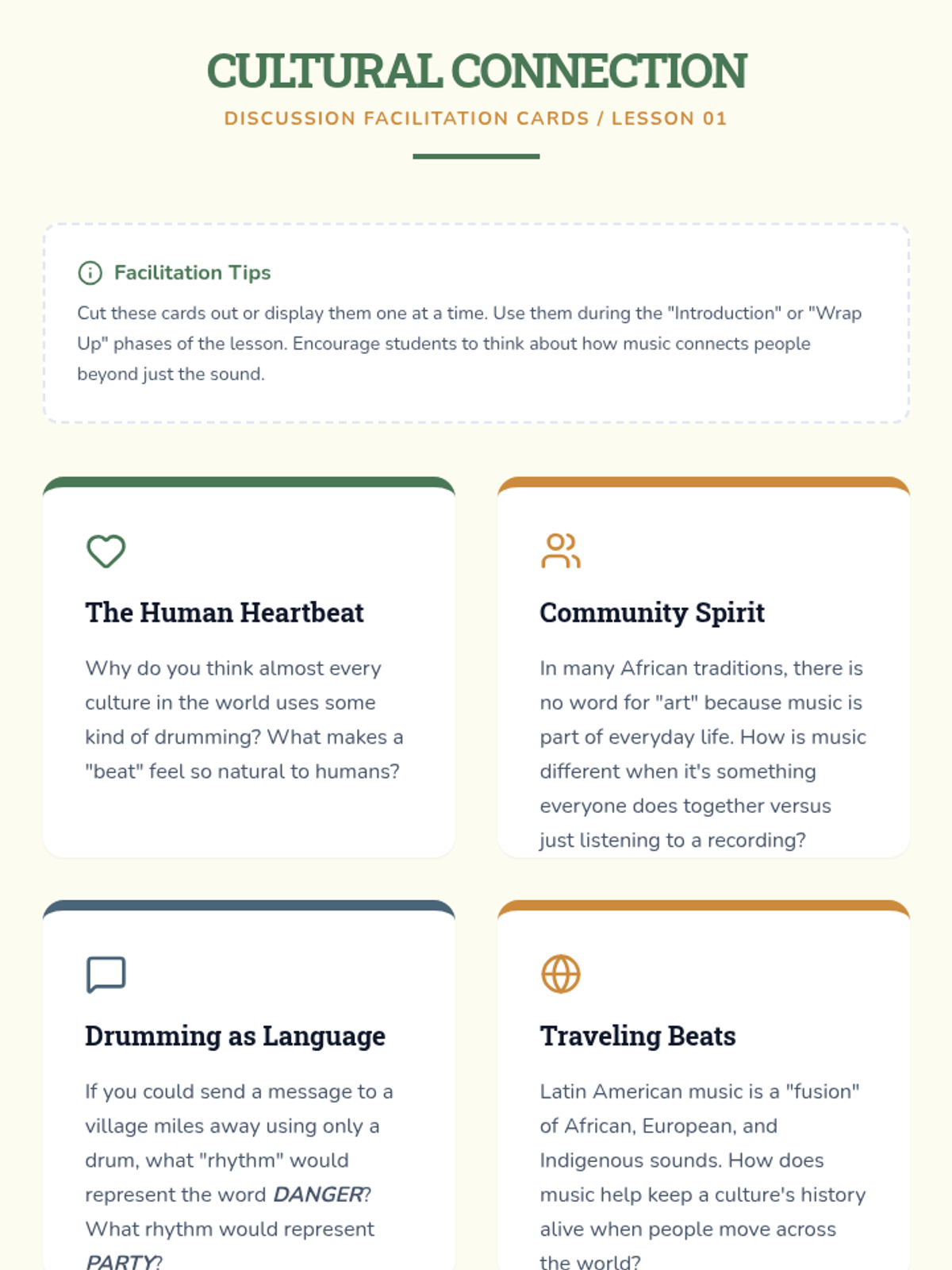
Explore the foundational role of percussion and polyrhythms in West African and Latin American musical traditions.
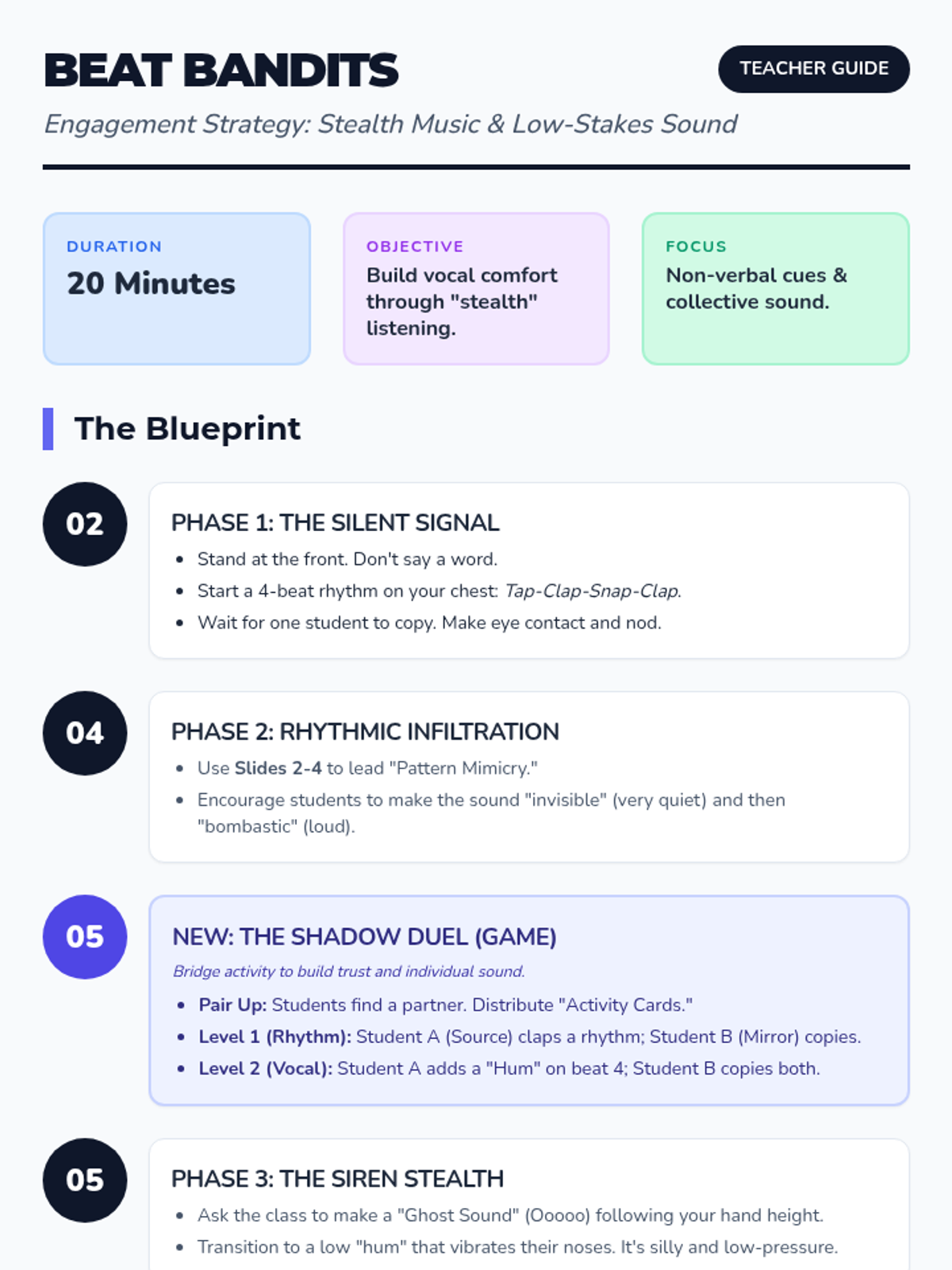
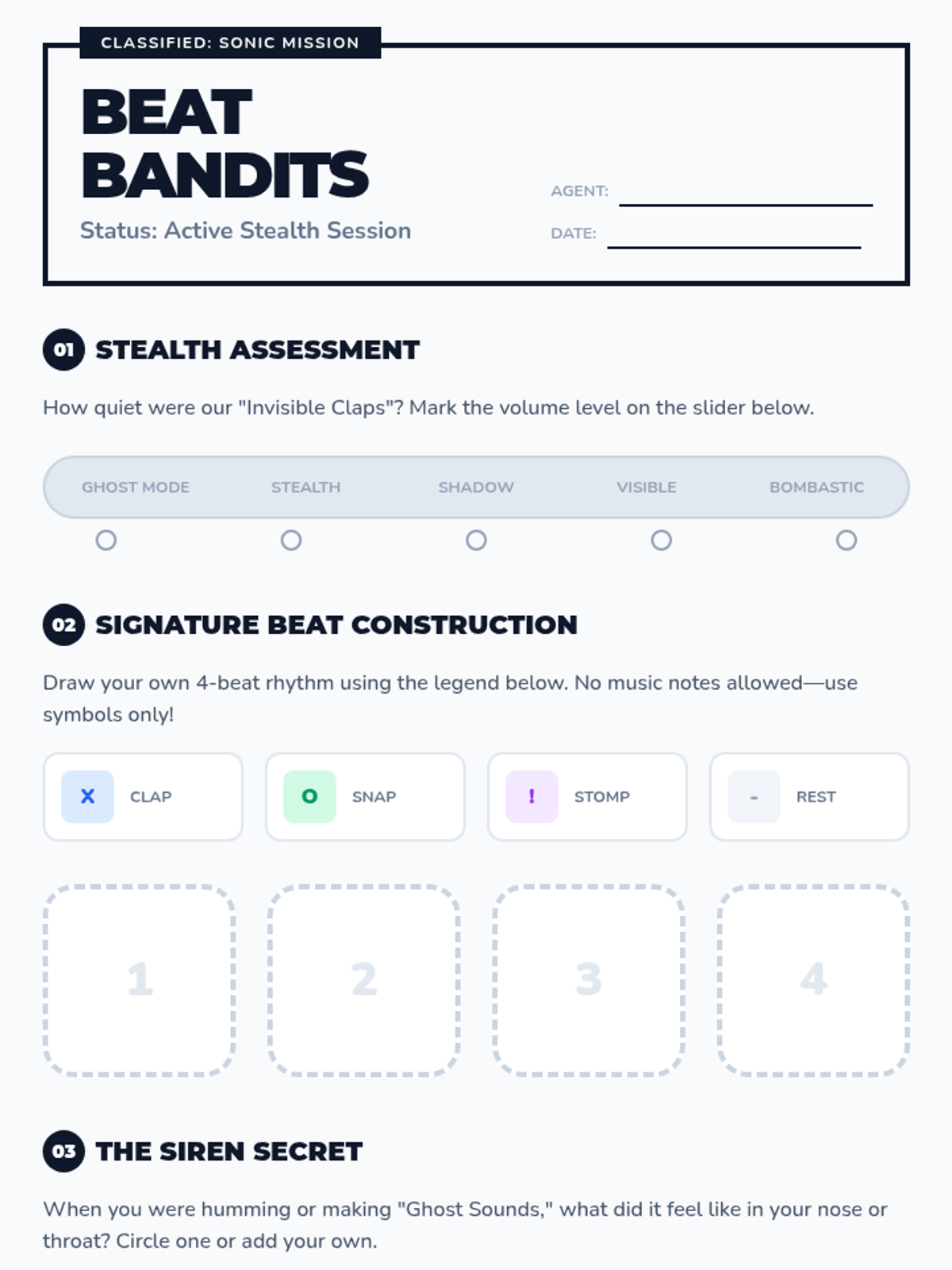
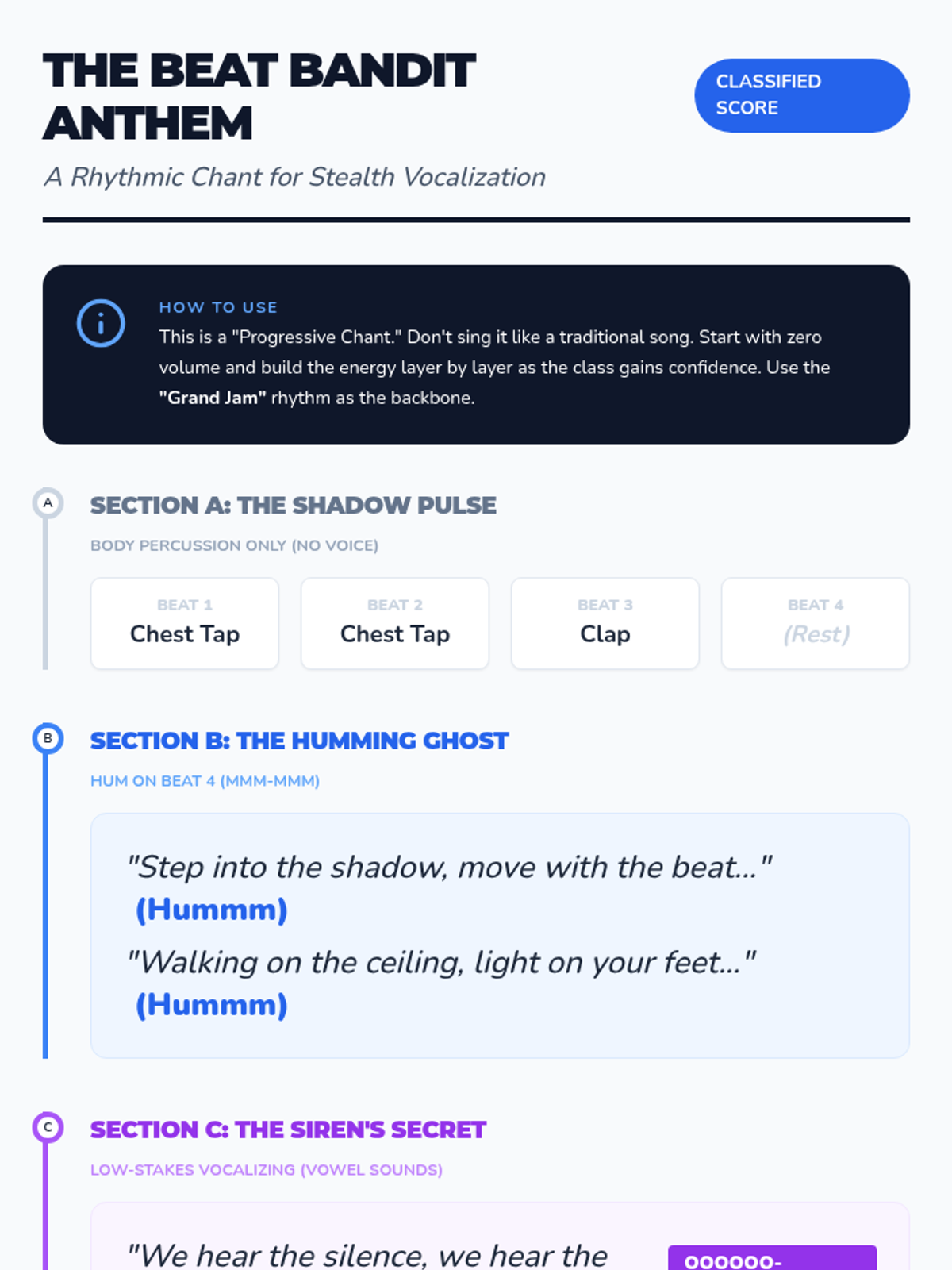
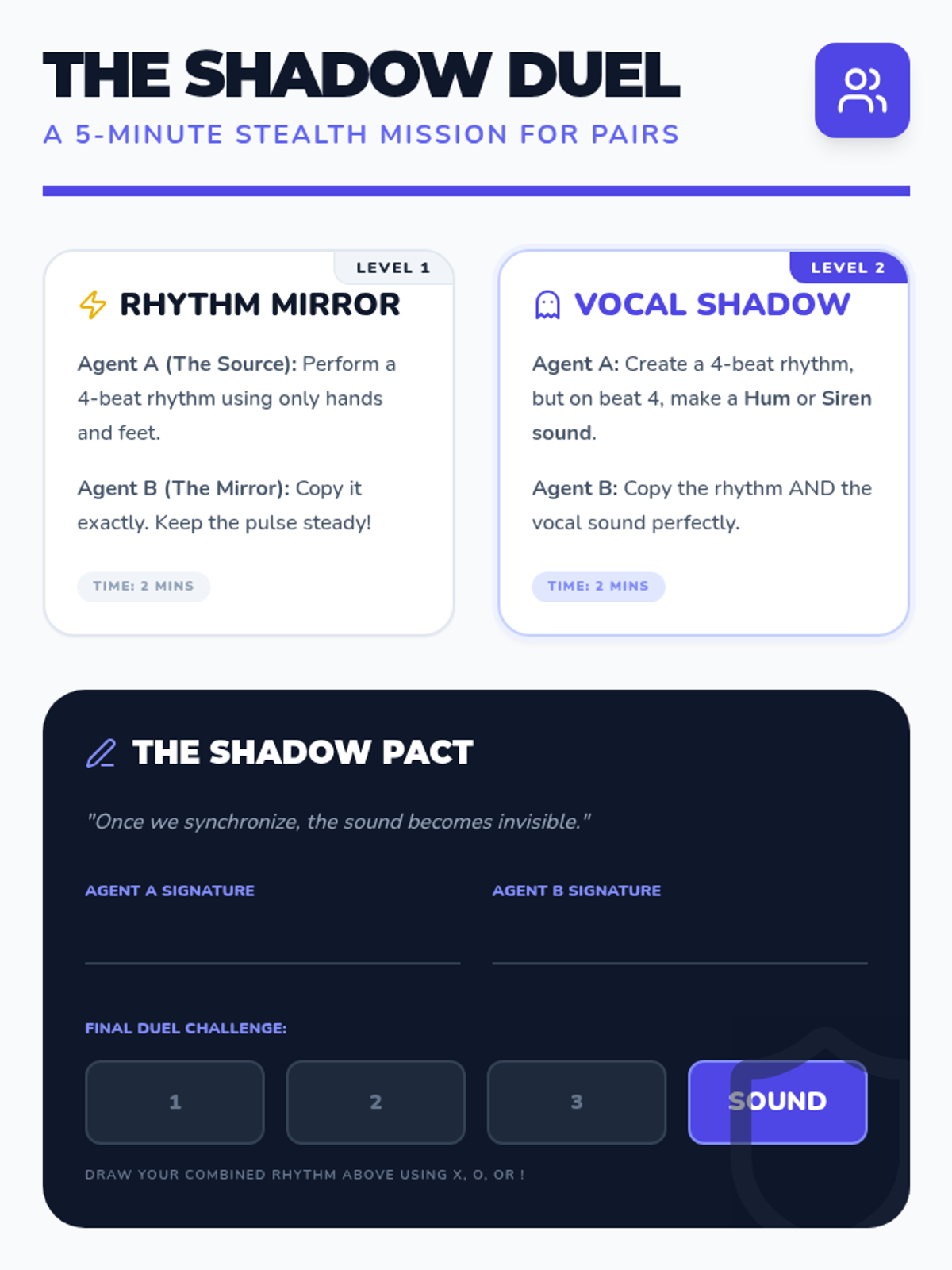
A high-energy, low-pressure 15-minute music lesson designed to engage disengaged students and build vocal confidence through rhythm and stealth games. This lesson moves from non-verbal rhythmic games to collective vocalizing to bypass the fear of singing.
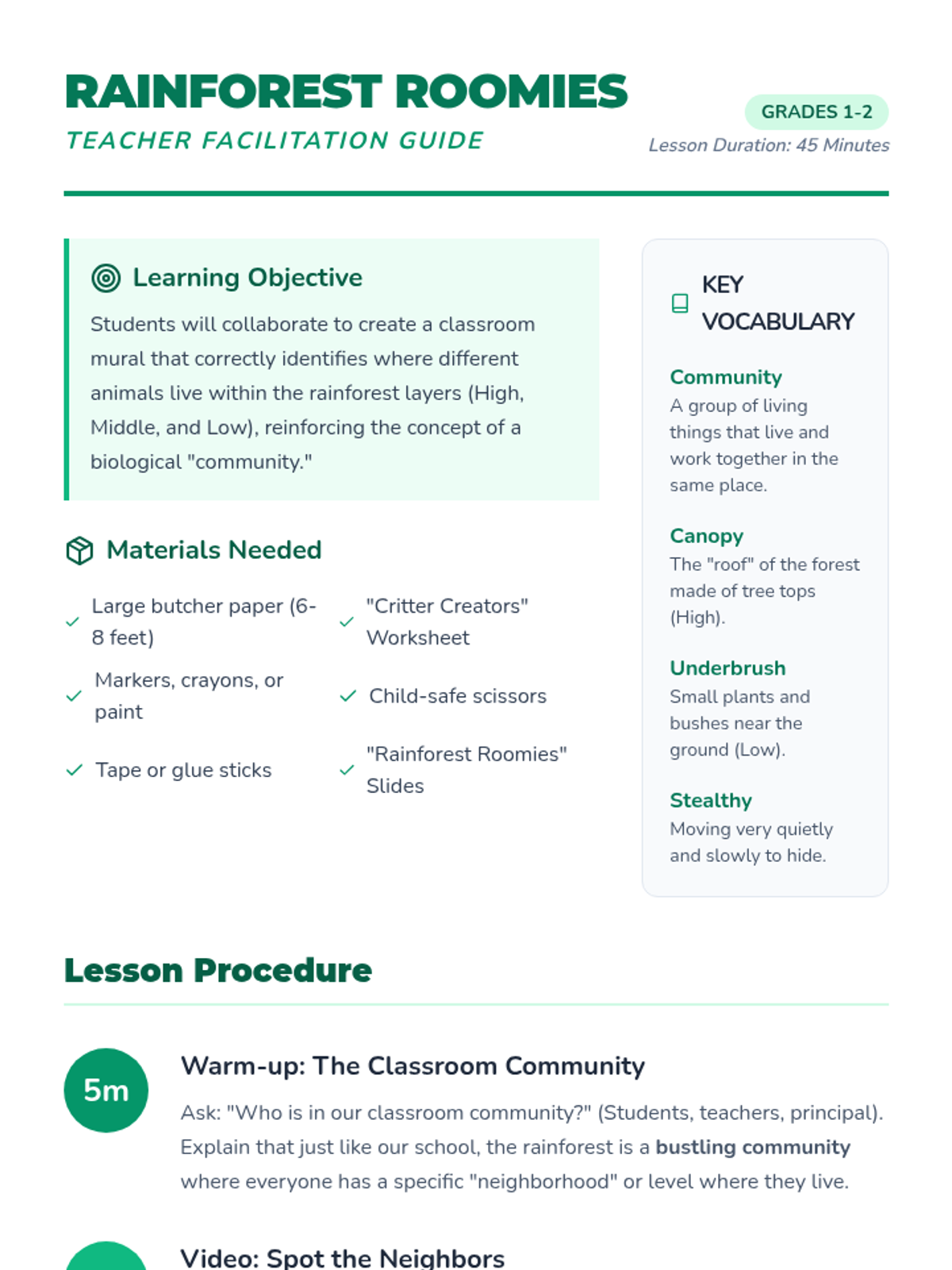
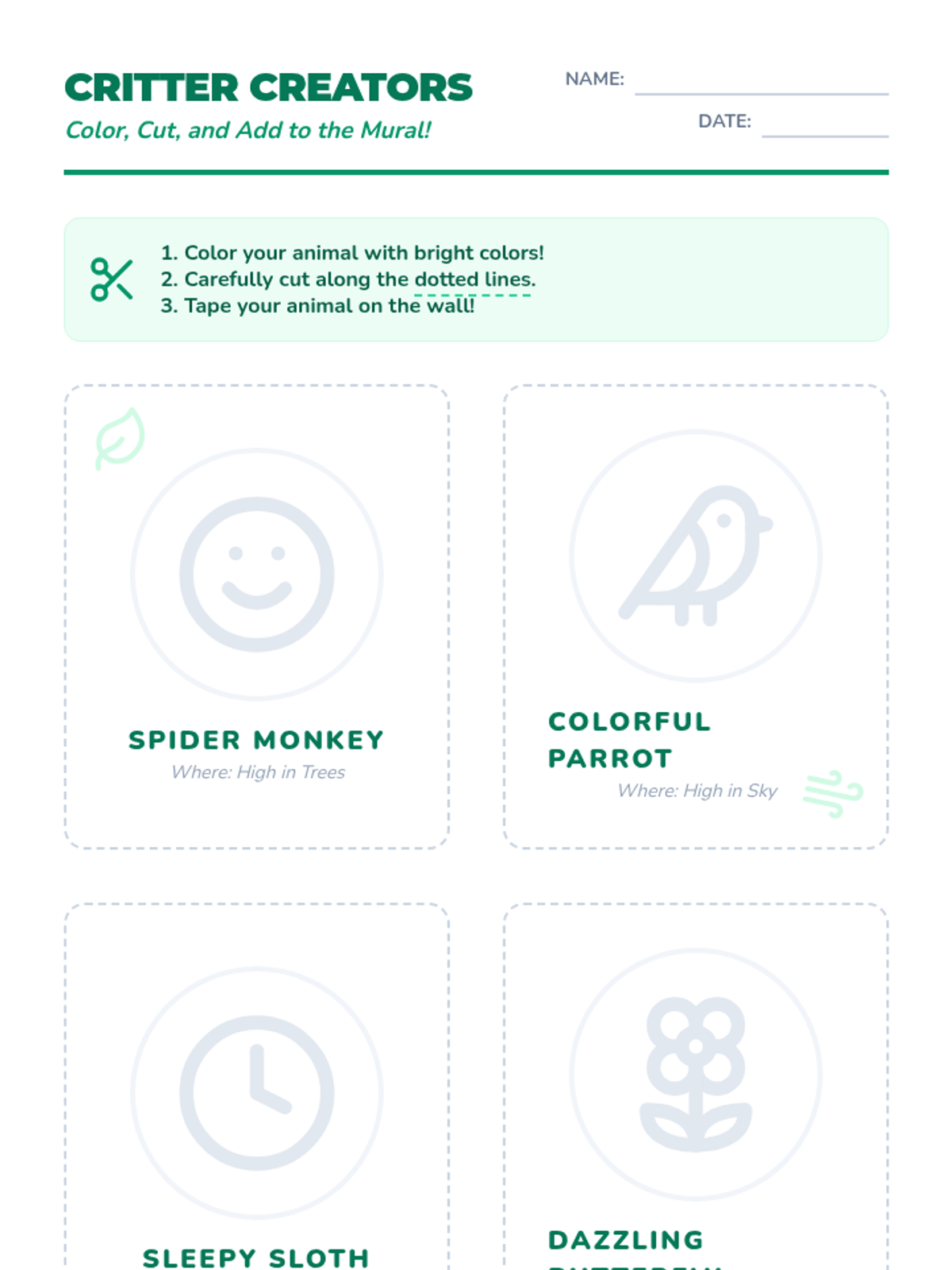
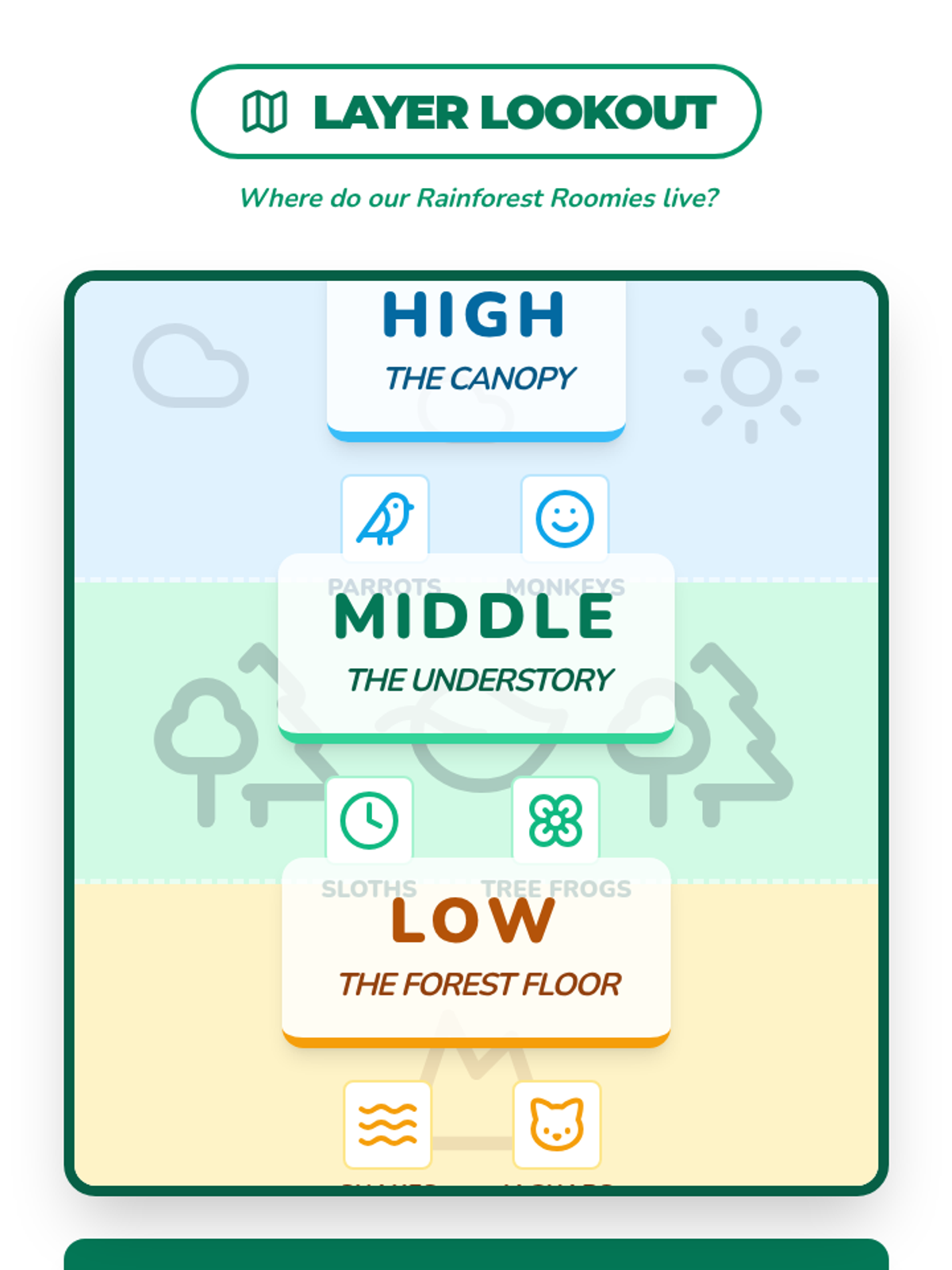
A collaborative art lesson where 1st and 2nd-grade students explore the concept of community by creating a layered mural of rainforest animals based on their habitats.
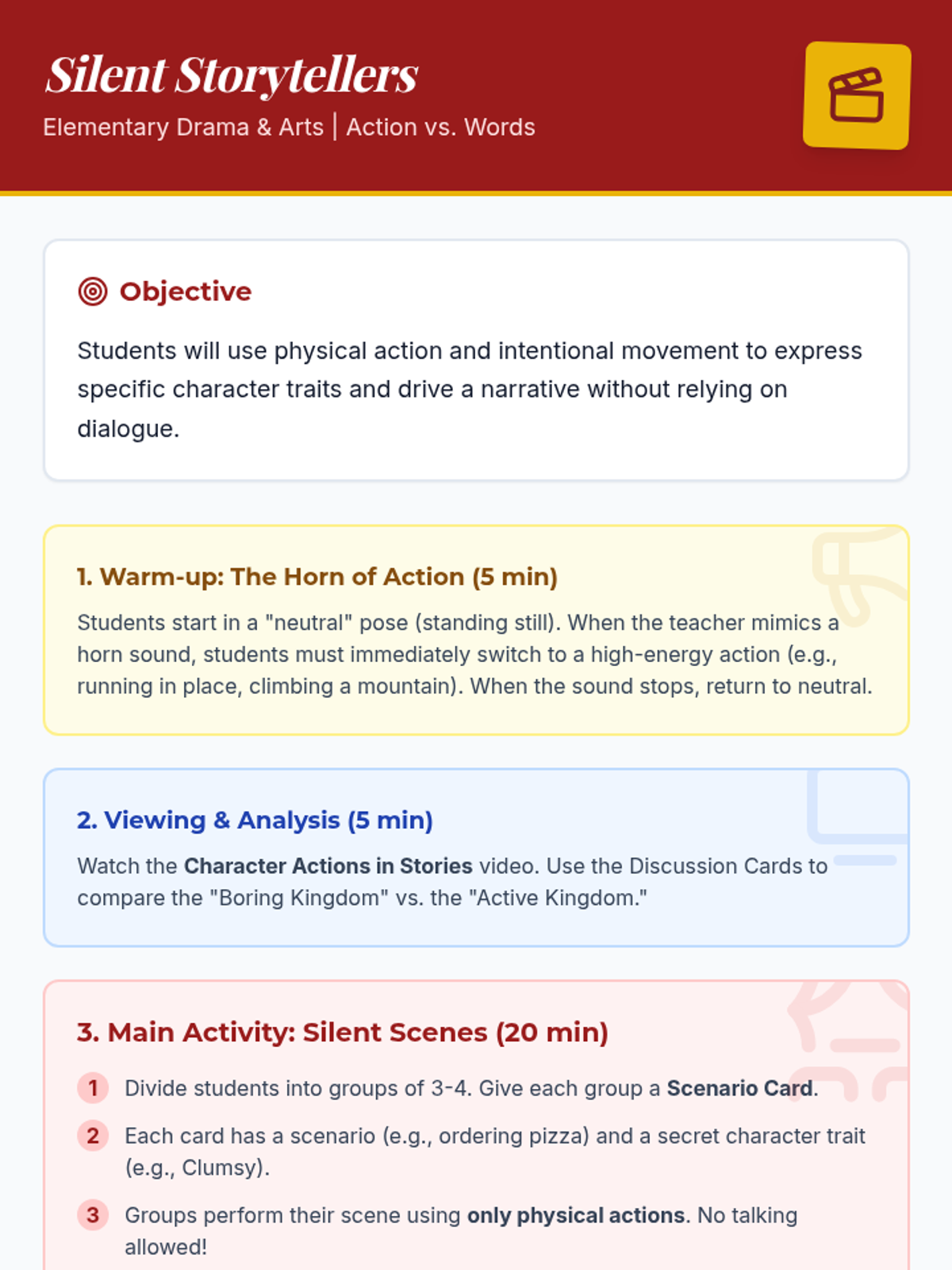
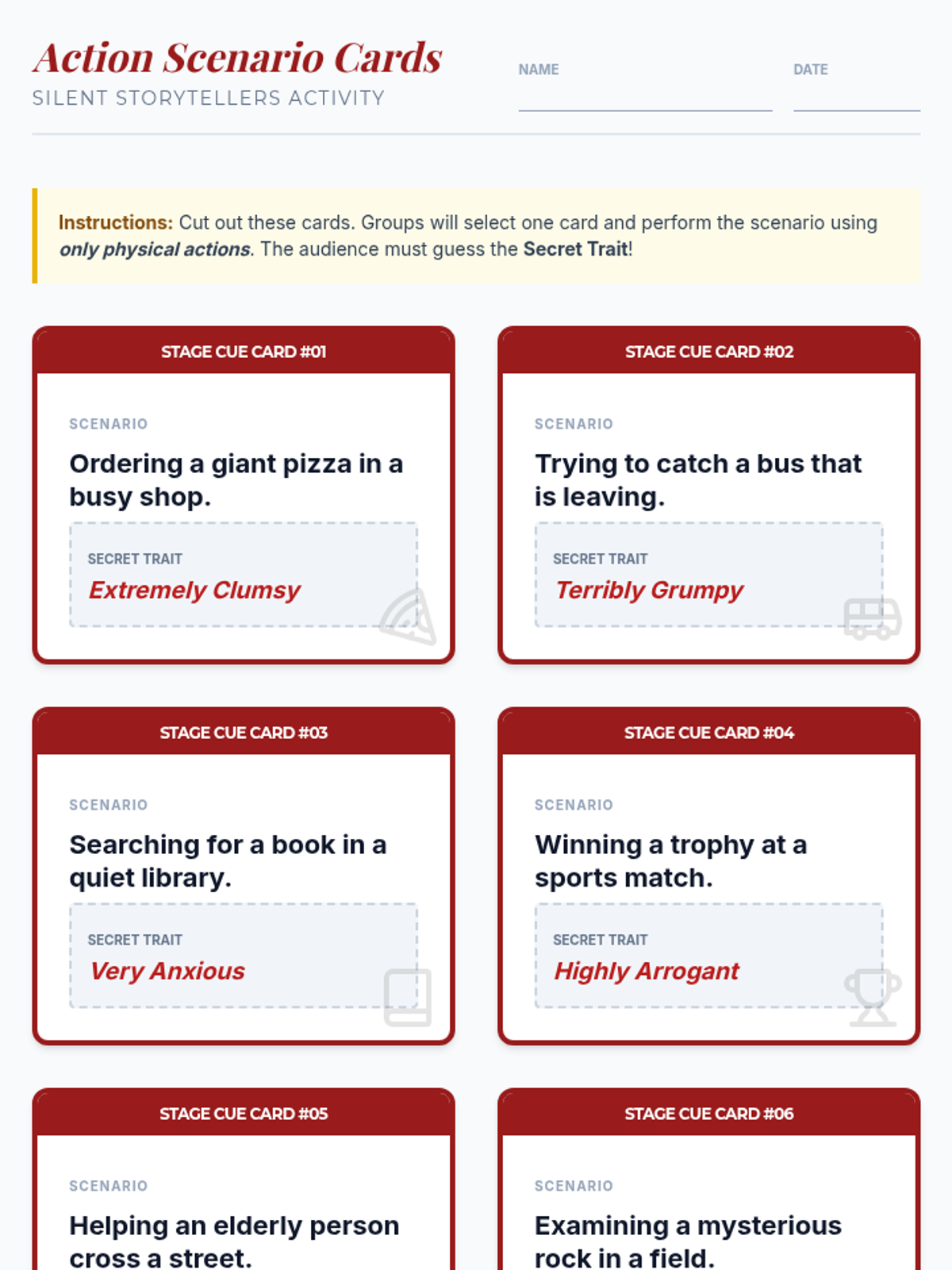
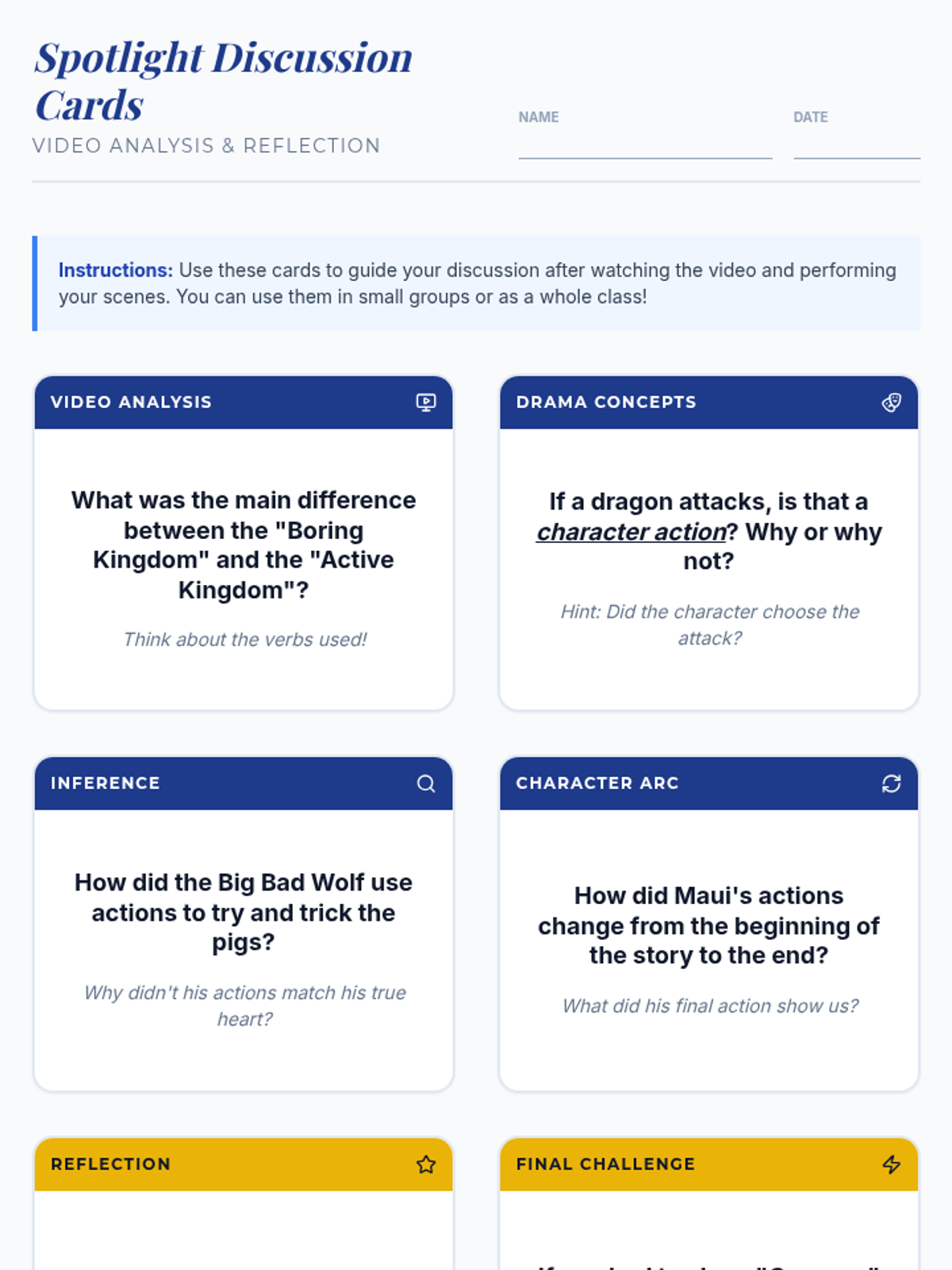
Students explore how physical action and decisions drive story and reveal character traits without using words, featuring a 'Silent Scenes' activity and a video analysis.
Bring all skills together in a classroom 'Swing Band' performance that highlights group collaboration and individual creativity.
Learn the art of vocal improvisation using scat syllables, inspired by jazz legends like Ella Fitzgerald and Louis Armstrong.
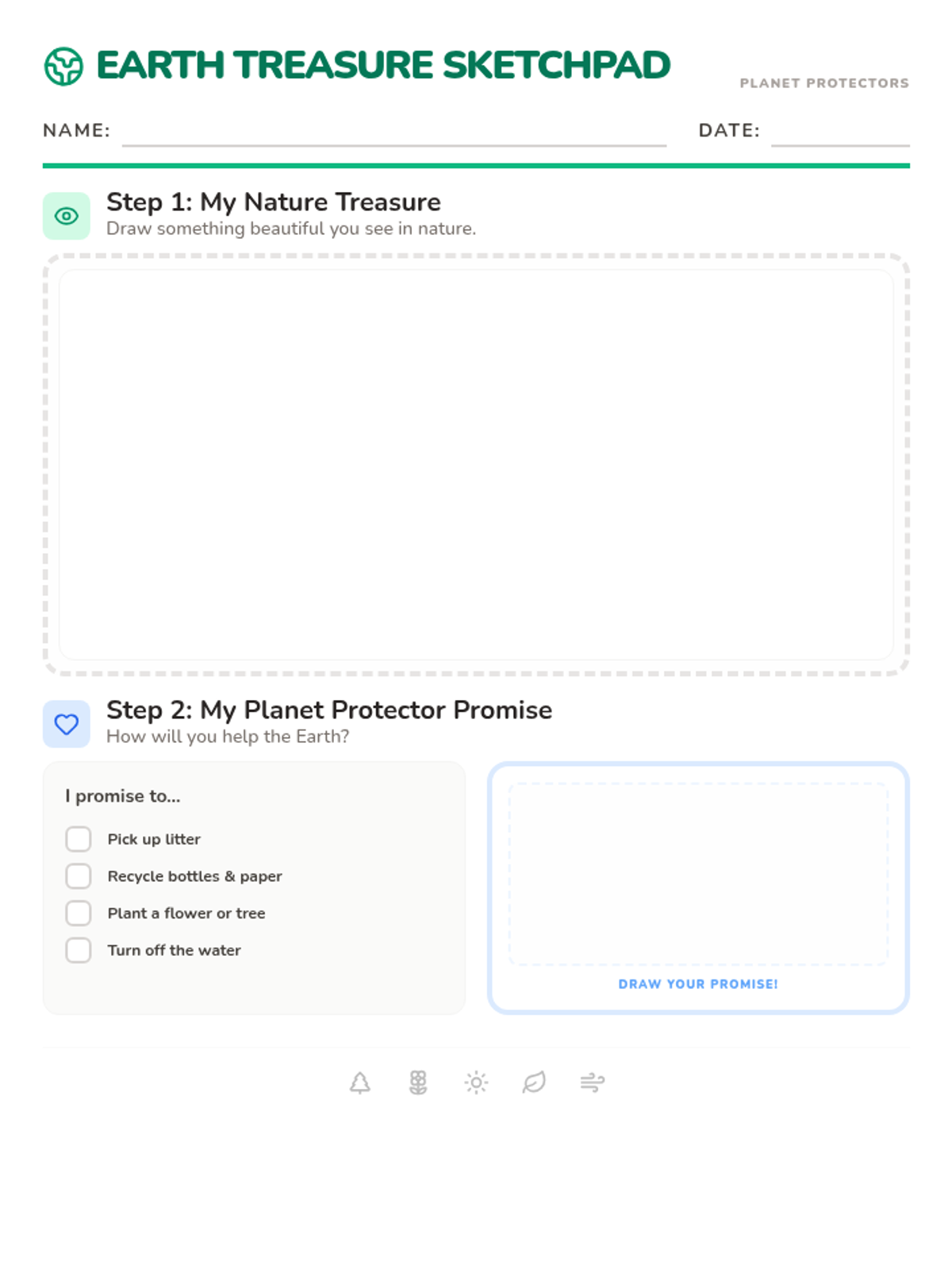
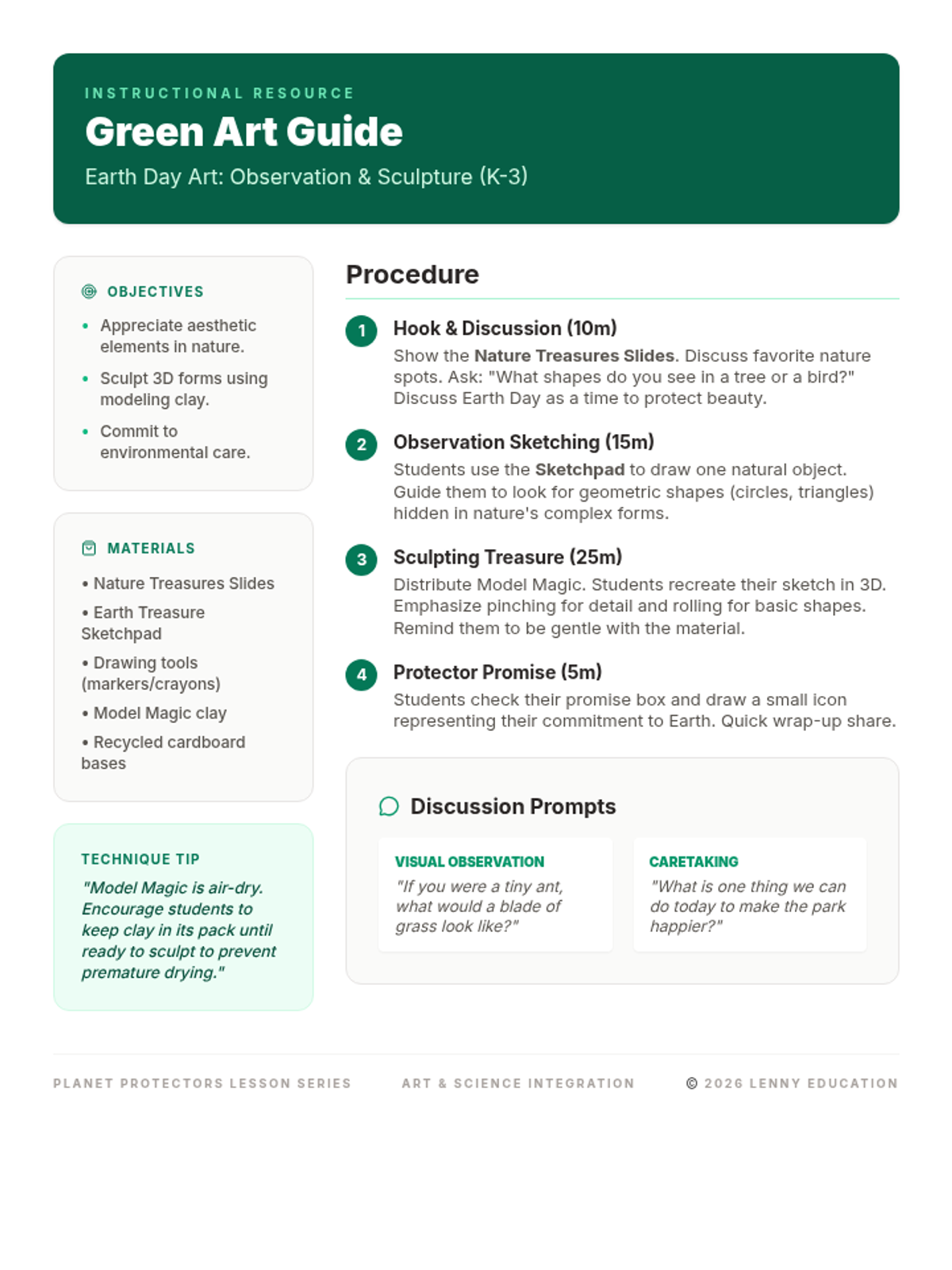
A primary art lesson exploring the beauty of nature and our role in keeping the Earth clean. Students observe natural wonders and create their own "Earth Treasures" using drawing and sculpting materials.
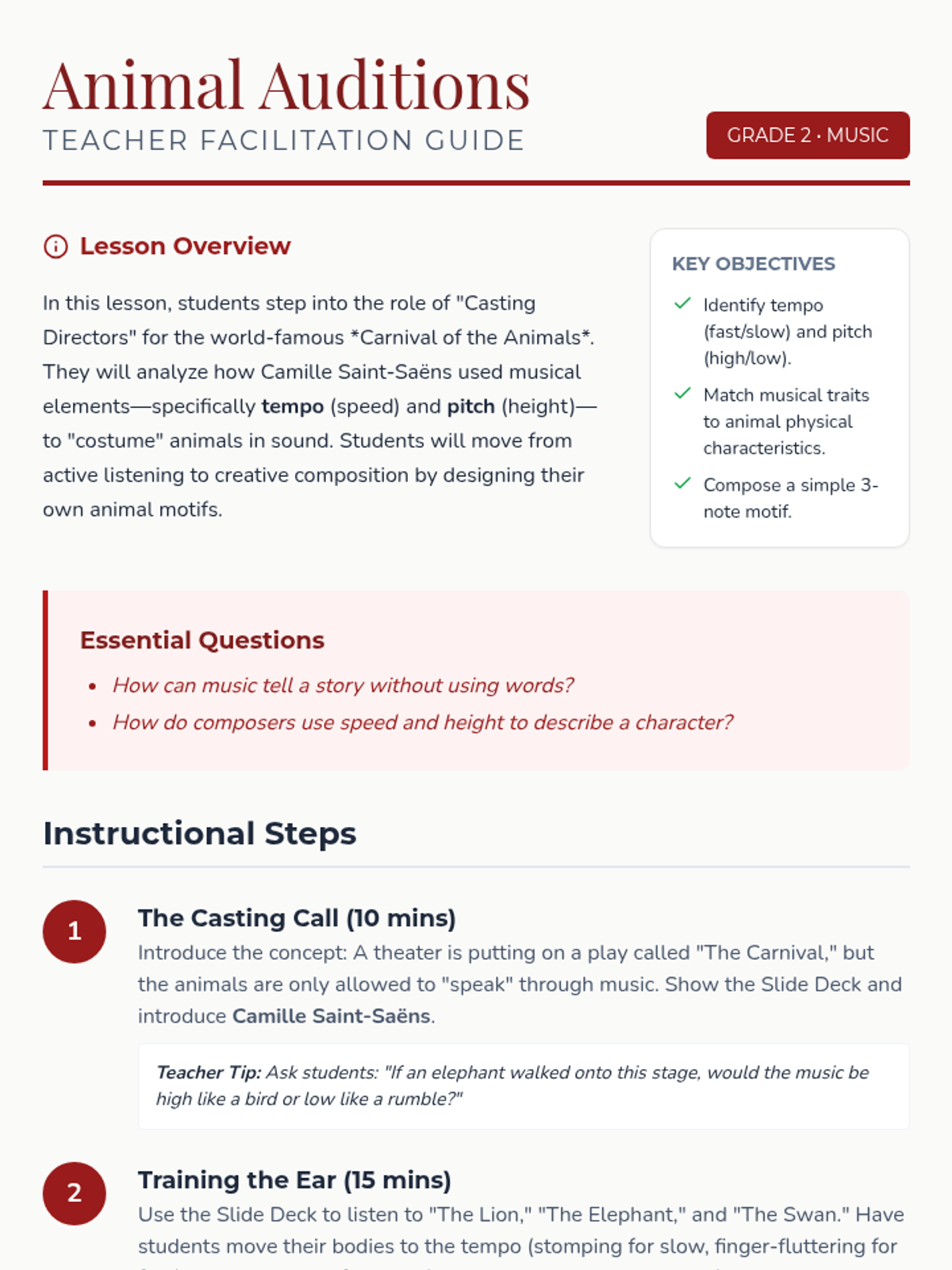
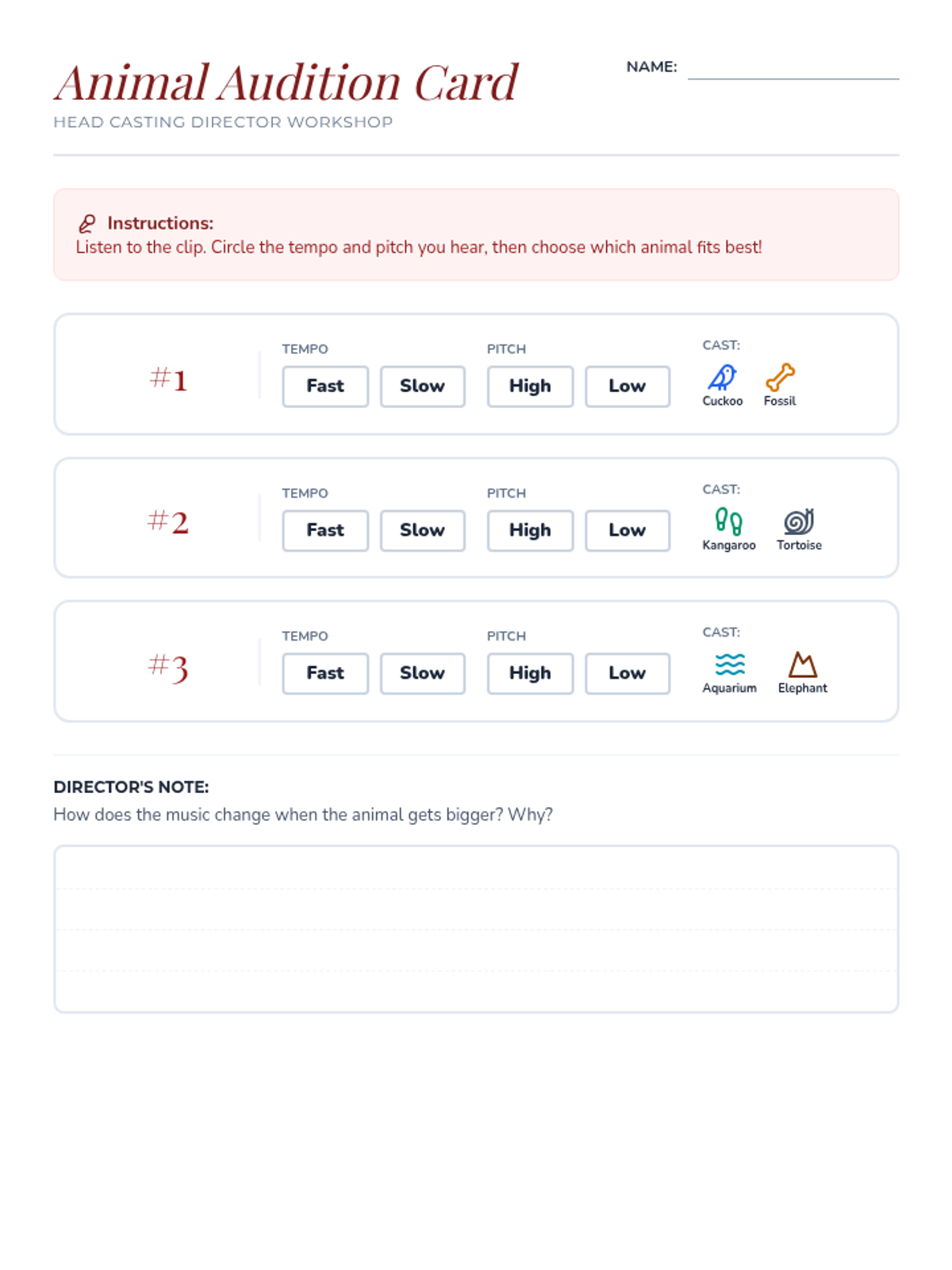
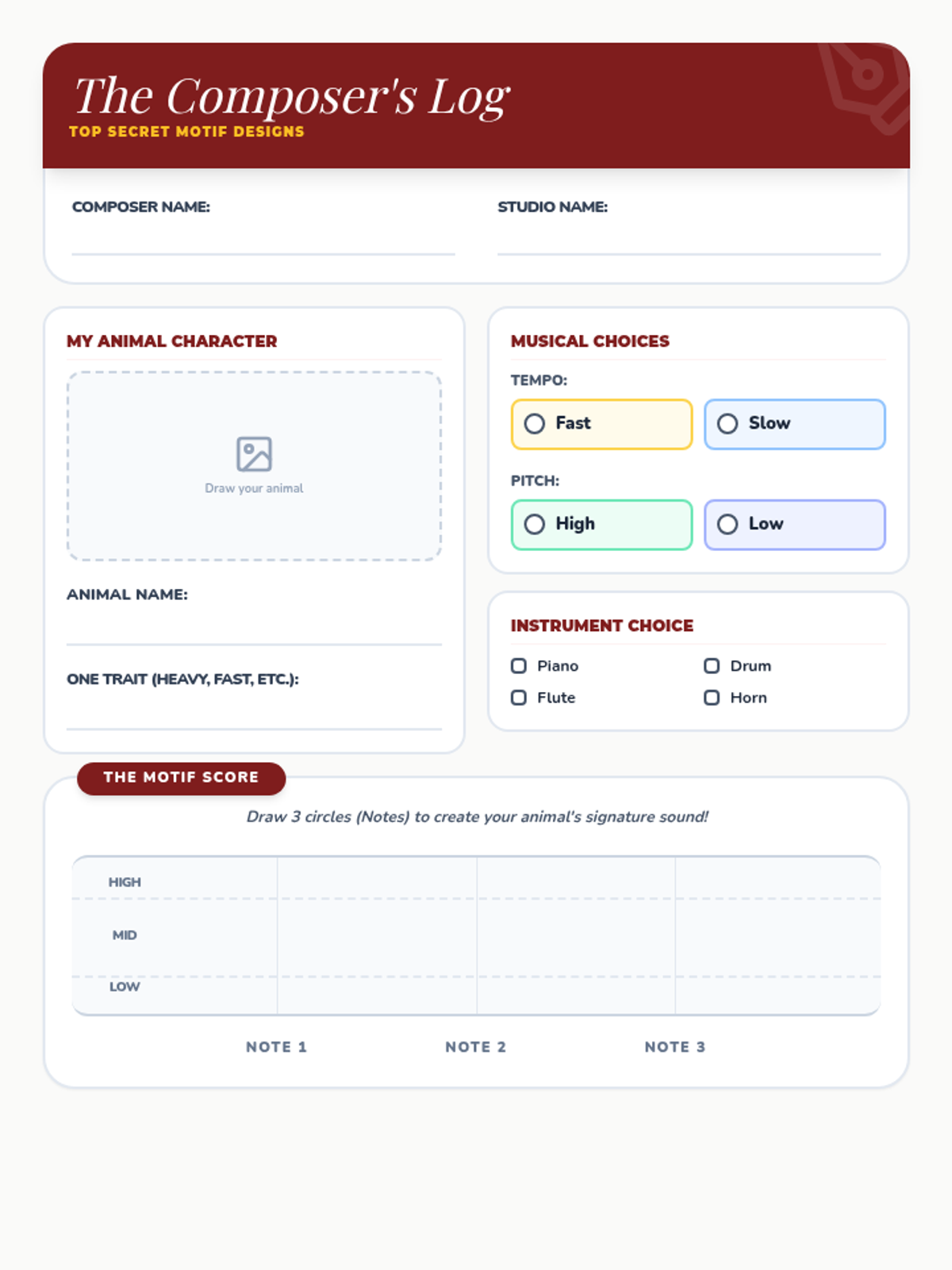
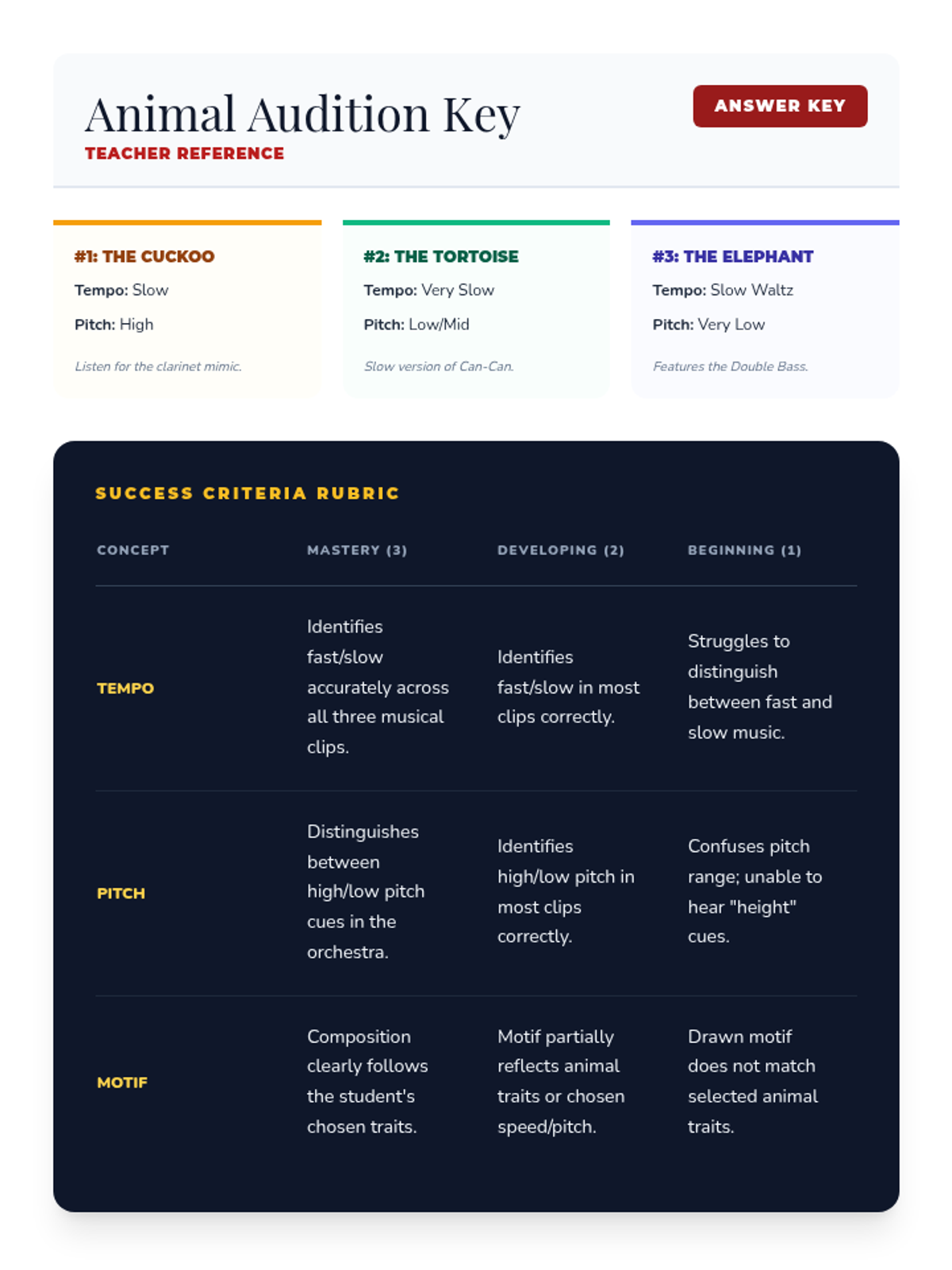
A theatrical exploration of Saint-Saëns' 'The Carnival of the Animals' where 2nd graders act as casting directors to match musical traits like tempo and pitch to animal characters.
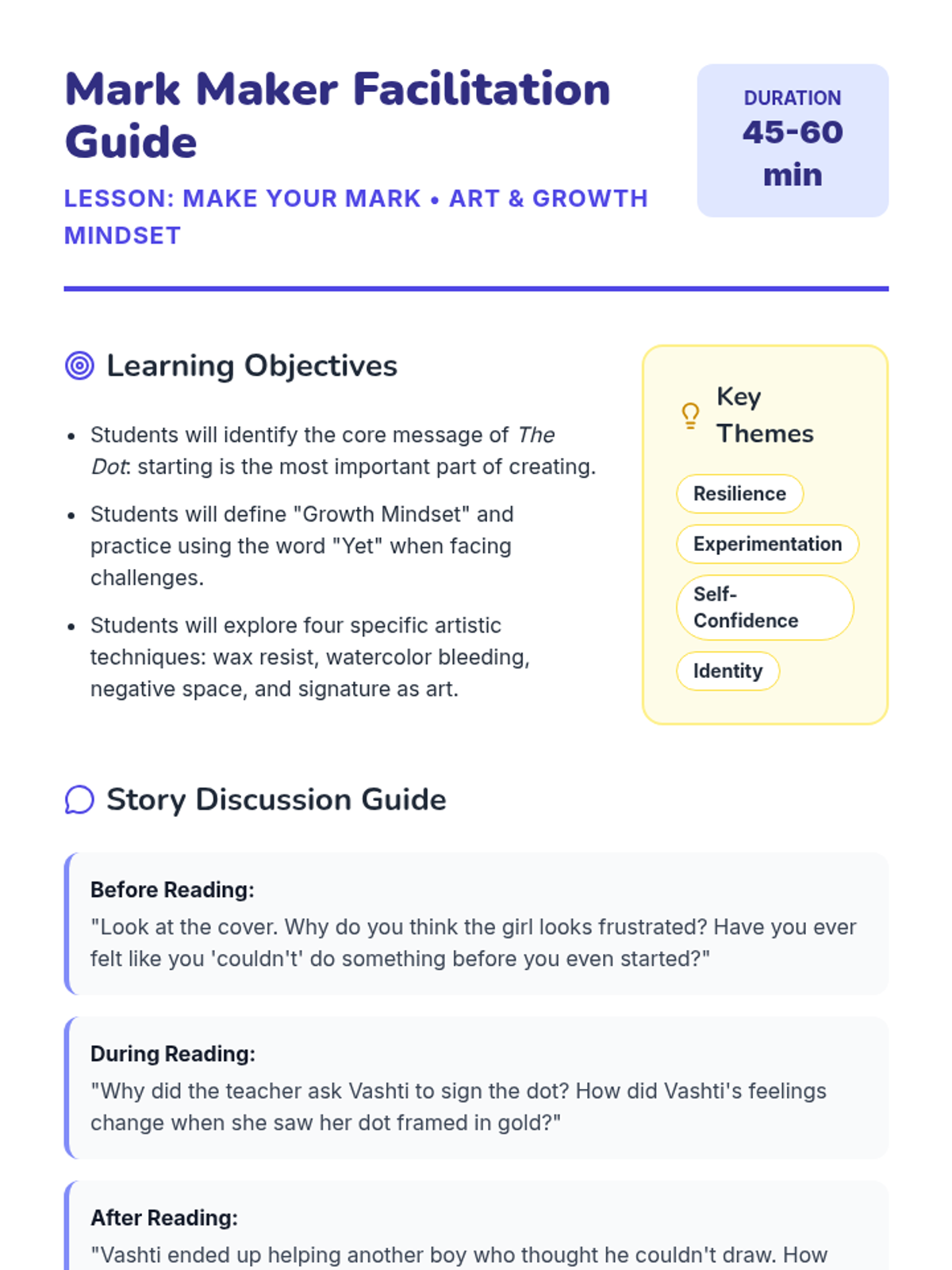
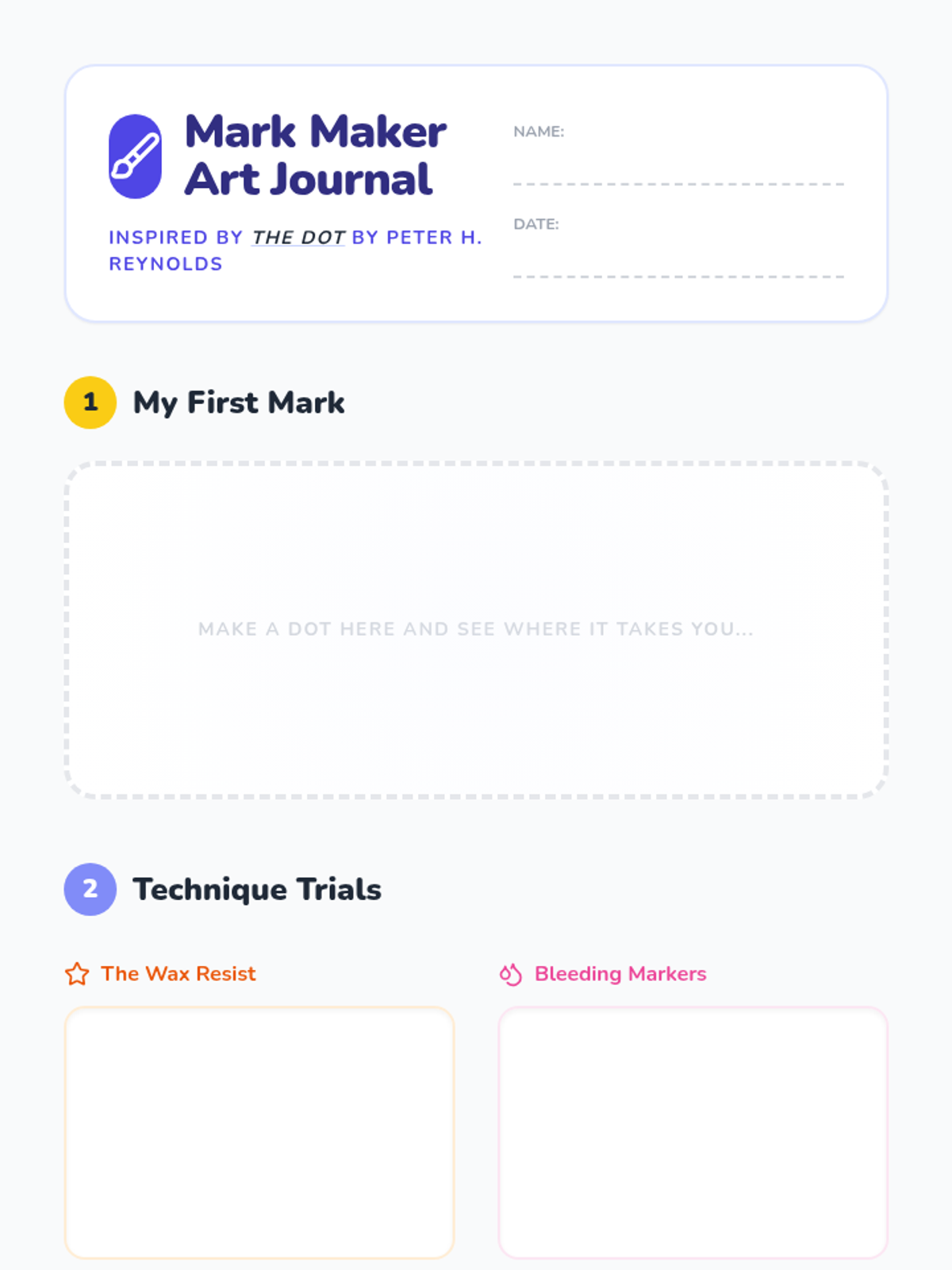
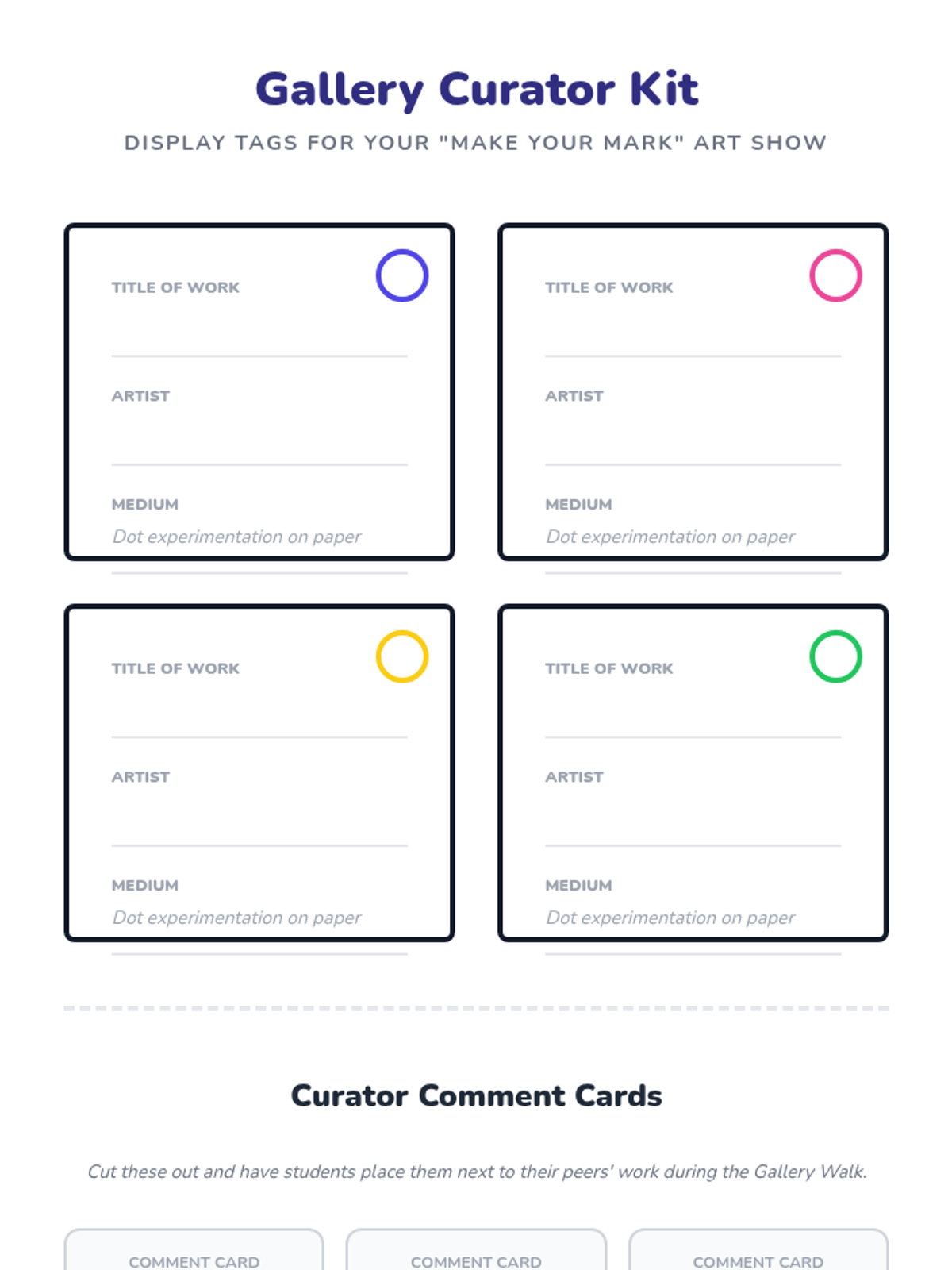
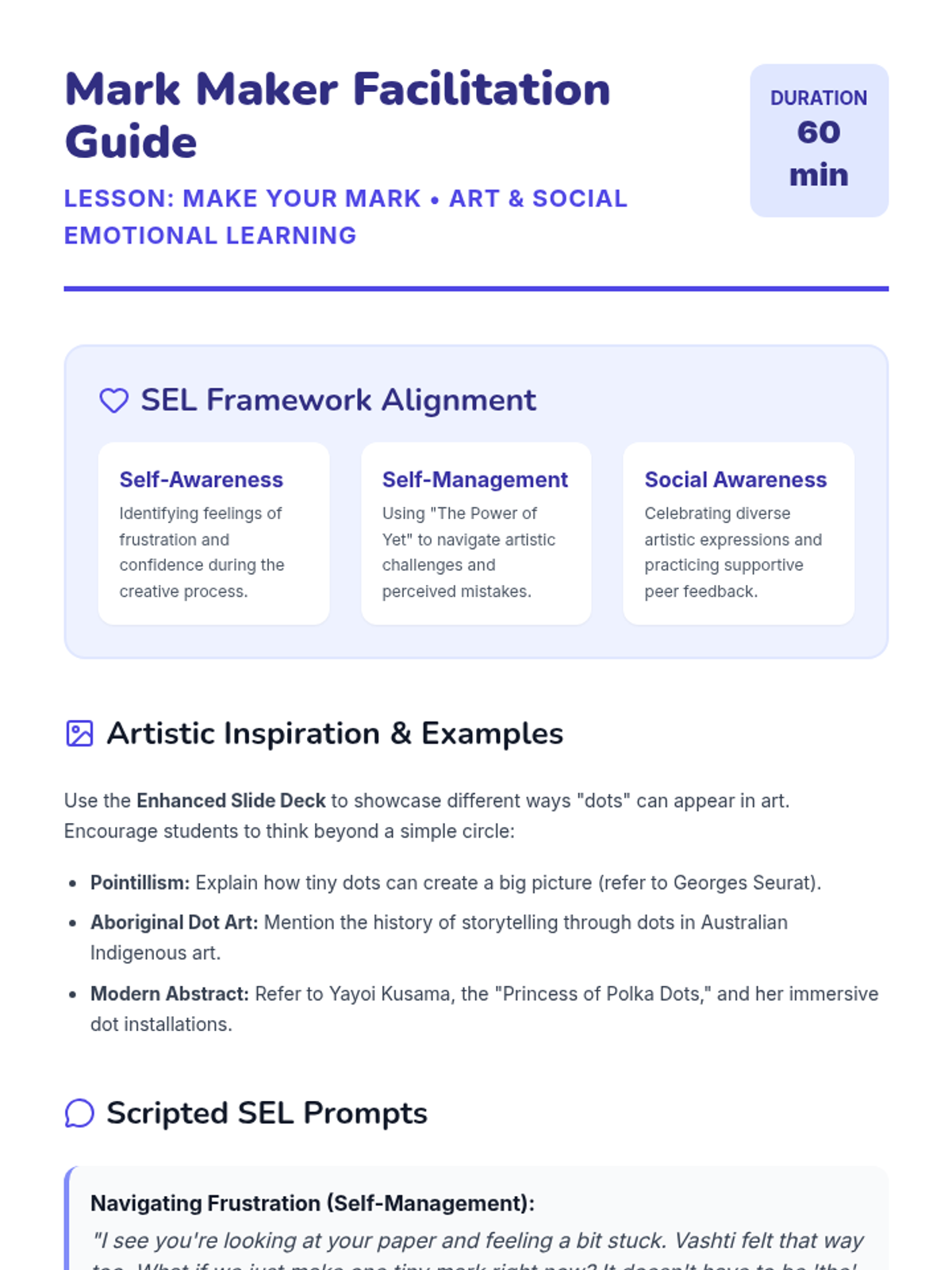
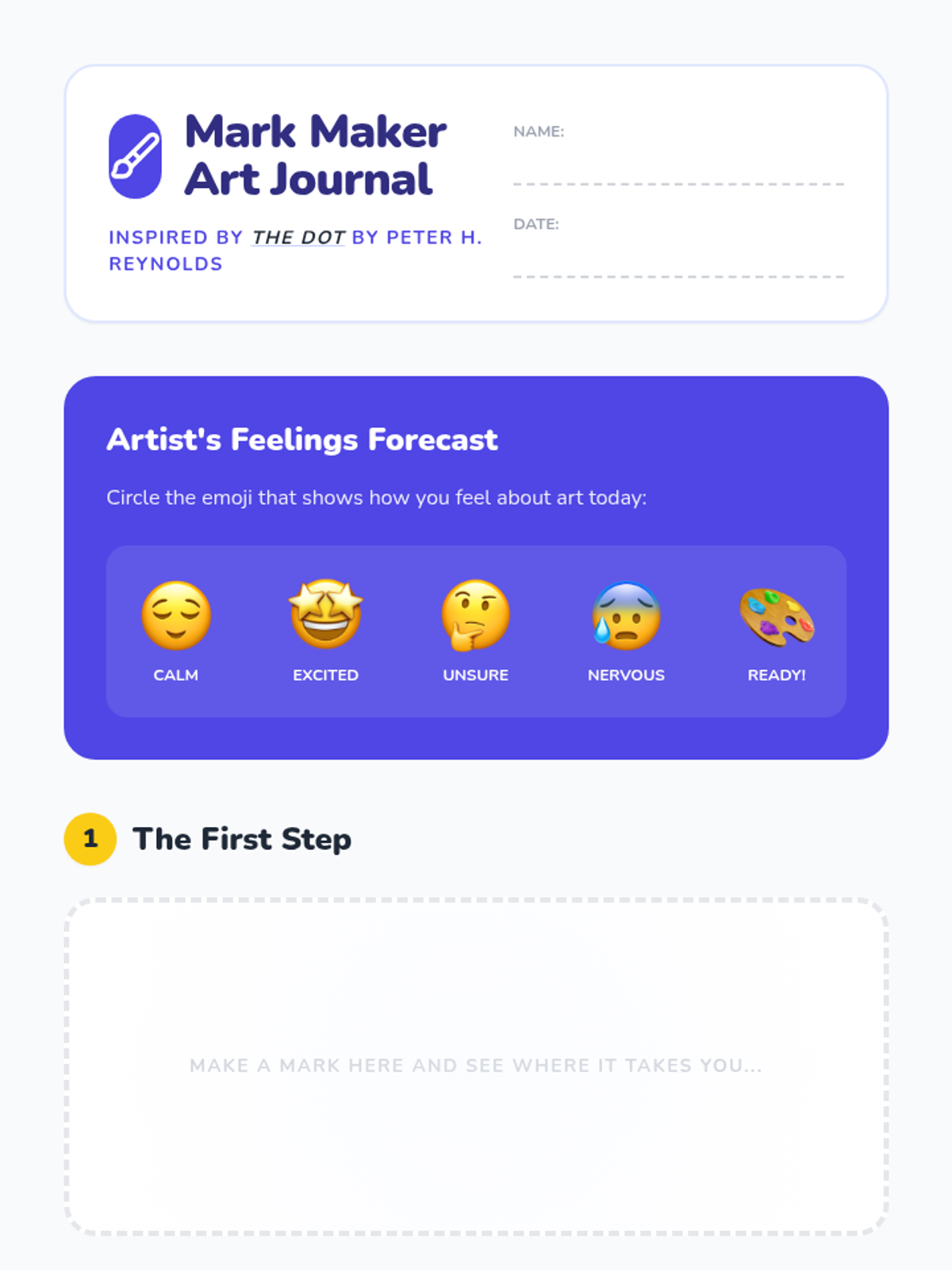
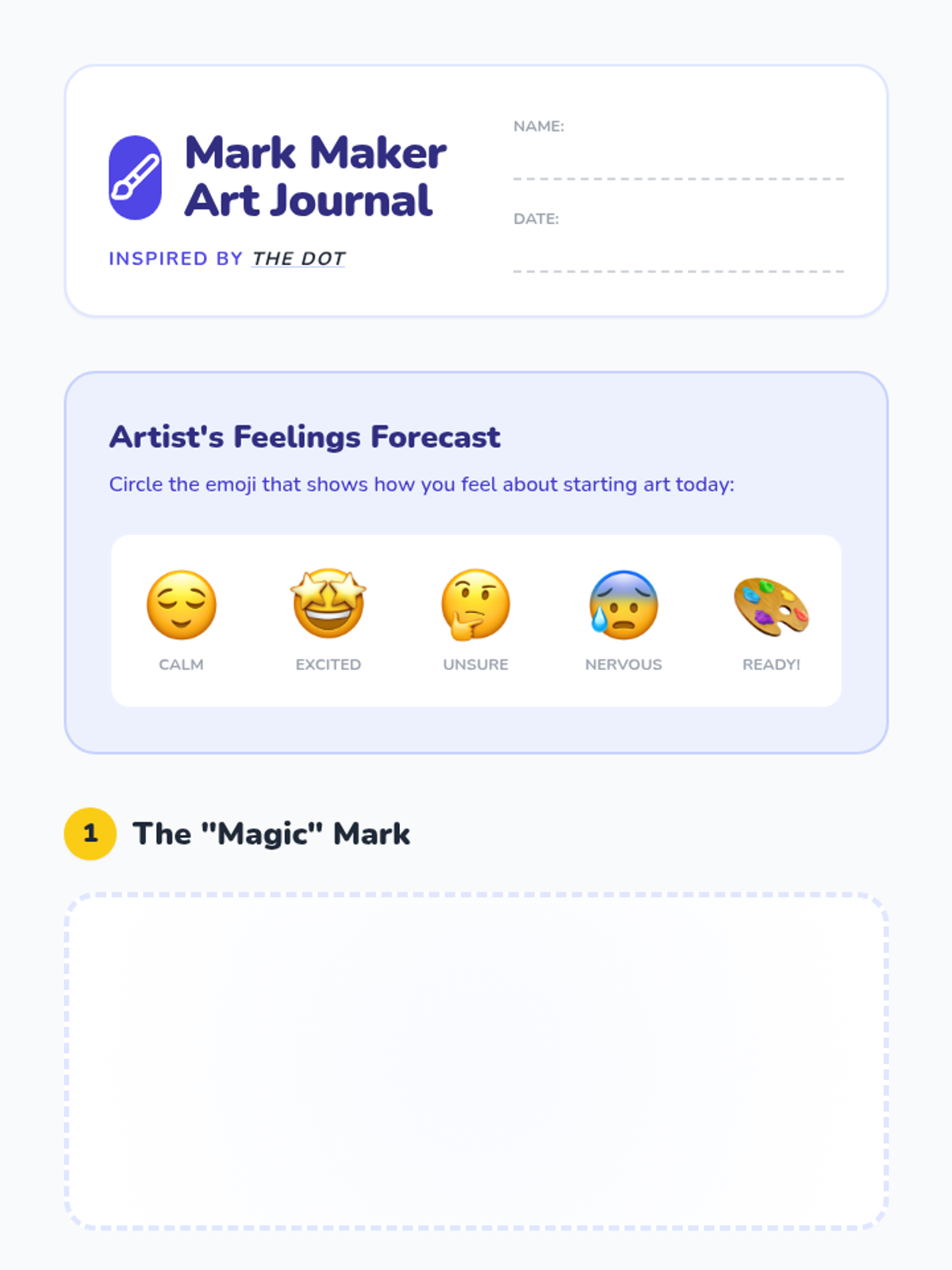
A creative art lesson inspired by 'The Dot' by Peter H. Reynolds, focusing on growth mindset and artistic experimentation. Students will learn that 'making your mark' starts with just one small step.
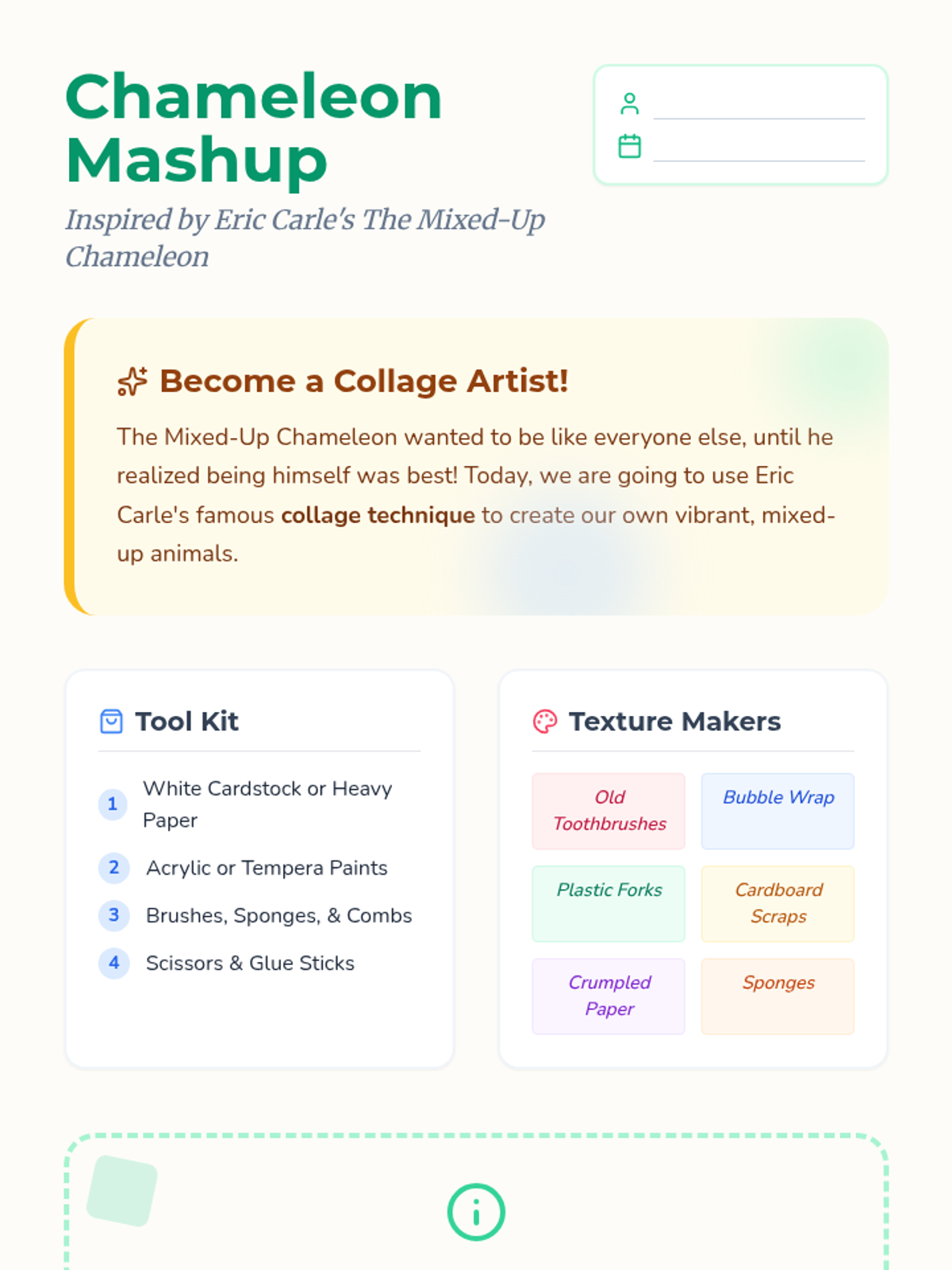
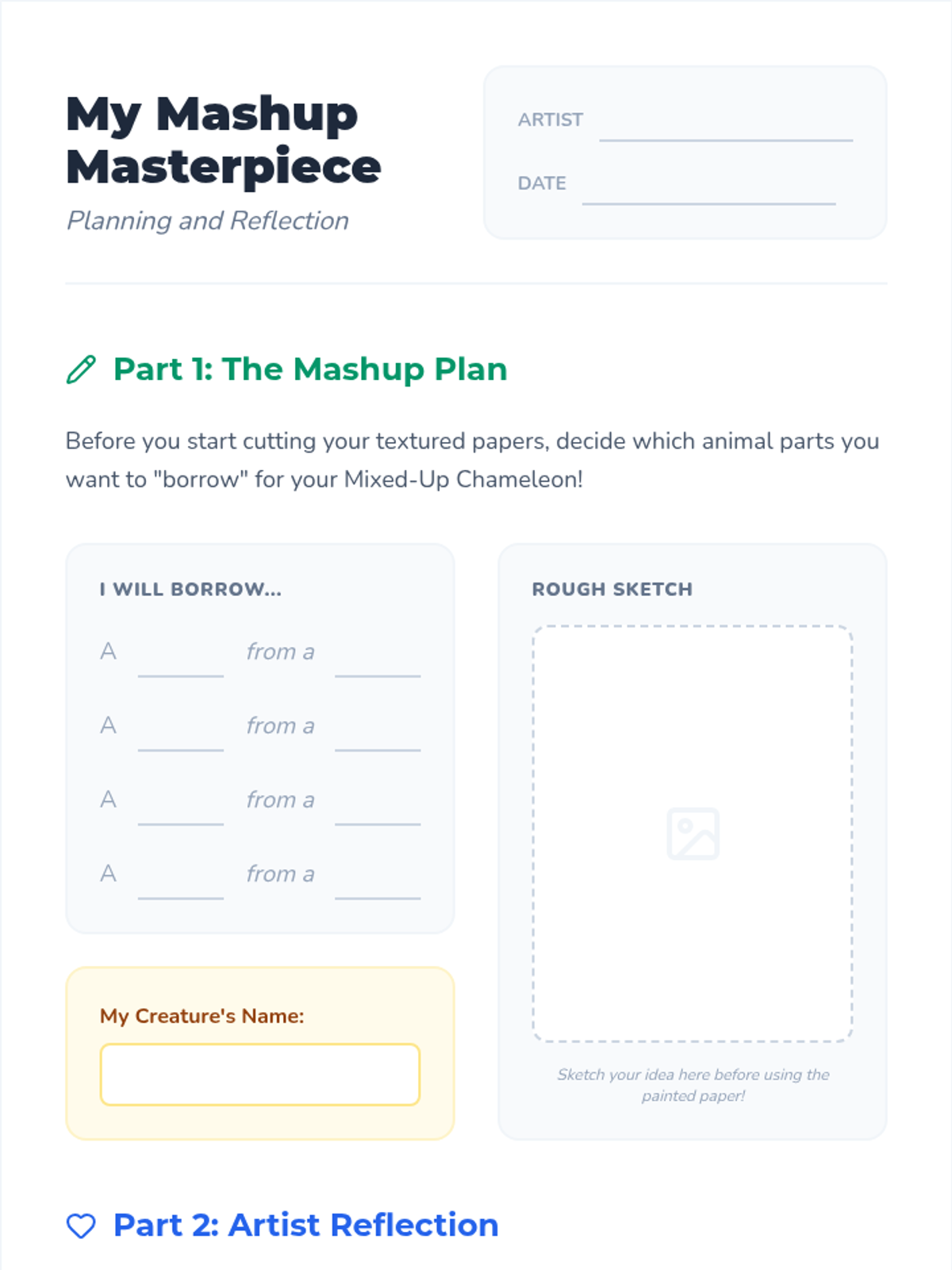
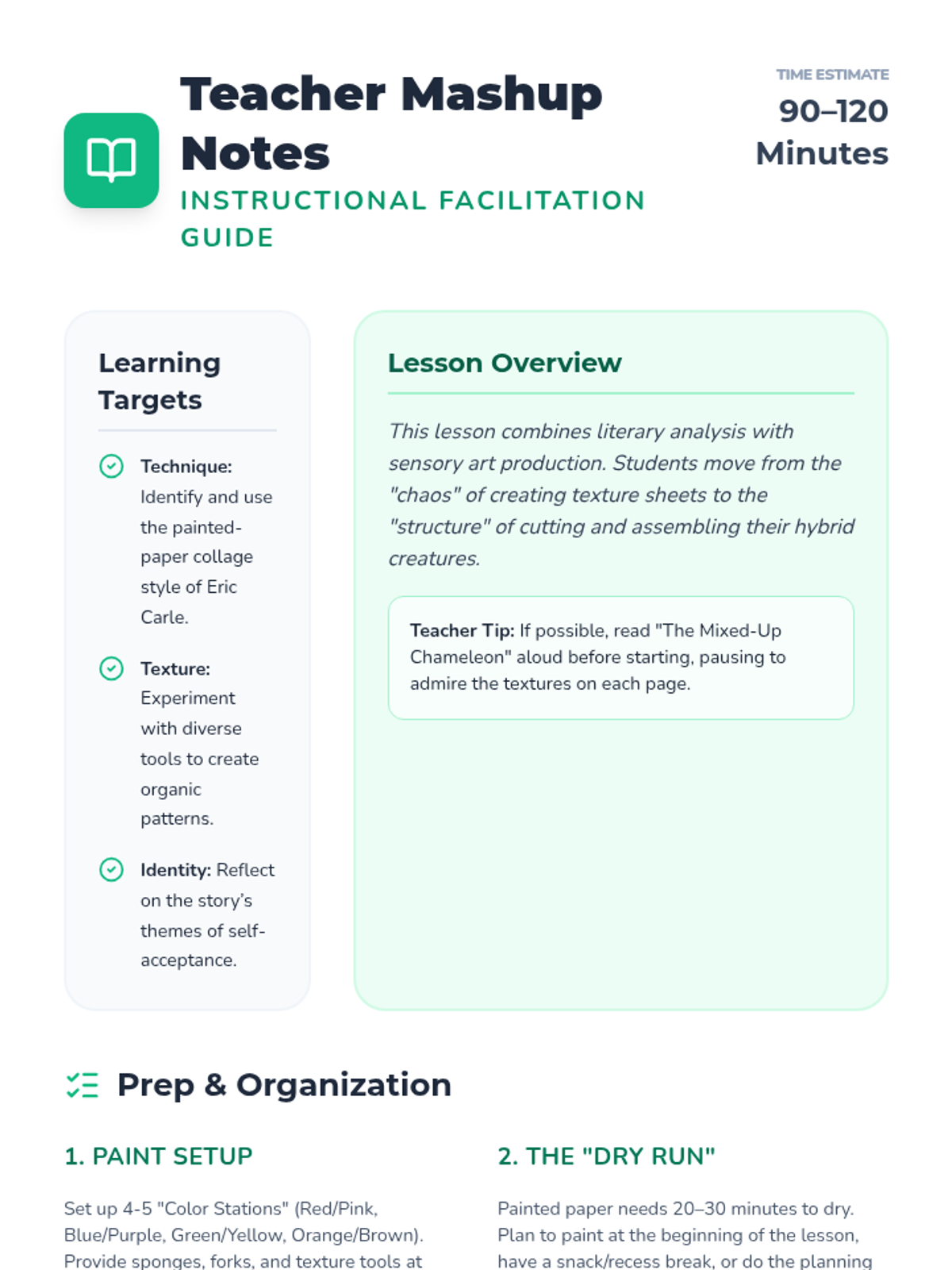
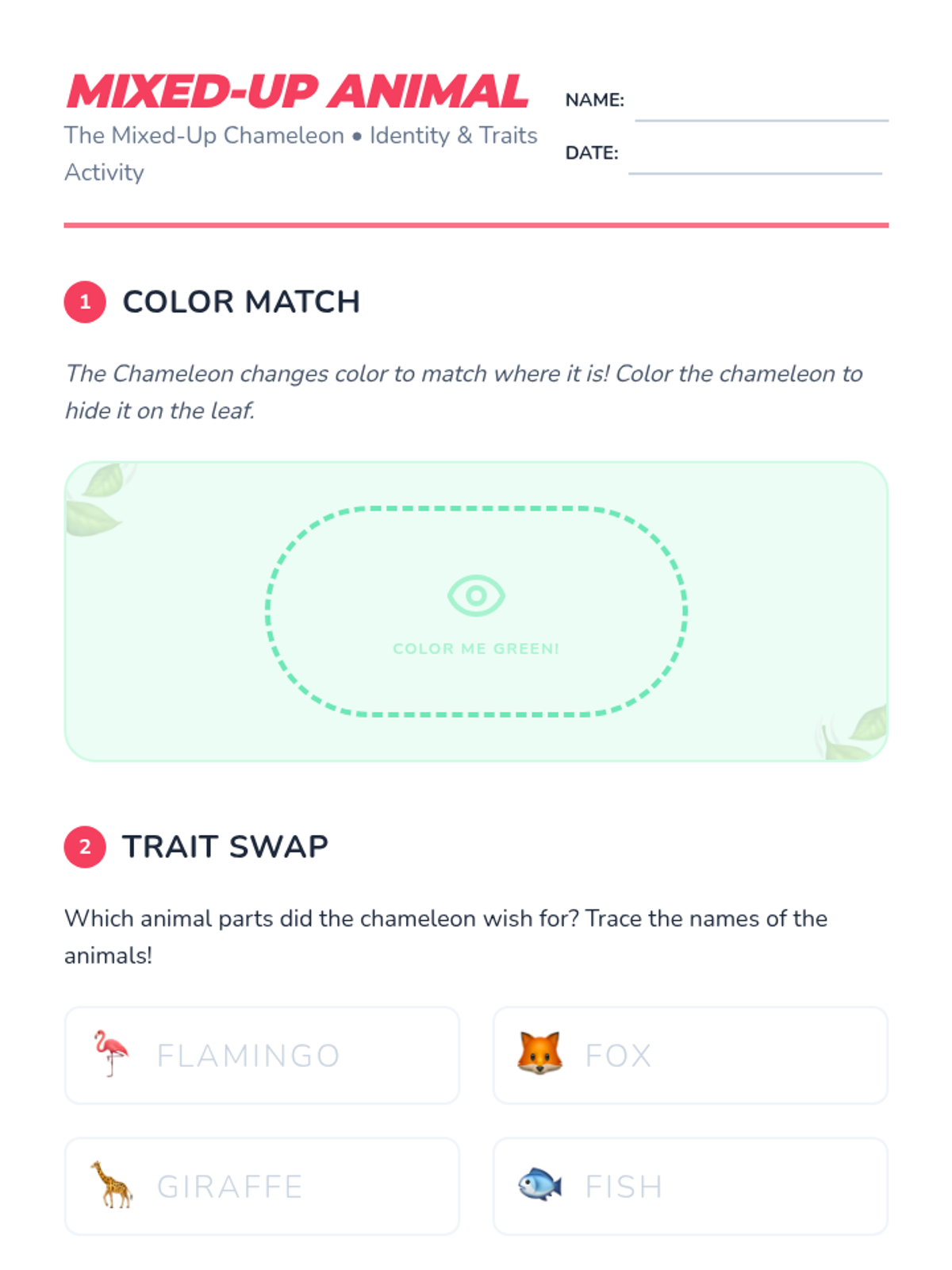
A creative art lesson where students explore identity and diversity by creating their own mixed-up animals inspired by Eric Carle's colorful collage style. Students will learn the 'painted paper' technique to create vibrant textures.
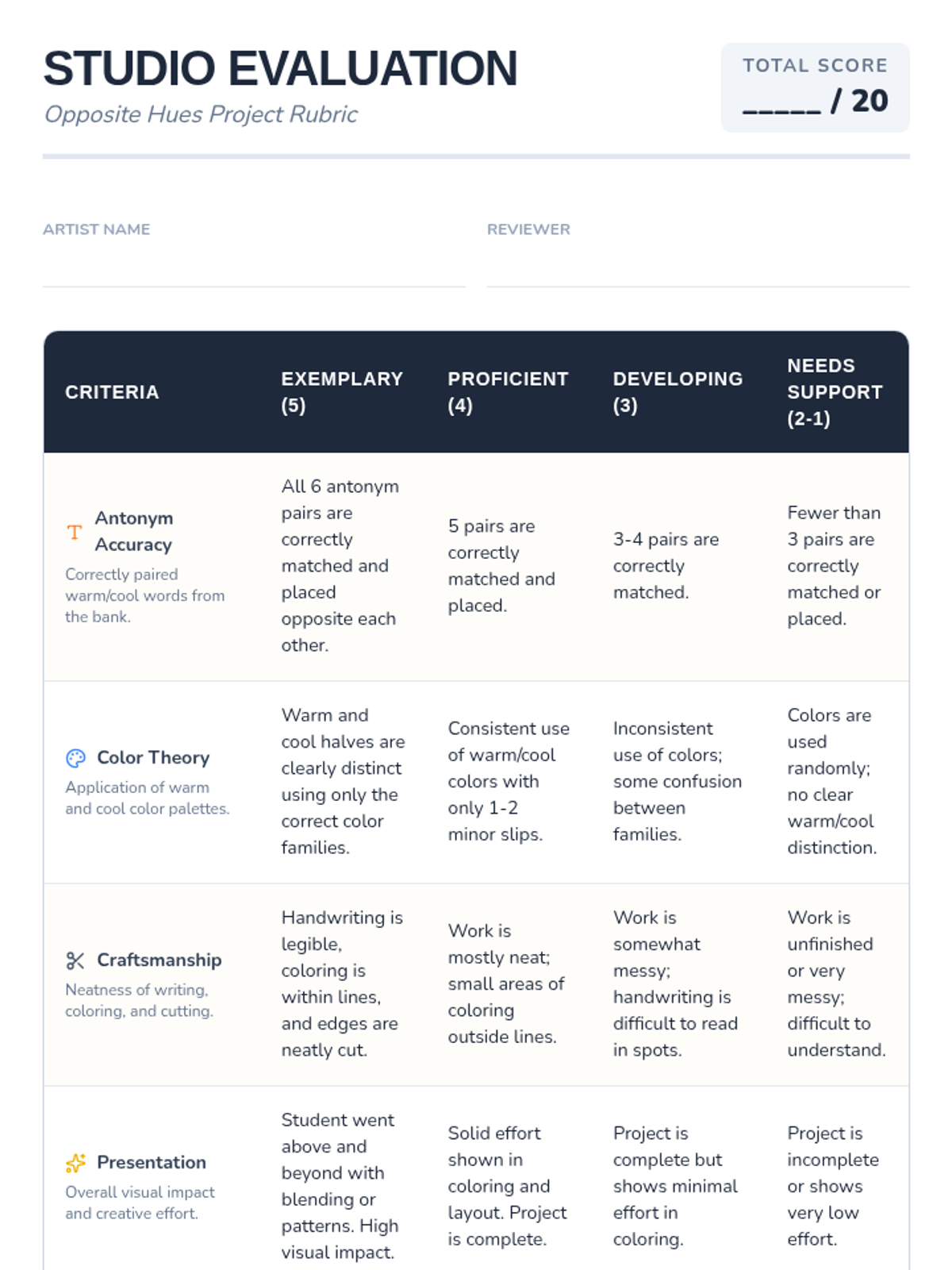
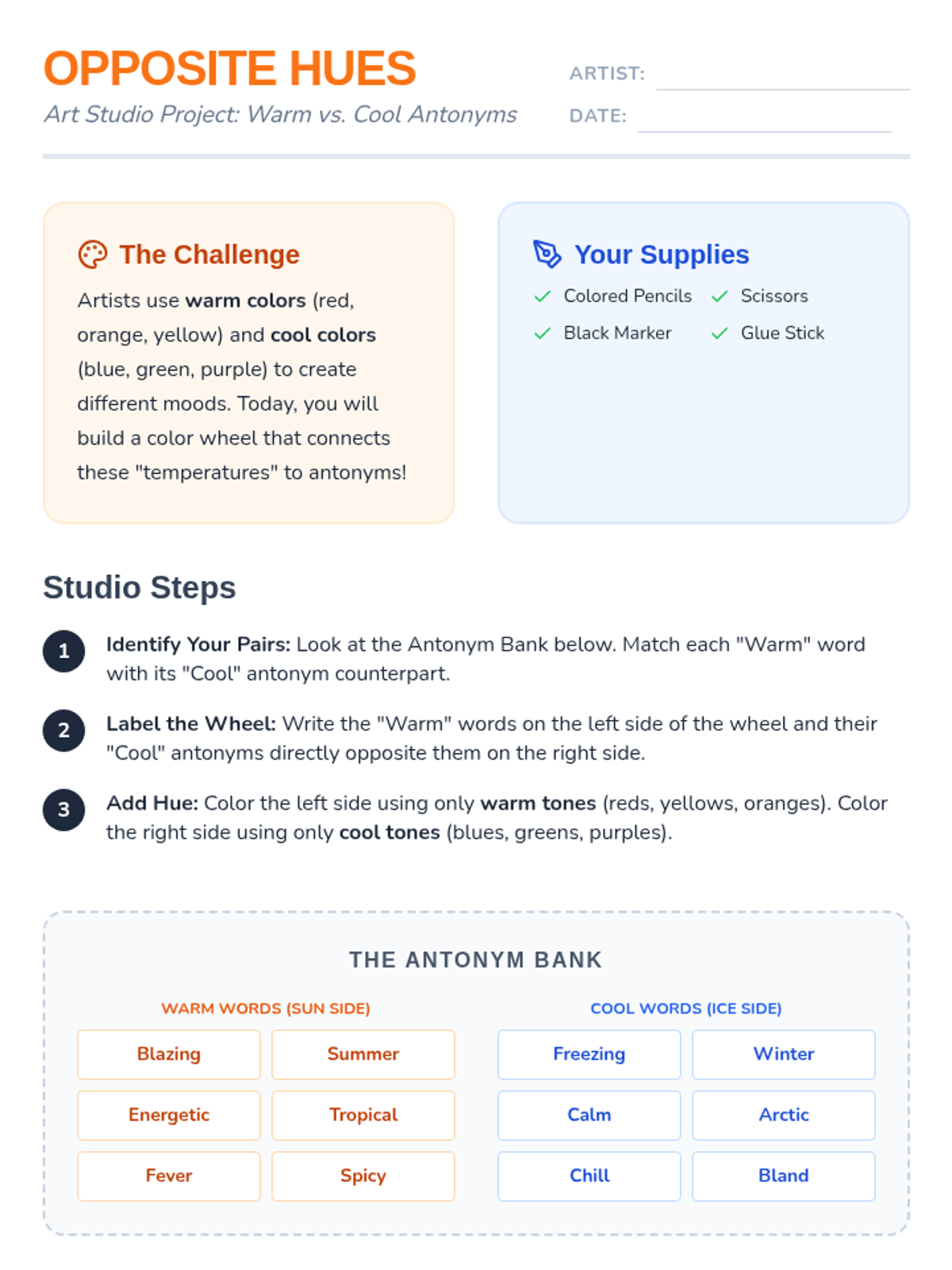
A hands-on art and language arts lesson where students explore color temperature by pairing warm and cool colors with antonyms. Students create a visual 'Opposite Wheel' to demonstrate their understanding of both color theory and vocabulary.
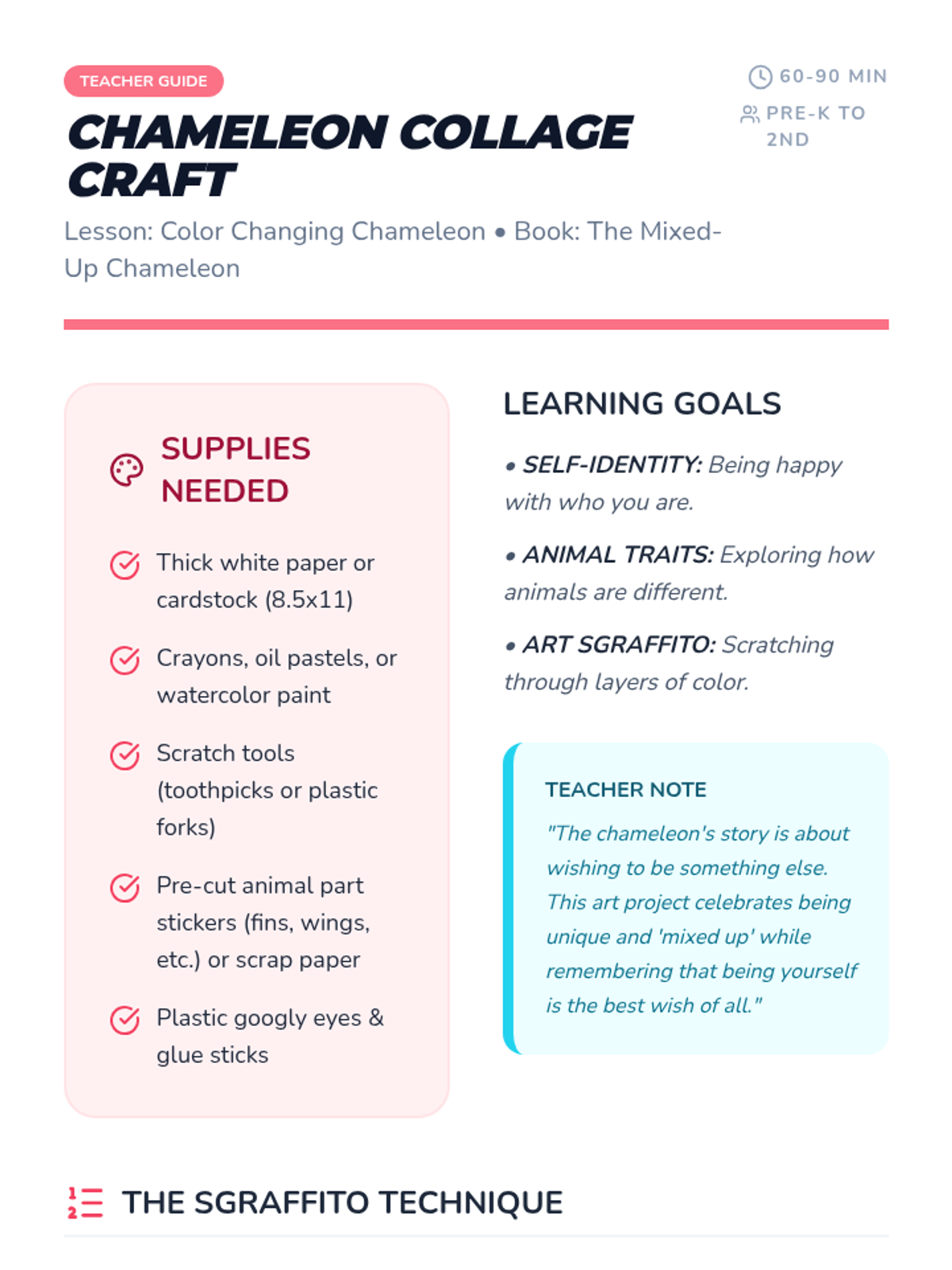
Focusing on 'The Mixed-Up Chameleon,' this lesson explores the vibrant world of colors and animal traits through layered collage and mixed-media art.
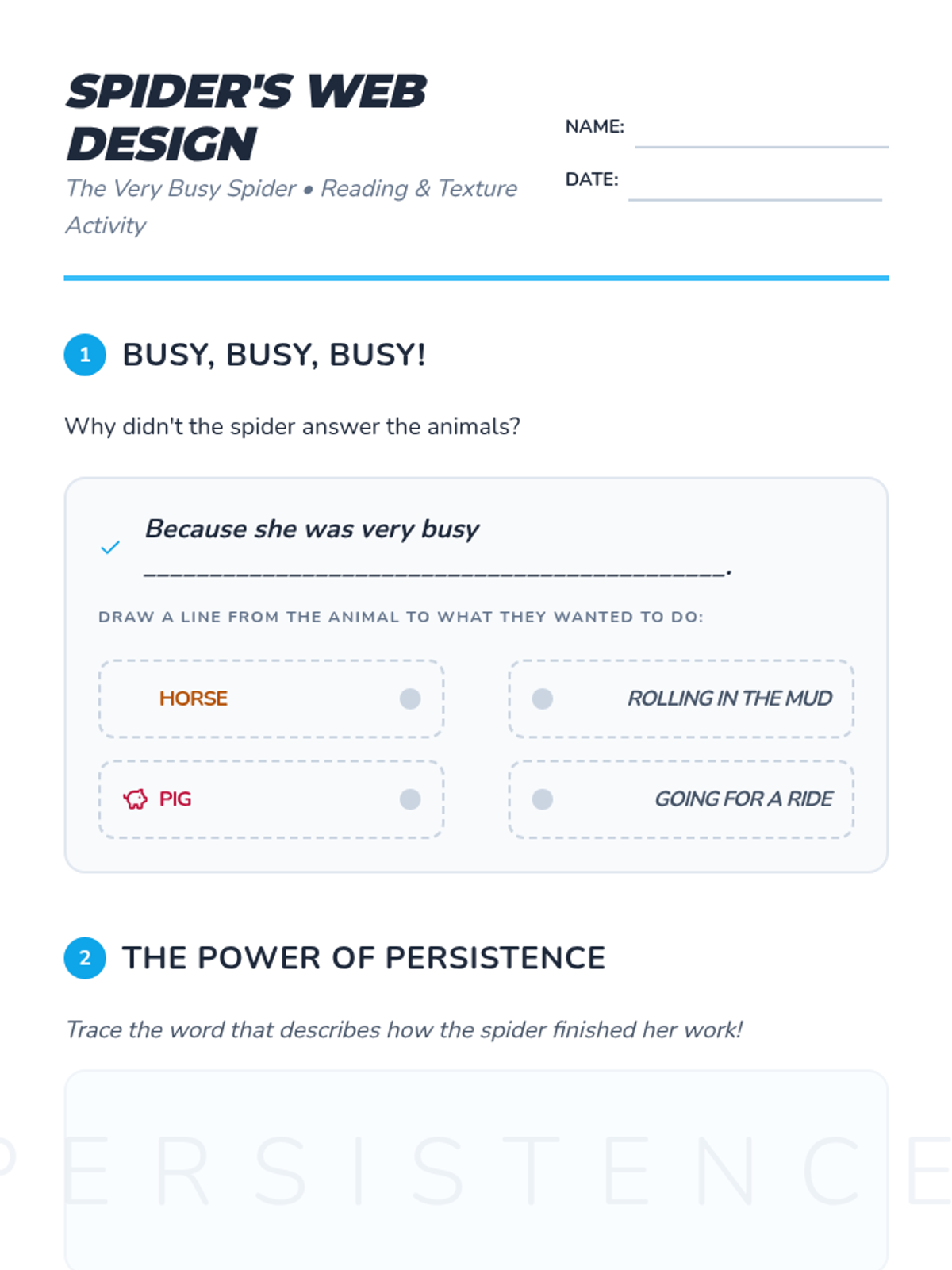
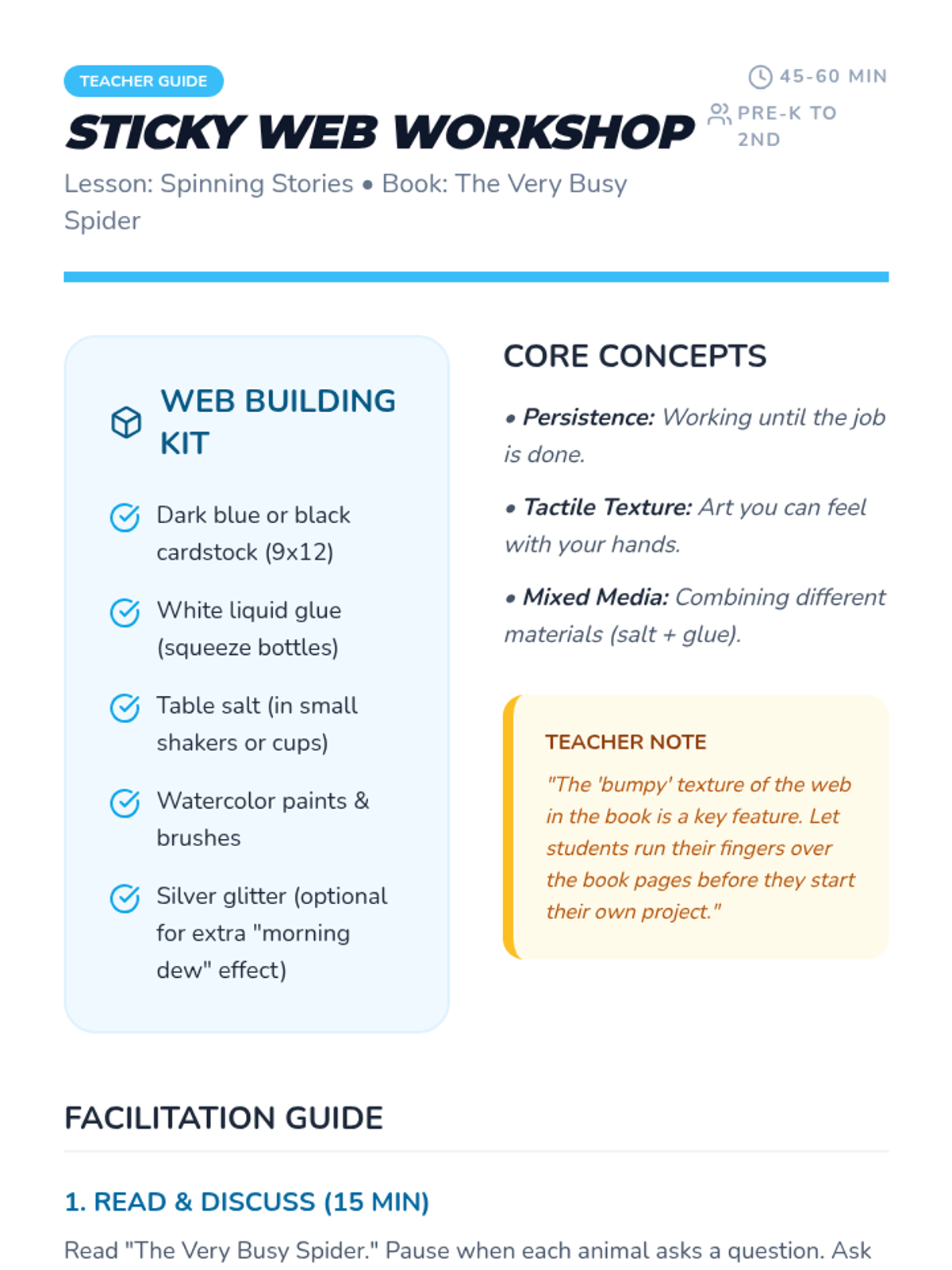
Focusing on 'The Very Busy Spider,' this lesson explores the themes of hard work and persistence while teaching students how to create tactile textures in their art using mixed media.
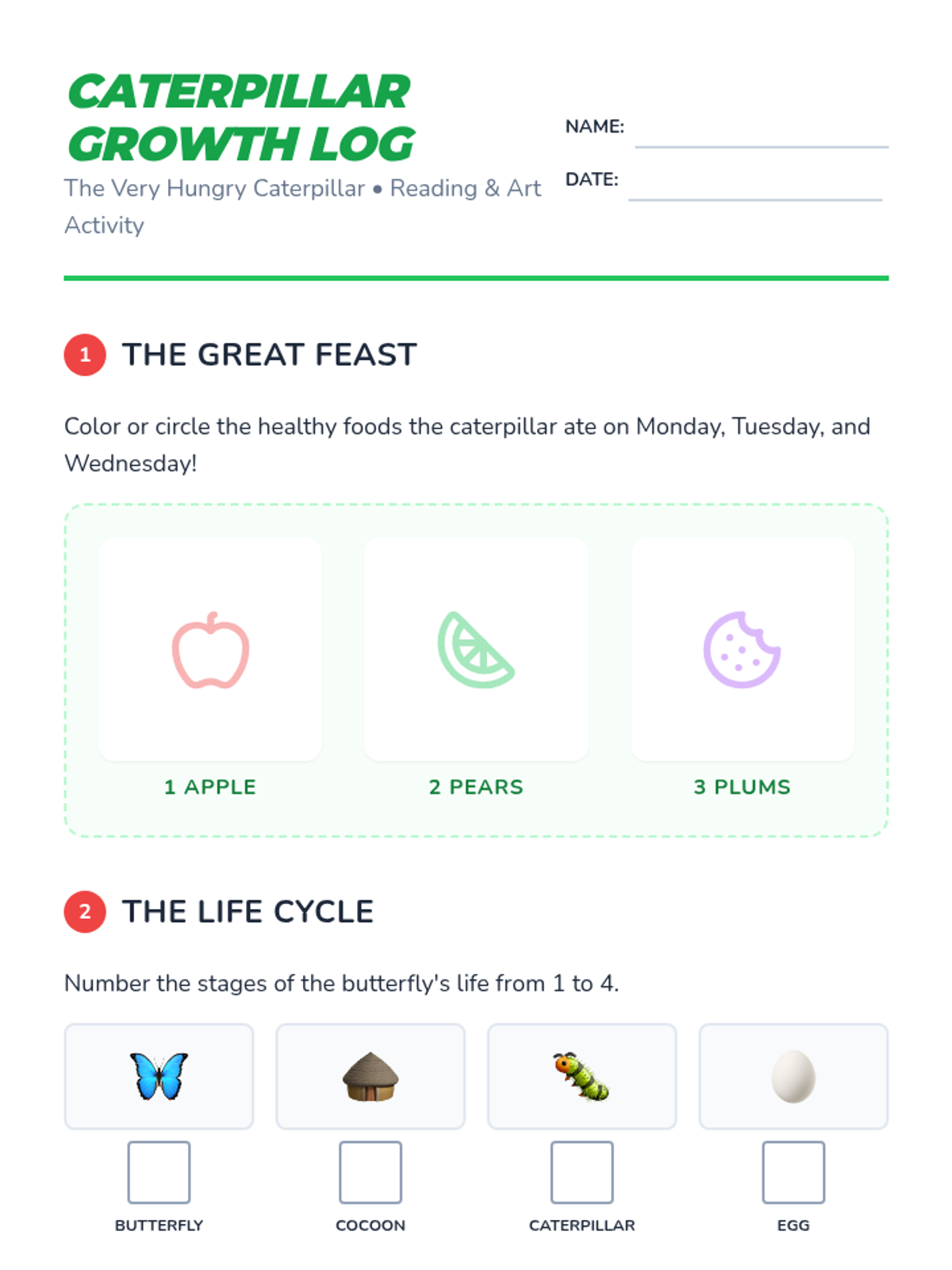
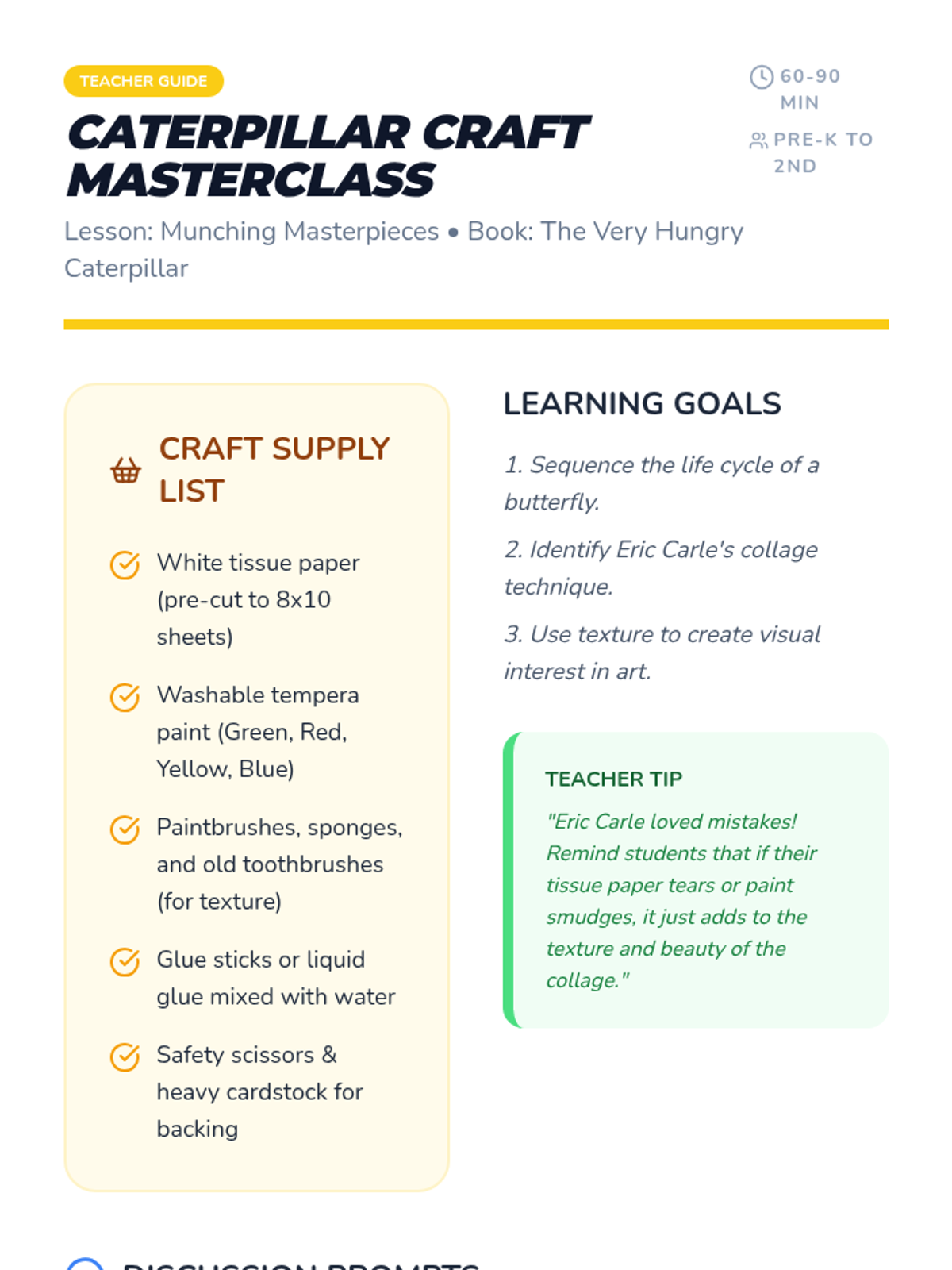
Focusing on 'The Very Hungry Caterpillar,' this lesson teaches students about the life cycle of a butterfly through the lens of Eric Carle's signature tissue paper collage technique.
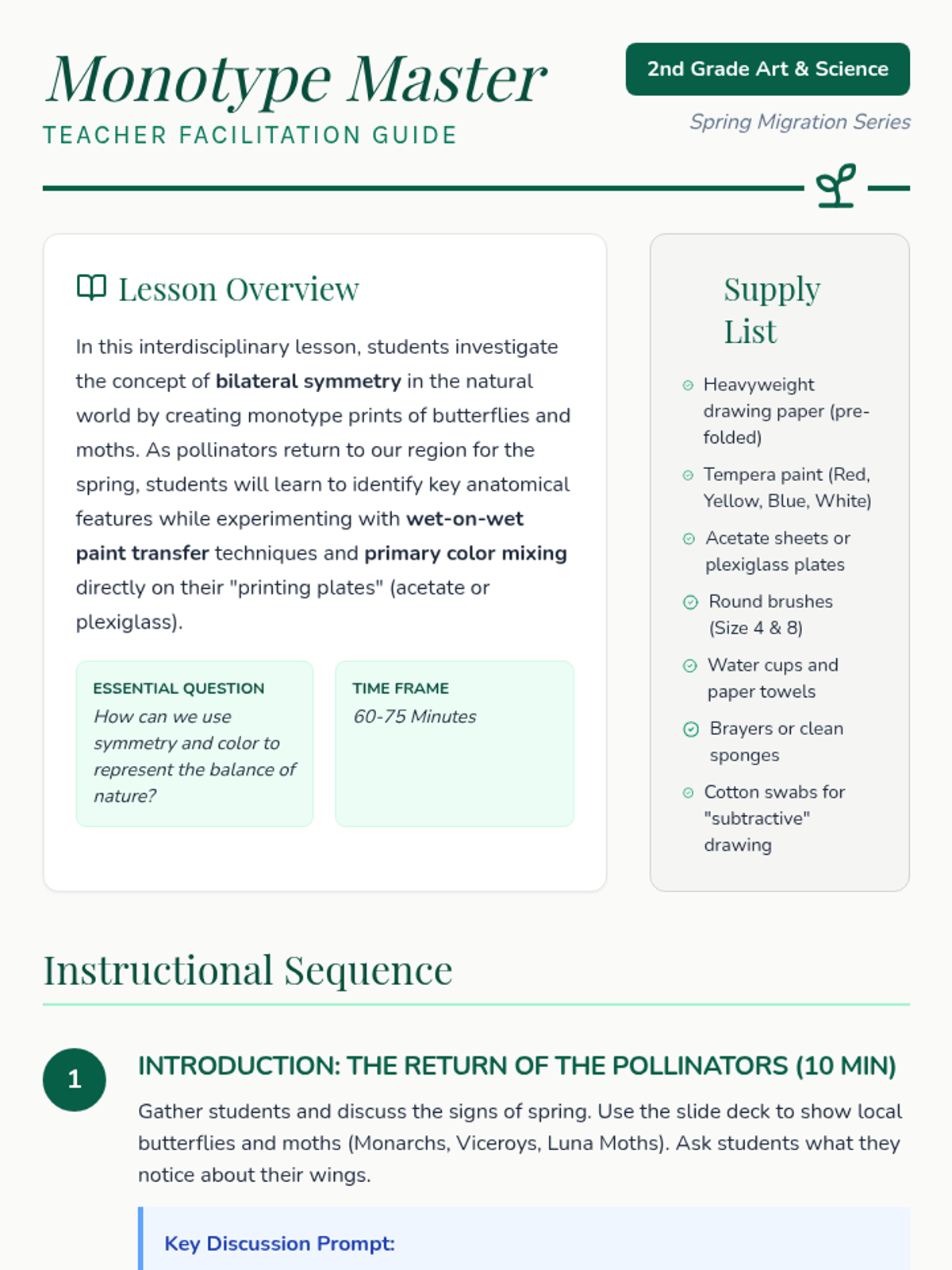
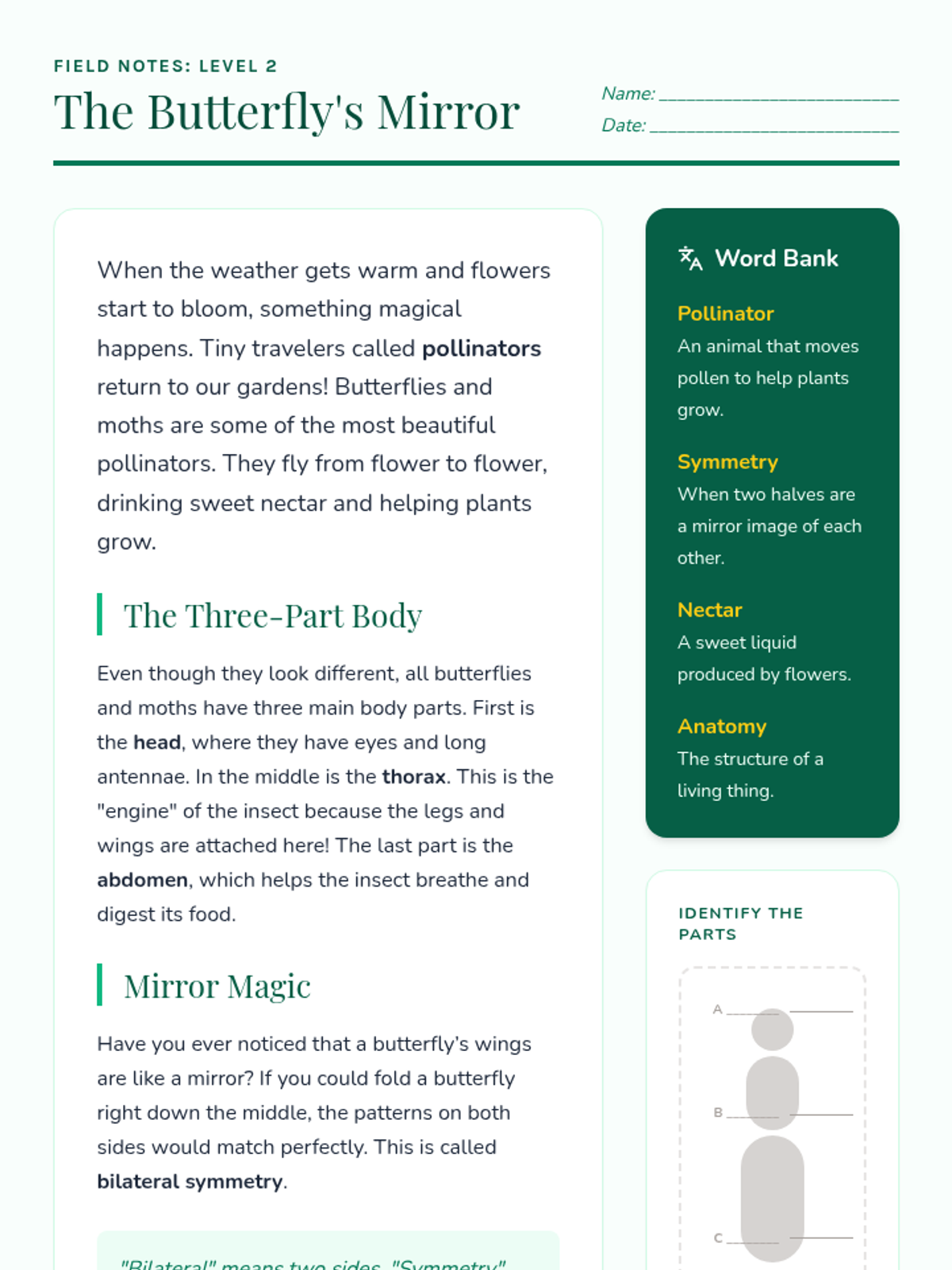
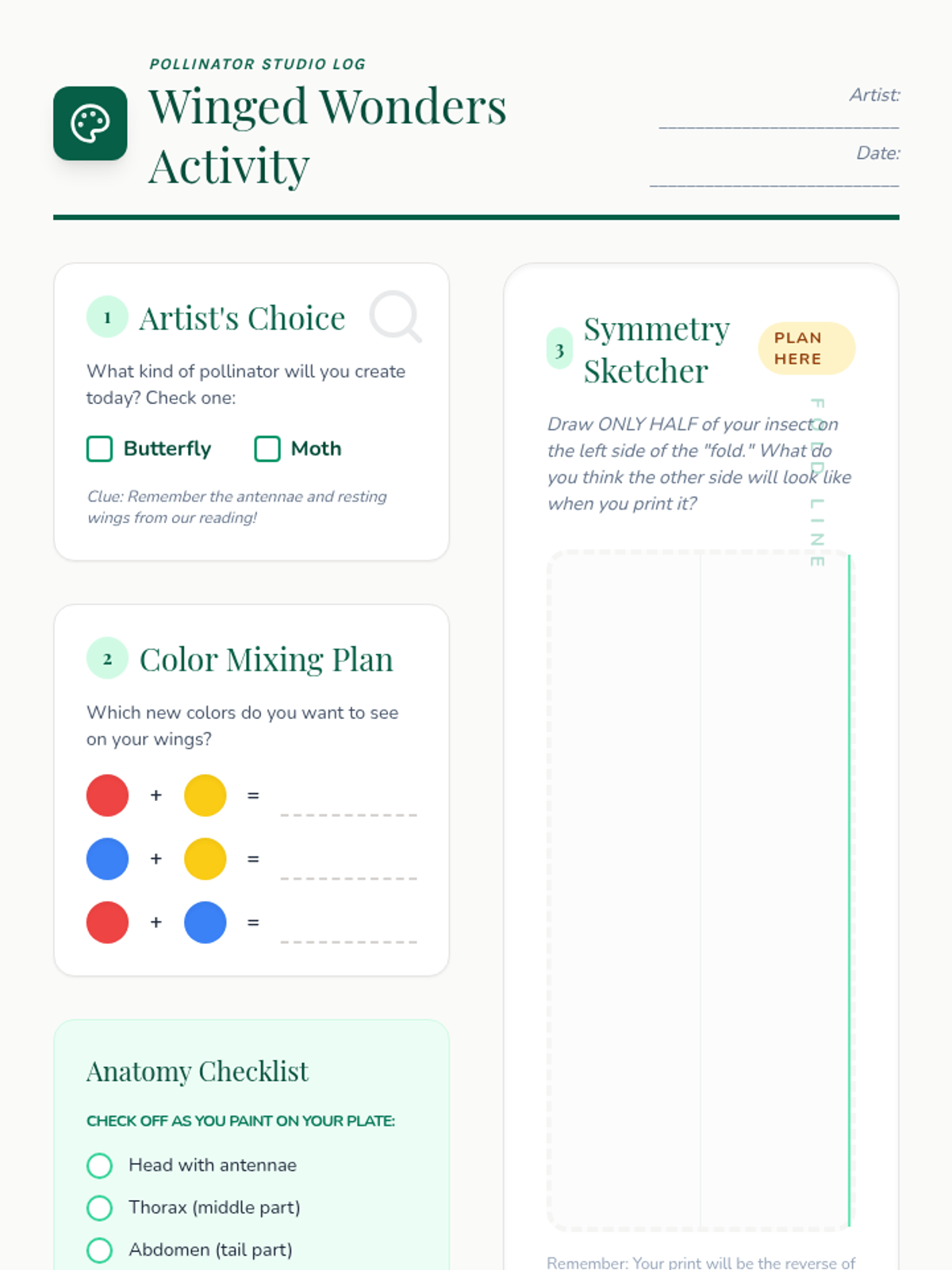
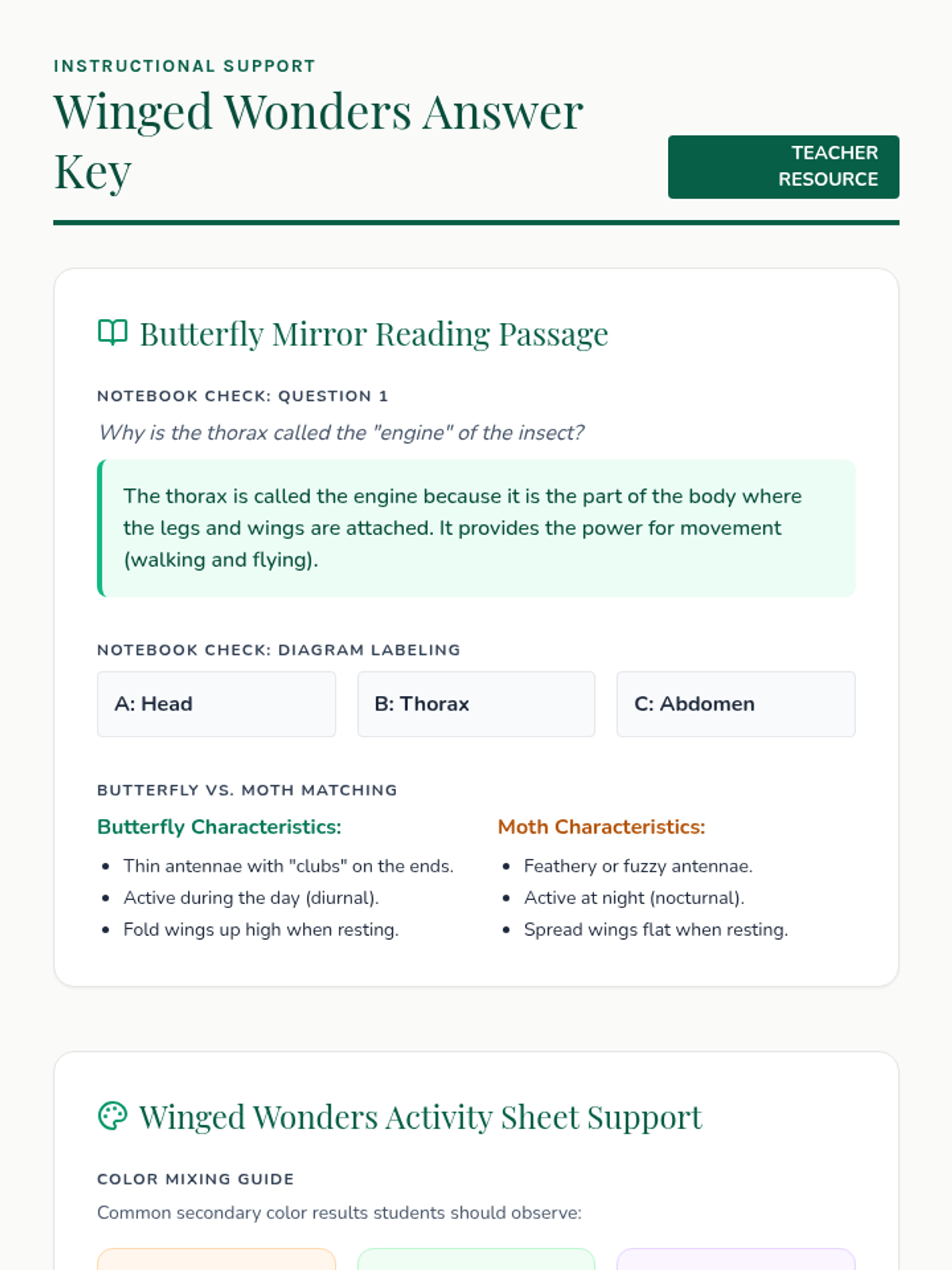
A creative art and science lesson where second graders explore bilateral symmetry through monotype printing. Students learn about pollinator anatomy and color mixing while creating unique butterfly or moth prints.
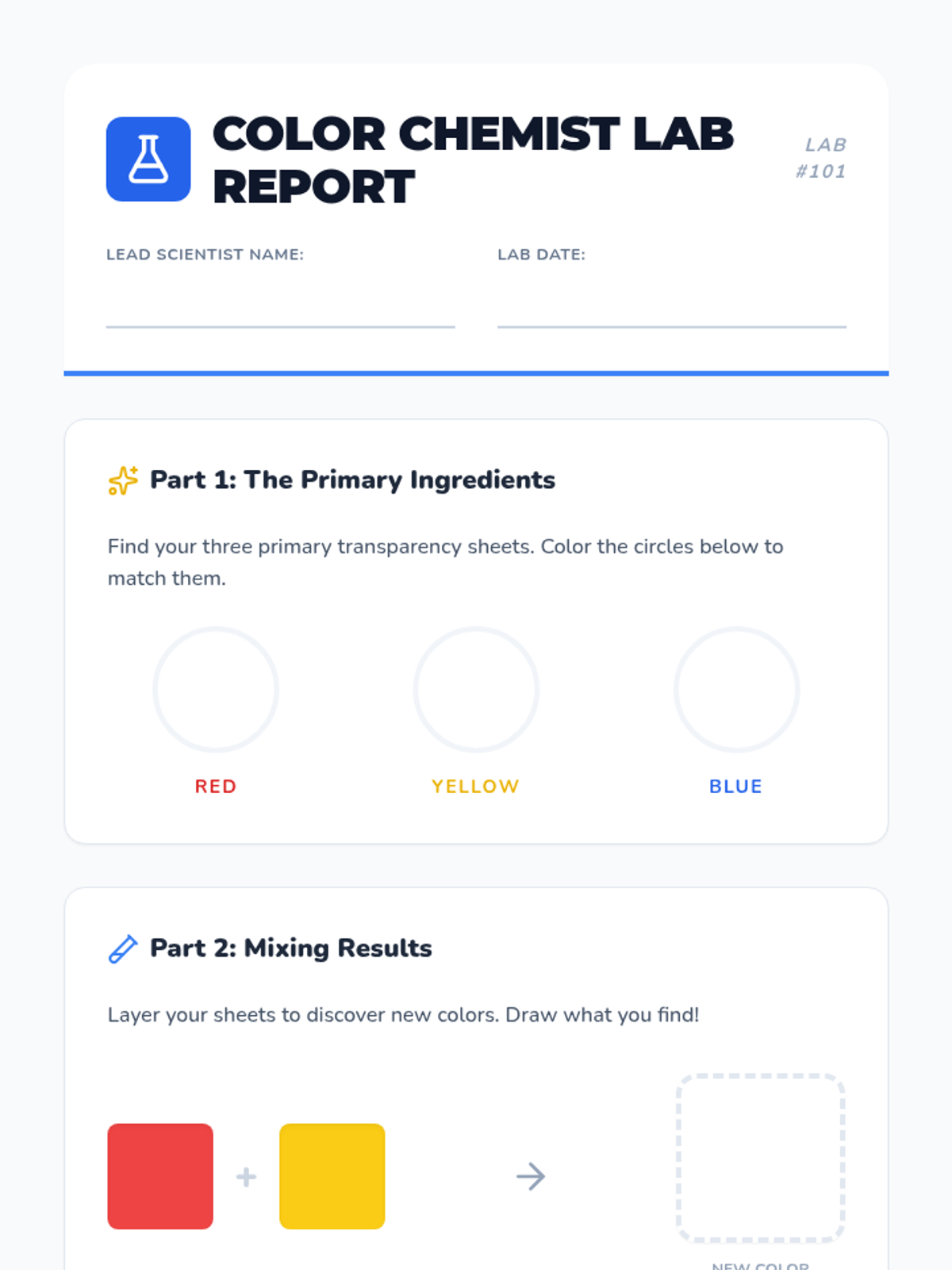
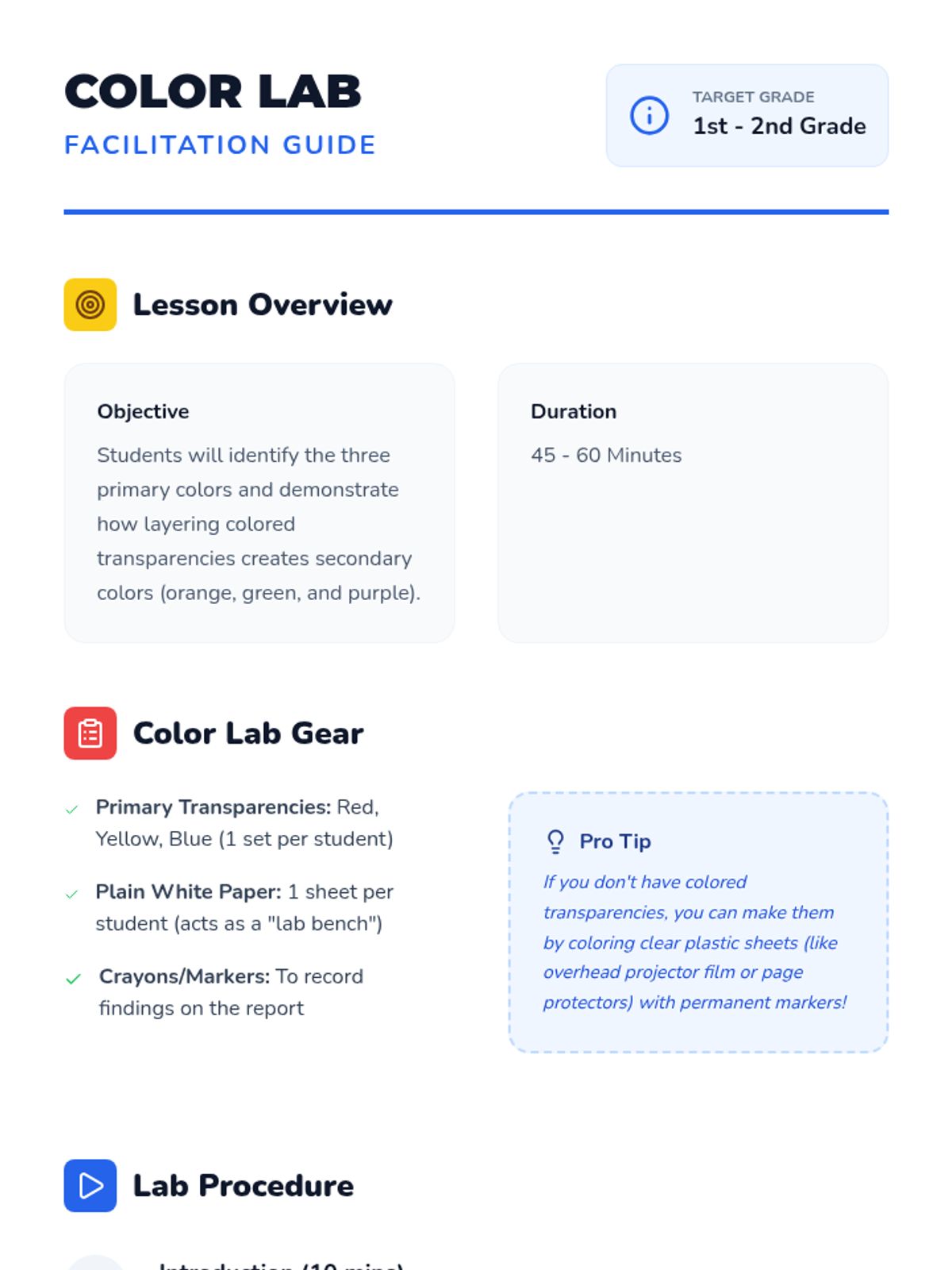
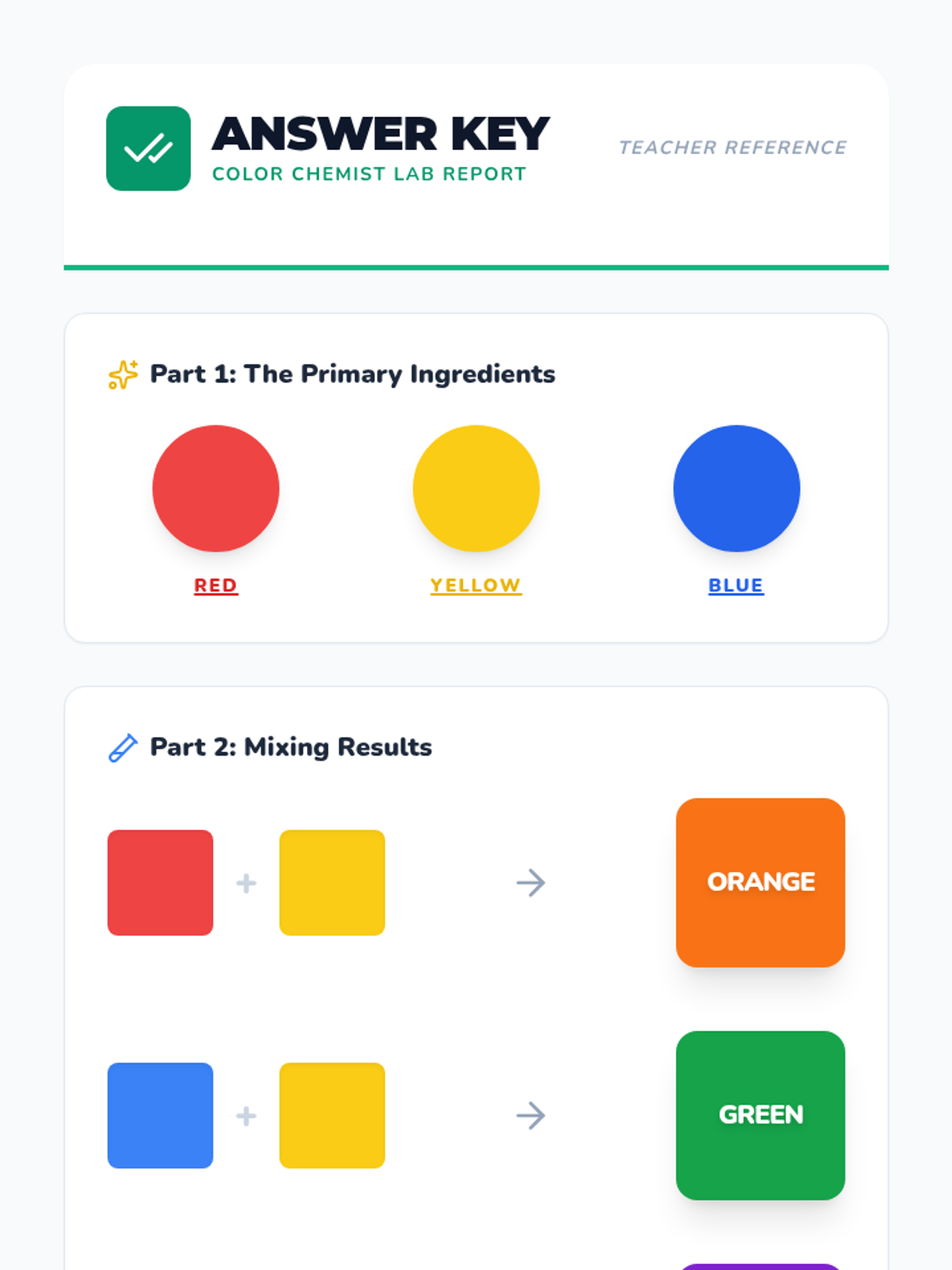
A hands-on exploration of primary color mixing using colored transparencies. Students act as 'Color Chemists' to discover how layering red, blue, and yellow creates new colors.
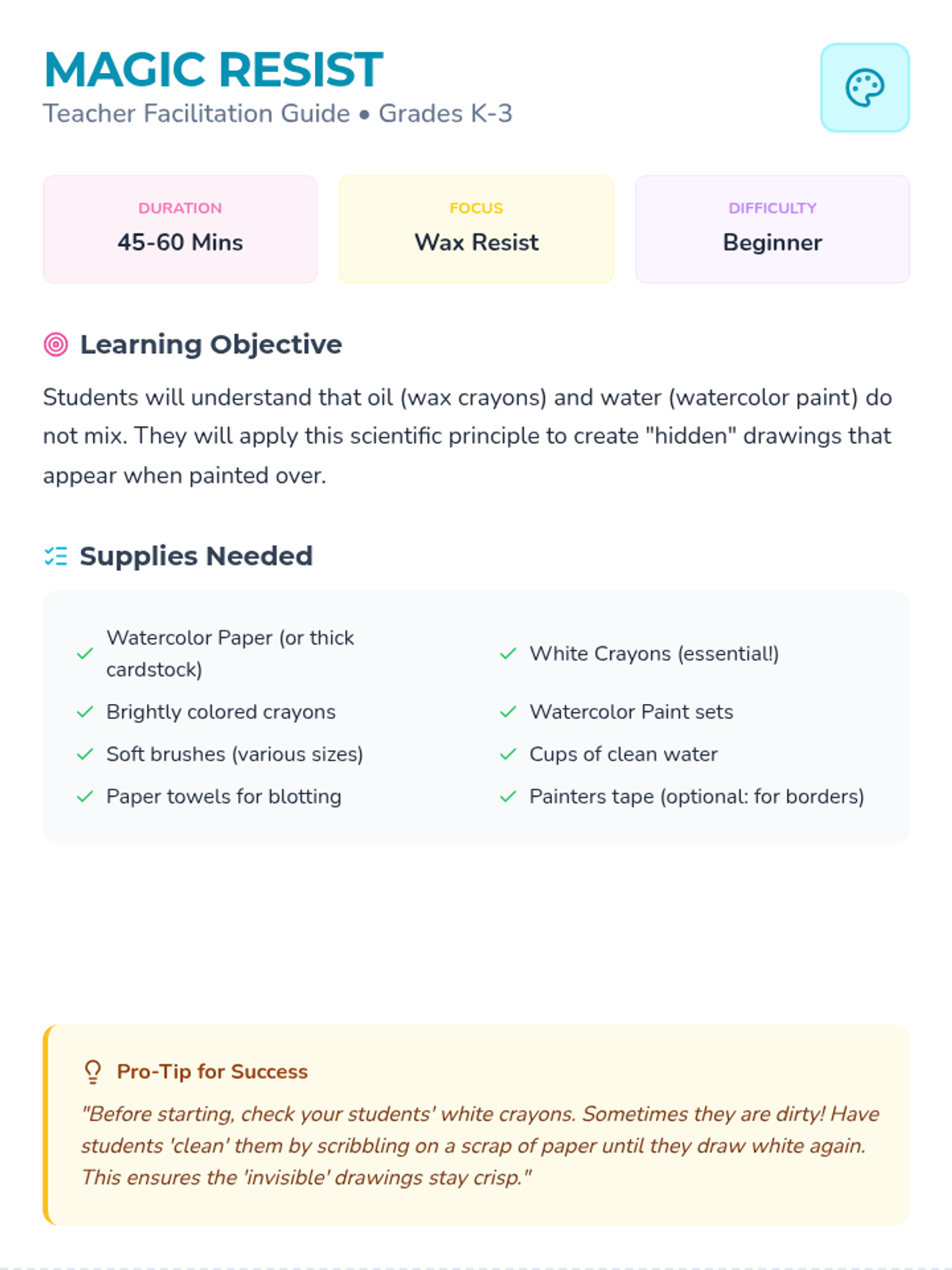
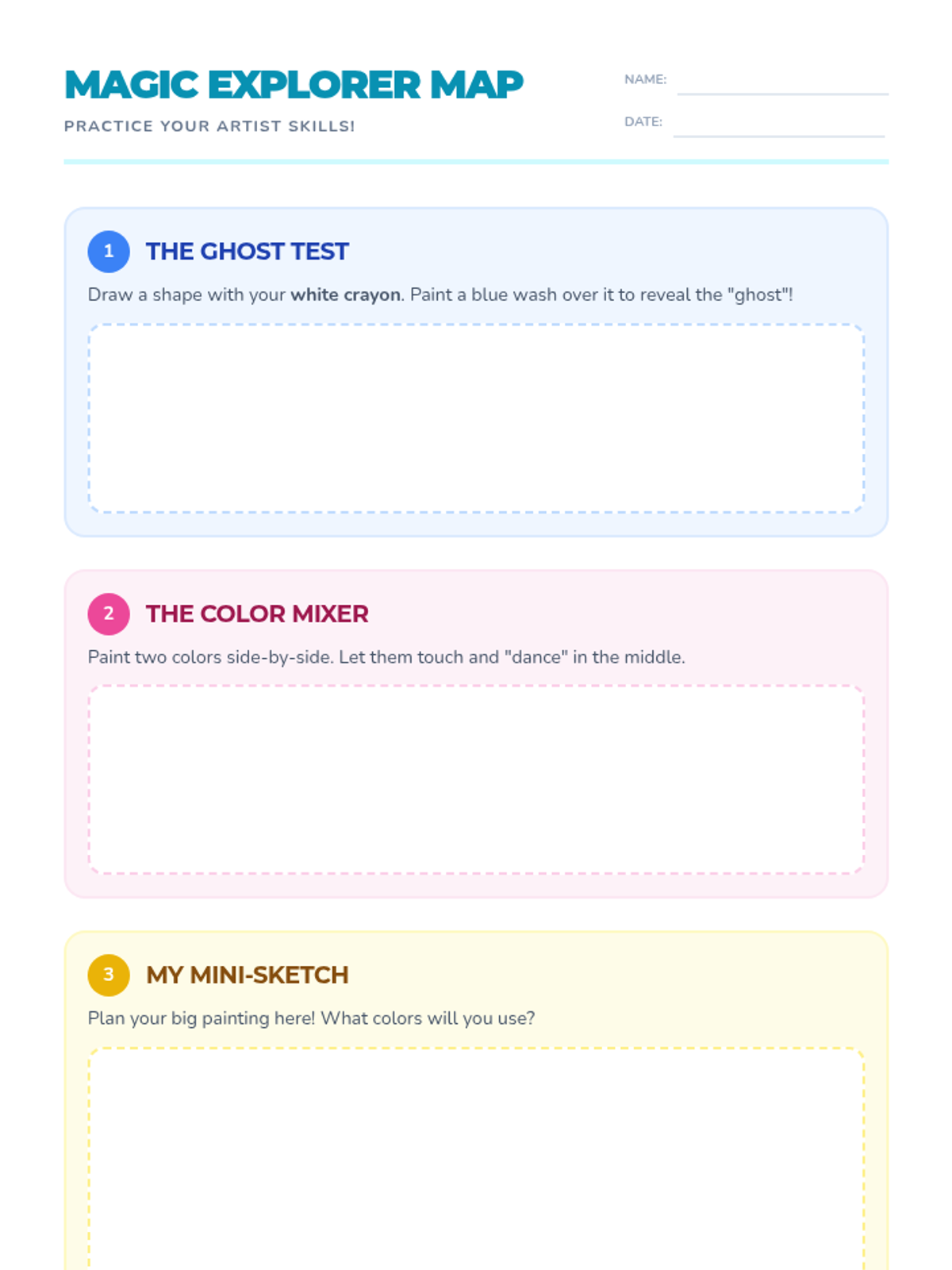
Students explore the wax-resist watercolor technique to create vibrant landscapes. This lesson introduces basic color mixing and the "magic" of how oil and water don't mix.
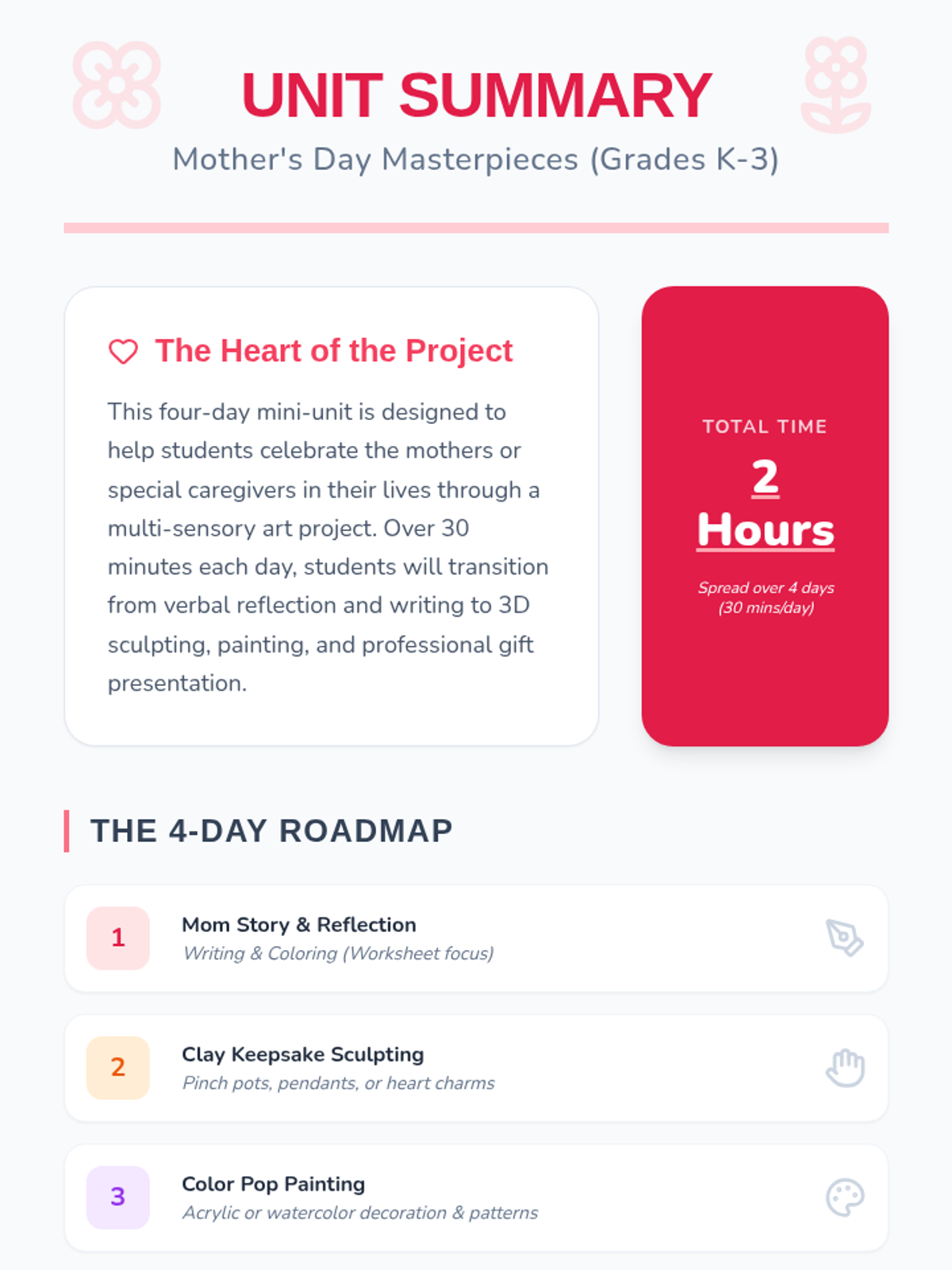
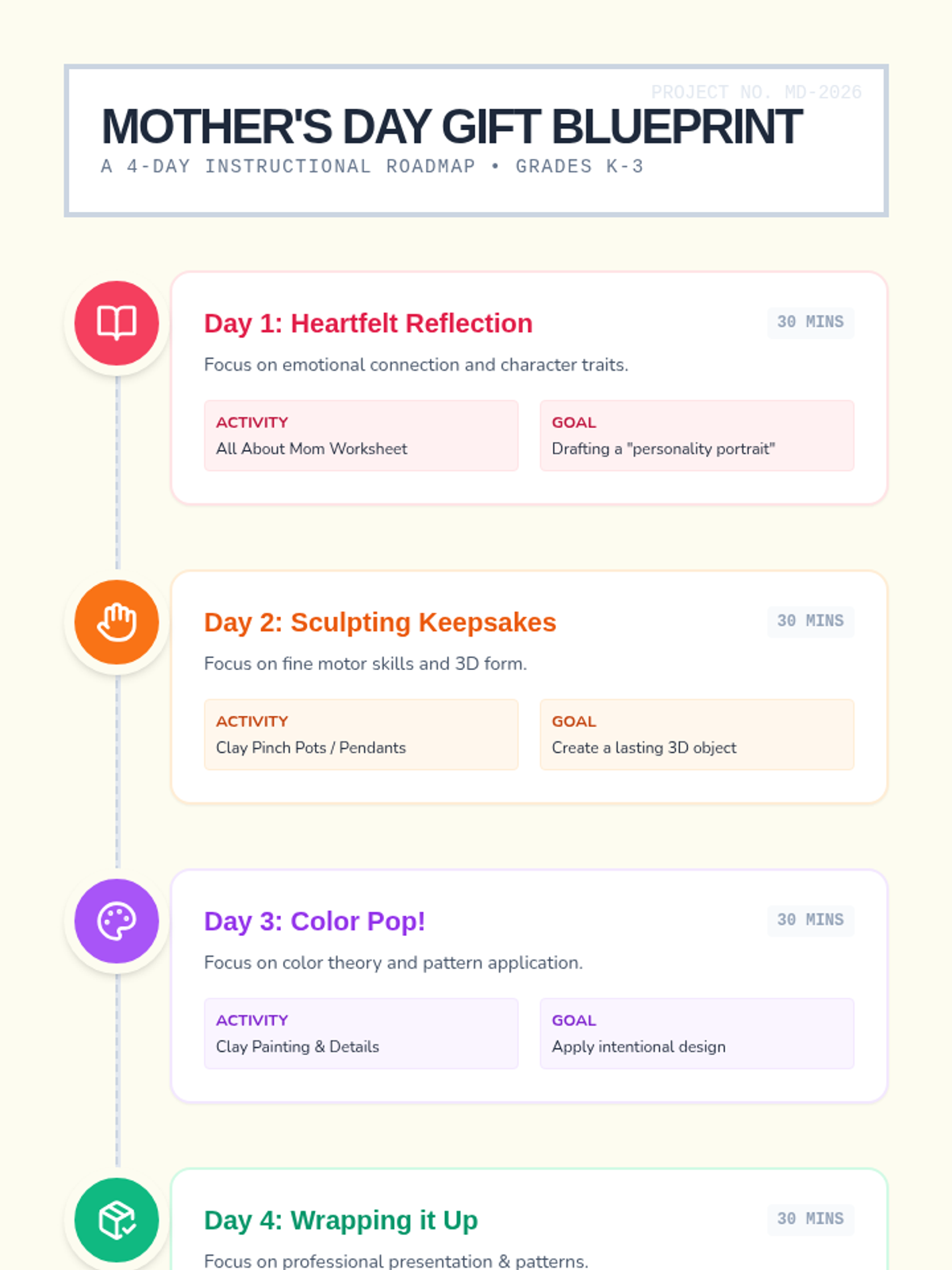
High-level planning resources and summaries for the Mother's Day unit.
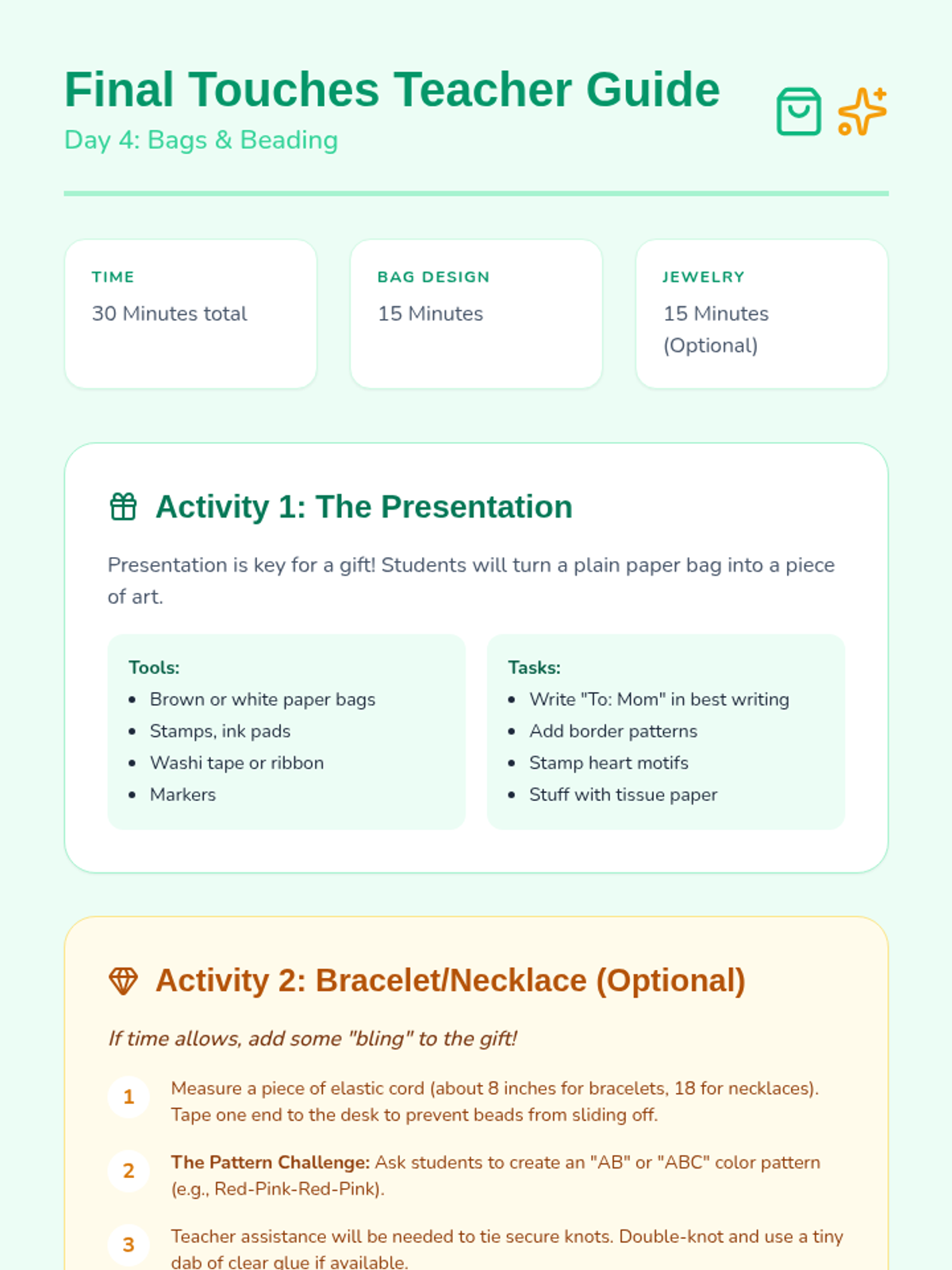
Students decorate gift bags for their creations and, if time permits, bead a personalized necklace or bracelet to complete the gift set.
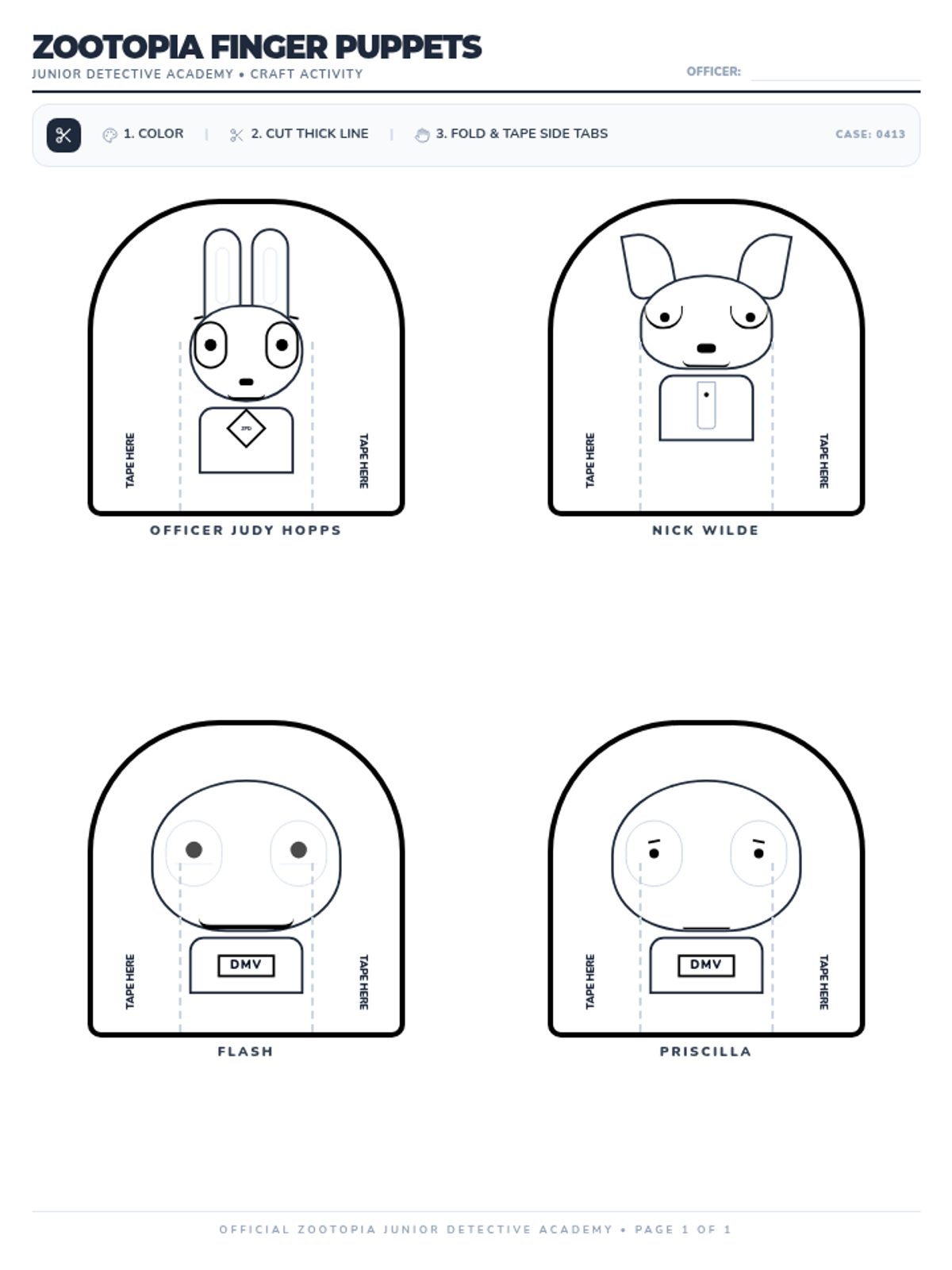
A creative craft lesson where students color and create their own finger puppets of favorite Zootopia characters to practice storytelling and role-playing.
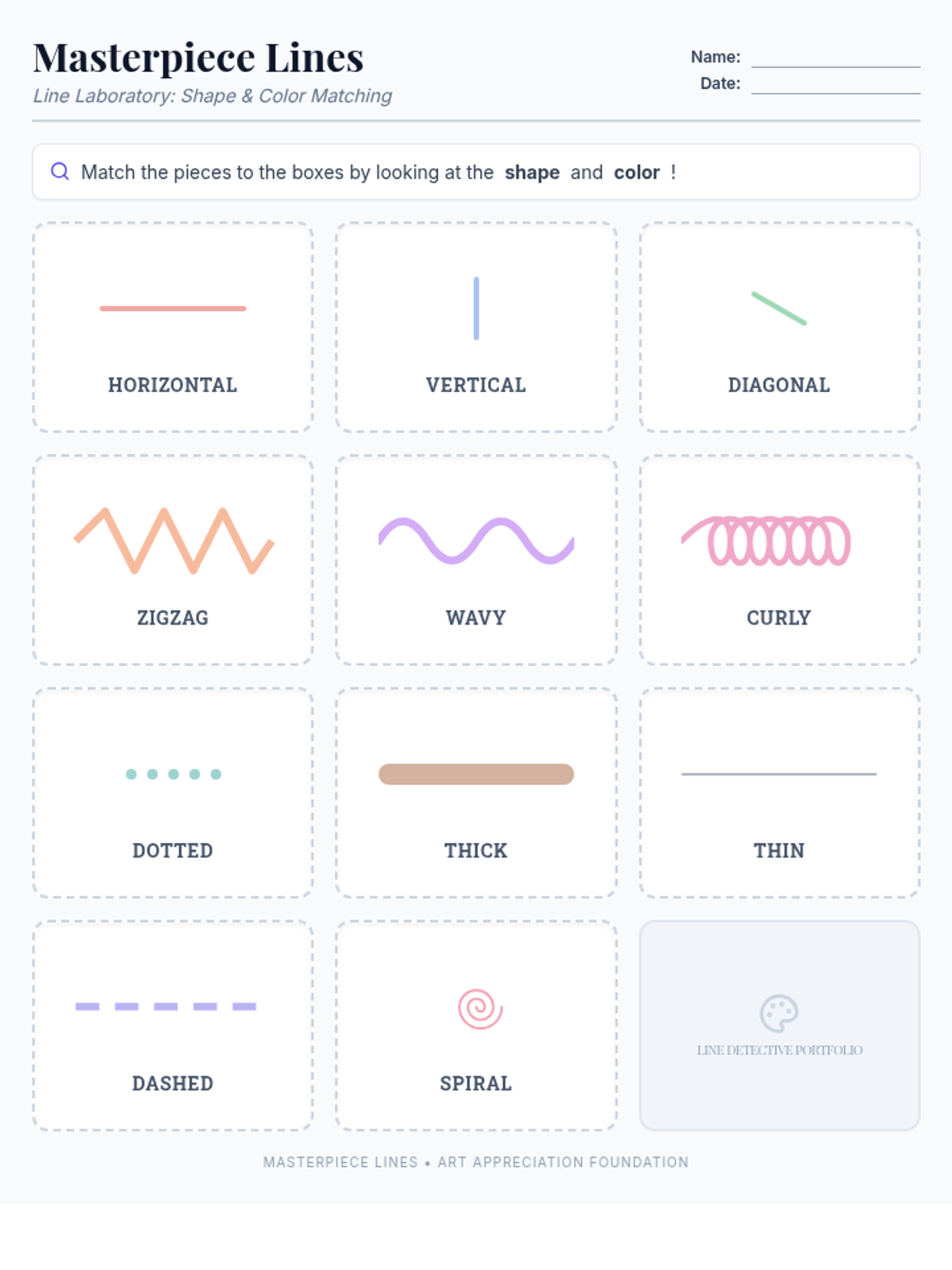
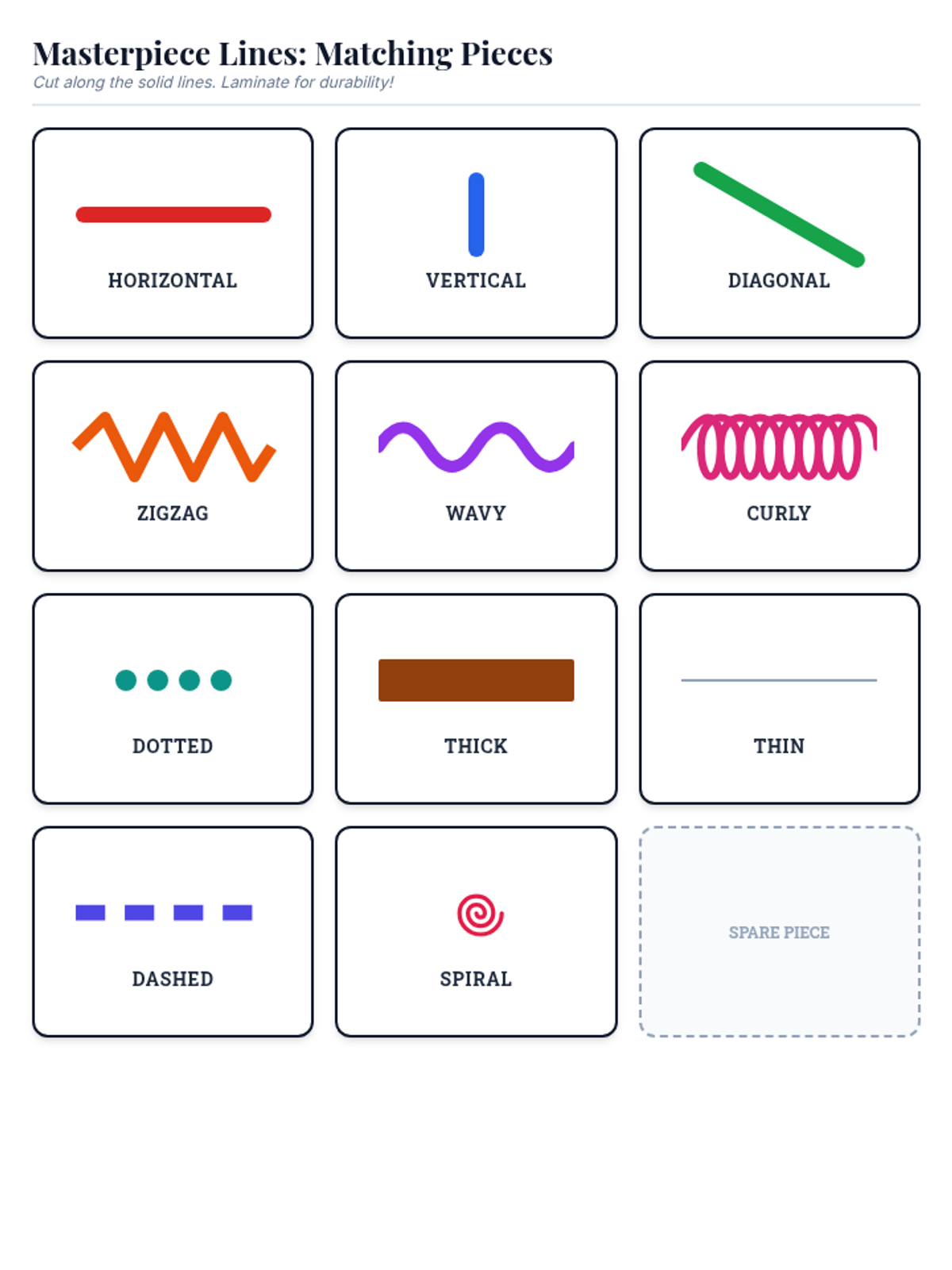
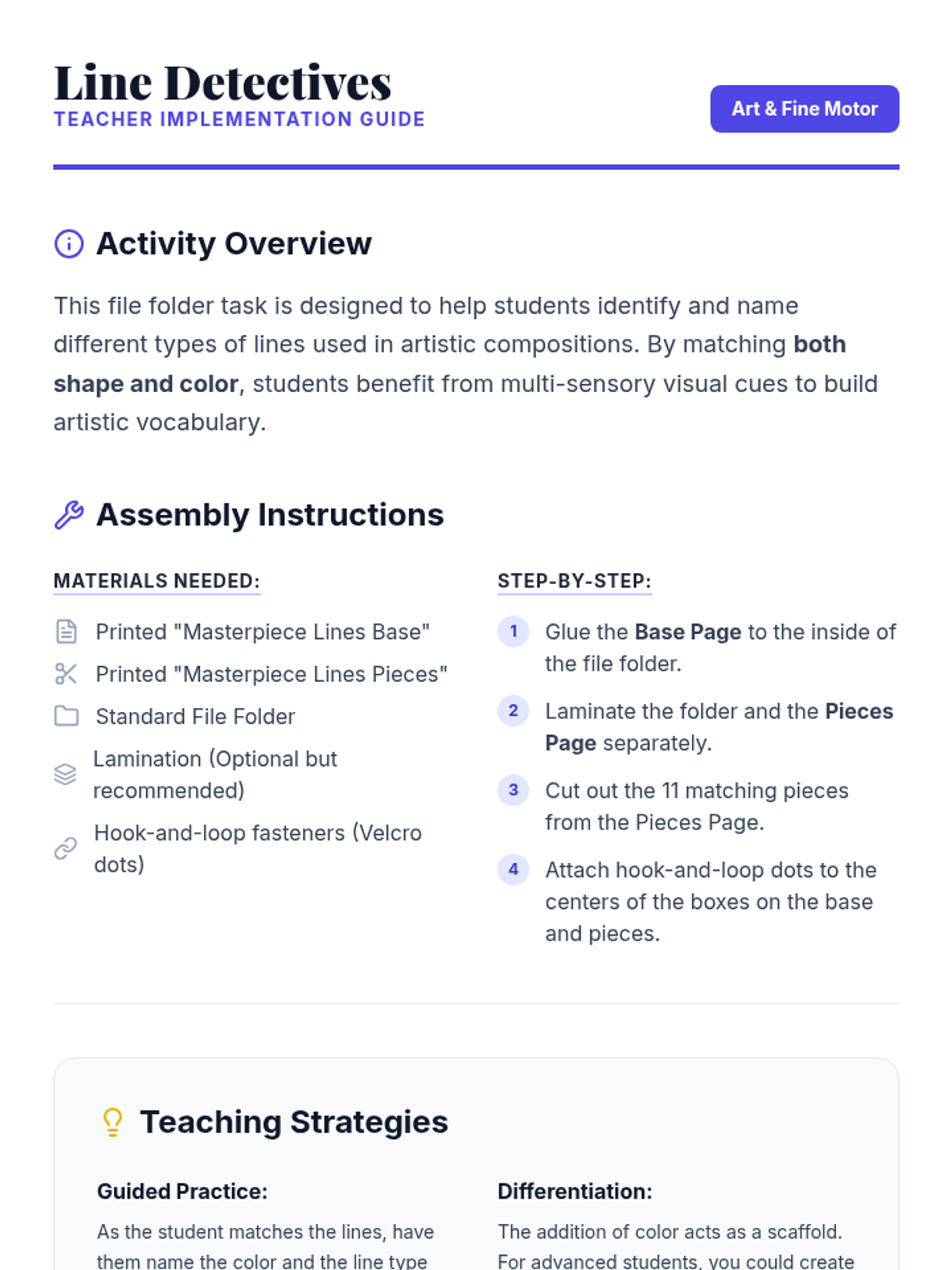
A hands-on activity for students to identify and match various line types used in art, from basic directional lines to complex decorative patterns.