Phonetic foundations through Pinyin and tones, character recognition, and essential grammar for all proficiency levels. Integrates cultural context with advanced reading, writing, and communicative strategies.
A high-intensity sequence designed for graduate students to achieve functional literacy in Mandarin Chinese through the top 100 high-frequency characters, focusing on sentence construction, grammatical particles, and digital input methods.
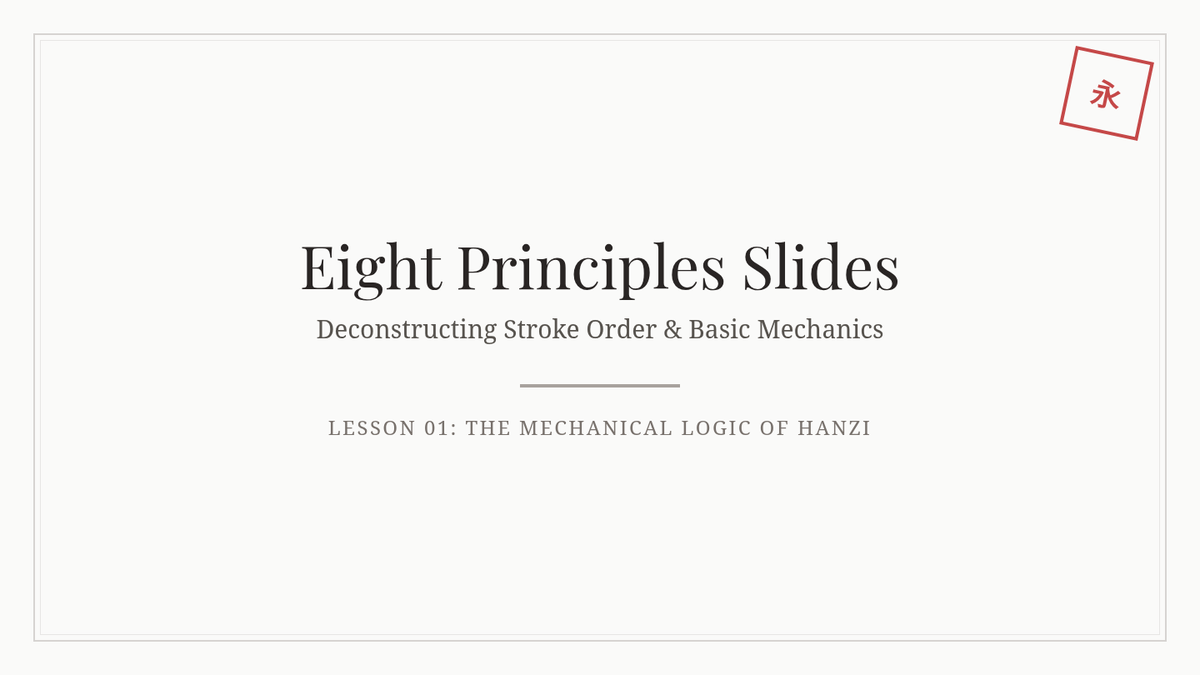
A deep analytical dive into the etymology and structural logic of the Chinese writing system for graduate-level adult learners. The sequence moves from basic mechanics and stroke order to complex phono-semantic decoding and aesthetic synthesis through calligraphy.
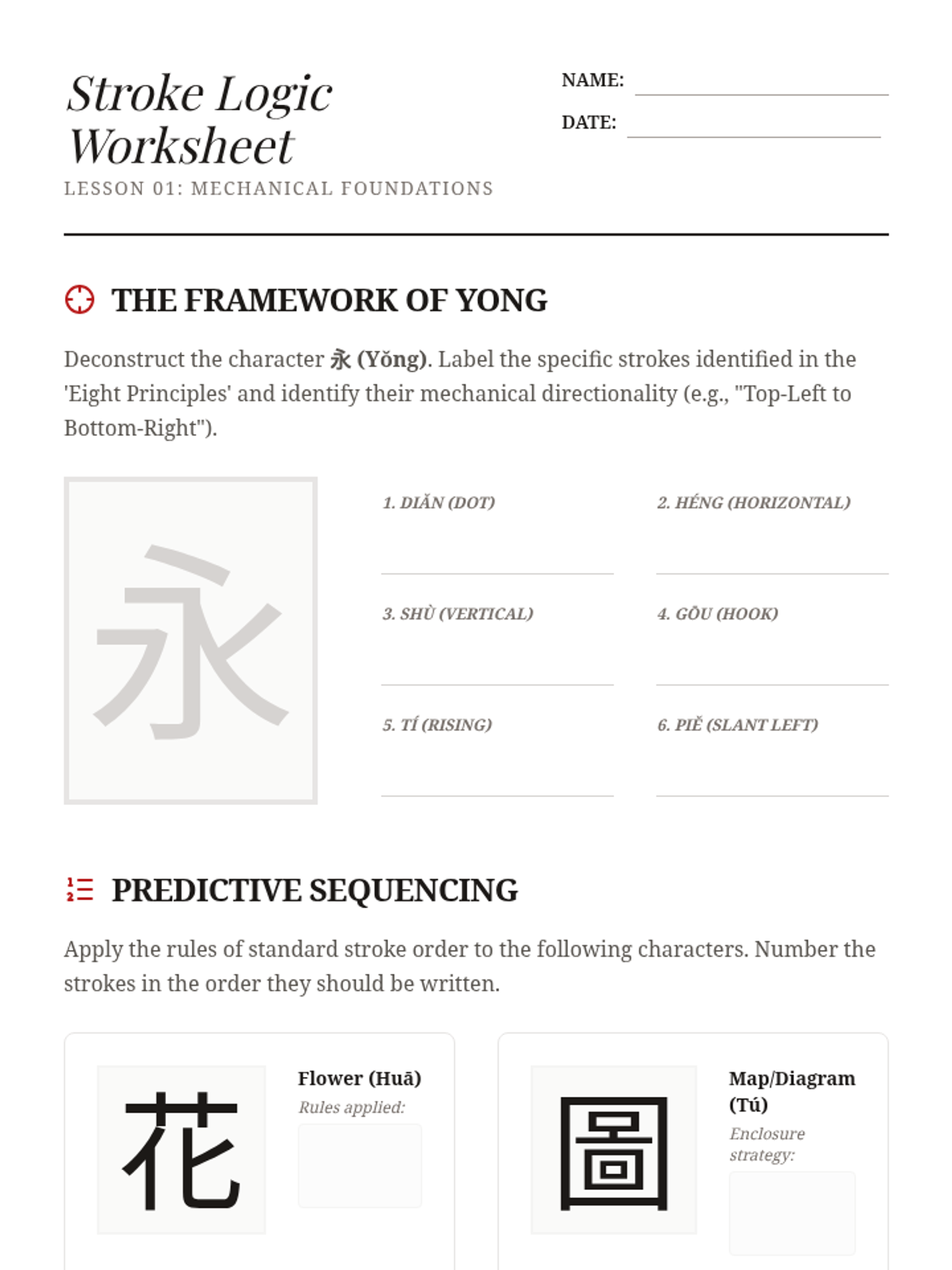
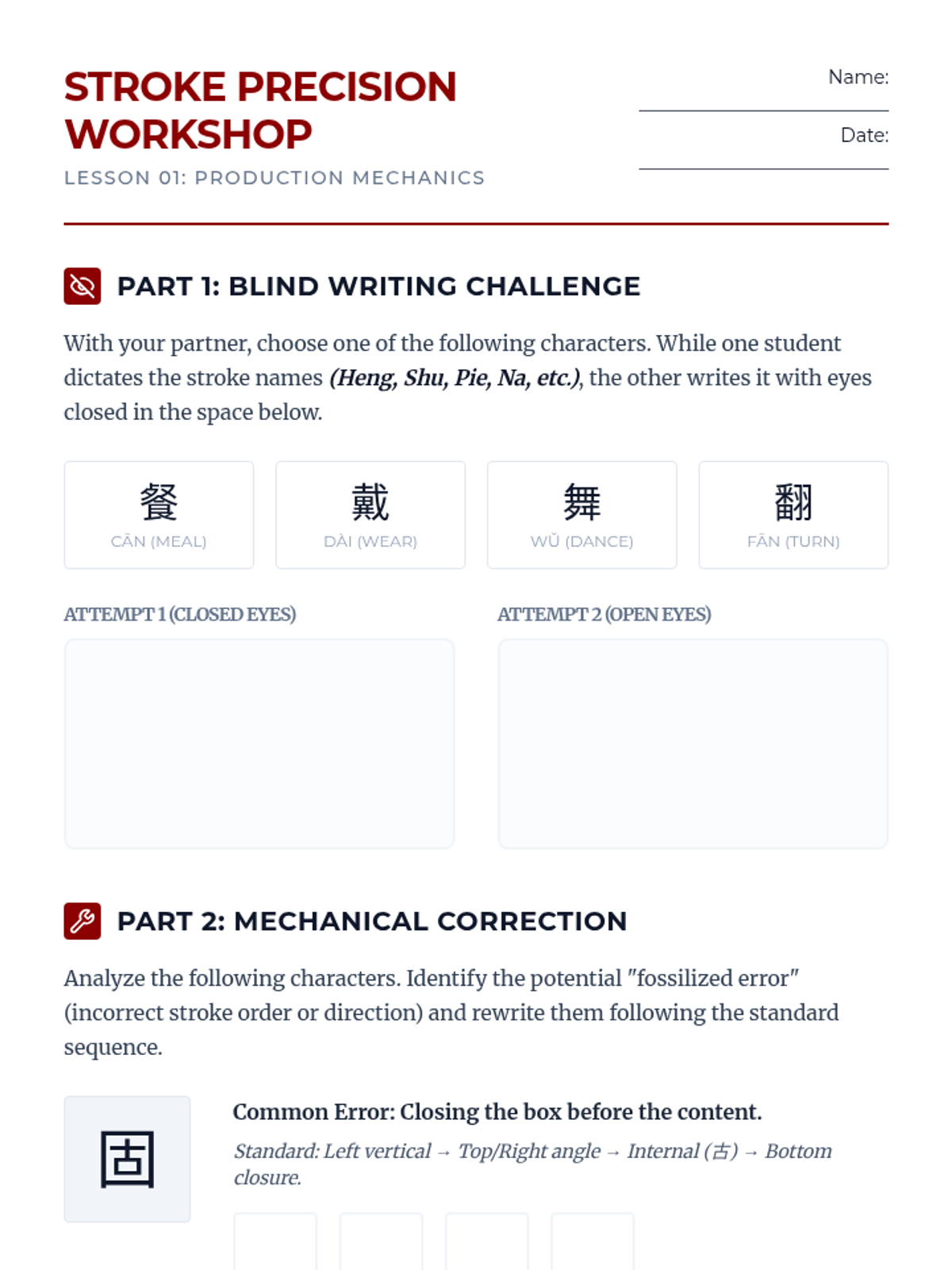
A graduate-level sequence focused on the mechanics of Mandarin character production, bridging the gap between traditional handwriting discipline and modern digital input efficiency. Students refine stroke order, spatial balance, and digital literacy through workshops and professional projects.
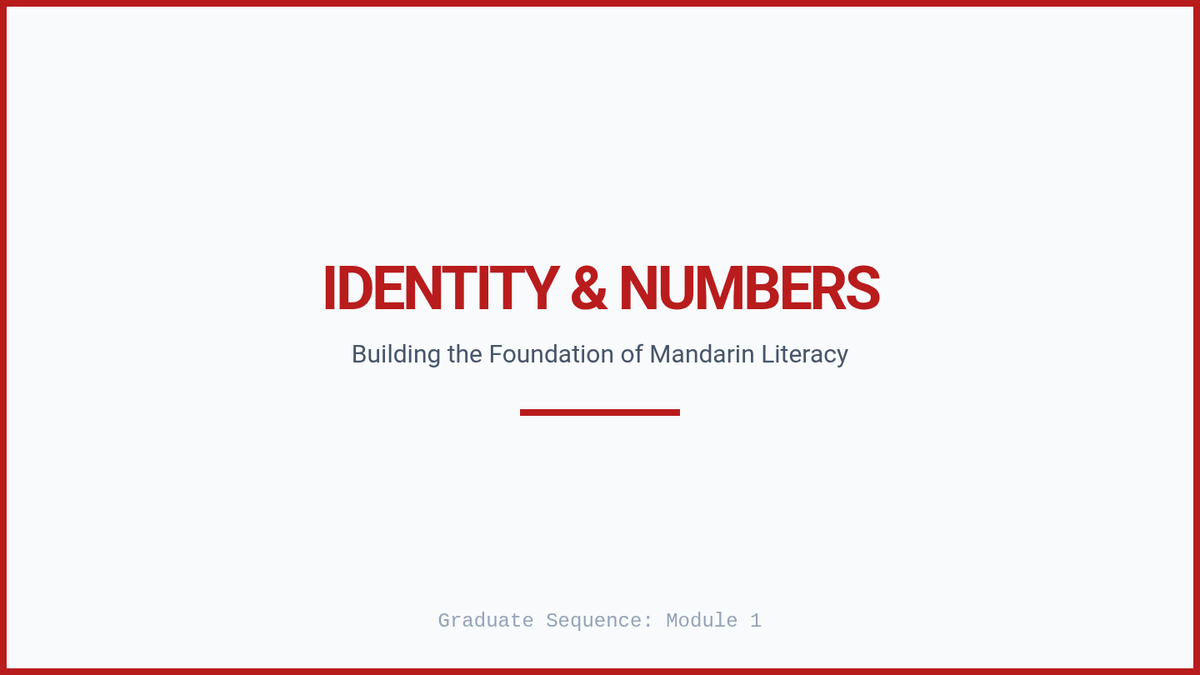
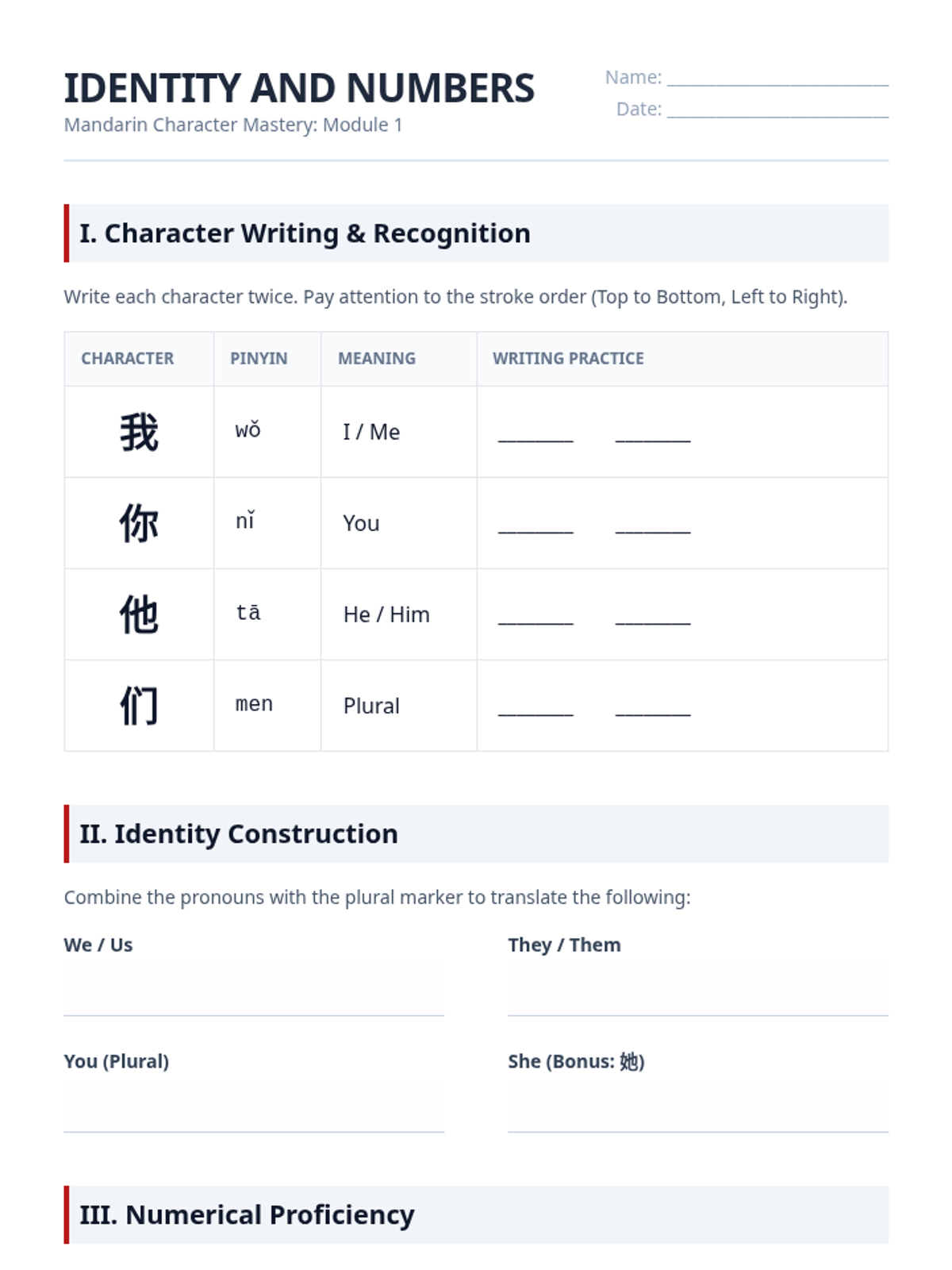
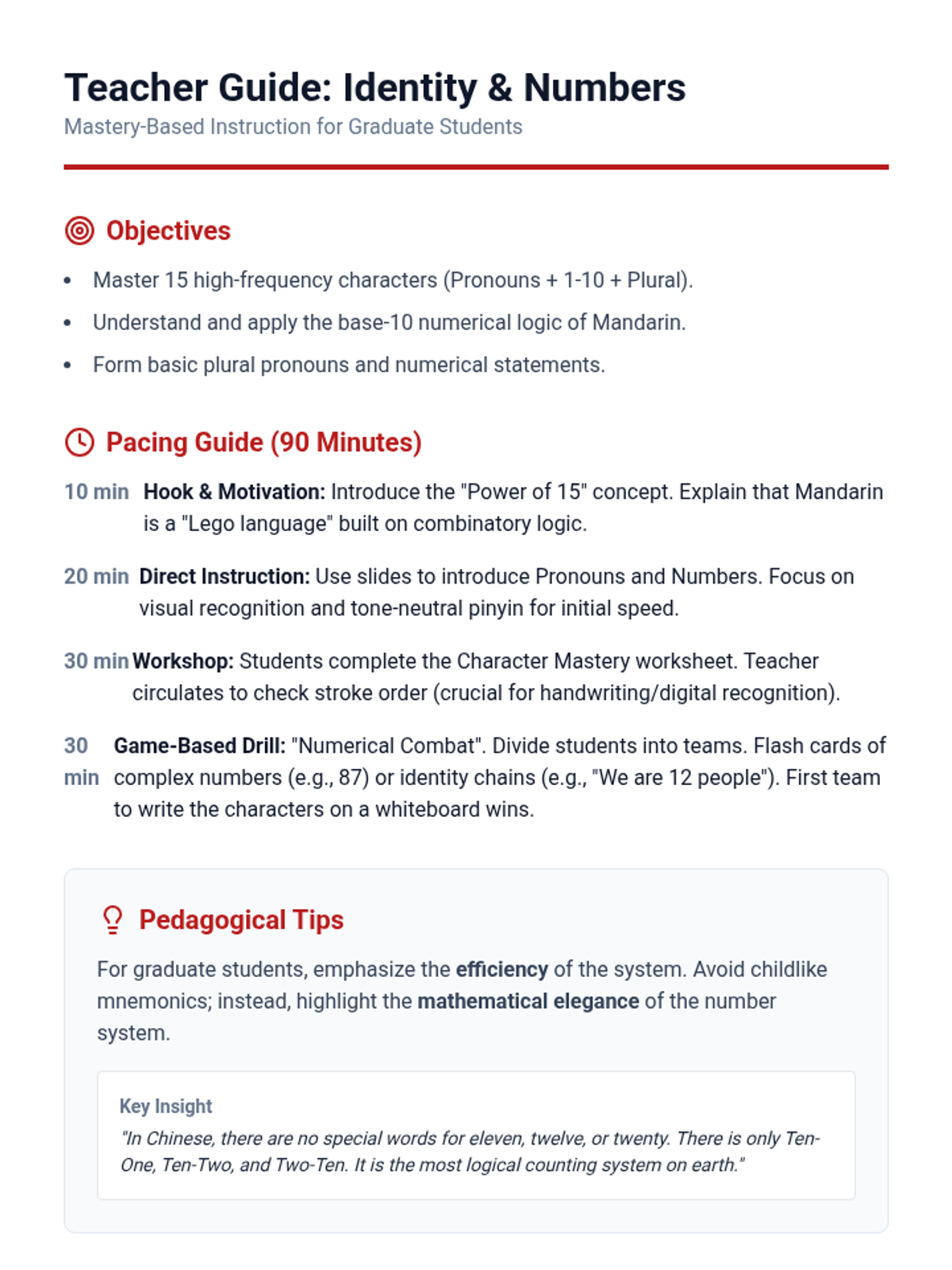
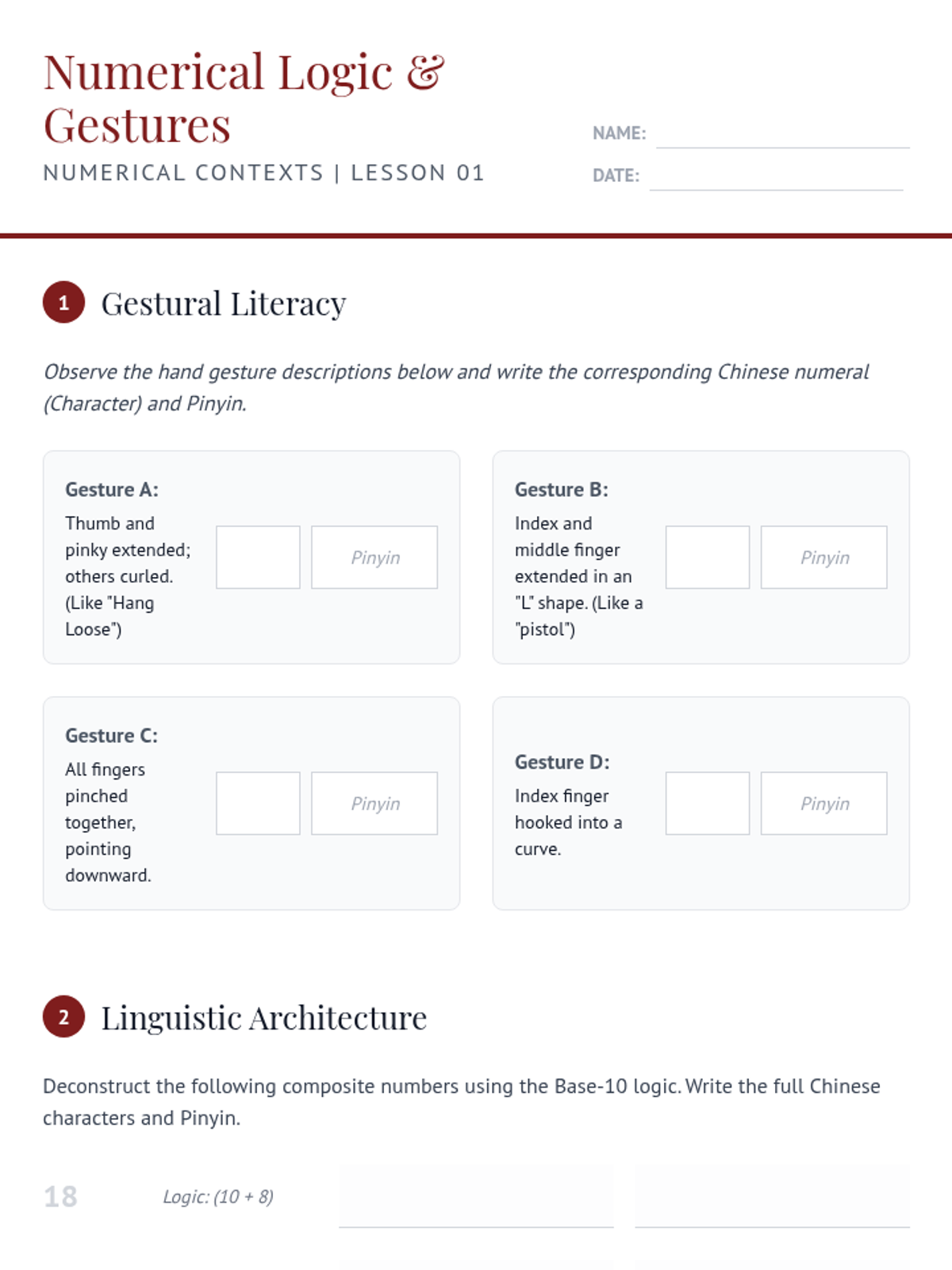
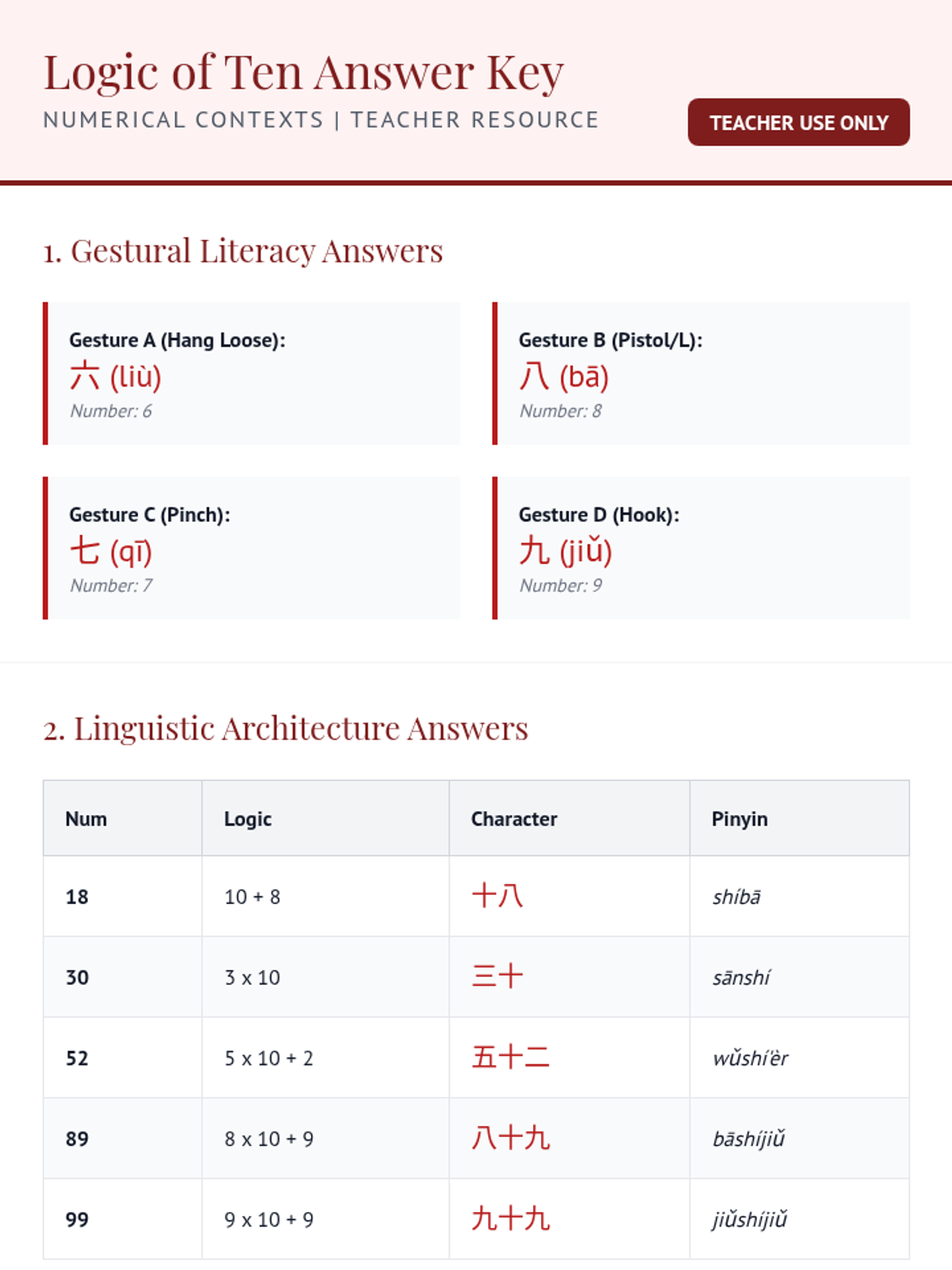
A graduate-level investigation into Mandarin numerical systems, focusing on linguistic logic, social utility, and cultural symbolism. Students move from basic counting to managing complex logistical transactions and understanding the deep-seated cultural weight of numerology in business and daily life.
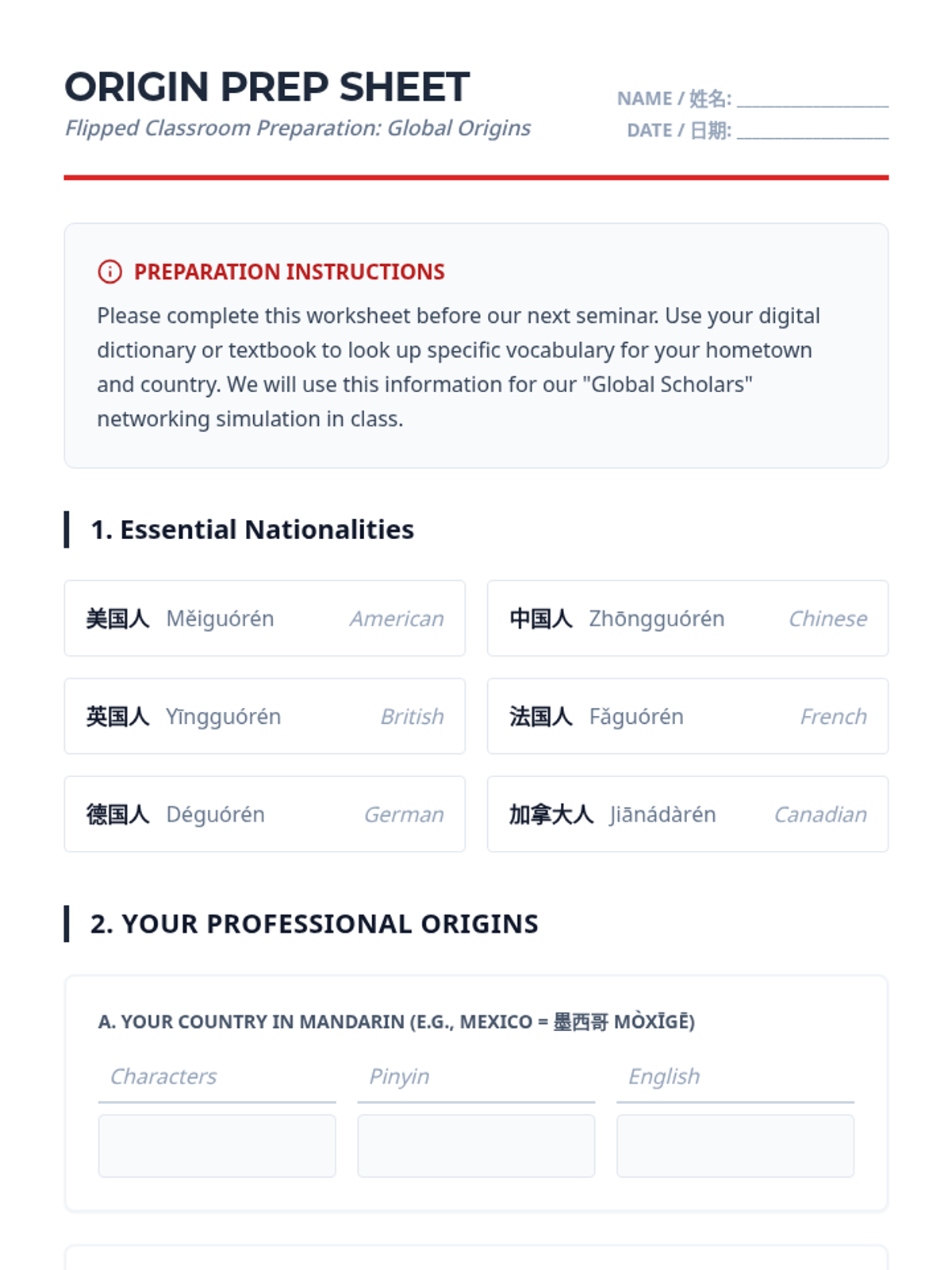
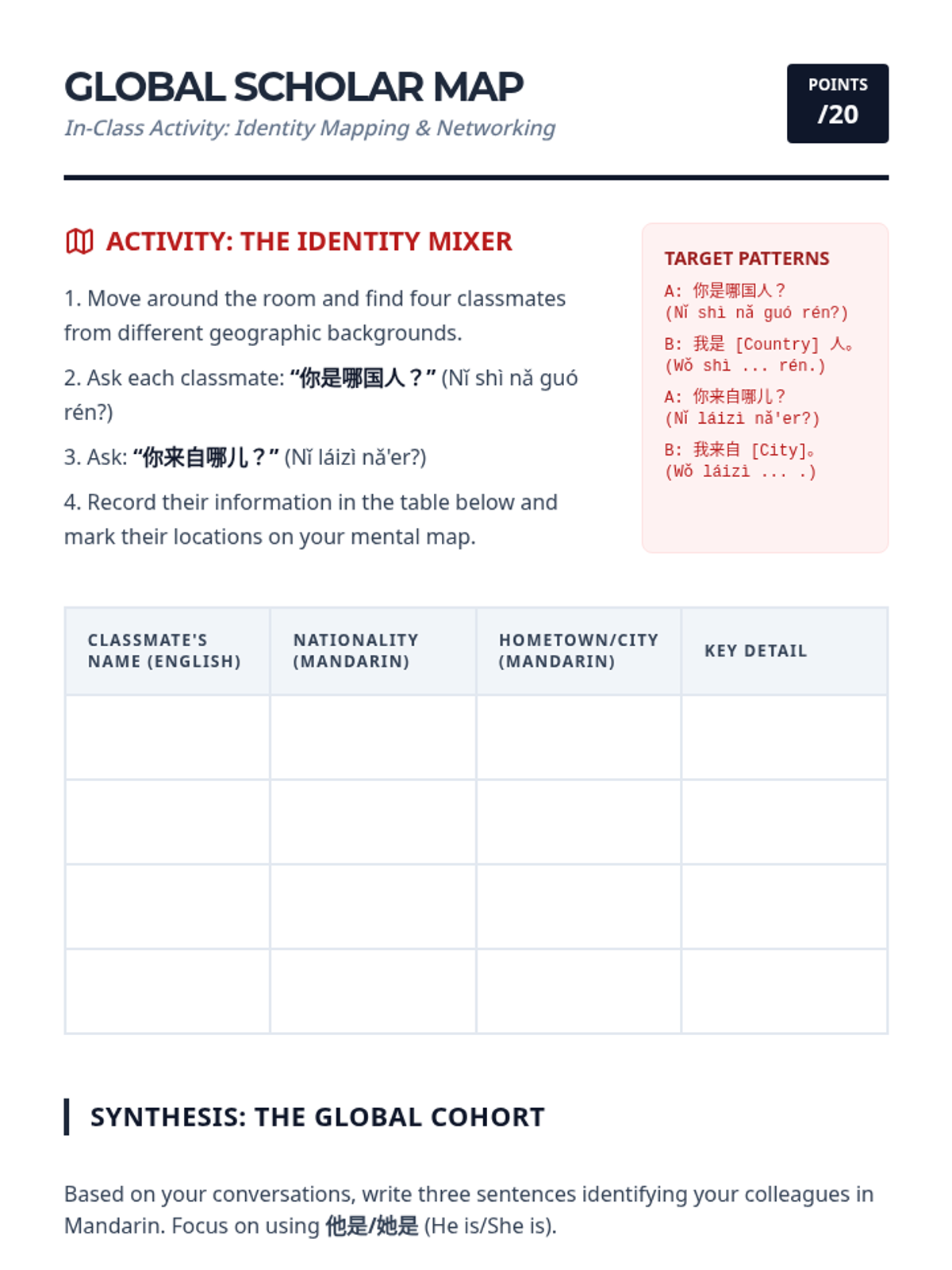
A graduate-level Mandarin Chinese sequence focused on building a professional identity. Students move from basic geographic identification to complex professional self-introductions using a flipped classroom model.
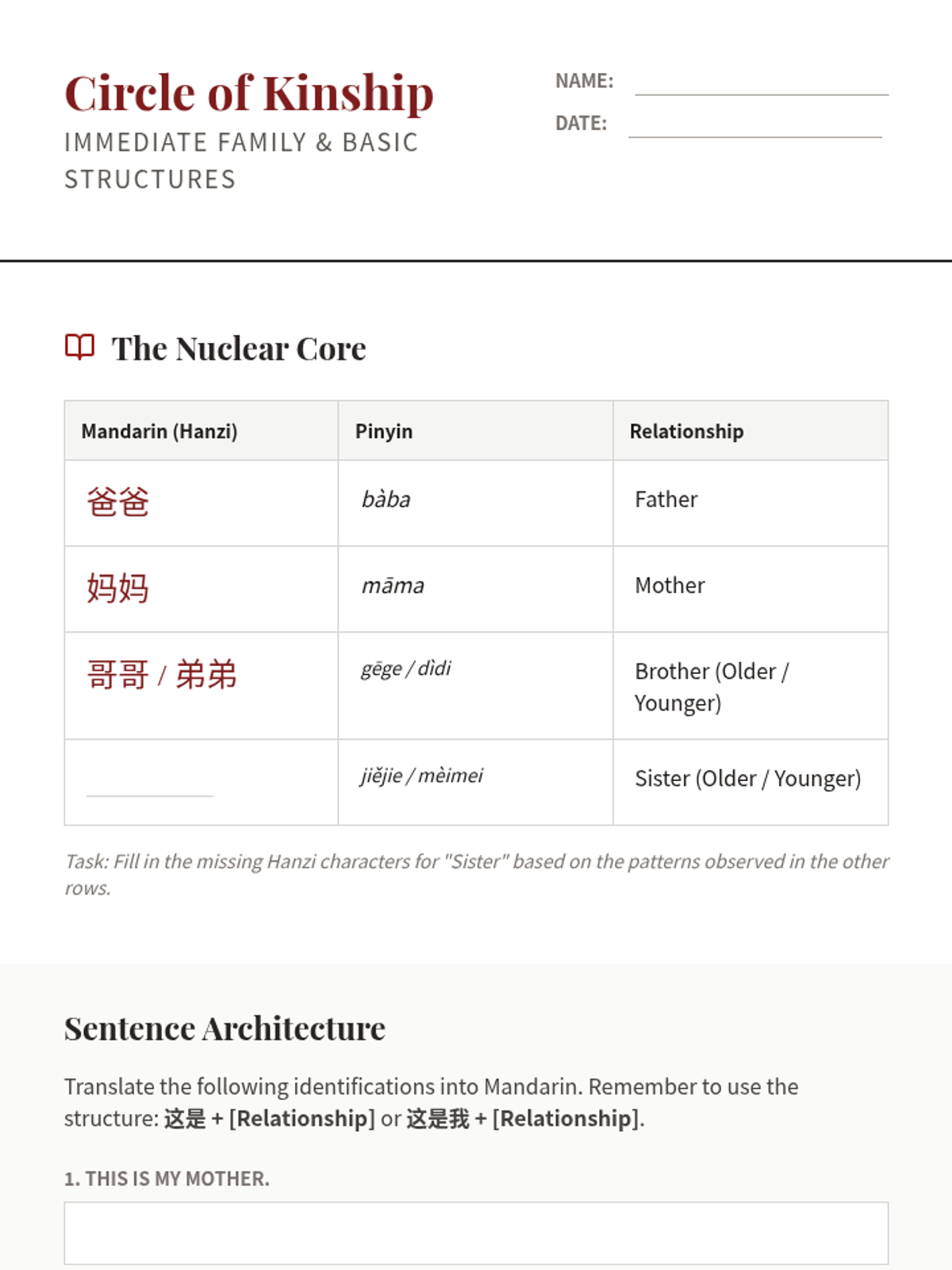
This graduate-level sequence explores Mandarin kinship terms as a window into Chinese social hierarchy and lineage. Students transition from basic nuclear family terms to complex extended kinship systems, mastering the grammatical structures of possession and quantification while analyzing the cultural values embedded in the language.
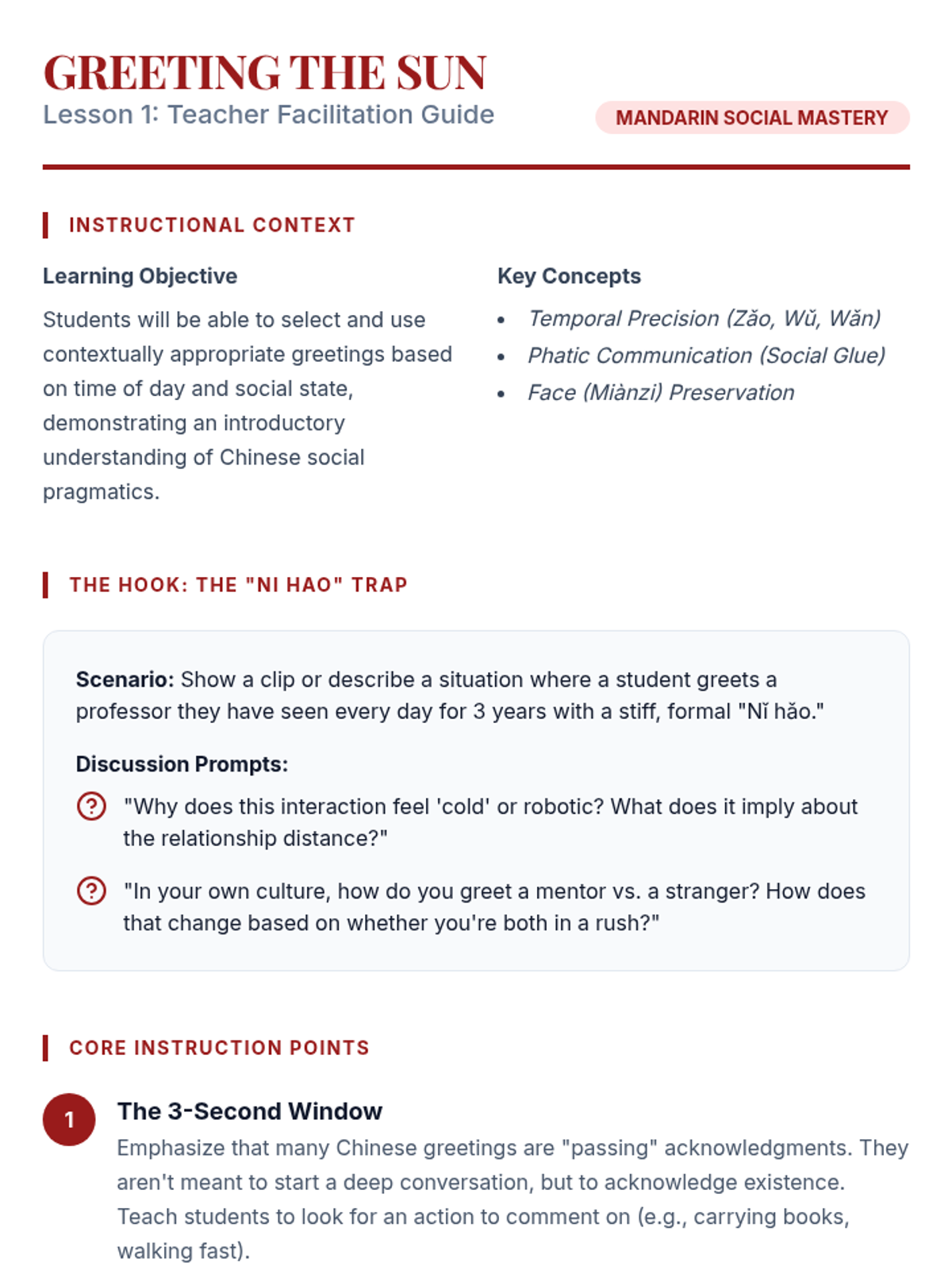
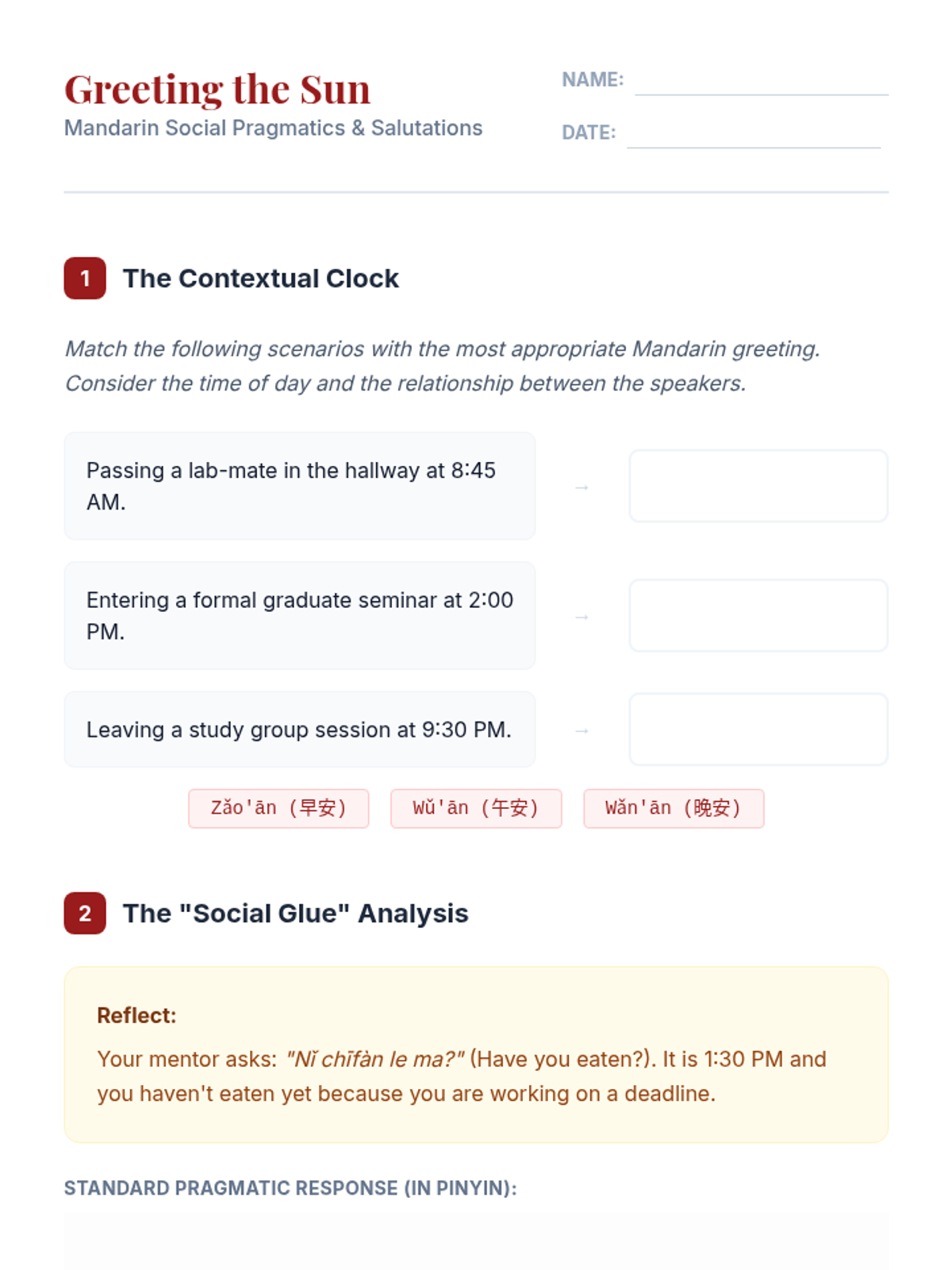
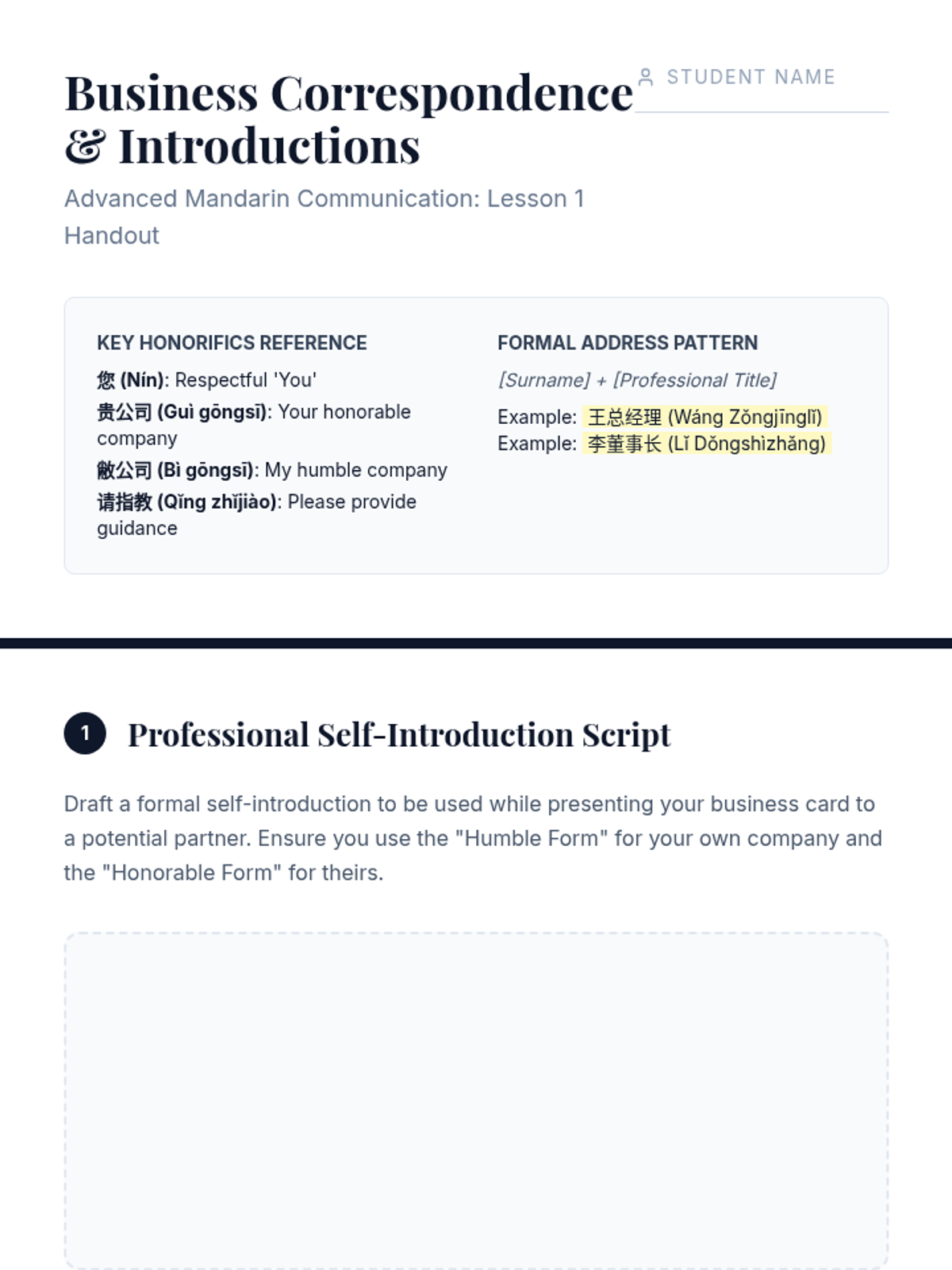
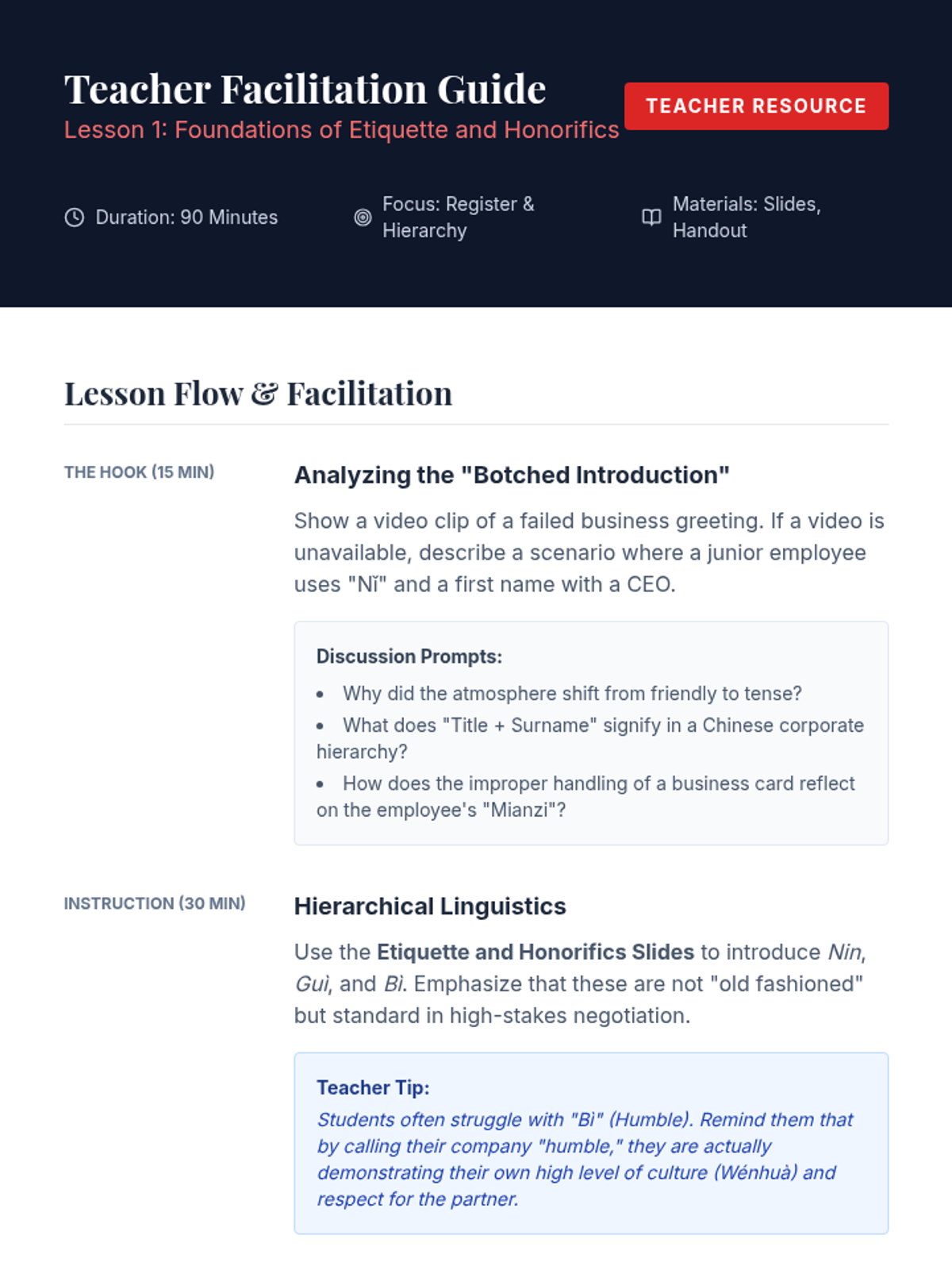
A comprehensive immersion into the pragmatics of Mandarin Chinese social interactions, designed for graduate students. This unit focuses on greetings, honorifics, naming conventions, and non-verbal etiquette through professional simulations.
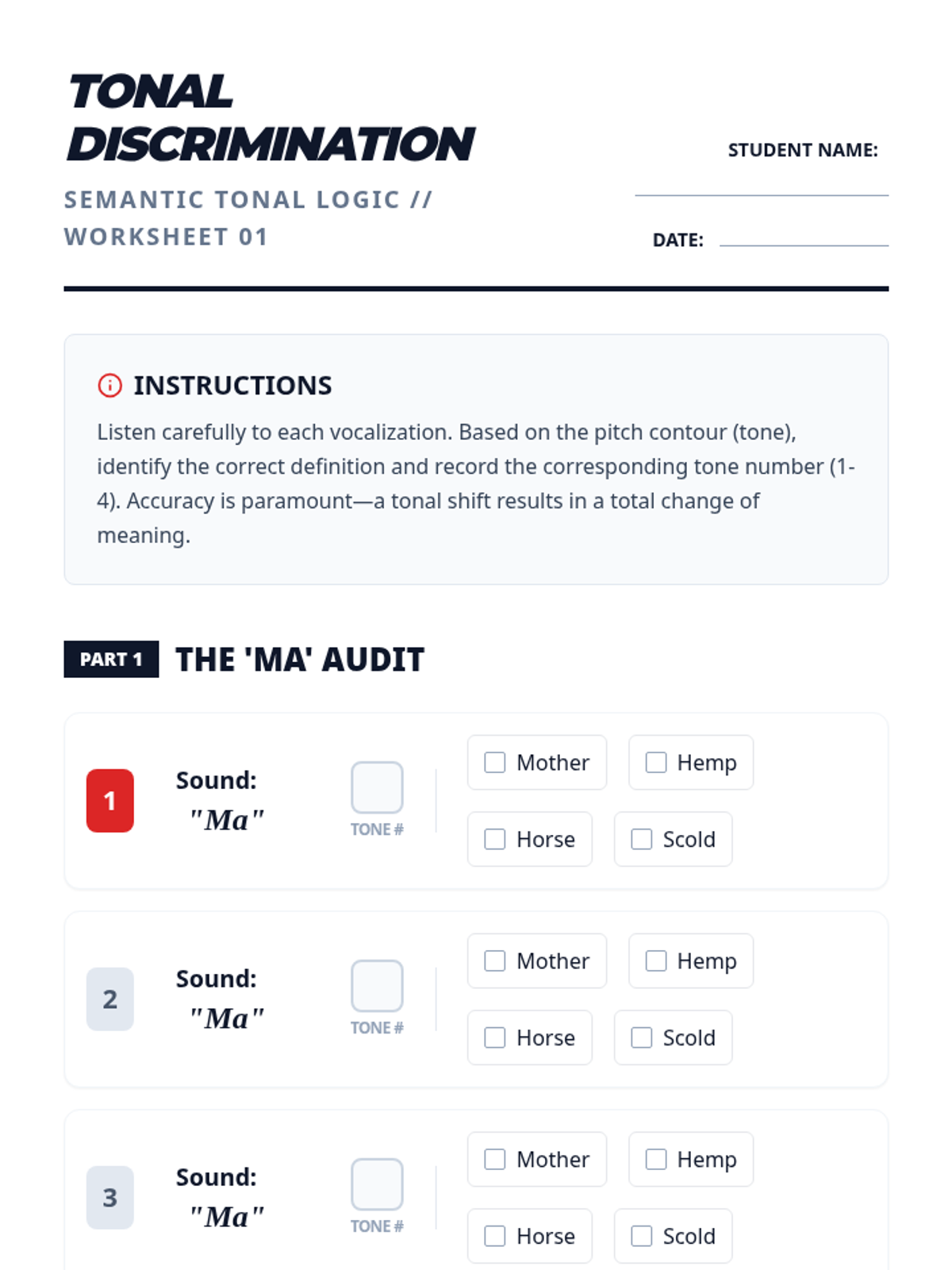
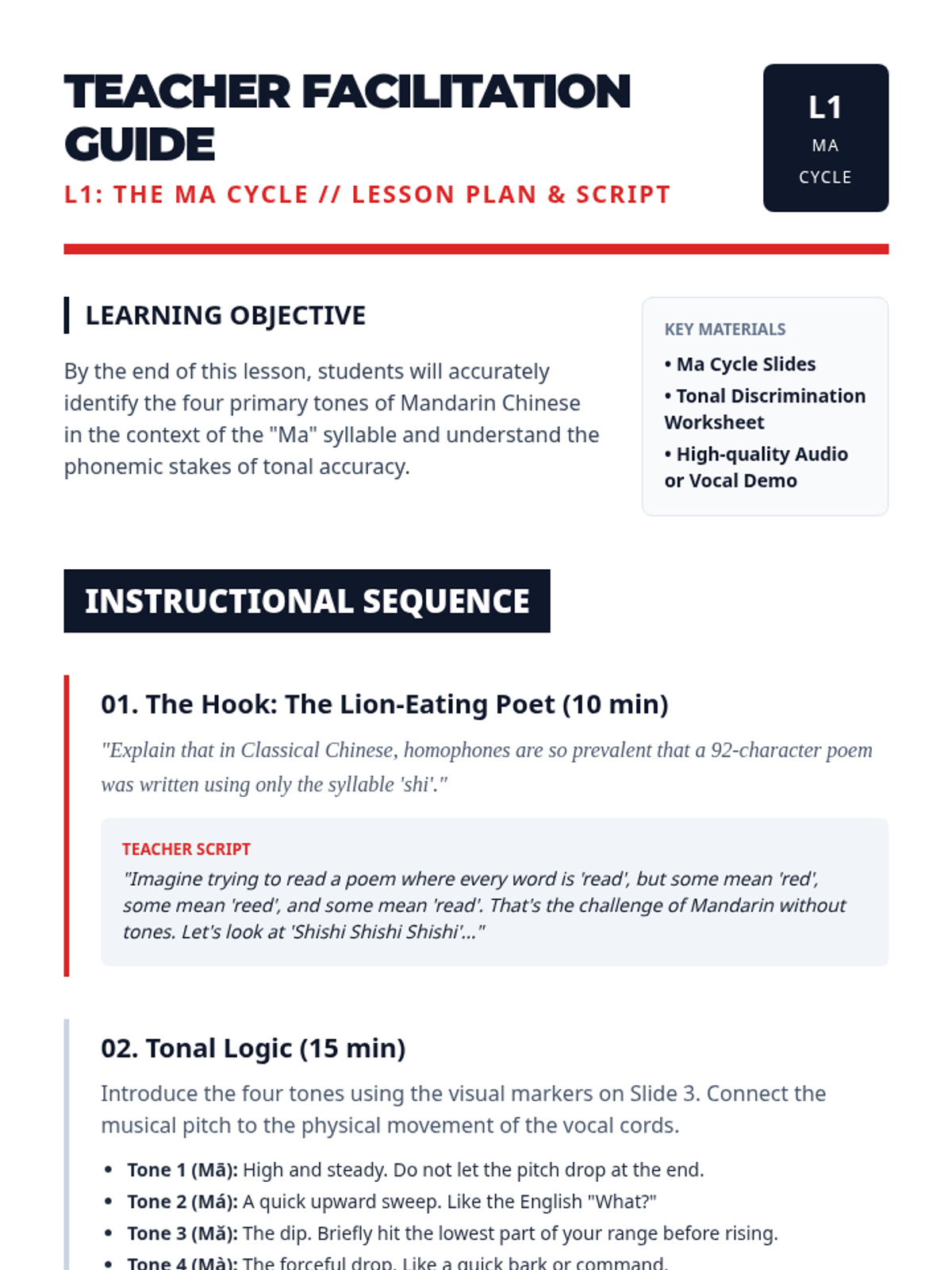
This sequence addresses the critical link between tones and meaning in Mandarin Chinese, focusing on minimal pairs where tone is the only distinguishing factor. Graduate students engage in analytical, gamified challenges to move from isolated auditory discrimination to complex semantic processing.
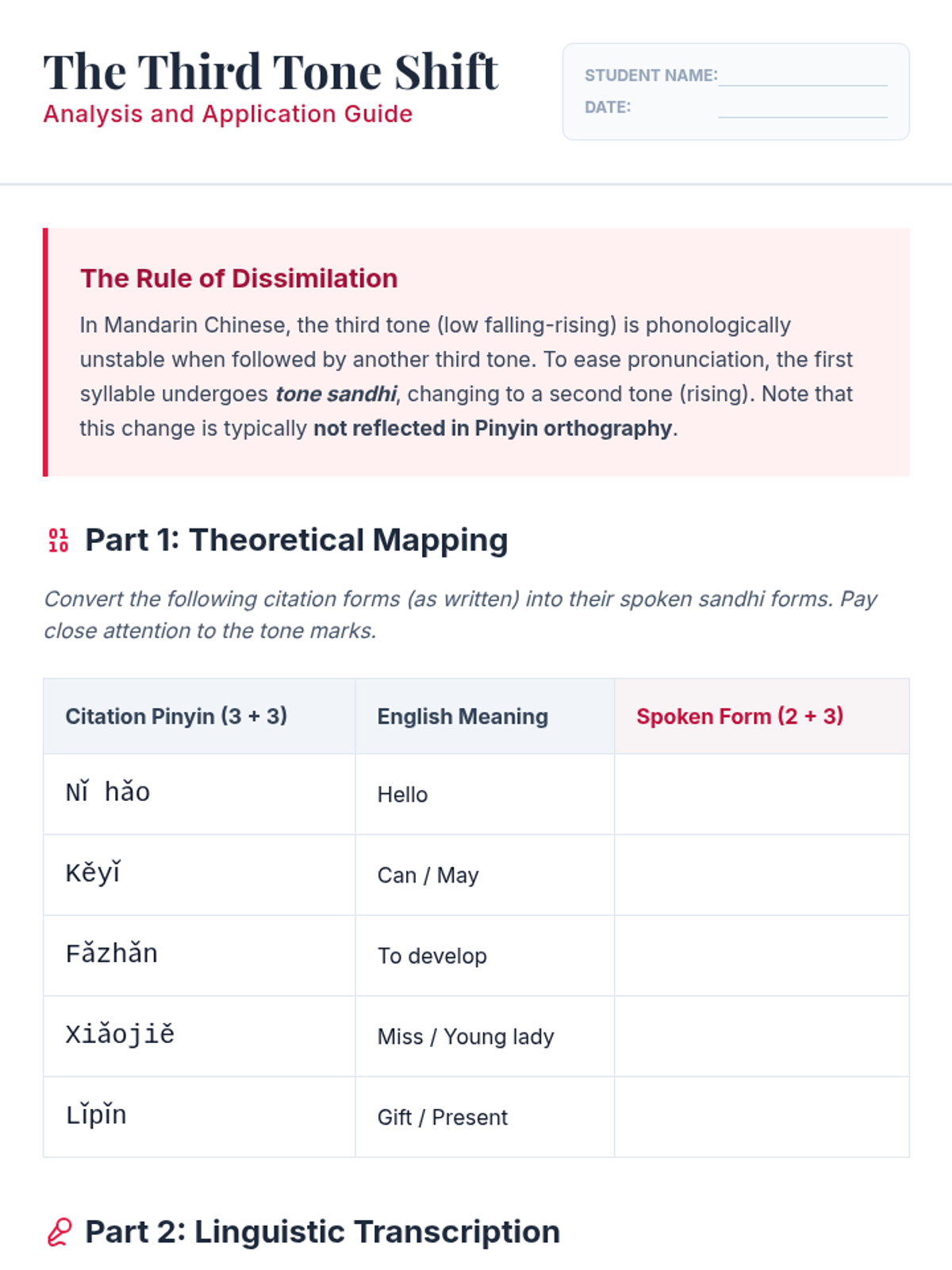
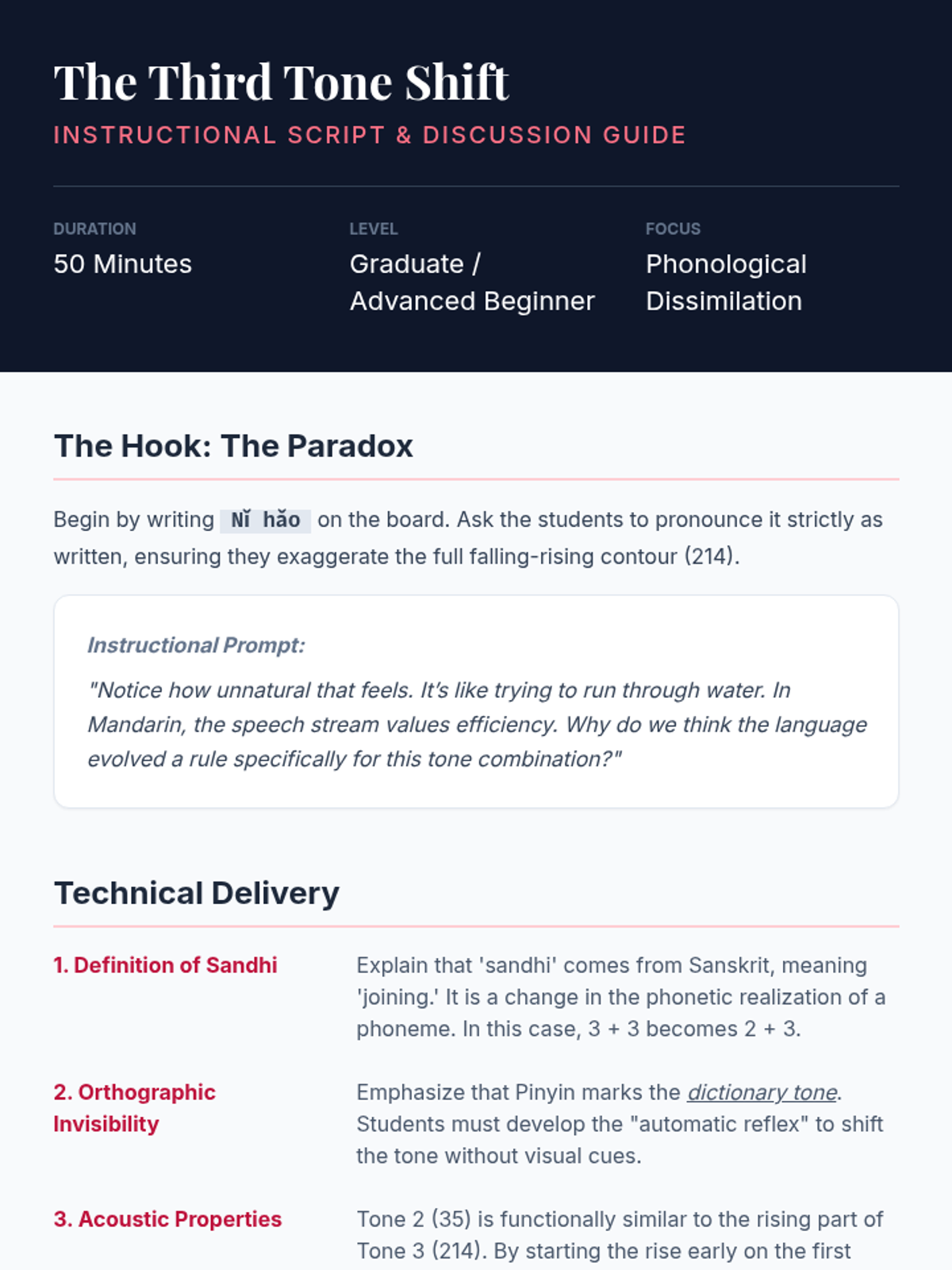
A graduate-level intensive on Mandarin Chinese phonology, focusing on the physiological production of initials and finals, the mastery of the four lexical tones, and the application of complex tone sandhi rules. Students will transition from acoustic discrimination to high-accuracy Pinyin transcription and reading.
A comprehensive introduction to Mandarin Chinese phonetics for undergraduate students, focusing on the Pinyin system and tonal accuracy. The sequence covers initials, finals, the four tones, sandhi rules, and transcription skills through a technical 'Linguistic Blueprint' lens.
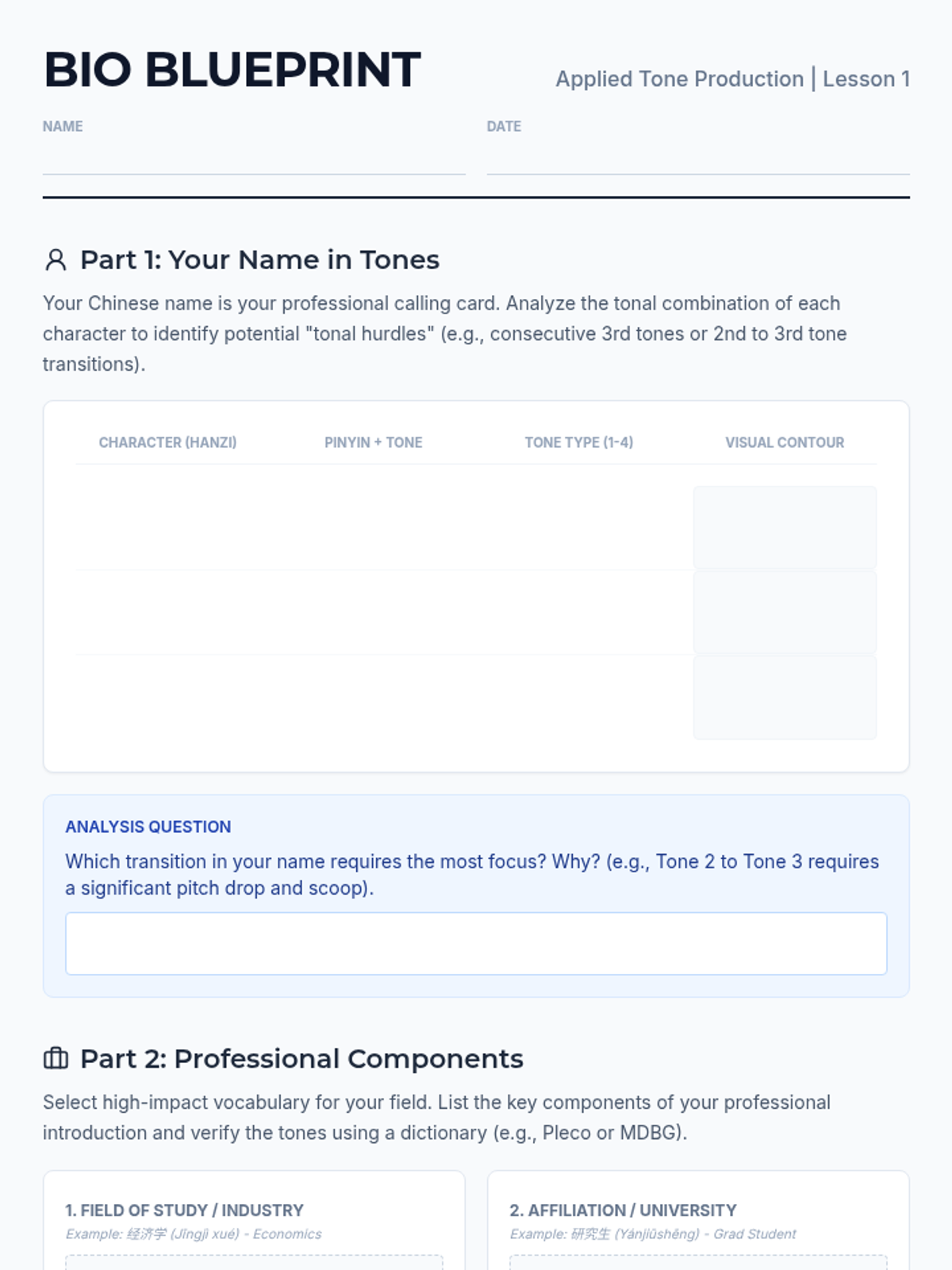
A flipped-classroom sequence for graduate students focusing on mastering Mandarin tones through the creation of a professional bio. Students move from analyzing tone structures to 'orchestrating' their speech and iterative recording for mastery.
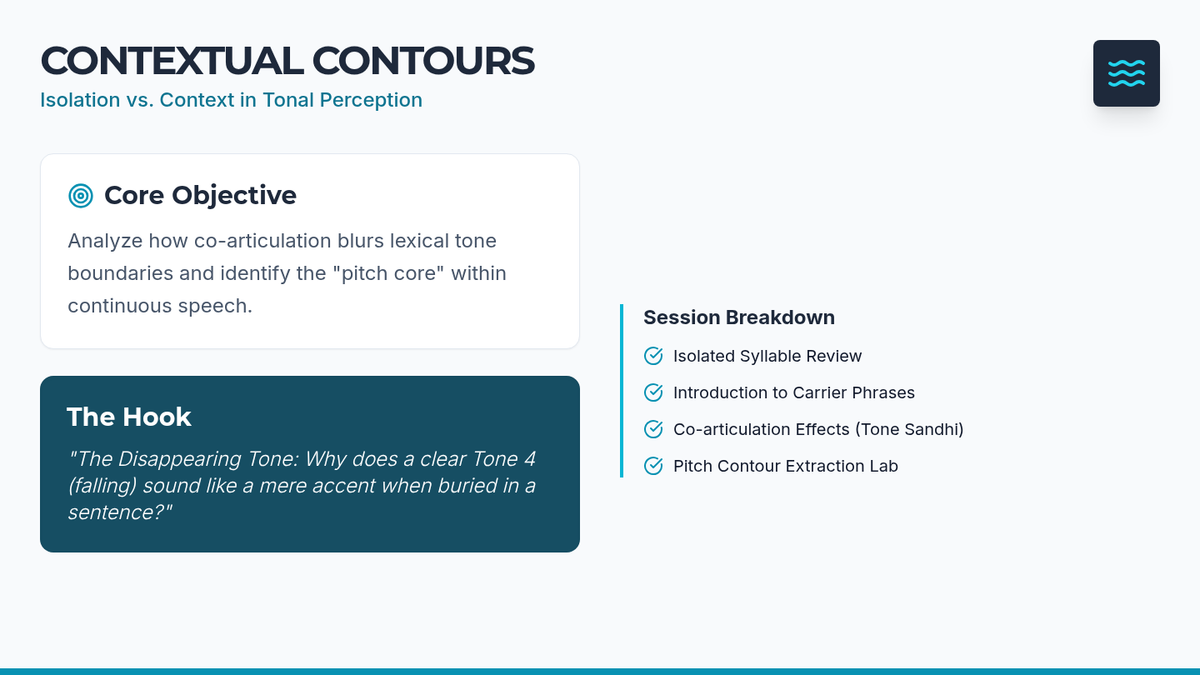
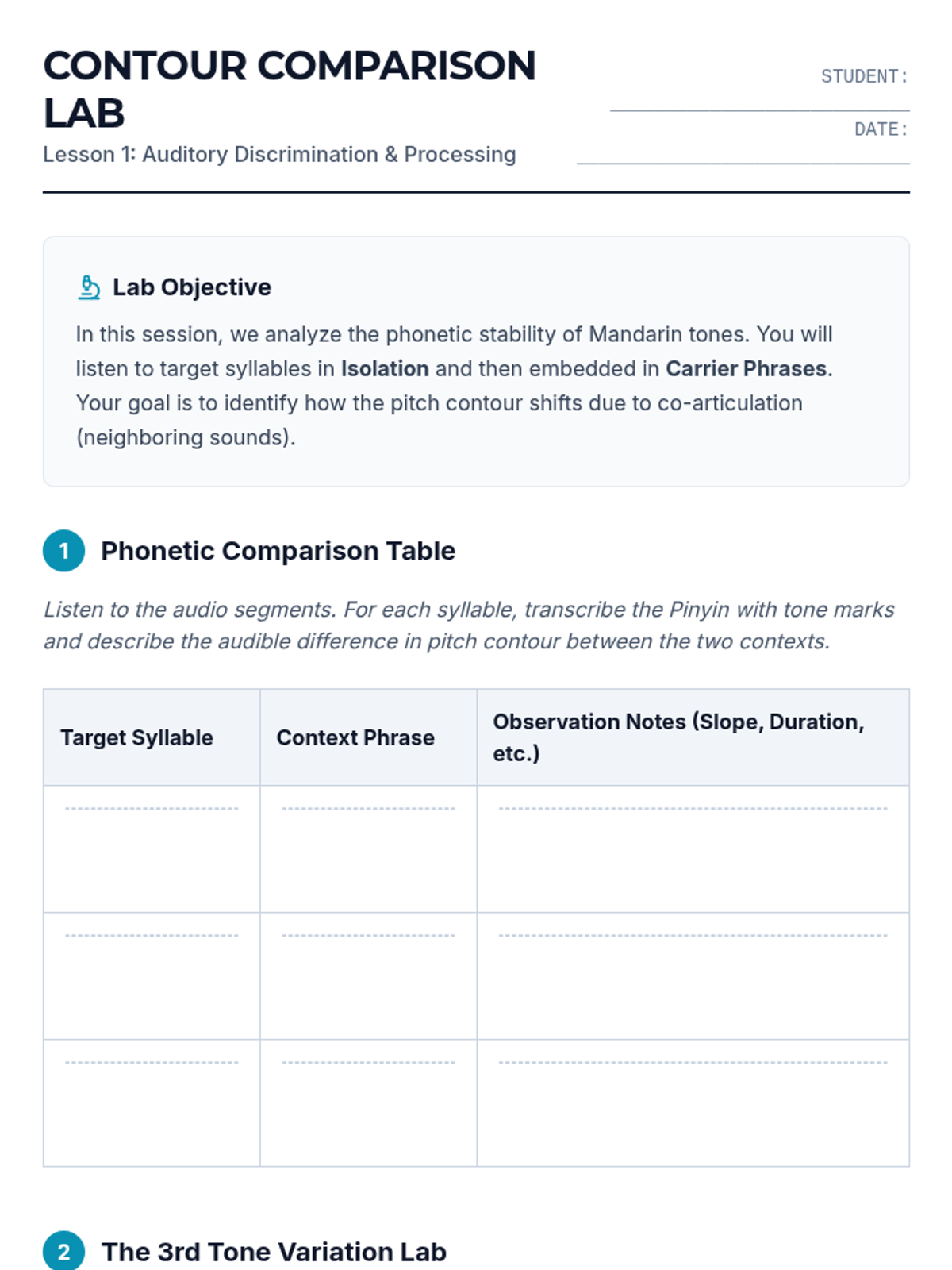
A comprehensive sequence for graduate students focusing on the auditory discrimination and processing of Mandarin Chinese tones in various contexts, from isolated syllables to authentic media.
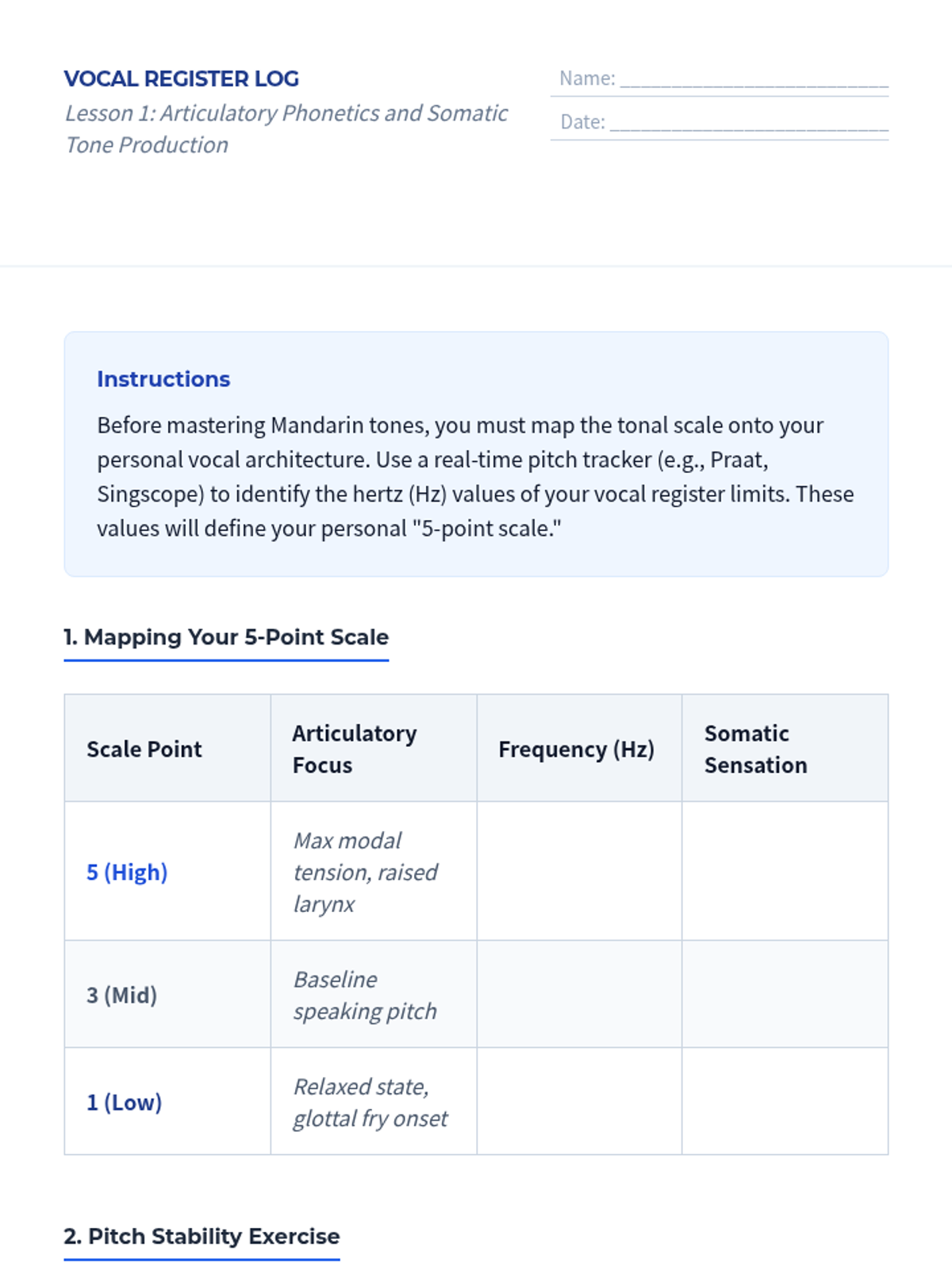
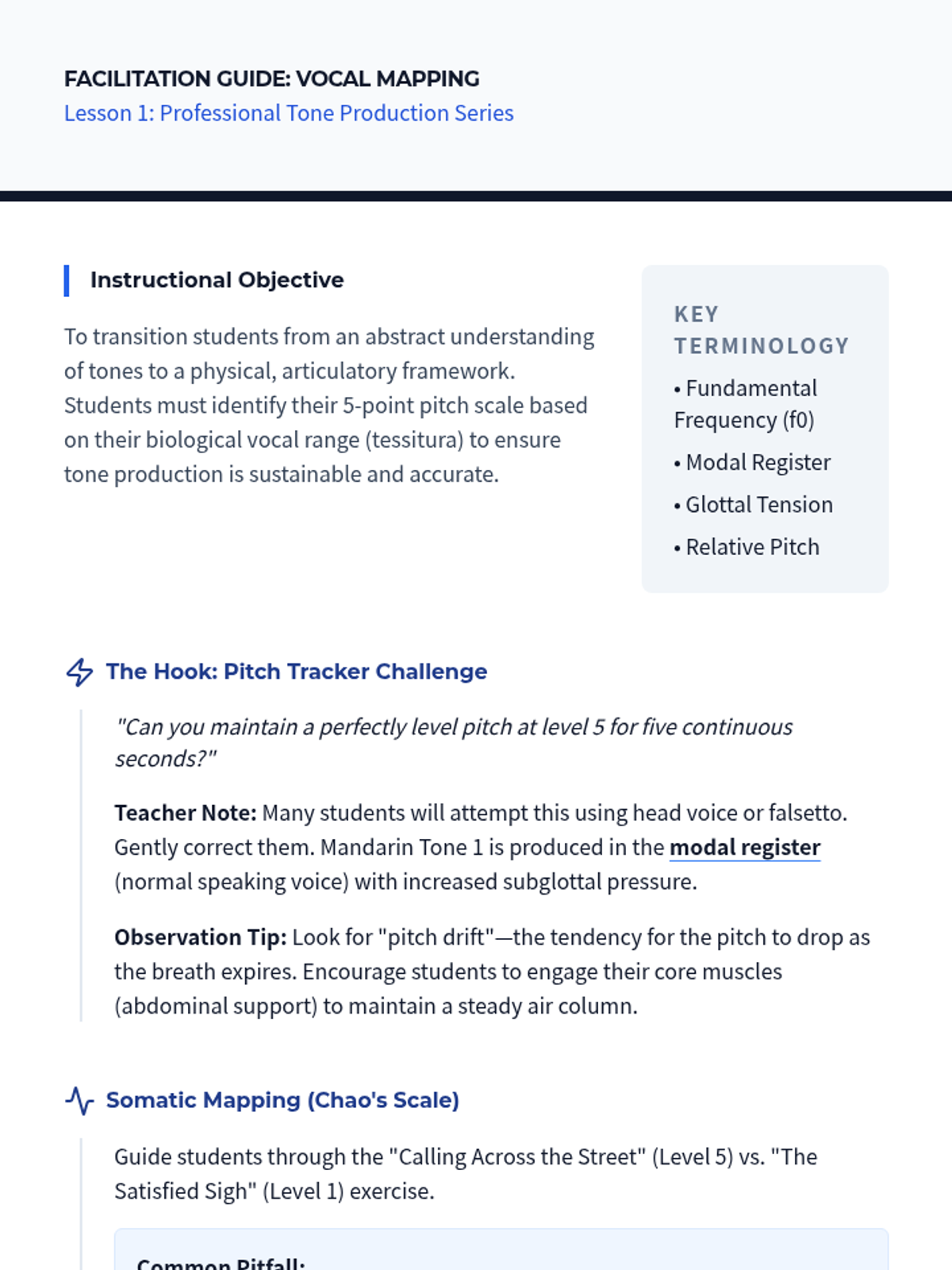
A graduate-level sequence focused on the articulatory phonetics and somatic production of Mandarin Chinese tones, emphasizing vocal register mapping and physical pitch control.
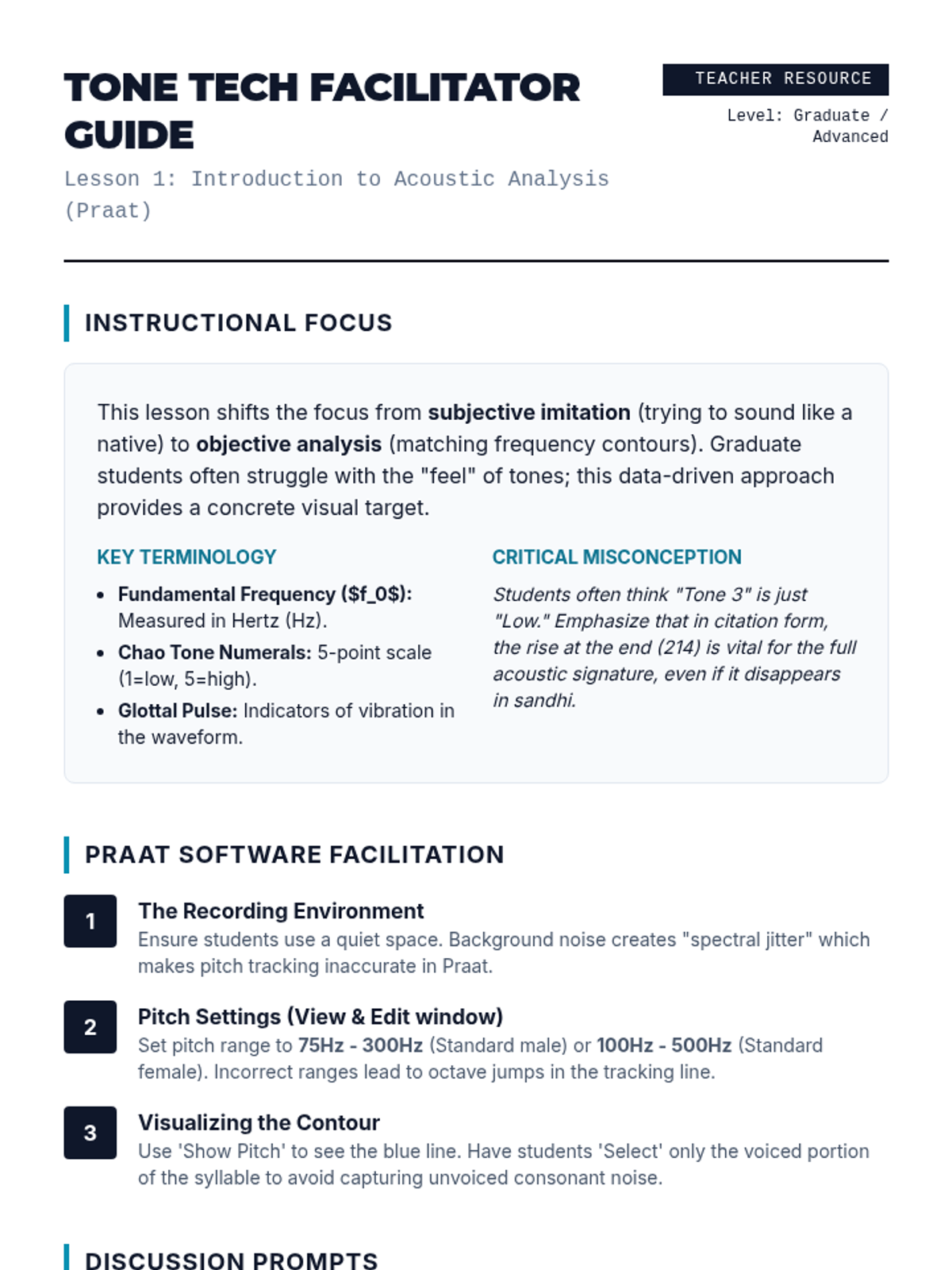
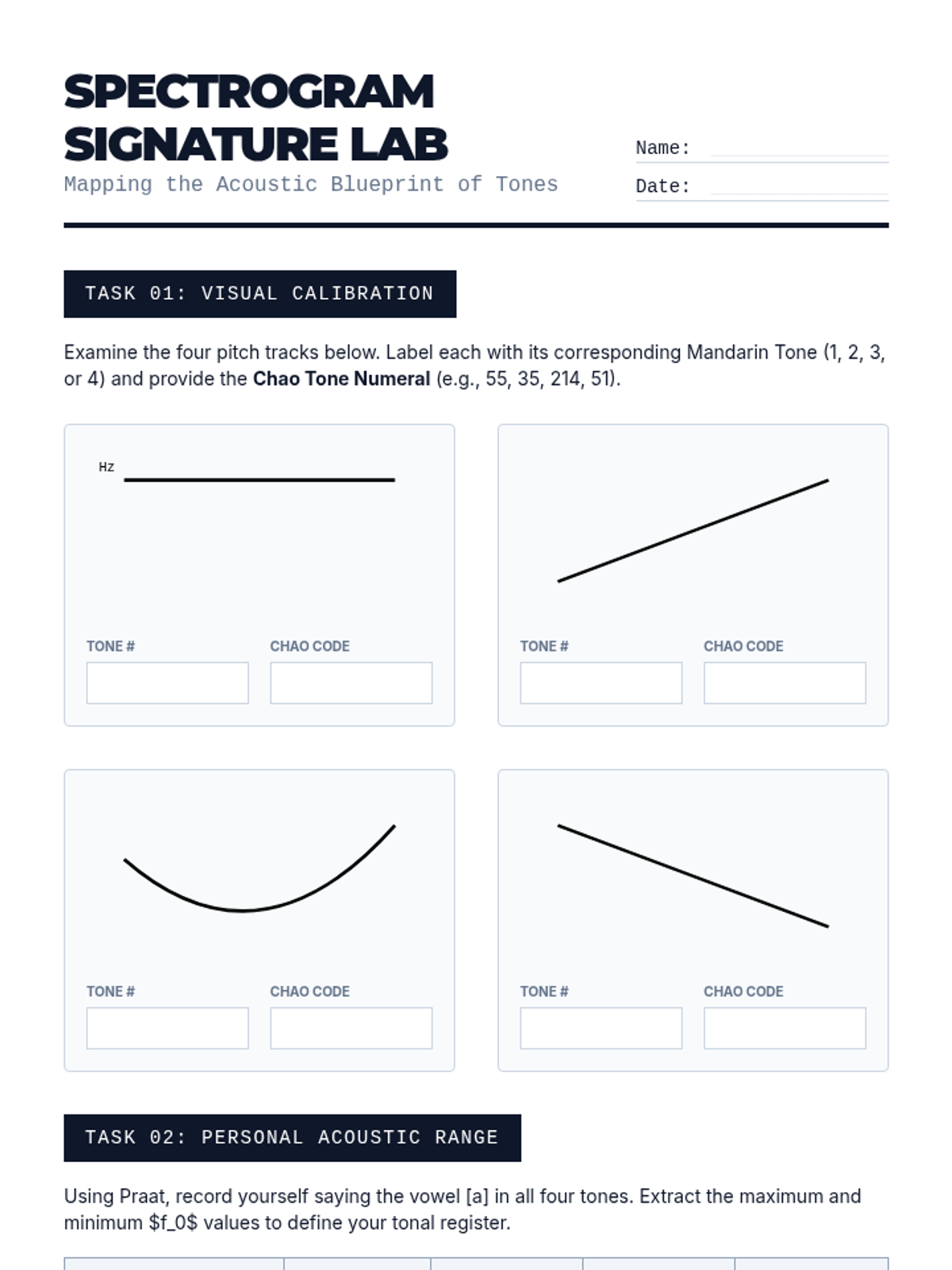
This graduate-level sequence bridges phonetic theory and acoustic analysis, using software visualization to master Mandarin Chinese tones. Students use pitch tracking and spectrogram data to move beyond auditory imitation into objective, data-driven speech correction.
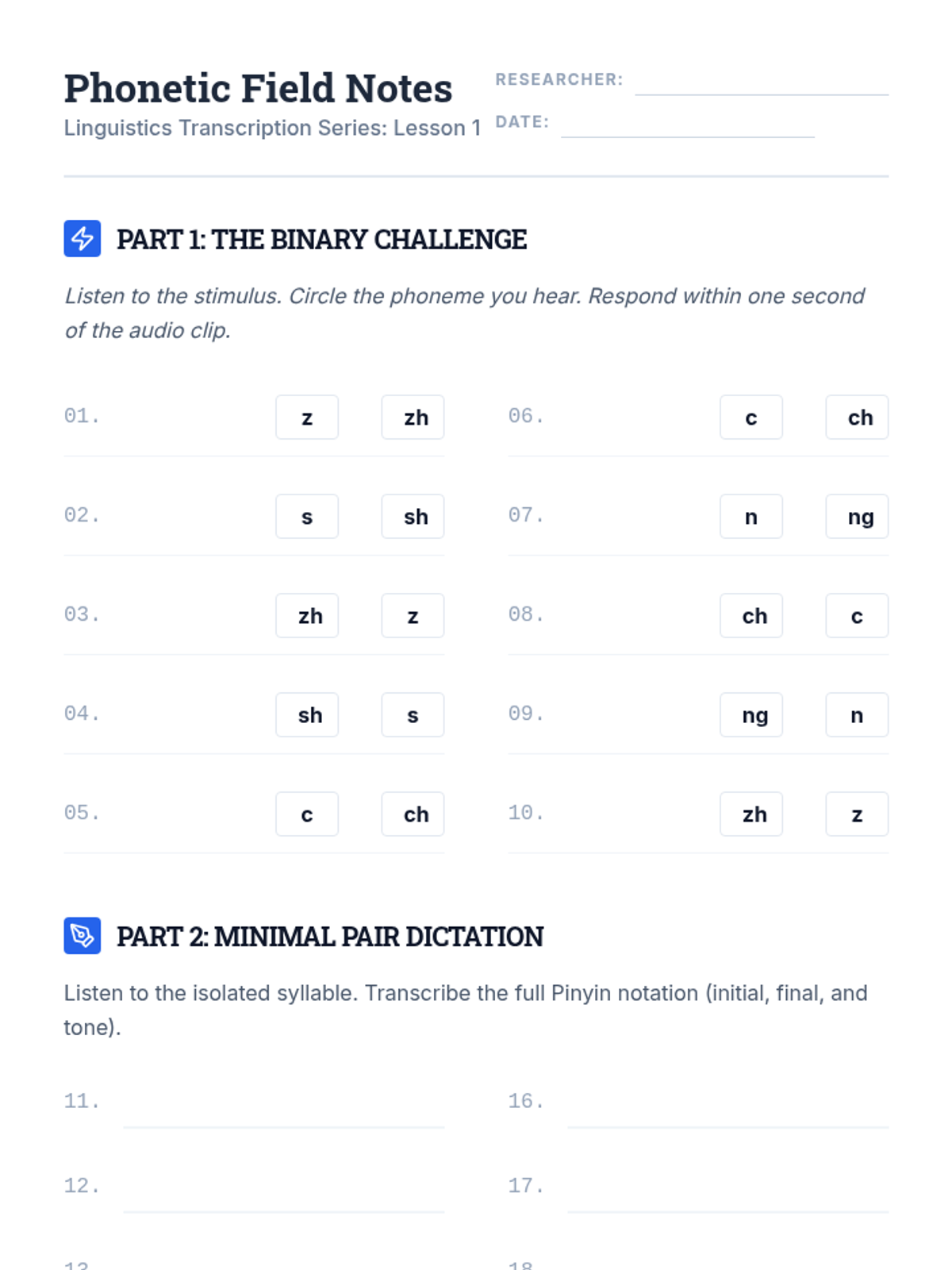
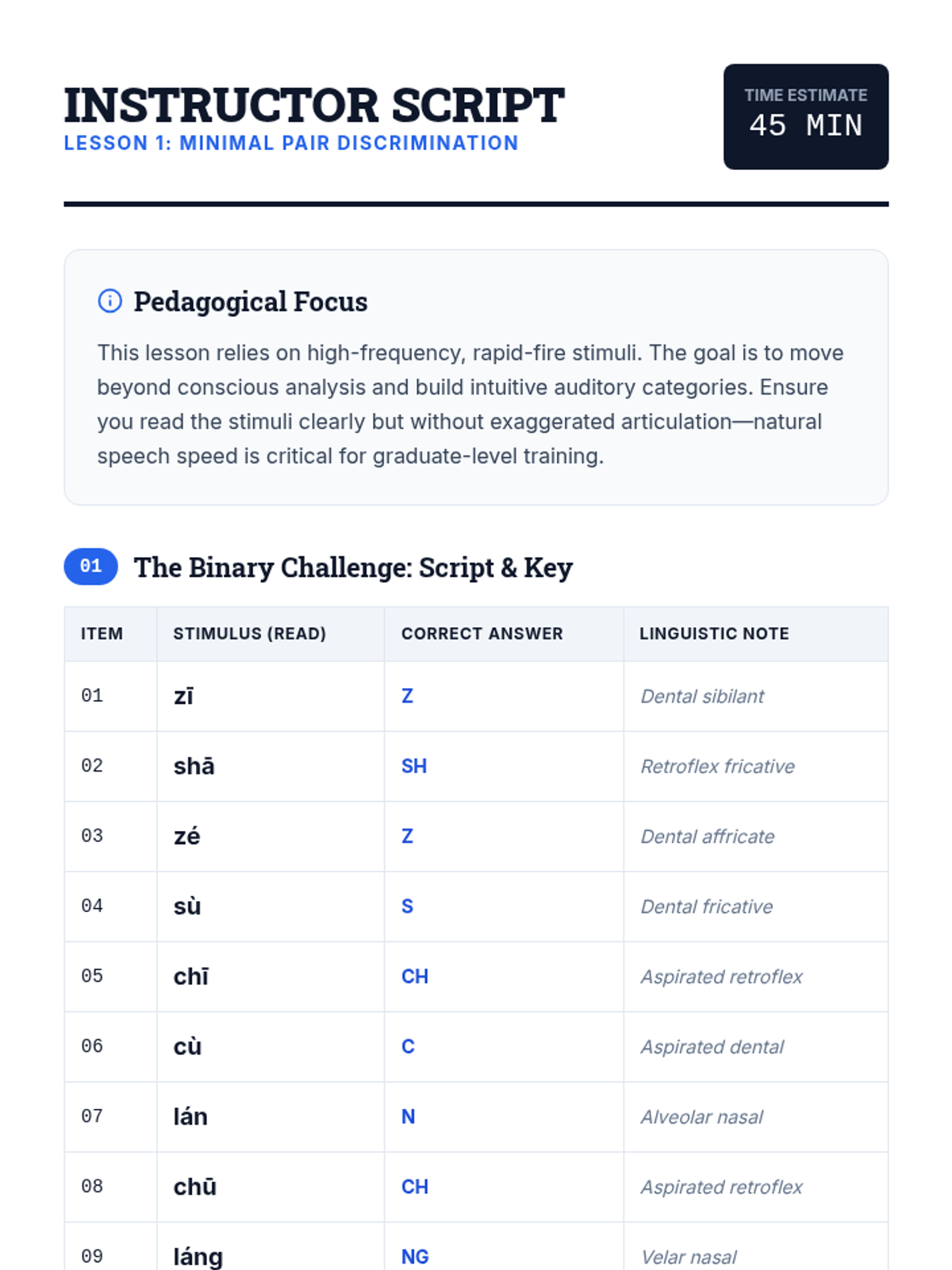
A comprehensive sequence designed for graduate-level linguistics and language students to master the transcription of spoken Mandarin into accurate Pinyin notation, with a focus on minimal pairs, tone sandhi, and rapid dictation.
A comprehensive exploration of Mandarin Chinese tone sandhi and sentence prosody for graduate students, focusing on the linguistic rules and practical application of connected speech patterns.
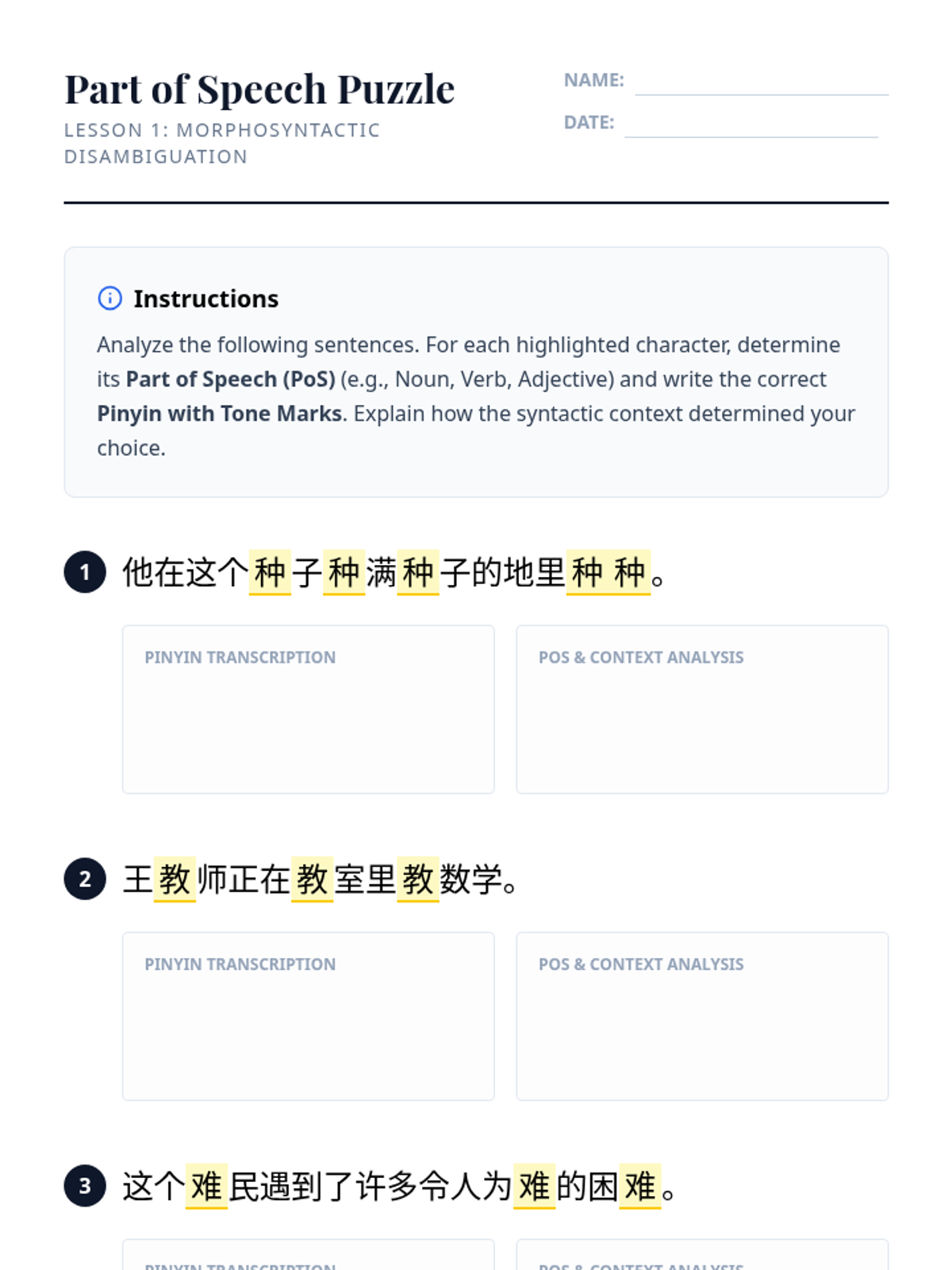
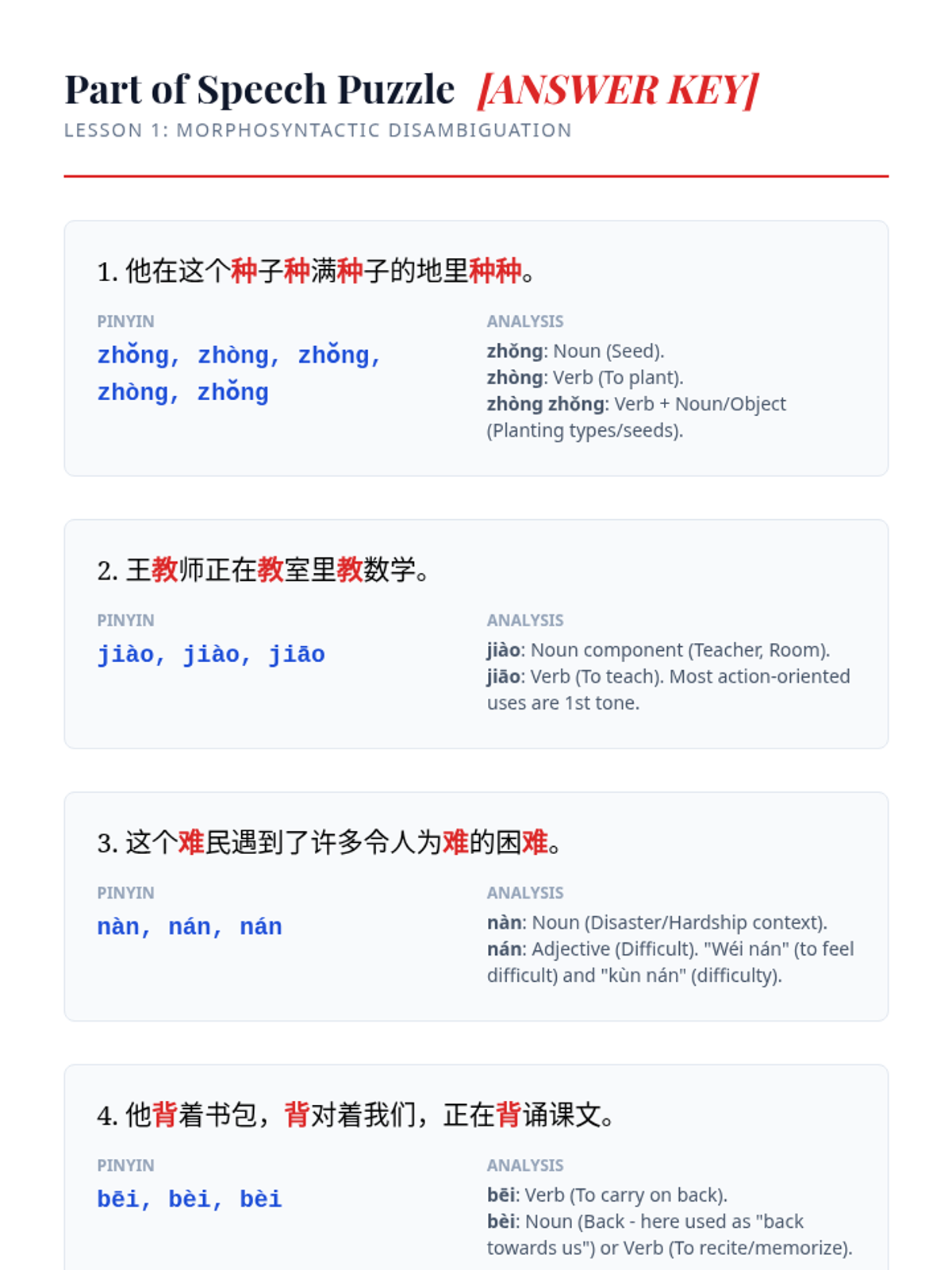
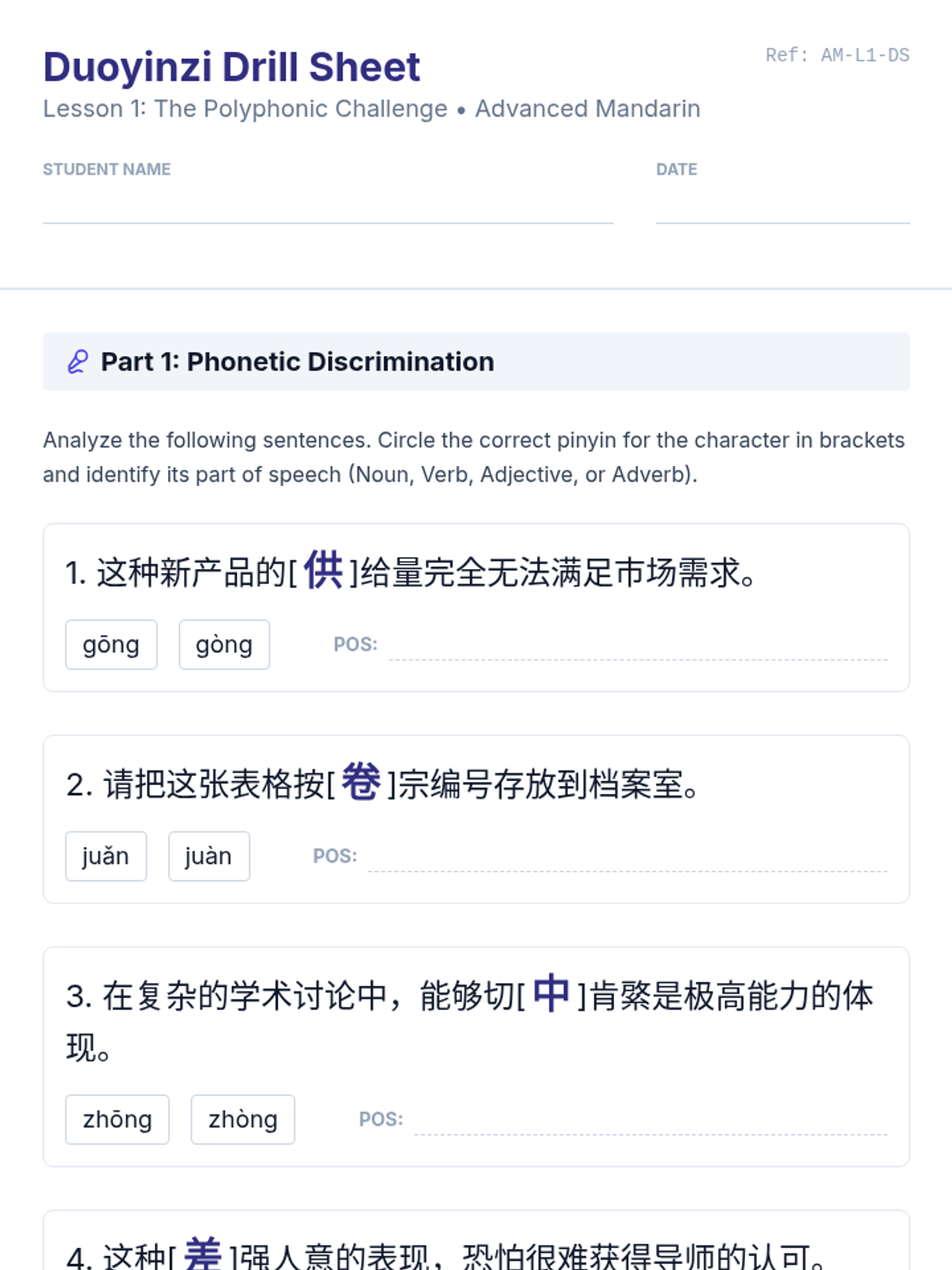
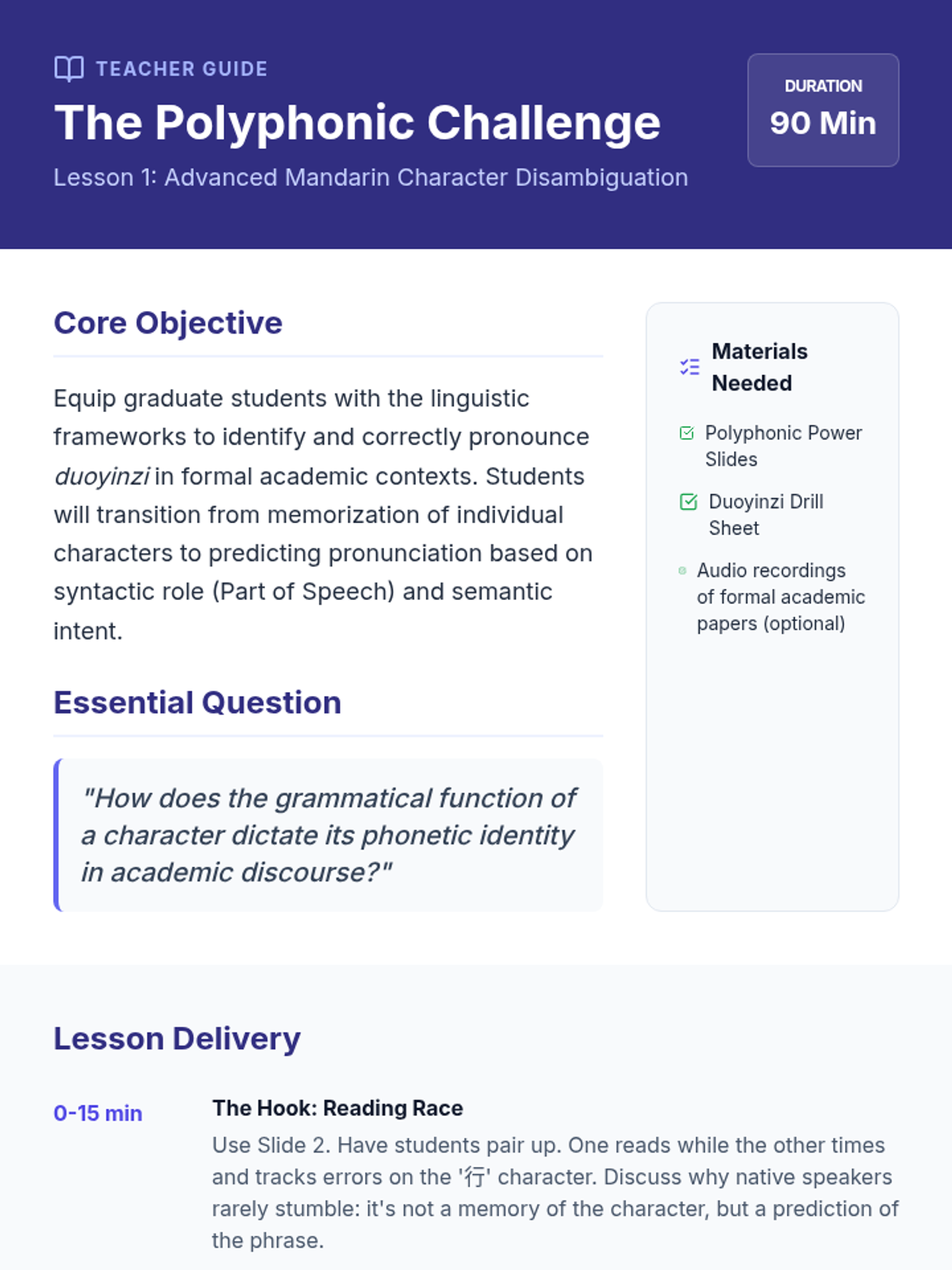
This advanced Mandarin course focuses on mastering polyphonic characters (Duo Yin Zi). Students analyze linguistic context, part-of-speech markers, and semantic fields to accurately pronounce and interpret complex Chinese texts.
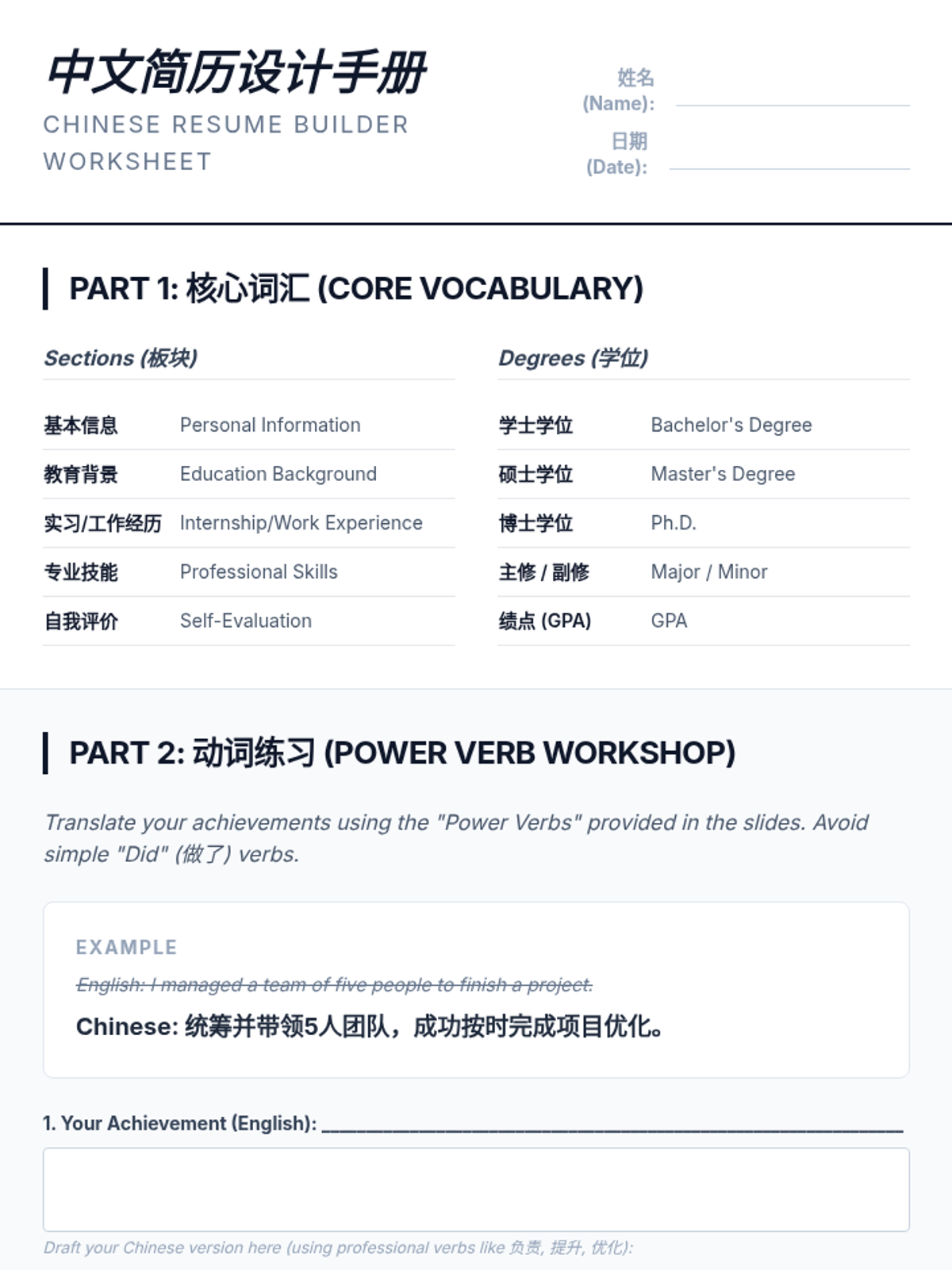
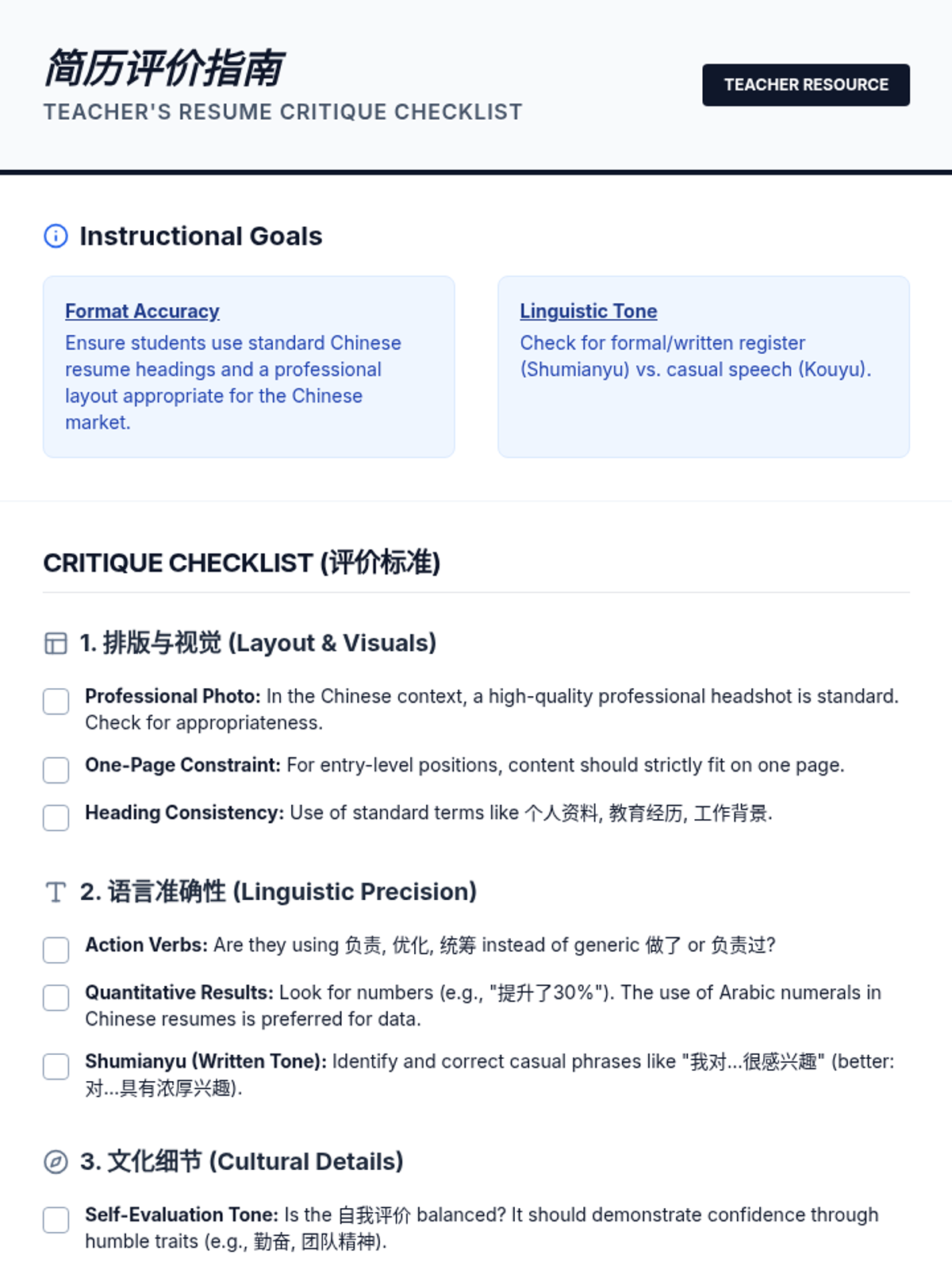
A comprehensive unit for advanced Mandarin students to master the professional skills needed for the Chinese job market, covering resume writing, self-introductions, and cultural interview etiquette.
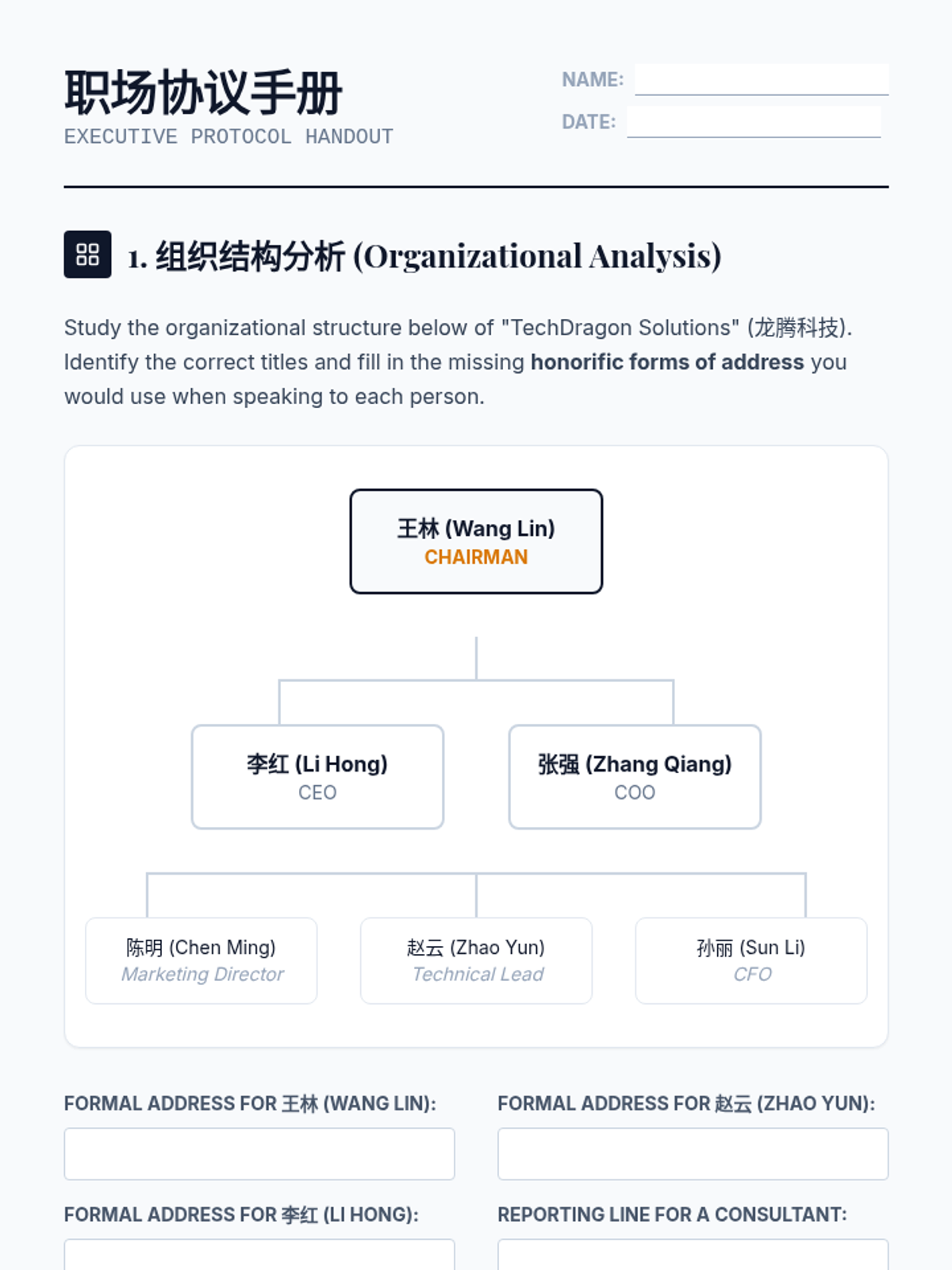
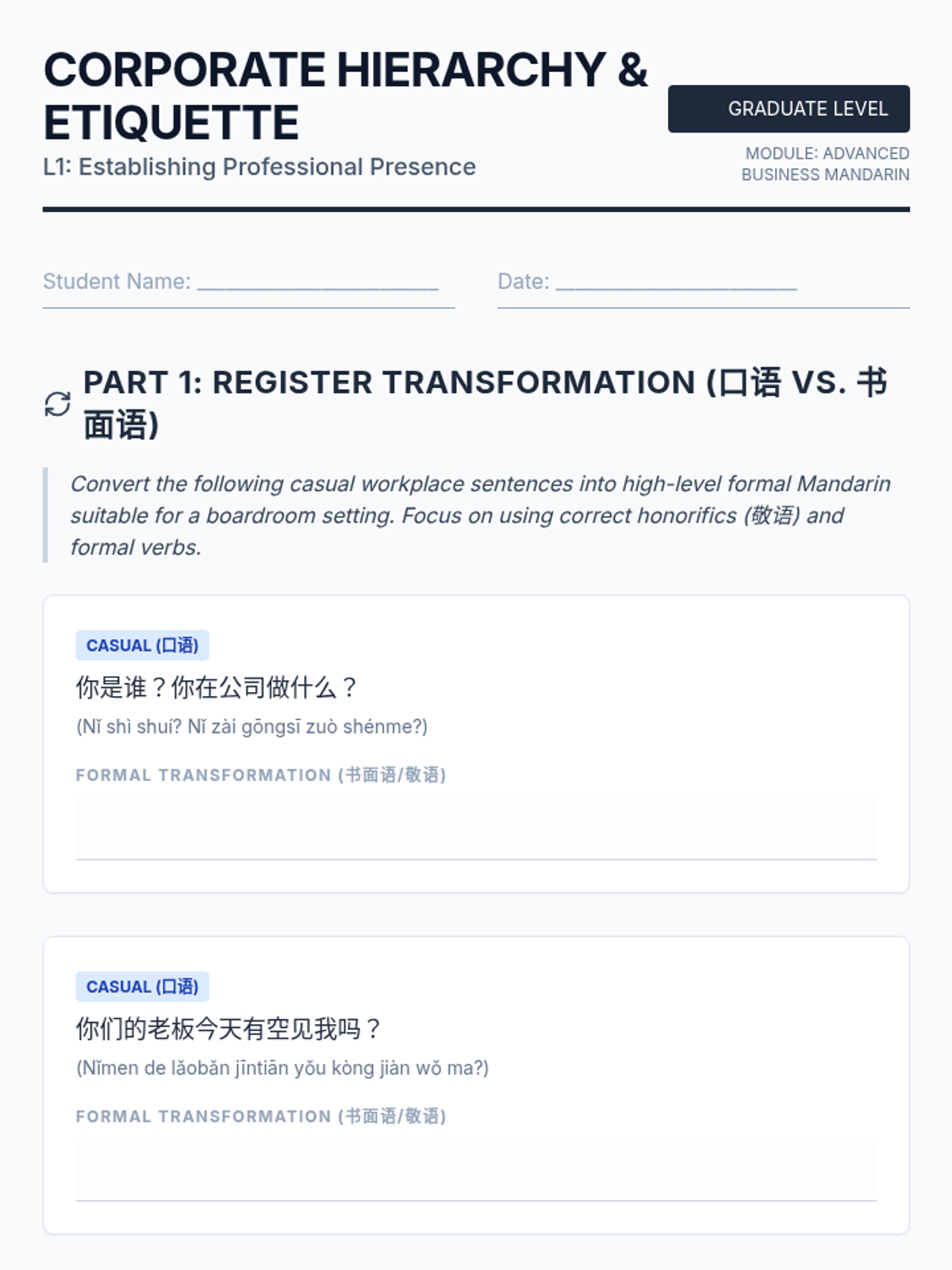
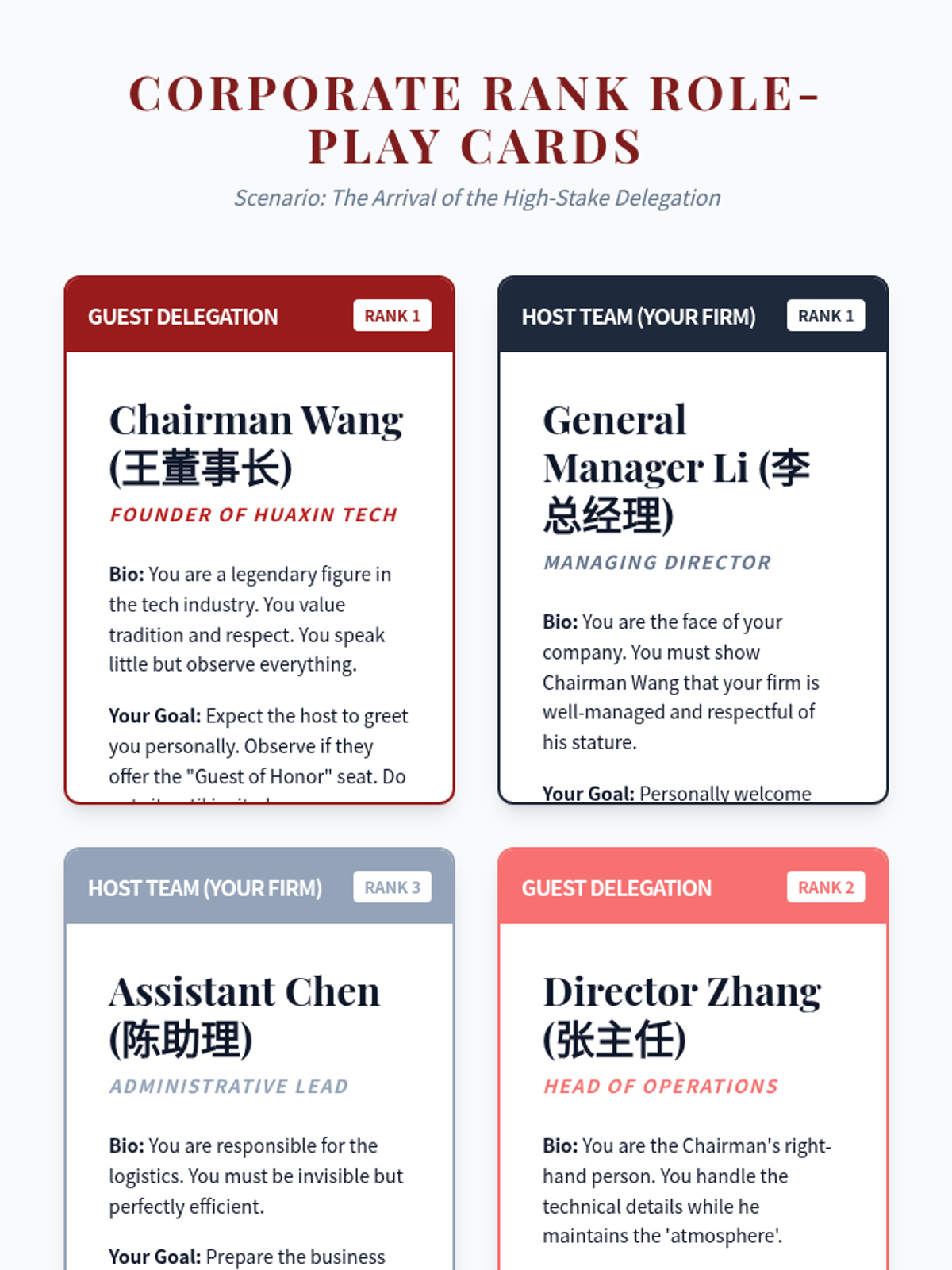
This advanced Mandarin Chinese sequence immerses undergraduate students in the complexities of international business negotiation. Students master professional vocabulary (shumianyu), corporate hierarchy, and the cultural nuances of 'face' through simulations and case studies, culminating in a high-stakes joint venture negotiation.
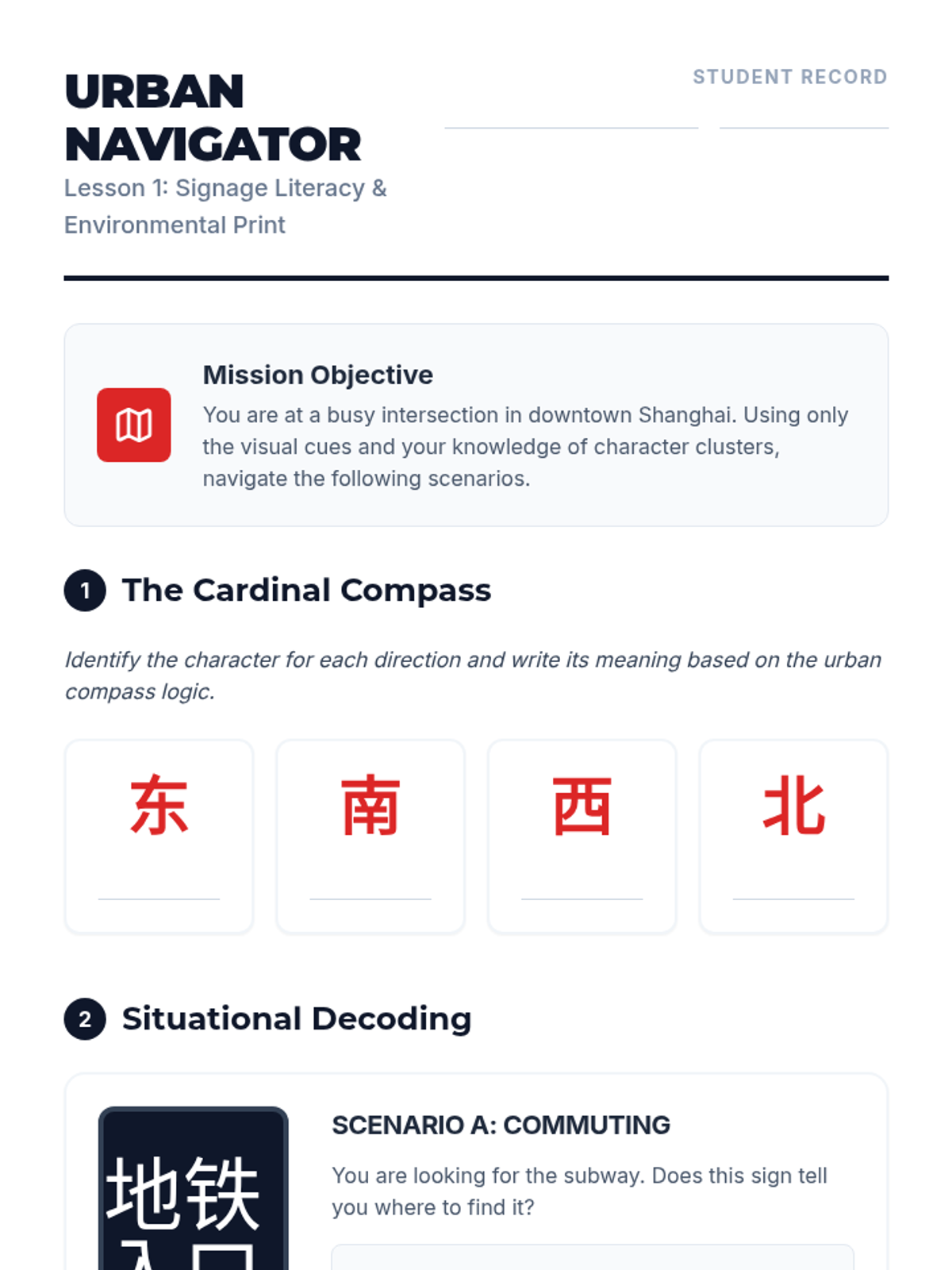
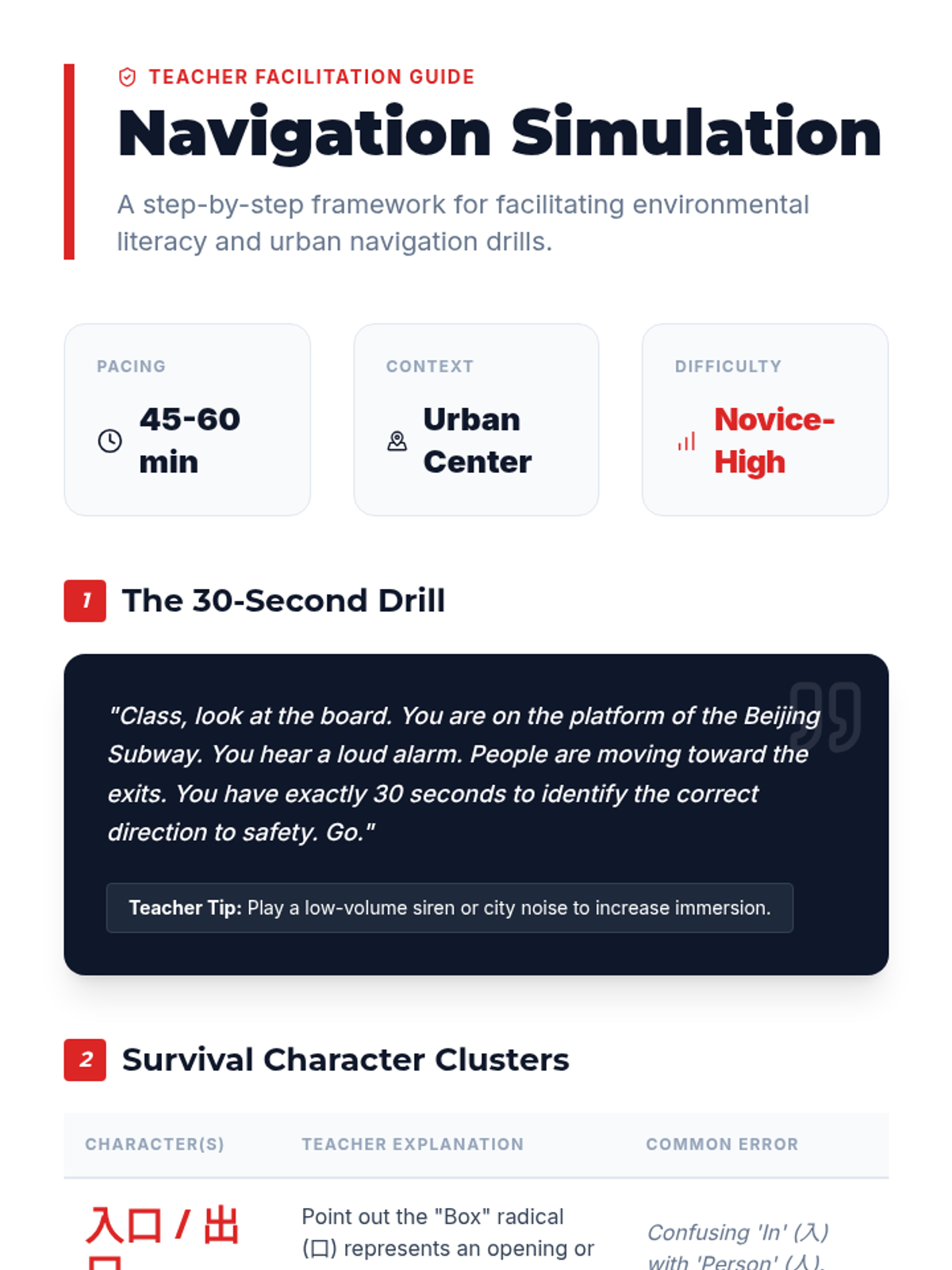
This sequence bridges the gap between classroom character learning and real-world application for graduate-level learners. By analyzing authentic artifacts like signage, menus, and business cards, students develop the 'environmental literacy' needed to navigate Mandarin-speaking urban and professional spaces.
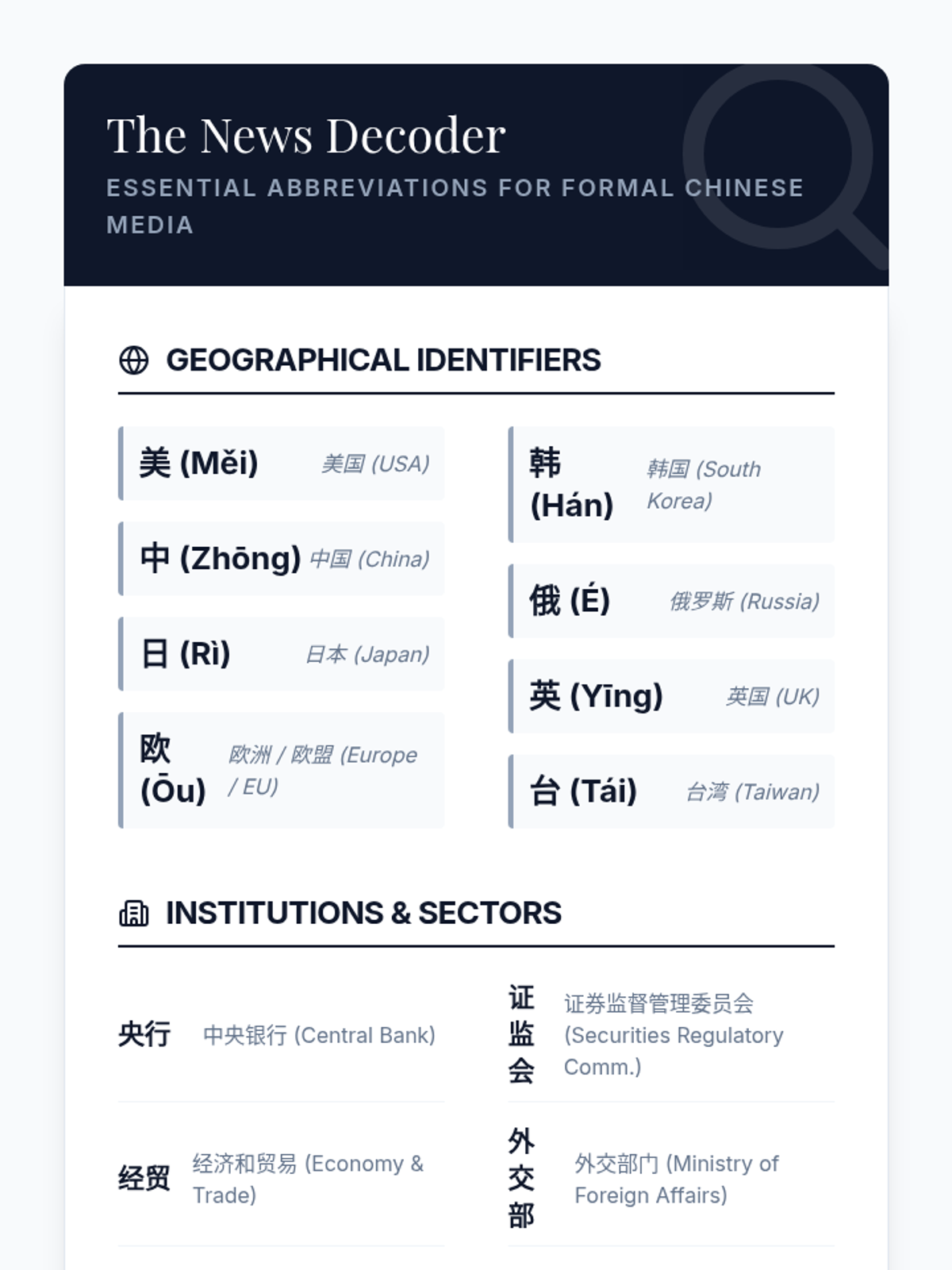
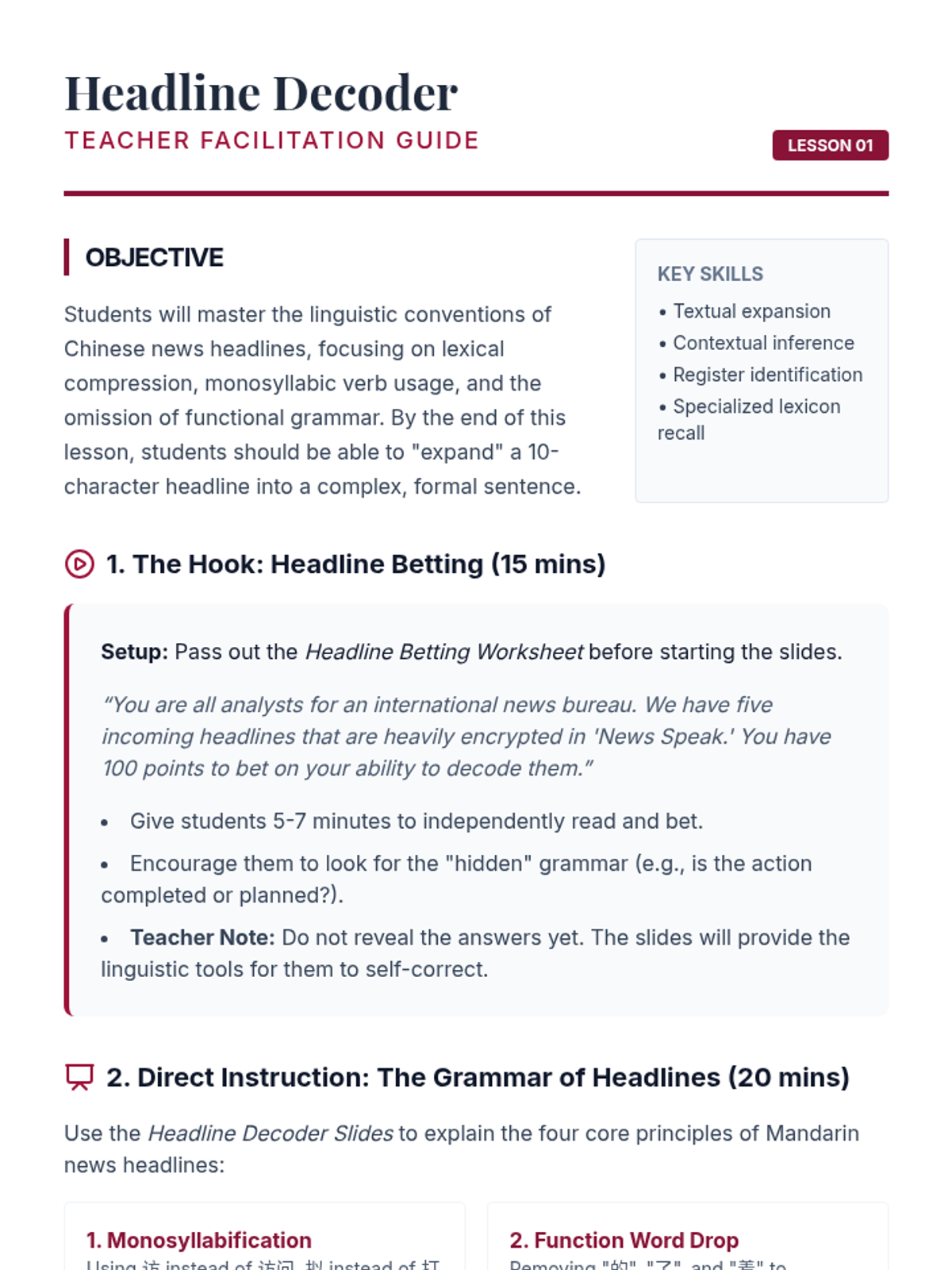
A specialized sequence for graduate students to master the formal register of Chinese news media. The course covers headline syntax, economic reporting logic, passive structures in incident reports, bias in editorials, and cross-regional news synthesis.
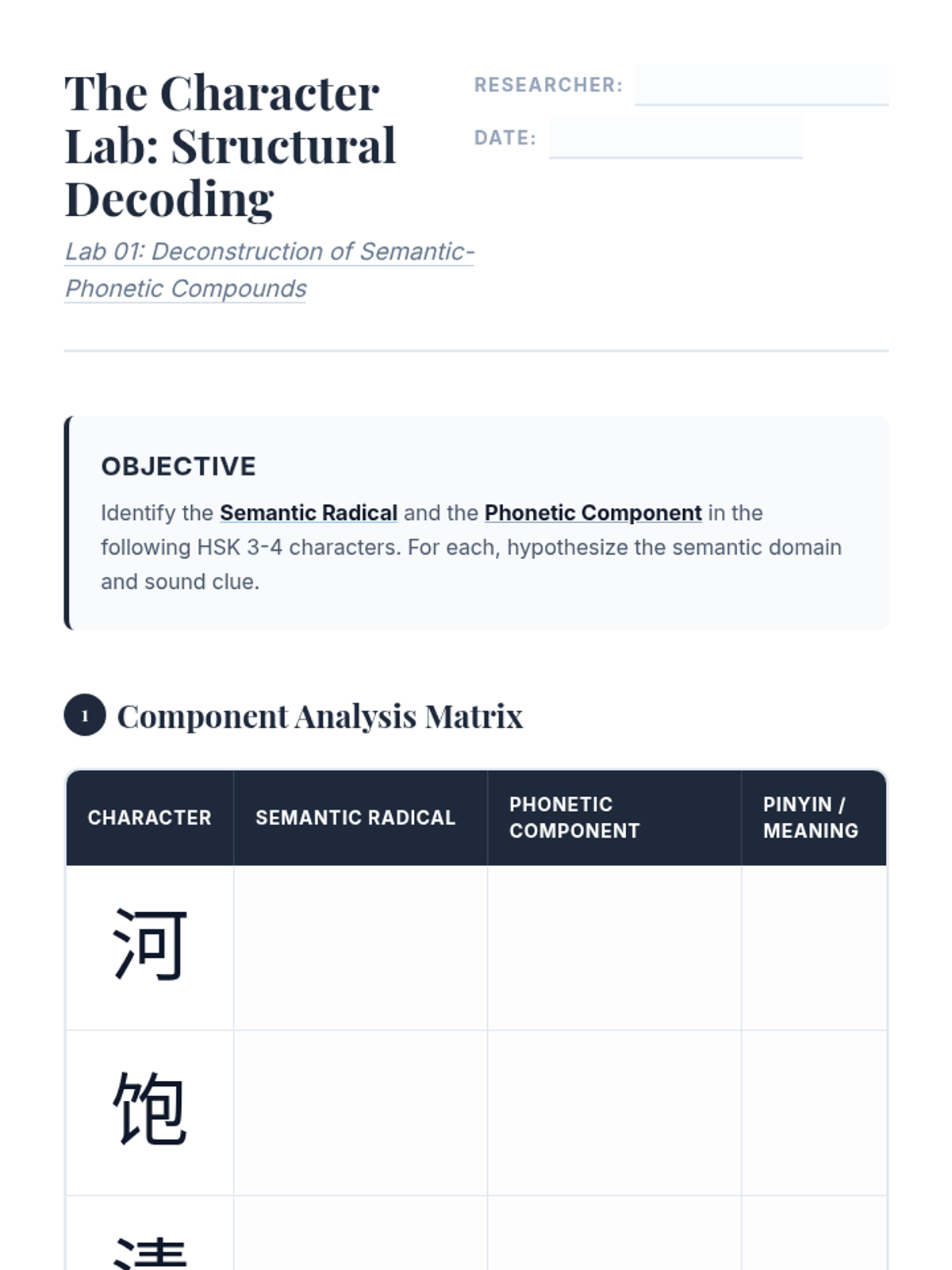
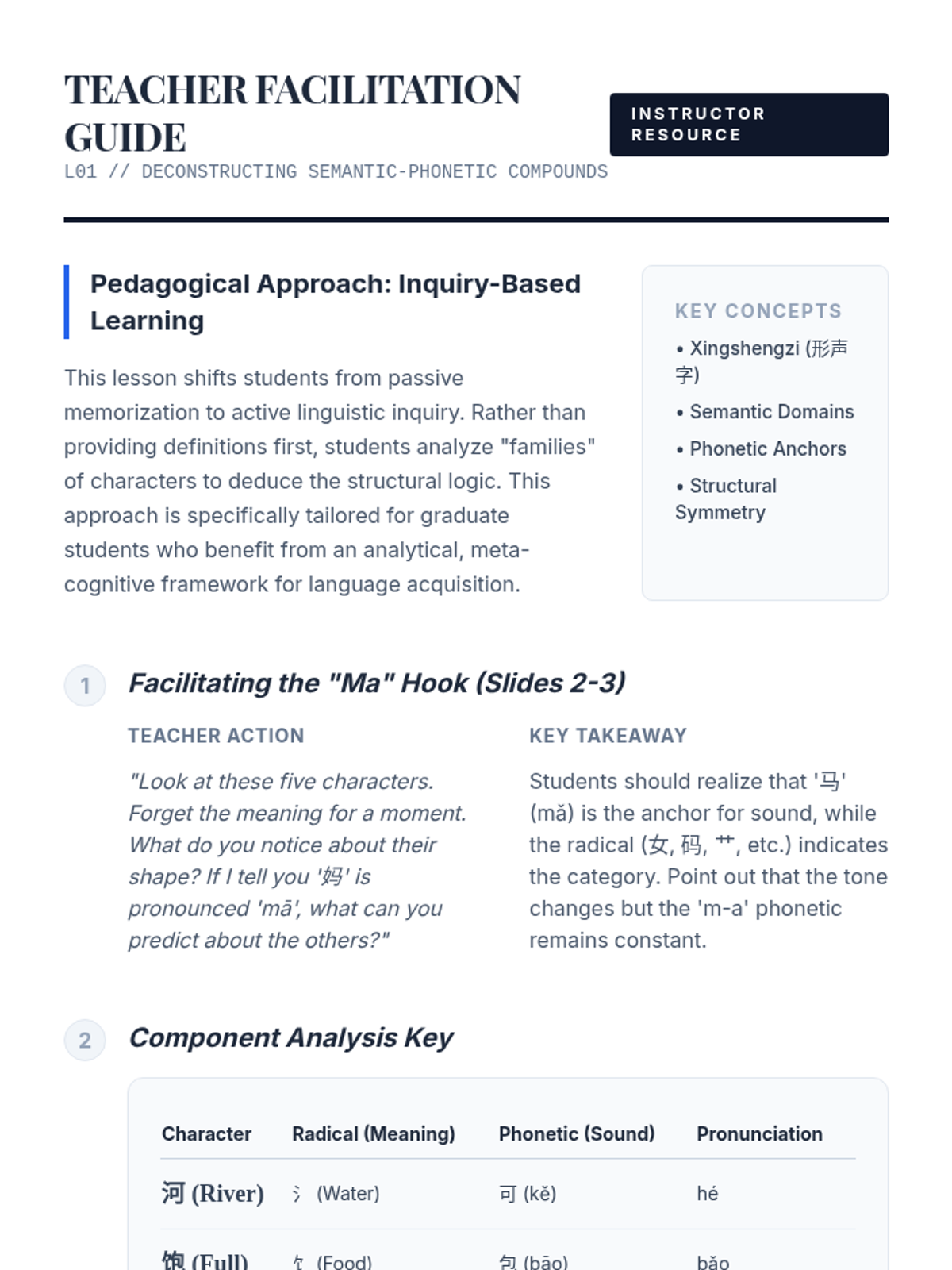
An advanced exploration of Mandarin character structure for graduate students, focusing on the semantic and phonetic logic of HSK 3-4 vocabulary to facilitate rapid lexicon expansion and academic reading skills.
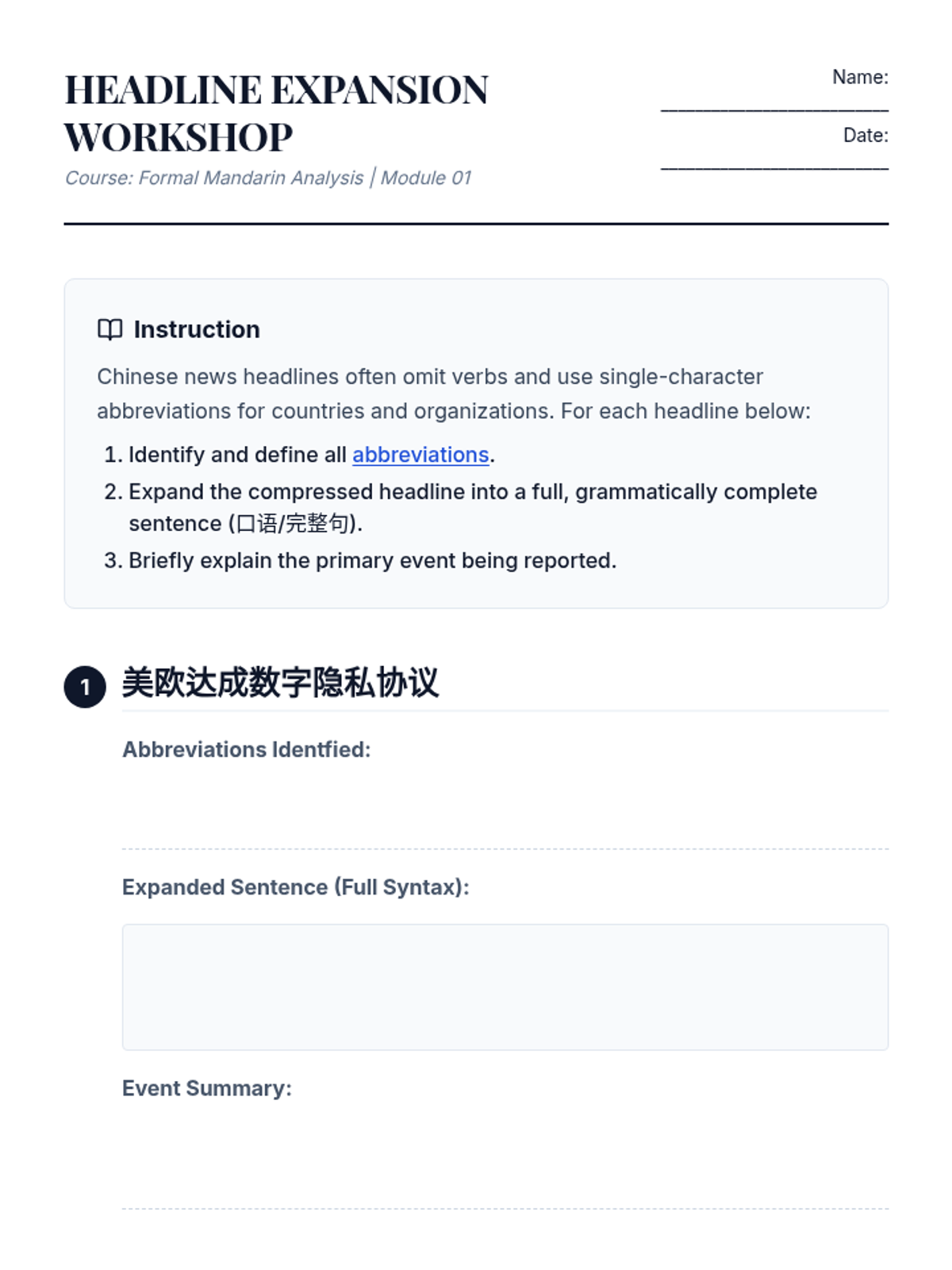
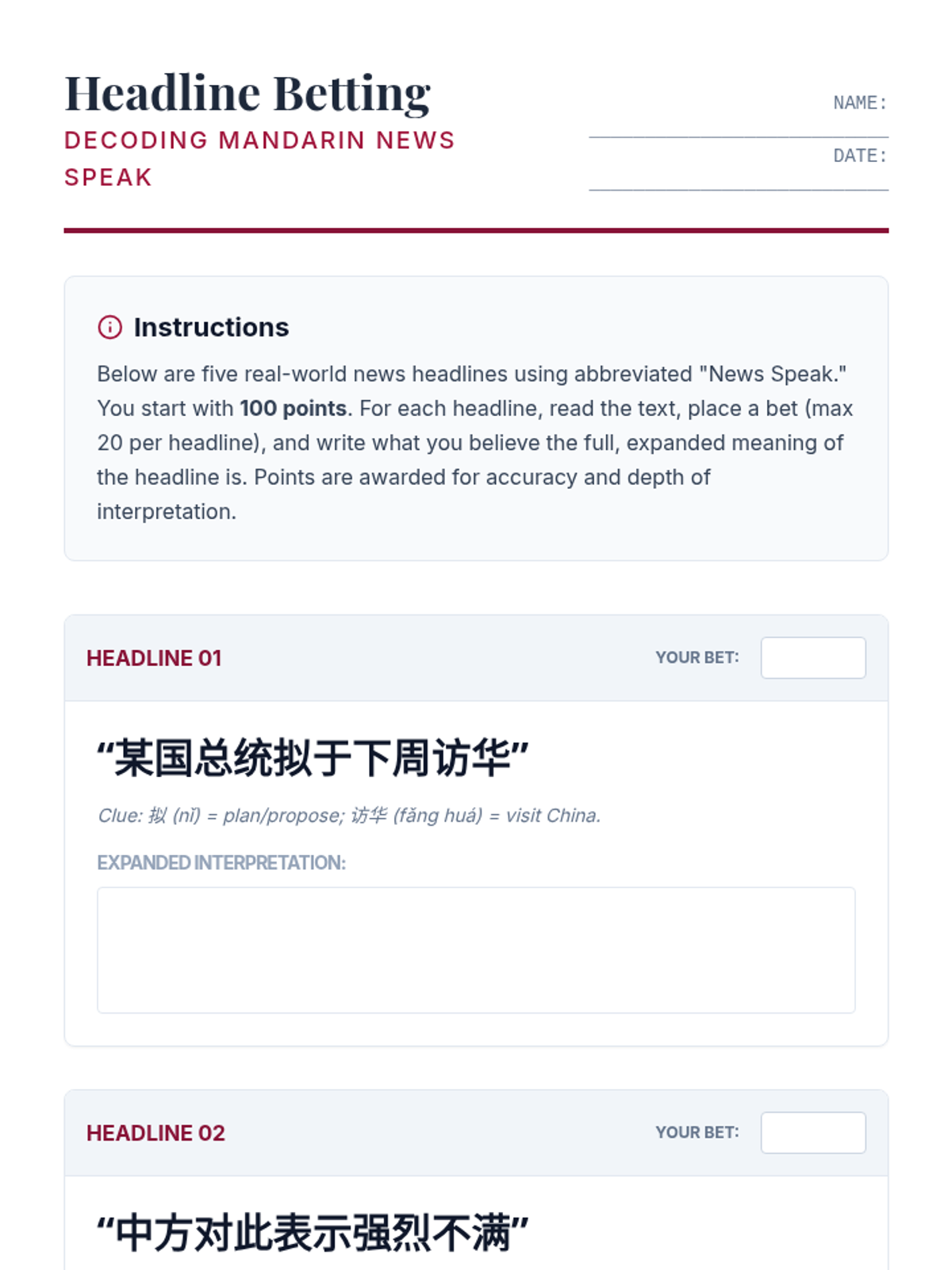
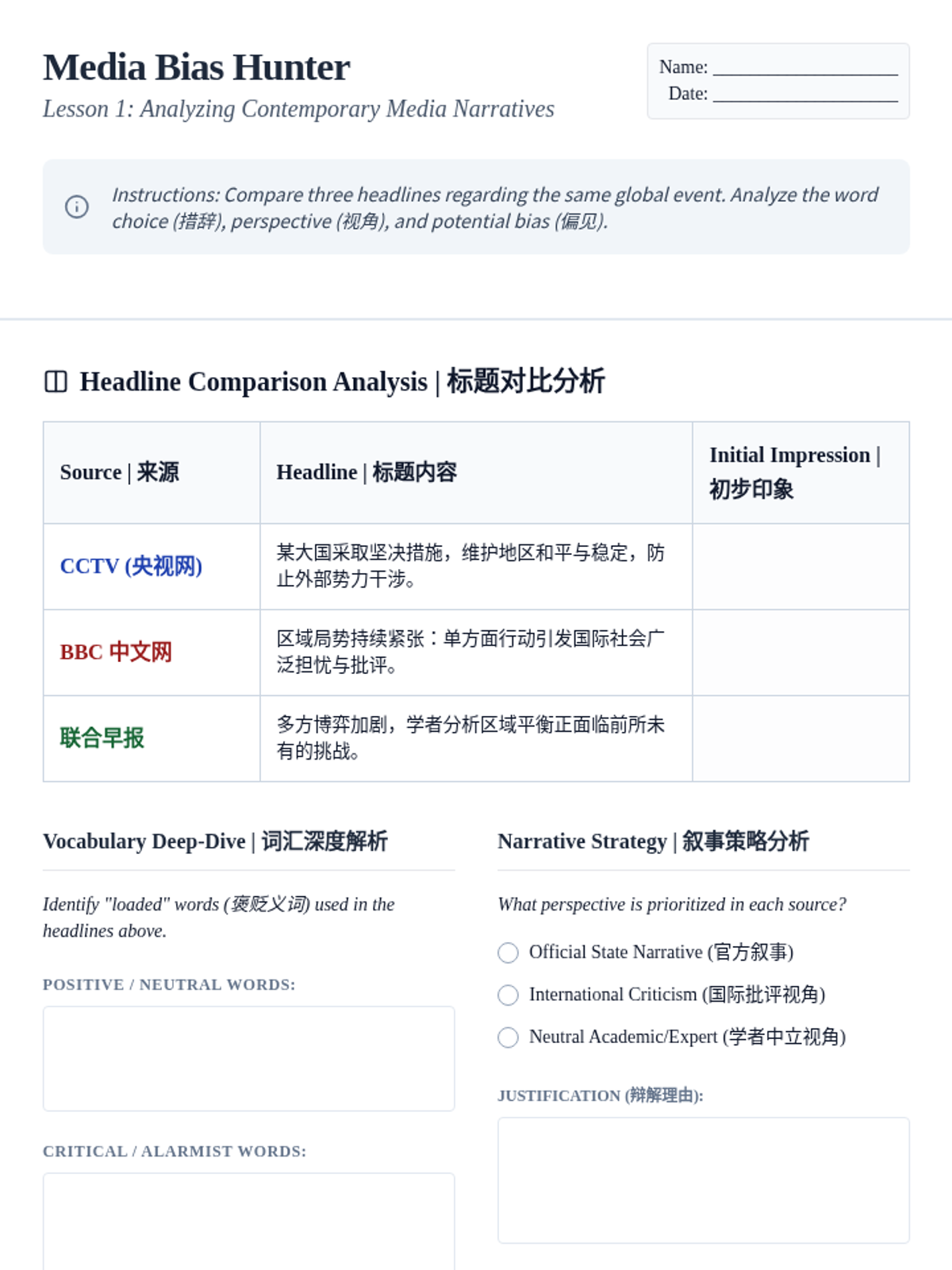
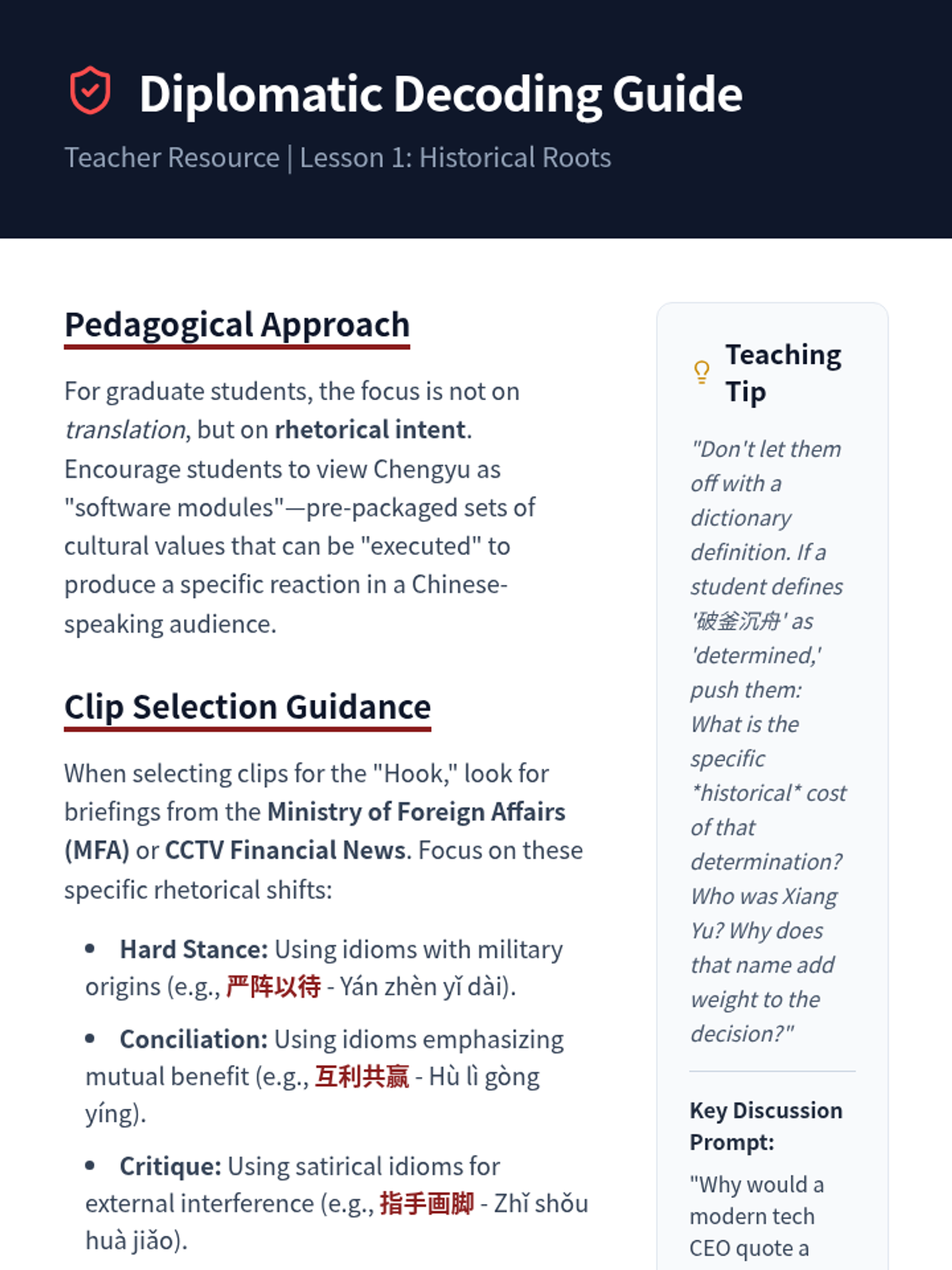
This advanced Mandarin Chinese sequence for graduate students focuses on the specialized lexicon of diplomacy and news media. Students will learn to decode abbreviated headlines, interpret diplomatic euphemisms, analyze economic reporting, and conduct comparative media analysis to understand political signaling and media narratives.
This sequence immerses graduate students in the lexical and cultural nuances of professional Mandarin. Students will progress from mastering formal etiquette and financial reporting to navigating legal contracts and complex business negotiations.
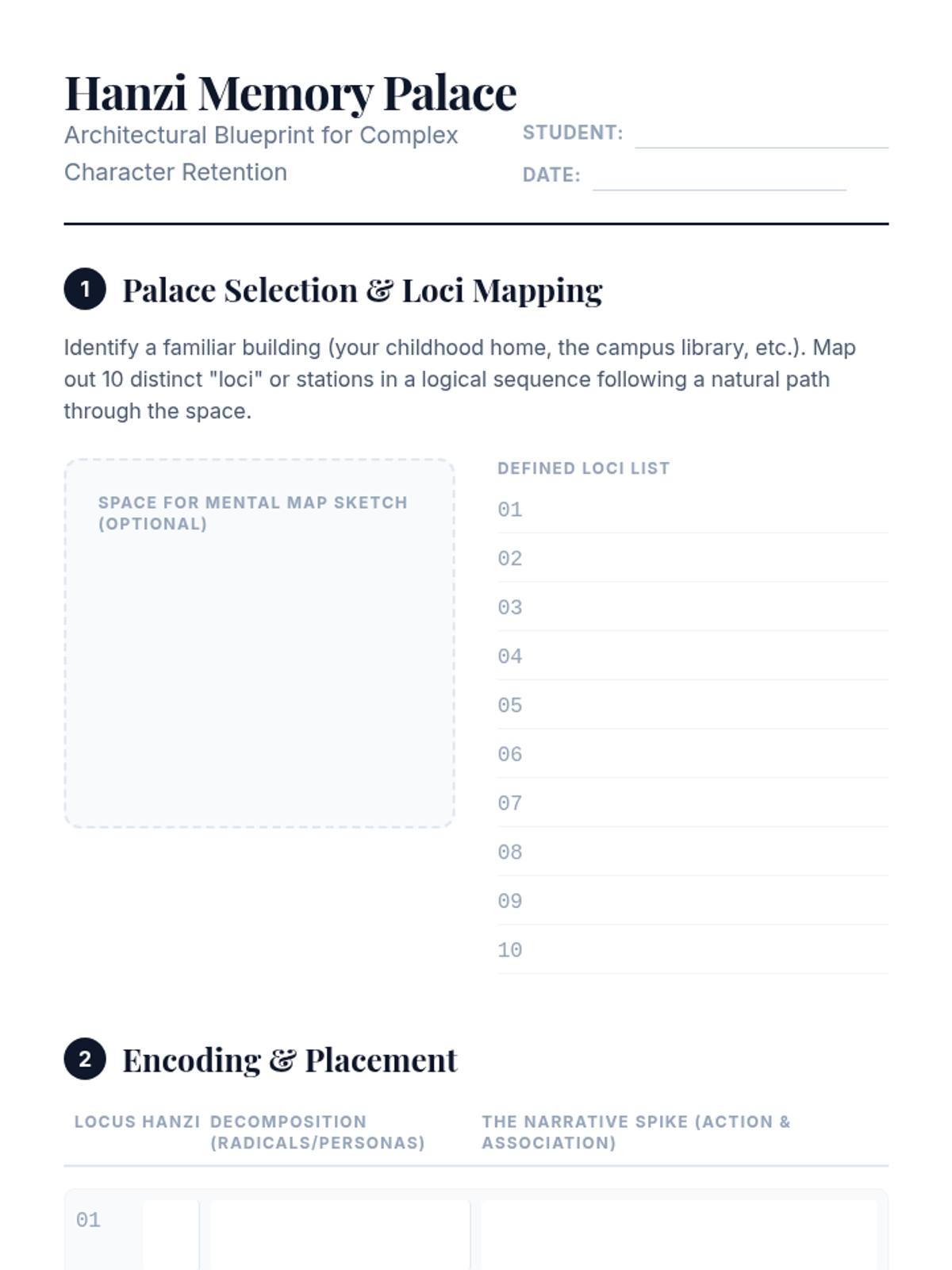
A graduate-level sequence focused on cognitive science and mnemonic strategies for retaining complex, low-frequency Mandarin characters. Students move beyond rote memorization to explore the method of loci, narrative encoding, and kinesthetic reinforcement.
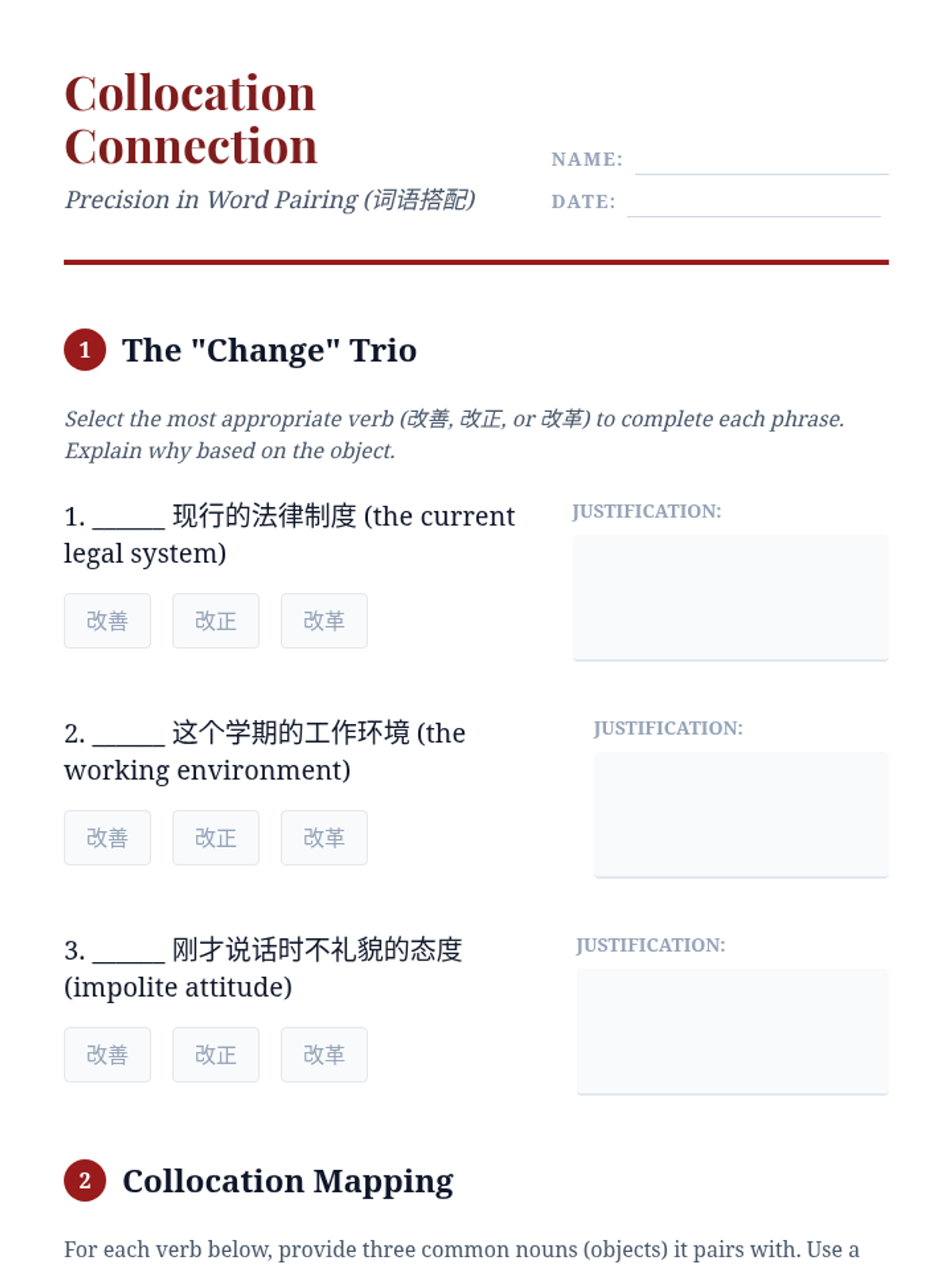
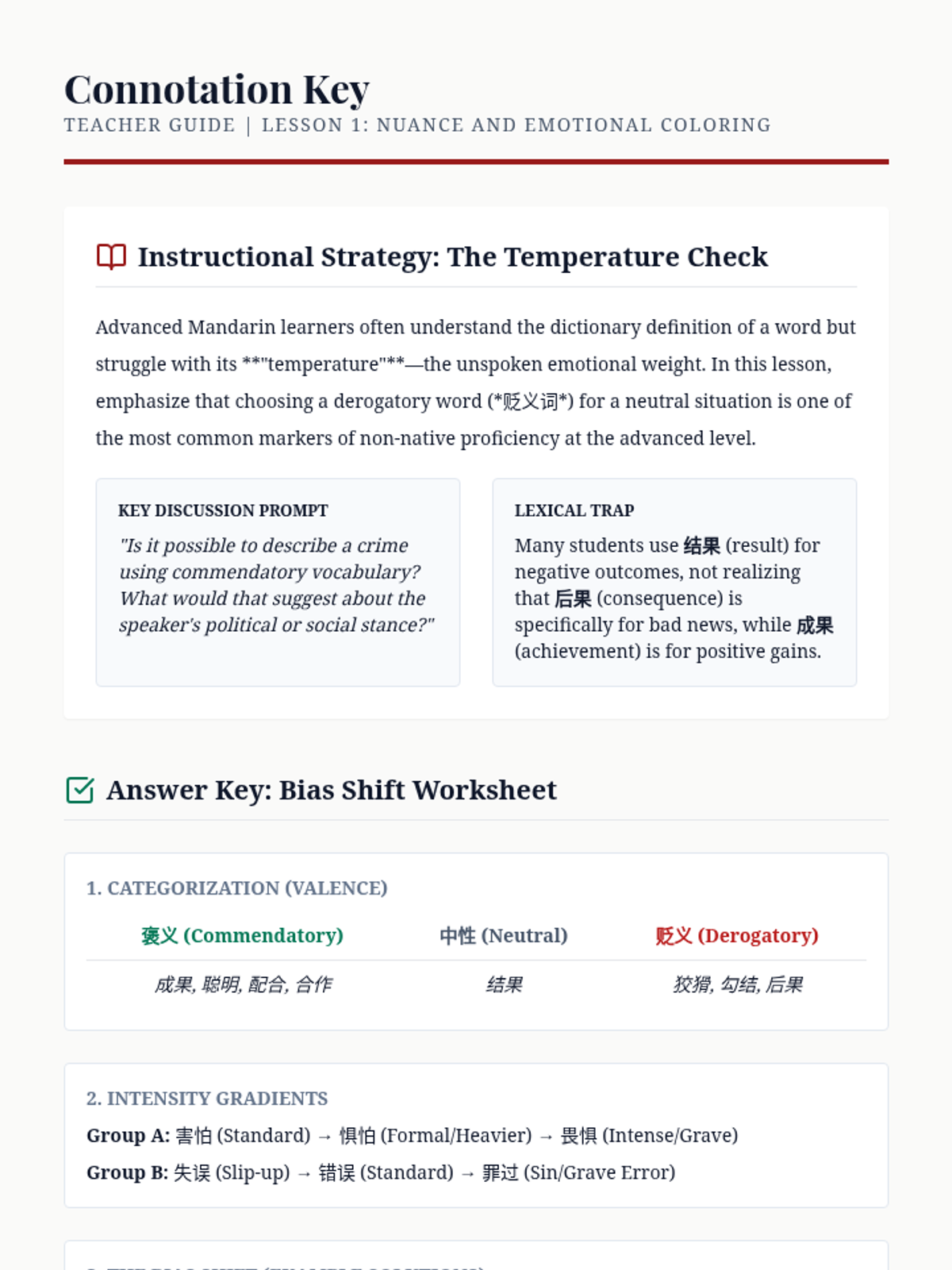
This sequence guides advanced Mandarin learners through the subtle art of synonym discrimination. Students explore collocations, emotional connotations, semantic intensity, and register shifts to achieve native-like precision in their writing and speech.
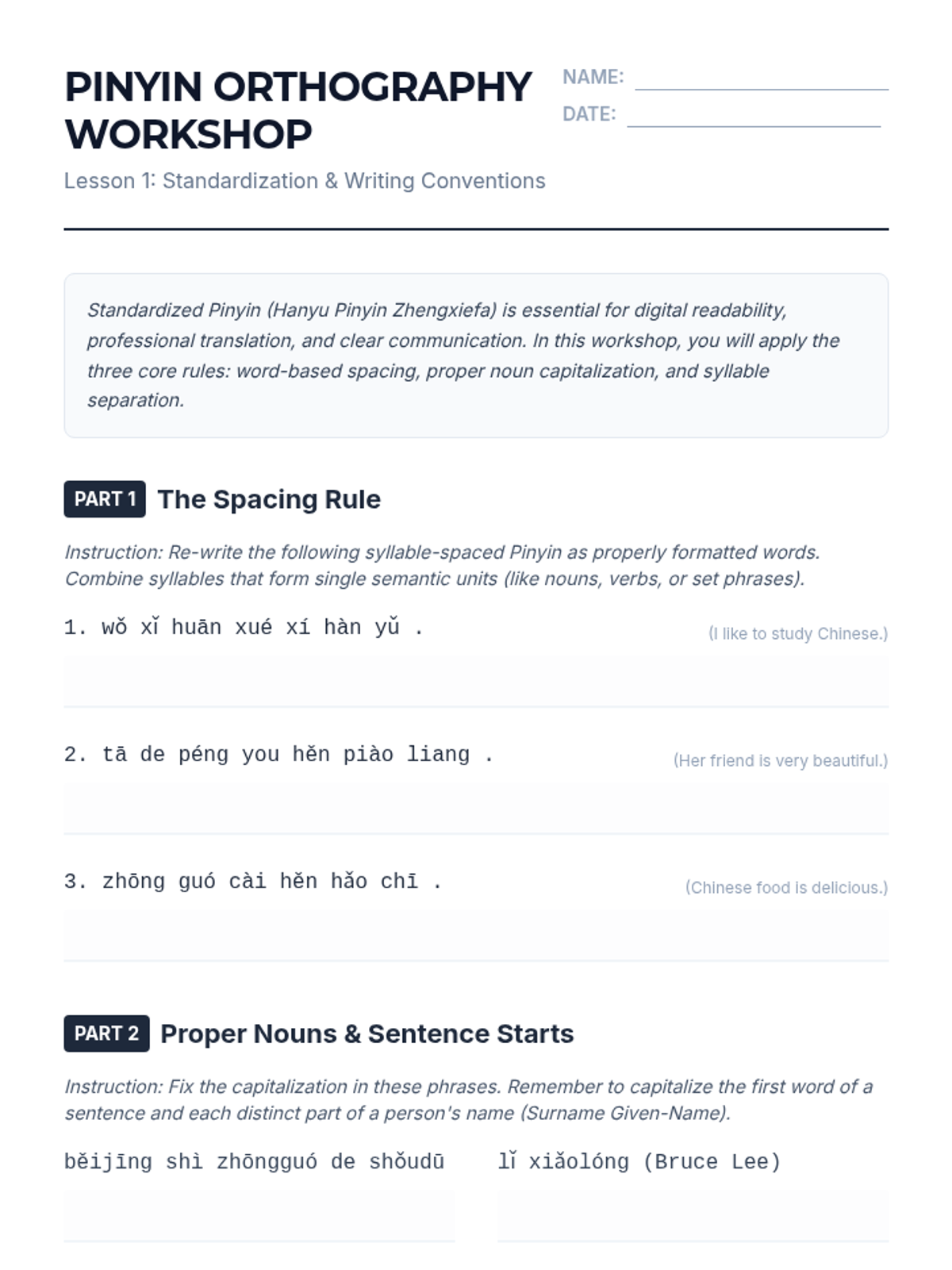
A comprehensive sequence for undergraduate students on Pinyin orthography and digital input proficiency. This unit moves from the formal rules of spacing and capitalization to the practical mastery of typing Chinese characters using an Input Method Editor (IME).
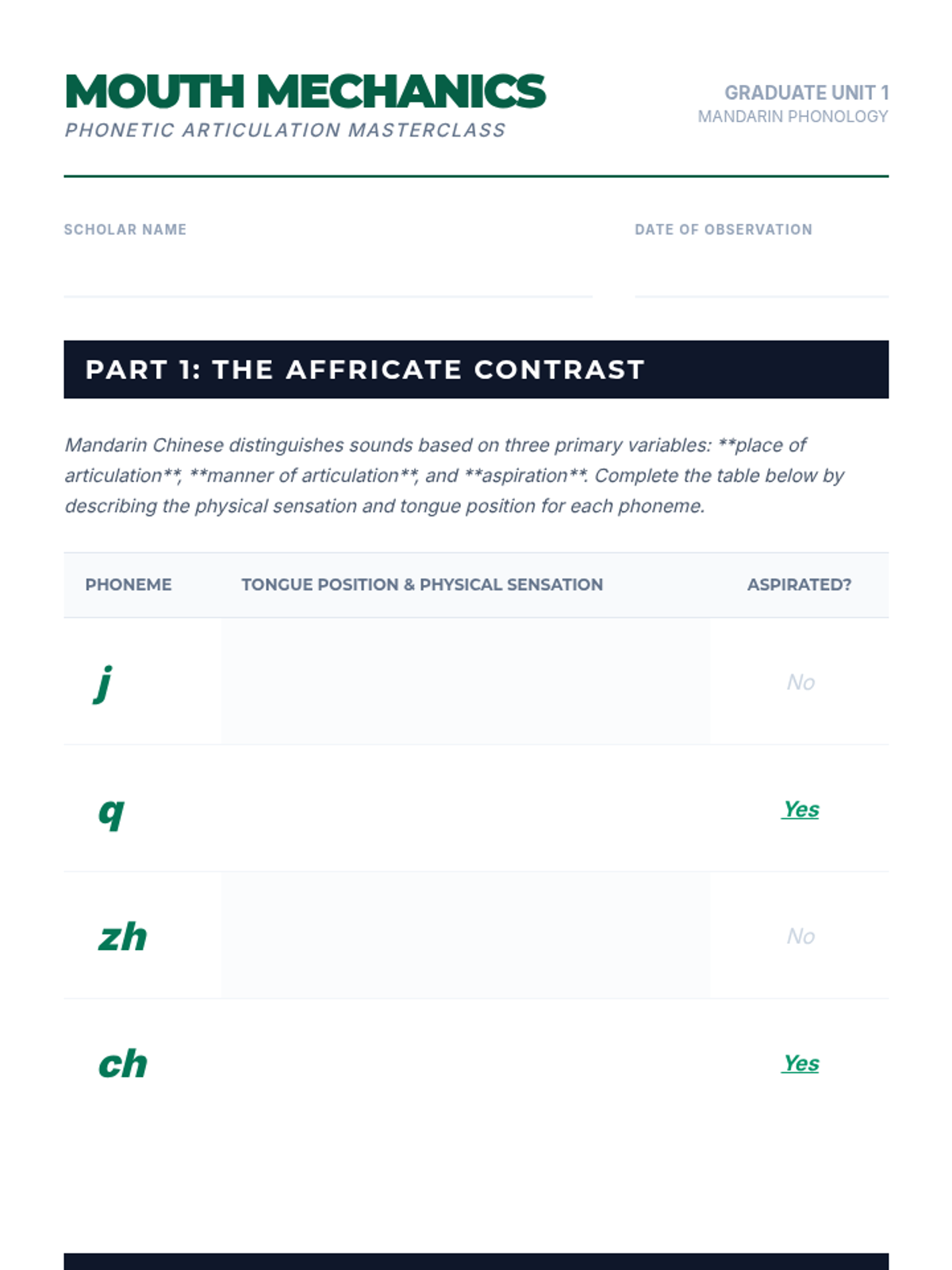
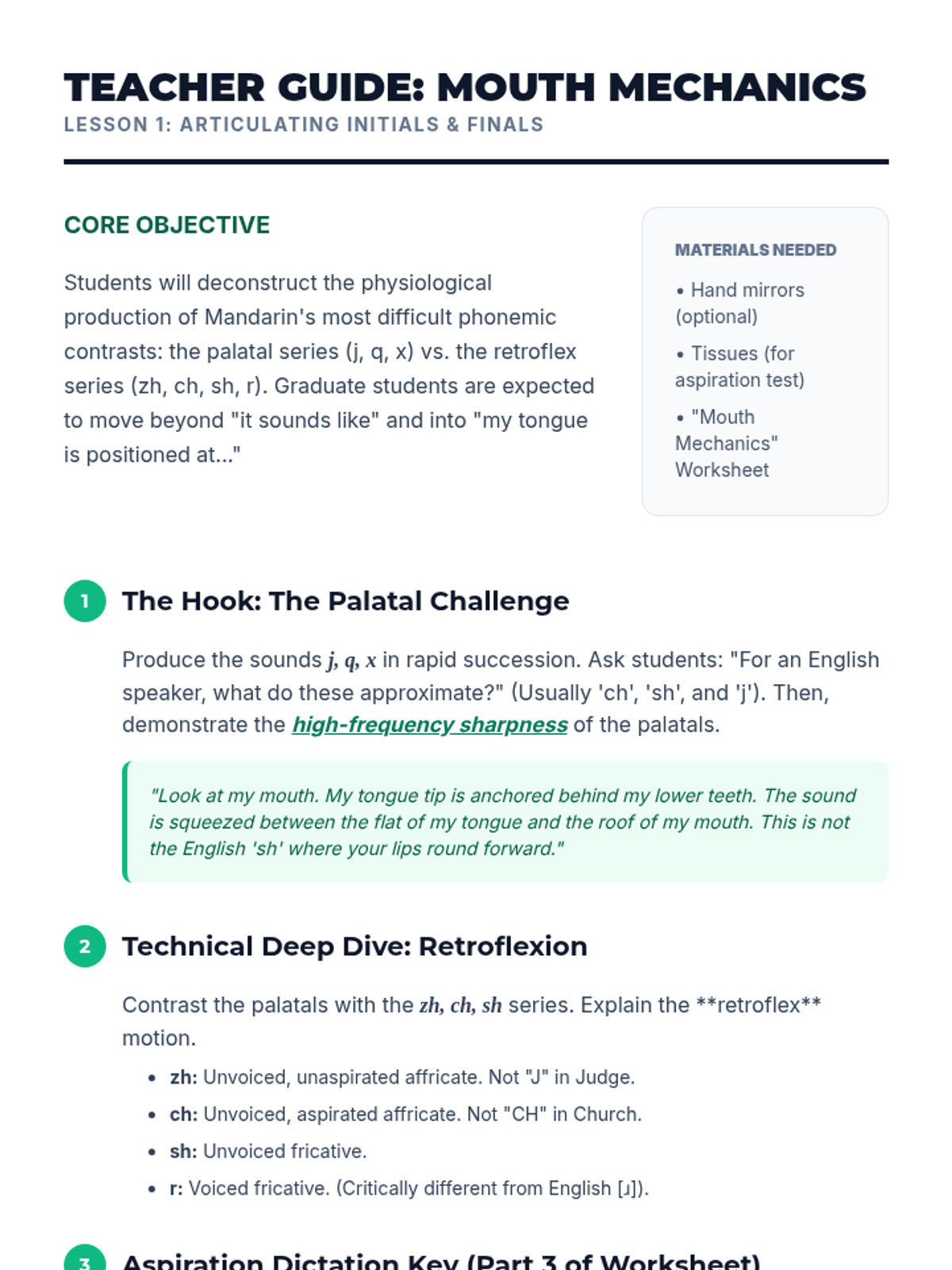
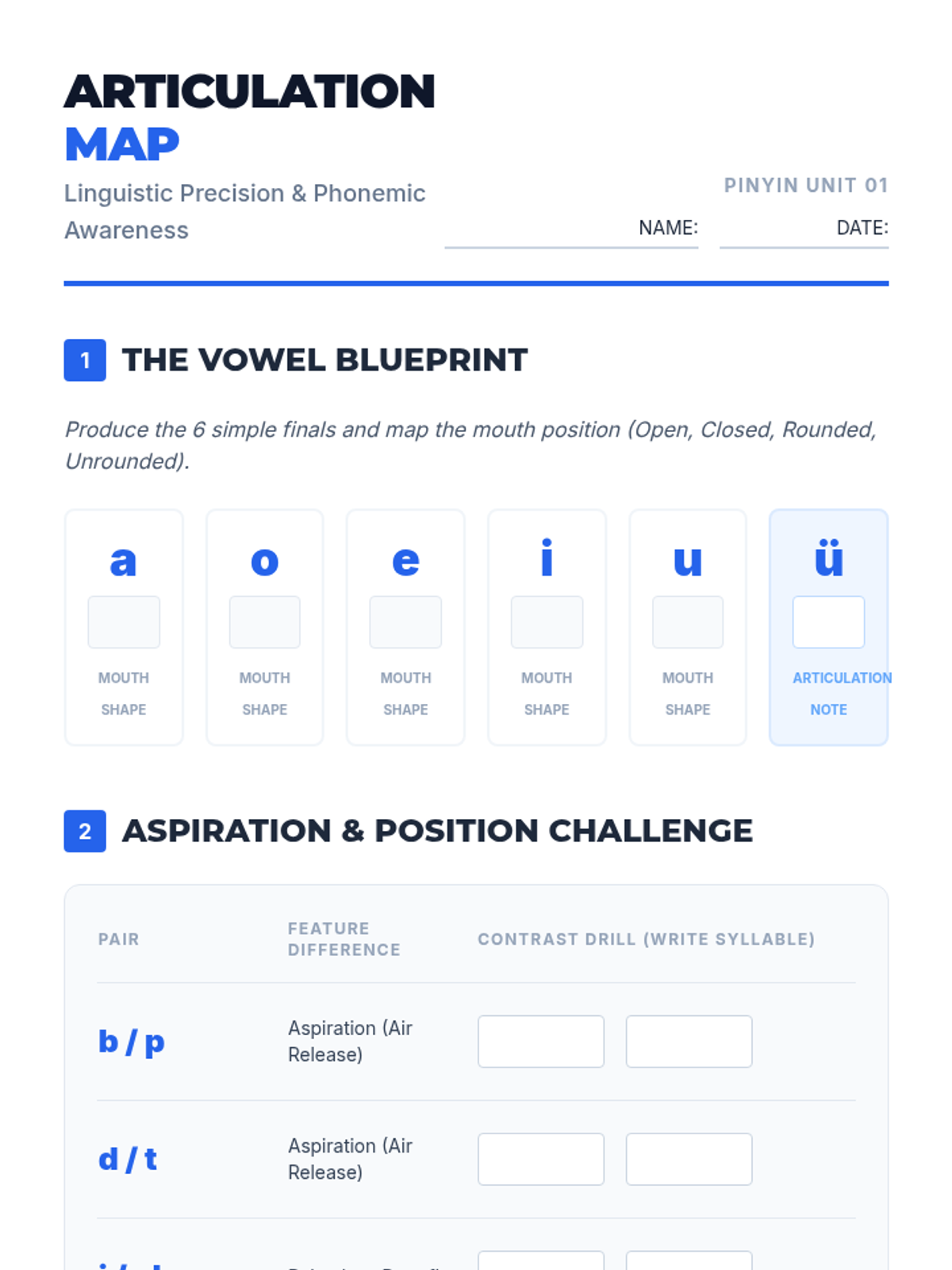
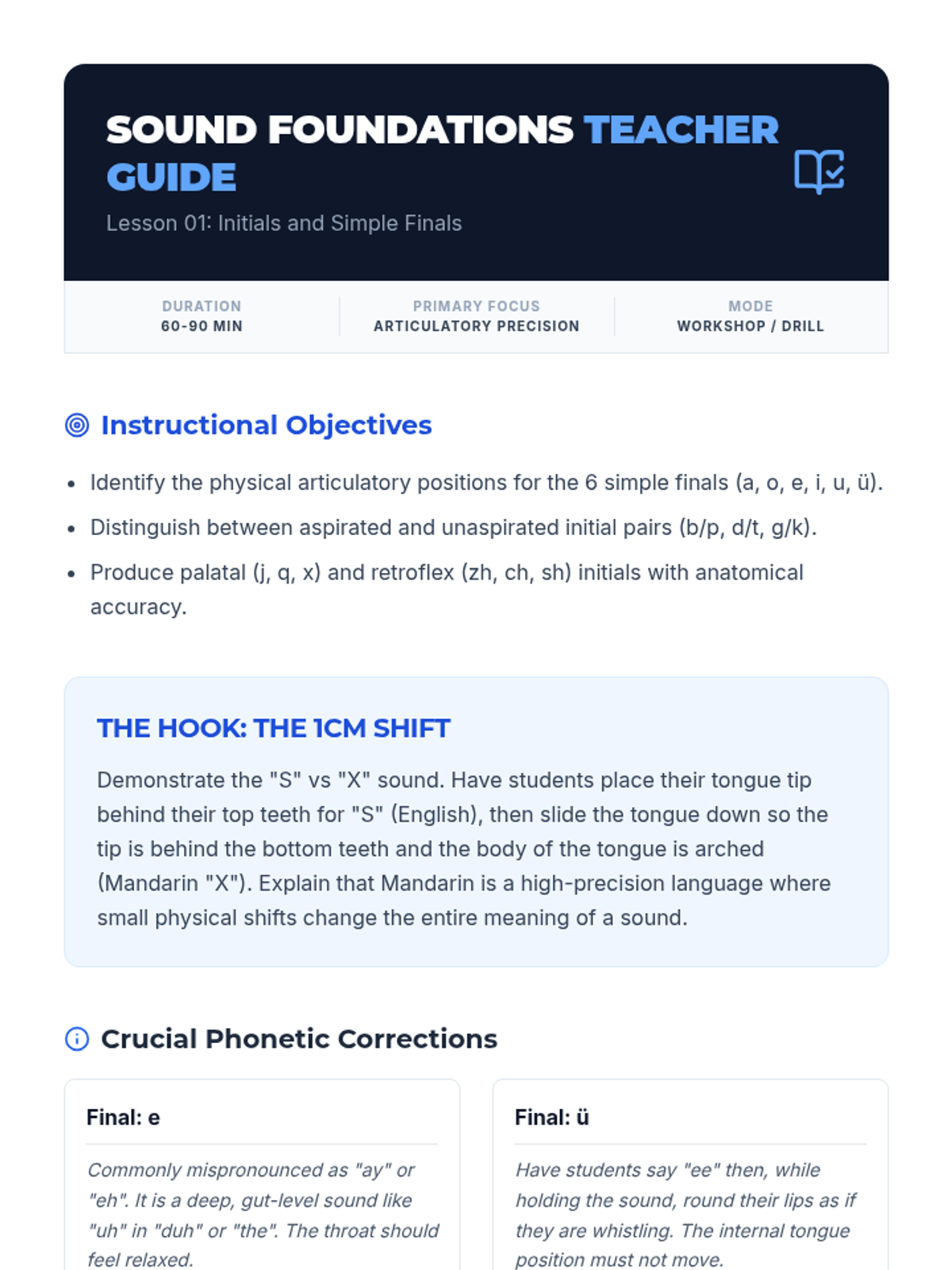
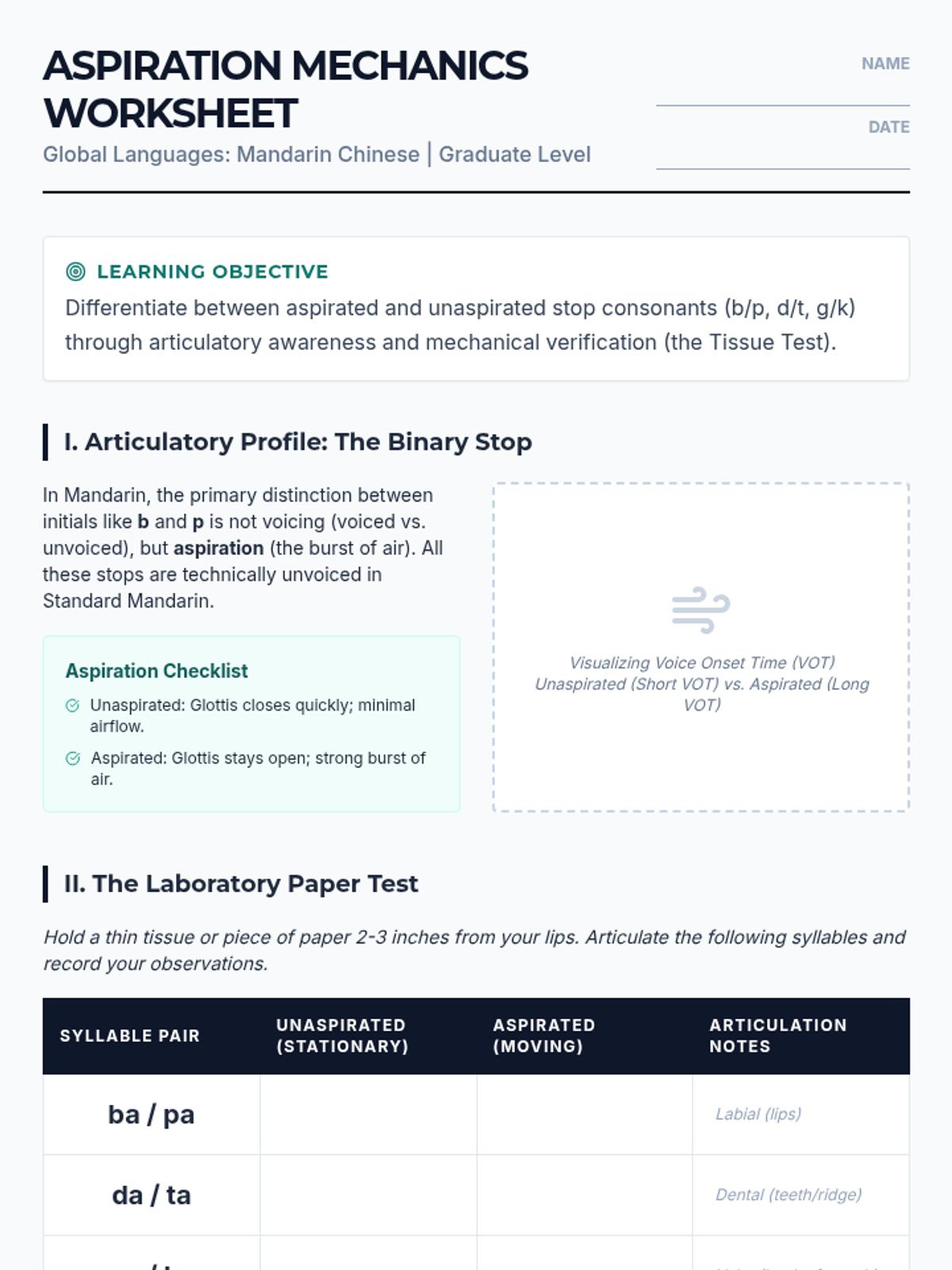
An intensive linguistic approach to Mandarin Pinyin for graduate students, focusing on the phonetics of aspiration, tongue placement (retroflex vs. palatal), and the contextual variation of the 'i' vowel. Students move from mechanical breath control to precise articulatory geometry.
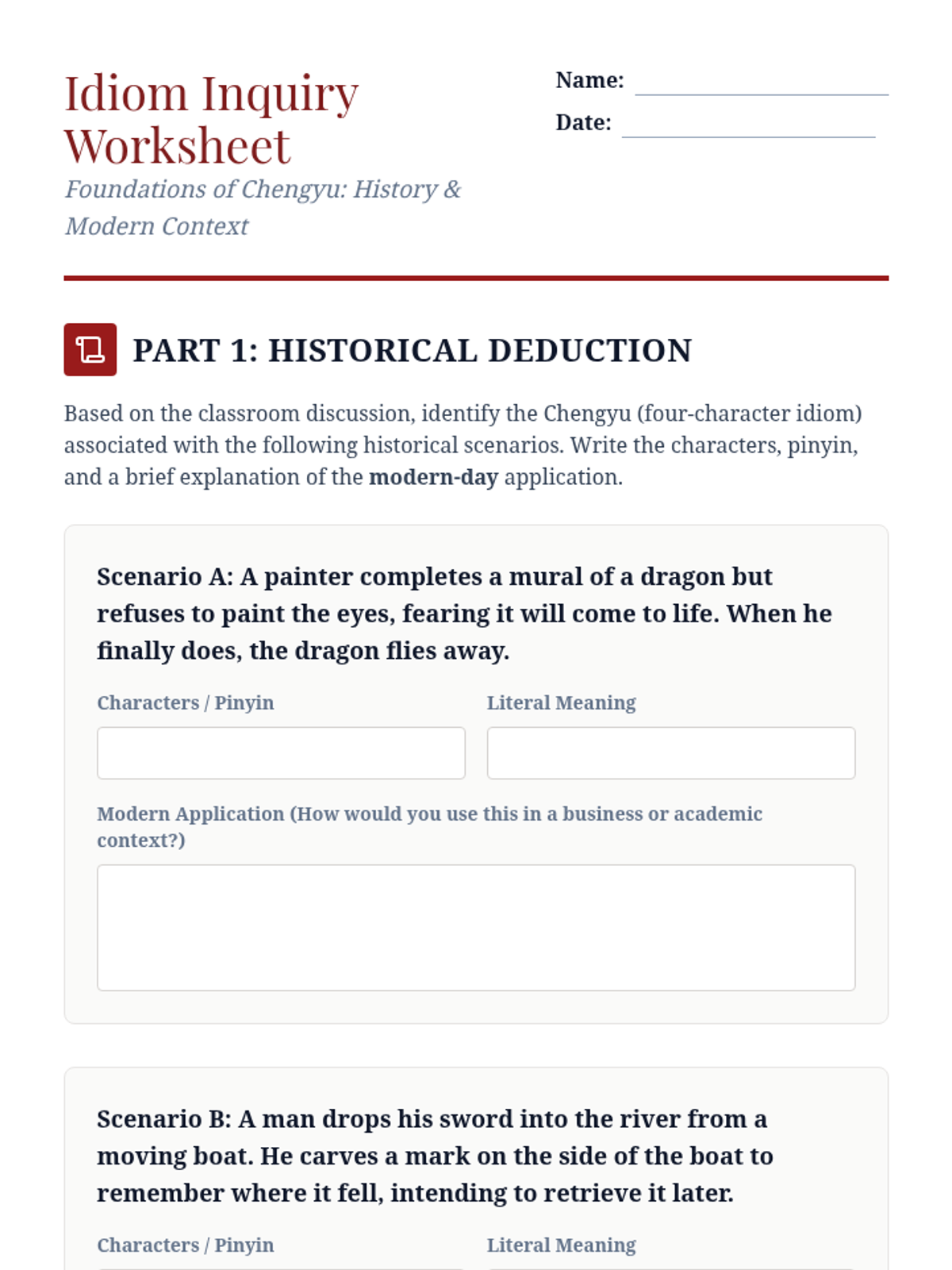
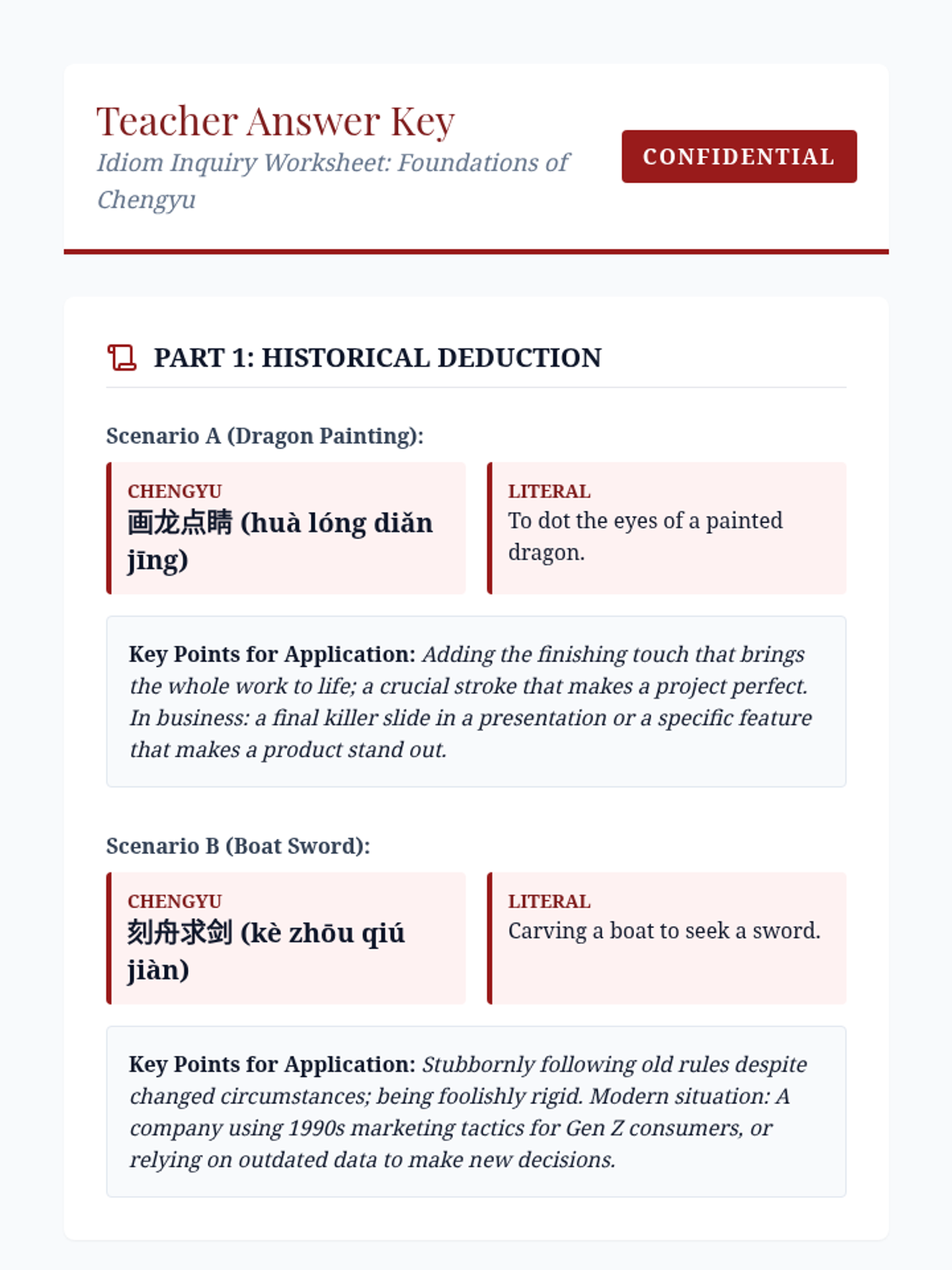
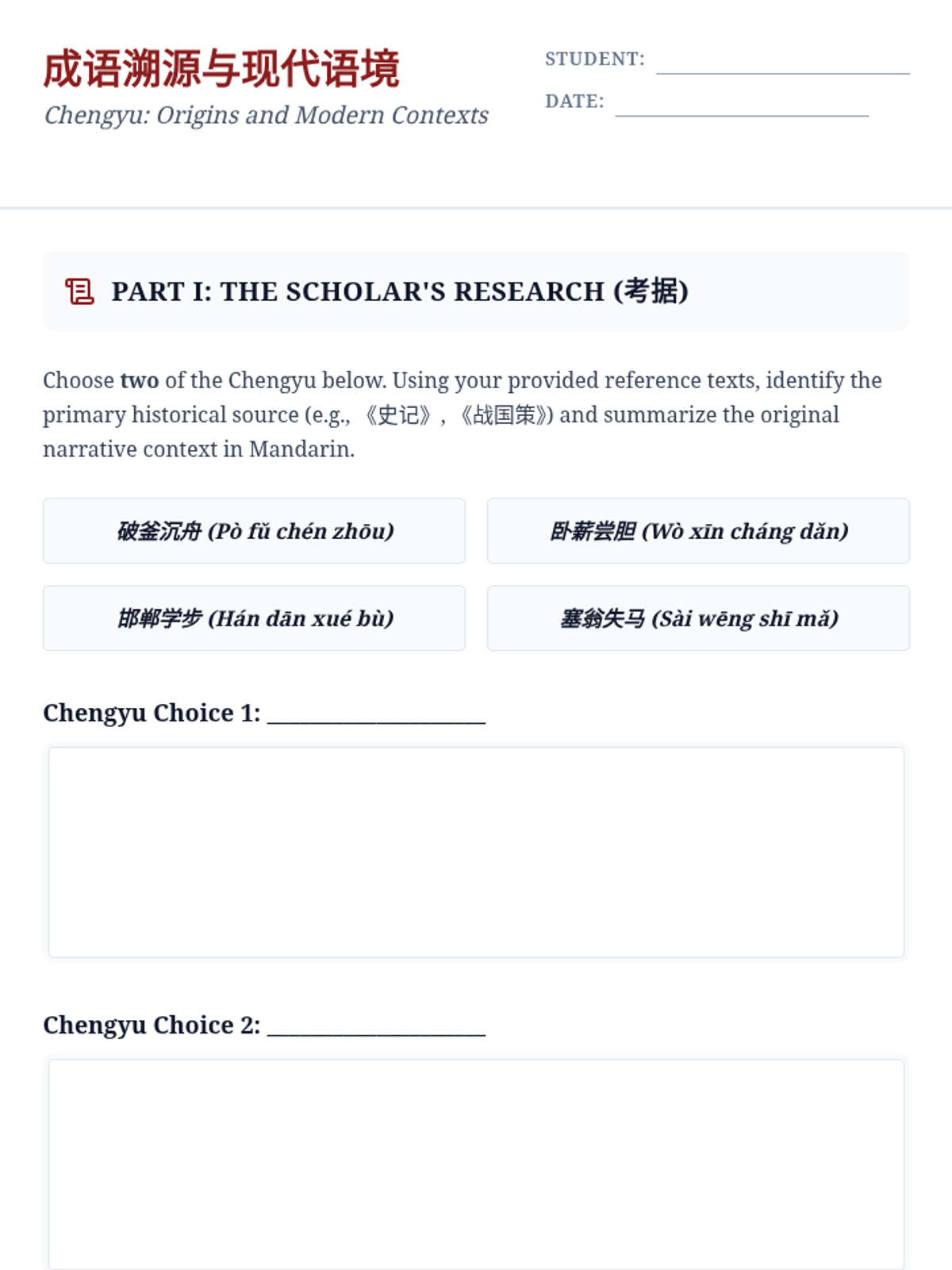
This sequence explores the deep connection between language and culture by focusing on idiomatic expressions (Chengyu) and the unwritten rules of social interaction for intermediate-advanced Mandarin learners. Students investigate historical contexts, social networking (Guanxi), dining etiquette, modesty norms, and generational slang to build sophisticated communication skills.
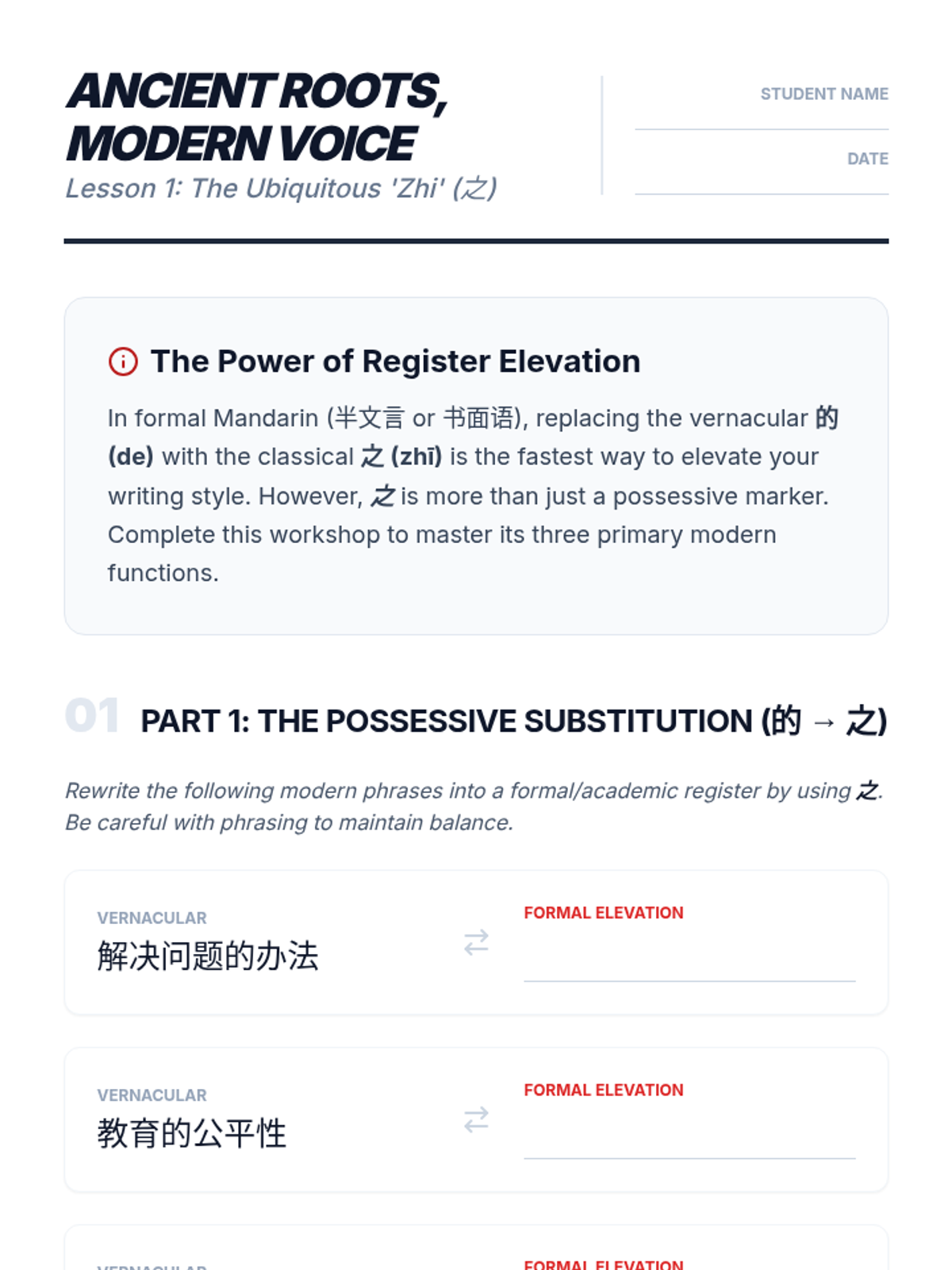
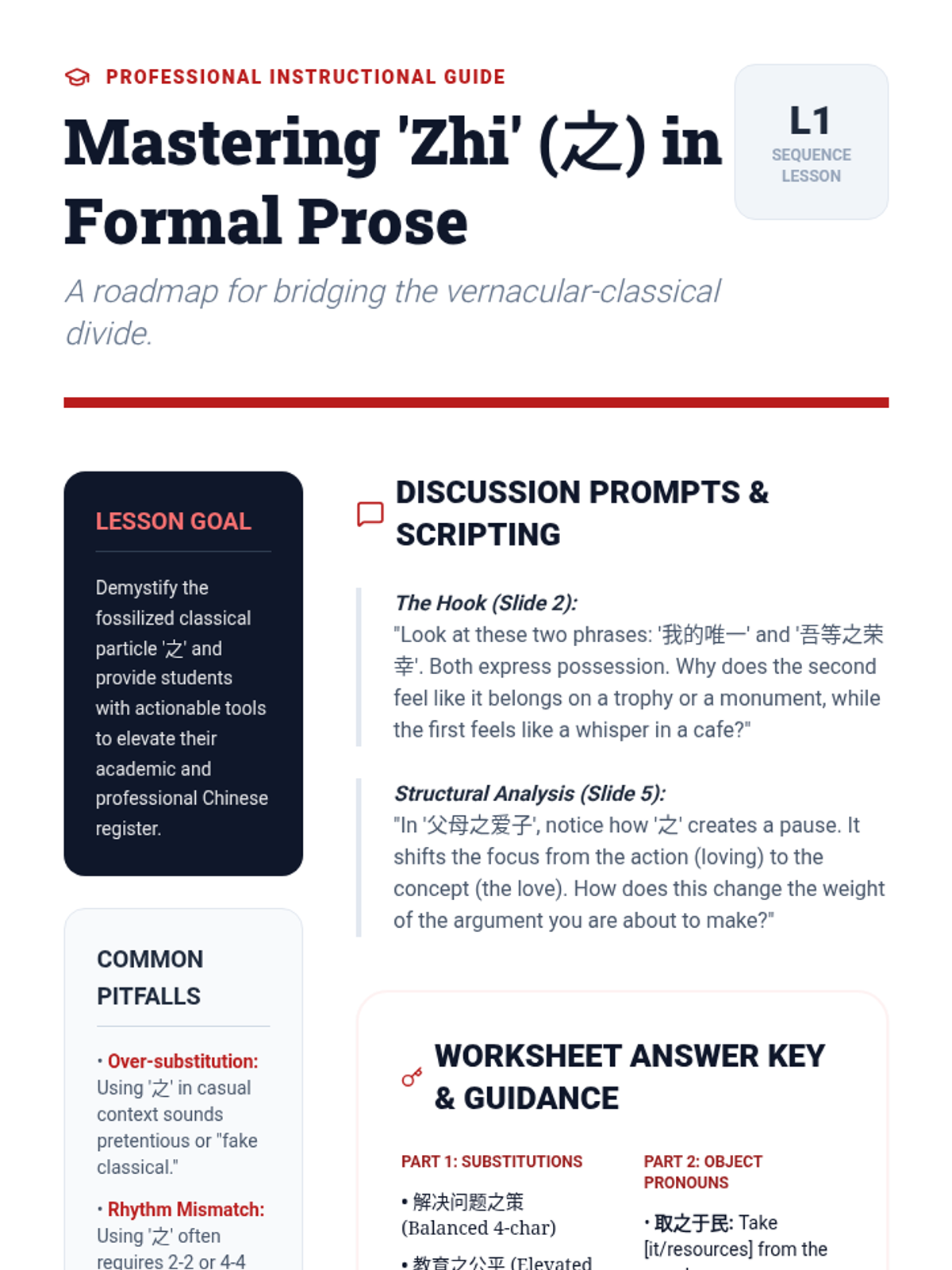
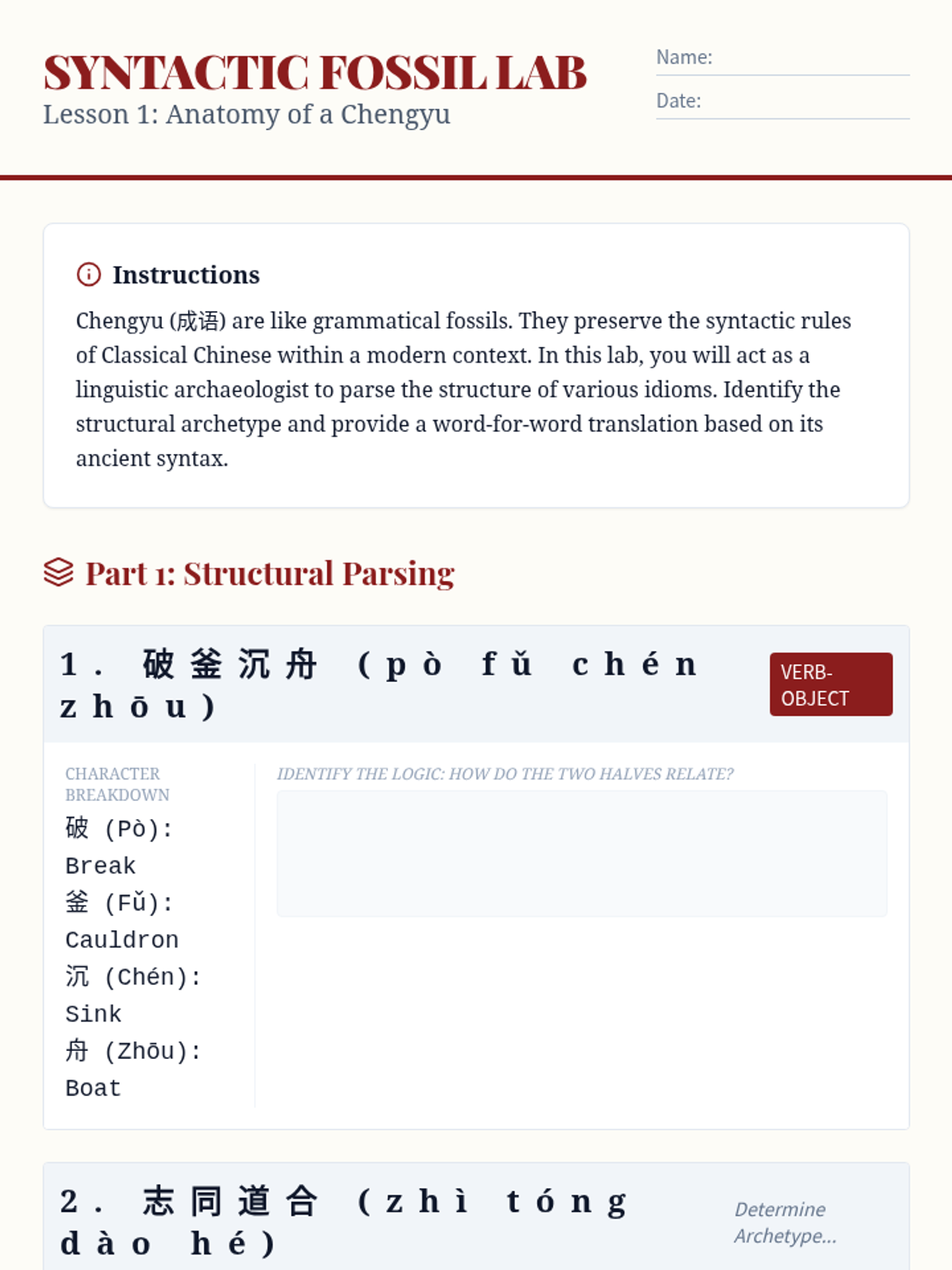
This sequence explores how Classical Chinese (Wenyanwen) grammar and particles survive in modern formal writing. Students learn to bridge the gap between vernacular and academic registers by mastering 'fossilized' classical structures commonly found in editorials, legal documents, and literature.
A high-level Mandarin Chinese course for graduate students focusing on the linguistic and cultural nuances of business negotiations, emphasizing 'face' (mianzi) and hierarchical communication.
A high-level sequence for graduate students to master the complexities of formal Chinese business writing, focusing on hierarchy, etiquette, and the preservation of 'face'.
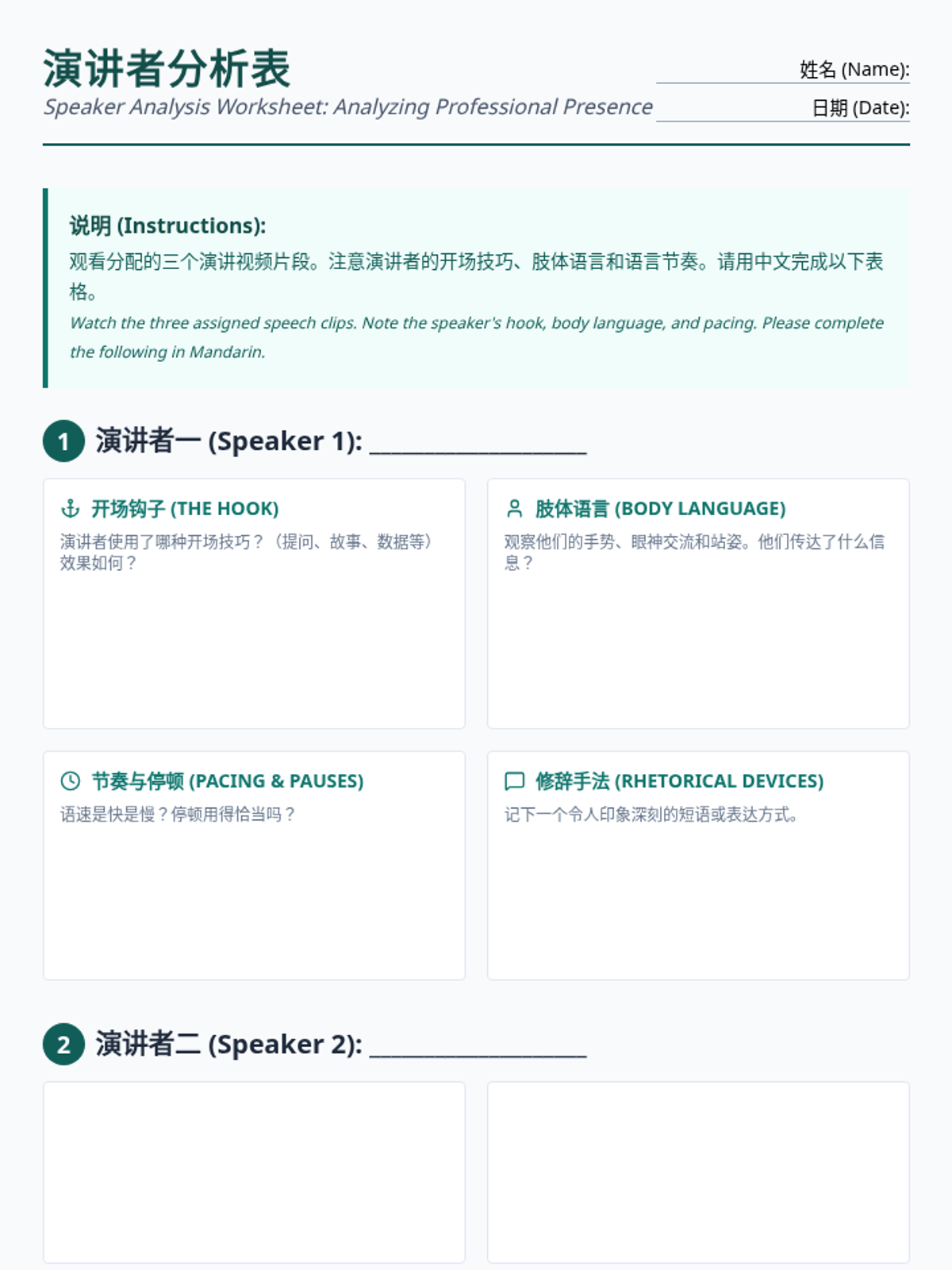
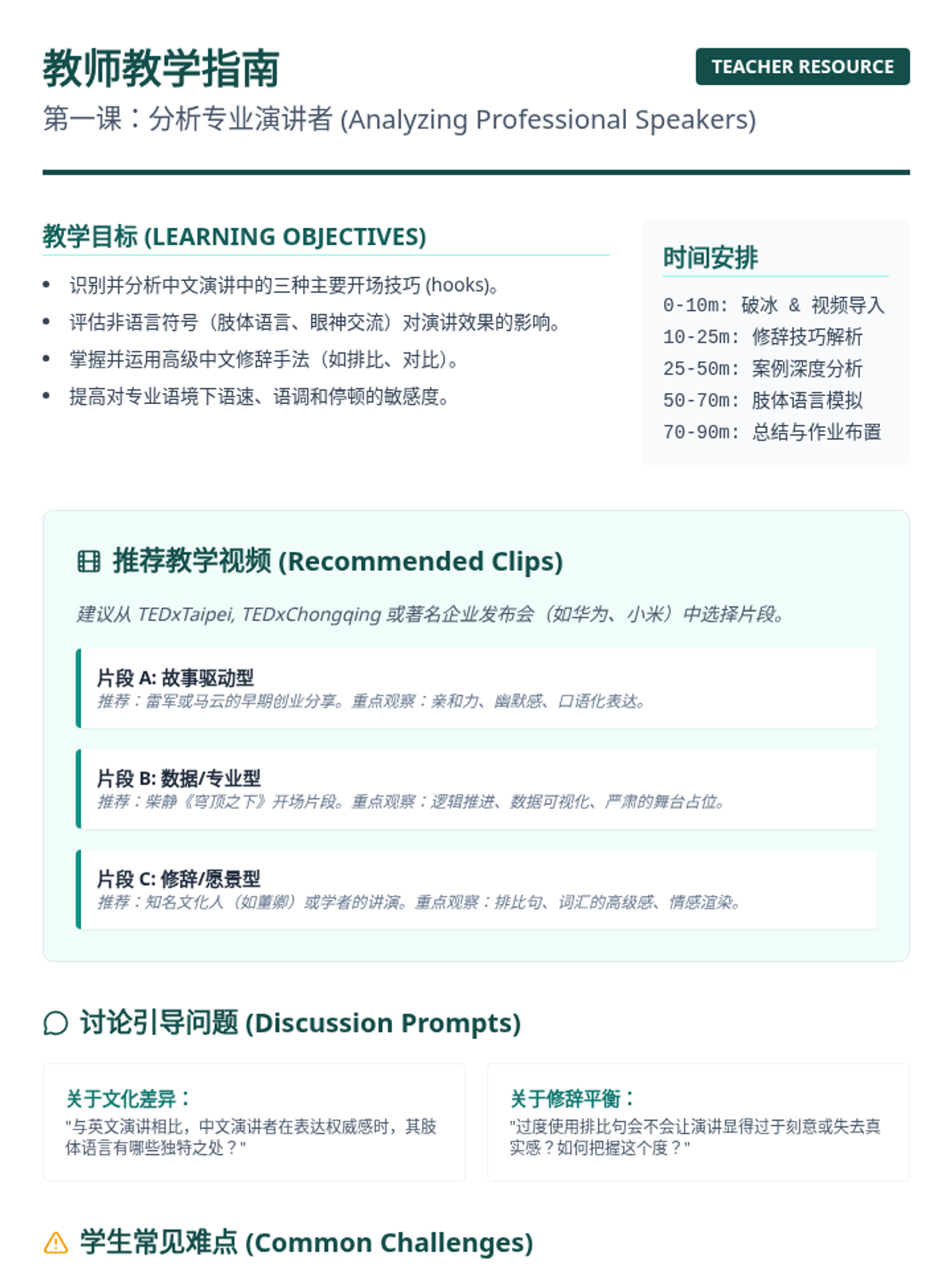
A comprehensive sequence for advanced Mandarin students to master professional presentation skills, from rhetorical analysis to handling live Q&A sessions.
An advanced Mandarin Chinese course focused on the linguistic and cultural nuances of high-stakes corporate negotiations. Students master 'Guanxi', 'Mianzi', formal honorifics, and indirect communication strategies through simulations and case studies.
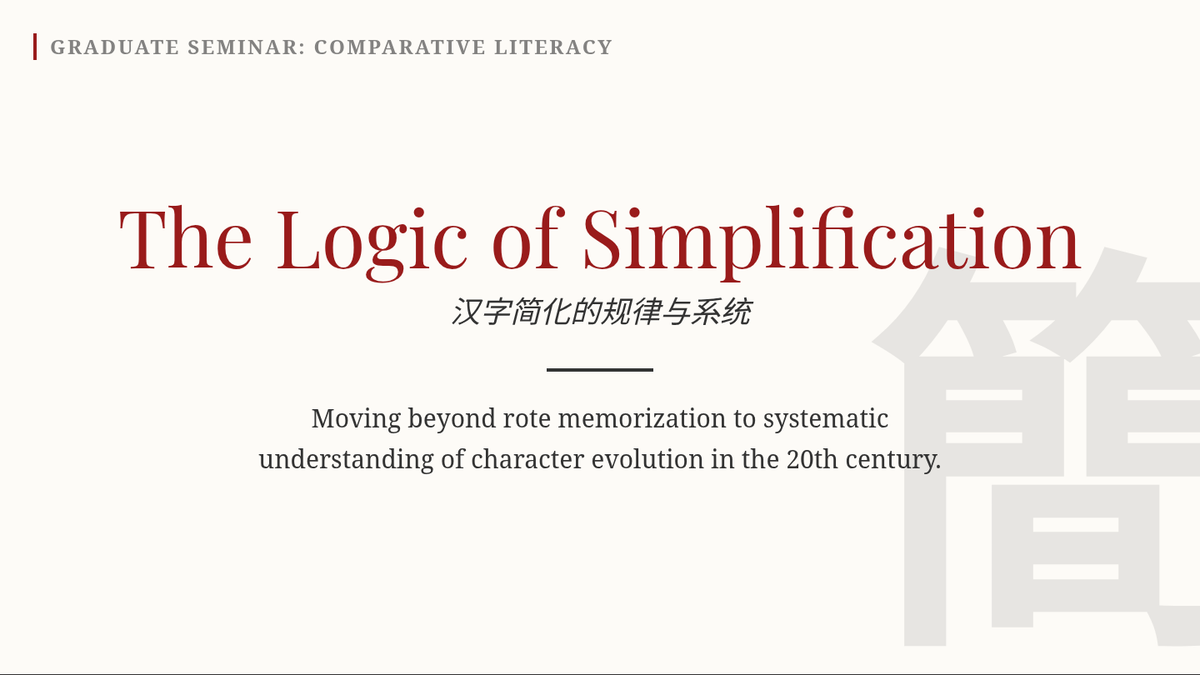
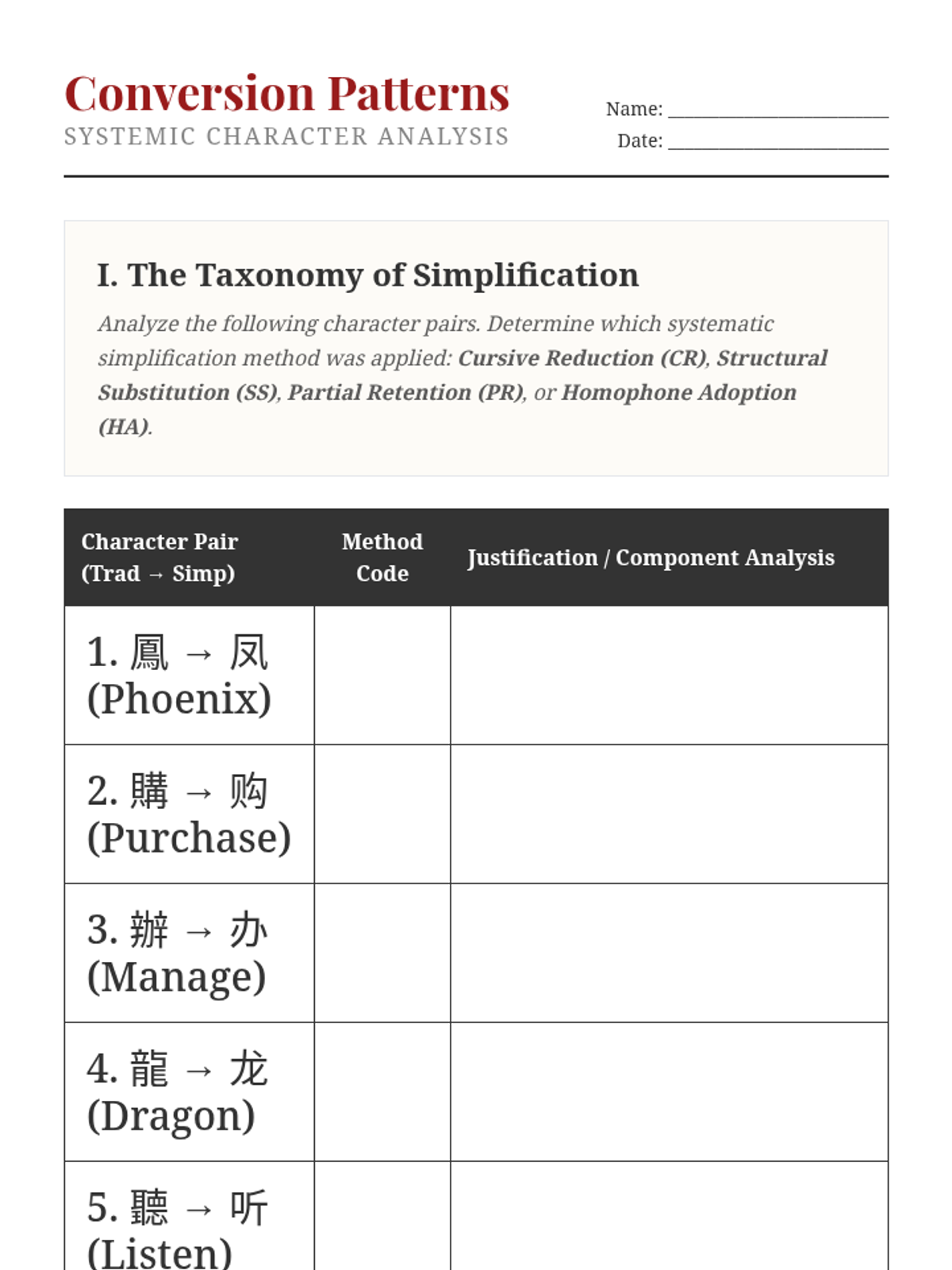
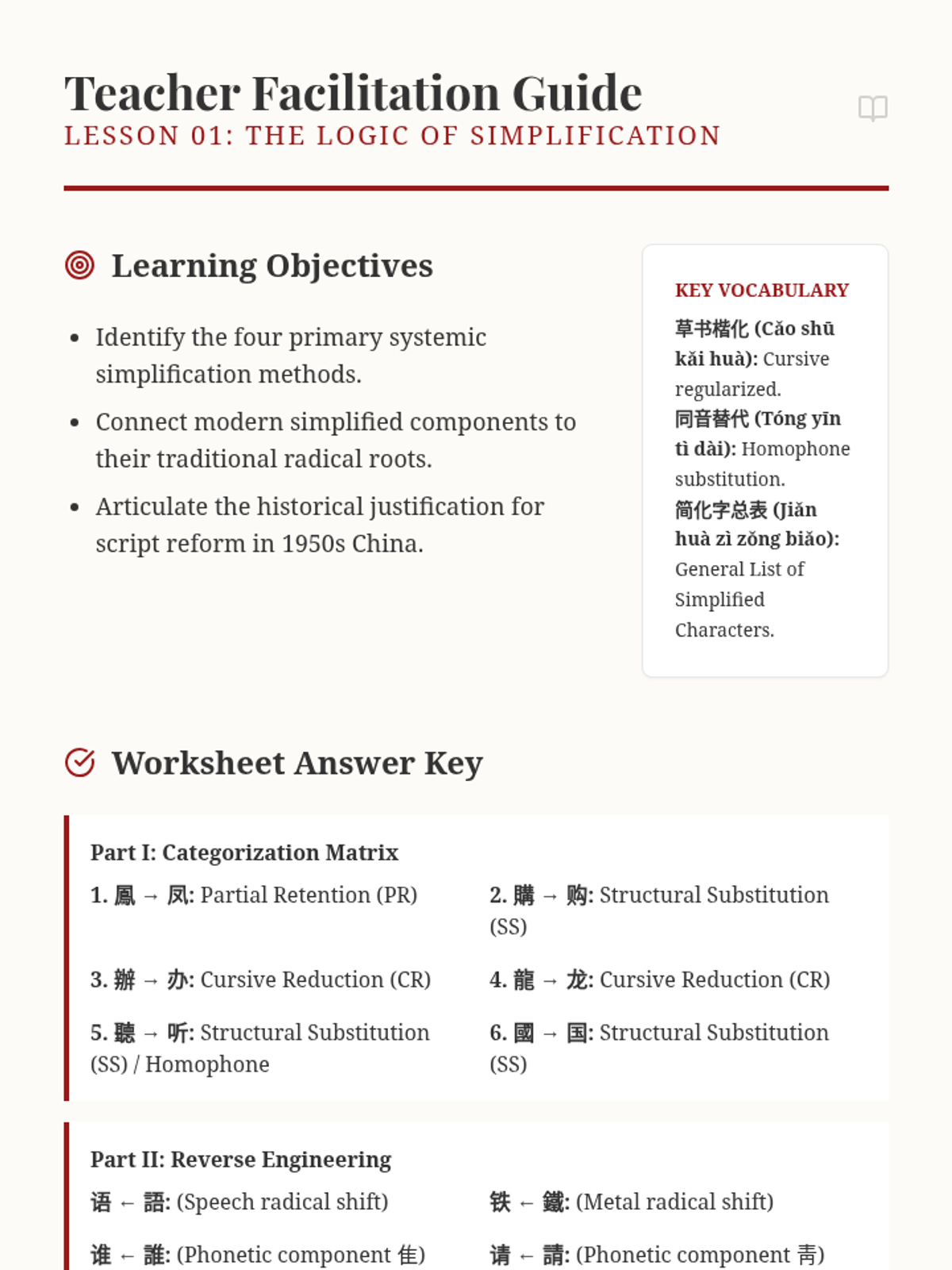
An advanced graduate-level course exploring the systematic relationship between Simplified and Traditional Chinese characters. Students master conversion logic, radical shifts, and regional lexical differences to achieve high-level literacy across the Sinosphere.
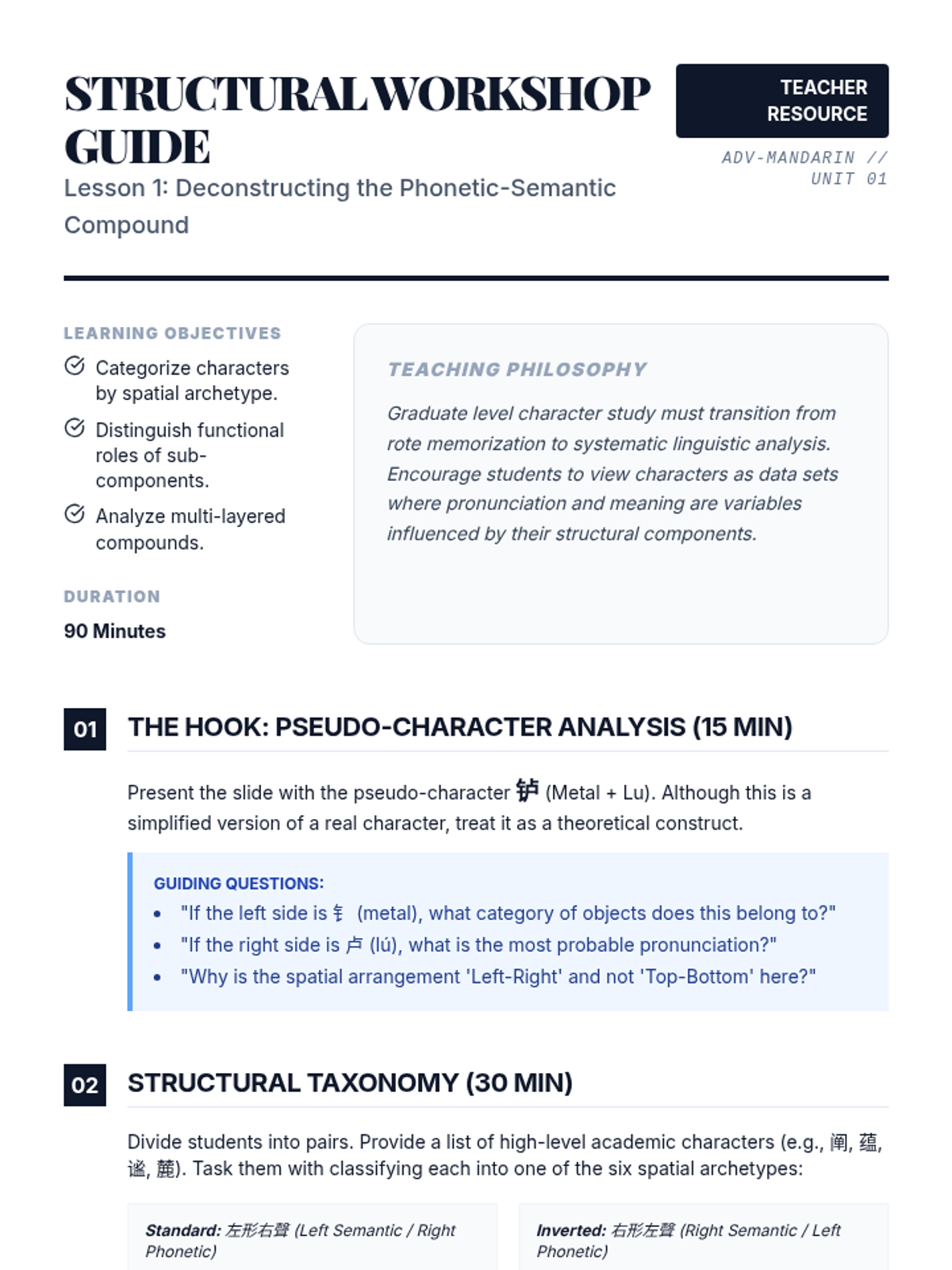
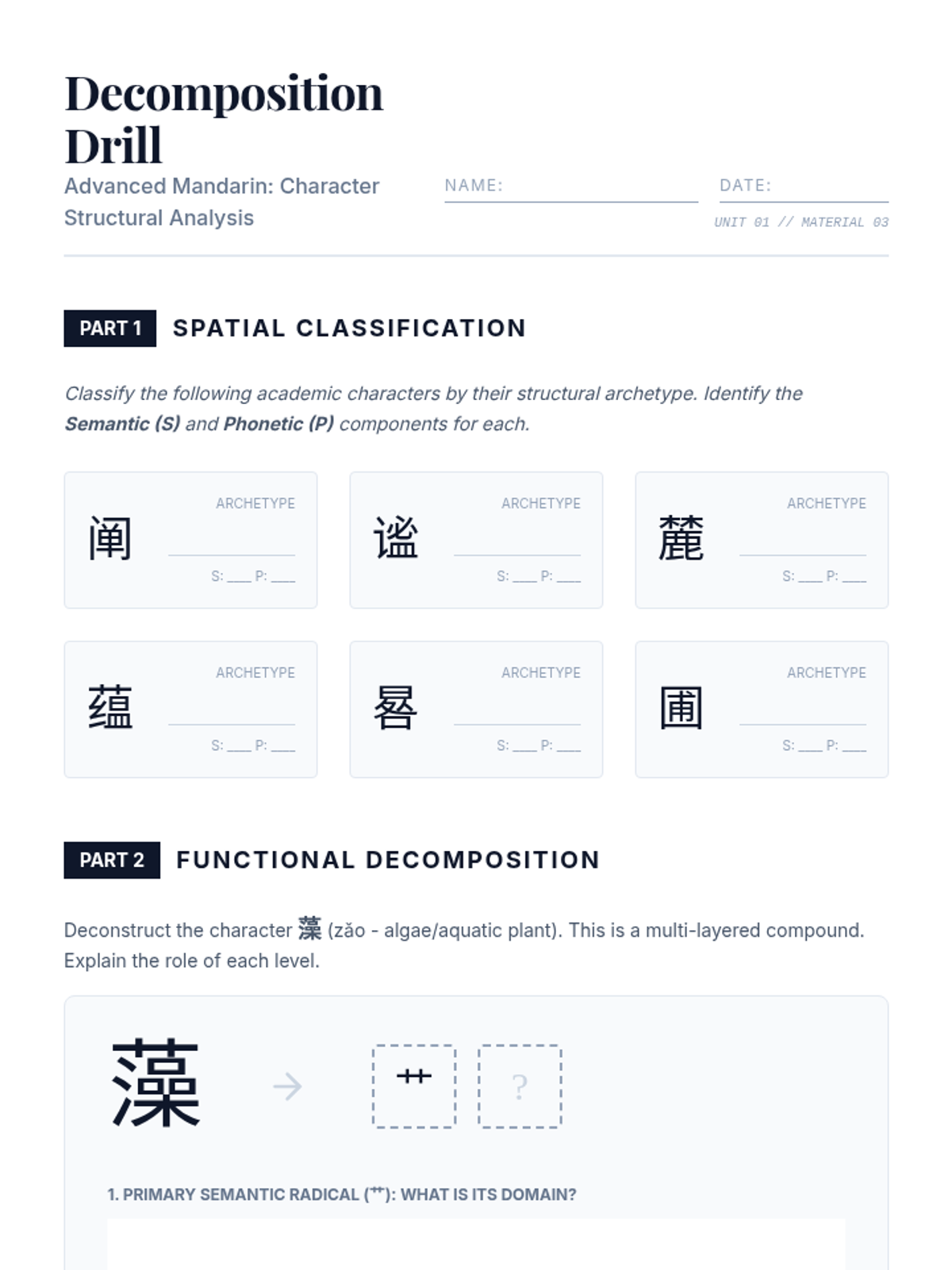
This advanced sequence for graduate students focuses on the structural and phonetic analysis of Mandarin Chinese characters. Students learn to deconstruct phonetic-semantic compounds (Xingsheng), identify phonetic series and tone shifts, and interpret semantic radicals in abstract academic contexts to develop autonomous reading skills for high-level literature.
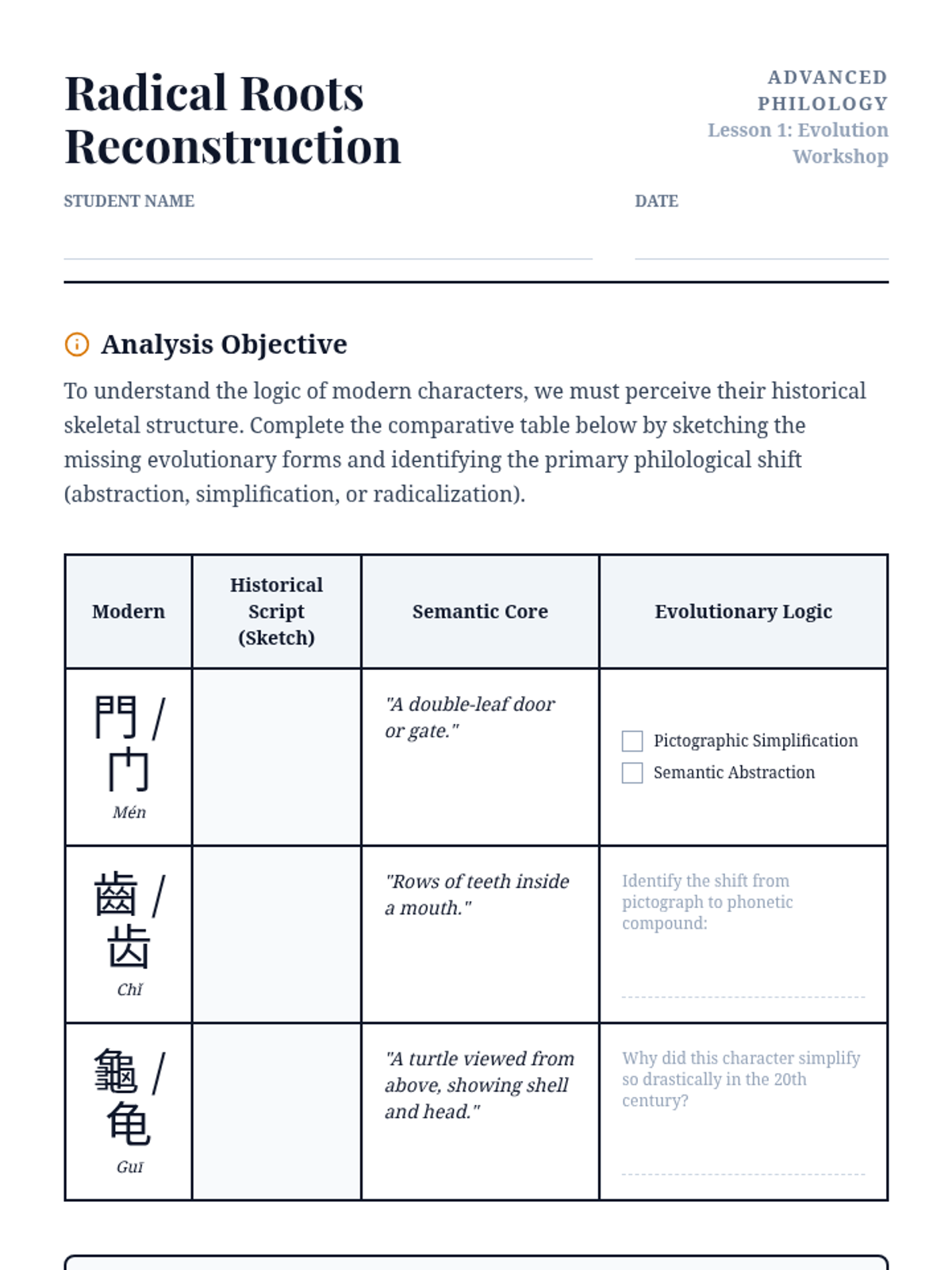
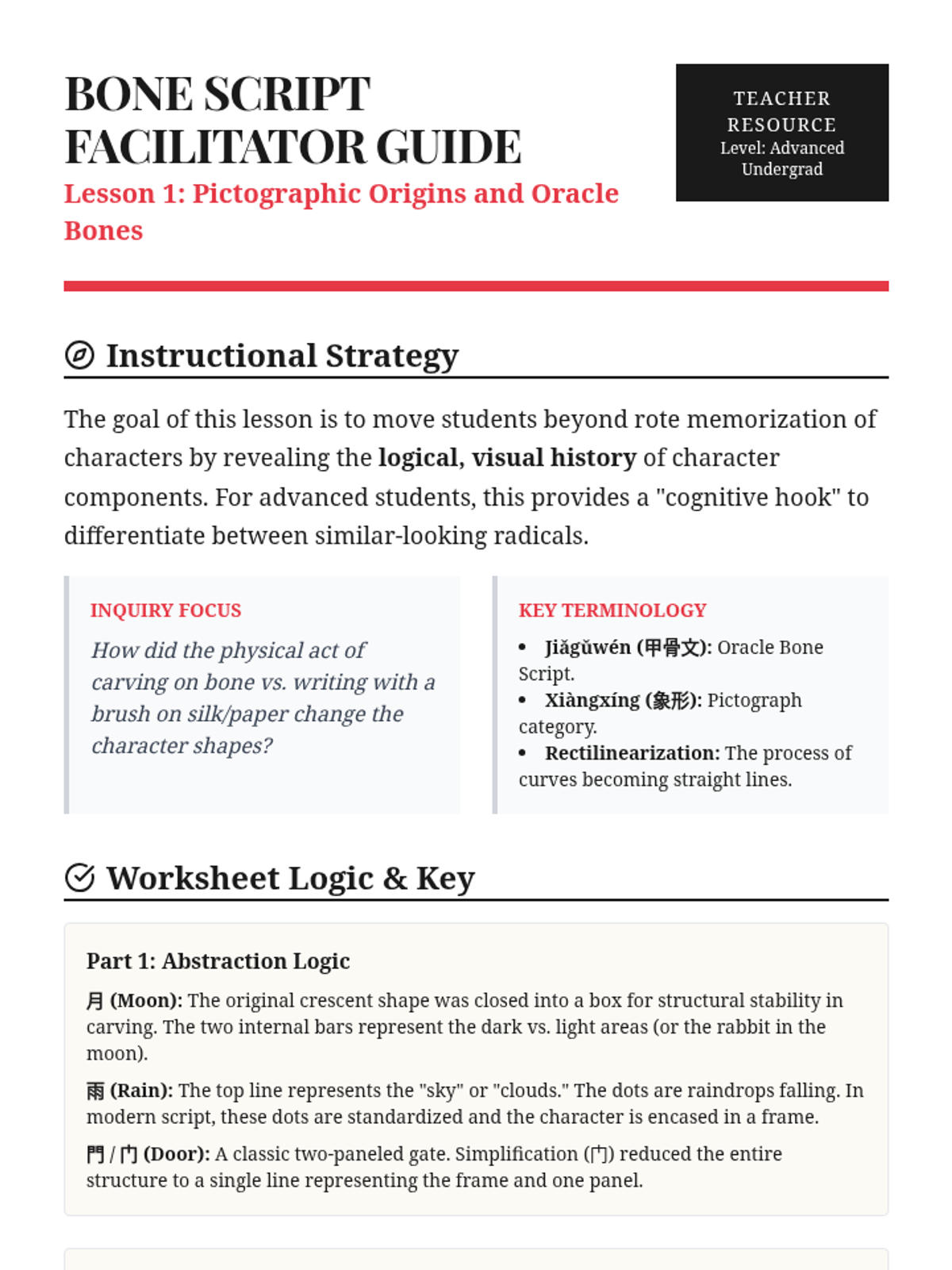
A graduate-level sequence exploring the philological evolution of Chinese characters, from Oracle Bone script to modern academic vocabulary, focusing on etymological logic to deepen semantic understanding.
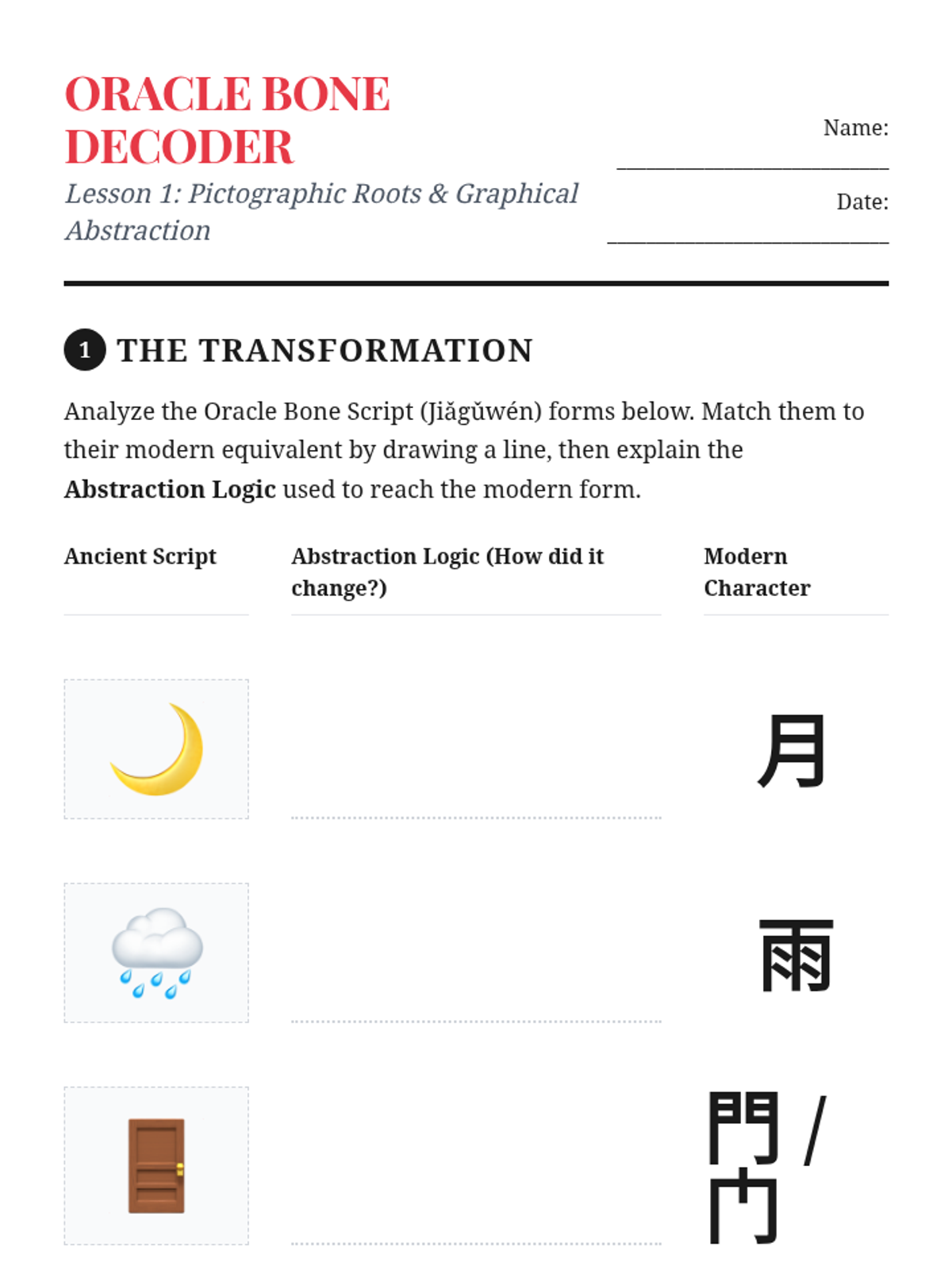
A comprehensive exploration of Chinese character evolution for advanced undergraduate students, tracing characters from Oracle Bone Script to modern simplification to enhance memorization and literacy.
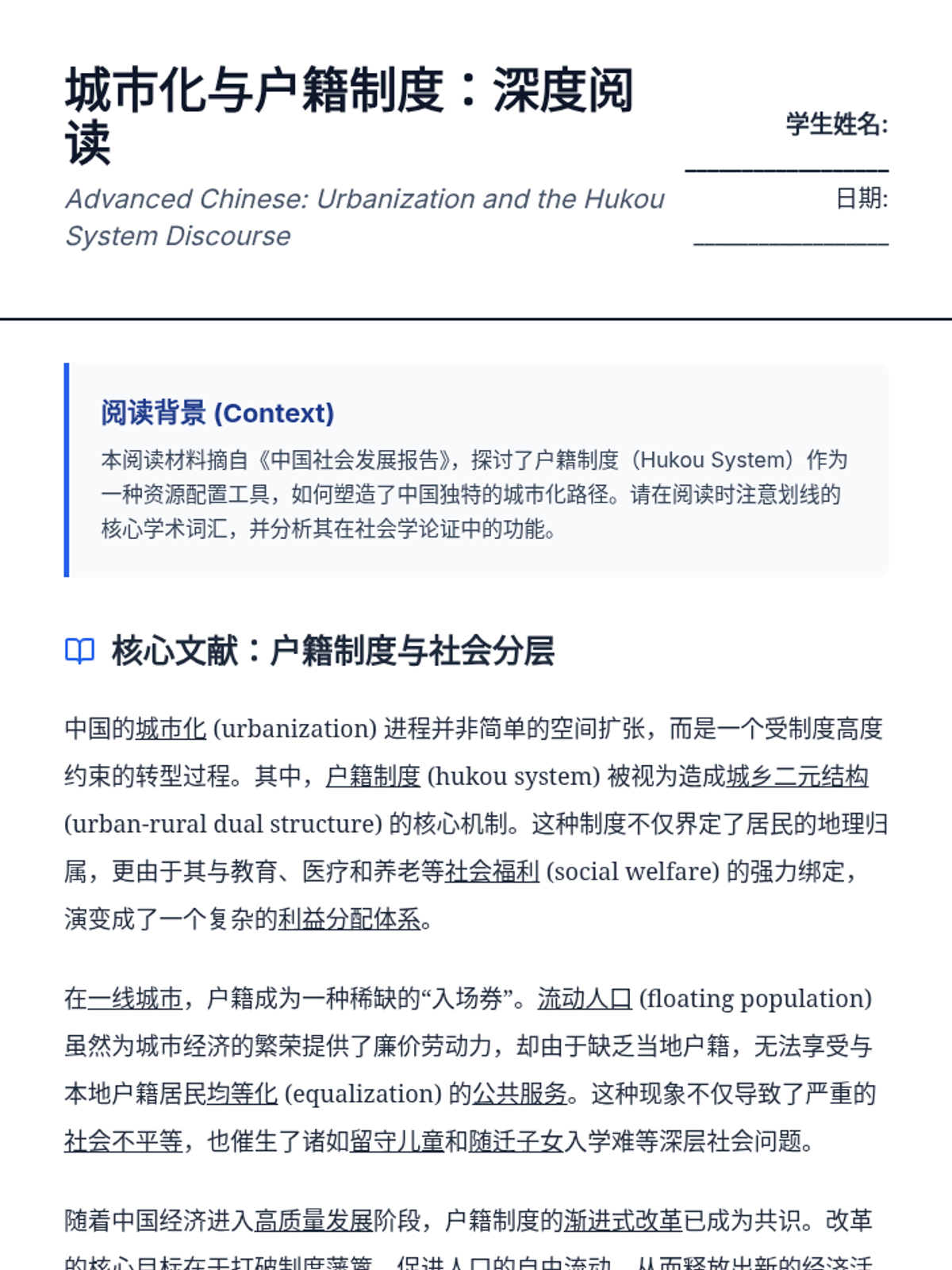
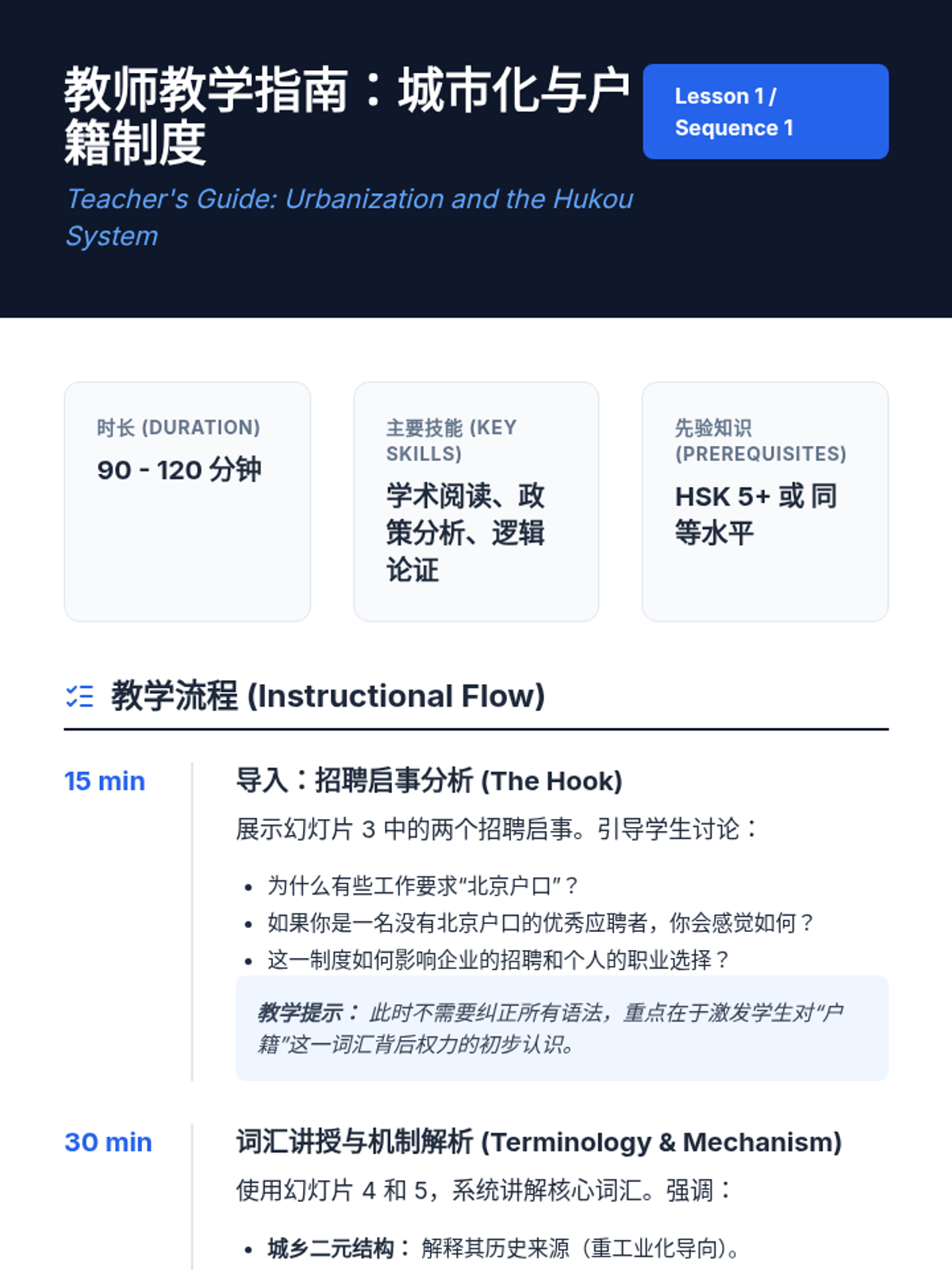
This advanced Mandarin Chinese sequence for graduate students focuses on analyzing contemporary social issues through the lens of sophisticated rhetoric and four-character idioms (chengyu). Students explore urbanization, demographic shifts, and environmental policy to build a high-level academic vocabulary and persuasive argumentation skills.
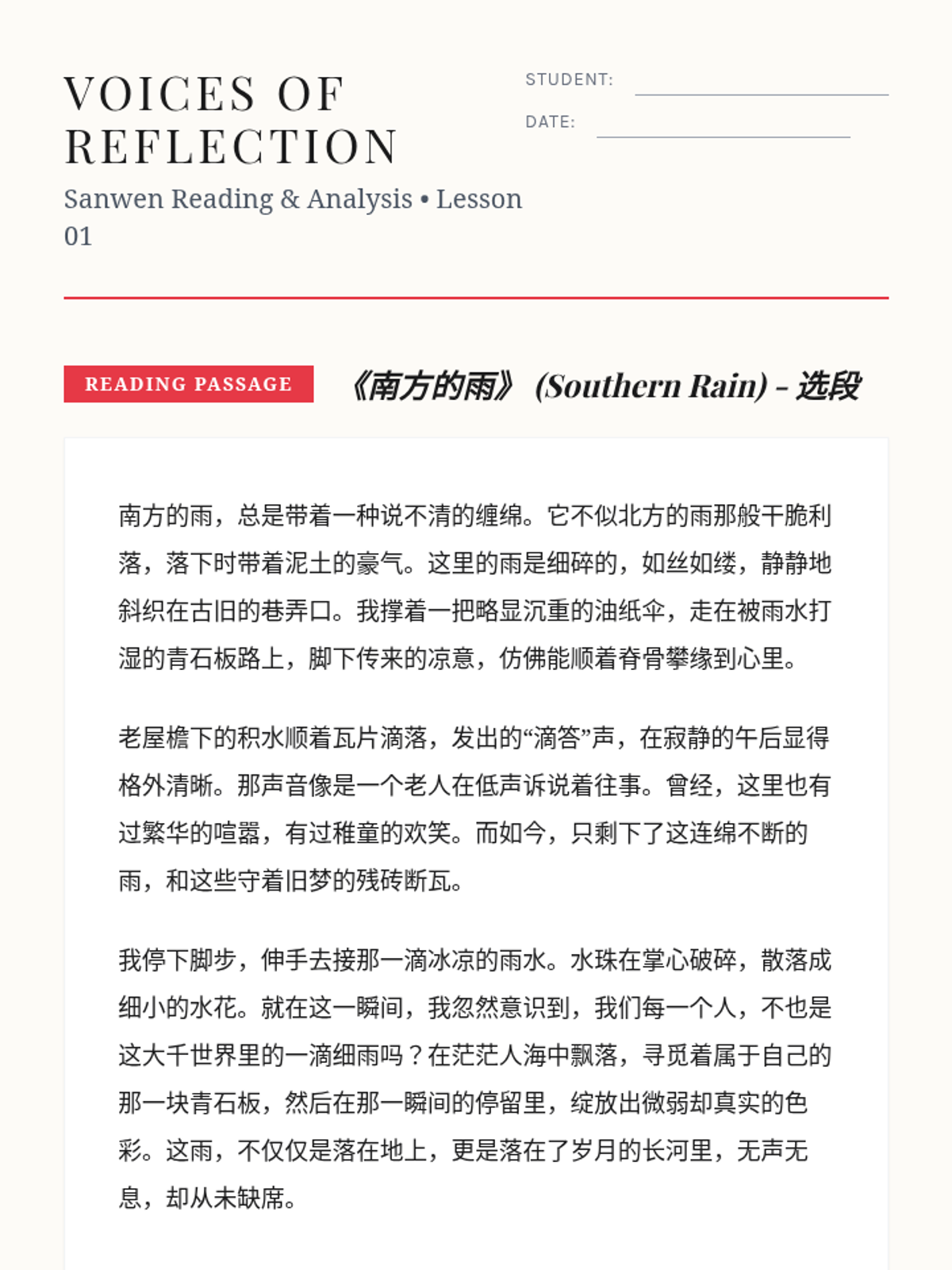
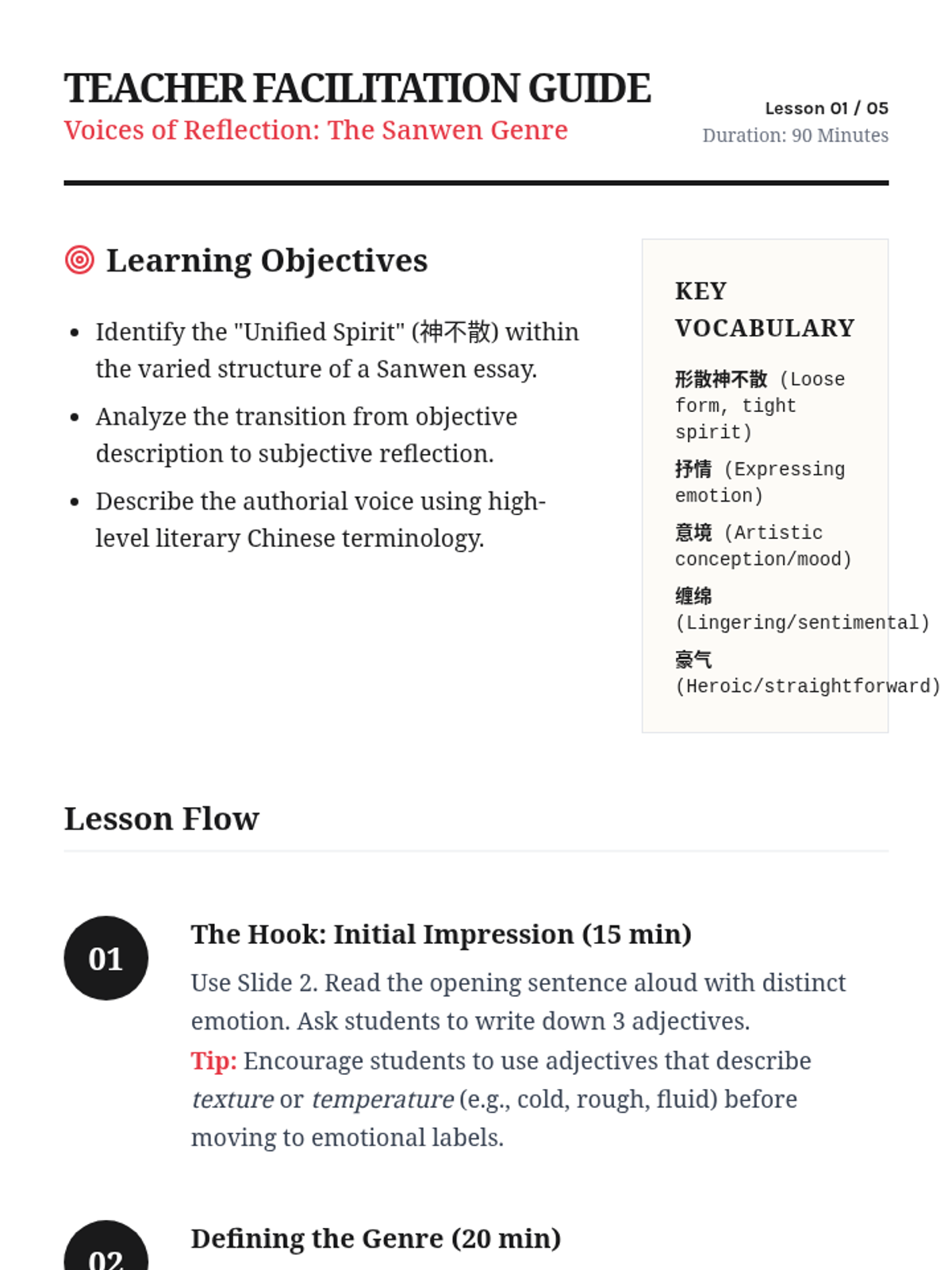
A graduate-level sequence exploring contemporary Chinese literature, focusing on 'Sanwen' essays, Chengyu integration, sociolinguistic subtext, and thematic analysis to build advanced reading and interpretation skills.
A high-level Mandarin Chinese sequence for graduate students focusing on media literacy, logical argumentation, and academic discourse. Students transition from summarizing news to debating complex ethical issues and synthesizing multiple perspectives.
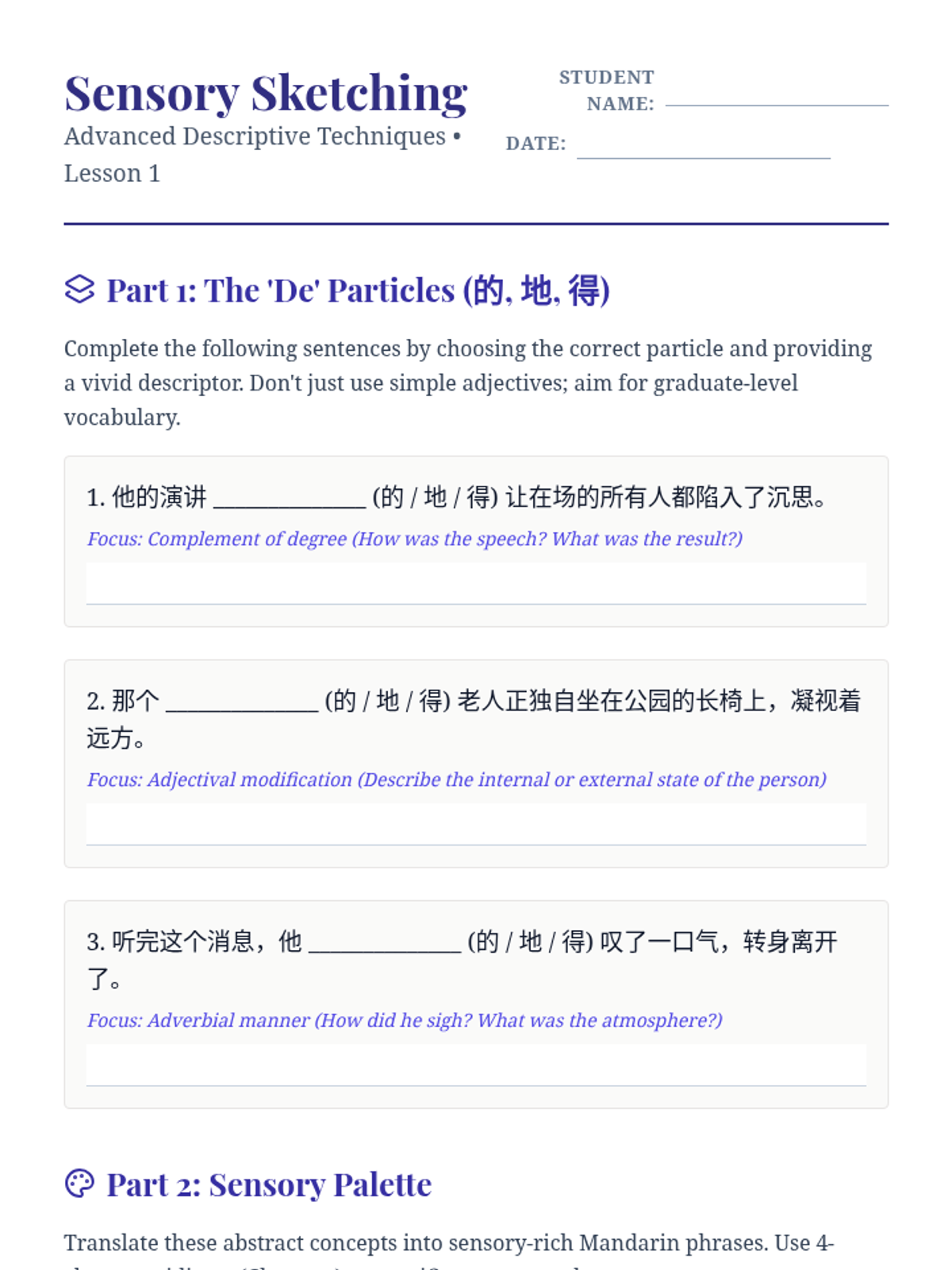
A sequence for graduate students focusing on advanced Mandarin narrative techniques, rhetorical strategies, and descriptive mastery to bridge the gap between functional language and expressive fluency.
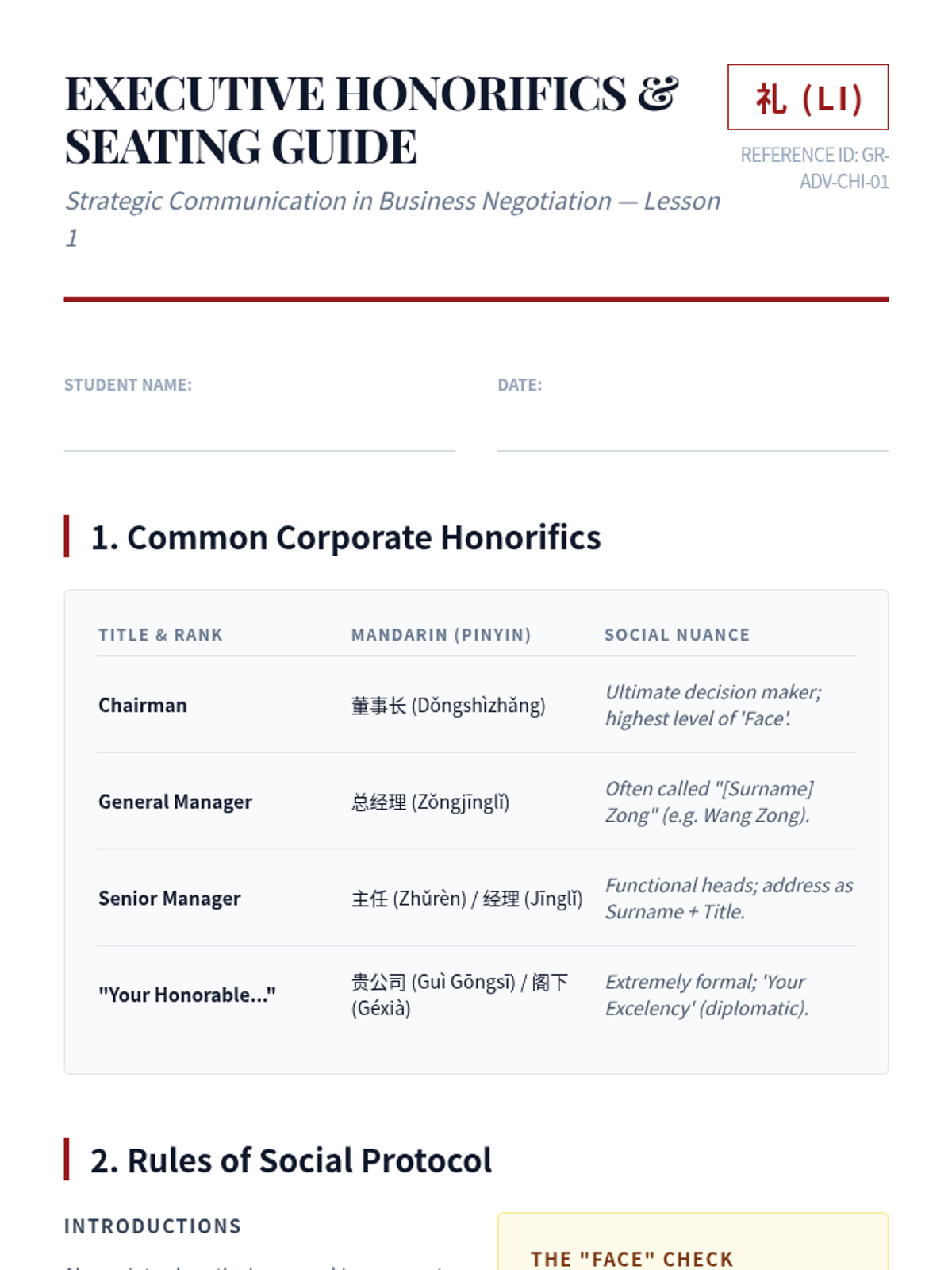
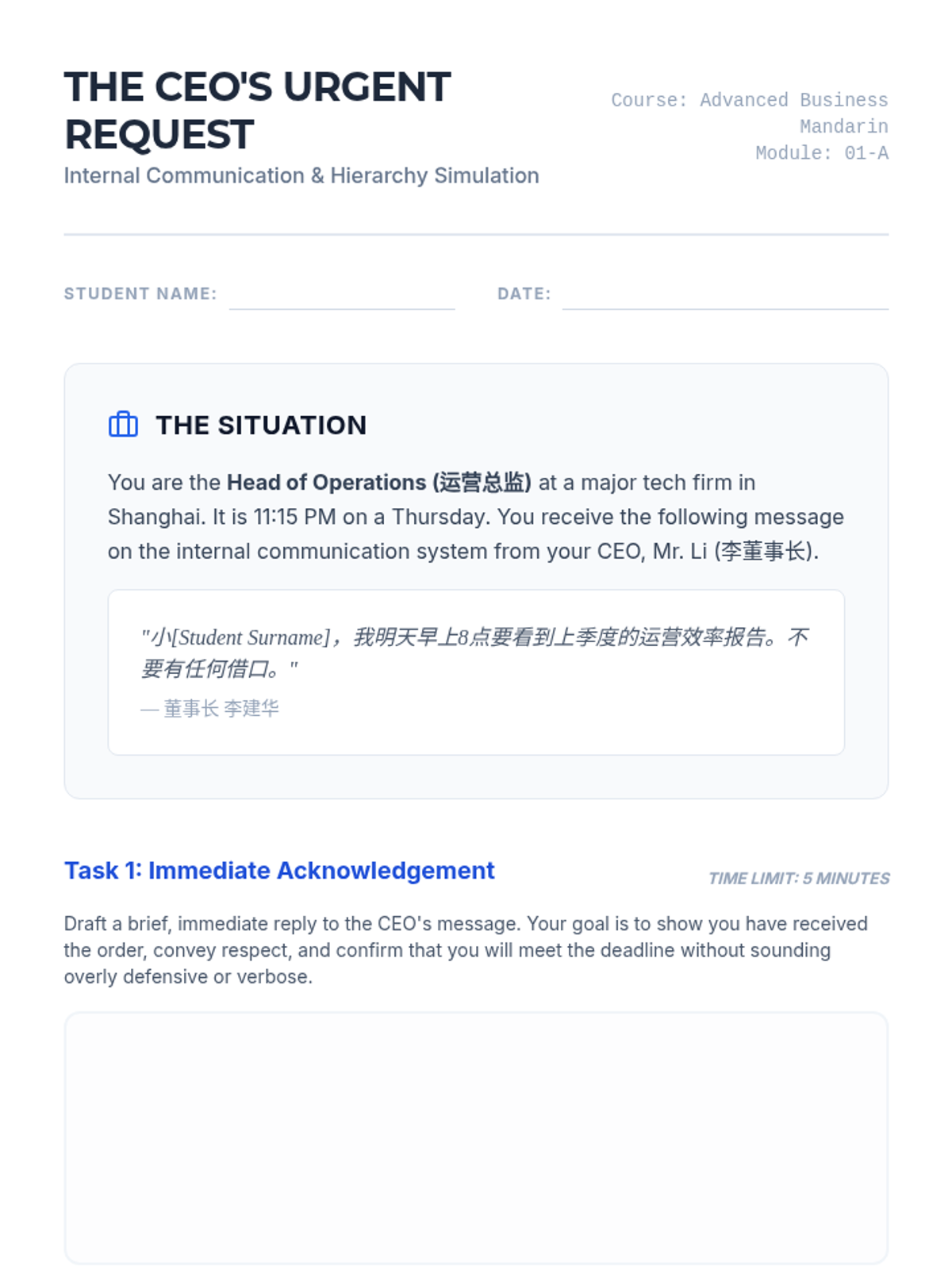
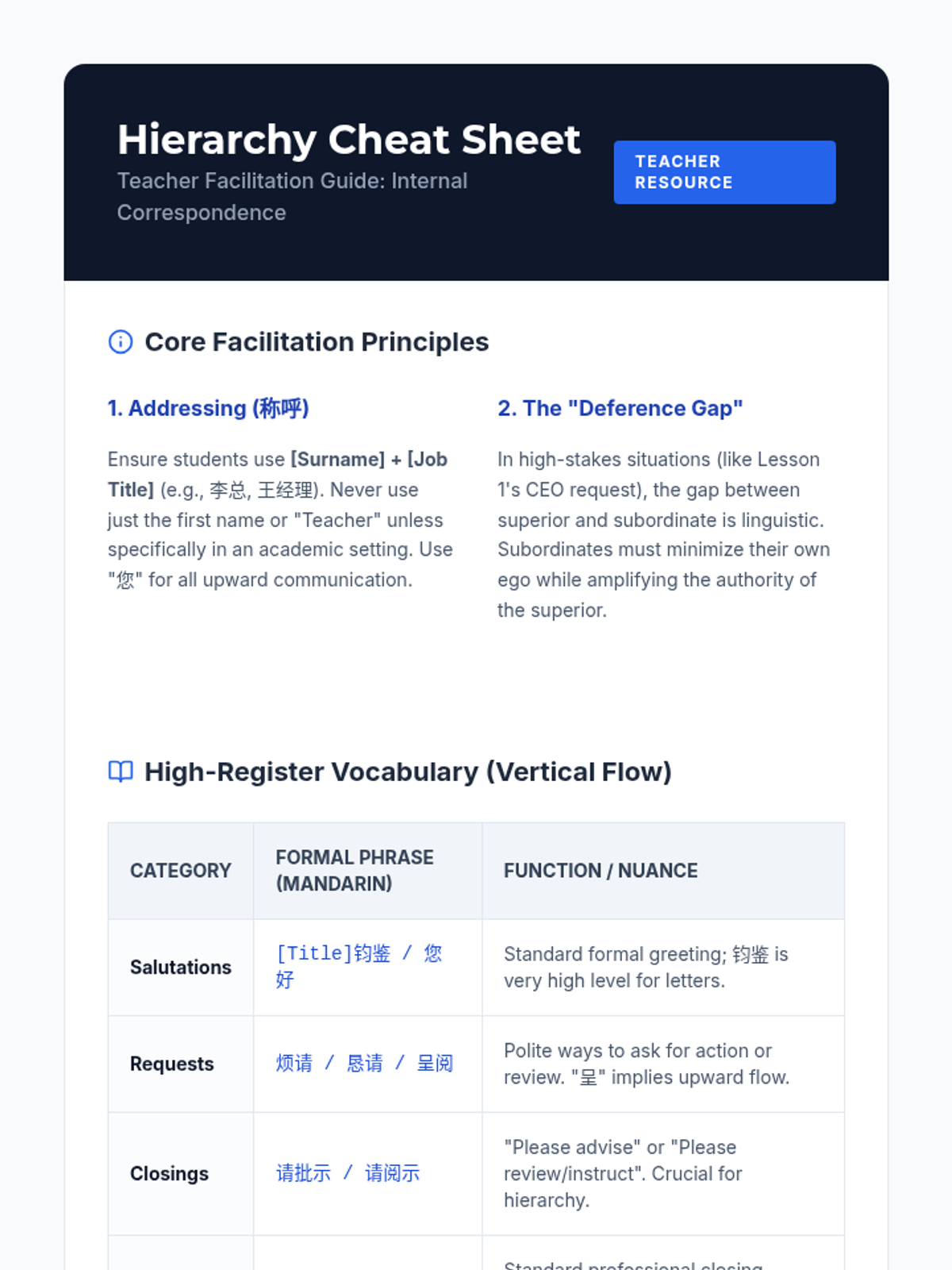
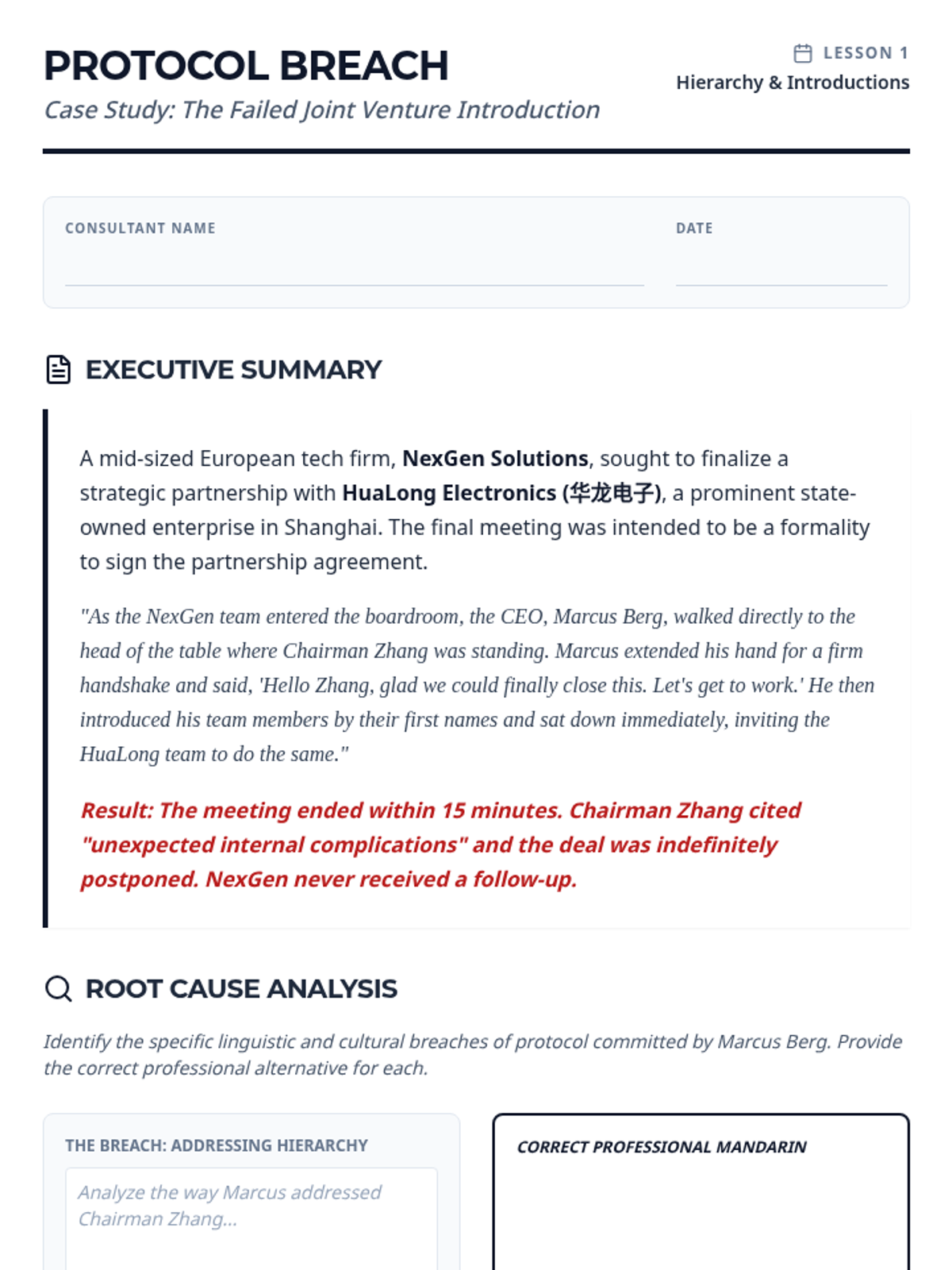
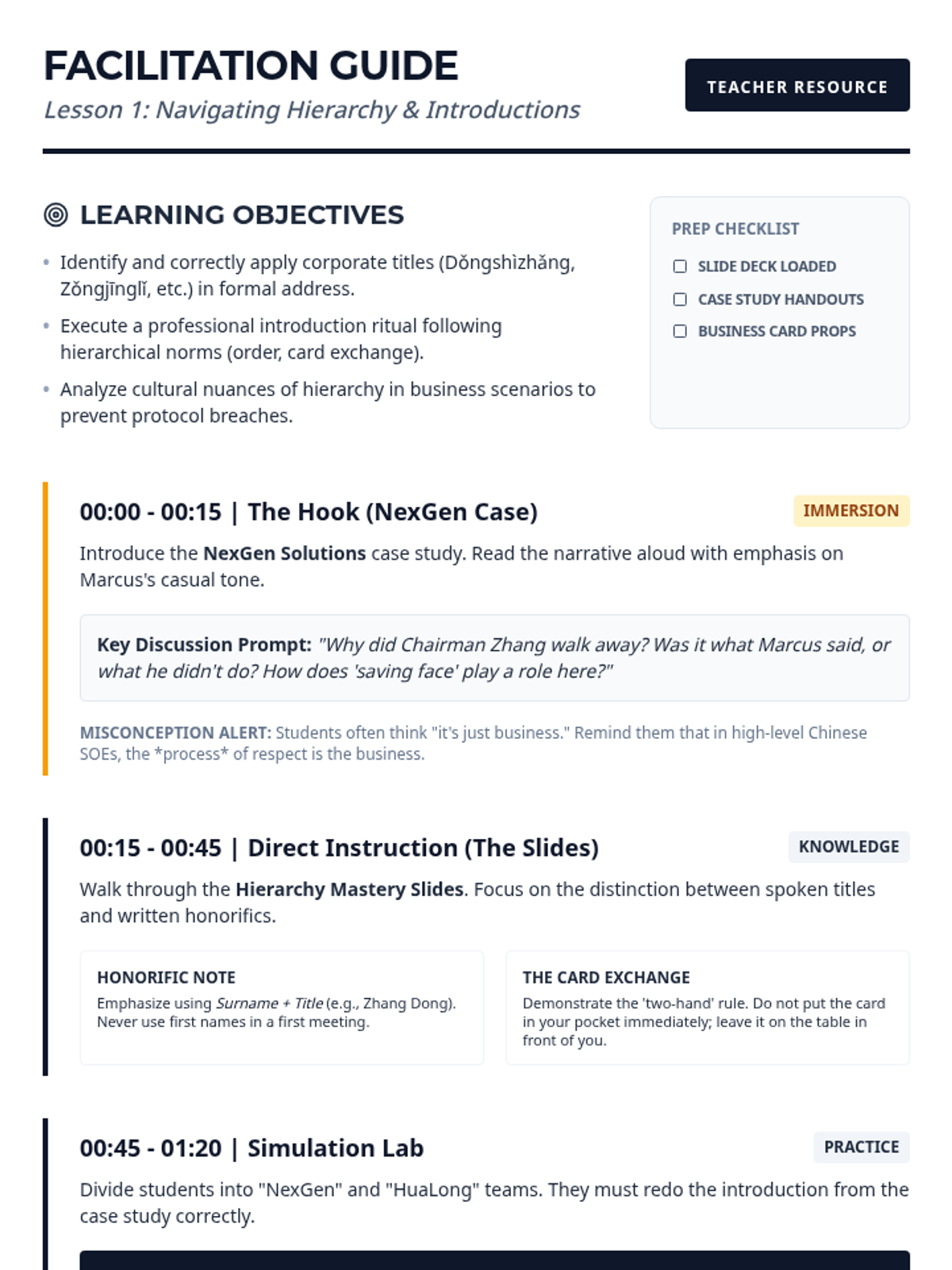
A comprehensive series for graduate students to master formal Mandarin communication within Chinese corporate environments. This sequence covers hierarchical protocol, negotiation tactics, the cultural nuances of 'face', formal written registers, and high-stakes meeting facilitation.
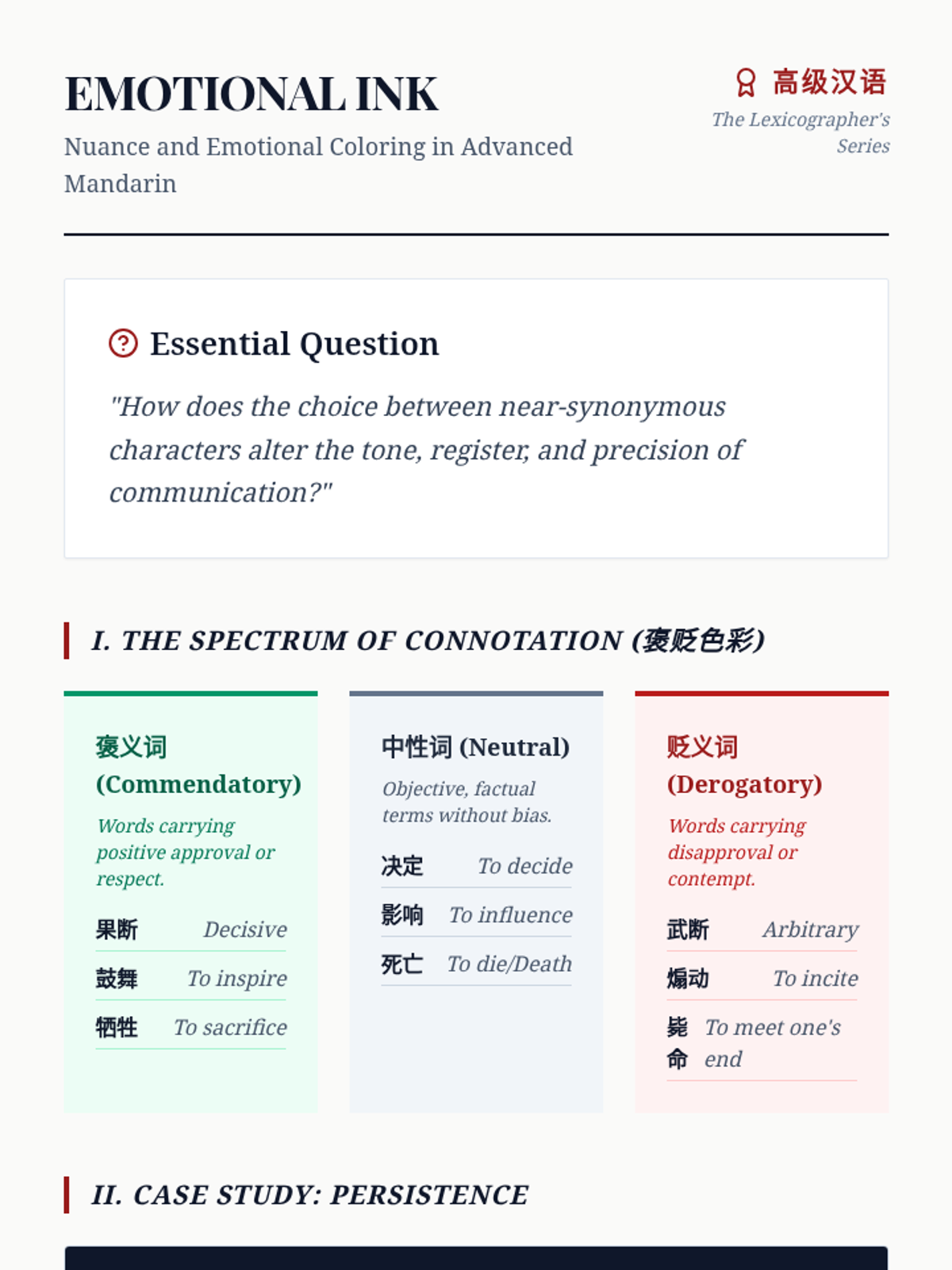
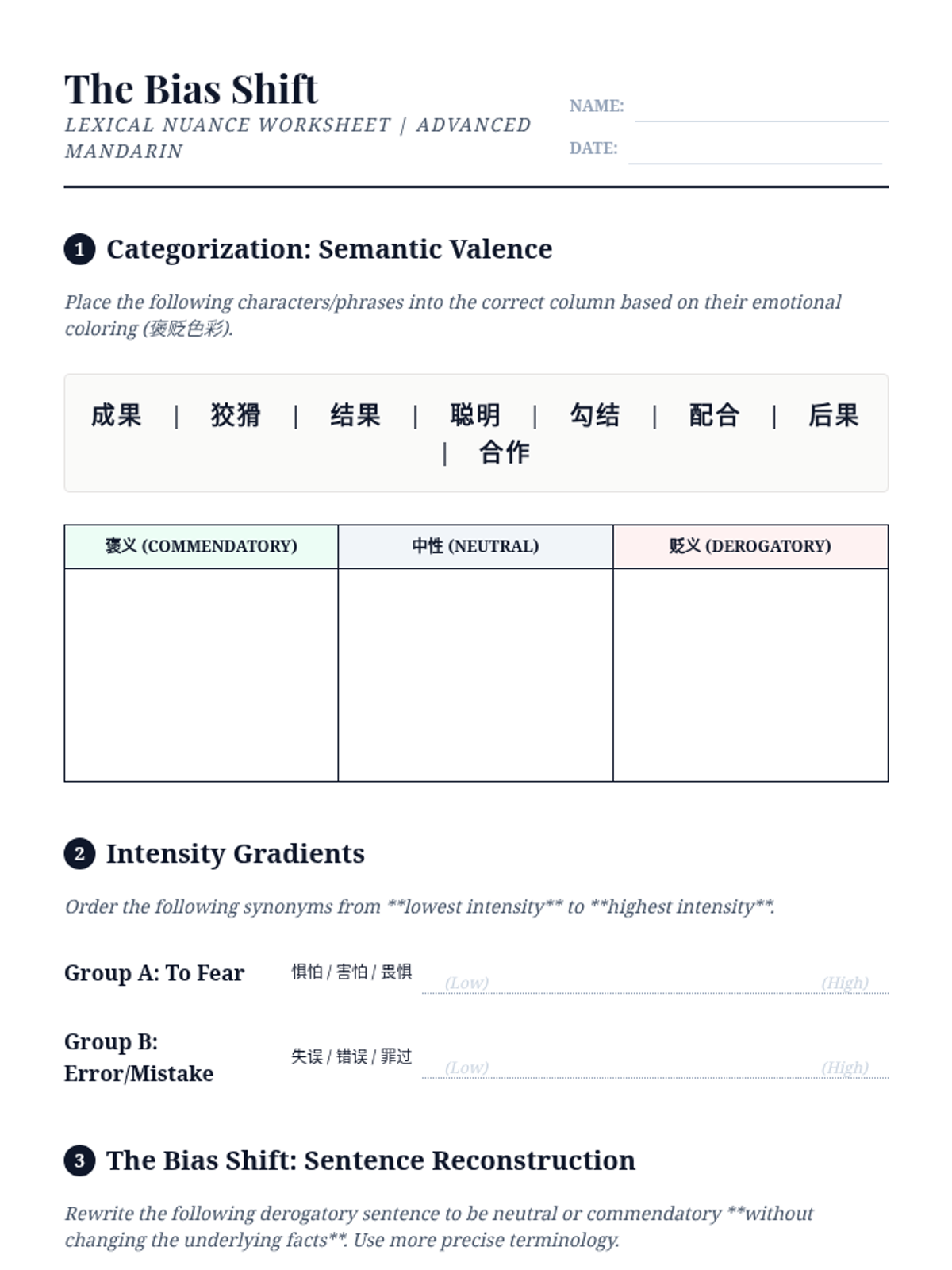
A graduate-level sequence exploring the subtle nuances of Mandarin Chinese synonyms. Students analyze emotional coloring, register, fixed collocations, academic precision, and the art of brevity to achieve advanced proficiency in character selection.
A graduate-level exploration of polysemous and polyphonic Mandarin characters, focusing on how context drives semantic and phonetic shifts in academic and literary discourse.
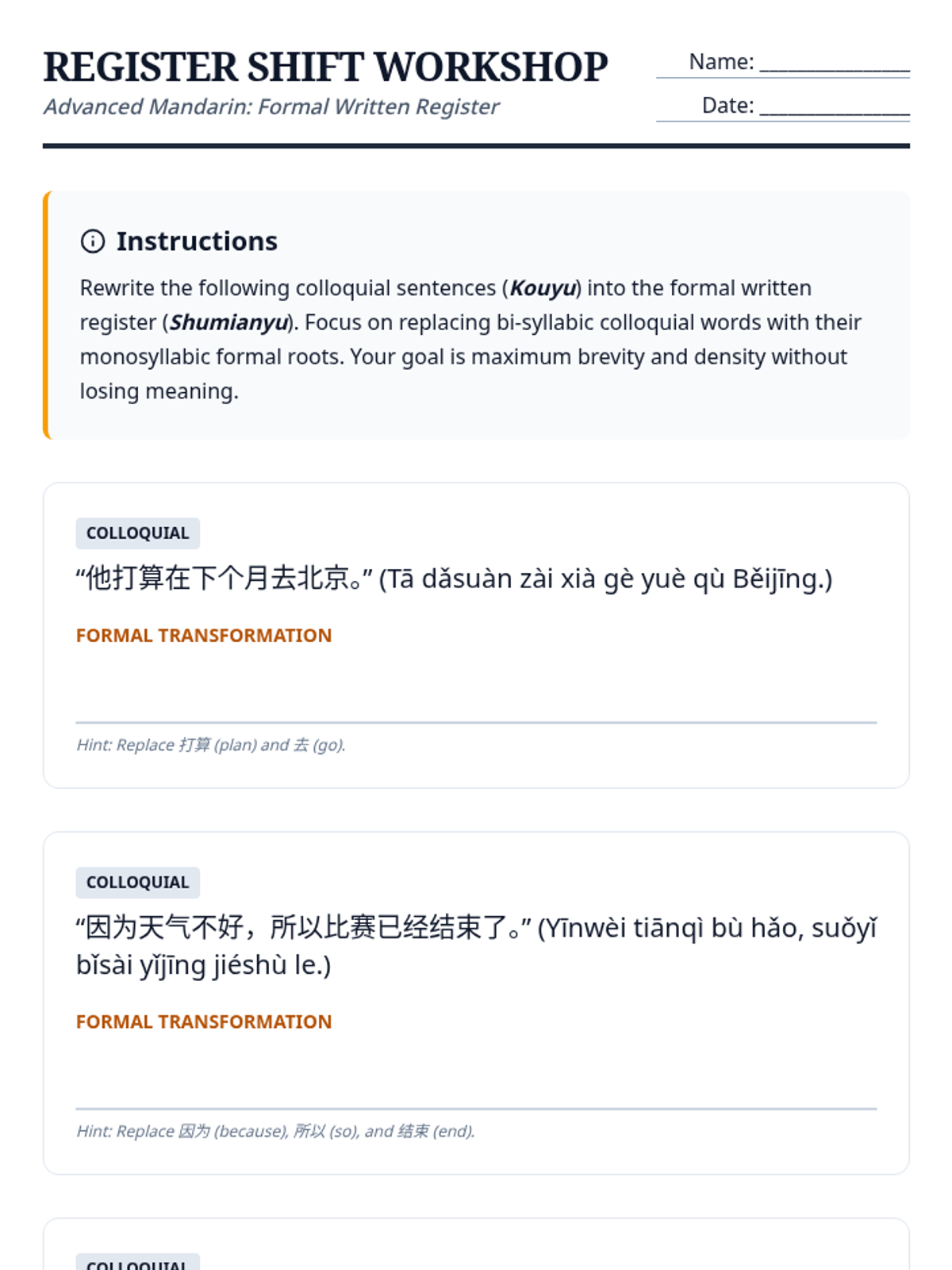
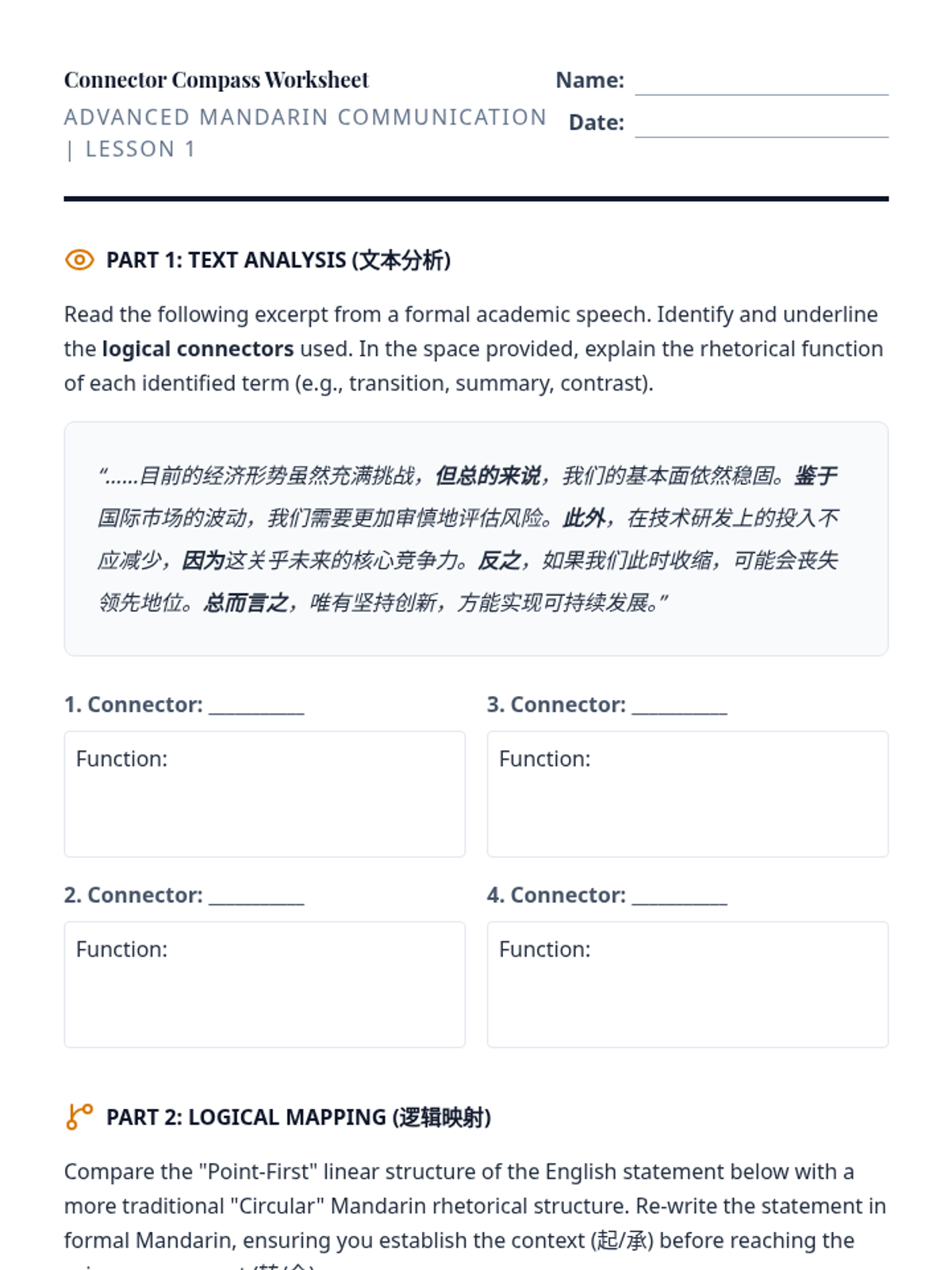
An advanced Mandarin Chinese sequence for graduate students focusing on the formal written register (Shumianyu). Students master monosyllabic roots, formal connectors, business/legal lexicon, and newspaper headline compression to achieve professional-level literacy.
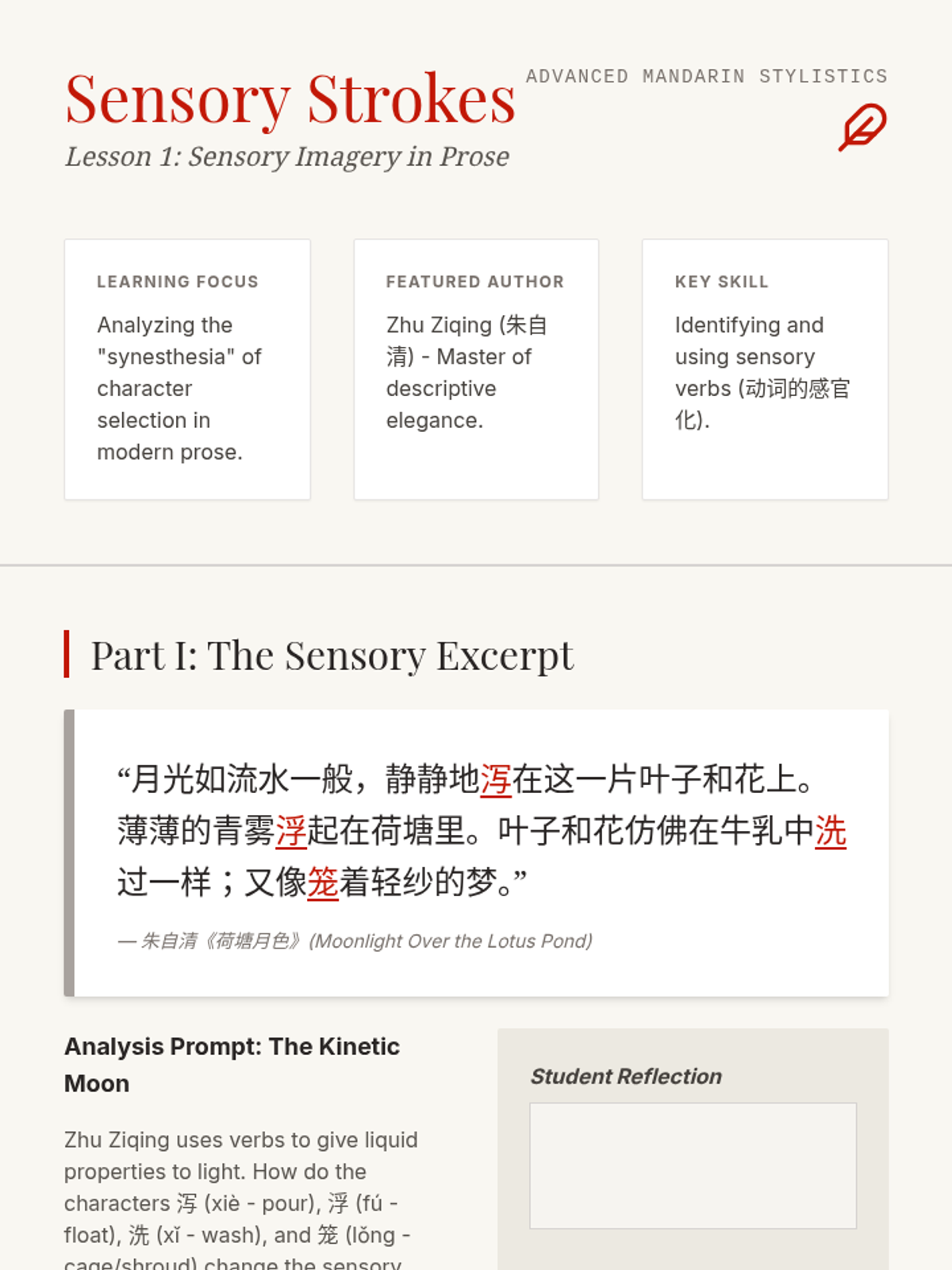
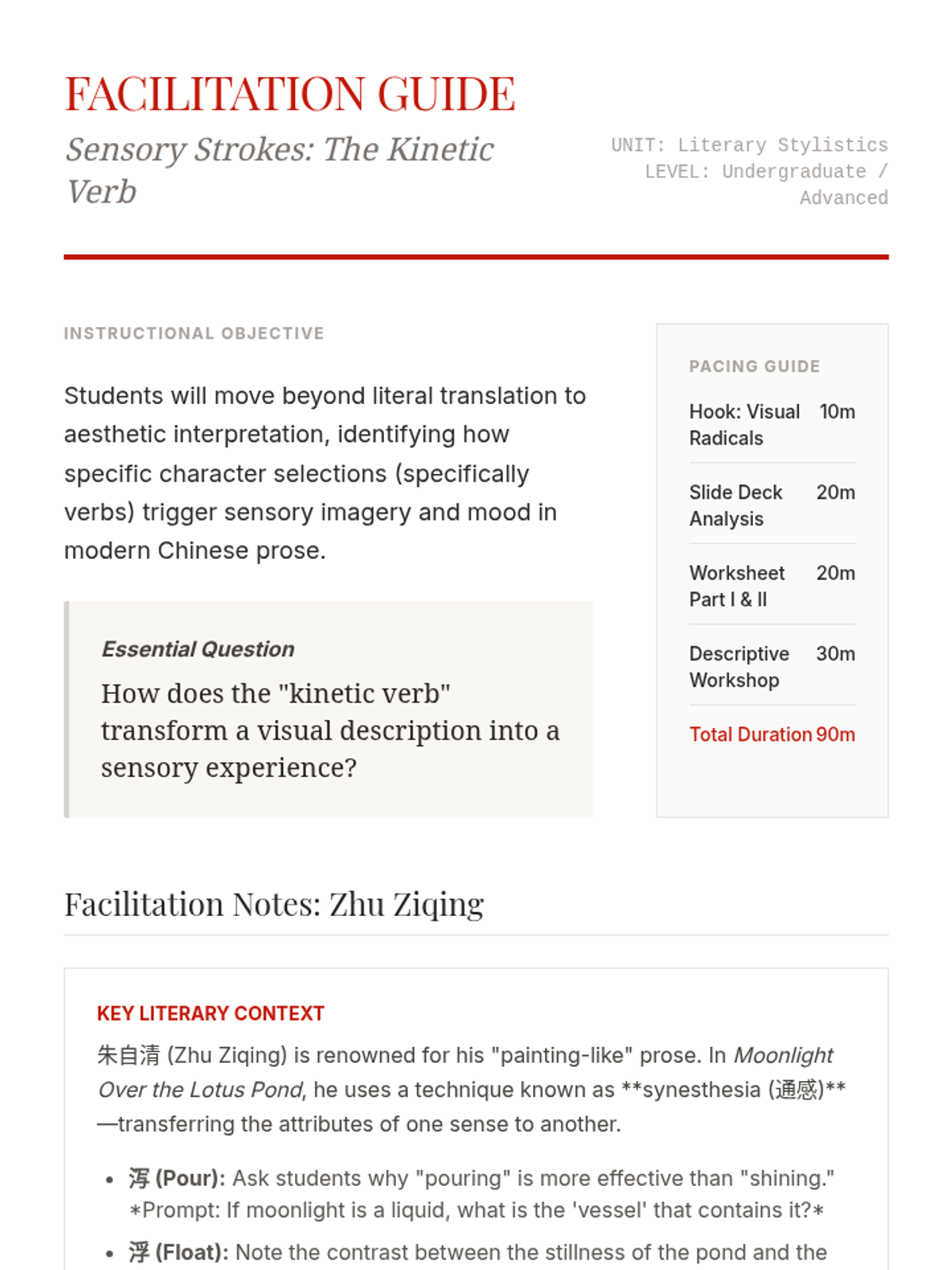
This advanced Mandarin Chinese sequence explores the aesthetic and expressive potential of Chinese characters in literature. Students analyze sensory imagery, rhythmic cadences, and symbolic naming to understand how masters of modern prose and poetry evoke emotion through precise character selection.
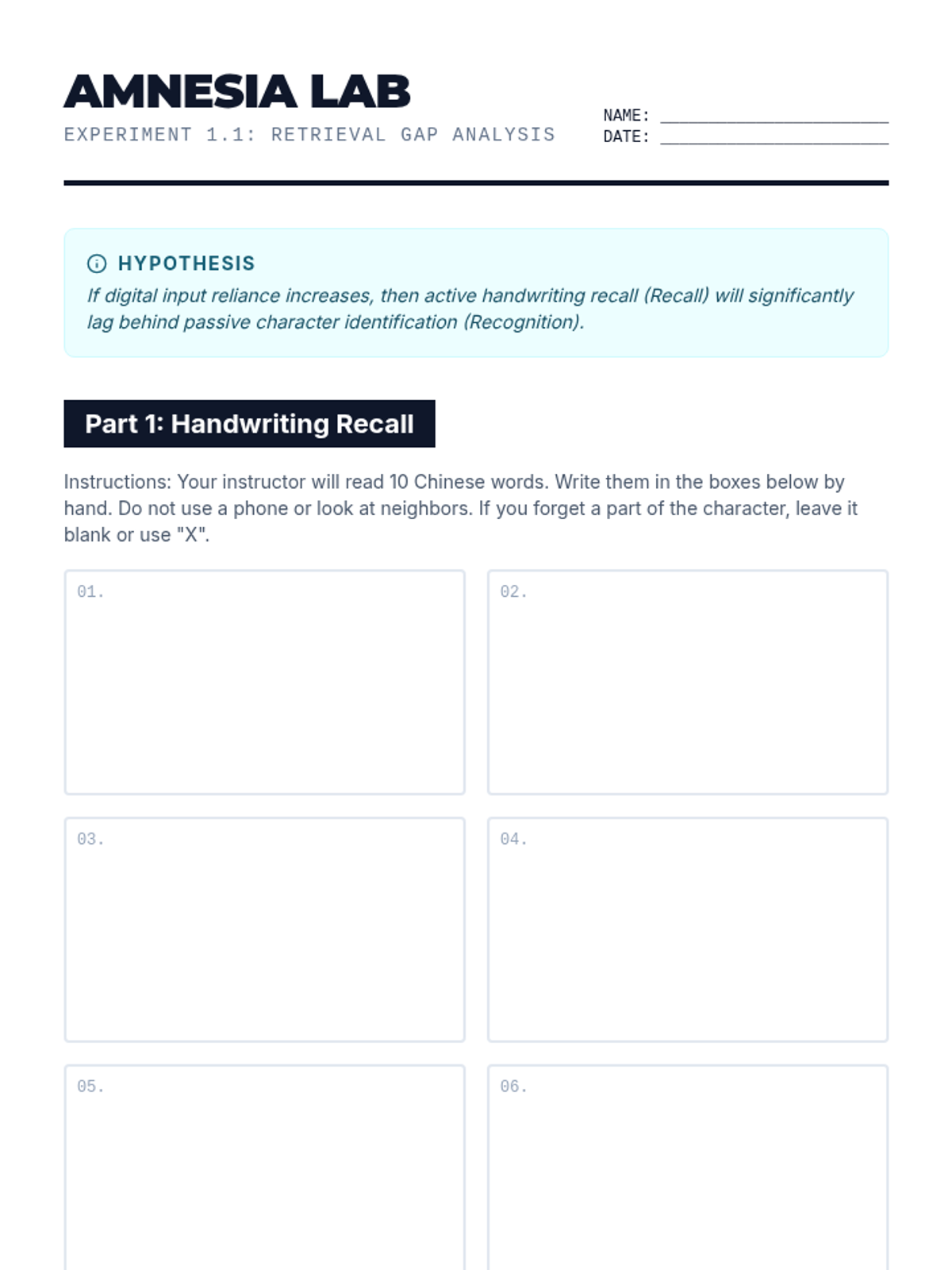
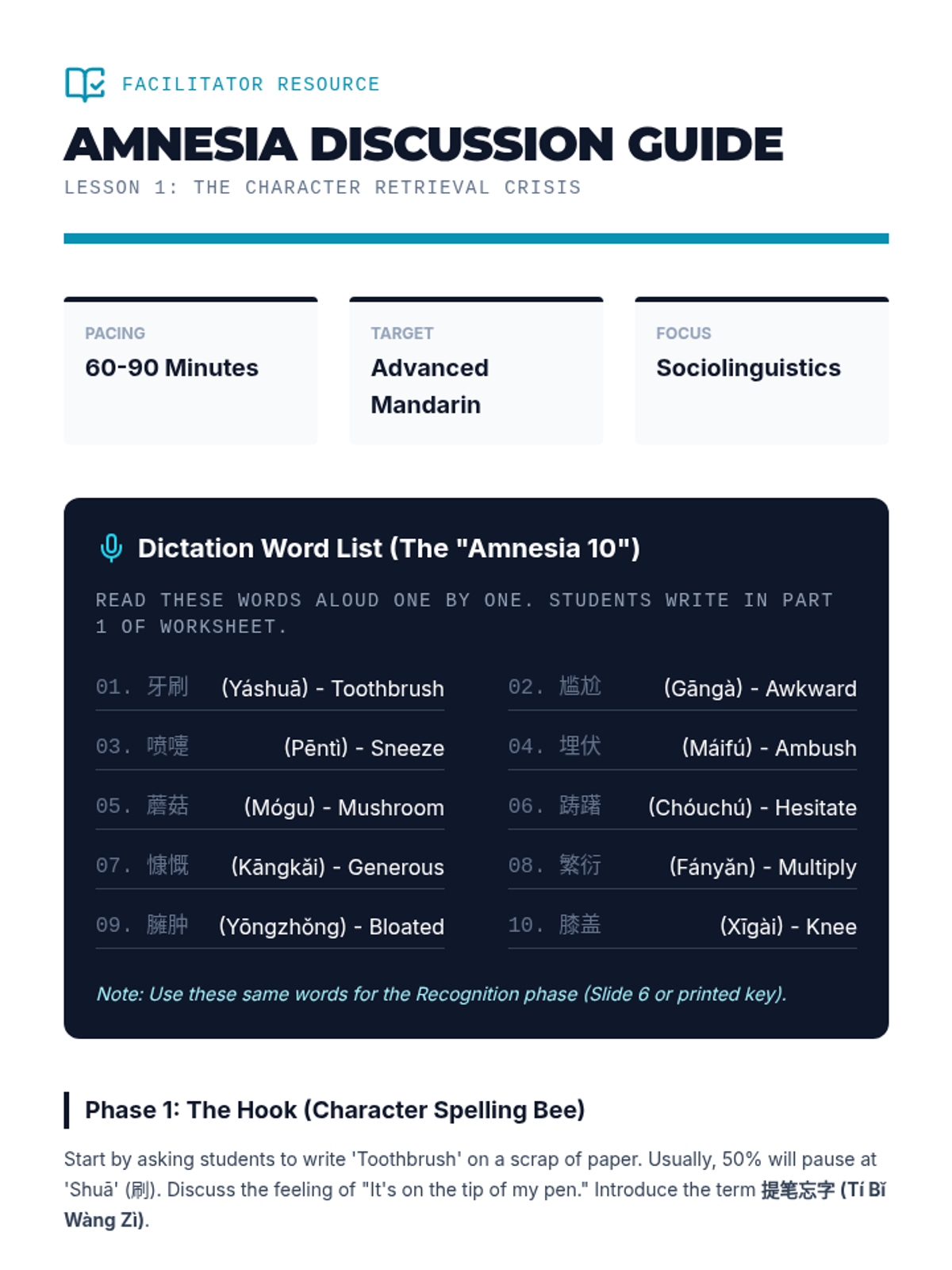
This sequence explores how digital media reshapes the usage, memory, and form of Chinese characters, covering character amnesia, internet slang, and linguistic resistance. It is designed for undergraduate students of advanced Mandarin.
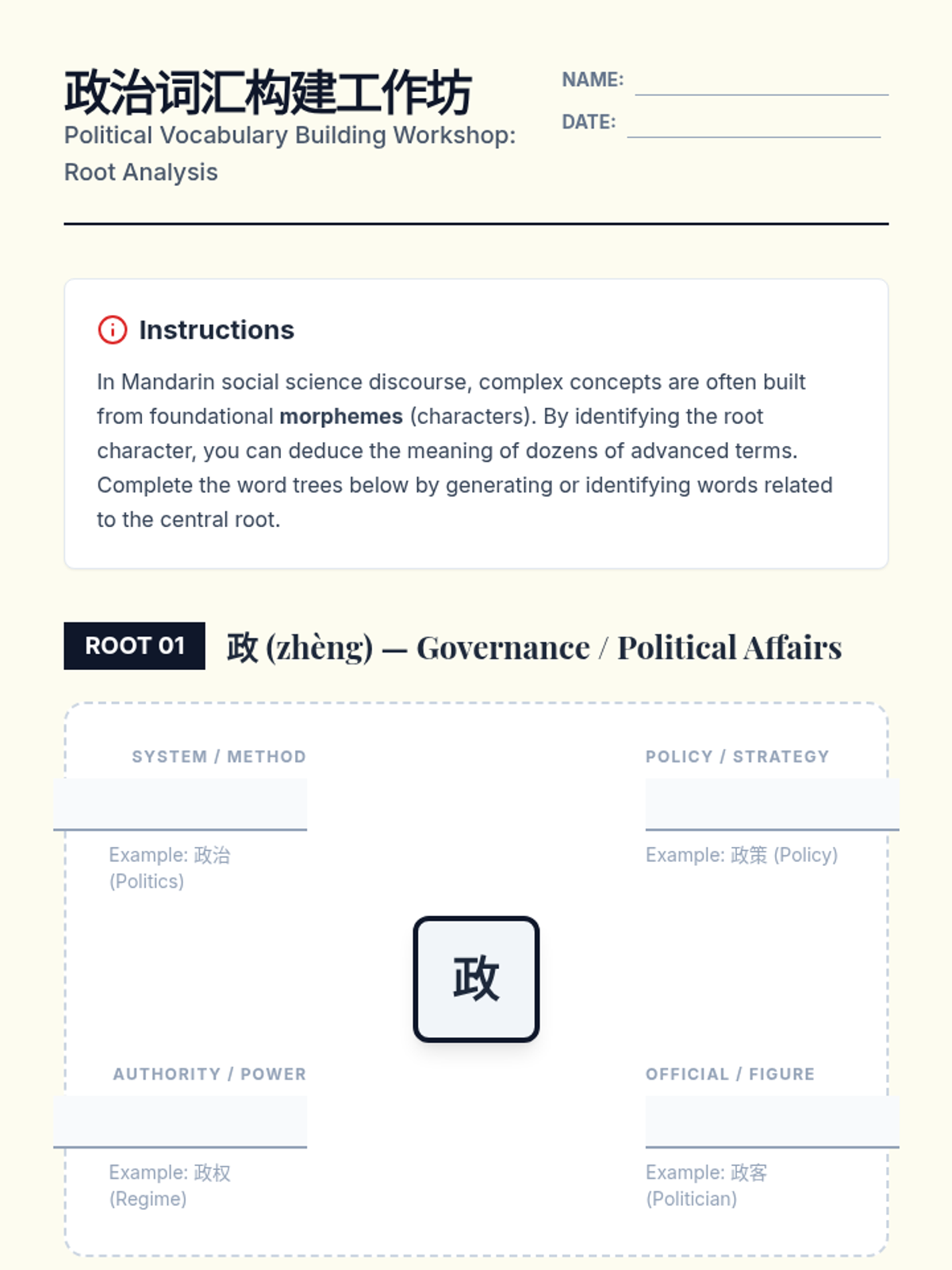
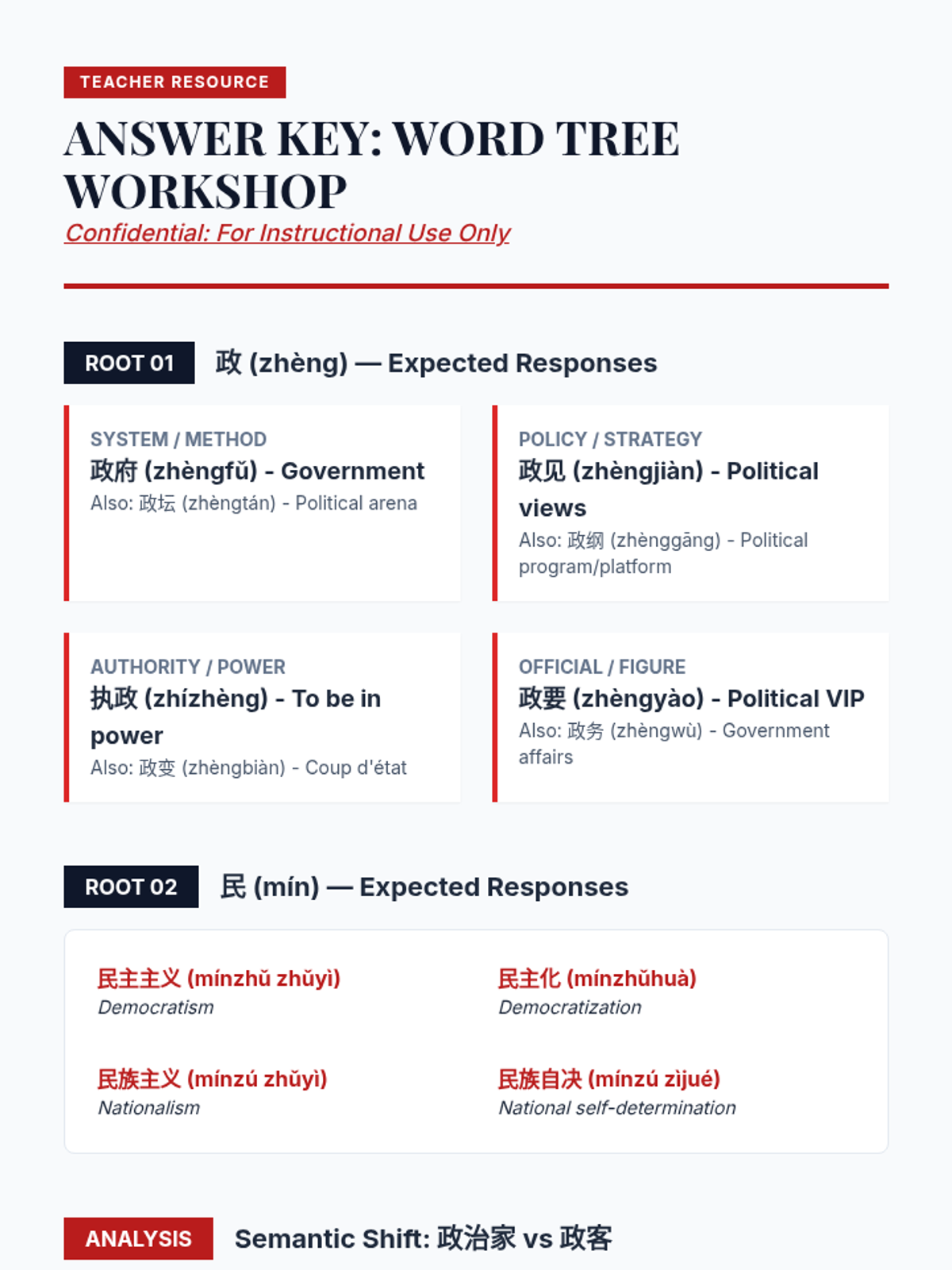
A comprehensive sequence for advanced Mandarin learners focusing on the vocabulary and structures of social sciences. Students move from morphemic analysis to authentic document parsing and diplomatic simulation.
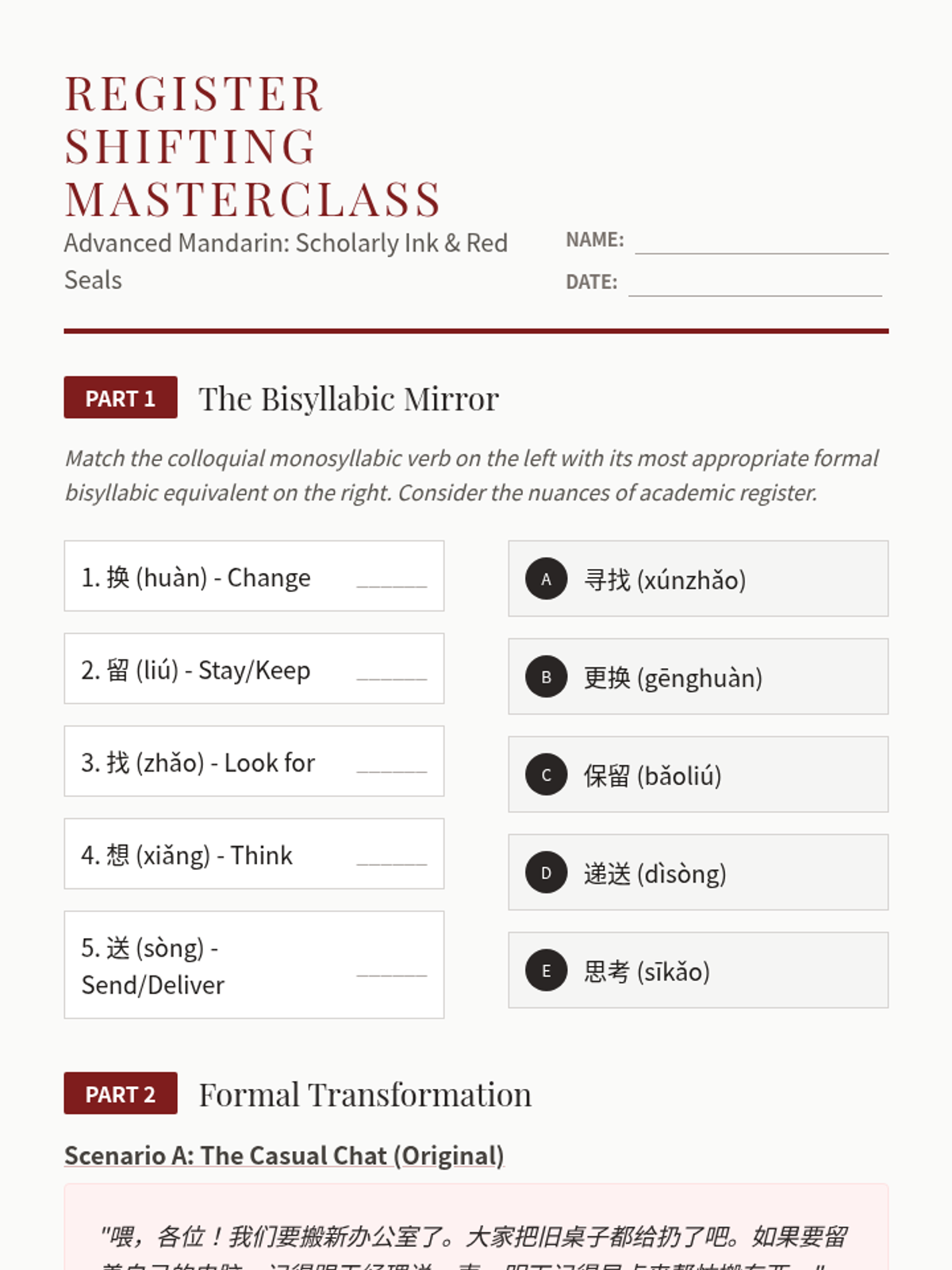
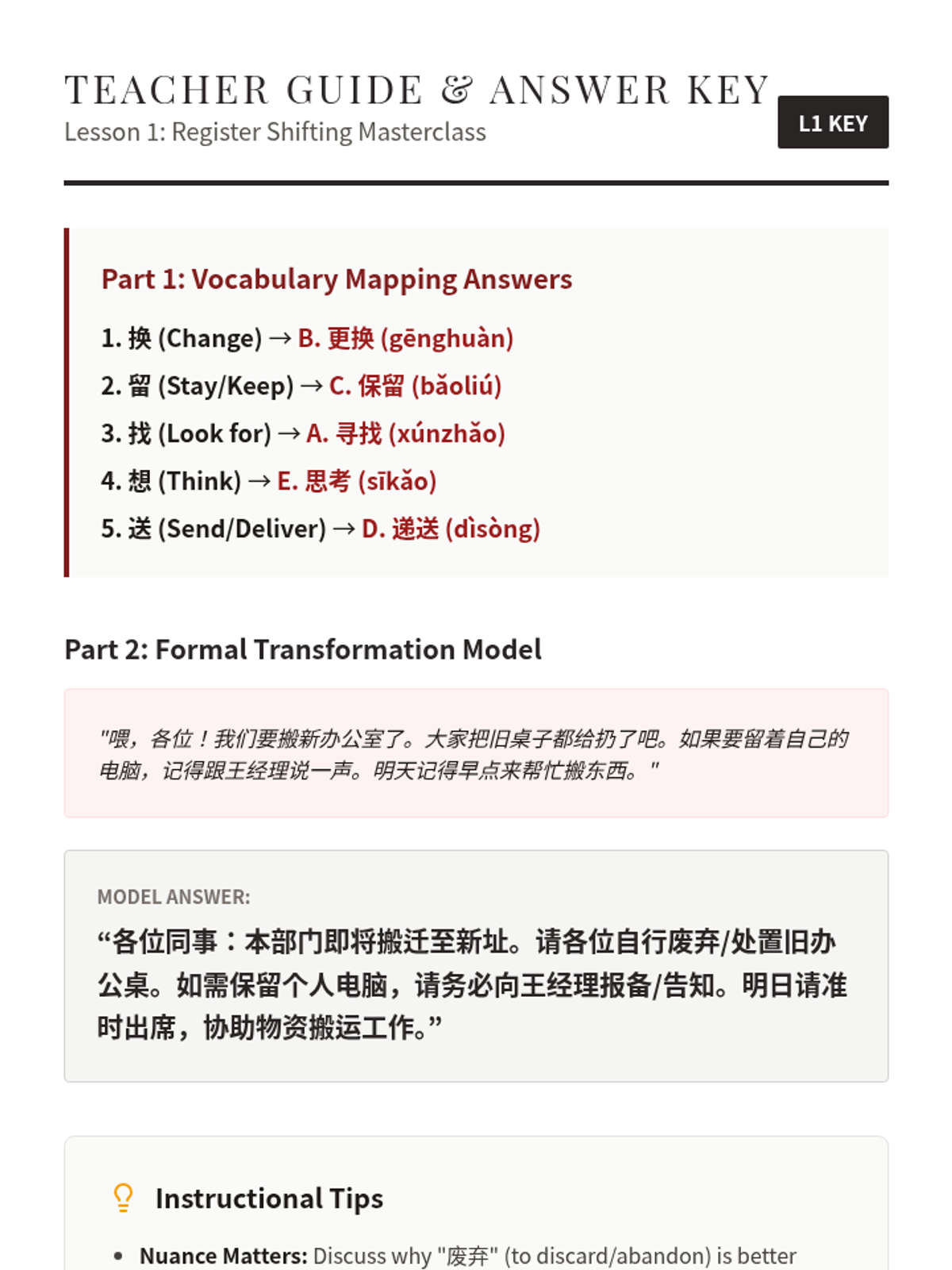
A comprehensive unit for advanced Mandarin learners focusing on the transition from colloquial speech to formal academic and bureaucratic written Chinese (Shumianyu). Students will master formal vocabulary, complex syntax, and stylistic registers.
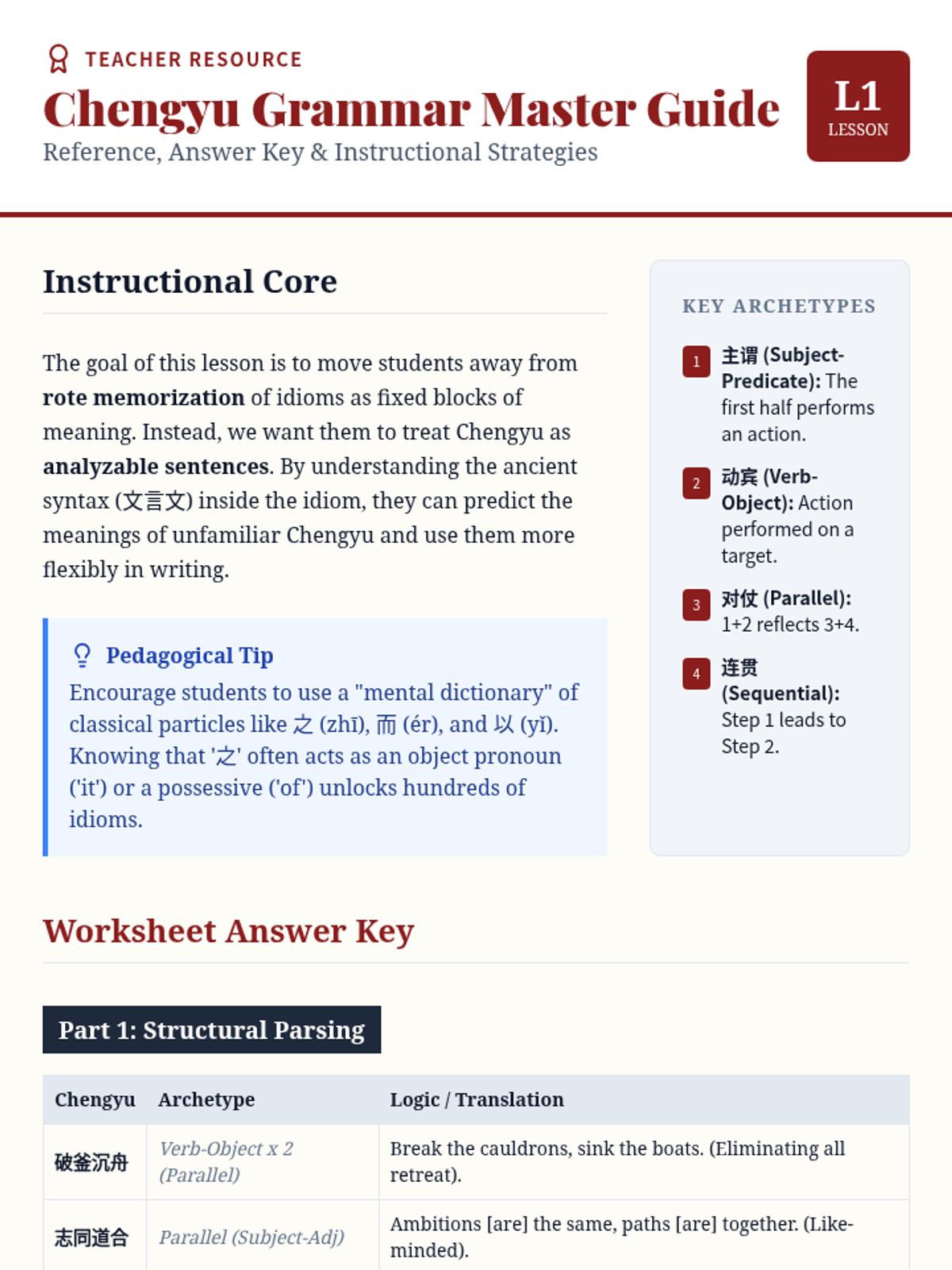
This advanced Mandarin course explores the linguistic structure, historical origins, and modern applications of Chengyu (four-character idioms), moving beyond memorization to stylistic mastery in academic writing.
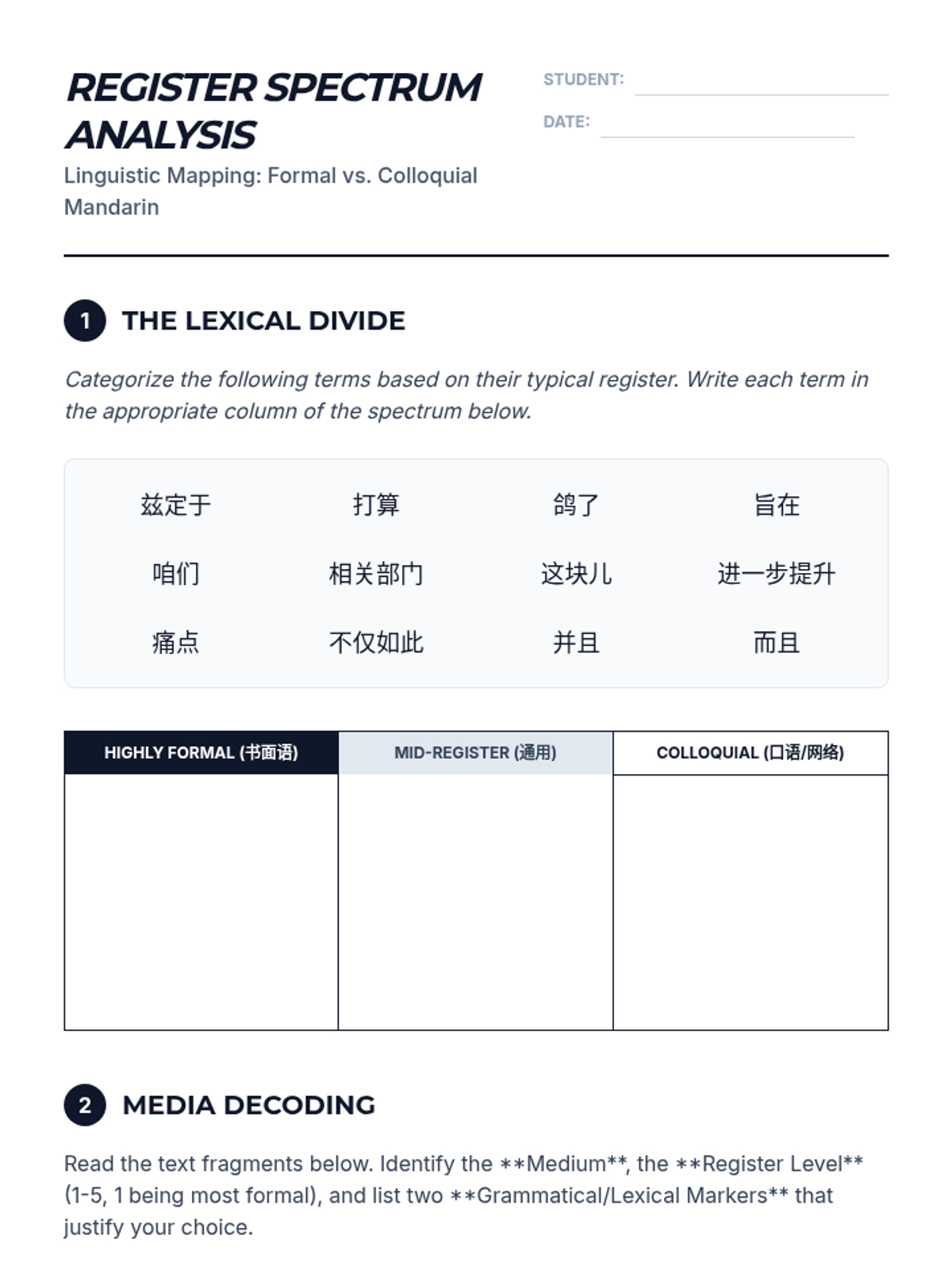
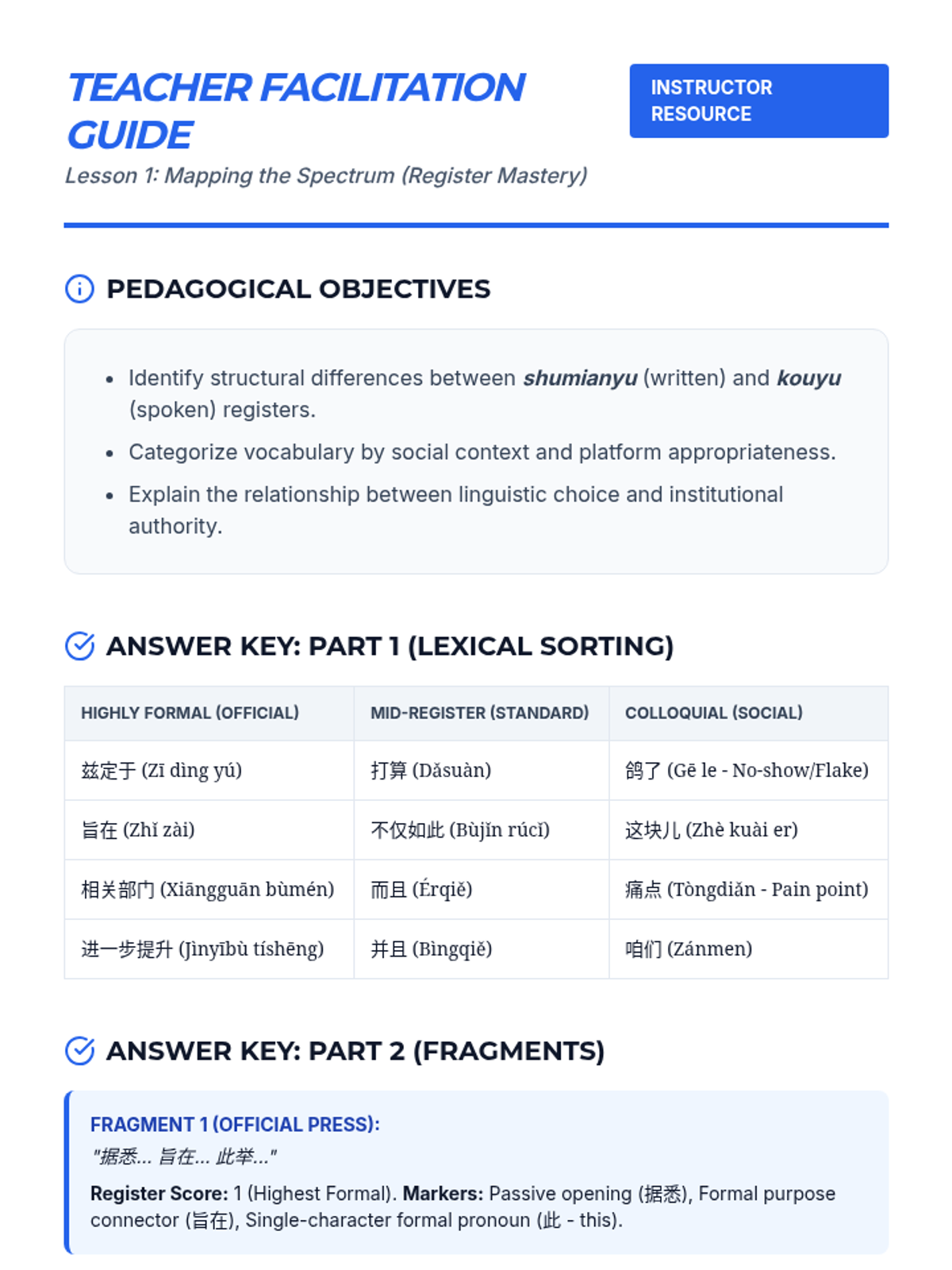
This advanced Mandarin Chinese sequence focuses on the mastery of 'yuti' (register), teaching graduate students to navigate between formal officialese and colloquial internet slang across various media platforms.
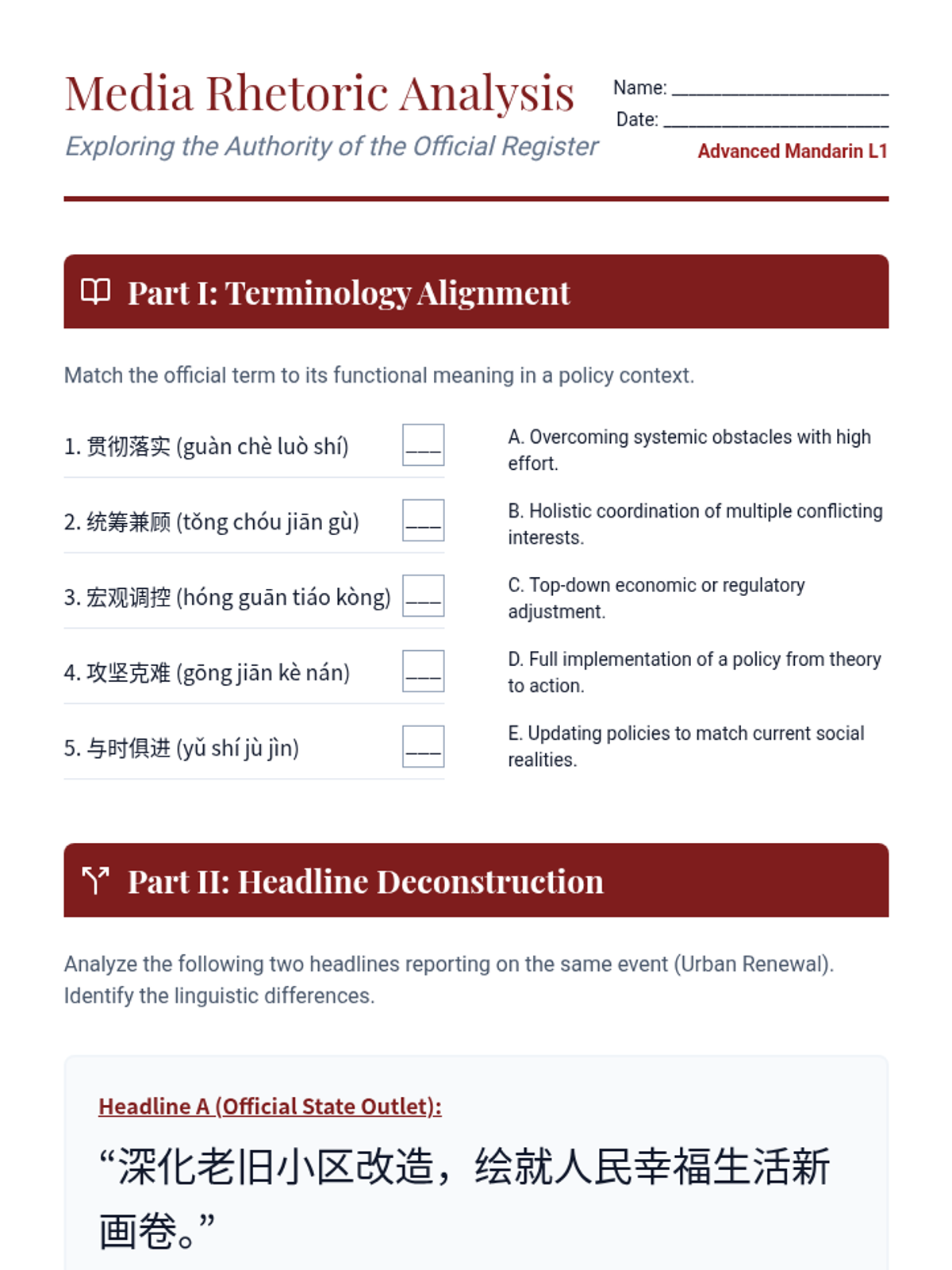
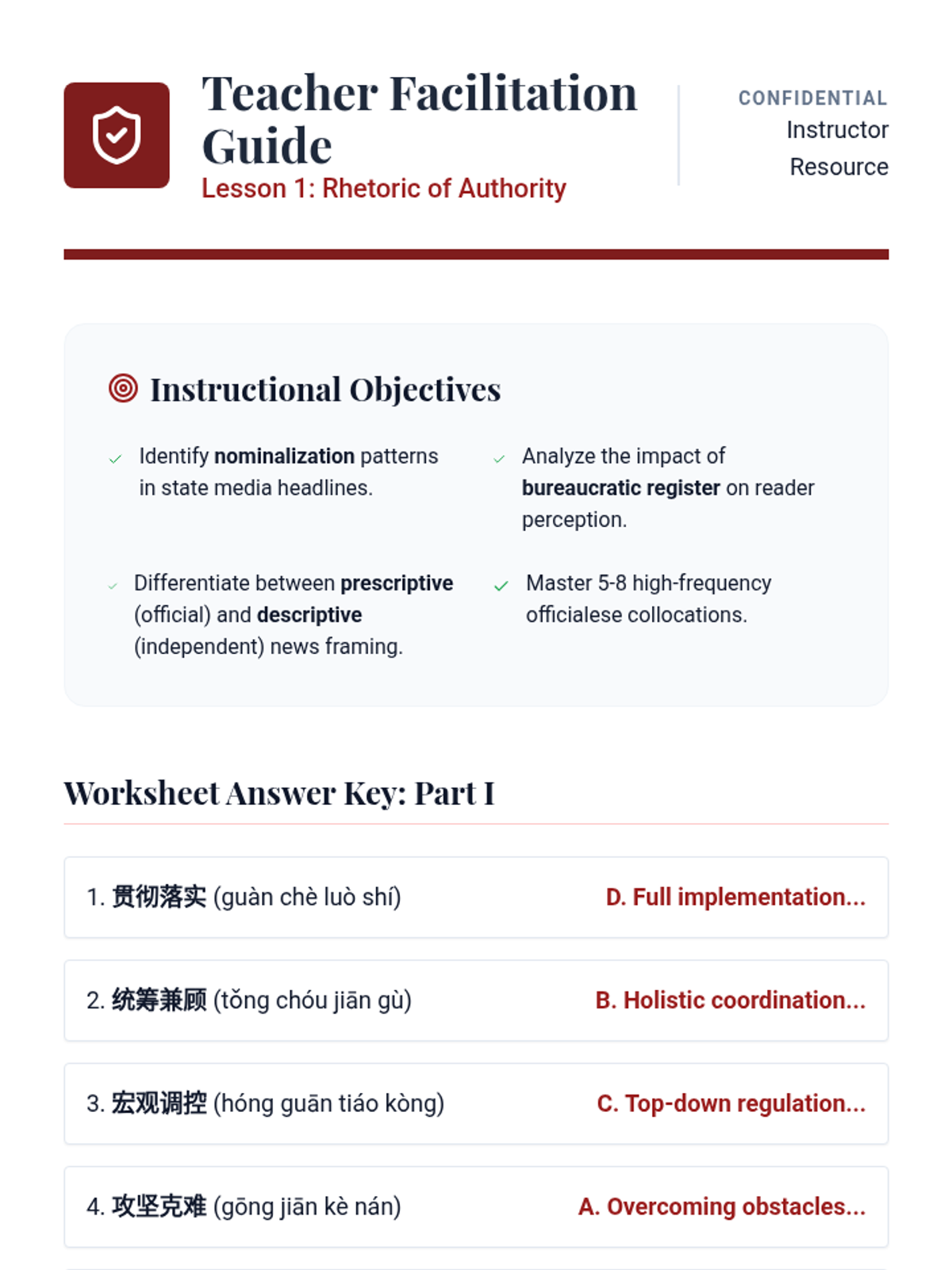
An advanced Mandarin Chinese course for graduate students, focusing on the linguistic nuances of socio-political discourse, official rhetoric, and policy articulation. Students progress from critical analysis of state media to professional simulation of policy roundtables.
This advanced Mandarin sequence focuses on the sophisticated integration of Chengyu (four-character idioms) into professional discourse. Graduate students will move from historical research to real-time application in business, media analysis, and formal debate, mastering the art of concise and authoritative communication.
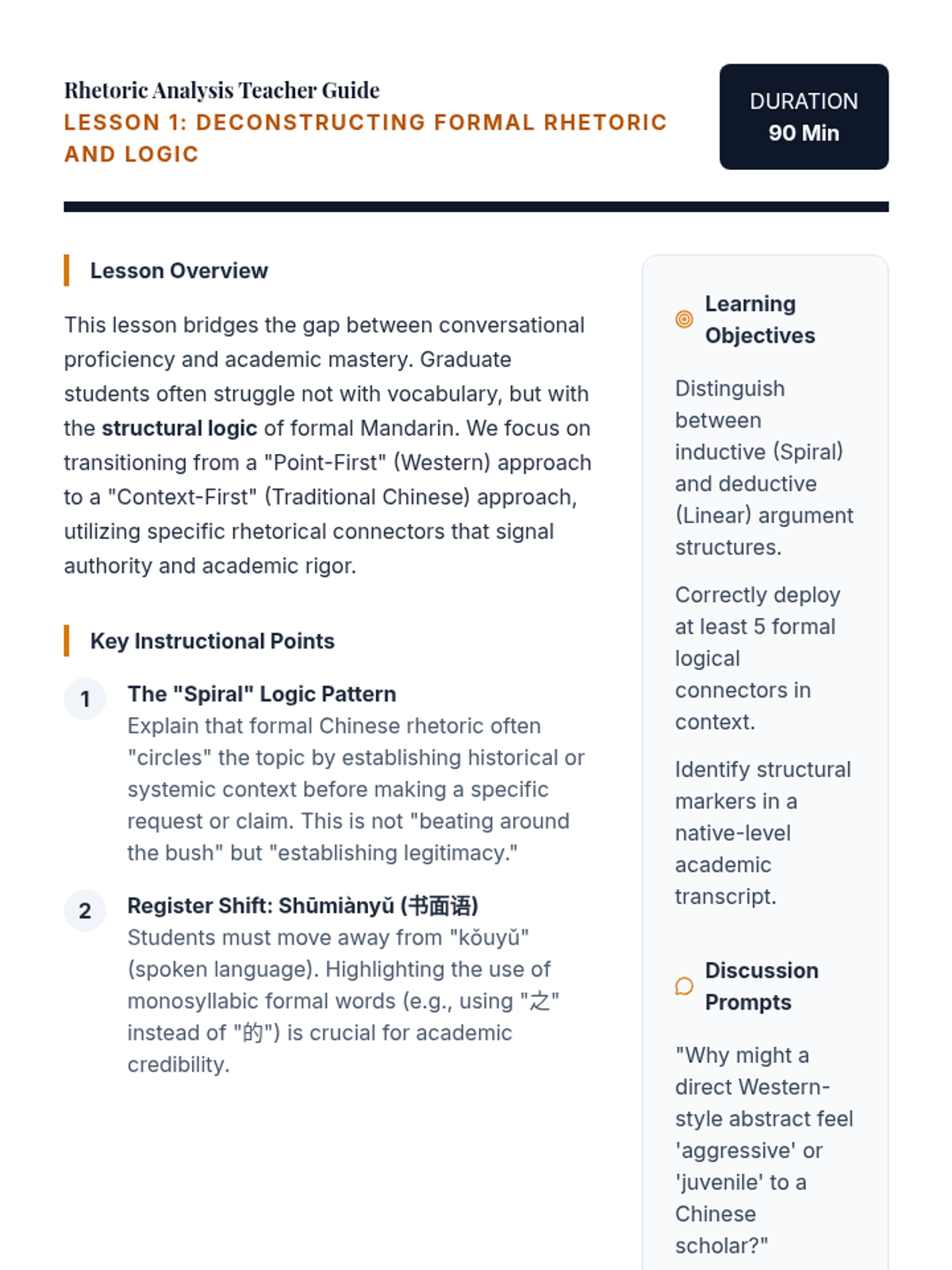
A comprehensive sequence for graduate students to master the nuances of formal Mandarin rhetoric, academic writing, and professional presentation skills. Students progress from deconstructing logic to delivering a full-scale academic symposium.
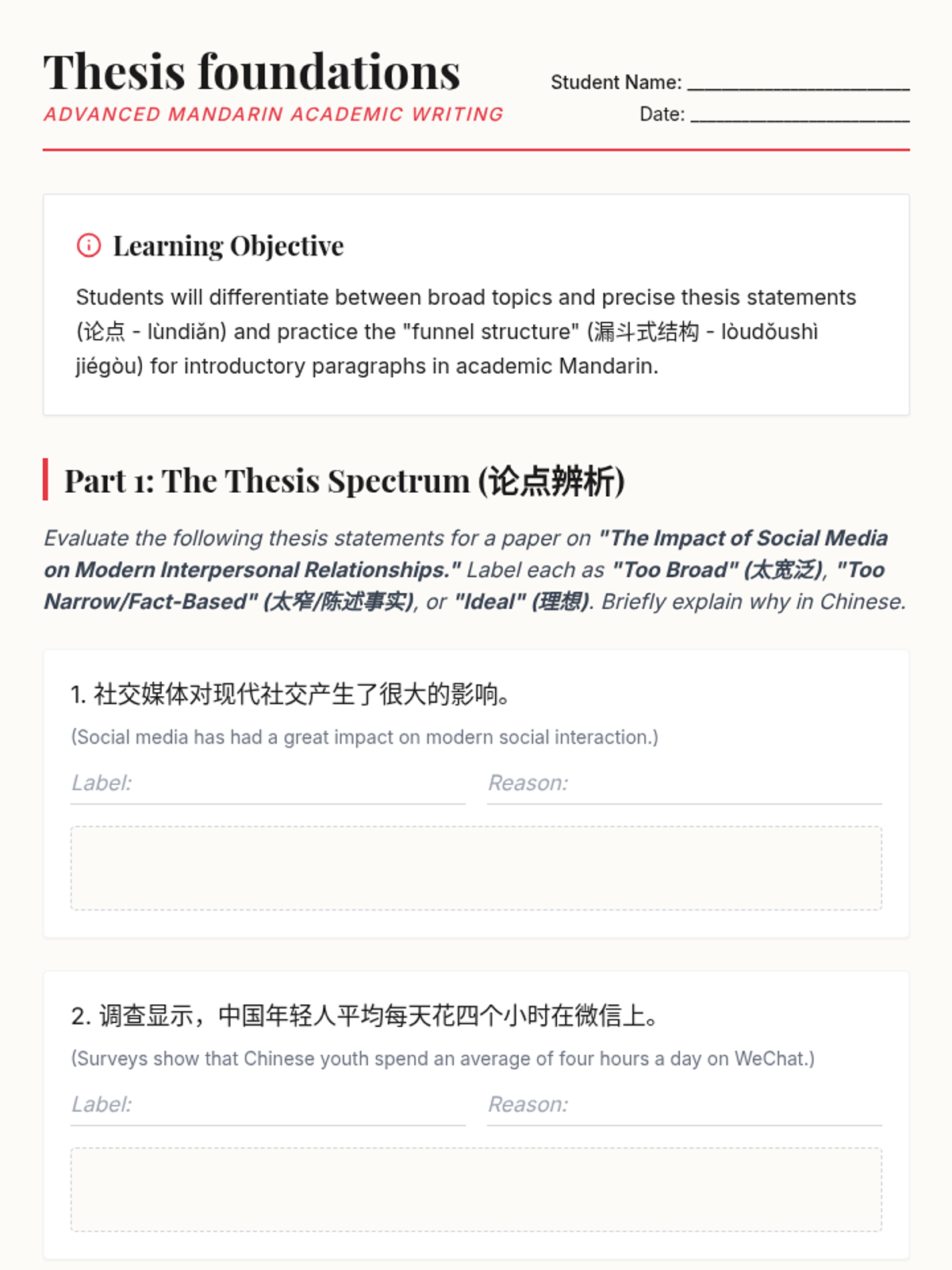
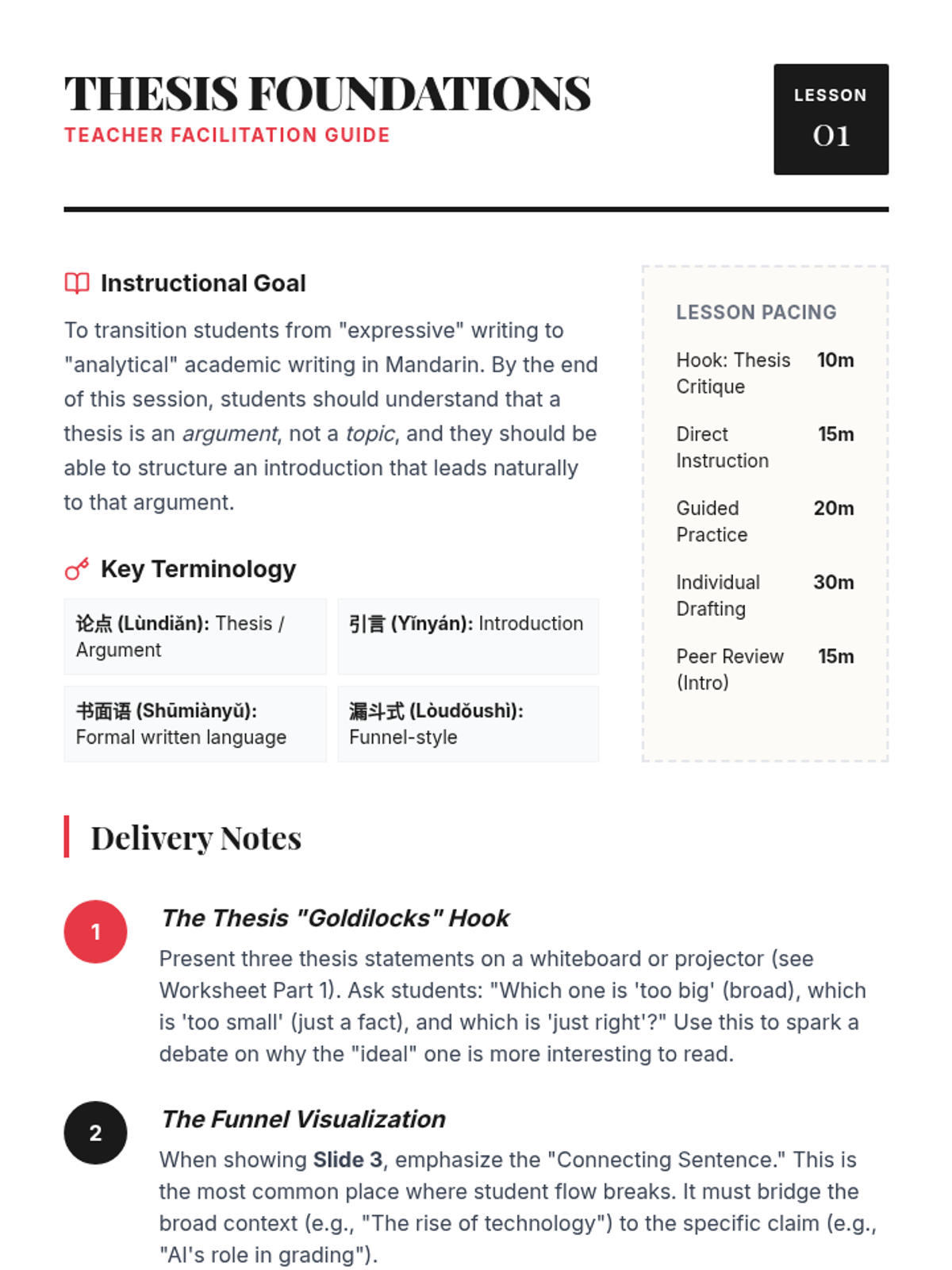
This sequence guides advanced Mandarin students through the rigorous structural requirements of academic writing. It covers thesis development, logical cohesion through connectors, source integration, and the art of counter-argumentation, culminating in a peer-review workshop.
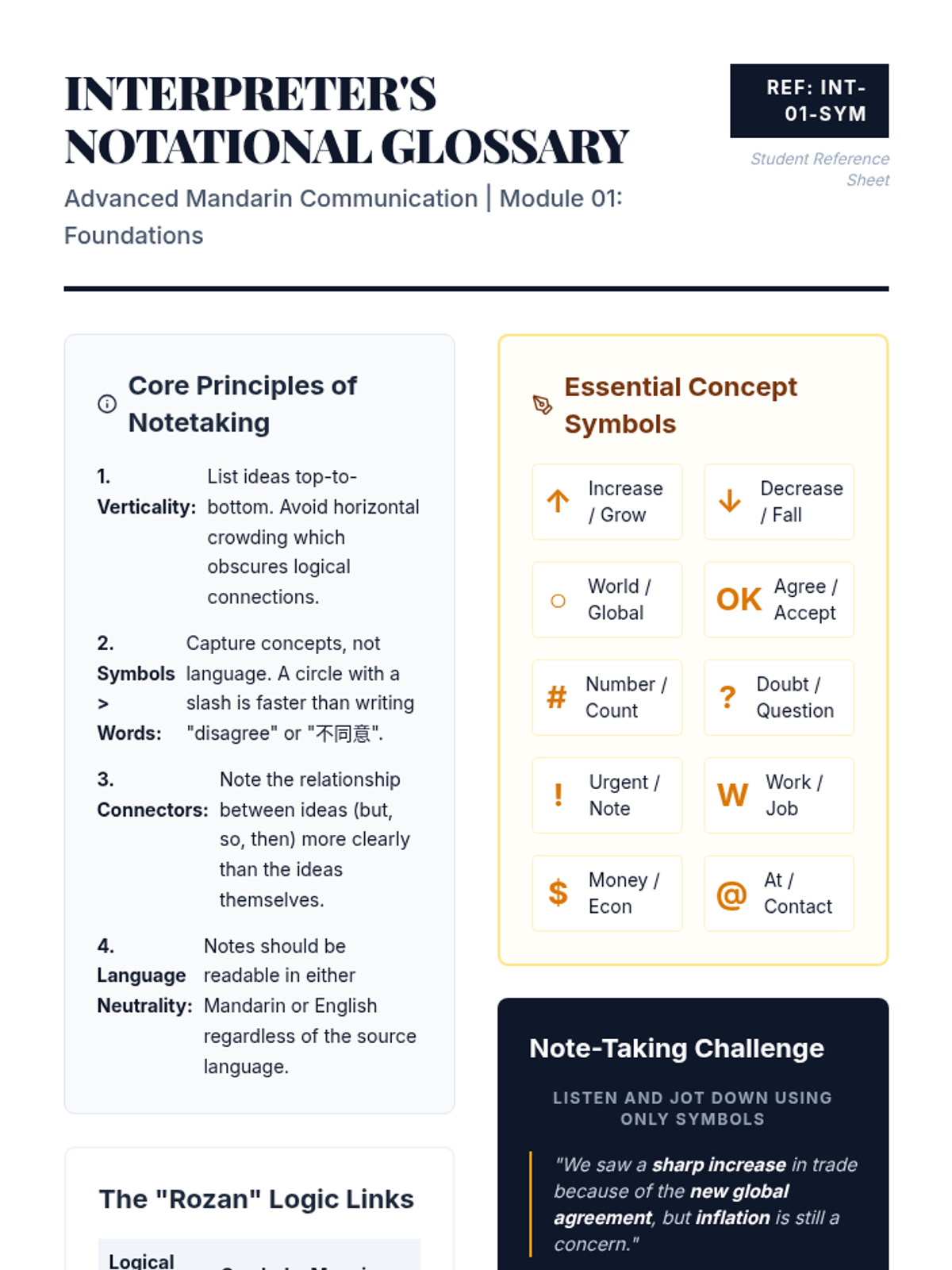
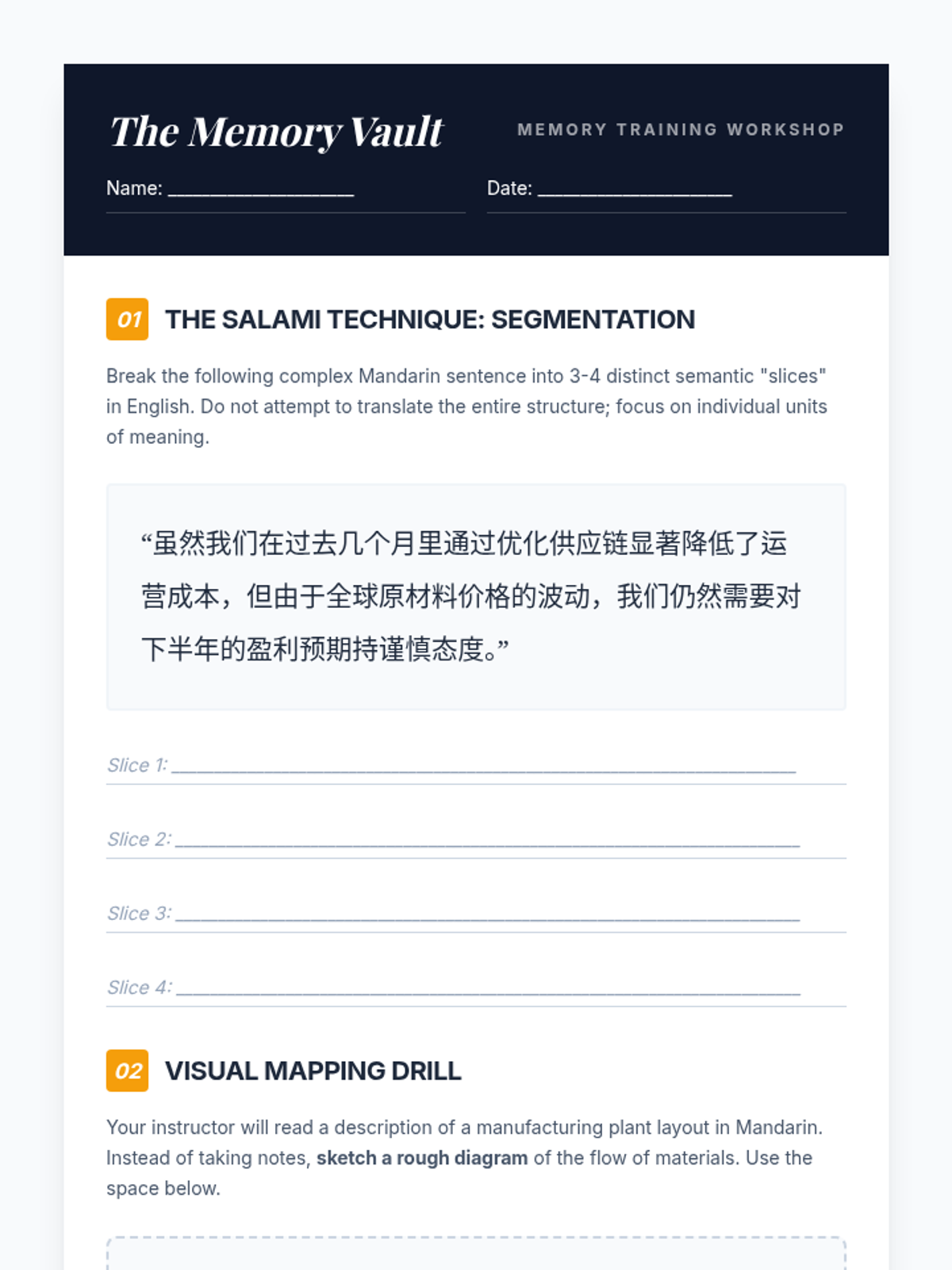
A graduate-level course focused on the cognitive and linguistic skills required for advanced Mandarin-English interpretation and cultural mediation, covering note-taking, sight translation, and specialized terminology.