Techniques for brainstorming, collaborative project management, and individual artistic expression. Guides students through the iterative creative process from initial concept to final execution.
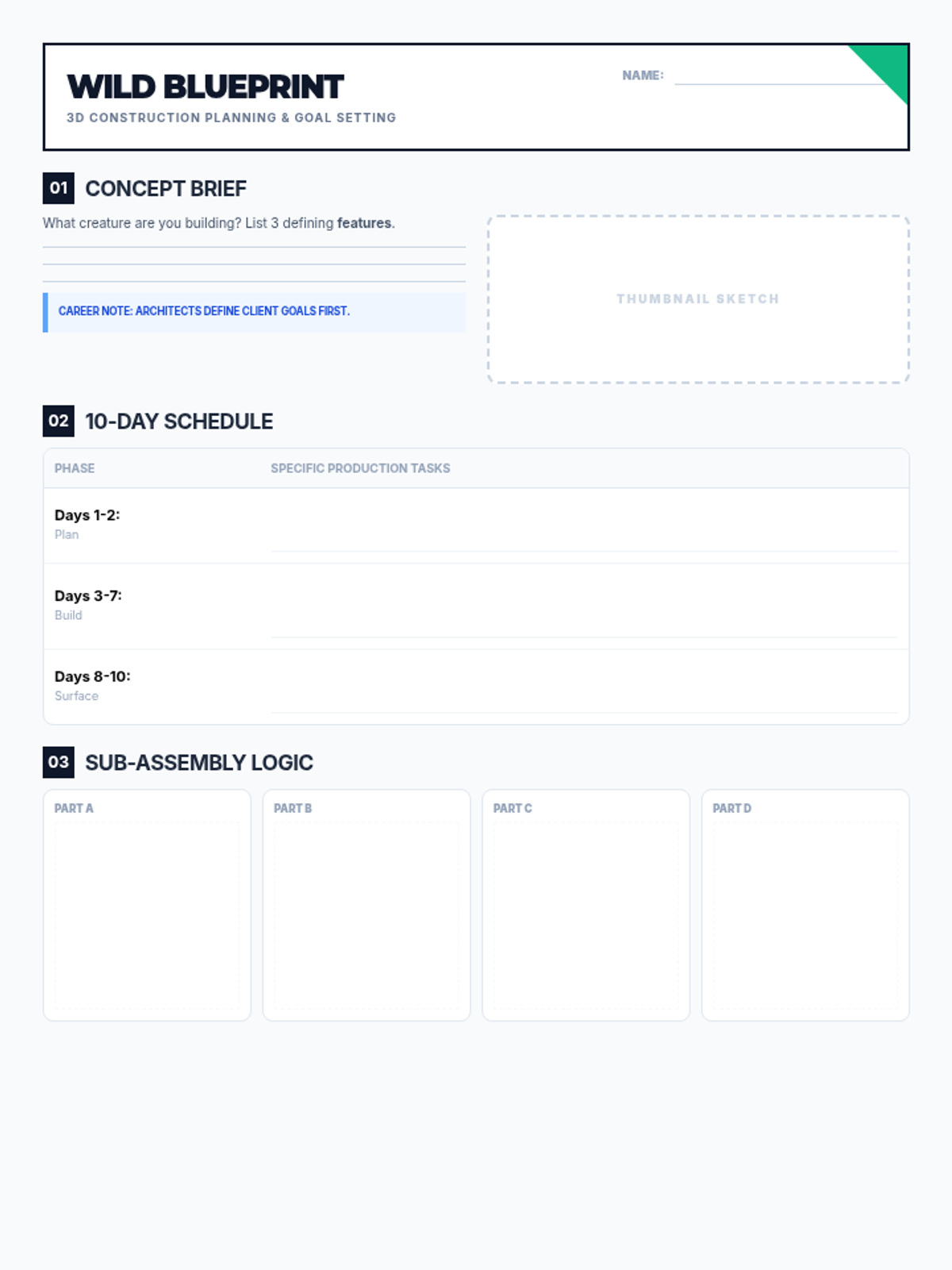
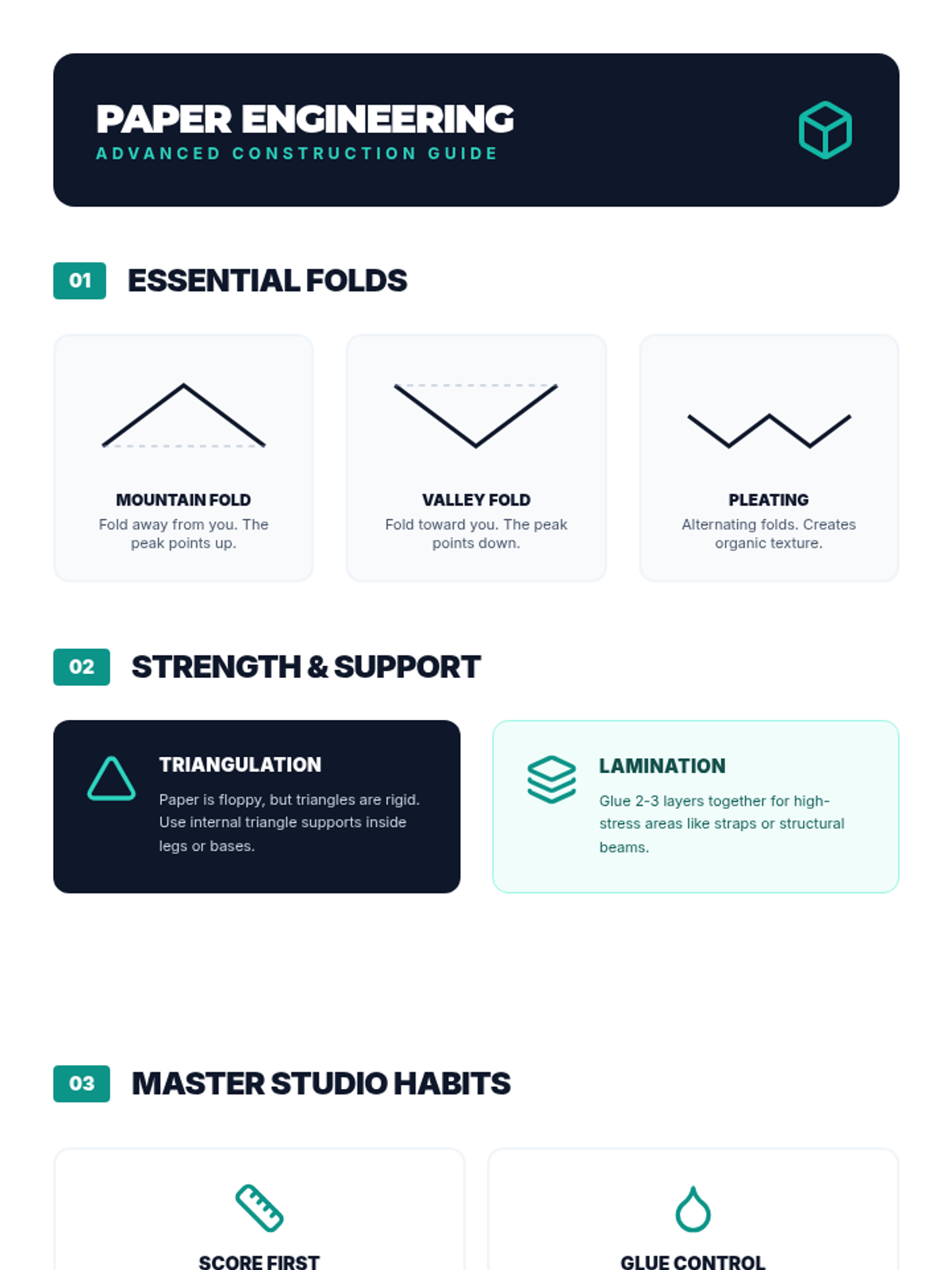
A 10-day unit exploring 3D paper construction through the creation of animal forms or masks, focusing on precision, perseverance, and paper engineering.
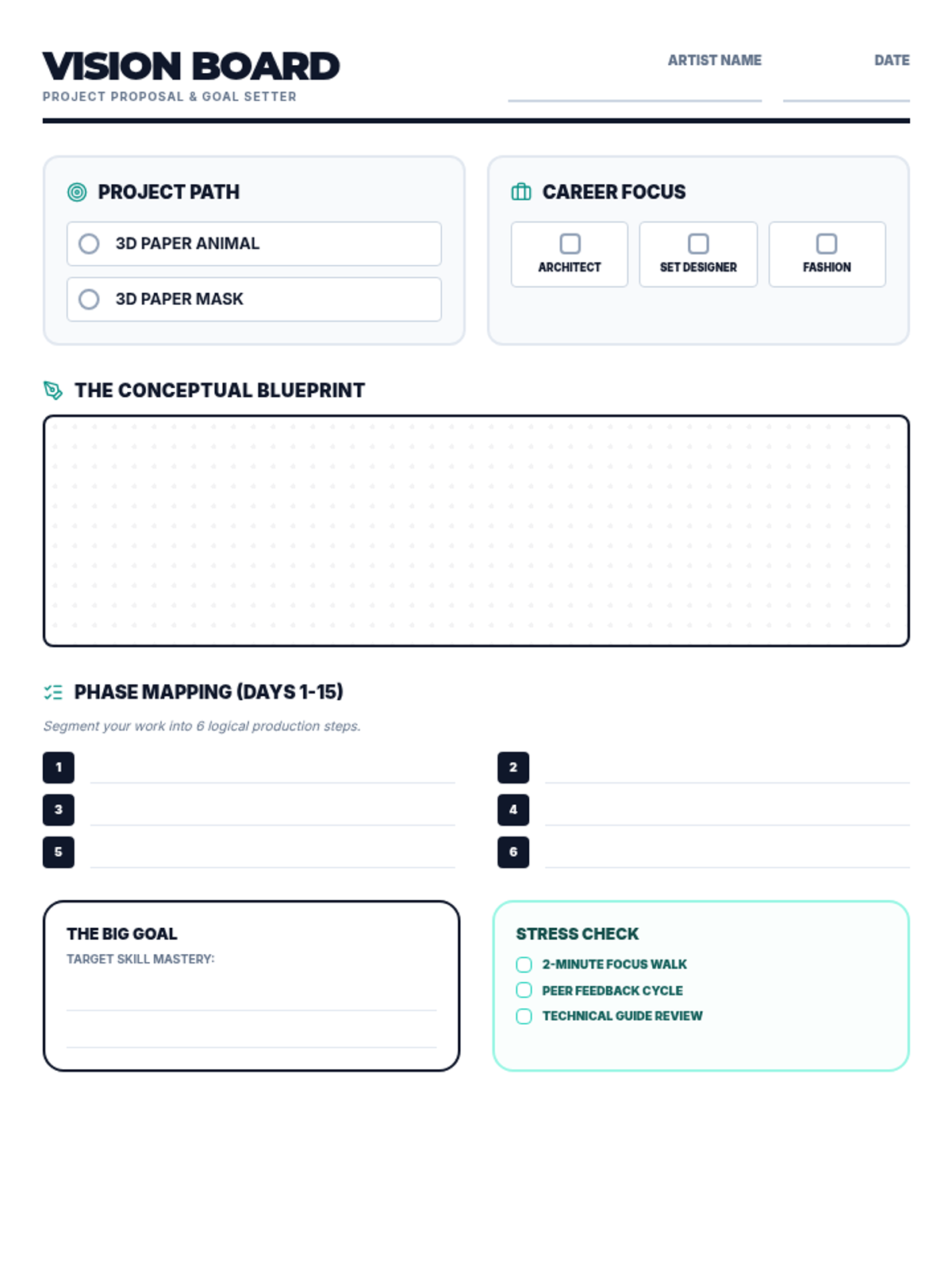
An 8th-grade art unit focused on advanced paper construction, where students choose between creating a 3D animal or a mask. The unit emphasizes career exploration in design and architecture through paper folding techniques.
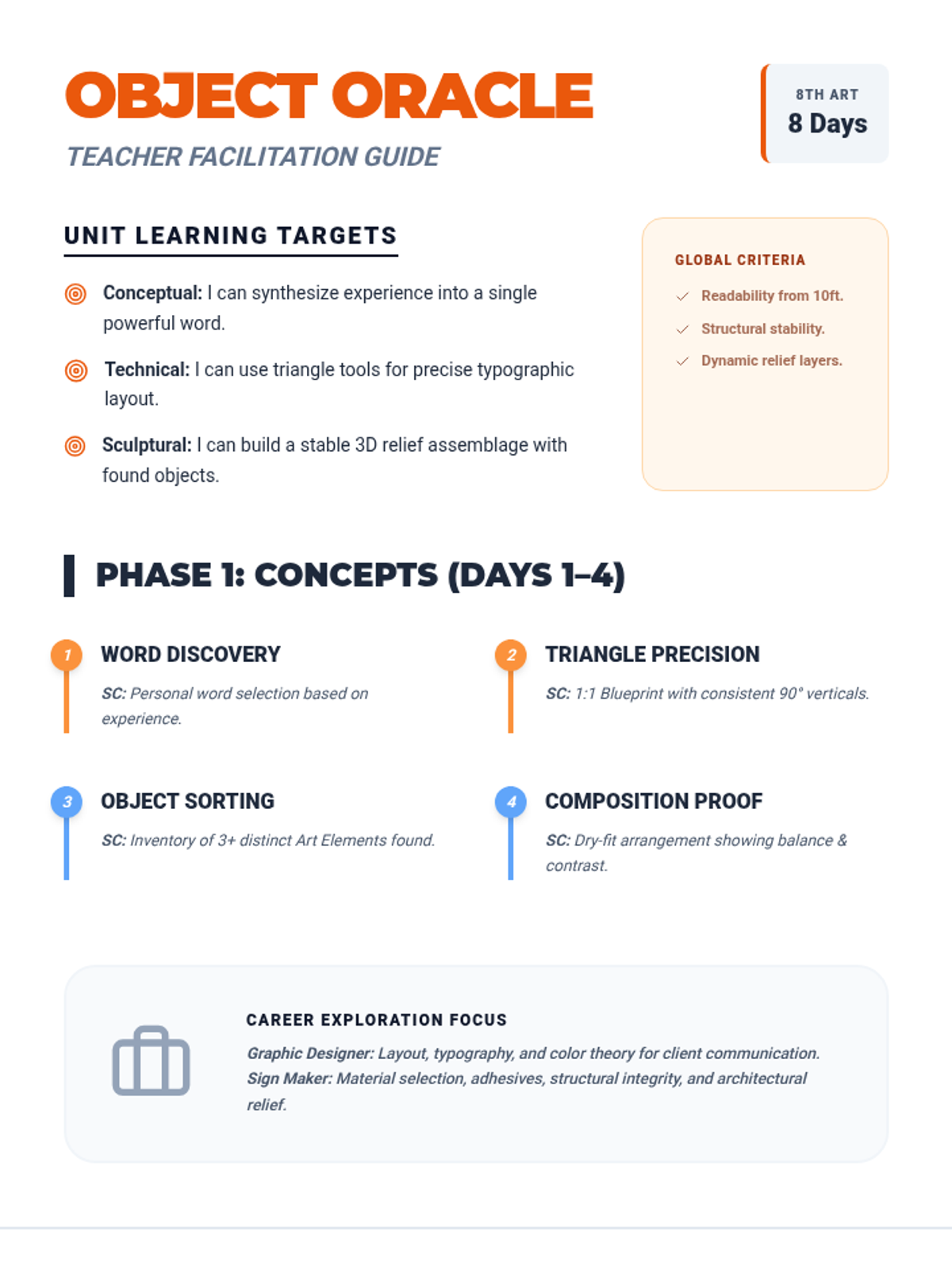
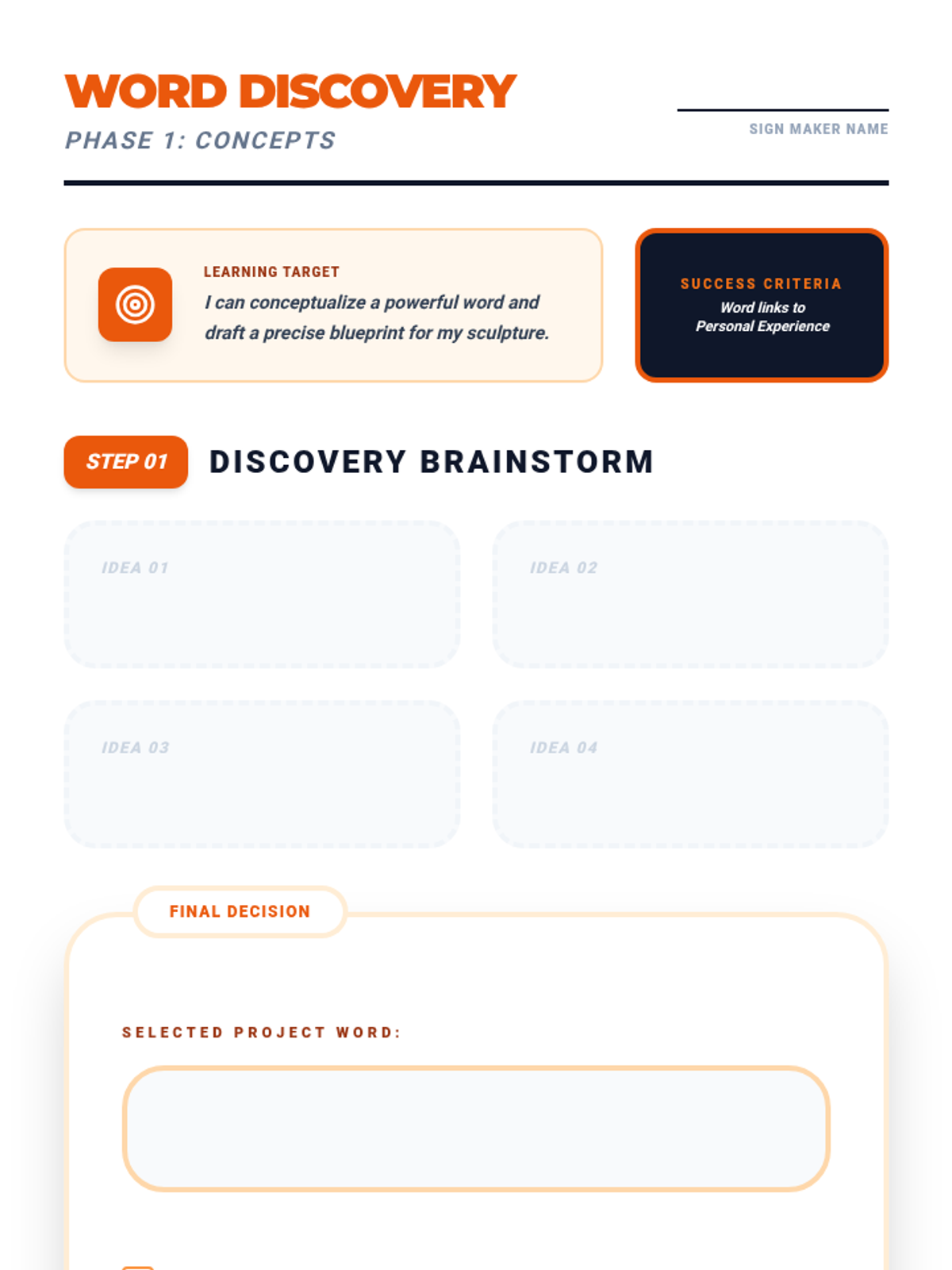
An 8-day 8th-grade art unit where students explore found object assemblage to create a 3D 'Word Art Poster'. The unit focuses on studio habits, careers in graphic design and sign making, and the integration of design principles into sculptural work.
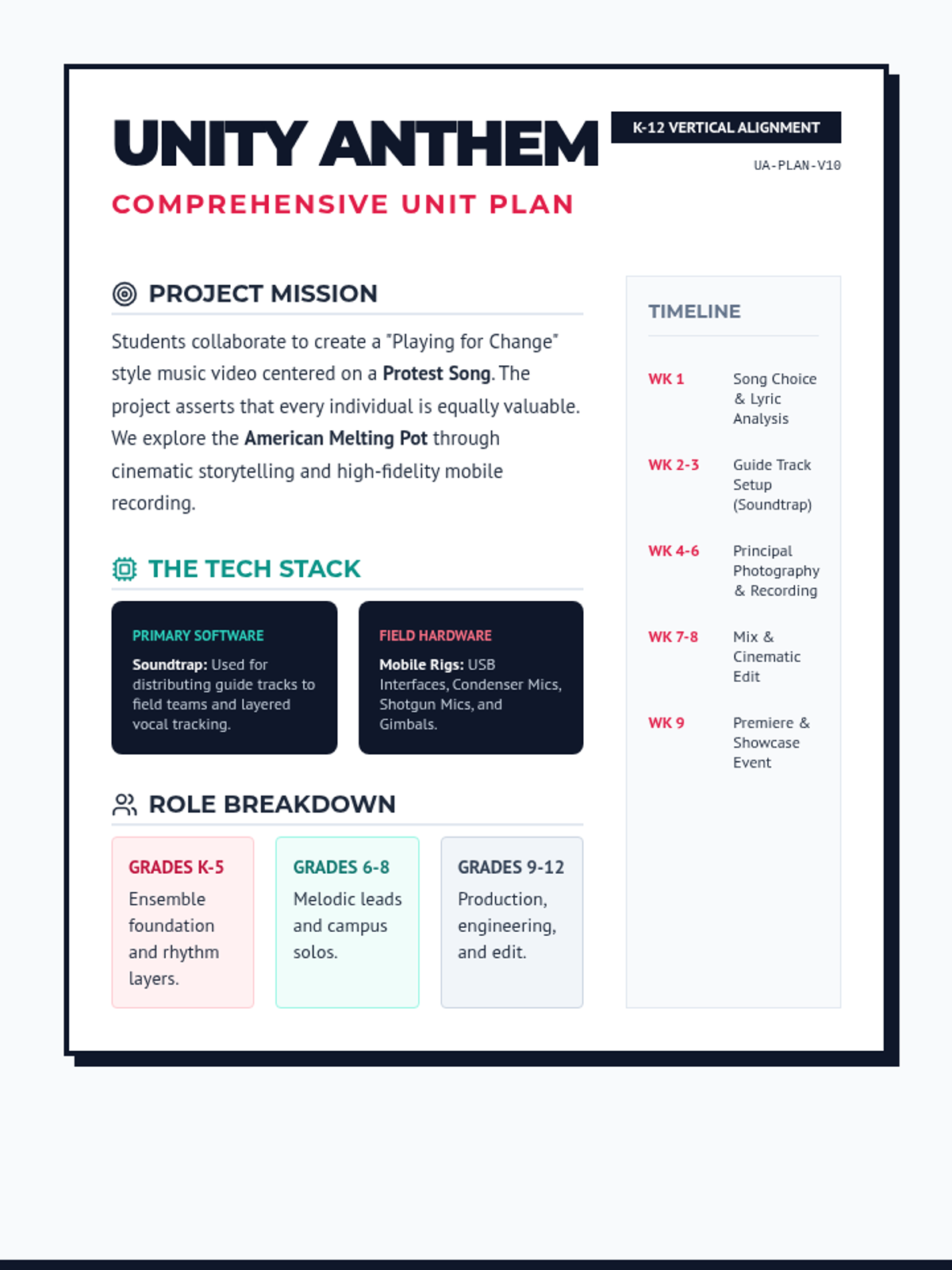
A K-12 collaborative music video project where students across all grade levels work together to produce a 'Playing for Change' style cover of a protest song centered on equality and cultural identity. High school students lead production, while K-8 students provide the musical and visual heart of the performance.
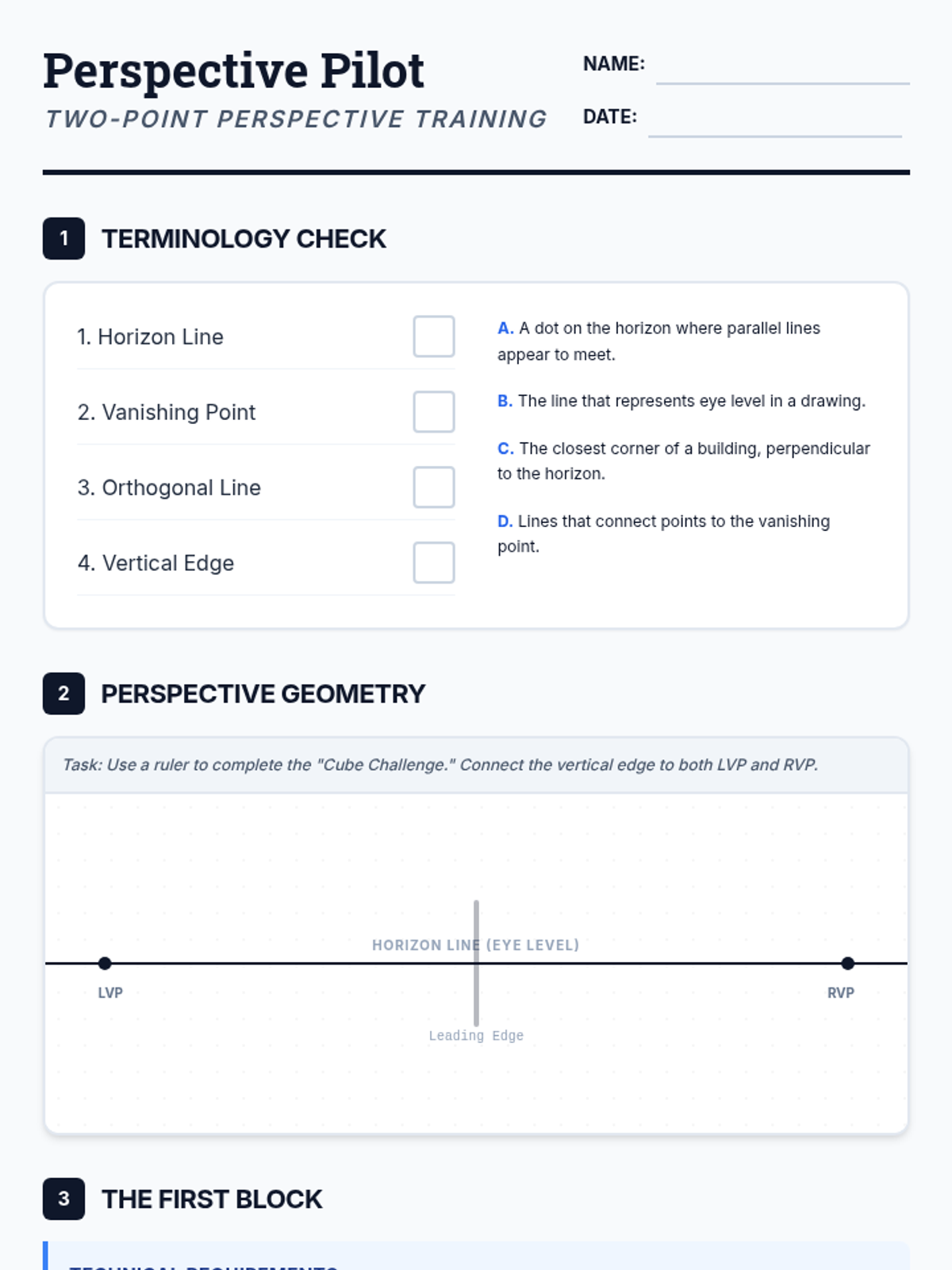
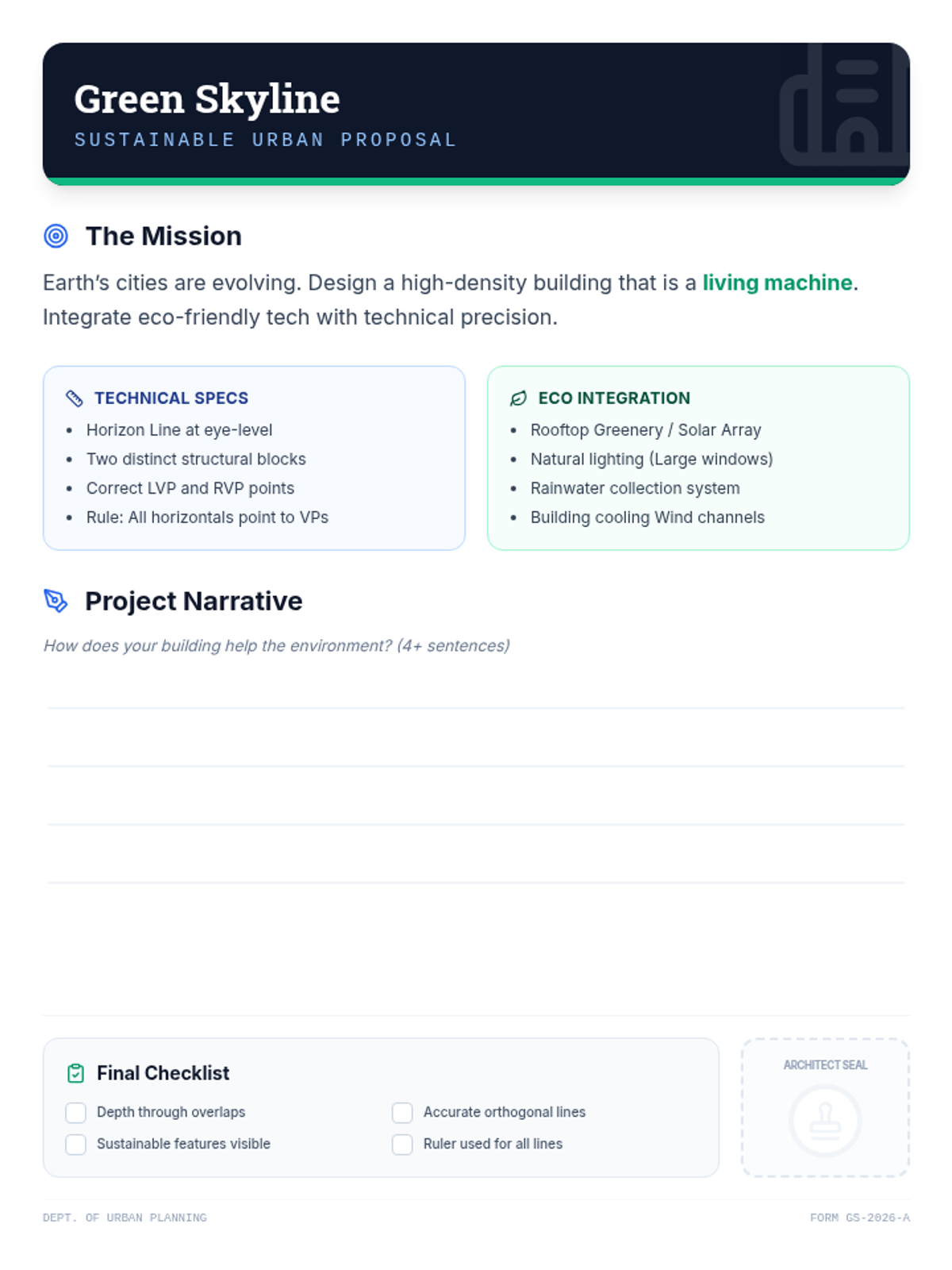
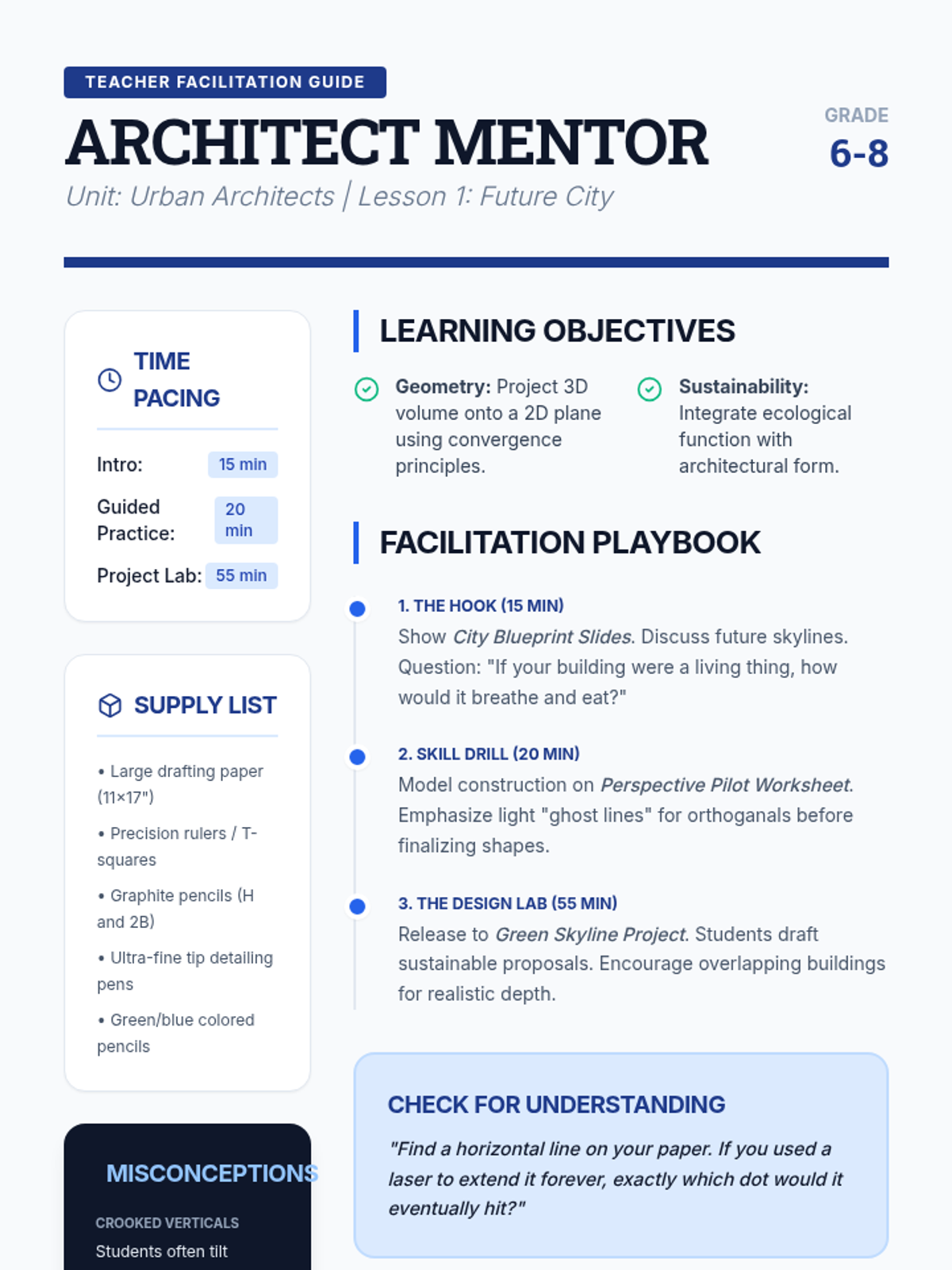
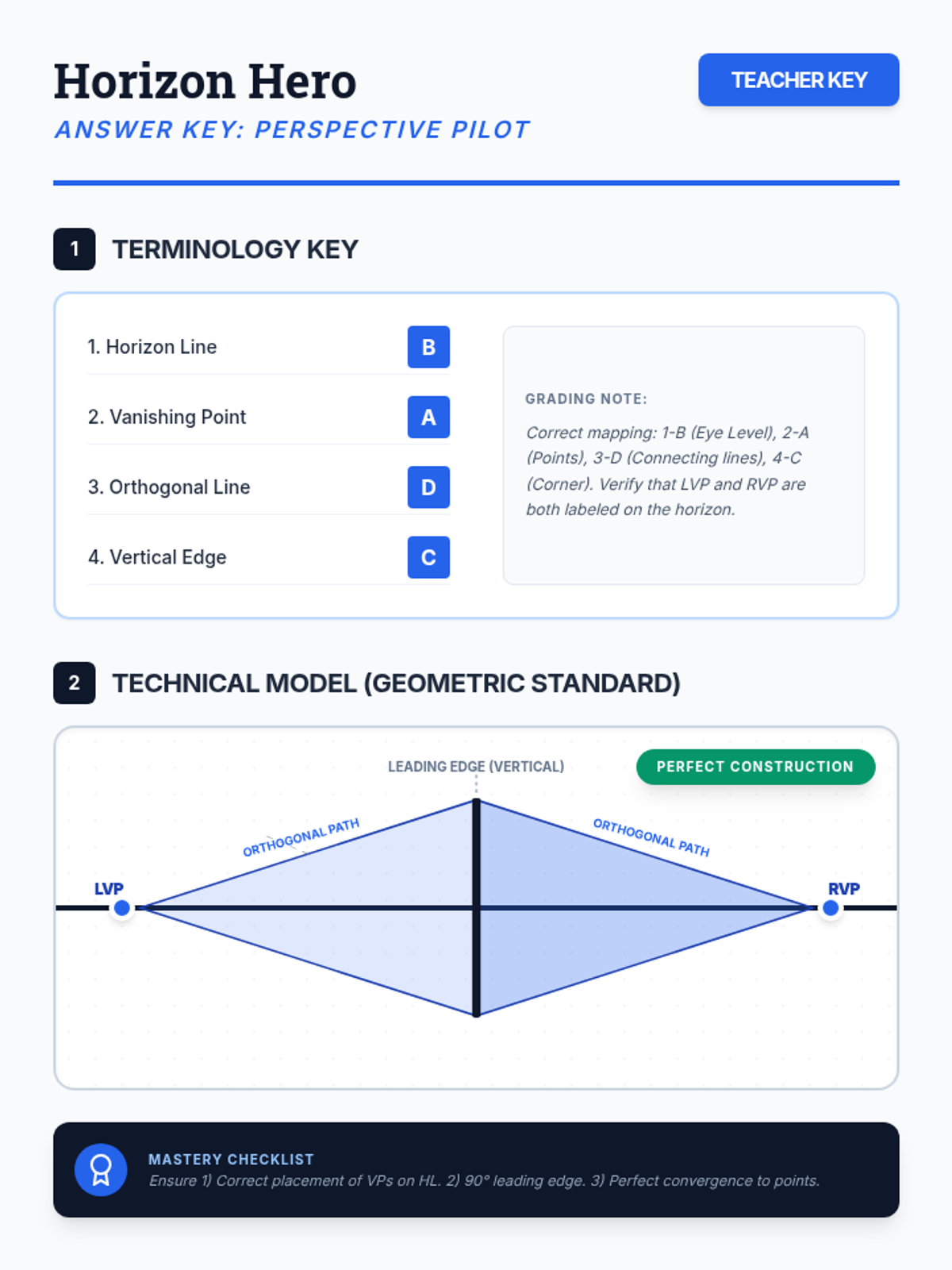
An exploration of architectural drawing and urban design, focusing on the intersection of technical perspective skills and sustainable environmental planning.
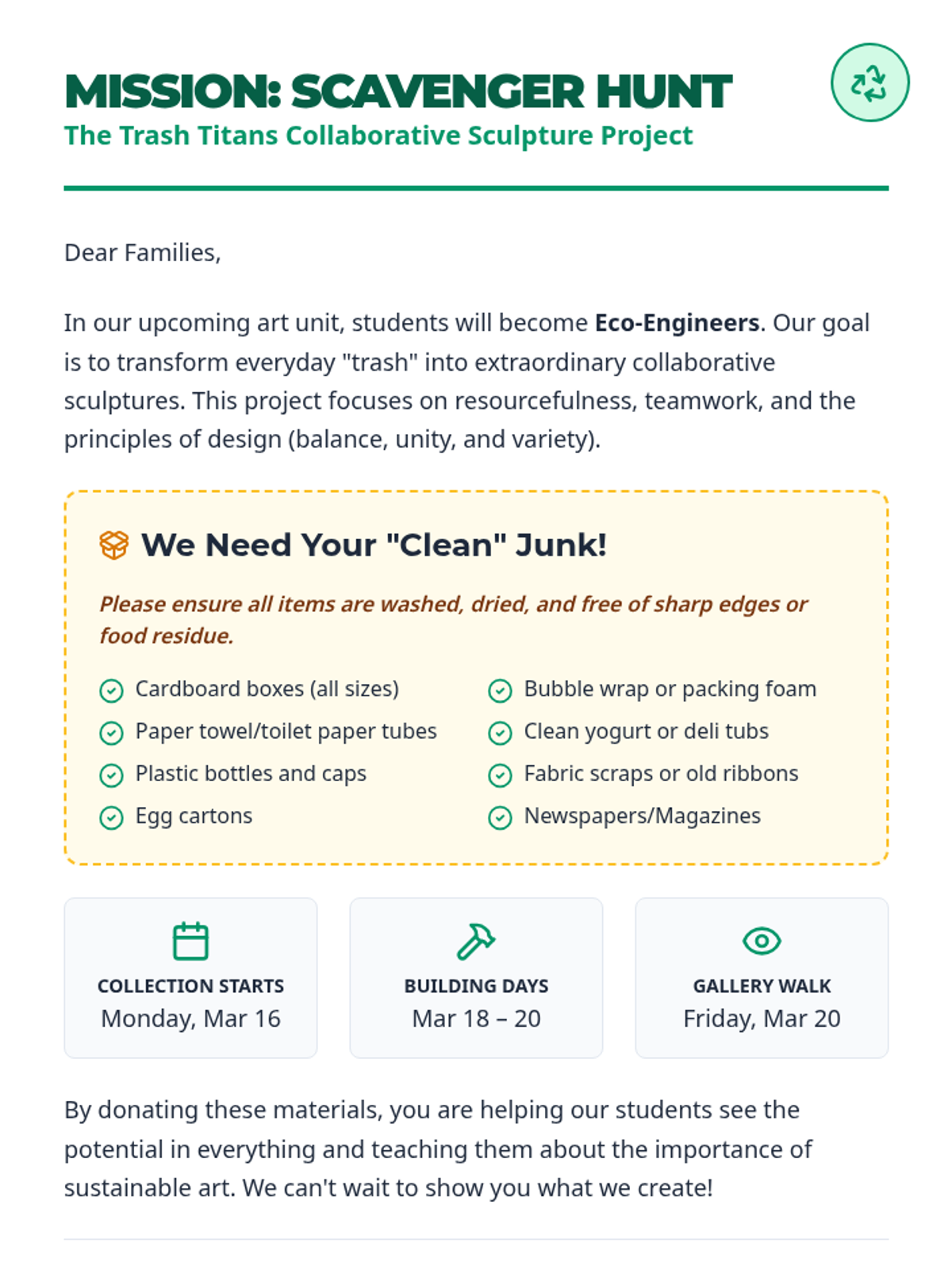
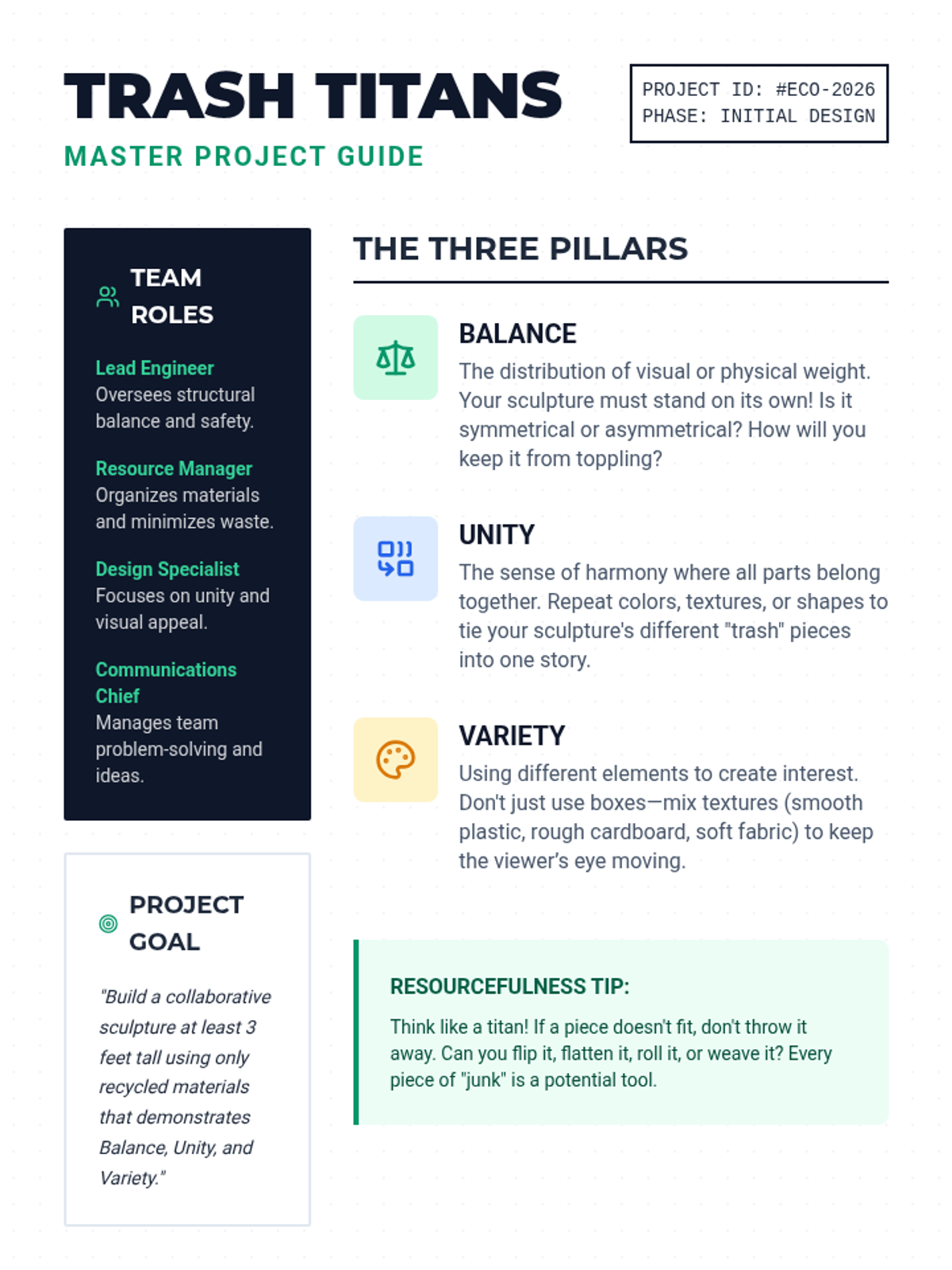
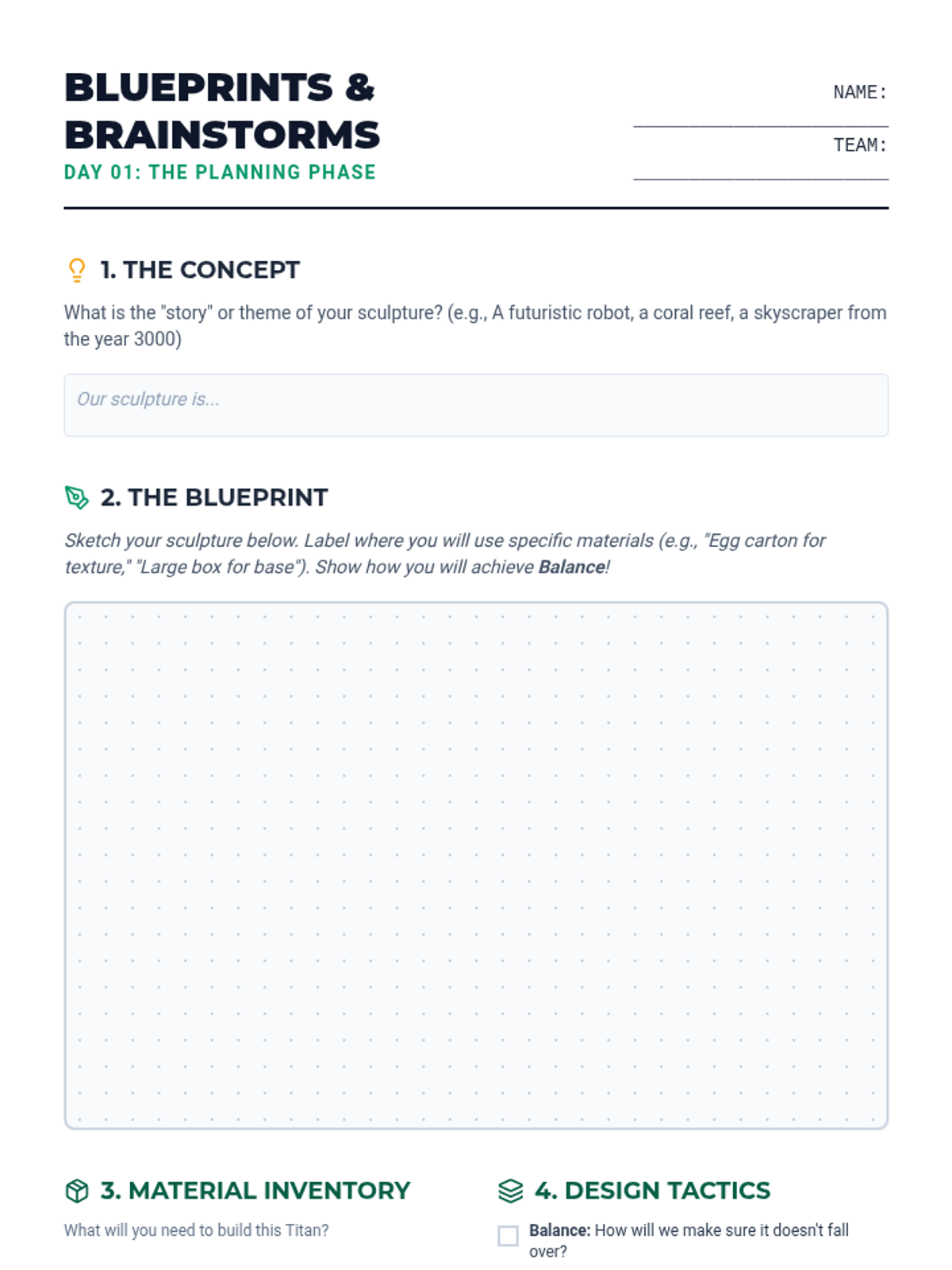
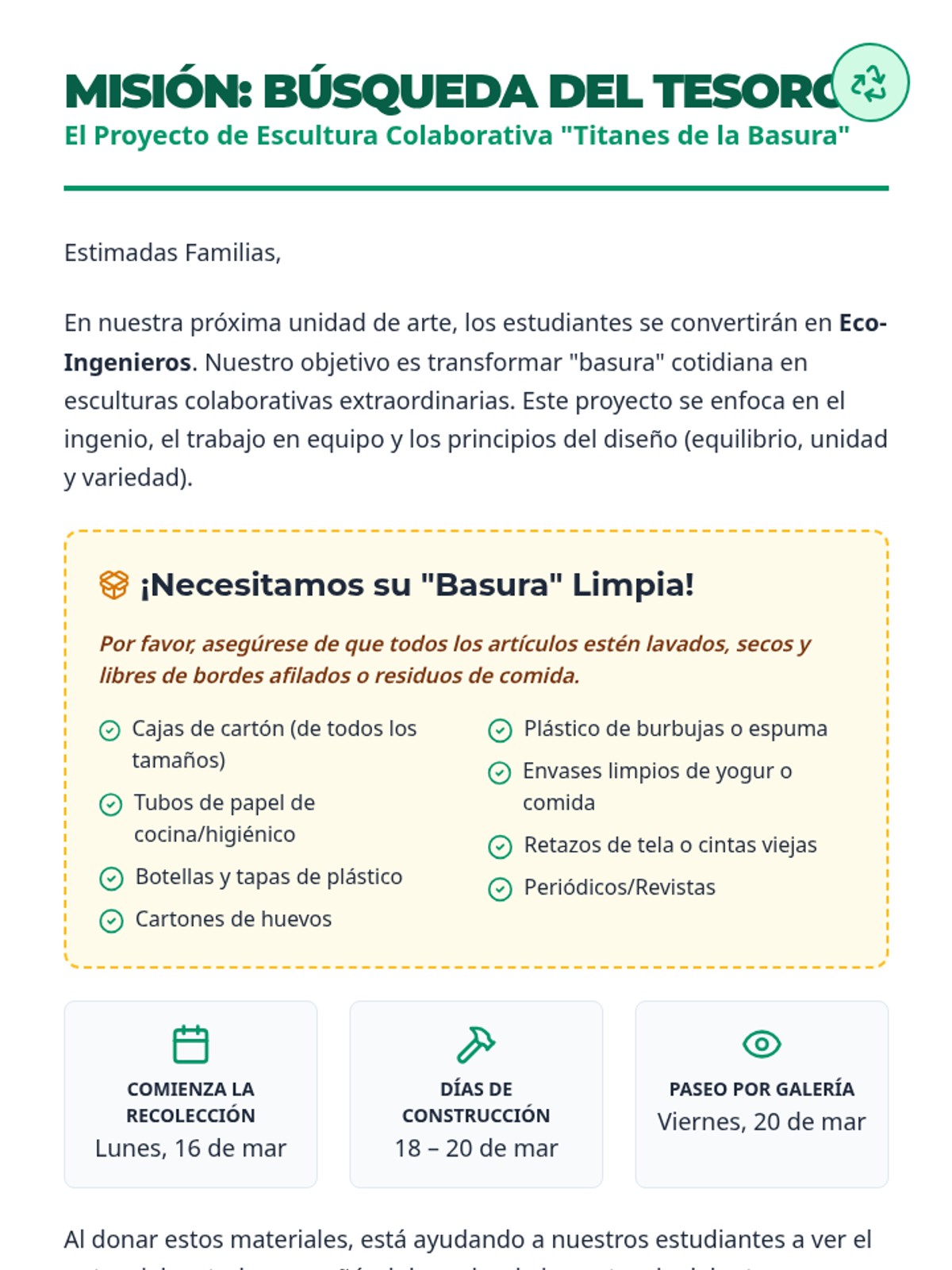
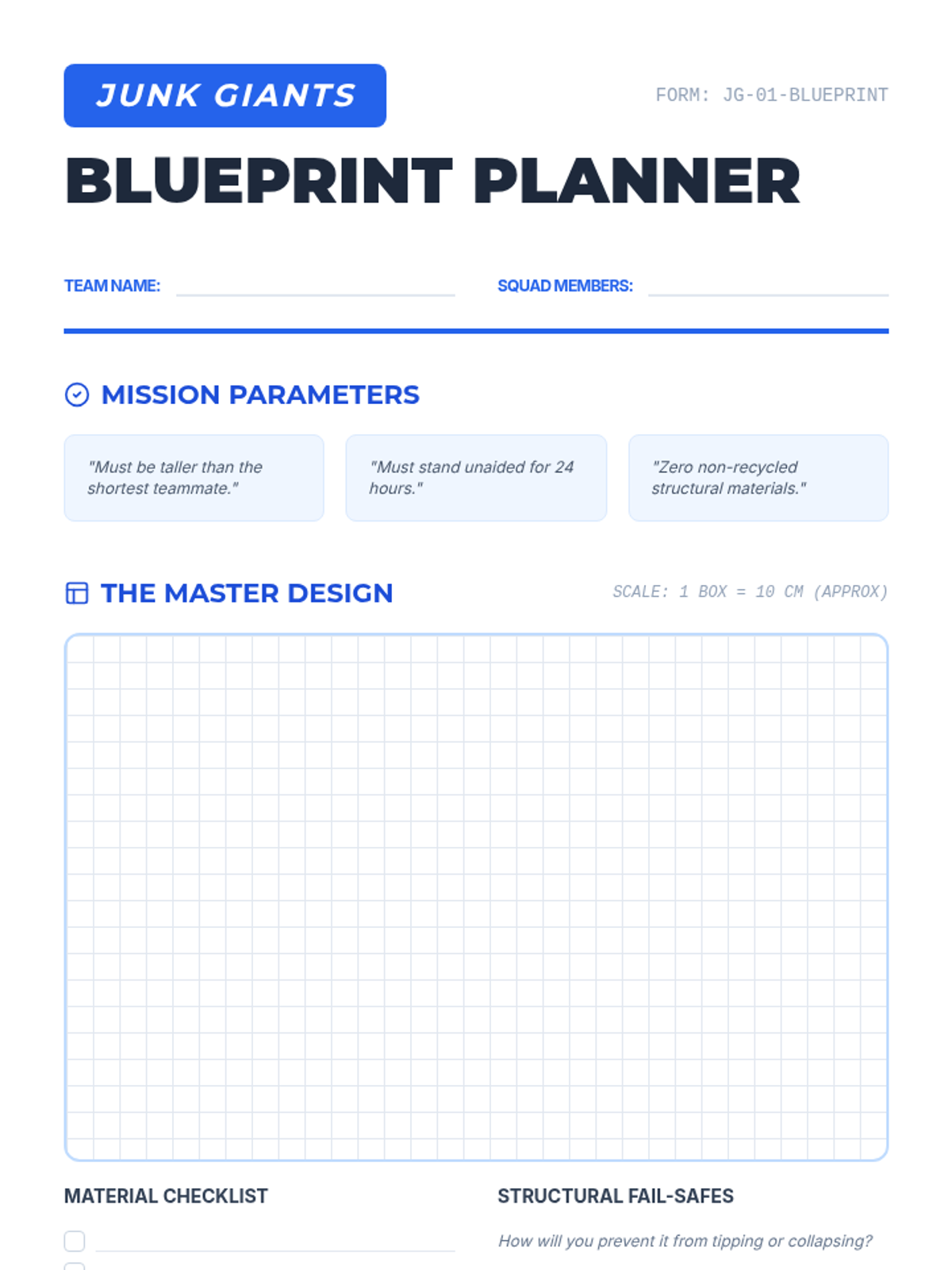
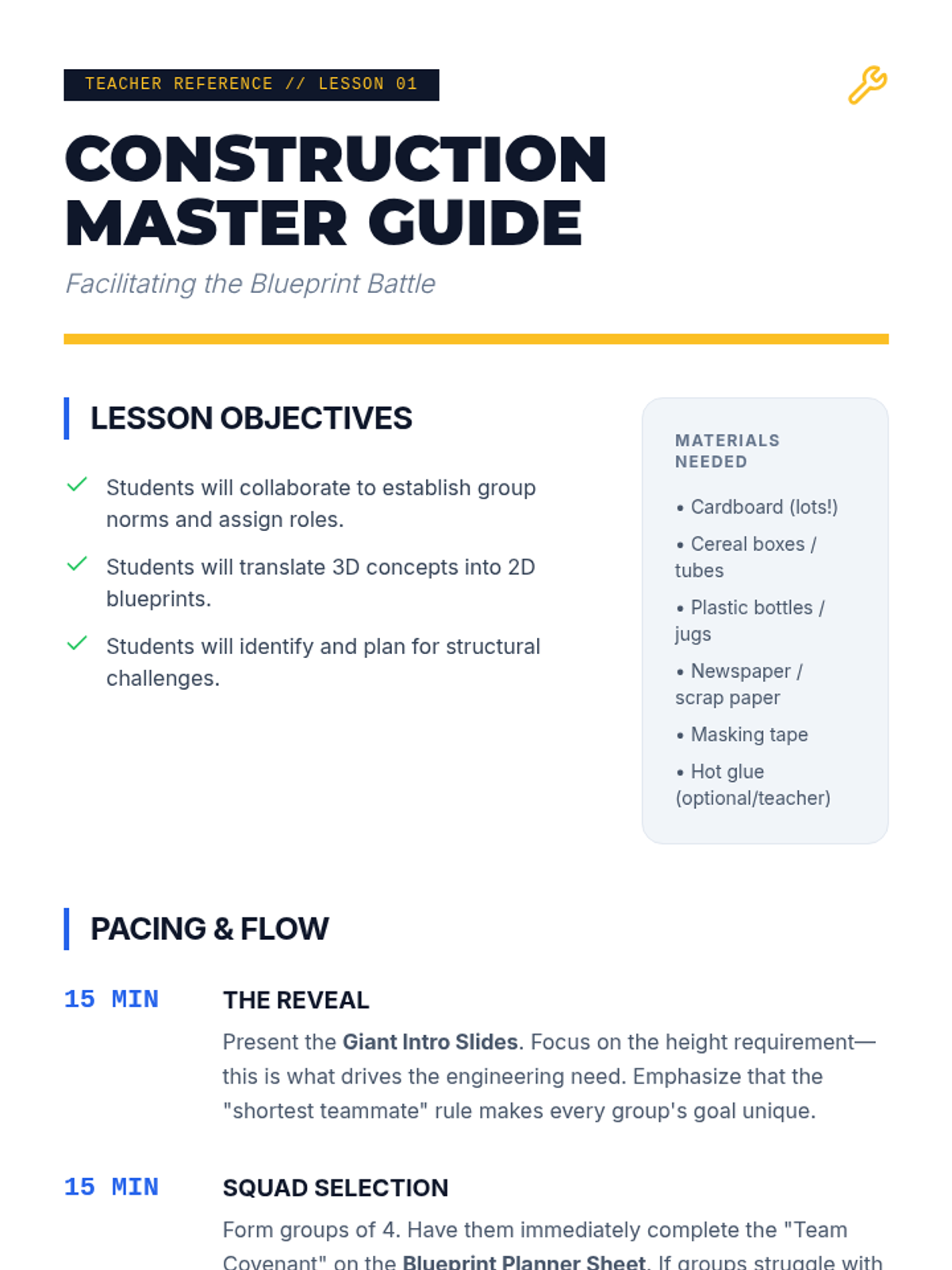
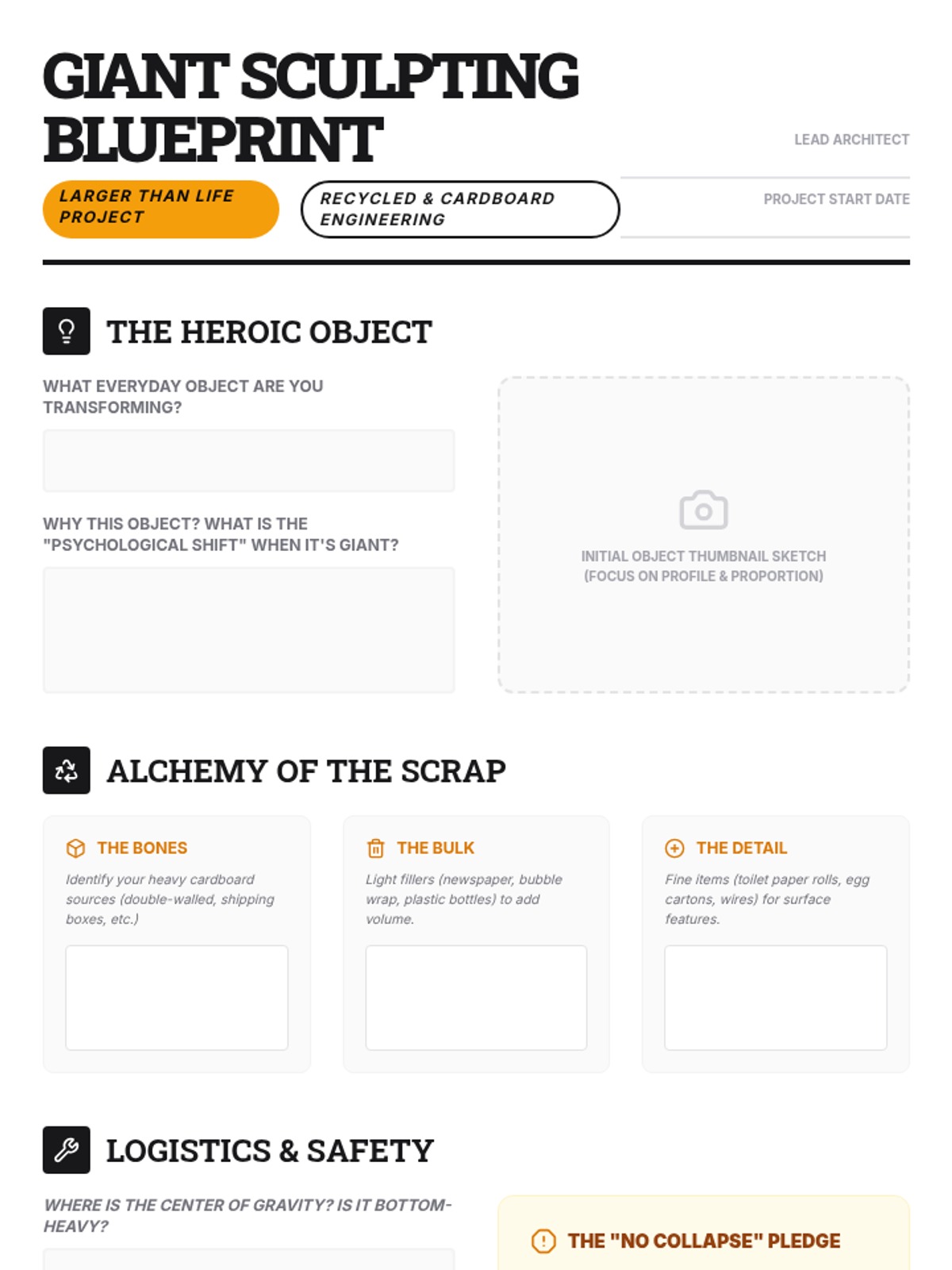
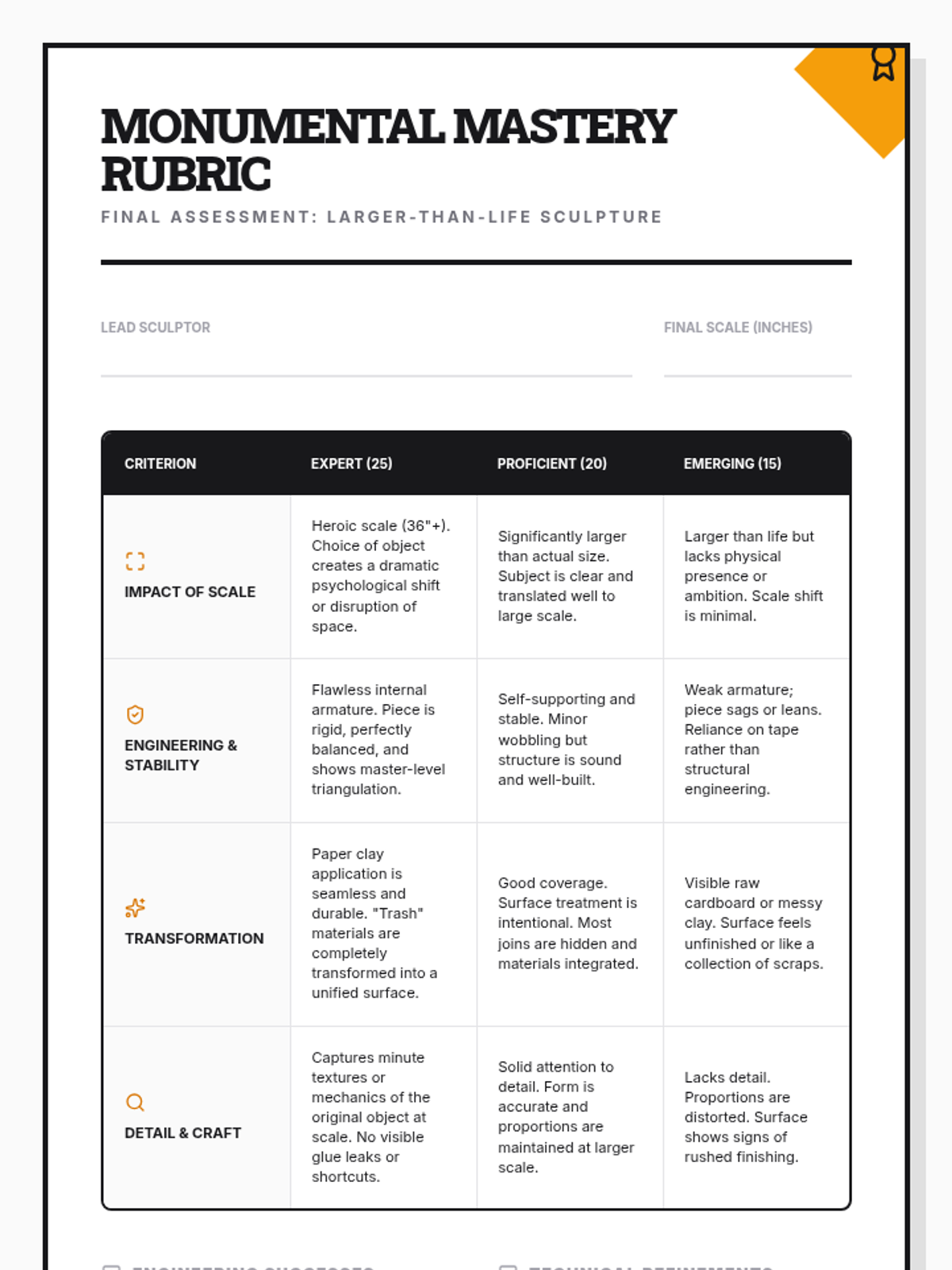
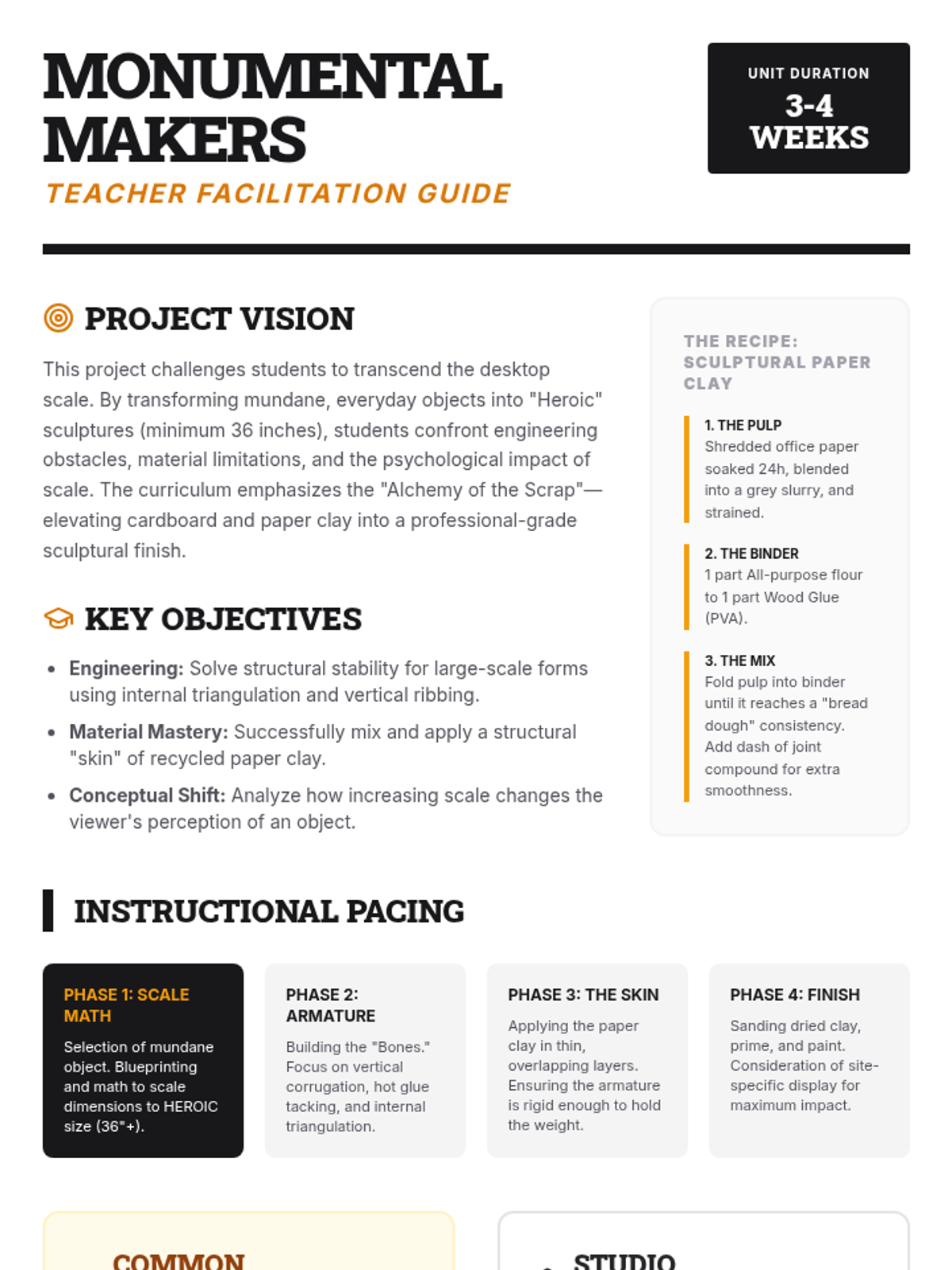
A 3-day collaborative art project where students transform recycled materials into large-scale sculptures while applying principles of design and creative problem-solving.
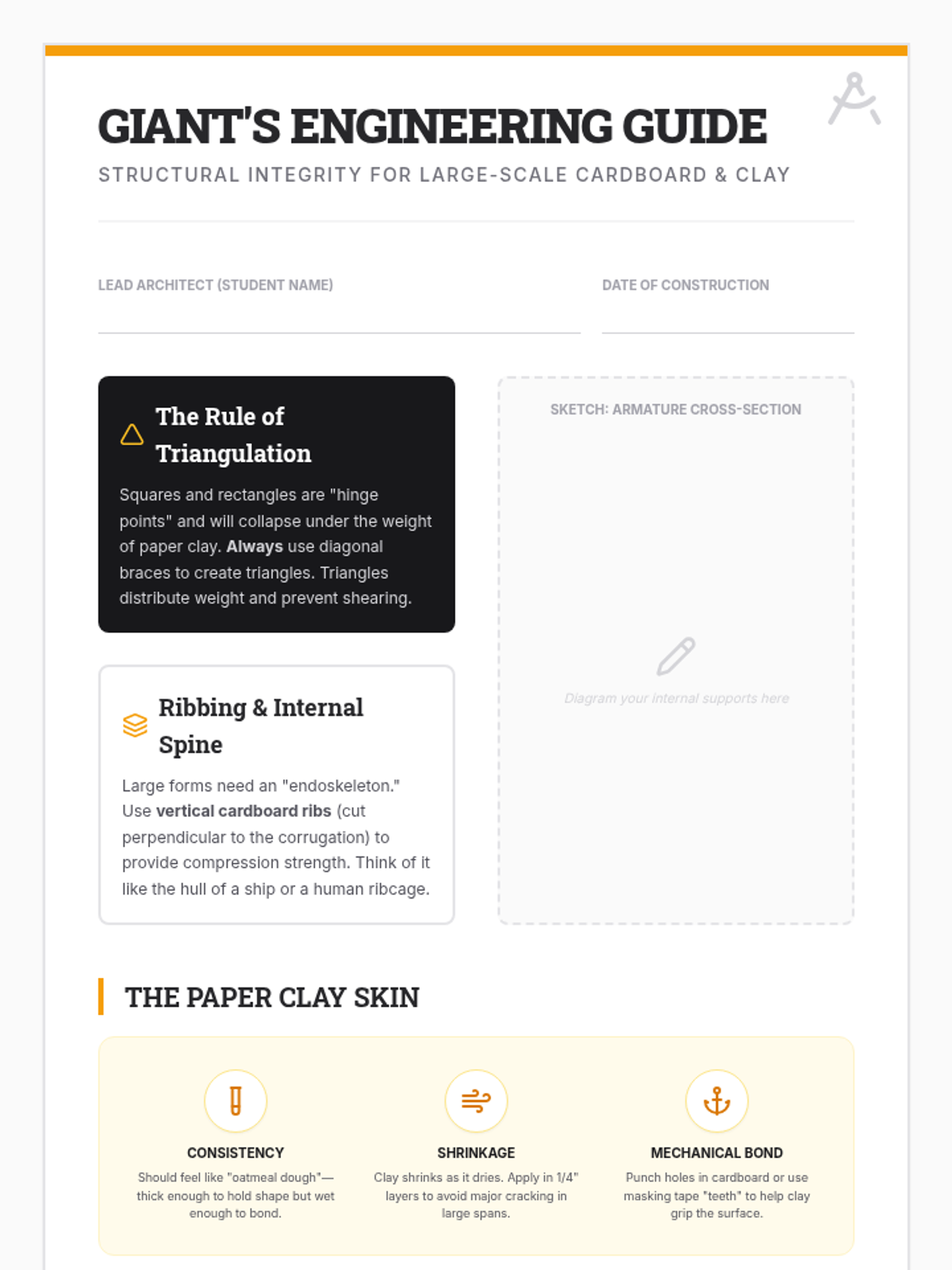
A 3-day collaborative sculpture project where students transform recycled materials into massive structures while overcoming engineering challenges.
A comprehensive 3D art unit that guides students from transforming recycled materials to mastering monumental scale, combining fine arts history with engineering and technical skill.
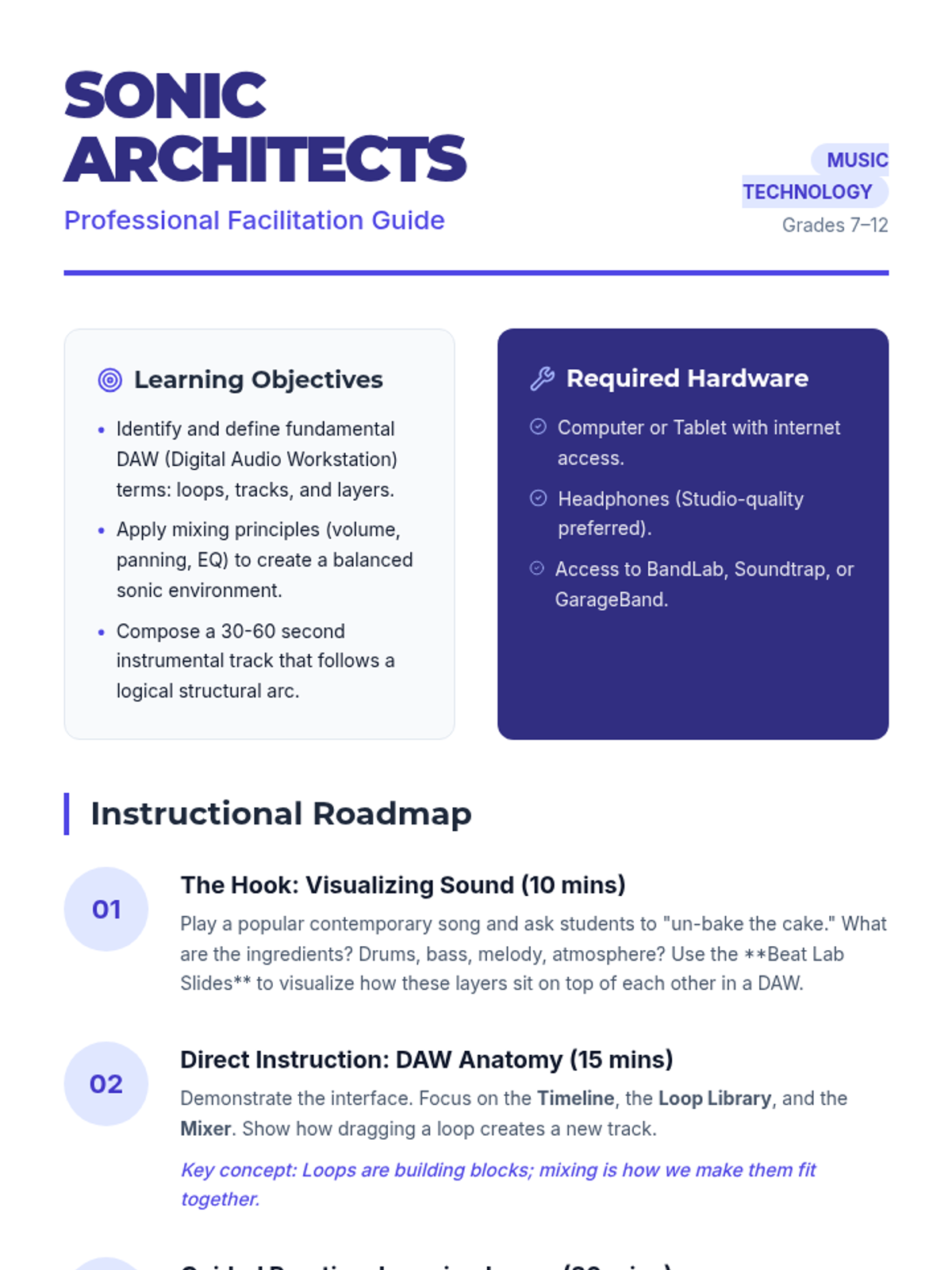
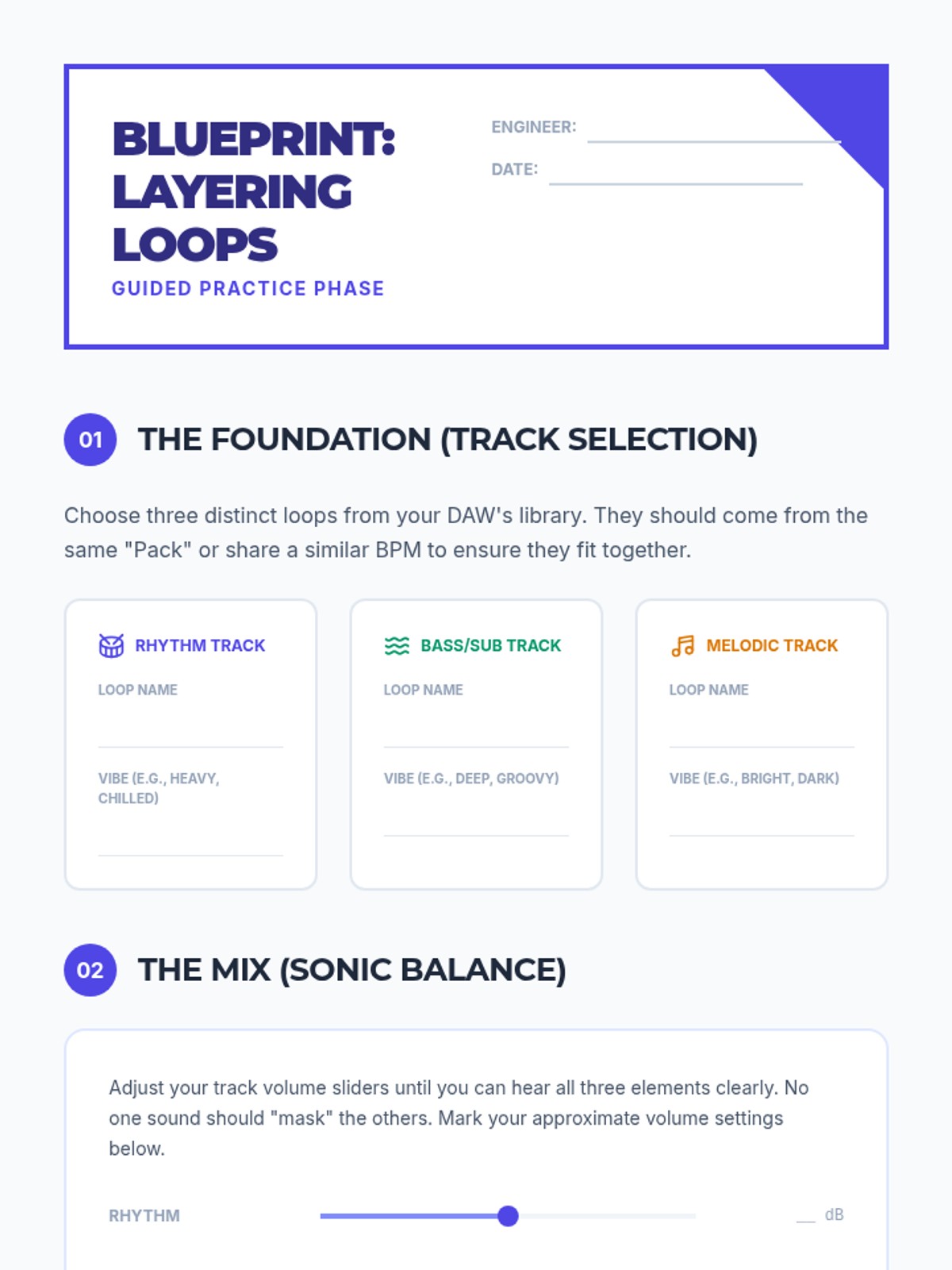
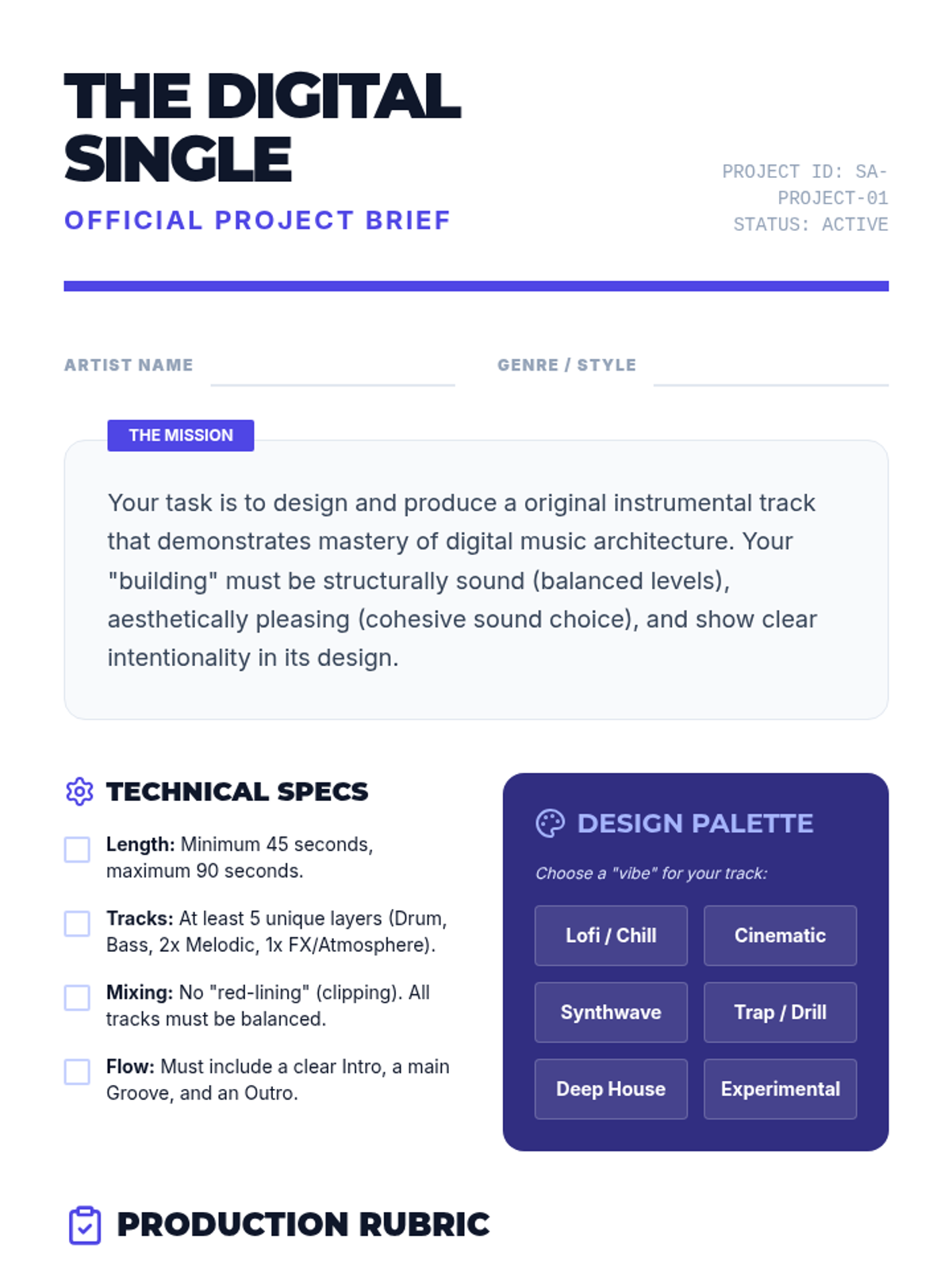
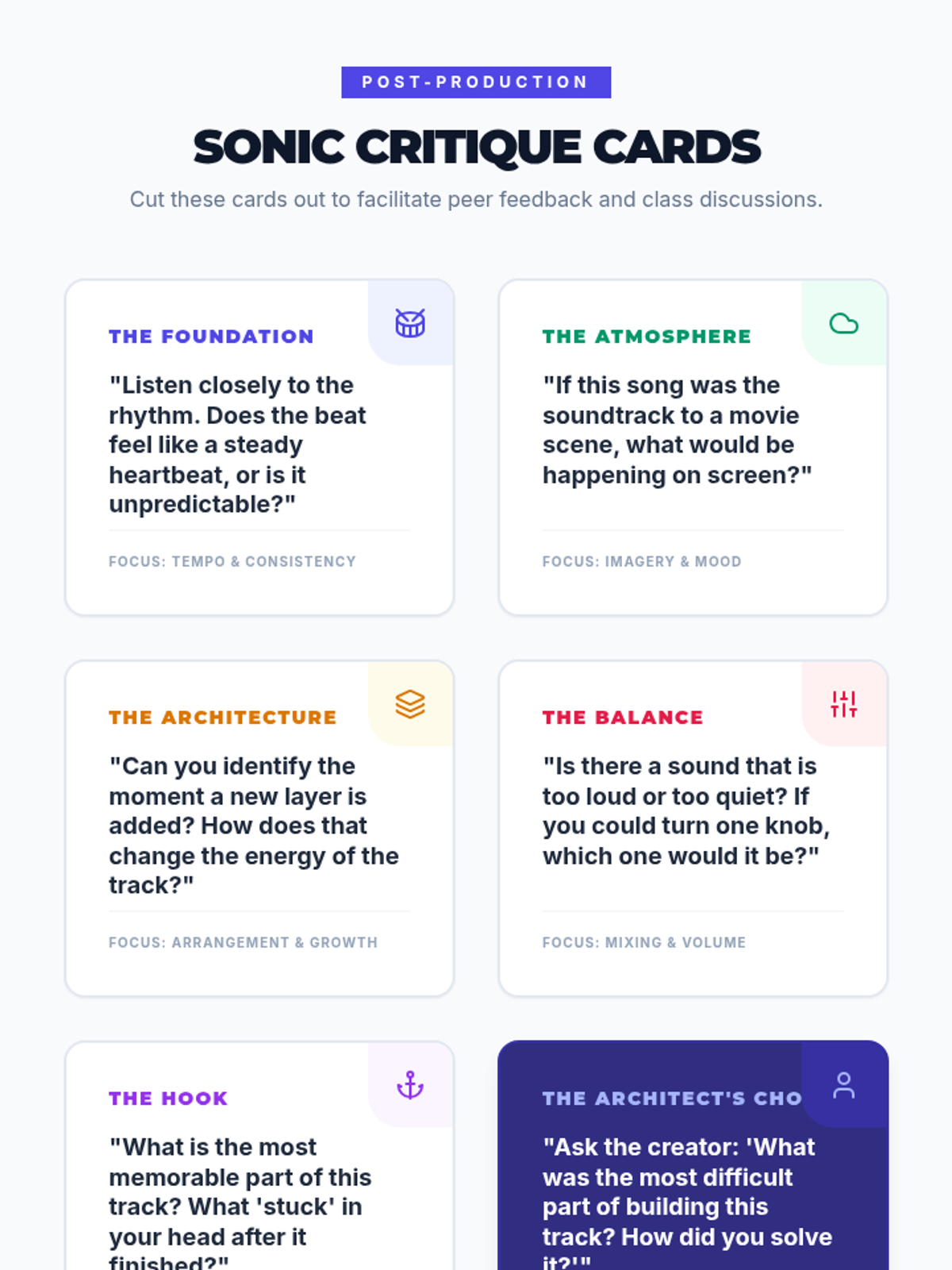
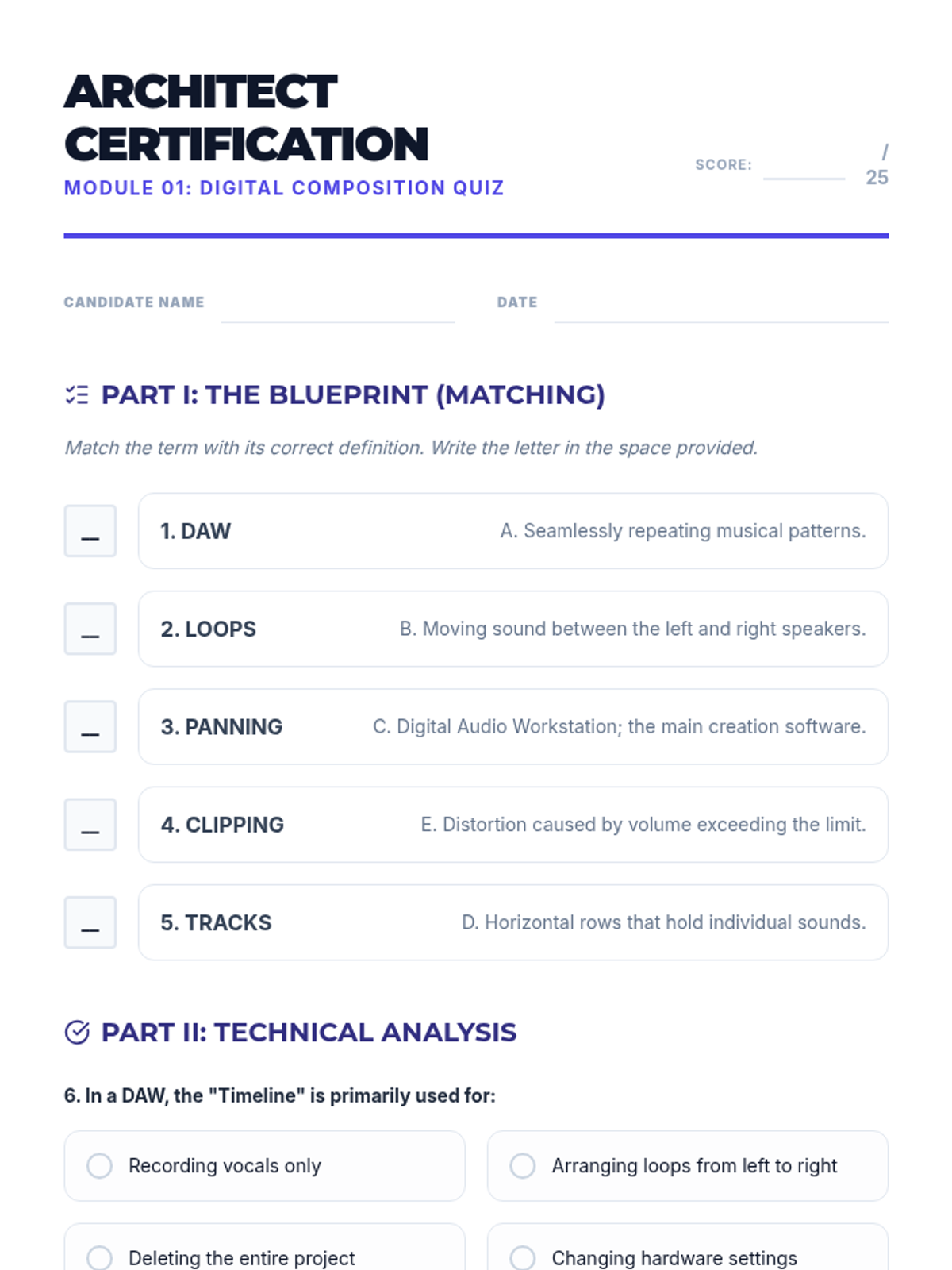
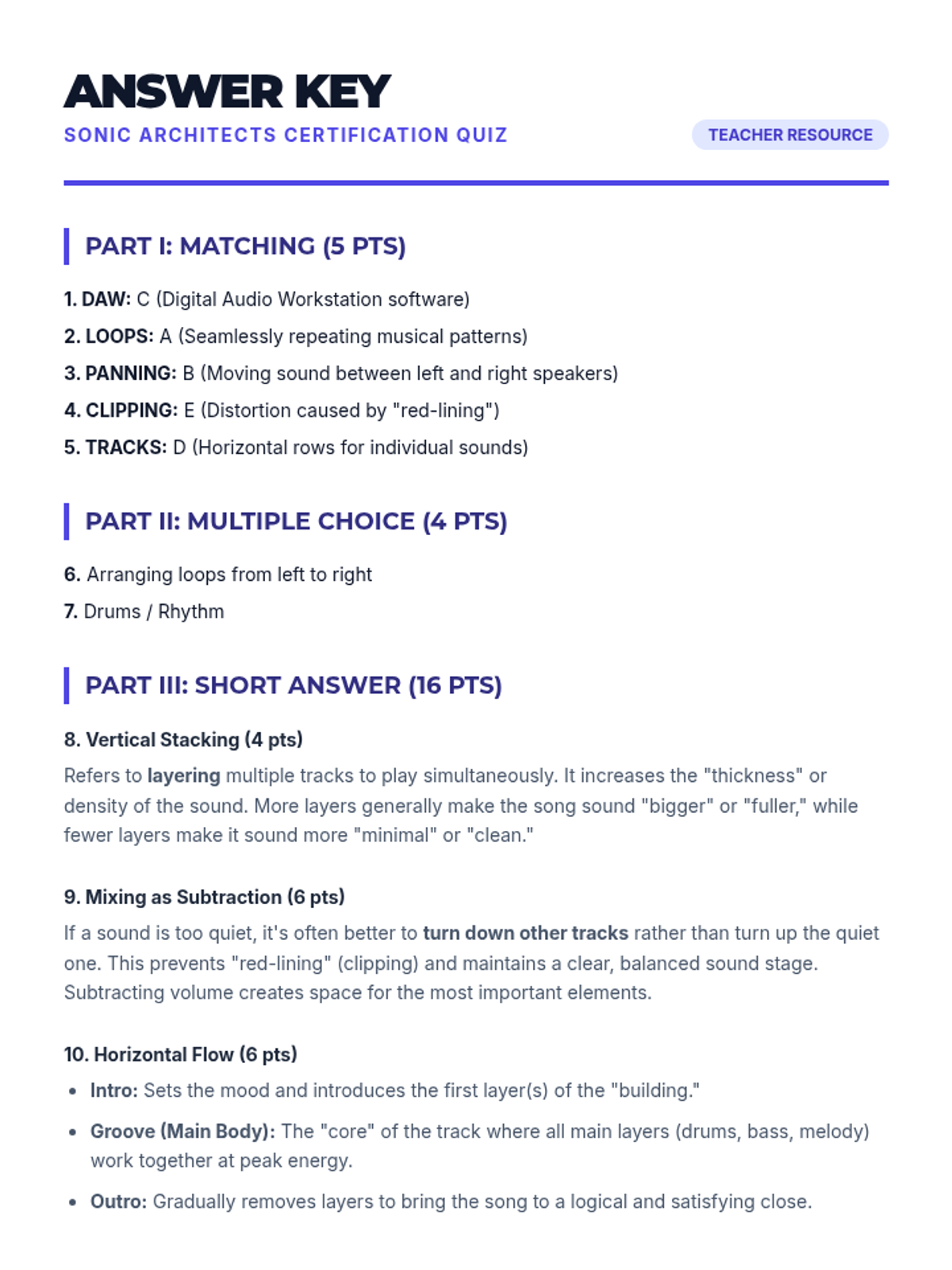
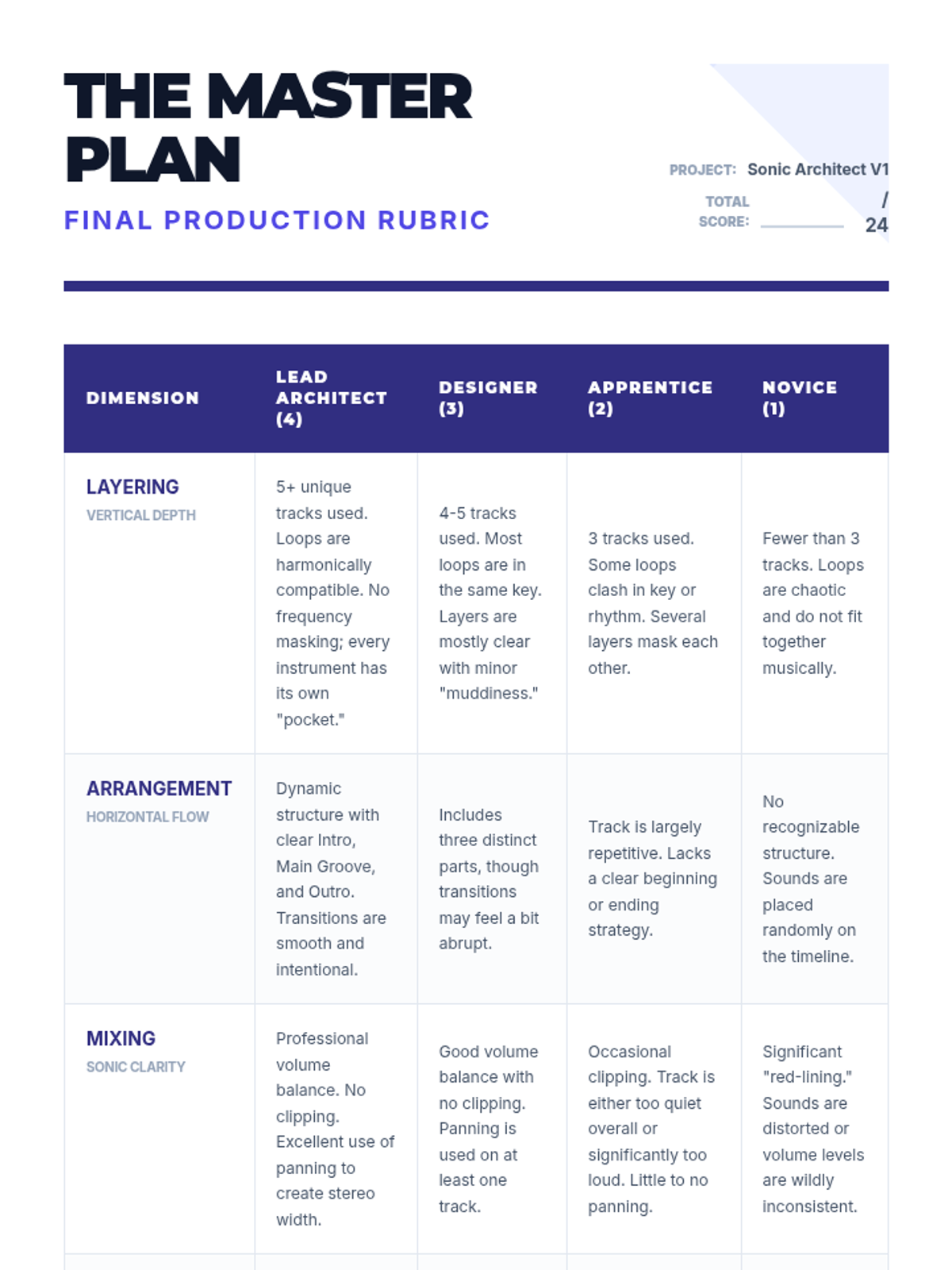
A comprehensive music technology unit where middle and high school students master digital audio production and collaborate to produce a multi-grade showcase concert, bridging the gap between classroom creation and public performance.
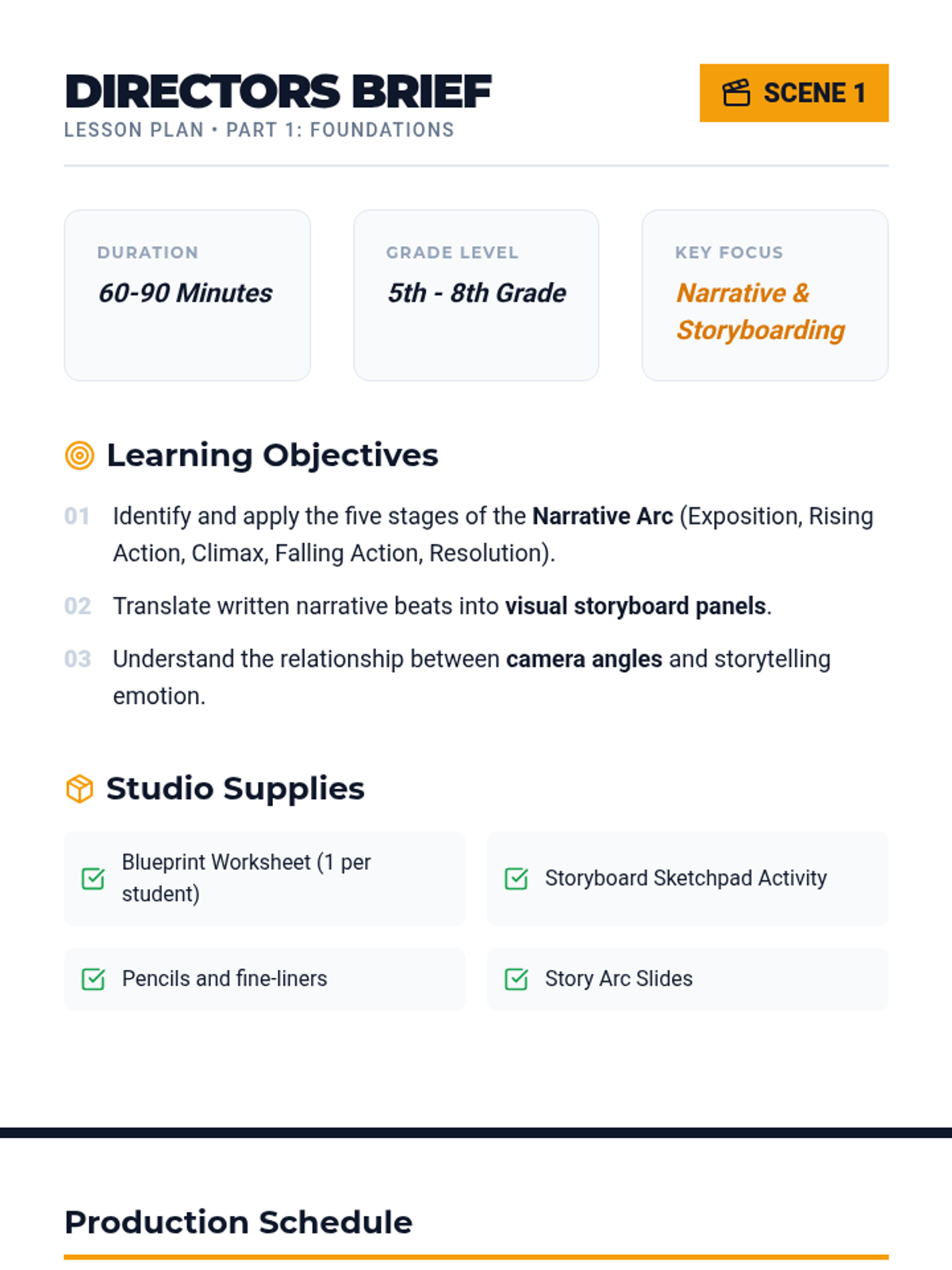
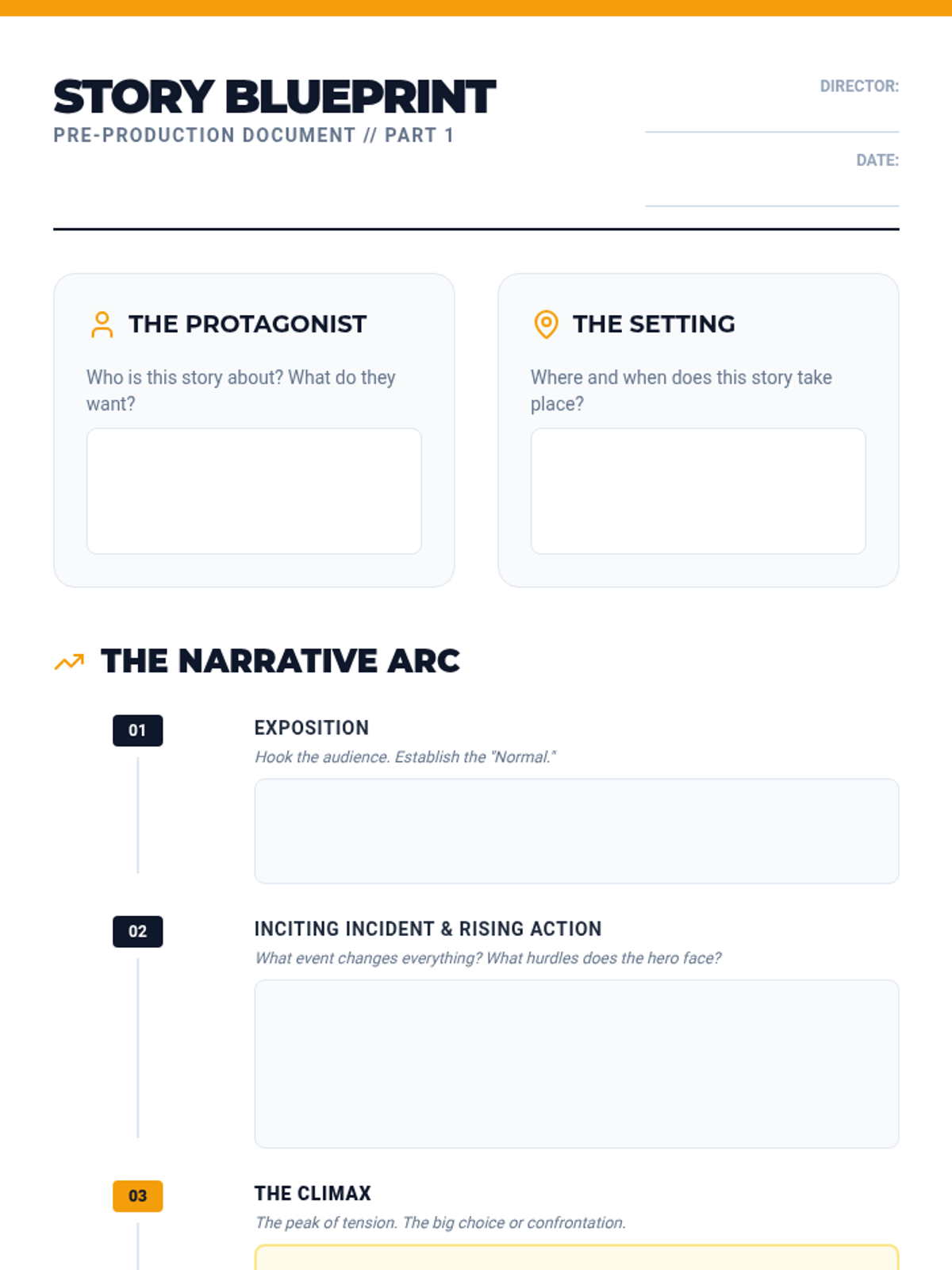
A comprehensive workshop where students in grades 5-8 master the art of digital storytelling by blending narrative structure, audio production, and visual composition into a final multimedia project.
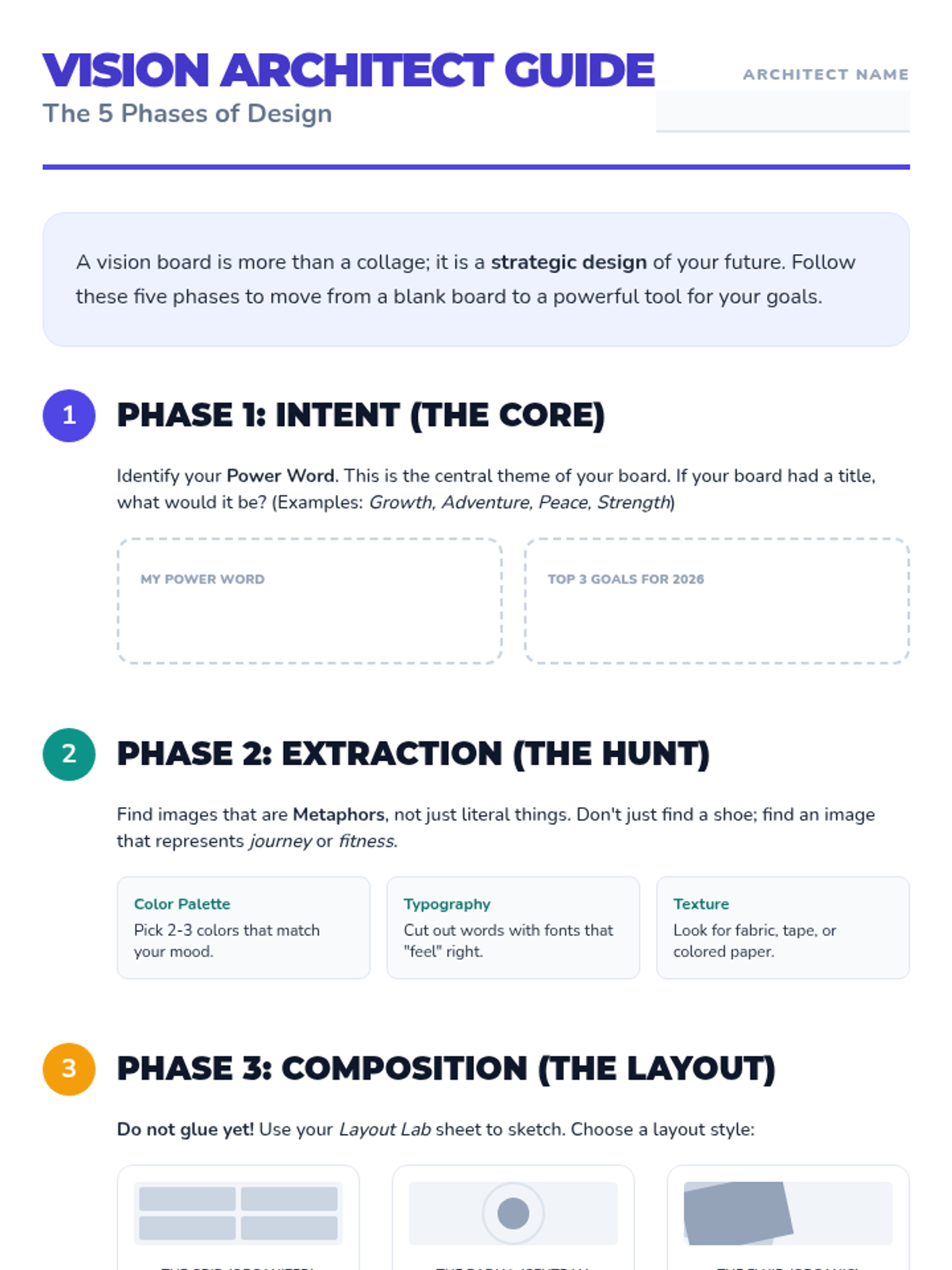
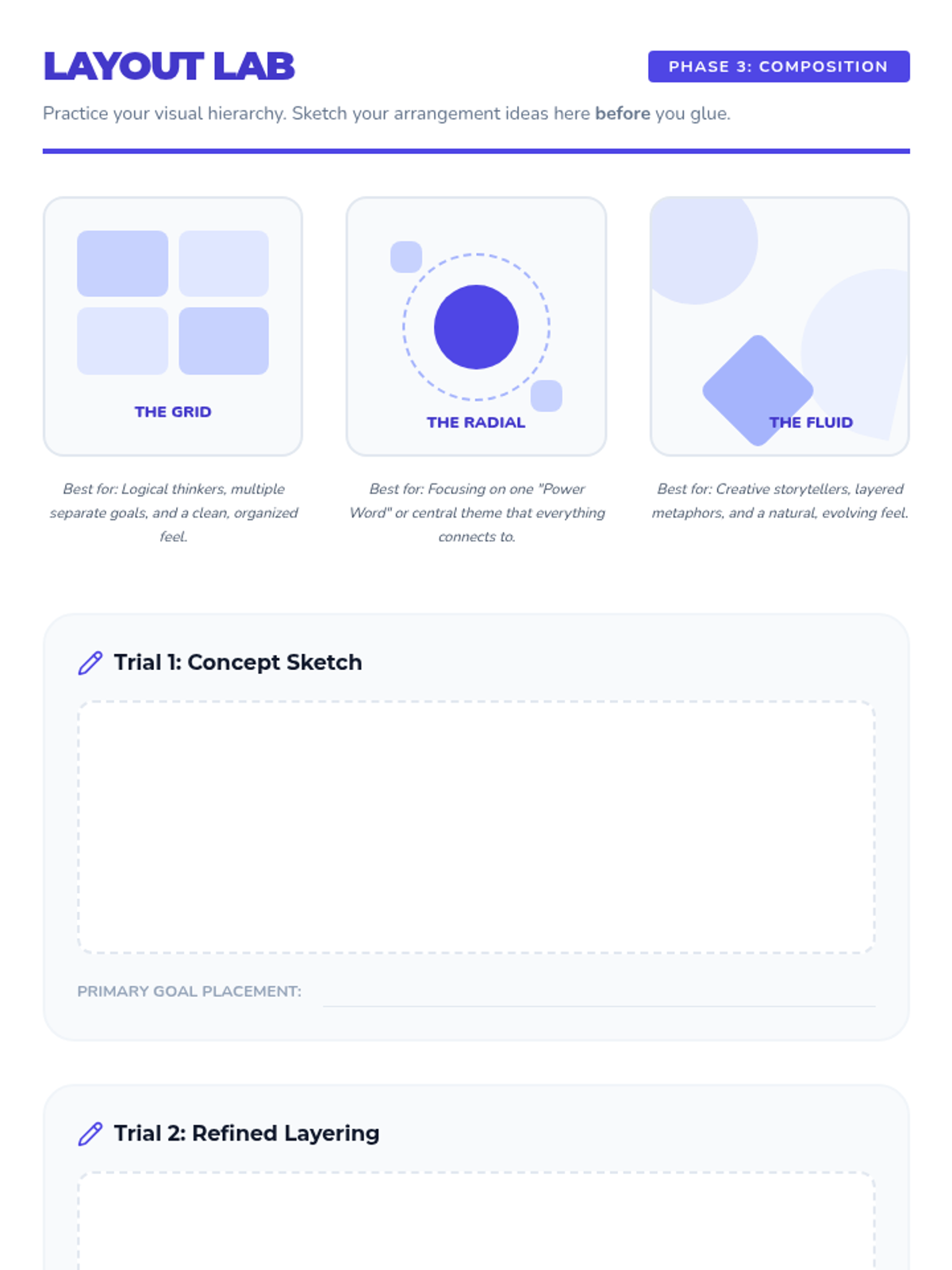
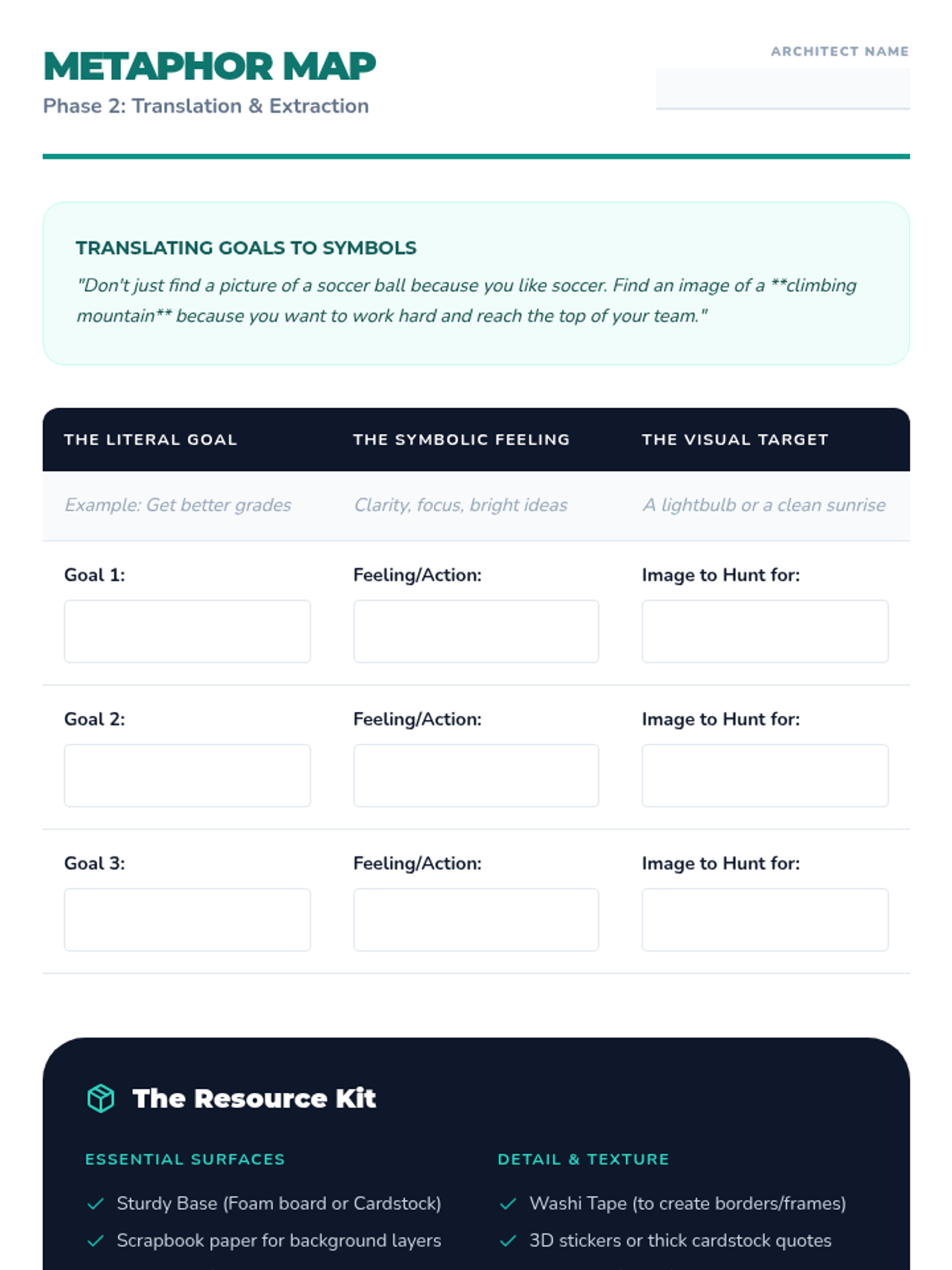
A comprehensive workshop sequence on goal setting and visual manifestation.
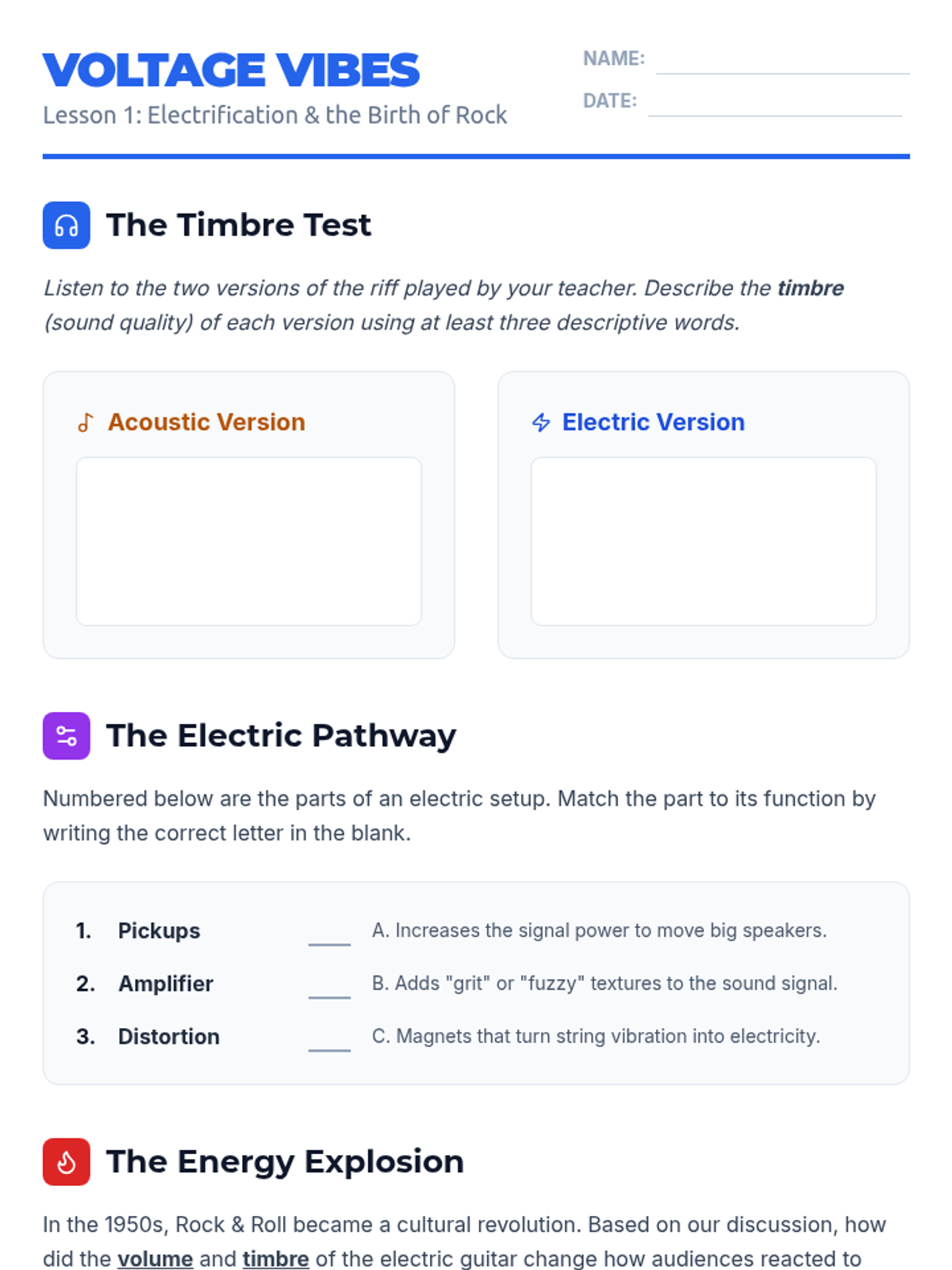
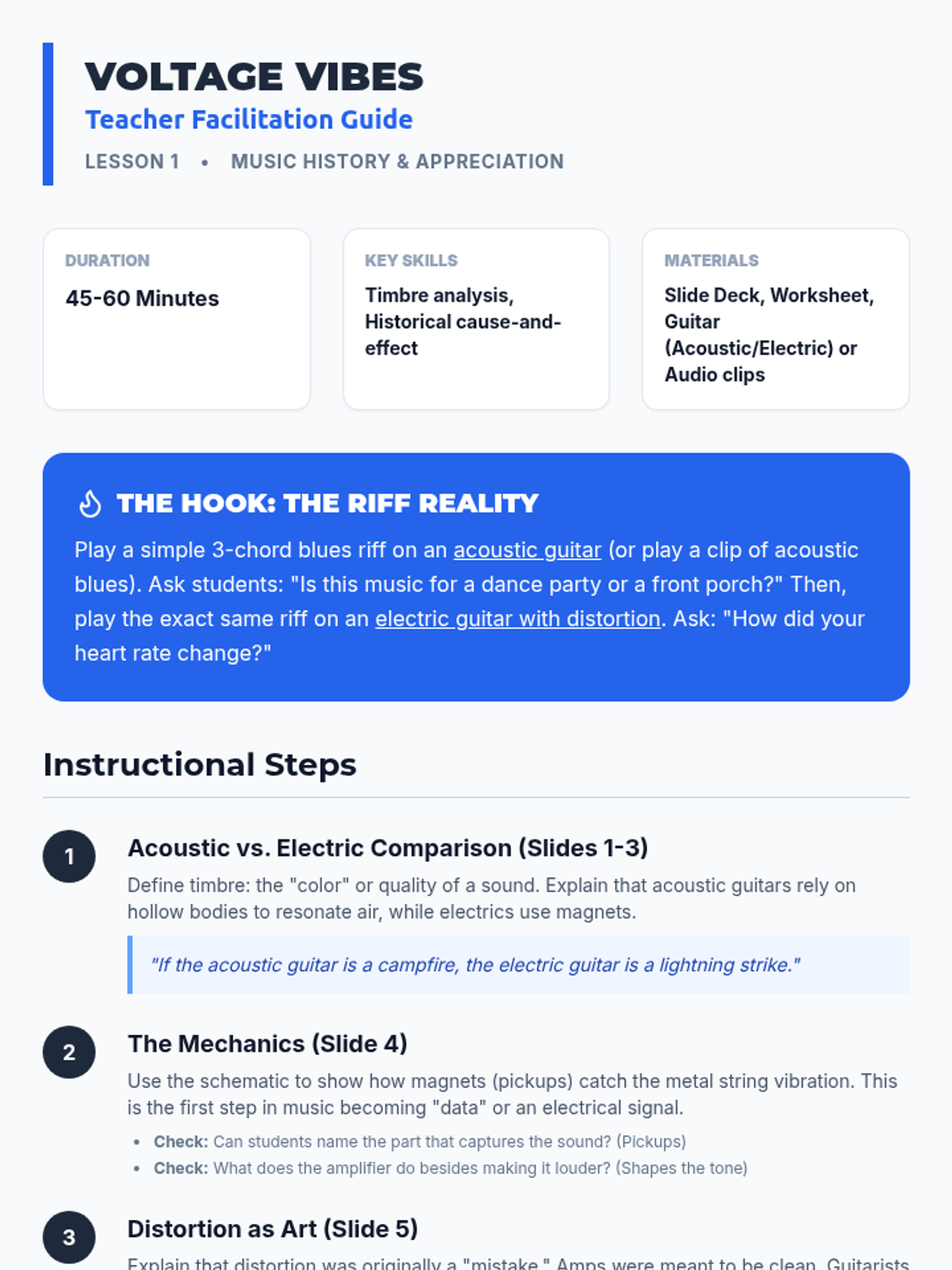
This sequence investigates how the technological explosion of the 20th and 21st centuries, from the electric guitar to AI, redefined music genres and creation. Students analyze production techniques, listen for layers, and explore the concept of technology as a musical instrument.
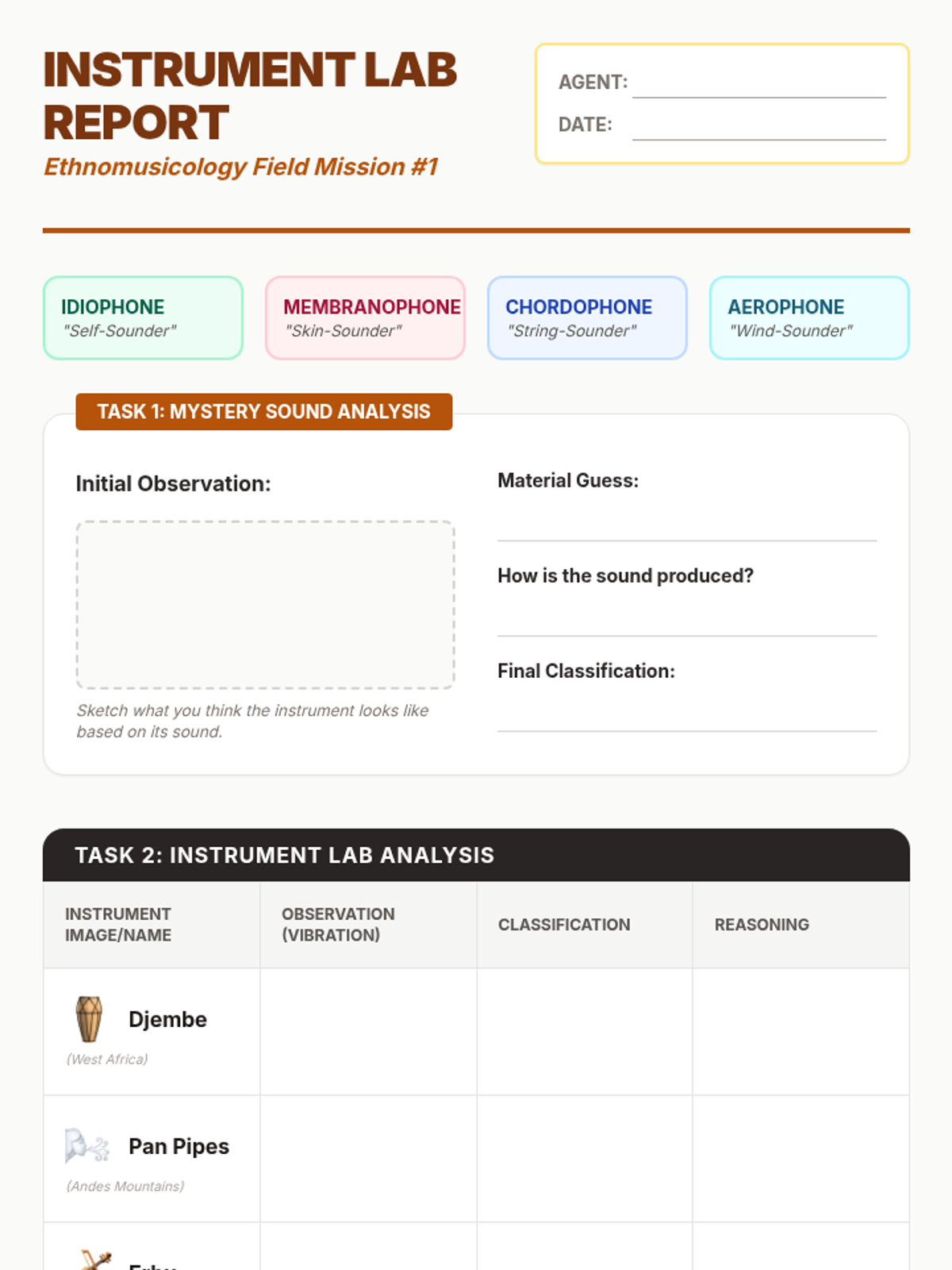
This project-based sequence takes students on a global tour as ethnomusicologists, examining how geography and culture influence musical instruments and sounds. Students classify instruments using the Hornbostel-Sachs system and explore rhythms and scales from Africa, Asia, and Latin America.
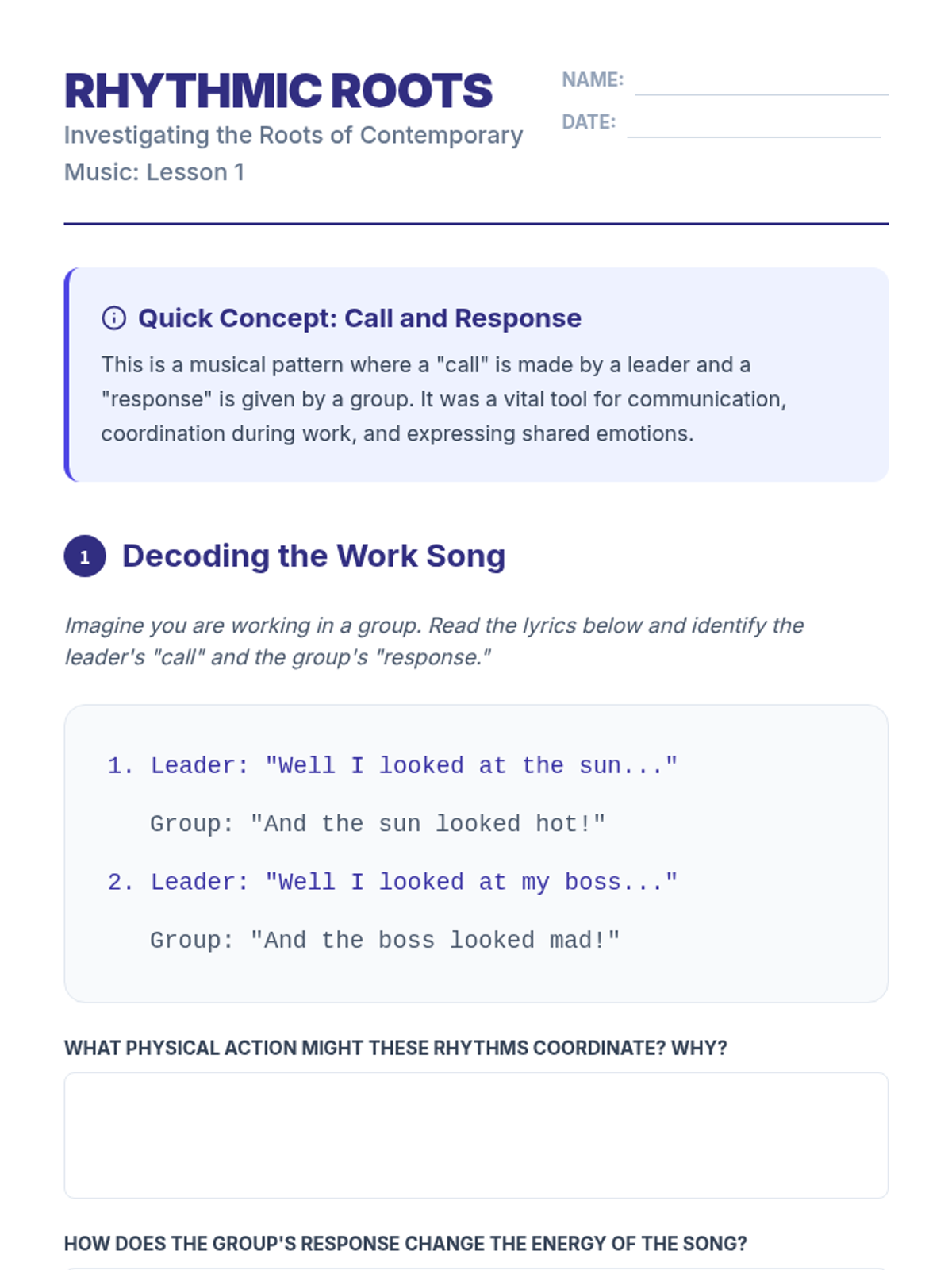
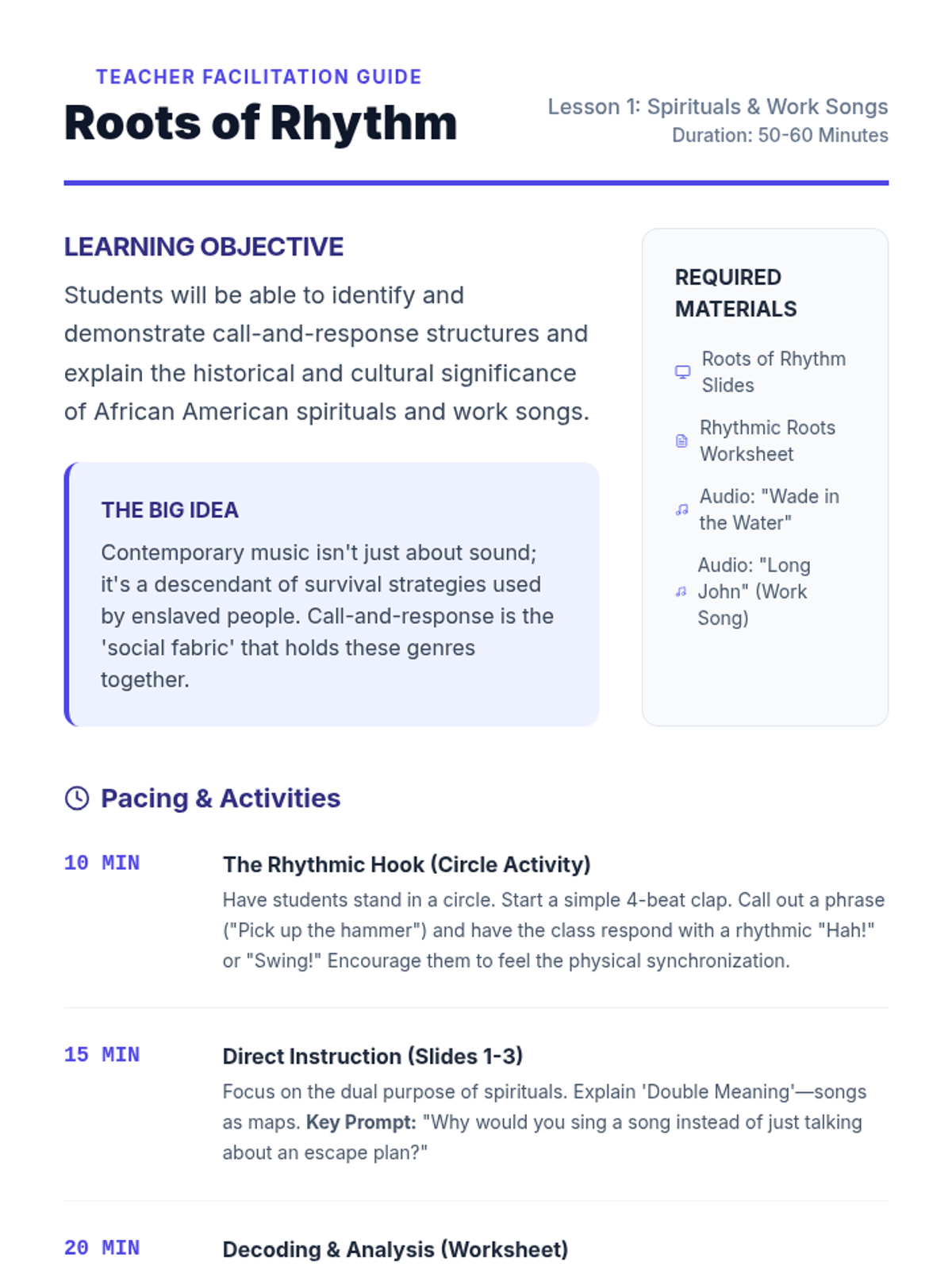
This sequence traces the evolution of contemporary music from 19th-century African American spirituals through the development of the Blues, Jazz, and Rock & Roll. Students investigate how cultural exchange, technology, and social struggles shaped the sounds we listen to today, culminating in a musical genealogy project.
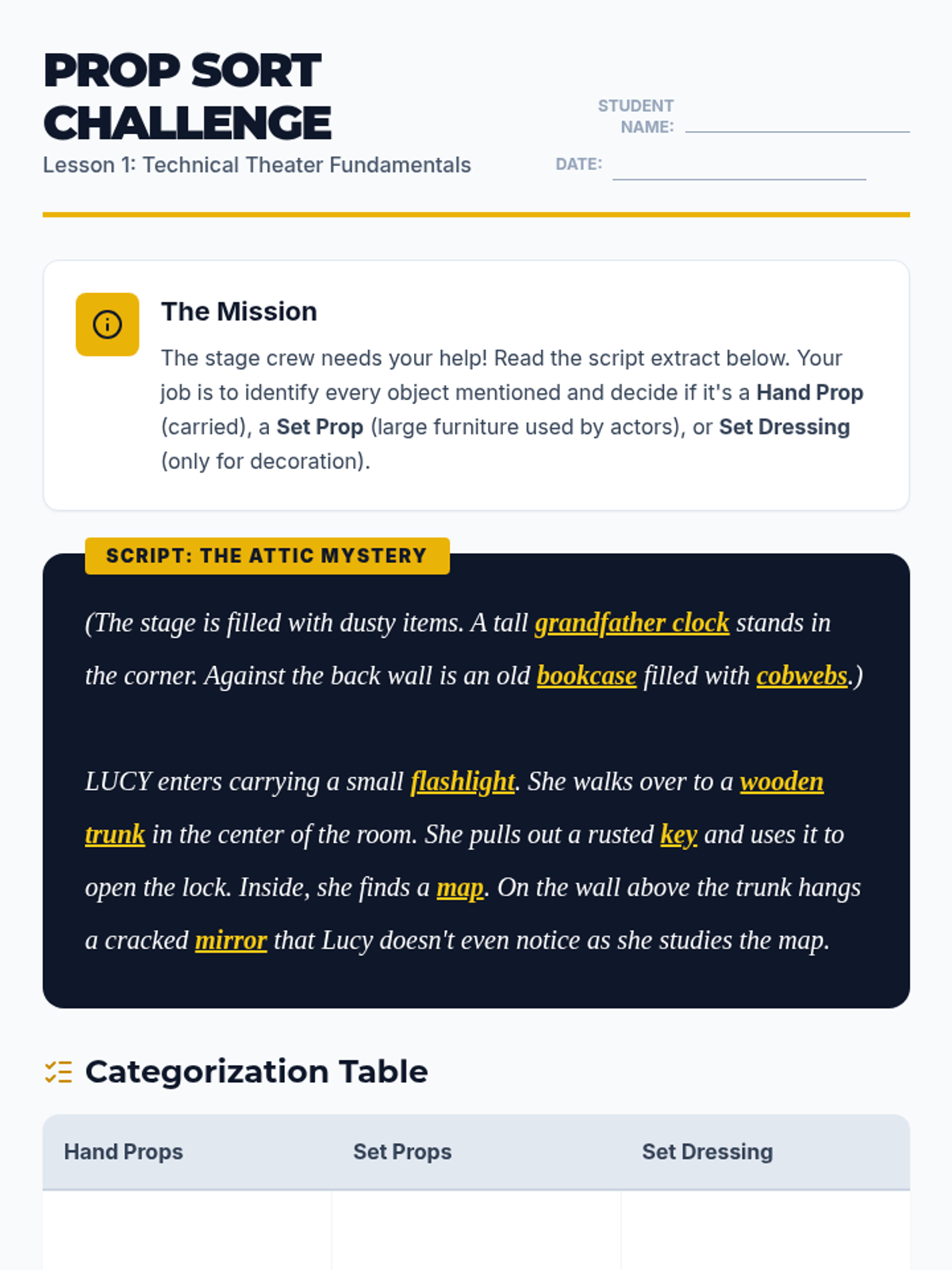
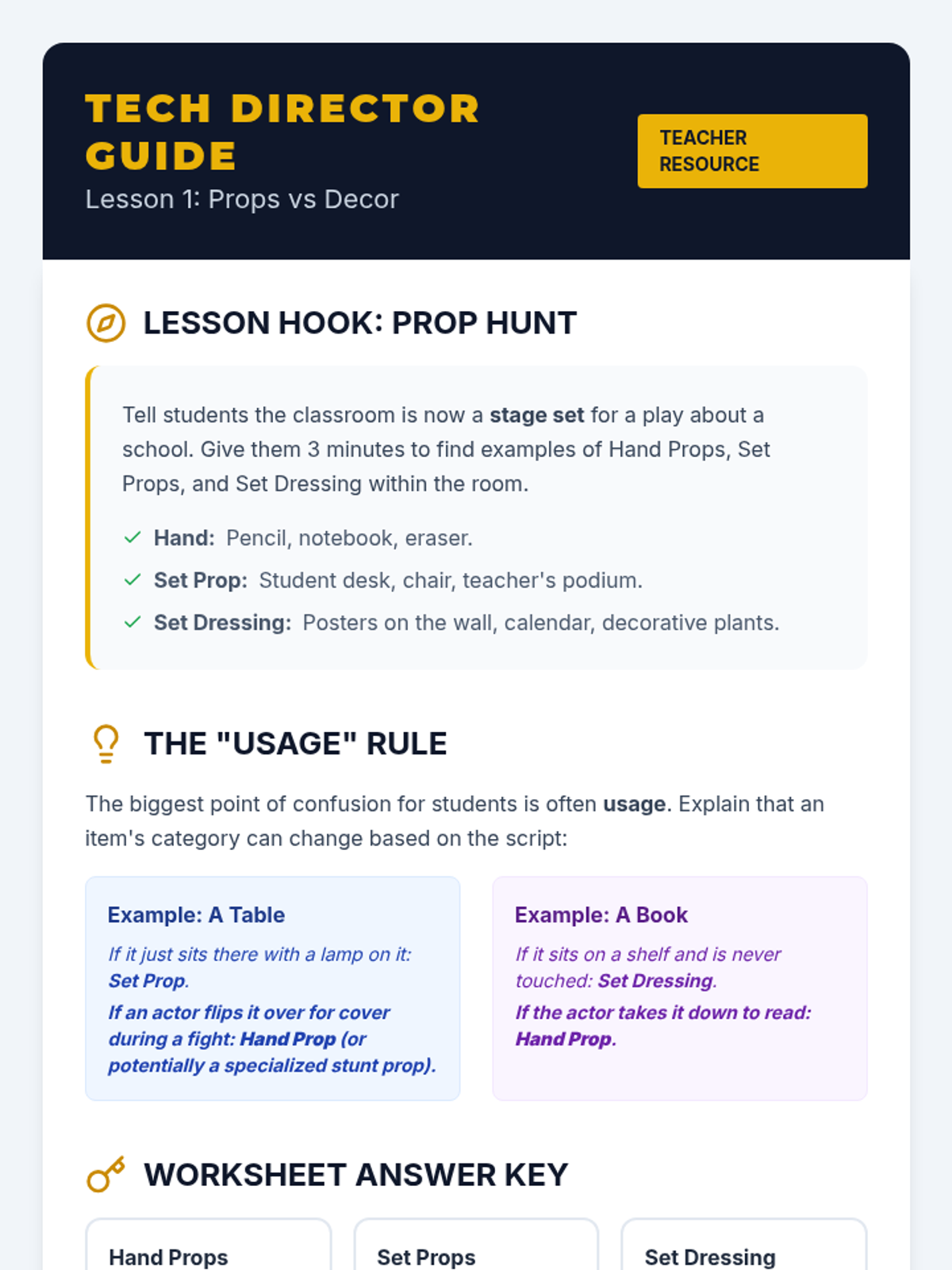
Students investigate how costumes and properties (props) function as tools for character development and storytelling. The sequence guides students through the process of distinguishing between prop types, exploring costume psychology, fabricating safe props, and mastering backstage organization.
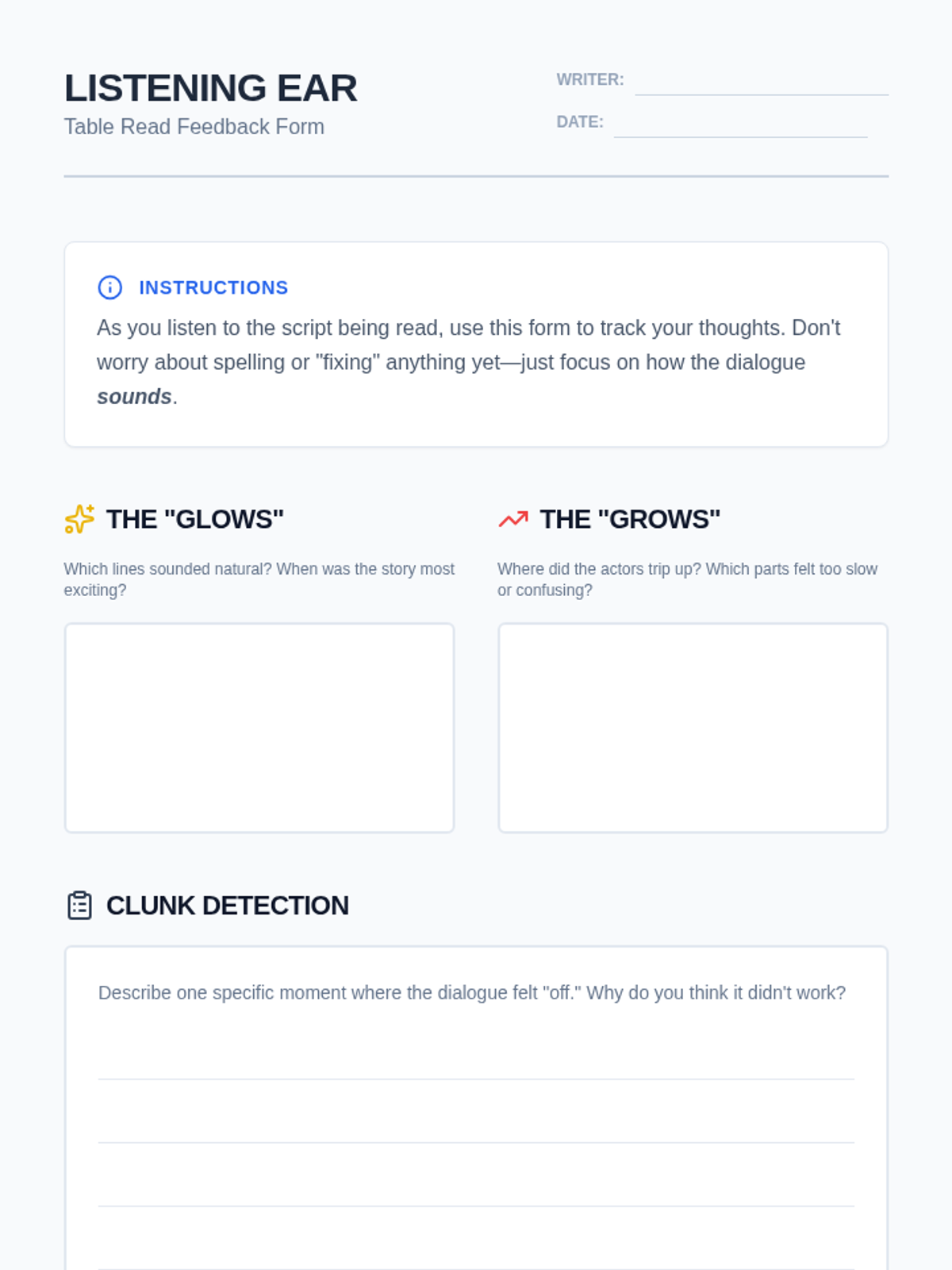
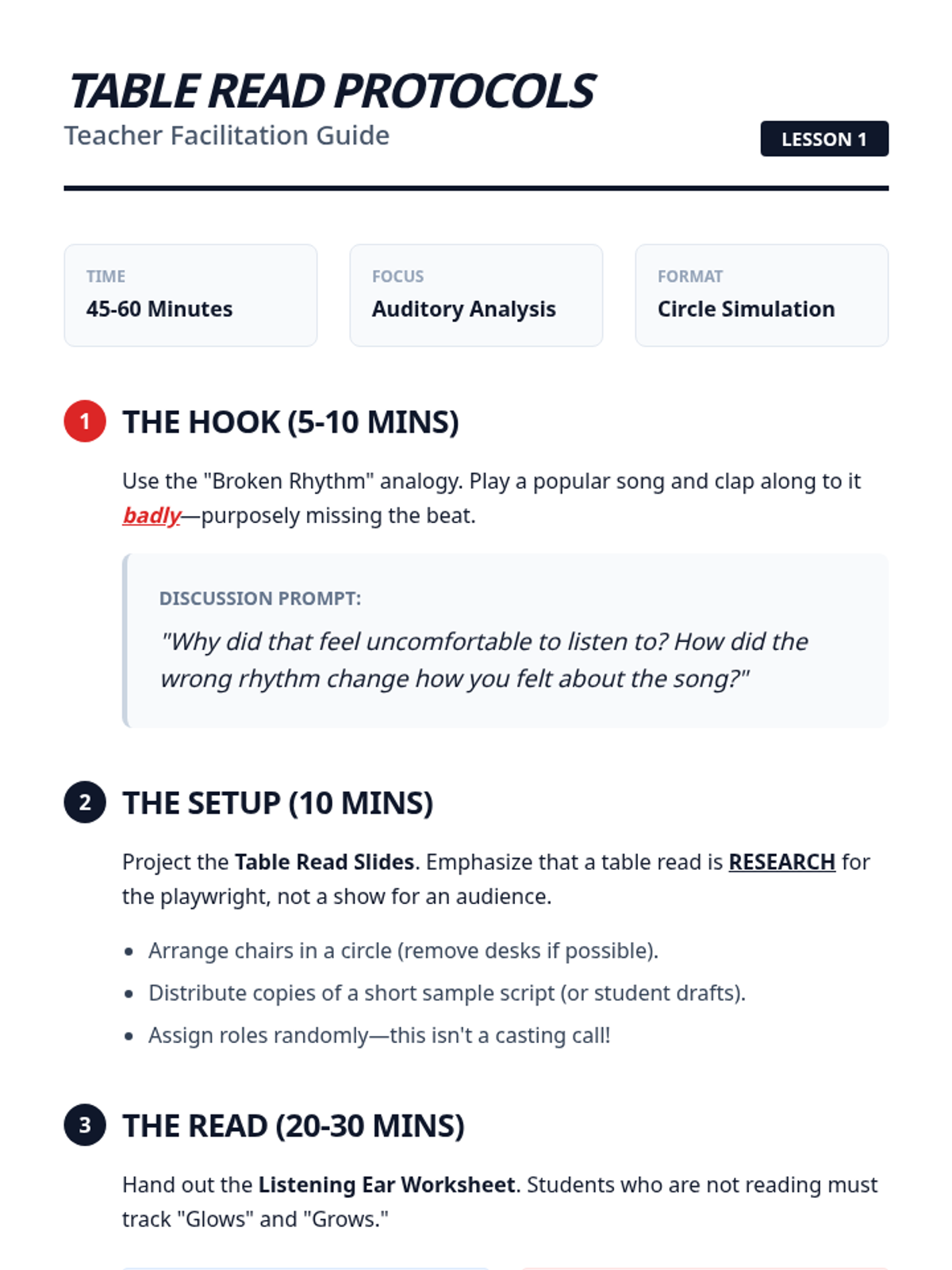
A 5-lesson sequence for 5th-grade students focusing on the iterative process of playwriting, from the first table read to a final, polished performance-ready script. Students develop skills in auditory analysis, dialogue refinement, conciseness, and collaboration.
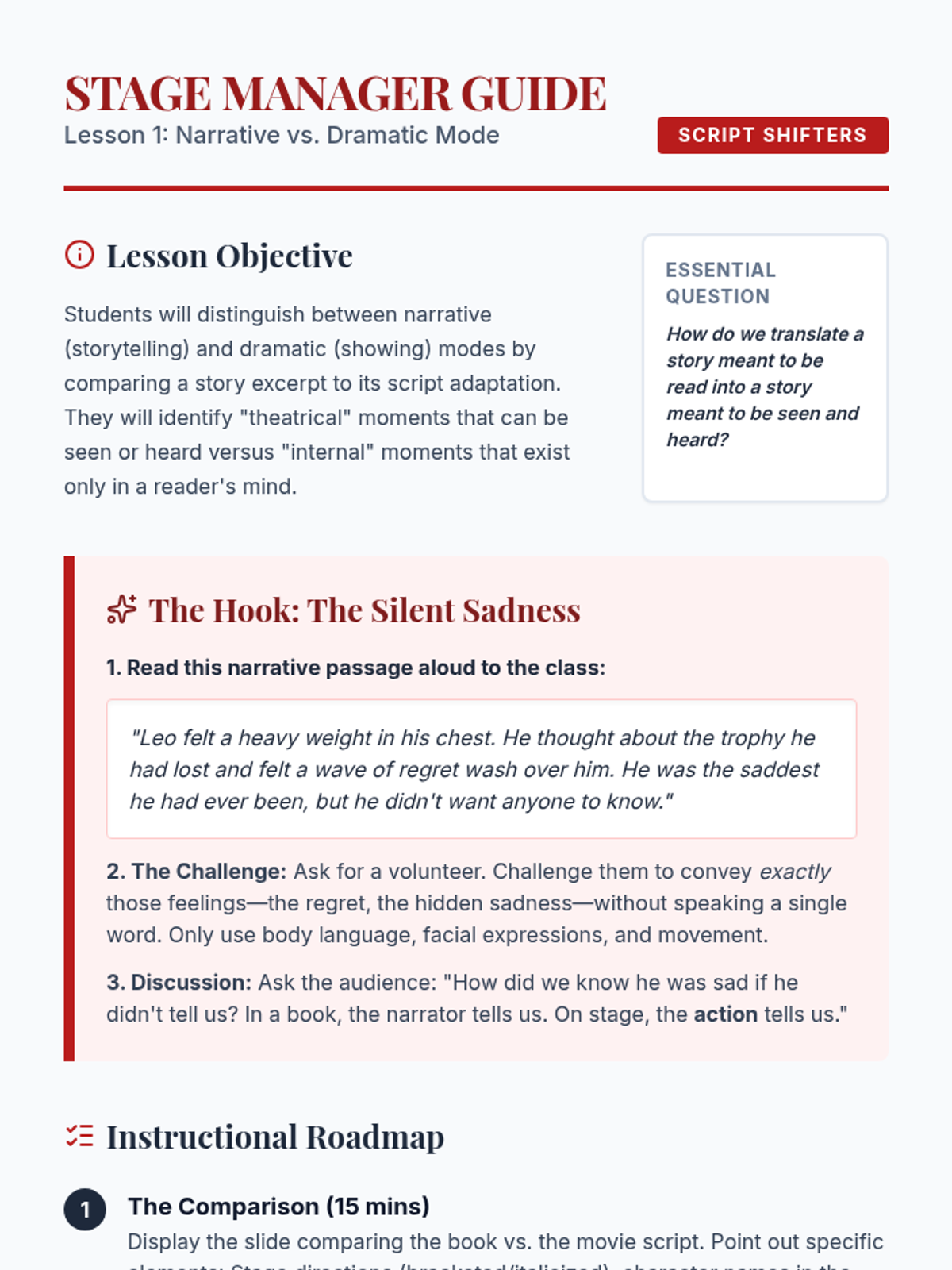
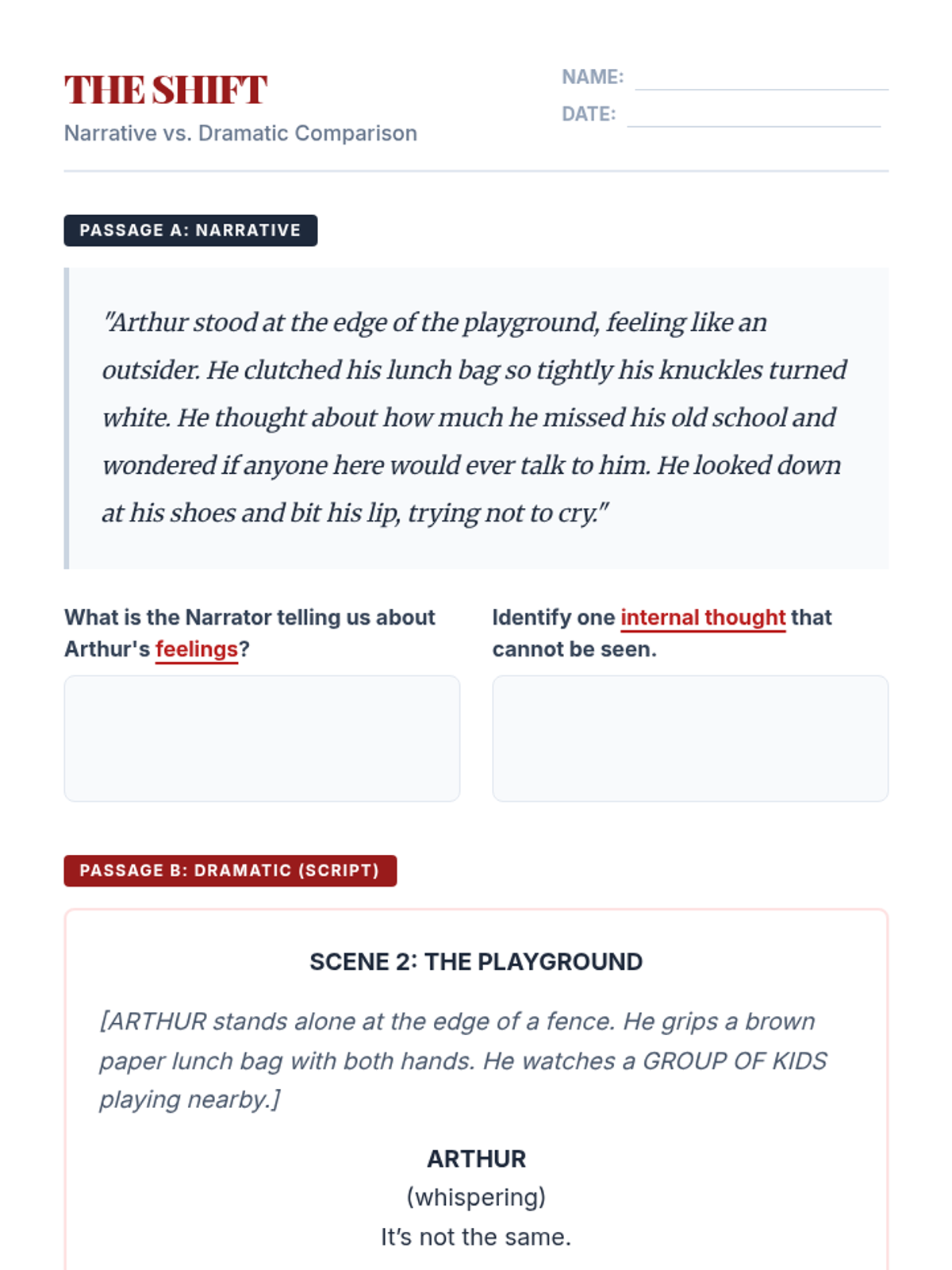
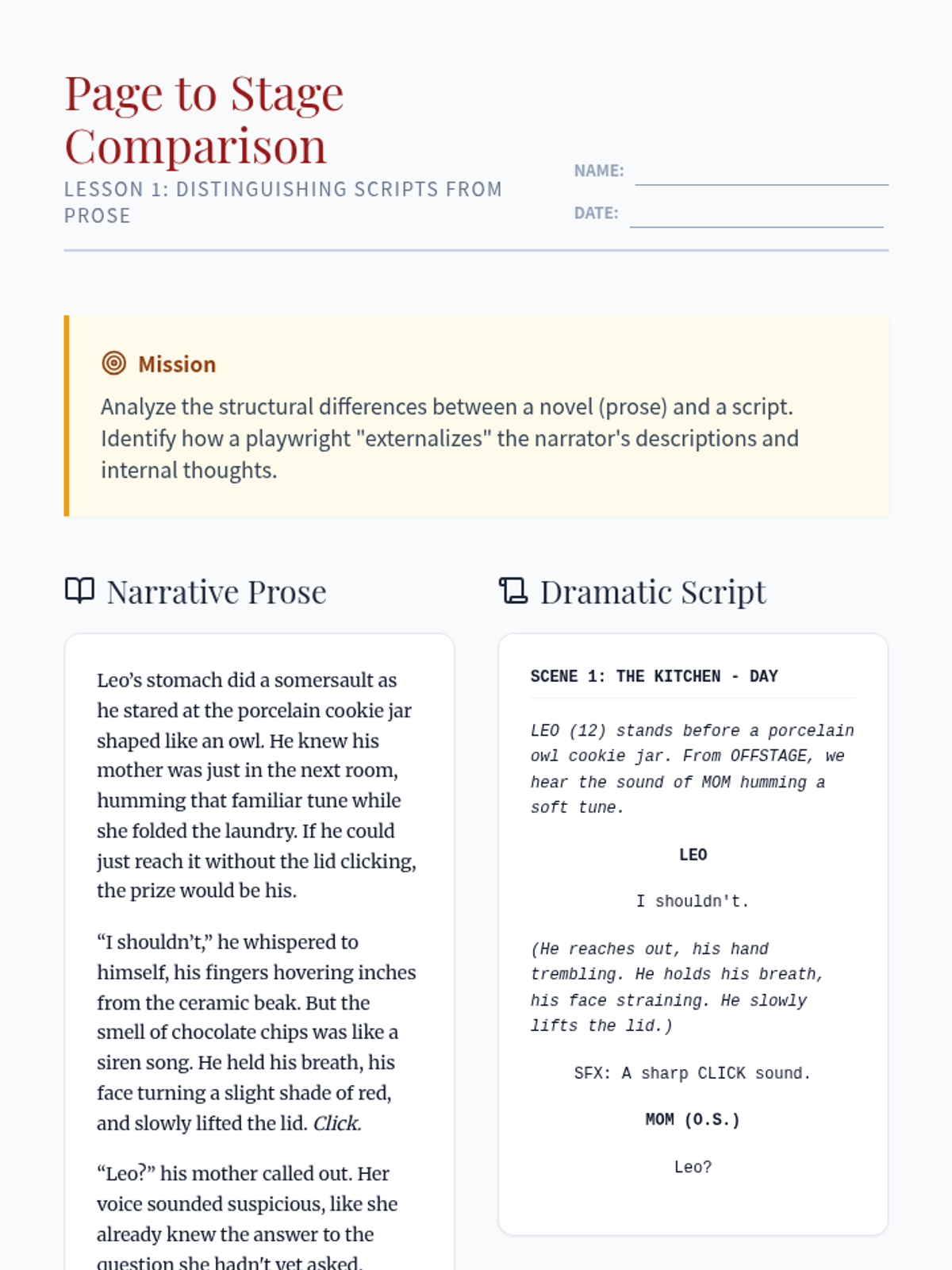
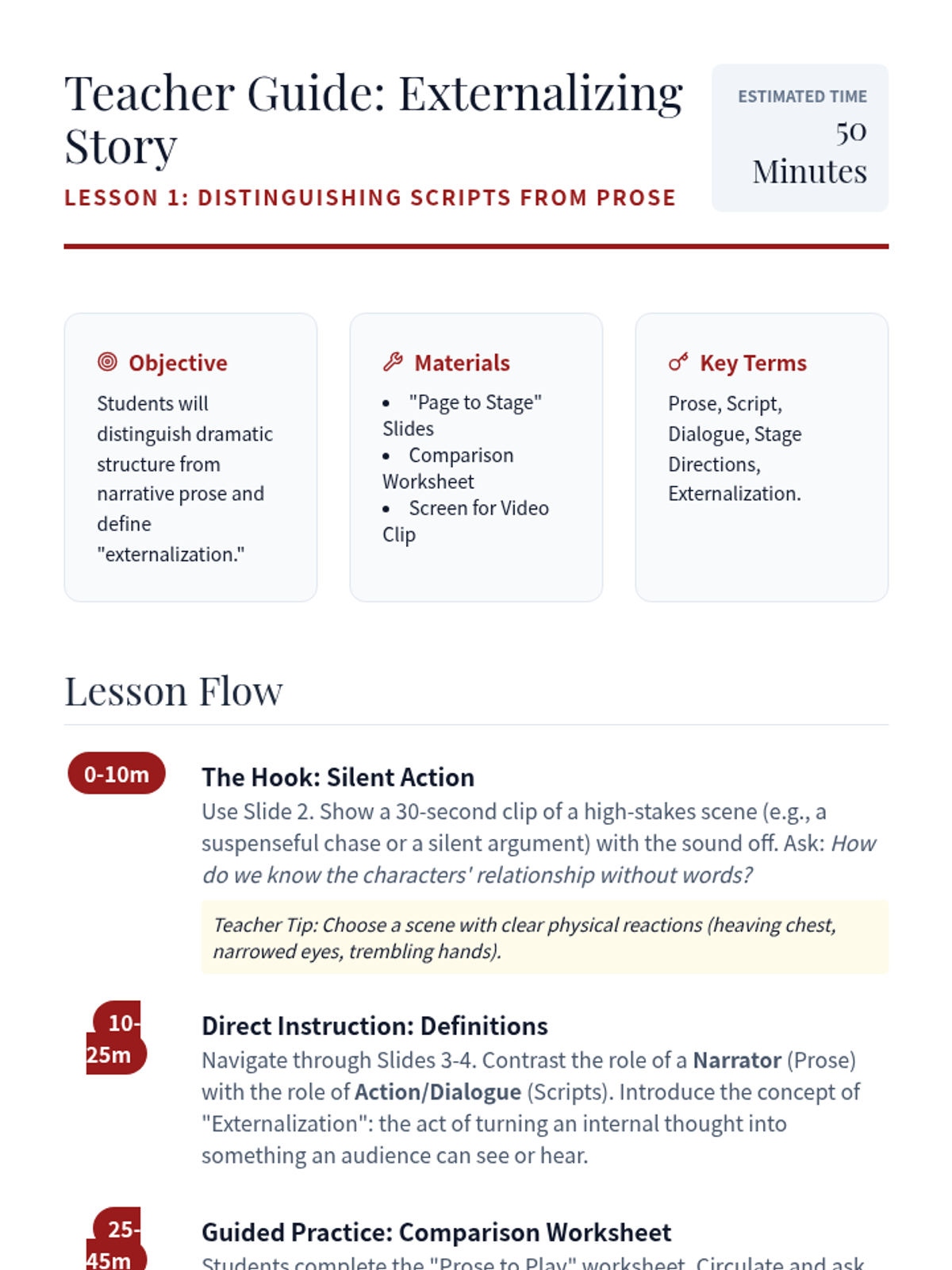
Students learn to translate narrative fiction into dramatic scripts by analyzing storytelling modes, converting internal thoughts to external actions, and drafting their own theatrical adaptations of fables.
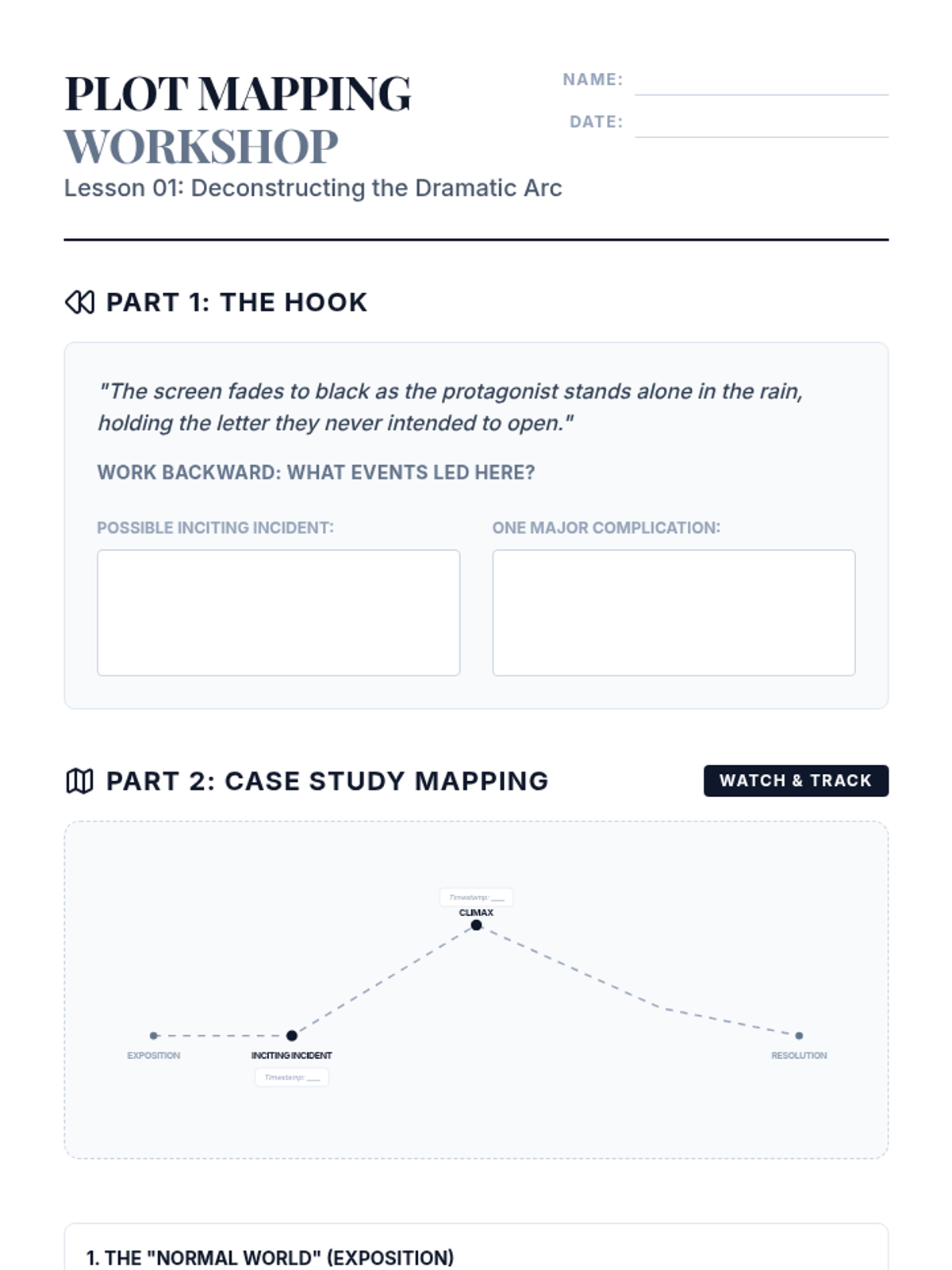
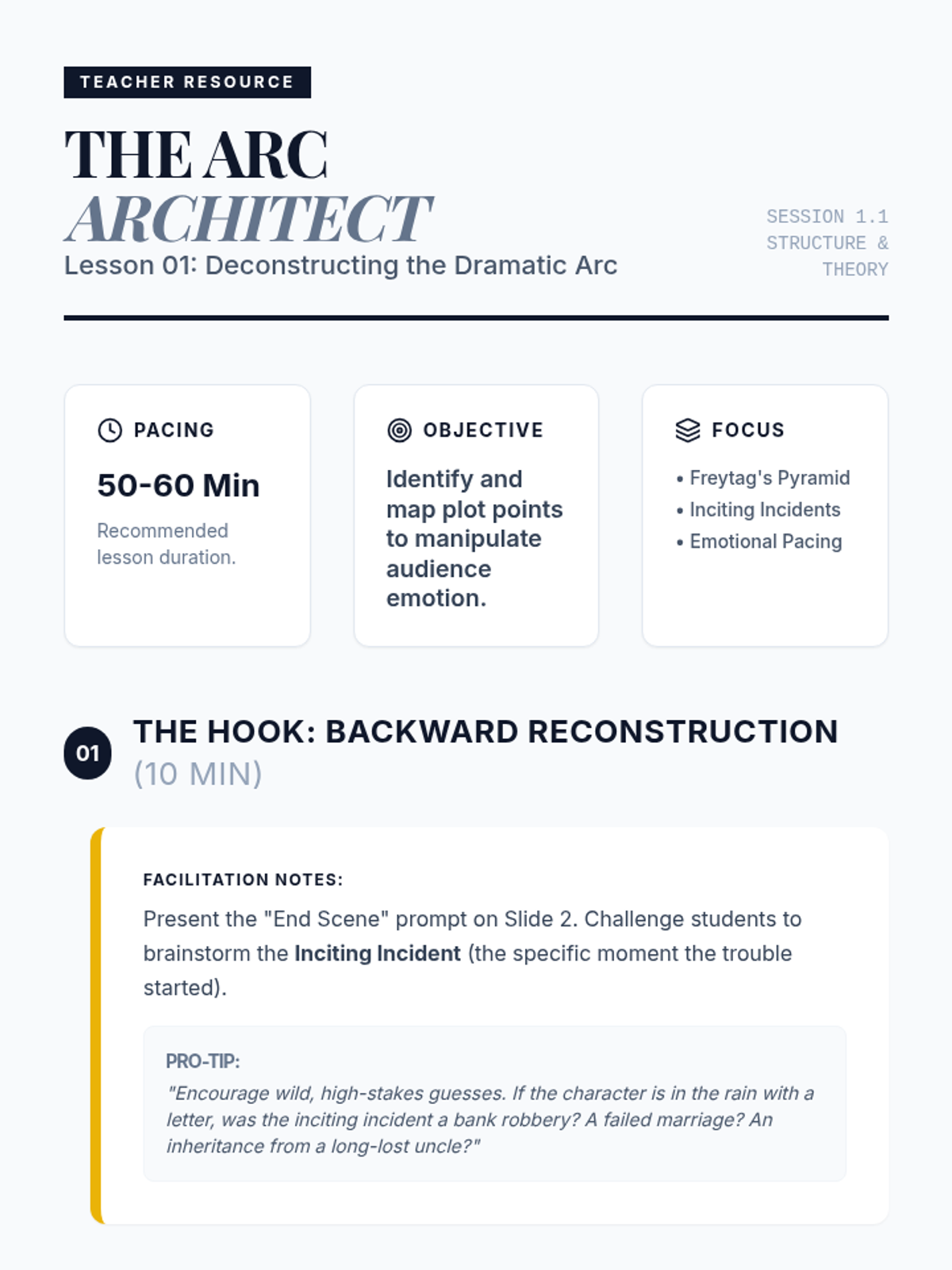
This project-based sequence guides students through the structural engineering of a narrative, moving from a raw premise to a developed one-act play. Students analyze the dramatic arc and apply these concepts to their own original scripts, focusing on pacing, high-stakes storytelling, and professional formatting.
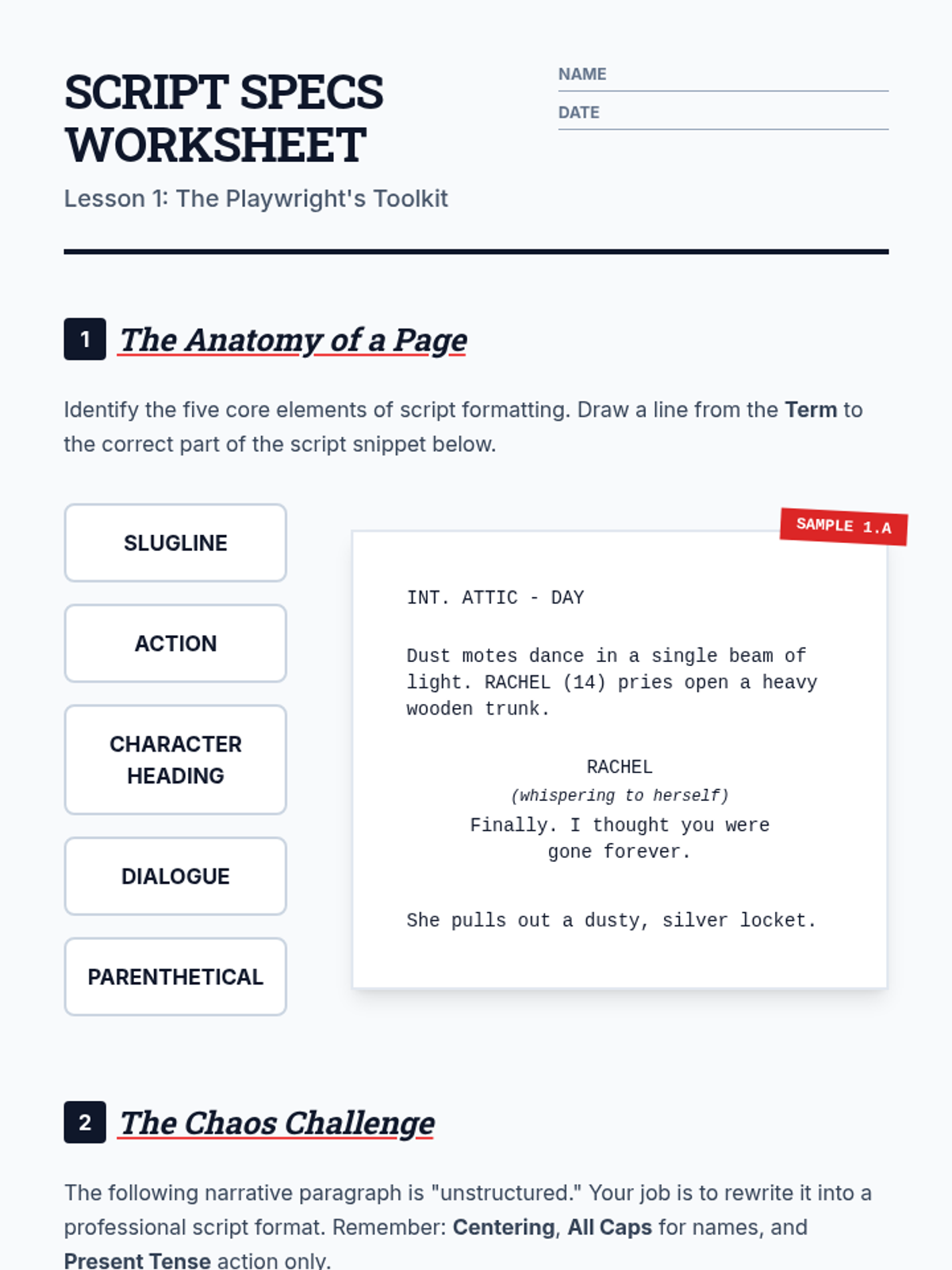
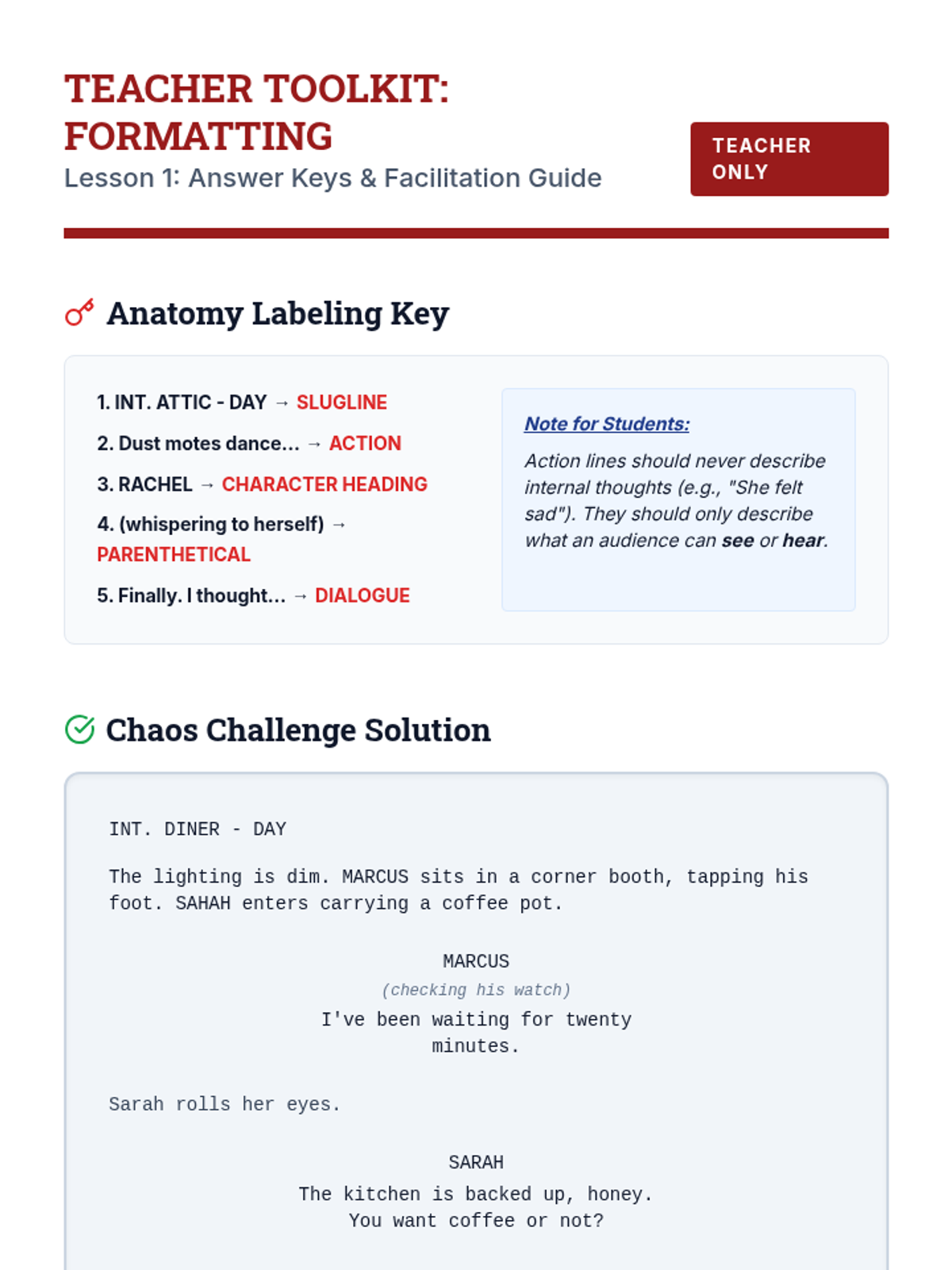
A comprehensive 5-lesson unit for 8th-grade students on the mechanics of playwriting. Students transition from narrative writing to dramatic writing, focusing on industry-standard formatting, distinct character voices, subtext, and the integration of physical action with dialogue.
A foundational unit for 6th-grade students introducing the mechanics and creativity of playwriting. Students explore the differences between prose and drama, master character voice, learn standard script formatting, and craft original conflict-driven scenes.
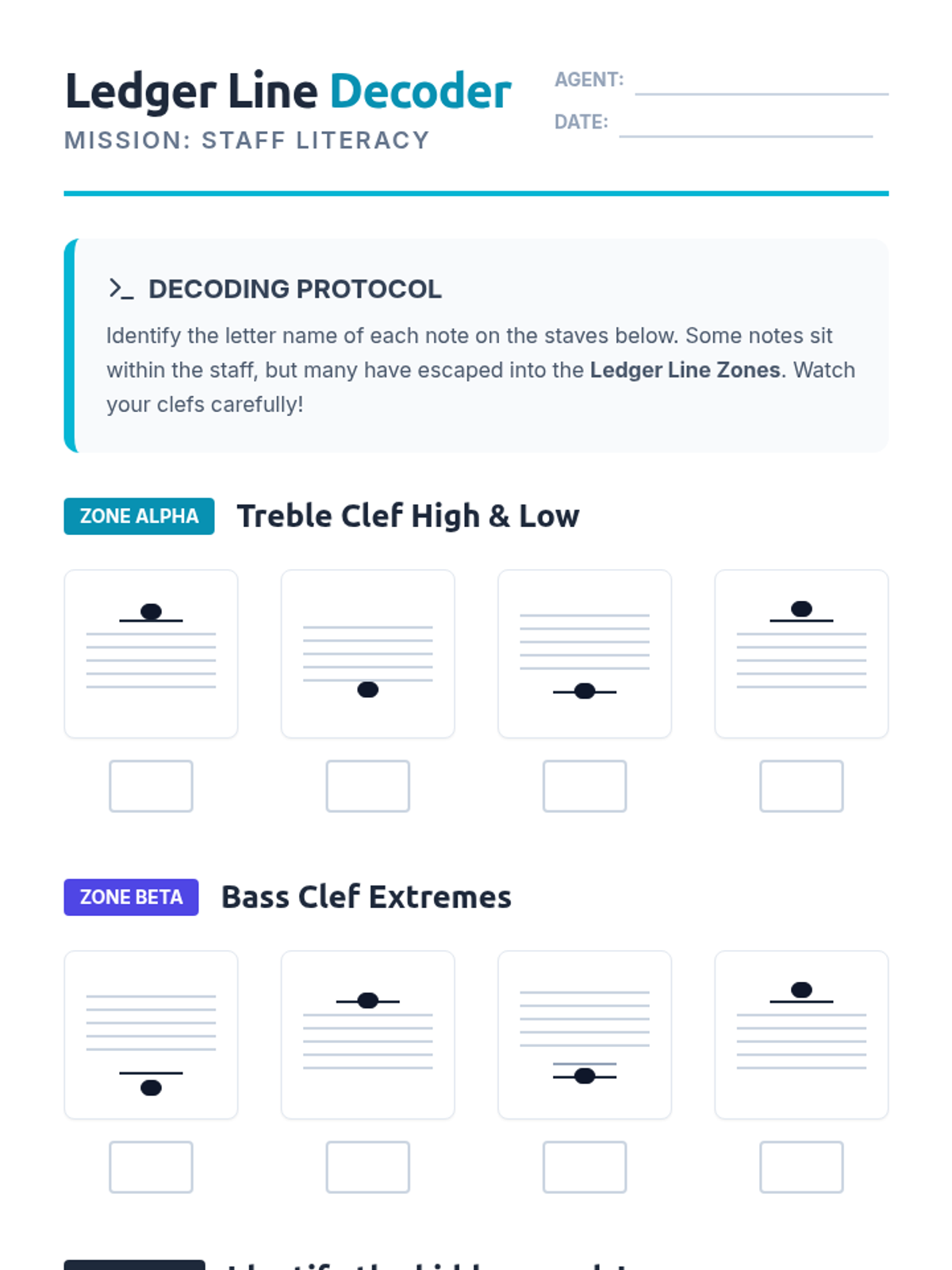
An inquiry-based journey into the logic of pitch organization, covering the Grand Staff, major scale construction, the Circle of Fifths, relative minors, and sight-singing applications. Students use a 'decoding' lens to master the patterns that govern tonal music.
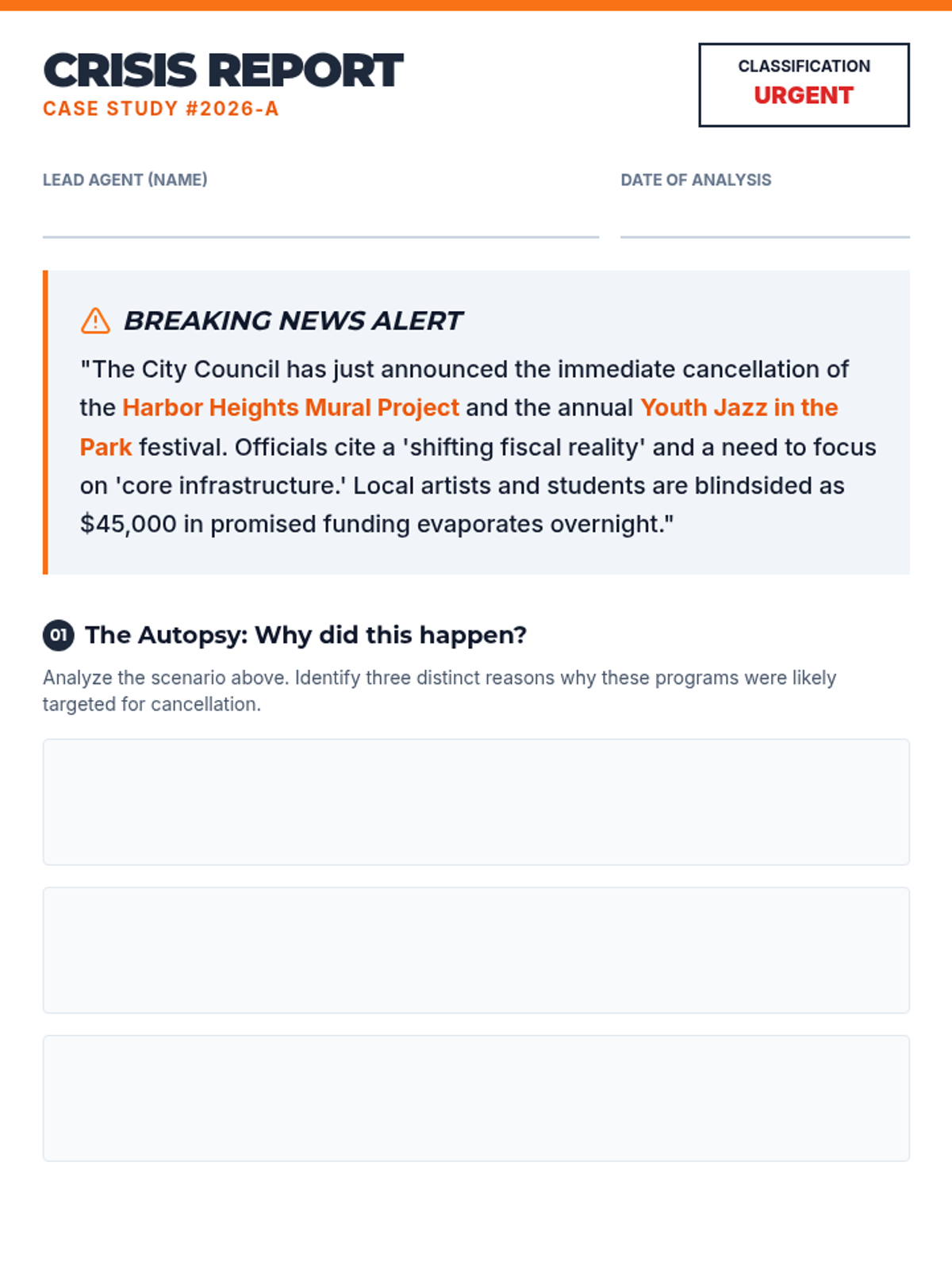
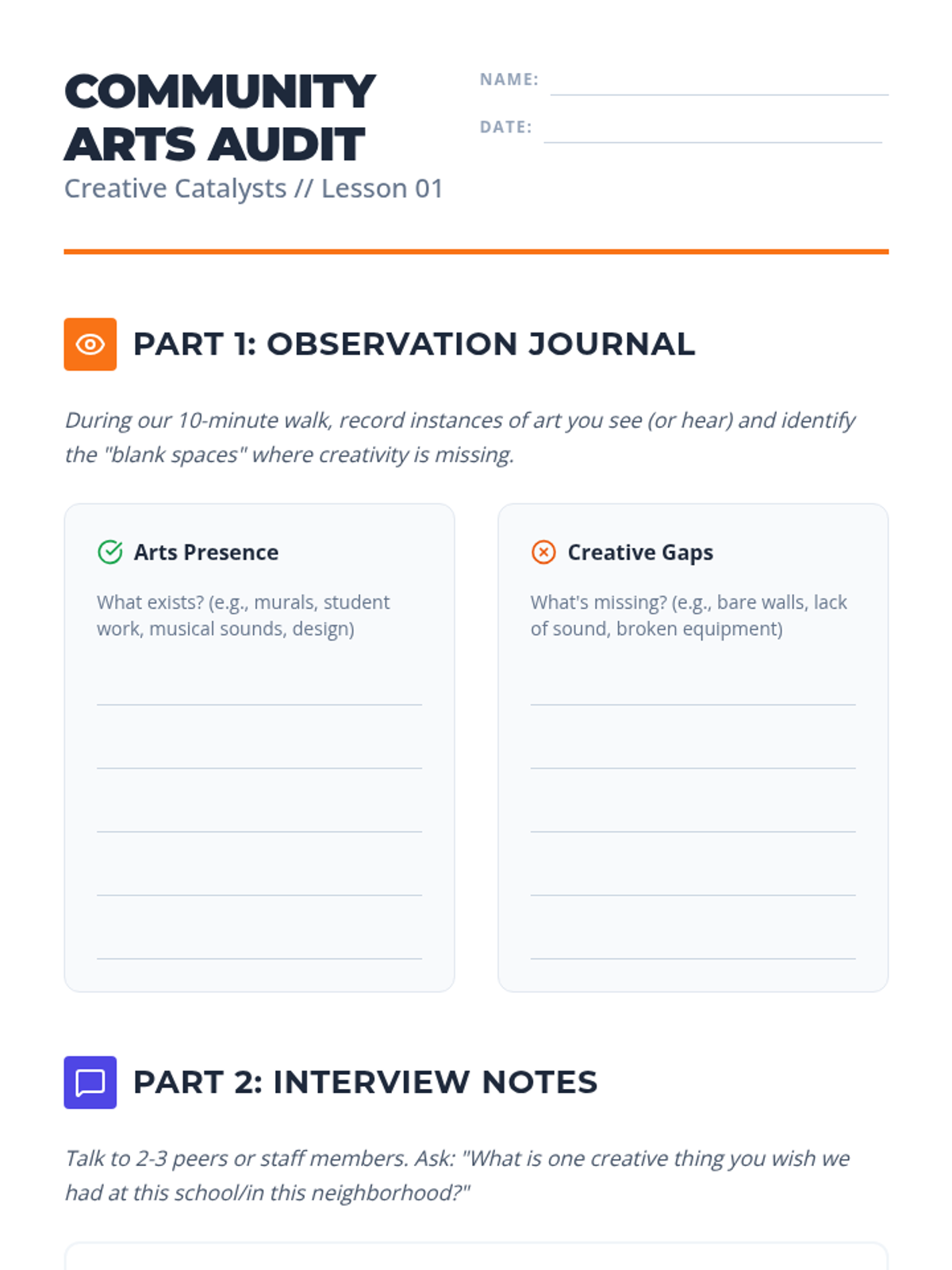
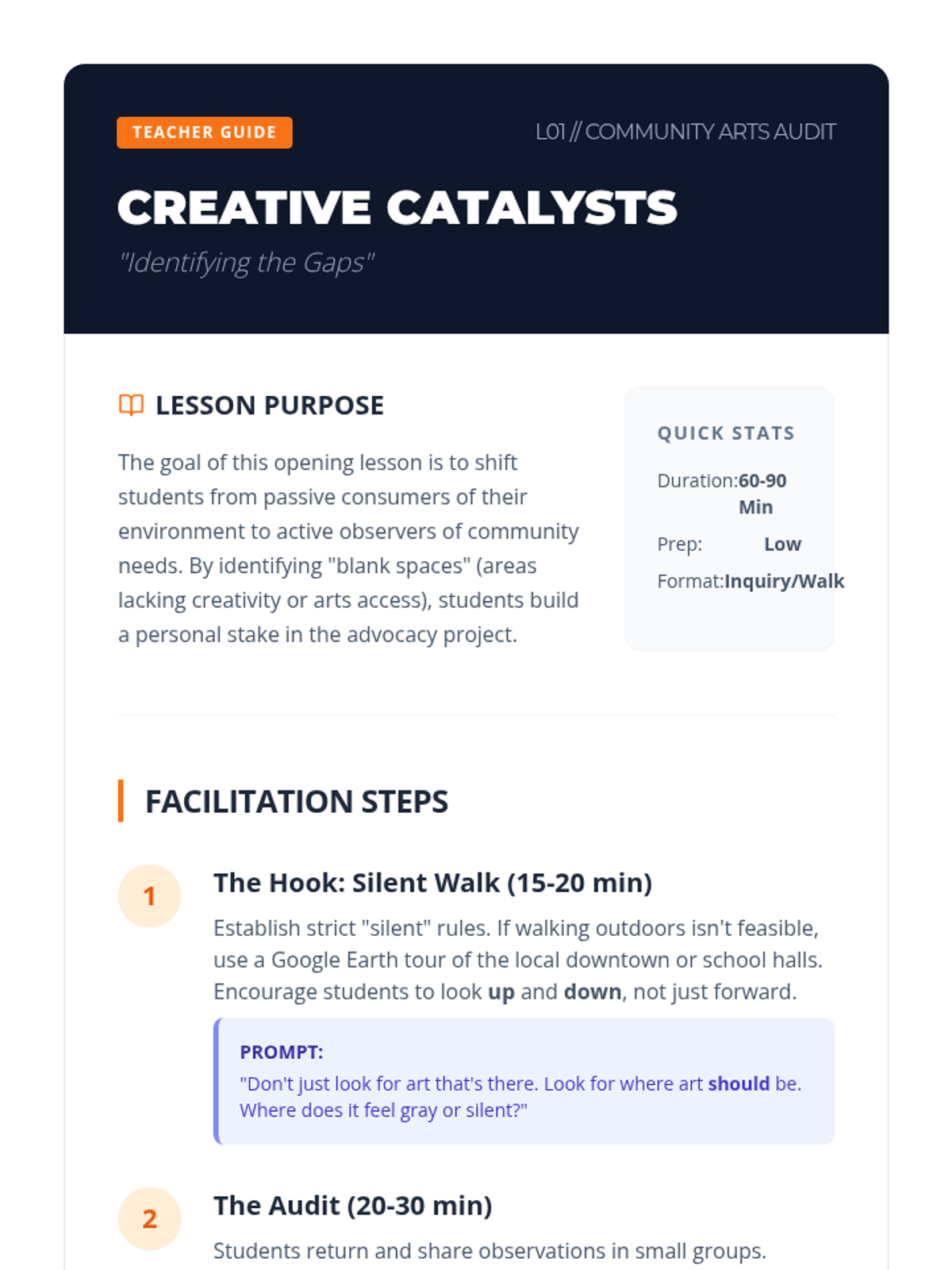
A project-based sequence where 7th-grade students act as community organizers to launch an arts advocacy campaign, moving from needs assessment to a final pitch.
A project-based unit where 8th-grade students act as cultural consultants to research, design, and pitch arts advocacy campaigns for their local communities. Students learn to combine data-driven evidence with persuasive storytelling and visual design to effect real-world change.
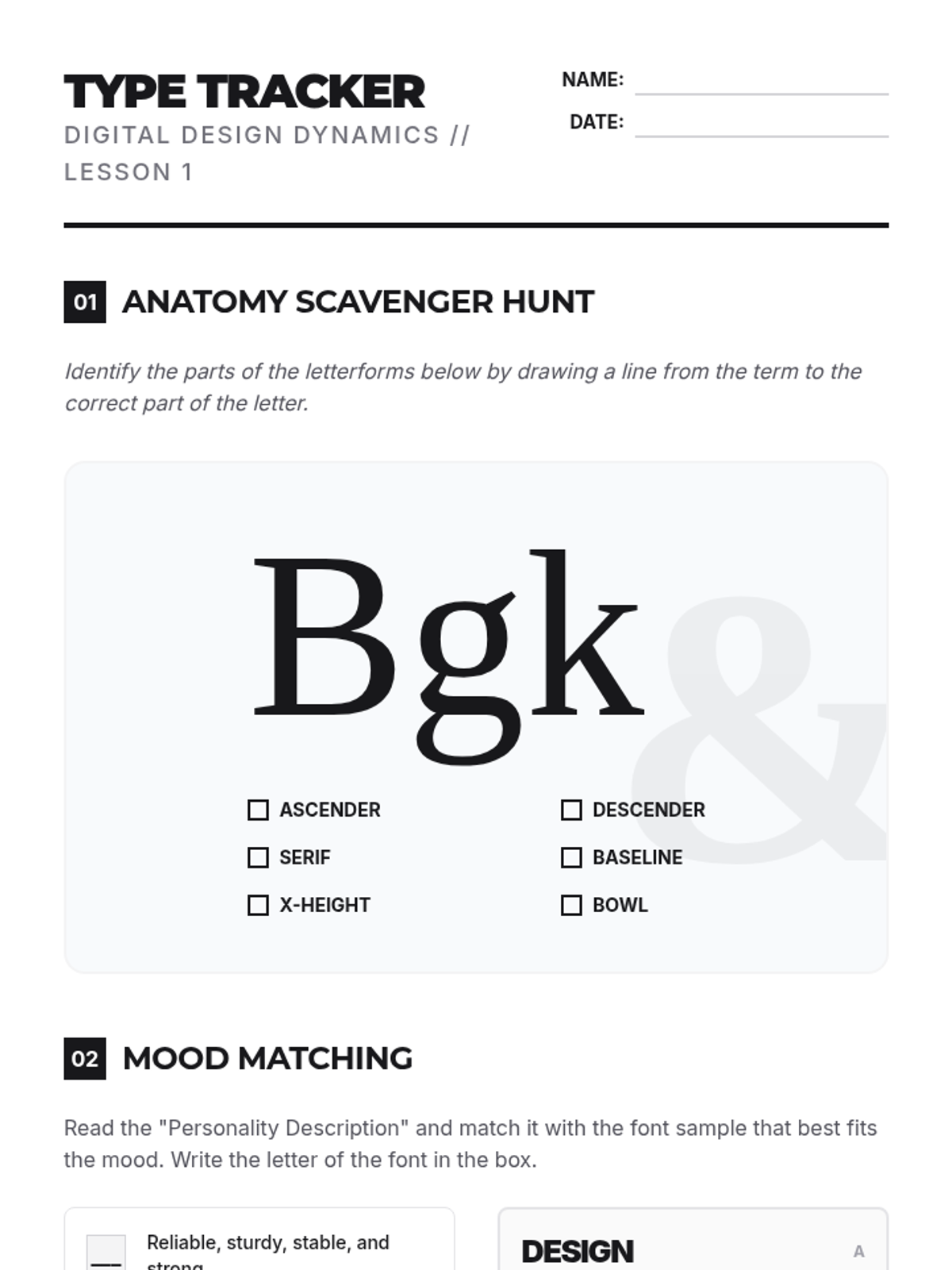
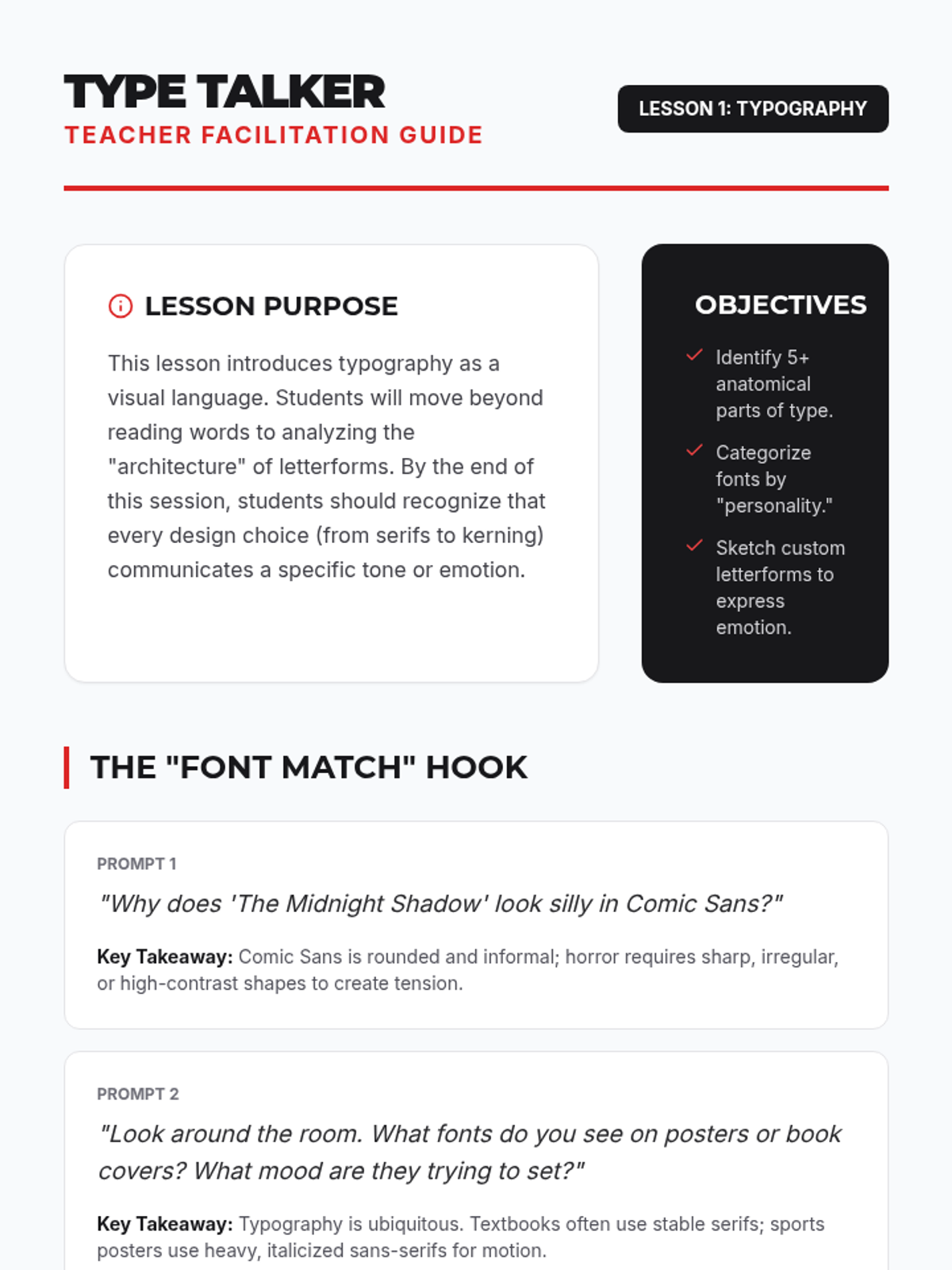
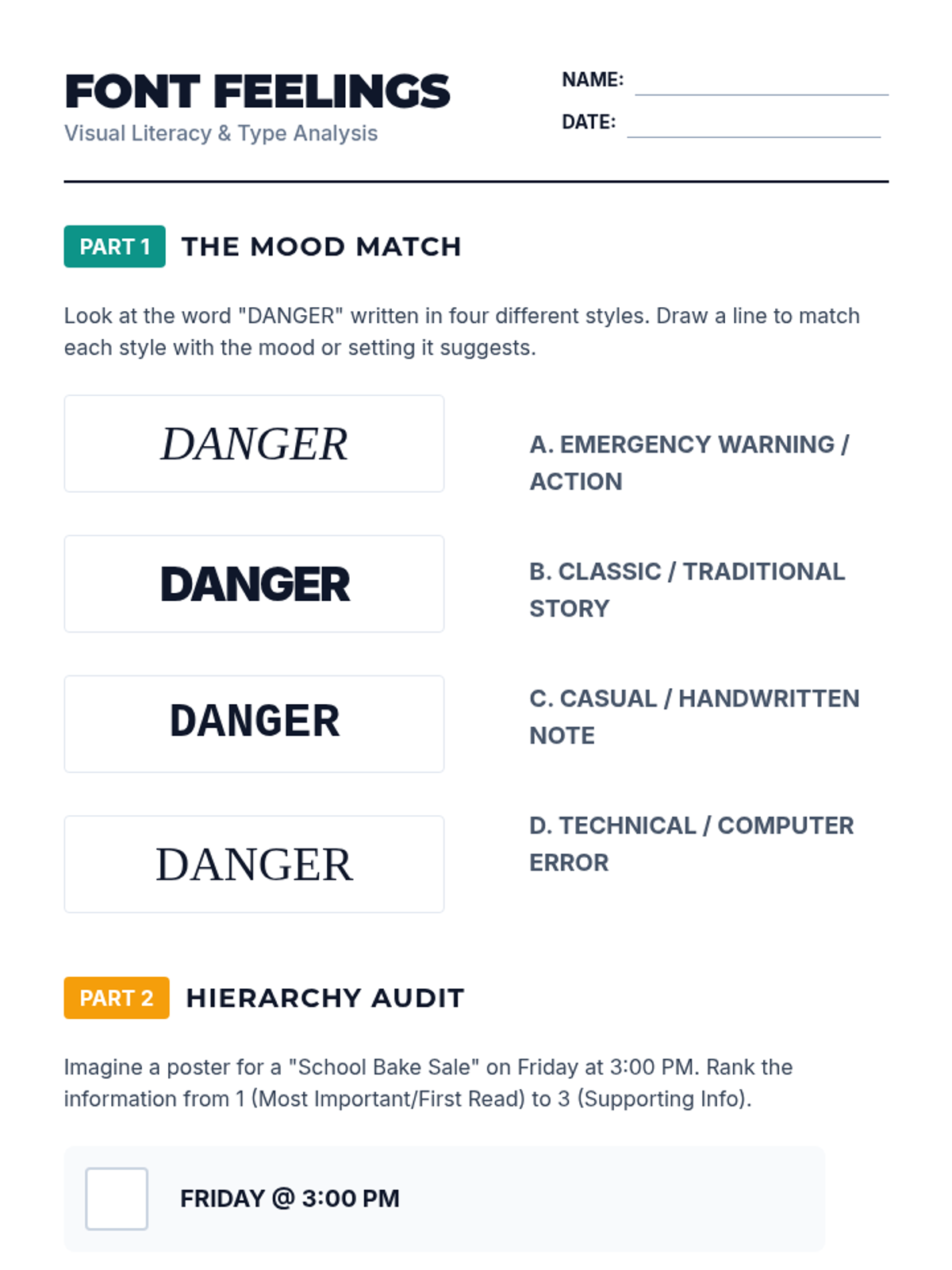
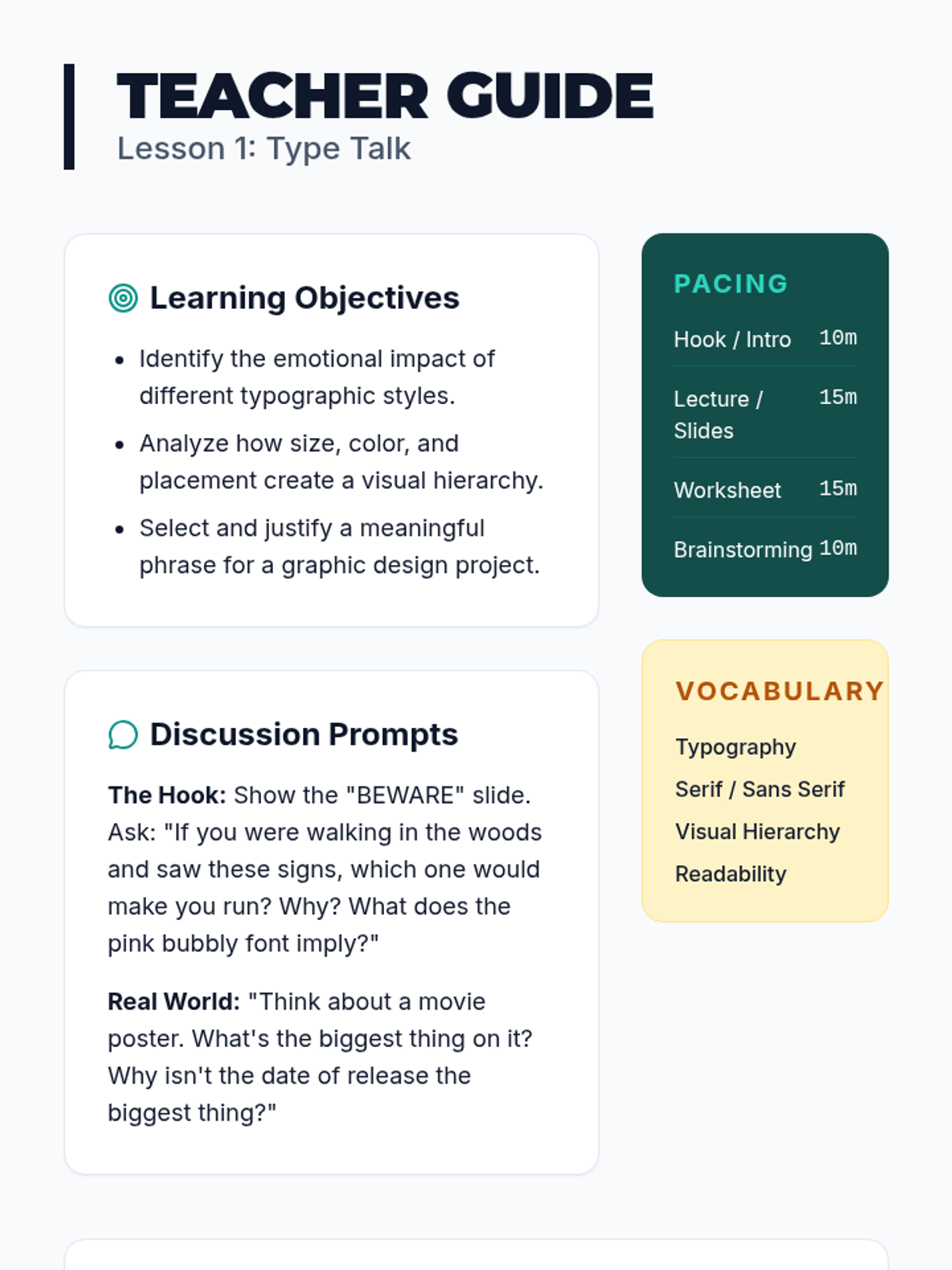
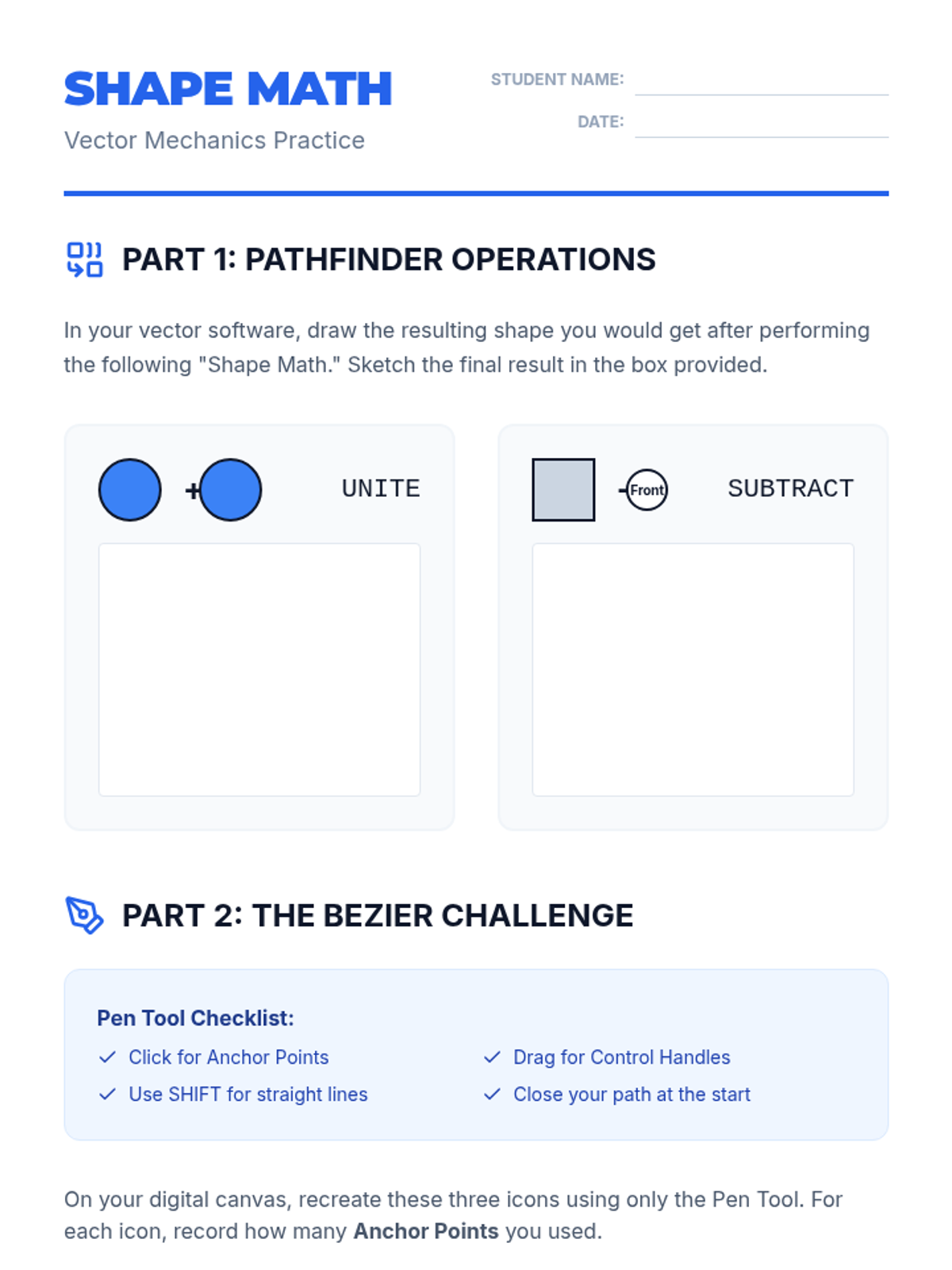
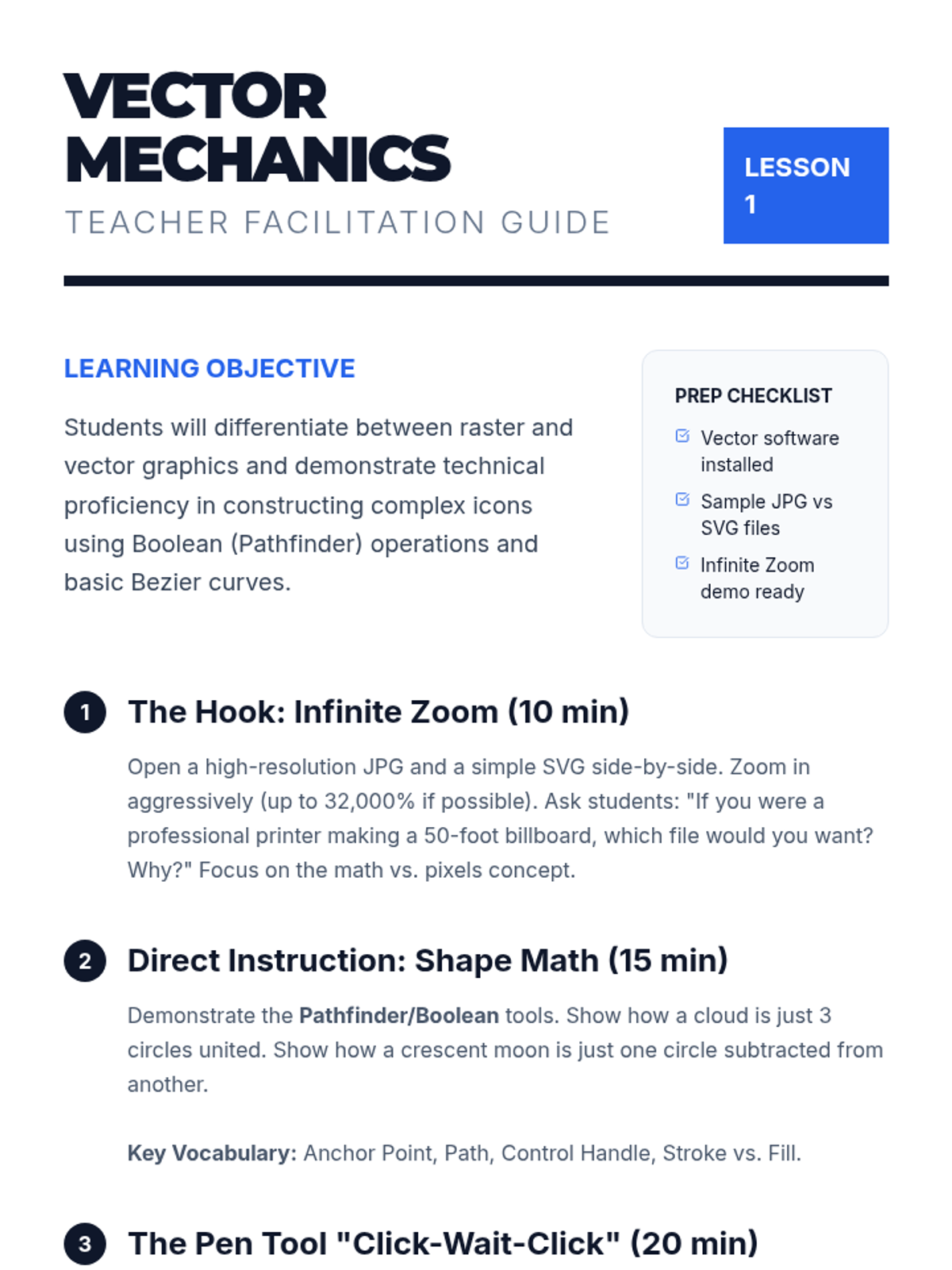
A comprehensive 8th-grade unit bridging traditional printmaking concepts with modern digital graphic design. Students explore typography anatomy, vector illustration, grid-based layouts, and digital color theory to create professional-quality visual communications.
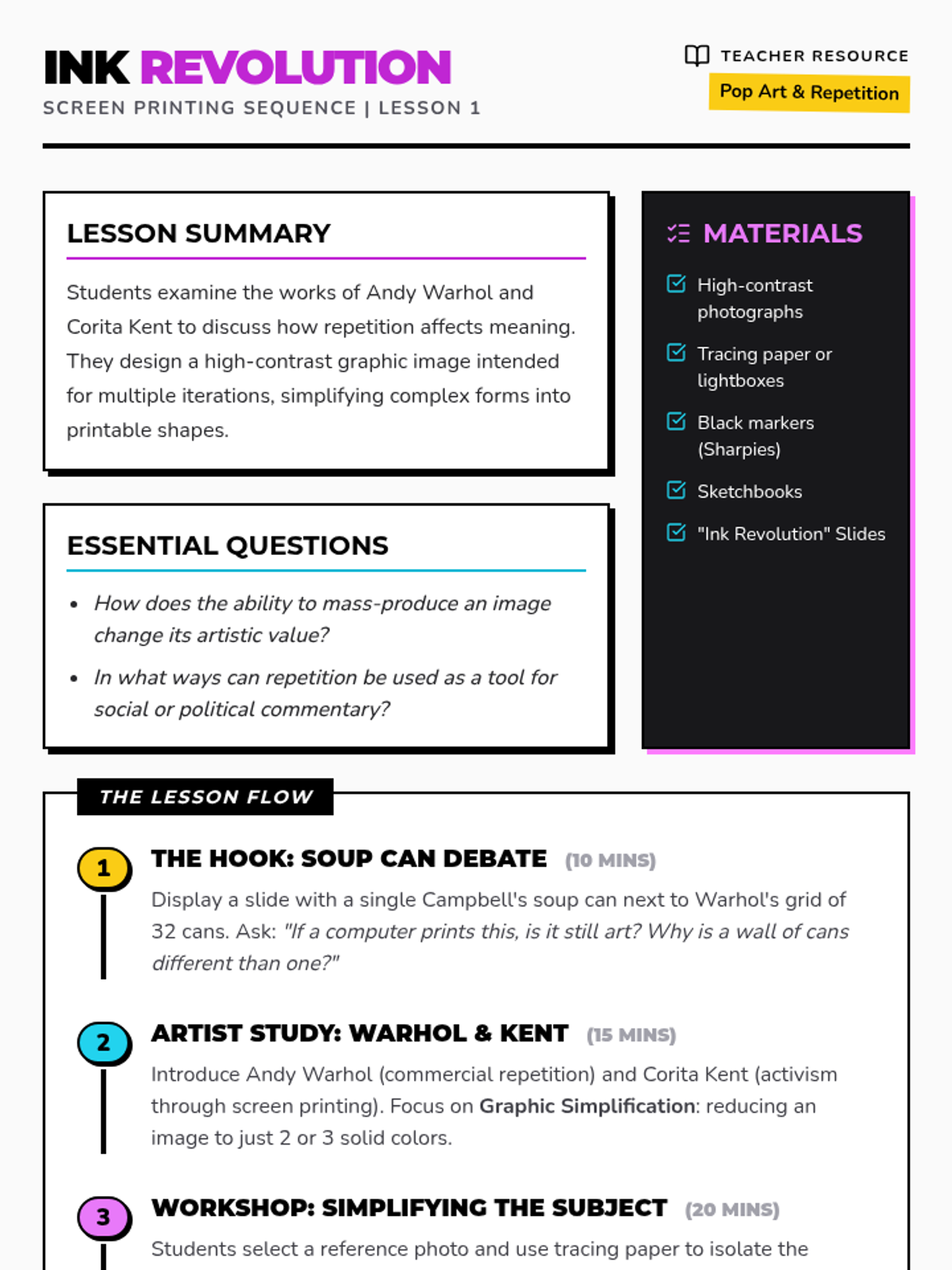
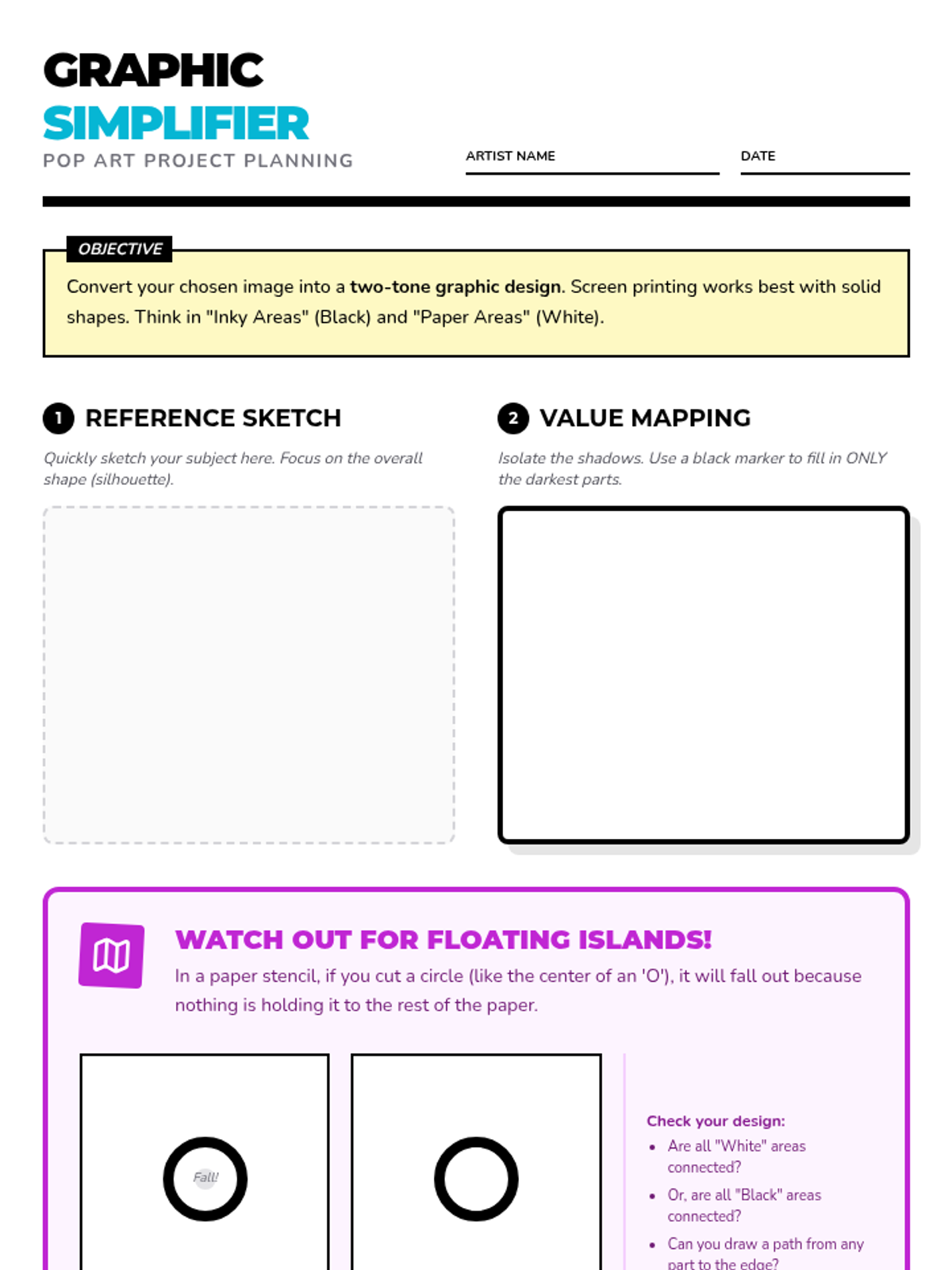
An 8th-grade unit exploring the intersection of Pop Art and screen printing. Students learn technical printmaking skills while investigating the social impact of mass-produced imagery.
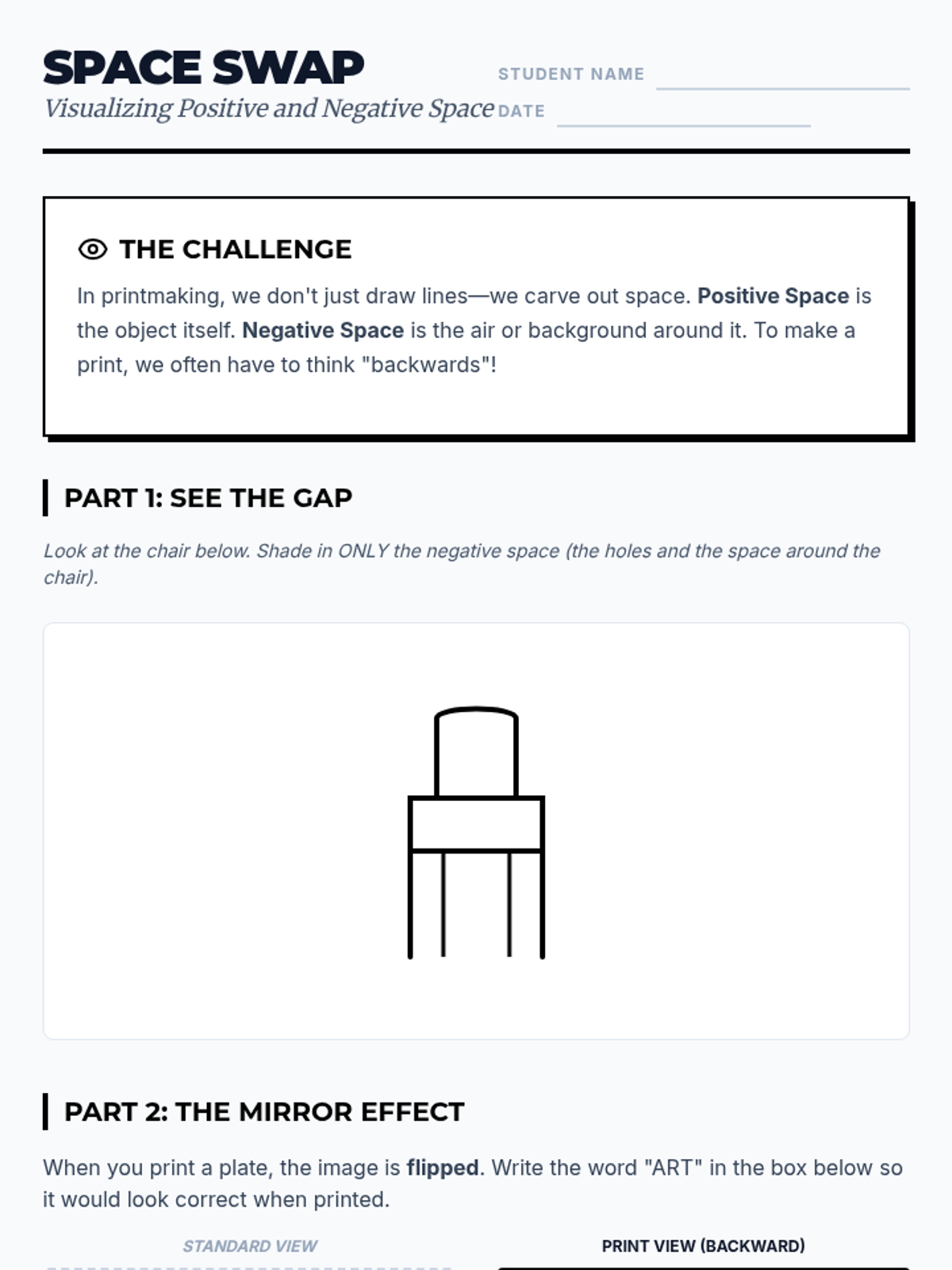
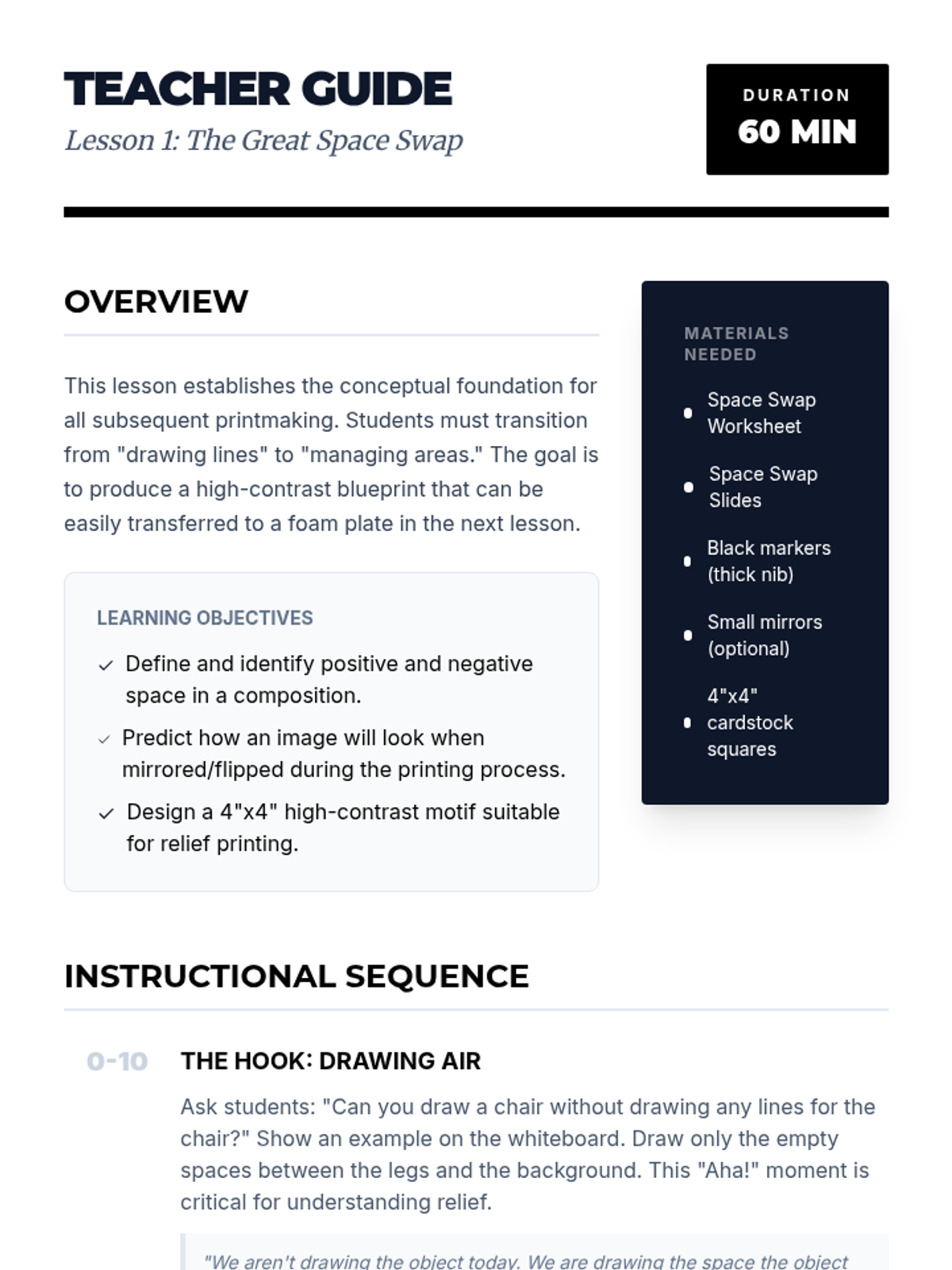
Students explore relief printing using soft foam plates, focusing on positive and negative space, inking techniques, and pattern creation. The sequence culminates in a professional-style edition of prints and a gallery walk critique.
A comprehensive 7th-grade unit that integrates graphic design principles with the physical craft of screen printing. Students learn about typography, visual hierarchy, and composition while navigating the technical challenges of stencil-making and screen printing to create a persuasive poster series.
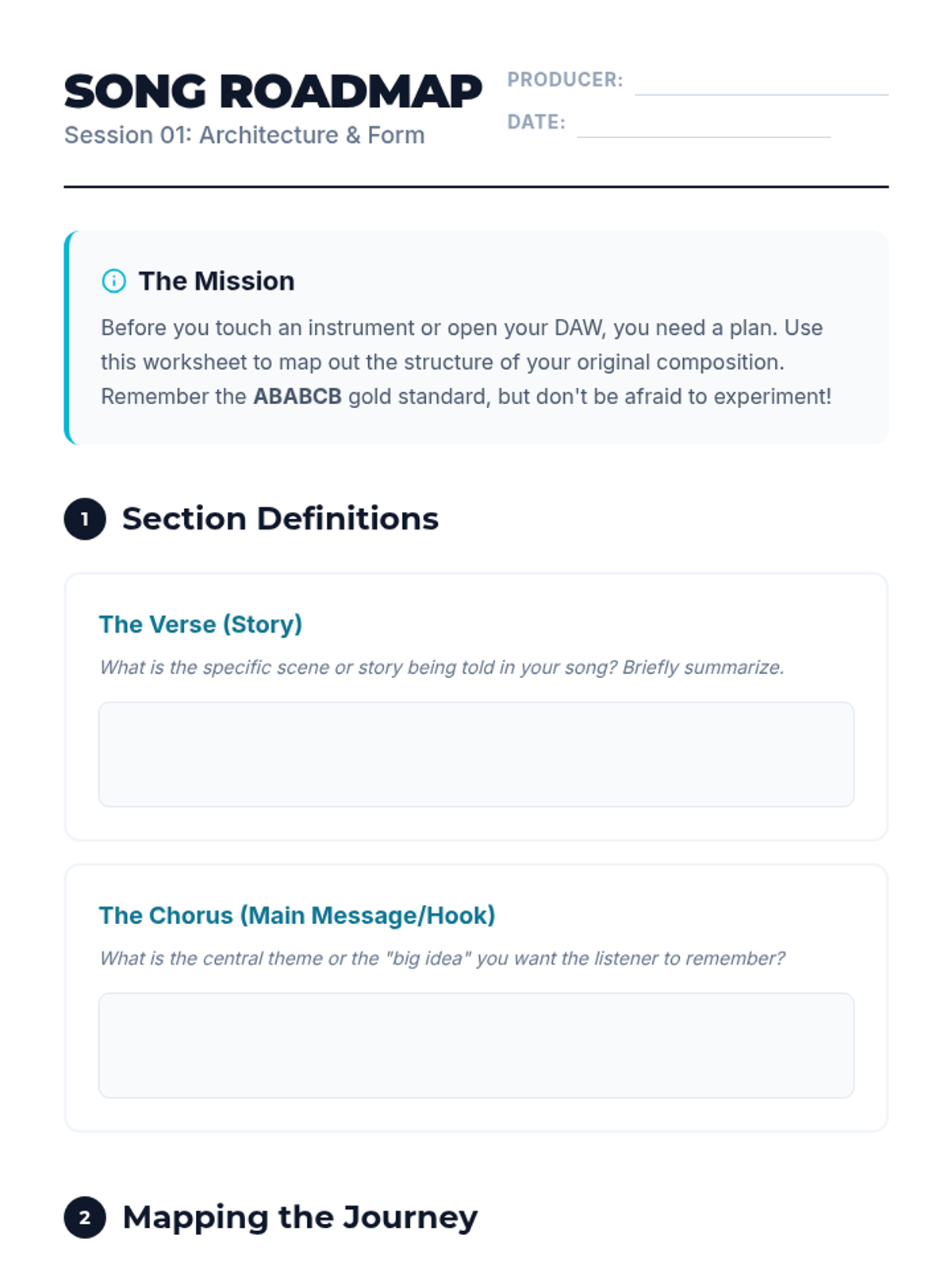
A comprehensive 5-lesson sequence for 8th-grade music students focusing on the architectural, creative, and technical aspects of songwriting, culminating in a final portfolio-ready composition.
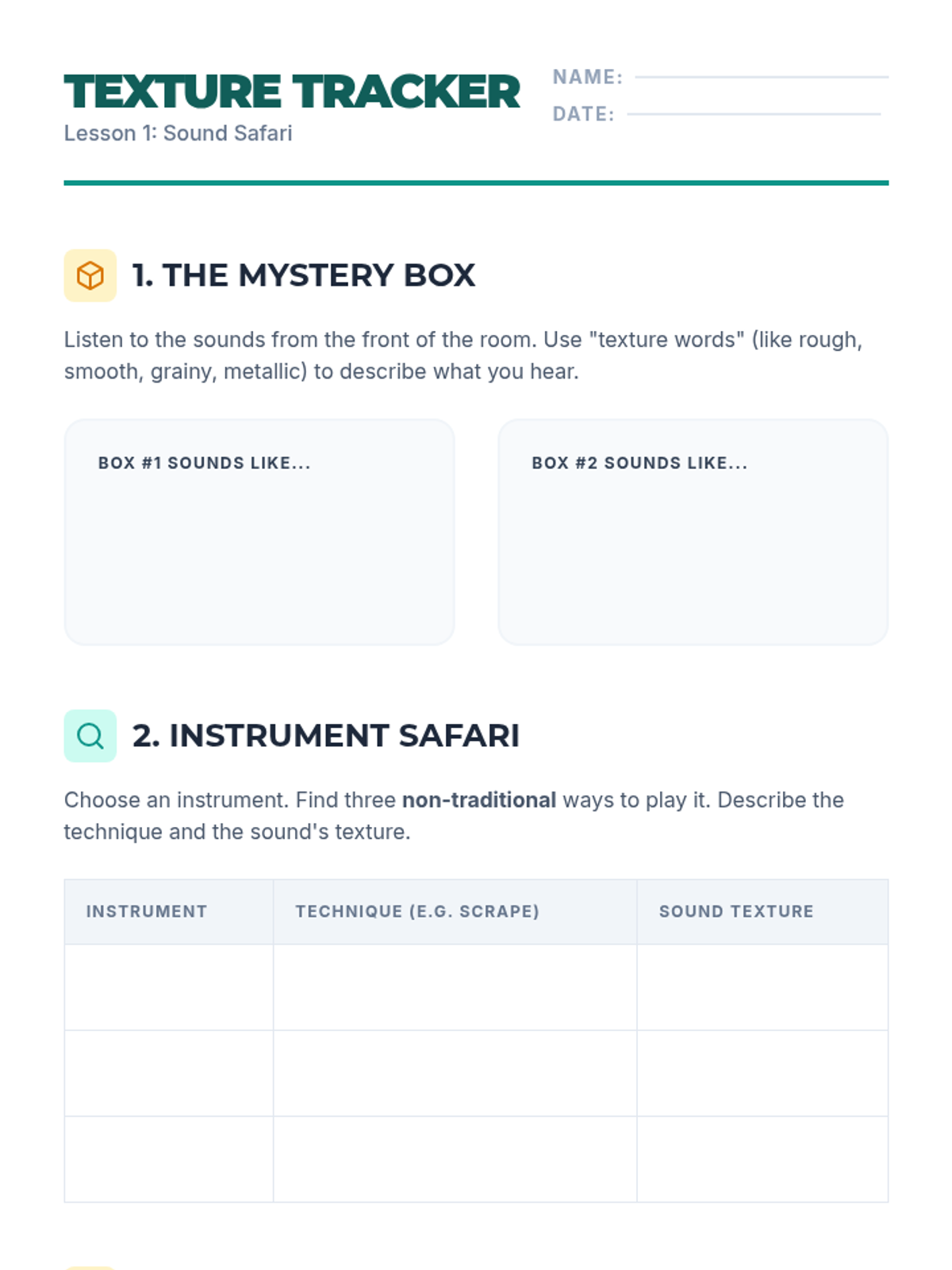
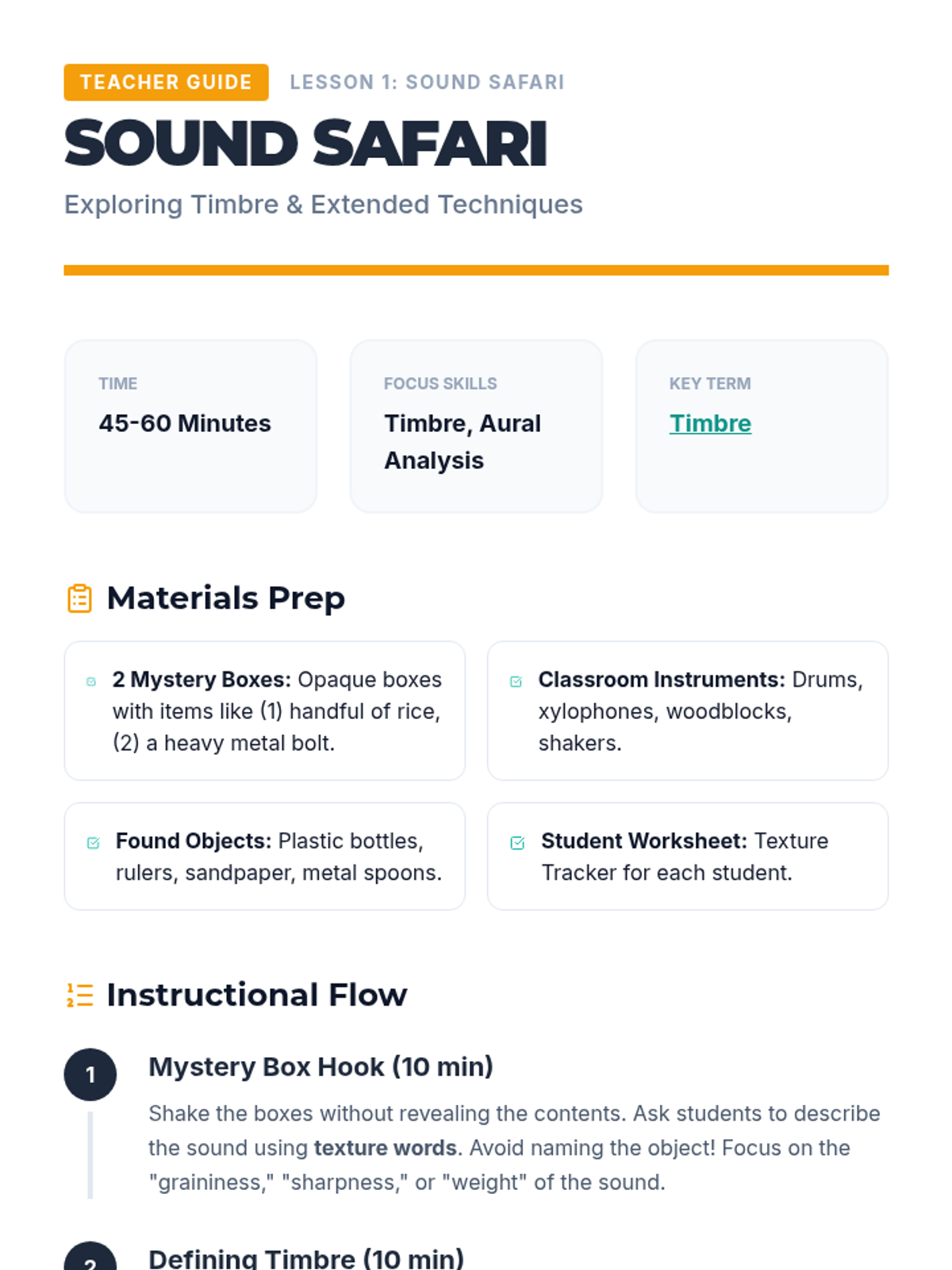
A 5-lesson journey into music composition using graphic notation. Students explore sound textures, invent visual symbols for audio, compose narrative soundscapes, and lead ensembles as conductors.
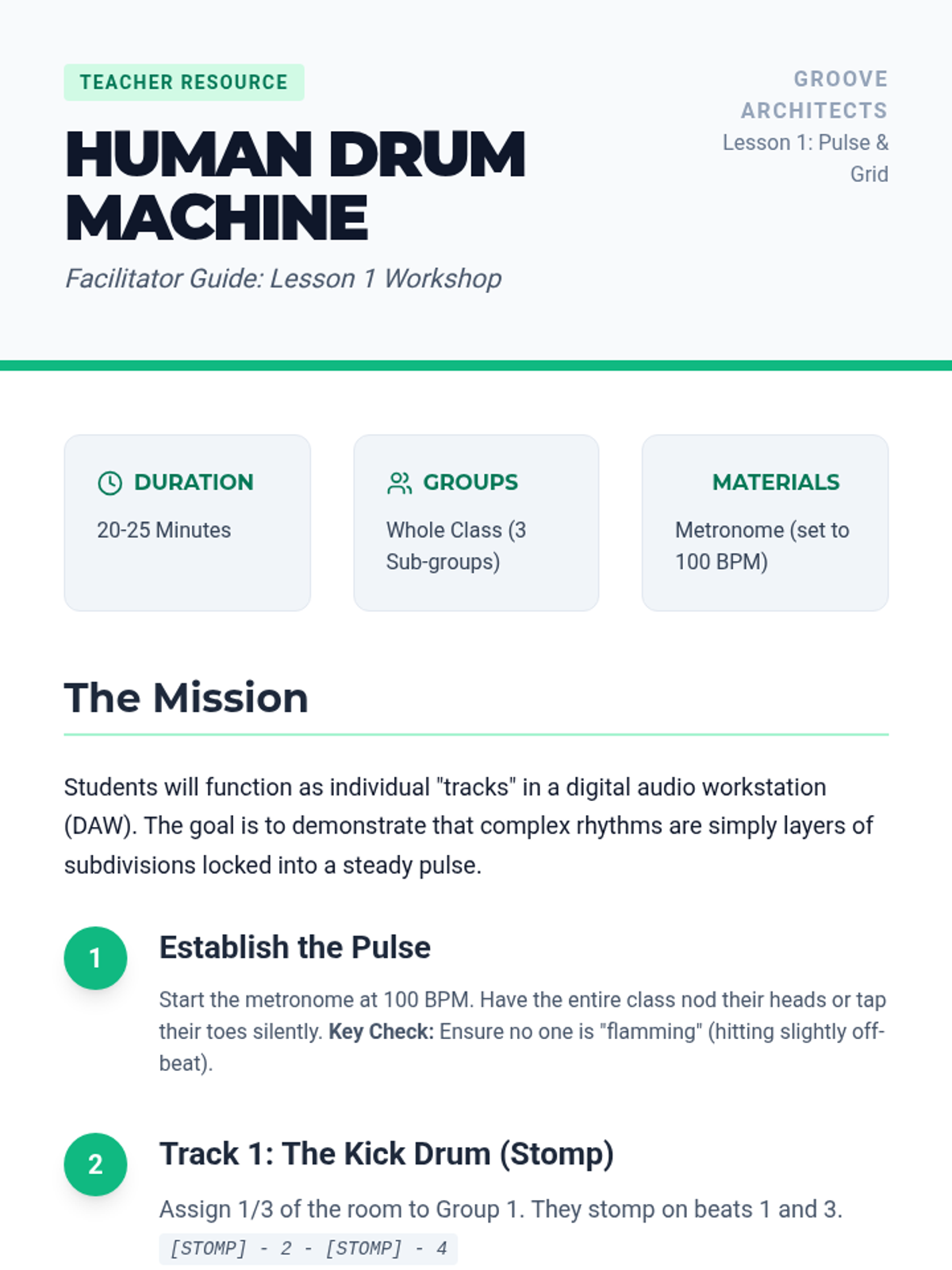
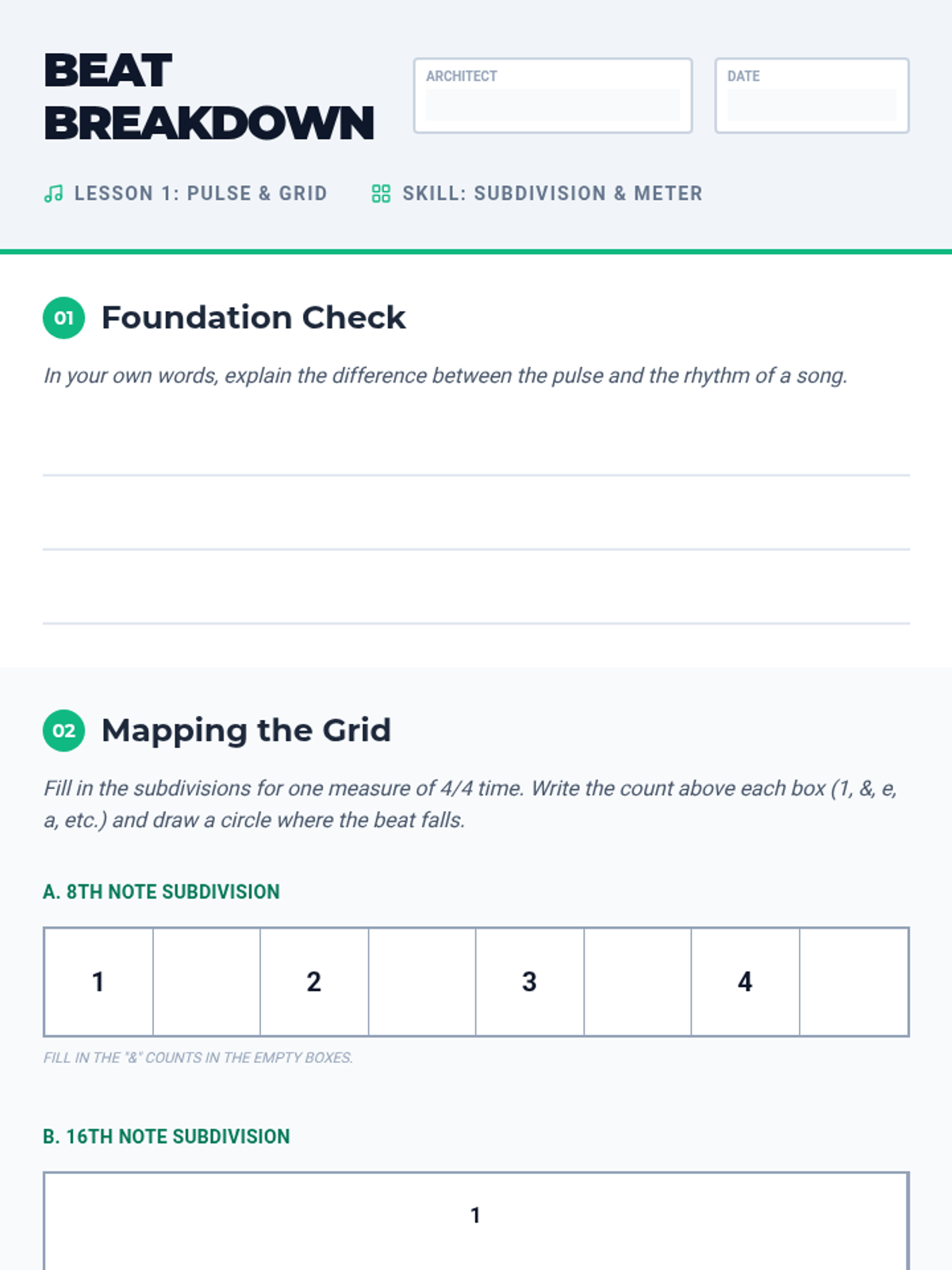
A comprehensive 5-lesson sequence for 7th-grade students on the fundamentals of rhythm, exploring subdivision, syncopation, ostinatos, and polyrhythms, culminating in an original percussion ensemble composition.
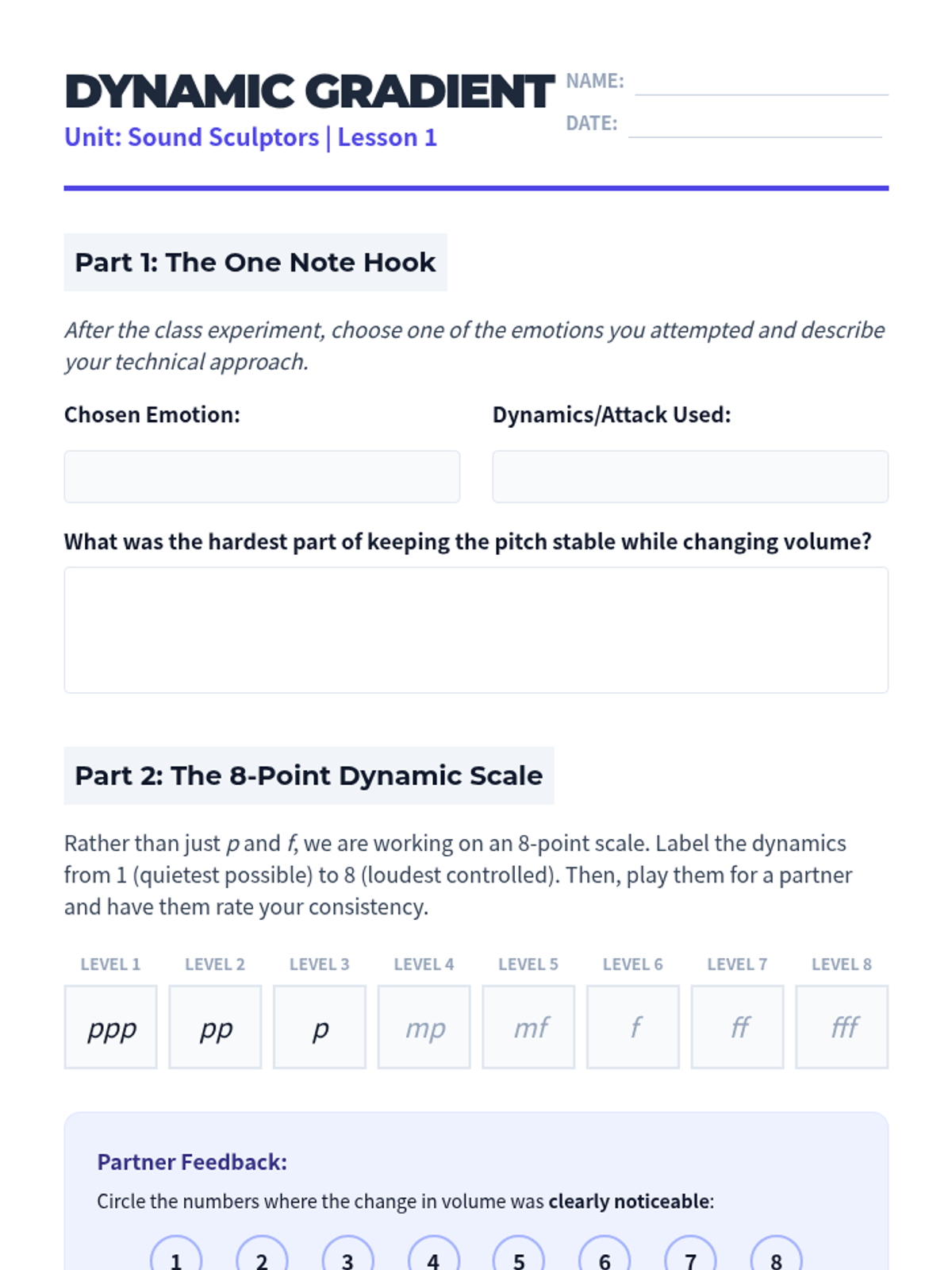
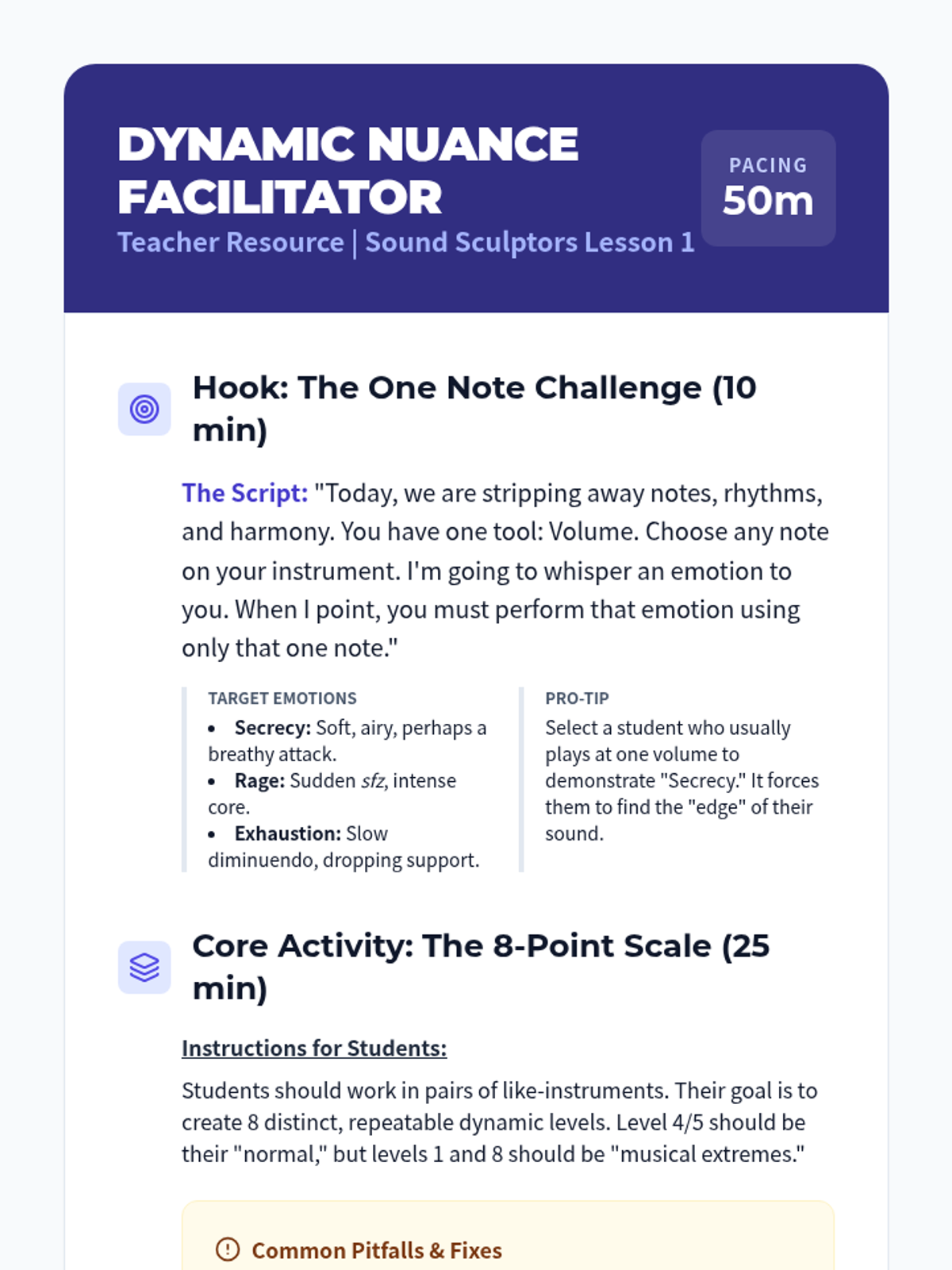
An inquiry-based unit for 8th-grade instrumentalists exploring musical expression, dynamics, phrasing, and historical style to move beyond technical accuracy toward artistic interpretation.
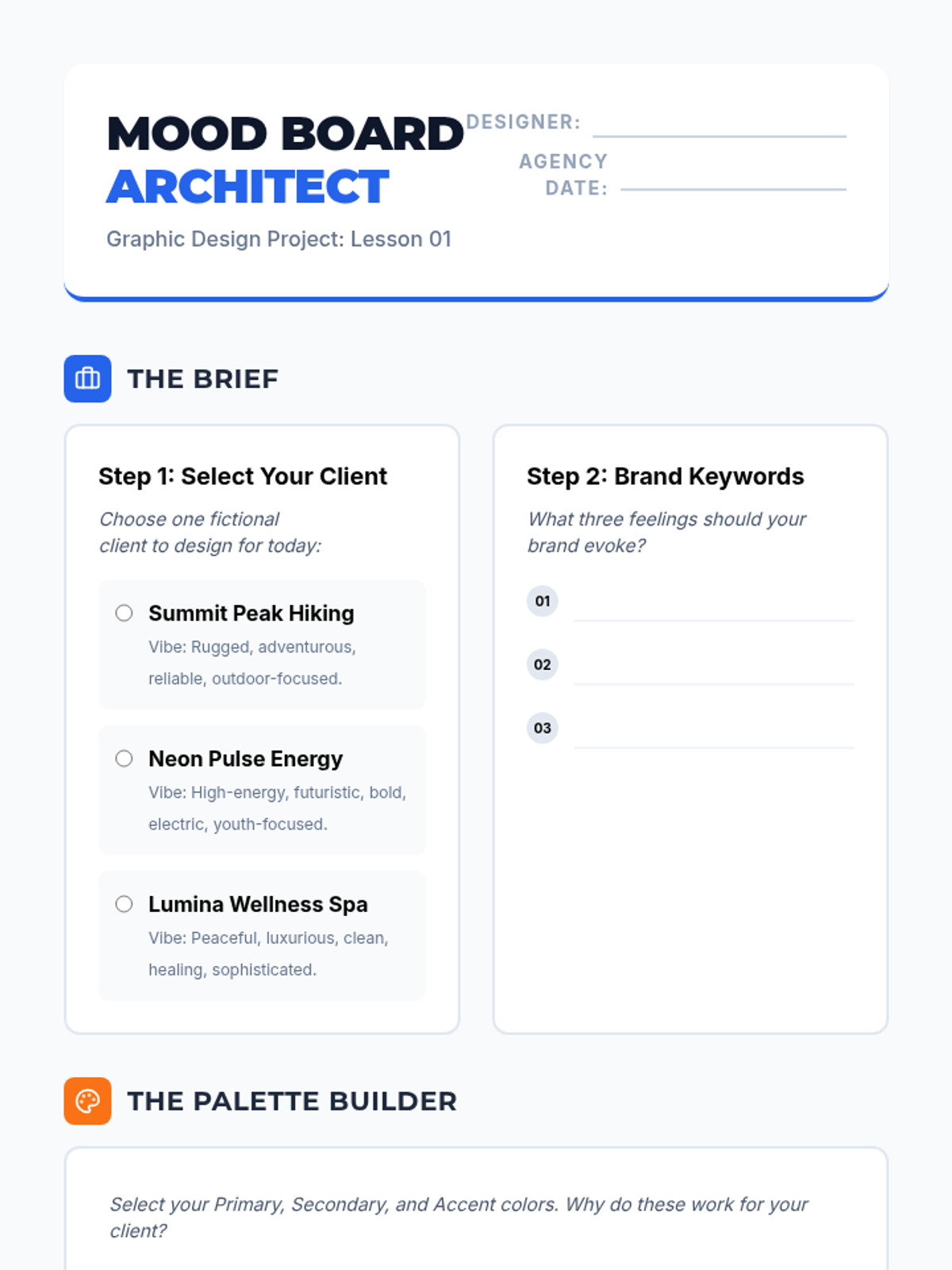
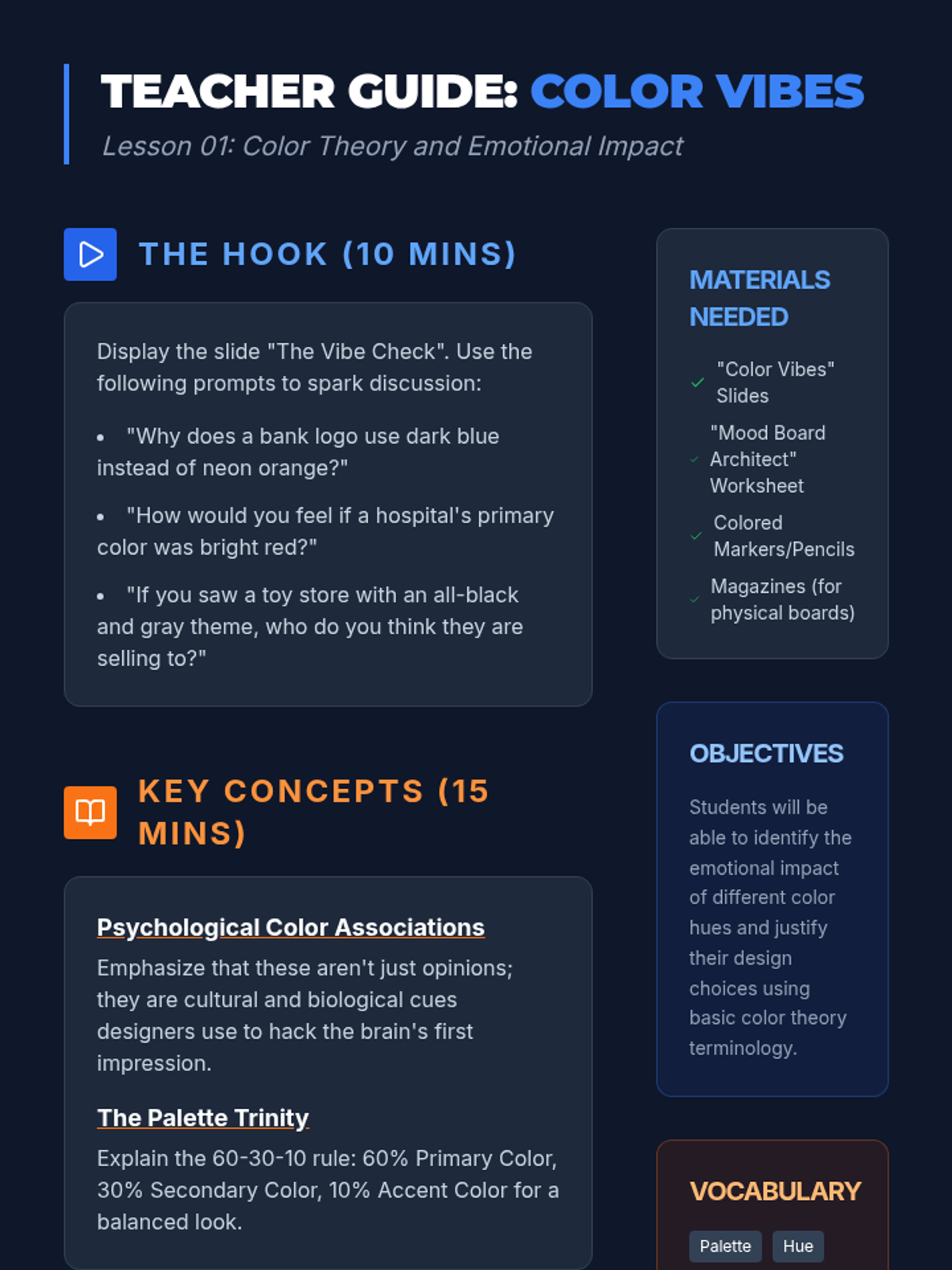
A comprehensive project-based sequence for 8th graders to master graphic design fundamentals, from color psychology and typography to digital logo creation and professional critique. Students develop a brand identity for a fictional client, focusing on design as a tool for communication.
This sequence introduces 8th-grade students to graphic design through vector illustration and brand identity. Students learn technical software skills alongside conceptual design principles like color psychology and typography, culminating in the creation of a professional brand style guide.
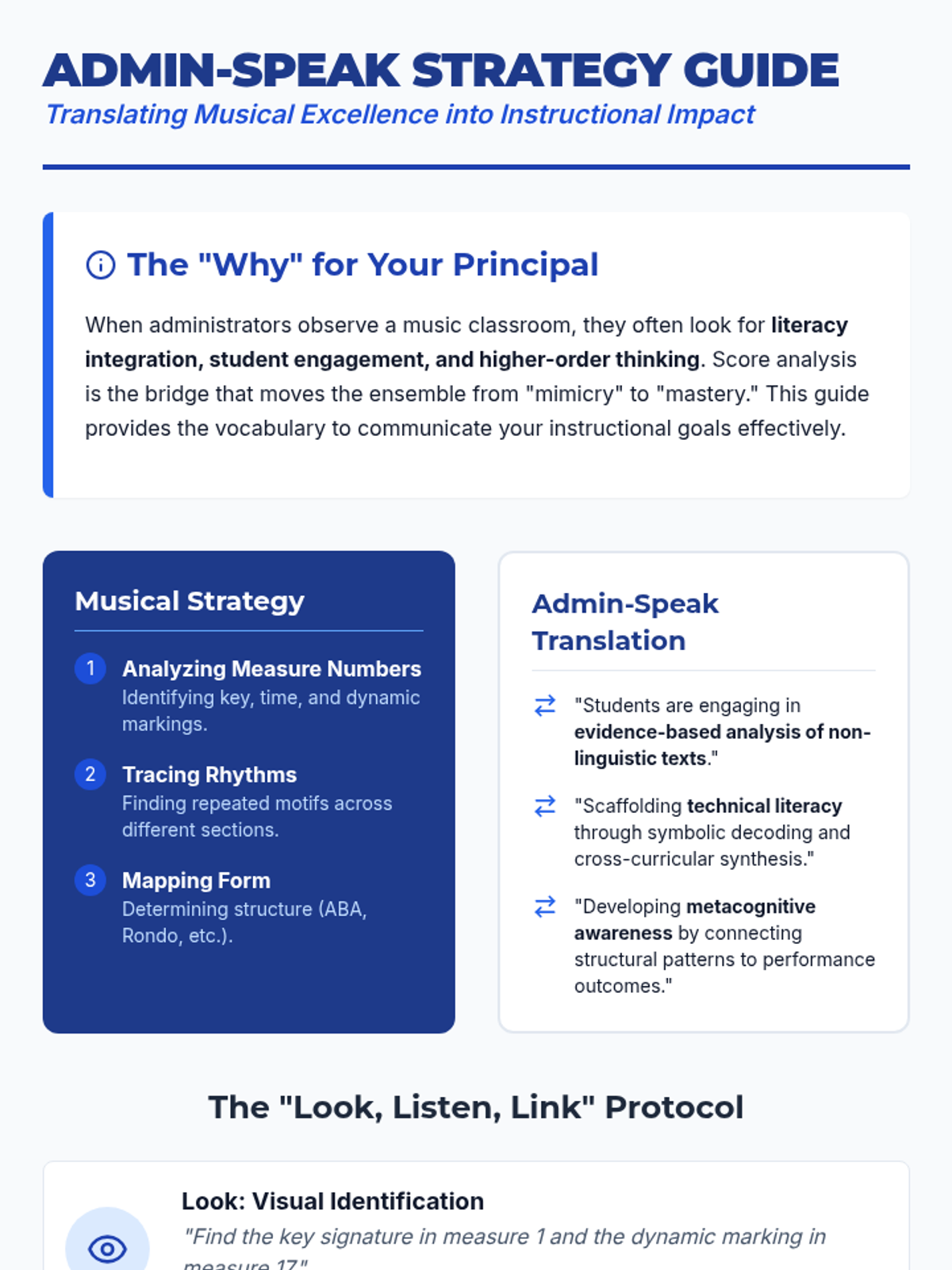
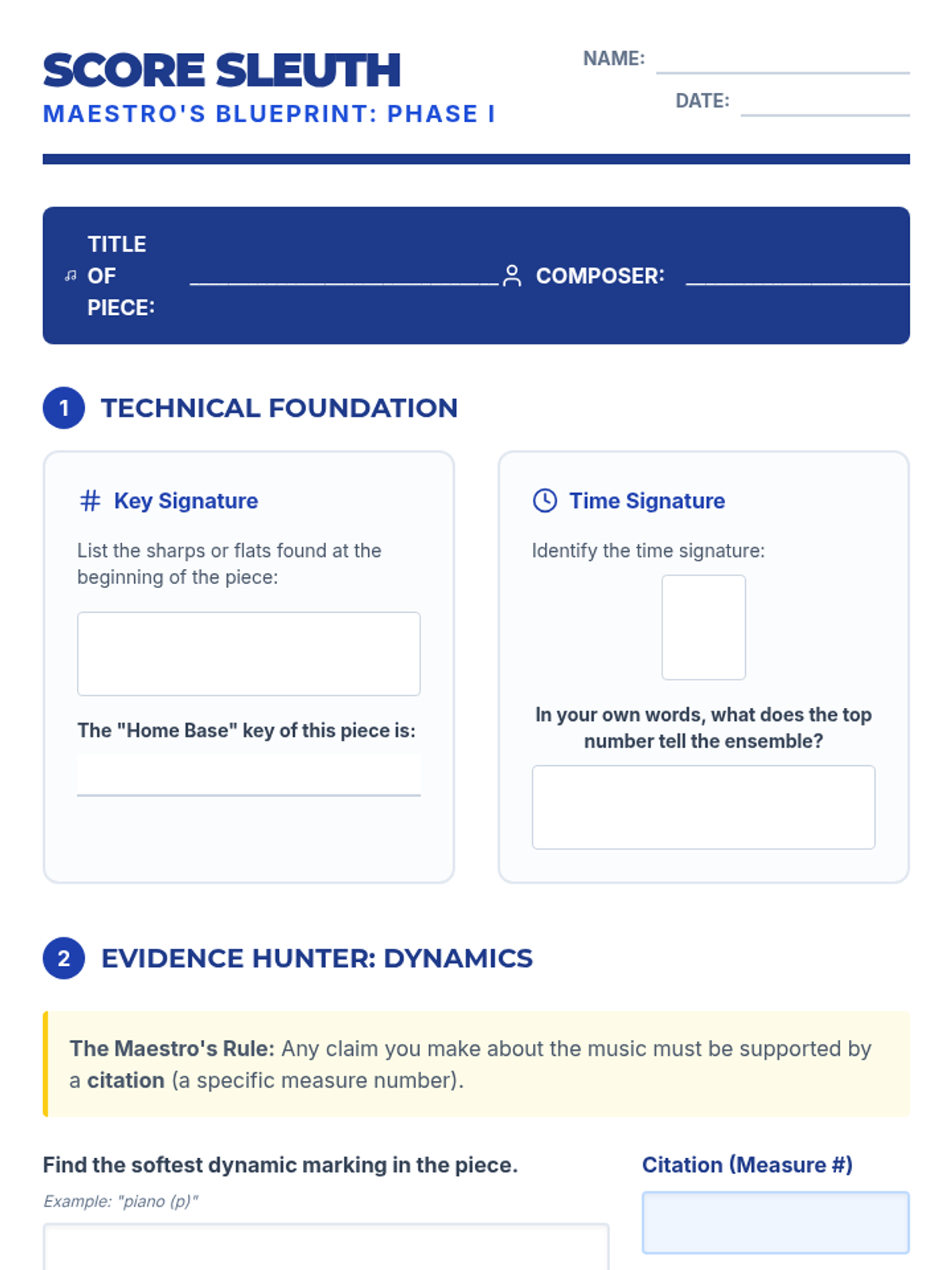
A comprehensive score analysis framework for middle school band and choir ensembles that integrates music literacy with text-based evidence and academic rigor. Students learn to 'read' a musical score as a primary source document, identifying technical elements and structural patterns while providing specific citations for their findings.
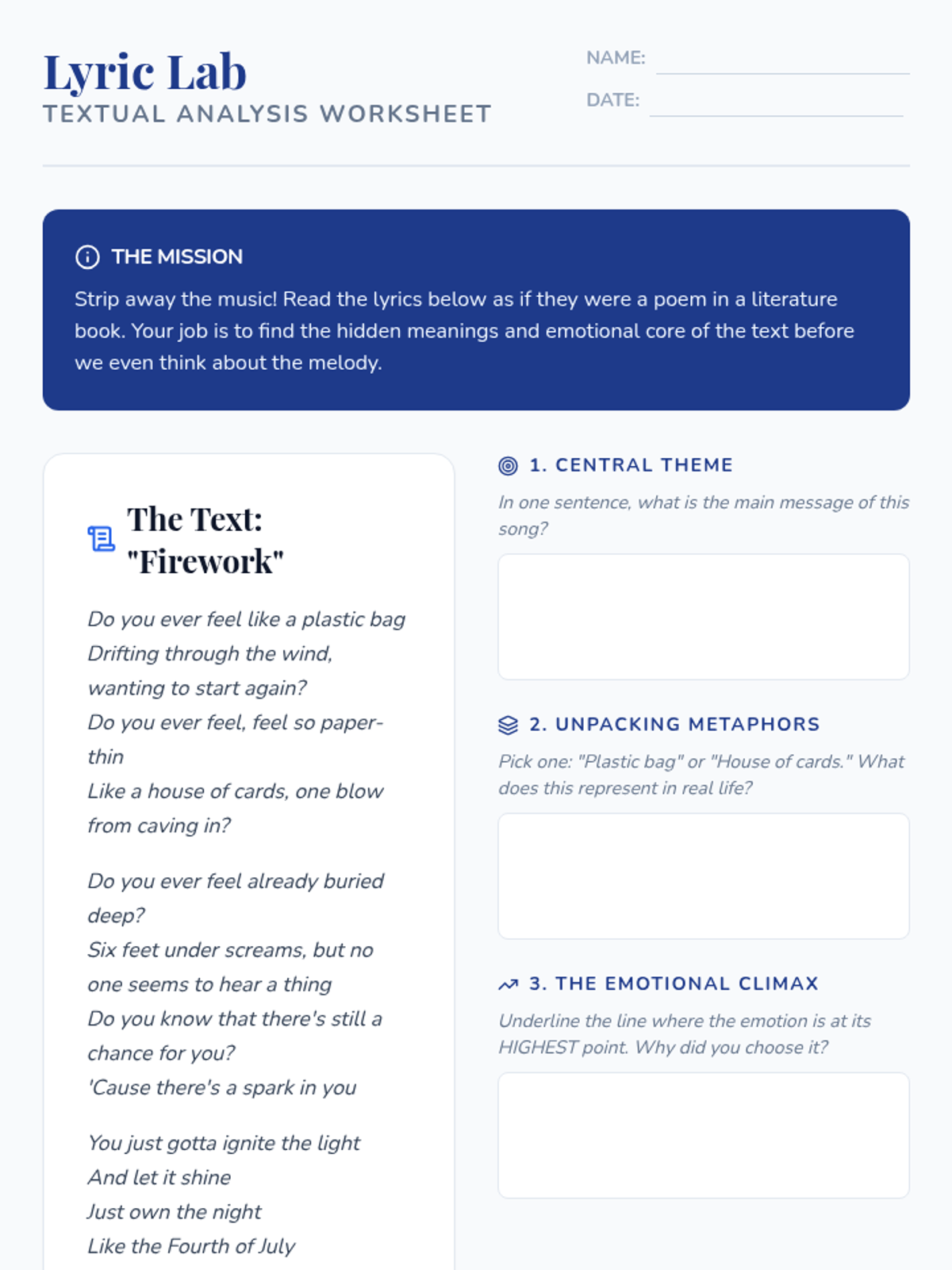
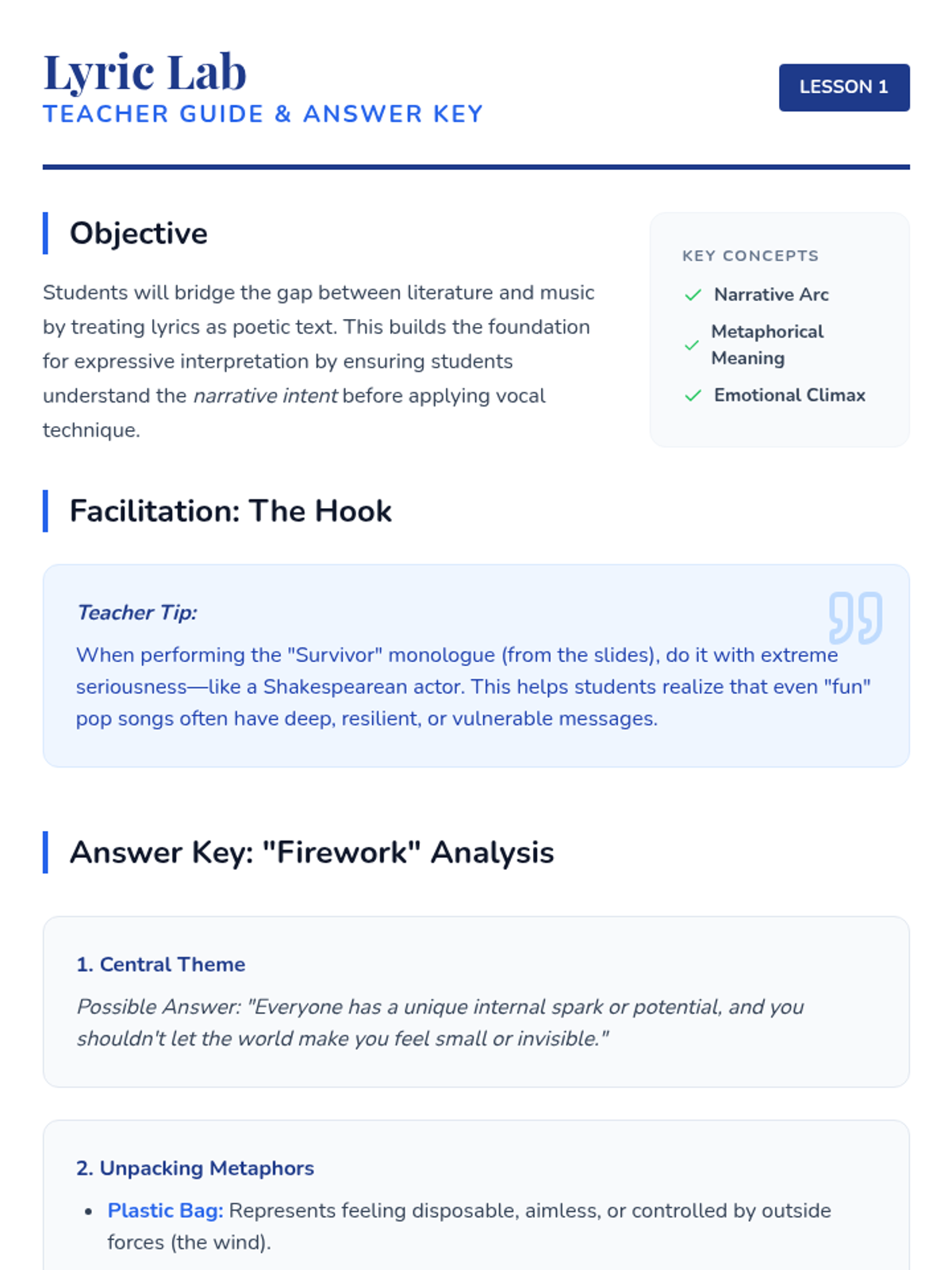
A 5-lesson unit for 6th-grade singers focusing on the intersection of technical performance and artistic storytelling. Students explore lyrics as poetry, master the mechanics of phrasing and breath management, manipulate dynamics and tempo for emotional impact, and analyze interpretive choices in cover songs.
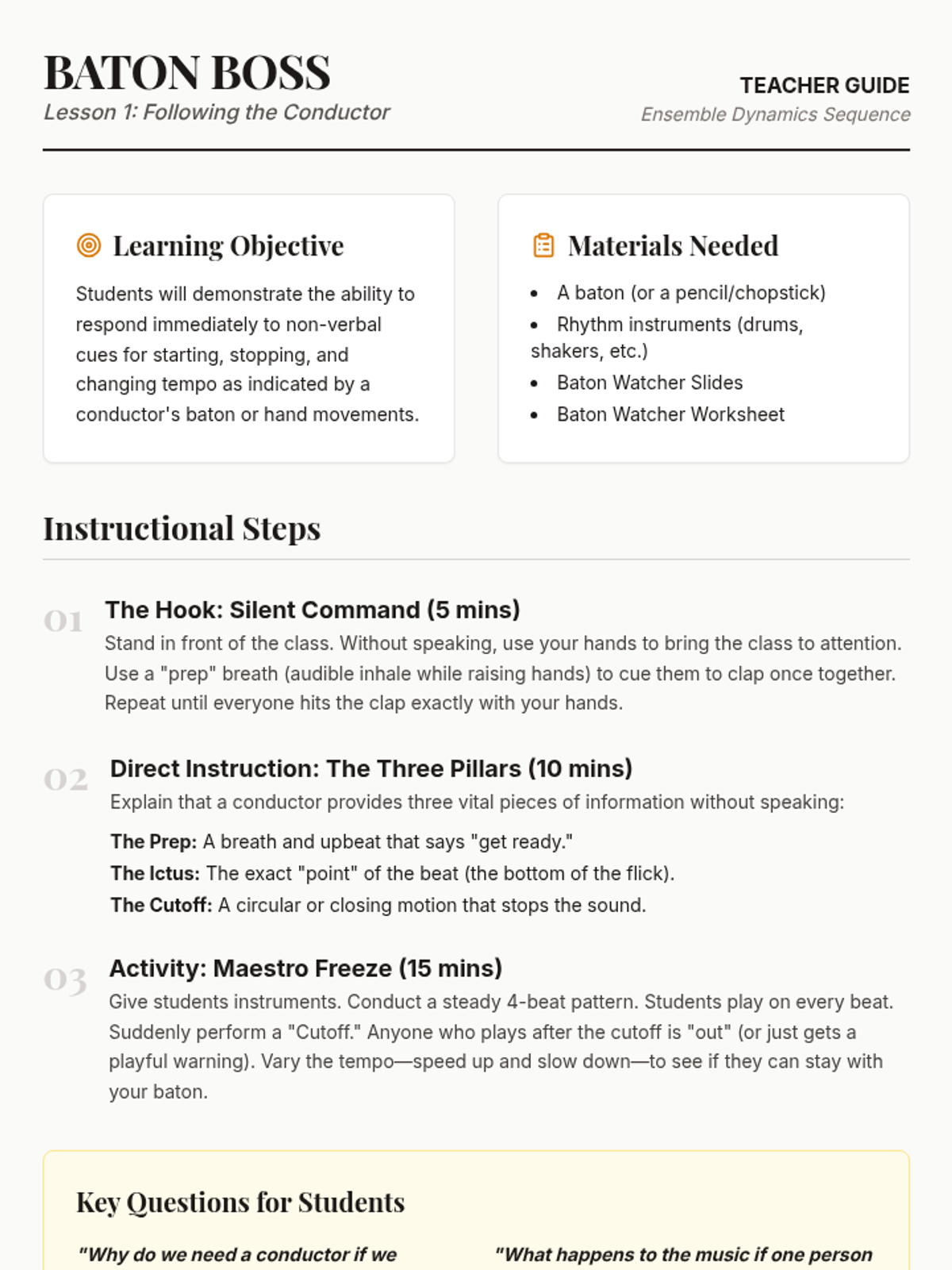
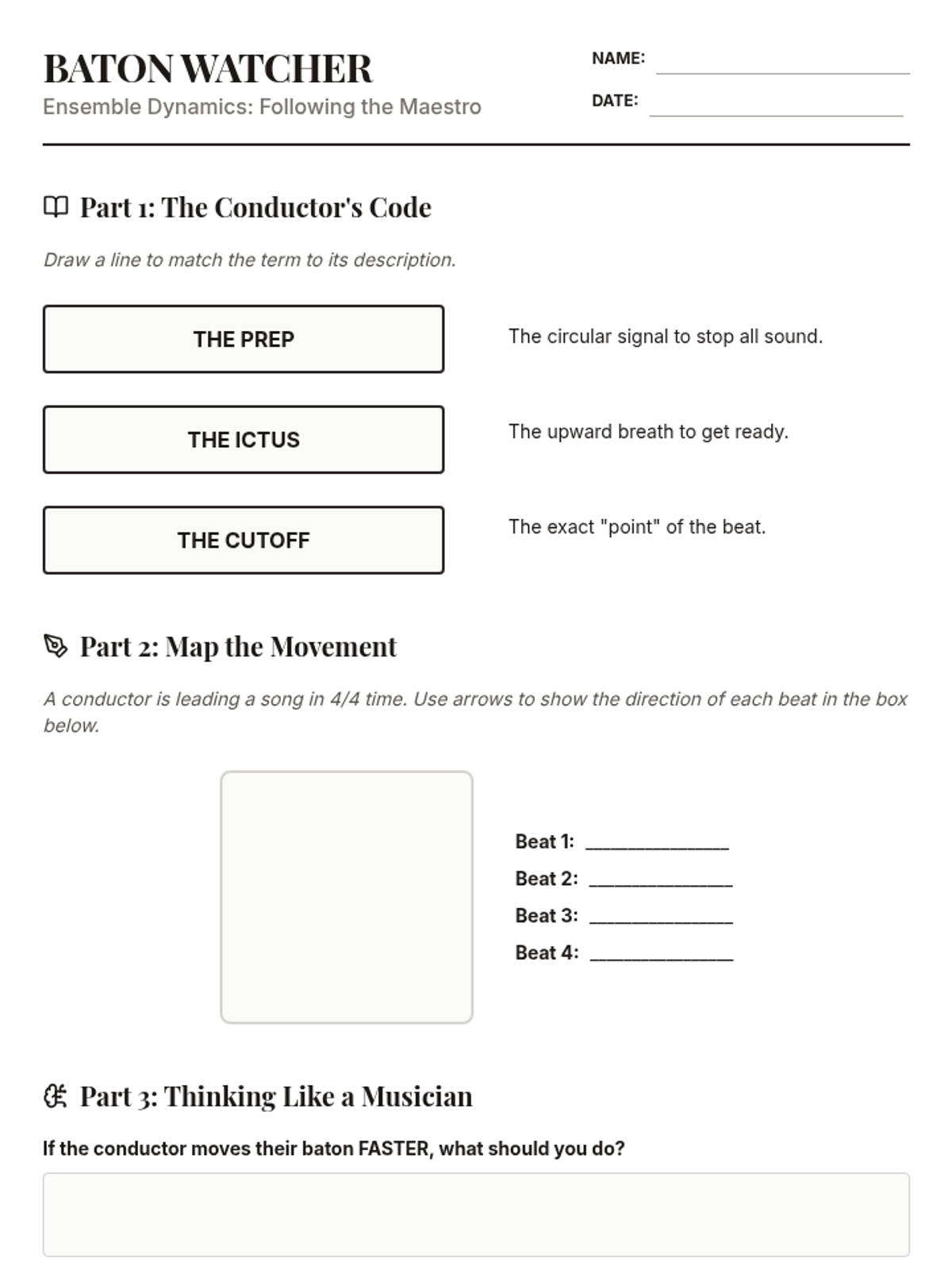
This sequence explores how musicians work together as an ensemble, focusing on conducting cues, dynamic control, balance, and tempo maintenance. Students transition from following a leader to collaborating in small independent groups.
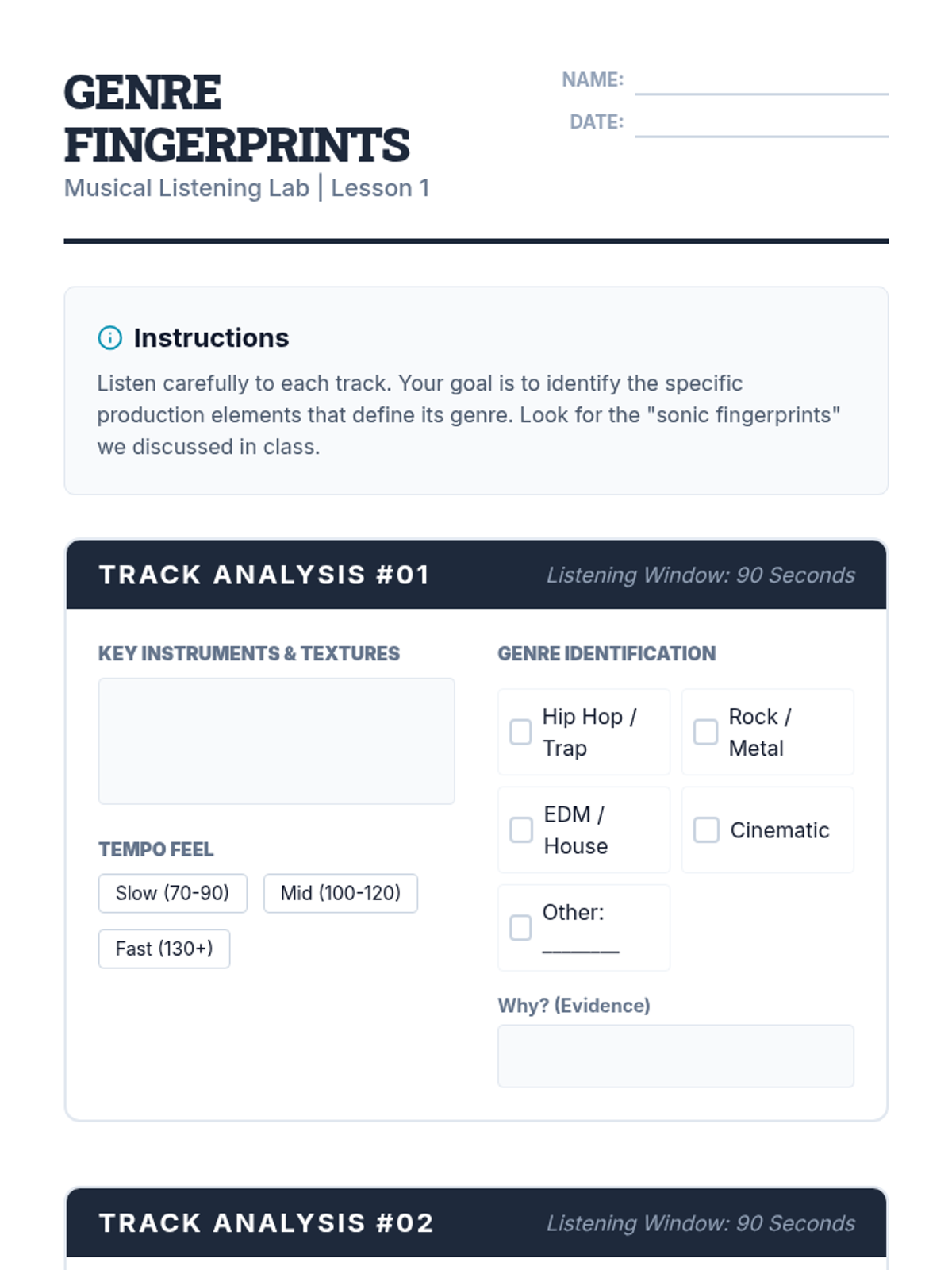
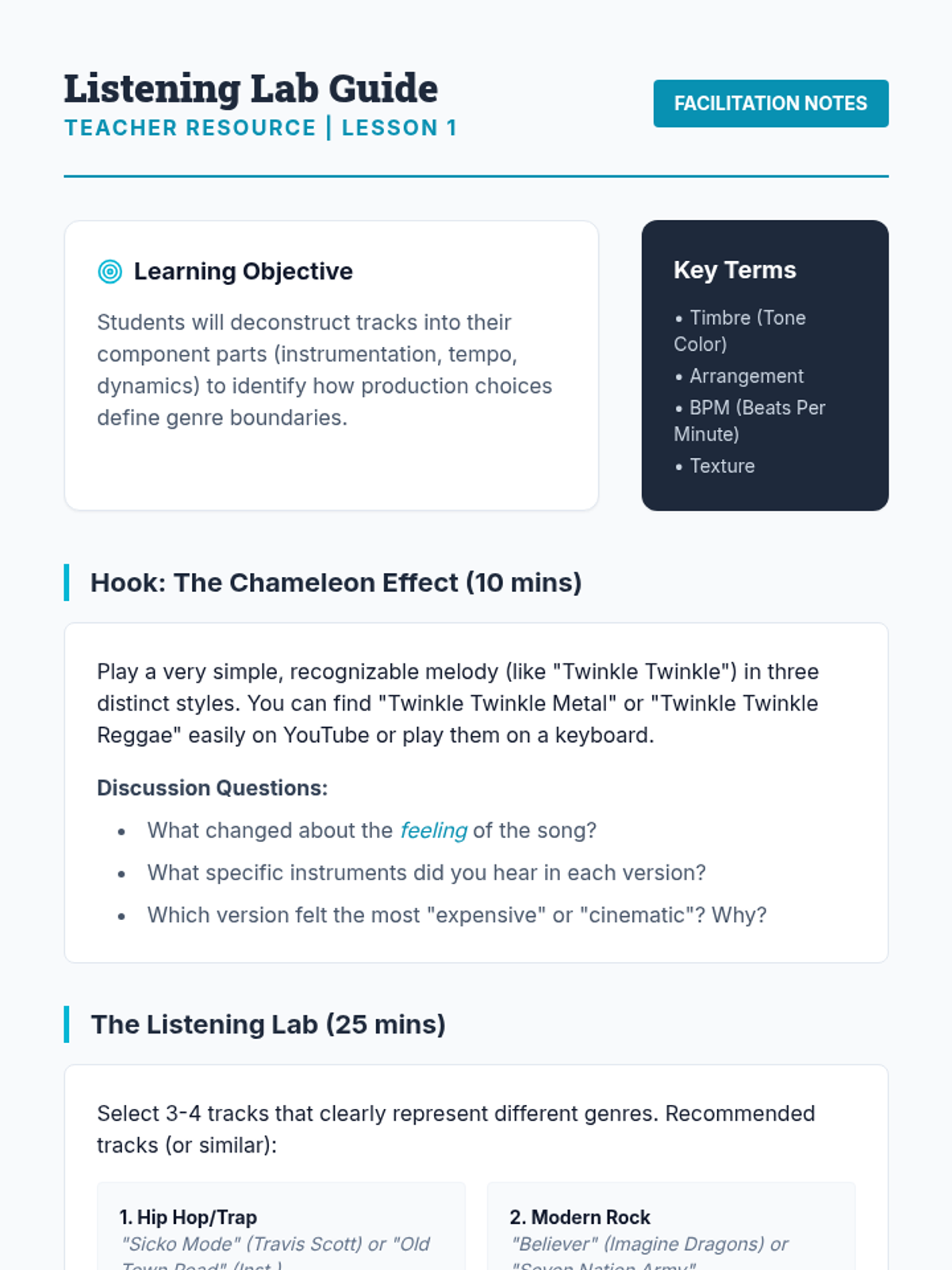
A 5-lesson sequence for 8th-grade music students focusing on musical arrangement, genre-based production, and the technical elements that define musical style. Students act as producers, transforming simple melodies into diverse genres like Hip Hop, Rock, and EDM.
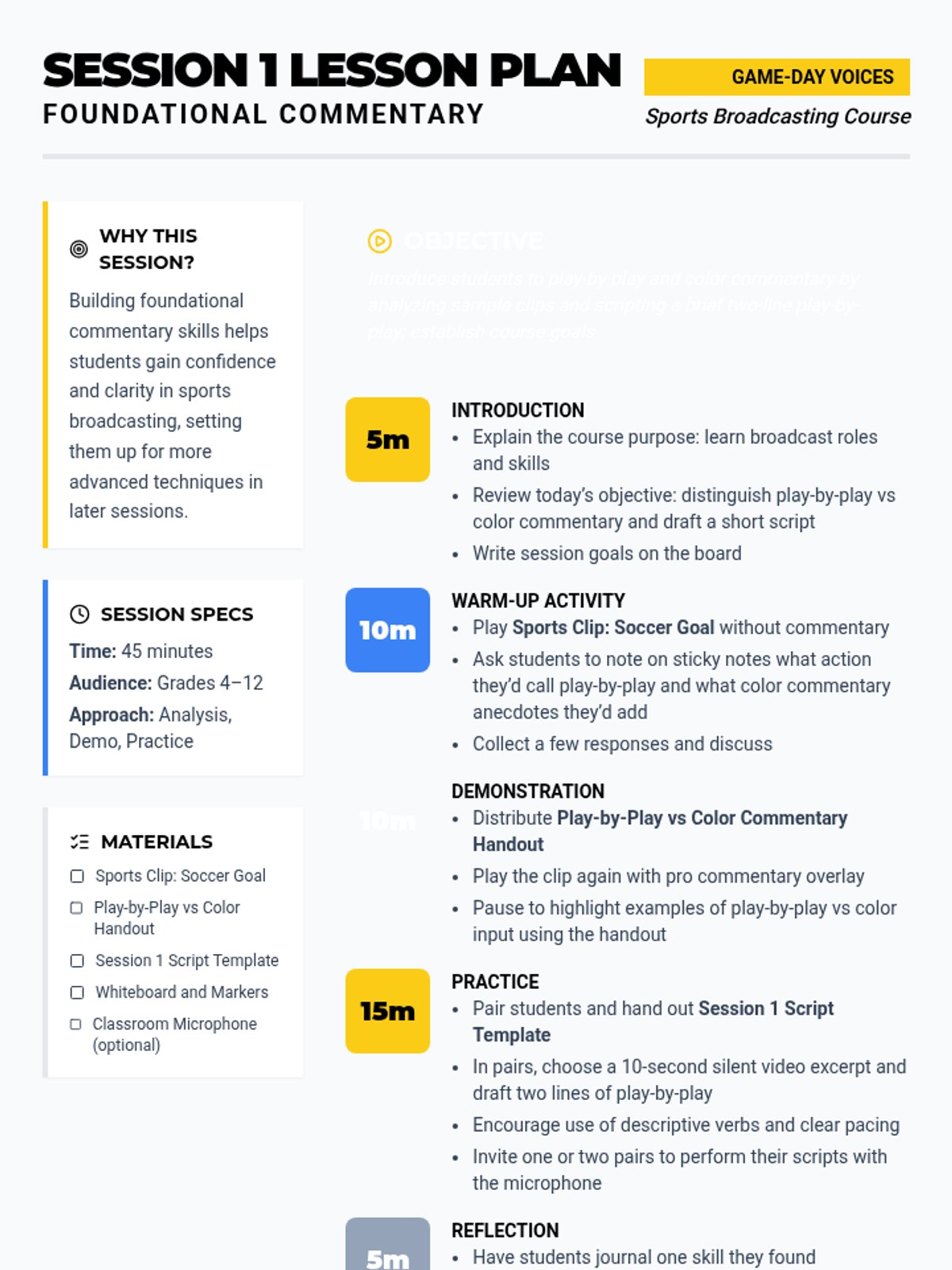
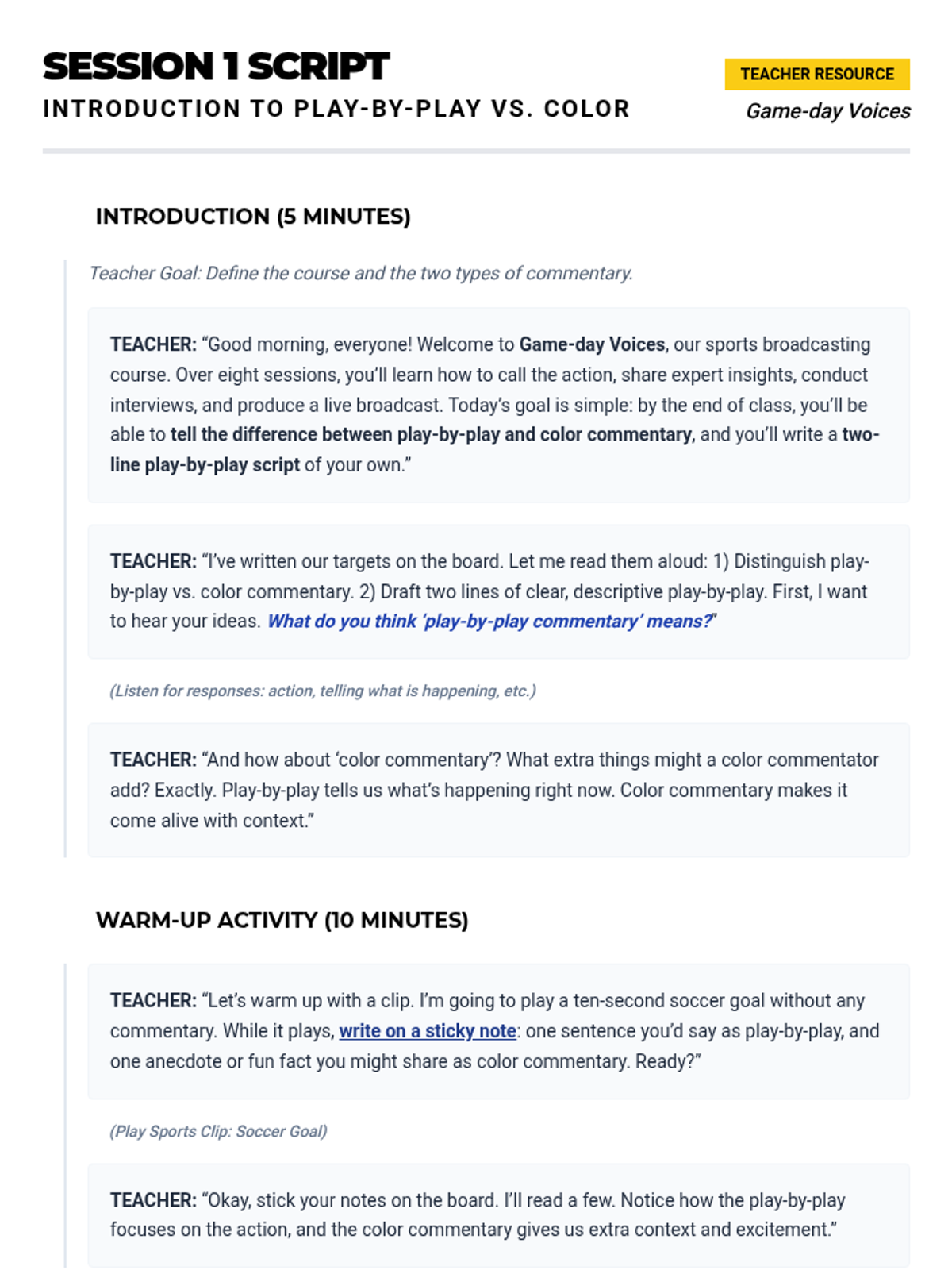
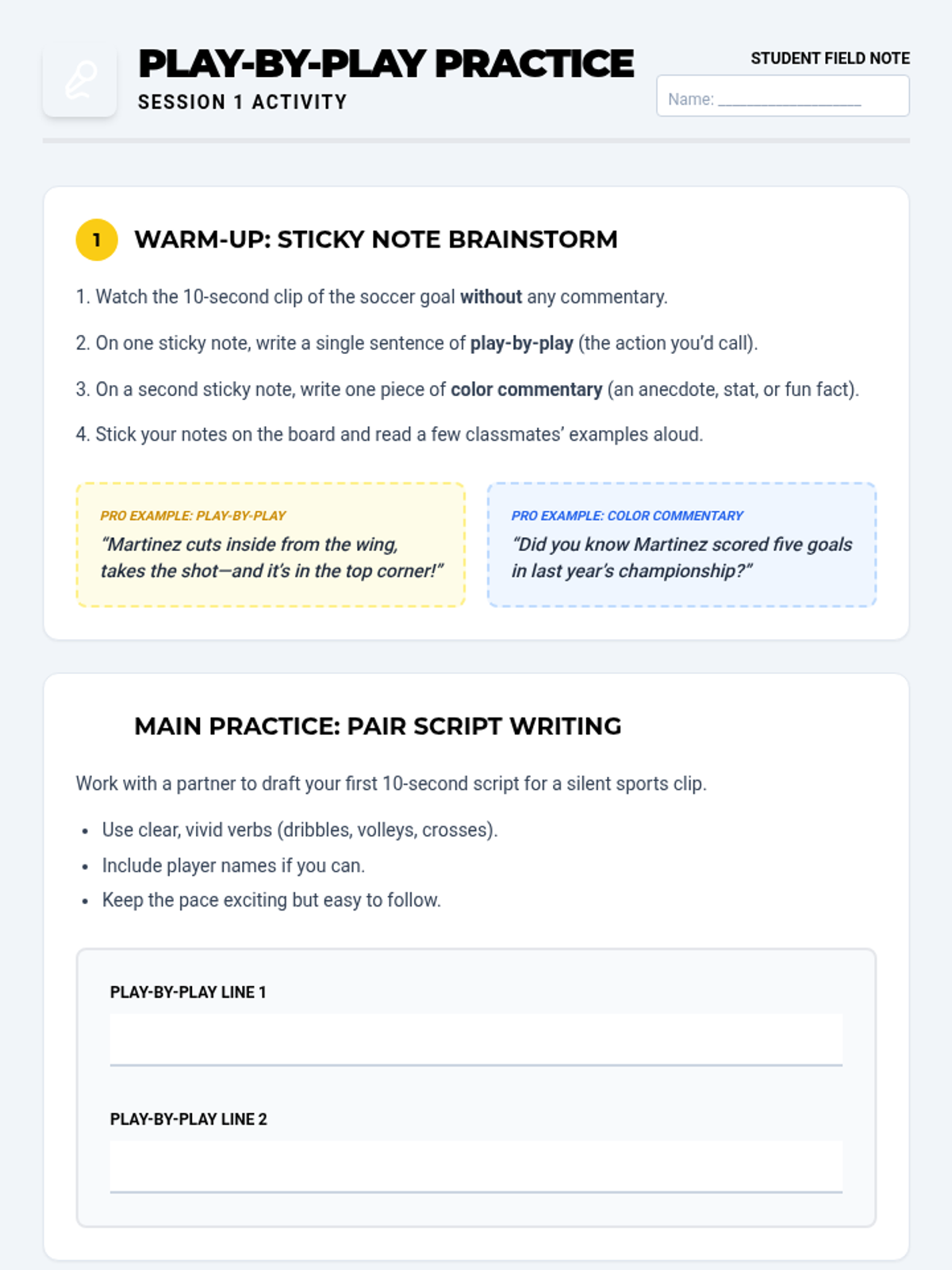
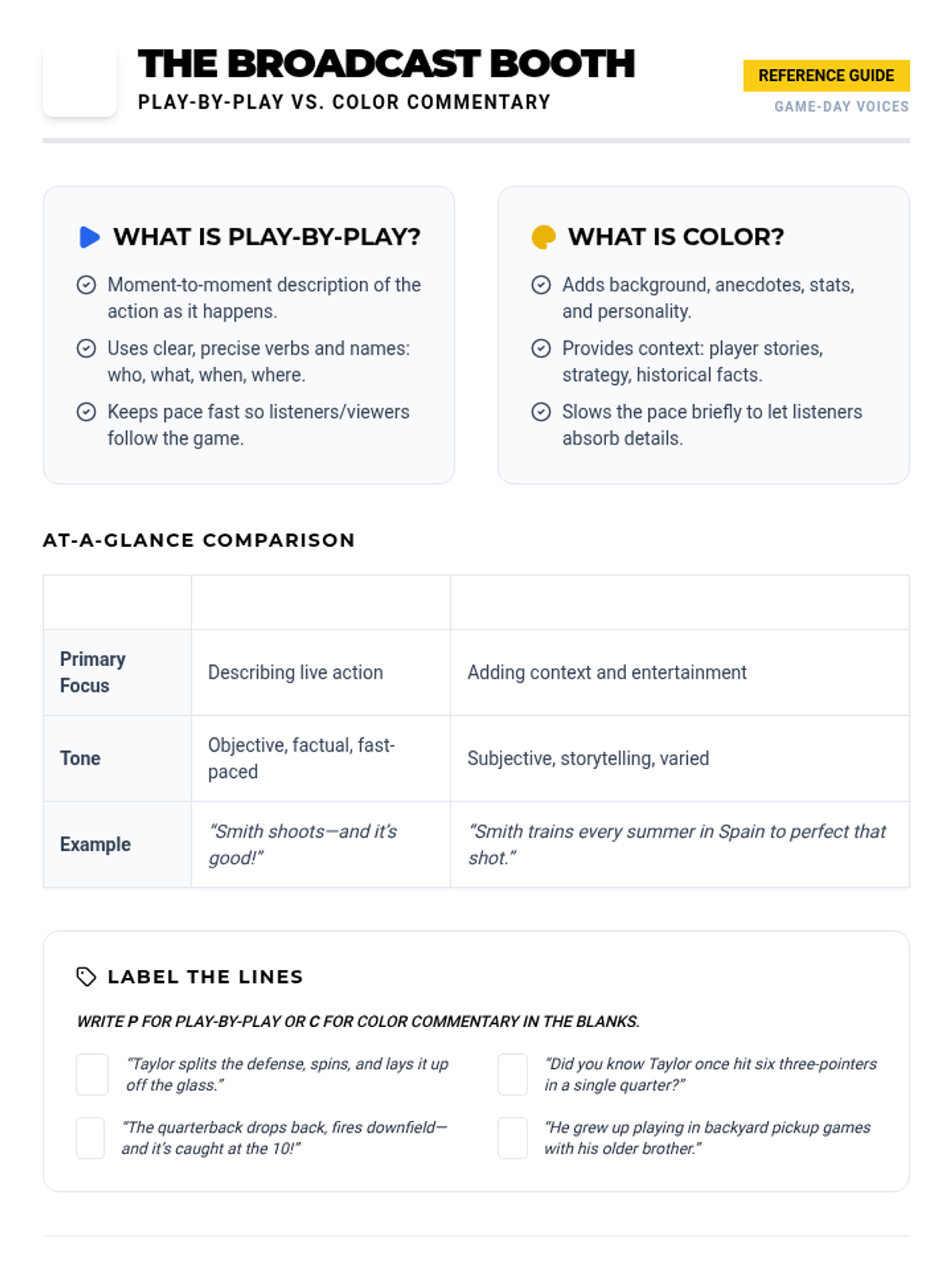
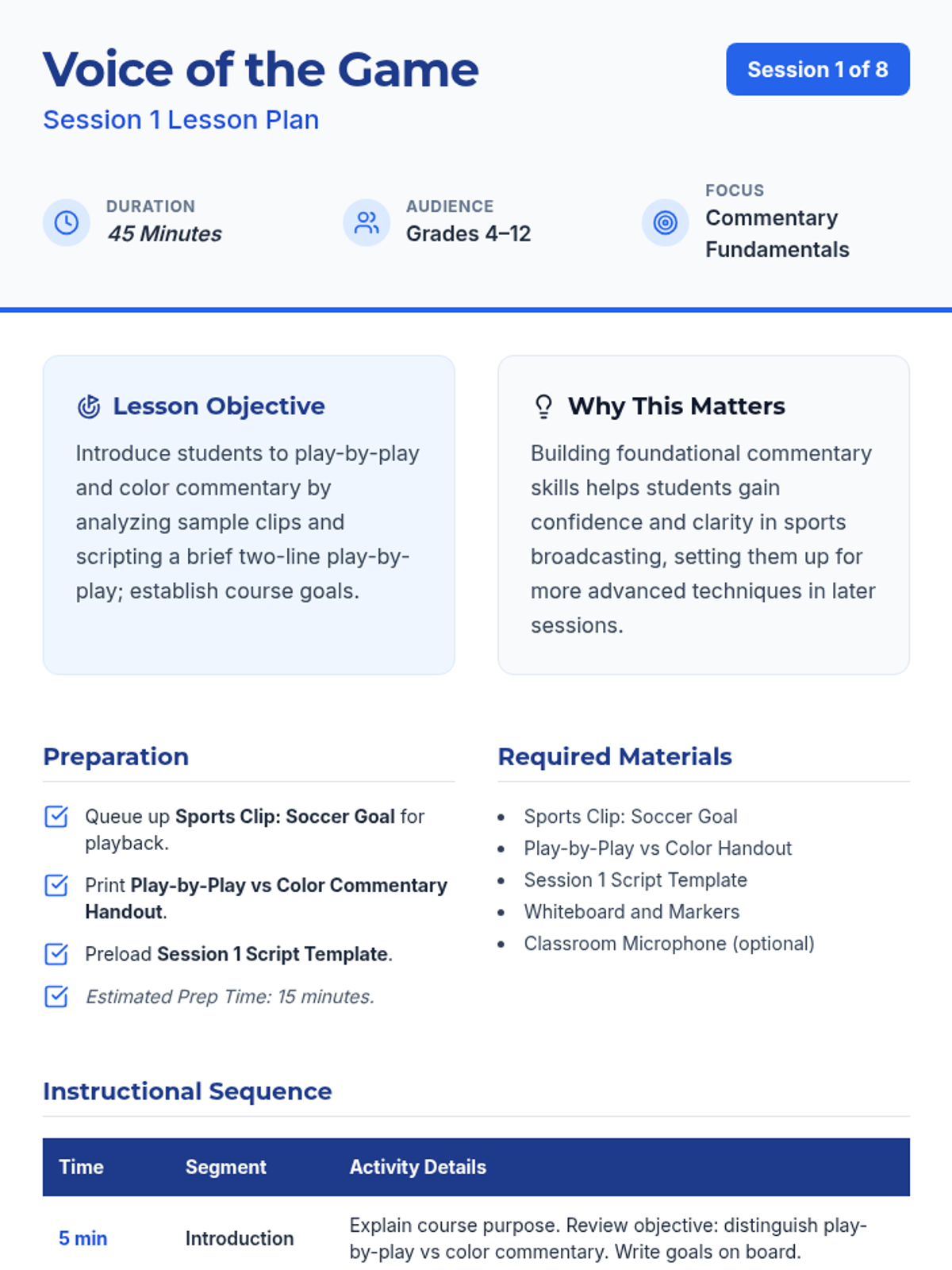
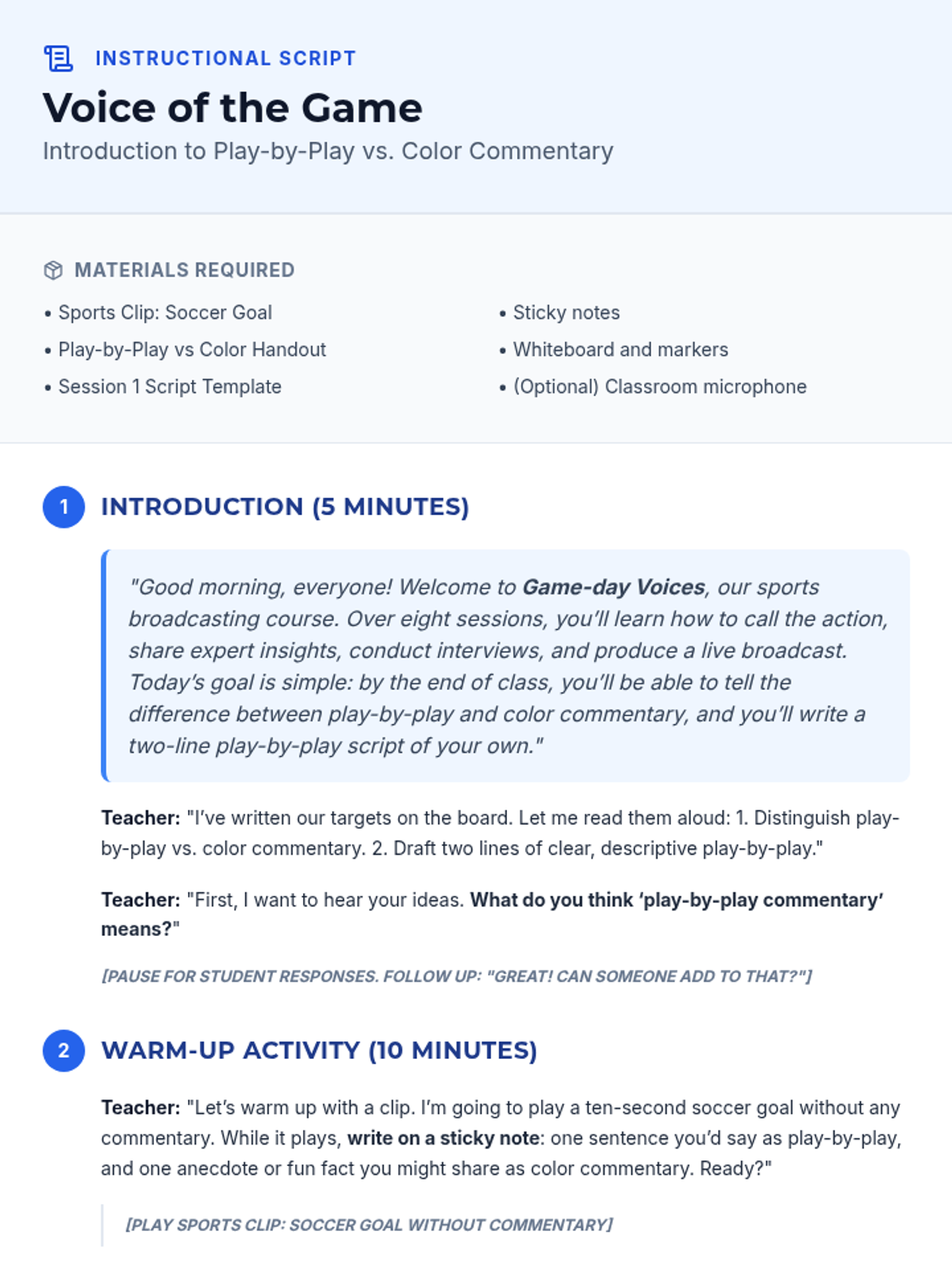
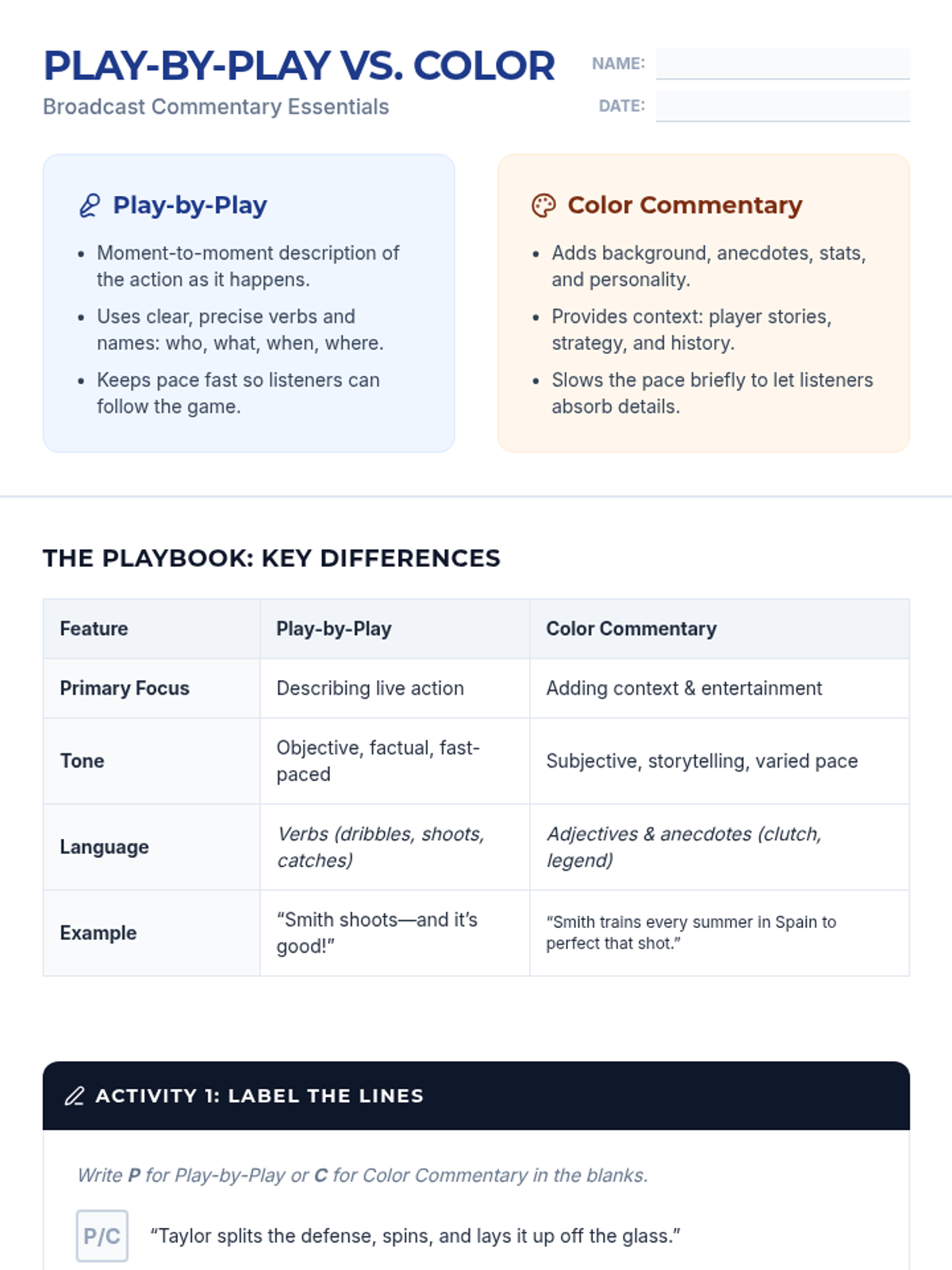
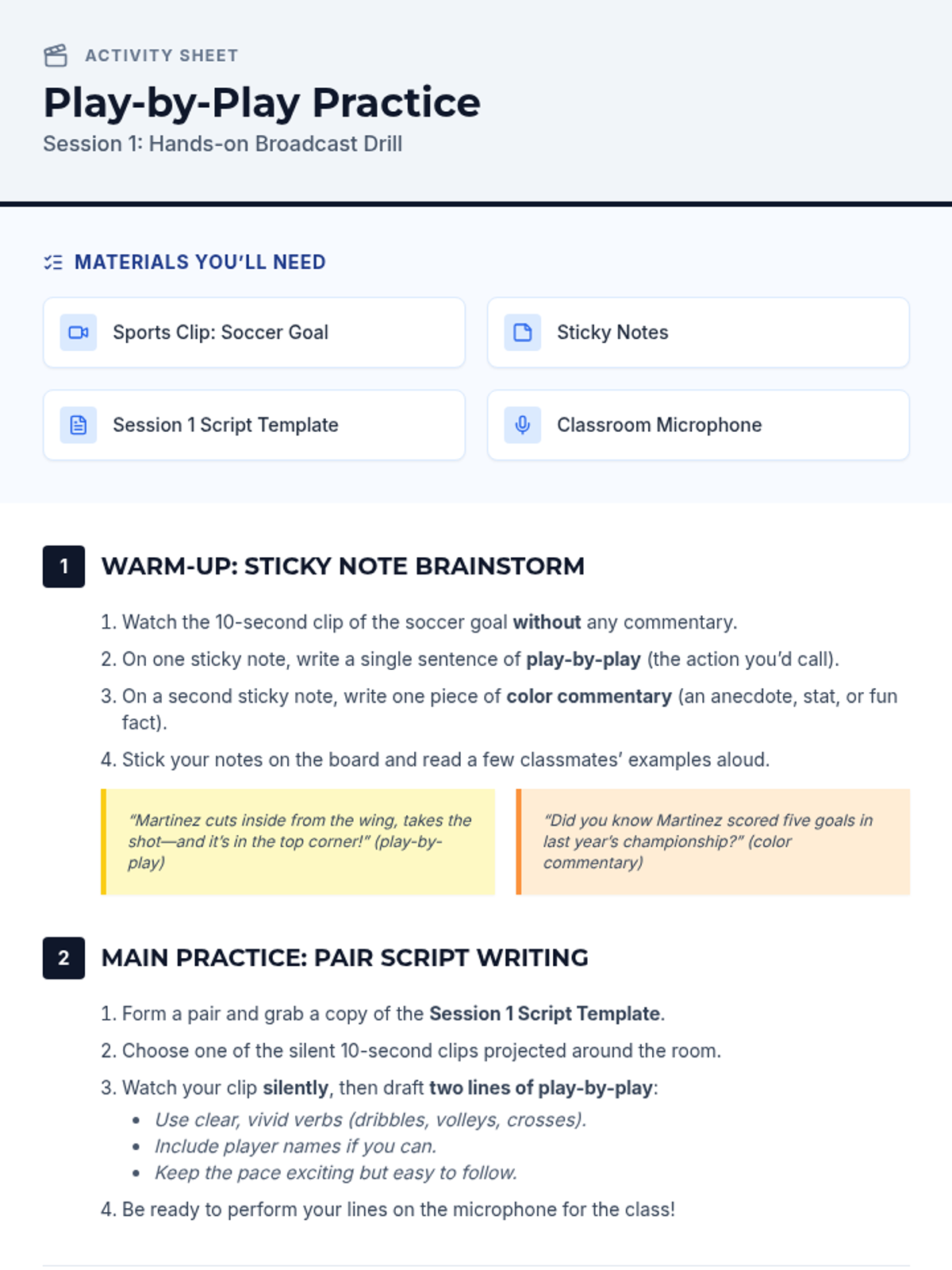
An 8-session sports broadcasting course for grades 4–12, covering play-by-play, color analysis, interviewing, and technical production. Students move from foundational commentary to producing a full capstone broadcast segment.
An 8-session sports broadcasting course for grades 4–12, covering play-by-play, color commentary, interviewing, camera work, audio mixing, and live production directing. Students progress from foundational vocal skills to a complete capstone broadcast project.
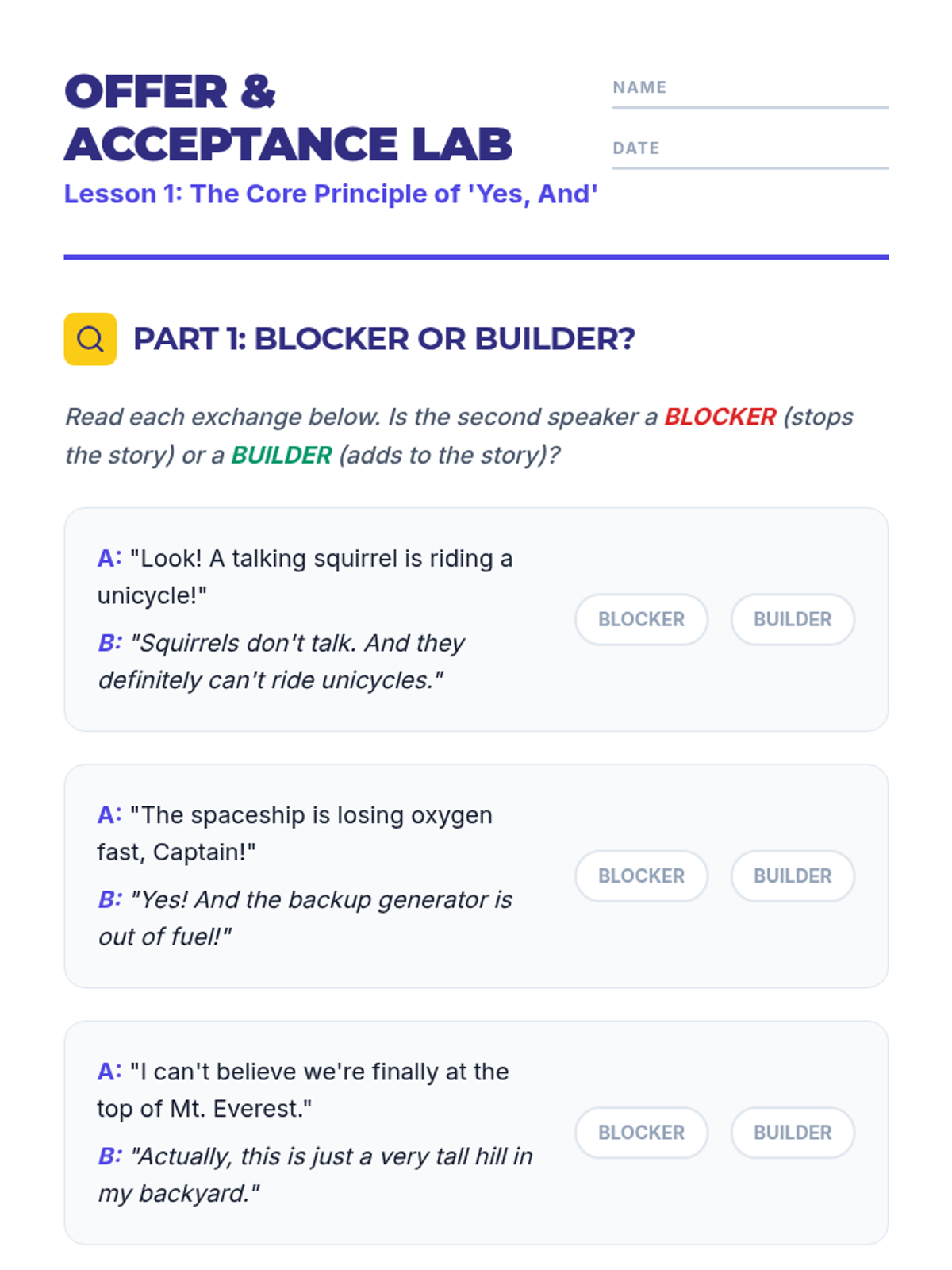
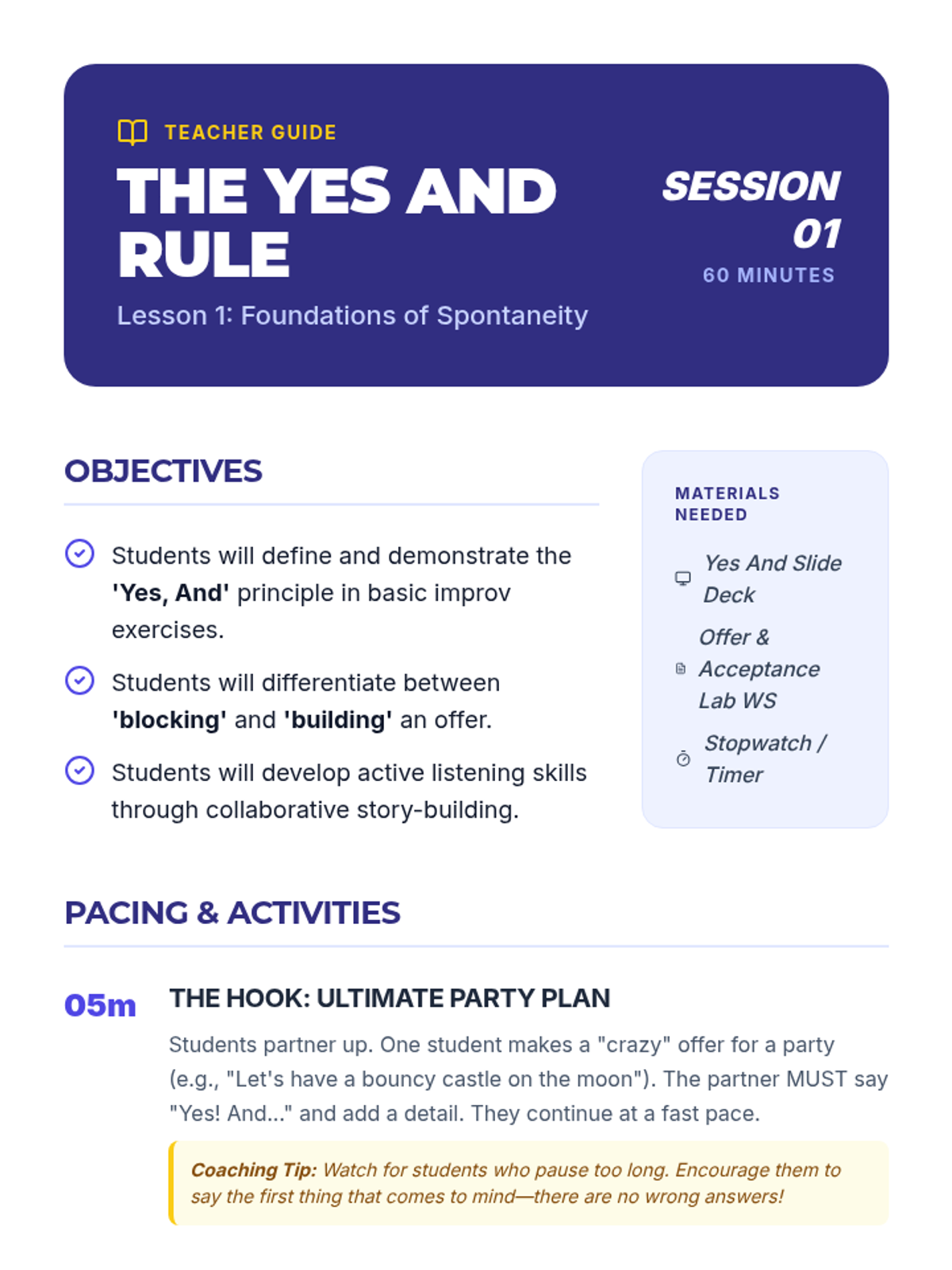
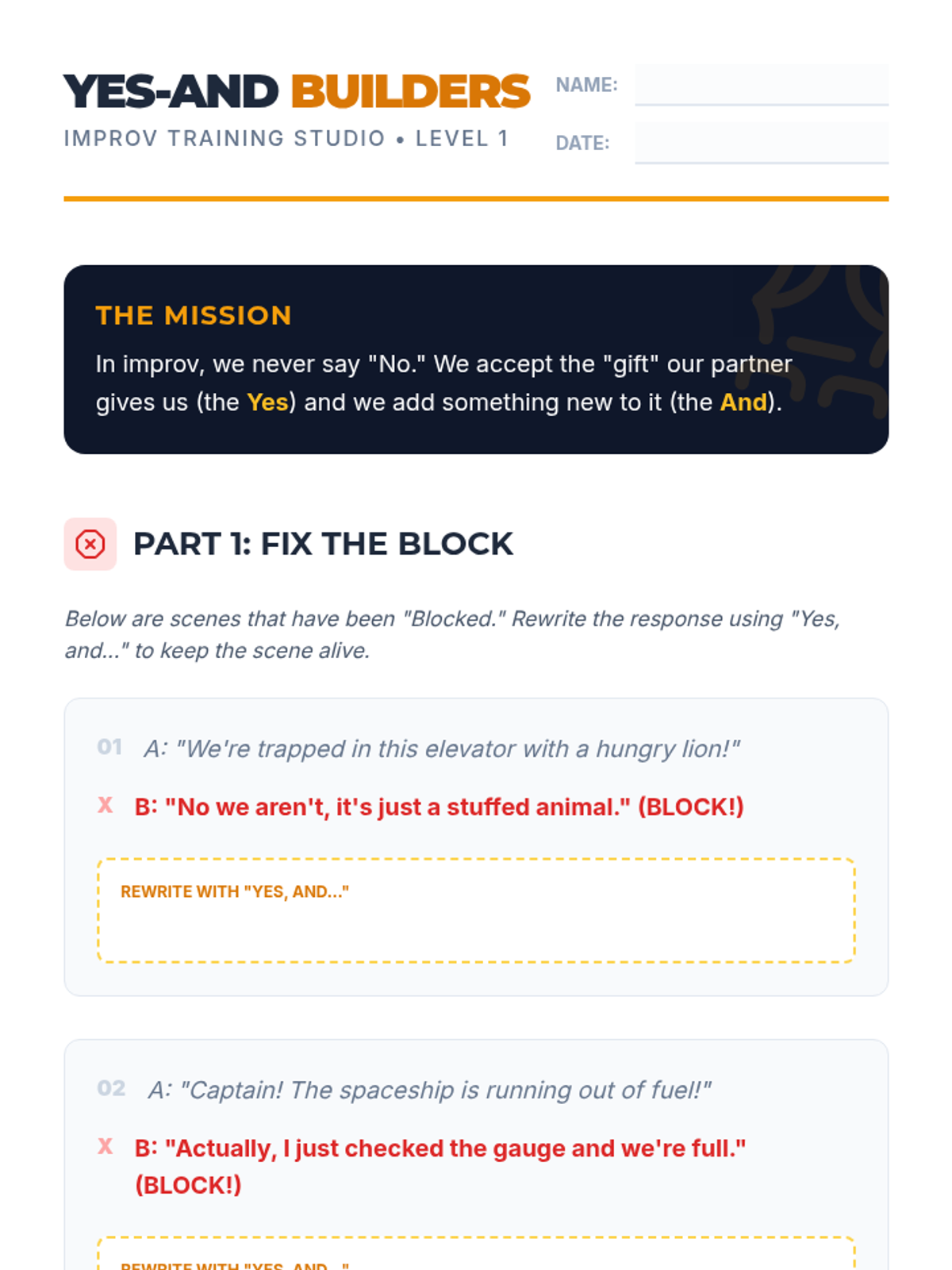
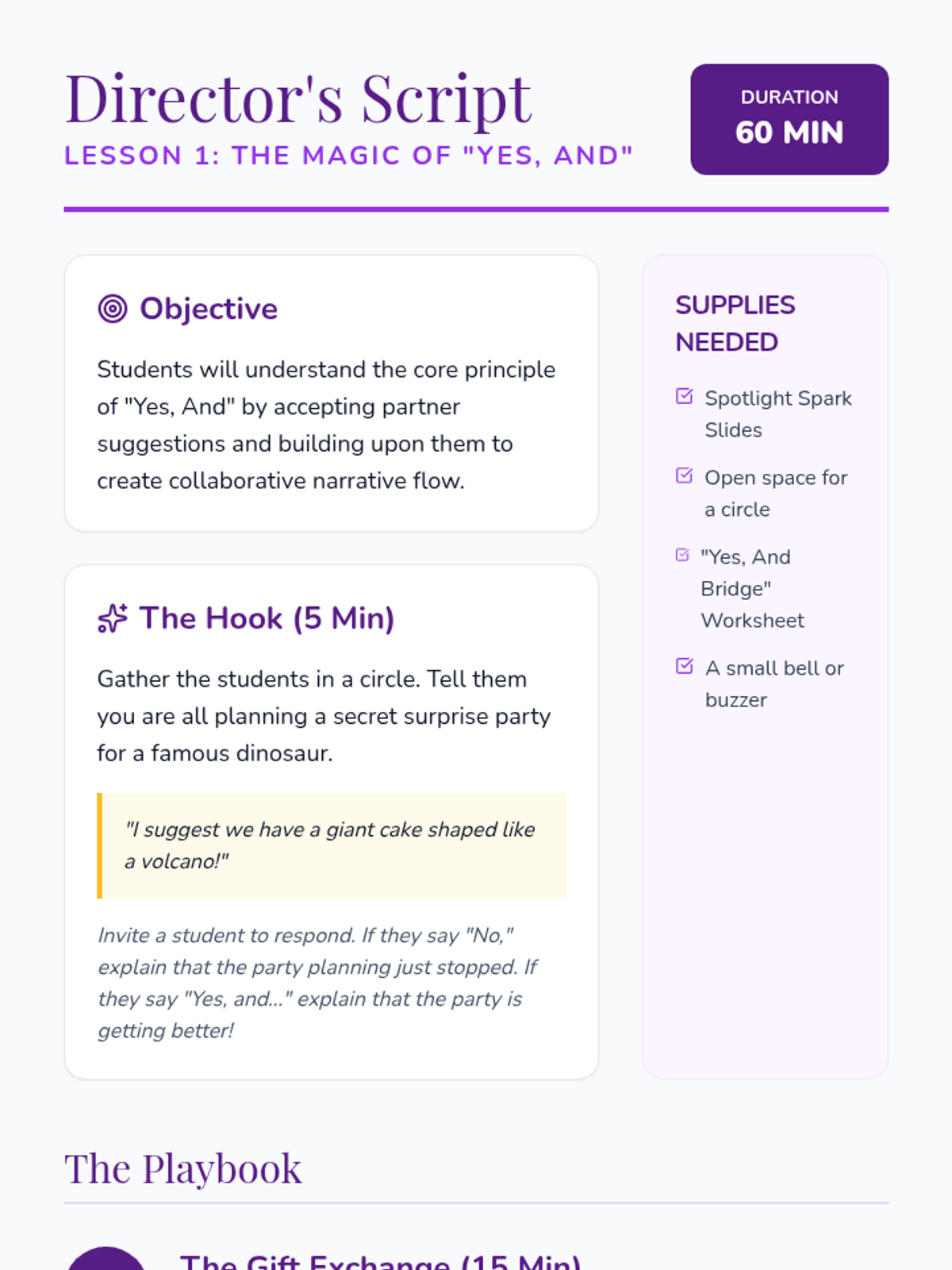
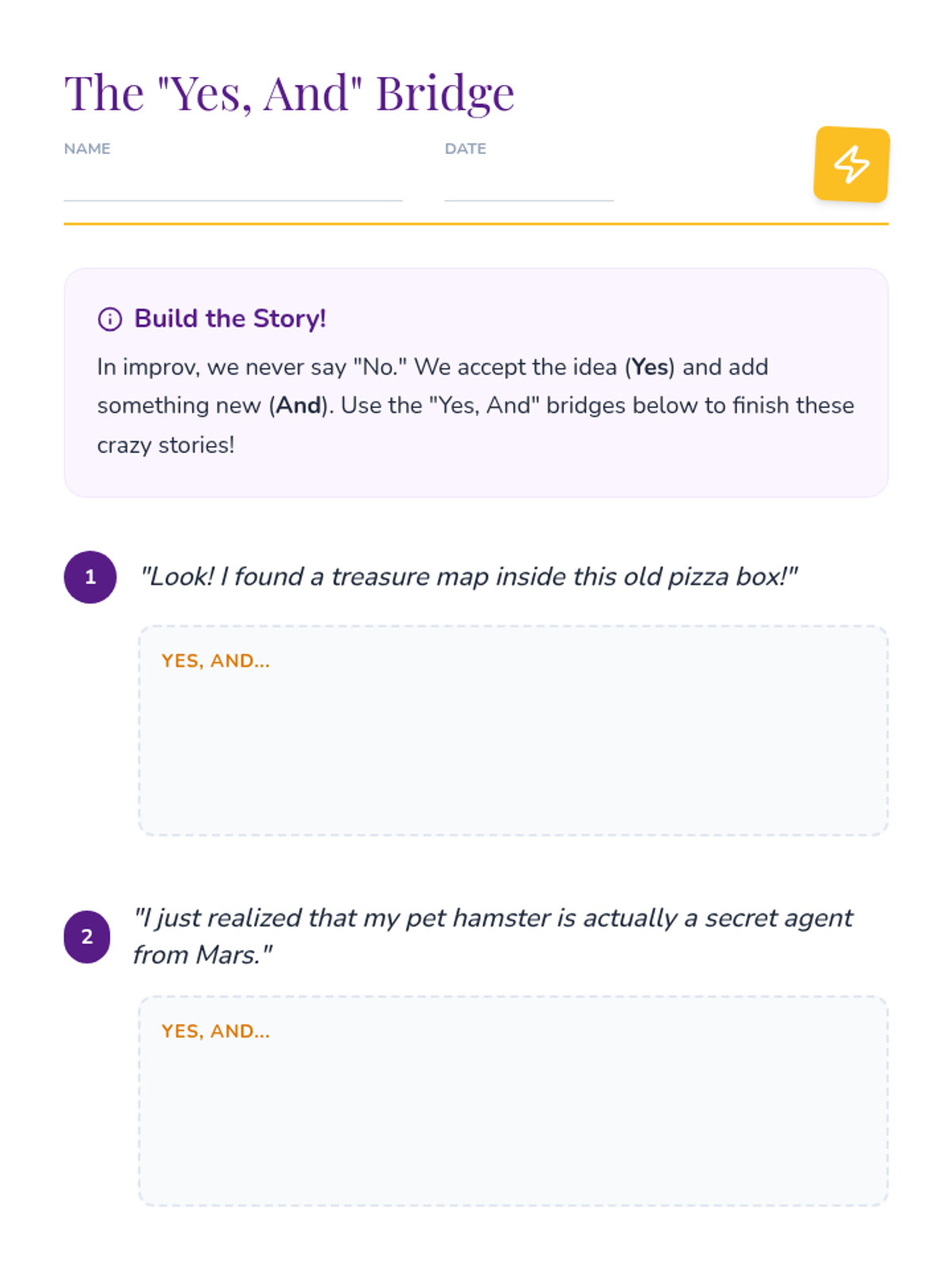
This sequence explores the foundational principles of theatrical improvisation, focusing on the 'Yes, And' rule, CROW (Character, Relationship, Objective, Where), object work, and status dynamics. Students will build ensemble trust and spontaneity through a variety of workshop games and simulations, culminating in a short-form improv performance.
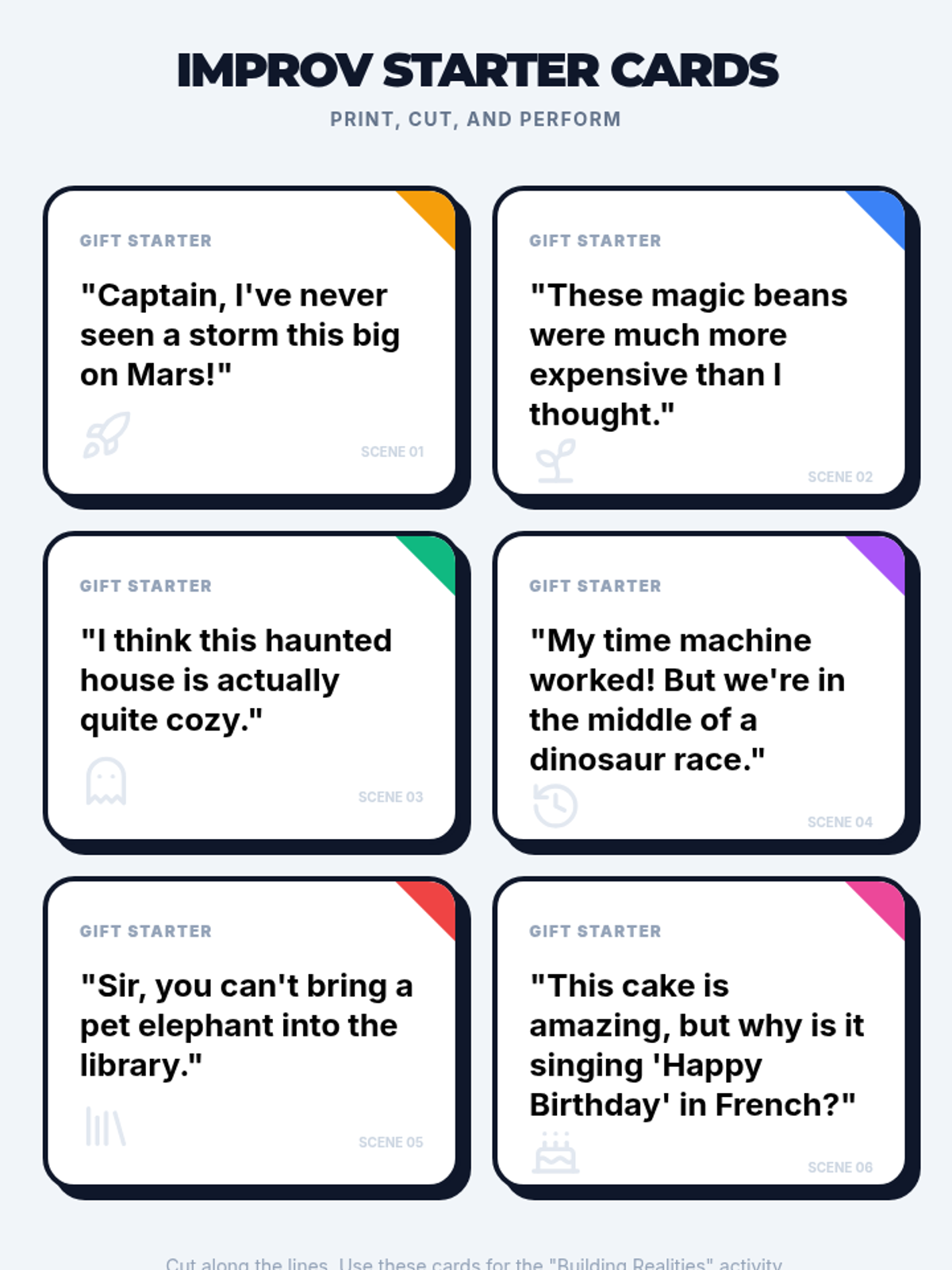
This sequence focuses on improvisation and ensemble building, teaching students to think quickly and collaborate creatively. The arc moves from basic rule-setting (Yes, And) to active listening and reacting in the moment. Students learn to build scenes cooperatively without a script, focusing on maintaining character and narrative logic.
This sequence develops improvisation skills and ensemble collaboration, teaching students to react authentically in the moment. Students build trust and creative confidence by practicing 'Yes, And,' establishing environments, and solving narrative problems as a team.
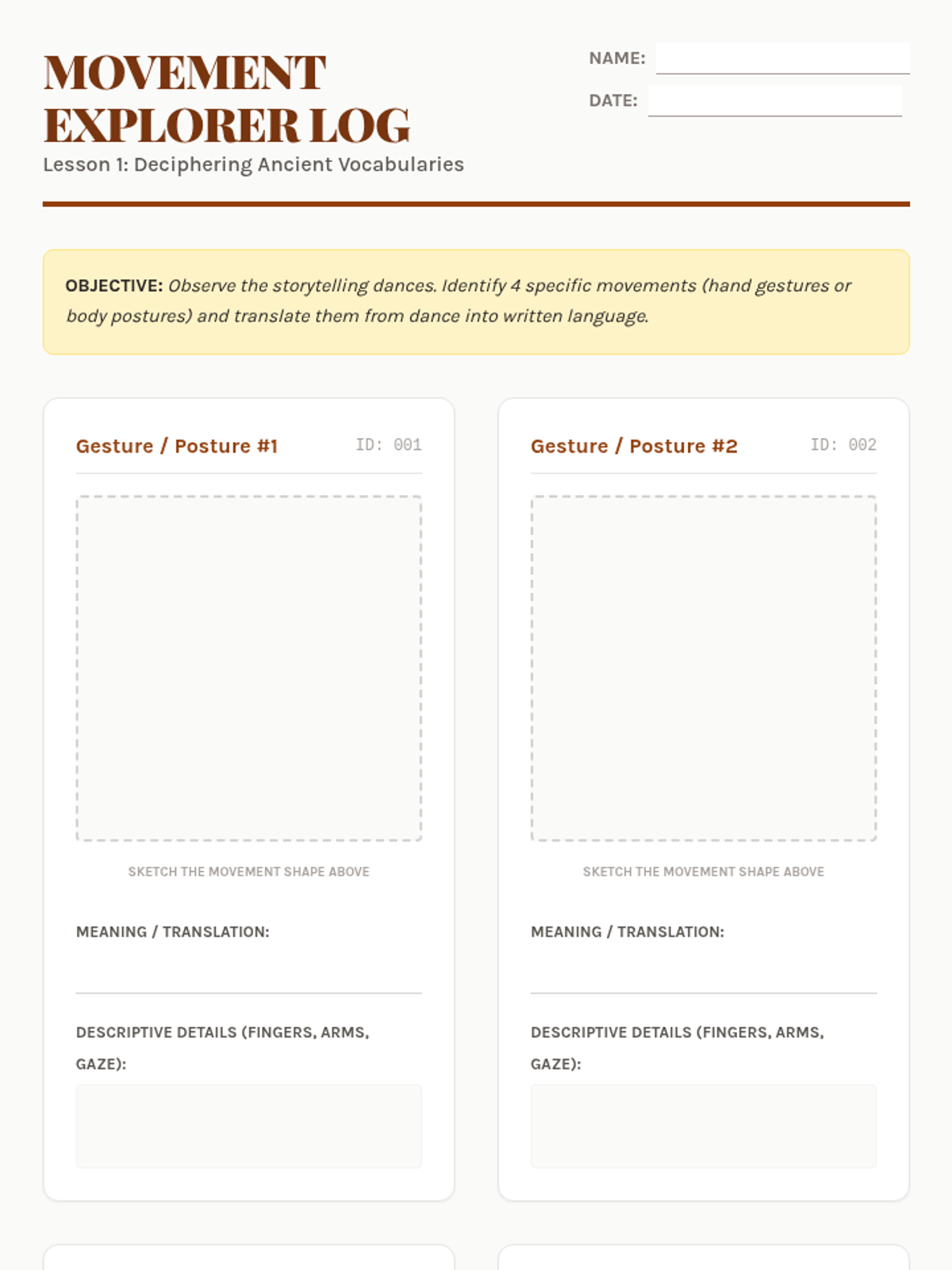
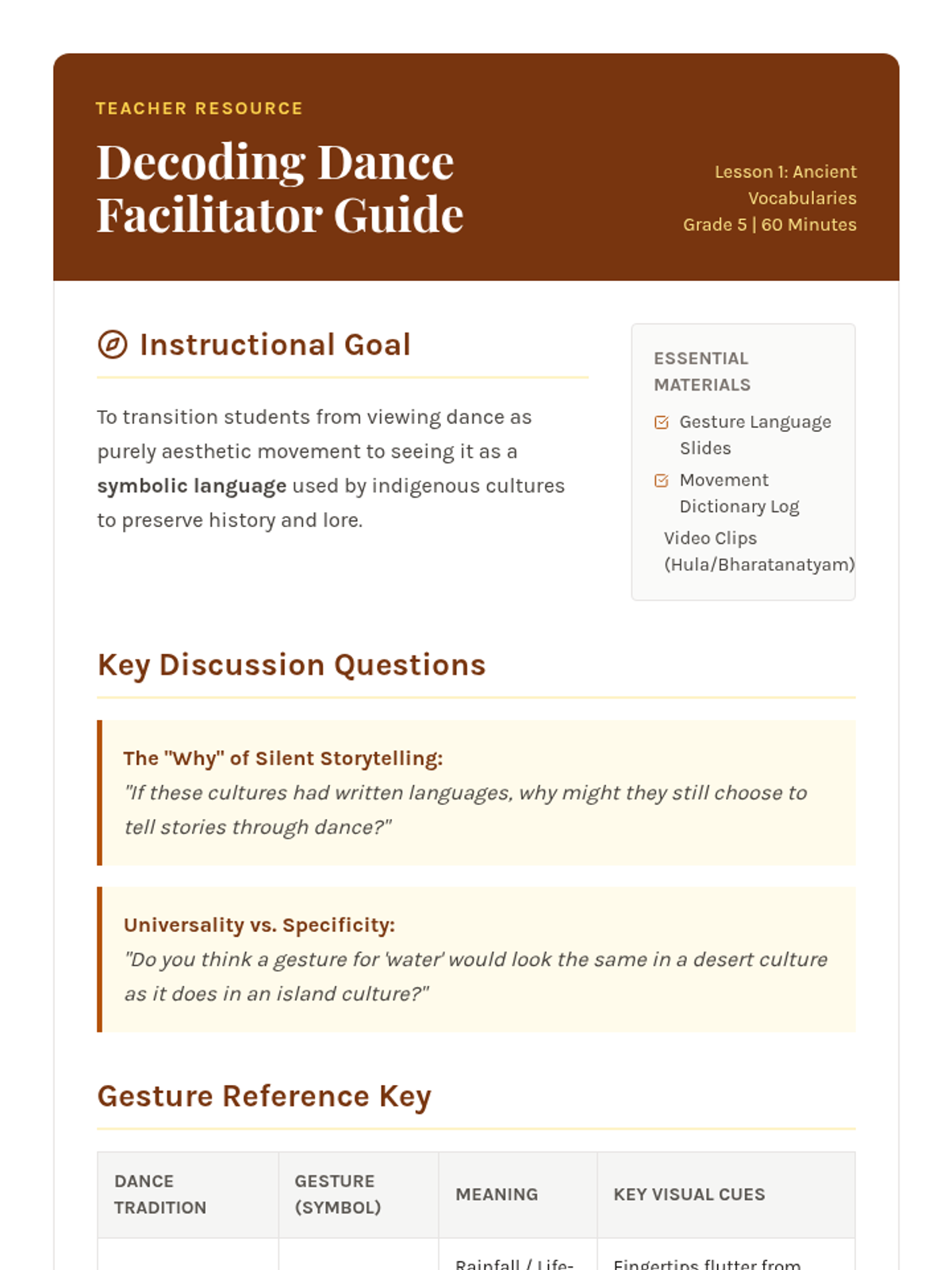
An inquiry-based exploration of dance as a language of storytelling and ritual in indigenous cultures, focusing on gesture, formation, regalia, and rhythm.
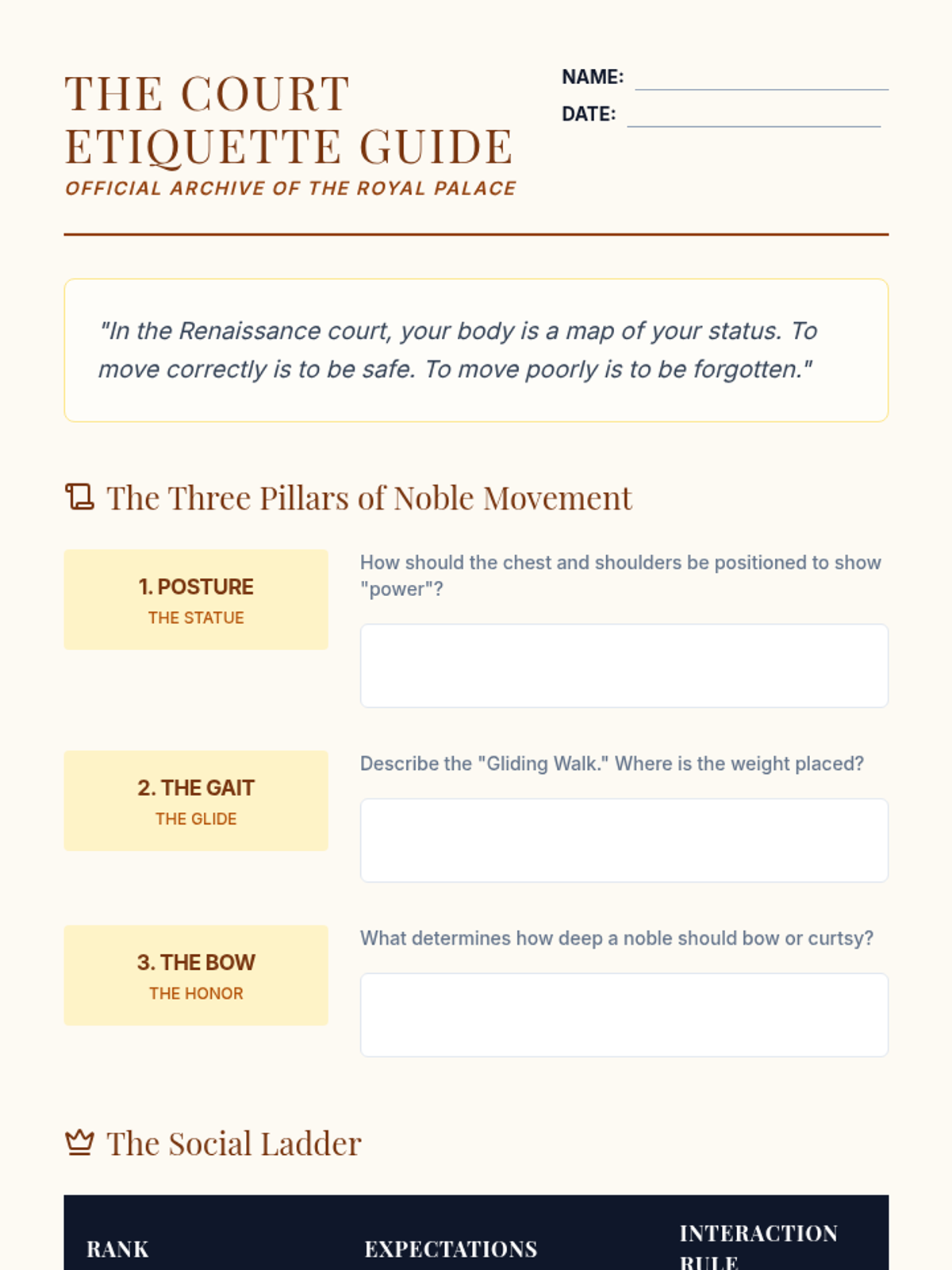
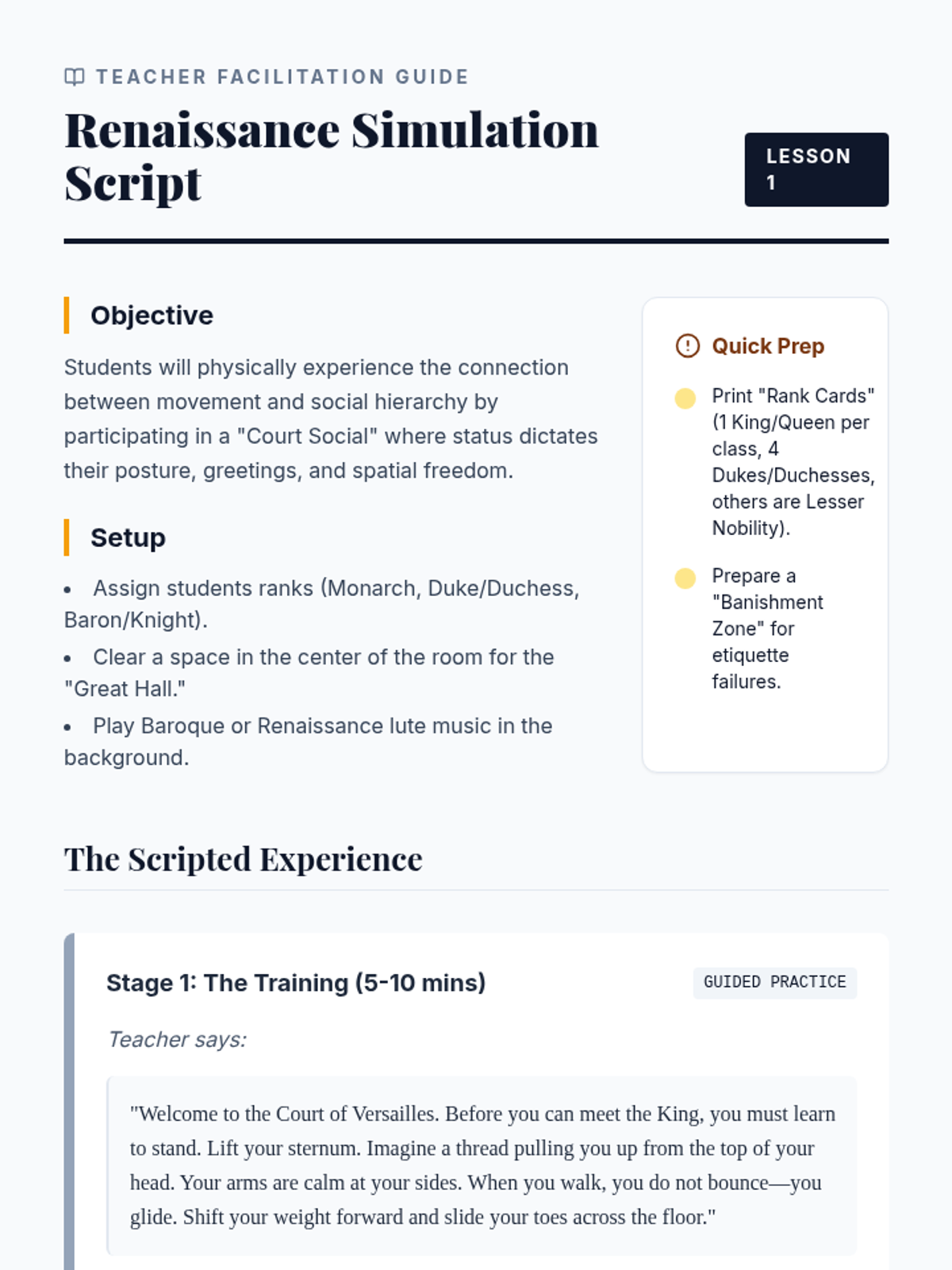
A journey through the history of classical dance, exploring how power, fashion, and social hierarchy shaped the movement styles of the Renaissance and Baroque eras into the formalized art of ballet. Students will move from court etiquette to the technical rigor of King Louis XIV's court, analyze Romantic era narratives, and create their own codified dance systems.
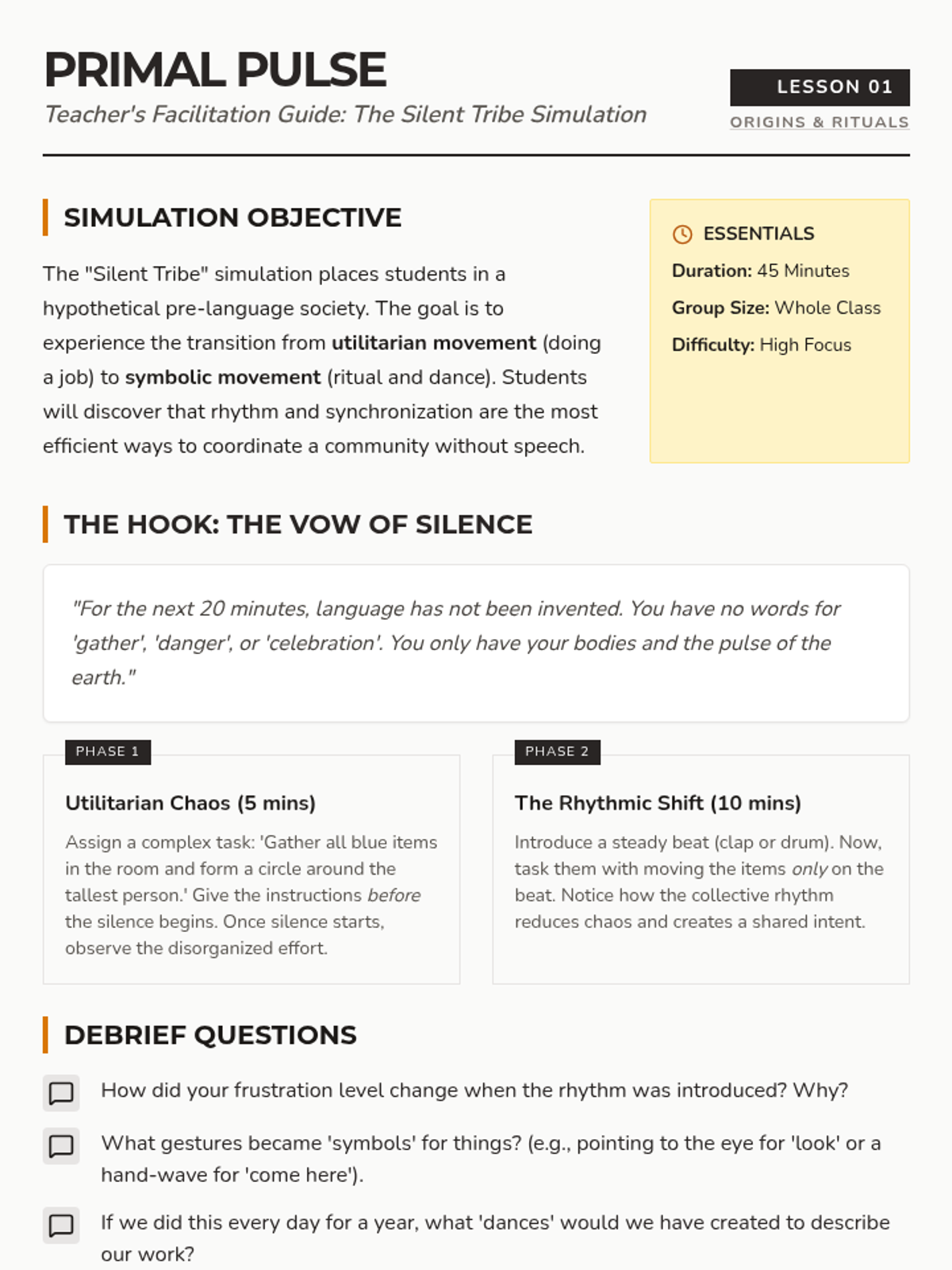
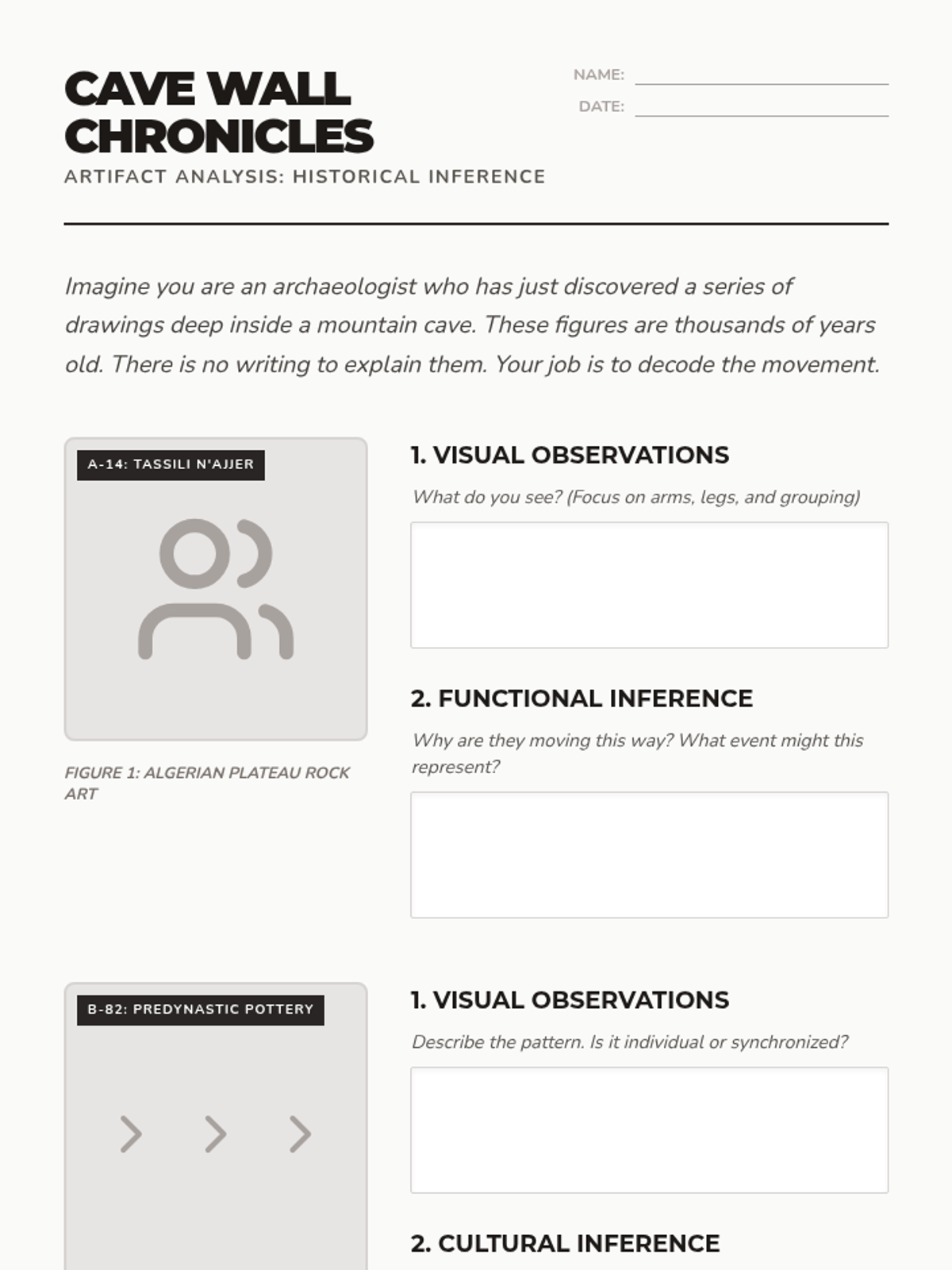
A 5-lesson unit exploring how dance served as the primary form of communication and history-keeping before written language, investigating Hawaiian, Greek, and West African traditions.
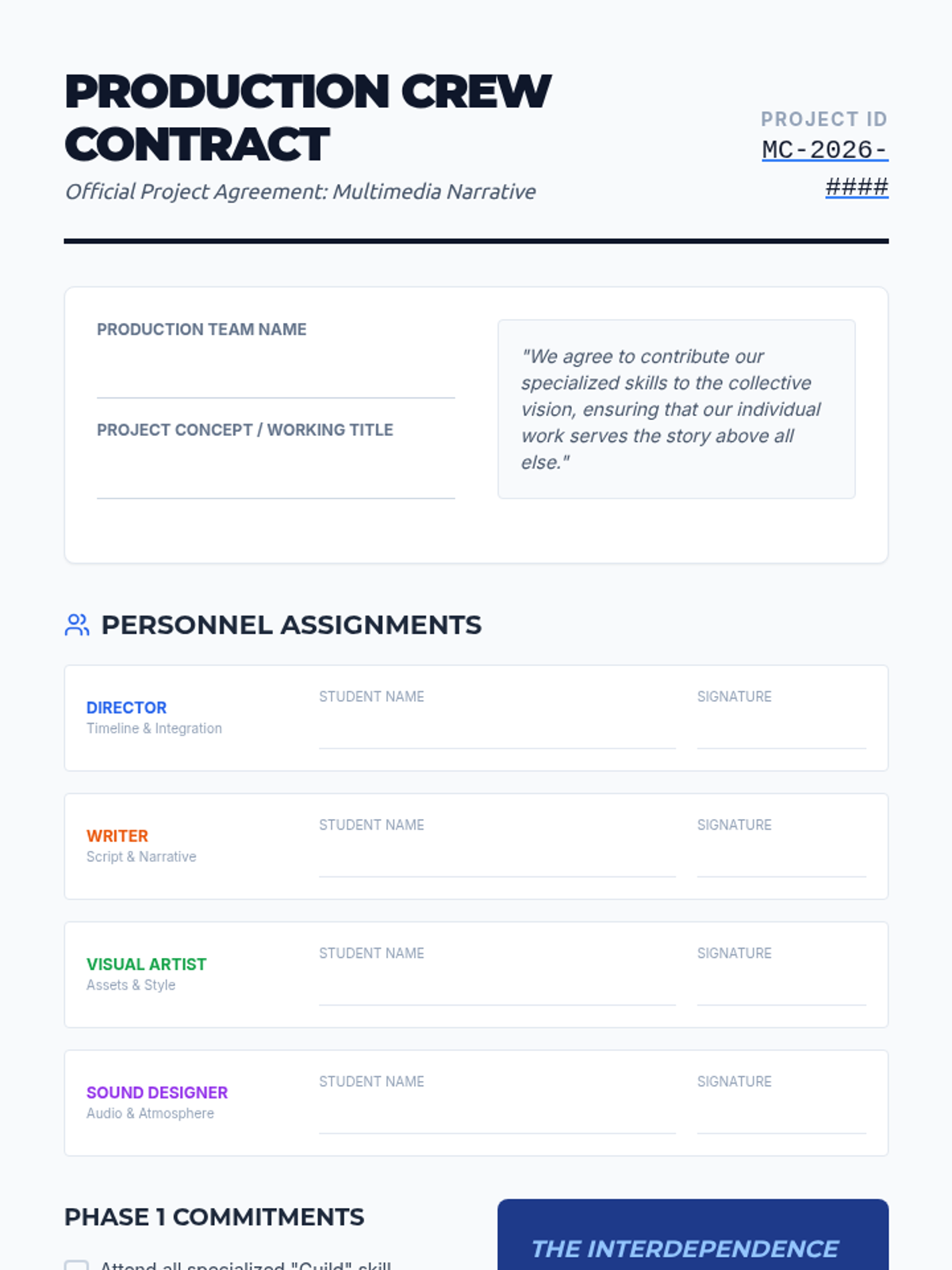
This sequence explores collaboration through the lens of specialized roles within a multimedia project. Students transition from generalists to specialists, learning how interdependence and trust between a Writer, Visual Artist, Sound Designer, and Director are essential for creating a cohesive digital narrative.
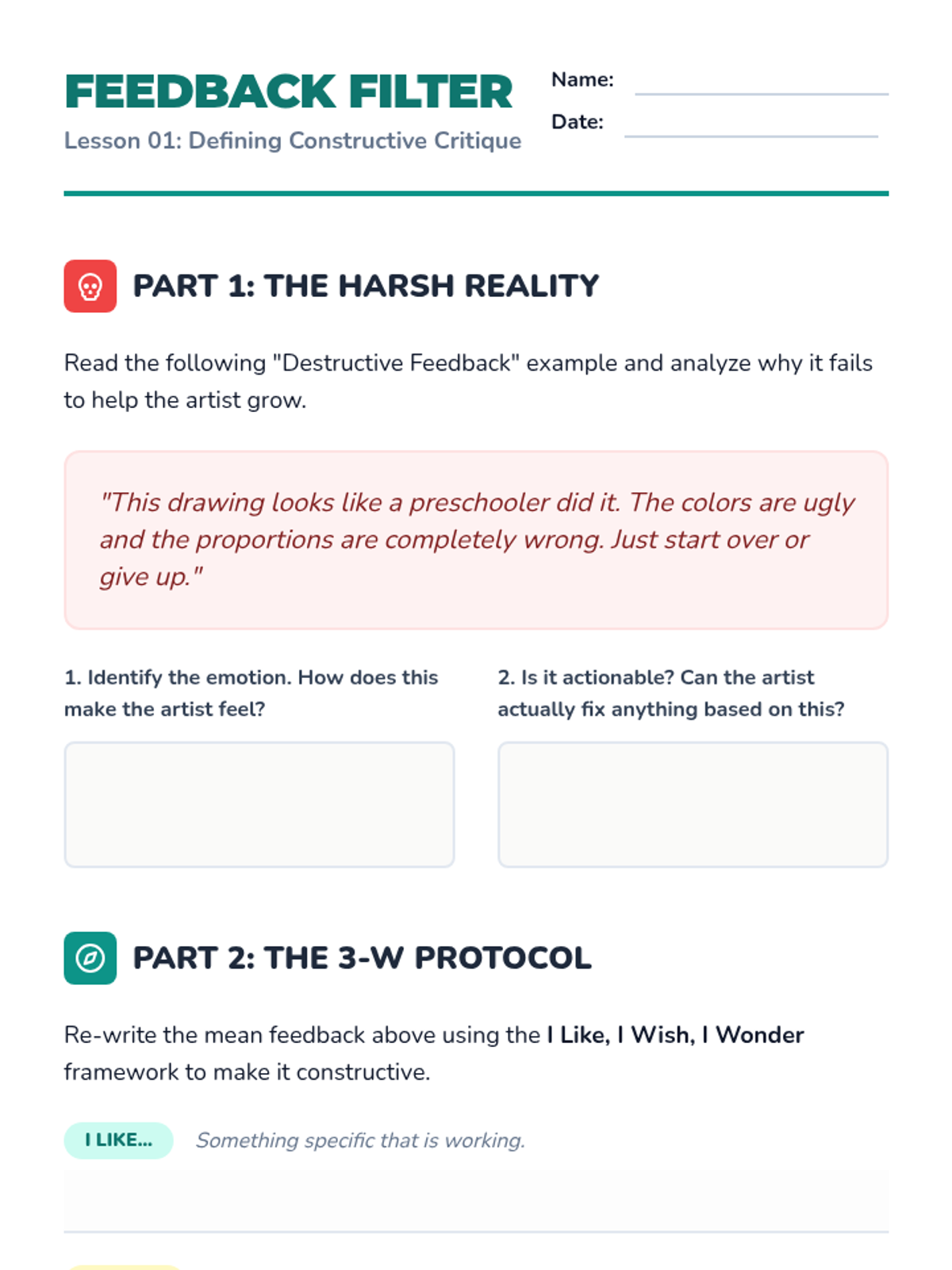
A comprehensive sequence for 8th-grade students focused on the transformative power of feedback in the arts. Students progress from learning constructive critique protocols to conducting peer workshops, filtering feedback, and iteratively refining their work for a final process-focused portfolio presentation.