Techniques for brainstorming, collaborative project management, and individual artistic expression. Guides students through the iterative creative process from initial concept to final execution.
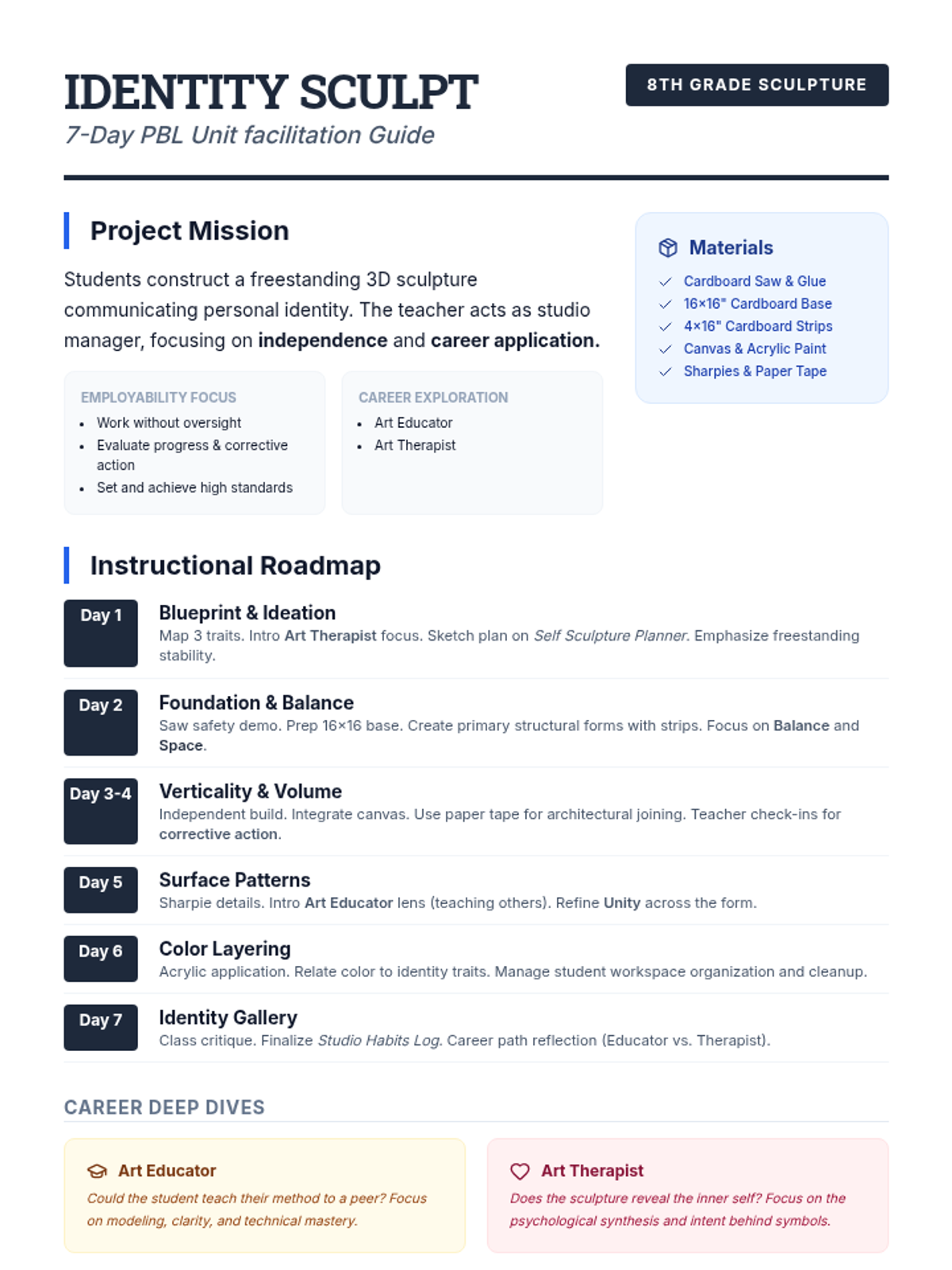
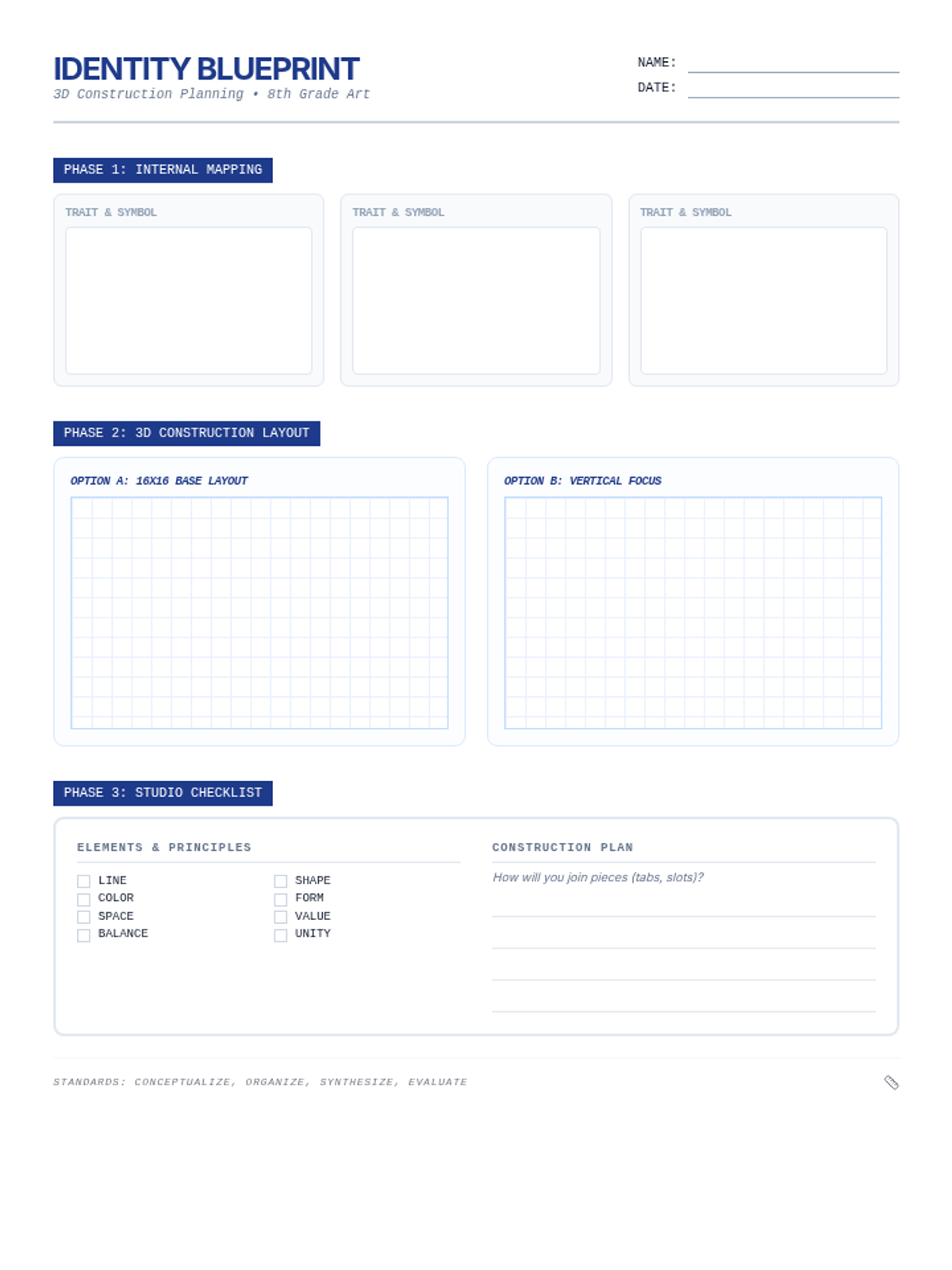
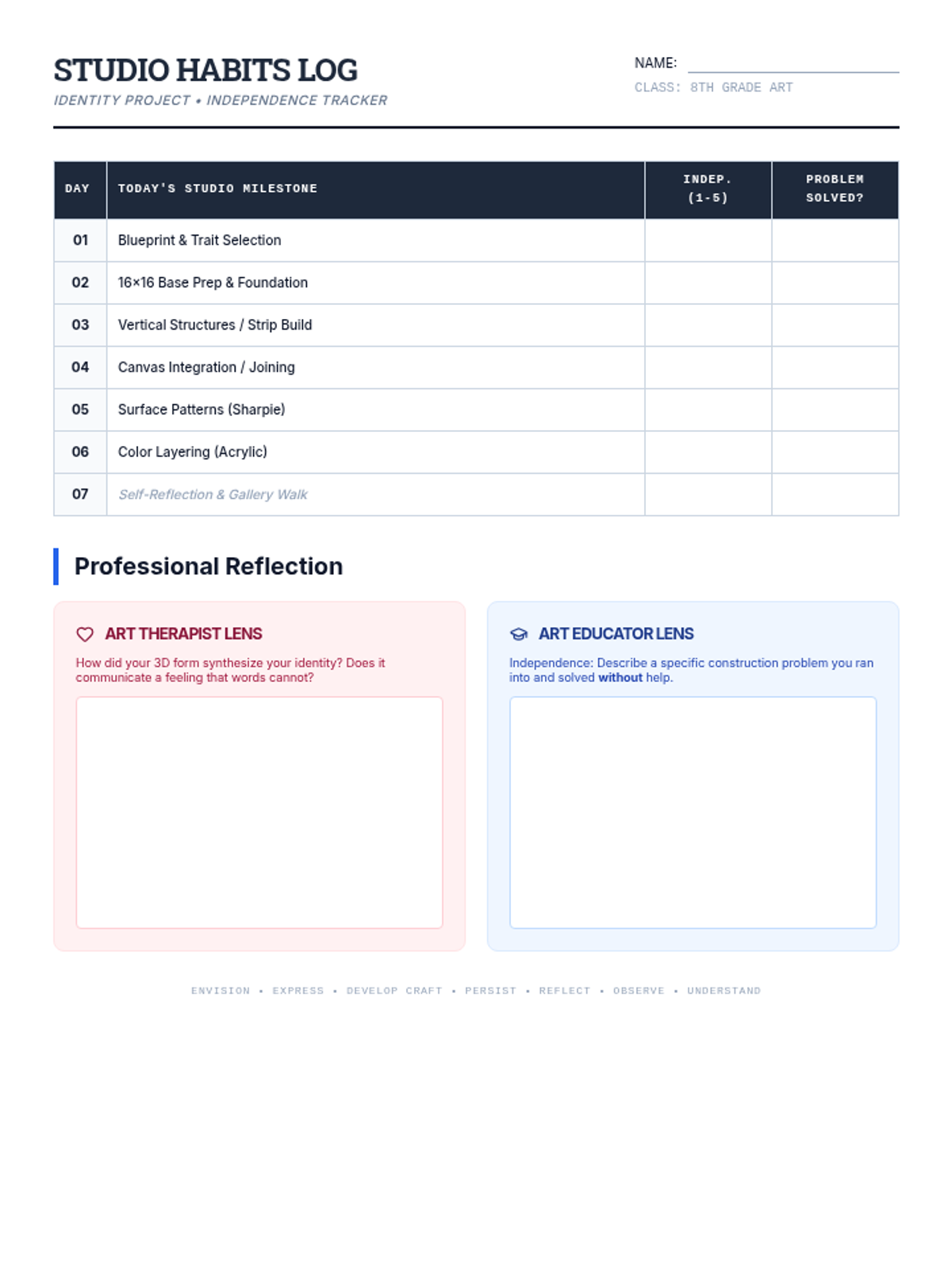
A 7-day independent project-based learning unit where students create a freestanding cardboard sculpture that symbolizes their personal identity, focusing on studio habits and career exploration.
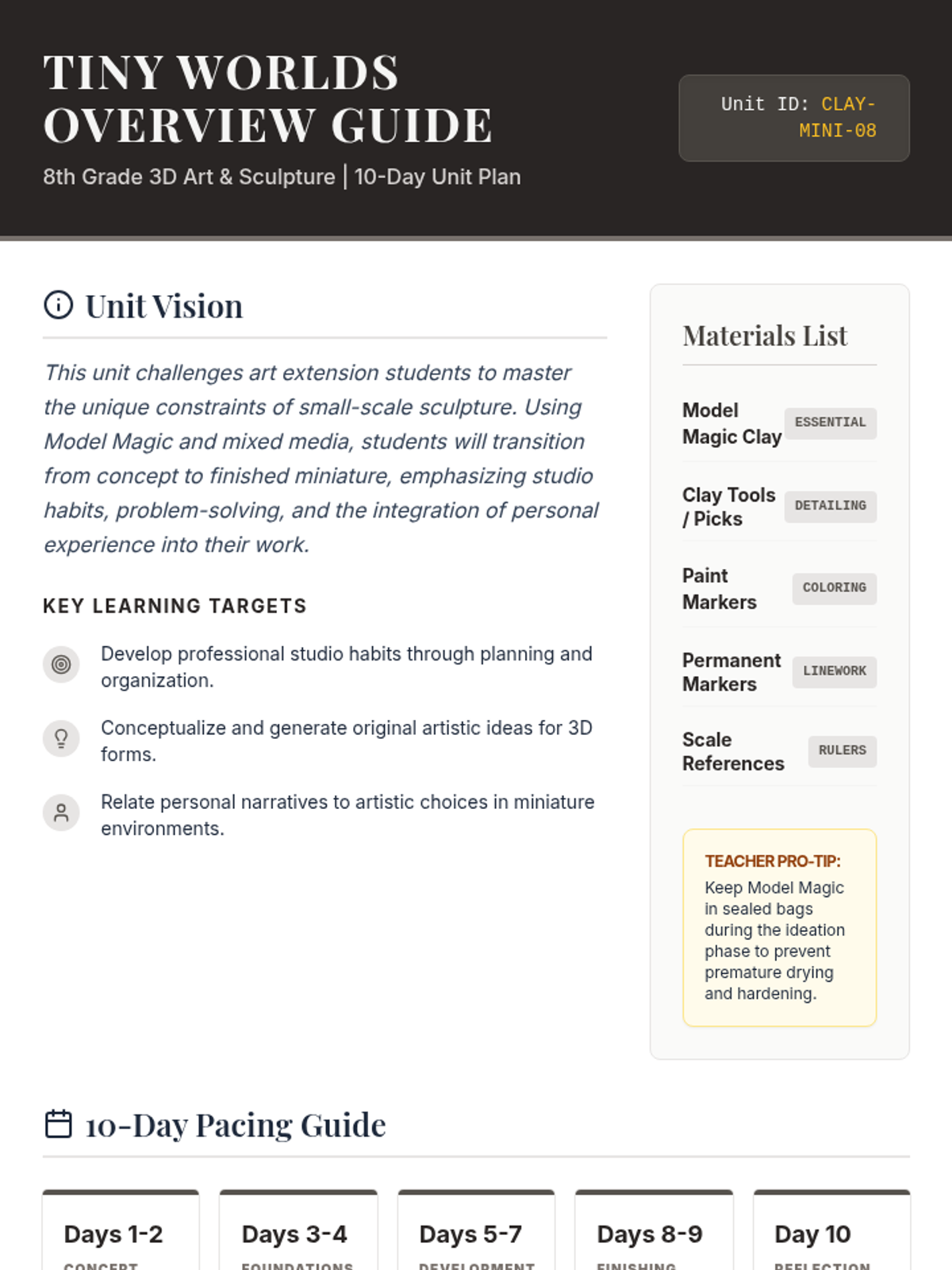
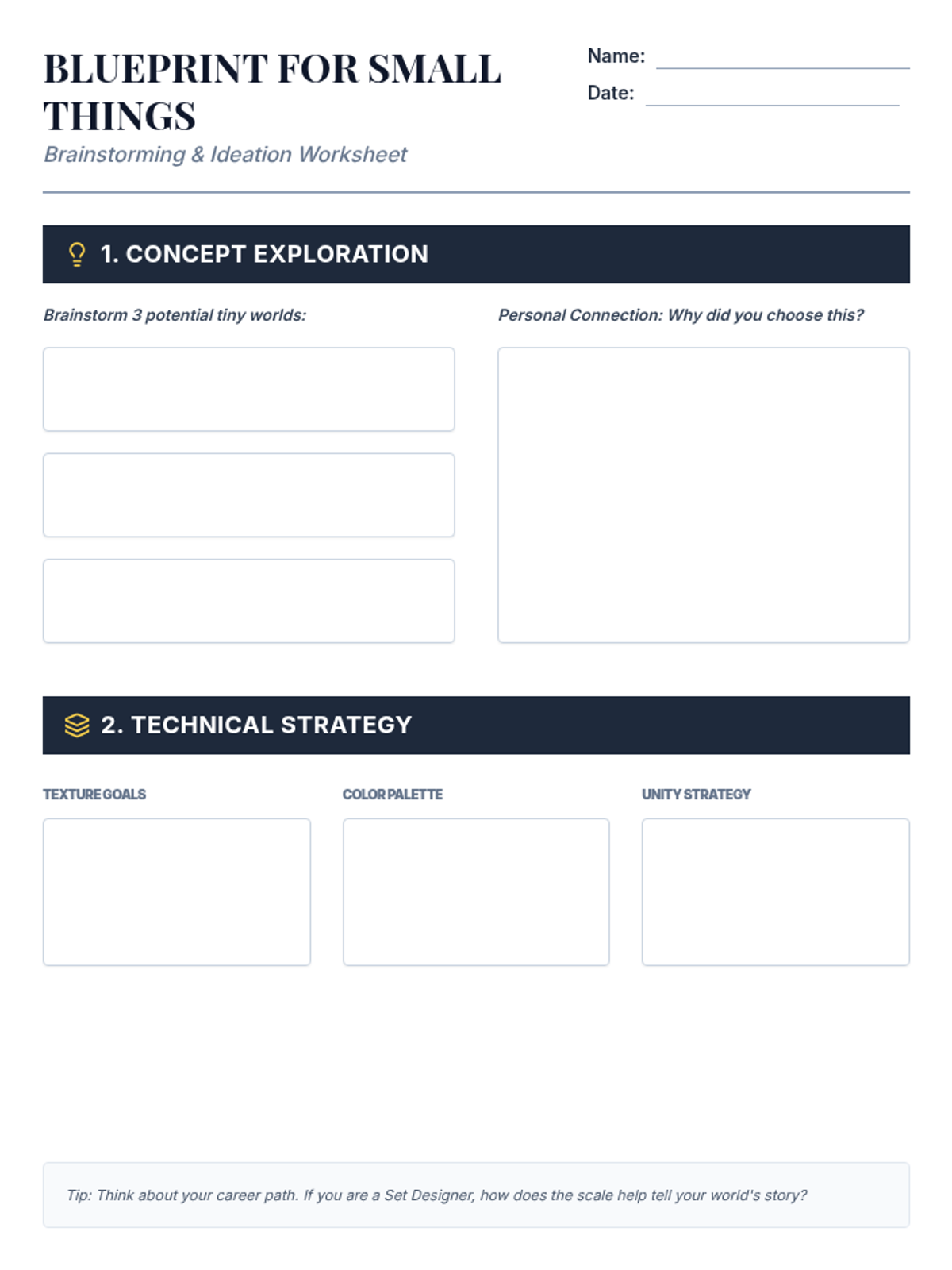
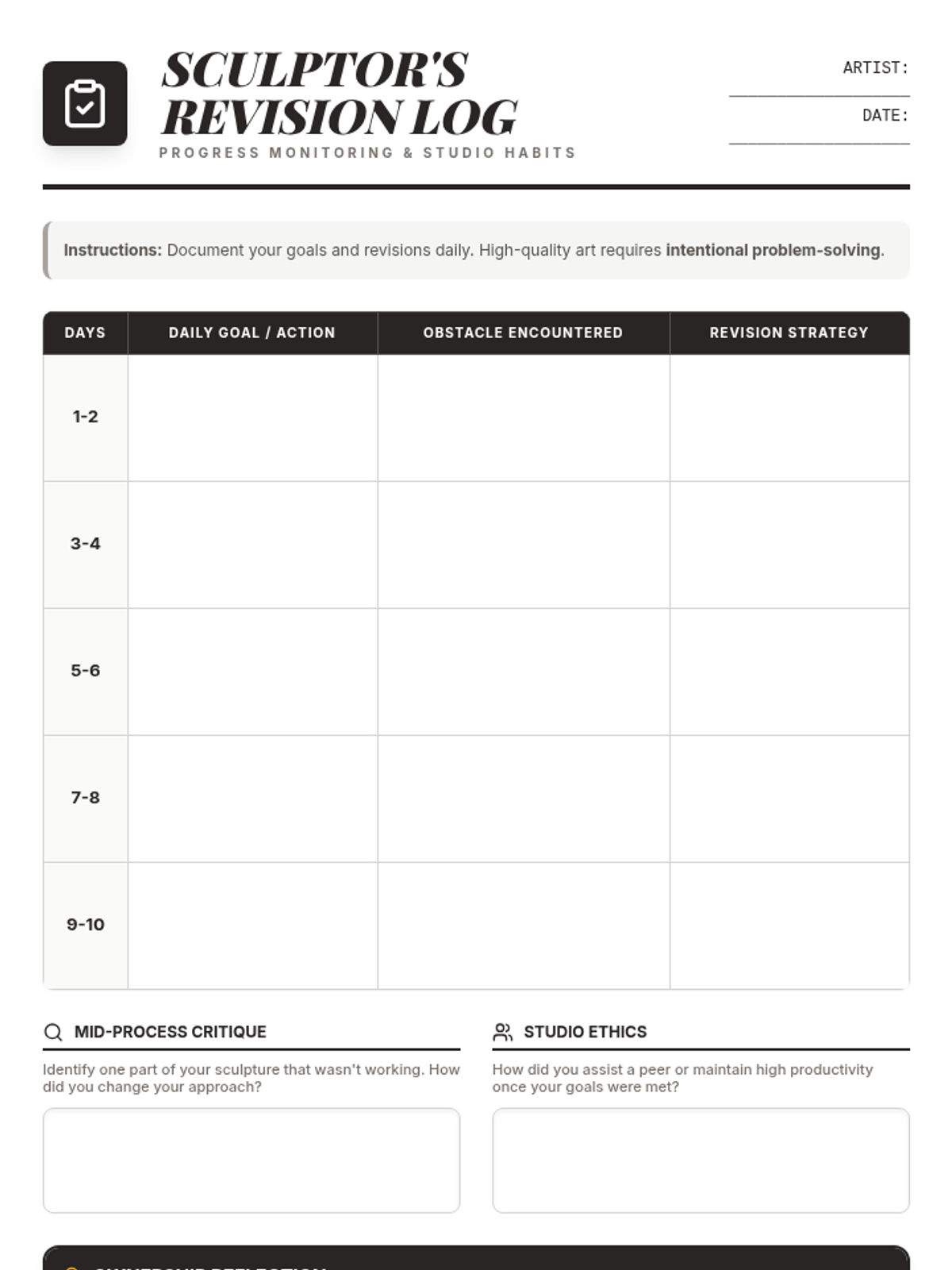
A comprehensive 10-day unit focused on conceptualizing and creating 3D clay miniatures using Model Magic. Students explore career paths like set design and pottery while developing studio habits and problem-solving skills through iterative sculpting and self-analysis.
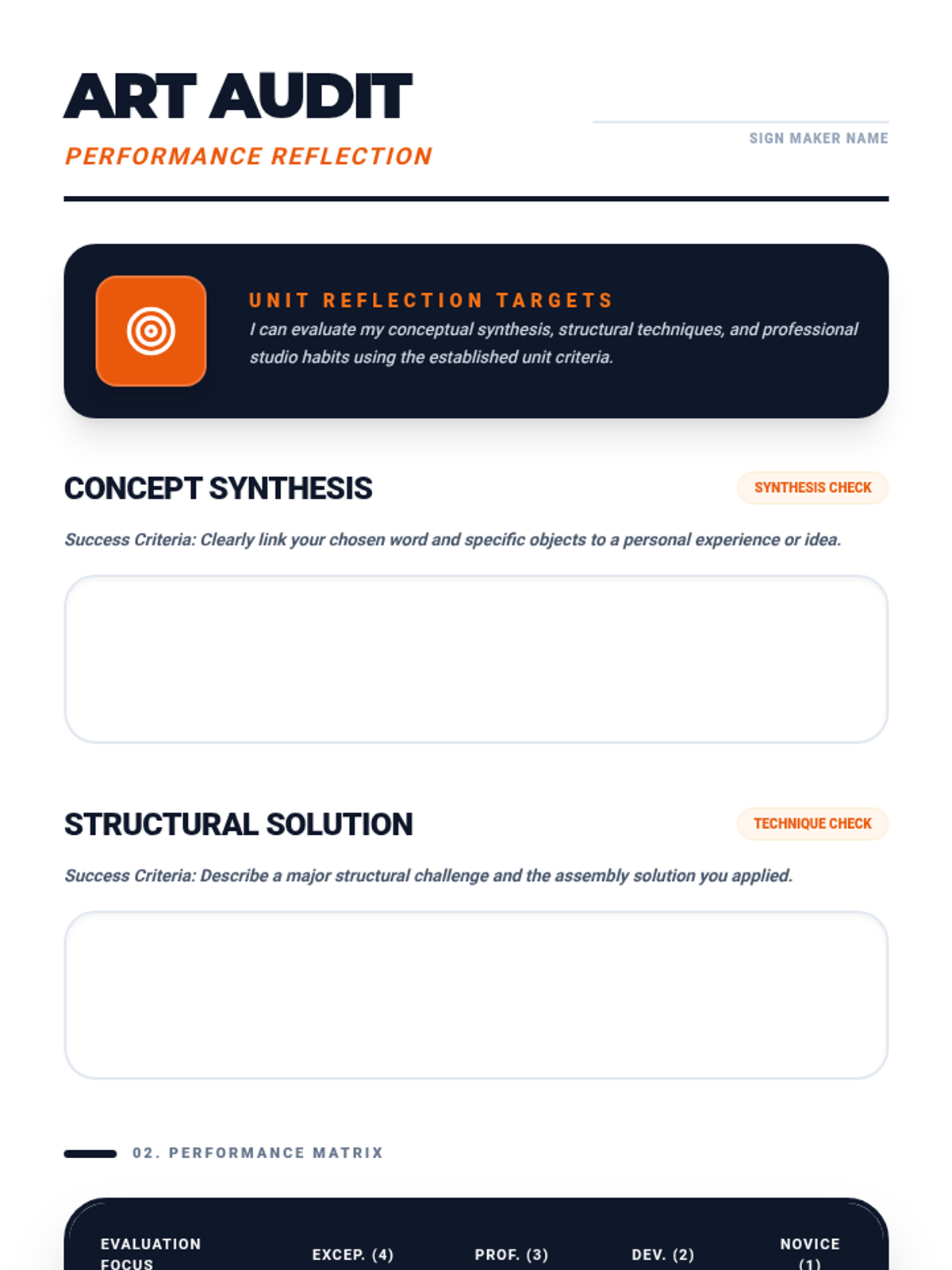
Final presentation and critique where students reflect on their work through the lens of a Sign Maker and self-assess their studio habits and technical growth.
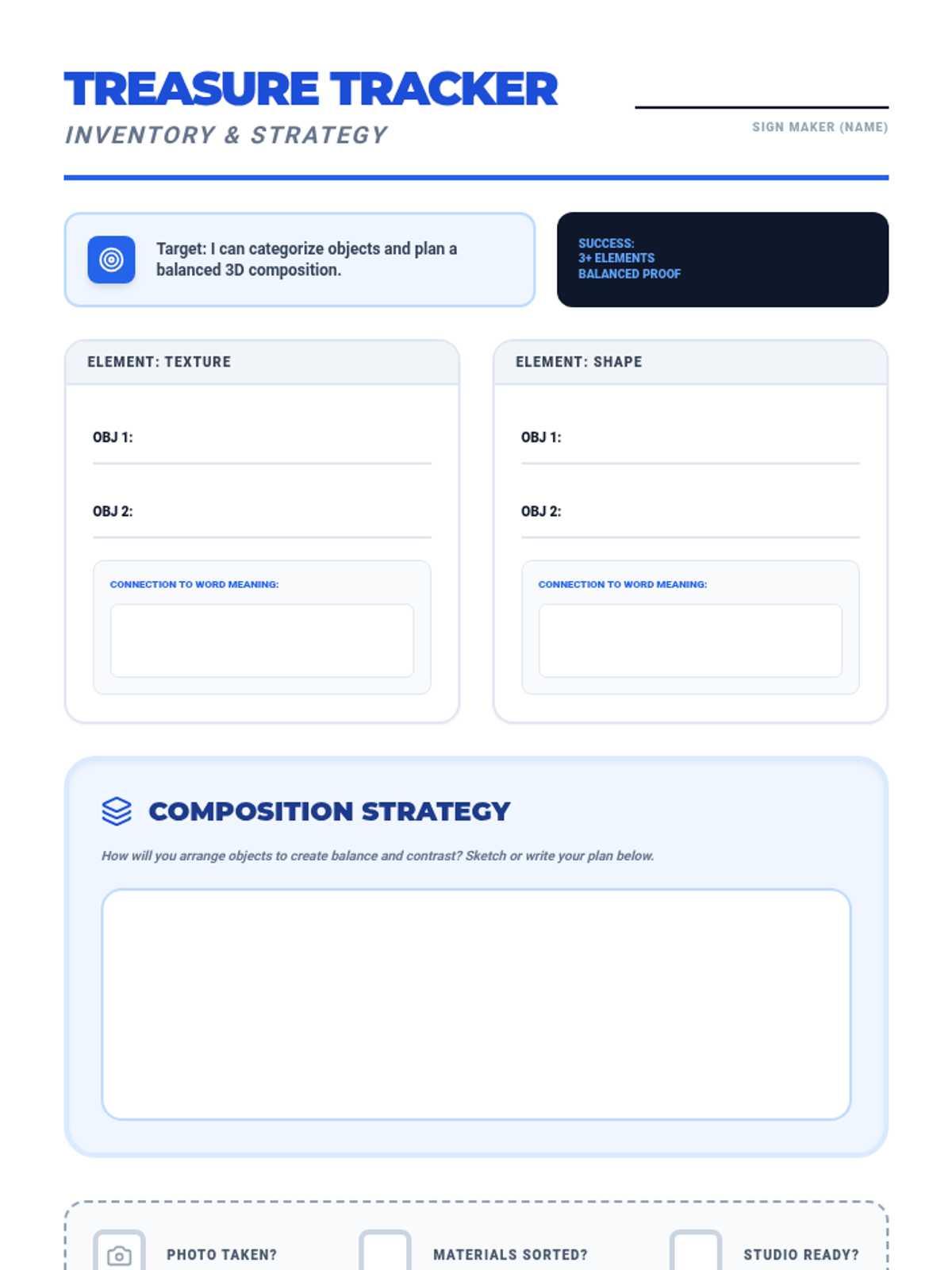
Students hunt for found objects and categorize them by art elements and design principles. They create a physical prototype of their word art, focusing on balance and contrast.
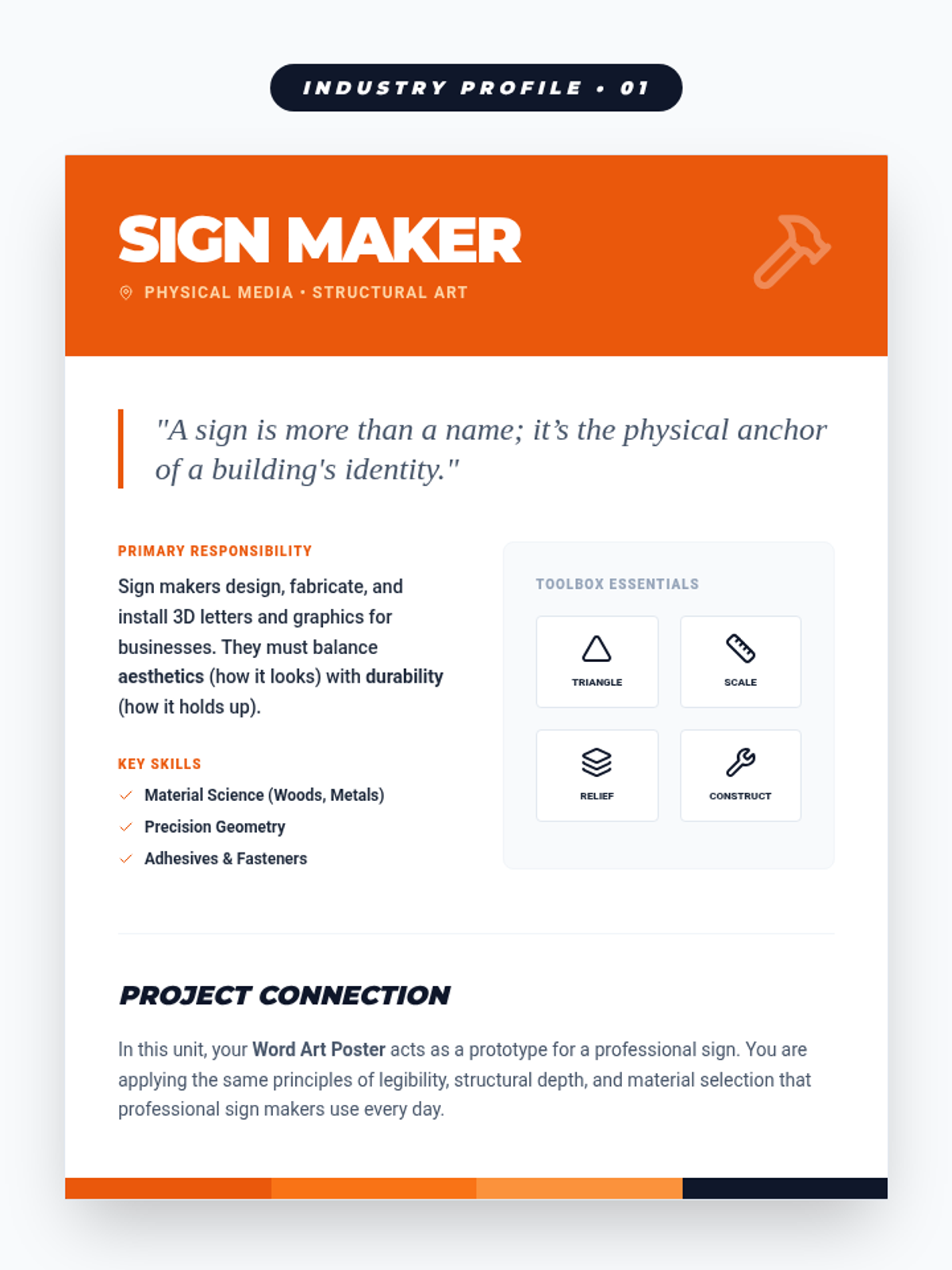
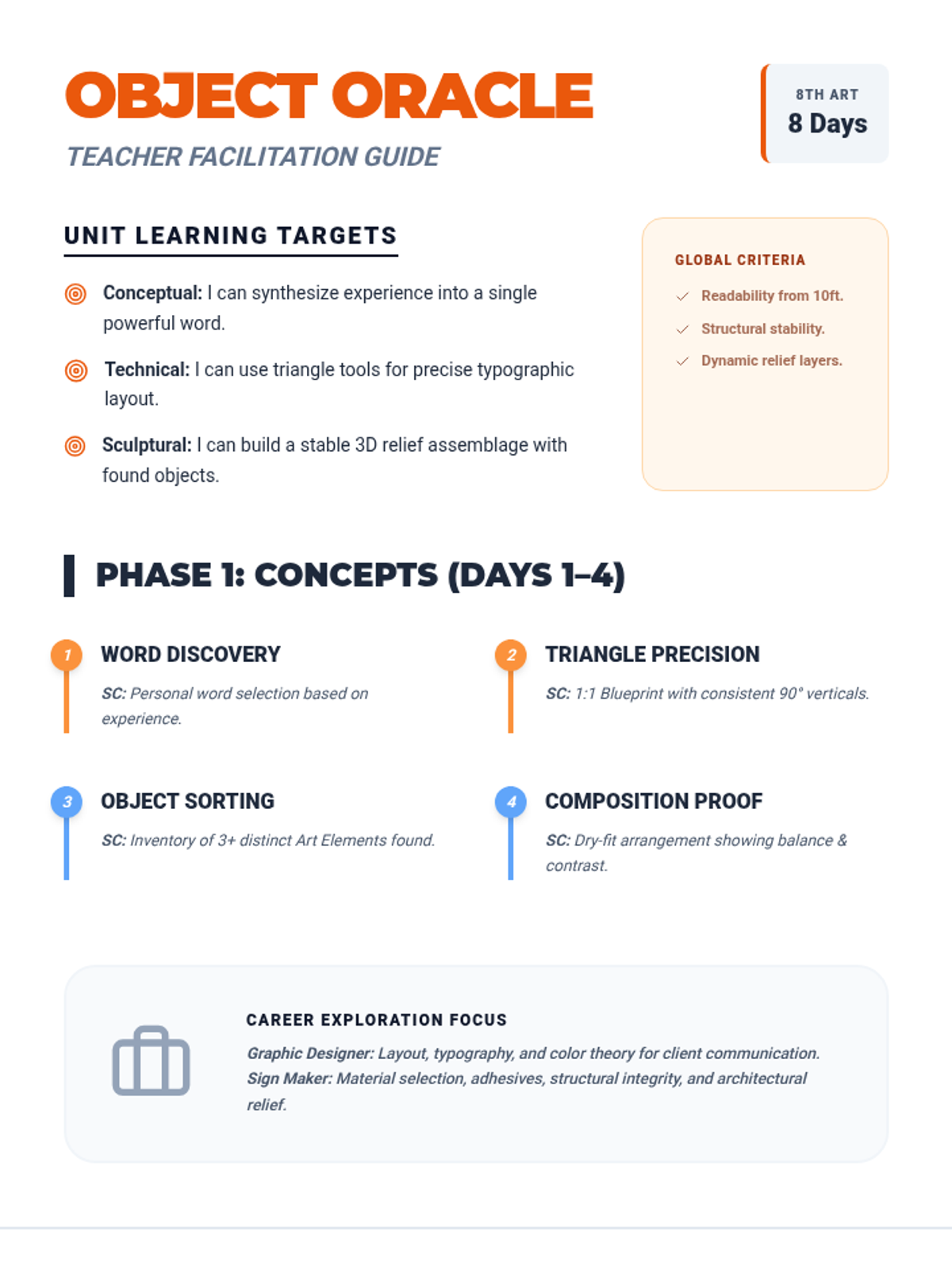
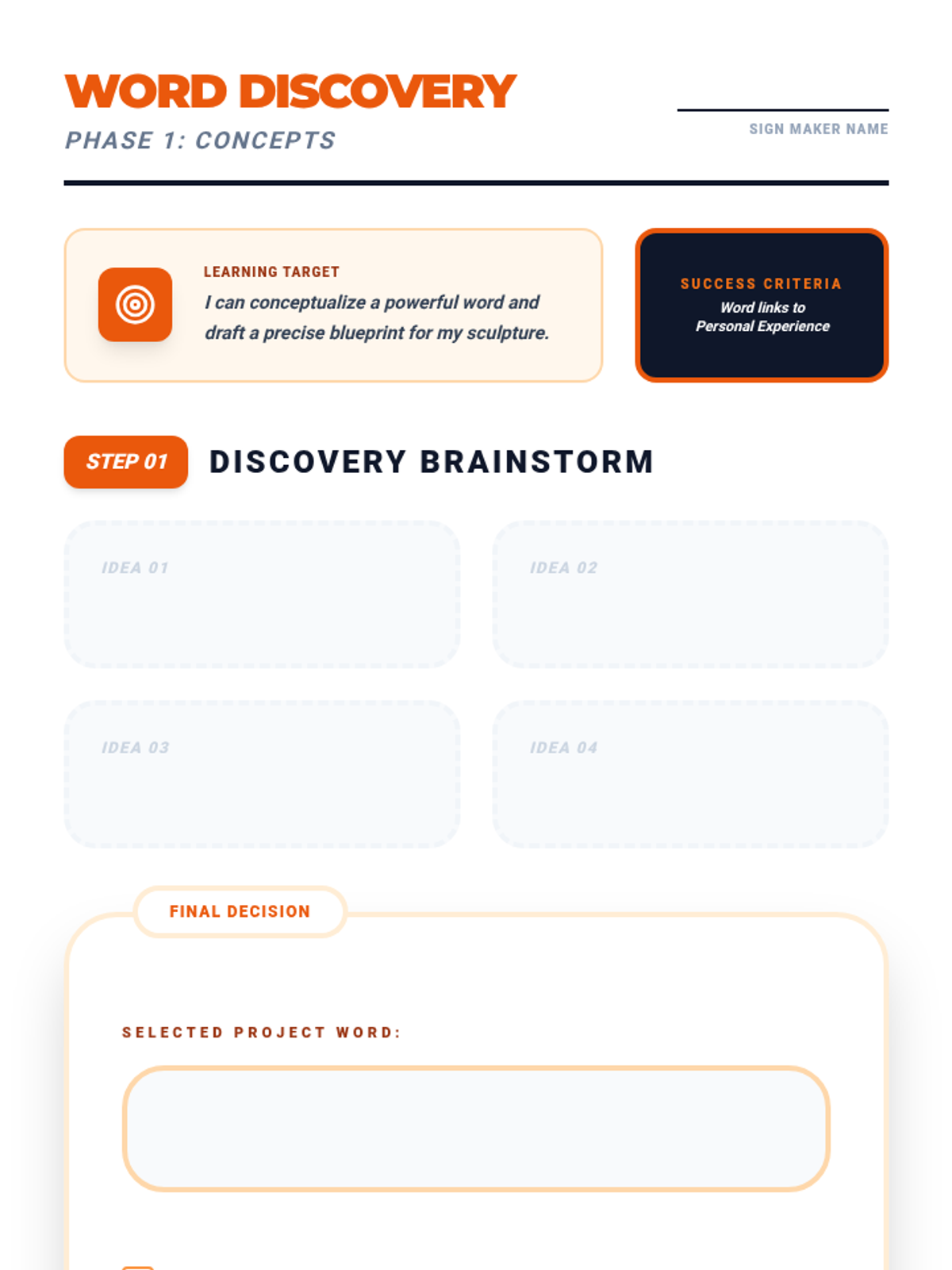
Introduction to the 8-day project, exploring the careers of Graphic Designers and Sign Makers, and brainstorming the central 'word' for the assemblage. Students use triangle tools to create precise layout sketches.
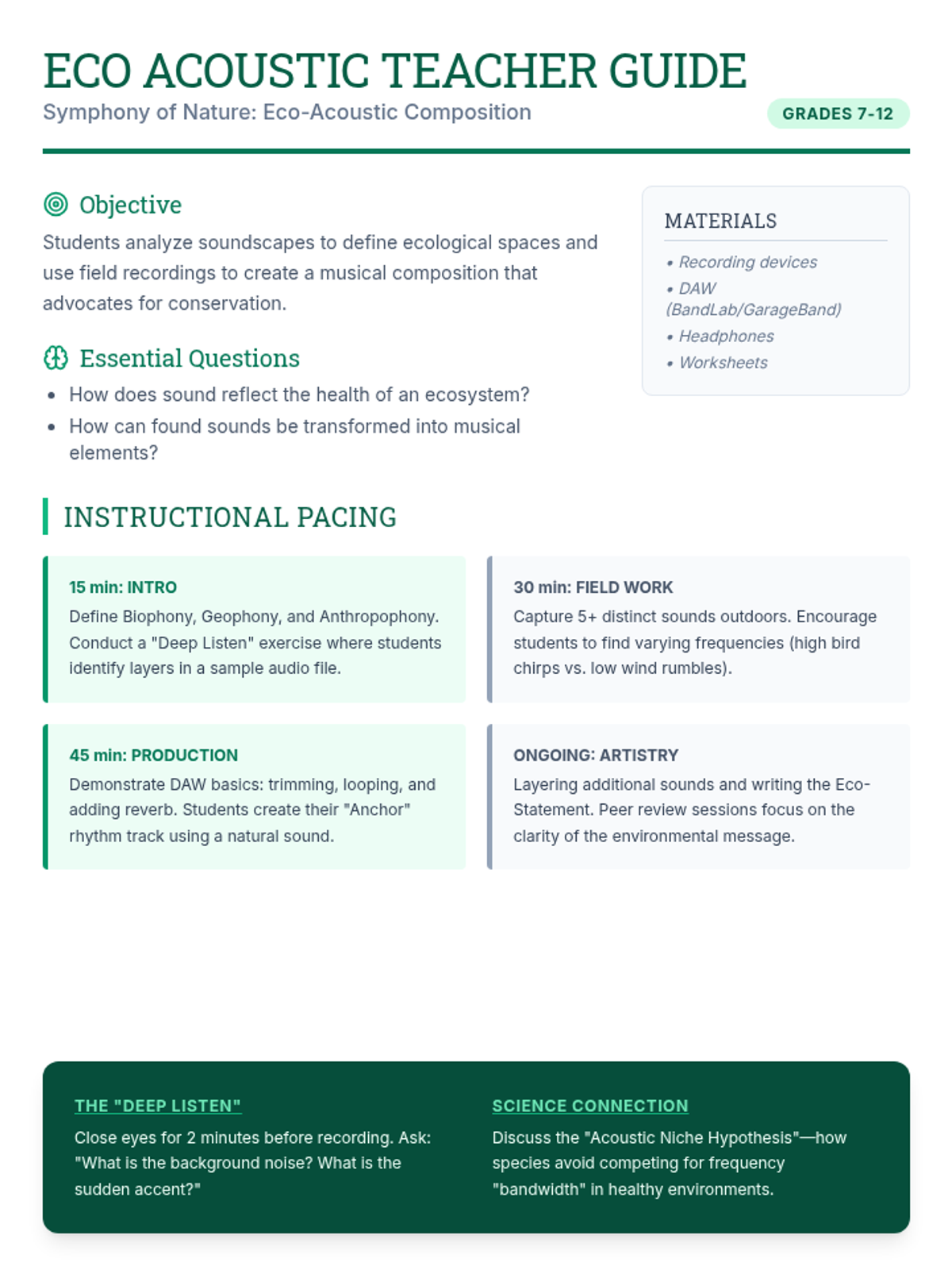
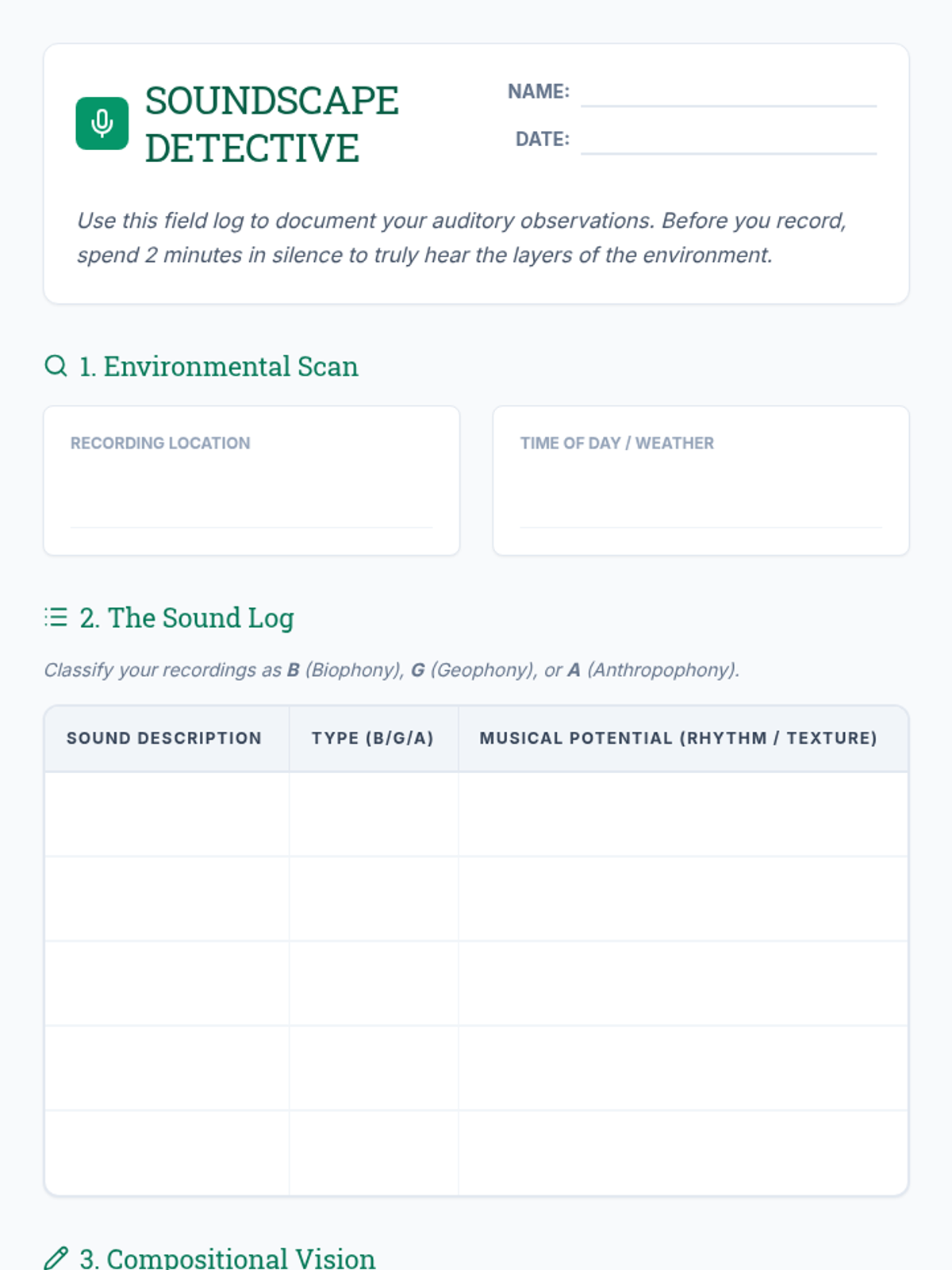
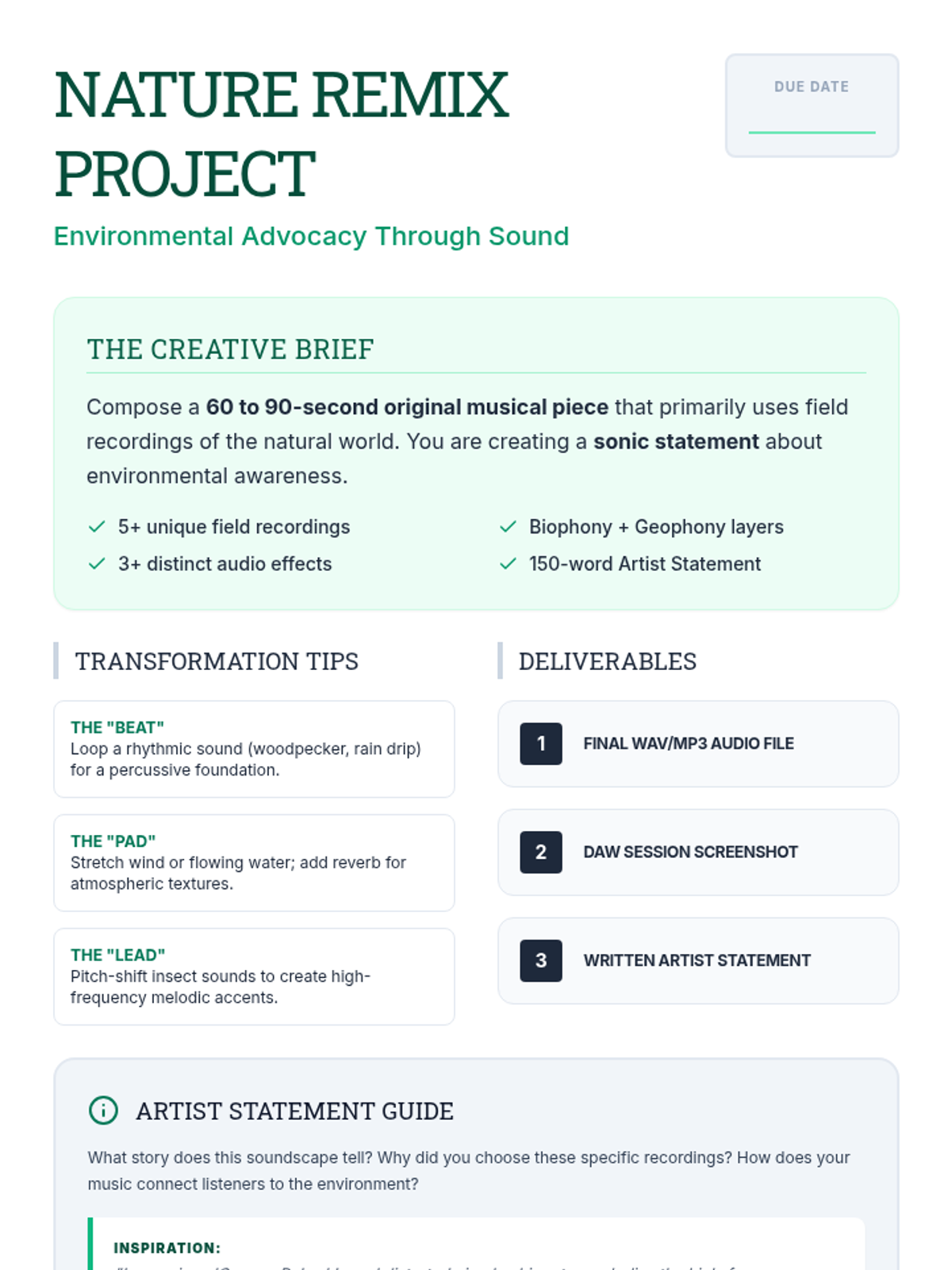
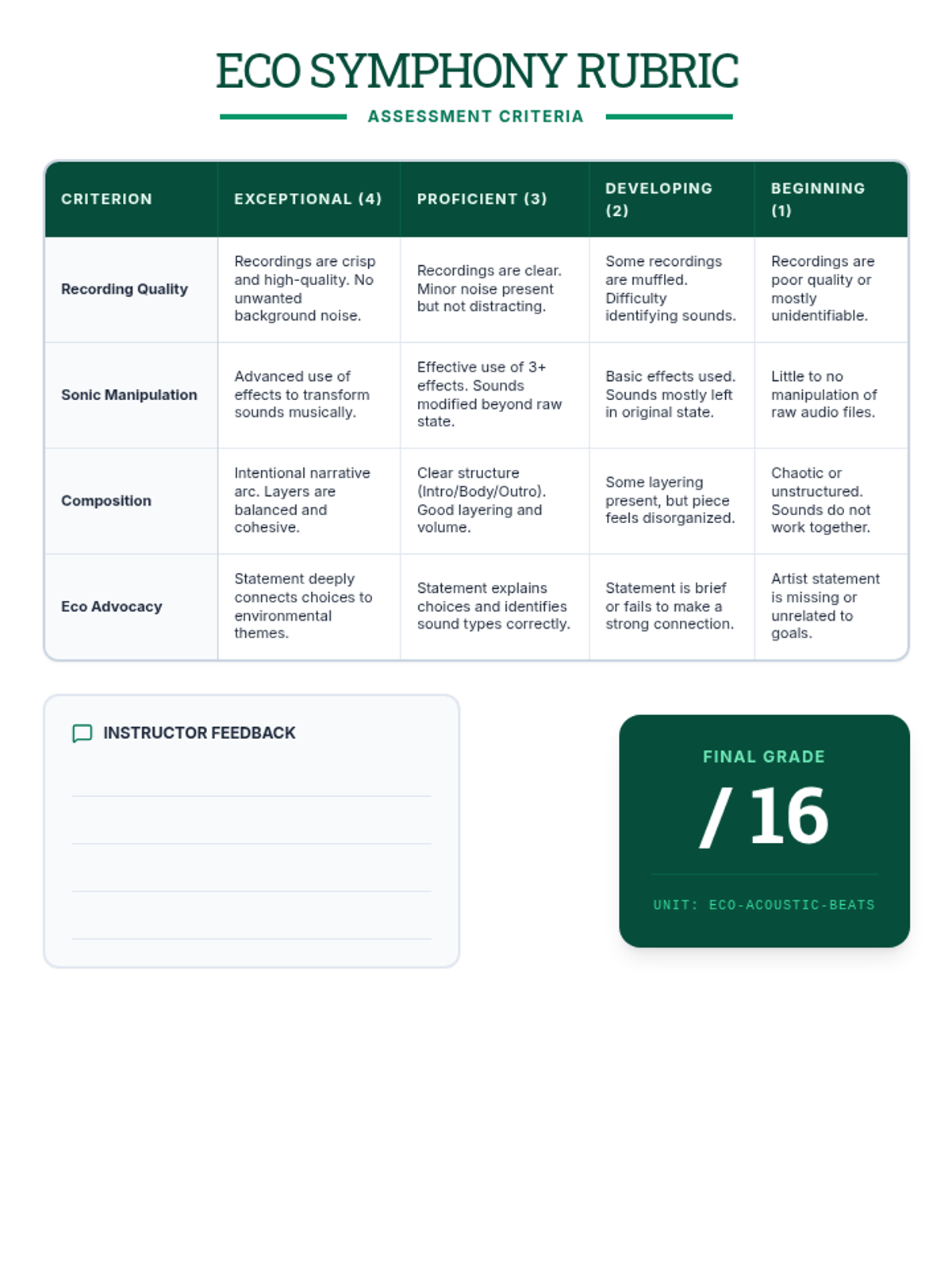
A multi-disciplinary lesson where students blend environmental science and music production. They will analyze natural soundscapes and create original compositions using field recordings to promote ecological awareness.
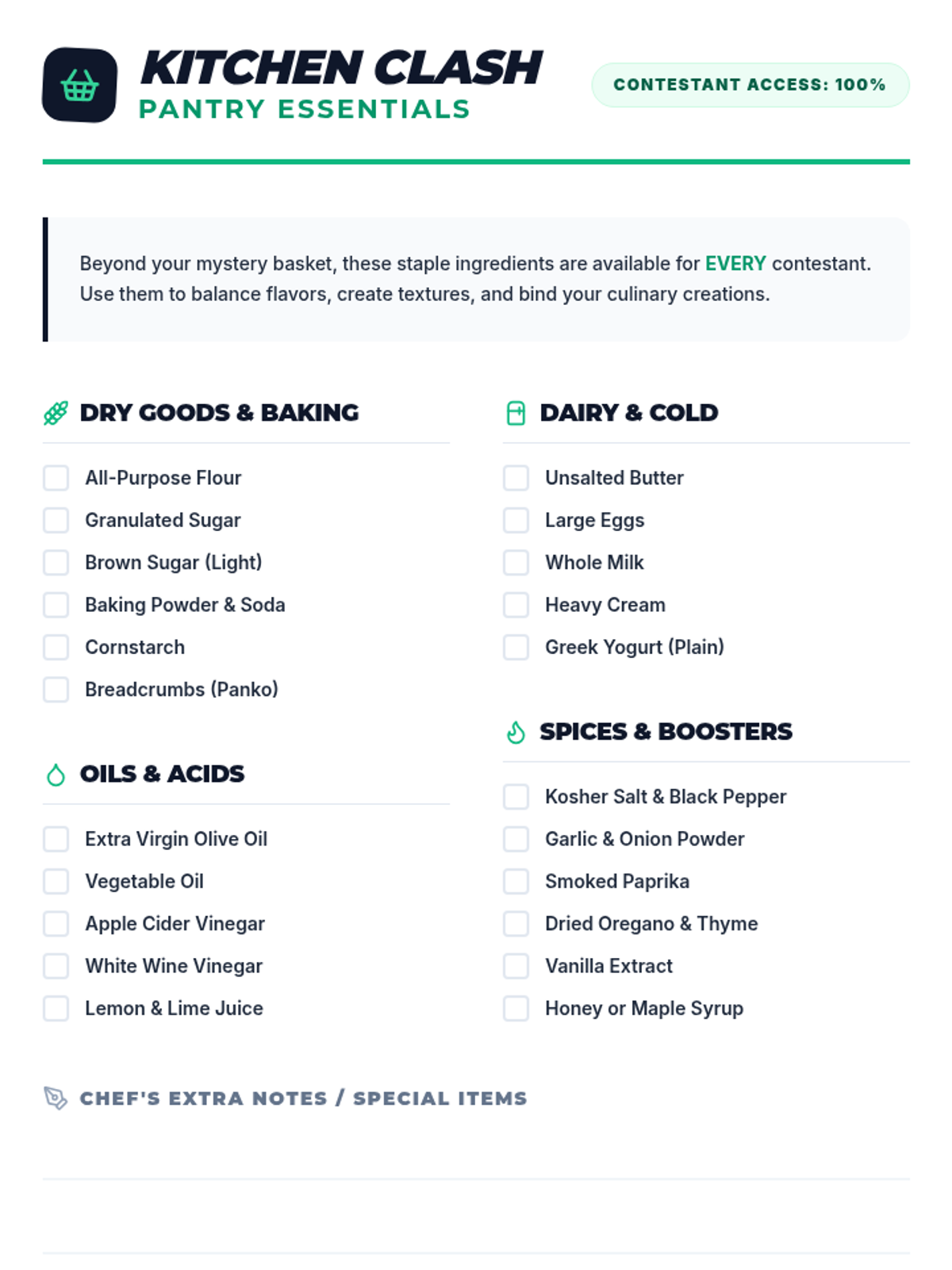
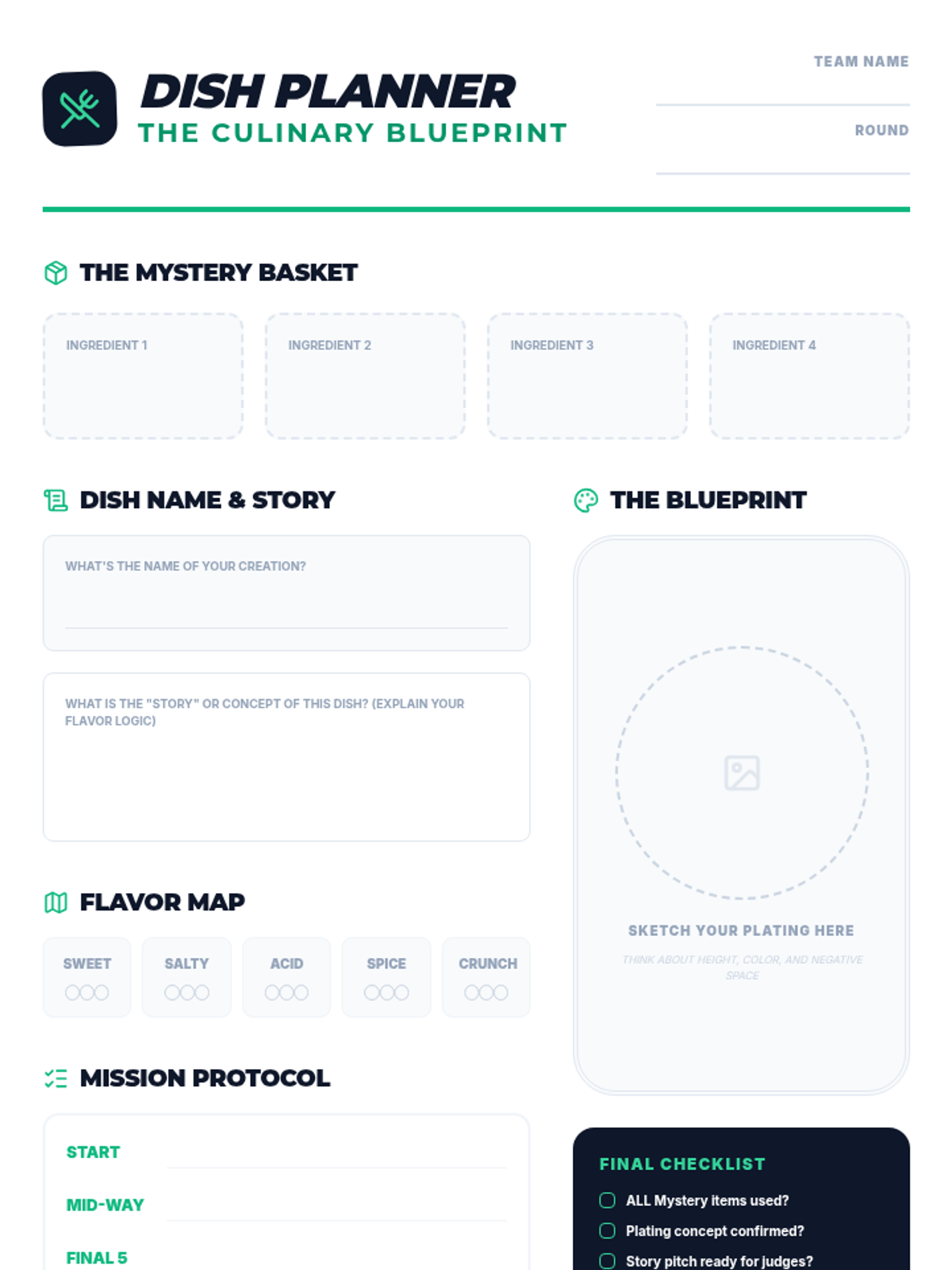
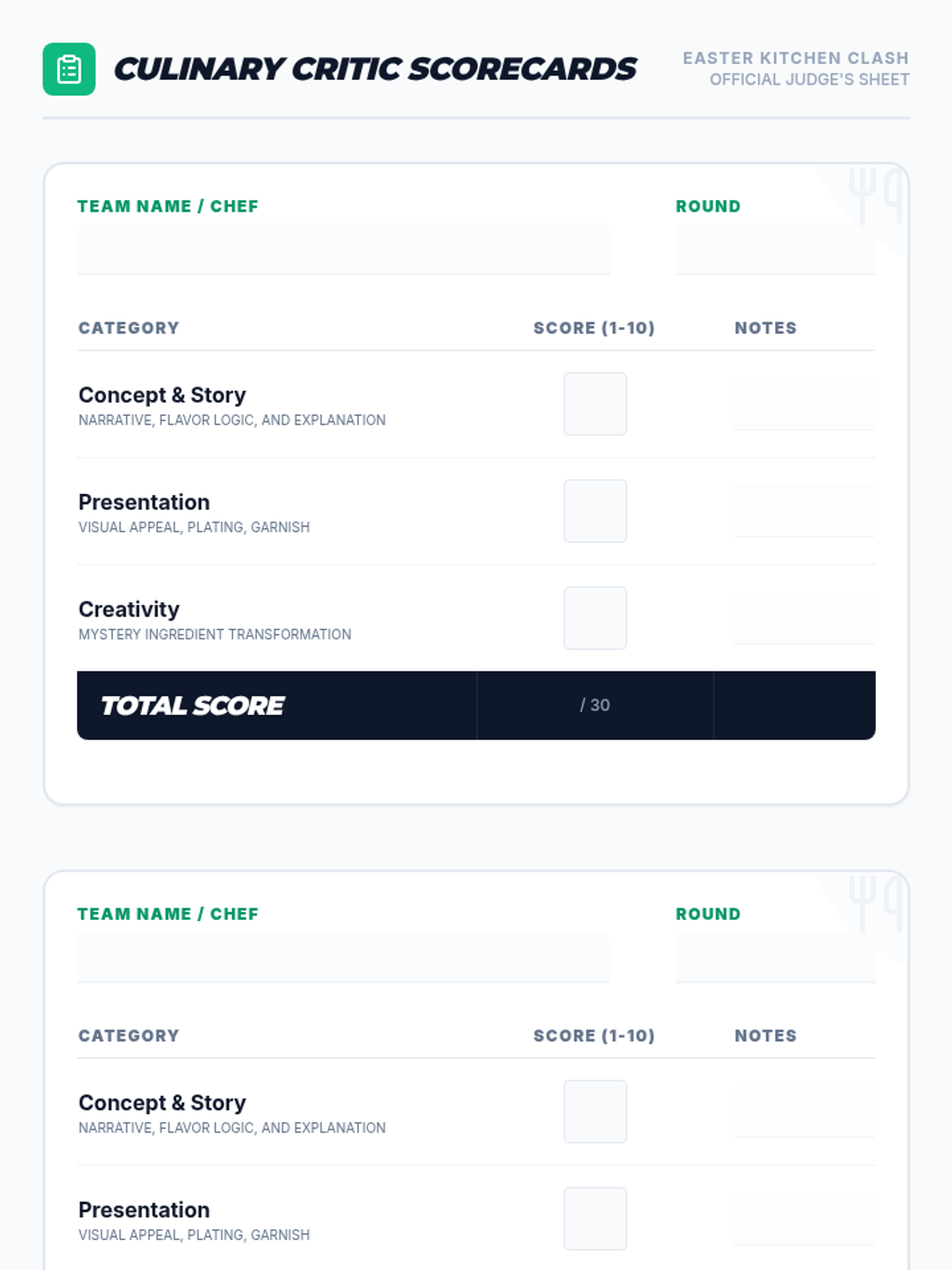
A high-energy culinary challenge where students use mystery Easter-themed ingredients to create unique dishes, focusing on creativity, flavor, and presentation.
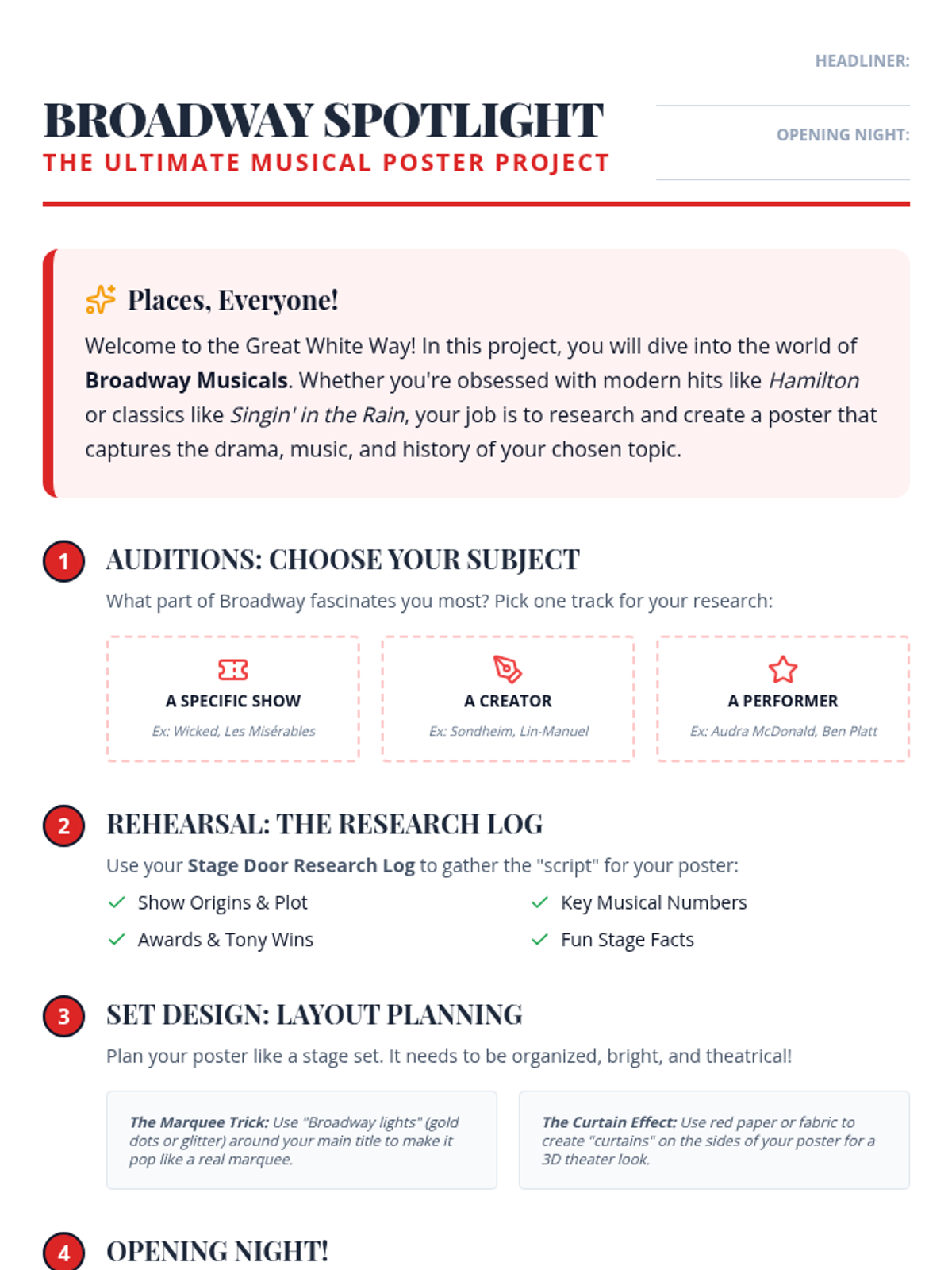
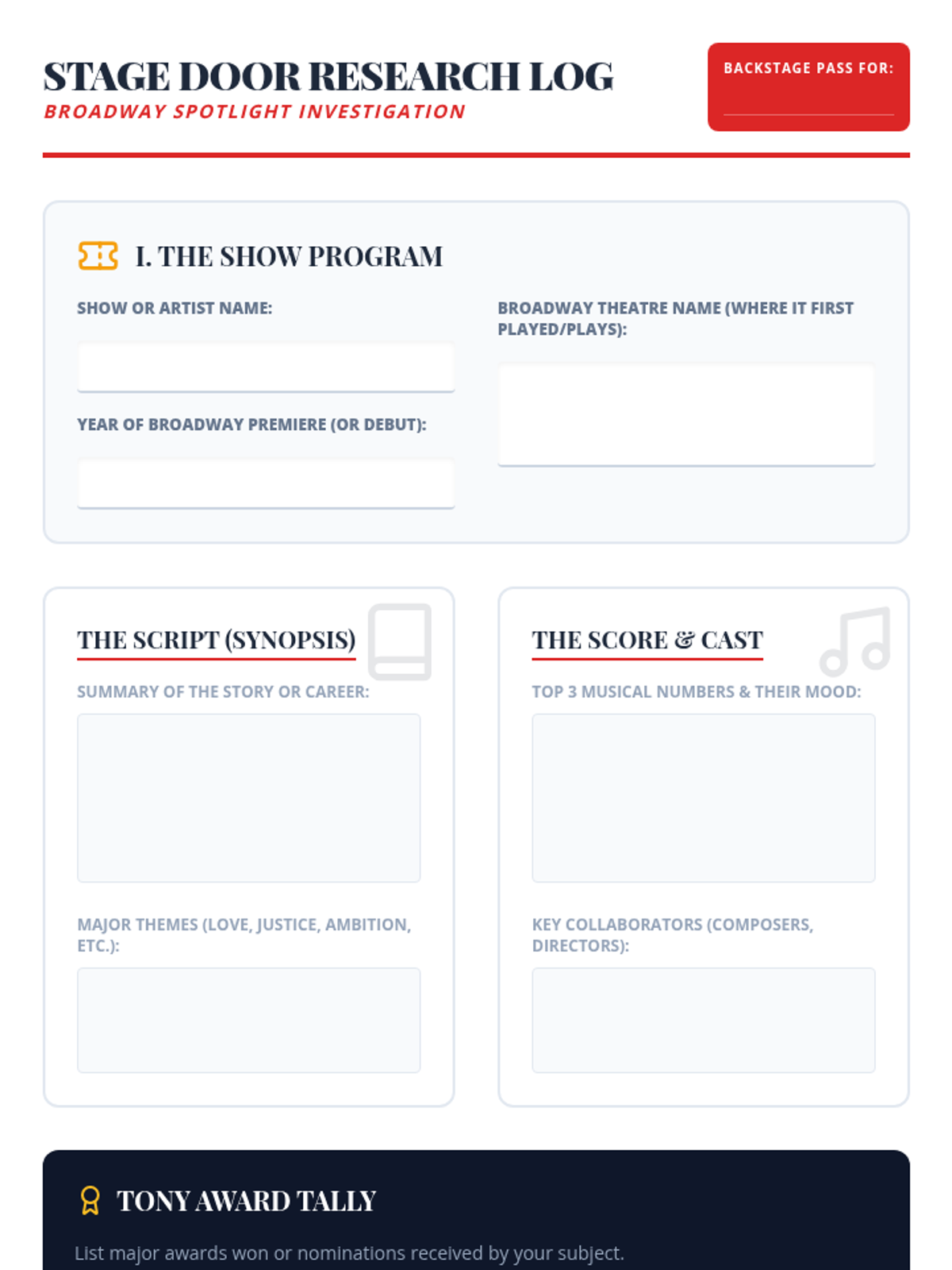
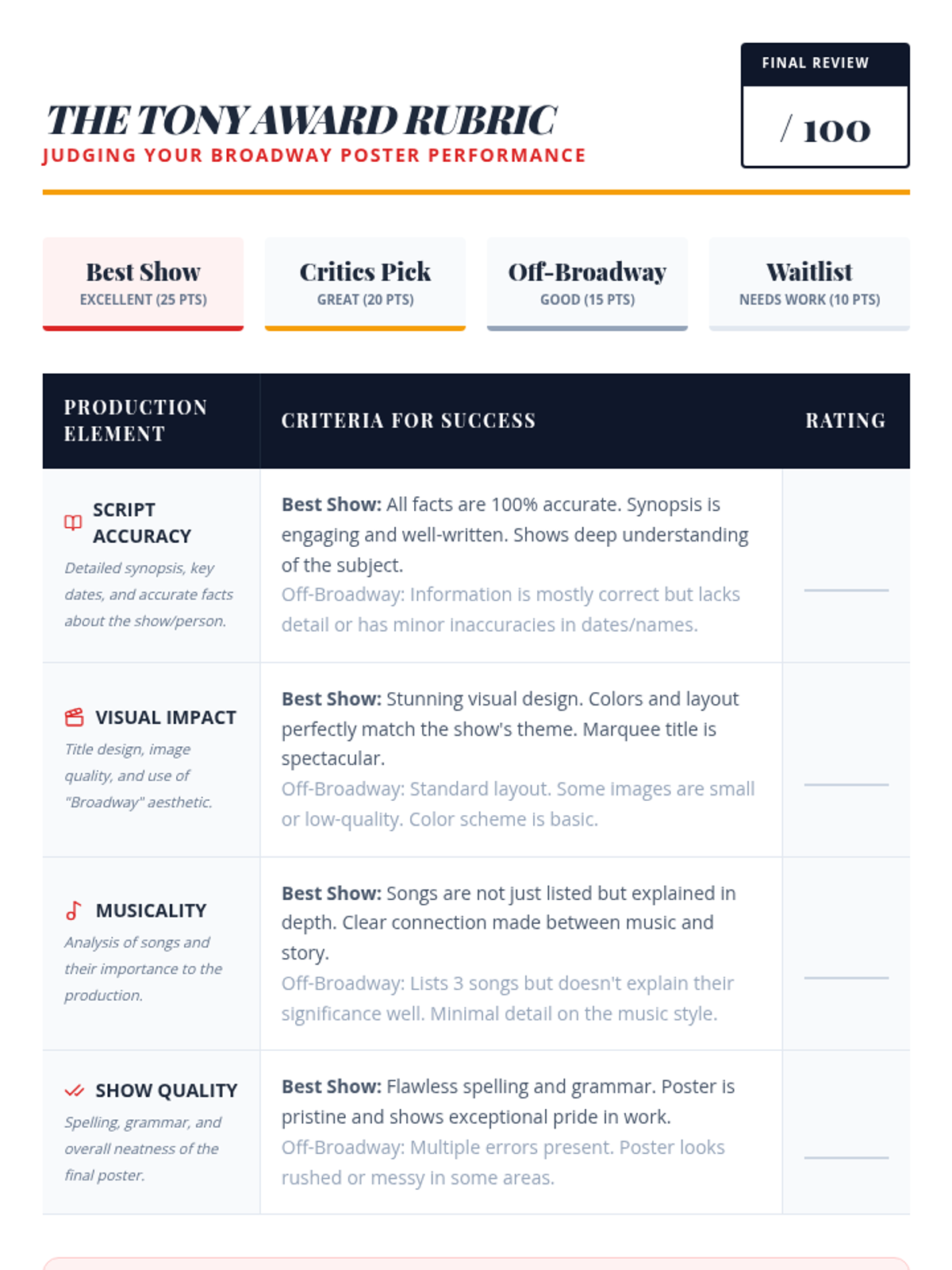
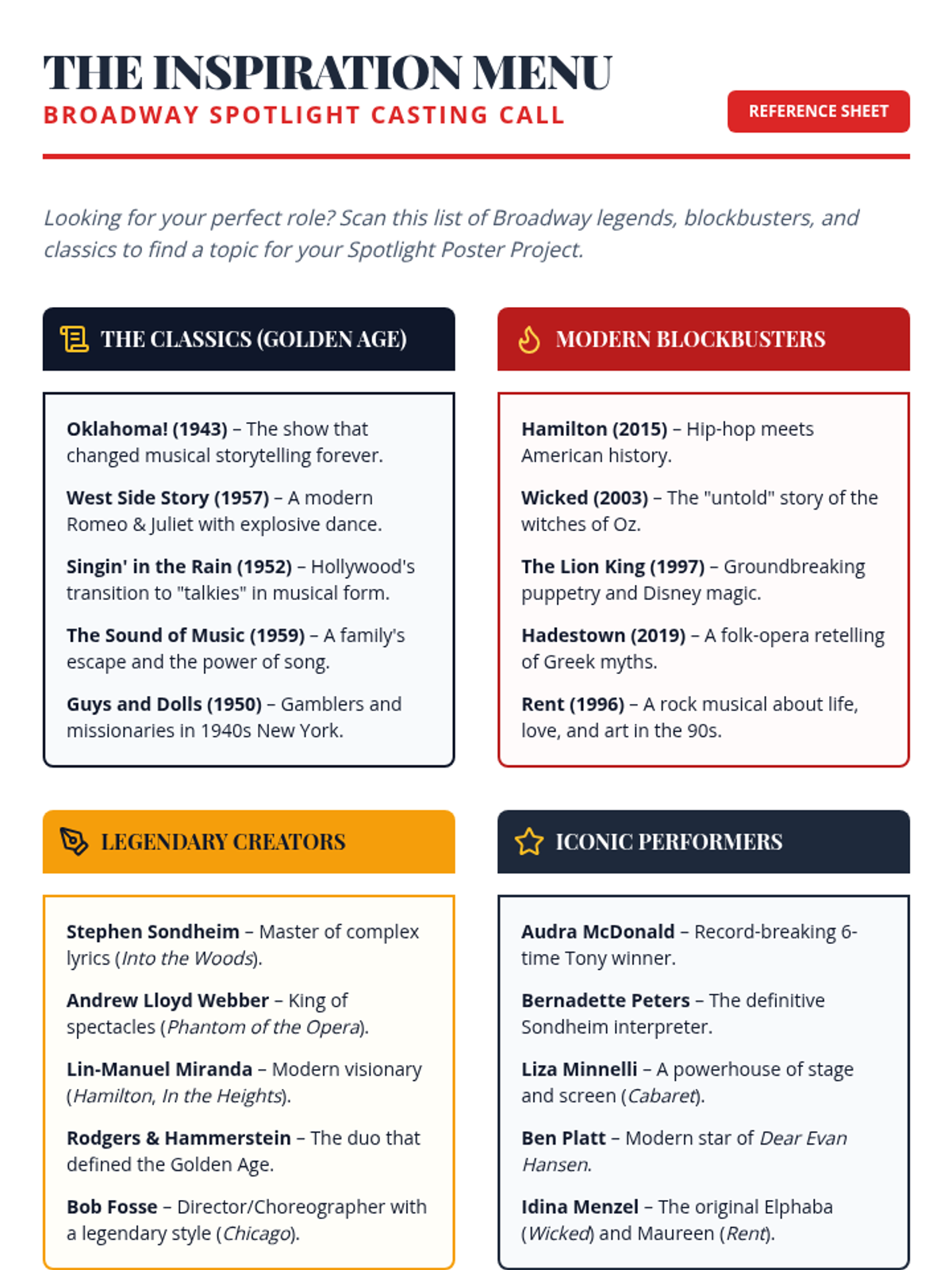
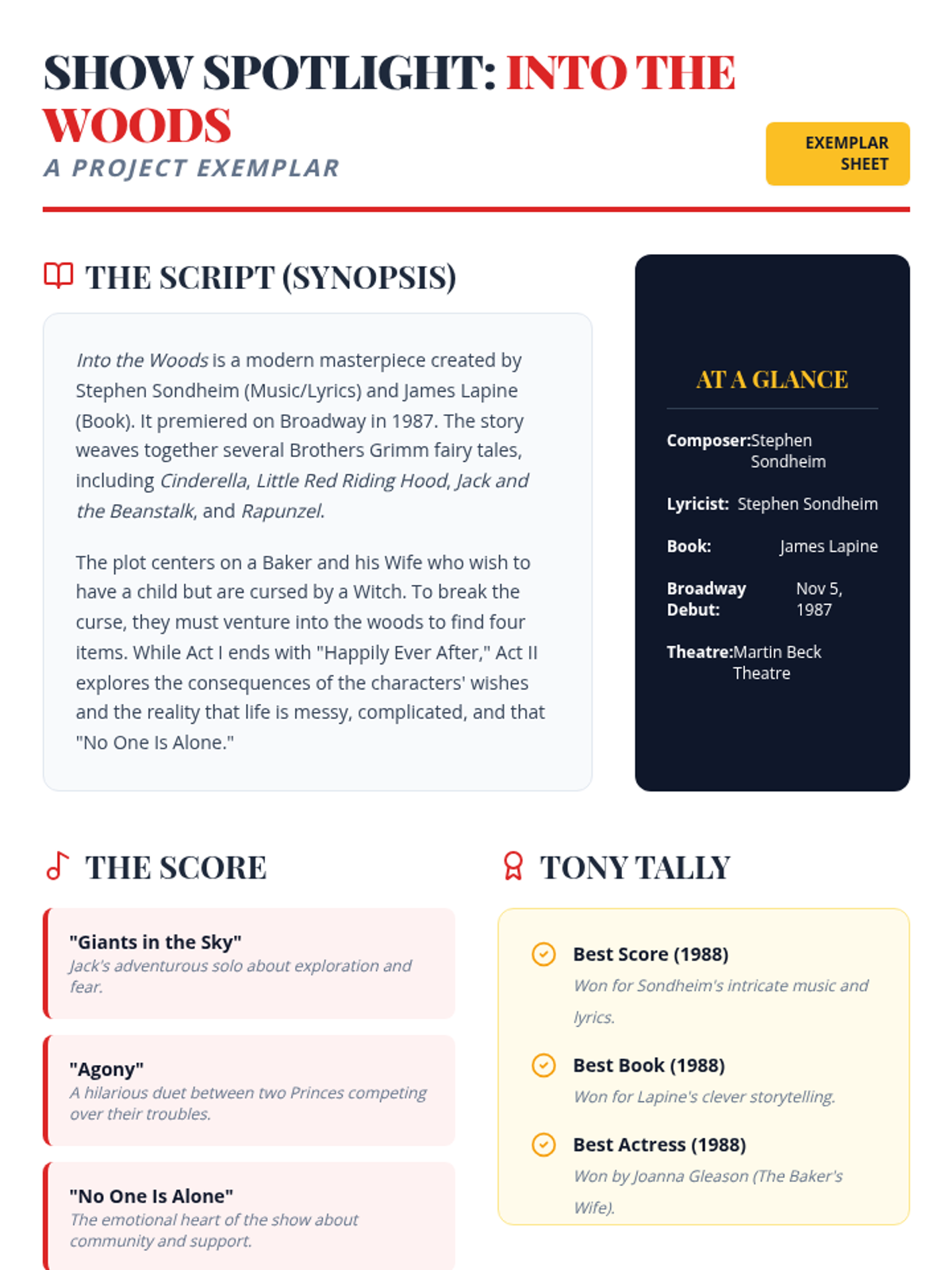
A creative project where students research and present the magic of Broadway. Students can choose a specific musical, a legendary composer, or a famous performer to showcase on an informational poster.
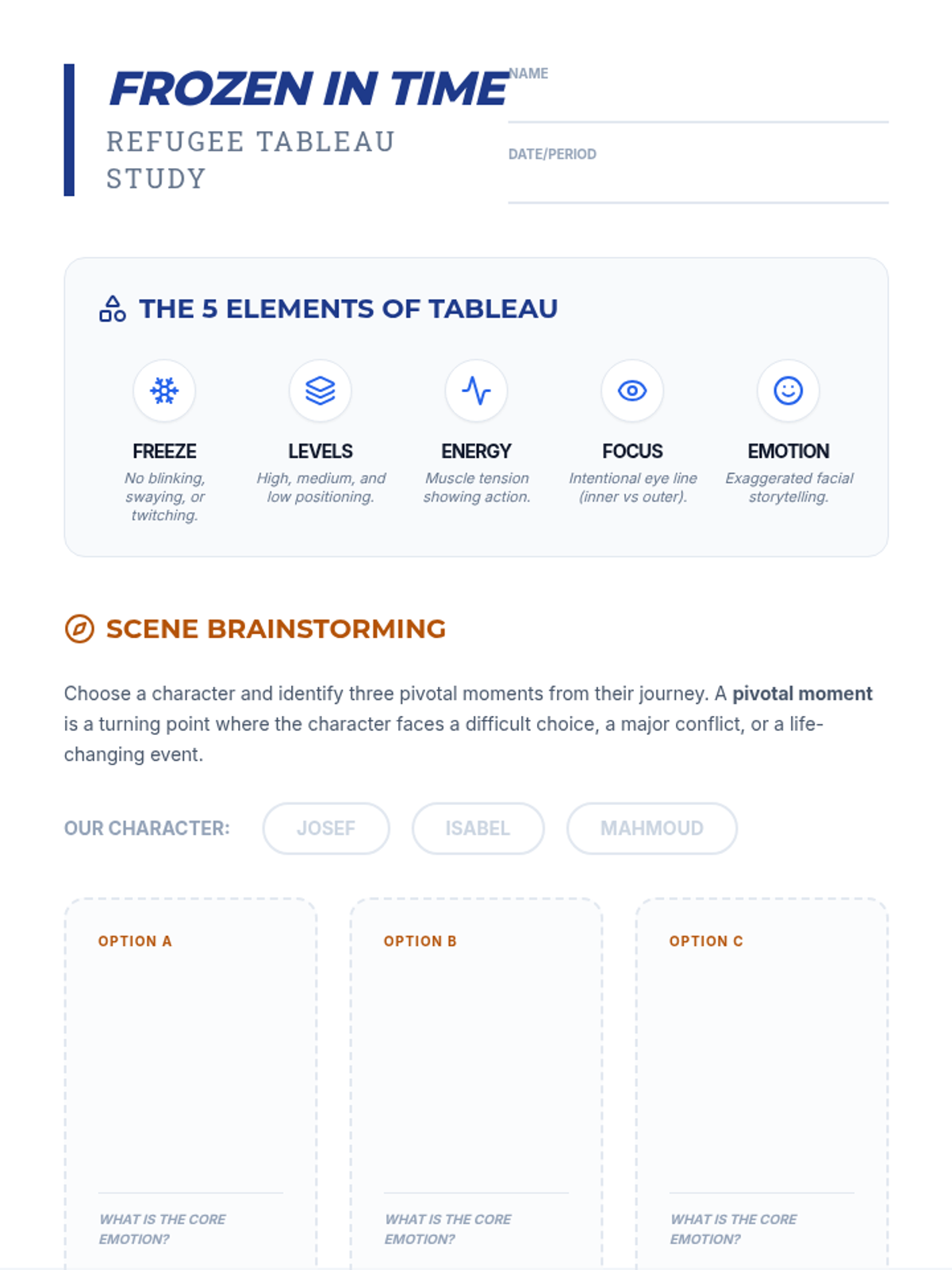
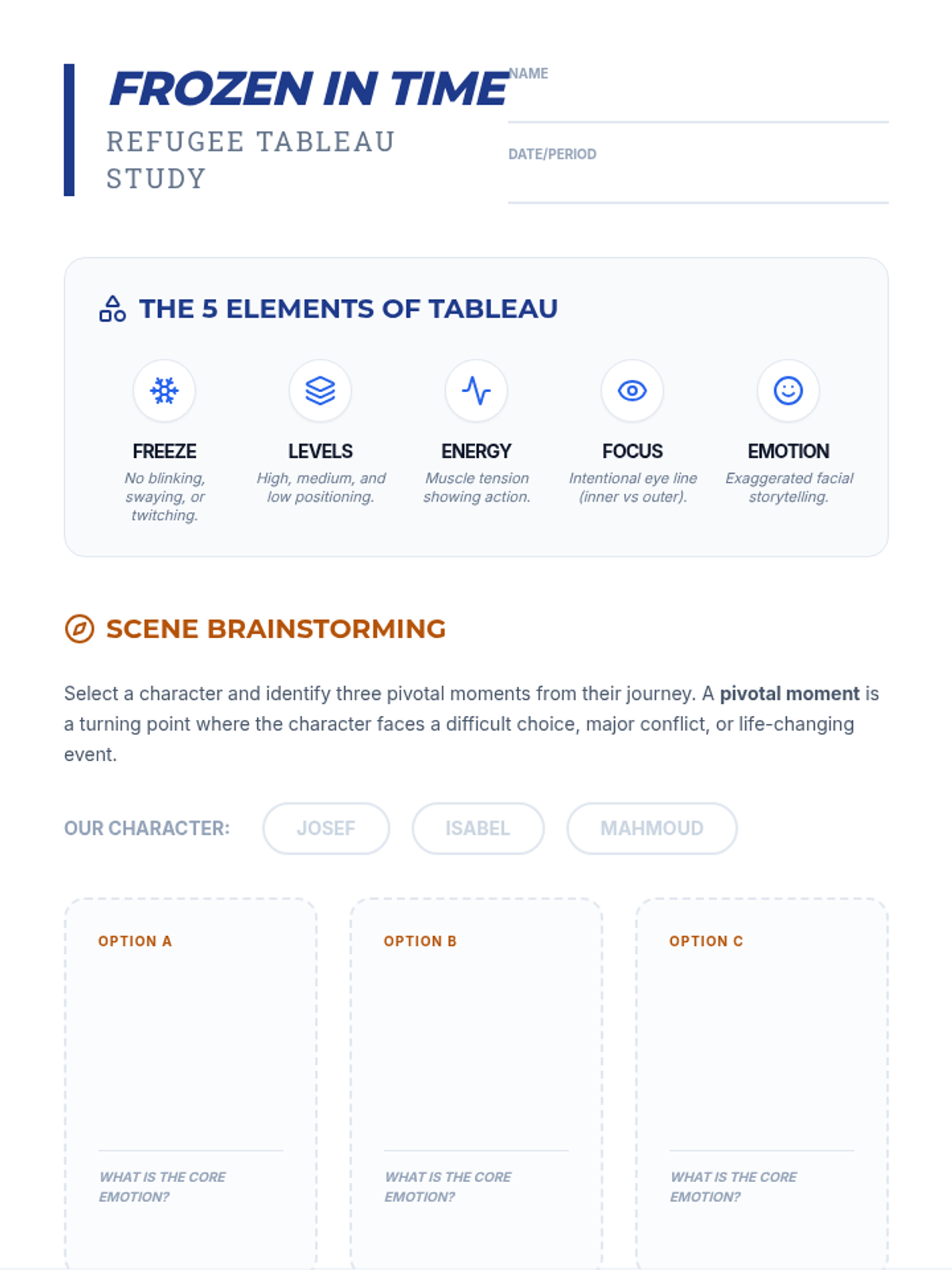
A lesson focused on using the dramatic technique of tableau to explore pivotal moments and emotional themes in Alan Gratz's 'Refugee'. Students will learn the five elements of tableau and work in groups to create living pictures of the three main characters' journeys.
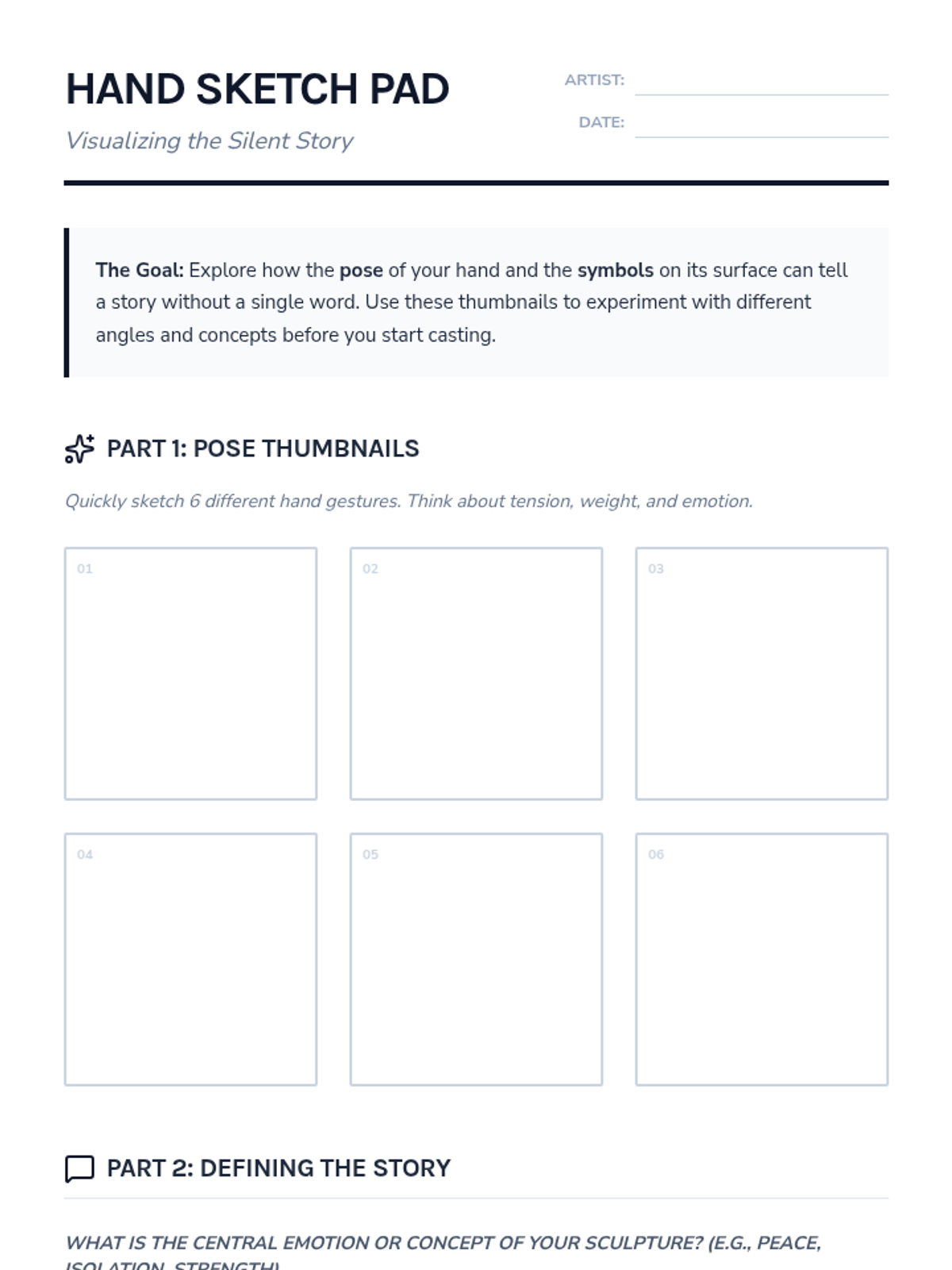
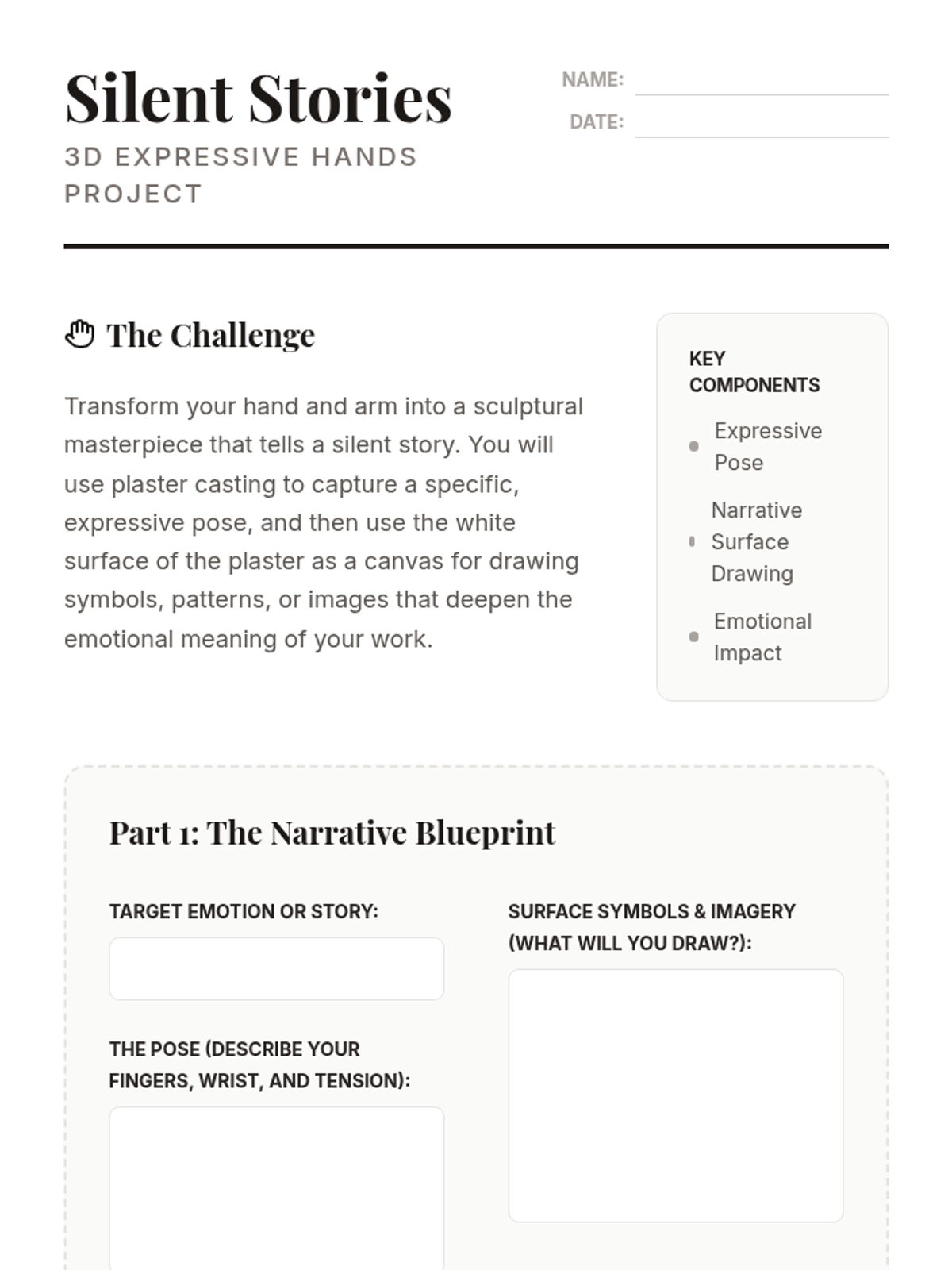
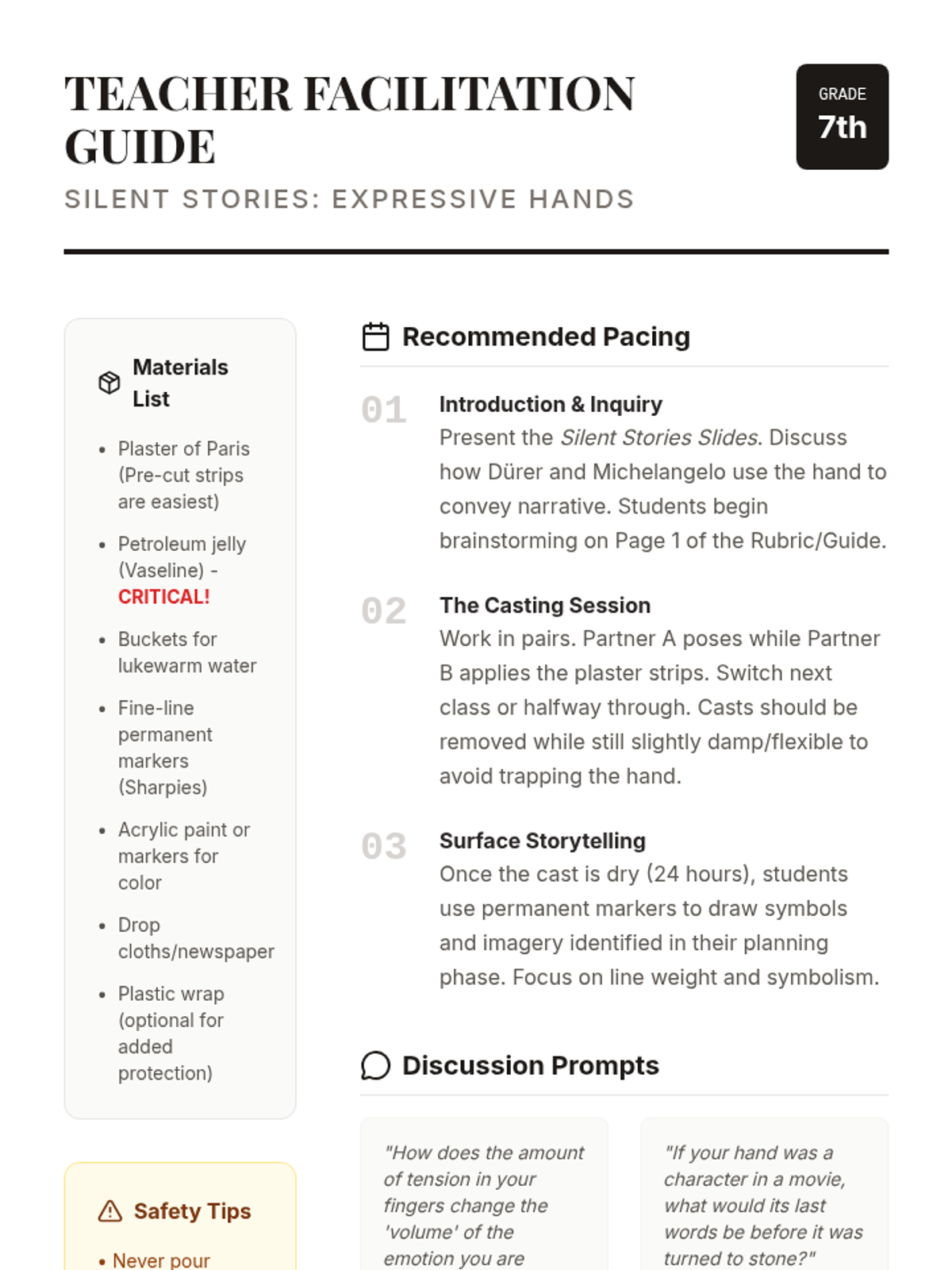
Students explore the power of hands as tools for emotional storytelling in art history, then create their own expressive 3D plaster hands that communicate a specific narrative or emotion through form and surface drawing.
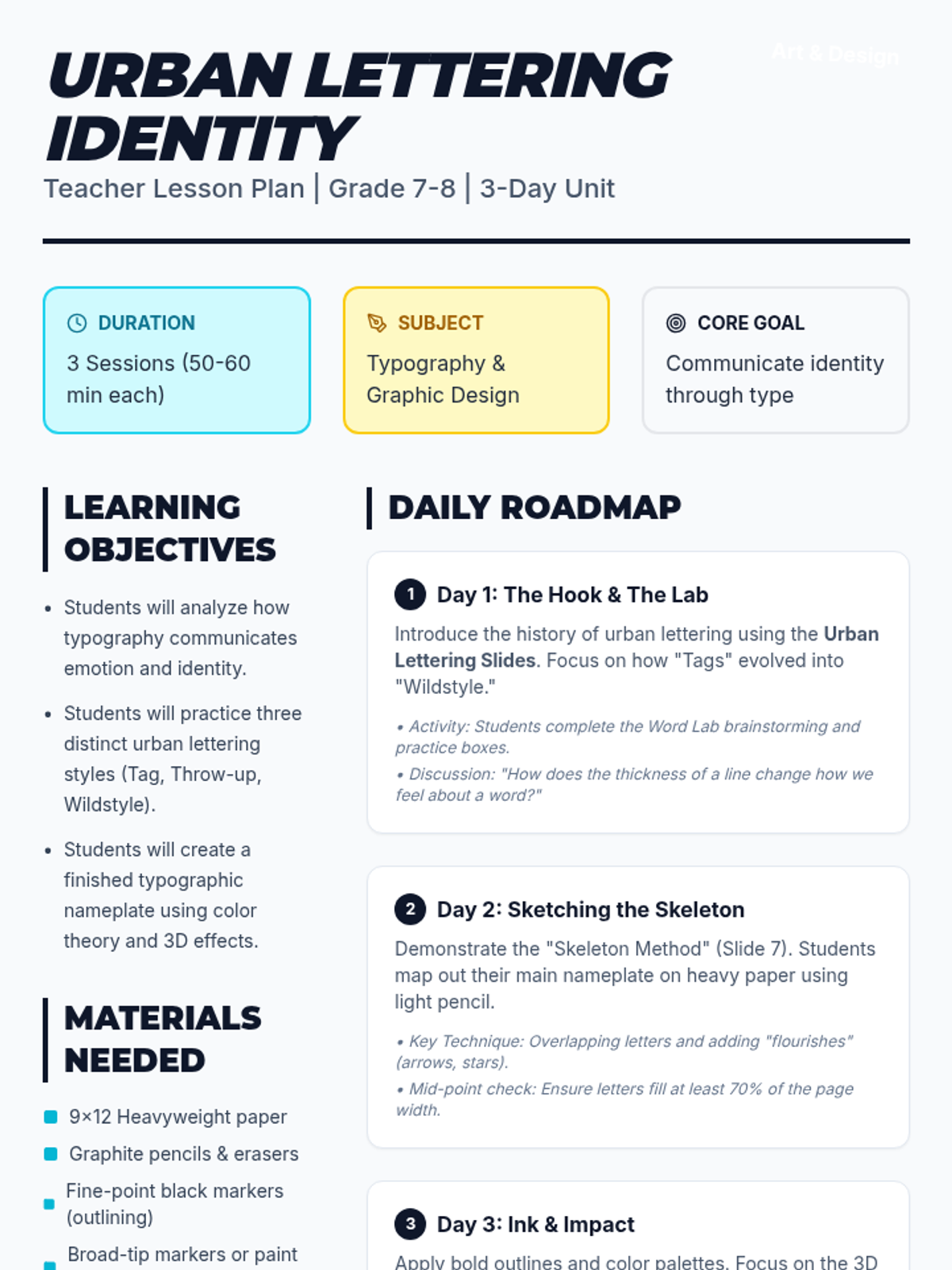
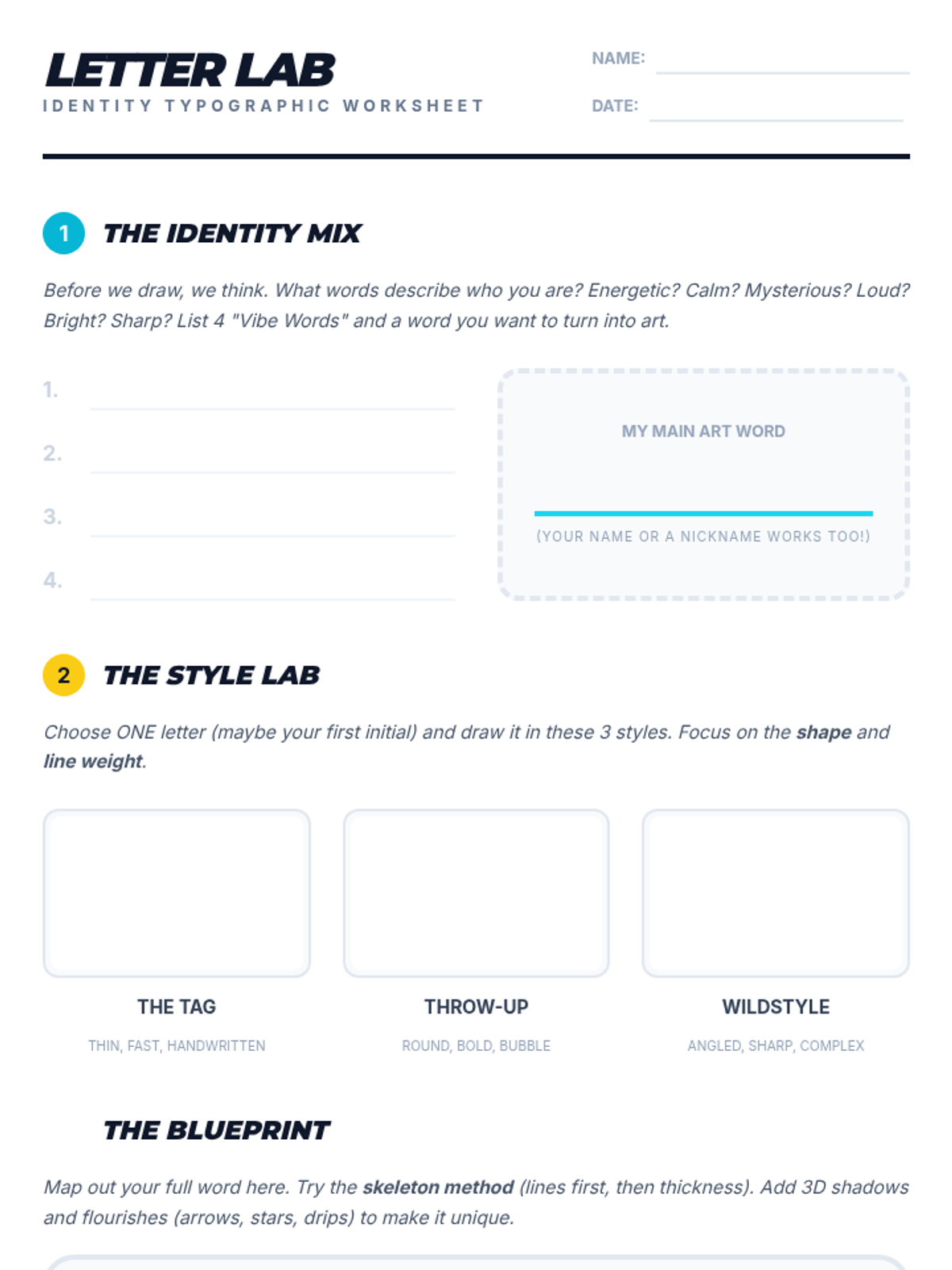
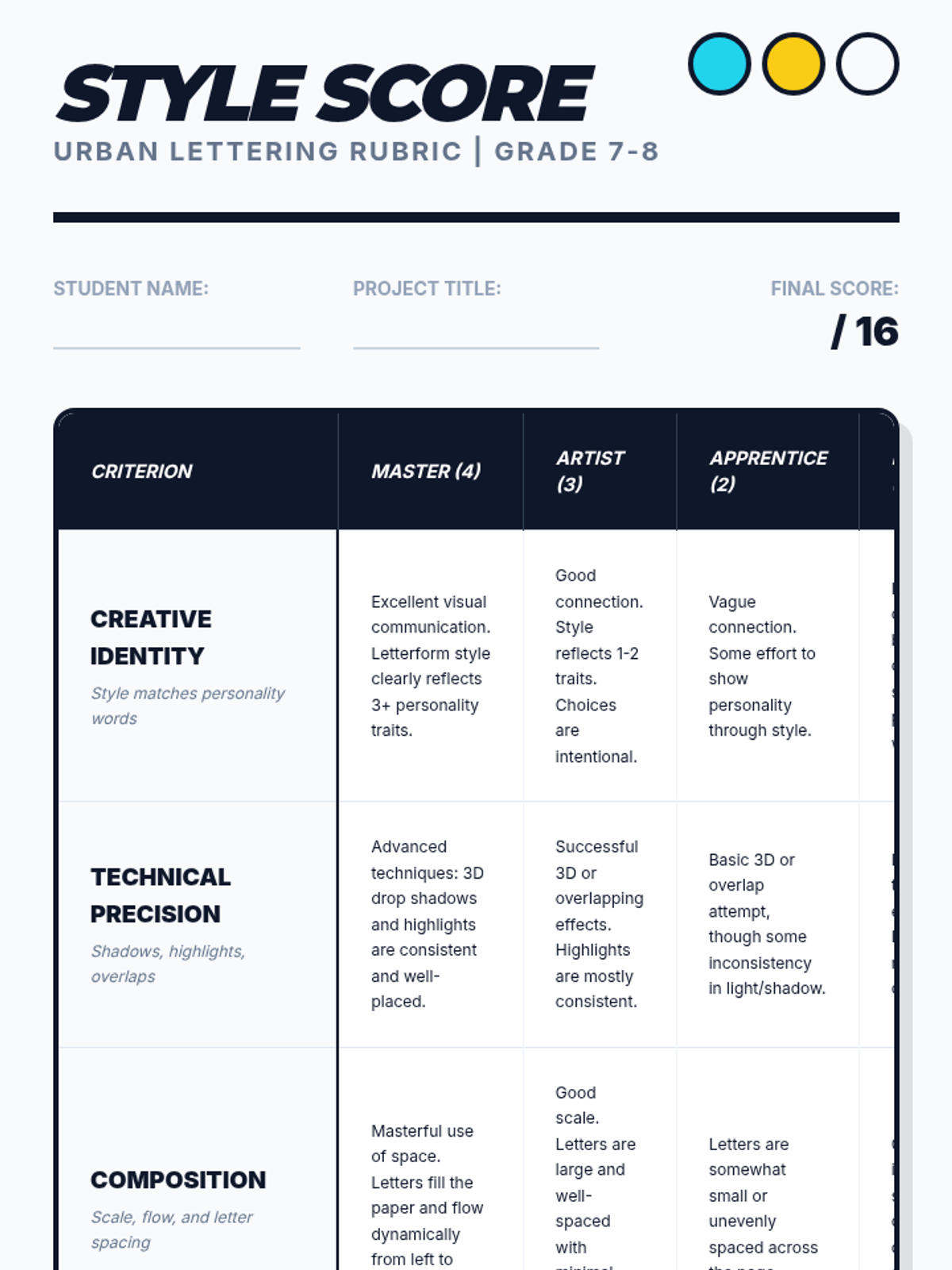
A middle school art lesson exploring the intersection of typography, street art, and personal identity. Students learn the history of urban lettering and create stylized name art that communicates their unique personality.
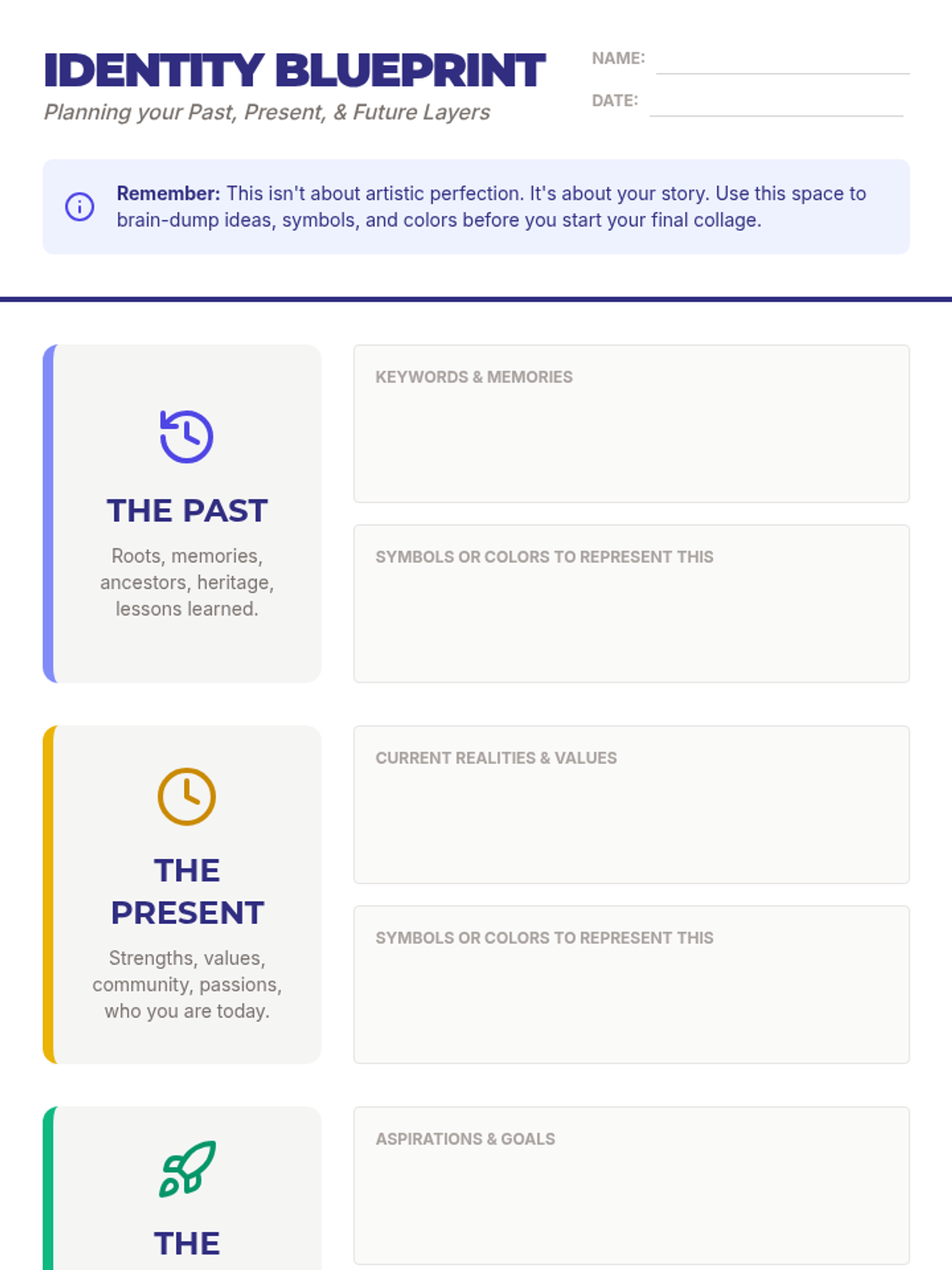
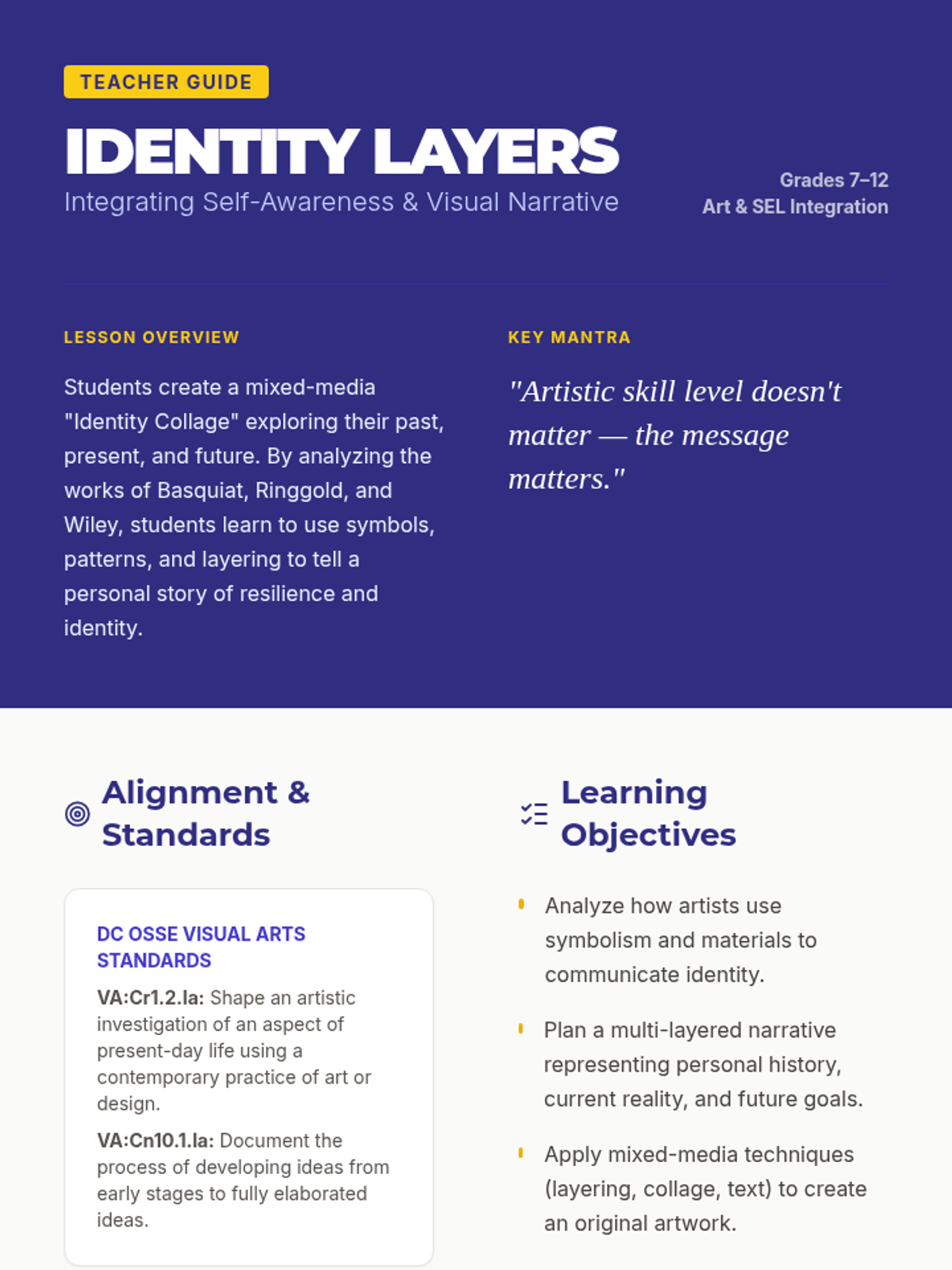
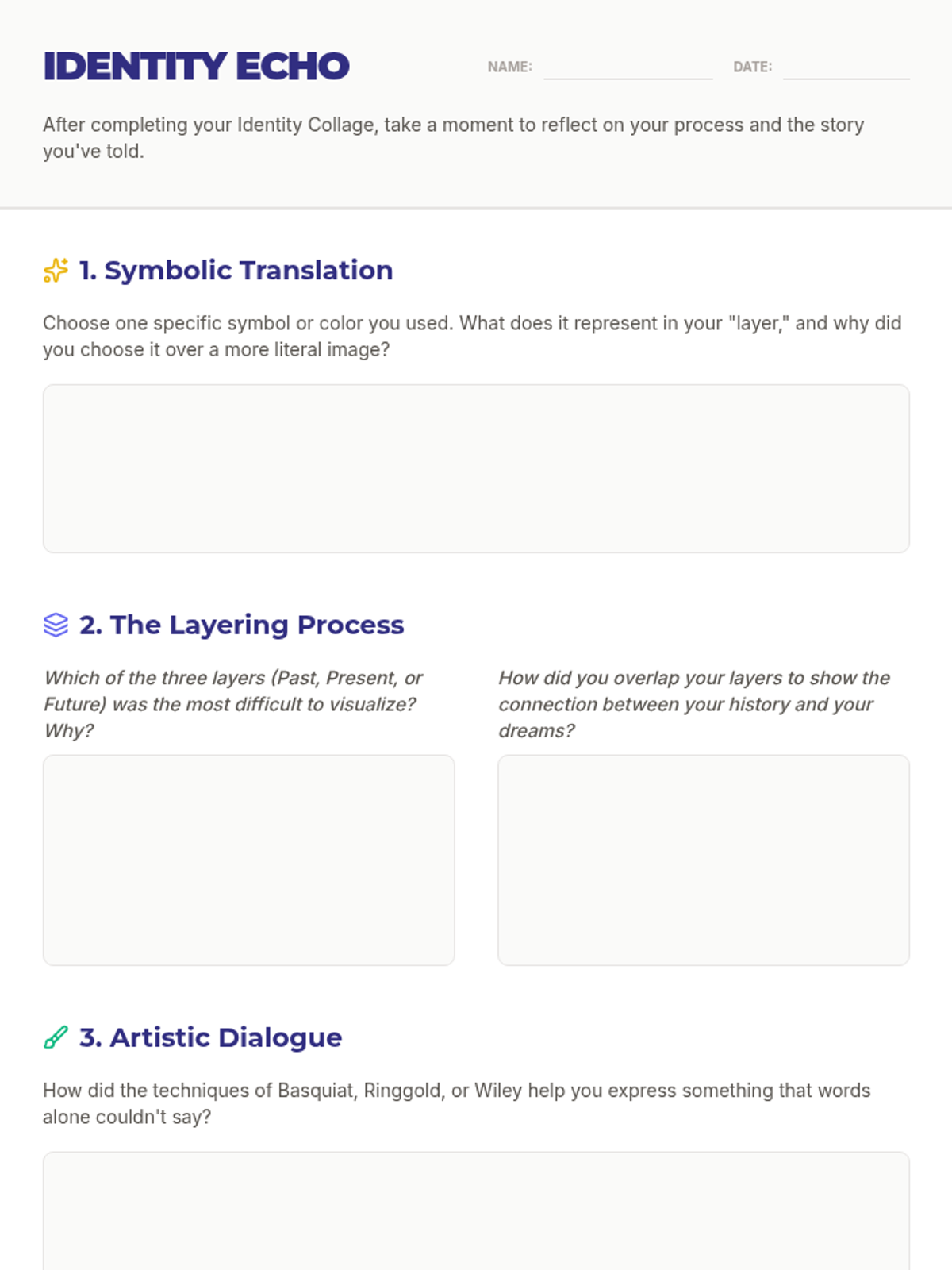
A hands-on art and reflection lesson where students explore their personal history, current reality, and future aspirations through mixed-media collage. Inspired by Basquiat, Ringgold, and Wiley, students focus on symbolic storytelling and self-awareness rather than technical perfection.
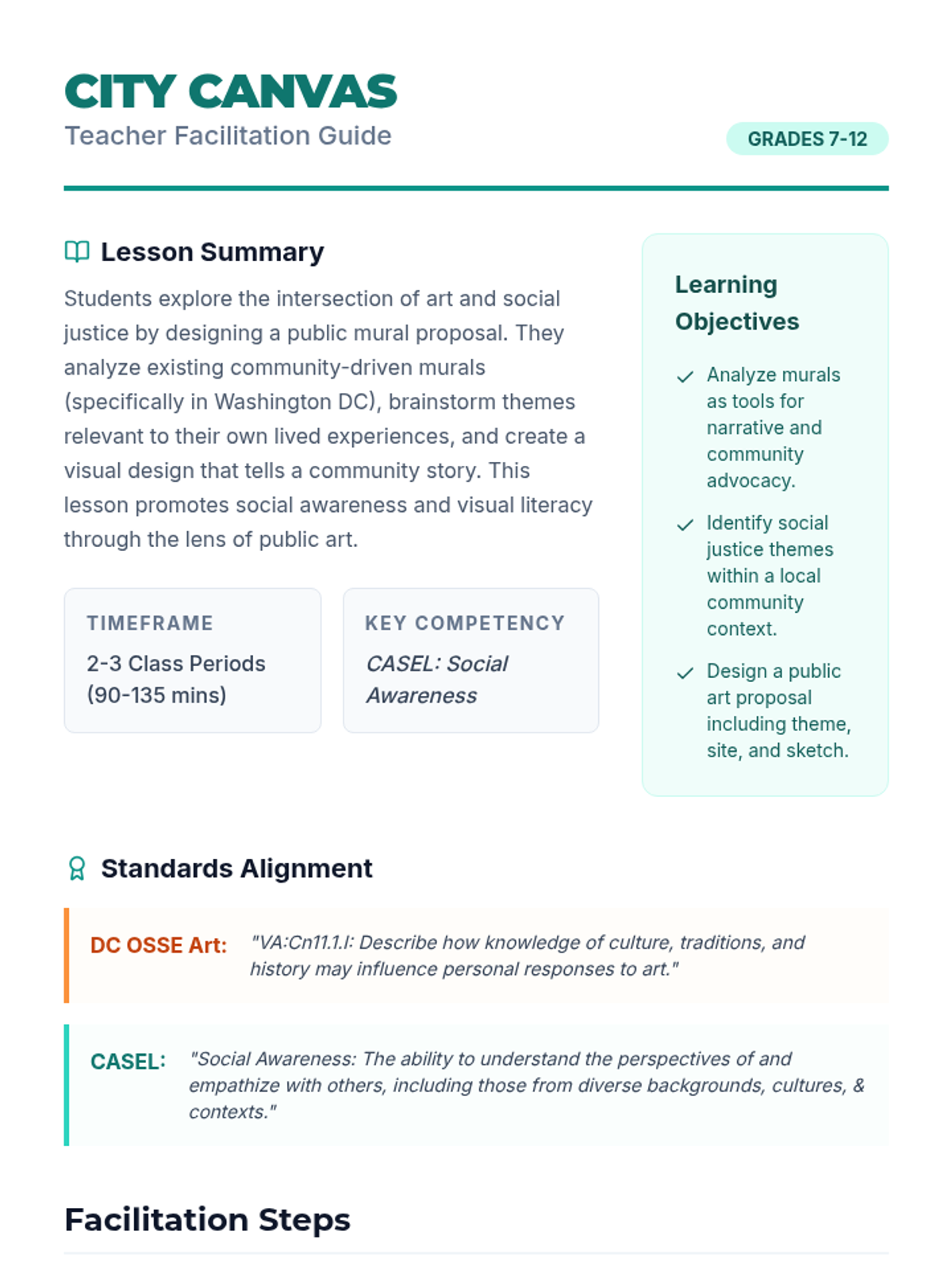
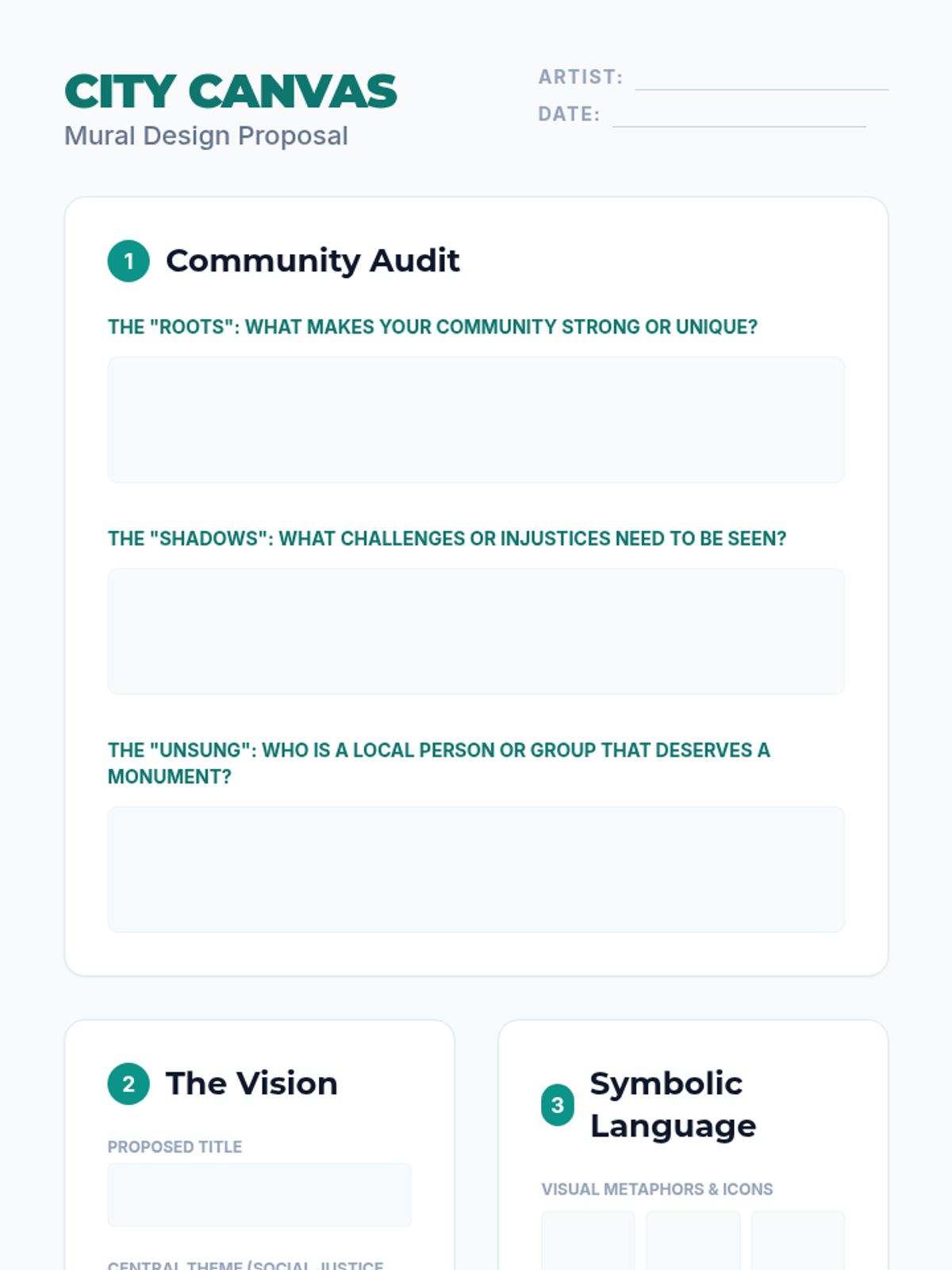
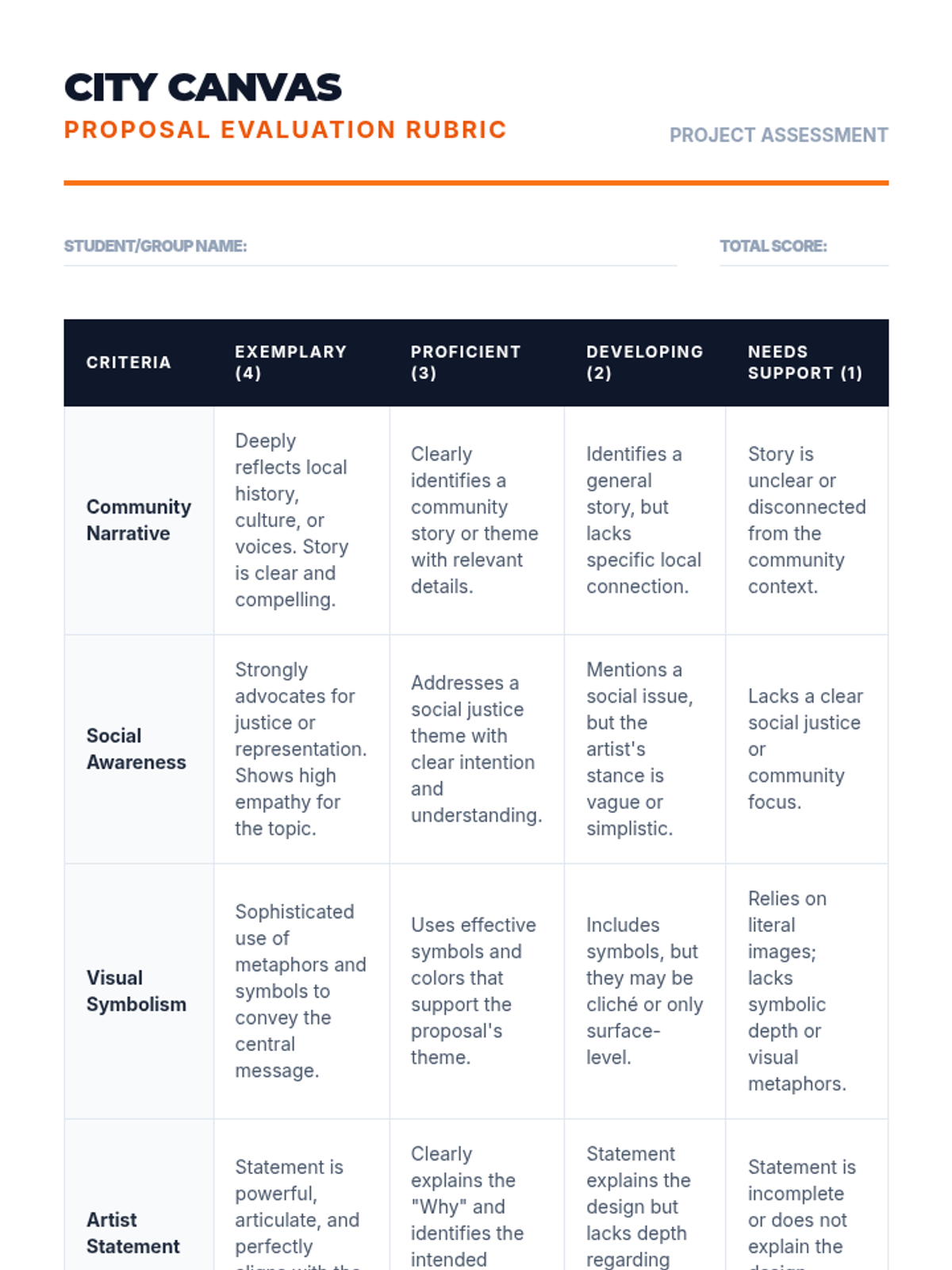
A high school art and social studies lesson where students design public art proposals that reflect community stories and social justice themes. Students analyze existing murals in DC and elsewhere to understand the impact of visual storytelling in public spaces.
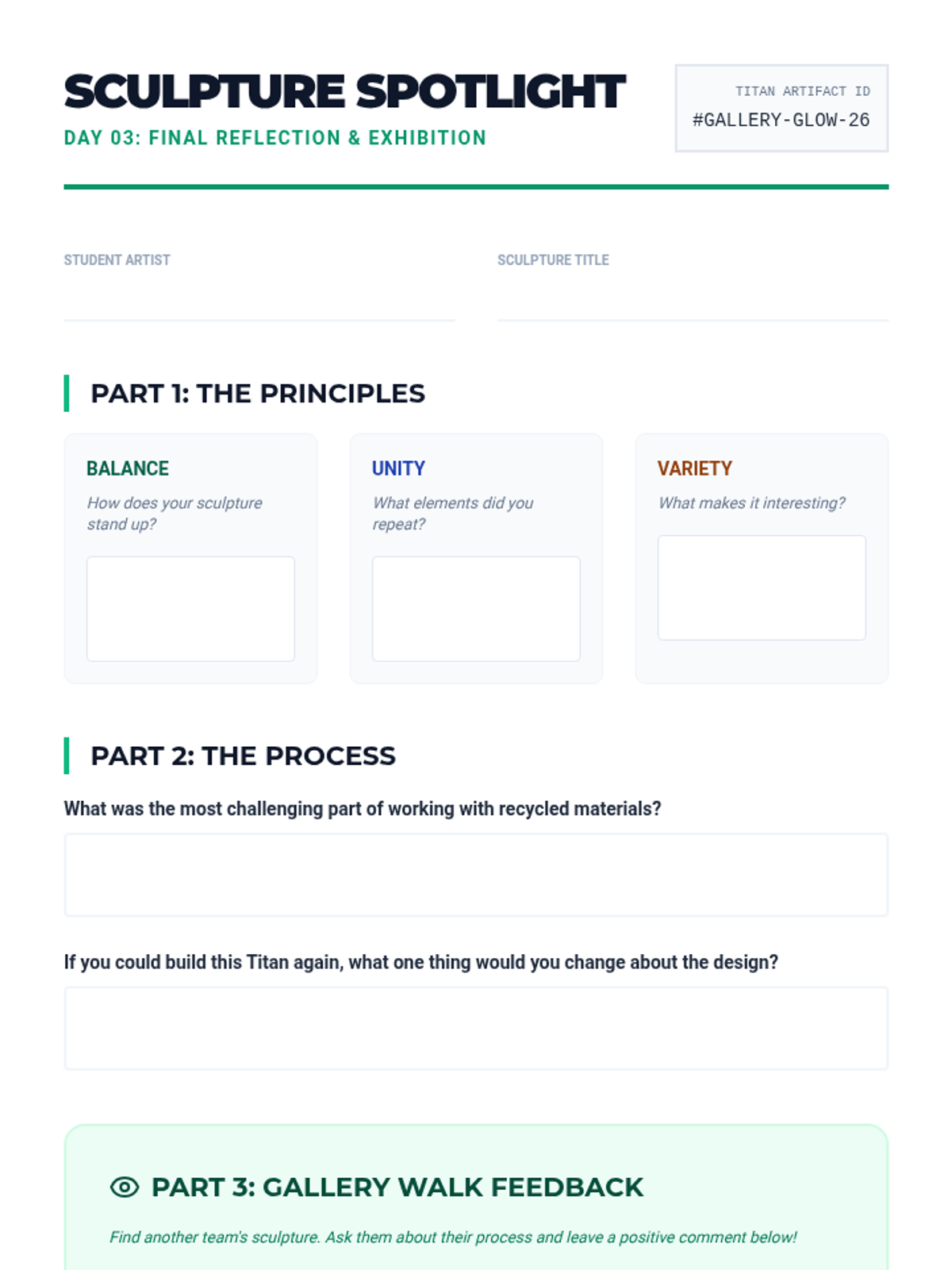
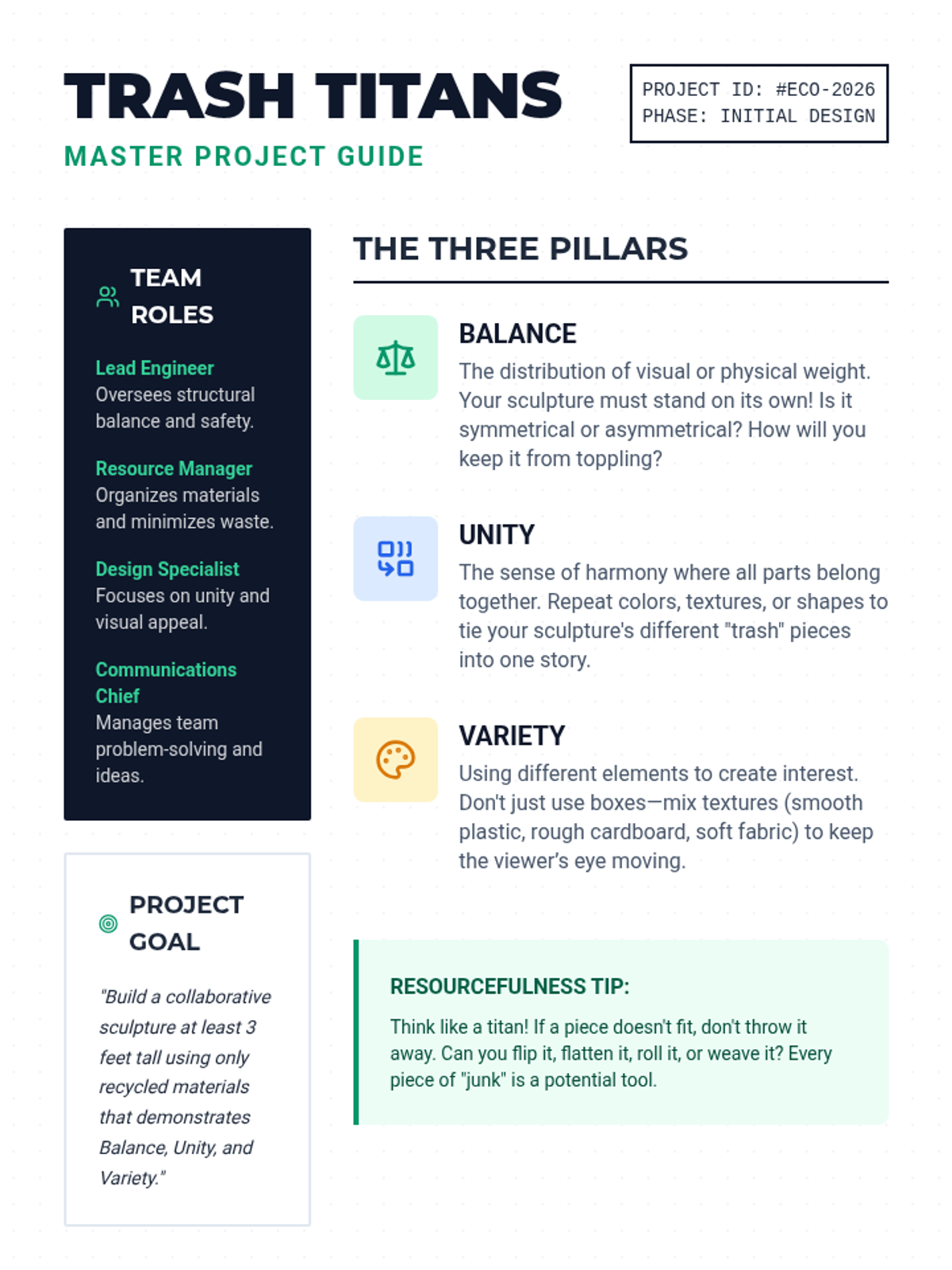
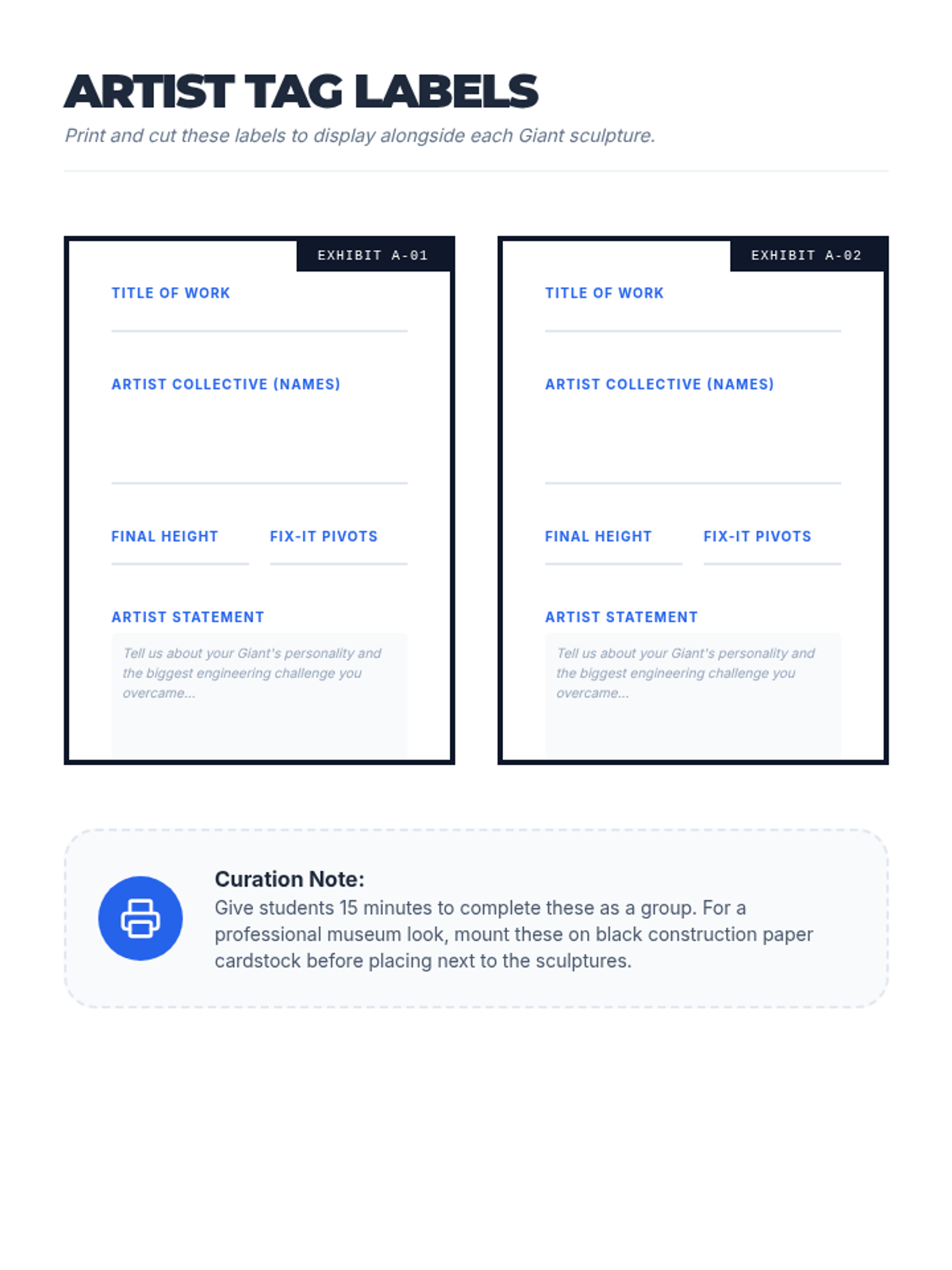
Finalizing sculptures with a focus on unity and variety, followed by a gallery walk and self-reflection.
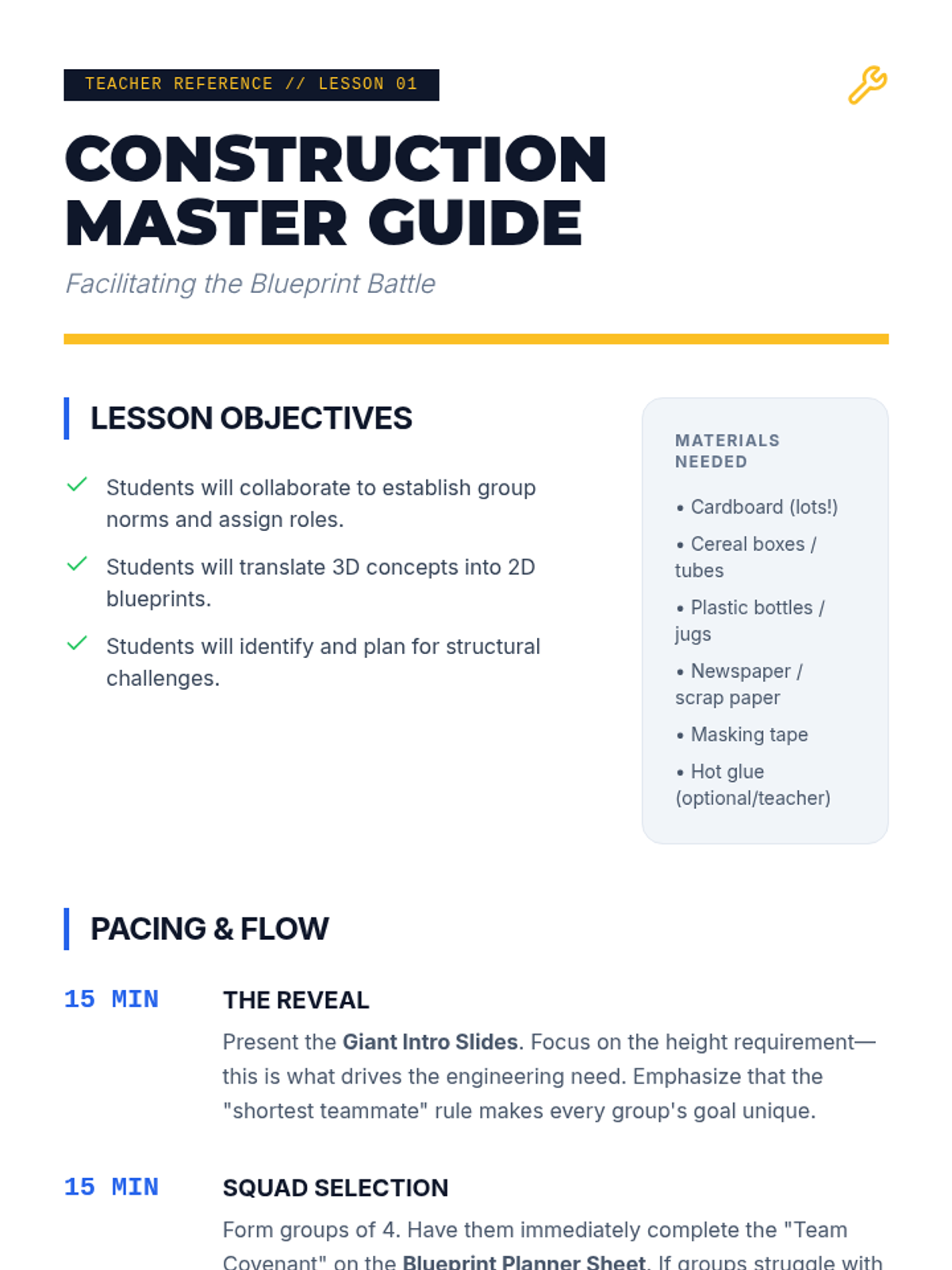
The construction phase where teams focus on structural balance and collaborative assembly of their recycled sculptures.
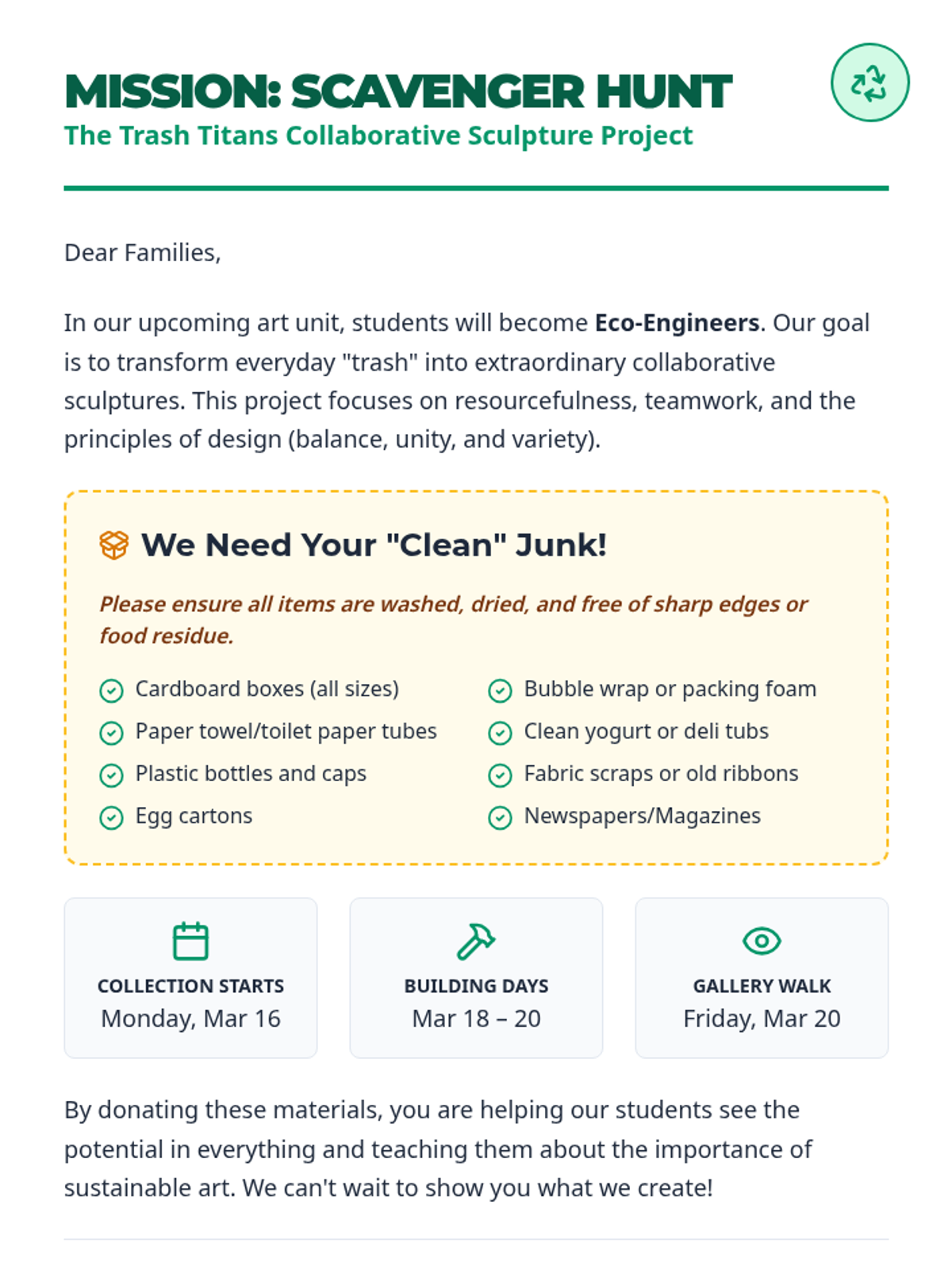
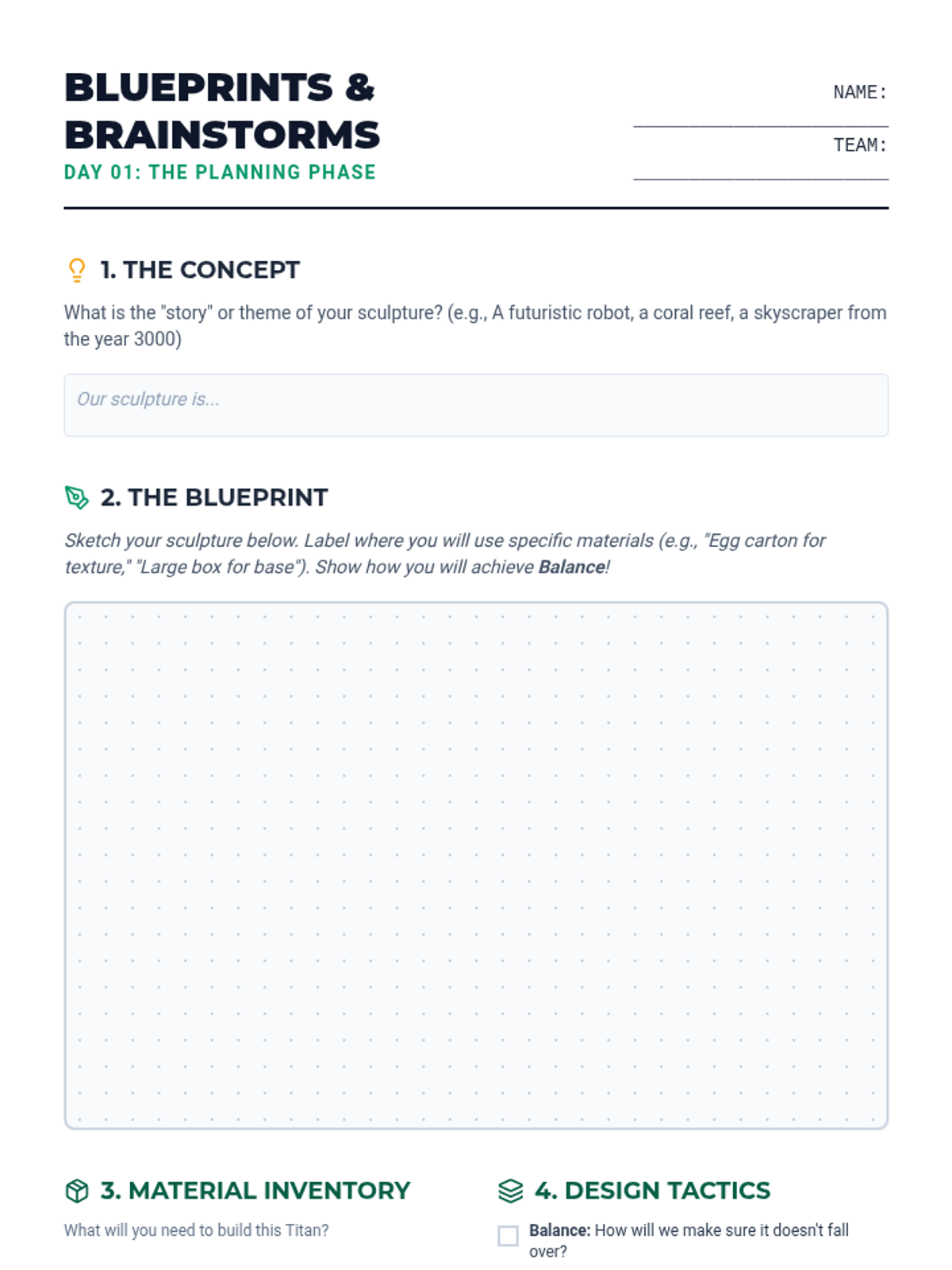
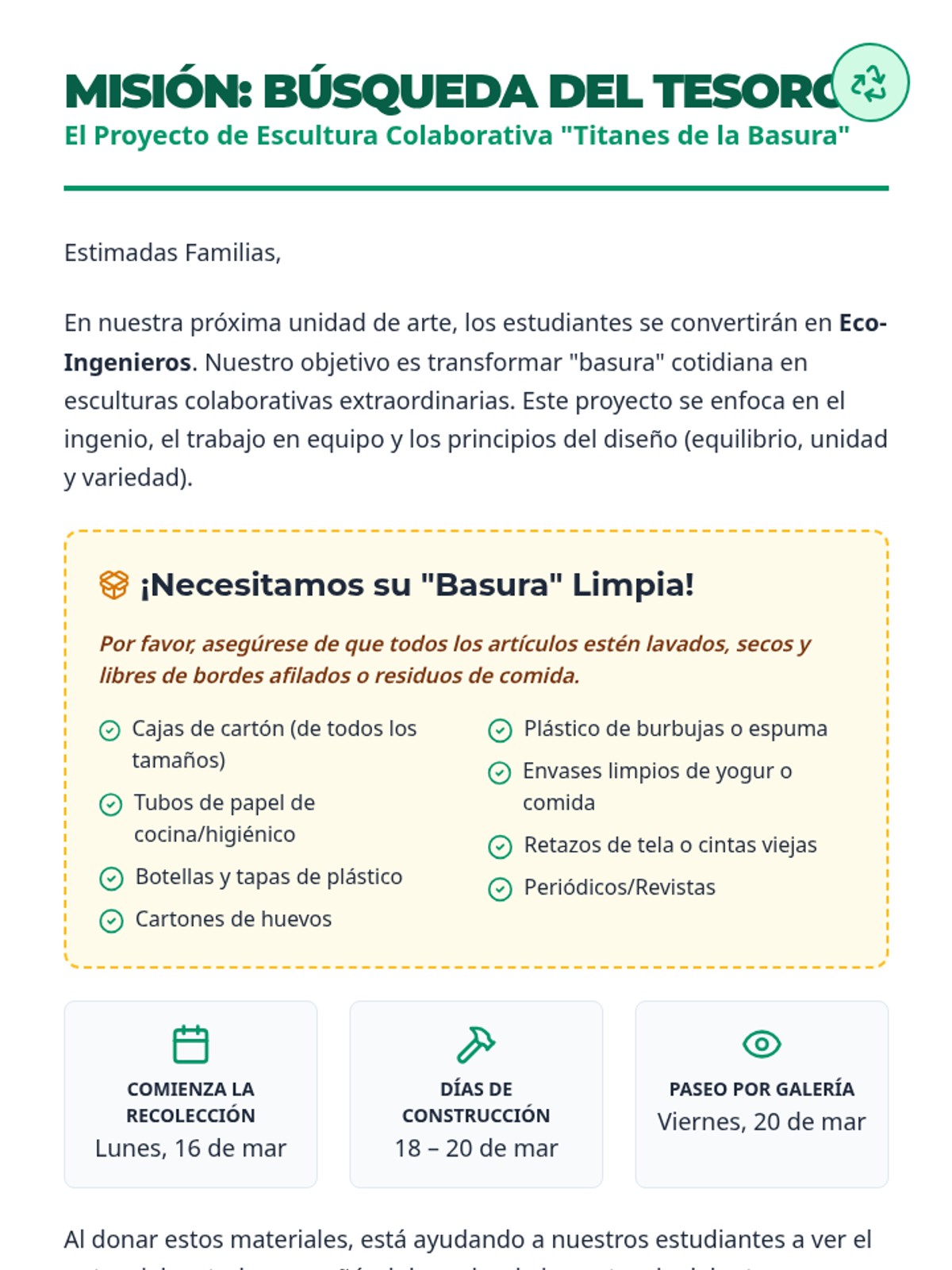
Introduction to the project, material collection via the letter home, and initial collaborative brainstorming and blueprinting.
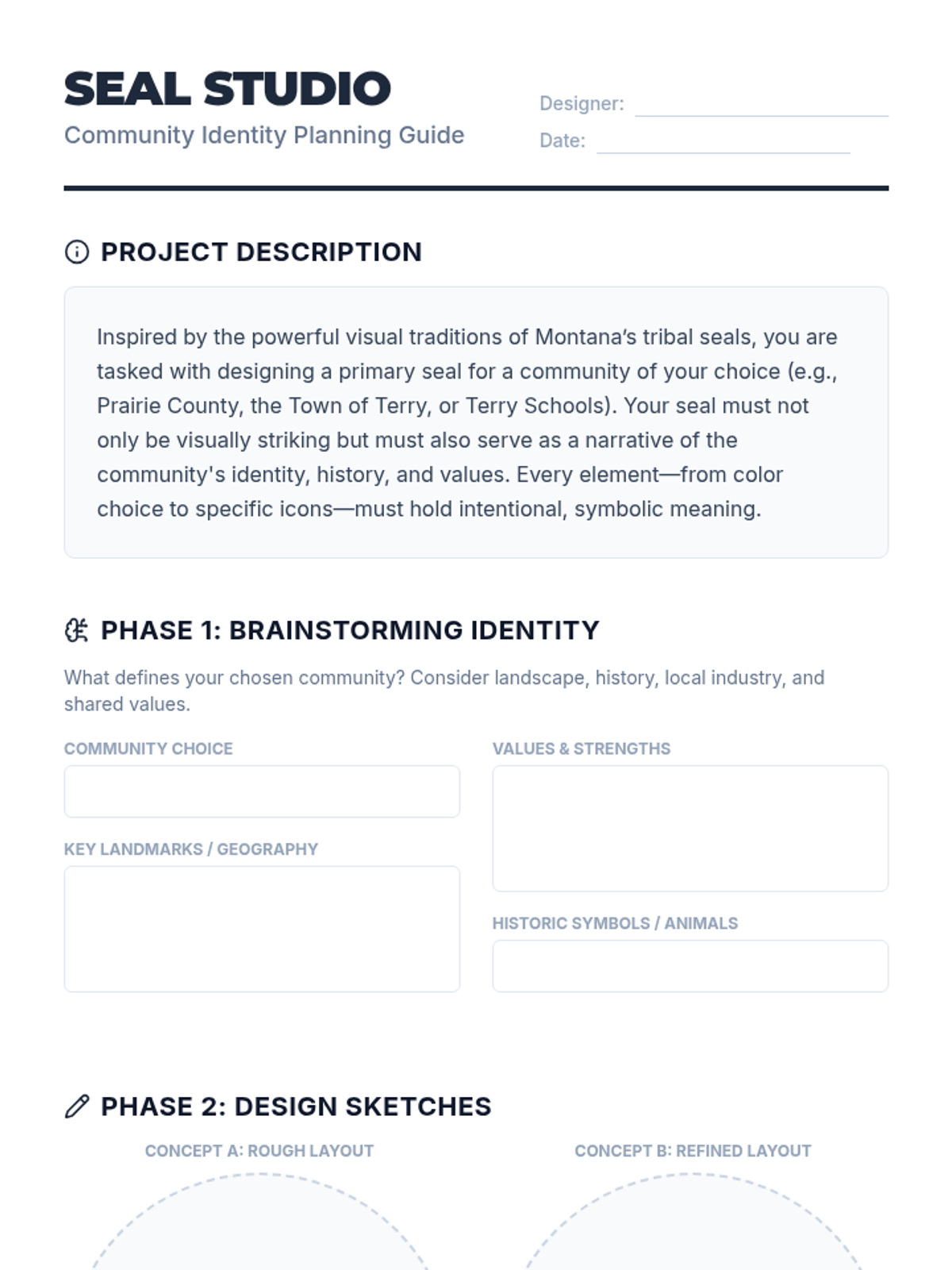
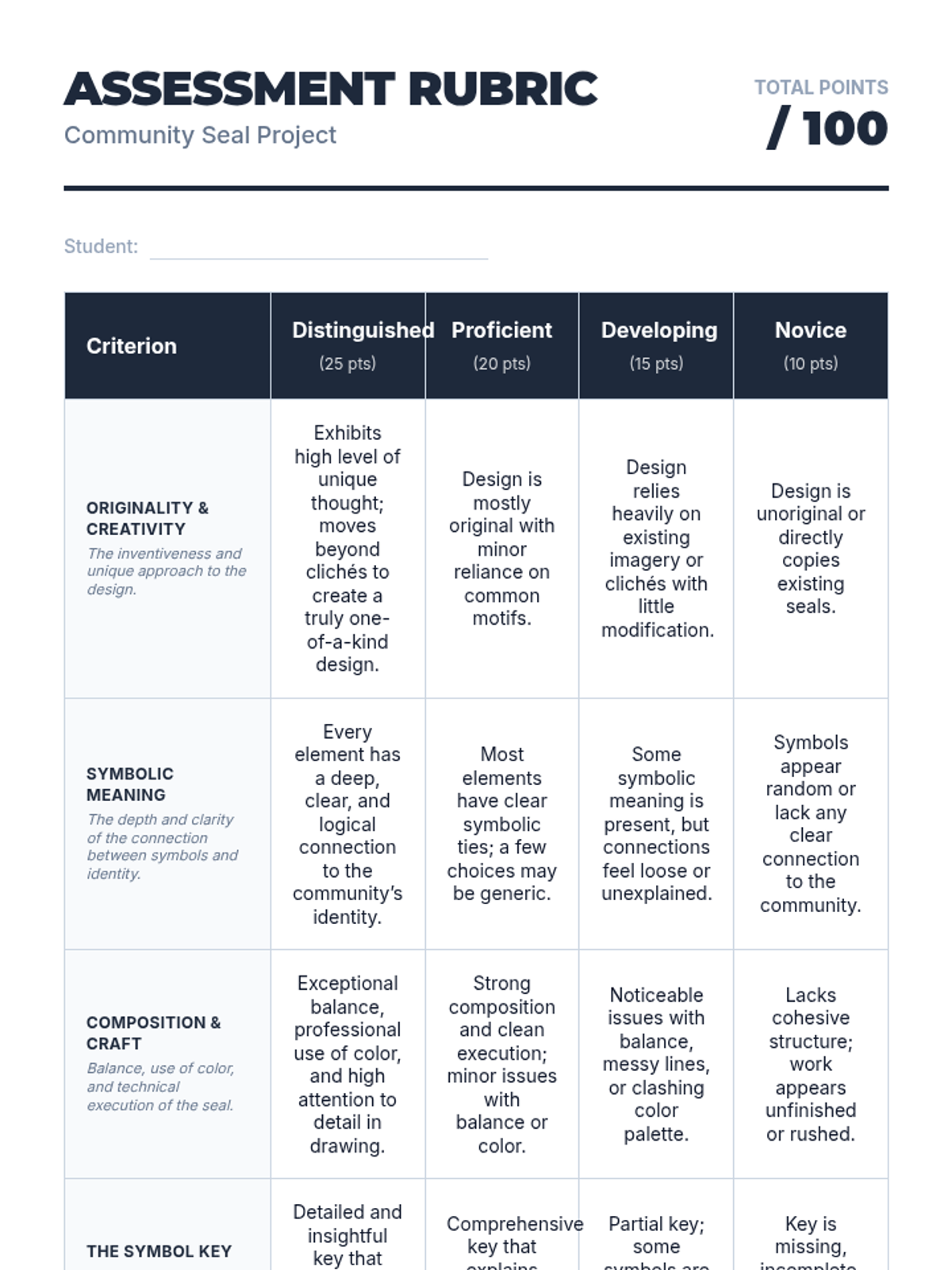
A project-based lesson where students design a community seal inspired by Montana's tribal traditions, focusing on visual identity and symbolic storytelling.
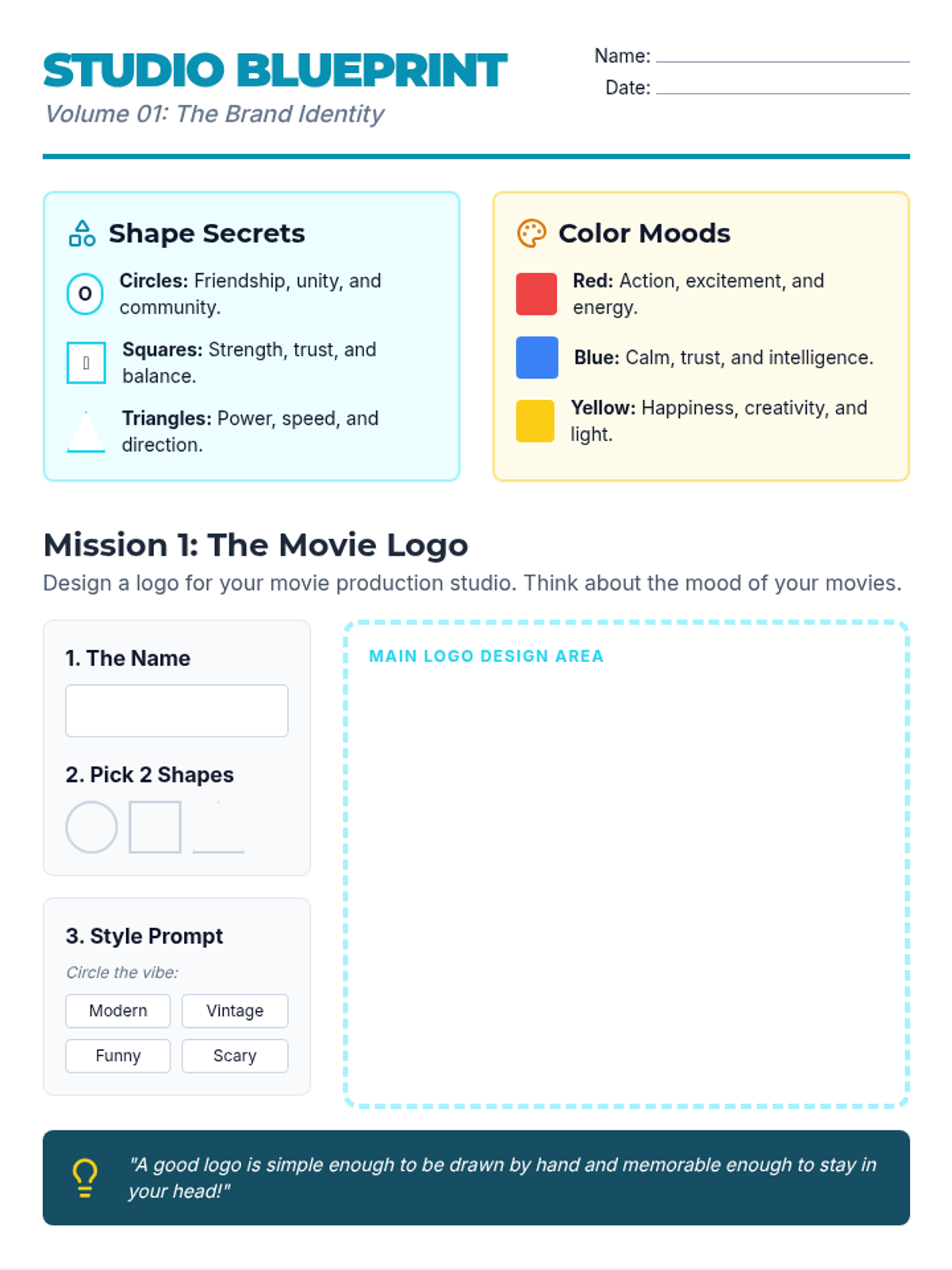
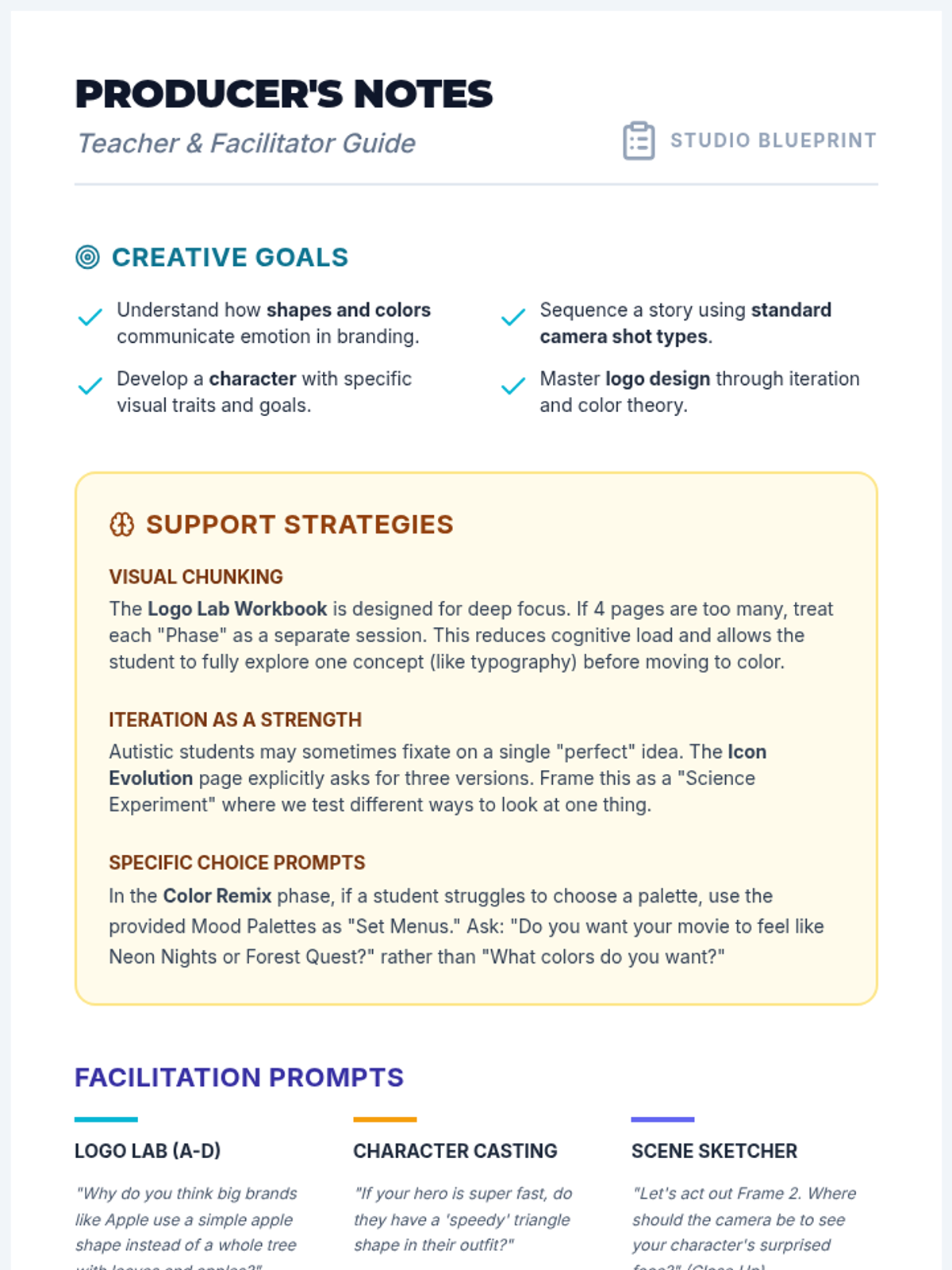
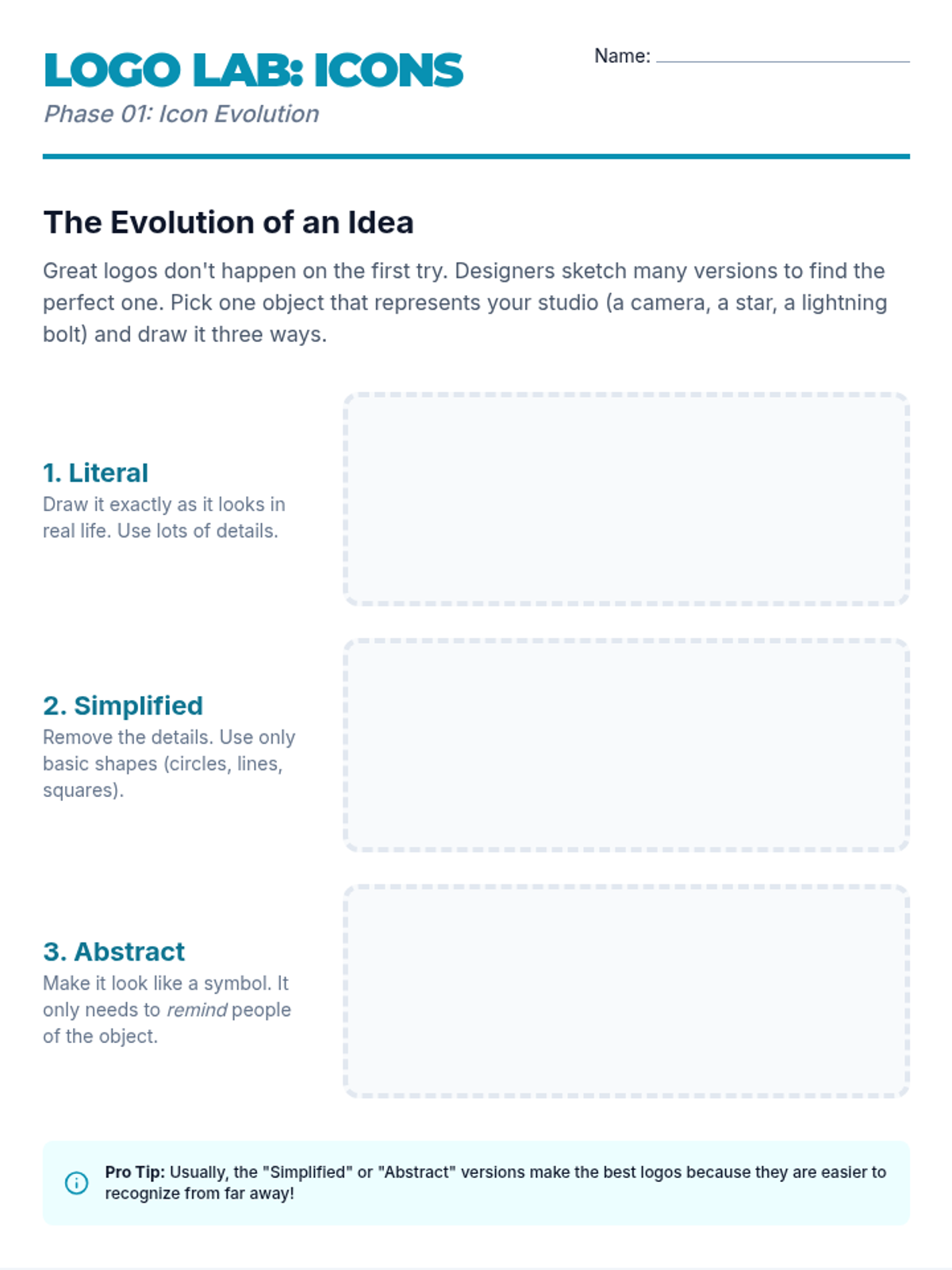
A creative, structured guide for students to explore the intersection of graphic design and filmmaking, focusing on branding, character design, and visual storytelling.
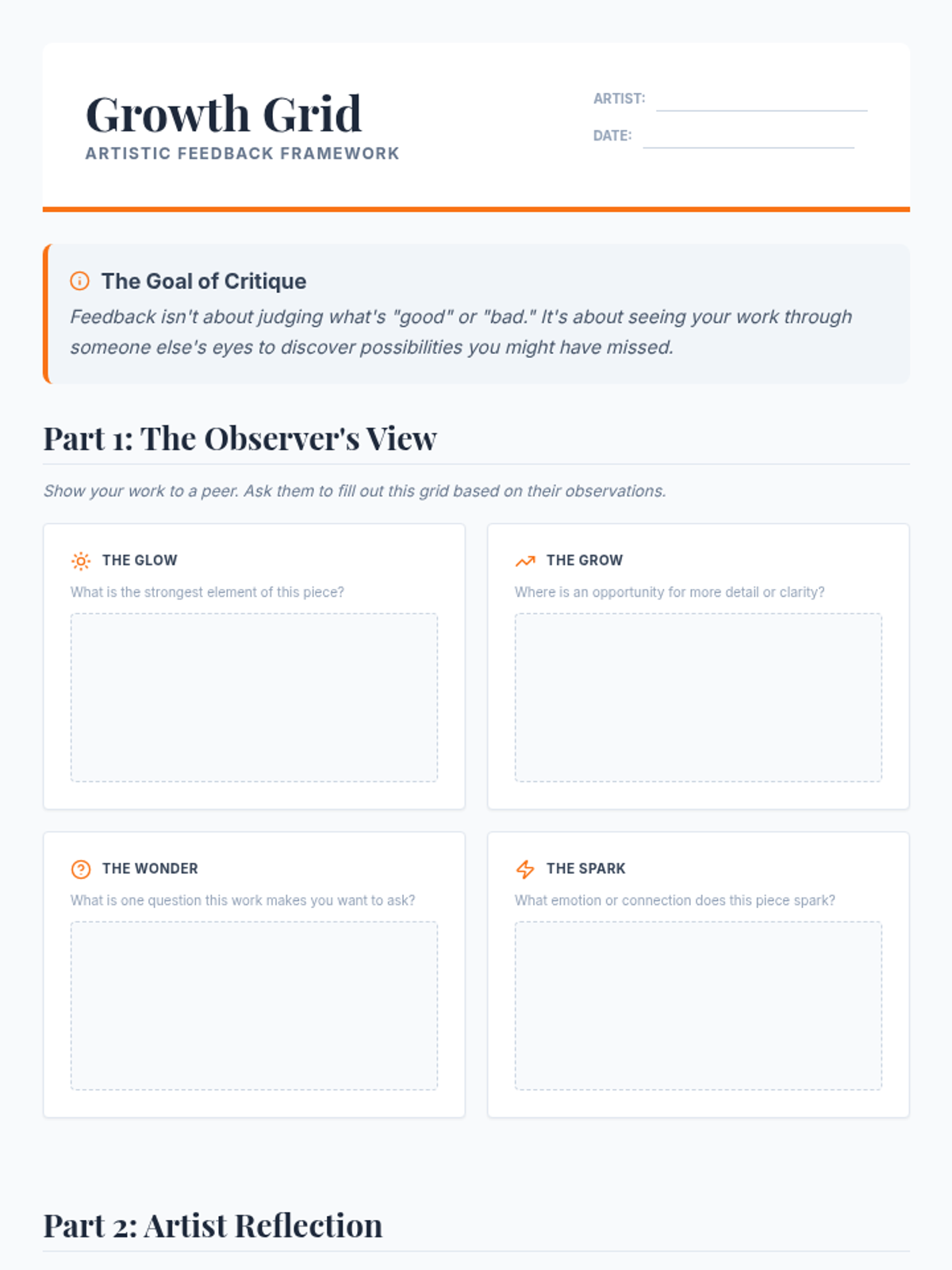
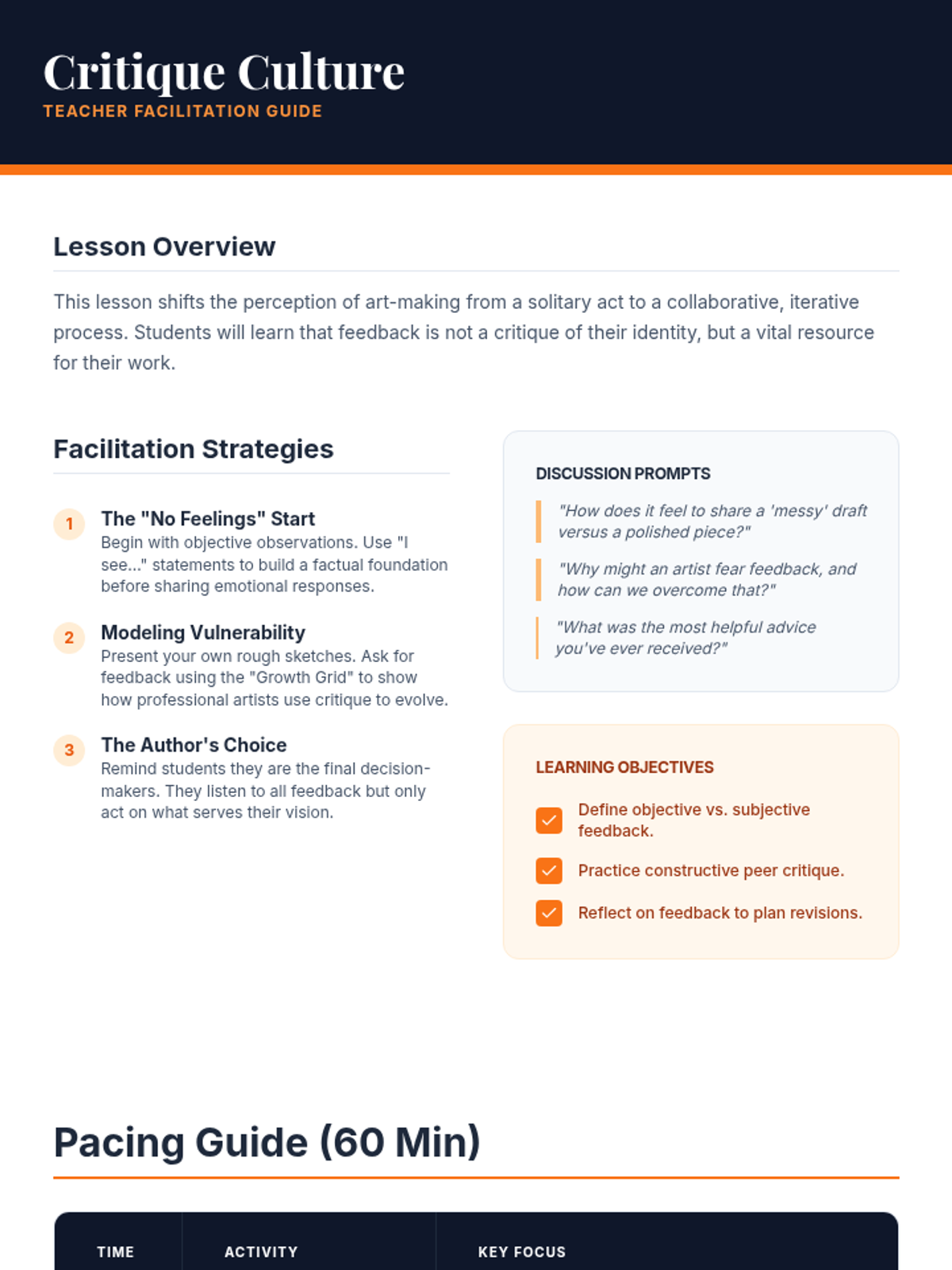
A lesson focused on the power of peer feedback in the contemporary art process, teaching students how to give and receive constructive criticism to fuel growth.
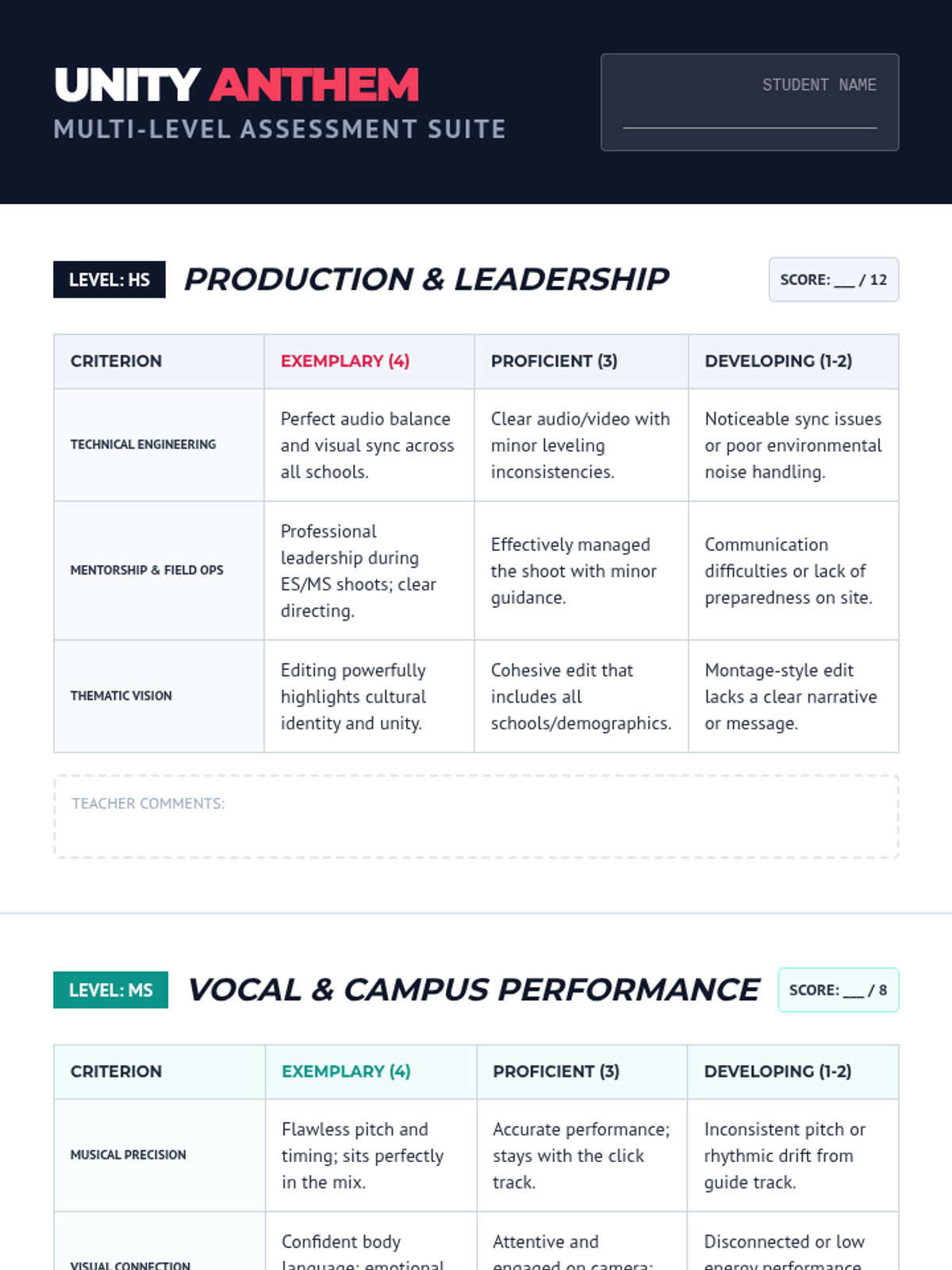
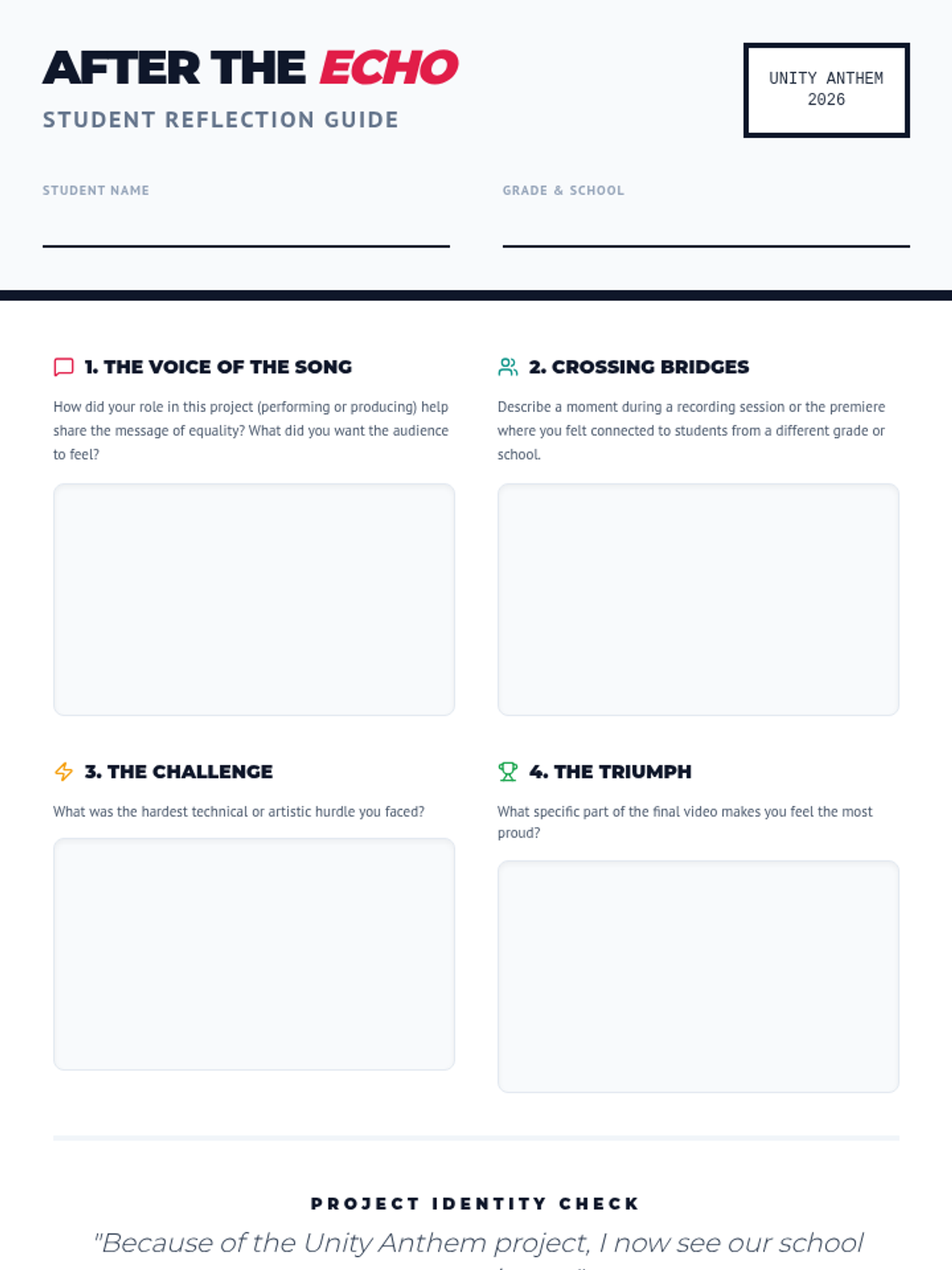
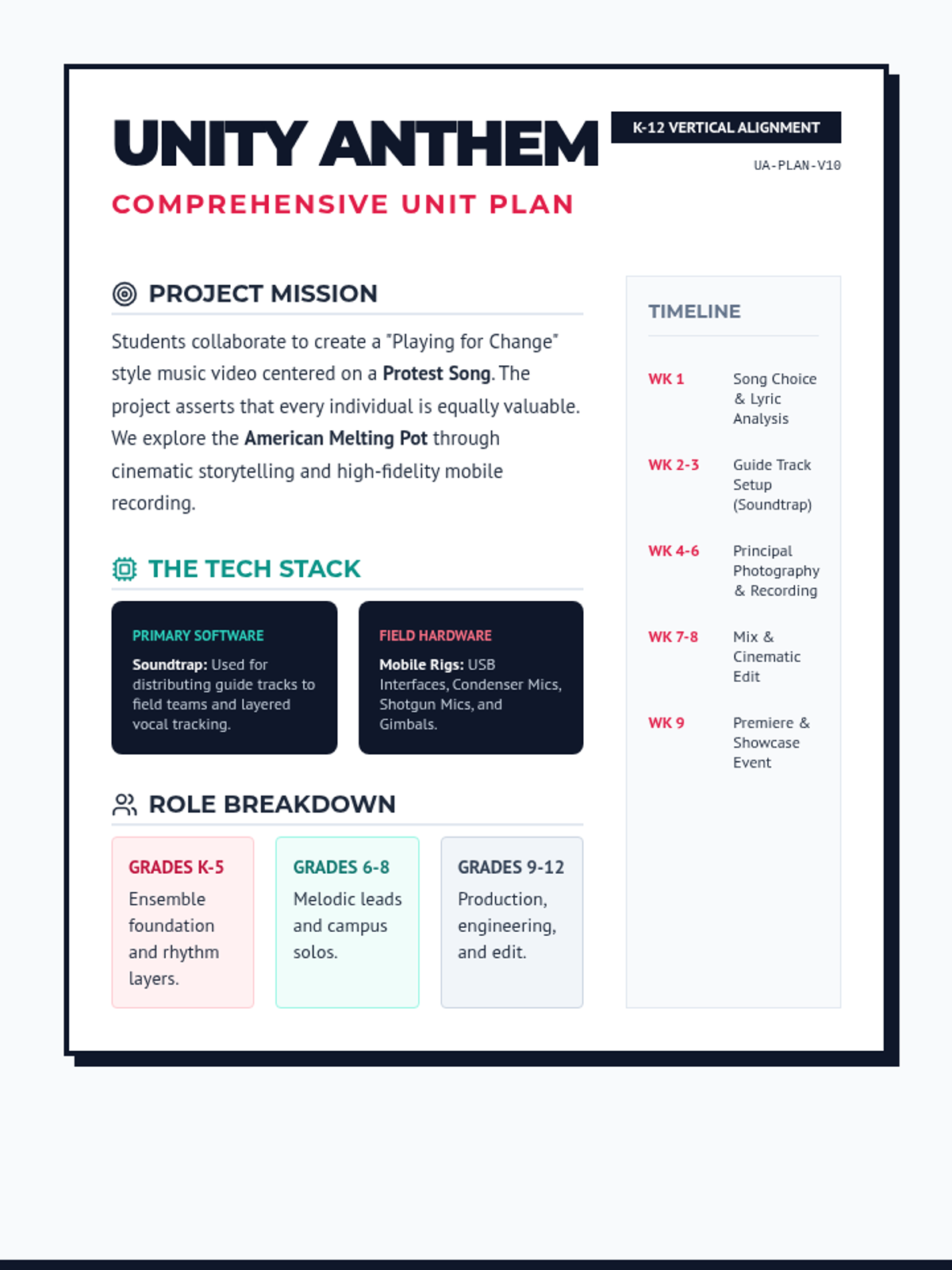
The final premiere of the music video at the All-town Music Tech Showcase, followed by a live performance and student reflection on the collaborative process.
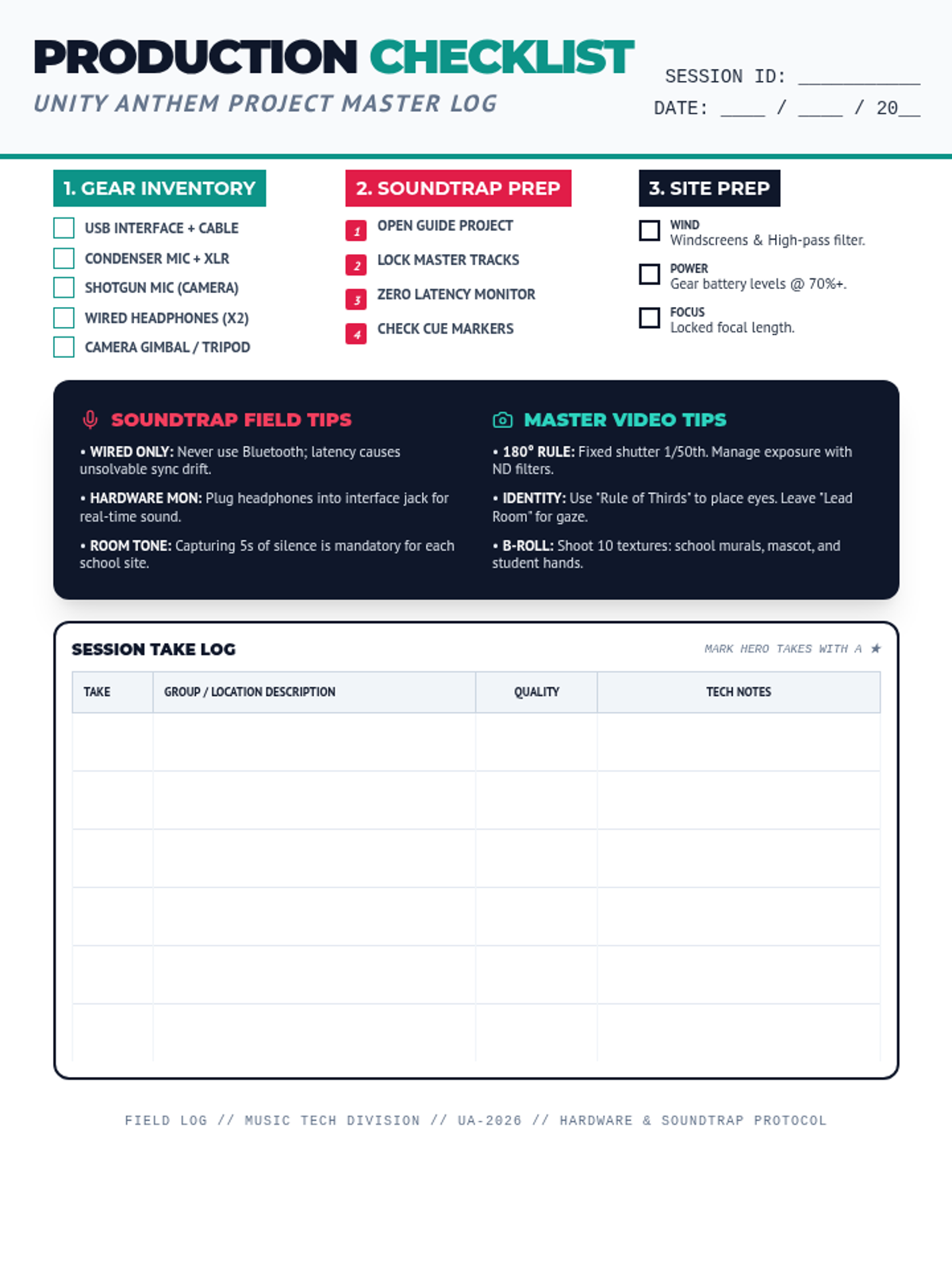
The technical phase involving on-location recordings at elementary and middle schools, followed by high school student-led mixing and video production.
Introduction to the 'Playing for Change' concept, exploring the themes of the chosen protest song, and laying the groundwork for the K-12 collaboration.
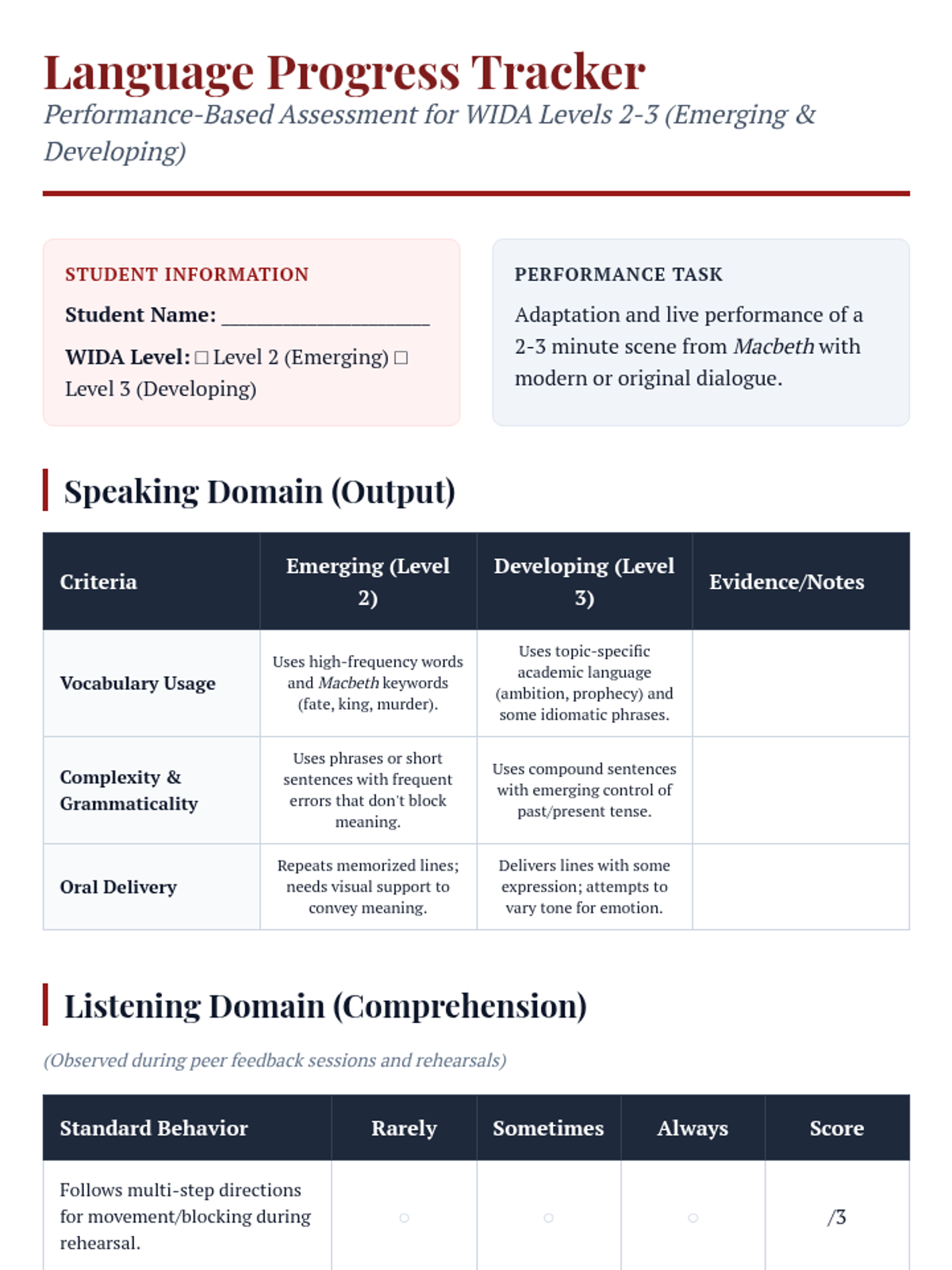
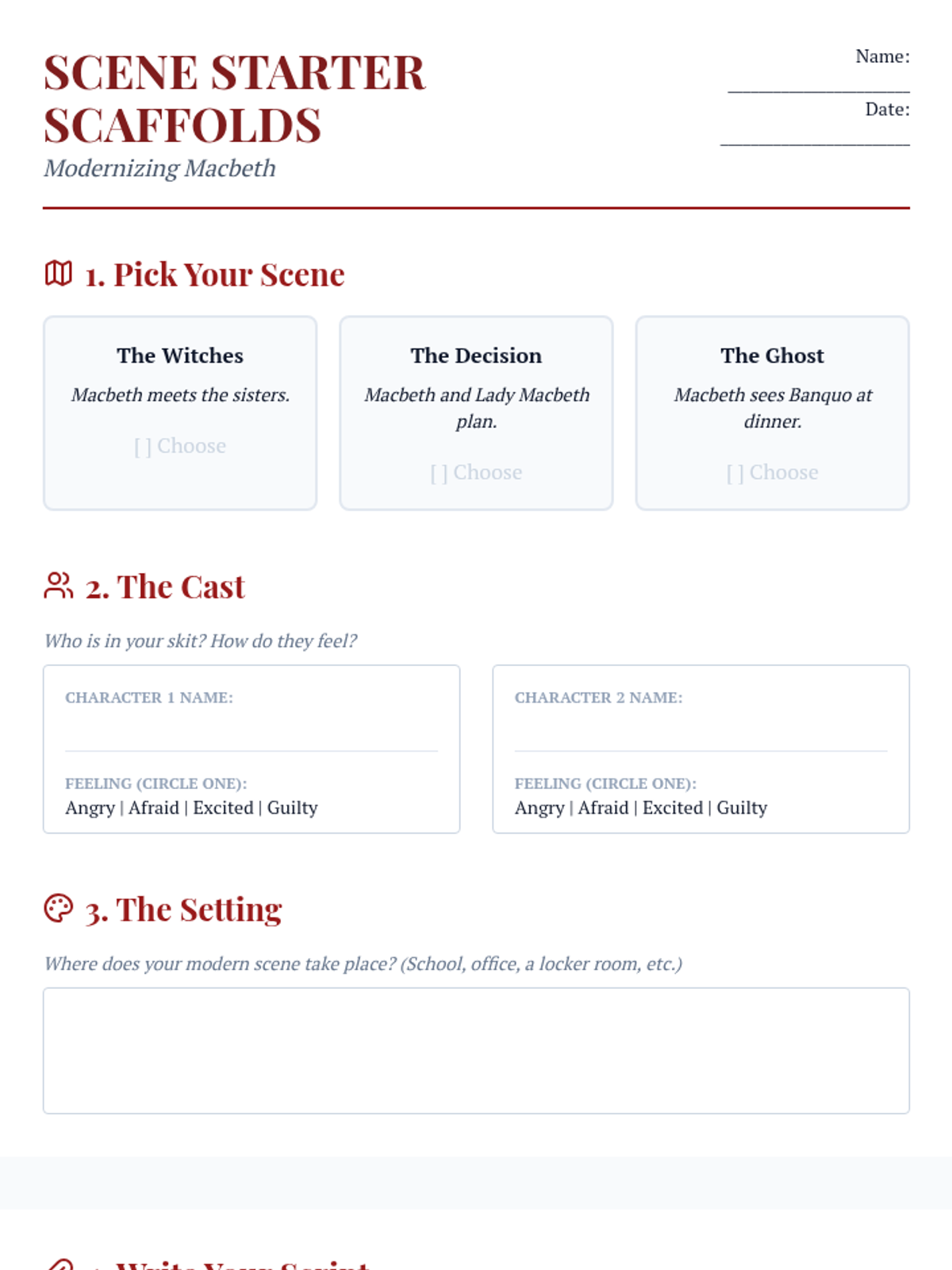
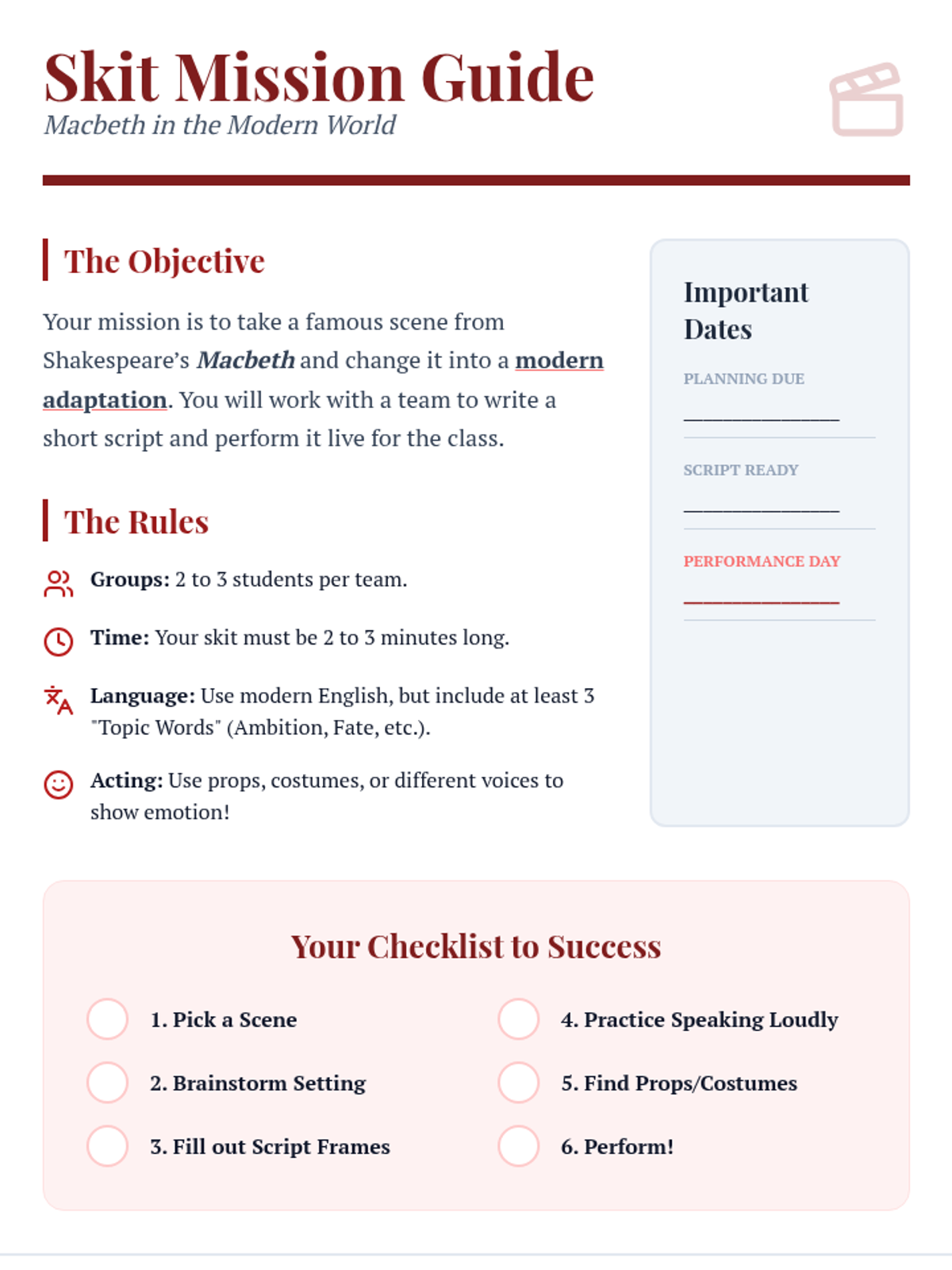
A performance-based task where students adapt and perform scenes from Macbeth. It includes specific scaffolds and assessment tools designed for WIDA Level 2-3 ELLs to demonstrate growth in speaking and listening.
Final touches, naming, and a gallery walk to reflect on the creative process and problem-solving journey.
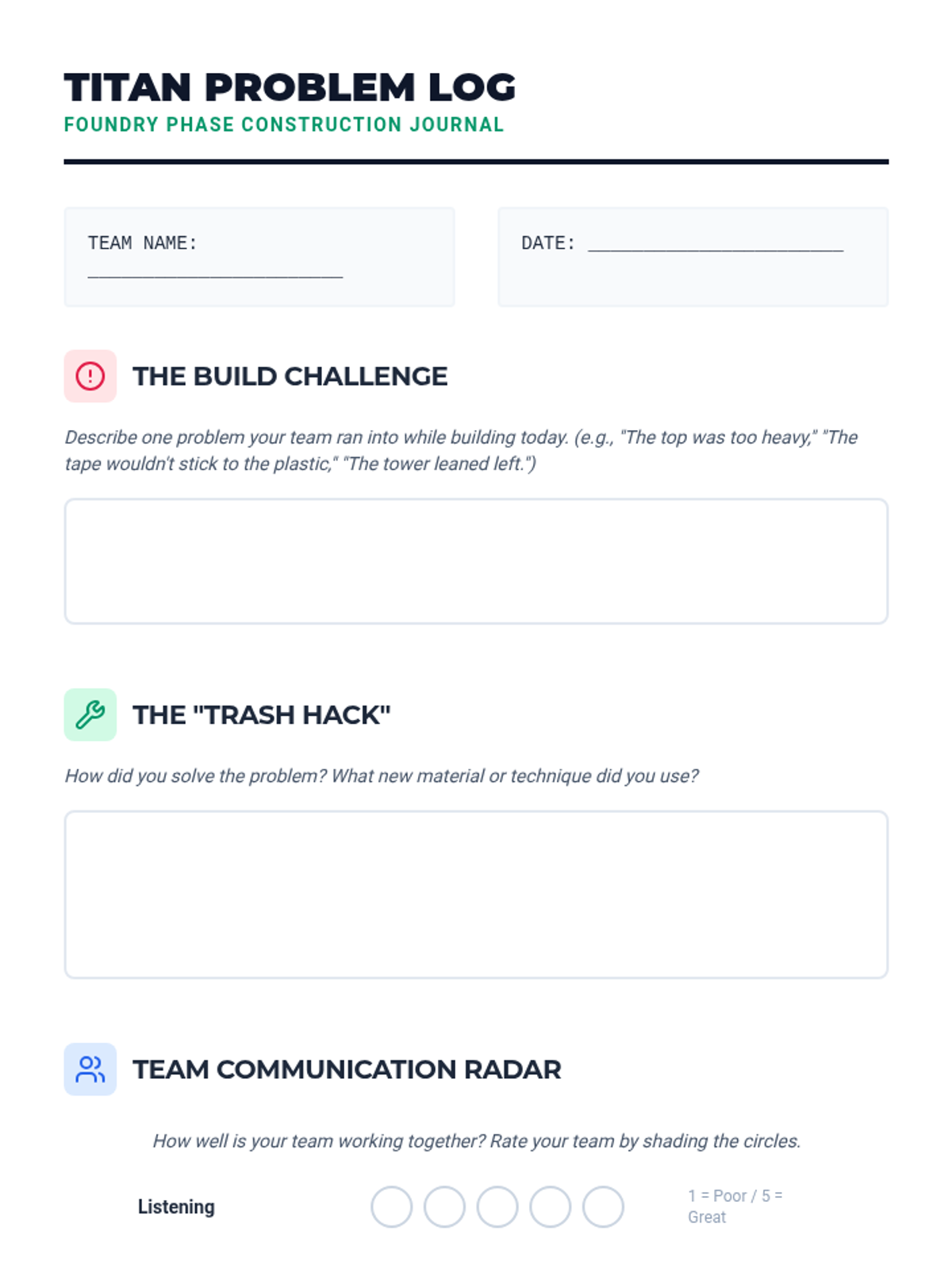
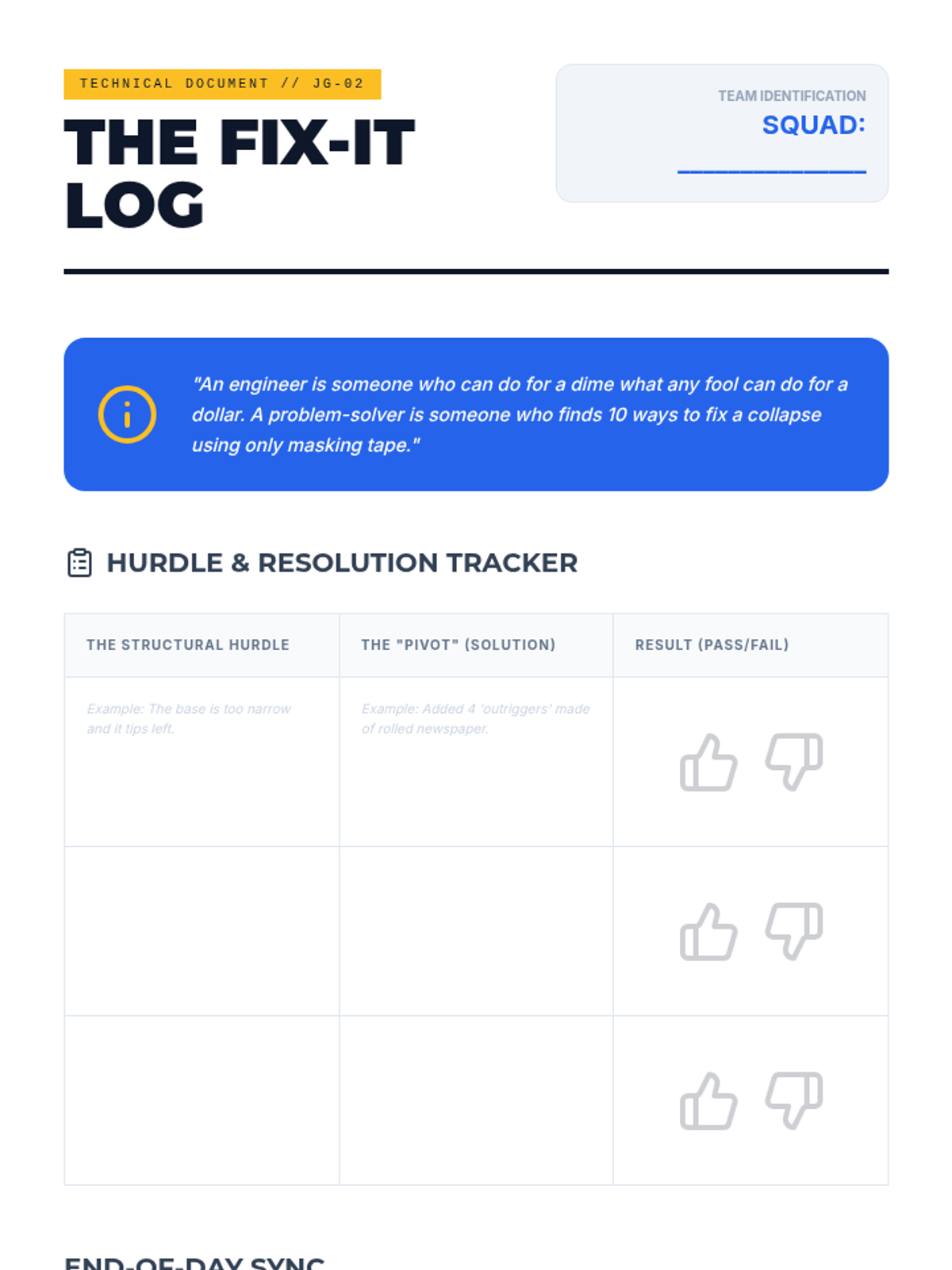
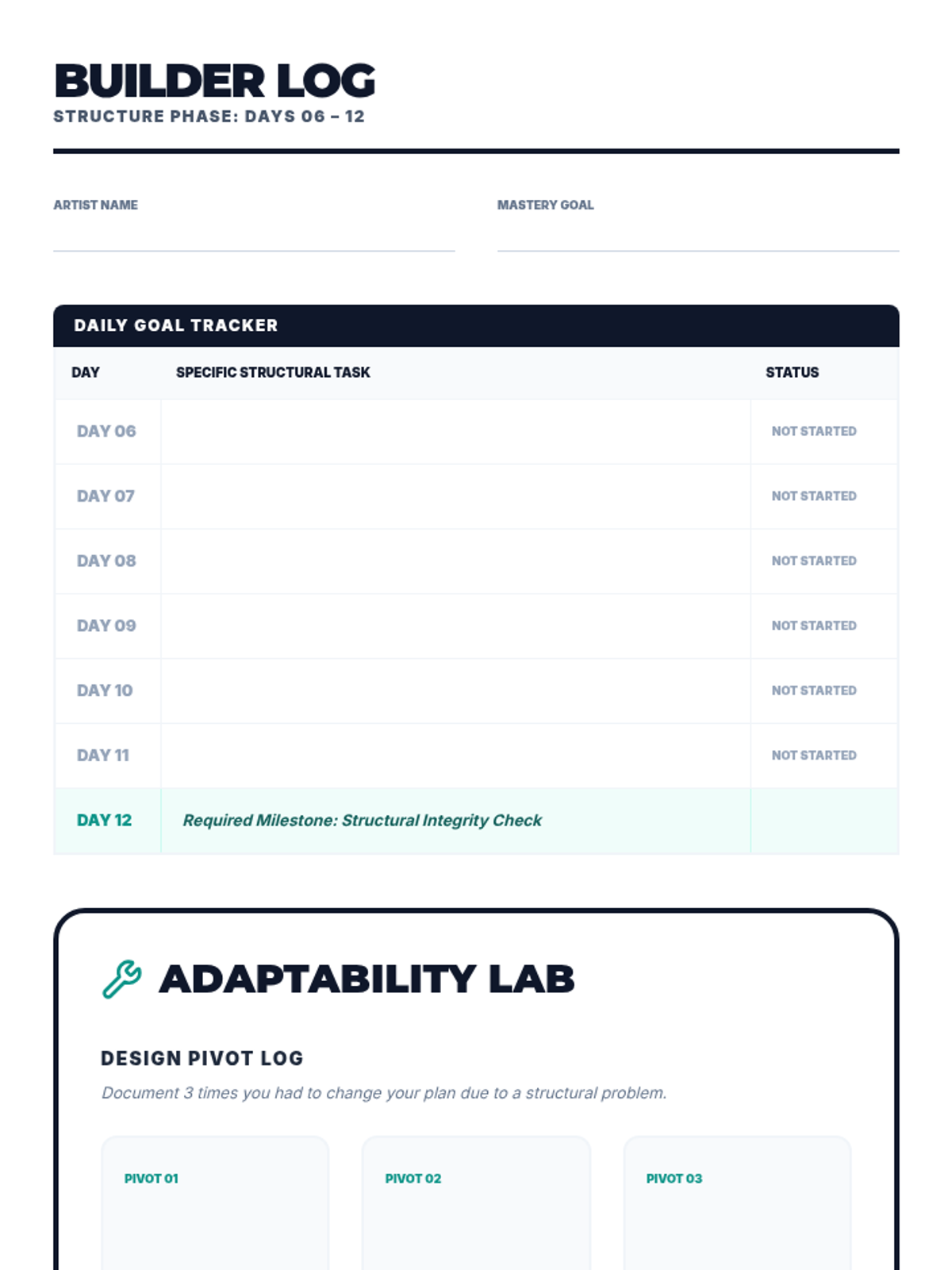
The core construction phase where students face structural failures and collaborate on creative solutions.
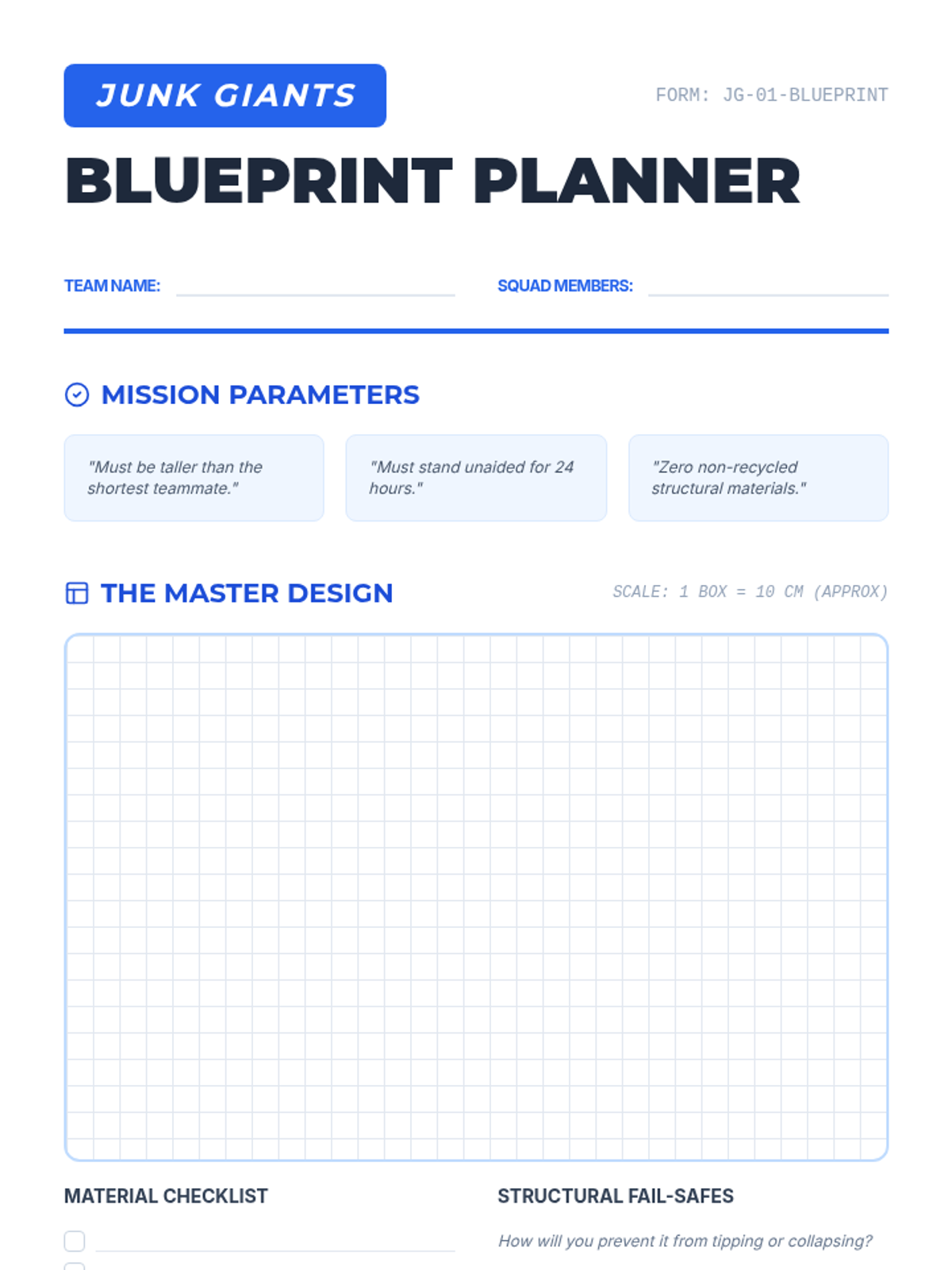
Teams form, explore materials, and create structural blueprints for their recycled sculptures.
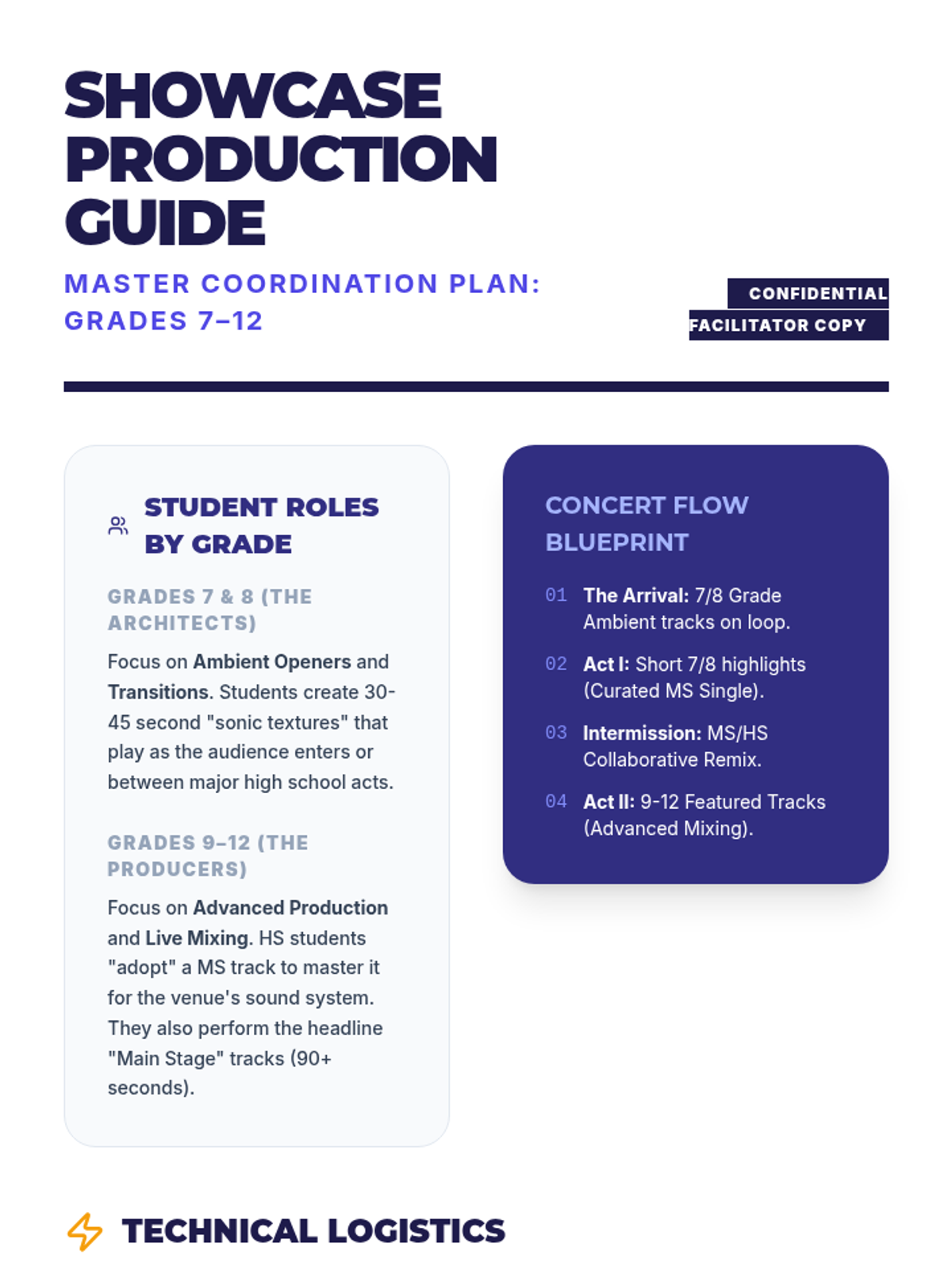
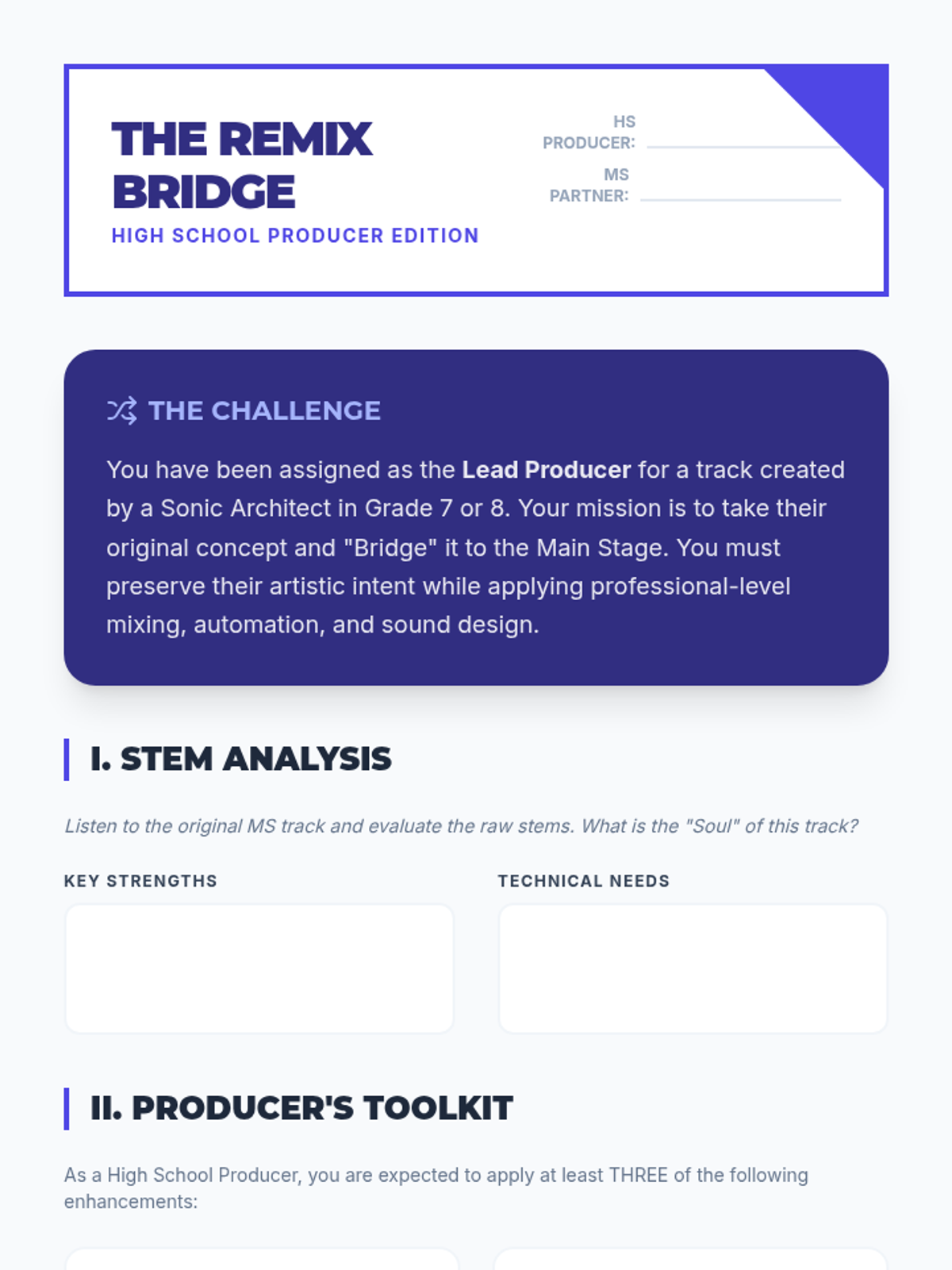
Students from grades 7-12 collaborate to organize and execute a professional-level digital music showcase. Middle school students contribute opening tracks and atmospheric transitions, while high school students manage advanced mixing, live visual accompaniment, and stage production.
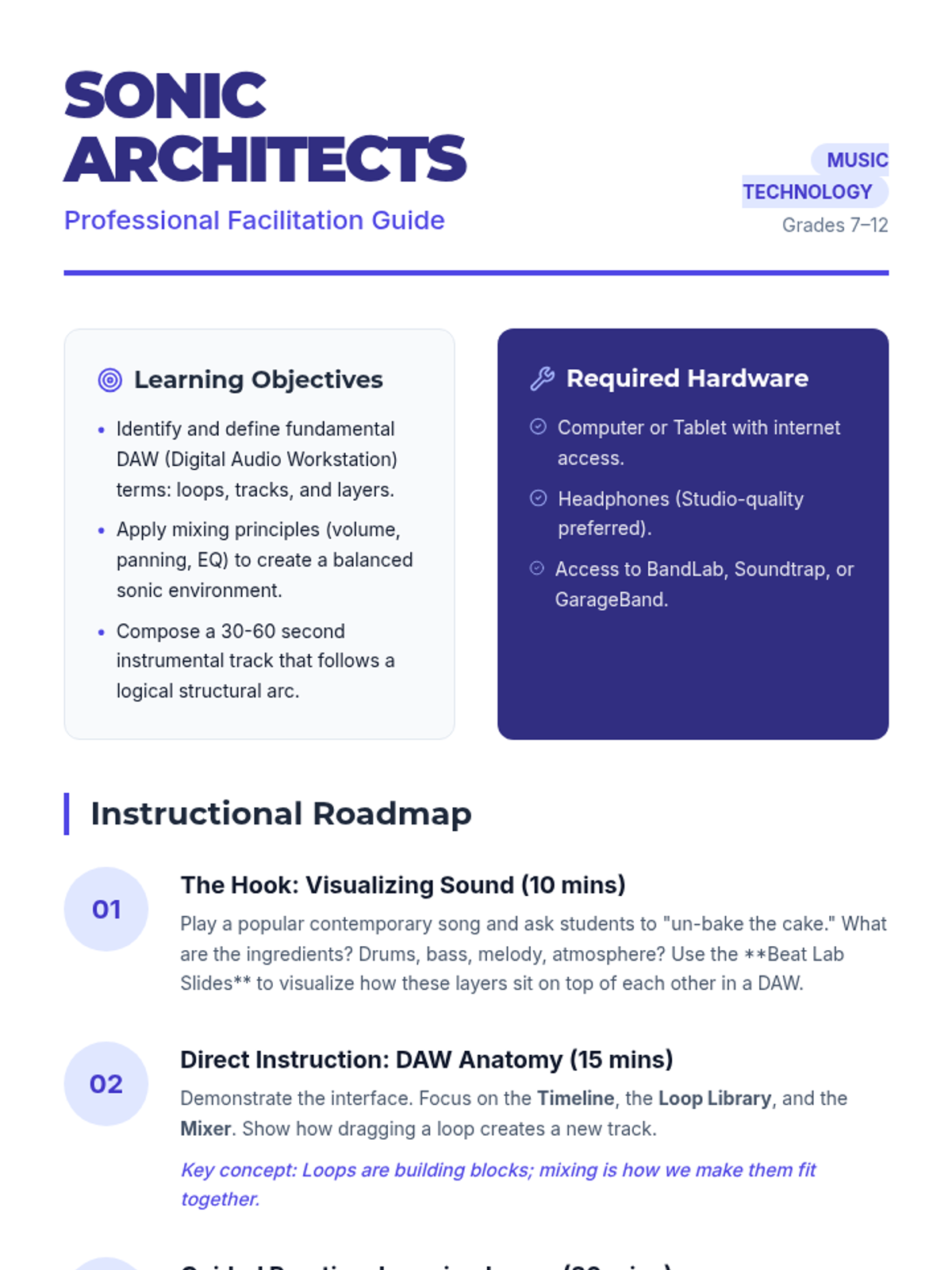
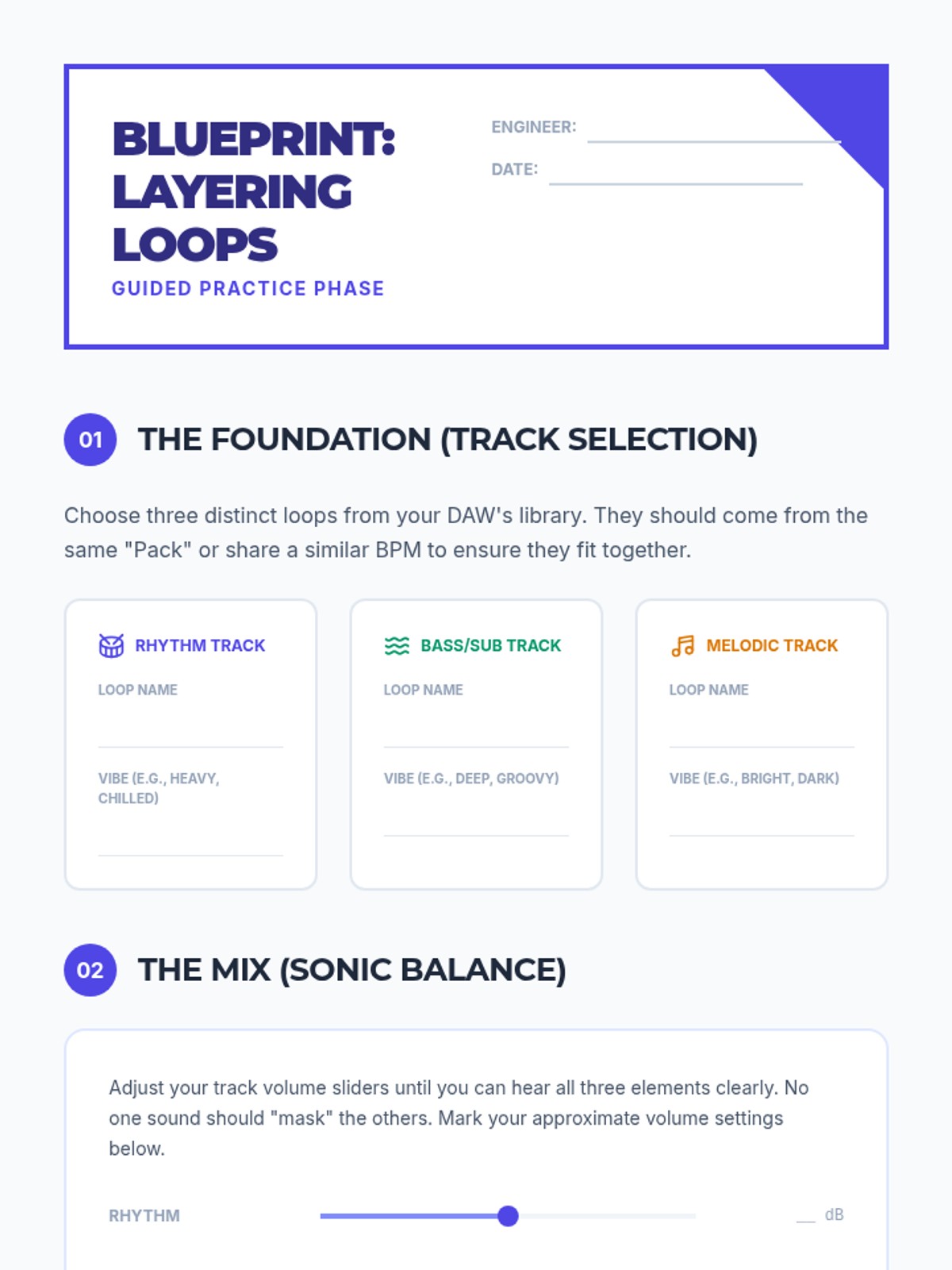
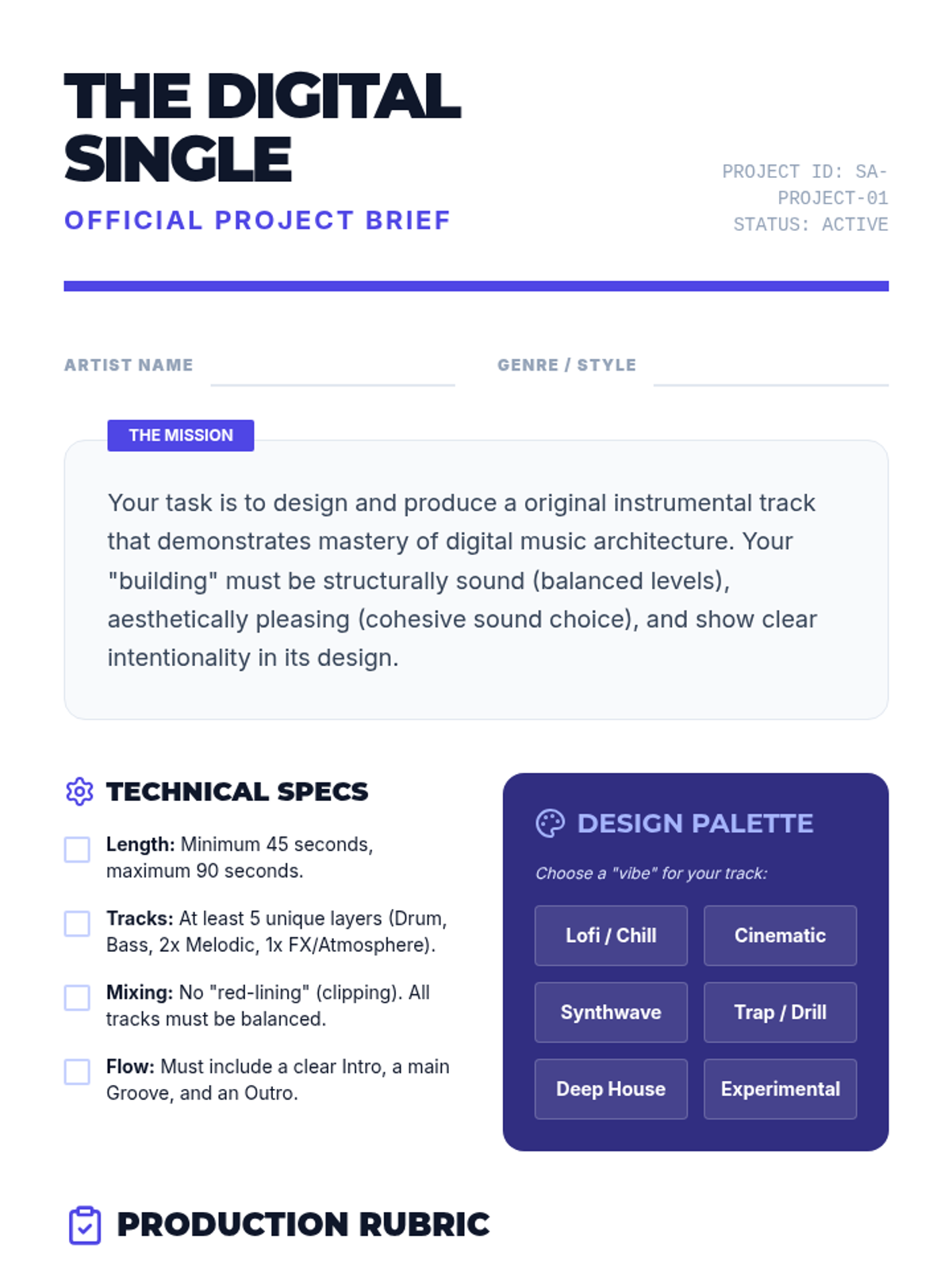
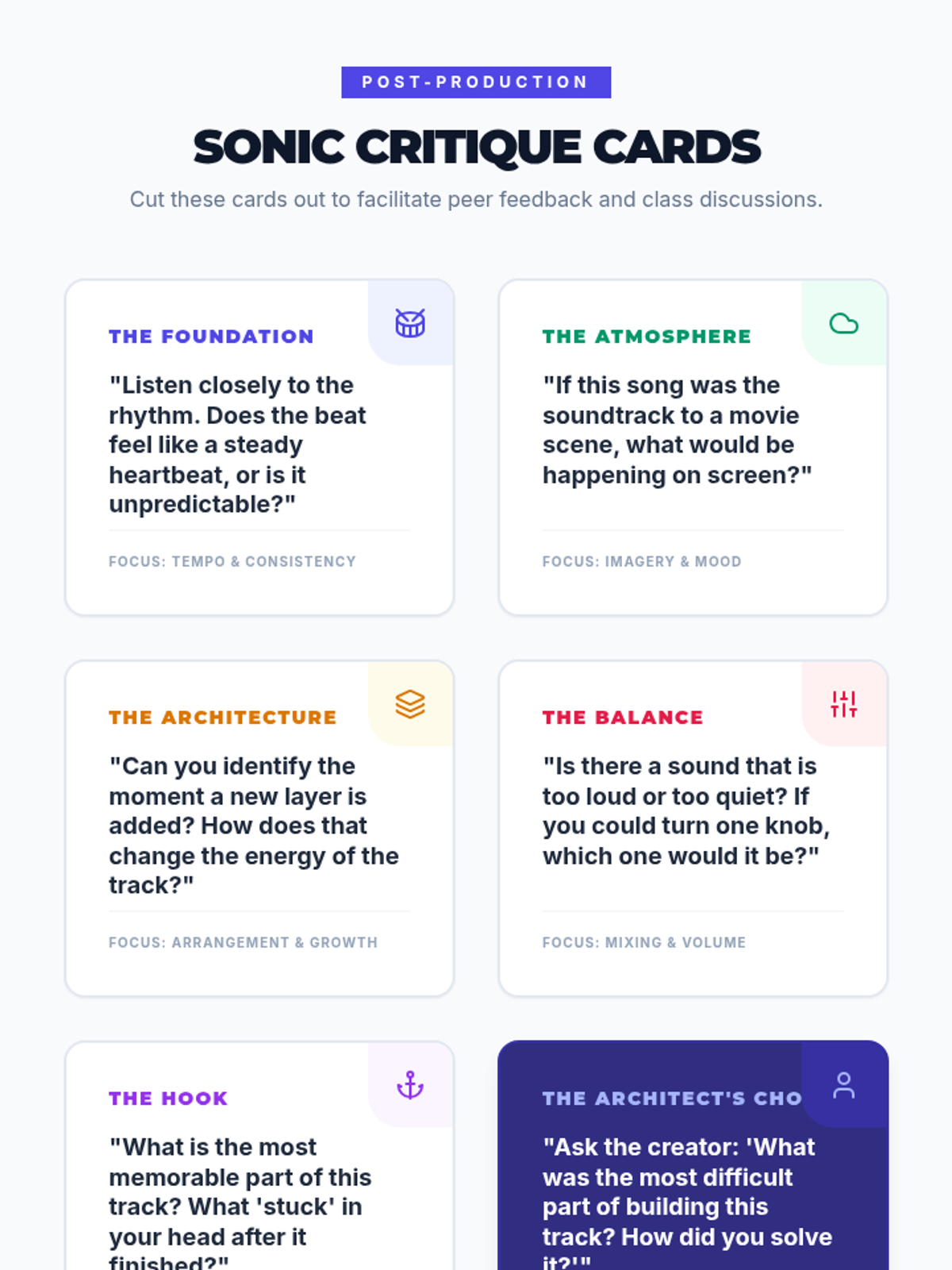
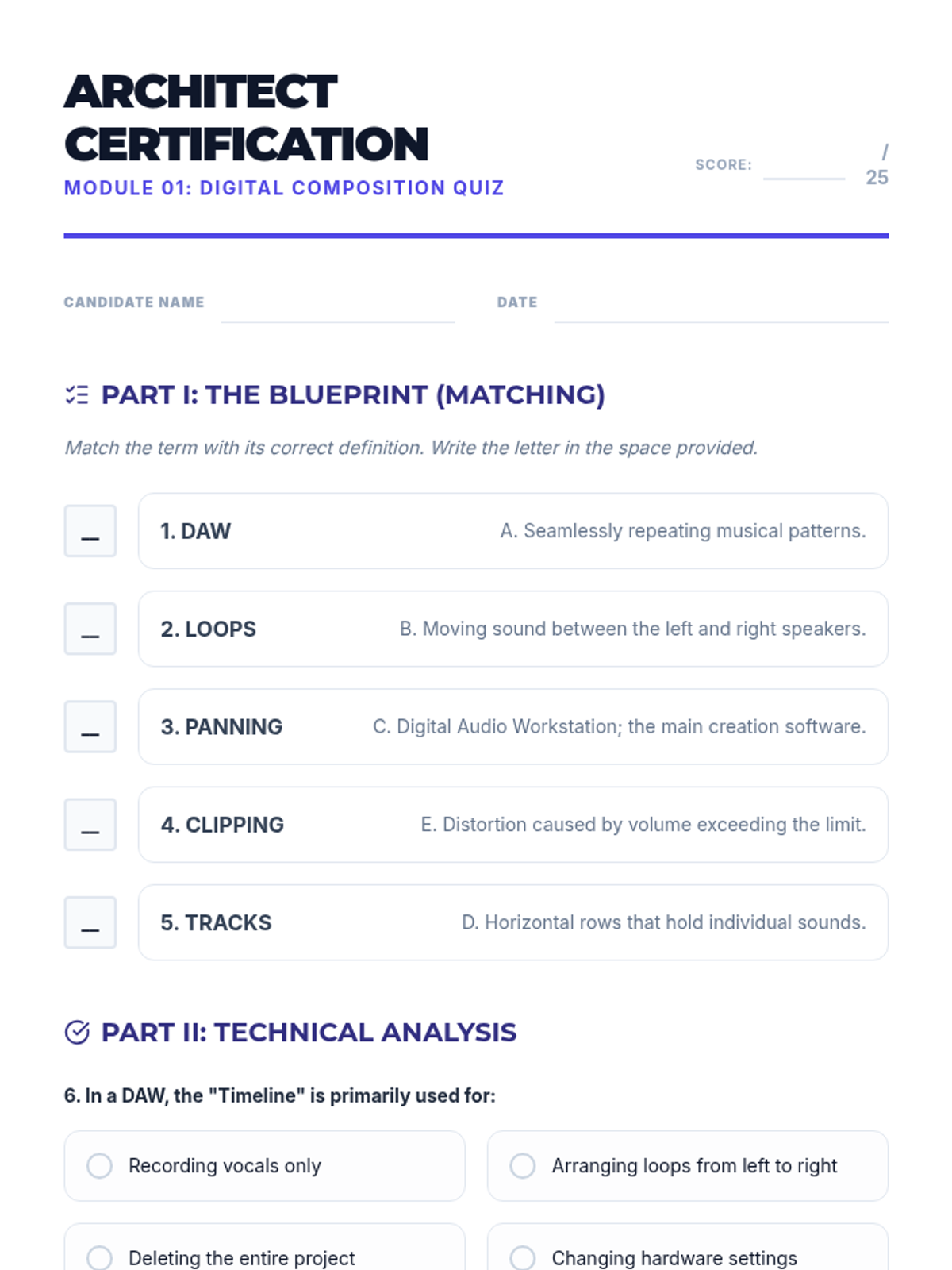
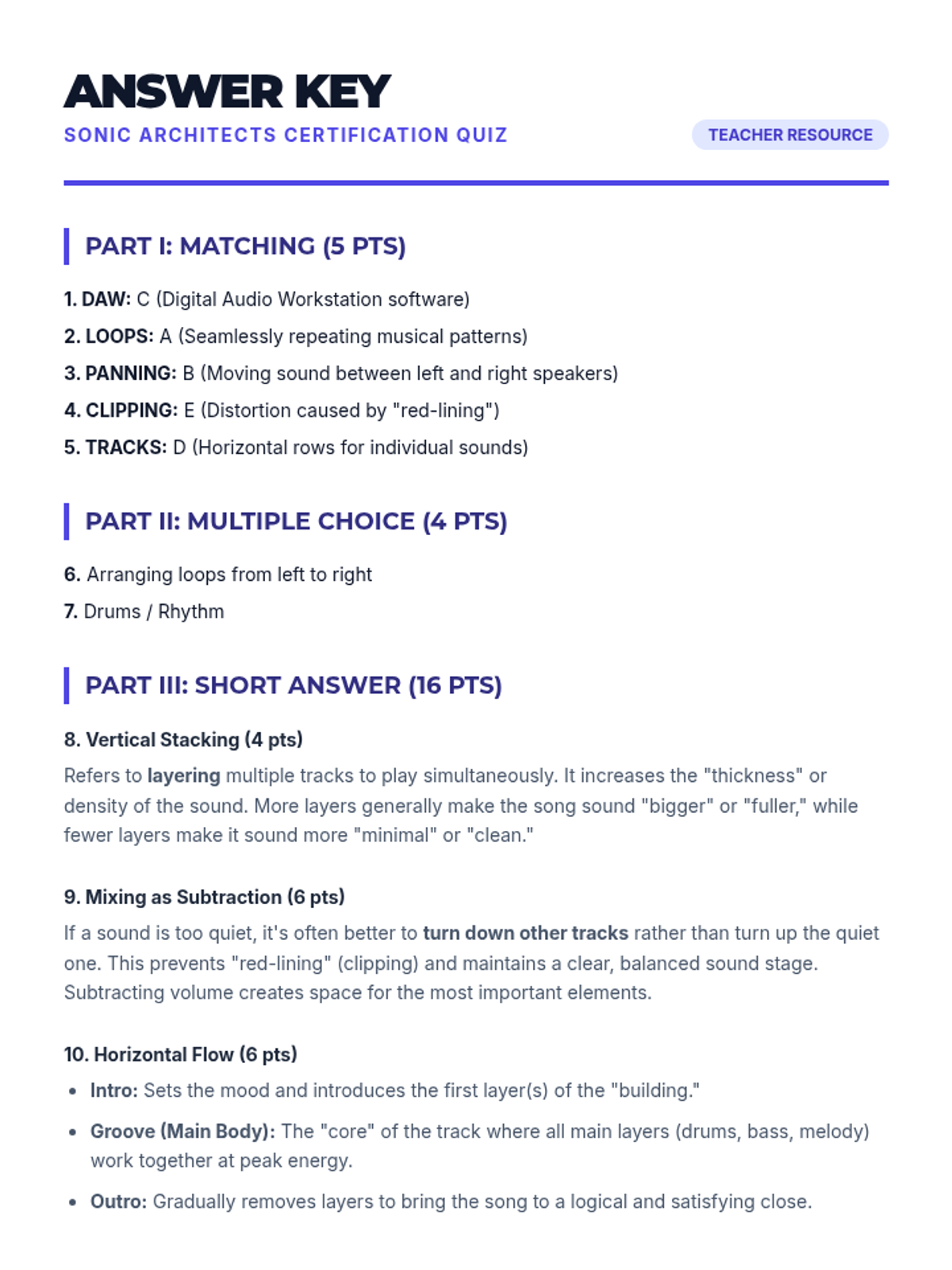
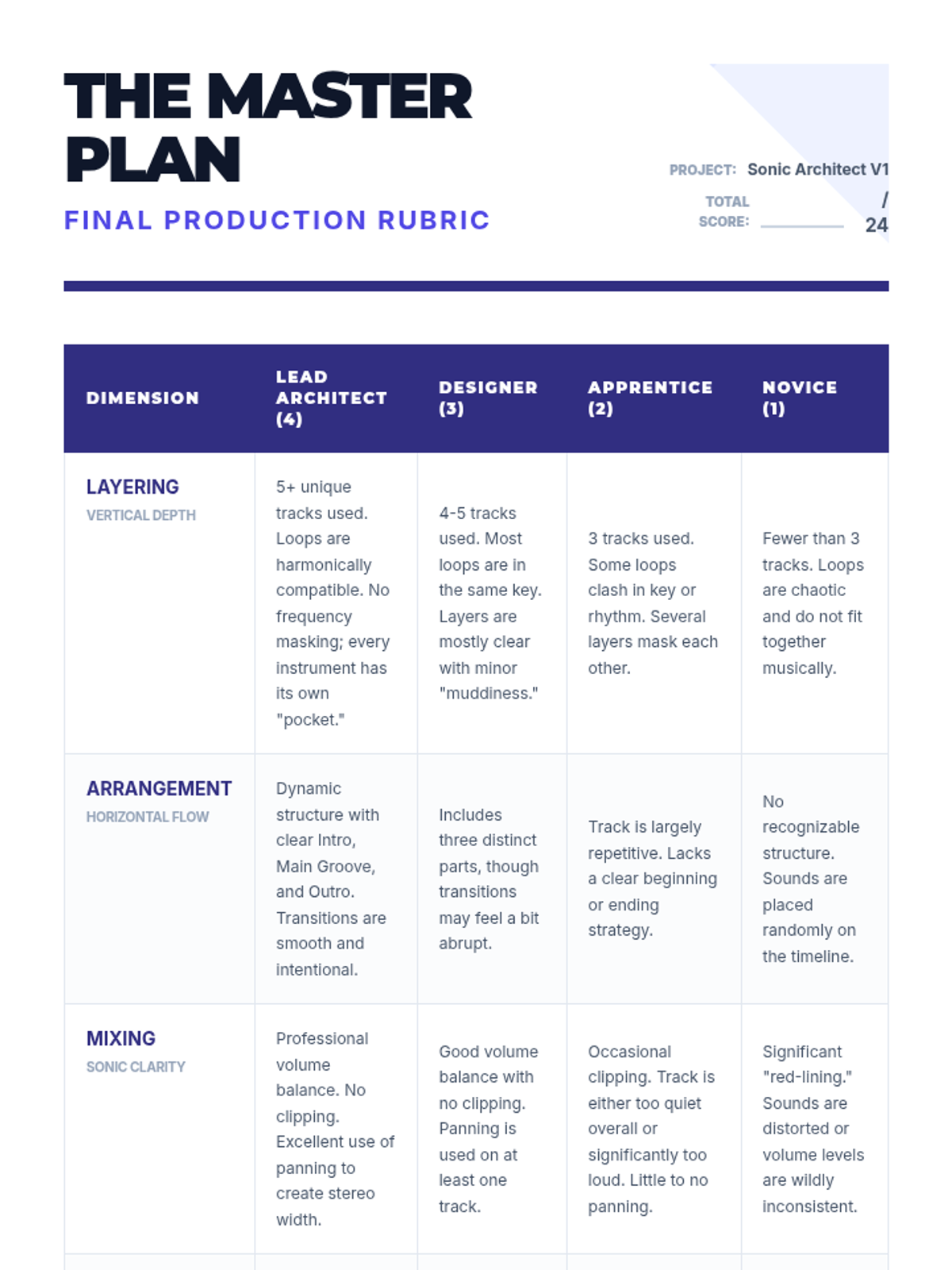
Students dive into the world of digital music production, learning to use loops, layers, and mixing techniques to create their own original instrumental tracks. This hands-on lesson bridges technology and creativity, empowering students to become modern sonic architects.
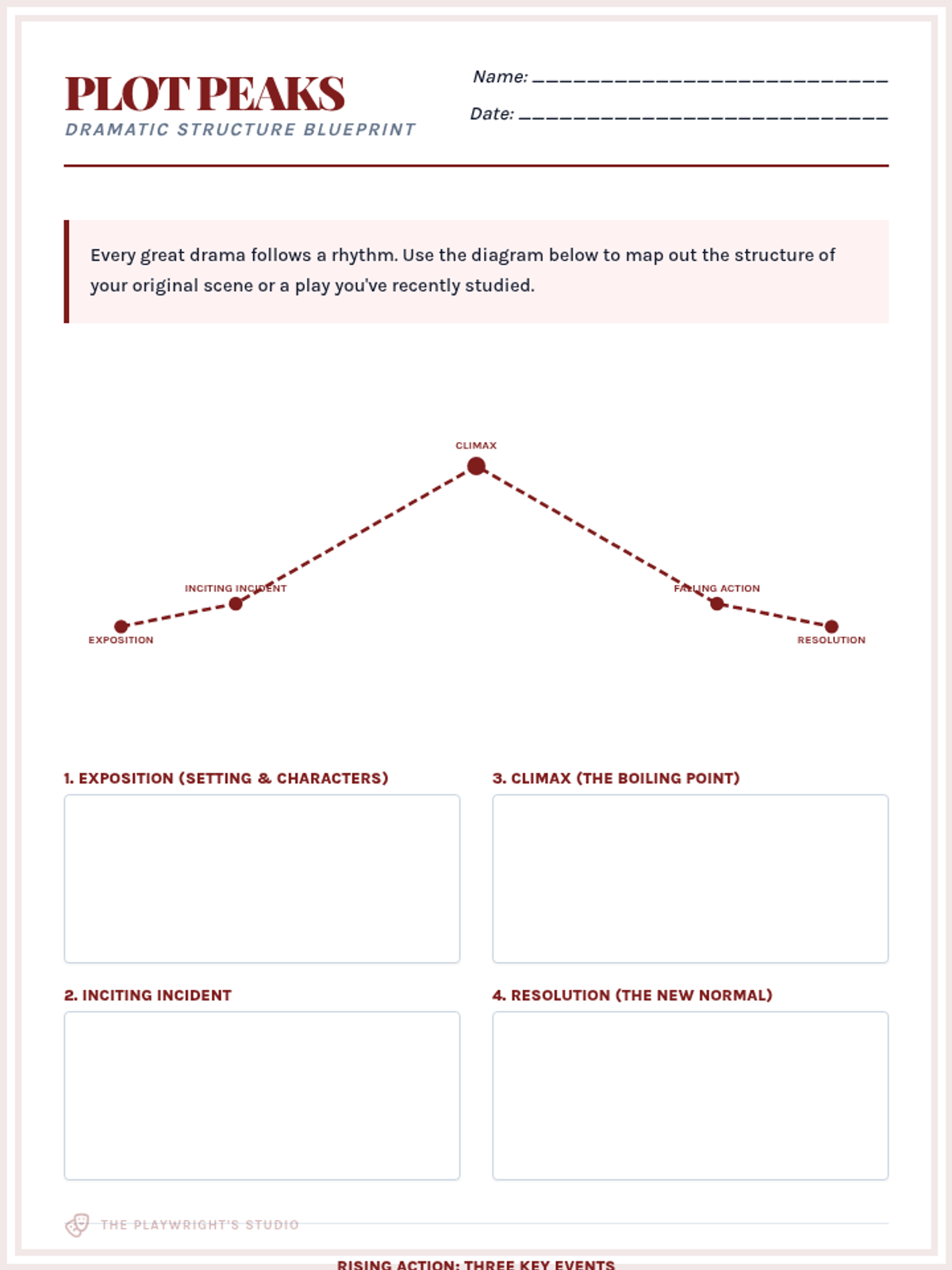
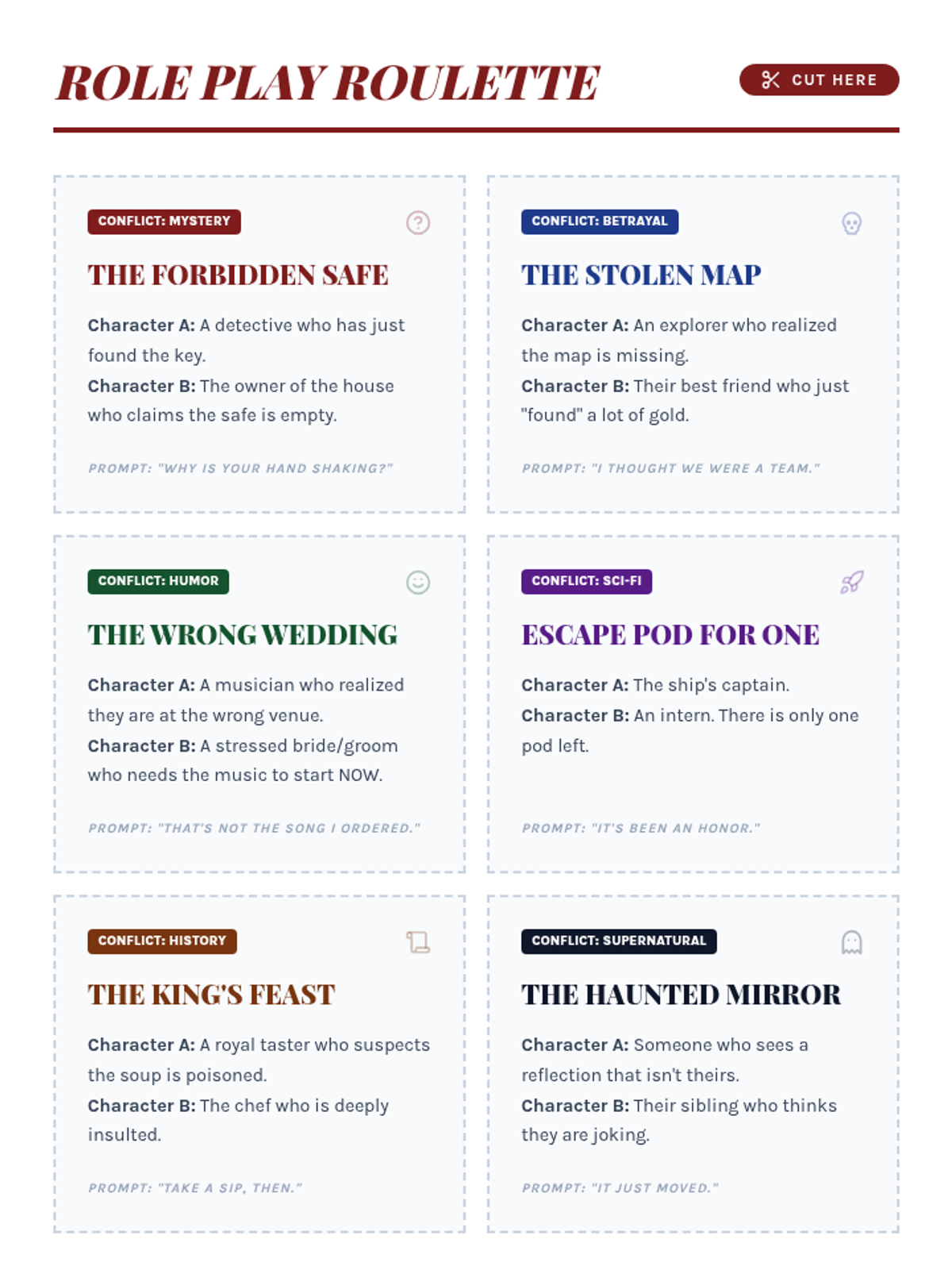
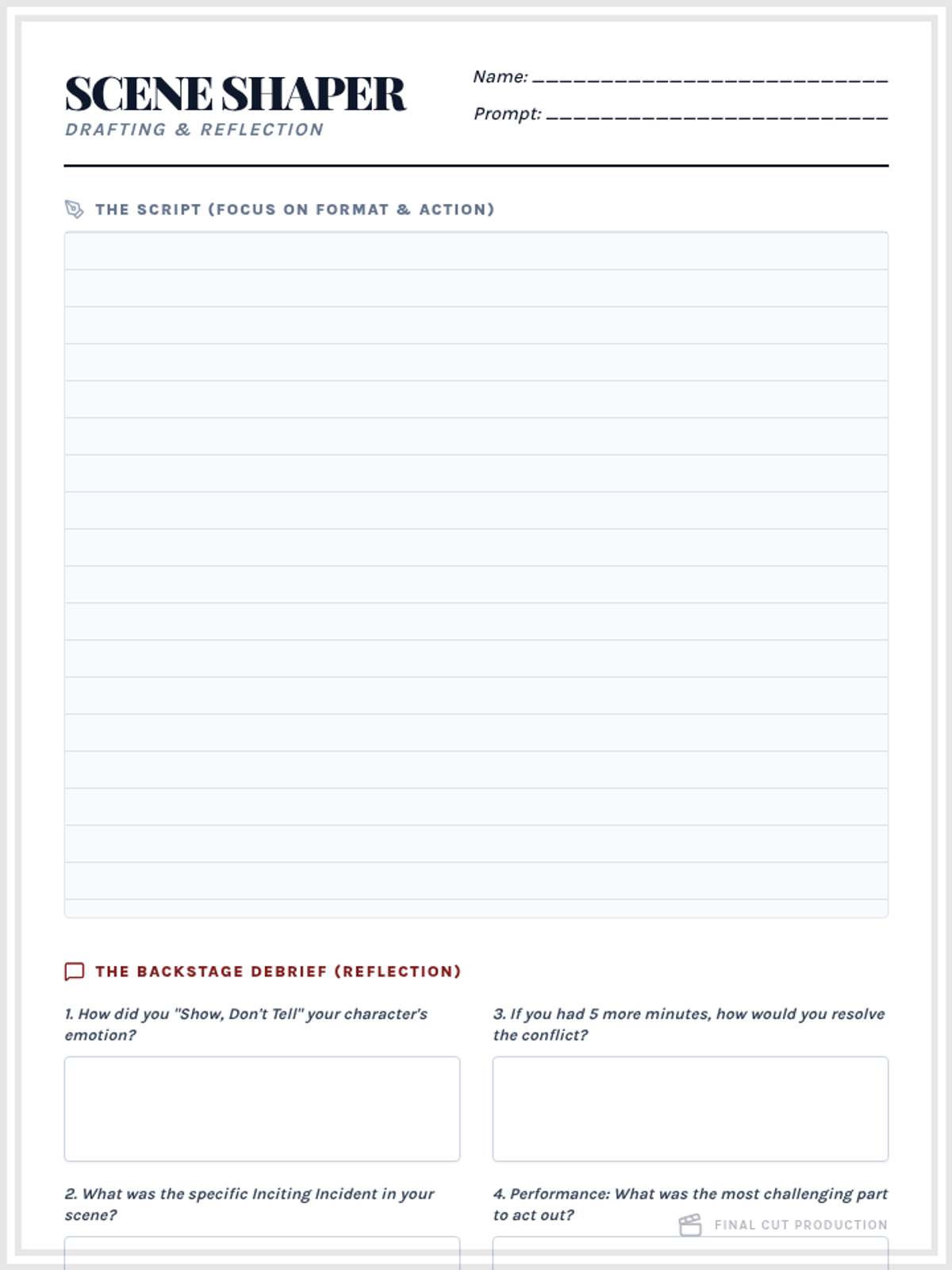
A comprehensive introduction to dramatic structure and scriptwriting, guiding students from the arc of a story to the technical layout of a stage play.
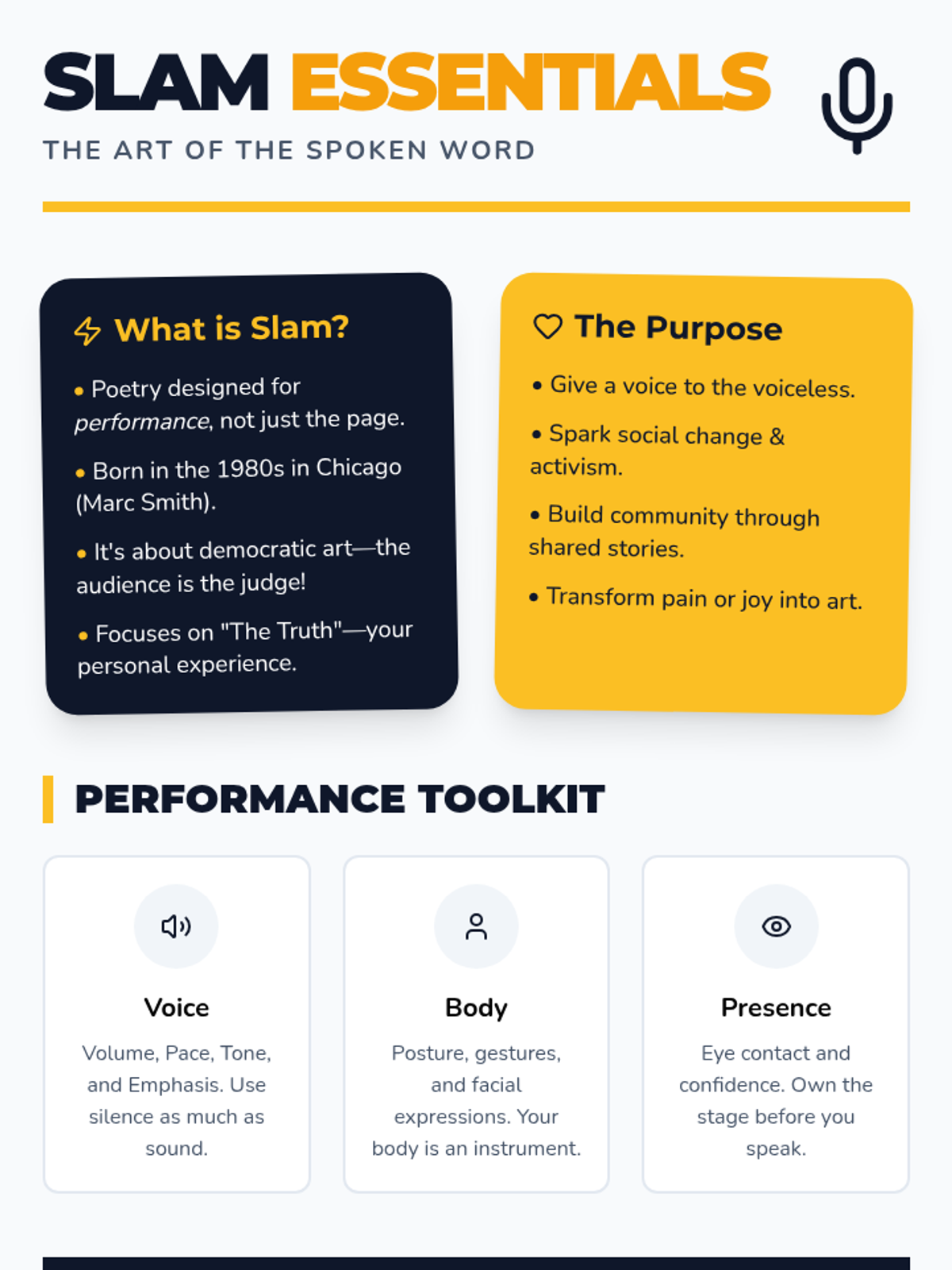
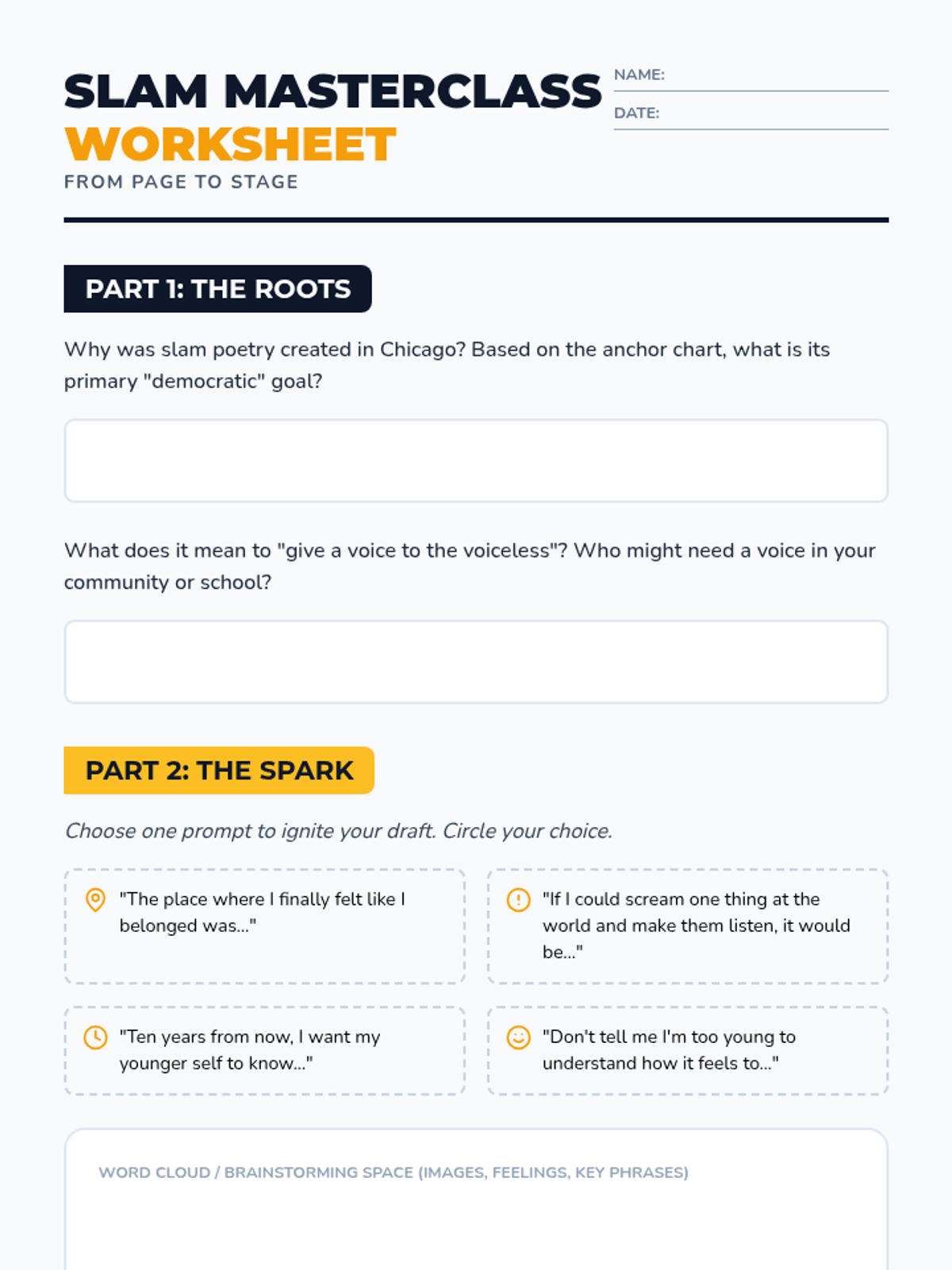
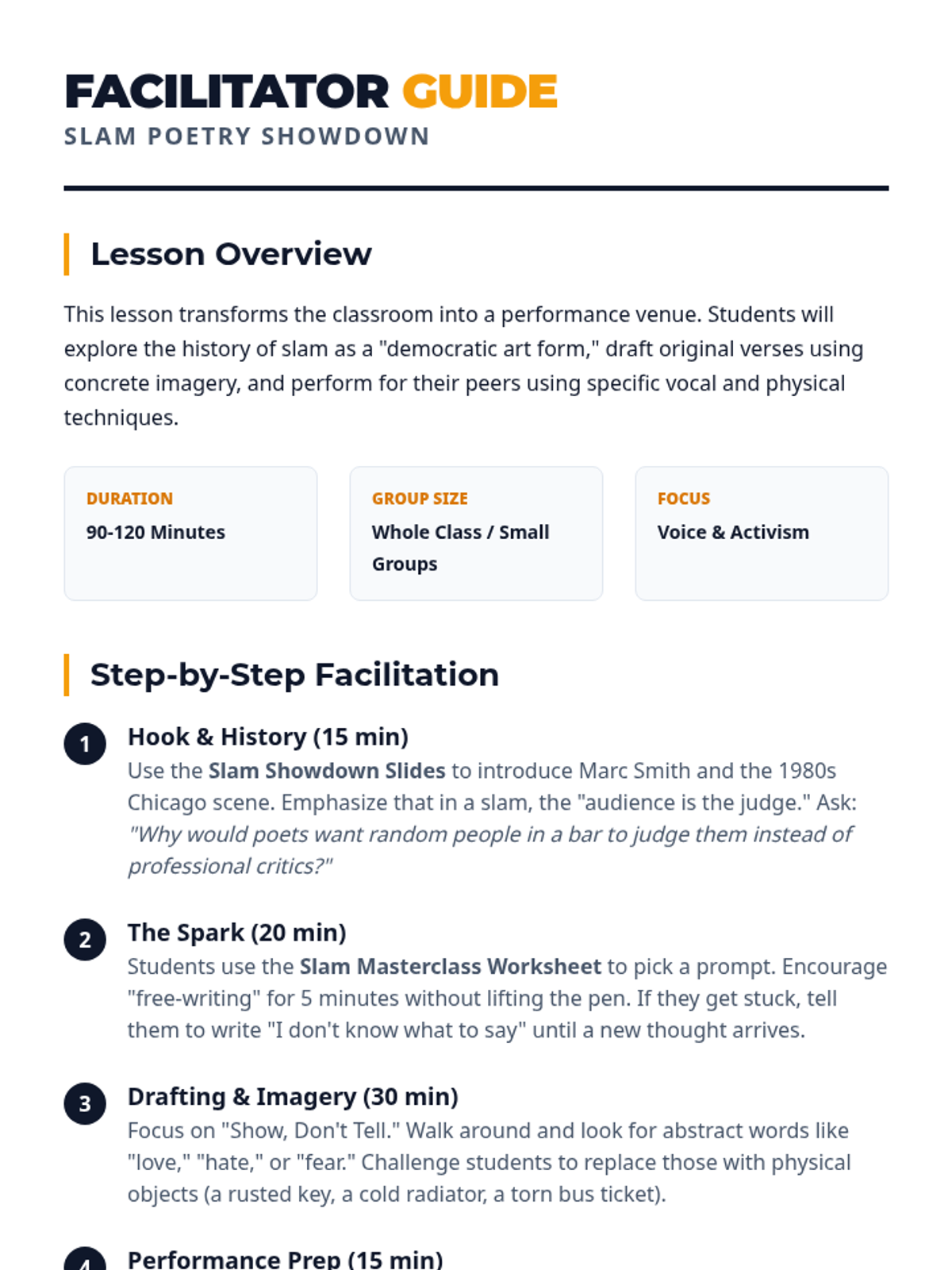
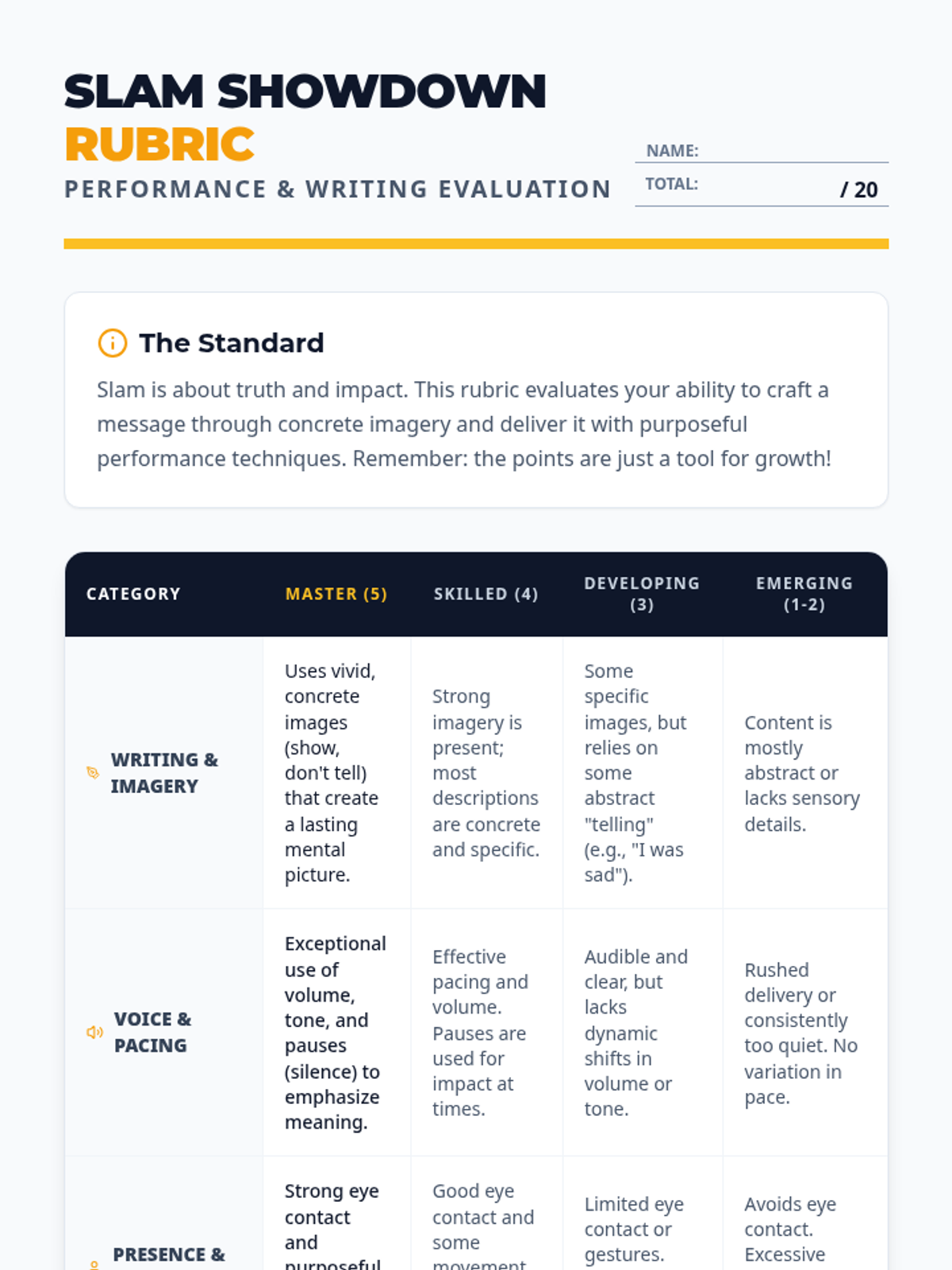
A comprehensive lesson guiding students from the history and purpose of slam poetry through writing original verses to performing with impact and giving constructive peer feedback.
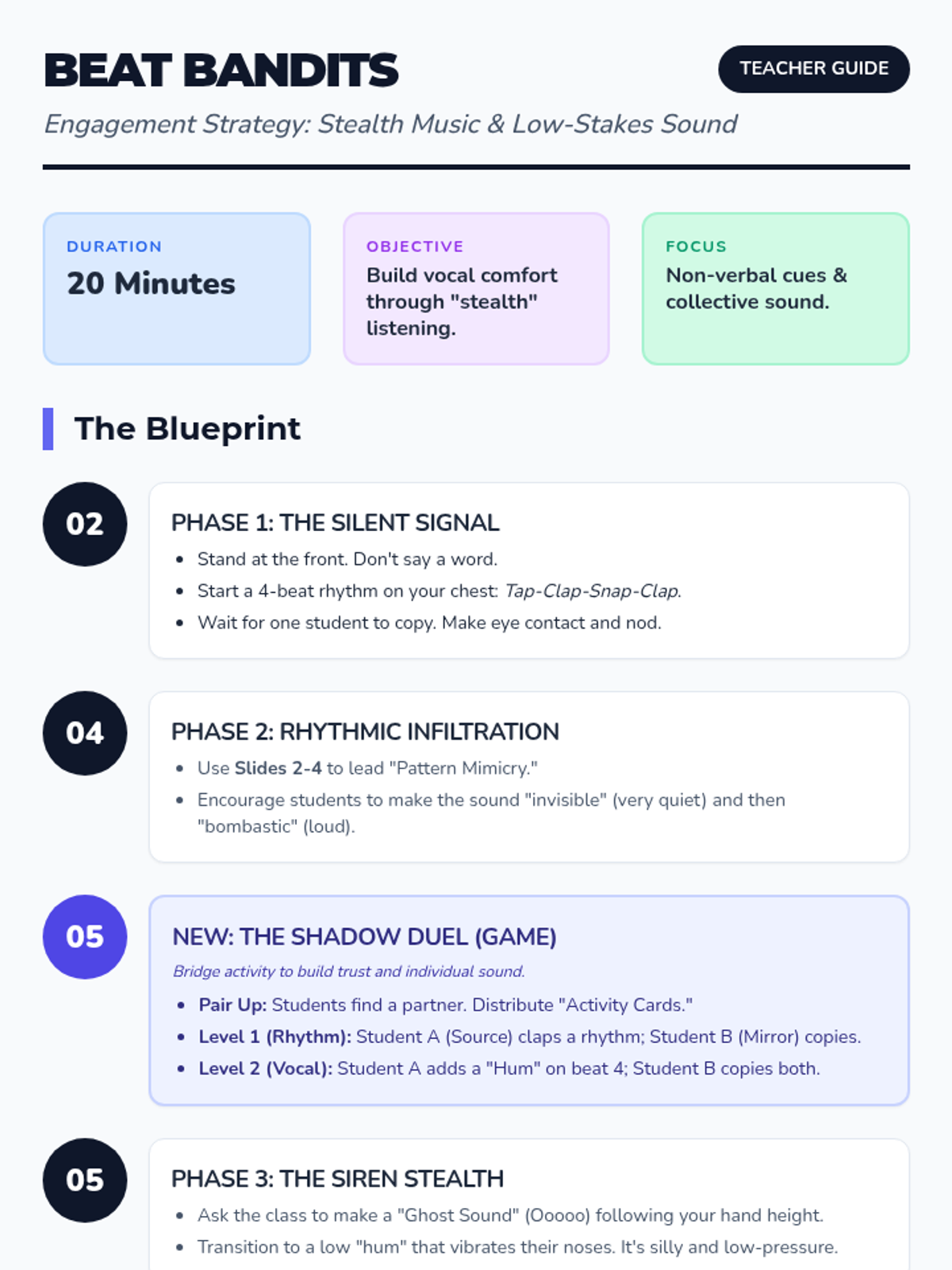
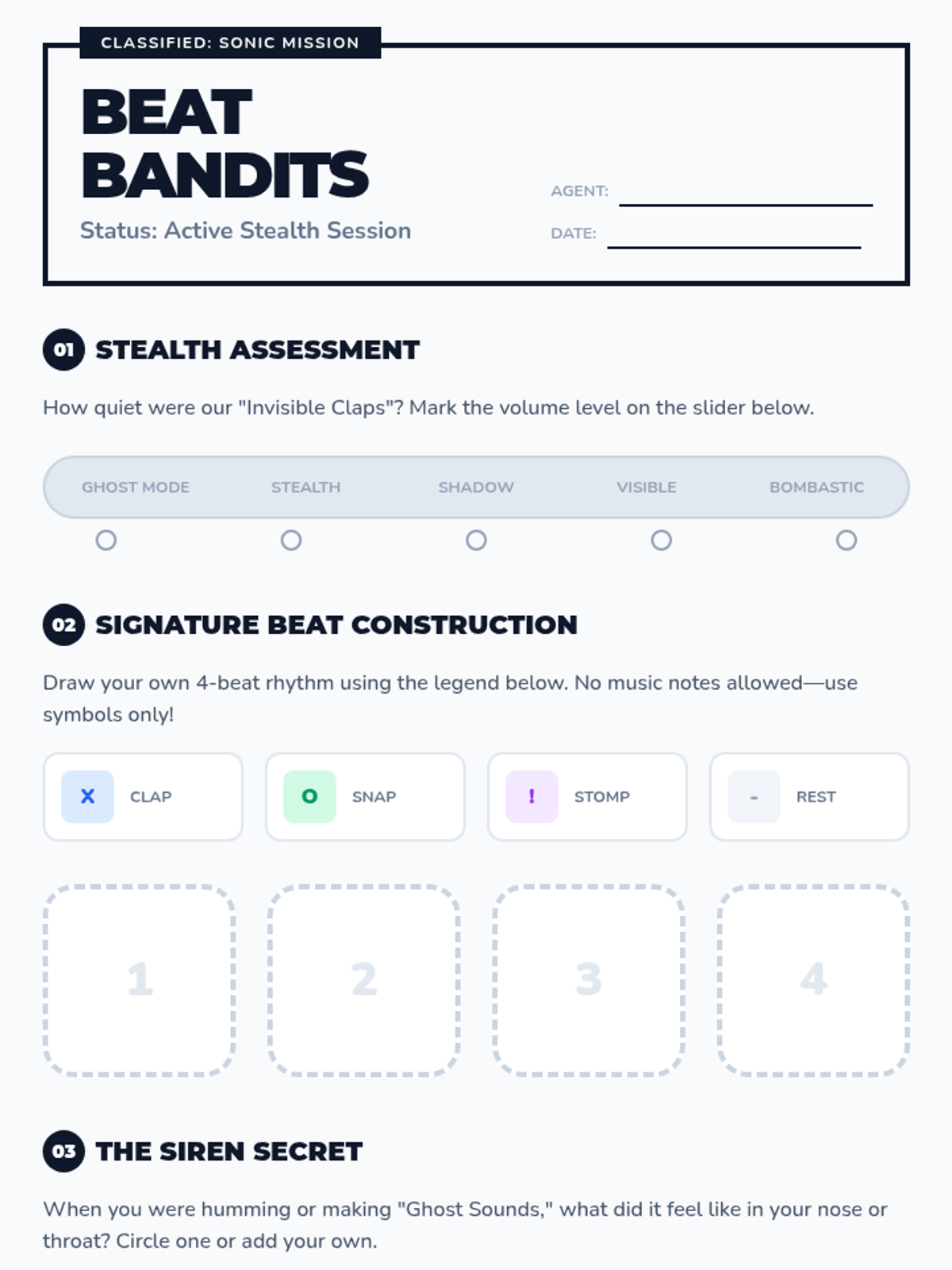
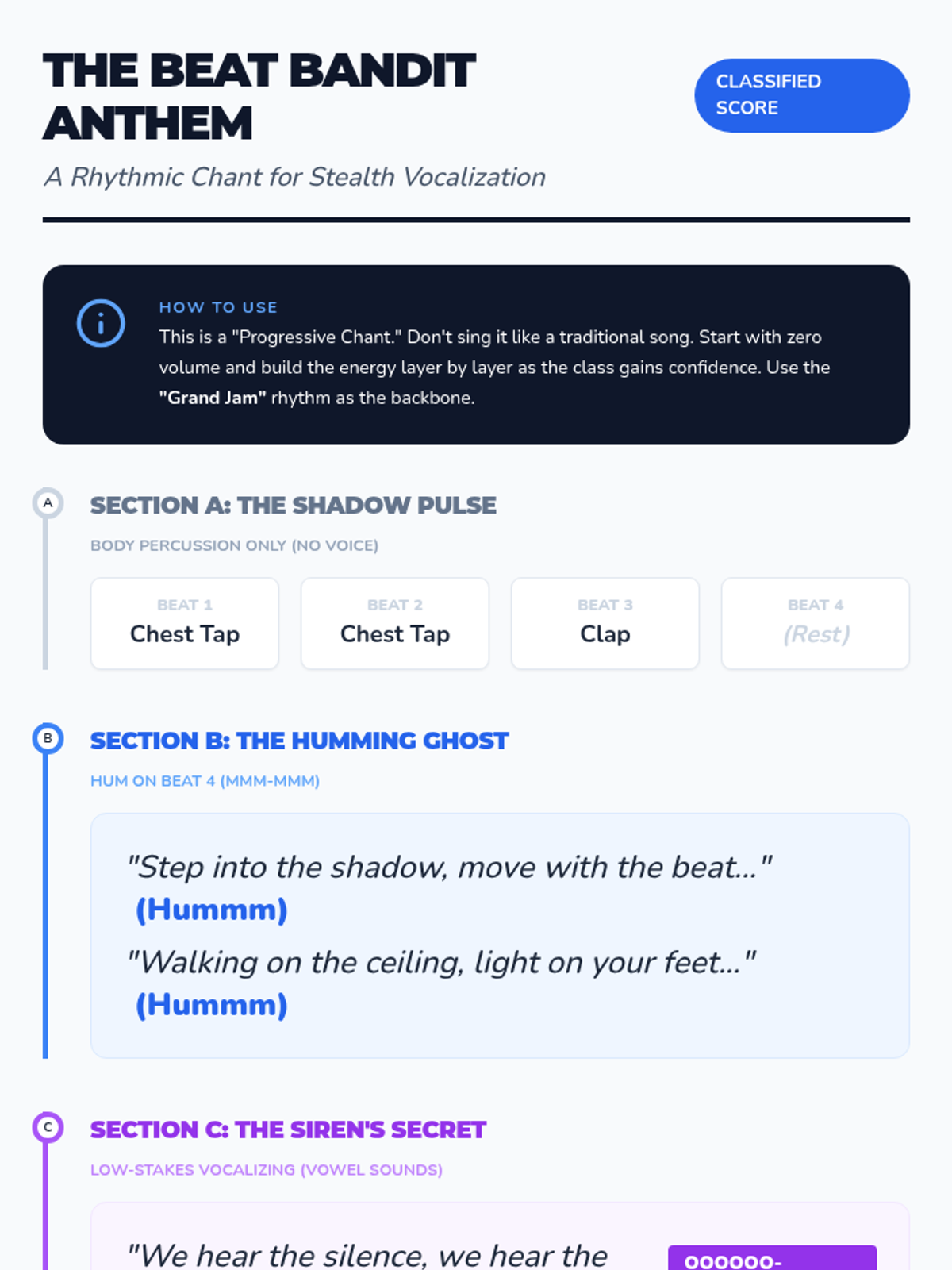
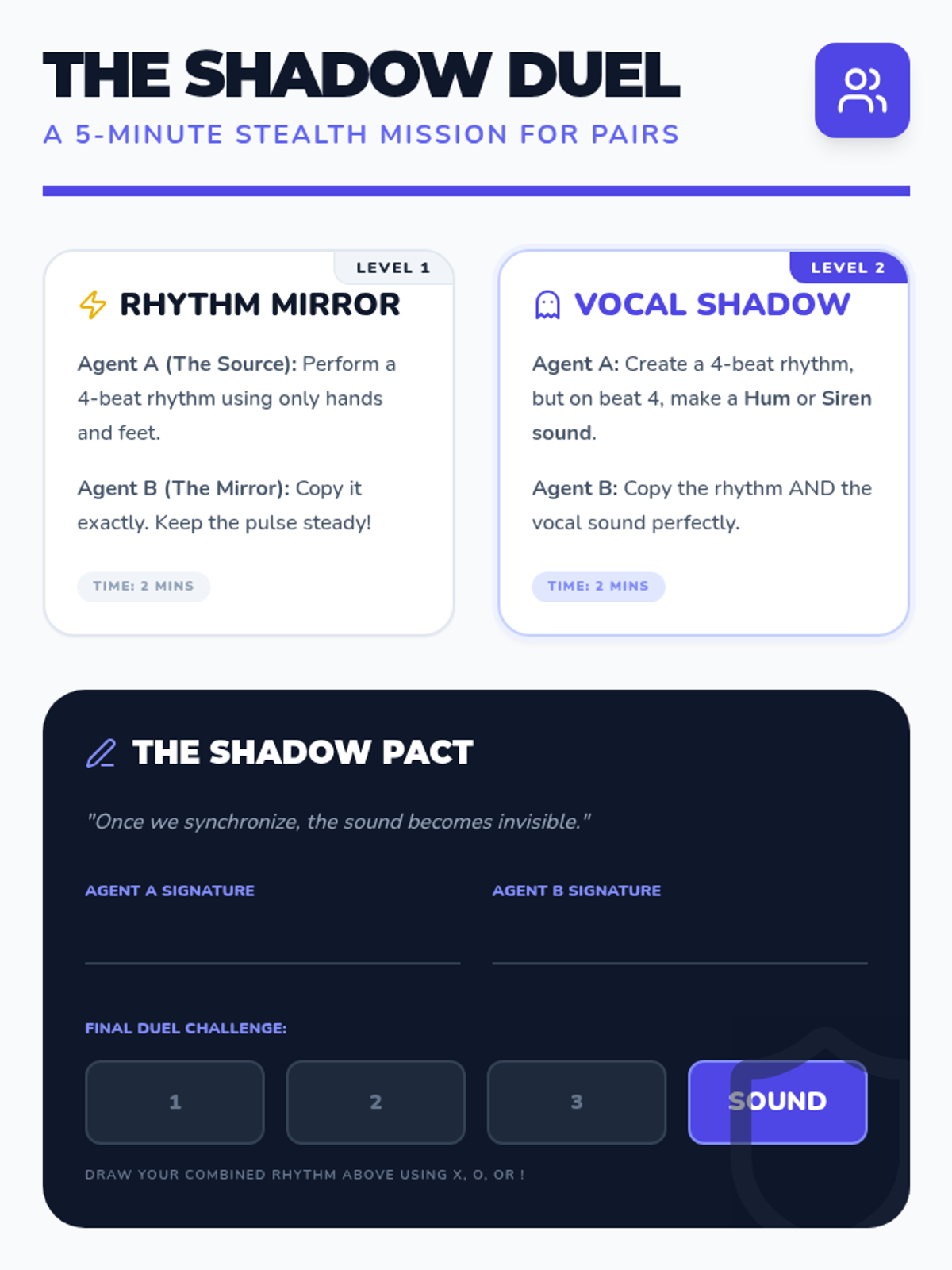
A high-energy, low-pressure 15-minute music lesson designed to engage disengaged students and build vocal confidence through rhythm and stealth games. This lesson moves from non-verbal rhythmic games to collective vocalizing to bypass the fear of singing.
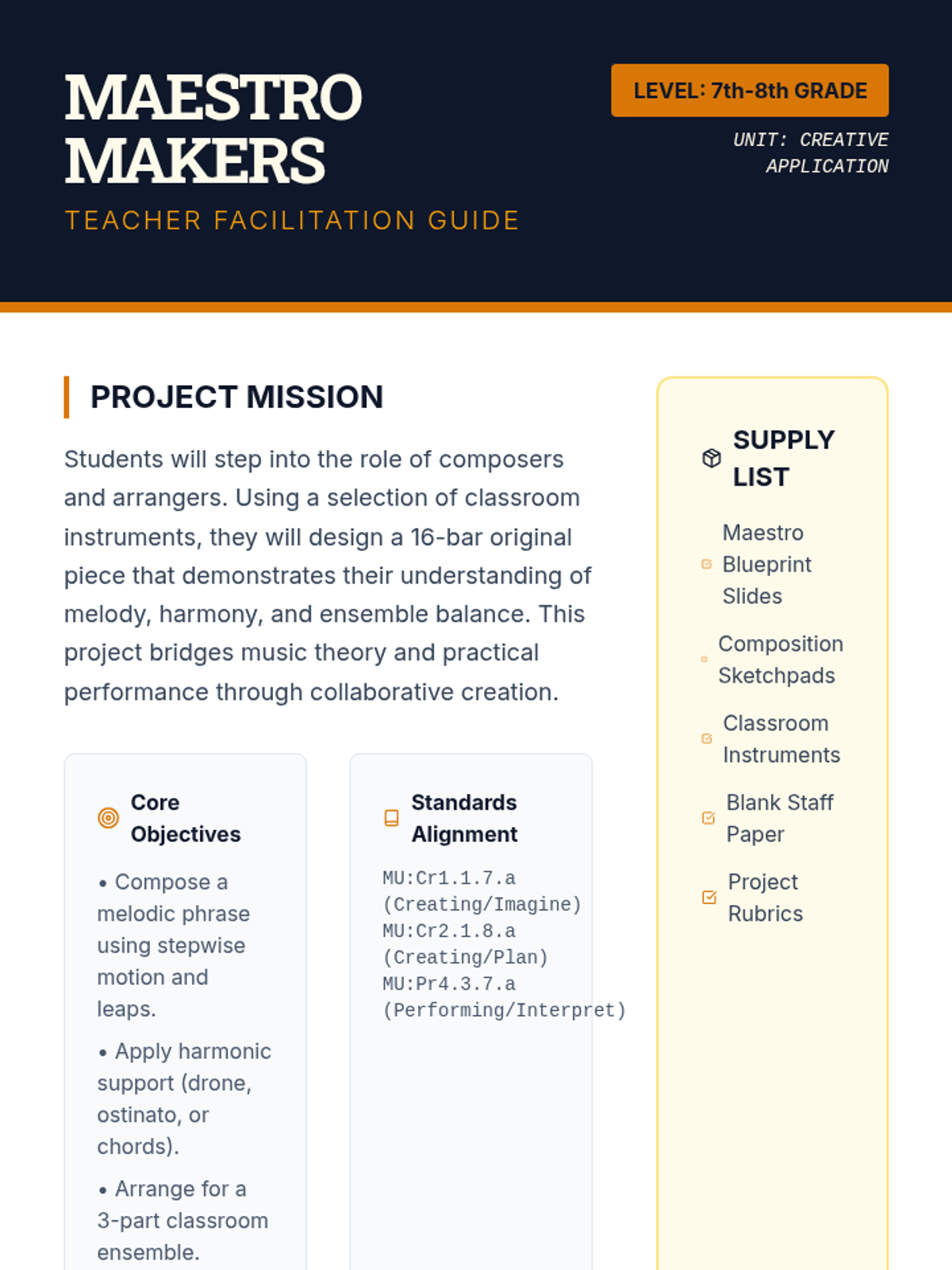
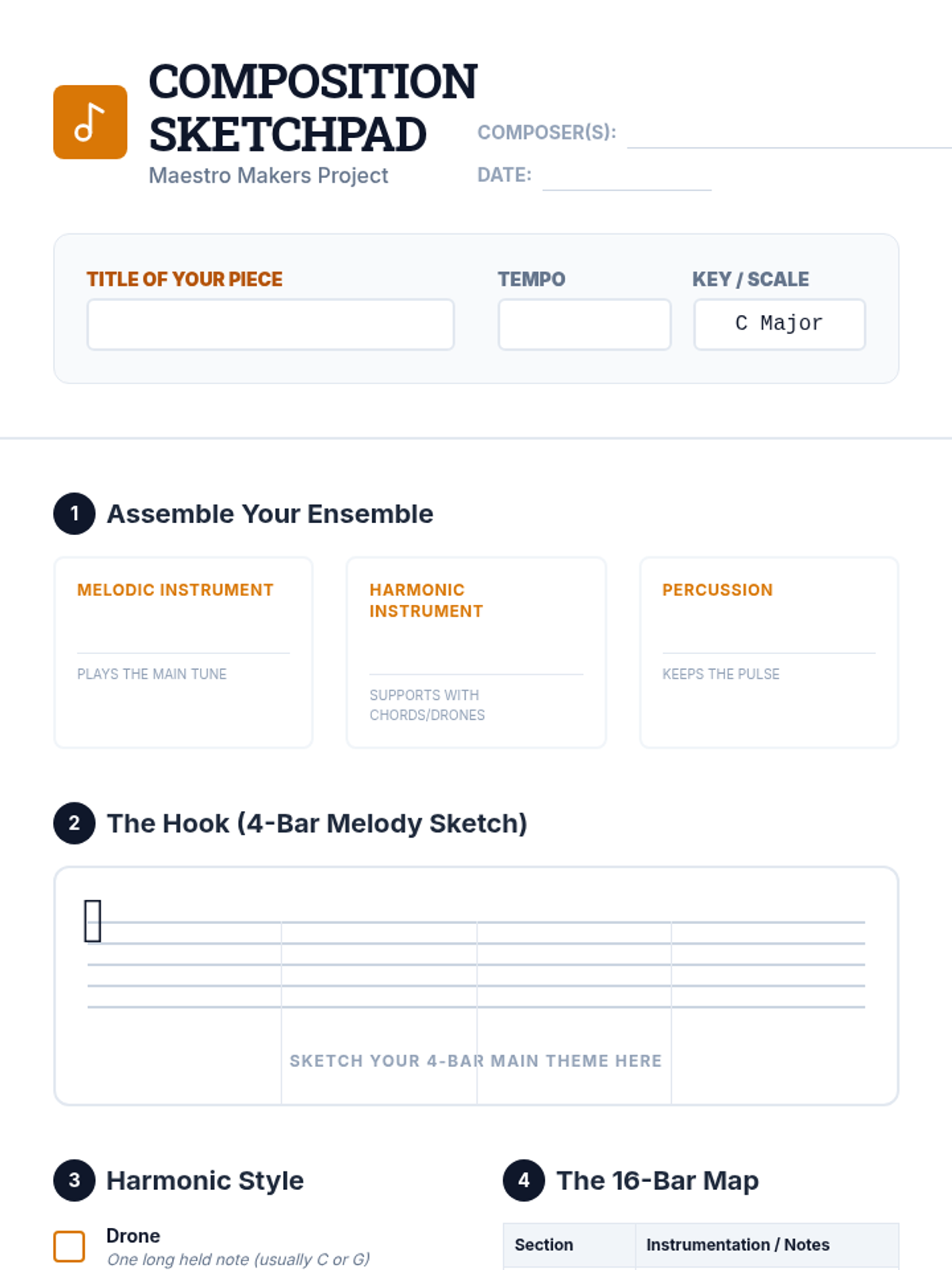
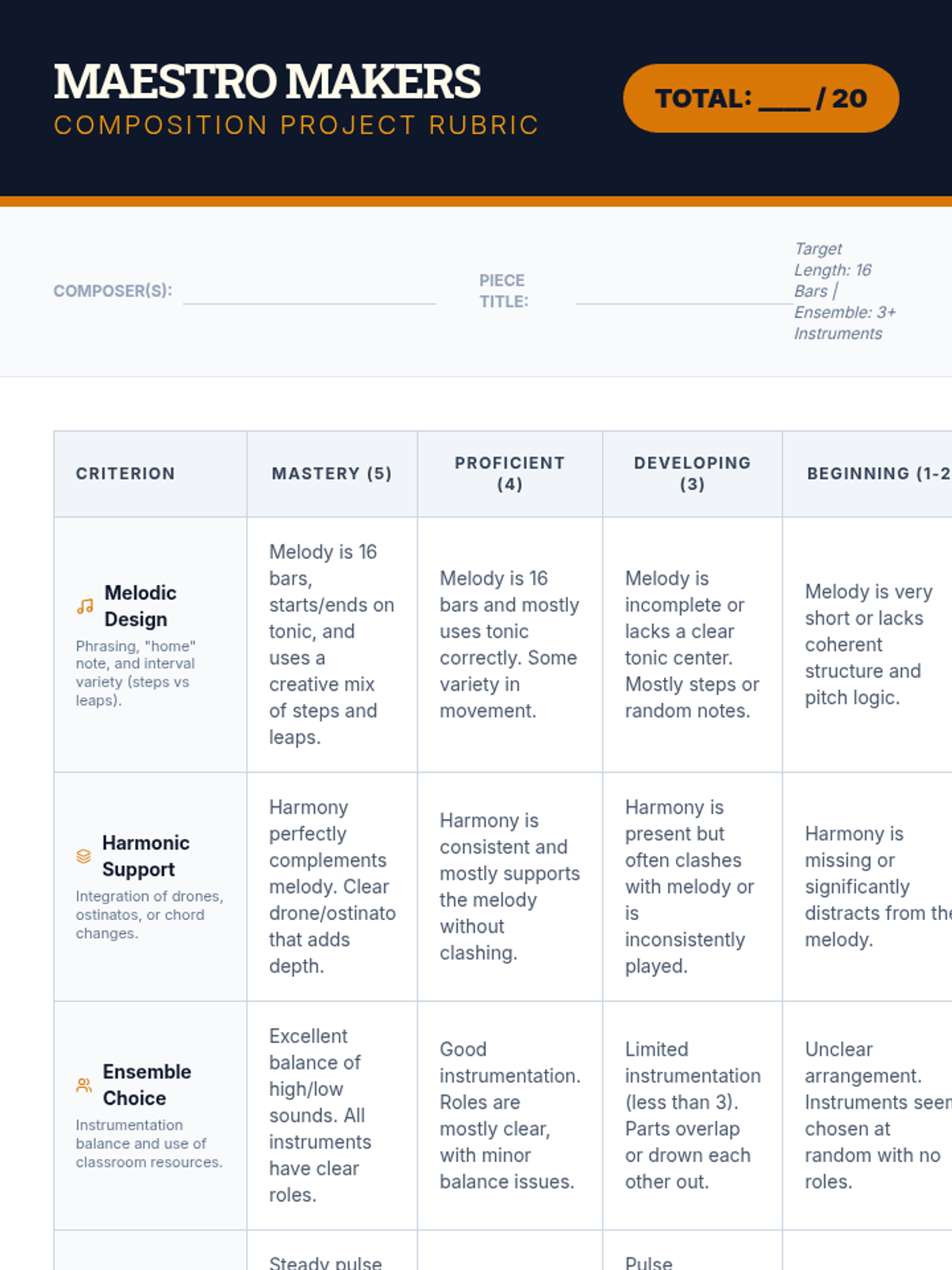
A project-based lesson for middle school students to learn fundamental composition techniques, including melody writing, harmonic support, and arranging for classroom instruments. Students will apply these skills to create and perform an original short piece.
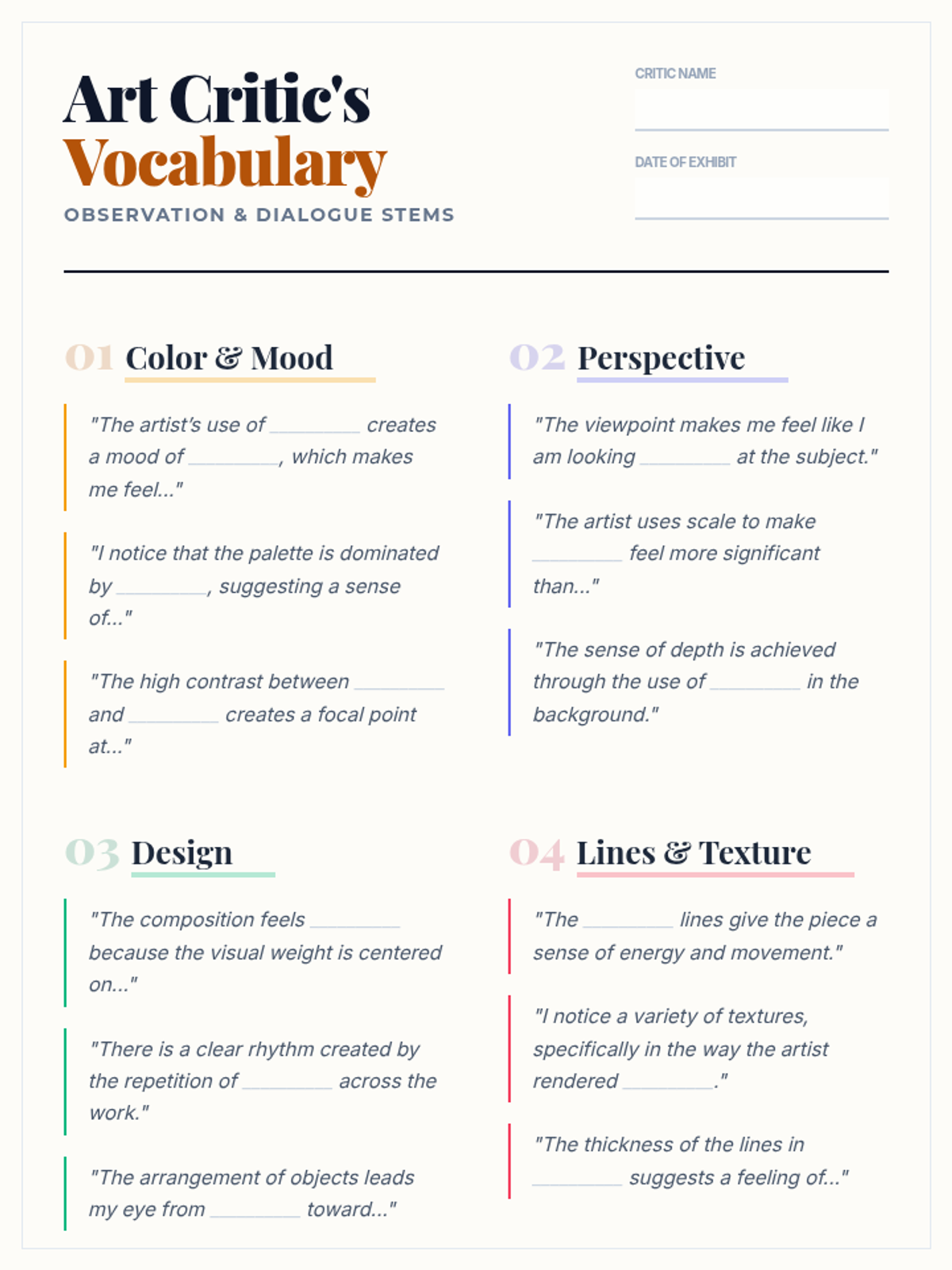
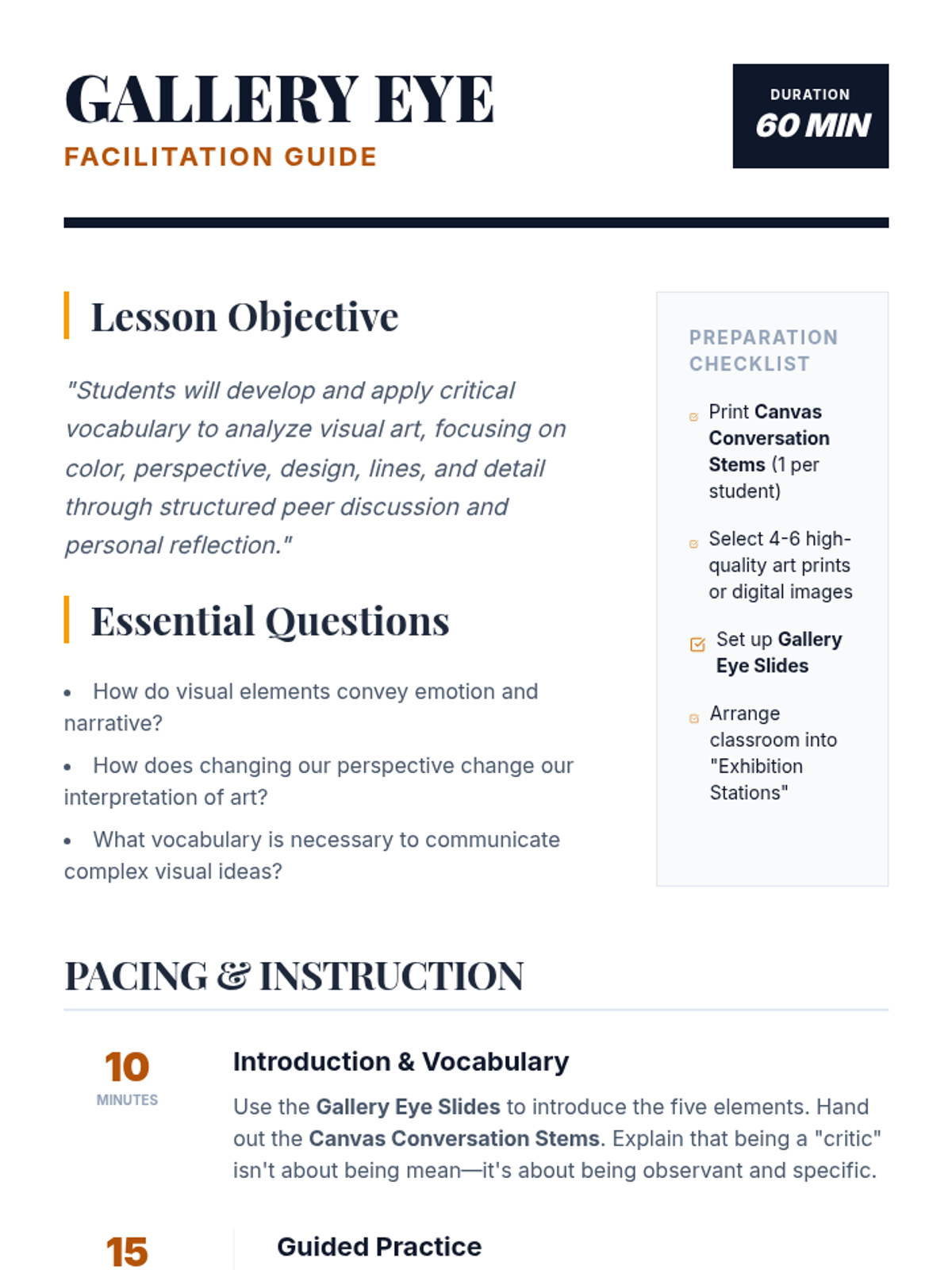
A lesson designed to help students analyze and discuss visual art using specific vocabulary and sentence stems focused on color, perspective, design, lines, and detail.
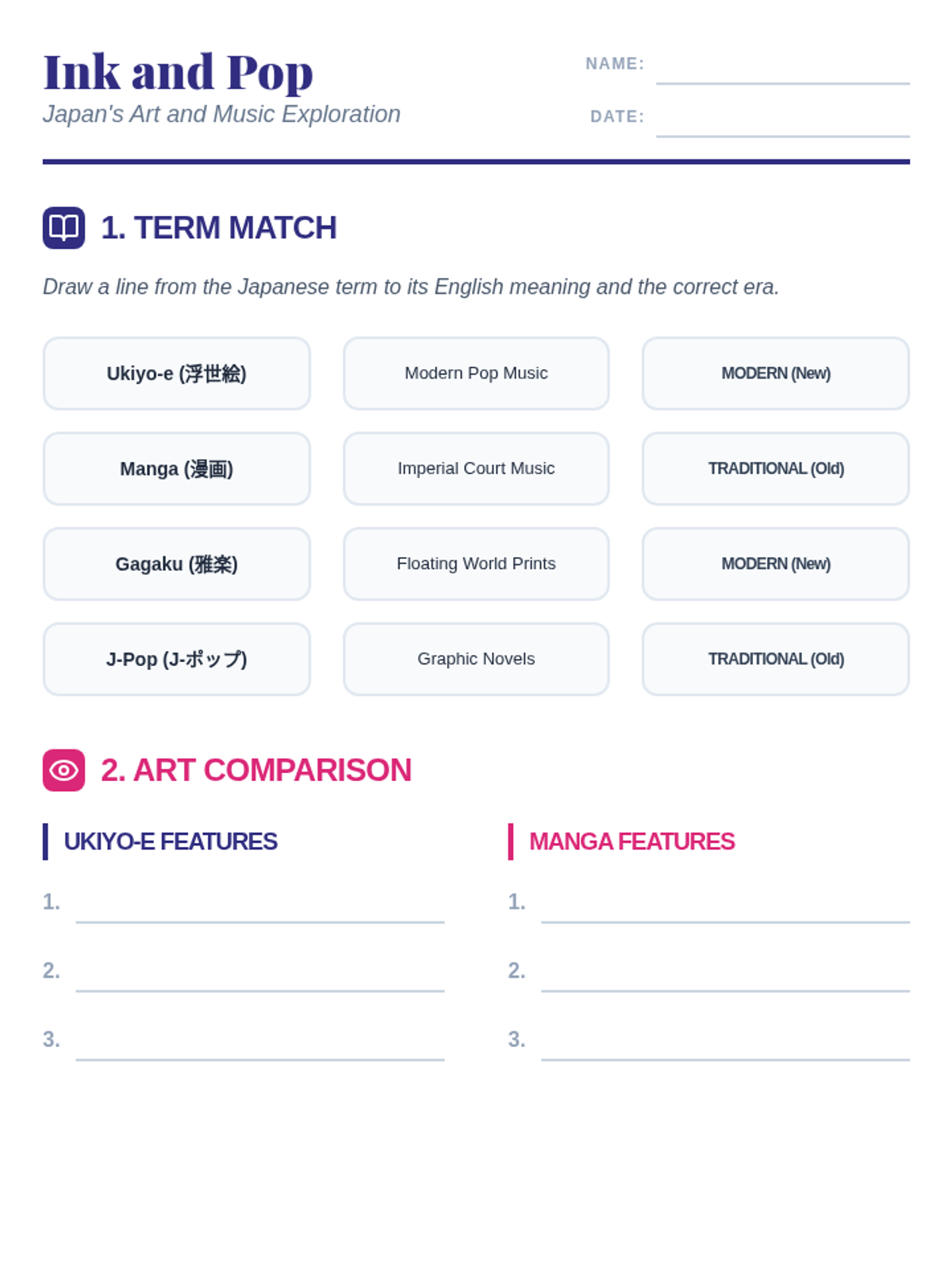
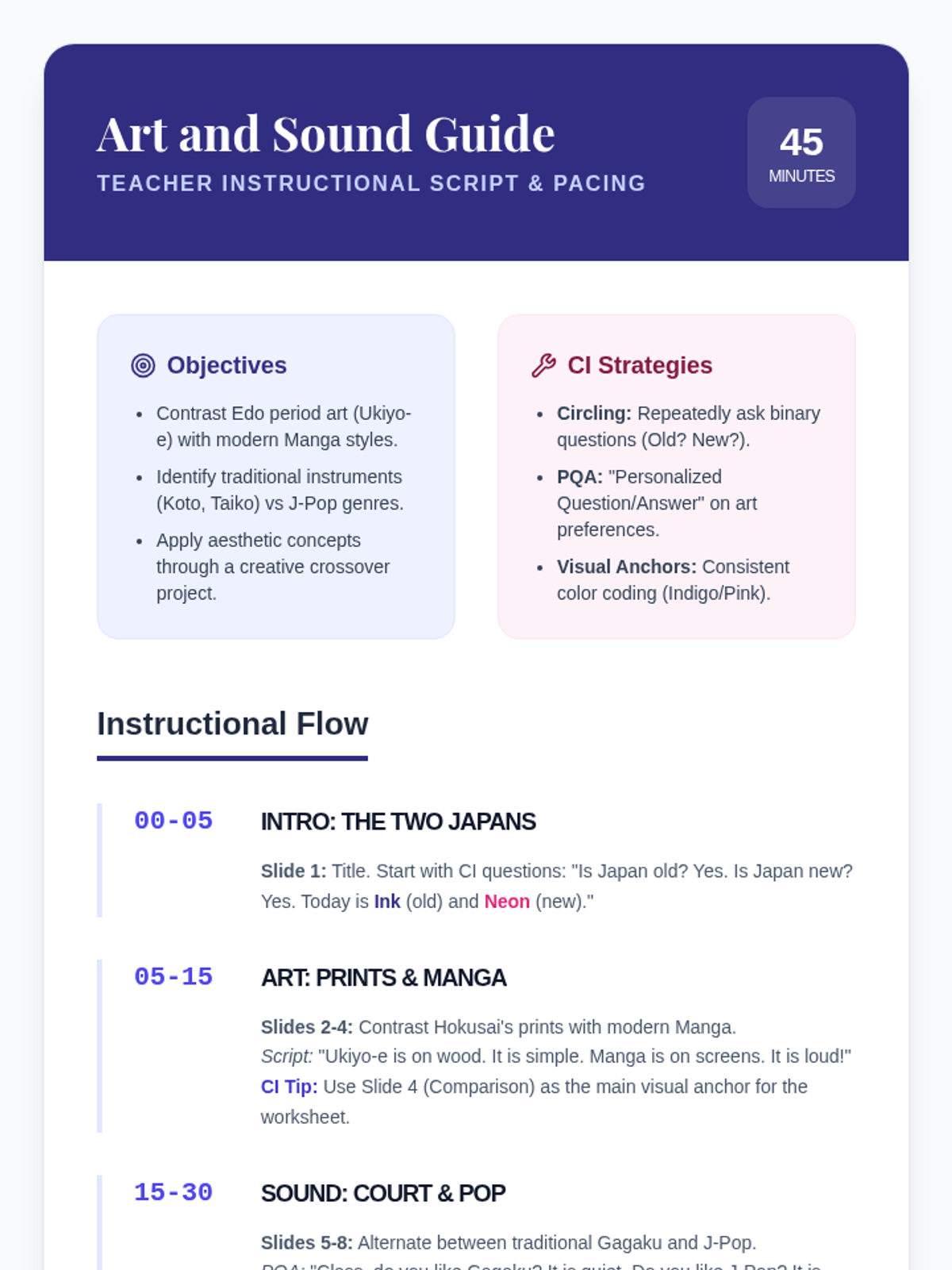
A 45-minute exploratory lesson for 8th graders on Japanese art and music, bridging the Edo period and modern pop culture using Comprehensible Input strategies.
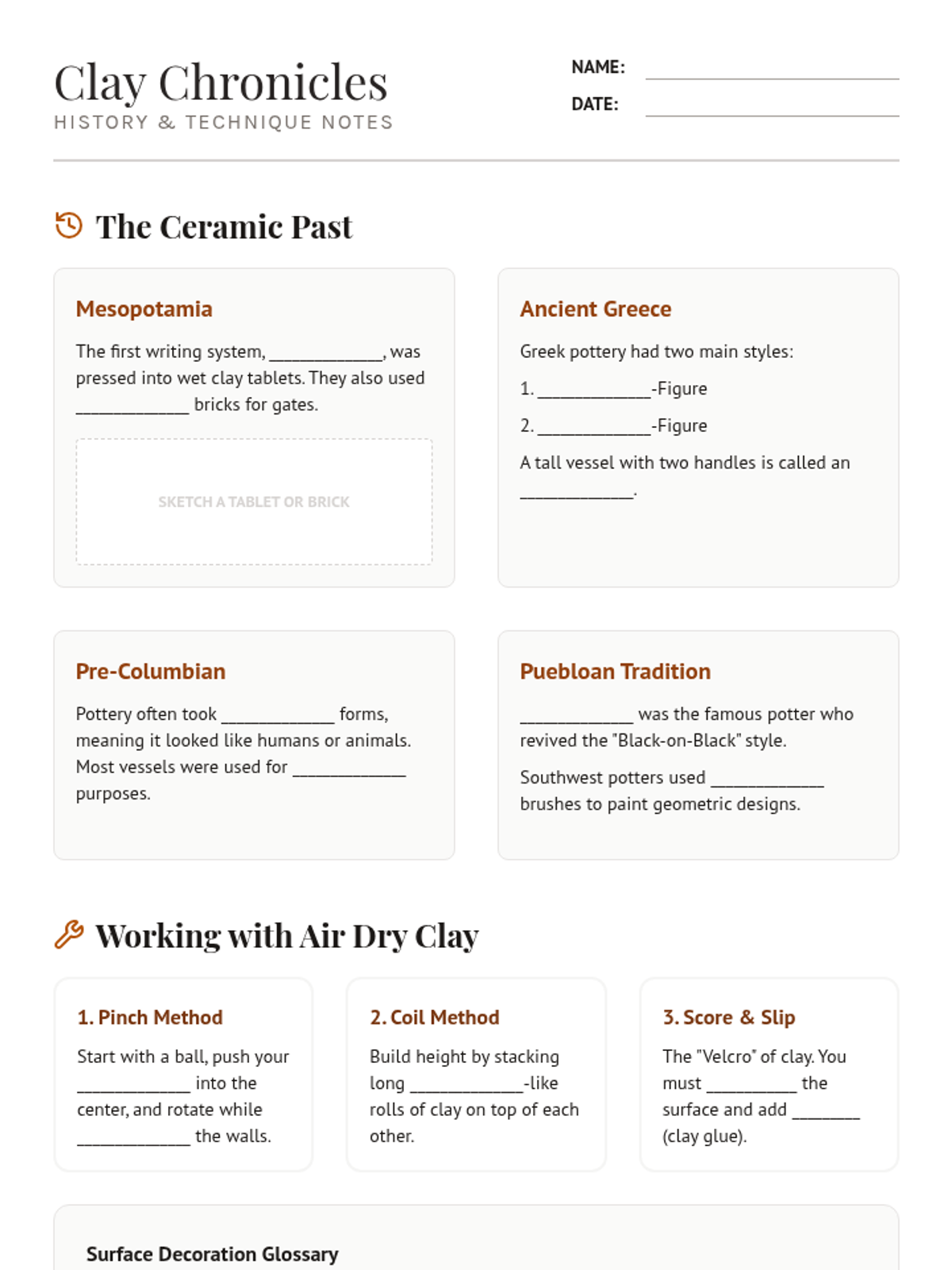
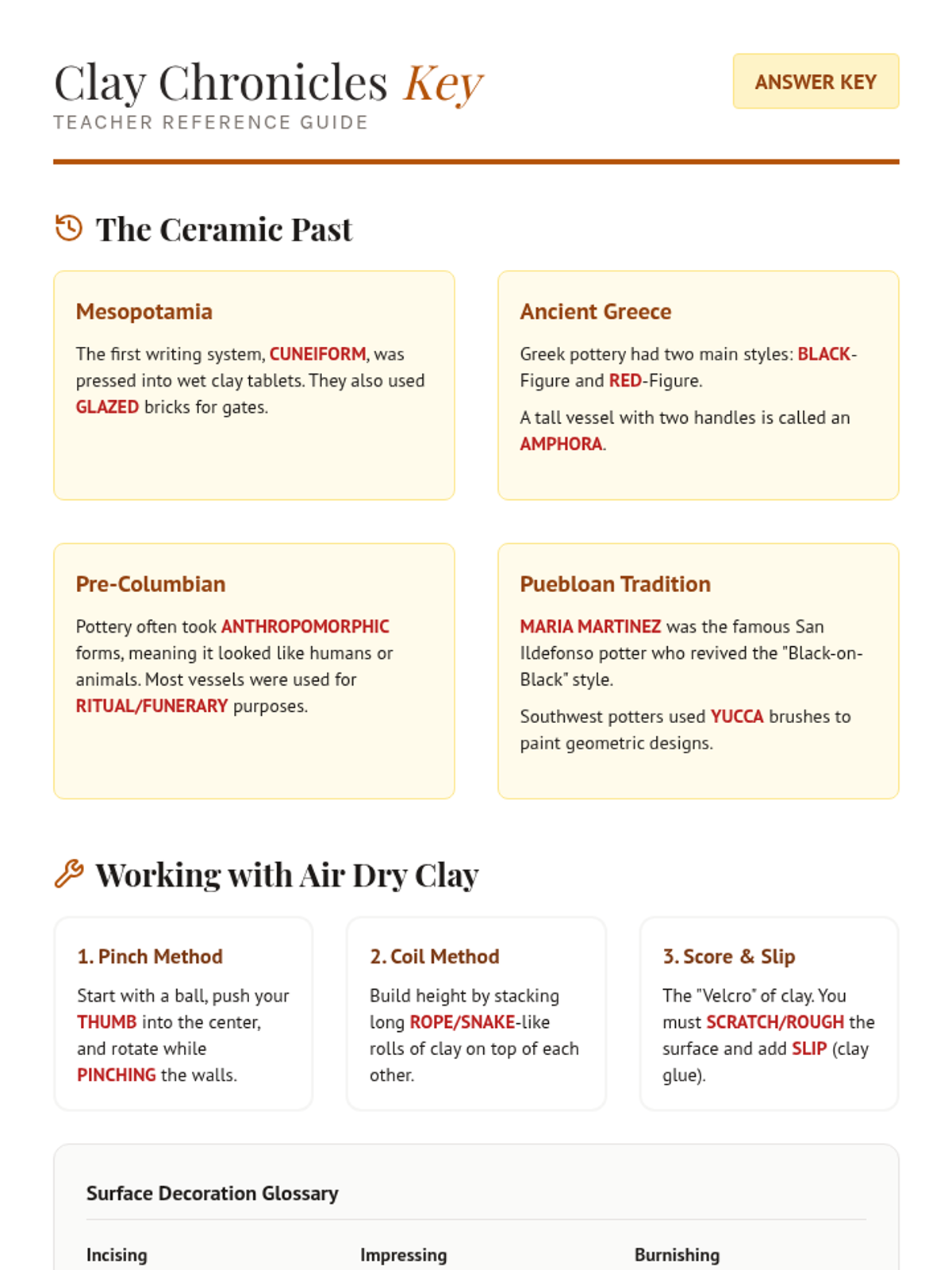
A comprehensive lesson covering the evolution of ceramics across Mesopotamia, Greece, and the Americas, paired with technical skills for working with air-dry clay including pinching, coiling, and joining techniques.
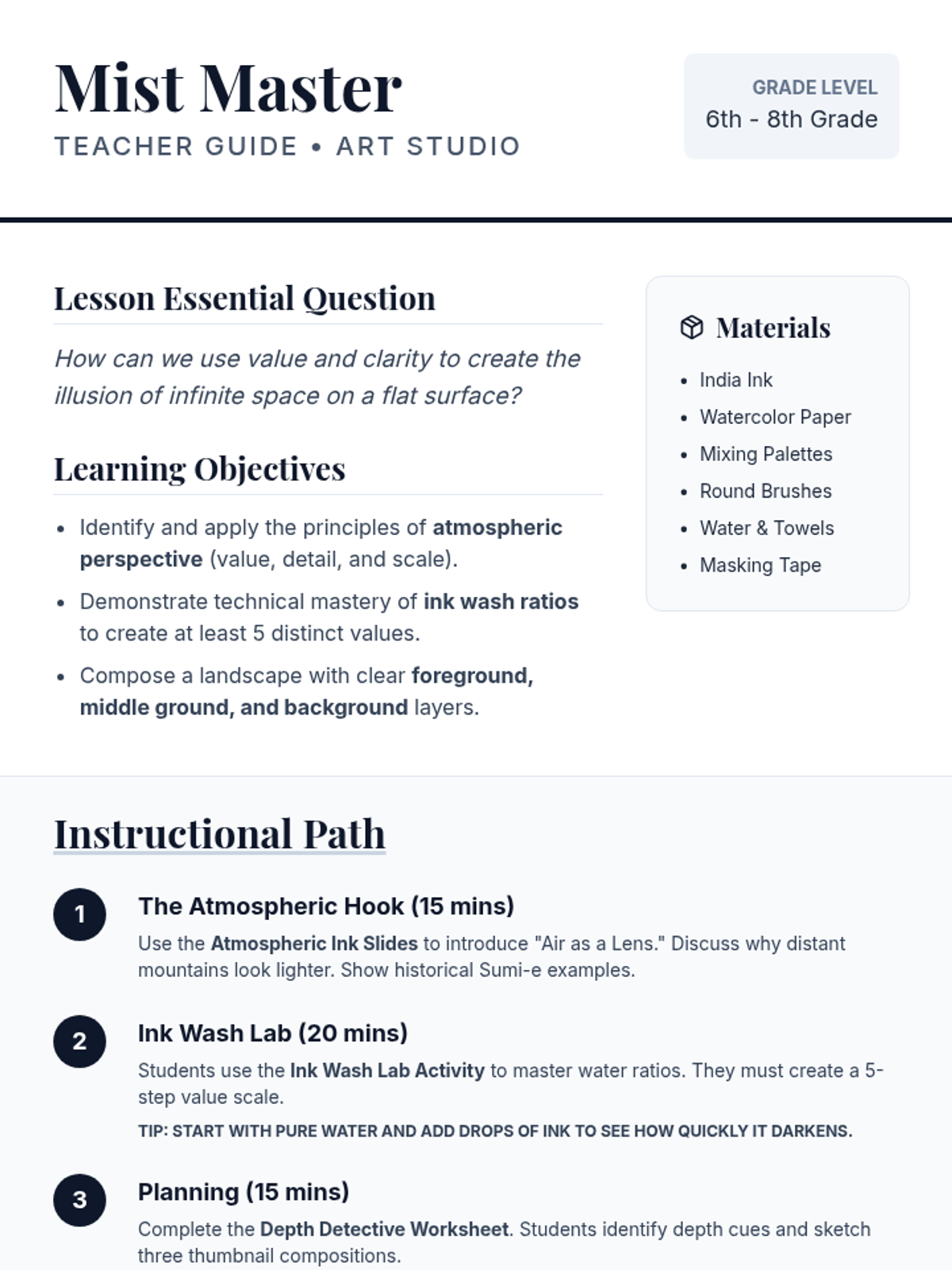
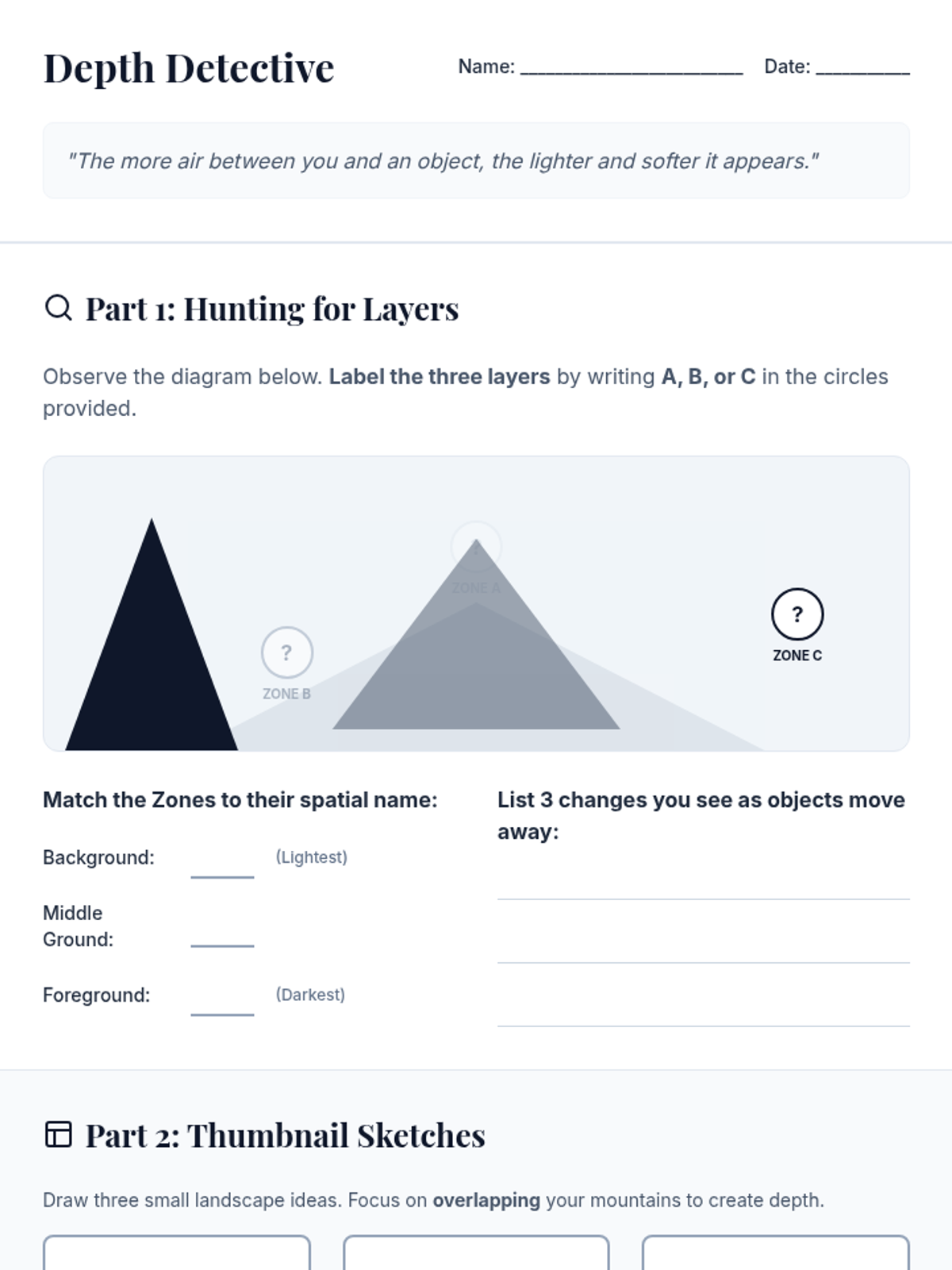
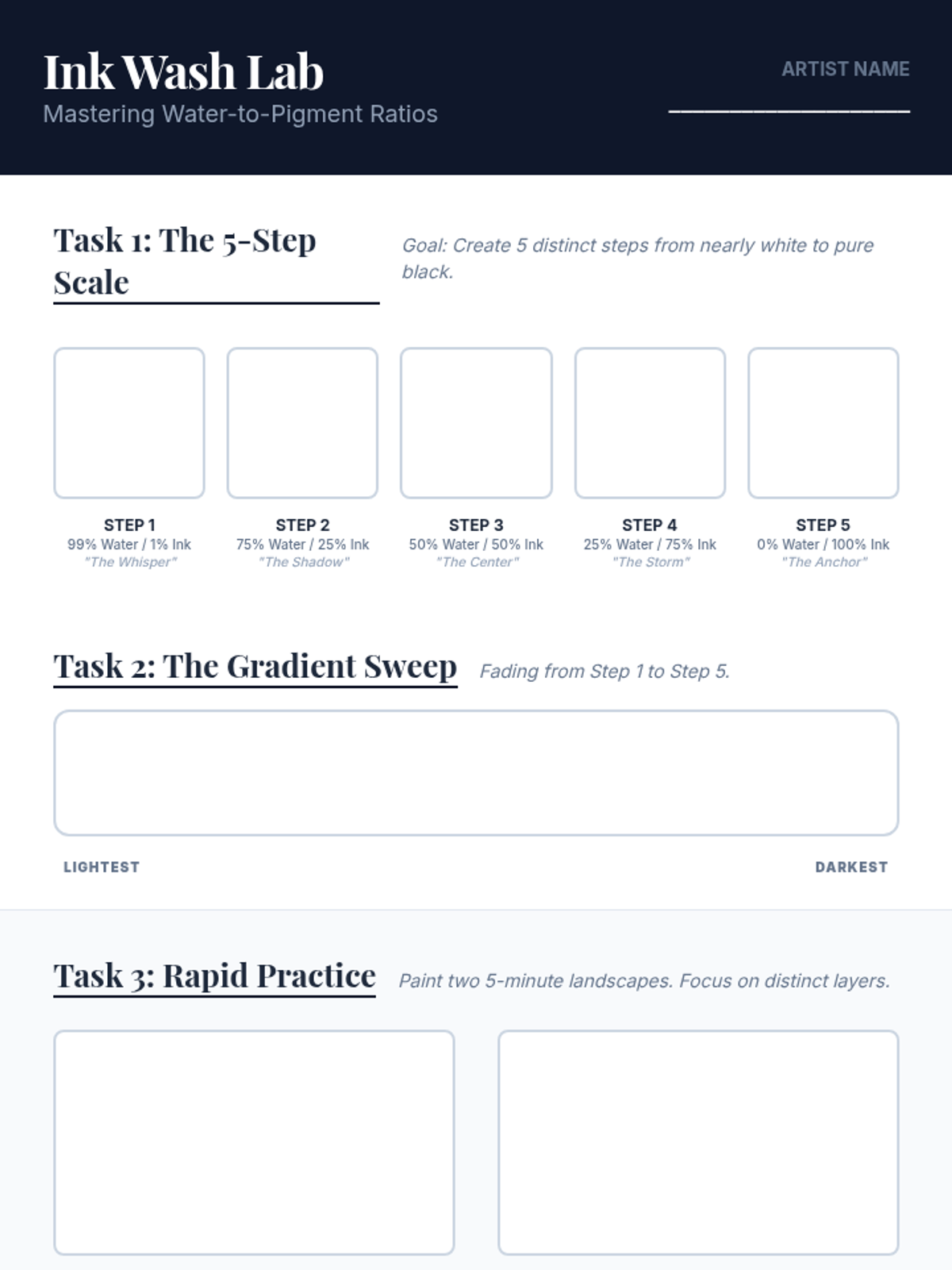
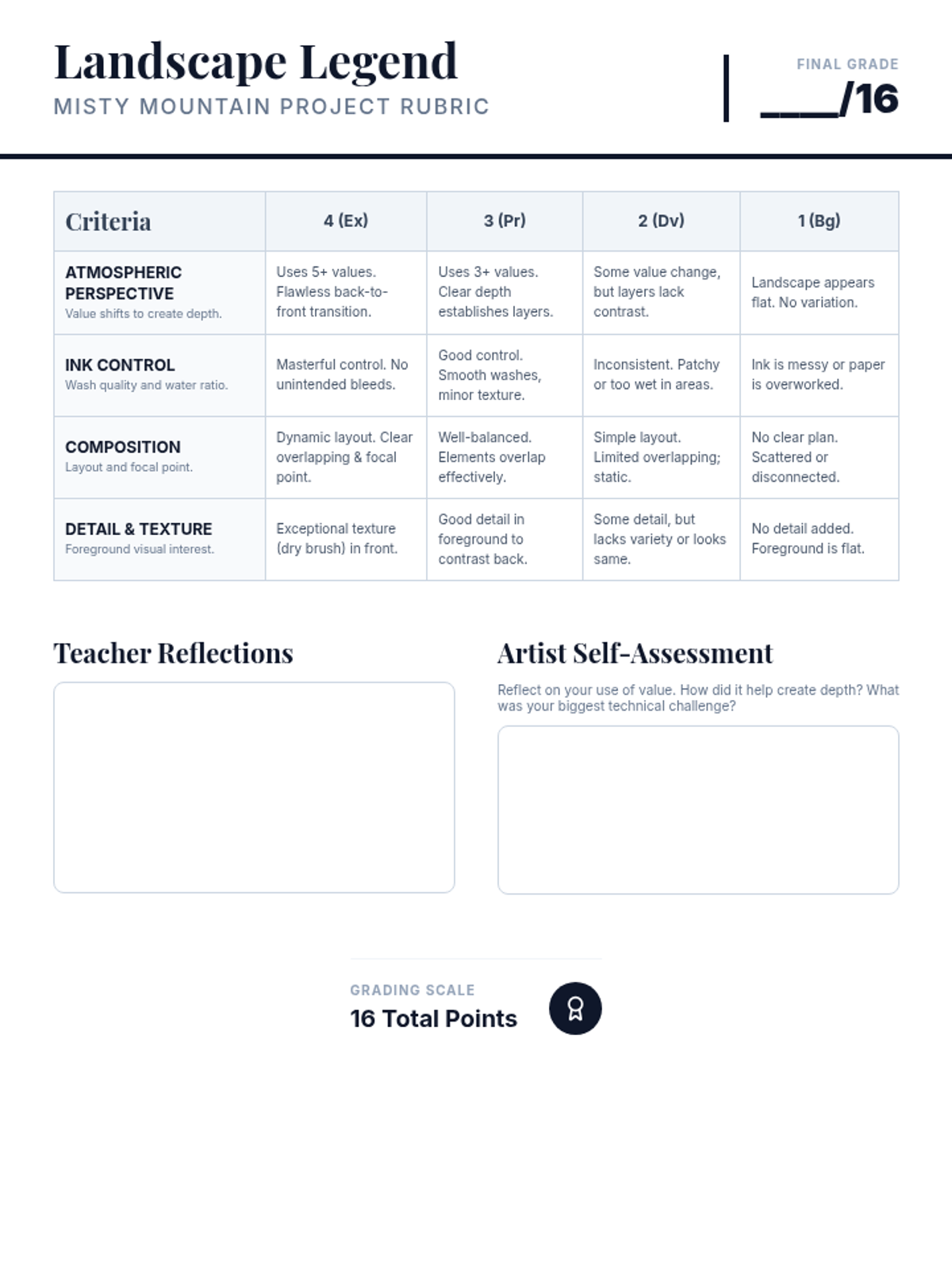
Students explore atmospheric perspective through monochromatic ink wash painting, learning to control water-to-pigment ratios to create depth and mist-filled mountain landscapes.
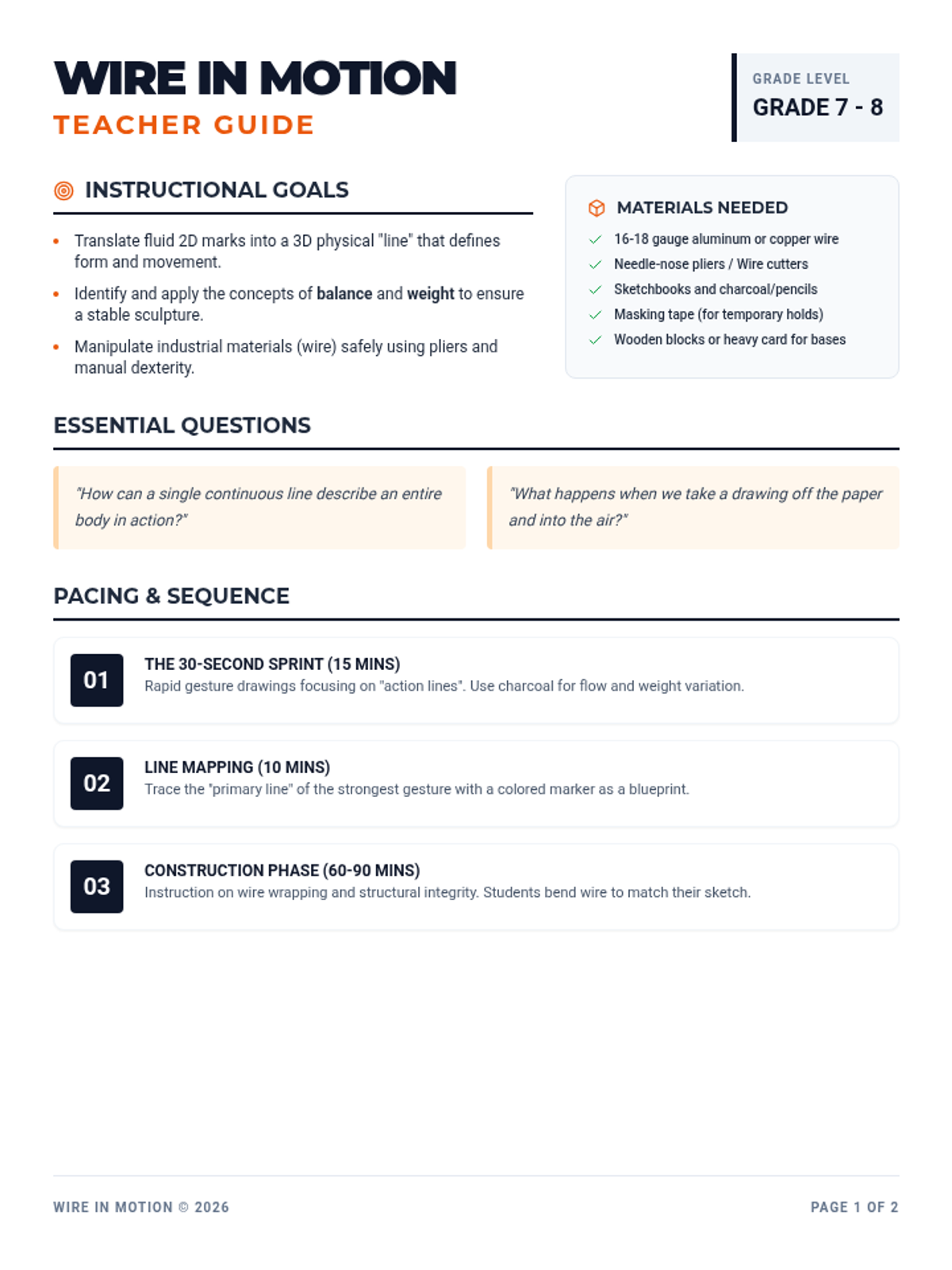
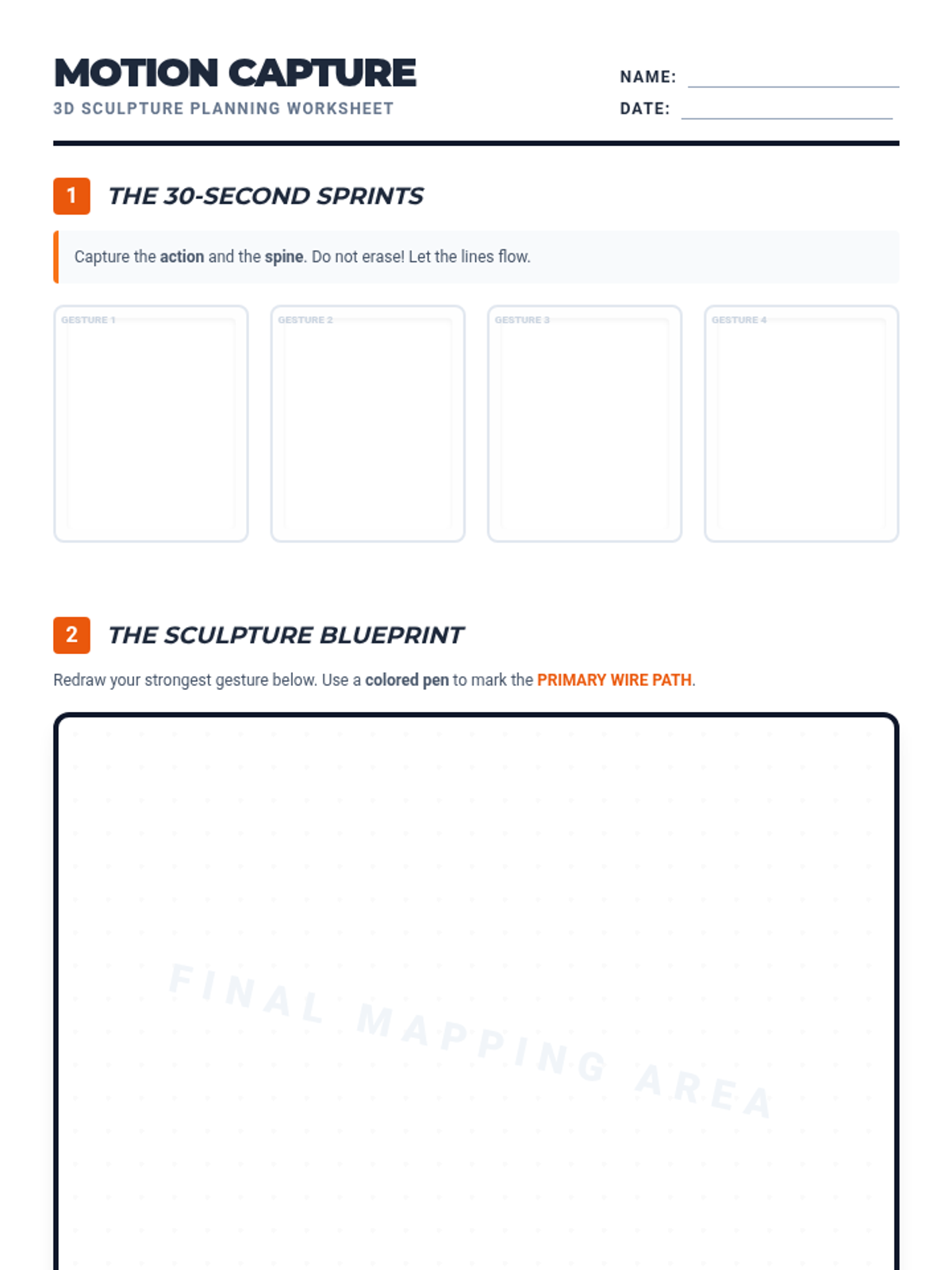
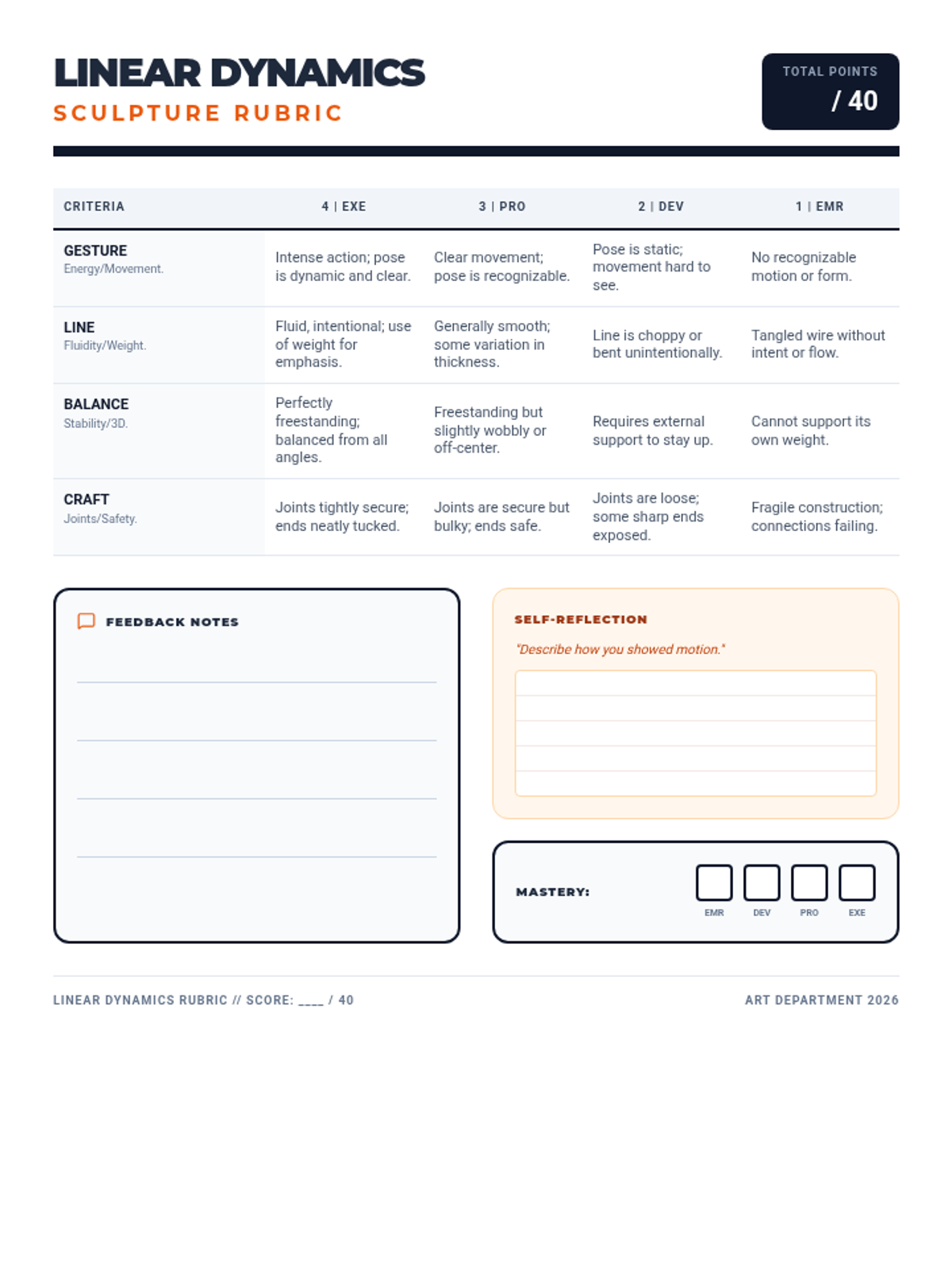
Students translate fluid gesture drawings into three-dimensional wire sculptures, exploring how line creates volume, weight, and motion in space.
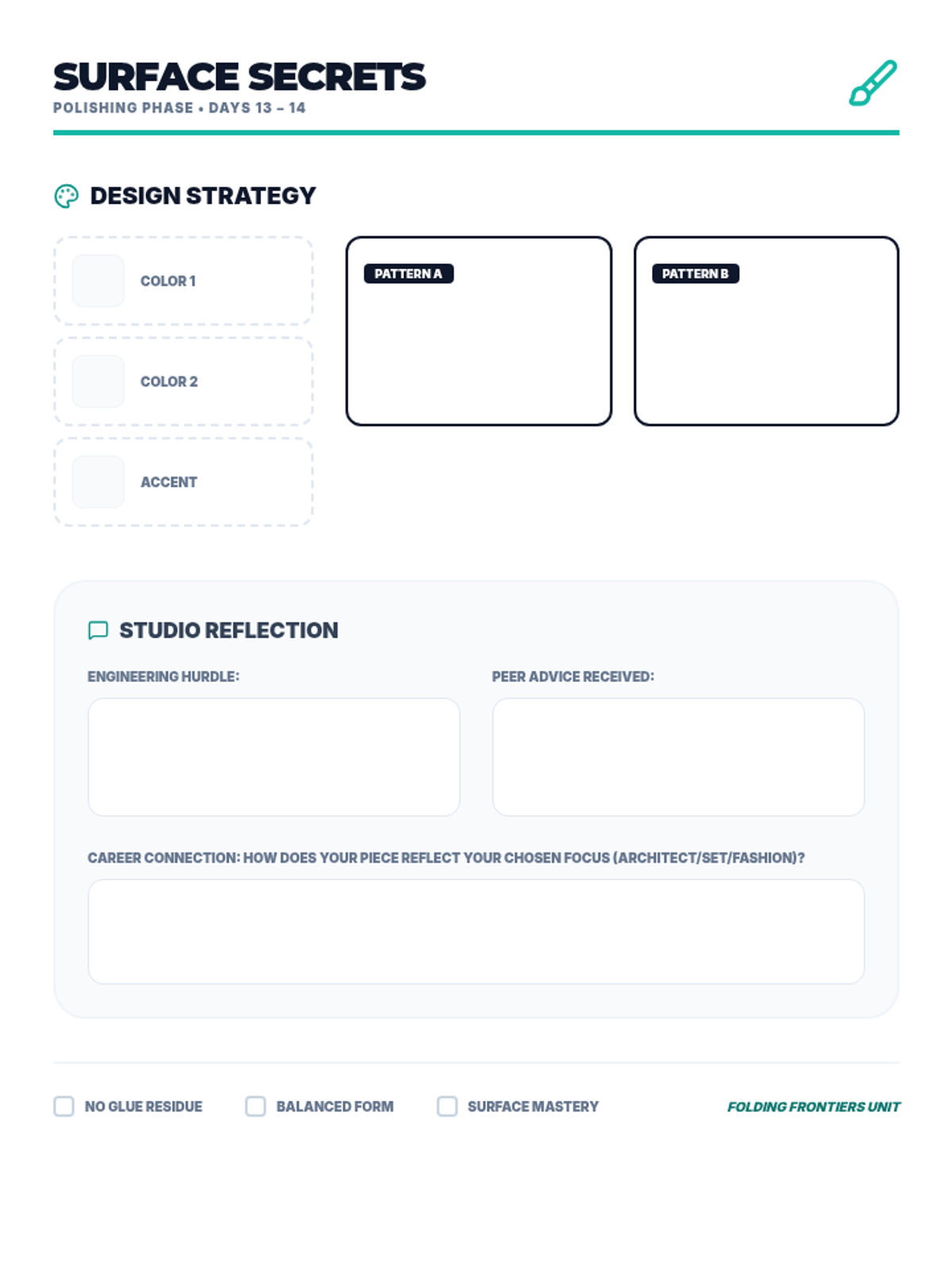
Applying color, texture, and detail using acrylics and paint markers, followed by a final project reflection.
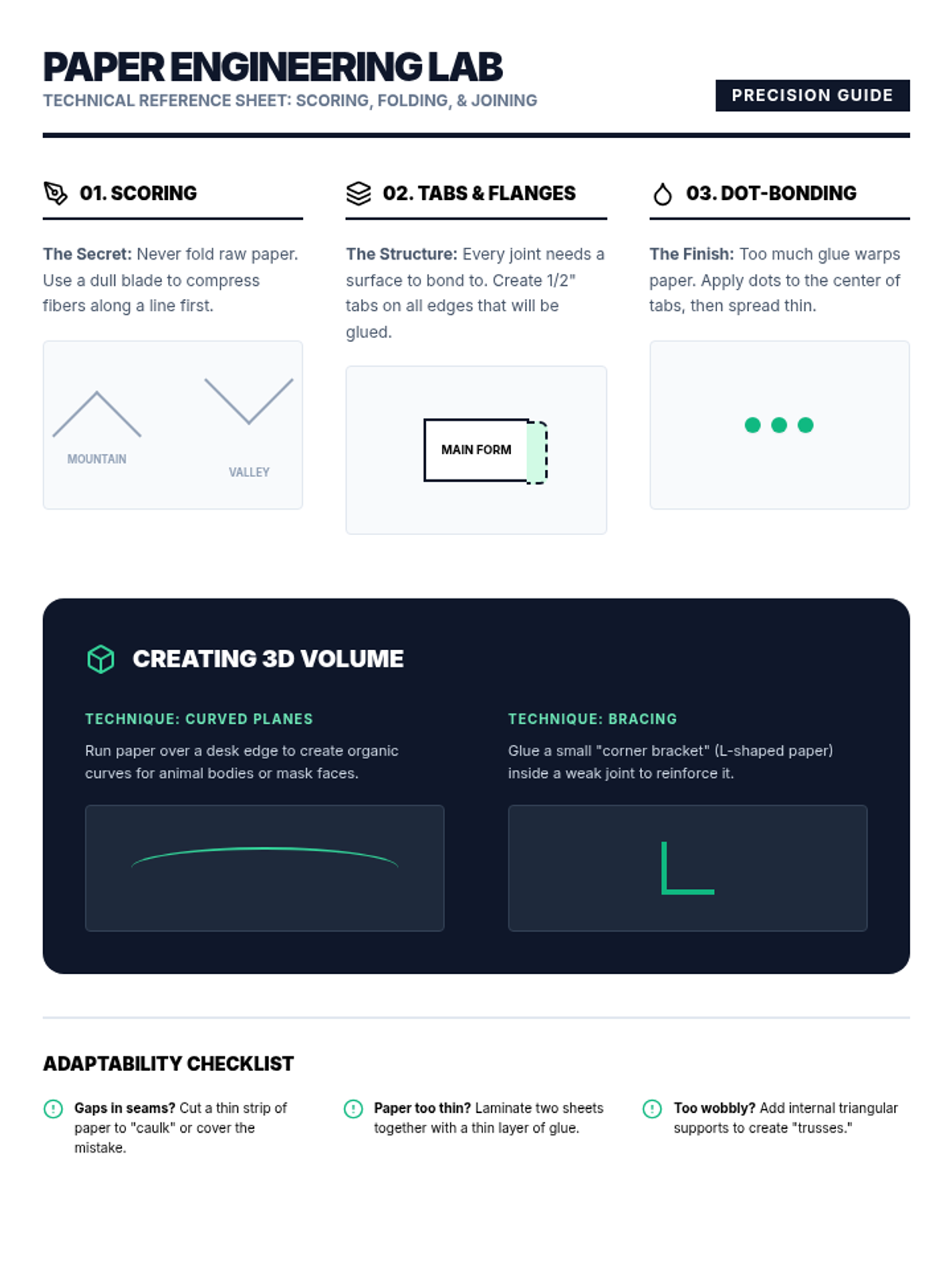
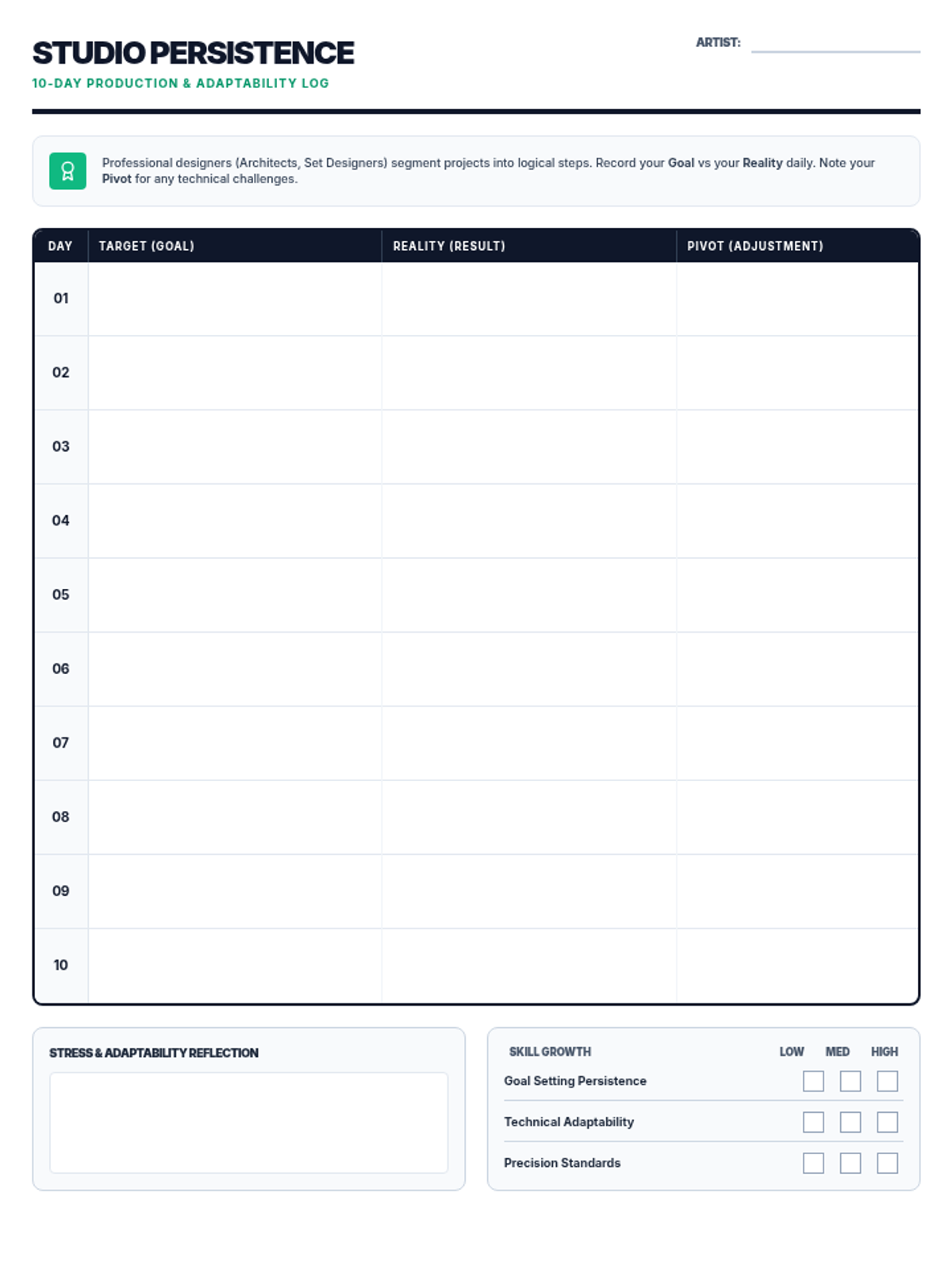
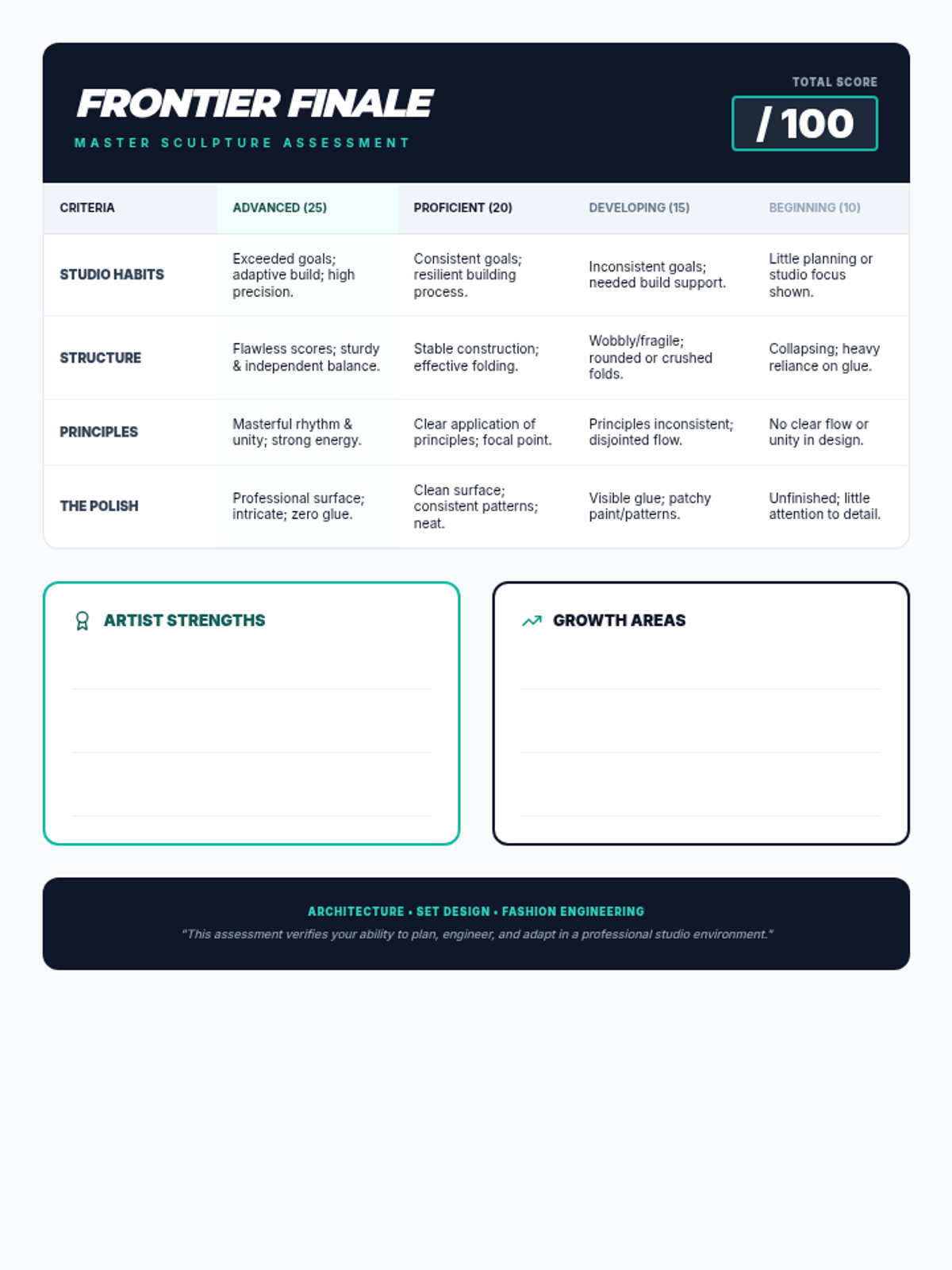
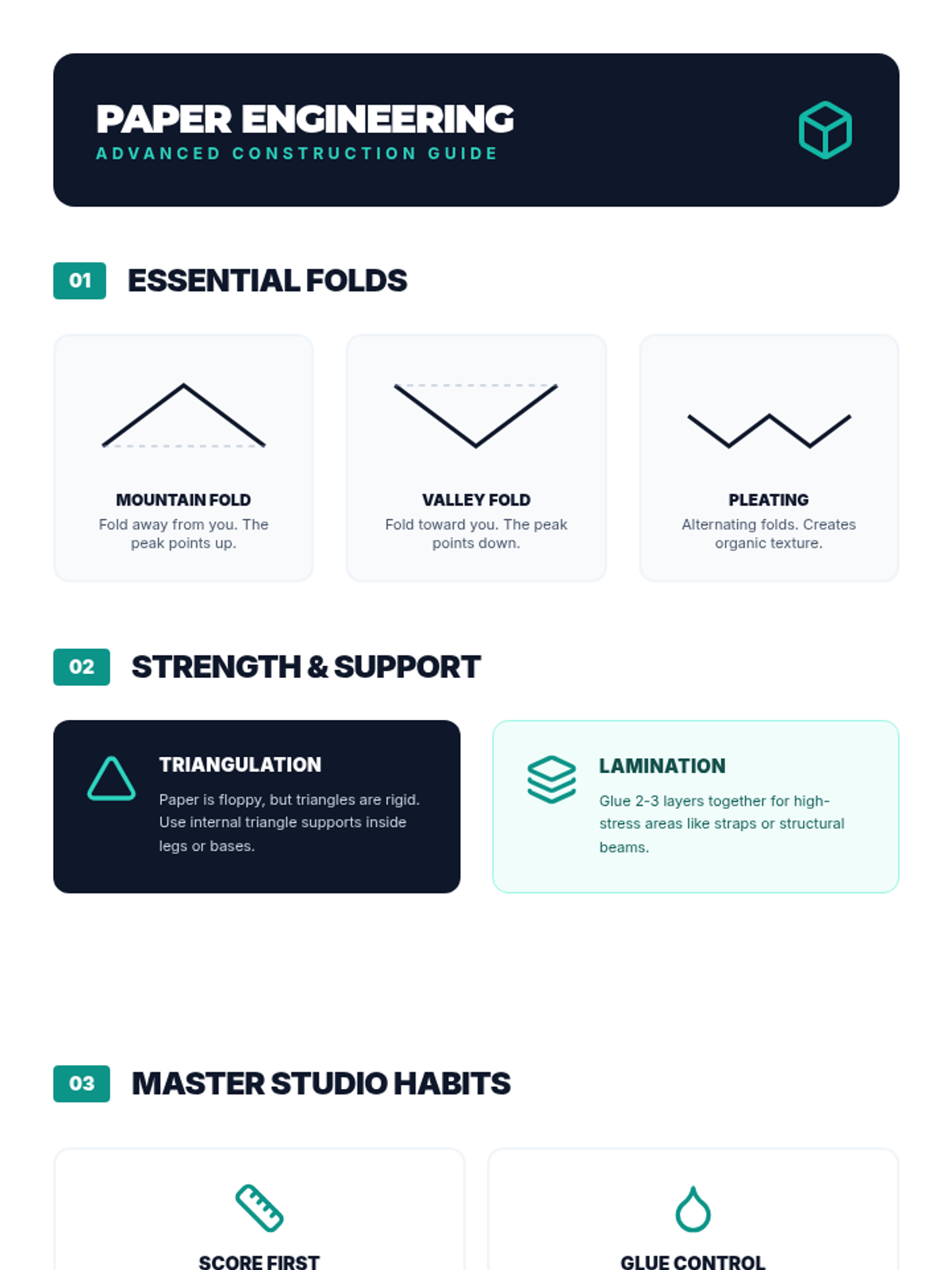
Building the 3D form using advanced folding, scoring, and attachment techniques while practicing studio habits and perseverance.
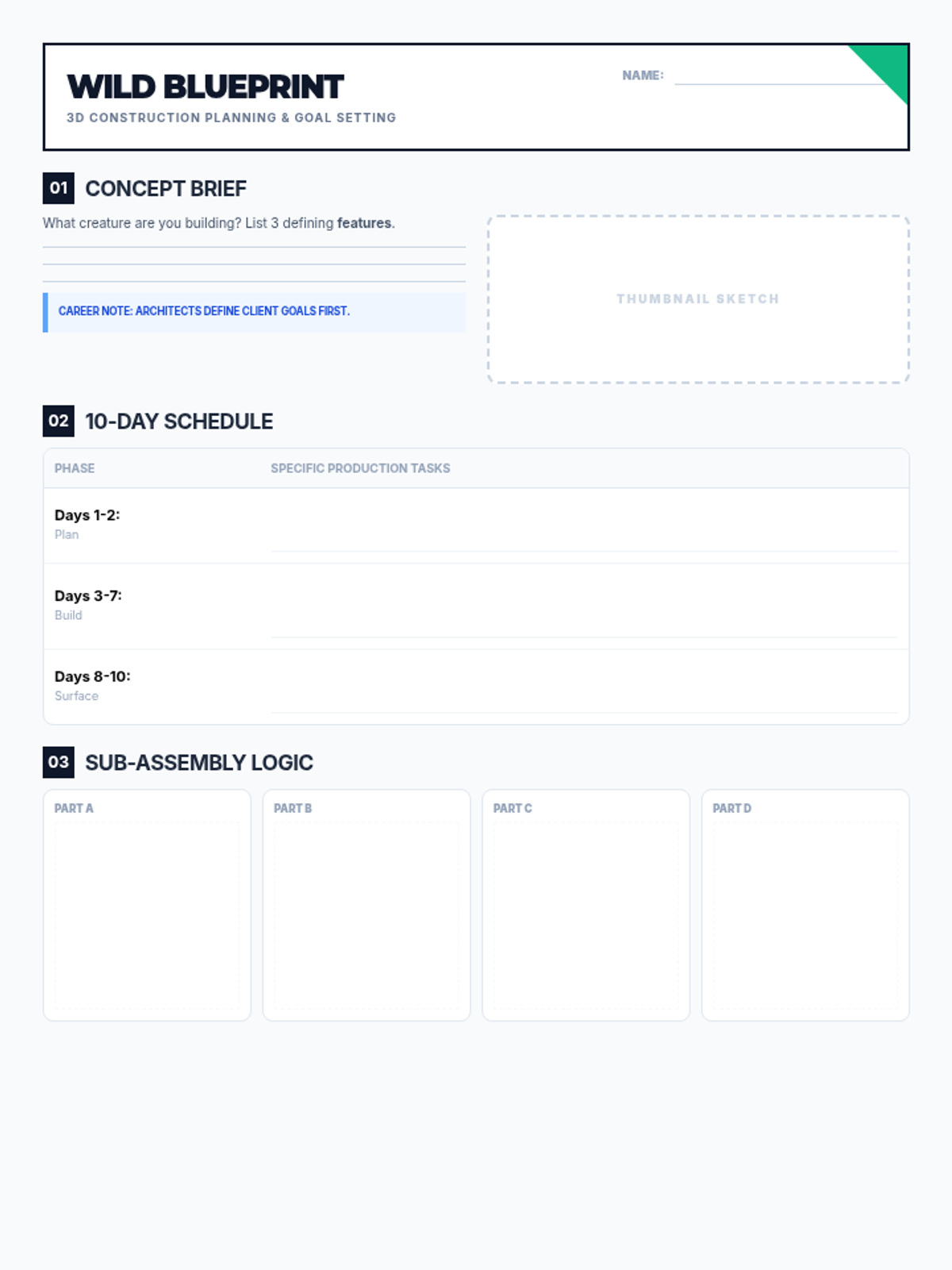
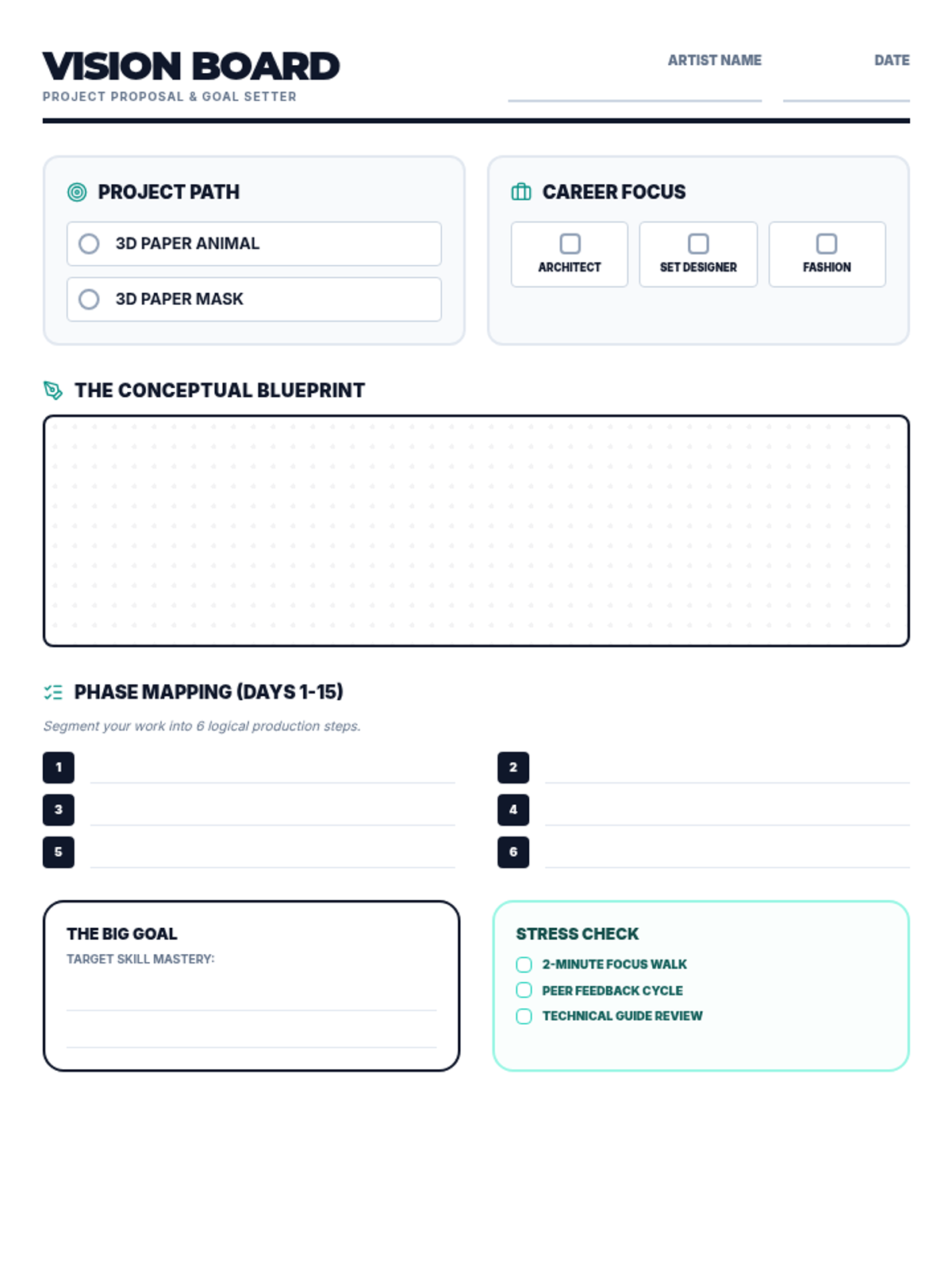
Introduction to paper engineering techniques, career applications, and project planning for 3D paper animal or mask construction.
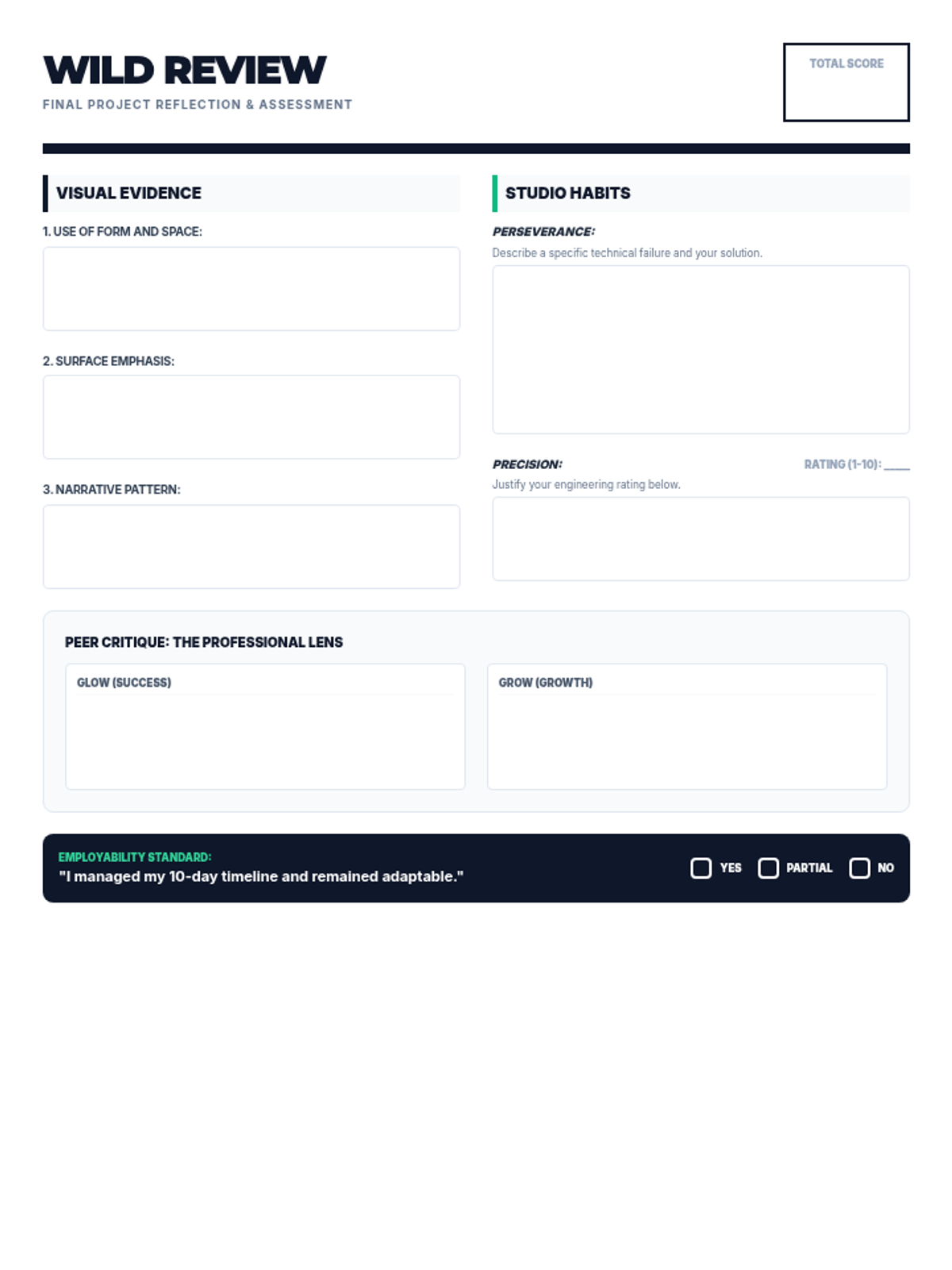
Students apply surface treatments and complete a final self-reflection and gallery critique of their paper sculptures.
The primary construction phase where students build their final 3D forms, focusing on structural integrity, balance, and studio habits.
Focuses on initial conceptualization, career exploration, and mastering paper folding techniques through prototyping and goal setting.
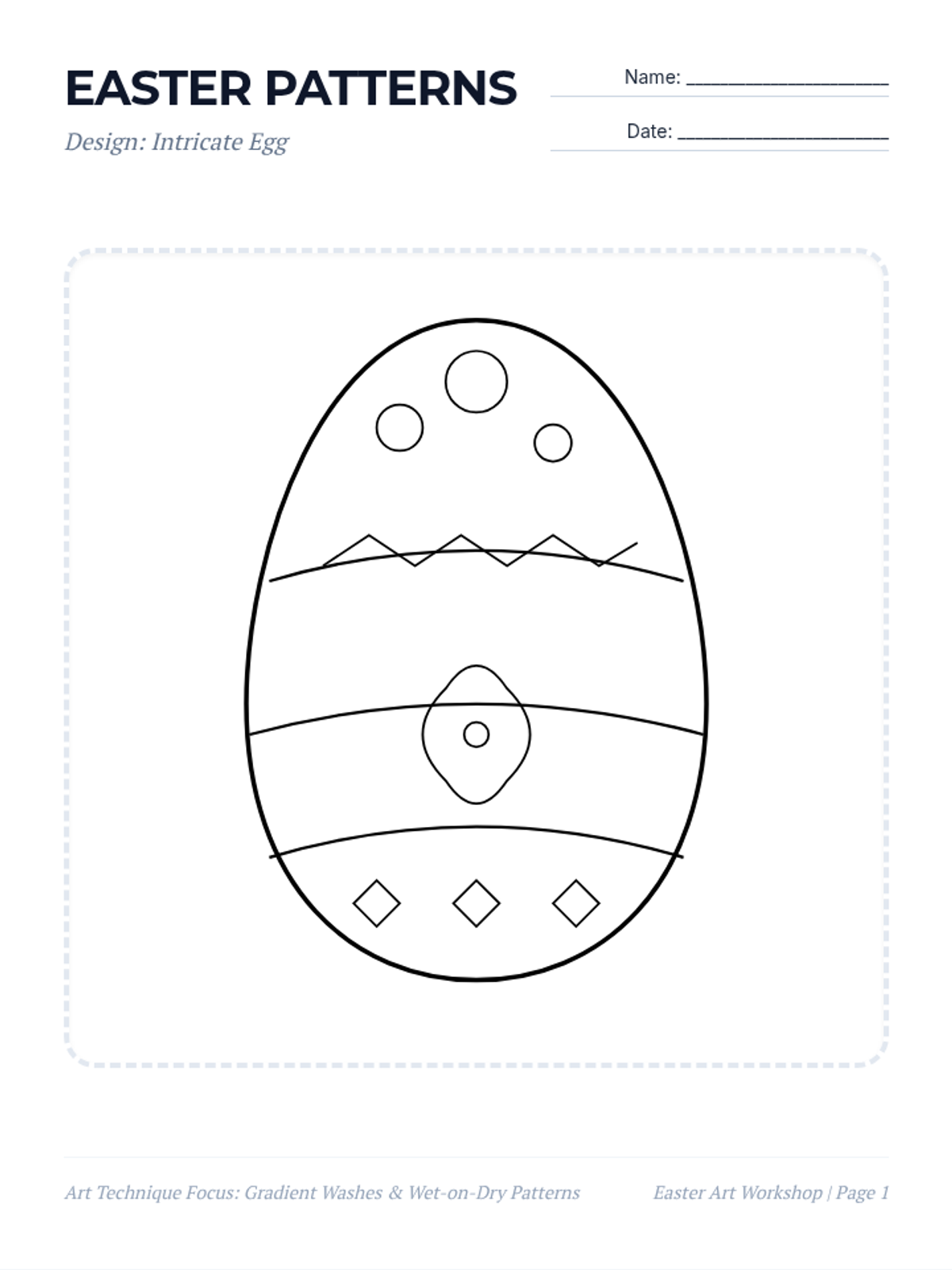
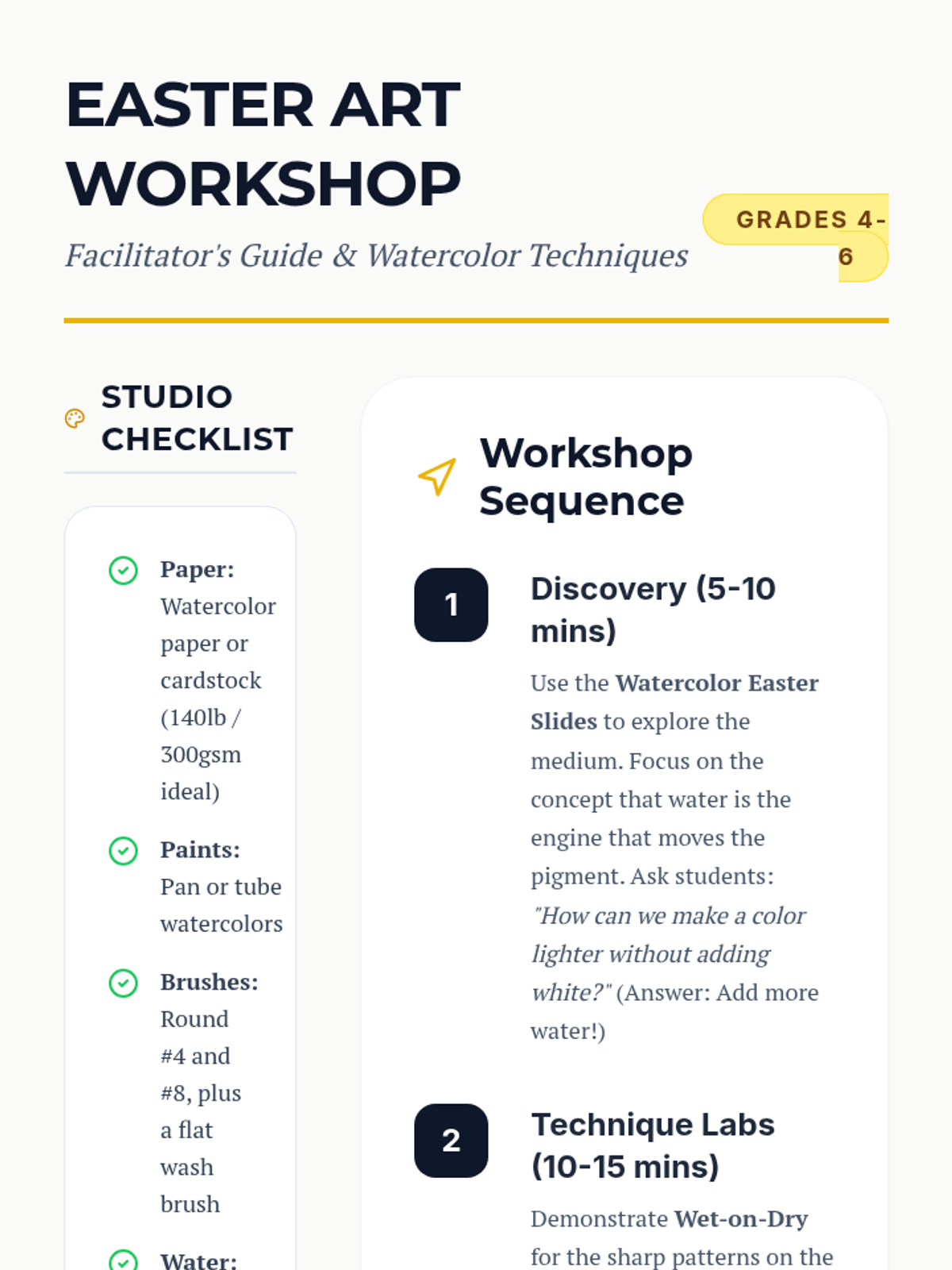
A creative art lesson focused on watercolor techniques using Easter-themed outlines, designed for upper elementary and middle school students.
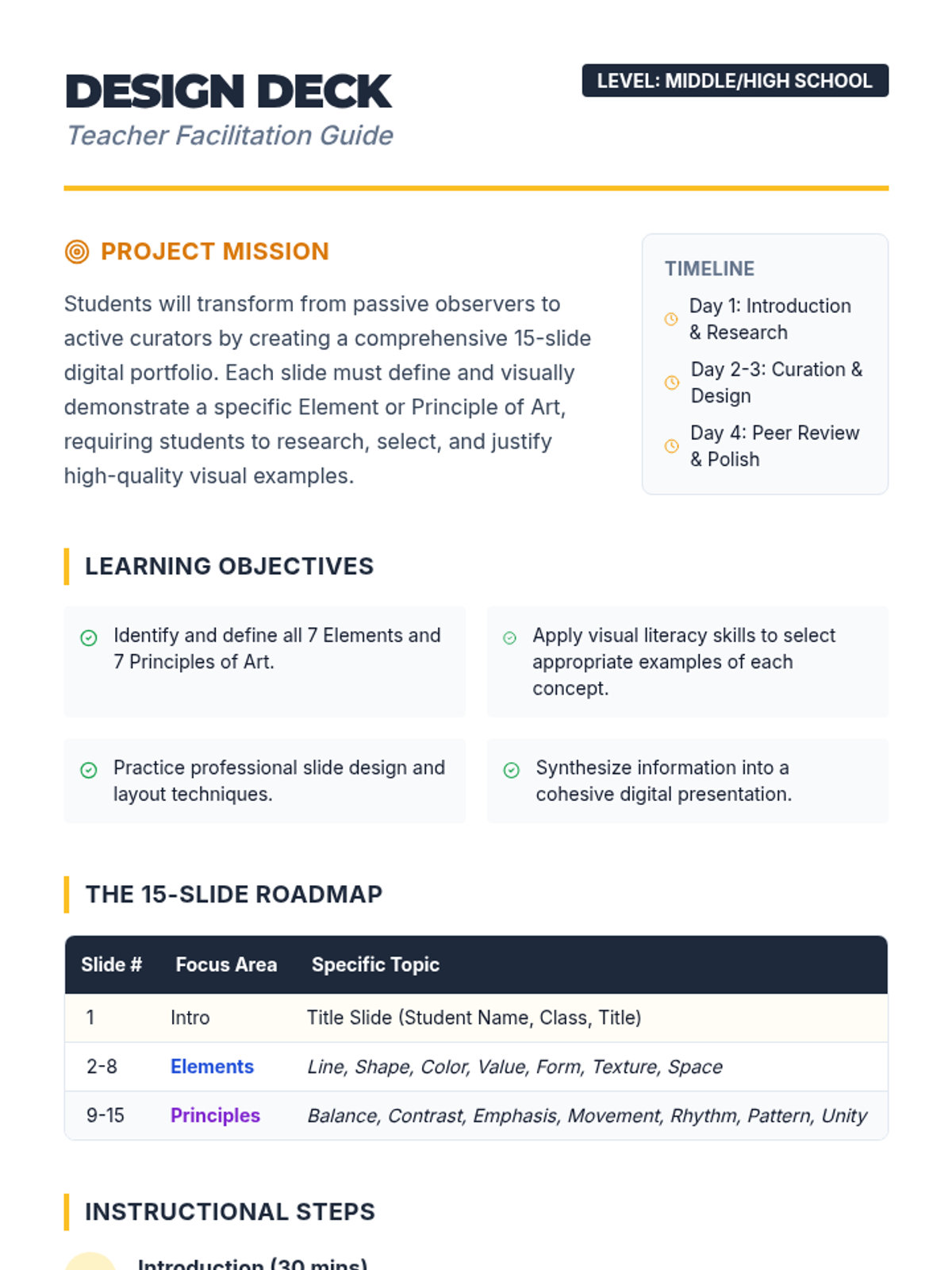
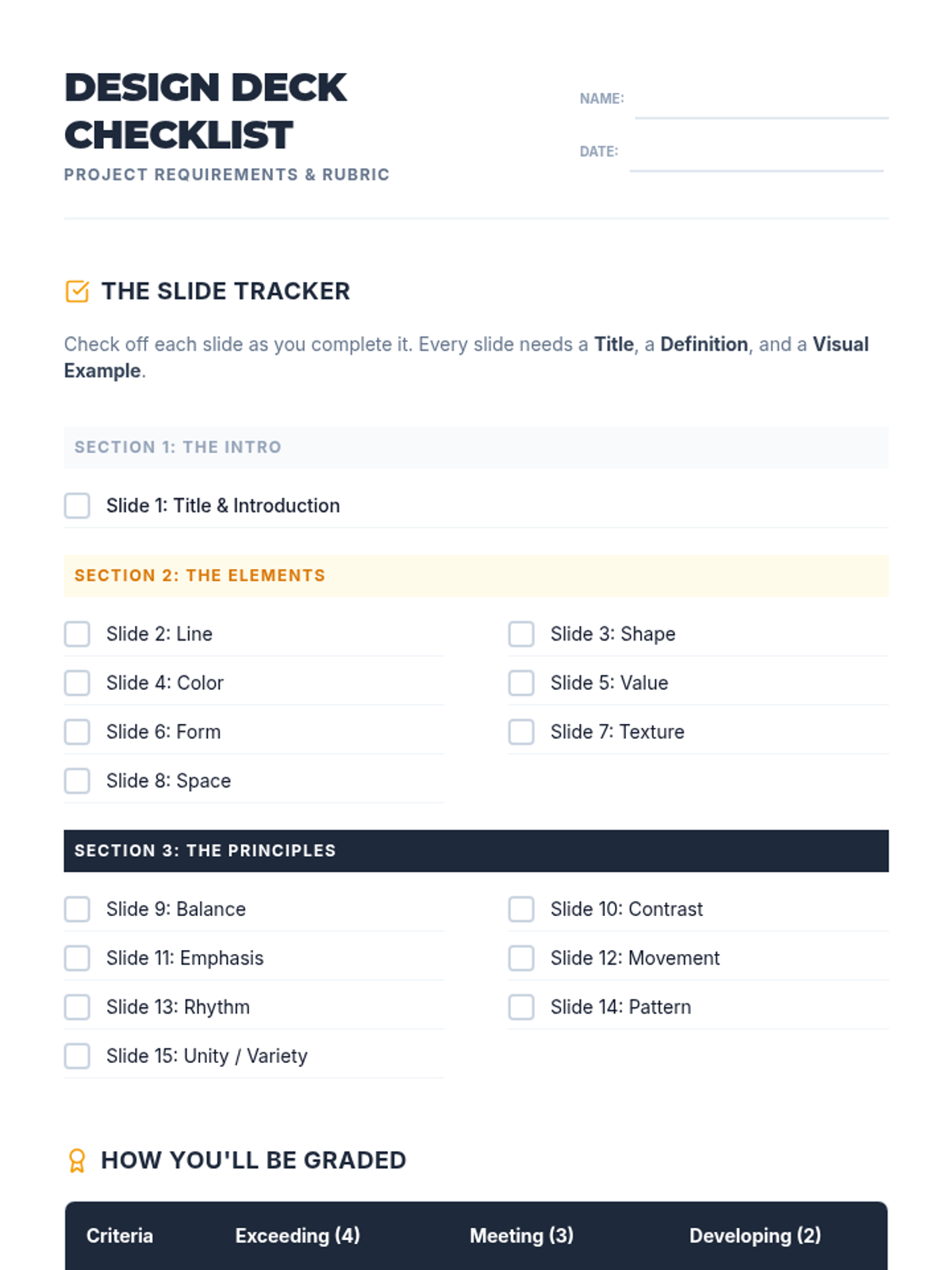
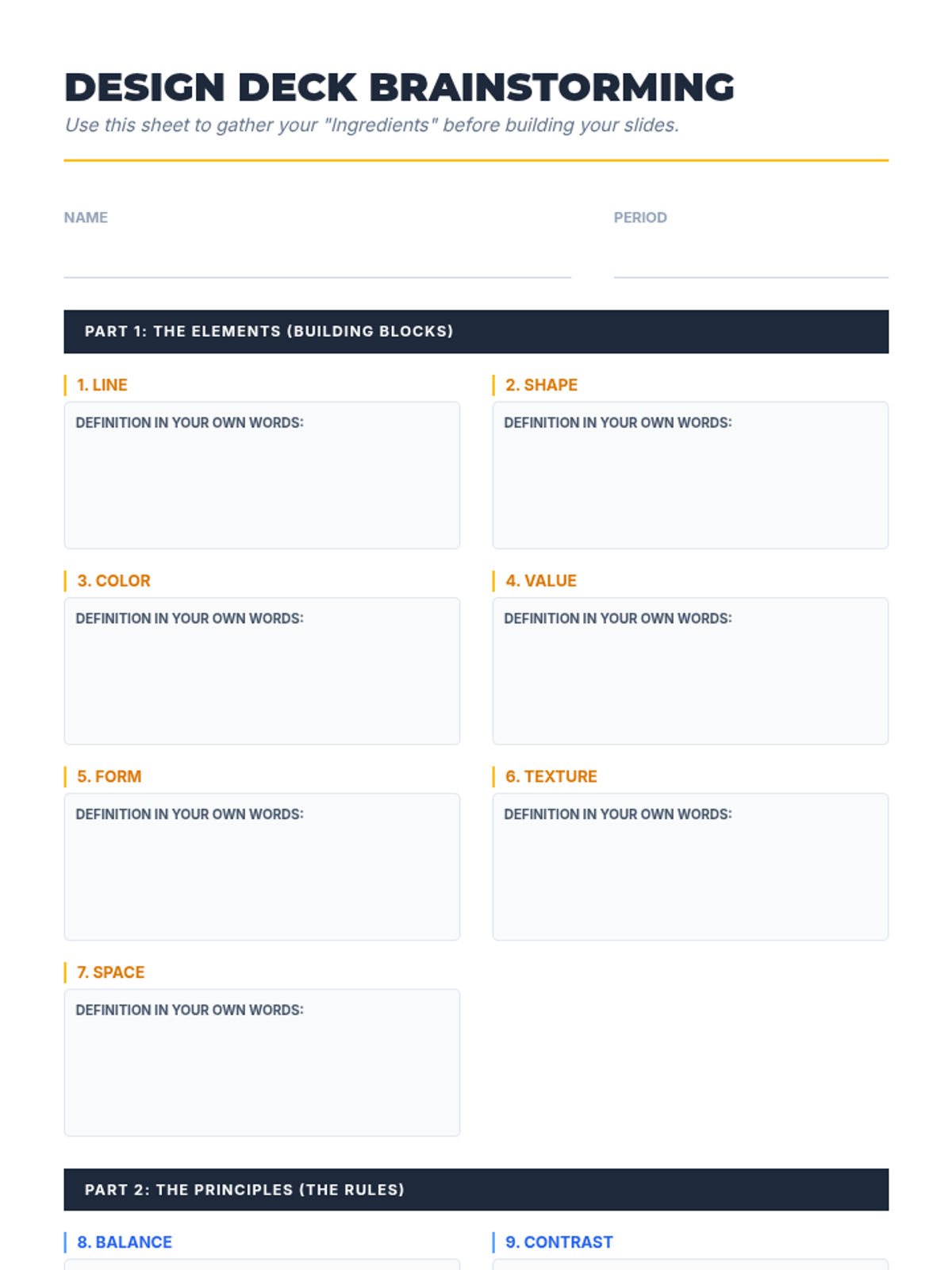
A comprehensive project where students create a 15-slide digital portfolio exploring every element and principle of art through research and visual curation.