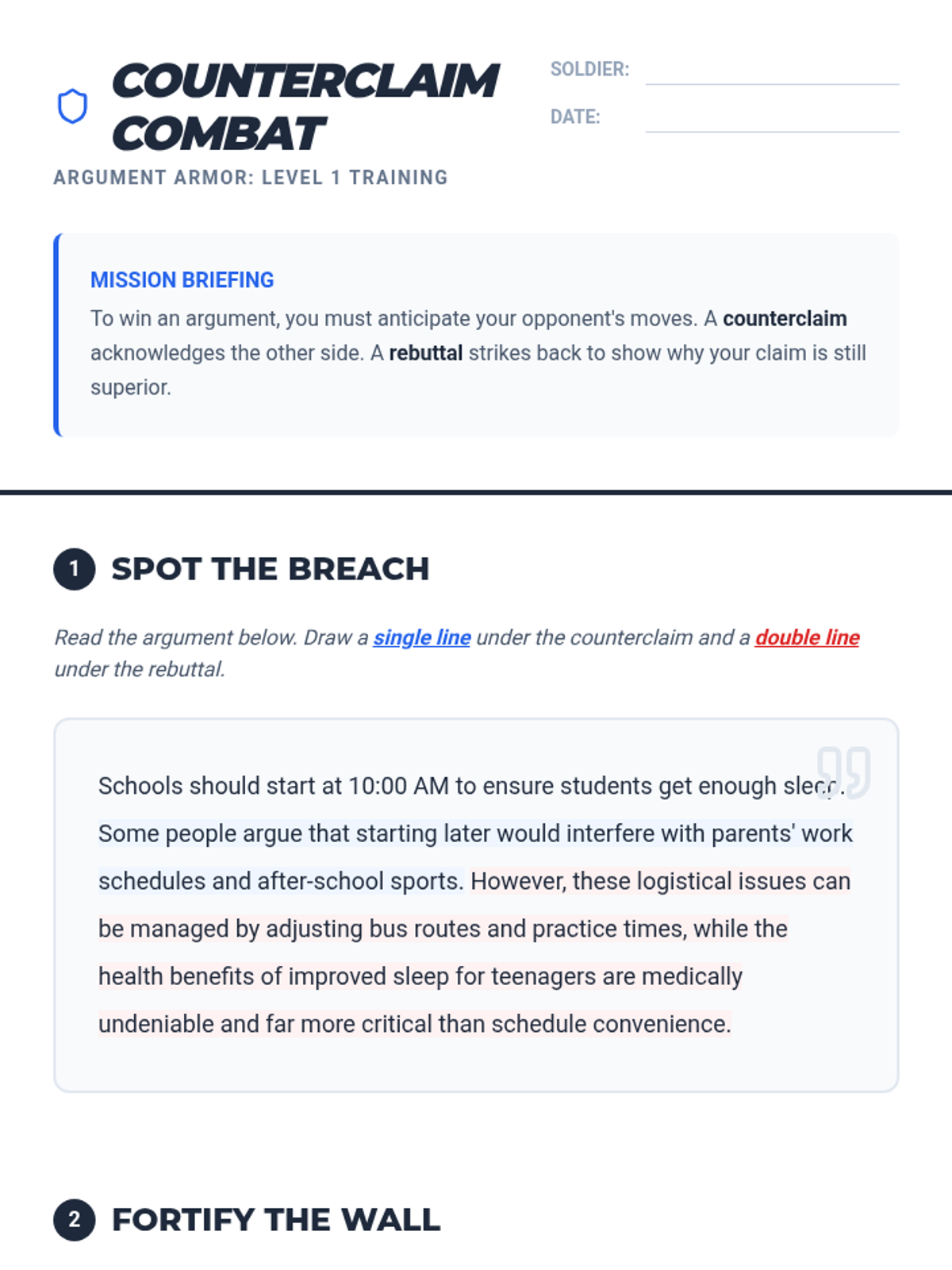
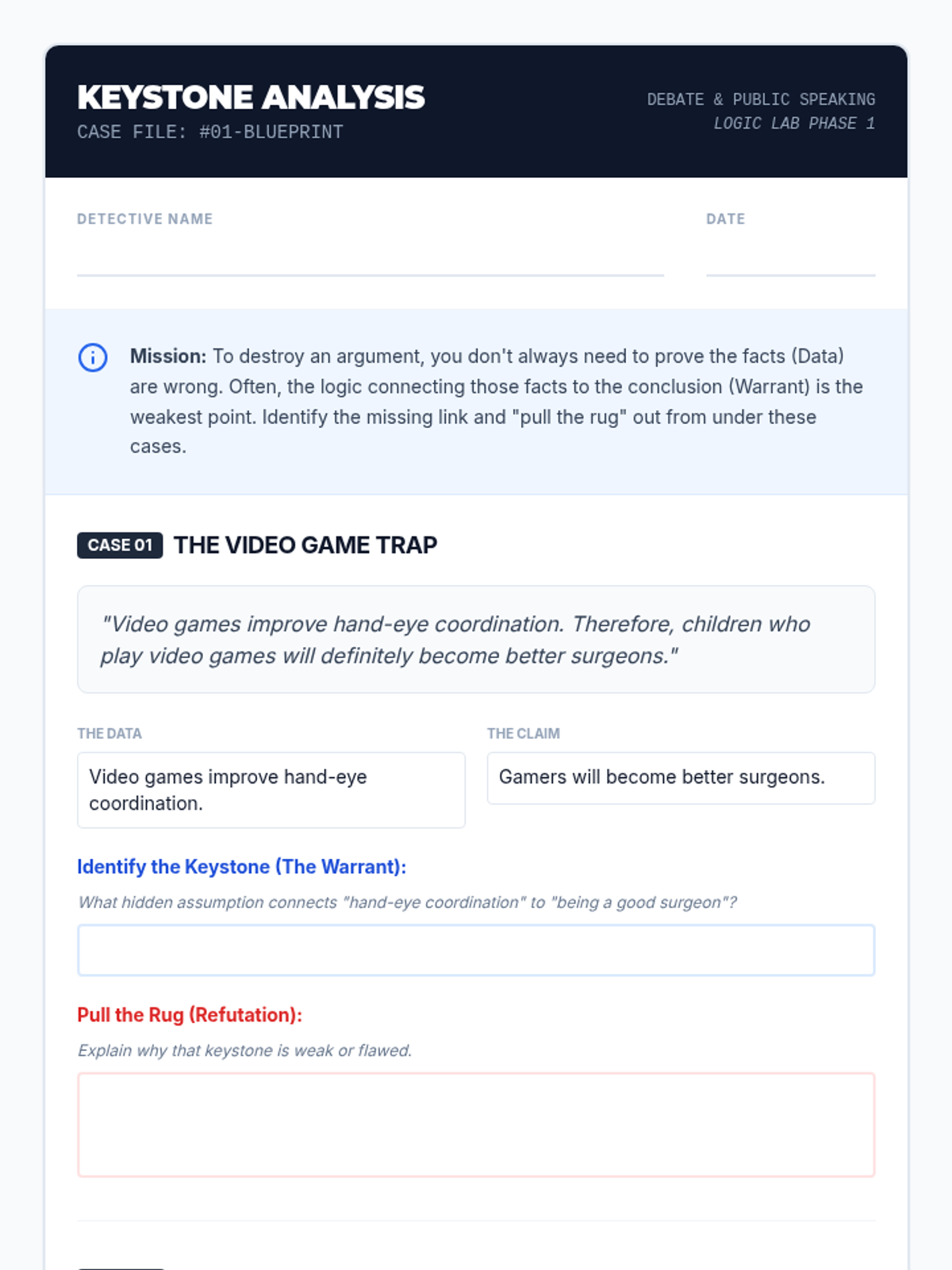
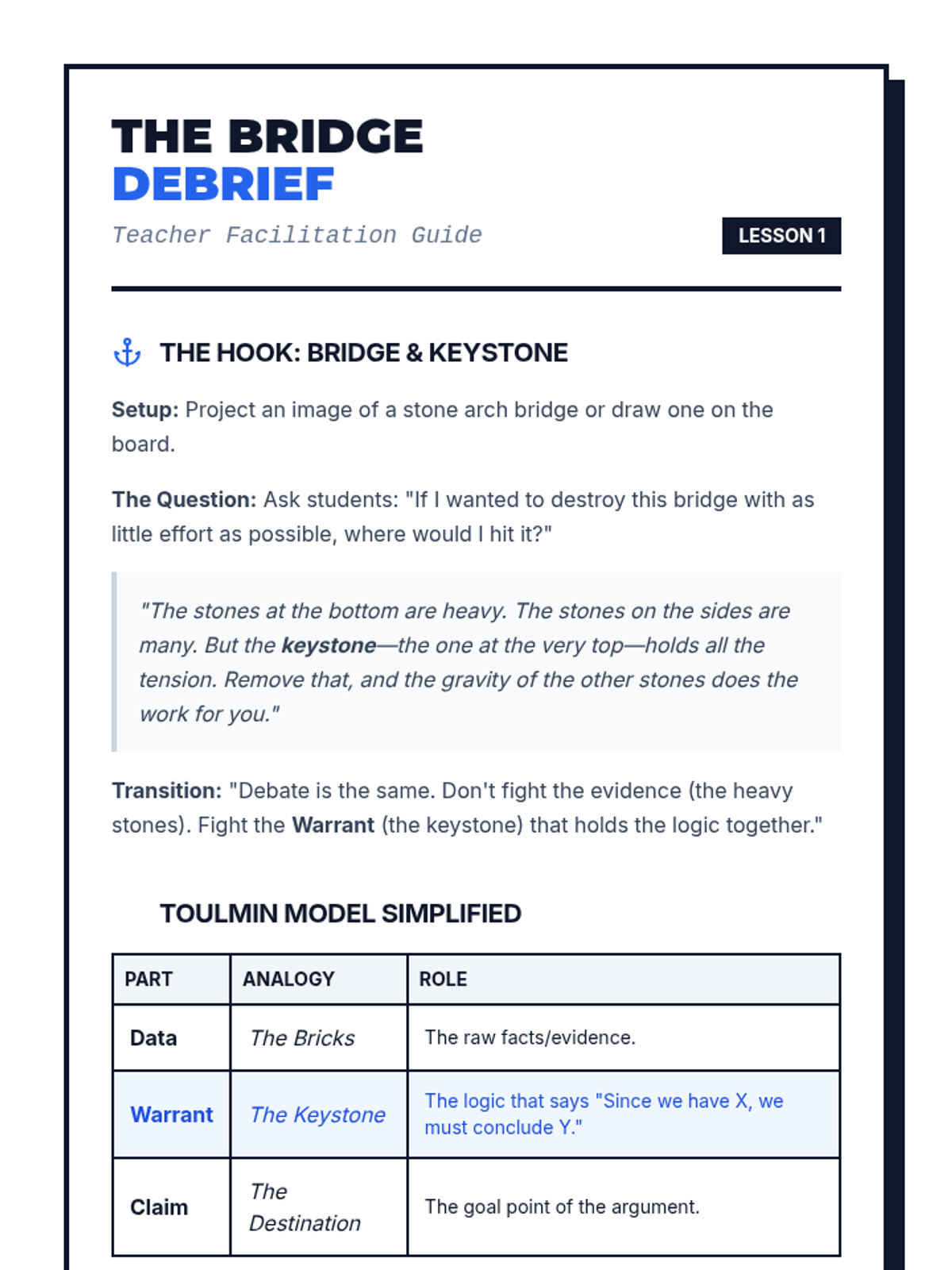
Systematic research, evidence evaluation, and logical reasoning skills for formal discourse. Equips speakers to organize persuasive arguments, identify fallacies, and execute strategic impact calculus during competitive engagement.
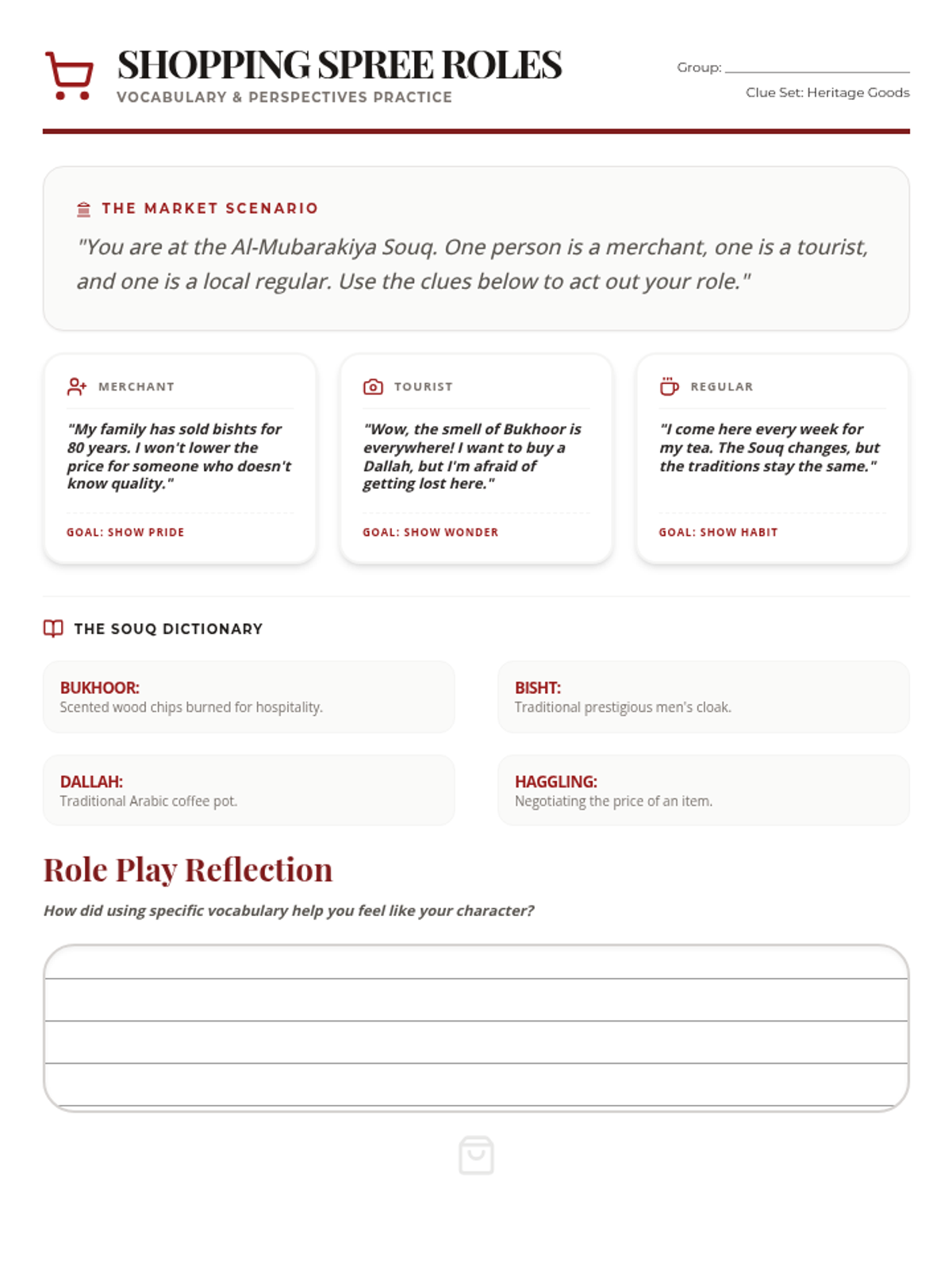
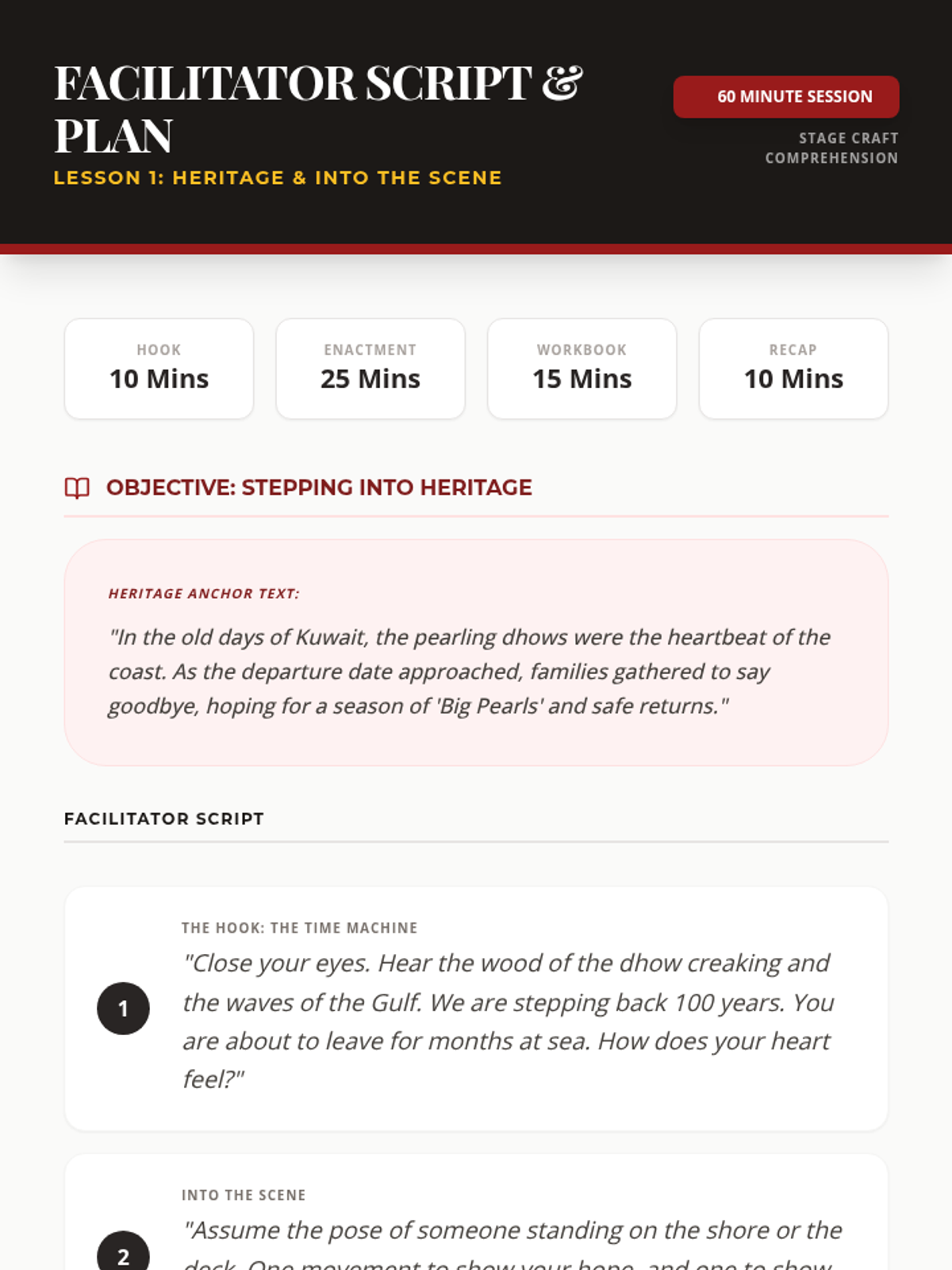
A 12-lesson unit utilizing drama and enactment techniques to deepen reading comprehension, themed around Kuwaiti heritage, global travel, healthy lifestyles, and environmental science for grades 3-8. Focused on skills in action across Before, During, and After reading phases.
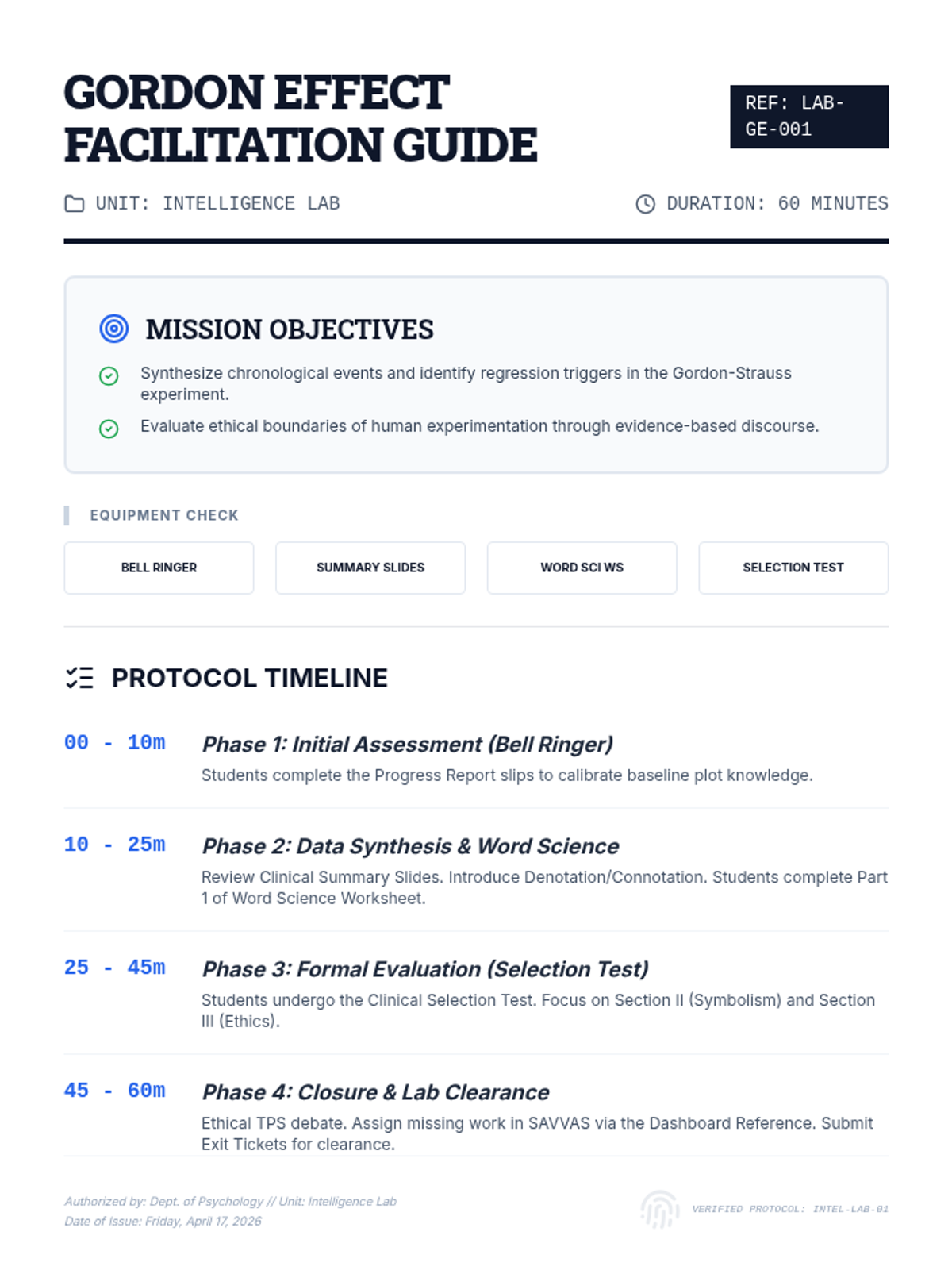
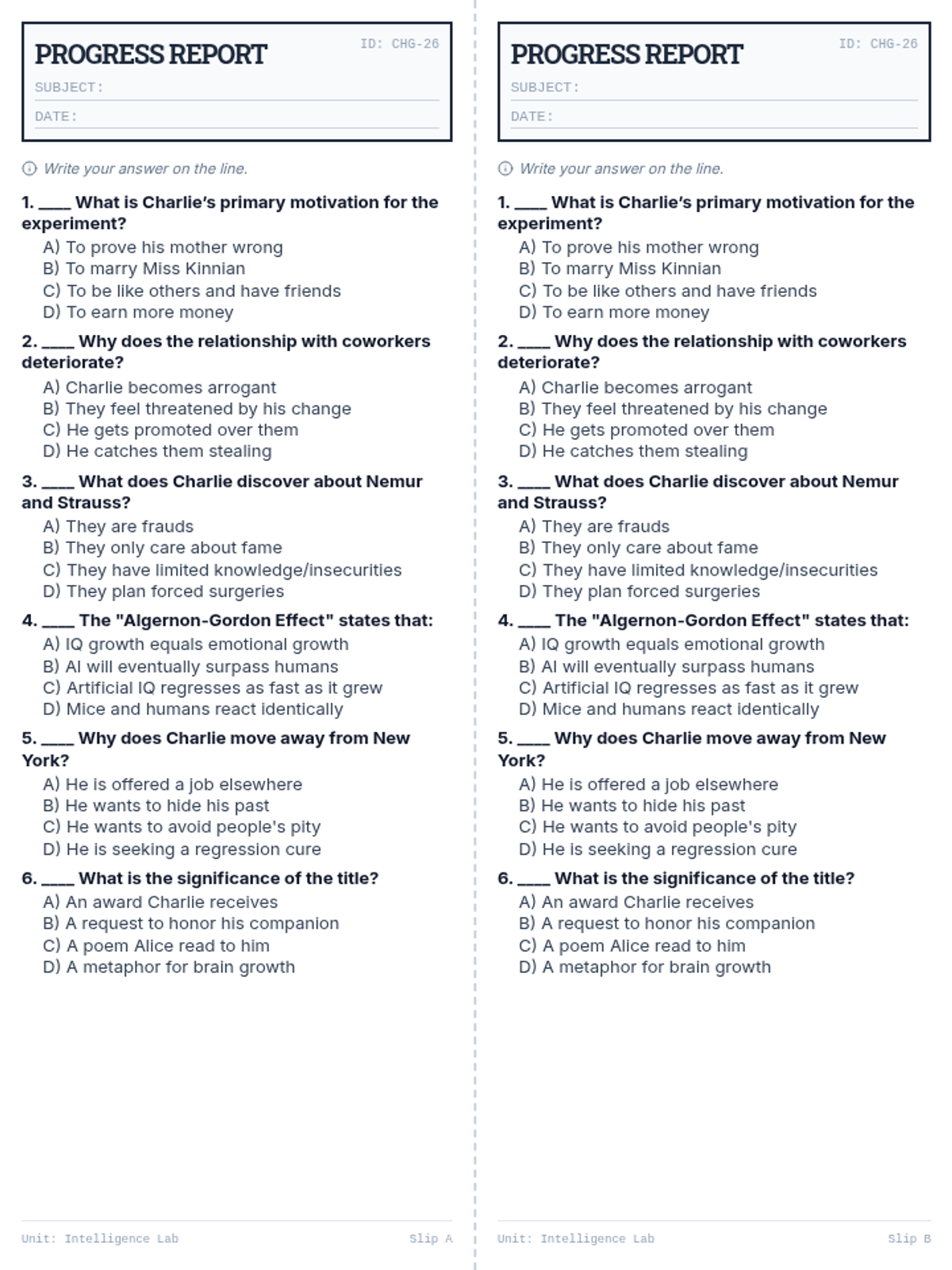
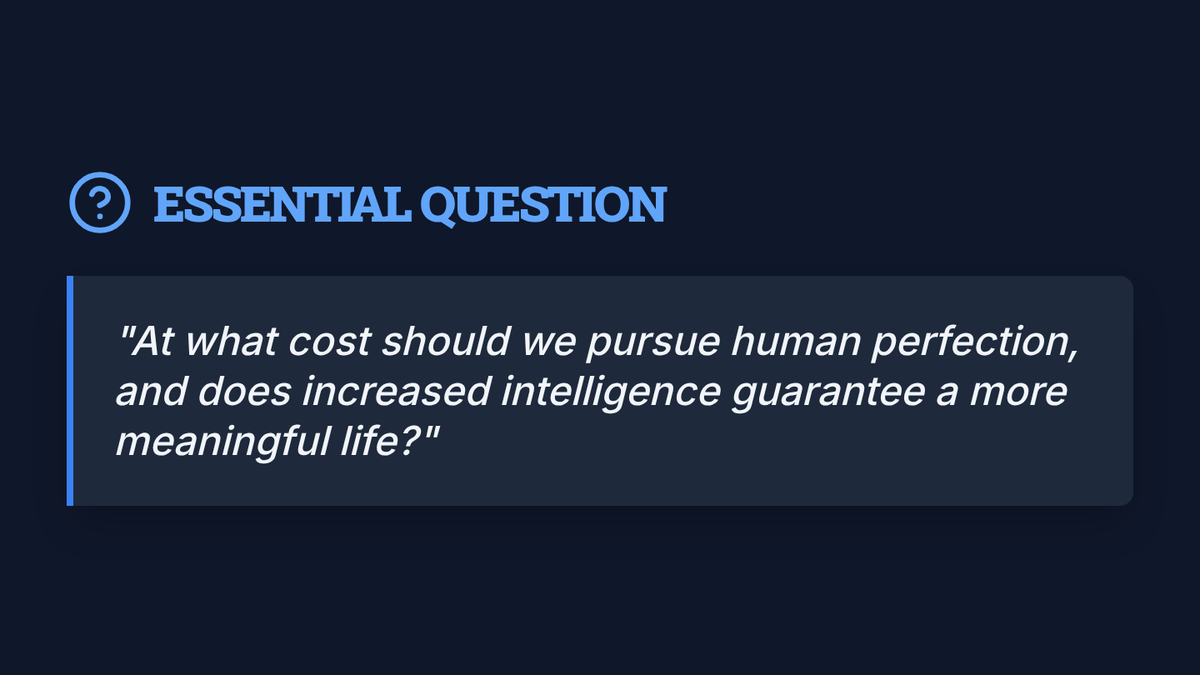
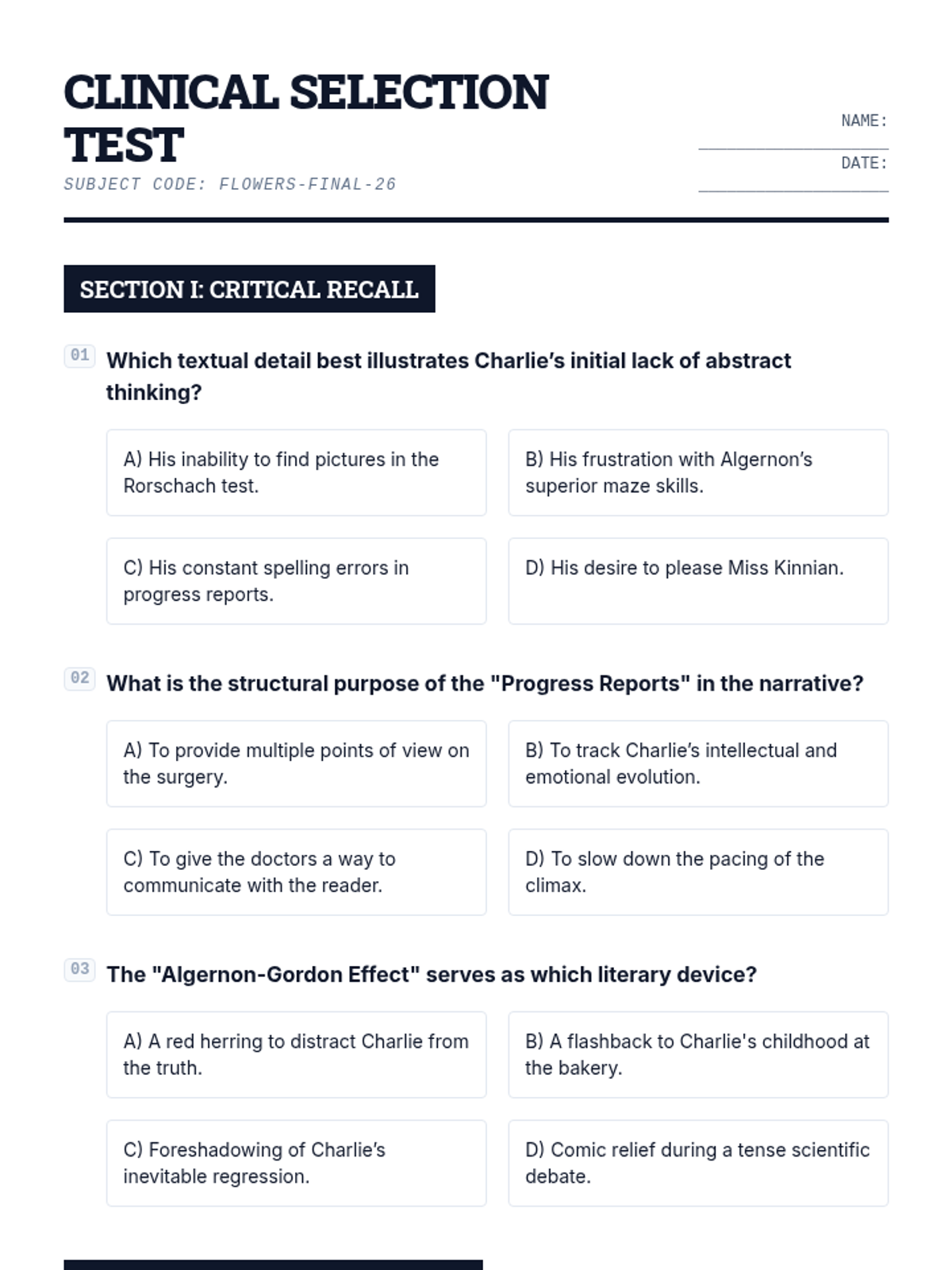
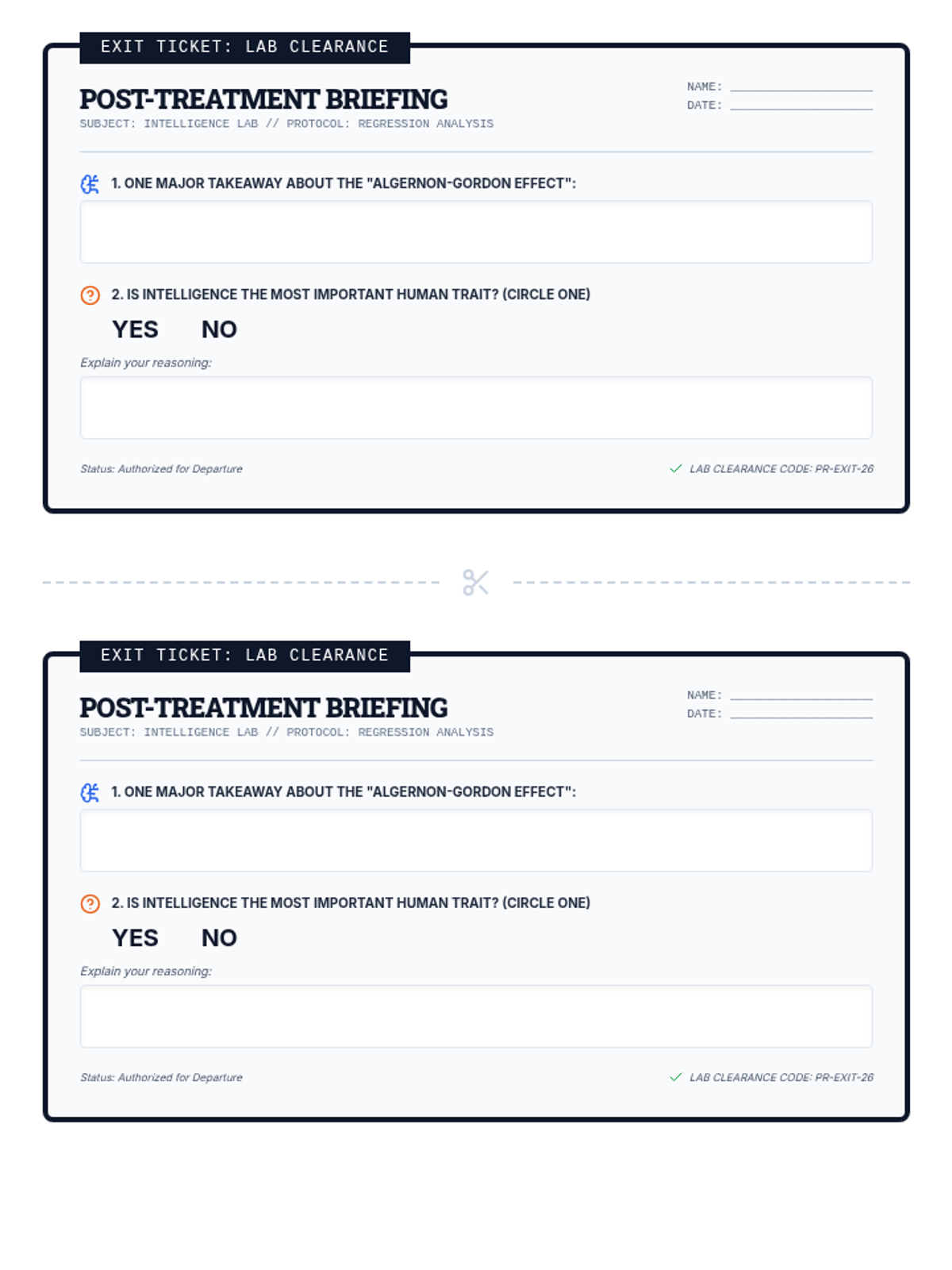
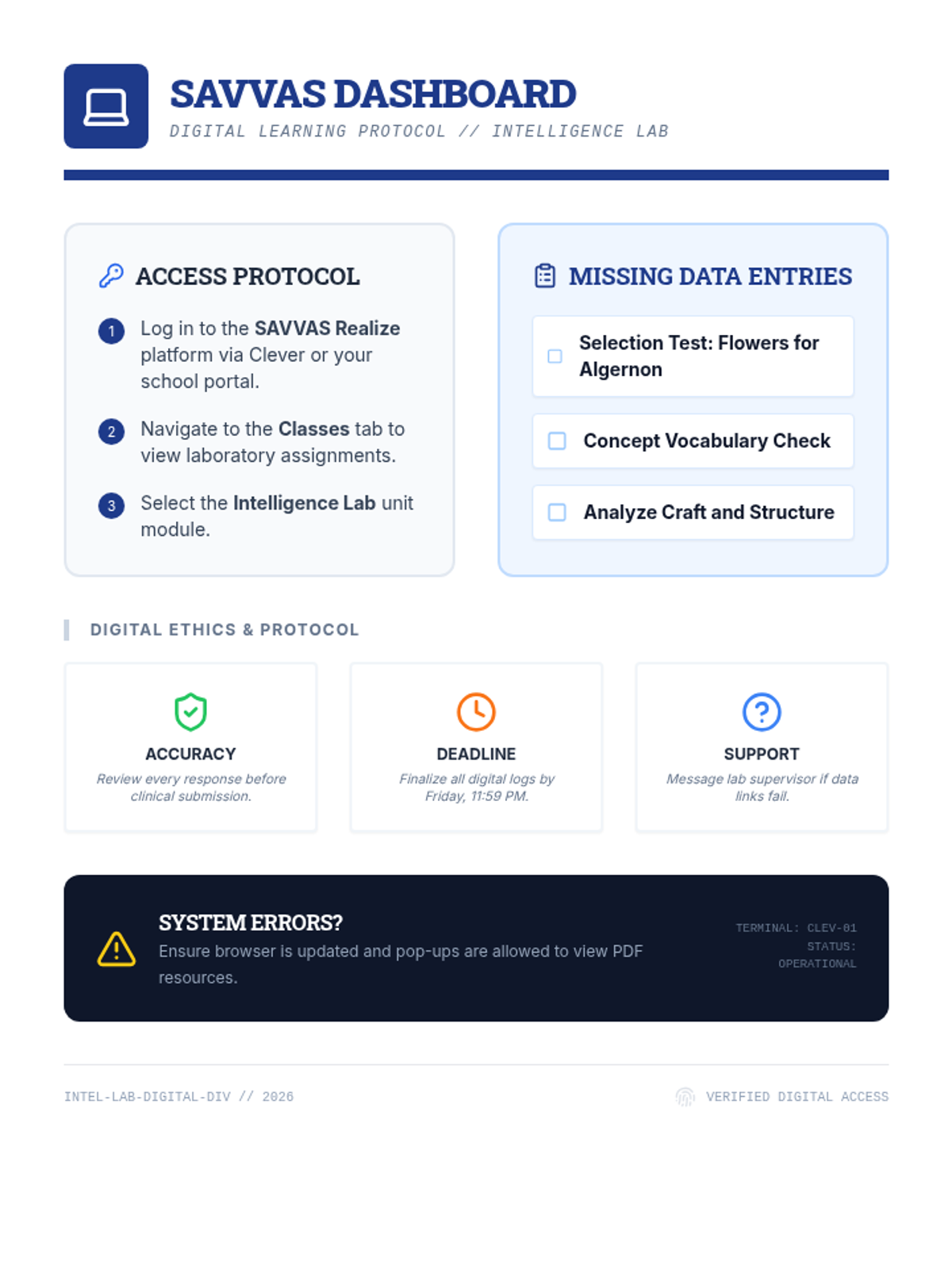
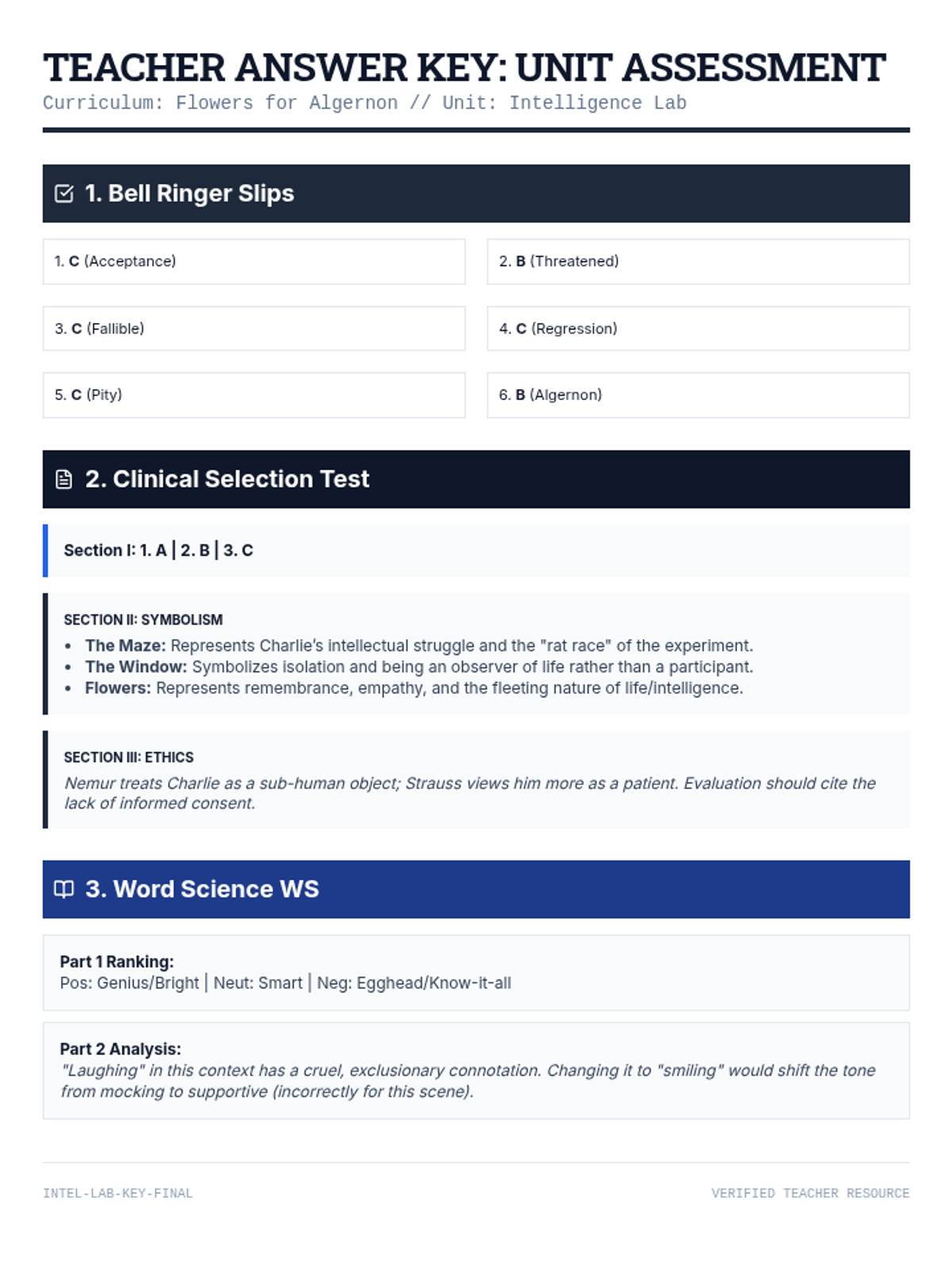
A comprehensive unit exploring the psychological and ethical themes of Daniel Keyes' 'Flowers for Algernon', focusing on character development, scientific ethics, and the nature of human intelligence.
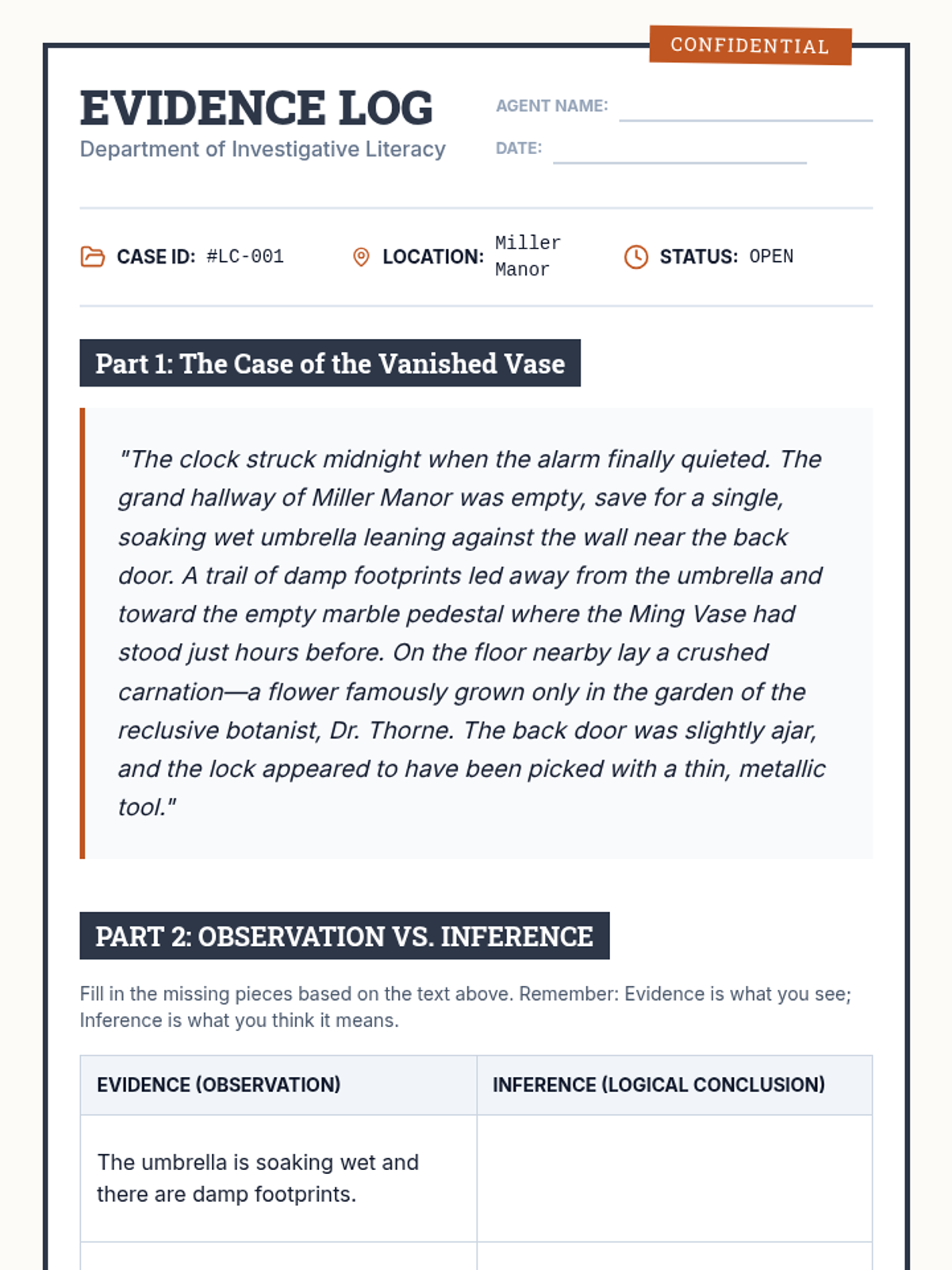
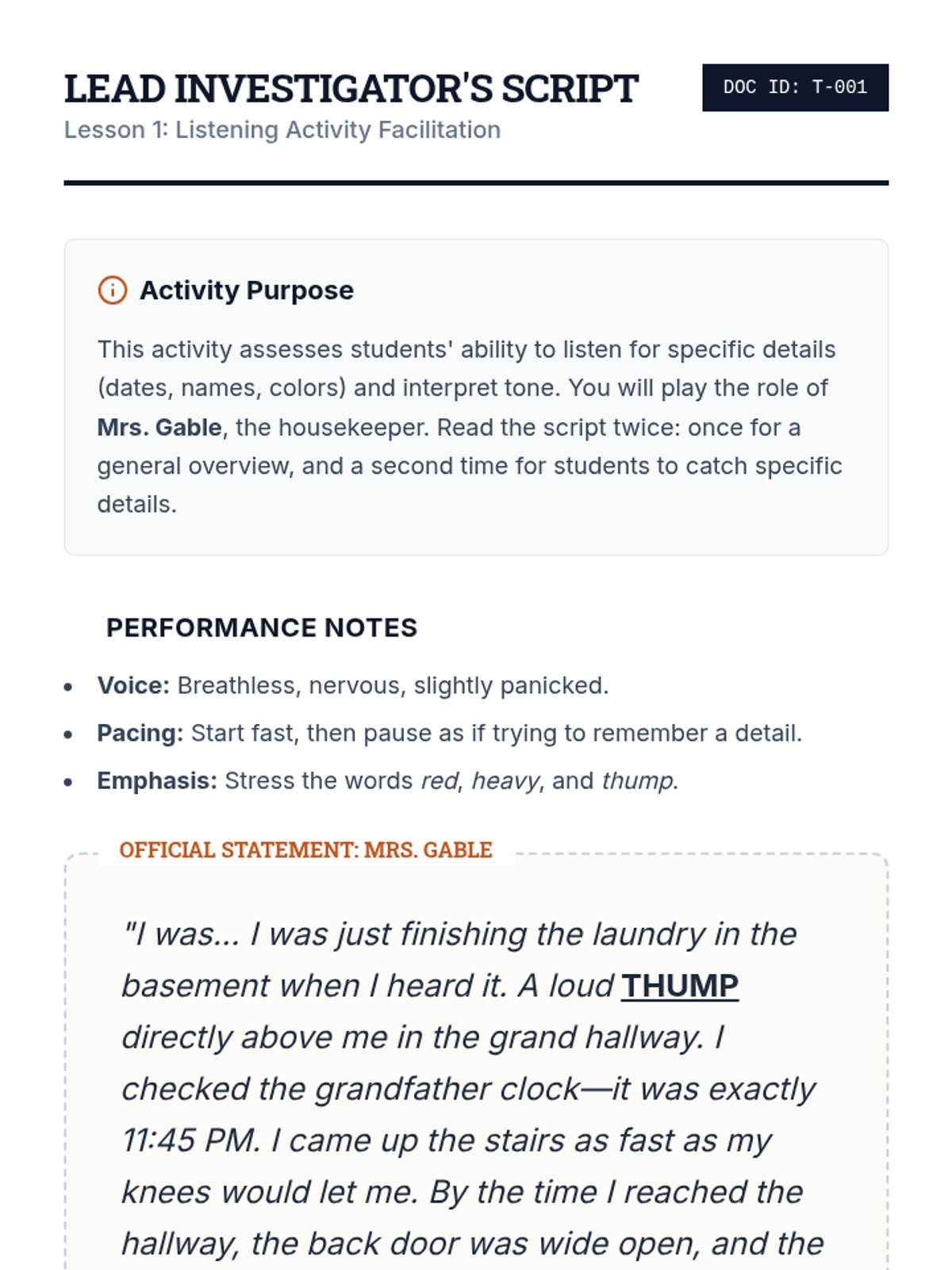
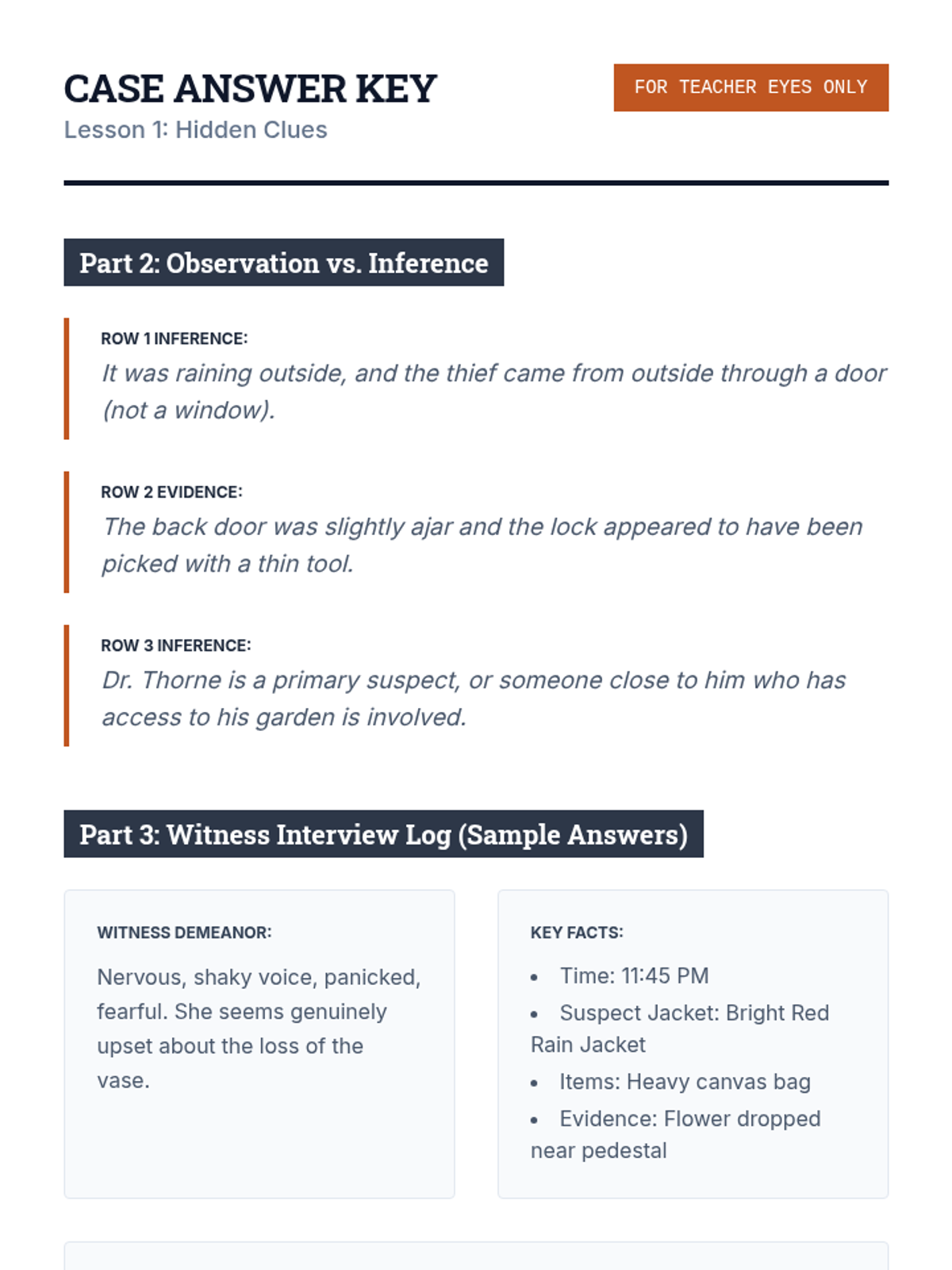
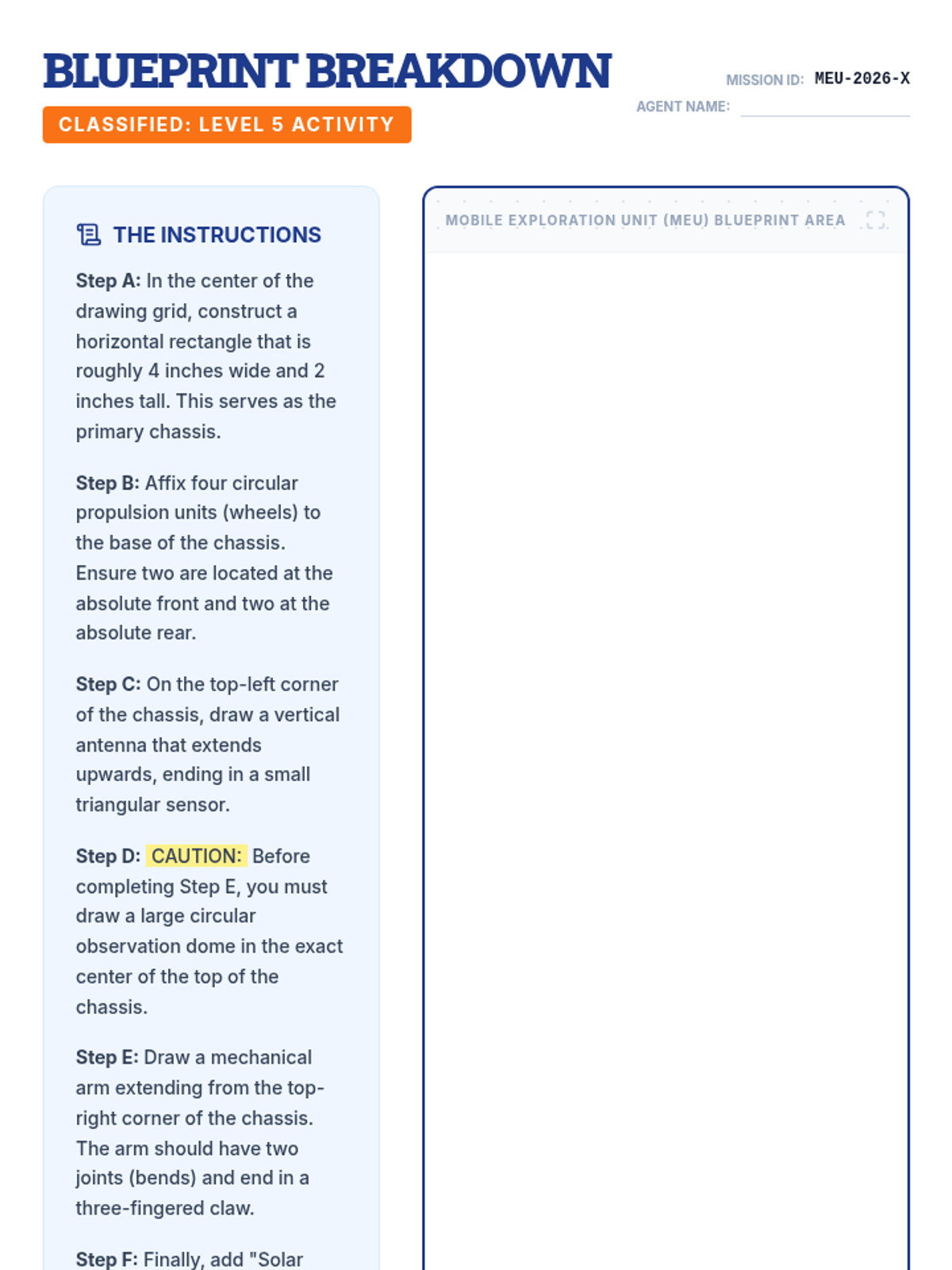
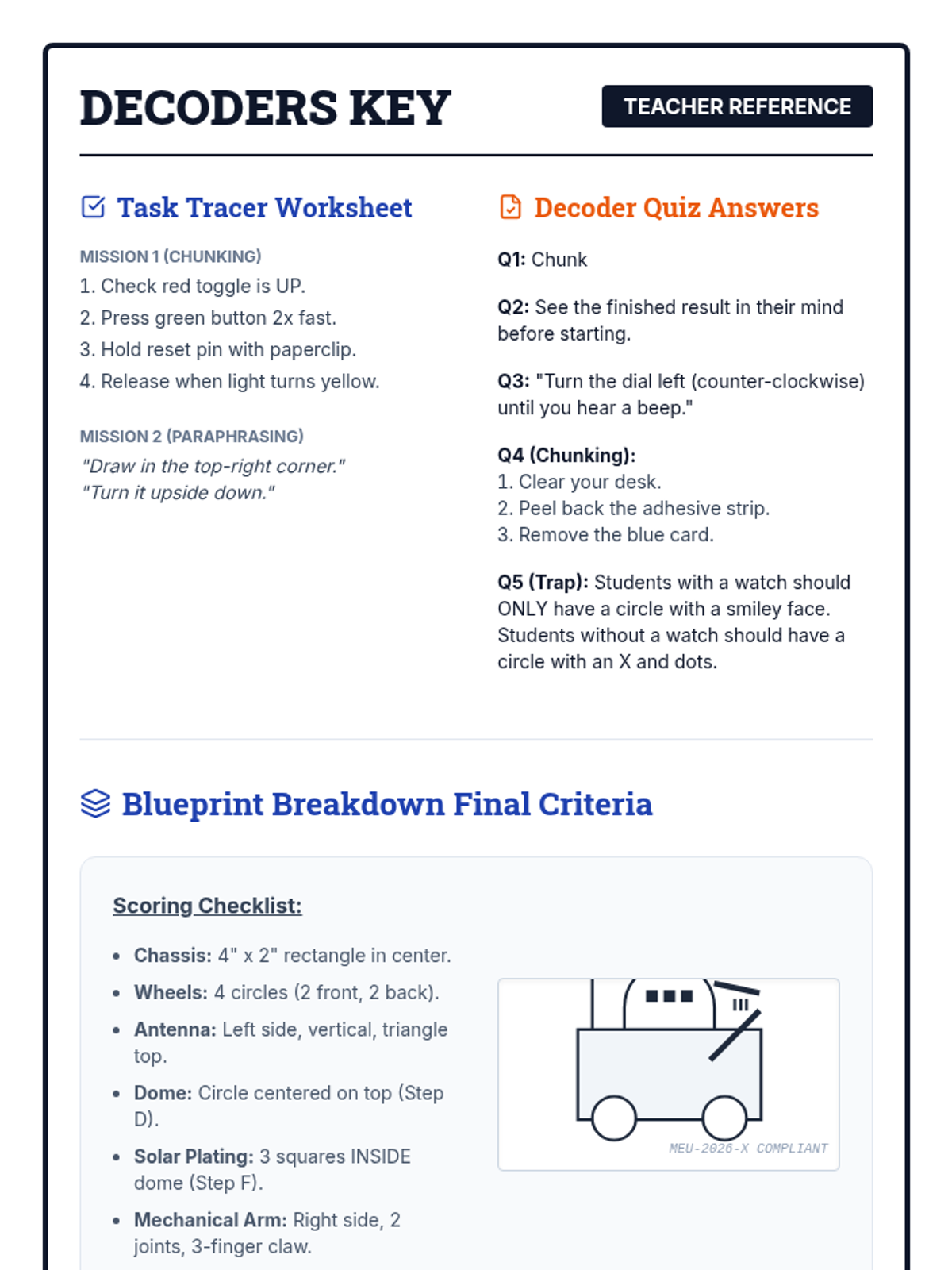
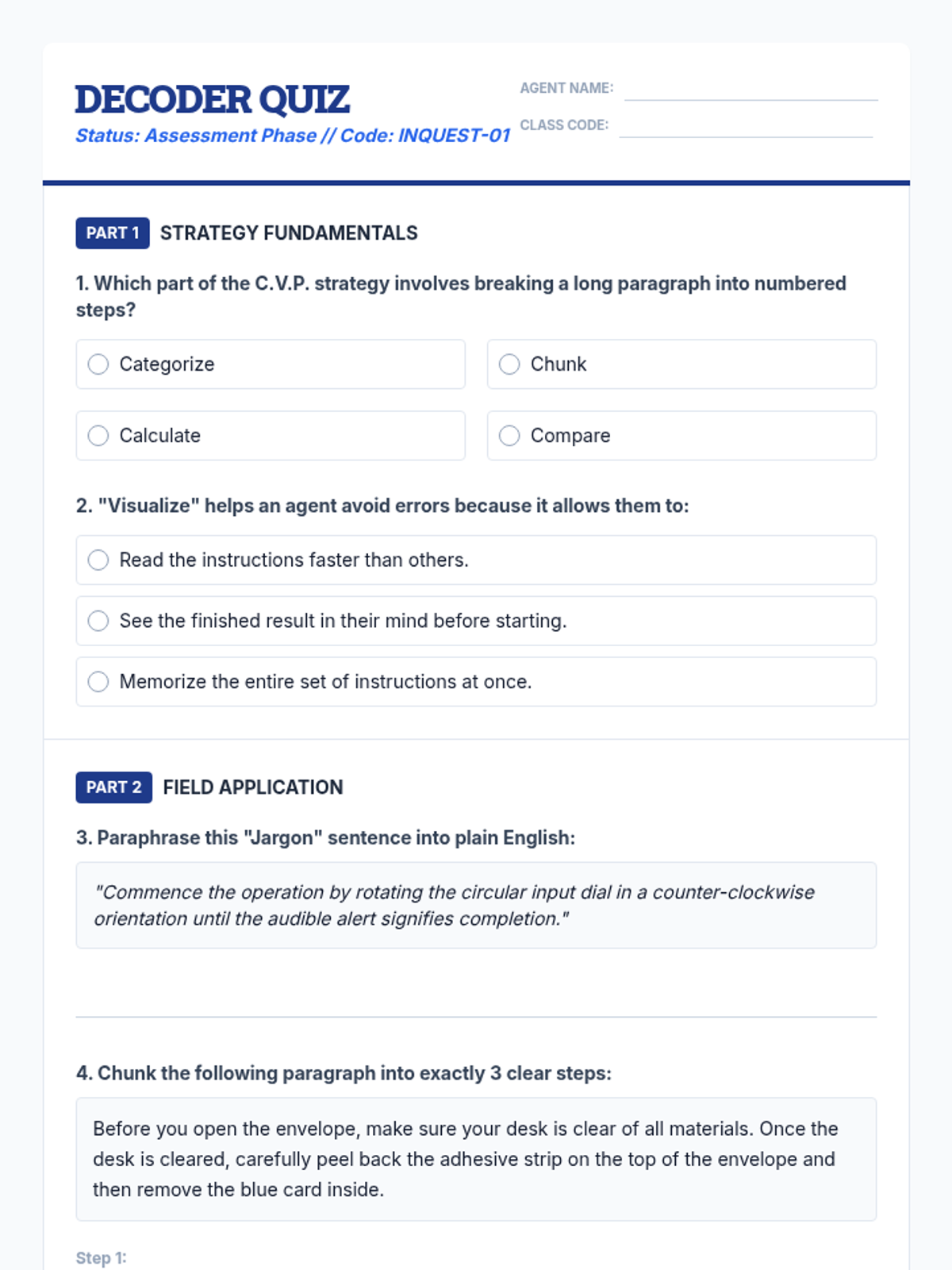
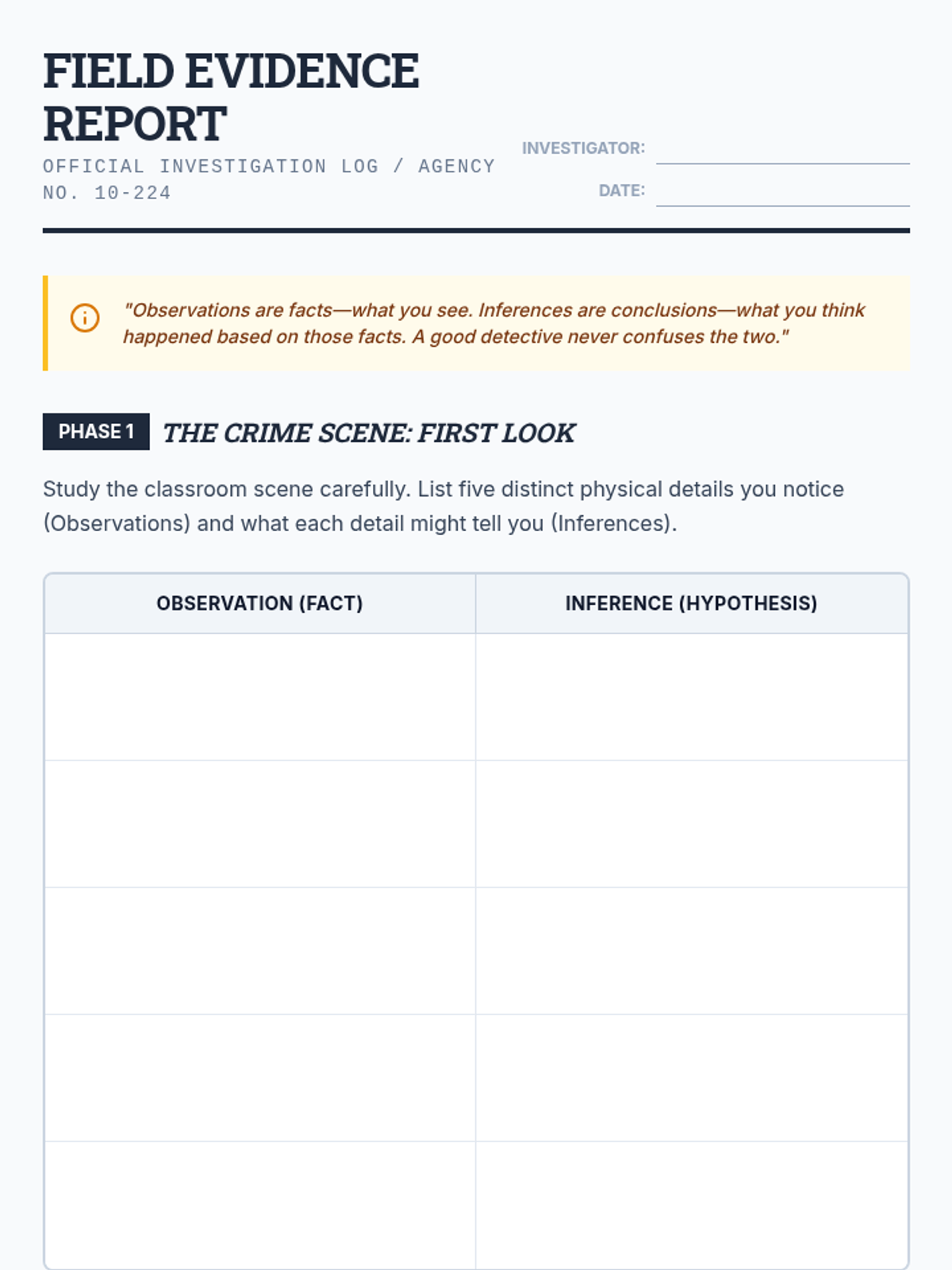
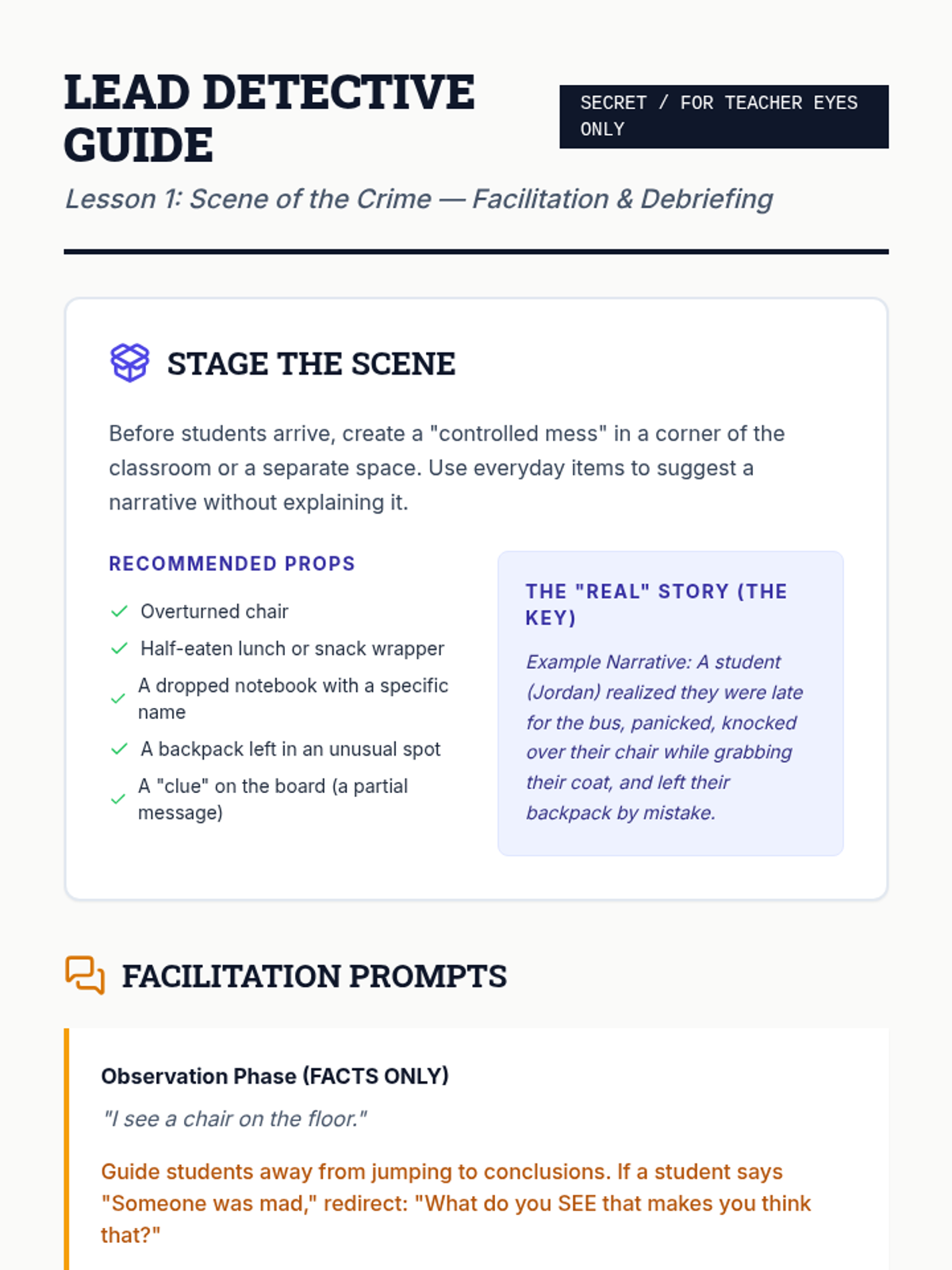
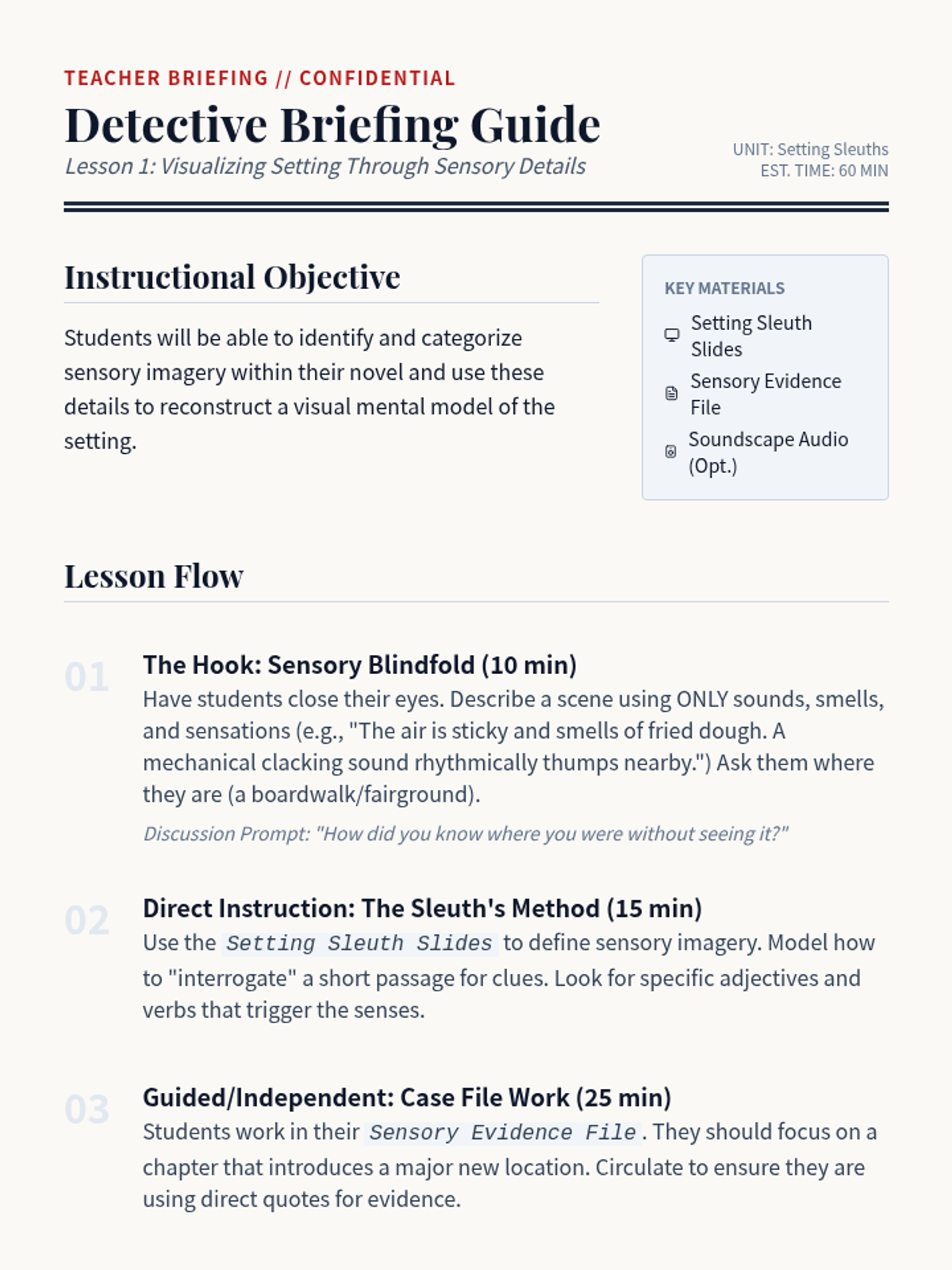
A comprehensive English Language Arts unit that uses a mystery-investigation theme to develop reading, writing, listening, and speaking skills. Students act as detectives to analyze evidence, interview witnesses, and present their final case.
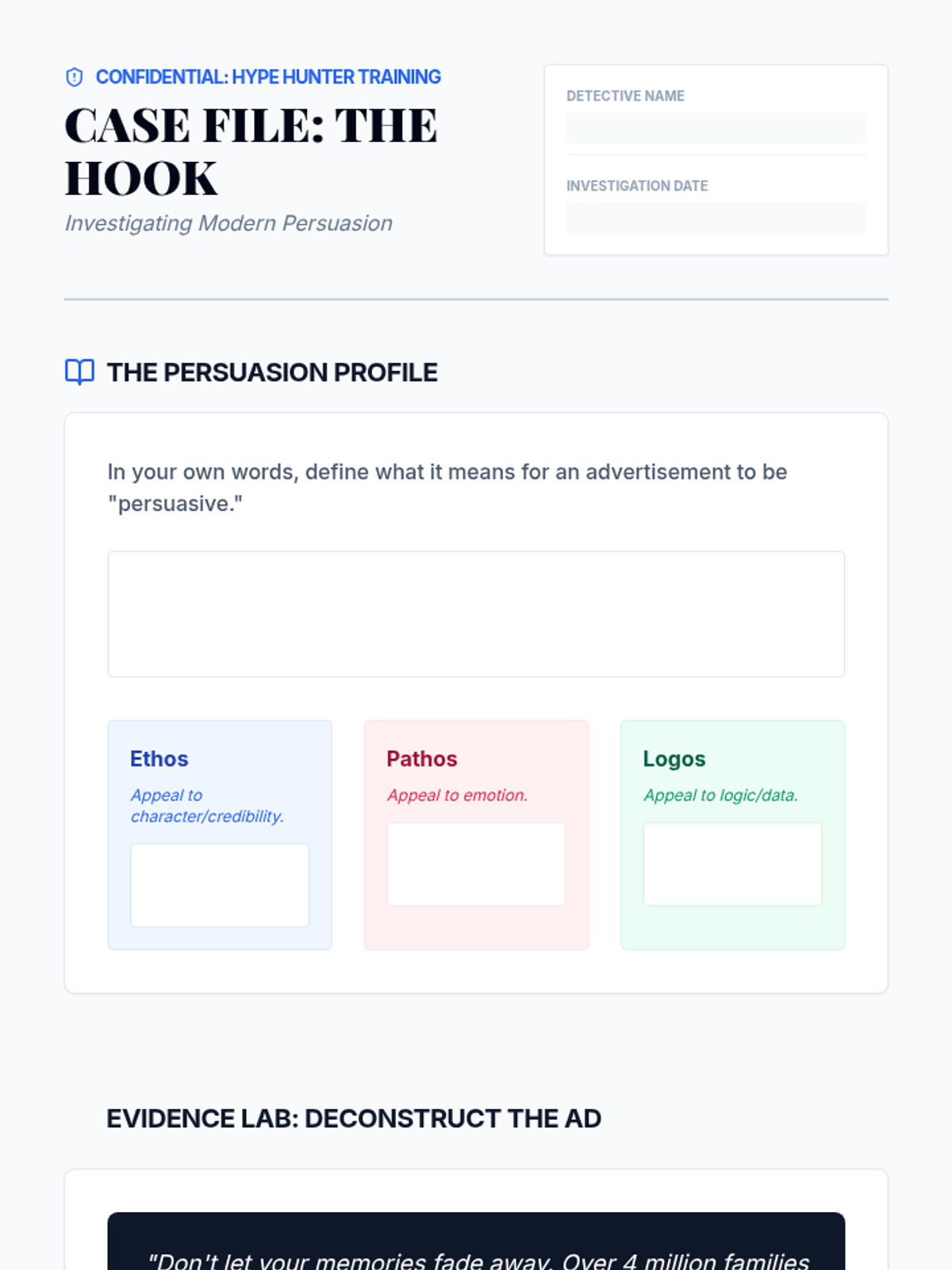
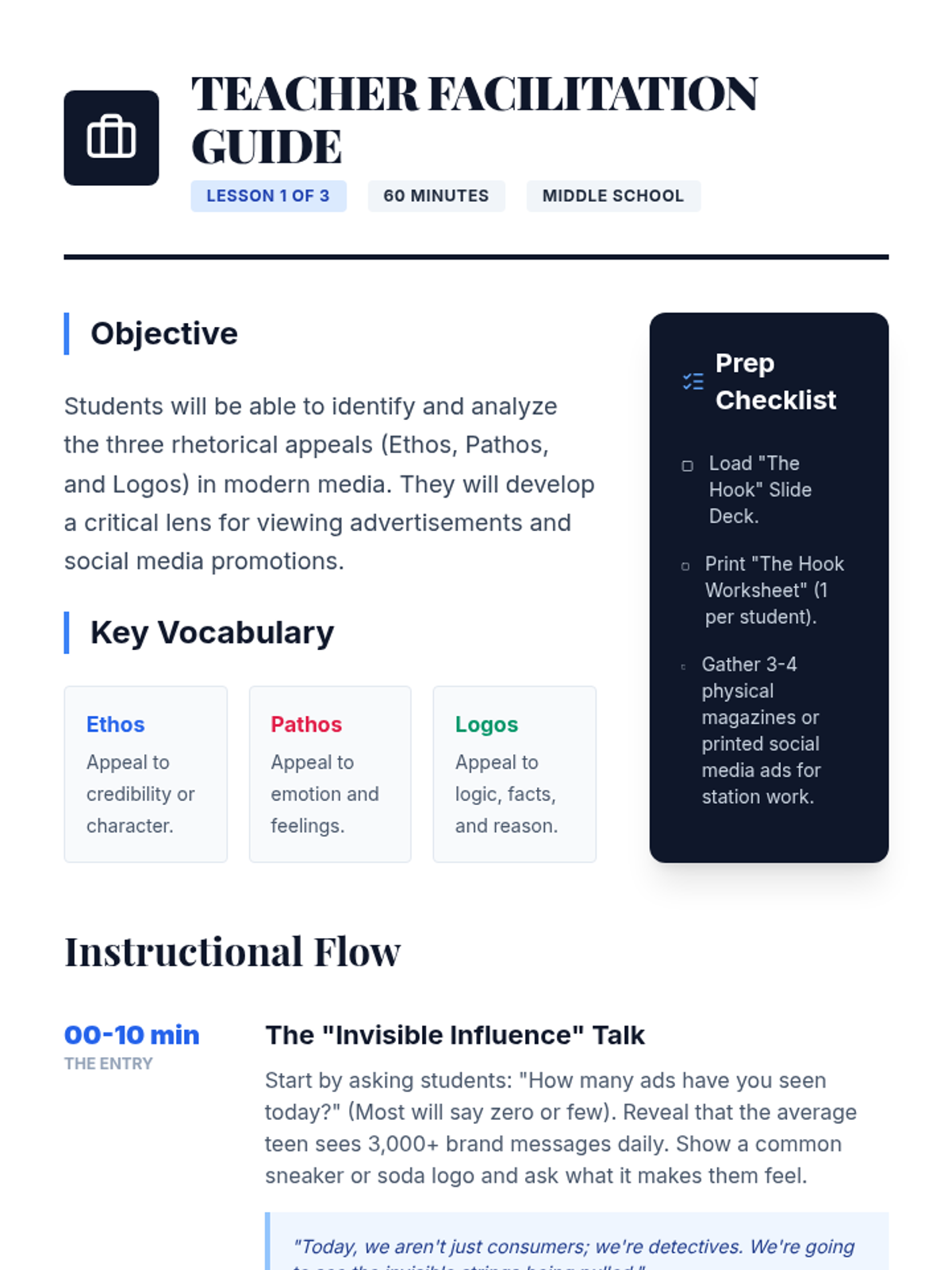
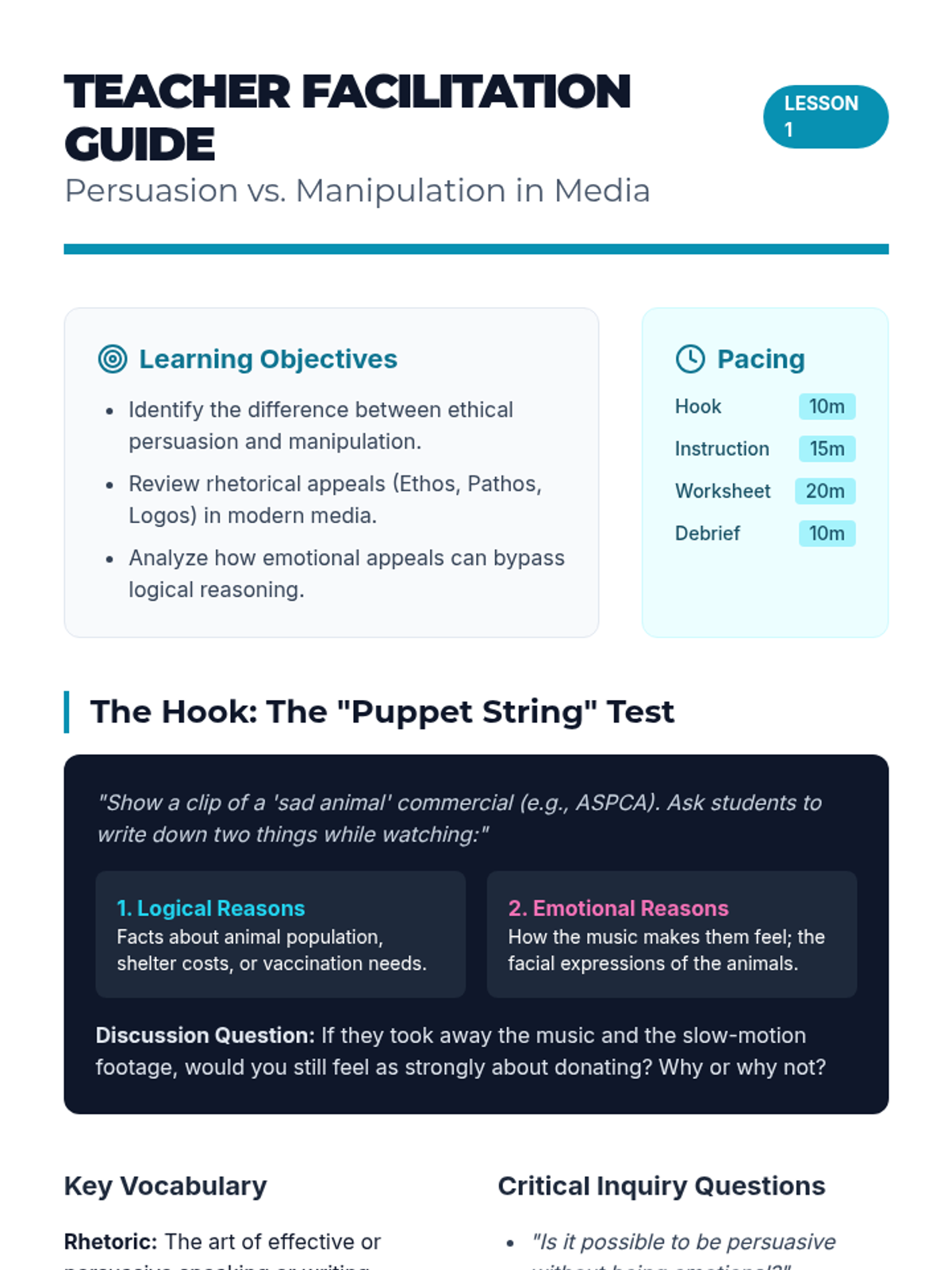
A middle school media literacy unit that turns students into 'Propaganda Detectives.' Students learn to identify persuasive techniques and logical fallacies in modern media, culminating in a creative project to redesign famous ads with 'honest' messaging.
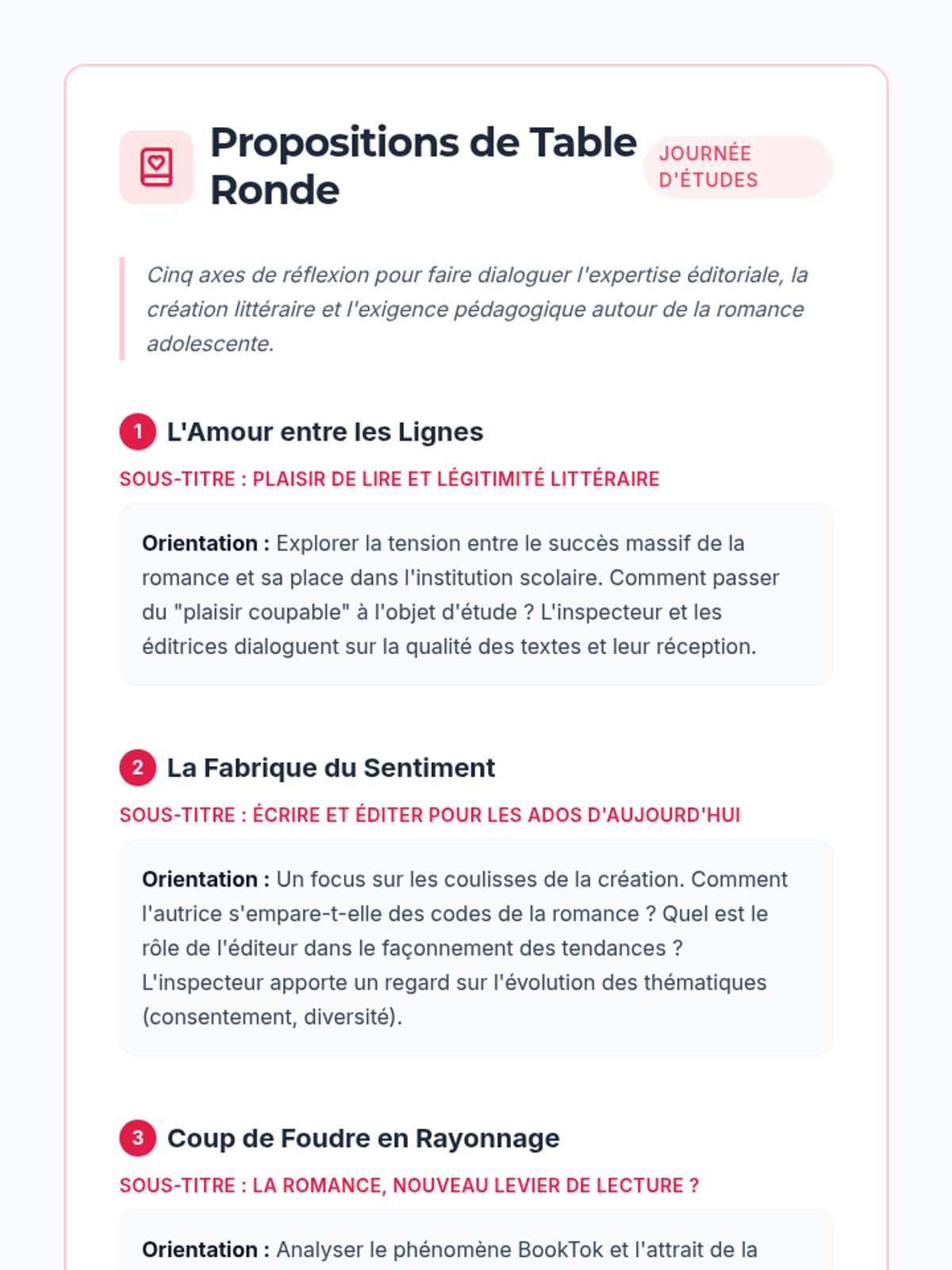
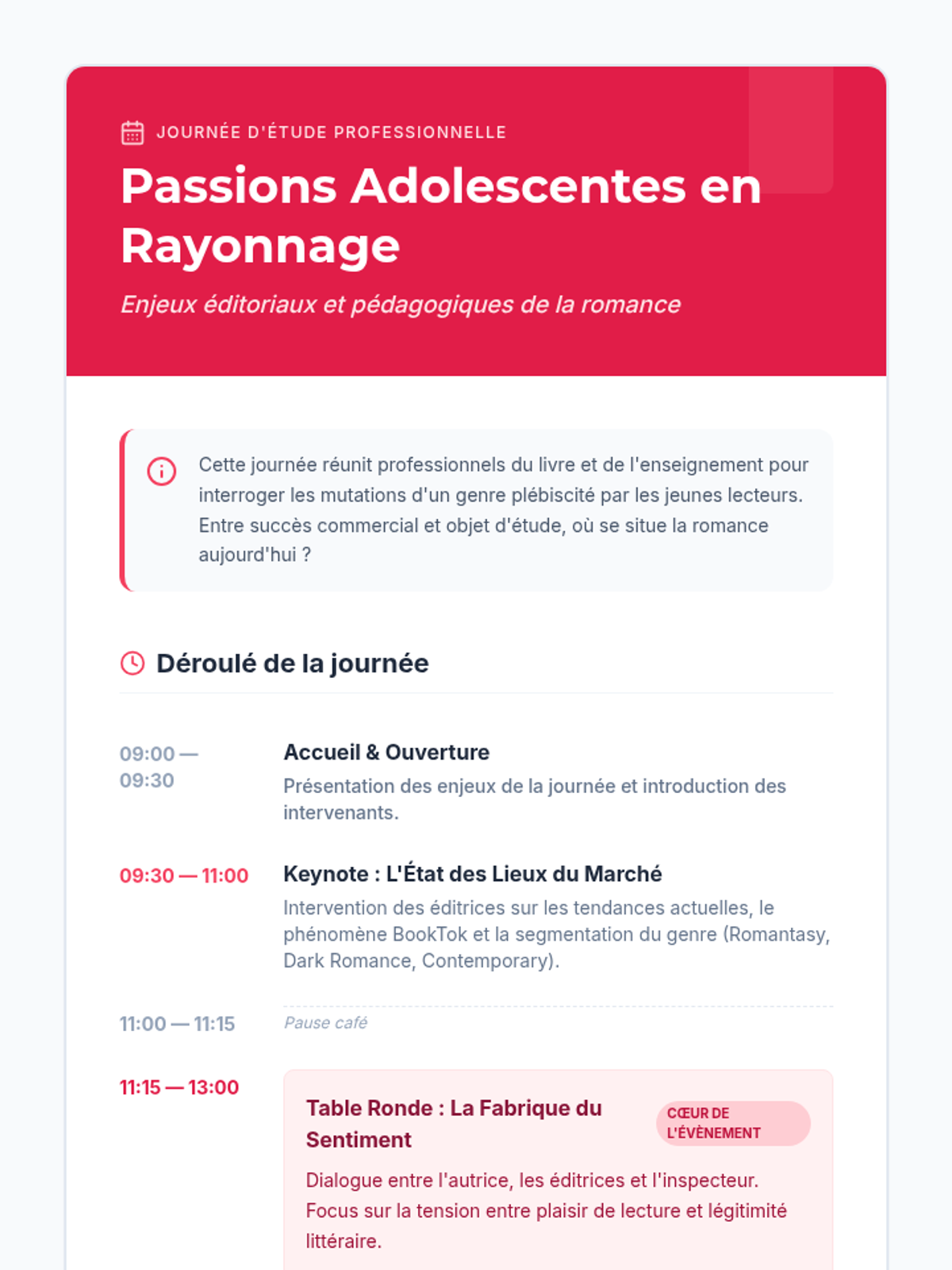
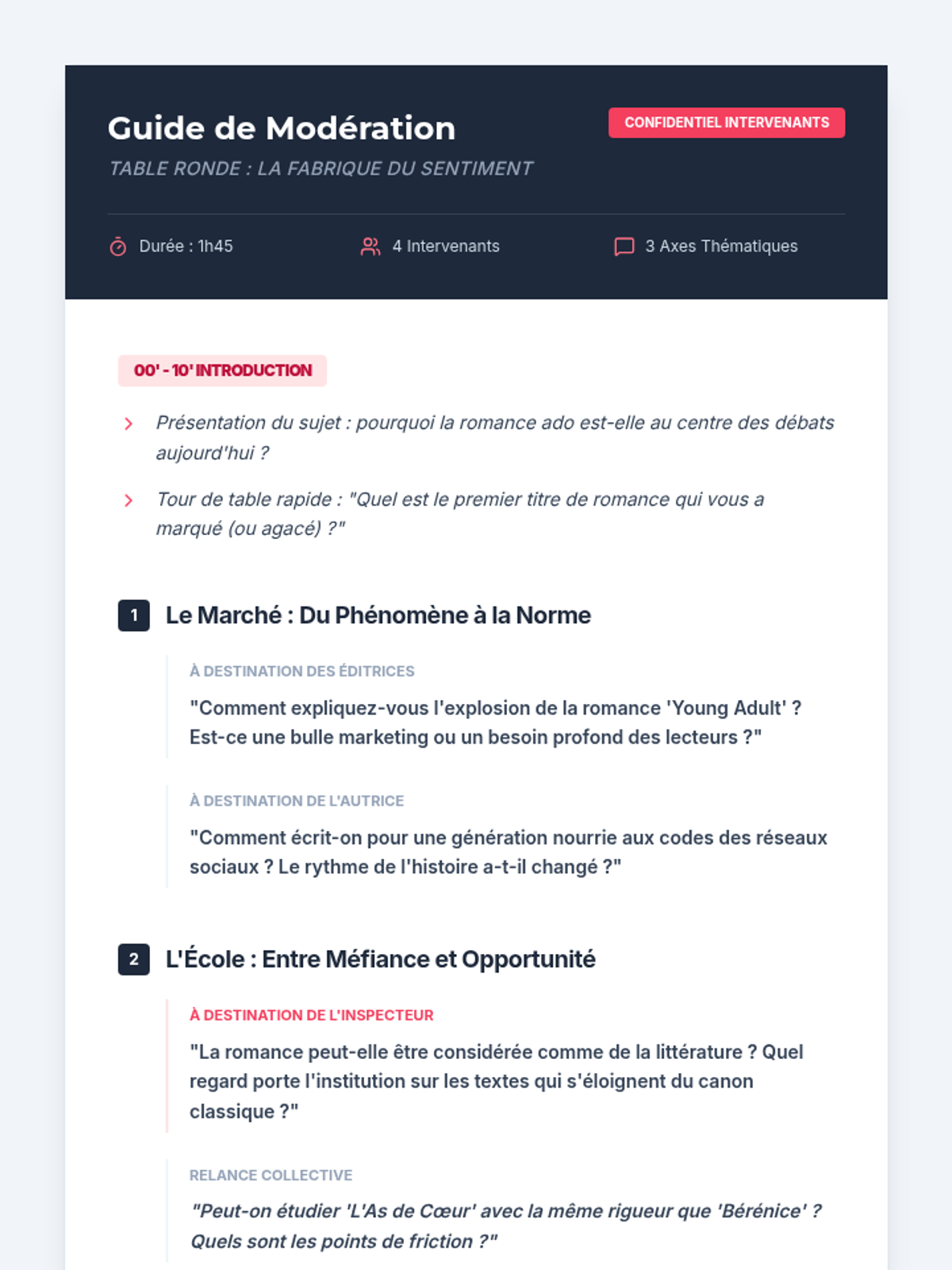
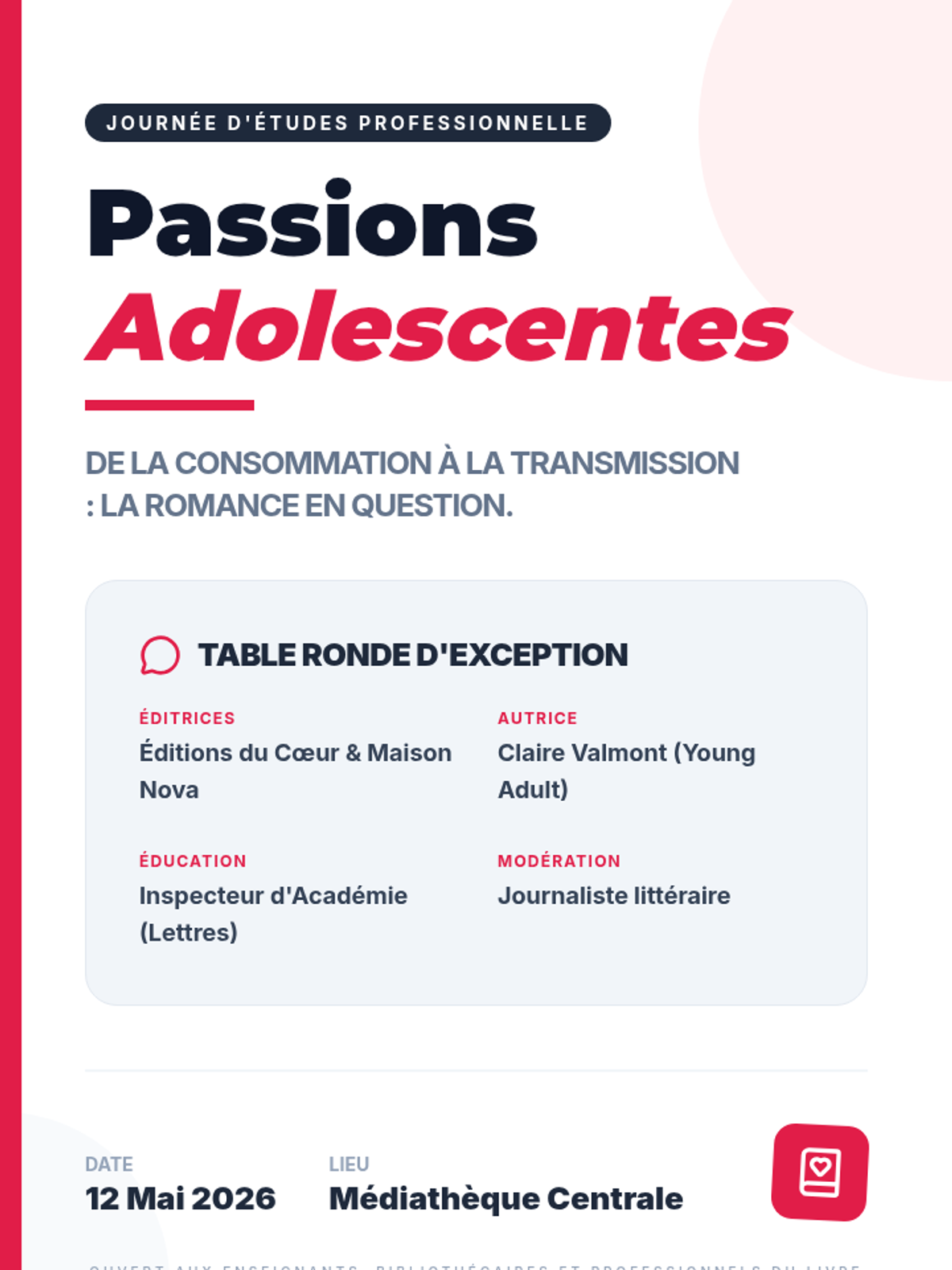
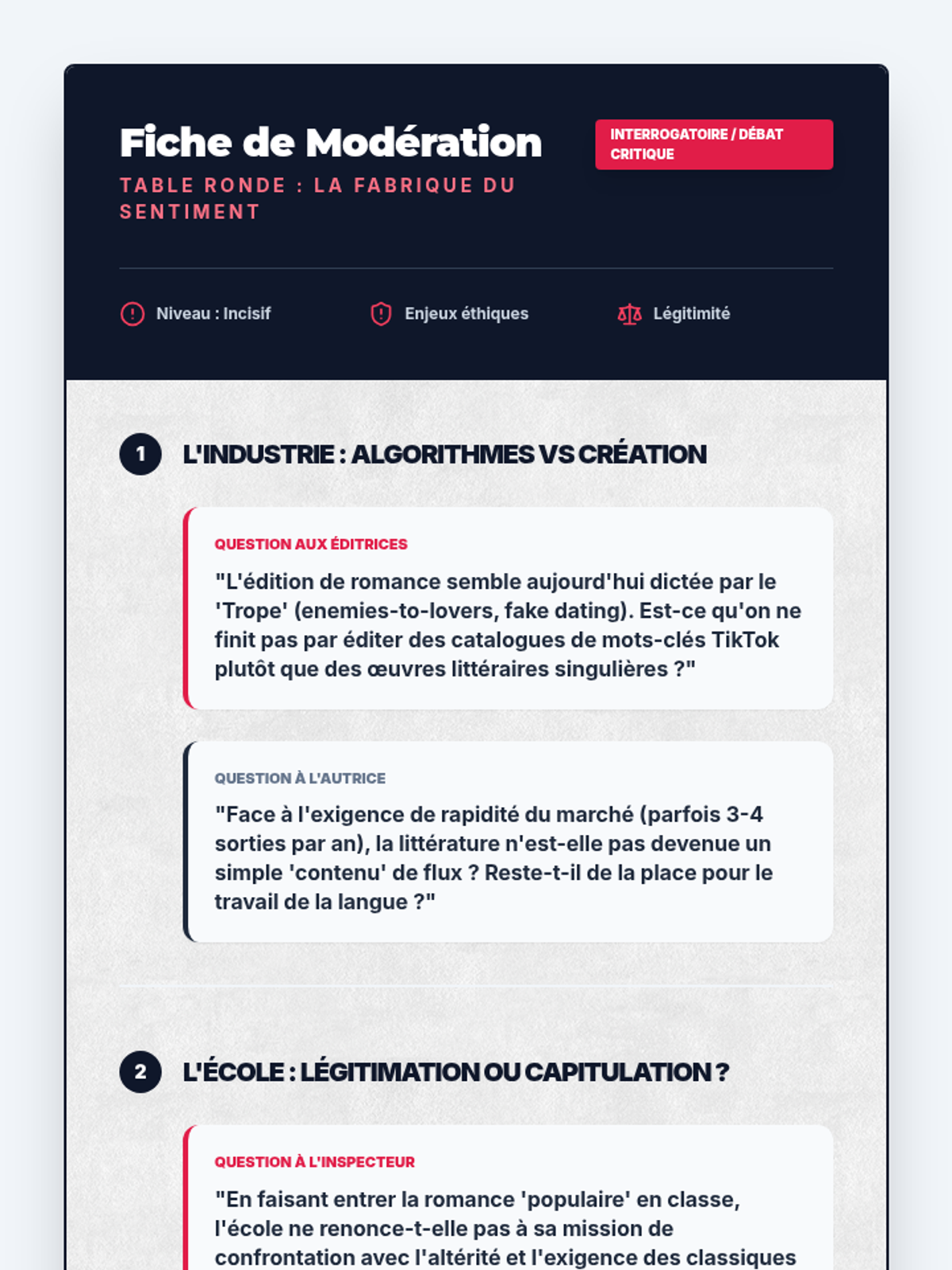
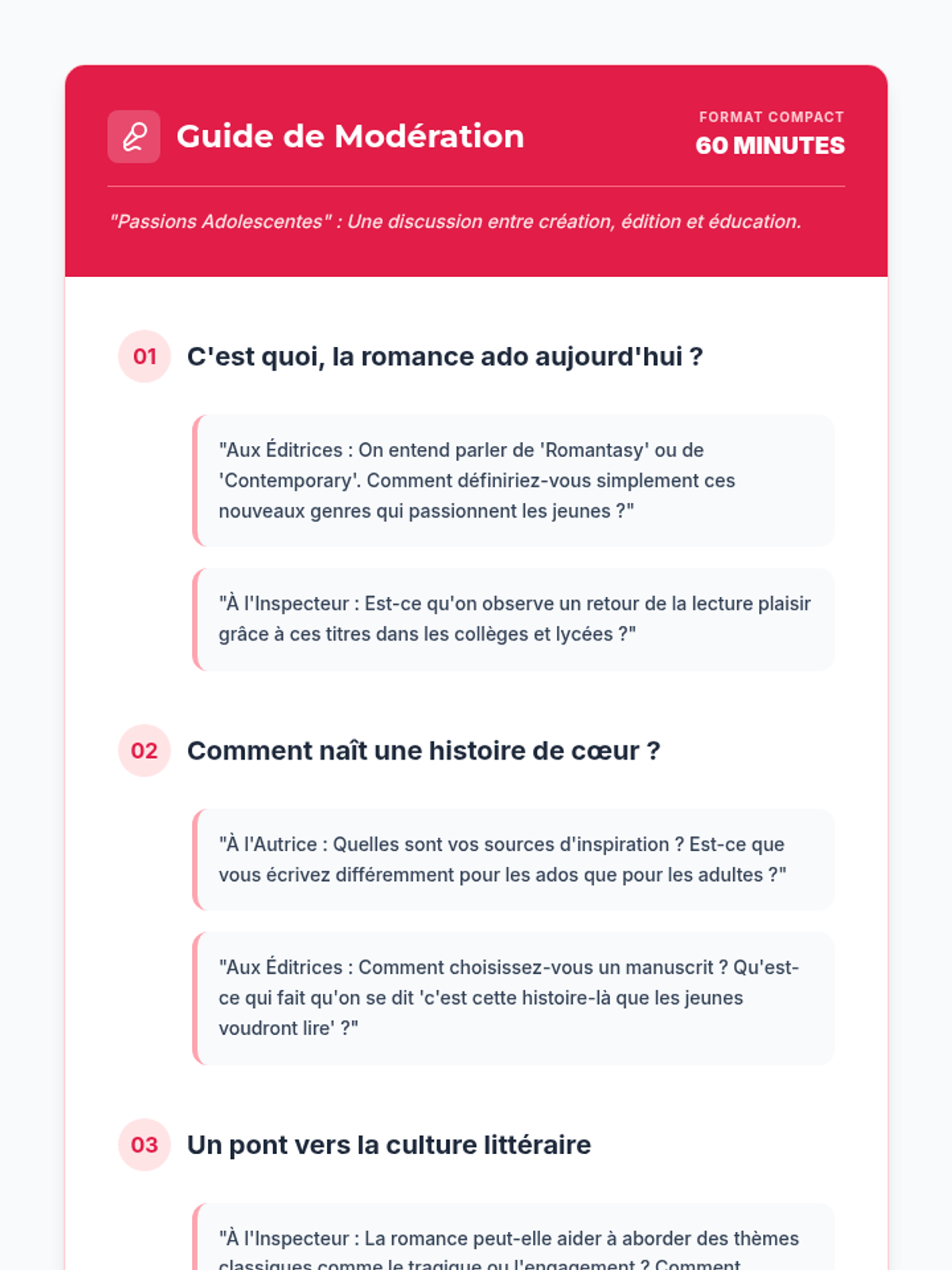
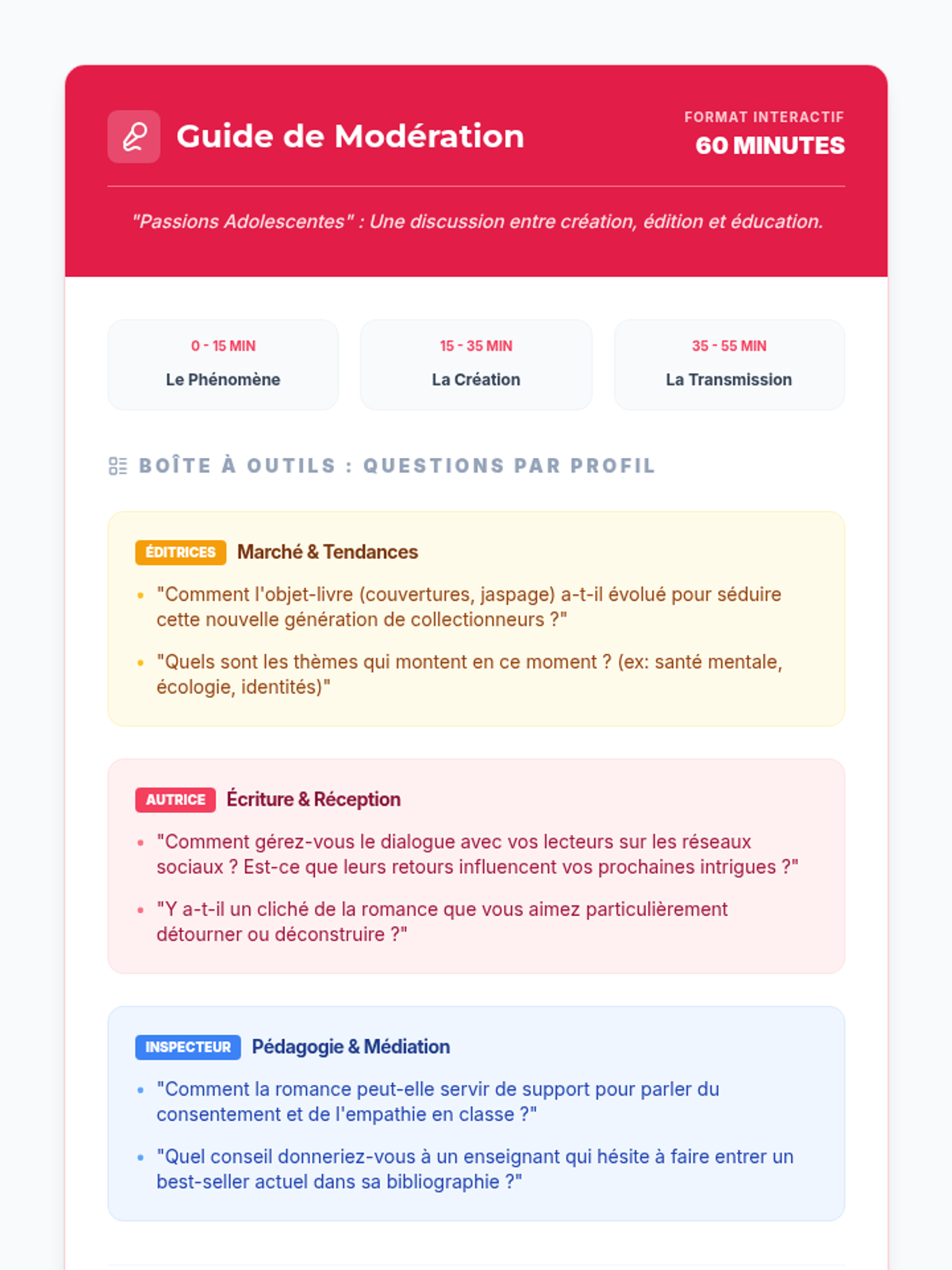
Une série de ressources pour organiser et promouvoir une table ronde sur la littérature romance pour adolescents, incluant programme, guide de discussion et supports de communication.
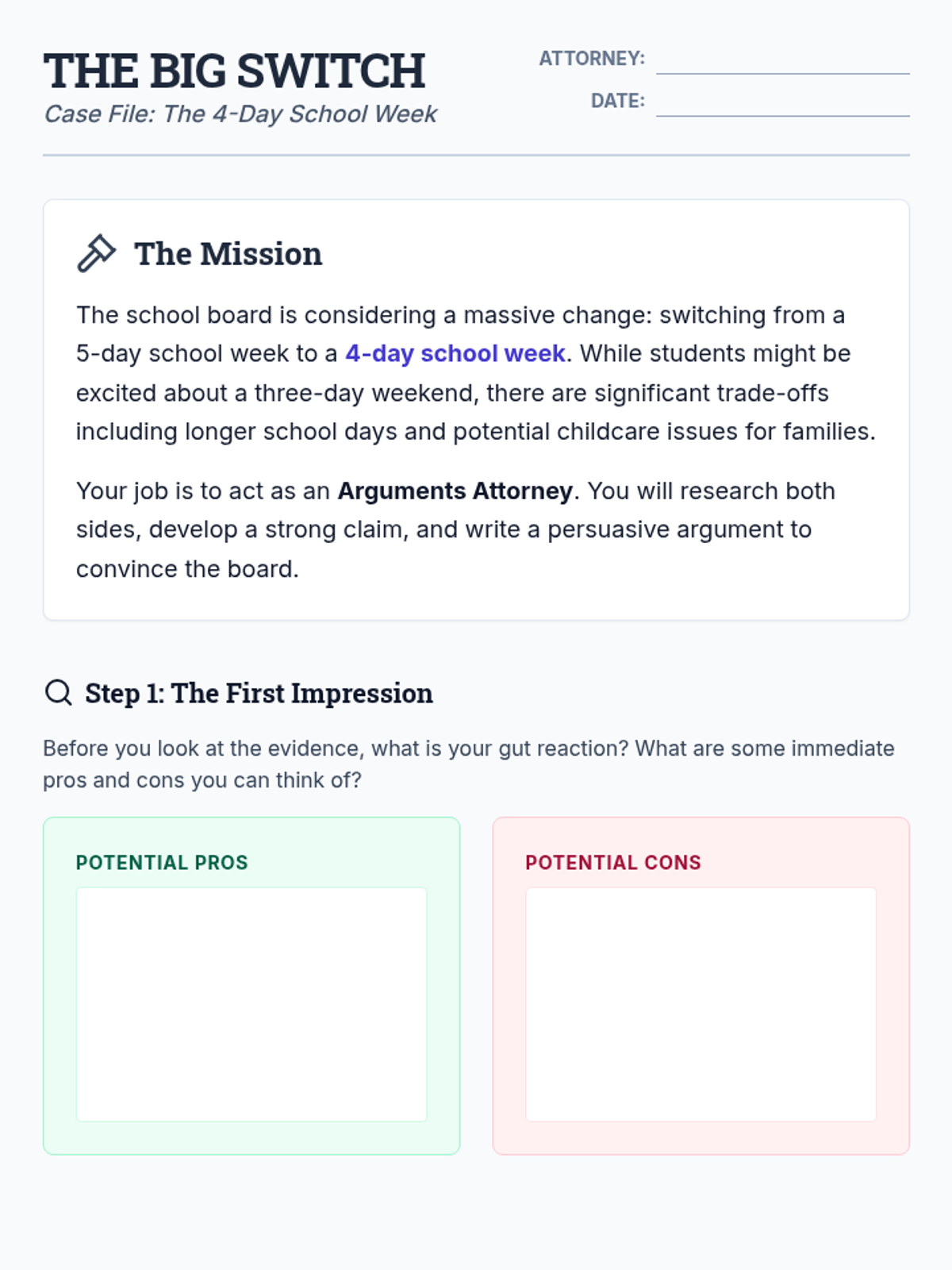
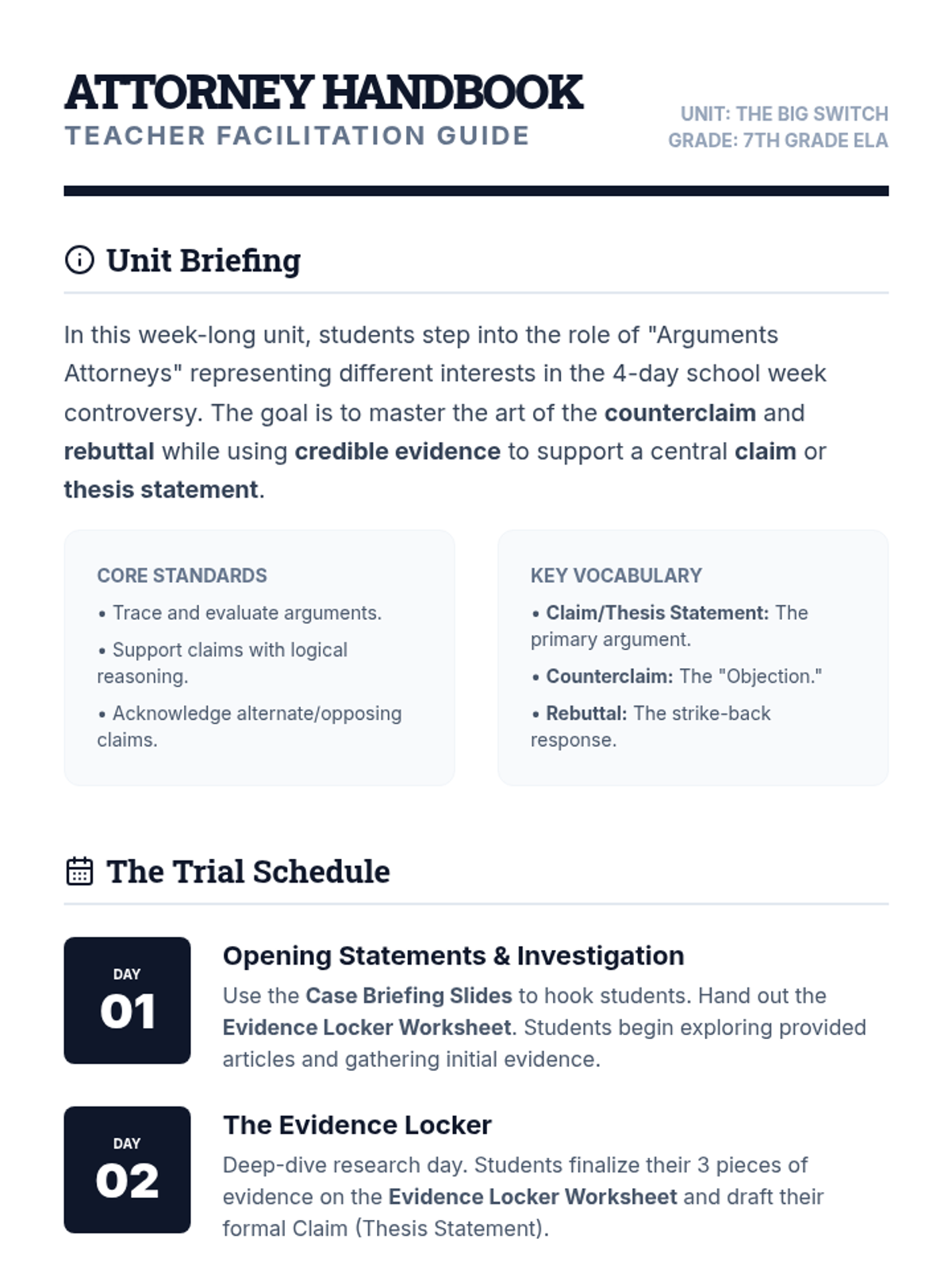
A week-long argumentative writing unit for 7th graders focused on the controversial topic of the 4-day school week. Students act as 'Arguments Attorneys' to research, build claims, and master the art of the rebuttal.
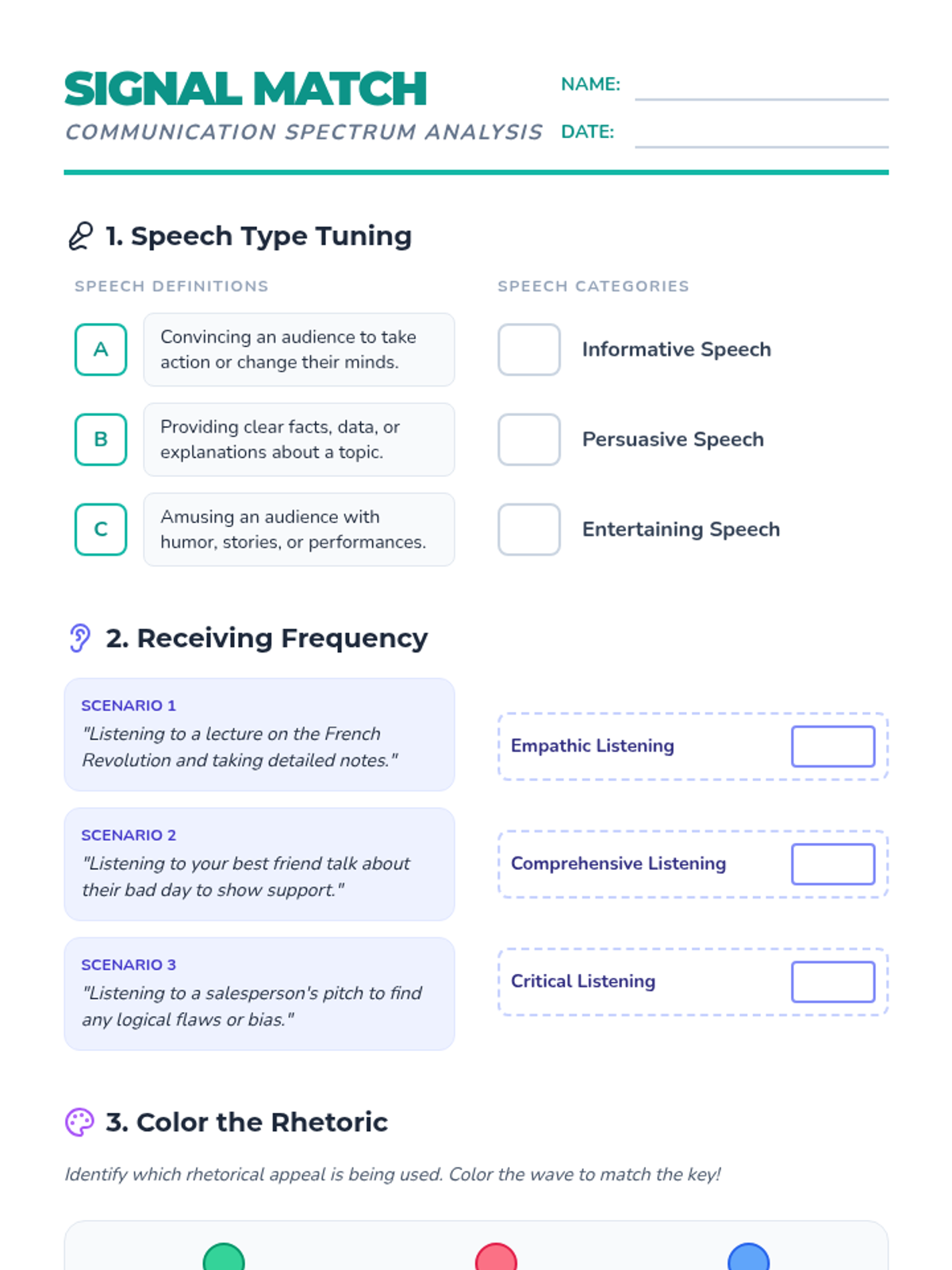
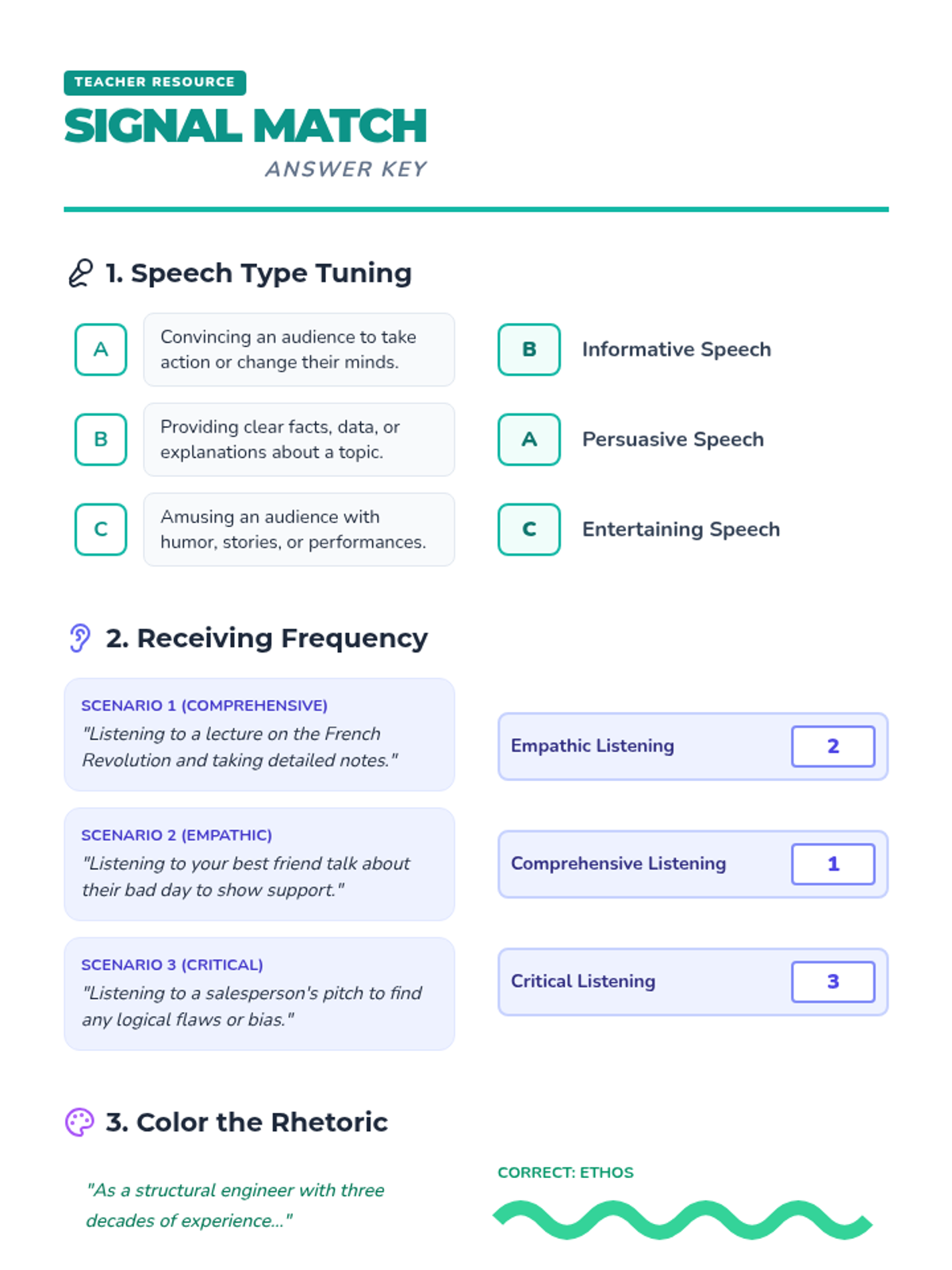
A deep dive into the art of communication, focusing on how we send, receive, and analyze spoken messages through various lenses of rhetoric and listening.
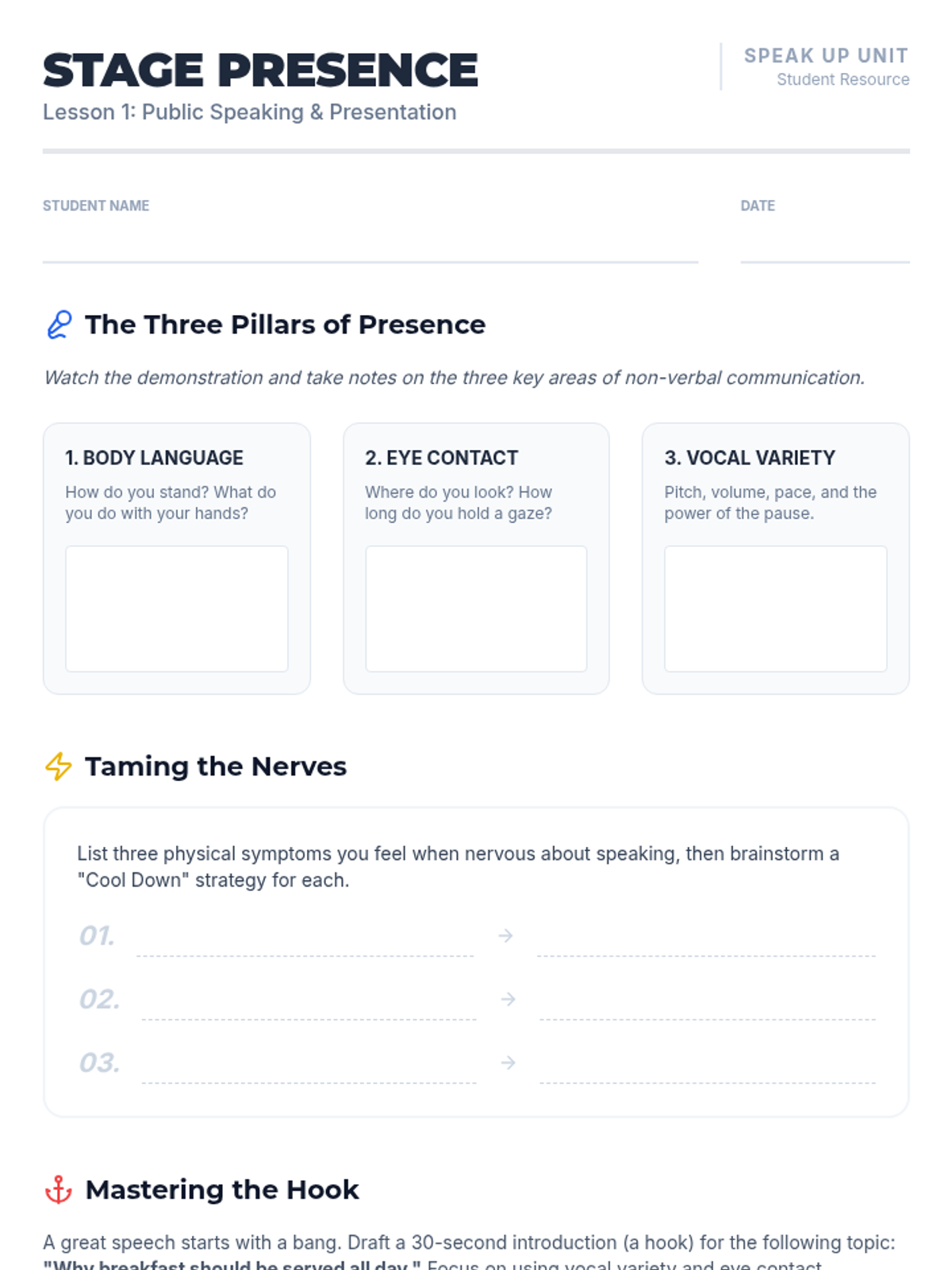
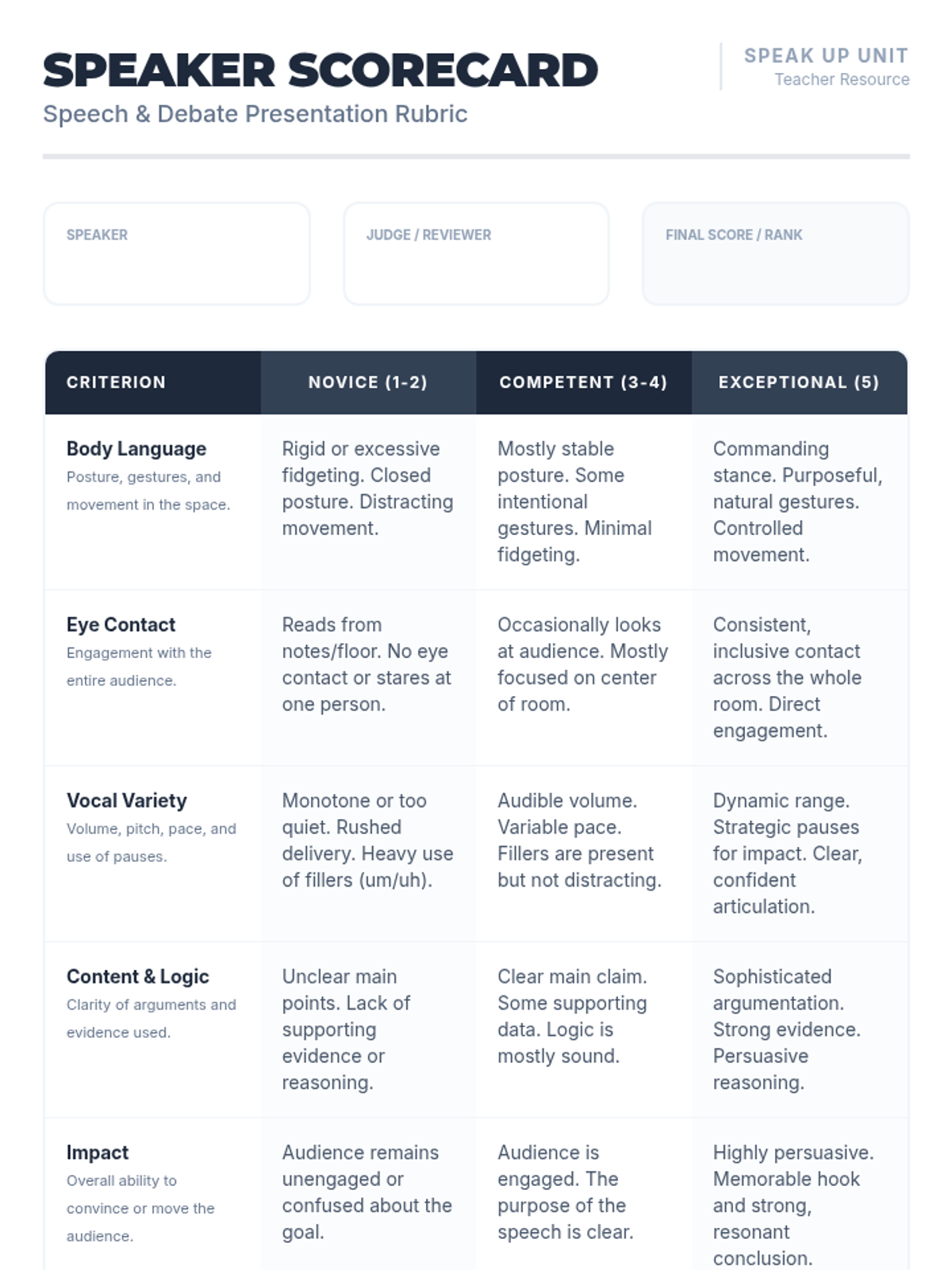
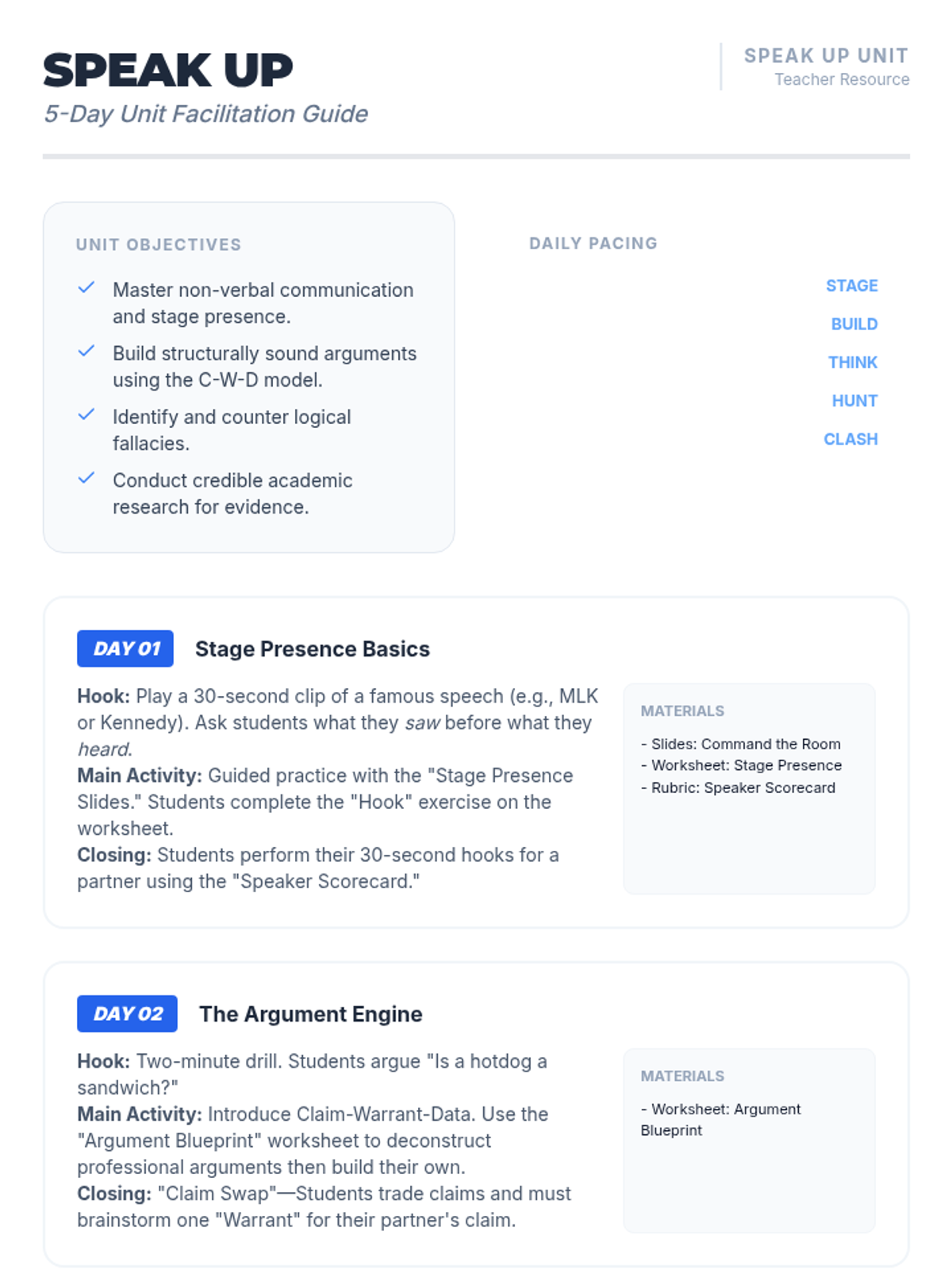
A comprehensive 5-day introductory unit on speech and debate, covering public speaking, argumentation, logic, research, and competitive formats.
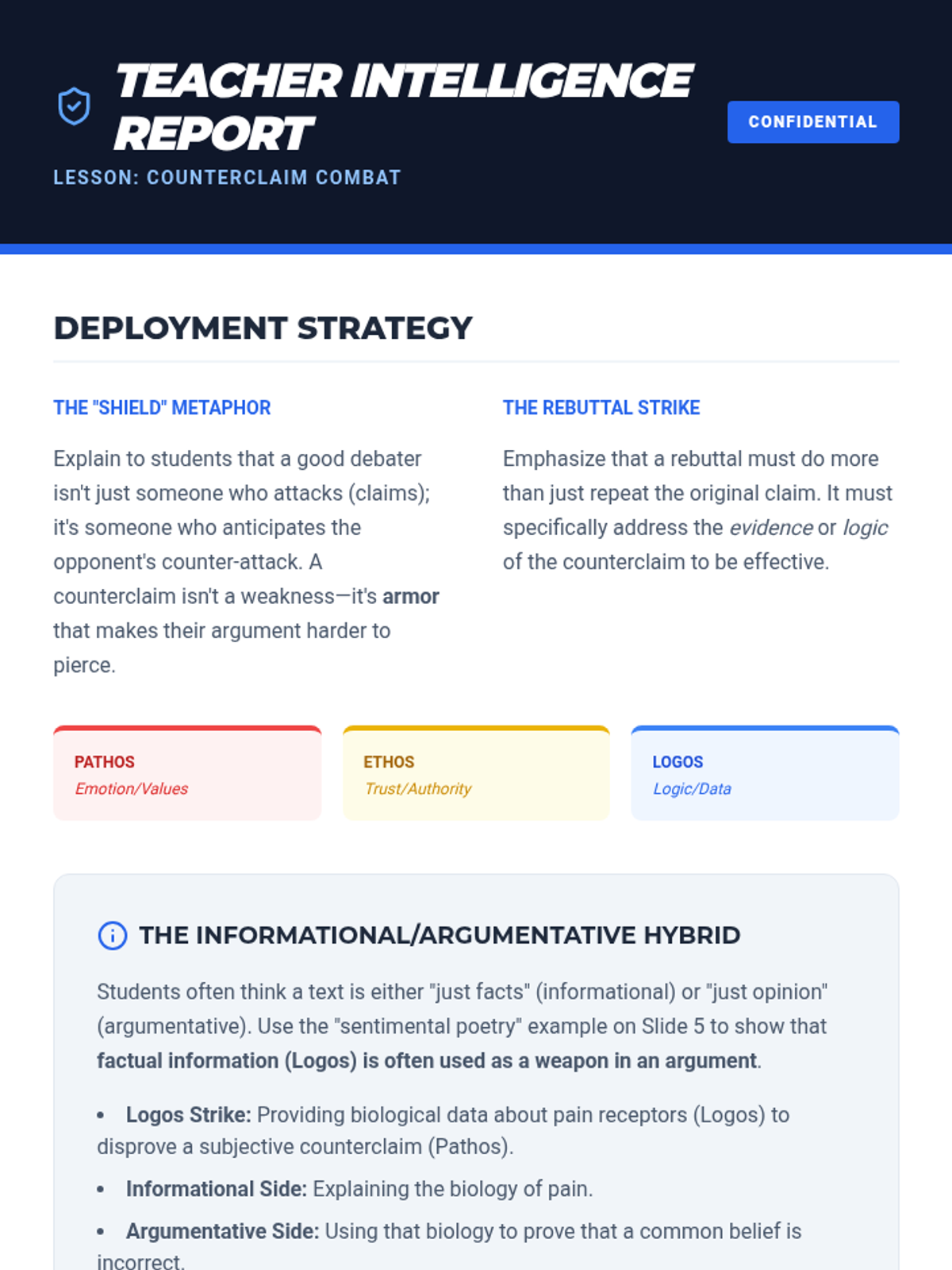
A series of lessons focused on mastering the art of persuasion and argumentative writing, from building claims to defending them against opposition.
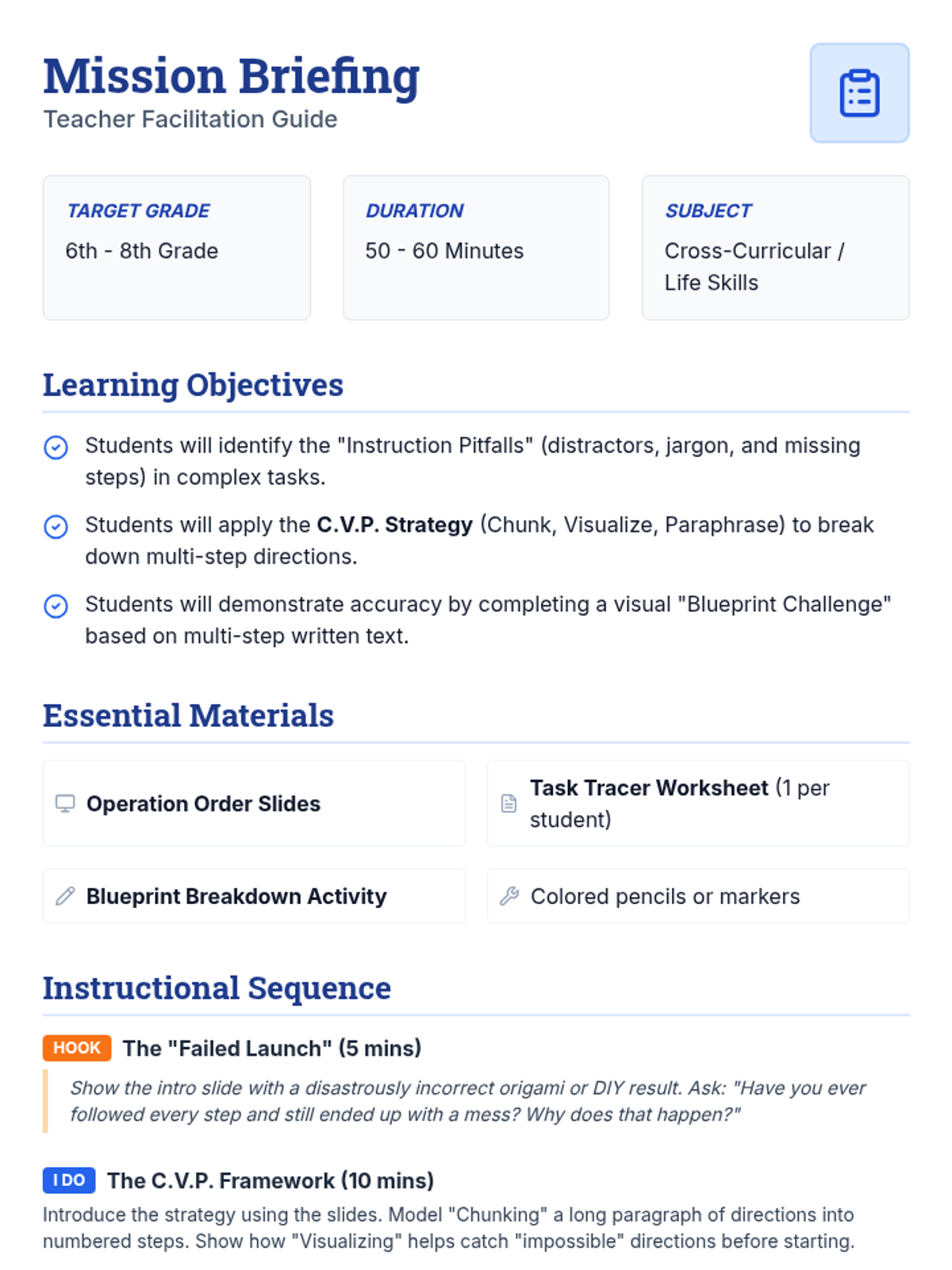
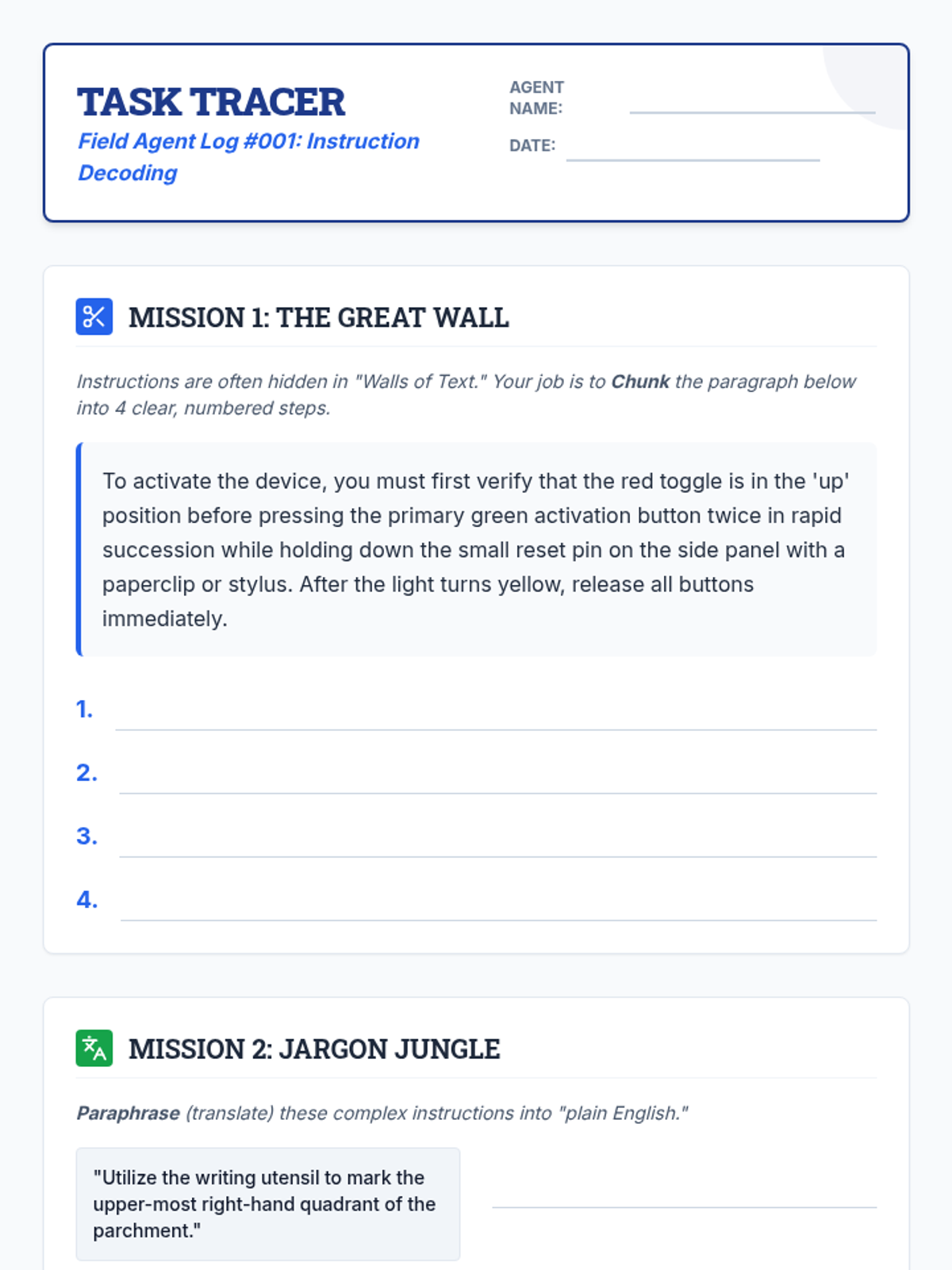
A middle school curriculum unit focused on critical thinking, information literacy, and strategic task management across digital and physical media.
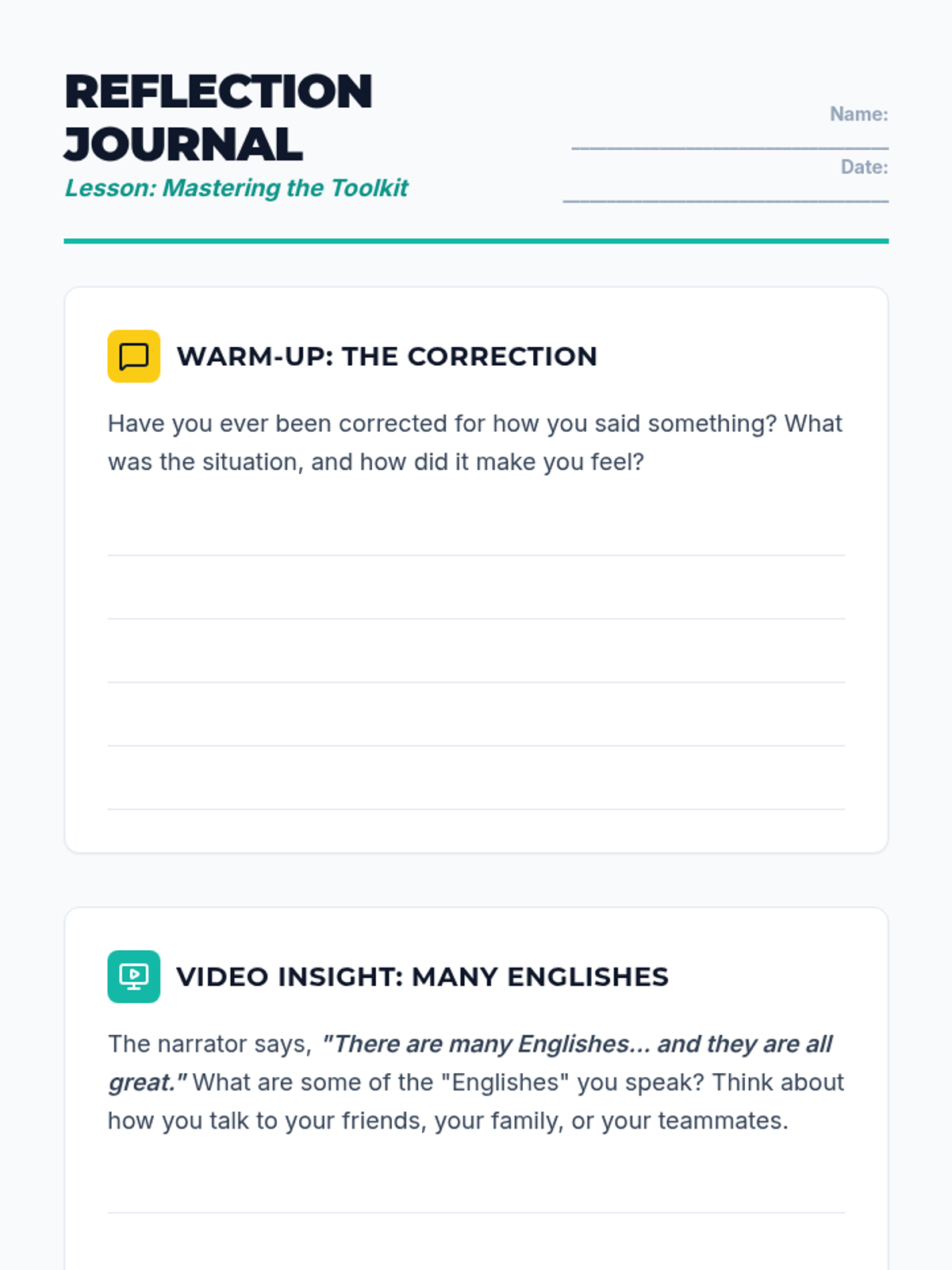
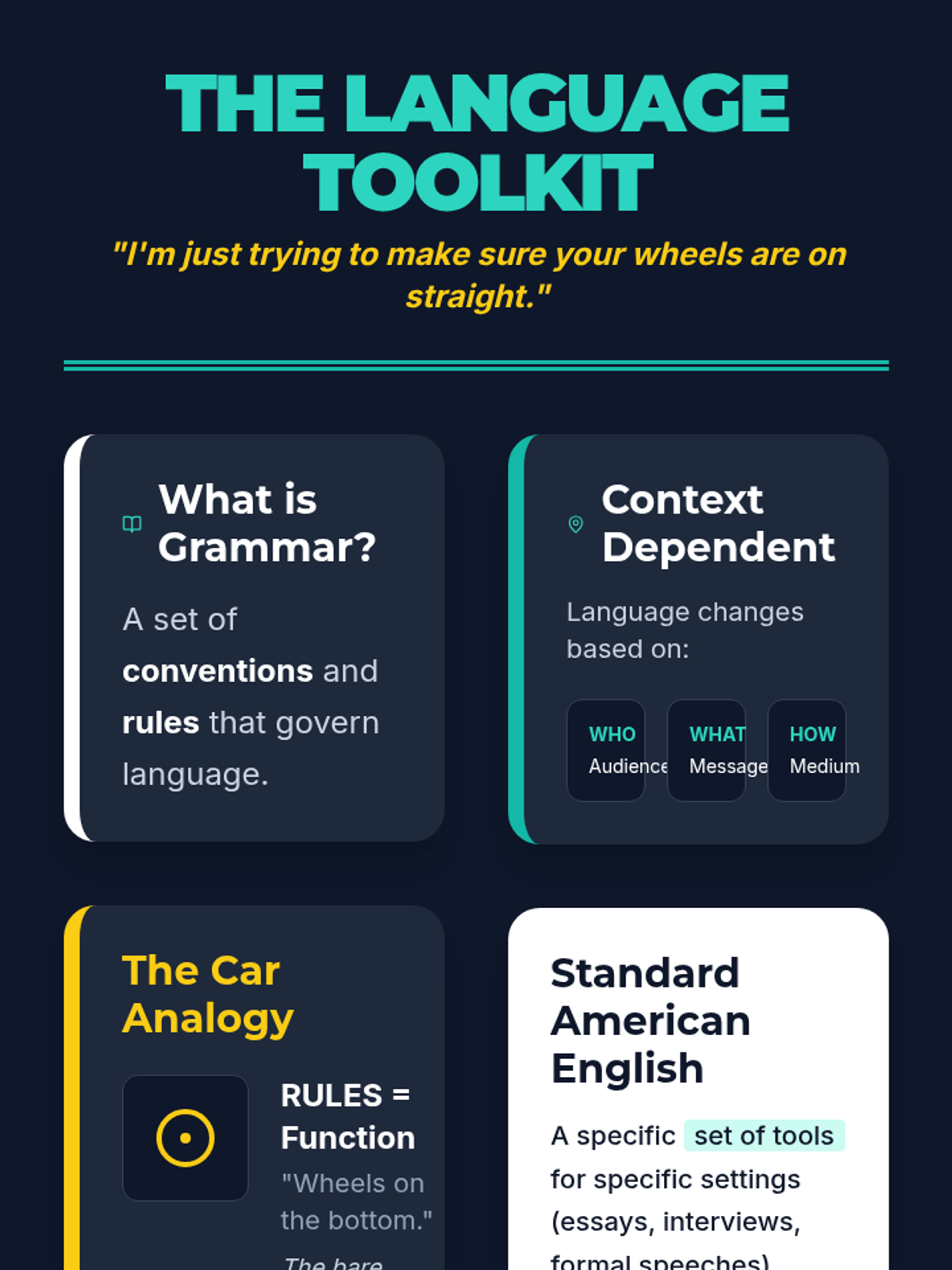
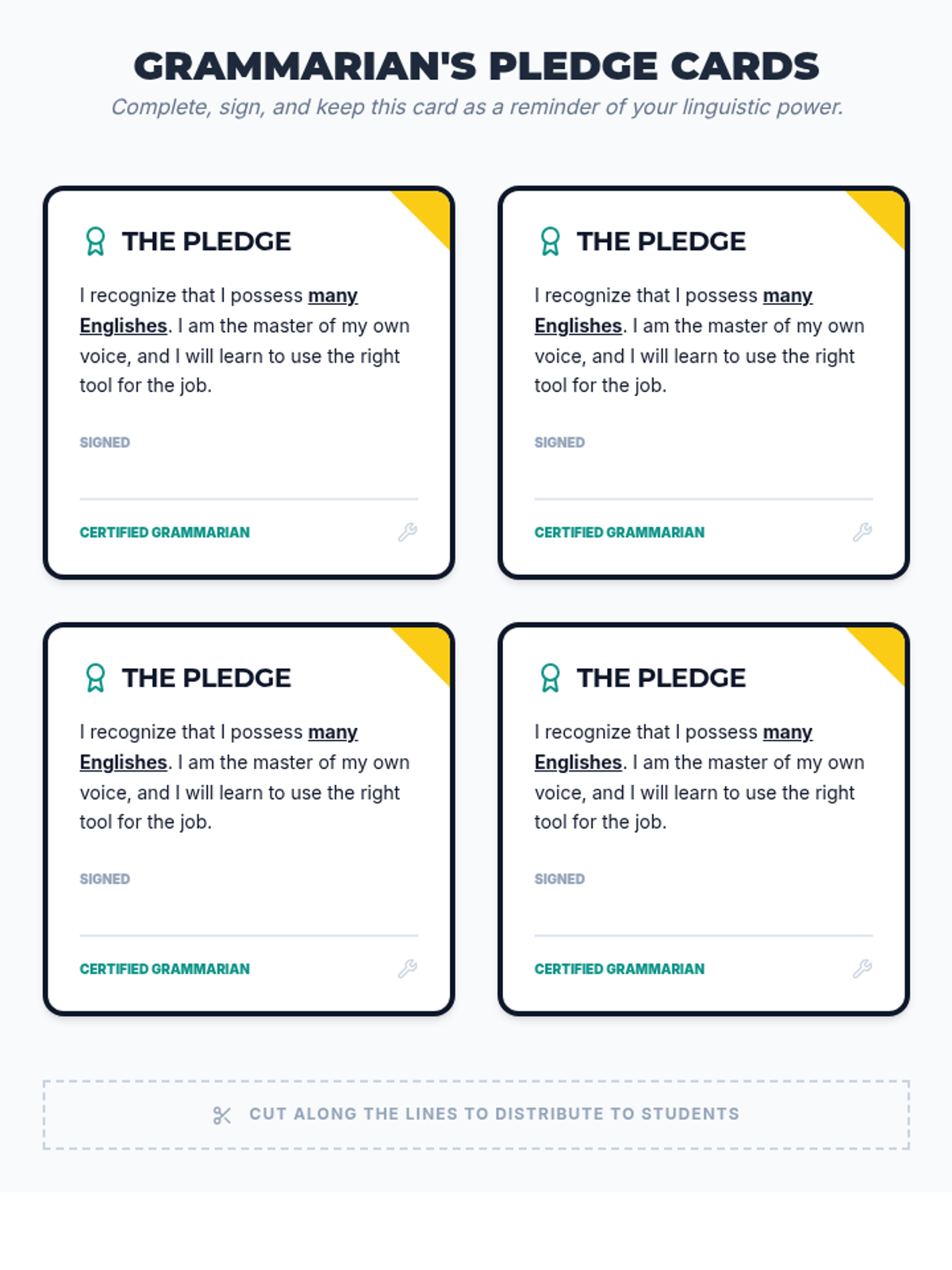
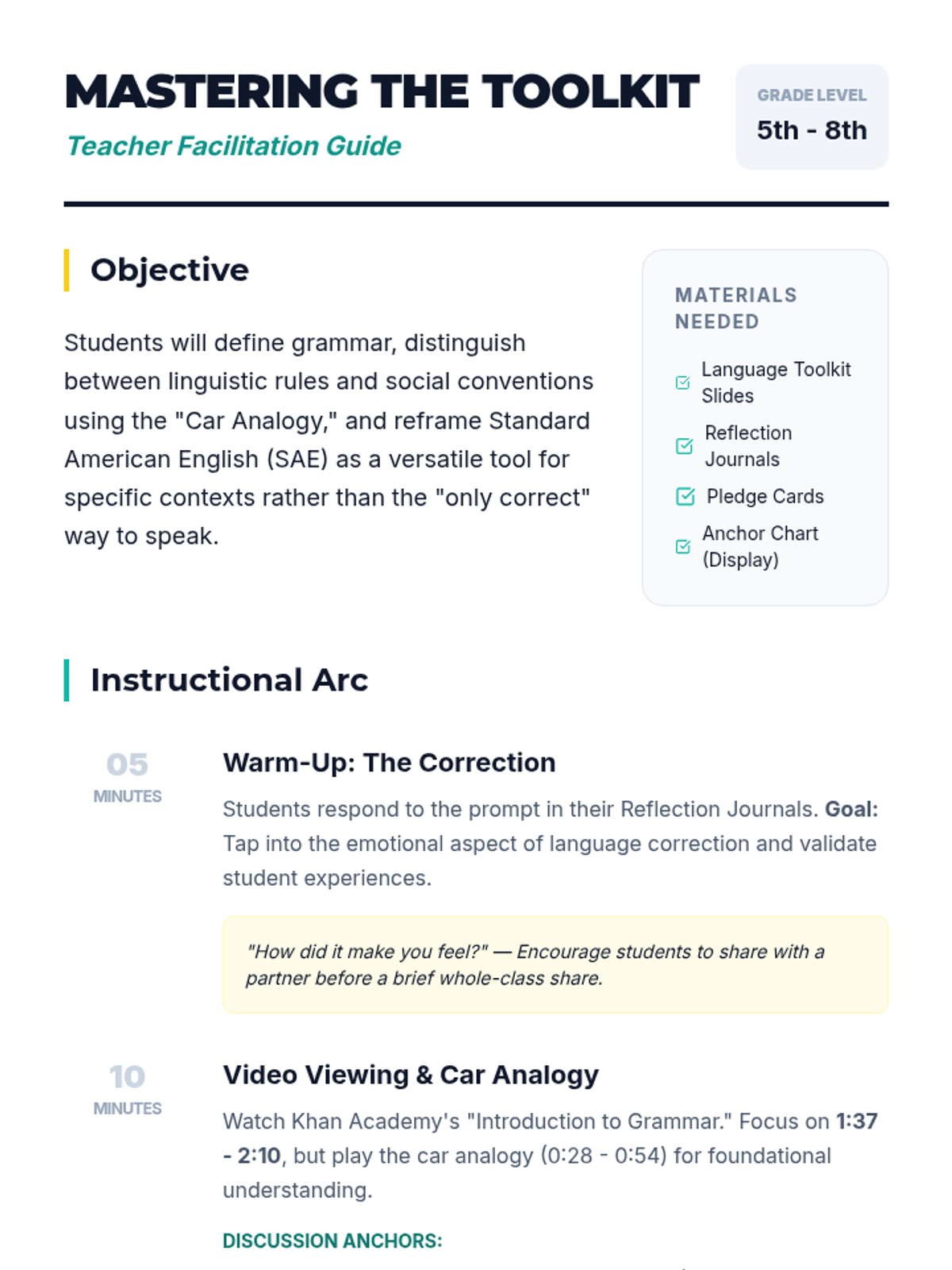
A lesson sequence exploring the concept of Standard American English as a versatile tool for communication, emphasizing that language varies by context and that all dialects are valid. Students analyze the 'car analogy' from Khan Academy to distinguish between fundamental grammar rules and social conventions.
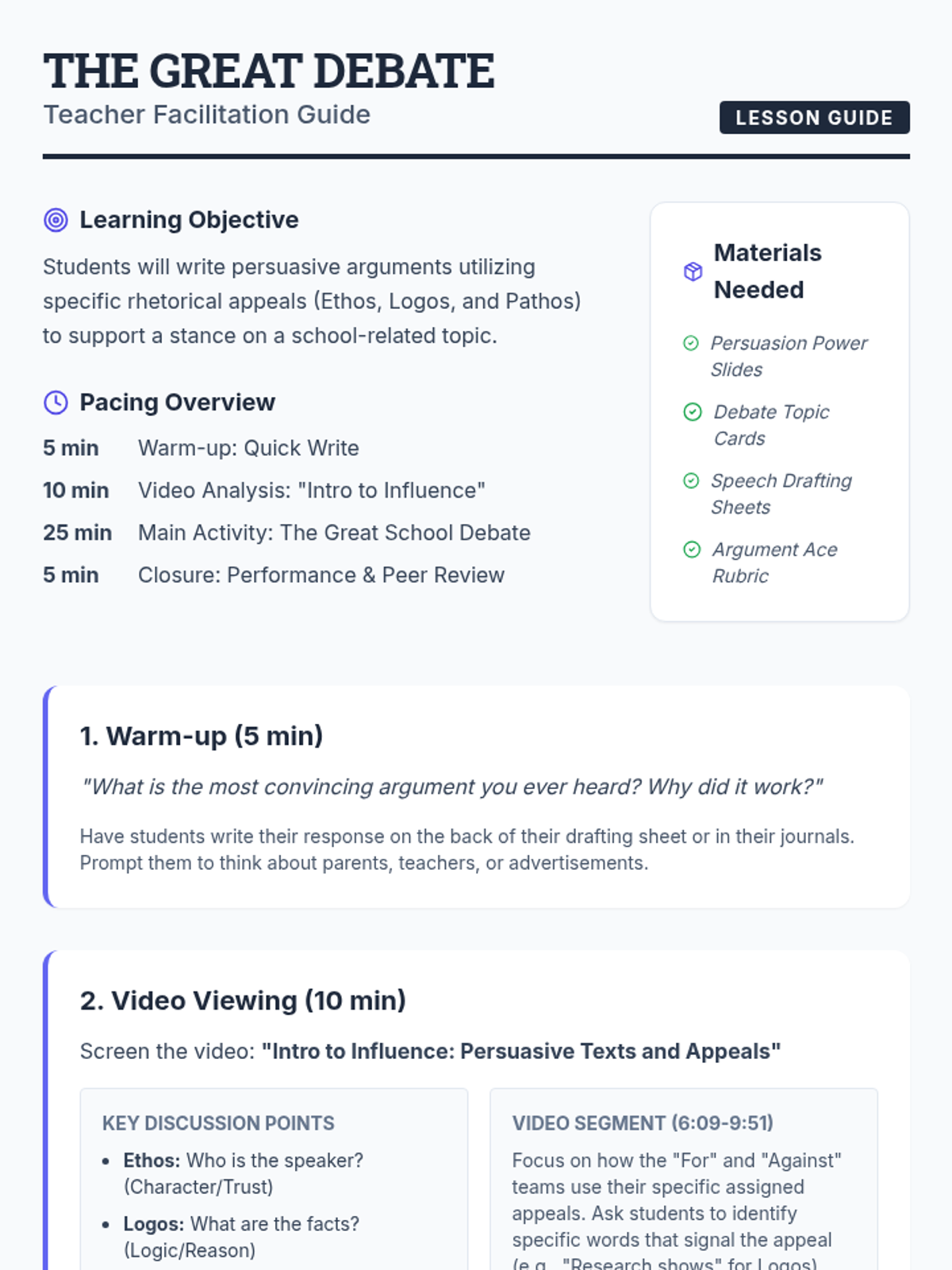
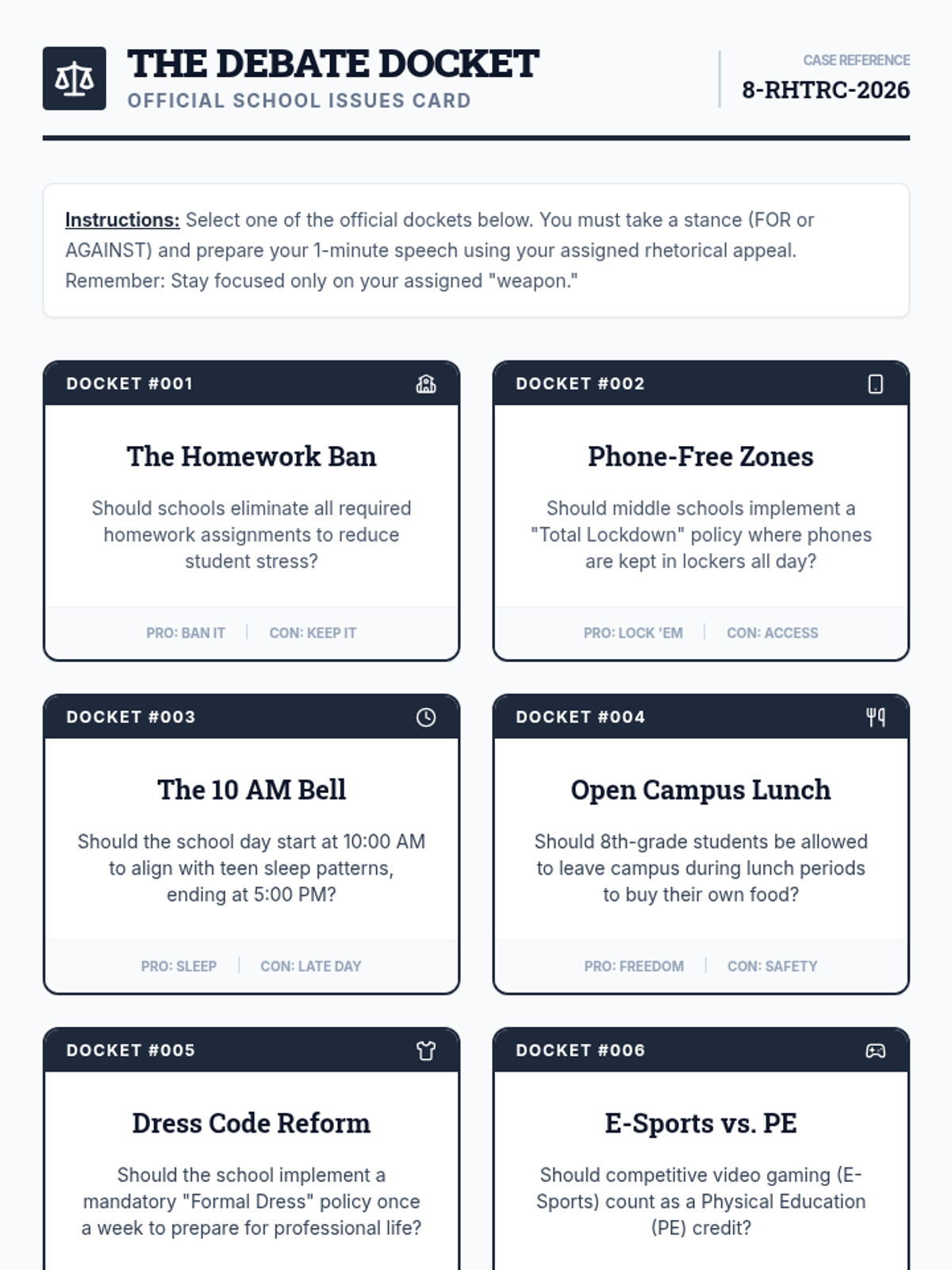
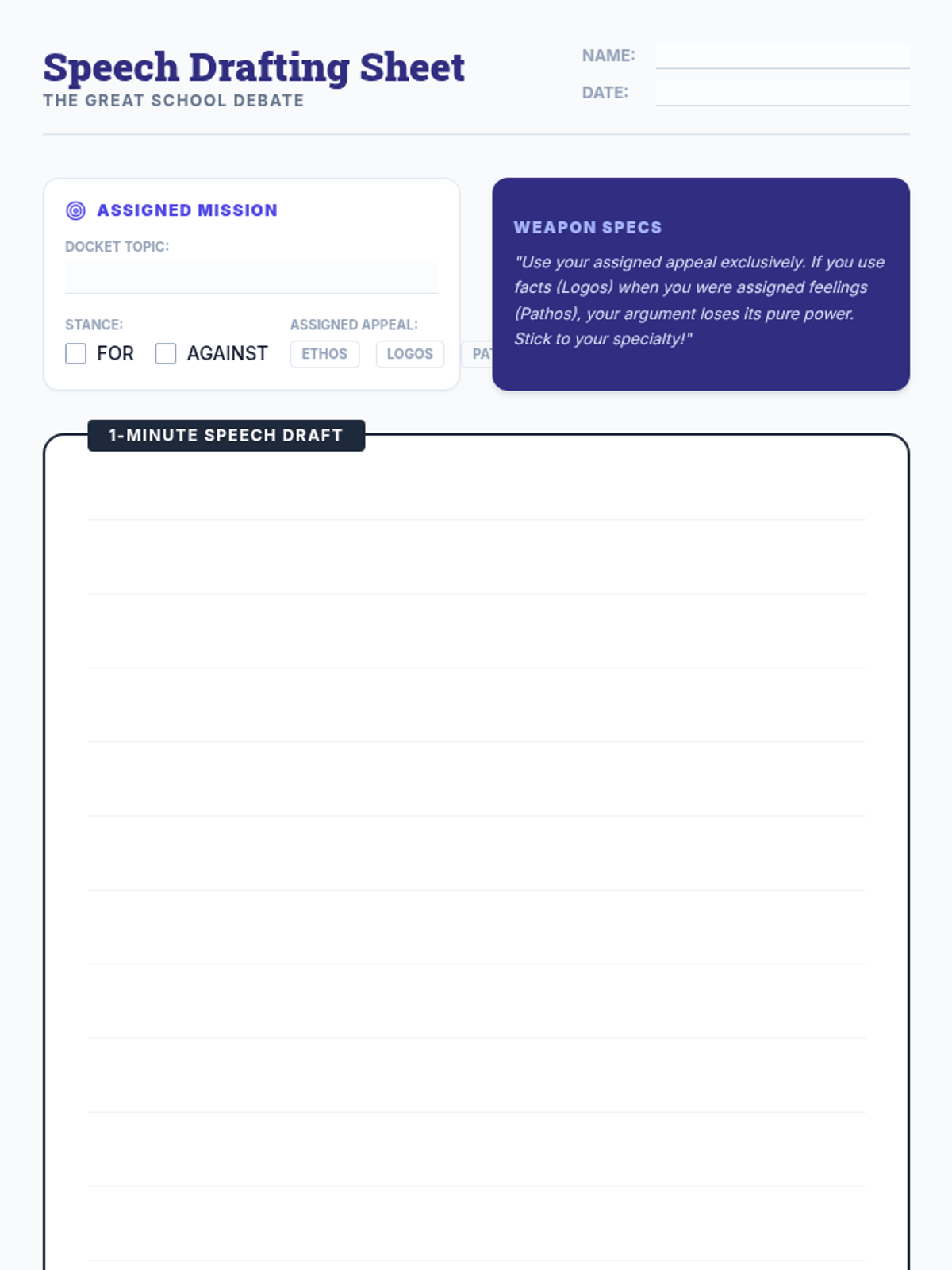
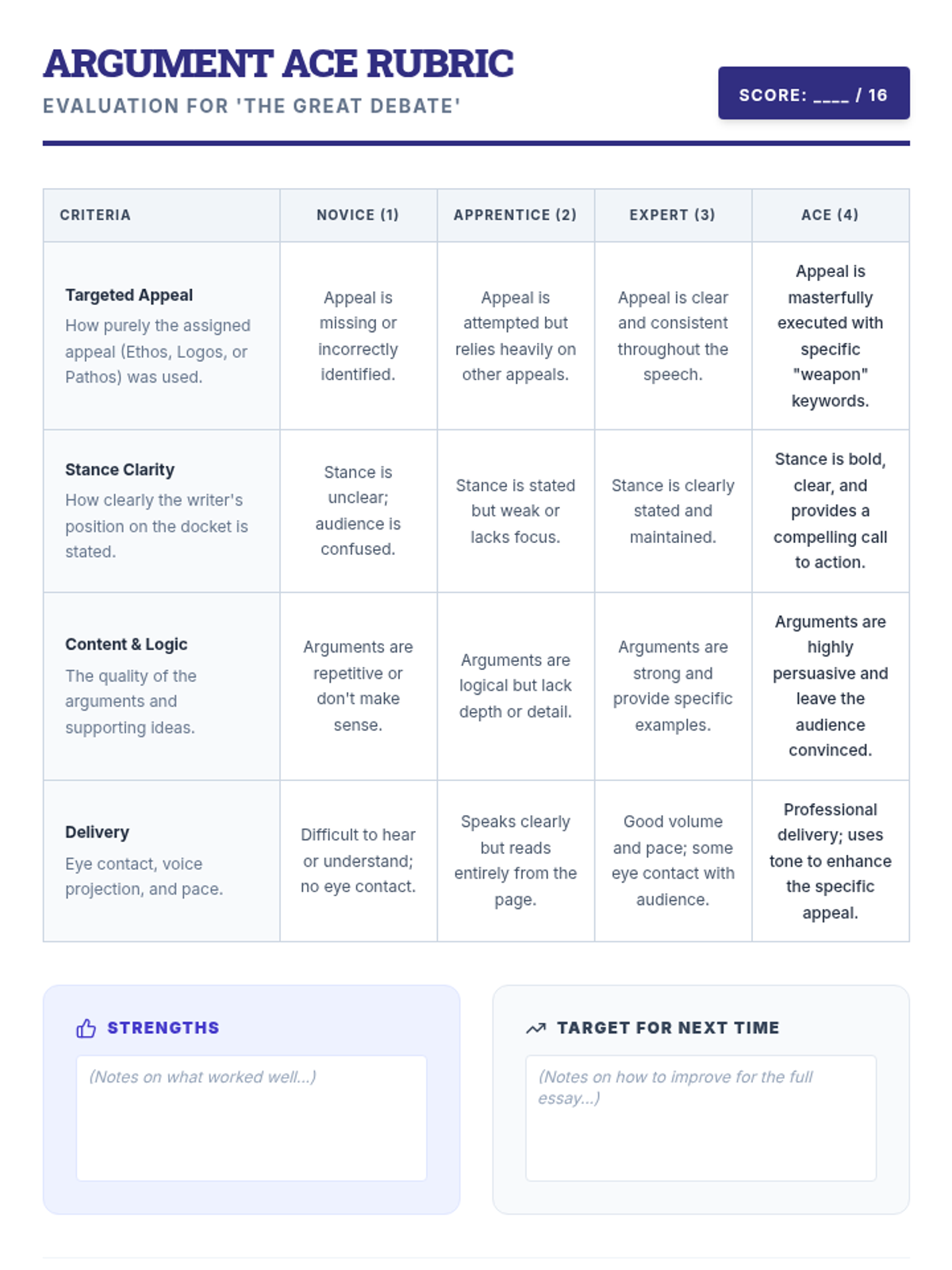
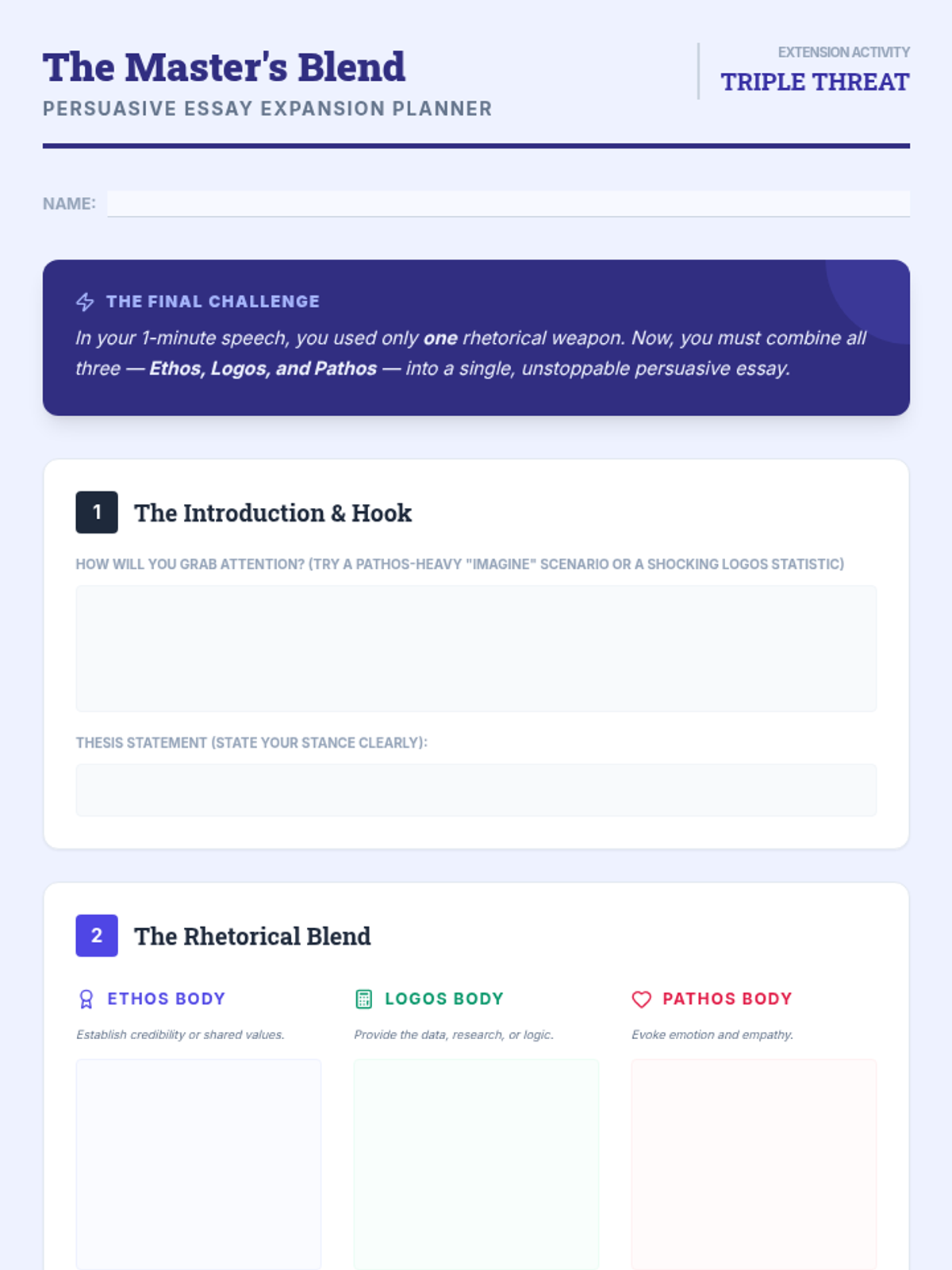
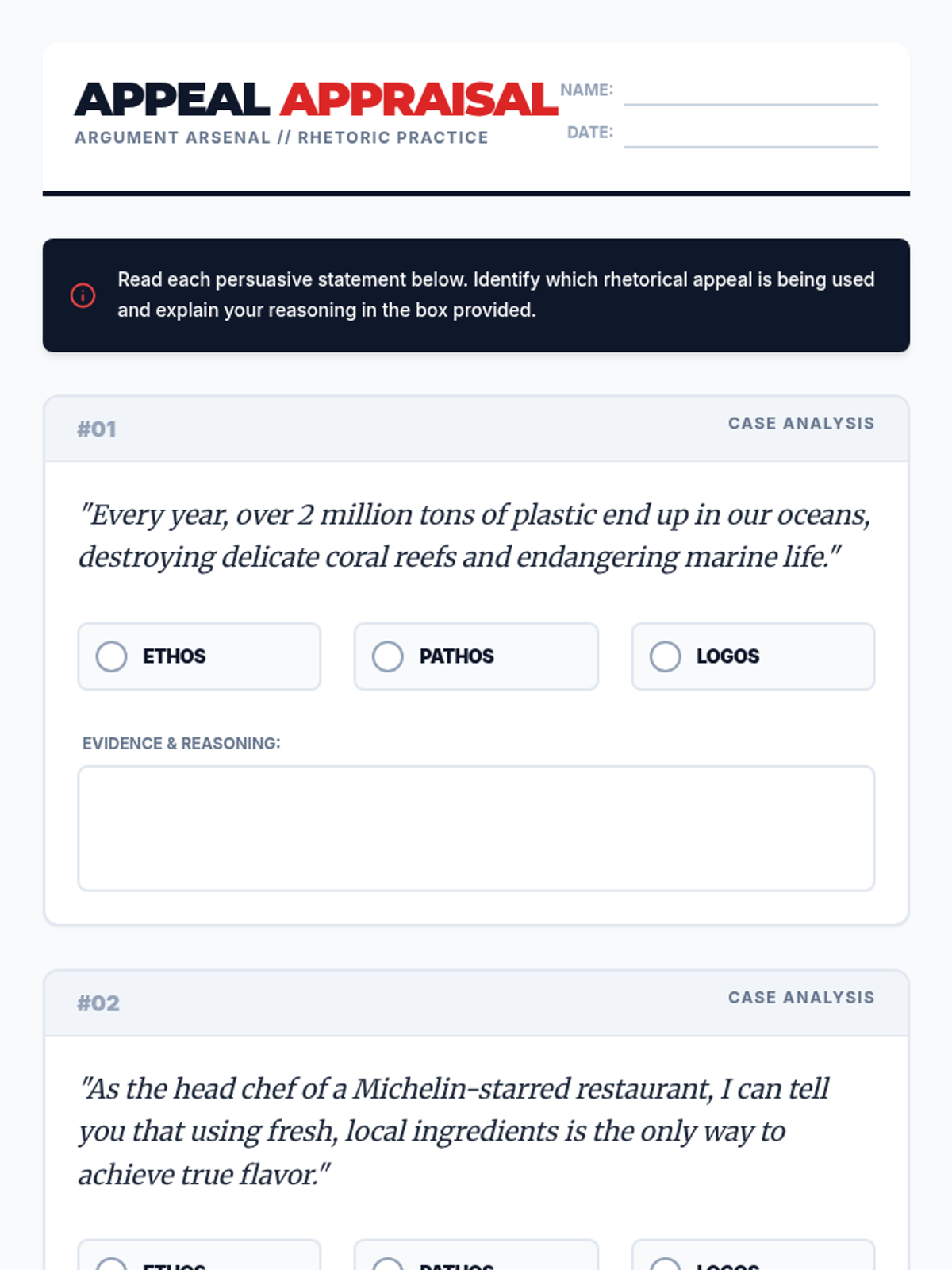
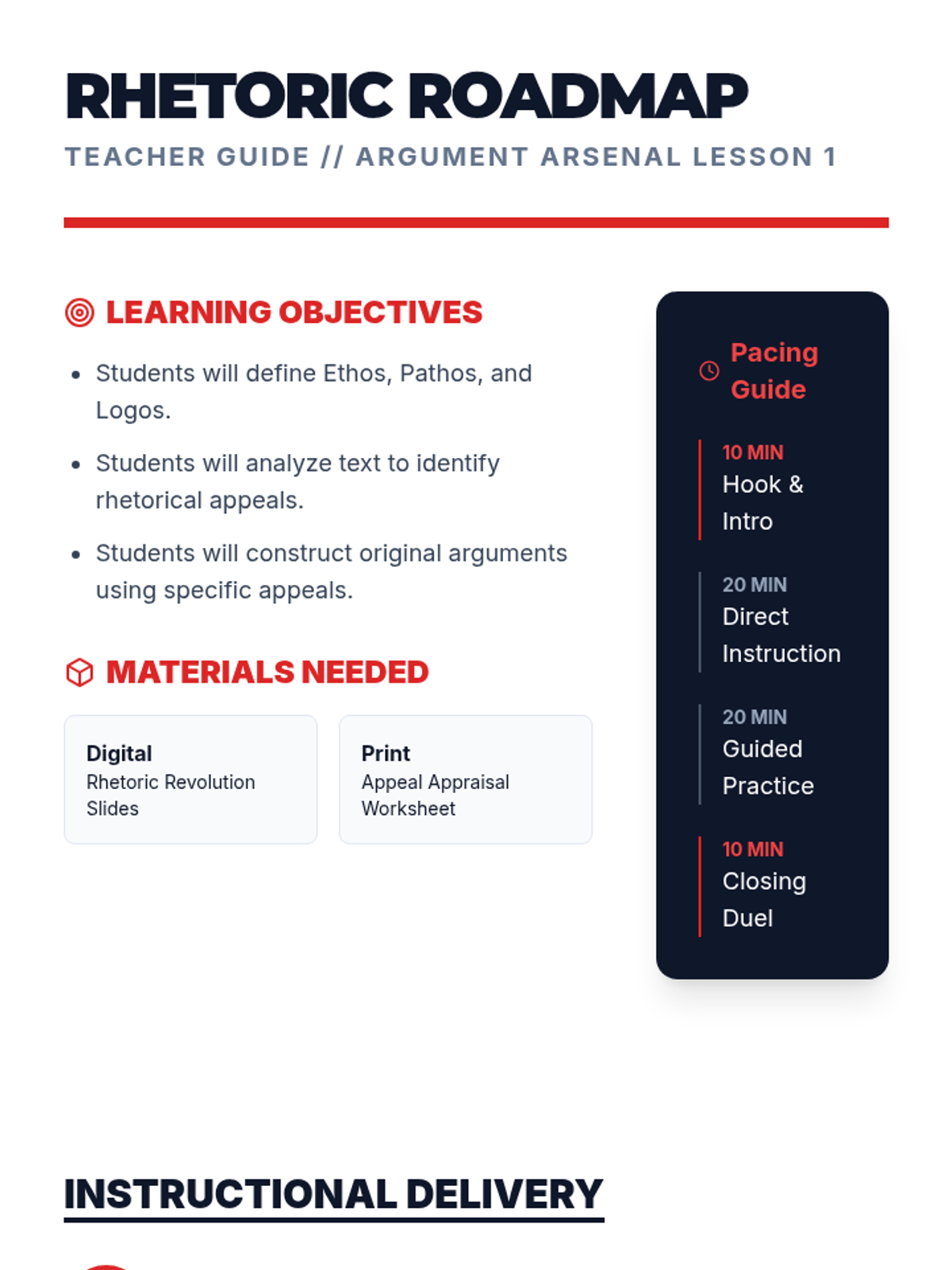
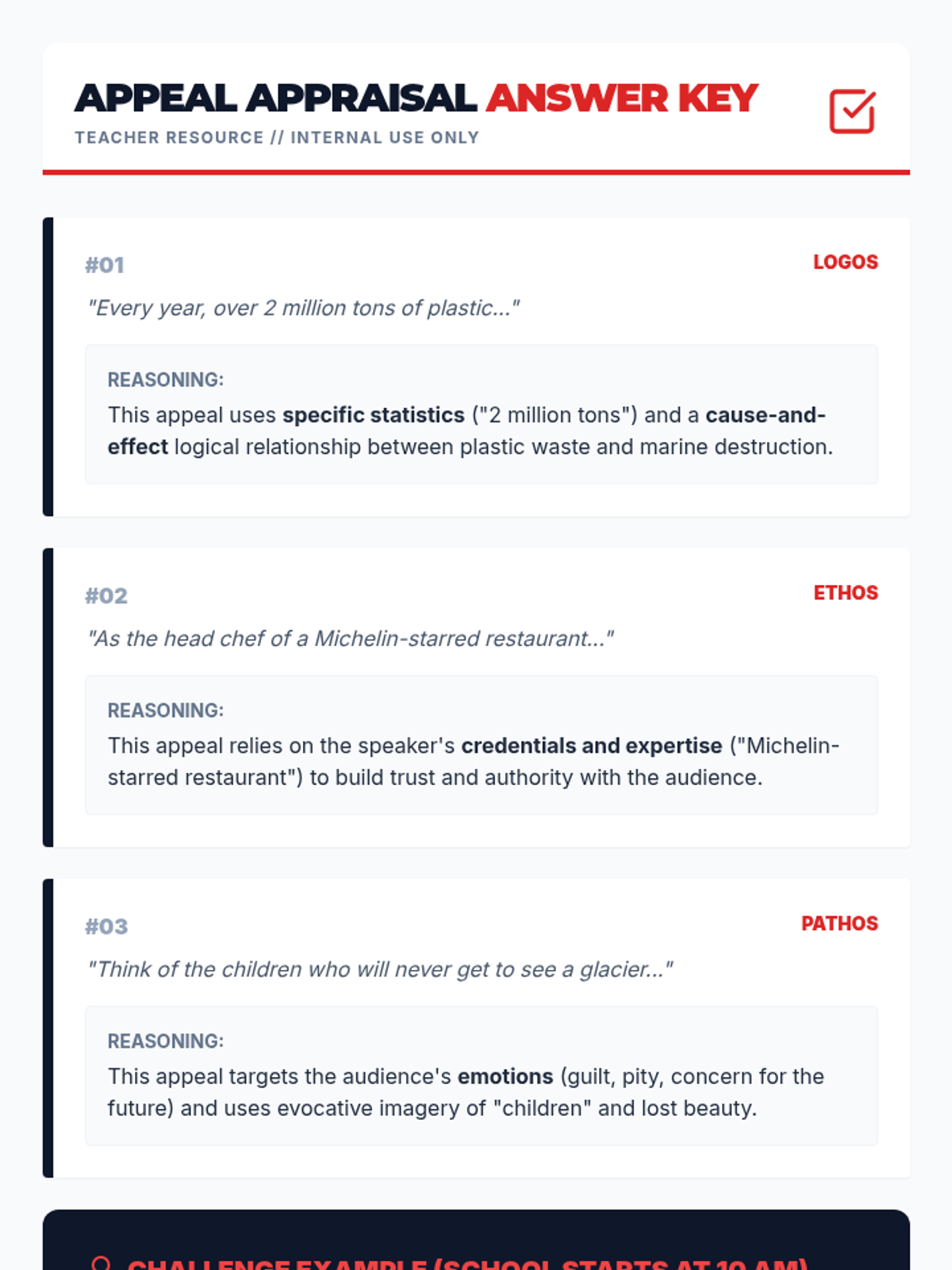
A lesson sequence focused on mastering the three rhetorical appeals (Ethos, Logos, and Pathos) through video analysis and a simulated school debate.
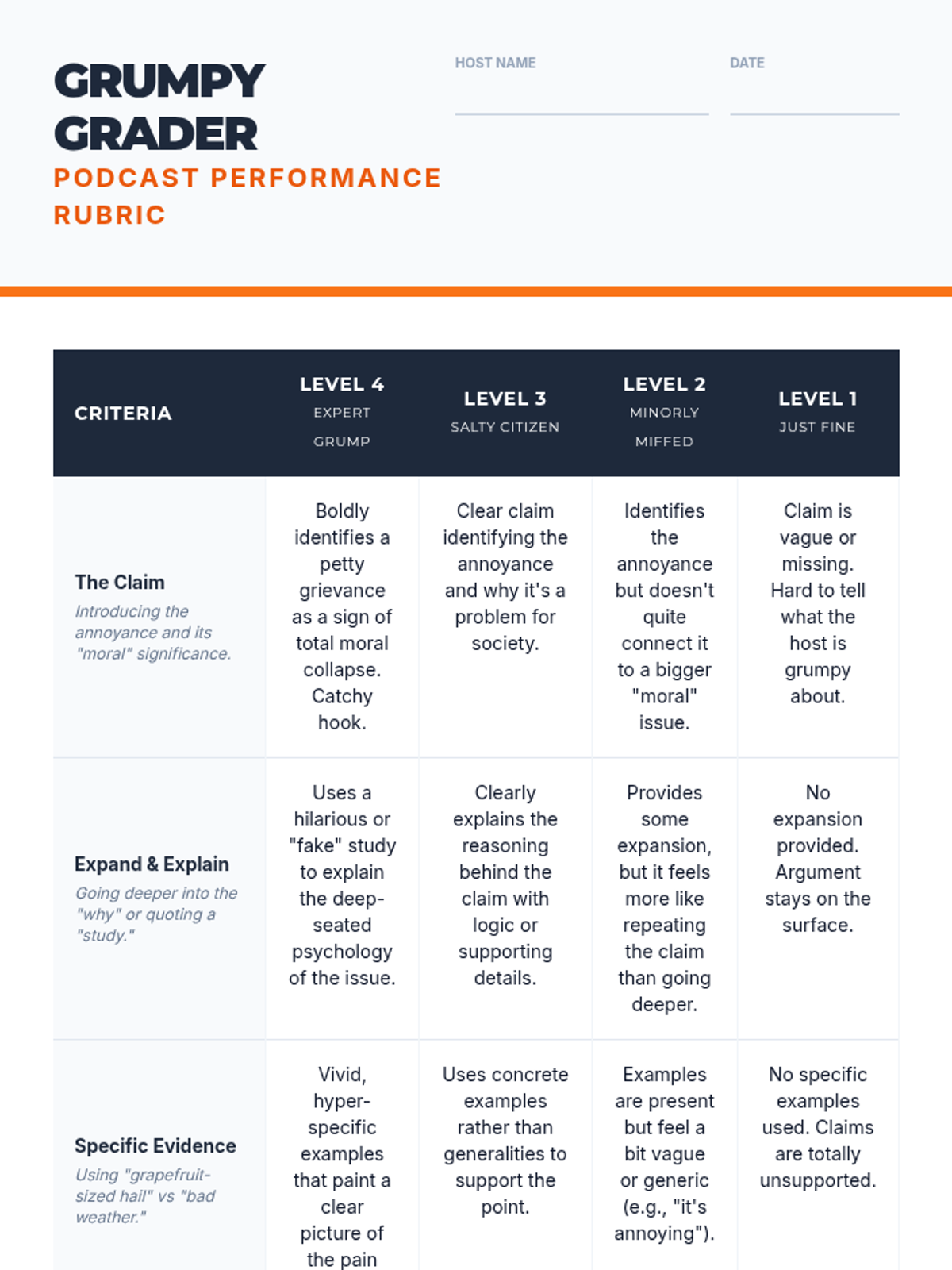
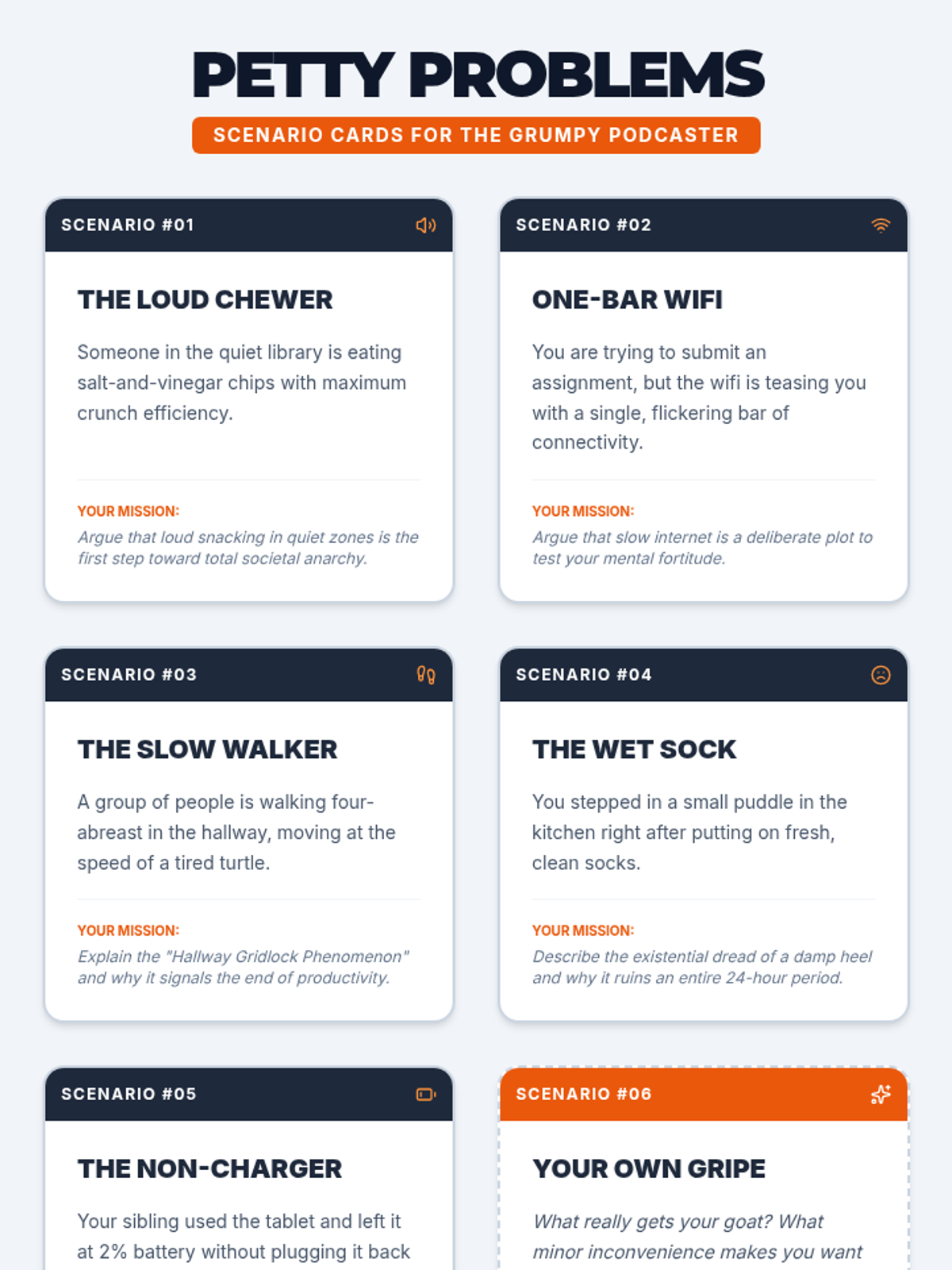
A debate and communication sequence focused on teaching middle schoolers how to build persuasive arguments through creative performance and structured analysis.
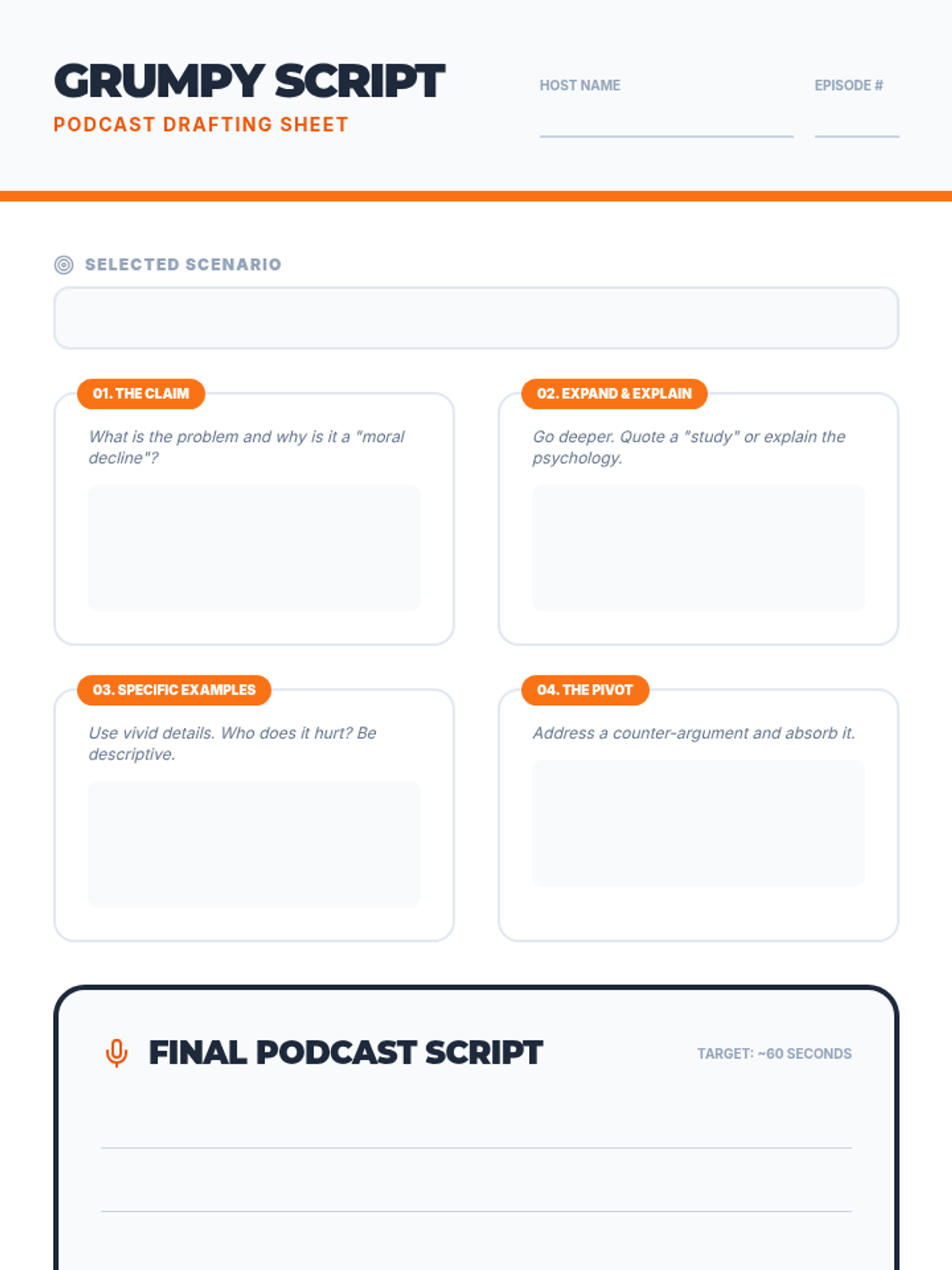
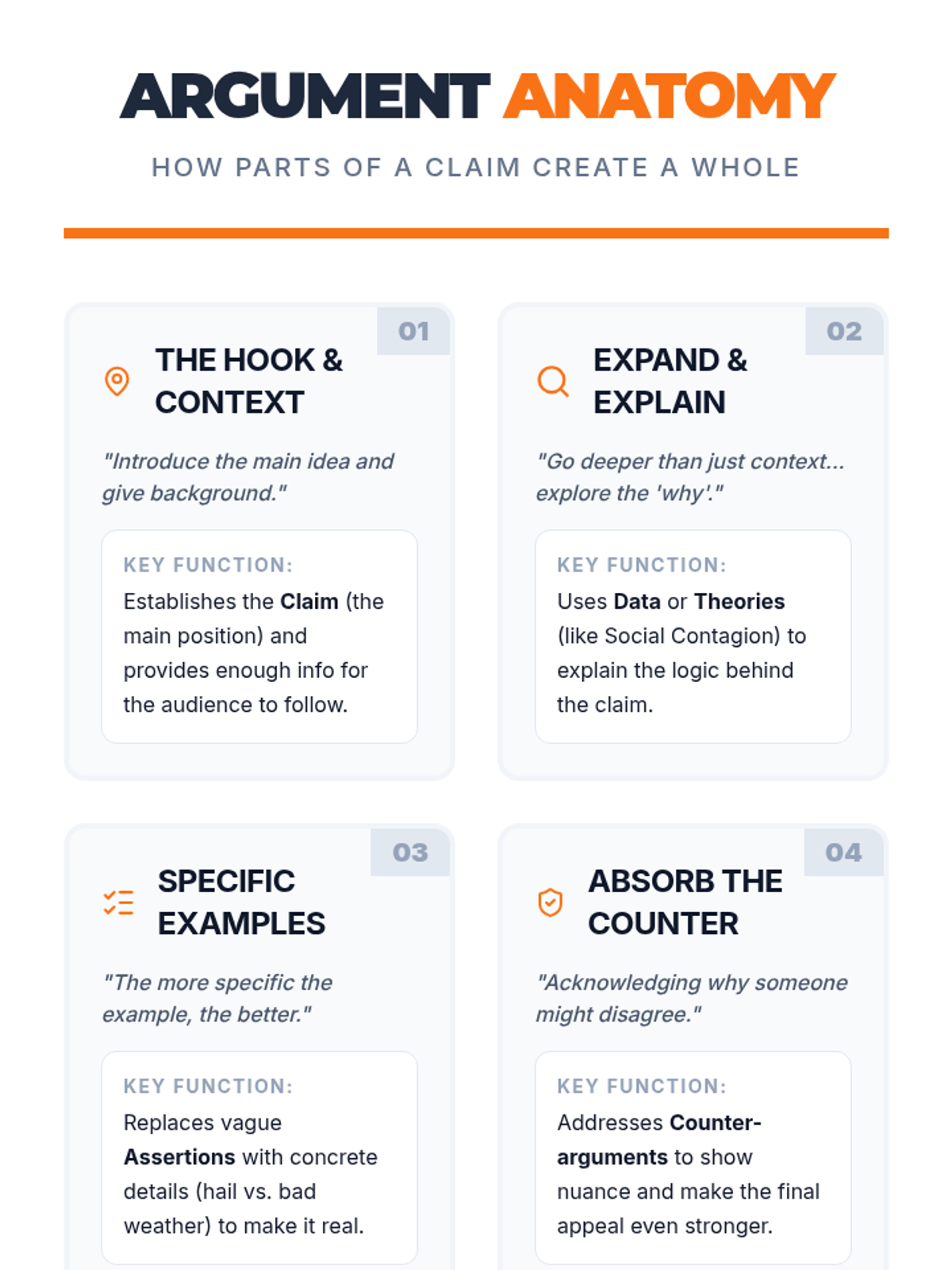
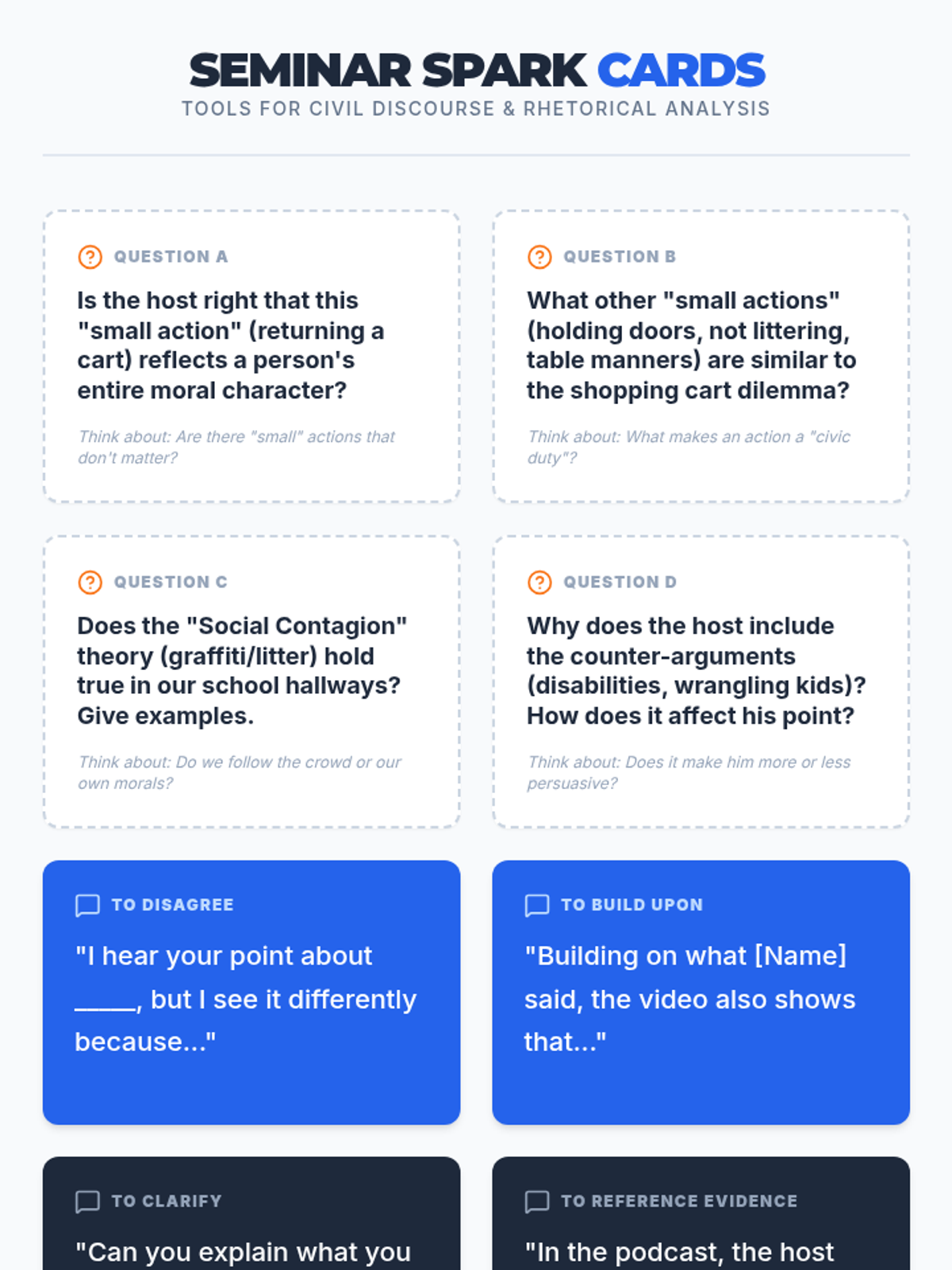
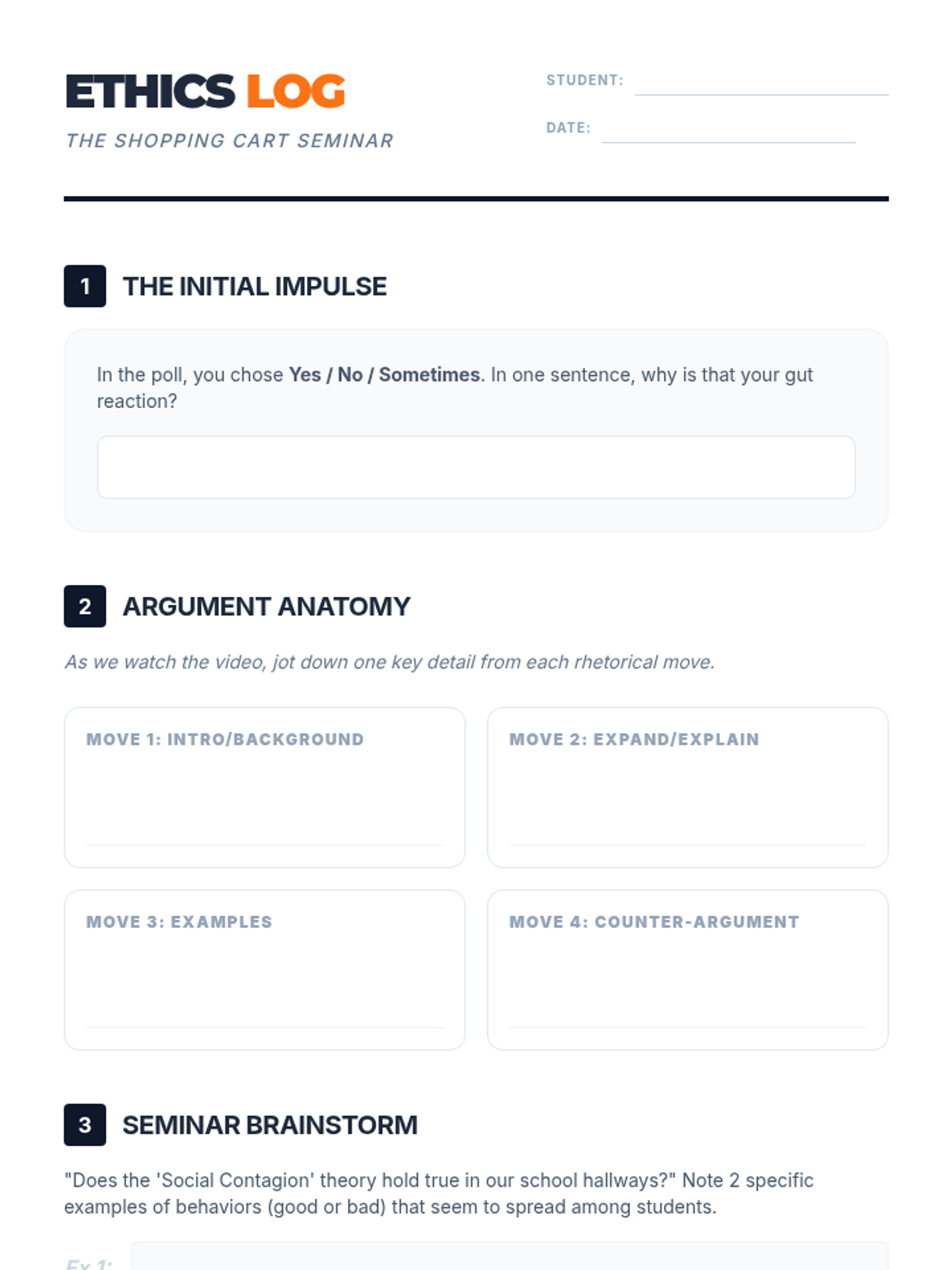
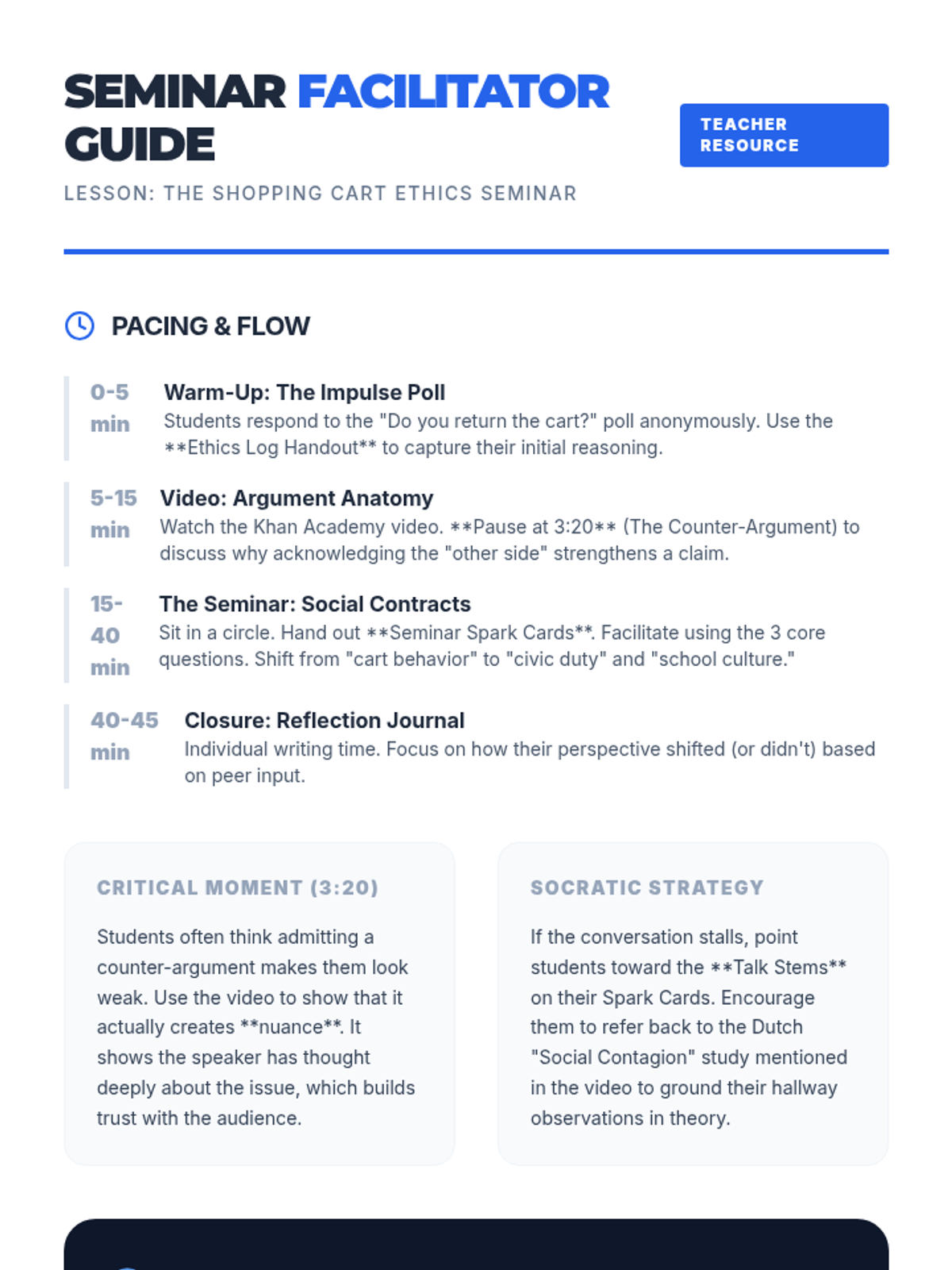
A lesson sequence exploring the intersection of civic duty, social contracts, and rhetorical analysis through the lens of the 'Shopping Cart Theory'. Students analyze a structured argument and participate in a Socratic Seminar.
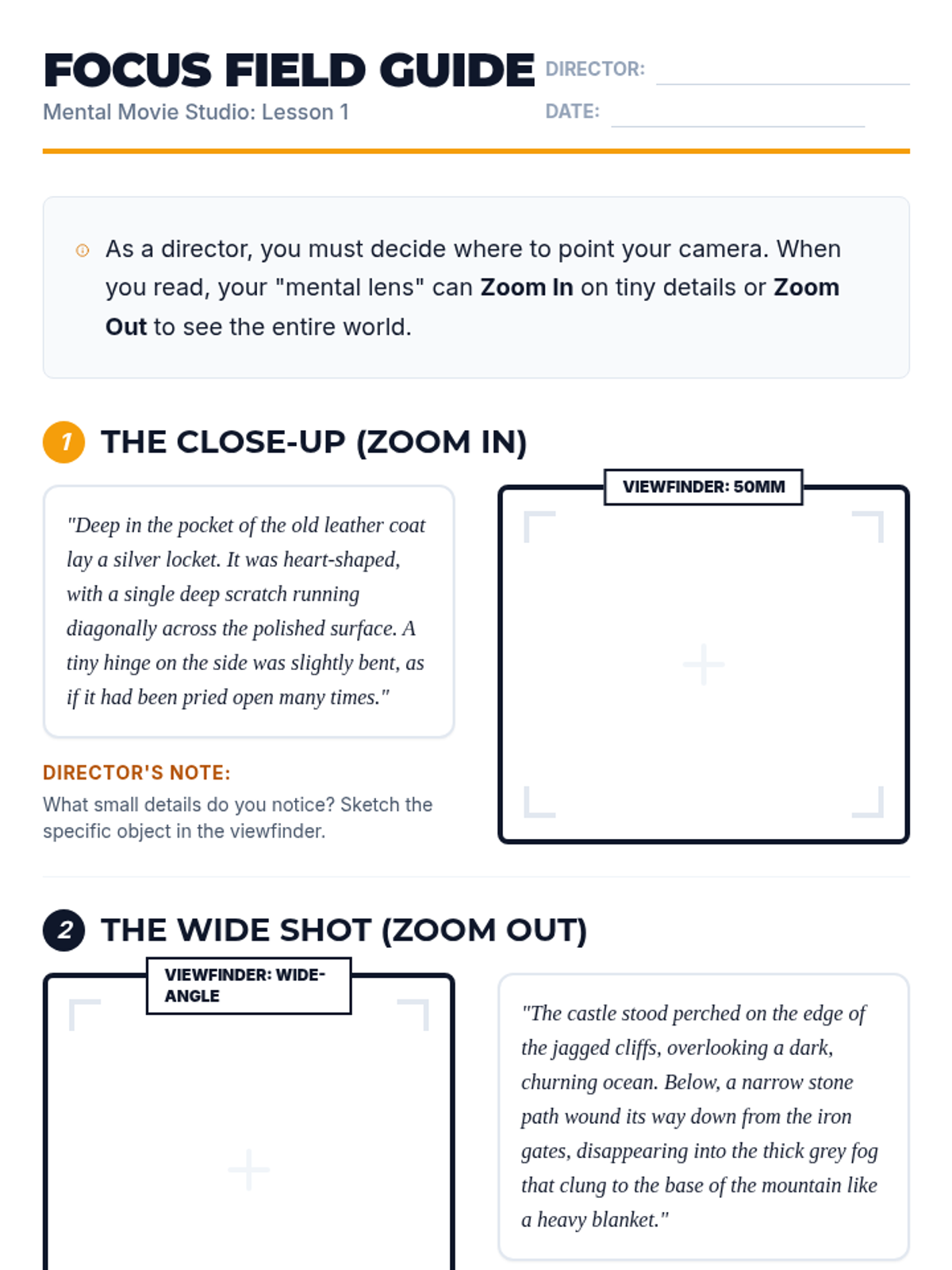
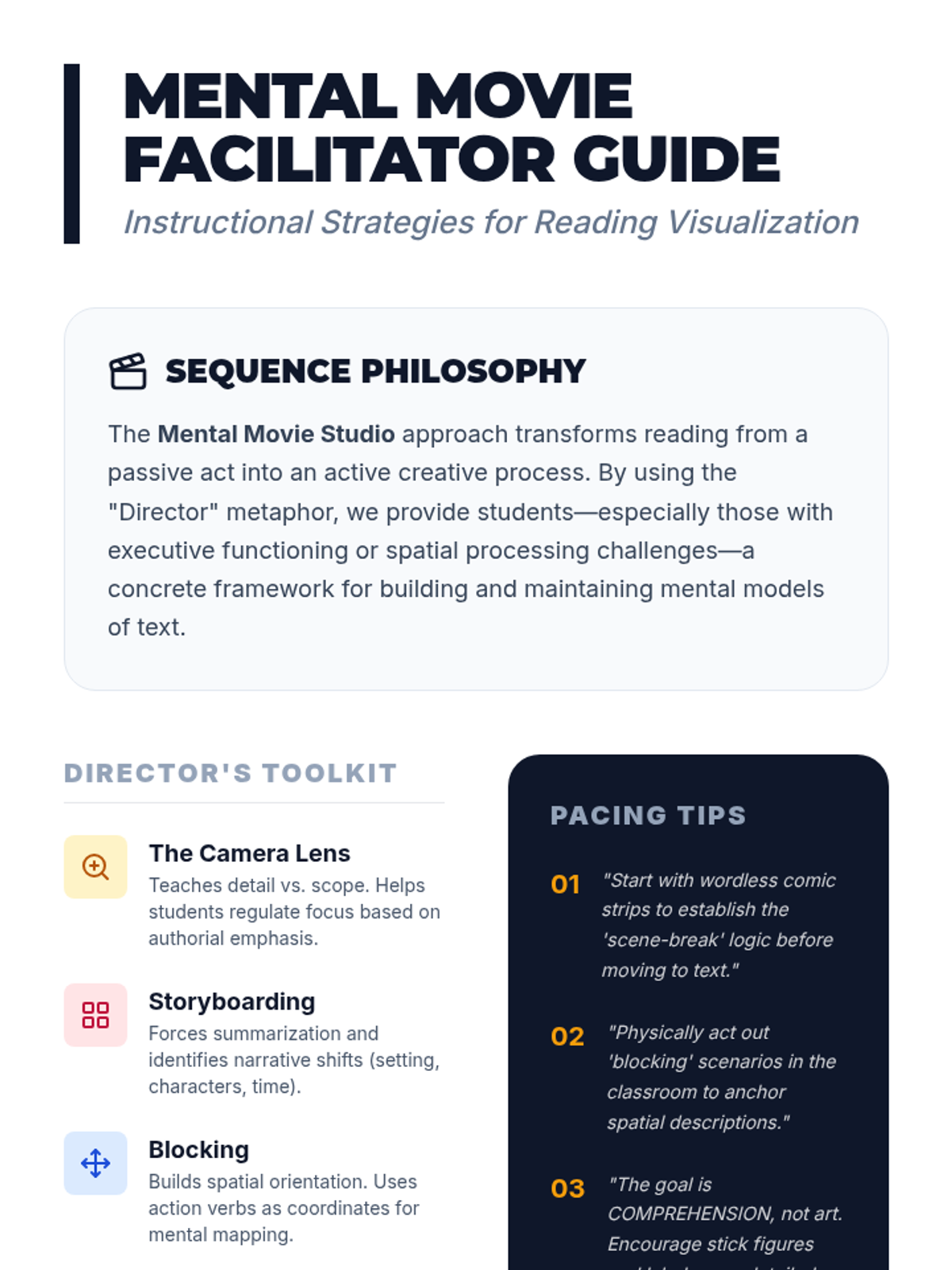
A comprehensive sequence designed to help 7th-grade students strengthen reading comprehension through visualization. Using a 'Director's Lens' metaphor, students learn to segment text, track character movement, analyze mood, and justify their mental imagery with text evidence.
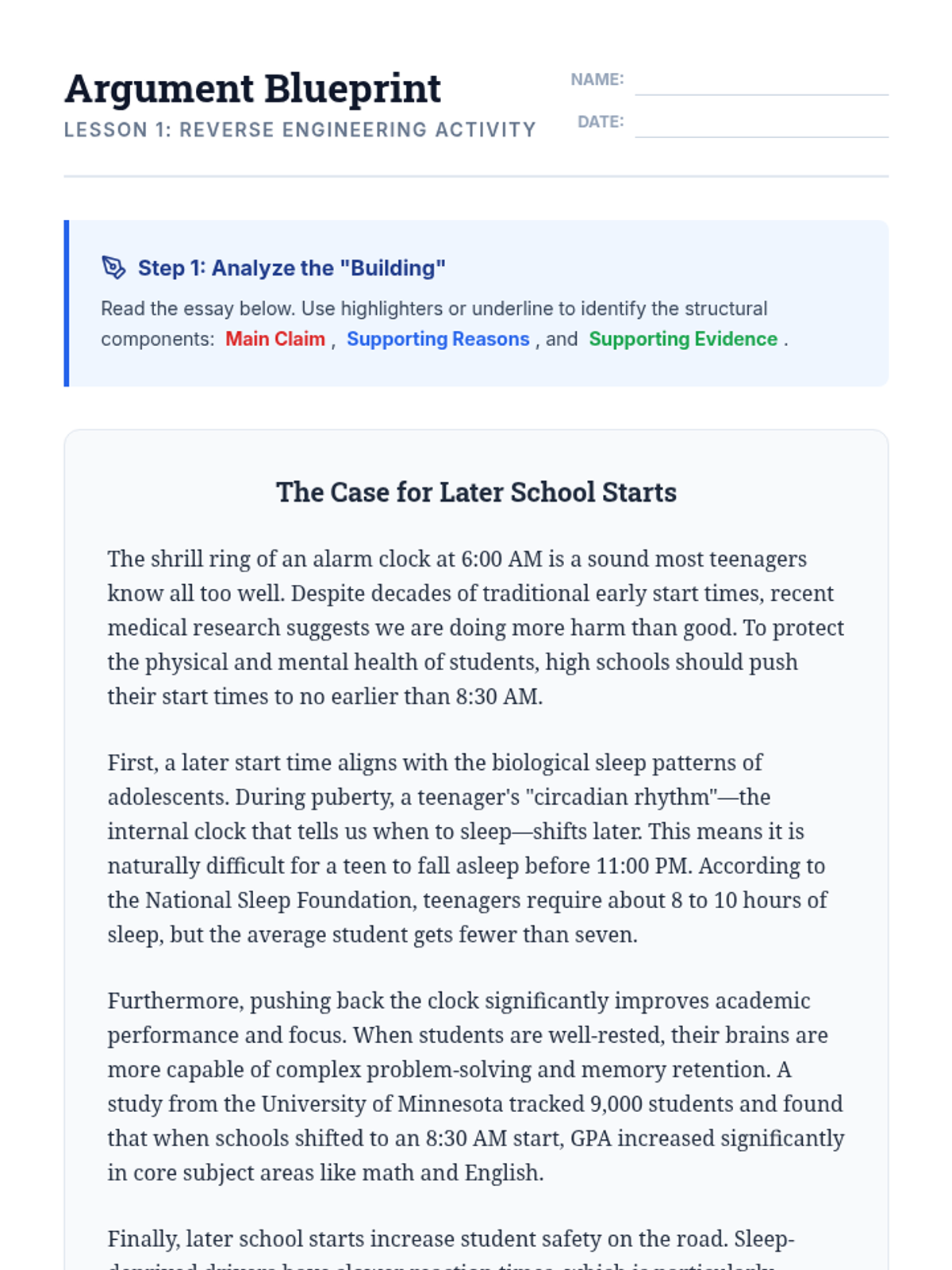
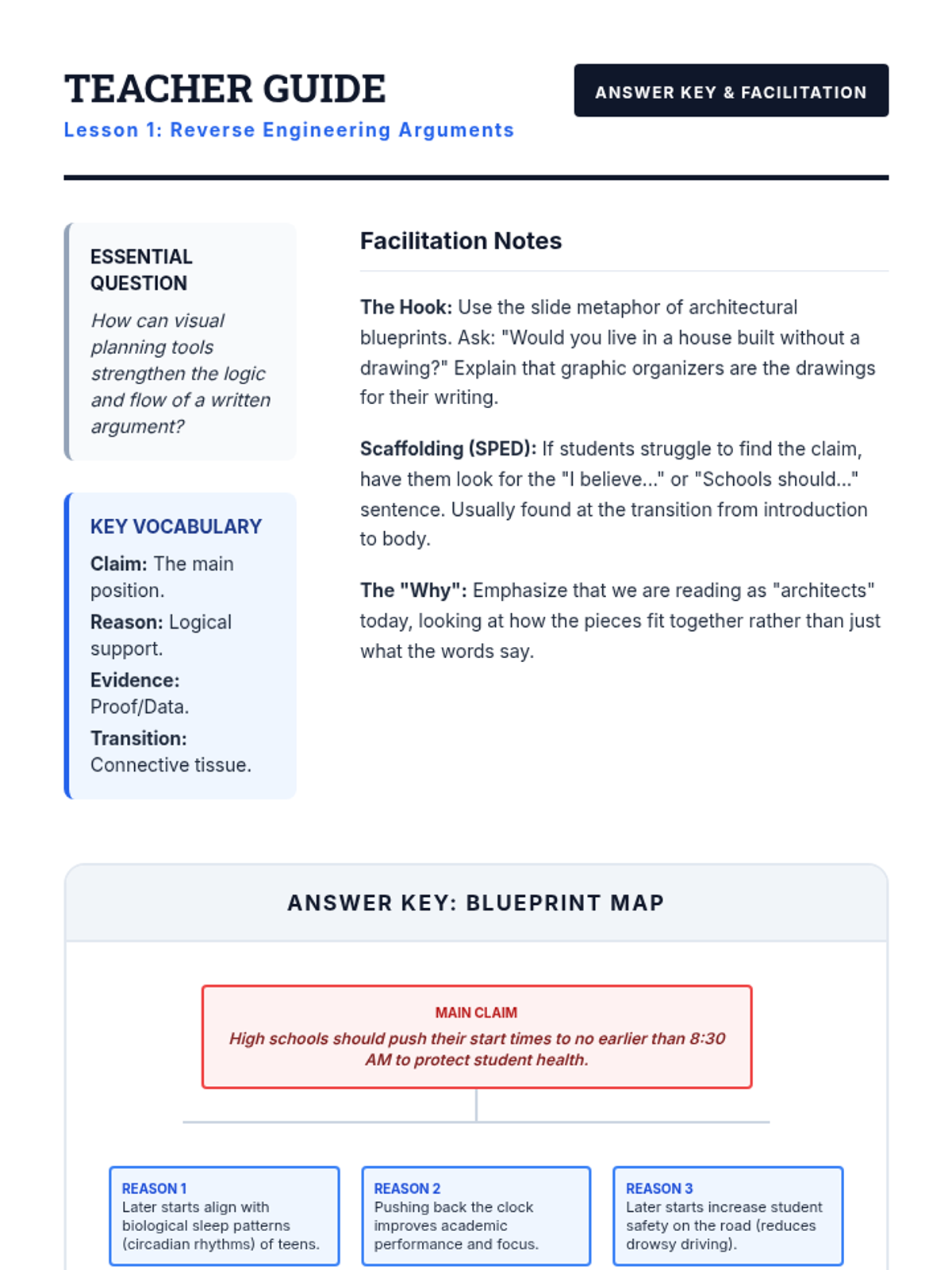
This sequence focuses on using text structure graphic organizers as blueprints for argumentative writing. Students transition from analyzing model essays to building their own logically structured arguments, including counter-claims and refutations, using visual tools.
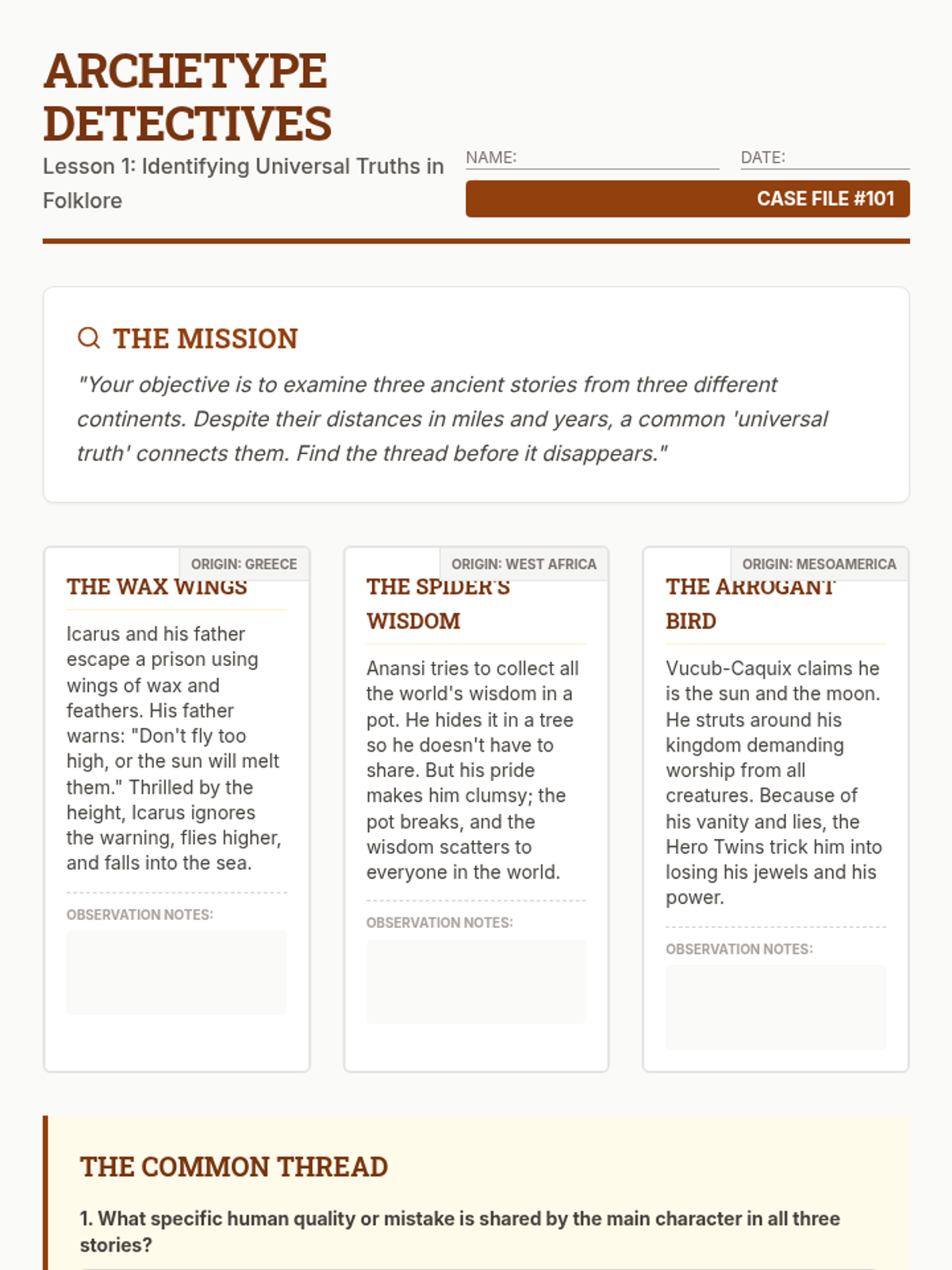
A comparative literature sequence for 7th grade students exploring how universal themes are expressed across different genres and cultures, from folklore to modern multimedia.
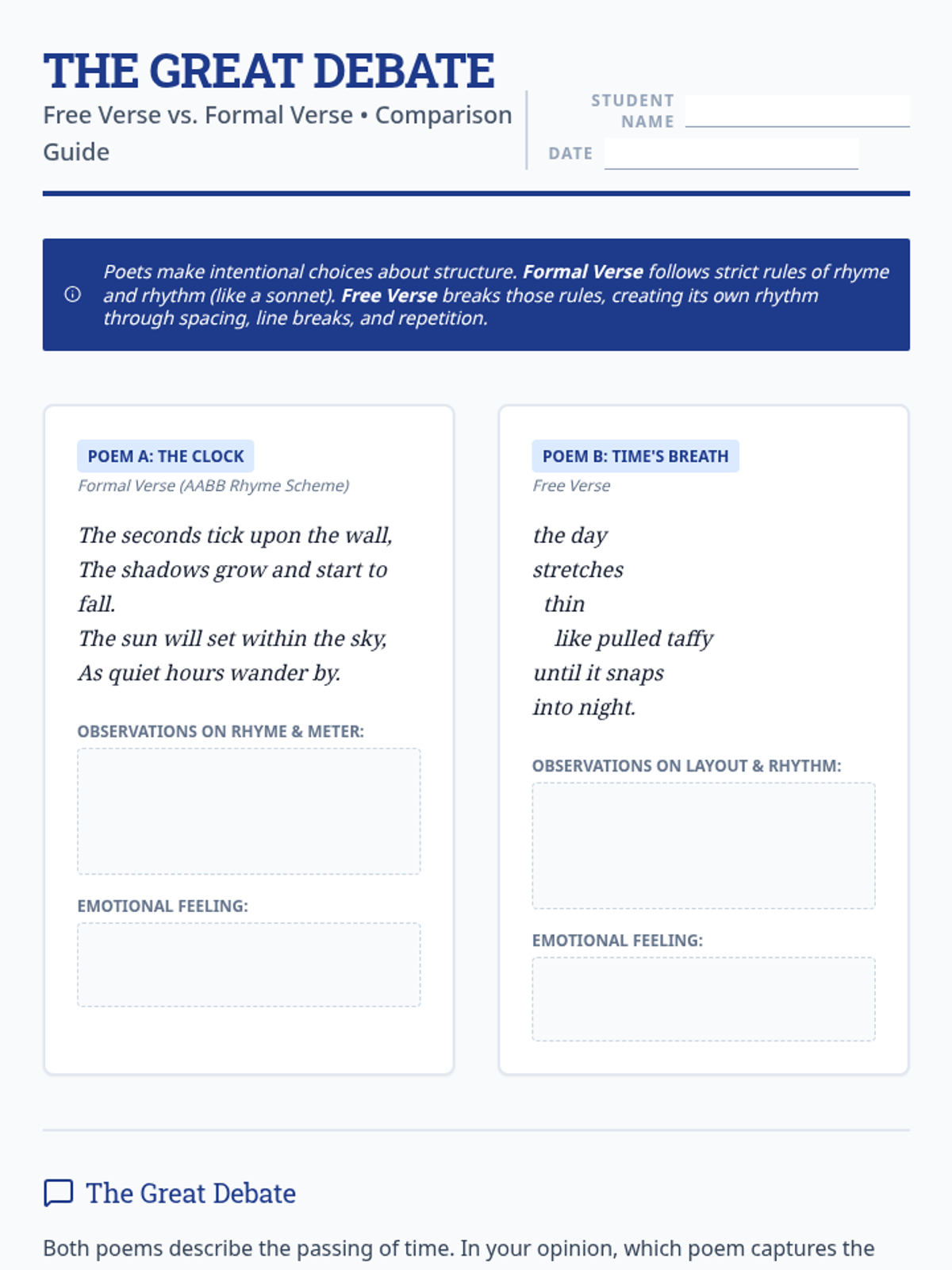
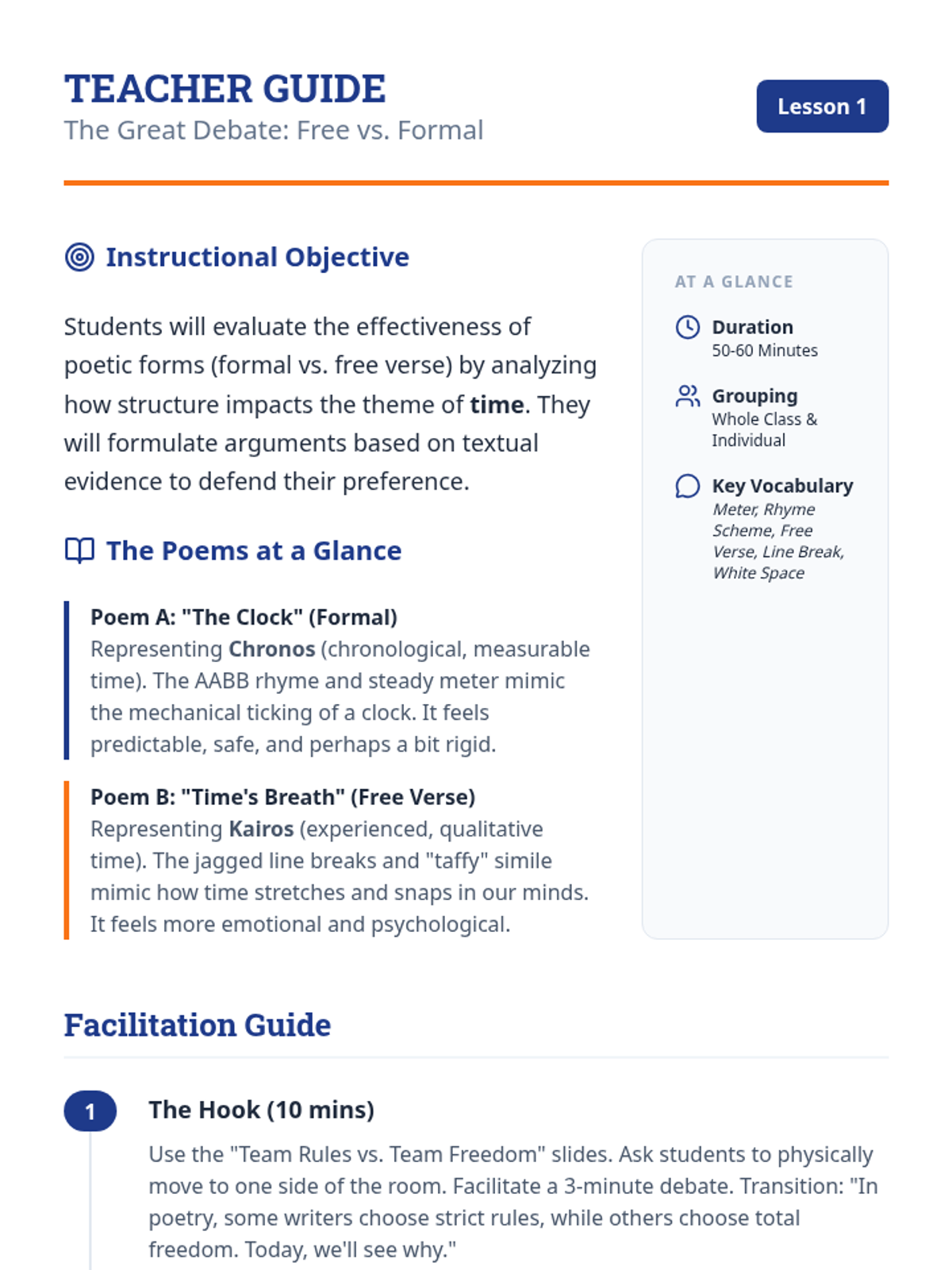
This sequence moves to a higher level of analysis, asking students to compare and contrast how different poetic forms handle similar themes. Using a discussion and case-study approach, students examine 'Free Verse' versus 'Formal Verse' to understand the intentional choices poets make. The arc focuses on critical thinking, debate, and the synthesis of the elements learned in previous sequences.
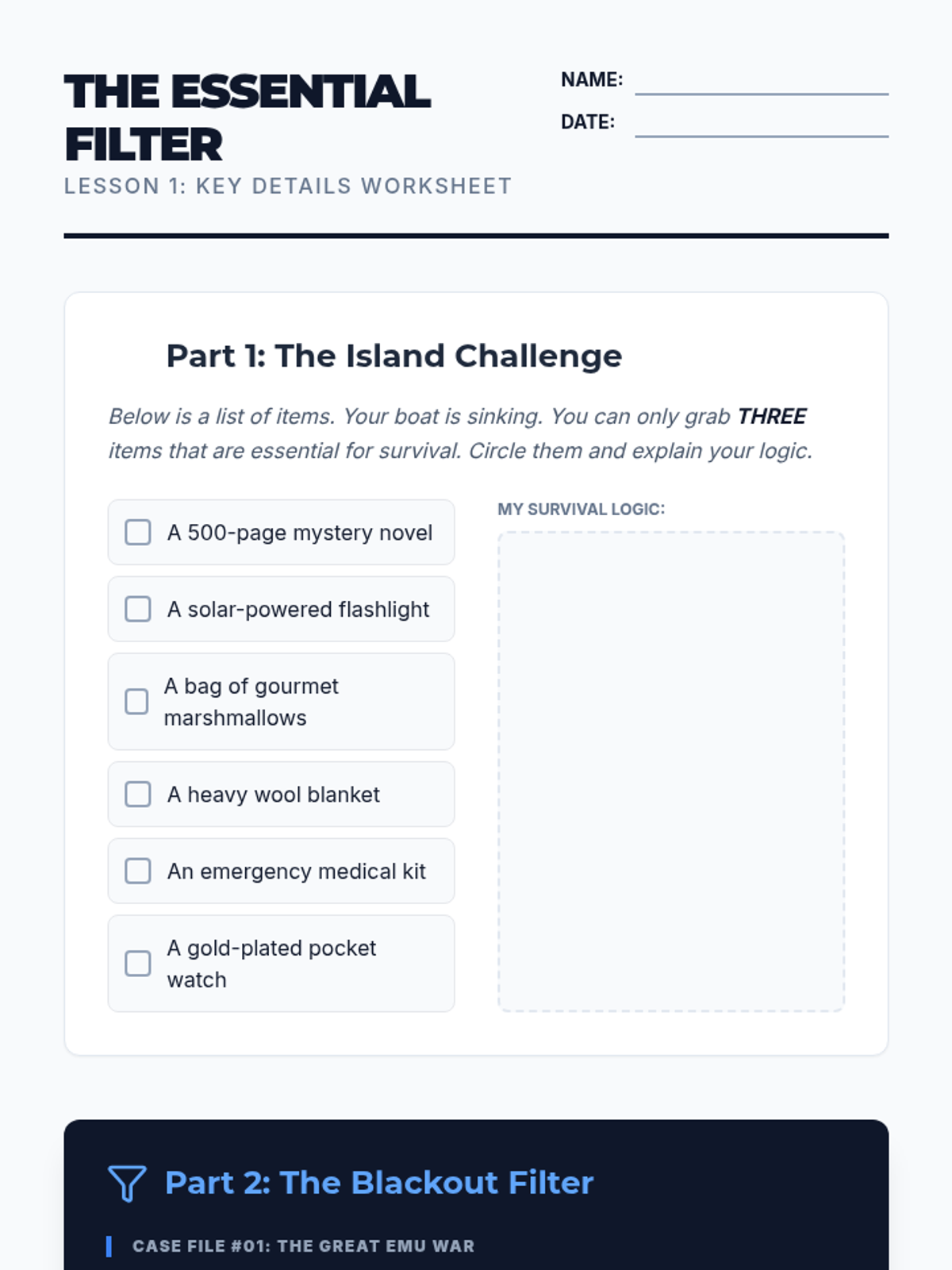
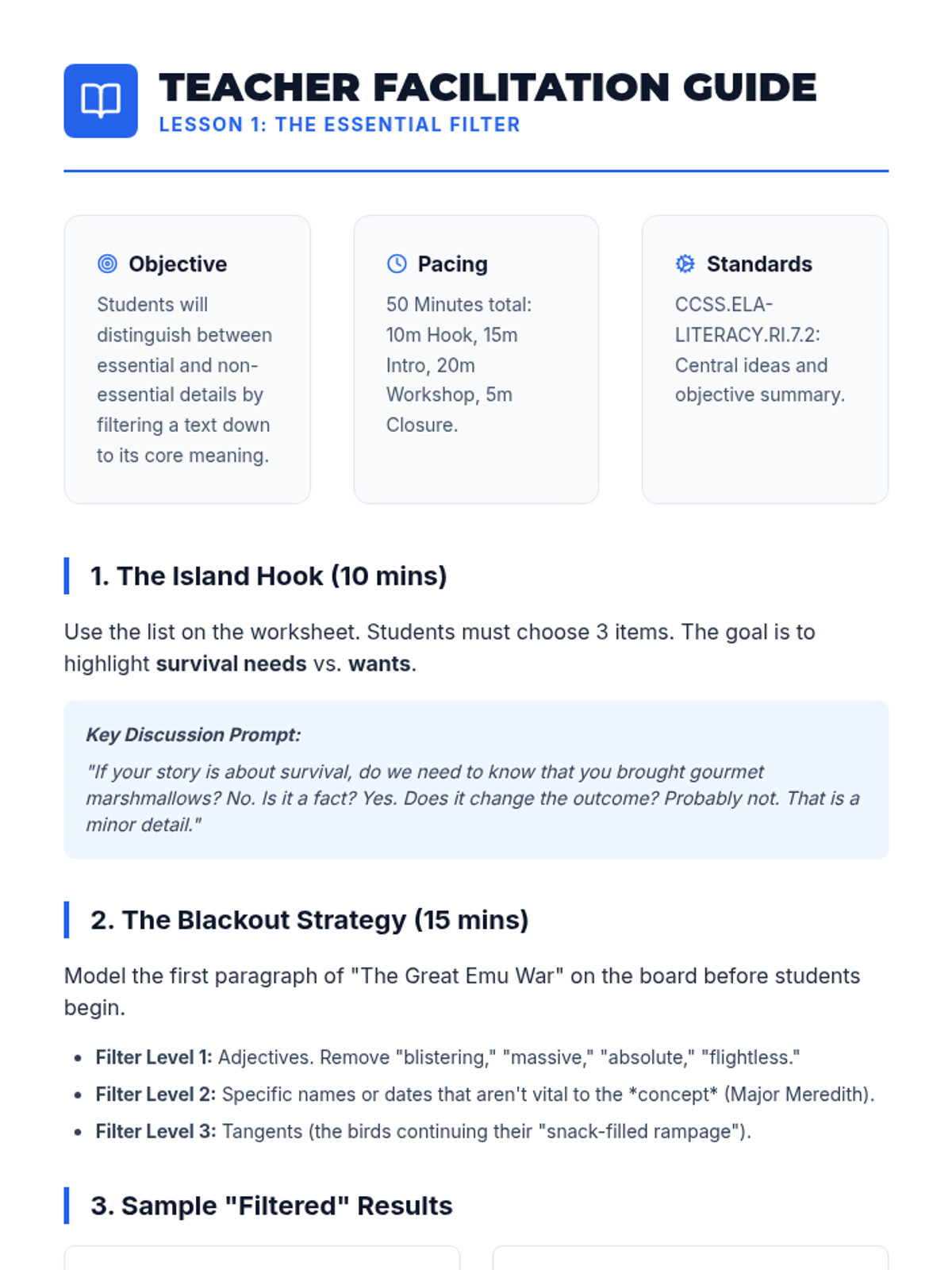
A 7th-grade ELA sequence focused on mastering objective summarization and critical questioning through the lens of nonfiction texts. Students progress from identifying essential details to leading their own evidence-based discussions.
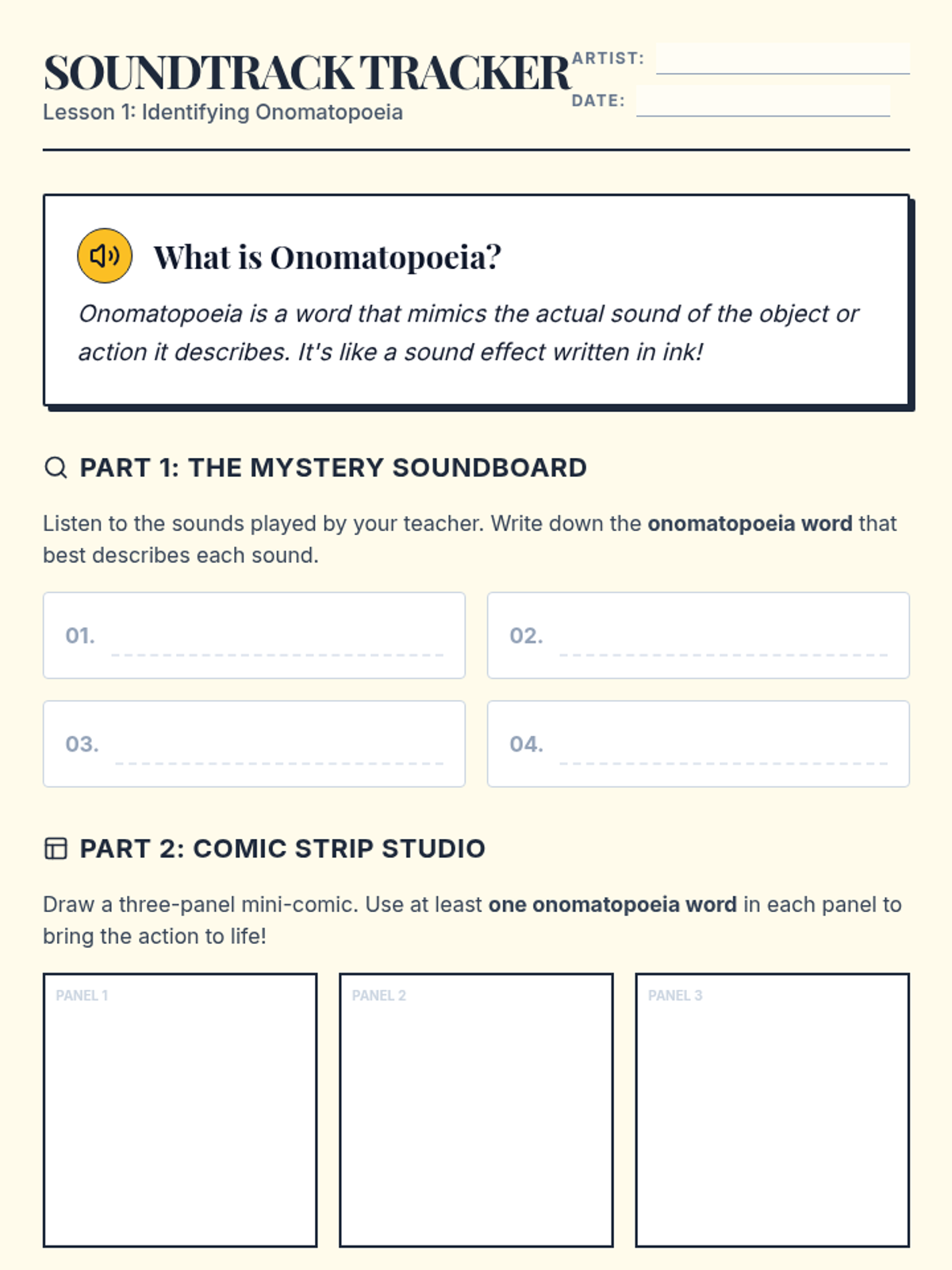
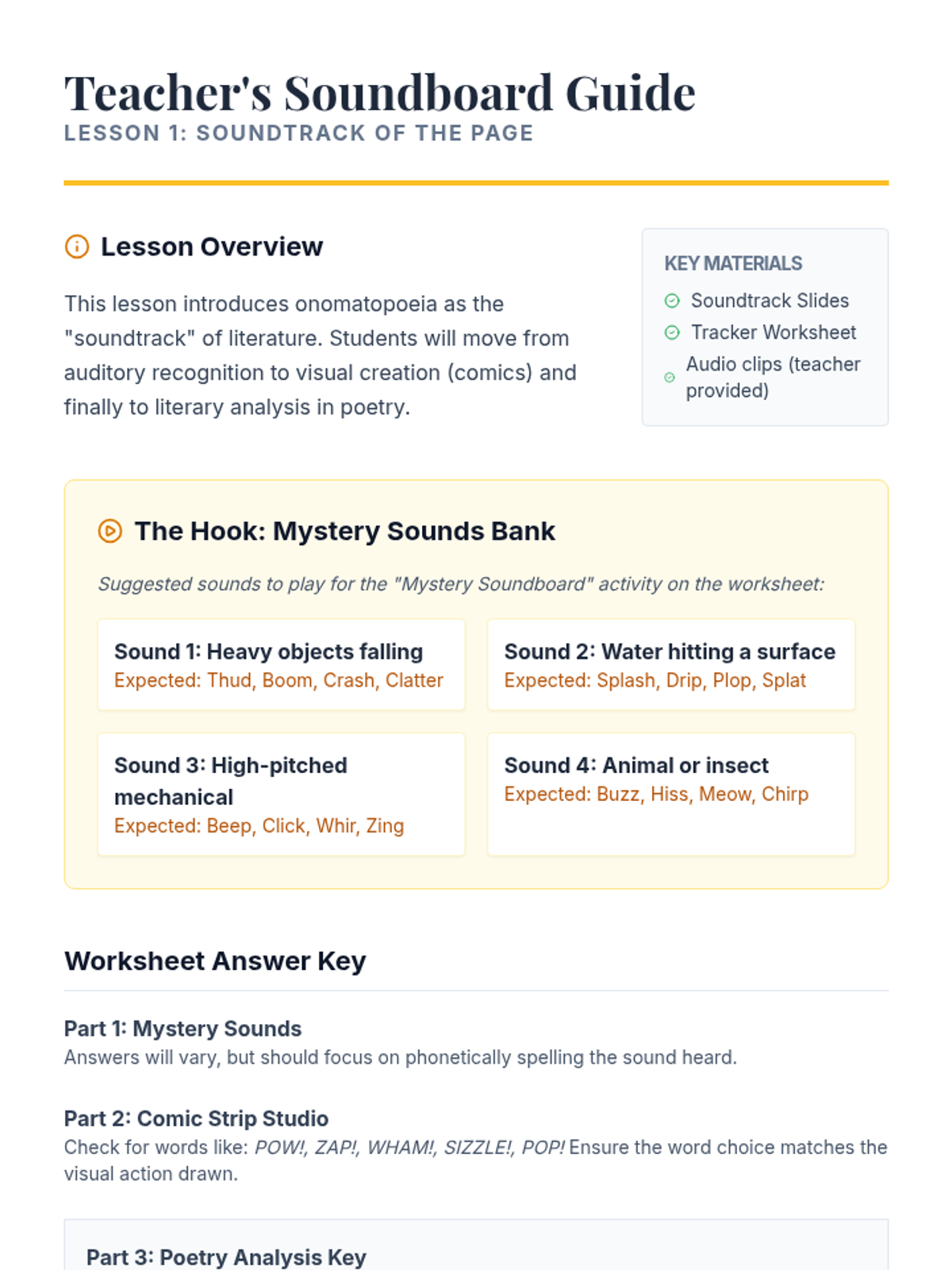
This immersive sequence focuses on the auditory experience of poetry, emphasizing that poems are meant to be heard. Students investigate sound devices like onomatopoeia, alliteration, and consonance to understand how sound creates mood and prepares them for oral performance.
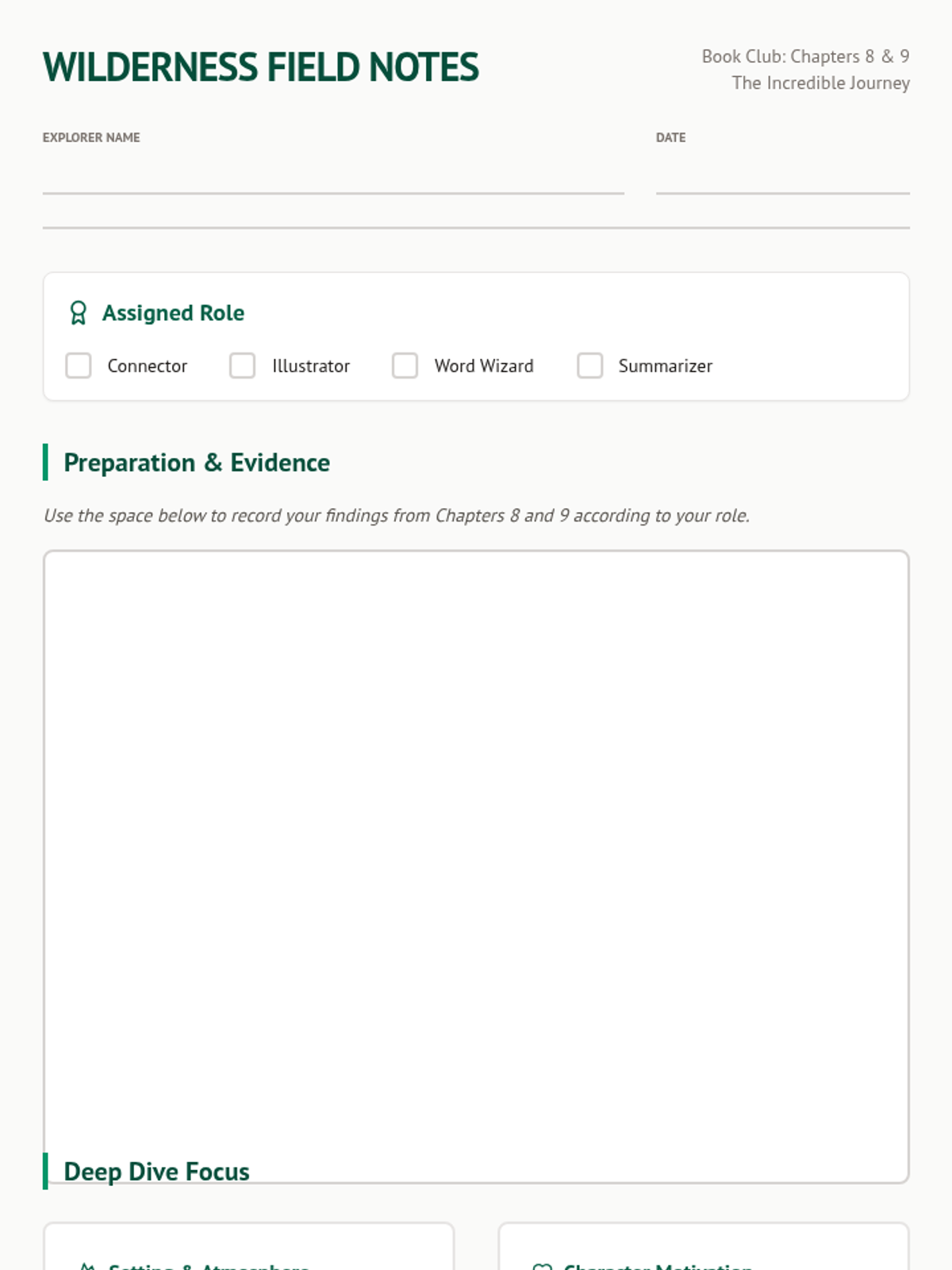
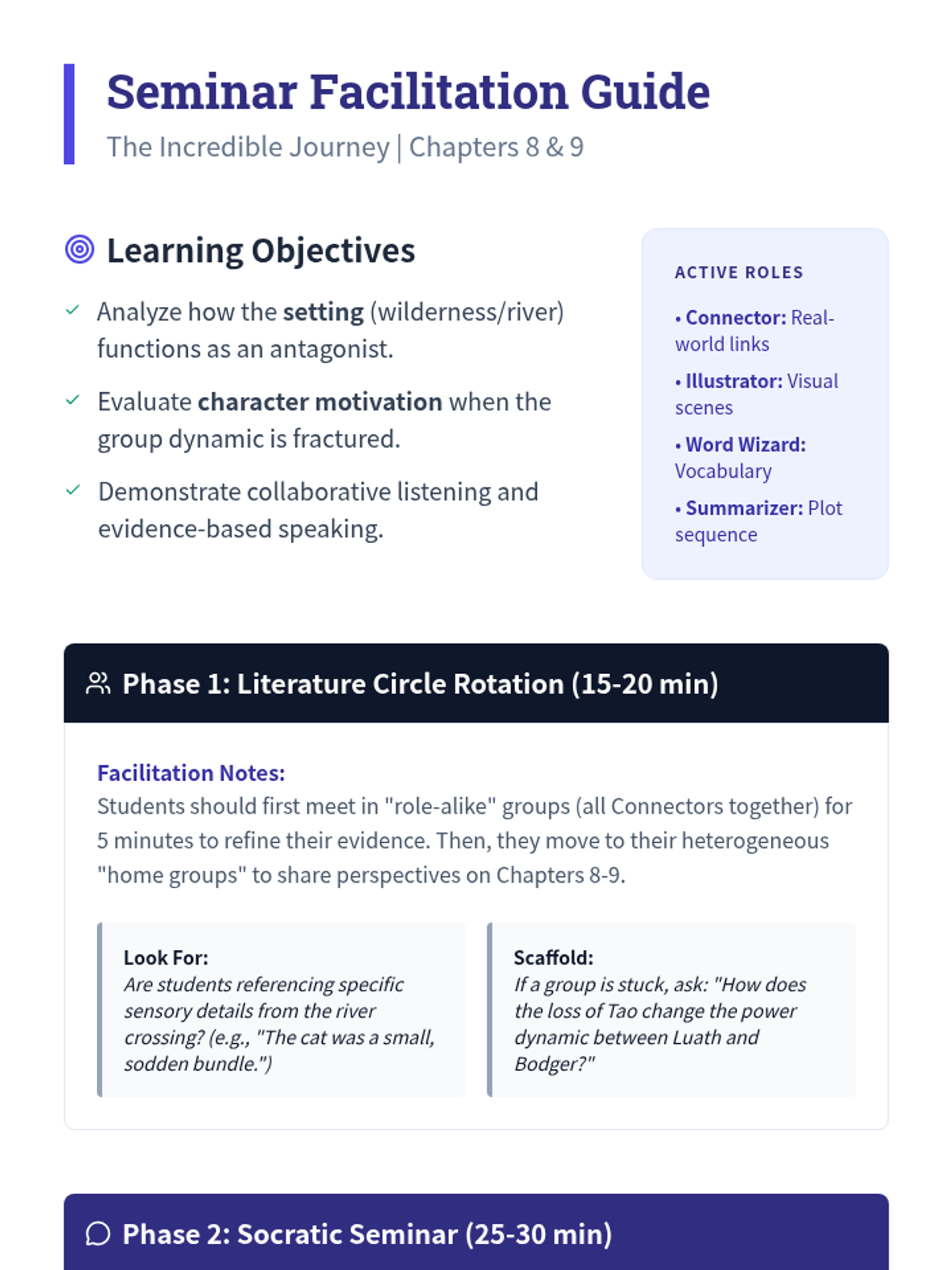
A literary exploration of survival stories and the bonds between animals and humans, centered on 'The Incredible Journey'. This unit emphasizes literary analysis through collaborative discussion and role-based inquiry.
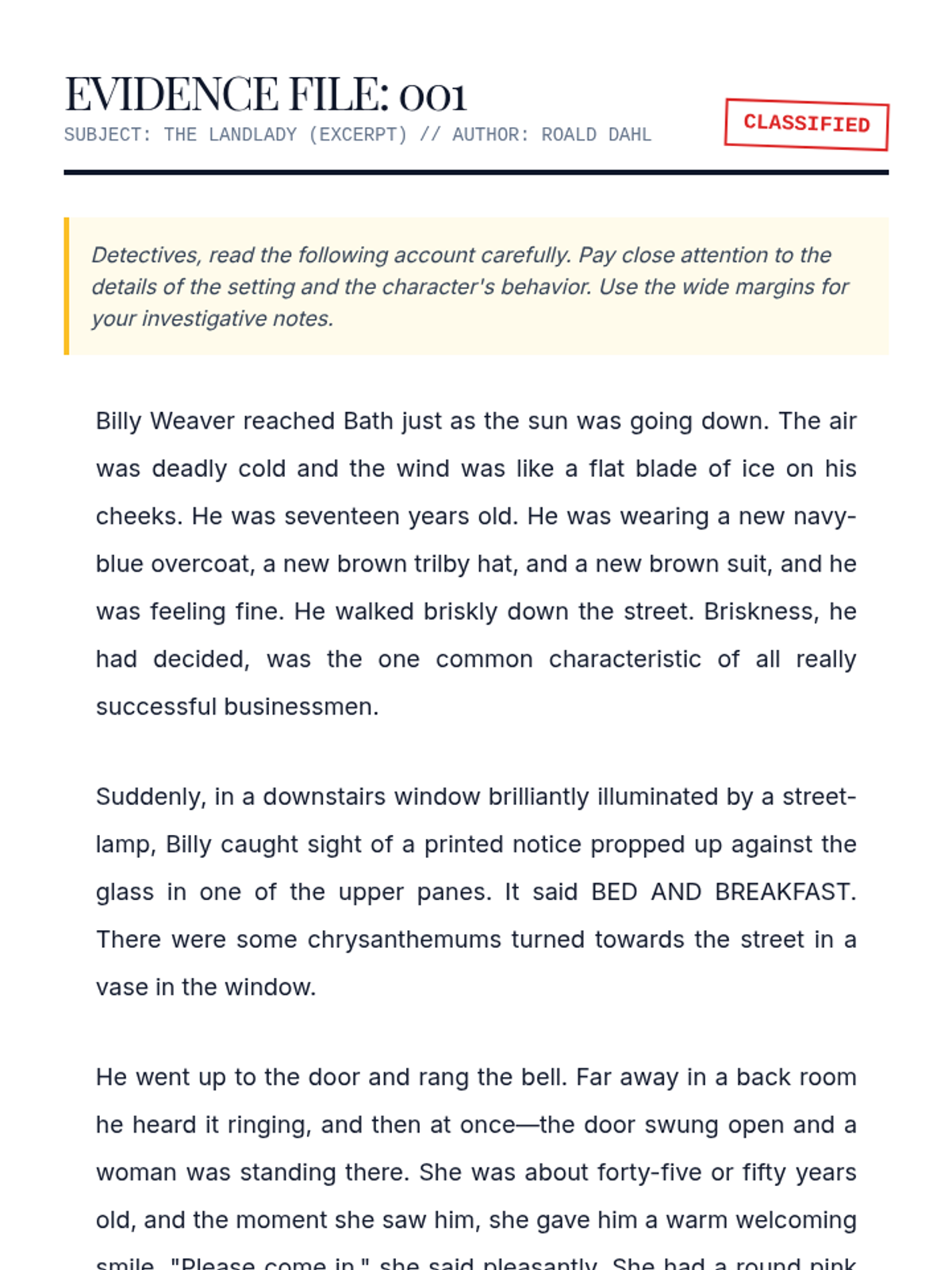
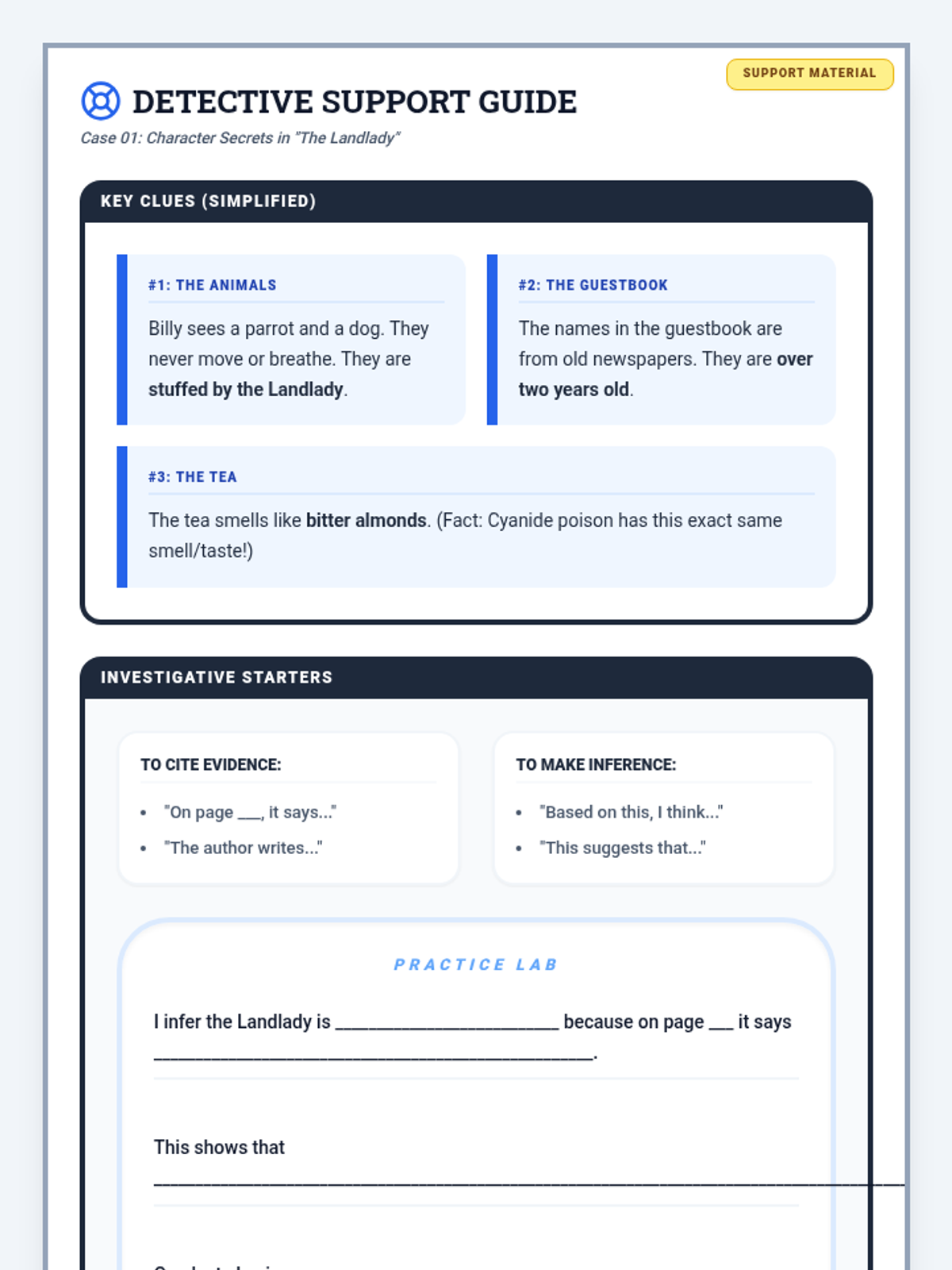
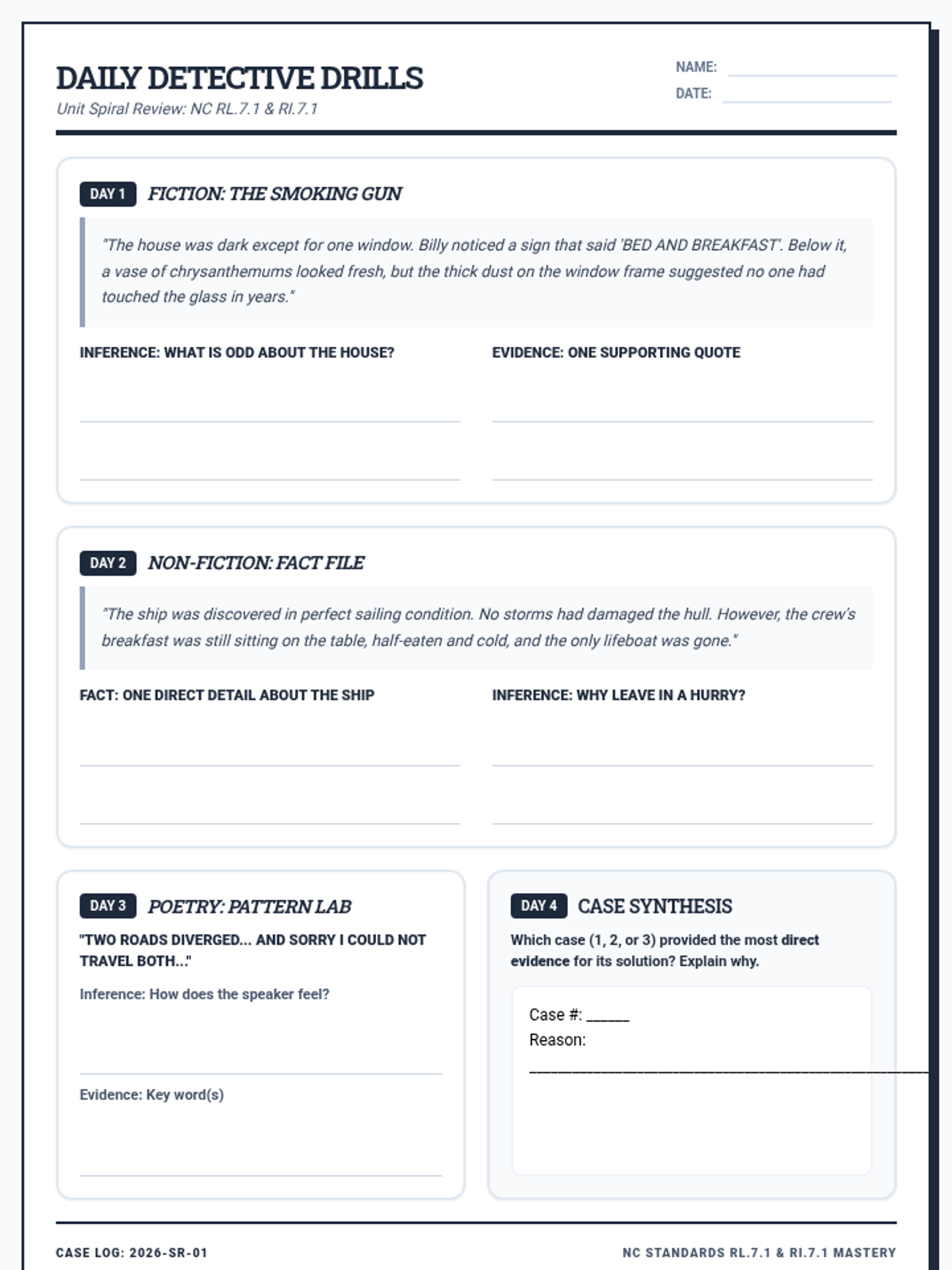
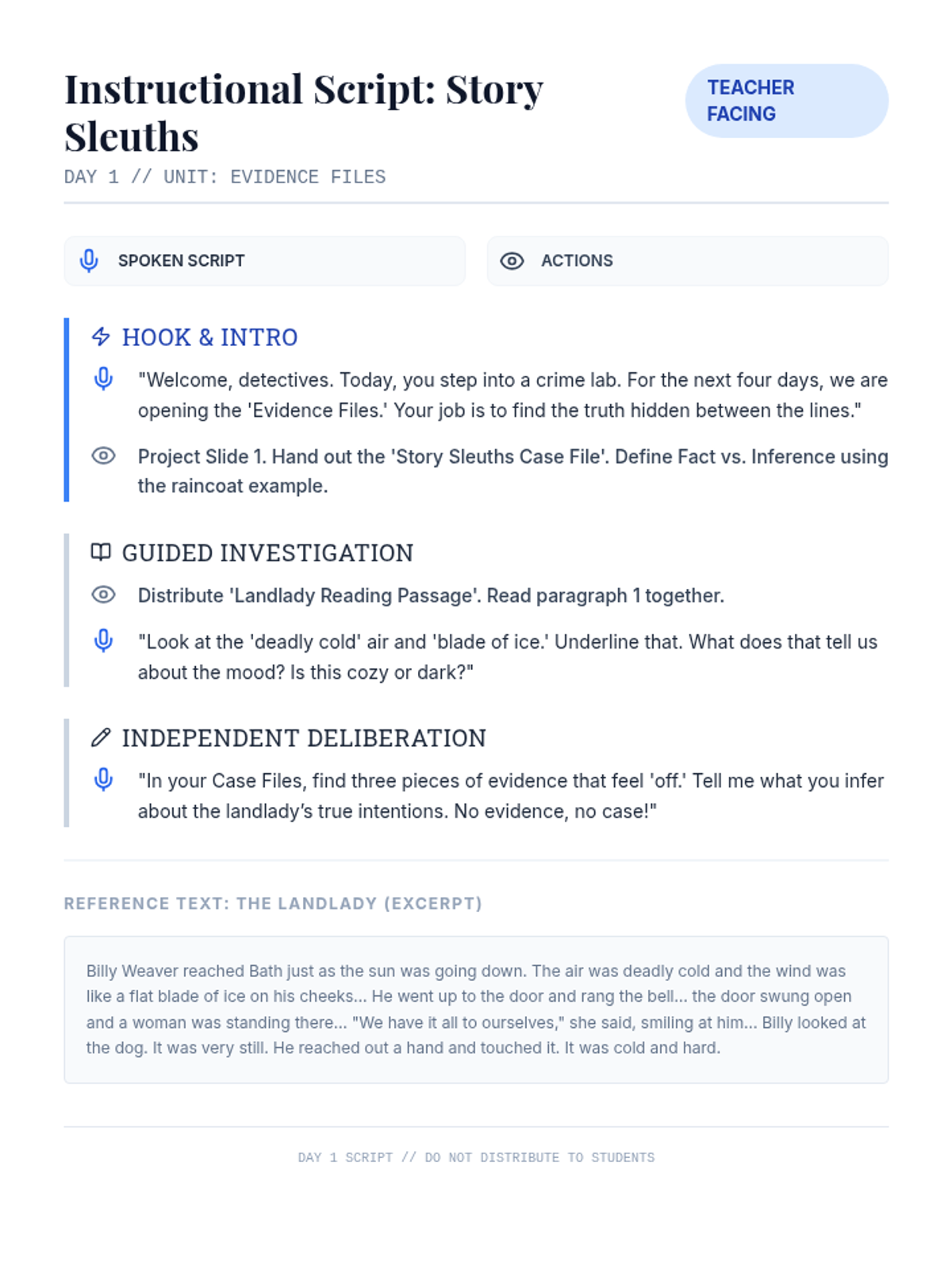
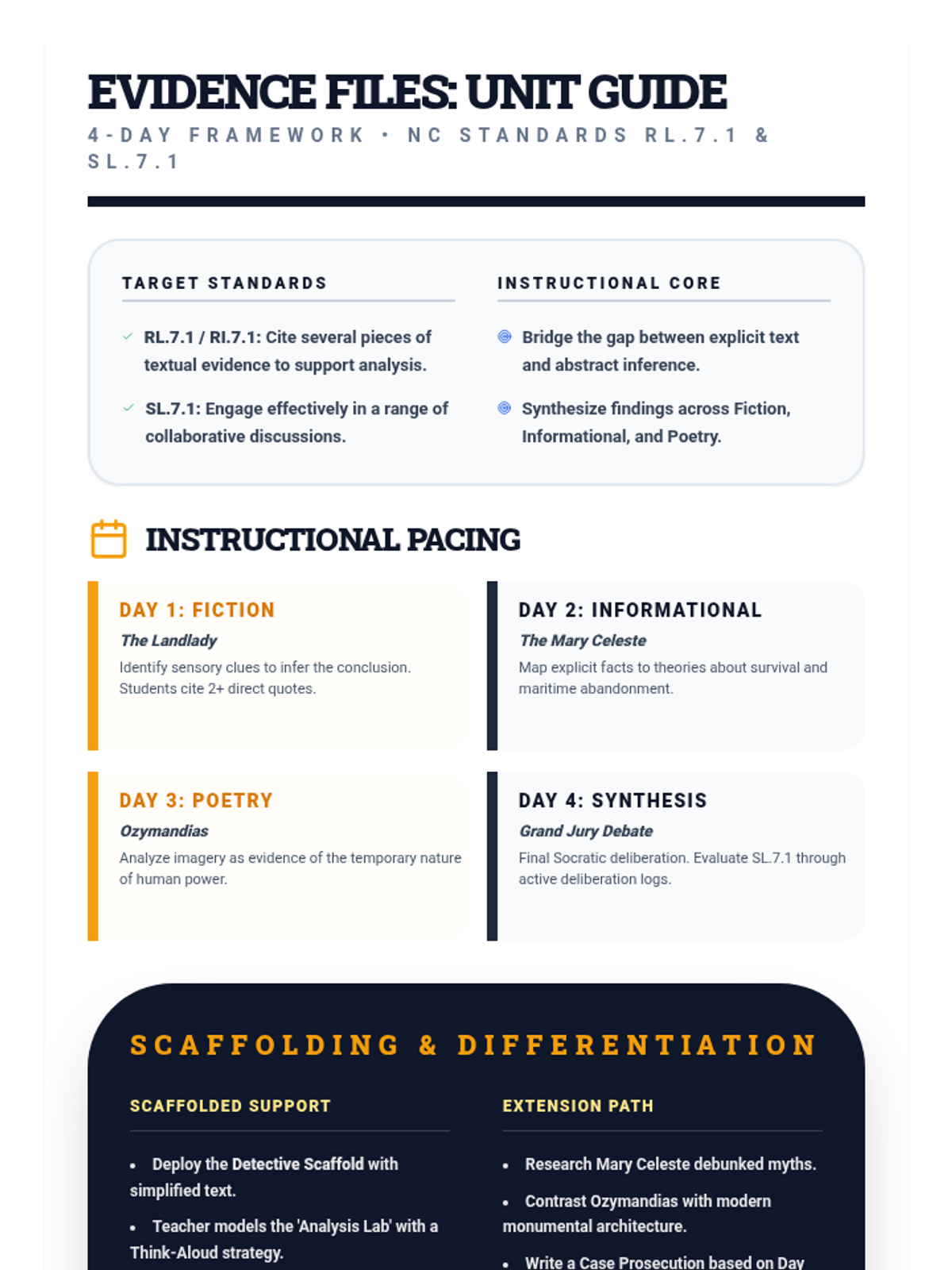
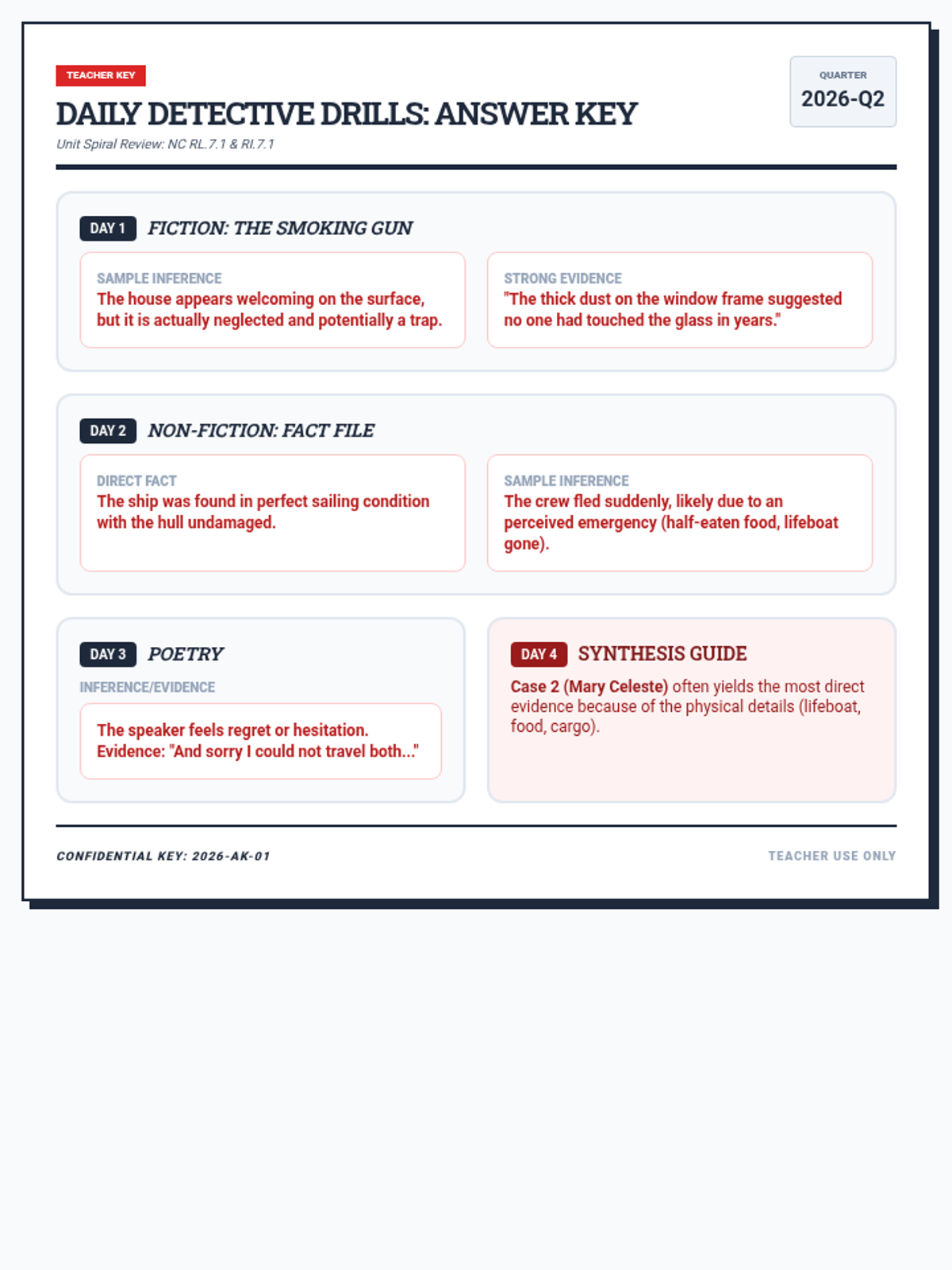
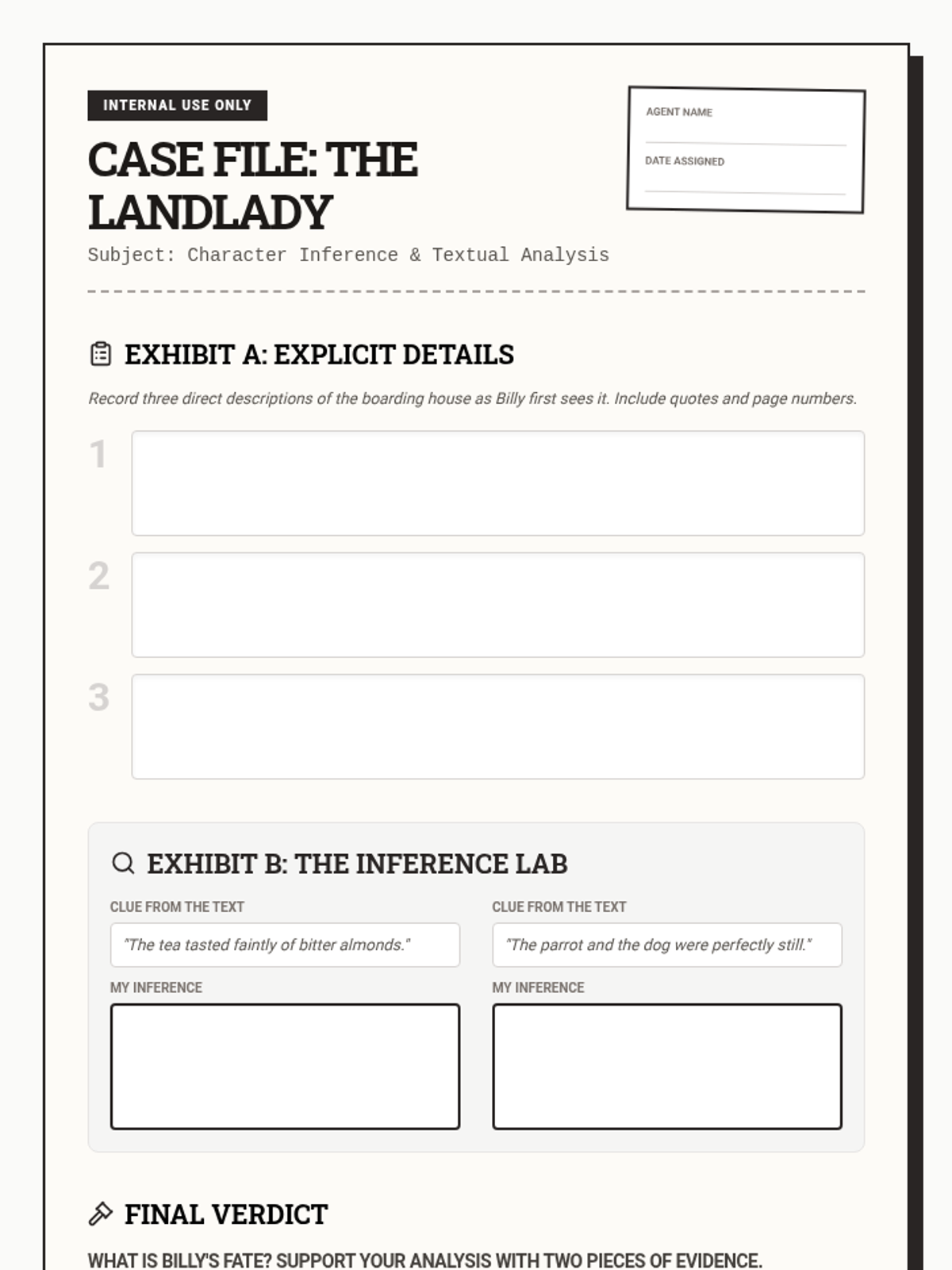
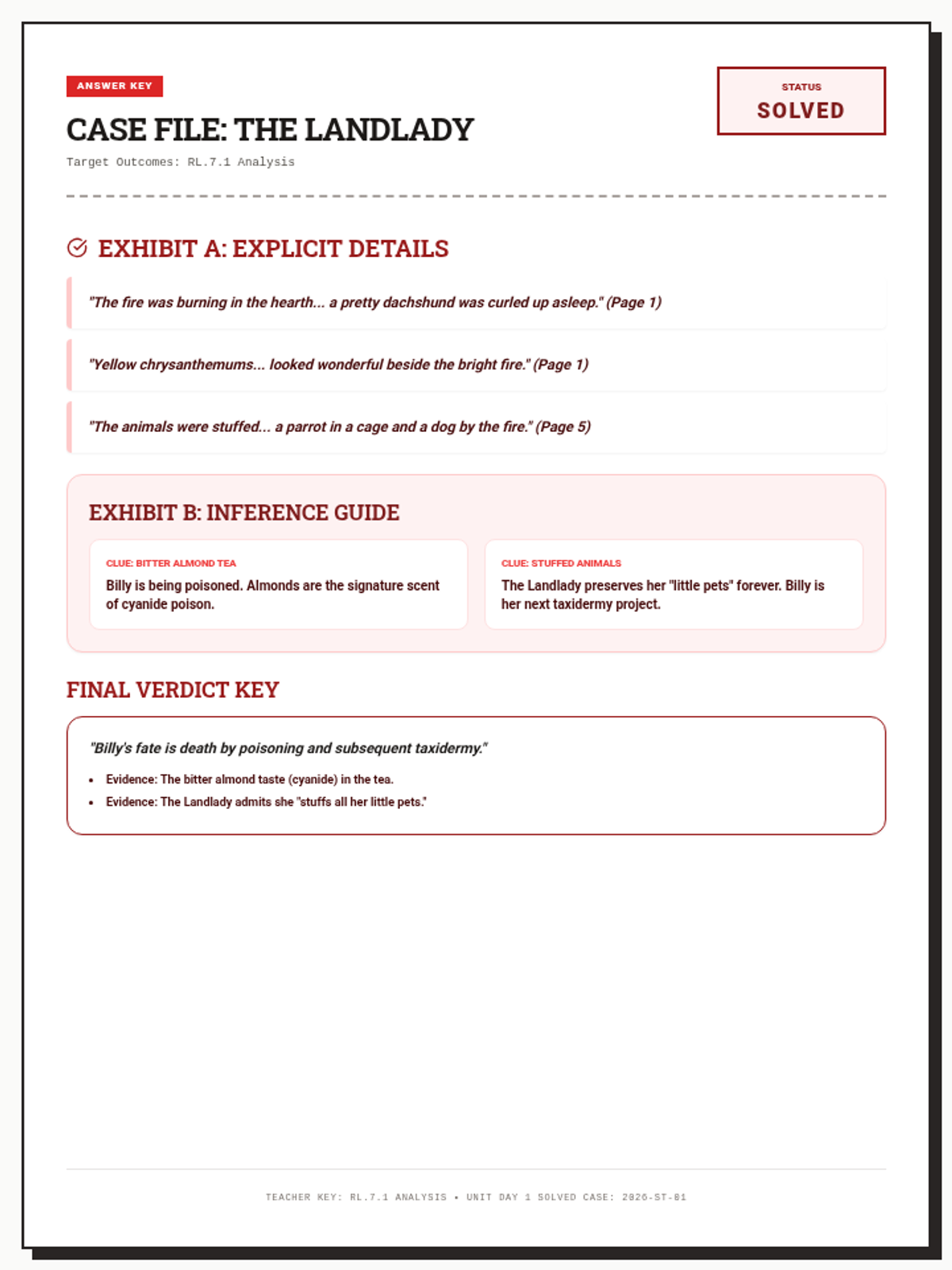
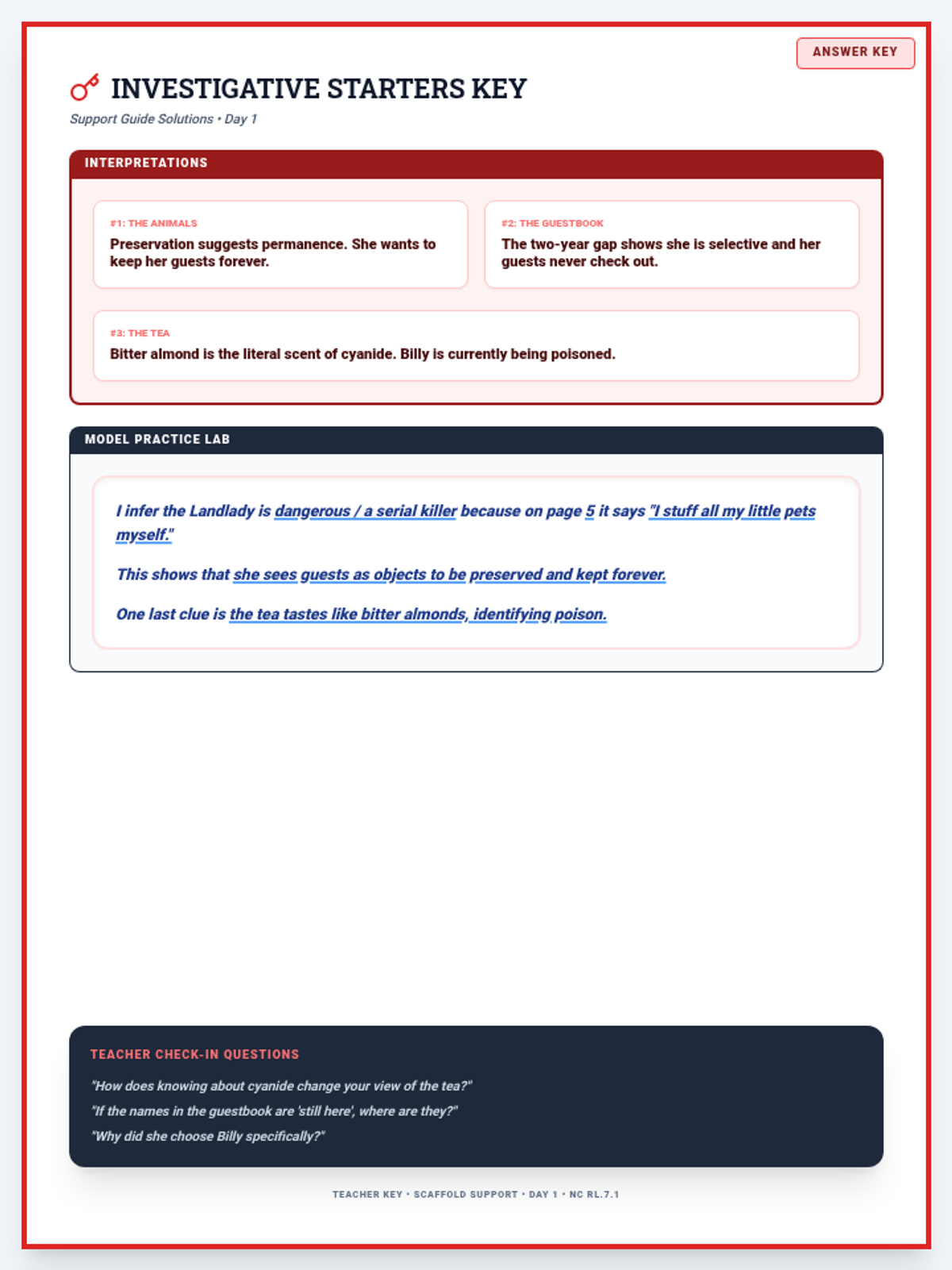
A four-day investigative unit focused on citing textual evidence and making inferences across various genres, including short stories, non-fiction, and poetry. Students act as 'Evidence Detectives' to solve literary and factual mysteries while engaging in collaborative discussions.
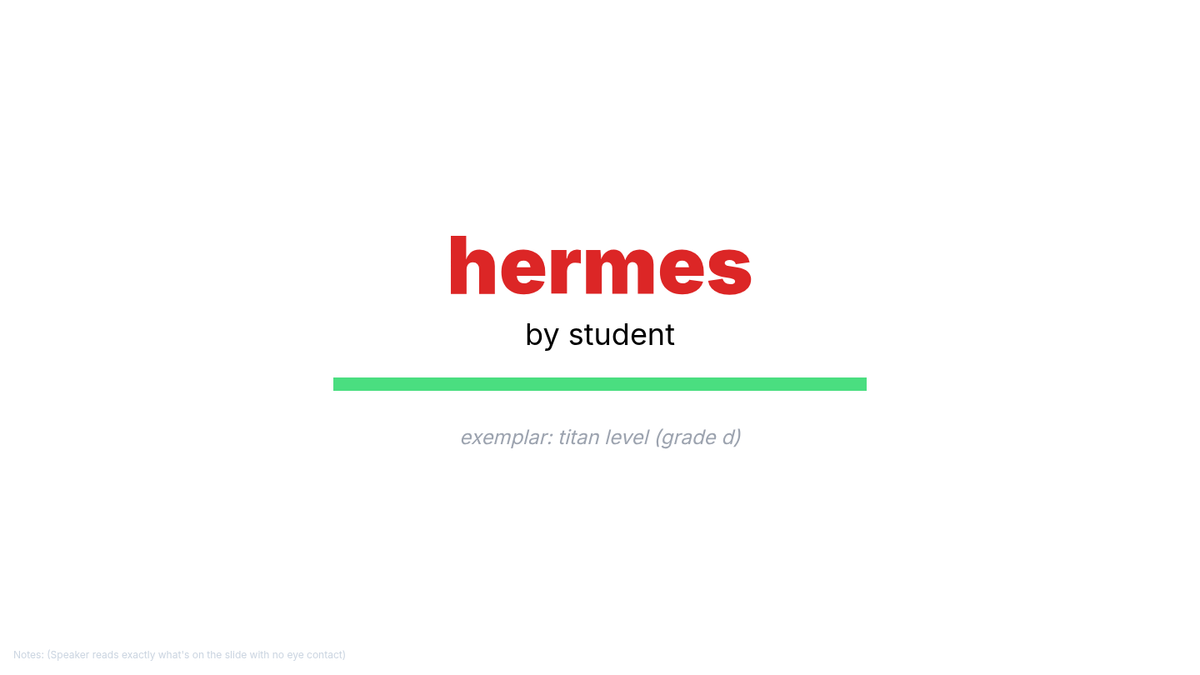
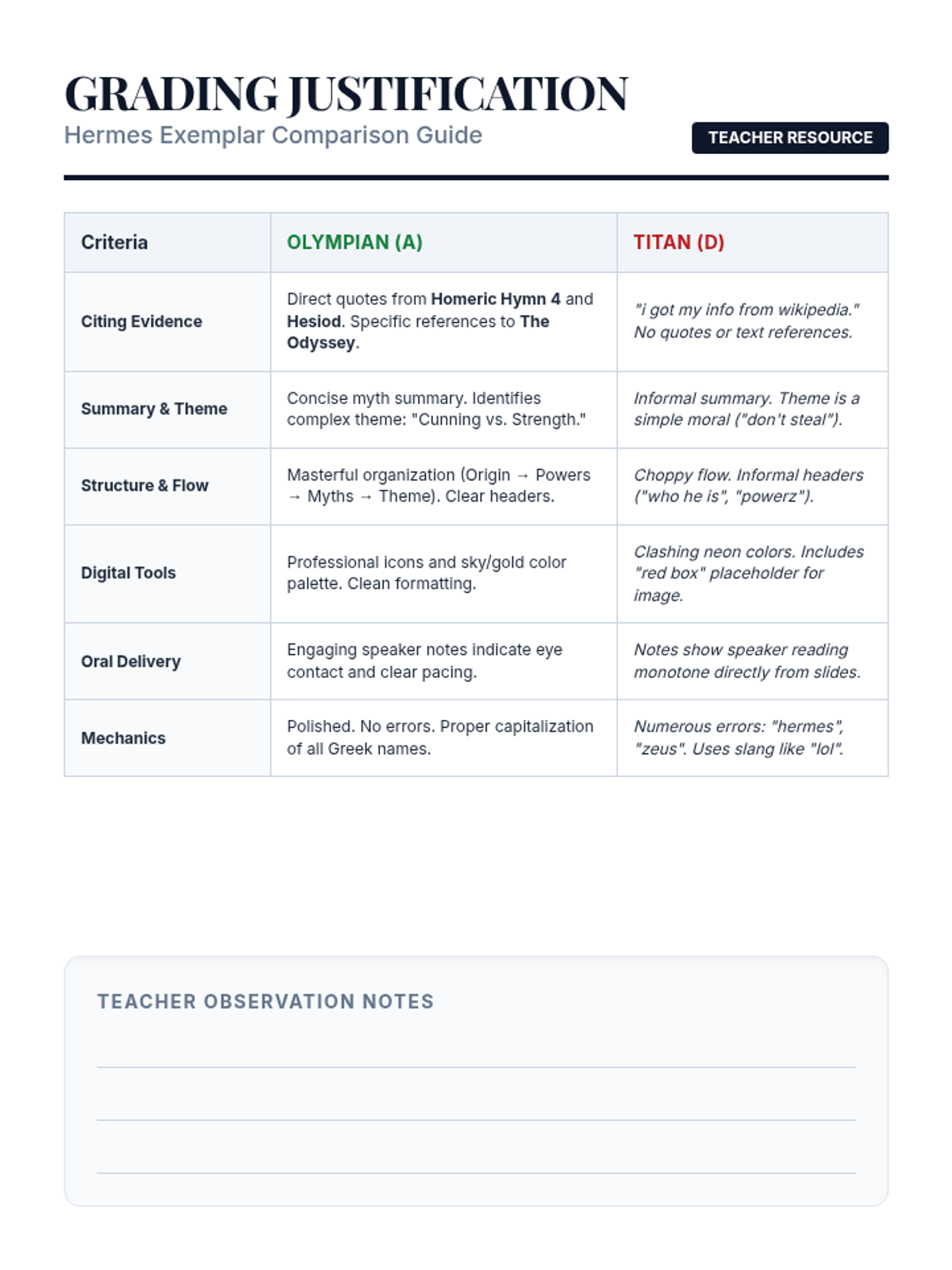
A sequence of exemplar presentations on Hermes designed to demonstrate high-achieving (A) and low-achieving (D) student work based on specific CCSS-aligned rubric criteria.
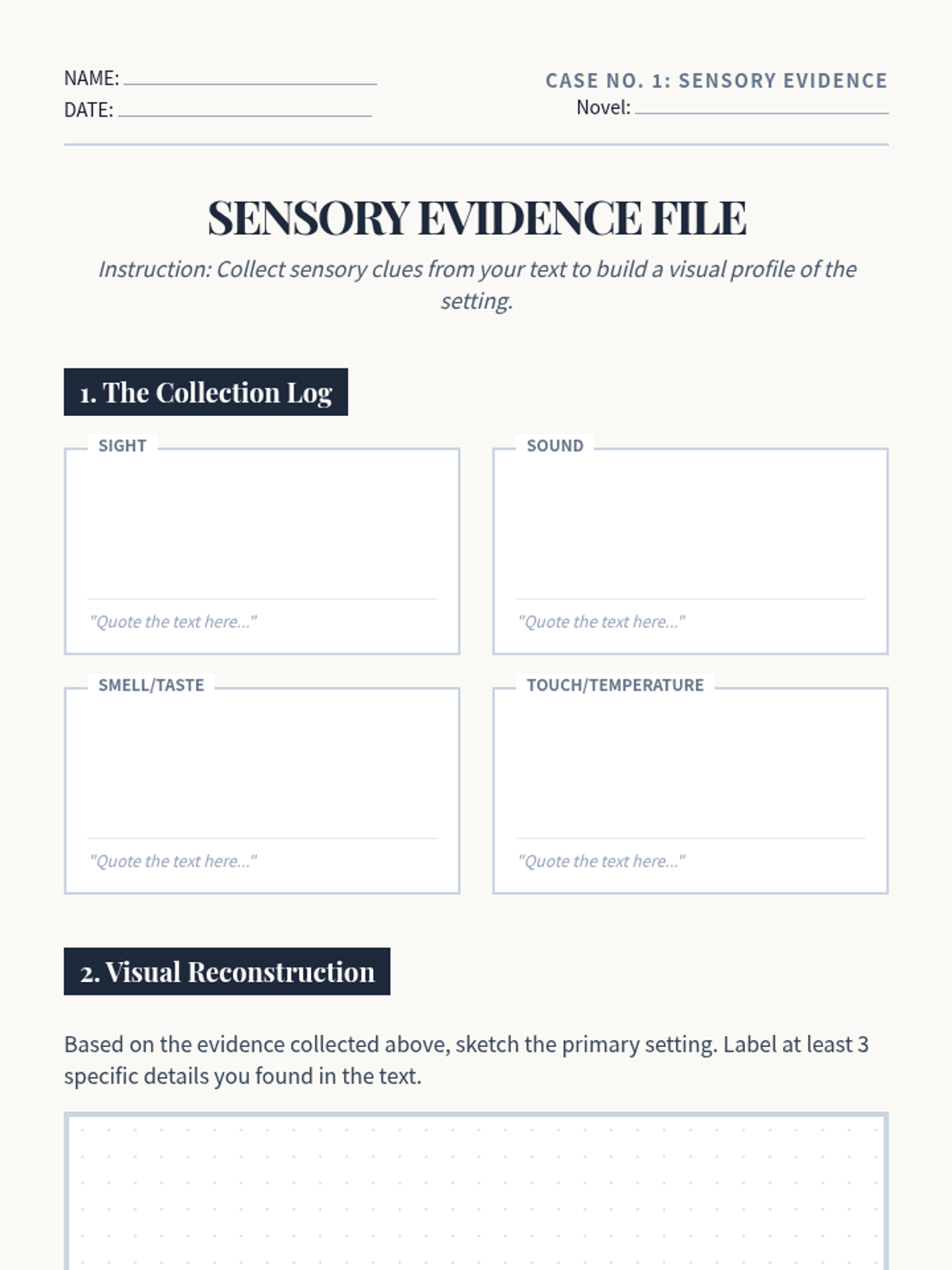
A forensic-themed reading comprehension unit where students act as investigators to master predictions and inferences. Through case studies and evidence tracking, students learn to bridge literal text with deep narrative meaning.
A project-based unit where students investigate how the setting of a novel (historical and geographical) acts as a crucial force in the story, culminating in the creation of a 'World Guide' presentation.
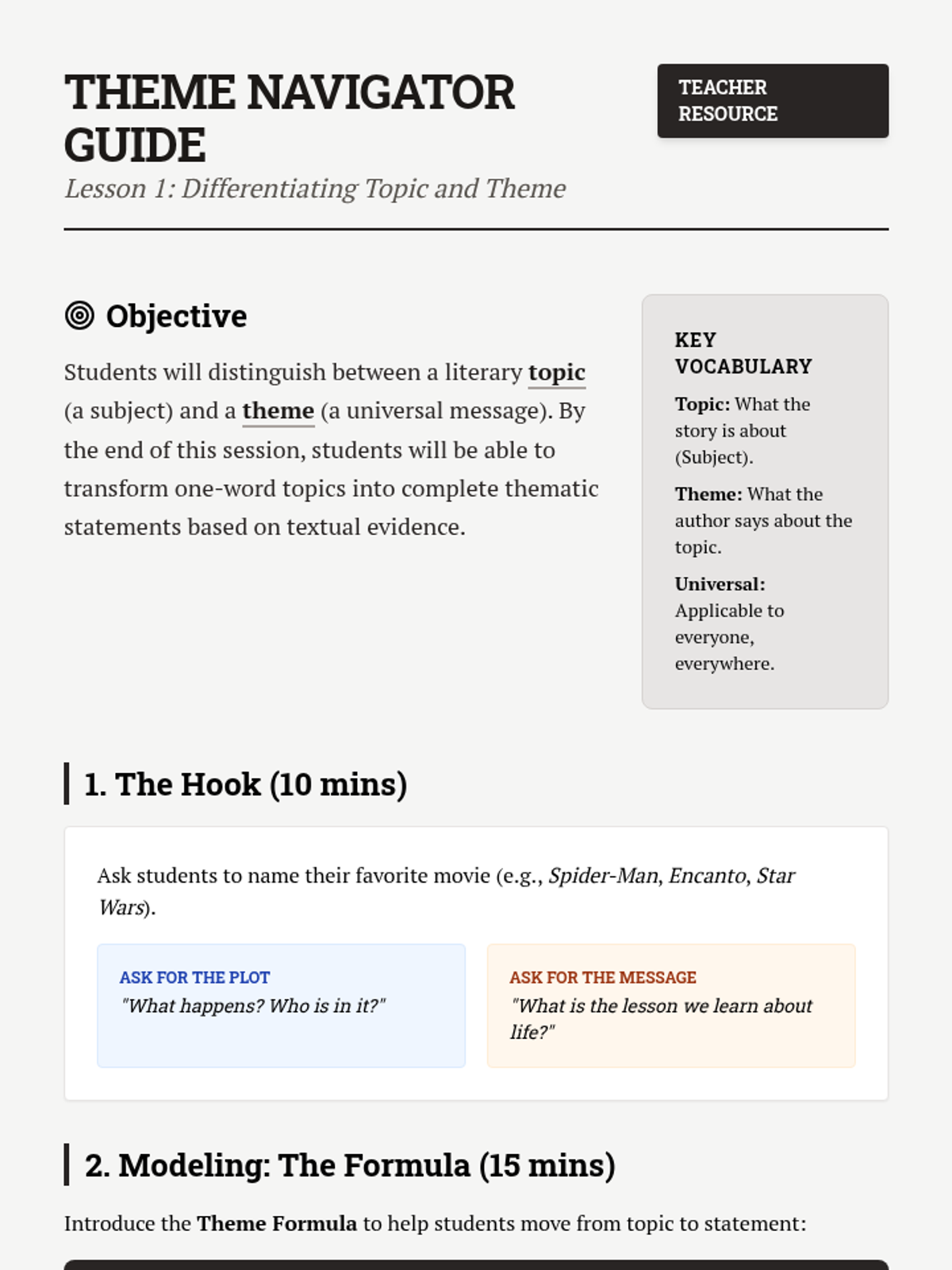
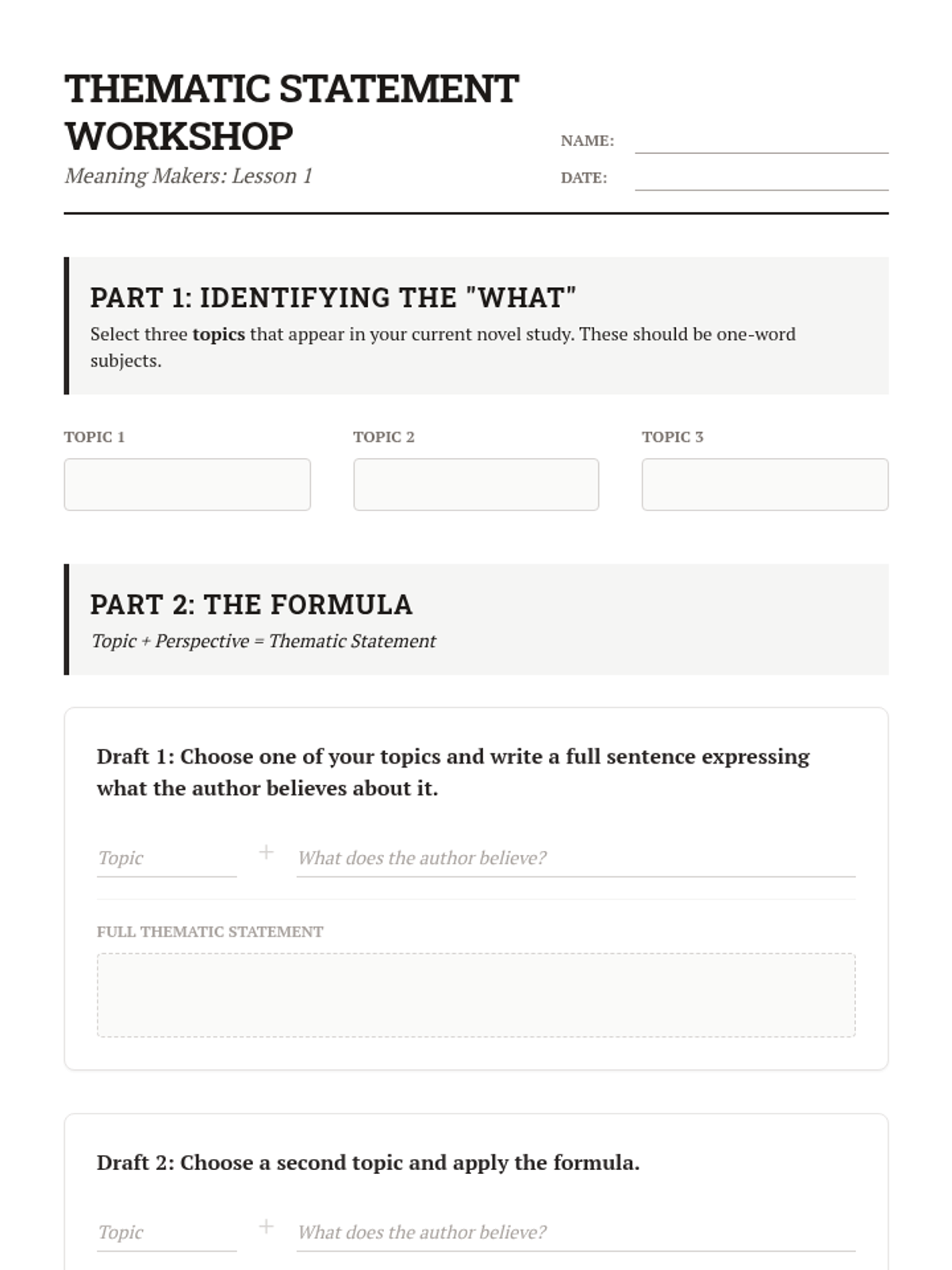
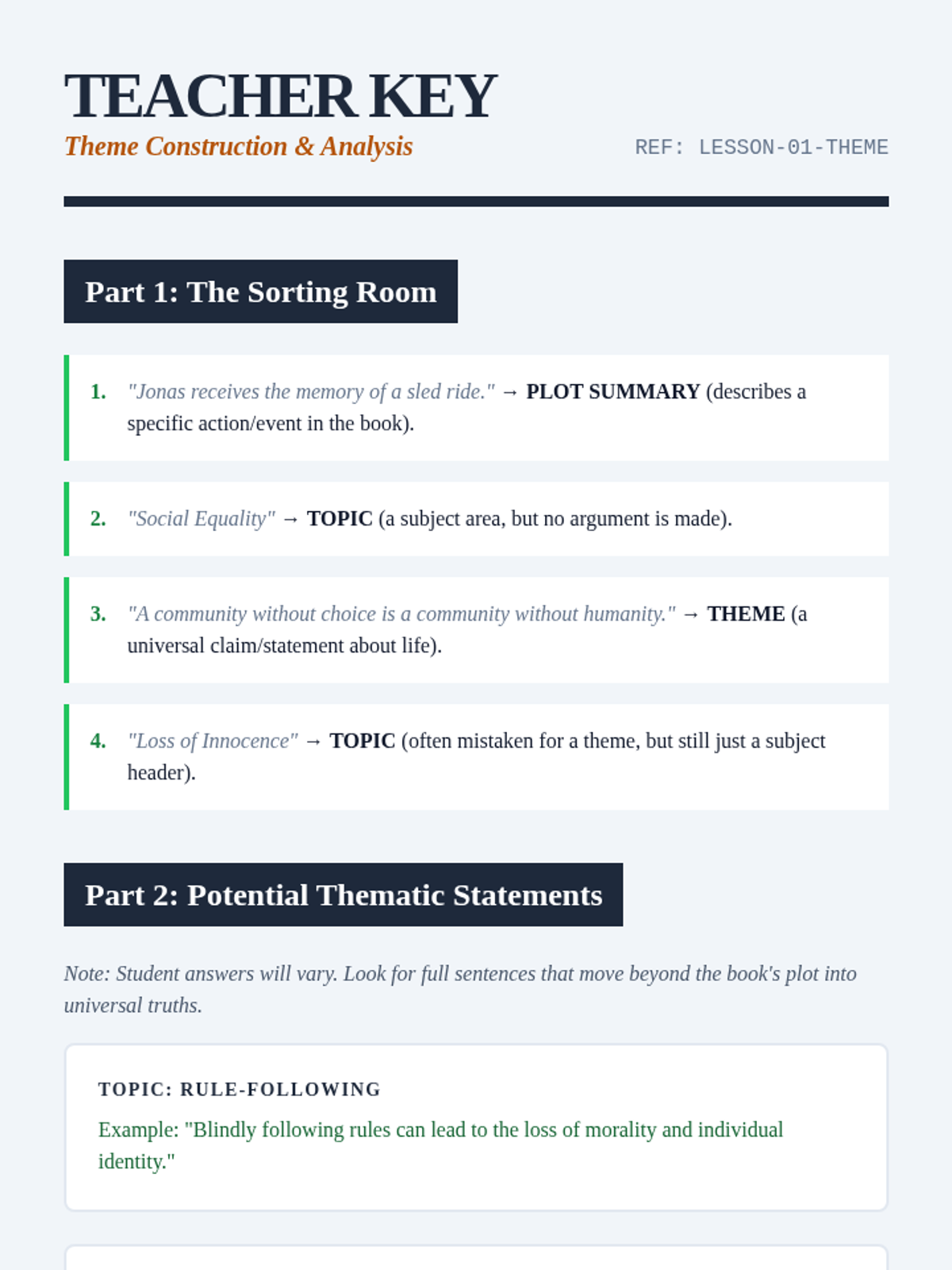
A comprehensive unit for 7th-grade students focusing on the transition from concrete reading to abstract interpretation through theme and symbolism. Students will learn to distinguish between topics and thematic statements, identify recurring symbols and motifs, and analyze how character choices reflect an author's message, culminating in a student-led Socratic Seminar.
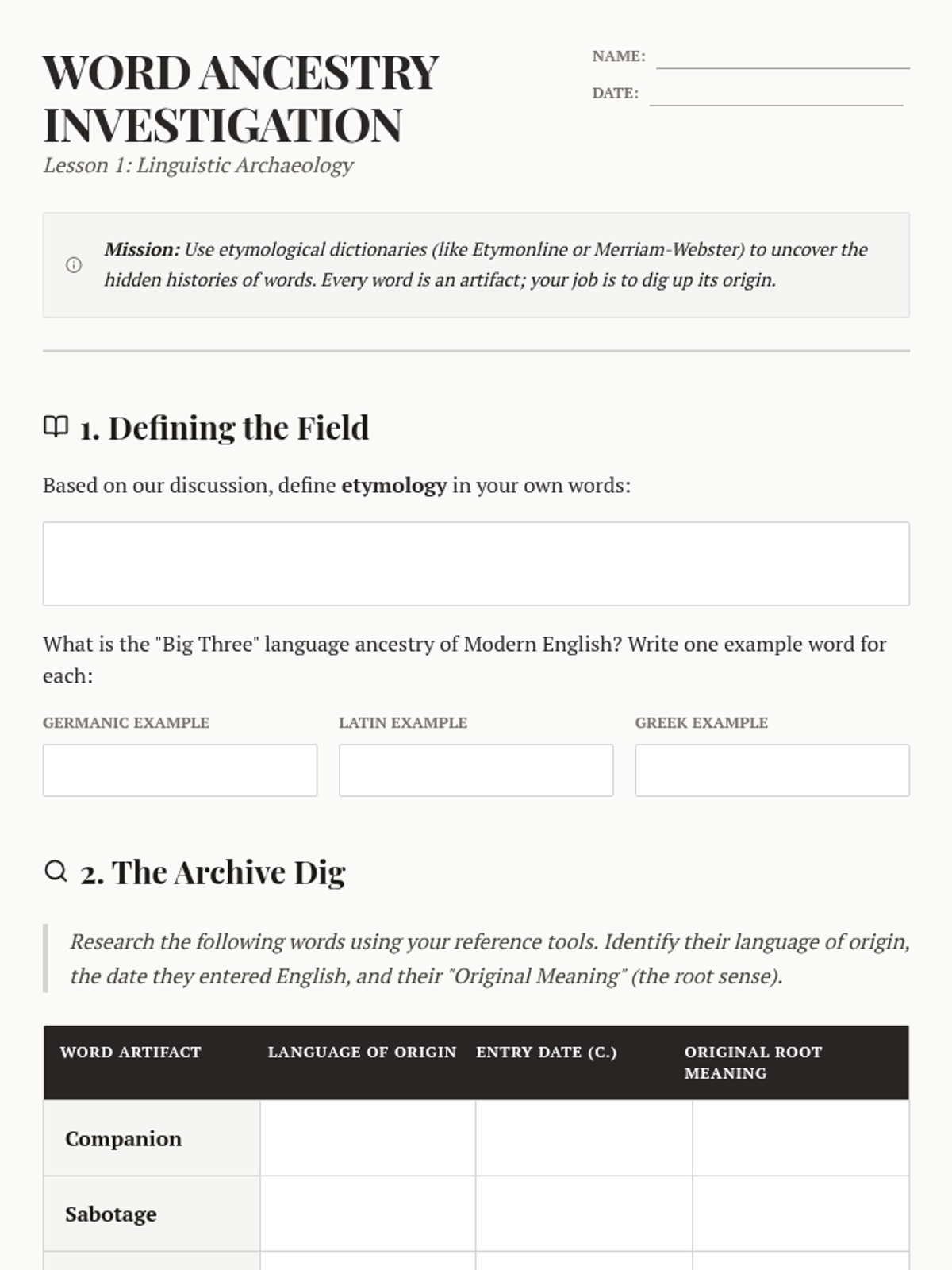
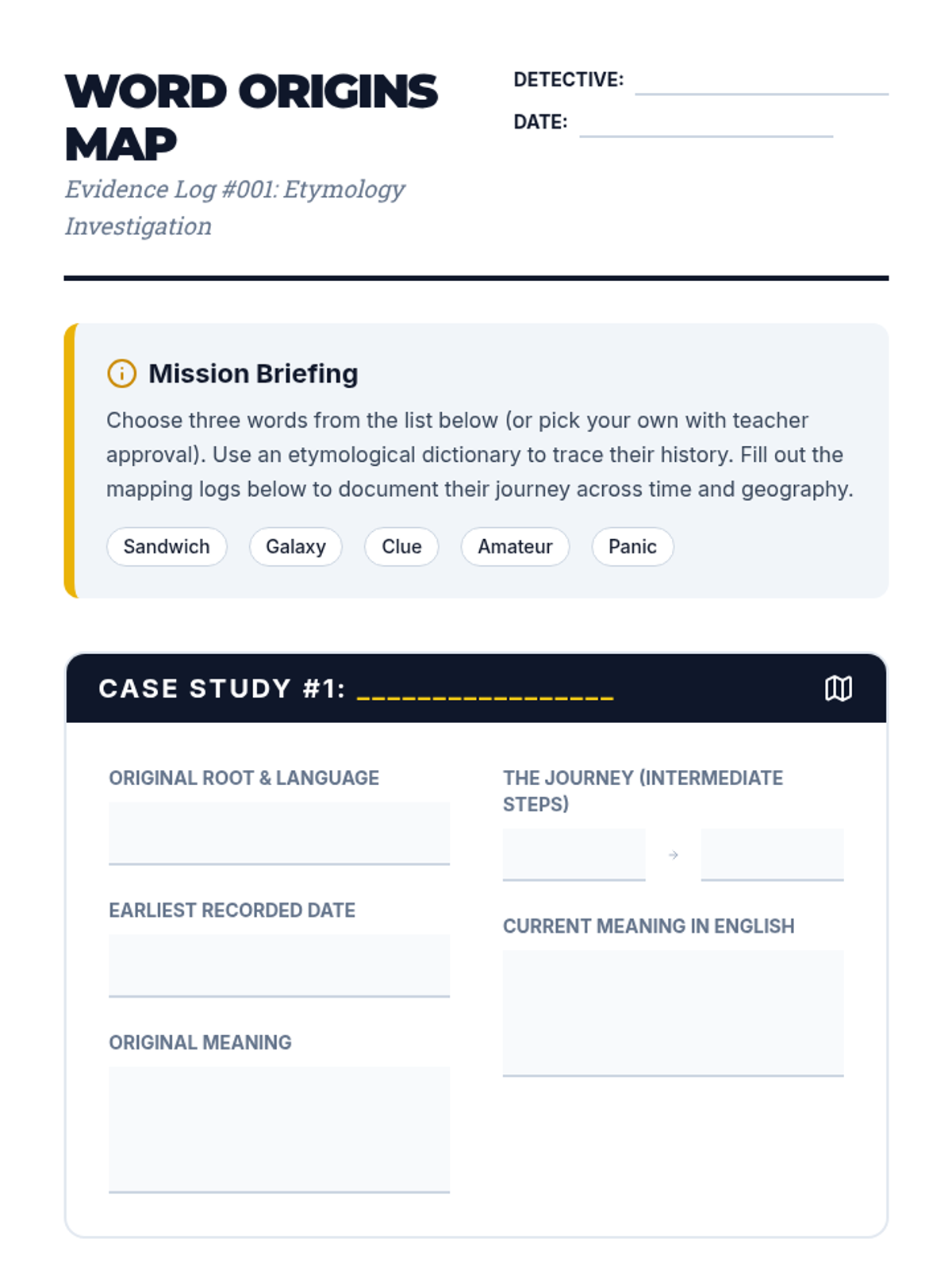
This inquiry-driven sequence focuses on etymology as a reference skill, teaching students to trace word origins to understand language evolution and historical context. Students move from decoding individual roots to analyzing how historical events shape the English lexicon, culminating in a 'word biography' project.
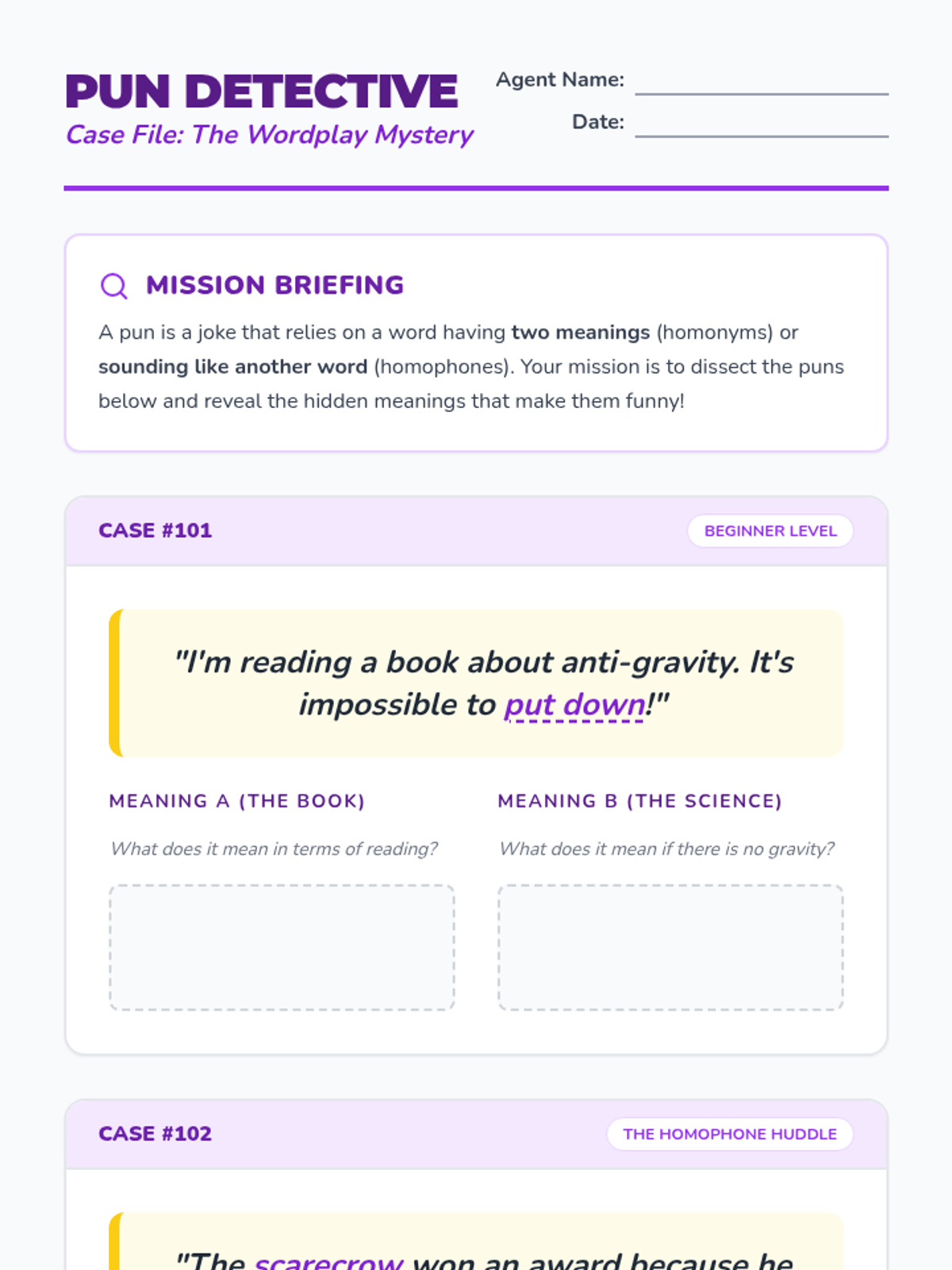
This sequence explores the creative and literary side of homophones and homonyms through puns, riddles, and advertising. Students move from deconstructing humor to creating their own intentional wordplay, culminating in a showcase of their comedic and creative linguistic skills.
A comprehensive introduction to the art of persuasion, focusing on rhetorical appeals and crafting compelling arguments for middle school students.
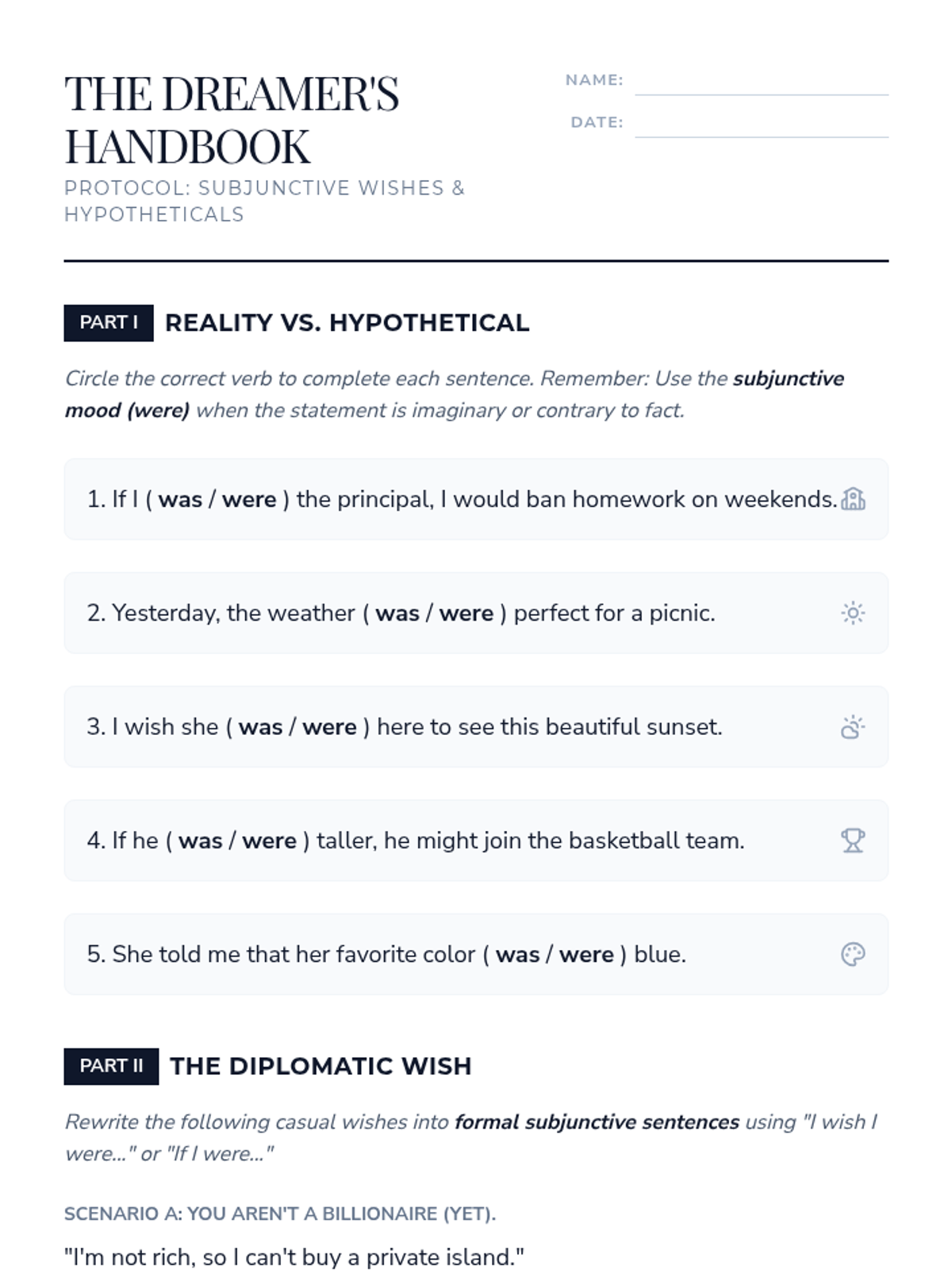
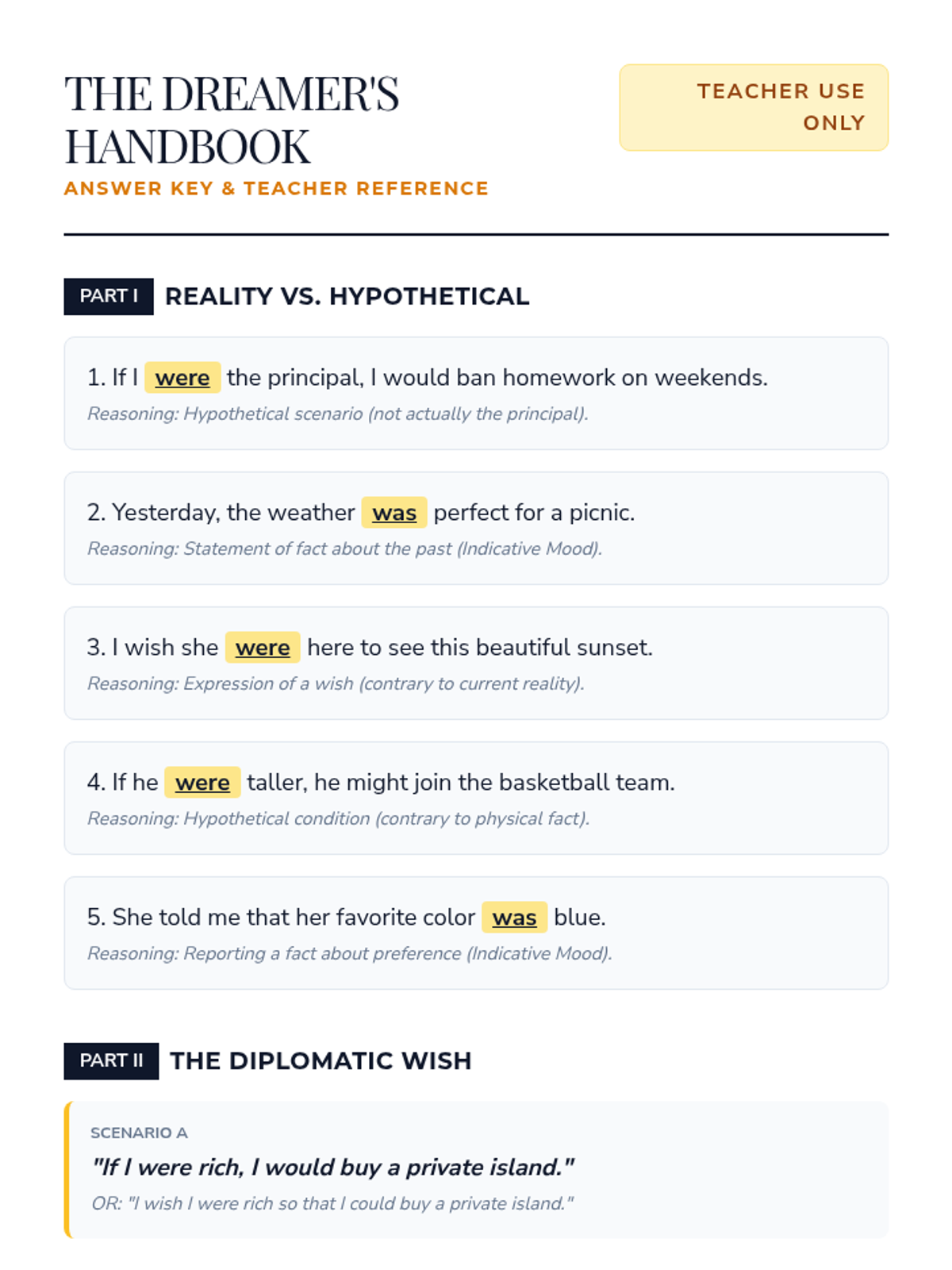
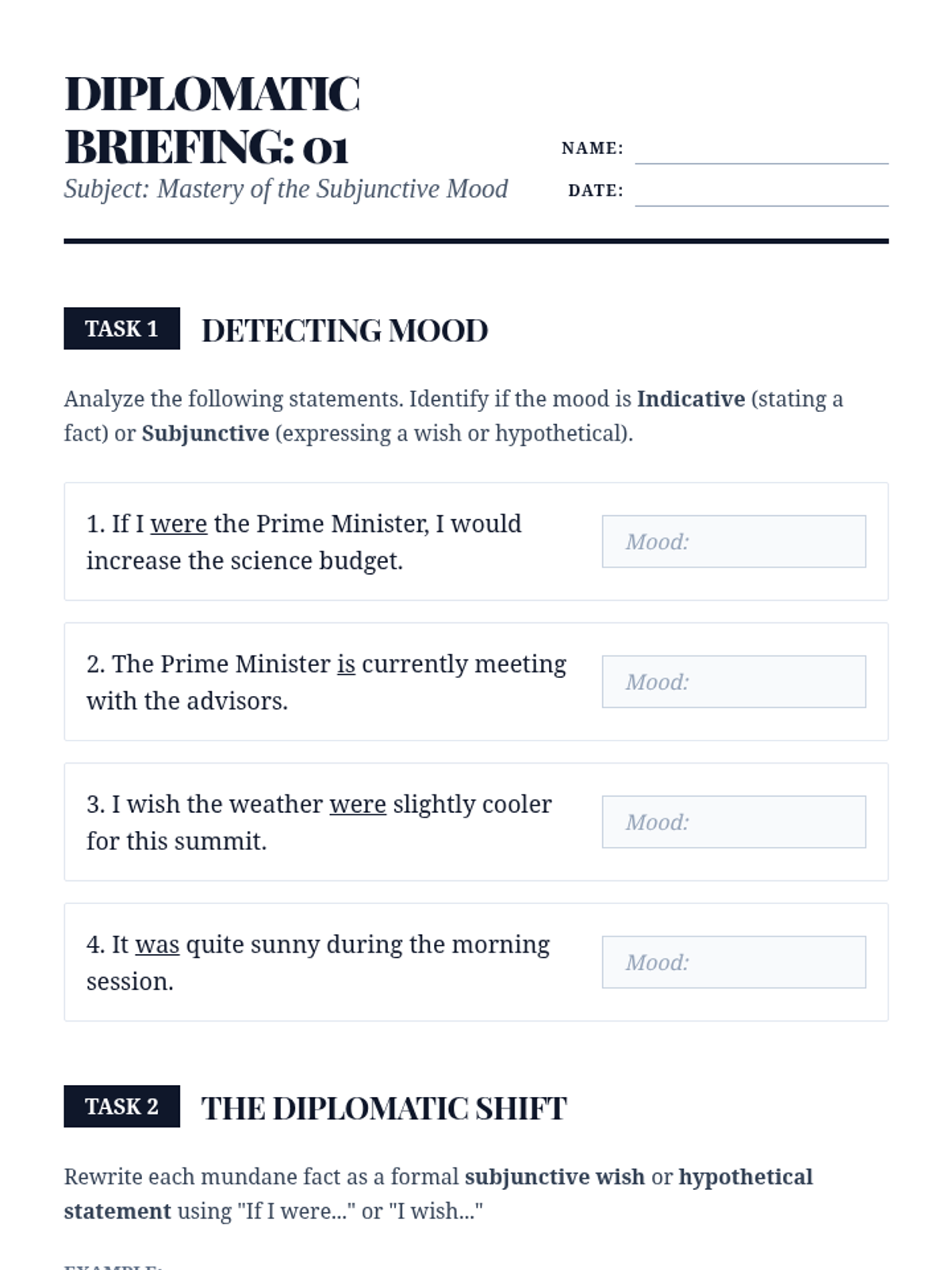
A comprehensive unit on the subjunctive mood, focusing on formal suggestions, demands, and wishes in high-level academic and professional communication. Students engage in simulations and formal writing to master complex grammatical structures.
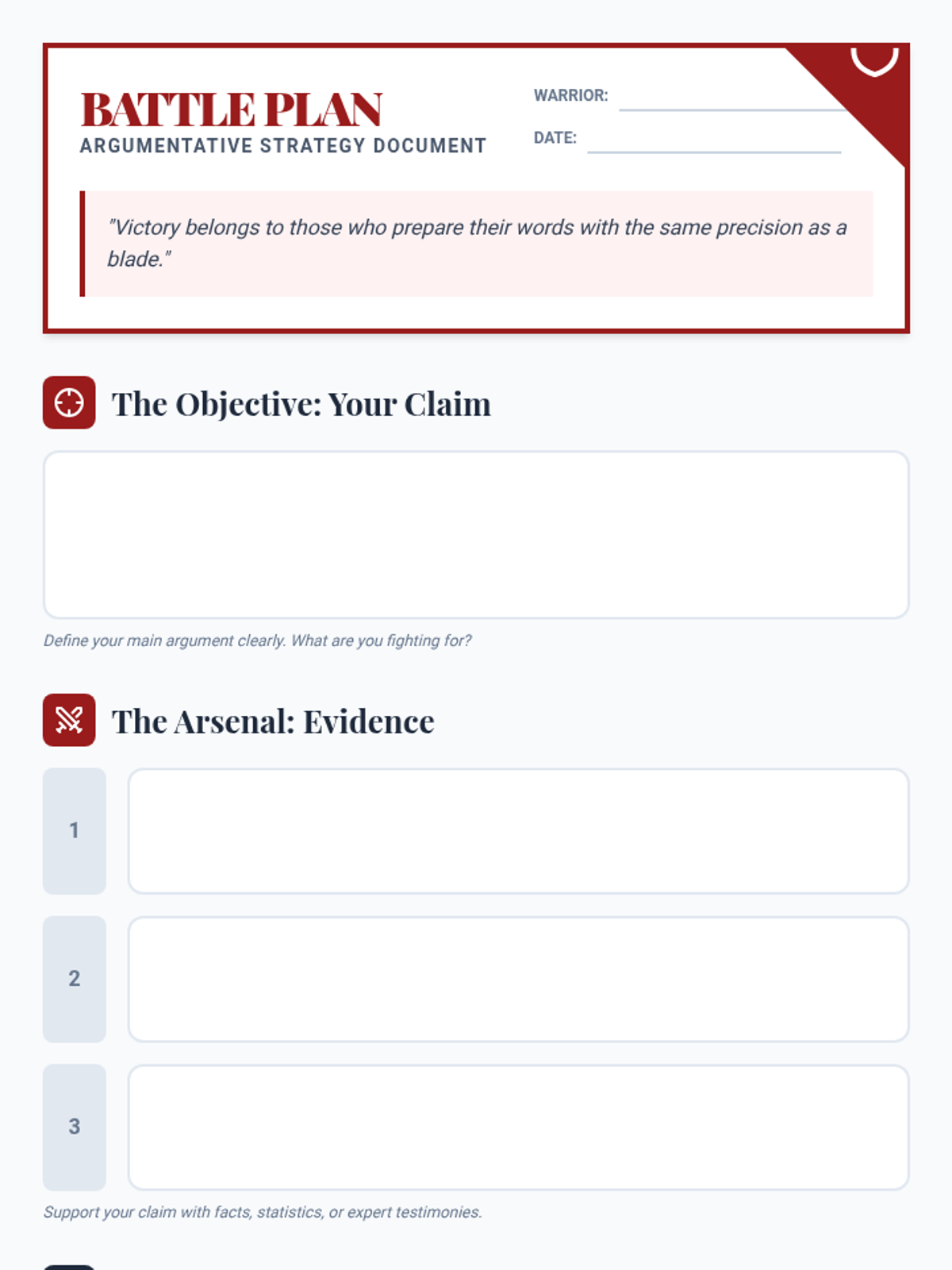
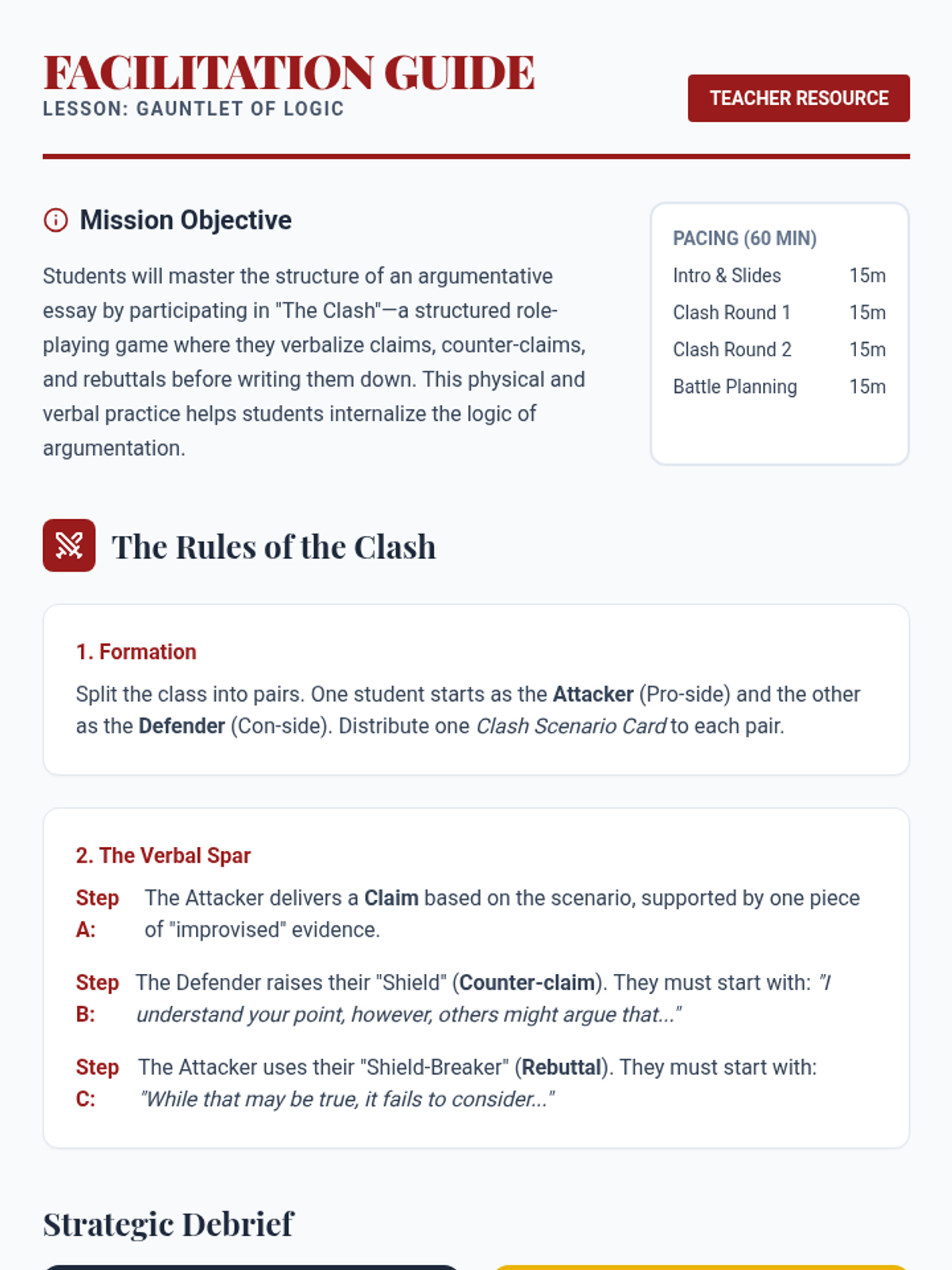
A series of lessons focused on mastering argumentative writing through immersive, game-based activities and role-playing scenarios.
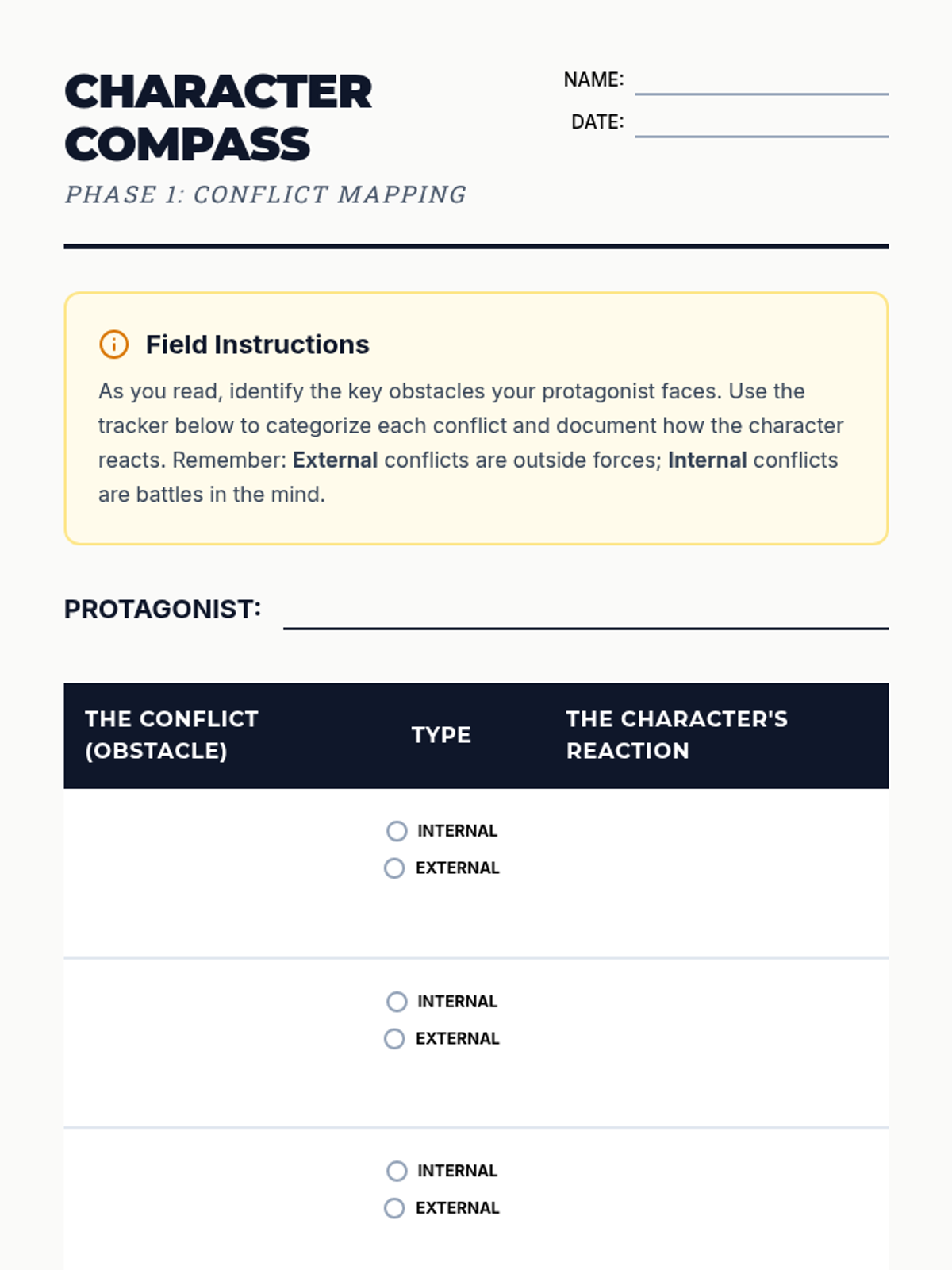
This inquiry-based sequence explores how character development reveals an author's theme. Students track a protagonist's journey through conflicts and choices to formulate and debate universal truths.
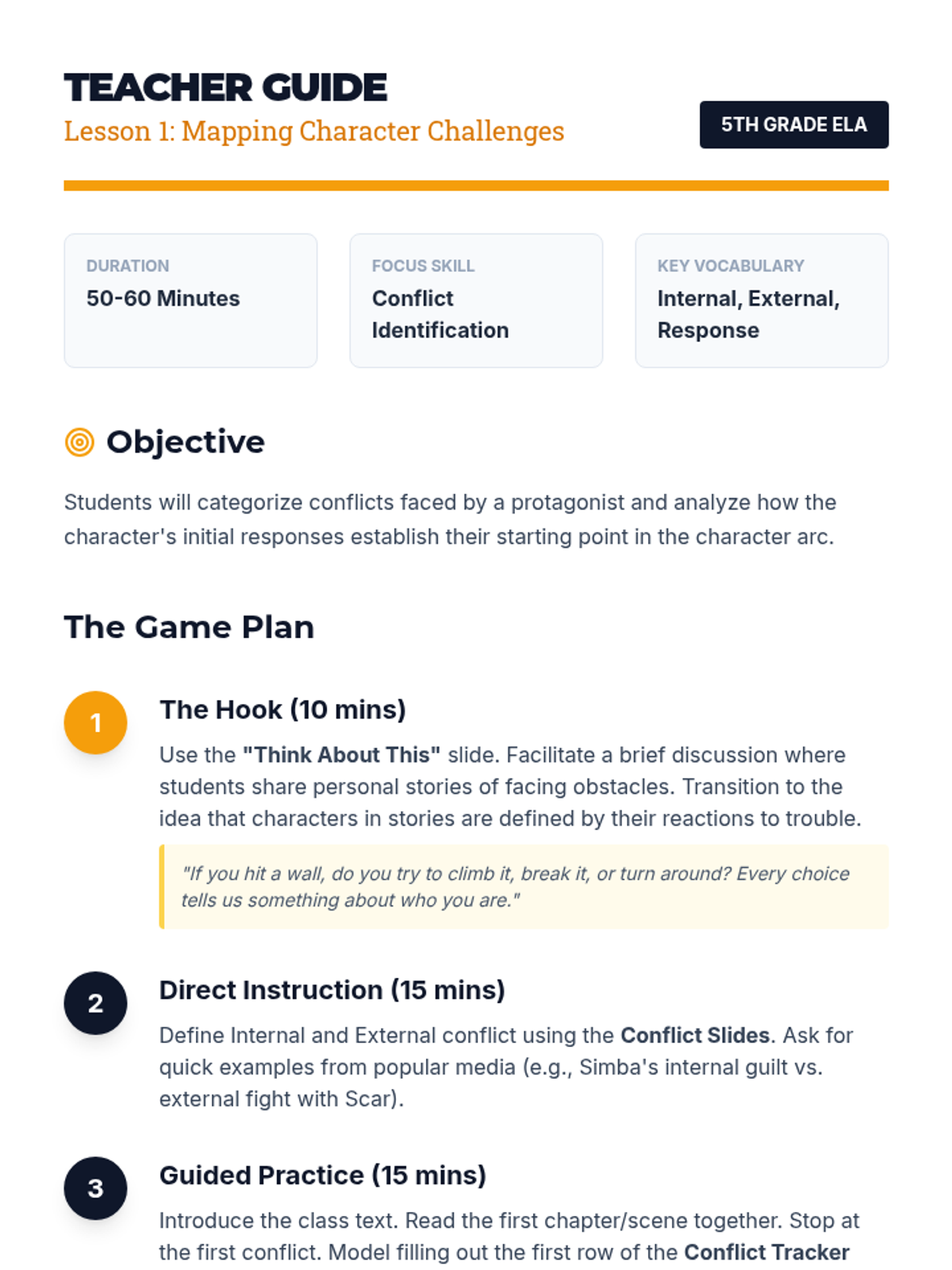
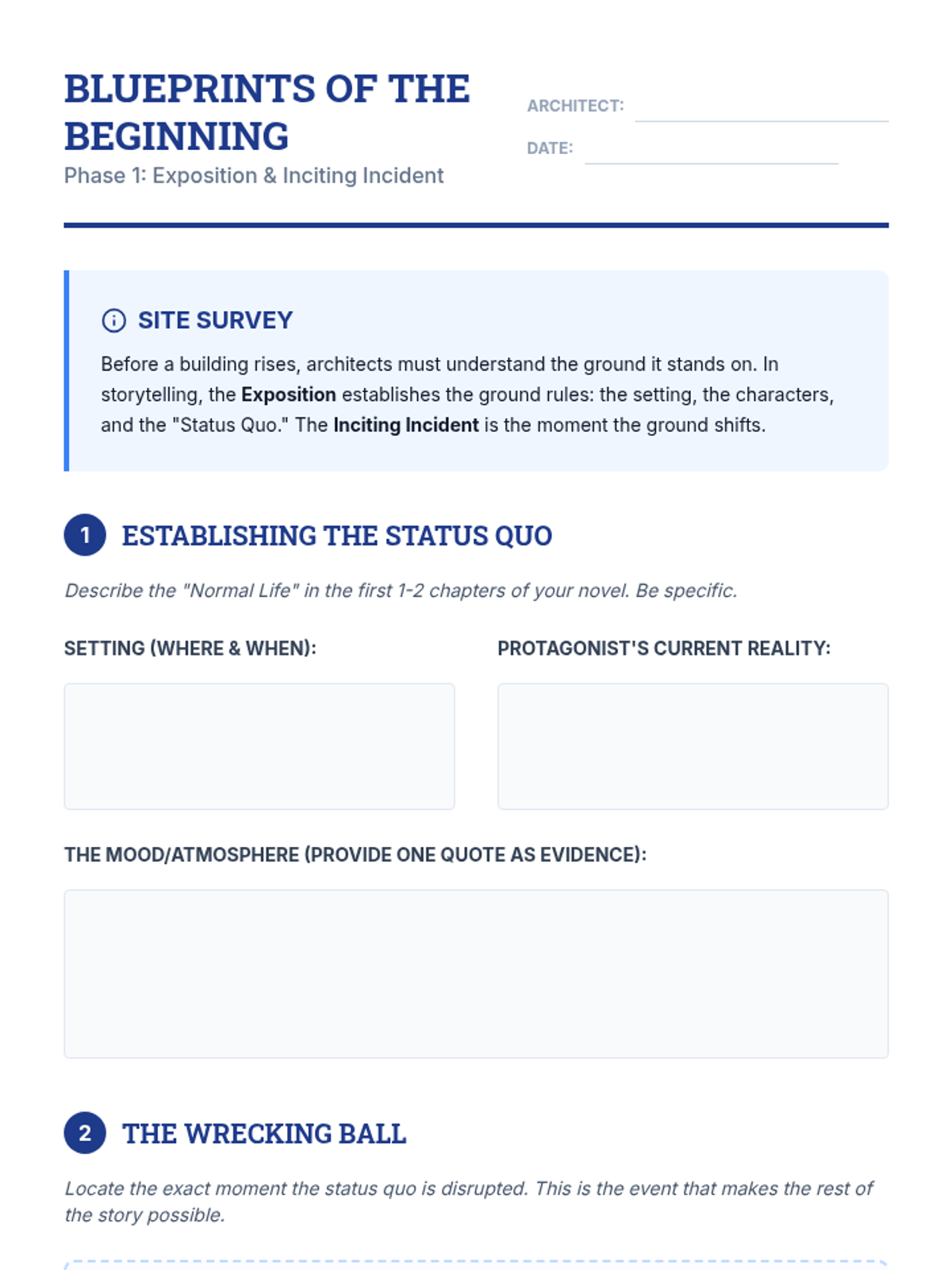
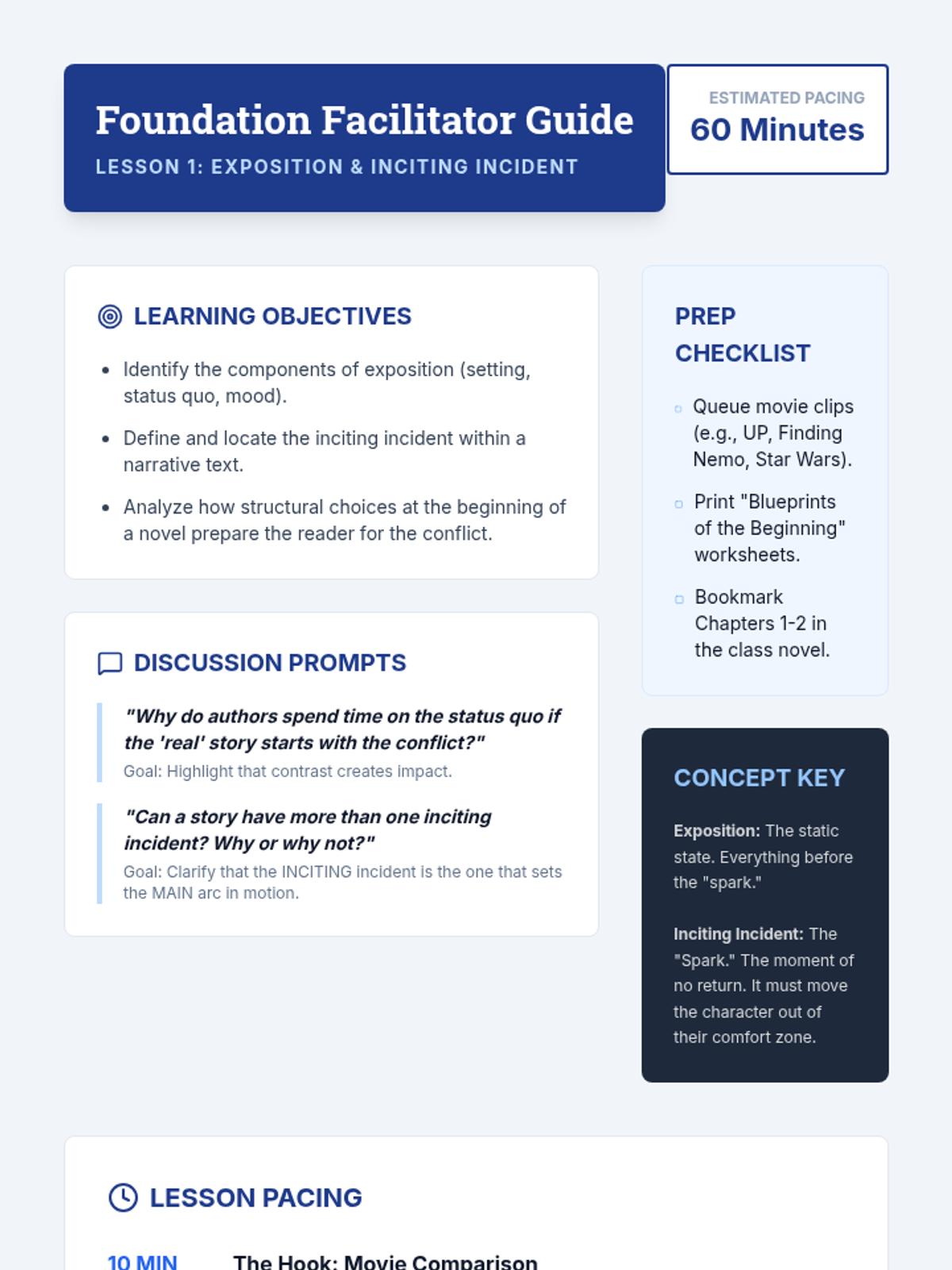
A project-based unit where 6th-grade students deconstruct the architecture of storytelling. Students analyze how plot structure, pacing, and tension drive narrative engagement through the lens of a novel study.
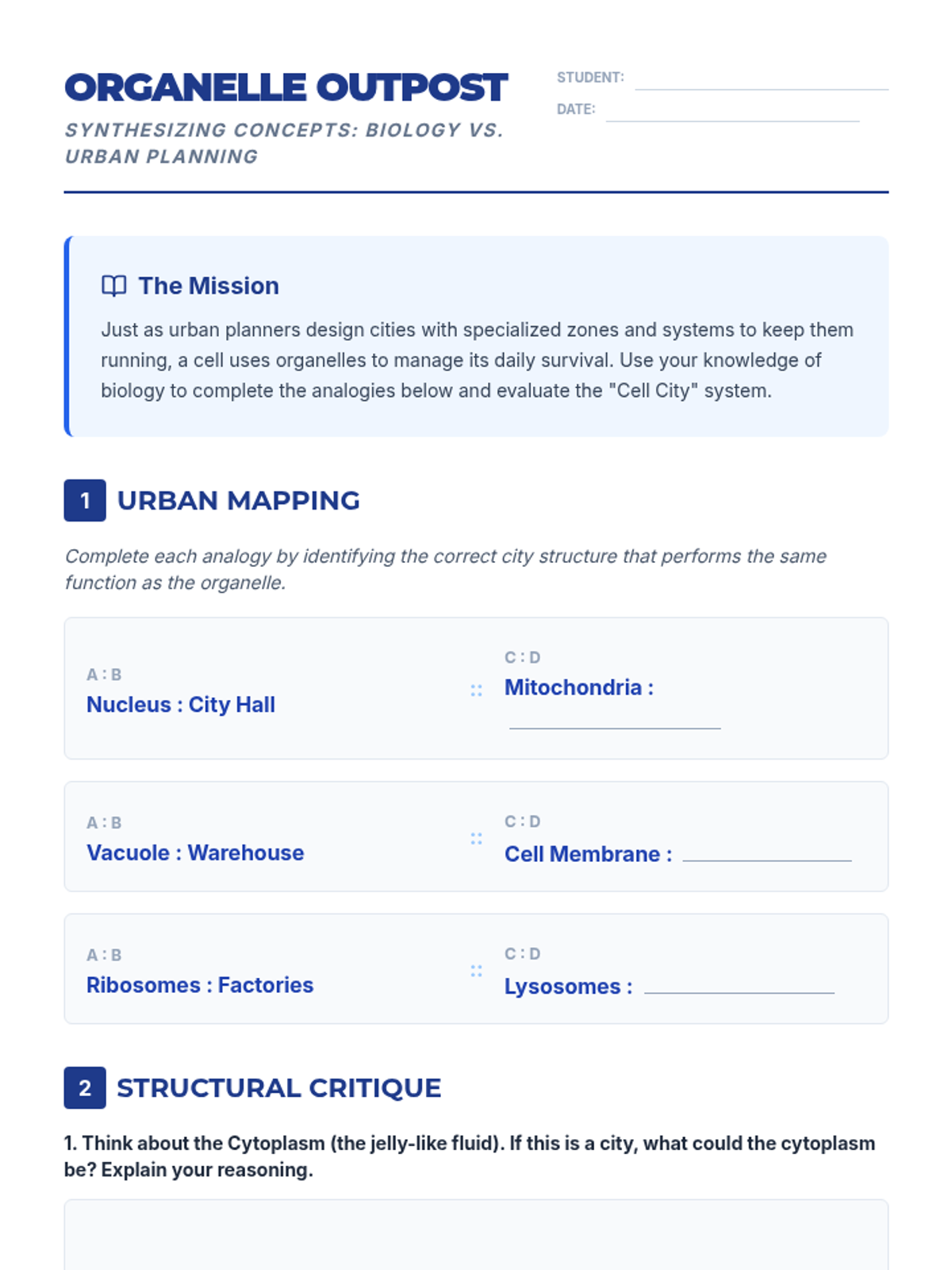
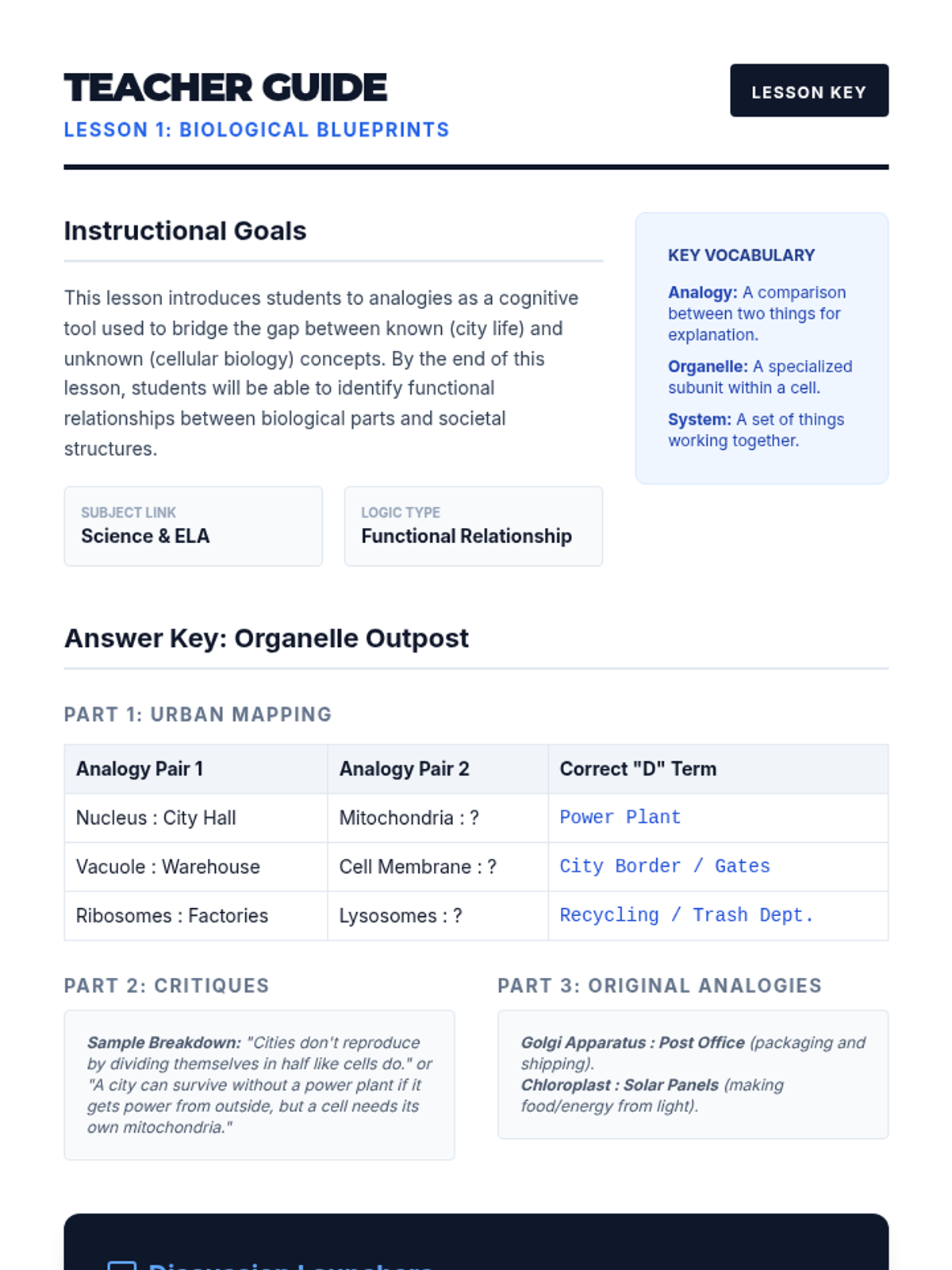
This sequence connects 6th grade vocabulary standards with science, social studies, and math by using analogies as cognitive tools. Students analyze complex systems and historical events through structural comparisons, culminating in an original analogy-based concept map project.
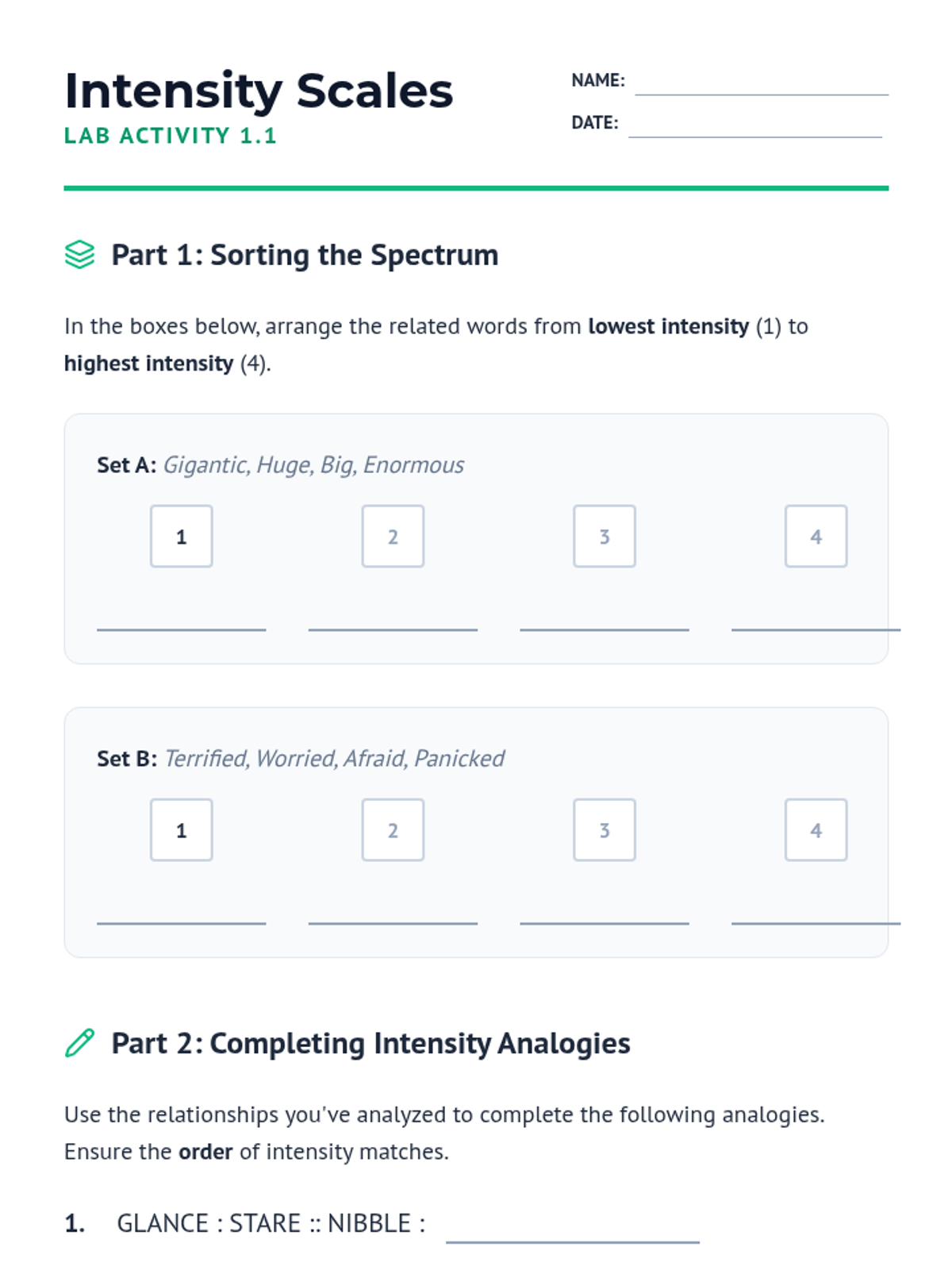
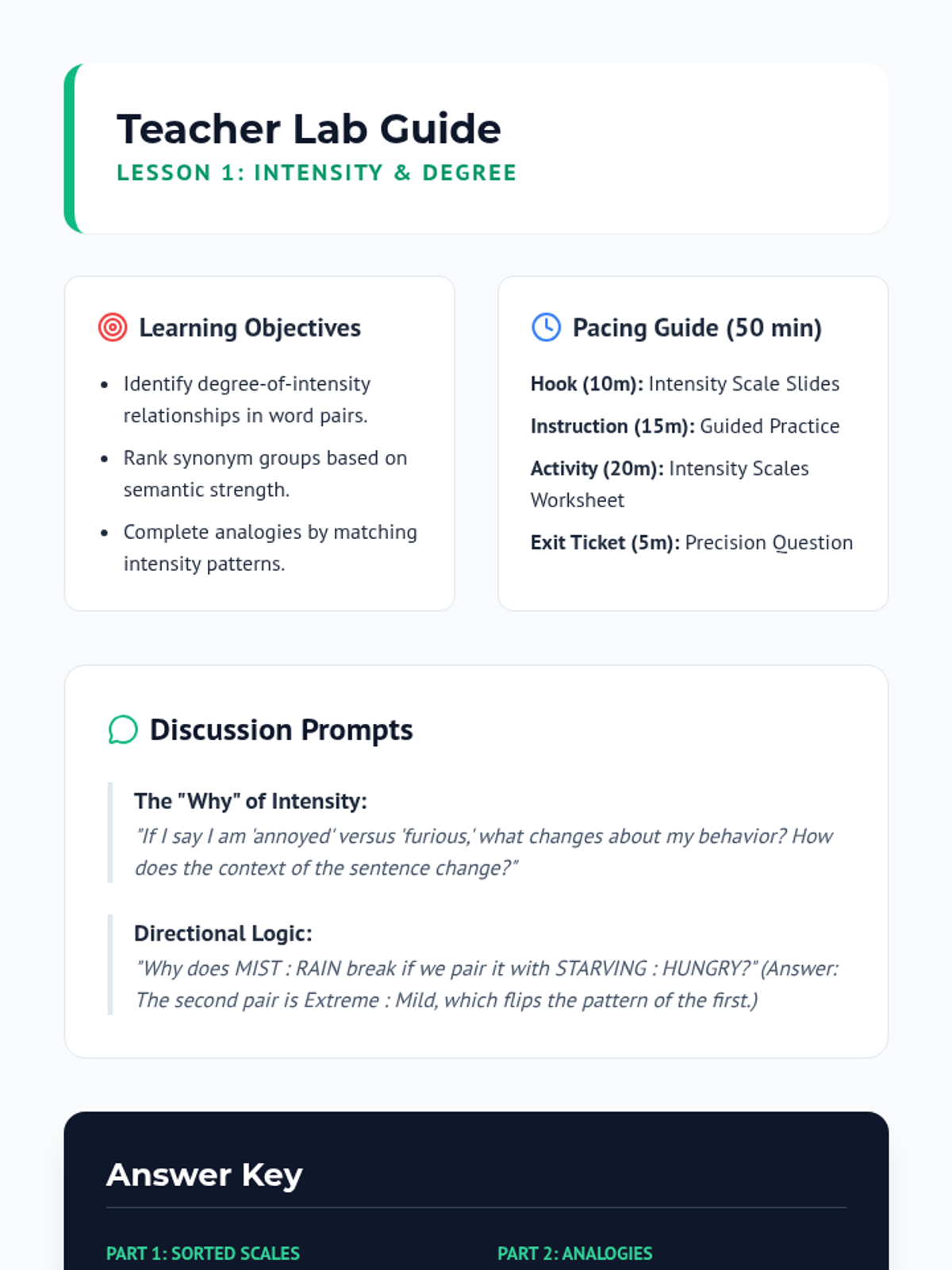
A 5-lesson sequence for 7th grade students focusing on advanced analogy relationships, specifically degrees of intensity and cause-effect logic. Students will learn to analyze nuances, distinguish between causal and sequential relationships, and debate the precision of word choices.
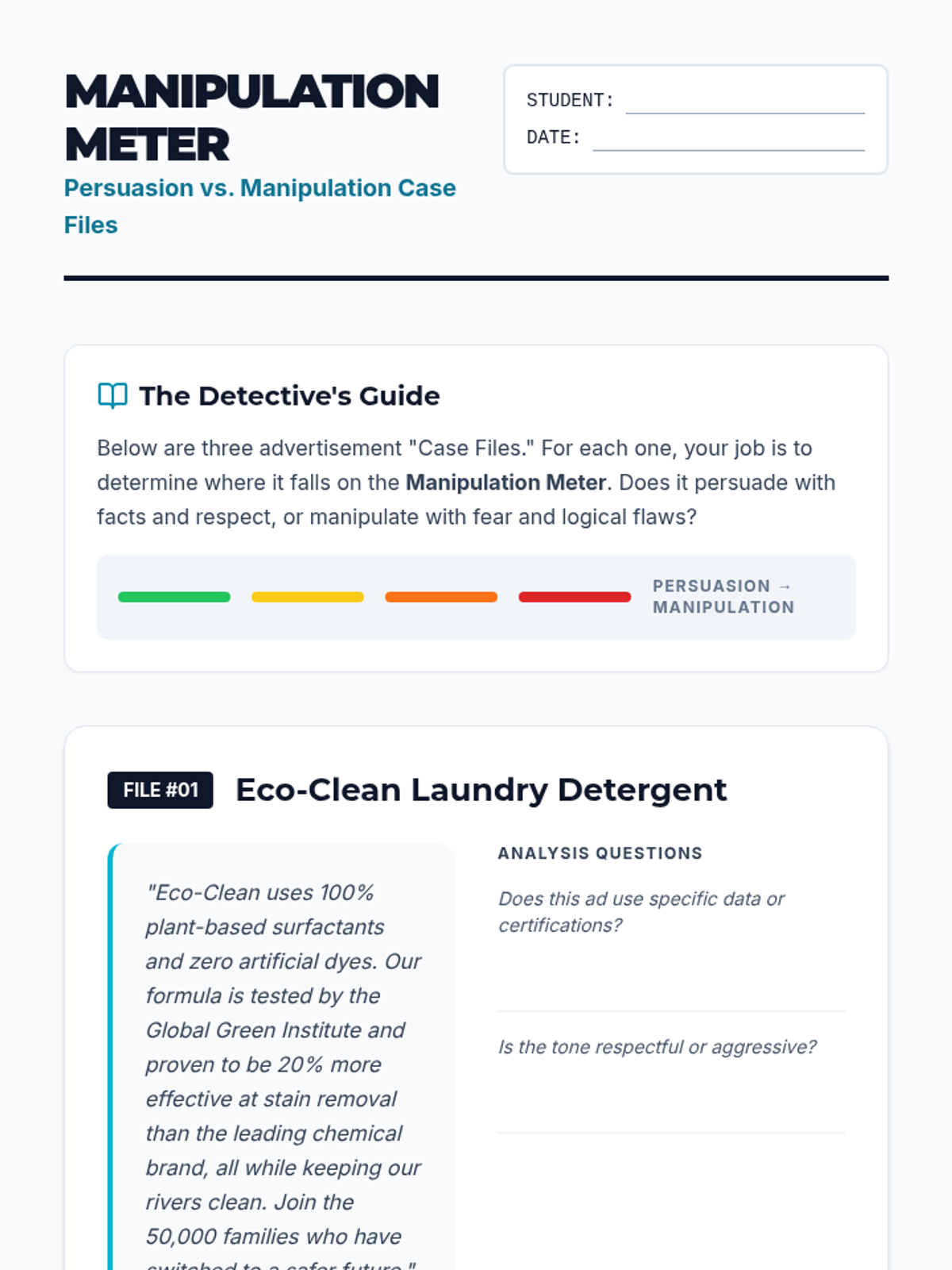
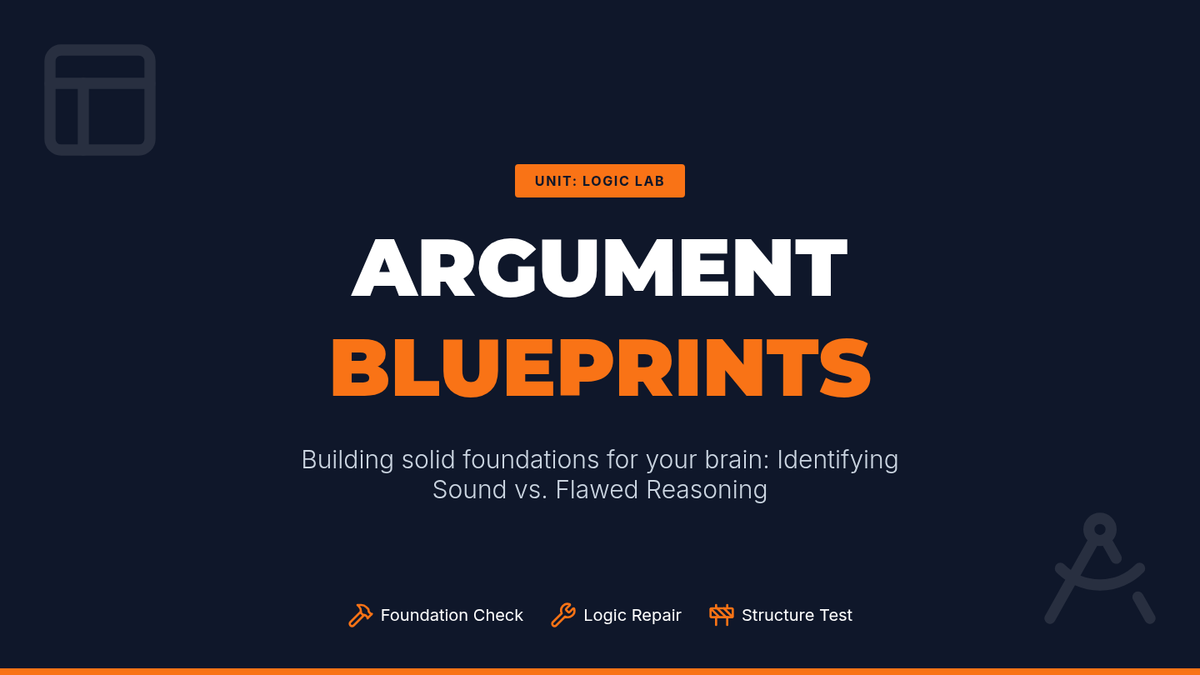
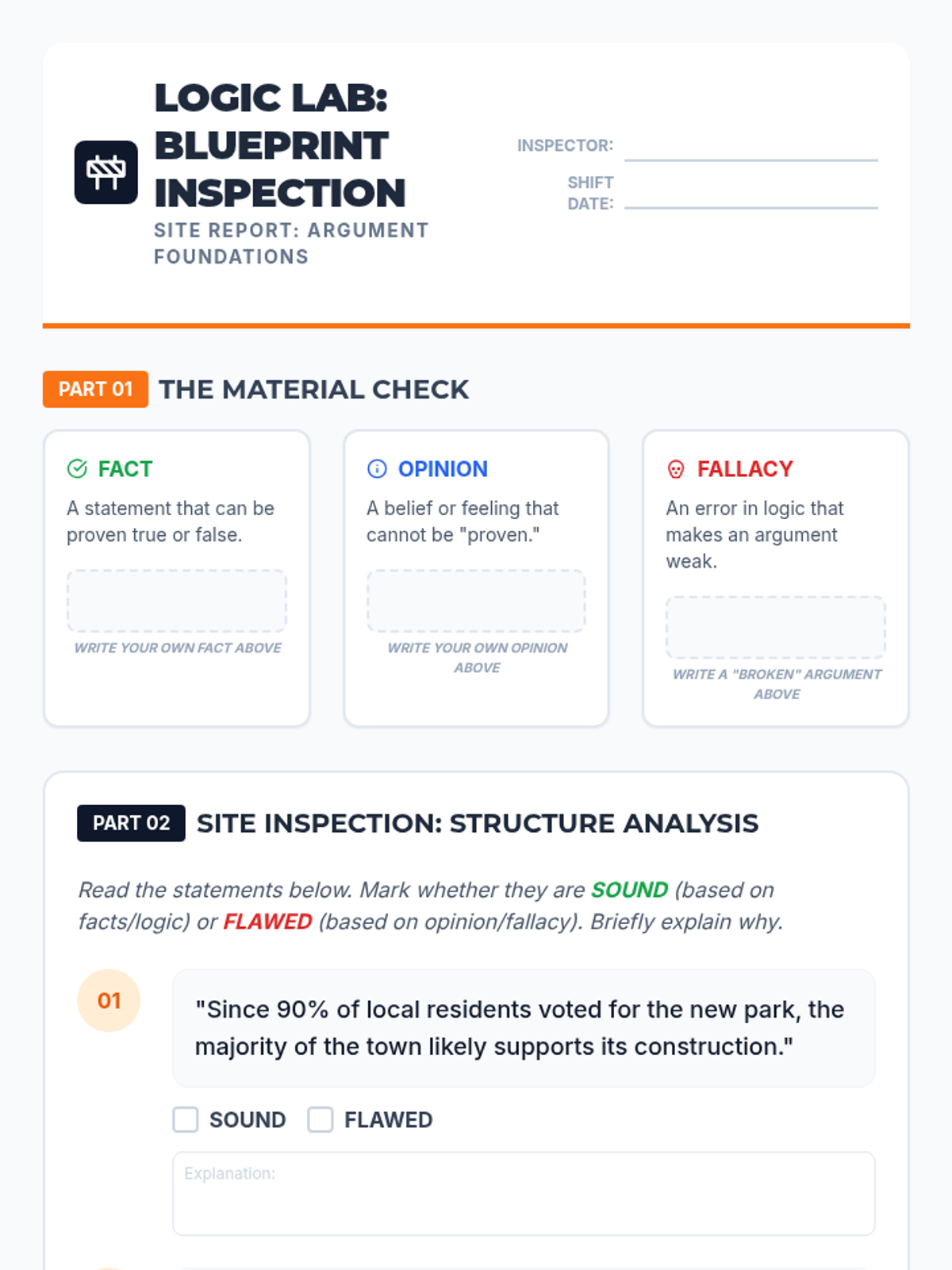
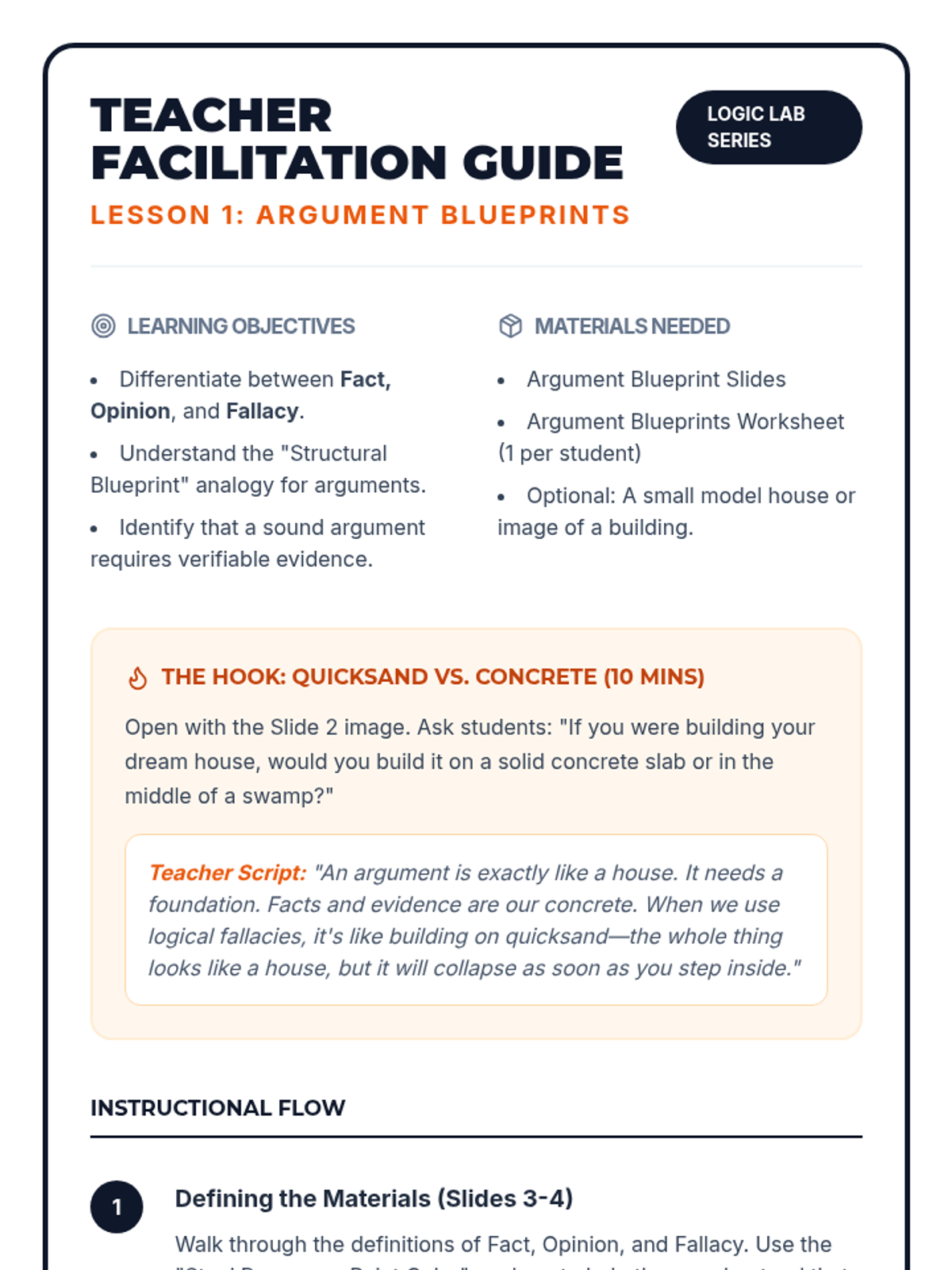
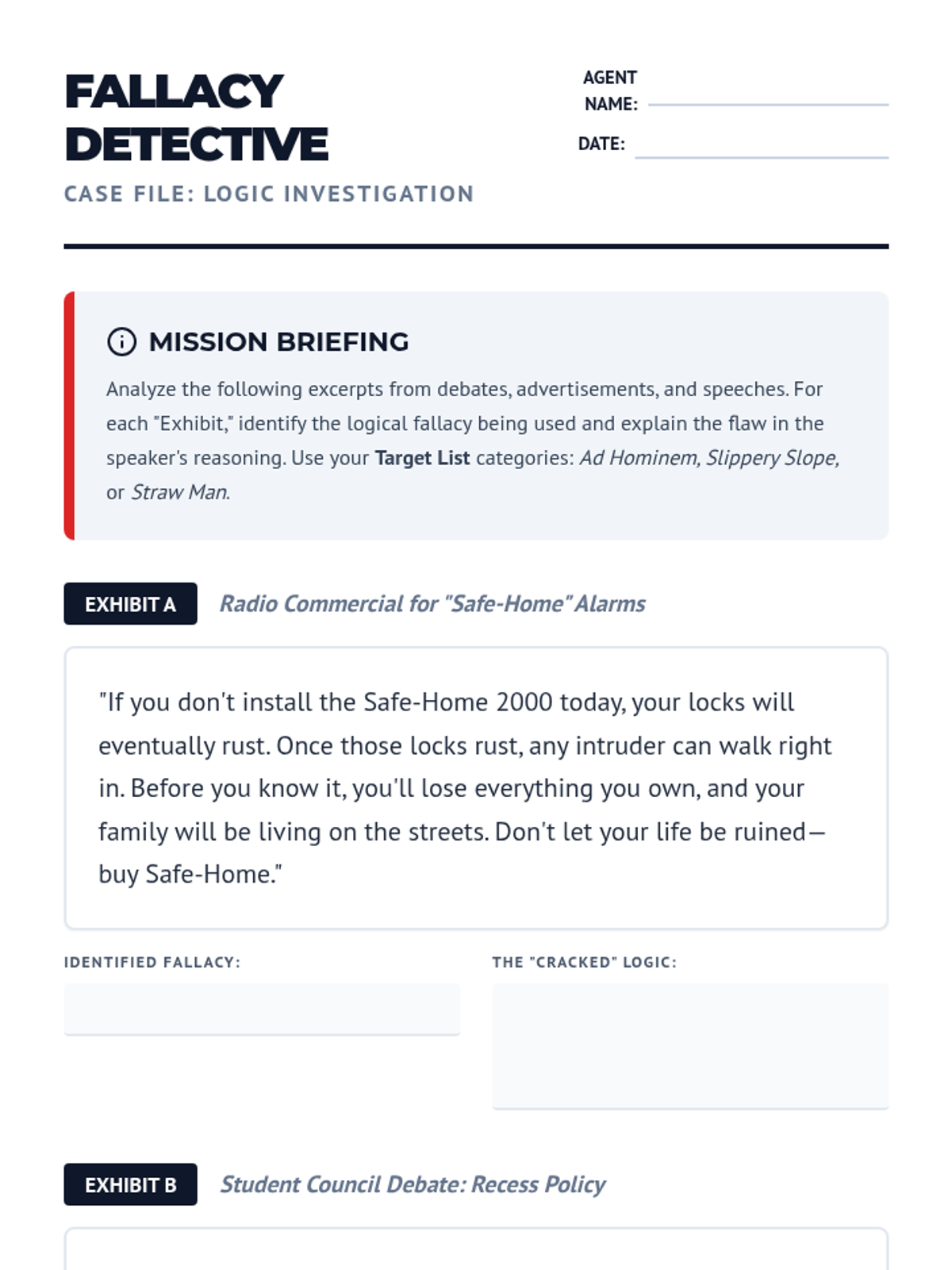
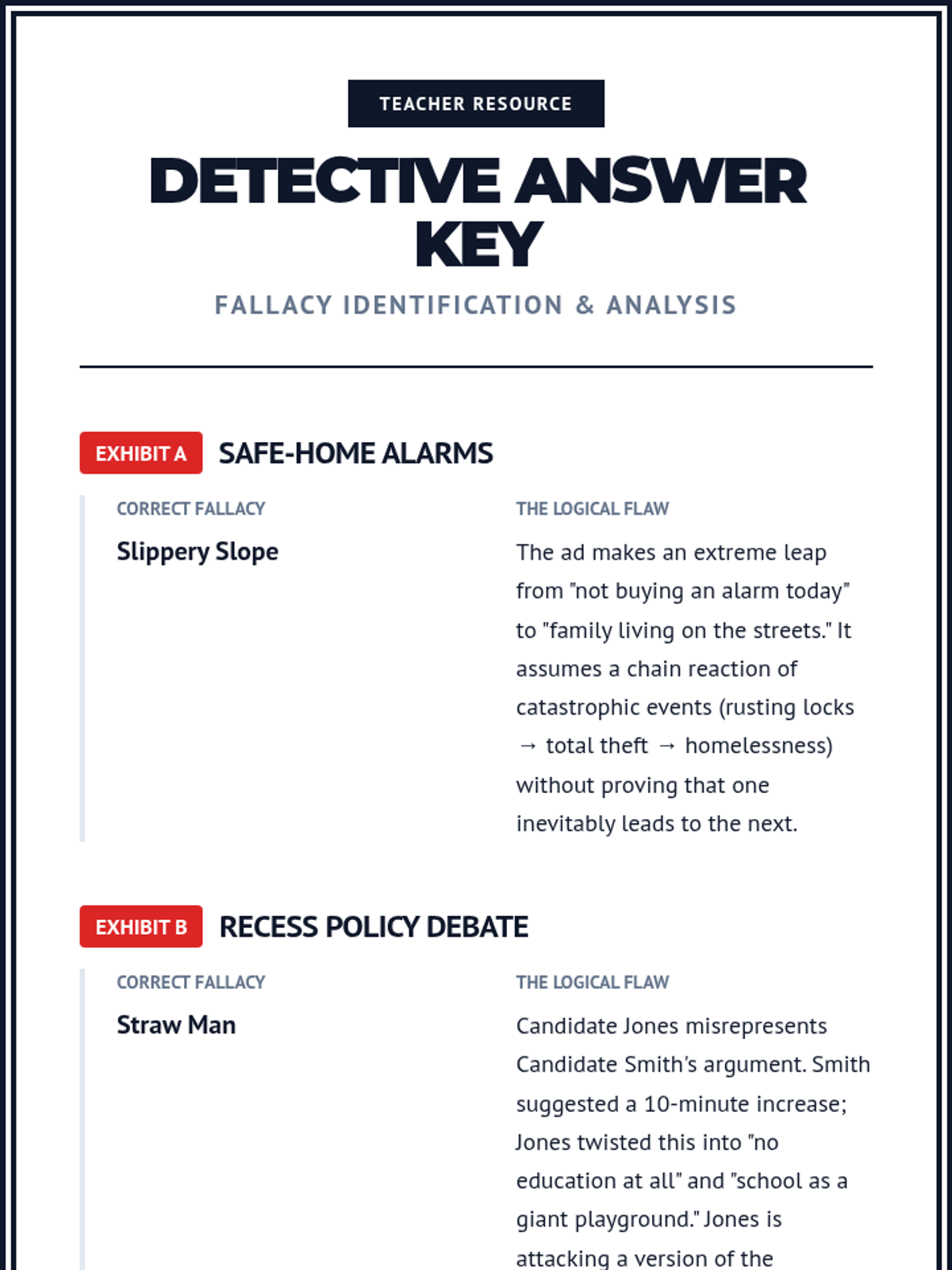
A middle school ELA sequence focused on identifying and deconstructing logical fallacies in modern media, culminating in a critical analysis project. Students learn to distinguish between ethical persuasion and manipulative tactics like False Authority, False Dilemmas, and Straw Man arguments.
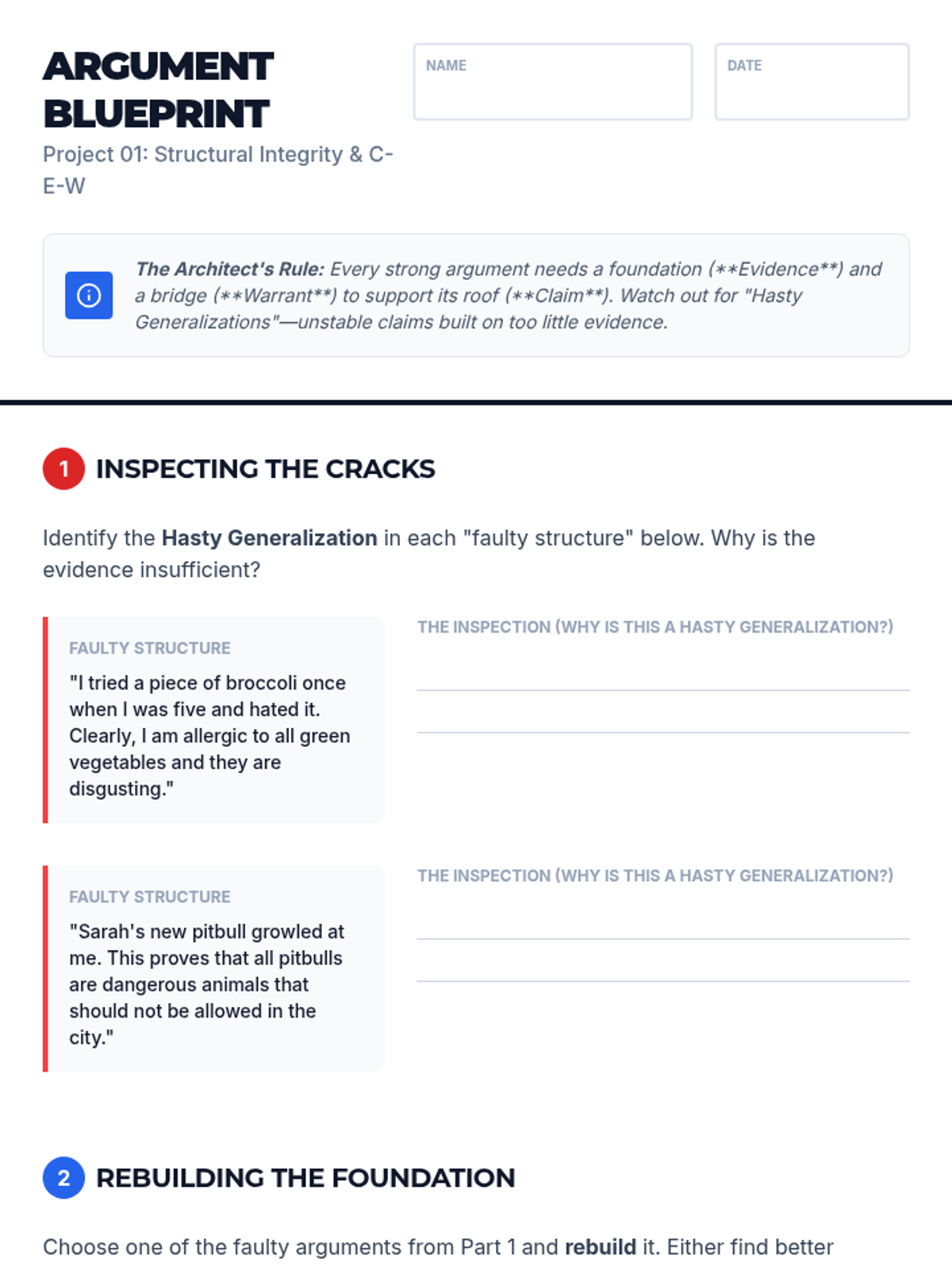
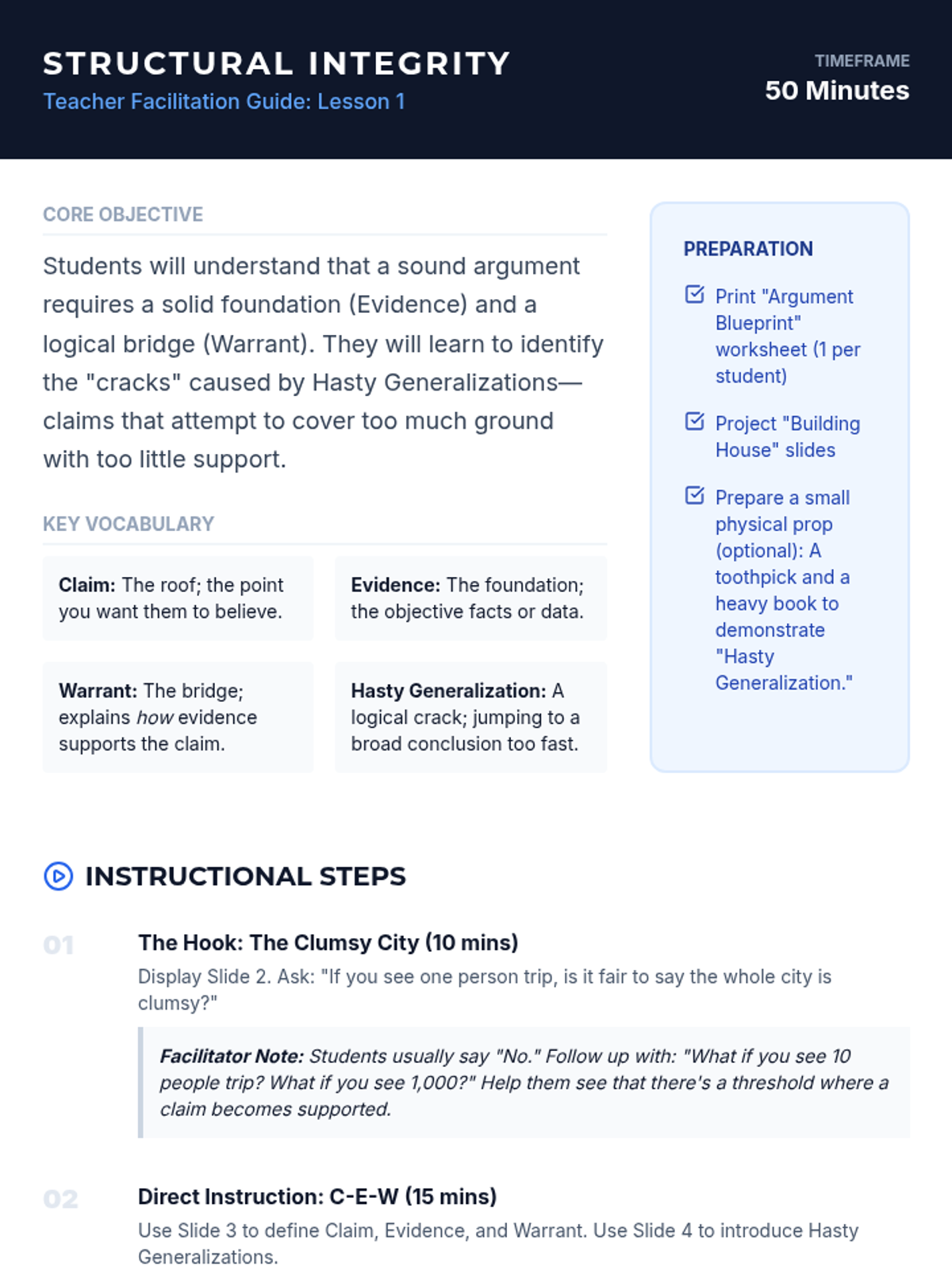
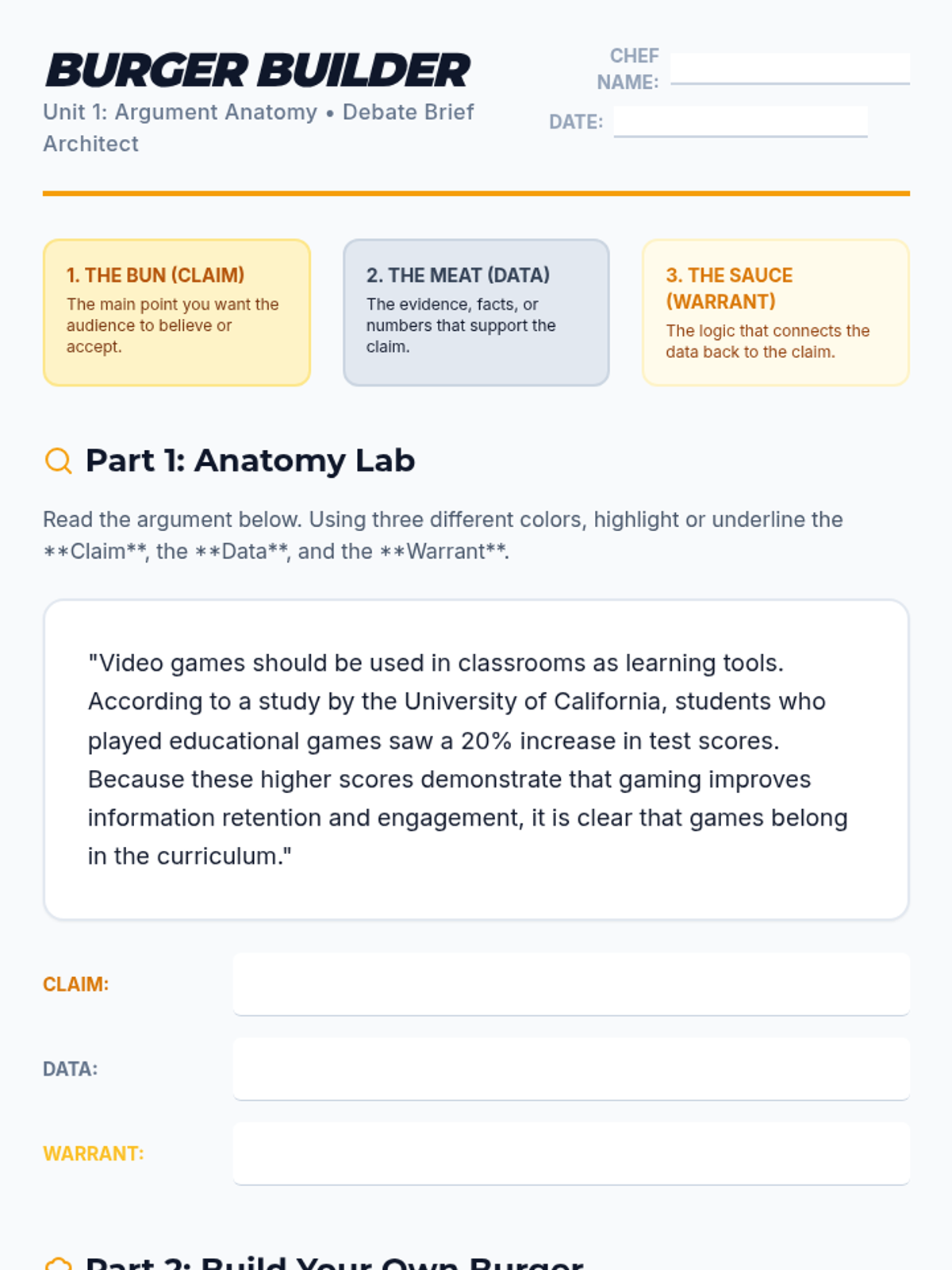
A workshop-style series designed to help 7th grade students strengthen their persuasive writing and speaking by identifying and eliminating logical fallacies. Students learn the Claim-Evidence-Warrant model and focus on avoiding Hasty Generalizations, Red Herrings, and Circular Reasoning.
A high-energy, gamified introduction to logical fallacies for 7th graders. Students learn to identify Ad Hominem, Bandwagon, and Slippery Slope fallacies through interactive simulations, comic creation, and a culminating team competition.
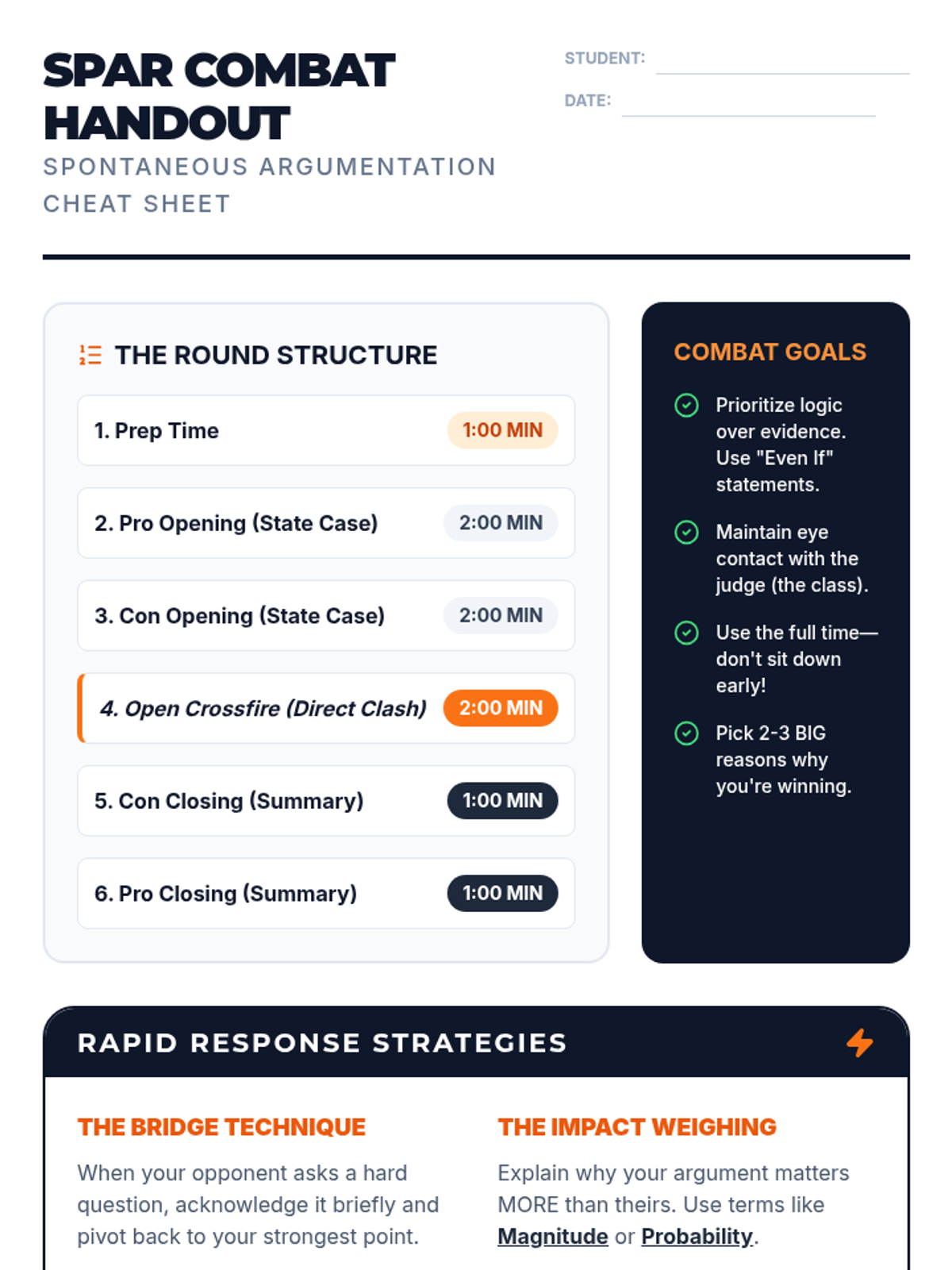
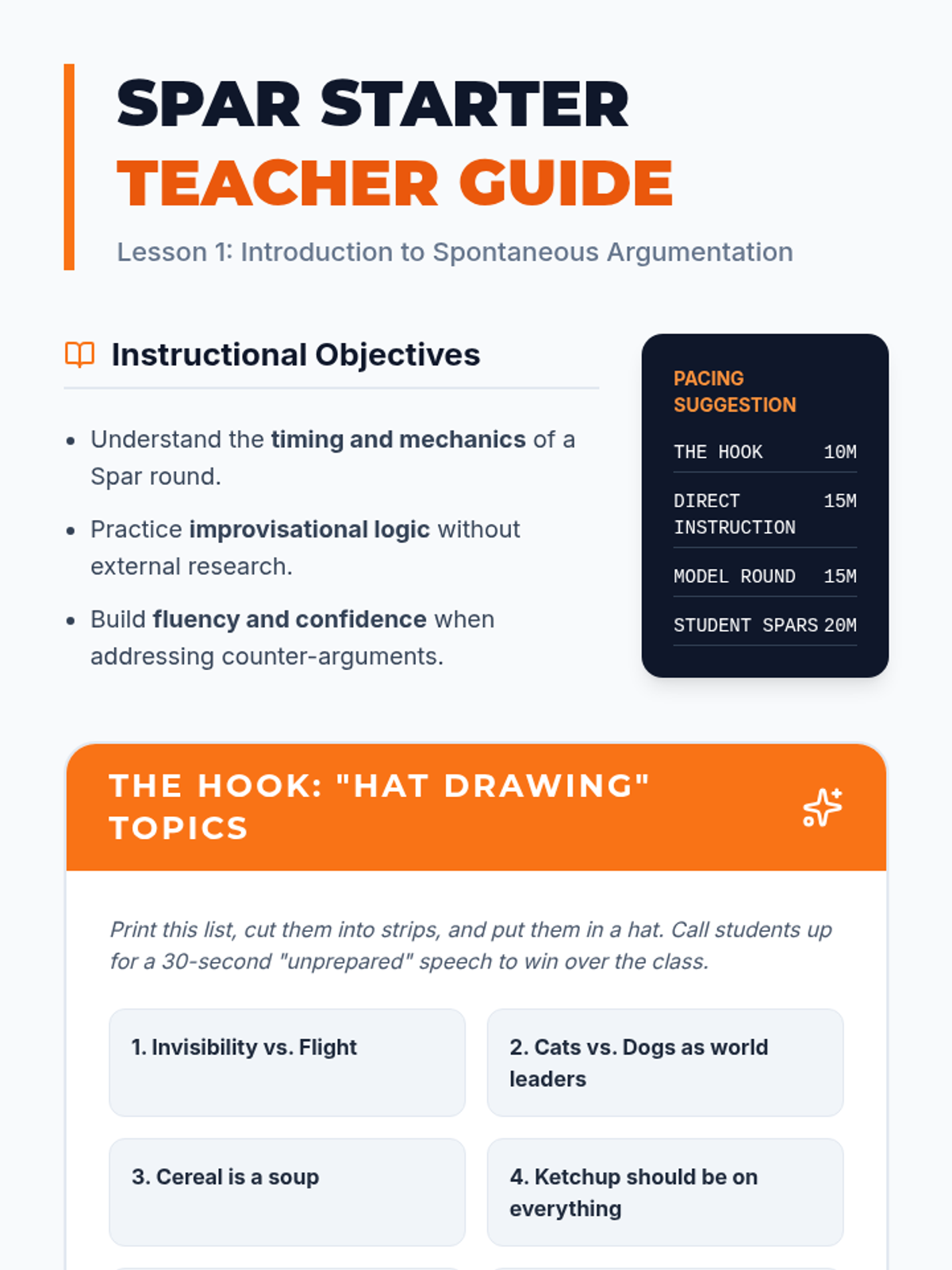
This sequence synthesizes refutation, weighing, and listening into short-form 'Spar' debates. Students learn to prioritize arguments, extend logic, and judge peer performances to build adaptability and engagement skills under strict time constraints.
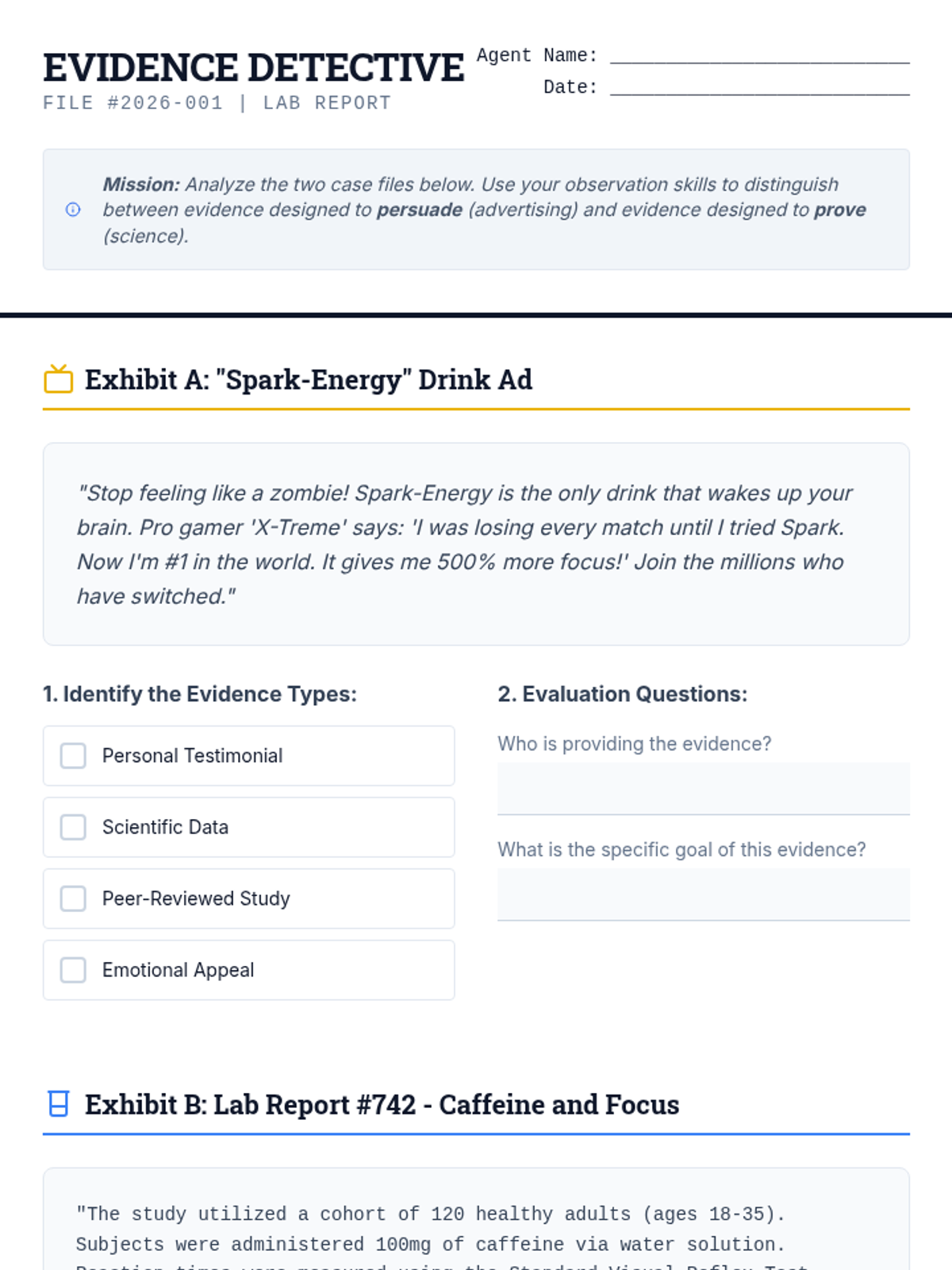
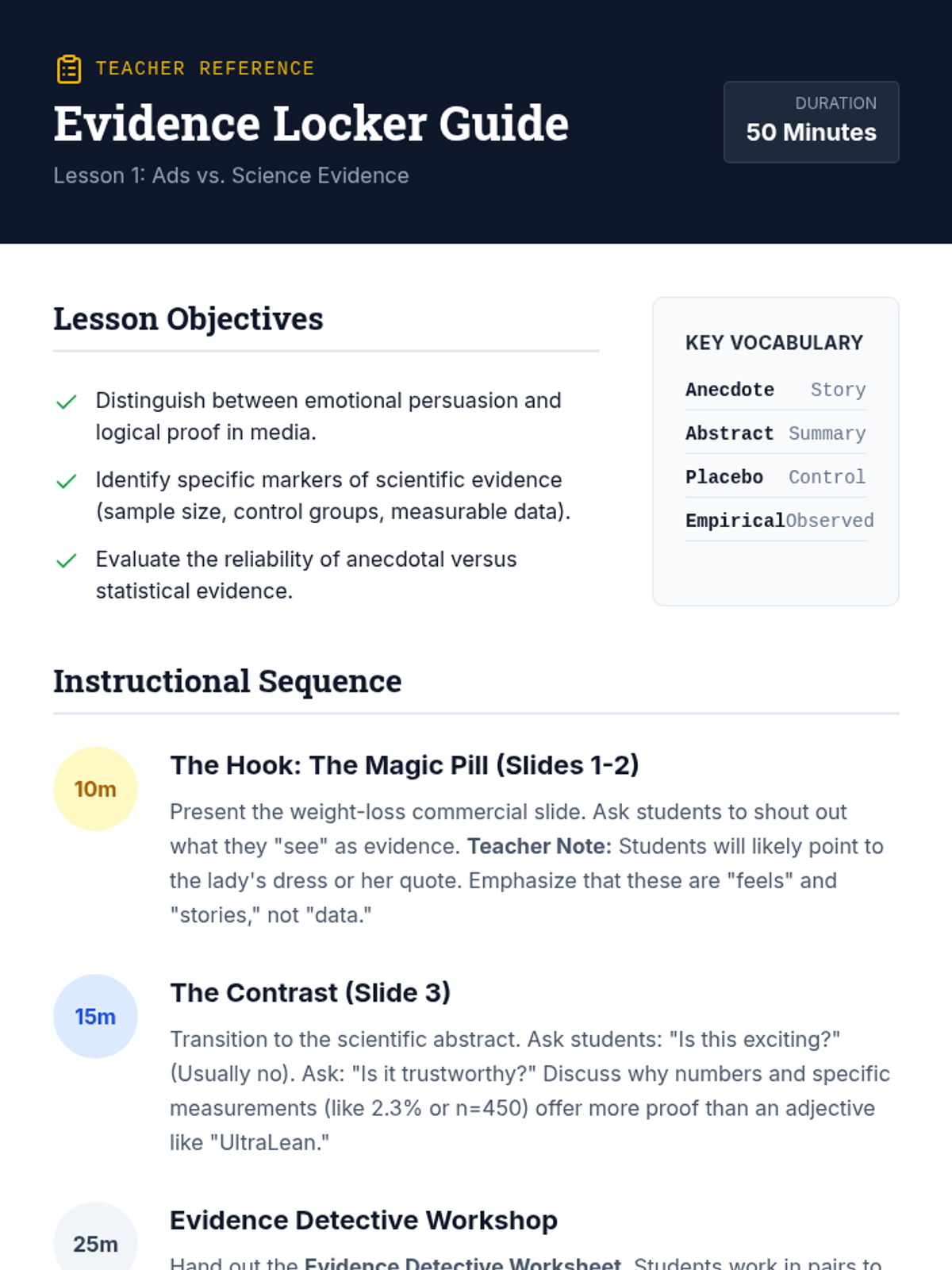
A 7th-grade unit focused on evaluating the quality and use of research in real-world contexts, from advertisements to speeches. Students learn to distinguish between emotional manipulation and logical proof while developing critical analysis skills.
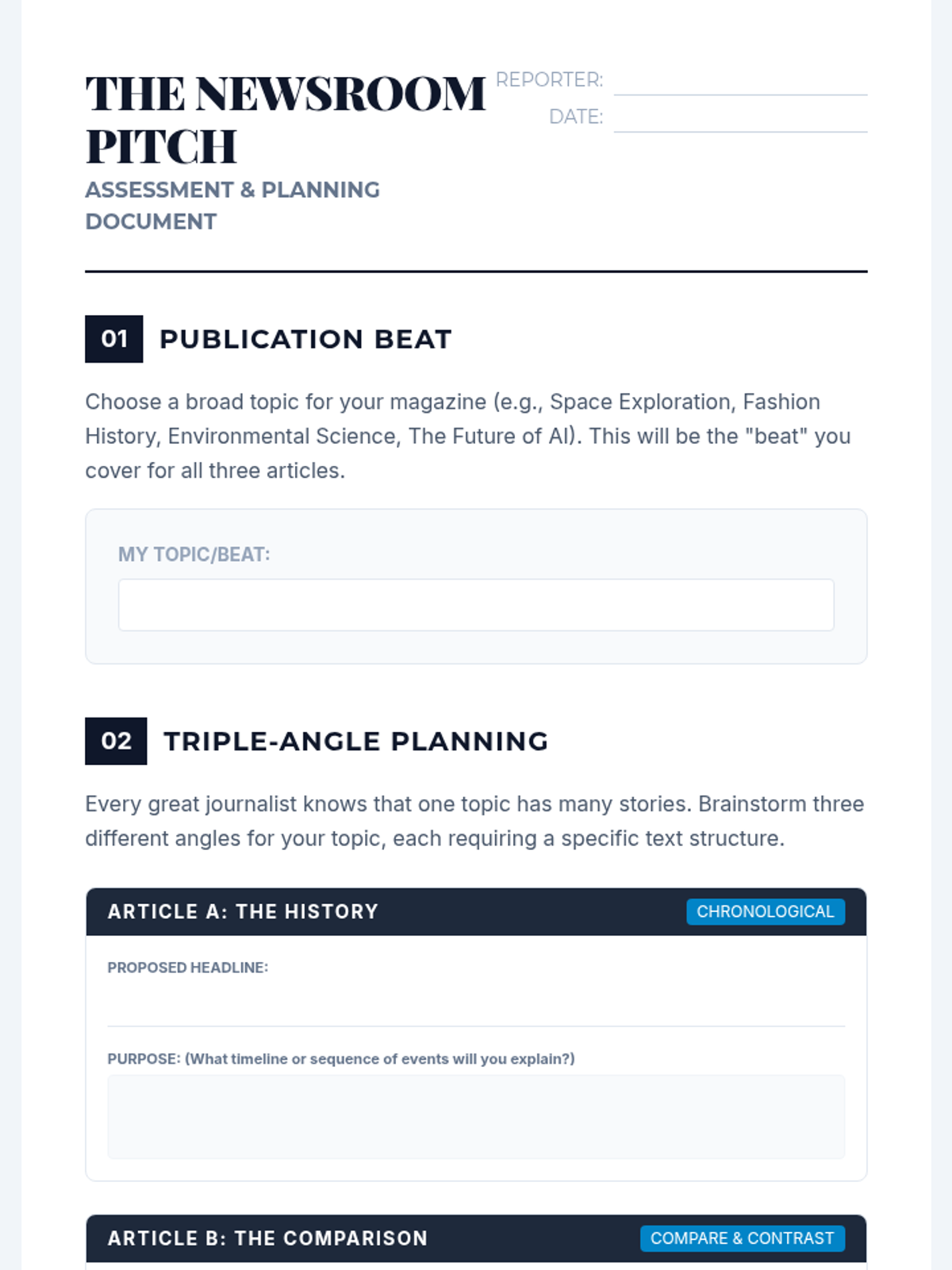
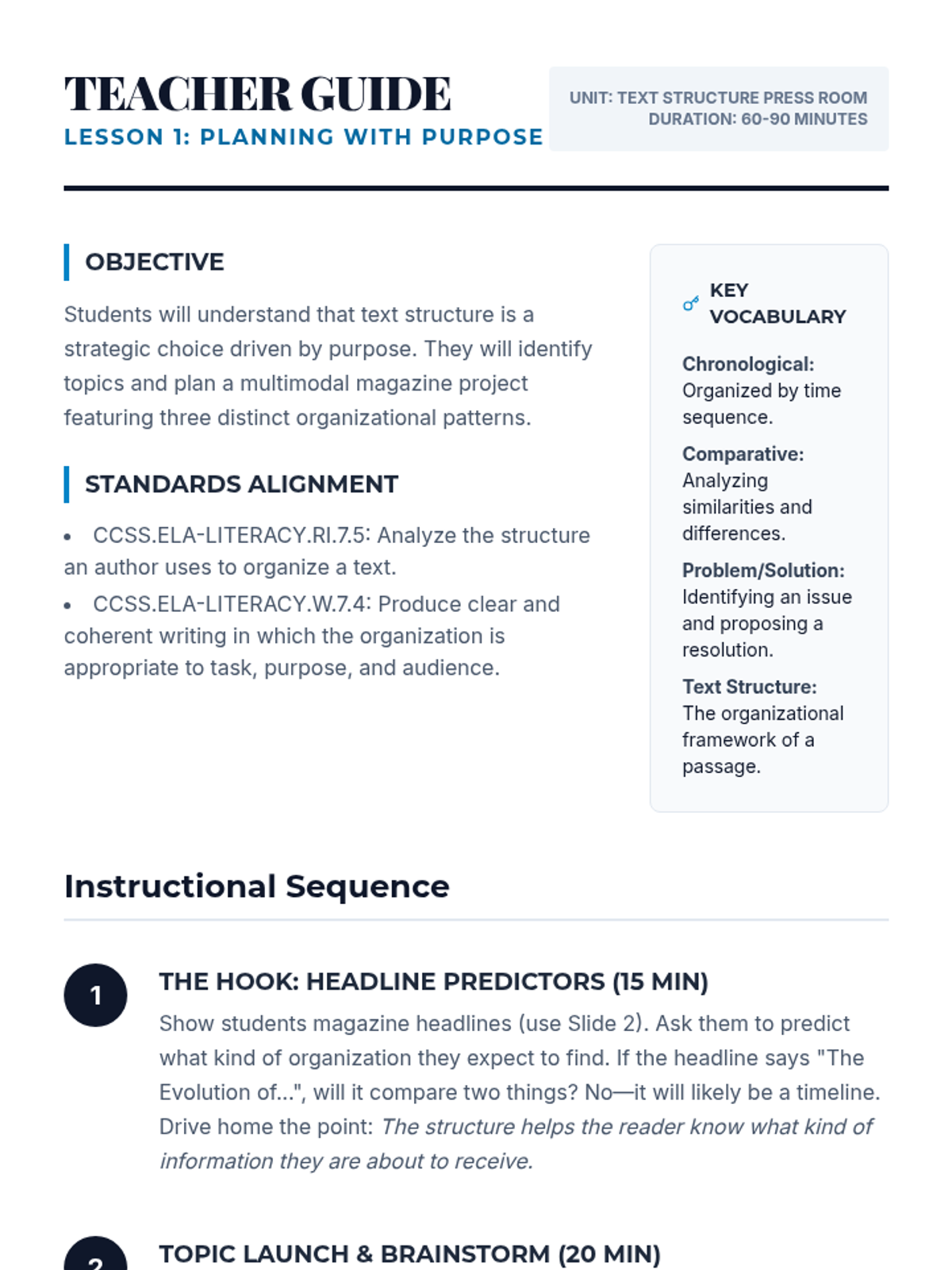
A project-based unit where 7th-grade students act as journalists, creating a multi-article magazine to master chronological, comparative, and problem-solution text structures. Students move from strategic planning and outlining to drafting specific structural types, culminating in a final publication and peer editorial review.
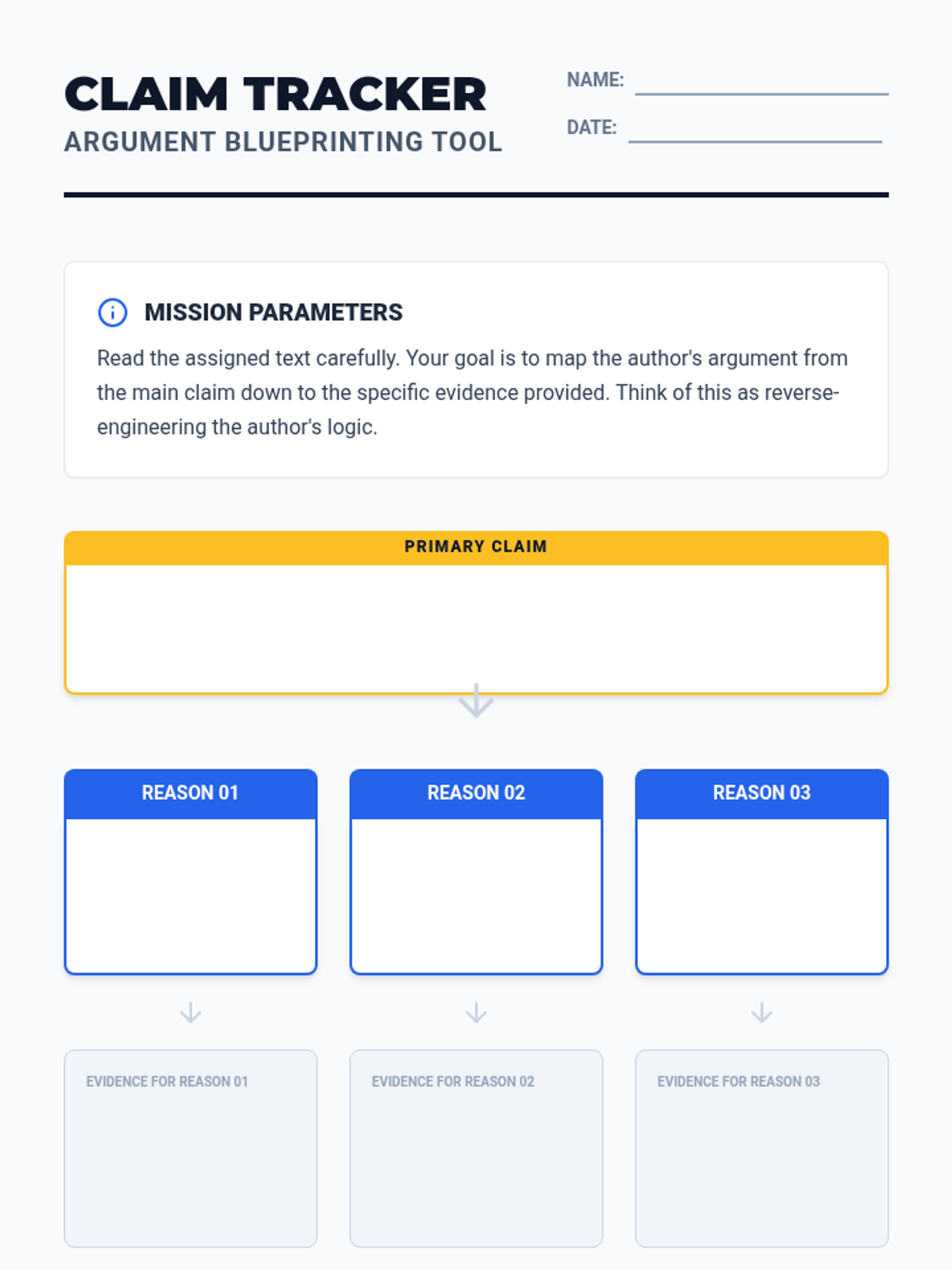
Students investigate how authors build persuasive arguments in nonfiction texts. They learn to trace claims, distinguish between facts and opinions, evaluate the sufficiency of evidence, and detect bias to determine the credibility of a text.
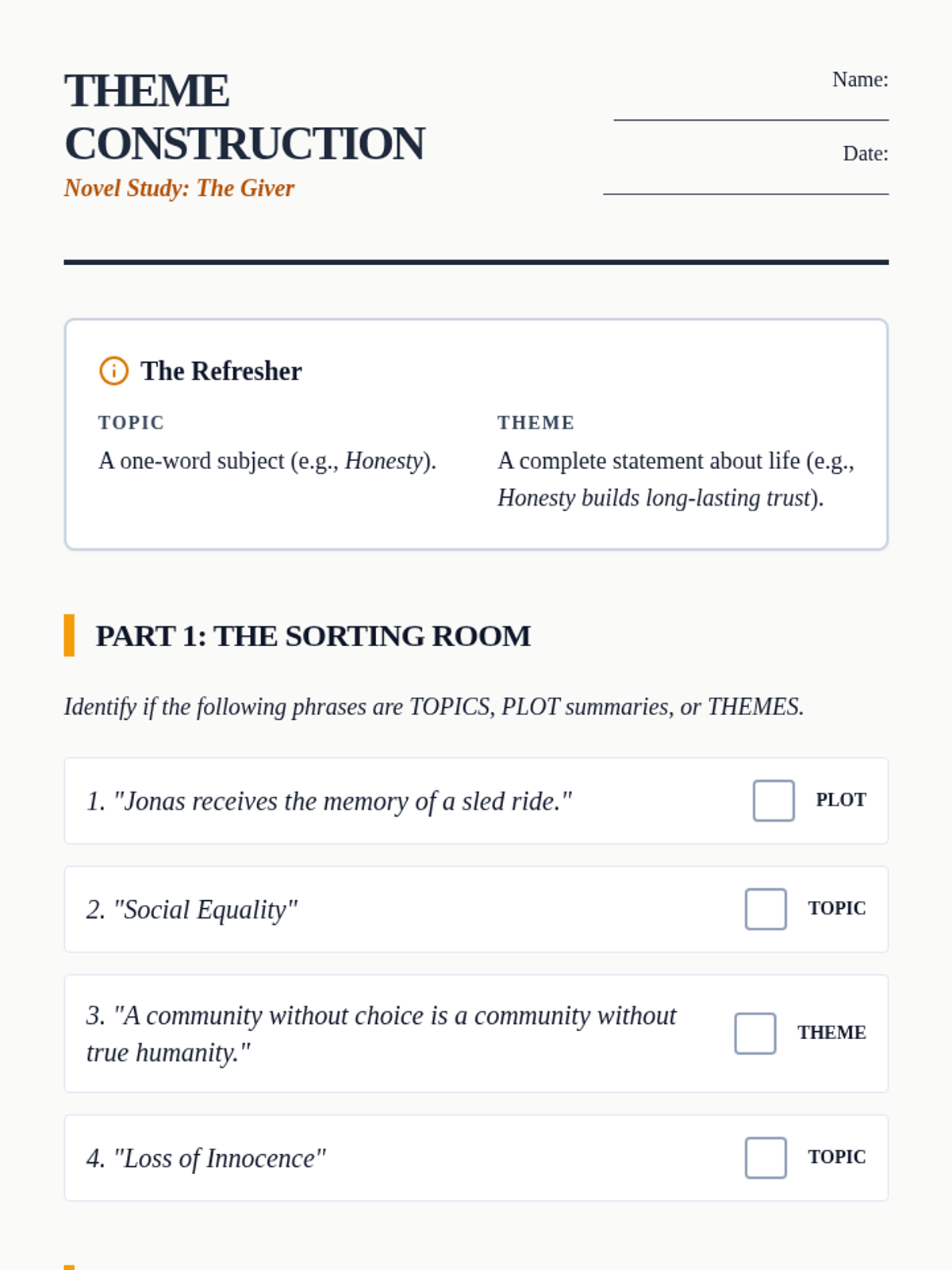
A comprehensive 6th-grade ELA unit focused on identifying, tracking, and discussing universal themes in literature. Students move from defining thematic statements to participating in high-level Socratic seminars, using 'The Giver' as a primary text.
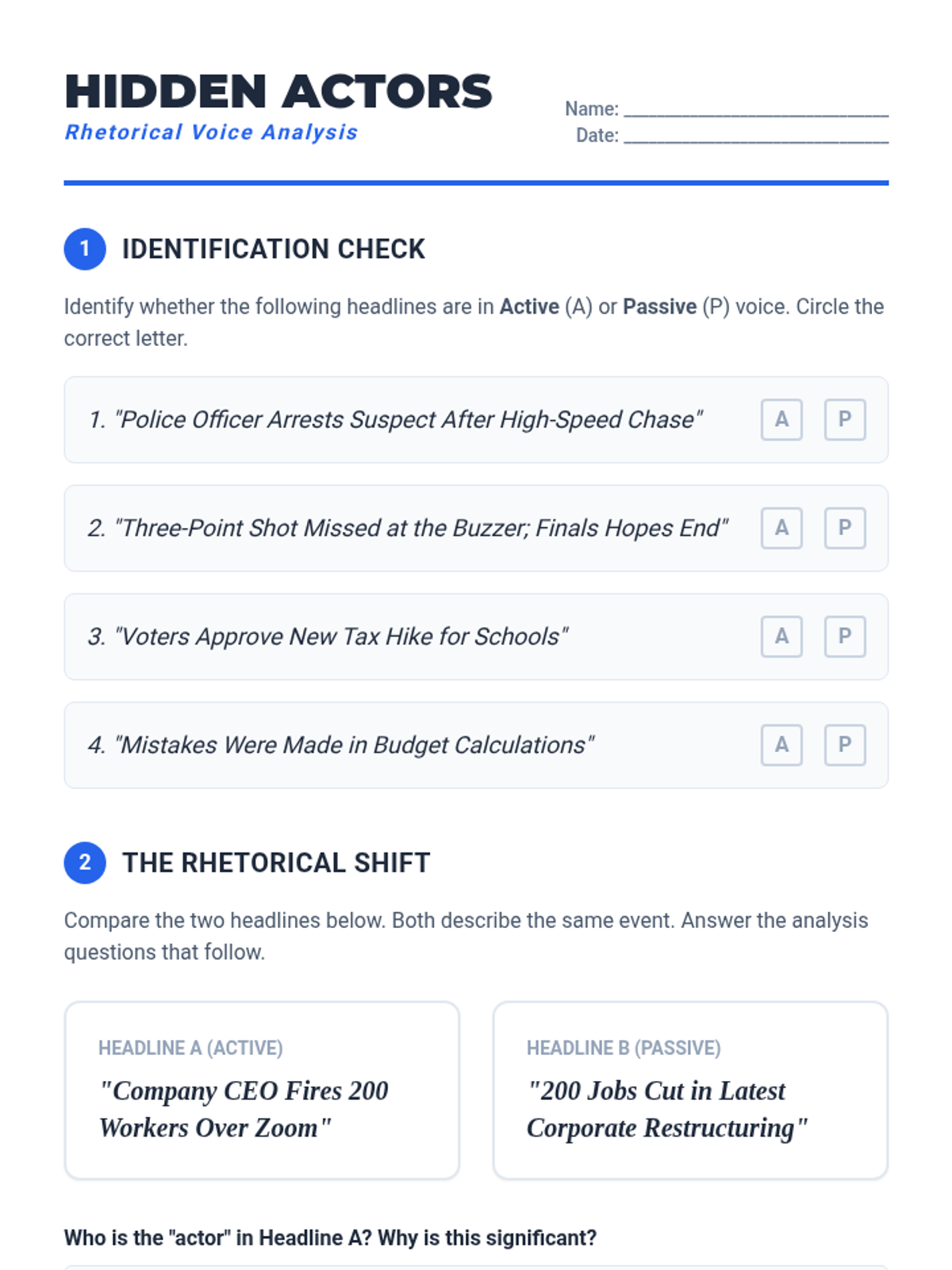
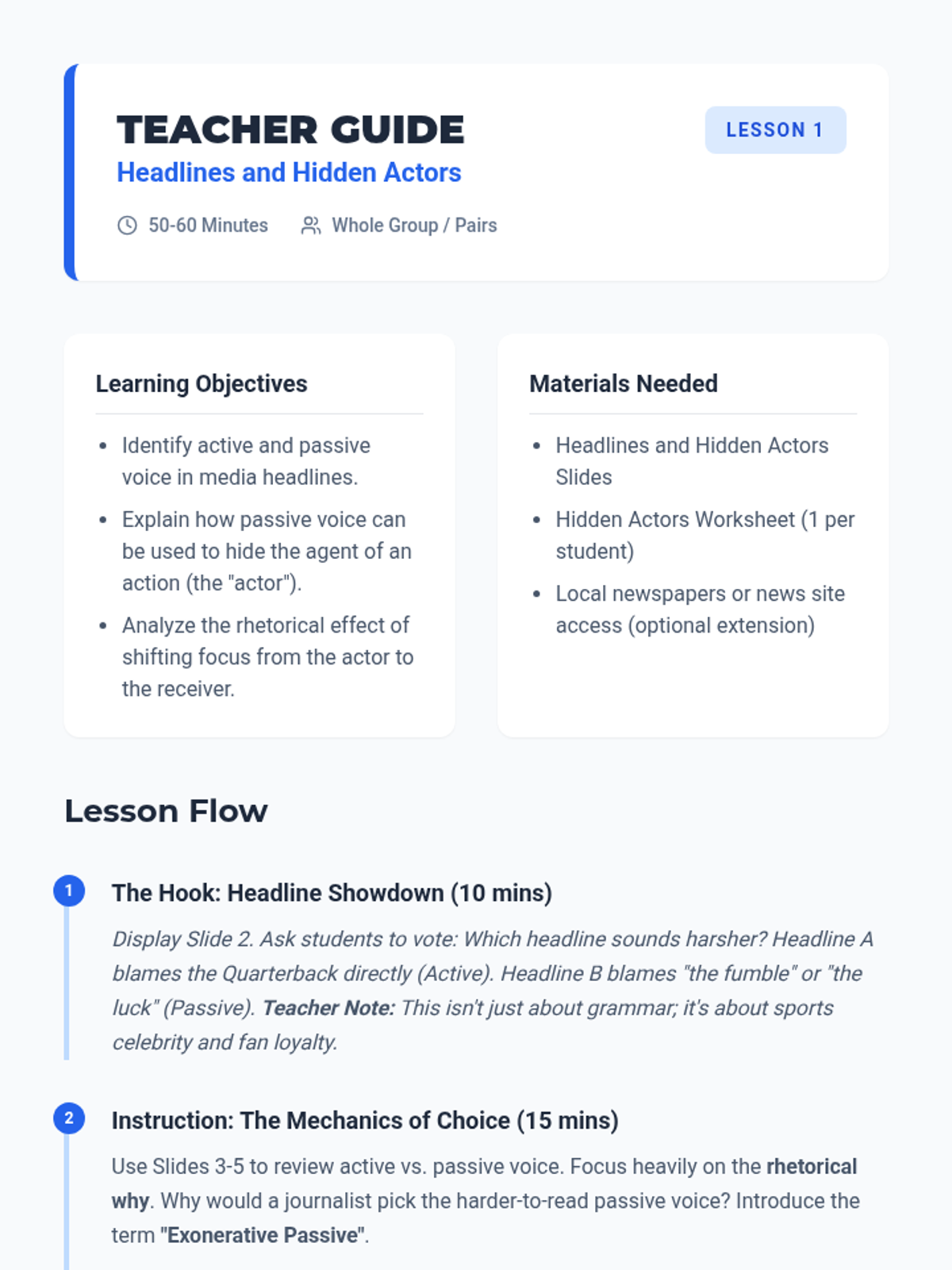
This sequence explores the rhetorical power of active and passive voice across various genres, including journalism, science, creative writing, and political discourse. Students move beyond basic mechanics to analyze how sentence structure influences accountability, objectivity, and suspense.
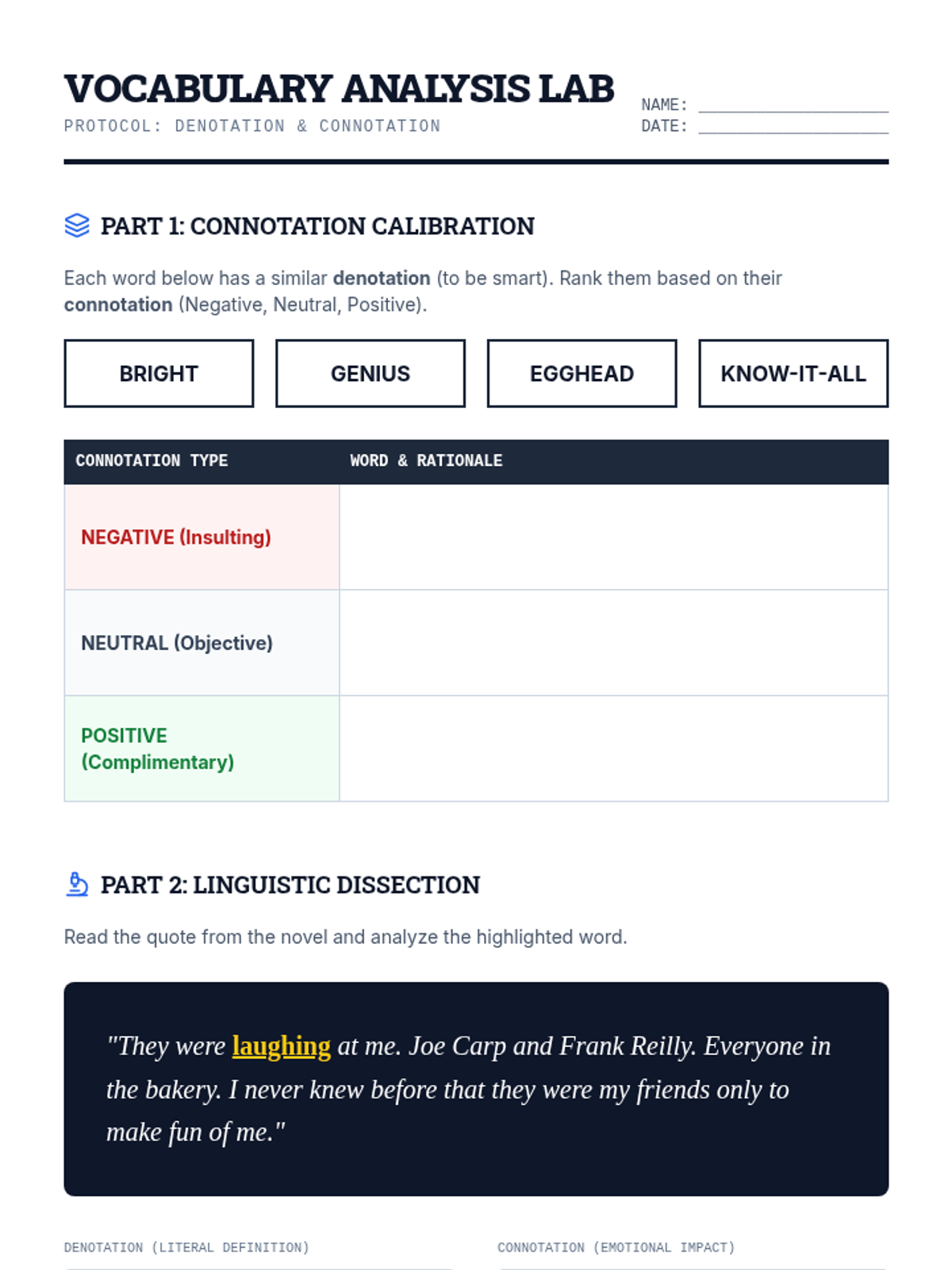
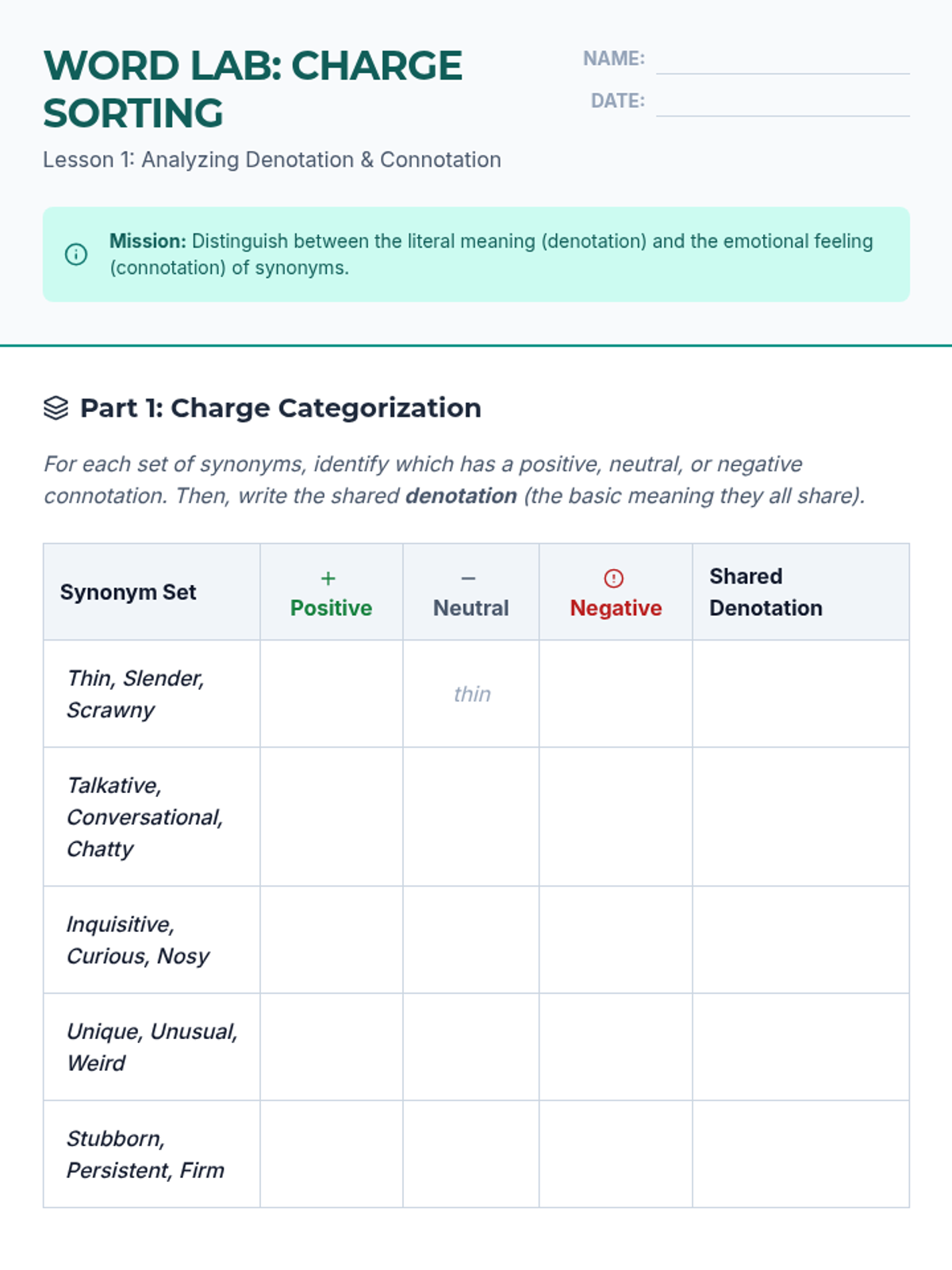
A comprehensive sequence for 6th Grade students to explore the emotional weight and implied meaning of words. Students move from basic definitions to analyzing bias in media and refining their own writing for specific impact.
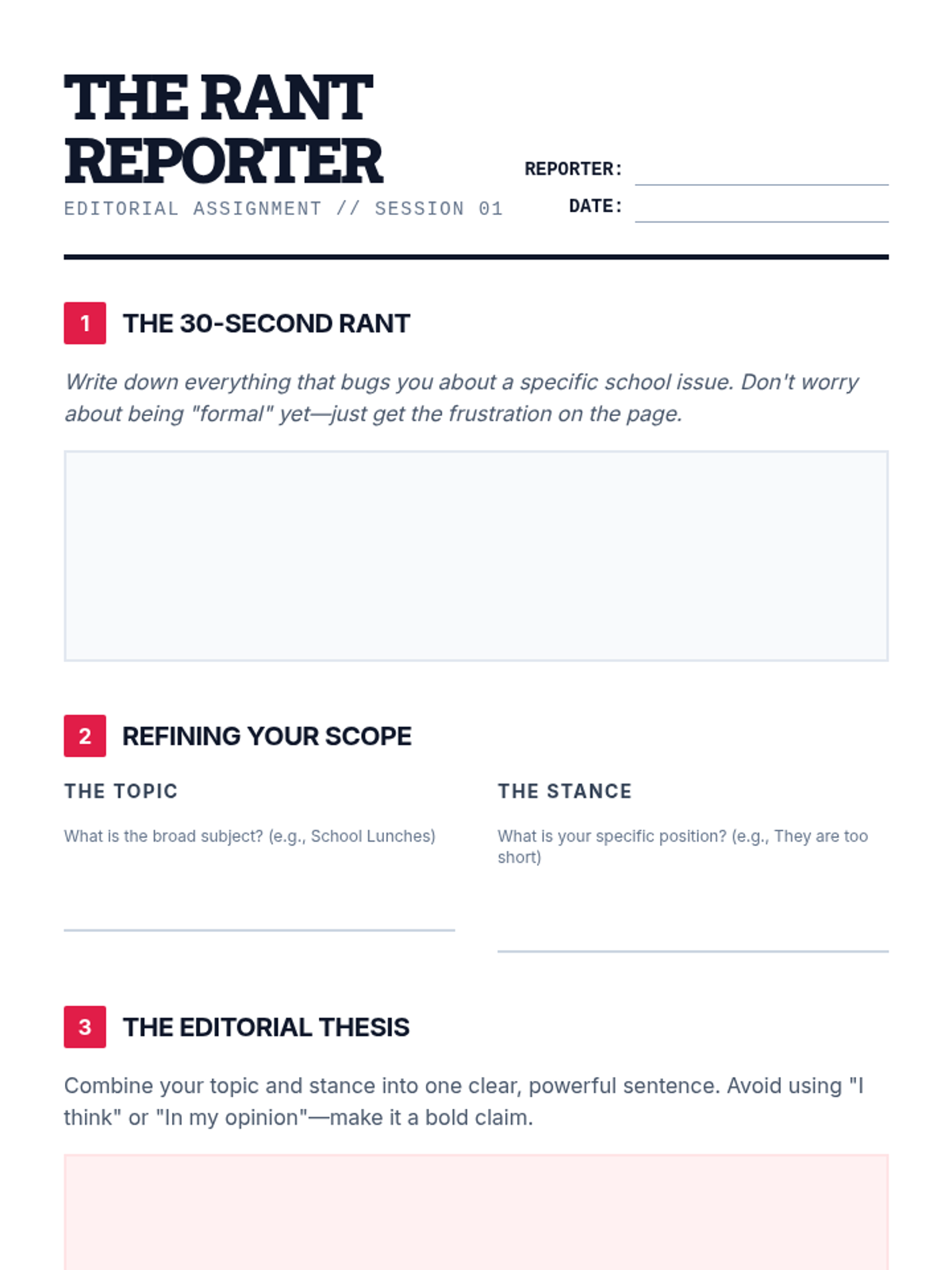
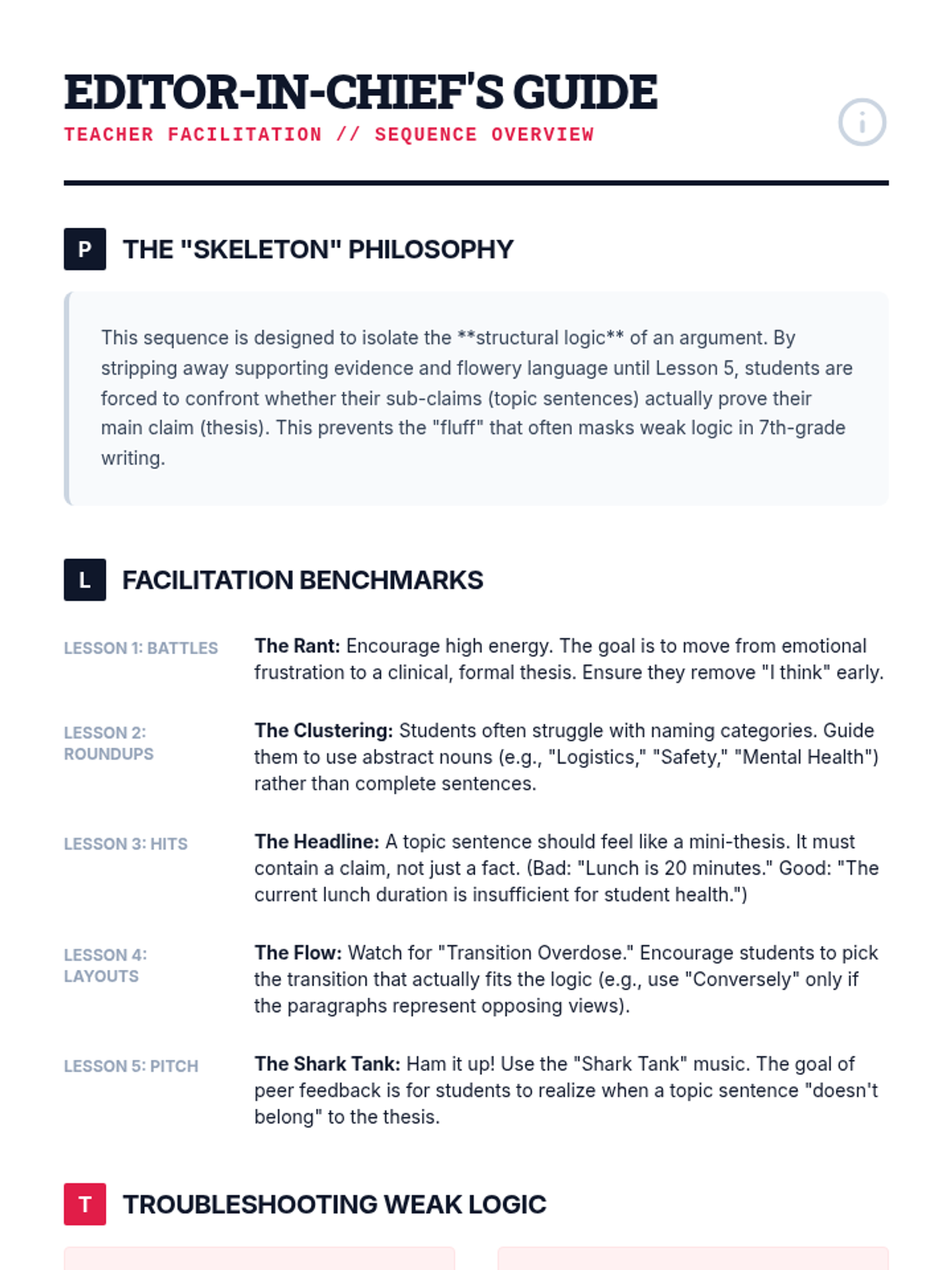
A 7th-grade writing sequence where students simulate an editorial newsroom to master thesis statements and topic sentences. Students progress from raw 'rants' to a structured 'Skeleton Argument' for a persuasive editorial.
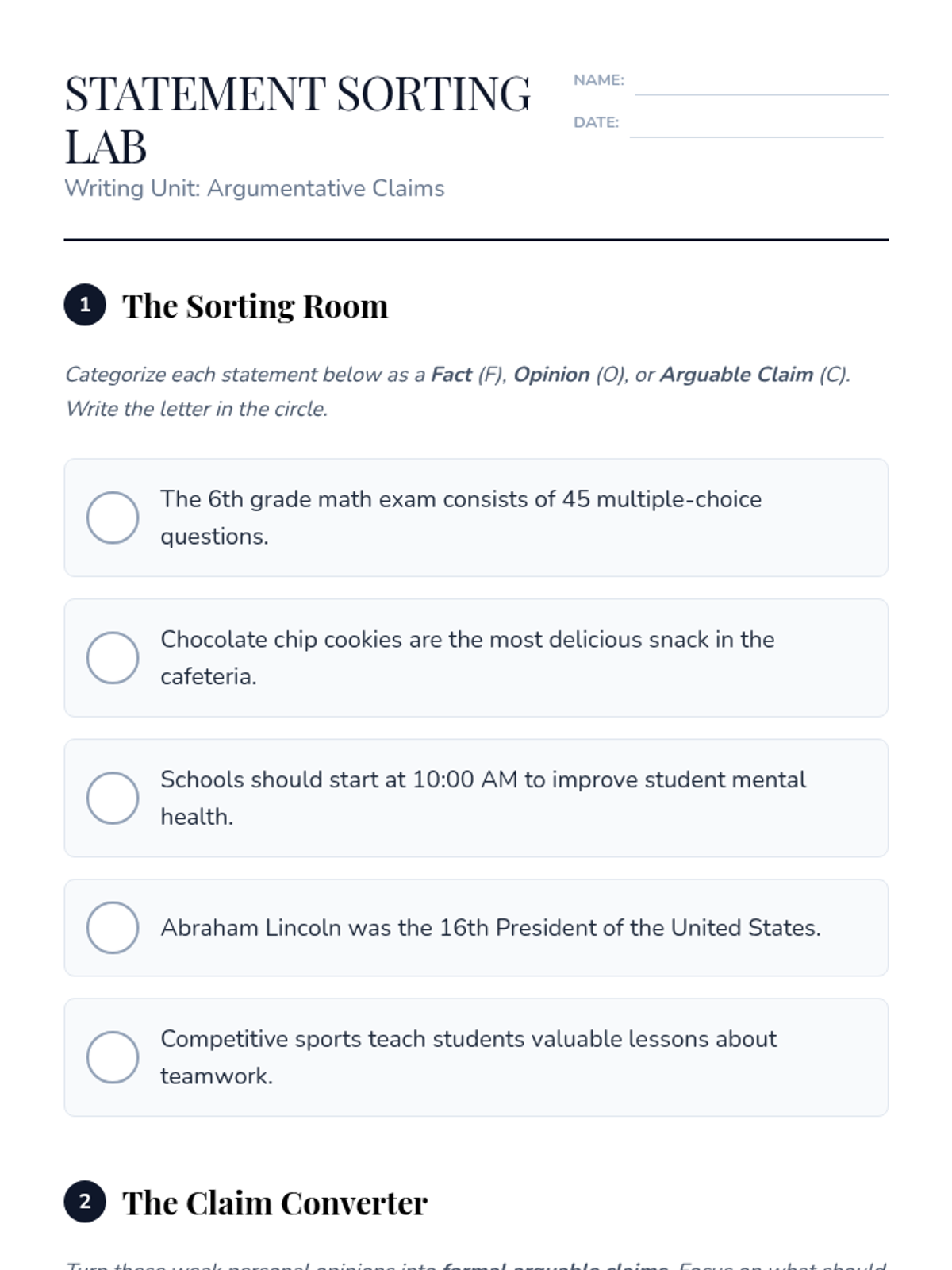
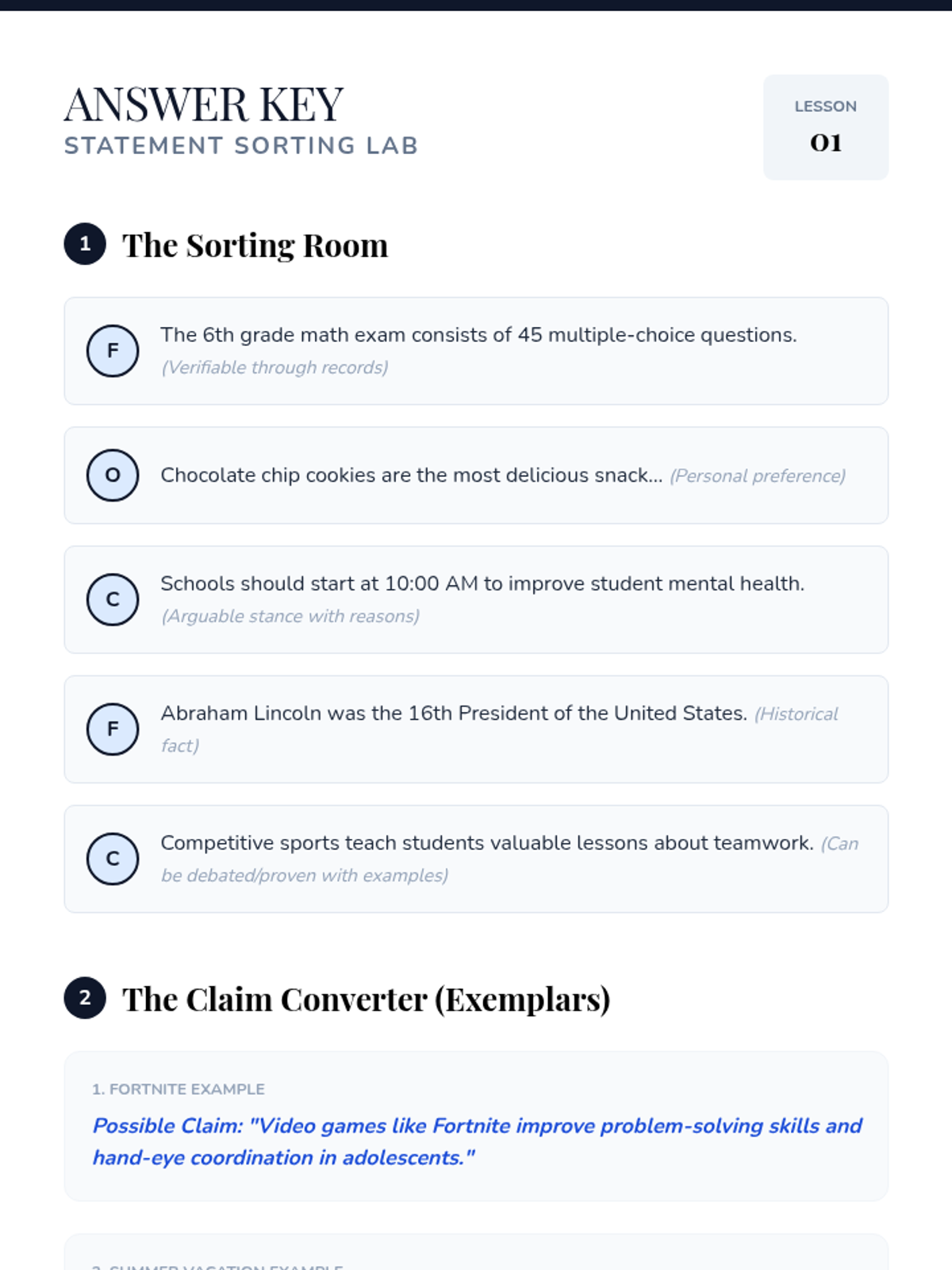
This sequence teaches 6th-grade students how to construct strong, debatable argumentative claims. Students move from identifying facts and opinions to crafting authoritative thesis statements with reasoning, ultimately testing their arguments through a town hall simulation and counter-claim analysis.
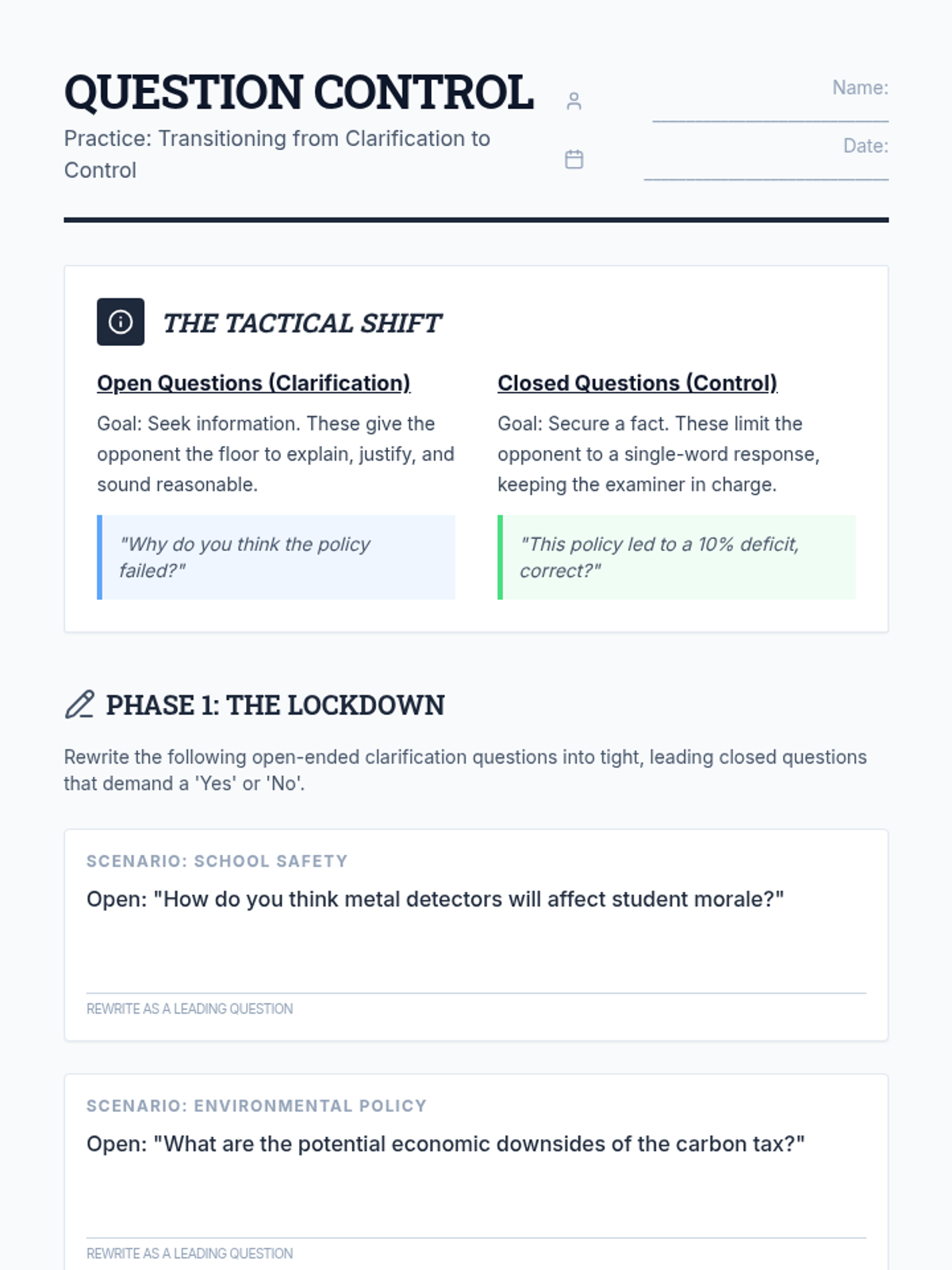
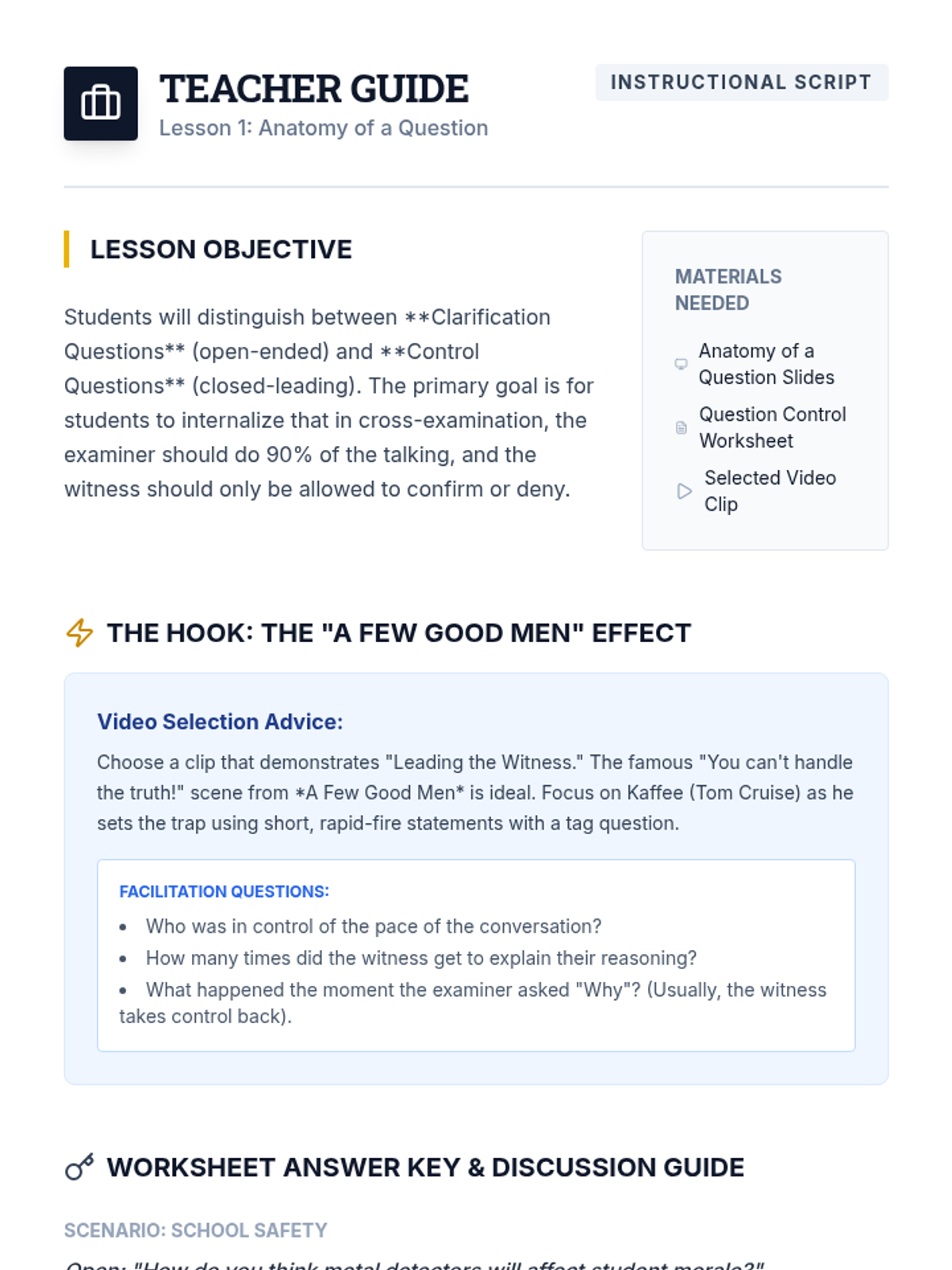
This sequence immerses students in the technical mechanics of cross-examination, moving from the fundamentals of question construction to advanced logical dismantling. Students learn to formulate tight, leading questions, identify logical fallacies, and maintain poise under pressure.
This sequence immerses students in the high-stakes environment of cross-examination, moving them beyond prepared speeches to dynamic intellectual interaction. Students learn to identify logical fallacies, structure leading questions, use the funnel technique, and defend their own positions under pressure.
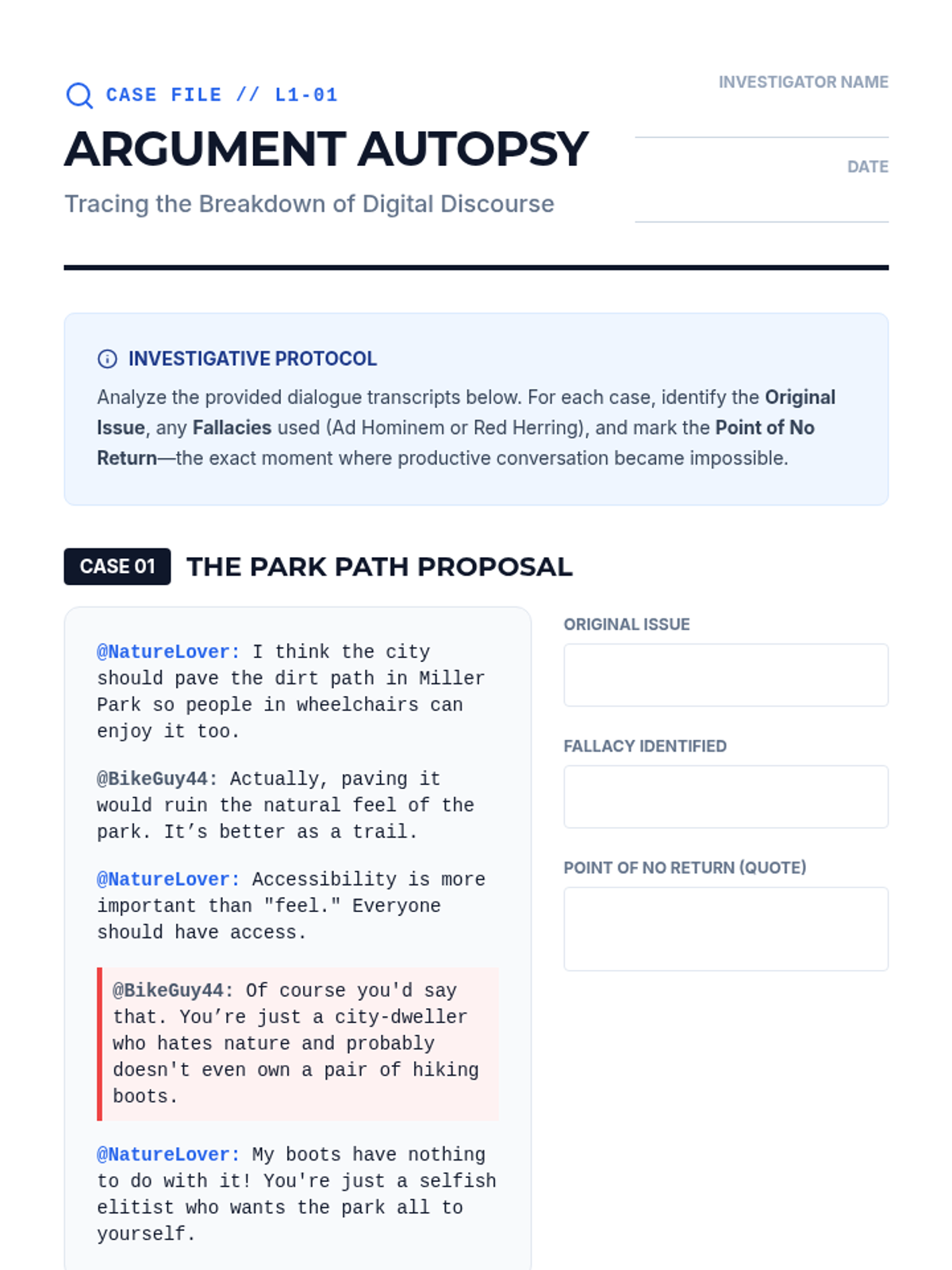
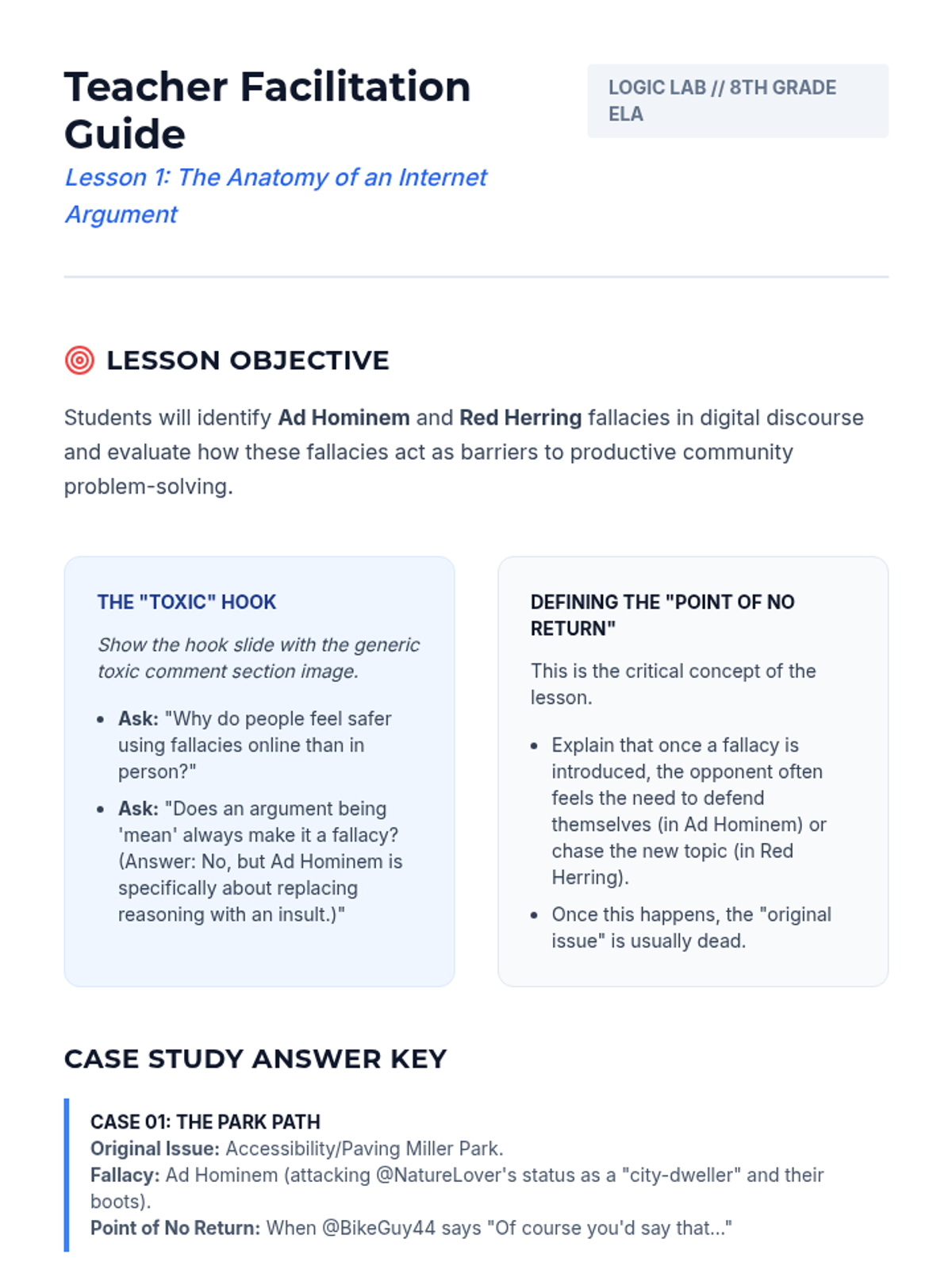
A middle school ELA unit focusing on the social impact of logical fallacies. Students analyze digital discourse, learn to identify 'whataboutism', practice Socratic discussion, and develop strategies for 'steel-manning' arguments to foster healthier community conversations.
A 5-lesson sequence for 7th-grade students on identifying and challenging logical fallacies in debate. Students move from understanding argument structure (Toulmin) to identifying common fallacies, evaluating evidence, and executing 'turns' to win clashes.
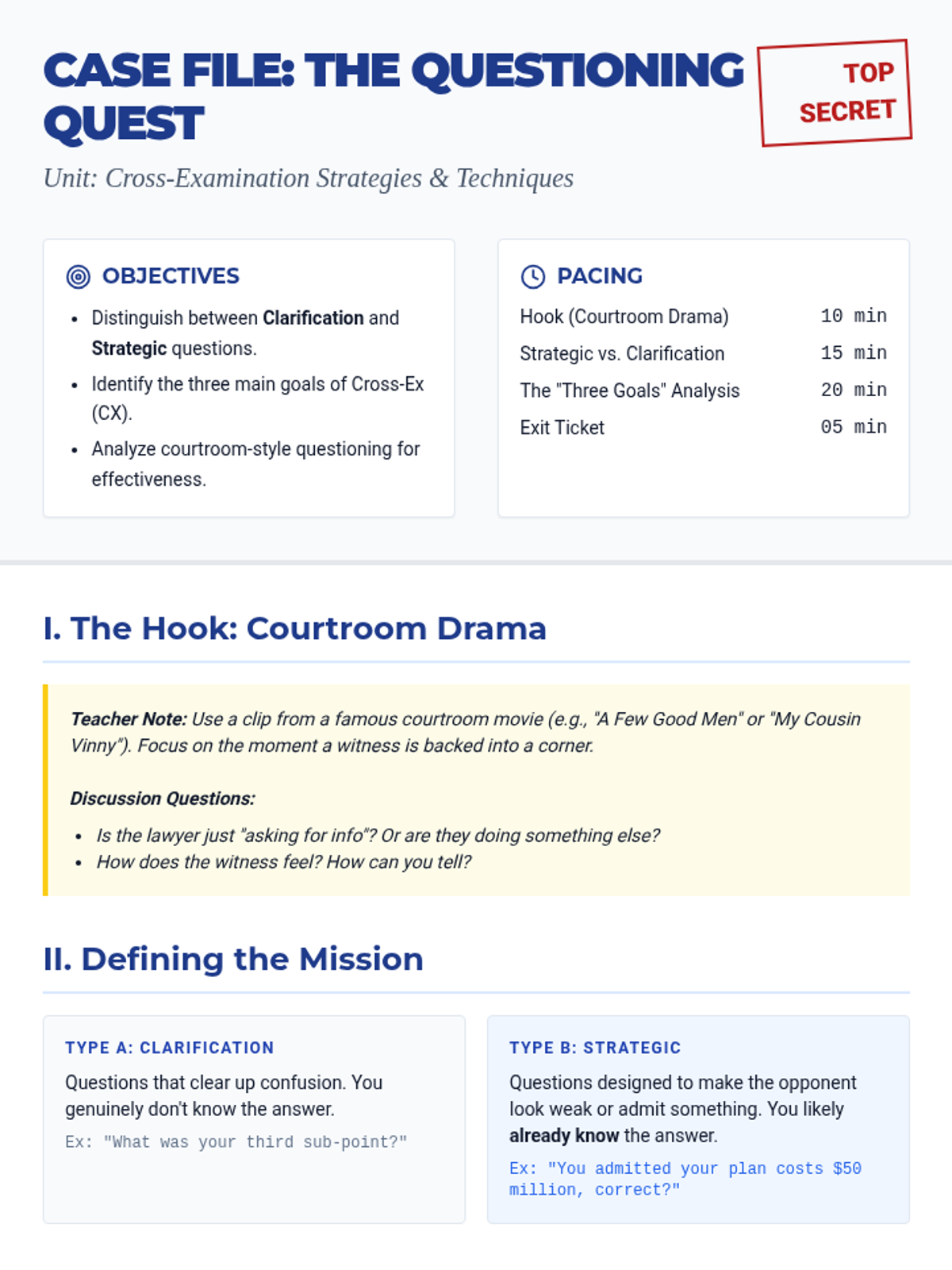
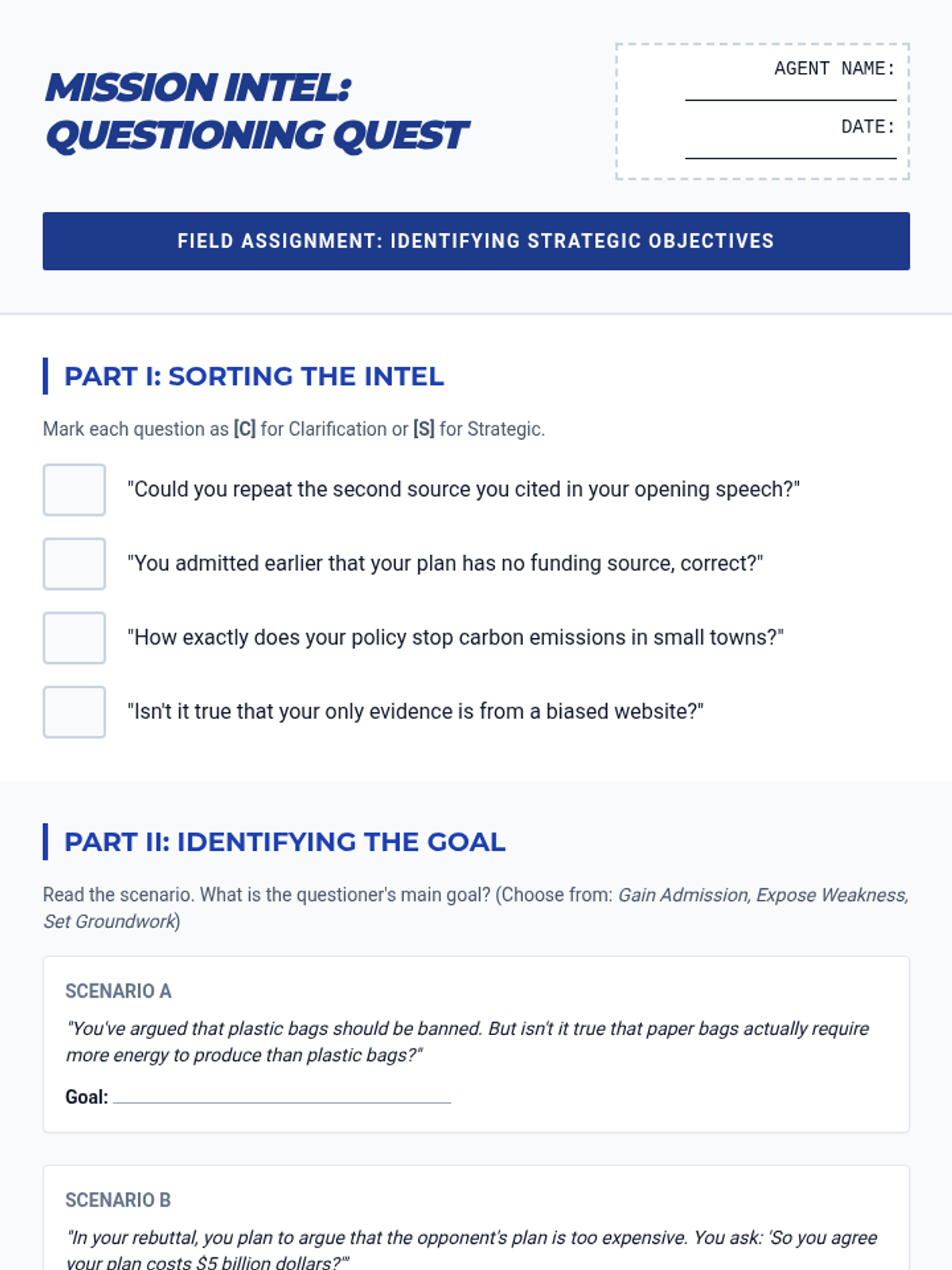
A comprehensive unit on Cross-Examination for middle school debaters, focusing on strategic questioning, rhetorical control, and integrating admissions into rebuttal speeches. Students move from understanding the purpose of questioning to executing complex 'question traps' in high-pressure simulations.
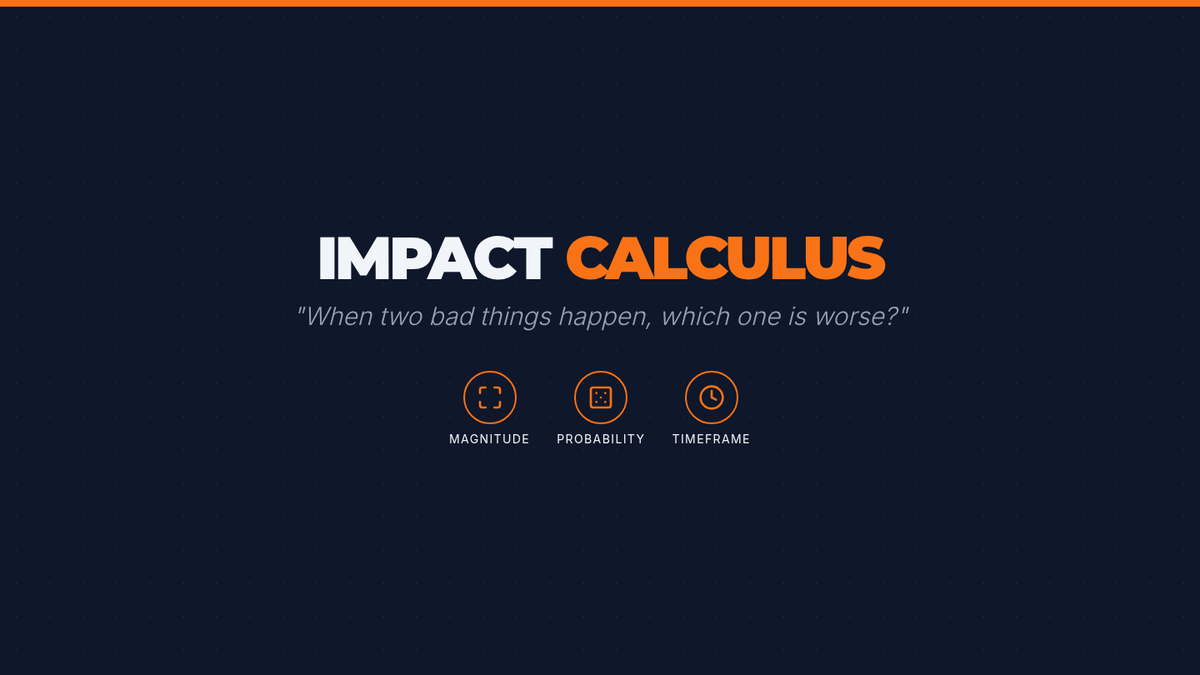
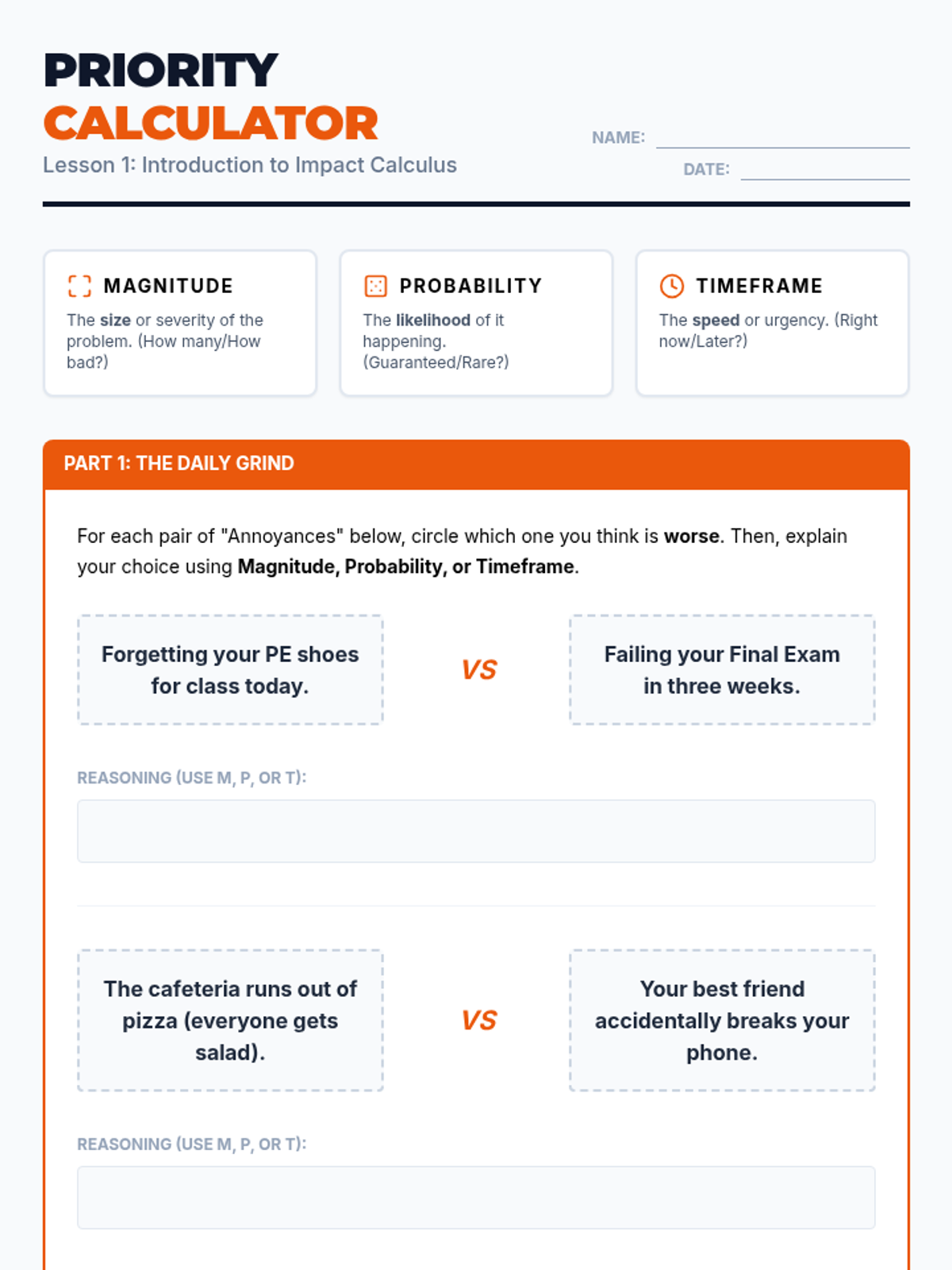
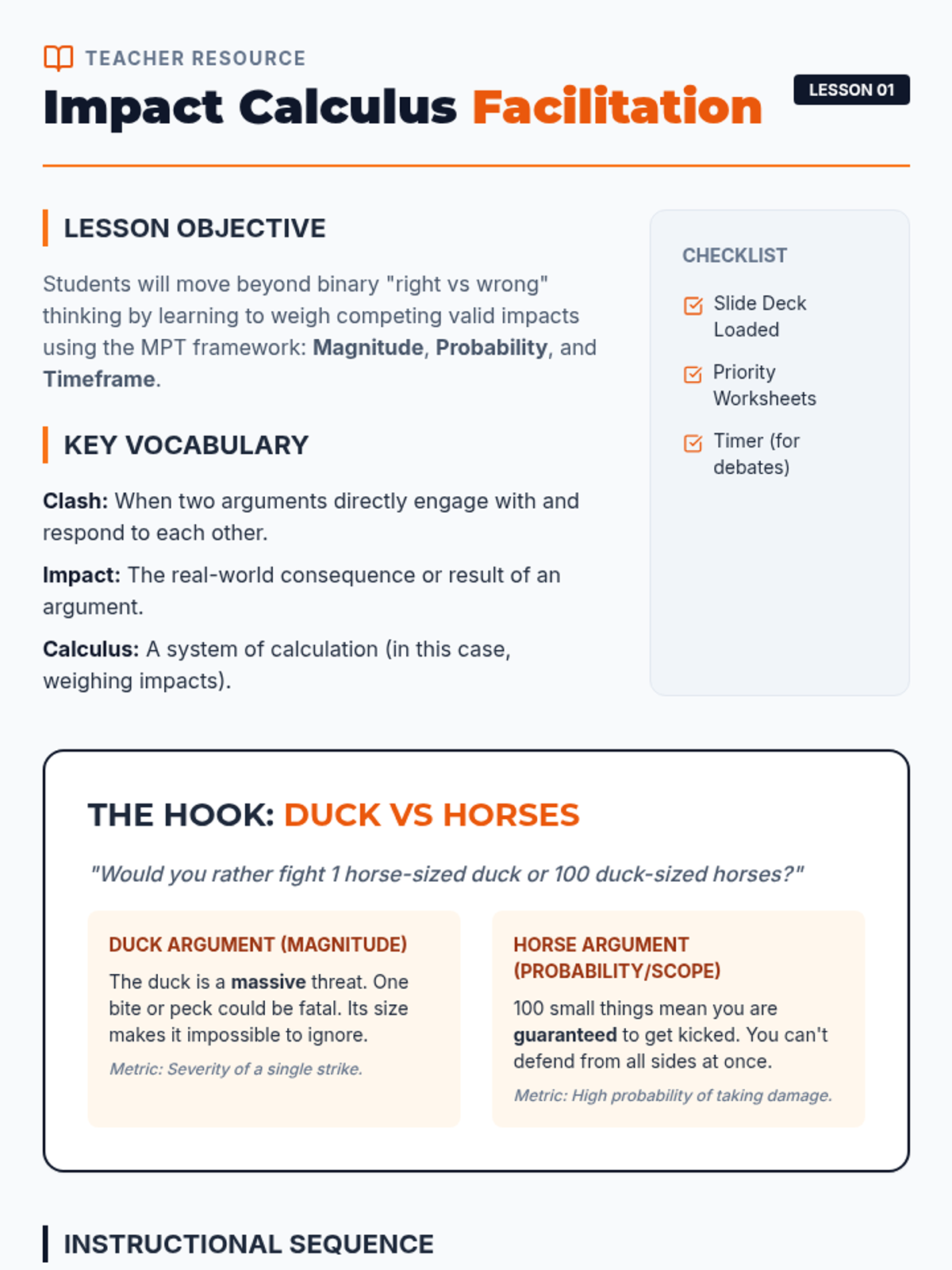
A 7th-grade ELA sequence on debate and public speaking, focusing on 'Impact Calculus' (Magnitude, Probability, and Timeframe) to weigh competing arguments and make comparative judgments.
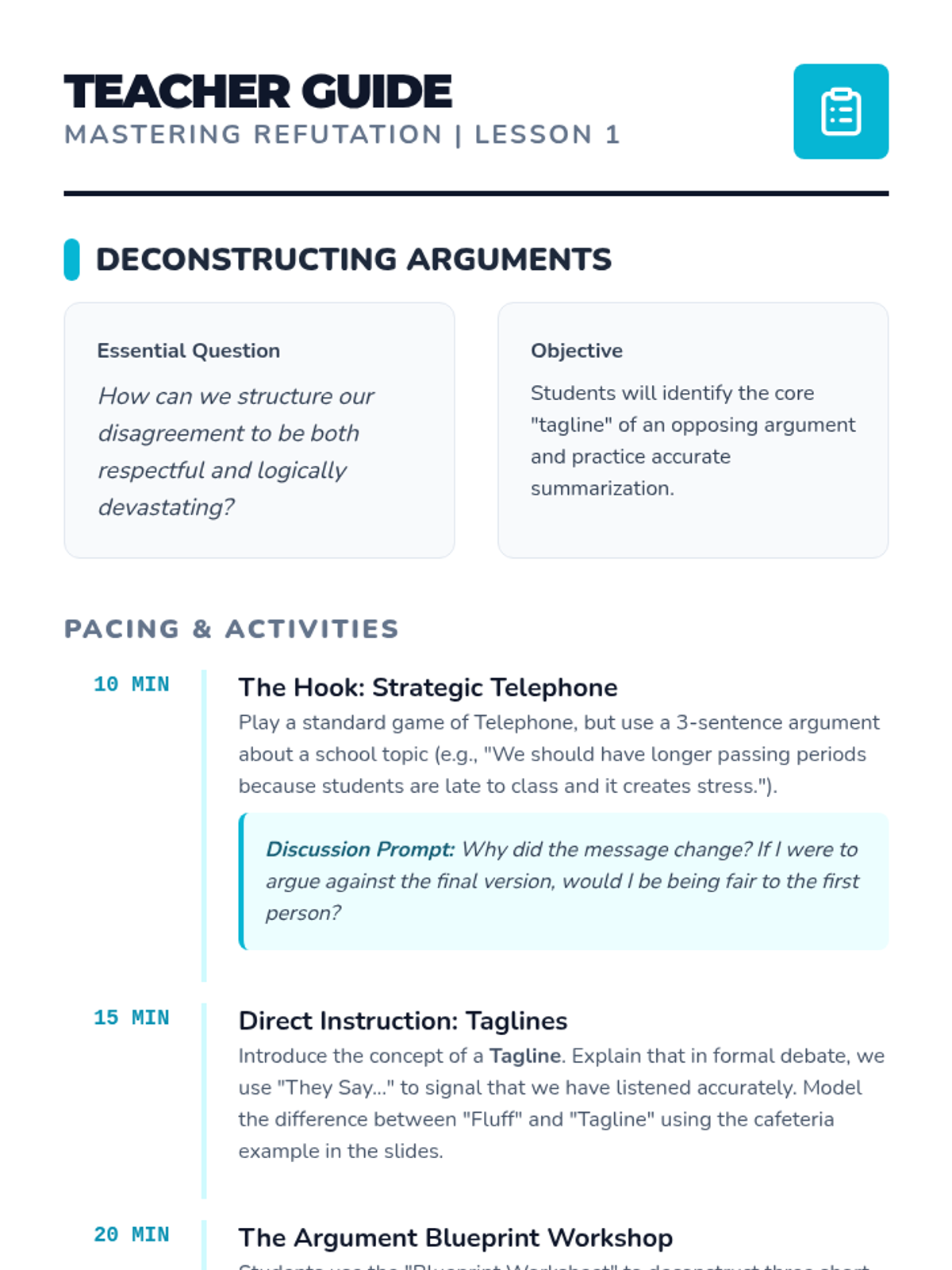
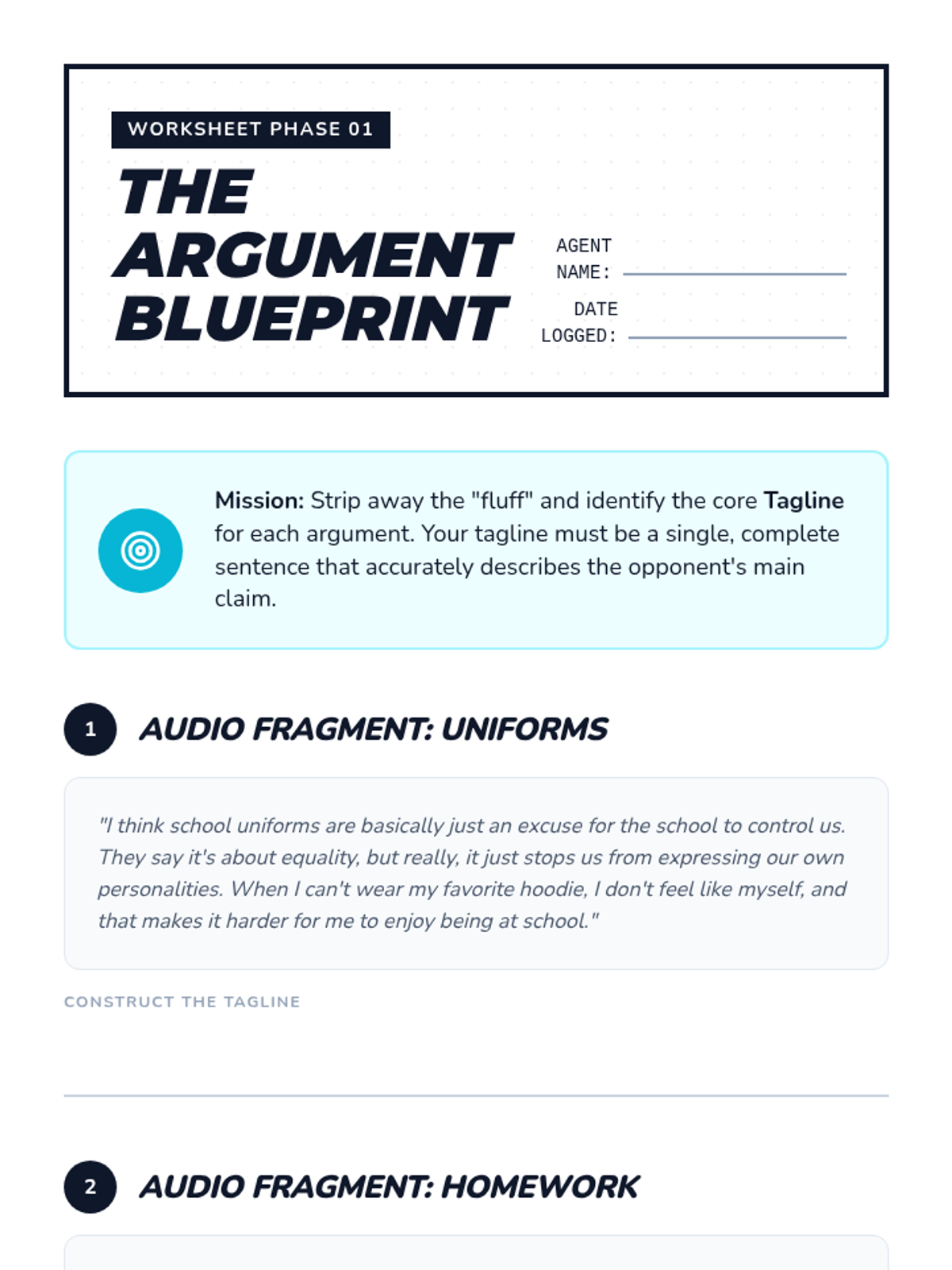
A comprehensive sequence for 7th-grade students on the 'Four-Step Refutation' model. Students learn to active listen, summarize opposing claims, and construct structured counter-arguments using the 'They Say, But I Say, Because, Therefore' framework.
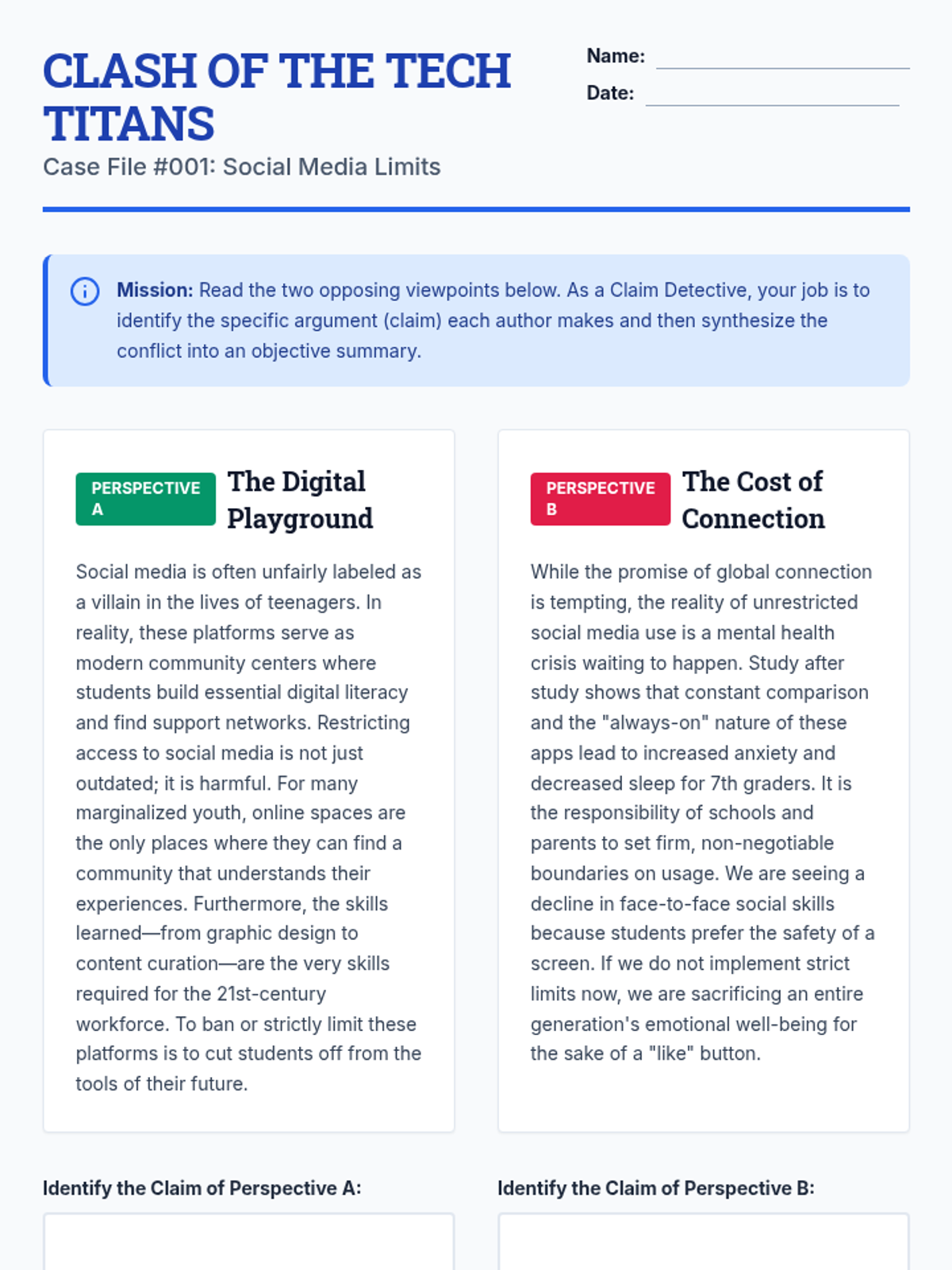
This 7th-grade sequence teaches students how to evaluate conflicting arguments on shared topics. They will move from identifying basic claims to analyzing evidence, tone, and bias, culminating in a Socratic Seminar where they judge the strength of opposing arguments.
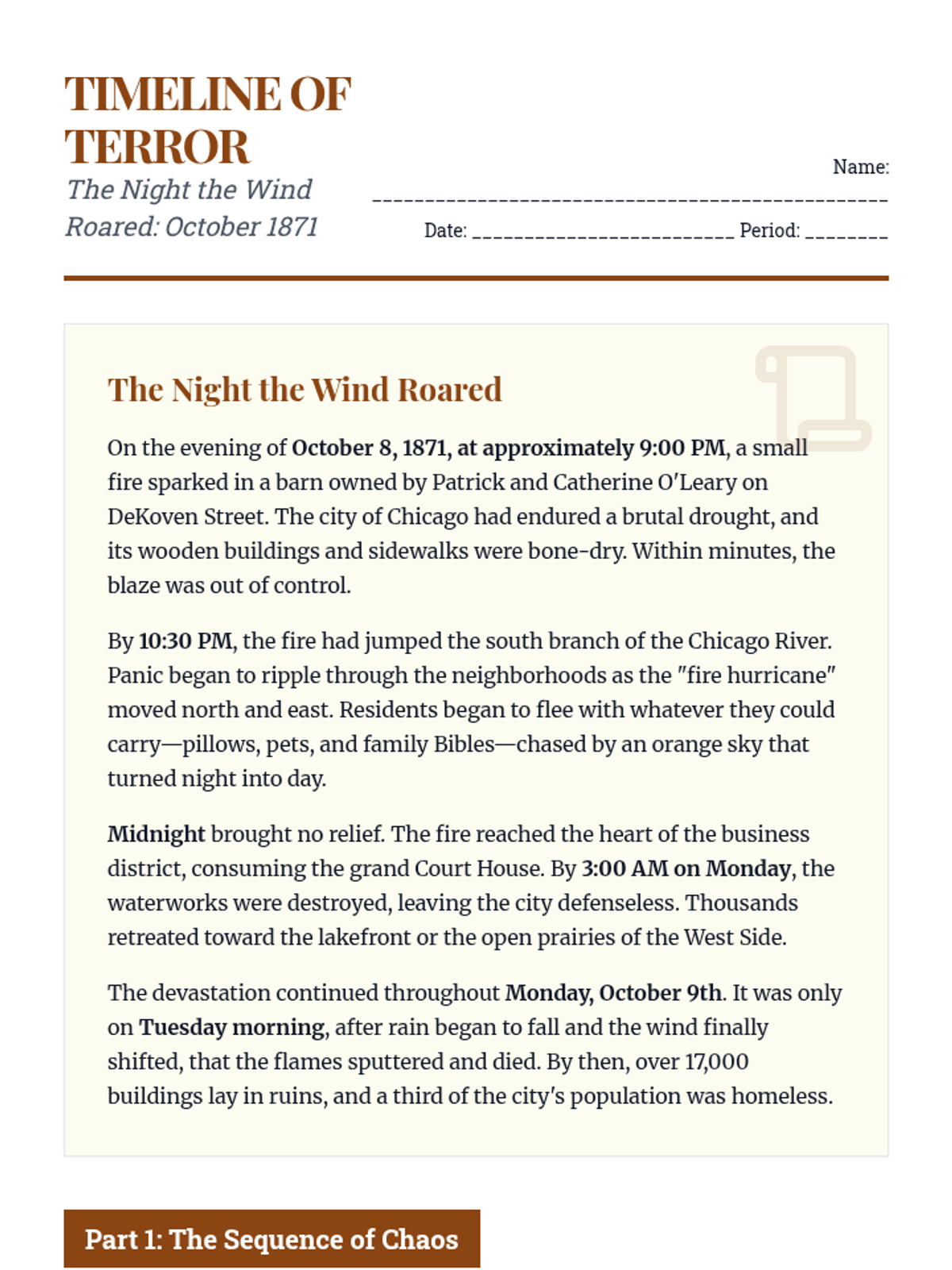
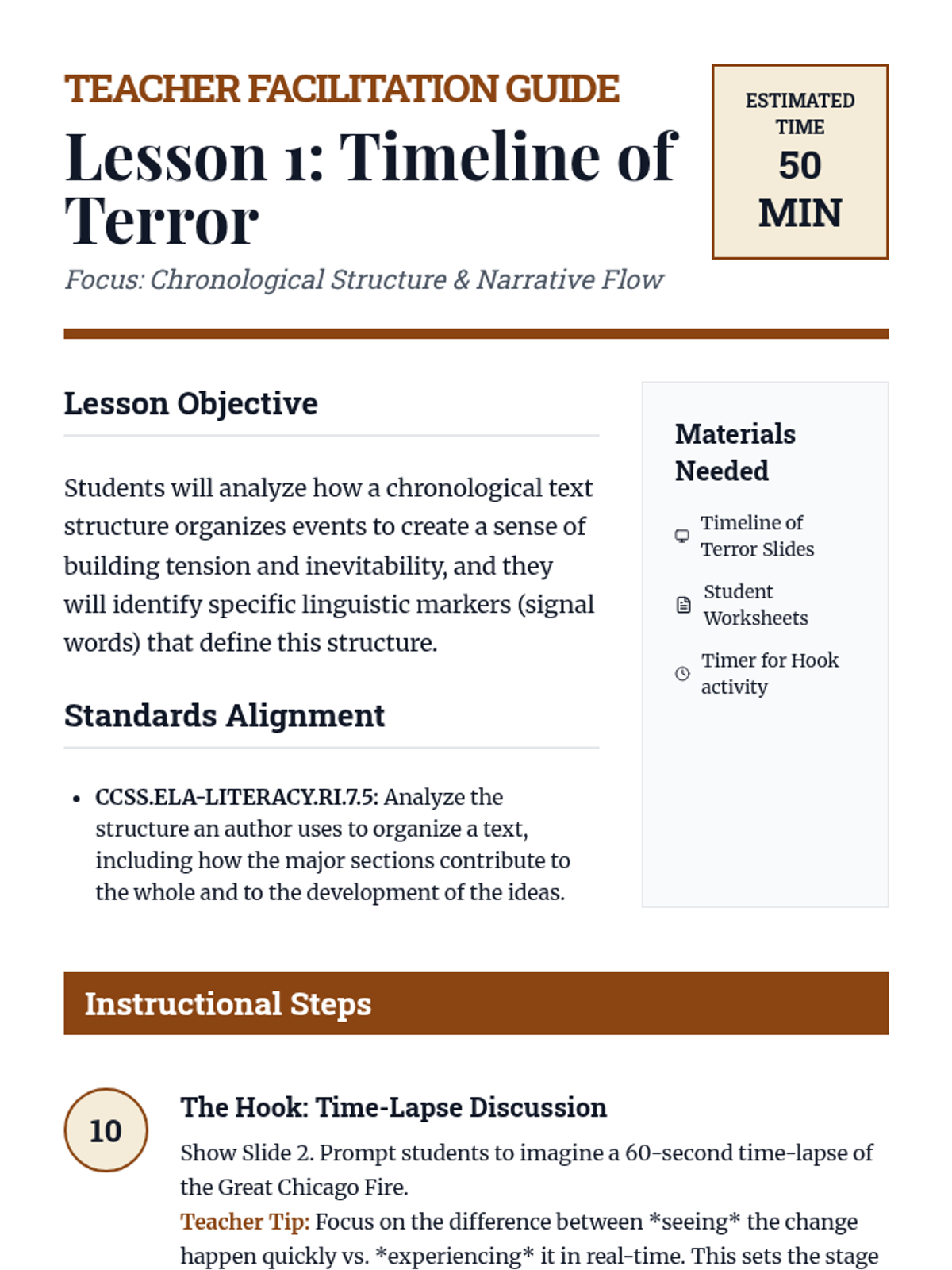
Students explore how text structure influences meaning and authorial intent by analyzing multiple texts on the Great Chicago Fire. Each lesson focuses on a different organizational pattern (chronology, problem-solution, cause-effect, and description) to understand how structure shapes the reader's perspective.
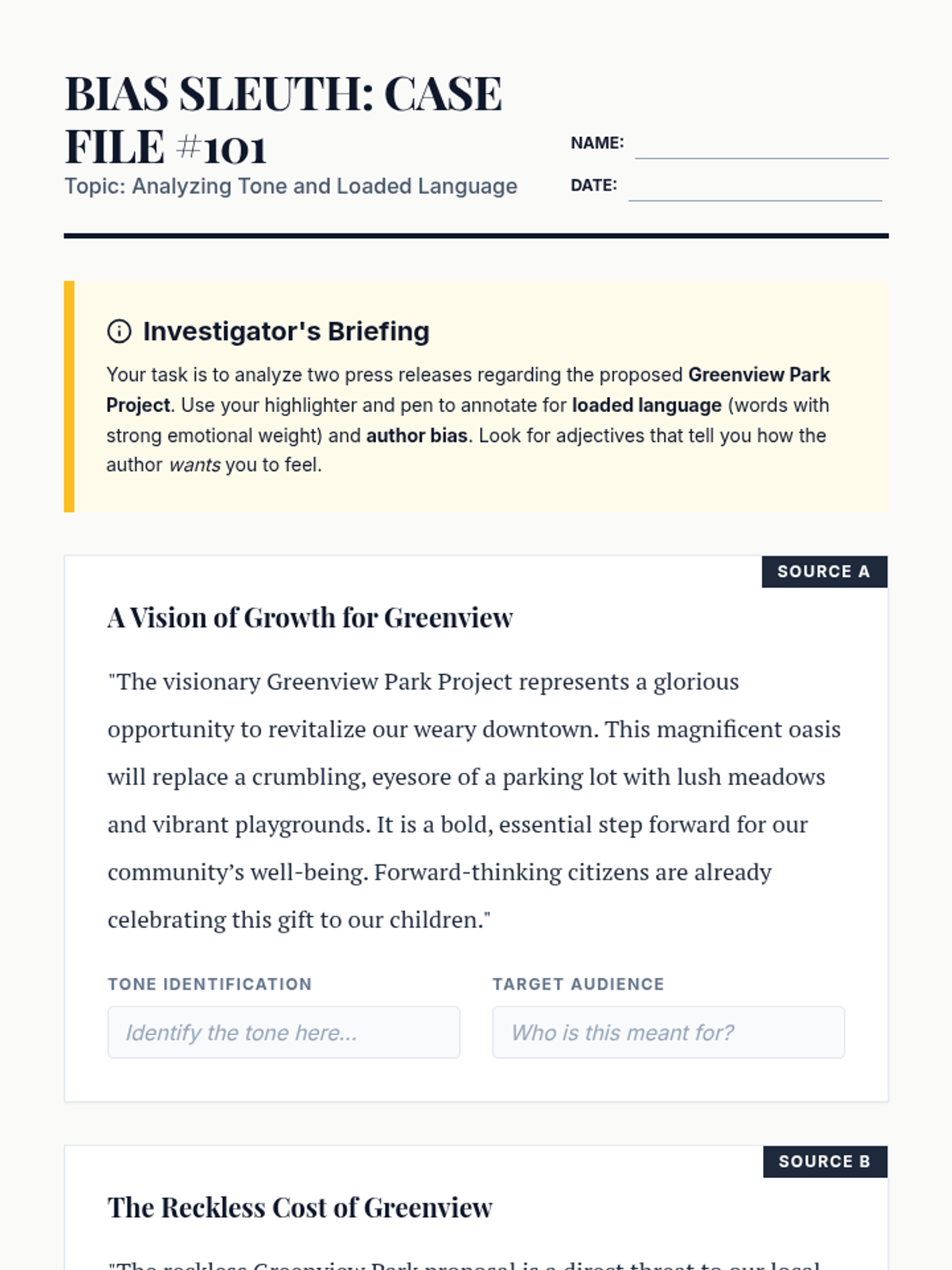
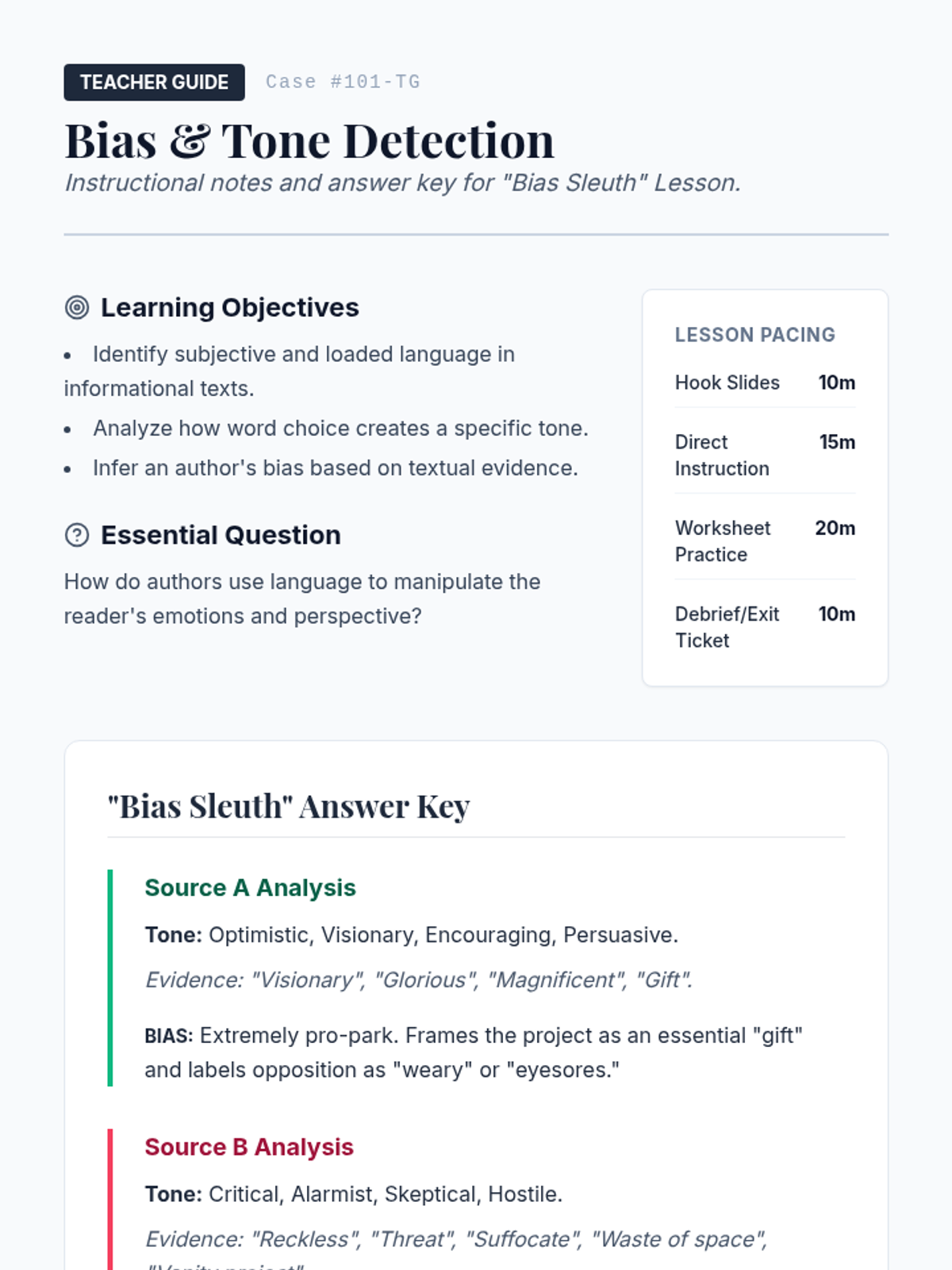
This sequence focuses on the critical thinking skills required to analyze conflicting information and differing perspectives within informational texts. Students progress from identifying bias and tone to evaluating evidence credibility and synthesizing multiple viewpoints into balanced accounts.
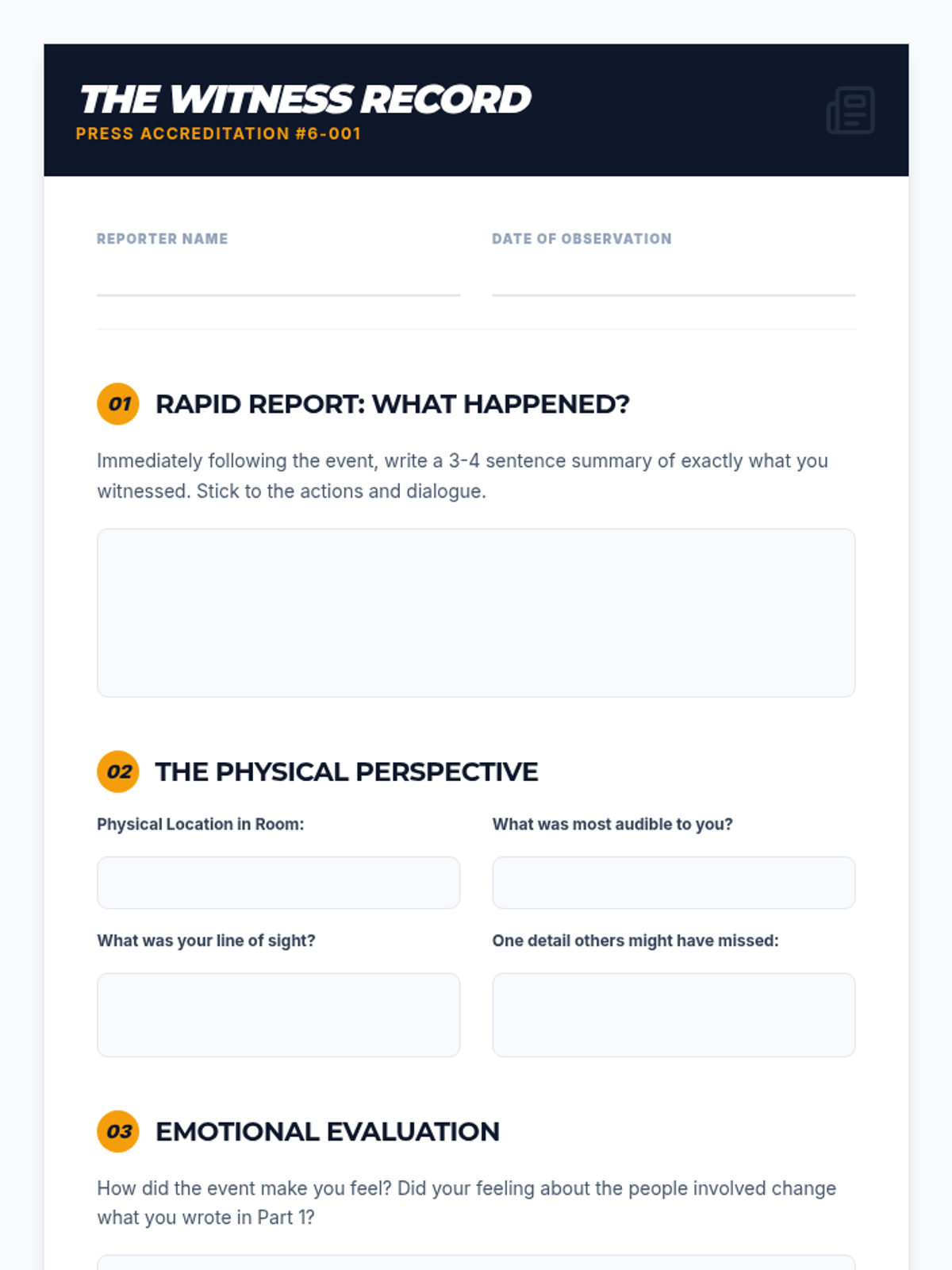
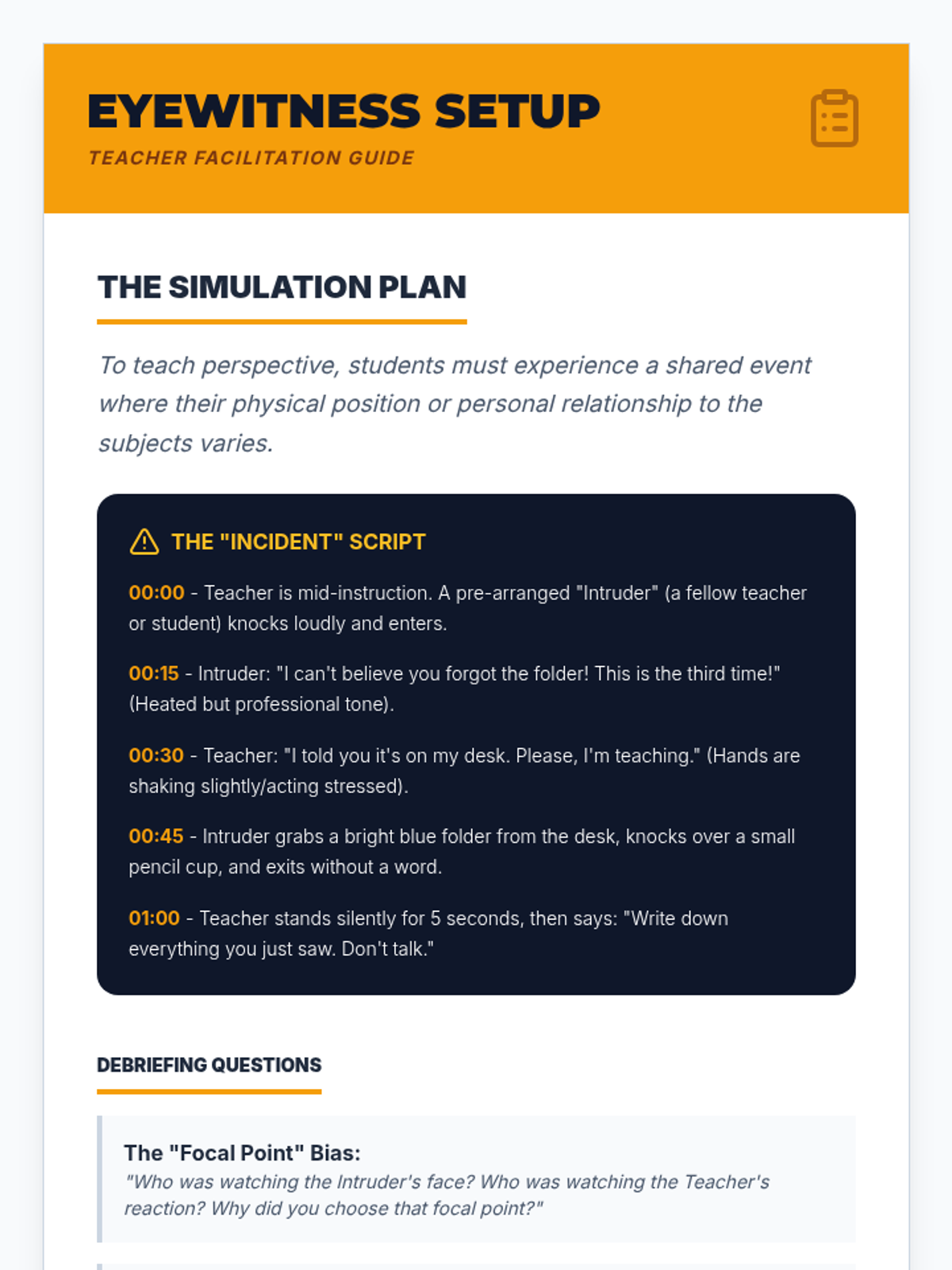
A 6th-grade ELA sequence focused on media literacy and critical reading, where students analyze how different perspectives and presentation styles shape nonfiction accounts of the same event.
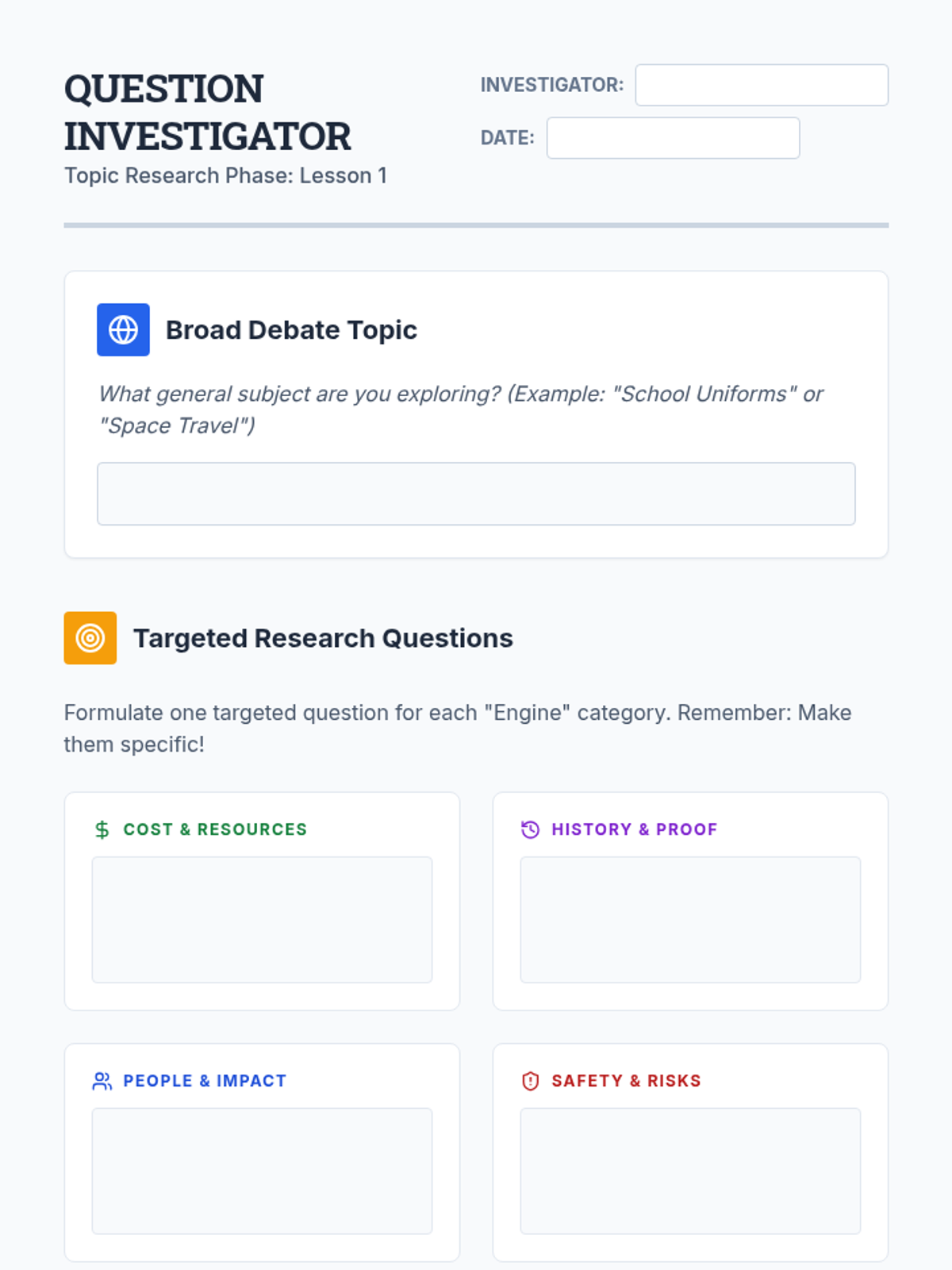
Students learn to research, synthesize, and organize evidence into a structured debate brief, moving from broad curiosity to targeted logical arguments.
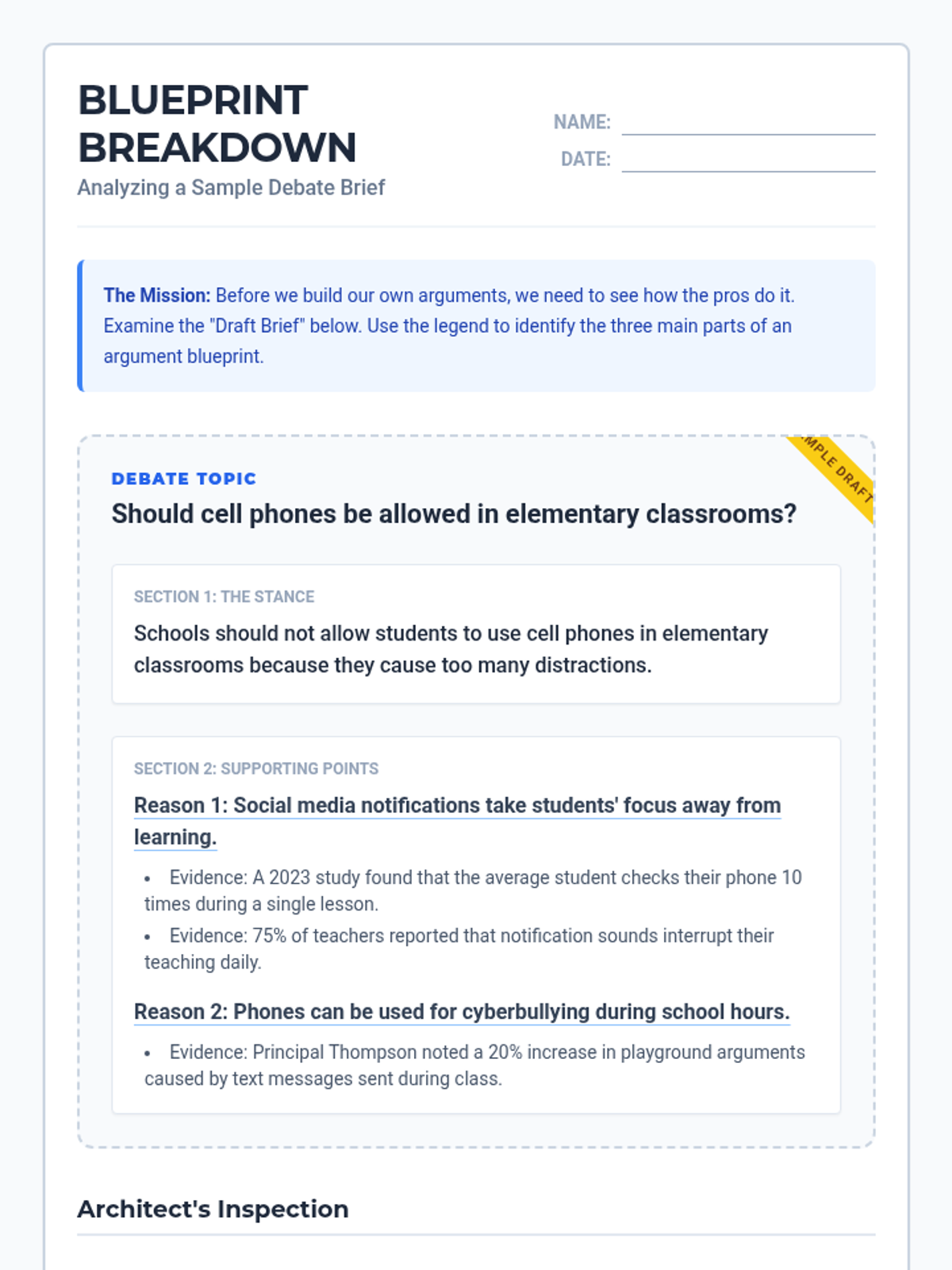
Students move beyond finding sources to organizing scattered information into a structured debate brief. They learn to categorize evidence, rank its strength, and group facts into cohesive reasons to build a powerful argument.
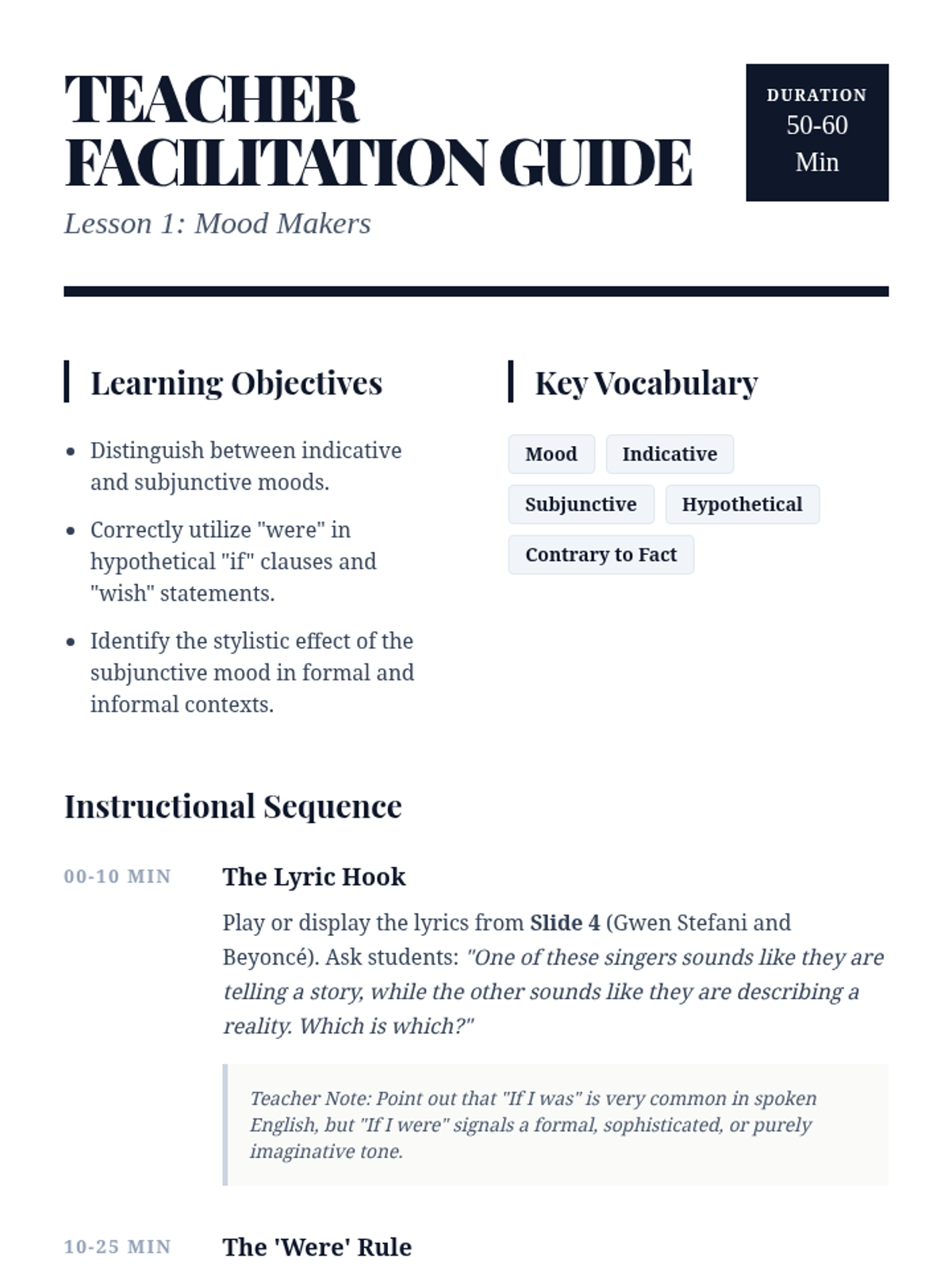
A comprehensive sequence for 7th-grade Advanced English students focused on mastering the subjunctive mood through the lens of formal diplomacy, leadership, and parliamentary procedure. Students transition from expressing wishes to drafting authoritative proposals and engaging in a formal debate.
Students become linguistic historians, investigating the etymology, cultural origins, and evolution of advanced English vocabulary through research and creative projects.
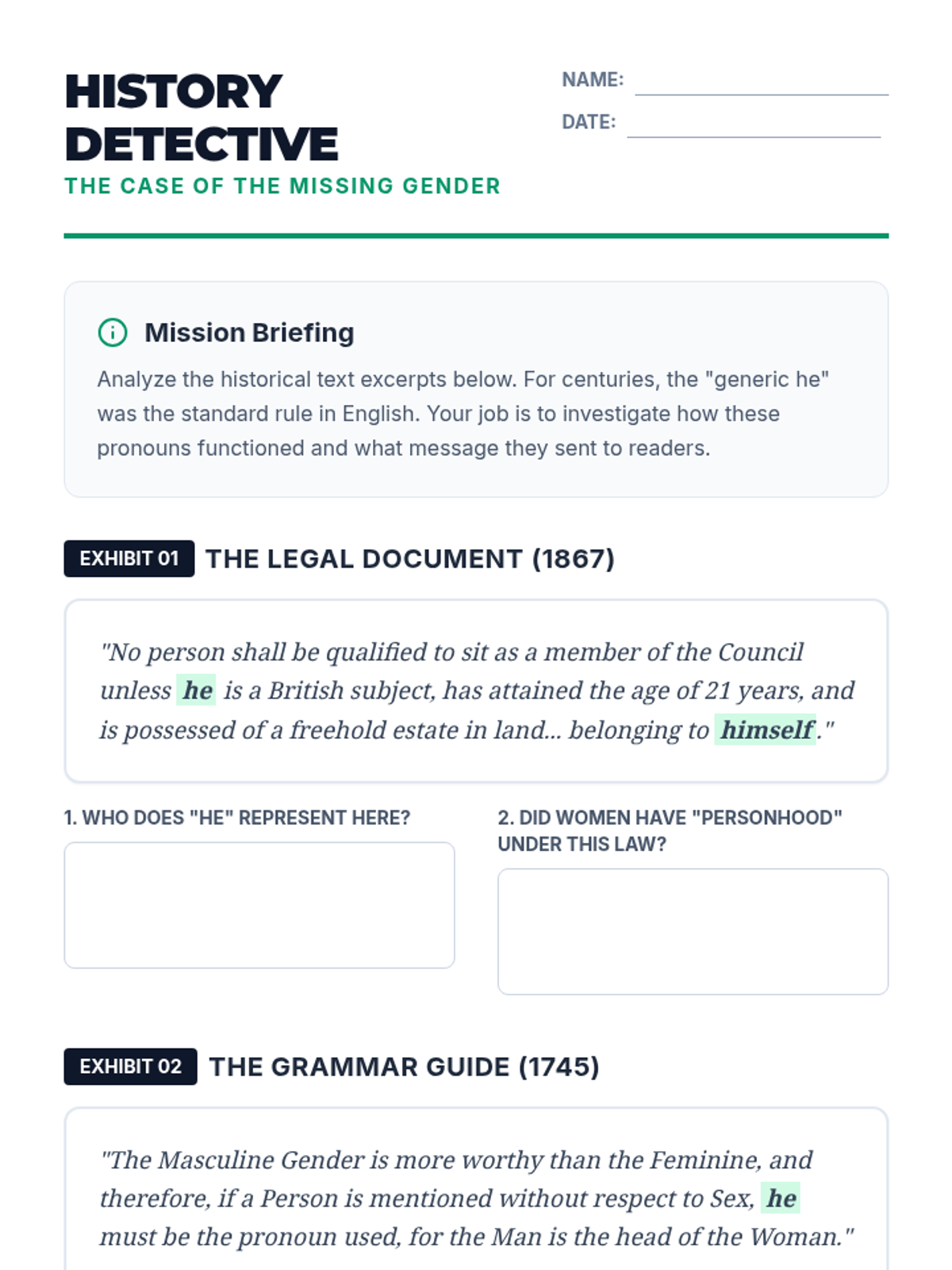
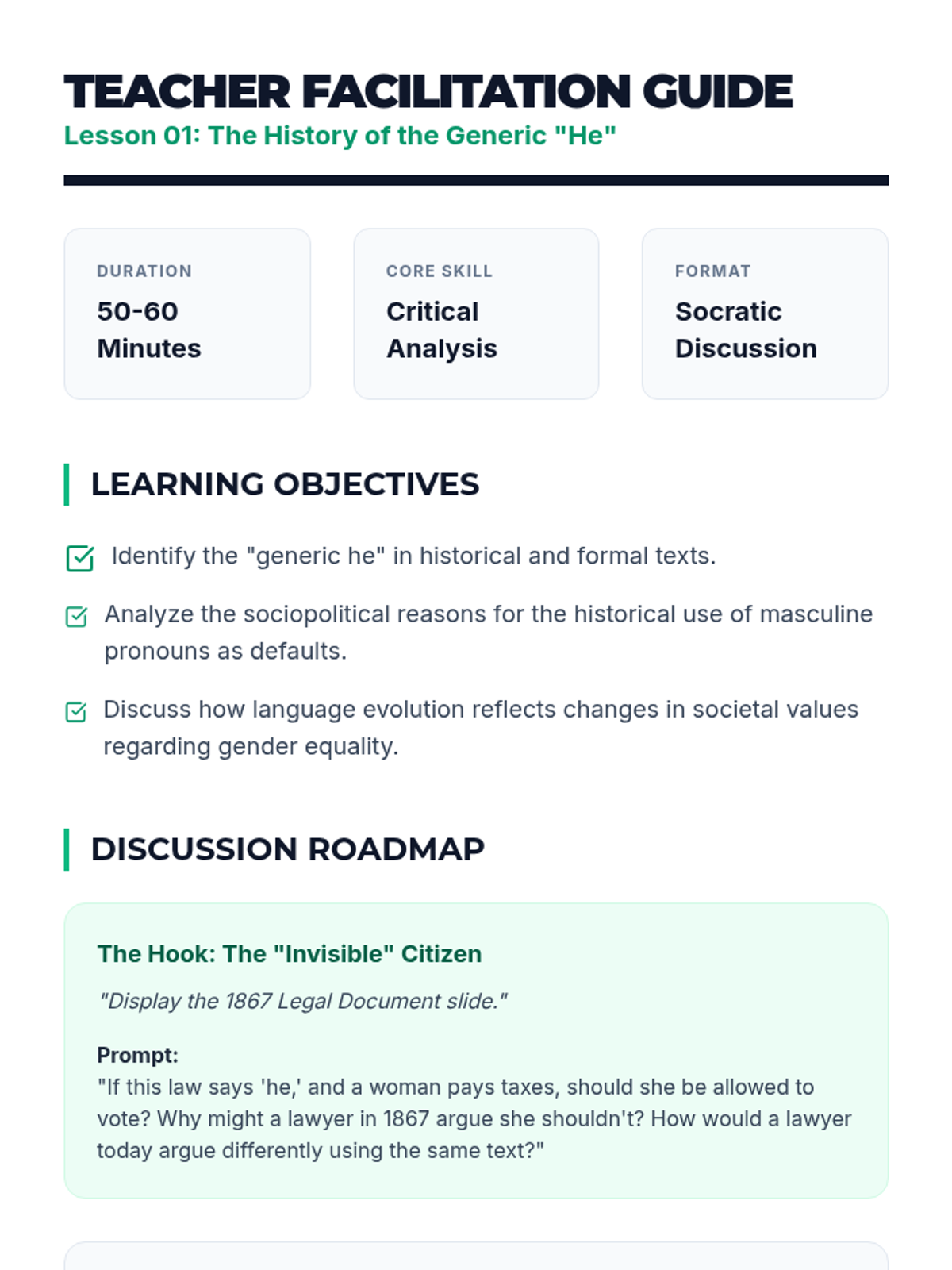
This 7th-grade sequence explores the evolution of pronouns, focusing on the historical use of the generic 'he,' the transition to 'he or she,' and the modern adoption of the singular 'they.' Students learn to balance grammatical precision with inclusive language through strategies like pluralizing antecedents and navigating various academic style guides.
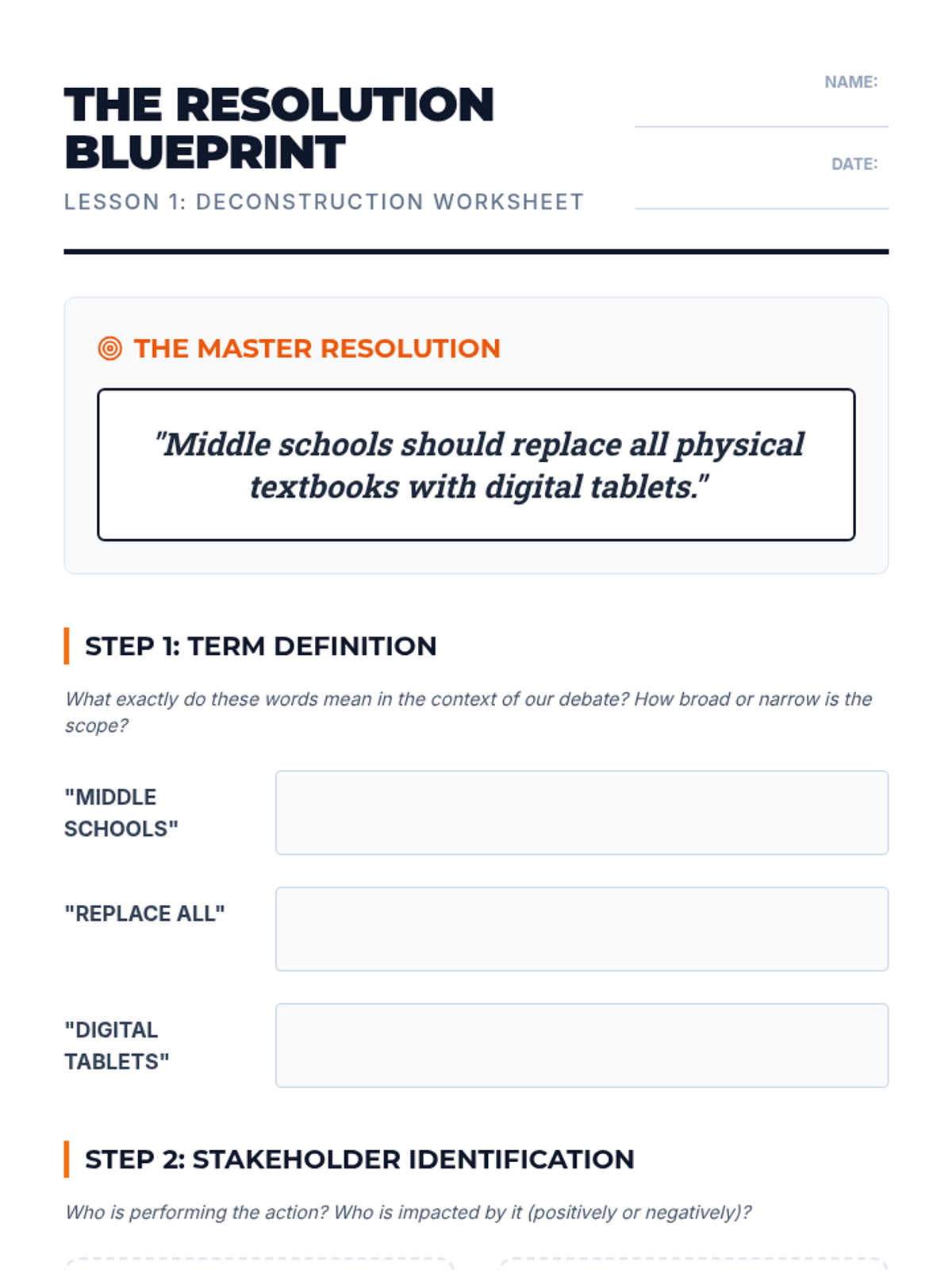
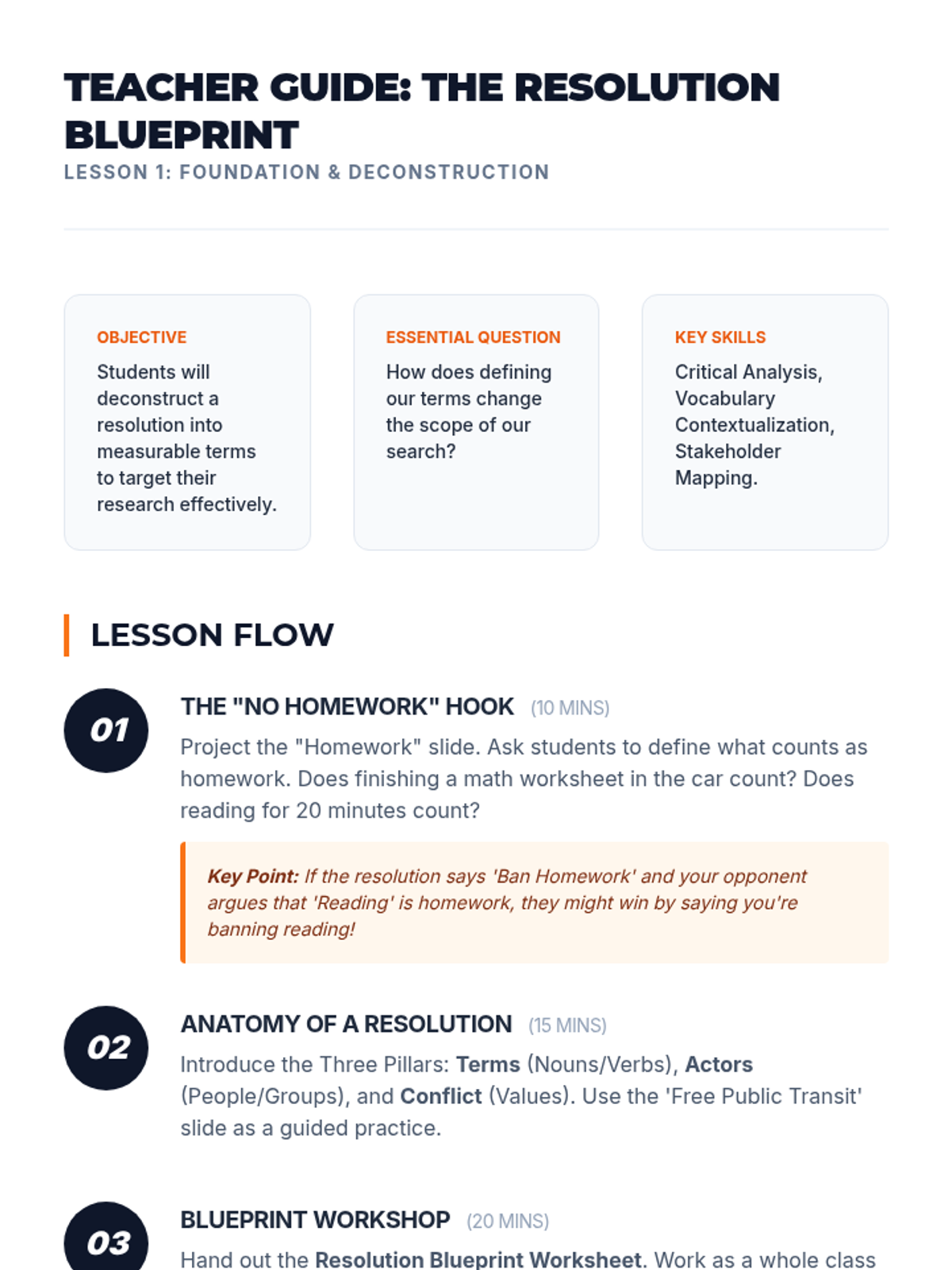
A project-based sequence where 6th-grade students learn to deconstruct debate resolutions, conduct multi-layered research, and synthesize diverse sources into cohesive arguments. Students progress from initial topic analysis to defending their findings before a peer panel.
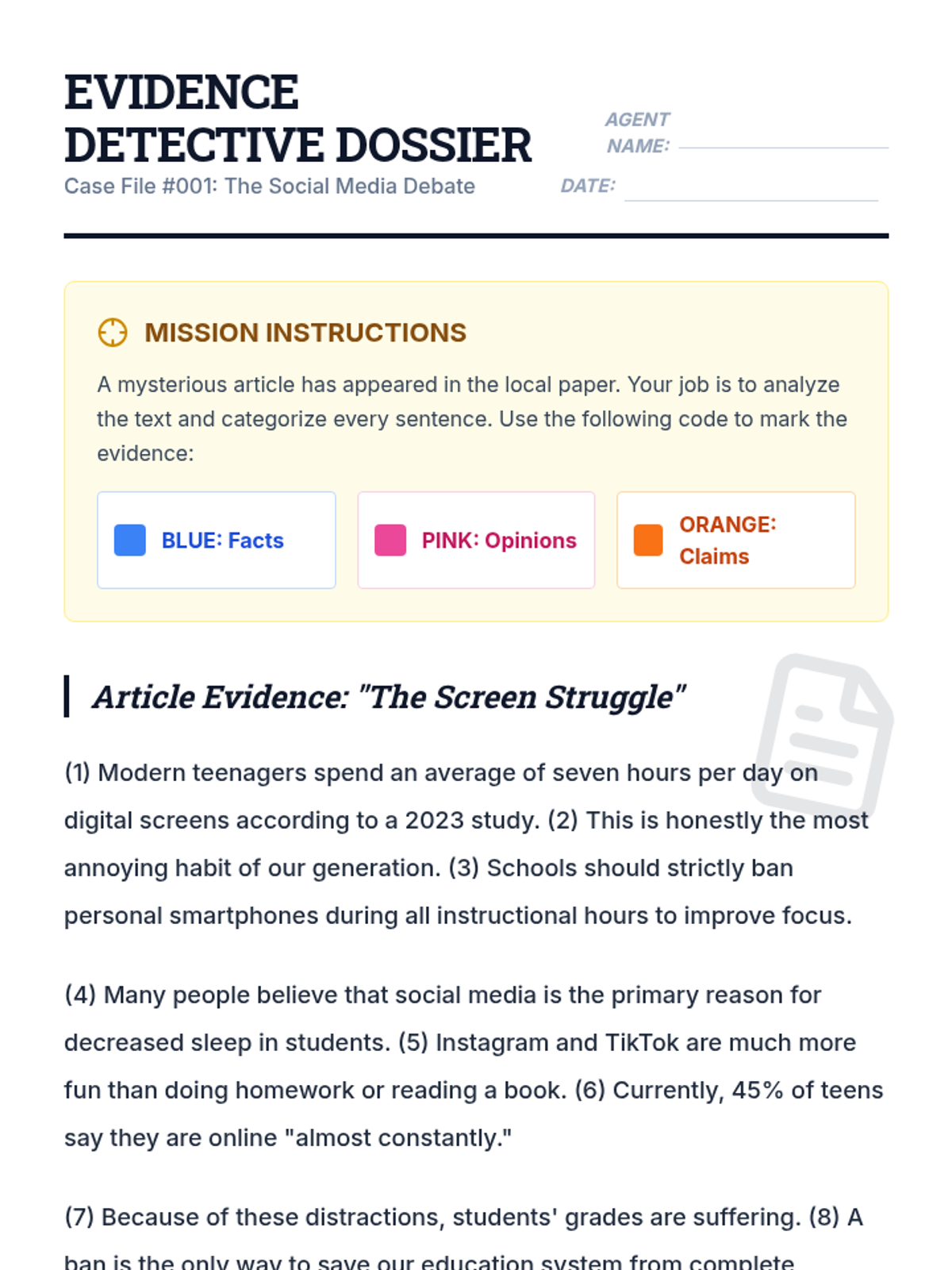
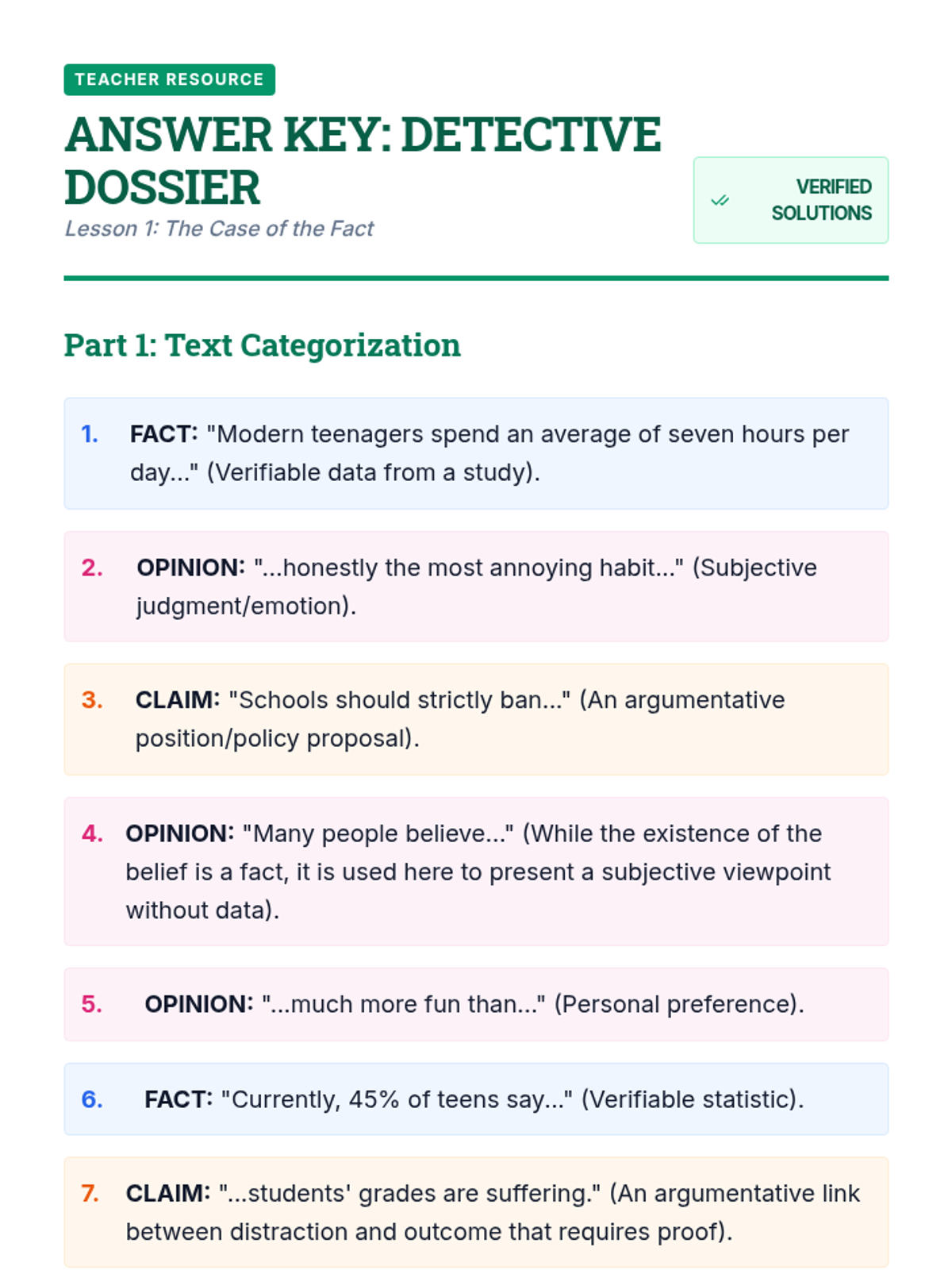
This sequence guides 6th-grade students through the process of identifying, categorizing, and evaluating evidence for debate. Students progress from distinguishing facts from opinions to masterfully ranking the quality of evidence based on authority, relevance, and recency.
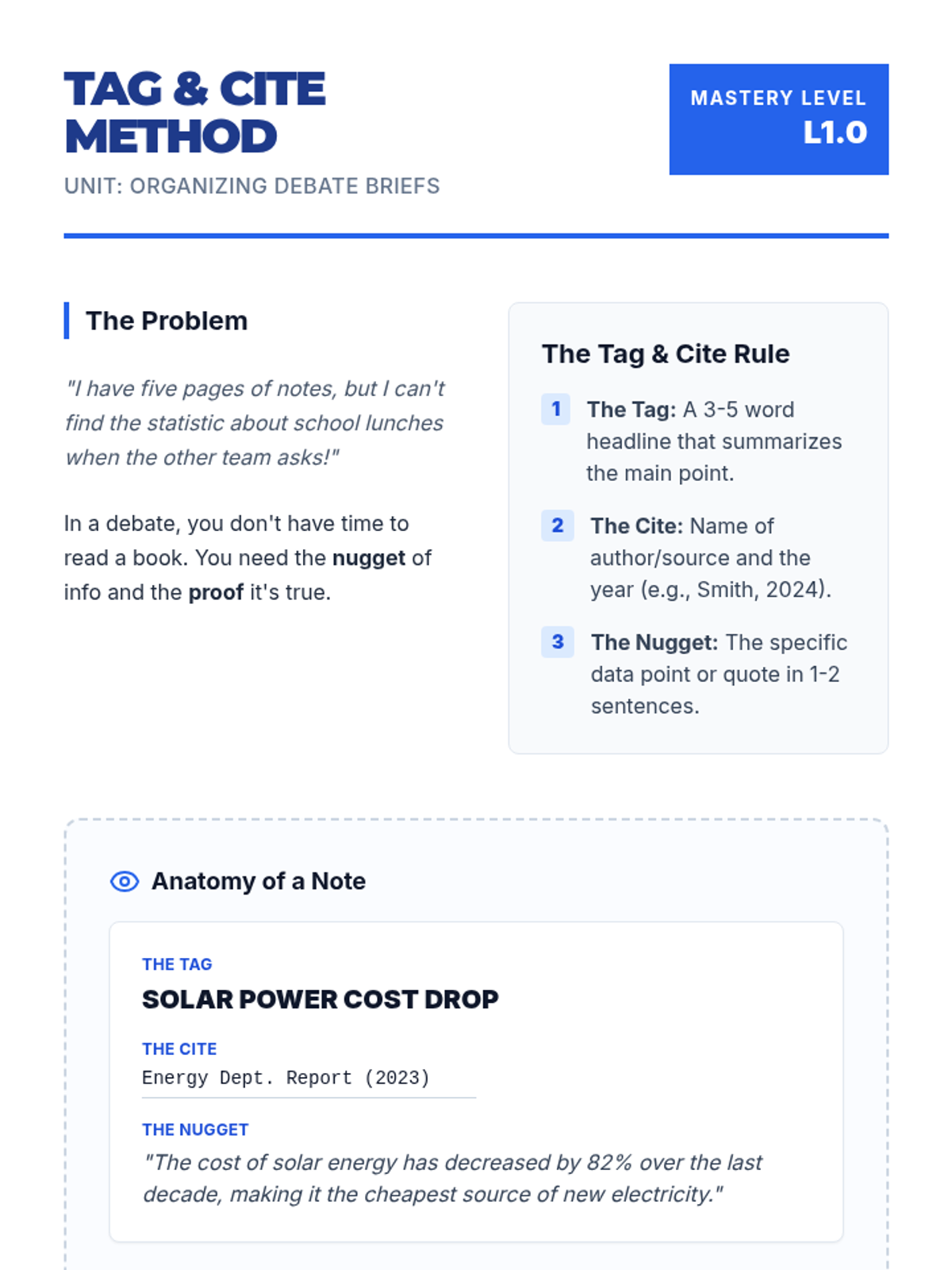
A sequence for 6th-grade students focused on transforming raw research into organized debate briefs using the 'Tag and Cite' method and the SEP categorization framework. Students learn to structure arguments through the Claim-Warrant-Data-Impact model and practice rapid information retrieval.
Students move from gathering raw data to organizing it into a professional debate brief structure. This unit emphasizes logical hierarchy, linking claims to warrants and data, and preparing for formal debate through structured research.
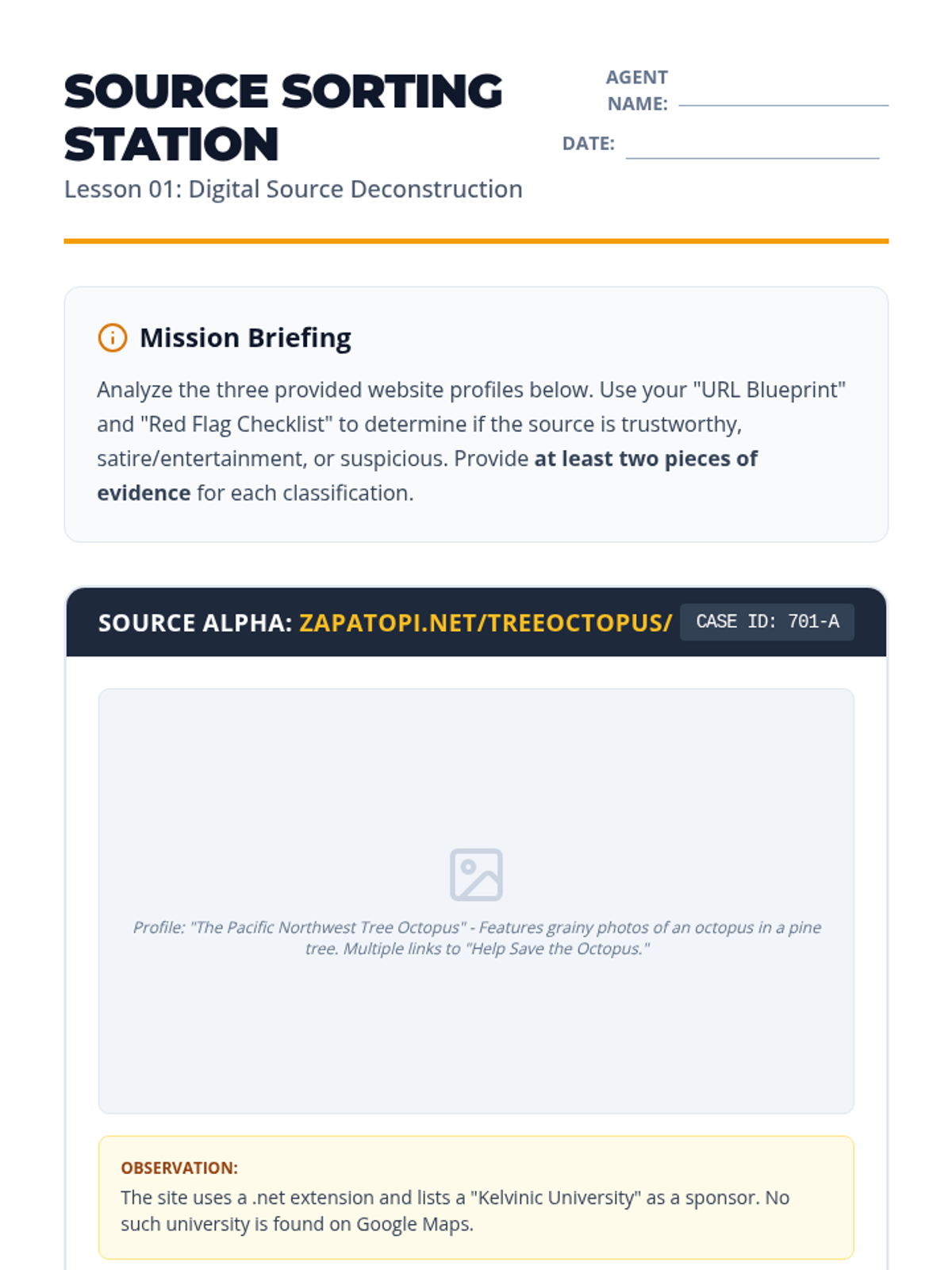
A comprehensive inquiry-based sequence for 7th-grade students to master the skills of evaluating digital source credibility, practicing lateral reading, detecting media bias, and ranking evidence quality for debate research.