Syllogisms, deductive validity, and the principles of inductive probability for evaluating evidence-based claims. Targets common logical fallacies and the construction of sound, persuasive arguments.
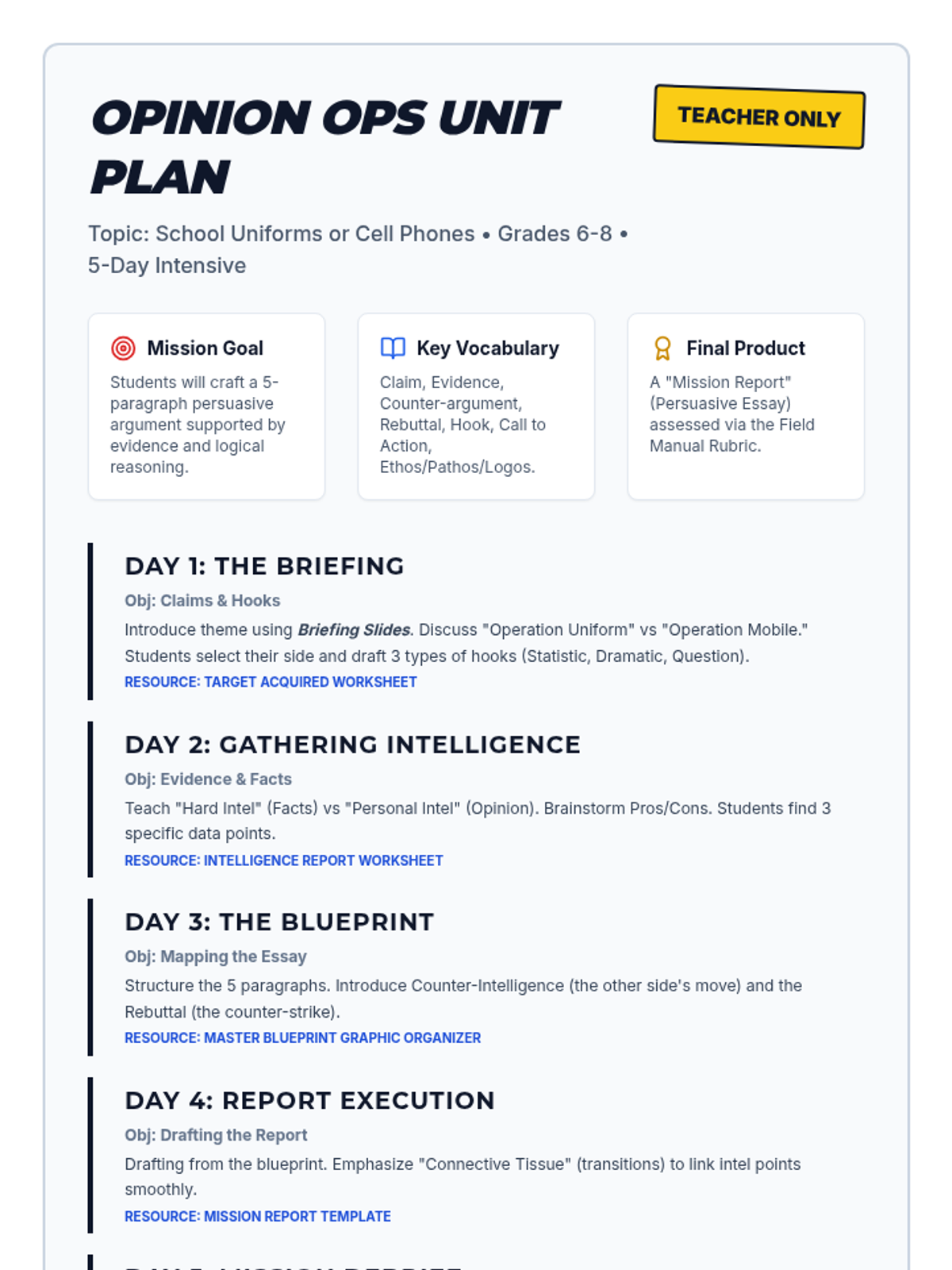
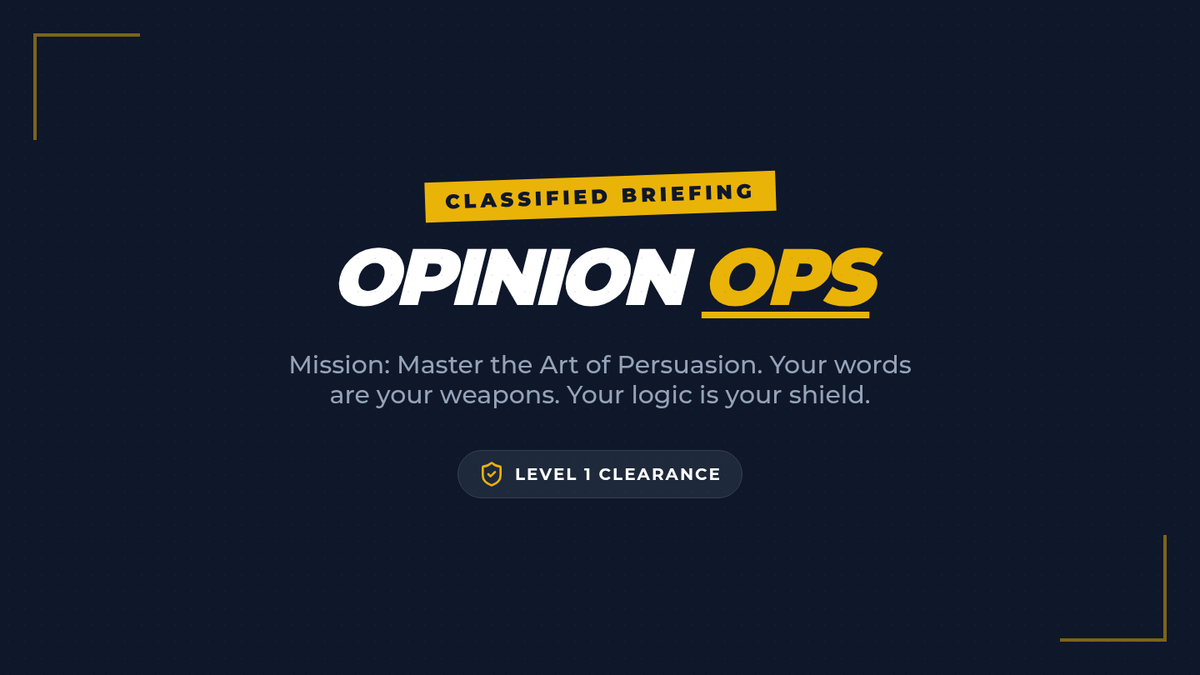
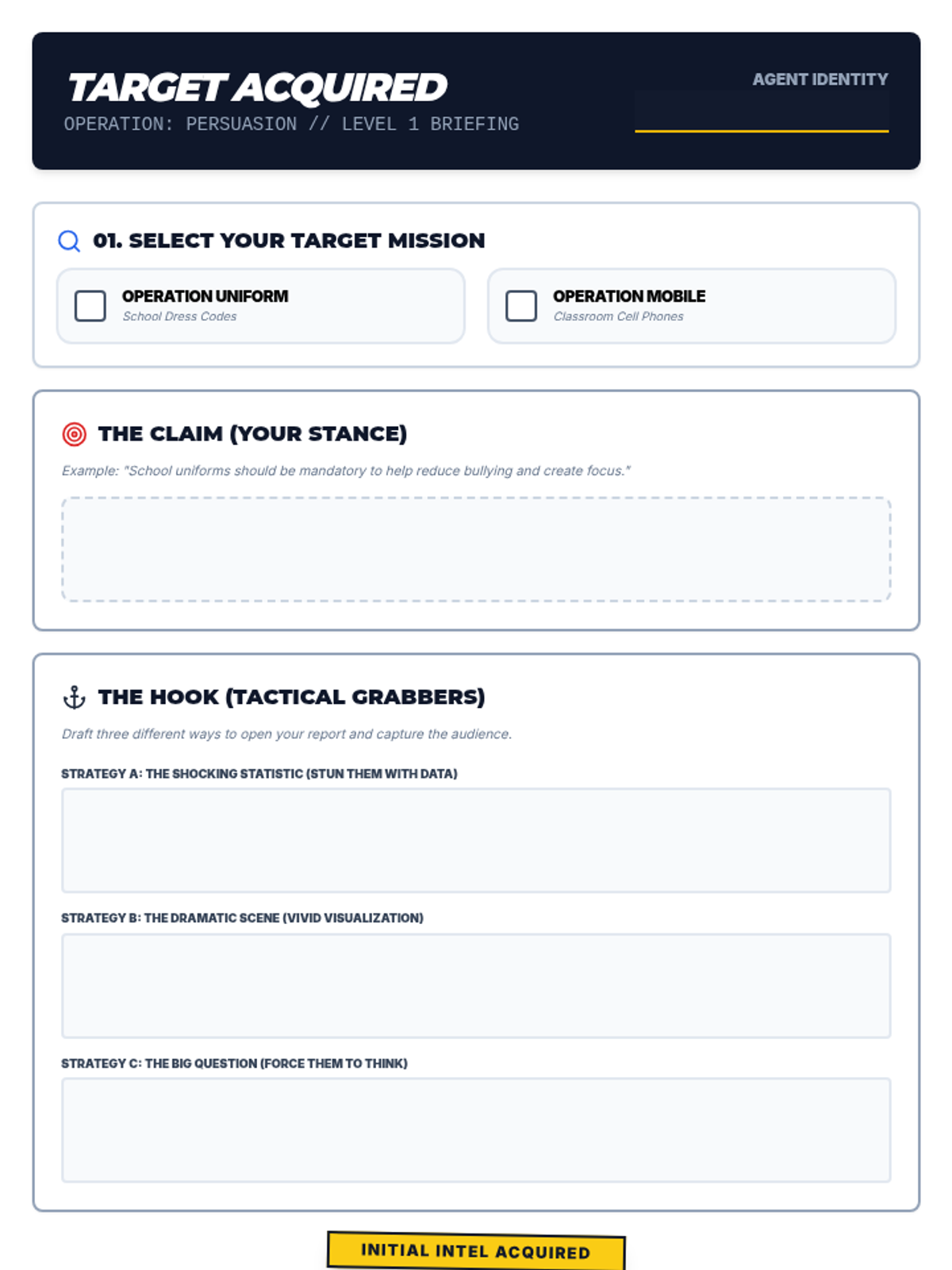
A 5-day persuasive writing unit themed as 'Opinion Ops,' where students act as secret agents building a case for or against school uniforms or cell phones in school. Includes graphic organizers, daily worksheets, and a comprehensive grading rubric.
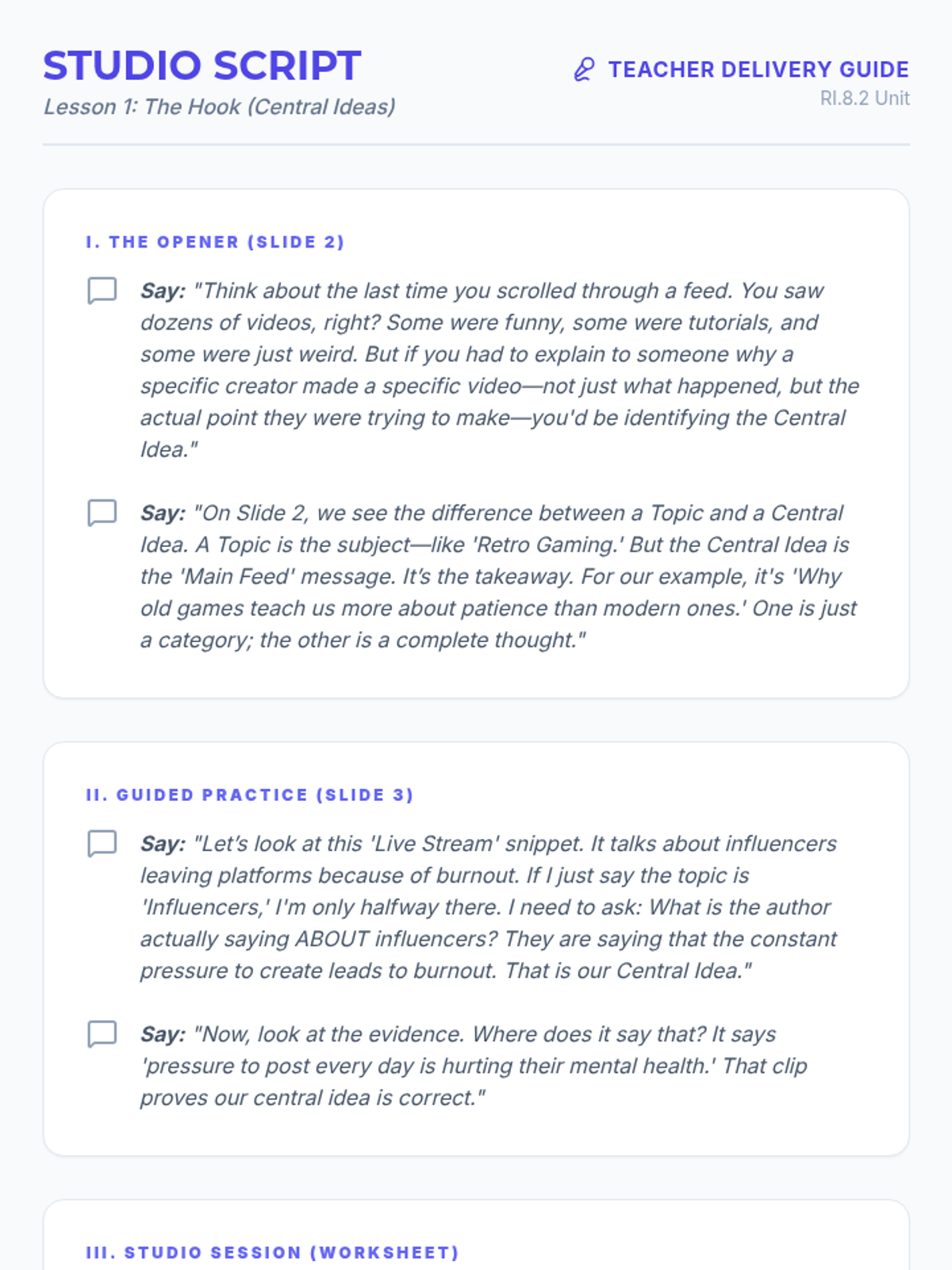
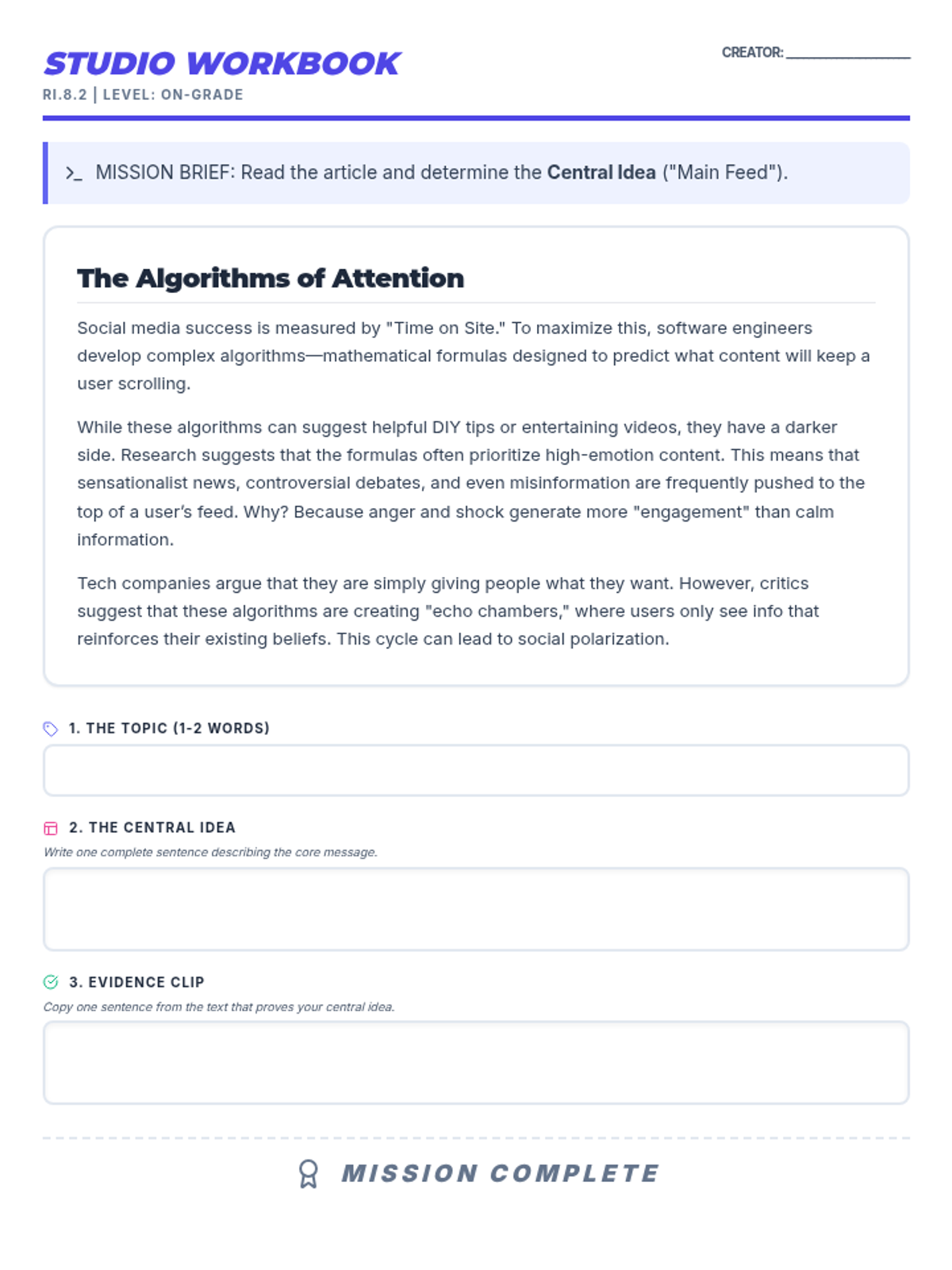
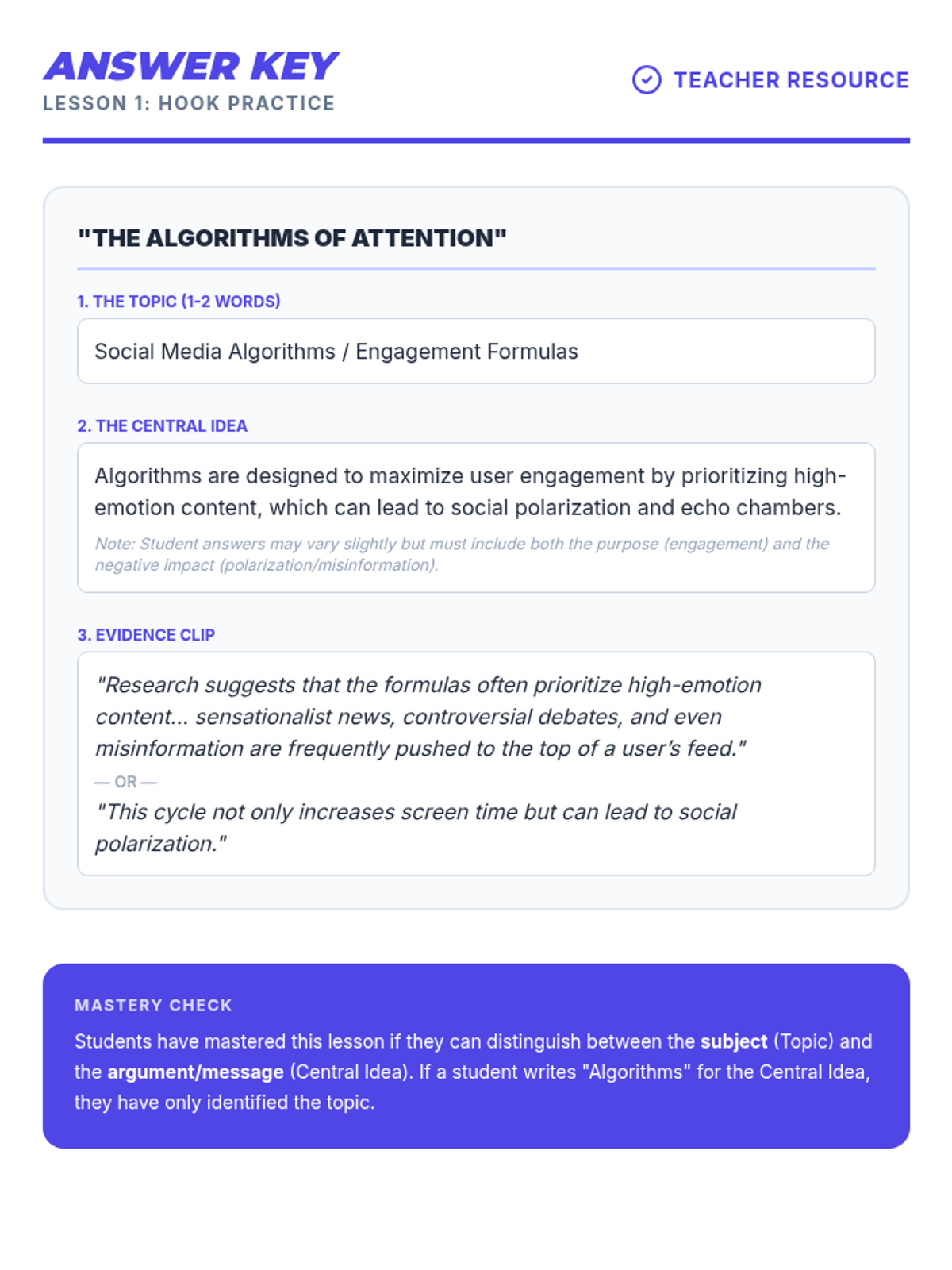
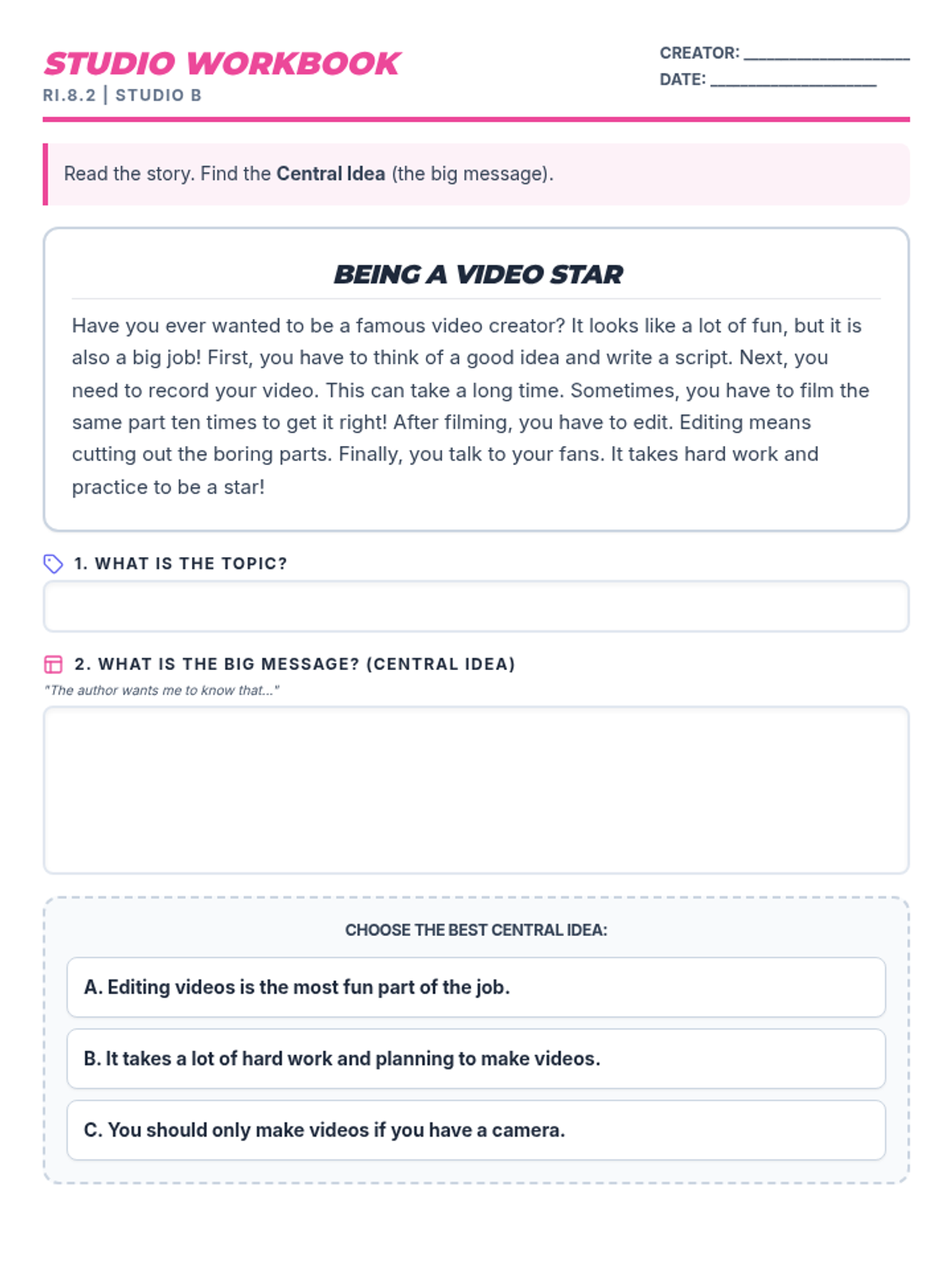
A 5-day mastery unit for RI.8.2 using a Content Creator Studio theme. Students learn to determine central ideas, analyze their development, and write objective summaries through the lens of digital media production.
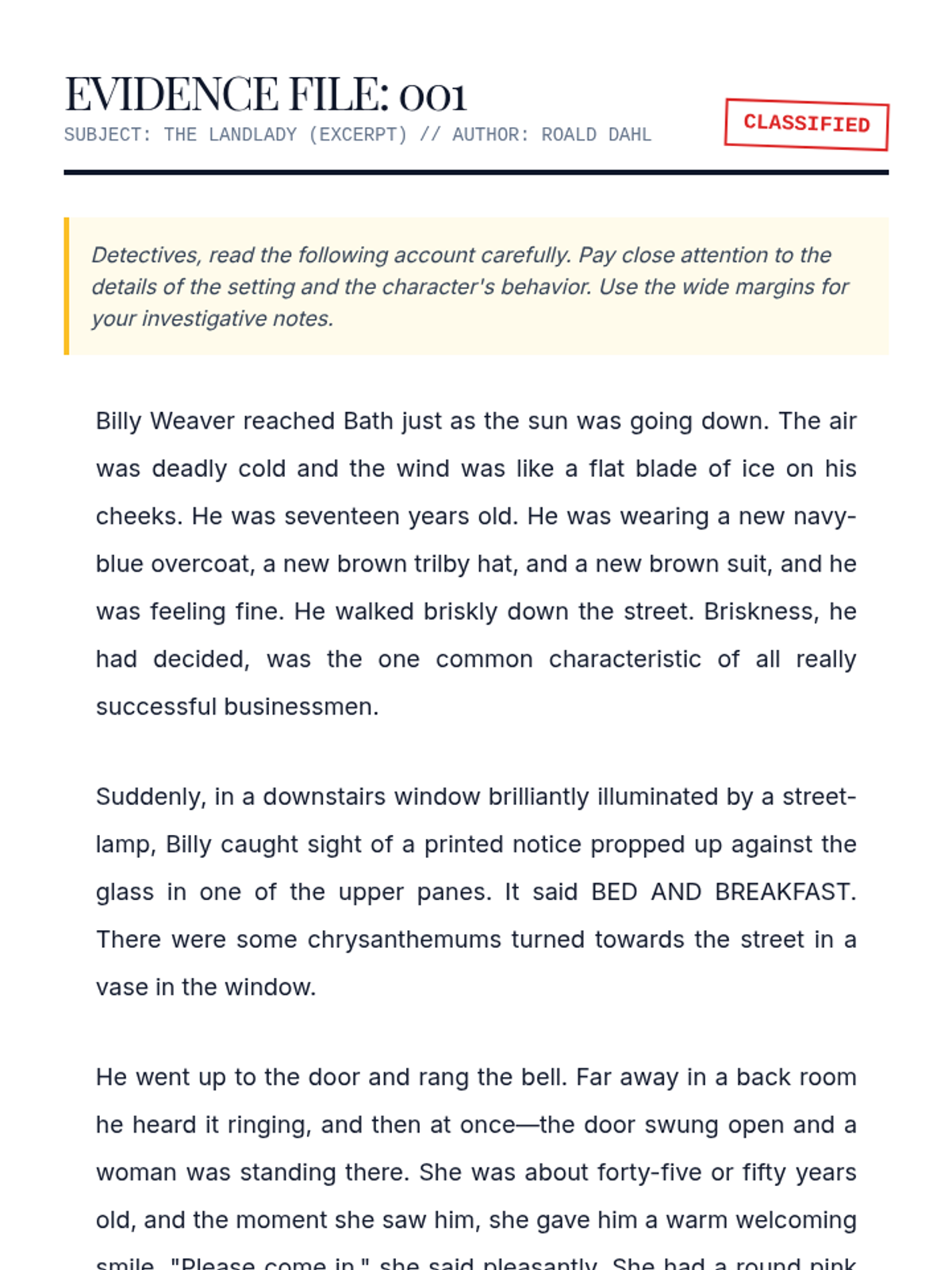
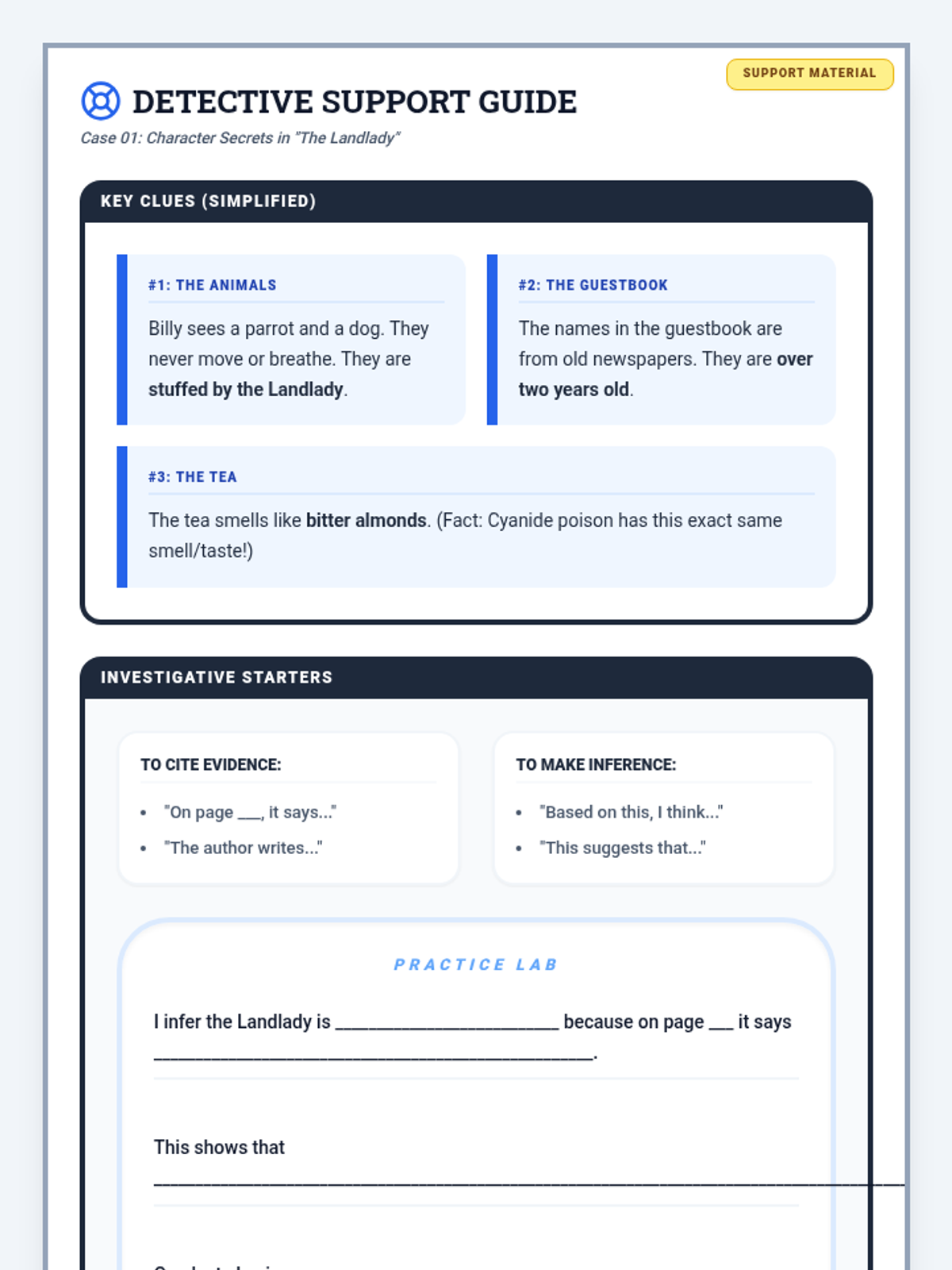
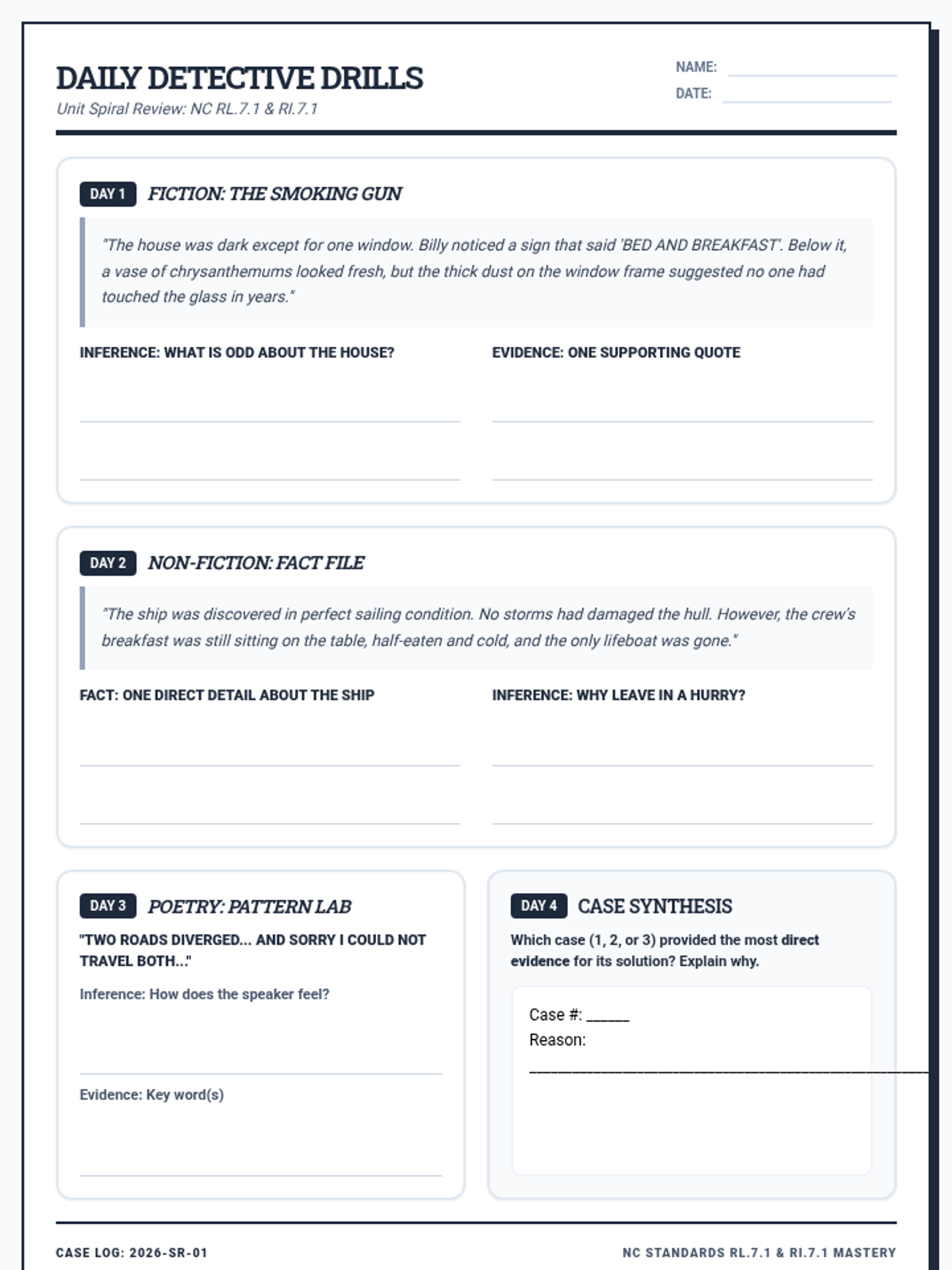
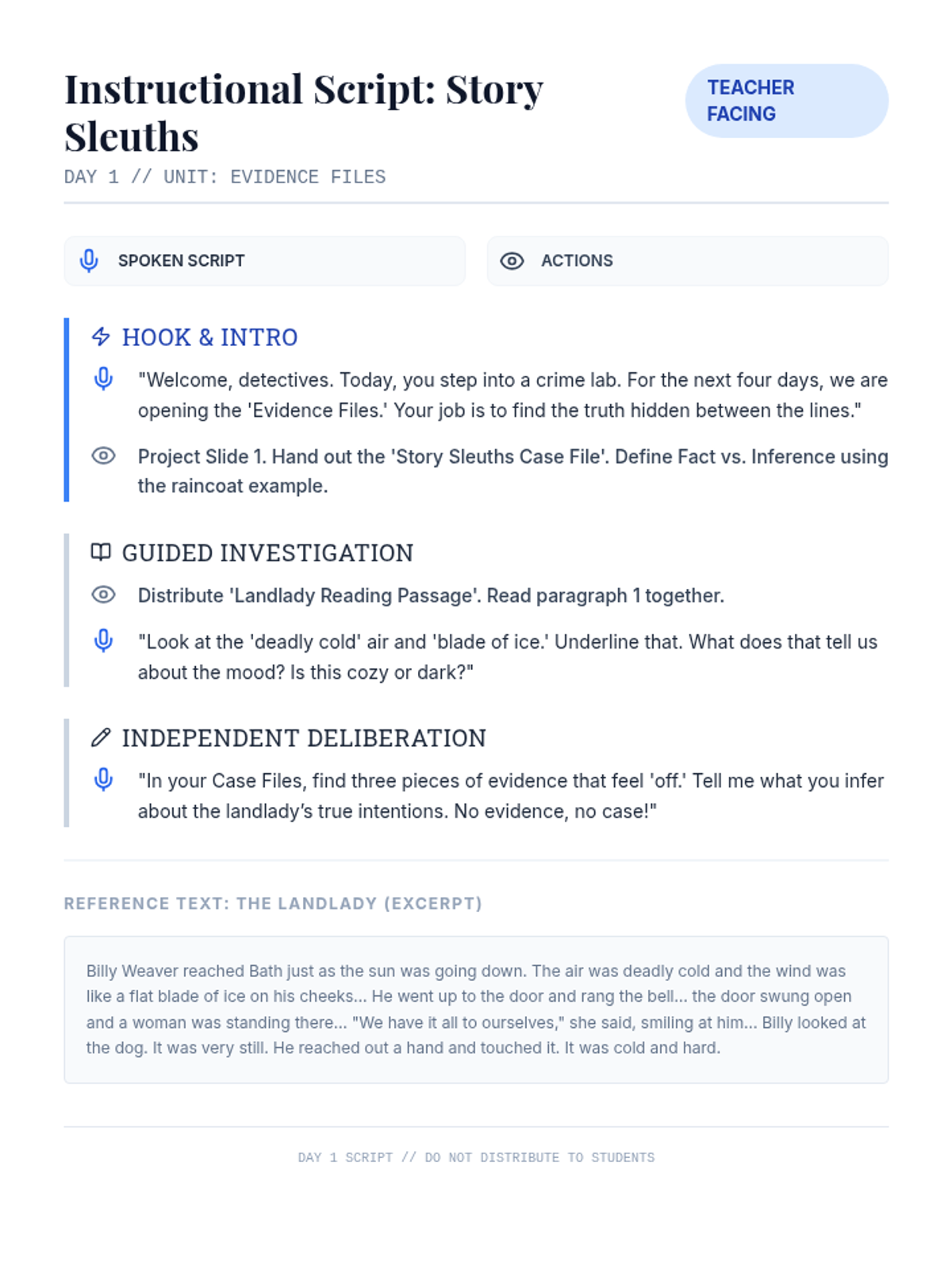
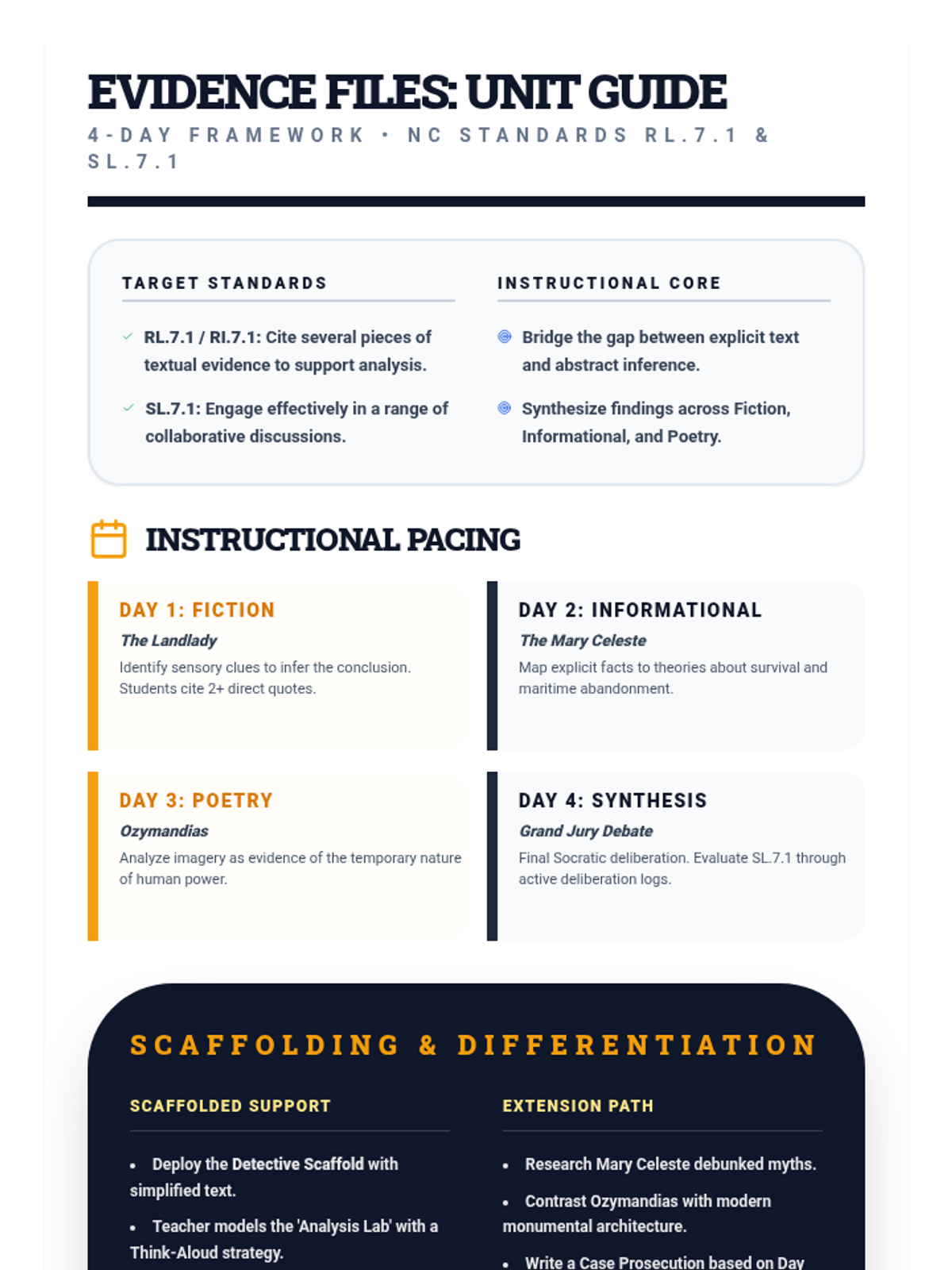
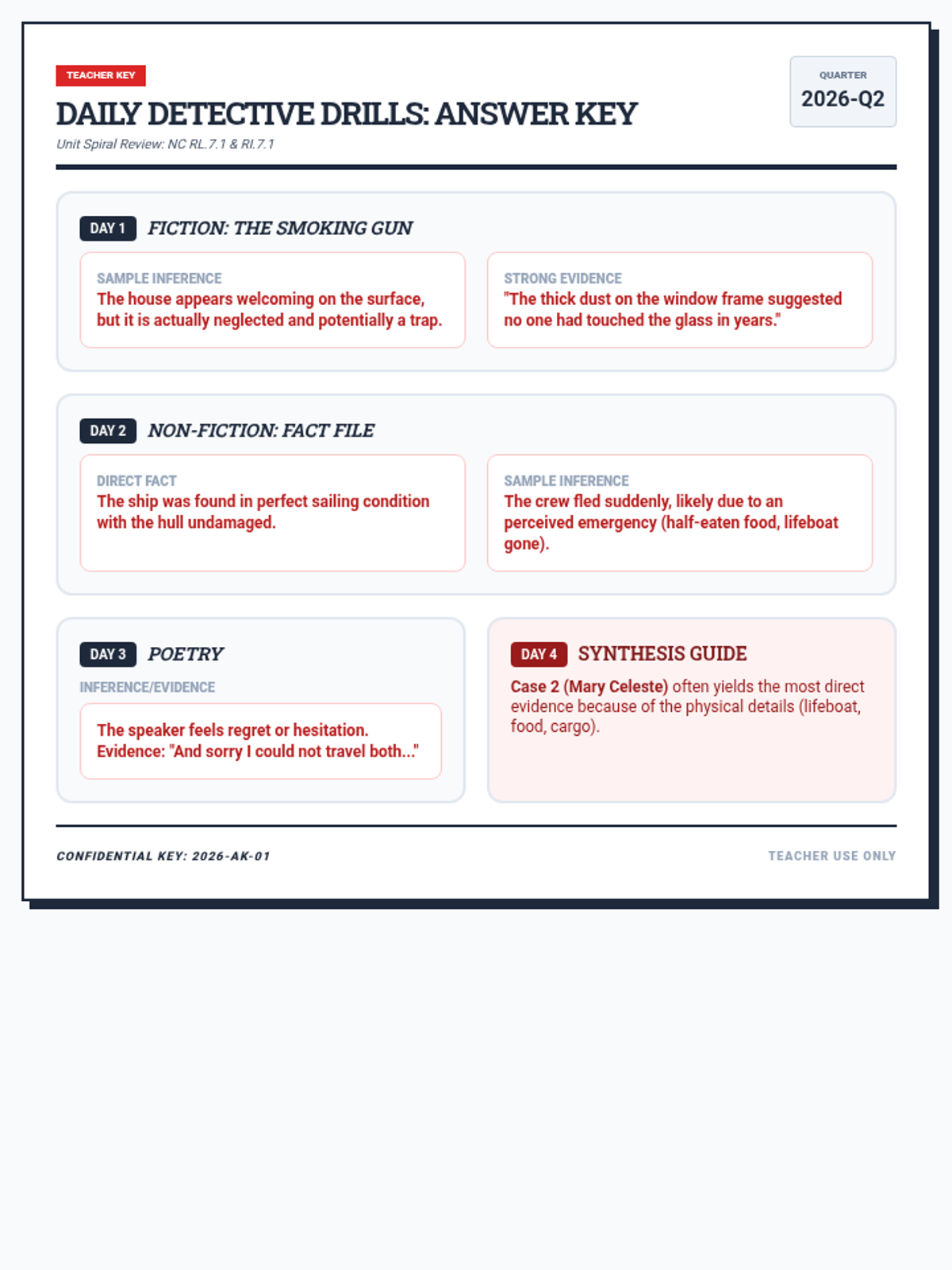
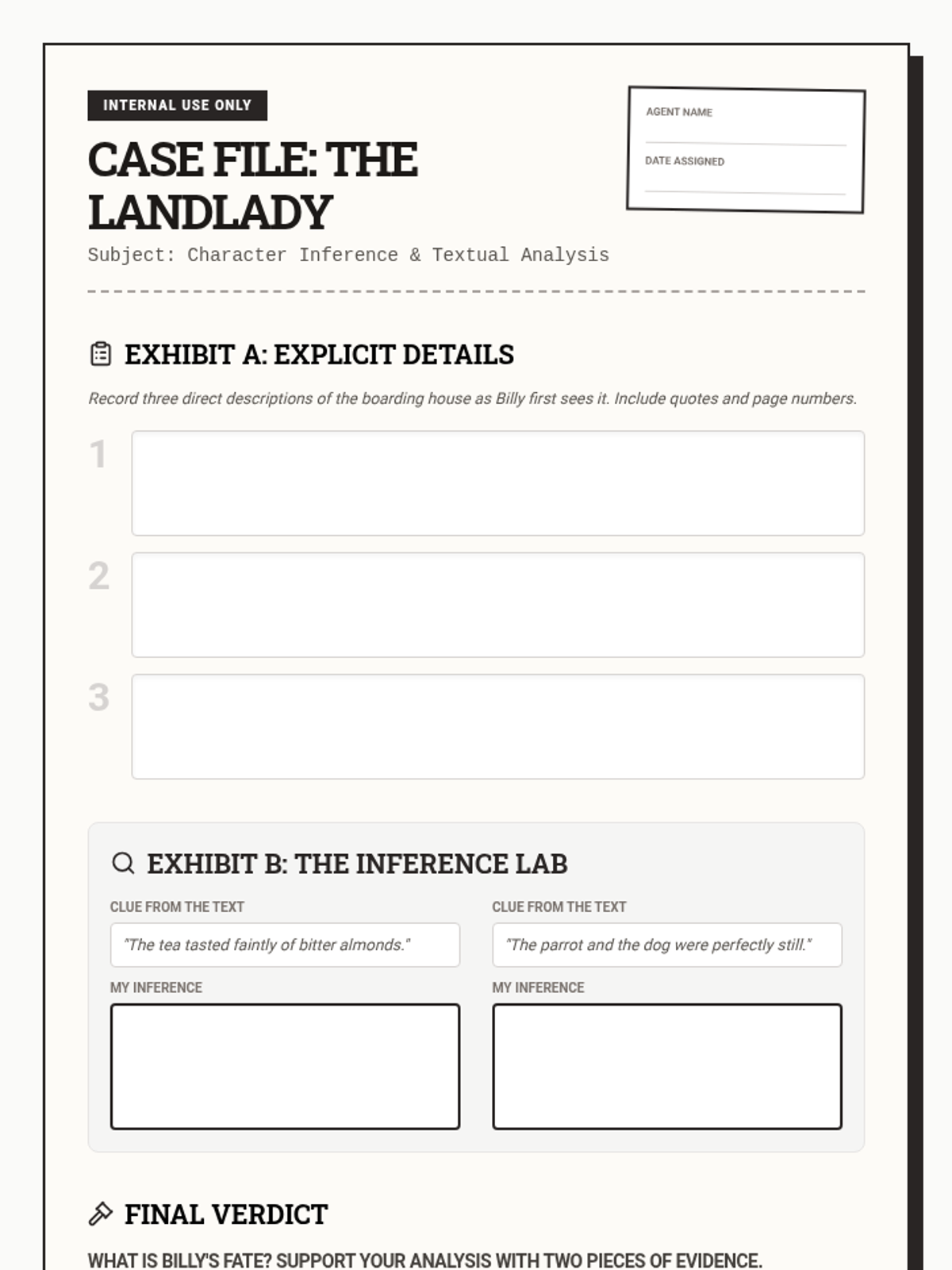
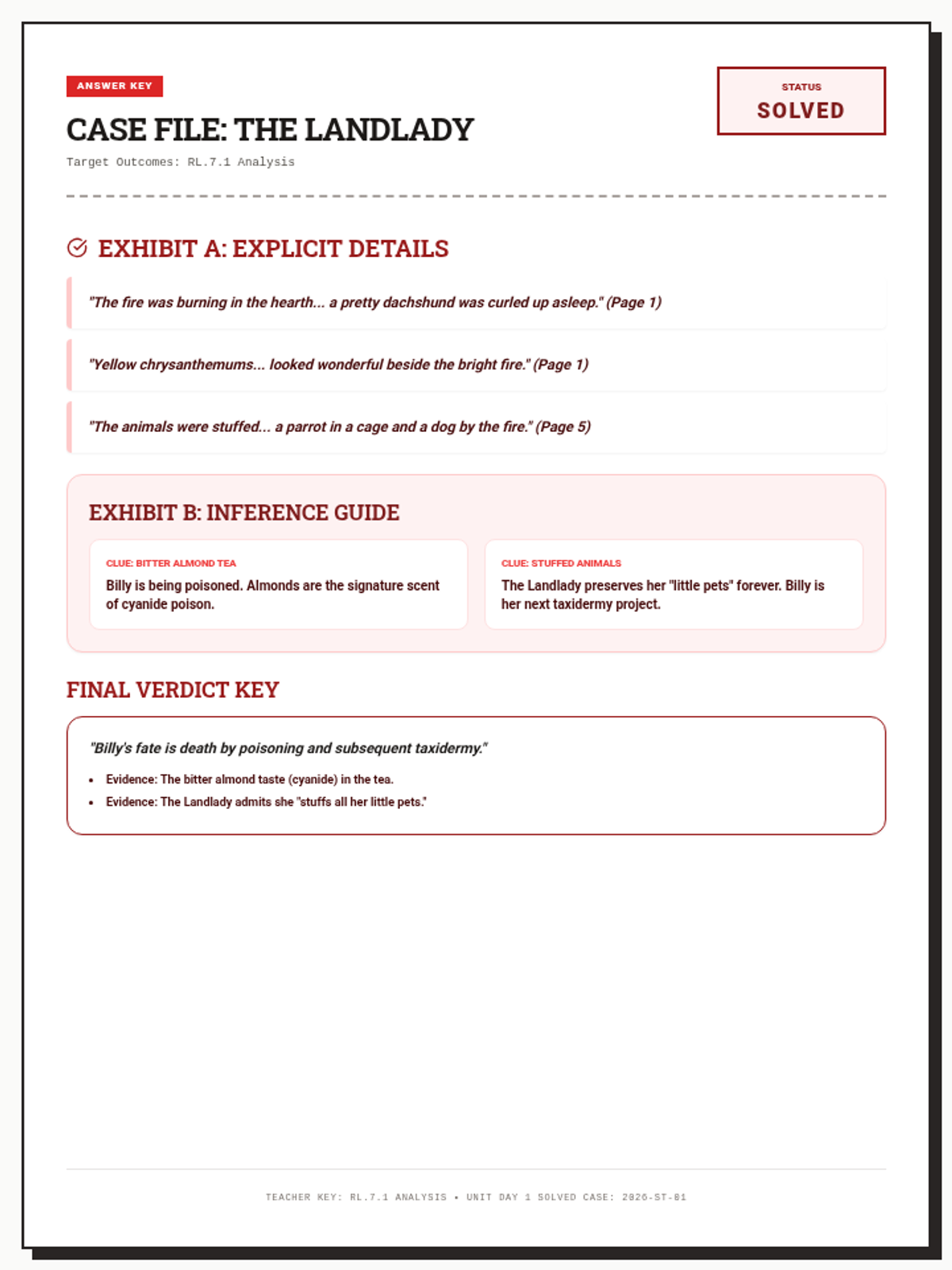
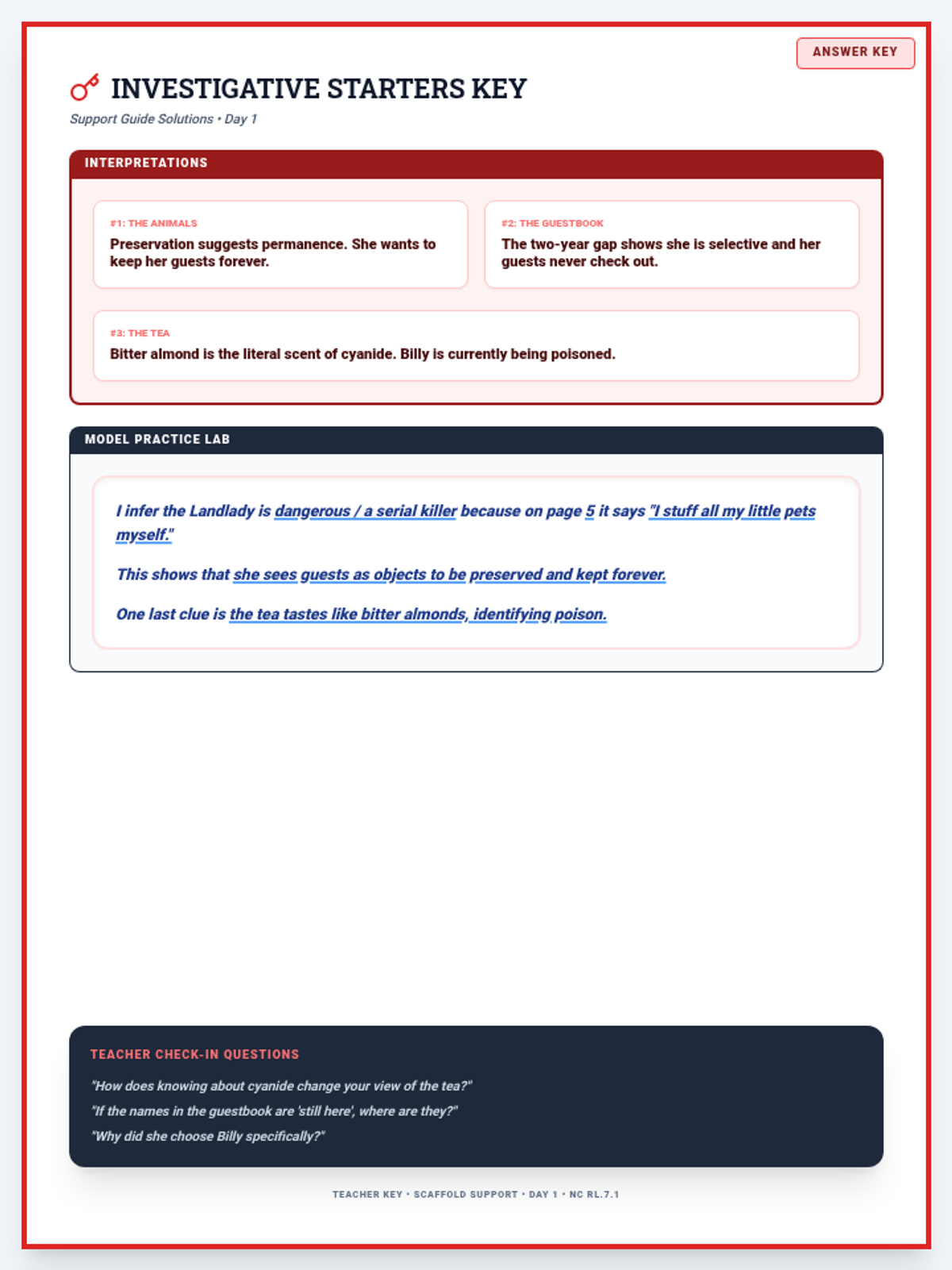
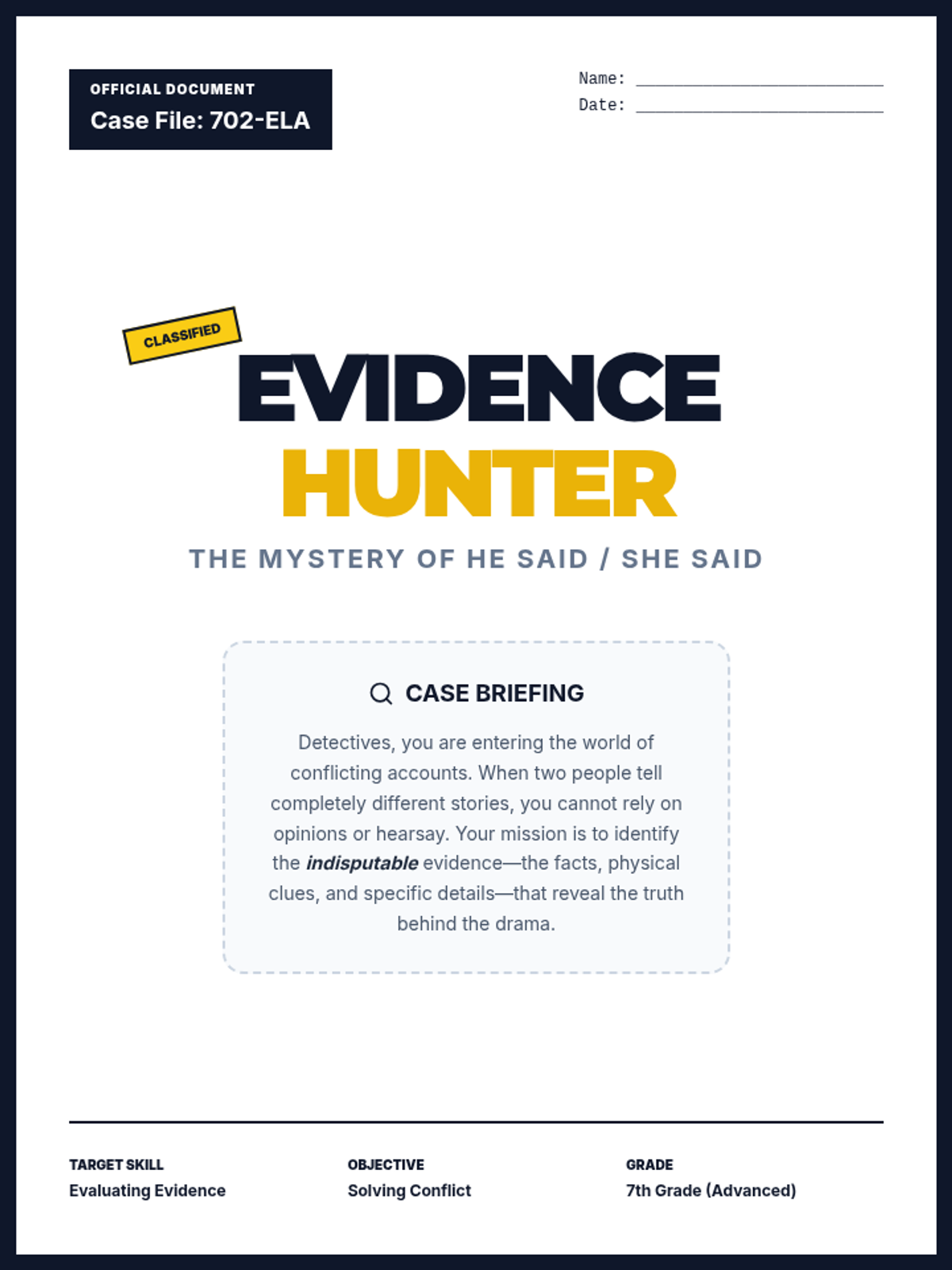
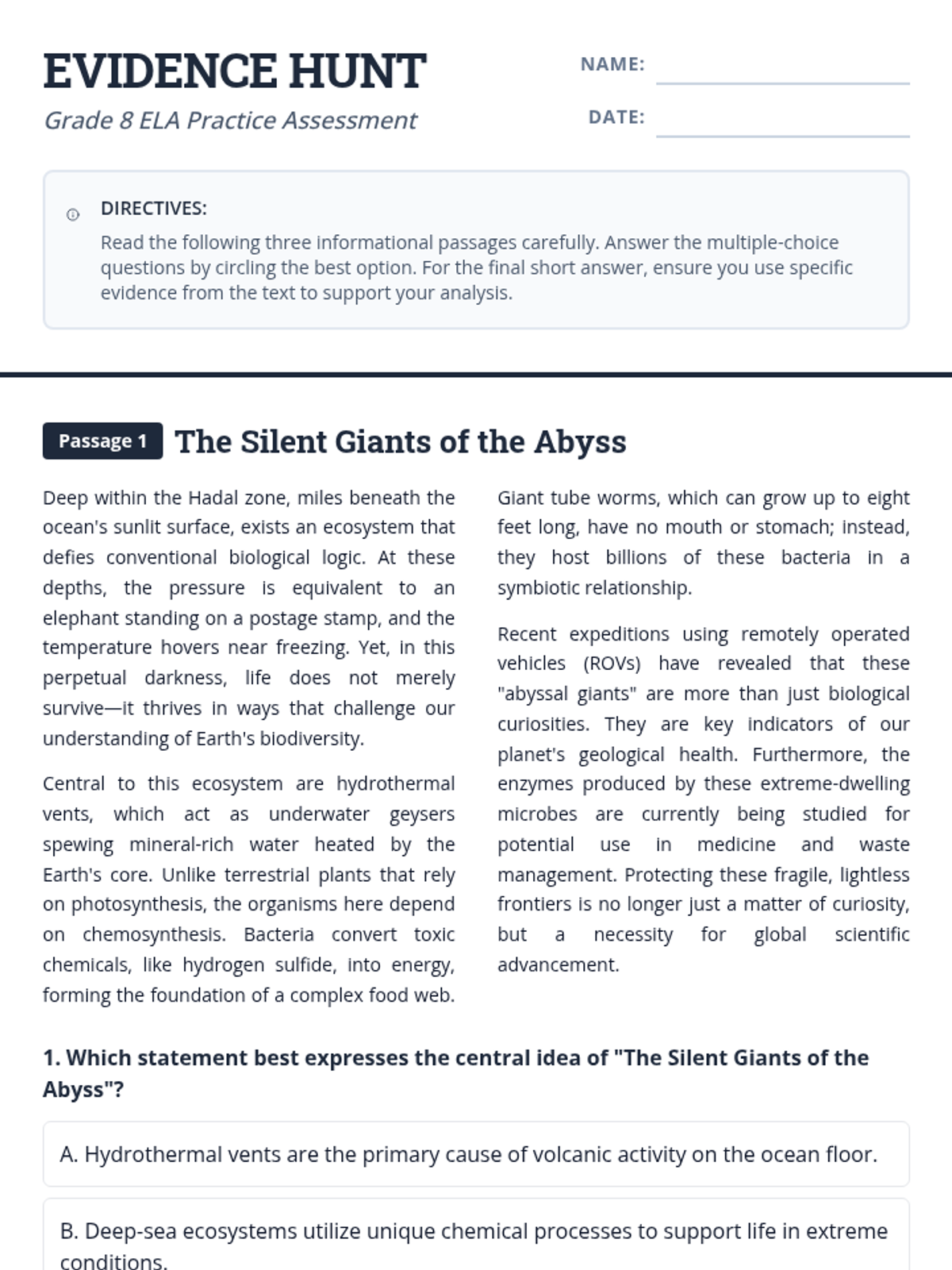
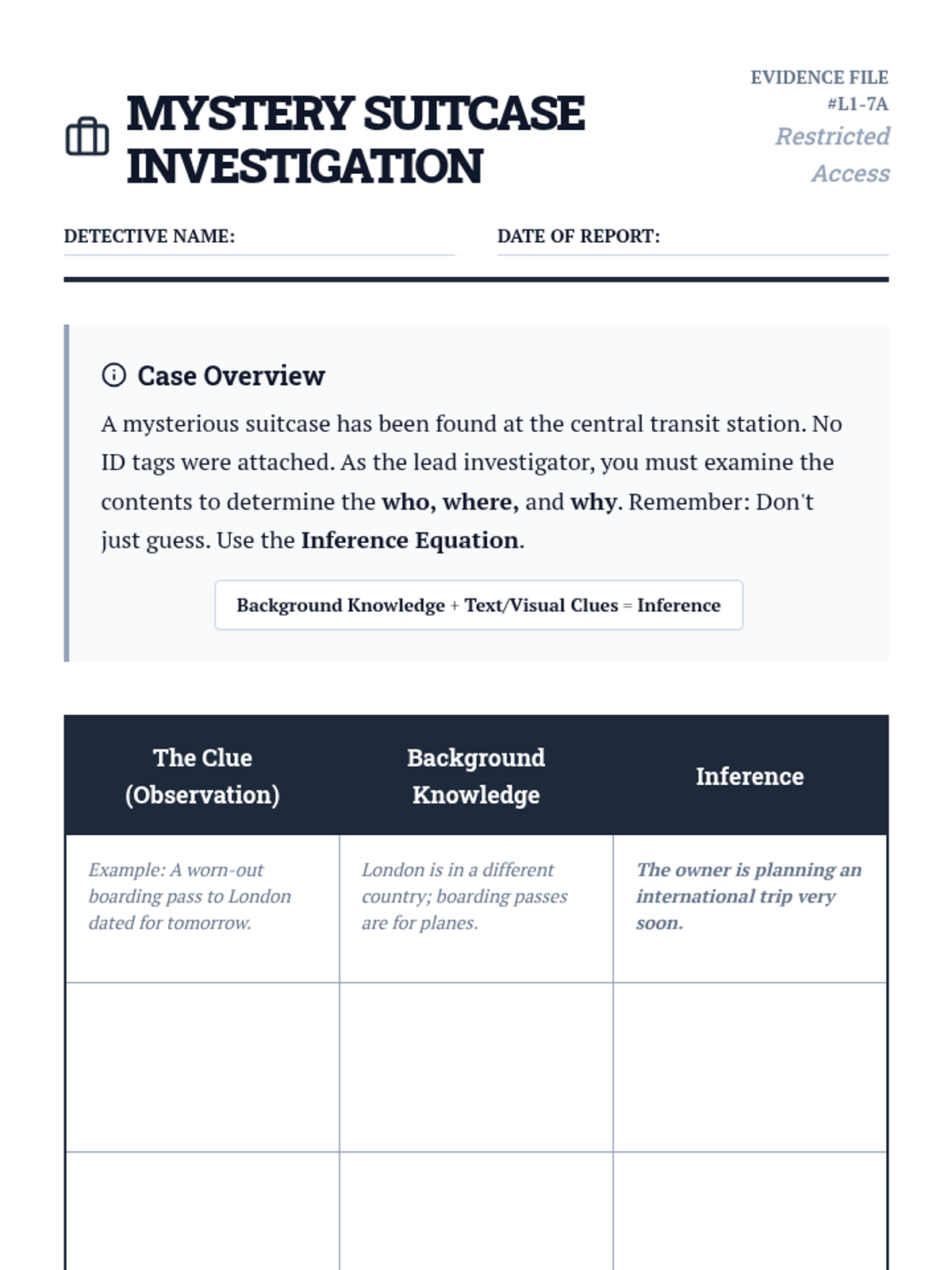
A four-day investigative unit focused on citing textual evidence and making inferences across various genres, including short stories, non-fiction, and poetry. Students act as 'Evidence Detectives' to solve literary and factual mysteries while engaging in collaborative discussions.
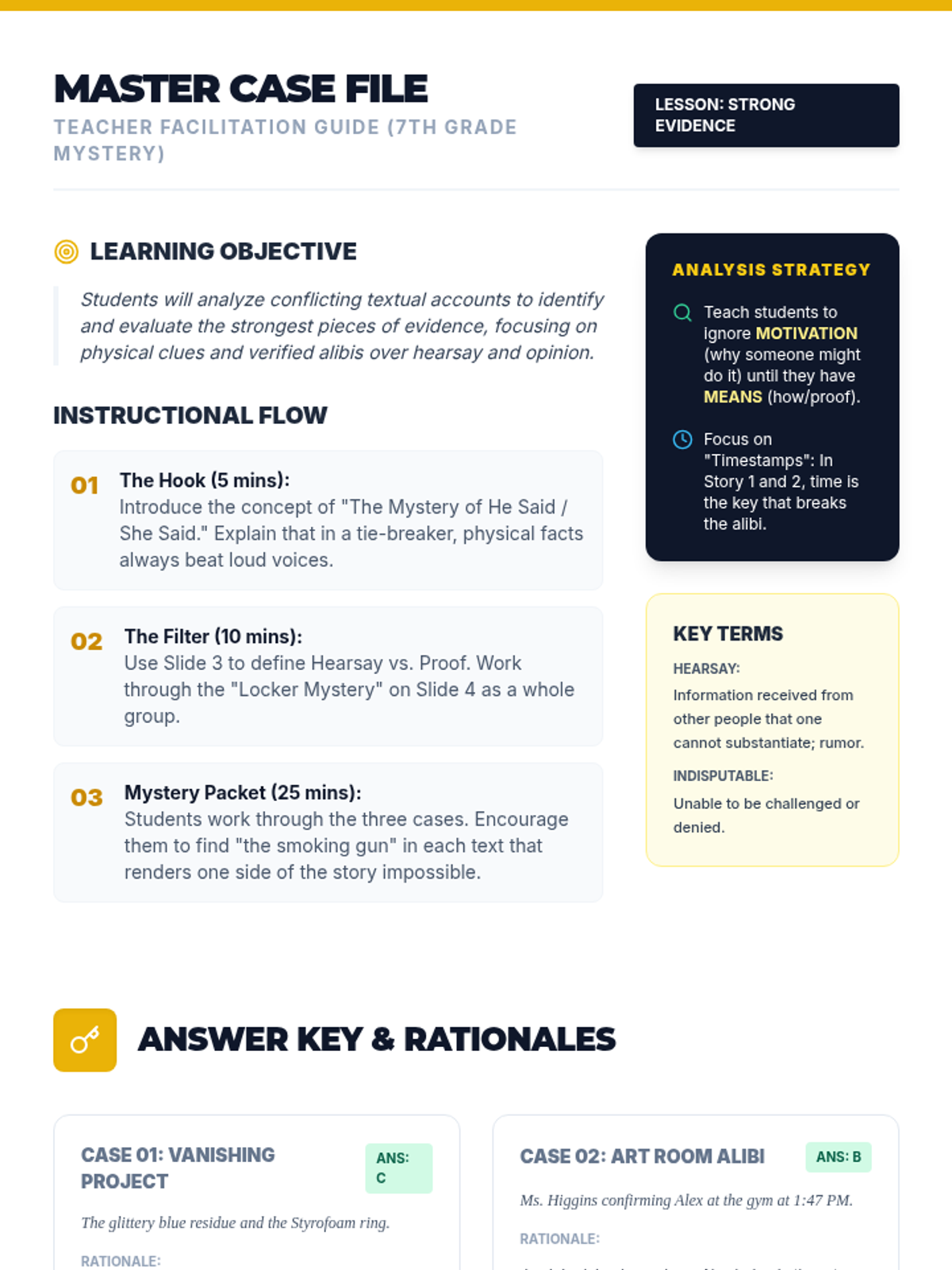
A unit focused on teaching middle school students how to identify and evaluate the strongest textual evidence to support claims. Students transition from simply finding any evidence to selecting the most relevant and specific details from high-interest short stories.
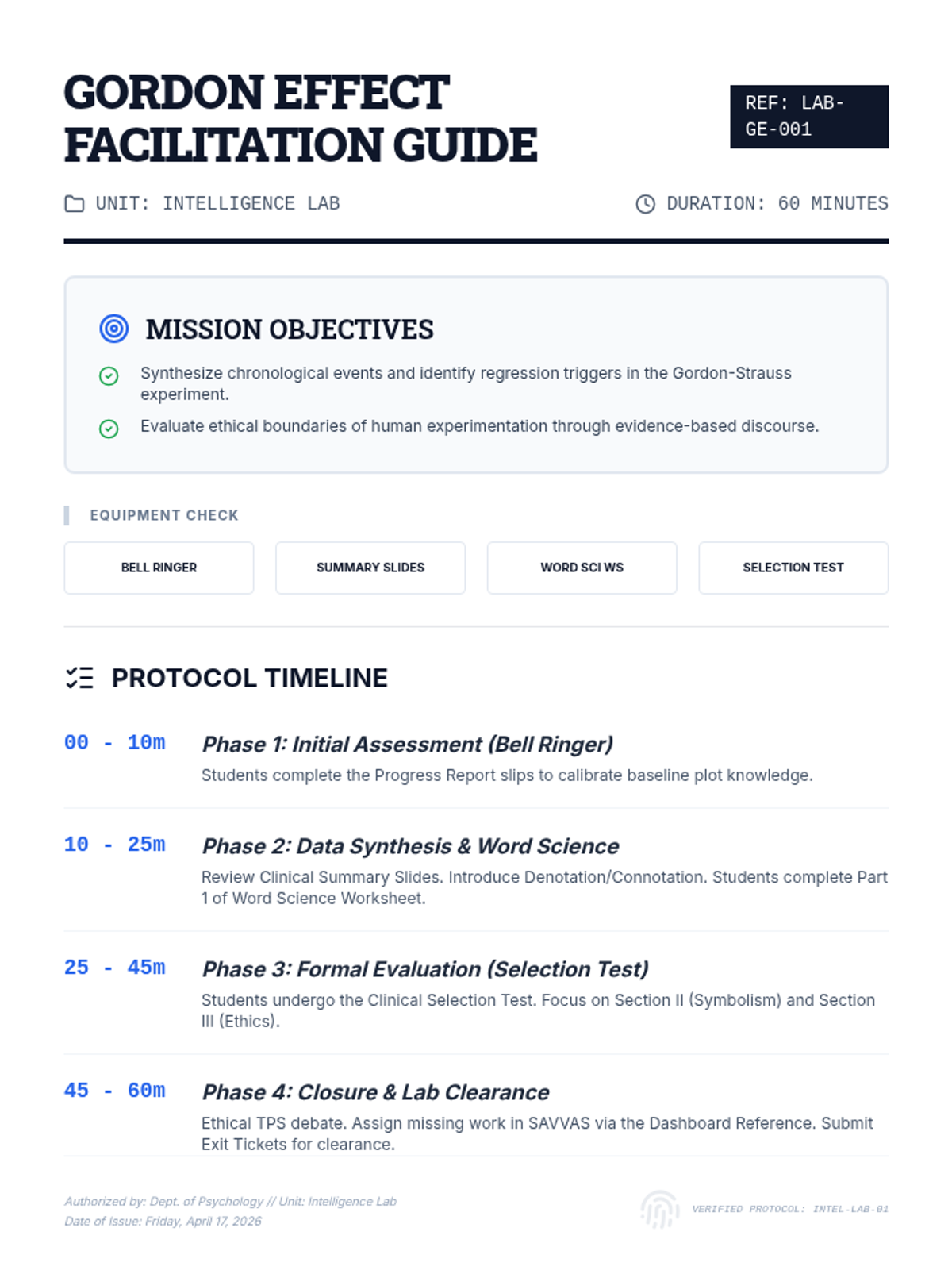
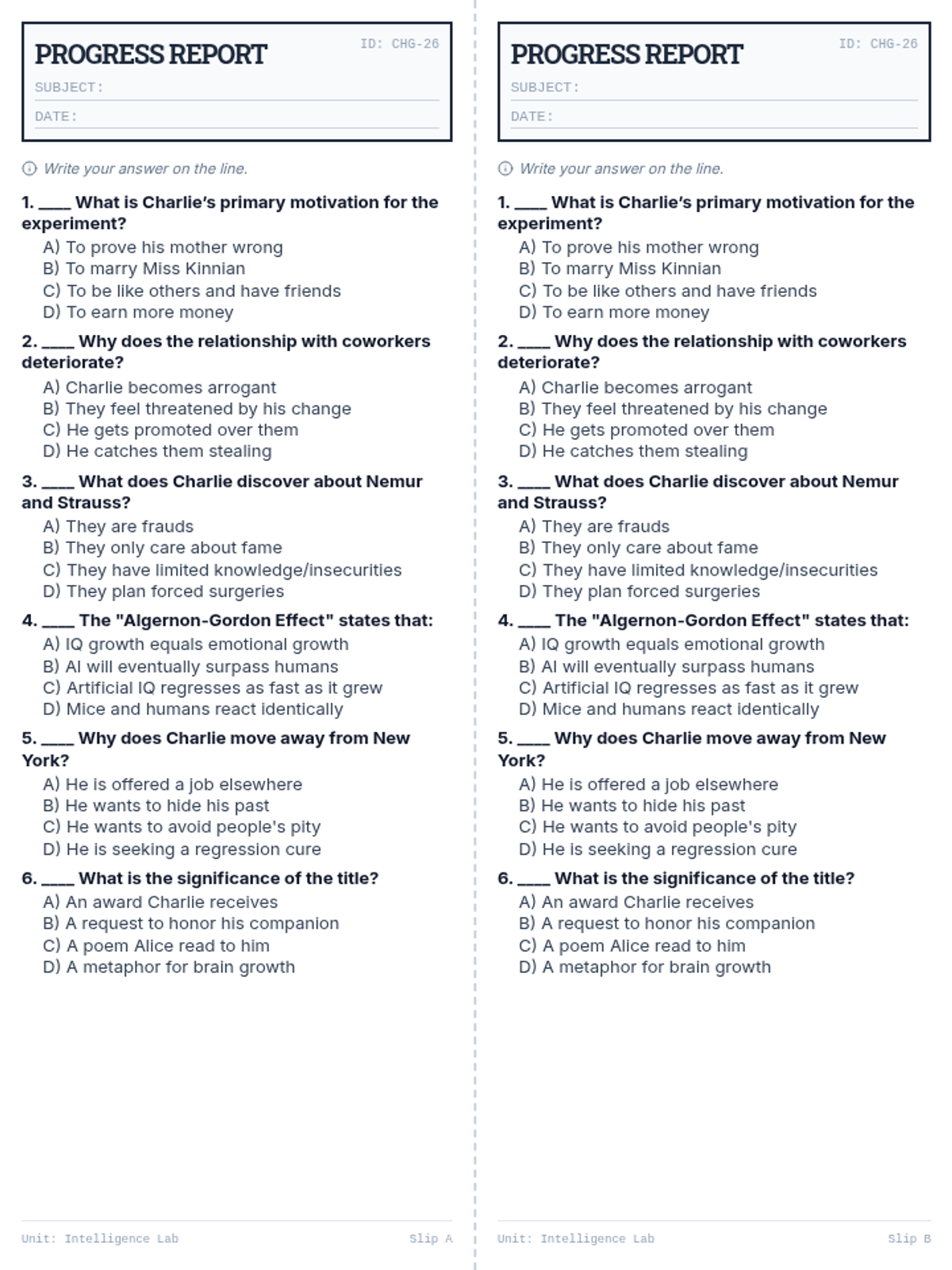
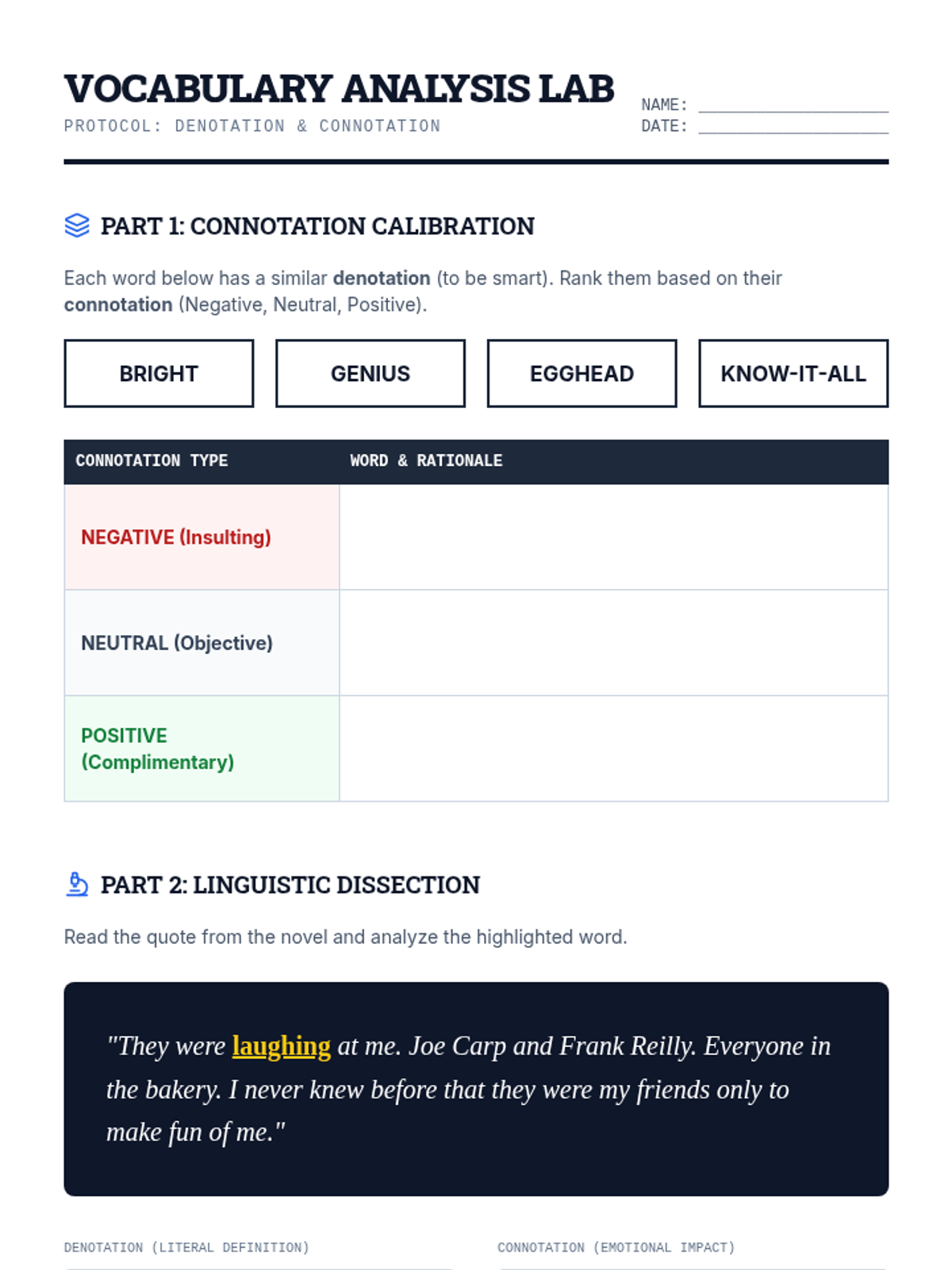
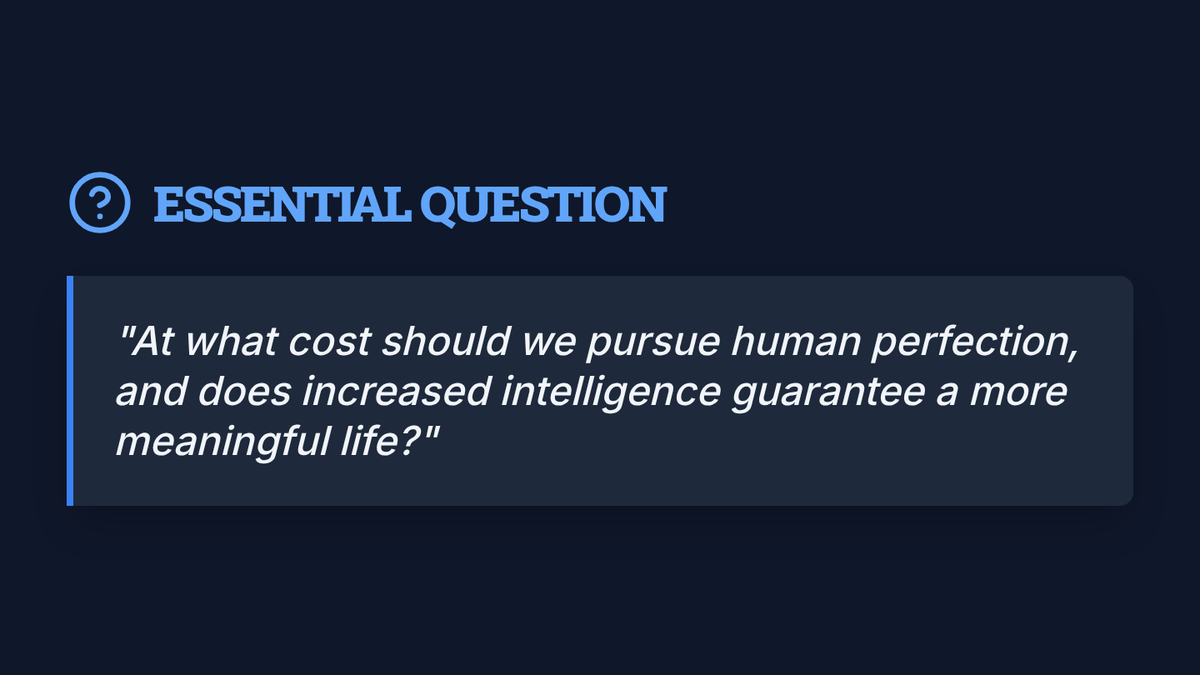
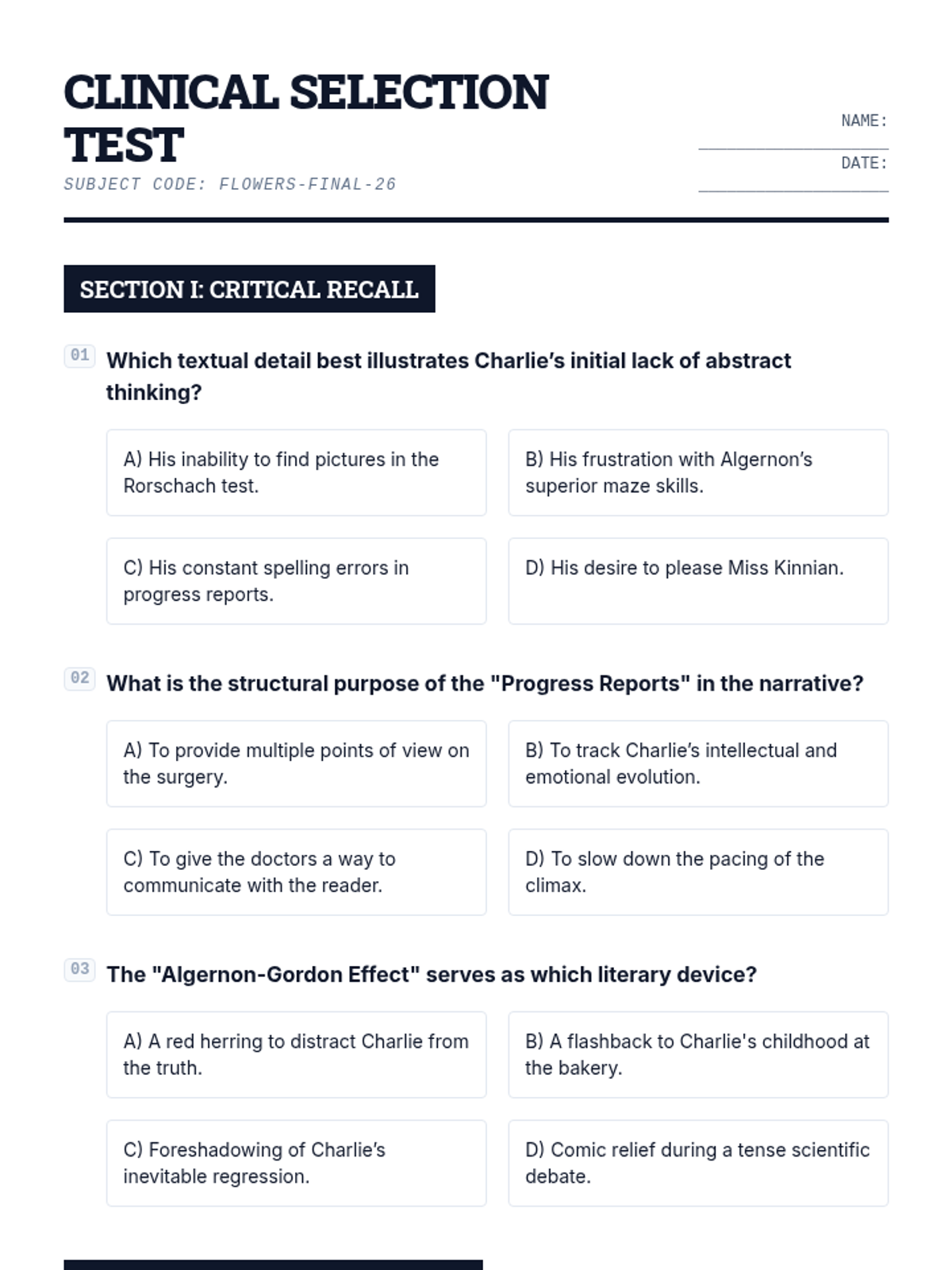
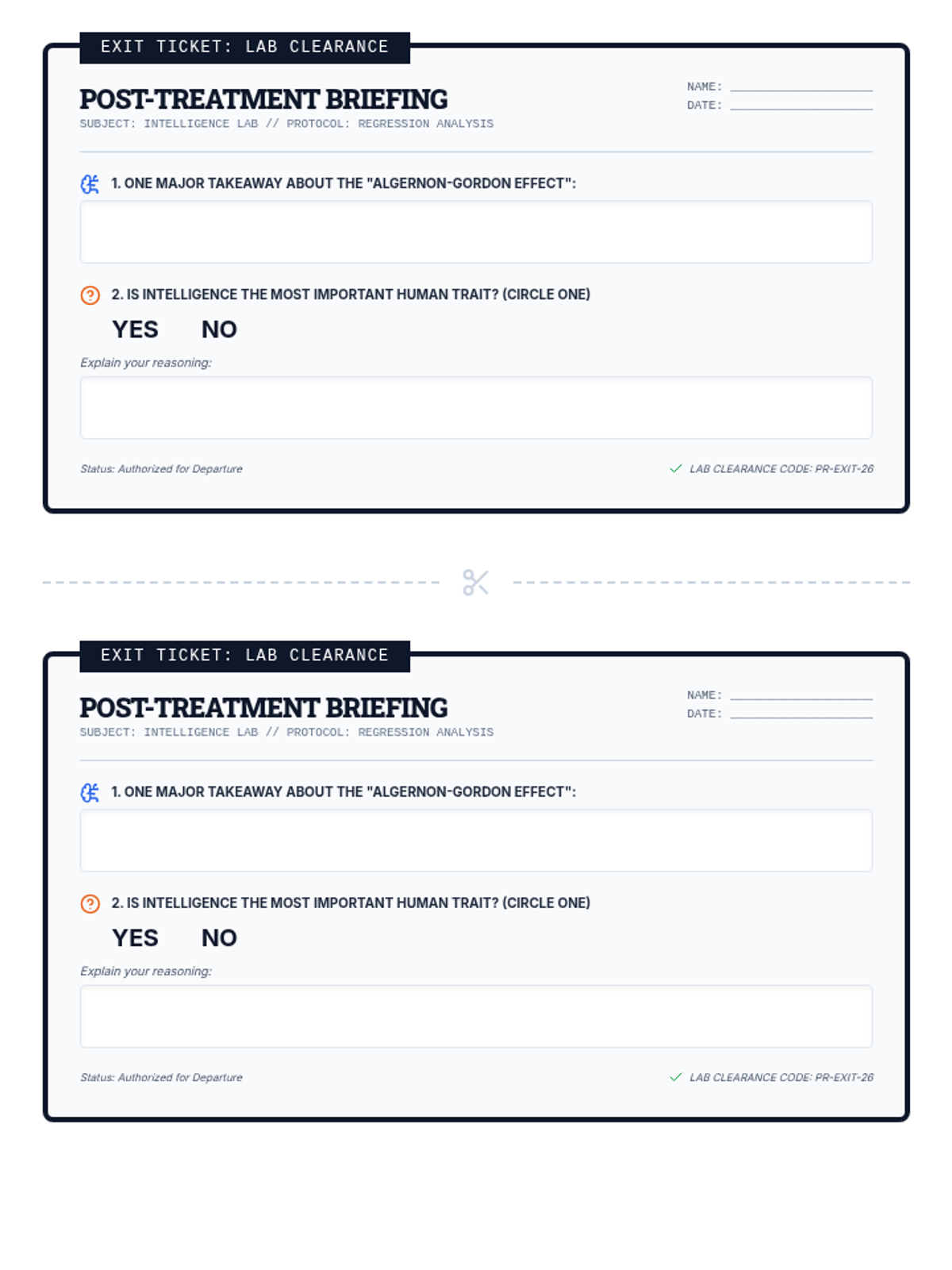
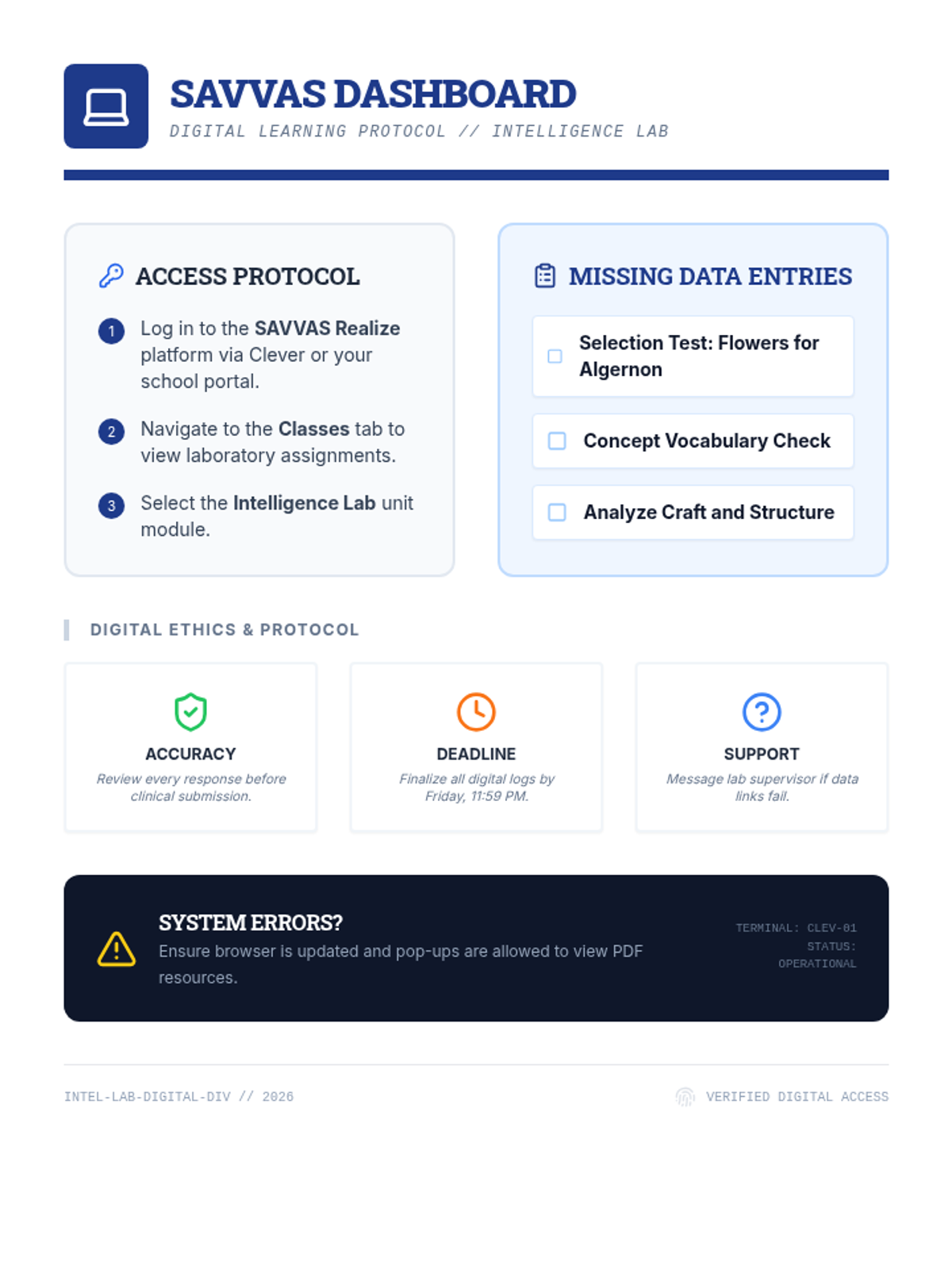
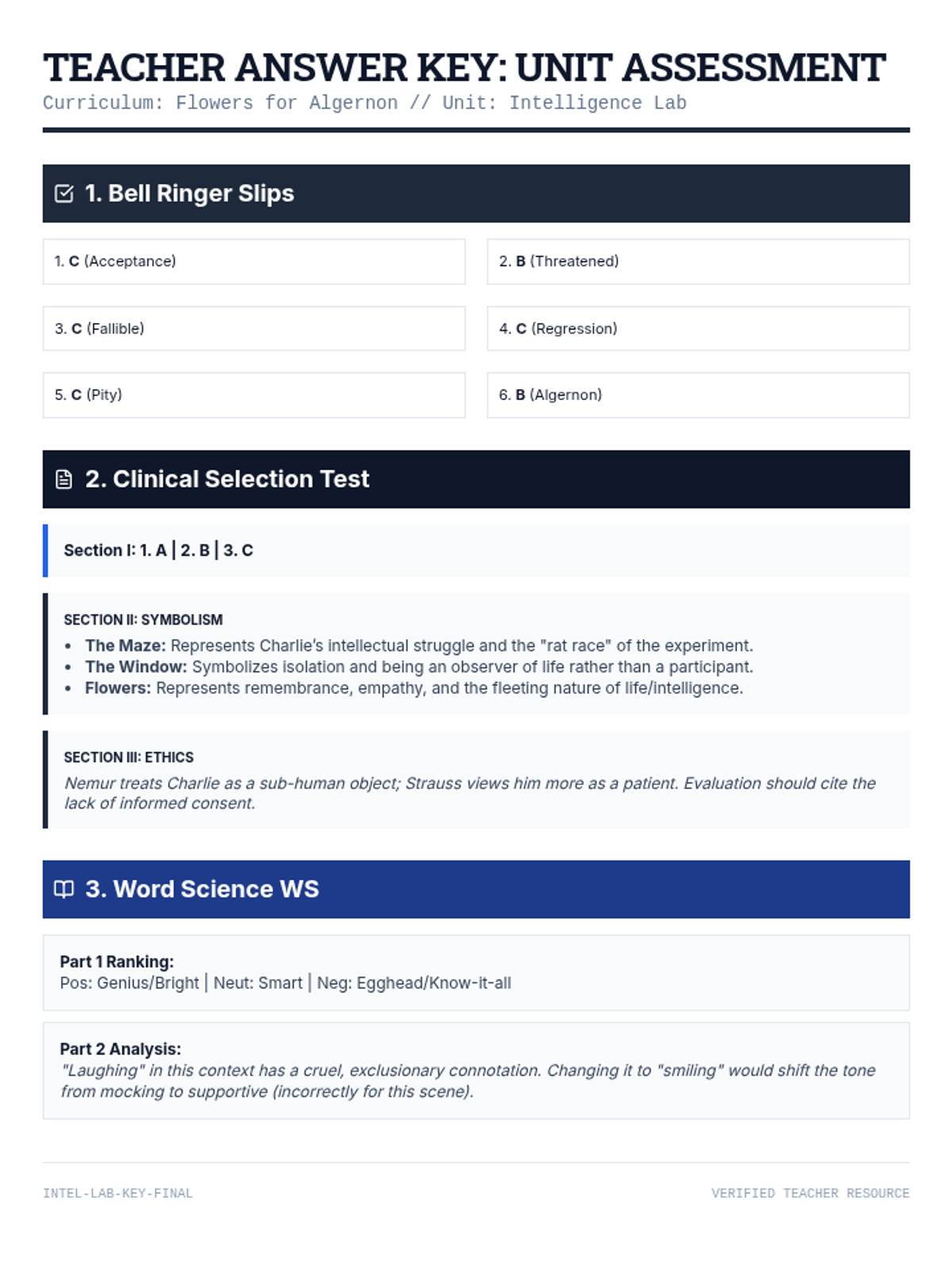
A comprehensive unit exploring the psychological and ethical themes of Daniel Keyes' 'Flowers for Algernon', focusing on character development, scientific ethics, and the nature of human intelligence.
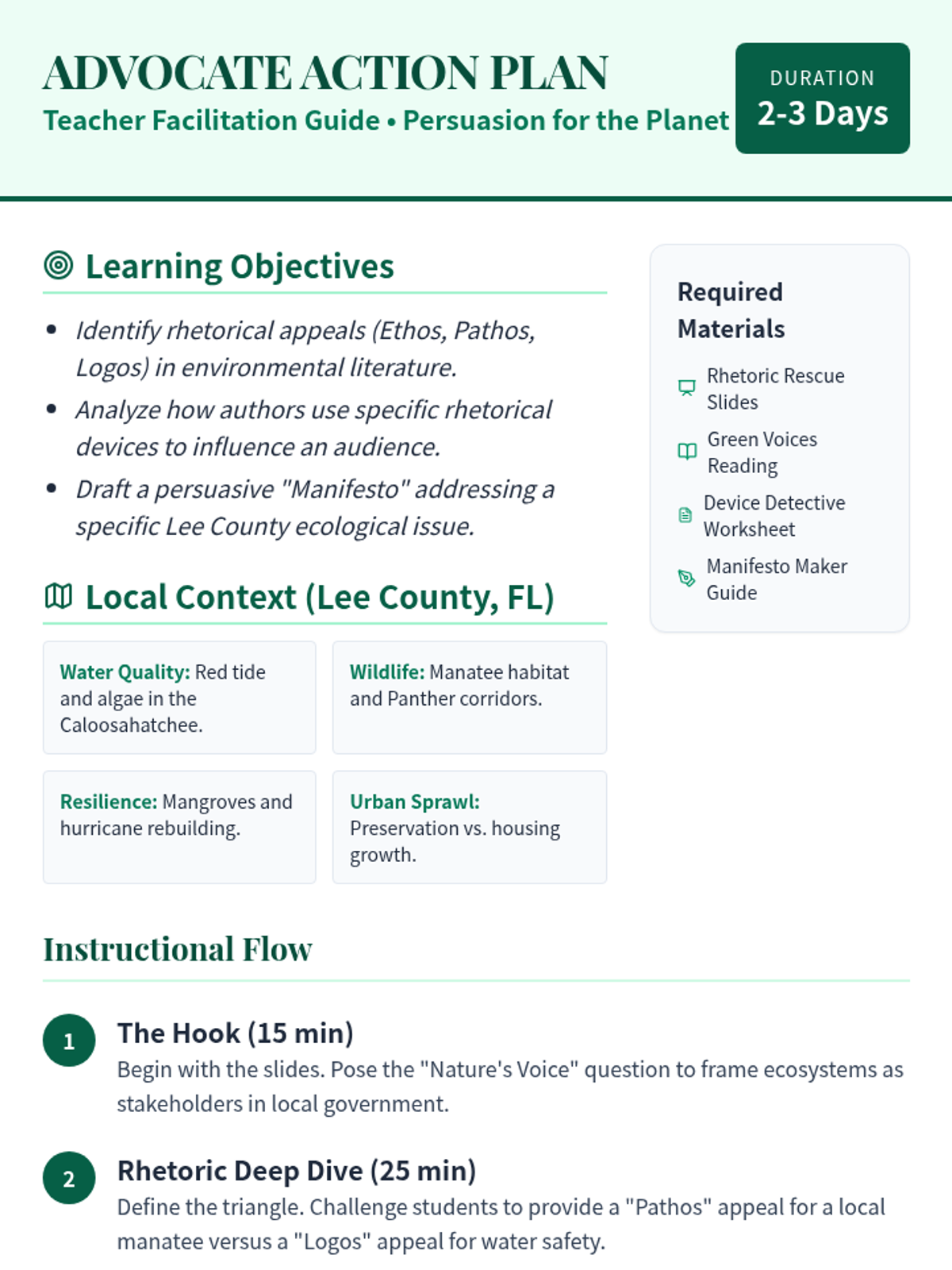
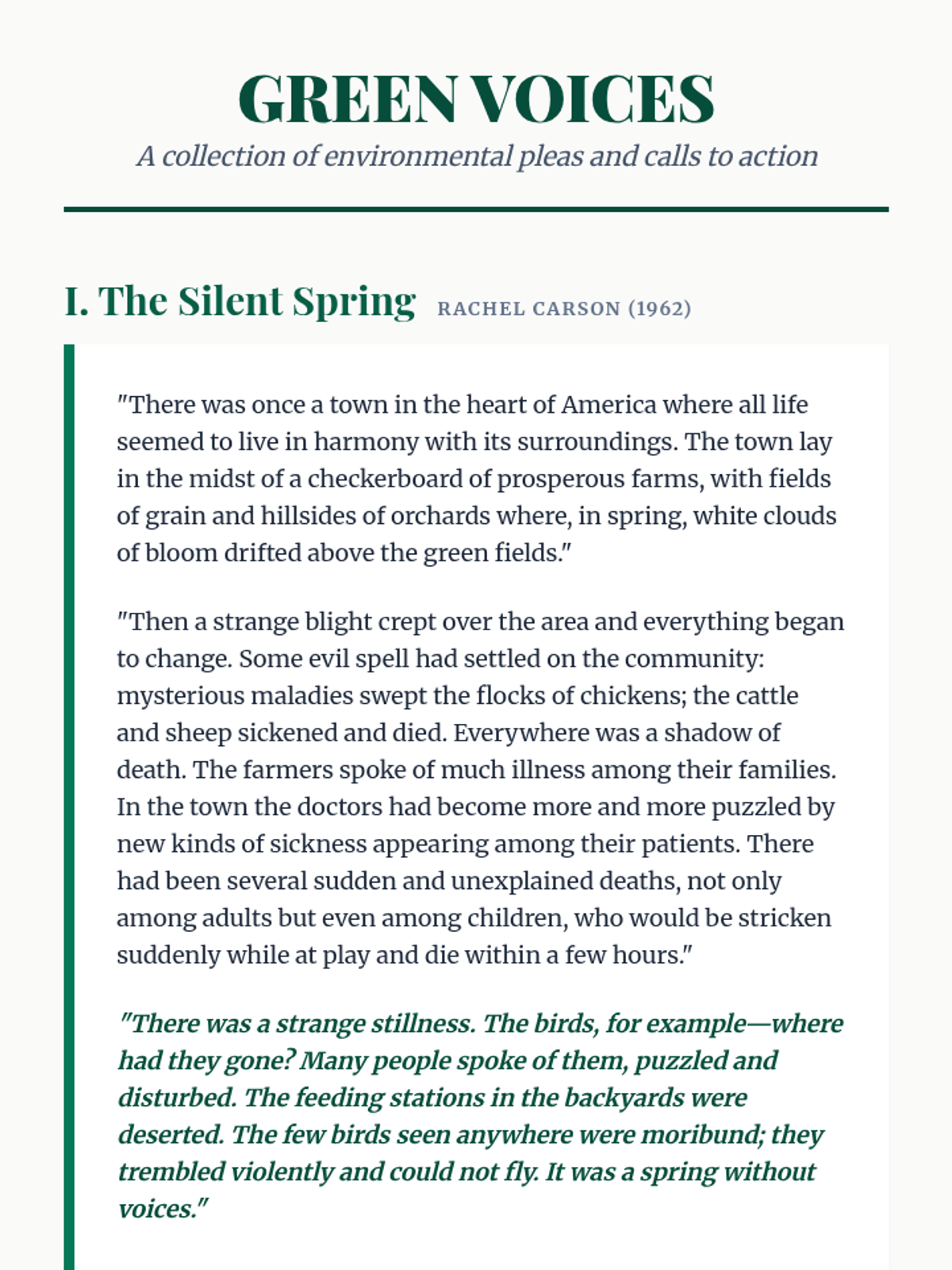
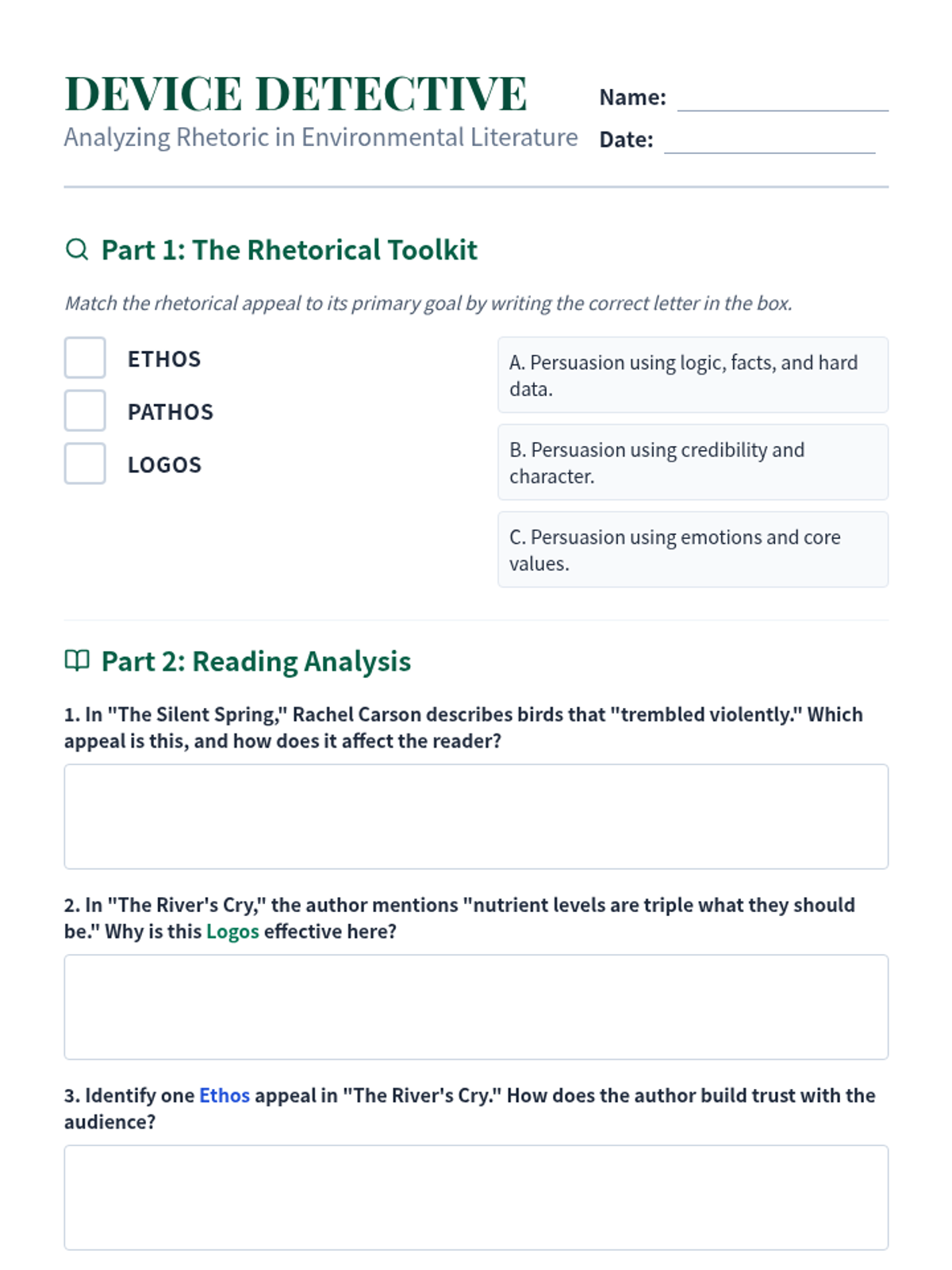
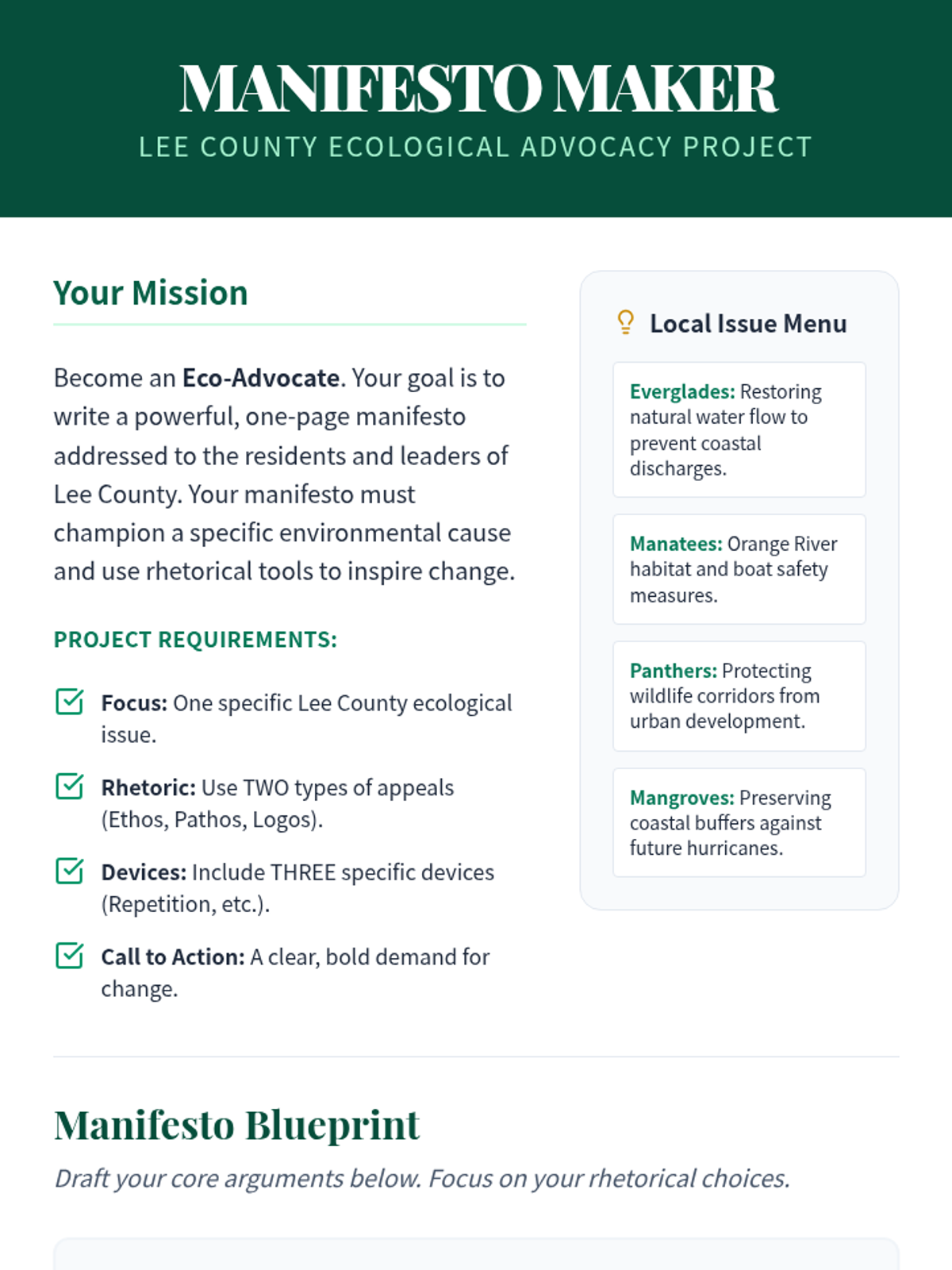
A comprehensive unit for 7th graders focusing on environmental rhetoric and civic engagement. Students analyze persuasive techniques in ecological literature and write their own manifestos addressing Lee County environmental challenges.
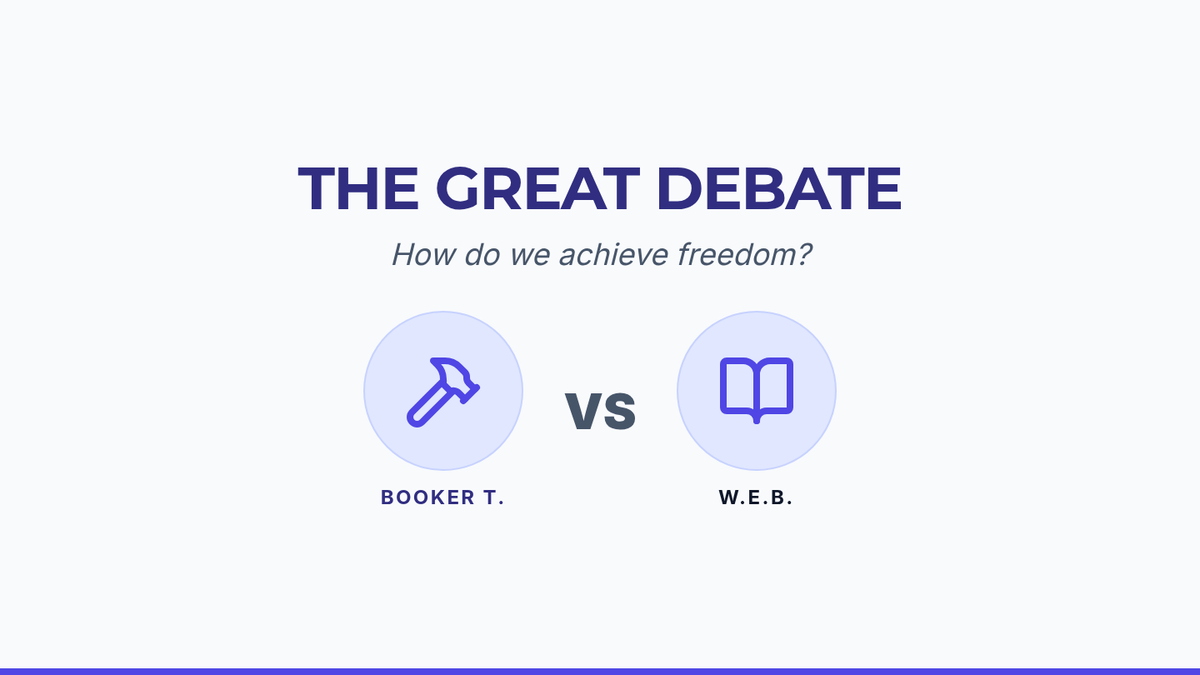
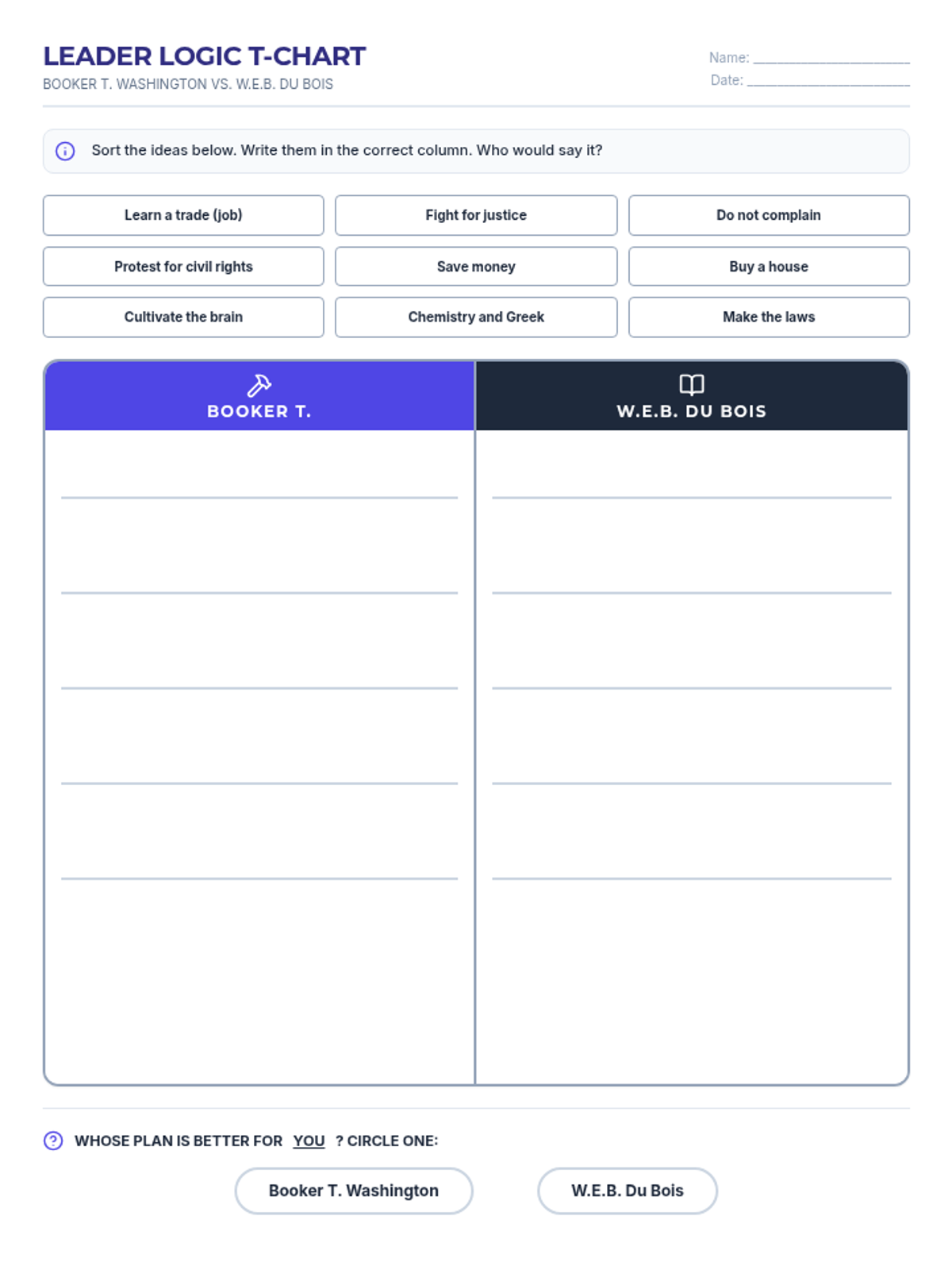
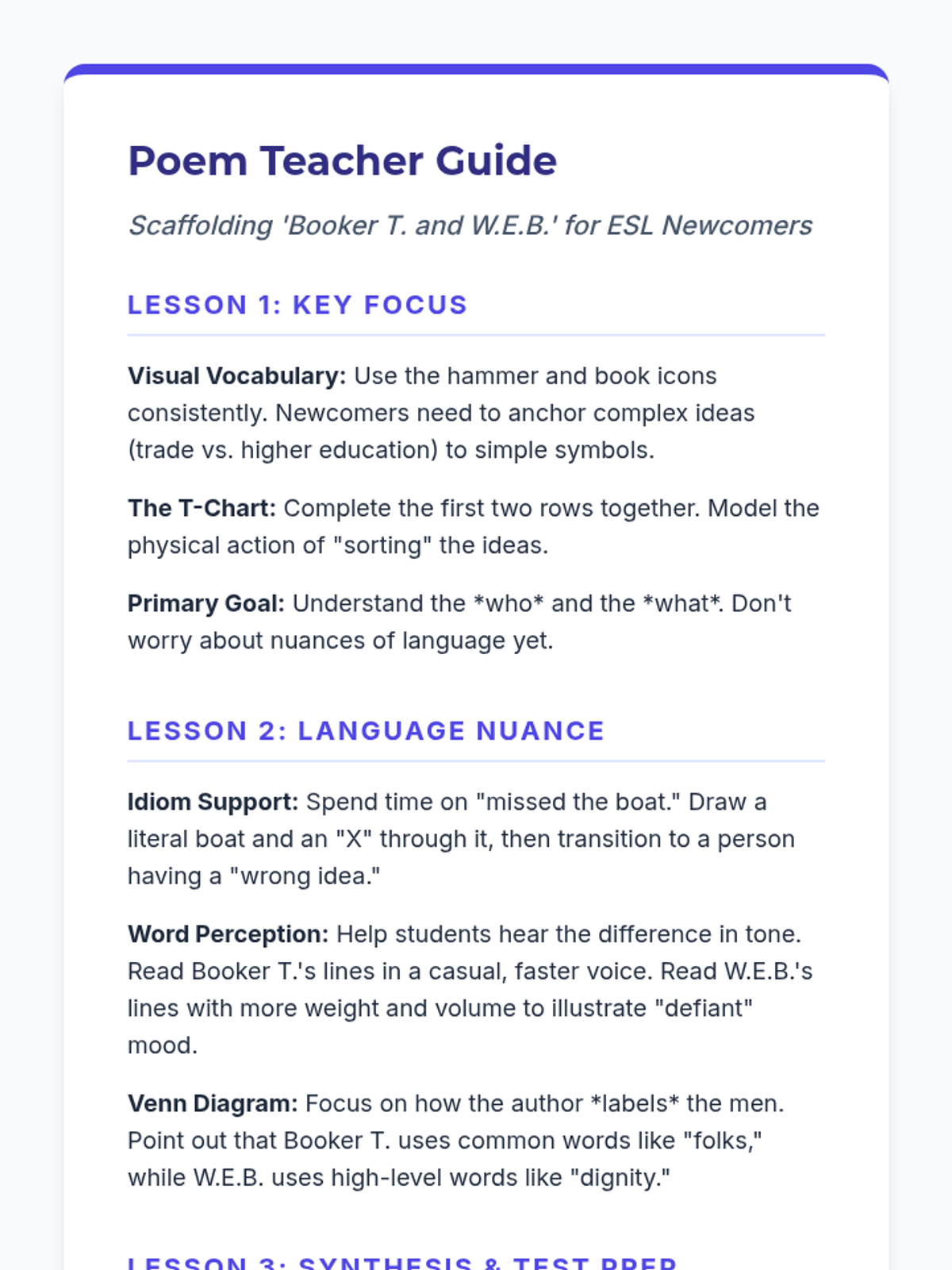
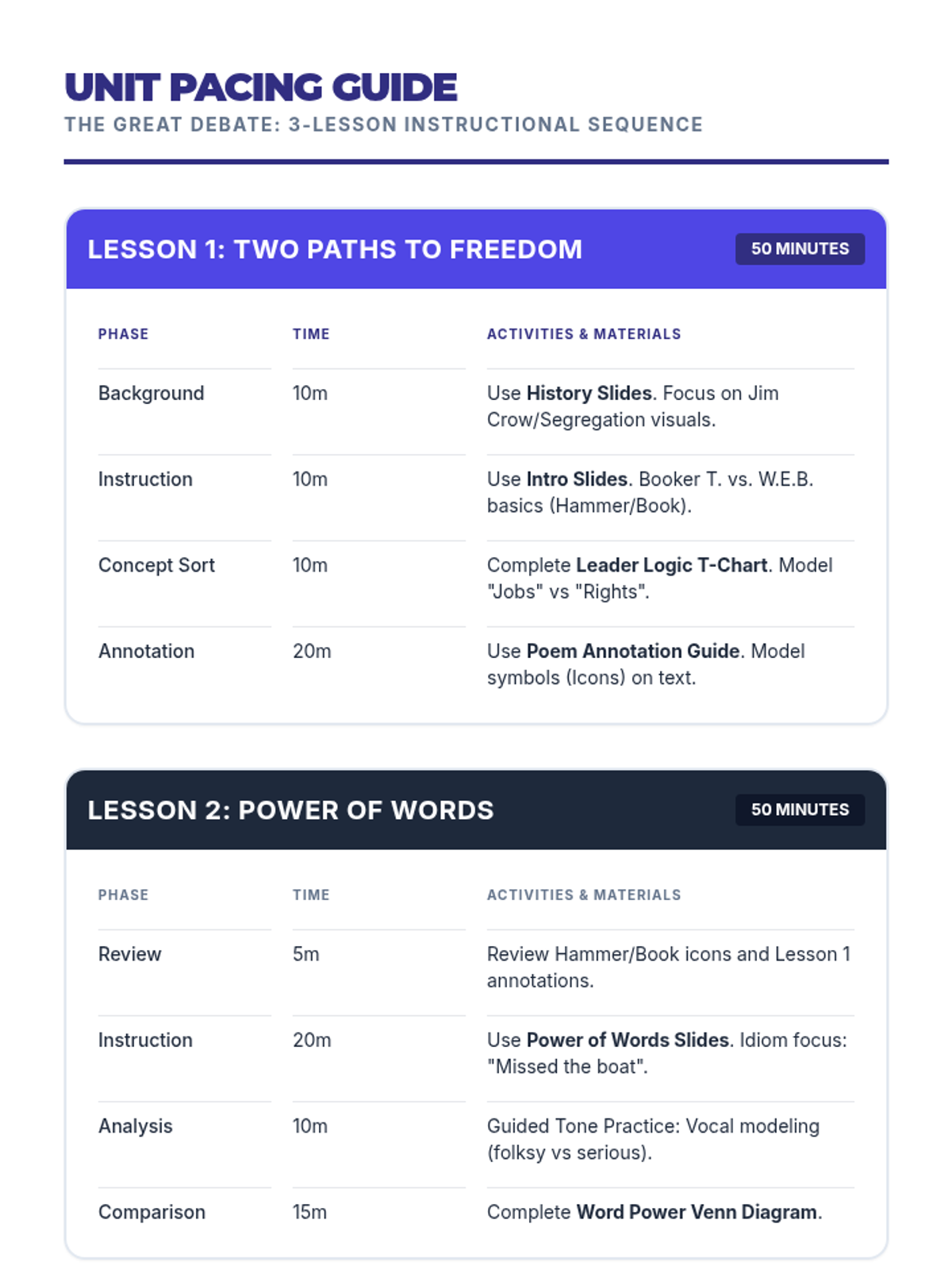
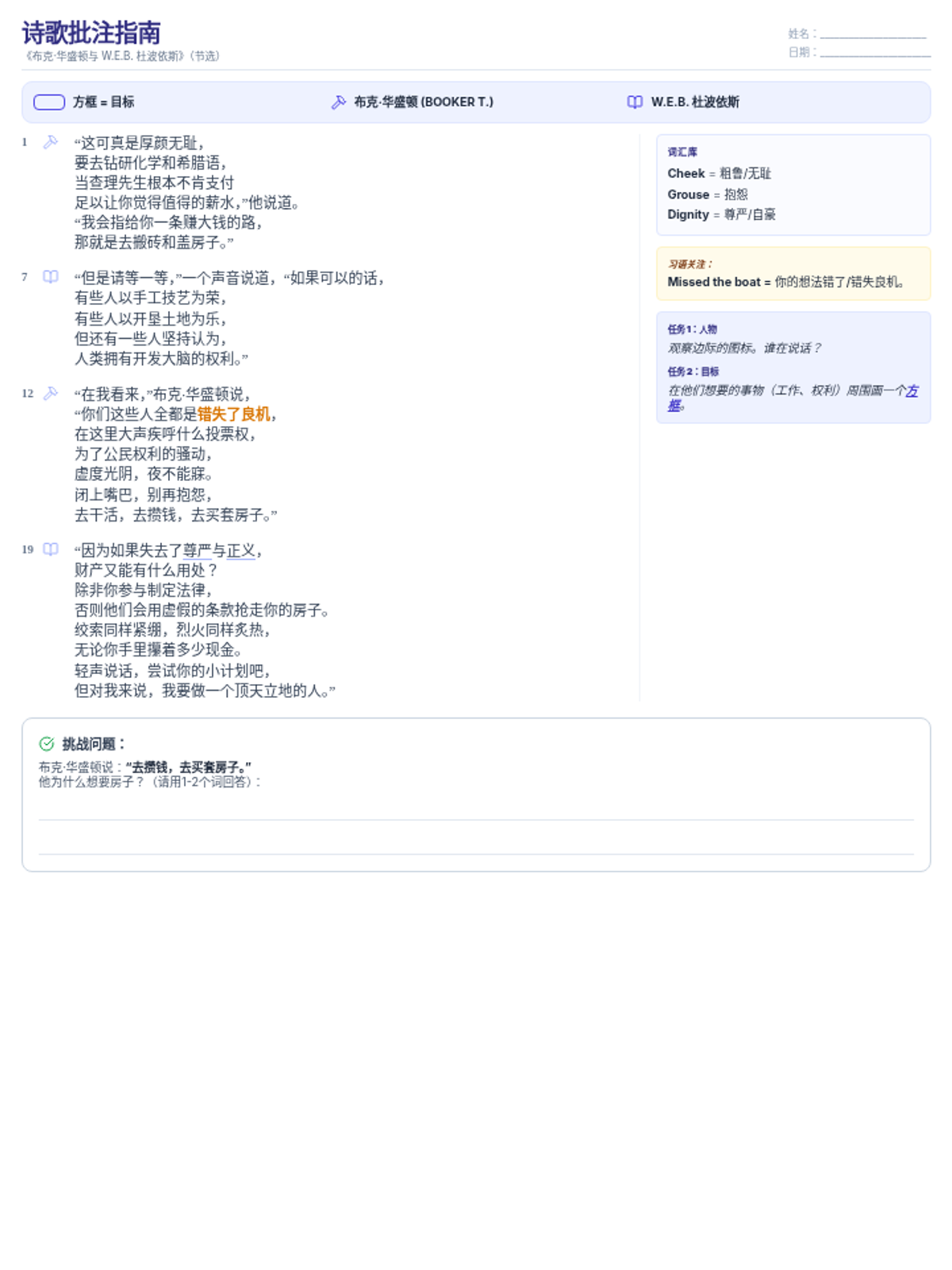
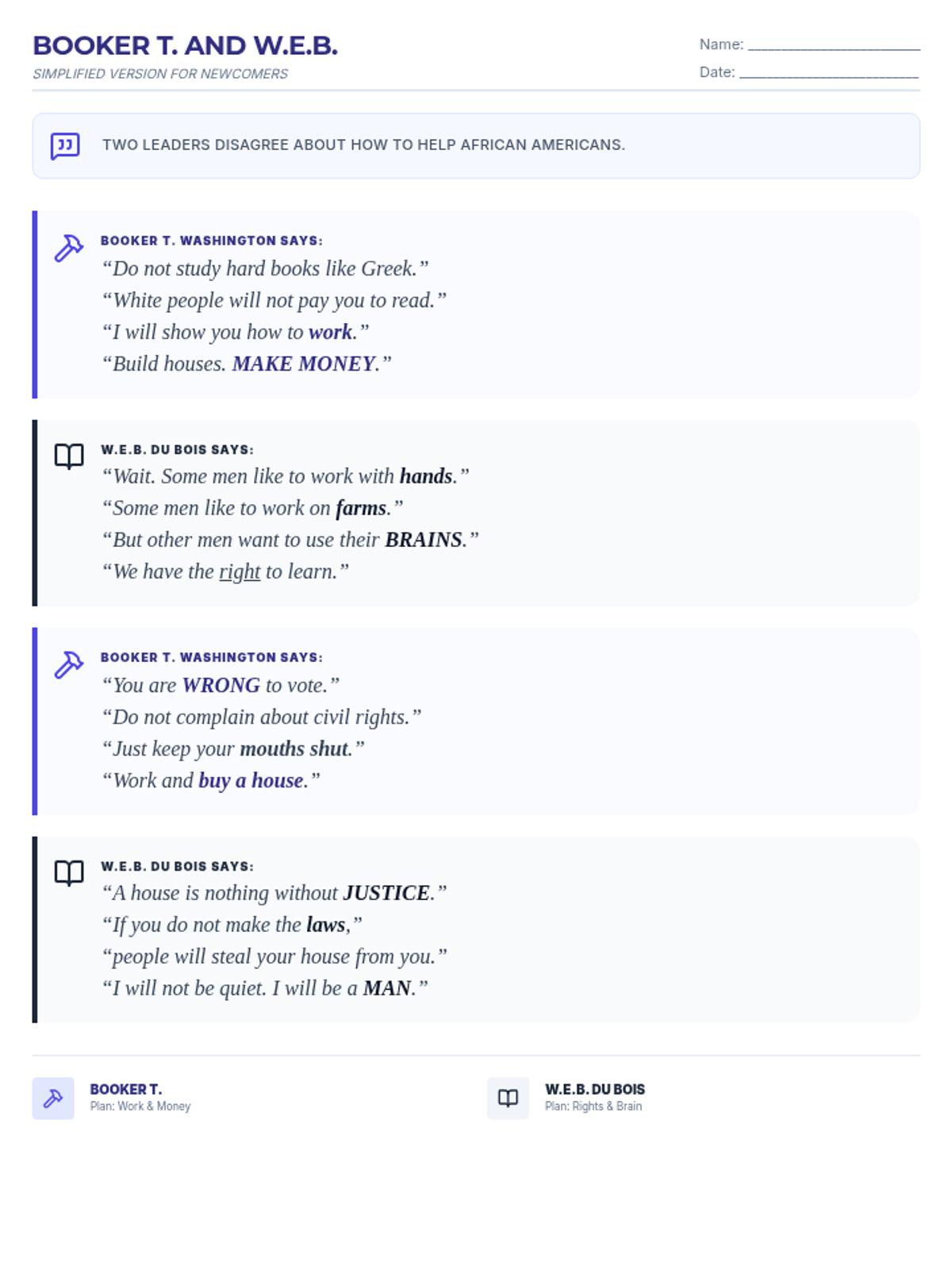
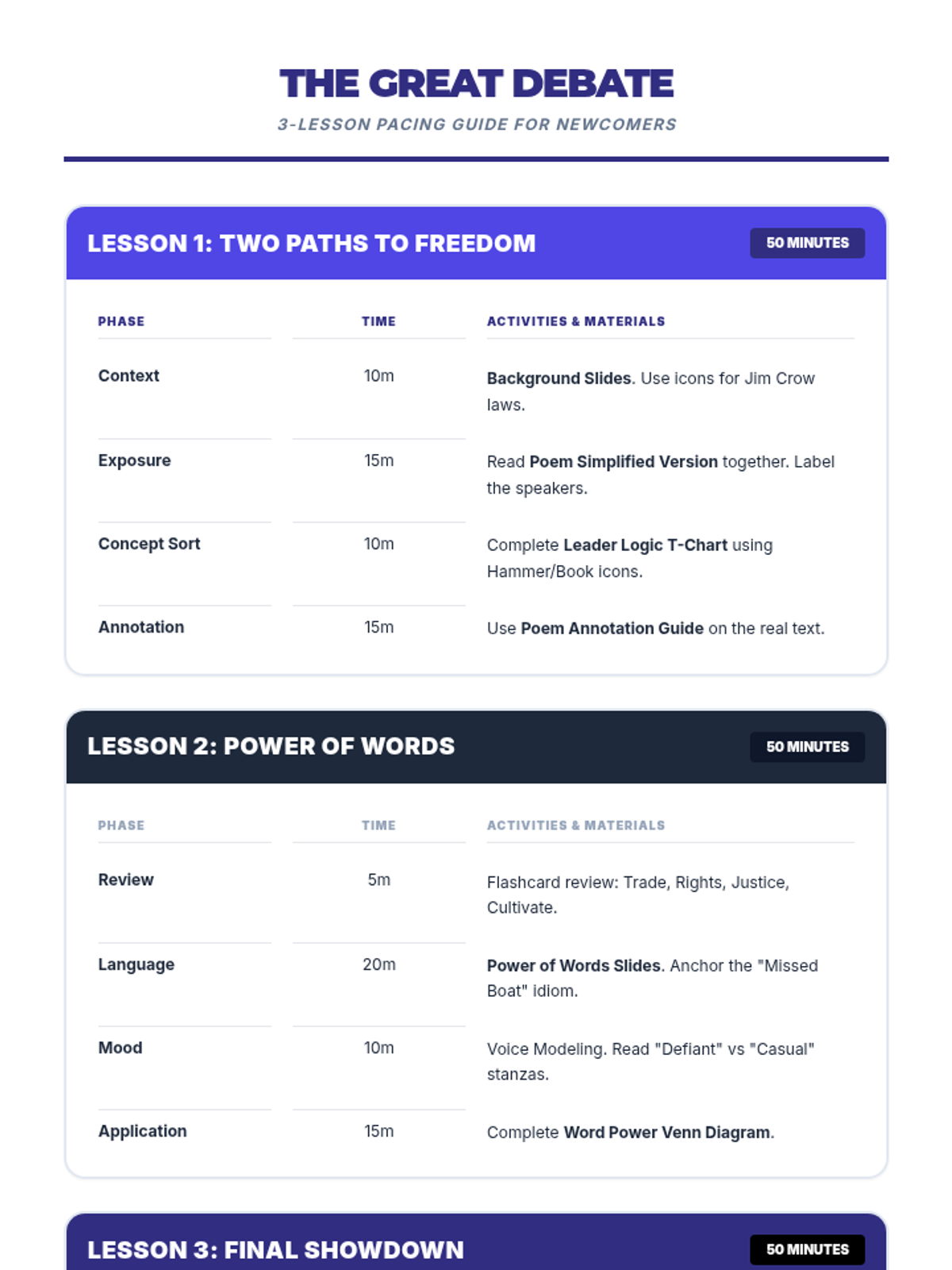
A three-lesson unit designed for ESL newcomers with minimal English proficiency, focusing on Dudley Randall's poem 'Booker T. and W.E.B.' and preparing them for a standardized assessment on author's purpose and language.
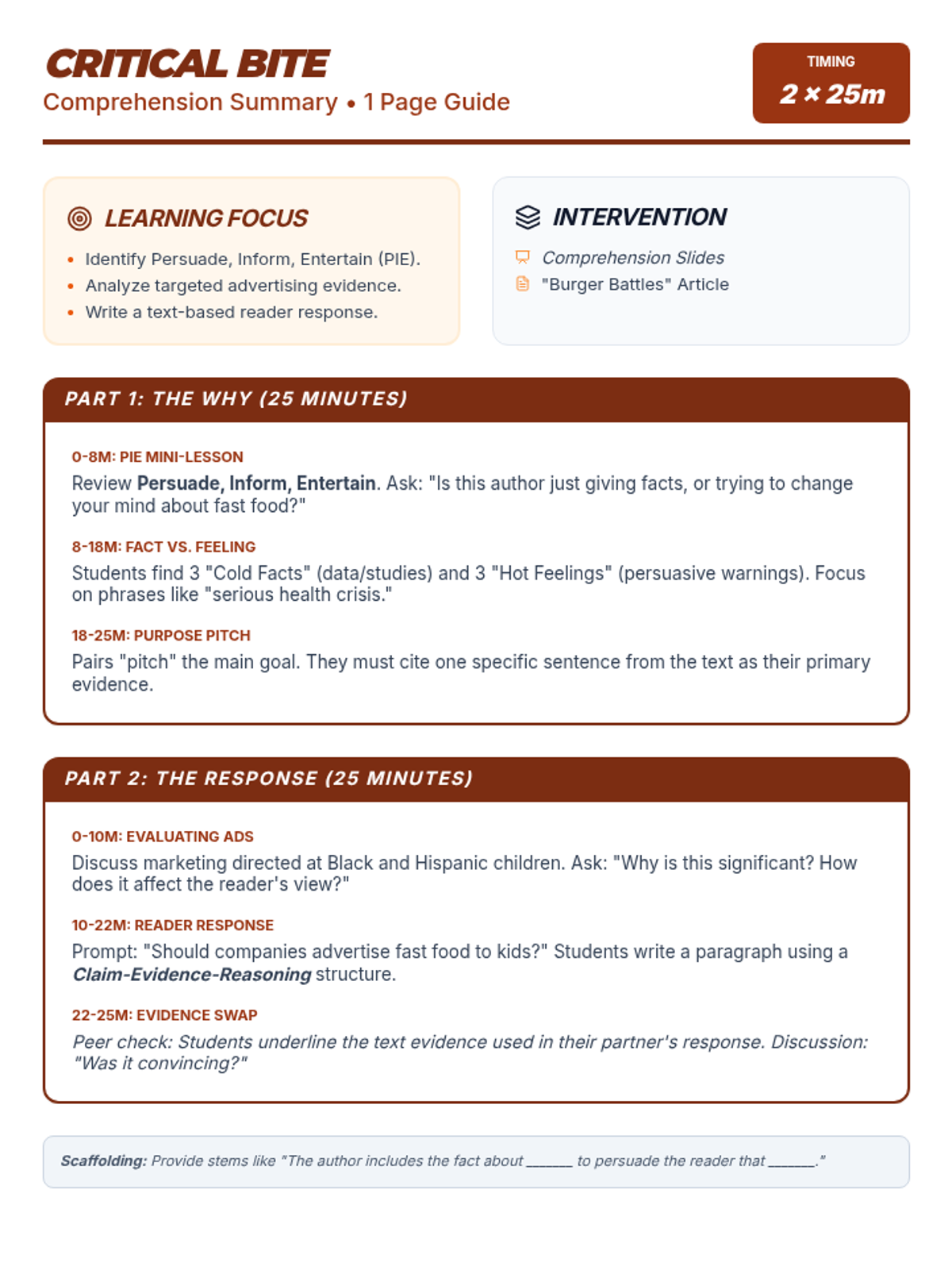
A comprehensive literacy intervention series based on the 'Burger Battles' text, covering prefix decoding, reading fluency, author's purpose, and critical reader response.
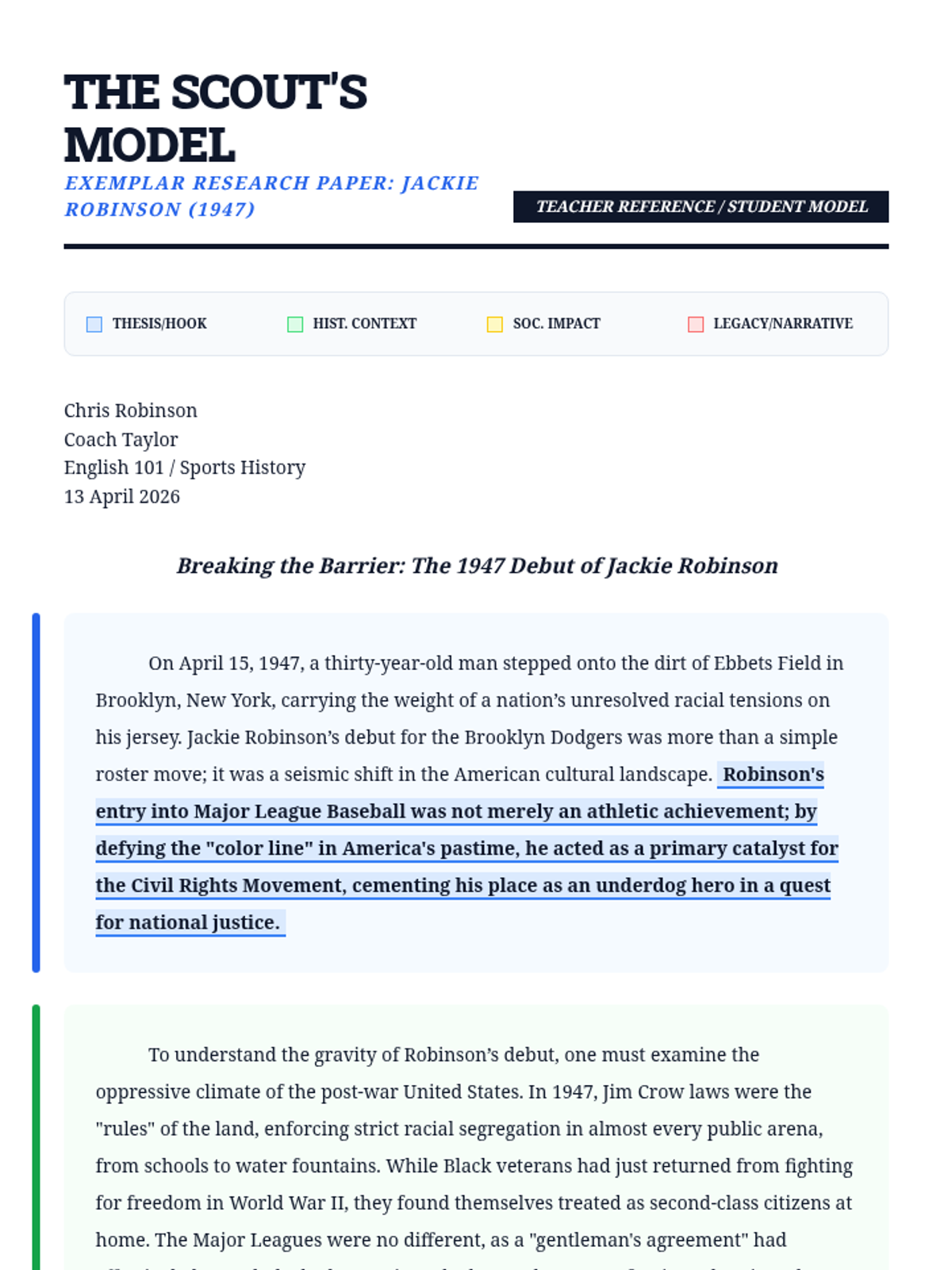
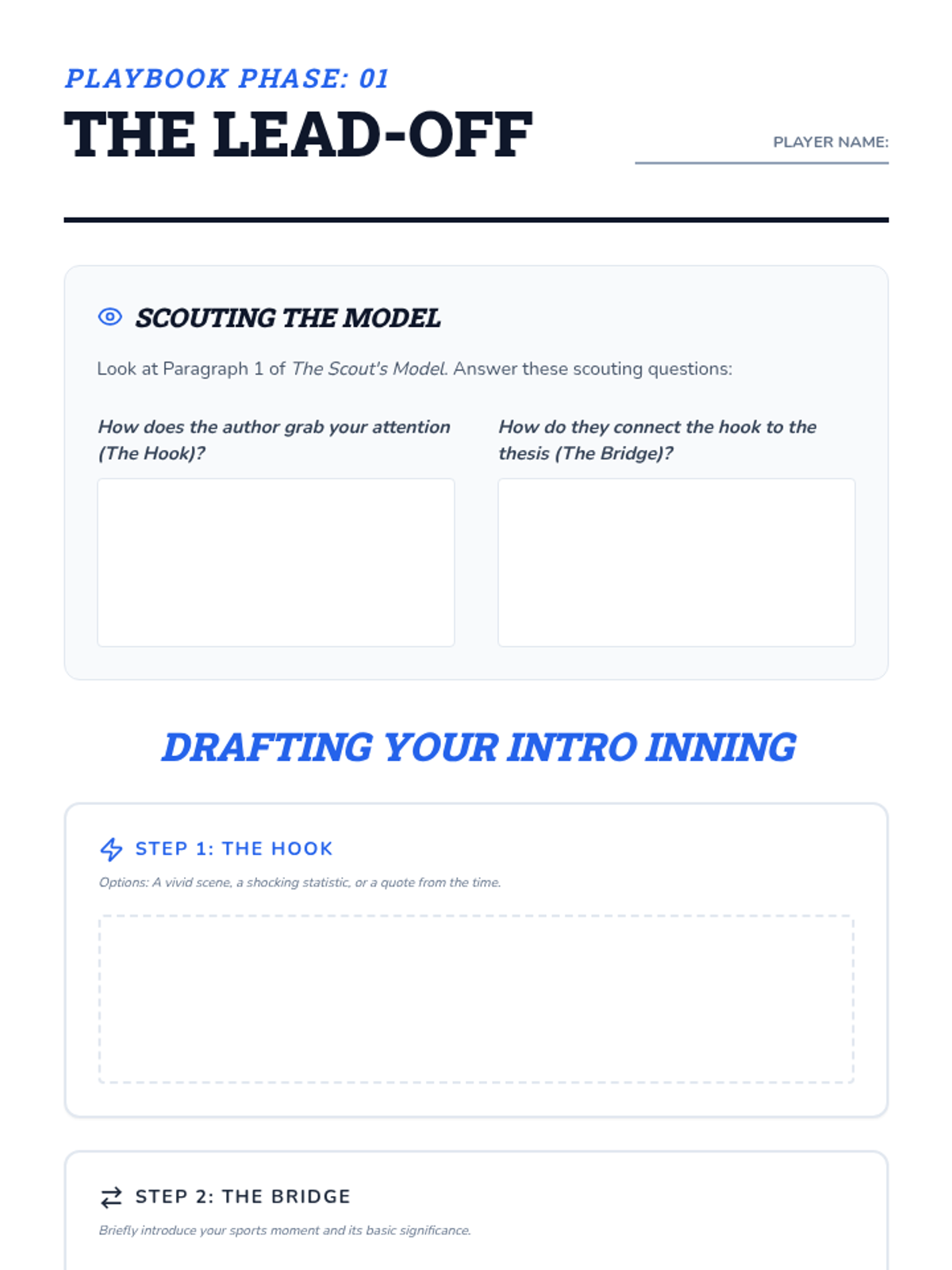
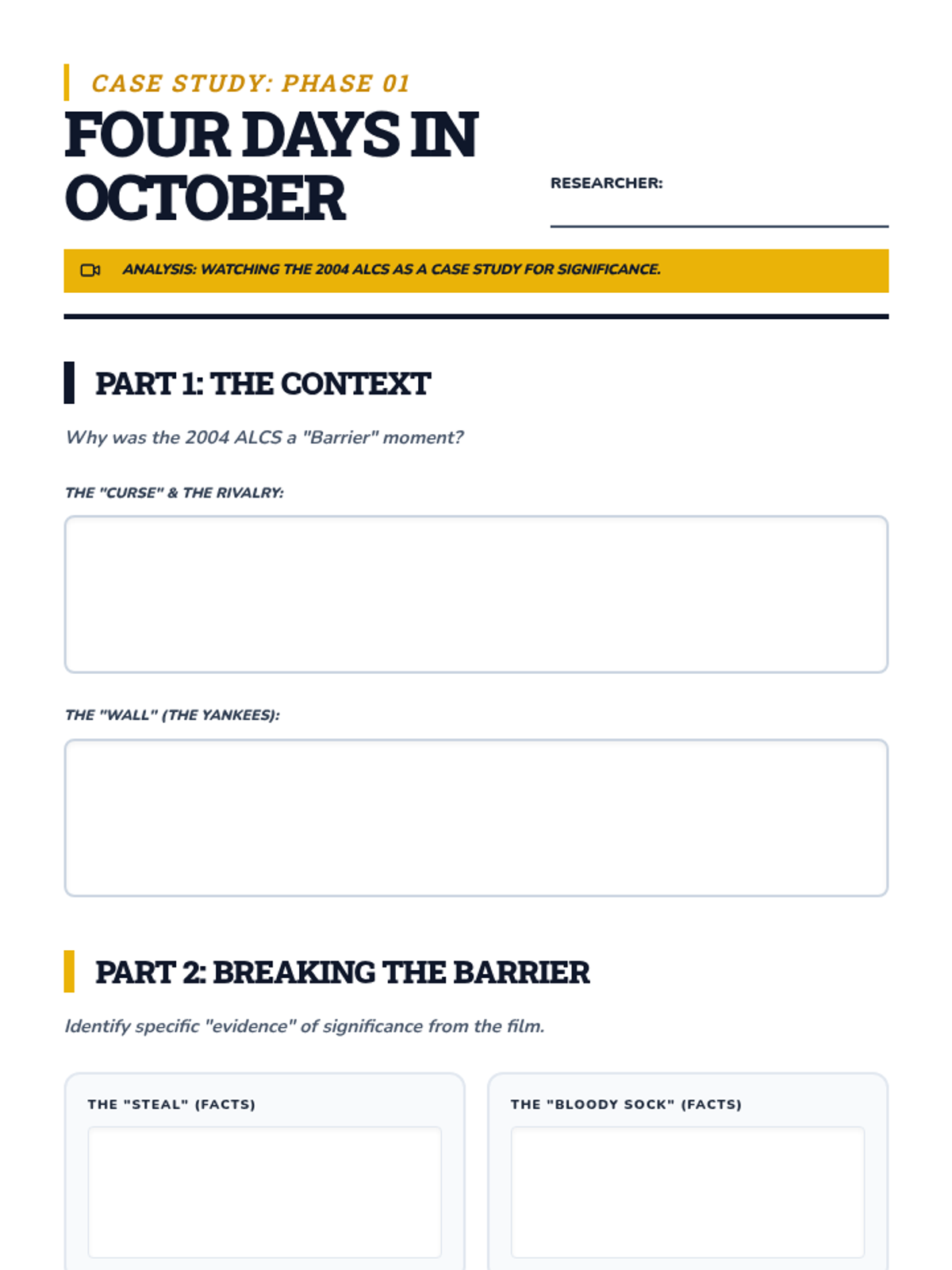
A 5-week research unit that scaffolds the process paragraph-by-paragraph. Students define significance, analyze the 'Four Days in October' case study, and turn in each paragraph separately, focusing on historical context, systemic barriers, and societal impact with a dedicated lesson on counterarguments.
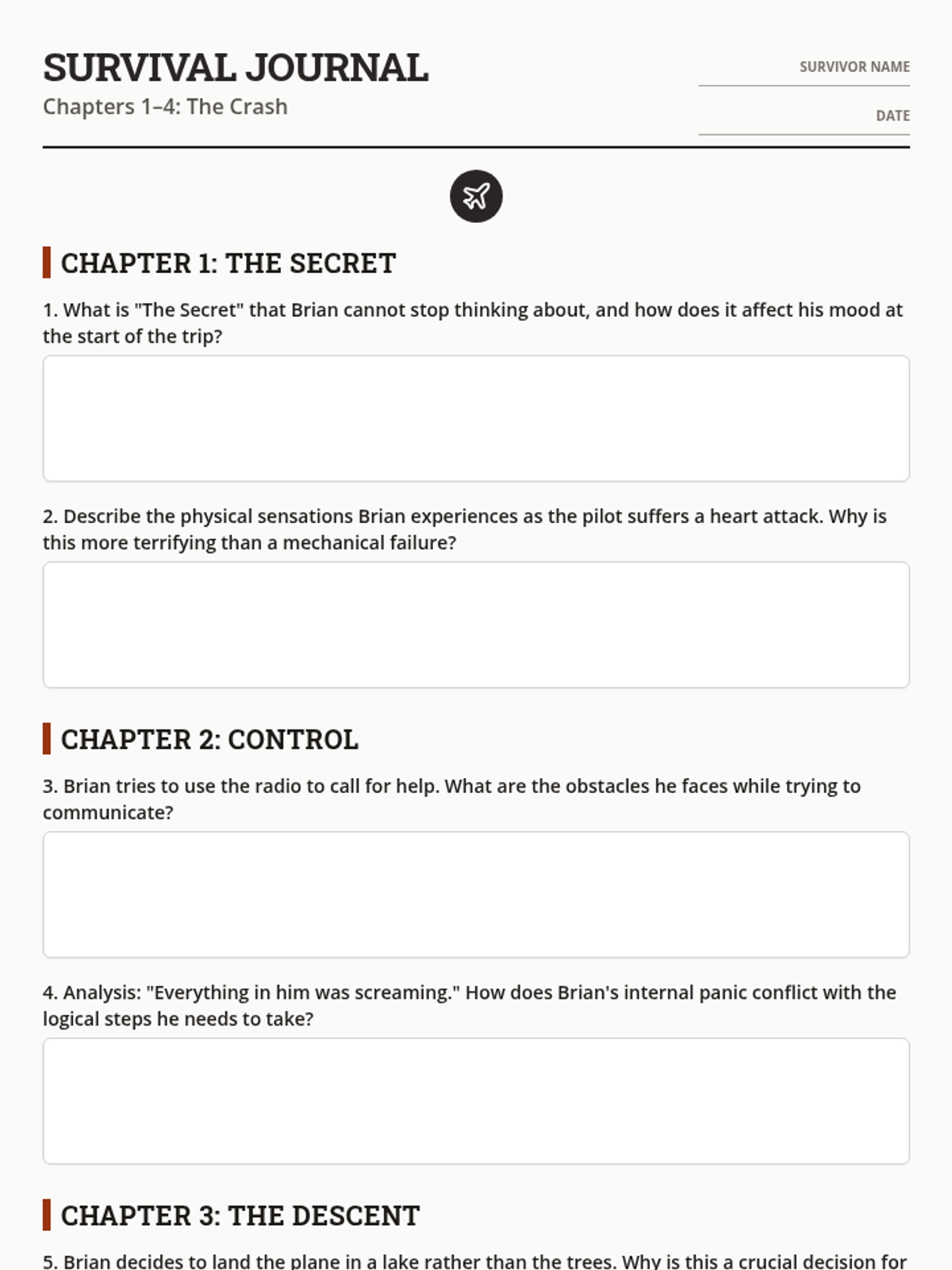
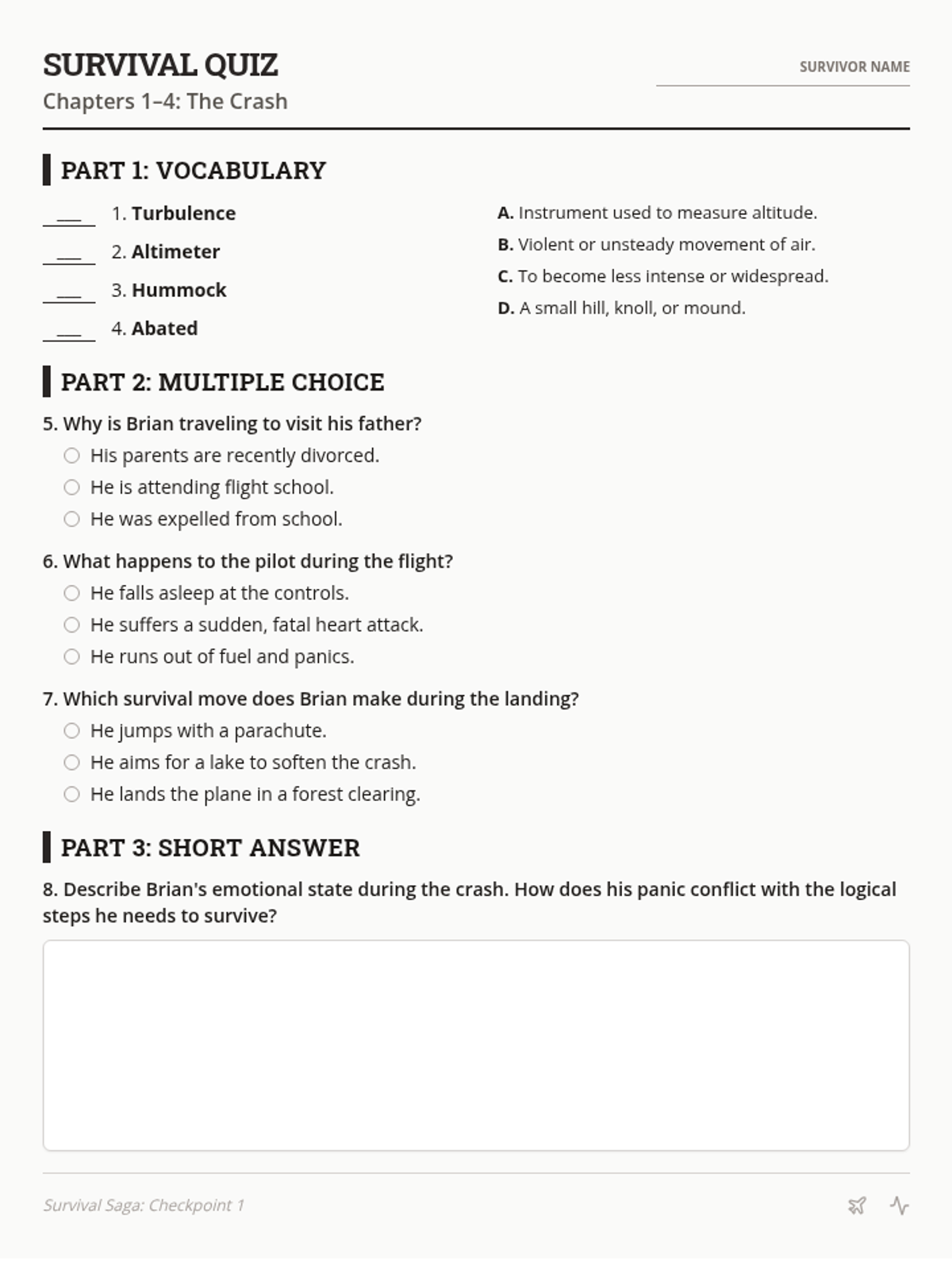
A comprehensive novel study for Gary Paulsen's Hatchet, focusing on Brian Robeson's survival journey. This sequence covers the entire book through five logical chapter groupings, providing recall and analysis questions to deepen student understanding of character development and survival themes.
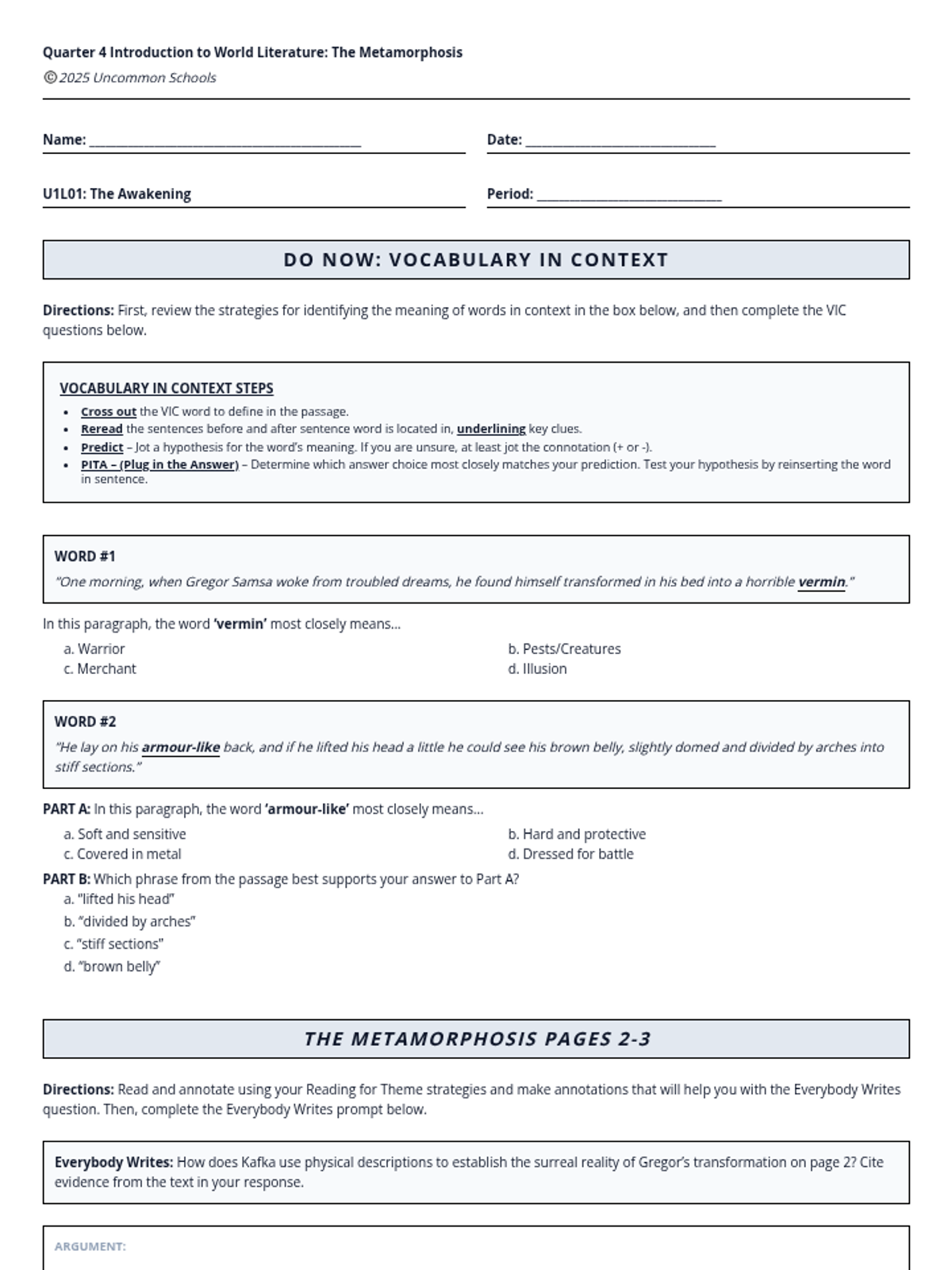
A comprehensive 9-week study of Franz Kafka's 'Metamorphosis', focusing on argumentative writing through textual evidence and narrative expansion. The sequence utilizes graphic organizers, visual scaffolding, and increased opportunities to respond to deepen student engagement with the surrealist text.
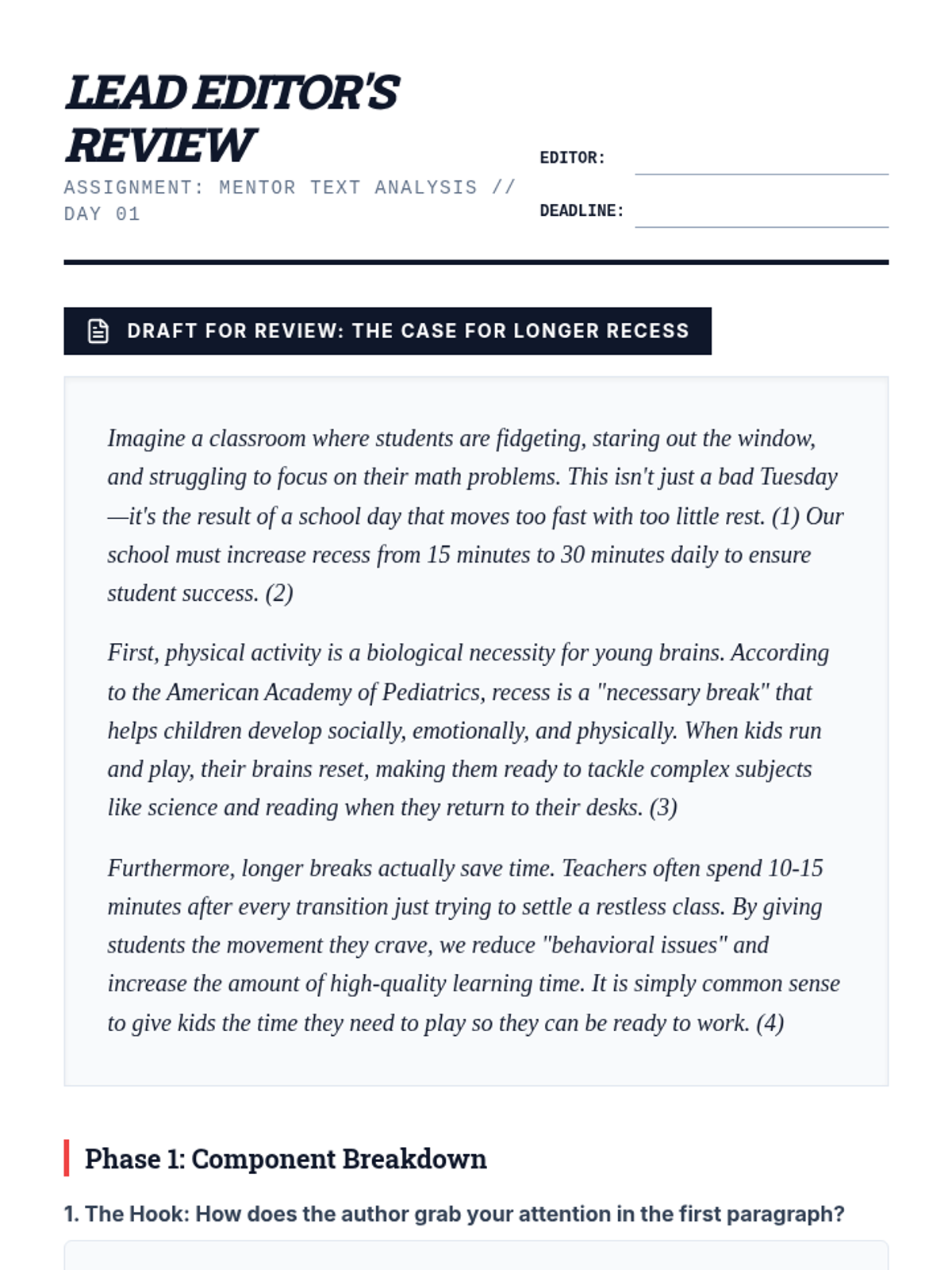
A comprehensive 5-day unit designed to take students from analyzing mentor texts to drafting and polishing their own persuasive essays. The unit uses a professional 'Editorial Office' theme to engage students as 'Lead Editors' of their own arguments.
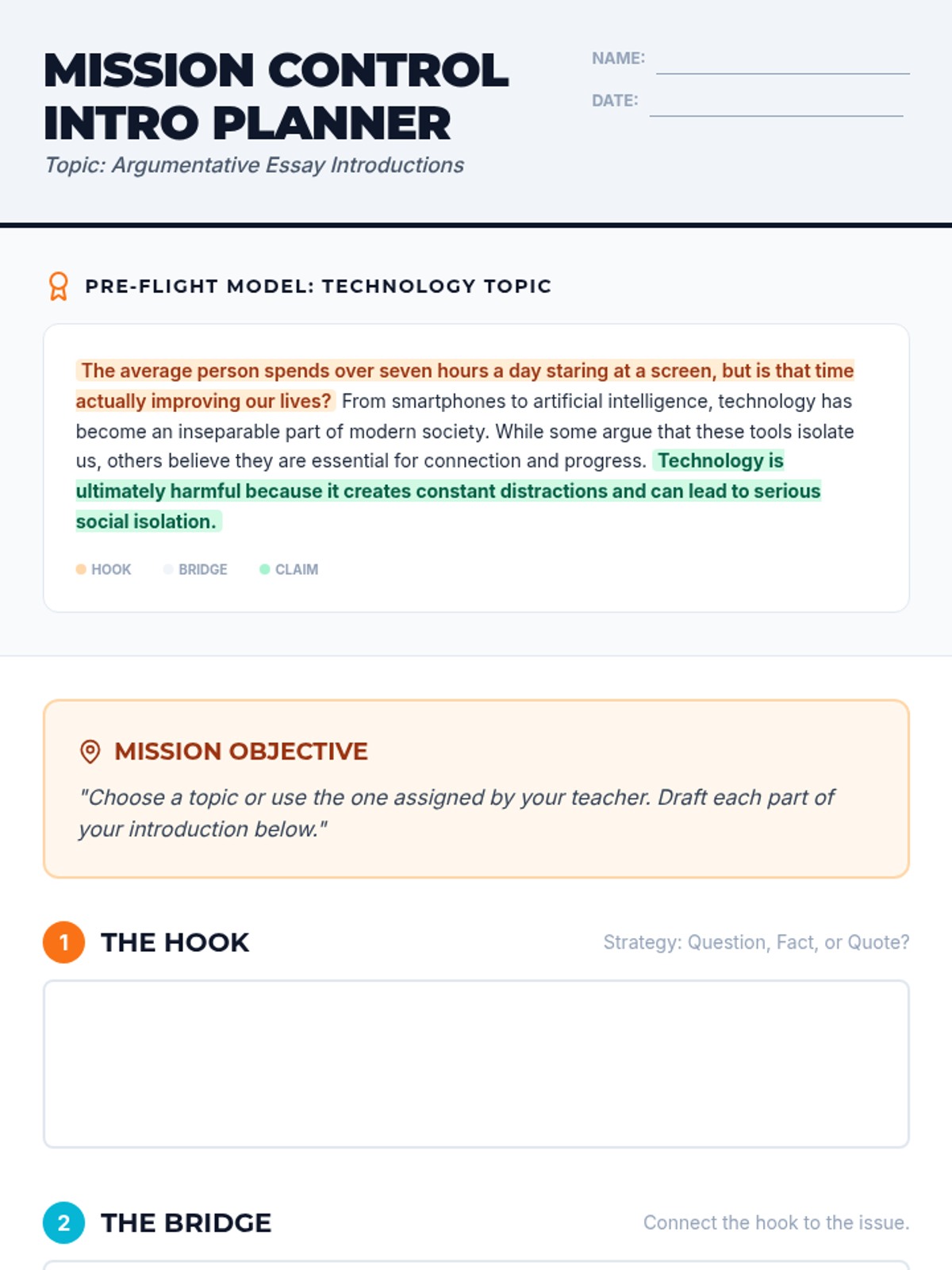
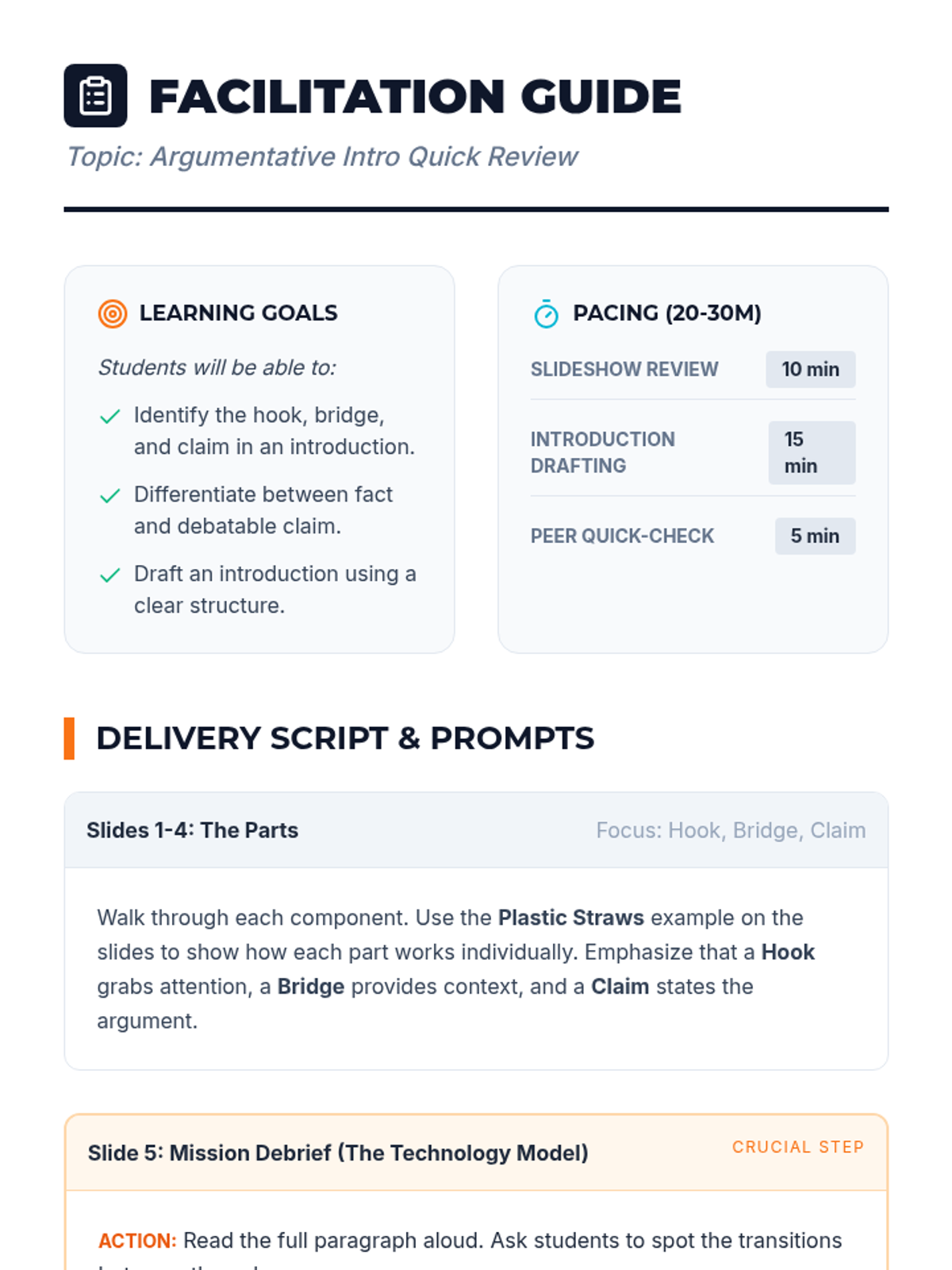
A comprehensive sequence of lessons designed to guide students through the entire process of writing a persuasive argumentative essay, from the initial launch (introduction) to the final landing (conclusion).
A series of lessons focused on mastering high-frequency academic action verbs like explain, compare, and justify to help students succeed in academic tasks and assessments.
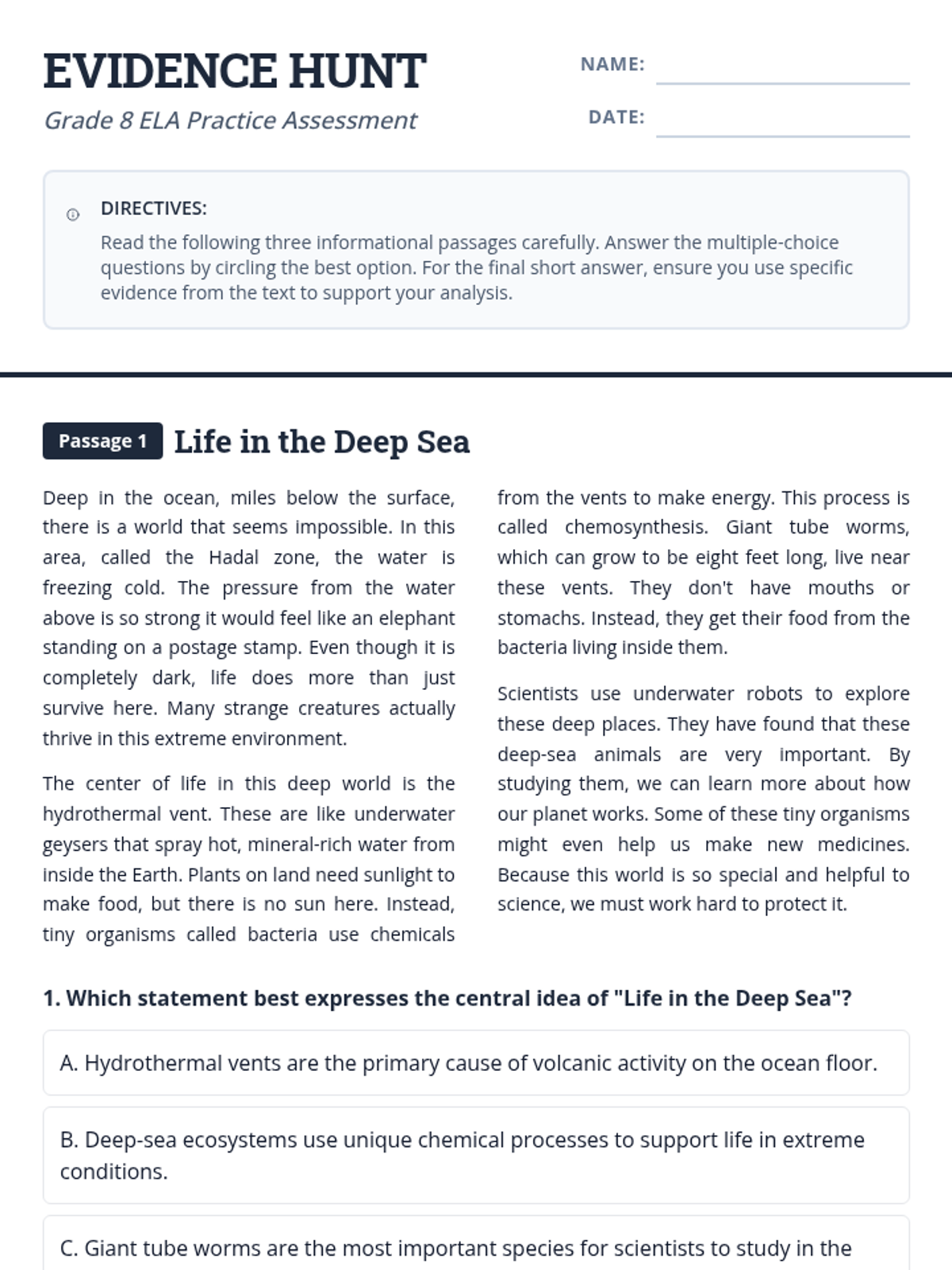
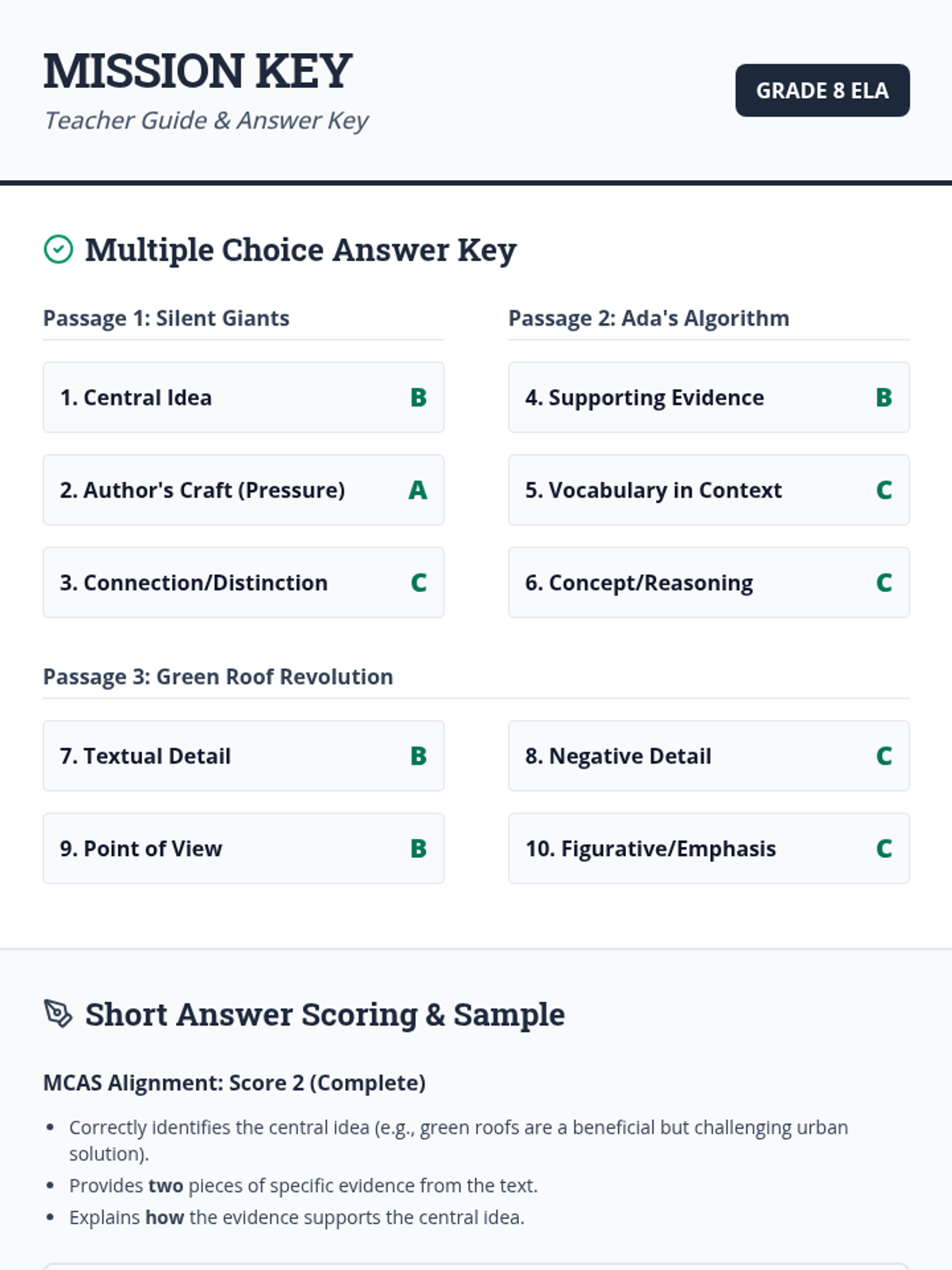
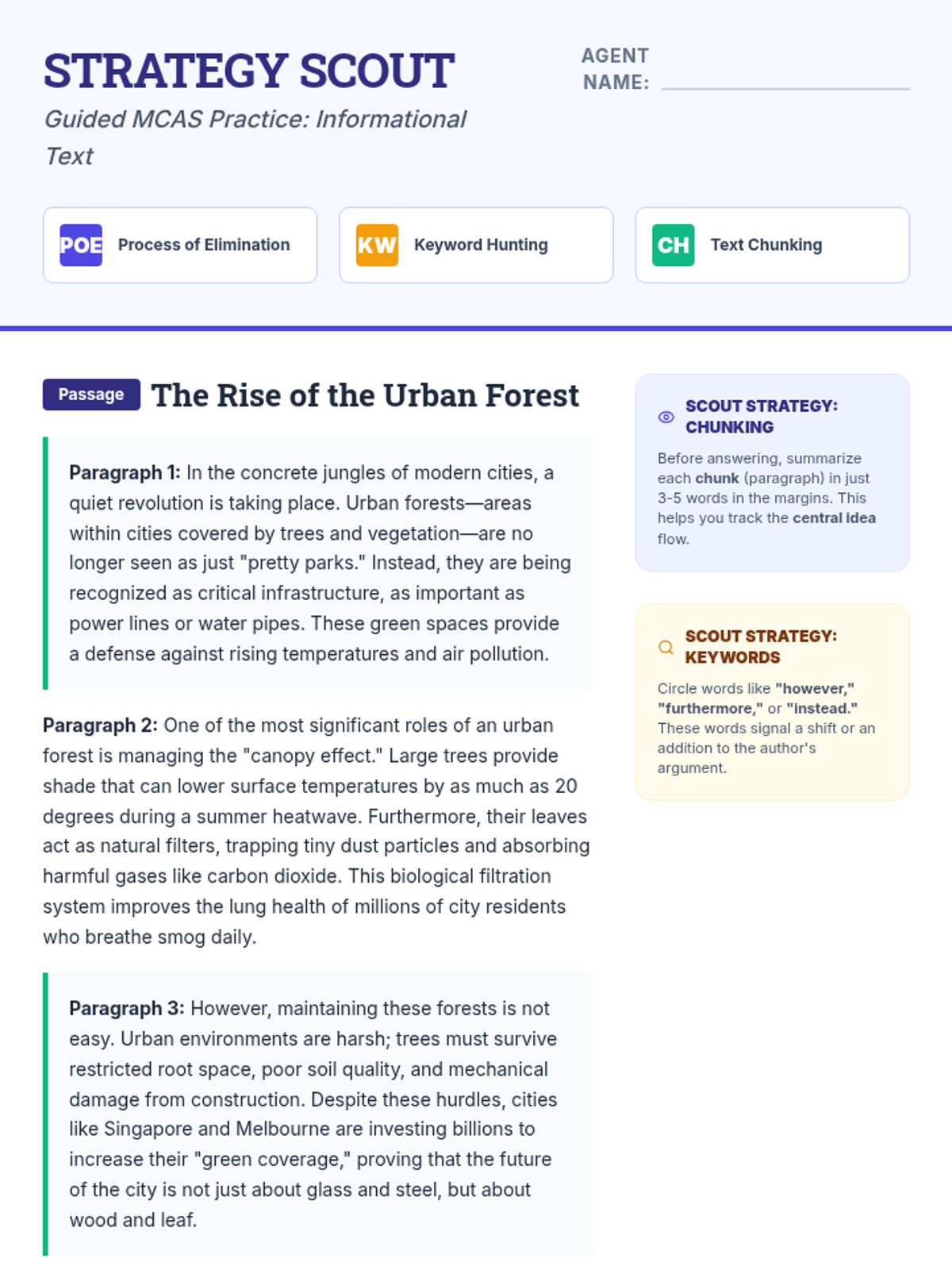
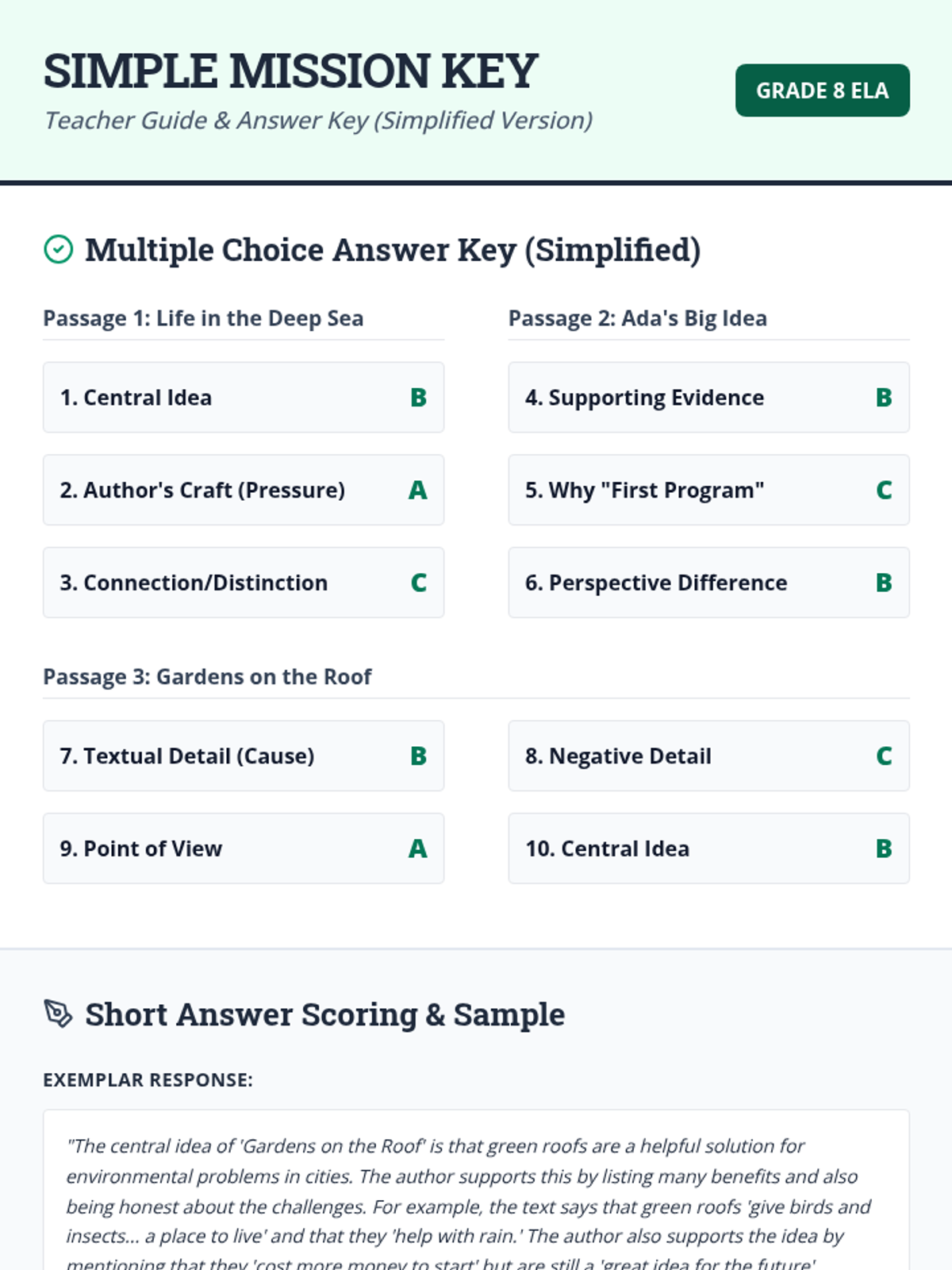
A collection of lessons and practice materials designed to prepare middle school students for ELA MCAS assessments, focusing on high-priority standards like central idea, evidence, and comparison.
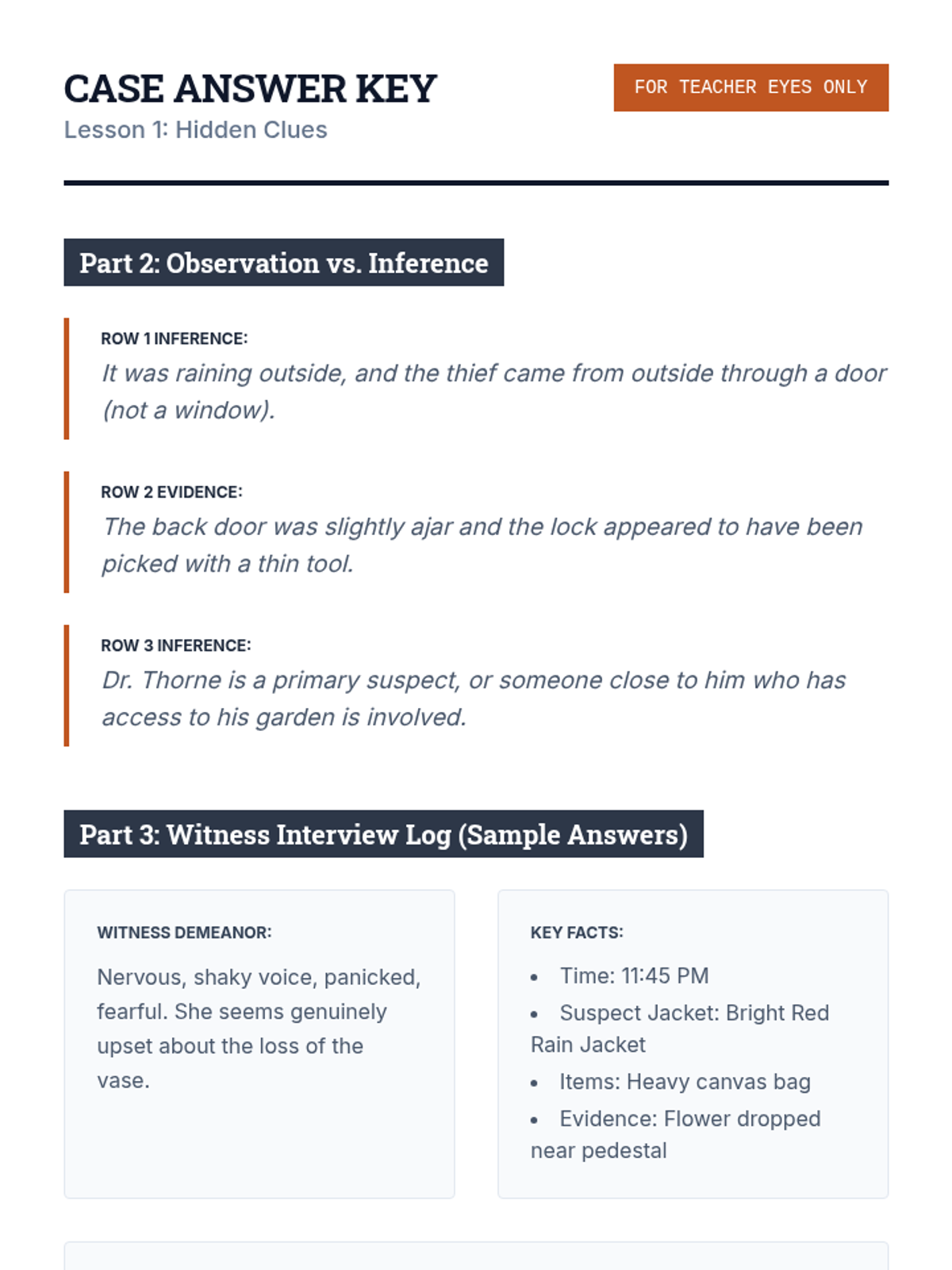
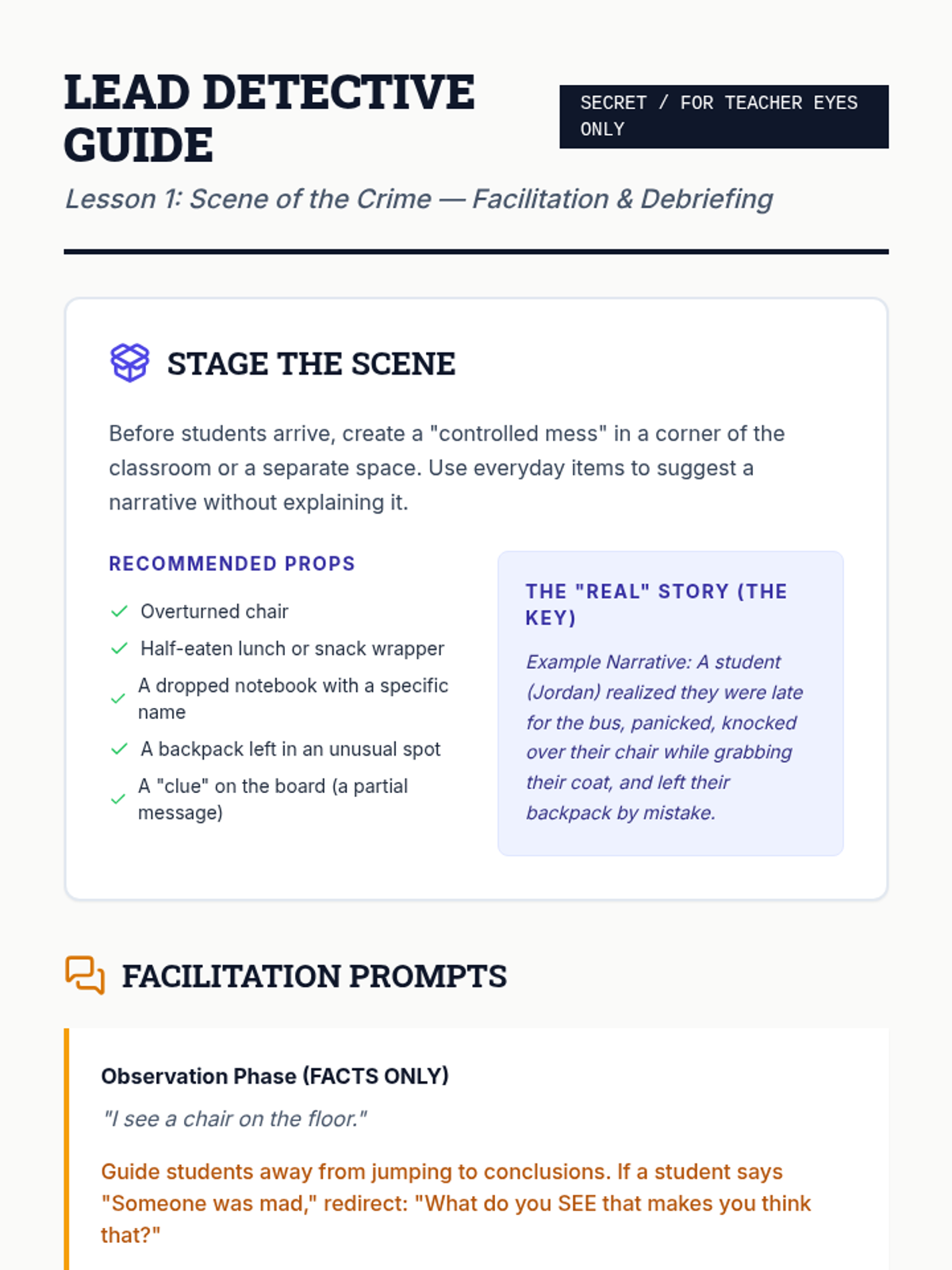
A comprehensive English Language Arts unit that uses a mystery-investigation theme to develop reading, writing, listening, and speaking skills. Students act as detectives to analyze evidence, interview witnesses, and present their final case.
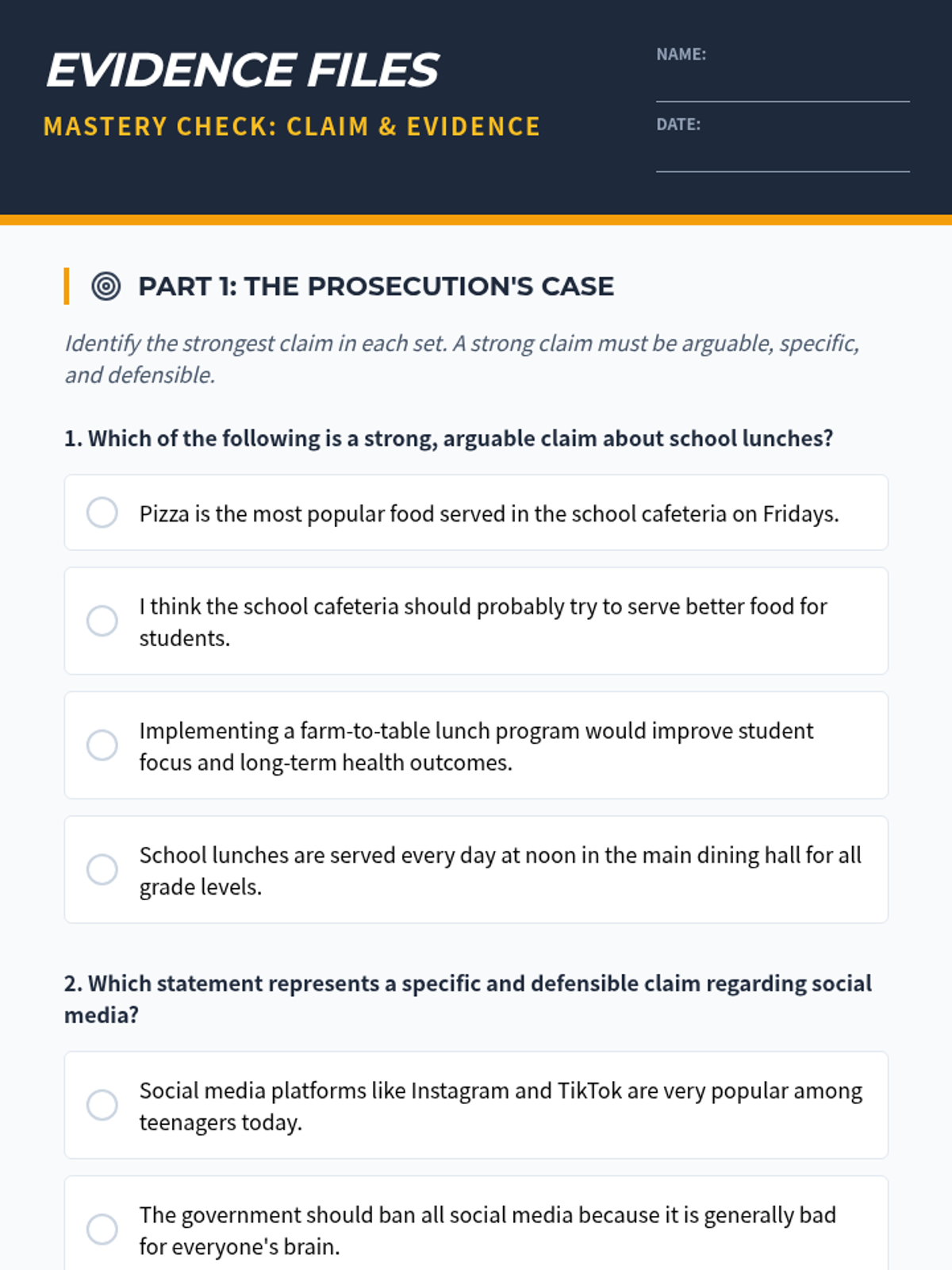
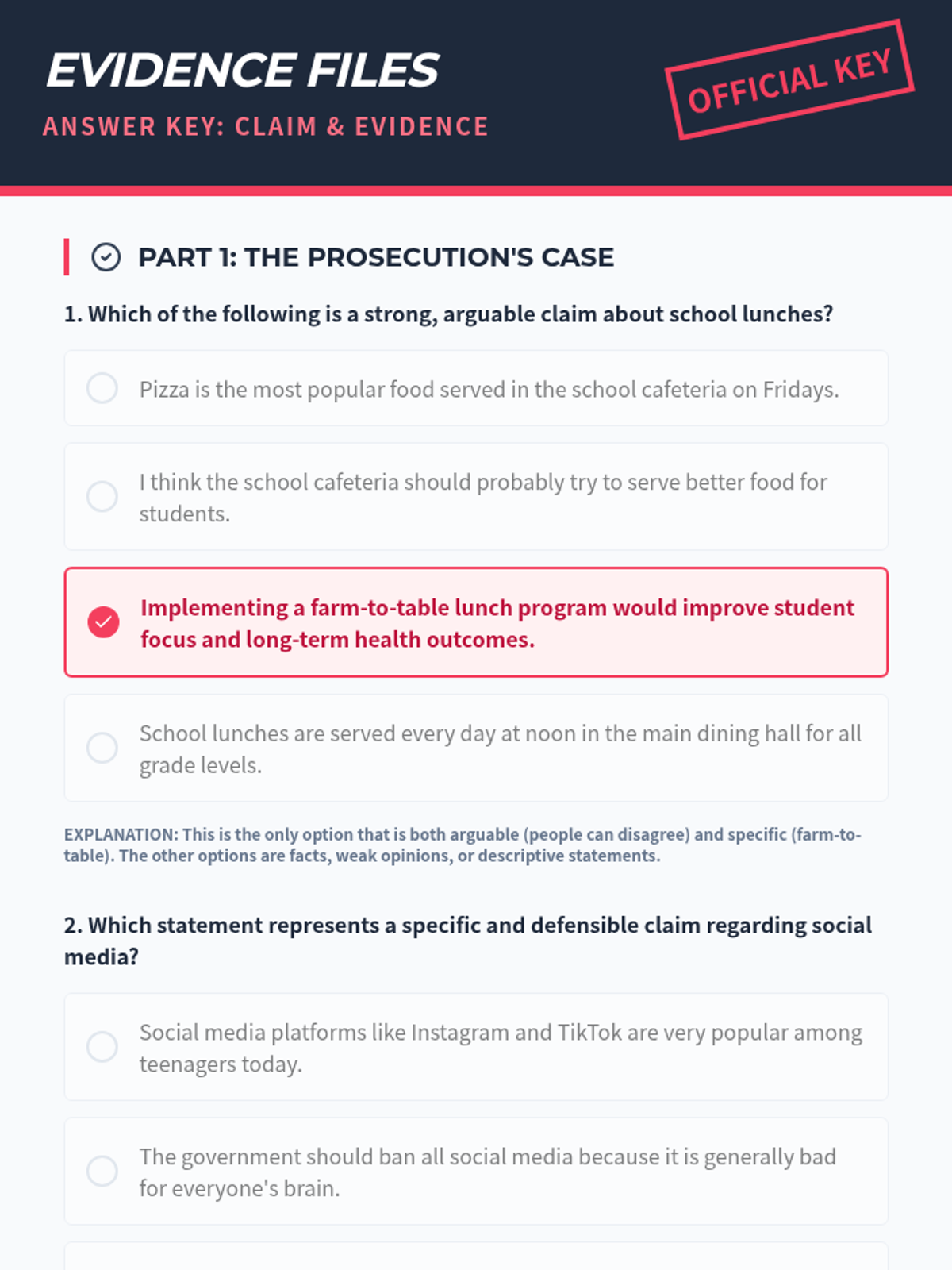
A comprehensive unit on argumentative writing for 7th grade, focusing on the construction of strong claims and the strategic use of evidence to support them.
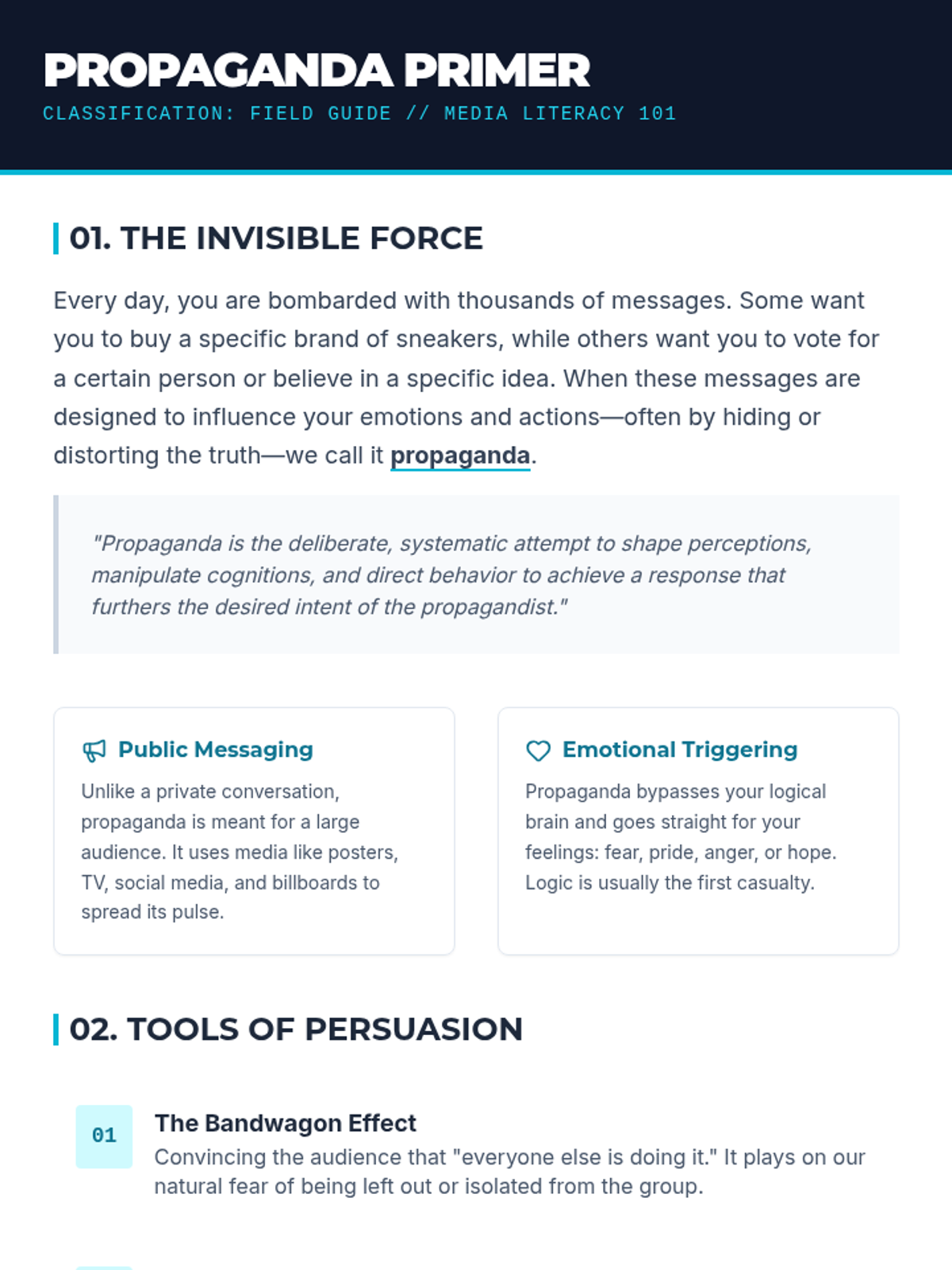
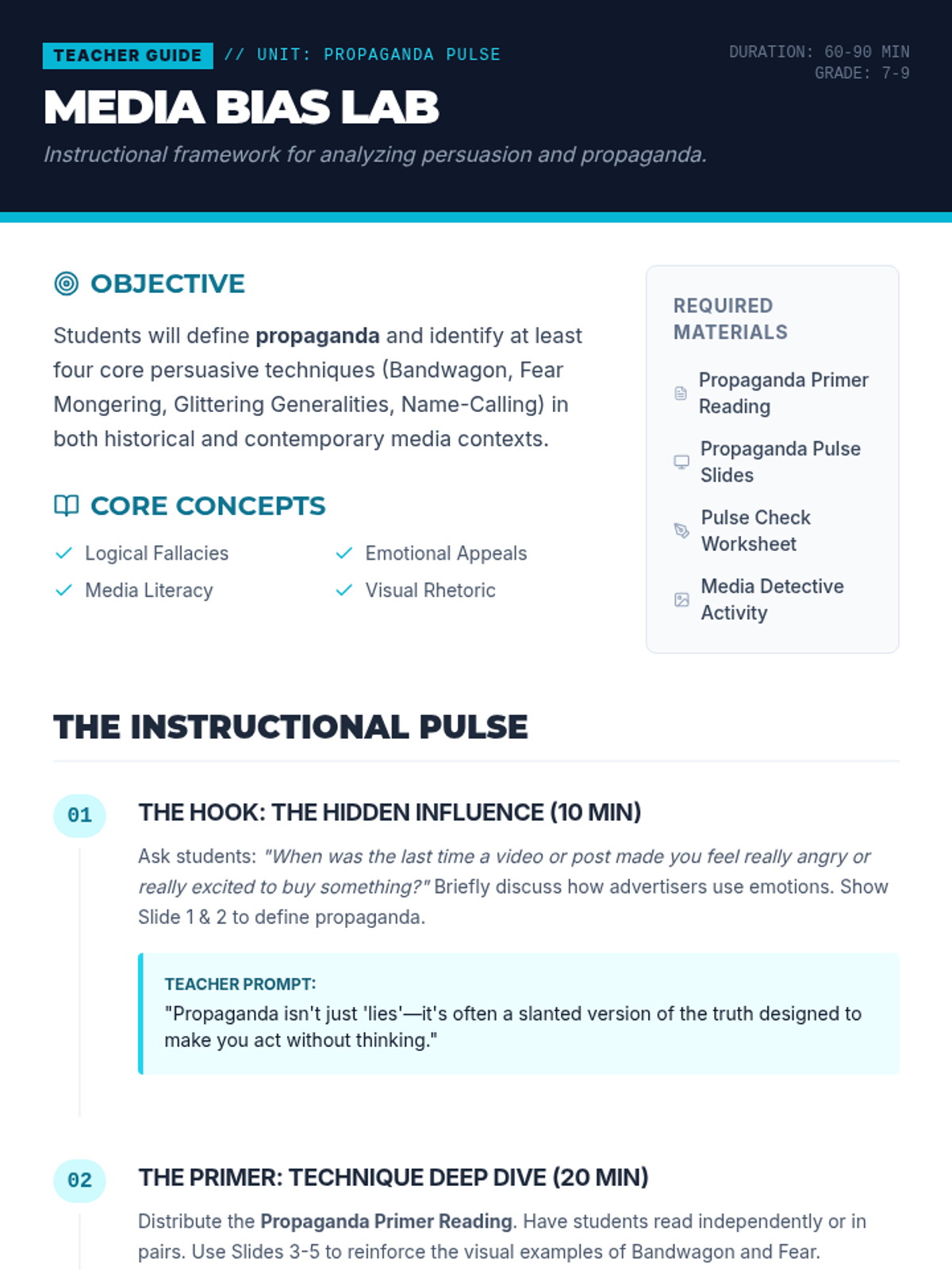
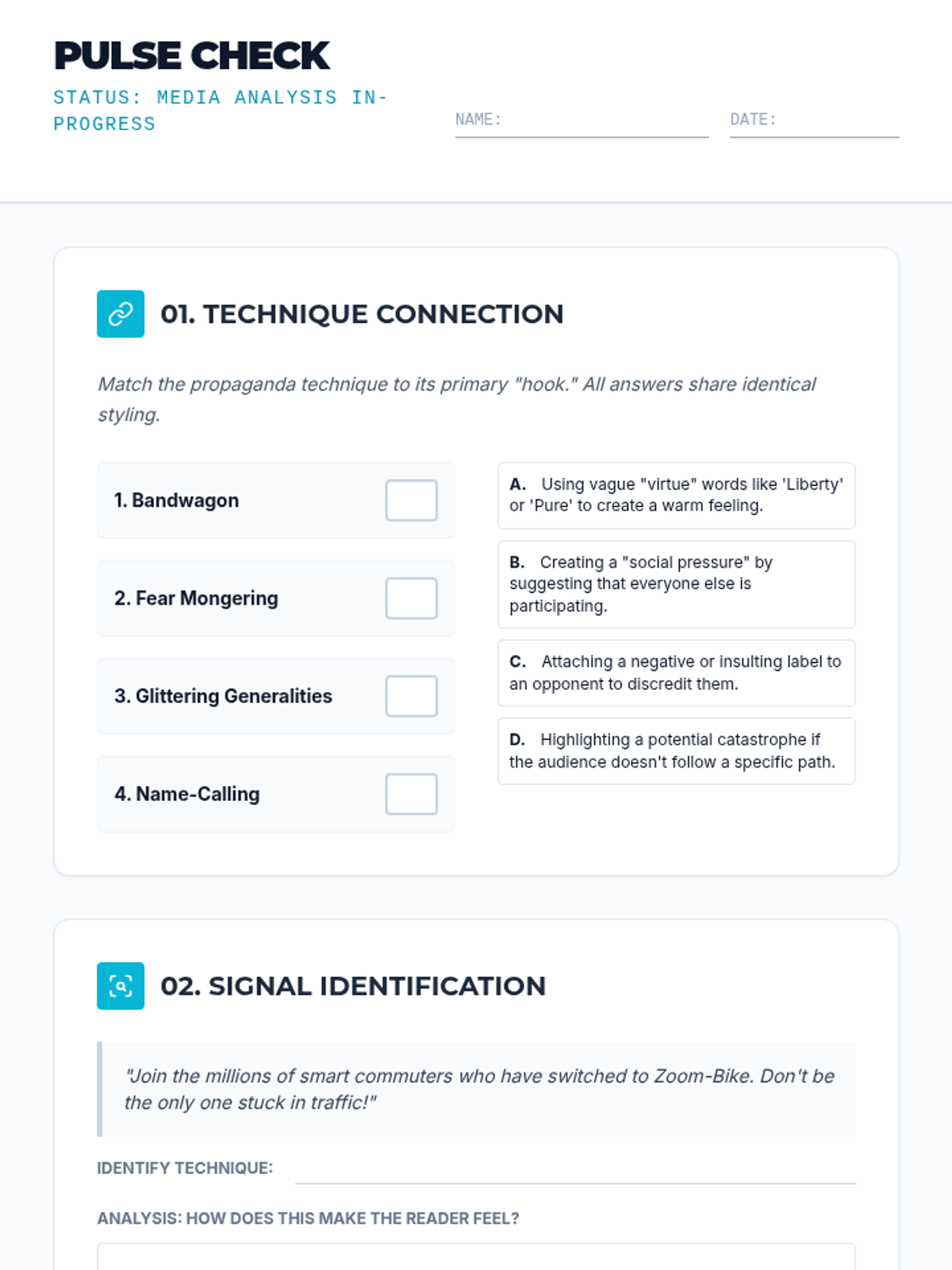
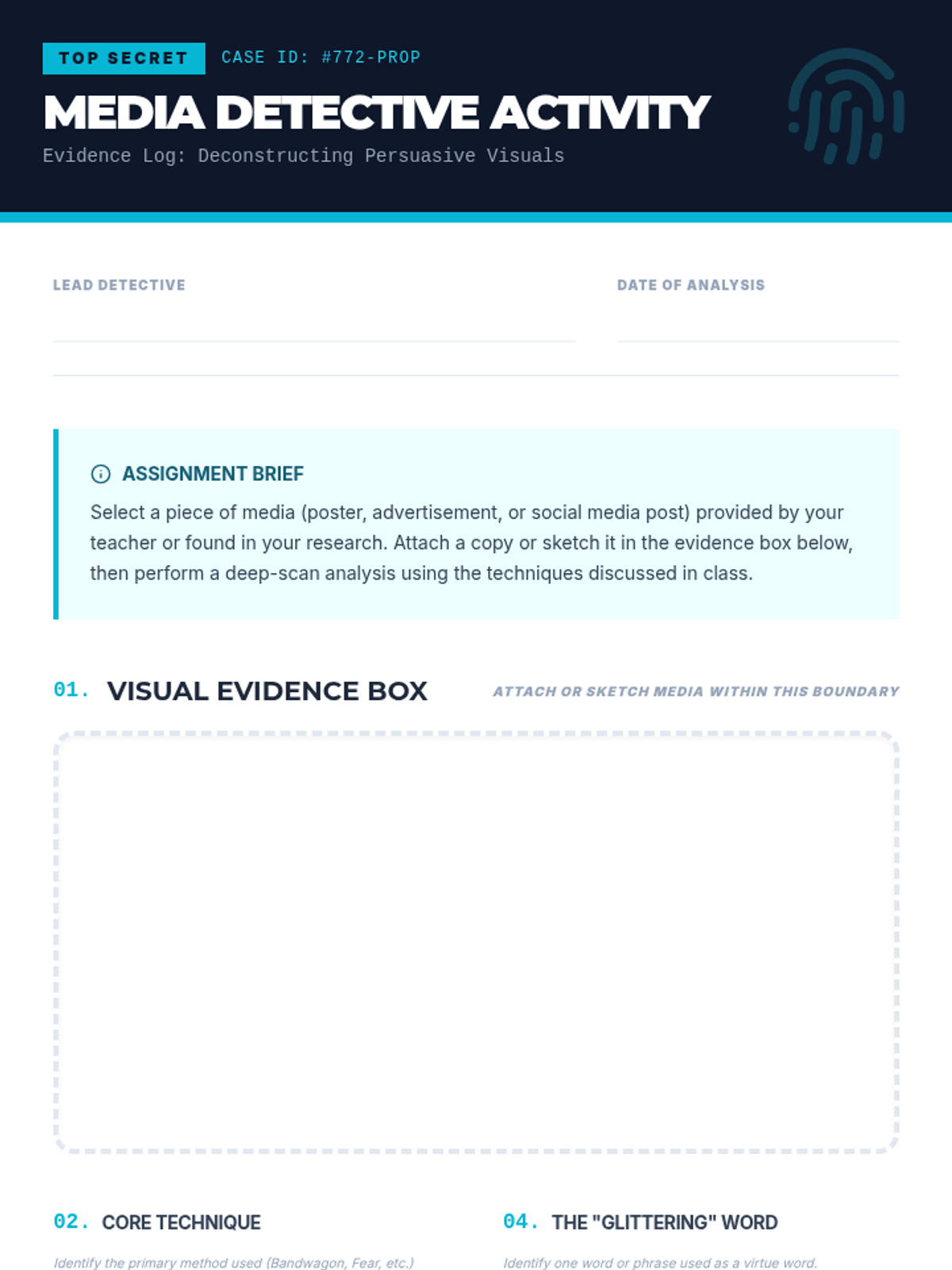
A comprehensive media literacy unit for grades 7-9 that examines how language and visuals are used to influence public opinion through historical and modern propaganda.
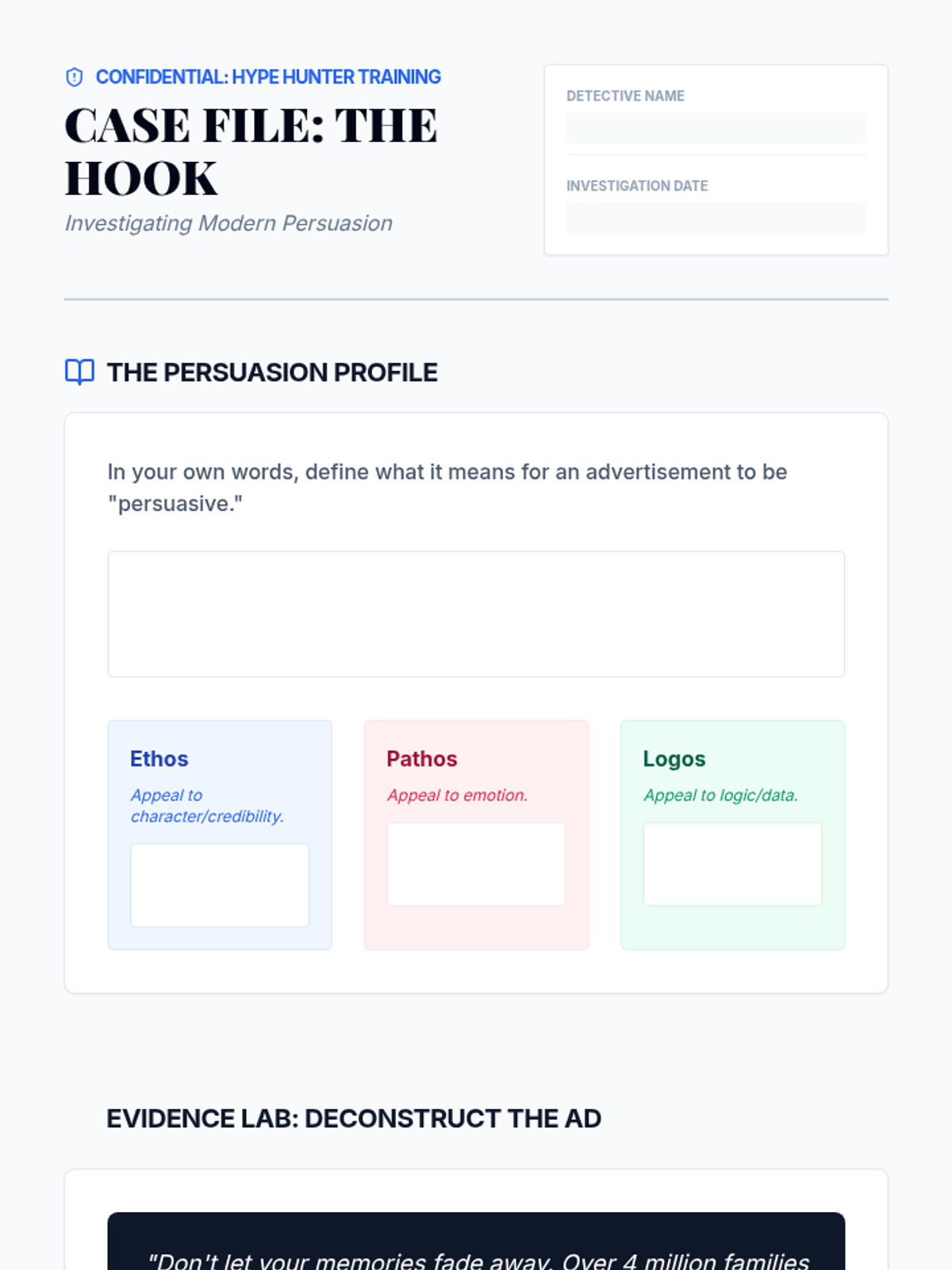
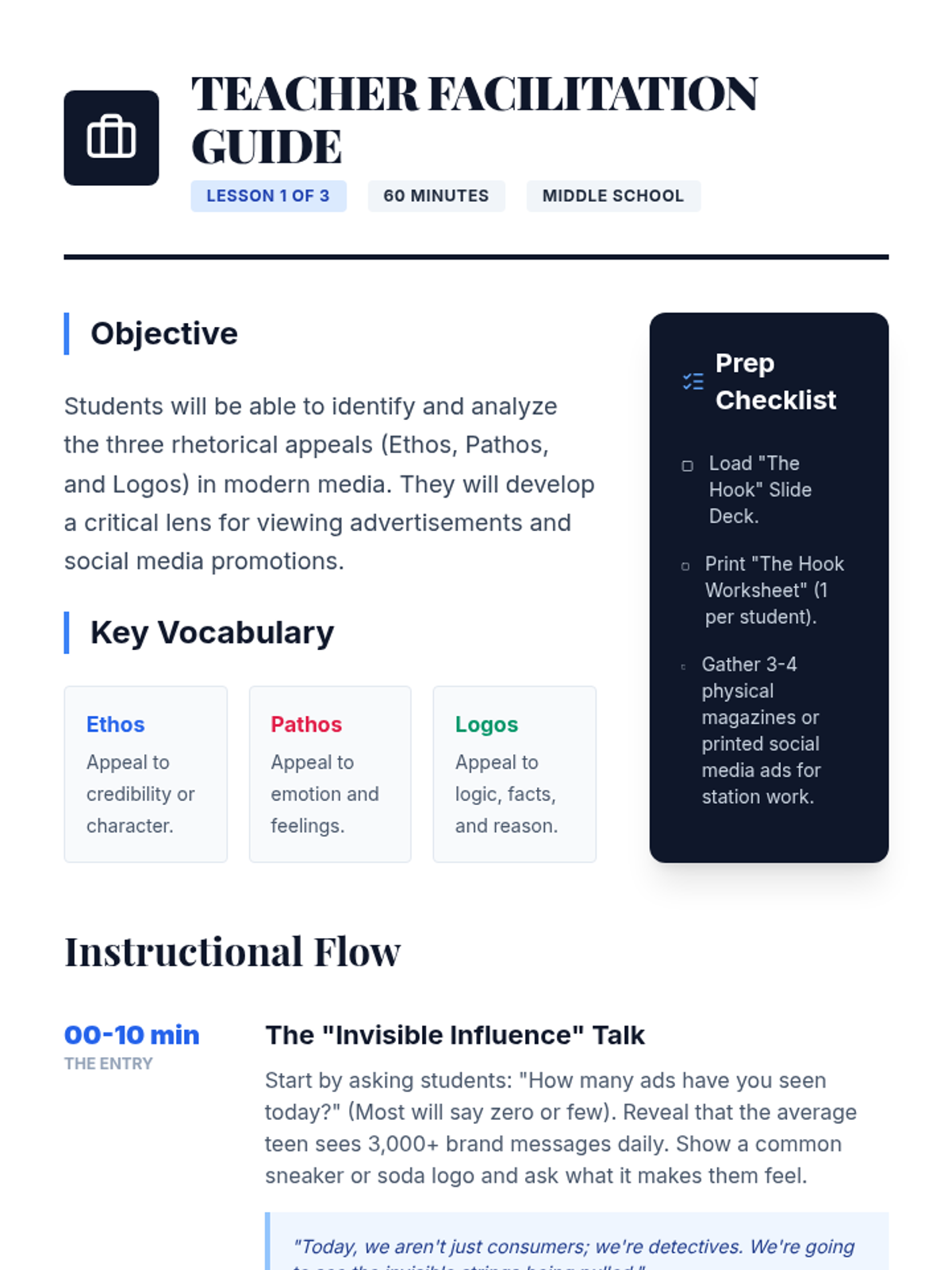
A middle school media literacy unit that turns students into 'Propaganda Detectives.' Students learn to identify persuasive techniques and logical fallacies in modern media, culminating in a creative project to redesign famous ads with 'honest' messaging.
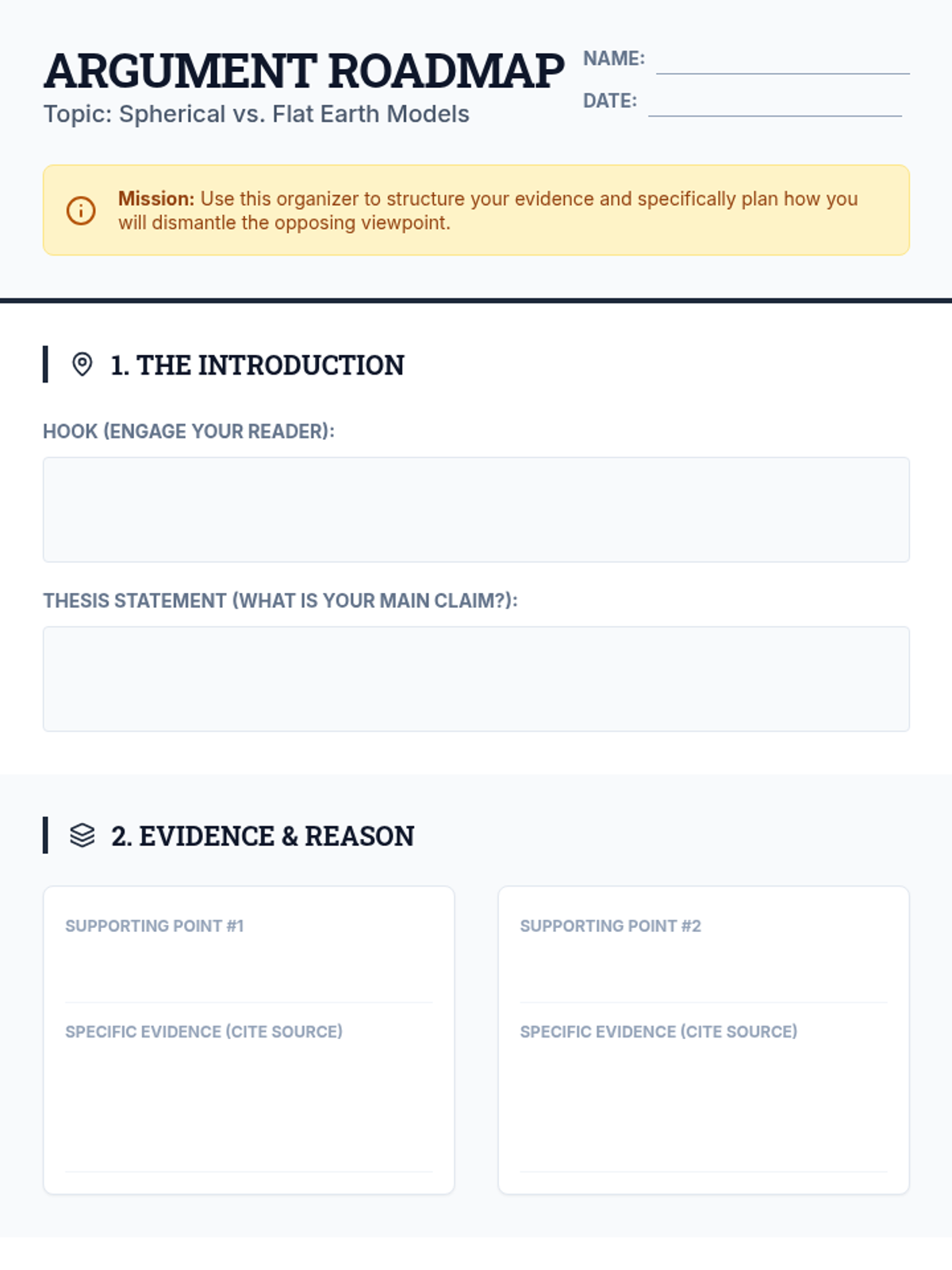
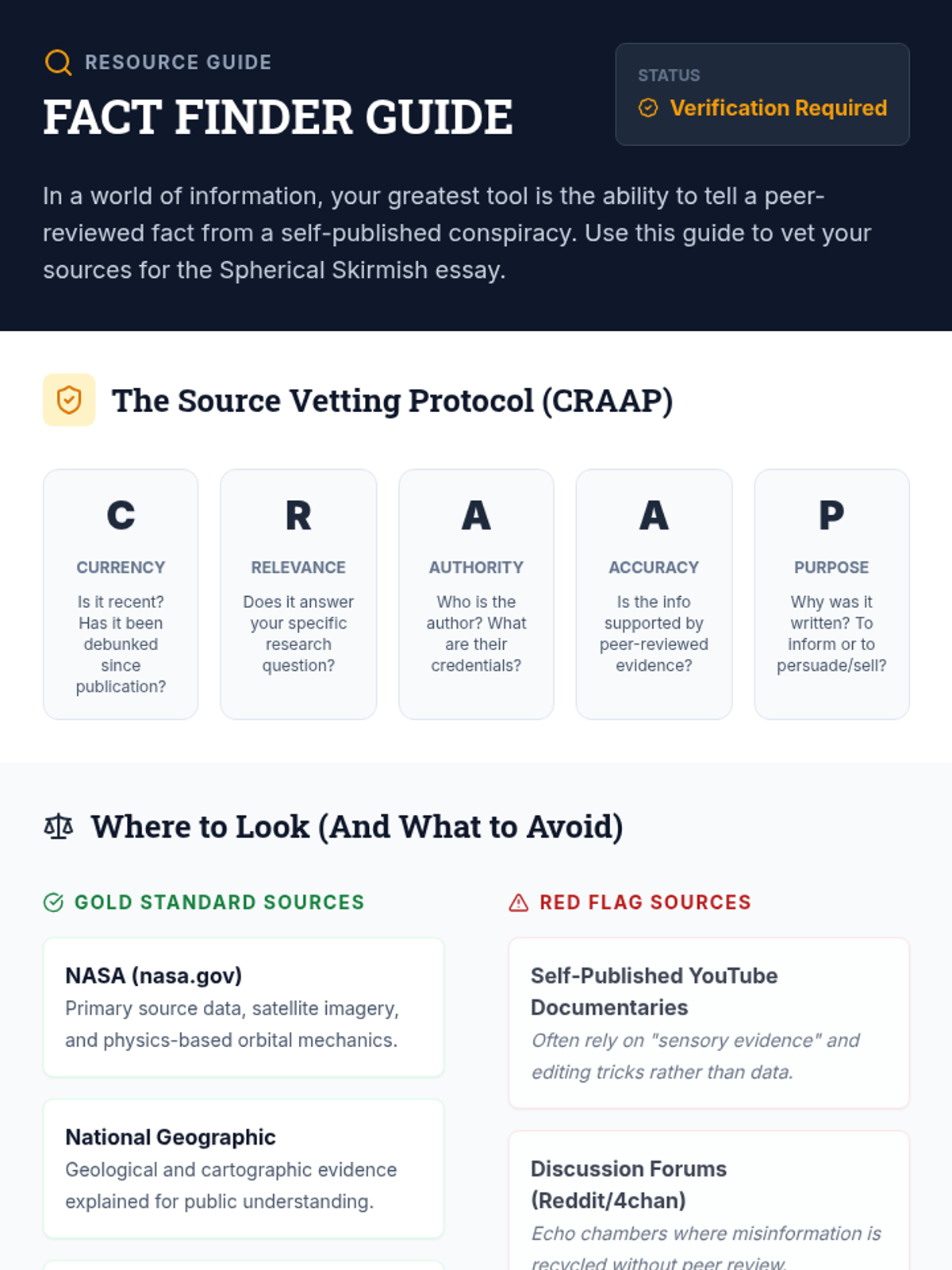
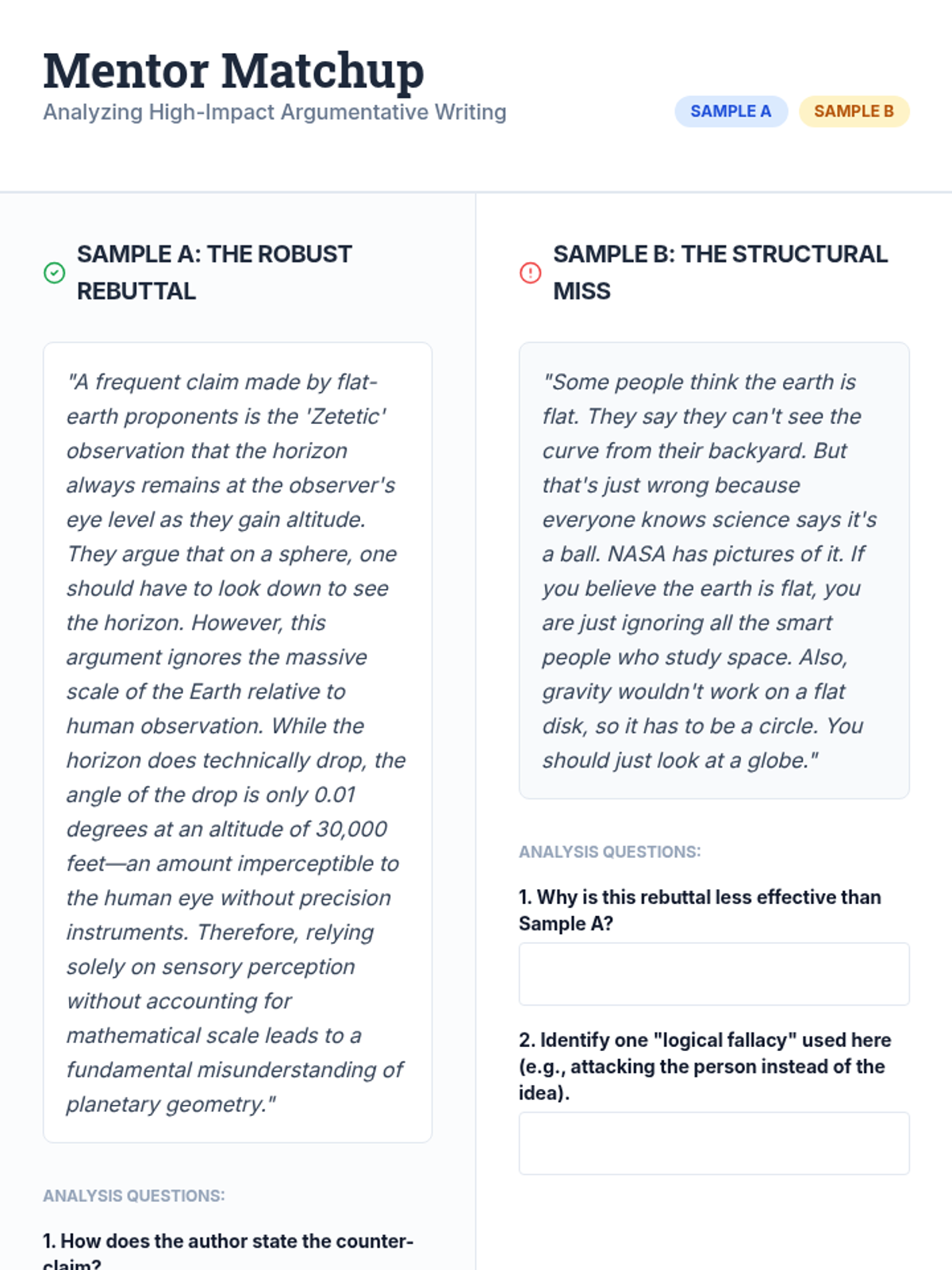
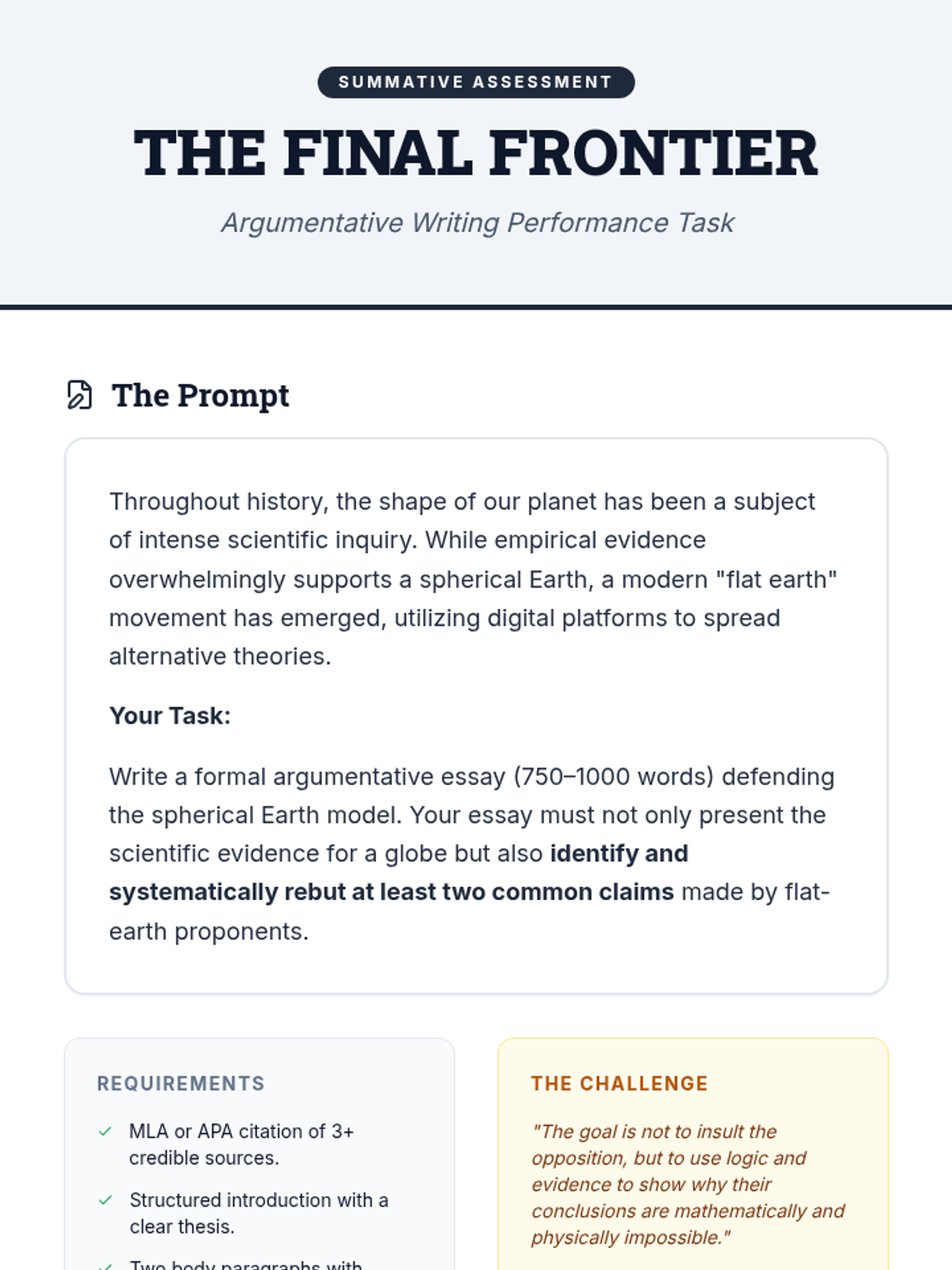
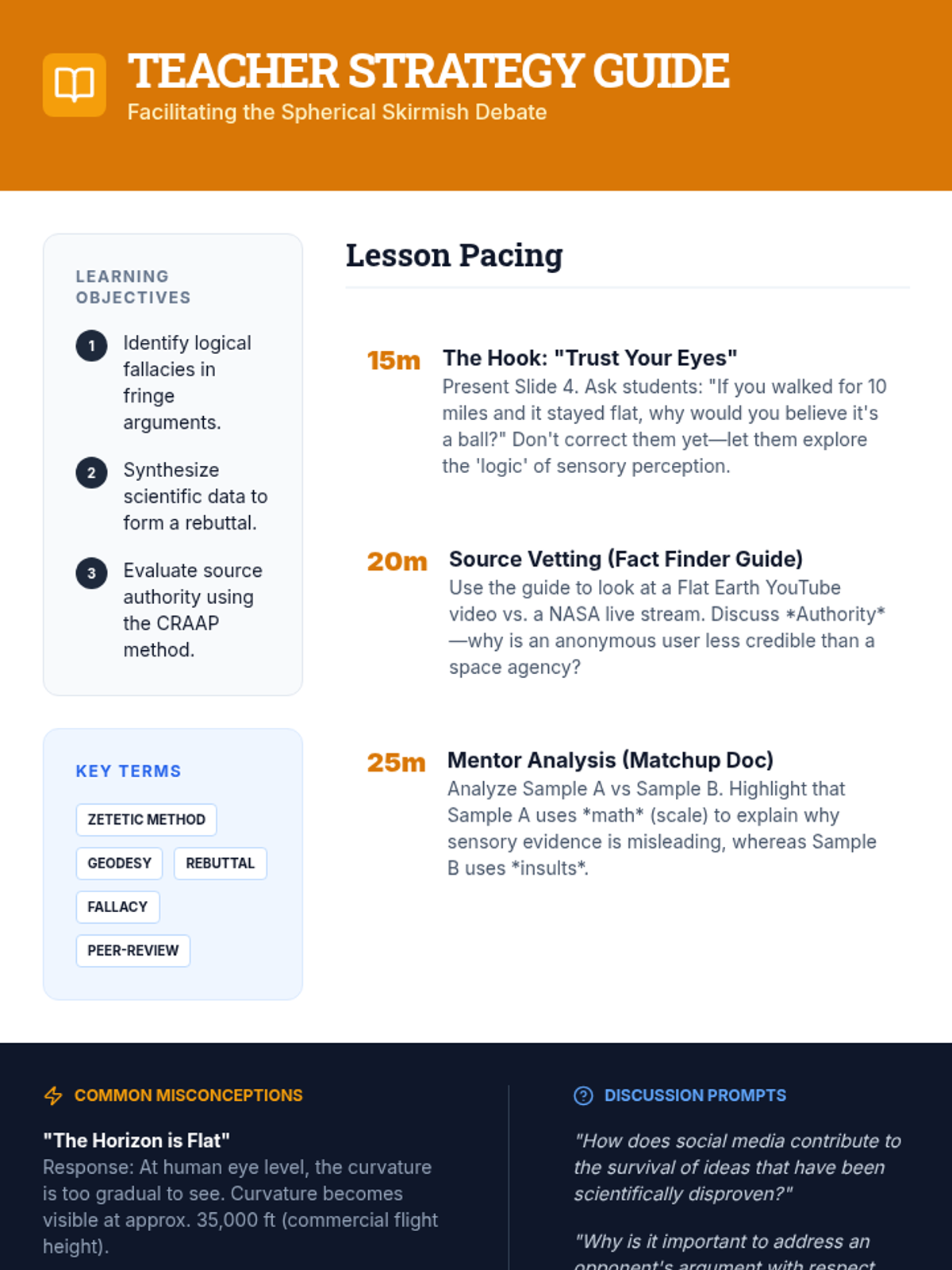
A comprehensive unit focused on mastering argumentative writing through the lens of the flat earth vs. round earth debate, emphasizing evidence-based reasoning and rebuttal techniques.
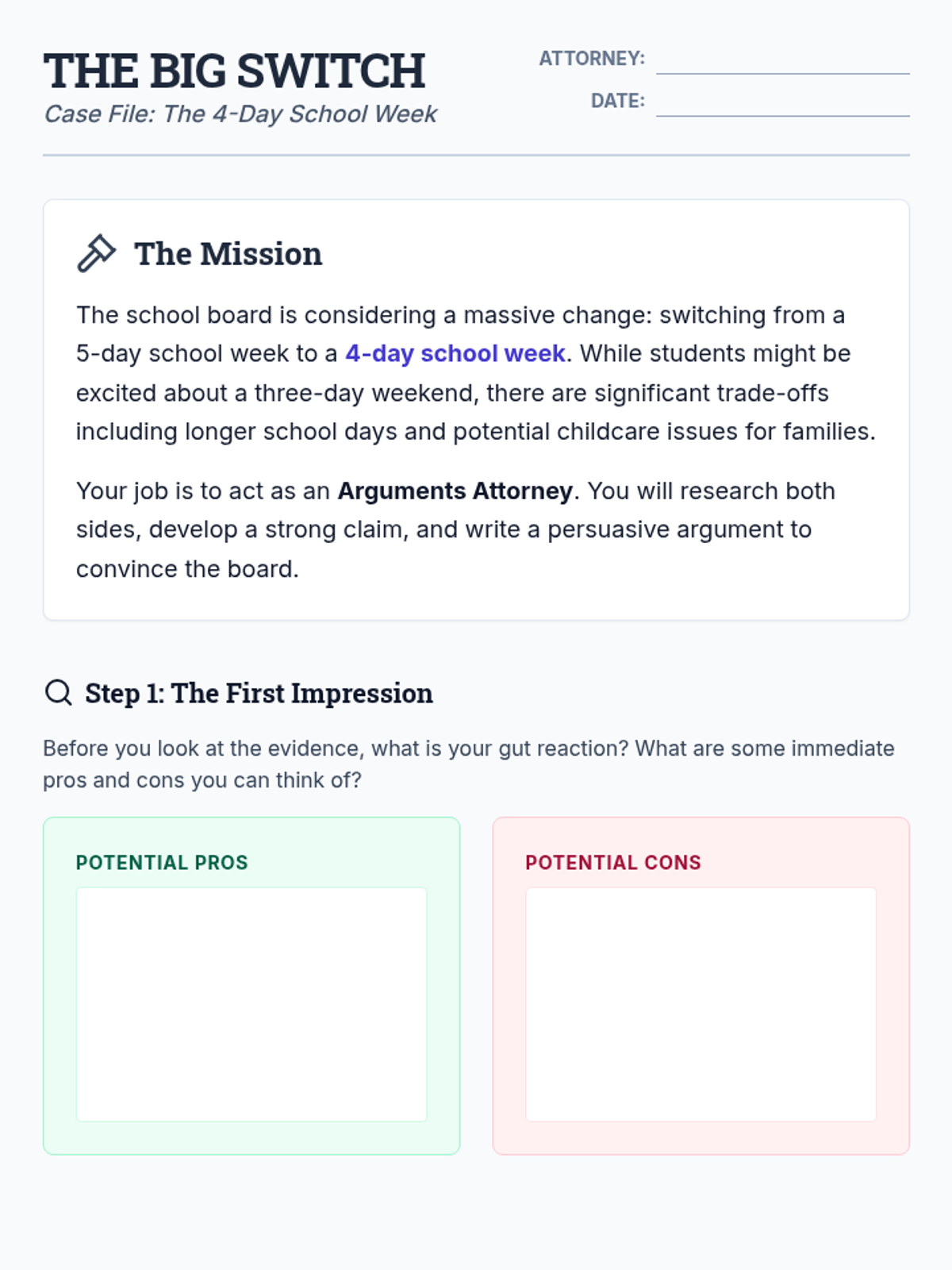
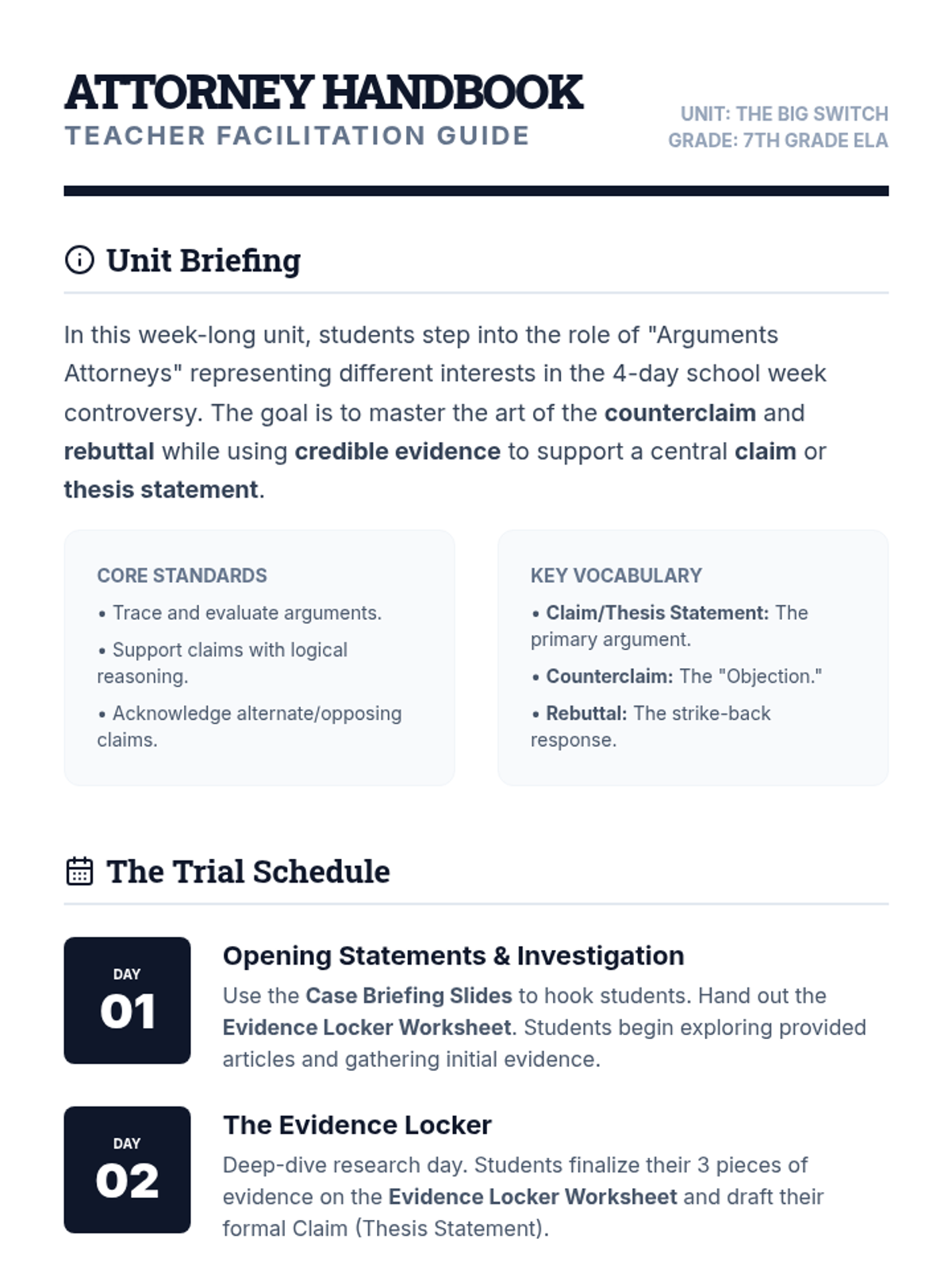
A week-long argumentative writing unit for 7th graders focused on the controversial topic of the 4-day school week. Students act as 'Arguments Attorneys' to research, build claims, and master the art of the rebuttal.
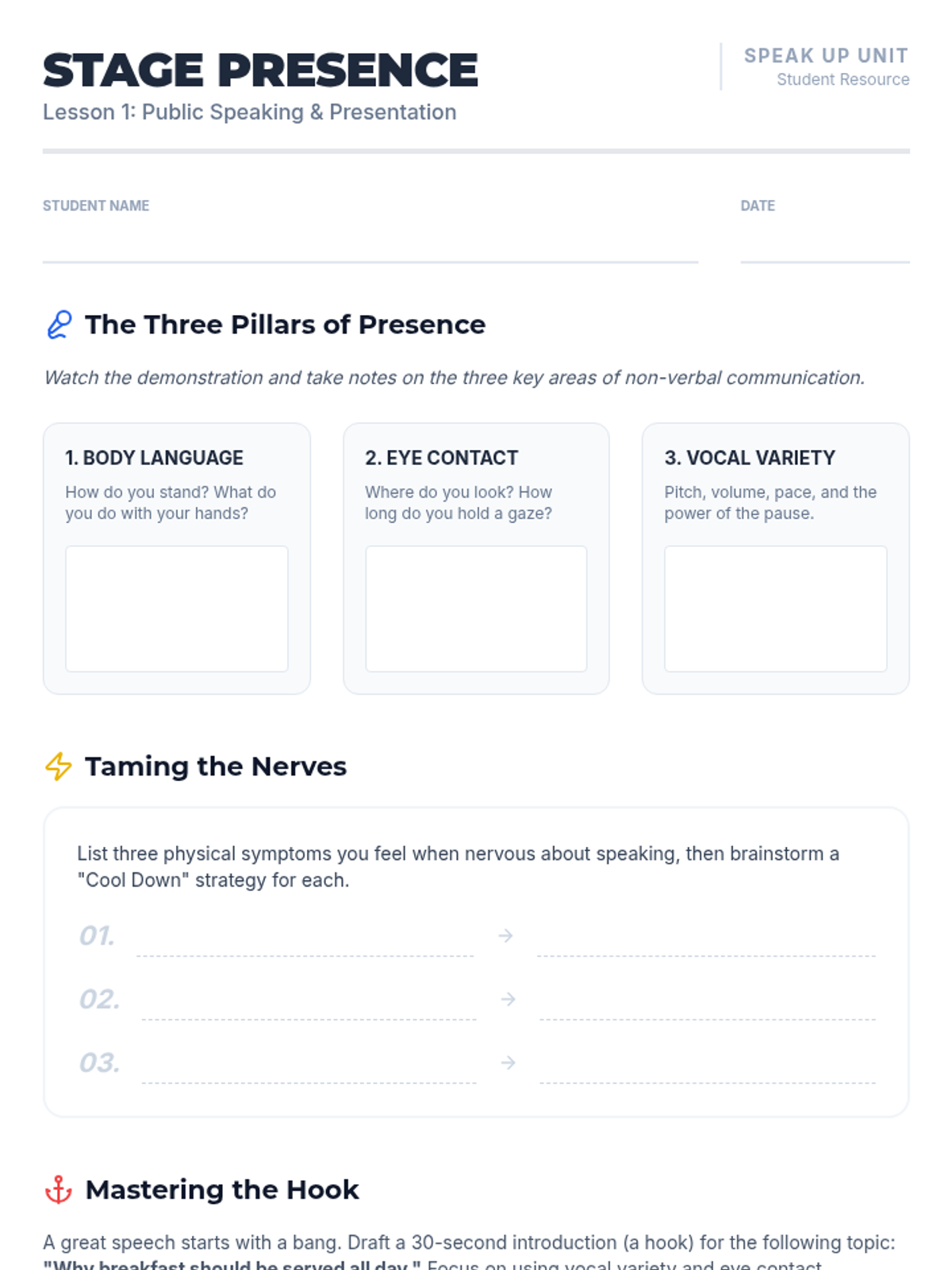
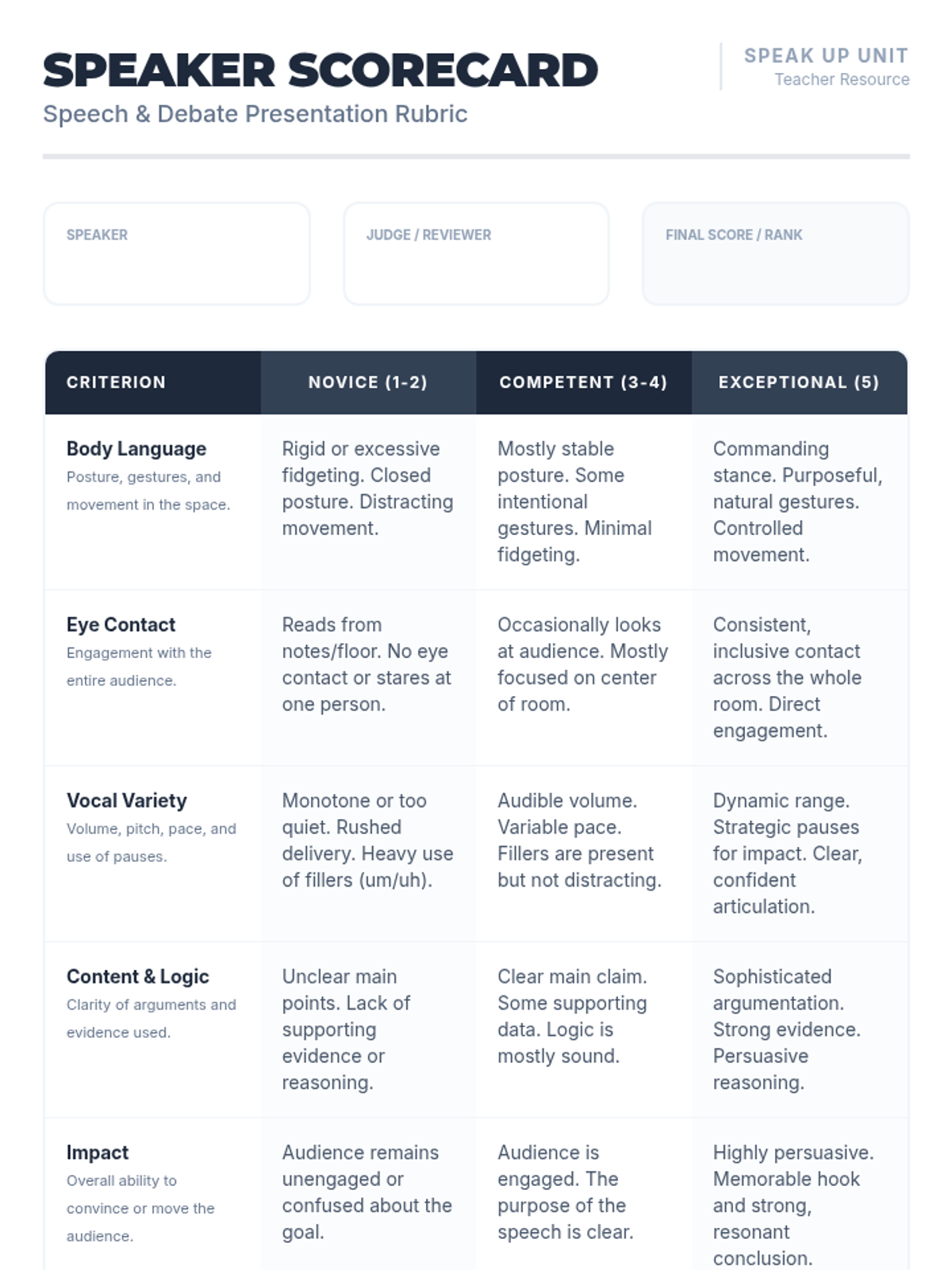
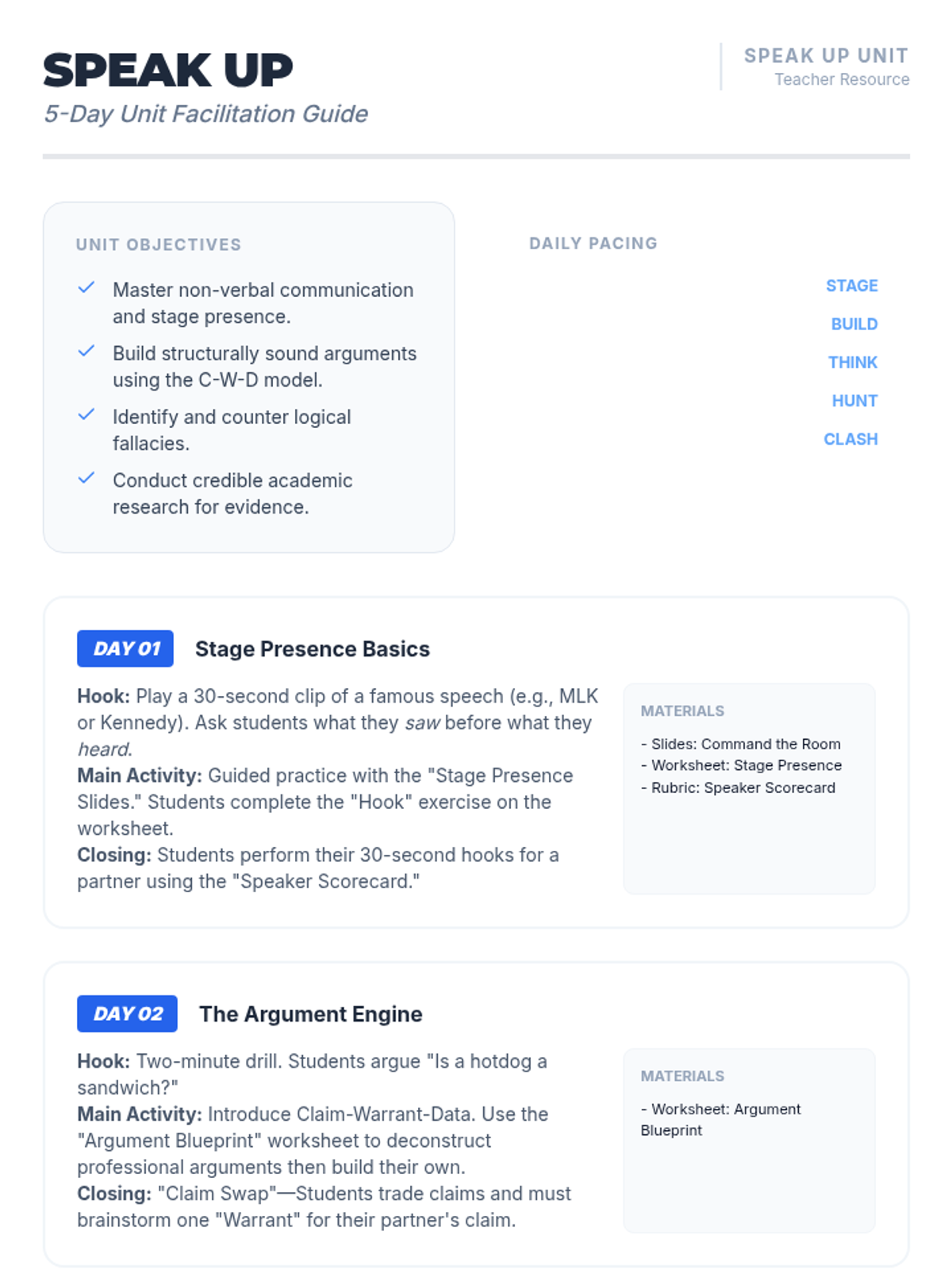
A comprehensive 5-day introductory unit on speech and debate, covering public speaking, argumentation, logic, research, and competitive formats.
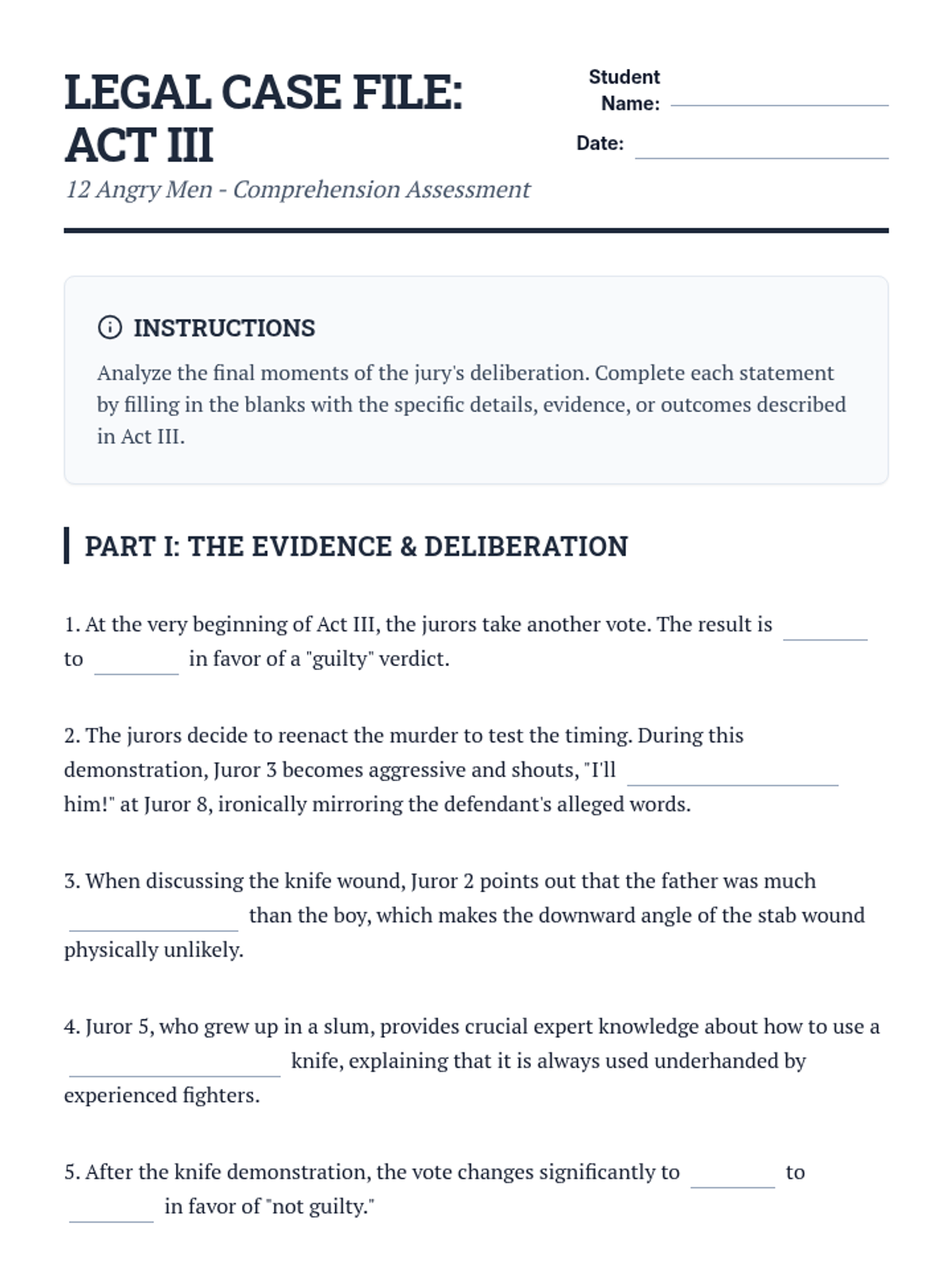
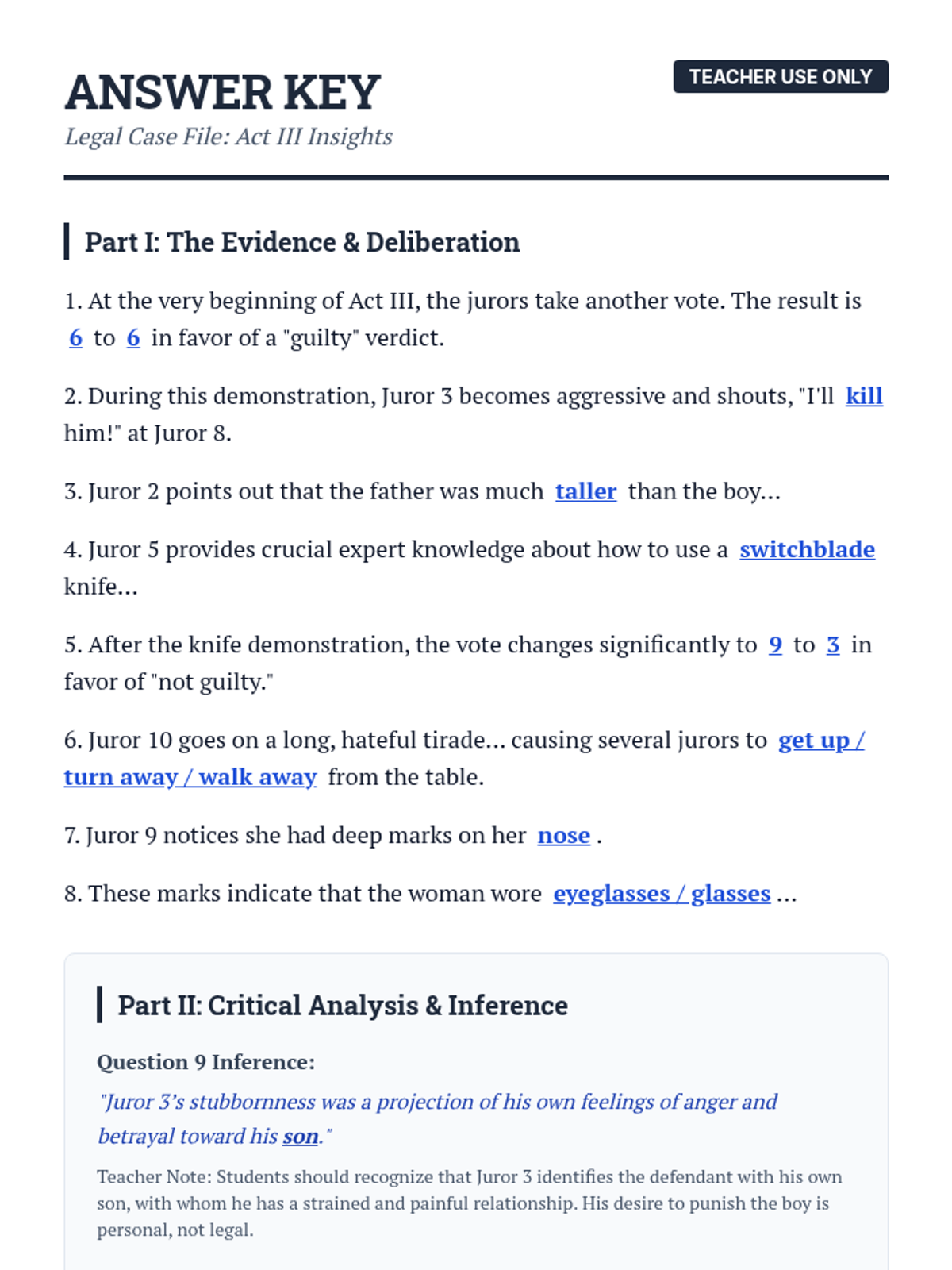
A comprehensive study of Act III of 12 Angry Men, focusing on the final shifts in juror opinions, the debunking of the final witnesses, and the themes of prejudice and reasonable doubt.
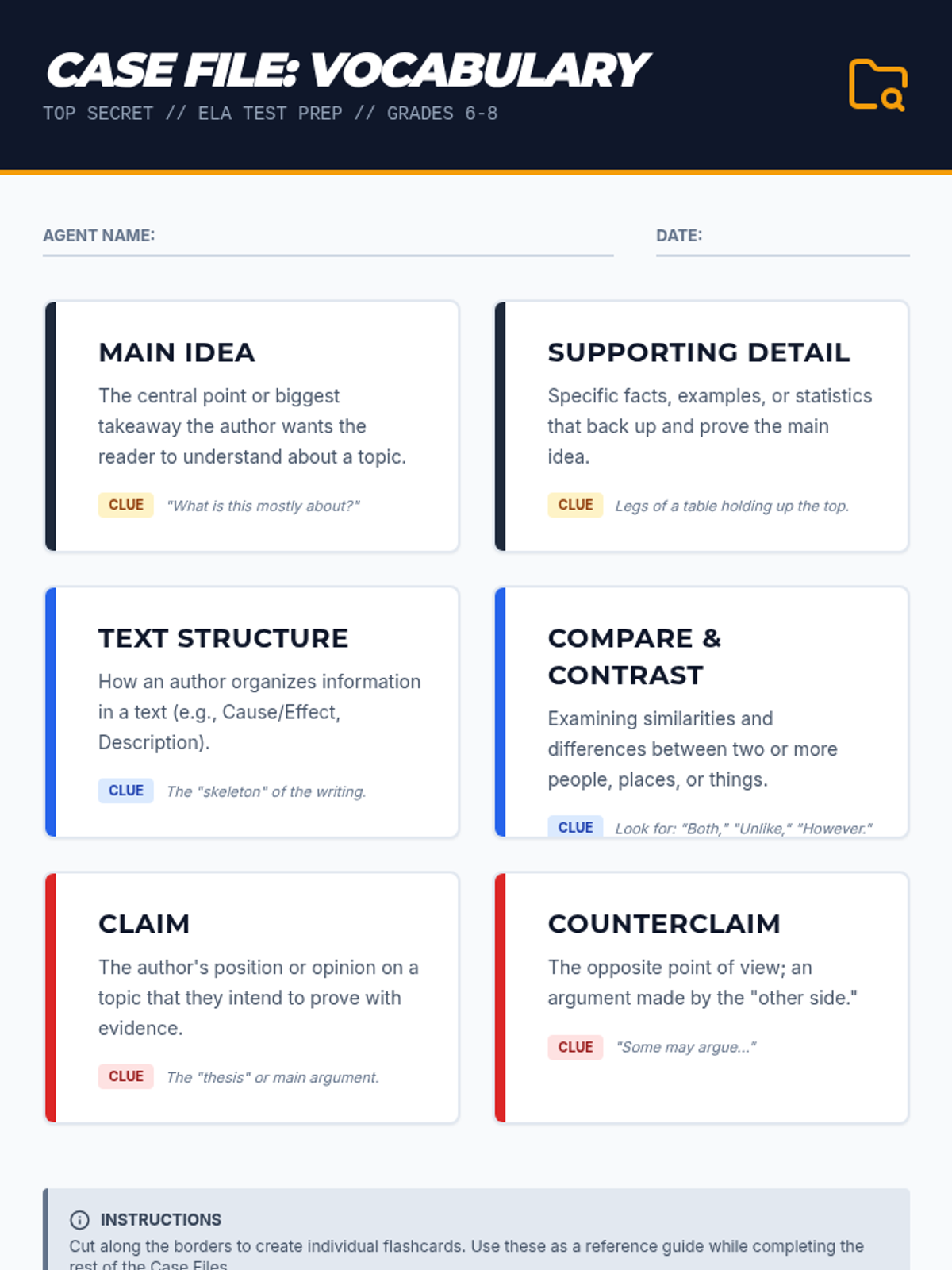
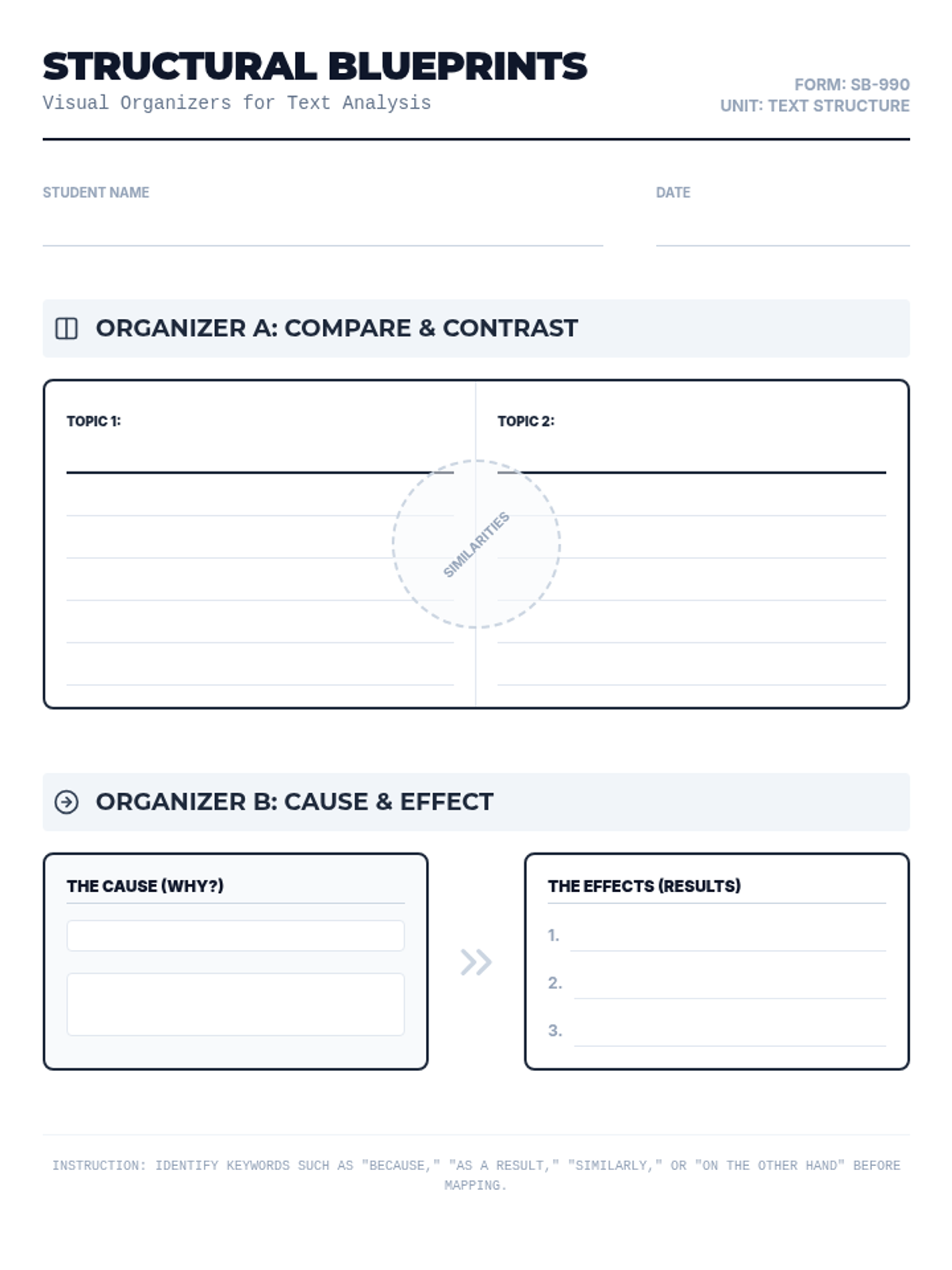
A comprehensive NYS ELA test preparation sequence for grades 6-8, focusing on main idea, text structure, and argumentative writing through a 'detective case file' theme.
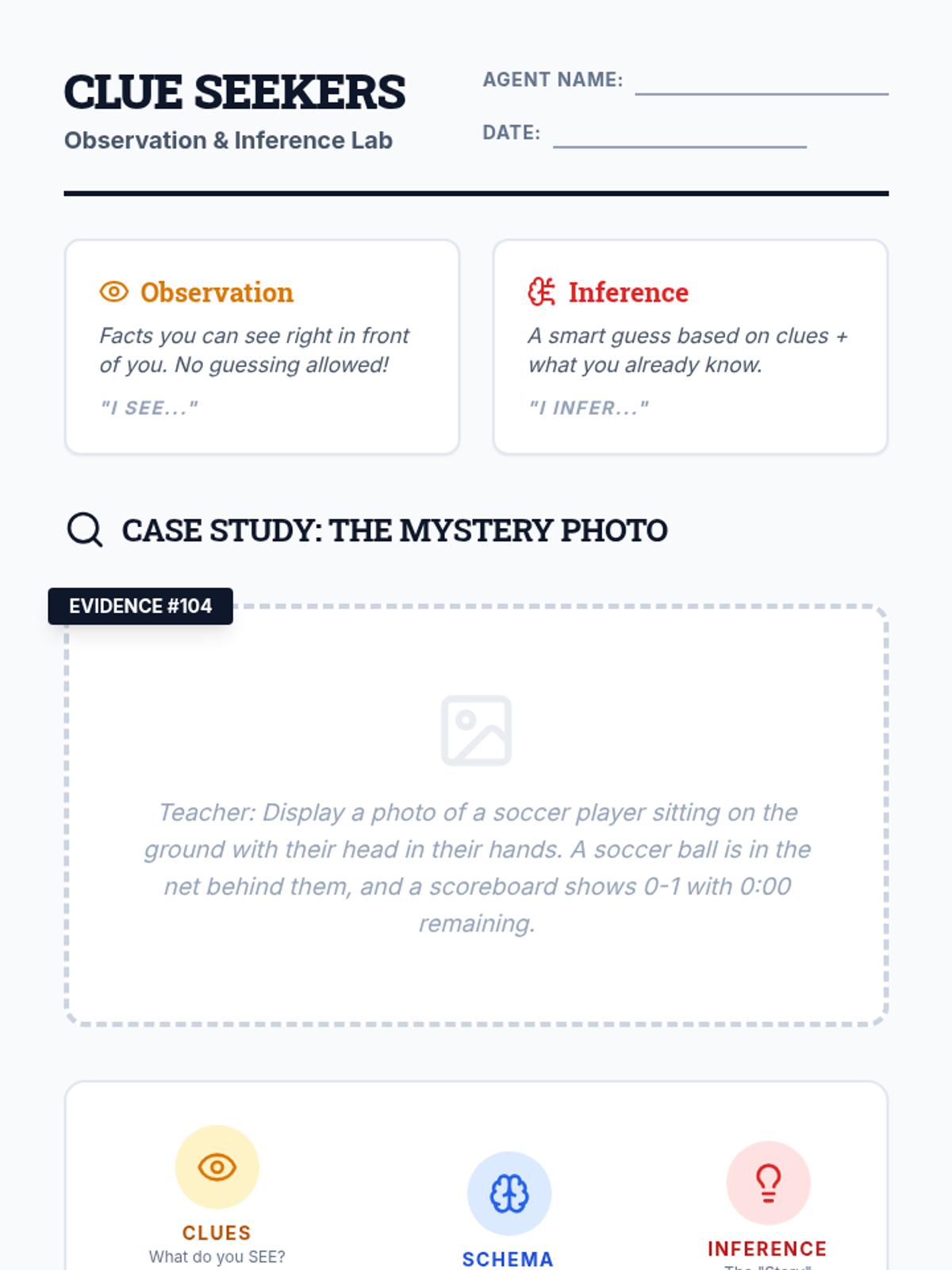
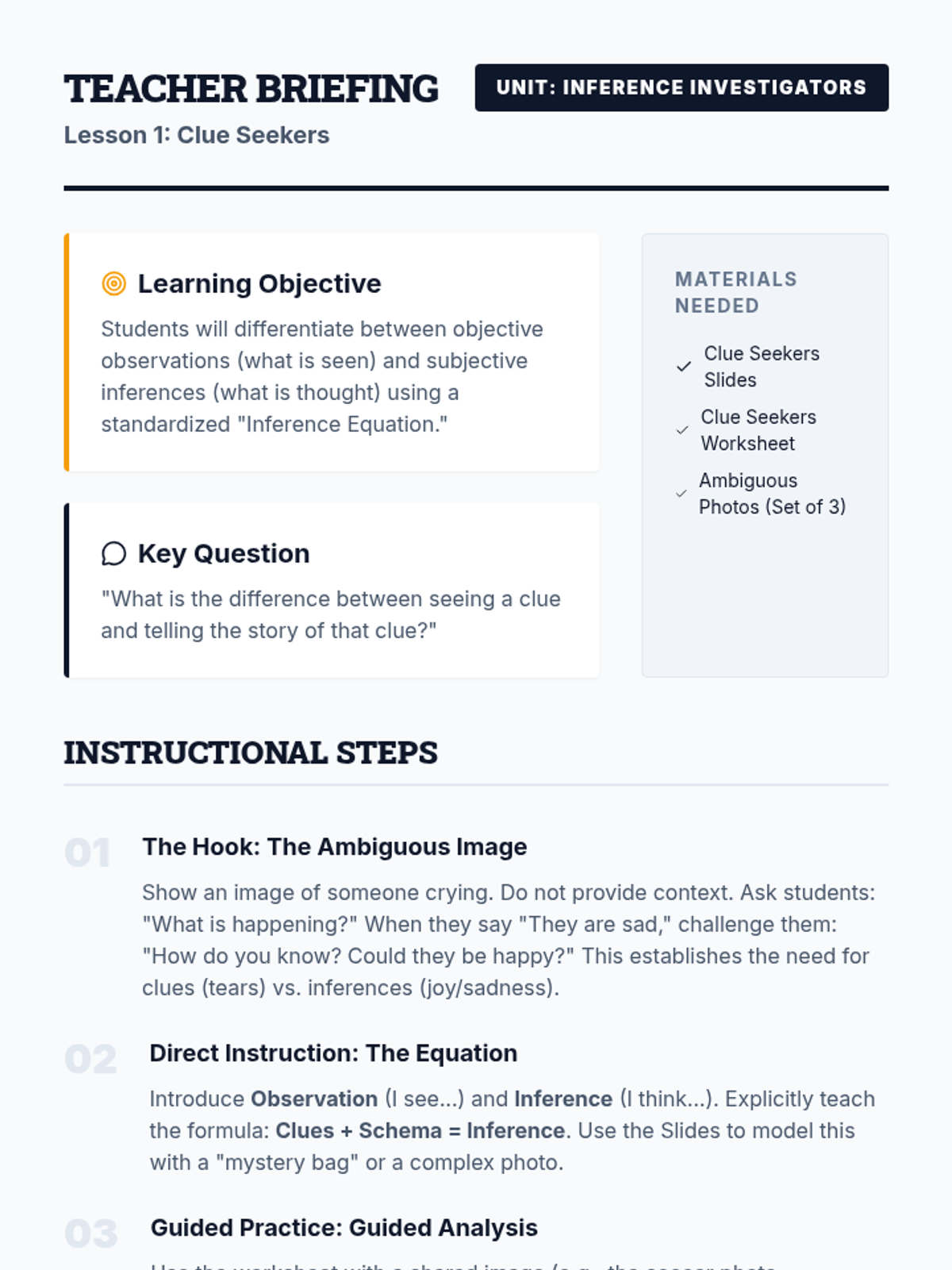
A 5-lesson sequence designed for 6th-grade students in academic support, focusing on building inference skills through visual media, silent films, comics, and photography before transitioning to text. This approach removes decoding barriers to strengthen cognitive critical thinking.
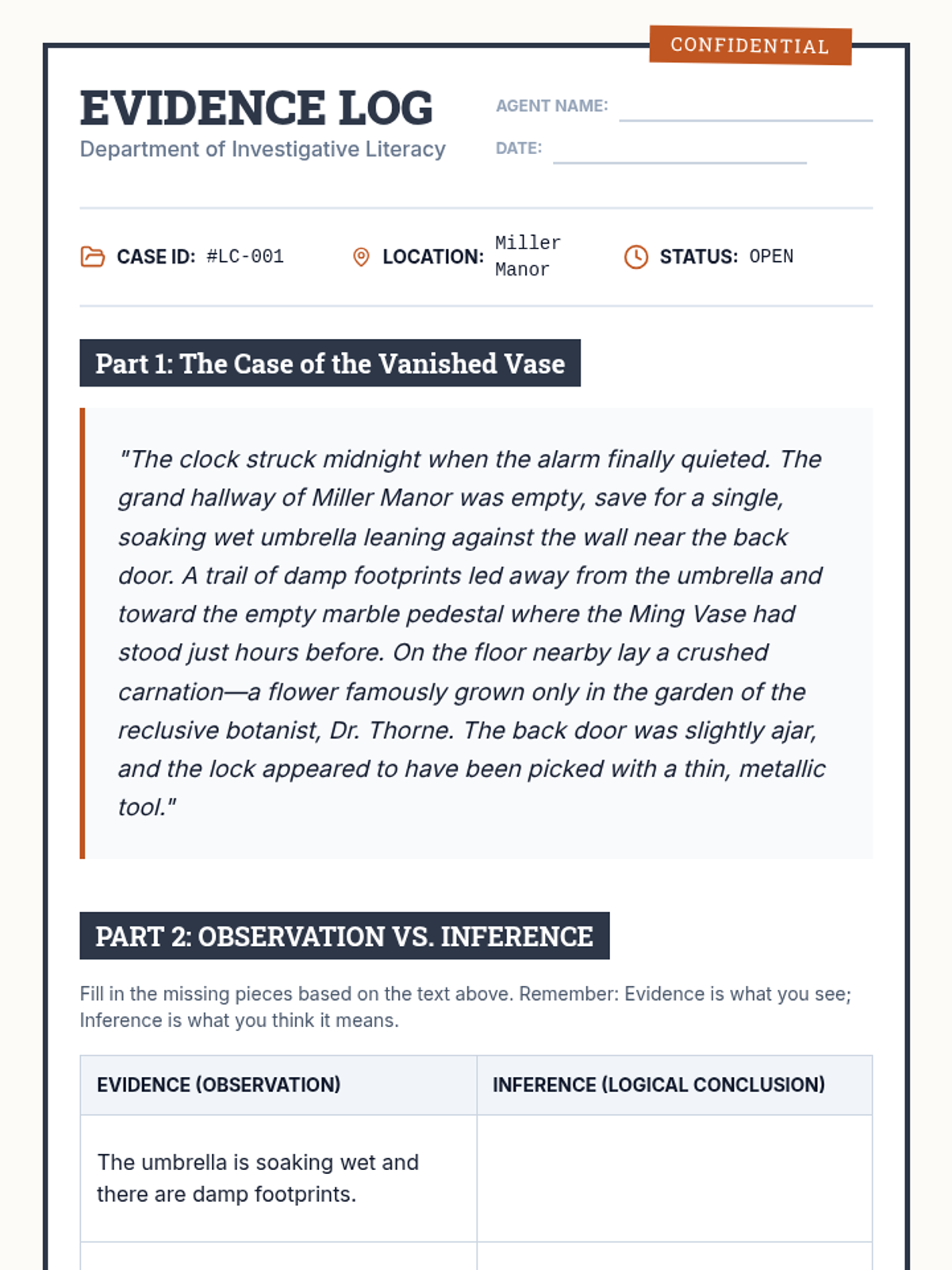
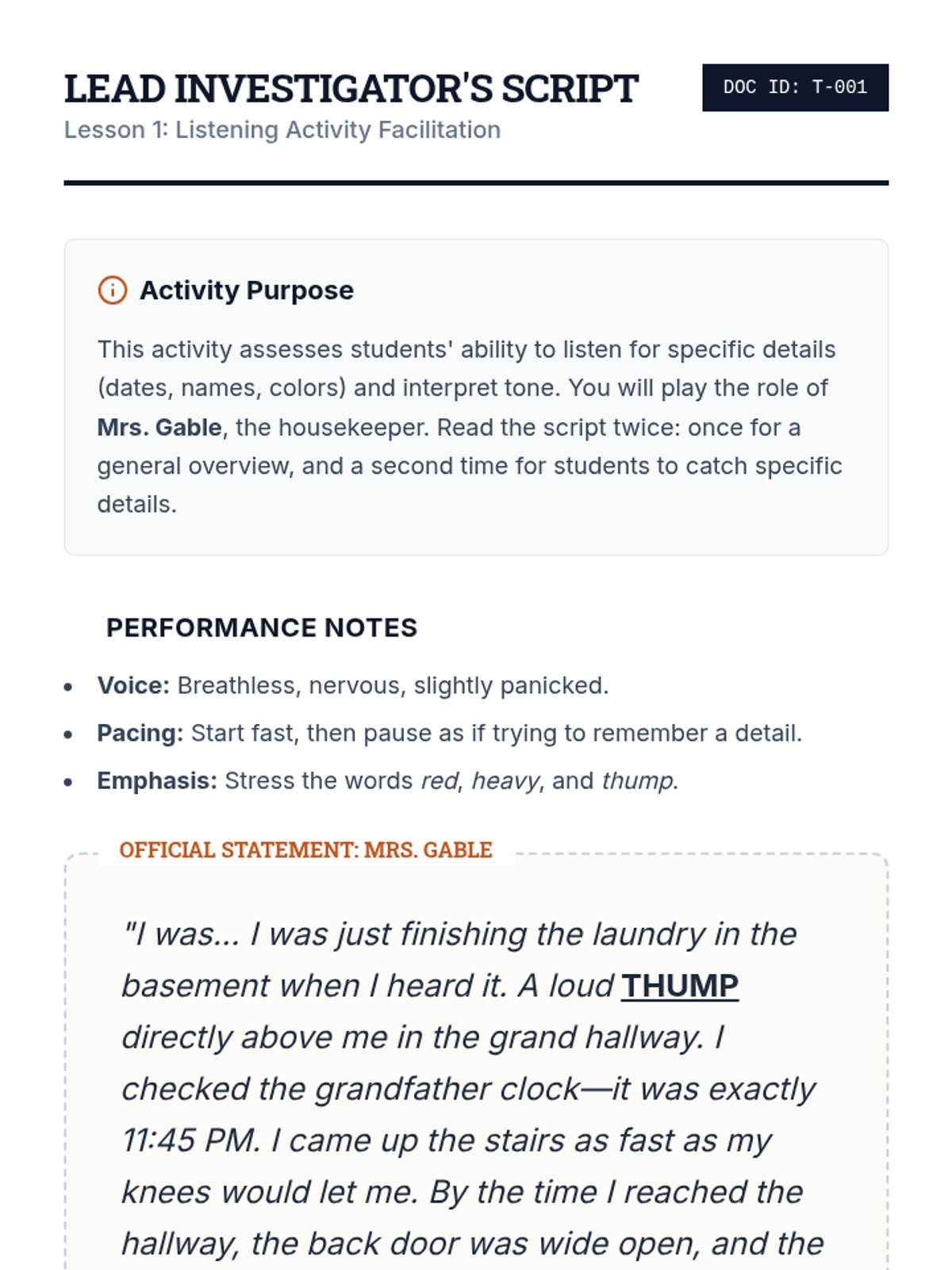
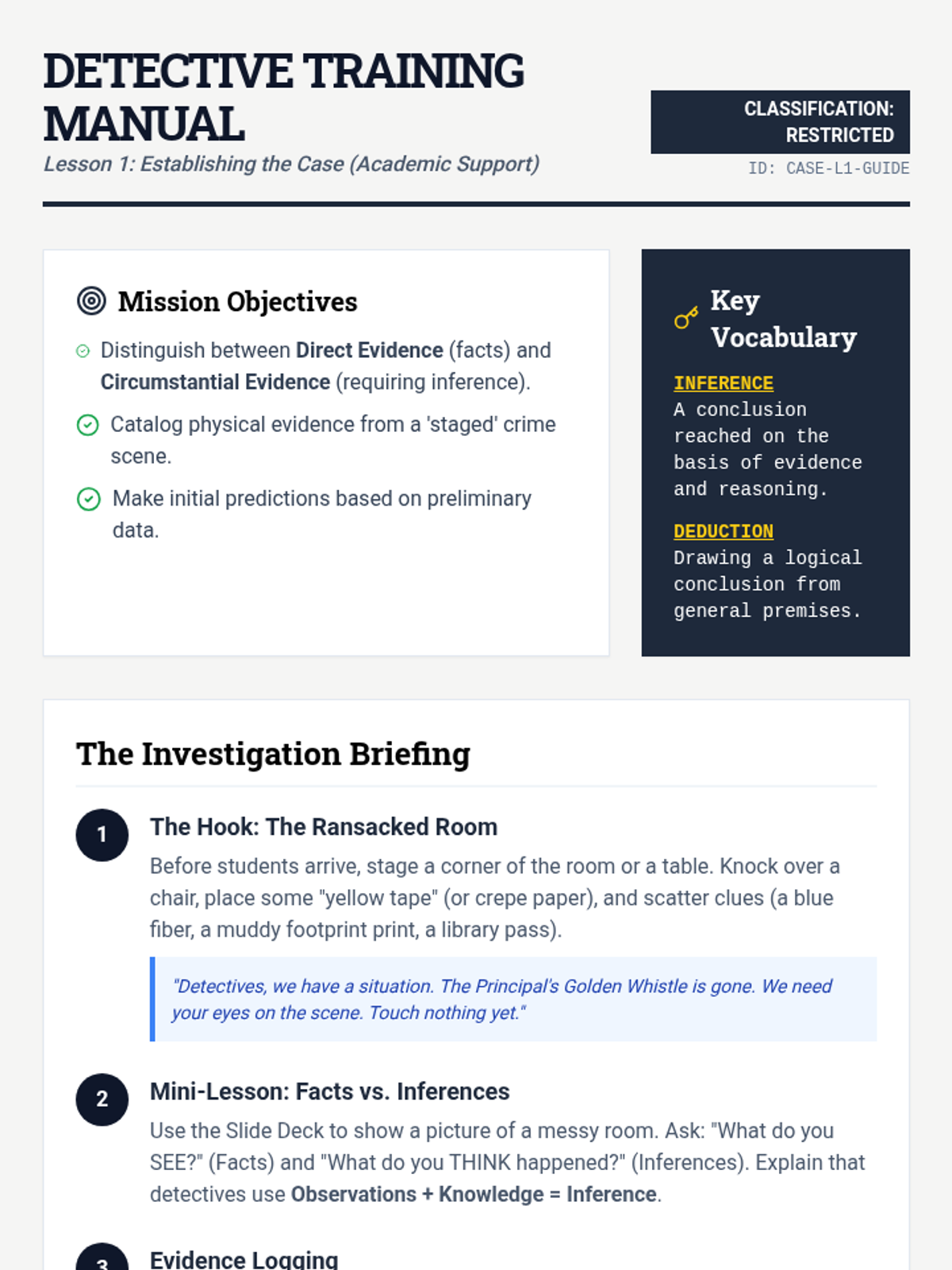
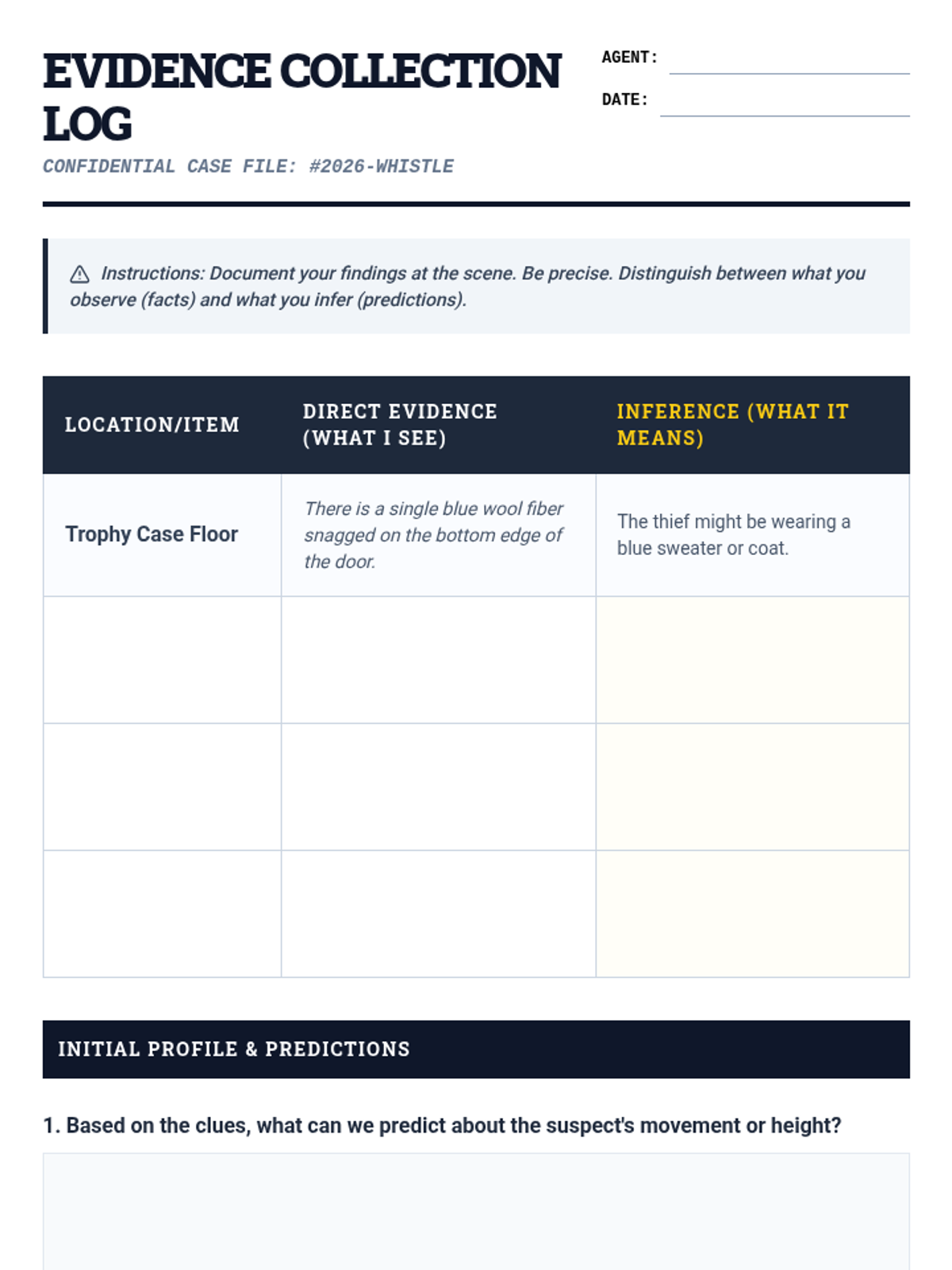
An immersive, gamified mystery sequence where 6th-grade students act as detectives to master predictions and inferences. By analyzing physical clues, witness statements, and found documents, students apply deductive reasoning to solve the 'Case of the Missing Golden Whistle.'
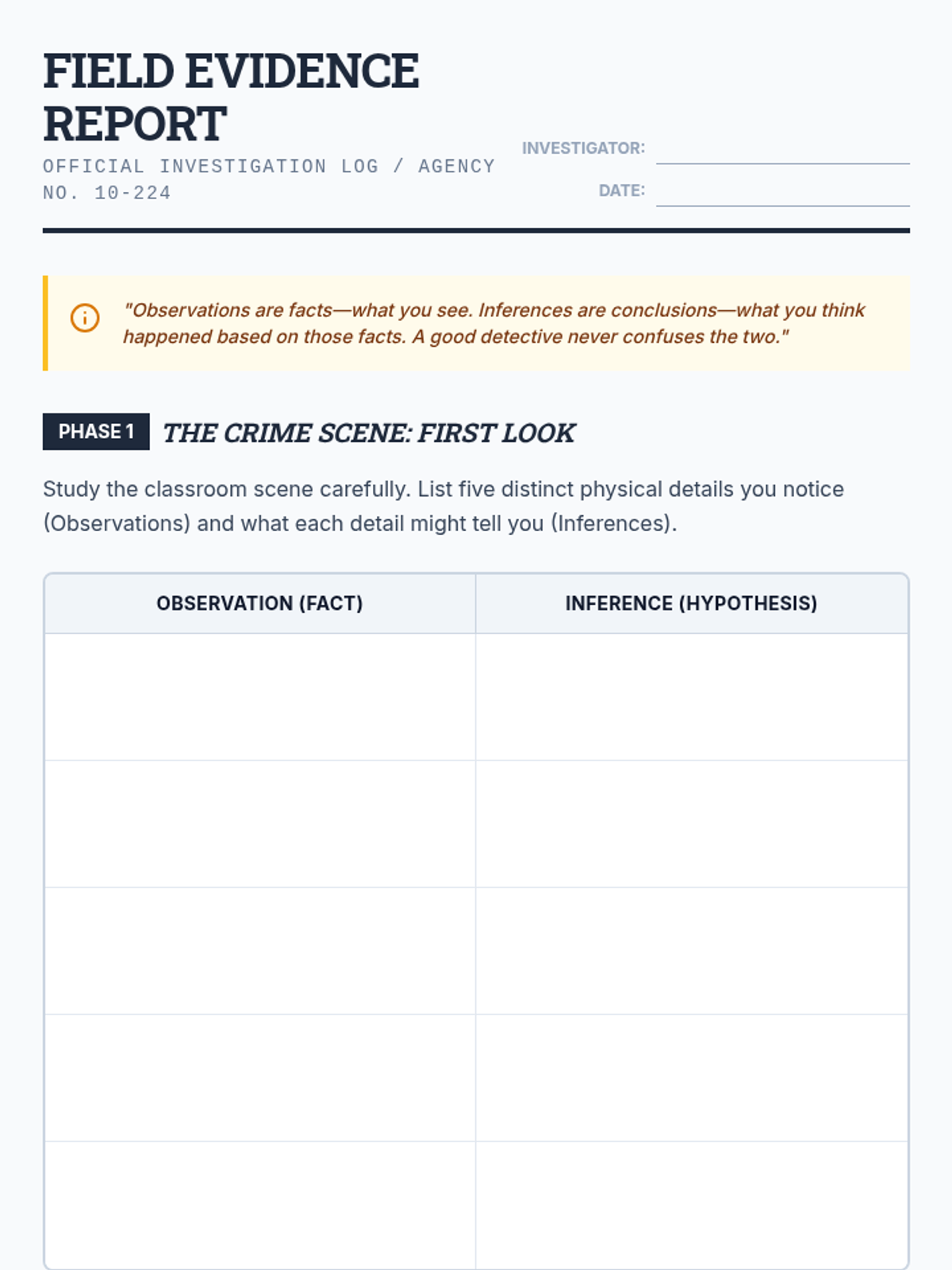
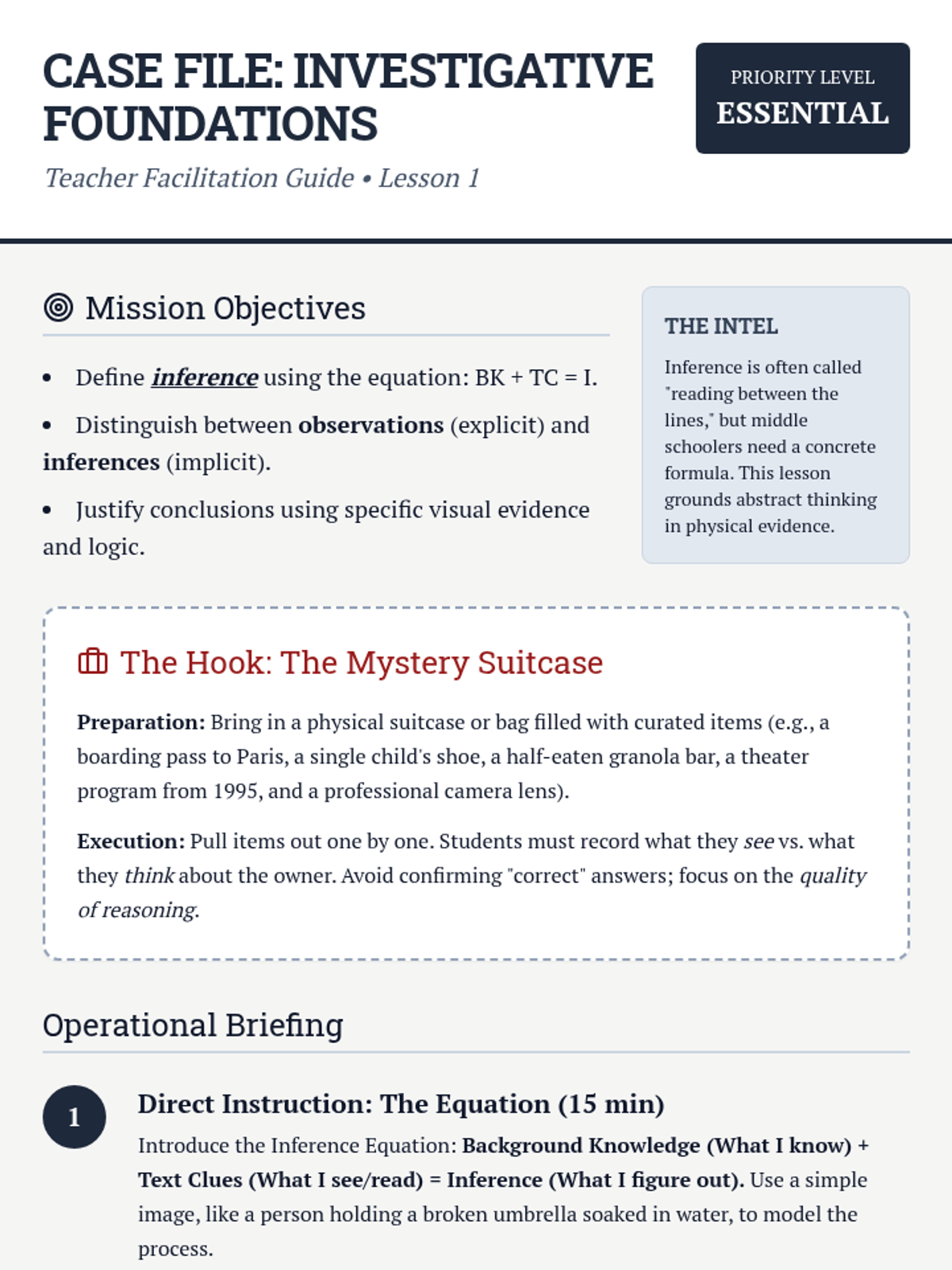
A forensic-themed reading comprehension unit where students act as investigators to master predictions and inferences. Through case studies and evidence tracking, students learn to bridge literal text with deep narrative meaning.
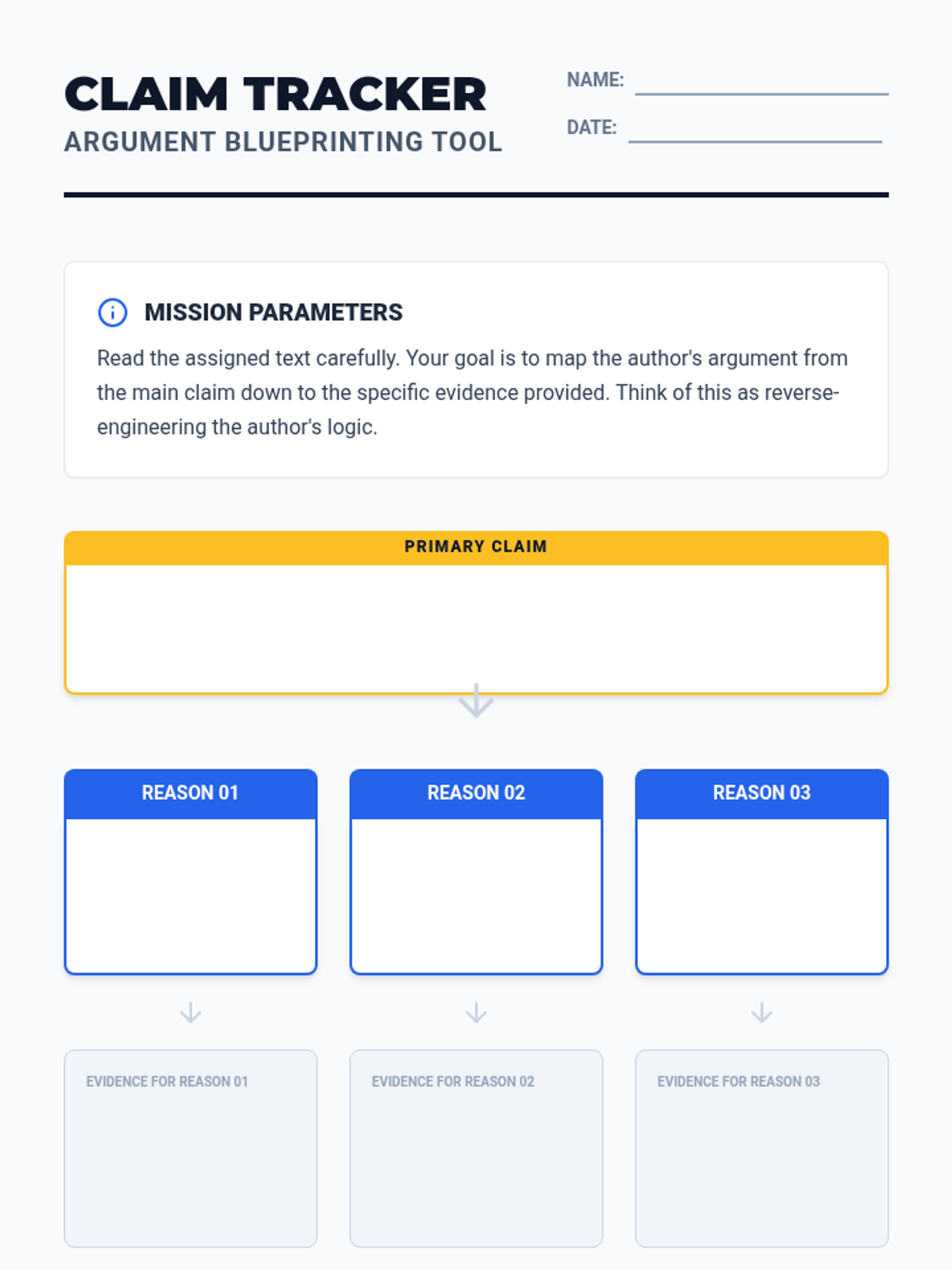
This sequence develops 7th-grade students' ability to trace and evaluate arguments in nonfiction texts. Students act as 'argument detectives,' identifying claims, weighing evidence types, mapping logic, and detecting bias to judge the overall sufficiency of an author's reasoning.
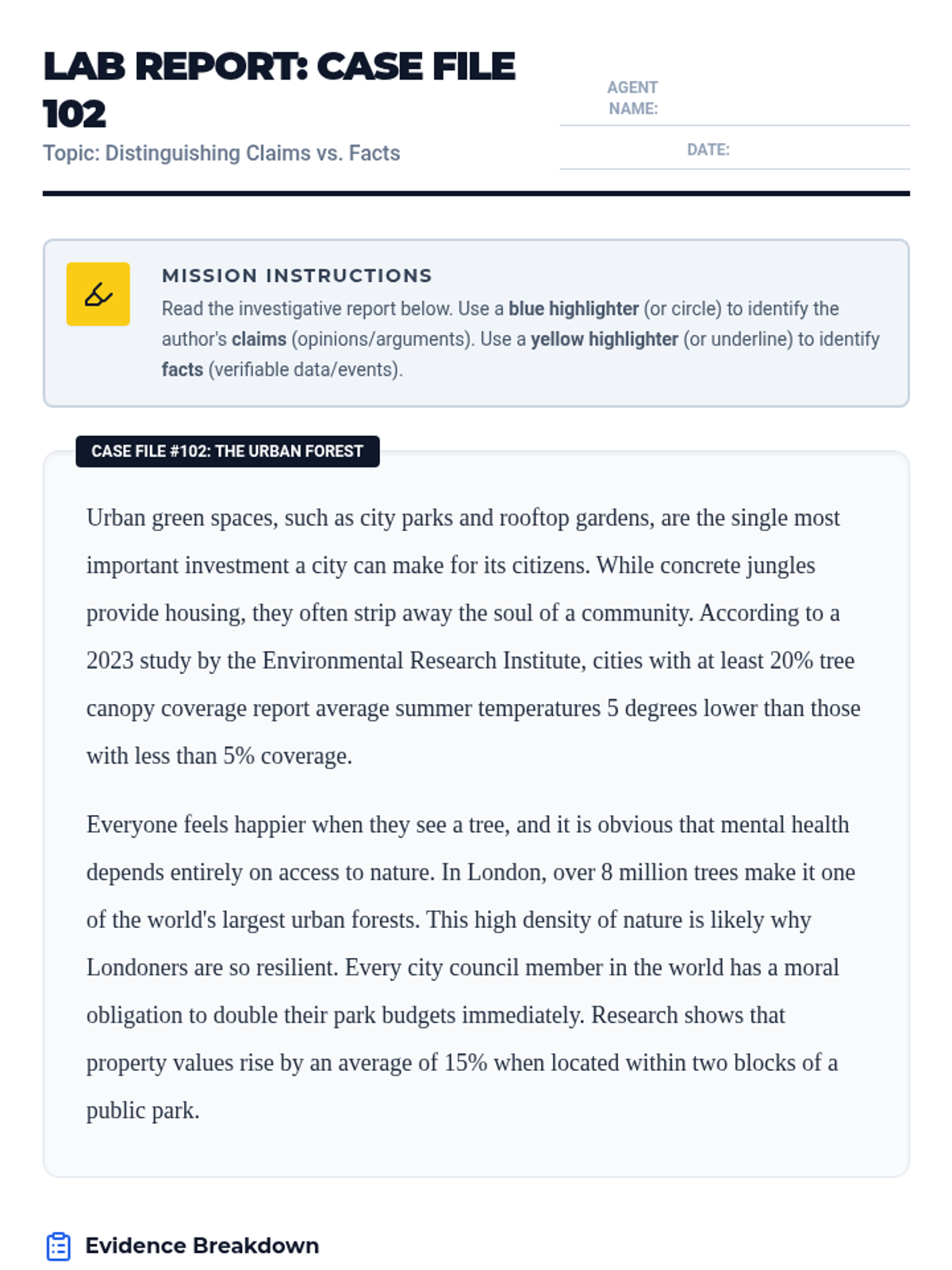
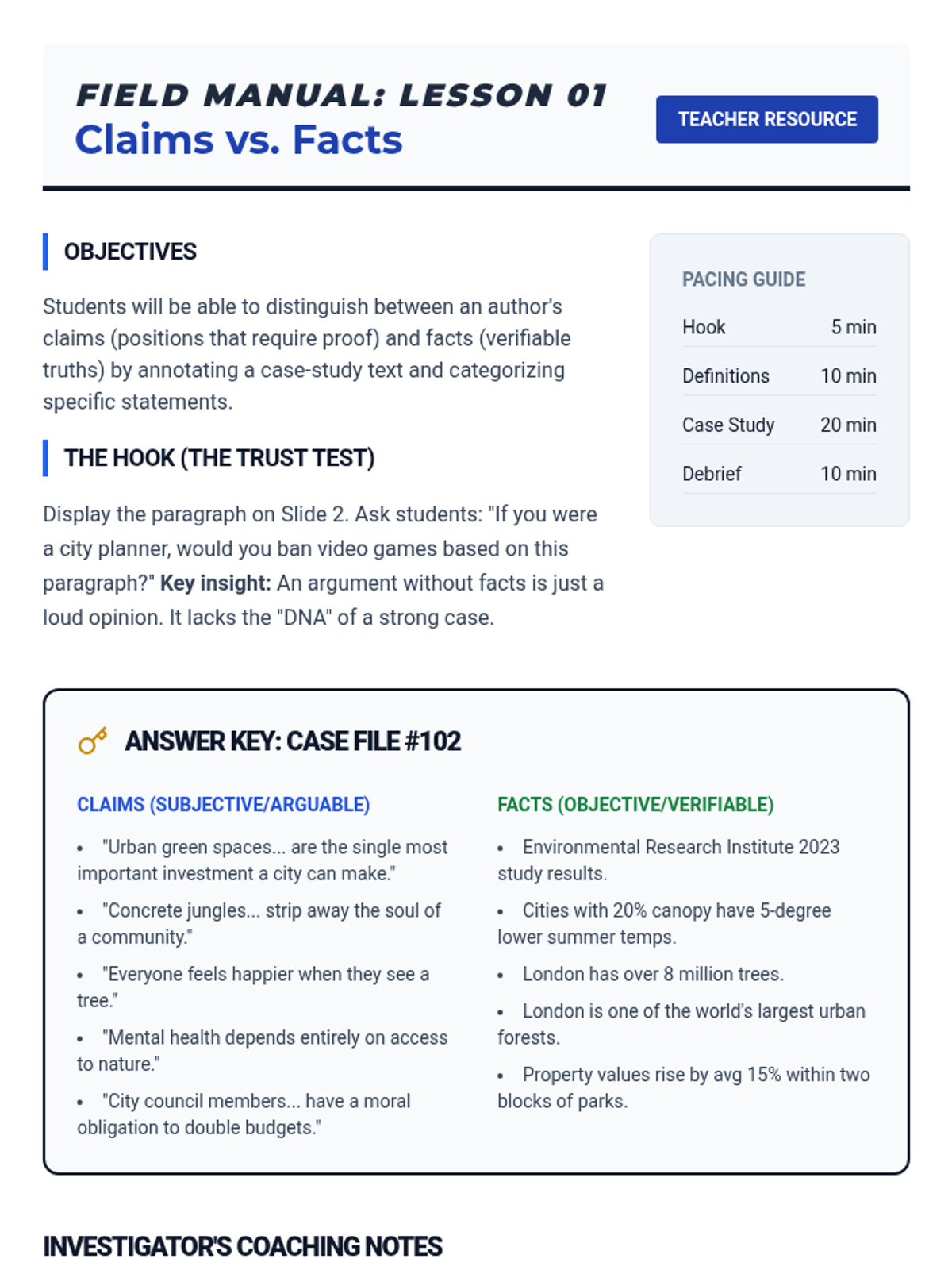
Students investigate how authors build persuasive arguments in nonfiction texts. They learn to trace claims, distinguish between facts and opinions, evaluate the sufficiency of evidence, and detect bias to determine the credibility of a text.
A comprehensive 7th-grade unit that guides students through the cognitive process of making inferences to uncover deep literary themes, moving from visual analysis to evidence-based writing.
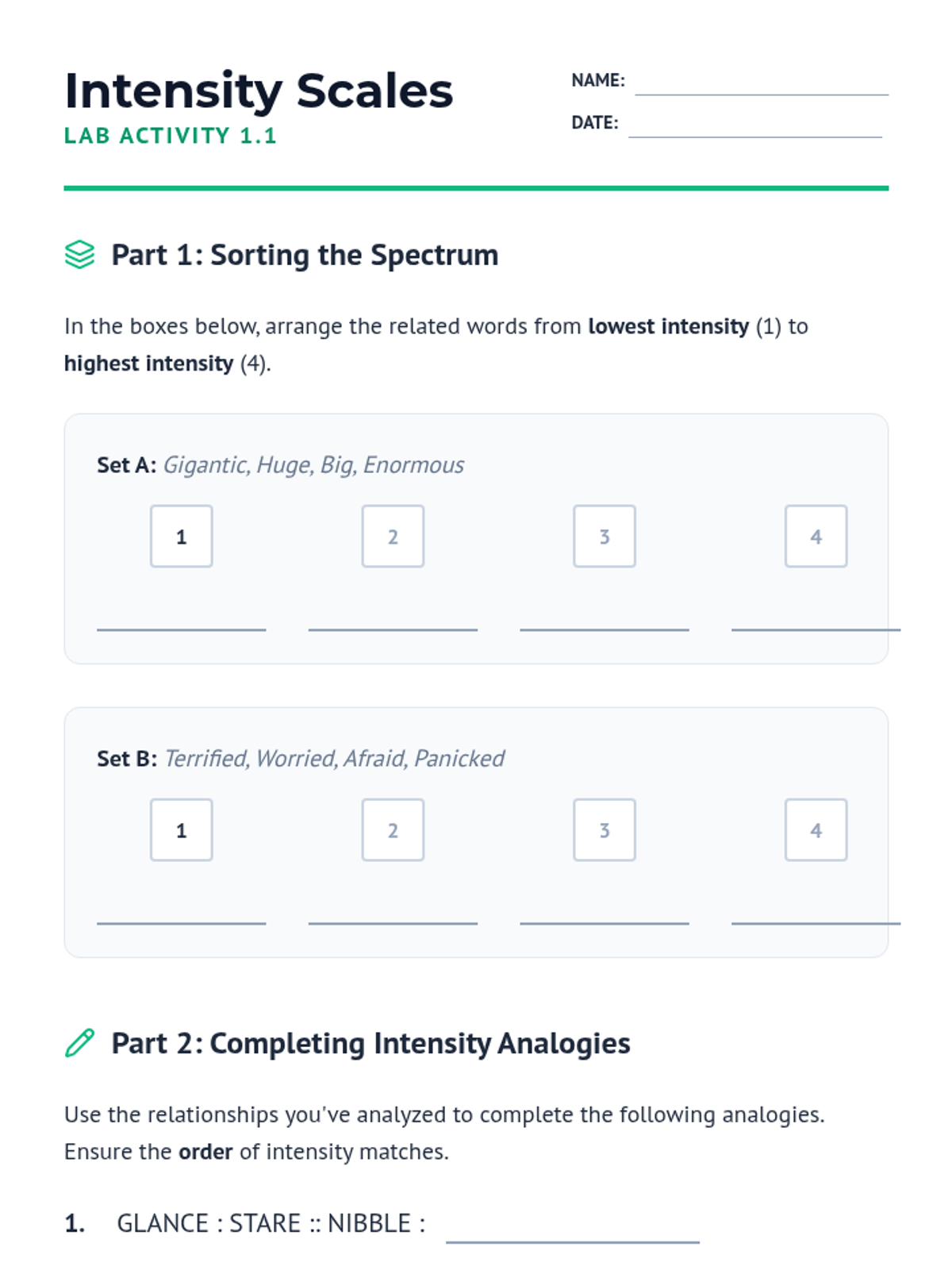
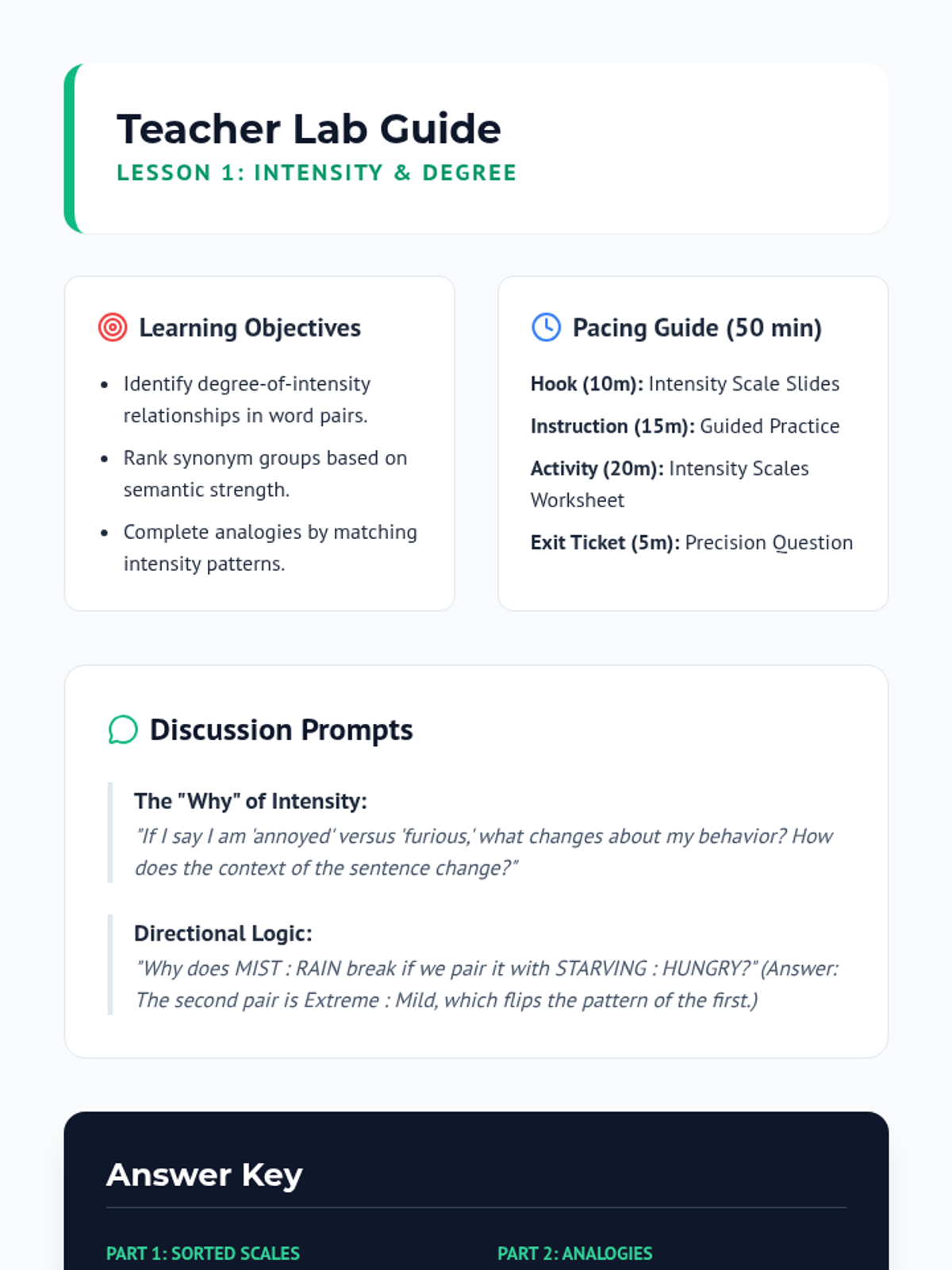
A 5-lesson sequence for 7th grade students focusing on advanced analogy relationships, specifically degrees of intensity and cause-effect logic. Students will learn to analyze nuances, distinguish between causal and sequential relationships, and debate the precision of word choices.
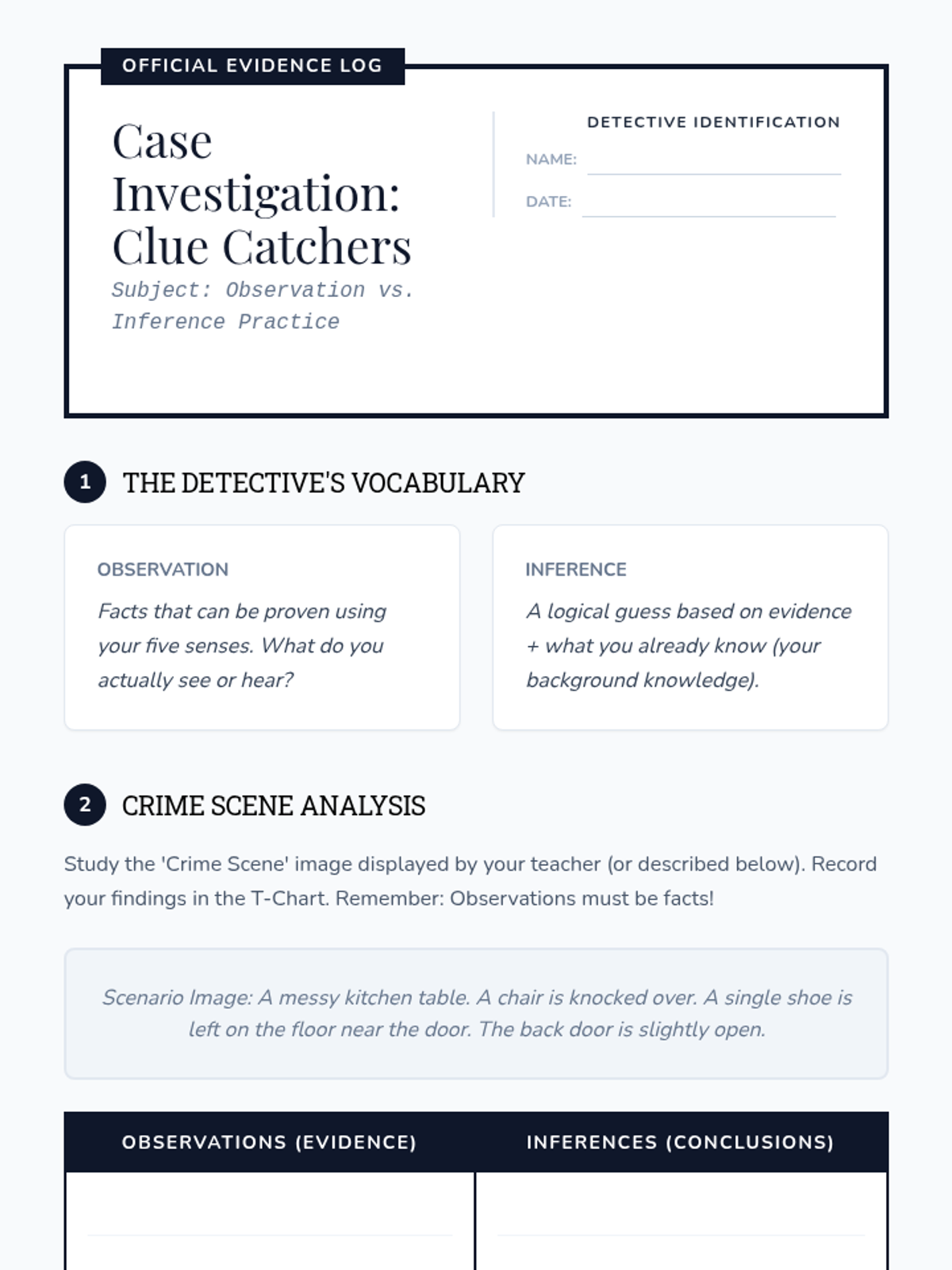
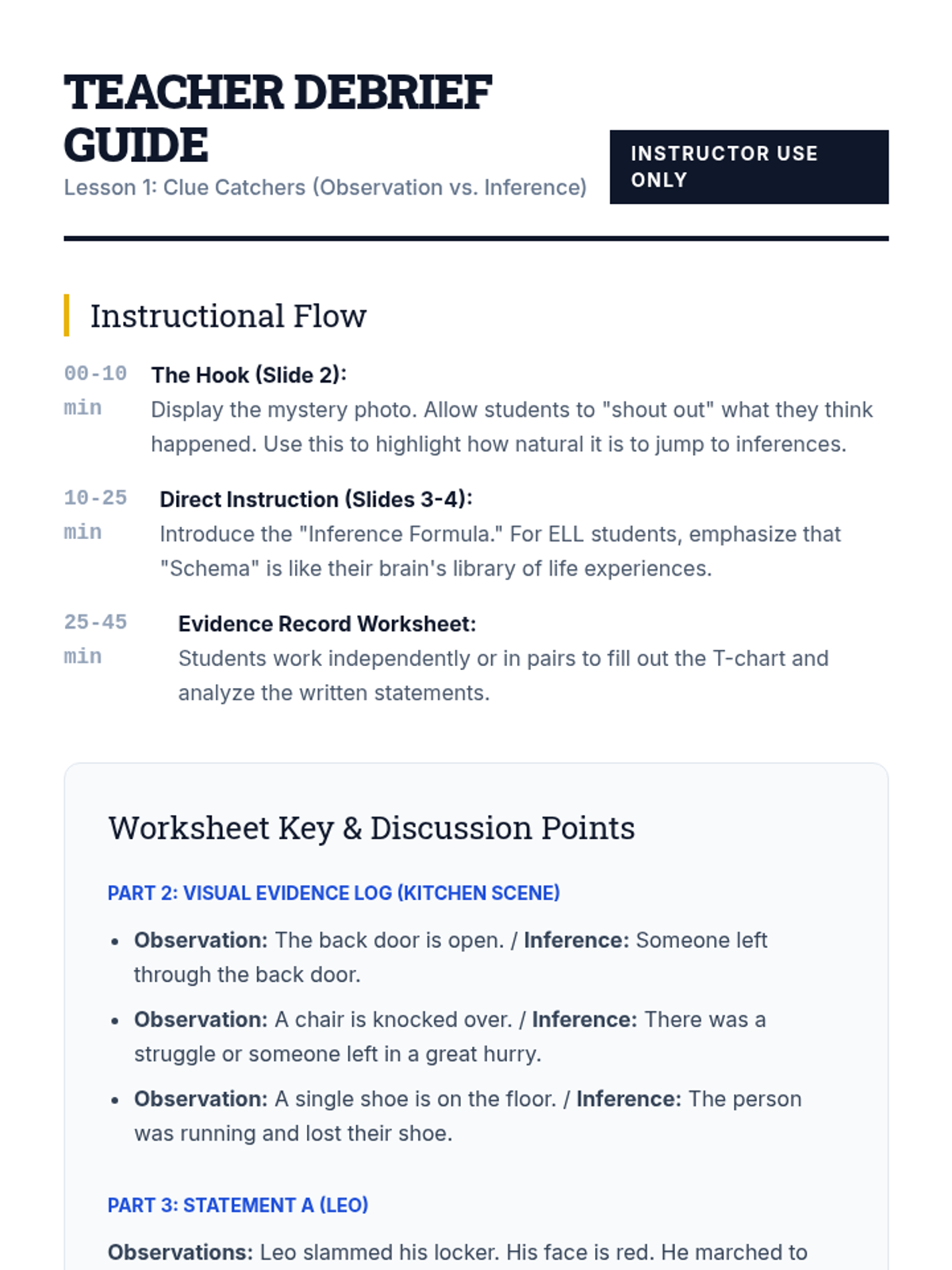
This sequence immerses students in the genre of mystery and suspense to develop critical inferencing skills, starting from visual observations and moving to complex textual analysis of dialogue, motivation, and reliability.
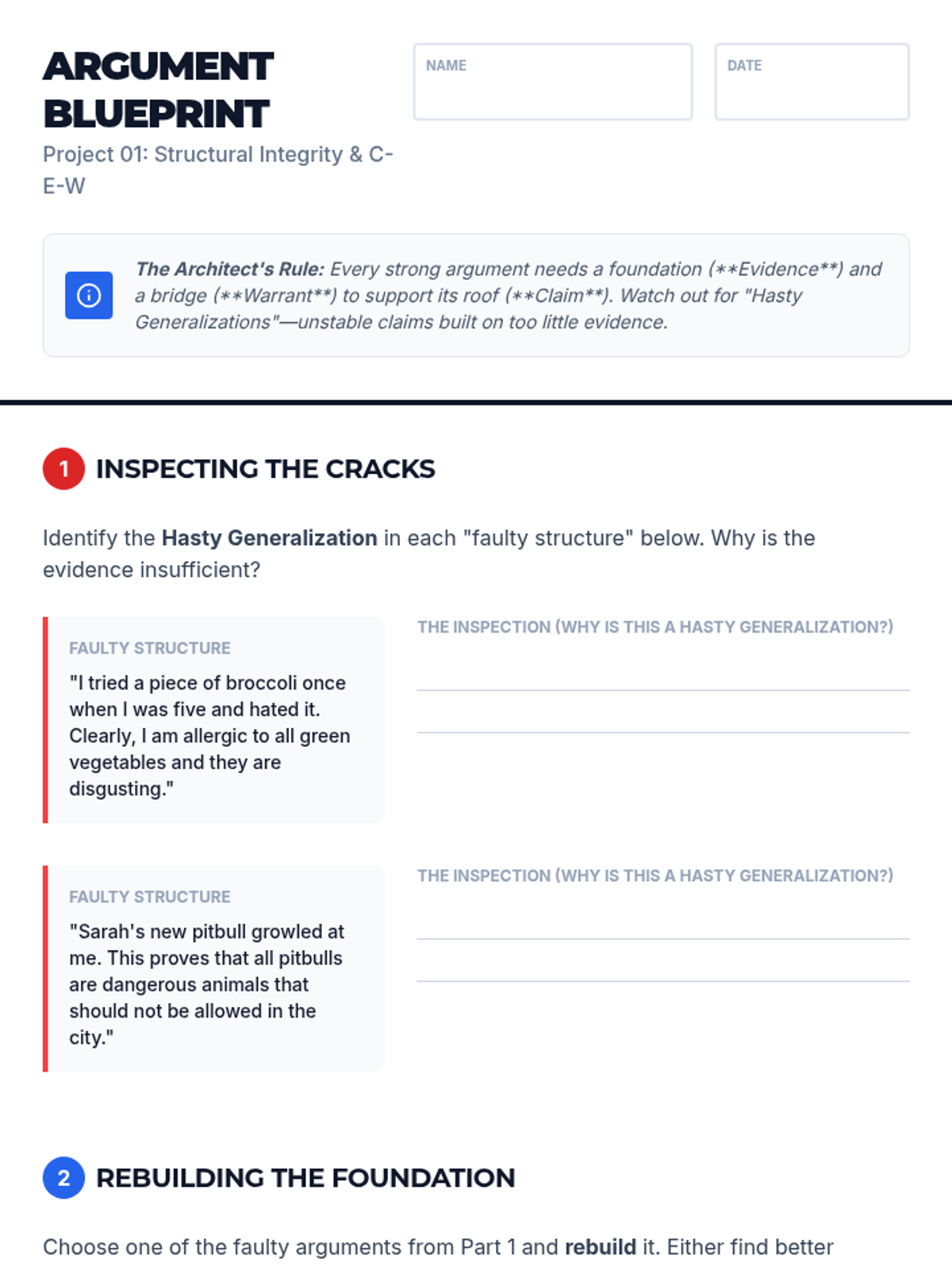
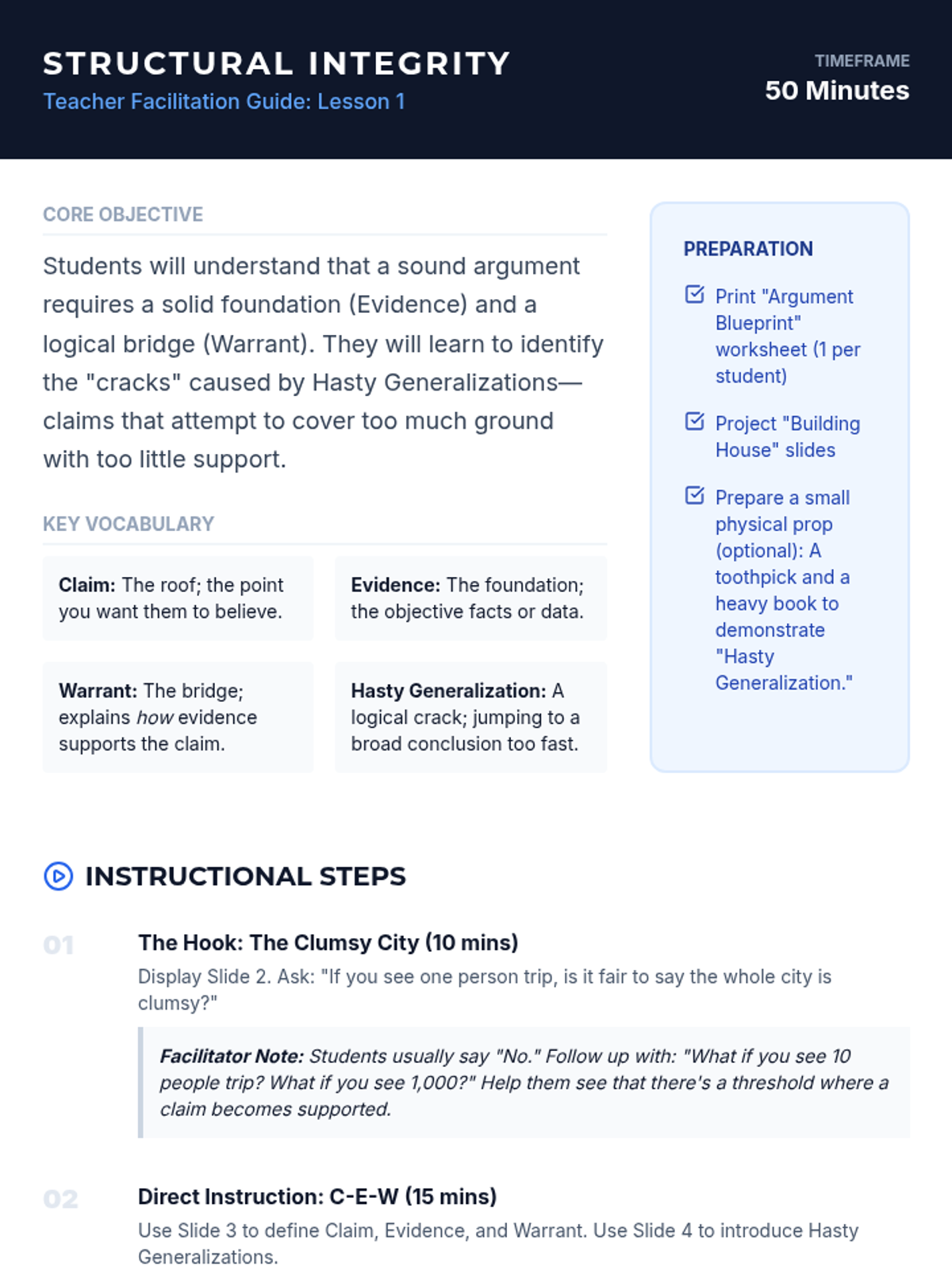
A workshop-style series designed to help 7th grade students strengthen their persuasive writing and speaking by identifying and eliminating logical fallacies. Students learn the Claim-Evidence-Warrant model and focus on avoiding Hasty Generalizations, Red Herrings, and Circular Reasoning.
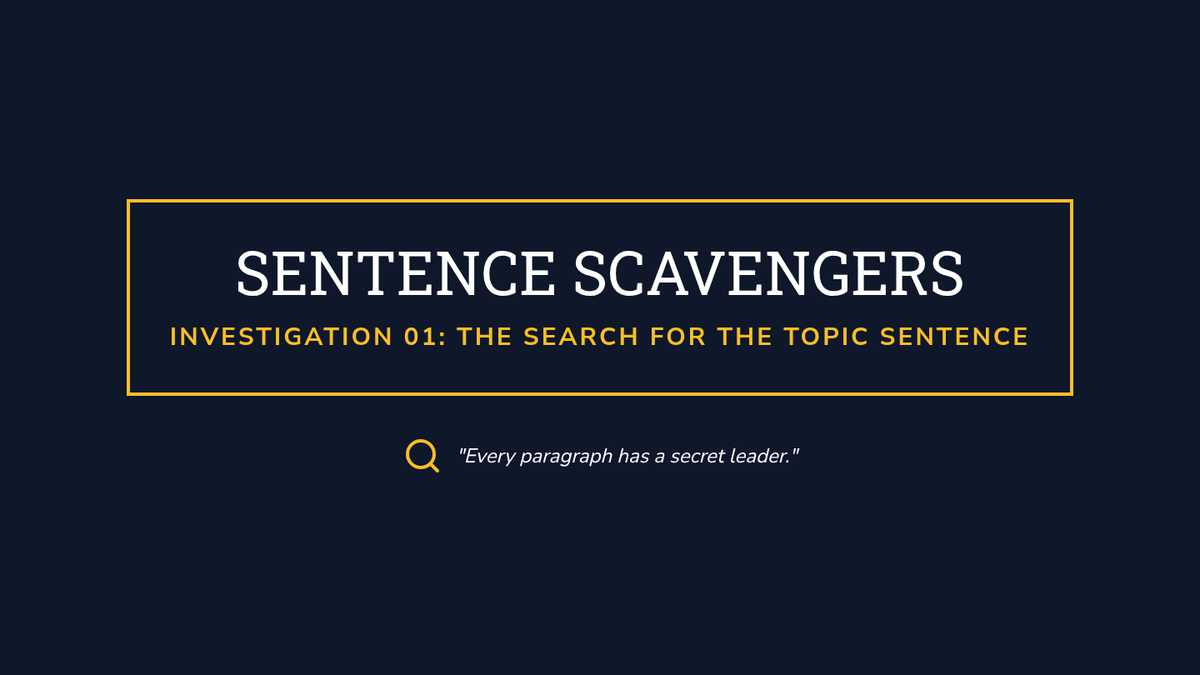
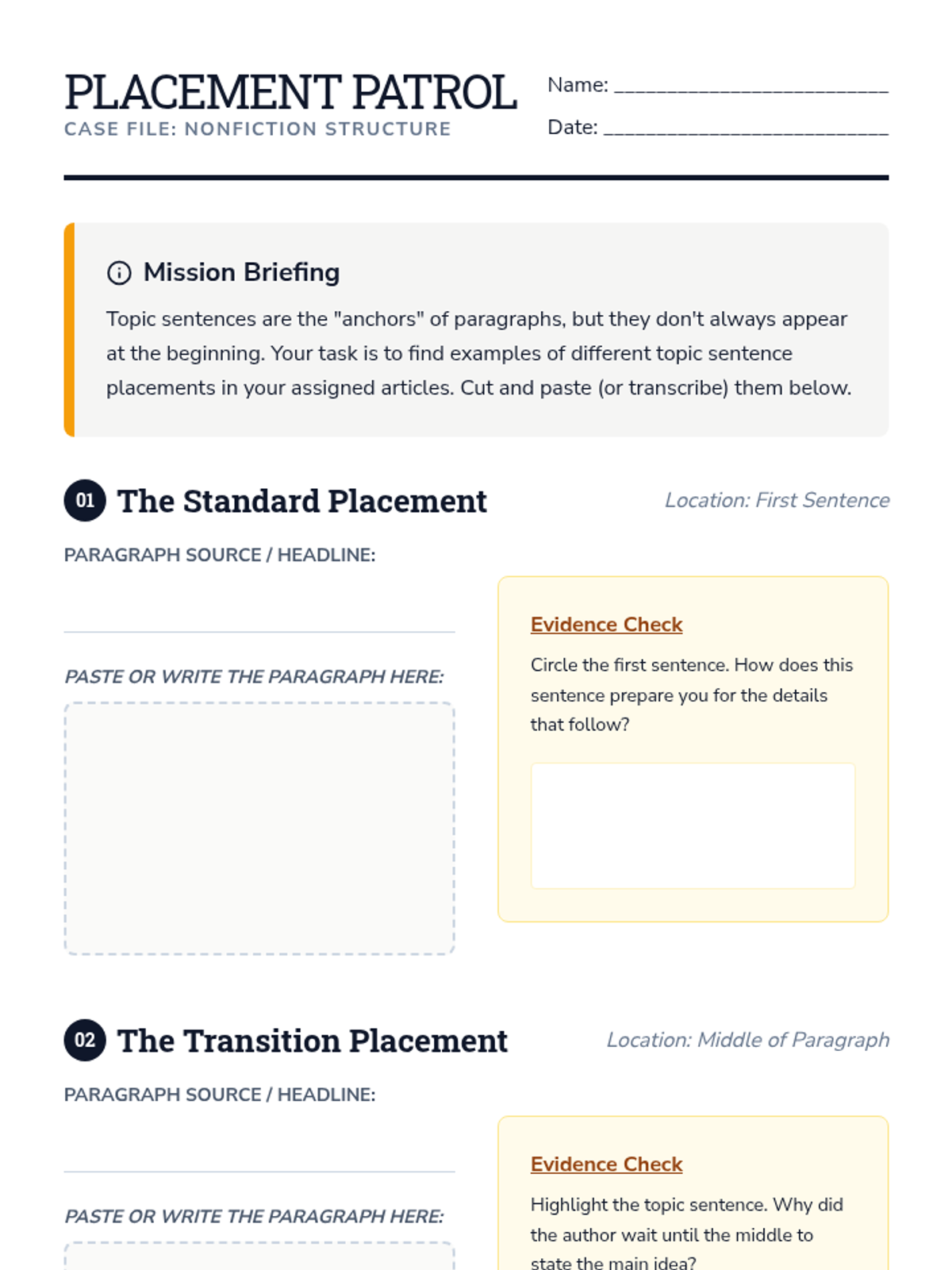
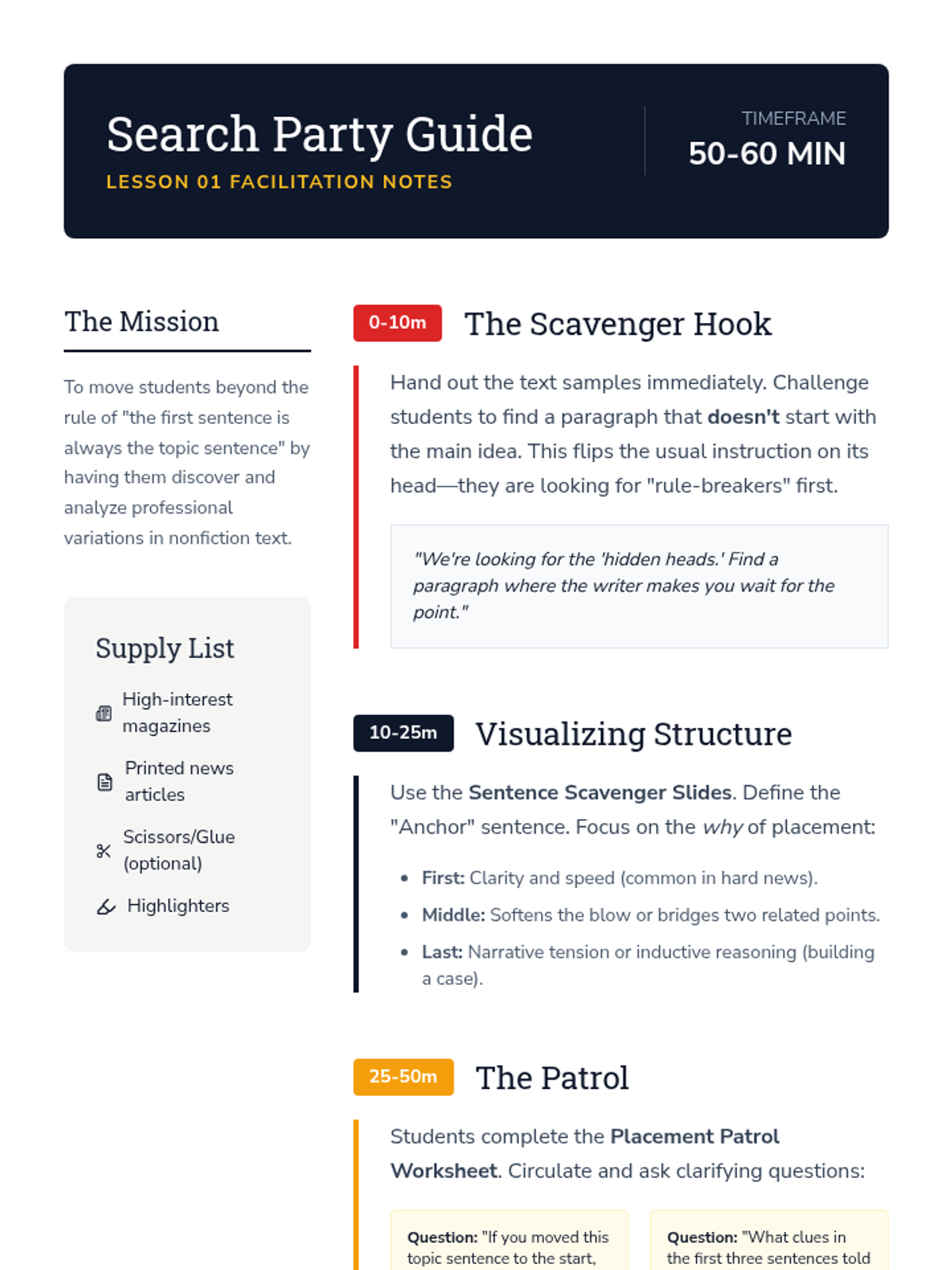
An inquiry-based exploration of topic sentences in nonfiction, where students reverse-engineer journalism and essays to understand how writers unify details into coherent thoughts.