Syllogisms, deductive validity, and the principles of inductive probability for evaluating evidence-based claims. Targets common logical fallacies and the construction of sound, persuasive arguments.
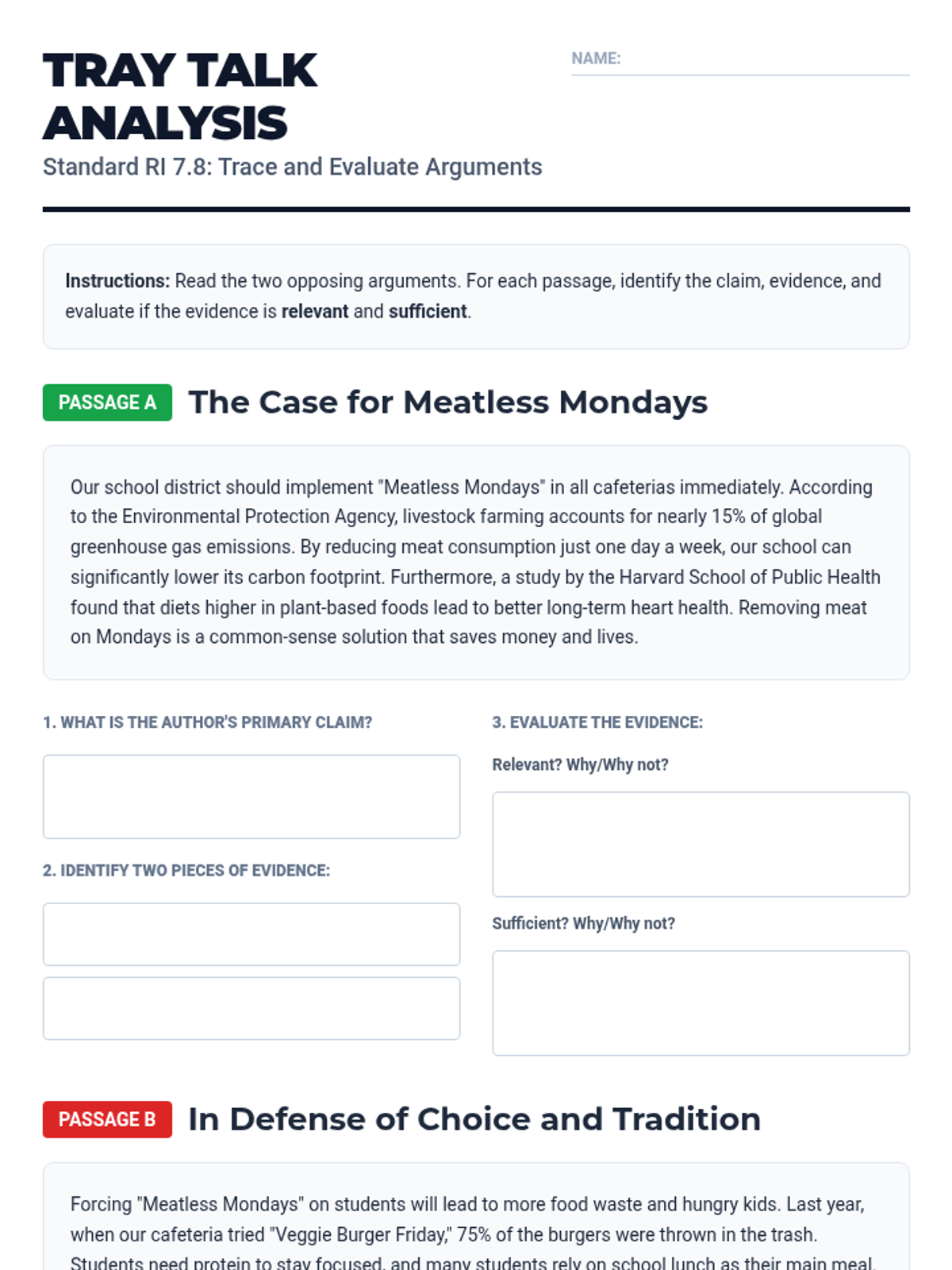
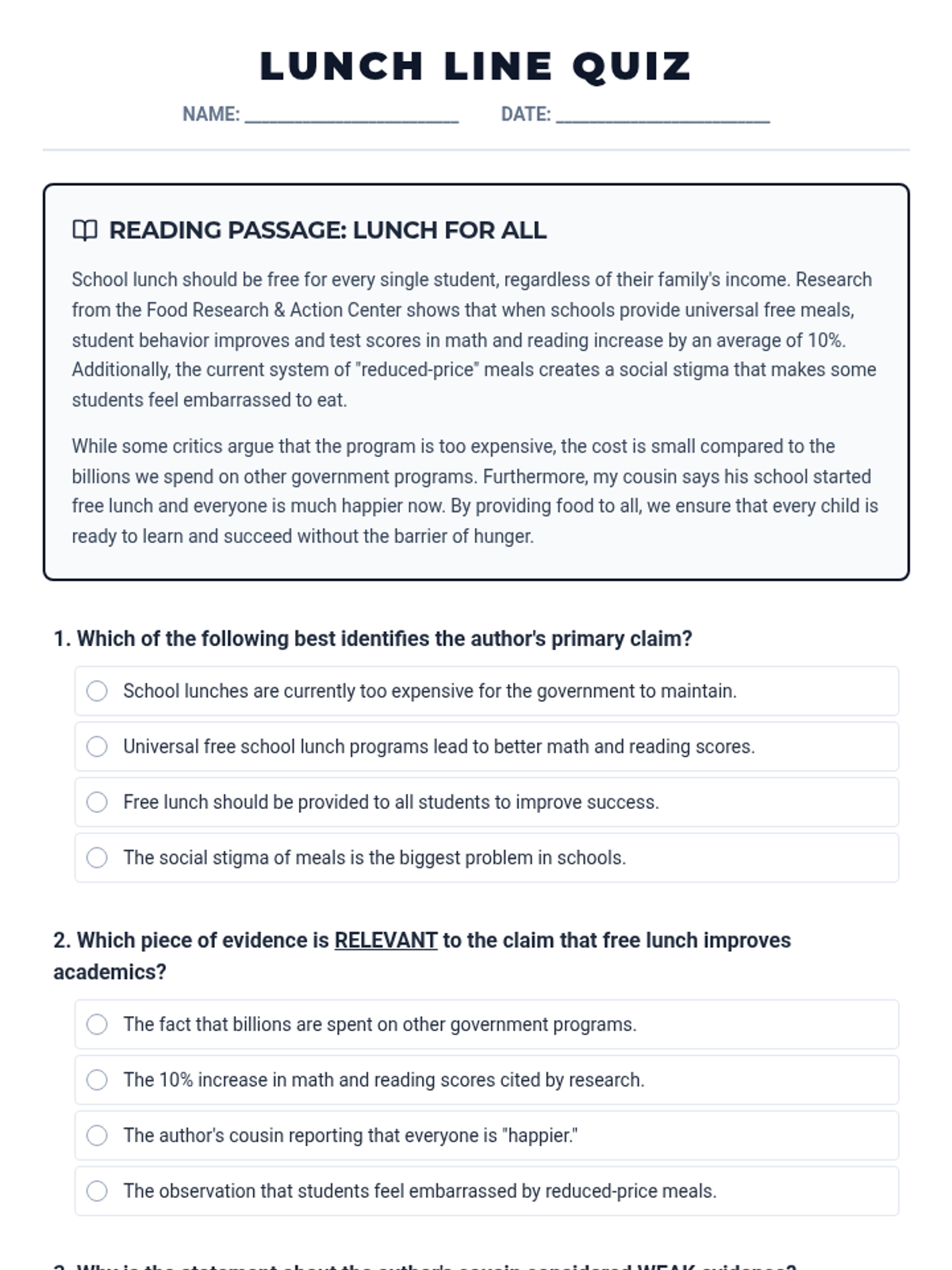
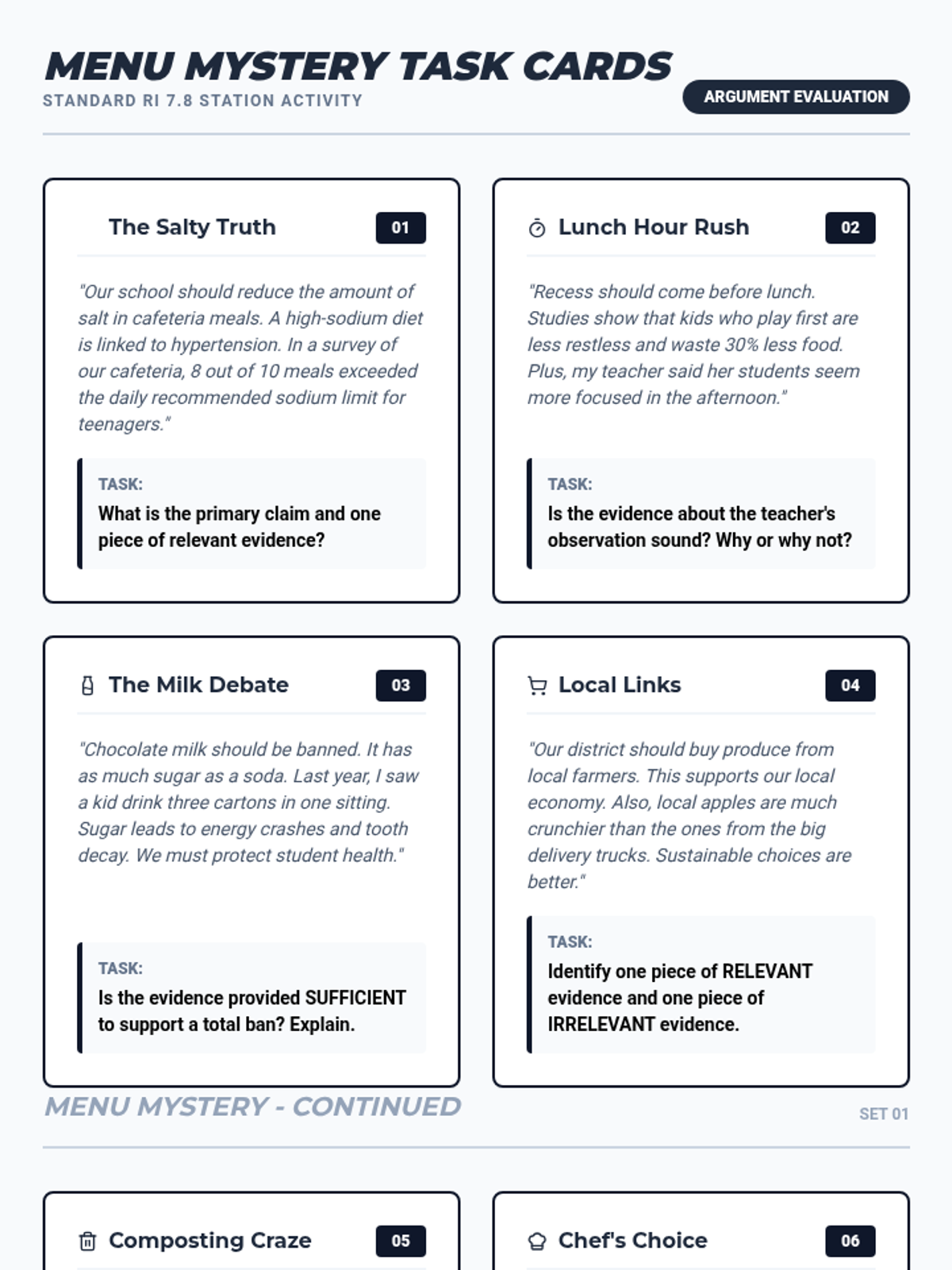
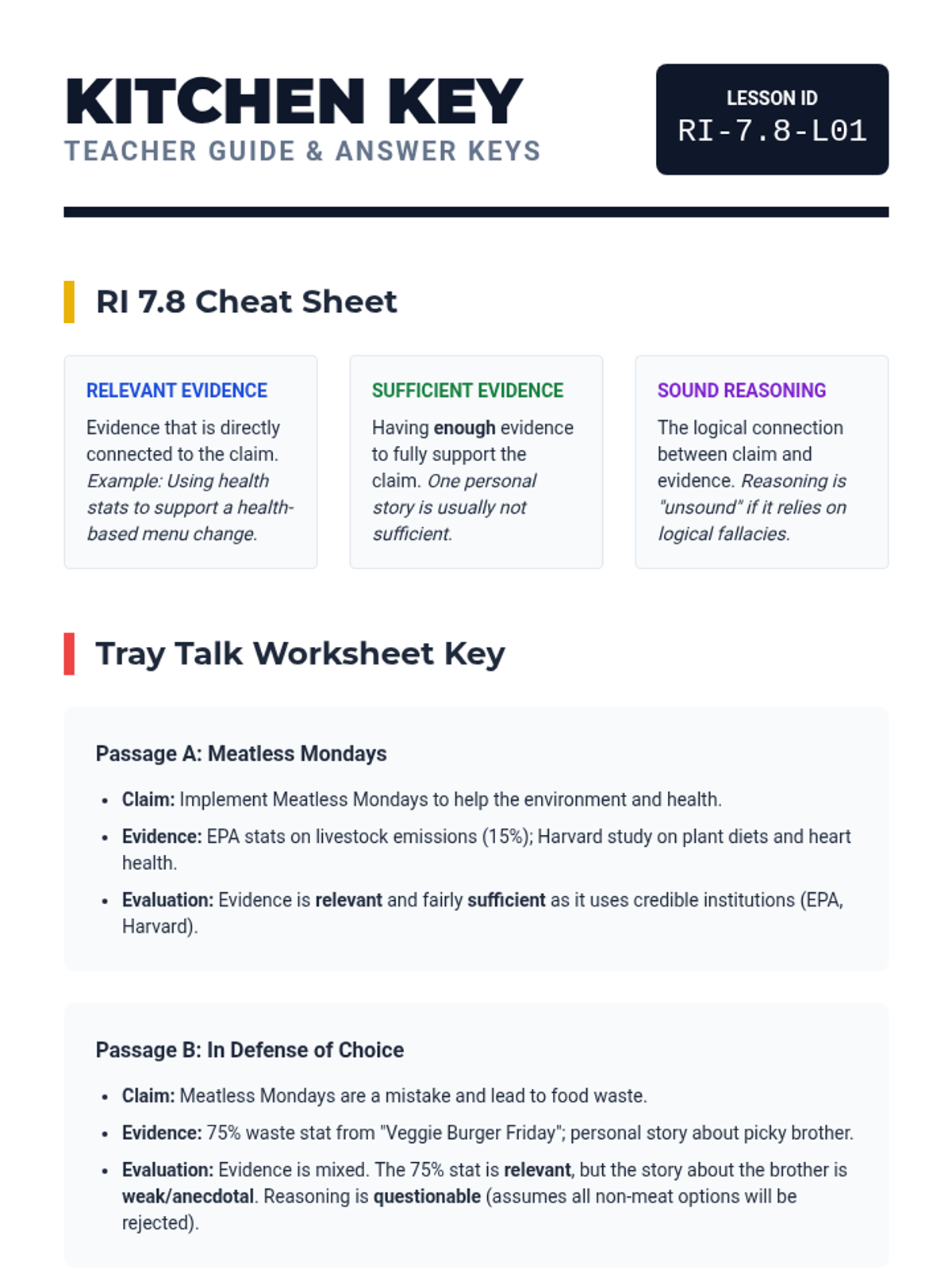
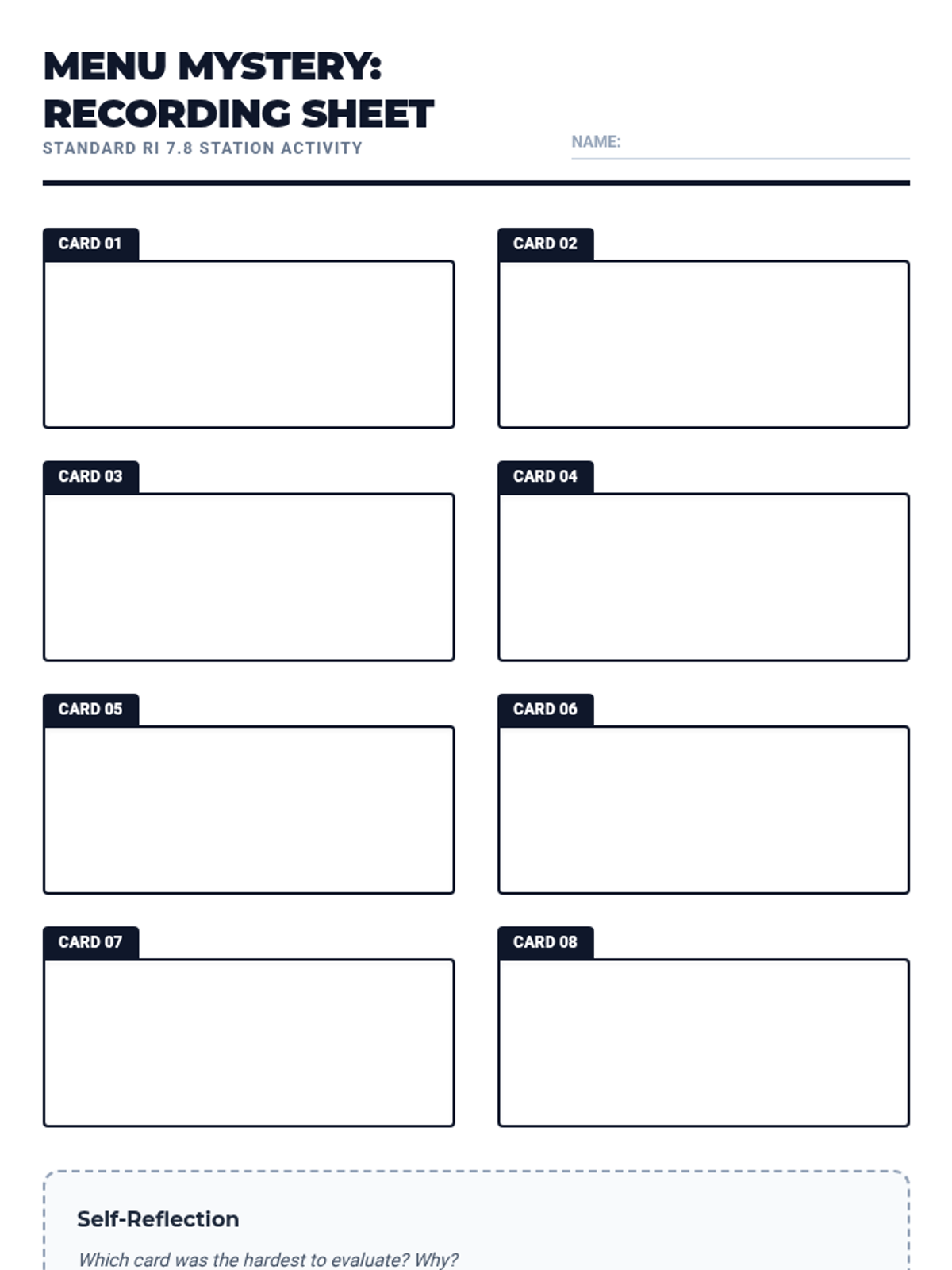
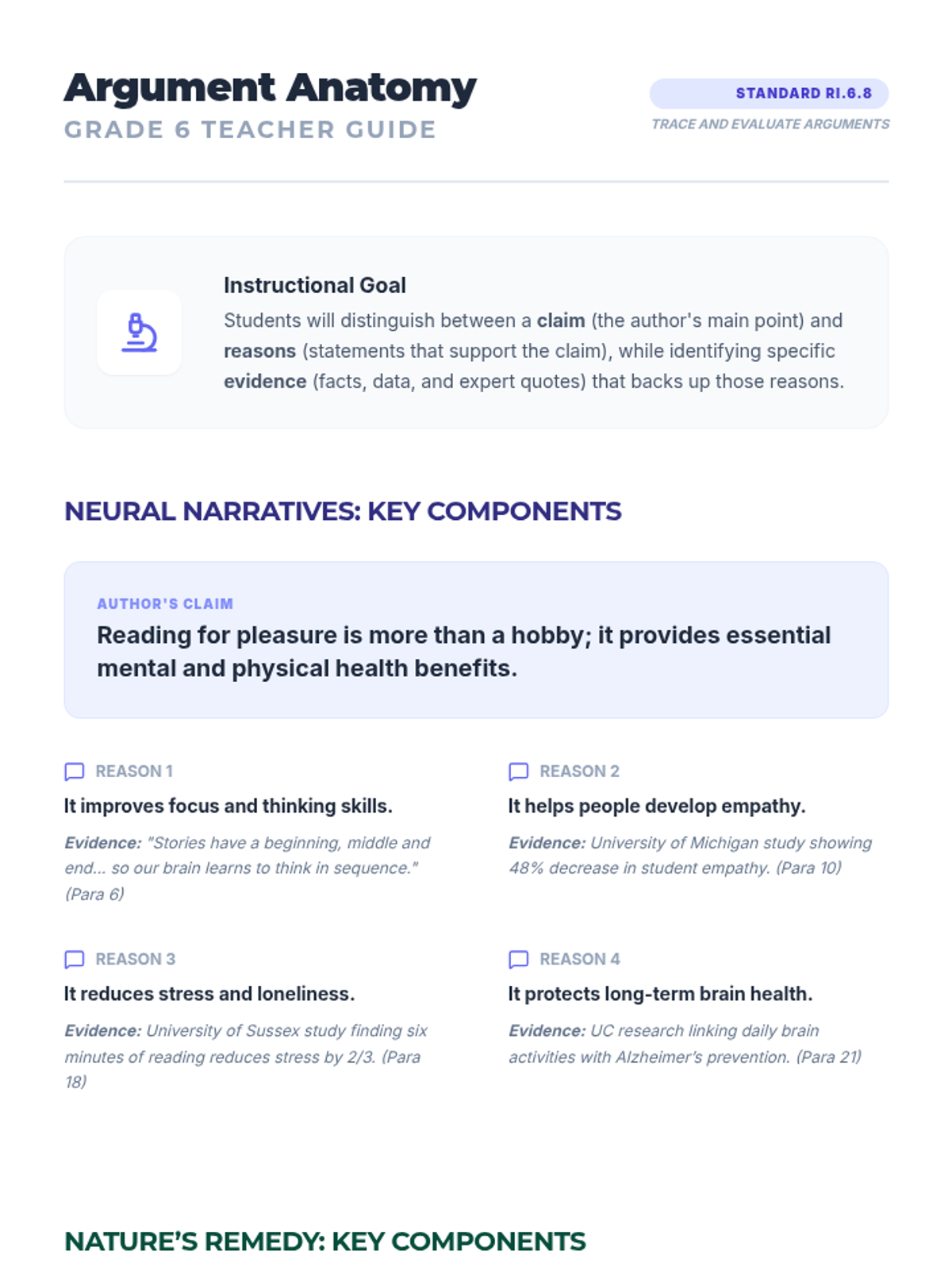
In this lesson, students will trace and evaluate arguments regarding school lunch policies, focusing on identifying claims, assessing the relevance and sufficiency of evidence, and determining if reasoning is sound.
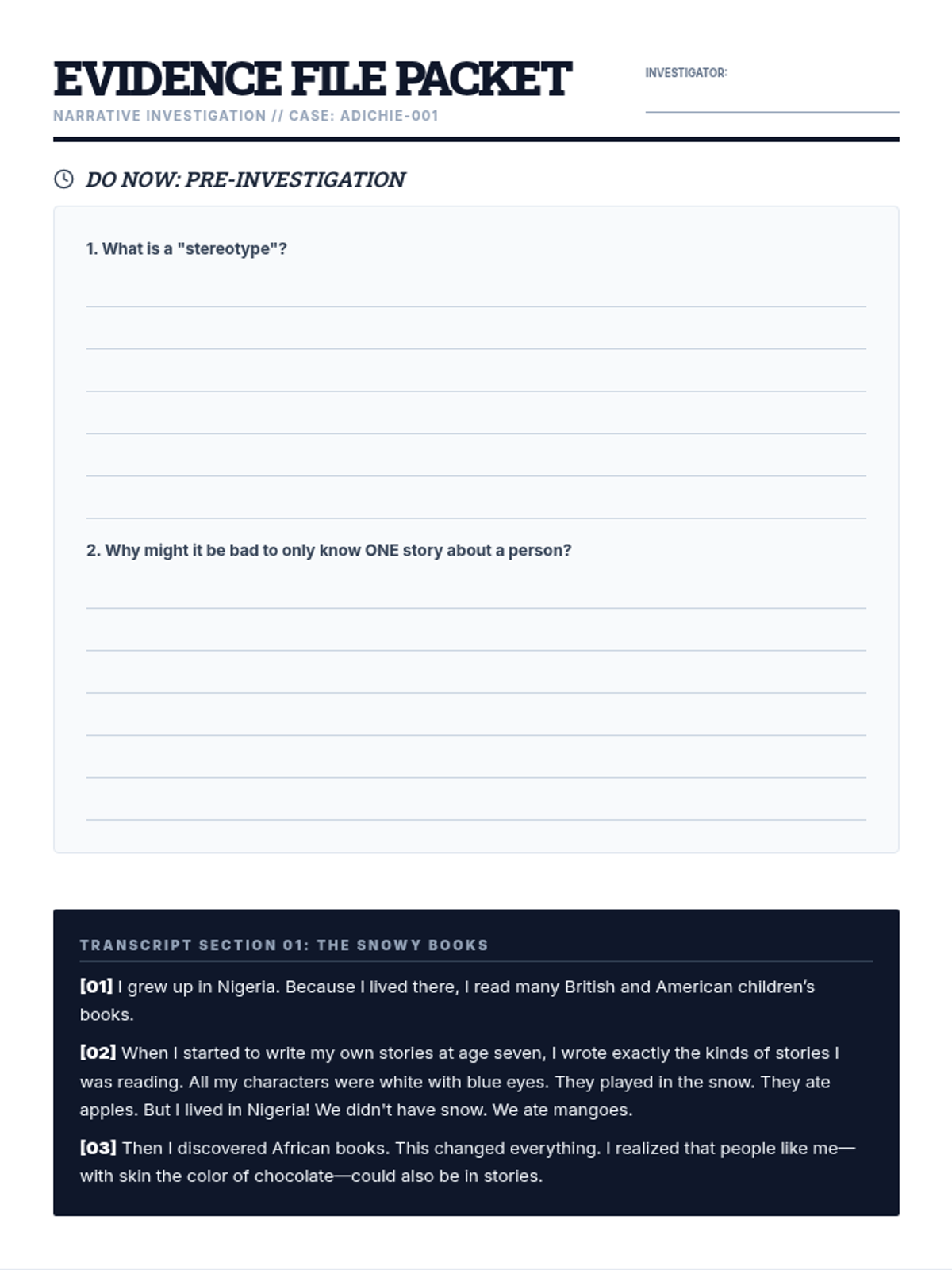
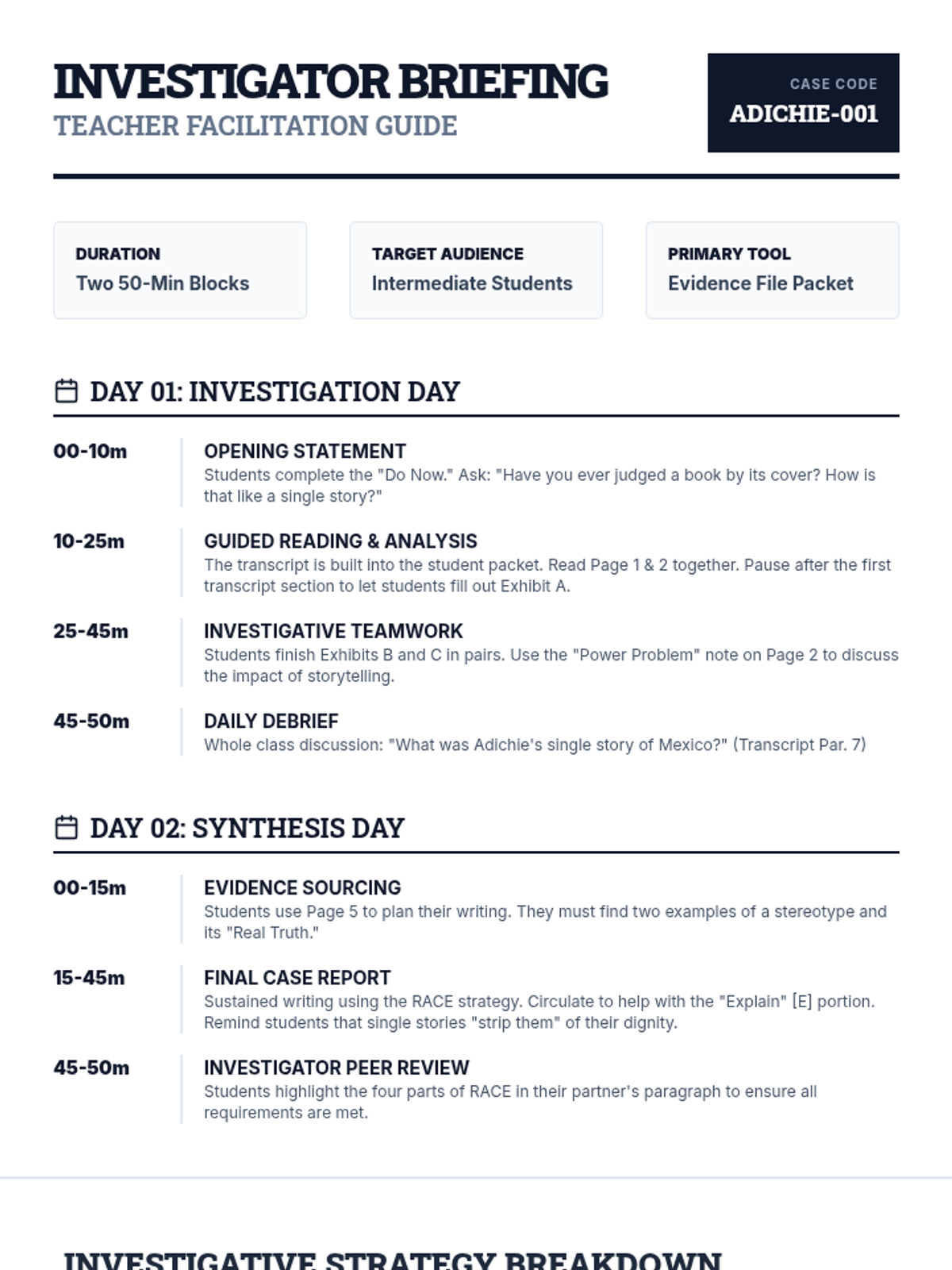
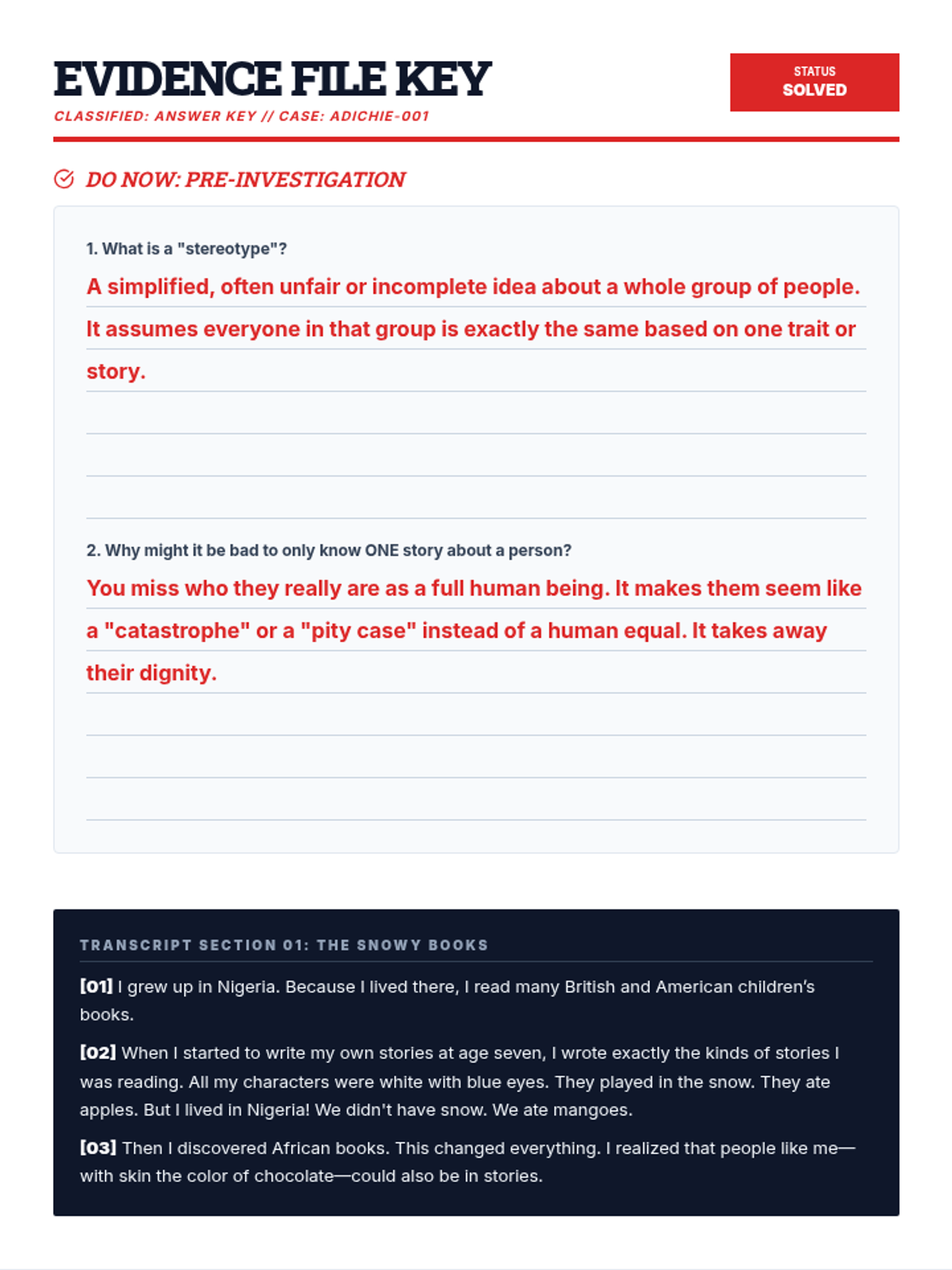
A two-day investigation into Chimamanda Ngozi Adichie's 'The Danger of a Single Story,' focusing on how personal anecdotes build a central claim about power and perspective. Day 1 focuses on text analysis and evidence collection, while Day 2 is dedicated to synthesis and analytical writing.
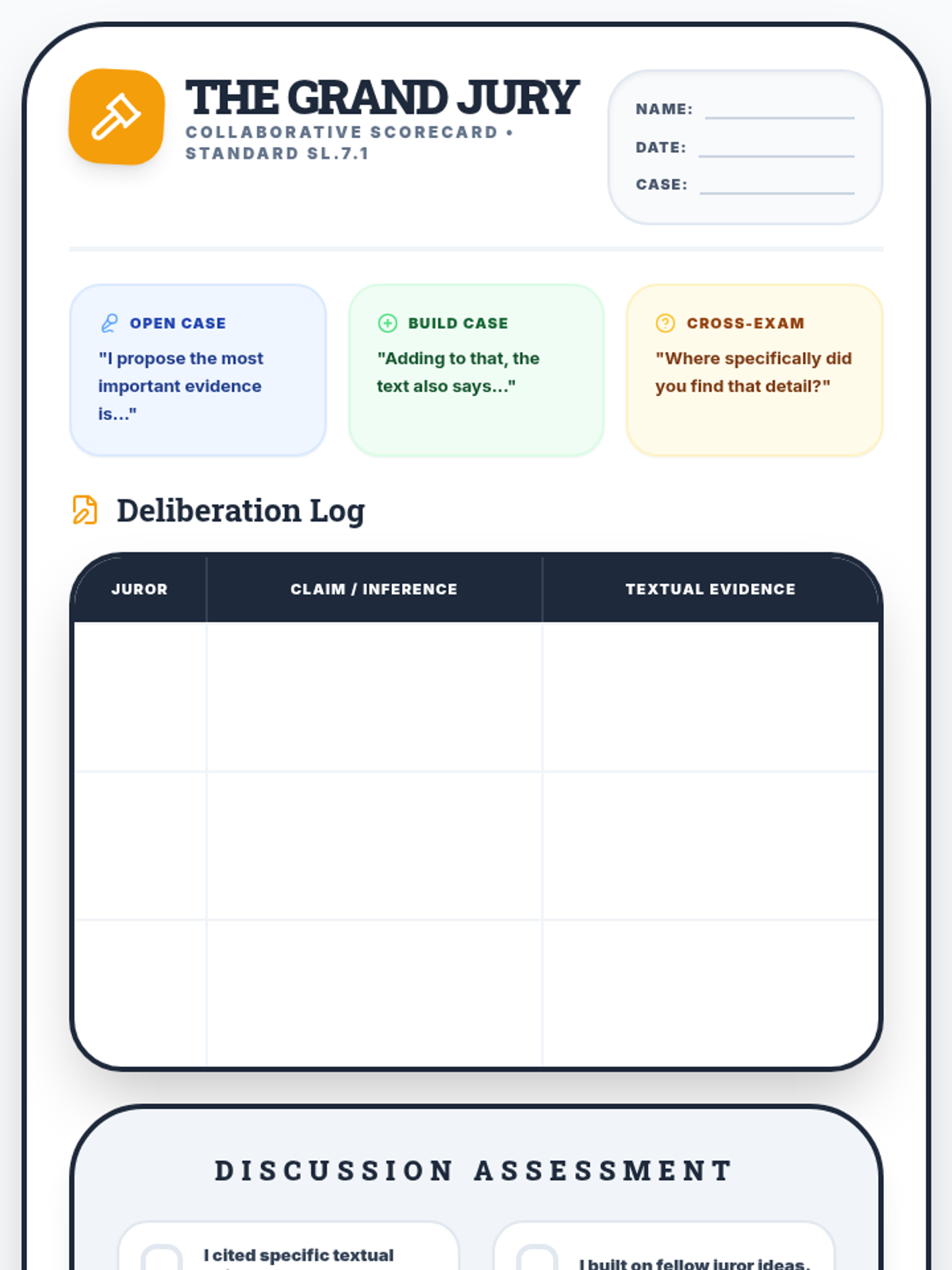
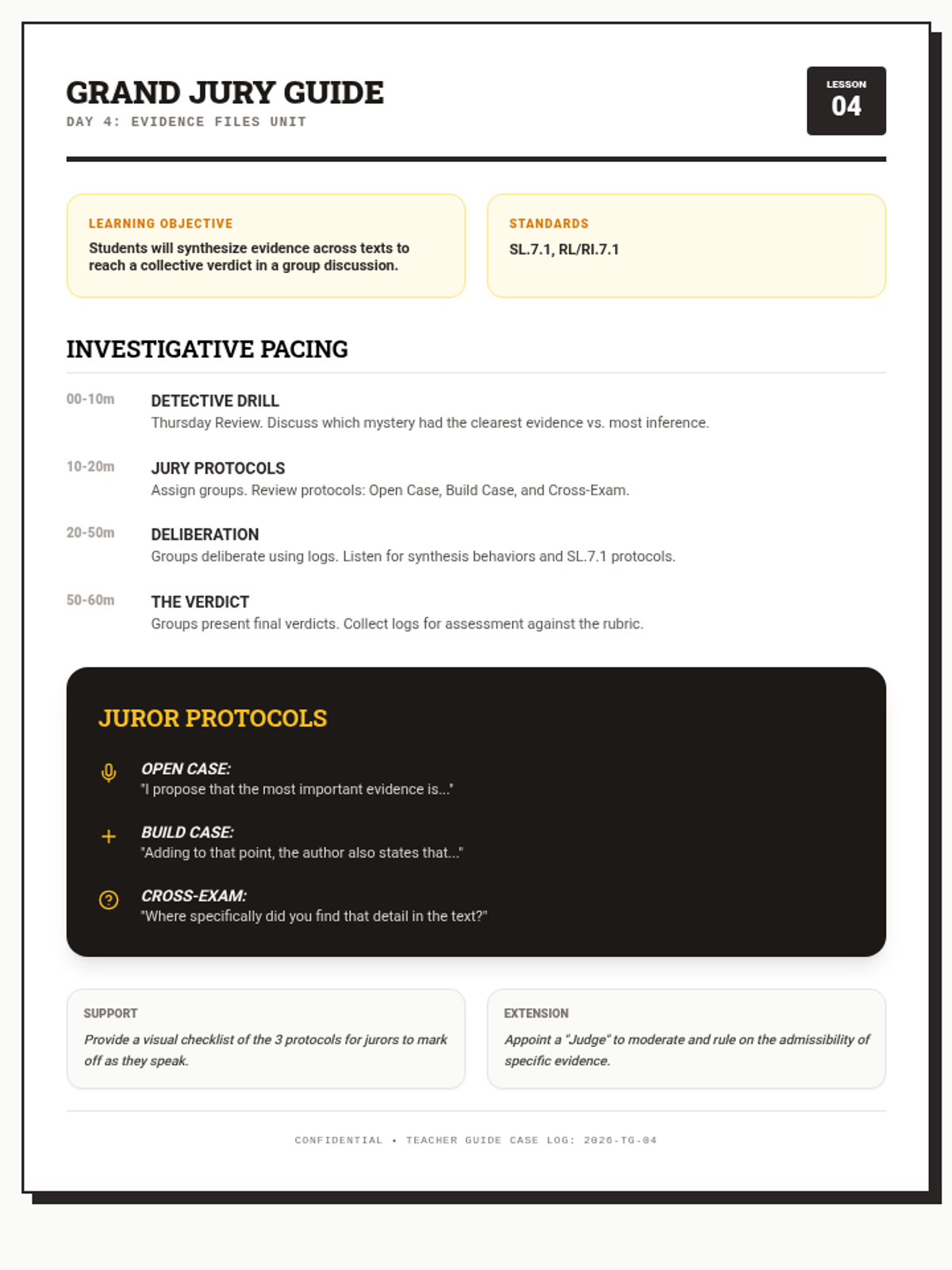
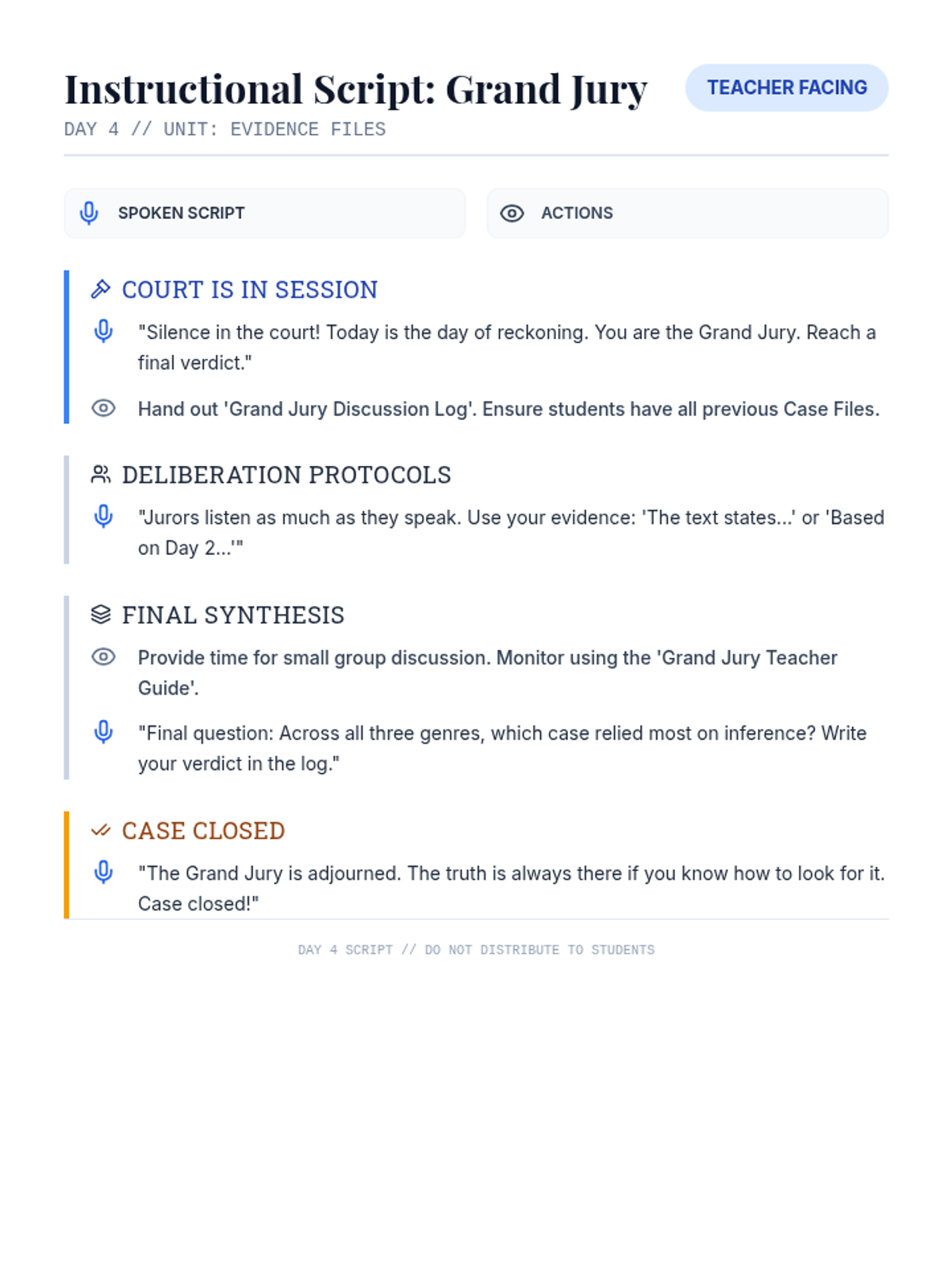
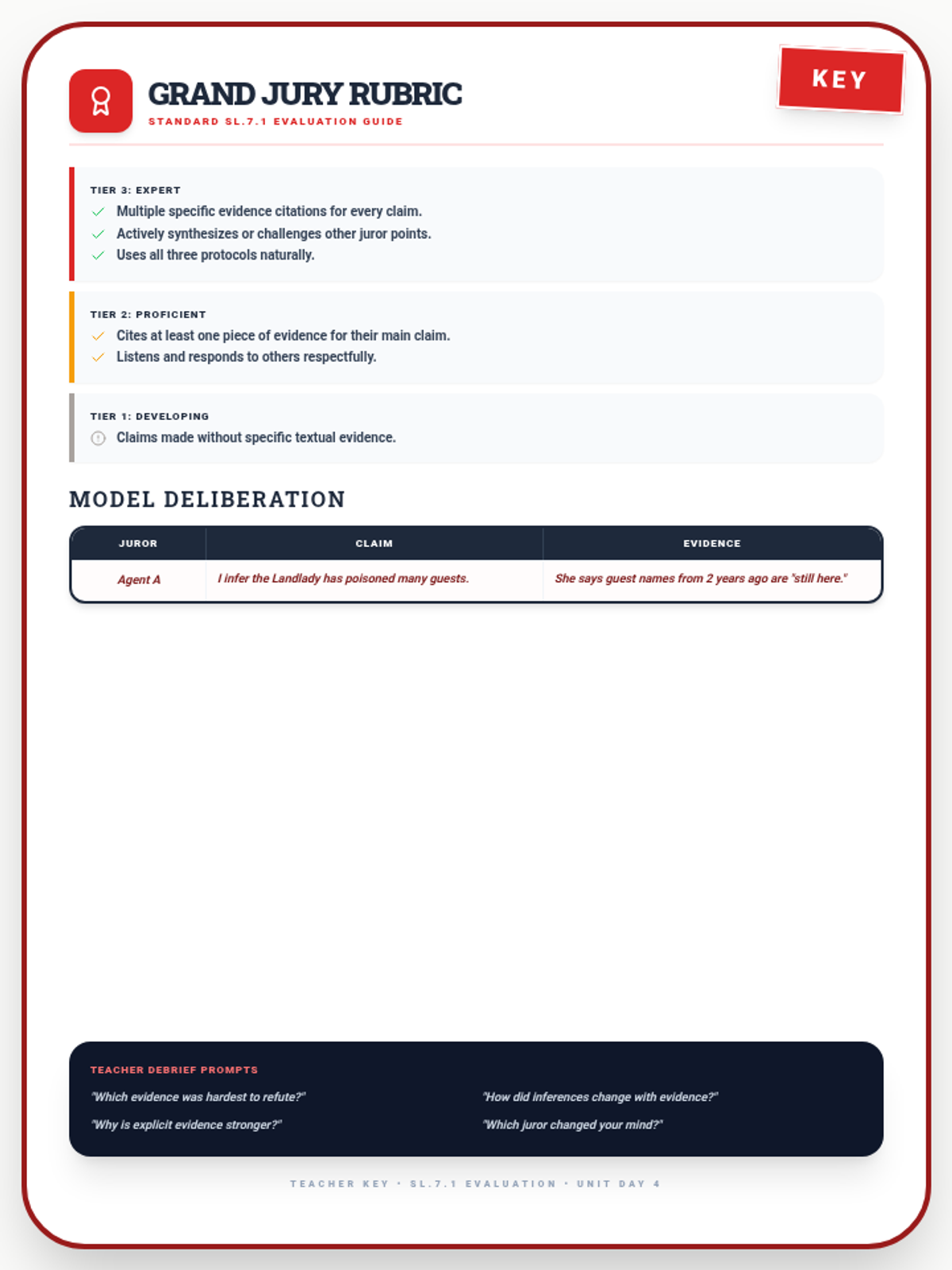
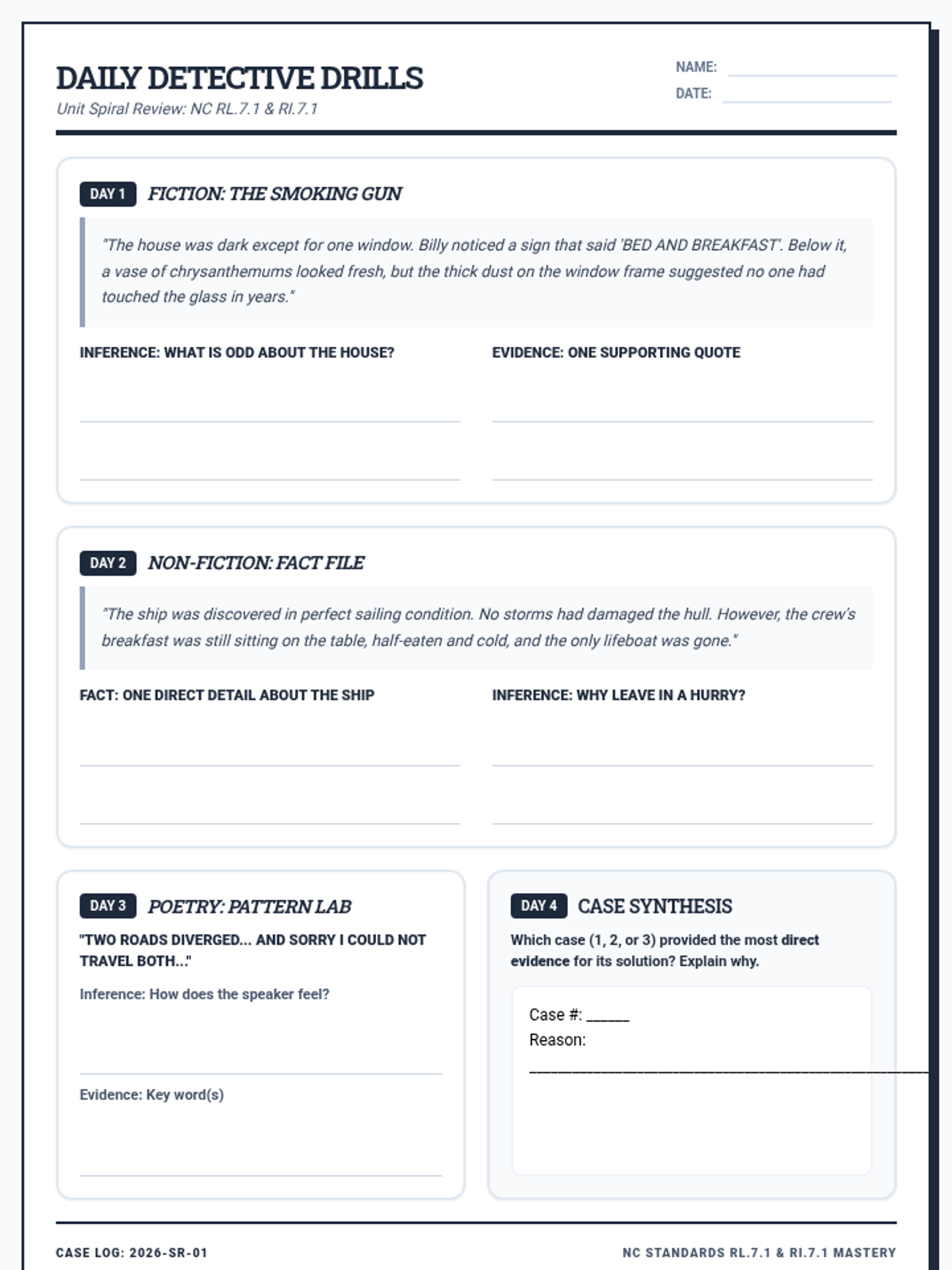
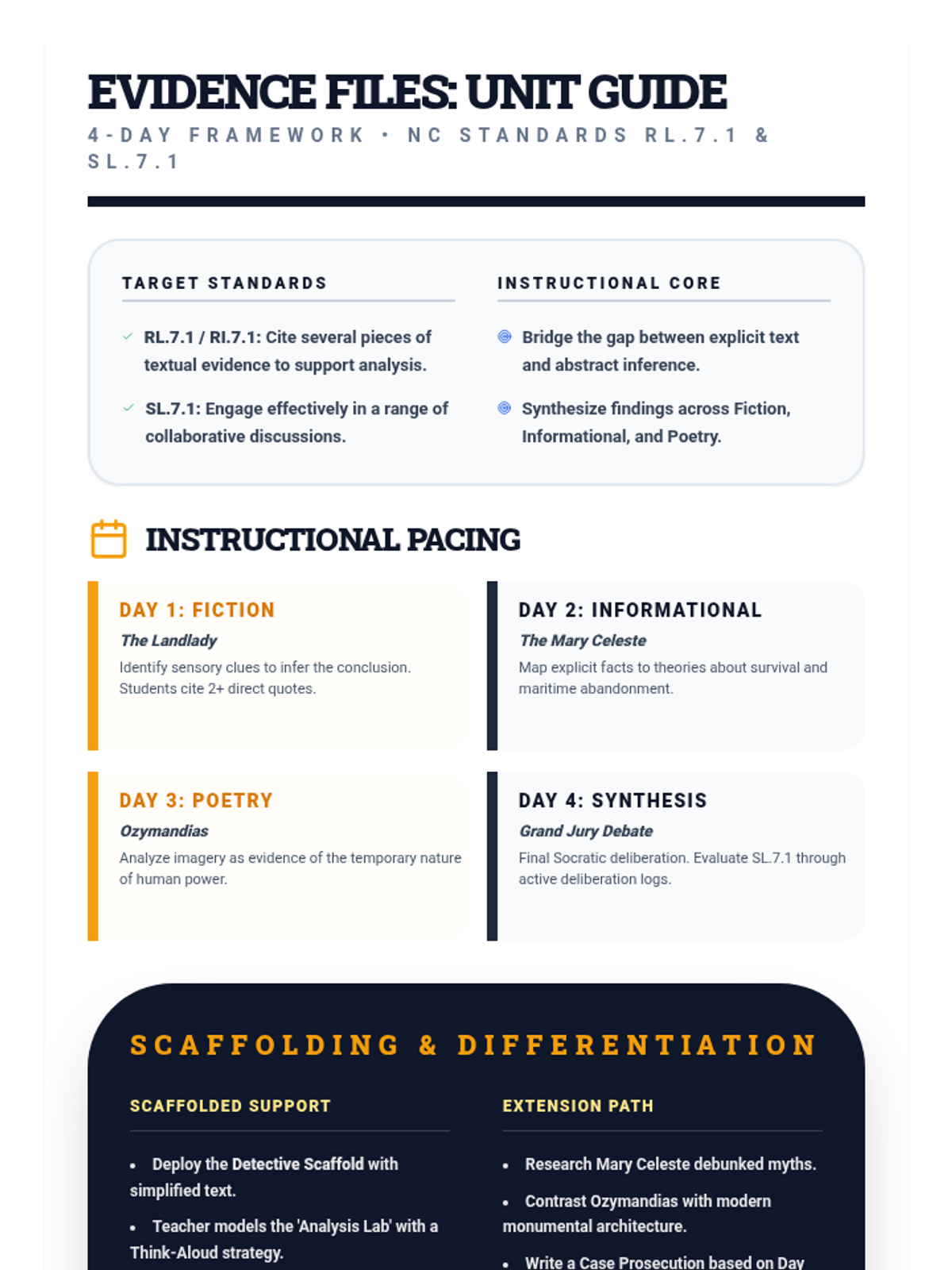
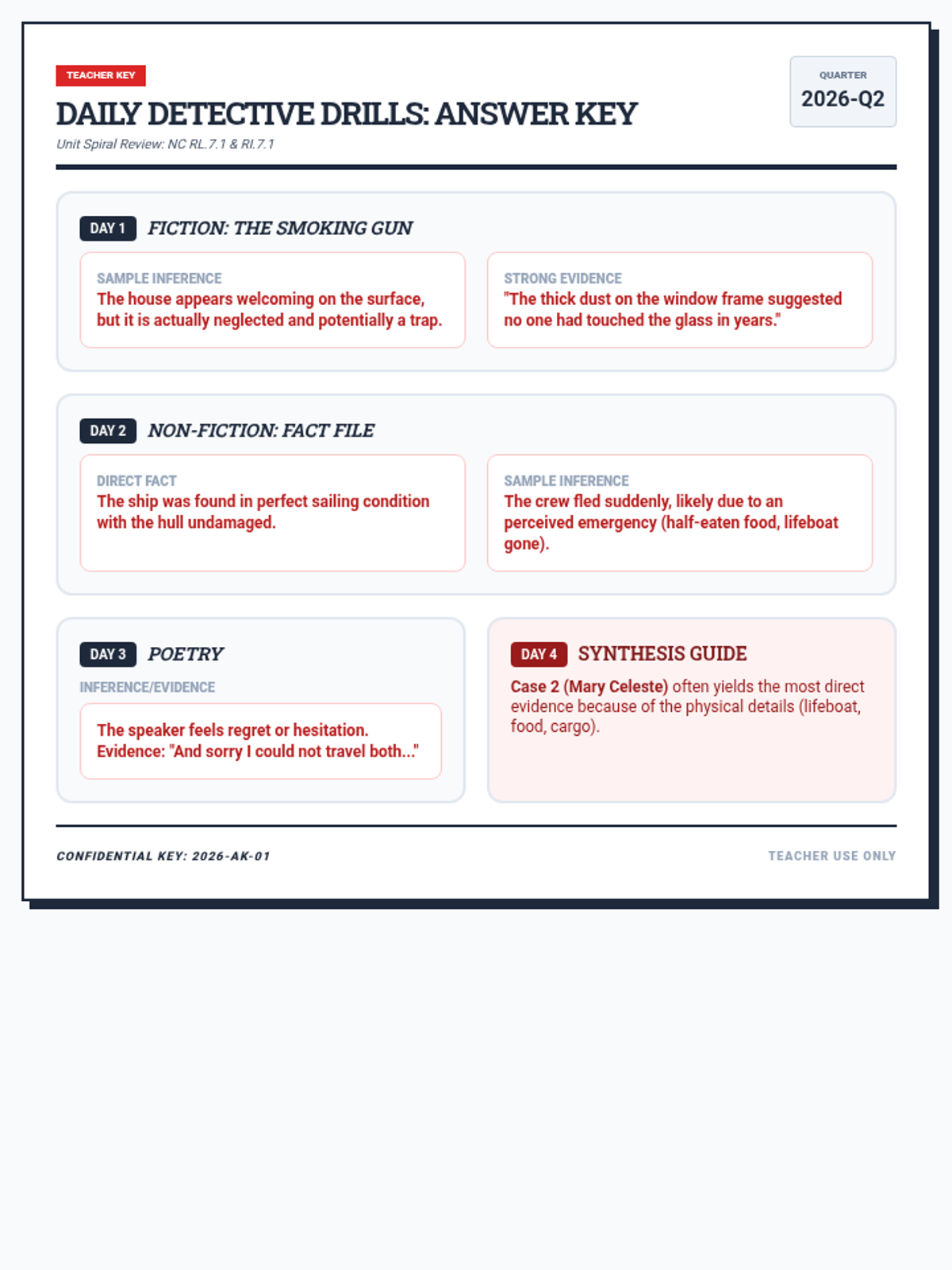
Day 4: Students participate in a 'Grand Jury' collaborative discussion to synthesize their evidence from the week and reach a final verdict on the unit's key texts.
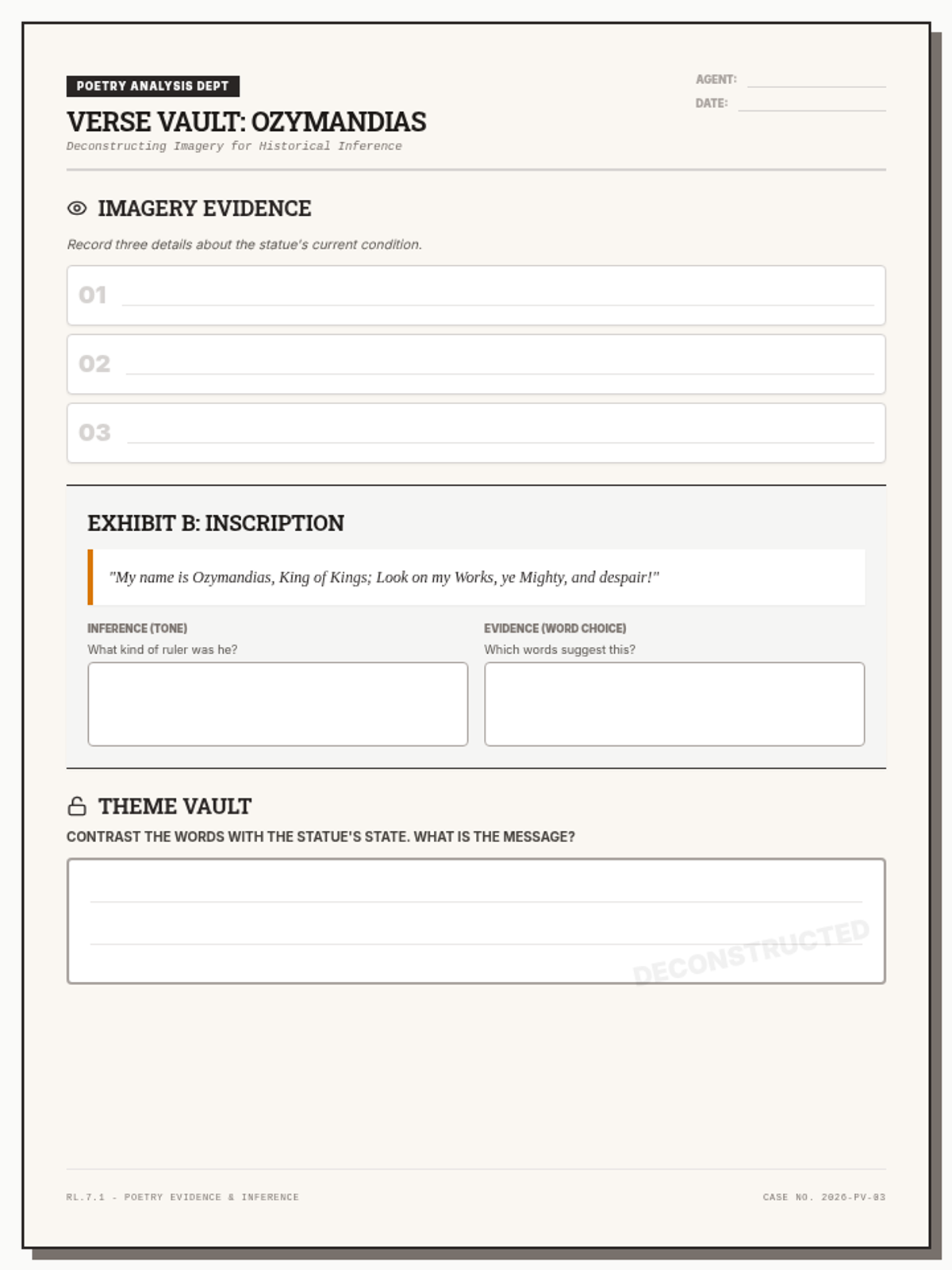
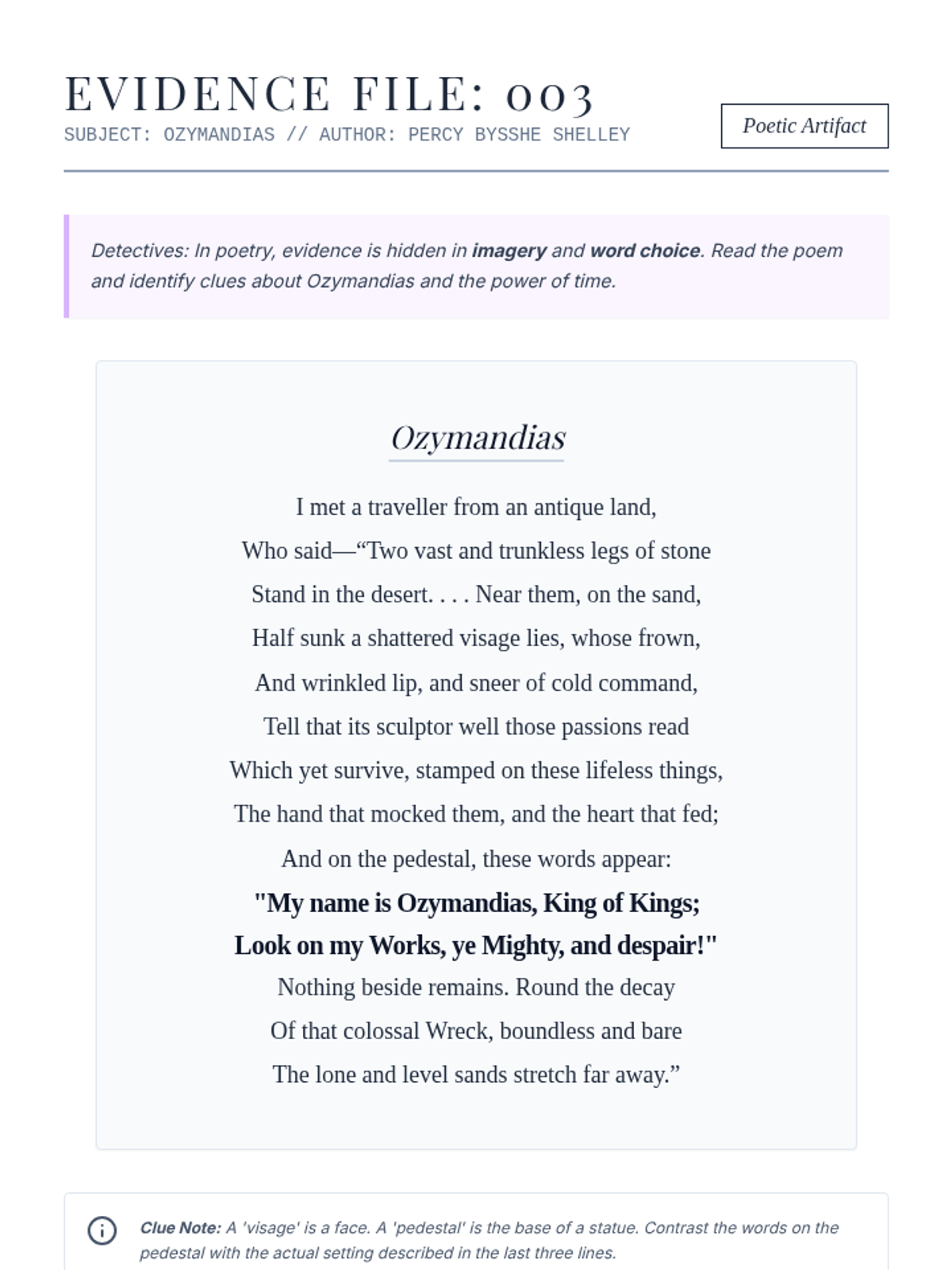
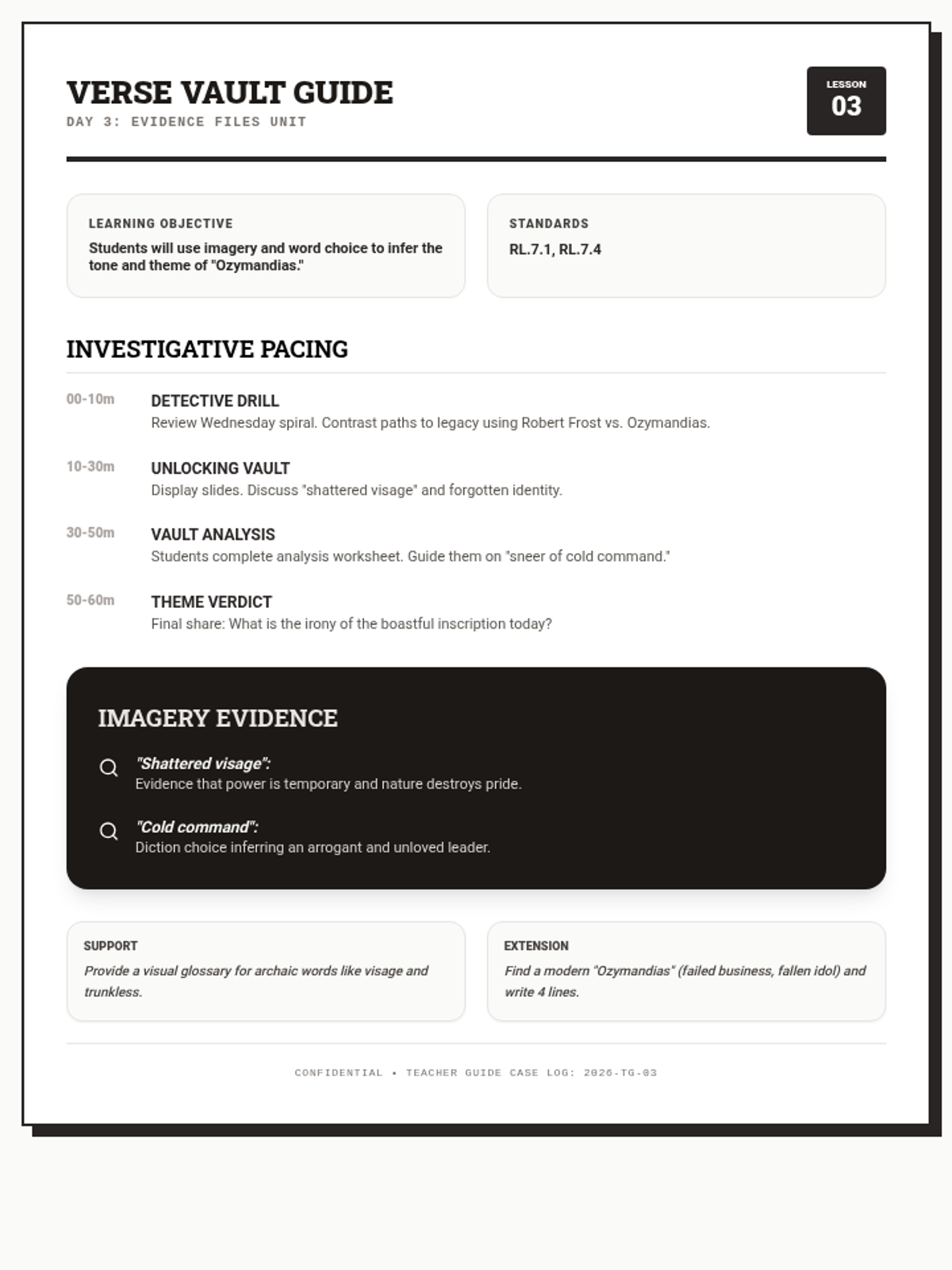
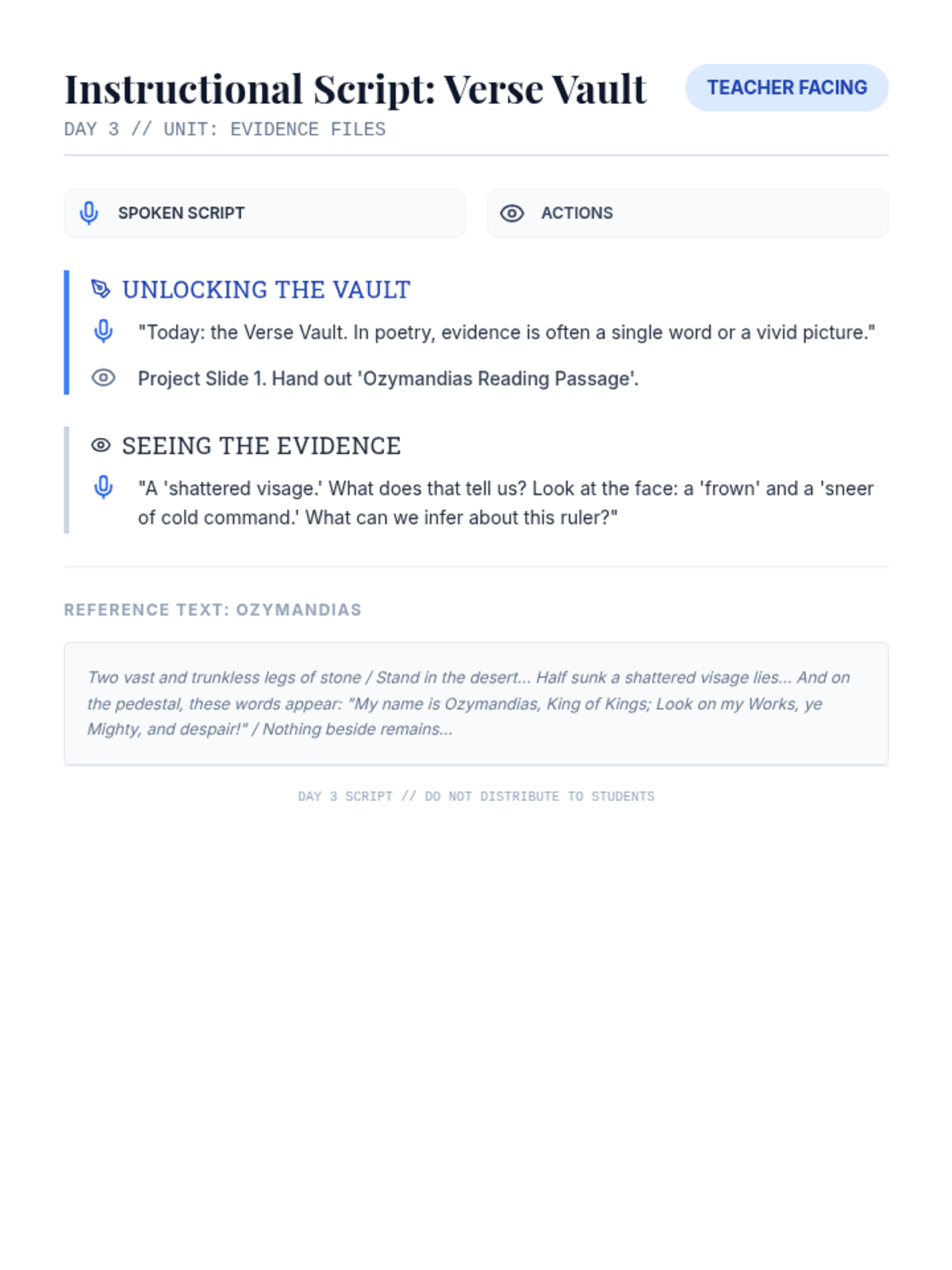
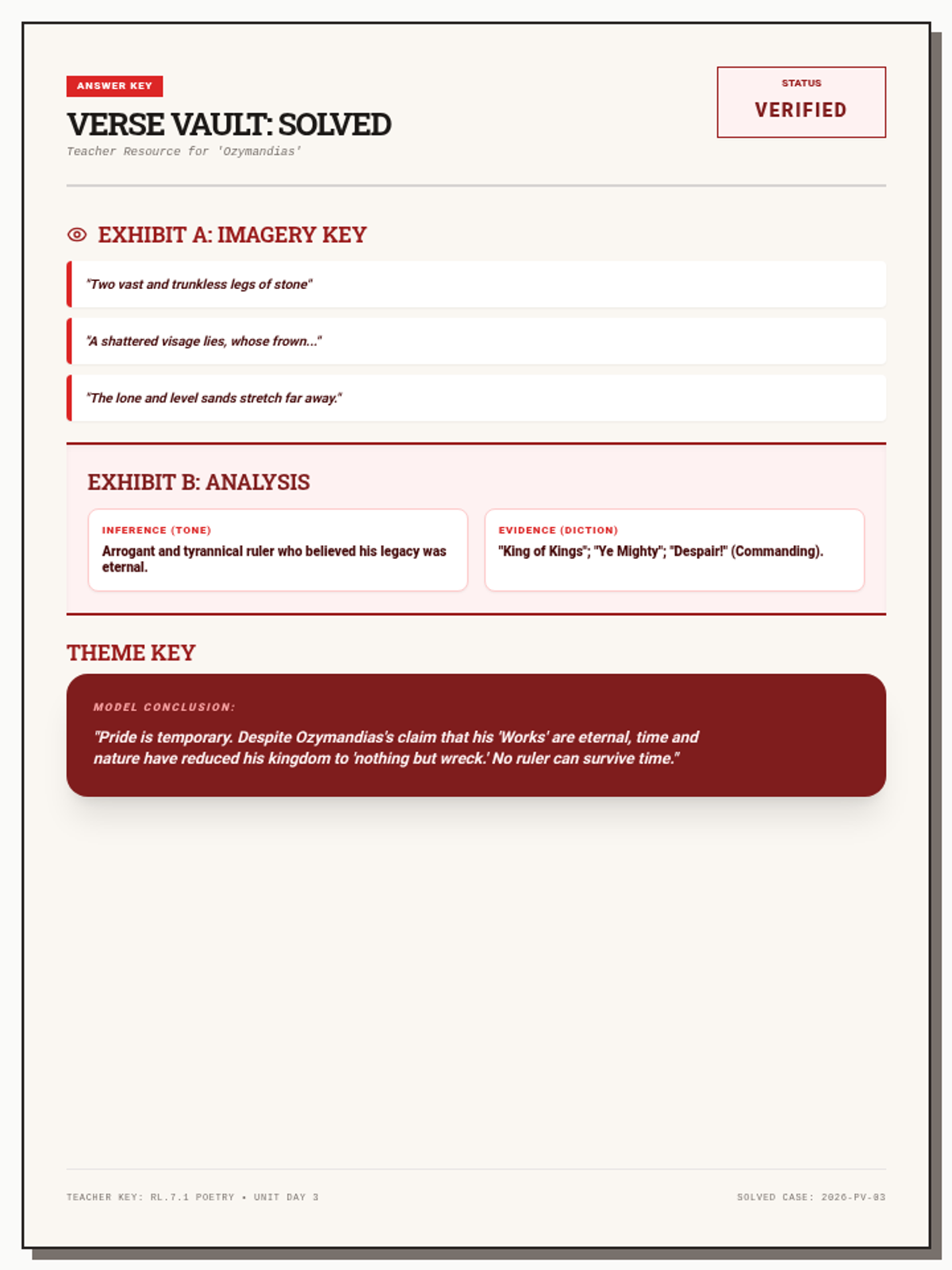
Day 3: Students dive into 'Ozymandias' by Percy Bysshe Shelley, using textual evidence to infer the poem's deeper meanings about power and time.
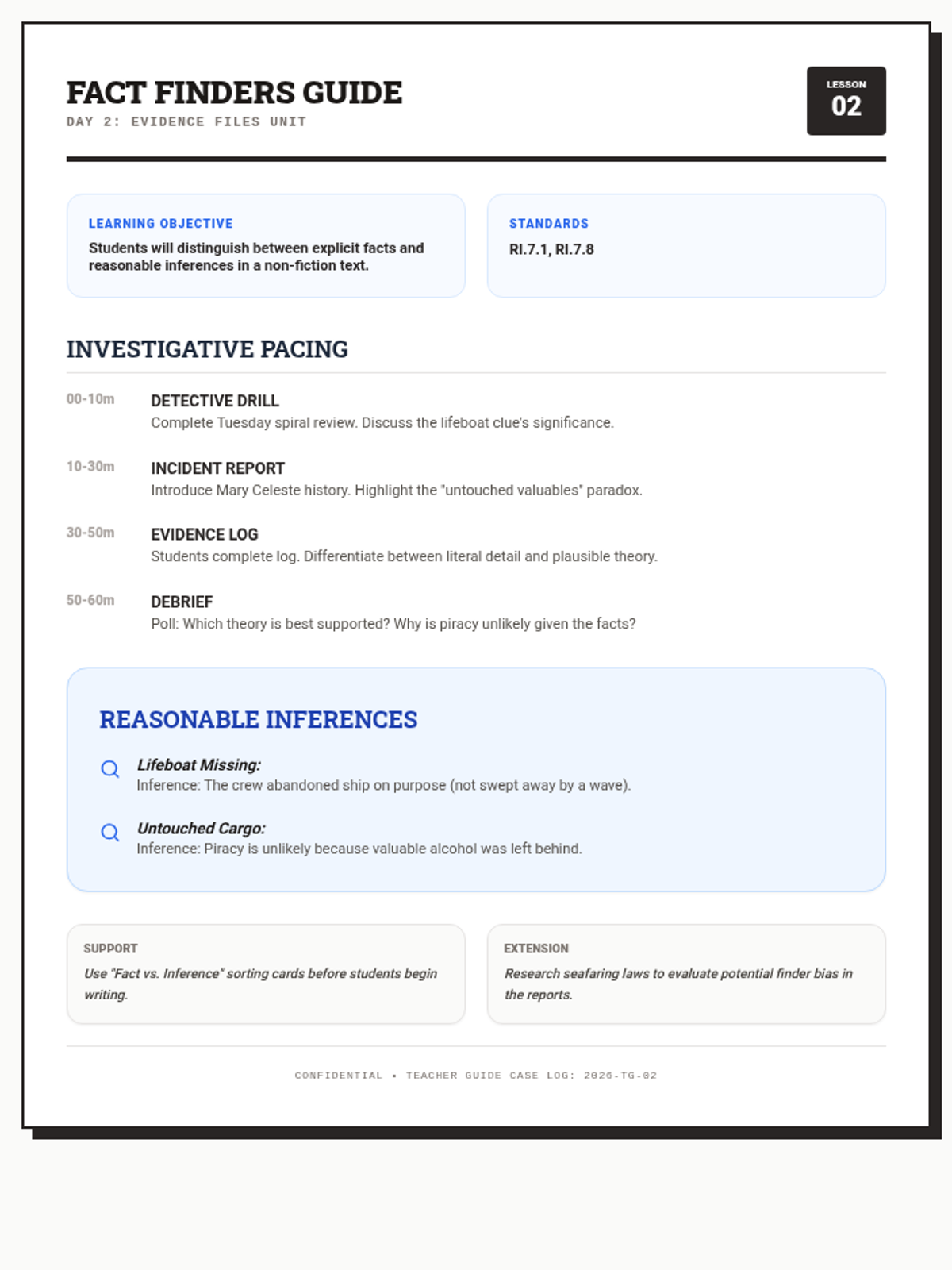
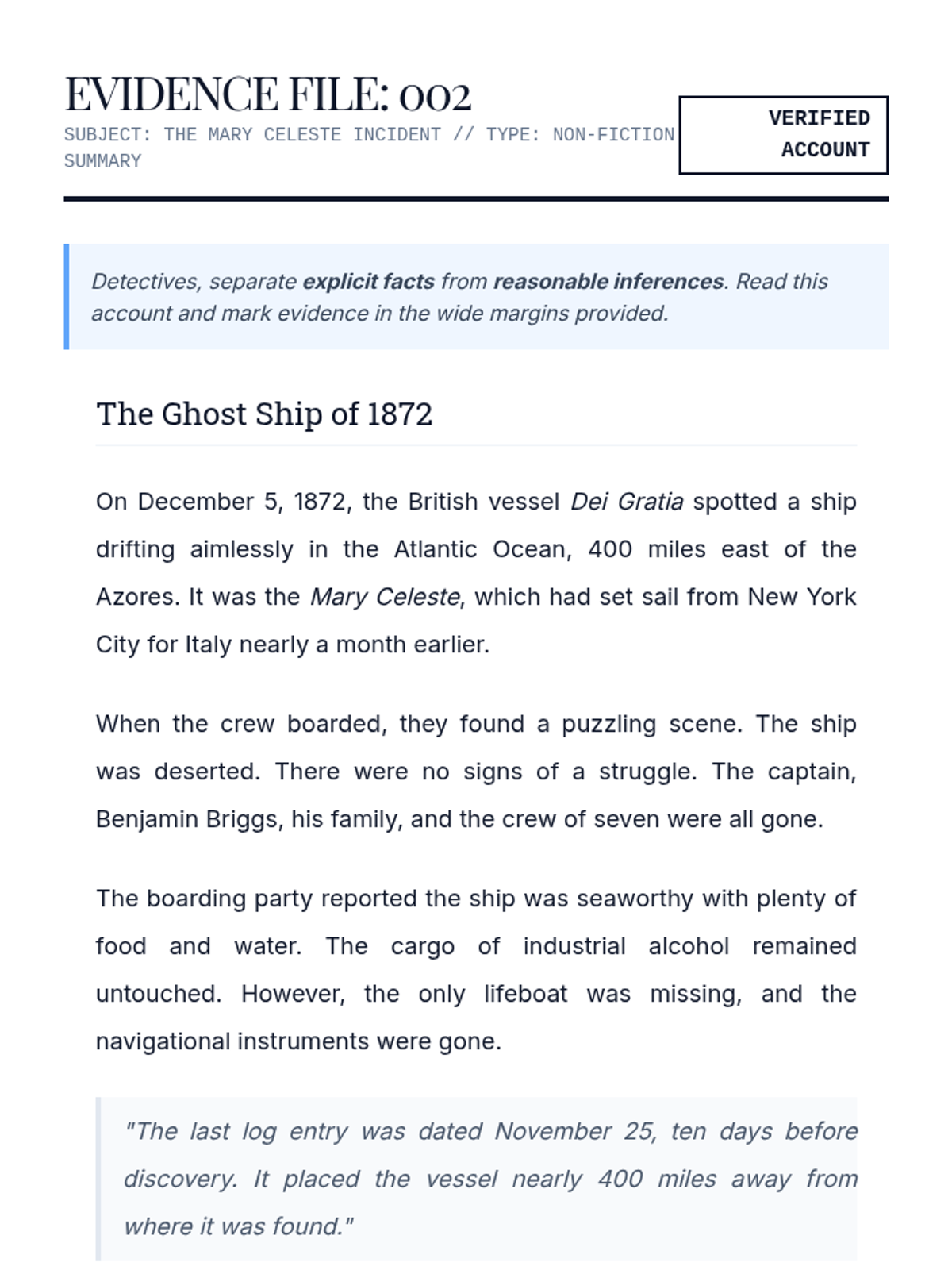
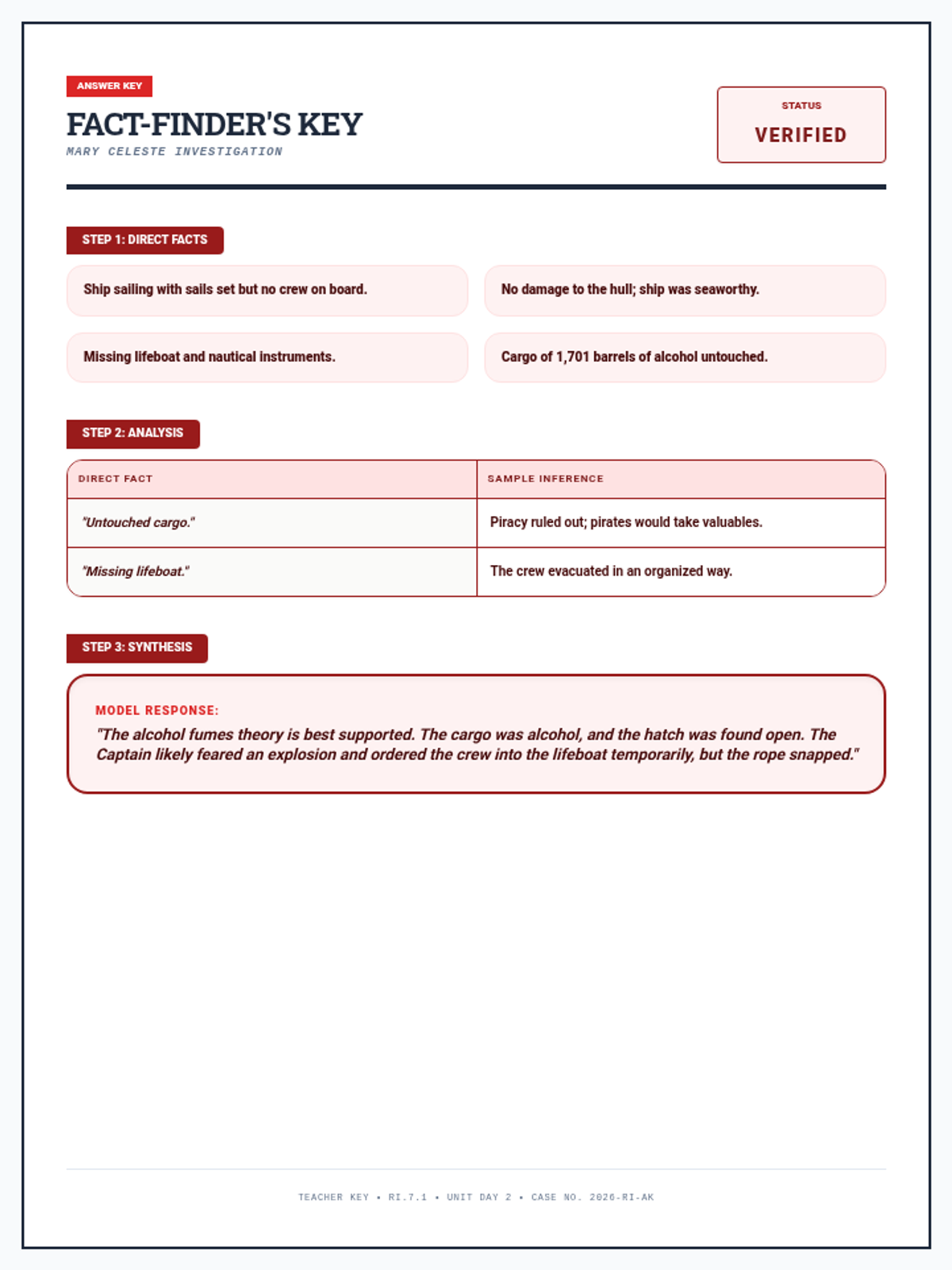
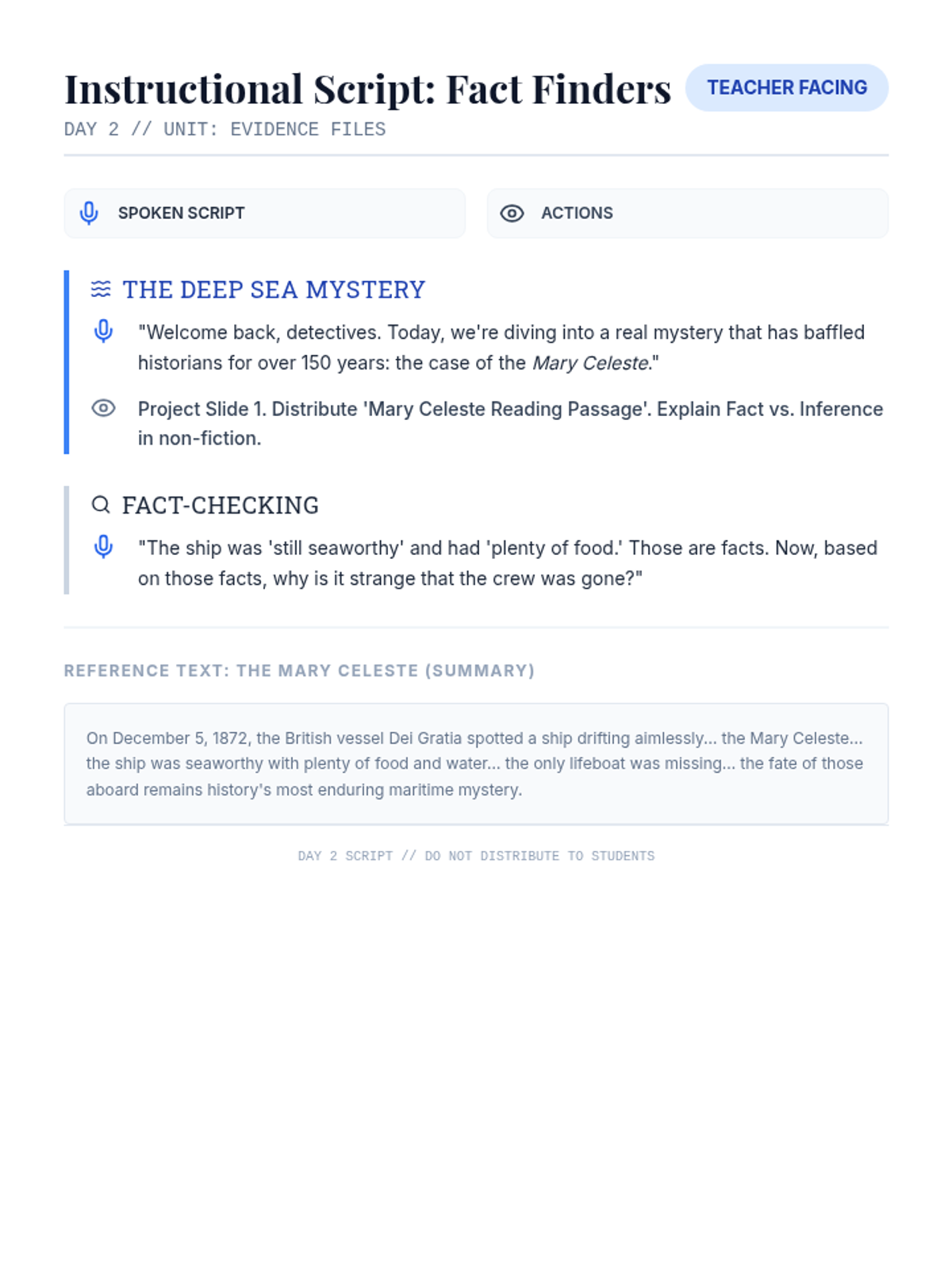
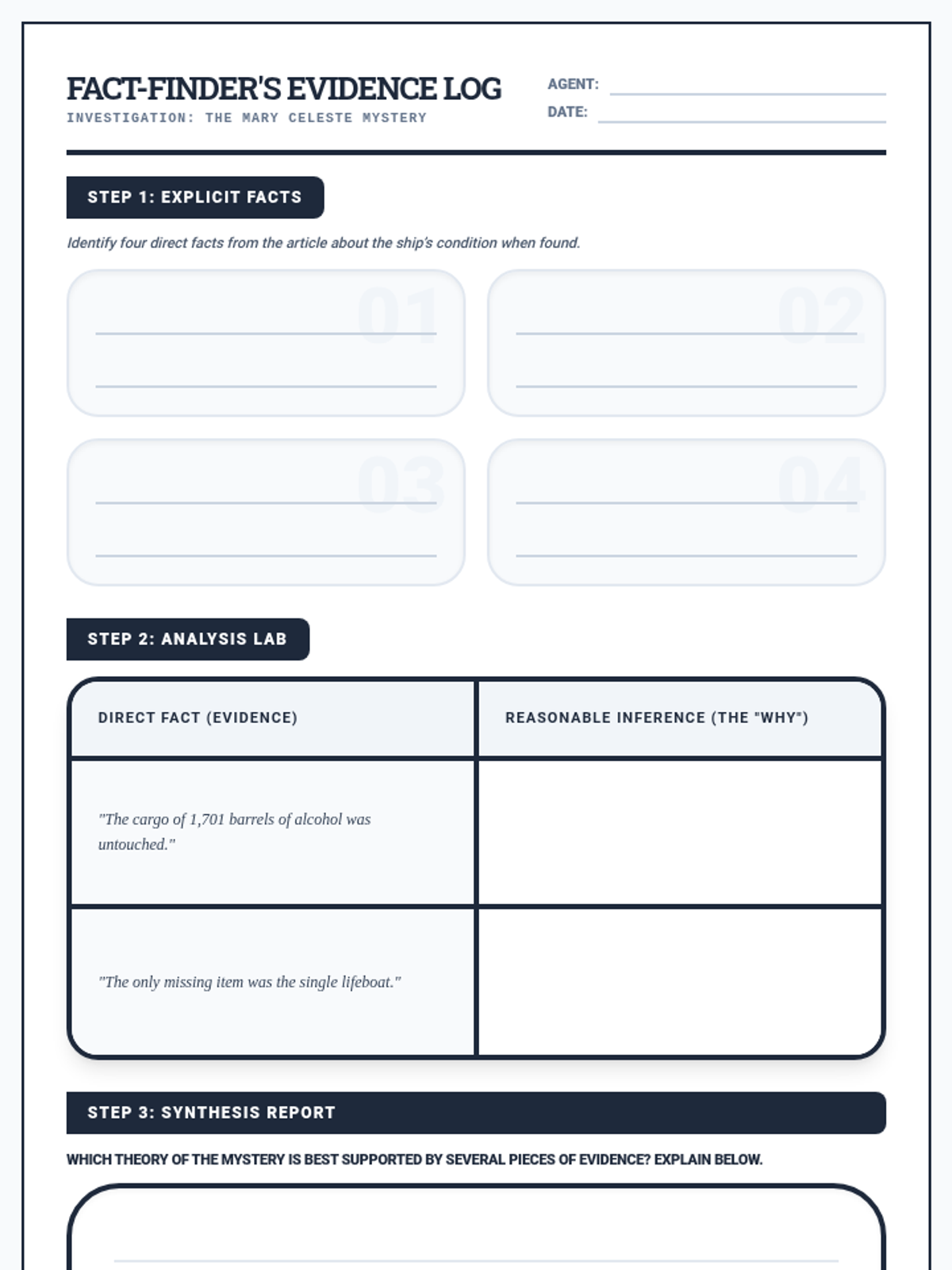
Day 2: Students examine a non-fiction article about the Mary Celeste to distinguish between explicit facts and inferences while citing several pieces of evidence.
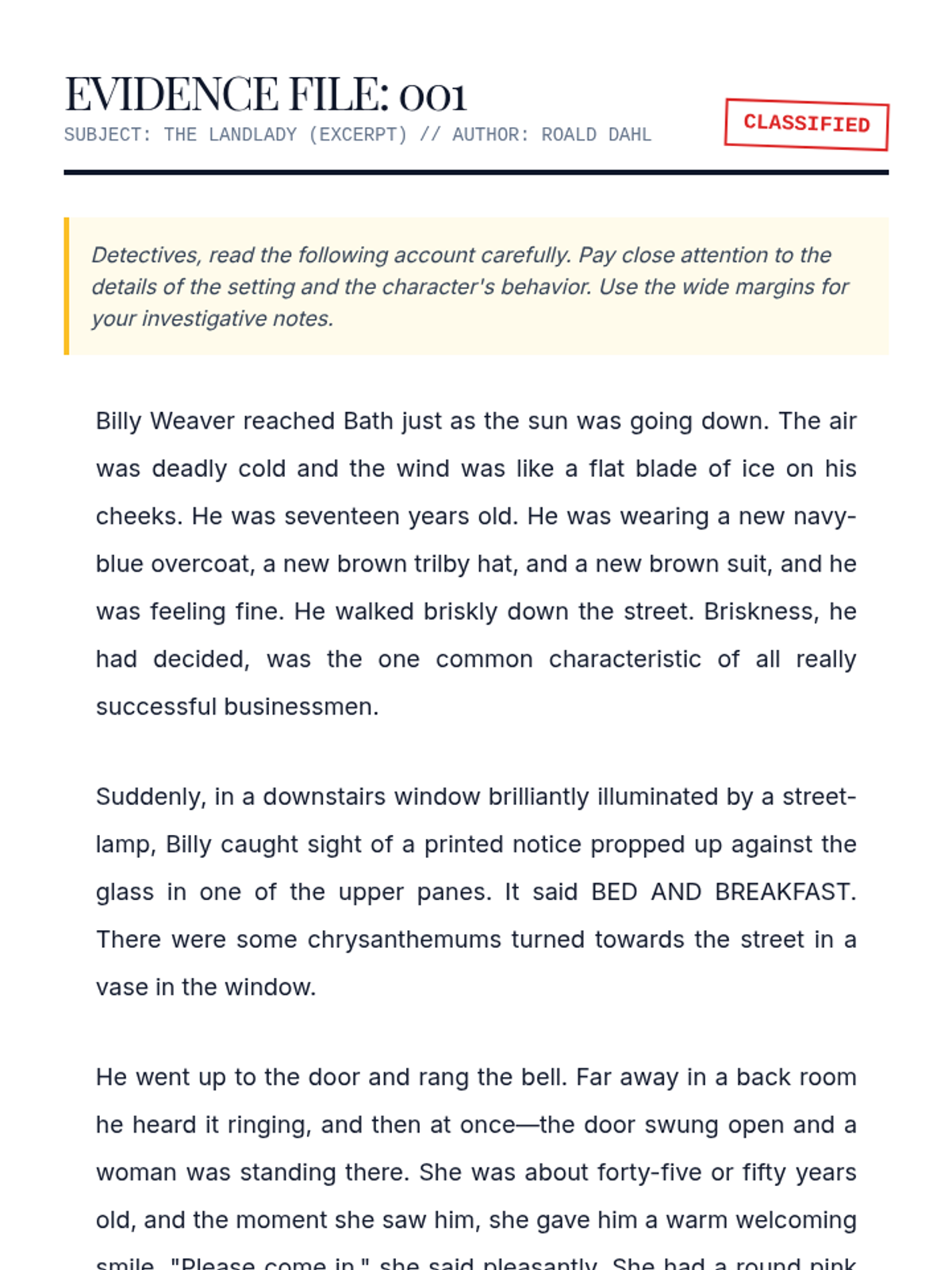
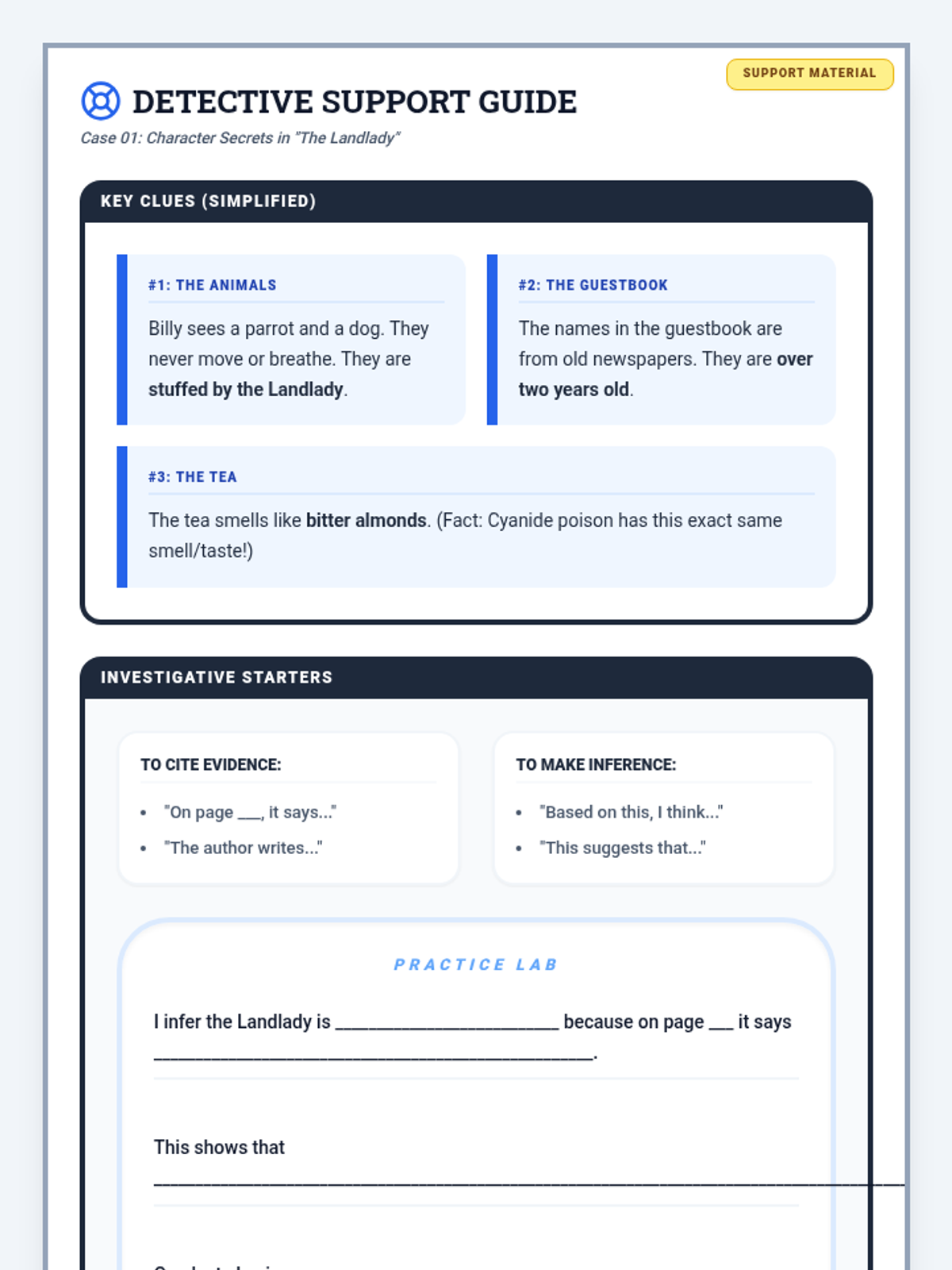
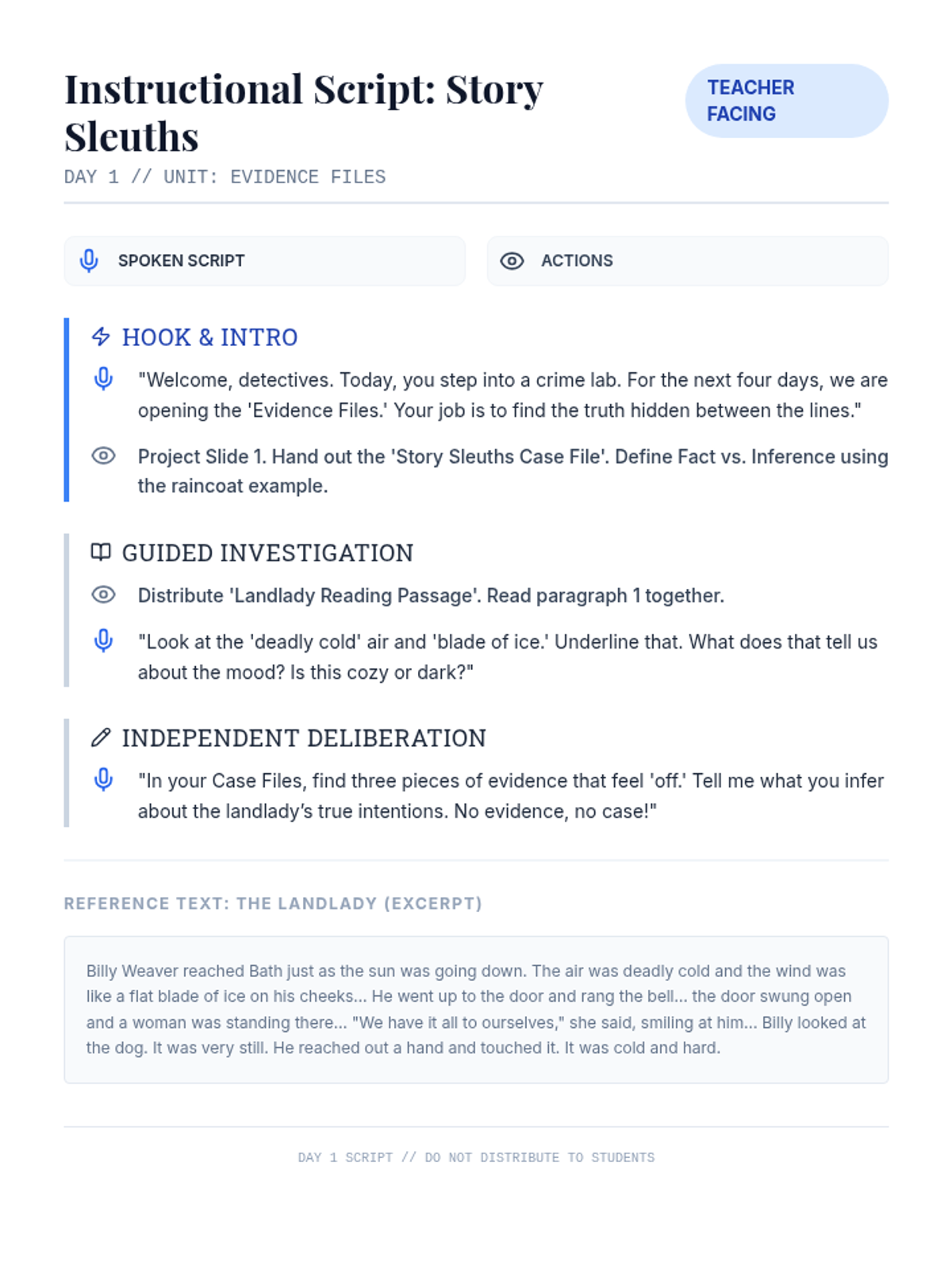
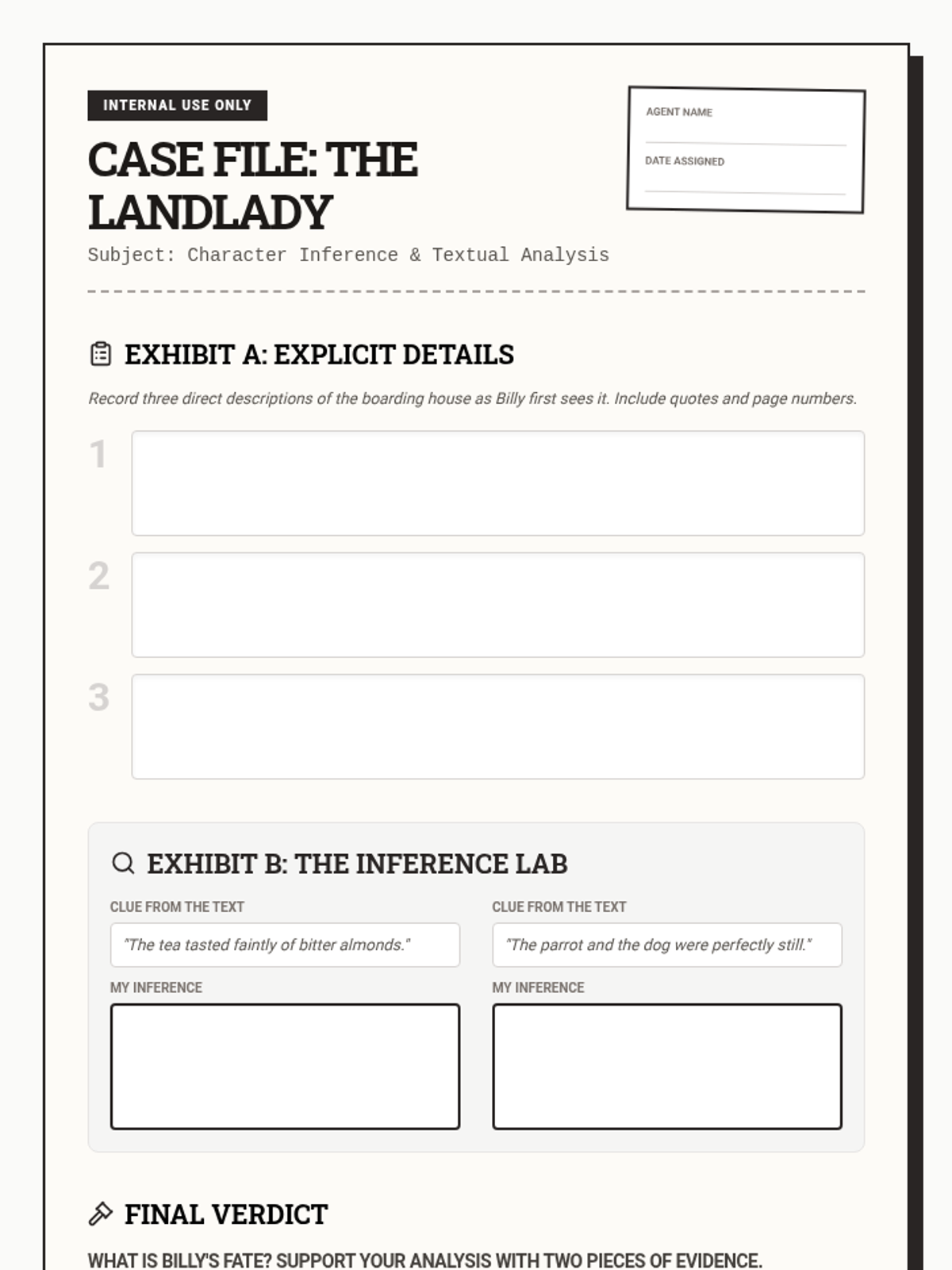
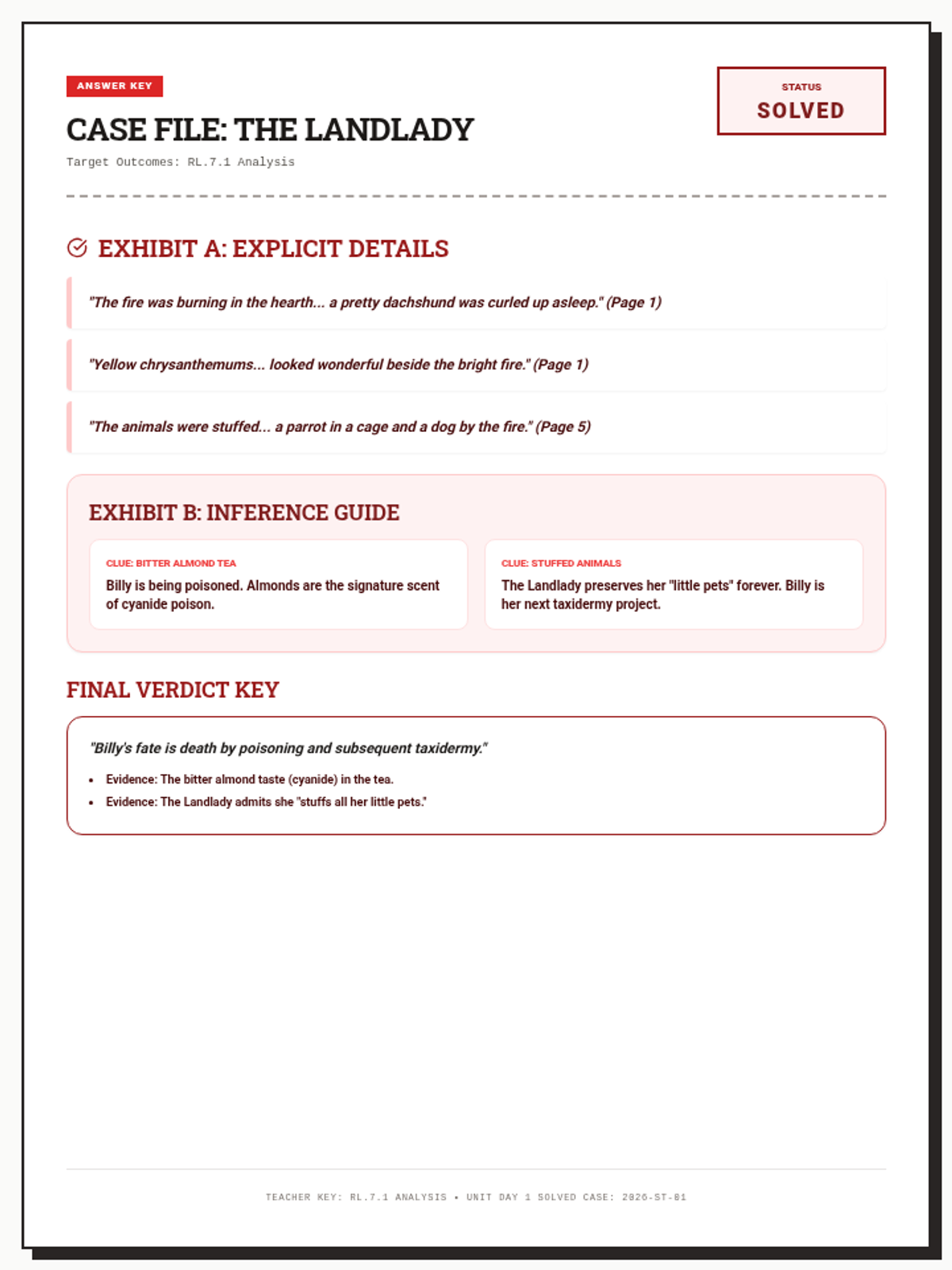
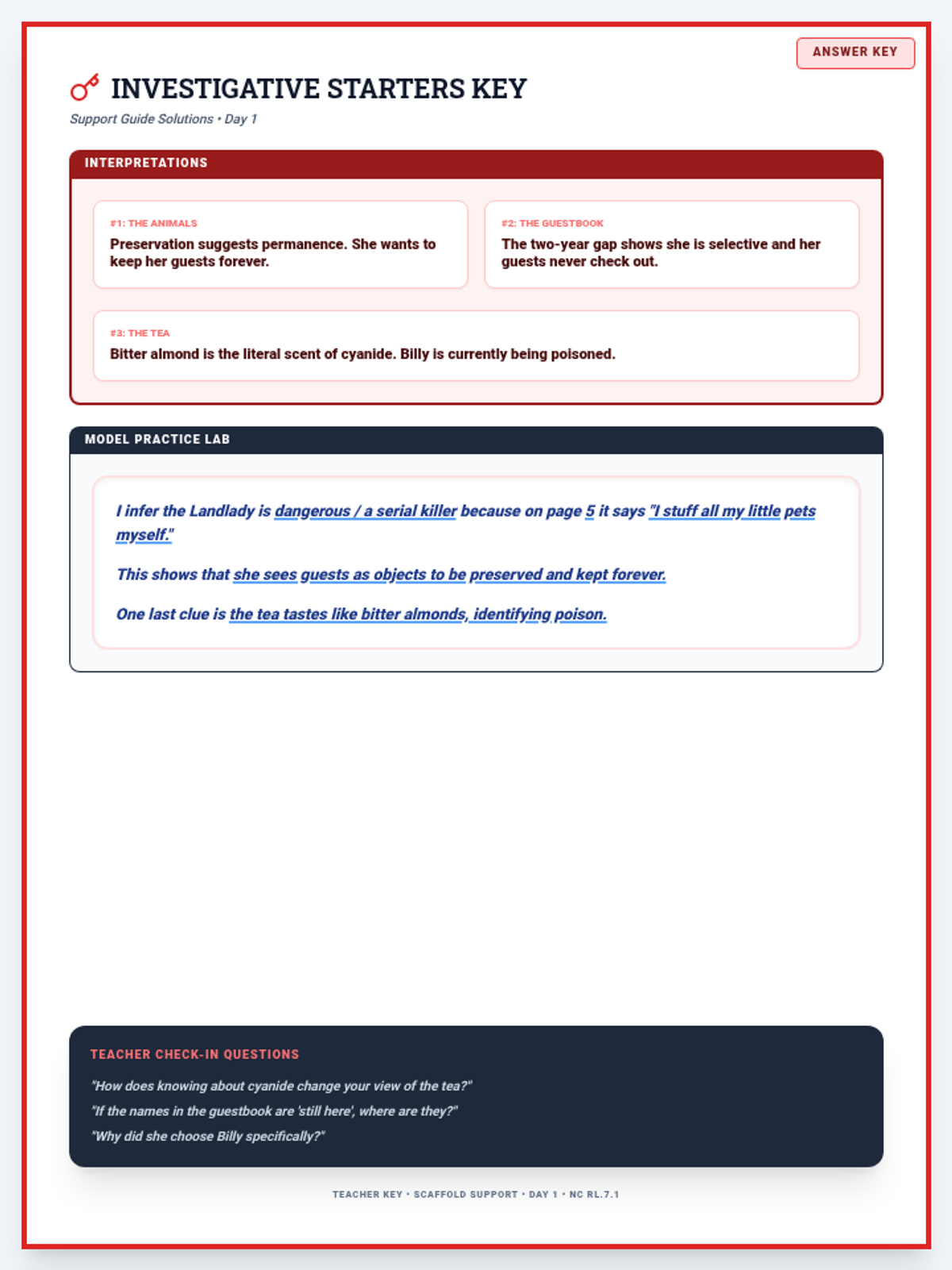
Day 1: Students analyze Roald Dahl's 'The Landlady' to practice making inferences and citing evidence to support their claims about the story's eerie outcome.
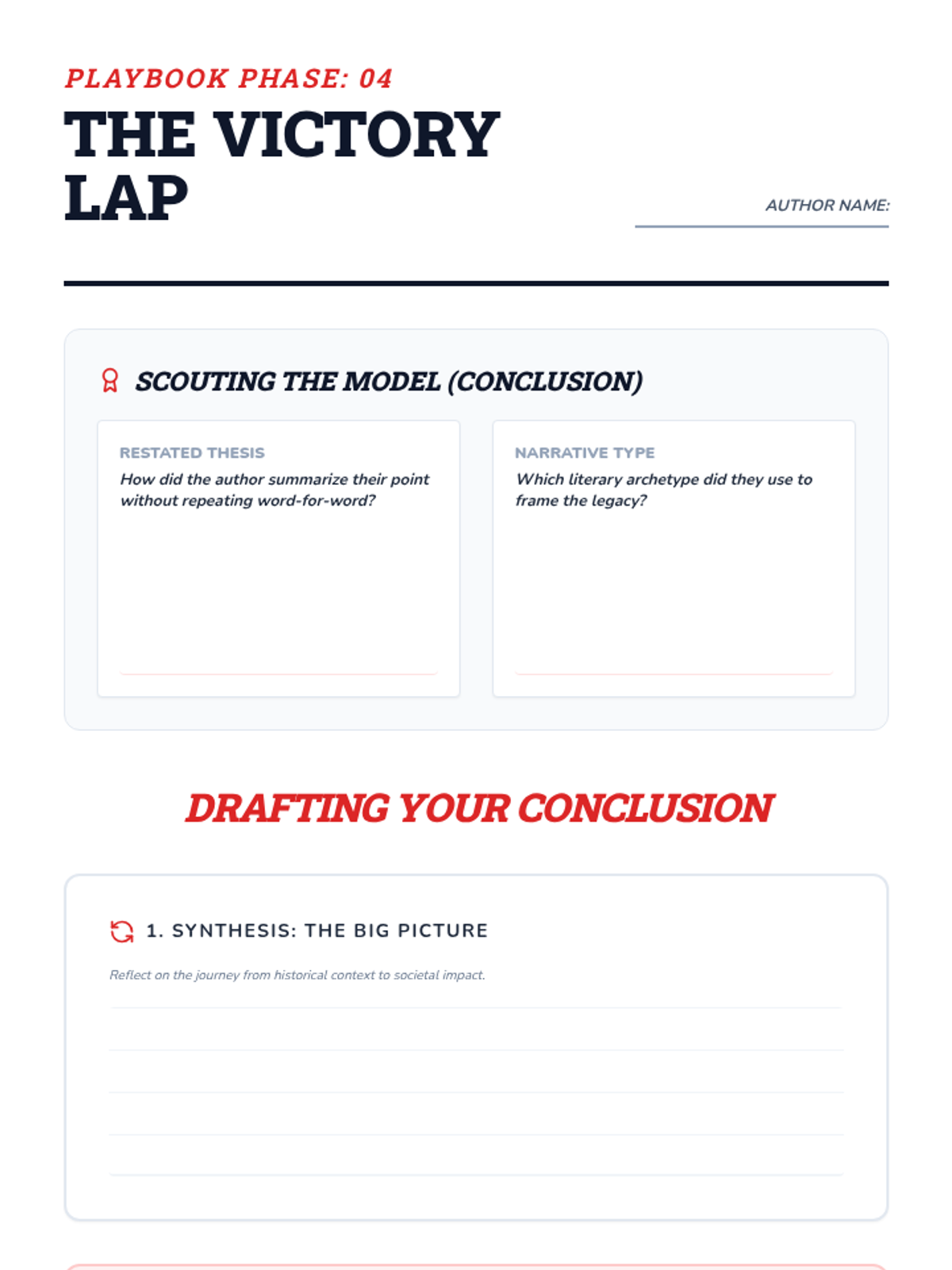
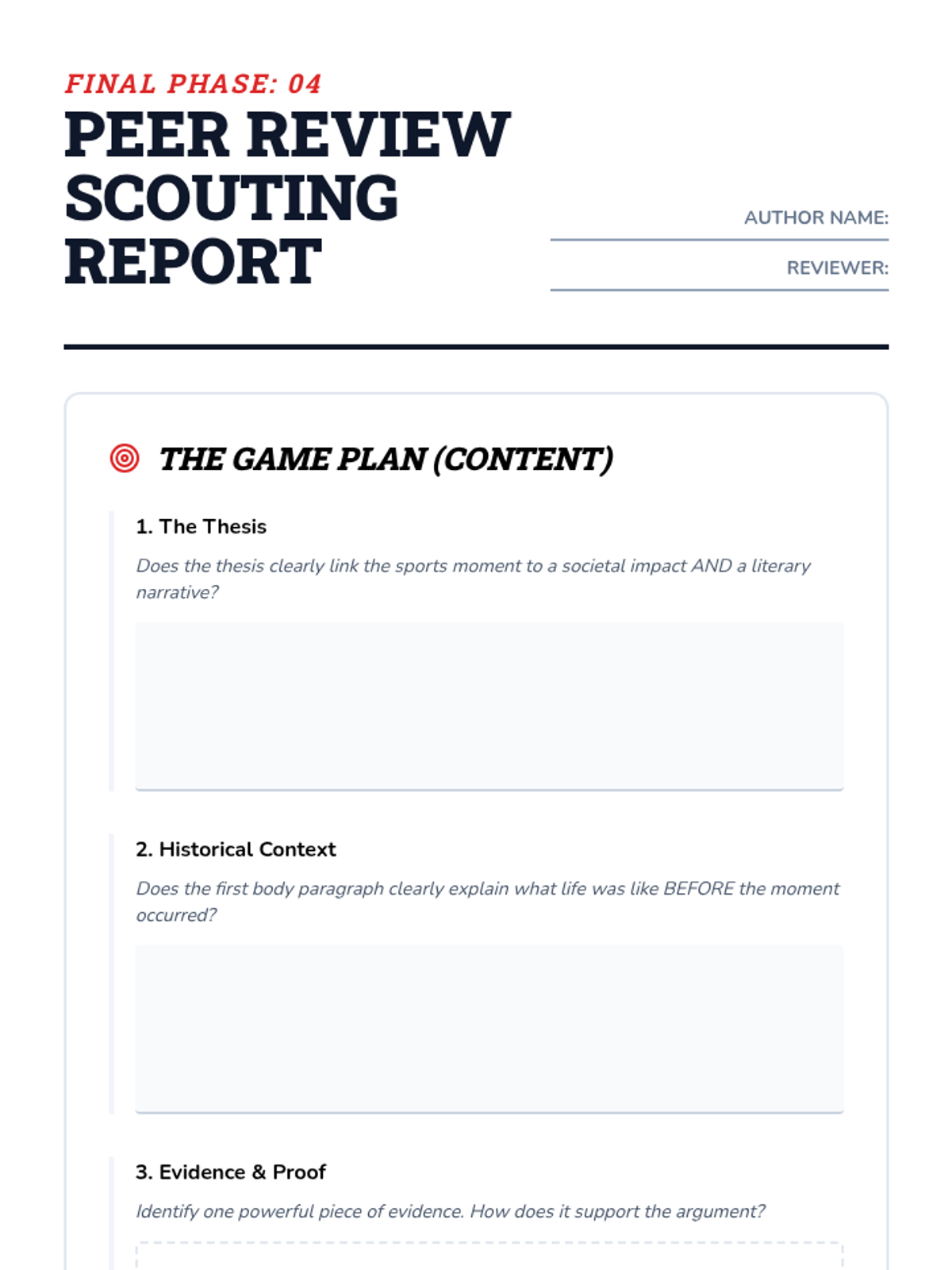
Drafting the final introduction and conclusion (bookending the paper), peer reviewing the full paper, and final polishing using the rubric.
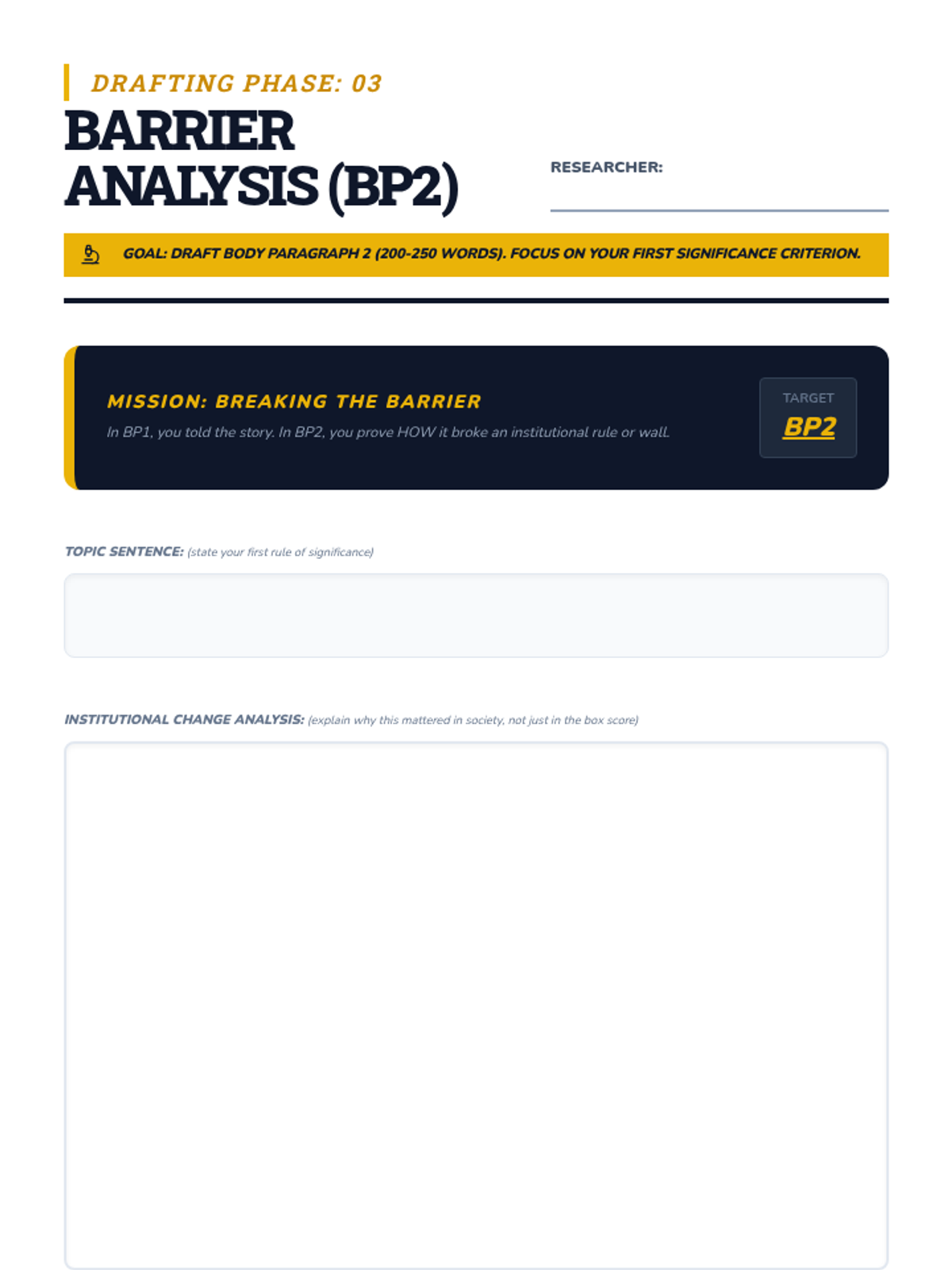
Drafting the second body paragraph, focusing on institutional changes and the breaking of systemic barriers.
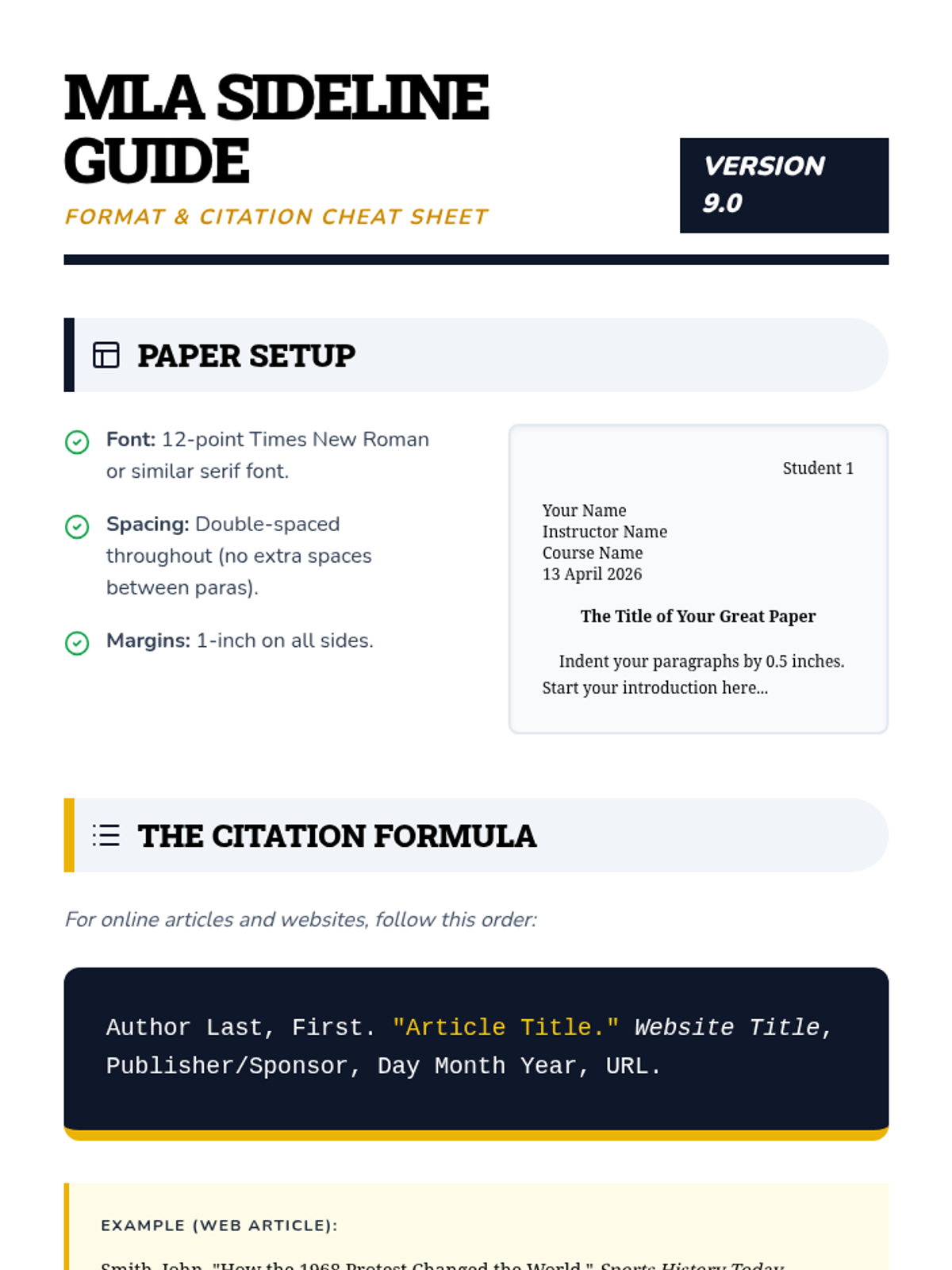
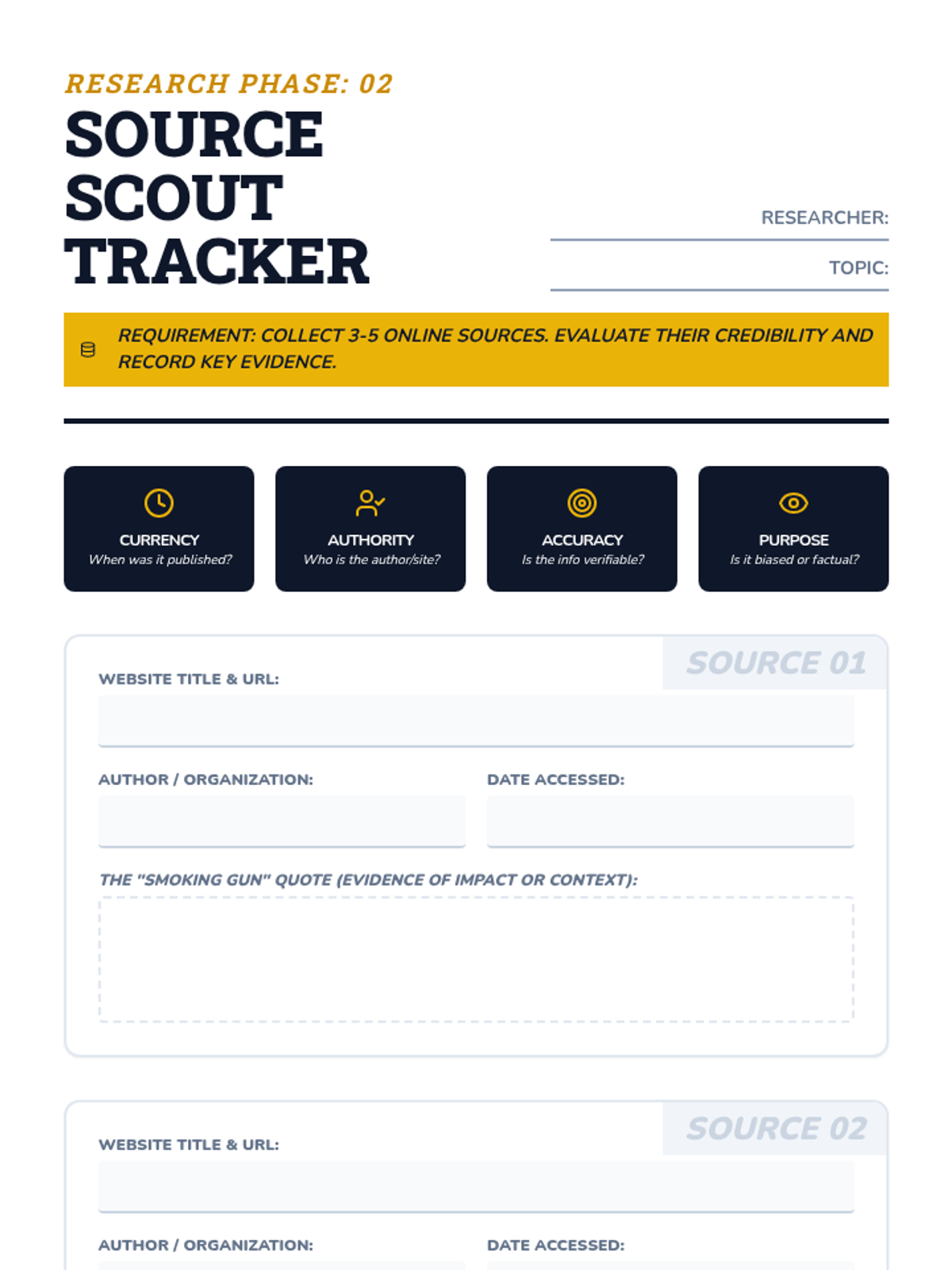
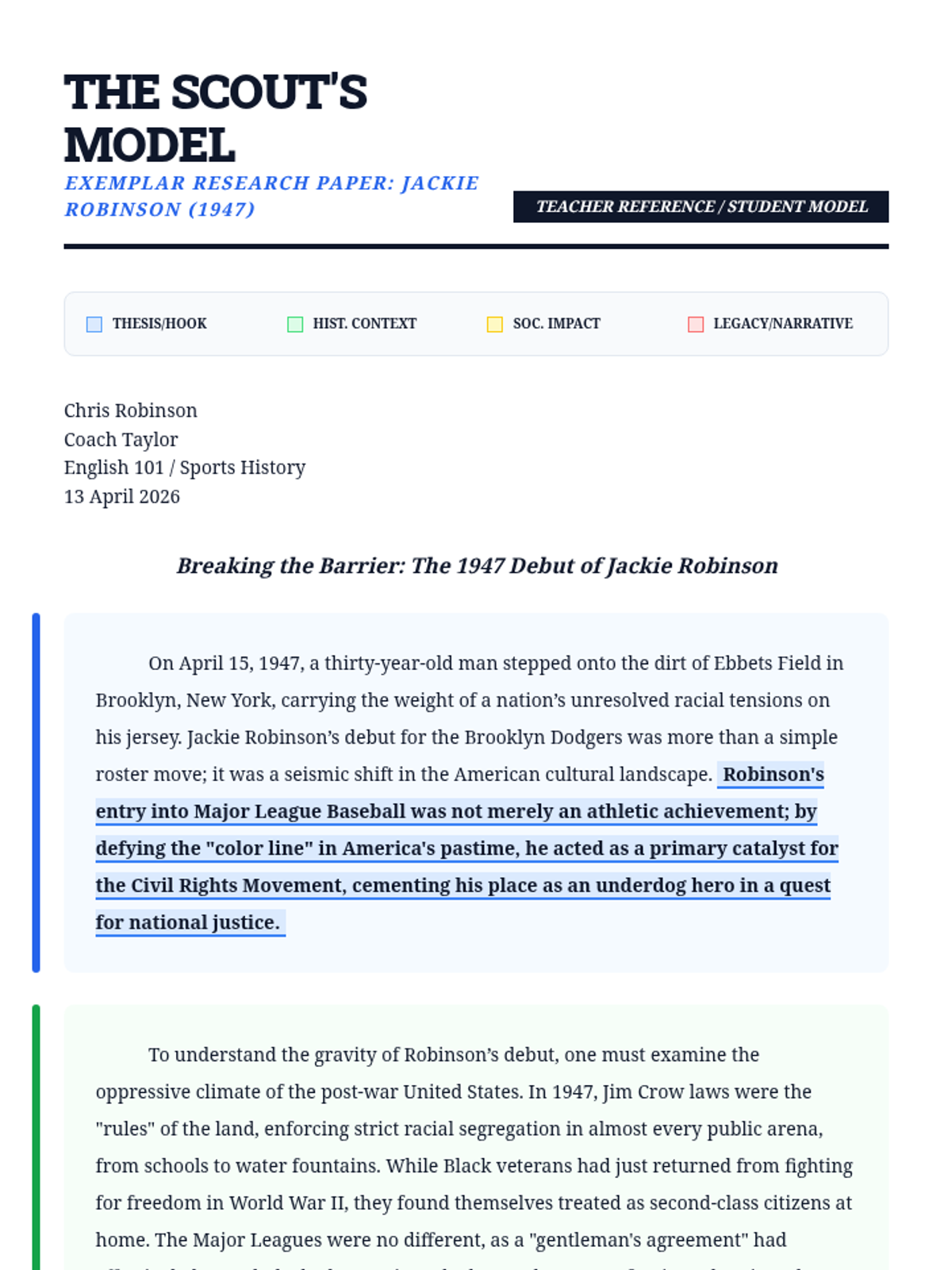
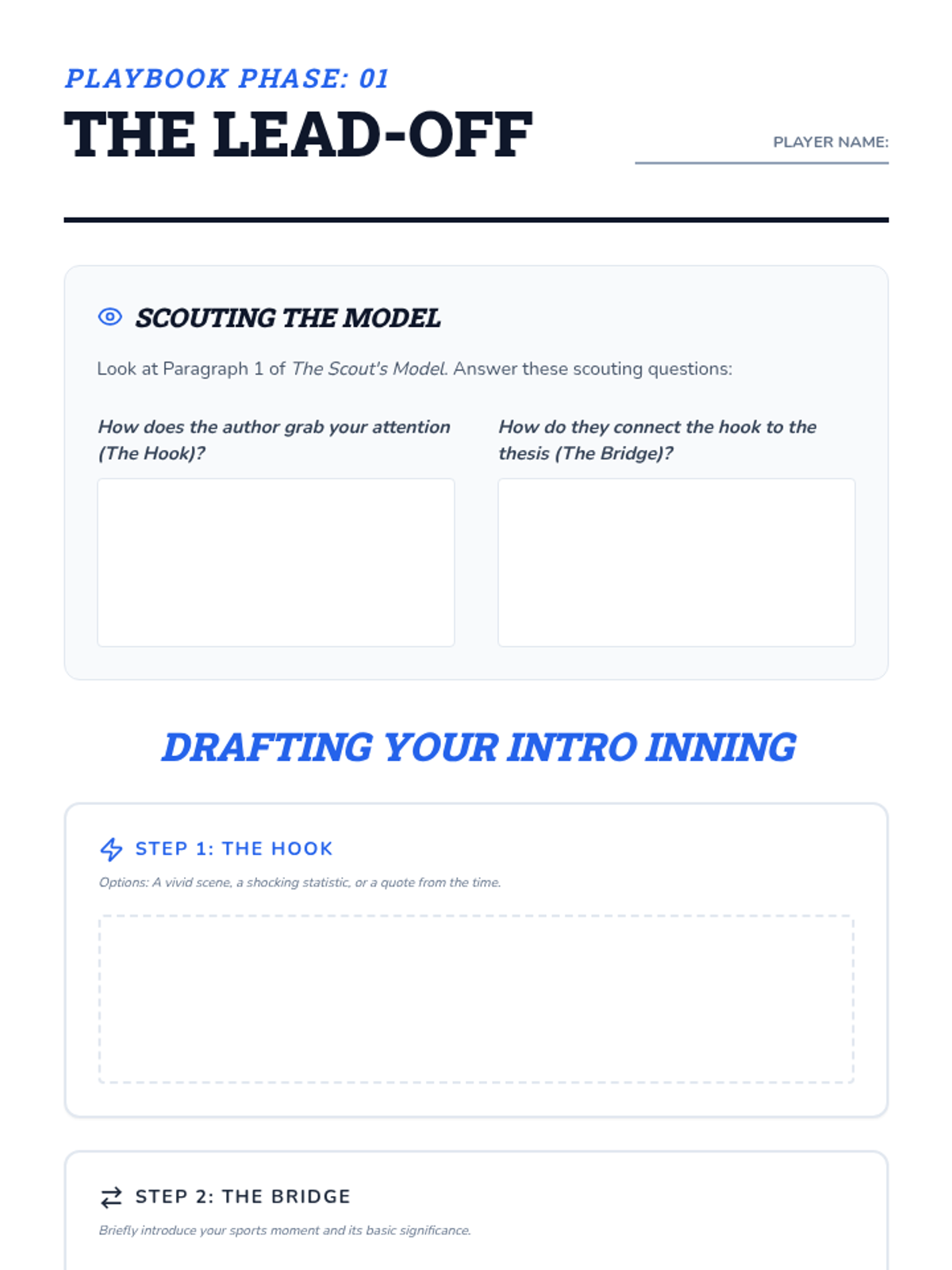
Students research and draft their first body paragraph, focusing on the historical context of their sports moment.
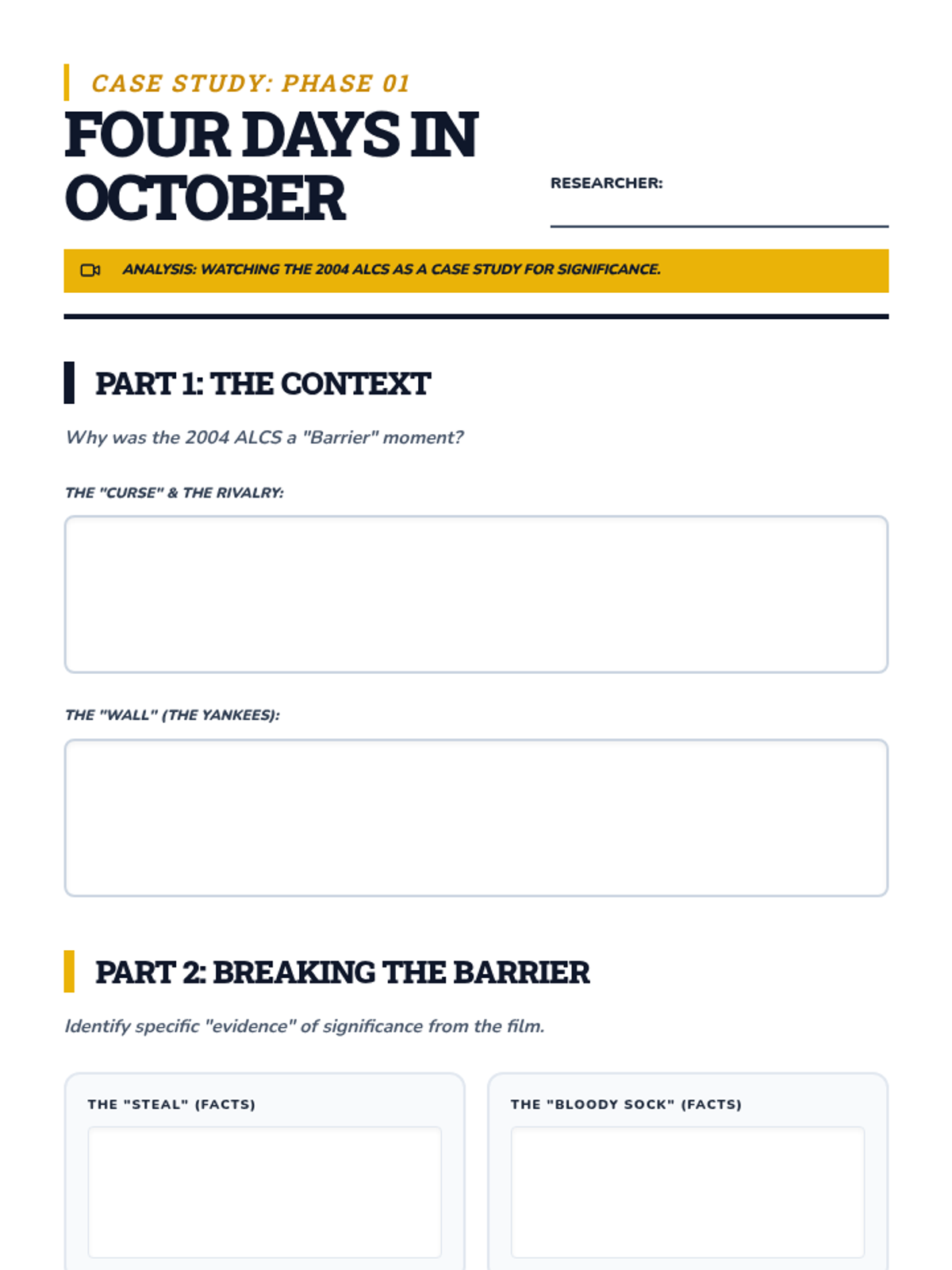
Brainstorming significant moments, defining specific criteria for "significance," and analyzing the 'Four Days in October' 30 for 30 documentary as a case study.
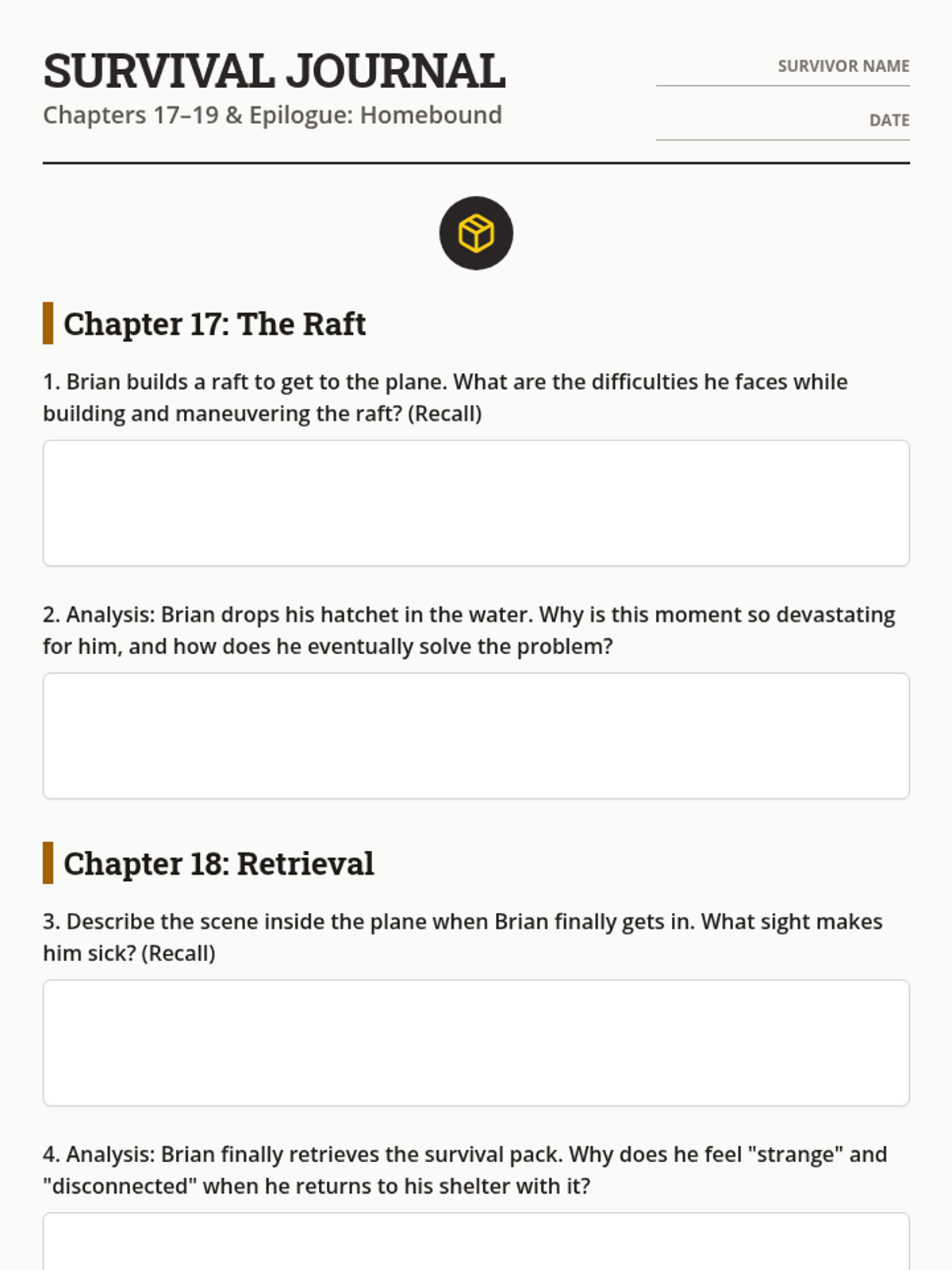
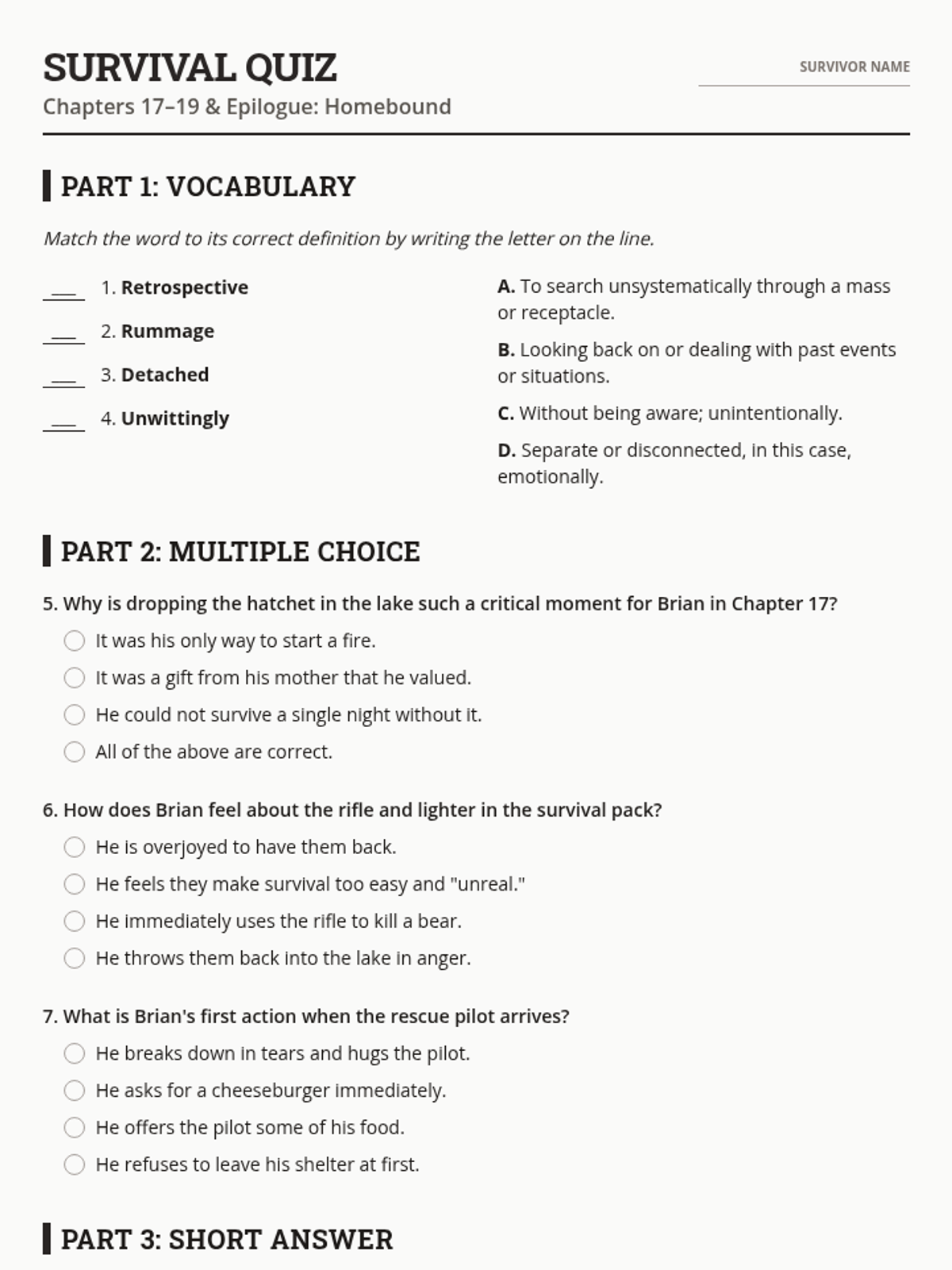
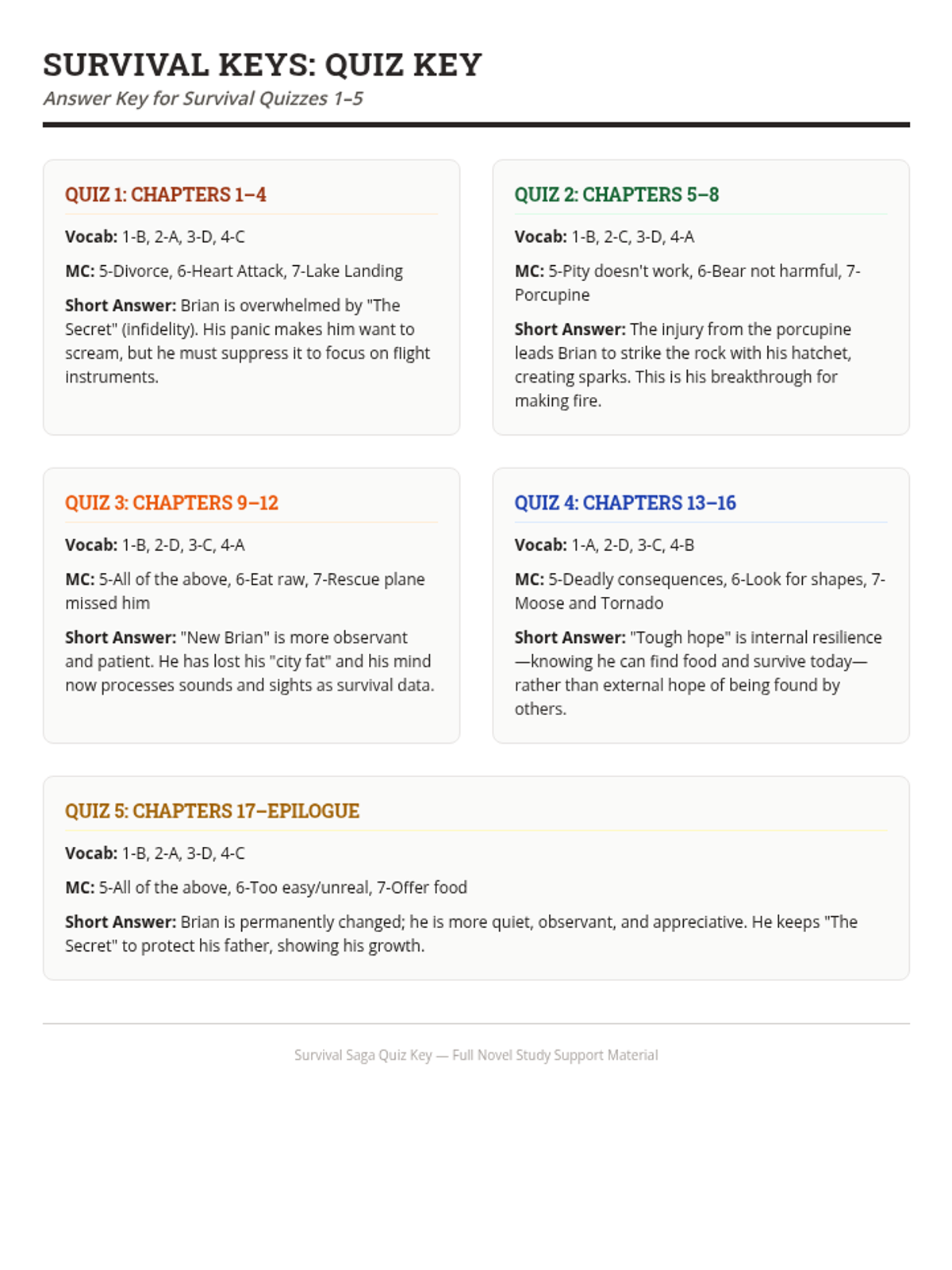
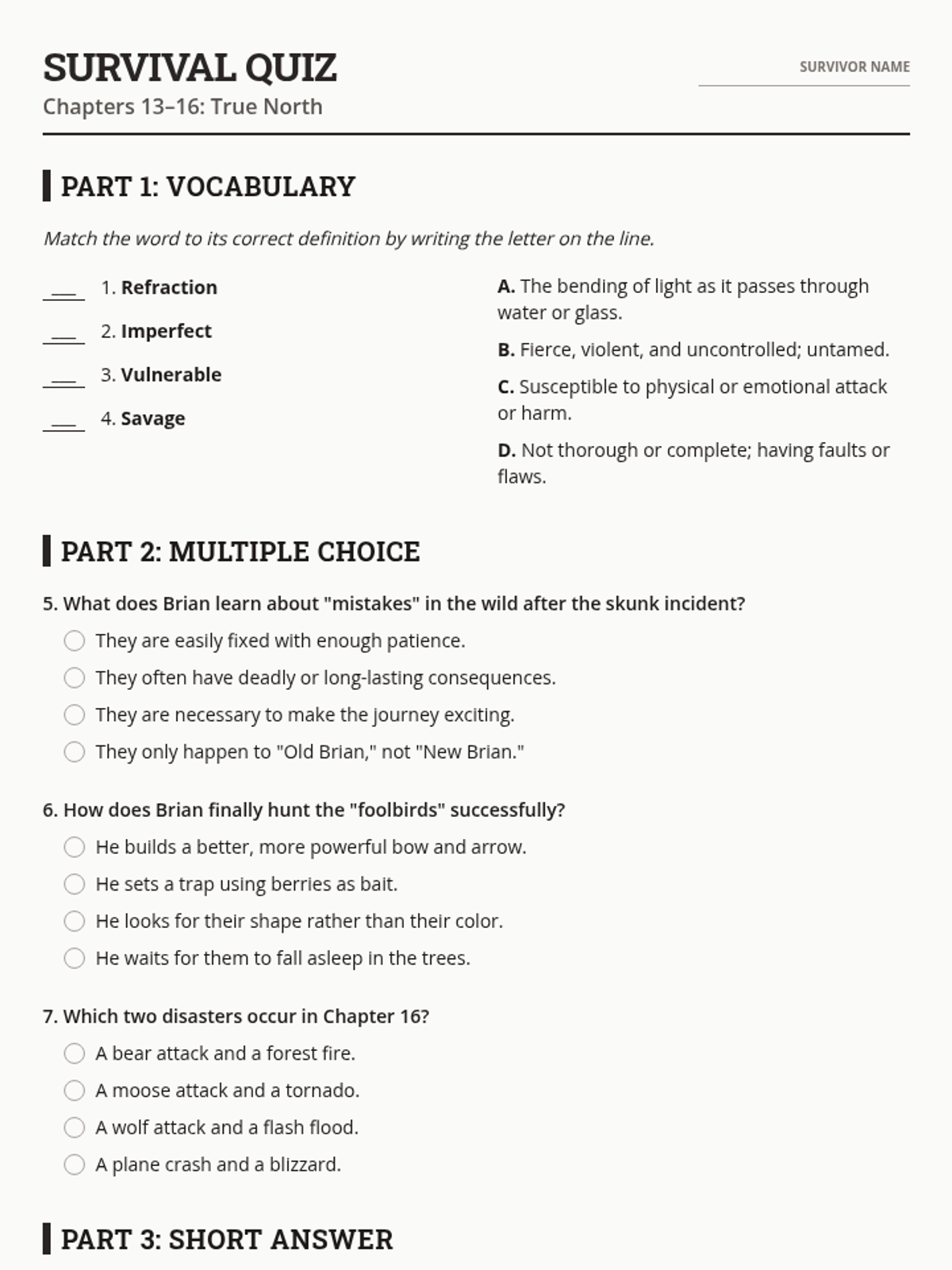
Covers the tornado, the retrieval of the survival pack, and Brian's eventual rescue. Focuses on the irony of the survival pack and Brian's lasting changes as a person.
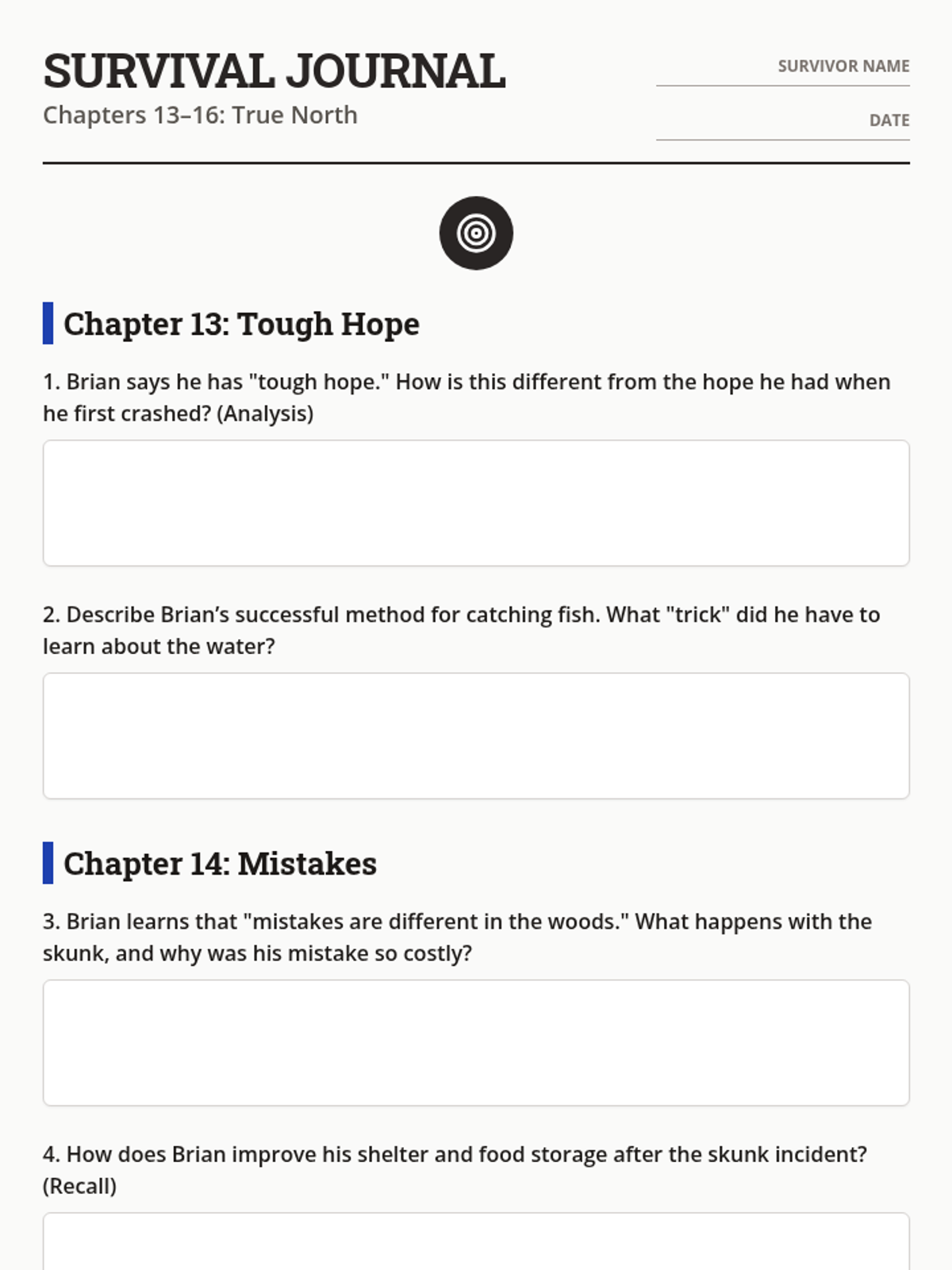
Tracks Brian's transformation into the 'New Brian' following the missed rescue plane. Focuses on resilience, the concept of 'tough hope', and mastery of his environment.
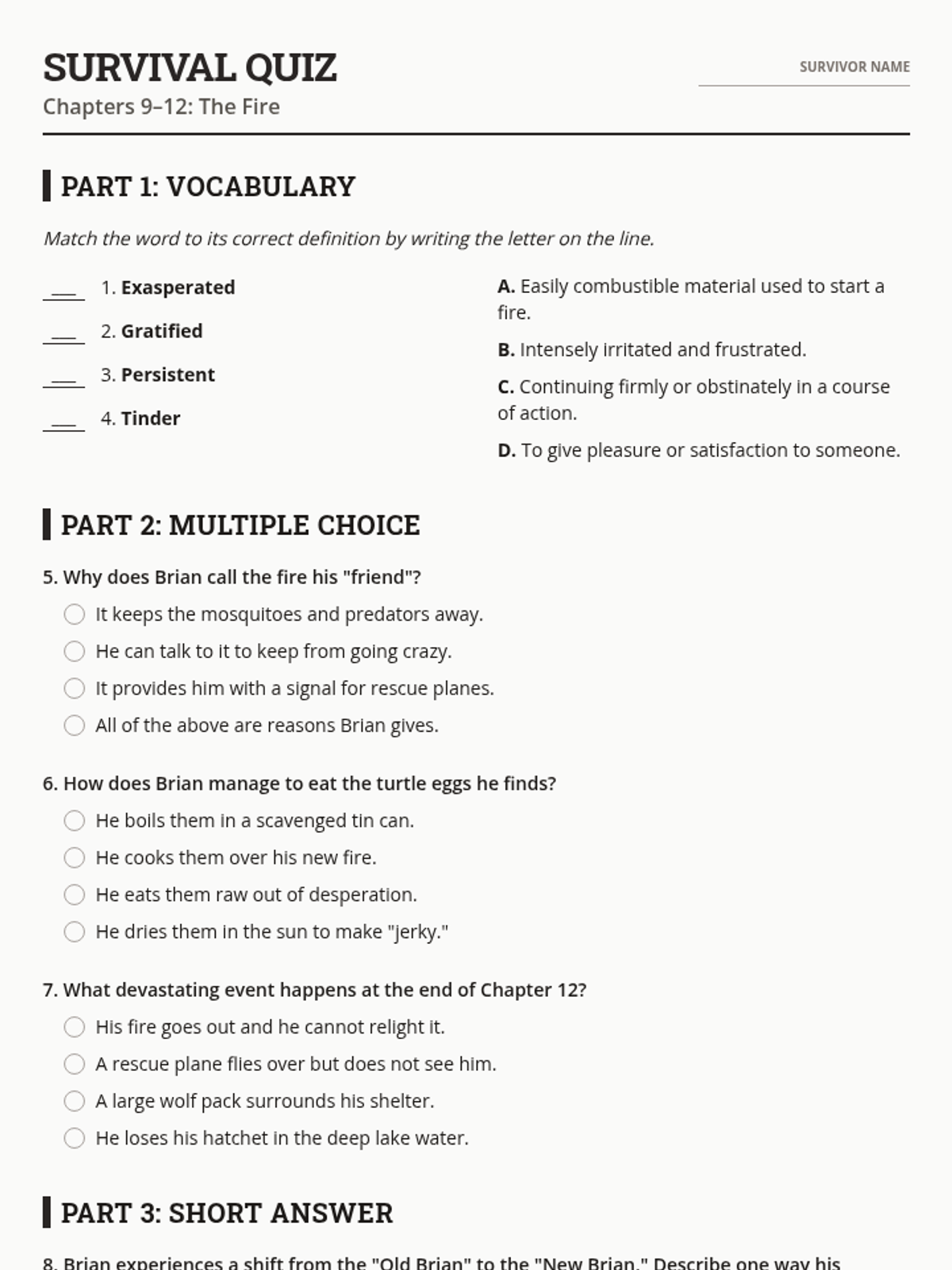
Centuries on the discovery of fire and the expansion of Brian's diet. Focuses on the 'spark' of hope and the intellectual process of problem-solving in the wild.
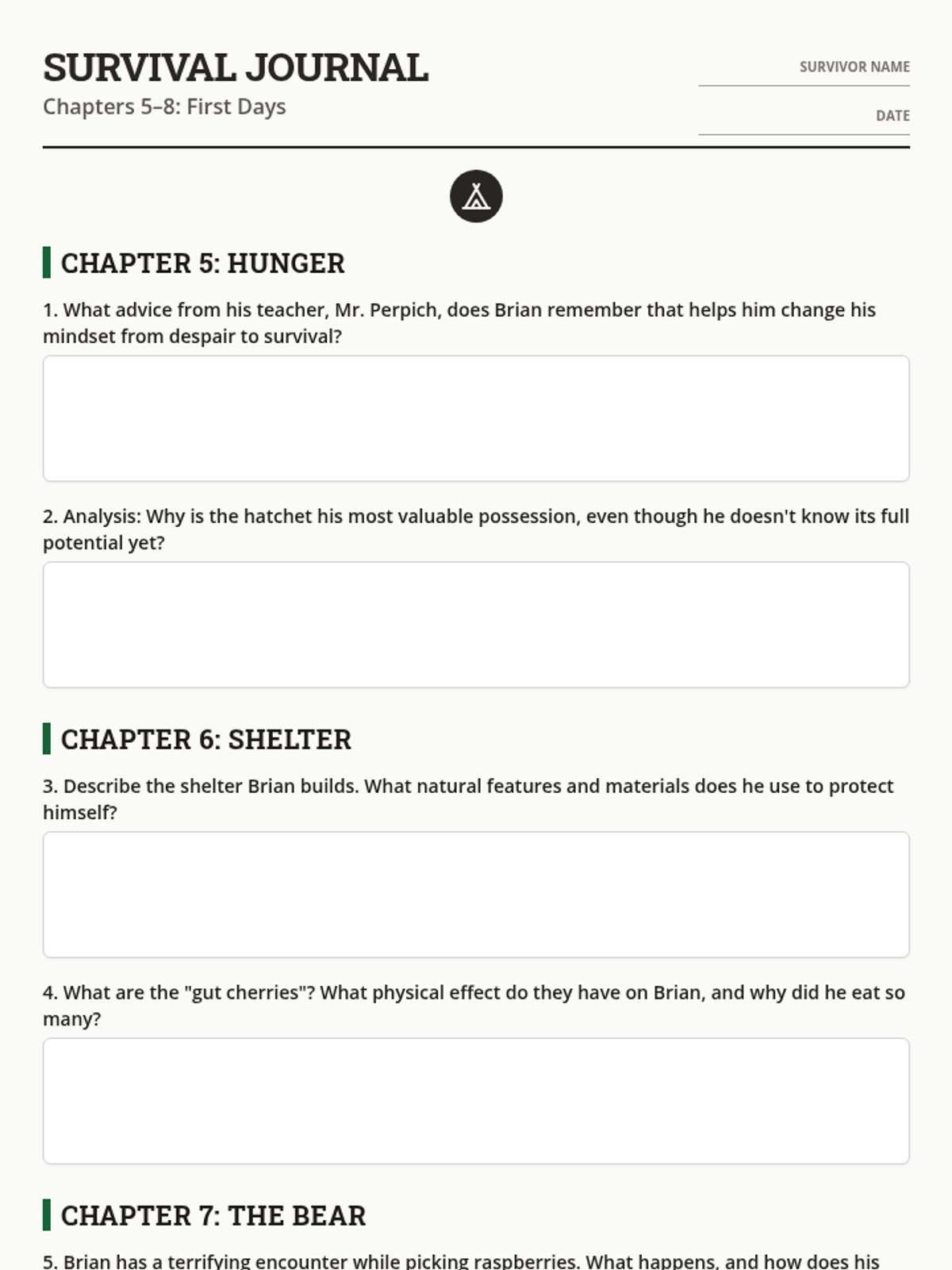
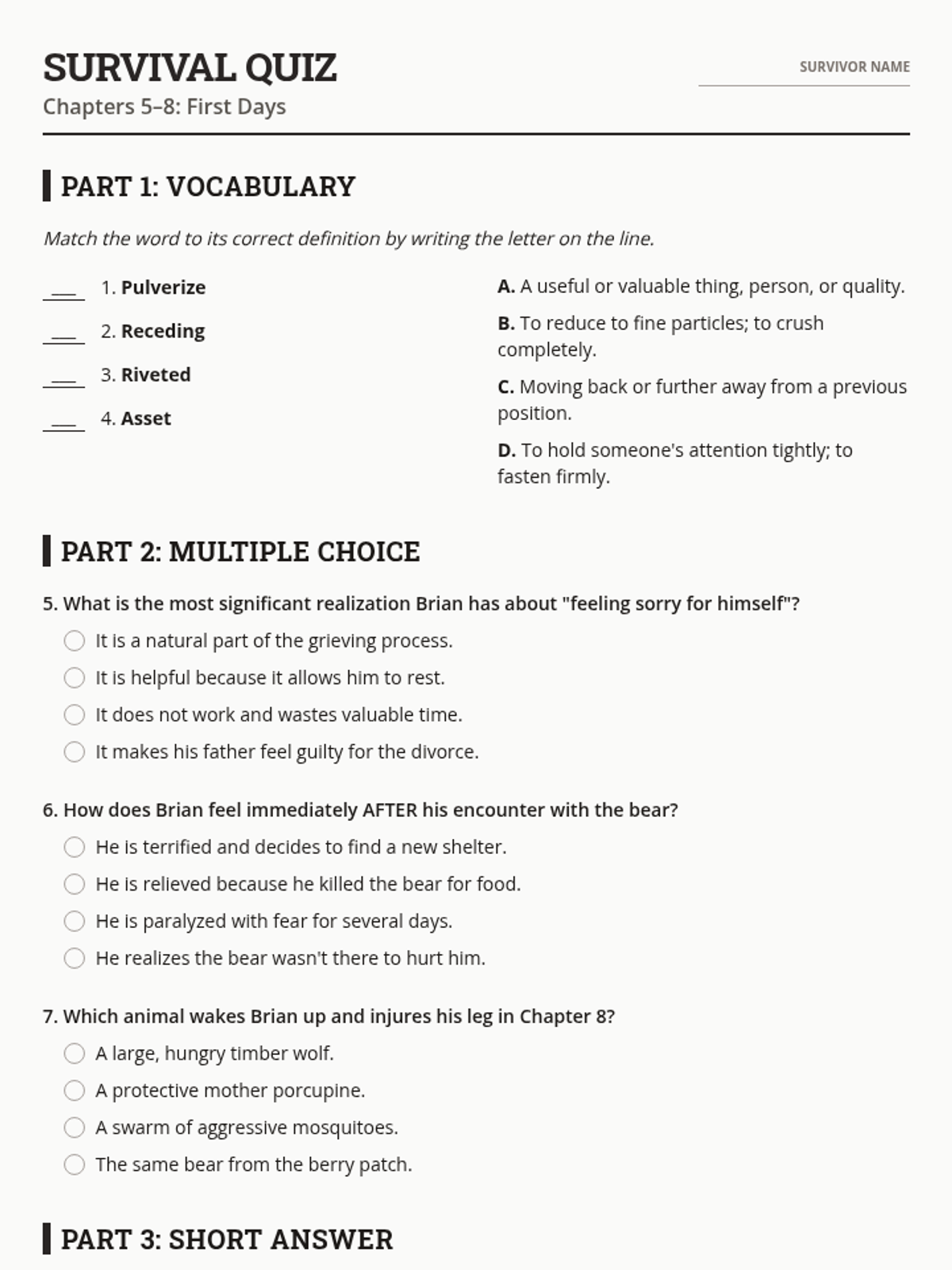
Explores Brian's first attempts at finding food and shelter, his encounter with the bear, and the physical toll of survival. Focuses on sensory details and the transition from shock to action.
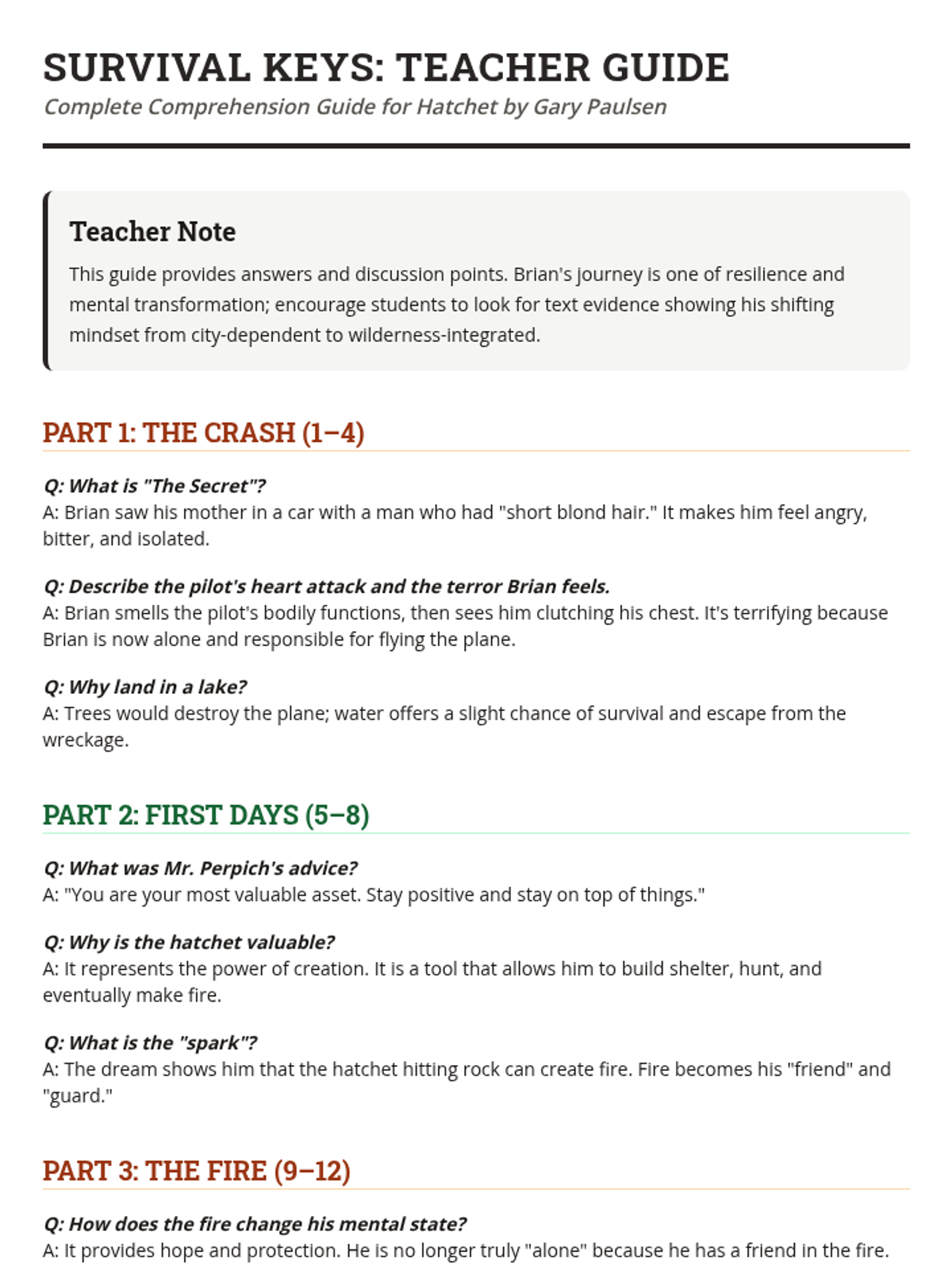
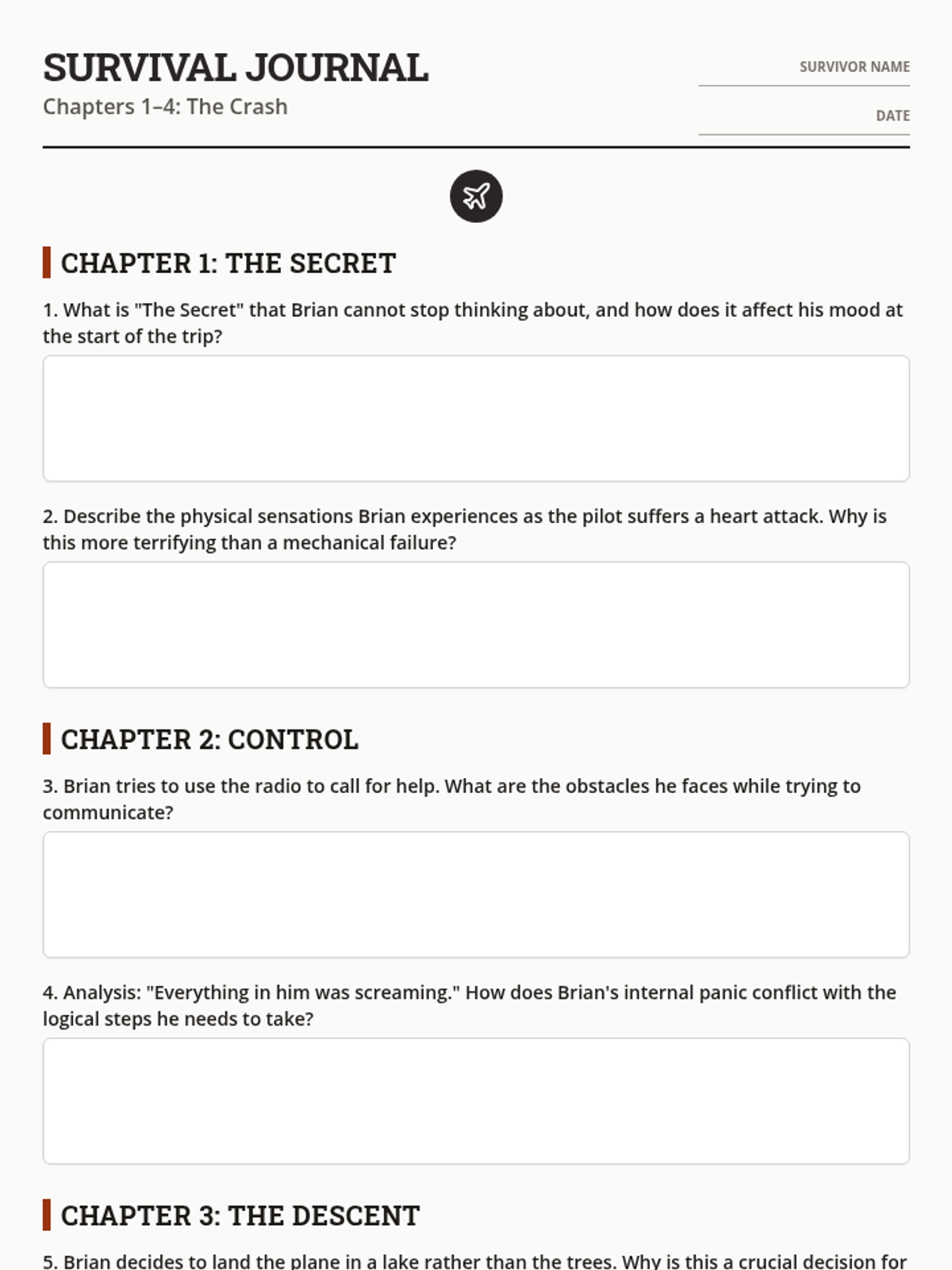
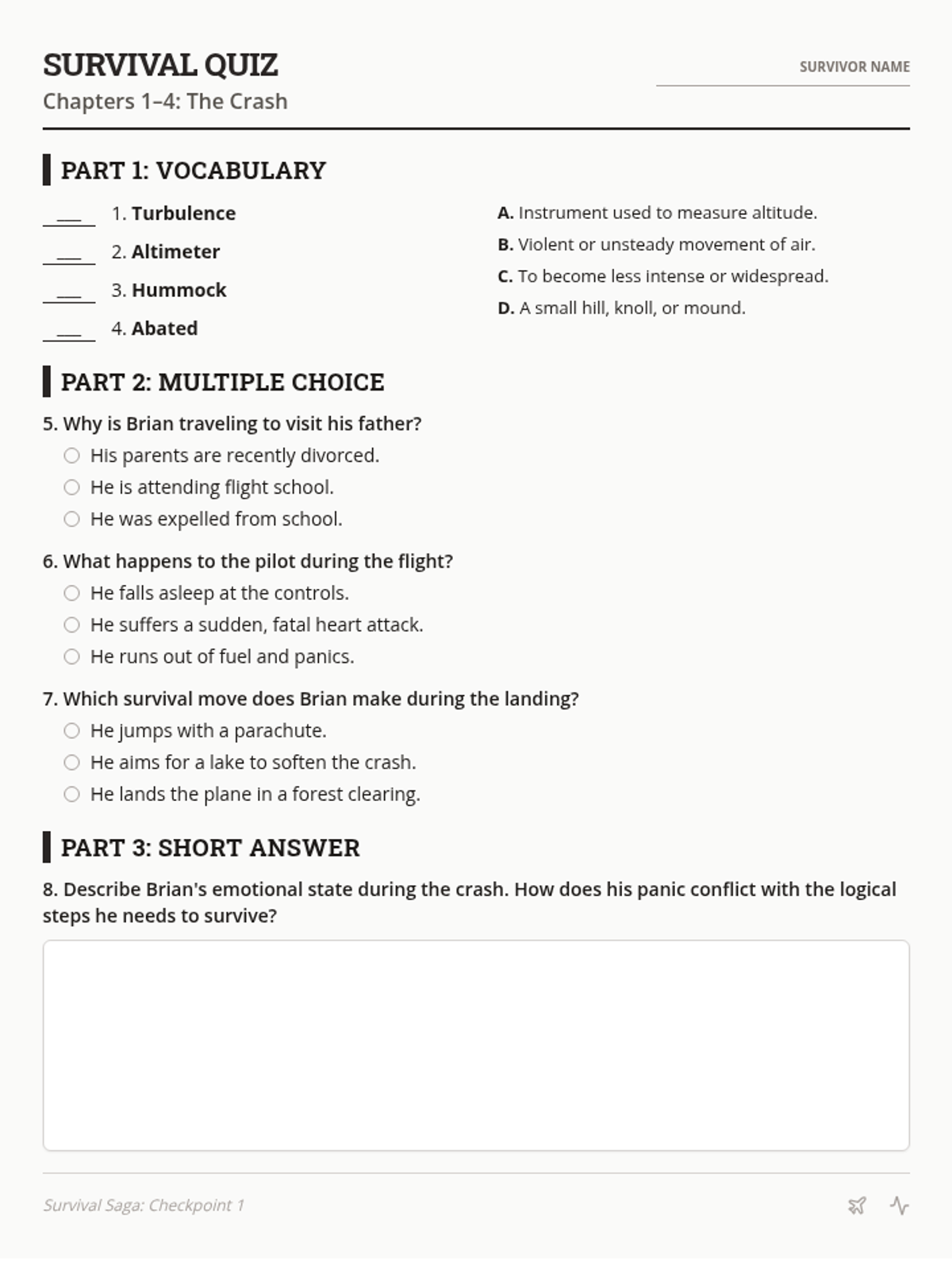
Covers the pilot's heart attack, the plane crash, and Brian's initial realization of his isolation. Focuses on the immediate conflict and the burden of 'The Secret'.
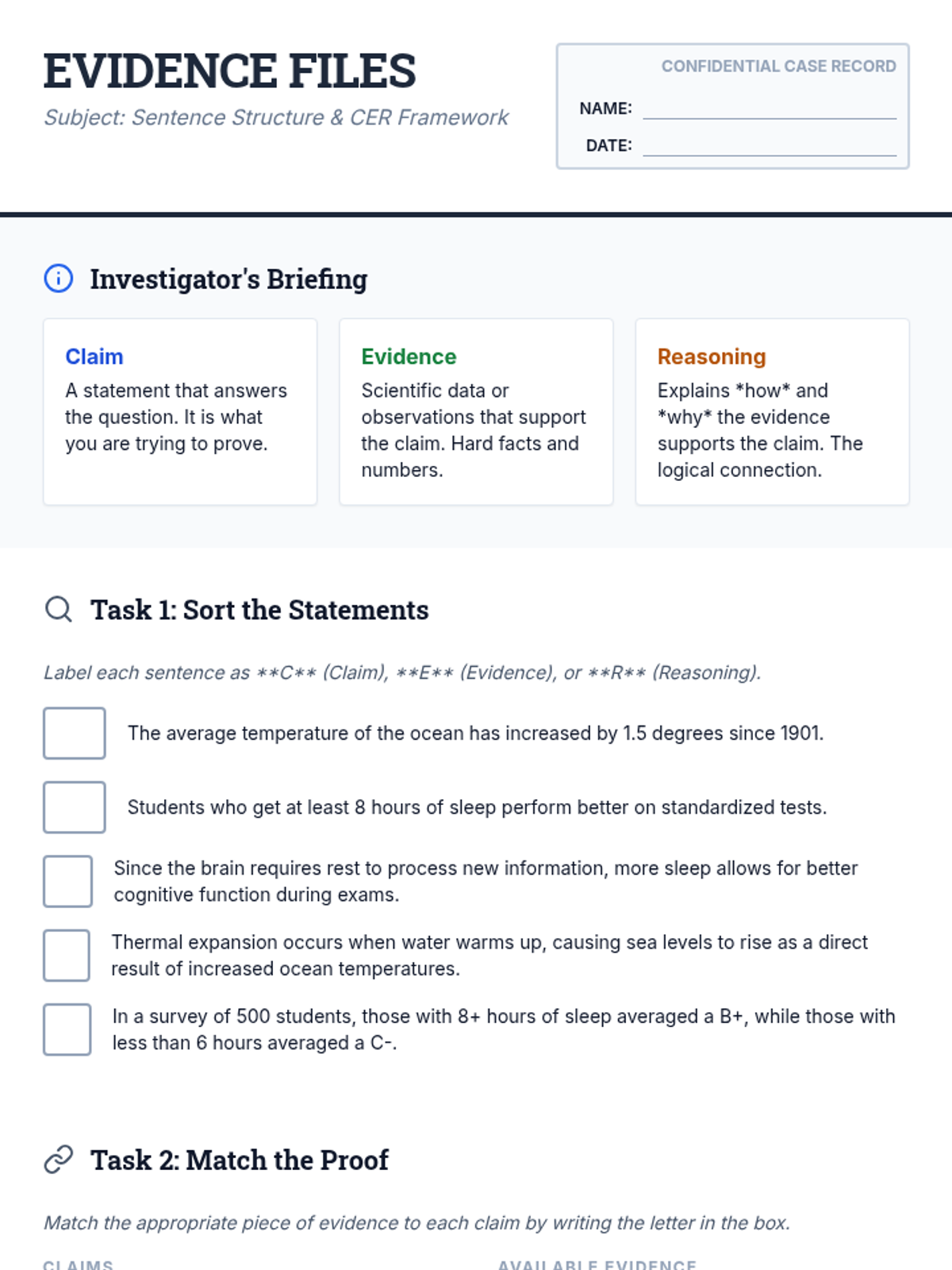
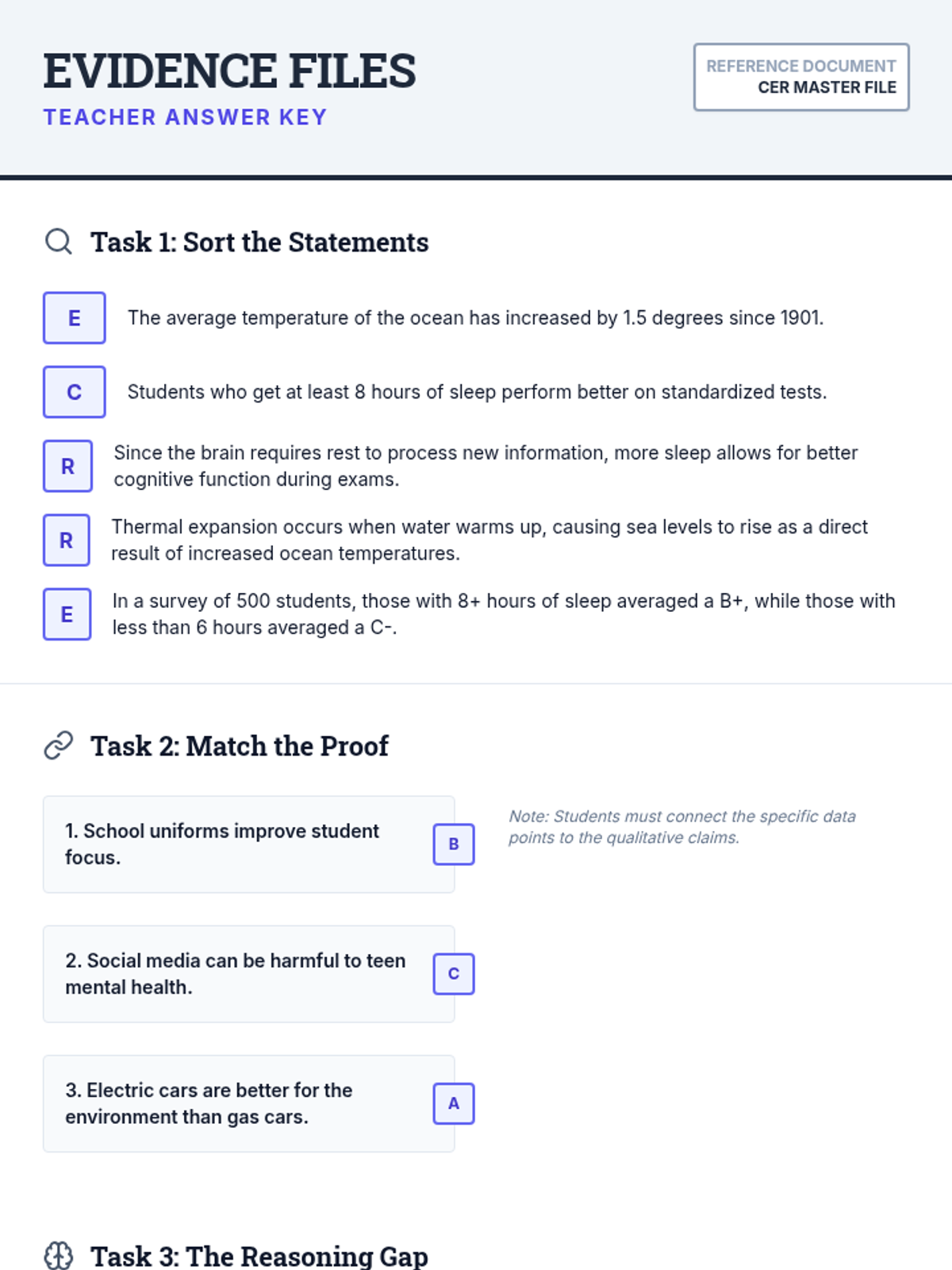
A lesson focused on mastering the Claim, Evidence, and Reasoning (CER) framework through investigative practice and sentence structure analysis.
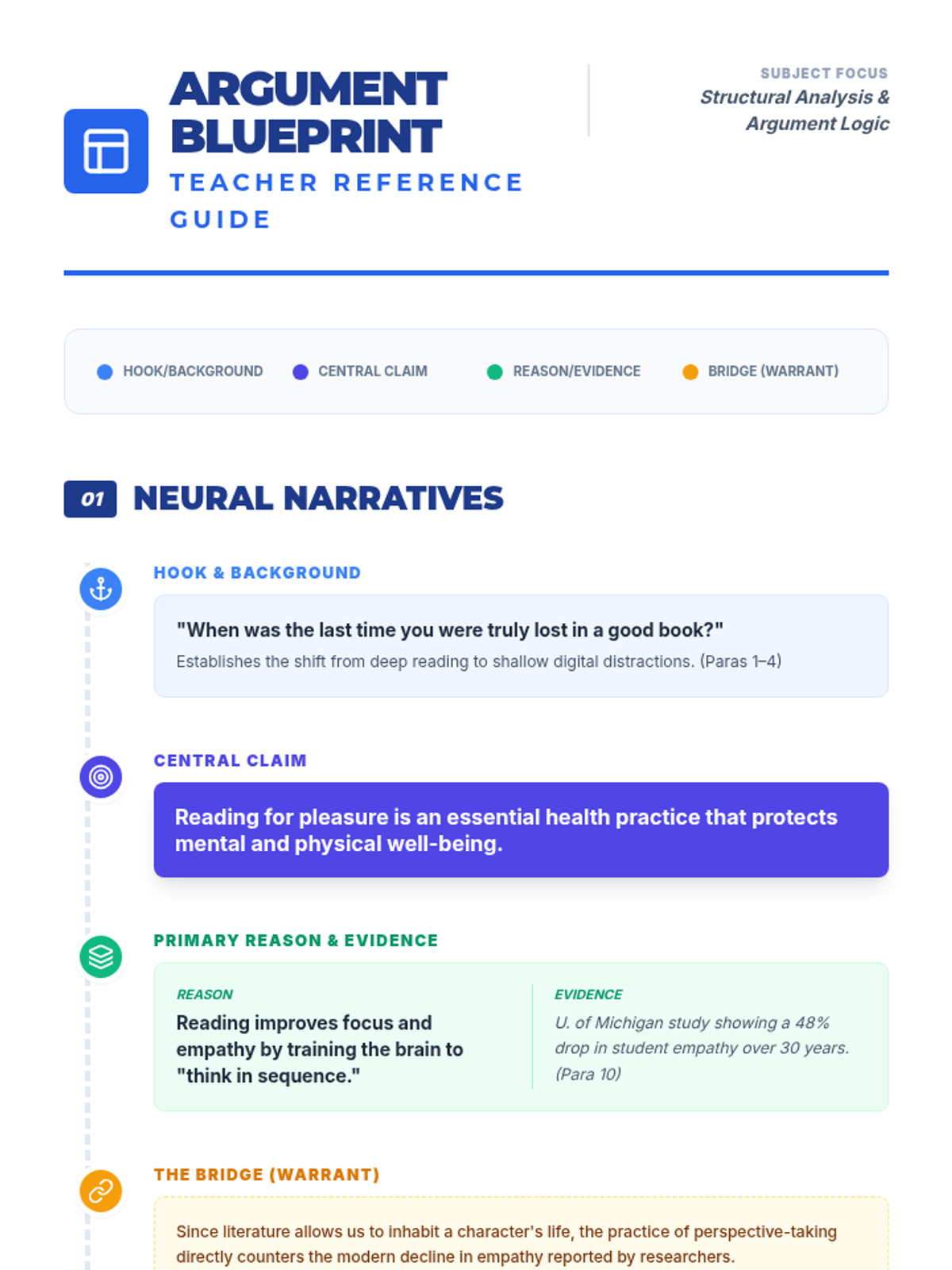
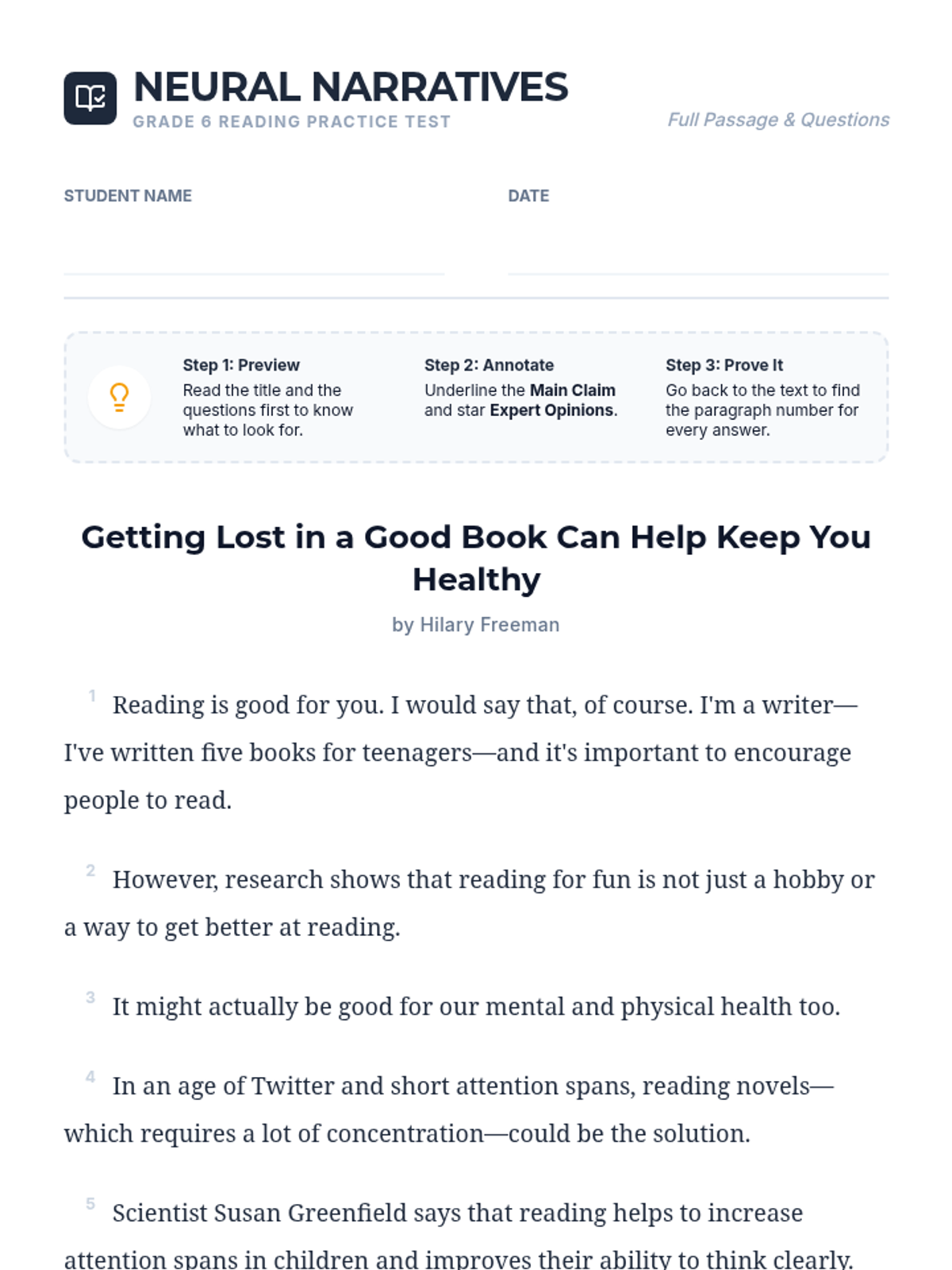
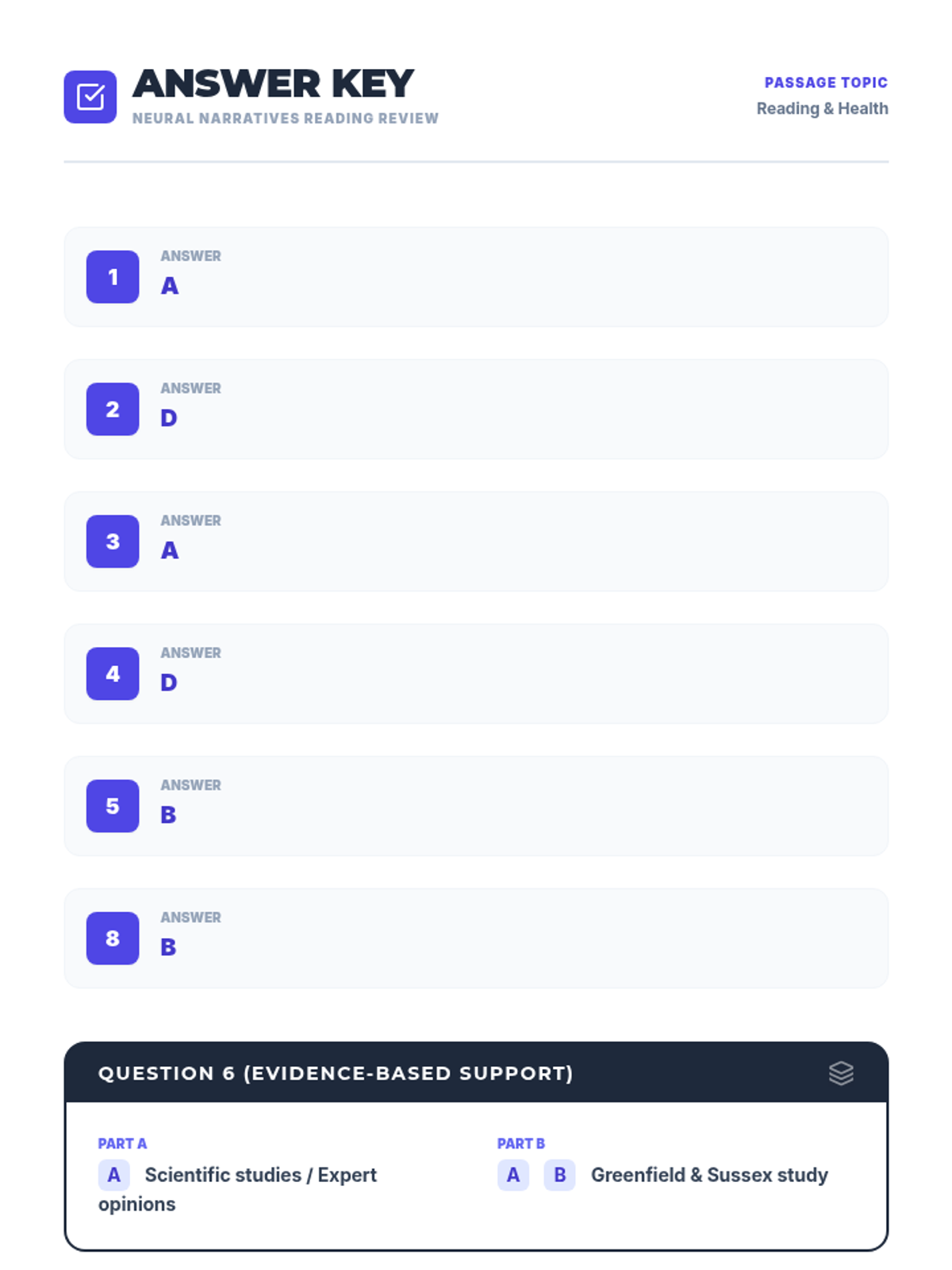
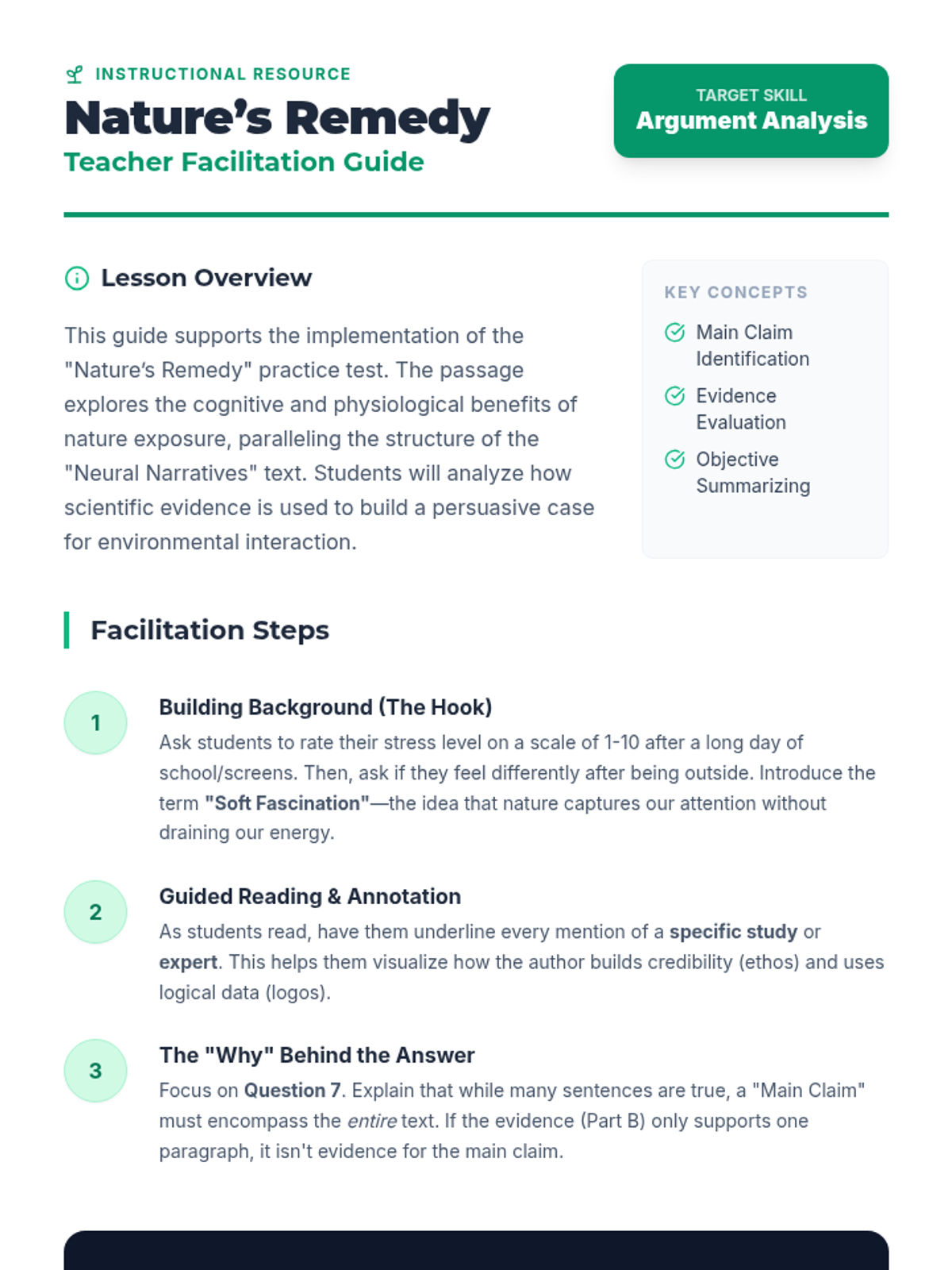
A practice test and answer key based on the passage 'Getting Lost in a Good Book Can Help Keep You Healthy' by Hilary Freeman, focusing on reading comprehension, vocabulary in context, and analyzing claims.
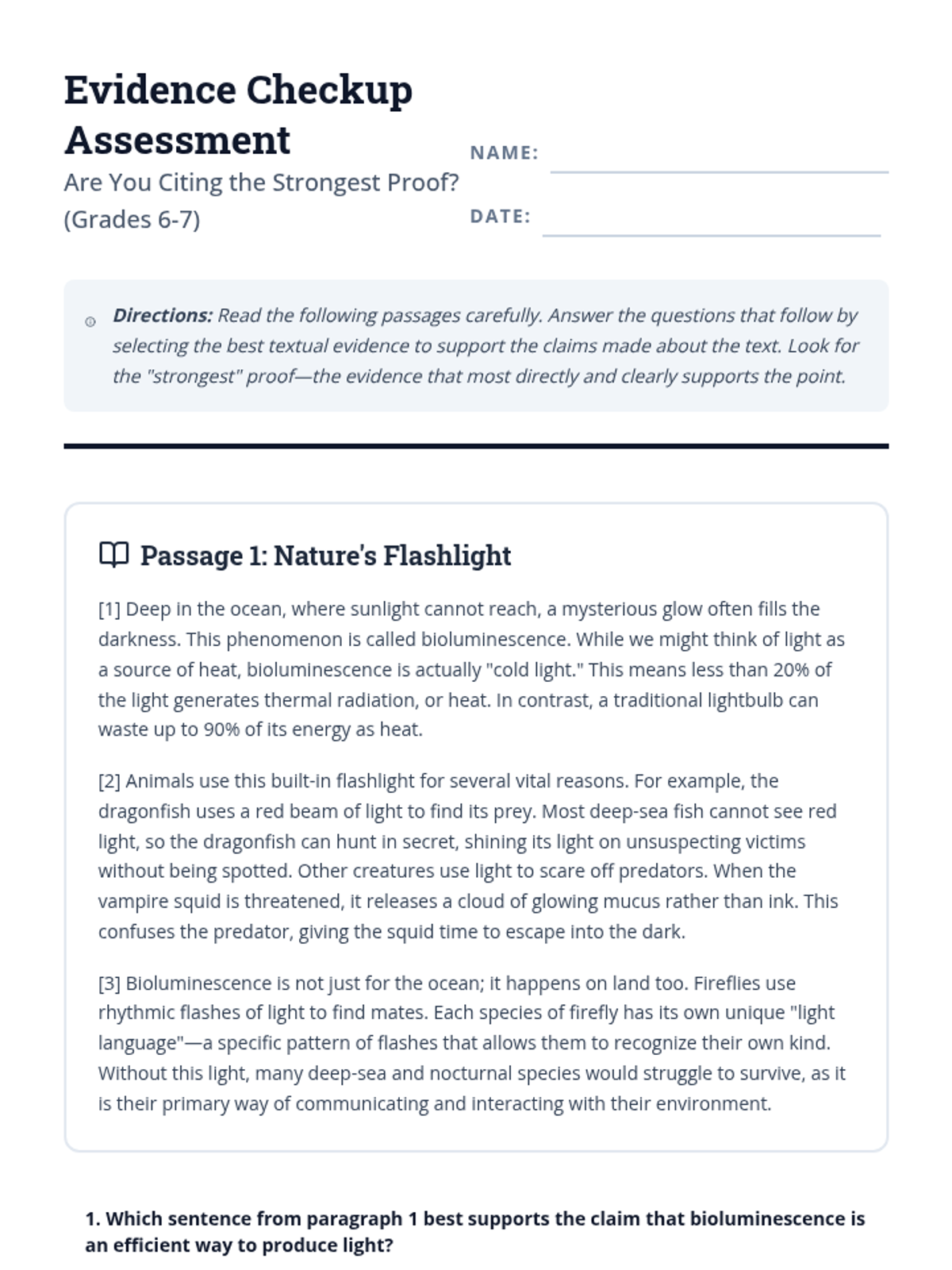
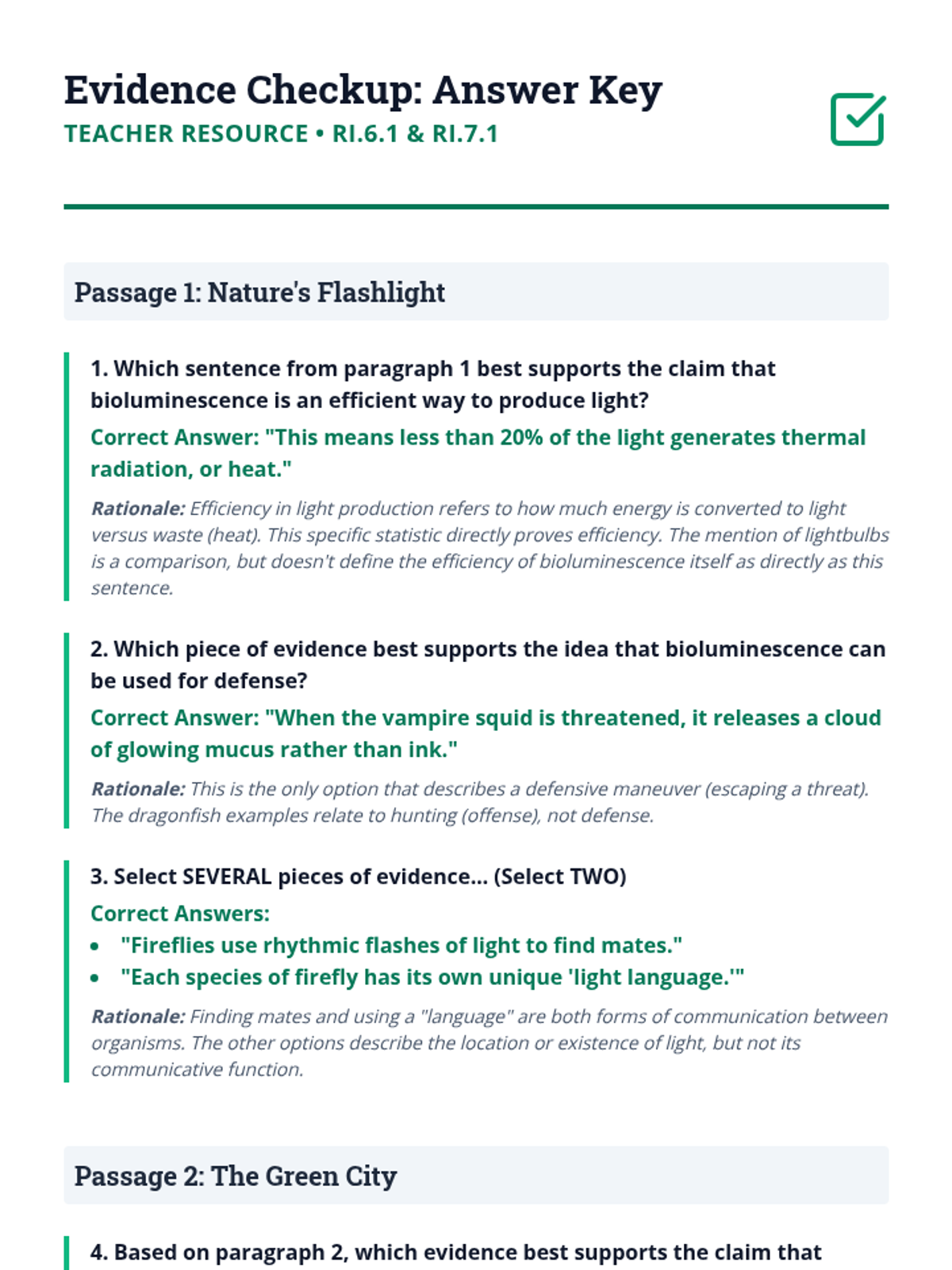
A diagnostic mini-assessment and instructional resource focused on RI.6-7.1, teaching students to identify and cite the strongest textual evidence to support analysis of nonfiction texts.
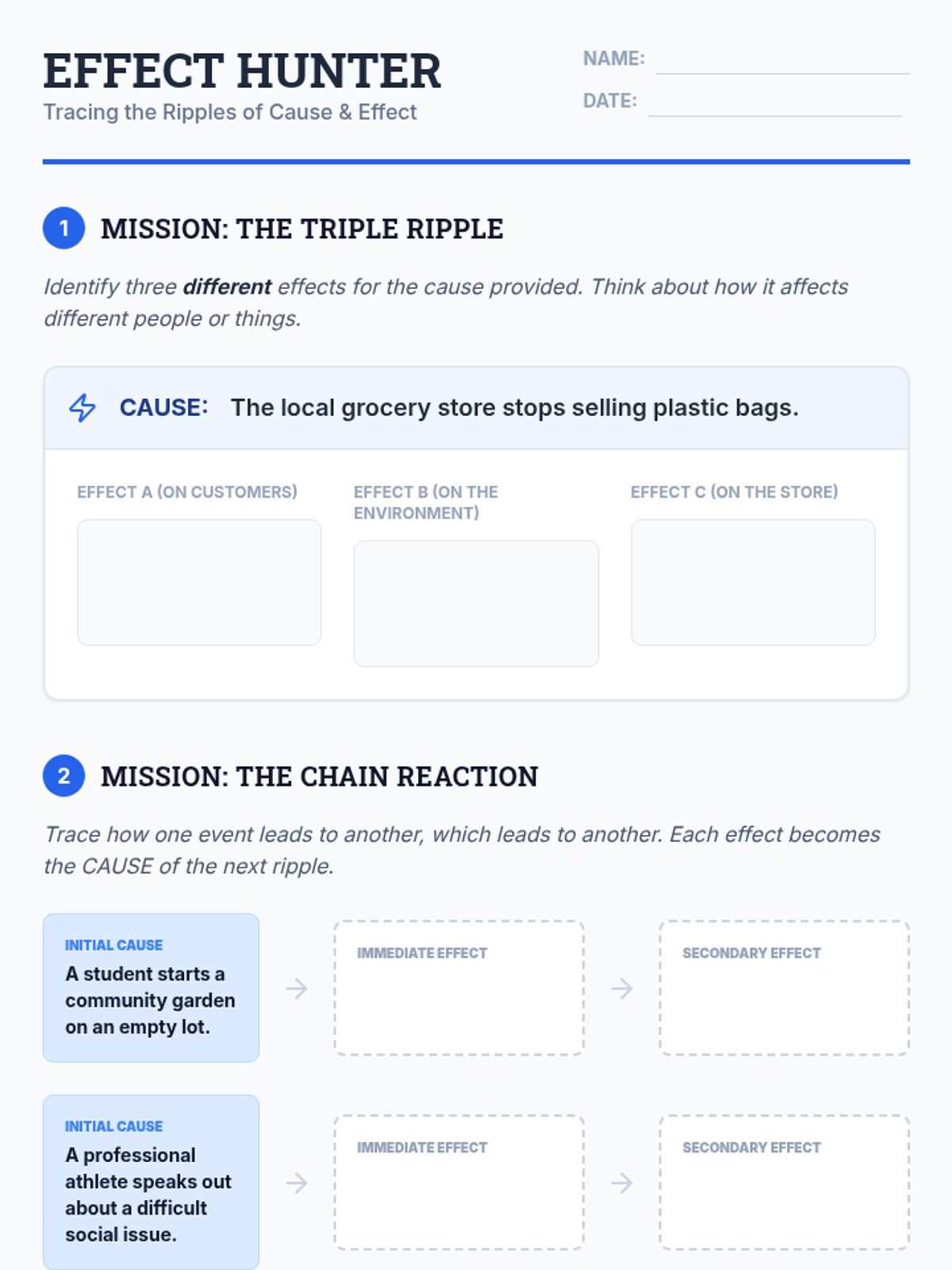
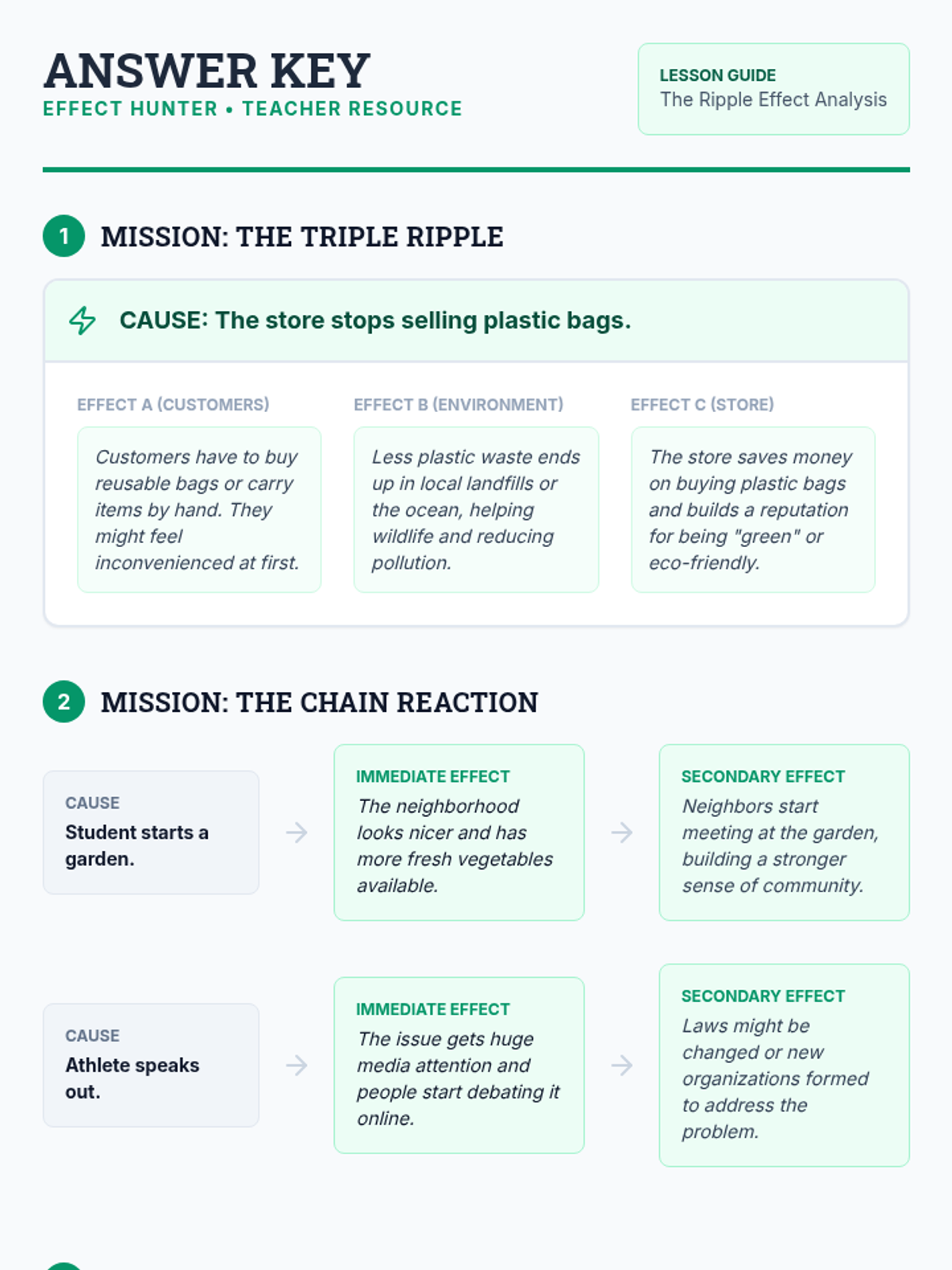
This lesson focuses on helping students move beyond simple one-to-one cause and effect relationships to explore multiple, cascading, and long-term effects of a single event. It uses the 'Ripple Map' visual to help students trace consequences.
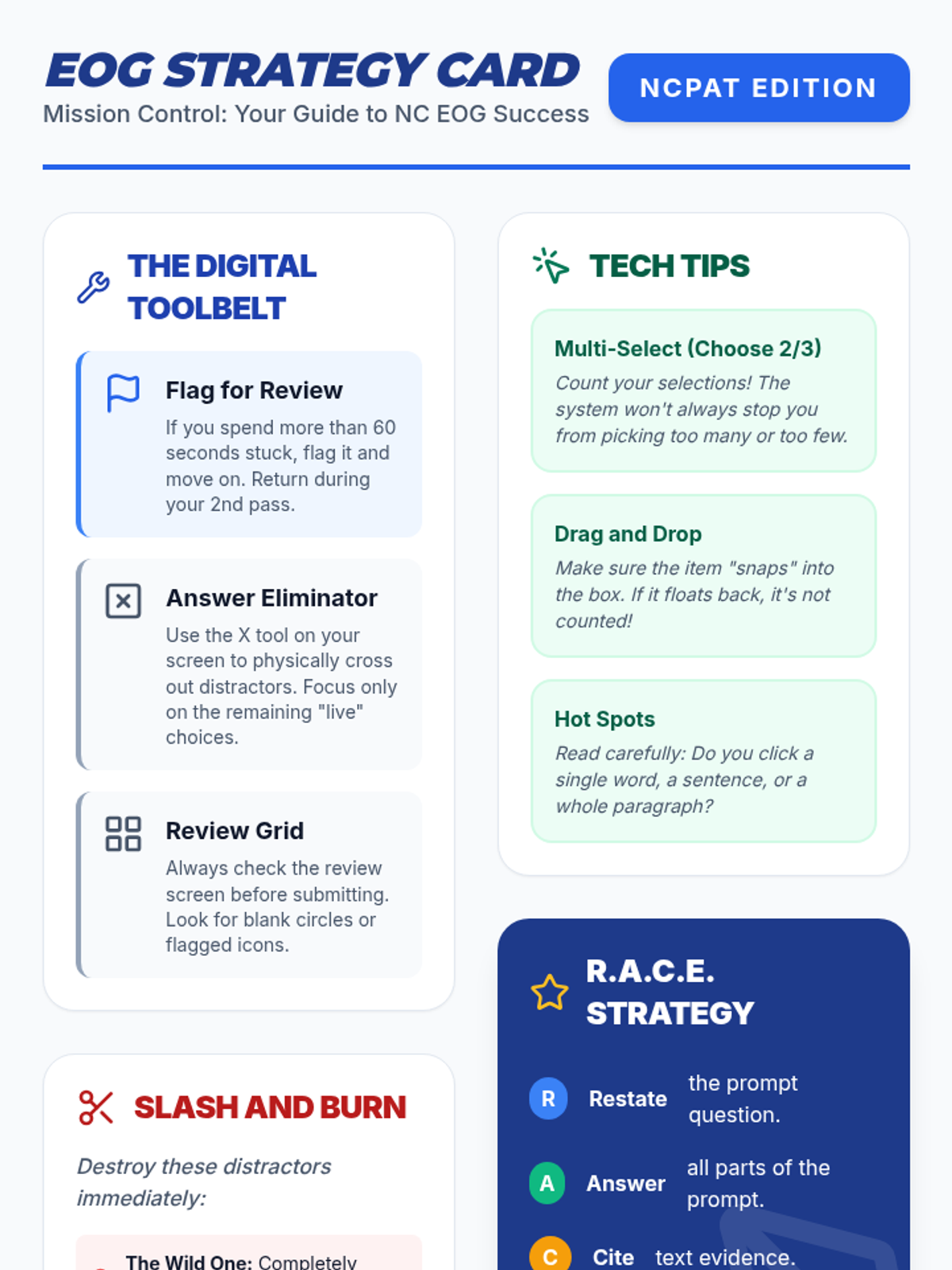
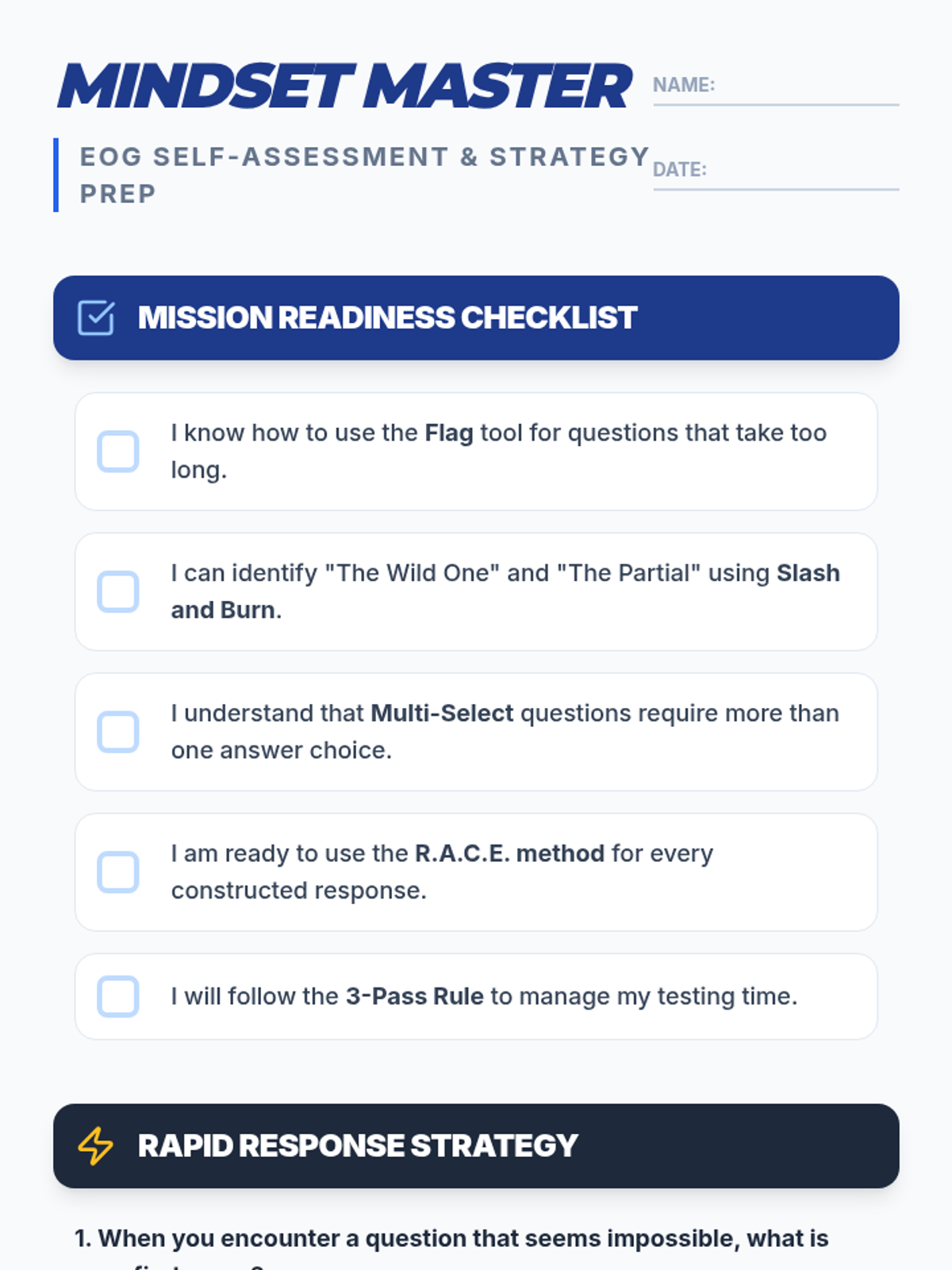
A comprehensive guide to mastering the NC EOG using NCPAT-specific digital tools, pacing techniques, and the RACE method for constructed responses.
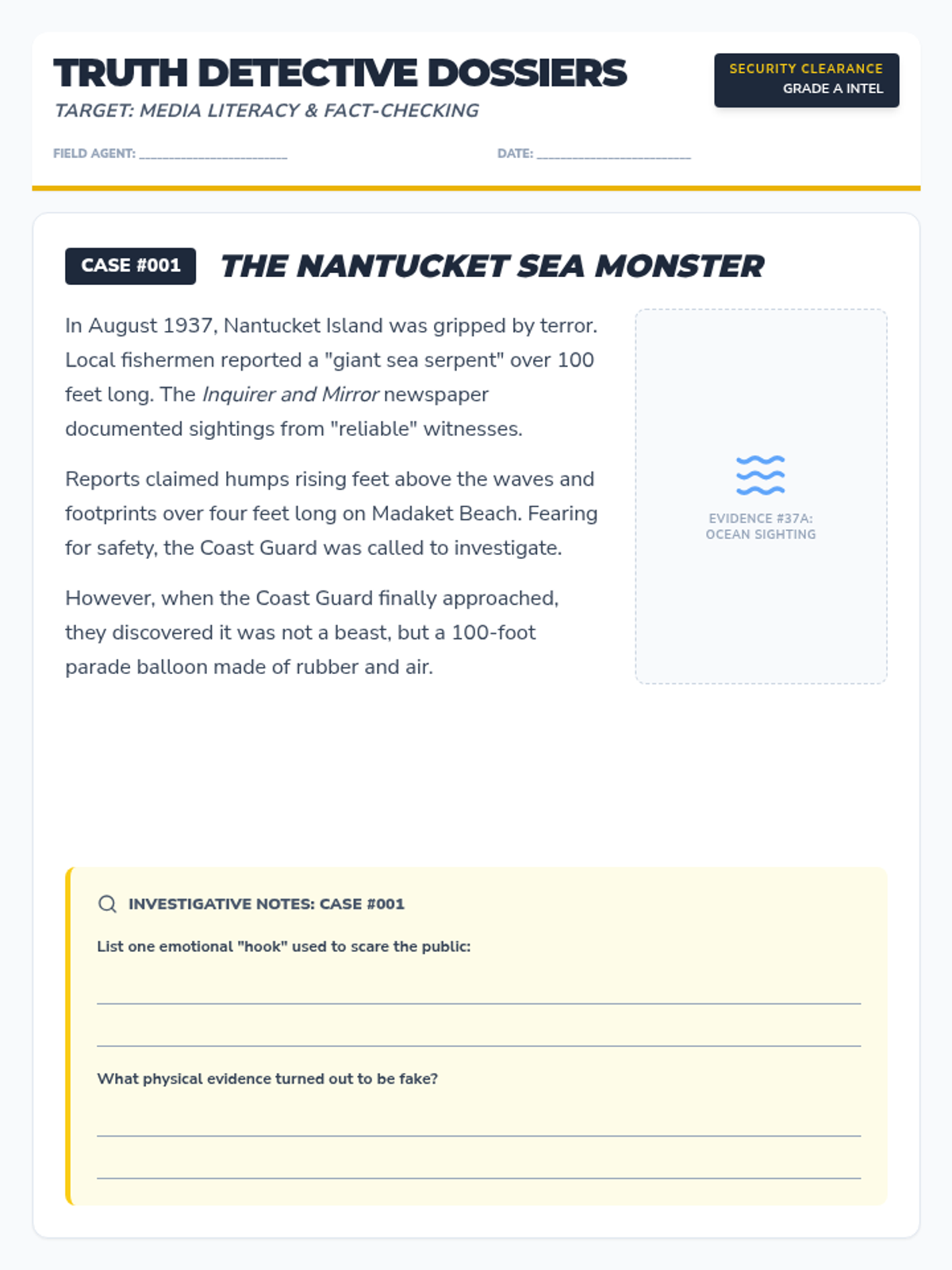
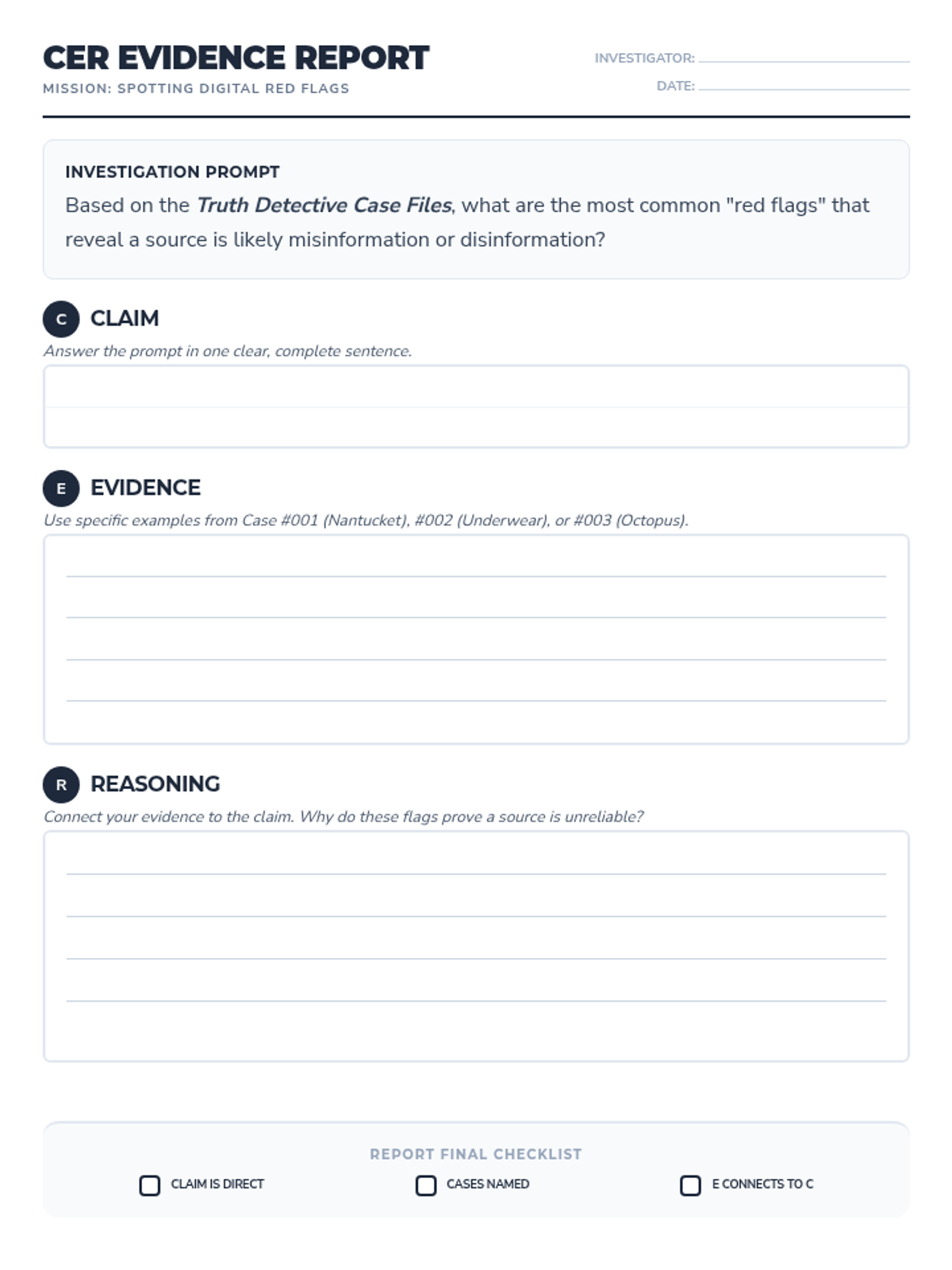
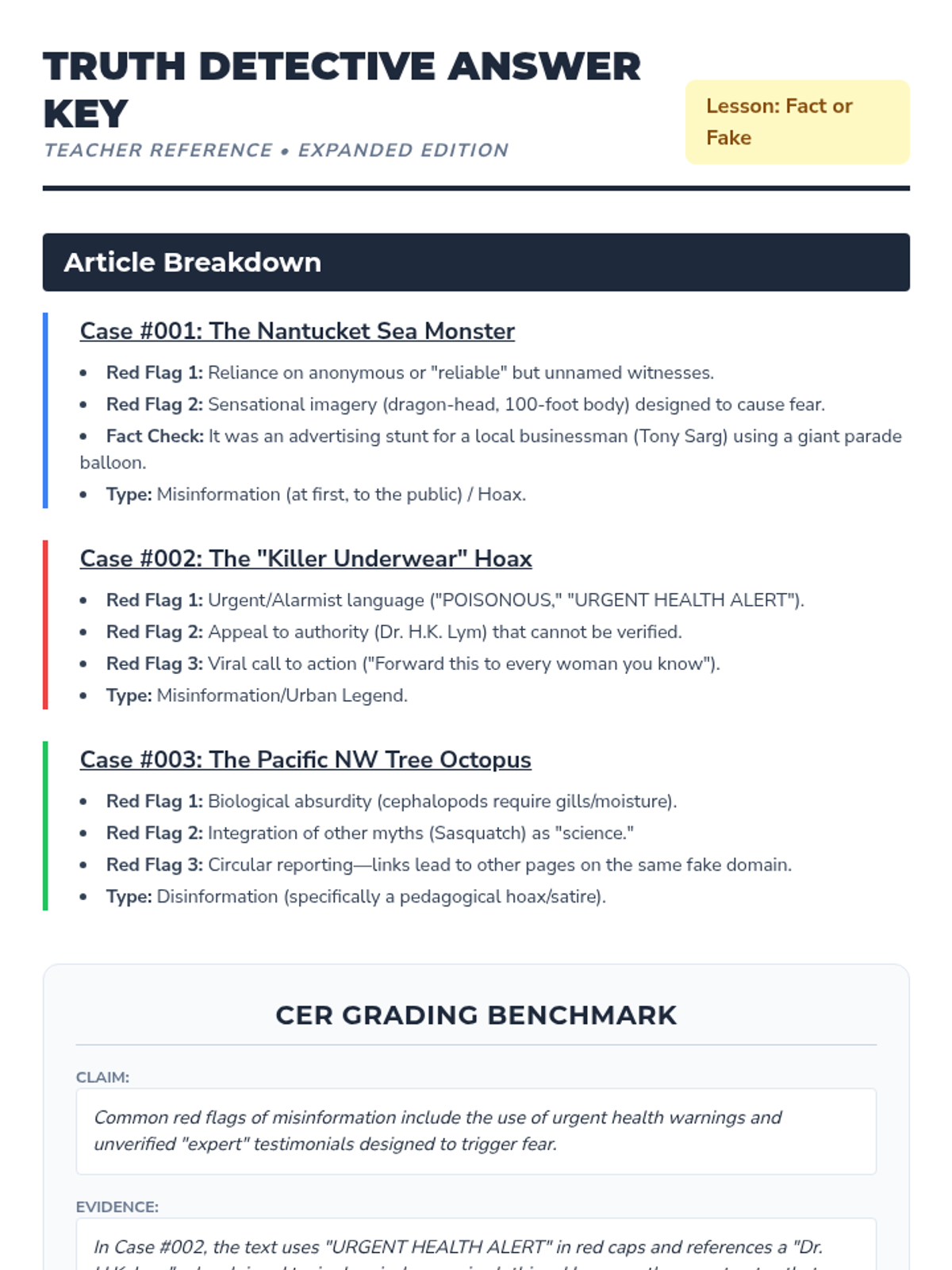
A lesson focused on identifying misinformation and disinformation through short case studies, culminating in a CER (Claim, Evidence, Reasoning) paragraph about spotting digital red flags.
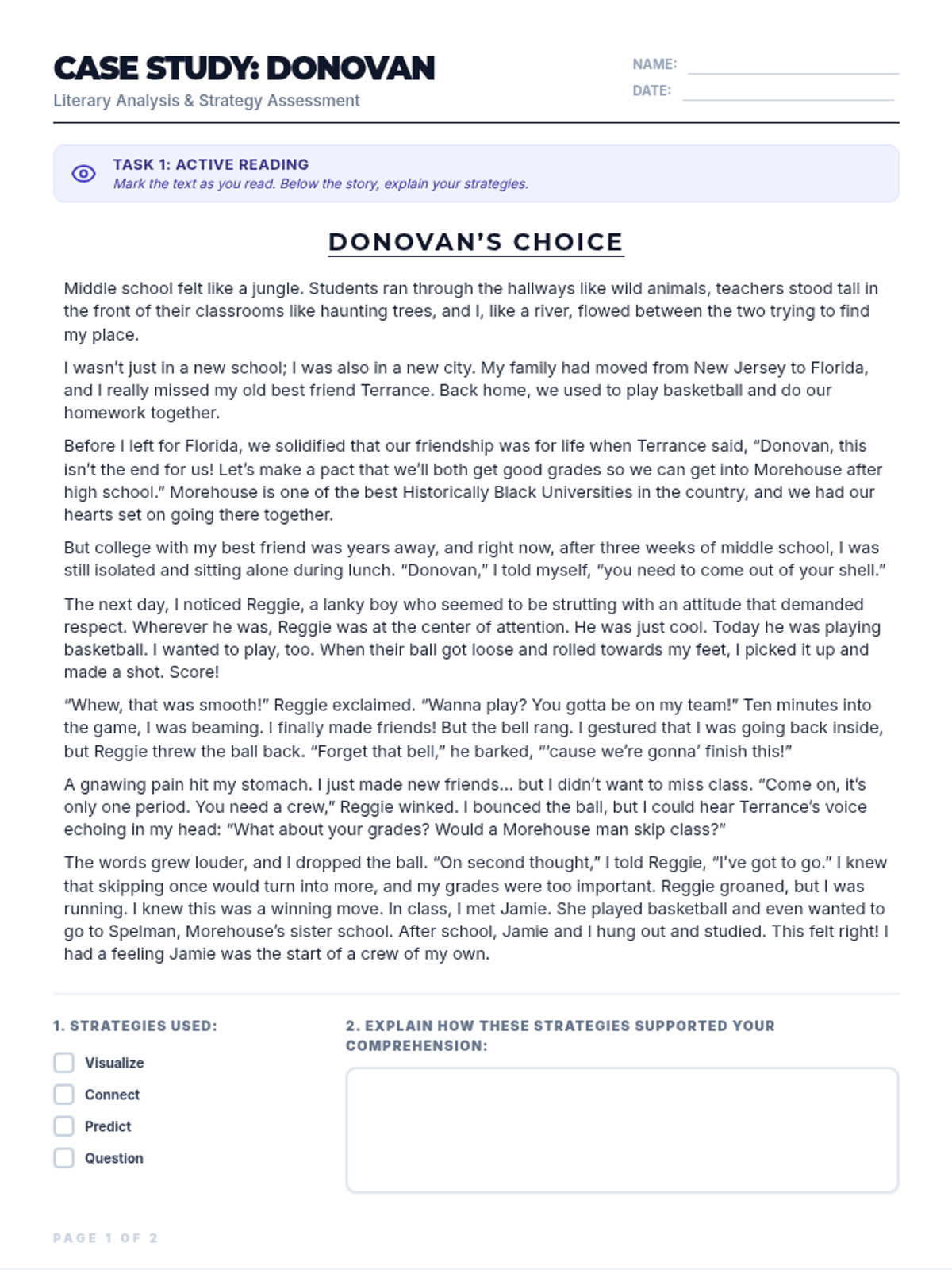
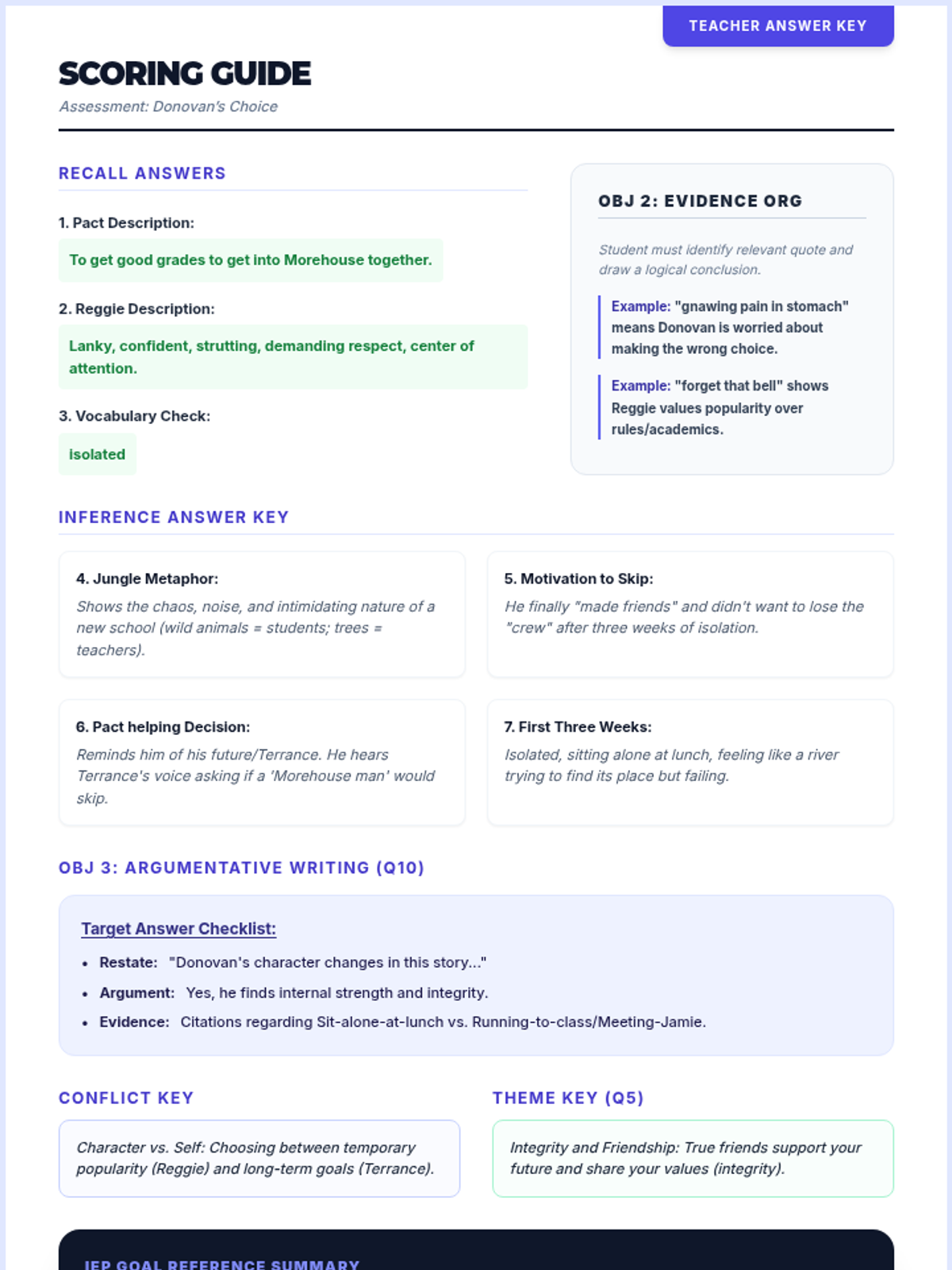
A literature-based assessment focused on evidence-based reading, active strategy reflection, and identifying conflict and theme through the story of Donovan's social choices.
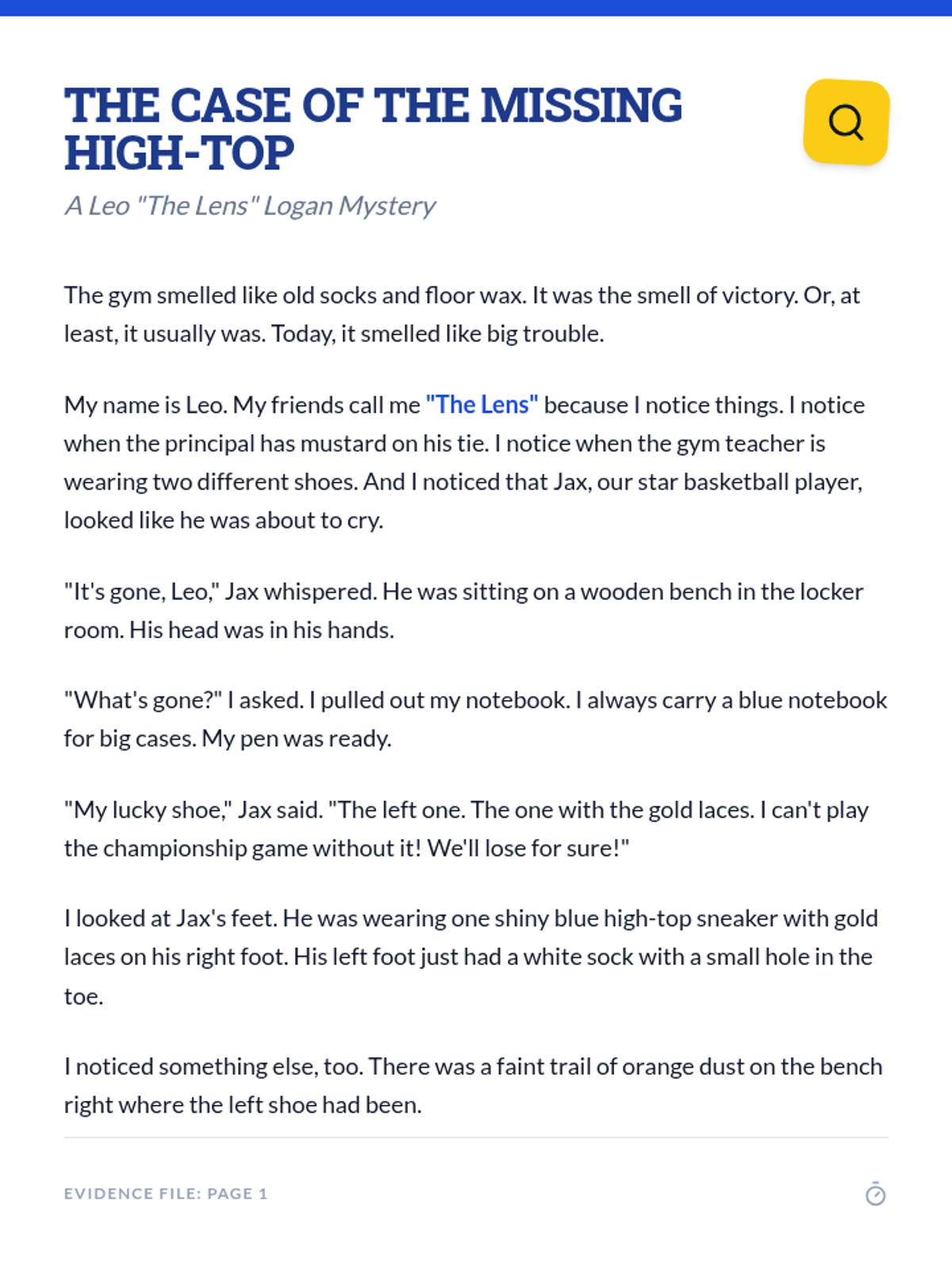
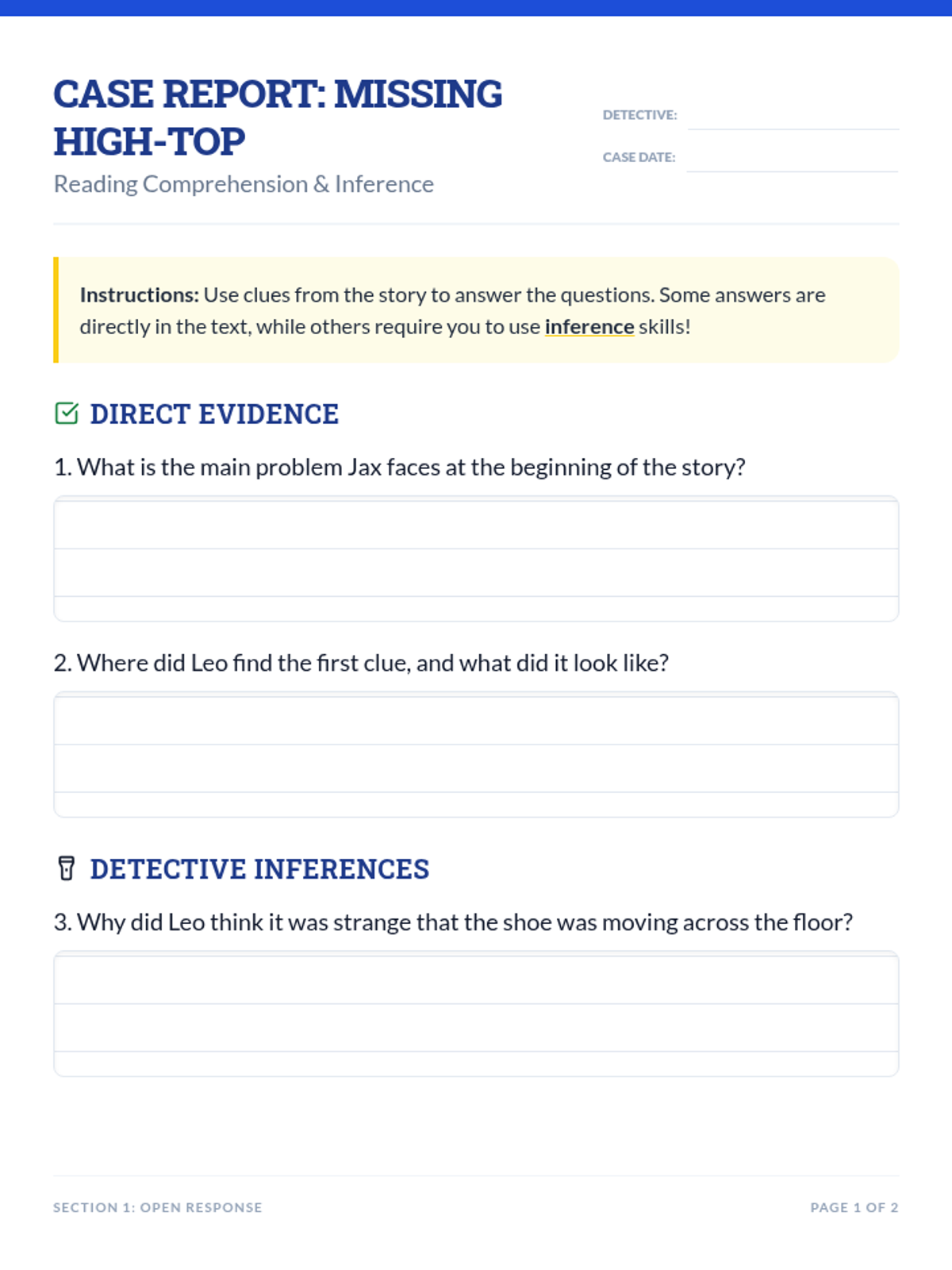
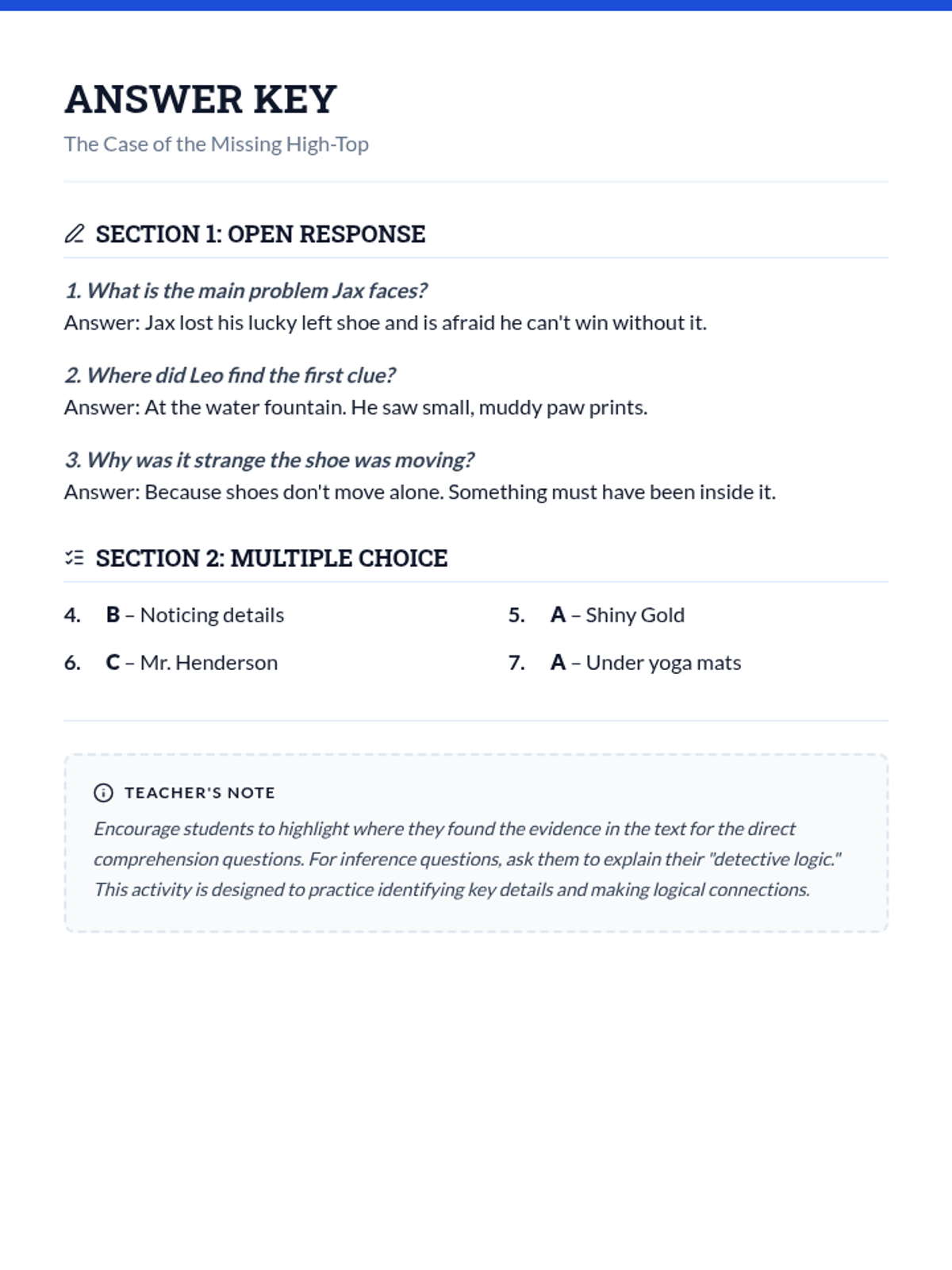
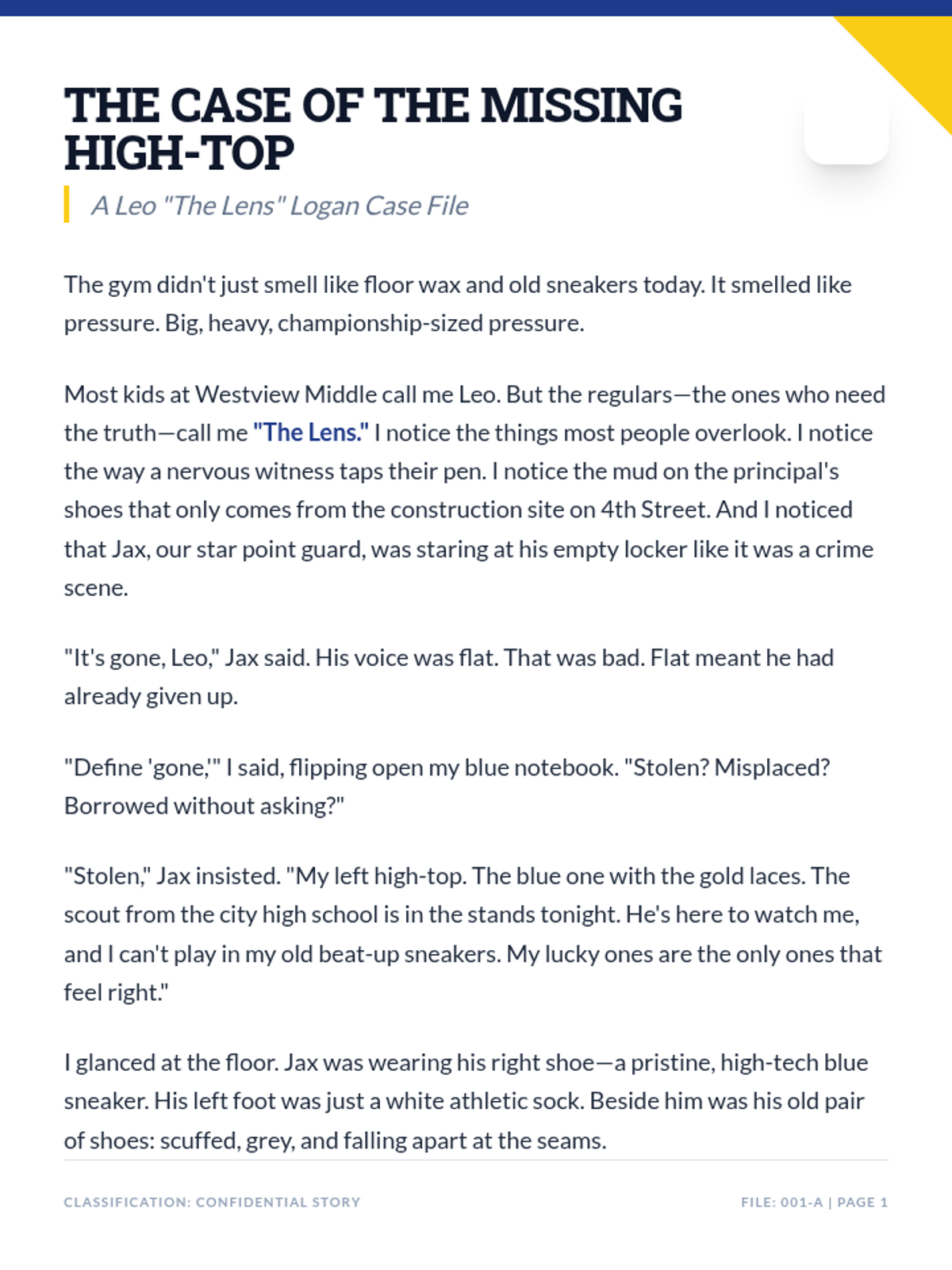
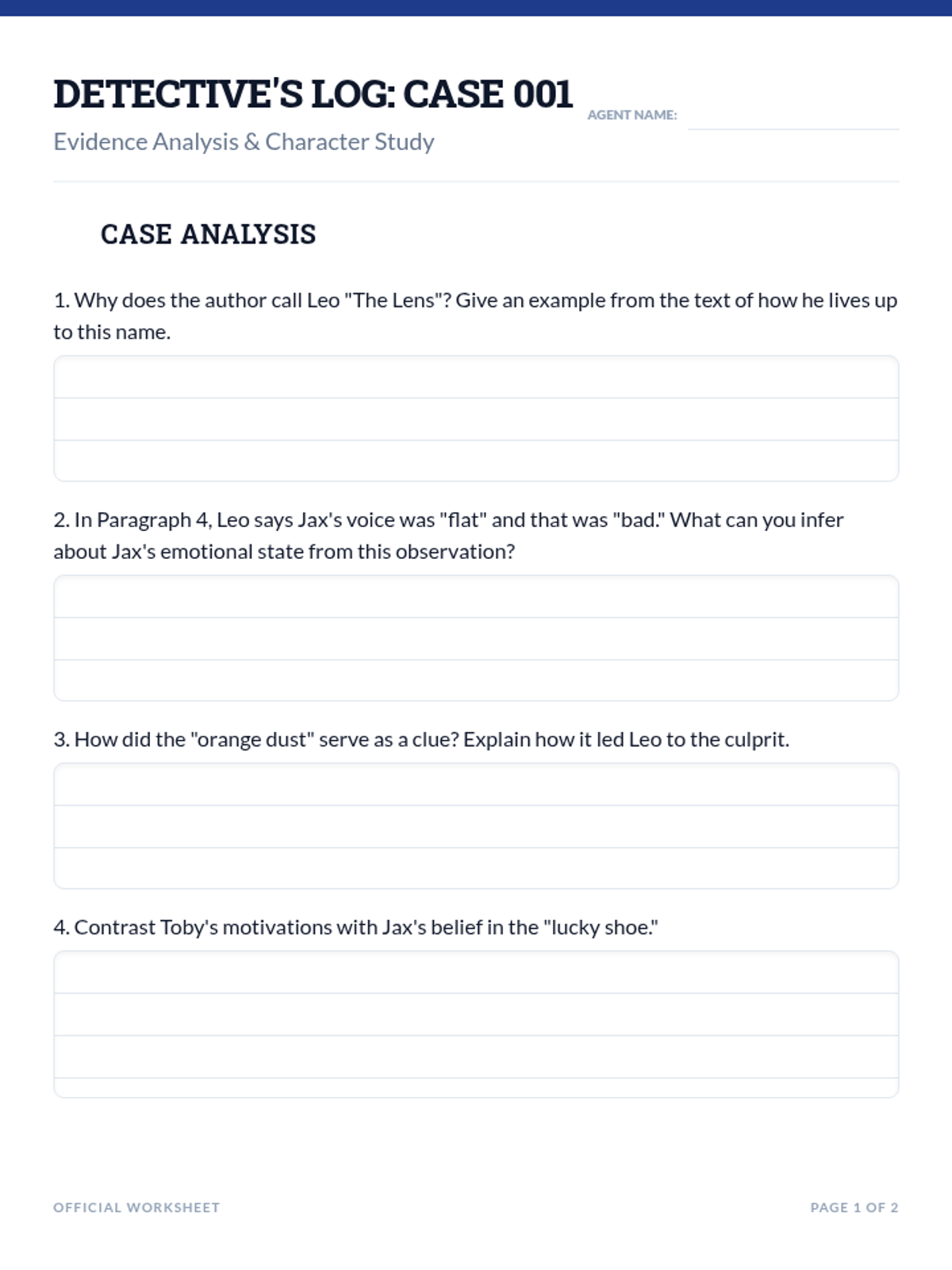
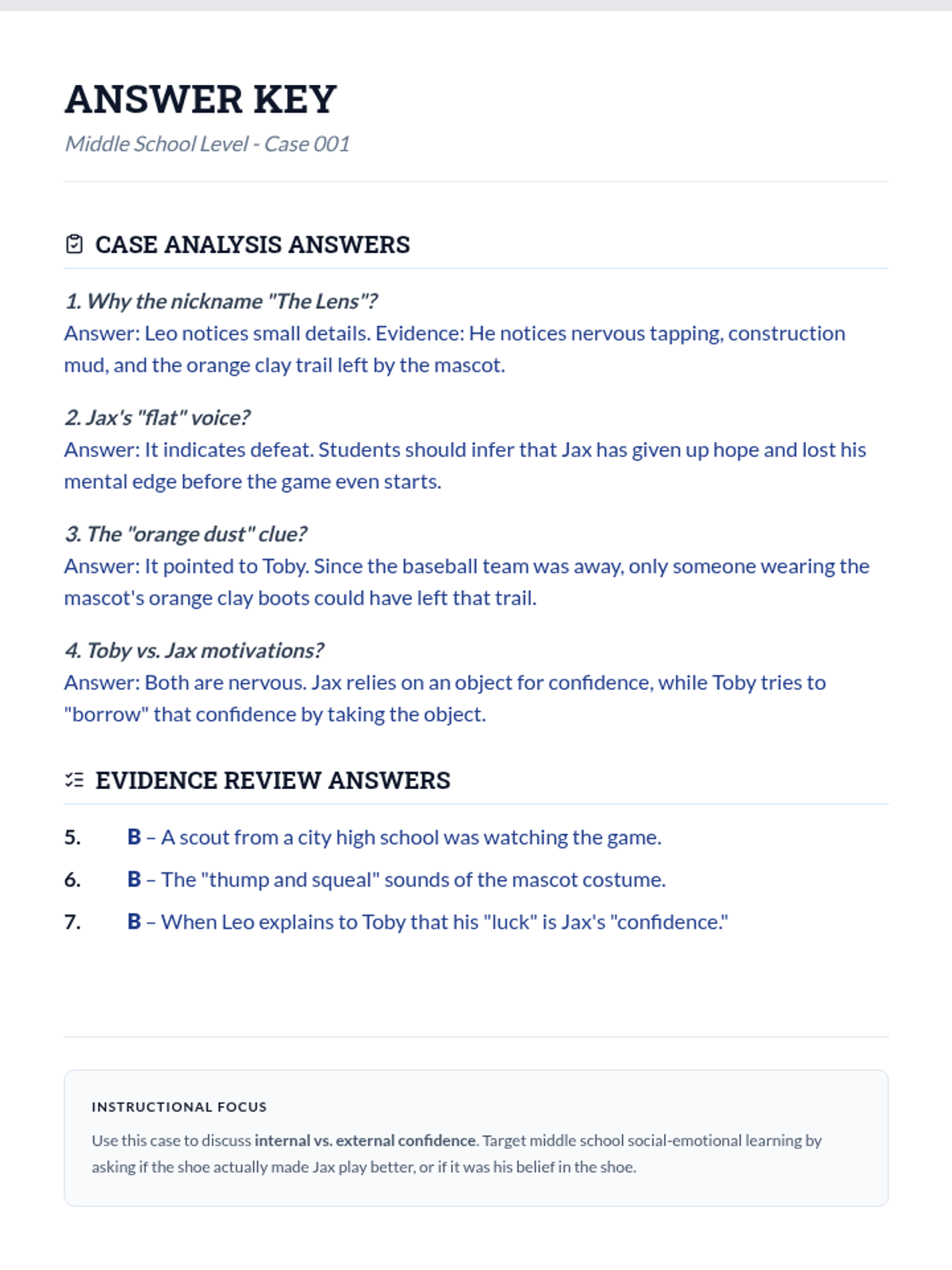
A sports-themed mystery story and comprehension activity designed for 3rd-4th grade reading levels, focusing on making inferences and identifying key details.
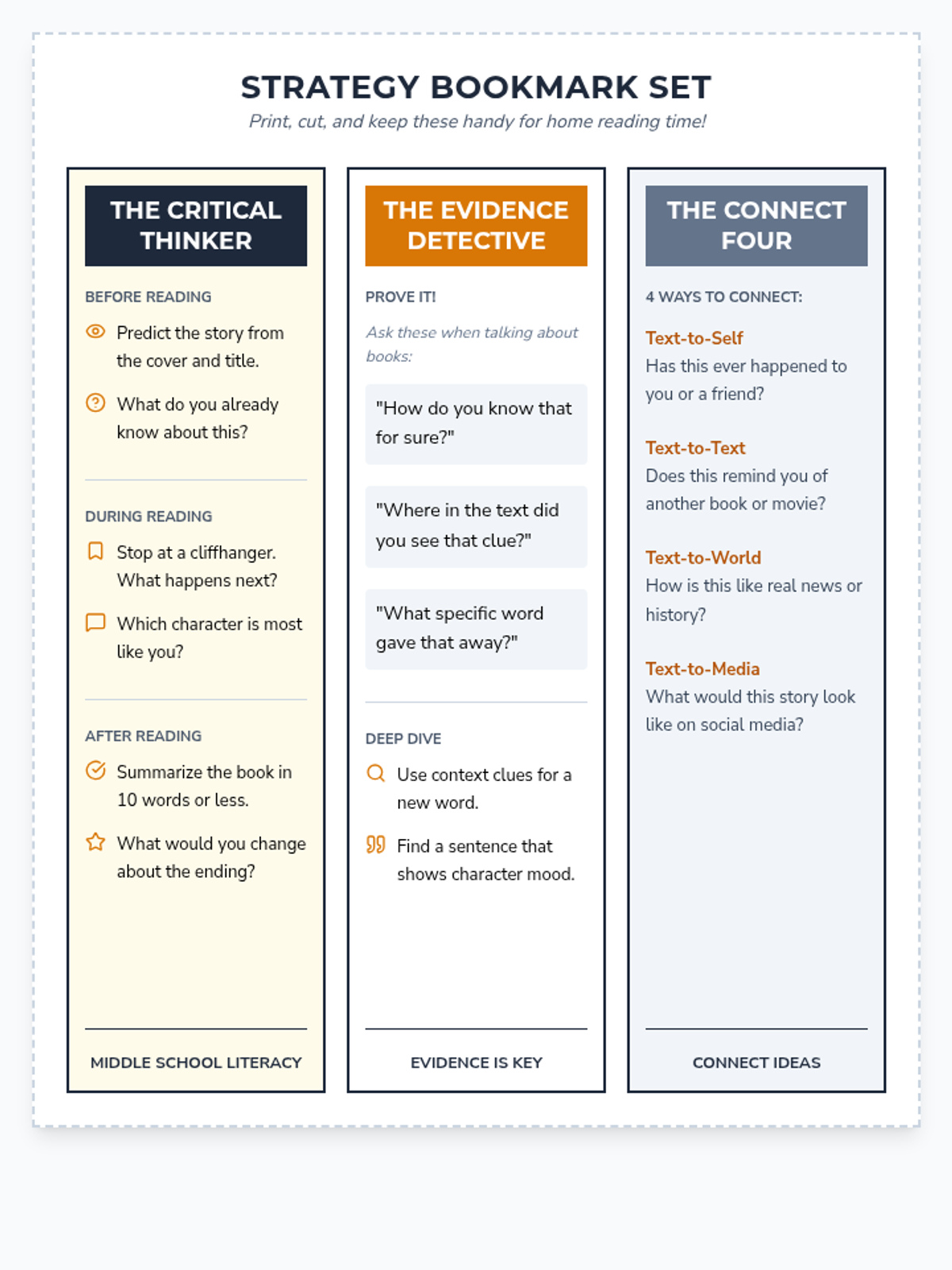
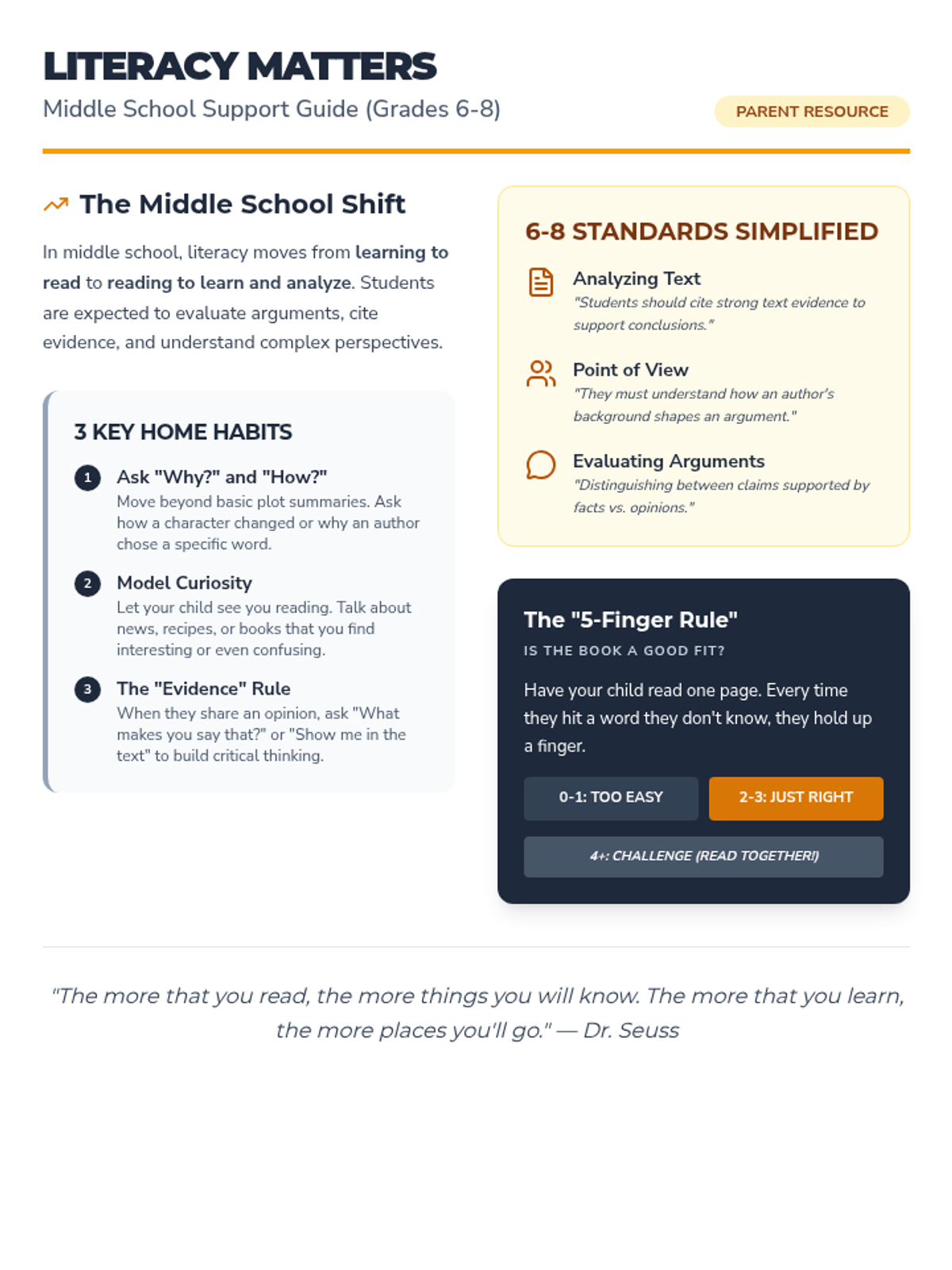
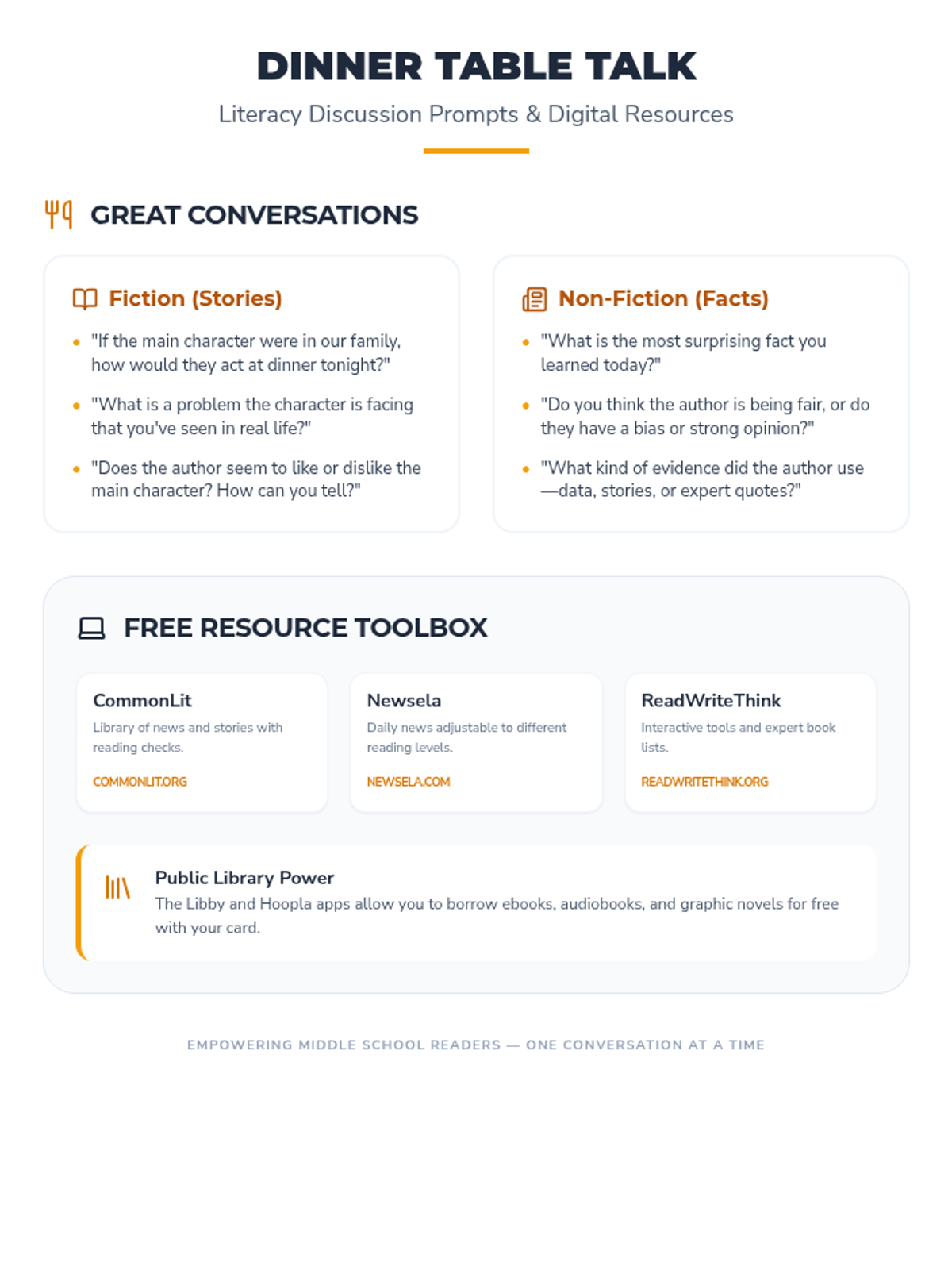
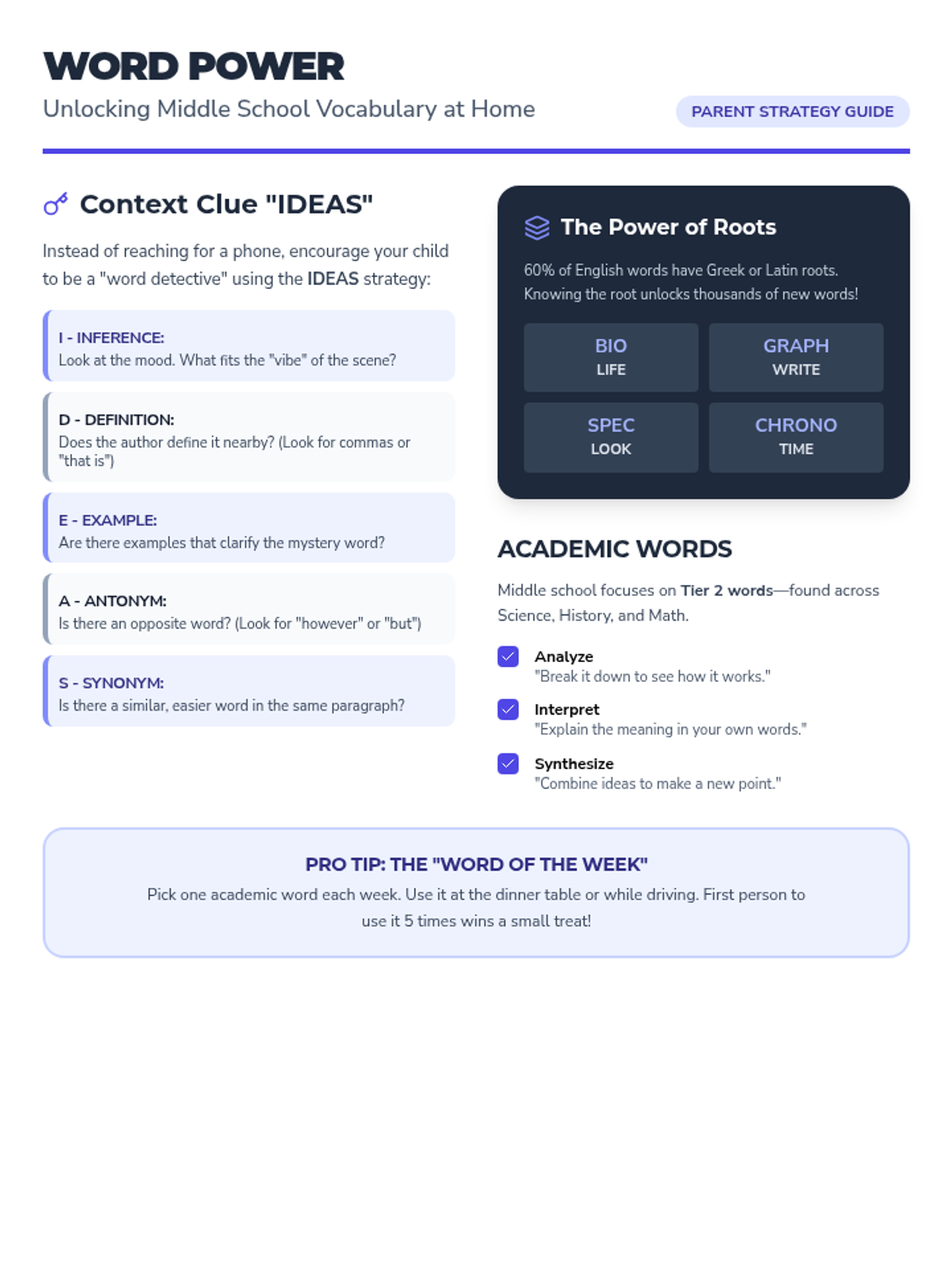
A comprehensive set of resources for middle school parents to support literacy development at home, covering reading comprehension, critical thinking, and discussion strategies aligned with 6-8 standards.
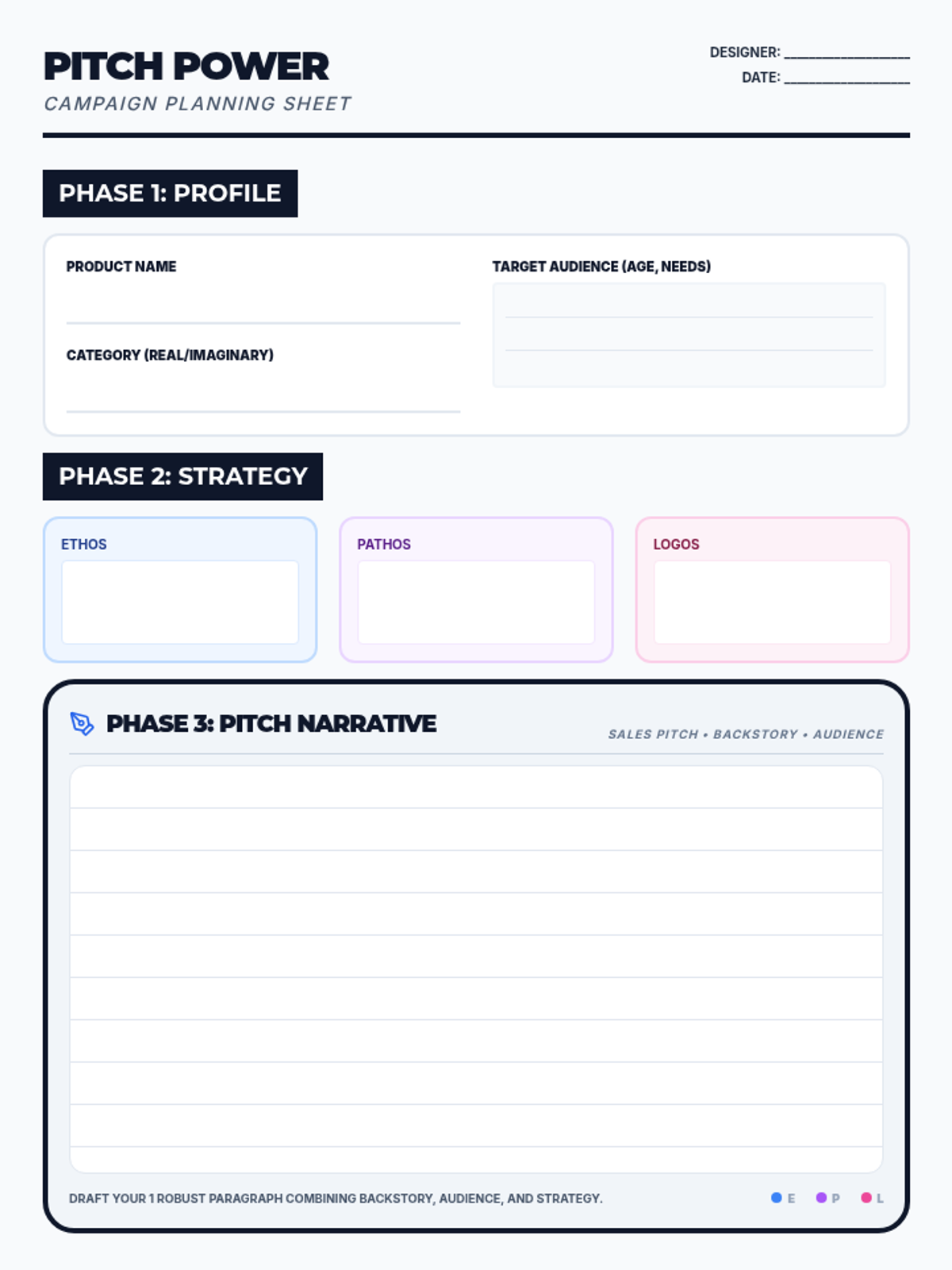
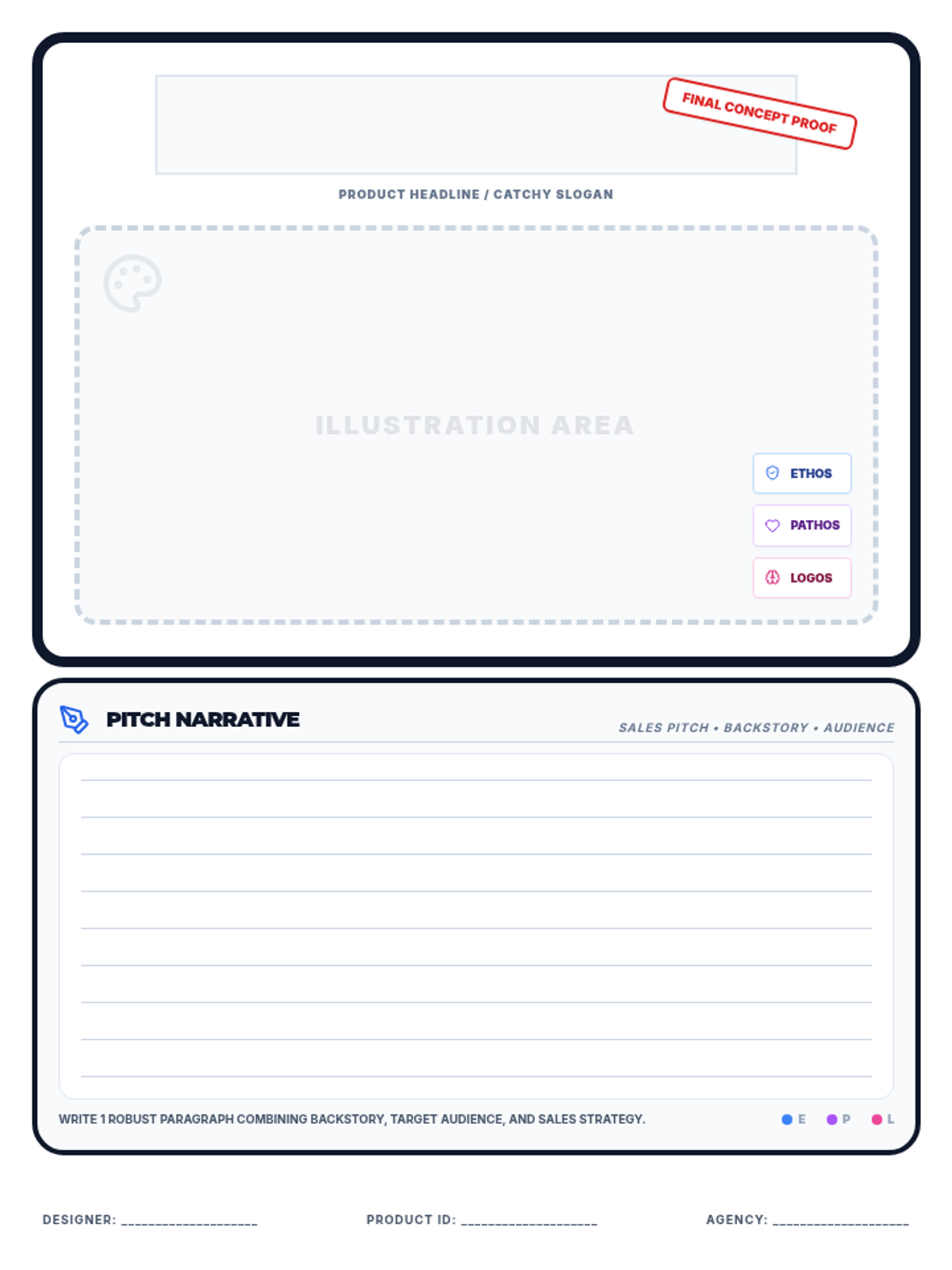
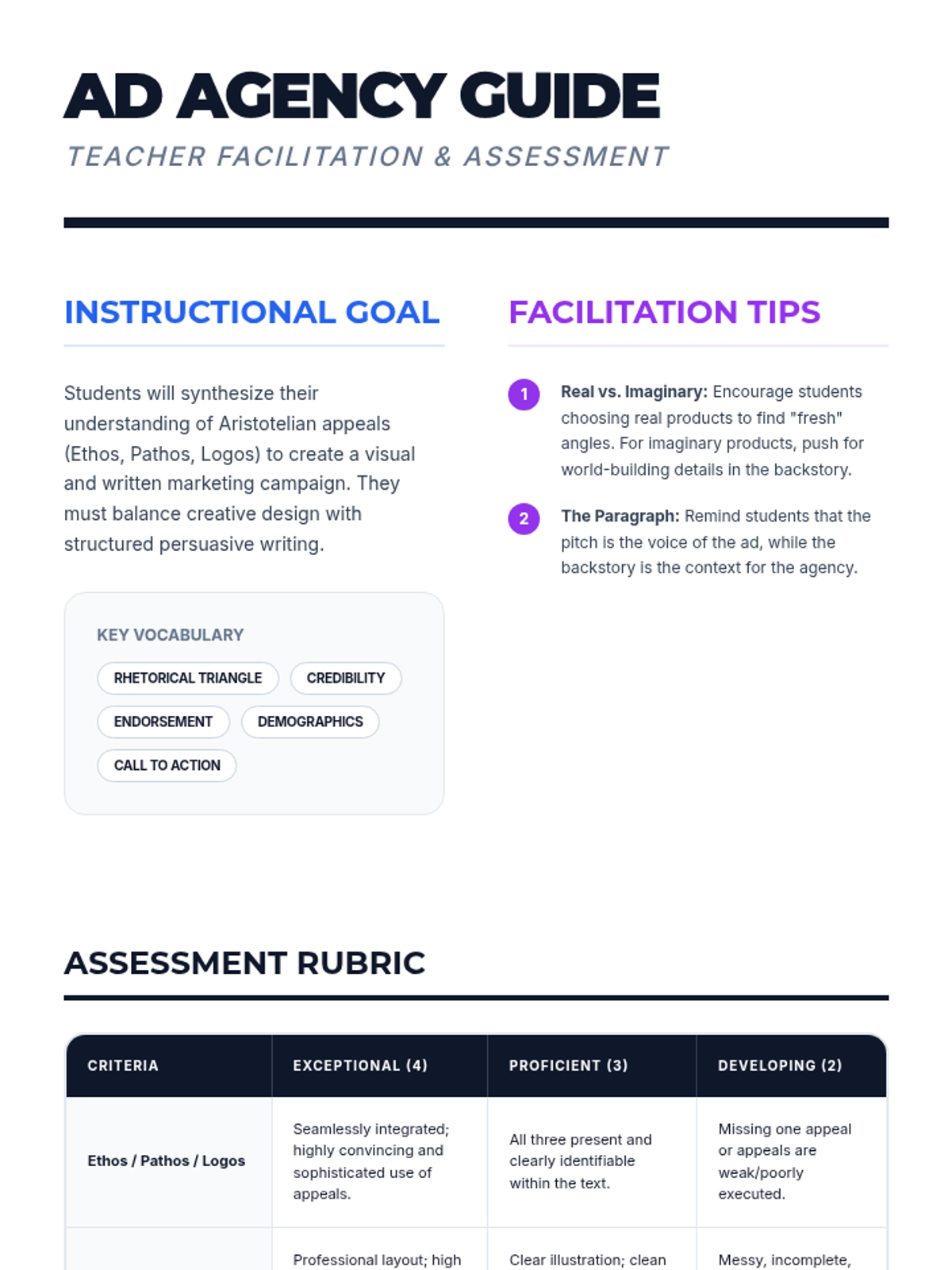
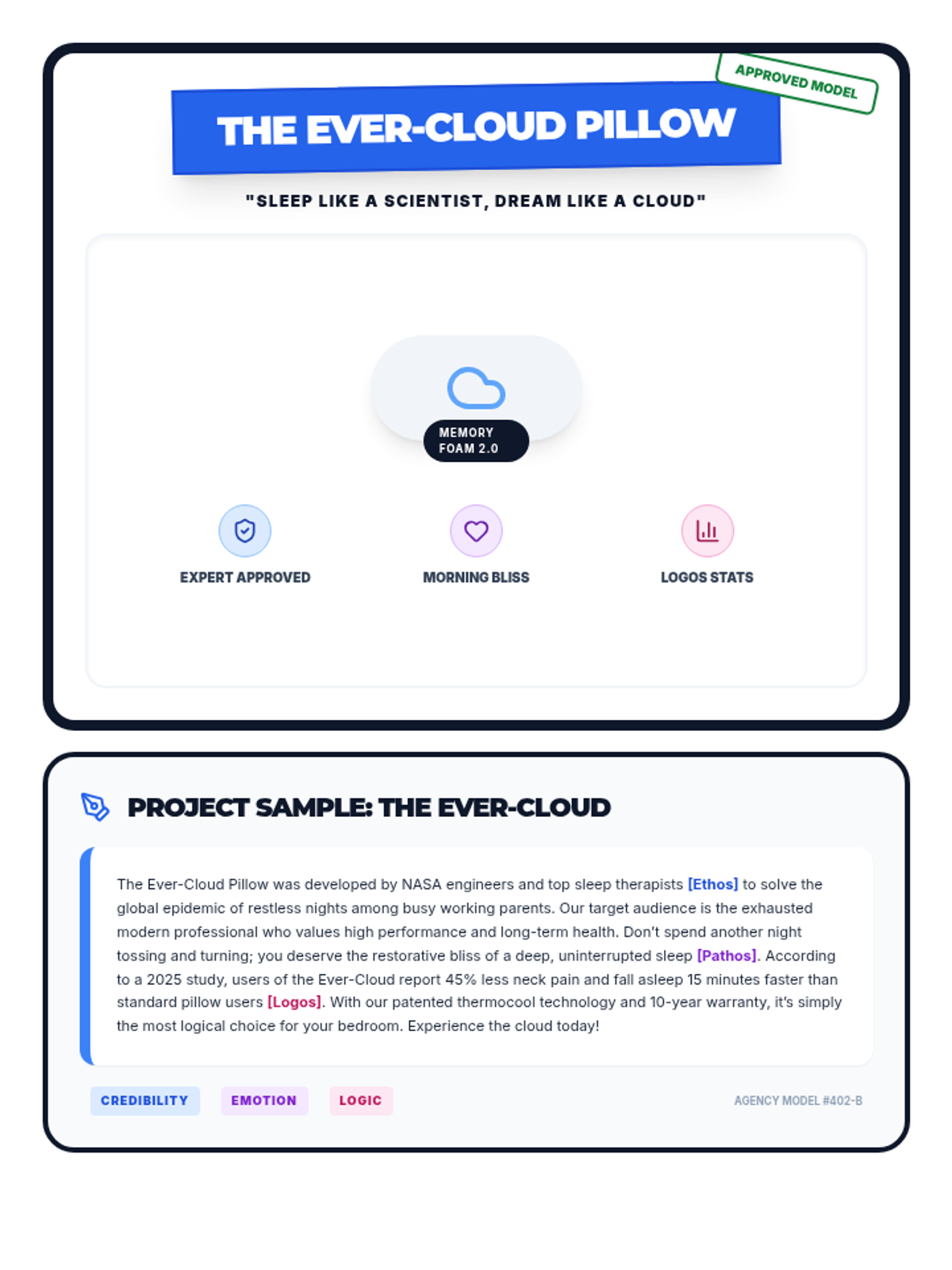
Students dive into the world of marketing to master the rhetorical triangle: ethos, pathos, and logos. They will design a professional product poster and write a compelling pitch that combines product backstory with targeted sales tactics.
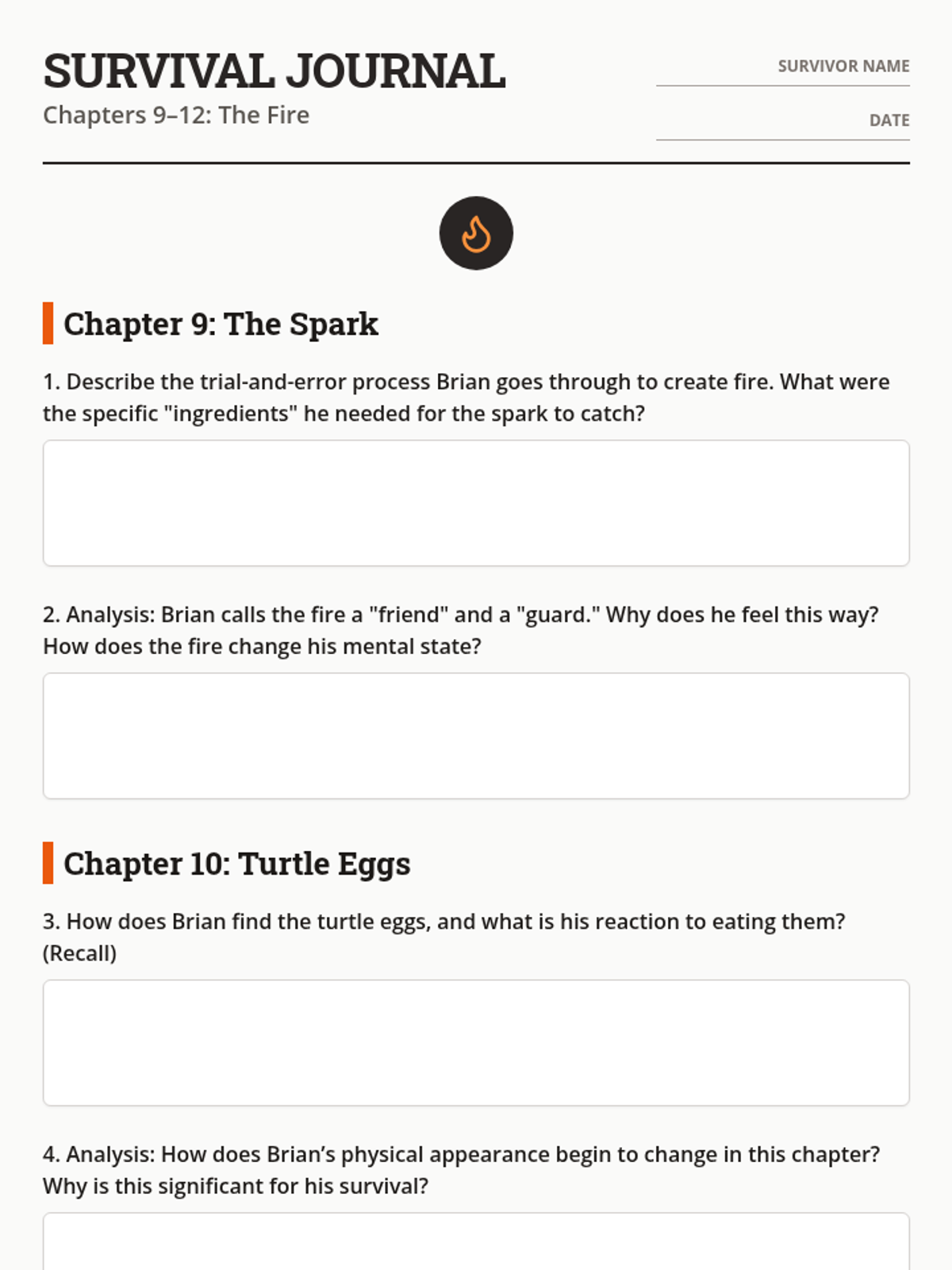
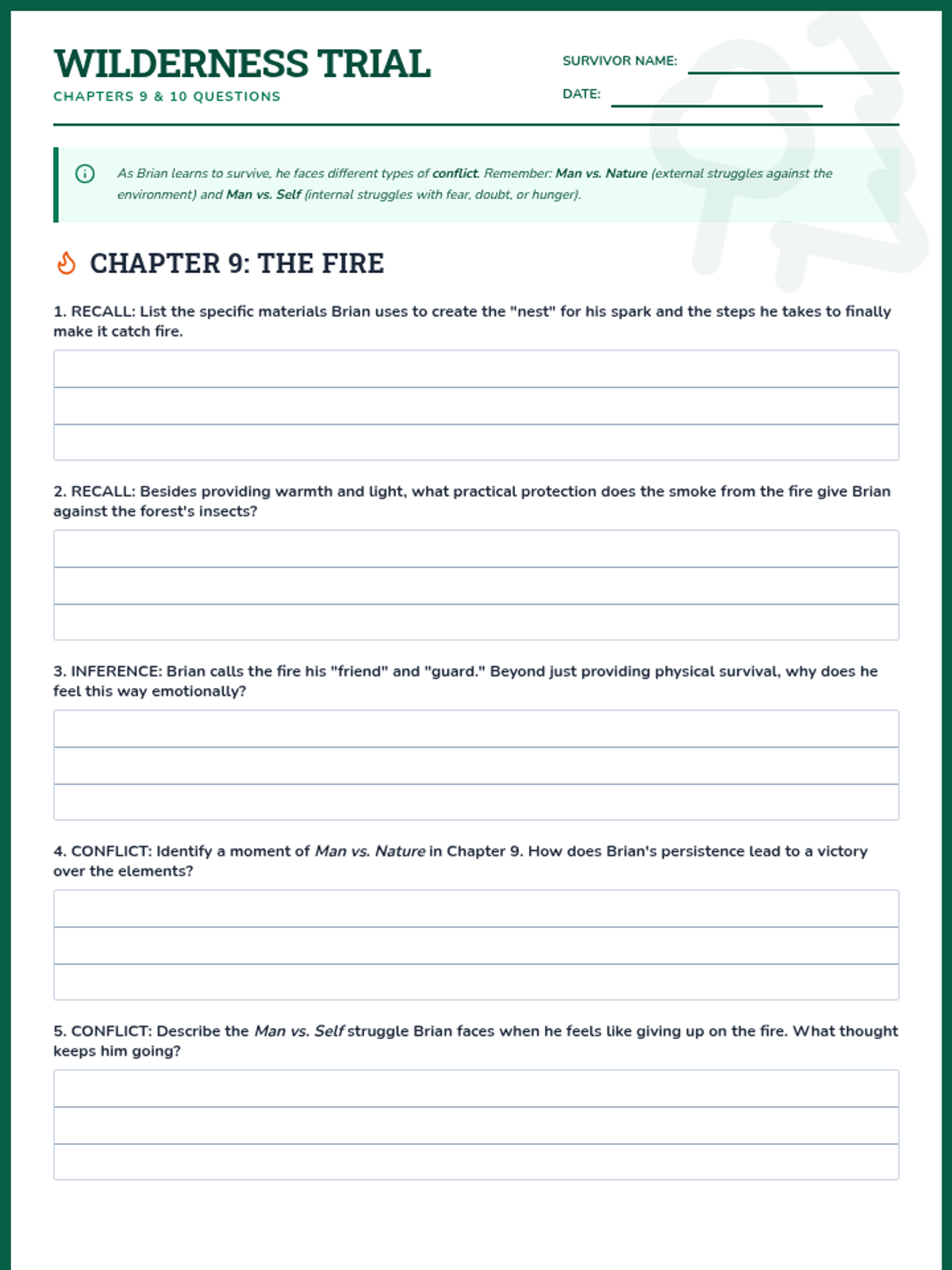
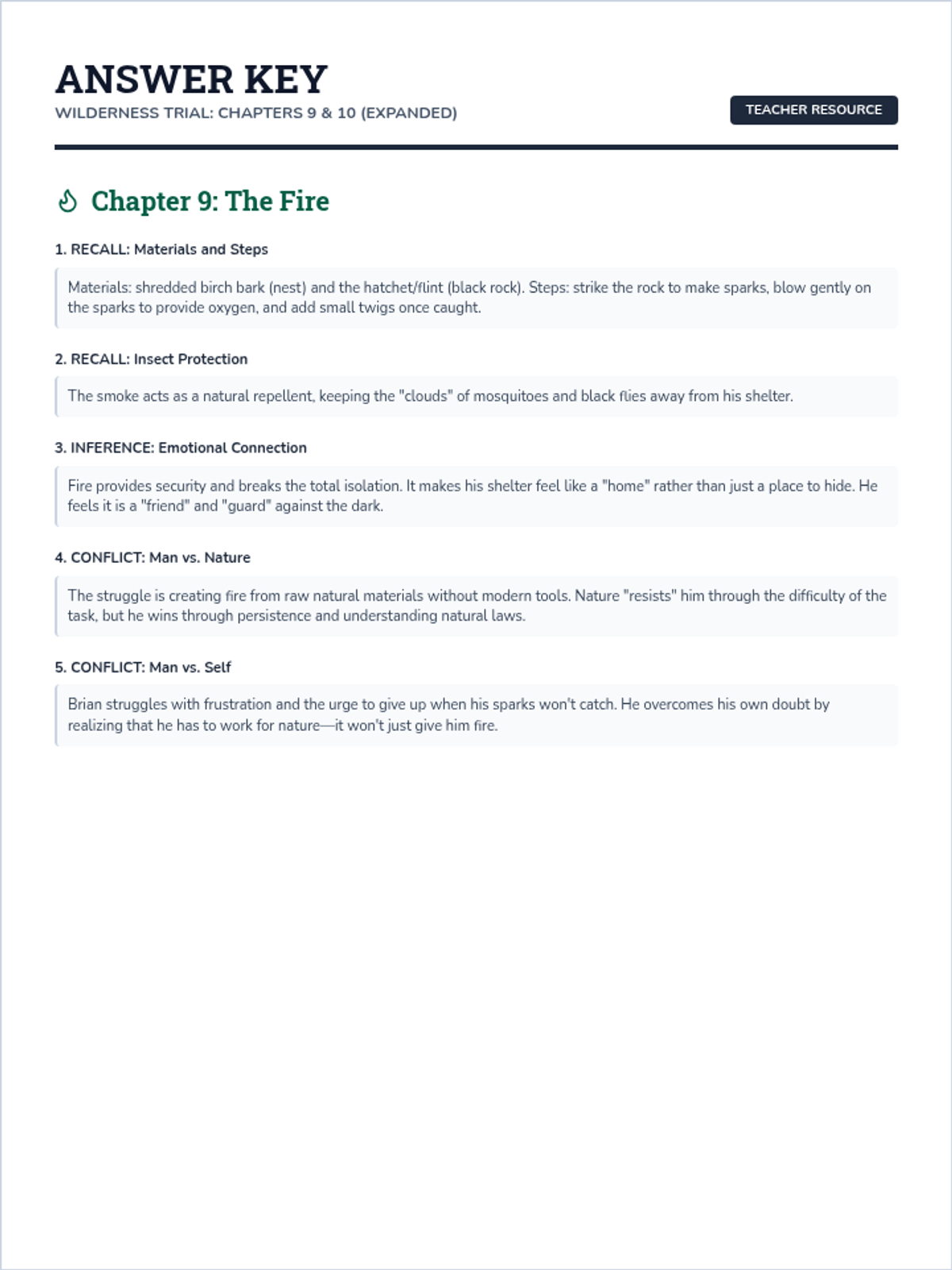
A focused study on Chapters 9 and 10 of Gary Paulsen's 'Hatchet,' focusing on Brian's discovery of fire and turtle eggs, emphasizing recall, inference, and types of literary conflict.
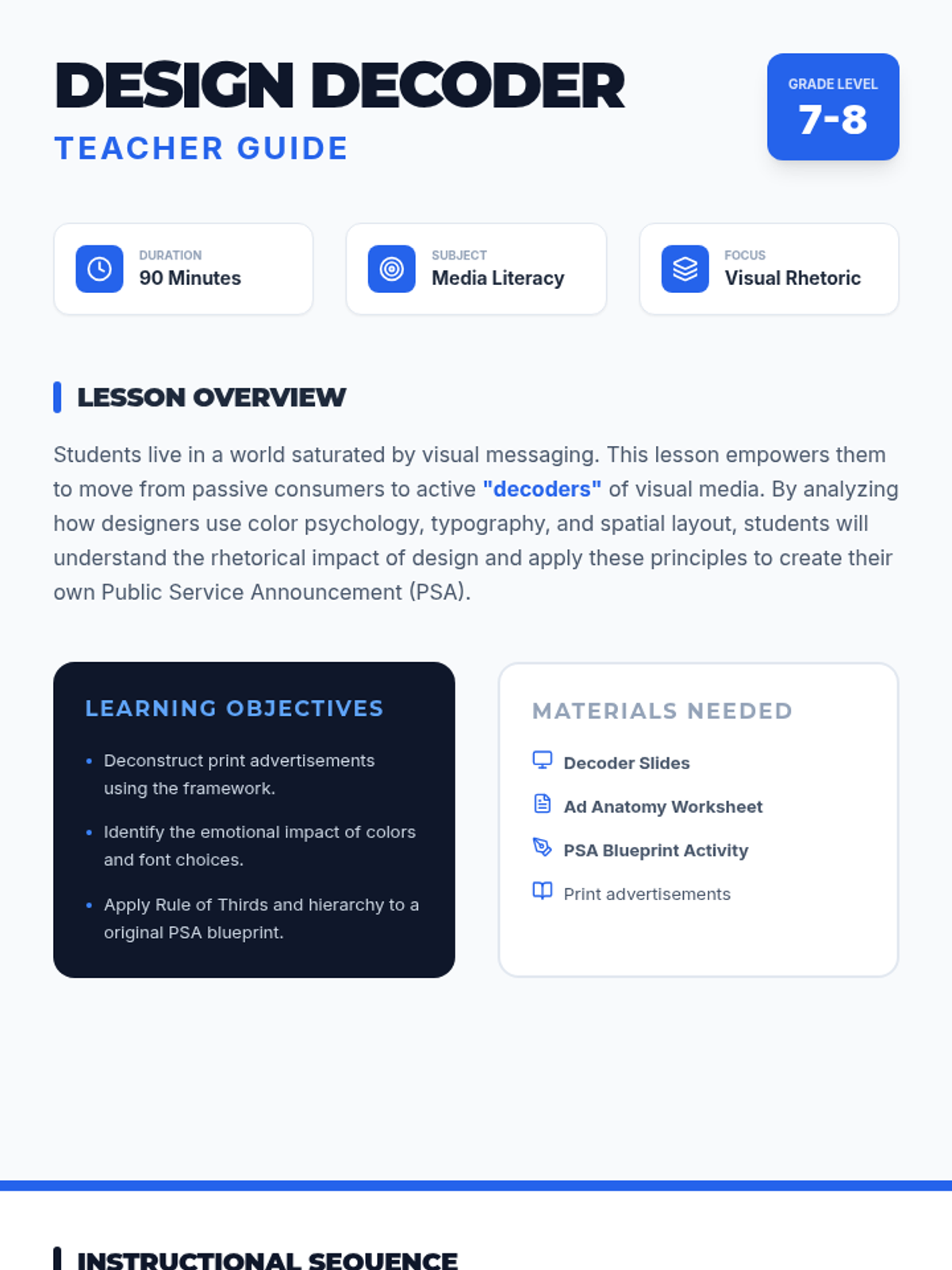
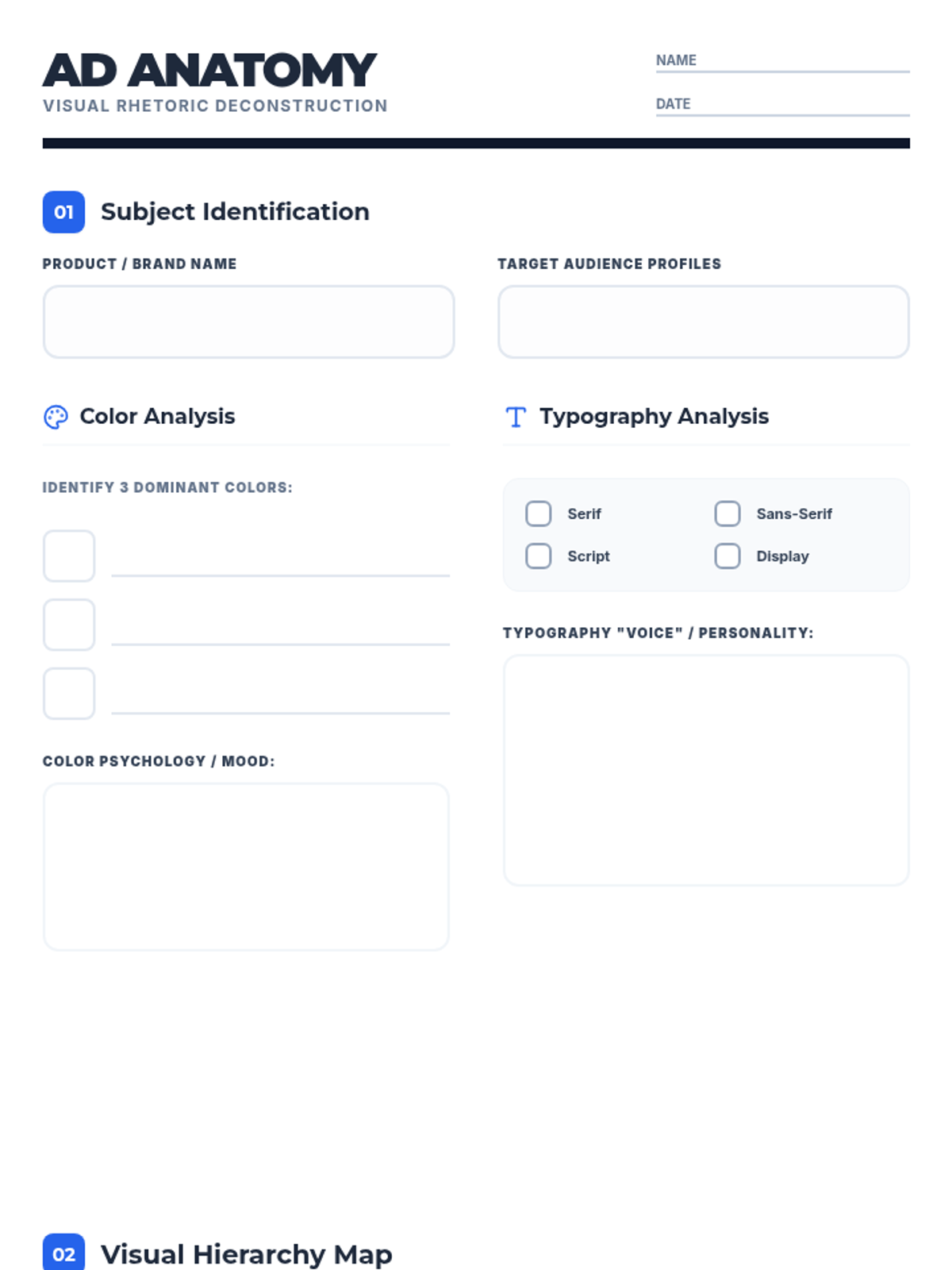
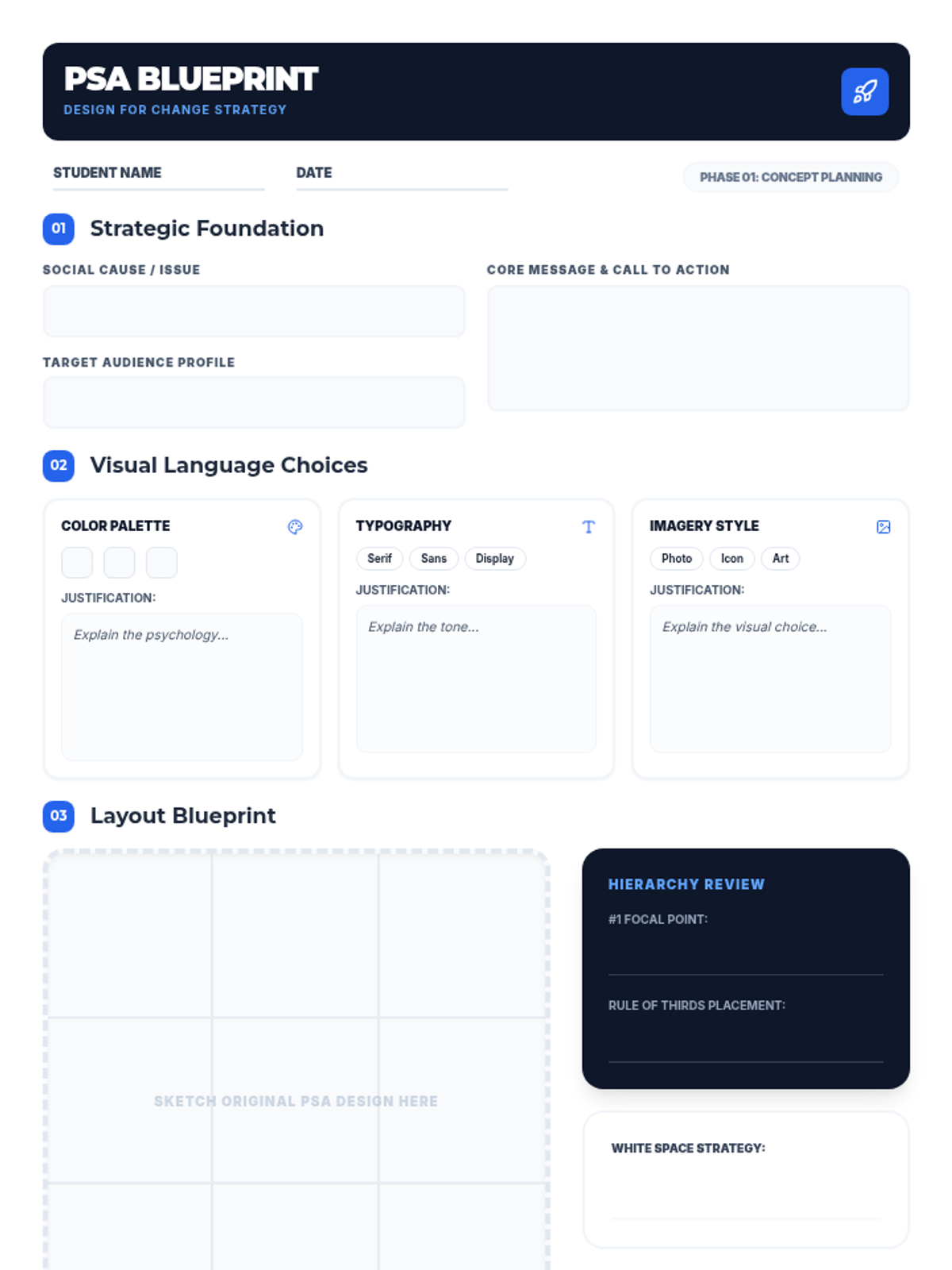
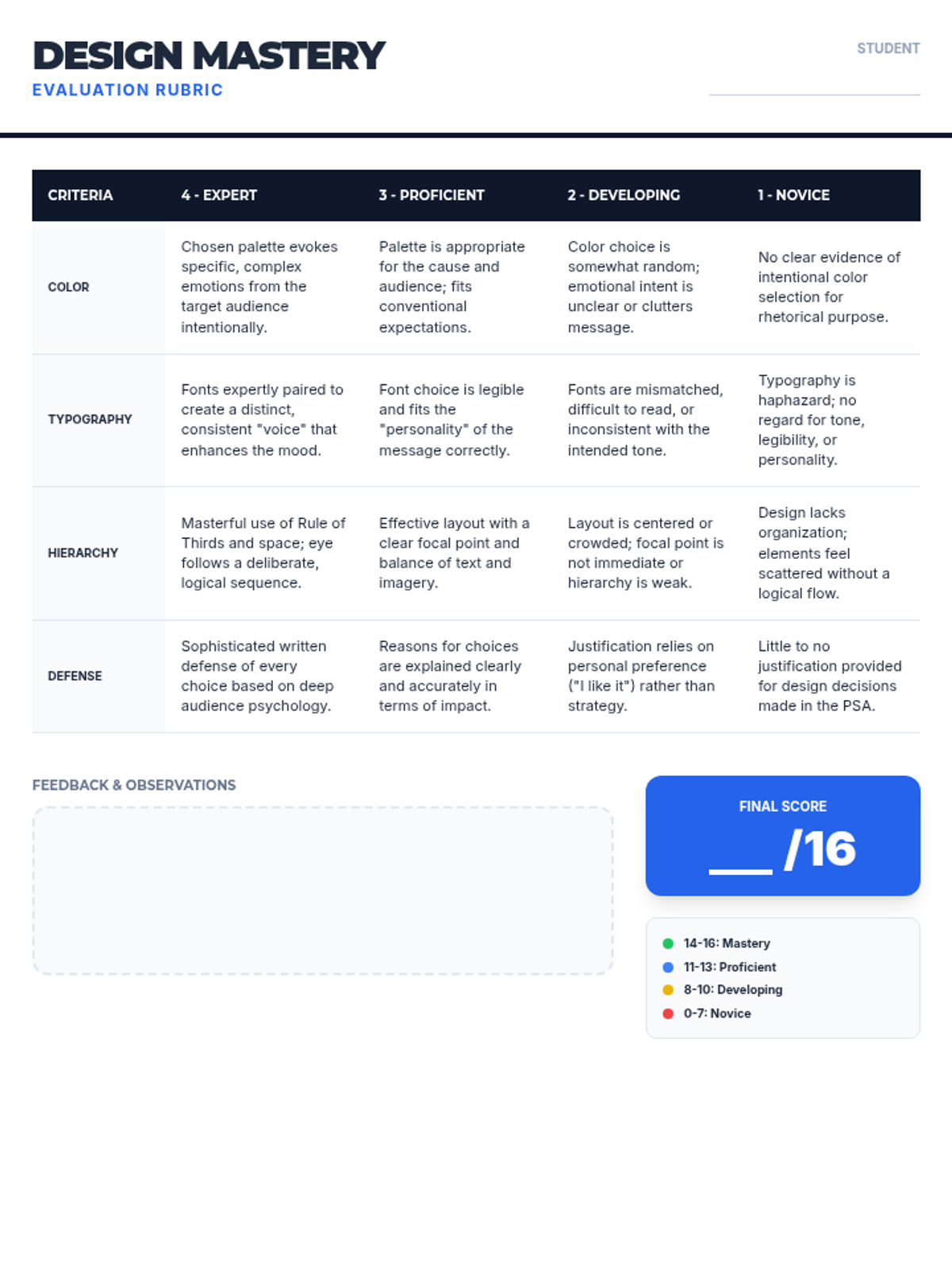
A middle school lesson on visual rhetoric, teaching students how to analyze and use color, layout, and typography to influence audience perception in media and advertising.
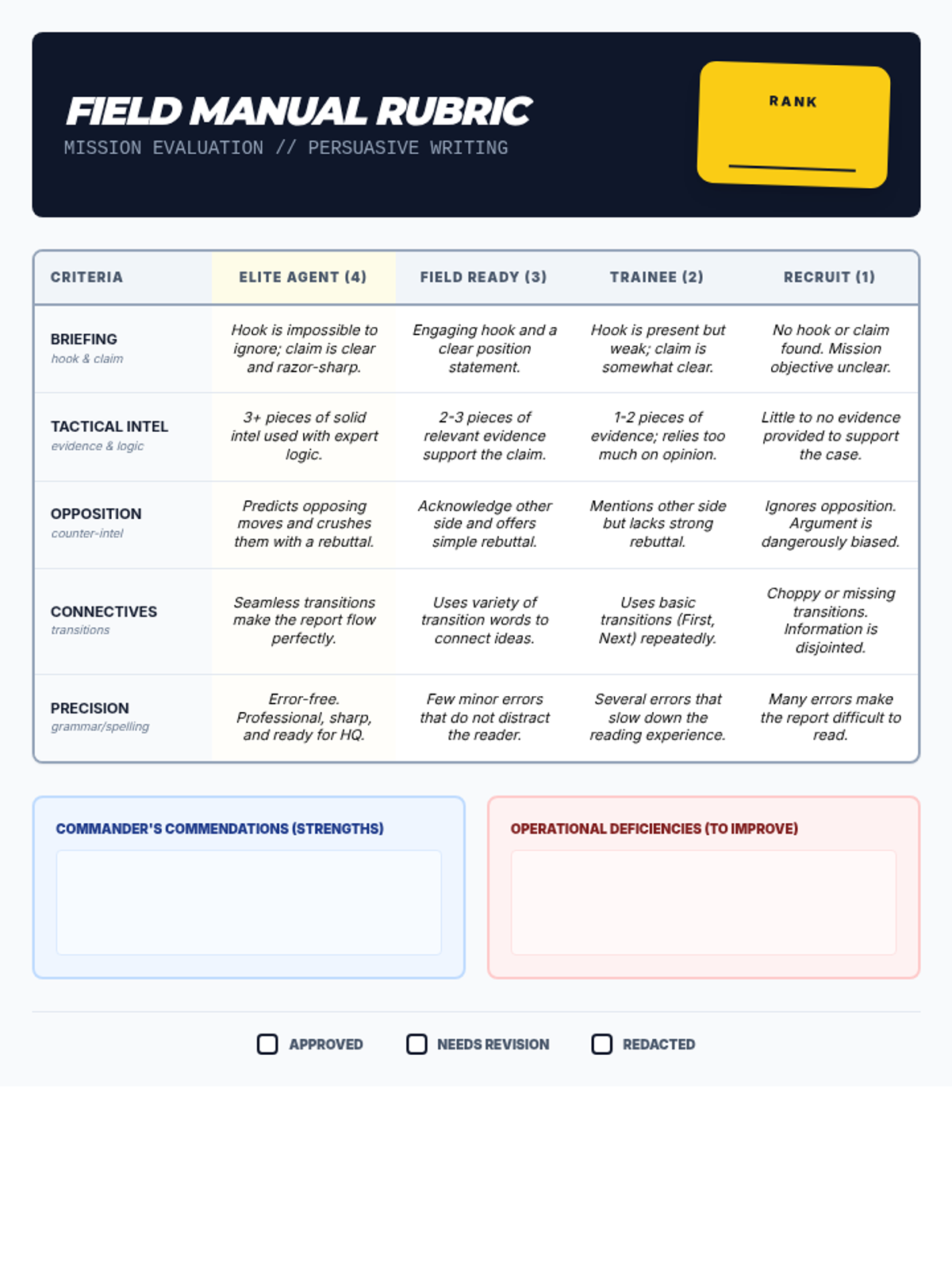
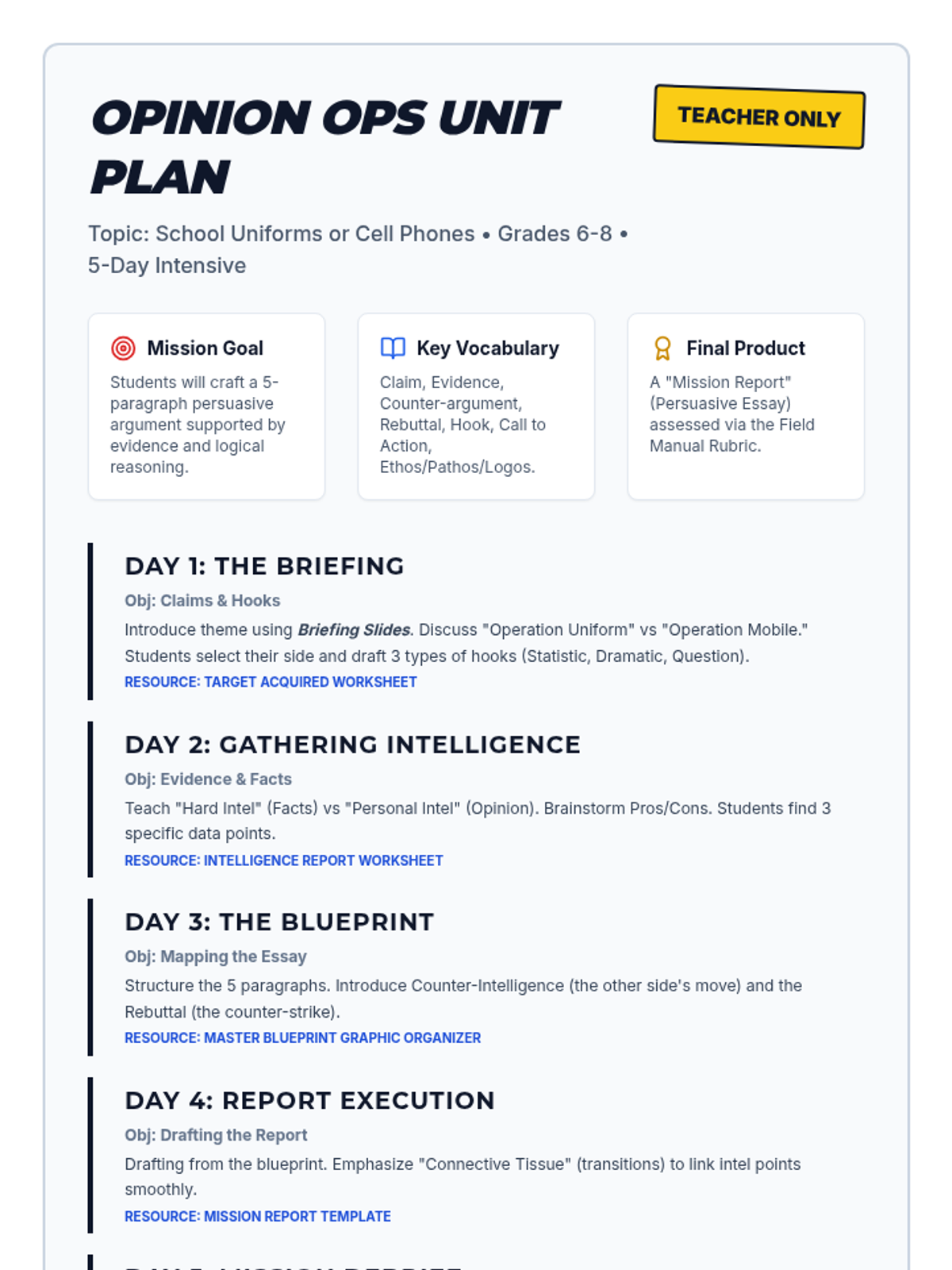
Refining the persuasive piece through peer review and assessment using the secret agent field manual rubric.
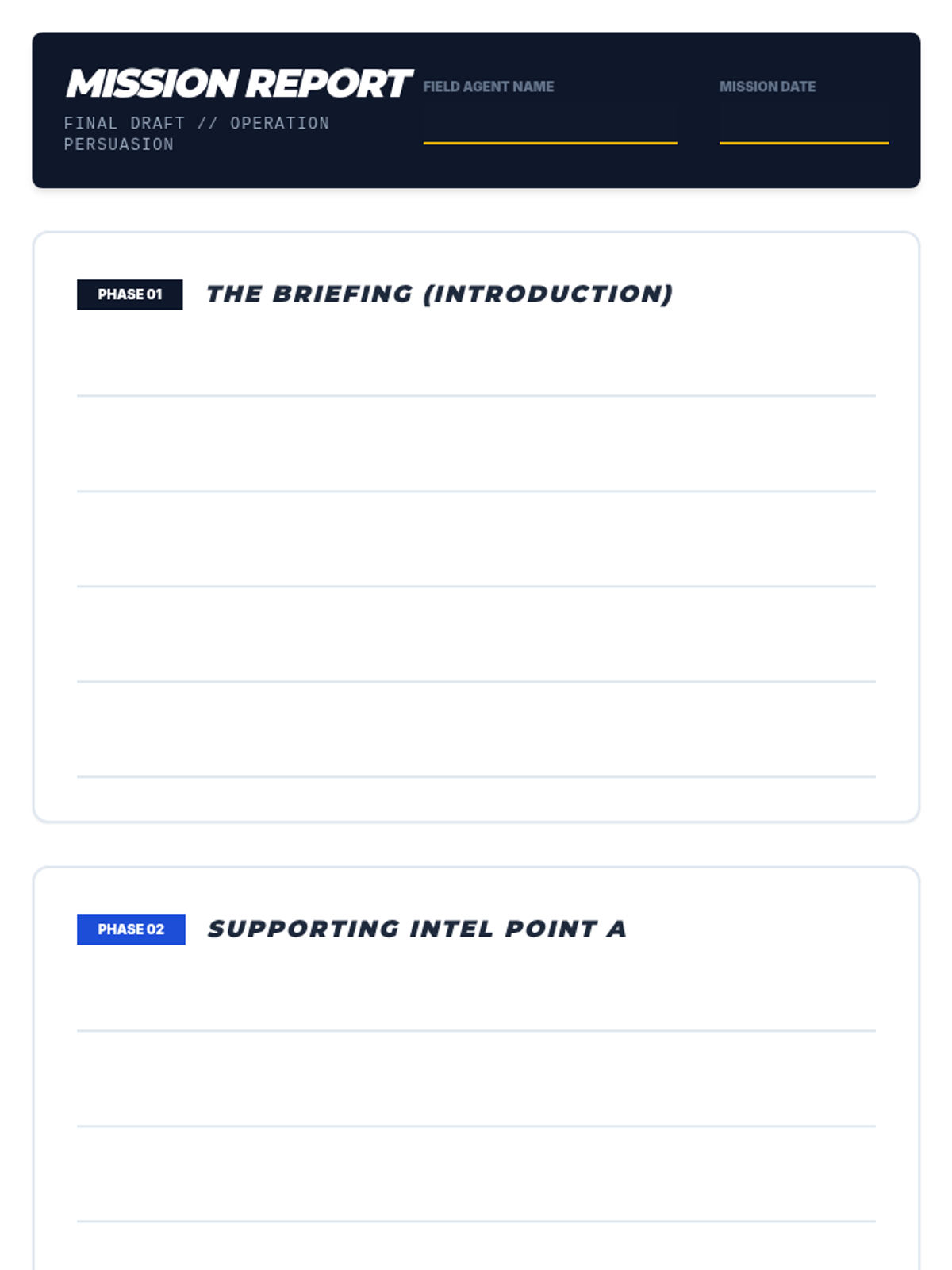
Drafting the final mission report (persuasive essay) using the evidence and structure gathered in previous sessions.
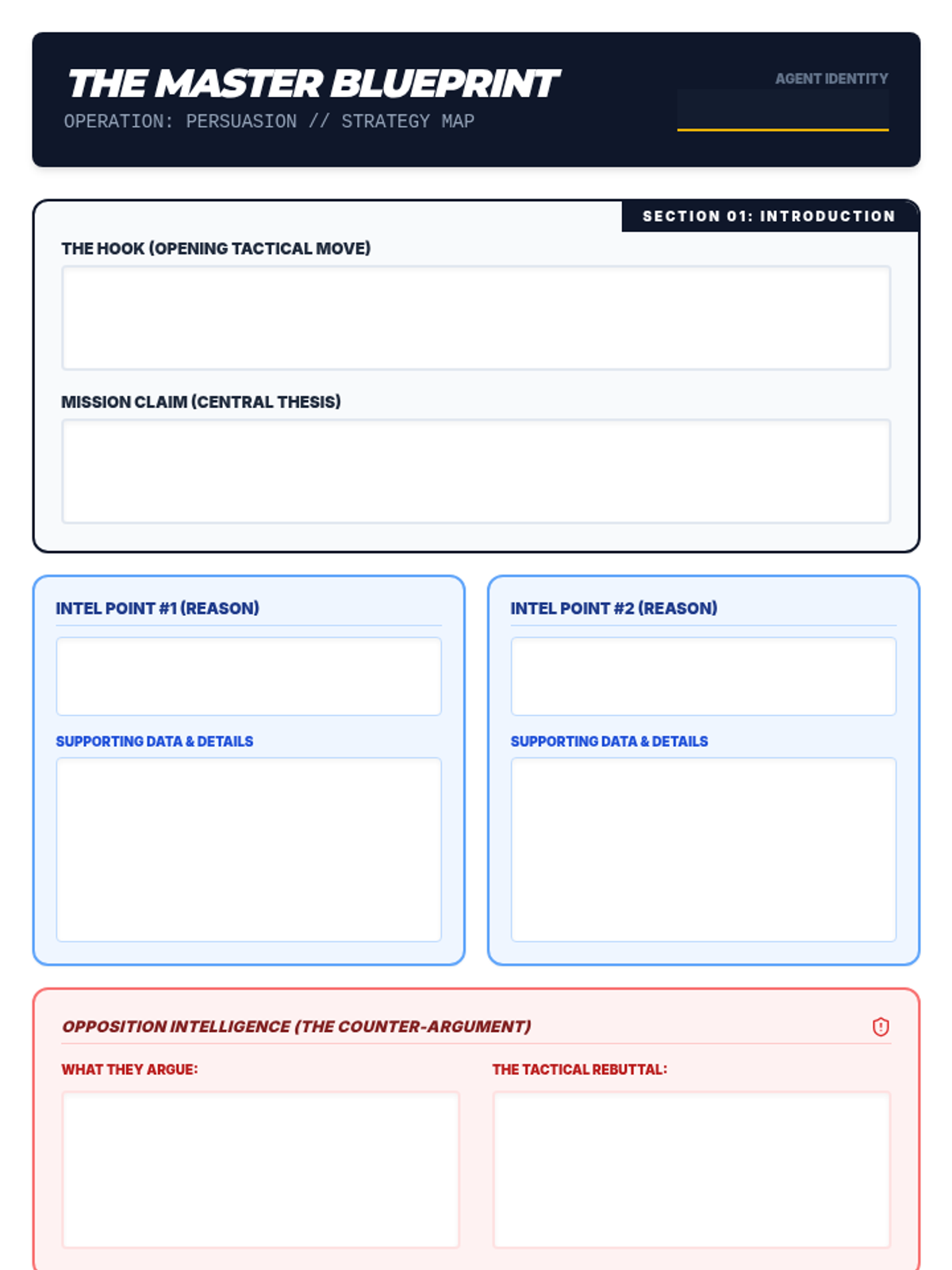
Students use a master blueprint graphic organizer to structure their persuasive arguments and address counter-intelligence (counter-arguments).
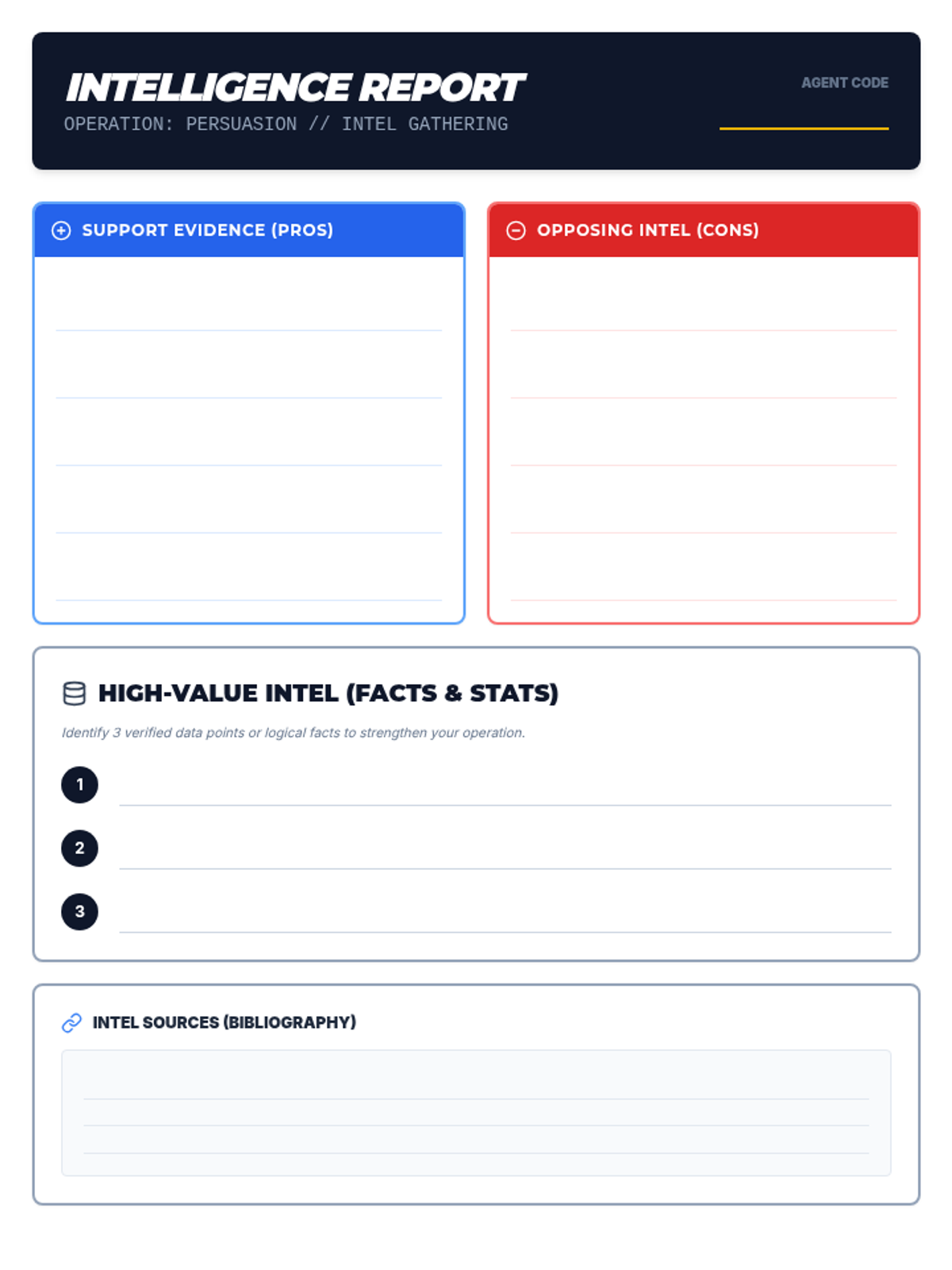
Students gather 'intelligence' by identifying facts and evidence to support their claims about school uniforms or cell phones.
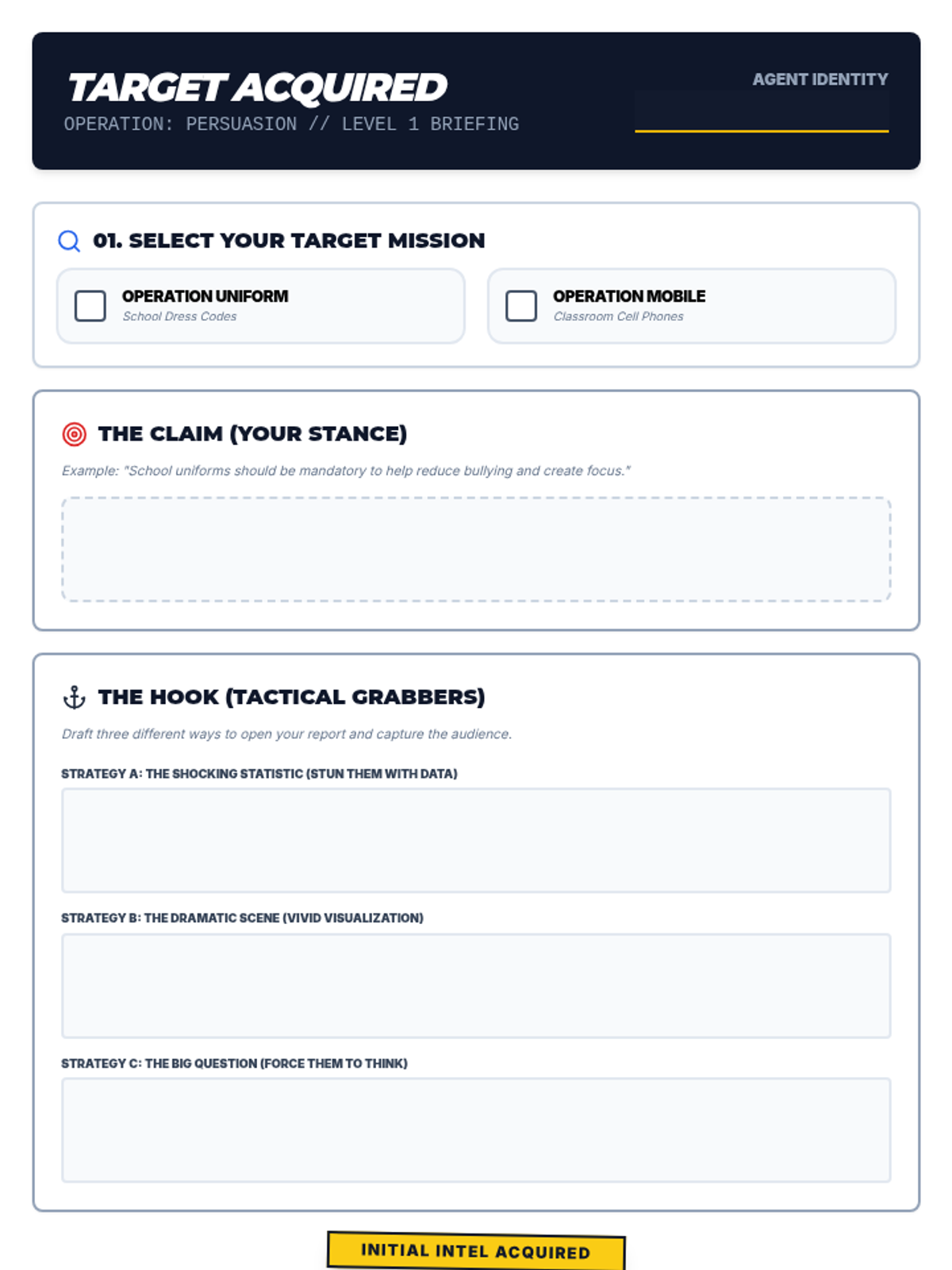
Introduction to persuasive writing techniques, identifying claims, and crafting hooks using the Opinion Ops secret agent theme.
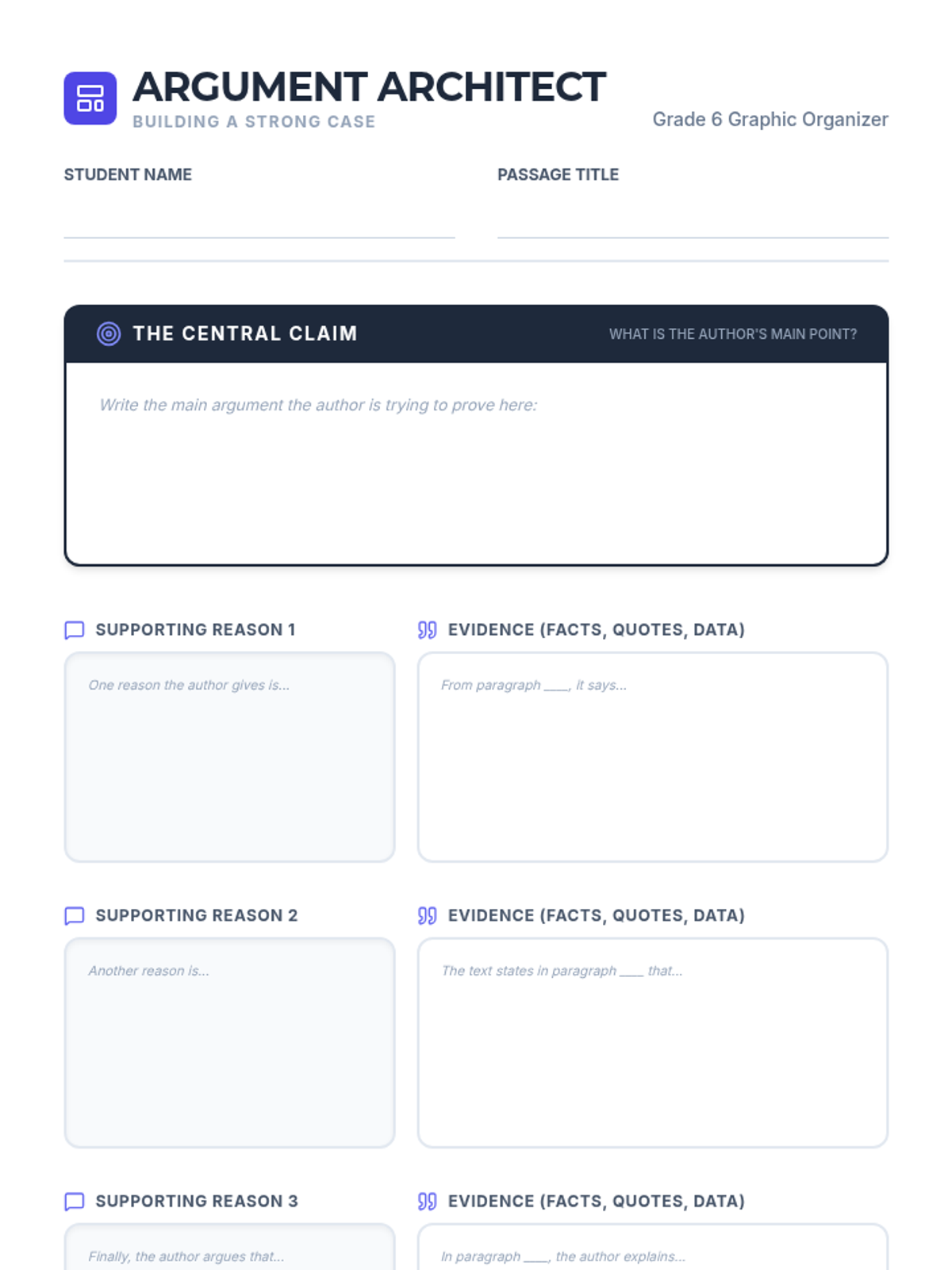
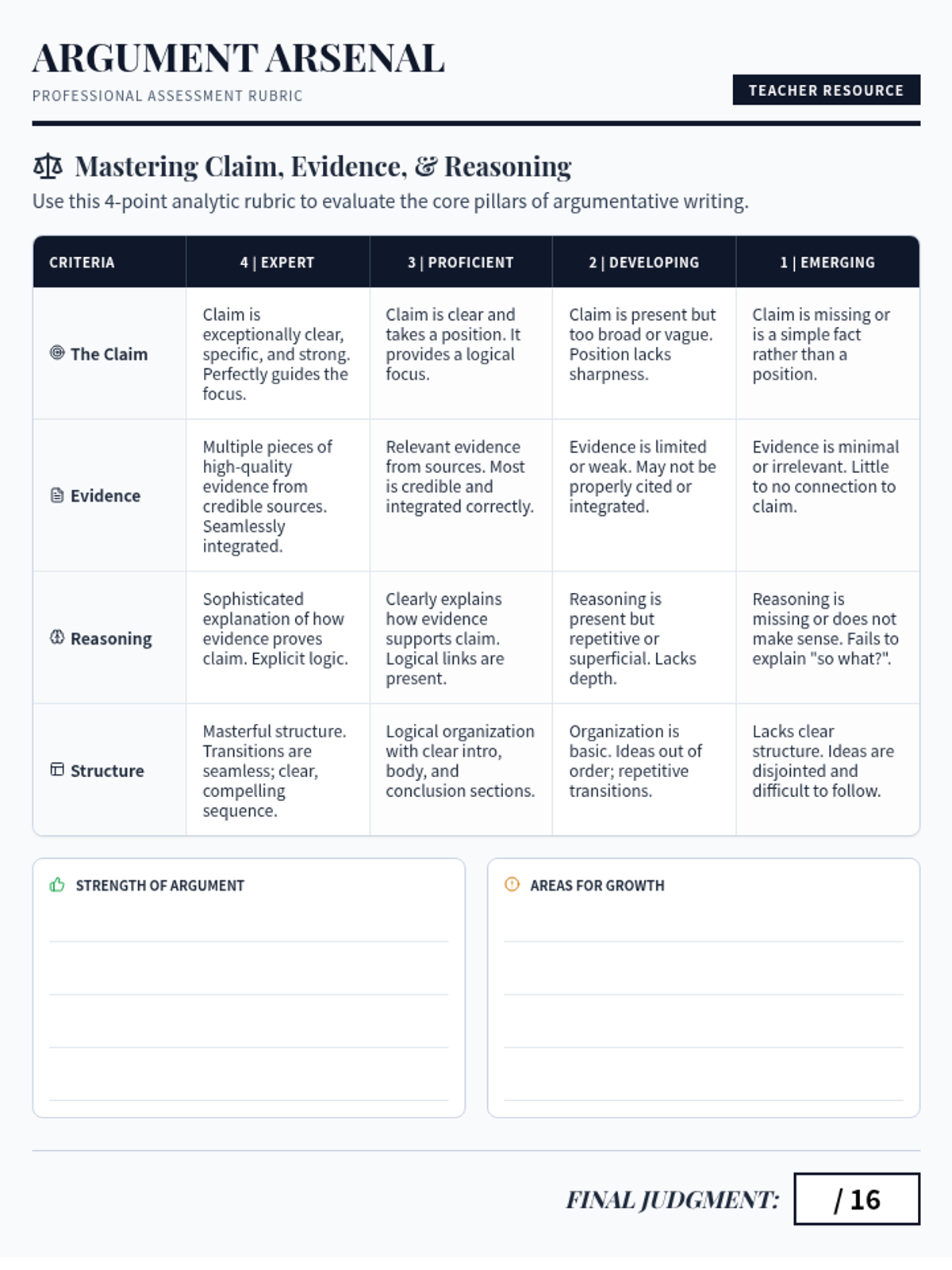
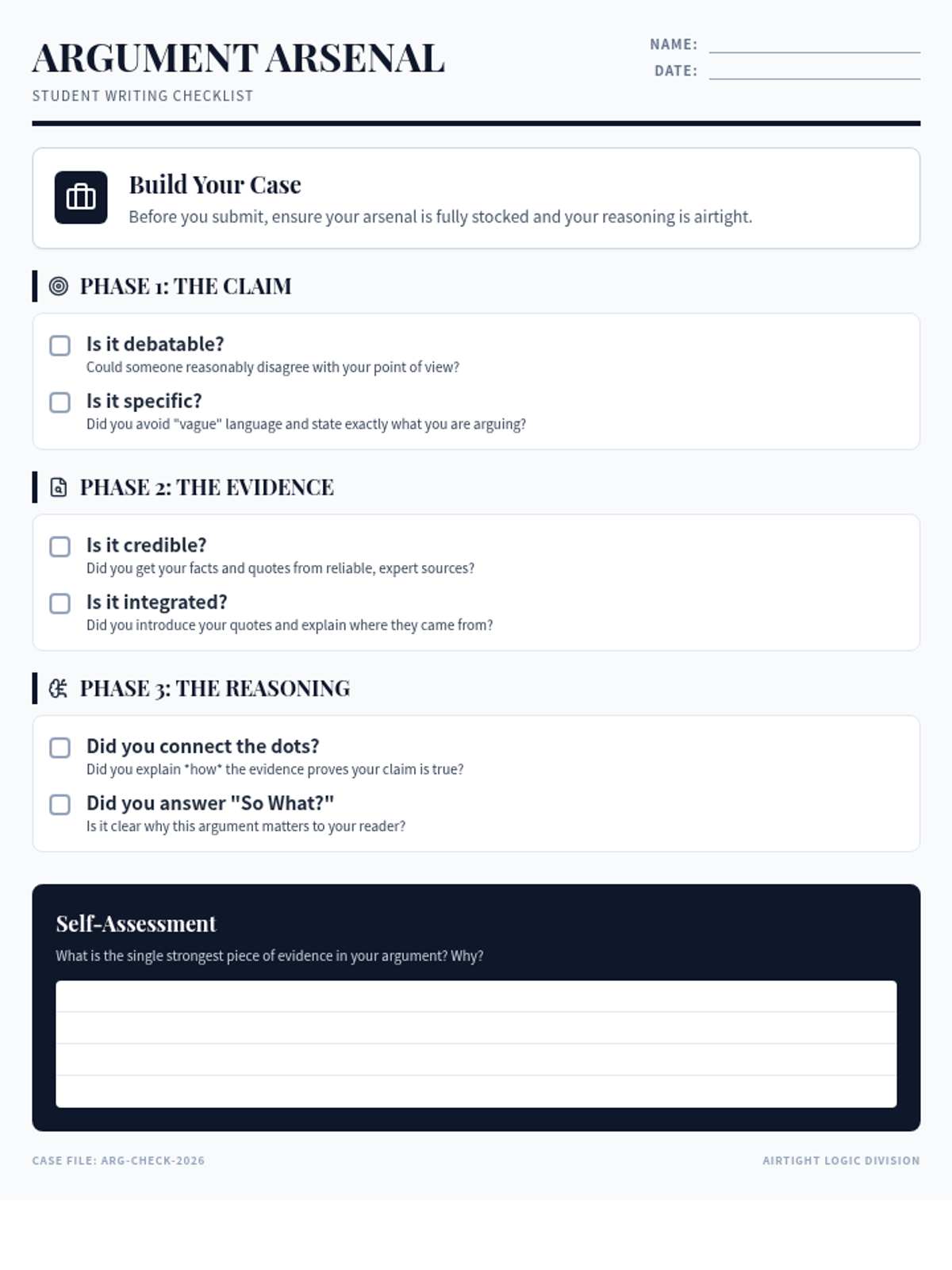
A focused lesson providing tools for evaluating and refining argumentative writing, specifically targeting claim clarity, evidence quality, and logical reasoning.
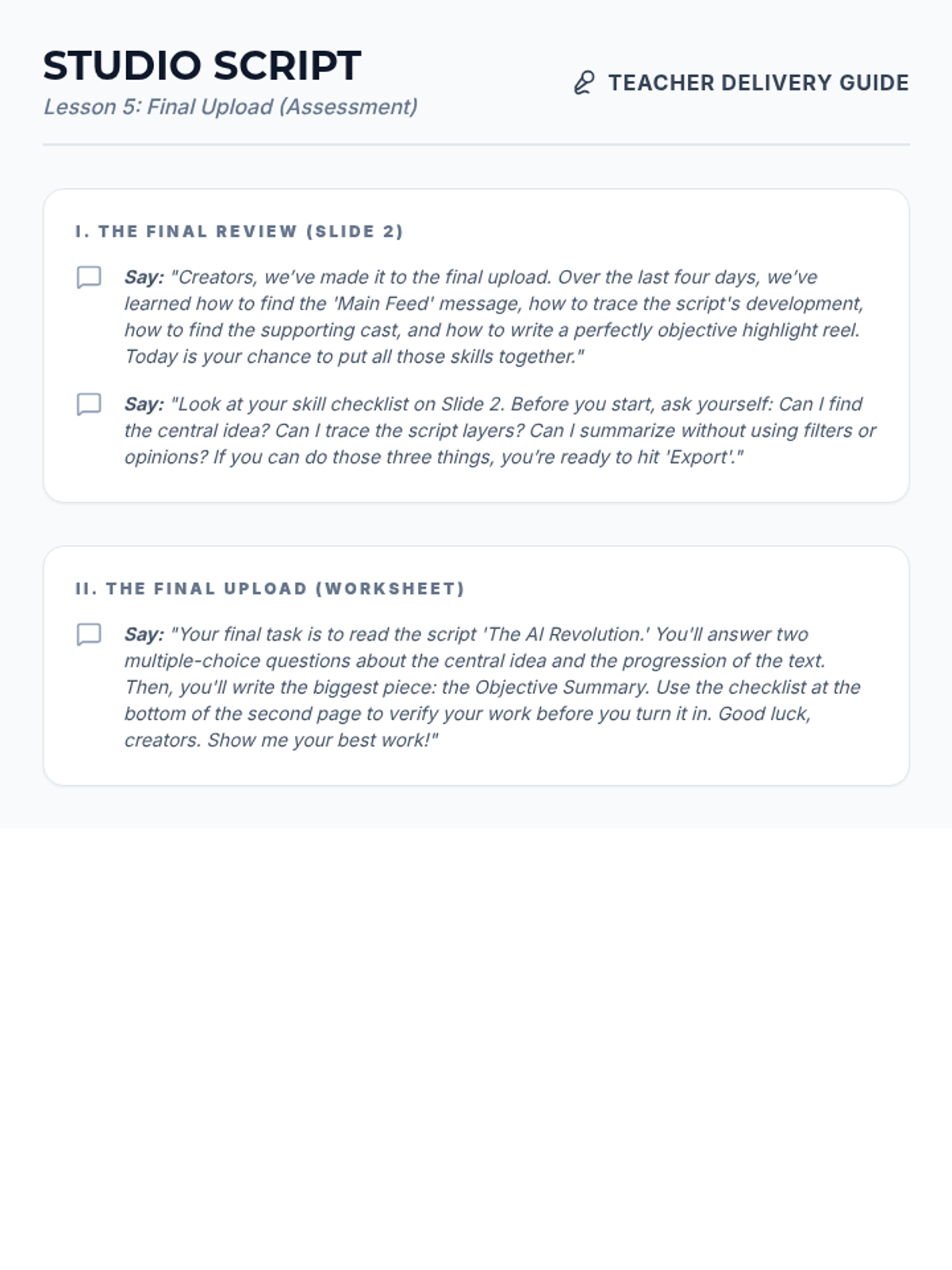
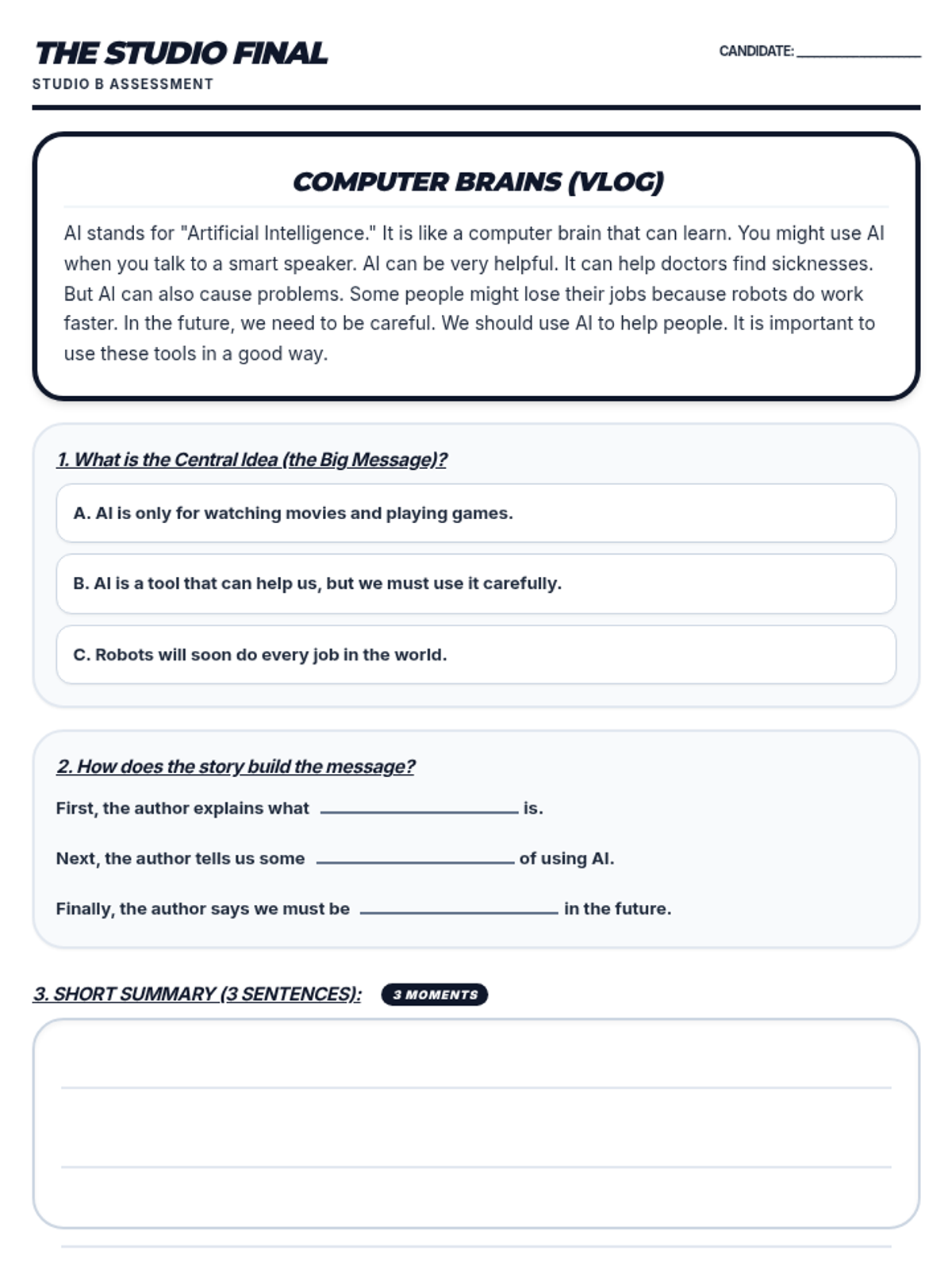
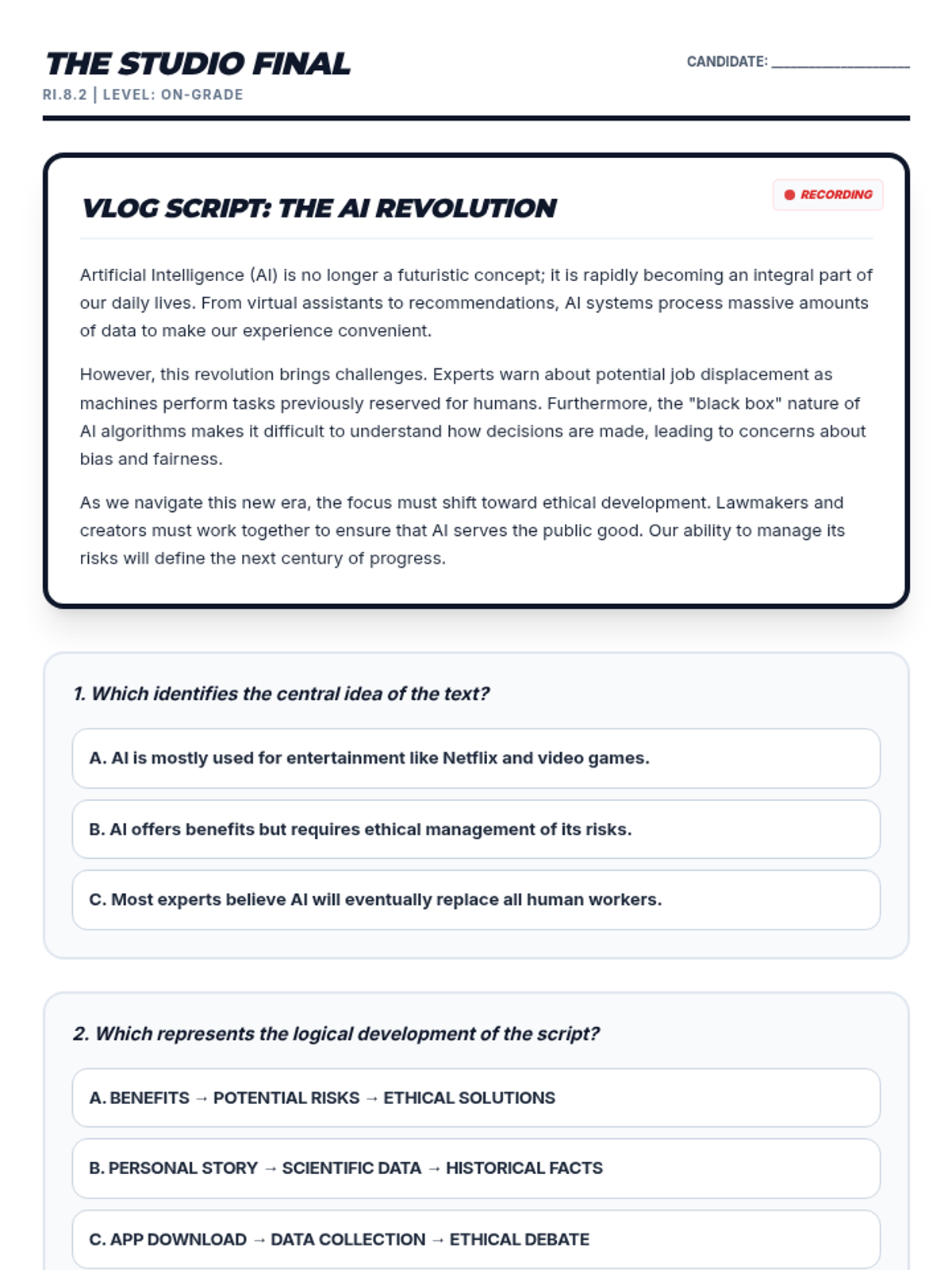
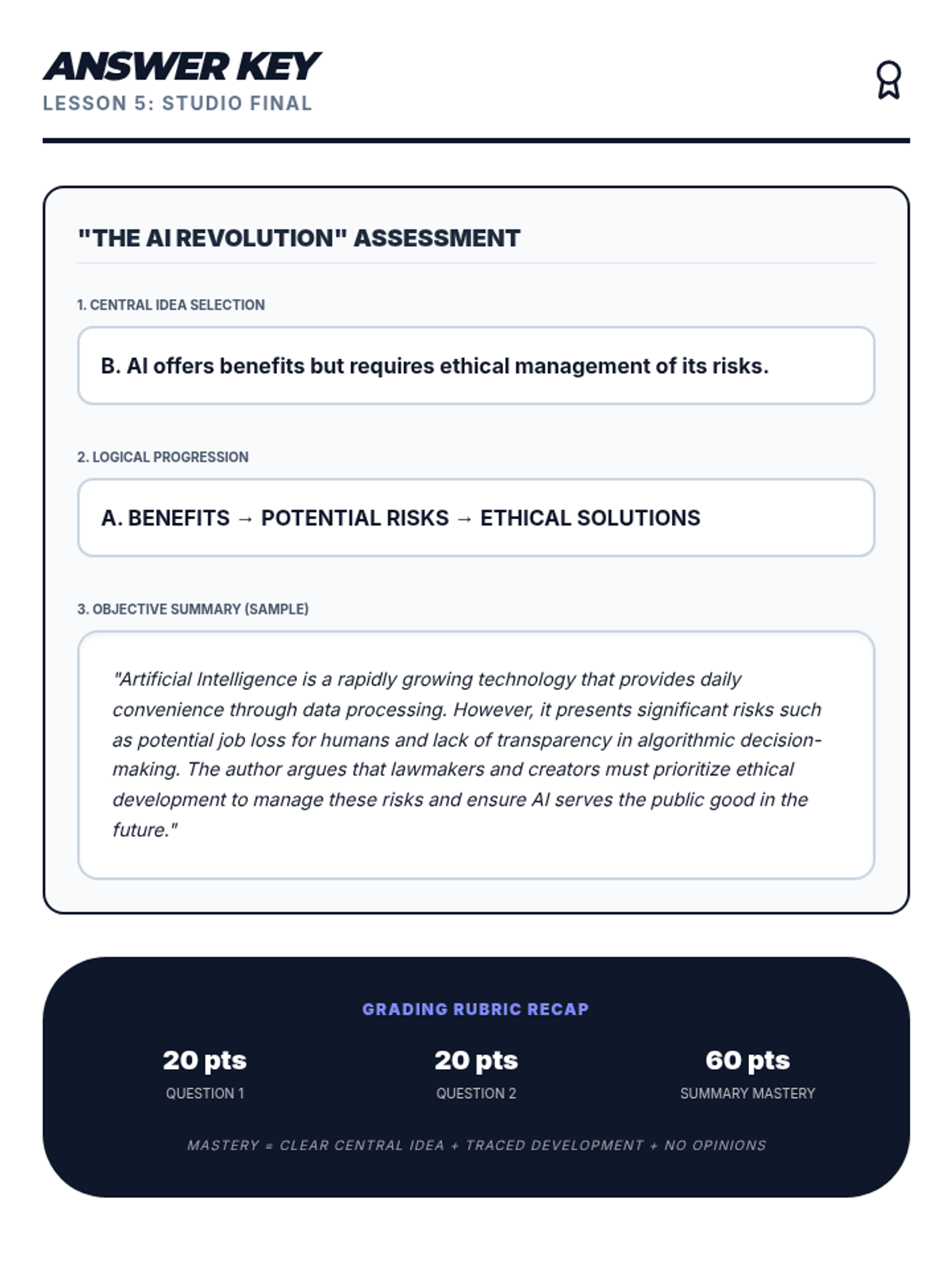
A final assessment where students apply all RI.8.2 skills to a new text in a 'Final Upload' scenario.
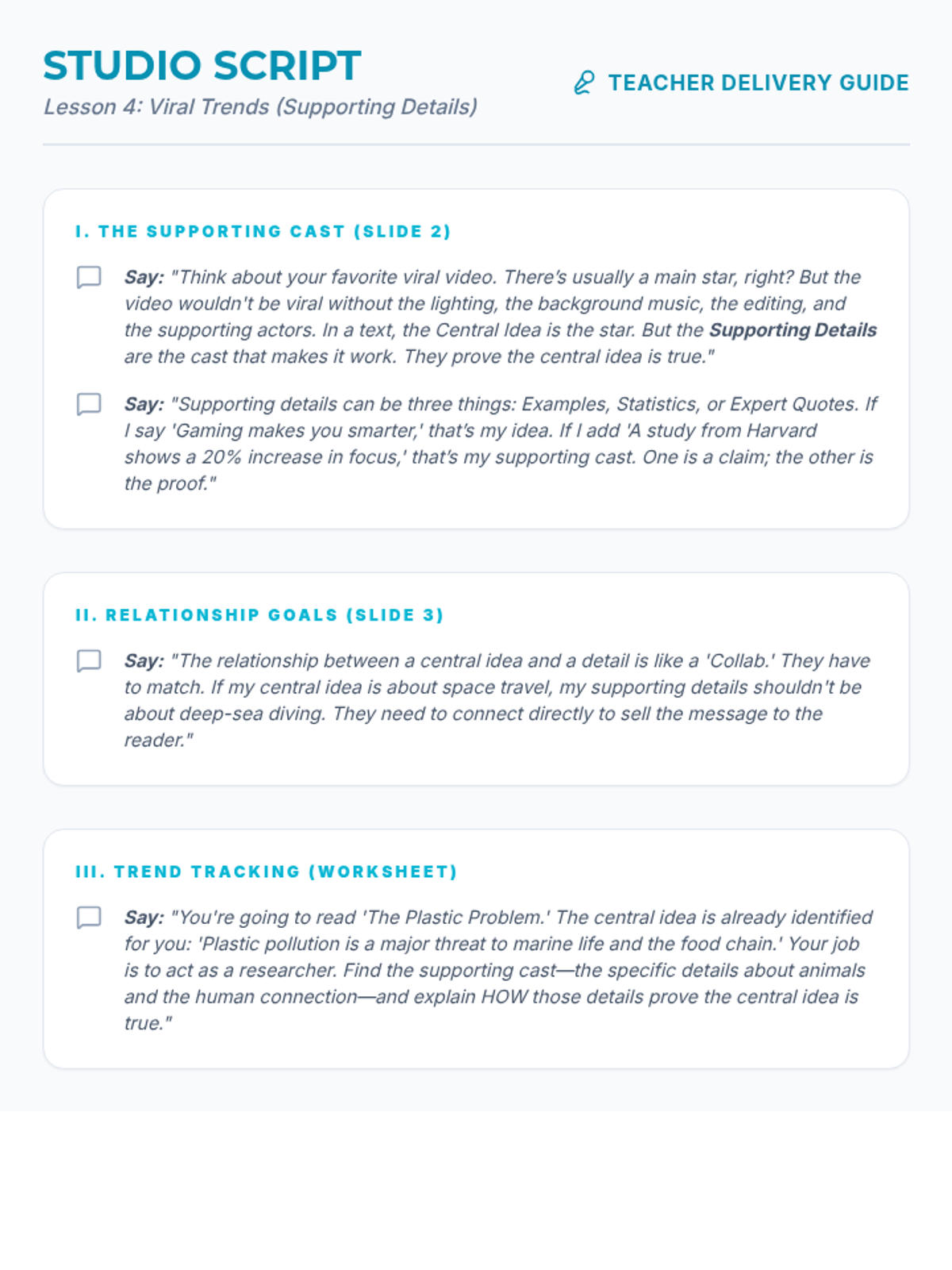
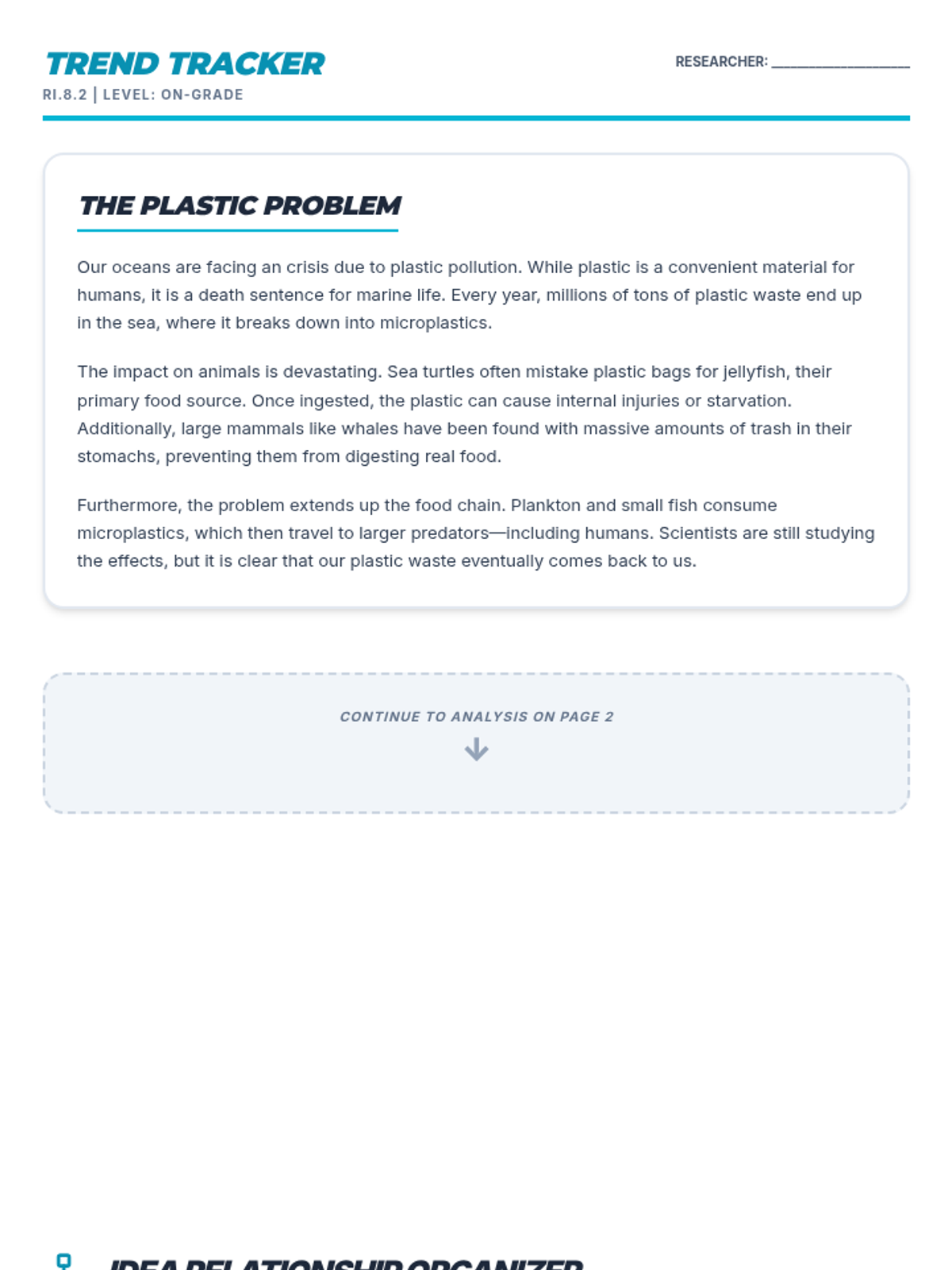
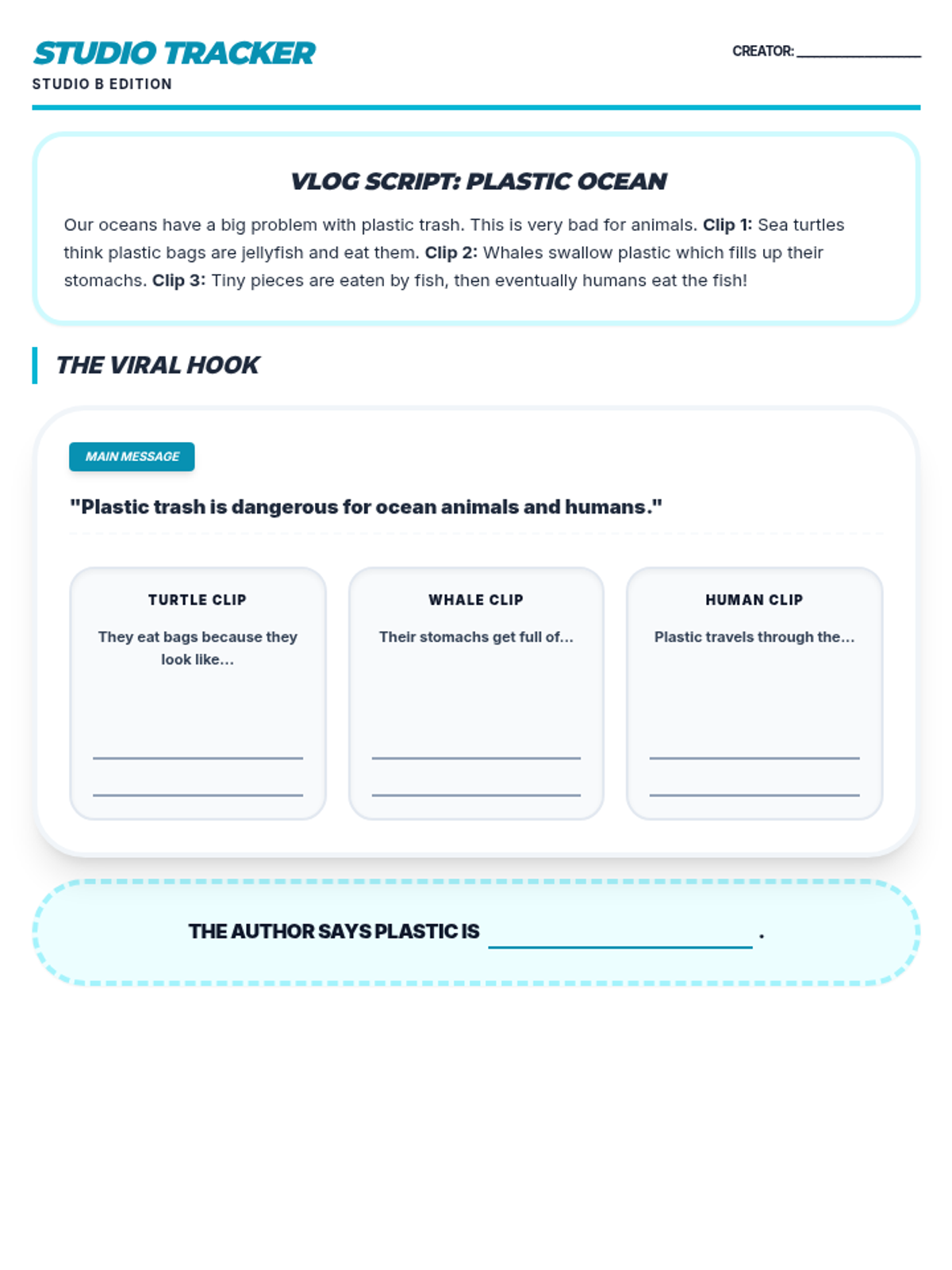
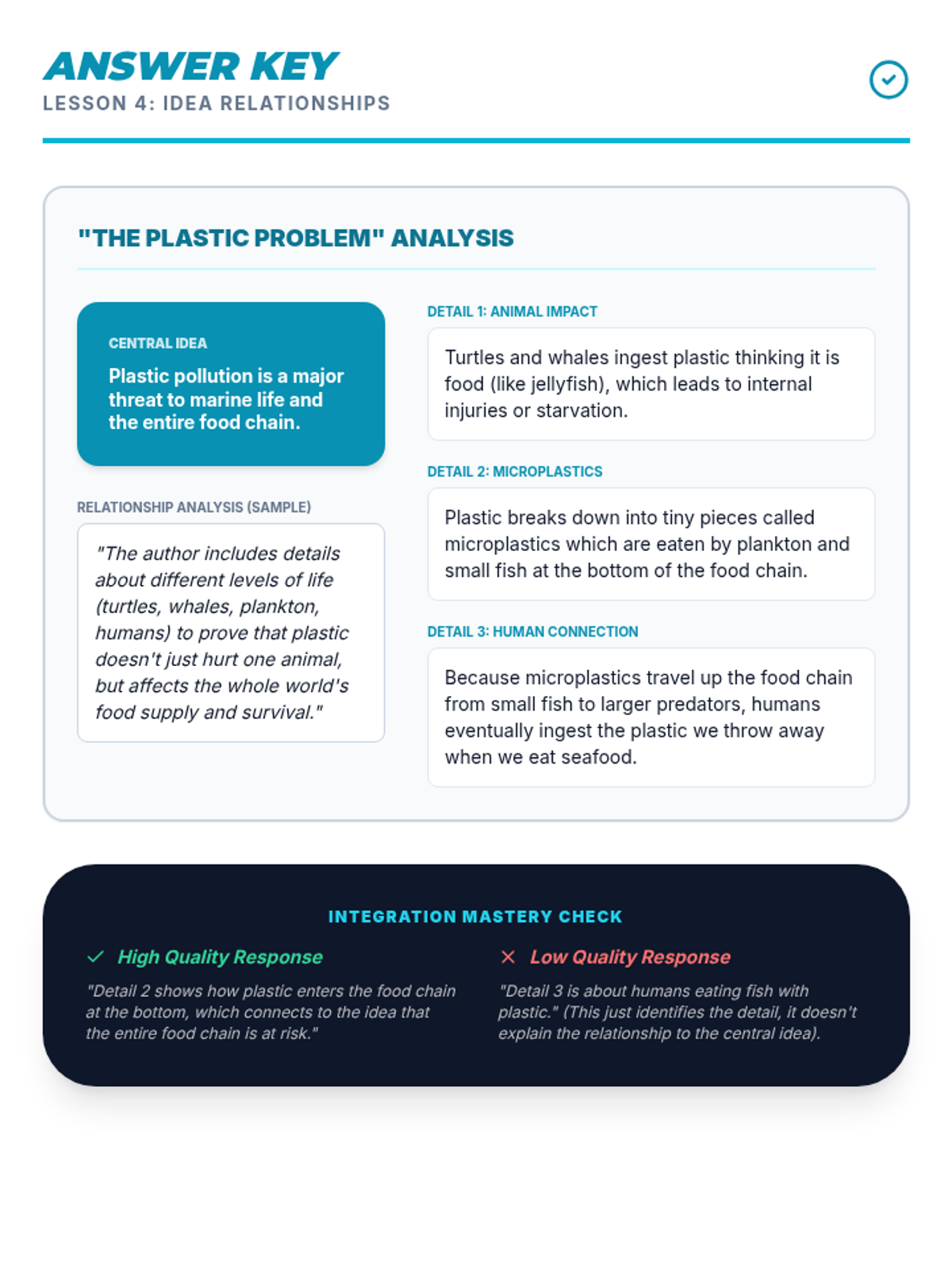
Exploring the relationship between central ideas and supporting details ('Supporting Cast').
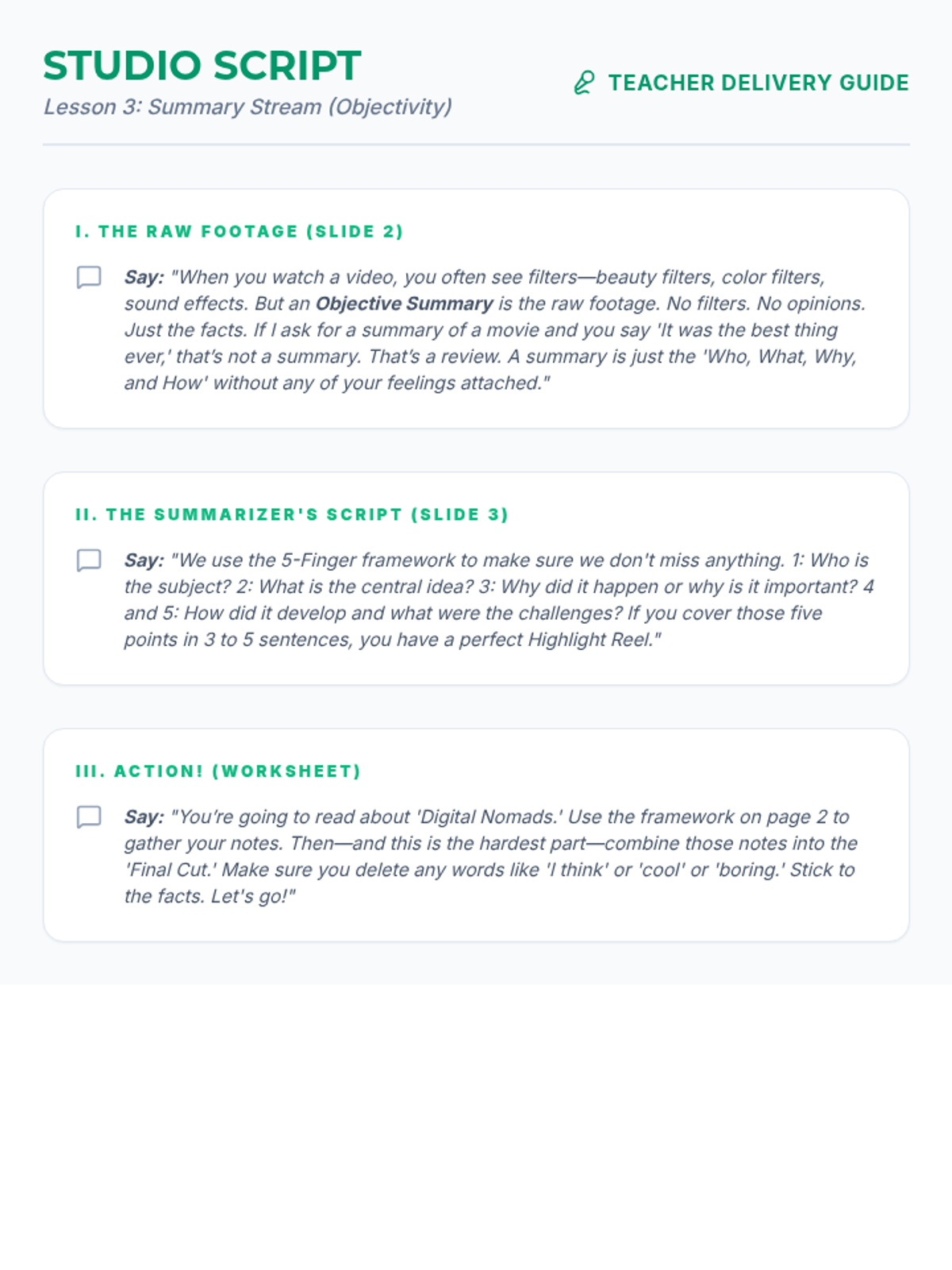
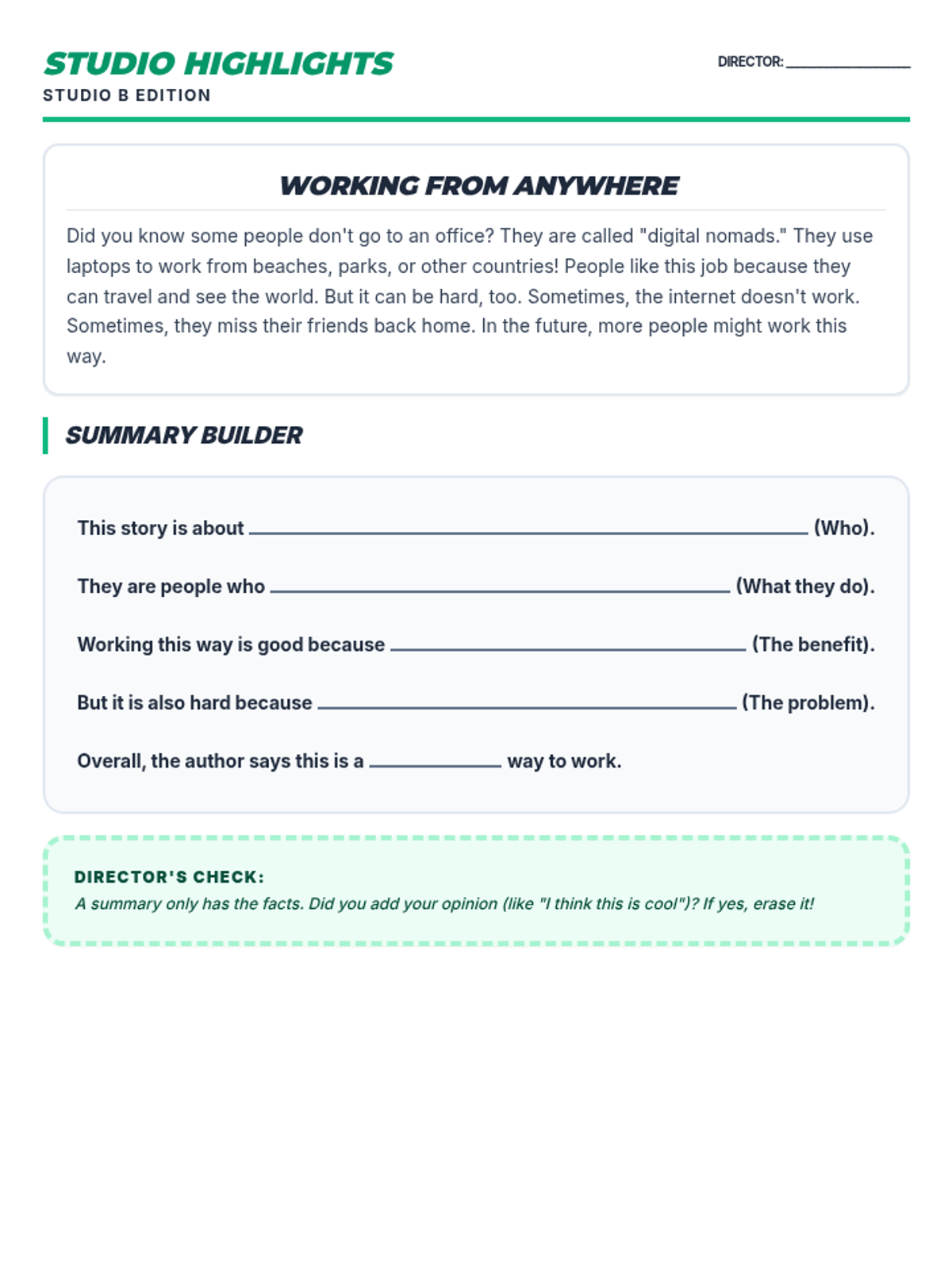
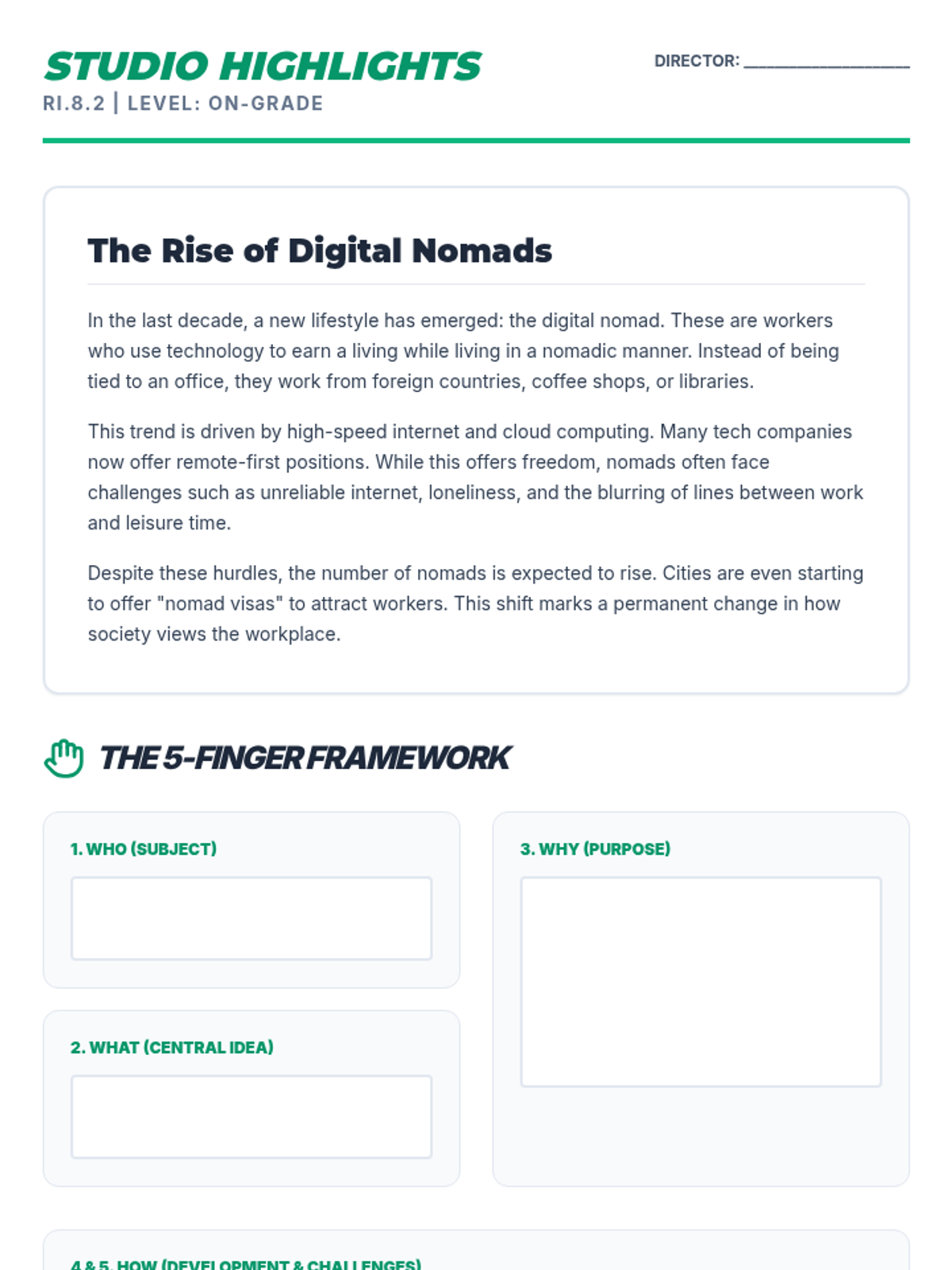
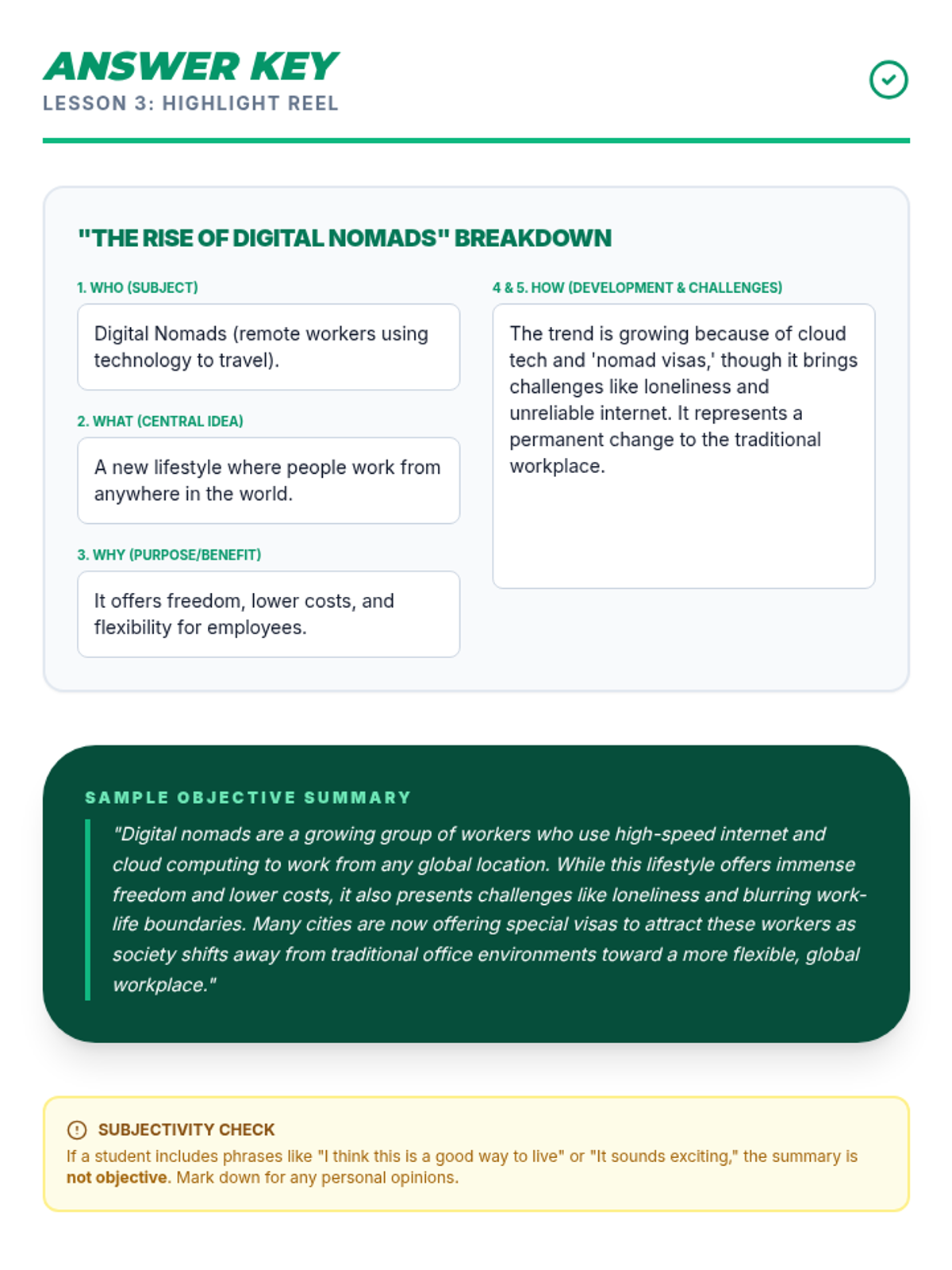
Teaching objective summarization using the 'Highlight Reel' and 'TL;DR' framework.
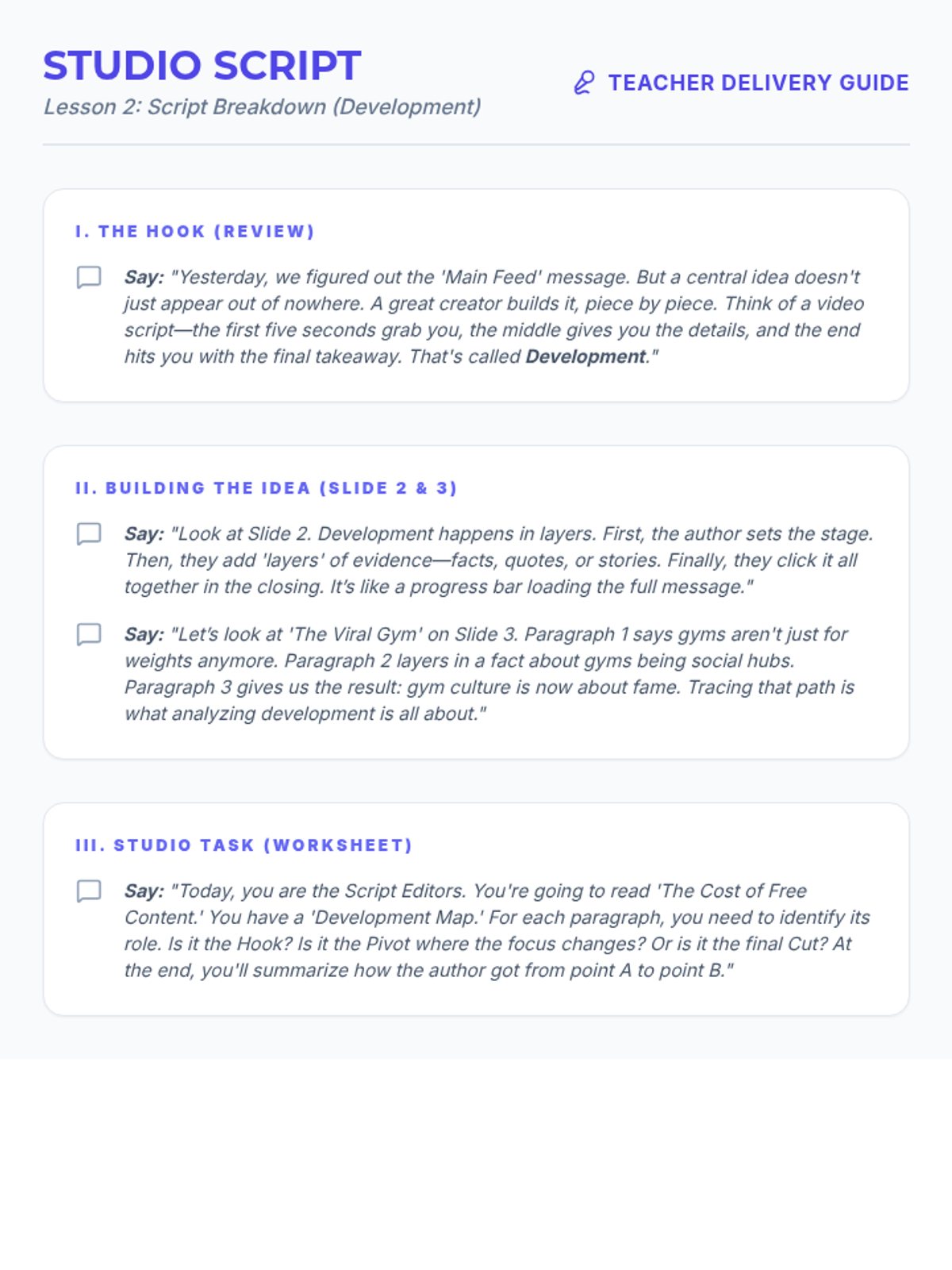
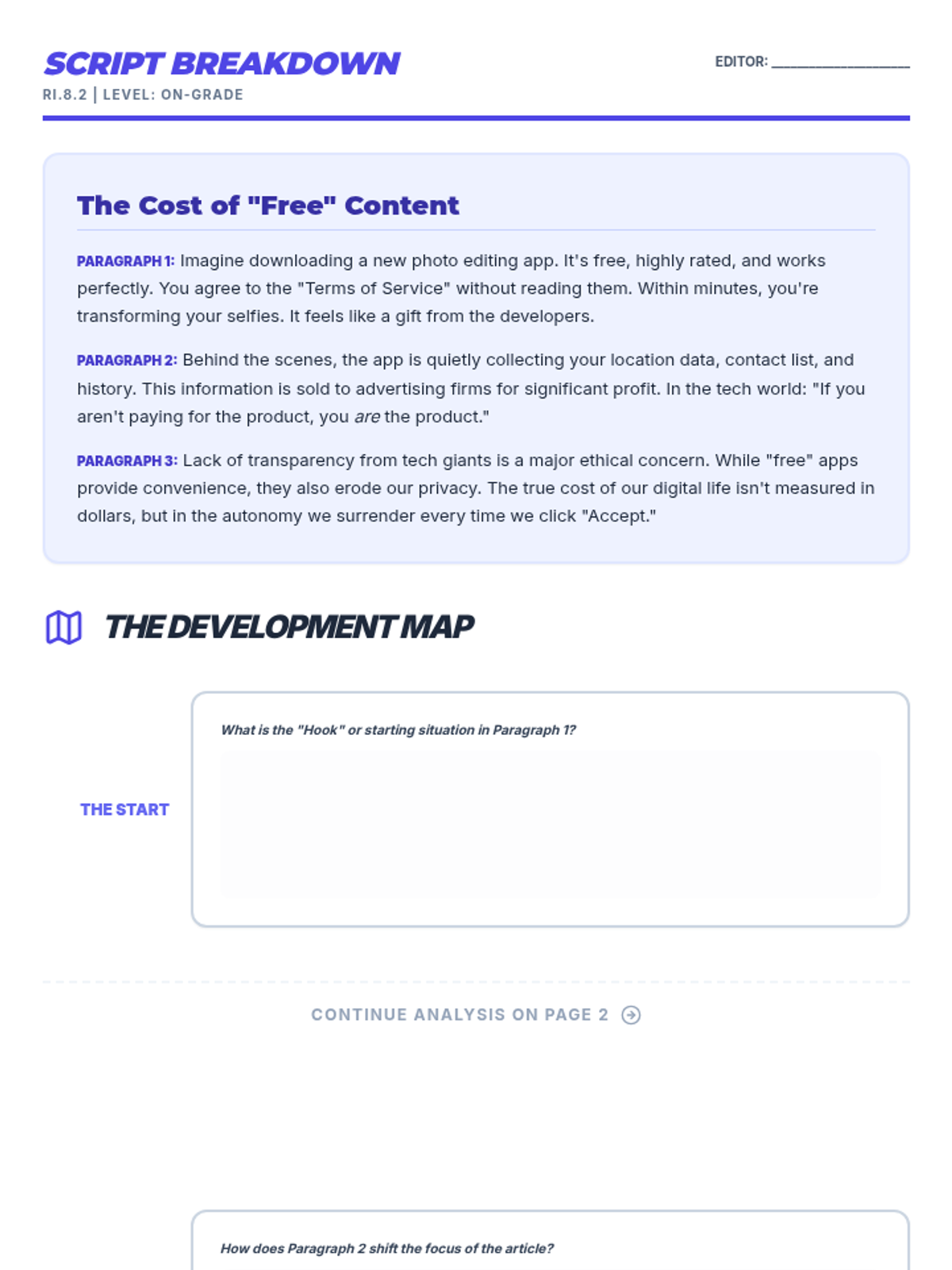
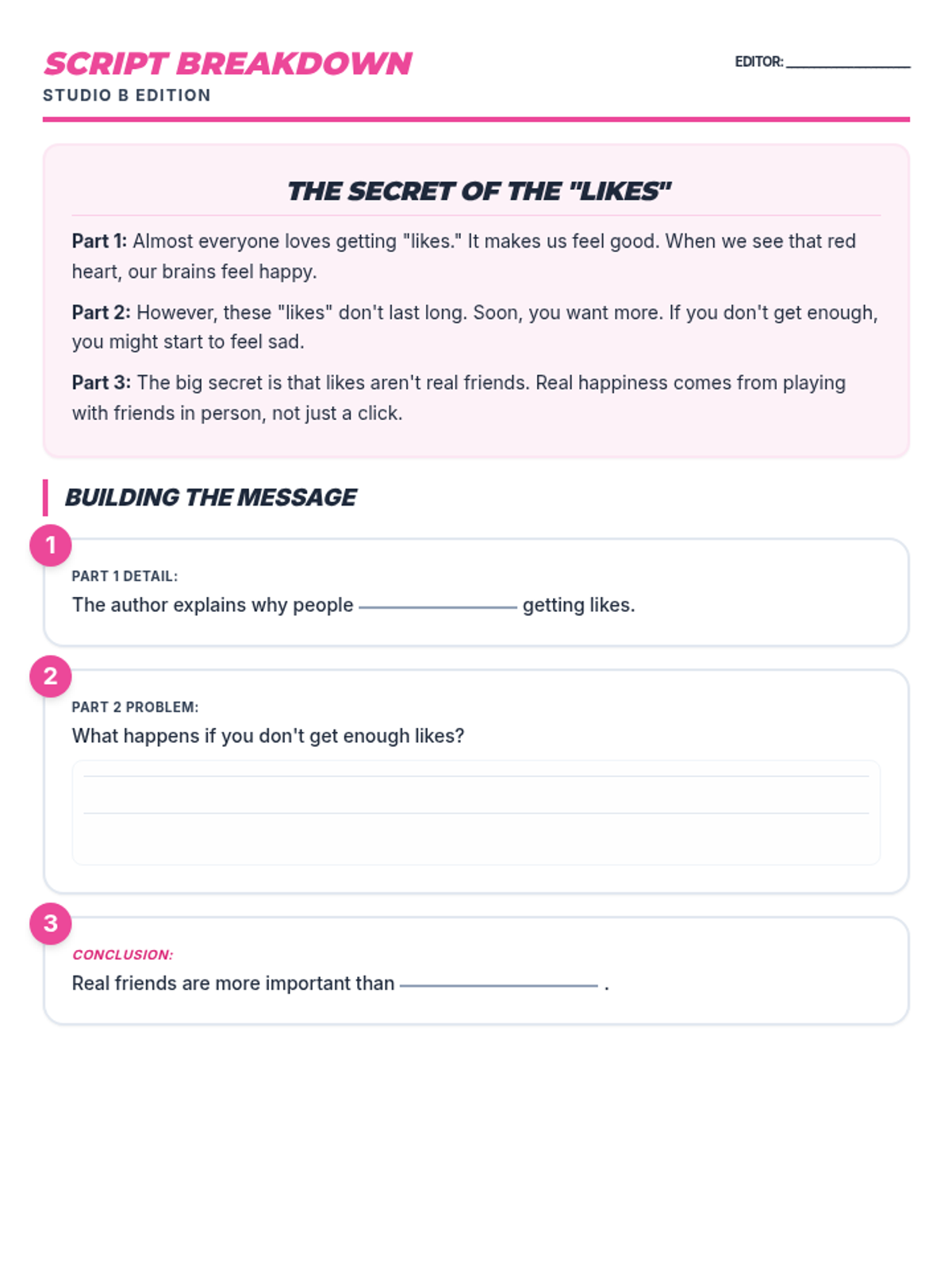
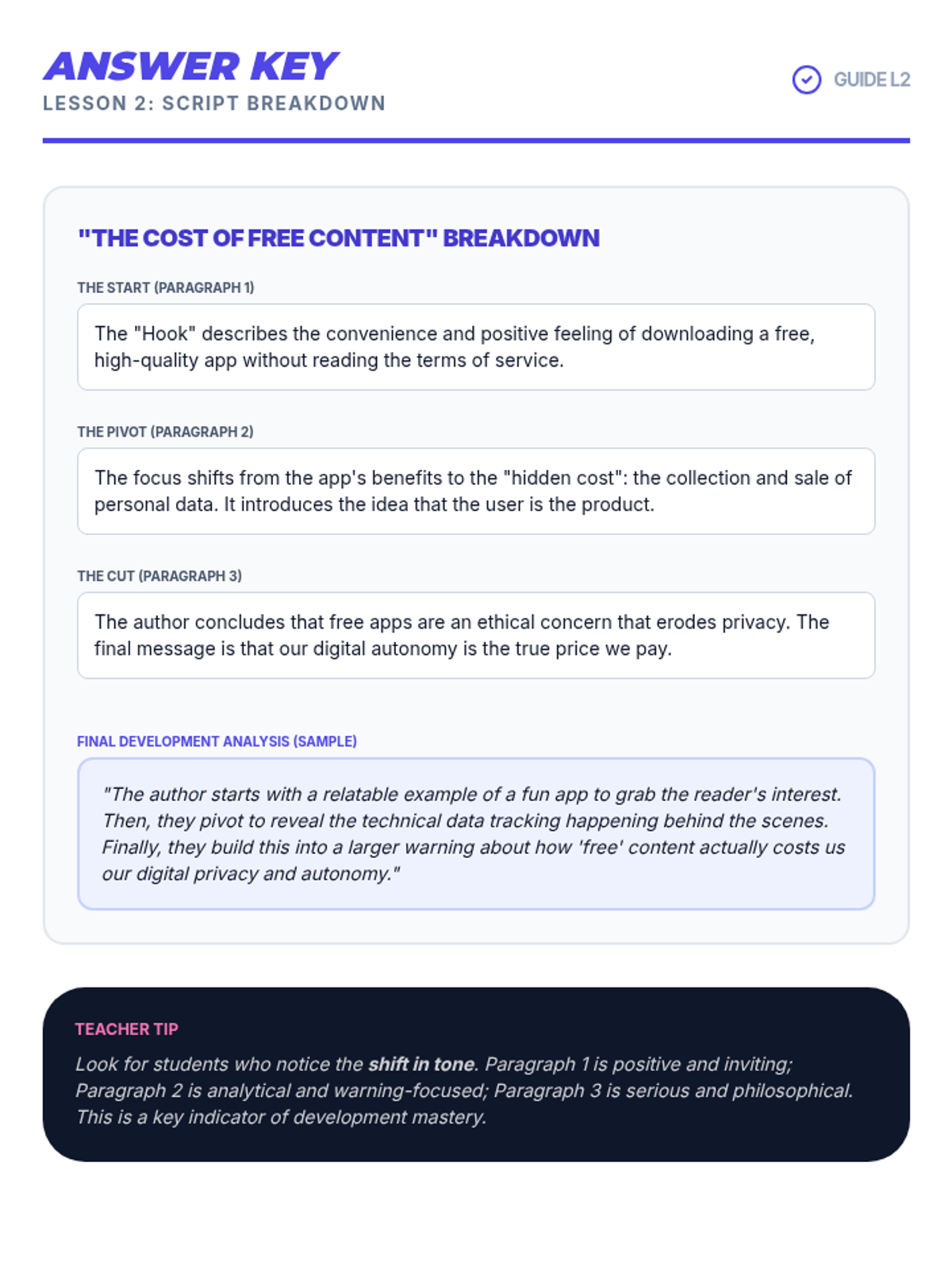
Analyzing how a central idea is built throughout a text using a 'Script Breakdown' model.
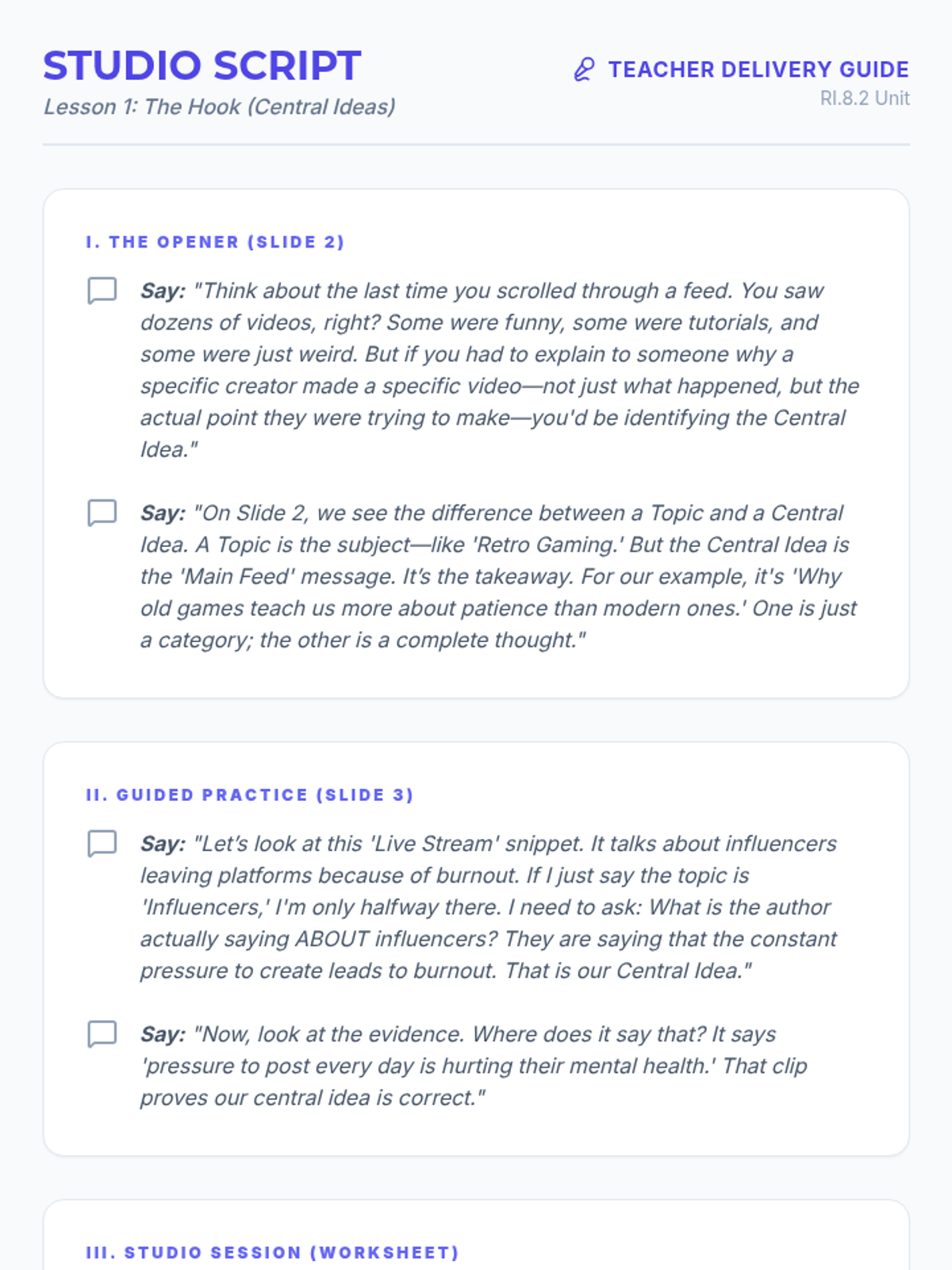
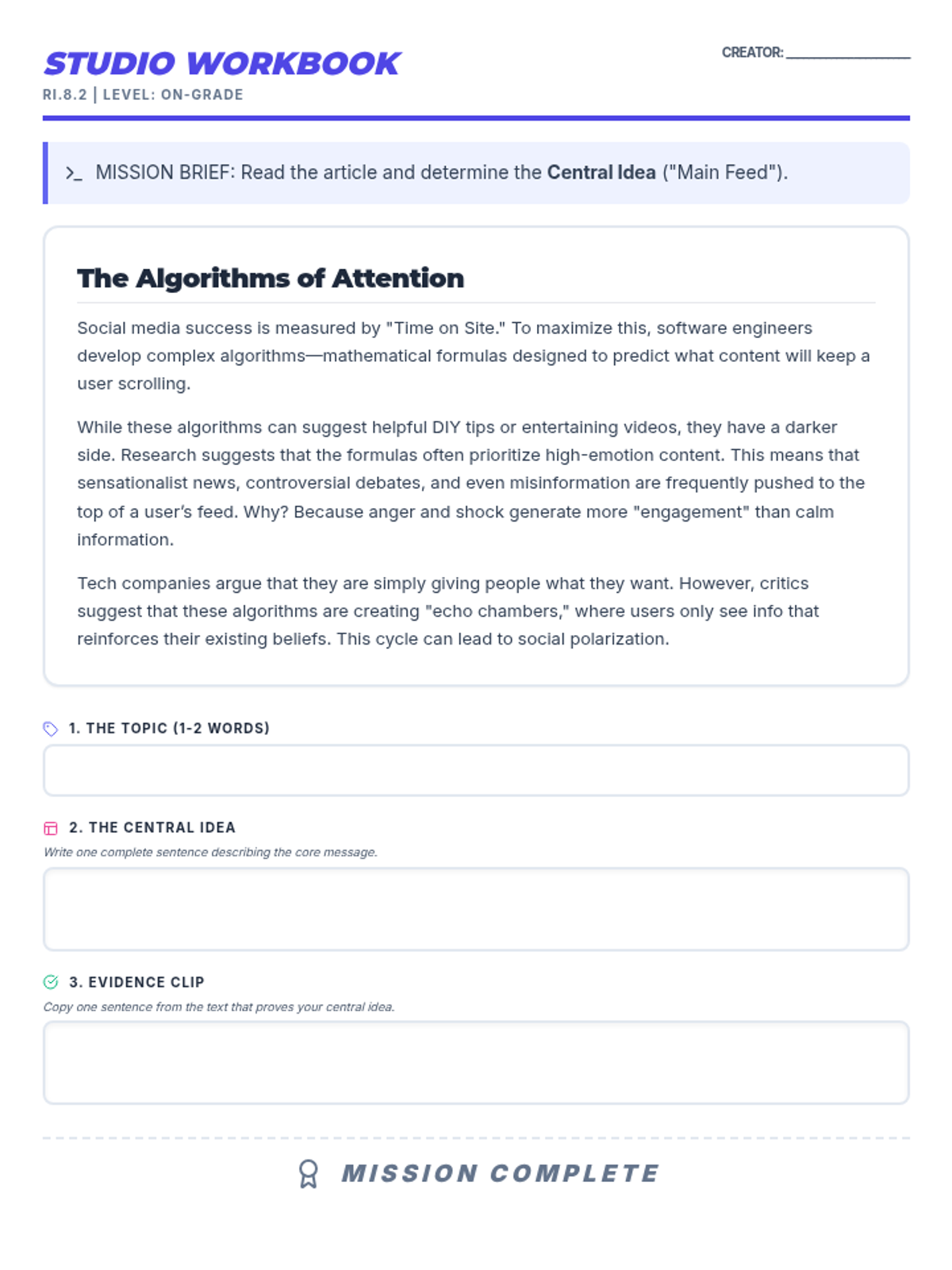
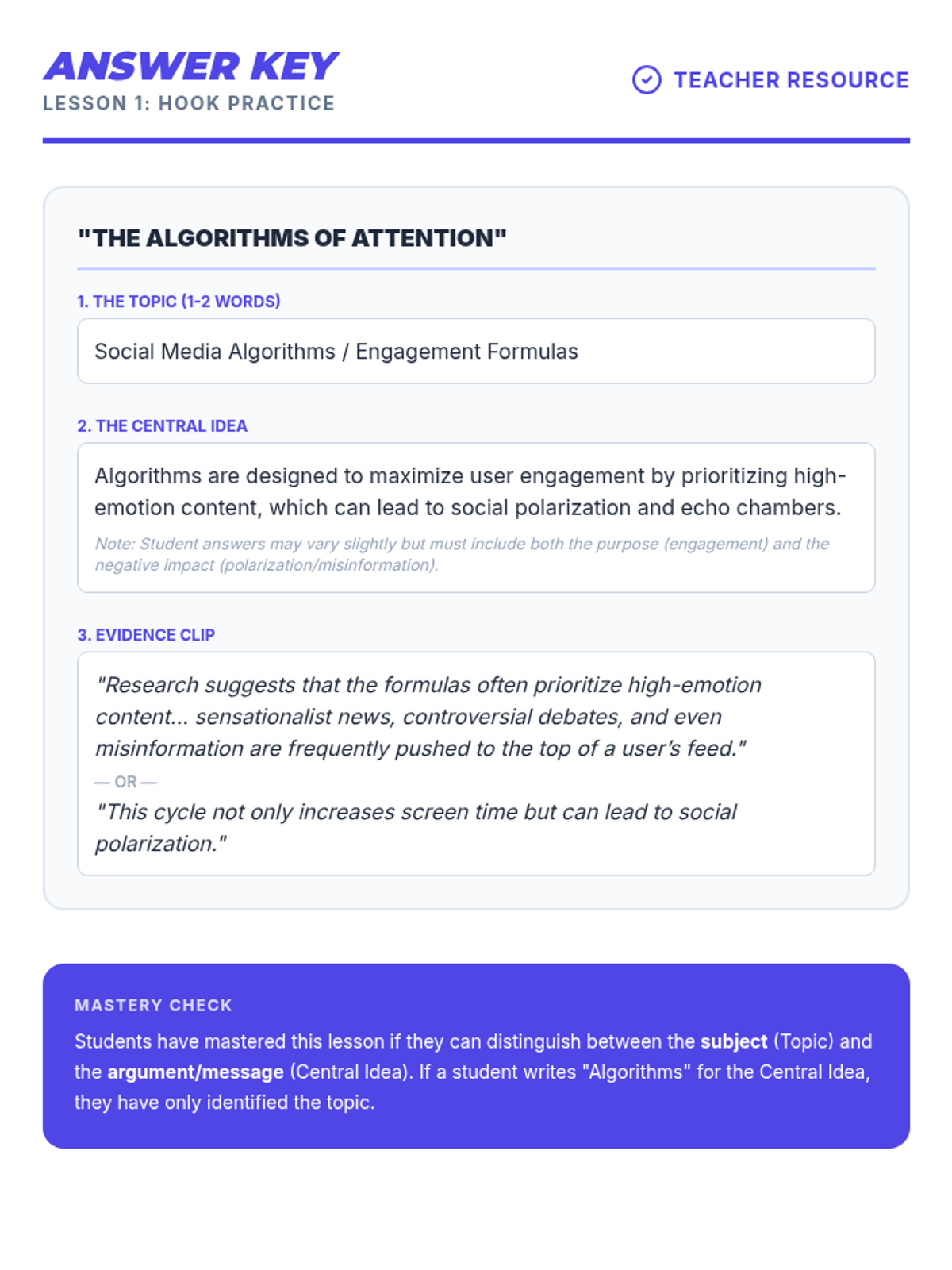
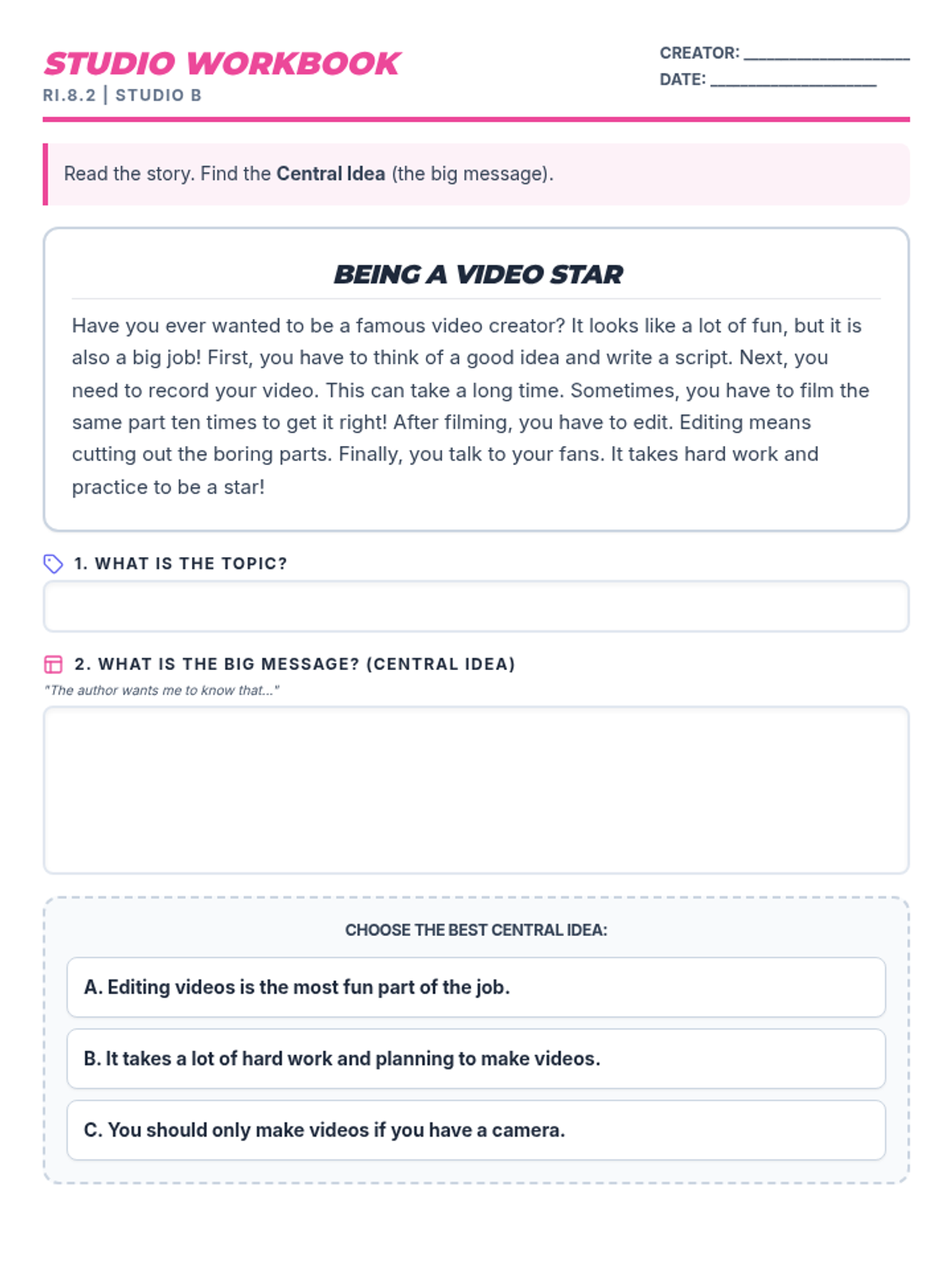
Introduction to central ideas using the 'Main Feed' analogy. Students practice identifying the core message of texts.
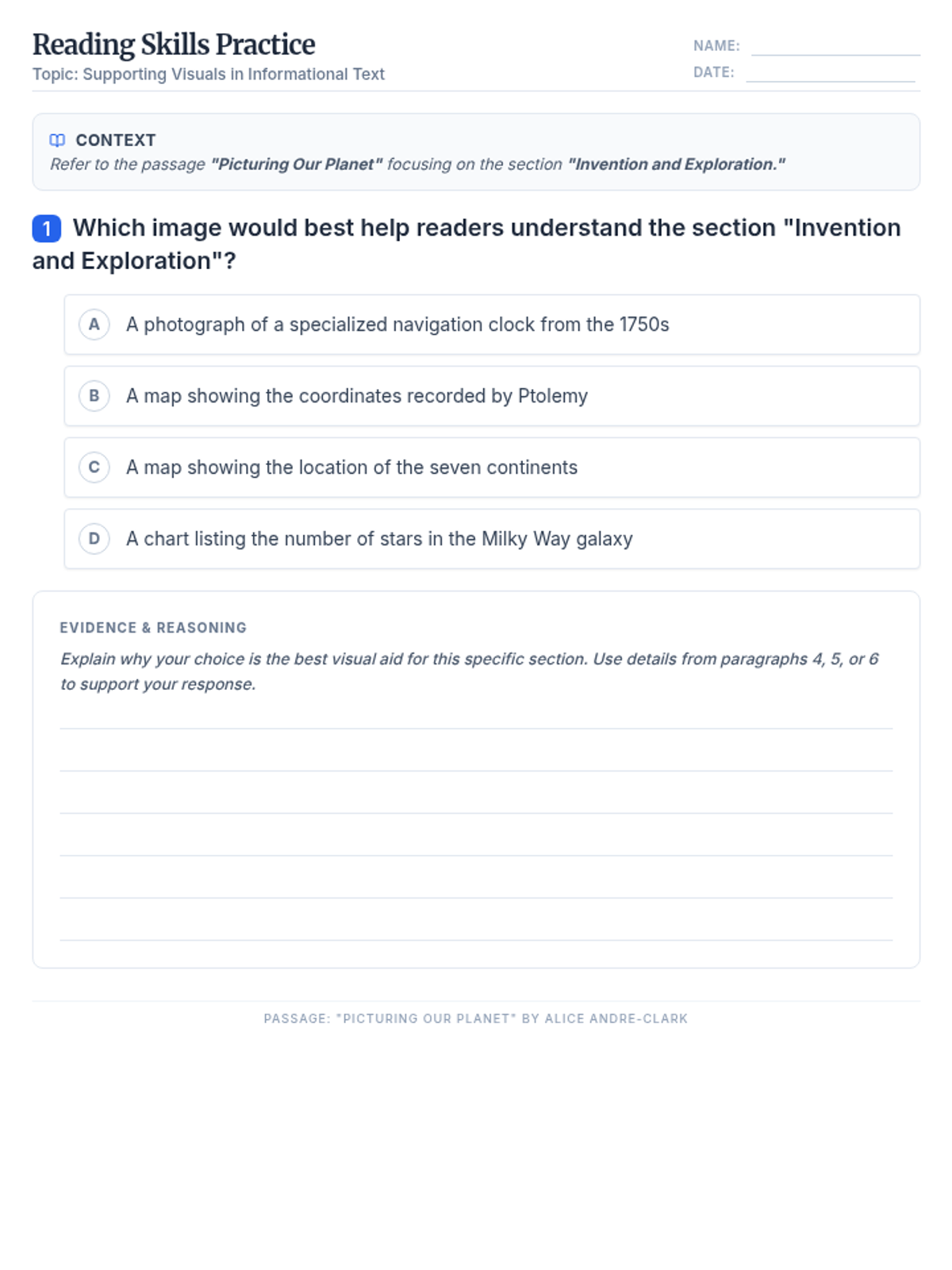
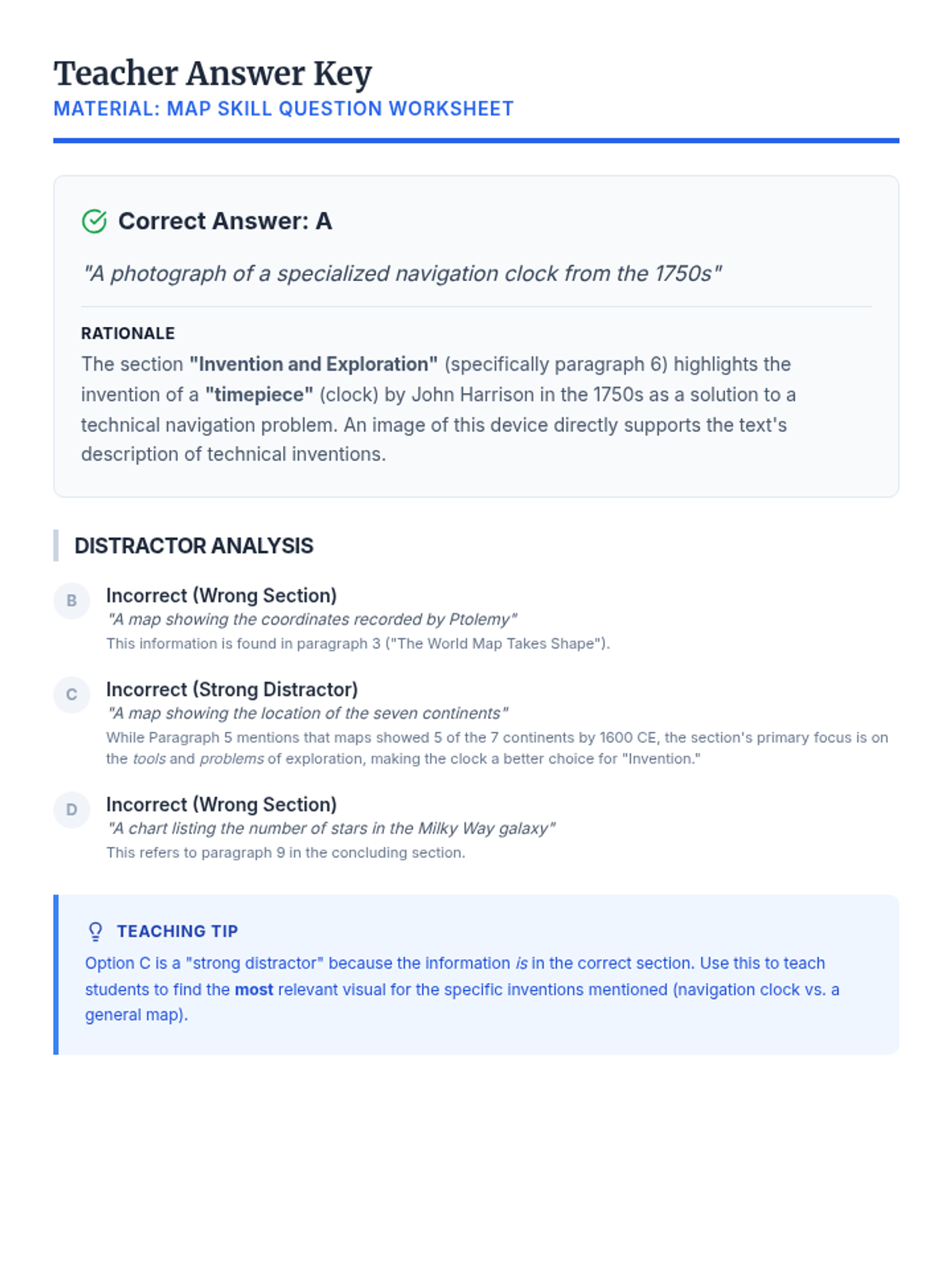
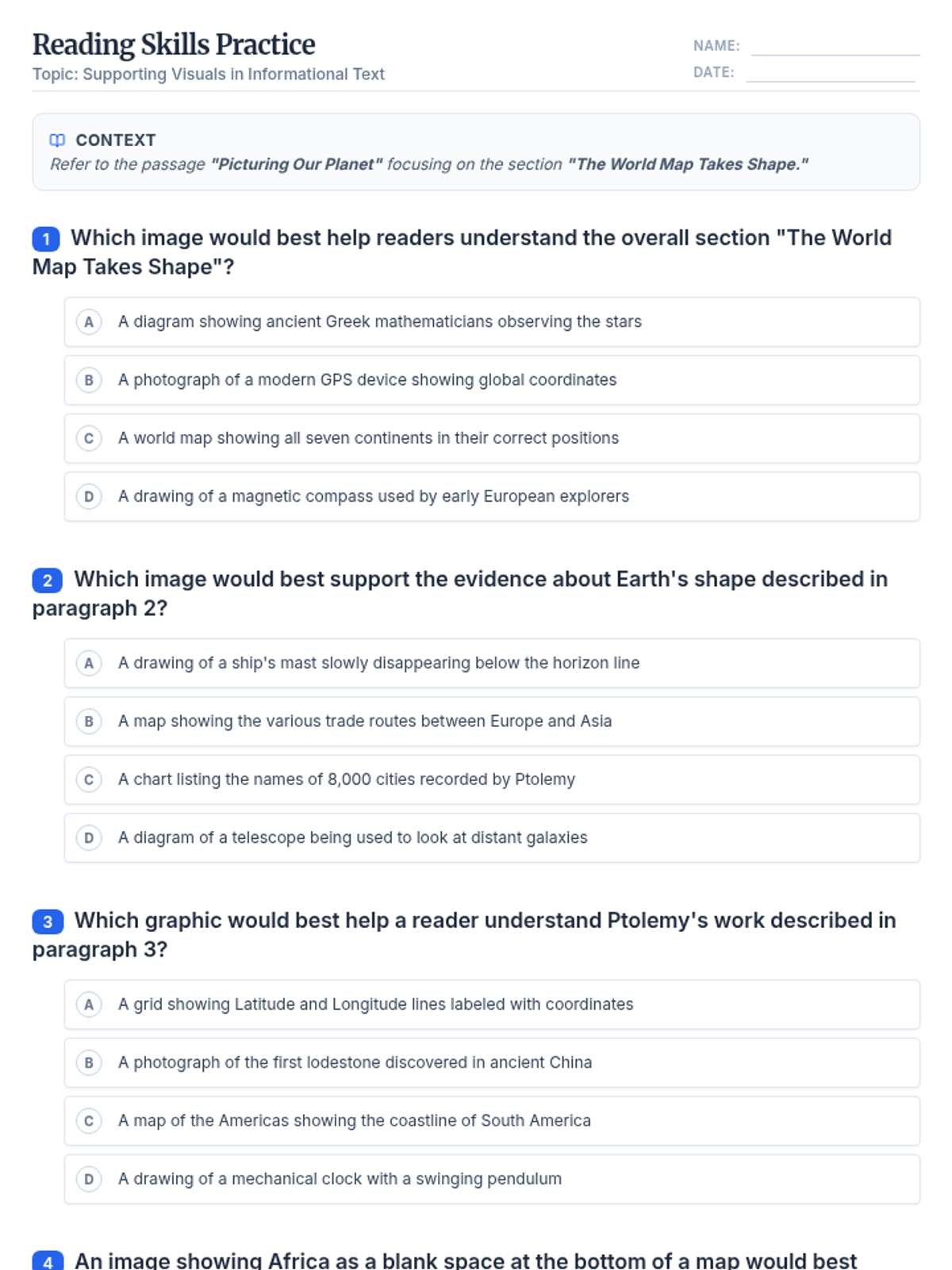
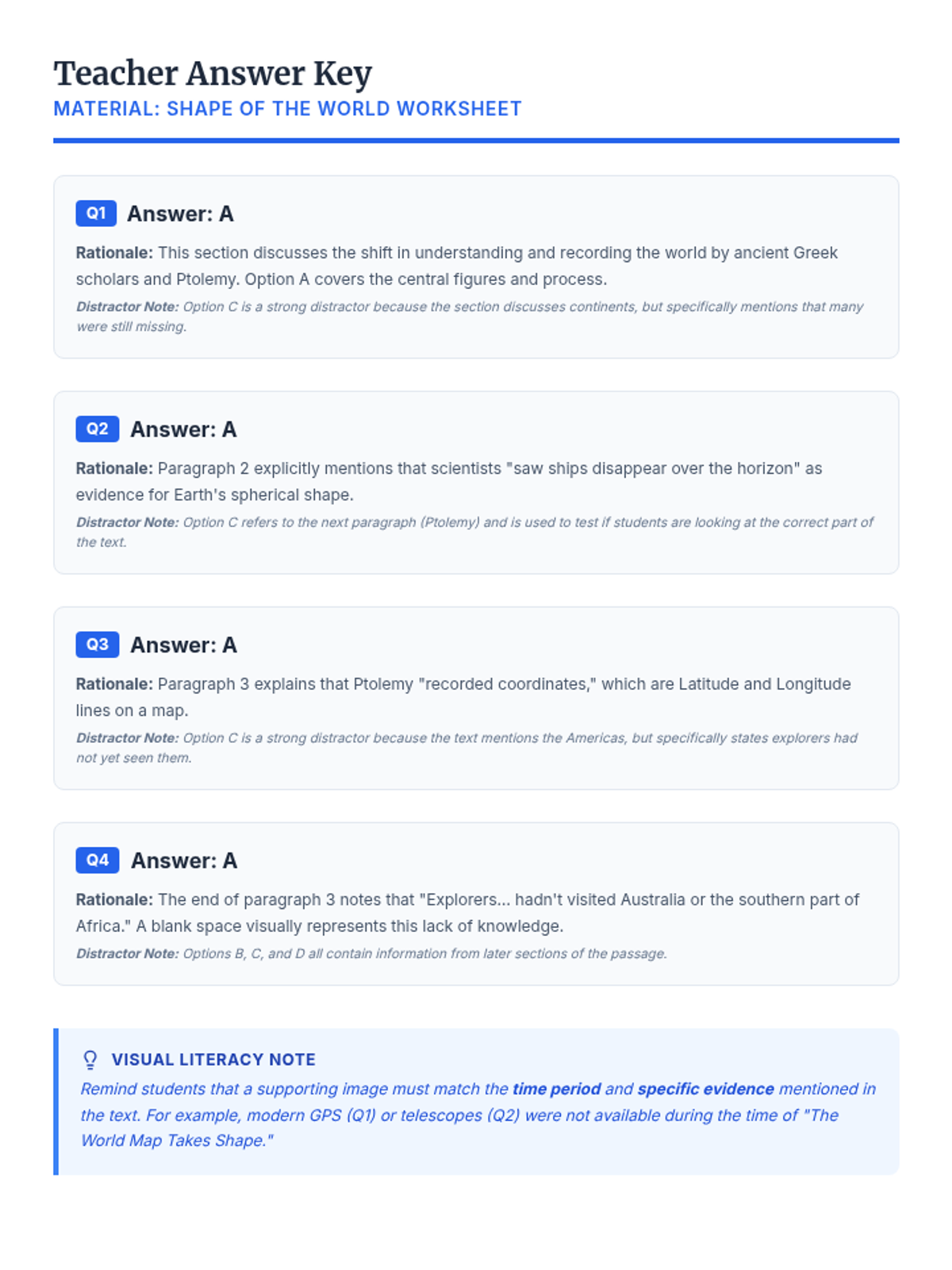
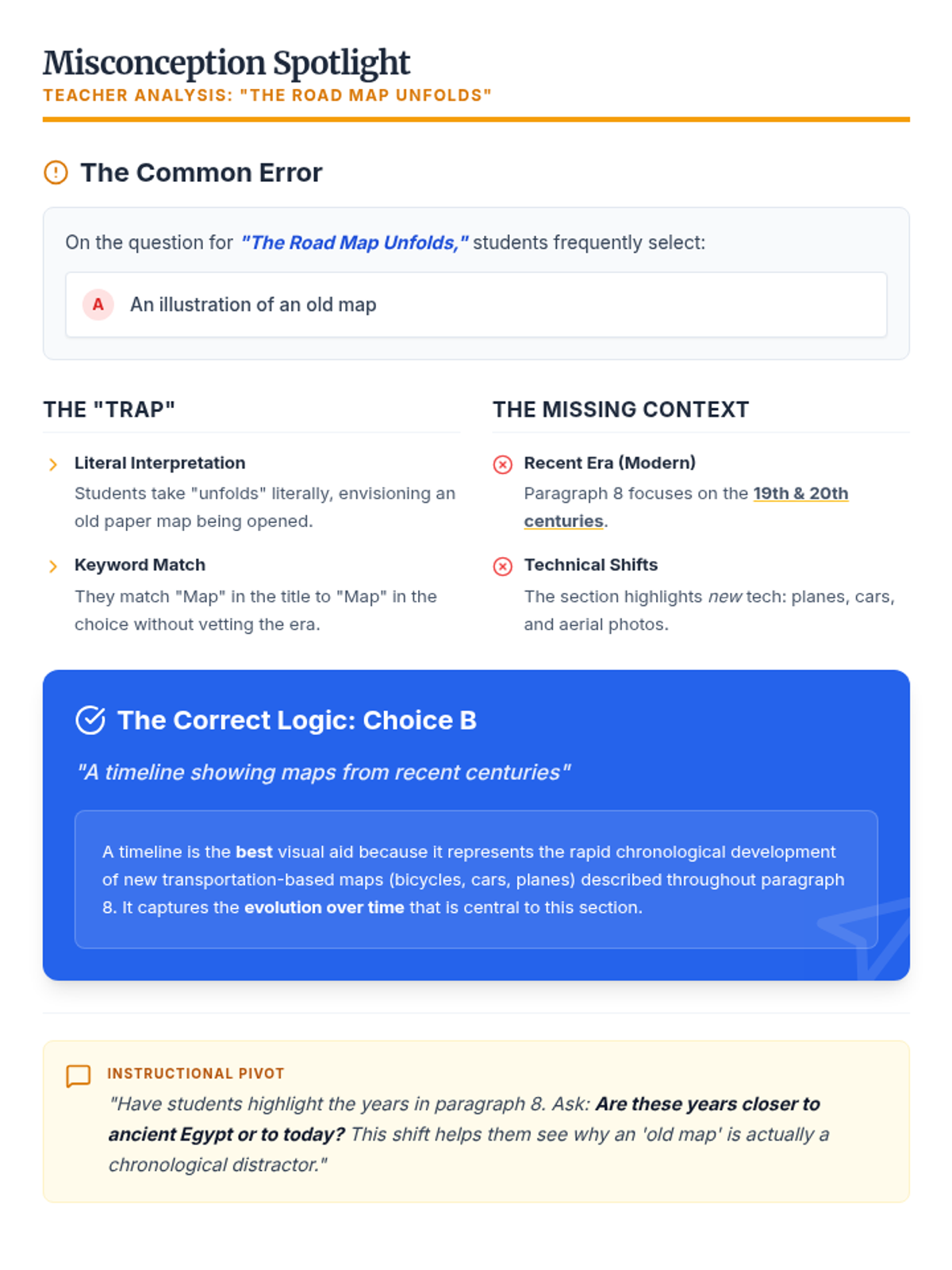
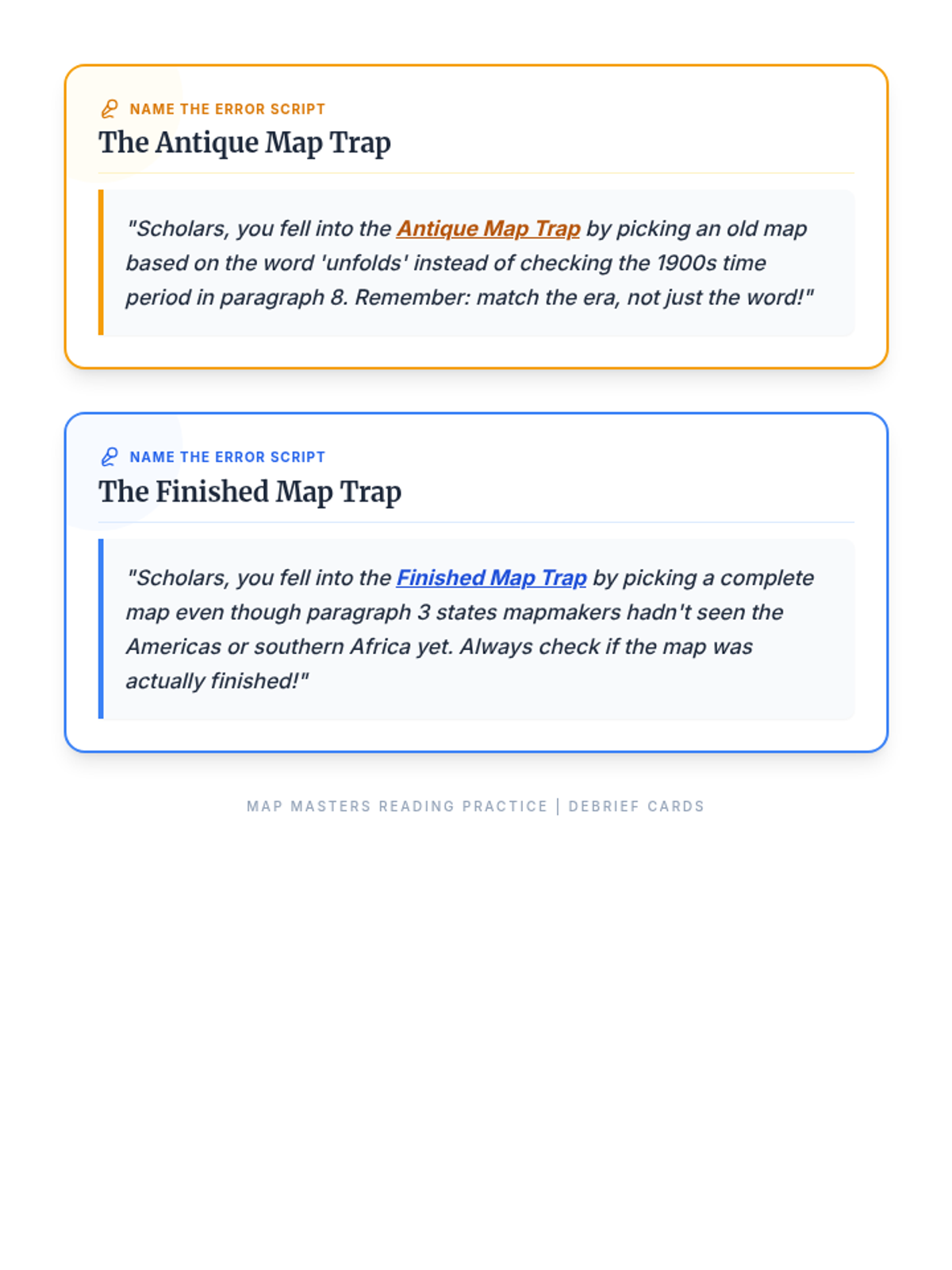
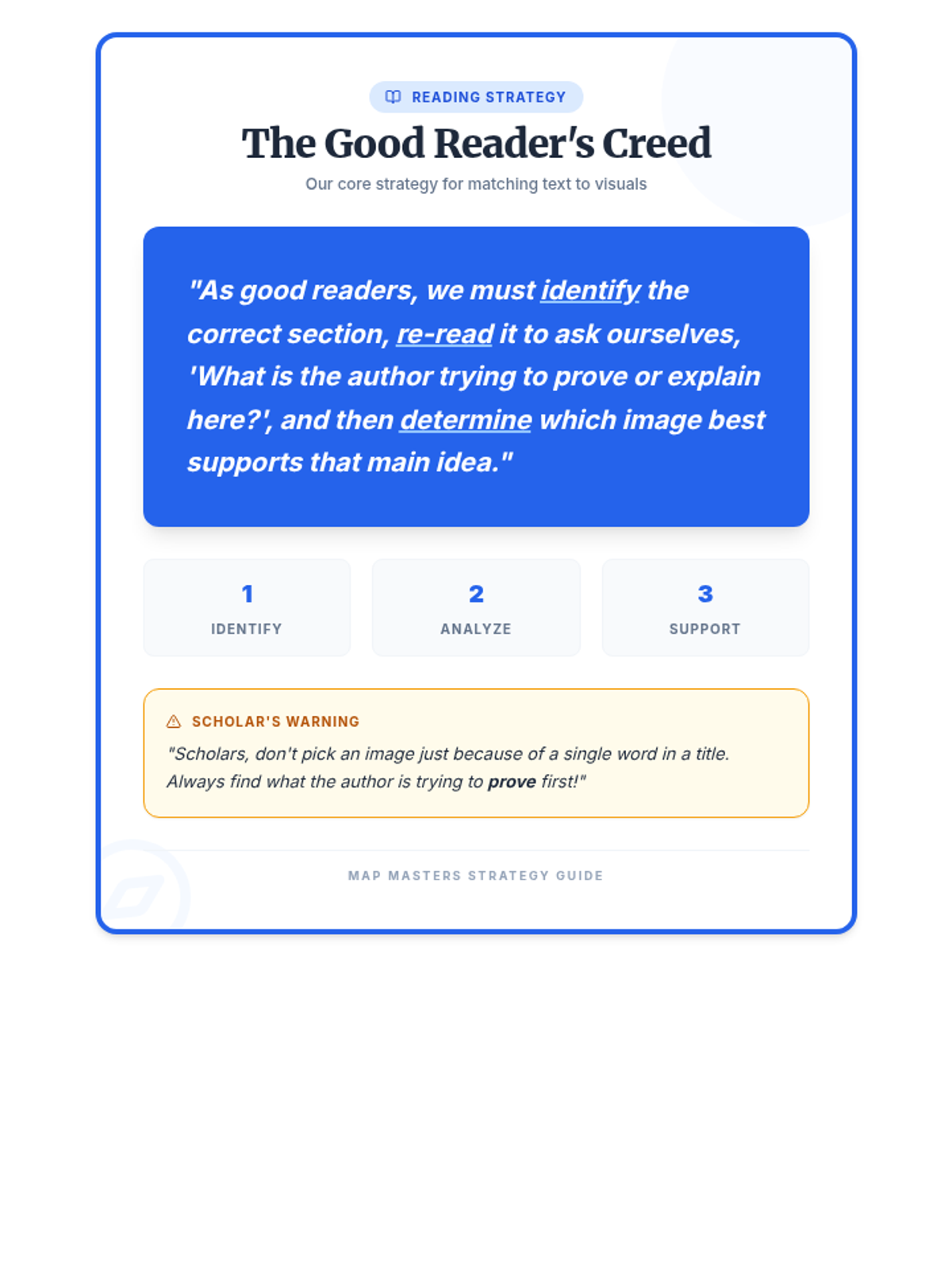
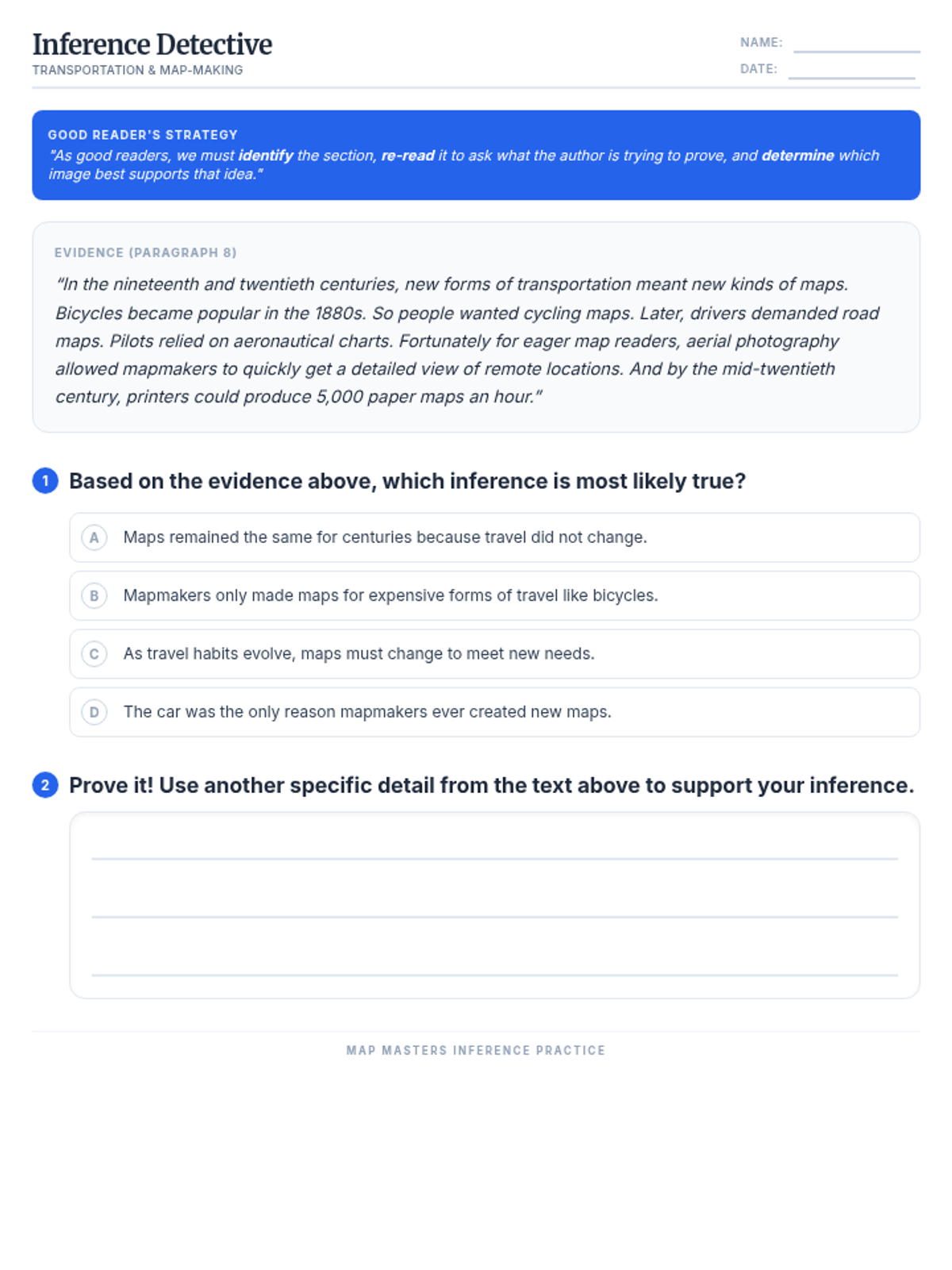
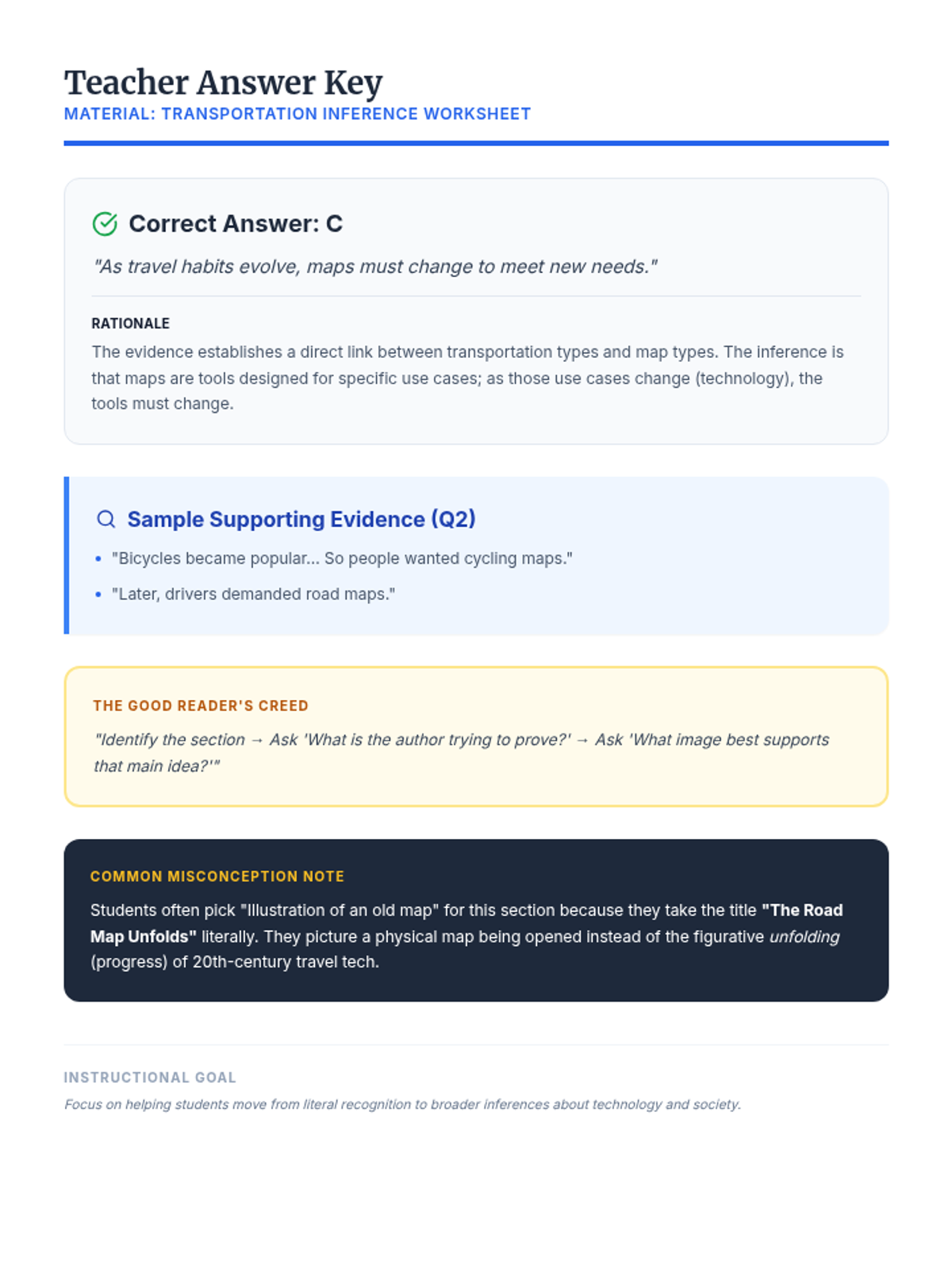
A reading comprehension practice session focused on the passage 'Picturing Our Planet', specifically targeting the understanding of how visual aids support textual information.